MAY 30//BLOG/GOLD CLOSED UP $3.60 TO 2345.45 WHILE SILVER WAS DOWN 80 CENTS AND THIS SETS UP OPTIONS EXPIRY TOMORROW ON FIRST DAY NOTICE//PLATINUM WAS DOPWN $10.75 TO $1031.85 WHILE PALLADIUM WAS DOWN $11.75 TO $955.85//GOLD COMMENTARY TONIGHT FROM PETER SCHIFF//ECONOMIC COMMENTARY FROM MICHAEL EVERY OF RABOBANK//CHINA BLOCKS IMPORTS OF BEEF FROM ONE MAJOR DISTRIBUTOR//FRANCE CALLS FOR A STRIKES INSIDE RUSSIA//UKRAINE TARGETS EARLY WARNING RADAR SYSTEMS INTO RUSSIA MUCH TO THE ANGER OF THE RUSSIANS//ISRAEL VS HAMAS//HOUTHIS VS WEST//CHAOS IN MEXICO HAS THE ISRAELI EMBASSY FIREBOMBED//ISRAEL ATTACKS SYRIA AND HITS A MAJOR MUNITIONS DUMP//COVID UPDATES/ VACCINE INJURY REPORTS//DR PAUL ALEXANDER//SLAY NEWS/EVOL NEWS ETC/USA NEWS JOBLESS CLAIMS RISE//REVISED FIRST QUARTER GDP FALLS TO ONLY 1.3%//MAJOR PROBLEMS FOR BOSTON AND SEATTLE/ECOMONIC REPORT ON OUR REGIONAL BANKS//SWAM NEWS FOR YOU TONIGHT
435 H SCOTIA CAPITAL 1 624 H BOFA SECURITIES 357 880 H CITIGROUP 356
TOTAL: 357 357 MONTH TO DATE: 2,750
JPMorgan stopped 0/357
FOR MAY2024
GOLD: NUMBER OF NOTICES FILED FOR MAY/2024. CONTRACT: 357 NOTICES FOR 35,700 OZ or 1.1104 TONNE
total notices so far: 2750 contracts for 275000 Oz (8.553 tonnes)
FOR MAY:
SILVER NOTICES: 1 NOTICE(S) FILED FOR 5,000 OZ/
total number of notices filed so far this month : 6133 for 30.6650 million oz
XXXXXXXXXXXXXXXXXX
Click here if you wish to send a donation. I sincerely appreciate it as this site takes a lot of preparation
END
GLD/
BOTH GLD AND SLV ARE FRAUDULENT VEHICLES//THEY ARE NOW RAIDING GLD AND SLV FOR PHYSICAL
THE CROOKS ARE STEALING GOLD AND SILVER FROM THE GLD/SLV AND REPLACING THE PHYSICAL WITH PAPER DOLLARS.
WITH GOLD UP $3.60
INVESTORS SWITCHING TO SPROTT PHYSICAL (PHYS) INSTEAD OF THE FRAUDULENT GLD/ :
NO CHANGES IN GOLD INVENTORY AT THE GLD:
/ /INVENTORY RESTS AT 832.21TONNES
INVENTORY RESTS AT 832.21 TONNES
SLV//
WITH NO SILVER AROUND AND SILVER DOWN $0.80 AT THE SLV//
NO CHANGES IN SILVER INVENTORY AT THE SLV:
// INVENTORY LOWERS TO 417.430 MILLION OZ/
INVESTORS ARE SWITCHING SLV TO SPROTT’S PSLV.
CLOSING INVENTORY: 417.430 MILLION OZ
Let us have a look at the data for today
SILVER//OUTLINE
SILVER COMEX OI ROSE BY A HUMONGOUS SIZED 2031 CONTRACTS TO 186,877 AND CONTINUING ITS MARCH TO THE RECORD HIGH OI OF 244,710, SET FEB 25/2020, AND THIS HUGE SIZED GAIN IN COMEX OI WAS ACCOMPLISHED WITH OUR GAIN OF $0.20 IN SILVER PRICING AT THE COMEX ON WEDNESDAY. WE HAD ZERO LONG LIQUIDATION AT THE COMEX SESSION WITH AGAIN SHORT COVERING BY OUR SPECS DESPITE THE GAIN IN PRICE. WE HAD ANOTHER HUGE SIZED 638 T.A.S ISSUANCE AND THESE WILL BE USED FOR MANIPULATION LATER THIS MONTH/AS WELL AS TODAY. PLEASE NOTE THAT THE CROOKS NEED A HIGHER SILVER/GOLD T.A.S. TO CARRY ON THEIR CROOKED MANIPULATION ON A DAILY BASIS BUT DEMAND IS JUST TOO HIGH FOR THEM. THE HIGHER ISSUANCE OF T.A.S. IS NOW USED TO TEMPER OUR SILVER/GOLD PRICE RISE OR RAID LIKE TODAY.
CRAIG HEMKE HAS POINTED OUT THAT THE CROOKS USE THE MID MONTH FOR MANIPULATION AS THEY SELL THEIR BUY SIDE OF THE CALENDAR SPREAD FIRST AND THEN KEEP THE SELL SIDE TO LIQUIDATE AT A LATER DATE. THUS WE HAVE TWO VEHICLES THE CROOKS USE FOR MANIPULATION AND BOTH ARE SPREADERS: 1) AT MONTH’S END/SPREADERS COMEX AND 2/ TAS SPREADERS, MID MONTH. TOTAL TAS ISSUED ON WEDNESDAY NIGHT: 638 CONTRACTS. DESPITE MANY COMPLAINTS THAT THE CROOKS HAVE VIOLATED POSITION LIMITS DUE TO THE FACT THAT THE TAS ISSUED HAVE A VALUE OF ZERO (AS TO POSITION LIMITS FOR OUR CROOKED BANKERS). THE PROBLEM OF COURSE IS THAT THE CROOKS DO NOT LIQUIDATE THE TAS TOGETHER BUT SELL THE BUY SIDE FIRST AND THEN LIQUIDATE THE SELL SIDE TWO MONTHS HENCE. IT IS OBVIOUS MANIPULATION TO THE HIGHEST DEGREE BUT IT NATURALLY FELL ON DEAF EARS WITH OUR REGULATORS (OCC) WHEN THEY RECEIVED OUR COMPLAINTS. IT THUS LOOKS LIKE THE FED (GOV’T) IS BEHIND TODAY;S RAID.
WE HAVE IN THE PAST YEAR SET ANOTHER RECORD LOW AT 114,102 CONTRACTS ///JULY 3.2023// OUR BANKERS WITH THE HELP OF SPECULATORS AND HIGH FREQUENCY TRADERS WERE UNSUCCESSFUL IN KNOCKING THE PRICE OF SILVER DOWN (IT ROSE BY $0.20) AND WERE UNSUCCESSFUL IN KNOCKING ANY SILVER LONGS AS WE DID HAVE A HUMONGOUS SIZED GAIN OF 3456 CONTRACTS ON OUR TWO EXCHANGES WITH THE GAIN IN PRICE OF $0.20
.
WE MUST HAVE HAD:
A HUMONGOUS SIZED 1425 CONTRACT ISSUANCE OF EXCHANGE FOR PHYSICALS) iiii) AN INITIAL SILVER STANDING FOR COMEX SILVER MEASURING AT 28.130MILLION OZ (FIRST DAY NOTICE) FOLLOWED BY TODAY’S 0 QUEUE JUMP TO LONDON OF NIL OZ
//NEW STANDING FOR SILVER//MAY IS THUS 30.655 MILLION OZ
WE HAD:
/ HUMONGOUS SIZED COMEX OI GAIN //HUGE SIZED EFP ISSUANCE/ VI) HUGE SIZED NUMBER OF T.A.S. CONTRACT ISSUANCE 638 CONTRACTS)/
I AM NOW RECORDING THE DIFFERENTIAL IN OI FROM PRELIMINARY TO FINAL -REMOVED AN ENORMOUS 992 CONTRACTS //
HISTORICAL ACCUMULATION OF EXCHANGE FOR PHYSICALS MAY ACCUMULATION FOR EFP’S SILVER/JPMORGAN’S HOUSE OF BRIBES/STARTING FROM FIRST DAY/MONTH OF MAY
TOTAL CONTRACTS for 21 DAYS, total 25,651 contracts: OR 128.255 MILLION OZ (1211 CONTRACTS PER DAY)
TOTAL EFP’S FOR THE MONTH SO FAR: 128.255 MILLION OZ
LAST 23 MONTHS TOTAL EFP CONTRACTS ISSUED IN MILLIONS OF OZ:
MAY 137.83 MILLION
JUNE 149.91 MILLION OZ
JULY 129.445 MILLION OZ
AUGUST: MILLION OZ 140.120
SEPT. 28.230 MILLION OZ//
OCT: 94.595 MILLION OZ
NOV: 131.925 MILLION OZ
DEC: 100.615 MILLION OZ
YEAR 2022:
JAN 2022-DEC 2022
JAN 2022// 90.460 MILLION OZ
FEB 2022: 72.39 MILLION OZ//
MARCH 2022: 207.140 MILLION OZ//A NEW RECORD FOR EFP ISSUANCE
APRIL: 114.52 MILLION OZ FINAL//LOW ISSUANCE
MAY: 105.635 MILLION OZ//
JUNE: 94.470 MILLION OZ
JULY : 87.110 MILLION OZ
AUGUST: 65.025 MILLION OZ
SEPT. 74.025 MILLION OZ///FINAL
OCT. 29.017 MILLION OZ FINAL
NOV: 134.290 MILLION OZ//FINAL
DEC, 61.395 MILLION OZ FINAL
TOTALS YR 2022: 1135.767 MILLION OZ (1.1356 BILLION OZ)
JAN 2023/// 53.070 MILLION OZ //FINAL
FEB: 2023: 100.105 MILLION OZ/FINAL//MUCH STRONGER ISSUANCE VS THE LATTER TWO MONTHS.
MARCH 2023: 112.58 MILLION OZ//FINAL//STRONG ISSUANCE
APRIL 111.035 MILLION OZ(SLIGHTLY GREATER THAN THAN LAST MONTH)
MAY 66.120 MILLION OZ/INITIAL (MUCH SMALLER THIS MONTH)
JUNE: 110.395 MILLION OZ//MUCH LARGER THAN LAST MONTH
JULY 85.745 MILLION OZ (SMALLER THAN LAST MONTH)
AUGUST: 171.43 MILLION OZ (THIS MONTH IS GOING TO BE HUGE //2ND HIGHEST ON RECORD
SEPT: 72.705 MILLION OZ (SMALLER THIS MONTH)
OCT: 97.455 MILLION OZ
NOV. 50.050 MILLION OZ
DEC. 66.140 MILLION OZ//
TOTAL 2023: 1,104.10 MILLION OZ/
JAN ’24 : 78.655 MILLION OZ//
FEB /2024 : 66.135 MILLION OZ./FINAL
MARCH: 143.750 MILLION OZ// 4TH HIGHEST ON RECORD.
APRIL: 161.770 MILLION OZ (THIS MONTH WILL PROBABLY BE A WHOPPER OF ISSUANCE OF EFPS//3RDHIGHEST EVER RECORDED FOR A MONTH)
MAY: 128.255 MILLION OZ //WILL BE A STRONG MONTH FOR EXCHANGE FOR PHYSICAL ISSUANCE
RESULT: WE HAD A HUMONGOUS SIZED INCREASE IN COMEX OI SILVER COMEX CONTRACTS OF 2031 CONTRACTS WITH OUR GAIN IN PRICE OF SILVER PRICING AT THE COMEX//WEDNESDAY.,. THE CME NOTIFIED US THAT WE HAD A HUMONGOUS EFP ISSUANCE CONTRACTS: 1425 ISSUED FOR JULY AND 0 CONTRACTS ISSUED FOR ALL OTHER MONTHS) WHICH EXITED OUT OF THE SILVER COMEX TO LONDON AS FORWARDS. WE HAVE A GOOD INITIAL SILVER OZ STANDING FOR MAY OF 29.345 MILLION OZ ON FIRST DAY NOTICE FOLLOWED BY TODAY’S 0 OZ//QUEUE// E.F.P JUMP TO LONDON
//NEW TOTAL STANDING REMAINS AT 30.655 MILLION OZ
WE HAVE A HUGE SIZED GAIN OF 3456 OI CONTRACTS ON THE TWO EXCHANGES WITH THE GAIN IN PRICE. THE TOTAL OF TAS INITIATED CONTRACTS TODAY: A STRONG SIZED 638 CONTRACTS,//HUGE FRONT END OF THE TAS CONTRACTS WERE LIQUIDATED DURING THE WEDNESDAY COMEX SESSION/// WITH MAJOR SHORT COVERING FROM OUR SPEC SHORTS AND ZERO LIQUIDATION OF SHORTS.
THE NEW TAS ISSUANCE WEDNESDAY NIGHT (638) WILL BE PUT INTO “THE BANK” TO BE COLLUSIVELY USED AT A LATER DATE//AND MOST LIKELY TODAY., .
WE HAD 1 NOTICE(S) FILED TODAY FOR 5,000 OZ
THE SILVER COMEX IS NOW BEING ATTACKED FOR METAL BY LONDONERS ET AL.
GOLD//OUTLINE
IN GOLD, THE COMEX OPEN INTEREST FELL BY A STRONG SIZED 10,239 OI CONTRACTS TO 476,805 AND FURTHER FROM THE RECORD (SET JAN 24/2020) AT 799,733 AND PREVIOUS TO THAT: (SET JAN 6/2020) AT 797,110, BUT WE ARE NOW MUCH FURTHER FROM OUR ALL TIME LOW OF 390,000 CONTRACTS.
THE DIFFERENTIAL FROM PRELIMINARY OI TO FINAL OI IN GOLD TODAY: REMOVED A HUGE 1614 CONTRACTS
WE HAD A STRONG SIZED DECREASE IN COMEX OI (10,239 CONTRACTS) OCCURRED WITH OUR LOSS OF $13.55 IN PRICE/WEDNESDAY. THE FRBNY SUPPLIED THE NECESSARY SHORT PAPER, INITIATING WEDNESDAY’S RAID. WE ALSO HAD A RATHER LARGE INITIAL STANDING IN GOLD TONNAGE FOR MAY AT 4.684 TONNES ON FIRST DAY NOTICE FOLLOWED BY TODAY;S 0 OZ QUEUE JUMP// E.F.P JUMP TO LONDON PLUS WE MUST ADD THAT DUBIOUS ISSUANCE OF 1084 OI EX FOR RISK CONTRACTS ISSUES ON LAST FRIDAY WHEREBY THE BUYER ASSUMES RISK OF 3.3716 TONNES OF GOLD//NEW STANDING DECREASES TO 8.5536 TONNES PLUS THE DUBIOUS 3.3716 ECH FOR RISK!
NEW STANDING REMAINS AT 11.925 TONNES// ALL OF THIS HAPPENED WITH OUR $13.55 LOSS IN PRICE WITH RESPECT TO WEDNESDAY’S TRADING. WE HAD A FAIR SIZED LOSS OF 2771 OI CONTRACTS (8.618 PAPER TONNES) ON OUR TWO EXCHANGES.
E.F.P. ISSUANCE
THE CME RELEASED THE DATA FOR EFP ISSUANCE AND IT TOTALED A STRONG SIZED 7168 CONTRACTS:
The NEW COMEX OI FOR THE GOLD COMPLEX RESTS AT 476,805
IN ESSENCE WE HAVE A FAIR SIZED DECREASE IN TOTAL CONTRACTS ON THE TWO EXCHANGES OF 2771 CONTRACTS WITH 10,239 CONTRACTS DECREASED AT THE COMEX// AND A STRONG SIZED 7468 EFP OI CONTRACTS WHICH NAVIGATED OVER TO LONDON. THUS TOTAL OI LOSS ON THE TWO EXCHANGES OF 2771 CONTRACTS.. WE HAD THE FOLLOWING TAS CONTRACTS INITIATED (ISSUED): A FAIR SIZED 1206 CONTRACTS,,
CALCULATIONS ON GAIN/LOSS ON OUR TWO EXCHANGES
WE HAD A STRONG SIZED ISSUANCE IN EXCHANGE FOR PHYSICALS (7468 CONTRACTS) ACCOMPANYING THE STRONG SIZED LOSS IN COMEX OI 8625/TOTAL LOSS FOR OUR THE TWO EXCHANGES: 2771 CONTRACTS. WE HAVE ( 1) NOW RETURNED TO OUR FORMER FORMAT OF BANKERS GOING LONG AND SPECULATORS GOING SHORT ,2.) STRONG INITIAL STANDING AT THE GOLD COMEX FOR MAY AT 4.684 TONNES FOLLOWED BY TODAY;S 0 OZ EFP JUMP/QUEUE JUMP, PLUS 3.3716 TONNES EX FOR RISK//PRIOR
//NEW STANDING /MAY 11.925 TONNES.
/ 3) CONSIDERABLE LIQUIDATION OF CONTRACTS MOSTLY DUE TO SPREADERS ALONG WITH SOME MINOR LONG SPECS BEING WIPED OUT WITH THE LOSS IN PRICE.
// 4) STRONG SIZED COMEX OPEN INTEREST LOSS 5) STRONG ISSUANCE OF EXCHANGE FOR PHYSICAL PAPER///FAIR T.A.S. ISSUANCE: 1206 CONTRACTS//
HISTORICAL ACCUMULATION OF EXCHANGE FOR PHYSICALS IN 2023-2024 INCLUDING TODAY
MAY
ACCUMULATION OF EFP’S GOLD AT J.P. MORGAN’S HOUSE OF BRIBES: (EXCHANGE FOR PHYSICAL) FOR THE MONTH OF MAY. :
TOTAL EFP CONTRACTS ISSUED: 97,549 CONTRACTS OR 9,754,900 OZ OR 303.41 TONNES IN 21 TRADING DAY(S) AND THUS AVERAGING: 4645 EFP CONTRACTS PER TRADING DAY
TO GIVE YOU AN IDEA AS TO THE SIZE OF THESE EFP TRANSFERS : THIS MONTH IN 21 TRADING DAY(S) IN TONNES 303.41 TONNES
TOTAL ANNUAL GOLD PRODUCTION, 2023, THROUGHOUT THE WORLD EX CHINA EX RUSSIA: 3555 TONNES
THUS EFP TRANSFERS REPRESENTS 303.41 DIVIDED BY 3550 x 100% TONNES = 8.53% OF GLOBAL ANNUAL PRODUCTION
SEPT 142.12 TONNES FINAL ISSUANCE ( LOW ISSUANCE)_
OCT: 141.13 TONNES FINAL ISSUANCE (LOW ISSUANCE)
NOV: 312.46 TONNES FINAL ISSUANCE//NEW RECORD!! (INCREASING DRAMATICALLY)//SIGN OF REAL STRESS//SURPASSING THE MARCH 2021 RECORD OF 276.50 TONNES OF EFP
DEC. 175.62 TONNES//FINAL ISSUANCE//
TOTALS: 2,578.08 TONNES/2021
JAN:2022 247.25 TONNES //FINAL
FEB: 196.04 TONNES//FINAL
MARCH/2022: 409.30 TONNES //FINAL( THIS IS NOW A RECORD EFP ISSUANCE FOR MARCH AND FOR ANY MONTH.
APRIL: 169.55 TONNES (FINAL VERY LOW ISSUANCE MONTH)
MAY: 247.44 TONNES FINAL//
JUNE: 238.13 TONNES FINAL
JULY: 378.43 TONNES FINAL
AUGUST: 180.81 TONNES FINAL
SEPT. 193.16 TONNES FINAL
OCT: 177.57 TONNES FINAL ( MUCH SMALLER THAN LAST MONTH)
NOV. 223.98 TONNES//FINAL ( MUCH LARGER THAN PREVIOUS MONTHS//comex running out of physical)
DEC: 185.59 tonnes // FINAL
TOTAL: 2,847,25 TONNES/2022
JAN 2023: 228.49 TONNES FINAL//HUGE AMOUNT OF EFP’S ISSUED THIS MONTH!!
FEB: 151.61 TONNES/FINAL
MARCH: 280.09 TONNES/INITIAL (ANOTHER STRONG MONTH FOR EFP ISSUANCE)
APRIL: 197.42 TONNES
MAY: 236.67 TONNES (A VERY STRONG ISSUANCE FOR THIS MONTH)
JUNE: 172.667 TONNES (WEAKER ISSUANCE THIS MONTH)
JULY: 151.69 TONNES (WEAKER THAN LAST MONTH)
AUGUST: 195.28 TONNES (A STRONGER MONTH)//FINAL
SEPT: 254.709 TONNES (WILL BE LARGER THAN LAST MONTH AND A STRONG MONTH)
OCT. 248.09 TONNES. LIKE SILVER, THIS MONTH IS GOING TO BE A STRONG E.F.P. ISSUANCE.
NOV. 239.16 TONNES//WILL BE STRONG THIS MONTH,
DEC. 213.704 TONNES. A STRONG MONTH//
TOTAL FOR YEAR 2023: 2,569.57 TONNES VS 2578 TONNES LAST YEAR
JAN ’24: 291.76 TONNES (WILL BE MUCH GREATER THAN LAST MONTH.//3RD HIGHEST EVER RECORDED EXCHANGE FOR PHYSICAL)
FEB’24: 201.947 TONNES
MARCH 2024: 352.21 TONNES//2ND HIGHEST EVER RECORDED EFP ISSUANCE.
APRIL: 267.05TONNES (WILL BE AN EXTREMELY STRONG MONTH BUT LESS THAN MARCH 2024)
MAY; 303.41 TONNES (WILL BE ANOTHER STRONG MONTH// 3RD HIGHEST RECORDED EFP ISSUANCE )// NOTICE THE HUGE INCREASES IN EX FOR PHYSICAL THESE PAST FEW MONTHS. THESE CONTRACTS ARE CIRCLED BACK FROM LONDON WHEREBY METAL IS REMOVED FROM THE COMEX.
SPREADING OPERATIONS
(/NOW SWITCHING TO GOLD) FOR NEWCOMERS, HERE ARE THE DETAILS
SPREADING LIQUIDATION HAS NOW COMMENCED AS WE HEAD TOWARDS THE NEW ACTIVE FRONT MONTH OF JUNE. WE ARE NOW INTO THE SPREADING OPERATION OF GOLD
HERE IS A BRIEF SYNOPSIS OF HOW THE CROOKS FLEECE UNSUSPECTING LONGS IN THE SPREADING ENDEAVOUR ;MODUS OPERANDI OF THE CORRUPT BANKERS AS TO HOW THEY HANDLE THEIR SPREAD OPEN INTERESTS:HERE IS HOW THE CROOKS USED SPREADING AS WE ARE NOW INTO THE NON ACTIVE DELIVERY MONTH OF NOV HEADING TOWARDS THE ACTIVE DELIVERY MONTH OF FEB., FOR GOLD: AND MARCH FOR SILVER
YOU WILL ALSO NOTICE THAT THE COMEX OPEN INTEREST STARTS TO RISE BUT SO IS THE OPEN INTEREST OF SPREADERS. THE OPEN INTEREST IN WILL CONTINUE TO RISE UNTIL ONE WEEK BEFORE FIRST DAY NOTICE OF AN UPCOMING ACTIVE DELIVERY MONTH (APRIL), AND THAT IS WHEN THE CROOKS SELL THEIR SPREAD POSITIONS BUT NOT AT THE SAME TIME OF THE DAY. THEY WILL USE THE SELL SIDE OF THE EQUATION TO CREATE THE CASCADE (ALONG WITH THEIR COLLUSIVE FRIENDS) AND THEN COVER ON THE BUY SIDE OF THE SPREAD SITUATION AT THE END OF THE DAY. THEY DO THIS TO AVOID POSITION LIMIT DETECTION. THE LIQUIDATION OF THE SPREADING FORMATION CONTINUES FOR EXACTLY ONE WEEK AND ENDS ON FIRST DAY NOTICE.”
WHAT IS ALARMING TO ME, ACCORDING TO OUR LONDON EXPERT ANDREW MAGUIRE IS THAT THESE EFP’S ARE BEING TRANSFERRED TO WHAT ARE CALLED SERIAL FORWARD CONTRACT OBLIGATIONS AND THESE CONTRACTS ARE LESS THAN 14 DAYS. ANYTHING GREATER THAN 14 DAYS, THESE MUST BE RECORDED AND SENT TO THE COMPTROLLER, GREAT BRITAIN TO MONITOR RISK TO THE BANKING SYSTEM. IF THIS IS INDEED TRUE, THEN THIS IS A MASSIVE CONSPIRACY TO DEFRAUD AS WE NOW WITNESS A MONSTROUS TOTAL EFP’S ISSUANCE AS IT HEADS INTO THE STRATOSPHERE.
The crooks also use the spread in the TAS account (trade at settlement). They buy the spot TAS (e.g. June) and sell the future TAS two months out (e.g. August). Then they unload the front month (i.e. unload the buy side first so the price of gold/silver falls. This occurs in the middle of the front delivery month cycle. They unload the sell side of the equation, two months down the road. The crooks violate position limits as the OCC refuse to hear our complaints.
First, here is an outline of what will be discussed tonight:
1.TODAY WE HAD THE OPEN INTEREST AT THE COMEX IN SILVER ROSE BY A HUMONGOUS SIZED 2031 CONTRACTS OI TO 187,869 AND CLOSER TO THE COMEX HIGH RECORD //244,710( SET FEB 25/2020). THE LAST RECORDS WERE SET IN AUG.2018 AT 244,196 WITH A SILVER PRICE OF $14.78/(AUGUST 22/2018)..THE PREVIOUS RECORD TO THAT WAS SET ON APRIL 9/2018 AT 243,411 OPEN INTEREST CONTRACTS WITH THE SILVER PRICE AT THAT DAY: $16.53). AND PREVIOUS TO THAT, THE RECORD WAS ESTABLISHED AT: 234,787 CONTRACTS, SET ON APRIL 21.2017 OVER 6 YEARS AGO. HOWEVER WE HAVE NOW SET A NEW RECORD LOW OF 114,102 CONTRACTS JULY 3.2023
EFP ISSUANCE 1425 CONTRACTS
OUR CUSTOMARY MIGRATION OF COMEX LONGS CONTINUE TO MORPH INTO LONDON FORWARDS AS OUR BANKERS USED THEIR EMERGENCY PROCEDURE TO ISSUE:
JULY 1425 and ALL OTHER MONTHS: ZERO. TOTAL EFP ISSUANCE: 1425 CONTRACTS. EFP’S GIVE OUR COMEX LONGS A FIAT BONUS PLUS A DELIVERABLE PRODUCT OVER IN LONDON. IF WE TAKE THE COMEX OI GAIN OF 2031 CONTRACTS AND ADD TO THE 1425 E.FP. ISSUED
WE OBTAIN A STRONG SIZED GAIN OF OPEN INTEREST CONTRACTS FROM OUR TWO EXCHANGES OF 3456 CONTRACTS
THUS IN OUNCES, THE GAIN ON THE TWO EXCHANGES TOTALS 17.28 MILLION OZ
c) Commentaries from: Egon von Greyerz///Matthew Piepenburg via GoldSwitzerland.com, Pam and Russ Martens
ii a) Chris Powell of GATA provides to us very important physical commentaries
b. Other gold/silver commentaries
c. Commodity commentaries//
d)/CRYPTOCURRENCIES/BITCOIN ETC
2.ASIAN AFFAIRS//
THURSDAY MORNING/WEDNESDAY NIGHT
SHANGHAI CLOSED DOWN 19.34 PTS OR 0.62% //Hang Seng CLOSED DOWN 246.82 PTS OR 1.34%// Nikkei CLOSED DOWN 502.74 OR 1.30%//Australia’s all ordinaries CLOSED DOWN 0.50%///Chinese yuan (ONSHORE) closed UP TO 7,2355 CHINESE YUAN OFFSHORE CLOSED UP TO 7.2529/ Oil DOWN TO 79.28 dollars per barrel for WTI and BRENT DOWN AT 83.50 /Stocks in Europe OPENED ALL GREEN
ONSHORE YUAN TRADING ABOVE LEVEL OF OFFSHORE YUAN/ONSHORE YUAN TRADING STRONGER AGAINST US DOLLAR/OFFSHORE YUAN STRONGER
1. COMEX DATA//AMOUNTS STANDING//VOLUME OF TRADING/INVENTORY MOVEMENTS
GOLD
LET US BEGIN:
THE TOTAL COMEX GOLD OPEN INTEREST FELL BY A STRONG SIZED 10,239 CONTRACTS TO 475,191 WITH OUR STRONG LOSS IN PRICE OF $13.55 WITH RESPECT TO WEDNESDAY TRADING. WE HAD A CONSIDERABLE T.A.S. LIQUIDATION WEDNESDAY AS WELL AS FEW LONGS BEING CLIPPED.
EXCHANGE FOR PHYSICAL ISSUANCE
WE ARE NOW IN THE NON ACTIVE DELIVERY MONTH OF MAY.… THE CME REPORTS THAT THE BANKERS ISSUED A HUGE SIZED TRANSFER THROUGH THE EFP ROUTE AS THESE LONGS RECEIVED A DELIVERABLE LONDON FORWARD TOGETHER WITH A FIAT BONUS.,
THAT IS A STRONG SIZED 7468 EFP CONTRACTS WERE ISSUED: : JUNE7468 & ZERO FOR ALL OTHER MONTHS:
TOTAL EFP ISSUANCE:7468 CONTRACTS.
ON A NET BASIS IN OPEN INTEREST WE LOST THE FOLLOWING TODAY ON OUR TWO EXCHANGES: A FAIR SIZED TOTAL OF 2771 CONTRACTS IN THAT 7468 LONGS WERE TRANSFERRED AS EXCHANGE FOR PHYSICALS TO LONDON AND WE HAD A STRONG SIZED LOSS OF 10,239 COMEX CONTRACTS..AND THIS LOSS ON OUR TWO EXCHANGES HAPPENED WITH OUR LOSS IN PRICE OF $13.55// WEDNESDAY COMEX. AS PER OUR NEWBIE TRADE AT SETTLEMENT (TAS) MANIPULATION OPERATION (WHICH CRAIG HEMKE HAS POINTED OUT HAPPENS DURING MID MONTH IN THE DELIVERY CYCLE), THE CME REPORTS THAT THE TOTAL T.A.S. ISSUANCE FOR WEDNESDAY NIGHT WAS A FAIR SIZED 1206 CONTRACTS. MOST OF THE TRADING AND SUPPLY OF CONTRACTS WAS ORCHESTRATED BY GOVERNMENT (FEDERAL RESERVE BANK OF NEW YORK)
THROUGHOUT THE PAST SEVERAL WEEKS, THE BANKERS CONTINUE TO SELL OFF THE LONG SIDE OF THE SPREAD WHICH OF COURSE CONTINUES TO MANIPULATE THE PRICE OF GOLD SOUTHBOUND. (THEY KEEP THE SHORT SIDE OF THE CALENDAR/T.A.S. SPREAD WHICH WILL BE LIQUIDATED IN DAYS HENCE//. IT SEEMS THAT OUR CROOKS ARE HAVING A HARD TIME TRYING TO CONTROL THE PRICE OF GOLD AND THUS THE NEED FOR STRONG T.A.S. ISSUANCE. THE USE OF T.A.S. TODAY IS OF EXTREMELY IMPORTANCE TO OUR CROOKS IN YESTERDAY’S FALL IN PRICE
// WE HAVE A STRONG AMOUNT OF GOLD TONNAGE STANDING: MAY (8.5536 TONNES+ 3.3716 EX FOR RISK/PRIOR) = 11.925 TONNES ( NON ACTIVE MONTH)
HERE ARE THE AMOUNTS THAT STOOD FOR DELIVERY IN THE PRECEDING 24 MONTHS OF 2021-2023:
DEC 2021: 112.217 TONNES
NOV. 8.074 TONNES
OCT. 57.707 TONNES
SEPT: 11.9160 TONNES
AUGUST: 80.489 TONNES
JULY 7.2814 TONNES
JUNE: 72.289 TONNES
MAY 5.77 TONNES
APRIL 95.331 TONNES
MARCH 30.205 TONNES
FEB ’21. 113.424 TONNES
JAN ’21: 6.500 TONNES.
TOTAL YEAR 2021 (JAN- DEC): 601.213 TONNES
YEAR 2022:
JANUARY 2022 17.79 TONNES
FEB 2022: 59.023 TONNES
MARCH: 36.678 TONNES
APRIL: 85.340 TONNES FINAL.
MAY: 20.11 TONNES FINAL
JUNE: 74.933 TONNES FINAL
JULY 29.987 TONNES FINAL
AUGUST:104.979 TONNES//FINAL
SEPT. 38.1158 TONNES
OCT: 77.390 TONNES/ FINAL
NOV 27.110 TONNES/FINAL
Dec. 64.000 tonnes
(TOTAL YEAR 656.076 TONNES)
2023:
JAN/2023: 20.559 tonnes
FEB 2023: 47.744 tonnes
MAR: 19.0637 TONNES
APRIL: 75.676 tonnes
MAY: 19.094 TONNES + 1.244 tonnes of exchange for risk = 20.338
JUNE: 64.354 TONNES
JULY: 10.2861 TONNES
AUGUST: 38.855 TONNES(INCLUDING .6842 EXCHANGE FOR RISK)
SEPT: 15.281 TONNES FINAL
OCT. 35.869 TONNES + 1.665 EXCHANGE FOR RISK =37.0355 tonnes
DEC. 47.073 + 4.634 TONNES OF EXCHANGE FOR RISK = 51.707 TONNES
TOTAL 2023 YEAR : 436.546 TONNES
JAN ’24. 22.706 TONNES
FEB. ’24: 66.276TONNES (INCLUDES 1.723 TONNES EX. FOR RISK)
MARCH: 18.8398 TONNES + 1.1695 EX FOR RISK = 20.093 TONNES
APRIL: 2024: 53.673TONNES FINAL
MAY/ 2024 8.5536 TONNES + 3.3716 TONNES EX FOR RISK/PRIOR= 11.9325
THE SPECS/HFT WERE SUCCESSFUL IN LOWERING GOLD’S PRICE( IT FELL BY $13.55 //// AND WERE SUCCESSFUL IN KNOCKING SOME SPECULATOR LONGS AS WE HAD A FAIR LOSS OF 2771 CONTRACTS ON WEDNESDAY WITH OUR TWO EXCHANGES WITH THE LOSS IN PRICE. THE T.A.S. ISSUED ON WEDNESDAY NIGHT WILL BE “PUT INTO THE BANK” TO BE USED AT A LATER DATE AT THE COLLUSIVE CHOOSING OF OUR BANKERS.
WE HAVE LOST A TOTAL OI OF 8.618 PAPER TONNES FROM OUR TWO EXCHANGES, ACCOMPANYING OUR INITIAL GOLD TONNAGE STANDING FOR MAY (4.684 TONNES) ON FIRST DAY NOTICE FOLLOWED BY TODAY’S ZERO JUMP//EFP JUMP PLUS 3.3716 TONNES OF EX FOR RISK/PRIOR
NEW STANDING: 8.5536 TONNES PLUS 3.3716 TONNES EX FOR RISK/PRIOR = 11.925
ALL OF THIS WAS ACCOMPLISHED WITH OUR LOSS IN PRICE TO THE TUNE OF $13.55
WE HAVE REMOVED 8,136 CONTRACTS FROM THE COMEX TRADES TO OPEN INTEREST (CROOKS)//PRELIMINARY TO FINAL
NET LOSS ON THE TWO EXCHANGES 2771 CONTRACTS OR 277,100 (8.618 TONNES)
Total monthly oz gold served (contracts) so far this month
2750 notices 275000 oz 8.559 TONNES
Total accumulative withdrawals of gold from the Dealers inventory this month
NIL oz
Total accumulative withdrawal of gold from the Customer inventory this month
x
1 dealer deposits:
(1) into ASAHI: 32,348.89 oz
total dealer deposits: 32,348.89 oz
we have 0 customer deposit:
total deposit nil oz
total customer withdrawals: 1
i. out of Ashai 32,335.930 oz
TOTAL WITHDRAWALS 32,335.930 0z
Adjustments: 0
CALCULATIONS FOR THE AMOUNT OF GOLD STANDING FOR MAY
For the front month of MAY we have an oi of 379 contracts having LOST 2 contracts.
We had 0 contracts served on WEDNESDAY, so we LOST 2 contracts or 200 oz (0.00623 Tonnes).
JUNE DECREASED ITS OI BY 44,630 CONTRACTS DOWN TO 29,291 CONTRACTS. WE HAVE 1 MORE READING DAYS BEFORE FIRST DAY NOTICE
JULY GAINED 687 CONTRACTS TO STAND AT 1869
We had 357 contracts filed for today representing 35700 oz
Today, 0 notice(s) were issued from J.P.Morgan dealer and 0 notices were issued from their client or customer account. The total of all issuance by all participants equate to 22 contract(s) of which 0 notices were stopped (received) by j.P. Morgan dealer and 0 notice(s) was (were) stopped (received) by J.P.Morgan//customer account
To calculate the INITIAL total number of gold ounces standing for the MAY /2024. contract month, we take the total number of notices filed so far for the month (2750) x 100 oz ) to which we add the difference between the open interest for the front month of MAY ( 357 CONTRACTS) minus the number of notices served upon today (357 x 100 oz per contract( equals 275,000 OZ OR 8.5536 TONNES. PLUS THE 3.3716 OF EX FOR RISK/PRIOR = 11.925 TONNES
thus the INITIAL standings for gold for the MAY contract month: No of notices filed so far (2750x 100 oz + 357 OI for the front month} minus the number of notices served upon today (357) x 100 oz which equals 275,000 oz (8.5536 TONNES) PLUS 3.3716 EX FOR RISK/PRIOR = 11.925 TONNES.
TOTAL COMEX GOLD STANDING FOR MAY: 11.9250 TONNES WHICH IS HUGE FOR THIS A NON ACTIVE DELIVERY MONTH IN THE CALENDAR.
TOTAL OF ALL GOLD ELIGIBLE AND REGISTERED GOLD: 17,641,822.253 OZ
TOTAL REGISTERED GOLD 7,885,539.2 ( 245.27 tonnes).
TOTAL OF ALL ELIGIBLE GOLD: 9,756,283.053 OZ
REGISTERED GOLD THAT CAN BE SERVED UPON: 6,327,052 oz (REG GOLD- PLEDGED GOLD)= 196.79 tonnes //
END
SILVER/COMEX
MAY 30
INITIAL
//2024// THE MAY 2024 SILVER CONTRACT//INITIAL
Silver
Ounces
Withdrawals from Dealers Inventory
NIL oz
Withdrawals from Customer Inventory
1,163,269.238 oz
hsbc delaware
.
Deposits to the Dealer Inventory
nil OZ
Deposits to the Customer Inventory
606,050.300 oz asahi
No of oz served today (contracts)
1 CONTRACT(S) (5,000 OZ)
No of oz to be served (notices)
0 contracts (0.000 million oz)
Total monthly oz silver served (contracts)
6133 Contracts (30.665 MILLION oz)
Total accumulative withdrawal of silver from the Dealers inventory this month
NIL oz
Total accumulative withdrawal of silver from the Customer inventory this month
i) 0 dealer deposit
total dealer deposit : nil oz
i) We had 0 dealer withdrawal
total dealer withdrawals: 0 oz
We had 1 deposits customer account:
i) into asahi 606,050.300 oz
total customer deposit 606,050.300 oz
JPMorgan has a total silver weight: 128.497million oz/297.910 million or 43.23%
adjustment: 0
Comex withdrawals: 2
i) delaware; 594,869.738 oz
i) hsbc 568,399 oz
ii) delaware 598,193.480 oz
total withdrawal: 1,163,269.238 0z
TOTAL REGISTERED SILVER: 62.175MILLION OZ//.TOTAL REG + ELIGIBLE. 297.910 million oz
CALCULATIONS FOR THE NEW STANDING FOR SILVER FOR DECEMBER:
silver open interest data:
FRONT MONTH OF MAY/2024 OI: 1 CONTRACTS HAVING LOST 25 CONTRACT(S).
.
We had 25 notices served on WEDNESDAY so we LOST 0 contracts or 0 oz underwent an EFP JUMP TO LONDON/QUEUE JUMP
JUNE SAW A LOSS OF 217 CONTRACTS RISING TO 1138
JULY SAW A GAIN OF 510 CONTRACTS UP TO 145,196
TOTAL NUMBER OF NOTICES FILED FOR TODAY: 1 for 5,000 oz
CONFIRMED volume; ON WEDNESDAY 94,172 huge
To calculate the number of silver ounces that will stand for delivery in MAY we take the total number of notices filed for the month so far at 6133 x 5,000 oz = 30.665 MILLION oz
to which we add the difference between the open interest for the front month of MAY ((1) and the number of notices served upon today 1x (5000 oz) equals the number of ounces standing.
Thus the standings for silver for the MAY/2024 contract month: 6133 notices served so far) x 5000 oz + OI for the front month of MAY (1)x number of notices served upon today minus (1x 5000 oz of silver standing for the may contract month equates to 30.655 MILLION OZ.
New total standing: 30.655 million oz.
There are 61.566 million oz of registered silver.
The record level of silver open interest is 234,787 contracts set on April 21./2017 with the price on that day at $18.42. The previous record was 224,540 contracts with the price at that time of $20.44.
Now that we have surpassed $28.40 the next big line in the sand for silver is $34.76. After that the moon
END
GLD AND SLV INVENTORY LEVELS//
BOTH GLD AND SLV ARE MASSIVE FRAUDS!
MAY 30 WITH GOLD UP $3.60 ON THE DAY; NO CHANGES IN GOLD INVENTORY AT THE GLD: / //NEW TOTAL TONIGHT 832.21 TONNES
MAY 29 WITH GOLD DOWN $13.55 ON THE DAY; NO CHANGES IN GOLD INVENTORY AT THE GLD: / //NEW TOTAL TONIGHT 832.21 TONNES
MAY 28 WITH GOLD UP $22.00 ON THE DAY; HUGE CHANGES IN GOLD INVENTORY AT THE GLD: A WITHDRAWAL OF 1.15 TONNES OF GOLD FROM THE GLD// //NEW TOTAL TONIGHT 832.21 TONNES
MAY 24 WITH GOLD DOWN $2.25 ON THE DAY; HUGE CHANGES IN GOLD INVENTORY AT THE GLD: A WITHDRAWAL OF 5.18 TONNES OF GOLD FROM THE GLD// //NEW TOTAL TONIGHT 833.36 TONNES
MAY 23 WITH GOLD DOWN $53.00 ON THE DAY; NO CHANGES IN GOLD INVENTORY AT THE GLD: //NEW TOTAL TONIGHT 838.54 TONNES
MAY 22 WITH GOLD DOWN $32.10 ON THE DAY; NO CHANGES IN GOLD INVENTORY AT THE GLD: //NEW TOTAL TONIGHT 838.54 TONNES
MAY 21 WITH GOLD DOWN $12,00 ON THE DAY; NO CHANGES IN GOLD INVENTORY AT THE GLD: //NEW TOTAL TONIGHT 838.54 TONNES
MAY 20 WITH GOLD UP $21.30 ON THE DAY; HUGE CHANGES IN GOLD INVENTORY AT THE GLD: A DEPOSIT OF 5.10 TONNES OF GOLD INTO THE GLD//NEW TOTAL 838.54 TONNES
MAY 17 WITH GOLD UP $31.70 ON THE DAY; NO CHANGES IN GOLD INVENTORY AT THE GLD//NEW TOTAL 833.36 TONNES
MAY 16 WITH GOLD DOWN $7.90 ON THE DAY; HUGE CHANGES IN GOLD INVENTORY AT THE GLD//A DEPOSIT OF 1.43 TONNES OF GOLD INTO THE GLD//NEW TOTAL 833.36 TONNES
MAY 15 WITH GOLD UP $34.90 ON THE DAY; SMALL CHANGES IN GOLD INVENTORY AT THE GLD//A DEPOSIT OF .600 TONNES OF GOLD INTO THE GLD/INVENTORY RISES TO 831.93 TONNES
MAY 14 WITH GOLD DOWN $17.10 ON THE DAY; NO CHANGES IN GOLD INVENTORY AT THE GLD//INVENTORY RISES TO 831.33 TONNES
MAY 13 WITH GOLD DOWN $31.10 ON THE DAY; HUGE CHANGES IN GOLD INVENTORY AT THE GLD A DEPOSIT OF .600 TONNES OF GOLD INTO THE GLD////INVENTORY RISES TO 831.93 TONNES
MAY 10 WITH GOLD UP $34.65 ON THE DAY; NO CHANGES IN GOLD INVENTORY AT THE GLD////INVENTORY REMAINS CONSTANT AT 830.47 TONNES
MAY 9 WITH GOLD UP $18.25 ON THE DAY; NO CHANGES IN GOLD INVENTORY AT THE GLD////INVENTORY REMAINS CONSTANT AT 830.47 TONNES
MAY 8 WITH GOLD DOWN $0.90 ON THE DAY; HUGE CHANGES IN GOLD INVENTORY AT THE GLD: A WITHDRAWAL OF 1.72 TONNES OF GOLD INTO THE GLD//INVENTORY RISES AT 830.47 TONNES
MAY 7 WITH GOLD DOWN $6.40 ON THE DAY; HUGE CHANGES IN GOLD INVENTORY AT THE GLD: A DEPOSIT OF 1.72 TONNES OF GOLD INTO THE GLD//INVENTORY RISES AT 832.19 TONNES
MAY 6WITH GOLD UP $21.00 ON THE DAY; HUGE CHANGES IN GOLD INVENTORY AT THE GLD: A WITHDRAWAL OF .55 TONNES IF FGOLD FROM THE GLD//INVENTORY FALLS AT 831.64 TONNES
MAY 2 WITH GOLD UP $0.20 ON THE DAY; SMAKK CHANGES IN GOLD INVENTORY AT THE GLD: A WITHDRAWAL OF 1.17 TONNES IF FGOLD FROM THE GLD//INVENTORY FALLS AT 830.47 TONNES
MAY 1 WITH GOLD UP $7.80 ON THE DAY; NO CHANGES IN GOLD INVENTORY AT THE GLD:INVENTORY RISES AT 832.19 TONNES
GLD INVENTORY: 832.21 TONNES, TONIGHTS TOTAL
Now the SLV Inventory/( vehicle is a fraud as there is no physical metal behind them
MAY 30 WITH SILVER DOWN $0.80 TODAY: NO CHANGES IN SILVER INVENTORY//INVENTORY REMAINS AT 417.430 MILLION OZ
MAY 29 WITH SILVER UP $0.20 TODAY: HUGE CHANGES IN SILVER INVENTORY AT THE SLV// A HUGE WITHDRAWAL OF 1.051 MILLION OZ INTO THE SLV//INVENTORY DECREASES TO 417.430 MILLION OZ
MAY 28 WITH SILVER UP $1.64 TODAY: HUGE CHANGES IN SILVER INVENTORY AT THE SLV// A HUGE WITHDRAWAL OF 2.832 MILLION OZ INTO THE SLV//INVENTORY INCREASES TO 418.481 MILLION OZ
MAY 24 WITH SILVER UP $0.10 TODAY: HUGE CHANGES IN SILVER INVENTORY AT THE SLV// A DEPOSIT OF .822 MILLION OZ INTO THE SLV//INVENTORY INCREASES TO 421.313 MILLION OZ
MAY 23 WITH SILVER DOWN $1.00 TODAY: HUGE CHANGES IN SILVER INVENTORY AT THE SLV// A WITHDRAWAL OF 1.736 MILLION OZ FROM THE SLVINVENTORY INCREASES TO 420.491 MILLION OZ
MAY 22 WITH SILVER DOWN $0.66 TODAY: NO CHANGES IN SILVER INVENTORY AT THE SLV// INVENTORY INCREASES TO 422.227 MILLION OZ
MAY 21 WITH SILVER DOWN $0.41 TODAY: HUGE CHANGES IN SILVER INVENTORY AT THE SLV/A DEPOSIT OF 3.792 MILLION OZ FROM THE SLV// INVENTORY INCREASES TO 422.227 MILLION OZ
MAY 20 WITH SILVER UP $1.28 TODAY: HUGE CHANGES IN SILVER INVENTORY AT THE SLV/A WITHDRAWAL OF 1.005 MILLION OZ FROM THE SLV// INVENTORY LOWERS TO 418.435 MILLION OZ
MAY 17 WITH SILVER UP $1.37 TODAY: SMALL CHANGES IN SILVER INVENTORY AT THE SLV/A WITHDRAWAL OF 868,000 OZ FROM THE SLV// INVENTORY LOWERS TO 419.440 MILLION OZ
MAY 16 WITH SILVER DOWN 14 CENTS TODAY: NO CHANGES IN SILVER INVENTORY AT THE SLV/ INVENTORY REMAINS AT 420.308 MILLION OZ
MAY 15 WITH SILVER UP 101 CENTS TODAY: HUGE CHANGES IN SILVER INVENTORY AT THE SLV;; A WITHDRAWAL OF 1.919 MILLION OZ FROM THE SLV
INVENTORY RESTS AT 420.308 MILLION OZ
MAY 14 WITH SILVER UP 25 CENTS TODAY: NO CHANGES IN SILVER INVENTORY AT THE SLV;;
INVENTORY RESTS AT 422.227 MILLION OZ
MAY 13 WITH SILVER DOWN 4 CENTS TODAY: NO CHANGES IN SILVER INVENTORY AT THE SLV;;NVENTORY RESTS AT 422.227 MILLION OZ
MAY 10 WITH SILVER UP 15 CENTS TODAY: HUGE CHANGES IN SILVER INVENTORY AT THE SLV;; A HUGE WITHDRAWAL OF 1.,828 MILLION OZ//INVENTORY RESTS AT 422.227 MILLION OZ
MAY 9 WITH SILVER UP 78 CENTS TODAY: NO CHANGES IN SILVER INVENTORY AT THE SLV/INVENTORY RESTS AT 424.055 MILLION OZ
MAY 8 WITH SILVER DOWN 11 CENTS TODAY: NO CHANGES IN SILVER INVENTORY AT THE SLV/INVENTORY RESTS AT 424.055 MILLION OZ
MAY 7WITH SILVER DOWN 14 CENTS TODAY: NO CHANGES IN SILVER INVENTORY AT THE SLV/INVENTORY RESTS AT 424.055 MILLION OZ
MAY 6 WITH SILVER DOWN 12 CENTS TODAY: SMALL CHANGES IN SILVER INVENTORY AT THE SLV/ A DEPOSIT OF 0.338 MILLION OZ OUT OF THE SLV INVENTORY RESTS AT 424.055 MILLION OZ
MAY 3 WITH SILVER DOWN 12 CENTS TODAY: SMALL CHANGES IN SILVER INVENTORY AT THE SLV/ A DEPOSIT OF 0.338MILLION OZ OUT OF THE SLV INVENTORY RESTS AT 424.695 MILLION OZ
MAY 2WITH SILVER UP 0.12 TODAY: HUGE CHANGES IN SILVER INVENTORY AT THE SLV/ A WITHDRAWALOF 4.471 MILLION OZ OUT OF THE SLV INVENTORY RESTS AT 424.695 MILLION OZ
MAY 1 WITH SILVER UP 0.09 TODAY: SMALLCHANGES IN SILVER INVENTORY AT THE SLV/ A DEPOSIT OF ,457 MILLION OZ INTO THE SLV INVENTORY RESTS AT 429.814 MILLION OZ
Central bank gold buying has been a significant factor in the yellow metal’s spectacular run-up to new record highs. But with its recent small correction downward, it’s a good time to look at which central banks are selling — and why.
Gold vs USD, 1-Month Chart, Source: Bloomberg
For one, Thailand has been selling the gold top to help rebalance its reserves. However, the biggest central bank gold seller by far is currently Uzbekistan, and has been for some time. The country has better reasons than most to sell the top and pull in some revenue: Uzbekistan bought a lot of gold when prices were lower, but even more importantly, they’re one of the world’s top 10-12 producers and exporters of gold in the world.
Being a producer helps reduce some of the pressure to hold as much gold as possible as global inflation continues to run hot, conflict in the Middle East drags on, and the ongoing war continues to rage between nearby Russia and Ukraine.
However, Uzbekistan’s major problem with gold is one of overdependence — they don’t have a lot of other revenue sources, are heavily indebted, and have leaned on gold sales to replenish their treasury without any major economic reforms to reduce the degree to which it has to lean on gold exports. If gold crashes, the central bank and government have few solid resources to soften the blow. Thankfully, if you zoom out, gold always trends up as central banks devalue their currencies — but Uzbekistan doesn’t have other tools to work with during gold’s major drawdowns.
Likewise, if there are disruptions around Uzbekistan’s gold mining industry that hamper its discovery, production, or export, the Uzbekistan central bank is left without equally effective measures to prop up the som, its troubled national currency. With gold’s rise, becoming one of the world’s biggest sellers allowed Uzbekistan to prop up the som against the US dollar — but without its stash of gold, the country’s economy and currency would be in a huge heap of trouble.
UZS vs USD as Uzbekistan Sells Gold, Source: Bloomberg
With gold currently raging, there’s also less incentive for the government to push to innovate and fix its more fundamental issues, since it can lean on high gold prices to keep itself afloat and pay back debtors, like the $1 billion that just came due on a 2019 Eurobond.
One major reform effort was a new rule allowing anyone to look for gold, in an effort to increase gold production and overall employment. And while it has helped somewhat, making fewer Uzbekis dependent on Russia for jobs, it only increases the country’s broader gold dependence.
Luckily for Uzbekistan, inflation will continue to worsen as central banks and governments scramble (and fail) to contain it, which will push commodities like gold higher. Meanwhile, countries like China continue their massive buying sprees and help prop up bull markets further. That means that Uzbekistan will probably continue to sell and reap the benefits of profit-taking, likely remaining one of the world’s major sellers in the coming months and years.
Without other economic tools, however, it can’t just rely on selling gold as a shortcut to prosperity on the global stage. Then again, if major currencies start to fall due to central bank hubris and out-of-control debt, perhaps gold will soar high enough that an overdependent country like Uzbekistan will have a (literal) golden opportunity to invest heavily into other areas, building itself up from the ashes of the self-destruction of Western fiat currencies.
For now, however, all that glistens in Uzbekistan’s economy is gold.
end
2. ALASDAIR MACLEOD/JIM RICKARDS/PAM AND RUSS MARTENS//GOLD AND SILVER COMMENTARY
END
3. CHRIS POWELL//GATA DISPATCHES
CHRIS POWELL…
In uncertain times, gold jewellery offers financial security
Submitted by admin on Wed, 2024-05-29 15:21 Section: Daily Dispatches
When gold is remonetized, India may be the richest country in the world.
* * *
By Yumna Iftikhar The Globe and Mail, Toronto Tuesday, May 28, 2024
As a child Adiba Ahmed didn’t understand why her mother loved gold jewellery. But when her family came under financial stress and her mother sold the gold to keep them afloat, Ahmed realized that gold jewellery could be a reliable emergency fund.
Gifting gold jewellery on special occasions is a prominent tradition in many South Asian countries, including Bangladesh, from where Ahmed’s family moved to Canada. Other countries where gold gifting is popular include Pakistan and India.
According to a 2023 report by the World Gold Council, Indian households own approximately 25,000 tonnes of gold, or roughly 12% of all the gold that has been mined globally. …
5 B GLOBAL COMMODITY ISSUES/FOOD IN GENERAL//FREIGHT//ALUMINUM//
Aluminum Prices Hit Two-Year High On Smelter Output Limits In China
THURSDAY, MAY 30, 2024 – 03:05 PM
Aluminum prices in London reached their highest in two years as the industrial metals rebound theme continued, driven by a combination of supply constraints and the prospect of increased demand in China and the US.
The latest driver for the silvery-white, lightweight metal, used in everything from vehicles to aircraft to window frames to soda cans, comes as China, the world’s top producer, signaled overnight aggressive emission-cutting targets for smelters, in return, tighter metal capacity.
In a further boost for the bulls, China’s State Council pledged to strengthen capacity limits in industries from steel to alumina in a work plan for energy conservation and carbon reduction in 2024-25. The move to constrain additional supply comes at a time when the transition to greener energy is boosting demand for copper and aluminum.
The country will strictly control new capacity for copper smelters and alumina output, and take a reasonable approach in allocating fresh capacity for silicon, lithium and magnesium, the government said late Wednesday.
The government also reiterated strict implementation of the “aluminum swap scheme,” or the requirement for any new smelter to be matched by closure of an existing one. New capacity for aluminum, alumina, polysilicon and lithium batteries must meet advanced levels of energy efficiency, it added. –Bloomberg
With the US economy chugging along with the US government spending $1 trillion every 100 days, i.e., stealth stimulus, demand for metals and other commodities has increased. Easing in China has also boosted the prospect of demand increases for industrial metals. However, Chaos Ternary Research Institute wrote in a note that a near-term pullback in aluminum prices is quite possibly because of inventories in China and deliveries to the London Metal Exchange, which remain elevated.
In markets, aluminum prices on the LME rose 1.4% to $2,734 a ton.
The historic squeeze in New York copper futures fizzled this week, trading below the record high.
Industrial metals tracked by Bloomberg have soared to a 1.5-year high.
As tracked by Bloomberg, spot commodity prices have risen this year to 1.5-year highs.
In a note titled “The 5D Bull Makret,” Goldman analysts led by Daan Struyven and Samantha Dart wrote, “We remain selectively bullish commodities because 1) demand growth remains solid, 2) we see more structural upside in industrial metals and gold, and 3) oil’s geopolitical risk premium has shrunk. We expect commodity total returns to rise from 13% YTD to 18% by year-end.”
The analysts provided more insight into the 5D trends:
Disinvestment: low investment in commodities induces select tightness
Decarbonization & climate change: require higher prices to attract green capex
De-risking (hedging): geopolitical de-risking and strategic restocking support demand for gold and critical commodities
Datacenters & AI: support demand via power and via higher incomes
Defense spending: support demand for metals and distillate fuels
This comes as global Purchasing Managers’ Index data has turned up.
To sum up, rising commodity prices are yet more troubling signs for Jerome Powell & the gang in their attempt to slay the wicked inflation monster.
SHANGHAI CLOSED DOWN 19.34 PTS OR 0.62% //Hang Seng CLOSED DOWN 246.82 PTS OR 1.34%// Nikkei CLOSED DOWN 502.74 OR 1.30%//Australia’s all ordinaries CLOSED DOWN 0.50%///Chinese yuan (ONSHORE) closed UP TO 7,2355 CHINESE YUAN OFFSHORE CLOSED UP TO 7.2529/ Oil DOWN TO 79.28 dollars per barrel for WTI and BRENT DOWN AT 83.50 /Stocks in Europe OPENED ALL GREEN
ONSHORE YUAN TRADING ABOVE LEVEL OF OFFSHORE YUAN/ONSHORE YUAN TRADING STRONGER AGAINST US DOLLAR/OFFSHORE YUAN STRONGER
1.YOUR EARLY CURRENCY VALUES/GOLD AND SILVER PRICING/ASIAN AND EUROPEAN BOURSE MOVEMENTS/AND INTEREST RATE SETTINGSTHURSDAY MORNING.7:30 AM
ONSHORE YUAN: CLOSED UP TO 7.2355
OFFSHORE YUAN: DOWN TO 7.2529
SHANGHAI CLOSED DOWN 19.34 PTS OR 0.62 %
HANG SENG CLOSED DOWN 246.82 PTS OR 1.34%
2. Nikkei closed DOWN 502.74 PTS OR 1.30 %
3. Europe stocks SO FAR: ALL GREEN
USA dollar INDEX DOWN TO 104.54 EURO RISES TO 1.0819 UP 18 BASIS PTS
3b Japan 10 YR bond yield: FALLS TO. +1.046 Japan buying 100% of bond issuance)/Japanese YEN vs USA cross now at 156.84 JAPANESE YEN NOW FALLING AS WELL AS LONG TERM 10 YR. YIELDS RISING //EVENTUALLY THIS WILL BREAK THE JAPANESE CENTRAL BANK
3c Nikkei now ABOVE 17,000
3d USA/Yen rate now well ABOVE the important 120 barrier this morning
3e Gold UP /JAPANESE Yen UP CHINESE ONSHORE YUAN: UP OFFSHORE: UP
3f Japan is to buy INFINITE TRILLION YEN worth of BONDS. Japan’s GDP equals 5 trillion USA
Japan to buy 100% of all new Japanese debt and NOW they will have OVER 50% of all Japanese debt.
3g Oil DOWN for WTI and UPDOWN FOR Brent this morning
3h European bond buying continues to push yields lower on all fronts in the EMU. German 10yr bund YIELD UP TO +2.6770/Italian 10 Yr bond yield UP to 3.987 SPAIN 10 YR BOND YIELD UP TO 3.412%
3i Greek 10 year bond yield UP TO 3.680
3j Gold at $2335.45//Silver at: 31.29 1 am est) SILVER NEXT RESISTANCE LEVEL AT $34.40//AFTER 28.40
3k USA vs Russian rouble;// Russian rouble DOWN 0 AND 24/ 100 roubles/dollar; ROUBLE AT 89.78
3m oil into the 79 dollar handle for WTI and 83 handle for Brent/
3n Higher foreign deposits moving out of China// huge risk of outflows and a currency depreciation. This can spell financial disaster for the rest of the world/
JAPAN ON JAN 29.2016 CONTINUES NIRP. THIS MORNING RAISES AMOUNT OF BONDS THAT THEY WILL PURCHASE UP TO .5% ON THE 10 YR BOND///YEN TRADES TO 156.84/ 10 YEAR YIELD AFTER FIRST BREAKING .54% LAST YEAR NOW EXCEEDS THAT LEVEL TO 1.046% STILL ON CENTRAL BANK (JAPAN) INTERVENTION
30 SNB (Swiss National Bank) still intervening again in the markets driving down the FRANC. It is not working: USA/SF this 0.9073 as the Swiss Franc is still rising against most currencies. Euro vs SF: 0.9816 well above the floor set by the Swiss Finance Minister. Thomas Jordan, chief of the Swiss National Bank continues to purchase euros trying to lower value of the Swiss Franc.
USA 10 YR BOND YIELD: 4.595 DOWN 3 BASIS PTS…
USA 30 YR BOND YIELD: 4.720 DOWN 2 BASIS PTS/
USA 2 YR BOND YIELD: 4.960 DOWN 3 BASIS PTS
USA DOLLAR VS TURKISH LIRA: 32.28…
10 YR UK BOND YIELD: 4.4285 UP 3 PTS
2a New York OPENING REPORT
Futures, Rates Drop As Salesforce Implosion Sours Mood
THURSDAY, MAY 30, 2024 – 08:09 AM
US equity futures are weaker despite lower bond yields, breaking away from this week’s narrative of Equity/Yields negative correlation, after Salesforce plunged 15% due to disappointing guidance. Small-caps are poised to outperform but have failed to hold gains this week. As of 7:45am, S&P futures are down 0.4%, pointing to a second day of declines but off the session’s worst levels as Nasdaq futures drop 0.3% while Europe’s Stoxx 600 benchmark was led higher by telecom and banking stocks. Premarket, the Mag7 names are mostly lower, ex-AAPL, while NVDA is -0.8%, weighing on Semis, dragged lower by the read through from Salesforce. 10Y yields are down 2 basis points after jumping about 15 bps in the past two days. The US dollar is seeing its weakest start to the day for this week; commodities and bitcoin are weaker, too. Today’s macro data focus will be on Jobless Claims, Retail Inventories, Pending Home Sales, and revisions to the 24Q1 GDP print including the GDP Price Index and Core PCE Price Index. Tomorrow we receive the monthly PCE data which should be more market moving.
In premarket trading, Salesforce shares crashed 16% after the software maker said sales growth in the current quarter will stall to its slowest in history. The miss sparked concerns about the sector more broadly, and hit other software names: Oracle (ORCL) -2%, ServiceNow (NOW) -3%, MongoDB (MDB) -1%. Here are some of the biggest US movers before the opening bell:
Agilent tumbles 13% after the life-sciences company cut its profit and sales forecast for the full year.
American Eagle drops 7% after the apparel retailer’s first-quarter net revenue narrowly missed consensus estimates. Morgan Stanley flagged the underperformance of the firm’s Aerie brand as a major negative.
Birkenstock jumps 8% after the sandal maker’s revenue forecast for the year came ahead of analyst expectations.
C3.ai climbs 10% after the software company forecast 2025 revenue well above the average analyst estimate, supported by demand for artificial intelligence features.
Foot Locker gains 13% after posting earnings that surpassed expectations as the sneaker retailer tries to get back on pace with its turnaround plan.
HP Inc. rises 5% after the company reported net revenue for the second quarter that beat estimates.
Moderna advances 2% after the Financial Times reported that the US government is nearing an agreement to bankroll a late-stage trial of the biotech firm’s mRNA pandemic bird flu vaccine.
Nutanix drops 12% after the infrastructure software company gave a fourth-quarter revenue forecast that trailed analyst estimates.
Okta climbs 4% after the security software company raised its full-year forecast.
Pure Storage gains 9% after the cloud storage provider’s results beat estimates and its second-quarter revenue forecast topped expectations, spurring a round of price target hikes.
Global equities are headed for their worst week since mid-April as US rate-cut expectations dwindle and tepid US auctions stir worries about funding the US deficit. The S&P 500 has advanced for 23 of the last 30 weeks, marking a joint record since 1989, but yesterday it fell -0.74%, and futures this morning are down again so it’s clear that the momentum is now more negative.
As DB’s Henry Allen writes, “markets have had another rough 24 hours, with no sign of the negative momentum letting up overnight. The latest selloff has been driven by a range of factors, but bonds took a particular hit after a weak US Treasury auction yesterday, along with mounting concern about inflationary pressures, which sent European yields up to their highest levels in months.”
BlackRock is sticking to the front end and the belly of the US Treasuries curve as optimism over US easing fades, according to Karim Chedid, the firm’s investment strategy head for EMEA.
“We see that as the area where you’re still getting the most bang for buck in terms of income for stability,” he said in an interview with Bloomberg Television. While the scorching rally in tech companies is underpinned by fundamentals and remains one of BlackRock’s “key sector overweights,” Chedid says he’s seeing growing inflows into European and Japanese equities.
The prospect of a rate cut from the European Central Bank at its June meeting is helping, as is “a bottoming out in the macro data in Europe, which investors are liking,” Chedid said. “Earnings have seen a significant upgrade in Europe over the past 12 months.”
And speaking of the coming ECB rate cut, European stocks are in the green after two days of losses, with telecommunication and bank shares leading gains. Major markets are all higher with Spain the notable outperformer. While some inflation prints have disappointed, the ECB remains on track to launch its easing cycle next week. Regional bonds are seeing a relief rally with Gilts curve the largest mover, seeing bull steepening. Banks among the biggest beneficiaries in EU while UK is seeing add’l support from Cyclicals. Here are the biggest movers Thursday:
Auto Trader rises as much as 14%, hitting a record high, after the online car marketplace posted FY revenue and profit that beat expectations and said the new financial year has started well
European renewables stocks are lifted by a renewed focus on M&A after Brookfield announced it is in exclusive talks to acquire a majority stake in French renewable energy developer Neoen
BW LPG gains as much as 12% and to a fresh record high after the Norwegian LPG shipper reported a “solid” first-quarter beat and provided “positive” second-quarter guidance, DNB says
Dr Martens rises as much as 11% after the bootmaker reported full-year results. While revenue and Ebitda for the period missed estimates, the company announced a cost savings plan
YIT rises as much as 12%, hitting the highest since April 2023, as Danske Bank double-upgrades the Finnish construction services firm, giving the stock its sole buy rating
De La Rue shares climb as much as 9.2% after the banknote maker said it’s in talks with potential buyers for some of its business divisions, but also said there is no certainty of a deal
Telecom Italia shares fall as much as 9.2% as the telecom operator reported results that showed still challenging trends in Italy as pace of its mobile and broadband subscriber loss quickened
NKT falls as much as 4.5%, the most since April 22, after Carnegie cut its recommendation for the Danish power cable manufacturer to hold from buy, awaiting “the next leg in the case to unfold”
Pirelli shares fell as much as 5.8% in Milan trading after shareholder China’s state-backed Silk Road Fund Co. disposed of its stake in the Italian tiremaker
European software stocks drop after US peer Salesforce gave a weak outlook, spurring worries over a slowdown in the sector more broadly and the firm’s relevance amid the advancement of AI
South Africa’s main stock index falls 1.8%, the most in more than six weeks, as initial projections of results in Wednesday’s election show a marked decline in support for the ruling ANC party
Asian stocks extended declines into a third session, led by drops in Japanese and Korean equities, as higher US Treasury yields sapped the appeal of riskier assets. The MSCI Asia Pacific Index fell as much as 1.2% to touch its lowest level in three weeks, with TSMC, Samsung and Toyota among the biggest drags. The regional tumble comes after another weak sale of Treasuries reinforced concerns about the impact of higher yields. Japan’s key benchmarks retreated as the country’s long-term yields continued to rise. The yen briefly fell through a level that prompted the latest round of suspected action by Japan to prop up the currency. The Kospi dropped, dragged by losses in Samsung after the firm’s labor union said Wednesday it plans to carry out its first strike ever.
“Asian markets are clearly taking a cue from the US session marked by higher correlation and volatility,” said Homin Lee, a senior macro strategist at Lombard Odier. “We see signs that investors are still nervous about major policy innovations in Japan and China where the recent attempts to tackle the respective macro challenges – real estate in China and currency weakness in Japan – seem to have underwhelmed the markets and need to be ramped up even further,” Lee said.
In rates, treasuries pare some of their recent decline. US 10-year yields are down 2bps at 4.59%, having risen almost 15bps in the prior two sessions; they remain near the highest levels this year as optimism over US rate cuts fades. Gains were led by gilts as European bonds also recoup some of Wednesday’s losses. 2s10s and 5s30s curves remain notably steeper on the week.
In FX, the dollar erased earlier gains to fall modestly, paring Wednesday’s 0.5% advance; the Japanese yen rebounds after falling through a level that prompted the latest round of intervention by authorities. USD/JPY is down 0.5% near 156.88 after hitting a four-week high late Wednesday at 157.71. The Swiss franc is the strongest in G-10 FX, rising 0.7% against the greenback after SNB President Jordan warned a weaker currency is currently the most likely source of higher inflation and could be offset with FX sales. The rand extended losses and banking stocks fell as South Africa’s election vote count gathers pace. The ruling party looks set to fall well short of obtaining a parliamentary majority for the first time since it came to power.
In commodities, crude slipped as traders look to US stockpile data and an OPEC+ meeting on the weekend for more clarity on the supply and demand outlook. WTI traded near $79.10 while Brent was at $83.50. Spot gold falls $3 to around $2,335/oz.
Bitcoin is modestly firmer and holds around $68k, while Ethereum continues to lose ground.
Looking to the day ahead now, US economic data includes second estimate of 1Q GDP, initial jobless claims, April wholesale inventories, advance goods trade balance (8:30am) and pending home sales (10am). Fed officials’ scheduled speeches include Williams (12:05pm) and Logan (5pm)
Market Snapshot
S&P 500 futures down 0.5% to 5,260.00
STOXX Europe 600 up 0.2% to 514.64
MXAP down 1.0% to 176.44
MXAPJ down 1.2% to 550.15
Nikkei down 1.3% to 38,054.13
Topix down 0.6% to 2,726.20
Hang Seng Index down 1.3% to 18,230.19
Shanghai Composite down 0.6% to 3,091.68
Sensex down 0.6% to 74,021.56
Australia S&P/ASX 200 down 0.5% to 7,628.20
Kospi down 1.6% to 2,635.44
German 10Y yield little changed at 2.66%
Euro little changed at $1.0809
Brent Futures down 0.3% to $83.36/bbl
Gold spot down 0.2% to $2,333.60
US Dollar Index down 0.11% to 105.01
Top Overnight News
Market pressure is growing on the PBOC to allow the renminbi to weaken, as traders bet that the yawning gap with US borrowing costs will lead more investors to sell out of the Chinese currency. China’s central bank has maintained a strong yuan policy so far this year, keeping its daily fixing — or reference rate around which the currency is allowed to trade — within an unusually narrow range of 7.09 to 7.11 against the US dollar. FT
China is poised to impose a record fine on PwC of at least 1 billion yuan ($138 million) and suspend some of its local operations over its role in the alleged fraud at Evergrande, people familiar said. BBG
Global sovereign bond markets are facing the biggest month of supply so far this year in June ($340B worth of net paper needs to be absorbed from the US, EU, and UK next month). RTRS
Spain’s EU harmonized CPI for May came in at +3.8%, a 40bp acceleration vs. +3.4% in Apr and higher than the Street’s +3.7% forecast (the rise was driven by an electricity tax increase). RTRS
Washington is concerned about Ukrainian strikes against Russian radar systems used by Moscow to detect nuclear weapons attacks (the Pentagon is worried this could upset the strategic balance between the US and Russia). WaPo
UBS appointed investment bank head Rob Karofsky to run its US business and jointly oversee the wealth unit with Iqbal Khan, in a management shakeup that may make them prime contenders vying to succeed CEO Sergio Ermotti. BBG
The Fed’s Raphael Bostic said many inflation measures are moving back to their target range. He said if prices and the labor market move to a more “stable-growth stance,” officials may be prepared to cut rates in the fourth quarter. BBG
US crude inventories fell by 6.5 million barrels last week, the API is said to have reported. That would be the largest drop since January, if confirmed by the EIA today. BBG
AMZN has added the Grubhub food delivery service directly to its app and website, deepening an existing partnership between the two companies (Amazon Prime members already have a free Grubhub+ membership). RTRS
Fed’s Bostic (voter) said the inflation path will be bumpy but the general trend is down and the path to 2% inflation is not assured, while he added that the Fed is vigilant and the job market is tight but not as tight. Furthermore, he said the breadth of price gains is still pretty significant and less inflation breadth would add to confidence for a cut.
A more detailed look at global markets courtesy of Newsquawk
APAC stocks were on the back foot amid spillover selling from Wall St owing to the further upside in yields. ASX 200 was pressured with underperformance in miners after recent declines in underlying commodity prices. Nikkei 225 slumped at the open and briefly fell beneath the 38,000 level but is well off worse levels. Hang Seng and Shanghai Comp conformed to the uninspiring mood in which the Hong Kong benchmark gradually weakened with notable losses in mining and property stocks, while the mainland was rangebound following another substantial liquidity injection by the PBoC and after the central bank also vowed several support efforts including promoting trade and investment facilitation.
Top Asian News
PBoC Deputy Governor Tao Ling said they will coordinate the relationship between short-term tasks and long-term goals, stable growth and risk prevention, and internal and external balances, as well as accelerate implementation and effectiveness of a relending facility for science and technology innovation. Tao said they will promote trade and investment facilitation, support the development of the offshore yuan market and support small- and medium-sized tech firms’ first-time loans and equipment upgrades in key areas with big efforts.
Chinese President Xi said at the China-Arab States Cooperation Forum that China is willing to build China-Arab relations as a benchmark for maintaining world peace and stability, while China is ready to work with the Arab side to explore ways to resolve hotspot issues conducive to upholding fairness, justice and achieving long-term peace and stability. Furthermore, he said China will accelerate the building of a China-Arab community of a shared future, as well as build a larger-scale investment and finance landscape with the Arab side.
US officials reportedly escalated a crackdown on the controversial customs exemption that Temu, Shein and other e-commerce firms use to send cheap items from overseas to American shoppers without paying tariffs, according to The Information.
RBA chief economist Hunter said they agree with the Treasury forecast on inflation and noted that CPI confirmed there was strength in some price sectors. Hunter added the Board is focused on inflation staying out of the band and there is strength in the inflation.
PBoC says it is playing close attention to current bond market changes and potential risks; will sell low risk bonds including govt bonds when necessary.
Some of China’s regional authorities reportedly are guiding firms to slow purchases of foreign currencies in a sign the nation is taking further measures to discourage capital outflows amid yuan weakness, according to Bloomberg.
European bourses, Stoxx 600 (+0.2%) began the session on a mostly softer footing, continuing the price action seen in APAC trade overnight; however, sentiment improved as the morning progressed, with indices climbing modestly into the green. European sectors hold a positive bias; Tech is the clear laggard, with sentiment in the sector hit following weak guidance from Salesforce (-16% pre-market), which has weighed on peers such as SAP. Basic Resources is hampered by broader weakness in metals prices. US Equity Futures (ES -0.4%, NQ -0.4%, RTY +0.1%) are mixed, though have been edging higher in recent trade, in tandem with the broader pick-up in European stocks.
Top European News
UK PM Sunak promises interest rate cuts if he wins the election, according to The Times. PM Sunak said the economy was ‘heading in the right direction’ and that a vote for the Tories is a vote for cuts to interest rates as he set out a vision for a “more prosperous, more secure, more united country” if he wins the election.
British Chambers of Commerce business lobby group said the next UK government must forge better trade relations with Europe and warned that companies face ever higher costs stemming from Brexit, according to FT.
ECB is to impose the first-ever fines on banks for climate failures.
FX
DXY is lower and sitting just beneath the 105 mark after popping above its 50DMA at 105.09 and advancing to a 105.18 peak. US yields have been viewed as one of the main drivers for the USD’s rise this week, as attention turns to the second reading of US Q1 GDP, PCE and Initial Jobless Claims later today.
EUR/USD has moved back onto a 1.08 handle and in close proximity to its 100 DMA (1.0807) after slipping as low as 1.0789; which is just above the 200DMA at 1.0786.
Cable is currently hugging the 1.27 mark, whilst EUR/GBP has moved back onto an 0.85 handle. Newsflow for the UK remains light aside from noise surrounding the general election.
JPY is the best performer across the majors with some pinning the move on the recent bout of risk-aversion. USD/JPY continues to pullback from yesterday’s 157.71 peak which was the highest since May 1st.
Antipodeans are both muted vs. the USD. AUD/USD has been oscillating around the 0.66 mark in quiet trade with focus in part on fluctuations around the CNY (see below); today’s 0.6591 was the lowest print since 14th May.
USD/CNY is moving ever closer to the 7.25 mark with increasing speculation over how long the PBoC will keep the USD/CNY fix steady.
ZAR has lost ground vs the Dollar as models predict that the ruling ANC party could lose its outright parliamentary majority. Further reports that suggest ANC is likely to get around 45% (prev. reports of 42.3%) helped to spark some modest upside for the ZAR; SARB Policy Announcement is also due today.
PBoC set USD/CNY mid-point at 7.1111 vs exp. 7.2623 (prev. 7.1106).
SNB’s Jordan said there is a small upward risk to the SNB’s inflation forecast and reasons to believe the natural rate of interest has increased or might rise, while he added that a weak CHF is the most likely source of inflation.
South African Election Commission: Governing African National Congress (ANC) is on 42.3% of the vote with 10% of polling stations reported; thereafter, South Africa’s ruling ANC party could win 41.5% of votes, according to Bloomberg citing a model.
Most recently, South African Broadcaster ENCA says ANC is likely to get around 45% of the national vote and will fall short of a majority
Fixed Income
USTs have bounced modestly following Wednesday’s soft 7yr auction, in part thanks to a robust JGB auction. USTs are near highs of 108-09+ vs Wednesday’s 107-31 post-auction WTD base.
Bunds are following USTs/JGBs but with magnitudes slightly more contained; Spanish harmonised inflation metrics Y/Y ticked up slightly, though was unable to spark any material move. Bunds up to a 129.23 peak.
Gilt price action is following peers, going as high as 95.81 but someway to go before a retest of 96.43, 97.09 and 97.32 highs from earlier in the week.
Italy to sell EUR 7.5bln vs exp. EUR 6-7.5bln 3.35% 2029, 3.85% 2029, 3.85% 2034 BTP and EUR 2bln vs exp. EUR 1.5-2bln 2029, 2032 CCTeu
Commodities
Subdued trade for the crude complex as prices continue to trim the gains seen earlier this week and as attention turns to the OPEC+ confab on Sunday; Brent Aug sits between a 82.94-83.58/bbl range.
Another downbeat session for precious metals despite the softer Dollar amid an intraday pullback in yields. Spot gold sees its losses more cushioned vs silver and palladium after the yellow metal found support near its 50 DMA; XAU trades within a USD 2,322.66-2,339.95/oz parameter.
A devastating session for base metals thus far following the recent rise in yields and the Dollar, whilst the downbeat mood across Chinese markets overnight only added the pessimism in the complex.
US Private Energy Inventory Data: Crude -6.5mln (exp. -2mln), Cushing -1.7mln, Distillates +2mln (exp. -0.2mln), Gasoline -0.5mln (exp. -0.5mln).
Geopolitics
Israel’s army said Hamas is in Rafah and is holding Israeli hostages, so they are launching military operations there and will not stop fighting in Rafah until the hostages are freed.
US official said the US is to boycott UN tribute to Iran’s late President Raisi on Thursday, according to Reuters.
“Hearing from sources that American resistance to the E3 censure resolution (on Iran) is fading; recognising the reality that E3 are pushing ahead”, according to WSJ’s Norman
Russian Foreign Minister Lavrov said China could arrange a peace conference in which Russia and Ukraine would participate, while he added that Russia regards planned supplies of F-16 fighters to Ukraine as a “signal action” by NATO in a nuclear area, according to RIA.
North Korea fired what was suspected to be a ballistic missile which fell shortly after the launch announcement and appeared to have landed outside of Japan’s exclusive economic zone, according to the Japanese Coast Guard and press. It was later reported that South Korea said North Korea fired what appeared to be multiple short missiles that flew about 350km.
08:30: 1Q GDP Annualized QoQ, est. 1.3%, prior 1.6%
1Q Personal Consumption, est. 2.2%, prior 2.5%
1Q Core PCE Price Index QoQ, est. 3.7%, prior 3.7%
1Q GDP Price Index, est. 3.1%, prior 3.1%
08:30: May Initial Jobless Claims, est. 217,000, prior 215,000
May Continuing Claims, est. 1.8m, prior 1.79m
08:30: April Wholesale Inventories MoM, est. 0.1%, prior -0.4%
April Retail Inventories MoM, est. 0.3%, prior 0.3%
April Advance Goods Trade Balance, est. -$92.3b, prior -$91.8b
10:00: April Pending Home Sales (MoM), est. -1.0%, prior 3.4%
April Pending Home Sales YoY, est. -2.0%, prior -4.5%
Central Bank speakers
12:05: Fed’s Williams Speaks at Economic Club of New York
17:00: Fed’s Logan Speaks in Moderated Q&A
DB’s Jim Reid concludes the overnight wrap
Markets have had another rough 24 hours, with no sign of the negative momentum letting up overnight. The latest selloff has been driven by a range of factors, but bonds took a particular hit after a weak US Treasury auction yesterday, along with mounting concern about inflationary pressures, which sent European yields up to their highest levels in months. That followed on from a hawkish set of headlines the previous day, where stronger-than-expected data led investors to price in that rates would stay higher for longer. So it was a tough backdrop for markets across several asset classes, and there had already been a relentless run of gains in recent weeks that was always going to be tough to maintain. Indeed, the S&P 500 has advanced for 23 of the last 30 weeks, marking a joint record since 1989, but yesterday it fell -0.74%, and futures this morning are down -0.56%. So it’s clear that the momentum is now more negative, and Asian markets are also falling across the board as we go to press this morning.
This negative tone was set from the outset yesterday after the Australian CPI report was higher than expected. But that was compounded by the German flash CPI print for May, which was also a bit above consensus. So that helped to deepen the selloff, adding to concerns that rates were set to remain at higher levels for longer than anticipated. In terms of the details, German inflation came in at +2.8% on the EU-harmonised measure, which was a tenth above expectations, and an increase from the +2.4% print in April. That was partly down to base effects, but the main significance of the release was that it cast doubt on how aggressively the ECB would cut rates over the coming months. Indeed, the amount of ECB rate cuts priced by April 2025 came down by -8.0bps to 75bps, so markets are now pricing in a shallower easing cycle after the release. We’ll get more European inflation data over the next couple of days, including from Spain today, before we get the Euro Area-wide release tomorrow.
The stronger inflation prints affected sovereign bonds across the world, but the impact was particularly noticeable in Europe ahead of the ECB’s decision next week. For instance, the 10yr bund yield was up +9.8bps to a 6-month high of 2.69%. But that wasn’t just confined to Germany, as the 10yr yield in France (+10.2bps) was also up to a 6-month high of 3.17%, and the UK 10yr gilt yield (+11.9bps) hit a 6-month high of 4.40%. Meanwhile at the front-end of the curve, the German 2yr yield (+4.3bps) hit a 7-month high of 3.10%, moving closer to its March 2023 peak (just before the SVB turmoil) at 3.33%.
That pattern was repeated in other regions, and the 1 0yr Treasury yield ended the day up +6.2bps at 4.61%. In fact, over the last two weeks, the 10yr yield is now up +27.3bps, so there’s been a big turnaround since the rally that followed the US CPI print. At the same time, the 2yr yield (-0.4bps) closed at 4.97%, just below the 5% mark again, whilst the 2yr real yield moved as high as 2.70% intraday before ending up +1.7bps at 2.68%. This came as there was weak demand for US Treasuries for a second straight day. The US sold $44bn of 7-yr notes at 4.65%, which was higher than the pre-auction level of 4.637%, as concerns over funding the US deficit in a higher rate world continued to percolate. Additionally, Fed pricing suggested that higher rates were set to persist, and this morning futures are putting a 48.5% probability on a rate cut by the September meeting. There was also a modest support from the Richmond Fed’s manufacturing index, which rose to 0 in May (vs. -7 expected), which is the strongest it’s been in 7 months.
This rise in longer-dated yields proved bad news for global risk assets. For equities, it meant the S&P 500 fell -0.74%, which currently puts the index on track to end a run of 5 consecutive weekly gains. Moreover, that decline was cushioned by a stronger performance for the Magnificent 7 (-0.08%), which only fell modestly from its all-time high the previous sessio n. So if you look at the equal-weighted S&P 500 instead, that actually fell by a larger -1.17%. So this continues the theme from last year where the equity rally is a very narrow one, as the overall S&P 500 is up +10.42% year-to-date, but the equal-weighted version is only up +2.96%. Every industry group in the index was lower by the close, with energy stocks (-1.76%) as the main underperformer after oil prices fell back (Brent Crude -0.74%). Meanwhile in Europe, the losses were even larger, and the STOXX 600 fell -1.08%, alongside declines for the DAX (-1.10%), the CAC 40 (-1.52%) and the FTSE 100 (-0.86%).
Overnight in Asia, this weakness for risk assets has continued, with losses for the KOSPI (-1.41%), the Nikkei (-1.37%), the Hang Seng (-1.22%), the CSI 300 (-0.16%) and the Shanghai Comp (-0.12%). Futures are also pointing to losses in other regions, with those on the DAX down -0.38%, and those on the S&P 500 down -0.56%.
To the day ahead now, and data releases include the Euro Area unemployment rate for April, and in the US we’ll get the second estimate of Q1 GDP, along with the weekly initial jobless claims, the advance goods trade balance for April, and pending home sales for April. From central banks, we’ll hear from the Fed’s Williams and Logan, along with the ECB’s Makhlouf.
2B EUROPE OPENING/TRADING
Yields continue to drive action after another soft US auction – Newsquawk Europe Market Open
THURSDAY, MAY 30, 2024 – 01:23 AM
APAC stocks were on the back foot amid spillover selling from Wall St owing to the further upside in yields; Nikkei 225 slumped at the open and briefly fell beneath the 38,000 level.
DXY traded flat but held on to the prior day’s gains above the 105.00 level after benefitting from higher yields, USD/JPY gradually eased back from its recent peak amid mild haven flows.
10-year UST futures were contained after the recent continued bear-steepening owing to a weak 7-year auction, Bund futures remained subdued.
European equity futures indicate a lower open with the Euro Stoxx 50 future -0.4% after the cash market closed lower by 1.3% on Wednesday.
Looking ahead, highlights include Spanish CPI, Swiss GDP, EZ Sentiment, EZ Unemployment Rate, Italian Producer Prices, US GDP Estimates, US PCE (Q1), IJC, Advance Goods Trade Balance, SARB Policy Announcement, Comments from Fed’s Williams, Logan & RBNZ Governor Orr, Supply from Italy, Earnings from Marvell, Dollar General & Best Buy.
2. Listen to this report in the market open podcast (available on Apple and Spotify)
3. Trial Newsquawk’s premium real-time audio news squawk box for 7 days
US TRADE
EQUITIES
US stocks declined amid a lack of fresh macro catalysts and as yields edged higher again following another weak US auction, while the calendar was quiet with German inflation the main highlight which printed in line with estimates and participants continue to await looming key events. Futures were also pressured after-hours, especially Dow futures as Salesforce shares slumped around 17% post-earnings.
SPX -0.74% at 5,267, NDX -0.70% at 18,737, DJI -1.06% at 38,442, RUT -1.48% at 2,036
Fed’s Beige Book stated national economic activity continued to expand from early April to mid-May. However, conditions varied across industries and districts as most Districts reported slight or modest growth, while two noted no change in activity. Furthermore, retail spending was flat to up slightly, reflecting lower discretionary spending and heightened price sensitivity among consumers.
Fed’s Bostic (voter) said the inflation path will be bumpy but the general trend is down and the path to 2% inflation is not assured, while he added that the Fed is vigilant and the job market is tight but not as tight. Furthermore, he said the breadth of price gains is still pretty significant and less inflation breadth would add to confidence for a cut.
APAC TRADE
EQUITIES
APAC stocks were on the back foot amid spillover selling from Wall St owing to the further upside in yields.
ASX 200 was pressured with underperformance in miners after recent declines in underlying commodity prices.
Nikkei 225 slumped at the open and briefly fell beneath the 38,000 level but is well off worse levels.
Hang Seng and Shanghai Comp conformed to the uninspiring mood in which the Hong Kong benchmark gradually weakened with notable losses in mining and property stocks, while the mainland was rangebound following another substantial liquidity injection by the PBoC and after the central bank also vowed several support efforts including promoting trade and investment facilitation.
US equity futures were pressured with Dow futures the worst hit as Salesforce shares fell 16% post-earnings.
European equity futures indicate a lower open with the Euro Stoxx 50 future -0.4% after the cash market closed lower by 1.3% on Wednesday.
FX
DXY traded flat but held on to the prior day’s gains above the 105.00 level after benefitting from higher yields.
EUR/USD trickled to just below 1.0800 but with further losses stemmed amid large option expiries at that level.
GBP/USD was lacklustre after struggling to sustain the 1.2700 status and with little pertinent catalysts.
USD/JPY gradually eased back from its recent peak amid mild haven flows into the Japanese currency.
Antipodeans were contained amid the mostly downbeat mood and after mixed Building Approvals and Capex data from Australia, while the PBoC also continued to marginally weaken the CNY reference rate.
PBoC set USD/CNY mid-point at 7.1111 vs exp. 7.2623 (prev. 7.1106).
SNB’s Jordan said there is a small upward risk to the SNB’s inflation forecast and reasons to believe the natural rate of interest has increased or might rise, while he added that a weak CHF is the most likely source of inflation.
FIXED INCOME
10-year UST futures were contained after the recent continued bear-steepening owing to a weak 7-year auction.
Bund futures remained subdued after slipping beneath the 129.00 level after yesterday’s heavy selling.
10-year JGB futures followed suit to the weakness in global peers as Japan’s 10-year yield briefly rose above 1.10%, while prices were later choppy following the somewhat mixed 2-year auction results.
COMMODITIES
Crude futures were rangebound after retreating yesterday amid headwinds from a firmer dollar, while the private sector inventory report did little to spur prices despite the larger-than-expected draw in headline crude stockpiles.
US Private Energy Inventory Data: Crude -6.5mln (exp. -2mln), Cushing -1.7mln, Distillates +2mln (exp. -0.2mln), Gasoline -0.5mln (exp. -0.5mln).
Spot gold languished around this week’s worst levels after recent dollar strength and a rise in yields.
Copper futures extend on their declines in tandem with the overall downbeat risk tone.
CRYPTO
Bitcoin mildly gained throughout the session and tested the USD 68,000 level to the upside.
NOTABLE ASIA-PAC HEADLINES
PBoC Deputy Governor Tao Ling said they will coordinate the relationship between short-term tasks and long-term goals, stable growth and risk prevention, and internal and external balances, as well as accelerate implementation and effectiveness of a relending facility for science and technology innovation. Tao said they will promote trade and investment facilitation, support the development of the offshore yuan market and support small- and medium-sized tech firms’ first-time loans and equipment upgrades in key areas with big efforts.
Chinese President Xi said at the China-Arab States Cooperation Forum that China is willing to build China-Arab relations as a benchmark for maintaining world peace and stability, while China is ready to work with the Arab side to explore ways to resolve hotspot issues conducive to upholding fairness, justice and achieving long-term peace and stability. Furthermore, he said China will accelerate the building of a China-Arab community of a shared future, as well as build a larger-scale investment and finance landscape with the Arab side.
US officials reportedly escalated a crackdown on the controversial customs exemption that Temu, Shein and other e-commerce firms use to send cheap items from overseas to American shoppers without paying tariffs, according to The Information.
European Commission will postpone its decision on Chinese electric vehicle tariffs until after the European election on June 9th, according to Spiegel citing sources.
RBA chief economist Hunter said they agree with the Treasury forecast on inflation and noted that CPI confirmed there was strength in some price sectors. Hunter added the Board is focused on inflation staying out of the band and there is strength in the inflation.
DATA RECAP
Australian Capital Expenditure (Q1) 1.0% vs. Exp. 0.5% (Prev. 0.8%)
Australian Private Capital Expenditure 2024-2025 (AUD)(Est. 2) 155.4B (Prev. 145.6B)
Australian Building Approvals (Apr) -0.3% vs. Exp. 1.5% (Prev. 1.9%, Rev. 2.7%)
GEOPOLITICS
MIDDLE EAST
Israel’s army said Hamas is in Rafah and is holding Israeli hostages, so they are launching military operations there and will not stop fighting in Rafah until the hostages are freed.
US official said the US is to boycott UN tribute to Iran’s late President Raisi on Thursday, according to Reuters.
OTHER
Russian Foreign Minister Lavrov said China could arrange a peace conference in which Russia and Ukraine would participate, while he added that Russia regards planned supplies of F-16 fighters to Ukraine as a “signal action” by NATO in a nuclear area, according to RIA.
North Korea fired what was suspected to be a ballistic missile which fell shortly after the launch announcement and appeared to have landed outside of Japan’s exclusive economic zone, according to the Japanese Coast Guard and press. It was later reported that South Korea said North Korea fired what appeared to be multiple short missiles that flew about 350km.
EU/UK
NOTABLE HEADLINES
UK PM Sunak promises interest rate cuts if he wins the election, according to The Times. PM Sunak said the economy was ‘heading in the right direction’ and that a vote for the Tories is a vote for cuts to interest rates as he set out a vision for a “more prosperous, more secure, more united country” if he wins the election.
British Chambers of Commerce business lobby group said the next UK government must forge better trade relations with Europe and warned that companies face ever higher costs stemming from Brexit, according to FT.
ECB is to impose the first-ever fines on banks for climate failures.
NORTH KOREA/SOUTH KOREA
END
2e) JAPAN
JAPAN/
SPECIAL THANKS TO ROBERT H FOR SENDING THIS TO US:
John Rubino
Japan Death Spiral Update: Now Inflation Is Spiking
Pretend you’re running a central bank and your primary job is to maintain a stable currency. Then assume that your long-term interest rates are around 1% and an important inflation measure is spiking to near 3%. What do you do?
Normally, you’d raise interest rates to one or two percentage points above the rate of inflation, producing positive real interest rates that encourage saving and discourage borrowing, thus slowing growth and bringing inflation back to a safe level.
But now assume that your federal government’s debt is 260% of GDP. Pushing interest rates up by another 2 percentage points will increase government interest costs by an intolerable 5% of GDP.
So you have two choices: Let your inflation run out of control (i.e., let your currency collapse) or protect your currency and bankrupt your government.
Well, here in the real world, that’s exactly the dilemma facing the Bank of Japan, and they don’t have any more answers than you did in the above hypothetical. Here’s an excerpt from a Wolf Richter report on the situation:
The producer price index for services that Japanese businesses buy jumped by 0.82% in April from March, after a similar jump in March from April, according to data from the Bank of Japan. On an annualized basis, both those jumps amounted to just over 10%.
In the data that exclude the consumption tax hikes in the past, the April spike boosted the year-over-year increase to 2.9%, the worst jump going back to 1991.
The fiscal year for Japanese companies begins in April, and many of them adjust their prices at this time, and a big portion of the month-to-month price spikes in March and in April were a result of companies jacking up their prices on services they provide to other companies. They’re now passing on their wage increases.
The services that contributed the most to the year-over-year surge in prices were:
Civil engineering and architectural services: +7.5%
Other technical services: + 5.9%
Training and development services: +6.7%
Machinery repair and maintenance: +5.5%
Waste and industrial-waste disposal: +5.1%
Software development: +4.5%
Commodities inspection, non-destructive testing, and surveyor certification services: +5.4%
Leasing of computer and related equipment, communications equipment, motor vehicles, etc.: +5.3%
Hotels: +22.3%
Ocean freight: +16.7%
Domestic air passenger transportation: +10.1%
Businesses that pay for these price increases in services will pass them on to their customers. Wages are a big factor in services inflation. The BOJ has been pointing at inflation in services as a sign that inflation has been spreading throughout the economy – and it has been.
The Bank of Japan has more than enough inflation-related reasons to hike its policy rates with substantial rate hikes, not minuscule-type hikes of the kind it performed in March from negative 0.1% to 0%. Its refusal-to-hike policy in the face of rising inflation has caused the yen to plunge to about ¥157 to $1 currently, as it’s ultimately the currency that ends up dealing with these kinds of monetary sins.
So the yen has to keep falling?
If the alternative is a bankrupt government followed by a plunging currency, it would seem that the best of a bad set of options is to raise interest rates only modestly (if at all) and let the yen go where it goes.
In other words, welcome to the eventual fate of all fiat currencies. And welcome to the solution:
3 CHINA
CHINA/USA/BRAZIL
China Halts Beef Shipments From JBS Plant In Colorado Over Feed Additive Drug Banned In 160 Countries
THURSDAY, MAY 30, 2024 – 07:45 AM
Beijing has halted US beef imports from JBS SA’s meat processing plant in Greeley, Colorado, after detecting traces of ractopamine in the beef intended for China.
Brazil-based JBS, the world’s largest beef producer, wrote in a statement, “We’re working diligently with US and Chinese authorities to resolve the situation as soon as possible.”
Bloomberg said JBS’ Greeley location is the only US meat processing plant affected by the Beijing import suspension. The suspension notice was first posted on the US Department of Agriculture’s Food Safety and Inspection Service website.
In recent months, major food safety, environmental, and animal rights groups, including the Center for Food Safety, the Center for Biological Diversity, the Animal Legal Defense Fund, and others, have filed a lawsuit in federal court. They claim that the Food & Drug Administration has been turning a blind eye to requests for a review for ractopamine. This controversial drug has been banned not only in the European Union, Russia, and China but also in over 160 countries worldwide.
The lawsuit cites a study of ractopamine’s impacts on human health. The study was discontinued because low doses administered to patients increased heart rate significantly. Farmers use the drug to promote muscle growth in pigs, turkeys, and cows.
In 1999, ractopamine for farm animals was approved by the FDA. By 2009, the EU banned the drug after finding data that did not support a conclusion that the drug was safe.
“The move from China is a blow to JBS beef operations in the US at a time when scarce cattle supplies have sent costs surging and eroded beef producers’ profits,” Bloomberg added.
It’s time more Americans understood the chemicals the food industry complex puts in food and how they can lead to diseases. But don’t worry—the pharmaceutical-industrial complex has a drug for that.
END
CHINA/USA
END
CHINA/
4.EUROPEAN AFFAIRS//UK /SCANDINAVIAN AFFAIRS
ECB
.
end
GERMANY
END
FRANCE/
5. RUSSIA AND MIDDLE EASTERN AFFAIRS.
ISRAEL/HAMAS//
Israel Warns The War In Gaza To Last Through End Of 2024
WEDNESDAY, MAY 29, 2024 – 10:40 PM
Israel is warning that its military operation in Gaza will continue through at least the end of the year, in an assessment which is sure to shock and anger the growing chorus of international critics and countries.
Israel’s national security adviser and top Netanyahu aide Tzachi Hanegbi stated Wednesday: “We are now in the fifth month of 2024, which means we expect another seven months of fighting to deepen our achievements and achieve our goal of destroying the military and governmental capabilities of Hamas and Islamic Jihad.”
The same official stressed that the war cabinet had defined 2024 as “a year of combat” in the wake of the Oct.7 terror attack by Hamas and Islamic Jihad.
Israeli officials have long signaled that the big Rafah incursion is expected to be the last major offensive of the conflict, but since then Hamas has reappeared in places in northern and central Gaza where it had previously been defeated.
Hanegbi’s fresh assessment strongly suggests that Rafah will not be the end, despite Prime Minister Netanyahu having previously portrayed Rafah as the “last bastion” of the fight. But the Israeli leader has also vowed that Israeli forces won’t stop until Hamas is fully eradicated.
This is proving easier said than done – as the combat conditions throughout Gaza are akin to the grinding urban fighting US Marines faced in Fallujah or Mosul – and probably worse.
When the United States has faced an insurgency, in Iraq or Afghanistan for example, it led to many years of fighting and a seemingly endless unstable occupation.
There’s also the difficult reality of the tunnels. By some estimates, all combined there is a vast system of literally hundreds of miles of tunnels running under the Gaza Strip. Hamas militants have become experts as utilizing the tunnels to employ rapid hit and run guerilla tactics.
Given that often ambushes against the Israel Defense Forces are conducted in small teams, typically of 3 or 5 Hamas fighters, the group is often able to inflict damage while mitigating the number and rate of its losses.
AJ: Officially reported figures from each side…
There continue to be thousands of Hamas militants in the tunnels, settled in and ready to conduct a long insurgency, and amid a dense civilian population. For this reason, some analysts see Israel in a bit of a lose-lose situation. Hamas can hide out, strike convoys, and bleed Israeli forces slowly.
Meanwhile the rising civilian death toll will continue to put immense political pressure on the Netanyahu government. The ‘cost’ in blood and treasure will also drive bigger and more consequential protests domestically, which have already been running hot in places like Tel Aviv and in front of the Knesset.
end
ISRAEL/HAMAS/HEZBOLLAH/SYRIA
Israel Launches Airstrikes Deep Into Syria – Reports Of Civilians Dead & Wounded
Israel’s military on Wednesday launched a fresh attack on targets deep inside Syria, which reportedly left civilian casualties, according to state media.
State sources identified that it was a neighborhood that was struck, while the anti-Assad opposition outlet Syrian Observatory for Human Rights said the Israeli strikes targeted “at least one military site… in the eastern countryside of Homs, causing plumes of smoke to rise.”
Syrian government sources said the Israeli strike killed a girl and wounded ten civilians. Gruesome images circulated on social media which purport to show the deceased child’s badly maimed body.
“The Israeli enemy launched an air attack from the direction of Lebanon, targeting a central site and a residential building in Baniyas city in the coastal region, killing a girl and wounding 10 civilians,” a Syrian defense ministry statement said.
“Syrian air defense intercepts enemy targets in the skies of the city of Homs,” the official SANA news agency also reported.
Israeli media sources regularly say that such air raids into Syria, which typically involve Israeli aircraft firing from over Lebanese airspace in order to avoid triggering Syria’s anti-air systems, target Hezbollah and Iranian positions.
But Syria has at the same time lodged repeat complaints to the United Nations that Israel is committing aggression against a sovereign state, and that very often civilians are killed and property and buildings left destroyed. These complaints tend to fall on deaf ears in the West, which has long waged a regime change war against President Bashar al-Assad. Israel was also part of this covert campaign, which saw the anti-Assad axis arm, train, and fund various al-Qaeda and jihadist groups.
In the initial days and weeks after Oct.7, Syria had lobbed several rockets toward the Israeli-occupied Golan Heights, which left no casualties. Much of the Syrian populace has meanwhile become frustrated and expressed growing anger that the Russian military, which has long had a significant presence inside Syria (especially since 2015), has not done more to try and intercept inbound Israeli jets.
Tensions are soaring especially in the wake of Israel’s April 1st brazen attack on Iran’s embassy in Damascus, which left a high ranking IRGC General and several other Iranian officers dead.
END
ISRAELI EMBASSY OF MEXICO
Chaos In Mexico: Angry Mob Attempts To Set Fire To Israeli Embassy
WEDNESDAY, MAY 29, 2024 – 06:00 PM
AFP journalists report that riots broke out overnight between police and a group of 200 angry protesters outside the Israeli embassy in Mexico. The demonstrators, participating in a protest called “Urgent Action for Rafah,” were denouncing the Israeli military operation in the southern Gazan city of Rafah. The unrest followed an Israeli strike on a displacement camp near Rafah that killed 45 people earlier in the week.
Some protesters covered their faces and threw stones at riot police who blocked their path to the diplomatic complex in the city’s Lomas de Chapultepec neighborhood.
Around 200 people joined the “Urgent Action for Rafah” demonstration, about 30 of whom started to break down barriers preventing them from reaching the Israeli mission.
Police officers deployed tear gas and threw back the stones hurled at them by protesters.-AFP
According to The Jewish Chronicle, “Rioters on Tuesday set fire to the Israeli Embassy,” adding, “The riot came after Mexico filed a declaration of intervention in South Africa’s “genocide” case against Israel at the International Court of Justice.”
There has been no official confirmation of fire damage to the embassy.
A violent pro-Hamas demonstration involving hundreds of people outside the Israeli embassy in Mexico City, overnight. The aggressors tried to break through fences, threw grenades of various kinds and Molotov cocktails, and attempted to set the embassy on fire. At least six Mexican police officers were injured.
·
8,808 Views
There were reports that rioters tried to storm the embassy.
Appalling scenes in Mexico! Rioters set fire to the Israeli Embassy in Mexico City and 200 activists, while throwing stones, tried to storm the building. 6 injured.
Rioters set fire to the Israeli Embassy in Mexico City and 200 activists, while throwing stones, tried to storm the building. 6 injured. pic.twitter.com/1QFtXccv1g
There are no reports on who funded “Urgent Action for Rafah.”
However, in the US, non-profits linked to the Popular Front for the Liberation of Palestine (PFLP), which is designated as a Foreign Terrorist Organization by the US, have been fueling protests at colleges and universities. These organizations have also facilitated protests to disrupt critical infrastructure such as airport terminals, bridges, and highways.
If the momentum continues into summer, then the risks of a ‘BLM 2.0-style’ movement could plunge the US into social turmoil ahead of the elections.
A US MQ–9 Reaper drone came down over Yemen on Wednesday, video footage and images circulating social media have confirmed. This marks the sixth US MQ-9 Reaper to fall into the hands of Yemen’s Ansarallah movement and Armed Forces (the Houthis).
Yemeni forces have yet to confirm whether the drone was downed or if it crashed, as video footage shows the US drone in near-perfect condition. The fourth and fifth MQ-9 Reaper drones were shot down on 17th and 21st of May. The MQ-9 Reaper is worth around $30 million.
Washington and London have, since January, been waging a brutal campaign of airstrikes against Yemen in response to the pro-Palestine naval operations that Ansarallah and the Yemeni army began in November last year.
The start of the US-led war against Yemen prompted Yemeni forces to begin targeting US and British vessels alongside those linked to or bound for Israel.
The western campaign has done nothing to deter the Yemenis. US and EU maritime task forces have failed to progress in preventing attacks on ships in the Red Sea, Arab Sea, Indian Ocean, and elsewhere, which have resulted in a strain on both the Israeli economy and international shipping as a whole.
The Yemeni Armed Forces announced in a statement on Wednesday that it targeted six ships in three different seas, using both missiles and drones. Three ships were struck in the Red Sea, another two US ships were hit in the Arabian Sea, while one oil tanker was hit in the Mediterranean.
Yemen said at the start of May that its operations would expand into the Mediterranean Sea, following its announcement in March that the Indian Ocean would be included in its scope of attacks.
BREAKING | The downing of yet another US MQ-9 drone by the Yemeni Armed Forces in Marib.
0:10
·
145.8K Views
It has repeatedly vowed that it will continue its operations until the war in Gaza is brought to an end and until the siege is lifted and sufficient amounts of aid are brought in to the Palestinians.
“We believe that the famine currently occurring in Gaza is sufficient to provoke the feelings of the entire world, and therefore we are working day and night to develop and expand our operations to lift this injustice and stop these crimes against the people of Gaza,” a Yemeni official told Mondoweiss on May 26.
END
Pro-Palestinian Group Claims To Cut Fiber Cables At UK Defense Factory Making F-35 Targeting Systems
THURSDAY, MAY 30, 2024 – 04:15 AM
“It’s only a matter of when – not the if – when you are going to see a nation-state, group, or actor engage in destructive behavior against critical infrastructure in the United States,” Michael Rogers, the former second commander of the US Cyber Command (2014-18), warned during a 2016 speech.
I’ll do a thread on CA’s in the near future but LISTEN to Admiral Rogers from RSA 2016 in March. Ukraine – Not the last we’re going to see of this Data Theft – Removal/manipulation of Data Theft of IP – Cyber used as a tool for destruction to tear down the Status Quo
·
146.2K Views
I'll do a thread on CA's in the near future but LISTEN to Admiral Rogers from RSA 2016 in March.
Ukraine – Not the last we're going to see of this 💯
Data Theft – Removal/manipulation of Data 👻
Theft of IP – Cyber used as a tool for destruction to tear down the Status Quo 👀 pic.twitter.com/Azho0PUpvN
Back then, Rogers should’ve expanded his geographical threat horizon across the West, not just the US. This is because there are mounting risks that some terrorist organizations, such as the Popular Front for the Liberation of Palestine (PFLP), under the guise of pro-Palestinian demonstrations – are attempting to dismantle the Western world. Sounds outrageous, right?
Well, not really. According to the Director of National Intelligence, PFLP is a terrorist group based in the Gaza Strip and the West Bank. It unites Arab nationalism with Marxist-Leninist ideology. It promotes the destruction of “Israel as integral to the struggle to remove Western capitalism from the Middle East and ultimately establish a Communist Palestinian state with Jerusalem as its capital.”
It should come as no surprise that the relationship between some Palestinian activist groups and global Marxist networks, like Black Lives Matter, are cut from the same radical cloth, with the end goal of destroying the West.
The quiet part is said out loud.
Remember, last month, during the campus chaos, under the guise of defending Palestine, many of these protesters called for ‘revolution’ against the West. Or, as one professional protester said: “A socialist reconstruction of the USA.”
An extremist on the mic says: “There’s only one solution, intifada revolution. We must have a revolution so we can have a socialist reconstruction of the USA.” This isn’t just about Israel/Palestine. It’s an attempt of the Marxist takeover of America. Our colleges have become… Show more
Everyone agrees that poor Palestinians desperately need food and medicine, and there is a lot of controversy surrounding Israel’s offensives in Gaza and Rafah. Put that aside, what’s indisputable are these Marxist groups chipping away at the foundation of the West. Using public records analysis, we have found links with PFLP to sanctioned Iranian banks.
With that being said, the latest incident comes from the UK, where the group “Palestine Action” claimed they had severed fiber optic cables at the factory of defense firm Leonardo, the maker of targeting systems for Lockheed Martin F-35 Lightning II.
“BREAKING: Palestine Action cut Leonardo’s Edinburgh factory’s internet cables, disrupting the producers of targeting systems for Israel’s F-35 fighter jets,” the group said.
BREAKING: Palestine Action cut Leonardo’s Edinburgh factory’s internet cables, disrupting the producers of targeting systems for Israel’s F-35 fighter jets.
·
4.1M Views
BREAKING: Palestine Action cut Leonardo’s Edinburgh factory’s internet cables, disrupting the producers of targeting systems for Israel’s F-35 fighter jets. pic.twitter.com/u45n1KmSk8
“The group has also claimed to have sprayed red paint over the company’s fighter jet model displays in the early hours of Tuesday, with a video (above) later circulating of the group opening a box of cables, cutting wires and painting “Stop Arming Israel” on the lid,” Scottish daily newspaper The National wrote.
BREAKING: Actionists sprayed Leonardo’s fighter jet display after they cut off internet access to the Edinburgh factory which produces targeting systems for Israel’s F-35 fighter jets
·
449.8K Views
BREAKING: Actionists sprayed Leonardo’s fighter jet display after they cut off internet access to the Edinburgh factory which produces targeting systems for Israel’s F-35 fighter jets pic.twitter.com/wShYtb2TtV
“We must take the power into our own hands and shut down the weapons manufacturers arming Israel,” the group said.
We can no longer beg the powers that be to end their complicity with genocide. We must take the power into our own hands and shut down the weapons manufacturers arming Israel. Join an upcoming training day and disrupt the zionist war machine: http://palestineaction.org/apply
0:08 / 1:39
·
79.5K Views
We can no longer beg the powers that be to end their complicity with genocide. We must take the power into our own hands and shut down the weapons manufacturers arming Israel. Join an upcoming training day and disrupt the zionist war machine: http://palestineaction.org/apply
·
79.5K Views
We can no longer beg the powers that be to end their complicity with genocide.
We must take the power into our own hands and shut down the weapons manufacturers arming Israel.
Leonardo and local government officials have not confirmed the severing of telecommunication cables at its factory. If confirmed, this would be problematic for the West as the world fractures into a multipolar state, with elevated risks of broadening conflict worldwide. America’s enemies are laughing as failed Western officials allow these groups to run unchecked. In the US, these groups have closed highways, bridges, and airport terminals – critical chokepoints.
Again, how do these protests help the poor Palestinians? They don’t and have everything to do with destroying the West.
Remember the BLM movement several years ago? Well, it is very similar – shutting down bridges and highways and burning down entire neighborhoods has very little to do with helping the black community. Again, this is all Marxists – being Marxist – with one goal: Destroy the West.
What is the outlook for the summer and ahead of the US presidential elections? … BLM 2.0?
Perhaps that’s becoming the most likely outcome after Bloomberg reported Israel will be at war with Hamas for another seven months.
RUSSIA UKRAINE/
Ukraine Targets Radars That Are Part Of Russia’s Nuclear Warning System
A Ukrainian intelligence source told Reuters that a Ukrainian drone targeted a radar deep inside Russian territory that’s part of Russia’s early-warning system to detect nuclear missiles. The incident marks the second time within a week that Ukrainian officials reported attacks on a Russian nuclear warning system, known as “Voronezh M” radars.
The source said that the strike targeted a radar near the city of Orsk in Russia’s Orenburg Oblast, which is over 900 miles away from Ukrainian territory. The source didn’t say if there was any damage, and Russian media reported a drone was downed in the Orenburg region and that no civilian infrastructure was hit.
On May 22, a Ukrainian drone targeted a Voronezh M radar in Russia’s Krasnodar Oblast at a radar station about 300 miles from Ukrainian-controlled territory.
The US-state-funded RFE/RL reported there was damage to the radar site, citing satellite images, although Reuters said it could not verify the imagery.
While the Russian radars can track missiles fired by Ukraine, the primary function of the early-warning system is to detect intercontinental ballistic missiles to determine if Russia is coming under a nuclear attack.
Ukraine’s targeting of the systems could lead to a major response from Russia or potentially a miscalculation as the attacks come at a time of unprecedented nuclear tensions between Washington and Moscow.
The Telegraphreported that the attack on the radar in Krasnodar “sparked alarm” in the west. The report quoted Thord Are Iversen, a Norwegian military analyst, who said it was “not a particularly good idea…, especially in times of tension” and that it was “in everyone’s best interest that Russia’s ballistic missile warning system works well.”
Russia has escalated its war in Ukraine in direct response to Ukrainian attacks on Russian territory. For example, Russia recently launched major strikes on Ukrainian energy infrastructure after Russian oil refineries came under attack, and President Vladimir Putin has said his offensive in Kharkiv was a response to Ukrainian attacks on Russia’s Belgorod Oblast.
END
UKRAINE/RUSSIA/FRANCE
France’s Macron Backs Ukrainian Strikes Inside Russia
French President Emmanuel Macron signaled his support for Ukrainian forces to begin striking across their eastern border into Russia, ratcheting up support within the North Atlantic Treaty Organization (NATO) for attacks inside Russia.
Speaking at a press conference on Tuesday alongside German Chancellor Olaf Scholz, Mr. Macron noted that Russian forces have launched missiles from within their internationally-recognized territory, which have then flown across the border into Ukraine’s eastern Kharkiv region. Mr. Macron said Ukraine must therefore be able to strike inside Russia to stop these types of attacks.
“We think we must allow (Ukraine) to neutralize the (Russian) military sites from which the missiles are fired, but not other civilian or military targets,” the French president said.
Mr. Macron’s remarks come as NATO Secretary General Jens Stoltenberg has increasingly signaled support for NATO members to give Ukrainian President Volodymyr Zelenskyy their blessing to use NATO-supplied weapons to strike inside Russia.
“The time has come for allies to consider whether they should lift some of the restrictions they have put on the use of weapons they have donated to Ukraine,” Mr. Stoltenberg said in a May 25 interview with The Economist. “Especially now when a lot of the fighting is going on in Kharkiv, close to the border, to deny Ukraine the possibility of using these weapons against legitimate military targets on Russian territory makes it very hard for them to defend themselves.”
Addressing the NATO Parliamentary Assembly on Monday, Mr. Stoltenberg again offered his support for Ukrainian forces to strike inside Russia’s borders.
“Self-defense includes the right to also attack legitimate military targets inside Russia,” the NATO chief said. “That’s self-defense and they have the right to self-defense, and we should help them to uphold the right of self-defense.”
Germany More Cautious About Russia Strikes
Mr. Scholz expressed reservations this weekend about encouraging Ukrainian strikes inside Russia. Addressing a German public forum on Sunday, May 26, the German chancellor said that the idea of striking inside Russia requires careful consideration and that it could prove “problematic” for NATO members to give Ukraine long-range weapons capable of such strikes without also providing careful guidance about the intended targets of these weapons.
While standing beside his French counterpart on Tuesday, Mr. Scholz avoided expressing outright support or opposition to Ukrainian strikes inside Russia.
Instead, the German chancellor said Ukraine is “allowed to defend itself” in accordance with international law.
Other NATO Allies Divided
Talk of permitting Ukrainian forces to strike inside Russia with NATO-supplied weapons has divided other members of the Western security alliance.
A Reuters reporter asked British Defense Minister David Cameron, during a May 2 interview, whether Ukraine should carry out strikes on targets in Russia, to which the British official replied, “We don’t discuss any caveats that we put on those things but let’s be absolutely clear Russia has launched an attack into Ukraine and Ukraine absolutely has the right to strike back at Russia.”
“Including inside Russia?” the Reuters journalist again asked, to which Mr. Cameron replied, “Well it’s, that’s a decision for Ukraine, and Ukraine has that right.”
Over the weekend, Swedish Defense Minister Pål Jonson also told the Swedish newspaper Hallandsposten that “Ukraine has the right to defend itself through combat actions directed at the opponent’s territory as long as the combat actions comply with the laws of war.” Sweden is the newest member of NATO and was inducted into the alliance in March.
By contrast, Italian Prime Minister Giorgia Meloni and her government have distanced themselves from Mr. Stoltenberg’s calls for NATO to support Ukrainian strikes inside Russia.
Speaking to Italy’s Ansa News agency on Monday, Ms. Meloni said the NATO secretary general should exercise “more prudence” with his remarks. Italy’s deputy prime minister and transportation minister, Matteo Salvini, also told Ansa News that Mr. Stoltenberg’s comments raise the prospect of a new world war and that the NATO secretary general should apologize for his recent comments or resign.
Biden Admin Not Changing Policy
The question of allowing Ukraine to use U.S.-supplied weapons to strike inside Russia has elicited a mix of views from among current and former members of President Joe Biden’s administration. The Biden administration’s overarching policy has been one of opposition to Ukrainian strikes inside Russia, but some have urged a policy change or suggested caveats.
During a May 15 visit to Ukraine, U.S. Secretary of State Antony Blinken said the U.S. government has not “encouraged or enabled strikes outside of Ukraine.” However, Mr. Blinken left some room for Ukraine to decide for itself whether such strikes are prudent.
“Ultimately Ukraine has to make decisions for itself about how it’s going to conduct this war, a war it’s conducting in defense of its freedom, of its sovereignty, of its territorial integrity,” the secretary of state said. “We will continue to back Ukraine with the equipment that it needs to succeed, that it needs to win.”
In a May 19 interview with ABC News, former U.S. Under Secretary of State for Political Affairs Victoria Nuland said that with the recent Russian offensive around Kharkiv, the time had come for the Biden administration to change its tune and allow strikes on military bases inside Russia.
“I think if the attacks are coming directly from over the line in Russia, that those bases ought to be fair game, whether they are where missiles are being launched from or where they are where troops are being supplied from,” Ms. Nuland said.
Asked to address Ms. Nulands remarks in the ABC News interview, U.S. Defense Secretary Lloyd Austin said during a May 20 Pentagon press conference that the Ukrainian military’s focus “ought to be on the close fight.” Moments later, Mr. Austin added that the United States expects Ukrainian forces to use U.S.-supplied weapons “on targets inside of Ukraine” but said “the aerial dynamic’s a little bit different” and that he’d “leave it up to the experts” to decide what to do.
A bipartisan group of 13 House sent a letter to Mr. Austin on May 20, urging the Biden administration to permit Ukraine to use U.S.-supplied weapons on strategic targets inside Russia’s borders.
Last week, House Speaker Mike Johnson (R-La.) also appeared to throw his support behind allowing Ukrainian forces to use U.S.-supplied weapons inside Russia’s borders, telling a Voice of America reporter, “I think we need to allow Ukraine to prosecute the war the way they see fit” and “I think us trying to micromanage the effort there it’s not a good policy for us.”
Despite the growing domestic and international pressure, the Biden administration insisted it still won’t permit Ukraine to use U.S.-provided weapons inside Russia.
“We’re aware of the interest that President Zelenskyy has expressed in this regard. I would tell you that there’s no change to our policy at this point. We don’t encourage or enable the use of U.S.-supplied weapons to strike inside Russia,” White House National Security Council spokesman John Kirby told reporters at a White House press briefing on Tuesday.
Putin Warns NATO Members
Russian President Vladimir Putin hasn’t remained silent regarding NATO’s discussion of Ukrainian strikes inside Russia.
Addressing reporters at a press conference while visiting Uzbekistan on Tuesday, Mr. Putin said the Russian side is monitoring the comments and behavior of NATO members “very carefully.”
The Russian president further asserted that certain long-range missile systems like the Franco-British-designed Storm Shadow cruise missile and the U.S.-designed Army Tactical Missile System (ATACMS) are reliant on space-based targeting support provided to Ukrainian forces by NATO member nations. He suggested such targeting assistance closely implicates these NATO nations in any strikes on Russian territory.
“Targets are identified and automatically communicated to the relevant crews that may not even realise what exactly they are putting in. A crew, maybe even a Ukrainian crew, then puts in the corresponding launch mission,” Mr. Putin said. “However, the mission is put together by representatives of NATO countries, not the Ukrainian military.”
The Russian president went on to say that NATO members therefore “should be fully aware of what is at stake,” adding, “They should keep in mind that theirs are small and densely populated countries, which is a factor to reckon with before they start talking about striking deep into the Russian territory.”
Kremlin spokesman Dmitry Peskov also told Russian broadcaster Izvetsia on Tuesday that Russia would prepare countermeasures if European Union member nations decide as a group to lift restrictions on Ukrainian attacks within Russia’s borders.
end
Robert H to us
Pepe Escobar: The West is Hell-Bent on Provoking Russia Into Hot War
“We are slim slivers away from a hot war. 11 Russian subs in the Atlantic and Poseidon are deployed waiting for an unlucky nation. If it has to go hot to be with hearing, many millions will die.”
At the onset of the COVID-19 pandemic, masks were a recommended public health measure to prevent transmission of the virus. Yet new research suggests masks were ineffective at reducing the risk of infection when Omicron became the dominant variant.
In a study published in PLOS ONE, researchers found that several risk factors for infection, including wearing a mask, changed significantly in December 2021 when Omicron became the dominant SARS-CoV-2 variant.
To help explain why some interventions were associated with a decreased risk of infection early in the pandemic but were less protective or associated with an increased risk later on, the researchers examined survey data from the UK Office of National Statistics (ONS) from 200,000 people who were tested for COVID-19 every two weeks.
Along with publishing data on disease prevalence, the ONS asked people questions about their circumstances and habits from November 2021 to May 2022 to determine whether certain risk factors were associated with positive COVID-19 tests. This time period covered multiple SARS-CoV-2 variants, including the final few weeks of the Delta variant and Omicron variants BA.1 and BA.2.
According to the study, adults and children who consistently wore masks at work, school, or in enclosed spaces prior to November 2021 had a reduced risk of infection, but not after the onset of the first wave of Omicron.
During the first wave of Omicron, never wearing a mask was associated with an increased risk of infection of about 30 percent in adults and 10 percent in children. But by the second wave, driven by the BA.2 subvariant from February 2022 onwards, wearing a mask offered no protection for adults and potentially increased the risk of infection for children.
“Early in the pandemic there were many studies published looking at risk factors for catching COVID, but far fewer studies after the first year or so. Our research shows that there were changes in some risk factors around the time the Omicron BA.2 variant became dominant,” lead author Dr. Paul Hunter of Norwich Medical School at the University of East Anglia, said in a news release.
Changes in Risk Factors May Explain Findings
Julii Brainard, the paper’s corresponding author and a senior researcher in population health at Norwich Medical School in the UK, explained in an email to The Epoch Times that several risk factors had changed over the entire pandemic, which could explain their findings.
“Our best guesses, and this is a bunch of guesses, is that a few things converged: In the UK by December 2021, most people had had multiple vaccinations and at least one, if not many, wild infections,” Ms. Brainard said.
“When [the] COVID pandemic started, its superpower was that everyone was susceptible to infection. Some people had mild symptoms, many people had terrible illness that threatened to overwhelm all health services. Social distancing rules and wearing masks didn’t provide perfect protection, but they probably prevented many infections in 2020 and helped to buy time until good vaccines were developed,” she added.
“However, the role of vaccination and repeat wild infections meant that, on average, by early 2022, the average severity of illness was very mild. So mild, in fact, that many people could end up transmitting without knowing they ever had it, and that would include within households; very few people wore masks around housemates. People drop their guard around the other people they have [the] most contact with, if they don’t seem ill at least,” she said.
As seen with emerging new diseases, Ms. Brainard said natural epidemic development may also explain their findings as later variants infect people differently than earlier ones. For example, later variants could make a disease more transmissible or easier to catch but result in milder illness over time. Additionally, the virus may affect the respiratory tract differently.
Ms. Brainard said another factor could be that our immune systems don’t form permanent immunity against a virus like SARS-CoV-2. As a result, people may experience recurring, generally mild cases of COVID-19 infections for the rest of their lives as the virus circulates forever among humans.
“Highly transmissible, very common, likely to be fairly mild in symptoms, is a perfect infection to spread within small social circles or households,” she said. “Maybe wearing a mask outside the home ceased to be that useful a protection because there was so much transmission likely to happen within ‘trusted’ social circles anyway.”
Masks Only Modestly Reduce Risk
Ms. Brainard told The Epoch Times that she and her co-author, Dr. Paul Hunter, felt that some people invested “way too much faith” in wearing masks. Their 2020 systematic review suggested that masks only modestly reduced the risk of transmission of influenza-like illnesses by about 19 percent if both parties—the infected and susceptible—wore masks.
Dr. Hunter has repeatedly referenced statements from the World Health Organization dating back to 2002, which suggest that nonpharmaceutical interventions only buy time in epidemics, and that pharmacological solutions actually shorten epidemics and reduce morbidity and mortality, she said.
“I personally felt bewildered when I encountered any people passionately promoting masks—the deep faith they wanted to place in wearing a mask. And the anger people expressed about wearing a mask or not,” Ms. Brainard told The Epoch Times.
At the same time, there’s “plenty to not be surprised about” as it relates to the paper’s findings, she said. We were already aware of certain aspects of epidemic development based on previous research, which guided our expectations. We know that epidemics naturally peak and subside, although they may reemerge. We also know that new microbial infections tend to become more transmissible and less dangerous over time, and that populations develop resistance to new diseases. Additionally, we understand that respiratory diseases are highly transmissible and challenging to contain, with most transmission occurring between people who are in close physical proximity, she added.
MICHAEL EVERY/PHIL MAREY/OR OTHER EXECS //RABOBANK
Rabo: “Hush Money Trial Could Not Only Boost Trump’s Odds Of Winning, But Also Taking The House And Senate”
THURSDAY, MAY 30, 2024 – 11:15 AM
By Michael Every of Rabobank
Pure Shakespeare
Stocks were down again as US yields and the dollar were up again. Not helping matters, the Fed’s Beige Book said, ‘mild stagflation’. Retail spending was flat to up slightly, but lower discretionary spending and heightened consumer price sensitivity; auto sales flat, with some incentives to spur sales; travel and tourism stronger, but with mixed outlooks; transportation mixed; manufacturing flat to up; housing up modestly; commercial real estate softer; energy stable; and agriculture mixed. The overall outlook was more pessimistic amid rising uncertainty and greater downside risks. Employment rose at a slight pace, with wage growth mostly moderate and several Districts reporting it at pre-pandemic historical averages or normalizing towards it. Prices increased at a modest pace as consumers pushed back, leading to smaller profit margins, and retail discounts were evident despite increases in input costs, particularly insurance, though with some falls in construction and raw materials costs. Price growth was expected to continue at a modest pace.
Elsewhere, things were more Shakespearean.
“Cry havoc, and let slip the dogs of war!” (Marc Anthony, Julius Caesar)
The Financial Times main headline is that ‘NATO has just 5% if air defences needed to protect eastern flank.’ No, NATO doesn’t have an eastern flank but an eastern FRONT: it faces east, so its vulnerable flanks are to the north and south. Regardless, it urgently needs to spend 20x more on air defence alone. Meanwhile, Poland is reinforcing its border with Belarus and Russia, as the former withdrew from the Conventional Armed Forces in Europe treaty, and the Baltics and Scandinavia plan a ‘drone wall’. Many EU countries will also now allow Ukraine to use their donated weapons to attack Russian forces inside Russia proper. Militarily, that’s the best strategy; geopolitically, it means the West escalating to deescalate – which Russia will only mirror. The UK Telegraph is running a series of articles starting today on the topic ‘What if Putin Wins?’ The first argues, “A Russian victory would unleash a cascade of events triggering irreversible changes, pushing the world to the brink of chaos.”
“The first thing we do, let’s kill all the lawyers.” (Dick the Butcher, Henry VI, Part 2)
We can also expect imminent market headlines from the Trump trial in New York, where the jury are still out. In every trial, there are always two opinions: the prosecution and the defense. In this trial there are three: anti-Trump, pro-Trump, and anti-Trump but concerned about the rule of law.
Alan Dershowitz, a Democrat, has been withering in his criticism of how this trial has been prosecuted. Legal expert Jonathan Turley notes it “has seemed otherworldly, a vaguely familiar proceeding where common elements of a trial seem to have been flipped,” listing the numerous ways normal practice has not been followed – which those pro-Trump naturally allege have occurred for nefarious political purposes. Given how the judge –‘The Merchan of Vengeance’– instructed the jury, experts think the most likely outcomes are a hung jury or a conviction.
If it’s the former, Trump will gain huge publicity, and cry he was wronged by Democrat ‘lawfare’; and if he’s convicted, that is arguably even more the case (even if the latter will prompt a rapid appeal, potentially all the way up to the Supreme Court, which many observers think will then see the verdict overturned). To presume, as White House strategists must do(?) that being able to call Trump a “convicted felon” on TV will necessarily dent his electoral prospects rather than boosting them may be to totally misread the current situation, as in 2016.
This matters for markets more than some reading the very Beige Book realize. Not only could this trial potentially increase the likelihood of Trump winning in 2024, which would already shift the US, the world, and world markets, but it might boost his odds of taking the Senate and the House too, ensuring that he could shift them all if he wants to. It might also convince him that he needs to (as the Wall Street Journal says Elon Musk might take an advisory role at the White House were Trump to win: what might that mean for US policy: OrangeCybertrucks? CyberTrump? Trumpcoin? Camp Trump on Mars?)
More broadly, it’s a further dent in the reputation of US law just as (contrived?) media controversy rages over a Supreme Court judge for flying a flag, again politicizing the highest echelons of the US justice system. Following previous controversial court cases involving Trump there, it doesn’t do New York many favors as an investment destination unless one’s business is in the anti-Trump camp. Yet that points to a polarization in the US mirroring past ones in emerging markets. Indeed, Dershowitz and Turley fear precisely the political rule BY law, not OF law if precedent is set: could future presidents find partisan judges and juries to rustle up court cases to take out potential opposition legally, as happens elsewhere? That still seems unlikely given the checks and balances in the US system, but for some this is all a worrying step in that direction. US businesses and markets players, even those anti-Trump, should be aware that those kinds of legal environments are partly why so much foreign capital ends up in the US in the first place.
Moreover, when The Economist is worrying about the collapse of global liberal institutions, and the International Criminal Court and the International Court of Justice have mired themselves in controversy, splitting the West internally and vs. the Global South in a new Cold War –as Mexico joins South Africa’s case vs. Israel at the ICJ, The Australian says “The ICC issuing warrants for the arrest of Netanyahu and his defence minister is grandstanding by this toothless, bloated court”– the last thing the West needs is for its rule of law to be brought into ill-repute. ‘Let’s kill all the lawyers’ is how you destabilise things in Shakespeare’s eyes: but so is letting all the lawyers kill us.
On that note, many other Henry VI, Part 2 quotes spring to mind, and should spring to yours:
“My troublous dreams this night doth make me sad.“ Duke of Gloucester (Act 1, Scene 2)
“How irksome is this music to my heart! When such strings jar, what hope of harmony?” King Henry VI (Act 2, Scene 1)
“The commons, like an angry hive of bees. That want their leader, scatter up and down. And care not who they sting in his revenge.” Warwick (Act 3, Scene 2)
END
7.OIL PRICES/GAS PRICES/OIL ISSUES
8. EMERGING MARKETS//AUSTRALIA NEW ZEALAND ISSUES//
VENEZUELA
END
YOUR EARLY CURRENCY/GOLD AND SILVER PRICING/ASIAN CLOSING MARKETS AND EUROPEAN BOURSE OPENING AND CLOSING/ INTEREST RATE SETTINGS THURSDAY MORNING 6;30AM//OPENING AND CLOSING
EURO VS USA DOLLAR: 1.0819 UP .0018
USA/ YEN 156.84 DOWN 0.783 NOW TARGETS INTEREST RATE AT 1.00% AS IT WILL BUY UNLIMITED BONDS TO GETS TO THAT LEVEL…//YEN STILL FALLS//
GBP/USA 1.2718 UP .0021
USA/CAN DOLLAR: 1.3709 DOWN .0008 (CDN DOLLAR UP 8 BASIS PTS)
Last night Shanghai COMPOSITE CLOSED DOWN 19.34 PTS OR 0.62%
Hang Seng CLOSED DOWN 246.82PTS OR 1.34%
AUSTRALIA CLOSED DOWN 0.50 %
// EUROPEAN BOURSE: ALL GREEN
Trading from Europe and ASIA
I) EUROPEAN BOURSES: ALL GREEN
2/ CHINESE BOURSES / :Hang SENG CLOSED DOWN 246.82 OR 1.34%
/SHANGHAI CLOSED DOWN 19.34 PTS OR 0.62%
AUSTRALIA BOURSE CLOSED DOWN 0.50%
(Nikkei (Japan) CLOSED DOWN 502.74 PTS OR 1.30%
INDIA’S SENSEX IN THE RED
Gold very early morning trading: 2337.80
silver:$31.36
USA dollar index early THURSDAY morning: 104.84 DOWN 20 BASIS POINTS FROM WEDNESDAY’s CLOSE.
The USA/Yuan, CNY ON SHORE CLOSED UP AT 7.2361 (ON SHORE)
THE USA/YUAN OFFSHORE: (YUAN CLOSED (UP)…. (7.2546)
TURKISH LIRA: 32.26 EXTREMELY DANGEROUS LEVEL/DEATH WATCH/HYPERINFLATION TO BEGIN.//ON DEATH WATCH
the 10 yr Japanese bond yield at +1.047…
Your closing 10 yr US bond yield DOWN 6 in basis points from WEDNESDAY at 4.565% //trading well ABOVE the resistance level of 2.27-2.32%)
USA 30 yr bond yield 4.695 DOWN 5 in basis points /12.00 PM
USA 2 YR BOND YIELD: 4.931 DOWN 5 BASIS PTS.
GOLD AT 11;30 AM 2348.600
SILVER AT 11;30: 31.54
Your 12:00 AM bourses for Europe and the Dow along with the USA dollar index closing and interest rates: THURSDAY CLOSING TIME 12:00 PM//
London: CLOSED UP 52.46 PTS OR 0.64%
German Dax : CLOSED UP 41.61 PTS OR 0.23%
Paris CAC CLOSED UP 45.59 PTS OR 0.57 %
Spain IBEX CLOSED UP 202.40 OR 1.82%
Italian MIB: CLOSED UP 302.03 PTS OR 0.88%
PTS
WTI Oil price 78.92 12EST/
Brent Oil: 83.06 12:00 EST
USA /RUSSIAN ROUBLE /// AT: 89.87 ROUBLE DOWN 0 AND 35/100
GERMAN 10 YR BOND YIELD; +2.6680 UP 3 BASIS PTS.
UK 10 YR YIELD: 4.412 DOWN 4 BASIS POINTS
CLOSING NUMBERS: 4 PM
Euro vs USA 1.0833 UP 0.0032 OR 32 BASIS POINTS
British Pound: 1.2733 UP 0.0036 OR 36 basis pts
BRITISH 10 YR GILT BOND YIELD: 4.3847 DOWN 7 BASIS PTS//
JAPAN 10 YR YIELD: 1.046%
USA dollar vs Japanese Yen: 156.80 DOWN .823/ YEN UP 82 BASIS PTS//
USA dollar vs Canadian dollar: 1.3681 DOWN 36 //CDN dollar UP 36 BASIS PTS
West Texas intermediate oil: 77.94
Brent OIL: 81.89
USA 10 yr bond yield DOWN 7 BASIS pts to 4.551
USA 30 yr bond yield DOWN 6 BASIS PTS to 4.683%
USA 2 YR BOND: DOWN 6 PTS AT 4.927
USA dollar index: 104.70 DOWN 33 BASIS POINTS
USA DOLLAR VS TURKISH LIRA: 32. 19 GETTING QUITE CLOSE TO BLOWING UP/
USA DOLLAR VS RUSSIA//// ROUBLE: 89.85 DOWN 0 AND 34//100 roubles
GOLD 2,342.10 3:30 PM
SILVER: 31.14 3;30 PM
DOW JONES INDUSTRIAL AVERAGE: DOWN 330.66 PTS OR 0.86 %
NASDAQ DOWN 198.09 PTS OR 1.06 %
VOLATILITY INDEX: 14.51 UP 0.23 PTS OR 1.69%
GLD: $216.57 up .41 OR 0.19%
SLV/ $28.42 DOWN .75 OR 2.57%
end
USA AFFAIRS
TODAY’S TRADING IN GRAPH FORM
Bad Macro, Worse Micro, But Biden Batters Big Caps As Bitcoin, Bonds & Bullion Rip
THURSDAY, MAY 30, 2024 – 04:00 PM
‘Mixed’ – markets, macro, and micro – today
GDP‘s secondary print showed weaker consumption and a slight decline in growth and PCE from the primary print (bad is good). Then the 4-week moving average of jobless claims printed at 8 month highs (bad is good). And then Pending Home Sales puked hard (bad is good).
But all that ‘bad is good’ was dominated by the ‘bad is bad’ from earnings narratives around software (CRM) and the consumer (KSS).
And that prompted rate-cut expectations to increase modestly…
Source: Bloomberg
…and dragged Treasury yields lower (with the 2Y now lower on the week)…
And that dragged the majors to the lows of the day.
Small Caps were squeezed higher (+1%) but the rest of the majors were red with NVDA smashing Nasdaq to be the underperformer (-1%)…
This was Small Caps best day relative to Nasdaq in six weeks (outperforming by 200bps!), seemingly stalling at resistance once again…
Source: Bloomberg
As Goldman’s trading desk confirmed, stock markets were grinding lower despite move lower in 10yr yields: seeing tug of war between risk-positive macro data (inline GDP, weak home sales) and negative micro stories in tech space.
ALL ABOUT SOFTWARE… Very challenging price action across the board, with the sector -5% (worst session in ~2 years), CRM -21% (worst session in ~20 years), PATH -35%, OKTA -6% (despite beat/raise)
Heavy day of earnings in consumer space… FL (+18%), BURL (+18%), BIRK (+10%) standouts to upside while AEO (-6%) missed higher expectations and KSS (-22%) challenged across board. This morning continues trend of a ‘choppier’ consumer vs last year though still stable enough to have both winners and losers.
LOs are much better for sale for their second session (-20%) led by supply in Hcare and tech, vs small demand in consumer discretionary.
HFs better to buy today led by tech and Hcare. We are beginning to see players step in to defend software.
The equal-weighted S&P 500 is getting hit hard and the cap-weighted index is starting to crack…
Source: Bloomberg
The dollar fell on the day, erasing most of yesterday’s gains…
Source: Bloomberg
…and crude oil prices plunged on growth fears (GDP) and a smaller crude build than API reported…
Source: Bloomberg
But apart from that, traders were buying gold…
Source: Bloomberg
…and buying bitcoin…
Source: Bloomberg
…but selling silver…
Source: Bloomberg
Finally, as stocks were tumbling this morning, all of a sudden, S&P and Dow Jones Indices ‘glitched’ and while individual stocks were still trading (and futures), there was no feed for the cash indices…
Source: Bloomberg
…and sure enough, that corresponded with a sudden interest in buying stocks and reversed the morning’s losses. Are they getting desperate?
END
MORNING TRADING//
AFTERNOON TRADING/FOMC MINUTES
II USA DATA
the USA economy is faltering
(zero hedge)
Q1 GDP Revised Lower To Just 1.3%, Lowest In Two Years As Consumption Slows
THURSDAY, MAY 30, 2024 – 09:07 AM
What was until recently a “red-hot” economy, with the US reportedly growing at an annual rate of 4.9% in Q3 and 3.4% in Q4 2024, has suddenly and dramatically downshifted, and according to the latest GDP data released from Biden’s BEA, Q1 GDP was revised downward from 1.6% to just 1.3% (1.250% to be specific), which was the lowest GDP since the mini-recession of Q2 when GDP declined for 2 quarters in a row.
The sharp downward revision primarily reflected a downward revision to consumer spending, which rose 2.0% annualized, down from 2.5% in the first GDP report and below the 2.2% estimate.
Drilling down into the number, the 1.3% increase reflected increases in consumer spending (below previous forecasts) and housing investment that were partly offset by a decrease in inventory investment. Imports, which are a subtraction in the calculation of GDP, increased.
The increase in consumer spending reflected an increase in services that was partly offset by a decrease in goods. Within services, the leading contributors to the increase were health care as well as financial services and insurance. Within goods, the leading contributors to the decrease were motor vehicles and parts as well as gasoline and other energy goods.
The increase in housing investment was led by brokers’ commissions and other ownership transfer costs as well as new single-family housing construction.
The decrease in inventory investment was led by decreases in wholesale trade and manufacturing
In terms of bottom-line contributions, we find the following:
Personal consumption accounted for 1.34% (down from 1.68%), or more than the entire GDP print.
Fixed Investment added 1.02%, up from 0.91% in the first estimate.
The change in private inventories subtracted -0.45%, a deterioration from the -0.35% estimated previously.
Net trade (exports less imports), subtracted -0.89% from the bottom line print, comparable to the -0.86% detraction in the first estimate.
Finally, government added just 0.23%, up from 0.21% initially estimated, yet still the lowest contribution since Q2 2022.
Turning to the PCE and price component, while all eyes will be on tomorrow’s PCE report, the GDP report – which is clearly quite as it covers Q1 – found that purchases prices, the prices of goods and services purchased by U.S. residents, increased 3.0 percent in the first quarter after increasing 1.9 percent in the fourth quarter. This was down from 3.1% reported in the first GDP report and is also below the 3.1% estimate. Excluding food and energy, prices increased 3.2 percent after increasing 2.1 percent.
Personal consumption expenditures (PCE) prices increased 3.3% in the first quarter after increasing 1.8% in the fourth quarter. Excluding food and energy, the PCE “core” price index increased 3.6% after increasing 2.0%. This number was also below the 3.7% estimate.
Overall, the GDP number confirms that the US economy is slowing rapidly as US consumers – especially those in the lower half – have hit a brick wall with maxed out credit cards and wages which fail to keep up with inflation.
But this bad news is of course good news for the market, and predictable futures jumped to session highs, although exuberance will be contained until tomorrow’s PCE report, which we expect will also miss expectations, allowing futures to resume their Nvidia-driven meltup.
END
Initial Jobless Claims Rise Near 8-Month Highs, But…
THURSDAY, MAY 30, 2024 – 08:36 AM
Another week, another government-sponsored jobless claims print to mock.
According to the Department of Labor, 219,000 Americans filed for jobless benefits for the first time last week (up from 216,000 the prior week)…
Source: Bloomberg
Tennessee and Michigan saw the largest jump in claims while Pennsylvania and California saw the biggest declines…
Continuing claims was basically flat just below 1.8 million Americans…again… but we do note that the ‘trend’ for claims is up (4-week MA at 8 month highs)…
Source: Bloomberg
While WARNs and job cut announcements (not provided by the government) are notably elevated…
Source: Bloomberg
Is everyone who is getting laid off immediately being hired by NVDA?
Will this all be ‘revised’ higher after the election?
end
this indicates that the USA economy is faltering//rising imports but smaller rise in exports
(Market Watch)
U.S. April trade gap in goods widens to largest deficit in almost two years
Trade gap widens to $99.4 billion vs forecast of $92.5 billion
The numbers:
The U.S. trade deficit in goods widened 7.7% to $99.4 billion in April, according to the Commerce Department’s advanced estimate released Thursday. That’s the widest deficit since May 2022.Economists polled by Econoday were looking for the deficit to widen to a $92.5 billion deficit.The report also showed a 0.2% gain in wholesale inventories in April after a 0.4% drop in the prior month. And advanced retail inventories were up 0.7% after a 0.1% gain in March. Excluding autos, retail inventories were up 0.3%.Key details: Imports rose a sharp 3.1% to $269.3 billion in April while exports rose 0.5% to $169.9 billion.Big picture: The data show that the U.S. consumer continues to have strong demand relative to other countries.In keeping with the recent trend, trade is expected to be a drag on GDP in the second quarter.
end
not good
Pending home sales plunge as home buyers steer clear of 7% mortgage rates
MarketWatch‘
The impact of escalating interest rates throughout April dampened home buying, even with more inventory in the market,’ National Association of Realtors says
The numbers: Pending home sales plunged in April, as home buyers felt the toll of an expensive housing market.With home prices and mortgage rates rising, buyers seem to be pulling back on signing contracts on homes for sale.Pending home sales fell 7.7% in April from the previous month, according to the monthly index released Thursday by the National Association of Realtors (NAR).Pending-home sales reflect transactions where the contract has been signed for the resale of a home, but the sale has not yet closed. Economists view it as an indicator of the direction of existing-home sales in subsequent months.The sales pace fell short of expectations on Wall Street. Economists were expecting pending home sales to fall 0.4% in April.Transactions were down 7.4% from a year ago.Big picture: The housing market is facing a double-whammy in the form of higher mortgage rates and a scarcity of homes for sale.Until more home listings come online, house hunters are faced with steep price tags when it comes to homes on the market, on top of elevated mortgage rates. The national median mortgage payment was $2,256 in April, up 6.8% from a year ago, according to the Mortgage Bankers Association.What the NAR said: “The impact of escalating interest rates throughout April dampened home buying, even with more inventory in the market,” Lawrence Yun, chief economist at the National Association of Realtors, said in a statement.”The Federal Reserve’s anticipated rate cut later this year should lead to better conditions, with improved affordability and more supply,” he added.
end
III USA ECONOMIC COMMENTARIES
SEATTLE//squatters
a mess
Seattle Squatters Smug As County Swamped With ‘Enormous Backlog’ Of Eviction Cases
WEDNESDAY, MAY 29, 2024 – 11:20 PM
Washington’s King County, which includes Seattle, is drowning in a significant backlog of eviction cases, leaving thousands of landlords and tenants in limbo for more than six months in some cases.
Prior to the pandemic, evictions took 6-7 weeks if a tenant needed the boot. Now, an “unlawful detainer” eviction case in Seattle or surrounding areas won’t be heard until 2025.
“There’s a pretty enormous backlog,” said Edmund Witter from the King County Bar’s Pro Bono Services, Fox13 reports. “If you’re a landlord trying to evict someone, it could take months to get a hearing date. That’s the big issue.”
According to King County Councilman Regan Dunn, the last year has been particularly bad – with an estimated 2,200 to 6,500 unresolved cases, and roughly 600 new eviction requests each month.
“Why we’re seeing a lot of evictions right now is that there was a decent safety net over the last couple of years due to COVID,” said Witter – who added that his office is overloaded and has a list of 1,500 renters who need representation.
“We see tenants with $2,000 to $3,000 rent increases,” Witter said. “The cost of living is too high, and people cannot afford housing. They’re getting crushed underneath it, and that’s why we’re seeing record numbers of evictions.”
Meanwhile, judges told Fox13 that the expiration of pandemic-era eviction moratoriums and the depletion of federal aid created a perfect storm.
According to Councilman Dunn,people are exploiting the situation.
“There are serial squatters who know the rules and don’t care,” he said. “They’ve found ways to stay in their units longer because of new legal protections.”
It’s not just people at the margin… In March, a squatter made headlines for refusing to move out of a $2 million house in upscale Bellevue, despite a household income of $408,000 per year as a medical consultant. The landlord claims the renter, Sang Kim, owes him around $80,000 in legal filings as well.
Wild Saturday afternoon in Bellevue. Serial squatter Sang Kim came outside and confronted some of the protesters supporting landlord Jasakaran Singh. He also whacked my camera as I tried to ask him some questions. Otherwise, Singh’s wife is now calling out politicians by name and went after Democratic State Sen. Patty Kuderer who represents Bellevue. Critics say Kuderer’s tenant right’s bill empowers squatters and is part of the problem.
BREAKING: After waging a massive public shaming campaign, Bellevue landlord Jaskaran Singh says there could be light at the end of the tunnel. King County Bar Association’s Housing Justice Project and serial squatter Sang Kim are starting to cave. HJP has cut a rent check for
Landlords are fed up and have organized outside the home.
Dunn has proposed spending $1.3 million to increase the number of court staff in order to speed up the process.
“We can’t do any of that if there aren’t enough bodies to process these cases,” he said.
Witter, the squatter attorney, disagrees, saying of Dunn’s plan; “This does not address the actual issue of why people are being evicted in record numbers. He’s just saying we need to speed up making people homeless faster.”
END
BOSTON
A MESS
Boston On The Brink As Millennial Mayor Pushes Decriminalization
THURSDAY, MAY 30, 2024 – 11:35 AM
Boston’s 39-year-old Mayor, Michelle Wu, wants to follow in the footsteps of San Francisco, Philadelphia, Seattle, Denver, New York, and other liberal strongholds – where property crimes, including grand larceny and motor vehicle theft, have seen a sharp increase in recent years.
As the Daily Mail reports, Wu wants to make crimes including shoplifting and disorderly conduct off-limits to prosecution. She also wants to include certain categories of breaking and entering, wanton and malicious property destruction, larceny under $250, and trespassing as non-prosecutable crimes. She did toss in drug possession – which is fine as long as crimes like disorderly conduct and disturbing the peace are enforced.
Those who commit such wanton crimes would receive little more than a slap on the wrist.
The offenses are all on a ‘do-not-prosecute’ list that was created by former Suffolk County District Attorney Rachael Rollins.
Rollins, who later joined the Biden administration but resigned amid ethical violations, had advocated for the non-prosecution of more ‘low-level’ offenses.
During her 2021 campaign, Wu was asked by left-wing nonprofit Progressive Massachusetts whether she supports Rollins’ list, to which she responded “Yes.” When asked if she supported closing the Boston Police gang database, she also said yes. She also supports firing any Boston PD employees involved in the January 6th protest in Washington DC.
The Police gang database notably played a critical role in the federal bust of 40 individuals allegedly connected to a violent street gang which had operated for years out of a Boston housing project.
Wu, the city’s first female and Asian American Mayor, has promised to reallocate police funds to other city priorities, and believes in ‘demilitarizing’ law enforcement by eliminating the use of tear gas, rubber bullets and police dogs. Further, Wu wants police records on use-of-force to be made public, which critics say could endanger officers’ safety.
So, embolden criminals and de-fang cops. Right.
Boston about to get San Franciscoed
@libsoftiktok
·
May 29
Boston Mayor @wutrain said she would support a policy that refuses to prosecute the following crimes: -shoplifting -larceny -disorderly conduct -receiving stolen property -driving with a suspended license -breaking and entering with property damage -wanton and malicious
Libs’ Big Ideas: “1. Let’s treat criminals as law-abiding citizens.” “2. Let’s treat law-abiding citizens as criminals.”
Libs of TikTok
@libsoftiktok
Boston Mayor @wutrain said she would support a policy that refuses to prosecute the following crimes: -shoplifting -larceny -disorderly conduct -receiving stolen property -driving with a suspended license -breaking and entering with property damage -wanton and malicious…
This is trouble ahead as regional banks doubled down on CRE with huge increases to their portfolios. A powder keg ready to explode
(zerohedge)
It Won’t Be A Shock To See Another Bank Fail Soon
THURSDAY, MAY 30, 2024 – 08:45 AM
Authored by Simon White, Bloomberg macro strategist,
US regional banks’ deposits recently made new highs, exceeding the level prior to SVB’s collapse. But that’s far from an all clear. Exposure to commercial real estate continues to rise and delinquencies on the underlying loans is mounting. Hold-to-maturity bank portfolios are losing more money as yields increase, while small banks’ shares are weakening, significantly underperforming those of larger banks. Those conditions also preceded SVB’s bankruptcy last March.
The Federal Reserve has become adept at putting out fires in recent years. However, like the now-banned magic candles that re-lit after being blown out, fires can reignite. A full-scale banking crisis is unlikely, especially among the large banks, but there remain sufficient fragilities in the regional banking sector that could still deliver a nasty shock with reverberations across markets.
The Fed can rejoice in its success in preventing a wider banking crisis after Silicon Valley Bank’s failure. Deposits in small banks have now fully recovered. The Bank Term Funding Program, and a blanket deposit-guarantee for SVB and Signature Bank – which went down soon after Silicon – healed confidence in the sector.
But although the Fed feels assured enough to retire the BTFP, there is still something rotten in the state of Denmark: regional banks’ exposure to commercial real estate – the sector’s Achilles’ heel.
Small banks have always had a much larger exposure to CRE than large banks, but in the years before the pandemic their exposures tracked each other closely.
However, over the last two years small banks have doubled down on their CRE exposure to almost a third of assets – with barely a pause after SVB – while large banks have reduced theirs down to 6.5%.
Large banks’ actions are sounding the more savvy. CRE has faced huge challenges in the wake of the pandemic and a more home-centered economy. Delinquency rates in commercial mortgage-backed securities (CMBS) are rising again after their post-lockdown recovery, especially in the office and lodging sectors.
Not all CRE is bad, and not all banks will find themselves in trouble from souring commercial loans. But it is highly conceivable some will. Those with most exposure to office space, given rising delinquency rates, and to multifamily residential due to collapsing apartment prices, are a good place to start.
Furthermore, banks that make lots of loans quickly often run into issues down the line as underwriting standards can slip in haste (or are willfully overlooked to gain market share). Thus another first approach is to look at the banks who have seen their exposure to CRE rise the most since SVB’s bankruptcy.
Perhaps not uncoincidentally, some of the most shorted regional banks are those that have seen the fastest growth in commercial real estate loans, including Arkansa-based Bank OZK and BOK Financial Corporation.
The straw that broke the duration-camel’s back last year was a rise in interest rates, decimating underhedged or unhedged bond portfolios. SVB’s collapse came after a fairly rapid 50 bps rise in yields to over 4%.
The market was able to estimate losses on SVB’s AFS (available for sale) and HTM (hold to maturity) portfolios. Once this began to significantly exceed shareholder’s equity, the writing was on the wall. The shares kept sliding, and the fastest and largest bank run ever seen took place, sealing SBV’s fate.
Source: IMF
Banks’ ownership of HTM assets, which don’t have to be marked to market and whose losses are amortized, have barely fallen in the aggregate since last year. SVB had the highest proportion of HTM assets to securities held, nudging 80%.
Yields have been rising again, with the total return for Treasuries down more than 2% year-to-date and falling. Unrealized losses on HTM portfolios are still large, at $475 billion at the end of 2023, according to the FDIC (ZH: Actually they rose to $517 billion as reported yesterday in Q1).
Source: FDIC
Overall, regional banks’ total exposure to CRE plus HTM assets is higher than it was in March 2023. And losses on CRE and duration are making themselves felt, with the average operating income in the regional-bank sector (on a four-quarterly rolling basis) slipping to as low as it was before the pandemic, and a third lower than just before SVB.
Uninsured deposits were another system fragility that doomed SVB, Signature and First Republic (with NYCB recently hitting some major turbulence after acquiring Signature last year). Close to 90% of SVB and Signature’s deposits were not covered by FDIC insurance. This remains a major vulnerability for the small-bank sector, with the percentage of insured deposits for savings banks and associations (many of which come under the regional-bank category) basically unchanged since last March.
If another bank goes to the wall, the market will look to the Fed to restore stability. The BTFP was a major part of the initiative after SVB, allowing banks to swap USTs, agency debt and other high-quality collateral at par for loans of up to one year. The Fed stopped issuing new BTFP loans in March as it was being used mainly as an arbitrage.
Either way, the reintroduction of such a facility in the wake of another bank failure or failures rests on the banks having a sufficient ownership of “shiftable” securities the Fed is willing to accept. But smaller banks’ proportion of USTs and agency debt to total assets has continued fall, in contrast to large banks.
Einstein’s definition of insanity was doing the same thing over and over again and expecting a different outcome. Smaller banks in the US continue to lose money on commercial real estate, face heavy losses on securities portfolios as yields push higher, and are just as exposed in the aggregate to bank runs from uninsured deposits. Sanity thus demands being ready for more bank failures.
end
The $150,000 Housekeeper: Wage Inflation Kicks Into Second Gear
If we add up all these tidal forces, the conclusion is self-evident: labor “inflation” has just shifted into second gear.
One of the lesser known manifestations of the inflationary crisis in early-1920s Germany was rampant wage inflation. Bourgeois burghers complained bitterly about the high wages being demanded–and received–by tradespeople. This reversal of fortune–wage earners gaining some power over the upper-middle class and wealthy–was naturally upsetting to those accustomed to wielding power over mere laborers.
But when the roof is leaking or the car won’t start, negotiations favor the few who can actually fix the problem. Despite the overblown hoopla about AI, ChatGPT can’t fix leaky pipes or roofs, nor will it ever be able to do so because all it can actually do is play around with words. Since we can’t repair a leaky roof or prune a tree with words, Large Language Model (LLM) – Machine Learning AI is useless in the real world.
It’s certainly tempting to collect a cool $120,000 to $150,000 a year for dusting the Dali and other fine art, but as with many other forms of labor, the skillset required isn’t quite as easy as it looks from the outside:
The mass wealth migration to Florida from New York and other high-tax states has created record demand for household staff in elite Florida enclaves–especially Palm Beach. Demand for butlers (now called ‘hospitality managers’ or ‘estate managers’) as well as nannies, chefs, drivers and personal security has surged, according to staffing agencies.
It’s the shortage of housekeepers, however, that has created the biggest mess for wealthy homeowners. Many of the wealthy emigres to Florida bought big homes and now need people to clean them. Hotels, resorts and businesses are also vying for cleaning staff. The result: Typical pay for housekeepers has rocketed from about $25 an hour in 2020 to $45 or $50 an hour today, according to some agencies.
Bidding wars between wealthy homeowners have become common. Staffing agencies are posting ‘Help Wanted’ ads all over the web and throughout West Palm Beach. Clients are growing frustrated.
“At first they’re in shock, and they say, ‘No way I’m paying that,'” Berube said. “It’s even uncomfortable for me to give them the numbers. But when they try to hire someone for less, with less experience, they almost always come back to us and say, ‘I learned my lesson. We are willing to pay for the experience.'”
Berube said the housekeepers for the wealthy need highly specific skills–from how to move quietly and unnoticed throughout the house, to how to carefully clean antiques, flatware and fine art and how to properly wash and press fine linens.
“There are specific tools and skills you need to work in fine homes,” she said.
In other words, Jeeves won’t come cheap, and the outraged wealthy must swallow their targeted frugality–lavish spending on themselves, low pay for the help–if they want things done properly in the real world.
The backdrop for sustained wage inflation is already firmly in place. As the chart below illustrates, wages’ share of the economy have been declining for 49 years, and has plenty of room to move sharply higher, in effect reversing the tide of trillions of dollars siphoned off by capital in the 50-year long experiment of elevating globalization and financialization to dominance.
Demographically, millions of people have left the workforce for good. This trend is especially visible in males who didn’t earn a college degree. We can debate the specifics of this massive demographic shift, but not its impact: the labor force of those willing and able to do in-demand tasks is shrinking.
Generationally, millions of Boomers are working past traditional retirement age for a variety of reasons, but this boost to labor force numbers has an expiration date: at some point full-time physical labor is no longer viable. Yes, there are plumbers over the age of 80 still working, but they’re working part-time and they’re not working for chump-change.
Work is more demanding nowadays. Those with little real-world knowledge may dismiss fast-food workers, for example, as low-skilled “burger flippers,” but this is not the lived reality of the work: fast-food is a high-production, demanding industry. Not everyone can keep up the pace or do the work. This describes many of the jobs wrongly dismissed as “low-skill.”
Now overlay the soaring number of disabled. Again, we can quibble about the causes until doomsday, but the reality isn’t changed by our debate.
Then there’s the cultural shift of denigrating physical, skilled labor in favor of trading meme stocks and becoming a social media influencer. The worship of celebrity and the lotus-eater class has deformed the culture so that pride in the quality of one’s work has been replaced with a frantic scramble for digital visibility. The real world demands skills and quality work, and those who are able to perform are scarcer than most imagine.
It isn’t easy or quick to acquire real-world skills. Armchair pundits airily propose expanding training programs and the like, but training is only Step One of a much longer process of experiential learning. We may well have mis-trained millions of people to work in fields that will shrink as economic realities intrude–for example, fine dining and marketing. The labor scarcities that will only become more acute won’t be solved with quickie half-measures.
If we add up all these tidal forces, the conclusion is self-evident: labor “inflation” has just shifted into second gear. The real acceleration is still ahead. From the perspective of history and the real world, it isn’t “inflation,” it’s simply a return to properly valuing what’s actually valuable.
Kohllapse’: Retailer Routed As Consumer Turnaround Stalls
THURSDAY, MAY 30, 2024 – 01:05 PM
Shares of Kohl’s Corp. crashed during the early morning cash session following a dismal earnings report.Or better yet, let’s call it what it is: a ‘Kohllapse’…
Kohl’s slashed guidance for the full year after reporting first-quarter results that missed about every metric.
Comparable sales, which measure the performance of stores open for more than one year, dropped 4.4% in the quarter ended May 4 — the ninth consecutive decline. Analysts tracked by Bloomberg were expecting a 1.74% decline.
Here’s a snapshot of the first quarter (courtesy of Bloomberg):
The midmarket department store chain also slashed its full-year forecast to $1.25 to $1.85 a share, well below the Bloomberg consensus estimate of $2.39 a share.
Here’s a snapshot of the full-year forecast (courtesy of Bloomberg):
Sees adjusted EPS $1.25 to $1.85, saw $2.10 to $2.70, estimate $2.39
Sees net sales -2% to -4%, saw -1% to +1%
Sees operating margin 3% to 3.5%, saw 3.6% to 4.1%, estimate 3.89%
“Regular price sales increased year-over-year, with early success in underpenetrated categories, positive trends in our Women’s business, and continued strong growth in Sephora. However, lower clearance sales versus last year represented a more than 600 basis point drag on comparable sales,” CEO Tom Kingsbury wrote in a statement.
Kingsbury continued, “We are approaching our financial outlook for the year more conservatively given the first quarter underperformance and the ongoing uncertainty in the consumer environment.”
Here’s how Wall Street analysts responded to the earnings report:
Vital Knowledge
“This very ugly KSS report/guide reflects how big box retailers without 1) a powerful consumables anchor and/or 2) aggressive pricing are being squeezed hard in the present environment,” analyst Adam Crisafulli writes
Citi (neutral)
“Although gross margin and SG&A were both better than consensus, the issue with KSS has been (and continues to be) the top-line,” analyst Paul Lejuez writes
The department store operator has several merchandising initiatives this year to help drive sales, including baby, gifting and impulse, but they “have yet to provide any sales boost,” he says
Bloomberg Intelligence
Kohl’s “weak” 1Q results delays company turnaround, writes analyst Mary Ross Gilbert
“Strong Sephora sales — up 60% in 1Q with comp sales up 20% — are masked by lower revenue in adjacent categories, postponing prospects to restore growth,” she says
If Kohl’s intraday plunge of 25% holds until close, it would mark the largest single-day crash in the company’s history.
Shares are crashing to Covid lows.
Elsewhere, Foot Locker Inc. soared as much as 27%, the highest in years, after better-than-expected comparable sales provided insight into CEO Mary Dillon’s turnaround plan, which showed some signs of working.
Still, Dillon warned about consumers: “There’s still pressure on the consumer for us—exposure to inflation, interest rates and reduced savings,” adding, “But it’s discretionary for a reason. They decide where to spend it.”
More headlines this AM from retailers (courtesy of Bloomberg):
Dollar General Inc., in the midst of turnaround efforts under two-time CEO Todd Vasos, said Thursday that gains in traffic and market share drove sales growth, though shoppers are spending less per transaction on average. Consumable products are growing, but more discretionary items such as apparel, seasonal and home products are declining.
Best Buy Co., the last big US electronics chain, is all about discretionary items — and comparable sales slumped 6.1% in its most recent quarter, missing estimates. Still, the company outperformed on profit thanks to membership and service offerings.
Discount chain Burlington Stores Inc. surged as much as 16% in premarket trading after reporting comparable sales and earnings that topped estimates. The company also raised its full-year guidance. “The quarter got off to a slow start in February, likely due to disruptive weather and delayed tax refunds, but then our sales trend picked up,” CEO Michael O’Sullivan said in a statement.
The overall theme about the working poor, recently laid out by Goldman analysts, has been an ominous one:
If we add up all these tidal forces, the conclusion is self-evident: labor “inflation” has just shifted into second gear.
One of the lesser known manifestations of the inflationary crisis in early-1920s Germany was rampant wage inflation. Bourgeois burghers complained bitterly about the high wages being demanded–and received–by tradespeople. This reversal of fortune–wage earners gaining some power over the upper-middle class and wealthy–was naturally upsetting to those accustomed to wielding power over mere laborers.
But when the roof is leaking or the car won’t start, negotiations favor the few who can actually fix the problem. Despite the overblown hoopla about AI, ChatGPT can’t fix leaky pipes or roofs, nor will it ever be able to do so because all it can actually do is play around with words. Since we can’t repair a leaky roof or prune a tree with words, Large Language Model (LLM) – Machine Learning AI is useless in the real world.
It’s certainly tempting to collect a cool $120,000 to $150,000 a year for dusting the Dali and other fine art, but as with many other forms of labor, the skillset required isn’t quite as easy as it looks from the outside:
The mass wealth migration to Florida from New York and other high-tax states has created record demand for household staff in elite Florida enclaves–especially Palm Beach. Demand for butlers (now called ‘hospitality managers’ or ‘estate managers’) as well as nannies, chefs, drivers and personal security has surged, according to staffing agencies.
It’s the shortage of housekeepers, however, that has created the biggest mess for wealthy homeowners. Many of the wealthy emigres to Florida bought big homes and now need people to clean them. Hotels, resorts and businesses are also vying for cleaning staff. The result: Typical pay for housekeepers has rocketed from about $25 an hour in 2020 to $45 or $50 an hour today, according to some agencies.
Bidding wars between wealthy homeowners have become common. Staffing agencies are posting ‘Help Wanted’ ads all over the web and throughout West Palm Beach. Clients are growing frustrated.
“At first they’re in shock, and they say, ‘No way I’m paying that,'” Berube said. “It’s even uncomfortable for me to give them the numbers. But when they try to hire someone for less, with less experience, they almost always come back to us and say, ‘I learned my lesson. We are willing to pay for the experience.'”
Berube said the housekeepers for the wealthy need highly specific skills–from how to move quietly and unnoticed throughout the house, to how to carefully clean antiques, flatware and fine art and how to properly wash and press fine linens.
“There are specific tools and skills you need to work in fine homes,” she said.
In other words, Jeeves won’t come cheap, and the outraged wealthy must swallow their targeted frugality–lavish spending on themselves, low pay for the help–if they want things done properly in the real world.
The backdrop for sustained wage inflation is already firmly in place. As the chart below illustrates, wages’ share of the economy have been declining for 49 years, and has plenty of room to move sharply higher, in effect reversing the tide of trillions of dollars siphoned off by capital in the 50-year long experiment of elevating globalization and financialization to dominance.
Demographically, millions of people have left the workforce for good. This trend is especially visible in males who didn’t earn a college degree. We can debate the specifics of this massive demographic shift, but not its impact: the labor force of those willing and able to do in-demand tasks is shrinking.
Generationally, millions of Boomers are working past traditional retirement age for a variety of reasons, but this boost to labor force numbers has an expiration date: at some point full-time physical labor is no longer viable. Yes, there are plumbers over the age of 80 still working, but they’re working part-time and they’re not working for chump-change.
Work is more demanding nowadays. Those with little real-world knowledge may dismiss fast-food workers, for example, as low-skilled “burger flippers,” but this is not the lived reality of the work: fast-food is a high-production, demanding industry. Not everyone can keep up the pace or do the work. This describes many of the jobs wrongly dismissed as “low-skill.”
Now overlay the soaring number of disabled. Again, we can quibble about the causes until doomsday, but the reality isn’t changed by our debate.
Then there’s the cultural shift of denigrating physical, skilled labor in favor of trading meme stocks and becoming a social media influencer. The worship of celebrity and the lotus-eater class has deformed the culture so that pride in the quality of one’s work has been replaced with a frantic scramble for digital visibility. The real world demands skills and quality work, and those who are able to perform are scarcer than most imagine.
It isn’t easy or quick to acquire real-world skills. Armchair pundits airily propose expanding training programs and the like, but training is only Step One of a much longer process of experiential learning. We may well have mis-trained millions of people to work in fields that will shrink as economic realities intrude–for example, fine dining and marketing. The labor scarcities that will only become more acute won’t be solved with quickie half-measures.
If we add up all these tidal forces, the conclusion is self-evident: labor “inflation” has just shifted into second gear. The real acceleration is still ahead. From the perspective of history and the real world, it isn’t “inflation,” it’s simply a return to properly valuing what’s actually valuable.
A federal judge on Wednesday denied Hunter Biden’s bid to halt the prosecution of his Delaware gun case, deeming it unconvincing and “frivolous.”
U.S. District Judge Maryellen Noreika issued the ruling on Wednesday, rejecting Mr. Biden’s request to enjoin the investigation led by Special Counsel David Weiss.
Mr. Biden contended that Mr. Weiss’s appointment violated the Appropriations Clause, arguing that he is not an “independent counsel” and was not approved by Congress.
“The Court should enjoin the Special Counsel from continuing to fund his investigation and prosecution of Mr. Biden without an appropriation from Congress or promptly deny the motion so it can be appealed,” Mr. Biden’s motion, filed on May 14, stated.
The judge found no merit in Mr. Biden’s claims, stating that the use of permanent appropriations to fund special counsels has been well-established and previously upheld.
“Mr. Weiss was lawfully appointed,” under relevant statutes, “to serve as special counsel to conduct investigations and prosecutions relating to this criminal matter,” Judge Noreika wrote in her decision, “and he is an ‘independent counsel’ appointed pursuant to ‘other law’ within the mining of the permanent appropriation.”
‘Not as a Serious Request’: Judge
Judge Noreika ruled that Mr. Biden’s motion was not presented as a “serious request” but rather as a necessary procedural step before he could appeal.
Mr. Biden contended that Mr. Weiss lacked authority from Congress because he “is not an independent counsel and that is by design.”
In their response motion, the prosecution highlighted that Mr. Biden’s attempts to claim Appropriations Clause violations had been struck down in two district and two circuit courts, using the same arguments. Additionally, they contended that Mr. Biden “now offers no new facts or law” to support his motion for an injunction.
Mr. Biden acknowledged that his motion relied on previously rejected arguments. He asked the judge to either enjoin Mr. Weiss “or promptly deny the motion so it can be appealed.”
His motion filed on May 14 stated that if the district court found against him regarding his argument of Appropriations Clause violations, “as it did previously,” then he would “have the basis” to take it to the Third Circuit “to address this issue when considering Mr. Biden’s forthcoming petition for rehearing and rehearing en banc.”
In calling his request unserious, the judge highlighted the motion’s length, at four and a half pages, and noted that half of it was dedicated to “explaining why the Third Circuit would have jurisdiction over an appeal should this Court deny the requested injunction.”
“The Court has no reason to believe that Defendant’s inevitable appeal of this denial of his motion for an injunction is any more meritorious than his prior efforts,” Judge Noreika wrote.
Attorney General Merrick Garland appointed Mr. Weiss as special counsel on Aug. 11, 2023, to oversee this case and Mr. Biden’s separate tax case in a California court.
Prior Rejected Arguments
Despite Mr. Biden’s series of legal maneuvers, which largely challenged procedural aspects of the prosecution rather than substantive charges, the courts have consistently upheld the legitimacy of the special counsel’s appointment and funding.
Mr. Biden is facing three federal firearm offenses stemming from his 2018 purchase and brief possession of a handgun while struggling with drug addiction.
Mr. Biden, the son of President Joe Biden, was initially charged on June 20, 2023. A grand jury indicted him in September 2023. He first sought to dismiss the charges in December 2023. This was denied on April 12, after which he unsuccessfully appealed various rulings.
Judge Noreika’s ruling on Wednesday came a day after the Third Circuit Court of Appeal rejected Mr. Biden’s appeal to have the indictment dismissed. That decision by a panel of three judges found that the district court’s order denying his motion to dismiss was not appealable, stating that “criminal defendants ordinarily cannot appeal until after final judgment.”
Earlier in the case, on May 14, the district court rejected his request to delay the trial, and on May 21, the Third Circuit denied his motion to stay the district court proceedings. These setbacks came after the Third Circuit dismissed Mr. Biden’s appeal for lack of jurisdiction on May 9.
The case is set to go to trial next week on June 3.

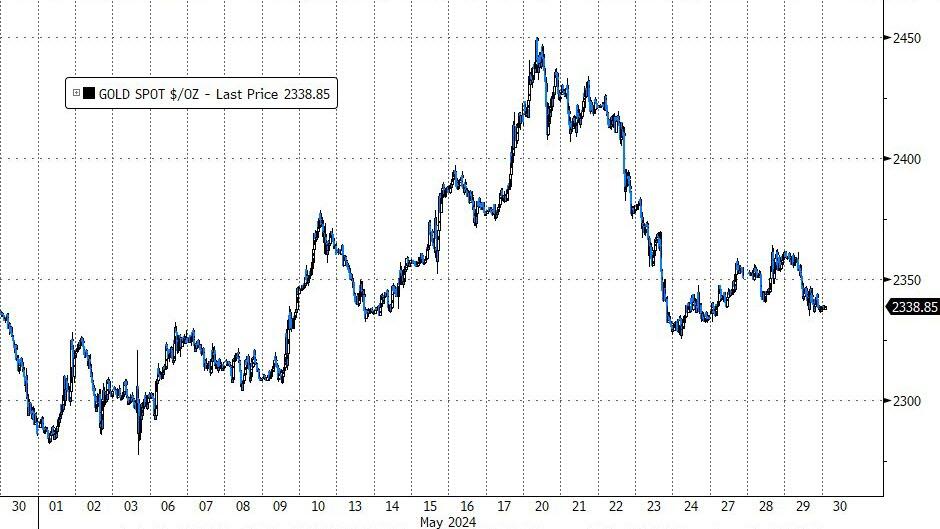

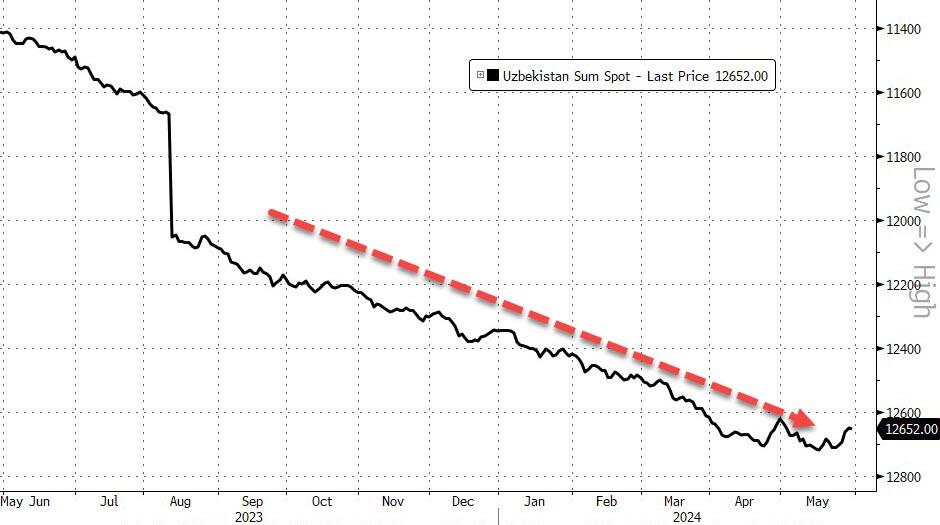
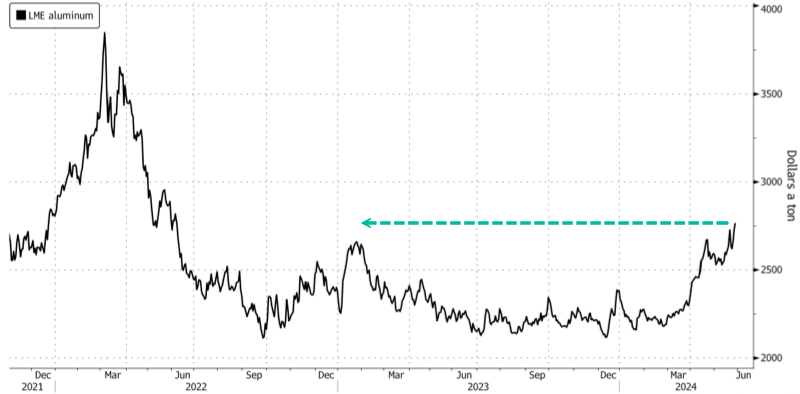
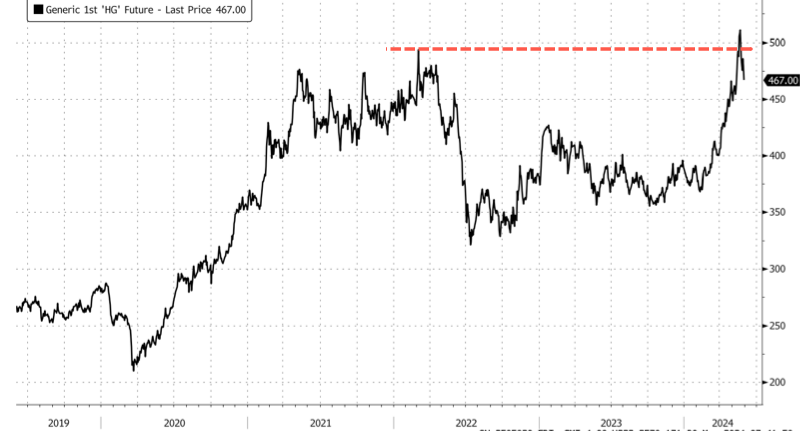
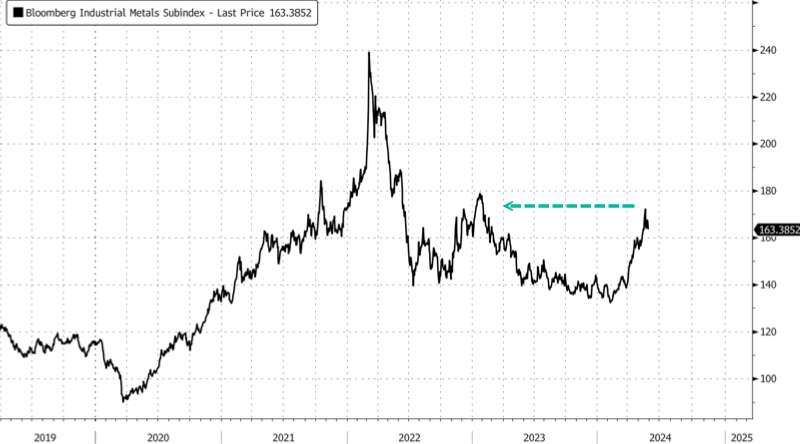
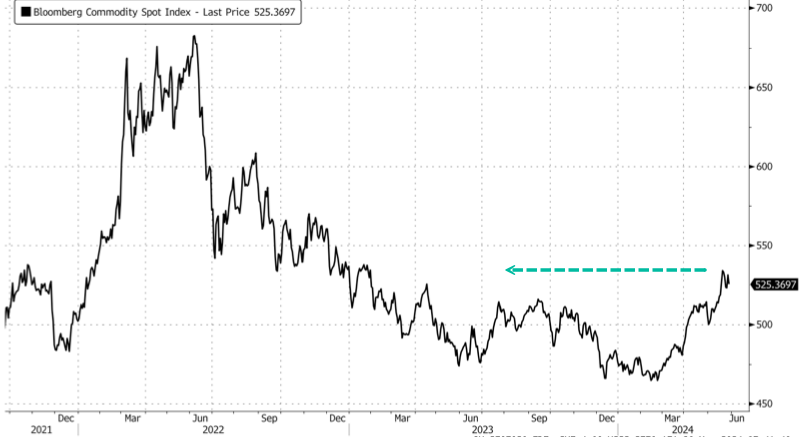

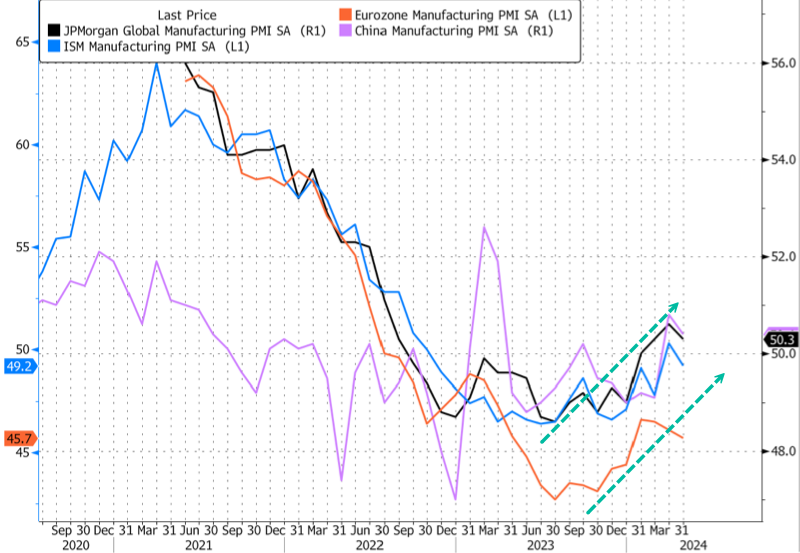
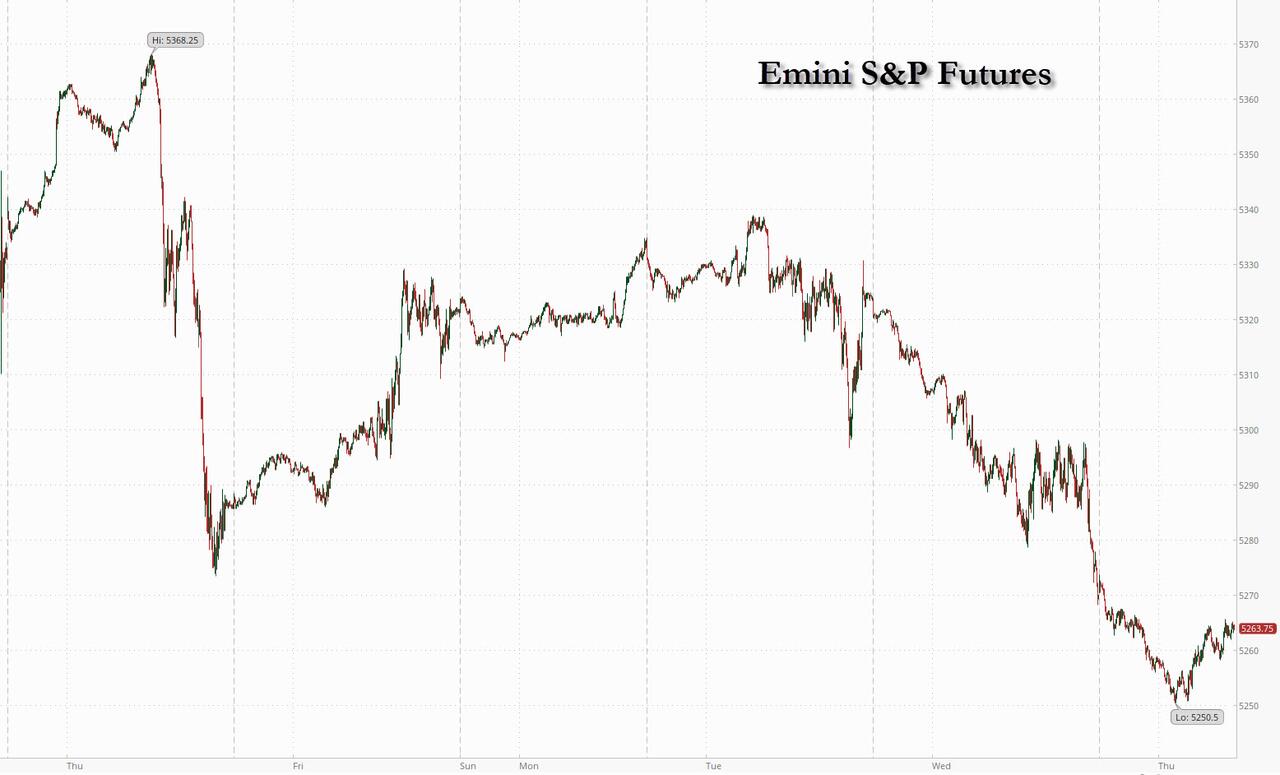

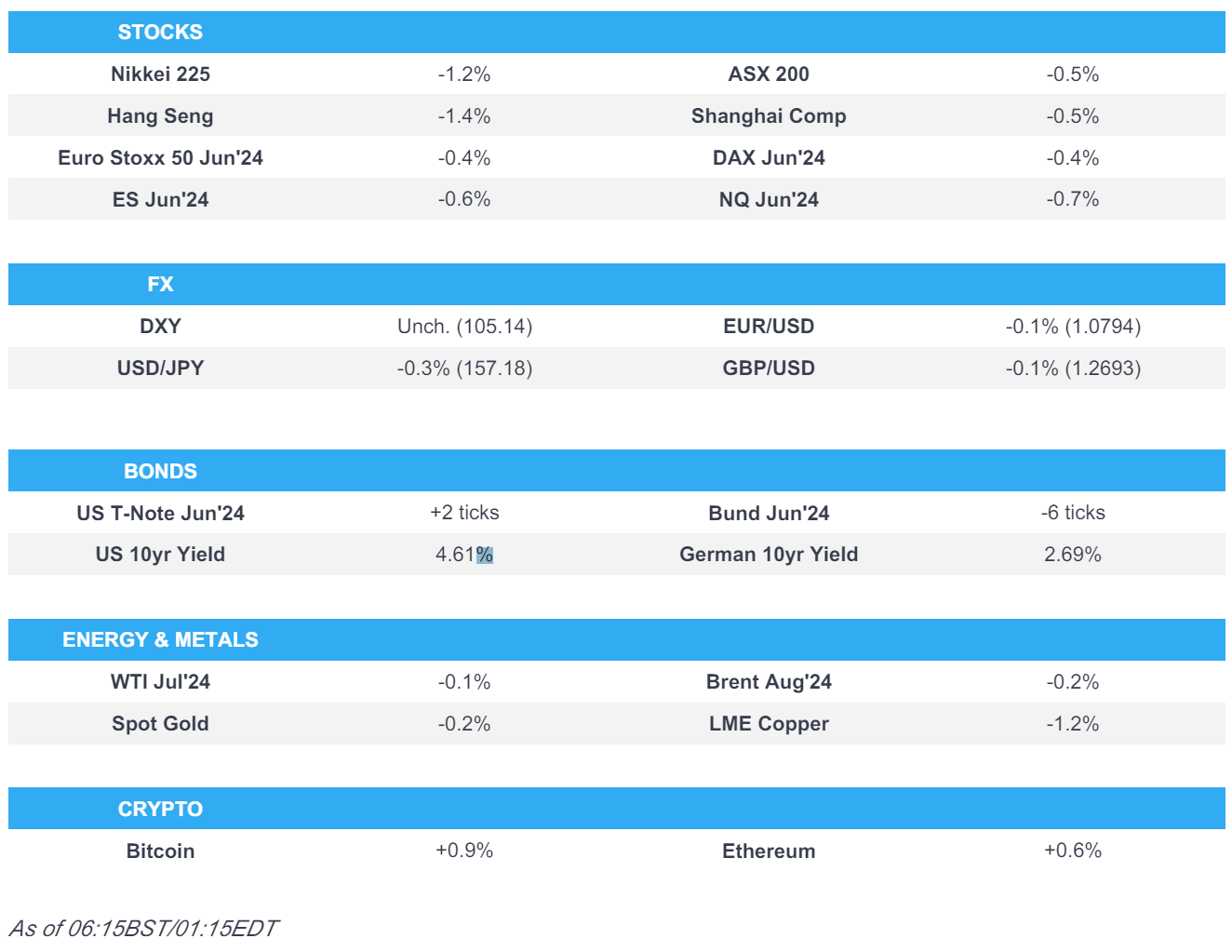

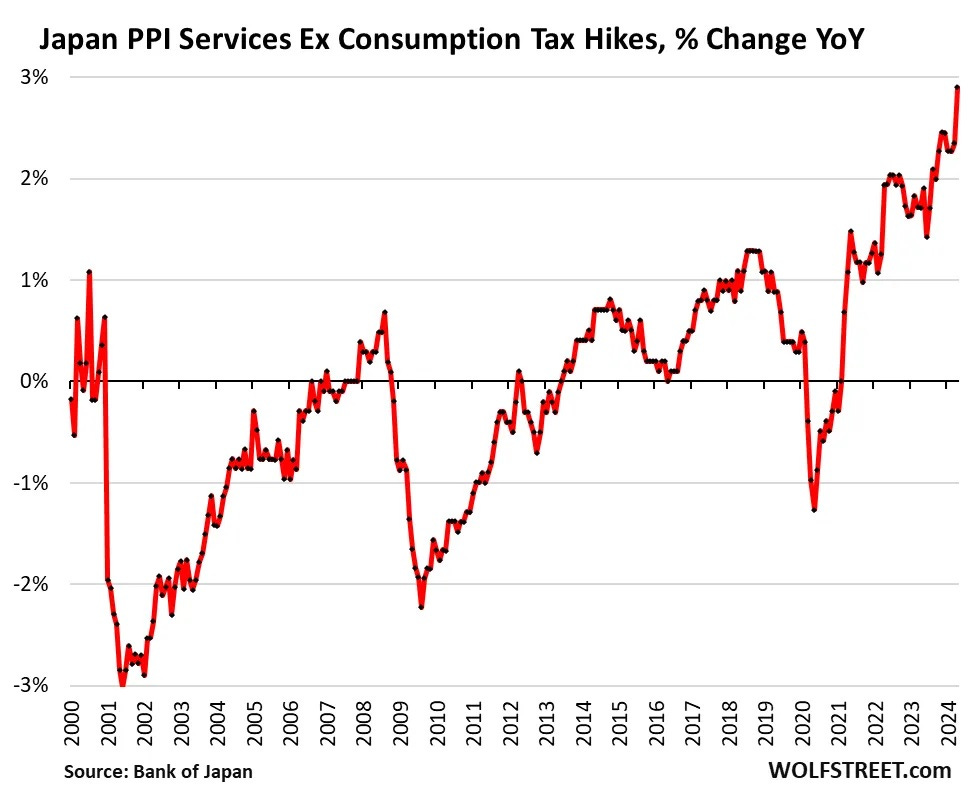
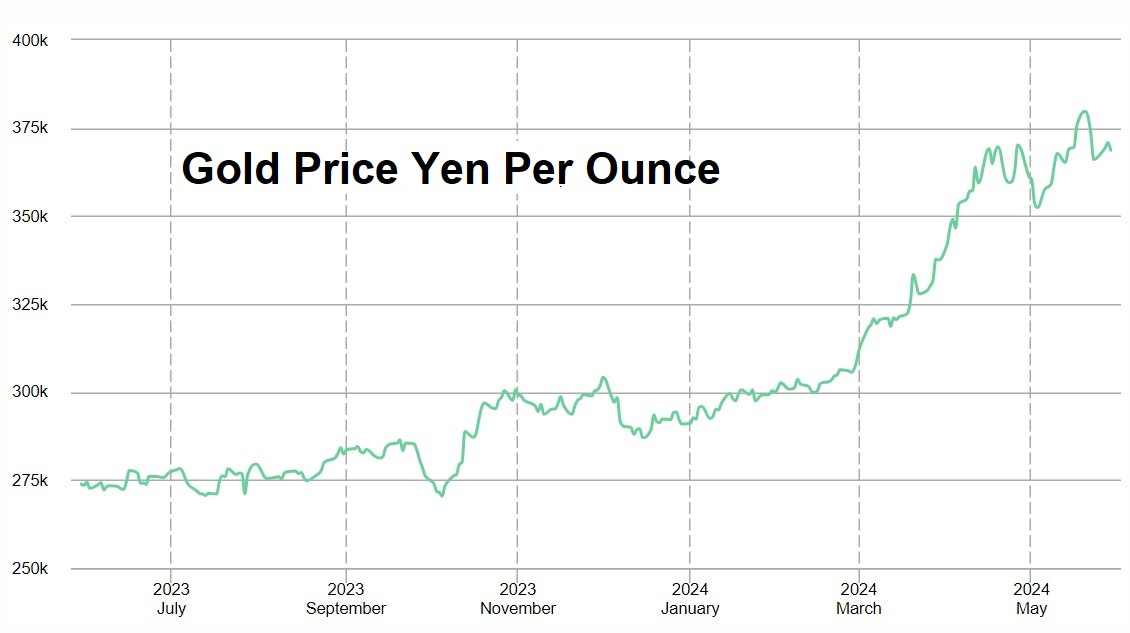







 Data Theft – Removal/manipulation of Data
  Theft of IP – Cyber used as a tool for destruction to tear down the Status Quo
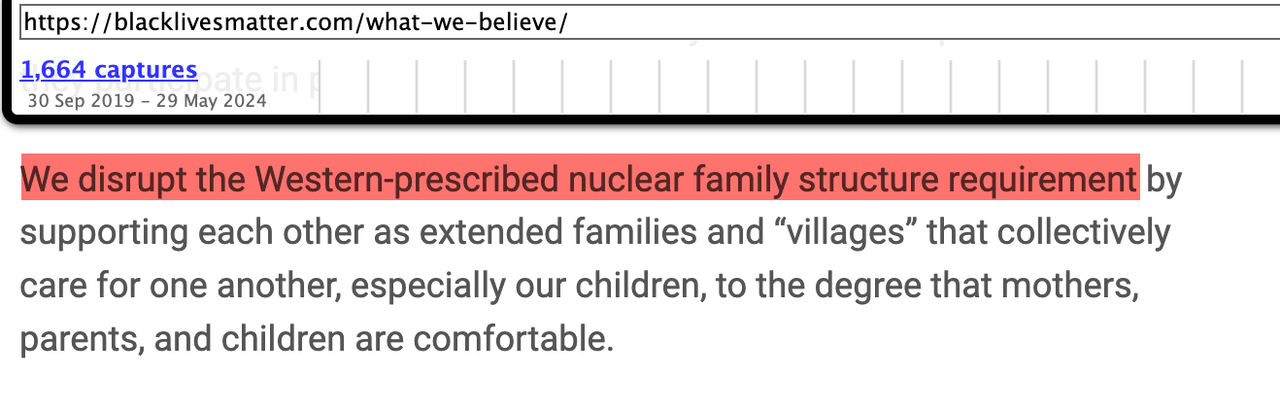

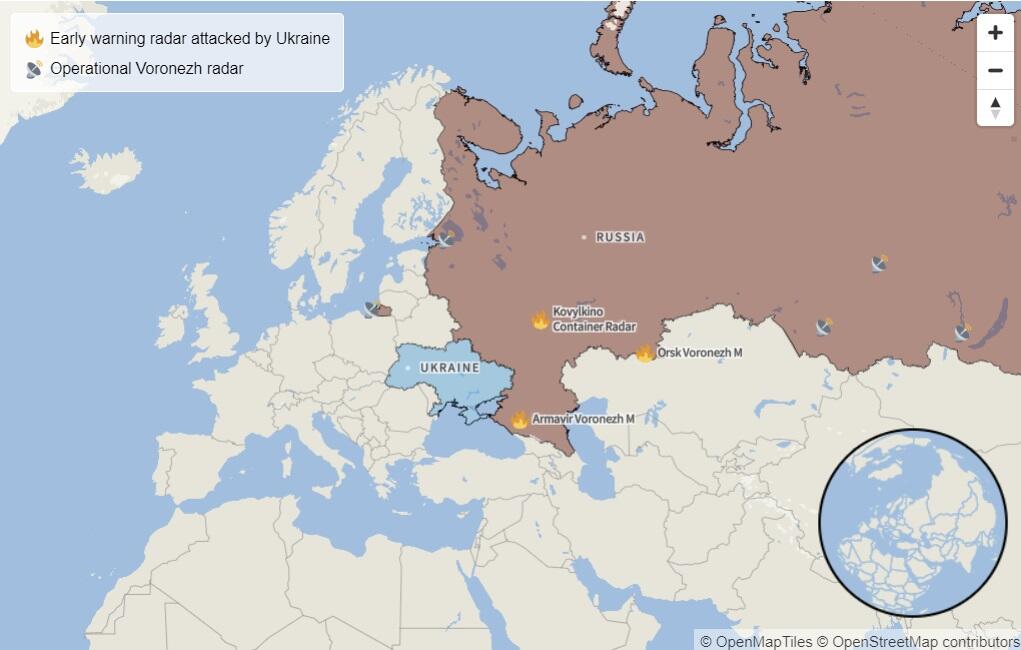


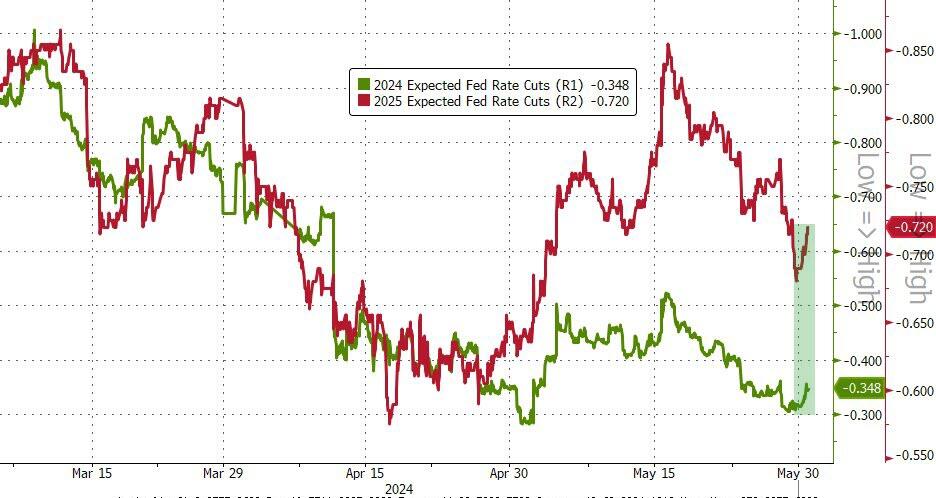
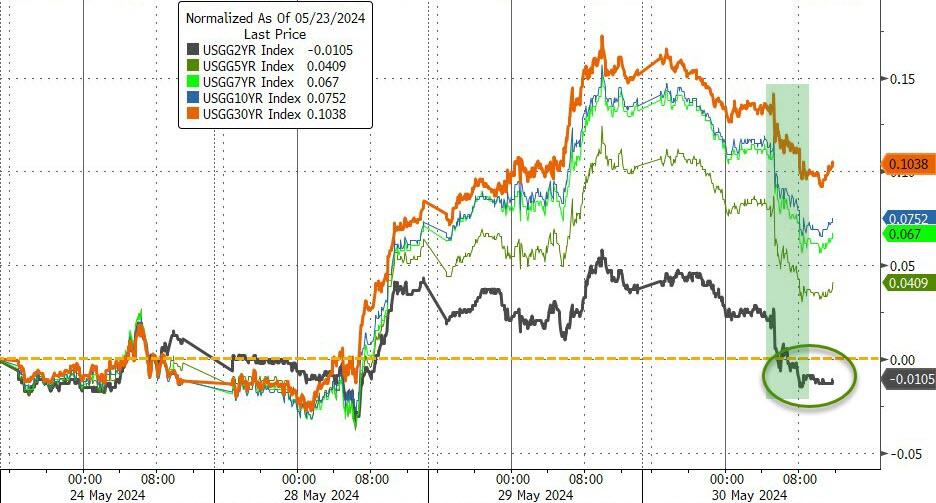
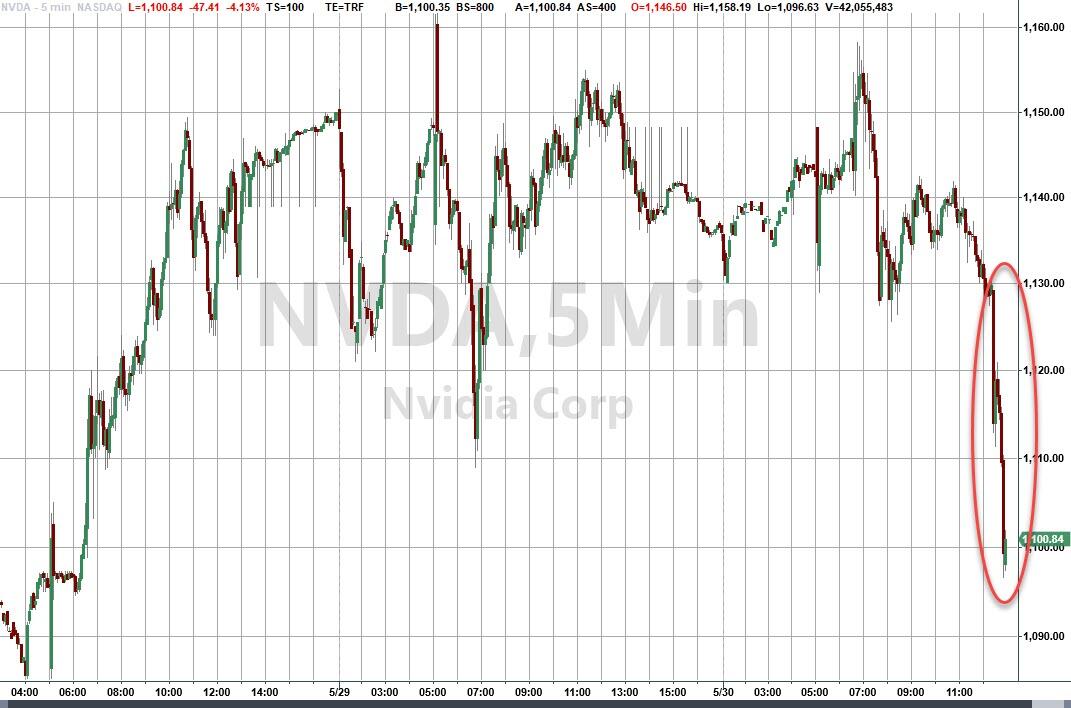
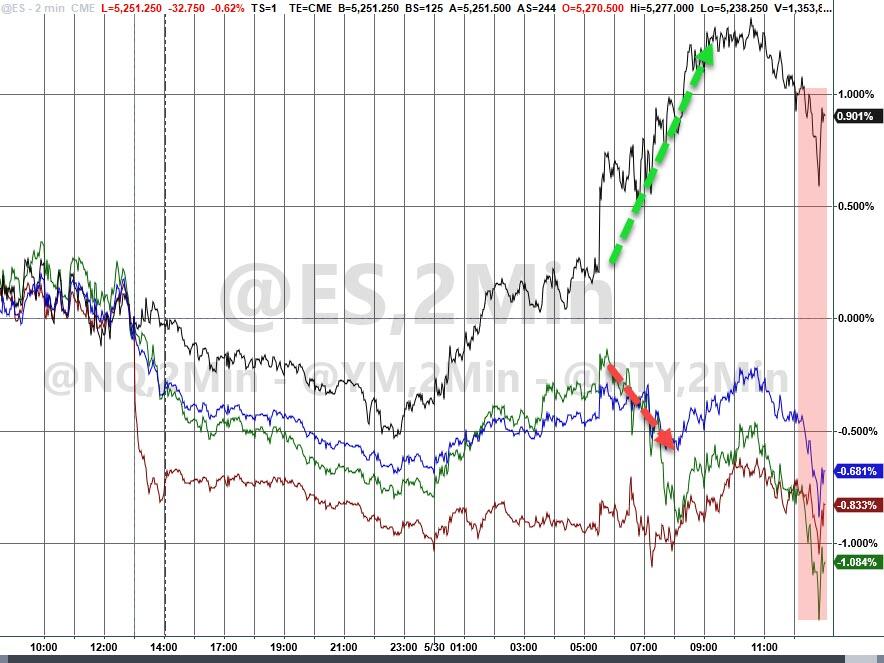
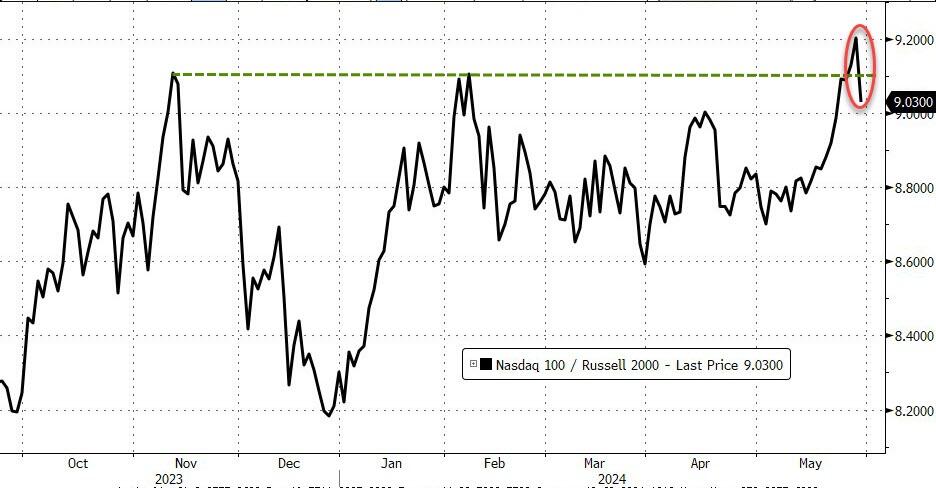
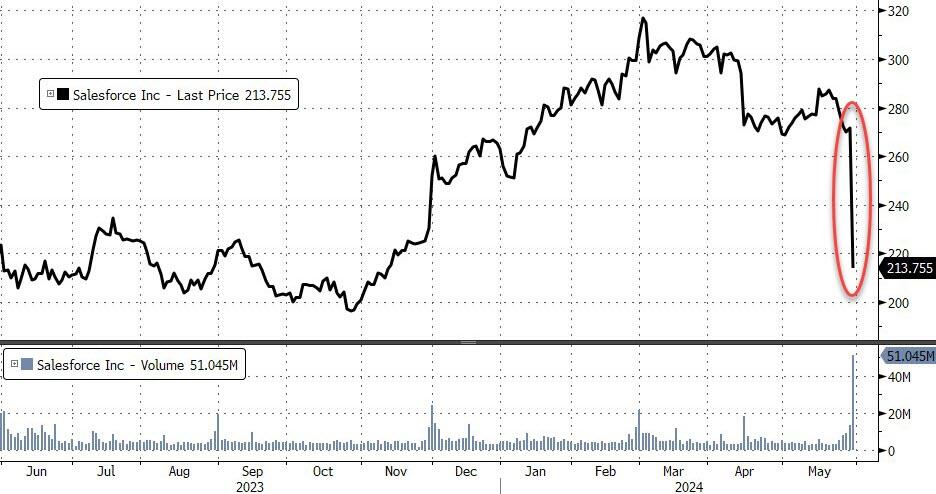
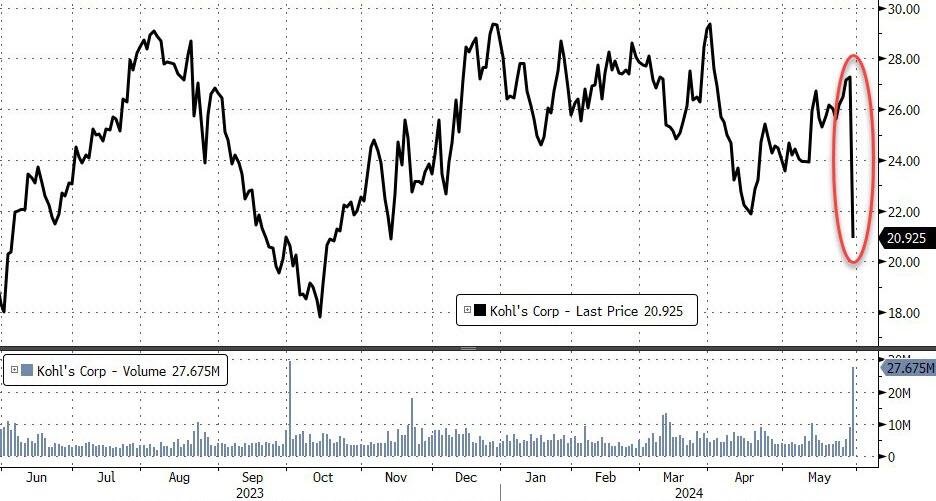
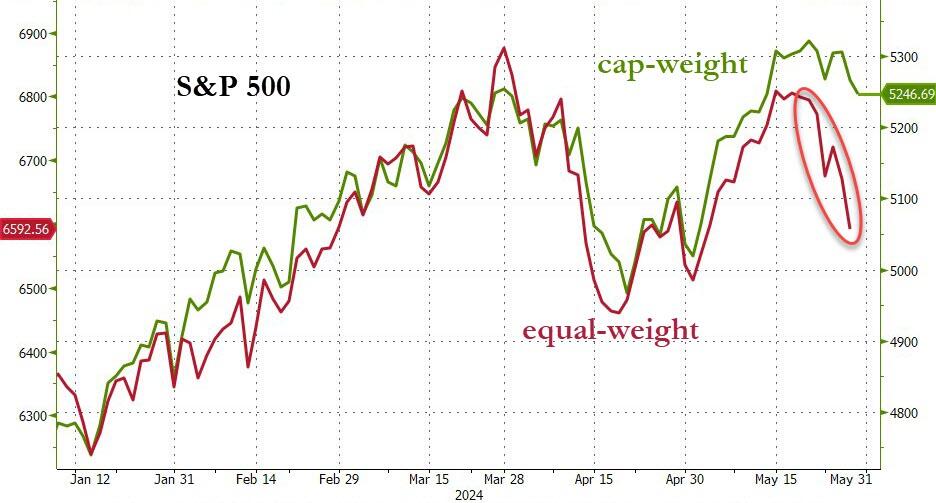
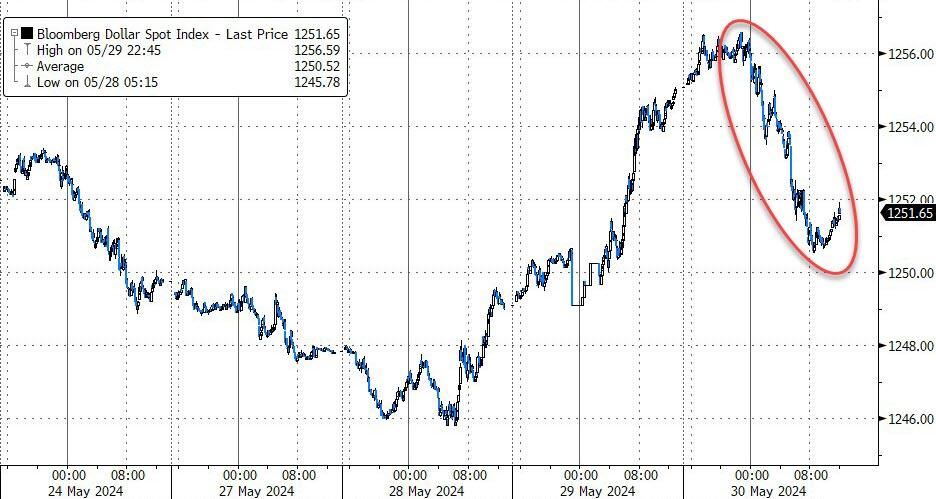
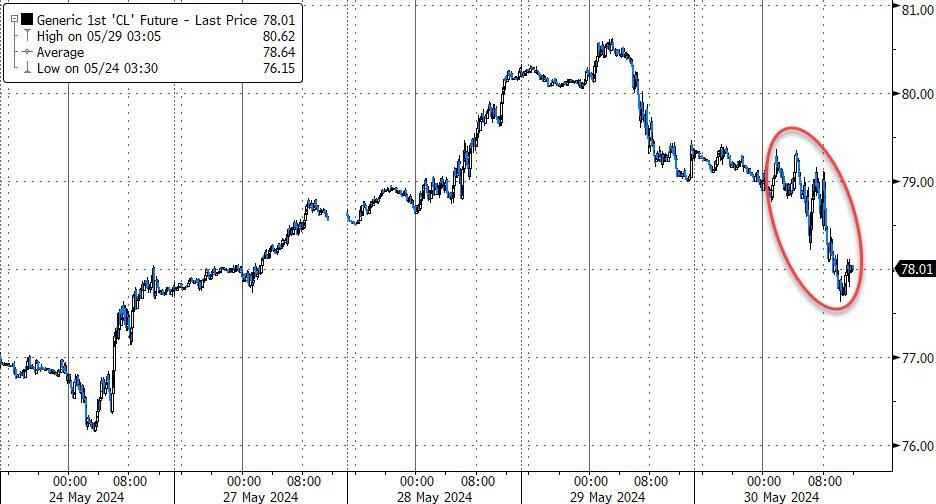
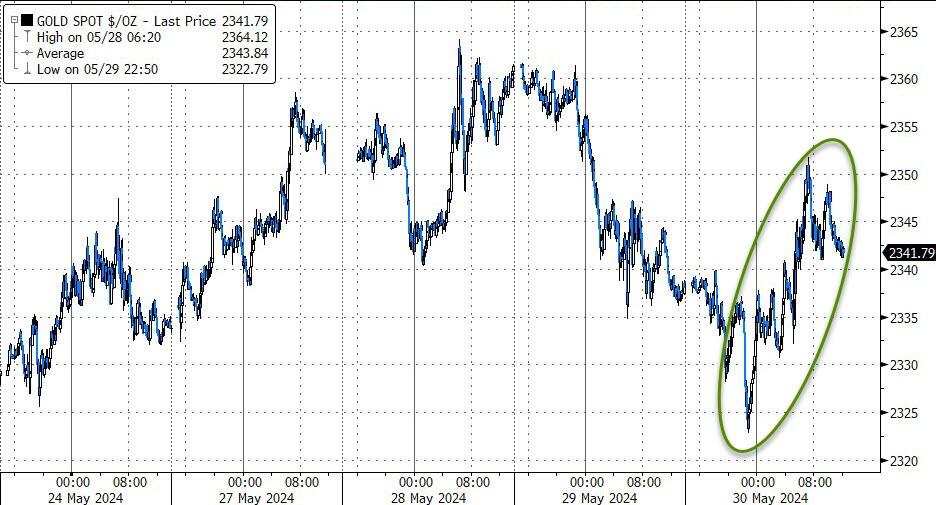
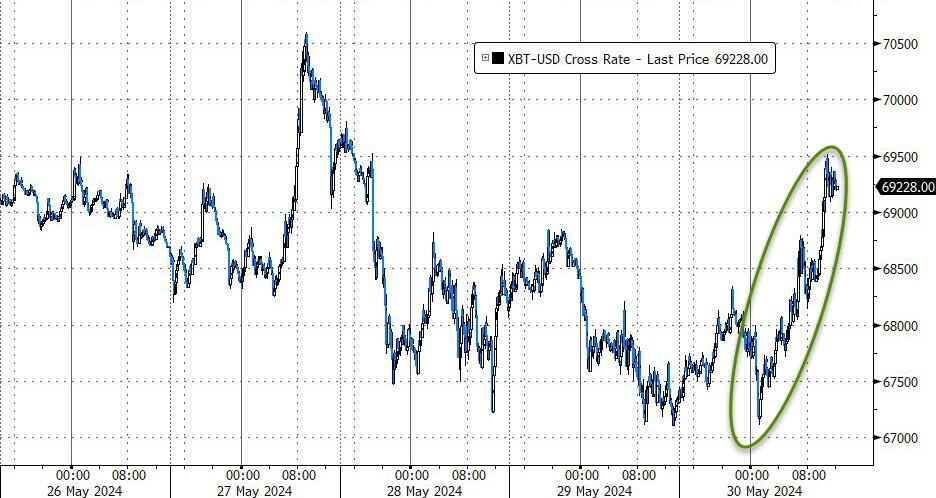

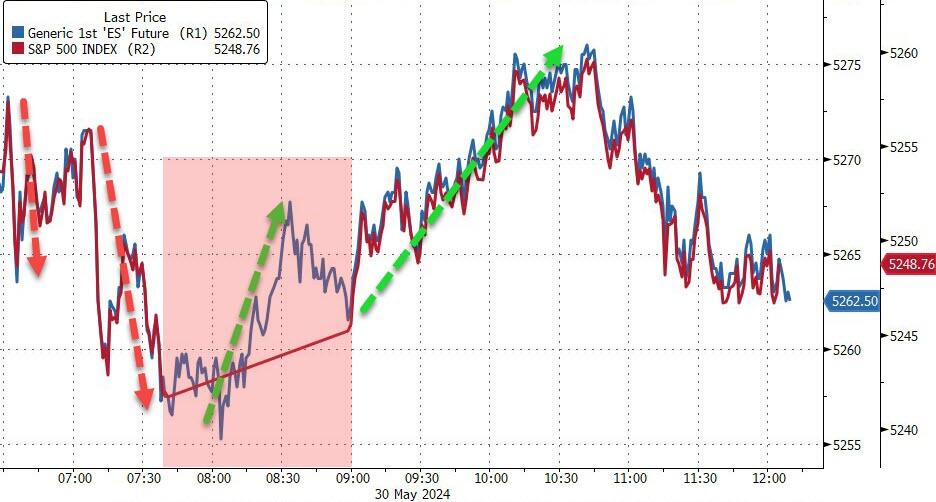
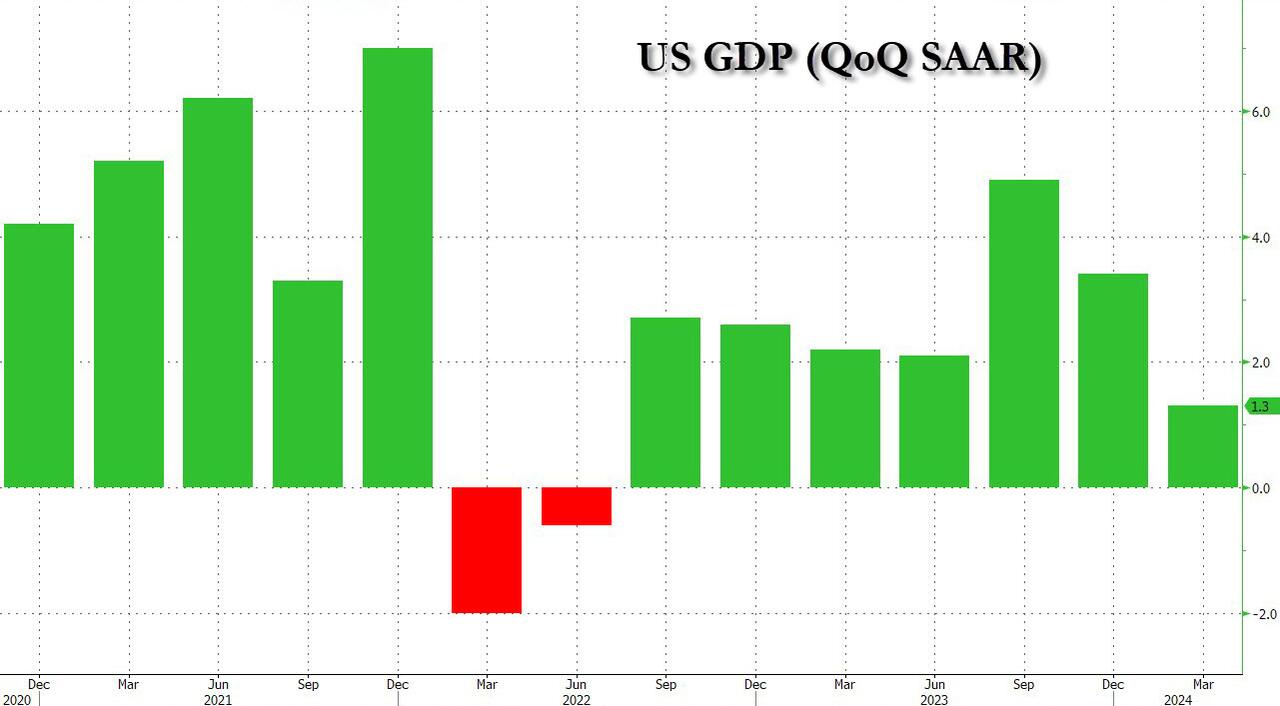
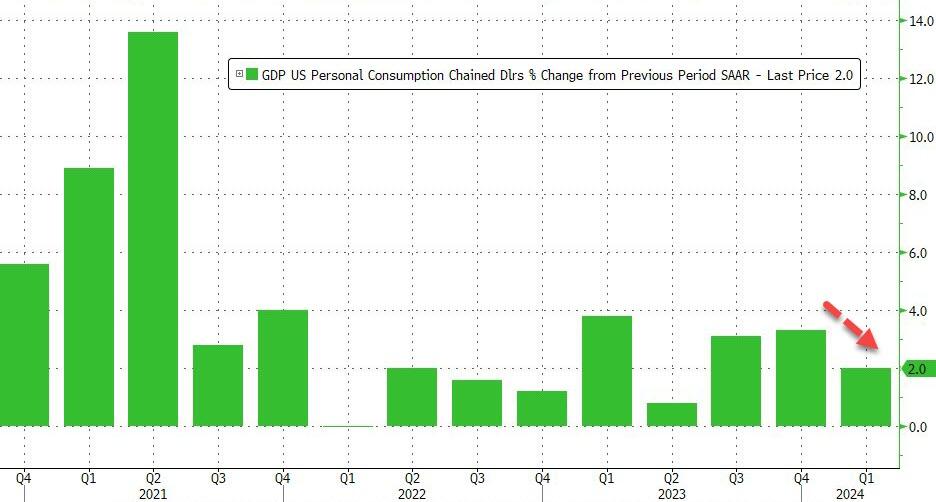
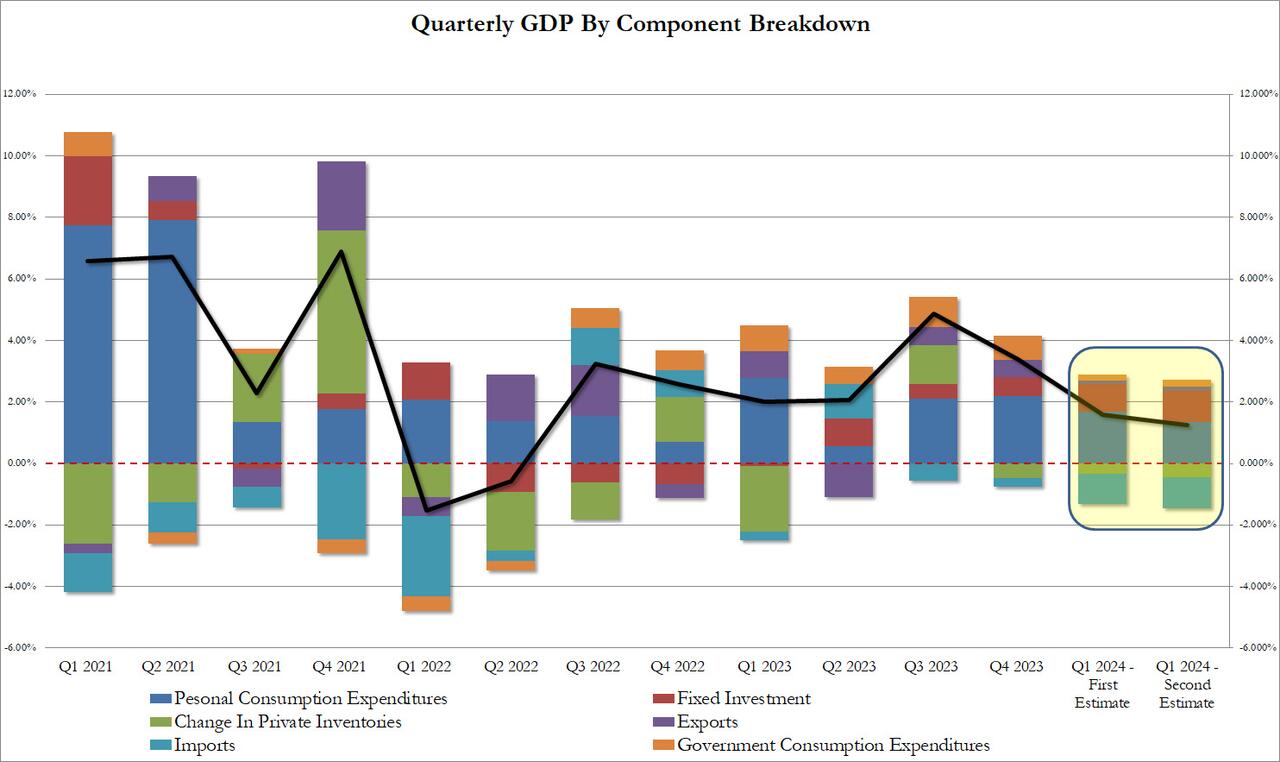
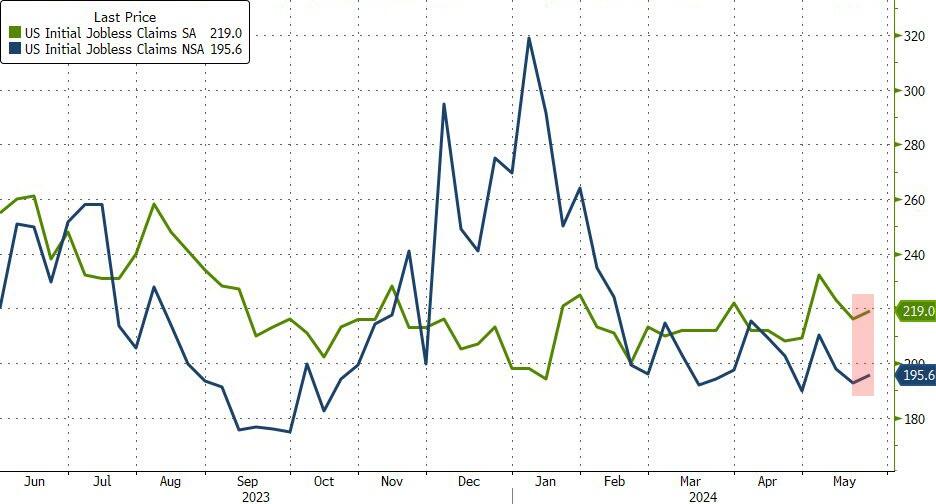
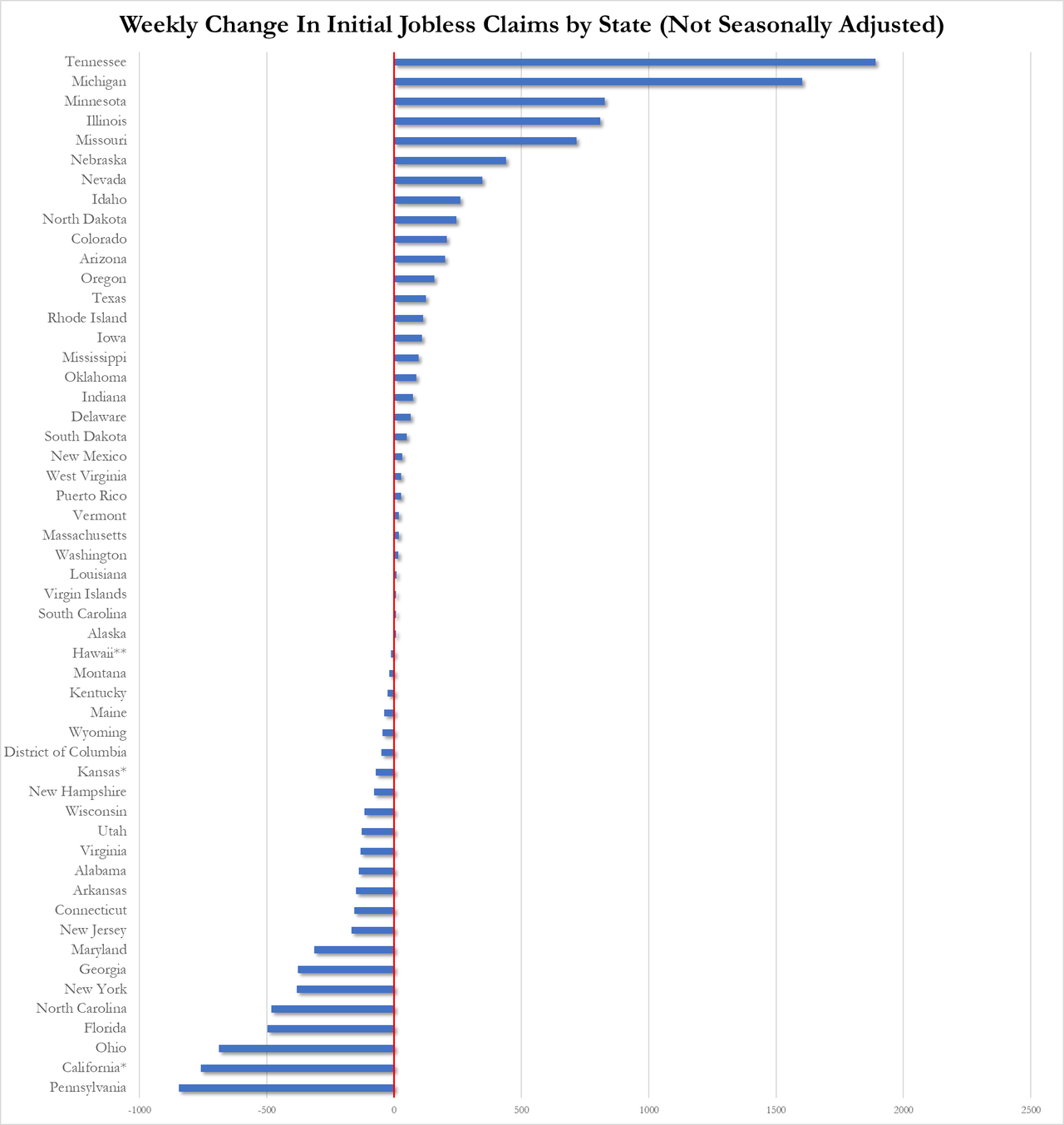
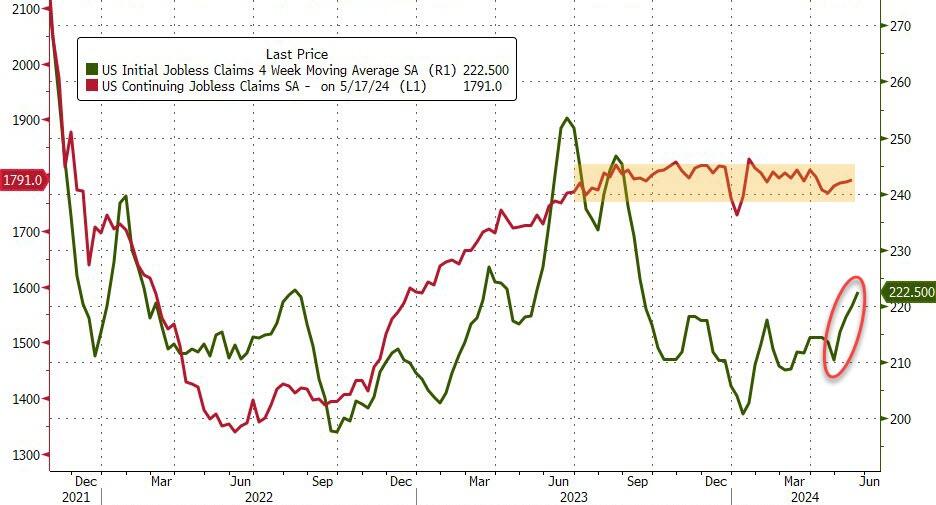








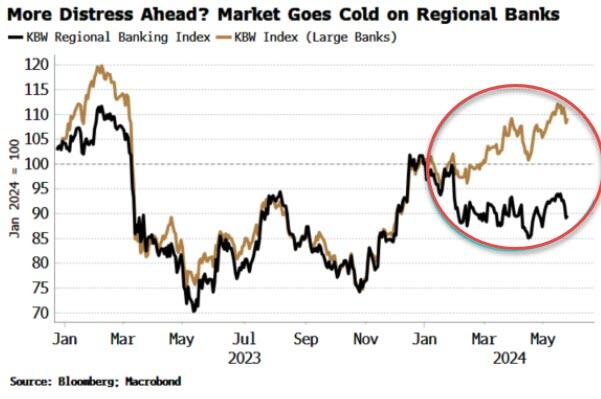
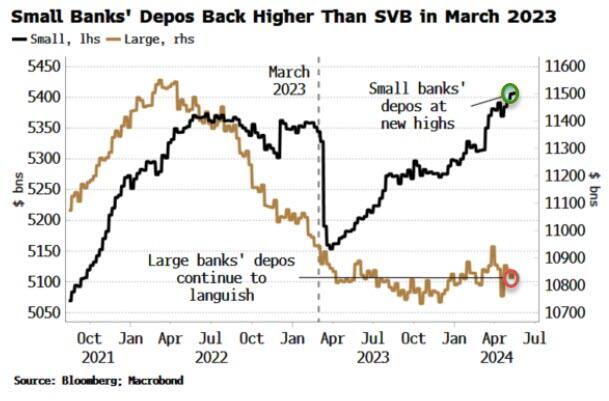
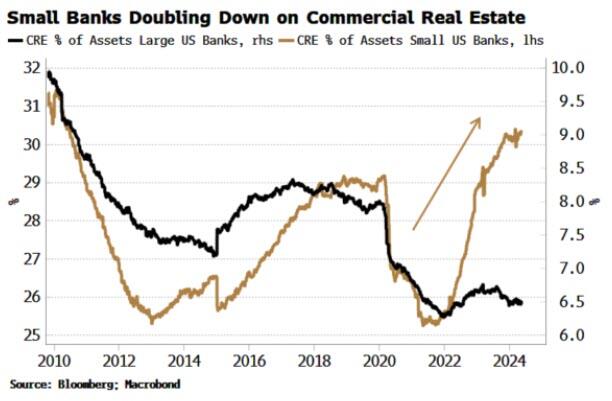
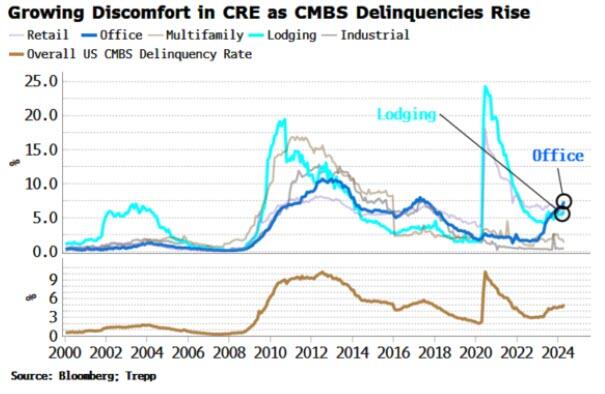
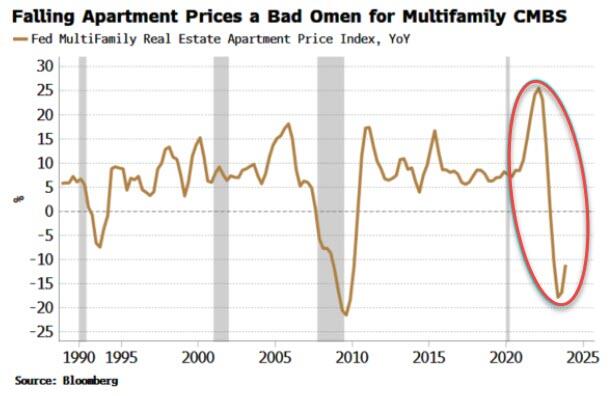
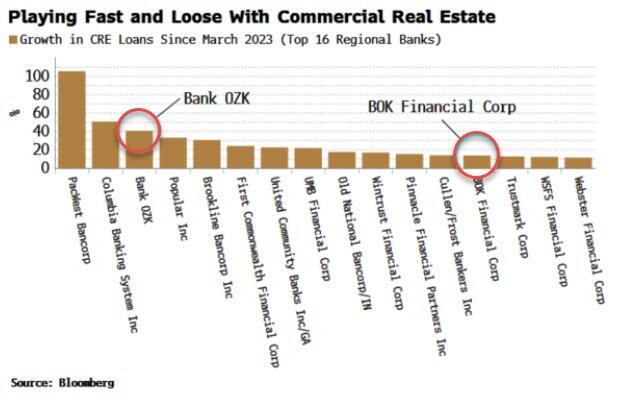
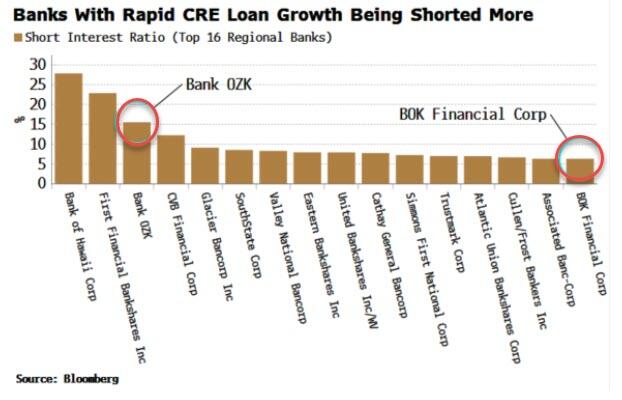
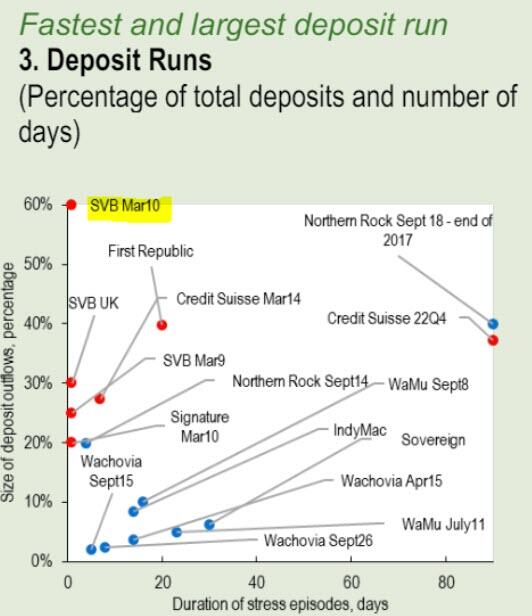
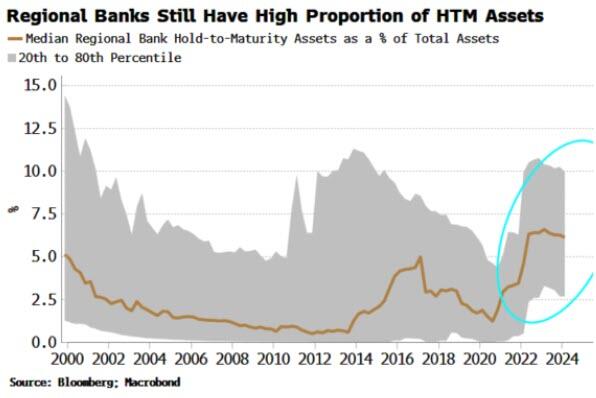
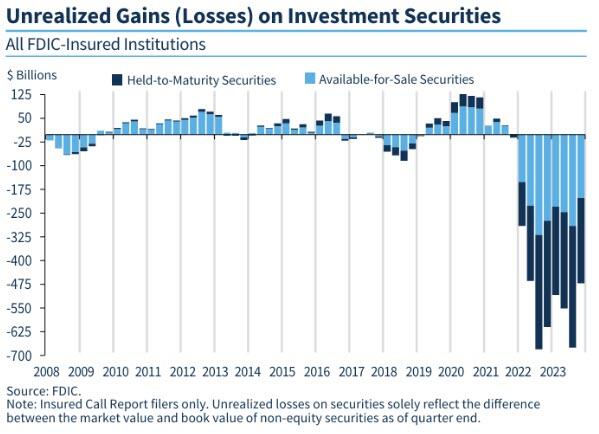
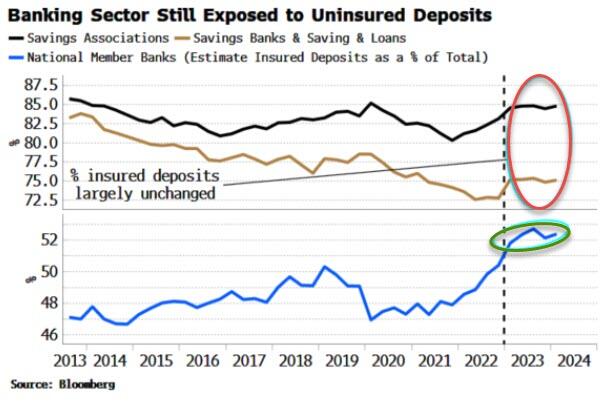
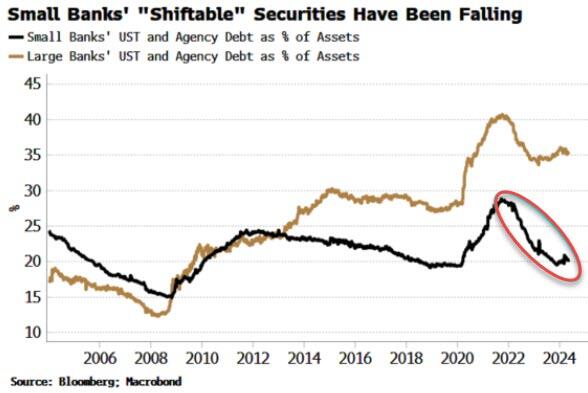
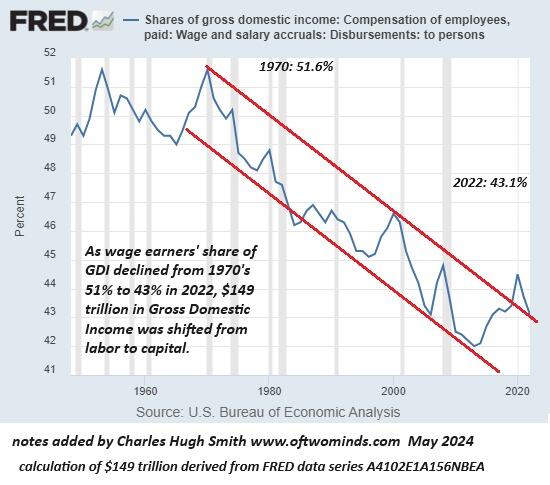
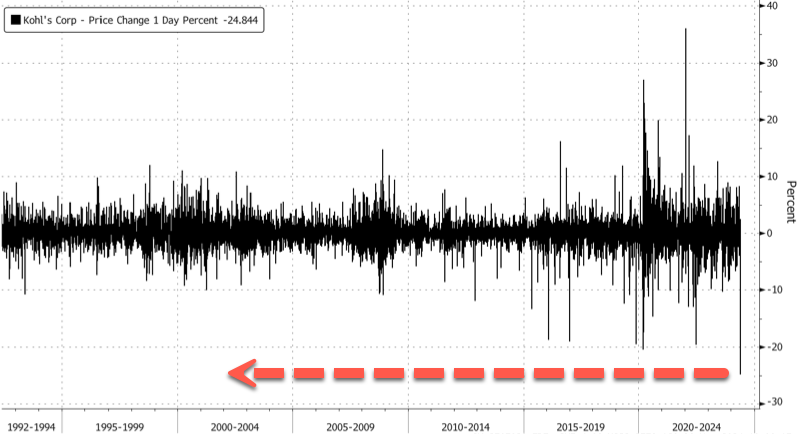
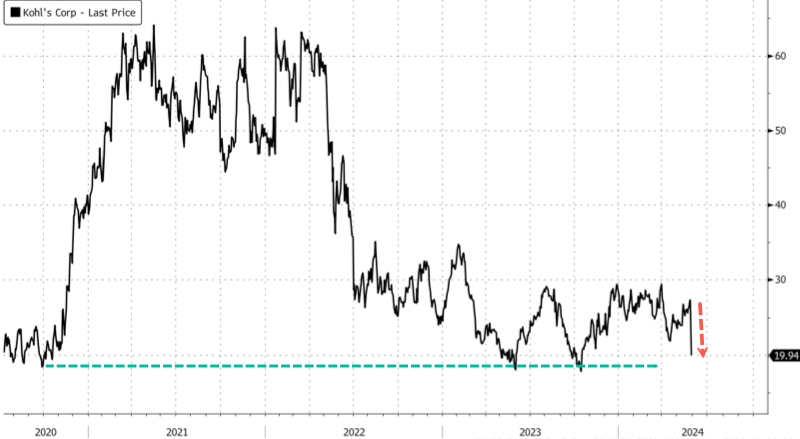



 harveyorganblog.com


