APRIL 3/GLOBAL SHOCK AS TRUMP INITIATES HUGE TARIFFS ON JUST ABOUT EVERY COUNTRY CREATING CHAOS IN THE MARKETS: GOLD CLOSED DOWN $27.85 TO $3101.25 WITH SILVER CLOSING DOWN $1.84 TO $31.95//PLATINUM CLOSED DOWN $21.95 TO $953.85 WHILE PALLADIUM CLOSED DOWN $43.05 TO $931.55//CANADA SEEMS SPARED FROM FURTHER TARIFFS//CANADA CHINA AND THE EU ARE ALREADY PLANNING THEIR OWN TARIFFS ON USA GOODS: THUS WE WILL COMMENCE SHORTLY WITH A TARIFF WAR//GOLD COMMENTARY TONIGHT FROM ALASDAIR MACLEOD//THREE EXCELLENT COMMENTARIES TONIGHT FROM BRANDON SMITH MIKE EVERY AND ANDREW KORYBKO// TARIFF UPDATES FROM THE EU AND CANADA//ISRAEL VS HAMAS/ISRAEL VS LEBANON AND HEZBOLLAH//ISRAEL VS SYRIA: ISRAEL BOMBS MORE AREAS INSIDE SYRIA AND ISSUES A WARNING TO TURKEY/RUSSIA VS UKRAINE UPDATES//IRAN VS USA UPDATES//COVID UPDATES/VACCINE INJURY REPORTS/DR PAUL ALEXANDER/MARK CRISPIN MILLER/SLAY NEWS ETC//CANADA UPDATES ON ITS TARIFF WARS WITH THE USA//USA ECONOMIC DATA RELEASES//SWAMP STORIES FOR YOU TONIGHT
072 C GOLDMAN 706 14 099 H DB AG 333 104 C MIZUHO 2 132 C SG AMERICAS 4667 3 285 C NANHUA USA-HK 24 323 H HSBC 1056 332 H STANDARD CHARTE 747 363 C WELLS FARGO SEC 22 363 H WELLS FARGO SEC 262 435 H SCOTIA CAPITAL 1 624 C BOFA SECURITIES 5 657 C MORGAN STANLEY 261 661 C JP MORGAN 99 2782 661 H JP MORGAN 168 686 C STONEX FINANCIA 26 80 690 C ABN AMRO 311 13 700 C UBS 80 709 C BARCLAYS 20 210 709 H BARCLAYS 96 732 C RBC CAP MARKETS 225 737 C ADVANTAGE 2 13 880 H CITIGROUP 128 905 C ADM 22
TOTAL: 6,189 6,189
MONTH TO DATE:
JPMORGAN stopped 2950 contracts/6189
GOLD: NUMBER OF NOTICES FILED FOR APRIL/2024. CONTRACT: 6189 NOTICES FOR 618,900 OZ 19.250 TONNES
total notices so far: 47,704 contracts for 4,770,400 OR 129.129 tonnes)
FOR APRIL
XXXXXXXXXXXXXXXXXX
SILVER NOTICES: 730 NOTICE(S) FILED FOR 3.650 MILLION OZ/
total number of notices filed so far this month : 1845 CONTRACTS (NOTICES) for 9.225 million oz
Click here if you wish to send a donation. I sincerely appreciate it as this site takes a lot of preparation
END
GLD/
BOTH GLD AND SLV ARE FRAUDULENT VEHICLES//THEY ARE NOW RAIDING GLD AND SLV FOR PHYSICAL
THE CROOKS ARE STEALING GOLD AND SILVER FROM THE GLD/SLV AND REPLACING THE PHYSICAL WITH PAPER DOLLARS.
WITH GOLD DOWN $27.85 INVESTORS SWITCHING TO SPROTT PHYSICAL (PHYS) INSTEAD OF THE FRAUDULENT GLD:
SMALL CHANGES IN GOLD INVENTORY AT THE GLD: A DEPOSIT OF 0.57 TONNES OF GOLD INTO THE GLD//
INVENTORY RESTS AT 931.94 TONNES
SLV/
WITH NO SILVER AROUND AND SILVER DOWN $1.84 AT THE SLV: HUGE CHANGES IN SILVER INVENTORY AT THE SLV: ////A WITHDRAWAL OF 1.138 MILLION OZ FROM THE SLV//
CLOSING INVENTORY RESTS AT:
CLOSING INVENTORY: 446.830 MILLION OZ
Let us have a look at the data for today
SILVER//OUTLINE
SILVER COMEX OI ROSE BY A MEGA HUGE2,093 CONTRACTS TO 172,290 AND CONTINUING ITS MARCH TO THE RECORD HIGH OI OF 244,710, SET FEB 25/2020, AND THIS HUGE SIZED GAIN IN COMEX OI WAS ACCOMPLISHED WITH OUR SMALL GAIN OF $0,15 IN SILVER PRICING AT THE COMEX WITH RESPECT TO WEDNESDAY’S TRADING. WE HAD A MEGA MEGA HUGE SIZED GAIN OF 2683 TOTAL CONTRACTS.. WE HAD HUGE LIQUIDATION OF T.A.S. CONTRACTS COMEX TRADING AS THEY DESPERATELY TRIED TO CONTAIN SILVER’S PRICE RISE FOR THE PAST 4 WEEKS (WHERE RAIDS ARE CALLED UPON AGAIN AND AGAIN TRYING TO STOP THE RISE IN SILVER’S PRICE TO ABOVE $34.40 AND TO QUELL ADDITIONAL DERIVATIVE LOSSES TO OUR BANKERS’ MASSIVE TOTALS). THEY FAILED ON WEDNESDAY WITH SILVER’S GAIN IN PRICEBUT THE PRICE IS STILL BELOW THE MAGIC NUMBER OF $34.40 SILVER SPOT PRICE. WE HAD A HUGE T.A.S. LIQUIDATION. BUT THIS WAS COUPLED WITH A HUGE T.A.S. ISSUANCE OF 819 CONTRACTS ISSUED BY THE CME AND THAT SIGNALS DEEP CODE RED THAT THE CROOKS ARE DESPERATE TO STOP SILVER BREAKING OVER THE 34.40 DOLLAR MARK. THUS OUR RAIDS ON OUR PRECIOUS METALS WILL CONTINUE UNTIL SILVER BREAKS $34.40. WE HAD A STRONG 1590 CONTRACT EXCHANGE FOR PHYSICAL ISSUANCE ACCOMPANIED BY OUR STRONG 819 CONTRACT T.A.S ISSUANCE WHICH WILL BE USED IN THURSDAY’S TRADING/ AS THEY PLAY AN INTEGRAL PART IN OUR COMEX TRADING TRYING TO CONTAIN ANY SILVER PRICE RISE. IN ESSENCE WE GAINED A MEGA HUGE SIZED 2683 CONTRACTS ON OUR TWO EXCHANGES WITH OUR GAIN IN PRICE. WE HAD CONSIDERABLE TAS LIQUIDATION/ THROUGHOUT WEDNESDAY’S COMEX TRADING SESSION WHICH ACCOUNTS FOR ALL OF OUR HUGE GAIN IN OI ON OUR TWO EXCHANGES. STRANGELY, ON FIRST DAY NOTICE, THE CME NOTIFIED US THAT WE HAD ANOTHER OF THOSE CRAZY EXCHANGE FOR RISK CONTRACTS ISSUED AT 400 CONTRACTS FOR 2.0 MILLION OZ. THIS WILL BE ADDED TO OUR NORMAL DELIVERY SCHEDULE.
PLEASE NOTE THAT THE CROOKS NEED A HIGHER SILVER/GOLD T.A.S. TO CARRY ON THEIR CROOKED MANIPULATION ON A DAILY BASIS BUT DEMAND IS JUST TOO HIGH FOR THEM. THE HIGHER ISSUANCE OF T.A.S. IS NOW USED TO TEMPER OUR SILVER/GOLD PRICE RISE OR INITIATE A RAID AS WHAT HAPPENED SEVERAL TIMES LAST MONTH AND AGAIN WITH THIS WEEK’S TRADING ON SILVER AND NOW TODAY TRYING TO KEEP THE SILVER PRICE BELOW $34.40 . THE KEY PRICE TO WATCH IS $34.40. IF IT BREAKS THAT PRICE, THEN WE HEAD FOR $50.00 SILVER.
CRAIG HEMKE HAS POINTED OUT THAT THE CROOKS USE THE MID MONTH FOR MANIPULATION AS THEY SELL THEIR BUY SIDE OF THE CALENDAR SPREAD FIRST AND THEN KEEP THE SELL SIDE TO LIQUIDATE AT A LATER DATE. THUS WE HAVE TWO VEHICLES THE CROOKS USE FOR MANIPULATION AND BOTH ARE SPREADERS: 1) AT MONTH’S END/SPREADERS COMEX AND 2/ TAS SPREADERS, MID MONTH. TOTAL TAS ISSUED ON WEDNESDAY NIGHT/THURSDAY MORNING: A HUGE 819 CONTRACTS. DESPITE MANY COMPLAINTS THAT THE CROOKS HAVE VIOLATED POSITION LIMITS DUE TO THE FACT THAT THE TAS ISSUED HAVE A VALUE OF ZERO (AS TO POSITION LIMITS FOR OUR CROOKED BANKERS). THE PROBLEM OF COURSE IS THAT THE CROOKS DO NOT LIQUIDATE THE TAS TOGETHER BUT SELL THE BUY SIDE FIRST AND THEN LIQUIDATE THE SELL SIDE TWO MONTHS HENCE. IT IS OBVIOUS MANIPULATION TO THE HIGHEST DEGREE BUT IT NATURALLY FELL ON DEAF EARS WITH OUR REGULATORS (OCC) WHEN THEY RECEIVED OUR COMPLAINTS. IT NOW SEEMS THAT THE OCC HAS ORDERED THE BANKS TO REDUCE ITS NEW LEVEL OF 1 TRILLION DOLLARS IN GOLD/SILVER DERIVATIVES
WE HAVE IN THE PAST YEAR SET ANOTHER RECORD LOW AT 114,102 CONTRACTS ///JULY 3.2023// OUR BANKERS WITH THE HELP OF SPECULATORS AND HIGH FREQUENCY TRADERS WERE UNSUCCESSFUL IN KNOCKING THE PRICE OF SILVER DOWN (IT ROSE BY $0.15 AND WERE UNSUCCESSFUL IN KNOCKING OFF ANY NET SILVER LONGS FROM THEIR PERCH AS WE HAD A SMALL GAIN IN PRICE AND A HUGE GAIN IN OPEN INTEREST FROM OUR TWO EXCHANGES OF 3927 CONTRACTS.
WE HAD A HUGE 1590 CONTRACT ISSUANCE OF EXCHANGE FOR PHYSICALS) iiii) AN INITIAL SILVER STANDING FOR COMEX SILVER MEASURING AT 12.395 MILLION OZ TO WHICH WE ADD OUR 2.00 MILLION OZ EX FOR RISK
STANDING FOR APRIL INCREASES TO 14.395 MILLION OZ
WE HAD:
/ HUGE COMEX OI GAIN+// A MEGA HUGE SIZED EFP ISSUANCE (1590 CONTRACTS)/ VI) HUGE SIZED NUMBER OF T.A.S. CONTRACT ISSUANCE 819 CONTRACTS)
I AM NOW RECORDING THE DIFFERENTIAL IN OI FROM PRELIMINARY TO FINAL: REMOVED 244 CONTRACTS.
HISTORICAL ACCUMULATION OF EXCHANGE FOR PHYSICALS MAR. ACCUMULATION FOR EFP’S SILVER/JPMORGAN’S HOUSE OF BRIBES/STARTING FROM FIRST DAY/MONTH OF APRIL
TOTAL CONTRACTS for 3 DAYS, total 2665 contracts: OR 13.325 MILLION OZ (888 CONTRACTS PER DAY)
TOTAL EFP’S FOR THE MONTH SO FAR: 13.325 MILLION OZ
LAST 24 MONTHS TOTAL EFP CONTRACTS ISSUED IN MILLIONS OF OZ:
MAY 137.83 MILLION
JUNE 149.91 MILLION OZ
JULY 129.445 MILLION OZ
AUGUST: MILLION OZ 140.120
SEPT. 28.230 MILLION OZ//
OCT: 94.595 MILLION OZ
NOV: 131.925 MILLION OZ
DEC: 100.615 MILLION OZ
YEAR 2022:
JAN 2022-DEC 2022
JAN 2022// 90.460 MILLION OZ
FEB 2022: 72.39 MILLION OZ//
MARCH 2022: 207.140 MILLION OZ//A NEW RECORD FOR EFP ISSUANCE
APRIL: 114.52 MILLION OZ FINAL//LOW ISSUANCE
MAY: 105.635 MILLION OZ//
JUNE: 94.470 MILLION OZ
JULY : 87.110 MILLION OZ
AUGUST: 65.025 MILLION OZ
SEPT. 74.025 MILLION OZ///FINAL
OCT. 29.017 MILLION OZ FINAL
NOV: 134.290 MILLION OZ//FINAL
DEC, 61.395 MILLION OZ FINAL
TOTALS YR 2022: 1135.767 MILLION OZ (1.1356 BILLION OZ)
JAN 2023/// 53.070 MILLION OZ //FINAL
FEB: 2023: 100.105 MILLION OZ/FINAL//MUCH STRONGER ISSUANCE VS THE LATTER TWO MONTHS.
MARCH 2023: 112.58 MILLION OZ//FINAL//STRONG ISSUANCE
APRIL 111.035 MILLION OZ(SLIGHTLY GREATER THAN THAN LAST MONTH)
MAY 66.120 MILLION OZ/INITIAL (MUCH SMALLER THIS MONTH)
JUNE: 110.395 MILLION OZ//MUCH LARGER THAN LAST MONTH
JULY 85.745 MILLION OZ (SMALLER THAN LAST MONTH)
AUGUST: 171.43 MILLION OZ (THIS MONTH IS GOING TO BE HUGE //2ND HIGHEST ON RECORD
SEPT: 72.705 MILLION OZ (SMALLER THIS MONTH)
OCT: 97.455 MILLION OZ
NOV. 50.050 MILLION OZ
DEC. 66.140 MILLION OZ//
TOTAL 2023: 1,104.10 MILLION OZ/
JAN ’24 : 78.655 MILLION OZ//
FEB /2024 : 66.135 MILLION OZ./FINAL
MARCH: 143.750 MILLION OZ// 4TH HIGHEST ON RECORD.
APRIL: 161.770 MILLION OZ (THIS MONTH WILL BE A WHOPPER OF ISSUANCE OF EFPS//3RD HIGHEST EVER RECORDED FOR A MONTH)
MAY: 135.995 MILLION OZ //WILL BE A STRONG MONTH FOR EXCHANGE FOR PHYSICAL ISSUANCE
JUNE 110.575 MILLION OZ ( WILL BE ANOTHER STRONG MONTH ISSUANCE)
JULY: 108.870 MILLION OZ (WILL BE A STRONG ISSUANCE MONTH/ A TOUCH OVER 100 MILLION OZ/)
AUGUST; 99.740 MILLION OZ//THIS MONTH WILL BE STRONG FOR ISSUANCE BUT LESS THAN JULY.
SEPT: 112.415 MILLION OZ//WILL BE A HUGE MONTH FOR EXCHANGE FOR PHYSICAL ISSUANCE
OCT; 97.485 MILLION OZ (WILL BE SMALLER ISSUANCE THIS MONTH )
NOV. 115.970 MILLION OZ ( HUGE THIS MONTH)
DEC: 132.54 MILLION OZ (THIS MONTH WILL BE A HUMDINGER FOR ISSUANCE BUT ISSUANCE SLOWED DRAMATICALLY THESE PAST FIVE DAYS/// WILL NOT EXCEED MARCH 2022 RECORD OF 209 MILLION OZ
YEAR 2024 TOTAL: 1363.84 MILLION OR 1.363 BILLION OZ
JANUARY 2025: 67.230 MILLION OZ///(THIS MONTH’S ISSUANCE OF EXCHANGE FOR PHYSICAL WILL BE SMALL)
FEB. 58.260 MILLION OZ//EXCHANGE FOR PHYSICAL ISSUANCE/FINAL
MARCH: 67.020 MILLION OZ///QUITE SMALL AND BECOMING SMALLER EACH AND EVERY MONTH.
APRIL: 13.325 MILLION OZ///
XXXXXXXXXXXXXXXXXXXXXXXXXXXX
RESULT: WE HAD A MEGA HUGE SIZED DECREASE IN COMEX OI SILVER COMEX CONTRACTS OF 2093 CONTRACTS WITH OUR GAIN IN PRICE OF 15 CENTS IN SILVER PRICING AT THE COMEX// WEDNESDAY.,. THE CME NOTIFIED US THAT WE HAD A HUGE 1590 CONTRACT EFP ISSUANCE CONTRACTS: 1590 ISSUED FOR MAY AND 0 CONTRACTS ISSUED FOR ALL OTHER MONTHS) WHICH EXITED OUT OF THE SILVER COMEX TO LONDON AS FORWARDS. WE HAVE A STRONG SILVER OZ STANDING FOR APRIL OF 12.395 MILLION OZ , PLUS OUR NEW 2.00 MILLION EX FOR RISK
NEW STANDING APRIL: 14.395 MILLION OZ
THE NEW TAS ISSUANCE WEDNESDAY NIGHT (819 ) WILL BE PUT INTO “THE BANK” TO BE COLLUSIVELY USED AT A LATER DATE AND MOST LIKELY TODAY.
WE HAD 730 NOTICE(S) FILED TODAY FOR 3.650 million OZ
THE SILVER COMEX IS NOW BEING ATTACKED FOR METAL BY LONDONERS ET AL.
GOLD//OUTLINE
IN GOLD, THE COMEX OPEN INTEREST FELL BY A STRONG SIZED 5026 OI CONTRACTS TO 493,720 AND FURTHER FROM THE RECORD (SET JAN 24/2020) AT 799,105 AND PREVIOUS TO THAT: (SET JAN 6/2020) AT 797,110. (ALL TIME LOW OF 390,000 CONTRACTS.)
THE DIFFERENTIAL FROM PRELIMINARY OI TO FINAL OI IN GOLD TODAY: REMOVED 536 CONTRACTS CONTRACTS//.
WE HAD A FAIR SIZED DECREASE IN COMEX OI (5026 CONTRACTS) . THIS OCCURRED DESPITE OUR GAIN OF $10.00 IN PRICE WEDNESDAY. THE FRBNY SUPPLIED THE NECESSARY SHORT PAPER.. WE ALSO HAD A HUMONGOUS INITIAL STANDING IN GOLD TONNAGE FOR APRIL AT 160.597 TONNES (CME CORRECTED) TO WHICH WE ADD FOR APRIL ITS INITIAL 700 CONTRACT EXCHANGE FOR RISK FOR 70,000 OZ OR 2.177 TONNES AND OUR NEW EXCHANGE FOR PHYSICAL TRANSFER TO LONDON OF 2753 CONTRACTS OR 275,300 OZ (8.562 TONNES). THUS INITIAL STANDING FOR GOLD/APRIL DELIVERY MONTH IS 160.597 TONNES NORMAL DELIVERY(AFTER REMOVING OUR EXC FOR PHYSICAL TRANSFER + 2.255 TONNES EX FOR RISK = 162.774 TONNES
/NEW STANDING FOR APRIL; 160.597 TONNES + 2.177 TONNES EX FOR RISK = 162.774 TONNES
/ ALL OF THIS HAPPENED WITH OUR $10.00 GAIN IN PRICE WITH RESPECT TO WEDNESDAY’S COMEX ///. WE HAD A FAIR SIZED LOSS OF 2111 OI CONTRACTS (9.066 PAPER TONNES) ON OUR TWO EXCHANGES, WITH MANY LONGS, REMAINING AT THE END OF THE DAY, TENDERING FOR PHYSICAL GOLD VIA THE EXCHANGE FOR PHYSICAL ROUTE, MUCH TO THE ANGER AND HORROR EXHIBITED BY OUR MAJOR BANKER, THE FEDERAL RESERVE BANK OF NEW YORK. THE HORROR INTENSIFIED ONCE LONDON STARTED TO TRADE LAST WEEK, AND THROUGHOUT THE WEEK WITH MAJOR TENDERING FOR PHYSICAL VIA THE EXCHANGE FOR PHYSICAL ROUTE! THE RESULT: A MASSIVE AMOUNT OF GOLD STANDING FOR DELIVERY FOR THE MARCH CONTRACT MONTH AND NOW FOR OUR FRONT MONTH OF APRIL. CENTRAL BANKERS ARE NOW WAITING PATIENTLY FOR THEIR DELIVERY OF GOLD VIA SLOW MOVING SHIPS. WE HAVE A MASSIVE AMOUNT OF TONNES STANDING FOR GOLD IN APRIL.
E.F.P. ISSUANCE
THE CME RELEASED THE DATA FOR EFP ISSUANCE AND IT TOTALED A STRONG SIZED 2915 CONTRACTS:
The NEW COMEX OI FOR THE GOLD COMPLEX RESTS AT 493,720
IN ESSENCE WE HAVE A FAIR SIZED DECREASE IN TOTAL CONTRACTS ON THE TWO EXCHANGES OF 2915 CONTRACTS WITH 4490 CONTRACTS DECREASED AT THE COMEX// AND A STRONG SIZED 2915 EXCHANGE FOR PHYSICAL OI CONTRACT ISSUANCE WHICH NAVIGATED OVER TO LONDON. THUS TOTAL OI LOSS ON THE TWO EXCHANGES OF 1575 CONTRACTS.. WE HAD THE FOLLOWING TAS CONTRACTS INITIATED (ISSUED): A SMALL SIZED AND CRIMINAL 678 CONTRACTS ISSUED.
CALCULATIONS ON GAIN/LOSS ON OUR TWO EXCHANGES
WE HAD A STRONG SIZED ISSUANCE IN EXCHANGE FOR PHYSICALS (2915 CONTRACTS) ACCOMPANYING THE STRONG SIZED DECREASE IN COMEX OI OF 5026 CONTRACTS/TOTAL LOSS FOR OUR THE TWO EXCHANGES: 2111 CONTRACTS..WE HAVE 1) NOW RETURNED TO OUR FORMER FORMAT OF BANKERS GOING LONG AND SPECULATORS GOING SHORT ,2.) STRONG STANDING AT THE GOLD COMEX FOR APRIL 160.597 TONNES (WHICH INCLUDES OUR HUGE 8.562 TONNES EFP TRANSFER TO LONDON) AND THIS FOLLOWS FIRST DAY NOTICE INITIAL 2.177 TONNES OF EX. FOR RISK//THUS TOTAL AMOUNT OF GOLD STANDING IN THIS VERY ACTIVE DELIVERY MONTH OF APRIL IS 162.774 TONNES.
//NEW STANDING APRIL: 160.597 TONNES + 2.177 TONNES EX FOR RISK = 162.774 TONNES
.
/ 3) HUGE T.A.S. LIQUIDATION + ZERO SUCCESS IN REMOVING NET SPECULATOR LONGS, AS WE HAD 1) $10.00 COMEX PRICE GAIN AND WE HAD 2) ZERO NET LONG SPECS BEING CLIPPED AS WE HAD A LOSS OF 2111 CONTRACTS ON OUR TWO EXCHANGES ALSO, 3)STICKY GOLD’S LONGS WERE REWARDED WEDNESDAY EVENING AS THEY EXERCISED EFP’S FROM LONDON TO TAKE DELIVERY OF BADLY NEEDED PHYSICAL AND THUS OUR HUGE TONNAGE STANDING FOR GOLD IN APRIL.
4) STRONG SIZED COMEX OPEN INTEREST DECREASE 5) STRONG ISSUANCE OF EXCHANGE FOR PHYSICAL PAPER///SMALL T.A.S. ISSUANCE: 678 T.A.S.CONTRACTS//
HISTORICAL ACCUMULATION OF EXCHANGE FOR PHYSICALS IN 2023-2025 INCLUDING TODAY
APRIL
ACCUMULATION OF EFP’S GOLD AT J.P. MORGAN’S HOUSE OF BRIBES: (EXCHANGE FOR PHYSICAL) FOR THE MONTH OF APRIL :
TOTAL EFP CONTRACTS ISSUED: 6,525 CONTRACTS OR 652,500 OZ OR 20.295 TONNES IN 3 TRADING DAY(S) AND THUS AVERAGING: 2175 EFP CONTRACTS PER TRADING DAY
TO GIVE YOU AN IDEA AS TO THE SIZE OF THESE EFP TRANSFERS : THIS MONTH IN3 TRADING DAY(S) IN TONNES 20.295 TONNES
TOTAL ANNUAL GOLD PRODUCTION, 2024, THROUGHOUT THE WORLD EX CHINA EX RUSSIA: 3555 TONNES
THUS EFP TRANSFERS REPRESENTS 20.295 TONNES DIVIDED BY 3550 x 100% TONNES = 0.571% OF GLOBAL ANNUAL PRODUCTION
SEPT 142.12 TONNES FINAL ISSUANCE ( LOW ISSUANCE)_
OCT: 141.13 TONNES FINAL ISSUANCE (LOW ISSUANCE)
NOV: 312.46 TONNES FINAL ISSUANCE//NEW RECORD!! (INCREASING DRAMATICALLY)//SIGN OF REAL STRESS//SURPASSING THE MARCH 2021 RECORD OF 276.50 TONNES OF EFP
DEC. 175.62 TONNES//FINAL ISSUANCE//
TOTALS: 2,578.08 TONNES/2021
JAN:2022 247.25 TONNES //FINAL
FEB: 196.04 TONNES//FINAL
MARCH/2022: 409.30 TONNES //FINAL( THIS IS NOW A RECORD EFP ISSUANCE FOR MARCH AND FOR ANY MONTH.
APRIL: 169.55 TONNES (FINAL VERY LOW ISSUANCE MONTH)
MAY: 247.44 TONNES FINAL//
JUNE: 238.13 TONNES FINAL
JULY: 378.43 TONNES FINAL/SECOND HIGHEST ON RECORD
AUGUST: 180.81 TONNES FINAL
SEPT. 193.16 TONNES FINAL
OCT: 177.57 TONNES FINAL ( MUCH SMALLER THAN LAST MONTH)
NOV. 223.98 TONNES//FINAL ( MUCH LARGER THAN PREVIOUS MONTHS//comex running out of physical)
DEC: 185.59 tonnes // FINAL
TOTAL: 2,847,25 TONNES/2022
JAN 2023: 228.49 TONNES FINAL//HUGE AMOUNT OF EFP’S ISSUED THIS MONTH!!
FEB: 151.61 TONNES/FINAL
MARCH: 280.09 TONNES/INITIAL (ANOTHER STRONG MONTH FOR EFP ISSUANCE)
APRIL: 197.42 TONNES
MAY: 236.67 TONNES (A VERY STRONG ISSUANCE FOR THIS MONTH)
JUNE: 172.667 TONNES (WEAKER ISSUANCE THIS MONTH)
JULY: 151.69 TONNES (WEAKER THAN LAST MONTH)
AUGUST: 195.28 TONNES (A STRONGER MONTH)//FINAL
SEPT: 254.709 TONNES (WILL BE LARGER THAN LAST MONTH AND A STRONG MONTH)
OCT. 248.09 TONNES. LIKE SILVER, THIS MONTH IS GOING TO BE A STRONG E.F.P. ISSUANCE.
NOV. 239.16 TONNES//WILL BE STRONG THIS MONTH,
DEC. 213.704 TONNES. A STRONG MONTH//
TOTAL FOR YEAR 2023: 2,569.57 TONNES VS 2578 TONNES LAST YEAR
2024 AND 2025:
JAN ’24: 291.76 TONNES (WILL BE MUCH GREATER THAN LAST MONTH.//3RD HIGHEST EVER RECORDED EXCHANGE FOR PHYSICAL)
FEB’24: 201.947 TONNES
MARCH 2024: 352.21 TONNES//2ND HIGHEST EVER RECORDED EFP ISSUANCE.
APRIL: 267.05TONNES (WILL BE AN EXTREMELY STRONG MONTH BUT LESS THAN MARCH 2024)
MAY; 316.606 TONNES (WILL BE ANOTHER STRONG MONTH// 3RD HIGHEST RECORDED EFP ISSUANCE )// NOTICE THE HUGE INCREASES IN EX FOR PHYSICAL THESE PAST FEW MONTHS. THESE CONTRACTS ARE CIRCLED BACK FROM LONDON WHEREBY METAL IS REMOVED FROM THE COMEX.
JUNE 175.11 tonnes HEADING FOR A WEAKER MONTH AND MUCH LESS THAN THE THREE PREVIOUS MONTHS
JULY: 351. 65 TONNES (3RD HIGHEST EVER RECORDED EXCHANGE FOR PHYSICAL AND THE HIGHEST EVER RECORDED POST BASEL III)
AUGUST: 274.79 TONNES//THIS MONTH WILL NO DOUBT BE A STRONG ISSUANCE OF EFP’S BUT MUCH LESS THAN LAST MONTH.
SEPT: 335 .104 TONNES//IF THIS CONTINUES WE WILL HAVE A HUMDINGER OF AN EFP ISSUANCE. WE WILL PROBABLY END JUST SHORT OF THE 3RD HIGHEST ISSUANCE EVER RECORDED.
OCT. 277.71 TONNES (THIS WILL BE A GOOD ISSUANCE THIS MONTH)
NOV: 393.875 TONNES ( A HUGE MONTH////NOW SURPASSED THE PREVIOUS 3RD AND 2ND HIGHEST EVER RECORDED EX FOR PHYSICAL ISSUANCE TO BECOME THE 2ND HIGHEST EVER RECORDED
DEC 360.03 TONNES THIRD HIGHEST EVER RECORDED FOR EFP ISSUANCE
TOTAL 2024 YEAR. 3,597.846 TONNES
JAN. 2025: 257.919 TONNES (ISSUANCE WILL BE PRETTY GOOD THIS MONTH BUT MUCH LOWER THAN LAST MONTH)
FEB: 207.21 TONNES//EX FOR PHYSICAL ISSUANCE (WILL BE A FAIR SIZED ISSUANCE THIS MONTH)
MARCH 130.84 TONNES//QUITE SMALL THIS MONTH.
APRIL; 20.295 TONNES
SPREADING OPERATIONS
(/NOW SWITCHING TO GOLD) FOR NEWCOMERS, HERE ARE THE DETAILS
SPREADING LIQUIDATION HAS NOW COMMENCED AS WE HEAD TOWARDS THE NEW ACTIVE FRONT MONTH OF APRIL. WE ARE NOW INTO THE SPREADING OPERATION OF GOLD
HERE IS A BRIEF SYNOPSIS OF HOW THE CROOKS FLEECE UNSUSPECTING LONGS IN THE SPREADING ENDEAVOUR ;MODUS OPERANDI OF THE CORRUPT BANKERS AS TO HOW THEY HANDLE THEIR SPREAD OPEN INTERESTS:HERE IS HOW THE CROOKS USED SPREADING AS WE ARE NOW INTO THE NON ACTIVE DELIVERY MONTH OF NOV HEADING TOWARDS THE ACTIVE DELIVERY MONTH OF FEB., FOR GOLD: AND MARCH FOR SILVER
YOU WILL ALSO NOTICE THAT THE COMEX OPEN INTEREST STARTS TO RISE BUT SO IS THE OPEN INTEREST OF SPREADERS. THE OPEN INTEREST IN WILL CONTINUE TO RISE UNTIL ONE WEEK BEFORE FIRST DAY NOTICE OF AN UPCOMING ACTIVE DELIVERY MONTH (OCT), AND THAT IS WHEN THE CROOKS SELL THEIR SPREAD POSITIONS BUT NOT AT THE SAME TIME OF THE DAY. THEY WILL USE THE SELL SIDE OF THE EQUATION TO CREATE THE CASCADE (ALONG WITH THEIR COLLUSIVE FRIENDS) AND THEN COVER ON THE BUY SIDE OF THE SPREAD SITUATION AT THE END OF THE DAY. THEY DO THIS TO AVOID POSITION LIMIT DETECTION. THE LIQUIDATION OF THE SPREADING FORMATION CONTINUES FOR EXACTLY ONE WEEK AND ENDS ON FIRST DAY NOTICE.”
WHAT IS ALARMING TO ME, ACCORDING TO OUR LONDON EXPERT ANDREW MAGUIRE IS THAT THESE EFP’S ARE BEING TRANSFERRED TO WHAT ARE CALLED SERIAL FORWARD CONTRACT OBLIGATIONS AND THESE CONTRACTS ARE LESS THAN 14 DAYS. ANYTHING GREATER THAN 14 DAYS, THESE MUST BE RECORDED AND SENT TO THE COMPTROLLER, GREAT BRITAIN TO MONITOR RISK TO THE BANKING SYSTEM. IF THIS IS INDEED TRUE, THEN THIS IS A MASSIVE CONSPIRACY TO DEFRAUD AS WE NOW WITNESS A MONSTROUS TOTAL EFP’S ISSUANCE AS IT HEADS INTO THE STRATOSPHERE.
The crooks also use the spread in the TAS account (trade at settlement). They buy the spot TAS (e.g. June) and sell the future TAS two months out (e.g. August). Then they unload the front month (i.e. unload the buy side first so the price of gold/silver falls. This occurs in the middle of the front delivery month cycle. They unload the sell side of the equation, two months down the road. The crooks violate position limits as the OCC refuse to hear our complaints.
First, here is an outline of what will be discussed tonight:
1.TODAY WE HAD THE OPEN INTEREST AT THE COMEX IN SILVER ROSE BY A MEGA HUGE SIZED 2093 CONTRACTS OI TO 172,534 AND FURTHER FROM THE COMEX HIGH RECORD //244,710( SET FEB 25/2020). THE LAST RECORDS WERE SET IN AUG.2018 AT 244,196 WITH A SILVER PRICE OF $14.78/(AUGUST 22/2018)..THE PREVIOUS RECORD TO THAT WAS SET ON APRIL 9/2018 AT 243,411 OPEN INTEREST CONTRACTS WITH THE SILVER PRICE AT THAT DAY: $16.53). AND PREVIOUS TO THAT, THE RECORD WAS ESTABLISHED AT: 234,787 CONTRACTS, SET ON APRIL 21.2017 OVER 7 YEARS AGO. HOWEVER WE HAVE NOW SET A NEW RECORD LOW OF 114,102 CONTRACTS JULY 3.2023
EFP ISSUANCE 1590 CONTRACTS
OUR CUSTOMARY MIGRATION OF COMEX LONGS CONTINUE TO MORPH INTO LONDON FORWARDS AS OUR BANKERS USED THEIR EMERGENCY PROCEDURE TO ISSUE:
MAY 1590 and 0 ALL OTHER MONTHS: ZERO. TOTAL EFP ISSUANCE: 1590 CONTRACTS. EFP’S GIVE OUR COMEX LONGS A FIAT BONUS PLUS A DELIVERABLE PRODUCT OVER IN LONDON. IF WE TAKE THE COMEX OI GAIN OF 2093 CONTRACTS AND ADD TO THE 1590 E.FP. ISSUED
WE OBTAIN A MEGA HUGE SIZED GAIN OF OPEN INTEREST CONTRACTS FROM OUR TWO EXCHANGES OF 2683 CONTRACTS
THUS IN OUNCES, THE GAIN ON THE TWO EXCHANGES TOTALS 13,42 MILLION OZ
c) Commentaries from: Egon von Greyerz///Matthew Piepenburg via GoldSwitzerland.com, Pam and Russ Martens
ii a) Chris Powell of GATA provides to us very important physical commentaries
b. Other gold/silver commentaries
c. Commodity commentaries//
d)/CRYPTOCURRENCIES/BITCOIN ETC
2.ASIAN AFFAIRS THURSDAY MORNING//WEDNESDAY NIGHT
SHANGHAI CLOSED DOWN 8.12 PTS OR 0.24%
//Hang Seng CLOSED DOWN 362.72 PTS OR 1.52%
// Nikkei CLOSED DOWN 989.94 OR 2.77 %//Australia’s all ordinaries CLOSED DOWN 0.99%
//Chinese yuan (ONSHORE) CLOSED DOWN TO 7.2978 CHINESE YUAN OFFSHORE CLOSED DOWN TO 7.3006/ Oil DOWN TO 67.58 dollars per barrel for WTI and BRENT DOWN TO 70.57 Stocks in Europe OPENED ALL RED.
1. COMEX DATA//AMOUNTS STANDING//VOLUME OF TRADING/INVENTORY MOVEMENTS
GOLD
LET US BEGIN:
THE TOTAL COMEX GOLD OPEN INTEREST FELL BY A STRONG SIZED5026 CONTRACTS TO 493,720 DESPITE OUR GAIN IN PRICE OF $10.00 WITH RESPECT TO WEDNESDAY’S TRADING/. WE LOST ZERO NET LONGS WITH THAT PRICE RISE FOR GOLD. AND AS YOU WILL SEE BELOW, OUR GAIN IN PRICE ALSO HAD A STRONG NUMBER OF EXCHANGE FOR PHYSICAL ISSUED (2915 ).
THE CME ANNOUNCED WEDNESDAY NIGHT,A ZERO EXCHANGE FOR RISK CONTRACTS FOR NIL OZ OR 0 TONNES THUS ITS INITIAL ISSUANCE FOR THE FRONT MONTH OF APRIL STANDS AT 2.177 TONNES OF GOLD
THE TOTAL NO. OF EXCHANGE FOR RISK ISSUANCE FOR THE MONTH OF MARCH (3 NOTICES) EQUALED: 7.6179 TONNES OF GOLD WHICH WAS ADDED TO OUR MARCH DELIVERY TOTALS.
IN FEBRUARY: WE HAD FIVE EXCHANGE FOR RISKS IN GOLD, TOTALLING 18.4527 TONNES!.
THE RECIPIENT OF ALL OF THESE EXCHANGE FOR RISK CONTRACTS IS THE BANK OF ENGLAND WHO DESPERATELY WANT THEIR LEASED GOLD BACK. THUS WE HAVE TWO SEPARATE ENTITIES (CENTRAL BANKS) DEMANDING THEIR GOLD BACK:
THE BANK OF ENGLAND
THE FEDERAL RESERVE BANK OF NEW YORK
THE COUNTERPARTY TO THE BANK OF ENGLAND’S EXCHANGE FOR RISK ARE BULLION BANKS THAT CANNOT VERIFY THAT THEIR GOLD IS UNENCUMBERED AND THUS THE BUYER, THE CENTRAL BANK OF ENGLAND, ASSUMES THE RISK OF THAT DELIVERY. THIS IS THE 5TH CONSECUTIVE MONTH FOR ISSUANCE OF EXCHANGE FOR RISK !!.
DETAILS ON APRIL COMEX MONTH
IN TOTAL WE HAD A FAIR SIZED LOSS ON OUR TWO EXCHANGES OF 2111 CONTRACTS WITH OUR GAIN IN PRICE. HOWEVER, OUR FRIENDLY PHYSICAL LONDON BOYS HAD ANOTHER FIELD DAY AGAIN ON TUESDAY NIGHT AS THEY WERE READY FOR THE FRBNY.S CONTINUED ORCHESTRATED ATTEMPTED AND FAILED RAID AS THEY TRIED TO ABSORB EVERYTHING IN SIGHT FROM THE DAILY ATTACKS WITH THE CONTINUAL LIQUIDATION OF T.A.S. CONTRACTS. LONDONERS EXERCISED THEIR BOUGHT CONTRACTS FOR PHYSICAL GOLD VIA THE EXCHANGE FOR PHYSICAL ROUTE AND THANKED THE FRBNY FOR THE THOUGHTFULNESS. LONDON ANNOUNCED LATE (JAN 30) THAT THEY WERE OUT OF GOLD. WRONGLY IT WAS ATTRIBUTED TO THEIR SHIPPING PHYSICAL GOLD TO COMEX FOR STORAGE DUE TO TRUMP’S INITIATION OF TARIFFS. THE TRUTH OF THE MATTER IS THAT THIS GOLD LEFT LONDON TO CENTRAL BANKS, AND COMEX BANKS HAVE BEEN PAPERING THEIR LOSSES (DERIVATIVE) WITH KILOBAR ENTRIES. DELIVERY OF GOLD CONTRACTS ARE NOW TAKING SEVERAL WEEKS. NO DEFAULT HAS BEEN INITIATED AS DEALERS ARE AFRAID OF LOSS OF THEIR JOBS. SO THIS FRAUD CONTINUES. THE LEASE RATES IN LONDON HAVE NOW REVERTED BACK TO 1% BUT GOLD IN LONDON IS STILL EXTREMELY SCARCE. WE CAN NOW SAFELY SAY THAT THERE IS A RUN ON A BANK AND THAT BANK IS THE BANK OF ENGLAND!!!
THE LIQUIDATION OF T.A.S. CONTRACTS THROUGHOUT THIS MONTH OF MARCH CONTINUES TO DISTORT OPEN INTEREST NUMBERS GREATLY AND IT SURELY WAS ON DISPLAY FRIDAY INCLUDING WITH OUR STRONG T.A.S. ISSUANCES AND HUGE T.A.S. LIQUIDATION// THROUGHOUT THE WEEK.
THE T.A.S. LIQUIDATION OF THESE T.AS. CONTRACTS IS WHY WE ARE HAVING A LOWER COMEX OPEN INTEREST GAINS AND LOSSES IN OI BUT THIS IS COUPLED WITH MEGA HUGE AMOUNTS OF GOLD STANDING FOR DELIVERY TO CONFUSE THE ISSUE!!!!! AND THIS WAS SURELY ON DISPLAY WITH FIRST DAY NOTICE TOTALS.
THE FED IS THE OTHER MAJOR SHORT OF AROUND 22+ TONNES OF GOLD OWING TO THE B.I.S. THE FED NEEDS TO COVER AS THEY ARE VERY WORRIED ABOUT WHAT IS GOING TO HAPPEN TO GOLD PRICES ONCE THE BRICS BEGIN THEIR INITIATIVE AND ABANDON THE US DOLLAR. THIS WAS SCHEDULED TO HAPPEN LATE OCT 2024/(AS OUTLINED IN OUR GOLD PHYSICAL COMMENTARIES//VIEW ANDREW MAGUIRE LATEST LIVE FROM VAULT PODCAST FRIDAY’S 197 , 199, 2001, , 203 , ,205 , 207 209 AND 211 212 213,215 AND FRIDAY’S 216 AS HE TACKLES THIS IMPORTANT TOPIC). THE FOUR OR FIVE BANKS ARE ALSO WORRIED ABOUT THEIR HUGE PRECIOUS METAL DERIVATIVE EXPOSURE (NORTH OF ONE TRILLION DOLLARS) AND THIS IS PROBABLY THE MAJOR REASON FOR GOLD/SILVER’S RISE THESE PAST THREE MONTHS. THEY ARE TOTALLY TRAPPED., AND THEIR FAILURE TO STOP CENTRAL BANK PURCHASES OF PHYSICAL GOLD IS THE MAJOR ISSUE OF THE DAY!IT SURE LOOKS LIKE THE BIS HAS GIVEN THE FED ITS MARCHING ORDERS TO COVER ITS PHYSICAL GOLD SHORT. TRUMP WILL PROBABLY BE FURIOUS WITH THE FED IF IT FINDS OUT THAT THEY (FRBNY) HAS BEEN MANIPULATING THE GOLD MARKET FOR THE PAST TWO YEARS.
OUR PHYSICAL LONDONERS BOUGHT NEW MASSIVE QUANTITIES OF LONGS AT ANY PRICE AND THIS GOLD BOUGHT WILL BE TENDERED FOR PHYSICAL ON A T + ???? BASIS. BECAUSE GOLD IS BASEL III COMPLIANT, GOLD IS SUPPOSED BE DELIVERED IN A VERY TIMELY ONE DAY. CENTRAL BANKS AROUND THE WORLD, BEING REPRESENTED BY OUR LONDONERS, ARE THE REAL PURCHASERS OF THIS GOLD.
THE PROBLEM FOR THOSE PROVIDING THE SHORT PAPER IS THE SHOCK TO THEM ON RECEIVING NOTICE THAT THE LONGS WANT THE PHYSICAL GOLD AS THEY TENDER FOR THAT SHINY YELLOW METAL. THE HIGH LIQUIDATION OF OUR TWO SPREADERS: 1) THE MONTH END SPREADERS AND 2. T.A.S DURING THESE PAST SEVERAL WEEKS IS SURELY DISTORTING COMEX OPEN INTEREST BUT THAT DOES NOT STOP LONDON’S ACCUMULATION OF PHYSICAL! YOU CAN ALSO VISUALIZE THAT PERFECTLY WITH THE HUGE AMOUNTS OF QUEUE JUMPING ORCHESTRATED BY CENTRAL BANKERS BOLTING AHEAD OF ORDINARY LONGS AS THEIR NEED FOR PHYSICAL IS GREAT AS THEY SCOUR THE PLANET LOOKING FOR GOLD, AND THE MASSIVE AMOUNT OF GOLD STANDING EACH AND EVERY MONTH INCLUDING TODAY’S FIRST DAY NOTICE OF GOLD TONNAGE STANDING.
EXCHANGE FOR PHYSICAL ISSUANCE
WE ARE NOW INTO THE ACTIVE DELIVERY MONTH OF APRIL .… THE CME REPORTS THAT THE BANKERS ISSUED A STRONG SIZED TRANSFER THROUGH THE EFP ROUTE AS THESE LONGS RECEIVED A DELIVERABLE LONDON FORWARD TOGETHER WITH A FIAT BONUS.,
THAT IS A STRONG SIZED 2915 EFP CONTRACTS WERE ISSUED: : /APRIL 2915 & ZERO FOR ALL OTHER MONTHS:
TOTAL EFP ISSUANCE: 2915 CONTRACTS. THESE EFP;S CIRCLE AROUND LONDON ON A 13 DAY BASIS AND ARE NOW USED BY GLOBAL CENTRAL BANKS TO EXERCISE FOR PHYSICAL GOLD WITH THE OBLIGATION TO DELIVER BEING FORCED ONTO COMEX BANKS. THE GOLD GENERALLY DELIVERED COMES FROM LONDON BUT THEY ARE OUT!! THUS COMEX BECOMES THE MAJOR SOURCE FOR OUR CENTRAL BANKERS.
ON A NET BASIS IN OPEN INTEREST WE LOST THE FOLLOWING TODAY ON OUR TWO EXCHANGES: A FAIR SIZED TOTAL OF 2111 CONTRACTS IN THAT 2915 CONTRACT LONGS WERE TRANSFERRED AS EXCHANGE FOR PHYSICALS TO LONDON AND WE HAD A LOSS OF 5026 COMEX CONTRACTS..AND THIS LOSS ON OUR TWO EXCHANGES HAPPENED WITH OUR GAIN IN PRICE OF $10.00 FOR WEDNESDAY/ COMEX. THE EXCHANGE FOR PHYSICALS WILL BE USED BY CENTRAL BANKS, TO EXERCISE FOR PHYSICAL GOLD AT THE COMEX AS MENTIONED ABOVE. MUCH+ OF THE TOTAL LOSS IN OUR TWO EXCHANGES WAS DUE TO THE LIQUIDATION OF T.A.S. CONTRACTS.(GOVERNMENT)
T.A.S. ISSUANCE
AS PER OUR NEWBIE TRADE AT SETTLEMENT (TAS) MANIPULATION OPERATION (WHICH CRAIG HEMKE HAS POINTED OUT HAPPENS USUALLY DURING MID MONTH IN THE DELIVERY CYCLE), BUT NOW ON A DAILY BASIS, THE CME REPORTS THAT THE TOTAL T.A.S. ISSUANCE FOR WEDNESDAY NIGHT/THURSDAY MORNING WAS A SMALL SIZED 678 CONTRACTS, AS AGAIN, ALL OF THE TRADING AND SUPPLY OF CONTRACTS HAVE BEEN ORCHESTRATED BY GOVERNMENT (FEDERAL RESERVE BANK OF NEW YORK). AS PER THEIR MEGA 5 DAY ISSUANCE OF T.A.S OVER 4 WEEKS AGO AND AGAIN LAST WEEK,, THE FED HAS BEEN EXPERIMENTING WITH EINSTEIN’S DEFINITION OF INSANITY….TRYING TO DO THE SAME THING OVER AND OVER AGAIN HOPING FOR A DIFFERENT RESULT. HIS DEFINITION STILL STANDS.. THE CROOKS ACCOMPLISHED LITTLE AS FEW LEFT OUR GOLD METAL ARENA. DURING OPTIONS EXPIRY WEEK, A HUGE RAID WAS ORDERED BY THE FED WITH END OF THE MONTH TRADING ( FEB 25 THROUGH FEB 28) AS THE GOLD PRICE GOT HAMMERED A BIT WITH ONLY THE PAPER PRICE OF GOLD LOWERING! . AND NOW ,FOR MARCH, WE HAD+ ANOTHER 5 DAY MEGA ISSUANCE BUT CORRESPONDING MEGA RAIDS FAILED TO MATERIALIZE. I WOULD LIKE TO POINT OUT THAT LAST WEDNESDAY MARCH 17, THE 38,393 T.A.S. CONTRACT ISSUANCE WAS THE HIGHEST ON RECORD!
THE RAIDS ON OPTIONS EXPIRY DOES TWO IMPORTANT THINGS FOR OUR CROOKS:
STALLS THE ADVANCE IN PRICE
LOWERS THEIR ADVANCING DERIVATIVE LOSSES.
MECHANICS OF T.A.S CONTRACTS/DECEMBER THROUGH MARCH AND APRIL.
THROUGHOUT THE PAST SEVERAL WEEKS, THE BANKERS CONTINUE TO SELL OFF THE LONG SIDE OF THE SPREAD (T.A.S.) WHICH OF COURSE CONTINUES TO MANIPULATE THE PRICE OF GOLD SOUTHBOUND. (THEY KEEP THE SHORT SIDE OF THE CALENDAR/T.A.S. SPREAD WHICH WILL BE LIQUIDATED IN DAYS HENCE//. IT SEEMS THAT OUR CROOKS ORCHESTRATED, ON FEB 25, THEIR HUGE RAID TO LOWER THE PRICE OF GOLD TO MAKE THEIR COMEX BETS WHOLE ON OPTIONS EXPIRY WEEK AND THUS THE NEED FOR CONTINUAL STRONG T.A.S. ISSUANCE AND THEN LIQUIDATION. THIS WAS COUPLED WITH THE LIQUIDATION OF CALENDAR//MONTH END SPREADERS . THE USE OF OUR TWO SPREADER MECHANISMS WERE OF EXTREME IMPORTANCE TO OUR CROOKS IN LATE JANUARY OPTIONS EXPIRY TRADING AND AGAIN WITH FEBRUARY OPTION EXPIRY MONTH. HALF WAY THROUGH THE JANUARY COMEX MONTH, THE CROOKS ISSUED FIVE CONSECUTIVE 30,000+ CONTRACT ISSUANCE OF T.A.S KNOWING THAT THEY WERE GOING TO INITIATE HUGE RAIDS ON OUR METALS. THEN THEY ISSUED IN LATE FEB, ANOTHER 5 CONSECUTIVE 30,000+ ISSUANCES. AND THEN, FOR THE FIRST TIME IN COMEX HISTORY WE WITNESSED THREE CONSECUTIVE MONTHS OF MEGA HUGE 30,000 + T.A.S CONTRACT ISSUANCES: JANUARY, FEB AND MARCH
STANDING FOR GOLD APRIL
// WE HAD A HUGE AMOUNT OF GOLD TONNAGE STANDING: APRIL (162.774 TONNES//.CME CORRECTED MAYBE?) WHICH IS HUGE FOR OUR ACTIVE APRIL DELIVERY MONTH / FEB HAD THE HIGHEST STANDING FOR GOLD EVER RECORDED FOR ANY MONTHAT 256.607 TONNES
AND NOW LAST 4 MONTHS OF 2025″:
YEAR 2025:
JAN 2025:
113.30 TONNES
FEB: 2025:
256.607 TONNES (WHICH INCLUDES 18.4567 TONNES OF EX FOR RISK)
MARCH:
STANDING FOR GOLD : 60.33 TONNES + 7.6179 TONNES EX FOR RISK = 67.9479 TONNES WHICH IS EXTREMELY HIGH FOR A NON DELIVERY MONTH.
APRIL:
STANDING FOR GOLD: 160.597 TONNES + 2.177 TONNES EX FOR RISK = 162.774 TONNES
DEC. 47.073 + 4.634 TONNES OF EXCHANGE FOR RISK = 51.707 TONNES
TOTAL 2023 YEAR : 436.546 TONNES
2024
JAN ’24. 22.706 TONNES
FEB. ’24: 66.276TONNES (INCLUDES 1.723 TONNES EX. FOR RISK)
MARCH: 18.8398 TONNES + 1.1695 EX FOR RISK = 20.093 TONNES
APRIL: 2024: 53.673TONNES FINAL
MAY/ 2024 8.5536 TONNES + 3.3716 TONNES EX FOR RISK/= 11.9325
JUNE; 95.578 TONNES. + 1.045 TONNES EXCHANGE FOR RISK =96.623 THIS IS THE HIGHEST RECORDED GOLD STANDING SINCE AUGUST 2022
JULY: 11.692 TONNES
AUGUST 69.602 TONNES//FINAL STANDING
SEPT. 13.164 TONNES.
OCT 39.474 TONNES + + 20.917 TONNES EXCHANGE FOR RISK =60.391 TONNES
NOV . 11.265 TONNES +4.665 TONNES EXCHANGE FOR RISK/TUESDAY + 3.11 TONNES OF EX. FOR RISK/PRIOR = 19.0425 TONNES
DEC: 80.4230 TONNES PLUS DEC MONTH EXCHANGE FOR RISK TOTAL 14.6836 TONNES EQUALS 95.1066 TONNES
total year 2024: 540.30 tonnes
2025
January 2025: 70.102 TONNES + 43.208 EXCHANGE FOR RISK= 113.310 TONNES
FEBRUARY:/NEW STANDING ADVANCES TO 238.153TONNES +18.4527 EX FOR RISK
= 256.607 TONNES. THIS IS THE HIGHEST EVER MONTH FOR GOLD STANDING IN COMEX HISTORY
MARCH: 67.9479 TONNES (INCLUDES 7.6179 TONNES EX FOR RISK)
APRIL: 162.774 TONNES (INCLUDES 2.177 TONNES EX FOR RISK)
COMEX GOLD TRADING/APRIL CONTRACT MONTH
THE SPECS/HFT WERE UNSUCCESSFUL IN LOWERING GOLD’S PRICE( IT ROSE BY $10.00/ /)/AND WERE UNSUCCESSFUL IN KNOCKING OFF ANY APPRECIABLE NET SPECULATOR LONGS AS WE DID HAVE A FAIR SIZED LOSS IN OUR TWO EXCHANGES. AND AS EXPLAINED ABOVE WE HAD HUGE T.A.S. SPREADER LIQUIDATION WEDNESDAY/ AS THEY WERE TRYING TO QUELL GOLD’S ATTEMPT AT FURTHER INCREASES ABOVE $3,000 AND STOP HUGE COMEX/OTC DERIVATIVE LOSSES FROM ALSO RISING AND THEY FAILED MISERABLY AS GOLD IS NOW WELL ABOVE THE $3,000 THRESHOLD AT 3130 PLUS.
LAST NIGHT/THURSDAY MORNING
THE CROOKS HOWEVER COULD NOT STOP CENTRAL BANK LONGS, SEIZING THE MOMENT, THEY EXERCISED AGAIN FOR PHYSICAL IN A BIG WAY TENDERING FOR PHYSICAL WEDNESDAY EVENING/THURSDAY MORNING AND THUS OUR HUGE NUMBER OF GOLD CONTRACTS STANDING FOR DELIVERY AT THE COMEX. CENTRAL BANKERS WAIT PATIENTLY FOR THE GOLD TO ARRIVE BY BOAT. IT IS NOW TAKING SEVERAL WEEKS TO DELIVER AND THUS THE REASON FOR THE HUGE LEASE RATE AT 10% (SCARCITY OF GOLD) THIS PAST MONTH.
EXCHANGE FOR RISK EXPLANATION/FEB THROUGH MARCH/APRIL TRADING
EXCHANGE FOR RISK CONTRACTS/MONTH FOR FEBRUARY:
THE CME ANNOUNCED TO THE WORLD THAT ON FEB 4 THEY ISSUED 100 CONTRACTS OF EXCHANGE FOR RISK TO THE BANK OF ENGLAND.THEN A FEW NIGHTS AGO,FEB 4 THEY ISSUED THEIR SECOND CONSECUTIVE EXCHANGE FOR RISK OF 500 CONTRACTS FOR 50,000 OZ (1.555 TONNES OF GOLD. FEB 6 WAS THE THIRD ISSUANCE FOR A HUGE 2400 CONTRACTS, 240,000 OZ OR 7.465 TONNES. AND THEN FINALLY FRIDAY NIGHT, THE 4TH EXCHANGE FOR RISK WAS ISSUED REPRESENTED BY 2834 CONTRACTS OR 283400 OZ OR 8.8149 TONNES OF GOLD WITH THE OWNER OF THOSE CONTRACTS BEING THE BANK OF ENGLAND. THE BANK OF ENGLAND WANTS THEIR GOLD BACK. THIS NEW EXCHANGE FOR RISK WILL BE ADDED TO PREVIOUS EXCHANGE FOR RISK OF 9.3264 TONNES TO A NEW TOTAL EXCHANGE FOR RISK = 18.1413 TONNES. IN MID WEEK WE HAD ANOTHER .3114 TONNES OF EXCHANGE FOR RISK ISSUANCED//NEW TOTAL 18,4527 TONNES!..FINALLY THIS TOTAL WAS ADDED TO OUR REGULAR DELIVERIES THROUGH THE MONTH.
EXCHANGE FOR RISK CONTRACTS/MONTH FOR MARCH
EARLY IN THE DELIVERY CYCLE THE CME NOTIFIED US THAT WE HAD OUR FIRST EXCHANGE FOR RISK CONTRACT ISSUANCE IN MARCH FOR 150 CONTRACTS REPRESENTING 15,000 OZ OF GOLD OR .46656 TONNES. THE BANK OF ENGLAND IS STILL NOT SATISFIED AS THEY NEED TO RETRIEVE ALL OF ITS LOST GOLD THROUGH LEASING! THE 15,000 OZ WAS ADDED TO OUR NORMAL DELIVERY TOTAL.
MARCH ISSUES IT’S THIRD EXCHANGE FOR RISK:
TOTAL ISSUANCE OF EXCHANGE FOR RISK MARCH 28 TOTALS 2200 CONTRACTS FOR 6.8429 TONNES OF GOLD. PRIOR ISSUANCE: .7775 TONNES. THUS TOTAL EXCHANGE FOR RISK FOR MARCH : 7.6179 TONNES OF GOLD. MARCH BECOMES THE 4TH CONSECUTIVE MONTH FOR EXCHANGE FOR RISK ISSUANCE.
NOW APRIL, ISSUES ITS FIRST EXCHANGE FOR RISK:
TOTAL ISSUANCE FOR EXCHANGE FOR RIS ON FIRST DAY NOTICE OF 700 CONTRACTS FOR 70,000 OZ OR 2.177 TONNES OF GOLD. APRIL ISSUANCE MEANS WE NOW HAVE 5 CONSECUTIVE MONTHS FOR EXCHANGE FOR RISK. THESE DELIVERIES WILL BE ADDED TO OUR NORMAL DELIVERY CYCLE. WE HAD 0 NOTICES FOR EXCHANGE FOR RISK FILED FOR TUESDAY.
STANDING NOW FOR APRIL:
APRIL: 160.597 TONNES +(2.177 EX FOR RISK// MARCH 31 FOR APRIL DELIVERY MONTH =162.774TONNES OF THE GOLD. THIS IS THE 2ND HIGHEST AMOUNT OF DELIVERY GOLD WHICH FOLLOWS THE HIGHEST EVER ON AN ACTIVE MONTH GOLD DELIVERY BEING FEB 2025 AT 256.607 TONNES..
ANALYSIS APRIL DELIVERY MONTH AFTER FIRST DAY NOTICE;
WE HAVE LOST A STRONG SIZED TOTAL OF 9.066 PAPER TONNES FROM OUR TWO EXCHANGES, ACCOMPANYING OUR INITIAL GOLD TONNAGE STANDING FOR APRIL (166.964TONNES) ON FIRST DAY NOTICE FOLLOWED BY OUR INITIAL EXCHANGE FOR RISK ISSUANCE TO THE BANK OF ENGLAND FOR 700 CONTRACTS OR 70,000 OZ (2.177 TONNES) AND TODAY’S HUGE 2,753 CONTRACT EXCHANGE FOR PHYSICAL TRANSFER TO LONDON FOR 275,300 OZ OR 8.562 TONNES. WE MUST NOW ADD OUR 2.177 TONNES EXCHANGE FOR RISK TO OUR NEW NORMAL DELIVERY OF 160.597 TONNES AND THUS STANDING FOR GOLD FOR APRIL IS NOW 162.774 TONNES, THE 2ND HIGHEST EVER RECORDED!
ALL OF THIS WAS ACCOMPLISHED DESPITE OUR GAIN IN PRICE TO THE TUNE OF $10,00
WE HAD 536 CONTRACTS REMOVED FROM THE COMEX TRADES TO OPEN INTEREST (CROOKS)//PRELIMINARY TO FINAL. AND THIS IS TOTALLY INSANE AS WELL.
NET LOSS ON THE TWO EXCHANGES 2111 CONTRACTS OR 211,100 0Z (9.066 TONNES)
i) Brinks customer acct 95,102.657 oz (2958 kilobars) ii) Brinks enhanced: 95,196.15 oz or 238 London good delivery bars/400 oz each.
total weight; 190,298.800 oz or 5.804 tonnes
Deposit to the Dealer Inventory in oz
1 ENTRIES i) Into ASAHI dealer 450,146.151 oz (14,001 KILOBARS)
TOTAL WEIGHT: 450,146.151 oz or 14.001 tonnes
Deposits to the Customer Inventory, in oz
we have 3 customer entries
we have 3 customer deposits
i) Into Brinks customer acct 64,302.000 oz (2,000 kilobars) ii) Into Loomis customer acct 32,151.000 (1000 kilobars) iii) Into Manfra: 36,060.822 oz
total weight; 132,513.827 oz (4.121 tonnes)
total weight dealer and customer; 18.122 tonnes
xxxxxxxxxxxxxxxxI
No of oz served (contracts) today
6,189 notice(s) 618,900 OZ 19.250 TONNES
No of oz to be served (notices)
3928 contracts 392,800 OZ 12.217 TONNES
Total monthly oz gold served (contracts) so far this month
47,704 notices 4,770,400 oz 148.379 TONNES
Total accumulative withdrawals of gold from the Dealers inventory this month
NIL oz
Total accumulative withdrawal of gold from the Customer inventory this month
dealer deposits:
dealer deposits: 1
1 ENTRIES i) Into ASAHI dealer 450,146.151 oz (14,001 KILOBARS)
TOTAL WEIGHT: 450,146.151 oz or 14.001 tonnes
xxxxxxxxxxxxxxxxxxxxx
deposits customer
xxxxxxxxxxxxxxxxxxxxxxxxxxxxxxxxxxxxxxxxxx
withdrawals: 0
0 entry
weight in tonnes: .000 tonnes
xxxxxxxxxxxxxxxxx
we have 3 customer deposits
i) Into Brinks customer acct 64,302.000 oz (2,000 kilobars) ii) Into Loomis customer acct 32,151.000 (1000 kilobars) iii) Into Manfra: 36,060.822 oz
total weight; 132,513.827 oz (4.121 tonnes)
total weight dealer and customer; 18.122 tonnes
adjustments:
i) Brinks /customer to dealer: 160,079.829 oz
ii) customer to dealer Manfra: 192,745.245 oz
xxxxxxxxxxxxxxxxxx
AMOUNT OF GOLD STANDING FOR APRIL
THE FRONT MONTH OF APRIL HAD A LOSS OF 6279 CONTRACTS TO STAND AT 10,117. WE HAD 3526 CONTRACTS FILED YESTERDAY. THUS WE LOST A MAMMOTH 2753 CONTRACTS OR 275,300 OZ AS WE EXPERIENCED A MASSIVE EXCHANGE FOR PHYSICAL TRANSFER TO LONDON WHERE THESE BOYS DESIRED TO TAKE DELIVERY OVER IN LONDON FOR FEAR THAT NO GOLD WOULD BE AVAILABLE FOR THEM OVER HERE!! (DUE TO TARIFF INITIATION).
MAY GAINED 235 CONTRACTS DOWN TO 3949 CONTRACTS
JUNE LOST A SMALL 1012 CONTRACTS TO 401,718 AND JUNE WILL NO DOUBT BE A WHOPPER OF A DELIVERY MONTH
We had 6189 contracts filed for today representing 618,900 oz
This is a huge major assault on the comex for gold and this time it is physical that will be requested.
Today, 0 notice(s) were issued from J.P.Morgan dealer and 99 notices issued from their client or customer account. The total of all issuance by all participants equate to 6,189 contract(s) of which 0 notices were stopped (received) by j.P. Morgan dealer and 2950 notice(s) was (were) stopped (received) by J.P.Morgan//customer account
To calculate the INITIAL total number of gold ounces standing for APRIL /2025. contract month, we take the total number of notices filed so far for the month (47,704 X 100 oz ) to which we add the difference between the open interest for the front month of APRIL (10,117 CONTRACTS) minus the number of notices served upon today (6189 x 100 oz per contract) equals 5,163,200 OZ OR 160.597 TONNES
to which we add our initial exchange for risk of 70,000 oz (2.177 tonnes) = 162.774 tonnes
thus the INITIAL standings for gold for the APRIL contract month: No of notices filed so far (47,704 x 100 oz +we add the difference for front month of APRIL (10,117 OI} minus the number of notices served upon today (6189 x 100 oz) which equals 5,163,200 OZ OR 160.597 TONNES + 2.177 tonnes ex for riskprior = 162.774 tonnes
TOTAL COMEX GOLD STANDING FOR APRIL.: 162.774 TONNES WHICH IS HUGE FOR THIS ACTIVE ACTIVE DELIVERY MONTH IN THE CALENDAR. FEBRUARY HAD THE HIGHEST DELIVERY FOR ANY MONTH AND APRIL IS FOLLOWING SUIT..
i) Out of Brinks 1175,120.600 oz ii) Out of Delaware 999.900 oz iii) Out of HSBC 594,475.565 oz
total withdrawals 1770,,595.665 oz
ADJUSTMENTs 3 entries// customer to dealer
i) Brinks 419,210.000 oz
ii) CNT 666,601.900 oz
iii) Manfra: 376,255.000 oz
JPMorgan has a total silver weight: 196.297million oz/484.931oz million or 40.55%
TOTAL REGISTERED SILVER: 157.937 MILLION OZ//.TOTAL REG + ELIGIBLE. 484.931Million oz
CALCULATIONS FOR THE NEW STANDING FOR SILVER FOR APRIL
silver open interest data:
FRONT MONTH OF APRIL /2025 OI: 1364 OPEN INTEREST CONTRACTS FOR A GAIN OF 329 CONTRACTS. WE HAD 119 NOTICES FILED YESTERDAY SO WE GAINED A MASSIVE 448 CONTRACT QUEUE JUMP FOR 2.240 MILLION OZ//
MAY SAW A LOSS OF 1170 CONTRACTS UP TO 120,134 CONTRACTS
JUNE SAW A LOSS OF 13 CONTRACTS DOWN TO 1315 CONTRACTS.
TOTAL NUMBER OF NOTICES FILED FOR TODAY: 730 or 3.650 MILLION oz
CONFIRMED volume; ON WEDNESDAY 74,361 good//
AND NOW APRIL DELIVERIES:
To calculate the number of silver ounces that will stand for delivery in APRIL. we take the total number of notices filed for the month so far at 1845 X5,000 oz = 9.225 MILLION oz
to which we add the difference between the open interest for the front month of APRIL (1364) AND the number of notices served upon today (730 )x (5000 oz)
Thus the standings for silver for the APRIL 2025 contract month: (1845) Notices served so far) x 5000 oz + OI for the front month of APRIL(1364) minus number of notices served upon today (730)x 5000 oz equals silver standing for the APRIL contract month equating to 12.395 MILLION OZ . WE MUST NOW ADD OUR 2.0 MILLION OZ EXCHANGE FOR RISK ISSUED ON MONDAY MARCH 31/NEW STANDING INCREASES TO 14.395 MILLION OZ
New total standing: 14.395 million oz which is huge for this NON active delivery month of APRIL.
We must also keep in mind that there is considerable silver standing in London coming from our longs in New York that underwent EFP transfers.
There are 157.937million oz of registered silver.
The record level of silver open interest is 234,787 contracts set on April 21./2017 with the price on that day at $18.42. The previous record was 224,540 contracts with the price at that time of $20.44.
Now that we have surpassed $28.40 the next big line in the sand for silver is $34.76. After that the moon
0 the next big line in the sand for silver is $34.76. After that the moon
END
BOTH GLD AND SLV ARE MASSIVE FRAUDS!
GLD AND SLV INVENTORY LEVELS/
APRIL3 WITH GOLD DOWN $27.85 TODAY// SMALL CHANGES IN GOLD AT THE GLD: A DEPOSIT OF 0.57 TONNES OF GOLD INTO THE GLD. ///INVENTORY RESTS AT 931.94 TONNES
APRIL2 WITH GOLD UP $10.00 TODAY// HUGE CHANGES IN GOLD AT THE GLD: A WITHDRAWAL OF 2.01 TONNES OF GOLD OUT OF THE GLD. ///INVENTORY RESTS AT 931.37 TONNES
APRIL1 WITH GOLD DOWN $3.55 TODAY// HUGE CHANGES IN GOLD AT THE GLD: A DEPOSIT OF 1.44 TONNES OF GOLD INTO THE GLD. ///INVENTORY RESTS AT 933.38 TONNES
MARCH 31 WITH GOLD UP $31.60 TODAY// HUGE CHANGES IN GOLD AT THE GLD: A DEPOSIT OF 2.29 TONNES OF GOLD INTO THE GLD. ///INVENTORY RESTS AT 931.94 TONNES
MARCH 28 WITH GOLD UP $31.60 TODAY// SMALL CHANGES IN GOLD AT THE GLD: A DEPOSIT OF .29 TONNES OF GOLD INTO THE GLD. ///INVENTORY RESTS AT 929.65 TONNES
MARCH 27 WITH GOLD UP $31.60 TODAY// SMALL CHANGES IN GOLD AT THE GLD: A DEPOSIT OF .29 TONNES OF GOLD INTO THE GLD. ///INVENTORY RESTS AT 929.65 TONNES
MARCH 26 WITH GOLD UP $31.60 TODAY// NO CHANGES IN GOLD AT THE GLD: ///INVENTORY RESTS AT 929.36 TONNES
MARCH 25 WITH GOLD UP $13.90 TODAY// HUGE CHANGES IN GOLD AT THE GLD: A WITHDRAWAL OF 1.44 TONNES OF GOLD FROM THE GLD/ ///INVENTORY RESTS AT 929.07 TONNES
MARCH 24 WITH GOLD DOWN $6.10 TODAY// HUGE CHANGES IN GOLD AT THE GLD: A DEPOSIT OF 20.08 TONNES OF GOLD INTO THE GLD///INVENTORY RESTS AT 930.51 TONNES
MARCH 21 WITH GOLD DOWN $20.50 TODAY// HUGE CHANGES IN GOLD AT THE GLD: A DEPOSIT OF 1.15 TONNES OF GOLD INTO THE GLD///INVENTORY RESTS AT 910.43 TONNES
MARCH 20 WITH GOLD UP $3.05 TODAY// HUGE CHANGES IN GOLD AT THE GLD: A DEPOSIT OF 2.01 TONNES OF GOLD INTO THE GLD///INVENTORY RESTS AT 909.28 TONNES
MARCH 19 WITH GOLD UP $0.45 TODAY// NO CHANGES IN GOLD AT THE GLD: ///INVENTORY RESTS AT 907.27 TONNES
MARCH 18 WITH GOLD UP $34.05 TODAY// SMALL CHANGES IN GOLD AT THE GLD:A DEPOSIT OF 0.86 TONNES TONNES OUT OF THE GLD ///INVENTORY RESTS AT 907.27 TONNE
MARCH 17 WITH GOLD UP $34.05 TODAY// SMALL CHANGES IN GOLD AT THE GLD:A DEPOSIT OF 0.64 TONNES TONNES OUT OF THE GLD ///INVENTORY RESTS AT 906.41 TONNES
MARCH 14 WITH GOLD UP $9.75 TODAY HUGE CHANGES IN GOLD AT THE GLD:A MONSTER DEPOSIT OF 7.17 TONNES TONNES OUT OF THE GLD ///INVENTORY RESTS AT 905.81 TONNES
MARCH 13 WITH GOLD UP $42.85 TODAY HUGE CHANGES IN GOLD AT THE GLD:A DEPOSIT OF 3.44 TONNES TONNES OUT OF THE GLD ///INVENTORY RESTS AT 898.64 TONNES
MARCH 12 WITH GOLD UP $22.10 TODAY HUGE CHANGES IN GOLD AT THE GLD:A DEPOSIT OF 3.90 TONNES TONNES OUT OF THE GLD ///INVENTORY RESTS AT 895.20 TONNES
MARCH 11 WITH GOLD UP $21.20 TODAY HUGE CHANGES IN GOLD AT THE GLD:A WITHDRAWAL OF 3.45 TONNES TONNES OUT OF THE GLD ///INVENTORY RESTS AT 891.30 TONNES
MARCH 10 WITH GOLD DOWN $12.45 TODAY HUGE CHANGES IN GOLD AT THE GLD:A WITHDRAWAL OF 4.30 TONNES TONNES OUT OF THE GLD ///INVENTORY RESTS AT 894.317 TONNES
MARCH 7 WITH GOLD DOWN $12.00 TODAY HUGE CHANGES IN GOLD AT THE GLD:A WITHDRAWAL OF 1.72 TONNES TONNES OUT OF THE GLD ///INVENTORY RESTS AT 898.64 TONNES
MARCH 6 WITH GOLD UP $2.10 TODAY HUGE CHANGES IN GOLD AT THE GLD:A WITHDRAWAL OF 1.44 TONNES TONNES OUT OF THE GLD ///INVENTORY RESTS AT 900.30 TONNES
MARCH 5 WITH GOLD UP $6.75 TODAY HUGE CHANGES IN GOLD AT THE GLD:A DEPOSIT OF 0.87 TONNES INTO THE GLD ///INVENTORY RESTS AT 901.80 TONNES
MARCH 4 WITH GOLD UP $19.05 TODAY HUGE CHANGES IN GOLD AT THE GLD:A MASSIVE WITHDRAWAL OF 3.45 TONNES INTO THE GLD ///INVENTORY RESTS AT 900.93 TONNES
MARCH 3 WITH GOLD UP $50.70 TODAY HUGE CHANGES IN GOLD AT THE GLD:A MASSIVE WITHDRAWAL OF 1.72 TONNES INTO THE GLD ///INVENTORY RESTS AT 904.38 TONNES
FEB 28 WITH GOLD DOWN $44.70 TODAY HUGE CHANGES IN GOLD AT THE GLD:A MASSIVE WITHDRAWAL OF 1.72 TONNES INTO THE GLD ///INVENTORY RESTS AT 904.38 TONNES
FEB 26 WITH GOLD DOWN $40,85 TODAY HUGE CHANGES IN GOLD AT THE GLD:A MASSIVE DEPOSIT OF 3.45 TONNES INTO THE GLD ///INVENTORY RESTS AT 907.83 TONNES
FEB 25 WITH GOLD DOWN $40,85 TODAY HUGE CHANGES IN GOLD AT THE GLD:A MASSIVE DEPOSIT OF 3.45 TONNES INTO THE GLD ///INVENTORY RESTS AT 907.83 TONNES
FEB 24 WITH GOLD UP 7,65 TODAY HUGE CHANGES IN GOLD AT THE GLD:A MASSIVE DEPOSIT OF 20.66 TONNES FROM THE GLD ///INVENTORY RESTS AT 904.38TONNES
FEB 21 WITH GOLD DOWN $1.35 TODAY HUGE CHANGES IN GOLD AT THE GLD:A DEPOSIT OF 5.77ONNES FROM THE GLD ///INVENTORY RESTS AT 883.72TONNES
FEB 20 WITH GOLD DOWN $10.40 TODAY HUGE CHANGES IN GOLD AT THE GLD:A DEPOSIT OF 8.51TONNES FROM THE GLD ///INVENTORY RESTS AT 877,95TONNES
FEB 19/ WITH GOLD DOWN $10.40 TODAY HUGE CHANGES IN GOLD AT THE GLD:A DEPOSIT OF 6.38TONNES FROM THE GLD ///INVENTORY RESTS AT 869.44TONNES
FEB 18/ WITH GOLD UP $43.00 TODAY HUGE CHANGES IN GOLD AT THE GLD:A WITHDRAWAL OF 1.14TONNES FROM THE GLD ///INVENTORY RESTS AT 863.06TONNES
GLD INVENTORY: 931.94 TONNES, TONIGHTS TOTAL
SILVER
APRIL3 WITH SILVER DOWN $1.84 /HUGE CHANGES IN SILVER INVENTORY AT THE SLV A WITHDRAWAL OF 1.138 MILLION OZ FROM THE SLV//: //INVENTORY AT SLV RESTS AT 446.830 MILLION
APRIL2 WITH SILVER UP 0.15 /SMALL CHANGES IN SILVER INVENTORY AT THE SLV A WITHDRAWAL OF .364 MILLION OZ FROM THE SLV//: //INVENTORY AT SLV RESTS AT 447.968 MILLION
APRIL1 WITH SILVER DOWN $0.36 /NO CHANGES IN SILVER INVENTORY AT THE SLV: //INVENTORY AT SLV RESTS AT 448.332 MILLION
MARCH 31 WITH SILVER DOWN $0.28 /HUGE CHANGES IN SILVER INVENTORY AT THE SLV: A STRONG DEPOSIT OF 0.91000 MILLION OZ INTO THE SLV//// //INVENTORY AT SLV RESTS AT 448.332 MILLION
MARCH 28 WITH SILVER DOWN $0.21 /HUGE CHANGES IN SILVER INVENTORY AT THE SLV” A STRONG WITHDRAWAL OF 1.092 MILLION OZ FROM THE SLV//// //INVENTORY AT SLV RESTS AT 447.422 MILLION
MARCH 27 WITH SILVER UP $.60 /HUGE CHANGES IN SILVER INVENTORY AT THE SLV” A MASSIVE WITHDRAWAL OF 6.369 MILLION OZ FROM THE SLV//// //INVENTORY AT SLV RESTS AT 448.514 MILLION
MARCH 26 WITH SILVER DOWN $0.21 /HUGE CHANGES IN SILVER INVENTORY AT THE SLV” A MASSIVE WITHDRAWAL OF 6.369 MILLION OZ FROM THE SLV//// //INVENTORY AT SLV RESTS AT 448.514 MILLION
MARCH 25 WITH SILVER UP $0.63 /HUGE CHANGES IN SILVER INVENTORY AT THE SLV: A MASSIVE DEPOSIT OF 13.649 MILLION OZ INTO THE SLV// //INVENTORY AT SLV RESTS AT 454.883 MILLION
MARCH 24 WITH SILVER UP $0.04 /HUGE CHANGES IN SILVER INVENTORY AT THE SLV: A WITHDRAWAL OF 1.728 MILLION OZ FROM THE SLV// //INVENTORY AT SLV RESTS AT 441.234 MILLION
MARCH 21 WITH SILVER DOWN $0.45 /HUGE CHANGES IN SILVER INVENTORY AT THE SLV: A WITHDRAWAL OF 1.092 MILLION OZ FROM THE SLV// //INVENTORY AT SLV RESTS AT 442.962 MILLION
MARCH 20 WITH SILVER DOWN $0.15 /NO CHANGES IN SILVER INVENTORY AT THE SLV //INVENTORY AT SLV RESTS AT 444.054 MILLION
MARCH 19 WITH SILVER DOWN $0.45 /SMALL CHANGES IN SILVER INVENTORY AT THE SLV: A WITHDRAWAL OF 0.219 MILLION OZ INTO THE THE SLV. //INVENTORY AT SLV RESTS AT 444.054 MILLION
MARCH 18 WITH SILVER UP $0.21 /HUGE CHANGES IN SILVER INVENTORY AT THE SLV: A DEPOSIT OF 4.823 MILLION OZ INTO THE THE SLV. //INVENTORY AT SLV RESTS AT 444.373 MILLION
MARCH 17 WITH SILVER UP $0.03 /HUGE CHANGES IN SILVER INVENTORY AT THE SLV: A DEPOSIT OF 4.096 MILLION OZ INTO THE THE SLV. //INVENTORY AT SLV RESTS AT 439.550 MILLION
MARCH 14 WITH SILVER UP $0.04 /HUGE CHANGES IN SILVER INVENTORY AT THE SLV: A DEPOSIT OF 0.910 MILLION OZ INTO THE THE SLV. //INVENTORY AT SLV RESTS AT 435.454 MILLION
MARCH 13 WITH SILVER UP $0.46 /HUGE CHANGES IN SILVER INVENTORY AT THE SLV: A WITHDRAWAL OF 0.774 MILLION OZ OUT OF THE THE SLV. //INVENTORY AT SLV RESTS AT 434.544 MILLION
MARCH 12 WITH SILVER UP $0.57 /HUGE CHANGES IN SILVER INVENTORY AT THE SLV: A WITHDRAWAL OF 1.032 MILLION OZ OUT OF THE THE SLV. //INVENTORY AT SLV RESTS AT 435.318 MILLION
MARCH 11 WITH SILVER UP $0.60 /HUGE CHANGES IN SILVER INVENTORY AT THE SLV: A DEPOSIT OF 0.816 MILLION OZ INTO THE THE SLV. //INVENTORY AT SLV RESTS AT 436.410 MILLION
MARCH 10 WITH SILVER DOWN 25 CENTS/HUGE CHANGES IN SILVER INVENTORY AT THE SLV: A DEPOSIT OF 1.276 MILLION OZ INTO THE THE SLV. //INVENTORY AT SLV RESTS AT 435.591 MILLION
MARCH 7 WITH SILVER DOWN 40 CENTS/HUGL CHANGES IN SILVER INVENTORY AT THE SLV: A WITHDRAWAL OF 2.184 MILLION OZ OUT OF THE SLV. //INVENTORY AT SLV RESTS AT 434.317 MILLION
MARCH 6 WITH SILVER UP 16 CENTS//SMALL CHANGES IN SILVER INVENTORY AT THE SLV: A DEPOSIT OF 0.455 MILLION OZ OUT OF THE SLV. //INVENTORY AT SLV RESTS AT 436.046 MILLION
MARCH 5 WITH SILVER UP 82 CENTS//SMALL CHANGES IN SILVER INVENTORY AT THE SLV: A WITHDRAWAL OF 0.172 MILLION OZ OUT OF THE SLV. //INVENTORY AT SLV RESTS AT 436.501 MILLION OZ
MARCH 4 WITH SILVER UP 9 CENTS//SMALL CHANGES IN SILVER INVENTORY AT THE SLV: A WITHDRAWAL OF 1.82 MILLION OZ INTO THE SLV. //INVENTORY AT SLV RESTS AT 436.673 MILLION OZ
MARCH 3 WITH SILVER UP $0.78//SMALL CHANGES IN SILVER INVENTORY AT THE SLV: A DEPOSIT OF 0.819 MILLION OZ INTO THE SLV. //INVENTORY AT SLV RESTS AT 438.493 MILLION OZ
FEB 28 WITH SILVER DOWN 0.56//SMALL CHANGES IN SILVER INVENTORY AT THE SLV: A DEPOSIT OF 0.819 MILLION OZ INTO THE SLV. //INVENTORY AT SLV RESTS AT 438.493 MILLION OZ
FEB 26 WITH SILVER DOWN $0.90//HUGE CHANGES IN SILVER INVENTORY AT THE SLV: A DEPOSIT OF 6,245 MILLION OZ INTO THE SLV. //INVENTORY AT SLV RESTS AT 441.4061MILLION OZ
FEB 25 WITH SILVER DOWN $0.90//HUGE CHANGES IN SILVER INVENTORY AT THE SLV: A DEPOSIT OF 6,245 MILLION OZ INTO THE SLV. //INVENTORY AT SLV RESTS AT 441.4061MILLION OZ
FEB 24WITH SILVER DOWN $0.15//NO CHANGES IN SILVER INVENTORY AT THE SLV. //INVENTORY AT SLV RESTS AT 435.171MILLION OZ
FEB 21WITH SILVER DOWN $0.40//HUGE CHANGES IN SILVER INVENTORY AT THE SLV : HUGE CHANGES AT THE SLV A WITHDRAWAL OF 0.456MILLION OZ/. //INVENTORY AT SLV RESTS AT 435,171MILLION OZ
FEB 20WITH SILVER UP $0.29//HUGE CHANGES IN SILVER INVENTORY AT THE SLV : HUGE CHANGES AT THE SLV A WITHDRAWAL OF 1.547 MILLION OZ/. //INVENTORY AT SLV RESTS AT 435,171MILLION OZ
FEB 19WITH SILVER DOWN $0.16//HUGE CHANGES IN SILVER INVENTORY AT THE SLV : HUGE CHANGES AT THE SLV A WITHDRAWAL OF 2.276 MILLION OZ/. //INVENTORY AT SLV RESTS AT 436.717MILLION OZ
FEB 18WITH SILVER UP $.56//HUGE CHANGES IN SILVER INVENTORY AT THE SLV : NO CHANGES AT THE SLX/. //INVENTORY AT SLV RESTS AT 438.994MILLION OZ
FEB 14WITH SILVER UP $.01//HUGE CHANGES IN SILVER INVENTORY AT THE SLV : A DEPOSIT OF 1.593 MILLION OZ INTO THE SLV./. //INVENTORY AT SLV RESTS AT 437.401 MILLION OZ
Regular readers of my Substack are aware that I have been warning about the lethal combination of a credit bubble bursting coupled with Smoot-Hawley Tariff Act Mark 2.
Now it’s happening. Trump really meant it when he said he would protect US industry with tariffs, and we knew the answer last night when tariff rates were set out against almost every nation and even one that is not: Two Arctic islands, Svalbard and Jan Mayen were on his list. Some mistake there, surely, other than for US consumers of seal, walrus, and whale meat.
The last time this happened was in 1929-1930, and we know the outcome. The combination of the roaring ’20s bubble and the Smoot Hawley Tariff Act of 1930 resulted in the Wall Street Crash, the subsequent bear market that wiped out about 90% of the Dow, and the depression that led to the failure of about 9,000 banks.
Can it happen again?
You bet. But this time, there are additional factors. Then only about 3% of US GDP was imported consumer goods. Now the figure is considerably greater. The credit bubble is far larger than that of the late ’20s. The financial and monetary consequences promise to be even greater than 1929-1930.
Furthermore, international portfolio diversification has led to foreigners holding over $14 trillion of US equities. They are not going to go down with the sinking ship. They will sell them and dollars, which is why the US dollar’s trade-weighted index has been hit hard, doubtless with more to come.
The impact on both the US and the wider world is going to be extremely serious. This is why equities are falling and bonds are rising (yields falling) in anticipation of portfolios moving out of equities and into the relative safety of government debt. The overvaluation of equities relative to bonds is shown next:
I have used log scales and inverted the US Treasury 10-year note’s yield to show how closely it negatively correlates with the S&P. Everyone understands this relationship. But since Covid, the relationship has broken down, first by zero interest rates driving the yield to under 1% intramonth, and now by equities continuing to rise despite the rise in bond yields. This bubble is twice as extreme as that of the dot-coms in 2000.
The move out of equities into bonds is a temporary portfolio adjustment, because the economic consequences of a collapsing credit bubble drive government finances deep into debt traps. When that happens, bond yields rise to reflect the debt crisis and loss of purchasing power for afflicted currencies. And the pace of economic destruction accelerates.
This brings us to gold, which is legal money (all else being credit in its many forms). The immediate reaction is for market-makers to mark prices down in expectation that profits will be taken to cover losses elsewhere. In fact, gold and gold ETFs are miniscule parts of portfolios and it is more a question of buyers staying away amid the uncertainty. Silver, which is naturally more volatile, is hit even worse.
It is a two-act play. Before the great financial crisis, gold had risen to about $1,000, only to be marked down to under $700. As the inflationary consequences of the Fed’s rescue of the entire banking system sank in, a bullish phase begun taking gold to over $1,900.
My guess is that gold’s markdown this time will be negligible in comparison, because of central bank and Asian demand for physical. Furthermore, the near total lack of exposure to gold and silver along with their derivatives points to portfolio shifts in favour of gold once the initial shock of the bubble being pricked combined with Smoot-Hawley Mark 2 has passed.
end
3. C Powell and Gata dispatches
4. ANDREW MAGUIRE INTERVIEWING PETER GRANDICH
CHRIS POWELL, Secretary/Treasurer Gold Anti-Trust Action Committee Inc. CPowell@GATA.org
5B GLOBAL COMMODITY ISSUES/FOOD IN GENERAL//FREIGHT/COMMODITIES:COMMODITY//COPPER
6 CRYPTOCURRENCY NEWS
ASIA TRADING THURSDAY MORNING WEDNESDAY NIGHT
SHANGHAI CLOSED DOWN 8.12 PTS OR 0.24%
//Hang Seng CLOSED DOWN 362.72 PTS OR 1.52%
// Nikkei CLOSED DOWN 989.94 OR 2.77 %//Australia’s all ordinaries CLOSED DOWN 0.99%
//Chinese yuan (ONSHORE) CLOSED DOWN TO 7.2978 CHINESE YUAN OFFSHORE CLOSED DOWN TO 7.3006/ Oil DOWN TO 67.58 dollars per barrel for WTI and BRENT DOWN TO 70.57 Stocks in Europe OPENED ALL RED.
1.YOUR EARLY CURRENCY VALUES/GOLD AND SILVER PRICING/ASIAN AND EUROPEAN BOURSE MOVEMENTS/AND INTEREST RATE SETTINGS /THURSDAY MORNING.7:30 AM
ONSHORE YUAN: CLOSED DOWN AT 7.2978
OFFSHORE YUAN: UP TO 7.3006
SHANGHAI CLOSED CLOSED DOWN 8.12 PTS OR 0.24%
HANG SENG CLOSED CLOSED DOWN 352.72 PTS OR 1.52%
2. Nikkei closed DOWN 989.94 PTS OR 2.77%
3. Europe stocks SO FAR: ALL RED
USA dollar INDEX DOWN TO 101.37// EURO RISES TO 1.1088 UP 184 BASIS PT HEADING TO PARITY WITH USA
3b Japan 10 YR bond yield: FALLS TO. +1.340//Japan buying 100% of bond issuance)/Japanese YEN vs USA cross now at 146.21…… JAPANESE YEN NOW FALLING AS WE HAVE NOW REACHED THE RE EMERGING OF THE YEN CARRY TRADE AGAIN AFTER DISASTROUS POLICY ISSUED BY UEDA
3c Nikkei now ABOVE 17,000
3d USA/Yen rate now well ABOVE the important 120 barrier this morning
3e Gold DOWN /JAPANESE Yen UP CHINESE ONSHORE YUAN: DOWN OFFSHORE: DOWN
3f Japan is to buy INFINITE TRILLION YEN worth of BONDS. Japan’s GDP equals 5 trillion USA
Japan to buy 100% of all new Japanese debt and NOW they will have OVER 50% of all Japanese debt.
3g Oil DOWN for WTI and DOWN FOR BRENT this morning
3h European bond buying continues to push yields lower on all fronts in the EMU. German 10yr bund YIELD DOWN TO +2.6500/Italian 10 Yr bond yield DOWN to 3.777 SPAIN 10 YR BOND YIELD DOWN TO 3.304
3i Greek 10 year bond yield DOWN TO 3.470
3j Gold at $3094.90 Silver at: 32.37 1 am est) SILVER NEXT RESISTANCE LEVEL AT $50.00//AFTER 28.40
3k USA vs Russian rouble;// Russian rouble UP 0 AND 30 /100 roubles/dollar; ROUBLE AT 83.94
3m oil into the 67 dollar handle for WTI and 70 handle for Brent/
3n Higher foreign deposits moving out of China// huge risk of outflows and a currency depreciation. This can spell financial disaster for the rest of the world/
JAPAN ON JAN 29.2016 CONTINUES NIRP. THIS MORNING RAISES AMOUNT OF BONDS THAT THEY WILL PURCHASE UP TO .5% ON THE 10 YR BOND///YEN TRADES TO 146.21// 10 YEAR YIELD AFTER FIRST BREAKING .54% LAST YEAR NOW EXCEEDS THAT LEVEL TO 1.340 % STILL ON CENTRAL BANK (JAPAN) INTERVENTION//YEN CARRY TRADE IS NOW UNWINDING.
30 SNB (Swiss National Bank) still intervening again in the markets driving down the FRANC. It is not working: USA/SF this 0.8600 as the Swiss Franc is still rising against most currencies. Euro vs SF: 0.9538 well above the floor set by the Swiss Finance Minister. Thomas Jordan, chief of the Swiss National Bank continues to purchase euros trying to lower value of the Swiss Franc.
USA 10 YR BOND YIELD: 4.080 DOWN 11 BASIS PTS…
USA 30 YR BOND YIELD: 4.480 DOWN 7 BASIS PTS/
USA 2 YR BOND YIELD: 3.809 DOWN 8 BASIS PTS
USA DOLLAR VS TURKISH LIRA: 37.93…
10 YR UK BOND YIELD: 4.6220 DOWN 6 PTS
10 YR CANADA BOND YIELD: 2.952 UP 3 BASIS PTS
5 YR CANADA BOND YIELD: 2.570 DOWN 1 PTS.
2a New York OPENING REPORT
Reign Of Tariffs Begins: Futures Crash, Dollar Craters
Thursday, Apr 03, 2025 – 08:21 AM
Well, Trump’s “liberation day” is here… and it has liberated countless traders of their net worth and risk assets: the market’s reaction to Trump’s newly-instituted “much worse than expected”reign of tariffs is nothing short of a bloodbath, with a global selloff hitting stock markets everywhere but especially in the US where conventional wisdom, at least early on, is that the recession will be worst. As of 8:00am ET, S&P futures are down 3.5%, while Nasdaq futures tumble 4%, but should really be down more: Pre-market, AAPL (-7.5%), AMZN (-5.6%) and TSLA (-4.6%) are among the worst performing stocks within Mag 7, which is red across the board. As Trump unveiled yesterday (after the close), all US imports will have a minimum 10% tariff, with additional duties for big trading partners. China faces a tariff of well above 50% on many goods; the EU is subjected to a 20% levy. Bond yields crash in anticipation of a looming recession, down 4-10bp lower across the board, the Bloomberg US Dollar index is down -1.6%, set for its biggest drop . Commodities are all also sharply lower: WTI -3.9%, silver -3.4%, even gold is back under $3000. On today’s calendar we get initial and con continuing jobless claims as well as the latest ISM Services data.
Roughly $1.7 trillion is set to be erased from the S&P 500 Index when trading opens Thursday amid worries that the sweeping tariffs could plunge the economy into a recession. The damage was heaviest in companies whose supply chains are most dependent on overseas manufacturing. Apple, which makes the majority of its US-sold devices in China, is on track to open down 7.7%. Lululemon Athletica and Nike among companies with manufacturing ties to Vietnam, are down at least 9%. Walmart Inc. and Dollar Tree Inc., retailers whose stores are filled with products sourced outside of the US, are trading at least 4% lower.
In premarket trading, Apple is the biggest laggard among the Mag7 as the iPhone maker is one of the firms most exposed to tariff risk given China is a key manufacturing hub (Apple -7.2%, Amazon -6.3%, Nvidia -5.5%, Tesla -5.9%, Meta -4.7%, Alphabet -3.0%, Microsoft -2.7%). In general, stocks linked to global trade and the health of the economy are sliding after President Donald Trump announced a minimum 10% tariff on all exporters to the US and additional duties on about 60 nations with large trade imbalances with the US.
Tech: Broadcom (AVGO) -6.2%, Micron (MU) -6.6%, Dell (DELL) -8.4%, HP Inc. (HPQ) -7.0%
Automakers: General Motors (GM) -2.4%, Ford (F) -2.3%, Rivian (RIVN) -5.3%, Lucid (LCID) -5.4%
Financials: JPMorgan (JPM) -3.8%, Bank of America (BAC) -3.9%, Wells Fargo (WFC) -4.5%, Morgan Stanley (MS) -4.8%, Goldman Sachs (GS) -4.6%, Citigroup (C) -4.5%; crypto stocks also slide
Lyft Inc. (LYFT) falls 11% after Bank of America downgraded the ride-sharing company by two notches to underperform, citing reasons that include Waymo’s rapid expansion in San Francisco and Los Angeles.
RH (RH) tumbles 28% after the luxury home furnishing company’s annual revenue growth forecast trailed Wall Street expectations. Analysts note that new round of tariffs add “significantly more uncertainty.”
Here are the key sectors in focus this morning:
Tech and Chips
Apple, which counts China as a key manufacturing hub, led the Mag 7 group lower. Among other Mag 7 movers: Amazon -5.1%, Meta -3.2%
Chipmakers were broadly lower; Nvidia is down 3.2% while Broadcom and Micron also slip.
Automakers, Industrials, Transport
Tariffs threaten to add thousands to car prices, and steep tariffs on the sector are already set to go into effect Thursday morning. EV-makers moving lower: Tesla -3.7%, Rivian -3%
Industrial behemoths slip in postmarket trading as tariff risks may hurt companies with global supply chains. Watch: Caterpillar, Dover, General Electric, Lockheed Martin, Boeing, RTX and Eaton.
Financials
Big banks trade lower and the SPDR S&P Regional Banking ETF falls 4.4%
Consumer
Watch apparel stocks as tariffs on countries like Vietnam and Indonesia are poised to rattle the global shoe and clothing supply chain.
Travel and leisure stocks are down on fears tariffs will raise prices for consumers and curb discretionary spending.
Retailers — many of which source goods from China — are also falling, including Walmart -5.8% and Target -5.2%
Homebuilding
From lumber to steel to building supplies, home construction is highly exposed to tariffs; Watch the ETF (XHB US) that tracks homebuilder and home improvement stocks and its members: Williams-Sonoma, Dream Finders Homes, Builders FirstSource.
Chinese Companies
US-listed shares of Chinese companies decline, including Alibaba -2.7%
Fears about growth and inflation are front of mind, while investors are also dealing with a new level of risk related to volatility and positioning. UBS economists said that real GDP could be hit by 1.5-2 percentage points in 2025, while inflation could rise to close to 5% if tariffs are not reversed soon. RBC strategist Lori Calvasina, meanwhile, cautioned that a “growth scare drawdown” is likely if the S&P falls meaningfully below its mid-March low. In other US assets, Treasury yields slumped while the dollar also fell. Apple and Nike — which rely on global supply chains — are both down more than 6% premarket.
While the jury is still out on the final outcome of Trump’s “reign of tariffs”, which came in far more sever than expected, one thing is emerging: for now, Trump’s shake-up of the global trading system is hurting US assets more than those in many of the big economies he has just slapped with additional tariffs. As noted above, US index futures tumbled as much as 4% after and the dollar cratered, while the impact elsewhere was less extreme. The Stoxx Europe 600 was down 1.9% and a broad gauge of Asian stocks fell as much as 1.7%; while the euro was up 2.2% against the dollar, hitting its highest level since October in what was its biggest one-day jump in a decade. The yen likewise soared.
The tariff announcement has put more pressure on a US stock market that had already floundered this year, as investors braced for Trump’s policies to stir up inflation and raise the odds of a recession in the world’s largest economy. The S&P 500 was down 3.6% this year before the tariff announcement, while the Nasdaq 100 had shed about 7%. The Magnificent Seven tech stocks have also tumbled. By contrast, Germany’s DAX is up 10% in 2025.
“We aren’t buying the dip in the US,” said Aneeka Gupta, head of macroeconomic research at Wisdom Tree UK Ltd. “Investors are turning toward income as a source of refuge in these times of uncertainty as they wait and watch how countries essentially come back with their countermeasures.”
The widespread selloff in global markets makes clear that investors don’t expect any winners from the latest – and by the far the largest – salvo in a growing trade war. But they also suggest the US itself might be one of the biggest victims of Trump’s protectionist policies.
“Global asset allocators will be looking at the US in a very different way,” Neil Birrell, chief investment officer at Premier Miton Investors, said by phone. “Would international investors sell the US as a result of this and start moving money? Yes, they probably will.”
Meanwhile, the dollar headed for its worst day in over two years…
… as traders prepared for the economic impact. The Japanese yen gained 1.9% against the greenback, and Treasury 10-year yields hit their lowest level since October, further weighing on the greenback. The Euro meanwhile enjoyed its best 1 day against the dollar in the last decade: only the 3.1% surge in Dec 2015 was bigger.
“The aggravation of US growth concerns on the tariff news and related further falls in US stocks has meant that the dollar isn’t enjoying its traditional safe-haven, reserve currency status support,” said Ray Attrill, head of foreign-exchange strategy at National Australia Bank Ltd.
The Stoxx 600 falls 1.6% to the lowest since the end of January after Trump announced the steepest American tariffs in a century, including a 20% rate for the European Union, which said it will retaliate. Most sectors are sliding, with real estate and utilities among the rare gainers. Consumer products, banks and technology are the worst hit sectors. Here are the biggest movers Thursday:
Most European sectors are under pressure following Trump’s tariff announcement. Banks, tech, industrials and commodity-linked sectors are the worst performers, while those that offer defensive charecteristics, such as utilities and real estate, are outperforming
European medical technology and healthcare services stocks drop after Trump said he will apply at least a 10% tariff on all exporters to the US, with even higher duties on some 60 nations
European luxury stocks slide after Trump unveiled a 20% tariff on EU imports and a 31% rate on Switzerland. Companies that make goods in the US and EU, like LVMH, could see less of an earnings hit, according to analysts
Logitech shares sink as much as 12%, the most in over a year, hit by escalating trade tensions from the US. The computer peripherals firm is seen more sensitive to higher tariffs as it generates bulk of sales from the US and owns production facilities in China
Diageo shares rise as much as 3.1%, leading gains for European distillers, as analysts say the US tariffs announcement avoided the worst-case scenario for the sector
South Africa’s key stock index drops as much as 2.6%, the most since August, as new US tarrifs weigh on global markets. A deepening dispute in the nation’s ruling coalition over proposed tax increases also hit the sentiment
Roche shares drop as much as 2.9%, lagging behind European pharma peers, after the company said a high-dose version of its best-selling multiple sclerosis drug Ocrevus failed to outperform the original in a large study
LPP drops as much as 7.7% after Poland’s biggest fashion retailer reported 4Q earnings missing estimates and confirmed an ambitious store opening plan that is seen by analysts as a profitability risk.
Earlier in the session, Asian stocks also tumbled:
Japan’s Nikkei 225 suffered heavy losses with the index firmly beneath the 35,000 level after the US announced 24% tariffs for Japan, while notable losses were seen in the financial sector and automakers were also hit by the 25% auto tariffs.
Hang Seng and Shanghai Comp were pressured after US President Trump imposed a 34% tariff on China, on top of the existing 20% tariffs, for a total 54% tariff rate which saw the Hong Kong benchmark conform to the broad selling in the Asia-Pac region although the mainland initially showed some resilience with downside somewhat cushioned after stronger-than-expected Chinese Caixin Services PMI data.
Australia’s ASX 200 declined with the index dragged lower by underperformance in tech and energy, while there were comments from Australian PM Albanese who said they will not impose reciprocal tariffs and will continue to make the case for these unjustified tariffs to be removed from exporters.
In FX, the Bloomberg Dollar Spot Index drops 1.7%, on course for its largest intraday fall since November 2022. The Swedish krona is leading gains against the greenback, rising 2.4%. The Japanese yen and Swiss franc are not far behind.
In rates, treasuries rally, pushing US 10-year yields down 7 bps to 4.06%. European bonds also gain, led by the short-end as traders boost bets on interest rate cuts by both the European Central Bank and Bank of England.
In commodities, WTI drops 3.9% to below $69 a barrel. Spot gold declines 50 to around $3,091/oz. Bitcoin falls 3% to below $83,000
Looking to the day ahead now, focus within a busy economic release schedule will likely center on March ISM Services at 10am ET, seen easing to 52.9, from 53.5. Other releases include Challenger job cuts report for March at 7.30am ET, Trade balance for Feb. at 8.30am ET and US weekly jobless claims at 8.30am ET. Central bank speakers include Fed’s Jefferson and Cook’s speech and the ECB’s account of the March meeting. NATO’s foreign ministers are also set to meet today until April 4.
Market Snapshot
S&P 500 mini -3.2%
Nasdaq 100 mini -3.8%
Russell 2000 mini -4.4%
Stoxx Europe 600 -1.5%
DAX -1.7%
CAC 40 -2.1%
10-year Treasury yield -5 basis points at 4.08%
VIX +3.9 points at 25.45
Bloomberg Dollar Index -1.3% at 1254.51
euro +1.5% at $1.1018
WTI crude -3.3% at $69.35/barrel
Top Overnight News
Apple shares slumped premarket on the tariffs announcement despite efforts to insulate its supply chains. Other major tech stocks including Nvidia, Meta, Tesla and Alphabet also declined. Nike, Adidas and Puma plunged given their reliance on Vietnamese manufacturing. BBG
Here’s what the White House and its crack team of trade investigators seems to have done: Take the US’s goods trade deficit with any particular country, and divide it by the total amount of goods imported from that country. Cut that percentage in half, and there’s the US’s “reciprocal” tariff rate. FT
US President Trump reiterated that tax cuts will be passed in one big beautiful bill in Congress, while he added they need to get permanent tax cuts.
US President Trump posted on Truth Social that “Speaker of the House Mike Johnson and Senate Majority Leader John Thune have been working tirelessly on taking the next step to pass the plan for our ONE, BIG, BEAUTIFUL BILL, as it is known, as well as getting us closer to the Debt Extension necessary to continue our great work. The Senate Budget plan gives us the tools that we need to get our shared priorities done, including certain PERMANENT Tax Cuts, Spending Cuts, Energy, Historic Investments in Defense, Border, and much more. We are going to cut Spending, and right-size the Budget back to where it should be. The Senate Plan has my Complete and Total Support. Likewise, the House is working along the same lines. Every Republican, House and Senate, must UNIFY. We need to pass it IMMEDIATELY!”
In the immediate aftermath of Trump’s tariff announcement, confusion reigned even among some White House officials about what rate the approximately $440 billion in Chinese imports would face. Policy experts were perplexed, too. Barron’s
Fed Governor Kugler said the latest data indicates progress towards the 2% inflation target may have stalled and she supports keeping the current policy rate in place as long as upside risks to inflation continue, given stable activity and employment. Furthermore, she stated that inflation expectations have risen and upcoming policy changes hold upside risk, as well as noted that there may be reasons why tariffs have more prolonged effects.
Goldman’s bottom line on Tariff Announcements: The “reciprocal” tariff policy President Trump announced would impose a weighted average tariff rate of 18.3%, around 3pp higher than we expected. However, roughly 1/3 of total imports would be exempt, which reduces the impact to a 12.6pp increase in the effective tariff rate. We estimate this and other tariffs announced year-to-date would raise the US effective tariff rate by 18.8pp. While we assume that negotiations with trading partners will lead to somewhat lower “reciprocal” rates than announced today, the prospect for escalation following retaliatory tariffs and a high probability of further sectoral tariffs suggests a risk that the US effective tariff rate rises more than the 15pp increase we assume in our economic forecast. GIR
China’s Ministry of Commerce held a briefing at 3pm today, just hours after US President Donald Trump declared a trade war with the world. The action includes a further 34 per cent tariffs on imports from China, raising American tariffs on China to 54 per cent. In a statement on Thursday morning, the ministry accused the US of “typical unilateral bullying” and vowed to take resolute countermeasures. It also said Beijing would urge Washington to remove the tariffs and solve disputes through dialogue. SMCI
China’s Caixin services PMI came in ahead of expectations at 51.9, up from 51.4 in Feb and above the consensus forecast of 51.5. WSJ
The BOJ’s policy normalization course has been thrown into doubt because of the risk of a domestic recession spurred by US tariffs, economists said. “This was beyond our worst case scenario.” BBG
The EU has given itself a 4 week window to convince Trump to drop his 20% on the block, with retaliation ruled out before late April. FT
Senate votes 51-48 to reject Trump’s Canadian tariffs as four Republicans (Collins, McConnell, Murkowski, and Paul) joined with the Dems (this vote is symbolic and won’t have any actual impact on policy, but it does send a small message of displeasure to the White House). Politico
A more detailed look at global markets courtesy of Newsquawk
APAC stocks mostly tumbled in the aftermath of the ‘Liberation Day’ tariff announcements in which US President Trump unveiled reciprocal tariffs which were mostly set at around half of the rate that individual countries were charging the US with the actual baseline at 10%, while he also announced 25% auto tariffs. ASX 200 declined with the index dragged lower by underperformance in tech and energy, while there were comments from Australian PM Albanese who said they will not impose reciprocal tariffs and will continue to make the case for these unjustified tariffs to be removed from exporters. Nikkei 225 suffered heavy losses with the index firmly beneath the 35,000 level after the US announced 24% tariffs for Japan, while notable losses were seen in the financial sector and automakers were also hit by the 25% auto tariffs. Hang Seng and Shanghai Comp were pressured after US President Trump imposed a 34% tariff on China, on top of the existing 20% tariffs, for a total 54% tariff rate which saw the Hong Kong benchmark conform to the broad selling in the Asia-Pac region although the mainland initially showed some resilience with downside somewhat cushioned after stronger-than-expected Chinese Caixin Services PMI data.
Top Asian News
Japanese RENGO trade union third-round data: average wage increase 5.42% for fiscal 2025 vs. 5.40% in the second-round.
European bourses (STOXX 600 -1.2%) are entirely and markedly in the red in the fallout of US President Trump’s “Liberation Day”, where the reciprocal tariff announcement was viewed as worse than feared. Wedbush writes that the levies are a “worst case scenario” for Wall Street. European sectors are mostly lower and holds a clear negative bias, in-fitting with the risk tone. Healthcare is modestly in the green owing to the defensive risk tone and as the pharmaceutical industry avoided reciprocal tariffs (for now). Consumer Products is underperforming today, given the losses in the Luxury sector as trader’s brace themselves for the hefty tariffs set on China.
Top European News
BoE Decision Maker Panel survey: firms 1-year ahead own price inflation expected at 3.9% (prev. 4.0%) in the three-month period to March.
Fixed Income
USTs are bid given the US tariff announcement where the initial relief on reporting around a 10% baseline gave way to marked risk-off as the reciprocal levels were announced. In brief the average US effective tariff rate is (once the measures are implemented) around 23% from around 10%. Further insight into Trump’s tariffs and how the administration feels about the initial comments/responses to the measures from various nations may be provided VP Vance and Commerce Secretary Lutnick who are due to speak from around 13:00BST. US Challenger Layoffs, Jobless Claims and ISM Services are scheduled.
Hit a 112-24+ peak in the hour after Trump’s speech, at best the benchmark posted gains of around 40 ticks and the 10yr yield hit a 4.04% low, a base which takes us back to November 2024 when the yield was below the 4.0% handle.
Bunds peaked at 129.94 after Trump’s tariff announcement. A high that takes Bunds around half of the way back to the pre-fiscal change levels. With, as a function of the move lower on fiscal reform, the next chronological resistance point someway off at 132.04. While Bunds peaked at 129.94 and are in the green, they have been pulling back gradually throughout the morning. A pullback which is likely a function of European bourses picking up off worst levels in the morning, though still well into the red, and potentially as the knee-jerk move on growth concerns/general risk is tempered by inflationary concerns.
Gilts are firmer albeit to a lesser degree vs peers. UK benefits as a function of leaving the EU, with the nation subject to just the 10% baseline tariff, for now at least. Nonetheless, the benchmark gapped higher by 58 ticks and then extended by another 41 to a 93.14 peak. Stopping just shy of a cluster between 93.33-79 from early-March.
Spain sells EUR 6.24bln vs exp. EUR 5.5-6.5bln 2.40% 2028, 3.10% 2031 & 3.90% 2039 Bono and EUR 0.6bln vs exp. EUR 0.25-0.75bln 1.00% 2030 I/L.
France sells EUR 12bln vs exp. EUR 10-12bln 3.50% 2033, 3.20% 2035, 3.75% 2056 OAT.
UK sells GBP 3.25bln 4.375% 2040 Gilt: b/c 2.58x (prev. 2.89x), tail 0.9bps (prev. 0.6bps), average yield 4.917% (prev. 4.836%).
Commodities
Crude is significantly lower, with Brent Jun’25 down by around USD 2.50/bbl, as the complex is swept away by the negative risk-tone following US President Trump’s tariff announcement. Pressure since the European morning has continued and the benchmarks currently reside near lows.
Spot gold climbed to a fresh record high of USD 3,167.74/oz in reaction to the tariff turmoil owning to its haven status. The European morning thus far has seen a slight unwind of that upside, and is now off by around USD 10.50/oz in a USD 3,116.55-3,167.74/oz range. As a reminder, US President Trump’s tariff order exempts gold, according to Reuters citing a White House fact sheet.
Base metals are entirely in the red, in-fitting with the risk tone. On the trade front, Trump excluded steel, aluminium, and gold from reciprocal tariffs, providing some relief to domestic buyers who are already paying 25% duties on these key metals used in industries like automobiles and appliances.
Kazakhstan supplied 150k/T of oil to Germany via the Druzhba pipeline in March (100k/T in February), via Ifx.
Geopolitics
US Treasury Secretary Bessent said the Ukraine deal is coming up and a team from Ukraine may be coming over as soon as this week, while he added that they could see more Iran sanctions
US Event Calendar
7:30 am: Mar Challenger Job Cuts YoY 204.8%, prior 103.2%
8:30 am: Feb Trade Balance, est. -123.5b, prior -131.38b
8:30 am: Mar 29 Initial Jobless Claims, est. 225k, prior 224k
Mar 22 Continuing Claims, est. 1870k, prior 1856k
9:45 am: Mar F S&P Global U.S. Services PMI, est. 54.2, prior 54.3
Mar F S&P Global U.S. Composite PMI, est. 53.45, prior 53.5
10:00 am: Mar ISM Services Index, est. 52.9, prior 53.5
DB’s Jim Reid concludes the overnight wrap
I’m off on holiday for a couple of weeks from this afternoon. I think trying to work through the deluge of very confusing and bespoke tariffs headlines overnight is enough alone to justify the break. You’ll be in the very safe hands of Henry Allen and Peter Sidorov while I’m away and last night Peter has been a great help interpreting all these once in a lifetime headlines coming out of the US. It has been a truely remarkable last 8 hours or so.
So one last attempt to navigate all the headlines before I have a lie down. In short the tariffs put in place last night were extraordinary both in terms of scale and in how they were calculated, with President Trump announcing reciprocal tariffs under the Internation Emergency Economic Powers Act (IEEPA) as he declared a national emergency over the trade deficit.
Our US economists will need to work through the full implications but their initial read is that if implemented this could easily knock around 1 to 1.5% off US growth this year while adding a similar amount to core PCE. See their brief comments here. So although the impact will be large in many places, the US will see a significant impact too. In terms of the details, countries will face a minimum tariff of 10%, with much higher rates for many major trading partners. Some of the tariff rates appeared broadly in line with expectations, such as the 20% on the EU and 10% on the UK, but with higher than anticipated rates on most Asian economies, ranging from 24% on Japan to 46% on Vietnam. And in China’s case, a reciprocal tariff of 34% comes on top of a 20% increase in tariffs announced earlier this year. Our US economists estimate that the average tariff rate on US imports could now rise into the 25-30% range, a level clearly on the worst end of expectations. As shown in our CoTD yesterday (link here), that would be in line with levels at the very start of the 20th century.
As this morning has evolved, it has became clear that the scaling of the reciprocal tariffs used a simple formula based on the size of a country’s relative goods trade surplus with the US, with the 10% minimum for countries that run a trade deficit with the US. Quite an extraordinary calculation after months of work behind the scenes. The 10% baseline tariff is due to take effect from Saturday, with higher individual rates effective next Wednesday (April 9). Overall, the size of the tariffs added to the sense of a push for a radical policy reordering by the new US administration, which was strongly hinted at in the recent Lutnick/Bessent podcasts which we summarised here, but didn’t add much confidence on there being an in-depth strategic implementation plan.
The reciprocal tariff plans do contain several exemptions. Trade with Canada and Mexico has been excluded for the time being, though a part of this already faces a 25% tariff over the fentanyl and migration emergency announced under IEEPA. Critical minerals and gold/bullion, pharmaceuticals, semiconductors, lumber and copper are also outside of the scope of the reciprocal tariffs, but these are under separate sectoral trade investigations, while steel & aluminium and auto imports will still face 25% tariffs as recently announced. Trump’s comments did leave the door open for potential negotiations to lower tariffs but his executive order also left room for further escalation, saying that the President may further “increase or expand in scope the duties imposed” should any trading partners retaliate. So watch out for these headlines.
In other related news last night, the Senate voted 51-48 to pass a resolution against Trump’s IEEPA tariffs against Canada, with four Republican senators joining all Democrats on the vote. With the Republican leadership having set up a procedural obstacle to a similar vote being forced in the House, this Senate vote has little practical meaning, but it’s an interesting test of the support for Trump’s economic policies, not least with fiscal negotiations expected in the coming weeks.
Markets have seen a strong risk-off reaction to the tariff announcement, with S&P futures down -2.65%, which would bring the index back into correction territory if it materializes in the regular session today. NASDAQ futures are -3.18%. In Europe, STOXX 50 futures are down -1.64%. For bonds, 10yr Treasury yields are -7.75bps lower to a new four-month low of 4.05%, following a -3.7bps decline yesterday. This rally comes even as at the US 1yr inflation swap is trading at new two-and-a-half-year high of 3.45% (+5.3bps overnight after +14.6bps yesterday). Brent crude is -2.13% lower overnight, while gold is +0.48% higher after a +0.67% rise to a record close of $3134/oz yesterday. And in the currency space, the dollar is -0.72% weaker after a -0.43% slide yesterday. Our FX strategists see questions over the policy credibility of the US administration as supporting their bullish EURUSD view.
Asian equity markets are slumping with the Vietnamese stock market down -6.25% given they’ve faced the brunt of the tariffs. Elsewhere the Nikkei (-3.18%) is hitting its lowest level in almost eight months but was more than four percent lower earlier. China risk is holding in better with the Hang Seng (-1.58%) and the Shanghai Composite (-0.51%) down but not slumping. Meanwhile, the KOSPI (-0.80%) and the S&P/ASX 200 (-0.93%) are lower. Sovereign bonds are climbing across the board with yields on the 10yr JGBs (-12.6bps) and Aussie bonds (-15.1bps) seeing extraordinary moves. In FX, the Japanese yen has strengthened +1.13% to trade at a three-week high of 147.59 against the dollar. The Chinese onshore yuan has fallen to its weakest since February 13, trading at 7.2982 per dollar while tracking its offshore counterpart, which bottomed at a two-month low earlier in the session. Meanwhile, the PBOC set the yuan’s reference exchange rate stronger than expected at 7.1889 per dollar, 735 pips stronger than the average estimate in a Bloomberg survey thus indicating the central bank desire to maintain currency stability despite the trade tensions. Our Asian FX colleagues have just put out a note looking at the implications. Please see it here.
In the parallel universe of life before last night’s blitz, US markets actually put in a solid performance yesterday, with the S&P 500 (+0.67%) posting a third consecutive advance. The S&P had been -1.09% down early on so all of these past three days have followed the same slump then recovery pattern. Both the NASDAQ (+0.87%) and the small cap Russell 2000 (+1.65%) outperformed as cyclical stocks advanced. And the Mag-7 were up +0.99%, led by a +5.33% rise for Tesla. Tesla had initially fallen by as much as -6.40% after its Q1 results showed 336,681 deliveries (vs. 390,343 estimates), its lowest car sales since Q2 2022. However, the share price moved higher after Politico reported that Trump was reportedly saying Musk will soon “leave” the White House, even if the extent of what that actually means is still unclear, with denials of this story seen later.
Yesterday’s turnaround in equities came as investors hoped that the worst case tariff scenarios would be avoided, not least given Treasury Secretary Bessent’s reported comments to lawmakers that the tariffs were a “cap” that could be negotiated downwards. Bessent repeated this sentiment publicly last night, saying “This is the high end of the number barring retaliation”. So the market was too optimistic on this yesterday.
Yesterday’s optimism also got a boost from solid economic releases with ADP’s report of private payrolls coming in at +155k in March (vs. +120k expected). So that was an upside surprise ahead of tomorrow’s jobs report. In addition, factory orders were up +0.6% (vs. +0.5% expected).
In Europe, the STOXX 600 fell -0.50%, though it pared back its initial losses following a Bloomberg report that the EU was preparing a package of emergency measures to support sectors that will be hit hardest by the US tariffs. So that was considered to be positive if the retaliation ended up being via fiscal policy rather than tariffs. Nevertheless, defence and healthcare stocks were among the worst performers, including Rheinmetall (-4.21%) as the worst performer in the DAX (-0.66%).
In other geopolitical news yesterday, the Washington Post reported that White House is studying how much it would take to buy Greenland. Iran’s Foreign Minister has also said that the country is ready to begin indirect negotiations with the US over Iran’s nuclear program. This comes as US Treasury Bessent is pushing for some of the world’s biggest banks to help the Trump administration ratchet up economic pressure on Iran.
To the day ahead now, we’ll get data releases including US March ISM services, February trade balance, initial jobless claims, China March Caixin services PMI, Italy March services PMI, Eurozone February PPI, and Switzerland March CPI. Central bank speakers include Fed’s Jefferson and Cook’s speech and the ECB’s account of the March meeting. NATO’s foreign ministers are also set to meet today until April 4.
2b European opening report
Risk sentiment hit after Trump’s tariff announcement, DXY below 102 whilst EUR/USD climbs above 1.11 – Newsquawk US Market Open
Thursday, Apr 03, 2025 – 06:27 AM
US President Trump unveiled individual reciprocal tariffs for each country which are essentially half of what countries were charging the US.
The US is to apply a 20% tariff on imports from EU, 34% tariff on imports from China, 26% tariff on imports from India and 25% tariff on imports from South Korea.
Trump also stated that the baseline tariff is 10% for all nations and announced 25% auto tariffs, while Canada and Mexico were not subject to reciprocal tariffs for now.
Indices take a tumble after US tariffs slap sentiment; ES -3.5%
2. Listen to this report in the market open podcast (available on Apple and Spotify)
3. Trial Newsquawk’s premium real-time audio news squawk box for 7 days
TARIFFS/TRADE
US President Trump said for nations that treat the US badly, they will calculate the total rate charged, including non-monetary barriers and will charge them half of that rate and therefore won’t be reciprocal. Accordingly, he announced the US is to apply a 20% tariff on imports from EU, 34% tariff on imports from China, 26% tariff on imports from India, 25% tariff on imports from South Korea, 10% tariff on imports from UK and 24% tariff on imports from Japan. Trump also stated that the baseline tariff is 10% and announced 25% auto tariffs, while Canada and Mexico were not subject to reciprocal tariffs for now.
The announcement, alongside the 25% auto tariffs, included 10% base tariffs whilst “worst offending” countries received country-specific tariffs, with China’s total tariffs (including Feb + Mar levies) at 54%. The EU sits with 20% but has vowed a response. The UK fared better with the 10% base rate applied.
US President Trump’s tariff order exempts gold, according to Reuters citing a White House fact sheet. It was also reported that Trump signed an order that aims to close “de minimus” loophole with a further amendment to duties addressing the synthetic opioid supply chain in China as applied to low-value imports. This follows earlier reports that the administration was considering revocation of tariff exemptions for cheap shipments from China, according to Reuters citing a source. CBS also reported that President Trump was considering announcing yesterday a plan for what he calls the “External Revenue Service” and is aiming to again charge tariffs on low-value merchandise shipped from China to individual US consumers, while it was noted that a US loophole had allowed duty-free shipments of Chinese goods worth less than USD 800.
US senior official said the baseline tariffs rate will go into effect on April 5th at 00:01EDT and reciprocal tariffs will go into effect on April 9th at 00:01EDT, while President Trump’s automobile tariffs took effect 00:01EDT on April 3rd, according to the Federal Register.
US COMMENTARY/DESK VIEWS
US Treasury Secretary Bessent said will have to wait and see on negotiations of tariffs and advised countries not to panic or retaliate, while he added the latest tariffs are at the high end of the number if there is no retaliation.
White House senior official said US President Trump will respond to retaliation by other countries to ensure that the emergency order is not undermined.
US Senate voted 51 to 48 to approve a bill that would terminate Trump’s new tariffs on Canadian imports, although a House approval is seen as unlikely.
Barclays says it sees a “high risk” of the US economy falling into a recession this year.
Goldman Sachs says the latest US tariffs would further drag China’s GDP growth by around 1 percentage point, taking the total drag to 1.7 percentage points
JPMorgan downgrades emerging market currencies to underweight after US President Trump’s tariffs “exceeded the worst case scenario”.
UBS Global Wealth Management says it expects the Fed to deliver 75-100bps of rate cuts over the remainder of the year; notes if tariffs are reduced by year end, near term shock is likely to drive a near term slowdown in the US economy.
Morgan Stanley no longer expects the Fed to cut rates in June 2025, due to “tariff-induced inflation”. Now expect the Fed to remain on hold until March 2026. MS said that if tariffs persist, US economic growth may suffer, with downside risks increasing. Effective tariffs could reach 22% versus 3% at the year’s start, raising inflation risks and keeping the Fed from cutting rates in June. That said, it notes that legal challenges under IEEPA remain uncertain. MS recommends positioning for lower Treasury yields and a stronger JPY.
EUROPEAN OFFICIALS/FIRMS
UK Business Secretary said their approach to Trump’s tariff announcement is to remain ‘calm and committed’ to doing economic deals with the US, while they have a range of tools at their disposal and will not hesitate to act.
European Commission President von der Leyen said US tariffs are a major blow to the world economy and the consequences will be dire for millions of people around the world. Von der Leyen added that they are prepared to respond and are preparing further countermeasures on US tariffs if negotiations fail.
Italian PM Meloni said US tariffs are wrong and she hopes to work with the US and Europe to avoid a trade war that would weaken the West.
ECB’s Stournaras says US tariffs are no obstacle to a rate cut this month; tariffs will hit growth, inflation path unchanged.
ECB’s de Guindos says “uncertainty means we need to be extremely prudent when determining the appropriate stance”.
SNB’s Tschudin says tariffs on Switzerland are “surprisingly high”; first reaction was visible in the US; the FX reaction is hard to predict High quality could help sustain US demand in Swiss products SNB’s clear job is price stability in Switzerland.
Hapag-Lloyd (HLAG GY) says there is increasing uncertainty due to imposed US tariffs and potential reciprocal tariffs from various nations. Tariffs could impact demand, cargo flows and costs – as such, may have to adj. the service network.
OTHER NATIONS
Chinese Commerce Ministry says both sides (China and EU) have agreed to resume discussions on a minimum price commitment on Chinese NEVs as soon as possible.
Canadian PM Carney said US President Trump’s tariff announcement has preserved a number of important elements of their relationship, but said they are going to fight these tariffs with countermeasures and will act with purpose and with force, while he added Canada will respond to US tariffs on Thursday.
China’s Commerce Ministry said China firmly opposes US reciprocal tariffs and will resolutely take countermeasures to safeguard its rights and interests, while it urged the US to immediately cancel unilateral tariff measures and properly resolve differences with trading partners through equal dialogue.
Australian PM Albanese said US tariffs are totally unwarranted and Australia will not impose reciprocal tariffs, while they will continue to make the case for these unjustified tariffs to be removed from exporters. Albanese added the free trade agreement with the US does have dispute resolution mechanisms and they want this to be resolved in a way that avoids those contests.
EUROPEAN TRADE
EQUITIES
European bourses (STOXX 600 -1.2%) are entirely and markedly in the red in the fallout of US President Trump’s “Liberation Day”, where the reciprocal tariff announcement was viewed as worse than feared. Wedbush writes that the levies are a “worst case scenario” for Wall Street.
European sectors are mostly lower and holds a clear negative bias, in-fitting with the risk tone. Healthcare is modestly in the green owing to the defensive risk tone and as the pharmaceutical industry avoided reciprocal tariffs (for now). Consumer Products is underperforming today, given the losses in the Luxury sector as trader’s brace themselves for the hefty tariffs set on China.
US equity futures are significantly in the red as traders digest the latest reciprocal tariff announcements from US President Trump. Big Tech are moving lower in pre-market trade with Apple (-6%), Amazon (-4.5%), NVIDIA (-3.3%), Tesla (-3.7%) all down. While firms exposed to those hit hard by reciprocal measures are lower, e.g. Nike (-8.5%).
A dire day for the Dollar as global participants react to US President Trump’s Liberation Day announcement, amid concerns over reciprocal tariffs weighing on US growth. Focus today will likely be on US Commerce Secretary Lutnick who is due to make the media rounds on CNBC (at 13:00 BST) and Bloomberg TV (at 13:30 BST); stateside data include weekly jobless claims, ISM Services index, although they will likely be overshadowed by the tariff theme. DXY hit a new low for the year at 101.95 (vs intraday high 103.38) – with the 4th October 2024 low (101.81) the next level to the downside.
EUR is benefitting from the Dollar weakness as opposed to EUR strength in the aftermath of the Trump tariffs. Traders brace for retaliation from the bloc; European Commission President Von der Leyen said the EU is preparing for further countermeasures to protect its interests and businesses if negotiations fail. EUR/USD sits just above 1.10 in a 1.0806-1.1047 range.
GBP is a beneficiary of the softer Dollar alongside the relatively better tariffs imposed on the UK vs peers. Revisions lower to Services and Composite PMIs were overlooked. GBP/USD hit a new YTD high at 1.3183 (vs low 1.2968), with the next upside level being the 3rd October 2024 high (1.3269).
Haven FX sit as the top performer amid the flight to quality from the sizeable risk aversion sparked by US tariffs. USD/JPY slipped from a USD 149.24 peak to a current low at 146.32 as it eyes the 4th October 2024 trough (145.91).
Antipodeans are gaining on the back of the USD weakness but to lesser extents given their high-beta properties, the broader risk aversion, and potential demand implications from China given the US tariffs.
PBoC set USD/CNY mid-point at 7.1889 vs exp. 7.2532 (Prev. 7.1793).
USTs are bid given the US tariff announcement where the initial relief on reporting around a 10% baseline gave way to marked risk-off as the reciprocal levels were announced. In brief the average US effective tariff rate is (once the measures are implemented) around 23% from around 10%. Further insight into Trump’s tariffs and how the administration feels about the initial comments/responses to the measures from various nations may be provided VP Vance and Commerce Secretary Lutnick who are due to speak from around 13:00BST. US Challenger Layoffs, Jobless Claims and ISM Services are scheduled.
Hit a 112-24+ peak in the hour after Trump’s speech, at best the benchmark posted gains of around 40 ticks and the 10yr yield hit a 4.04% low, a base which takes us back to November 2024 when the yield was below the 4.0% handle.
Bunds peaked at 129.94 after Trump’s tariff announcement. A high that takes Bunds around half of the way back to the pre-fiscal change levels. With, as a function of the move lower on fiscal reform, the next chronological resistance point someway off at 132.04. While Bunds peaked at 129.94 and are in the green, they have been pulling back gradually throughout the morning. A pullback which is likely a function of European bourses picking up off worst levels in the morning, though still well into the red, and potentially as the knee-jerk move on growth concerns/general risk is tempered by inflationary concerns.
Gilts are firmer albeit to a lesser degree vs peers. UK benefits as a function of leaving the EU, with the nation subject to just the 10% baseline tariff, for now at least. Nonetheless, the benchmark gapped higher by 58 ticks and then extended by another 41 to a 93.14 peak. Stopping just shy of a cluster between 93.33-79 from early-March.
Spain sells EUR 6.24bln vs exp. EUR 5.5-6.5bln 2.40% 2028, 3.10% 2031 & 3.90% 2039 Bono and EUR 0.6bln vs exp. EUR 0.25-0.75bln 1.00% 2030 I/L.
France sells EUR 12bln vs exp. EUR 10-12bln 3.50% 2033, 3.20% 2035, 3.75% 2056 OAT.
UK sells GBP 3.25bln 4.375% 2040 Gilt: b/c 2.58x (prev. 2.89x), tail 0.9bps (prev. 0.6bps), average yield 4.917% (prev. 4.836%).
Crude is significantly lower, with Brent Jun’25 down by around USD 2.50/bbl, as the complex is swept away by the negative risk-tone following US President Trump’s tariff announcement. Pressure since the European morning has continued and the benchmarks currently reside near lows.
Spot gold climbed to a fresh record high of USD 3,167.74/oz in reaction to the tariff turmoil owning to its haven status. The European morning thus far has seen a slight unwind of that upside, and is now off by around USD 10.50/oz in a USD 3,116.55-3,167.74/oz range. As a reminder, US President Trump’s tariff order exempts gold, according to Reuters citing a White House fact sheet.
Base metals are entirely in the red, in-fitting with the risk tone. On the trade front, Trump excluded steel, aluminium, and gold from reciprocal tariffs, providing some relief to domestic buyers who are already paying 25% duties on these key metals used in industries like automobiles and appliances.
Kazakhstan supplied 150k/T of oil to Germany via the Druzhba pipeline in March (100k/T in February), via Ifx.
UK S&P Global Services PMI (Mar) 52.5 vs. Exp. 53.2 (Prev. 53.2); S&P Global Composite PMI (Mar) 51.5 vs. Exp. 52 (Prev. 52)
NOTABLE EUROPEAN HEADLINES
BoE Decision Maker Panel survey: firms 1-year ahead own price inflation expected at 3.9% (prev. 4.0%) in the three-month period to March.
NOTABLE US HEADLINES
BofA institute says week-to-March 29th total card spending +0.1% Y/Y (vs prior week +1.5%).
Fed Governor Kugler said the latest data indicates progress towards the 2% inflation target may have stalled and she supports keeping the current policy rate in place as long as upside risks to inflation continue, given stable activity and employment. Furthermore, she stated that inflation expectations have risen and upcoming policy changes hold upside risk, as well as noted that there may be reasons why tariffs have more prolonged effects.
US President Trump reiterated that tax cuts will be passed in one big beautiful bill in Congress, while he added they need to get permanent tax cuts.
US President Trump posted on Truth Social that “Speaker of the House Mike Johnson and Senate Majority Leader John Thune have been working tirelessly on taking the next step to pass the plan for our ONE, BIG, BEAUTIFUL BILL, as it is known, as well as getting us closer to the Debt Extension necessary to continue our great work. The Senate Budget plan gives us the tools that we need to get our shared priorities done, including certain PERMANENT Tax Cuts, Spending Cuts, Energy, Historic Investments in Defense, Border, and much more. We are going to cut Spending, and right-size the Budget back to where it should be. The Senate Plan has my Complete and Total Support. Likewise, the House is working along the same lines. Every Republican, House and Senate, must UNIFY. We need to pass it IMMEDIATELY!”
GEOPOLITICS
US Treasury Secretary Bessent said the Ukraine deal is coming up and a team from Ukraine may be coming over as soon as this week, while he added that they could see more Iran sanctions.
CRYPTO
Bitcoin is on the backfoot and holds around USD 83.5k with the complex swept away by the risk tone.
APAC TRADE
APAC stocks mostly tumbled in the aftermath of the ‘Liberation Day’ tariff announcements in which US President Trump unveiled reciprocal tariffs which were mostly set at around half of the rate that individual countries were charging the US with the actual baseline at 10%, while he also announced 25% auto tariffs.
ASX 200 declined with the index dragged lower by underperformance in tech and energy, while there were comments from Australian PM Albanese who said they will not impose reciprocal tariffs and will continue to make the case for these unjustified tariffs to be removed from exporters.
Nikkei 225 suffered heavy losses with the index firmly beneath the 35,000 level after the US announced 24% tariffs for Japan, while notable losses were seen in the financial sector and automakers were also hit by the 25% auto tariffs.
Hang Seng and Shanghai Comp were pressured after US President Trump imposed a 34% tariff on China, on top of the existing 20% tariffs, for a total 54% tariff rate which saw the Hong Kong benchmark conform to the broad selling in the Asia-Pac region although the mainland initially showed some resilience with downside somewhat cushioned after stronger-than-expected Chinese Caixin Services PMI data.
DATA RECAP
Chinese Caixin Services PMI (Mar) 51.9 vs. Exp. 51.5 (Prev. 51.4); Composite PMI (Mar) 51.8 (Prev. 51.5)
Australian Balance on Goods (AUD)(Feb) 2.97B vs. Exp. 5.40B (Prev. 5.62B)
Japanese RENGO trade union third-round data: average wage increase 5.42% for fiscal 2025 vs. 5.40% in the second-round.
2c) Asian opening report
Equities and global bond yields sink after Trump’s tariff announcement, XAU at fresh highs – Newsquawk Europe Market Open
Thursday, Apr 03, 2025 – 01:07 AM
US President Trump unveiled individual reciprocal tariffs for each country which are essentially half of what countries were charging the US.
The US is to apply a 20% tariff on imports from EU, 34% tariff on imports from China, 26% tariff on imports from India and 25% tariff on imports from South Korea.
Trump also stated that the baseline tariff is 10% for all nations and announced 25% auto tariffs, while Canada and Mexico were not subject to reciprocal tariffs for now.
US equity futures slumped in response to the tariff announcement (ES -2.6%, NQ -3.1%, RTY -3.9%). Europe is also marked lower with the Eurostoxx 50 future down 1.7%.
USD is showing a mixed performance vs. peers but ultimately net lower (AUD, NZD weaker vs. the USD. JPY, EUR, GBP, CHF stronger).
Global bond yields are lower with the inflation implications dwarfed by the mass risk-aversion in the market. Fed pricing looks for 82bps of easing by year-end vs. 76bps yesterday morning.
Crude is lower as markets digest the global growth implications, whilst spot gold hit another record high.
Looking ahead, highlights include Swiss CPI, EZ Producer Prices, US Weekly Claims, Challenger Layoffs & ISM Services, ECB Minutes & BoE DMP, Speakers including Fed’s Cook, Jefferson, US VP Vance, US Commerce Secretary Lutnick, ECB’s Schnabel & de Guindos, Supply from Spain, France, UK & US.
2. Listen to this report in the market open podcast (available on Apple and Spotify)
3. Trial Newsquawk’s premium real-time audio news squawk box for 7 days
US TRADE
EQUITIES
US stocks were choppy heading into US President Trump’s tariff announcement as markets reacted to source reports and ultimately finished in the green amid some positioning heading into the announcement, while futures then fluctuated after hours with an initial bullish reaction seen as reports noted the US is to apply a 10% baseline tariff to trading partners, although sentiment then soured as President Trump unveiled the individual reciprocal tariff amounts for each country which was essentially half of what countries were charging the US with a 20% tariff on EU, 34% tariff on China, 24% on Japan and 10% on the UK.
SPX +0.67% at 5,671, NDX +0.75% at 19,582, DJI +0.56% at 42,225, RUT +1.65% at 2,045.
US President Trump said for nations that treat the US badly, they will calculate the total rate charged, including non-monetary barriers and will charge them half of that rate and therefore won’t be reciprocal. Accordingly, he announced the US is to apply a 20% tariff on imports from EU, 34% tariff on imports from China, 26% tariff on imports from India, 25% tariff on imports from South Korea, 10% tariff on imports from UK and 24% tariff on imports from Japan. Trump also stated that the baseline tariff is 10% and announced 25% auto tariffs, while Canada and Mexico were not subject to reciprocal tariffs for now.
US President Trump’s tariff order exempts gold, according to Reuters citing a White House fact sheet. It was also reported that Trump signed an order that aims to close “de minimus” loophole with a further amendment to duties addressing the synthetic opioid supply chain in China as applied to low-value imports. This follows earlier reports that the administration was considering revocation of tariff exemptions for cheap shipments from China, according to Reuters citing a source. CBS also reported that President Trump was considering announcing yesterday a plan for what he calls the “External Revenue Service” and is aiming to again charge tariffs on low-value merchandise shipped from China to individual US consumers, while it was noted that a US loophole had allowed duty-free shipments of Chinese goods worth less than USD 800.
US Treasury Secretary Bessent said will have to wait and see on negotiations of tariffs and advised countries not to panic or retaliate, while he added the latest tariffs are at the high end of the number if there is no retaliation.
US senior official said the baseline tariffs rate will go into effect on April 5th at 00:01EDT and reciprocal tariffs will go into effect on April 9th at 00:01EDT, while President Trump’s automobile tariffs took effect 00:01EDT on April 3rd, according to the Federal Register.
White House senior official said US President Trump will respond to retaliation by other countries to ensure that the emergency order is not undermined.
US Senate voted 51 to 48 to approve a bill that would terminate Trump’s new tariffs on Canadian imports, although a House approval is seen as unlikely.
Canadian PM Carney said US President Trump’s tariff announcement has preserved a number of important elements of their relationship, but said they are going to fight these tariffs with countermeasures and will act with purpose and with force, while he added Canada will respond to US tariffs on Thursday.
UK Business Secretary said their approach to Trump’s tariff announcement is to remain ‘calm and committed’ to doing economic deals with the US, while they have a range of tools at their disposal and will not hesitate to act.
European Commission President von der Leyen said US tariffs are a major blow to the world economy and the consequences will be dire for millions of people around the world. Von der Leyen added that they are prepared to respond and are preparing further countermeasures on US tariffs if negotiations fail.
Italian PM Meloni said US tariffs are wrong and she hopes to work with the US and Europe to avoid a trade war that would weaken the West.
China’s Commerce Ministry said China firmly opposes US reciprocal tariffs and will resolutely take countermeasures to safeguard its rights and interests, while it urged the US to immediately cancel unilateral tariff measures and properly resolve differences with trading partners through equal dialogue.
Australian PM Albanese said US tariffs are totally unwarranted and Australia will not impose reciprocal tariffs, while they will continue to make the case for these unjustified tariffs to be removed from exporters. Albanese added the free trade agreement with the US does have dispute resolution mechanisms and they want this to be resolved in a way that avoids those contests.
NOTABLE HEADLINES
Fed Governor Kugler said the latest data indicates progress towards the 2% inflation target may have stalled and she supports keeping the current policy rate in place as long as upside risks to inflation continue, given stable activity and employment. Furthermore, she stated that inflation expectations have risen and upcoming policy changes hold upside risk, as well as noted that there may be reasons why tariffs have more prolonged effects.
US President Trump reiterated that tax cuts will be passed in one big beautiful bill in Congress, while he added they need to get permanent tax cuts.
US President Trump posted on Truth Social that “Speaker of the House Mike Johnson and Senate Majority Leader John Thune have been working tirelessly on taking the next step to pass the plan for our ONE, BIG, BEAUTIFUL BILL, as it is known, as well as getting us closer to the Debt Extension necessary to continue our great work. The Senate Budget plan gives us the tools that we need to get our shared priorities done, including certain PERMANENT Tax Cuts, Spending Cuts, Energy, Historic Investments in Defense, Border, and much more. We are going to cut Spending, and right-size the Budget back to where it should be. The Senate Plan has my Complete and Total Support. Likewise, the House is working along the same lines. Every Republican, House and Senate, must UNIFY. We need to pass it IMMEDIATELY!”
APAC TRADE
EQUITIES
APAC stocks mostly tumbled in the aftermath of the ‘Liberation Day’ tariff announcements in which US President Trump unveiled reciprocal tariffs which were mostly set at around half of the rate that individual countries were charging the US with the actual baseline at 10%, while he also announced 25% auto tariffs.
ASX 200 declined with the index dragged lower by underperformance in tech and energy, while there were comments from Australian PM Albanese who said they will not impose reciprocal tariffs and will continue to make the case for these unjustified tariffs to be removed from exporters.
Nikkei 225 suffered heavy losses with the index firmly beneath the 35,000 level after the US announced 24% tariffs for Japan, while notable losses were seen in the financial sector and automakers were also hit by the 25% auto tariffs.
Hang Seng and Shanghai Comp were pressured after US President Trump imposed a 34% tariff on China, on top of the existing 20% tariffs, for a total 54% tariff rate which saw the Hong Kong benchmark conform to the broad selling in the Asia-Pac region although the mainland initially showed some resilience with downside somewhat cushioned after stronger-than-expected Chinese Caixin Services PMI data.
US equity futures slumped (ES -2.6%, NQ -3.1%, RTY -3.9%) in reaction to US President Trump’s tariff announcement which were viewed as more harsher than many had hoped.
European equity futures indicate a lower cash market open with Euro Stoxx 50 futures down by 1.7% after the cash market finished with losses of 0.3% on Wednesday.
FX
DXY ultimately weakened in the aftermath of US President Trump’s reciprocal tariff announcement as the latest salvo in the global trade war stoked growth concerns and boosted rate cut bets which saw near-even odds of a fourth Fed rate cut this year versus earlier pricing for three cuts.
EUR/USD price action was volatile following the announcement that the US is to impose 20% reciprocal tariffs on the bloc and with auto tariffs set at 25%, although the single currency eventually took advantage of the dollar’s demise to reclaim the 1.0900 status.
GBP/USD strengthened after the US imposed a relatively light 10% tariff against the UK which is the actual baseline tariff rate.
USD/JPY slid beneath the 148,00 handle due to haven demand amid the underperformance in Japanese stocks.
Antipodeans traded choppy with early headwinds from the tariff chaos across markets but then rebounded off lows with the recovery helped by some initial resilience in China following better-than-expected Chinese Caixin Services PMI data.
PBoC set USD/CNY mid-point at 7.1889 vs exp. 7.2532 (Prev. 7.1793).
FIXED INCOME
10yr UST futures rallied and climbed above the 112.00 level as haven assets jumped following US President Trump’s tariff announcement.
Bund futures gapped higher at the reopen and approached near the 130.00 level amid the tariff and trade war fears with the US to apply a 20% reciprocal tariff to the EU and 25% tariffs on all imported autos into the US.
10yr JGB futures rallied but was off today’s initial highs after hitting resistance at the 140.00 level, while a stronger 10yr JGB auction had little effect.
COMMODITIES
Crude futures tumbled with WTI briefly slipping beneath the USD 70/bbl level as US President Trump’s tariff announcement spooked risk assets.
Spot gold climbed to a fresh record high as the tariff turmoil triggered a flight to safety.
Copper futures declined alongside the panic selling in equity futures triggered by the latest Trump tariff offensive.
CRYPTO
Bitcoin partially nursed some losses overnight after slumping in the aftermath of President Trump’s tariff announcement.
NOTABLE ASIA-PAC HEADLINES
US President Trump was reported to outline a TikTok deal proposal with ByteDance retaining stake, according to The Information. It was separately reported that the Trump team weighed a deal to save TikTok, leaving the algorithm in Chinese ownership and the White House has examined a menu of options to avert a TikTok ban deadline set for Saturday. Furthermore, CNBC’s Faber said AppLoving (APP) is a bidder for TikTok and a Trump administration official confirmed that Amazon (AMZN) has put in a bid to buy TikTok, although Fox’s Gasparino noted that White House sources told him that the chances of the Amazon (AMZN) deal for TikTok are next to zero as Amazon wanted to buy TikTok’s global operations and algo which the Chinese have said are not for sale.
DATA RECAP
Chinese Caixin Services PMI (Mar) 51.9 vs. Exp. 51.5 (Prev. 51.4)
Chinese Caixin Composite PMI (Mar) 51.8 (Prev. 51.5)
Australian Balance on Goods (AUD)(Feb) 2.97B vs. Exp. 5.40B (Prev. 5.62B)
Australian Goods/Services Exports (Feb) -3.60% (Prev. 1.30%)
Australian Goods/Services Imports (Feb) 1.60% (Prev. -0.30%)
GEOPOLITICS
US Treasury Secretary Bessent said the Ukraine deal is coming up and a team from Ukraine may be coming over as soon as this week, while he added that they could see more Iran sanctions.
EU/UK
NOTABLE HEADLINES
ECB President Lagarde’s speech noted that Europe’s reliance on external trade makes it vulnerable to trade headwinds.
ECB’s Villeroy said the latest EZ inflation data gives them the confidence to cut rates again soon and Trump tariffs shouldn’t significantly impact disinflation in Europe, while he added that US tariffs shouldn’t affect disinflation much.
President Trump’s late afternoon announcement on Wednesday—”Liberation Day“—unveiled a far more aggressive tariff policy than top Wall Street analysts had anticipated, prompting panic dumping in global equities and futures markets overnight.
Of particular concern is Trump’s stance toward China. The total effective tariff rate on Chinese imports surged to 54%, a dramatic increase of 34% from the previously imposed 20% in additional levies tied to fentanyl and earlier duties.
Trump’s Liberation Day has drawn swift condemnation from Beijing, which has described the escalating tariff war as “unilateral bullying.”
Nikkei Asia quoted China’s Ministry of Commerce, warning that it “firmly opposes” Trump’s tariffs and “will resolutely take countermeasures to safeguard its own rights and interests.”
The Commerce Ministry noted that the US “ignored” the benefits of a global trading system, adding, “The so-called ‘reciprocal tariffs,’ which are based on subjective and unilateral assessments by the United States, are not in line with the rules of international trade, seriously jeopardize the legitimate rights and interests of the parties concerned, and are typical of unilateral bullying.”
The ministry did not discuss specifics on the countermeasures. A ministry spokesperson told reporters that Beijing hopes to “resolve various issues through equal consultation.”
In other words, it’s just a matter of time before Beijing mounts a countermeasure against the US, whether that’s targeted tariffs, export controls, or other measures (such as targeting US Big Tech). Or as we’ve recently seen: Beijing Derailing Panama Port Deal.
Guo Jiakun, a spokesperson for China’s Ministry of Foreign Affairs, sang the same tune: China “firmly opposes” Trump’s trade war escalation, which “seriously undermines” the rules-based global trading system. He urged Washington to resolve trade differences through talks.
However, President Trump tried that with the Chinese Communist Party in his first term with the so-called “Phase One” agreement. Beijing committed to purchasing $200 billion of additional US exports. Yet, the phase one deal with the CCP was derailed by Covid disruptions.
The Trump administration’s goal with reciprocal tariffs against literally the entire world, including some cases of near triple-digit reciprocal tariffs that will lead to a historic emerging markets shock, is to reverse a half-century or more of de-industrialization policies in the US that have hollowed out the nation’s core and produced a national security threat as the world fractures into a bipolar state.
In financial markets, the People’s Bank of China set the daily reference rate for the yuan at 7.1889 per dollar, weakening the currency. This allows the yuan to depreciate and support export competitiveness. A move like this will only draw accusations of currency manipulation from Trump.
“We maintain our view that the PBOC will not allow a sharp [yuan] depreciation given capital outflow risks and the government’s objective to restore confidence in the Chinese economy,” HK Mizuho Securities analyst Ken Cheung wrote in a note earlier.
Goldman analysts Andrew Tilton and others told clients:
On April 2, President Trump announced “reciprocal” tariffs on trading partners with exclusion of products that are subject to sectoral tariffs, resulting in what we estimate to be an increase of 26pp in the average effective US tariff rate on China, which would bring the total effective tariff rate on Chinese goods to 58%.
This is much higher than we and the market had expected. Similar to the experience when the previous two 10% tariff increases were imposed on China earlier this year, we think the Chinese government is likely to retaliate with some targeted tariffs on US products as well as non-tariff measures like export controls.
We expect policymakers to continue to resist significant CNY depreciation. We believe the government will step up easing measures to offset the additional growth drag from higher tariffs. We are not changing our 2025 full-year GDP growth forecast of 4.5% at this time due to better-than-expected Q1 data and increased policy easing expectations, as well as remaining uncertainties regarding whether some of the tariffs could be negotiated down in the coming months. That said, we acknowledge downside risk from slowing global growth after the large, across-the board US tariff increases.
S&P Global Ratings credit analyst Ming Tan warned that Trump’s tariffs could exacerbate China’s weak economy:
“The drag on China’s economy from higher tariffs will transmit to banks. We expect problem loans will rise over the next few years and could leap as high as 6.4% of total loans in a downside scenario.”
Fred Neumann, chief Asia economist at HSBC, had a big-picture view for clients: “The era of Asia’s export manufacturing-led development has come to an end, and the region will need to develop markets closer to home.”
China Ends Military Drills With ‘Simulated Attacks’ On Taiwan Ports, Energy Sites
Wednesday, Apr 02, 2025 – 11:00 PM
China’s military on Wednesday announced the completion of major war drills aimed at Taiwan, and which included a ‘live fire’ portion – as well as the patrols of some 20 naval ships off Taiwan’s coast.
The PLA’s Eastern Theater Command revealed that the second day involved simulated strikes on key ports and energy sites of the self-ruled island and US ally. A PLA spokesman had described drills which “test the troops’ capabilities” in areas such as “blockade and control, and precision strikes on key targets.”
The Chinese military further said it conducted “long-range live-fire drills”. China’s Shandong aircraft carrier was also spotted in regional waters testing its ability to “blockade” Taiwan, as part of the exercises dubbed “Strait Thunder-2025A”.
Beijing’s foreign ministry meanwhile on Wednesday declared the “punishment will not stop” if Taiwan leaders don’t halt their ‘separatist’ rhetoric.
Additional to the naval assets at sea, some 50 jets were involved in the drills, the biggest since early last year – to which Taiwan’s military responded by dispatching its own aircraft and ships, and land-based missile systems on coastal areas.
Taiwan’s Ministry of National Defense listed out the following Chinese military weaponry which was moved near Taiwan by early afternoon on the first day of the exercise: 71 sorties by military aircraft and drones, 21 navy ships ranged around the island, and the aforementioned Shandong carrier which was spotted about 220 nautical miles east of Taiwan
The Eastern Theatre Command simultaneous to all of this had issued a brief videocalling Lai a “parasite” in English, also depicting him as a green bug dangled by chopsticks over a burning Taiwan.
Taiwan officials blasted the drills as “reckless” and “irresponsible”. Taiwan’s military subsequently elevated its readiness level to ensure China does not “turn drills into combat” and “launch a sudden attack on us.”
China’s Foreign Ministry had at the week’s start called out Washington’s role in the Taiwan tensions, slamming US’ use of “China threat” rhetoric which is bent on provoking confrontation, but which will end in regional countries being used as “cannon fodder” for US hegemony – according to a statement.
CHINA/USA
4.EUROPEAN AFFAIRS//UK /SCANDINAVIAN AFFAIRS
GERMANY
Rape, Violent Crime Explodes Even Higher In Germany; Number Of “Non-German” Suspects Up
Violent crime and sexual assault cases have increased in number even further in Germany, according to police statistics.
The number of “non-German” suspects has also risen by over 7 and a half percent, according to the figures seen by German newspaper Die Welt.
The statistics show that violent crime as a whole was up by 1.5 per cent in 2024, a new record high for the country.
1/ German federal crime stats for 2024 are out: ▶️ Overall violent crime up 1.5% over 2023, which itself was a 15-year high. ▶️ Homicide +.9% ▶️ Violent sex offenses +9.3% ▶️ Aggravated assault +2.4% ▶️ Robbery -3.7% https://t.co/hYxhZ76xbj
The report states that the number of murder and manslaughter cases are up by almost 1 per cent in a year, while serious sexual crimes including rape and sexual assault leading to death have risen by a whopping 9.3 per cent in 2024.
2/ ▶️ Three groups accounted for most of the increases: "non-German" suspects (+7.5%), children (+11.3%) and adolescents (+3.8%). ▶️ Knife crime rose 110% in Bavaria, 20.6% in Northern Rhine/Westphalia, and 16.6% in Brandenburg, though these may be unreliable.
As we have previously noted, the “non-German” suspects aspect is also misleading given that many of the “German” suspects of crimes are really foreigners who have obtained German citizenship, or they are Second or third generation migrants.
2023’s stats revealed that violent crime in Germany rocketed to a 15 year high, and 2024’s stats show that it continues to climb.
Over 41 percent of all crime suspects in Germany are foreigners, despite only representing 15 percent of the total population. Foreign migrants were also responsible for 58.5 percent of all violent crimes.
Meanwhile, the new German government coalition, which is likely to be the Christian Democrats (CDU) and the Social Democrats (SPD) is looking to ban “lies,” according to a working paper that emerged from the group “culture and media” between the two parties.
What constitutes ‘lies’ you might ask. Well, Bild newspaper received a copy of the working paper, which outlines “disinformation and fake news” as threats to democracy.
Given that anything that goes against the leftist government narrative is deemed to be ‘disinformation’, you can see where this is headed.
Another part of the paper addresses “hate and agitation.” Again, you can see where that’s heading.
As we previously highlighted, District council member Marie-Thérèse Kaiser of the AfD Party was found guilty of ‘incitement’ by a district court after she posted a link to the government’s own statistics on crimes committed by migrants, specifically rape, and asked why they are so disproportionately high.
Opposition parties on the right, including AfD, have continually argued that the data shows the urgent need for a cap on immigration, and have argued that such ‘integration’ policies are a key component of the coalition government’s race to naturalize millions of foreigners, thereby masking the truth of who is behind the crime surge.https://www.youtube.com/embed/ky1LxRUGLRo
Your support is crucial in helping us defeat mass censorship. Please consider donating via Locals or check out our unique merch. Follow us on X @ModernityNews.
END
Seems we are heading for global retaliation which is what i do not wish for:
(zerohedge)
“Immense Consequences” – EU Warns Of Countermeasures As World Leaders Respond To US Tariffs
by Tyler Durden
Thursday, Apr 03, 2025 – 09:25 AM
The European Union will unveil countermeasures to U.S. President Donald Trump’s latest tariffs if negotiations with the White House stall, European Commission President Ursula von der Leyen said on April 2, as leaders around the world responded to the new levies.
Trump on Wednesday unveiled a 10 percent minimum reciprocal tariff on most goods imported to the United States, while imposing a higher 20 percent levy on the European Union.
He said the tariffs were designed to help rebuild the U.S. economy and prevent cheating.
In a statement read out in Uzbek city Samarkand, von der Leyen said the newly unveiled tariffs were “a major blow to the world economy” that will have “immense consequences.”
“The global economy will massively suffer,” the EU chief said.
“Uncertainty will spiral and trigger the rise of further protectionism. The consequences will be dire for millions of people around the globe.”
Inflation will also soar, and the most vulnerable citizens will likely be impacted, von der Leyen stated.
“I agree with President Trump, that others are taking unfair advantage of the current rules,” she said.
“And I am ready to support any efforts to make the global trading system fit for the realities of the global economy. But I also want to be clear: Reaching for tariffs as your first and last tool will not fix it.”
“That is why, from the outset, we have always been ready to negotiate with the US, to remove any remaining barriers to Transatlantic trade,” von der Leyen said.
“At the same time, we are prepared to respond.”
As The Epoch Times Katabella Roberts reports, Von der Leyen said the EU is finalizing a package of countermeasures in response to tariffs on steel, referencing the 26 billion euro (roughly $28 billion) package of tariffs the EU plans to impose on some American goods this month after Trump’s U.S. steel and aluminum tariffs took effect on March 12.
“We are now preparing for further countermeasures, to protect our interests and our businesses if negotiations fail,” the EU chief said.
Her comments come as Trump announced tariffs on nearly all U.S. trading partners, part of what he said are efforts to balance trade deficits.
The rates include a flat 10 percent baseline levy, along with additional individualized rates that Trump said are designed to match each nation’s trade barriers on the United States. The tariffs are set to take effect at 12:01 a.m. on April 5.
Speaking from the Rose Garden at the White House, Trump declared it was “Liberation Day in America” and said the tariffs would “make America greater than ever before,” simultaneously boosting domestic manufacturing and lowering prices for consumers.
The president described the EU as pathetic and said it was “ripping off” the United States.
“Now we’re going to charge the European Union. They’re very tough. Very, very tough traders,” Trump said.
World Leaders Respond
Canadian Prime Minister Mark Carney vowed to fight the tariffs with countermeasures and “build the strongest economy in the G7.”
Swedish Prime Minister Ulf Kristersson expressed “deep regret” over the path the United States has embarked upon.
“We don’t want growing trade barriers. We don’t want a trade war. That would make our populations poorer and the world more dangerous in the long run,” Kristersson said.
“But – Sweden and the Swedish Government are well prepared for what’s happening now. We stand on solid economic ground, with world-class public finances.”
Kristersson added that he will “take every opportunity” to reverse the tariffs in the EU and hopes to be able to contain the new U.S. tariffs.
“We want to find our way back to a path of trade and cooperation together with the US, so that people in our countries can enjoy a better life. Sweden will continue to stand up for free trade and international cooperation,” he said.
Taoiseach (Irish Prime Minister) Micheál Martin said the tariffs “benefit no one.”
“My priority, and that of the government, is to protect Irish jobs and the Irish economy,” he said in a social media statement.
British Prime Minister Kier Starmer said a trade war was not in the UK’s national interest.
“Negotiations on an economic prosperity deal, one that strengthens our existing trading relationship – they continue,” he said.
Italian Prime Minister Giorgia Meloni said her administration will do “everything we can” to work towards an agreement with the United States.
She said Italy hopes to avoid a trade war that “would inevitably weaken the West in favor of other global players.”
French President Emmanuel Macron will meet with representatives from business sectors hit by the new taxes at the Élysée Palace on April 3, the French presidency said.
END
GERMANY
VOLKSWAGEN
THIS WILL CAUSE MUCH GRIEF TO THE GERMANY ECONOMY as Volkswagen shifts production to the USA to avoid the 25% tariff!
VW Among Several European Automakers To Halt Vehicle Shipments, Raise Prices, In Response To Tariffs
Thursday, Apr 03, 2025 – 09:50 AM
Here come the price hikes…
European automakers are hiking prices and shifting production to the U.S. in response to Trump’s auto tariffs. Volkswagen will add import fees to vehicle prices, while Volvo and Mercedes-Benz are considering expanding U.S. manufacturing to avoid the 25% duties, according to Bloomberg.
German brands like BMW, Porsche, and Mercedes are especially exposed, but strong U.S. demand—particularly for SUVs—keeps the market attractive despite the rising costs.
Trump’s tariffs, which took effect Thursday, mark a “fundamental turning point in trade policy,” said Hildegard Müller, head of Germany’s auto lobby VDA. She warned the move would create “only losers,” including U.S. consumers facing “rising inflation and a reduced choice of products.”
The Bloomberg article says that Volkswagen notified U.S. dealers it will add import fees and temporarily pause shipments from Mexico and Europe, according to Automotive News. A spokesperson confirmed the memo but declined to elaborate.
The tariffs have already shaken the industry—buyers are rushing to make purchases, and shares of German automakers dropped sharply Thursday. Mercedes and Volkswagen fell over 3%, while BMW slipped as much as 4.3%.
Mercedes may move production of a model to Alabama to offset tariffs and is weighing pulling its cheaper cars from the U.S. after a 58% sales jump in its top-selling import, the GLC SUV. Germany’s economy minister backed EU talks with the U.S. but warned of a “clear and decisive response” if no deal is reached, calling the tariffs a risk to global stability.
Volkswagen, which builds cars in Tennessee, still imports key models from Europe and Mexico. The U.S. now makes up 20% of its revenue, helped by a 7% sales boost in 2024.
BMW imports 60% of its U.S. sales and depends on European parts for its South Carolina plant. Mercedes’ Alabama factory faces similar supply chain exposure.
Volvo plans to expand U.S. production, while Ferrari will hike U.S. prices up to 10%. British automakers warned Americans will likely pay more for iconic brands like Bentley and Mini.
“These tariff costs cannot be absorbed by manufacturers,” said Mike Hawes of the UK’s auto trade lobby, “thus hitting U.S. consumers who may face additional costs and a reduced choice of iconic British brands.”
5 RUSSIAN AND MIDDLE EASTERN AFFAIRS
ISRAEL/HAMAS
Hamas will not respond to Israel’s counter Gaza ceasefire proposal, official says
Israel said on March 29 it conveyed to the mediators a counter-proposal in full coordination with the US, after Hamas agreed to a proposal from Egyptian and Qatari mediators.
By REUTERSAPRIL 2, 2025 23:07Updated: APRIL 3, 2025 00:4
(Illustrative) Hamas terrorists in front of an Iranian flag and an American embassy.(photo credit: Ali Hassan/Flash90, REUTERS/Mina Kim)
Hamas decided not to respond or engage with Israel’s counter-proposal for a ceasefire in Gaza, an official told Reuters on Wednesday, affirming it is committed to the mediators’ plan instead.
Israel said on March 29 it conveyed to the mediators a counter-proposal in full coordination with the US, after Hamas agreed to a proposal it received from mediators Egypt and Qatar.
A copy obtained by Reuters on Wednesday showed the mediators’ proposal was part of the January 17 ceasefire agreement and would extend the ceasefire for 50 more days.
The negotiations for a second ceasefire phase should be over before the 50-day period ends, as per the copy.
The proposal included the release of New Jersey native Edan Alexander, a 21-year-old soldier in the Israeli army, on the first day after the ceasefire is announced.
Hamas terrorists in the central Gaza Strip. February 22, 2025. (credit: Ali Hassan/Flash90)
What was the ceasefire proposal?
Hamas would also release four Israeli hostages, with one hostage released every 10 days in exchange for releasing 250 Palestinians held in Israeli jails and releasing 2,000 from those who were detained after Hamas’s October 7 attack on Israel.
The proposal also entailed the cessation of Israeli military operations, opening the crossings to allow the entry of humanitarian aid and re-opening the Netzarim Corridor to allow the entry of cars from the south to the north and vice versa.
The Israeli military said on March 19 that its forces re-extended their control to the center of the Netzarim Corridor, which bisects the Gaza Strip.
The first phase of the ceasefire between Israel and Hamas went into force on January 19 after 15 months of war and involved a halt to fighting, the release of some of the Israeli hostages held by Hamas, and the freeing of some Palestinian prisoners.
However, Israel said on March 19 that its forces resumed ground operations in the central and southern Gaza Strip. It also announced a major expansion of military operations in Gaza on Wednesday, saying large areas of the enclave would be seized and added to its security zones, accompanied by large-scale evacuations of the population.
Phase two of the three-phase deal is intended to focus on agreements on the release of the remaining hostages and the withdrawal of Israeli troops from Gaza. Hamas says any proposals must allow the launch of the second phase, while Israel has offered to expand the first 42-day phase.
Israel began its offensive after thousands of Hamas terrorists attacked communities in southern Israel on October 7, 2023, killing 1,200 people and abducting 251 as hostages, according to Israeli tallies.
Hamas has rejected the latest Israeli proposal for the release of hostages and a truce in, two officials from the Palestinian terror movement tell AFP.
“Hamas has decided not to follow up on the latest Israeli proposal presented through the mediators” says one of the officials, speaking on condition of anonymity, and accusing Israel of “blocking a proposal from Egypt and Qatar and trying to derail any agreement.”
END
ISRAEL HAMAS
Hamas threatens protesters, as new mass rallies against terror group held in Gaza
Videos show crowds shouting ‘Hamas out!’ and ‘Enough death,’ as well-known family posts on social media that they killed Hamas police officer after relative was shot dead
Palestinians attend an anti-Hamas rally calling for an end to the war, in Beit Lahia, in the northern Gaza Strip, on March 25, 2025. (AFP)
A Gaza family’s open admission this week that they killed an officer from the Hamas-run police force after they said a relative had been shot dead added to signs of popular dissent against the Palestinian terror group after 18 months of war with Israel.
It drew a warning from the Hamas-run interior ministry that actions that undermined public order would not be tolerated.
But following protests against Hamas by hundreds of demonstrators in northern Gaza last month, the incident underscored the increasing willingness of some Gaza civilians to voice criticism or act against Hamas, which has run the Palestinian enclave since overthrowing the rival Fatah faction in 2007.
On Wednesday, hundreds of Palestinians also rallied in Beit Lahiya, in the northern Gaza Strip, chanting “Hamas out” and “Enough death,” in renewed protests against the terror group.
Residents were angered by new Israeli military evacuation orders, which the military said followed rocket salvos by terror groups from the area.
They may have been emboldened to take to the streets by a sharply reduced presence of Hamas police and security forces in the past weeks since Israel’s large-scale attacks resumed.
למרות המקרים של הוצאה להורג של מפגינים בידי חמאס – בהפגנה בבית לאהיא: נשמעות קריאות "חמאס החוצה, החוצה" pic.twitter.com/CFbP2A0KXT
US Treasury sanctions Houthi pipeline for Russian arms and stolen Ukrainian grain
The US sanctioned a Houthi network tied to Iran and Russia for smuggling “tens of millions of dollars worth” of weapons and stolen Ukrainian grain, from Crimea to Yemen.
The US Treasury Department’s Office of Foreign Assets Control (OFAC) sanctioned a network of Houthi terrorist “financial facilitators and procurement operatives” who procured “tens of millions of dollars worth of commodities from Russia, including weapons, and stolen Ukrainian grain for onward shipment” to Yemen, the Treasury announced on Wednesday.
The network was operating in coordination with Sa’id al-Jamal, a senior “Houthi financial official backed by Iran’s Islamic Revolutionary Guard Corps-Quds Force (IRGC-QF),” the Treasury added.
Treasury Secretary Scott Bessent stated that “The Houthis remain reliant on Sa’id al-Jamal and his network to procure critical goods to supply the group’s terrorist war machine,” adding “Today’s action underscores our commitment to degrading the Houthis’ ability to threaten the region through their destabilizing activities.”
“The Houthis have deployed missiles, unmanned aerial vehicles (UAVs), and naval mines to attack commercial shipping interests in the Red Sea, threatening global freedom of navigation and the integrity of international commerce,” Bessent added.
“These indiscriminate attacks on civilian economic infrastructure, enabled and incentivized by the support of the Iranian regime, have resulted in the deaths of innocent civilians and resulted in millions of dollars in damage to commercial shipping,” he continued.
Houthi terrorists marching over a US and an Israeli flag as part of a ceremony. (credit: REUTERS/KHALED ABDULLAH)
The Houthis were redesignated as a Foreign Terrorist Organization (FTO) by the Trump administration in January, and Sa’id al-Jamal was personally designated in June 2021 for “having materially assisted, sponsored, or provided financial, material, or technological support for, or good or services to or in support of, the IRGC-QF.”
Who was part of the procurement network?
The Treasury named Russia-based Afghan brothers Hushang and Sohrab Ghairat, as being responsible for arms procurement, including orchestrating at least two stolen Ukrainian grain shipments in 2024, transferring the grain from Crimea to Yemen.
The Ghairat brothers and al-Jamal used financial facilitators, including Turkey-based Iranian money launderer Hassan Jafari, to launder US dollars on behalf of al-Jamal’s network, in order to enable their “sanction evasion schemes,” OFAC stated.
Meanwhile, OFAC also “identified eight digital asset wallets used by the Houthis to transfer funds” associated with their terrorist acts, the announcement added.
OFAC sanction members of Iran’s axis of terror on a recurring basis, including targeting a Hezbollah finance network with fresh sanctions on Friday, and last Wednesday, they sanctioned three senior Iranian intelligence officers for their supposed involvement in the disappearance of former FBI agent Robert Levinson in Iran in 2007.
IRAN/USA/GULF STATES
Gulf States Refuse To Let US Use Bases, Airspace For Iran Attack
Saudi Arabia and other Gulf states have imposed a ban on US warplanes using their air fields or skies to attack Iran after US President Donald Trump over the weekend threatened to bomb the country.
Saudi Arabia, the UAE, Qatar and Kuwait have all told the US they will not permit their airspaces or territories to be used as a launchpad against Iran, including for refuelling and rescue operations, a senior US official told Middle East Eye. The official spoke on the condition of anonymity to discuss sensitive military planning. “They do not want to be drawn in,” the official said.
The Gulf states’ intransigence is a setback for the Trump administration, which has hoped to use massive air strikes on the Houthis in Yemen as a show of force to corral Tehran to the negotiating table on a nuclear deal. If Iran realizes the US’s oil-rich Arab allies are not on board with strikes, it could harden their negotiating position.
The Gulf states were more accommodating on the Houthi strikes, a former US official briefed on the matter told MEE without divulging which Gulf countries the US used as a launchpad for recent strikes.
The former official, also speaking on condition of anonymity, said the US felt confident it had enough Gulf support, including to launch important recovery flights, if any American aircraft were downed during those operations.
The Trump administration has been courting the Gulf states to come on board as it ramps up a “maximum pressure” campaign against Tehran. US defense and intelligence officials met with both their Emirati and Saudi counterparts in March in Washington DC, around the time of the first Houthi strikes.
In quick succession, the Trump administration approved long-stalled arms sales to Qatar and Saudi Arabia. Doha received approval to purchase MQ-9 Reaper drones, and Riyadh secured weapon systems that convert unguided air to ground rockets to precision rockets.
Trump said on Monday that he plans to visit Saudi Arabia and potentially other Gulf states as early as May.
US turns to Diego Garcia base
The US has been moving warplanes and cargo to Jordan and Gulf states at the highest level since the 7 October 2023 Hamas-led attacks on southern Israel morphed into a simmering regional conflict.
According to flight tracking data shared on X by open source analysts, the number of US military cargo flights to the region has surged by 50 percent compared to previous highs. In response to the Gulf states’ ban, the US has amassed B-2 bombers at Diego Garcia base in the Indian Ocean, the official said.
This is not the first time American war planners leaned on Diego Garcia’s strategic position as an alternative to Gulf air bases. During the late 1990s, when the US was bombing Saddam Hussein’s Iraq and Saudi Arabia imposed a freeze, the US used the Chagos Islands base as a launchpad.
Open-source satellite information provided by Planet Labs earlier this week showed three B-2 bombers on the US base. Other open-source accounts shared imagery suggesting at least five B-2 bombers were on the base.
The Chagos Islands base is within 5,300 kilometres of Iran, well within the B-2 refuelling range of approximately 11,000 kilometres. B-2s are capable of carrying 30,000-pound “bunker-buster” bombs that would be needed to penetrate Iran’s nuclear sites deep underground, known as the Massive Ordnance Penetrator. Diego Garcia complicates Iran’s power of deterrence against the US.
Iran’s tit-for-tat warnings on Gulf
In October 2024, when Iran was girding for Israeli retaliation over its second direct missile attack on Israel, the Islamic Republic warned Gulf states it would bomb their oil facilities in response to an Israeli strike.
Those carefully constructed tit-for-tat warnings allowed Iran to ward off an Israeli strike on their energy facilities at the time. However, if the US uses Diego Garcia to attack Iran, it could avoid the Gulf states’ airspace altogether, or at the very least, give Gulf monarchs some plausible deniability about being involved in strikes. That gives Iran fewer options to deter American or Israeli strikes by threatening the Gulf.
Iran was believed to be behind the 2019 attack on Saudi Arabia’s Aramco oil facilities. But Iran and the Sunni Gulf monarchs have patched up ties since then. The Telegraph reported on Monday that Iranian military commanders were being urged to launch pre-emptive strikes on Diego Garcia.
Behnam Ben Taleblu, an Iran expert at the Foundation For Defence of Democracies think tank in Washington, said on X that while Tehran’s ballistic missiles’ range is publicly capped at 2,000 kilometres, it could hit the island by giving intermediate range ballistic missiles to the Houthis which it may be able to produce, launching Shahed drones from ships or using container-launched cruise missiles that Russia and China produce to attack from the Indian Ocean.
From Pacific to Middle East
Trump raised the specter of a new Middle East war in an interview on Saturday, threatening “bombing the likes of which they (Iran) have never seen before” if Iran doesn’t agree to a nuclear deal.
Trump is pursuing maximalist demands on Iran’s nuclear programme. National security advisor Mike Waltz said recently that the US wanted to see a “full dismantlement” of Tehran’s nuclear capabilities.
Iran, which insists its nuclear program is for civilian purposes, has rejected that. The Trump administration’s demands also put the US on a collision course with Russia, with which it is trying to reset relations. Russia built Iran’s first nuclear power plant at Bushehr, and its state-run atomic energy giant Rosatom says it is in talks to build more.
Regional diplomats and analysts are trying to decipher whether the US military build-up in the Middle East is designed to put teeth behind Trump’s threats or if the US is preparing for a strike. In addition to cargo flights, the US has ordered two aircraft carriers to the Middle East. Notably, the US has moved the carrier Carl Vinson out of the Pacific and to the Middle East, despite heightened tensions around Taiwan.
The US has at least 40,000 troops in the Middle East. The majority are located in the oil-rich Gulf states, where they are based at a string of strategic air and naval bases.
Saudi Arabia’s Prince Sultan Air Base is home to the US’s 378th Air Expeditionary Wing, which operates F-16 and F-35 jet fighters. The US operates MQ-9 Reaper drones and jet fighters out of the UAE’s Al Dhafra Air Base. Kuwait’s Ali al-Salem Air Base is home to the 386th Air Expeditionary Wing.
Qatar’s Al Udeid Air Base hosts the regional headquarters for US Central Command. It has also hosted some Israeli military officials, MEE has previously reported, but it’s not clear if those officials are still in the country. The island kingdom of Bahrain is home to around 9,000 US troops that belong to the headquarters of the US Naval Forces Central Command and the US Fifth Fleet.
END
SYRIA/ISRAEL
Israeli airstrikes in Syria meant to ‘convey a message’ to Turkey, source tells ‘Post’
Israel strikes Syria with warning to Turkey: Do not interfere with Israeli activities.
The recent airstrikes in Syria are to “convey a message to Turkey,” an Israeli official told The Jerusalem Post on Wednesday.
“Do not establish a military base in the Syria and do not interfere with Israeli activity in the country’s skies,” was the message according to the official.
The strikes targeted the vicinity of Hama, as well as the scientific research building in the Syrian neighborhood Barzeh in the capital Damascus, the IDF confirmed on Wednesday.
Israel spent years carrying out airstrikes on Syria during former President Bashar al-Assad’s rule, targeting what they said were Iran-linked military installations and weapons transfers from Tehran intended for the Lebanese armed group Hezbollah.
The Israeli air force reportedly targeted infrastructure and weapons remaining from Assad’s army, according to Israeli media.
People inspect a damaged area in the aftermath of what Syrian state media reported was an Israeli strike in the Mezzah suburb, west of Damascus, Syria October 9, 2024. (credit: REUTERS/FIRAS MAKDESI)Turkish opposition to Israel’s expansion of Gaza operation
Turkey recently slammed Israel over its announcement of a major expansion to its military operation in Gaza, saying the move marked a manifestation of what it called Israel’s illegal approach detached from the pursuit of peace.
In a statement, Turkey’s foreign ministry said statements on expanding operations in Gaza and settlement expansion in the Israeli-occupied West Bank marked “yet another demonstration of Israel’s blatant disregard for international law and its complete detachment from the pursuit of peace.”
It called on the international community to take a stance to protect holy sites, prevent provocations and halt Israel’s efforts to expand its territory through occupation.
END
ISRAEL/SYRIA
Israel is preventing terrorists from getting a stronghold inside Syria
(JerusalemPost)
IDF ground forces, airstrikes kill armed terrorists in Syria
US sanctions Houthi pipeline for Russian arms and stolen Ukrainian grain • Hamas ignores Israel’s hostage deal offer
The IDF killed several armed terrorists who fired on troops in the Tasil area of southern Syria on Wednesday night, the military confirmed on Thursday.
Israeli forces also confiscated weapons and destroyed terrorist infrastructure.
The IDF finished its operation in the area, but stated that Israel will not allow a military threat to exist in Syria.
This comes after Syrian news sources reported armed clashes between the IDF and pro-Hay’at Tahrir al-Sham (HTS) combatants in Daraa, southern Syria, in the early hours of Thursday morning.
KAN reported shortly before reports of clashes emerged that “Dozens of IDF vehicles advance in the Nawa area of the Daraa suburbs.”
Over the past few days, Israel has conducted airstrikes across Syria, the military confirmed, which the HTS-led Syrian Foreign Ministry condemned.
end
ISRAEL/SYRIA/TURKEY
Turkey has been sent a message; do not cross red lines and do not set up drone bases inside Syria
(JerusalemPost)
Israel destroys Assad-era military assets across Syria, sends warning to Turkey
As reported this week by the Post, Ankara wants to turn the T4 base into a Turkish drone base and serve as the protector of Syria’s skies.
By AMICHAI STEINAPRIL 2, 2025 21:32Updated: APRIL 3, 2025 18:24
Debris and military vehicles lie at the scene of an Israeli strike in Syria’s southern Hama governorate, on April 3, 2025(photo credit: ABDULAZIZ KETAZ/AFP via Getty Images)
“The IDF will continue to act to remove any threat to the citizens of the State of Israel,” the IDF said in a Wednesday night statement. The targets attacked included the T4 military airport near Homs, the military airport in Hama, and military infrastructure in the Damascus area.
An Israeli source told The Jerusalem Post that the military targets attacked overnight were completely destroyed.
Syria’s Foreign Ministry later confirmed that the military airport in Hama was almost entirely destroyed in the Israeli strike and that dozens of civilians and soldiers were injured.
Beyond the concern that the Syrian military might use the attacked weapons, the strikes are also a signal to Turkey.
Debris and military vehicles lie at the scene of an Israeli strike in Syria’s southern Hama governorate, on April 3, 2025 (credit: ABDULAZIZ KETAZ/AFP via Getty Images)
As reported this week by the Post, Ankara wants to turn the T4 base into a Turkish drone base and serve as the protector of Syria’s skies.
The overnight strikes, an Israeli source told The Jerusalem Post, were intended to send a message to Turkey: “We will not allow you to establish a presence in Syria.”
In Israel, the message to Syria’s leader was clear: Do not cross red lines. Defense Minister Israel Katz said on Thursday that he warned Syrian leader Al-Joulani, “Do not allow hostile forces to enter Syria and jeopardize Israeli security interests, or you will pay a heavy price.”
Locals check the scene of an Israeli strike in Syria’s southern Hama governorate, on April 3, 2025 (credit: ABDULAZIZ KETAZ/AFP via Getty Images)
Turkey and Syria
Foreign Minister Gidon Sa’ar, during an official visit to Paris, said Turkey is playing a negative role in Syria, Lebanon, and other regional countries. “They are doing everything to turn Syria into a Turkish protectorate. We opposed the Iranians when they tried to do this, and we oppose the Turkish attempt to do it now,” the minister stated.
The Israeli air force reportedly targeted infrastructure and weapons remaining from Assad’s army, according to Israeli media.
Turkey has so far remained silent, preferring not to engage in a public confrontation with Israel. However, it is believed that despite Israeli operations, Erdogan’s attempts to establish a foothold in Syria are likely to continue, along with Israeli activity.
RUSSIA VS UKRAINE
Zelensky Has No Feasible Alternative To Accepting Trump’s Lopsided Resource Deal
Trump warned last weekend that Zelensky will have “some problems – big, big problems” if he “tries to back out of the rare earth deal” amidst reports that the latest version of this agreement is very lopsided. It allegedly compels Ukraine to contribute half of its revenue from all resource projects and related infrastructure into a US-controlled investment fund, pay off all US aid from 2022 onward through these means, and give the US the right of first offer on new projects and a veto over resource sales to others.
These tougher terms can be considered punishment for Zelensky picking his infamous fight with Trump and Vance at the White House in late February, but the whole package is being sold to Ukraine as a “security guarantee” from the US. The argument goes that America won’t let Russia threaten these projects, which also include pipelines and ports, thus leading to it at the very least resuming 2023-levels of military-intelligence aid and maybe even directly escalating with Russia to get it into back down.
Ukraine kinda already has such Article 5-like guarantees from the US and other major NATO countries per the bilateral pacts that it clinched with them all throughout last year as explained here, but this proposed arrangement gives the US tangible stakes in deterring or immediately stopping hostilities. The trade-off though is that Ukraine must sacrifice part of its economic sovereignty, which is politically uncomfortable since Zelensky told his compatriots that they’re fighting to preserve its full sovereignty.
If Zelensky agrees to Trump’s lopsided resource deal, then the optics of any ceasefire, armistice, or peace treaty would pair with de facto global recognition of Russian control over the fifth of Ukraine’s pre-2014 territory that Kiev still claims as its own to craft the perception of a joint asymmetrical partition. Not only might Zelensky’s political career end if Ukraine was then forced to hold truly free and fair elections, but his envisaged legacy in Ukrainians’ eyes as this century’s top “freedom fighter” would also be shattered.
He doesn’t have any feasible alternative though since going behind Trump’s back to reach a comparatively better deal with the Brits and/or Europeans wouldn’t result in the “security guarantees” that he’s convinced himself that Ukraine needs in order to compromise with Russia. No one other than the US has any chance of militarily taking on Russia, let alone the political will, and not to mention solely over their investments in a war-torn third country whose resource wealth is reportedly questionable.
If Zelensky keeps dillydallying, then Trump might once again temporarily suspend military and intelligence aid to Ukraine as leverage while tacking on even more punitive terms as revenge. The conflict with Russia would also naturally continue, thus making it impossible for Ukraine to develop its resource industry and related infrastructure even if it reached a deal with someone else. The longer that the conflict lasts, the greater the likelihood that Russia will destroy more of those same assets too.
But if Zelensky accepts the latest deal on offer, then he’d obtain the “security guarantees” that he’s looking for, thus making him more likely to accept a ceasefire and then possibly leading to Trump putting further pressure on Putin to follow suit such as imposing strict secondary sanctions on Russian oil clients. Zelensky would sacrifice his political career, his envisaged legacy in Ukrainians’ eyes, and part of his country’s economic sovereignty, but he’d avert a much worse scenario than if he rejected this deal.
GLOBAL ISSUES//COVID ISSUES/VACCINE ISSUES/HEALTH ISSUE
“Old Man in a Chair”: The COVID-19 pandemic was a carefully orchestrated scheme for global control
Vernon Coleman claims COVID-19 was exploited by elites (billionaires, globalist organizations) to dismantle freedoms, reshape economies and impose a “new world order” under the guise of public health.
He traces the alleged plot to mid-20th-century figures like WHO’s first director-general and banker James Warburg, who advocated for global governance, and links modern institutions (UN, WEF) to using crises (climate, pandemics) for centralized control.
Coleman accuses governments of engineering elderly deaths via lockdowns, critiques flawed COVID modeling (e.g., Neil Ferguson’s projections) and warns of future digital tyranny (CBDCs, smart cities, microchips).
He urges readers to question official narratives and reject mainstream media, framing the pandemic as a power grab and arguing that lockdowns caused more harm than the virus itself (mental health crises, economic collapse).
In a world gripped by fear and uncertainty, one man has dared to challenge the official narrative – claiming that the Wuhan coronavirus (COVID-19) pandemic was not just a public health crisis but a carefully orchestrated scheme for global control. Vernon Coleman, a British author and former physician, lays out this provocative argument in his book “Old Man in a Chair: The Startling Truth Behind the Planned World Takeover.”
Coleman alleges that powerful elites – billionaires, globalist organizations and unelected bureaucrats – have exploited pandemic panic to dismantle personal freedoms, reshape economies and usher in a dystopian “new world order.” His claims, dismissed by many as conspiracy theories, have nonetheless sparked fierce debate among skeptics of mainstream pandemic policies.
Coleman’s journey into controversy began when he first attempted to publish a book critical of the coronavirus response. He was told he could not use the word “coronavirus” in the title or text – a restriction he circumvented by mentioning it over 250 times without directly titling the work after it. “Writing about the biggest fraud in history while being forced to avoid its name was absurd,” Coleman later remarked. His wife, Antoinette, despite enduring chronic pain from breast cancer treatments, supported his efforts, helping produce videos and articles while refusing advertising revenue to maintain independence.
The book argues that terms like “vaccine” and “masks” became linguistic landmines, with dissenters facing censorship or backlash. Coleman contends that this suppression was deliberate – part of a broader strategy to stifle opposition while advancing a hidden agenda.
Coleman traces the origins of this alleged conspiracy back to the mid-20th century, citing the World Health Organization’s first director-general, George Brock Chisholm, who openly advocated for dismantling national sovereignty and religious beliefs to achieve global governance. He also references James Paul Warburg’s infamous 1950 declaration before the U.S. Senate: “We shall have world government, whether or not we like it.”
Coleman argues that modern institutions like the United Nations and the World Economic Forum have continued this mission, using crises – from climate change to pandemics – as pretexts for centralized control. “The global warming scare was a trial run,” he writes. “COVID-19 was the perfect opportunity to accelerate the plan.”
Among the most explosive claims in “Old Man in a Chair” is the assertion that pandemic policies deliberately targeted the elderly. Coleman alleges that lockdowns isolated vulnerable populations, leading to mass deaths in care homes, while hospitals were incentivized to classify fatalities as COVID-related. “They didn’t just let the elderly die – they engineered it,” he writes.
He also warns of a future where cash is abolished, farming is corporatized and citizens are herded into “smart cities” under digital surveillance. Central bank digital currencies (CBDCs) and microchip implants, he argues, are tools for total control disguised as convenience. “Once you lose financial autonomy, you lose freedom,” Coleman states.
A key pillar of Coleman’s argument is his critique of Neil Ferguson, the Imperial College London epidemiologist whose dire COVID-19 death projections justified lockdowns worldwide. Coleman asserts that Ferguson’s past modeling failures – including exaggerated predictions for mad cow disease and swine flu – undermine his credibility. “They used flawed science to terrify the public into compliance,” he writes.
The economic and psychological toll of lockdowns, Coleman contends, far outweighed the virus’s impact. “The cure was deadlier than the disease,” he argues, pointing to skyrocketing mental health crises, unemployment and societal division.
Coleman’s final message is a rallying cry: distrust government narratives, reject mass media propaganda and resist incremental tyranny. “This isn’t about a virus – it’s about power,” he writes. “If we don’t fight back now, we may not get another chance.”
Learn more about the book “Old Man in a Chair” by watching the video below.
There is nothing more dangerous than an incomplete picture of history. A hundred years from now, if the powers-that-be have their way, the few children still allowed to be born (due to carbon controls) will be regaled with school lessons about the “Dark Ages of Nationalism” – When humanity was divided into warring states and divided societies that refused to embrace multiculturalism “to the detriment of all”.
They will say that a “great movement” for globalism and wokeness arose and that the courageous revolutionaries fought evil conservative fascists using any means necessary. The political left will be painted as heroes fighting, not for freedom, but for equity and the “greater good”. Western culture, Christianity, meritocracy, moral objectivity, personal liberty and appeals to reason will be demonized as relics of the old world – Monstrous constructs that prevented civilization from attaining true “oneness”.
None of this will be true, of course. The majority of wars are triggered by globalist interests, not nationalists, and the political left is a gaggle of insane zealots hellbent on destroying the west. But, as they say, history is written by the victors.
Many conservatives and liberty advocates still don’t understand that we are in the middle of a 4th Generation conflict. It’s not a political or ideological disagreement, it’s a war; a guerrilla war in which the enemy hides behind civilian status and the legal apparatus.
They use our moral code and our constitutional provisions against us. They find loopholes in the governmental structure and exploit those weaknesses. They turn our society into a living suicide bomb, all while claiming they hold a position of ethical superiority. It has happened before…
If you get the chance I highly recommend readers check out the in-depth investigative analysis of professor and economist Antony Sutton; specifically his book ‘Wall Street And The Bolshevik Revolution’. In it he describes the historical timeline of how Trotsky and Lenin were funded and aided by the elites of the era. The key leaders of the Marxist takeover of Russia could not have done what they did without the help of American and European globalists.
The greater takeaway from Sutton’s revelation is not so much what happened in the past, but what is happening NOW and how it is similar.
The reality of a hidden hand behind the Bolshevik Revolution might sound rather familiar – Today’s DOGE audits have exposed massive bureaucratic manipulation schemes through agencies like USAID to instigate political and social change in America and in foreign nations. These schemes involve vast sums of taxpayer subsidies cycling through globalist controlled NGOs that then use the free cash to push multiculturalism, LGBT propaganda and color revolution.
The agenda to create a one world system and erase traditional western principles is ongoing, handed down from one generation of globalists to the next in a parasitic lineage. The people behind it are moral relativists and Luciferians (they worship themselves and desire to become godlike). They pursue their goals with the fervor of a religious cult. They believe in what they are doing utterly; with as much conviction as you or I hold in our fight for freedom and accountability.
In America the process is beginning to parallel the leftist movements that ended with Marxist terrorism in Europe and the eventual rise of fascism.
After WWI, leftists engaged in a hurricane of disruption tactics including industrial sabotage, mob intimidation, politically motivated worker strikes, terror attacks, bombings, assassinations, etc. Modern day academics try to paint these tactics as heroic, or at the very least they claim that the actions of Marxists had nothing to do with the European embrace of fascism. This is a lie.
It was, in fact, the constant psychological attacks, economic attacks and direct attacks by far-left groups that made fascism so appealing to common Europeans. Ernst Thalmann, the Stalin-backed leader of the far-left during the last days of Weimar Germany, came to the conclusion that the moderate left was a greater threat than the Nazis. The communists viewed centrist liberals as an impediment to their efforts, much like the woke leftist of today treat moderates as heretics instead of allies. They alienated everybody and made everyone want to work with the fascists.
Of course, Adolph Hitler and Benito Mussolini BOTH openly venerated Karl Marx and his socialist system of governance. Fascism was nothing more than a different flavor of leftist tyranny posing as a solution to leftist tyranny. But for Europeans tired after years of societal division and constant unrest, the fascist message of order was enticing.
Antony Sutton outlines this dichotomy and how globalists helped the Nazis rise to power in his book ‘Wall Street And The Rise Of The Third Reich’.
In other words, the globalists created a Marxist terror campaign across Europe and then used it to drive the public into the arms of another socialist empire in the form of The Third Reich.
In Germany, people supported fascism because they sought to drive out and eliminate the social rot created by Bolshevik relativism (very similar to the rot we see in America today). For instance, sexual degeneracy was rampant in Germany after WWI. The very first transgender clinic was founded in Berlin in 1919. The Marxists lobbied for the legalization of abortion in order to garner more female support.
The rise of the “sexual reformation” was initiated and the 1920s equivalent of the “Gay Pride” movement was born. Pedophiles began to creep out of the woodwork – The concept of underage prostitution and “rent boys” was a notable problem in Berlin.
Questions of personal liberty are fair to argue. But without moderation, psycho-sexual obsessions embraced on a large scale can trigger social collapse. The true intent of any sexual reformation is to normalize cultural and psychological outliers. Weimar Germany in the 1920s was very much like America in the 2020s in this way.
Then there was hyperinflation, economic hardship and vying political factions that drove fear into common Germans. The fascists offered a clear vision, they offered economic prosperity, they offered domestic peace, they offered an end to the morally bankrupt madness of the left, and the public jumped at the chance. It was not a good choice, but it was better to them than allowing a communist takeover.
The globalists have a tendency to attack a target population from two sides, using chaos they control, and then order they control. Marxism plays the role of chaos, and fascism plays the role of order.
Most of us are familiar with the idea of the Hegelian Dialectic. However, I would argue that the situation is much more complex today than it has ever been. There is only one true option; order is the obvious choice. Leftists and globalists must be removed from power.
But how do we avoid doing what the Germans did? How do we remove the leftist threat without diving headfirst into our own brand of totalitarianism? It might not be possible.
There’s the judicial overreach by activist judges to thwart any cuts to the bureaucracy, and the attempts to stop deportations of illegals. There’s steady online threats of assassination and calls for alliances with foreign adversaries and terror groups. Just be ready for bombings, shootings and the rampaging mobs because that’s all coming this summer, I have no doubt.
The risk of martial law being declared is very high if things go the way I suspect they will go, and a majority of the US public will applaud the idea. Donald Trump has taken measures to follow through on every one of his campaign promises so far and I believe that this has earned him the benefit of the doubt. However, if he did call for martial law under the circumstances I describe to expedite matters, conservatives would be falling into a classic government power trap.
Once that door is opened it will be hard to reverse matters, and there’s no guarantee that the right wing will be in control of the machine as it shifts from checks and balances into a streamlined top down autocracy. We almost fell off that cliff under the Biden Administration during covid and it’s a miracle the country is still in one piece.
The scary thing is, beyond the hypothetical risks involved, it’s difficult to argue that martial law is unreasonable. The leftists are making it very hard for us to want to fight for their liberty, and frankly most conservatives would not care if they were shipped off to an isolated island somewhere to cannibalize each other. If you examine how these activists rationalize their violence on social media, one can only conclude that they need to be locked up or booted out of the country. They’re not redeemable.
Their actions are designed to elicit a call of force from conservatives. Then the activists rush to to the global stage and scream “You see! The right wingers really are the fascists we said they were!” The mere act of applying law and order becomes “tyranny” by the definition of the progressives.
In the meantime, a lot of libertarians are still out there in the wilderness searching for a perfect solution in which no one’s rights are stepped on and all viewpoints are respected. I’ve accepted that this is not going to happen. There is no silver bullet, no magically pure society in which everyone leaves everyone else alone. In a war, someone’s rights are going out the window.
It’s a zero sum game for conservatives because the more we accommodate the political left and treat them like fellow citizens rather than an enemy insurgency, the more the US will degrade into chaos. If we respond to them as enemies, crushing them like the bugs they are, then we become the bad guys and potentially welcome in a level of government power that could hurt us all in the end.
My solution is an ugly one and it’s something that most conservative commentators don’t want to touch with a ten foot pole: Instead of relying on government power to stop the political left and the globalists, common Americans should organize and handle the problem independently. This removes the danger of government overreach and constitutional trespass.
The average American is not limited by the constitution, the government is. We don’t have to respect the legal rights of NGOs. We don’t have to give leeway to leftist rioters because we’re afraid of political optics. We don’t have to let globalists operate in the US with impunity and without fear. Keep in mind that the US was NOT founded as a libertine nation where anything goes.
The Founders believed in revolution against tyranny, not revolution against morality. They believed in freedom, as long as it’s freedom WITH responsibility. They believed in rules and order, not anarchy. There’s no way on Earth they would have tolerated leftist and globalist machinations. Neither should we.
When we do act, we have to make sure we don’t create a governmental Golem that ultimately turns on us.
END
MARK CRISPIN MILLER
In memory of those who “died suddenly” in the United States and worldwide March 24-31, 2025
Val Kilmer; actress Cindyana Santangelo (58); bassist Lukas Booker (28); guitarist Fred Jenkins (The Gap Band); rocker Terry Manning; footballers Matt Stevens (51), Dan Simmons; & more
This week’s compilation does not include Italy, because our researcher there is taking time off to take care of her own health.
UNITED STATES (113)
This week’s total of American deaths is lower than usual, because the researcher collecting new of infant deaths specifically is also taking a health-related break.
Note how this obit, in People, tries to link the 65-year-old Val Kilmer’s death by pneumonia to his prior struggles with throat cancer, although he died cancer-free. Much of the other coverage does the same, in order to obscure the likely cause of his premature demise.
Inside Val Kilmer’s Decade-Long Health Struggles Before His Death from Pneumonia at 65
April 2, 2025
Health issues took a toll on the actor, who died of pneumonia on April 1
Val Kilmer had a Hollywood career that spanned more than four decades, but privately, the actor also had health struggles in the last decade of his life.
The Top Gun actor died of pneumonia on April 1 after previously recovering from throat cancer, which he was diagnosed with over a decade prior. The actor-turned-artist was surrounded by family and friends at his home in Los Angeles, his daughter Mercedes Kilmer told The New York Times.
Cindyana Santangelo, star of ER and CSI Miami, dies at 58 in Malibu after medical emergency
March 25, 2025
Actress Cindyana Santangelo, once hailed as the ‘Latin Marilyn Monroe,’ has tragically died at 58. The star was discovered unresponsive in her Malibu [CA] home on Monday. Despite efforts by first responders who dashed to the scene following a medical emergency call, Santangelo was pronounced dead after being transported to the hospital. The statement read: “On Monday, March 24th, at approximately 7:15 PM, Los Angeles County Fire Department personnel responded to a medical emergency call on Westlake Boulevard, in Malibu. Paramedics transported a female adult to an area hospital where she was later pronounced dead. The cause of death is undetermined, and an autopsy is pending. This investigation is ongoing, and there is no additional information available at this time.” While authorities have found no signs of foul play, they await the results of the autopsy before drawing any conclusions. Reports from TMZ suggest that Santangelo had recently undergone cosmetic injections at her residence.
Pittsburgh, PA – Multiple reports are coming in 156/Silence bassist Lukas Booker [28] has sadly passed away. Various friends, family and peers have taken to the internet to share tributes to the late musician on social media, including his sister Courtney and VCTMS drummer/vocalist Meredith Henderson. His older sister Brittany launched that campaign, stating: “Hello, my name is Brittany. I’m the oldest sister of Lukas Booker. We are asking for help to put my brother to rest. He passed away today suddenly and did not have life insurance.”
Tonight we say a sad goodbye to guitarist Fred Jenkins [69], best known for his work as a longtime member of The Gap Band. Jenkins played the driving guitar behind such hits as “Burn Rubber,” “You Dropped A Bomb On Me” and “Party Train” during that group’s Imperial Period. Jenkins was also active in the productions of Rick James during the 1980s, including albums by the Mary Jane Girls. Over the years, Jenkins’ proficiency led to him becoming a “go to” guitarist for artists like Tyrone Davis, Pebbles, Boyz II Men and Janet Jackson. He also toured with post-Chaka Khan incarnation of Rufus.
A Super Bowl champion has died at the age of 51. According to Chapelboro.com, Matt Stevens played football for Chapel Hill High School and “won Super Bowl XXXVI with the New England Patriots.” News of his death broke on March 25, 2025. However, according to the funeral home announcement, he died on March 20, 2025. According to the New York Post, Stevens “was paralyzed from the waist down in a motorcycle accident where he broke his spinal cord.” That crash occurred in 2007. The cause of death was not released.
On Friday, 78-year-old Dan Simmons, the Saints’ longtime equipment manager, died. Within the organization, Simmons was a beloved figure. For 42 years, he was an integral part of the franchise’s success: Simmons, a Vietnam veteran, was a key figure in the Saints’ locker room.
Researcher’s Note - The NFL and NFLPA have agreed to updated COVID-19 protocols for 2021 training camp and preseason, per source. The memo reiterates that coaches and other staff who aren’t fully vaccinated [sic] and don’t have a religious or medical exemption won’t be eligible for Tier 1 or Tier 2 status starting in training camp, and thus won’t be allowed to work in-person with players: Link
RPGS Champ & Two-Time WSOPC Ring Winner Mark Martin Passes Away at Age 70
March 29, 2025
The poker community recently received sad news that Mark Martin, a regular in Midwest poker circles, had passed away at the age of 70. As noted in his obituary, Martin “was an avid tournament poker player, winning numerous tournaments, including two WSOP Circuit events.”
Famed Engineer for Led Zeppelin and ZZ Top Dead After “Sudden, Fatal Fall”: Report
March 27, 2025
Holding titles like composer, songwriter, record producer, visual artist, and engineer, Terry Manning spent over five decades in the music industry. Throughout that time, he worked with stars and bands including Iron Maiden, ZZ Top, Led Zeppelin, Big Star, George Thorogood, Shania Twain, Joe Walsh, Lenny Kravitz, Shakira, and many more. Inducted into the International Rockabilly Hall of Fame, the famed producer sadly passed away at 77 years old. The news of Manning’s passing first hit headlines after his son, Lucas Manning, announced he died while at his home in El Paso, Texas. Details about the cause of his death are still somewhat unknown. Yet, Musician Robert Johnson, a friend of Manning, shared details from Manning’s wife with the Memphis Flyer, noting the engineer suffered from a “sudden, fatalfall” at his house. Again, an official cause of death has yet to be released.
Arnold Schwarzenegger’s son’s heartbreak as he announces ‘most difficult’ family death
March 27, 2025
Joseph Baena, the aspiring actor and son of Hollywood icon Arnold Schwarzenegger, has recently opened up about a heartbreaking loss within his family. The 27-year-old, born from an affair between Schwarzenegger and his former housekeeper Mildred, took to Instagram to share the sorrowful news. Baena, who is distinguishing himself from his half-brother Patrick, a star on ‘White Lotus’, disclosed the passing of his young nephew Vicente just a week prior. He expressed: “It’s been the most difficult and confusing week of my family’s life.” He continued with a heartfelt tribute: “All I can think about is what a kind, funny, caring and smart kid he is and how much we all love him. We miss him so much and still can’t believe this is all real.”
ShaVeteran Voice of Africa host Shaka Ssali passes away at 71
March 27, 2025
In an official statement released online, it was revealed that Shaka Ssali passed away in Virginia, USA, just two weeks shy of his 72nd birthday. His cause of death is yet to be established, but he has had a longtime ailment. It should be remembered that Shaka Ssali’s recent appearance was through a video on social media in which he cleared the air following a death hoax rumour that made rounds in April 2024. A holder of doctorate degree in cross-cultural communication from the University of California Los Angeles (UCLA), Shaka, born in Kabale District, retired from the US broadcaster, Voice of America, in May 2021 after 29 years, 20 of them as the founder, host and later managing editor of the legendary Straight Talk Africa talk show programme.
Tucker Carlson paid respect to his late father on X, detailing how his father died “with dignity and clarity” following six weeks of illness. Richard Warner Carlson, 84, died on Monday after a brief illness that was previously not made public. “Obituary for my father. Richard Warner Carlson died at 84 on March 24, 2025 at home in Boca Grande, Florida after six weeks ofillness. He refused all painkillers to the end and left this world with dignity and clarity, holding the hands of his children with his dogs.”
Former Smash Bros pro Aziz “Hax” Al-Yami dead at age 30
March 26, 2025
One of the most talented and troubled members of the Smash Bros community has died amid a mental health struggle that divided the fighting game community. Aziz Al-Yami, better known as “Hax,” drew legions of fans for his incredible plays on Captain Falcon and Fox McCloud. But in recent years, it was his bizarre behavior and eventual ban from the Smash Bros tournament scene that made the most headlines. In August 2024, Hax attempted suicide by jumping in front of a moving train. The unsuccessful attempt resulted in the amputation of his right leg, which led to other health challenges. But Hax’s death has taken the debate from mere fighting game drama to uncomfortable conversations about mental health.
Longtime harness racing industry participant Skip DeMull of South Lyon, Michigan passed away on Tuesday, March 25, at the age of 67. Following the ninth race at MGM Northfield Park on Tuesday, DeMull had a medical incident on the track after finishing fourth with BB Fire. DeMull was transported to Cleveland Clinic Hillcrest Hospital where he passed away after undergoing emergency heart surgery, according to a social media post from his wife Julie last night.
Mystery as beloved teenage TikTok star Joshua Blackledge dies suddenly aged 16 as his girlfriend pays touching tribute
March 25, 2025
A popular 16-year-old TikTok star has tragically died – and the circumstances around his death remain a mystery. Joshua Blackledge diedat his home in Newport, North Carolina, on March 18, according to his obituary. The cause of his untimely death has not been revealed. The lively teen content creator had gathered over a million loyal followers on TikTok.
TikToker Bobby Oliver known as Mr. TeaKO dies ‘unexpectedly’ at 35 – years after viral Twisted Tea vid
March 31, 2025
Elyria, OH – A TikToker who went viral following a bust up in a convenience store has died at the age of 35. Bobby Oliver died unexpectedly on March 22, according to a GoFundMe page set up in his name. A cause of death remains unknown, as reported by The Chronicle.
Janice Carter, Mother Of Dixie Carter, Passes Away
March 24, 2025
Janice Carter, the mother of former TNA president Dixie Carter, passed away over the weekend. Janice Carter served as President and CEO of Panda Energy International, a company that constructed, maintained, and operates environmentally friendly power plants across the country.
mRNA deadly vaccine and its injuries and deaths, but for all vaccines, ALL, across time, all vaccines now & in the future; a PROPER trustworthy surveillance system for immediate & future harms
RFK Jr. (as head of HHS) is and will be a tremendous leader, and the key is for him to be able to act independently and not be shut down by the Trump orbit. There are many ‘inside the house’ who do not want him to succeed. I know Trump wants good out of this and intent is good, the health portfolio is beyond him, and I credit his pick of RFK Jr. I wanted RFK Jr. to run and not step down but that was his decision. Trump got a gift here, and RFK Jr. has a chance here. They must use each other to do the best for USA.
“We’re incorporating an agency within CDC that is going to specialize in vaccine injuries”. BOOM!
___
Alexander News Network (ANN): Trump’s War 2.0 for America is a reader-supported publication. To receive new posts and support my work, consider becoming a free or paid subscriber.
You must not wait for another catastrophic crisis (at times manufactured but we are prevented from making our own basic personal decisions or accessing needed drugs and response tools) to catch you off-guard. We must take charge and be prepared today so that we can enjoy peace of mind tomorrow.
Enter the Wellness Company as a solution and a willing participant in the health care conversation. From telemedicine, prescriptions, memberships, and supplements, TWC is leading America with alternative choices to the traditional health care model.
Sharon Burns took her husband, a retired Air Force veteran, to Eglin AFB hospital on August 3, 2020, with symptoms of COVID-19 and he died! Remdesivir killed him; who do we hang? we must hang some!
Our POTUS Trump must fix this. I know he could. Retroactive too. Remove that LIABILITY PROTECTION Prep Act shield so we can go backwards and punish these beasts in courts.
Make these people whole POTUS Trump, we are counting on you. Fauci, Hahn, Redfield, medical doctors, all of them, hospitals, all who pushed this deadly drug, all who helped kill people on this drug must face questioning under oath. Must be held accountable. I share some prior stacks by me and this story in GWP by Ms. Burns, and I stand with POTUS Trump and ask him to step up and deal with this. It is not only about the deadly Malone Bourla Bancel Sahin Weissman et al. mRNA deadly vaccine, it is all of the ineffective untested dangerous drugs BIG pharma got approved wrongfully by FDA like Paxlovid, Remdesivir etc. Money making death drugs that did nothing but killed.
Judge dismisses NYC Mayor Eric Adams’ corruption caseA federal judge has officially dismissed the corruption case against New York City Mayor Eric Adams, putting an end to months of legal uncertainty. Judge Dale Ho granted the U.S. Department of Justice’s (DOJ) request to drop all charges but did so “with prejudice,” meaning Adams cannot be retried on the same charges in the future. The DOJ had initially …READ MORE
Amazon and OnlyFans make a bid to buy TikTok as deadline nearsWith the deadline for TikTok to secure a buyer fast approaching some massive companies like Amazon and OnlyFans made a bid to buy the platform. Amazon and a consortium led by OnlyFans founder Tim Stokely are the latest to express interest in acquiring TikTok ahead of the April 5 deadline. Without a deal, the popular short-video app faces a potential …
EVOL NEWS
MICHAEL EVERY/PHIL MAREY/OR OTHER EXECS //RABOBANK
This Trump Shock Is A Reverse Nixon
Thursday, Apr 03, 2025 – 01:45 PM
By Michael Every of Rabobank
Hoot Small-ly and Reverse Nixon Again
In line with the Churchillian tone I had struck, yesterday’s US tariffs were historic and suggest a world-wide battle. It remains to be seen in what form, with what outcome, but global bifurcation is again on the cards. The US raised its weighted-average tariff to 29%, the highest in over 100 years, and above the Smoot-Hawley tariffs of the 1930s. That’s staggering, not just for the US, or inflation or GDP, but for the global system built on the US as consumer of last resort for everyone else’s overproduction and the US dollar as the lubricant for that trade and the US financial assets everyone accumulates as a result.
The US assumed a non-tariff barrier with each trade partner leading to reciprocal tariffs as the simple function of the US bilateral trade deficit as a ratio of exports to it, e.g., Indonesia runs a $17.9bn trade surplus with the US and exports $28bn to it, so $17.9/$28 = the 64% assumed Indonesian trade barrier, which the US offered a ‘discount’ on down to 32%. On one hand, this is nonsense. On the other, it’s exactly what Ricardian theory says should happen under free trade: all bilateral flows should balance, with the composition of the basket shifting with comparative advantage. That it never does for the US shows the theory isn’t true; so, the US is using both hands to pull down the system ostensibly based on it. It’s critical to understand that before talking about the numbers below and hooting small-ly about Smoot-Hawley.
We got massive increases in tariffs on Asian exporters like Bangladesh (37%), Cambodia (49%), China (34%), India (26%), Indonesia (32%), Japan (24%), South Korea (25%), Thailand (36%), and Vietnam (46%). Moreover, these are stackable on top of pre-exiting tariffs, so China faces 54% at least, with the threat of another 25% for buying Venezuelan oil and another 25-50% for buying Russian oil. That is a dramatic escalation between the world’s two largest economies.
The EU fared slightly better (20%), but which is four times higher than what we had presumed in our own model assumptions.
Most others, including the UK, Australia, and New Zealand got 10%, a divide-and-rule tactic we’d expected, as did Latin America, the Monroe Doctrine also expected, especially if the US now offers dollar liquidity to help shift supply chains in that direction. But what then for Brazilian agri trade to China?
Nobody –except Russia(but that’s because it is under sanctions)– was overlooked: even a small island off Australia got a 10% tariff for its population of penguins, and the closest of US defence allies like Israel and the Philippines face 17%, while Iran only sees 10%. The only exemptions apart from Canada and Mexico were on steel and aluminium, autos, copper, pharmaceuticals, semiconductors, bullion, energy and other minerals not available in the US; but the first three already have 25% tariffs in place, with the rest waiting for one.
The US postal de minimis loophole is also over for everyone with a tariff once systems are ready, except for bonafide gifts and items brought into the US while traveling. That upends a lot of e-commerce.
We now start the next phase of negotiation and/or retaliation. It’s hard to imagine the UK, Australia, or New Zealand will rock the boat, and the same is true for anyone getting just a 10% tariff. Indeed, Latin America may be rubbing its hands at the geostrategic windfall ahead.
But what about Asia? For example, will China allow CNY to move lower? Does that drag other FX down with it? Does the US then raise tariffs even higher? Or will China switch to domestic consumption, which would be inflationary? What are the options for Japan, South Korea, Vietnam, Cambodia, Thailand, and India? They can’t “trade more with China” unless it plays the US importer/consumer role, but it won’t want to import more. So, does all of Asia inflate domestically with the US, or sink into deflation? Or does everyone but China pivot to the US side vs. China?
We have already published a report on what we expect Europe to do and underlined the risks of escalation that risks rapidly moving from trade into other areas. Indeed, the US is already pressuring Europe to buy American weapons rather than local as it rearms: if Europe accepts, maybe the trade war and security issues are resolved in tandem; and if it refuses, Europe may face more US intractability on NATO, and trade, and energy, and perhaps even on dollar swaplines.
Another key point to stress is renewed talk of ‘dedollarisation’. Notably, US 10-year yields are going down, now at just 4.06%, even though inflation will almost certainly be seen and for some time. The DXY broad dollar index is dropping, and even Asian exporters hit by massive tariffs are only seeing slight selloffs in their FX. Indeed, JPY is rallying despite Japan being reliant on the US for its defense as well as exports, as is EUR, with Europe reliant on the US for energy and tech on top of security and exports. Crypto tumbled, but gold hit a new record high before dipping.
However, the initial FX reaction reflects repatriation of US assets; and it overlooks the CNY threat and that there can’t be a global system within which JPY and EUR can thrivewithout the dollar’s current role. That’s hard to accept, but it’s true.
An ECB speaker just said Europe has a unique opportunity to push the global use of the Euro. Yet besides requiring the issuance of Eurobonds, a huge hurdle, that would see Europe run capital account surpluses, as funds flood in, and matching current account deficits, as foreign goods flood in too. In short, Europe would follow the US in deindustrialising, financialising, and polarising just as it needs unifying and militarising. Yet Europe would also need a large military to have a true global reserve currency role, because those with such muscle won’t just roll over!
While US actions show it wants to stop the dollarbeing a lubricant for most exporters to it and conduit for financial assets back to them, it doesn’t want to lose its role in commodity pricing, and global trade, settlements, and debt. History shows a country can retain a global FX reserve even without a trade deficit, but it takes mercantilism to do it – which we are now seeing.
As I say, the implications are so large that markets don’t fully grasp them, or don’t want to. It’s one thing for them to have been forced to recognize that guns now matter as well as butter, but it’s another to realize life is now about gunship diplomacy (“We have 11 aircraft carriers: we get to say which currency commodities are priced in. Understand?”). Equally, macro models trying to capture what this means presume everything returns to mean and vast net trade deficits are absorbed by the system. If they don’t, the model breaks; here, the system does.
“My philosophy, Mr President, is that all foreigners are out to screw us and it’s our job to screw them first.” With these words, the US Treasury Secretary convinced the President to deliver a colossal shock to the global economy. In the words of one of the President’s men, the objective was to trigger “a controlled disintegration of the world economy”.
No, those words were not spoken by members of President Trump’s team in advance of their “Liberation Day” tariff splurge. While the “foreigners are out to screw us” certainly has a Trumpian ring, it was uttered in the summer of 1971 by then Treasury Secretary John Connally, who succeeded in convincing his President to unleash the infamous Nixon Shock a couple of days later.
Commentators should know better than to pretend that the shock Trump is now delivering is both “unprecedented” and bound to fail like all “reckless” assaults on the prevailing order. The Nixon Shock was more devastating than the one delivered today, especially for Europeans. And precisely because of the economic devastation caused, its architects achieved their main long-term objective: to ensure American hegemony grew alongside America’s twin (trade and government budget) deficits.
The success of the Nixon Shock in no way guarantees the success of Trump’s version, but it does remind us that what is good for America’s rulers is not necessarily good for most Americans or, indeed, for the world.
One of the smartest Nixon advisers, who helped to convince Connally of the need for a shock, articulated this point with brilliant clarity: “It is tempting to look at the market as an impartial arbiter. But balancing the requirements of a stable international system against the desirability of retaining freedom of action for national policy, a number of countries, including the US, opted for the latter.”
Then with one additional phrase he undermined all of the assumptions on which Western Europe and Japan had erected their post-war economic miracles: “A controlled disintegration in the world economy is a legitimate objective for the Eighties.”
And 10 months after giving this lecture, the man in question, Paul Volcker, rose to the Presidency of the Federal Reserve. Soon, US interest rates were doubled, then trebled. The controlled disintegration of the world economy, which had started when President Nixon was convinced by Connally and Volcker to dismantle the hitherto stable exchange rates regime, was now being completed with interest rate hikes that were far more devastating than Trump’s tariffs can ever be today.
Trump is therefore not the first President to seek the controlled disintegration of the world economy by means of a devastating blow. Nor is he the first to purposely damage America’s allies to renew and prolong US hegemony. Nor the first who was prepared to hurt Wall Street in the short run in the process of strengthening US capital accumulation in the long term. Nixon had done all that half a century earlier. And the irony is that the world the Western liberal establishment is grieving over today came into being as a result of the Nixon Shock.”
He concludes: “Every generation likes to think it is on a cusp of some historic transformation. But ours is cursed enough to actually be on such a cusp. So rather than focusing too much on the character of the man in the White House, we would do well to recall that the Nixon Shock was much more important than Nixon. If Nixon reshaped the world once, leaving it nastier and more unbalanced, Trump can certainly do it again.”
This Trump Shock is, again, a reverse Nixon: to take the US from trade deficits and financialisation back to raw US mercantilist power, using parts of the old system to do so. (As I have put it, using economic statecraft; or, using financial Fartcraft to shift back to Warcraft.)
That’s as: the US put sanctions on some Russian entities; Israel blew up the runway of the Syrian airbase Turkey is taking over; the US pours military equipment into the Middle East; the US senate pencils in $5 trillion in tax cuts over the next decade; and Elon Musk is rumored to be leaving the White House circle soon –stocks rallied (“No more DOGE corruption-cutting!”)– which he denied.
7.OIL AND NATURAL GAS ISSUES/GLOBAL/ENERGY/
8. EMERGING MARKETS//AUSTRALIA NEW ZEALAND ISSUES/
CANADA/TARIFFS
Canada spared from further tariffs:
Trump slaps retaliatory tariffs on dozens of countries but Canada is spared the worst this time
U.S. president announces a 25% levy on foreign-made vehicles
John Paul Tasker · CBC News · Posted: Apr 02, 2025 4:27 PM EDT | Last Updated: 4 hours ago
President Donald Trump speaks during an event to announce new tariffs in the Rose Garden at the White House in Washington on Wednesday. (Mark Schiefelbein/AP Photo)
U.S. President Donald Trump announced Wednesday his long-awaited plan to impose what he’s calling “retaliatory” tariffs on imports coming from dozens of countries — but the White House said there will be no more across-the-board levies applied to Canada than what has previously been announced.
Trump said however that he is going ahead with a 25 per cent tariff on “all foreign-made” automobiles as of midnight Wednesday, which could have severe implications for the Canadian auto sector.
The White House said that tariff rate will apply to Canadian-made passenger vehicles, but there is a caveat — it will only be levied on the value of all non-U.S. content in that automobile.
Trump also said he would apply “a minimum baseline tariff of 10 per cent” on all goods coming into the U.S., with rates higher than that for countries the president said have supposedly been more egregious about ripping off the Americans.
In a fact sheet disseminated to reporters after Trump’s announcement, the White House said Canada will not be subjected to that additional baseline tariff rate because the previously announced border-related tariffs will continue to apply instead.
Trump slapped a 25 per cent tariff on Canadian goods (and 10 per cent on energy) last month, supposedly in response to drugs and migrants coming into the U.S. across the northern border, but made some exceptions for importers who can prove the products they’re bringing in from Canada are compliant with the U.S.-Canada-Mexico Agreement (USMCA).
Prime Minister Mark Carney arrives outside the Office of the Prime Minister and Privy Council in Ottawa before Trump’s tariff announcement on Wednesday. (Justin Tang/The Canadian Press)
Liberal Leader Mark Carney, who paused his election campaign Wednesday to meet in Ottawa with his cabinet to craft a response, said Trump’s announcement has “fundamentally changed the international trading system.”
Carney said Trump preserved some aspects of the Canada-U.S. “commercial relationship” by holding off on deploying the full force of reciprocal tariffs on this country. But he said the tariffs that will now take effect on autos are a particular concern, and warned there may be more to come for other sectors.
Carney said the White House has signalled to Canada that there may be more U.S. tariffs at a later date on other “strategic sectors” such as pharmaceuticals, lumber and semiconductors.
“The series of measures will directly affect millions of Canadians,” Carney told reporters on his way into cabinet Wednesday.
“We’re going to fight these tariffs with countermeasures. We are going to protect our workers and we are going to build the strongest economy in the G7. In a crisis it’s important to come together and it’s essential to act with purpose and with force, and that’s what we’ll do,” he said.
Carney says Canada will ‘fight’ latest Trump tariffs
12 noon
Duration1:38
Prime Minister Mark Carney, speaking from Parliament Hill on Wednesday, says Canada will act with ‘purpose and with force’ to fight new U.S. tariffs. President Donald Trump slapped new 25 per cent tariffs on foreign-made cars, but Canada was spared the 10 per cent baseline tariffs applied to many other countries.
Carney has already agreed with Trump to sit down right after this federal election and start the process of renegotiating a new, comprehensive economic and security relationship to bring this era of fractious relations to a close.
A 3-pronged approach
Trump is pursuing a three-pronged approach to tariffs as he tries to radically reshape the American economy.
There are the “reciprocal” tariffs that Trump imposed Wednesday on a whole host of other countries except Canada and Mexico.
Then there are so-called “section 232” tariffs that have already been levied on Canadian steel and aluminum and, as of midnight, will also be slapped on automobiles.
Those tariffs take their name from the section of a U.S. trade law that allows the president to impose levies on certain goods that are said to threaten “national security.”
And third, there are the border-related tariffs to punish Canada for what the president has described as an “emergency” drug crisis fuelled by fentanyl coming in from the north.
The White House said Wednesday if the drug and migrant “emergency” trade order is cancelled at some point, then the tariff on goods that do not comply with USMCA will fall from 25 per cent to 12 per cent.
Still, Trump singled out Canada for criticism when announcing the latest tariff regime, repeating his oft-cited falsehood that the U.S. somehow “subsidizes” this country by $200 billion a year. The U.S. trade deficit with Canada — which is largely driven by cheap oil imports — is much smaller than that.
“You gotta work for yourselves,” Trump said of Canada. “We subsidize a lot of countries, keep them going and keep them in business.”
“Our country has been looted, pillaged, raped, plundered by nations near and far, both friend and foe alike,” Trump said. “They rip us off, it’s so pathetic. Now, we’re going to charge.”
Sharp price increases feared
Trump said the tariffs are meant to “supercharge our domestic industrial base” and force companies to make more products in the U.S., but they also risk prompting a brutal economic slowdown as consumers and businesses will soon face sharp price hikes as a result of the new taxes.
It’s Trump’s latest broadside against Canada, its one-time ally and free-trading partner.
In the roughly 10 weeks he’s been president, Trump has been on a rampage against Canada, levying tariffs, spreading misinformation about the dairy sector, threatening the country’s sovereignty with near-daily “51st state” taunts and repeatedly saying the Americans need nothing from Canada despite trade data that shows that’s patently false.
Those persistent attacks and insults have damaged bilateral relations. Some Canadians are boycotting American goods, pulling travel plans to the U.S. en masse and booing the American national anthem at sporting events, actions that were thought unthinkable only a few months ago.
How to handle Trump, his tariffs and the takeover threats have also become the central issue of the upcoming federal election.
end
CANADA/MEXICO
Auto Tariffs Pump Brakes On Jeep Owner; Stellantis Pauses Canada, Mexico Plants
Thursday, Apr 03, 2025 – 01:25 PM
President Trump’s 25% tariffs on imported vehicles took effect overnight, with the first signs of impact materializing Thursday morning—i.e., shares of U.S. carmakers tumbled in the early cash session, and Stellantis NV announced plans to temporarily suspend production lines in both Canada and Mexico.
Bloomberg reported that the global automaker overseeing 14 car brands will pause production at its Windsor, Ontario plant for two weeks starting next Monday. Details about how long production lines in Mexico would remain offline were not disclosed.
“With the new automotive sector tariffs now in effect, it will take our collective resilience and discipline to push through this challenging time,” Antonio Filosa, head of the company’s North American operations, told employees in a memo earlier. He said the move will affect employees at “several” of the company’s U.S. powertrain and stamping facilities supporting Canada and Mexico operations.
Bernstein analyst Daniel Roeska warned clients that a “25% automotive imports lasting beyond four to six weeks would likely have a chilling effect on the entire sector as [automakers] need to grapple with significant impact to the bottom line.”
TD Cowen’s Itay Michaeli described the tariffs as “close to the worst case outcome vs. recent expectations,” while Barclays’ Dan Levy warned: “there are no ‘winners’ in the absolute – only relative winners.”
Upcoming production changes at some of Stellantis’ factories in Canada and Mexico are some of the first effects of Trump’s 25% tariffs on auto imports. The administration’s move is to revive America’s industrial base, and the only way to do that is to use tariffs to force companies to re-shore operations.
Wedbush analyst Dan Ives told clients that “the concept of a U.S. carmaker with parts all from the U.S. is a fictional tale that does not exist and would take years to make this concept a reality.”
CNBC noted, “Parts that are currently compliant with the USMCA trade deal will be tariff-free, but only until the secretary of commerce and Customs and Border Protection establish processes to impose levies on non-U.S. content.”
In markets, automakers were pressured lower with broader main equity indexes. General Motors dropped 2.4%, Ford -2.2%, Rivian -3%, Lucid -4%, and Tesla -3.5%
The move to restore America’s hallowed industrial core begins.
END
YOUR EARLY CURRENCY/GOLD AND SILVER PRICING/ASIAN CLOSING MARKETS AND EUROPEAN BOURSE OPENING AND CLOSING/ INTEREST RATE SETTINGS THURSDAY MORNING 6;30AM//OPENING AND CLOSING
EURO/USA: 1.1088 UP 0.0184 PTS OR 184 BASIS POINTS
USA/ YEN 146.21 DOWN 1.676 NOW TARGETS INTEREST RATE AT 1.00% AS IT WILL BUY UNLIMITED BONDS TO GETS TO THAT LEVEL…//YEN STILL FALLS//END OF YEN CARRY TRADE BEGINS AGAIN OCT 2024/Bank of Japan raises rates by .15% to 1.15..UEDA ENDS HIKING RATES AND NOW CARRY TRADES RE INVENTS ITSELF//
GBP/USA 1.31.74 UP 0.0129 OR 129 BASIS PTS
USA/CAN DOLLAR: 1.4100 DOWN 0.01090 (CDN DOLLAR UP 109 BASIS PTS)
Last night Shanghai COMPOSITE CLOSED DOWN 8.12 PTS OR 0.24%
Hang Seng CLOSED DOWN 352.72 PTS OR 1.52%
AUSTRALIA CLOSED DOWN 0.99%
// EUROPEAN BOURSE: ALL RED
Trading from Europe and ASIA
I) EUROPEAN BOURSES: ALL RED
2/ CHINESE BOURSES / :Hang SENG CLOSED DOWN 352.72 PTS OR 1.52%
/SHANGHAI CLOSED DOWN 8.12 PTS OR 0.24%
AUSTRALIA BOURSE CLOSED DOWN 0.99%
(Nikkei (Japan) CLOSED DOWN 989.94 PTS OR 2.77%
INDIA’S SENSEX IN THE RED
Gold very early morning trading: 3092.20
silver:$32/45
USA dollar index early THURSDAY morning: 101.37 DOWN 211 BASIS POINTS FROM WEDNESDAY’s CLOSE.
“It’s A Trainwreck… Everywhere” – Tariffs & Terrible Data Prompt Panic Across Global Markets
pre opening on New York:
Futures Tumble As President Trump Delivers “Declaration Of Economic Independence”
Wednesday, Apr 02, 2025 – 04:30 PM
Update (1630ET): “Well we have some very, very good news today,” Trump began his address exclaiming that “This is Liberation Day.”
“April 2, 2025, will forever be remembered as the day American industry was reborn, the day America’s destiny was reclaimed and the day that we began to make America wealthy again,” Trump says.
“For decades, our country has been looted, pillaged, raped and plundered by nations near and far, both friend and foe alike. American steel workers, auto workers, farmers and skilled craftsmen — we have a lot of them here with us today. They really suffered gravely.”
“In a few moments, I will sign a historic Executive Order, reciprocal tariffs on countries throughout the world. Reciprocal. That means they do it to us and we do it to them. Very simple. Can’t get any simpler than that.”
Trump lays out his theory that tariffs will bring back a “golden age” for the US, a phrase he also used in his inaugural address:
“Jobs and factories will come roaring back into our country, and you see it happening already. We will supercharge our domestic industrial base.”
Trump says the reciprocal tariffs will bring “stronger competition and lower prices for consumers” in the US.
Finally, Trump announces his tariff plan details as a “Declaration Of Economic Independence”
The bottom line is that this is targeted reciprocal tariffs, NOT a broad-based 15% or more tariff slap on all products.
Additionally, Trump confirmed that the new reciprocal tariffs will begin at midnight tonight.
However, they did announce a baseline tariff rate of 10% for all countries (below the 15% consensus and 20% worst case) and Trump confirmed the 25% tariff on all auto imports.
Additionally, Trump said they will not be full reciprocal tariffs, then held a chart up showing the individual nation (trade-weighted average) tariff levels:
Here is the full list:
Here are some specifics:
China: 34%
EU: 20%
Japan: 24%
UK: 10%
South Korea: 25%
Thailand: 36%
Switzerland: 31%
Taiwan: 32%
Malaysia: 24%
Here are the hardest hit nations:
Iraq 39%
Mauritius 40%
Syria 41%
Falkland Islands 41%
Vietnam: 46%
Madagascar 47%
Laos 48%
Cambodia 49%
Lesotho 50%
Saint Pierre & Miquelon 50%
We noticed that Mexico and Canada are not on the list as US will continue to exempt USMCA-compliant goods.
Initially markets heard Trump’s comments as ‘better than expected’ and futures spiked on the news, but then as he showed the chart of specific tariffs, futures plunged…
“If you want your tariff rate to be zero, then you build your product right here in America, because there is no tariff if you build your plant, your product in America,” Trump said, concluding:
“Likewise to all of the foreign presidents, prime ministers, kings, queens, ambassadors and everyone else who will soon be calling to ask for exemptions from these tariffs, I say terminate your own tariffs, drop your barriers, don’t manipulate your currencies.”
* * *
“This is the moment… this is the time…” Trump’s Jekyll & Hyde tariff-ing plans are finally to be announced (“We are going to be very nice by comparison to what they were” vs “We’ve been taken advantage of for 40 years, maybe more, and it’s just not going to happen anymore.”)
As Trump discusses reciprocal tariffs (and the legacy media claims he is ‘punishing allies’) keep this chart in mind – does that seem like ‘free trade’?
The three main things to watch for when Trump starts speaking are as follows (h/t Goldman Sachs’ Brian Garrett)
What is the full list of countries included in the measures (19 is bogey)
What is the magnitude for average reciprocal tariff (GS econ expects avg 15% when weighted by US imports – this would be a negative surprise)
Confirmation of the planned timeline for implementation (the shorter the period, the more hawkish the read thru – and for now ‘immediate effect’ is expected)
Watch President Trump deliver his remarks in his ‘Make America Wealth Again’ event and answer questions here (due to start at 1600ET):
* * *
Update (0805ET): As the clock ticks down to today’s 4pm announcement of “across the board” tariffs on a subset of nations, speculation about the size and scope of the new rules is rife with many nations already threatening “proportionate” responses:
USTR reportedly prepares a new tariff option for US President Trump which is “an across-the-board tariff on a subset of nations that likely would not be as high as the 20% universal tariff option”, according to WSJ.
US President Trump’s tariff plans are “coming down to the wire” with his team reportedly still finalising the size and scope of the new levies, according to Bloomberg.
US Treasury Secretary Bessent told lawmakers that Wednesday’s tariffs are a ‘cap’, according to a CNBC reporter cited by Reuters.
On UK-US tariffs, “Sounds like any hopes of a last-ditch concession from Donald Trump ahead of his tariffs announcement are fading“, according to Times’ Swinford; although a deal could be signed as soon as next week “Keir Starmer is not planning to speak to him today, but there are hopes that the economic deal giving Britain a carve-out can be signed as soon as next week. Sources talking about ‘days or weeks'” “But in truth No 10 doesn’t know what Trump is planning or when concessions could be made. All deeply uncertain this morning”.
Canada is to avoid counter-tariffs that risk Canadian jobs and price hikes and it won’t impose retaliation tariffs on most US food and other basic necessities, according to the Globe and Mail citing two federal trade advisers.
Thai Commerce Ministry said Thai semiconductors may face 25% US tariffs and noted that Thai tariffs are 11% higher than US tariffs, while it added Thailand may see an impact of USD 7bln-8bln from US reciprocal tariffs but announced it will increase imports of US goods and plans tariff cuts for US products.
French Industry Minister reaffirms that Europe will respond to Trump tariffs in a proportionate manner; says Europe must show strength and be less naive
The irony, of course, is that if Trump unveils ‘reciprocal’ tariffs – mirroring the tariffs being put on US exports – any retaliatory response by a foreign nation cannot be proportionate by its nature. Any response is escalatory as the US is merely ‘catching up’ to the tariffs being put on its own goods.
Bloomberg reports that Trump is considering three options:
1) a blanket 20% tariff on all imports;
2) a tiered system with three different rate levels;
3) a country-by-country rate model.
White House spokesperson Leavitt said new duties are effective immediately which feels less ideal vs a delayed start (no time for negotiations).
* * *
Update (8:45pm ET): With just hours to go until Trump’s “Liberation day” announcement, things remain… fluid.
Bloomberg reports that Trump’s deliberations over his plans to impose reciprocal tariffs are coming down to the wire, with his team said to be still finalizing the size and scope of the new levies he is slated to unveil on Wednesday afternoon. As a reminder, Peter Navarro said that Trump wants to raise $700 billion annually in tariff revenue.
In meetings on Tuesday, Trump’s team continued to hash out their options ahead of a Rose Garden event scheduled to begin as US markets close at 4 p.m. on Wednesday.
The White House has not reached a firm decision on their tariff plan, even though Trump himself said earlier in the week that he had “settled” on an approach.
Several proposals are said to be under consideration, including a tiered tariff system with a set of flat rates for countries, as well as a more customized reciprocal plan.
Under the first option, countries would see their goods face levies at either a 10% or 20% rate depending on their tariff and non-tariff barriers on US goods.
Under the two-tiered approach, the highest levies would be applied to the countries perceived as the biggest offenders, both in terms of true tariffs as well as easily quantifiable non-tariff measures that act to deter US imports. Trump’s White House this week has complained about the trade practices of the EU, Japan, India and Canada, for example.
Another approach would see the US applying individualized reciprocal rates, tailored to countries based on their existing levies and non-tariff barriers. This approach was publicly signaled for weeks but some recent deliberations suggest it’s no longer the main focus.
There’s also been discussion of a return to Trump’s original proposal: a flat global tariff, which would apply evenly to trillions of imports. And the Wall Street Journal reported that Trump was considering a more targeted plan that would apply a tariff of less than 20% to a narrower section of countries.
With less than 24 hours to go until Trump’s announcement, companies, countries and the lobbyists paid to influence the president’s agenda tried to find out final details of the plan, only to learn there aren’t any final details yet.
Amid the continuing barrage of trial balloons, the Wall Street Journal reported that Trump aides were studying a more targeted option, while Fox News said Tuesday that Trump was also still considering a flat 20% global tariff.
Amid all the speculation, the White House on Tuesday stayed silent on the details of Trump’s plan, ahead of the president’s formal announcement, while Leavitt told reporters on Tuesday that Trump was “with his trade and tariff team right now perfecting it to make sure this is a perfect deal for the American people and the American worker.”
Treasury Secretary Scott Bessent told lawmakers that the tariffs would be a cap. reflecting the highest levels they’ll go, with countries then able to take steps to bring rates down,
Representative Kevin Hern, an Oklahoma Republican, told CNBC. Earlier Tuesday, White House Press Secretary Karoline Leavitt said that the tariffs would take immediate effect but that Trump was open to subsequent negotiation. “Certainly, the president is always up to take a phone call, always up for a good negotiation,” she said.
The late-hour movement signaled that the scope and details of the long-promised announcement are shifting even as the pageantry of the event — dubbed a “Make America Wealthy Again” celebration — comes into focus.
Trump said Monday he had made a decision “actually a long time ago,” but didn’t reveal it. Leavitt reiterated that claim, though the White House declined to weigh in on various proposals said to be under consideration. A spokesman did not immediately reply to requests for further comment Tuesday.
Other key questions swirl, like the fate of tariffs already applied to China, Canada and Mexico, and clawed back partially for the latter two. The White House has not said whether those would be replaced by Trump’s Wednesday announcement, or whether his move to exempt goods traded under the continental trade pact might also be extended somehow to the new levies. The president has also promised coming tariffs on key sectors including pharmaceuticals, semiconductors and lumber.
* * * * *
ZEROHEDGE/HEADLINE CLOSING MARKETS/ZEROHEDGE
Stocks Pump’n’Dump’n’Pump (Again) Ahead Of Trump’s Tarrific Presser, ‘Hard’ Data Strengthens To One-Year Highs
USA DATA
‘DOGE Impact’: Federal Govt Layoffs Dominate Biggest March Job Losses In 36 Years
Thursday, Apr 03, 2025 – 08:36 AM
Over the last two months, DOGE actions have been attributed to 280,253 layoff plans of federal workers and contractors impacting 27 agencies,according to Challenger tracking.
Another 4,429 job cuts have come from the downstream effect of cutting federal aid or ending contracts, impacting mostly Non-Profits and Health organizations.
The Government led all sectors in job cuts in March with 216,215, all of which occurred in the federal government.
So far this year, the Government has cut 279,445, an increase of 672% from the 36,195 cuts announced in the first quarter of 2024.
March’s total is the third-highest monthly total ever recorded.
The highest monthly total occurred in April 2020 when 671,129 cuts were recorded, followed by May 2020 with 397,016. It is the highest total for the month of March on record, since Challenger began reporting on job cut plans in 1989.
“DOGE Impact” leads job cut reasons this year.
“Job cut announcements were dominated last month by Department of Government Efficiency [DOGE] plans to eliminate positions in the federal government. It would have otherwise been a fairly quiet month for layoffs,” Andrew Challenger, Senior Vice President and workplace expert for Challenger, Gray & Christmas.
Companies’ hiring plans fell in March from 34,580 in February to 13,198. So far this year, companies plan to hire 53,867 workers, a 16% decrease from the 64,163 new hires announced in the first quarter of 2024. It is the lowest Q1 hiring total since 2012 when 52,540 new hiring plans were announced.
Meanwhile, according to the government’s official data, the labor market is awesome with only 219k Americans filing for jobless claims for the first time last week – a level that has been basically consistent for the last three years
Kentucky, Illinois, and Iowa saw the biggest rise in initial jobless claims last week while Texas and Massachusetts saw the biggest decline…
And despite the surge in layoffs across the Deep ‘Tri-State’, initial jobless claims have been falling…
But continuing jobless claims broke out of its recent range and above its Maginot Line of 1.9 million Americans…
That is the highest since November 2021.
Continuing Claims across The Deep ‘TriState’ continue to rise…
So who are you going to believe – WARN notices, Challenger Grey, or the BLS?
Will tomorrow’s payrolls print be the tie-breaker?
END
ISM Services Slumps To 9-Month Lows; Employment Plunges
Thursday, Apr 03, 2025 – 10:06 AM
Following the significant decline in US Manufacturing ‘soft’ survey data (while hard data keeps rising with manufacturing jobs jumping most in years according to ADP), expectations for this morning’s Services Sector PMIs are mixed.
S&P Global’s US Services PMI jumped from 15 month lows at 51.0 to 54.4 in March
ISM Services PMI tumbled from 53.5 to 50.8 – its lowest since June 2024
Source: Bloomberg
Under the hood of ISM was not pretty as Employment plunged into contraction (46.2) and New Orders dropped significantly (while Prices Paid saw some respite)…
“March saw a welcome rebound in service sector business activity after a weak start to the year, with employment also returning to growth after a decline seen in February.
However, the rate of expansion remains below that seen throughout the second half of last year. [ZH: but still stronger than the rest of the world.]
Combined with a weak manufacturing reading for March, the survey data point to GDP having risen at an annualized rate of just 1.5% in the first quarter, down sharply from the 2.4% rate seen at the end of last year.
But, it’s not all unicorns and rainbows:
“The focus turns to whether growth will also trend lower in the second quarter.
In this respect, we note that some of the improvement in March reflected better weather, after adverse conditions dampened services activity in the first two months of the year at many companies. There’s a suggestion, therefore, that the expansion in March may exaggerate the true underlying growth momentum in the economy.
“This gloomier picture is supported by the PMI’s future activity index, which showed optimism edging lower again in March.
Business sentiment is now the lowest since the end of 2022 barring only the heightened uncertainty seen ahead of last year’s Presidential election.
“Companies report heightened concerns and uncertainty around the impact of political change, ranging from DOGE-related budget cutting to tariffs and the degree to which foreign demand may be affected by recent policy initiatives.
Concerns have also risen in relation to costs, which rose in March at the fastest rate in nearly two years as firms across both services and manufacturing reported intensifying supplier-driven price hikes, fueled by tariffs.”
While less dramatic than the signal from Manufacturing suirveys, there is still the stench of stagflation as prices are soaring and growth is flagging.
END
USA ECONOMIC NEWS
APPLE STOCK
“This Could Blow Up Apple” iPhone Maker Plummets; Most Impacted By Tariffs Among Mag7s
Thursday, Apr 03, 2025 – 09:35 AM
Apple shares are plunging almost 10% in premarket trading, as the iPhone maker is viewed as especially exposed to the Trump administration’s tariff announcements.
As Bloomberg economists write in an overnight report (available to pro subs), “the US reciprocal 34% tariff on China and other nations where Apple has manufacturing will likely amplify operating-margin deterioration, given we don’t expect the company to hike prices to offset the effects.” They add that revenue growth “could remain under pressure if Apple does raise product prices, in addition to uneasy consumer sentiment, which might delay upgrades.“
Below we excerpt from several other Wall Street research reports, all of which reach the same conclusion:
Rosenblatt Securities (buy, PT $263)
“Our quick math on Trump’s tariff Liberation Day suggests that this could blow up Apple,” and “that suggests something is likely to give,” like Apple getting an exemption or Trump reaching a deal with China and/or Vietnam
“It’s hard for us to imagine Trump blowing up an American icon,” but “this looks pretty tough”
Citi (buy, PT $275)
“If Apple cannot get exempted this time and assuming Apple gets hit by the accumulative 54% China tariffs and does not pass it through, we estimate about 9% negative impact to the company’s total gross margin”
Jefferies (underperform, PT $202.33)
“The simple thought is likely that Apple’s products will be subject to this tariff, and thus demand will get hit and thus the supply chain will suffer,” although “our base case remains AAPL will be exempted from China tariffs”
Wedbush
The firm sees the tariffs as “the start of negotiations,” and the selloff could represent “a major buying opportunity to own the best tech winners on sale for a policy that will be temporary and not permanent,” especially China-exposed names like Apple
However, “numbers are now going to have come down across the tech world as just the sheer uncertainty from this tariff announcement heard around the world will cause some IT budgets to freeze”
While Apple is crashing by almsot double digits, the rest of the tech giants are also broadly lower, including: Microsoft -2.6%, Nvidia -5.6%, Amazon -6.1%, Alphabet -3%, Meta Platforms -4.6%, and Tesla -5.9%, Skyworks -3.8%, Broadcom -6.2%.
SEATTLE
Seattle Economic Crisis: Proof That Democrat Wealth Taxes Lead To Disaster
Wednesday, Apr 02, 2025 – 05:20 PM
To look at the Pacific Northwest today one would never know that 25 years ago the region was an economic powerhouse at the forefront of technology and business innovation. At the time Portland and Seattle were known for constant rain as well as raining cash, and the “millionaire density” of the Seattle area was at historic highs. The tech boom and international trade with Asia had created a Silicon Valley of the northern coast.
Companies like Nike, Starbucks, Microsoft and Amazon established corporate offices and generated tens of thousands of jobs, and many of those jobs were considered high income. People can debate the overall effects of the population surge to the region; there are many who would argue that Washington and Oregon were better off when they were considered backwoods fishing and lumber states. That said, it’s undeniable that for a time the Northwest was one of the most desirable and lucrative places to live in the US.
That’s all gone now. The wealthy are leaving Seattle like it’s a leper colony and all that’s left are millions of broke activists, poverty stricken residents and illegal immigrants. Some blame the constant riots or the steady stream of welfare recipients. Others say that the draconian covid mandates caused people to jump ship. However, a primary factor in businesses (and money) leaving the city was the institution of a progressive “Payroll Expense Tax”.
The PET is a quarterly tax approved by the Seattle City Council in 2020 in the middle of the Covid hysteria. It increases taxes on businesses depending on how many employees they hire and how much their employees get paid. In other words, it punishes companies that hire more people and pay them a good salary. The conditions of the PET are very similar to what Democrats say they want for their “Wealth Tax” – An extra tax on top earners and large companies beyond the income tax.
Democrats were high on their own supply in the early 2020s and in their fervor to destroy conservatives they instituted every suicidal policy imaginable, from defunding police to near-zero prosecution for property theft under $1000. It’s not surprising that wealth taxes were established at the same time to “stick it to the capitalists”. What they seem to have forgotten, though, is that communist tactics don’t work if people and businesses are able to walk away, and that’s exactly what has happened in Seattle.
Larger businesses are packing up and leaving the Northwest as quickly as they arrived. Amazon, Meta, Google and Expedia are the most prominent examples of companies exiting the Seattle labor market and hiring elsewhere to avoid the Payroll Tax, but there are numerous others.
The Emerald City is facing a dangerous budget shortfall which has the council and the mayor in a panic. Payroll Tax revenues indicate a surprise decline of over $47 million, far less than expected. To understand why this is such a big deal, keep in mind that Democrat cities have a habit of budgeting based on projected earnings. Meaning, they launch various programs based on the money they assume they will get instead of the money they actually have.
Seattle Mayor Bruce Harrell acknowledged that the drop in payroll tax revenue will significantly impact the city’s budget for future years. He blamed Seattle’s large businesses for shifting employees to offices outside of the city to avoid the tax (everyone warned Democrats that this would happen and they didn’t listen).
“Large corporations should pay their fair share and we should be wary when they use job placements to avoid paying funding that our communities rely on, but we also must recognize businesses will make choices based on their bottom line…We need to design our tax policies with the full context of our economy and a comprehensive view that ensures we raise the revenue needed to support all of our residents in a progressive way, aligned with our values.”
How does the mayor suggest the problem be solved? Well, Seattle is already stuck with a multitude of programs they slated for funding before revenues were counted. So, Harrell hinted that “additional sources” may need to be taxed to fill the gap left by the PET. What does that mean? Most likely, new taxes on the middle class. As Harrell notes…
“We will be closely monitoring OERF’s April forecast to understand the full implications and what steps are necessary to maintain a balanced budget. As we develop the City’s 2026 budget, my office will consider all options, including additional revenue sources and appropriate expense reductions, to ensure we are making the priority investments and funding the essential services that matter to our residents…”
When wealth taxes fail, the Democrat Plan B is always to feed off the middle class through methods like new sales taxes or gas taxes. Seattle is already in the midst of an economic decline and a budget shortfall of this size is a crisis. Not only did their new taxes cost tens of thousands of jobs for the area, but they increased their spending projections, counting their chickens before they hatched.
Insanely, Democrats in Washington still want to pass a similar Payroll Tax system for the entire state (due to their own budget problems) despite the fact that it has been an unmitigated disaster in Seattle. The economic events in Seattle and the Pacific Northwest in general are a canary in the coal mine for the entire nation; a warning of what is to come if Democrats are allowed to continue running some of Americas biggest metropolitan areas.
end
A must read
Korybko
Here Are The Three Goals That Trump Wants To Achieve Through His Global Trade War
He hopes to strengthen the US’ supply chain sovereignty, renegotiate its ties with all countries with a view towards getting them to distance themselves from China, and shape the emerging world order.
Trump’s decision to tariff the entire world to varying extents as revenge for their tariffs against the US has shaken the global economy to its core. Instead of restoring free and fair trade like he claims to want, which would give American companies an advantage, he might inadvertently accelerate regionalization trends and the subsequent division of the world into a collection of trade blocs. Even in that scenario, however, he could still advance the three unstated goals that are responsible for this policy.
The first is to strengthen the US’ supply chain sovereignty so as to eliminate the leverage that other countries have over it. This might not be pursued solely for the sake of it, but perhaps also as contingency planning, thus hinting at concerns about a major war. The two most likely adversaries are China and Iran, and a hot conflict with either would throw the global economy into turmoil. Trump might therefore want to prioritize reshoring in order for the US to preemptively minimize the consequences.
The second goal builds upon the first and relates to the US prompting every country to renegotiate their bilateral ties, during which time the US could offer to reduce tariffs in exchange for certain concessions. These could take the form of distancing themselves from China to a degree and gradually replacing it with the US with their top trade partner. Other incentives could also be dangled such as technology-sharing and military deals. The purpose would be to weaken China by chipping away its foreign trade.
And finally, the last goal is to shape the emerging world order, to which end the US had to speed up the end of the present one by shaking the global economy to its core like Trump just did. Obtaining supply chain sovereignty and replacing China as the top trade partner for as many countries as possible would give the US’ leverage over a sizeable portion of the world. While it’s premature to speculate the ways in which the US could exploit this, it’ll almost certainly be in the context of its systemic rivalry with China.
Even if Trump’s global trade war unintentionally turbocharges regionalization trends and the subsequent division of the world into a collection of trade blocs instead of serving as the unprecedented power play that he expects, the US could still take advantage of this to implement its “Fortress America” policy. This refers to the US restoring its unipolar hegemony over the Western Hemisphere, which would make it strategically autarkic if it receives preferential access to these countries’ resources and markets.
In that event, the US would survive and could even thrive even if it’s pushed out of the Eastern Hemisphere upon losing the major war that it might be planning or if the consequences thereof make that part of the world too dysfunctional for the US to manage, which could lead to the US returning to its 1920s-like isolationism. To be clear, the US is unlikely to voluntarily abandon the Eastern Hemisphere, but it would still make sense to plan for that possibility just in case circumstances compel it to do so.
All in all, Trump’s global trade war is an epochal event that’ll leave a lasting impact on International Relations regardless of its outcome, but it’s too early to say for sure exactly what’ll come from it. The only thing that can be said with any certainty is that Trump has a grand plan in mind even if he doesn’t ultimately achieve any of his goals, the three most likely of which were touched upon in this analysis. In any case, the old era of globalization is now over, but it remains to be seen what’ll replace it and when.
France’s foreign minister warns that if no deal is reached with Iran, a military confrontation appears almost inevitable. – Al Araiya English
Iran Warns Trump US Has No “Military Option” on Nuclear Program Iran’s Foreign Minister Abbas Araghchi warned U.S. President Donald Trump against the use of military force on Iran over its nuclear program and said diplomacy can still work… Iran recently threatened that American forces in the Middle East would face retaliation if the U.S. launches military action against Iran, after Trump’s warning of “bombing” if Tehran refuses a new nuclear deal… https://www.newsweek.com/iran-nuclear-trump-military-war-2054007
ADP Employment Change for March 155k, 120k expected, 84k prior Manufacturing +21k, the biggest gain since October 2022 1-19 Employees +42k, 20-49 Employees +10k, 50-249 Employees 34k, 250-499 Employees 9k, 500+ Employees 59k https://adpemploymentreport.com/
Wednesday’s King Report: ESMs opened modestly lower on Tuesday night. Someone then manipulated them from 5671.00 to 5695.75 at 18:10 ET – 24.75 in 10 minutes! Someone wants equity futures higher for the WH promotes as ‘one of the most important days in modern American history.’ Near 19:44 ET, reports surfaced that Team Trump has not reached a final decision on the tariff plan. The reports undercut rumors that Trump would issue diluted tariffs. ESMs tumbled to 5662.50.
ESMs traded sideways from 20:23 ET until they broke lower at 3:37 ET. ESMs eased lower until they hit the daily low of 5610.75 at 9:31 ET, one minute after the NYSE open. You know what happened next! Someone manipulated ESMs to 5647.50 at 9:34 ET. But this was only the start.
With only two minor retreats (near 10:06 ET and after 11:44 ET), ESMs were forced up to 5739.25 at 13:11 ET. From Wednesday’s King Report: DJT’s tariffs take effect after he announces them at 16:00 ET. But it appears that ‘they’ do NOT want stocks to voice displeasure with DJT’s policy and create negative psychology.So, barring non-tariff negative news, more manipulation is likely – to prevent negative market psychology from forming a critical mass. Stay out of the way until the blatant and determined manipulations end or lose efficacy.
ESMs then sank to 5673.75 at 14:29 ET, only +0.25 points for the day. With ESMs about to go negative for the day, someone juiced ESMs to 5702.50 at 14:42 ET, 29 handles in only 13 minutes! After a 15-handle retrenchment, ESMs rallied modestly and traded sideways until the standard late manipulation commenced near 15:30 ET. ESMs jumped to 5721.25 at 15:55 ET and fell to 5705.75 at 16:00 ET. Someone then manipulated ESMs to 5773.25 at 16:17 ET during DJT’s tariff announcement.
It was a blatant attempt to prevent the narrative that the market views DJT’s tariffs negatively.
Trump’s Tariff Announcement10% across the board tariffs on all imports, goes into effect on April 5Higher rates to be levied on nations considered to be ‘bad actors’Named Thailand, Vietnam, and India as high tariff nationsEffective at midnight, 25% tariff on foreign autosWill imminently sign a “reciprocal tariff” order that will charge nations what they charge the USUS will impose 34% tariffs on China, 20% on EU, 24% on Japan, 31% on SwitzerlandTotal tariffs on Chinese goods will be 54%Canada and Mexico NOT subject to reciprocal tariffs for now, continues USMCA exemptionSteel and aluminum NOT subject to reciprocal tariffs Tariff tables by country: https://x.com/joshdcaplan/status/1907534473106710819/photo/1 https://x.com/joshdcaplan/status/1907534909914452341/photo/1 https://x.com/joshdcaplan/status/1907535295681016159/photo/1
ESMs plunged to 5601.50 at 16:30 ET, -172.75 in 13 minutes! Someone then manipulated ESMs to 5649.00 at 16:31 ET, +48.50 in 1 minute! Selling resumed; ESMs sank to 5566.25 at 16:44 ET.
The best & brightest, the ‘Masters of the Universe” on Wall St, and the omniscient market grossly misjudged the magnitude of DJT’s Tariffs! So much for the prescient discounting mechanism!
Trump: “In the coming days, there will be complaints from the globalists… Never forget that every prediction our opponents made about trade for the last 30 years has been proven totally wrong.” https://x.com/greg_price11/status/1907536663766606023
@typesfast: 46% tariff on Vietnam and 49% on Cambodia is an absolute bomb. So many companies moved all their production there to get out of China.
Positive aspects of previous session Another blatant, but illegal, manipulation appeared and rescued stocks after another early tumble.
Negative aspects of previous session ESMs plunged (207.00 points from high) after the tariff percentages were announced. Gold hit a new high, again; and it soared higher after Trump’s Tariff announcement. Gasoline rallied modestly on buying for ‘drive season.’ USMs declined as much as 1 point.
Ambiguous aspects of previous session When will the ESM manipulation end or lose its efficacy? How long will Trump’s Tariffs impact the markets?
First Hour/Last Hour Action [S&P 500 Index]: 1st Hour from NYSE Open: Up; Last Hour: Up
Pivot Point for S&P 500 Index [above/below indicates daily trend to traders]: 5645.92 Previous session S&P 500 Index High/Low: 5695.31; 5571.48
China blocks its firms from investing in US ahead of trade war escalationhttps://trib.al/7B9brEI
Today – Is the grand manipulation related to Trump’s Tariffs over? That is the question! For the past three sessions, someone has blatantly and illegal manipulated ESMs higher to prevent the narrative that the market views Trump’s Tariffs negatively. Natural market forces indeed view the tariffs negatively.
A big game is likely for today: Manipulation to prevent negativity over tariffs from hammering stocks.
ESMs opened lower on Wednesday night and tumbled to a low of 5481.00 (-293.50 from high) at 18:21 ET. NQMs hit a low of 18819.00 (-193.75 from close, -1225.25 from high at 16:17 ET) at 18:22 ET. PS – The media is gleefully hammering Trump over the market reaction to his tariffs.
Expected economic data: Initial Jobless Claims 226k, Continuing Claims 1.87m; March S&P Global US Services PMI 54.2, Composite 52.9; March ISM Services Index 52.9, Prices Paid 63, New Orders 51.5, Employment 53; Feb Trade Balance -$123.5B; Fed VCEO Jefferson 12:30 ET, Fed Gov Cook 14:30 ET.
S&P Index 50-day MA: 5879; 100-day MA: 5926; 150-day MA: 5853; 200-day MA: 5762 DJIA 50-day MA: 43,300; 100-day MA: 43,437; 150-day MA: 42,948; 200-day MA: 42,180 (Green is positive slope; Red is negative slope)
S&P 500 Index (5633.07 close) – BBG trading model Trender and MACD for key time frames Monthly: Trender and MACD are positive – a close below 5447.29 triggers a sell signal Weekly: Trender and MACD are negative – a close above 5916.58 triggers a buy signal Daily: Trender and MACD are positive – a close below 5570.80 triggers a sell signal Hourly: Trender and MACD are positive – a close below 5597.44 triggers a sell signal
Musk was Trump’s lightning rod. Elon garnered beaucoup Dem and media opprobrium over the revealing of wanton US spending and Dems’ funneling of funds to cronies and allies, including the MSM. Plus, Elon has a flakiness and element of unpredictably that could be a huge political liability.
White House press secretary Karoline Leavitt on X: ‘This ‘scoop’ is garbage. Elon Musk and President Trump have both *publicly* stated that Elon will depart from public service as a special government employee when his incredible work at DOGE is complete.’
The usual suspects are trying to blame Musk for a Wisconsin Supreme Court candidate loss. However, Susan Crawford (Dem) was heavily favored before Musk got involved and spent $20m to offset Soros and J.B. Pritzker’s spending in a campaign that would yield a one-seat majority to the winning party.
‘They’ conveniently and conspicuously avoid noting that Voter ID won big in Wisconsin.
White House fed up with RFK Jr.’s sluggish press shop – Axios The White House is so frustrated by the lack of clear and fast communications by Health Secretary Robert F. Kennedy Jr.’s agency that it has set up a parallel press shop, five top Trump administration sources tell Axios…White House officials blamed Stefanie Spear, a Kennedy adviser for more than a decade who RFK Jr. has empowered as his deputy chief of staff and gatekeeper… The White House and supporters of Kennedy have grown frustrated by what they see as a lack of communication from HHS… https://www.axios.com/2025/04/02/rfk-jr-messaging-problem-trump-white-house
Trump celebrated the decision to elevate voter ID requirements from a state law to part of the Wisconsin constitution, referring to it as perhaps the biggest win of the night.https://t.co/XfQDojbouy
@TomFitton: WISCONSIN: Strong voter ID constitutional amendment received about 132,000 more votes than the winning leftist Supreme Court candidate.
FBI Imposed “Gag Order” About Hunter Biden Laptop After Employee Accidentally Confirmed ItsAuthenticity to Twitter – Newly released internal FBI chat messages reveal senior bureau officials actively shutting down discussion of the laptop’s credibility days before the 2020 Presidential election https://www.public.news/p/breaking-fbi-imposed-gag-order-about
House Judiciary GOP @JudiciaryGOP: “Do not talk about the Biden matter” NEW INTERNAL FBI CHAT LOGS SHOW THE FBI IMPOSED A “GAG ORDER” ABOUT THE NY POST STORY ON HUNTER BIDEN’S LAPTOP THE DAY IT CAME OUT https://x.com/JudiciaryGOP/status/1907098420164043062/photo/2
@FoxNews: FBI flooded with record number of new agent applications in Kash Patel’s first month leading bureau
Democrat Senator Adam Schiff placed an ‘indefinite hold’ on Ed Martin, Trump’s nominee for DC US Attorney. Reports suggest Schiff is in the crosshairs for many ‘actions’ he committed as head of the House Impeachment Committee, and his Jan 6 shenanigans.
GOP Sen. @SenMikeLee: Why are top Democrats suing to allow non-citizens to vote in American elections? You know why.
@libsoftiktok: Democrat House Minority Leader Hakeem Jeffries says a bill ensuring only American citizens vote in our elections is “voter suppression.” How is it voter suppression to allow only citizens to vote in our elections?? https://x.com/libsoftiktok/status/1907465923809964094
Reuters: Federal judge (James Bredar, Obama appointee) blocks Trump administration from firing federal employees on probation
GOP @RepBrandonGill: Civilization is unraveling as the Left and their allies in the courts deliberately enable the mass migration of criminal illegal aliens into our communities. And rogue district court judges are leading the charge to turn America into the third world.
@nataliegwinters: Left-wing media exists to rile up their base to commit terrorism and assass*nations. @elonmusk: That is what is happening!
Former Schumer staffer calls for Bernie Sanders and AOC to be leaders in Democratic Partyhttps://t.co/Ea75elRMD1
Barack Obama was working against Kamala Harris behind the 2024 scenes — didn’t think she could win: new bookhttps://trib.al/2DR9UVN
GOP Rep. Chip Roy @chiproytx: Proxy voting is unconstitutional and will be abused and expanded. Show up for work, or don’t run for Congress.
A copycat of alleged insurance executive assassin Luigi Mangione apparently harbored so much hatred toward large pharmacies that he targeted a Walgreens in California and fatally shot a vulnerable employee, police said.
The accused perpetrator, Narciso Gallardo Fernandez, shot and killed Erick Valasquez inside a Walgreens in Madera, California during Velasquez’s shift in what investigators describe as a random attack, Madera Police Chief Gino Chiaramonte said.
A chilling video widely shared on social media captured Gallardo Fernandez entering the Walgreens, waving his hands before firing at the camera.
He then targeted Valasquez, a husband and father of two young children.
“He has generalized anger towards pharmacies through previous issues,” Chiaramonte said, according to local news outlet KSEE.
In an apparent "Luigi style" shooting at a Walgreens in Madera, CA, 30-year-old Narciso Gallardo Fernandez murdered a father of two in cold blood due to a grudge against large pharmacies.
This is a deranged coward who deserves society's deepest contempt and punishment. pic.twitter.com/VCvKvS90Ni
The unhinged man, who reportedly drove 80 miles to reach the Walgreens, also shot other store workers and customers as they fled. He was reloading his weapon when law enforcement approached him in the parking lot.
“He not only point blank murdered the store employee Erick Velasquez, but the store manager and a female victim after the shooting fled out the front door and he turned and started shooting towards them,” Chiaramonte said.
The police chief said the alleged gunman told officers that he knew it was over by the large presence of police, lights and sirens coming.
Local resident Alexis Miller-Jones expressed shock at the harrowing incident, noting that she often visits the store with her 11-year-old child.
“I’ve not seen anything to this magnitude in our town,” Miller-Jones told KSEE. “One time somebody busted in the doors and stole a bunch of cigarettes, but that was the biggest, this is a lot more scary.”
Walgreens reacted to the killing in a press statement, stating:
“We are deeply saddened by last night’s tragic event, which resulted in the death of one of our team members. Our thoughts and prayers are with their loved ones during this difficult time.”
The killing comes less than four months after UnitedHealthcare CEO Brian Thompson was fatally shot by activist Luigi Nicholas Mangione in a New York City street.
CCTV footage captured Mangione approaching Thompson and firing a 3D-printed pistol fitted with a 3D-printed suppressor in an assassination-style attack.
Mangione now faces several state and federal charges for the murder, with the Trump-led DOJ seeking the death penalty.
end
Watch: Sen. John Kennedy Destroys Nationwide Injunctions
By now, you know that I’m a big fan of Sen. John Kennedy (R-La.) and his unmatched ability to dismantle weak arguments with his signature Southern wit. On Monday, during a Senate Judiciary Committee hearing, he was at the top of his game, systematically exposing the complete lack of legal authority for district judges to issue universal injunctions — a favorite tactic of the left to block President Trump’s agenda.
Questioning Assistant Attorney General nominee Brett Shumate, Kennedy systematically dismantled any justification for these sweeping judicial orders.
“Mr. Shumate, what’s a universal injunction?” Kennedy asked.
Shumate explained, “Senator, a universal injunction is an order from a court enjoining the government in a way that goes beyond the parties to the case but applies nationwide or in some cases universally.”
Kennedy pressed further, asking, “What’s the statutory basis for a federal judge issuing an order that affects people other than the parties before the court?”
“I’m not aware of a statutory basis, Senator,” Shumate admitted.
“There is no statutory basis, is there?” Kennedy reiterated.
“No, Senator,” Shumate confirmed.
Kennedy then challenged Shumate to name a Supreme Court ruling that interprets the Constitution to allow such injunctions.
“Can you name me that case?” he asked.
“I’m not aware of one, Senator,” Shumate responded.
“There isn’t one, is there?” Kennedy pressed.
“I’m not aware of one, Senator,” Shumate repeated.
Kennedy then laid out the fundamental issue:
“You have a plaintiff and a defendant, and the plaintiff files a lawsuit in federal court. The judge has jurisdiction over those parties. How can a federal judge issue an order that affects everyone else outside of that courtroom?”
“Uh, it shouldn’t be possible, Senator, but district courts do it all the time,” Shumate admitted.
“I think on the theory that courts need to enjoin a federal policy from going into effect, and they often will enjoin it nationwide so that all non-parties are protected.”
“I thought that if you wanted to affect parties who aren’t in court, you had to file a class action,” Kennedy countered.
“That’s correct, Senator,” Shumate agreed.
Kennedy pointed out that instead of filing class-action suits, plaintiffs often seek universal injunctions, which have no legal foundation.
“Does this encourage forum shopping?” he asked.
“Yes, Senator. Not only does it encourage forum shopping, but also district shopping and filing multiple strategic lawsuits to find one judge who will enjoin a single policy nationwide,” Shumate said. “If you have five lawsuits, only one of those cases needs to be successful.”
Kennedy then turned to historical precedent.
“Universal injunction is basically an equitable remedy. Did this exist in common law courts in England?” he asked.
“I don’t believe so, Senator,” Shumate responded, citing Supreme Court precedent that equitable relief was traditionally limited to the parties in a case.
Kennedy then pointed out that judges issued only about 27 universal injunctions in the entire 20th century.
“But 86 of them were issued against President Trump in his first term. Is that correct?” Kennedy asked.
“I don’t know the specific number, but it was a high number,” Shumate conceded.
“And so far in President Trump’s second term, 30 universal injunctions have been issued against him. Have they not?” Kennedy continued.
“Senator, I don’t have the specific number, but that sounds about right,” Shumate said.
“The universal injunction has become a weapon against the Trump administration, has it not?” Kennedy asked.
“Yes,” Shumate affirmed.
In his closing remarks, Kennedy highlighted the constitutional issue at hand: “Tell me the basis for universal injunction in Article III. Where does it mention universal injunction?”
“It does not, Senator,” Shumate said. “It says courts are to decide the case or controversy before them, which is based on the parties to the case.”
Kennedy concluded, “So Congress could act and say, ‘Look, federal judges, you render a decision to a plaintiff or a defendant, but you can’t impact people outside of your courtroom other than through a class action.’ That’s why God created class actions, isn’t it?”
“Yes, Senator,” Shumate agreed.
Kennedy’s questioning explained that universal injunctions lack any basis in statutory law, Supreme Court precedent, or historical common law and exposed their use as a judicial overreach that disproportionately targets President Trump’s policies.
The left’s weaponization of universal injunctions against Trump continues unchecked, but Senator Kennedy just exposed their game.


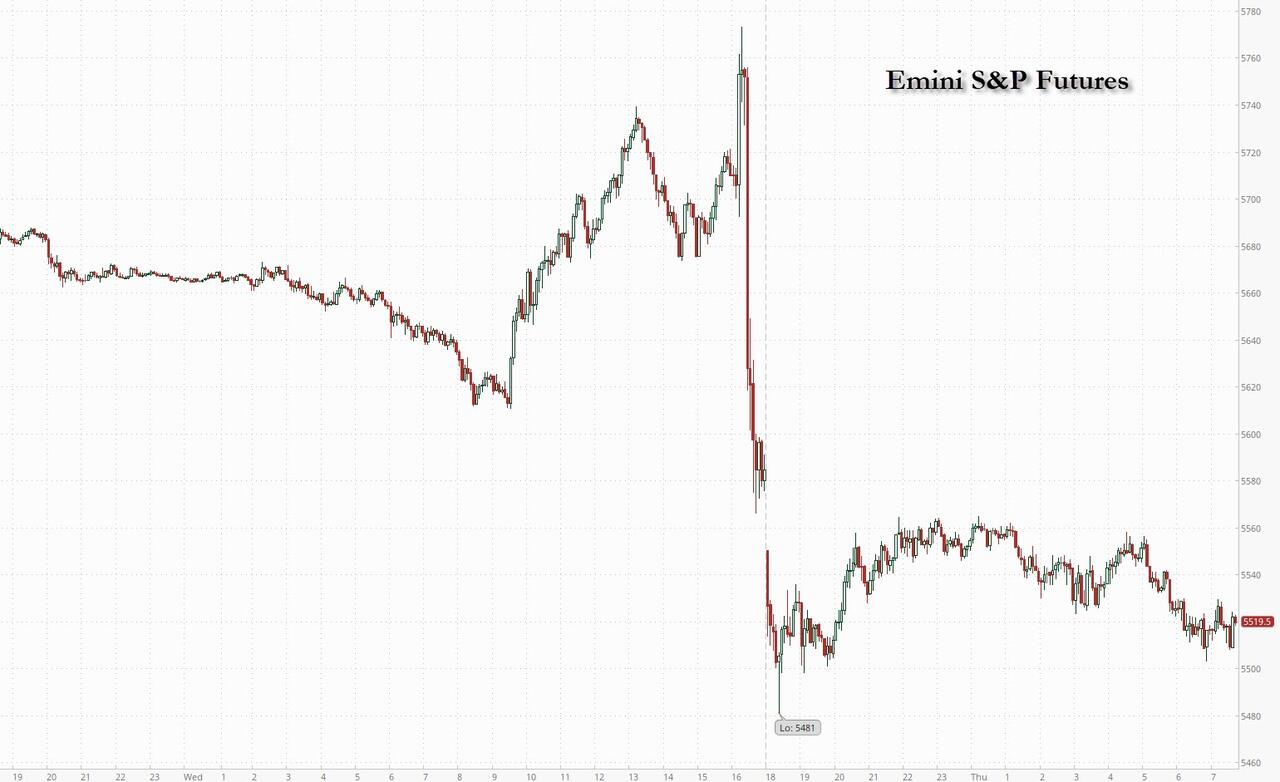
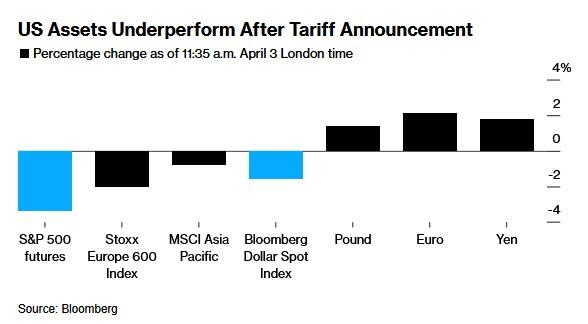
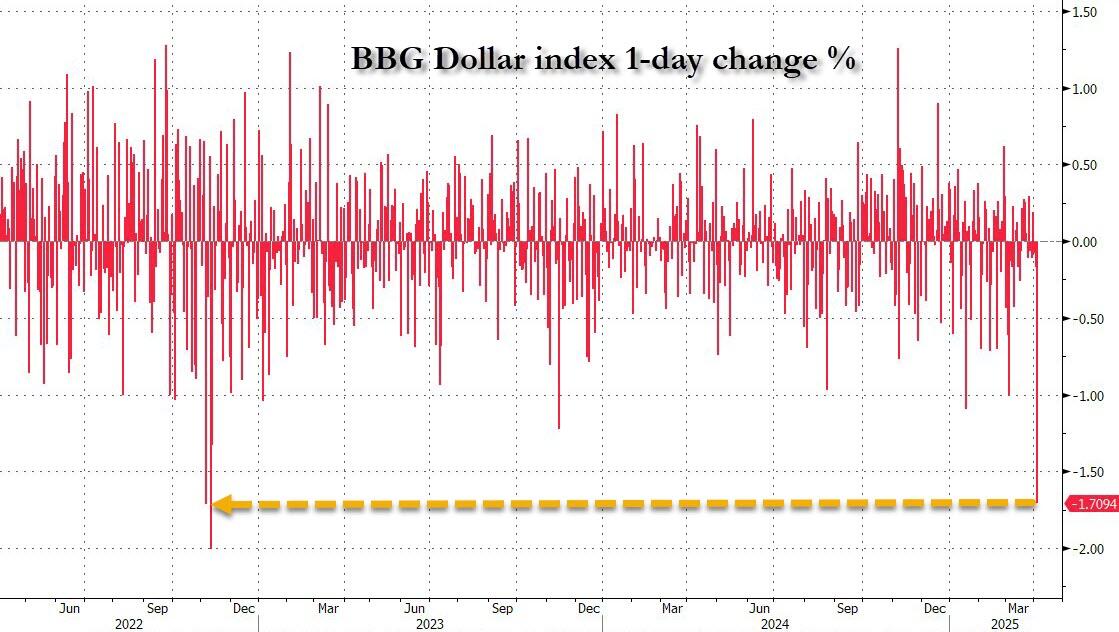
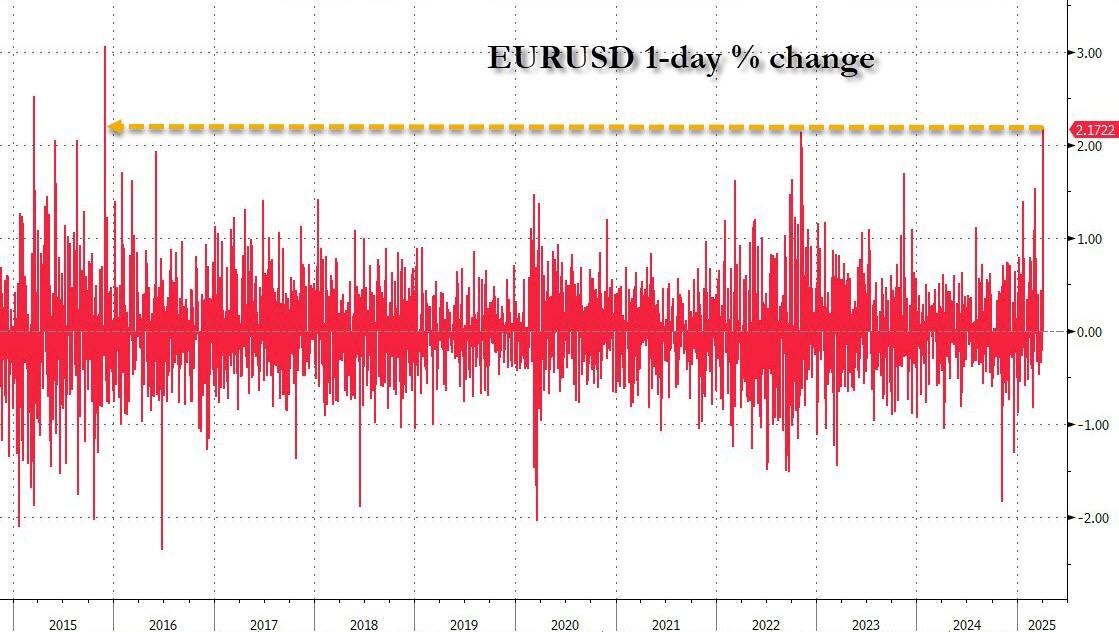

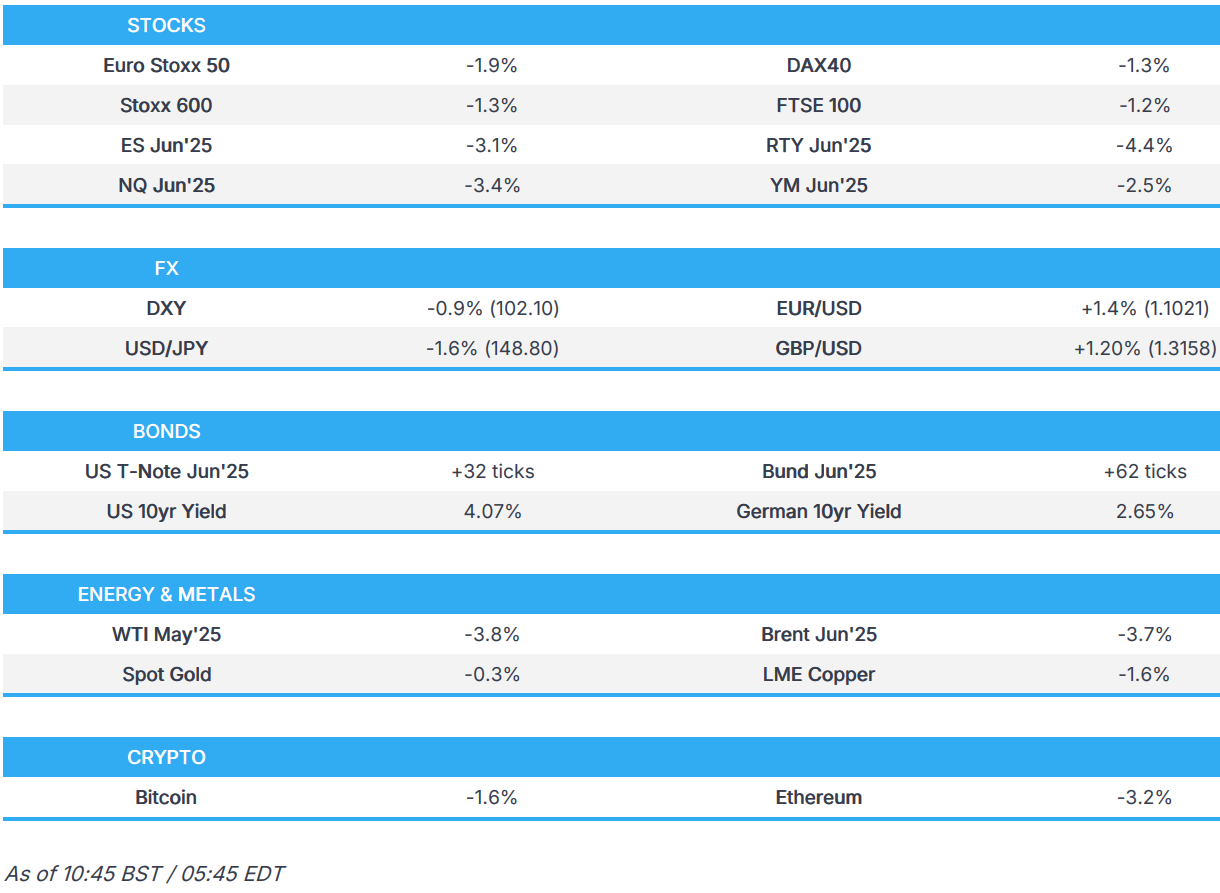
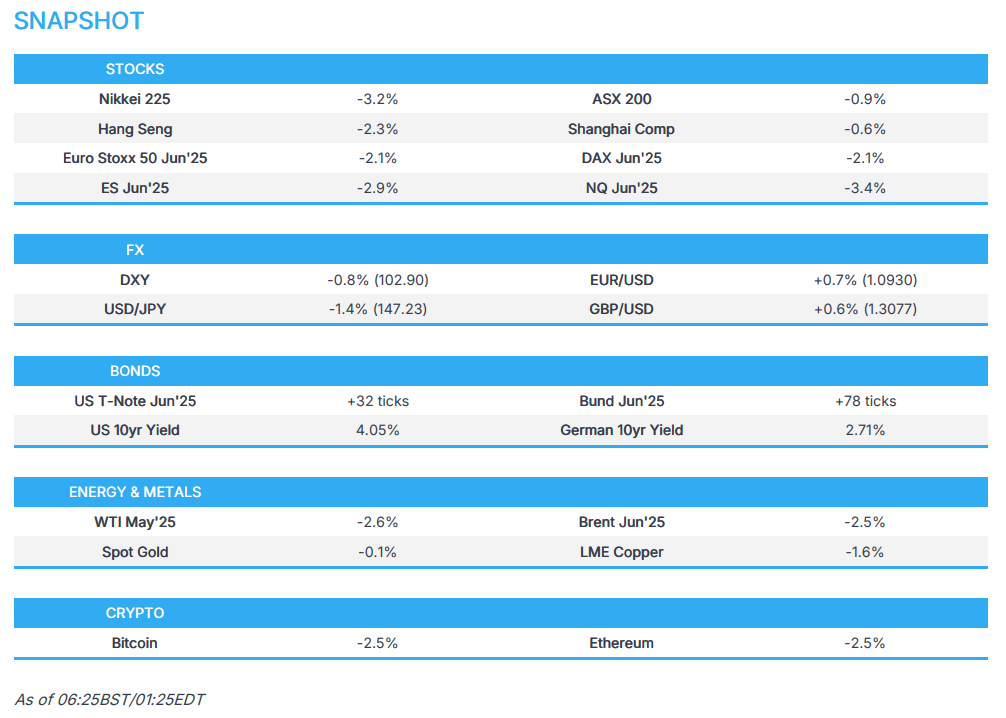
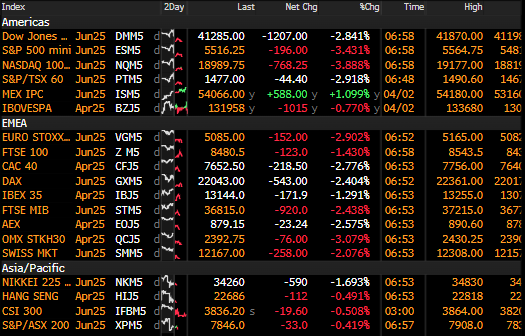
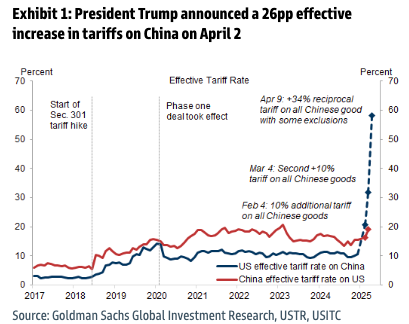
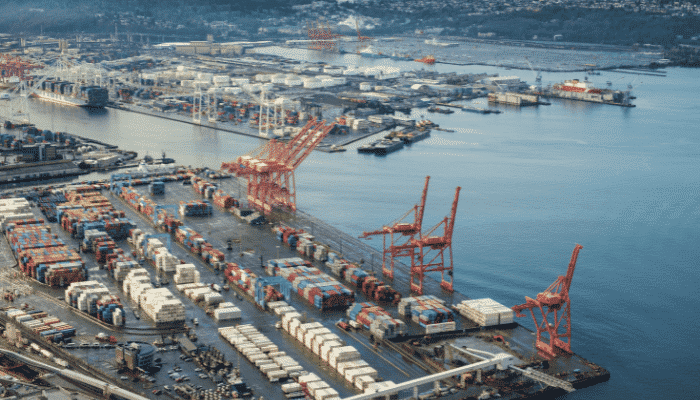
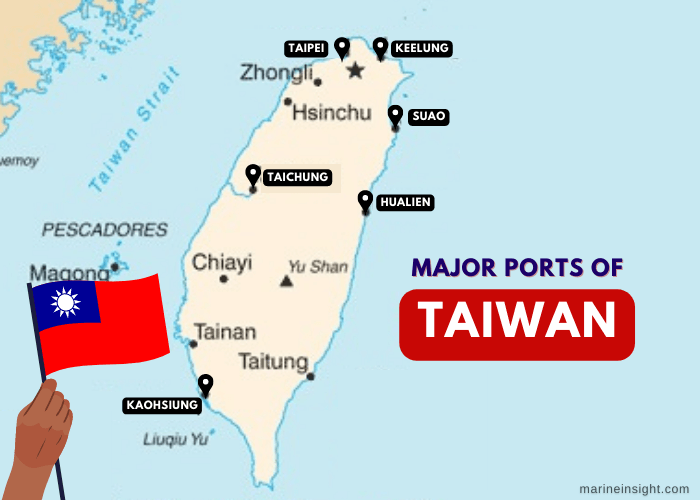

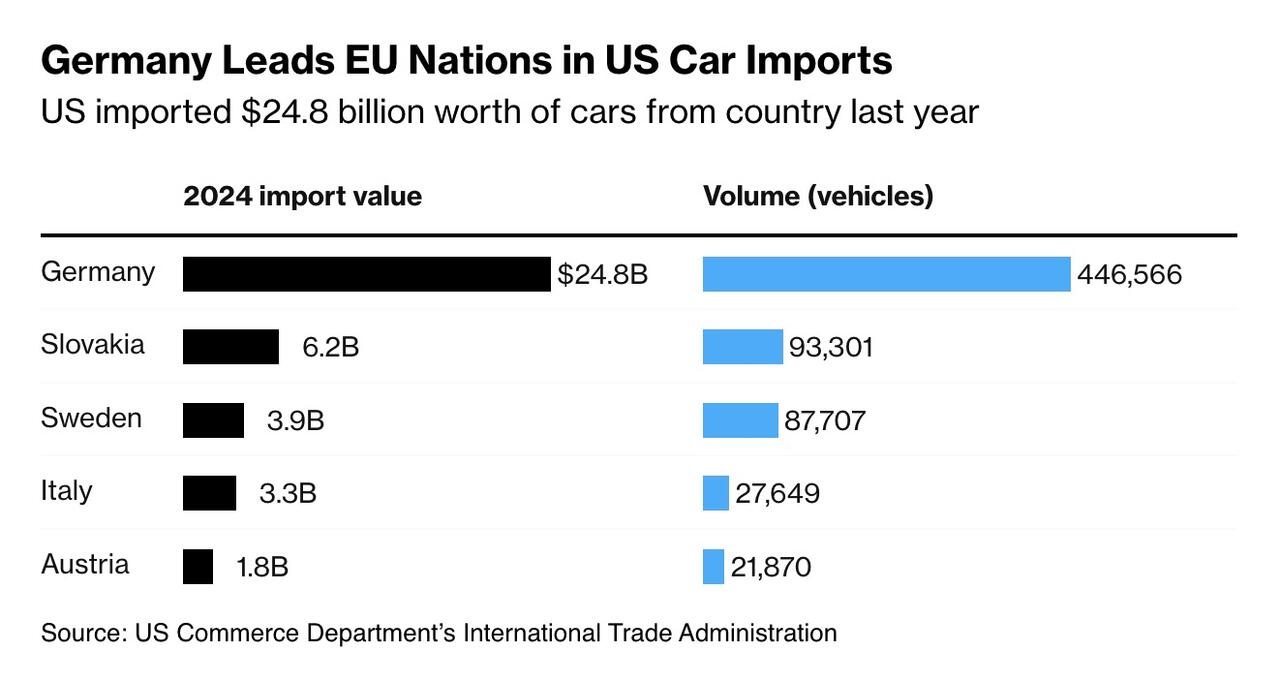






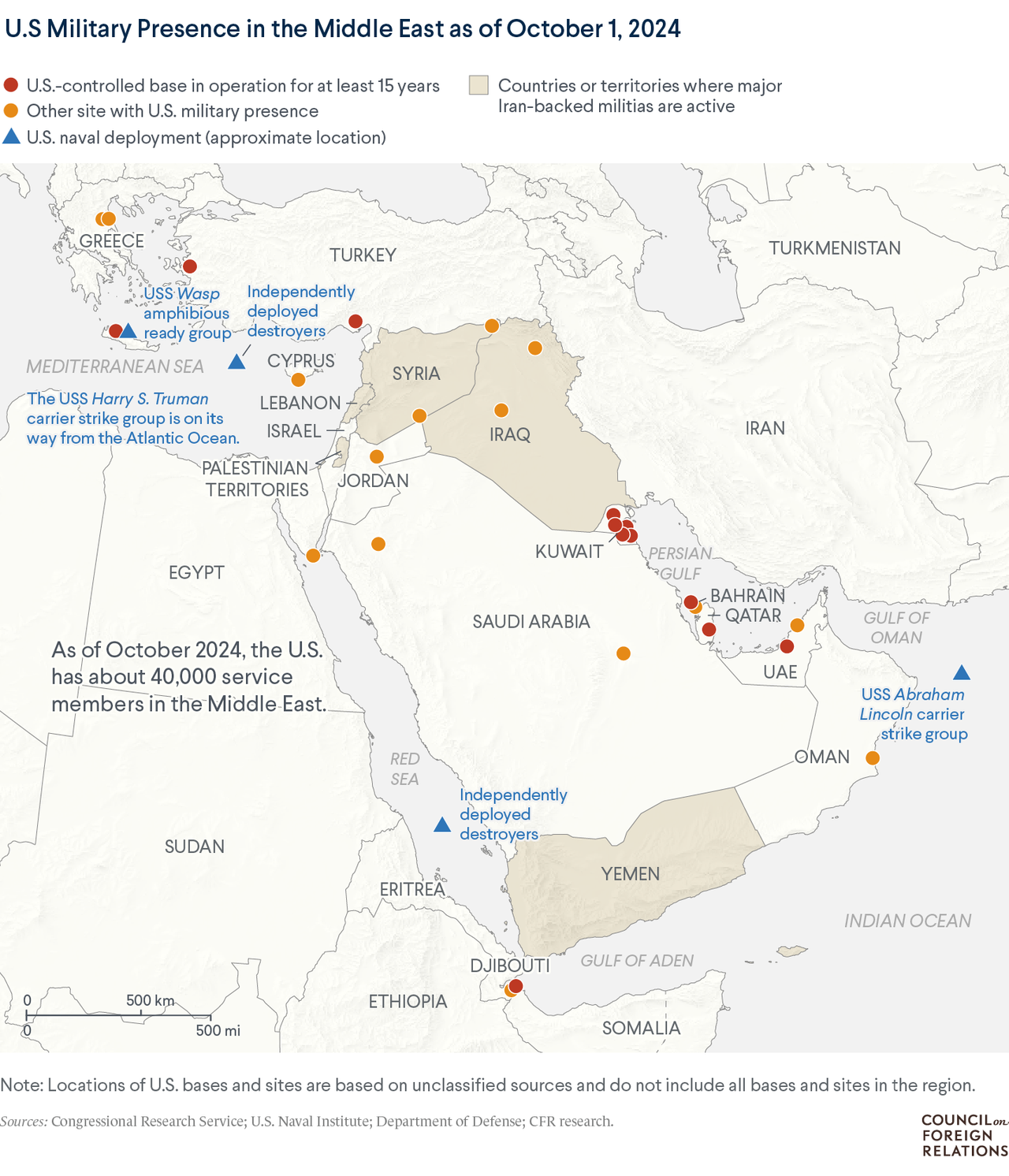


 People inspect a damaged area in the aftermath of what Syrian state media reported was an Israeli strike in the Mezzah suburb, west of Damascus, Syria October 9, 2024. (credit: REUTERS/FIRAS MAKDESI)Turkish opposition to Israel’s expansion of Gaza operation


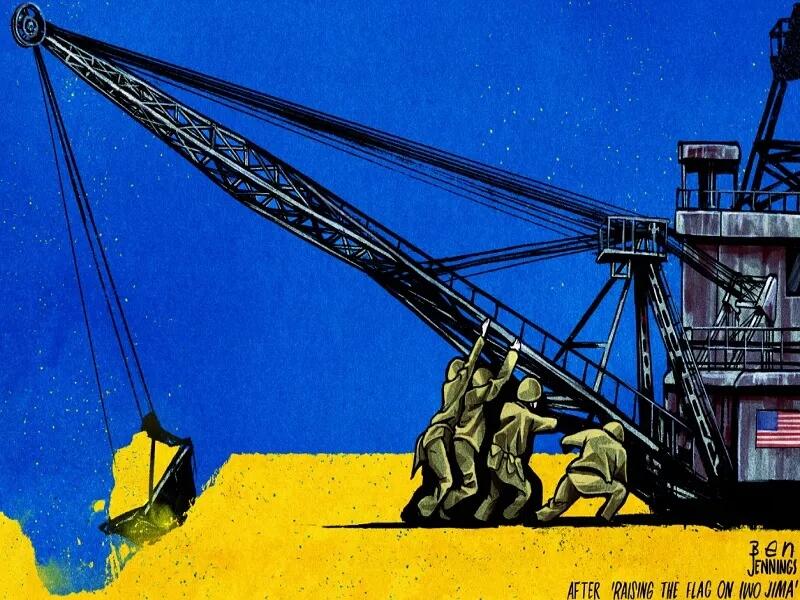


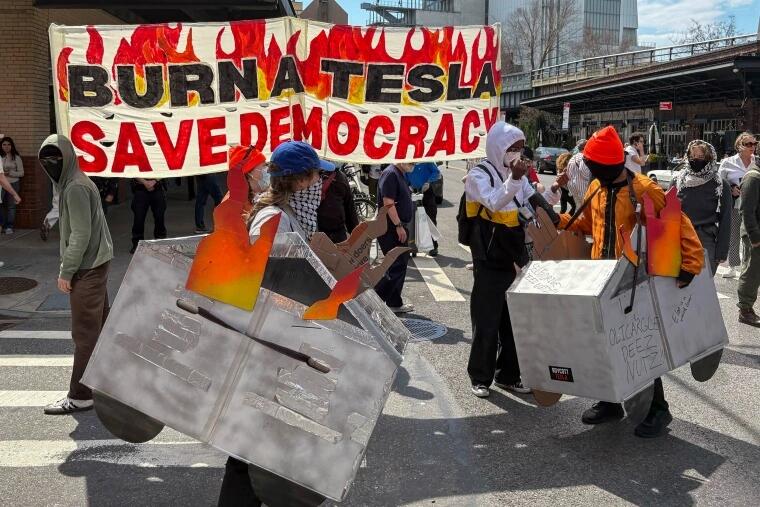


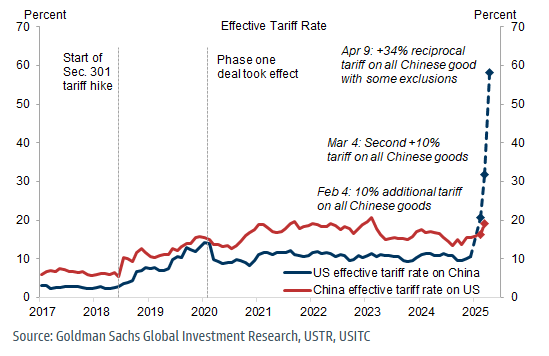


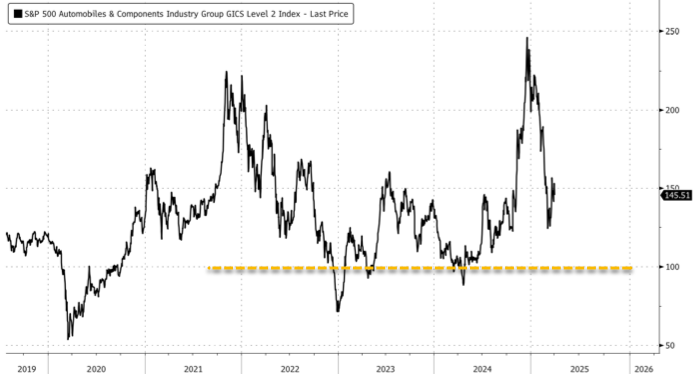
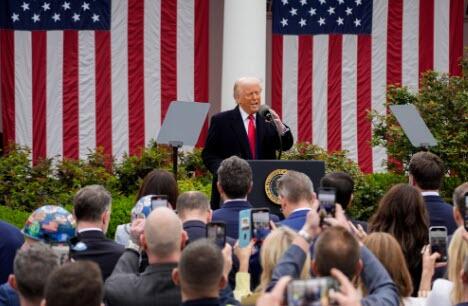
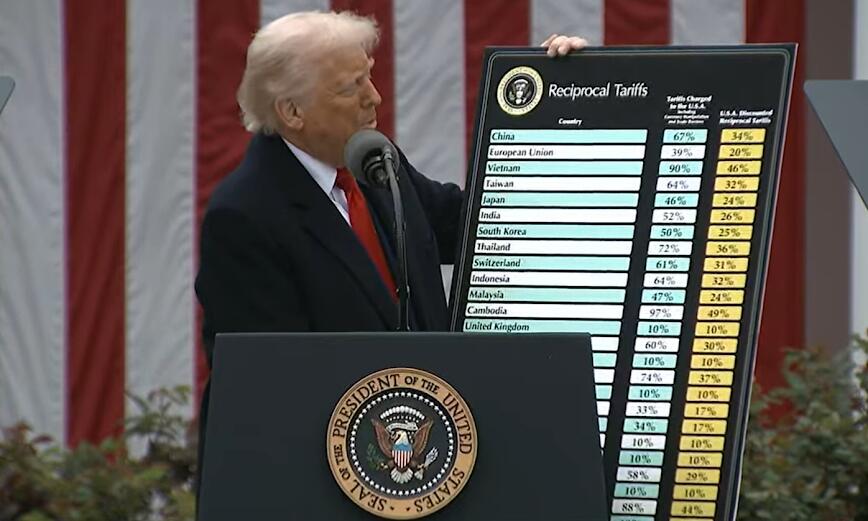
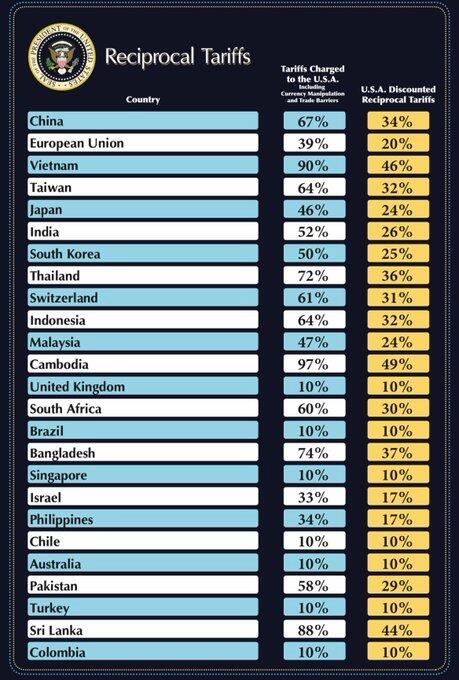
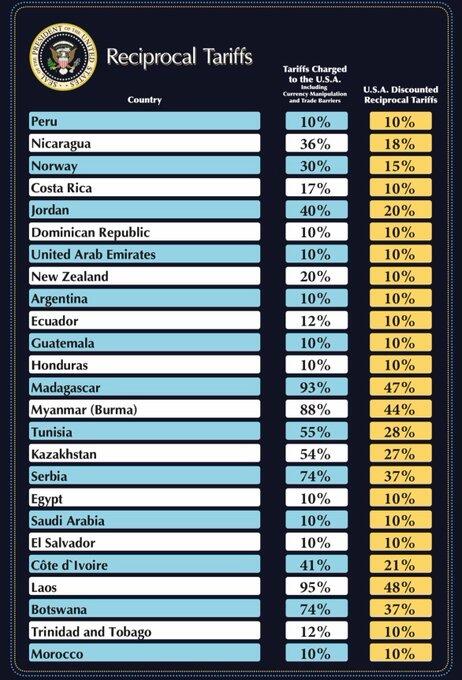
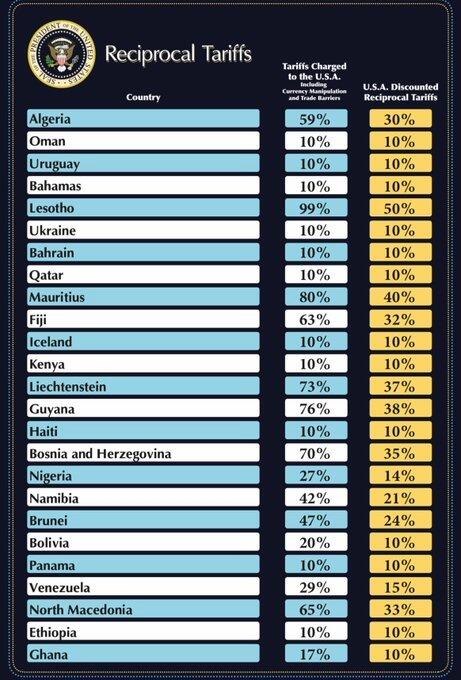
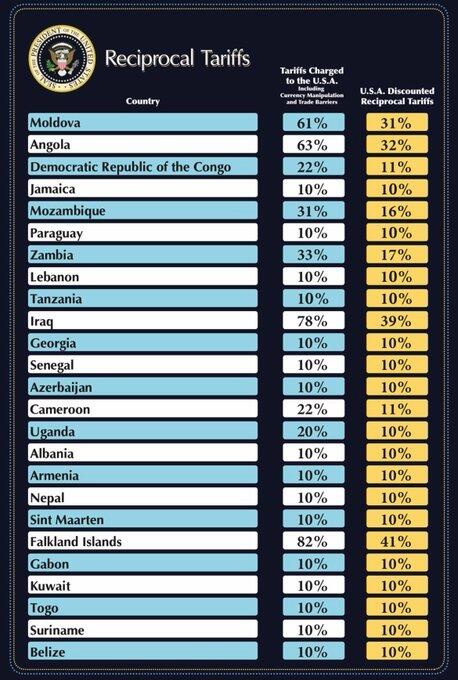
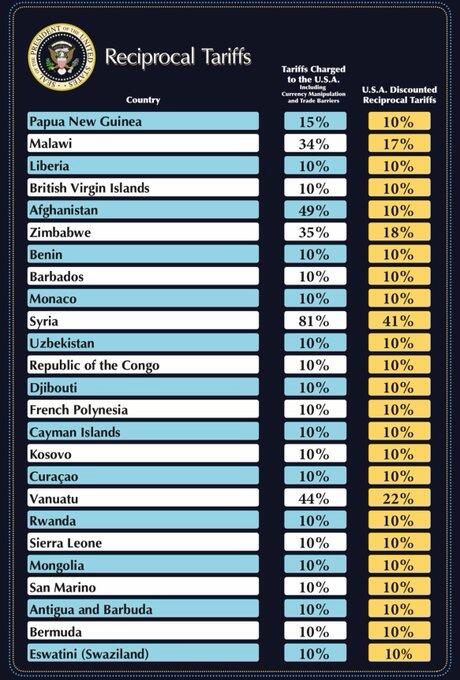
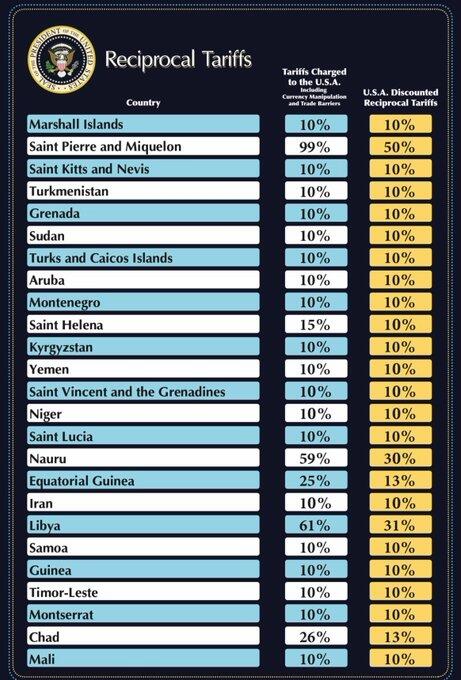
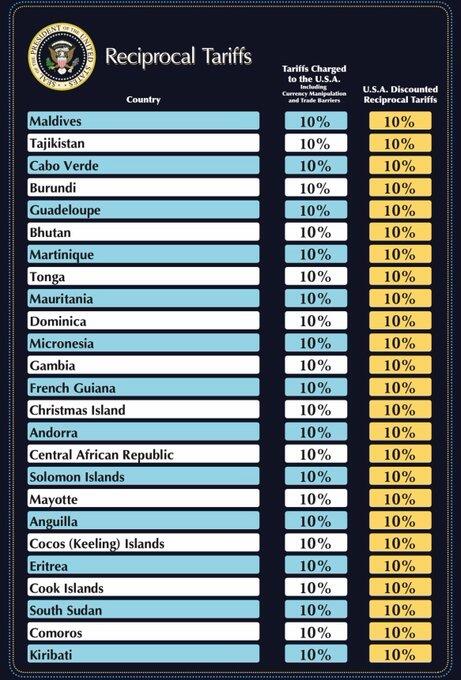
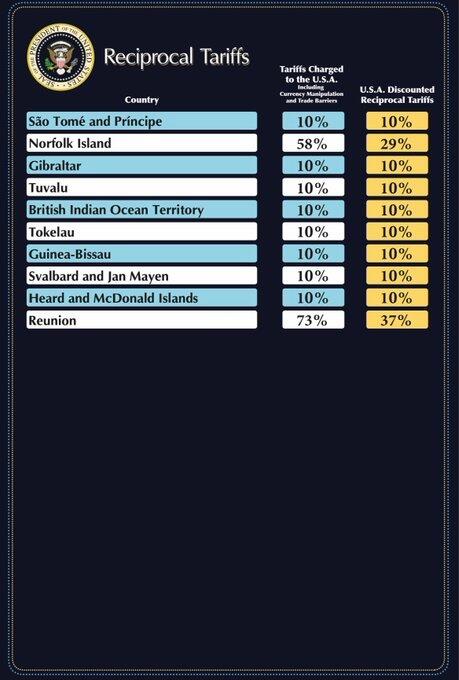
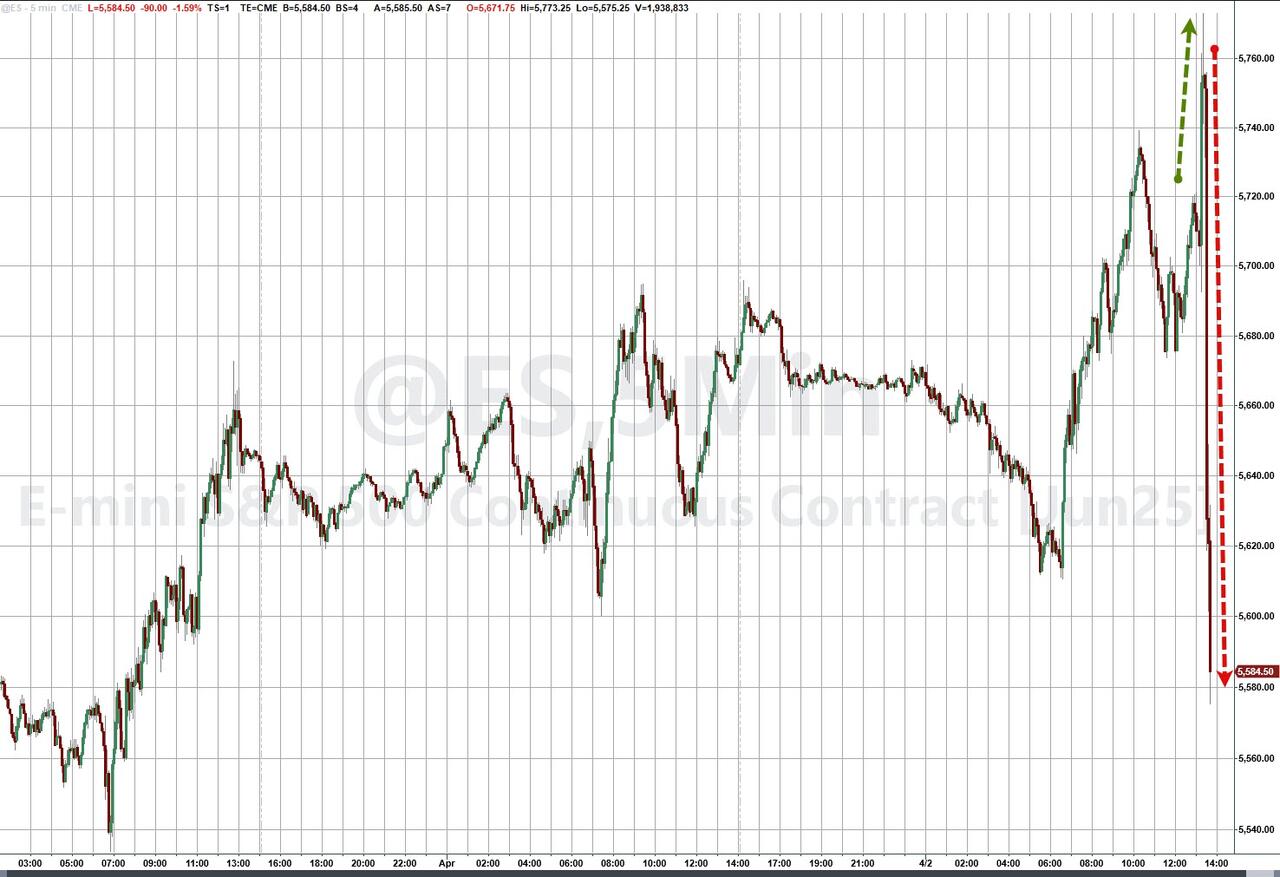
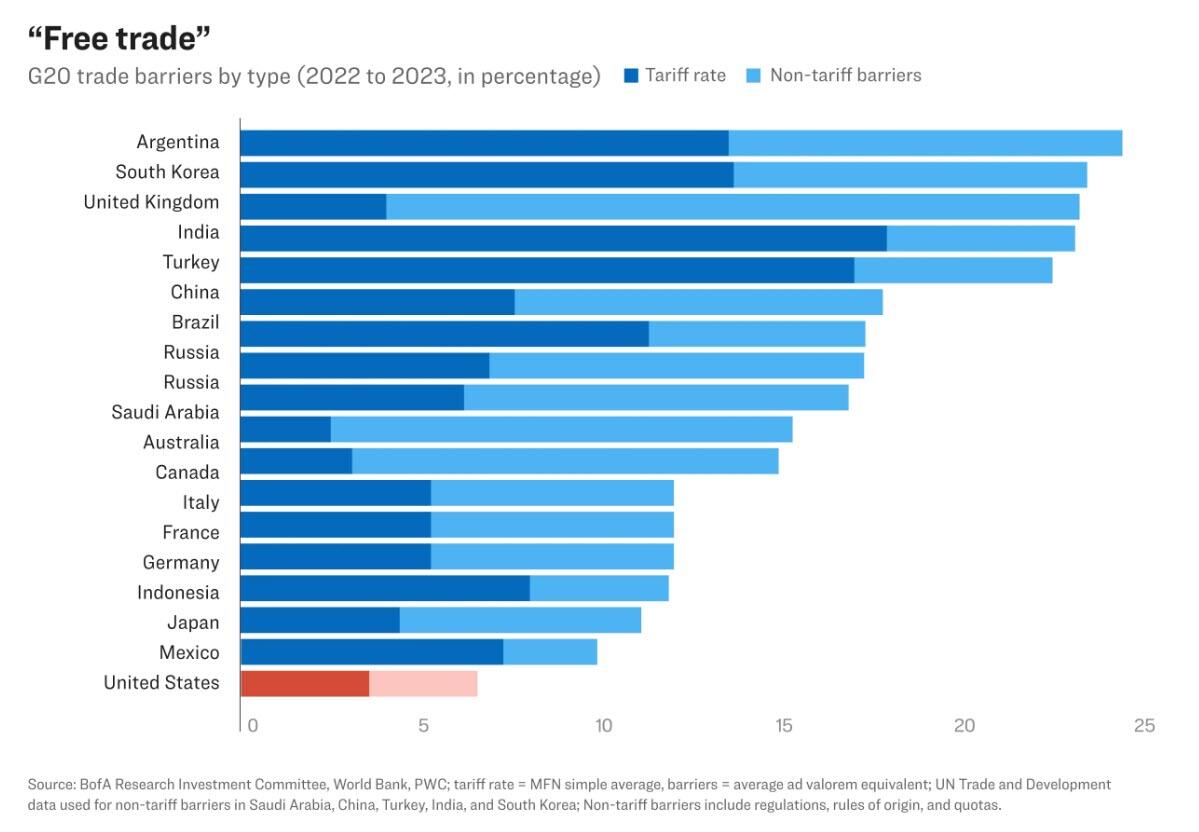
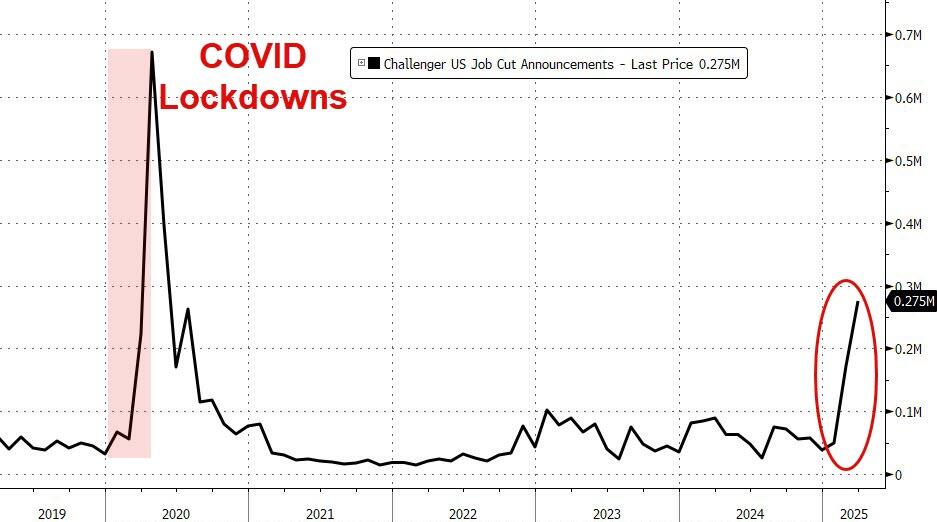
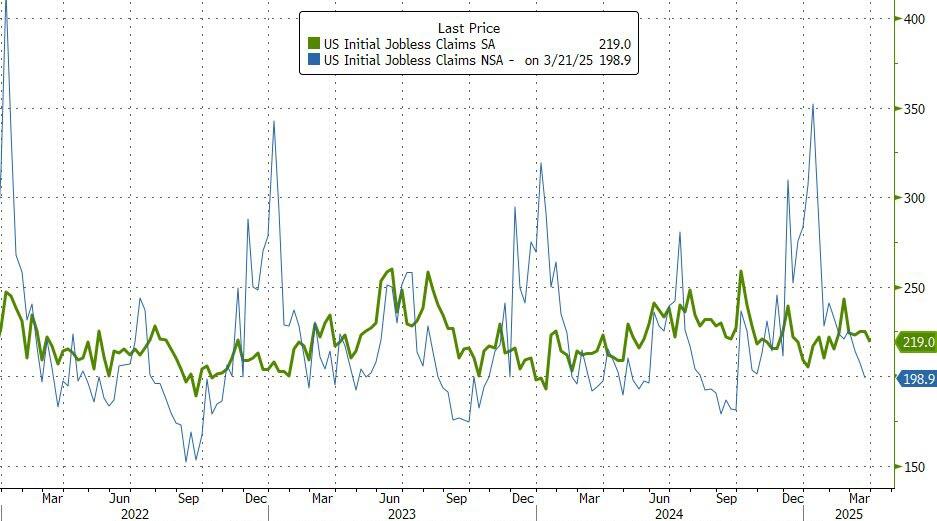
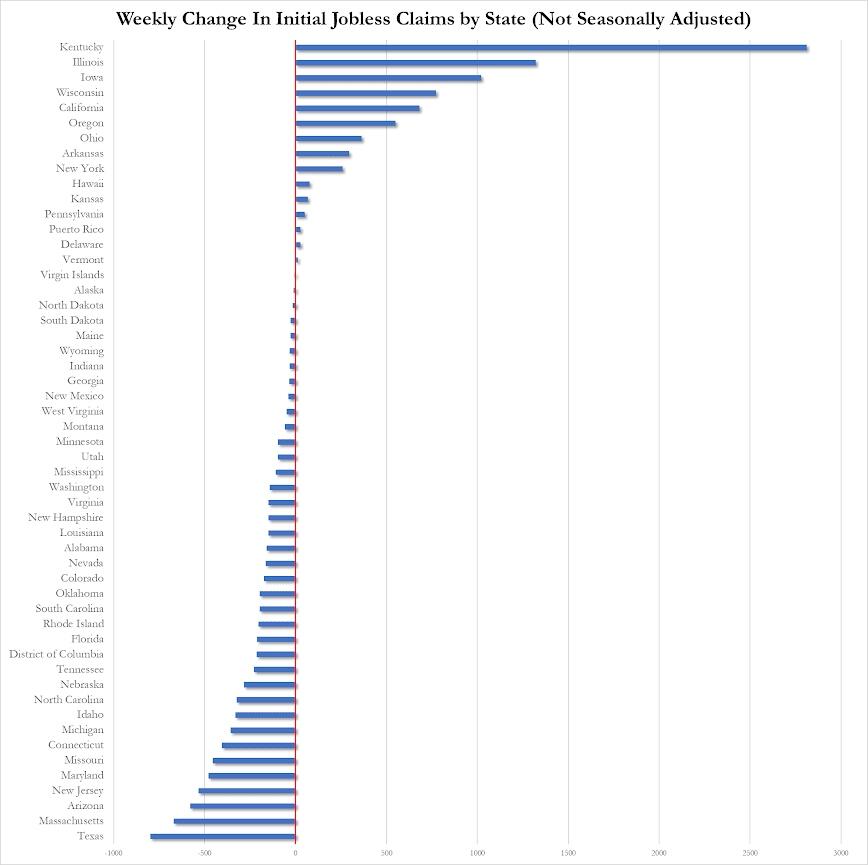
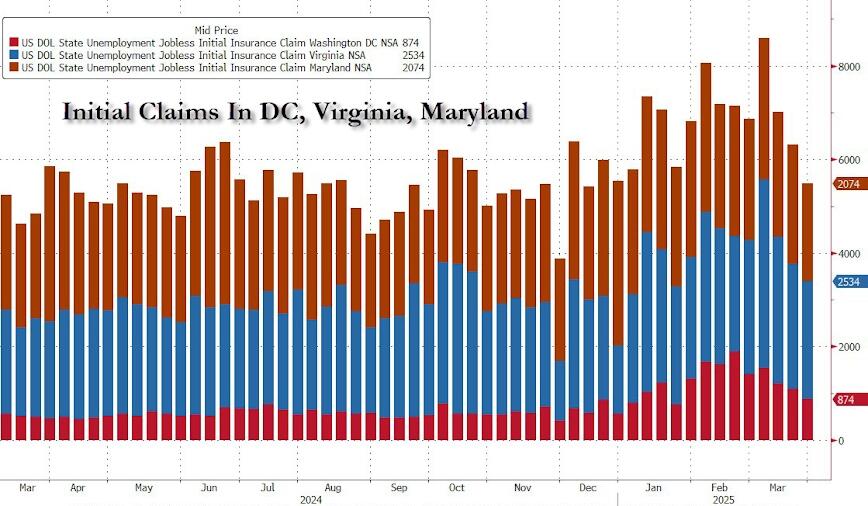
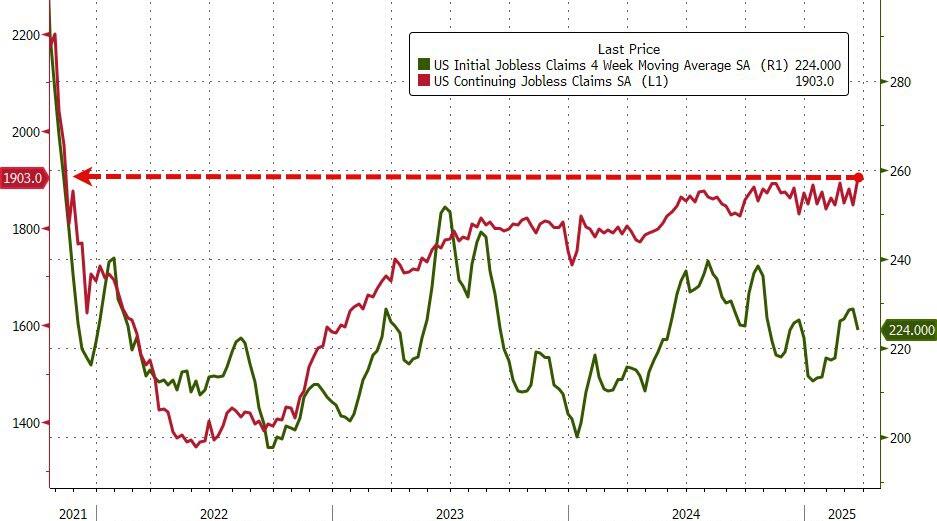
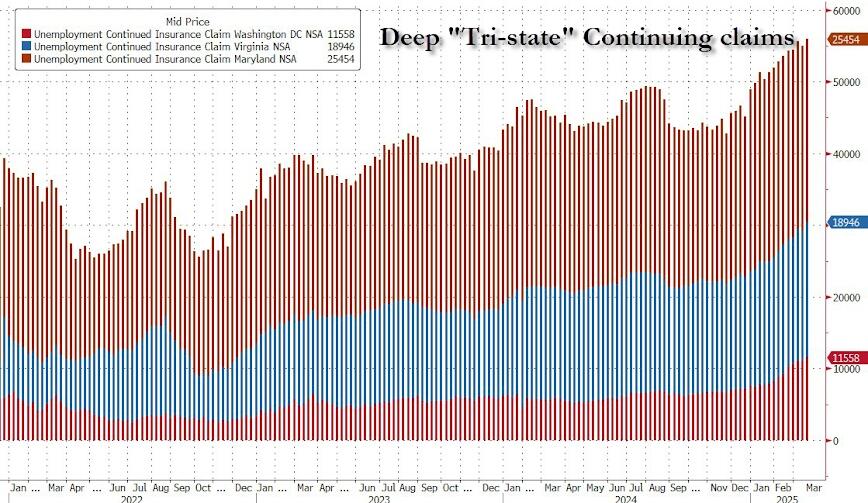
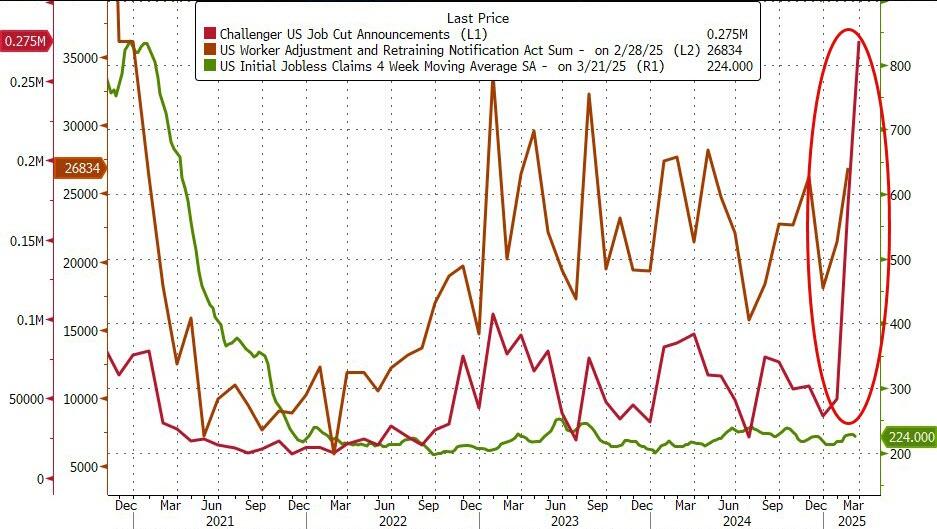
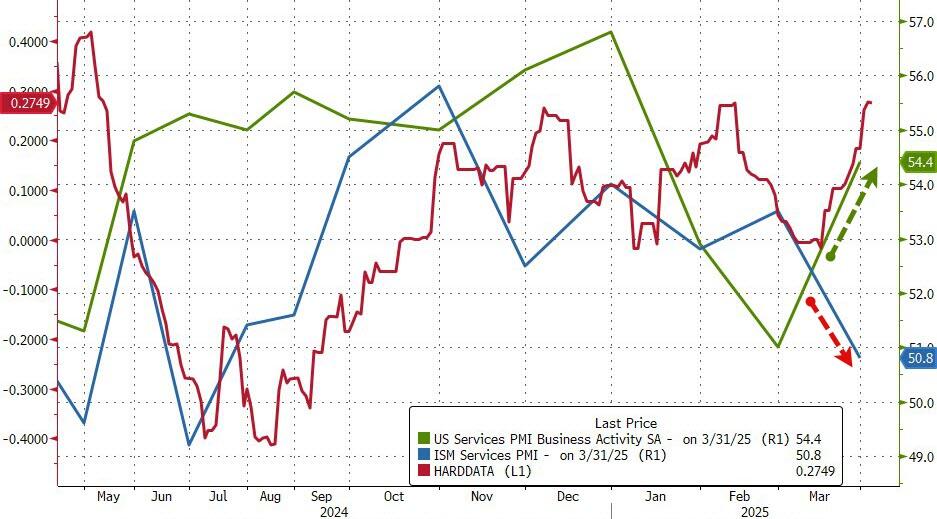
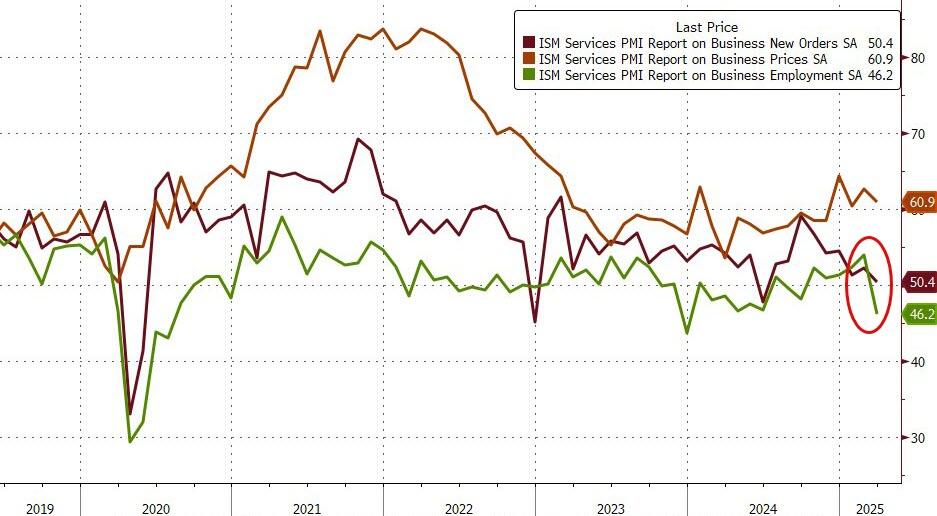
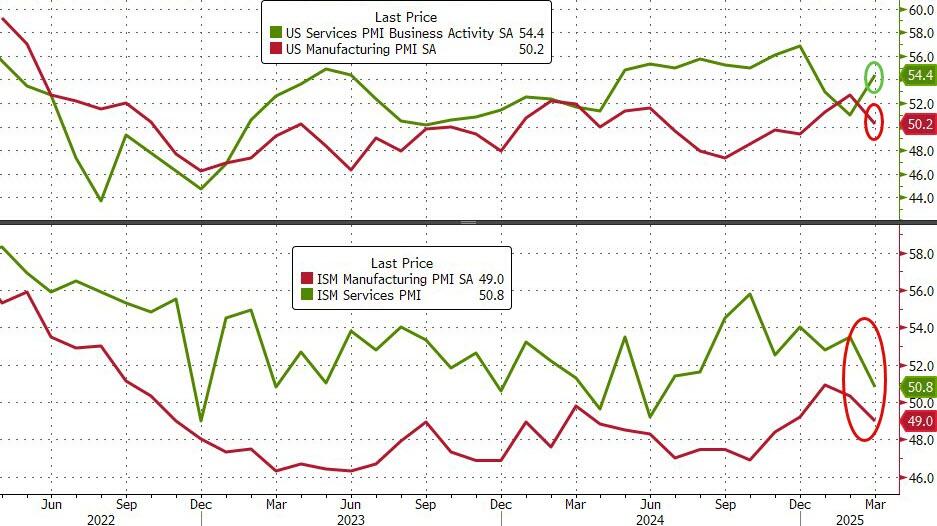
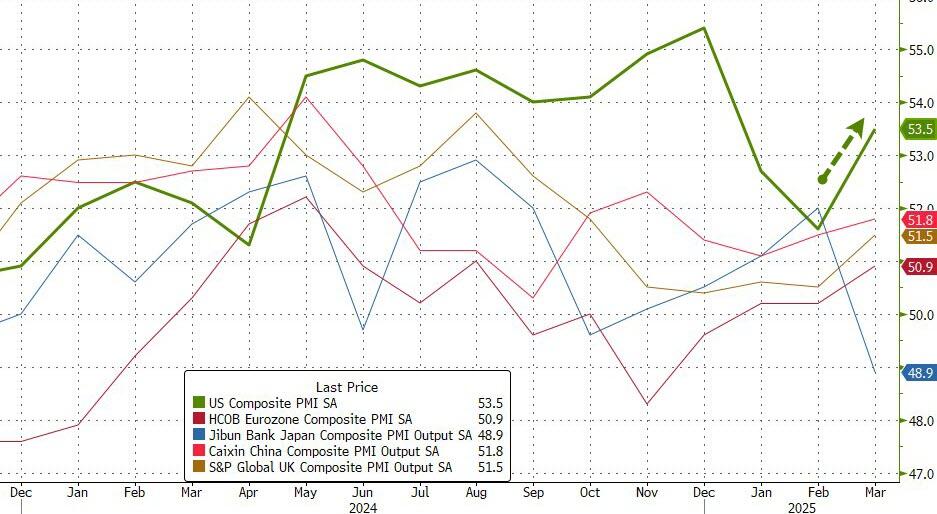
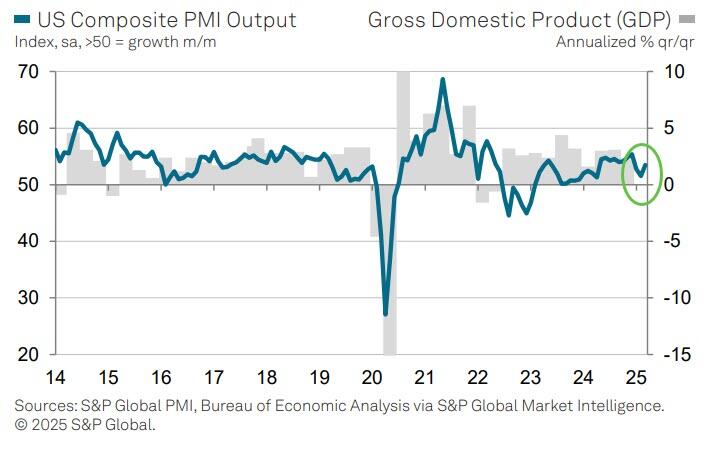
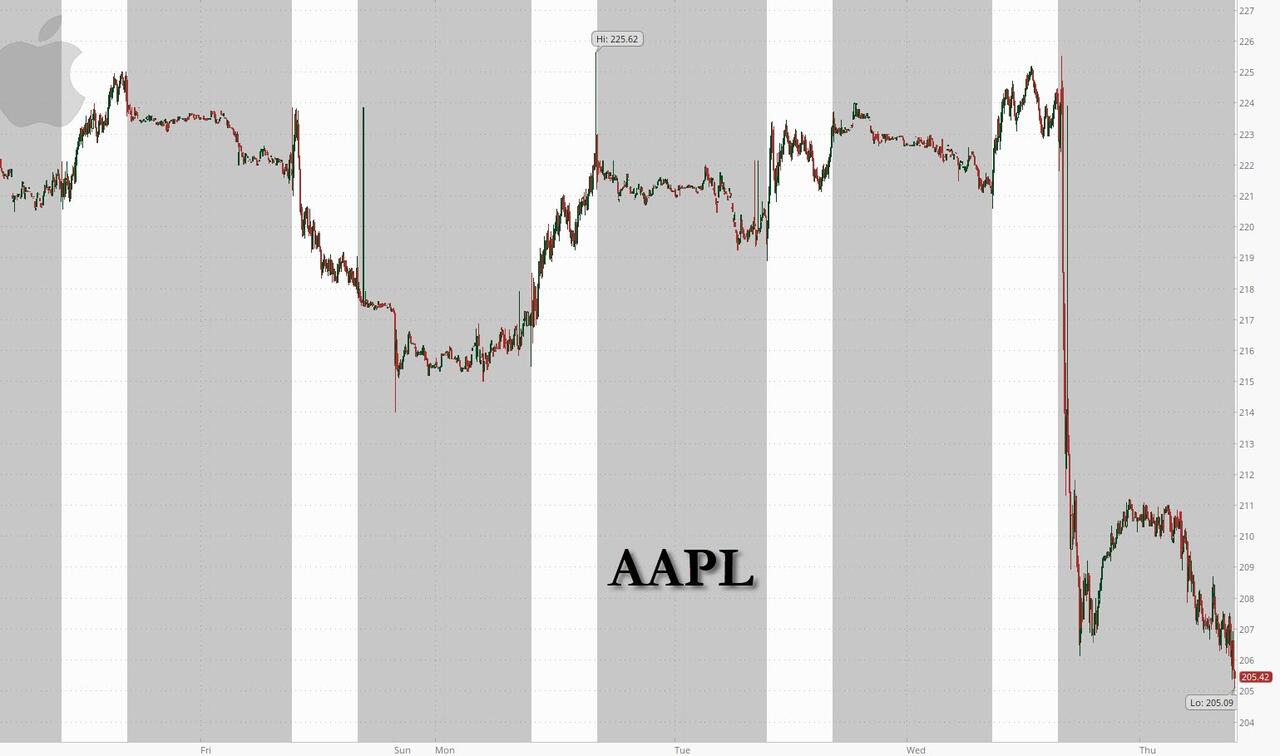
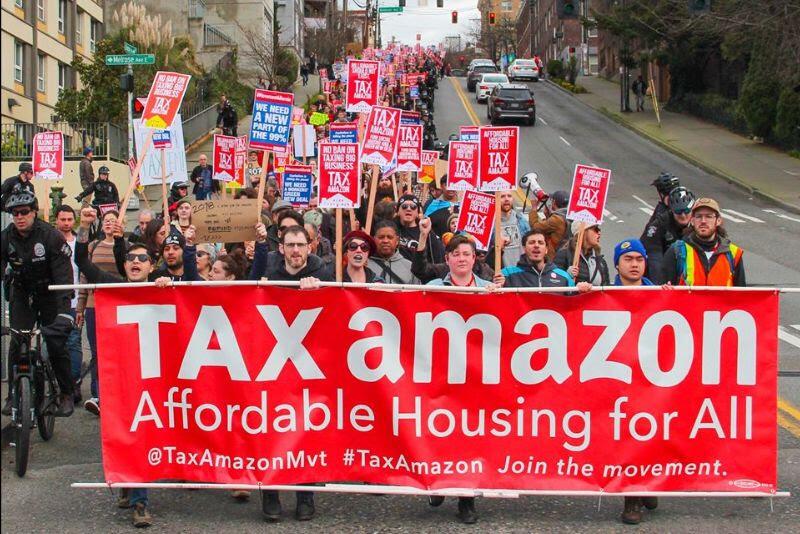


 harveyorganblog.com