APRIL 16/GOLD FINISHES THE DAY UP BY A RECORD $106.35 TO $3330.15 WITH SILVER TRYING TO JOIN THE PARTY UP $0.70 TO $33.01//PLATINUM AND PALLADIUM ARE STILL CONTROLLED: PLATINUM IS UP $11.25 TO $973.70 WHILE PALLADIUM IS UP ONLY $1.55 TO $978.70//GOLD COMMENTARY TONIGHT FROM PETER SCHIFF//USA MARKETS THE DOW AND NASDAQ HAVE A MISERABLE DAY AS THE FIRST VICTIM OF THE BASIS TRADE APPEARS//CHINA IS STILL AT WAR WITH THE USA ON TARIFFS WITH THE CANADA BENDING THE KNEE AS CANADA WILL NOT TARIFF AUTOS COMING INTO OUR COUNTRY///EUROPE IS STILL IN A MESS AS THEY DO NOT KNOW HOW TO DEAL WITH TRUMP//ISRAEL VS HAMAS//SYRIAN UPDATES//JORDAN GOES TO WAR AGAINST INSURGENT MUSLIM BROTHERHOOD IN THEIR COUNTRY//COVID UPDATES/DR PAUL ALEXANDER/SLAY NEWS ETC//CANADA UPDATES: GOVERNOR OF B. OF CANADA KEEPS RATES UNCHANGED AND YET STATES THAT CANADA WILL HAVE A DEEP RECESSION//USA NEWS; RETAIL SALES SKYROCKET YET INDUSTRIAL PRODUCTION FALTERS//SWAMP STORIES FOR YOU TONIGHT//GREG HUNTER INTERVIEWS DR SHERRY TENPENNY AND IT IS MUST VIEW//
323 C HSBC 3 363 H WELLS FARGO SECURITI 35 686 C STONEX FINANCIAL INC 26 3 690 C ABN AMRO CLR USA LLC 10 2 737 C ADVANTAGE FUTURES 2 905 C ADM 5
TOTAL: 43 43 MONTH TO DATE: 61,463
MONTH TO DATE: 61,420
JPMORGAN STOPPED: 0/43
GOLD: NUMBER OF NOTICES FILED FOR APRIL/2024. CONTRACT: 43 NOTICES FOR 4300 OZ 0.1337 TONNES
total notices so far: 61,463 contracts for 6,146,300 OR 191.175 tonnes)
FOR APRIL
XXXXXXXXXXXXXXXXXX
SILVER NOTICES: 54 NOTICE(S) FILED FOR 0.270 MILLION OZ/
total number of notices filed so far this month : 2897 CONTRACTS (NOTICES) for 14.485 million oz
Click here if you wish to send a donation. I sincerely appreciate it as this site takes a lot of preparation
END
GLD/
BOTH GLD AND SLV ARE FRAUDULENT VEHICLES//THEY ARE NOW RAIDING GLD AND SLV FOR PHYSICAL
THE CROOKS ARE STEALING GOLD AND SILVER FROM THE GLD/SLV AND REPLACING THE PHYSICAL WITH PAPER DOLLARS.
WITH GOLD UP $106.35 INVESTORS SWITCHING TO SPROTT PHYSICAL (PHYS) INSTEAD OF THE FRAUDULENT GLD:
NO CHANGES IN GOLD INVENTORY AT THE GLD:
INVENTORY RESTS AT 953.15 TONNES
SLV/
WITH NO SILVER AROUND AND SILVER UP $0.70 AT THE SLV: HUGE CHANGES IN SILVER INVENTORY AT THE SLV: ////A MASSIVE DEPOSIT OF 3.002 MILLION OZ INTO THE SLV//
CLOSING INVENTORY RESTS AT:
CLOSING INVENTORY: 452.243 MILLION OZ
Let us have a look at the data for today
SILVER//OUTLINE
SILVER COMEX OI FELL BY A HUGE SIZED 845 CONTRACTS TO 144,400 AND STALLING ON ITS MARCH TO THE RECORD HIGH OI OF 244,710, SET FEB 25/2020, AND THIS HUGE SIZED LOSS IN COMEX OI WAS ACCOMPLISHED DESPITE OUR TINY GAIN OF $0.07 IN SILVER PRICING AT THE COMEX WITH RESPECT TO TUESDAY’S TRADING. WE HAD A VERY STRONG SIZED LOSS OF 645 TOTAL CONTRACTS AS THE CME NOTIFIED US OF A FAIR 200 CONTRACT EXCHANGE FOR PHYSICAL ISSUANCE.. WE HAD A CONSIDERABLE LIQUIDATION OF T.A.S. CONTRACTS COMEX TRADING TUESDAY AS THEY DESPERATELY TRIED TO CONTAIN SILVER’S PRICE RISE FOR THE PAST 4 WEEKS (WHERE RAIDS ARE CALLED UPON AGAIN AND AGAIN TRYING TO STOP THE RISE IN SILVER’S PRICE TO ABOVE $34.40 AND TO QUELL ADDITIONAL DERIVATIVE LOSSES TO OUR BANKERS’ MASSIVE TOTALS). THEY FAILED ON TUESDAY WITH SILVER’S GAIN IN PRICE BUT THE PRICE IS STILL WELL BELOW THE MAGIC NUMBER OF $34.40 SILVER SPOT PRICE. . BUT THIS WAS COUPLED WITH A HUGE T.A.S. ISSUANCE OF 719 CONTRACTS ISSUED BY THE CME AND THAT SIGNALS DEEP CODE RED THAT THE CROOKS ARE DESPERATE TO STOP SILVER BREAKING OVER THE 34.40 DOLLAR MARK. THUS OUR RAIDS ON OUR PRECIOUS SILVER METAL WILL CONTINUE UNTIL SILVER BREAKS $34.40. WE HAD A FAIR 200 CONTRACT EXCHANGE FOR PHYSICAL ISSUANCE ACCOMPANIED BY OUR HUGE 719 CONTRACT T.A.S ISSUANCE WHICH WILL BE USED IN WEDNESDAY’S TRADING/ AS THEY PLAY AN INTEGRAL PART IN OUR COMEX TRADING TRYING TO CONTAIN ANY SILVER PRICE RISE. IN ESSENCE WE LOST A VERY STRONG SIZED 558 CONTRACTS ON OUR TWO EXCHANGES DESPITE OUR GAIN IN PRICE OF $0.07. WE HAD CONSIDERABLE TAS LIQUIDATION THROUGHOUT TUESDAY’S COMEX TRADING SESSION. TODAY, THE CME NOTIFIED US THAT WE HAD 0 CONTRACTS OF THOSE CRAZY EXCHANGE FOR RISK CONTRACTS ISSUED FOR 0 OZ (0 MILLION OZ). THESE EXCHANGE FOR RISKS ARE ADDED TO OUR NORMAL DELIVERY SCHEDULE. THUS FOR THE MONTH OF APRIL WE HAVE A TOTAL OF 4.0 MILLION OZ OF EXCHANGE FOR RISK ISSUED ON TWO OCCASIONS. THE RECIPIENT OF THIS LARGESS IS PROBABLY THE CENTRAL BANK OF INDIA.
PLEASE NOTE THAT THE CROOKS NEED A HIGHER SILVER/GOLD T.A.S. TO CARRY ON THEIR CROOKED MANIPULATION ON A DAILY BASIS BUT DEMAND IS JUST TOO HIGH FOR THEM. THE HIGHER ISSUANCE OF T.A.S. IS NOW USED TO TEMPER OUR SILVER PRICE RISE OR INITIATE A RAID AS WHAT HAPPENED SEVERAL TIMES LAST MONTH AND AGAIN WITH THIS WEEK’S TRADING ON SILVER AND NOW TODAY TRYING TO KEEP THE SILVER PRICE BELOW $34.40 . THE KEY PRICE TO WATCH IS $34.40. IF IT BREAKS THAT PRICE, THEN WE HEAD FOR $50.00 SILVER.
CRAIG HEMKE HAS POINTED OUT THAT THE CROOKS USE THE MID MONTH FOR MANIPULATION AS THEY SELL THEIR BUY SIDE OF THE CALENDAR SPREAD FIRST AND THEN KEEP THE SELL SIDE TO LIQUIDATE AT A LATER DATE. THUS WE HAVE TWO VEHICLES THE CROOKS USE FOR MANIPULATION AND BOTH ARE SPREADERS: 1) AT MONTH’S END/SPREADERS COMEX AND 2/ TAS SPREADERS, MID MONTH. TOTAL TAS ISSUED ON TUESDAY NIGHT/WEDNESDAY MORNING: A HUGE 719 CONTRACTS. DESPITE MANY COMPLAINTS THAT THE CROOKS HAVE VIOLATED POSITION LIMITS DUE TO THE FACT THAT THE TAS ISSUED HAVE A VALUE OF ZERO (AS TO POSITION LIMITS FOR OUR CROOKED BANKERS). THE PROBLEM OF COURSE IS THAT THE CROOKS DO NOT LIQUIDATE THE TAS TOGETHER BUT SELL THE BUY SIDE FIRST AND THEN LIQUIDATE THE SELL SIDE TWO MONTHS HENCE. IT IS OBVIOUS MANIPULATION TO THE HIGHEST DEGREE BUT IT NATURALLY FELL ON DEAF EARS WITH OUR REGULATORS (OCC) WHEN THEY RECEIVED OUR COMPLAINTS. IT NOW SEEMS THAT THE OCC HAS ORDERED THE BANKS TO REDUCE ITS NEW LEVEL OF 1 TRILLION DOLLARS IN GOLD/SILVER DERIVATIVES
WE HAVE IN THE PAST YEAR SET ANOTHER RECORD LOW AT 114,102 CONTRACTS ///JULY 3.2023// OUR BANKERS WITH THE HELP OF SPECULATORS AND HIGH FREQUENCY TRADERS WERE UNSUCCESSFUL IN KNOCKING THE PRICE OF SILVER DOWN (IT ROSE BY $0.07) AND WERE UNSUCCESSFUL IN KNOCKING OFF ANY NET SILVER LONGS FROM THEIR PERCH AS WE HAD A SMALL GAIN IN PRICE BUT WE LOST A VERY STRONG 558 CONTRACTS IN OPEN INTEREST FROM OUR TWO EXCHANGES. ALL OF THE LOSS WAS DUE TO T.A.S. LIQUIDATION, DISTORTING THE COMEX OI STANDING.
WE HAD A FAIR 200 CONTRACT ISSUANCE OF EXCHANGE FOR PHYSICALS) iiii) AN INITIAL SILVER STANDING FOR COMEX SILVER MEASURING AT 13.735 MILLION OZ FOLLOWED BY TODAY’S 180,000 OZ QUEUE JUMP FOR PHYSICAL TRANSFER TO WHICH WE ADD OUR 4.00 MILLION OZ EX FOR RISK
STANDING FOR APRIL INCREASES TO 18.485 MILLION OZ
WE HAD:
/ HUGE COMEX OI LOSS+// A FAIR SIZED EFP ISSUANCE (200 CONTRACTS)/ VI) HUGE SIZED NUMBER OF T.A.S. CONTRACT ISSUANCE 719 CONTRACTS)
I AM NOW RECORDING THE DIFFERENTIAL IN OI FROM PRELIMINARY TO FINAL: REMOVED 491 CONTRACTS.
HISTORICAL ACCUMULATION OF EXCHANGE FOR PHYSICALS MAR. ACCUMULATION FOR EFP’S SILVER/JPMORGAN’S HOUSE OF BRIBES/STARTING FROM FIRST DAY/MONTH OF APRIL
TOTAL CONTRACTS for 12 DAYS, total 14,372 contracts: OR 71.860 MILLION OZ (119 CONTRACTS PER DAY)
TOTAL EFP’S FOR THE MONTH SO FAR: 71.860 MILLION OZ
LAST 24 MONTHS TOTAL EFP CONTRACTS ISSUED IN MILLIONS OF OZ:
MAY 137.83 MILLION
JUNE 149.91 MILLION OZ
JULY 129.445 MILLION OZ
AUGUST: MILLION OZ 140.120
SEPT. 28.230 MILLION OZ//
OCT: 94.595 MILLION OZ
NOV: 131.925 MILLION OZ
DEC: 100.615 MILLION OZ
YEAR 2022:
JAN 2022-DEC 2022
JAN 2022// 90.460 MILLION OZ
FEB 2022: 72.39 MILLION OZ//
MARCH 2022: 207.140 MILLION OZ//A NEW RECORD FOR EFP ISSUANCE
APRIL: 114.52 MILLION OZ FINAL//LOW ISSUANCE
MAY: 105.635 MILLION OZ//
JUNE: 94.470 MILLION OZ
JULY : 87.110 MILLION OZ
AUGUST: 65.025 MILLION OZ
SEPT. 74.025 MILLION OZ///FINAL
OCT. 29.017 MILLION OZ FINAL
NOV: 134.290 MILLION OZ//FINAL
DEC, 61.395 MILLION OZ FINAL
TOTALS YR 2022: 1135.767 MILLION OZ (1.1356 BILLION OZ)
JAN 2023/// 53.070 MILLION OZ //FINAL
FEB: 2023: 100.105 MILLION OZ/FINAL//MUCH STRONGER ISSUANCE VS THE LATTER TWO MONTHS.
MARCH 2023: 112.58 MILLION OZ//FINAL//STRONG ISSUANCE
APRIL 111.035 MILLION OZ(SLIGHTLY GREATER THAN THAN LAST MONTH)
MAY 66.120 MILLION OZ/INITIAL (MUCH SMALLER THIS MONTH)
JUNE: 110.395 MILLION OZ//MUCH LARGER THAN LAST MONTH
JULY 85.745 MILLION OZ (SMALLER THAN LAST MONTH)
AUGUST: 171.43 MILLION OZ (THIS MONTH IS GOING TO BE HUGE //2ND HIGHEST ON RECORD
SEPT: 72.705 MILLION OZ (SMALLER THIS MONTH)
OCT: 97.455 MILLION OZ
NOV. 50.050 MILLION OZ
DEC. 66.140 MILLION OZ//
TOTAL 2023: 1,104.10 MILLION OZ/
JAN ’24 : 78.655 MILLION OZ//
FEB /2024 : 66.135 MILLION OZ./FINAL
MARCH: 143.750 MILLION OZ// 4TH HIGHEST ON RECORD.
APRIL: 161.770 MILLION OZ (THIS MONTH WILL BE A WHOPPER OF ISSUANCE OF EFPS//3RD HIGHEST EVER RECORDED FOR A MONTH)
MAY: 135.995 MILLION OZ //WILL BE A STRONG MONTH FOR EXCHANGE FOR PHYSICAL ISSUANCE
JUNE 110.575 MILLION OZ ( WILL BE ANOTHER STRONG MONTH ISSUANCE)
JULY: 108.870 MILLION OZ (WILL BE A STRONG ISSUANCE MONTH/ A TOUCH OVER 100 MILLION OZ/)
AUGUST; 99.740 MILLION OZ//THIS MONTH WILL BE STRONG FOR ISSUANCE BUT LESS THAN JULY.
SEPT: 112.415 MILLION OZ//WILL BE A HUGE MONTH FOR EXCHANGE FOR PHYSICAL ISSUANCE
OCT; 97.485 MILLION OZ (WILL BE SMALLER ISSUANCE THIS MONTH )
NOV. 115.970 MILLION OZ ( HUGE THIS MONTH)
DEC: 132.54 MILLION OZ (THIS MONTH WILL BE A HUMDINGER FOR ISSUANCE BUT ISSUANCE SLOWED DRAMATICALLY THESE PAST FIVE DAYS/// WILL NOT EXCEED MARCH 2022 RECORD OF 209 MILLION OZ
YEAR 2024 TOTAL: 1363.84 MILLION OR 1.363 BILLION OZ
JANUARY 2025: 67.230 MILLION OZ///(THIS MONTH’S ISSUANCE OF EXCHANGE FOR PHYSICAL WILL BE SMALL)
FEB. 58.260 MILLION OZ//EXCHANGE FOR PHYSICAL ISSUANCE/FINAL
MARCH: 67.020 MILLION OZ///QUITE SMALL AND BECOMING SMALLER EACH AND EVERY MONTH.
APRIL: 71.860 MILLION OZ/// THIS IS HUGE AND THIS MONTH WILL PROBABLY BE A HUMDINGER OF ISSUANCE.
XXXXXXXXXXXXXXXXXXXXXXXXXXXX
RESULT: WE HAD A HUGE SIZED DECREASE IN COMEX OI SILVER COMEX CONTRACTS OF 845 CONTRACTS DESPITE OUR GAIN IN PRICE OF $0.07 IN SILVER PRICING AT THE COMEX// TUESDAY.,. . THE CME NOTIFIED US THAT WE HAD A FAIR 200 CONTRACT EFP ISSUANCE CONTRACTS: 200 ISSUED FOR MAY AND 0 CONTRACTS ISSUED FOR ALL OTHER MONTHS) WHICH EXITED OUT OF THE SILVER COMEX TO LONDON AS FORWARDS. WE HAVE A STRONG SILVER OZ STANDING FOR APRIL OF 14.495 MILLION OZ , PLUS OUR 4.00 MILLION EX FOR RISK
NEW STANDING APRIL: 18.495 MILLION OZ
THE NEW TAS ISSUANCE TUESDAY NIGHT (719 ) WILL BE PUT INTO “THE BANK” TO BE COLLUSIVELY USED AT A LATER DATE AND MOST LIKELY TODAY.
WE HAD 54 NOTICE(S) FILED TODAY FOR 0.270 million OZ
THE SILVER COMEX IS NOW BEING ATTACKED FOR METAL BY LONDONERS ET AL.
GOLD//OUTLINE
IN GOLD, THE COMEX OPEN INTEREST ROSE BY A FAIR SIZED 2301 OI CONTRACTS TO 456,628 AND FURTHER FROM TO THE RECORD (SET JAN 24/2020) AT 799,105 AND PREVIOUS TO THAT: (SET JAN 6/2020) AT 797,110. (ALL TIME LOW OF 390,000 CONTRACTS.) THUS WE HAVE A PRETTY LOW OI IN COMEX WITH AN EXTREMELY HIGH PRICE OF GOLD. THE SHORT RATS ARE ABANDONING THE SHIP.
THE DIFFERENTIAL FROM PRELIMINARY OI TO FINAL OI IN GOLD TODAY: REMOVED 946 CONTRACTS CONTRACTS//.
WE HAD A FAIR SIZED INCREASE IN COMEX OI (2301 CONTRACTS) . THIS OCCURRED WITH OUR GAIN OF $12.40 IN PRICE TUESDAY. LAST THURSDAY WAS ALSO THE HIGHEST EVER SINGLE NOMINAL GAIN IN COMEX GOLD PRICING HISTORY AT EXACLY $100.00 GAIN.. THE FRBNY SUPPLIED THE NECESSARY SHORT PAPER.. WE ALSO HAD A HUMONGOUS INITIAL STANDING IN GOLD TONNAGE FOR APRIL AT 164.7185 TONNES (CME CORRECTED// MAYBE?) TO WHICH WE ADD FOR APRIL ITS INITIAL 700 CONTRACT EXCHANGE FOR RISK FOR 70,000 OZ OR 2.177 TONNES AND FRIDAY APRIL 4: 250 CONTRACT ISSUANCE FOR .777 TONNES + MONDAY APRIL 7 NEW ISSUANCE OF .8709 TONNES/ + APRIL 9 ‘S TOTAL OF 484 EX. FOR RISK FOR 48,400 OZ OR 1.5054 TONNES/NEW TOTAL AND FINALLY APRIL 14 EX FOR RISK OF 30,000 OZ OR.6220 TONNES// ;NEW EX FOR RISK 5.912 TONNES TO WHICH WAS ADDED TO OUR NEW QUEUE JUMP OF 341 CONTRACTS OR 34,100 OZ (1.060 TONNES). THUS INITIAL STANDING FOR GOLD/APRIL DELIVERY MONTH IS 193.869 TONNES NORMAL DELIVERY(INCLUDES OF QUEUE JUMP) + 5.912 TONNES EX FOR RISK = 199.779 TONNES
/NEW STANDING FOR APRIL; 193.869 TONNES + 5.912 TONNES EX FOR RISK = 199.779 TONNES
/ ALL OF THIS HAPPENED WITH OUR $12.40 GAIN IN PRICE WITH RESPECT TO TUESDAY’S COMEX ///. WE HAD A STRONG SIZED GAIN OF 4901 OI CONTRACTS (15.24 PAPER TONNES) ON OUR TWO EXCHANGES, WITH MANY LONGS, REMAINING AT THE END OF THE DAY, TENDERING FOR PHYSICAL GOLD VIA THE EXCHANGE FOR PHYSICAL ROUTE, MUCH TO THE ANGER AND HORROR EXHIBITED BY OUR MAJOR BANKER, THE FEDERAL RESERVE BANK OF NEW YORK. THE HORROR INTENSIFIED ONCE LONDON STARTED TO TRADE LAST WEEK, AND THROUGHOUT THE WEEK WITH MAJOR TENDERING FOR PHYSICAL VIA THE EXCHANGE FOR PHYSICAL ROUTE! THE RESULT: A MASSIVE AMOUNT OF GOLD STANDING FOR DELIVERY FOR THE MARCH CONTRACT MONTH AND NOW FOR OUR FRONT MONTH OF APRIL. CENTRAL BANKERS ARE NOW WAITING PATIENTLY FOR THEIR DELIVERY OF GOLD VIA SLOW MOVING SHIPS. WE HAVE A MASSIVE AMOUNT OF TONNES STANDING FOR GOLD IN APRIL.
E.F.P. ISSUANCE
THE CME RELEASED THE DATA FOR EFP ISSUANCE AND IT TOTALED A GOOD SIZED 2600 CONTRACTS:
The NEW COMEX OI FOR THE GOLD COMPLEX RESTS AT 457,574
IN ESSENCE WE HAVE A STRONG SIZED INCREASE IN TOTAL CONTRACTS ON THE TWO EXCHANGES OF 4901 CONTRACTS WITH 2301 CONTRACTS INCREASED AT THE COMEX// AND A VERY GOOD SIZED 2600 EXCHANGE FOR PHYSICAL OI CONTRACT ISSUANCE WHICH NAVIGATED OVER TO LONDON. THUS TOTAL OI GAIN ON THE TWO EXCHANGES OF 4901 CONTRACTS.. WE HAD THE FOLLOWING TAS CONTRACTS INITIATED (ISSUED): A SMALL SIZED AND CRIMINAL 883 CONTRACTS ISSUED.
CALCULATIONS ON GAIN/LOSS ON OUR TWO EXCHANGES
WE HAD A VERY GOOD SIZED ISSUANCE IN EXCHANGE FOR PHYSICALS (2600 CONTRACTS) ACCOMPANYING THE FAIR SIZED INCREASE IN COMEX OI OF 2301 CONTRACTS/TOTAL GAIN FOR OUR THE TWO EXCHANGES: 4901 CONTRACTS..WE HAVE 1) NOW RETURNED TO OUR FORMER FORMAT OF BANKERS GOING LONG AND SPECULATORS GOING SHORT ,2.) STRONG STANDING AT THE GOLD COMEX FOR APRIL 193.869 TONNES (WHICH INCLUDES OUR 1.060 TONNES QUEUE JUMP) AND THIS FOLLOWS TOTAL EXCHANGE FOR RISK ISSUANCE ON 5 OCCASIONS FOR 5.912 TONNES//NEW STANDING ADVANCES TO 199.779 TONNES.
//NEW STANDING APRIL: 193.869 TONNES + 5.912 TONNES EX FOR RISK ON 5 OCCASIONS = 199.779 TONNES
.
/ 3) TINY T.A.S. LIQUIDATION + ZERO SUCCESS IN REMOVING ANY NET SPECULATOR LONGS, AS WE HAD: 1) $12.40 COMEX PRICE GAIN AND WE HAD 2) ZERO NET LONG SPECS BEING CLIPPED AS WE HAD A STRONG 5847 CONTRACT GAIN ON OUR TWO EXCHANGES ALSO, 3)STICKY GOLD’S LONGS WERE REWARDED TUESDAY EVENING AS THEY EXERCISED EFP’S FROM LONDON TO TAKE DELIVERY OF BADLY NEEDED PHYSICAL AND THUS OUR HUGE TONNAGE STANDING FOR GOLD IN APRIL.
4) FAIR SIZED COMEX OI GAIN// 5) VERY GOOD SIZED ISSUANCE OF EXCHANGE FOR PHYSICAL PAPER (2600 CONTRACTS)///SMALL T.A.S. ISSUANCE: 883 T.A.S.CONTRACTS//
HISTORICAL ACCUMULATION OF EXCHANGE FOR PHYSICALS IN 2023-2025 INCLUDING TODAY
APRIL
ACCUMULATION OF EFP’S GOLD AT J.P. MORGAN’S HOUSE OF BRIBES: (EXCHANGE FOR PHYSICAL) FOR THE MONTH OF APRIL :
TOTAL EFP CONTRACTS ISSUED: 44,895 CONTRACTS OR 4,489,500 OZ OR 139.64 TONNES IN 12 TRADING DAY(S) AND THUS AVERAGING: 3741 EFP CONTRACTS PER TRADING DAY
TO GIVE YOU AN IDEA AS TO THE SIZE OF THESE EFP TRANSFERS : THIS MONTH IN12 TRADING DAY(S) IN TONNES 139.64 TONNES
TOTAL ANNUAL GOLD PRODUCTION, 2024, THROUGHOUT THE WORLD EX CHINA EX RUSSIA: 3555 TONNES
THUS EFP TRANSFERS REPRESENTS 139.64 TONNES DIVIDED BY 3550 x 100% TONNES = 3.93% OF GLOBAL ANNUAL PRODUCTION
SEPT 142.12 TONNES FINAL ISSUANCE ( LOW ISSUANCE)_
OCT: 141.13 TONNES FINAL ISSUANCE (LOW ISSUANCE)
NOV: 312.46 TONNES FINAL ISSUANCE//NEW RECORD!! (INCREASING DRAMATICALLY)//SIGN OF REAL STRESS//SURPASSING THE MARCH 2021 RECORD OF 276.50 TONNES OF EFP
DEC. 175.62 TONNES//FINAL ISSUANCE//
TOTALS: 2,578.08 TONNES/2021
JAN:2022 247.25 TONNES //FINAL
FEB: 196.04 TONNES//FINAL
MARCH/2022: 409.30 TONNES //FINAL( THIS IS NOW A RECORD EFP ISSUANCE FOR MARCH AND FOR ANY MONTH.
APRIL: 169.55 TONNES (FINAL VERY LOW ISSUANCE MONTH)
MAY: 247.44 TONNES FINAL//
JUNE: 238.13 TONNES FINAL
JULY: 378.43 TONNES FINAL/SECOND HIGHEST ON RECORD
AUGUST: 180.81 TONNES FINAL
SEPT. 193.16 TONNES FINAL
OCT: 177.57 TONNES FINAL ( MUCH SMALLER THAN LAST MONTH)
NOV. 223.98 TONNES//FINAL ( MUCH LARGER THAN PREVIOUS MONTHS//comex running out of physical)
DEC: 185.59 tonnes // FINAL
TOTAL: 2,847,25 TONNES/2022
JAN 2023: 228.49 TONNES FINAL//HUGE AMOUNT OF EFP’S ISSUED THIS MONTH!!
FEB: 151.61 TONNES/FINAL
MARCH: 280.09 TONNES/INITIAL (ANOTHER STRONG MONTH FOR EFP ISSUANCE)
APRIL: 197.42 TONNES
MAY: 236.67 TONNES (A VERY STRONG ISSUANCE FOR THIS MONTH)
JUNE: 172.667 TONNES (WEAKER ISSUANCE THIS MONTH)
JULY: 151.69 TONNES (WEAKER THAN LAST MONTH)
AUGUST: 195.28 TONNES (A STRONGER MONTH)//FINAL
SEPT: 254.709 TONNES (WILL BE LARGER THAN LAST MONTH AND A STRONG MONTH)
OCT. 248.09 TONNES. LIKE SILVER, THIS MONTH IS GOING TO BE A STRONG E.F.P. ISSUANCE.
NOV. 239.16 TONNES//WILL BE STRONG THIS MONTH,
DEC. 213.704 TONNES. A STRONG MONTH//
TOTAL FOR YEAR 2023: 2,569.57 TONNES VS 2578 TONNES LAST YEAR
2024 AND 2025:
JAN ’24: 291.76 TONNES (WILL BE MUCH GREATER THAN LAST MONTH.//3RD HIGHEST EVER RECORDED EXCHANGE FOR PHYSICAL)
FEB’24: 201.947 TONNES
MARCH 2024: 352.21 TONNES//2ND HIGHEST EVER RECORDED EFP ISSUANCE.
APRIL: 267.05TONNES (WILL BE AN EXTREMELY STRONG MONTH BUT LESS THAN MARCH 2024)
MAY; 316.606 TONNES (WILL BE ANOTHER STRONG MONTH// 3RD HIGHEST RECORDED EFP ISSUANCE )// NOTICE THE HUGE INCREASES IN EX FOR PHYSICAL THESE PAST FEW MONTHS. THESE CONTRACTS ARE CIRCLED BACK FROM LONDON WHEREBY METAL IS REMOVED FROM THE COMEX.
JUNE 175.11 tonnes HEADING FOR A WEAKER MONTH AND MUCH LESS THAN THE THREE PREVIOUS MONTHS
JULY: 351. 65 TONNES (3RD HIGHEST EVER RECORDED EXCHANGE FOR PHYSICAL AND THE HIGHEST EVER RECORDED POST BASEL III)
AUGUST: 274.79 TONNES//THIS MONTH WILL NO DOUBT BE A STRONG ISSUANCE OF EFP’S BUT MUCH LESS THAN LAST MONTH.
SEPT: 335 .104 TONNES//IF THIS CONTINUES WE WILL HAVE A HUMDINGER OF AN EFP ISSUANCE. WE WILL PROBABLY END JUST SHORT OF THE 3RD HIGHEST ISSUANCE EVER RECORDED.
OCT. 277.71 TONNES (THIS WILL BE A GOOD ISSUANCE THIS MONTH)
NOV: 393.875 TONNES ( A HUGE MONTH////NOW SURPASSED THE PREVIOUS 3RD AND 2ND HIGHEST EVER RECORDED EX FOR PHYSICAL ISSUANCE TO BECOME THE 2ND HIGHEST EVER RECORDED
DEC 360.03 TONNES THIRD HIGHEST EVER RECORDED FOR EFP ISSUANCE
TOTAL 2024 YEAR. 3,597.846 TONNES
JAN. 2025: 257.919 TONNES (ISSUANCE WILL BE PRETTY GOOD THIS MONTH BUT MUCH LOWER THAN LAST MONTH)
FEB: 207.21 TONNES//EX FOR PHYSICAL ISSUANCE (WILL BE A FAIR SIZED ISSUANCE THIS MONTH)
MARCH 130.84 TONNES//QUITE SMALL THIS MONTH.
APRIL; 139.64 TONNES. STILL A SMALL TO FAIR ISSUANCE FOR THE MONTH.
SPREADING OPERATIONS
(/NOW SWITCHING TO GOLD) FOR NEWCOMERS, HERE ARE THE DETAILS
SPREADING LIQUIDATION HAS NOW COMMENCED AS WE HEAD TOWARDS THE NEW ACTIVE FRONT MONTH OF APRIL. WE ARE NOW INTO THE SPREADING OPERATION OF GOLD
HERE IS A BRIEF SYNOPSIS OF HOW THE CROOKS FLEECE UNSUSPECTING LONGS IN THE SPREADING ENDEAVOUR ;MODUS OPERANDI OF THE CORRUPT BANKERS AS TO HOW THEY HANDLE THEIR SPREAD OPEN INTERESTS:HERE IS HOW THE CROOKS USED SPREADING AS WE ARE NOW INTO THE NON ACTIVE DELIVERY MONTH OF NOV HEADING TOWARDS THE ACTIVE DELIVERY MONTH OF FEB., FOR GOLD: AND MARCH FOR SILVER
YOU WILL ALSO NOTICE THAT THE COMEX OPEN INTEREST STARTS TO RISE BUT SO IS THE OPEN INTEREST OF SPREADERS. THE OPEN INTEREST IN WILL CONTINUE TO RISE UNTIL ONE WEEK BEFORE FIRST DAY NOTICE OF AN UPCOMING ACTIVE DELIVERY MONTH (OCT), AND THAT IS WHEN THE CROOKS SELL THEIR SPREAD POSITIONS BUT NOT AT THE SAME TIME OF THE DAY. THEY WILL USE THE SELL SIDE OF THE EQUATION TO CREATE THE CASCADE (ALONG WITH THEIR COLLUSIVE FRIENDS) AND THEN COVER ON THE BUY SIDE OF THE SPREAD SITUATION AT THE END OF THE DAY. THEY DO THIS TO AVOID POSITION LIMIT DETECTION. THE LIQUIDATION OF THE SPREADING FORMATION CONTINUES FOR EXACTLY ONE WEEK AND ENDS ON FIRST DAY NOTICE.”
WHAT IS ALARMING TO ME, ACCORDING TO OUR LONDON EXPERT ANDREW MAGUIRE IS THAT THESE EFP’S ARE BEING TRANSFERRED TO WHAT ARE CALLED SERIAL FORWARD CONTRACT OBLIGATIONS AND THESE CONTRACTS ARE LESS THAN 14 DAYS. ANYTHING GREATER THAN 14 DAYS, THESE MUST BE RECORDED AND SENT TO THE COMPTROLLER, GREAT BRITAIN TO MONITOR RISK TO THE BANKING SYSTEM. IF THIS IS INDEED TRUE, THEN THIS IS A MASSIVE CONSPIRACY TO DEFRAUD AS WE NOW WITNESS A MONSTROUS TOTAL EFP’S ISSUANCE AS IT HEADS INTO THE STRATOSPHERE.
The crooks also use the spread in the TAS account (trade at settlement). They buy the spot TAS (e.g. June) and sell the future TAS two months out (e.g. August). Then they unload the front month (i.e. unload the buy side first so the price of gold/silver falls. This occurs in the middle of the front delivery month cycle. They unload the sell side of the equation, two months down the road. The crooks violate position limits as the OCC refuse to hear our complaints.
First, here is an outline of what will be discussed tonight:
1.TODAY WE HAD THE OPEN INTEREST AT THE COMEX IN SILVER FELL BY A STRONG SIZED 845 CONTRACTS OI TO 144,400 AND FURTHER FROM THE COMEX HIGH RECORD //244,710( SET FEB 25/2020). THE LAST RECORDS WERE SET IN AUG.2018 AT 244,196 WITH A SILVER PRICE OF $14.78/(AUGUST 22/2018)..THE PREVIOUS RECORD TO THAT WAS SET ON APRIL 9/2018 AT 243,411 OPEN INTEREST CONTRACTS WITH THE SILVER PRICE AT THAT DAY: $16.53). AND PREVIOUS TO THAT, THE RECORD WAS ESTABLISHED AT: 234,787 CONTRACTS, SET ON APRIL 21.2017 OVER 7 YEARS AGO. HOWEVER WE HAVE NOW SET A NEW RECORD LOW OF 114,102 CONTRACTS JULY 3.2023
EFP ISSUANCE 200 CONTRACTS
OUR CUSTOMARY MIGRATION OF COMEX LONGS CONTINUE TO MORPH INTO LONDON FORWARDS AS OUR BANKERS USED THEIR EMERGENCY PROCEDURE TO ISSUE:
MAY 200 and 0 ALL OTHER MONTHS: ZERO. TOTAL EFP ISSUANCE: 200 CONTRACTS. EFP’S GIVE OUR COMEX LONGS A FIAT BONUS PLUS A DELIVERABLE PRODUCT OVER IN LONDON. IF WE TAKE THE COMEX OI LOSS OF 845 CONTRACTS AND ADD TO THE 200 E.FP. ISSUED
WE OBTAIN A VERY STRONG SIZED LOSS OF OPEN INTEREST CONTRACTS FROM OUR TWO EXCHANGES OF 645 CONTRACTS DESPITE THE GAIN IN PRICE OF $0.07 THE RATS ARE FLEEING THE ARENA.
THUS IN OUNCES, THE LOSS ON THE TWO EXCHANGES TOTALS 3.225 MILLION PAPER OZ
OCCURRED WITH OUR $0.07 IN PRICE GAIN. ALL OF THE LOSS WAS DUE TO T.A.S. LIQUIDATION.
c) Commentaries from: Egon von Greyerz///Matthew Piepenburg via GoldSwitzerland.com, Pam and Russ Martens
ii a) Chris Powell of GATA provides to us very important physical commentaries
b. Other gold/silver commentaries
c. Commodity commentaries//
d)/CRYPTOCURRENCIES/BITCOIN ETC
2.ASIAN AFFAIRS WEDNESDAY MORNING//TUESDAY NIGHT
SHANGHAI CLOSED UP 8.34 PTS OR 0.20%
//Hang Seng CLOSED DOWN 409.29 PTS OR 1.91 PTS
// Nikkei CLOSED DOWN 347.14 OR 1.01%//Australia’s all ordinaries CLOSED DOWN 0.10%
//Chinese yuan (ONSHORE) CLOSED UP TO 7.3082 CHINESE YUAN OFFSHORE CLOSED UP TO 7.3089/ Oil UP TO 61.89 dollars per barrel for WTI and BRENT UP TO 65.15 Stocks in Europe OPENED ALL RED.
1. COMEX DATA//AMOUNTS STANDING//VOLUME OF TRADING/INVENTORY MOVEMENTS
GOLD
LET US BEGIN:
THE TOTAL COMEX GOLD OPEN INTEREST ROSE BY A FAIR SIZED2301 CONTRACTS TO 456,625 WITH OUR STRONG GAIN IN PRICE OF $12.40 WITH RESPECT TO TUESDAY’S // TRADING. WE LOST ZERO NUMBER OF NET LONGS WITH THAT PRICE GAIN FOR GOLD. AND AS YOU WILL SEE BELOW, OUR GAIN IN PRICE ALSO HAD A GOOD NUMBER OF EXCHANGE FOR PHYSICAL ISSUED (2600 ).
THE CME ANNOUNCED TUESDAY NIGHT, 0 EXCHANGE FOR RISK CONTRACTS FOR 0 OZ OR 0.0 TONNES. SO FAR THIS MONTH WE HAD RECORDED 5 ISSUANCES OF EXCHANGE FOR RISK AS THE BANK OF ENGLAND IS GETTING VERY ANTSY ABOUT GETTING ITS GOLD BACK. THUS OUR TOTAL EXCHANGE FOR RISK FOR THE FRONT MONTH OF APRIL STANDS AT 5.912 TONNES OF GOLD WHICH MUST BE ADDED TO OUR NORMAL GOLD DELVERIES.
HISTORY: LAST TWO PRIOR MONTH’S EXCHANGE FOR RISK
IN MARCH:
THE TOTAL NO. OF EXCHANGE FOR RISK ISSUANCE FOR THE MONTH OF MARCH (3 NOTICES) EQUALED: 7.6179 TONNES OF GOLD WHICH WAS ADDED TO OUR MARCH DELIVERY TOTALS.
IN FEBRUARY:
WE HAD A HUGE FIVE EXCHANGE FOR RISKS ISSUANCES FOR GOLD, TOTALLING 18.4527 TONNES!.
THE RECIPIENT OF ALL OF THESE EXCHANGE FOR RISK CONTRACTS IS THE BANK OF ENGLAND WHO DESPERATELY WANT THEIR LEASED GOLD BACK. THUS WE HAVE TWO SEPARATE ENTITIES (CENTRAL BANKS) DEMANDING THEIR GOLD BACK:
THE BANK OF ENGLAND
THE FEDERAL RESERVE BANK OF NEW YORK (NEED TO RETRIEVE THEIR LEASED GOLD FROM THE BIS)
THE COUNTERPARTY TO THE BANK OF ENGLAND’S EXCHANGE FOR RISK ARE BULLION BANKS THAT CANNOT VERIFY THAT THEIR GOLD IS UNENCUMBERED AND THUS THE BUYER, THE CENTRAL BANK OF ENGLAND, ASSUMES THE RISK OF THAT DELIVERY. THIS IS THE 5TH CONSECUTIVE MONTH FOR ISSUANCE OF EXCHANGE FOR RISK !!.
DETAILS ON APRIL COMEX MONTH
IN TOTAL WE HAD A STRONG SIZED GAIN ON OUR TWO EXCHANGES OF 4901 CONTRACTS WITH OUR GAIN IN PRICE. HOWEVER, OUR FRIENDLY PHYSICAL LONDON BOYS HAD ANOTHER FIELD DAY AGAIN ON TUESDAY NIGHT AS THEY WERE READY FOR THE FRBNY.S CONTINUED ORCHESTRATED ATTEMPTED AND FAILED RAID VERY EARLY IN THE COMEX SESSION AS THEY TRIED TO ABSORB EVERYTHING IN SIGHT FROM THE DAILY ATTACKS WITH THE CONTINUAL LIQUIDATION OF T.A.S. CONTRACTS. LONDONERS EXERCISED THEIR BOUGHT CONTRACTS FOR PHYSICAL GOLD VIA THE EXCHANGE FOR PHYSICAL ROUTE AND THANKED THE FRBNY FOR THE THOUGHTFULNESS. LONDON ANNOUNCED LATE (JAN 30) THAT THEY WERE OUT OF GOLD. WRONGLY IT WAS ATTRIBUTED TO THEIR SHIPPING PHYSICAL GOLD TO COMEX FOR STORAGE DUE TO TRUMP’S INITIATION OF TARIFFS. THE TRUTH OF THE MATTER IS THAT THIS GOLD LEFT LONDON TO CENTRAL BANKS, AND COMEX BANKS HAVE BEEN PAPERING THEIR LOSSES (DERIVATIVE) WITH KILOBAR ENTRIES. DELIVERY OF GOLD CONTRACTS ARE NOW TAKING SEVERAL WEEKS. NO DEFAULT HAS BEEN INITIATED AS DEALERS ARE AFRAID OF LOSS OF THEIR JOBS. SO THIS FRAUD CONTINUES. THE LEASE RATES IN LONDON HAVE NOW REVERTED BACK TO 1% BUT GOLD IN LONDON IS STILL EXTREMELY SCARCE. WE CAN NOW SAFELY SAY THAT THERE IS A RUN ON A BANK AND THAT BANK IS THE BANK OF ENGLAND!!!
THE LIQUIDATION OF T.A.S. CONTRACTS THROUGHOUT THIS MONTH OF APRIL CONTINUES TO DISTORT OPEN INTEREST NUMBERS GREATLY AND IT SURELY WAS ON DISPLAY FRIDAY INCLUDING WITH OUR STRONG T.A.S. ISSUANCES AND HUGE T.A.S. LIQUIDATION THROUGHOUT THE WEEK.
THE T.A.S. LIQUIDATION OF THESE T.AS. CONTRACTS IS WHY WE ARE HAVING DISTORTED COMEX OPEN INTEREST GAINS AND LOSSES IN OI BUT THIS IS COUPLED WITH MEGA HUGE AMOUNTS OF GOLD STANDING FOR DELIVERY TO CONFUSE THE ISSUE!!!!! AND THIS WAS SURELY ON DISPLAY WITH FIRST DAY NOTICE TOTALS WITH GOLD TONNES STANDING FOR APRIL AT 198 + TONNES INCLUDING MANY MASSIVE QUEUE JUMPS.
THE FED IS THE OTHER MAJOR SHORT OF AROUND 22+ TONNES OF GOLD OWING TO THE B.I.S. THE FED NEEDS TO COVER AS THEY ARE VERY WORRIED ABOUT WHAT IS GOING TO HAPPEN TO GOLD PRICES NOW THAT THEY MUST BECOME COMPLIANT TO BASEL III RULES JULY 1/2023 AS OUTLINED IN ANDREW MAGUIRE’S LATEST LIVE FROM THE VAULT 217 EPISODE. AS HE TACKLES THIS IMPORTANT TOPIC. THE FOUR OR FIVE BANKS ARE ALSO WORRIED ABOUT THEIR HUGE PRECIOUS METAL DERIVATIVE EXPOSURE (NORTH OF ONE TRILLION DOLLARS) AND THIS IS PROBABLY THE MAJOR REASON FOR GOLD/SILVER’S RISE THESE PAST THREE MONTHS. THEY ARE TOTALLY TRAPPED., AND THEIR FAILURE TO STOP CENTRAL BANK PURCHASES OF PHYSICAL GOLD IS THE MAJOR ISSUE OF THE DAY!IT SURE LOOKS LIKE THE BIS HAS GIVEN THE FED ITS MARCHING ORDERS TO COVER ITS PHYSICAL GOLD SHORT. TRUMP WILL PROBABLY BE FURIOUS WITH THE FED IF IT FINDS OUT THAT THEY (FRBNY) HAS BEEN MANIPULATING THE GOLD MARKET FOR THE PAST TWO YEARS.
OUR PHYSICAL LONDONERS BOUGHT NEW MASSIVE QUANTITIES OF LONGS AT ANY PRICE AND THIS GOLD BOUGHT WILL BE TENDERED FOR PHYSICAL ON A T + ???? BASIS. BECAUSE GOLD IS BASEL III COMPLIANT, GOLD IS SUPPOSED BE DELIVERED IN A VERY TIMELY ONE DAY. CENTRAL BANKS AROUND THE WORLD, BEING REPRESENTED BY OUR LONDONERS, ARE THE REAL PURCHASERS OF THIS GOLD.
EUROPE IS NOW BASEL III COMPLIANT. THE WEST (FED AND COMEX) MUST BE COMPLIANT BY JULY 1.2025.
THE PROBLEM FOR THOSE PROVIDING THE SHORT PAPER IS THE SHOCK TO THEM ON RECEIVING NOTICE THAT THE LONGS WANT THE PHYSICAL GOLD AS THEY TENDER FOR THAT SHINY YELLOW METAL. THE HIGH LIQUIDATION OF OUR TWO SPREADERS: 1) THE MONTH END SPREADERS AND 2. T.A.S DURING THESE PAST SEVERAL WEEKS IS SURELY DISTORTING COMEX OPEN INTEREST BUT THAT DOES NOT STOP LONDON’S ACCUMULATION OF PHYSICAL! YOU CAN ALSO VISUALIZE THAT PERFECTLY WITH THE HUGE AMOUNTS OF QUEUE JUMPING ORCHESTRATED BY CENTRAL BANKERS BOLTING AHEAD OF ORDINARY LONGS AS THEIR NEED FOR PHYSICAL IS GREAT AS THEY SCOUR THE PLANET LOOKING FOR GOLD, AND THE MASSIVE AMOUNT OF GOLD STANDING EACH AND EVERY MONTH INCLUDING FIRST DAY NOTICE OF GOLD TONNAGE STANDING.
EXCHANGE FOR PHYSICAL ISSUANCE
WE ARE NOW INTO THE ACTIVE DELIVERY MONTH OF APRIL .… THE CME REPORTS THAT THE BANKERS ISSUED A GOOD SIZED TRANSFER THROUGH THE EFP ROUTE AS THESE LONGS RECEIVED A DELIVERABLE LONDON FORWARD TOGETHER WITH A FIAT BONUS.,
THAT IS A GOOD SIZED 2600 EFP CONTRACTS WERE ISSUED: : /APRIL 2600 & ZERO FOR ALL OTHER MONTHS:
TOTAL EFP ISSUANCE: 2600 CONTRACTS. THESE EFP;S CIRCLE AROUND LONDON ON A 13 DAY BASIS AND ARE NOW USED BY GLOBAL CENTRAL BANKS TO EXERCISE FOR PHYSICAL GOLD WITH THE OBLIGATION TO DELIVER BEING FORCED ONTO COMEX BANKS. THE GOLD GENERALLY DELIVERED COMES FROM LONDON BUT THEY ARE OUT!! THUS COMEX BECOMES THE MAJOR SOURCE FOR OUR CENTRAL BANKERS.
ON A NET BASIS IN OPEN INTEREST WE LOST THE FOLLOWING TODAY ON OUR TWO EXCHANGES: A STRONG SIZED TOTAL OF 4901 CONTRACTS IN THAT 2600 CONTRACT LONGS WERE TRANSFERRED AS EXCHANGE FOR PHYSICALS TO LONDON AND WE HAD A GAIN OF A FAIR 2301 COMEX CONTRACTS..AND THIS STRONG GAIN ON OUR TWO EXCHANGES HAPPENED WITH OUR GAIN IN PRICE OF $12.40 FOR TUESDAY/ COMEX. THE EXCHANGE FOR PHYSICALS WILL BE USED BY CENTRAL BANKS, TO EXERCISE FOR PHYSICAL GOLD AT THE COMEX AS MENTIONED ABOVE. LOOKS LIKE THE SHORT RATS ARE FLEEING THE ARENA!
T.A.S. ISSUANCE
AS PER OUR NEWBIE TRADE AT SETTLEMENT (TAS) MANIPULATION OPERATION (WHICH CRAIG HEMKE HAS POINTED OUT HAPPENS USUALLY DURING MID MONTH IN THE DELIVERY CYCLE), BUT NOW ON A DAILY BASIS, THE CME REPORTS THAT THE TOTAL T.A.S. ISSUANCE FOR TUESDAY NIGHT/WEDNESDAY MORNING WAS A SMALL SIZED 833 CONTRACTS, AS AGAIN, ALL OF THE TRADING AND SUPPLY OF CONTRACTS HAVE BEEN ORCHESTRATED BY GOVERNMENT (FEDERAL RESERVE BANK OF NEW YORK). AS PER THEIR MEGA 5 DAY ISSUANCE OF T.A.S THESE PAST FEW MONTHS,, THE FED HAS BEEN EXPERIMENTING WITH EINSTEIN’S DEFINITION OF INSANITY….TRYING TO DO THE SAME THING OVER AND OVER AGAIN HOPING FOR A DIFFERENT RESULT. HIS DEFINITION STILL STANDS.. THE CROOKS ACCOMPLISHED NOTHING AS NOBODY LEFT OUR GOLD METAL ARENA. DURING OPTIONS EXPIRY WEEK, A HUGE RAID WAS ORDERED BY THE FED WITH END OF THE MONTH TRADING ( FEB 25 THROUGH FEB 28) AS THE GOLD PRICE GOT HAMMERED A BIT WITH ONLY THE PAPER PRICE OF GOLD LOWERING! . AND ,FOR MARCH, WE HAD+ ANOTHER 5 DAY MEGA ISSUANCE BUT CORRESPONDING MEGA RAIDS FAILED TO MATERIALIZE. I WOULD LIKE TO POINT OUT THAT WEDNESDAY MARCH 17, THE 38,393 T.A.S. CONTRACT ISSUANCE WAS THE HIGHEST ON RECORD!
THE RAIDS ON OPTIONS EXPIRY ACCOMPLISHES TWO IMPORTANT ASPECTS FOR OUR CROOKS:
STALLS THE ADVANCE IN PRICE
LOWERS THEIR ADVANCING DERIVATIVE LOSSES.
MECHANICS OF T.A.S CONTRACTS/DECEMBER THROUGH MARCH AND APRIL.
THROUGHOUT THE PAST SEVERAL WEEKS, THE BANKERS CONTINUE TO SELL OFF THE LONG SIDE OF THE SPREAD (T.A.S.) WHICH OF COURSE CONTINUES TO MANIPULATE THE PRICE OF GOLD SOUTHBOUND. (THEY KEEP THE SHORT SIDE OF THE CALENDAR/T.A.S. SPREAD WHICH WILL BE LIQUIDATED IN DAYS HENCE//. IT SEEMS THAT OUR CROOKS ORCHESTRATED, ON FEB 25, THEIR HUGE RAID TO LOWER THE PRICE OF GOLD TO MAKE THEIR COMEX BETS WHOLE ON OPTIONS EXPIRY WEEK AND THUS THE NEED FOR CONTINUAL STRONG T.A.S. ISSUANCE AND THEN LIQUIDATION. THIS WAS COUPLED WITH THE LIQUIDATION OF CALENDAR//MONTH END SPREADERS . THE USE OF OUR TWO SPREADER MECHANISMS WERE OF EXTREME IMPORTANCE TO OUR CROOKS IN LATE JANUARY OPTIONS EXPIRY TRADING AND AGAIN WITH FEBRUARY OPTION EXPIRY MONTH. HALF WAY THROUGH THE JANUARY COMEX MONTH, THE CROOKS ISSUED FIVE CONSECUTIVE 30,000+ CONTRACT ISSUANCE OF T.A.S KNOWING THAT THEY WERE GOING TO INITIATE HUGE RAIDS ON OUR METALS. THEN THEY ISSUED IN LATE FEB, ANOTHER 5 CONSECUTIVE 30,000+ ISSUANCES. AND THEN, FOR THE FIRST TIME IN COMEX HISTORY WE WITNESSED THREE CONSECUTIVE MONTHS OF MEGA HUGE 30,000 + T.A.S CONTRACT ISSUANCES: JANUARY, FEB AND MARCH. WE HAVE YET TO EXPERIENCE A MEGA CONSECUTIVE 30,000 CONTRACT T.A.S FOR APRIL.
STANDING FOR GOLD APRIL
// WE HAD A HUGE AMOUNT OF GOLD TONNAGE STANDING: APRIL (199.779 TONNES//.CME CORRECTED//) WHICH IS HUGE FOR OUR ACTIVE APRIL DELIVERY MONTH. FEB HAD THE HIGHEST STANDING FOR GOLD EVER RECORDED FOR ANY MONTH AT 256.607 TONNES
AND NOW LAST 4 MONTHS OF 2025:
YEAR 2025:
JAN 2025:
113.30 TONNES
FEB: 2025:
256.607 TONNES (WHICH INCLUDES 18.4567 TONNES OF EX FOR RISK)
MARCH:
STANDING FOR GOLD : 60.33 TONNES + 7.6179 TONNES EX FOR RISK = 67.9479 TONNES WHICH IS EXTREMELY HIGH FOR A NON DELIVERY MONTH.
APRIL:
STANDING FOR GOLD: 193.869 TONNES + 5.912 TONNES EX FOR RISK = 199.779 TONNES
DEC. 47.073 + 4.634 TONNES OF EXCHANGE FOR RISK = 51.707 TONNES
TOTAL 2023 YEAR : 436.546 TONNES
2024/STANDING FOR GOLD/COMEX
JAN ’24. 22.706 TONNES
FEB. ’24: 66.276TONNES (INCLUDES 1.723 TONNES EX. FOR RISK)
MARCH: 18.8398 TONNES + 1.1695 EX FOR RISK = 20.093 TONNES
APRIL: 2024: 53.673TONNES FINAL
MAY/ 2024 8.5536 TONNES + 3.3716 TONNES EX FOR RISK/= 11.9325
JUNE; 95.578 TONNES. + 1.045 TONNES EXCHANGE FOR RISK =96.623 THIS IS THE HIGHEST RECORDED GOLD STANDING SINCE AUGUST 2022
JULY: 11.692 TONNES
AUGUST 69.602 TONNES//FINAL STANDING
SEPT. 13.164 TONNES.
OCT 39.474 TONNES + + 20.917 TONNES EXCHANGE FOR RISK =60.391 TONNES
NOV . 11.265 TONNES +4.665 TONNES EXCHANGE FOR RISK/TUESDAY + 3.11 TONNES OF EX. FOR RISK/PRIOR = 19.0425 TONNES
DEC: 80.4230 TONNES PLUS DEC MONTH EXCHANGE FOR RISK TOTAL 14.6836 TONNES EQUALS 95.1066 TONNES
total year 2024: 540.30 tonnes
2025 STANDING FOR GOLD/COMEX
January 2025: 70.102 TONNES + 43.208 EXCHANGE FOR RISK= 113.310 TONNES
FEBRUARY:/NEW STANDING ADVANCES TO 238.153TONNES +18.4527 EX FOR RISK
= 256.607 TONNES. THIS IS THE HIGHEST EVER MONTH FOR GOLD STANDING IN COMEX HISTORY
MARCH: 67.9479 TONNES (INCLUDES 7.6179 TONNES EX FOR RISK)
APRIL: 199.779 TONNES (INCLUDES 5.912 TONNES EX FOR RISK)
COMEX GOLD TRADING/APRIL CONTRACT MONTH
THE SPECS/HFT WERE UNSUCCESSFUL IN LOWERING GOLD’S PRICE( IT ROSE BY A $12.90/ /)/AND WERE UNSUCCESSFUL IN KNOCKING OFF ANY APPRECIABLE NET SPECULATOR LONGS AS WE DID HAVE A STRONG SIZED GAIN IN OUR TWO EXCHANGES. AND AS EXPLAINED ABOVE WE HAD CONSIDERABLE T.A.S. SPREADER LIQUIDATION TUESDAY AS THEY WERE STILL TRYING TO QUELL GOLD’S ATTEMPT AT FURTHER INCREASES ABOVE $3,200 AND STOP HUGE COMEX/OTC DERIVATIVE LOSSES FROM ALSO RISING AS THEY FAILED MISERABLY IN THEIR ATTEMPT TO HOLD THE $3,200 DOLLAR BARRIER AS THEY ARE NOW TRYING TO PROTECT THE 3300 DOLLAR POSITION AS WE ARE TRADING AT $3294 AS I WRITE THIS AT 4: 44 AM. EUROPEANS BROKE THE BARRIER EARLIER AT 4:20 AM ONLY TO BE REPELLED BACK BELOW THE 3300 DOLLAR LEVEL. SINCE THEN IT CLIMBED ABOVE THE 3300 LEVEL AND IT WILL CLOSE SIGNIFICANTLY ABOVE THIS LINE IN THE SAND.
TUESDAY NIGHT/WEDNESDAY MORNING
THE CROOKS HOWEVER COULD NOT STOP CENTRAL BANK LONGS, SEIZING THE MOMENT, THEY EXERCISED AGAIN FOR PHYSICAL IN A BIG WAY TENDERING FOR PHYSICAL TUESDAY EVENING/WEDNESDAY MORNING AND THUS OUR HUGE NUMBER OF GOLD CONTRACTS STANDING FOR DELIVERY AT THE COMEX. CENTRAL BANKERS WAIT PATIENTLY FOR THE GOLD TO ARRIVE BY BOAT. IT IS NOW TAKING SEVERAL WEEKS TO DELIVER AND THUS THE REASON FOR THE HUGE LEASE RATE AT 10% (SCARCITY OF GOLD) THIS PAST MONTH.
EXCHANGE FOR RISK EXPLANATION/FEB THROUGH MARCH/APRIL TRADING
EXCHANGE FOR RISK CONTRACTS/MONTH FOR FEBRUARY://FINISHES AT 4 ISSUANCE
THE CME ANNOUNCED TO THE WORLD THAT ON FEB 4 THEY ISSUED 100 CONTRACTS OF EXCHANGE FOR RISK TO THE BANK OF ENGLAND.THEN ,FEB 4 THEY ISSUED THEIR SECOND CONSECUTIVE EXCHANGE FOR RISK OF 500 CONTRACTS FOR 50,000 OZ (1.555 TONNES OF GOLD. FEB 6 WAS THE THIRD ISSUANCE FOR A HUGE 2400 CONTRACTS, 240,000 OZ OR 7.465 TONNES. AND THEN FINALLY FRIDAY NIGHT, THE 4TH EXCHANGE FOR RISK WAS ISSUED REPRESENTED BY 2834 CONTRACTS OR 283400 OZ OR 8.8149 TONNES OF GOLD WITH THE OWNER OF THOSE CONTRACTS BEING THE BANK OF ENGLAND. THE BANK OF ENGLAND WANTS THEIR GOLD BACK. THIS NEW EXCHANGE FOR RISK WAS ADDED TO PREVIOUS EXCHANGE FOR RISK OF 9.3264 TONNES TO A NEW TOTAL EXCHANGE FOR RISK = 18.1413 TONNES. IN MID WEEK WE HAD ANOTHER .3114 TONNES OF EXCHANGE FOR RISK ISSUANCED//NEW TOTAL 18,4527 TONNES!..FINALLY THIS TOTAL WAS ADDED TO OUR REGULAR DELIVERIES THROUGH THE MONTH.
EXCHANGE FOR RISK CONTRACTS/MONTH FOR MARCH
EARLY IN THE DELIVERY CYCLE THE CME NOTIFIED US THAT WE HAD OUR FIRST EXCHANGE FOR RISK CONTRACT ISSUANCE IN MARCH FOR 150 CONTRACTS REPRESENTING 15,000 OZ OF GOLD OR .46656 TONNES. THE BANK OF ENGLAND WAS STILL NOT SATISFIED AS THEY NEED TO RETRIEVE ALL OF ITS LOST GOLD THROUGH LEASING! THE 15,000 OZ WAS ADDED TO OUR NORMAL DELIVERY TOTAL.
MARCH ISSUES IT’S THIRD EXCHANGE FOR RISK: TOTAL FOR THE MONTH FINISHED AT 3
TOTAL ISSUANCE OF EXCHANGE FOR RISK MARCH 28 TOTALS 2200 CONTRACTS FOR 6.8429 TONNES OF GOLD. PRIOR ISSUANCE: .7775 TONNES. THUS TOTAL EXCHANGE FOR RISK FOR MARCH : 7.6179 TONNES OF GOLD. MARCH BECOMES THE 4TH CONSECUTIVE MONTH FOR EXCHANGE FOR RISK ISSUANCE.
NOW APRIL, ISSUES ITS 5TH EXCHANGE FOR RISK: 200 CONTRACTS OR 20,000 OZ OR 0.5816 TONNES
SUMMARY EXCHANGE FOR RISK/APRIL
ISSUANCE FOR EXCHANGE FOR RISK ON FIRST DAY NOTICE WAS 700 CONTRACTS FOR 70,000 OZ OR 2.177 TONNES OF GOLD TO WHICH WE ADD (APRIL 4) : 250 CONTRACTS FOR 25,000 OZ OR .777 TONNES, APRIL 7 ISSUANCE OF 280 CONTRACTS FOR 28,000 OZ OR .8709 TONNES THEN APRIL 9 484 CONTRACTS FOR 48400 OZ OR 1.5054 TONNES AND FINALLY MONDAY MORNING APRIL 14 AT 200 CONTRACTS FOR 20,000 OZ OR .5816 TONNES//NEW TOTAL ISSUANCE FOR APRIL: 5.912 TONNES!!. APRIL ISSUANCE OF EXCHANGE FOR RISK MEANS WE NOW HAVE 5 CONSECUTIVE MONTHS FOR EXCHANGE FOR RISK ISSUANCE. THESE DELIVERIES WILL BE ADDED TO OUR NORMAL DELIVERY CYCLE.
STANDING NOW FOR APRIL:
APRIL: 192.802 TONNES +(5.912 EX FOR RISK// FOR APRIL DELIVERY MONTH =198.714 TONNES OF THE GOLD. THIS IS THE 2ND HIGHEST AMOUNT OF DELIVERY GOLD WHICH FOLLOWS THE HIGHEST EVER ON AN ACTIVE MONTH GOLD DELIVERY BEING FEB 2025 AT 256.607 TONNES..
ANALYSIS APRIL DELIVERY MONTH AFTER FIRST DAY NOTICE;
WE HAVE GAINED A STRONG SIZED TOTAL OF 15.244 PAPER TONNES FROM OUR TWO EXCHANGES, ACCOMPANYING OUR INITIAL GOLD TONNAGE STANDING FOR APRIL FIRST RECORDED AT 166.964 TONNES ON FIRST DAY NOTICE FOLLOWED BY 5 CONSECUTIVE EXCHANGE FOR RISK CONTRACT ISSUANCES FOR 5.912 TONNES.
ALSO TODAY WE RECORD ANOTHER 341 CONTRACT QUEUE JUMP FOR 34,100 OZ OR 1.060 TONNES. WE MUST NOW ADD OUR 5.912 TONNES EXCHANGE FOR RISK TO OUR NEW NORMAL DELIVERY OF 193.869 TONNES AND THUS STANDING FOR GOLD FOR APRIL IS NOW 199.779 TONNES, THE 2ND HIGHEST EVER RECORDED!
ALL OF THIS HUGE STANDING WAS ACCOMPLISHED WITH OUR GAIN IN PRICE TO THE TUNE OF $12.90,
WE HAD 946 CONTRACTS REM,OVED FROM THE COMEX TRADES TO OPEN INTEREST (CROOKS)//PRELIMINARY TO FINAL. AND THIS IS TOTALLY INSANE AS WELL.
NET GAIN ON THE TWO EXCHANGES 4901 CONTRACTS OR 490,100 0Z (15.244 TONNES)
SEEMS THAT THE RATS ARE LEAVING THE DERIVATIVE SHIP AS FAST AS THEIR FEET CAN CARRY THEM!!!
i) Ashai: 57,407.932 oz ii) Brinks customer: 341,475.771 oz (10,621 kilobars)
total weight withdrawal: 398,883.703 oz or 12.406 tonnes
.
Deposit to the Dealer Inventory in oz
0 ENTRIES
Deposits to the Customer Inventory, in oz
we have 1 customer entry
i) Into Loomis customer account; 3999.940 oz
total deposit 3999.940 oz (.1244 tonnes)
xxxxxxxxxxxxxxxxI
No of oz served (contracts) today
43 notice(s) 4300 OZ 0.1337 TONNES
No of oz to be served (notices)
866 contracts 86,600 OZ 2.693 TONNES
Total monthly oz gold served (contracts) so far this month
61,463 notices 6,146,300 oz 191.175 TONNES
Total accumulative withdrawals of gold from the Dealers inventory this month
NIL oz
Total accumulative withdrawal of gold from the Customer inventory this month
dealer deposits: 0 entry
TOTAL WEIGHT; 0 TONNES
xxxxxxxxxxxxxxxxxxxxx
we have 1 customer entries
we have 1 customer entry
i) Into Loomis customer account; 3999.940 oz
total deposit 3999.940 oz (.1244 tonnes)
xxxxxxxxxxxxxxxxxxxxx
xxxxxxxxxxxxxxxxxxxxxxxxxxxxxxxxxxxxxxxxxx
withdrawals: 2//customer account
2 ENTRIES: 2 withdrawals
i) Ashai: 57,407.932 oz
ii) Brinks customer: 341,475.771 oz (10,621 kilobars)
total weight withdrawal: 398,883.703 oz or 12.406 tonnes
adjustments: 1 dealer brinks to customer Brinks
375,587.982 oz (Brinks)
xxxxxxxxxxxxxxxxxx
AMOUNT OF GOLD STANDING FOR APRIL
THE FRONT MONTH OF APRIL HAD A LOSS OF 170 CONTRACTS TO STAND AT 909. WE HAD 511 CONTRACTS FILED TUESDAY. THUS WE GAINED A HUGE 341 CONTRACTS OR 34,100 OZ (1.060 TONNES) AS WE EXPERIENCED ANOTHER QUEUE JUMP WHERE THESE BOYS DESIRED TO TAKE PHYSICAL DELIVERY OVER HERE. THIS IS CENTRAL BANKERS STANDING FOR PHYSICAL GOLD. LAST FRIDAY’S QUEUE JUMP OF 6.1619 TONNES REPRESENTED THE HIGHEST EVER QUEUE JUMP IN COMEX HISTORY SURPASSING THE PREVIOUS HIGHEST RECORDED YESTERDAY AT 5.90 TONNES.
MAY GAINED 35 CONTRACTS UP TO 5240 CONTRACTS
JUNE GAINED 2211 CONTRACTS TO 348,201. JUNE WILL STILL BE A WHOPPER OF A DELIVERY MONTH
We had 43 contracts filed for today representing 4300 oz
This is a huge major assault on the comex for gold and this time it is physical that will be requested.
Today, 0 notice(s) were issued from J.P.Morgan dealer and 0 notices issued from their client or customer account. The total of all issuance by all participants equate to 43 contract(s) of which 0 notices were stopped (received) by j.P. Morgan dealer and 0 notice(s) was (were) stopped (received) by J.P.Morgan//customer account
To calculate the INITIAL total number of gold ounces standing for APRIL /2025. contract month, we take the total number of notices filed so far for the month (61,463 X 100 oz ) to which we add the difference between the open interest for the front month of APRIL (909 CONTRACTS) minus the number of notices served upon today (43 x 100 oz per contract) equals 6,232,900 OZ OR 193.869 TONNES
to which we add our 5 exchange for risk issuances for April of 5.910 tonnes
= 199.779 tonnes
thus the INITIAL standings for gold for the APRIL contract month: No of notices filed so far (61,463 x 100 oz +we add the difference for front month of APRIL (909 OI} minus the number of notices served upon today (43 x 100 oz) which equals 6,232,900 OZ OR 193.869 TONNES + 5.912 tonnes ex for risks = 199.779 tonnes
TOTAL COMEX GOLD STANDING FOR APRIL.: 199.779 TONNES WHICH IS HUGE FOR THIS ACTIVE ACTIVE DELIVERY MONTH IN THE CALENDAR. FEBRUARY HAD THE HIGHEST DELIVERY FOR ANY MONTH AND APRIL IS FOLLOWING SUIT..
JPMorgan has a total silver weight: 199.954million oz/498.568oz million or 40.27%
TOTAL REGISTERED SILVER: 160.344 MILLION OZ//.TOTAL REG + ELIGIBLE. 498.568Million oz
CALCULATIONS FOR THE NEW STANDING FOR SILVER FOR APRIL
silver open interest data:
FRONT MONTH OF APRIL /2025 OI: 56 OPEN INTEREST CONTRACTS FOR A LOSS OF 74 CONTRACTS. WE HAD 110 NOTICES FILED ON TUESDAY SO WE GAINED 36 CONTRACTS WHICH UNDERWENT A STRONG QUEUE JUMP OF 180,000 OZ AS THESE BOYS WERE WILLING TO WAIT FOR DELIVERY OF SILVER OVER ON THIS SIDE OF THE POND.
MAY SAW A LOSS OF 2651 CONTRACTS DOWN TO 60,254 CONTRACTS. MAY BECOMES THE FRONT MONTH AND IT LOOKS LIKE WE WILL HAVE A DANDY AMOUNT OF SILVER STANDING THIS MONTH.
JUNE SAW A GAIN OF 1 CONTRACTS UP TO 1595 CONTRACTS.
TOTAL NUMBER OF NOTICES FILED FOR TODAY: 54 or 0.270 MILLION oz
CONFIRMED volume; ON TUESDAY 50,179 weak//
AND NOW APRIL DELIVERIES:
To calculate the number of silver ounces that will stand for delivery in APRIL. we take the total number of notices filed for the month so far at 2897 X5,000 oz = 14.485 MILLION oz
to which we add the difference between the open interest for the front month of APRIL (56) AND the number of notices served upon today (54 )x (5000 oz)
Thus the standings for silver for the APRIL 2025 contract month: (2897) Notices served so far) x 5000 oz + OI for the front month of APRIL(56) minus number of notices served upon today (54)x 5000 oz equals silver standing for the APRIL contract month equating to 14.485 MILLION OZ . WE MUST NOW ADD OUR 4.0 MILLION OZ EXCHANGE FOR RISK ISSUED ON MONDAY MARCH 31 AND TODAY APRIL 4/NEW STANDING INCREASES TO 18.495 MILLION OZ
New total standing: 18.495 million oz which is huge for this NON active delivery month of APRIL.
We must also keep in mind that there is considerable silver standing in London coming from our longs in New York that underwent EFP transfers.
There are 159.954million oz of registered silver.
The record level of silver open interest is 234,787 contracts set on April 21./2017 with the price on that day at $18.42. The previous record was 224,540 contracts with the price at that time of $20.44.
Now that we have surpassed $28.40 the next big line in the sand for silver is $34.76. After that the moon
0 the next big line in the sand for silver is $34.76. After that the moon
END
BOTH GLD AND SLV ARE MASSIVE FRAUDS!
GLD AND SLV INVENTORY LEVELS
APRIL16 WITH GOLD UP $12.90 TODAY// NO CHANGES IN GOLD AT THE GLD: ///INVENTORY RESTS AT 953.15 TONNES
APRIL15 WITH GOLD UP $106.35 TODAY// NO CHANGES IN GOLD AT THE GLD: ///INVENTORY RESTS AT 953.15 TONNES
APRIL14 WITH GOLD DOWN $16.90 TODAY// HUGE CHANGES IN GOLD AT THE GLD: A DEPOSIT OF 3.44 TONNES OF GOLD INTO THE GLD. ///INVENTORY RESTS AT 953.15 TONNES
APRIL11 WITH GOLD UP $67.70 TODAY// HUGE CHANGES IN GOLD AT THE GLD: A DEPOSIT OF 13.48 TONNES OF GOLD INTO THE GLD. ///INVENTORY RESTS AT 949.71 TONNES
/APRIL10 WITH GOLD UP $100.00 TODAY// HUGE CHANGES IN GOLD AT THE GLD: A WITHDRAWAL OF 0.86 TONNES OF GOLD OUT OF THE GLD. ///INVENTORY RESTS AT 937.09 TONNES
APRIL9 WITH GOLD UP $83.50 TODAY// MEGA HUGE CHANGES IN GOLD AT THE GLD: A MASSIVE DEPOSIT OF 11.171 TONNES OF GOLD INTO THE GLD. ///INVENTORY RESTS AT 936.23 TONNES
APRIL8 WITH GOLD UP $17.50 TODAY// HUGE CHANGES IN GOLD AT THE GLD: A WITHDRAWAL OF 6.02 TONNES OF GOLD OUT OF THE GLD. ///INVENTORY RESTS AT 926.78 TONNES
APRIL3 WITH GOLD DOWN $27.85 TODAY// SMALL CHANGES IN GOLD AT THE GLD: A DEPOSIT OF 0.57 TONNES OF GOLD INTO THE GLD. ///INVENTORY RESTS AT 931.94 TONNES
APRIL2 WITH GOLD UP $10.00 TODAY// HUGE CHANGES IN GOLD AT THE GLD: A WITHDRAWAL OF 2.01 TONNES OF GOLD OUT OF THE GLD. ///INVENTORY RESTS AT 931.37 TONNES
APRIL1 WITH GOLD DOWN $3.55 TODAY// HUGE CHANGES IN GOLD AT THE GLD: A DEPOSIT OF 1.44 TONNES OF GOLD INTO THE GLD. ///INVENTORY RESTS AT 933.38 TONNES
MARCH 31 WITH GOLD UP $31.60 TODAY// HUGE CHANGES IN GOLD AT THE GLD: A DEPOSIT OF 2.29 TONNES OF GOLD INTO THE GLD. ///INVENTORY RESTS AT 931.94 TONNES
MARCH 28 WITH GOLD UP $31.60 TODAY// SMALL CHANGES IN GOLD AT THE GLD: A DEPOSIT OF .29 TONNES OF GOLD INTO THE GLD. ///INVENTORY RESTS AT 929.65 TONNES
MARCH 27 WITH GOLD UP $31.60 TODAY// SMALL CHANGES IN GOLD AT THE GLD: A DEPOSIT OF .29 TONNES OF GOLD INTO THE GLD. ///INVENTORY RESTS AT 929.65 TONNES
MARCH 26 WITH GOLD UP $31.60 TODAY// NO CHANGES IN GOLD AT THE GLD: ///INVENTORY RESTS AT 929.36 TONNES
MARCH 25 WITH GOLD UP $13.90 TODAY// HUGE CHANGES IN GOLD AT THE GLD: A WITHDRAWAL OF 1.44 TONNES OF GOLD FROM THE GLD/ ///INVENTORY RESTS AT 929.07 TONNES
MARCH 24 WITH GOLD DOWN $6.10 TODAY// HUGE CHANGES IN GOLD AT THE GLD: A DEPOSIT OF 20.08 TONNES OF GOLD INTO THE GLD///INVENTORY RESTS AT 930.51 TONNES
MARCH 21 WITH GOLD DOWN $20.50 TODAY// HUGE CHANGES IN GOLD AT THE GLD: A DEPOSIT OF 1.15 TONNES OF GOLD INTO THE GLD///INVENTORY RESTS AT 910.43 TONNES
MARCH 20 WITH GOLD UP $3.05 TODAY// HUGE CHANGES IN GOLD AT THE GLD: A DEPOSIT OF 2.01 TONNES OF GOLD INTO THE GLD///INVENTORY RESTS AT 909.28 TONNES
MARCH 19 WITH GOLD UP $0.45 TODAY// NO CHANGES IN GOLD AT THE GLD: ///INVENTORY RESTS AT 907.27 TONNES
MARCH 18 WITH GOLD UP $34.05 TODAY// SMALL CHANGES IN GOLD AT THE GLD:A DEPOSIT OF 0.86 TONNES TONNES OUT OF THE GLD ///INVENTORY RESTS AT 907.27 TONNE
MARCH 17 WITH GOLD UP $34.05 TODAY// SMALL CHANGES IN GOLD AT THE GLD:A DEPOSIT OF 0.64 TONNES TONNES OUT OF THE GLD ///INVENTORY RESTS AT 906.41 TONNES
MARCH 14 WITH GOLD UP $9.75 TODAY HUGE CHANGES IN GOLD AT THE GLD:A MONSTER DEPOSIT OF 7.17 TONNES TONNES OUT OF THE GLD ///INVENTORY RESTS AT 905.81 TONNES
MARCH 13 WITH GOLD UP $42.85 TODAY HUGE CHANGES IN GOLD AT THE GLD:A DEPOSIT OF 3.44 TONNES TONNES OUT OF THE GLD ///INVENTORY RESTS AT 898.64 TONNES
MARCH 12 WITH GOLD UP $22.10 TODAY HUGE CHANGES IN GOLD AT THE GLD:A DEPOSIT OF 3.90 TONNES TONNES OUT OF THE GLD ///INVENTORY RESTS AT 895.20 TONNES
MARCH 11 WITH GOLD UP $21.20 TODAY HUGE CHANGES IN GOLD AT THE GLD:A WITHDRAWAL OF 3.45 TONNES TONNES OUT OF THE GLD ///INVENTORY RESTS AT 891.30 TONNES
MARCH 10 WITH GOLD DOWN $12.45 TODAY HUGE CHANGES IN GOLD AT THE GLD:A WITHDRAWAL OF 4.30 TONNES TONNES OUT OF THE GLD ///INVENTORY RESTS AT 894.317 TONNES
MARCH 7 WITH GOLD DOWN $12.00 TODAY HUGE CHANGES IN GOLD AT THE GLD:A WITHDRAWAL OF 1.72 TONNES TONNES OUT OF THE GLD ///INVENTORY RESTS AT 898.64 TONNES
MARCH 6 WITH GOLD UP $2.10 TODAY HUGE CHANGES IN GOLD AT THE GLD:A WITHDRAWAL OF 1.44 TONNES TONNES OUT OF THE GLD ///INVENTORY RESTS AT 900.30 TONNES
MARCH 5 WITH GOLD UP $6.75 TODAY HUGE CHANGES IN GOLD AT THE GLD:A DEPOSIT OF 0.87 TONNES INTO THE GLD ///INVENTORY RESTS AT 901.80 TONNES
MARCH 4 WITH GOLD UP $19.05 TODAY HUGE CHANGES IN GOLD AT THE GLD:A MASSIVE WITHDRAWAL OF 3.45 TONNES INTO THE GLD ///INVENTORY RESTS AT 900.93 TONNES
MARCH 3 WITH GOLD UP $50.70 TODAY HUGE CHANGES IN GOLD AT THE GLD:A MASSIVE WITHDRAWAL OF 1.72 TONNES INTO THE GLD ///INVENTORY RESTS AT 904.38 TONNES
FEB 28 WITH GOLD DOWN $44.70 TODAY HUGE CHANGES IN GOLD AT THE GLD:A MASSIVE WITHDRAWAL OF 1.72 TONNES INTO THE GLD ///INVENTORY RESTS AT 904.38 TONNES
FEB 26 WITH GOLD DOWN $40,85 TODAY HUGE CHANGES IN GOLD AT THE GLD:A MASSIVE DEPOSIT OF 3.45 TONNES INTO THE GLD ///INVENTORY RESTS AT 907.83 TONNES
FEB 25 WITH GOLD DOWN $40,85 TODAY HUGE CHANGES IN GOLD AT THE GLD:A MASSIVE DEPOSIT OF 3.45 TONNES INTO THE GLD ///INVENTORY RESTS AT 907.83 TONNES
FEB 24 WITH GOLD UP 7,65 TODAY HUGE CHANGES IN GOLD AT THE GLD:A MASSIVE DEPOSIT OF 20.66 TONNES FROM THE GLD ///INVENTORY RESTS AT 904.38TONNES
FEB 21 WITH GOLD DOWN $1.35 TODAY HUGE CHANGES IN GOLD AT THE GLD:A DEPOSIT OF 5.77ONNES FROM THE GLD ///INVENTORY RESTS AT 883.72TONNES
FEB 20 WITH GOLD DOWN $10.40 TODAY HUGE CHANGES IN GOLD AT THE GLD:A DEPOSIT OF 8.51TONNES FROM THE GLD ///INVENTORY RESTS AT 877,95TONNES
FEB 19/ WITH GOLD DOWN $10.40 TODAY HUGE CHANGES IN GOLD AT THE GLD:A DEPOSIT OF 6.38TONNES FROM THE GLD ///INVENTORY RESTS AT 869.44TONNES
FEB 18/ WITH GOLD UP $43.00 TODAY HUGE CHANGES IN GOLD AT THE GLD:A WITHDRAWAL OF 1.14TONNES FROM THE GLD ///INVENTORY RESTS AT 863.06TONNES
GLD INVENTORY: 953.15 TONNES, TONIGHTS TOTAL
SILVER
APRIL16 WITH SILVER UP $0.70 /HUGE CHANGES IN SILVER INVENTORY AT THE SLV: A MASSIVE DEPOSIT OF 3.002 MILLION OZ INTO THE SLV////: //INVENTORY AT SLV RESTS AT 452.243 MILLION
APRIL15 WITH SILVER UP $0.07 /NO CHANGES IN SILVER INVENTORY AT THE SLV//: //INVENTORY AT SLV RESTS AT 449.241 MILLION
APRIL14 WITH SILVER UP $0/23 /SMALL CHANGES IN SILVER INVENTORY AT THE SLV A WITHDRAWAL OF 0.273 MILLION OZ OUT OF THE SLV//: //INVENTORY AT SLV RESTS AT 449.241 MILLION
APRIL11 WITH SILVER UP $1.18 /BIG CHANGES IN SILVER INVENTORY AT THE SLV A DEPOSIT OF 1.911 MILLION OZ INTO THE SLV//: //INVENTORY AT SLV RESTS AT 449.71 MILLION
APRIL10 WITH SILVER UP $0.18 /SMALL CHANGES IN SILVER INVENTORY AT THE SLV A WITHDDRAWAL OF 0.501 MILLION OZ INTO THE SLV//: //INVENTORY AT SLV RESTS AT 447.603 MILLION
APRIL9 WITH SILVER UP $0.96 /SMALL CHANGES IN SILVER INVENTORY AT THE SLV A DEPOSIT OF 0.683 MILLION OZ INTO THE SLV//: //INVENTORY AT SLV RESTS AT 448.104 MILLION
APRIL8 WITH SILVER UP $0.35 /HUGE CHANGES IN SILVER INVENTORY AT THE SLV A DEPOSIT OF 1.137 MILLION OZ FROM THE SLV//: //INVENTORY AT SLV RESTS AT 447,421 MILLION
APRIL3 WITH SILVER DOWN $1.84 /HUGE CHANGES IN SILVER INVENTORY AT THE SLV A WITHDRAWAL OF 1.138 MILLION OZ FROM THE SLV//: //INVENTORY AT SLV RESTS AT 446.830 MILLION
APRIL2 WITH SILVER UP 0.15 /SMALL CHANGES IN SILVER INVENTORY AT THE SLV A WITHDRAWAL OF .364 MILLION OZ FROM THE SLV//: //INVENTORY AT SLV RESTS AT 447.968 MILLION
APRIL1 WITH SILVER DOWN $0.36 /NO CHANGES IN SILVER INVENTORY AT THE SLV: //INVENTORY AT SLV RESTS AT 448.332 MILLION
MARCH 31 WITH SILVER DOWN $0.28 /HUGE CHANGES IN SILVER INVENTORY AT THE SLV: A STRONG DEPOSIT OF 0.91000 MILLION OZ INTO THE SLV//// //INVENTORY AT SLV RESTS AT 448.332 MILLION
MARCH 28 WITH SILVER DOWN $0.21 /HUGE CHANGES IN SILVER INVENTORY AT THE SLV” A STRONG WITHDRAWAL OF 1.092 MILLION OZ FROM THE SLV//// //INVENTORY AT SLV RESTS AT 447.422 MILLION
MARCH 27 WITH SILVER UP $.60 /HUGE CHANGES IN SILVER INVENTORY AT THE SLV” A MASSIVE WITHDRAWAL OF 6.369 MILLION OZ FROM THE SLV//// //INVENTORY AT SLV RESTS AT 448.514 MILLION
MARCH 26 WITH SILVER DOWN $0.21 /HUGE CHANGES IN SILVER INVENTORY AT THE SLV” A MASSIVE WITHDRAWAL OF 6.369 MILLION OZ FROM THE SLV//// //INVENTORY AT SLV RESTS AT 448.514 MILLION
MARCH 25 WITH SILVER UP $0.63 /HUGE CHANGES IN SILVER INVENTORY AT THE SLV: A MASSIVE DEPOSIT OF 13.649 MILLION OZ INTO THE SLV// //INVENTORY AT SLV RESTS AT 454.883 MILLION
MARCH 24 WITH SILVER UP $0.04 /HUGE CHANGES IN SILVER INVENTORY AT THE SLV: A WITHDRAWAL OF 1.728 MILLION OZ FROM THE SLV// //INVENTORY AT SLV RESTS AT 441.234 MILLION
MARCH 21 WITH SILVER DOWN $0.45 /HUGE CHANGES IN SILVER INVENTORY AT THE SLV: A WITHDRAWAL OF 1.092 MILLION OZ FROM THE SLV// //INVENTORY AT SLV RESTS AT 442.962 MILLION
MARCH 20 WITH SILVER DOWN $0.15 /NO CHANGES IN SILVER INVENTORY AT THE SLV //INVENTORY AT SLV RESTS AT 444.054 MILLION
MARCH 19 WITH SILVER DOWN $0.45 /SMALL CHANGES IN SILVER INVENTORY AT THE SLV: A WITHDRAWAL OF 0.219 MILLION OZ INTO THE THE SLV. //INVENTORY AT SLV RESTS AT 444.054 MILLION
MARCH 18 WITH SILVER UP $0.21 /HUGE CHANGES IN SILVER INVENTORY AT THE SLV: A DEPOSIT OF 4.823 MILLION OZ INTO THE THE SLV. //INVENTORY AT SLV RESTS AT 444.373 MILLION
MARCH 17 WITH SILVER UP $0.03 /HUGE CHANGES IN SILVER INVENTORY AT THE SLV: A DEPOSIT OF 4.096 MILLION OZ INTO THE THE SLV. //INVENTORY AT SLV RESTS AT 439.550 MILLION
MARCH 14 WITH SILVER UP $0.04 /HUGE CHANGES IN SILVER INVENTORY AT THE SLV: A DEPOSIT OF 0.910 MILLION OZ INTO THE THE SLV. //INVENTORY AT SLV RESTS AT 435.454 MILLION
MARCH 13 WITH SILVER UP $0.46 /HUGE CHANGES IN SILVER INVENTORY AT THE SLV: A WITHDRAWAL OF 0.774 MILLION OZ OUT OF THE THE SLV. //INVENTORY AT SLV RESTS AT 434.544 MILLION
MARCH 12 WITH SILVER UP $0.57 /HUGE CHANGES IN SILVER INVENTORY AT THE SLV: A WITHDRAWAL OF 1.032 MILLION OZ OUT OF THE THE SLV. //INVENTORY AT SLV RESTS AT 435.318 MILLION
MARCH 11 WITH SILVER UP $0.60 /HUGE CHANGES IN SILVER INVENTORY AT THE SLV: A DEPOSIT OF 0.816 MILLION OZ INTO THE THE SLV. //INVENTORY AT SLV RESTS AT 436.410 MILLION
MARCH 10 WITH SILVER DOWN 25 CENTS/HUGE CHANGES IN SILVER INVENTORY AT THE SLV: A DEPOSIT OF 1.276 MILLION OZ INTO THE THE SLV. //INVENTORY AT SLV RESTS AT 435.591 MILLION
MARCH 7 WITH SILVER DOWN 40 CENTS/HUGL CHANGES IN SILVER INVENTORY AT THE SLV: A WITHDRAWAL OF 2.184 MILLION OZ OUT OF THE SLV. //INVENTORY AT SLV RESTS AT 434.317 MILLION
MARCH 6 WITH SILVER UP 16 CENTS//SMALL CHANGES IN SILVER INVENTORY AT THE SLV: A DEPOSIT OF 0.455 MILLION OZ OUT OF THE SLV. //INVENTORY AT SLV RESTS AT 436.046 MILLION
MARCH 5 WITH SILVER UP 82 CENTS//SMALL CHANGES IN SILVER INVENTORY AT THE SLV: A WITHDRAWAL OF 0.172 MILLION OZ OUT OF THE SLV. //INVENTORY AT SLV RESTS AT 436.501 MILLION OZ
MARCH 4 WITH SILVER UP 9 CENTS//SMALL CHANGES IN SILVER INVENTORY AT THE SLV: A WITHDRAWAL OF 1.82 MILLION OZ INTO THE SLV. //INVENTORY AT SLV RESTS AT 436.673 MILLION OZ
MARCH 3 WITH SILVER UP $0.78//SMALL CHANGES IN SILVER INVENTORY AT THE SLV: A DEPOSIT OF 0.819 MILLION OZ INTO THE SLV. //INVENTORY AT SLV RESTS AT 438.493 MILLION OZ
FEB 28 WITH SILVER DOWN 0.56//SMALL CHANGES IN SILVER INVENTORY AT THE SLV: A DEPOSIT OF 0.819 MILLION OZ INTO THE SLV. //INVENTORY AT SLV RESTS AT 438.493 MILLION OZ
FEB 26 WITH SILVER DOWN $0.90//HUGE CHANGES IN SILVER INVENTORY AT THE SLV: A DEPOSIT OF 6,245 MILLION OZ INTO THE SLV. //INVENTORY AT SLV RESTS AT 441.4061MILLION OZ
FEB 25 WITH SILVER DOWN $0.90//HUGE CHANGES IN SILVER INVENTORY AT THE SLV: A DEPOSIT OF 6,245 MILLION OZ INTO THE SLV. //INVENTORY AT SLV RESTS AT 441.4061MILLION OZ
FEB 24WITH SILVER DOWN $0.15//NO CHANGES IN SILVER INVENTORY AT THE SLV. //INVENTORY AT SLV RESTS AT 435.171MILLION OZ
FEB 21WITH SILVER DOWN $0.40//HUGE CHANGES IN SILVER INVENTORY AT THE SLV : HUGE CHANGES AT THE SLV A WITHDRAWAL OF 0.456MILLION OZ/. //INVENTORY AT SLV RESTS AT 435,171MILLION OZ
FEB 20WITH SILVER UP $0.29//HUGE CHANGES IN SILVER INVENTORY AT THE SLV : HUGE CHANGES AT THE SLV A WITHDRAWAL OF 1.547 MILLION OZ/. //INVENTORY AT SLV RESTS AT 435,171MILLION OZ
FEB 19WITH SILVER DOWN $0.16//HUGE CHANGES IN SILVER INVENTORY AT THE SLV : HUGE CHANGES AT THE SLV A WITHDRAWAL OF 2.276 MILLION OZ/. //INVENTORY AT SLV RESTS AT 436.717MILLION OZ
FEB 18WITH SILVER UP $.56//HUGE CHANGES IN SILVER INVENTORY AT THE SLV : NO CHANGES AT THE SLX/. //INVENTORY AT SLV RESTS AT 438.994MILLION OZ
FEB 14WITH SILVER UP $.01//HUGE CHANGES IN SILVER INVENTORY AT THE SLV : A DEPOSIT OF 1.593 MILLION OZ INTO THE SLV./. //INVENTORY AT SLV RESTS AT 437.401 MILLION OZ
CLOSING INVENTORY 442.243 MILLION OZ//
PHYSICAL GOLD/SILVER COMMENTARIES
1/ PETER SCHIFF/SCHIFF GOLD/MIKE MAHARRY
PETER SCHIFF
The Dollar Bubble Just Burst: Peter Schiff Warns “This Is The Collapse I’ve Warned About For Years”
In an interview last week on Kitco News, Peter joined Jeremy Szafron to offer his latest insights into the unraveling U.S. economy, surging gold prices, and rapid inflationary pressures. Peter explains the Fed’s precarious position, the imminent threat of a U.S.-centric financial crisis, and why he thinks we’ve already entered serious economic decline, despite the government’s denials.
Well, I mean, this is something that I’ve been predicting for quite some time now. It was inevitable. I always thought it would be an external dollar crisis that would set these events in motion. I didn’t realize that we would do it to ourselves, but we have. We’ve pricked our own bubble and there’s a lot of air that’s going to come out of it. You know, Donald Trump looked at our huge trade deficits and just concluded that the trade deficits themselves were the problem and that they must be the result of foreigners cheating us and ripping us off.
As economic uncertainty has grown, gold prices have surged significantly. Peter emphasizes gold’s recent notable momentum, a rally that many investors overlooked due to their fixation with cryptocurrencies like Bitcoin:
Well, gold’s up over $250 in the last three days. So we’re accelerating. Two days, the last couple of days, we were $100 a day, and maybe we’ll be up again. Maybe we’ll be up another 100 by the time they close today’s trading. But what’s happening, and what I’ve been telling people was happening all last year as the price of gold went from 2000 to 3000 and nobody cared and nobody was buying it because everybody was sidetracked by Bitcoin and all the talk about digital gold.
Turning to the inflation outlook, Peter sharply criticizes the Fed’s claims that inflation expectations remain anchored at their so-called 2% target. He argues that the actual inflation outlook is far worse than the Fed admits and set to climb higher:
Yeah, well, the year ahead inflation expectations now are 6.7%. I mean, the Fed keeps saying that long-term expectations remain anchored at 2%. What are they talking about? Nothing is anchored at 2%. We’ve been adrift for a long time and now we’re at 6.7%. And you know what? It’s going to be a lot higher than that. The Fed is completely wrong.
Peter believes the Federal Reserve will eventually be forced to reverse rate hikes and resume quantitative easing (QE), but only after recognizing clear systemic deterioration. He foresees a painful and widespread economic contraction, particularly affecting employment within the service sector:
I think the Fed is eventually going to cut rates and go back to QE, but they’re waiting for everything to collapse. Because they don’t even know that it’s going to collapse. But they’re waiting for some signs that the financial system is buckled. Maybe they want to see big layoffs, which are coming. We’re going to have widespread layoffs in the United States because the whole service sector economy is going to shut down because all the imports are going to be cut off.
Finally, Peter cautions listeners that the U.S. economy is heading toward a severe crisis—one he considers far worse than the global financial crisis of 2008. Crucially, he points out that the brunt of the damage will impact America specifically, emphasizing the international shift away from reliance on the U.S. dollar and American markets:
Well, I think that there is going to be a massive loss of confidence because it’s been a confidence game the entire time. But look, this is going to be a financial crisis much worse than 2008, but it’s not going to be global. It is a U.S. crisis. It’s not a global crisis. It’s actually liberation for the rest of the world because they’re going to be liberated from the burden of supporting the U.S. economy. That means more for them.
On LFTV, Alasdair Macleod explains why China may be behind silver price suppression
Submitted by admin on Sat, 2025-04-12 22:42 Section: Daily Dispatches
10:43p ET Saturday, August 31, 2024
Dear Friend of GATA and Gold (and Silver):
Market analyst and economist Alasdair Macleod, this week’s guest with London metals trader Andrew Maguire on Kinesis Money’s “Live from the Vault” program, explains why he believes that China has been the instigator of silver price suppression and will terminate the scheme soon.
Macleod adds that markets and governments around the world are losing faith in the dollar and U.S. assets and that the only refuge is gold
Gold leasing by central banks, Macleod says, long has enabled multiple counting of world gold reserves, and the closing of those leases is reducing liquidity for paper gold and constricting the financial derivatives system.
The program is 57 minutes long and can be seen at YouTube here:
CHRIS POWELL, Secretary/Treasurer Gold Anti-Trust Action Committee Inc. CPowell@GATA.org
* * *
4. ANDREW MAGUIRE PODCAST
LIVE FROM THE VAULT/ANDREW MAGUIRE WITH ALASDAIR MACLEOD
5B GLOBAL COMMODITY ISSUES/FOOD IN GENERAL//FREIGHT/COMMODITIES:COMMODITY//ROLEX
END
6 CRYPTOCURRENCY NEWS
ASIA TRADING WEDNESDAY MORNING TUESDAY NIGHT
SHANGHAI CLOSED UP 8.34 PTS OR 0.20%
//Hang Seng CLOSED DOWN 409.29 PTS OR 1.91 PTS
// Nikkei CLOSED DOWN 347.14 OR 1.01%//Australia’s all ordinaries CLOSED DOWN 0.10%
//Chinese yuan (ONSHORE) CLOSED UP TO 7.3082 CHINESE YUAN OFFSHORE CLOSED UP TO 7.3089/ Oil UP TO 61.89 dollars per barrel for WTI and BRENT UP TO 65.15 Stocks in Europe OPENED ALL RED.
1.YOUR EARLY CURRENCY VALUES/GOLD AND SILVER PRICING/ASIAN AND EUROPEAN BOURSE MOVEMENTS/AND INTEREST RATE SETTINGS /WEDNESDAY MORNING.7:30 AM
ONSHORE YUAN: CLOSED UP TO 7.3082 (CHINESE COMMUNIST PARTY MANIPULATED)
OFFSHORE YUAN: UP TO 7.3089 (CCP MANIPULATED)
SHANGHAI CLOSED CLOSED DOWN 8.34 PTS OR 0.20%
HANG SENG CLOSED CLOSED DOWN 409.29 OR 1.91%
2. Nikkei closed DOWN 347.14 PTS OR 1.01%
3. Europe stocks SO FAR: ALL GREEN
USA dollar INDEX DOWN TO 99.38// EURO RISES TO 1.1358 UP 65 BASIS PT HEADING TO PARITY WITH USA
3b Japan 10 YR bond yield: FALLS TO. +1.282//Japan buying 100% of bond issuance)/Japanese YEN vs USA cross now at 142.84…… JAPANESE YEN NOW FALLING AS WE HAVE NOW REACHED THE RE EMERGING OF THE YEN CARRY TRADE AGAIN AFTER DISASTROUS POLICY ISSUED BY UEDA
3c Nikkei now ABOVE 17,000
3d USA/Yen rate now well ABOVE the important 120 barrier this morning
3e Gold UP /JAPANESE Yen UP CHINESE ONSHORE YUAN: UP OFFSHORE: UP
3f Japan is to buy INFINITE TRILLION YEN worth of BONDS. Japan’s GDP equals 5 trillion USA
Japan to buy 100% of all new Japanese debt and NOW they will have OVER 50% of all Japanese debt.
3g Oil UP for WTI and UP FOR BRENT this morning
3h European bond buying continues to push yields lower on all fronts in the EMU. German 10yr bund YIELD DOWN TO +2.5200/Italian 10 Yr bond yield DOWN to 3.716 SPAIN 10 YR BOND YIELD DOWN TO 3.226
3i Greek 10 year bond yield DOWN TO 3.436
3j Gold at $3300.25 Silver at: 32.93 1 am est) SILVER NEXT RESISTANCE LEVEL AT $50.00//AFTER 28.40
3k USA vs Russian rouble;// Russian rouble DOWN 0 AND 40 /100 roubles/dollar; ROUBLE AT 82.63
3m oil into the 61 dollar handle for WTI and 65 handle for Brent/
3n Higher foreign deposits moving out of China// huge risk of outflows and a currency depreciation. This can spell financial disaster for the rest of the world/
JAPAN ON JAN 29.2016 CONTINUES NIRP. THIS MORNING RAISES AMOUNT OF BONDS THAT THEY WILL PURCHASE UP TO .5% ON THE 10 YR BOND///YEN TRADES TO 142.84// 10 YEAR YIELD AFTER FIRST BREAKING .54% LAST YEAR NOW EXCEEDS THAT LEVEL TO 1.282% STILL ON CENTRAL BANK (JAPAN) INTERVENTION//YEN CARRY TRADE IS NOW UNWINDING.
30 SNB (Swiss National Bank) still intervening again in the markets driving down the FRANC. It is not working: USA/SF this 0.8176 as the Swiss Franc is still rising against most currencies. Euro vs SF: 0.9287 well above the floor set by the Swiss Finance Minister. Thomas Jordan, chief of the Swiss National Bank continues to purchase euros trying to lower value of the Swiss Franc.
USA 10 YR BOND YIELD: 4.310 UP 2 BASIS PTS…
USA 30 YR BOND YIELD: 4.797 UP 2 BASIS PTS/
USA 2 YR BOND YIELD: 3.822 DOWN 1 BASIS PTS
USA DOLLAR VS TURKISH LIRA: 38.13
10 YR UK BOND YIELD: 4.676 UP 3 PTS
10 YR CANADA BOND YIELD: 3.110 DOWN 1 BASIS PTS
5 YR CANADA BOND YIELD: 2.723 DOWN 2 PTS.
XXXXXXXXXXXXXXXXXXXXXXXXXXXXXXXXXXXX
2a New York OPENING REPORT
Futures Slide After Nvidia Chip Export Curbs Slam Tech Stocks
Wednesday, Apr 16, 2025 – 08:34 AM
US equity futures are lower after NVDA unveiled the US government restricted export of its H2) chips to China, sending the stock -6% lower pre-market and dragging the broader market lower; Europe chip giant ASML Holding NV reported disappointing results further denting the semi space. As of 8:00am, S&P futures are down 0.7%, and Nasdaq futures slide 1.5%, with the balance of Mag7 and Semis, all weaker (AMD -6.2%, AVGO -3.3%). Futures had been even lower overnight but bounced shortly after 4am ET after China said to be open to trade talks with some preconditions, including (i) consistency of message and respectful approach; (ii) one person to negotiate that is not Trump but has his authority; with the goal of having a signable agreement before the leaders meet in person. Bond yields are mixed as the curve twists steeper while USD weakness continues, sending the Bloomberg dollar index to a 6 month low. Commodities are rallying today with all 3 complexes higher; WTI crude oil futures are up about 1%, gold futures more than 2%, extending their recent advance. Precious is standing out to the upside, with gold hitting a new record high above $3300. Today’s macro data focus is on Retail Sales.
In premarket trading, Nvidia was the biggest drag for Magnificent Seven stocks after Trump’s administration banned the chip giant from selling its H20 chip in China (Nvidia -6.3%, Tesla -2%, Meta 1.9%, Apple -0.8%, Amazon -1%, Alphabet -2.1% and Microsoft -0.9%). Semiconductor stocks are weighed down after ASML reported quarterly bookings well below estimates (AMD -6.8%, Broadcom -3.8%, Micron -3.7%, Marvell Technology -3.6%, ASML ADRs -4.5%). United Airlines (UAL) climbs 7% after the carrier Tuesday said it expects an adjusted profit of $11.50 to $13.50 a share if the current environment remains stable; But full-year earnings would drop to as little as $7 a share if the US economy enters a recession (peers rise: Delta Air Lines (DAL) +3.2%, American Airlines (AAL) +2.8%). Here are some other notable movers:
Interactive Brokers (IBKR) drops 8% after the broker’s first-quarter earnings fell short of expectations, with analysts attributing the EPS miss to a slide in net interest income and higher expenses. Peer Robinhood (HOOD) declines 4%
JB Hunt (JBHT) falls 6% after the trucker reported revenue in multiple segments that fell short of consensus estimates.
MP Materials (MP) rises 2.9% and TMC the Metals Co. (TMC) gains 3% after President Trump launched a probe into the need for tariffs on critical minerals, the latest action in an expanding trade war that has targeted key sectors of the global economy.
Omnicom (OMC) slips 2.4% after the advertising company reported quarterly revenue that came in slightly under expectations.
REV Group (REVG) falls 3% after Morgan Stanley downgraded the manufacturer of specialty vehicles on tariff risk
Hertz (HTZ) jumps 21% after Pershing Square Capital Management disclosed a 12.7 million share stake in Hertz. Stake value amounts to about $46.5 million
Markets were setting up for another overnight rout after the US government informed Nvidia on Monday that its H20 chip would require a license to export to China “for the indefinite future.” The new rules address Washington’s concerns that “the covered products may be used in, or diverted to, a supercomputer in China,” the company said in a filing. Nvidia warned it will report about $5.5 billion in writedowns during the current quarter, tied to inventory and commitments for the chip.
“This move is unnerving for two reasons,” said Vishnu Varathan, Singapore-based head of economics and strategy at Mizuho Bank, referring to the Nvidia curbs. “First, it conveys the mercurial nature of Trump tariffs in so far that it has revoked earlier concessions extended to Nvidia. Second, this also suggests that the US-China undercurrents are rather abusive, even as there appears to be some calm on the surface.”
However, stocks pared some of the losses in the morning session on signs China may be open to negotiations with the US, sparking some optimism over the possibility of easing trade tensions. China said it wants a number of steps from President Donald Trump’s administration before it will agree to talks, including showing more respect by reining in disparaging remarks by members of his cabinet, according to a person familiar with the Chinese government’s thinking.
“We’re keeping a defensive stance during this period of uncertainty while being increasingly cautious on tech stocks and industries which have a high share of their value chain exposed to China,” said Francois Antomarchi, a fund manager at Degroof Petercam Asset Management. “There’s the question of knowing when we hit the bottom, geopolitically speaking, of the trade war, and I’m not sure we’re there yet.”
The US government informed Nvidia on Monday that its H20 chip would require a license to export to China “for the indefinite future.” The new rules address Washington’s concerns that “the covered products may be used in, or diverted to, a supercomputer in China,” the company said in a filing. Nvidia warned it will report about $5.5 billion in writedowns during the current quarter, tied to inventory and commitments for the chip. “This move is unnerving for two reasons,” said Vishnu Varathan, Singapore-based head of economics and strategy at Mizuho Bank, referring to the Nvidia curbs. “First, it conveys the mercurial nature of Trump tariffs in so far that it has revoked earlier concessions extended to Nvidia. Second, this also suggests that the US-China undercurrents are rather abusive, even as there appears to be some calm on the surface.”
Meanwhile, UK bonds rallied after inflation eased more than expected in March, spurring increased bets from traders on Bank of England interest rates.
Federal Reserve Chair Jerome Powell is expected to give a speech later in the day, and investors will be watching March retail sales data for a reading of consumer sentiment before the tariff turmoil.
In Europe, the Stoxx 600 pares its drop to 0.9%, technology and financial services shares are the worst-performers, while utilities and telecommunications stocks are the biggest gainers. Tech sentiment was further dented by ASML, whose first-quarter orders missed estimates. Here are the biggest movers Wednesday:
Sartorius shares rise as much as 9.4% after the German lab equipment maker reported better-than-expected results for the first quarter
Heineken shares gain as much as 3.5%, the most since April 10, after the Dutch brewer’s earnings. Analysts see a beat on Q1 volumes and sales, solid delivery in key markets, and guidance that helped offset FX concerns
European oil and gas producers drop as much as 1.4%, snapping a two-day winning streak, as crude prices extend their decline
Bunzl shares plunge as much as 27%, marking a record drop, after the value-added distributor cut its annual guidance due to challenges in North America and paused its share buyback
EQT shares slide as much as 8.5% as the Swedish investment firm’s cautious guidance on exits and valuations tempers enthusiasm despite a generally solid first-quarter earnings update
ASML shares drop as much as 7.6% after the chip-equipment maker reported quarterly bookings well below estimates, a sign of weakness in customer demand
Straumann shares fall as much as 5.3%, worst performer in the Stoxx 600 Health Care Index on Wednesday, after UBS cut its price target on the stock to a Street-low, citing the recent strengthening of the Swiss franc
Antofagasta falls as much as 2.7% in London after the miner reported copper production for the first quarter 2025 that was 23% lower versus prior comparable period
WH Smith shares drop as much as 3.3% after UBS said the retailer is closing far more stores than previously expected this year, while others warned a foreign-exchange headwind could also hit consensus estimates
XPS Pensions shares fall as much as 5.2%, the most since April 7, after the UK benefits consultaning firm issued a trading update which Shore Capital says slightly beat expectations but leaves little room for upward revisions
Earlier in the session, Asian stocks dropped, driven by technology shares following new restrictions on exports of Nvidia’s H20 chips to China. The MSCI Asia Pacific Index declined as much as 1.4%, with TSMC, Alibaba and Tencent among the major drags. The Hang Seng China Enterprises Index led losses among major regional gauges, falling 2.6% on worries around escalation of US-China tensions. Benchmarks in Taiwan, Japan and South Korea also fell. The latest Nvidia curbs shook investor confidence again after recent signs of stabilization around President Donald Trump’s tariff war. Sentiment was also hurt by disappointing results from Dutch chip-equipment maker ASML and a US probe into the need for levies on critical minerals. Chinese onshore shares eked out small gains toward the end of the day. Some investors remain optimistic on the nation’s efforts to bolster its economy and tech industry. China earlier reported a set of upbeat economic data. Investors will be also be watching for any signs of a cooling in US-Sino tensions.
“Asian stocks found it hard to muster much in the way of forward progress today with the Nvidia news,” said Tim Waterer, chief market analyst at KCM Trade in Sydney. “There is a reliance on the H20 chip from big name players in the Asian tech space, so any moves which could impact supply will be a drag on the broader sector.”
In FX, the Bloomberg Dollar Spot Index is down 0.5% having earlier fell to a six-month low. The Swiss franc outperforms on haven demand although has pared gains to 0.8% amid the bounce in stocks. The euro also adds 0.8% against the greenback. The pound adds 0.3% to around $1.327.
In rates, treasuries are mixed with outperformance seen in shorter-dated maturities as US two-year yields drop 3 bps to 3.82% and long-dated tenors little changed to cheaper, trailing gains for European bonds after benign UK inflation data. Treasury yields pivot around a little-changed 10-year sector with longer-dated tenors marginally cheaper, steepening 2s10s and 5s30s curves by about 3bp; 10-year is near 4.33% with bunds and gilts in the sector about 3bp richer on the day. Gilts outperform their European peers after UK inflation rose less than forecast in March, with UK 10-year borrowing costs falling nearly 3 bps to 4.62%. Treasury auctions resume with $13 billion 20-year bond second reopening at 1pm New York. WI yield near 4.83% is ~20bp cheaper than last month’s first reopening, which stopped through by 1.4bp. US session includes March retail sales data, a speech by Fed Chair Powell and a 20-year bond auction.
In commodities, oil prices erased an earlier decline after the report that China is potentially open to trade talks with the US. Bullion gained as much as 2.7% to climb above $3,300 an ounce for the first time, surpassing the previous record set on Monday. Bitcoin is steady just below $84,000.
The US economic calendar includes March retail sales and April New York Fed services business activity (8:30am), March industrial production (9:15am), February business inventories and April NAHB housing market index (10am) and February TIC flows (4pm). Fed speaker slate includes Hammack (12pm), Powell (1:30pm) and Schmid, Logan (7pm).
Market Snapshot
S&P 500 mini -0.6%
Nasdaq 100 mini -1.2%
Russell 2000 mini -0.2%
Stoxx Europe 600 -0.8%
DAX -0.5%
CAC 40 -0.6%
10-year Treasury yield -1 basis point at 4.32%
VIX +1.5 points at 31.57
Bloomberg Dollar Index -0.5% at 1227.95
euro +0.8% at $1.1374
WTI crude +1.1% at $62/barrel
Top Overnight News
NVDA (-6% pre mkt) filed an 8K last night revealing a more stringent set of export rules around its H20 chip. According to the filing, Nvidia will now require an export license from the US gov’t to sell H20 chips to China and D5 countries (this license requirement will stay in effect for the indefinite future). Nvidia warns it will book up to ~$5.5B in charges in FQ1 related to the H20 because of this requirement. FT
White House plans aggressive campaign to isolate China economically by forcing countries to limit their dealings w/Beijing in exchange for reduced American tariffs. WSJ
Japan is set to be the first nation to have trade talks with the US, people familiar with the situation said the US had signalled priorities for the talks, including LNG imports, Boosting Market access to Ags and Japanese auto legislation: FT
There is more talk in the media about the White House potentially forcing Chinese firms to delist from American stock exchanges. WSJ
China is open to talks w/the US but first wants Trump and his administration to show more respect, articulate a consistent position toward Beijing, and appoint a single individual empowered to negotiate. BBG
China unexpectedly appointed a new int’l trade rep on Wed, installing a fresh person to lead negotiations w/the US (the change could signal that Beijing is hoping to make a breakthrough in talks w/Washington). SCMP
China’s economic data comes in ahead of expectations, including Q1 GDP (+5.4% vs. the Street +5.2%), Mar retail sales (+5.9% vs. the Street +4.3%), and Mar industrial production (+7.7% vs. the Street +5.9%). RTRS
BOJ likely to downgrade its growth forecast at the upcoming meeting due to fallout from Trump’s trade war. RTRS
UAL reported strong Q1 EPS upside at 91c (vs. the Street 74c) w/the beat driven largely by healthy margins (adjusted pre-tax margins rose 360bp Y/Y to 3%) while sales were mostly inline (revenue rose 5.4% w/capacity +4.9% and RASM +0.5%). RTRS
Donald Trump’s tariffs are forcing private equity groups to pause their dealmaking and focus on managing their existing portfolio companies, in a stark reversal of earlier expectations for a boom in activity under the new administration. FT
Chipmakers
NVIDIA (NVDA) expects USD 5.5bln in charges in Q1 FY2026 related to H20 products after the US informed the Co. it requires a licence to export those chips to China.
NVIDIA (NVDA) reportedly did not inform some of its major customers about the new US export restrictions for China-focused H20 chip after the Co. received notice of them, via Reuters citing sources; received around USD 18bln of orders for H20 chips YTD.
US chip equipment makers calculated that Trump administration tariffs could cost them more than USD 1bln a year, with tariffs estimated to cost Applied Materials (AMAT), Lam Research (LRCX) and KLA Corp (KLAC) USD 350mln each annually, according to Reuters sources.
China
China is said to be open to talks if US President Trump shows respect, via Bloomberg sources; China wants Trump to rein in cabinet members and show consistency; wants US talks to address concerns on Taiwan and sanctions “The most important precondition for any talks is that Chinese officials need to know such engagement will be conducted with respect” The source said Trump has been relatively dovish when speaking publicly about Chinese President Xi, but other members of his administration have been more hawkish, leaving officials in Beijing unsure of the States’ position.
US President Trump said, when talking on the tariff pause, that they may want countries to choose between the US or China.
US intends to use tariff negotiations to isolate China with officials planning to use the negotiations of more than 70 nations to ask them to disallow China to ship goods through their countries, according to WSJ.
White House Press Secretary said President Trump messaged that the ball is in China’s court and that they don’t have to make a deal with them but Trump is open to a deal with China.
A more detailed look at global markets courtesy of Newsquawk
APAC stocks were mostly subdued following the choppy and rangebound performance on Wall St. amid mixed data releases and as trade frictions lingered, while the mostly better-than-expected Chinese GDP and activity data failed to inspire a bid. ASX 200 clawed back losses amid strength in gold miners, consumer staples and financial but with gains limited by weakness in miners including Rio Tinto which reported a drop in quarterly iron production and shipments. Nikkei 225 trickled lower to beneath the 34,000 level amid the ongoing global trade war concerns and despite encouraging Machinery Orders. Hang Seng and Shanghai Comp underperformed amid US-China trade frictions the US said to intend to use tariff negotiations with other countries to isolate China and will also require a licence for NVIDIA to export H20 processors to China, while mostly better-than-expected GDP and activity data from China failed to inspire given that they were from a period before the US-China tariff escalation.
Top Asian News
BoJ said to cut 2025 growth forecast in its quarterly Report, according to Reuters sources; no consensus within the BoJ on the extent of Trump tariff damage
China’s MOFCOM issued an action plan to promote service consumption which covers areas including catering, tourism and leisure, while it will support the expansion of sectors including catering, accommodation, health, culture, entertainment and tourism. Furthermore, the plan will focus on coordinating domestic and international dual circulation and insist on exerting efforts on both supply and demand, as well as provide strong support for high-quality economic development.
China’s stats bureau deputy commissioner said the unfavourable impact of the international environment on China’s economy is deepening, protectionism is rapidly rising globally and the world economic order has been severely damaged. The official said they resolutely oppose US tariffs which are against economic rules and WTO rules, as well as noted that high US tariffs will bring about some pressures on China’s trade and economy. However, the deputy commissioner also commented that Q1 data underscores China’s strong resilience and potential, while the official added that macroeconomic policies will become more proactive this year and that China has a rich policy toolkit to support the economy.
BoJ Governor Ueda said they may need a policy response but will decide appropriately in line with changing developments when asked about a BoJ response if US tariff policy puts downward pressure on Japan’s economy, while they will scrutinise without any preconception impact of US tariff policy on Japan’s economy which is already affecting corporate and household confidence. Furthermore, Ueda said from February onwards, risks surrounding US tariff policy have moved closer towards the bad scenario the BoJ envisioned and noted the BoJ sees both upside and downside risks to the price outlook, according to Sankei.
Japan’s NHK Spring (5991 JT) is to reconsider plans to cut auto parts production in the US, in response to tariffs, according to Nikkei.
European bourses (STOXX 600 -0.9%) opened on the backfoot, continuing the mostly subdued APAC session. A quiet significant pick-up off lows was seen following a Bloomberg report which noted that China is open to talks if US President Trump shows respect – nonetheless, indices still reside in the red. Sentiment today has been hit due to several factors; 1) US President Trump ordering investigations into critical minerals, 2) NVIDIA expecting USD 5.5bln hit amid US export controls, 3) Latest White House Fact Sheet suggested China now faces up to a 245% tariff on imports to the United States as a result of its retaliatory actions. (awaiting clarity), 4) poor ASML results. European sectors hold a defensive bias, in-fitting with the risk tone. Tech is by far the clear underperformer, with downside today driven by losses in post-earning losses in ASML and NVIDIA export control updates. Autos & Parts and Basic Resources are also on the backfoot given the risk tone.
Top European News
US President Trump signed a healthcare executive order seeking changes to the US Medicare drug price negotiation process and signed an order restoring common sense to federal procurement by simplifying the process, while the order aims to simplify and streamline federal acquisition regulation.
A dozen US House GOP members have said no to big Medicaid cuts, according to Punchbowl News.
FX
USD is softer across the board after a session of slight gains yesterday with the dollar struggling in the current risk environment. Focus remains on the trade war with the White House stating that over 15 trade deal proposals are being considered and some could be announced soon. In recent trade, the USD was provided a modest boost after a more conciliatory report from Bloomberg that China is said to be open to talks if US President Trump “shows respect”. Ahead, US Retail Sales and commentary via Fed Chair Powell. DXY is back below the 100 mark and briefly slipped below Tuesday’s low at 99.47.
EUR is firmer vs. the USD and one of the better performers across G10 FX. Fresh macro drivers for the Eurozone have been lacking during today’s session after Tuesday’s saw woeful ZEW metrics and reports that there has been little progress in trade negotiations between the EU and US. EUR/USD briefly breached Tuesday’s best at 1.1378 but ran out of steam ahead of 1.14, topping out at 1.1392.
JPY has retreated beneath the 143.00 level with flows into the yen amid the downbeat risk tone and after Machinery Orders topped forecasts. Elsewhere, comments from BoJ Governor Ueda failed to have any material sway on the Yen with the policymaker noting the Bank may need a policy response but will decide appropriately in line with changing developments, adding that the BoJ sees both upside and downside risks to the price outlook. USD/JPY has delved as low as 142.05.
Antipodeans are both firmer vs. the USD but to a lesser extent than peers considering the current risk tone and after a solid showing during Tuesday’s European session. Support from better-than-expected Chinese GDP proved to be temporary given the consensus view that growth is set to slow in the coming months on account of the trade war with the US.
CAD is firmer vs. the USD but to a lesser degree than peers. Yesterday saw softer-than-expected Canadian inflation data which failed to have a sustained impact on pricing for today’s BoC rate decision which sees an unchanged rate at around 60% vs. a 25bps cut at 40%.
Support from better-than-expected Chinese GDP proved to be fleeting for the Yuan with desks dismissing the data as stale and warning of further headwinds to come. In recent trade, USD/CNH was knocked lower by a report in Bloomberg that China is said to be open to talks if US President Trump “shows respect”.
Fixed Income
USTs incrementally firmer and deriving some haven demand from the NVIDIA & ASML updates. However, USTs are failing to benefit to the same degree as core peers across the pond. Most recently, USTs were knocked by around 10 ticks by a Bloomberg source report that China is open to trade talks with the US, but that they have a number of pre-conditions to this; full details on the feed. Whilst the risk-off mood continues to remain at play, the downside in USTs has continued to extend, and more recently has taken US paper to just above the unchanged mark. Ahead, US Retail Sales, Fed Chair Powell and US supply.
Bunds began bid, as the risk tone has been chipped away by updates from NVIDIA & ASML. Developments specifically for the bloc have been a little light, final inflation data from Italy subject to a modest revision lower but spurred no reaction. Bunds trimmed roughly 30 ticks following the Bloomberg/China reporting, and extended lower into a 2052 & 2056 Bund auction – but no real move on it.
Gilts initially firmer start to the session given the risk-off tone after NVIDIA’s update and exacerbated by ASML. Further bullish impetus for Gilts came from UK CPI. Altogether, this caused the benchmark to gap higher by 43 ticks and then extend 25 more to a 92.32 peak. The CPI series was cooler-than-expected overall and will be welcomed by those on Threadneedle St. and has seen the odds of a 25bps cut in May tick up to near-enough fully priced vs a c. 80% chance pre-release. Most recently, as outlined above, the risk tone has seen a marked recovery on the China-trade report. A recovery which weighed on Gilts back to the 92.00 mark though the benchmark remains well into the green and is the clear outperformer across the core space.
Spread for the new Italian 7yr BTP set at +13bps, 30yr I/L set at +36bps, via Reuters citing leads.
UK sells GBP 1.5bln 0.125% 2028 Gilt; b/c 3.84x, average yield 3.631%.
Commodities
Crude spent most of the European session in the red, but those losses have since reversed after Bloomberg reported (citing sources) that China is said to be open to talks if US President Trump shows respect. Elsewhere, the mostly better-than-expected GDP and activity data from China failed to inspire given that they were from a period before the US-China tariff escalation. WTI resides in a USD 60.44-61.55/bbl range while its Brent counterpart trades in a USD 64.90-64.31/bbl parameter.
Firm price action across spot gold and silver amid the risk aversion caused by the aforementioned factors – namely the worsening trade landscape. Spot gold mounted USD 3,300/oz for the first time ever, with momentum continuing – with today’s range currently USD 3,230.68-3,317.92/oz.
Base metals are softer across the board amid the overall downbeat sentiment across the markets amid the aforementioned reasons. 3M LME copper resides in a USD 9,030.00-9,125.15/t range.
US Private Inventory Data (bbls): Crude +2.4mln (exp. +0.5mln), Distillate -3.2mln (exp. -1.2mln), Gasoline -3.0mln (exp. -1.6mln), Cushing -0.3mln.
OPEC states that Russia has to compensate for 691k BPD of overproduction.
Geopolitics
Israel’s army said it bombed Hezbollah infrastructure in southern Lebanon, according to Sky News Arabia.
US President Trump held a meeting on Tuesday morning in the White House situation room about the ongoing nuclear deal negotiations with Iran, according to two sources with direct knowledge cited by Axios.
US event calendar
7:00 am: Apr 11 MBA Mortgage Applications -8.5%, prior 20%
8:30 am: Mar Retail Sales Advance MoM, est. 1.35%, prior 0.2%
8:30 am: Mar Retail Sales Ex Auto MoM, est. 0.4%, prior 0.3%
9:15 am: Mar Industrial Production MoM, est. -0.2%, prior 0.7%
9:15 am: Mar Capacity Utilization, est. 77.9%, prior 78.2%
10:00 am: Feb Business Inventories, est. 0.2%, prior 0.3%
4:00 pm: Feb Net Long-term TIC Flows, prior -45.2b
4:00 pm: Feb Total Net TIC Flows, prior -48.8b
Central Banks
12:00 pm: Fed’s Hammack Speaks in Moderated Q&A
1:30 pm: Fed’s Powell Speaks to Economic Club of Chicago
7:00 pm: Fed’s Schmid Chats With Fed’s Logan on Economy, Banking
DB’s Jim Reid concludes the overnight wrap
After a strong start to the week, the market mood turned more negative again yesterday, as tensions between the US and China showed signs of further escalation. That meant the S&P 500 (-0.17%) posted a modest decline, and futures on the index are down another -0.90% this morning, which follows the news that the US had imposed restrictions on Nvidia’s chip exports to China. On top of that, Trump also launched a probe into whether critical minerals should face tariffs, so that added to fears that further tariffs were on the horizon. So after a brief period of greater stability in markets, that reminded investors about the ongoing risks of escalation, raising fears that the trade war could still get worse from here.
Those concerns about further trade restrictions came on several fronts yesterday. In terms of the Nvidia story, the administration placed new restrictions on the export of Nvidia’s H20 chips to China, which had actually been designed to comply with earlier US export restrictions. As a result, Nvidia said it will report $5.5bn in write downs due to the new rules. Meanwhile, in another sign that the US-China trade war moving beyond tariffs, Bloomberg reported earlier yesterday that China ordered its airlines to halt any deliveries of Boeing jets and purchases of US aircraft equipment. So while there had been optimism after the weekend news on tariff exemptions for electronics, there’s been no sign since of either the US or China backing down and yesterday the White House commented that “The ball is in China’s court. China needs to make a deal with us. We don’t have to make a deal with them”.
Elsewhere, there was also little sign of the US coming to an agreement with the EU, as Bloomberg reported that the EU-US trade negotiations made little progress. The article said that Maroš Šefčovič, the EU’s trade chief, left the talks struggling to determine what the US was aiming for, and also that US officials indicated the tariffs would not be removed outright. So again, this pushed back on the more positive narrative around the weekend, which was generally in the direction of more exemptions on the tariffs (e.g. smartphones) and lots of discussions with trading partners.
With the overnight news, that’s meant Asian markets are struggling this morning, with losses for the Nikkei (-0.86%), the Hang Seng (-2.53%), the CSI 300 (-0.93%), and the KOSPI (-0.66%). Tech stocks have been particularly impacted, and the Hang Seng Tech index is down -4.53%, whilst futures on the NASDAQ 100 are down -1.54%. But it’s not just equities that have been impacted, as fears of an escalation have spread to other asset classes once again. For instance, the dollar index has fallen -0.48% this morning, and gold prices (+1.35%) have surged to another record high of $3,274/oz. Long-end Treasury yields have also crept up a bit, with the 30yr yield (+0.8bps) posting a most gain to 4.79%.
Those overnight losses happened despite a strong Q1 GDP print out of China. However, like a lot of economic data right now, the Q1 numbers aren’t too much of a focus for markets, as they don’t take into account the reciprocal tariff impact, so we’ll have to wait a few weeks before we get concrete numbers on that. Nevertheless, Q1 GDP was up +5.4% year-on-year (vs. +5.2% expected), the same pace as Q4. Moreover, the March activity data was also above consensus, with retail sales up +5.9% year-on-year (vs. +4.3% expected), and industrial production up +7.7% year-on-year (vs. +5.9% expected).
Ahead of the latest trade news, the S&P 500 (-0.17%) was fairly stable, although the index gave up much stronger gains at the open, when it had peaked at +0.82% intraday. The initial optimism was supported by decent earnings releases and the lack of further trade news, which added to growing hopes that the US could still avoid a recession this year. So most assets kept unwinding their tariff-related moves, and by the close, US HY spreads were still -4bps tighter, whilst the 10yr Treasury yield fell back -4.1bps to 4.33%. Even the dollar index (+0.53%) recovered some ground, ending a run of 5 consecutive declines.
In terms of the session, there was a reasonable amount of sectoral divergence. Financials outperformed, with Bank of America (+3.60%) and Citigroup (+1.76%) both seeing strong advances after their earnings results. However, the Magnificent 7 (-0.55%) continued to drag on the rest of the S&P, falling back for a second day running, while Boeing fell by -2.36% following the reporting on China’s pullback. By contrast, European equities put in a much stronger performance, and the STOXX 600 (+1.63%) just about managed to move back into positive YTD territory, now up +0.09% since the start of the year. We even saw the VIX index (-0.77pts) fall back for a third day running to 30.12, although it picked up towards the end of the session, having fallen beneath the 30 mark on an intraday basis at one point.
Meanwhile on the rates side, the Treasury rally saw the 10yr yield (-4.0bps) fall back to 4.34%, with the 30yr yield (-3.1bps) down to 4.78%. Moreover, US Treasuries outperformed their European counterparts, where yields on 10yr bunds (+2.3bps), OATs (+2.2bps) and BTPs (+3.8bps) all moved higher. So again, that unwound one of last week’s big moves, which was a huge widening in the 10yr UST-bund spread, but that tightened again for a second day running. The outperformance of Treasuries was supported by comments from Deputy Treasury Secretary Michael Faulkender that officials were investigating potential changes to the Supplementary Leverage Ratio regulation, which could allow banks to buy more Treasuries. In the meantime, US credit spreads also tightened, with HY spreads down -4bps to 405bps, whilst IG spreads came down -1bp to 111bps.
Finally, looking at yesterday’s data, there was a huge slump in the German ZEW survey’s expectations measure. The component fell back to -14.0 (vs. +10.0 expected), which was a big reversal after its surge the previous month, and also brings it down to its lowest since July 2023. Separately in Canada, the latest CPI reading surprised on the downside, with headline CPI falling to +2.3% (vs +2.7% expected). And in the UK, the number of payrolled employees fell by -78k in March (vs. -15k expected).
To the day ahead now, and US data releases include retail sales, industrial production and capacity utilisation for March, along with the NAHB’s housing market index for April. In the UK, we’ll also get the March CPI reading. From central banks, we’ll hear from Fed Chair Powell, as well as the Fed’s Hammack and Schmid. There’s also a policy decision from the Bank of Canada.
2b/ European opening report
Risk off mood, but off worst levels amid reports China is open to talks with the US, NVIDIA -5.8% after warning of a USD 5.5bln hit – Newsquawk US Market Open
Wednesday, Apr 16, 2025 – 05:50 AM
China is said to be open to talks if US President Trump shows respect, via Bloomberg sources; China wants Trump to rein in cabinet members and show consistency; wants US talks to address concerns on Taiwan and sanctions.
White House said over 15 trade deal proposals are being considered and some could be announced soon.
European indices downbeat, but some upside seen on source reports that China is open to talks, albeit with conditions; ASML -5% after poor Q1 results amid trade uncertainty.
US equity futures lower and NQ underperforms with NVDA down 5.9% after it expects a USD 5.5bln hit due to export controls.
USD is softer vs. G10 peers. Support from a conciliatory trade report proved to be fleeting.
Fixed is underpinned by the risk-off tone, though off best given the latest China sources.
Crude reverses losses on China sources, base metals hit on US’ critical mineral investigation; gold tops USD 3,300/oz.
Looking ahead, US Retail Sales, NZ CPI, BoC Policy Announcement, Speakers including Fed’s Powell, Cook, Hammack, Logan & Schmid, BoC’s Macklem & Rogers, Supply from the US.
Earnings from US Bancorp, Abbott, Progressive, Travelers, Prologis, Autoliv, Citizens, First Horizon, Alcoa.
2. Listen to this report in the market open podcast (available on Apple and Spotify)
3. Trial Newsquawk’s premium real-time audio news squawk box for 7 day
TARIFFS/TRADE
CHIPMAKERS
NVIDIA (NVDA) expects USD 5.5bln in charges in Q1 FY2026 related to H20 products after the US informed the Co. it requires a licence to export those chips to China.
NVIDIA (NVDA) reportedly did not inform some of its major customers about the new US export restrictions for China-focused H20 chip after the Co. received notice of them, via Reuters citing sources; received around USD 18bln of orders for H20 chips YTD.
US chip equipment makers calculated that Trump administration tariffs could cost them more than USD 1bln a year, with tariffs estimated to cost Applied Materials (AMAT), Lam Research (LRCX) and KLA Corp (KLAC) USD 350mln each annually, according to Reuters sources.
CHINA
China is said to be open to talks if US President Trump shows respect, via Bloomberg sources; China wants Trump to rein in cabinet members and show consistency; wants US talks to address concerns on Taiwan and sanctions “The most important precondition for any talks is that Chinese officials need to know such engagement will be conducted with respect” The source said Trump has been relatively dovish when speaking publicly about Chinese President Xi, but other members of his administration have been more hawkish, leaving officials in Beijing unsure of the States’ position.
US President Trump said, when talking on the tariff pause, that they may want countries to choose between the US or China.
US intends to use tariff negotiations to isolate China with officials planning to use the negotiations of more than 70 nations to ask them to disallow China to ship goods through their countries, according to WSJ.
White House Press Secretary said President Trump messaged that the ball is in China’s court and that they don’t have to make a deal with them but Trump is open to a deal with China.
US
FT writes that Japan is set to be the first nation to have trade talks with the US, people familiar with the situation said the US had signalled priorities for the talks, including LNG imports, Boosting Market access to Ags and Japanese auto legislation.
US President Trump said the tariff pause was because it is a transition and came from the need for flexibility
US President Trump said he is getting along well with Mexican President Sheinbaum.
US President Trump posted on Truth Social that “The United States is taking in RECORD NUMBERS in Tariffs, with the cost of almost all products going down, including gasoline, groceries, and just about everything else. Likewise, INFLATION is down. Promises Made, Promises Kept!”
White House said President Trump signed an order launching an investigation into national security risks posed by US reliance on imported processed critical minerals and their derivative products.
White House Press Secretary stated over 15 trade deal proposals are actively being considered and they believe they can announce some very soon, while she noted that President Trump is maintaining his position on Canada.
OTHER
Pakistan may offer to buy more cotton and soybeans to appease US President Trump, according to Bloomberg
Hong Kong Post suspended the postal service for items containing goods to the US and said for sending items to the US, the public in Hong Kong should be prepared to pay exorbitant and unreasonable fees due to the US’s unreasonable and bullying acts.
US Treasury Secretary Bessent underlined US opposition to digital services tax levied by Spain and other countries as well as other non-tariff barriers, according to the Treasury Department.
Sources told Sky News the UK was “in the foothills” of a deal, but it has not been straightforward, and there is some distance to go.
EUROPEAN TRADE
EQUITIES
European bourses (STOXX 600 -0.9%) opened on the backfoot, continuing the mostly subdued APAC session. A quiet significant pick-up off lows was seen following a Bloomberg report which noted that China is open to talks if US President Trump shows respect – nonetheless, indices still reside in the red.
Sentiment today has been hit due to several factors; 1) US President Trump ordering investigations into critical minerals, 2) NVIDIA expecting USD 5.5bln hit amid US export controls, 3) Latest White House Fact Sheet suggested China now faces up to a 245% tariff on imports to the United States as a result of its retaliatory actions. (awaiting clarity), 4) poor ASML results.
European sectors hold a defensive bias, in-fitting with the risk tone. Tech is by far the clear underperformer, with downside today driven by losses in post-earning losses in ASML and NVIDIA export control updates. Autos & Parts and Basic Resources are also on the backfoot given the risk tone.
US equity futures (ES -0.6%, NQ -1.2%, RTY -0.2%) are entirely in the red, following the negative risk tone seen in European trade; the NQ underperforms, following the latest NVIDIA (-6.5%) updates. As mentioned above, US futures are off worst levels on those Bloomberg reports which suggested China is open to talks if US President Trump shows respect.
ASML (ASML NA) Q1 (EUR) Net Income 2.36bln (exp. 2.28bln), Revenue 7.74bln (exp. 7.83bln), Bookings 3.94bln (exp. 4.82bln). Q2 Outlook: Gross Margin 50-52% (exp. 52.3%). FY Outlook confirmed, Raises annual dividend to EUR 6.40/shr, +4.9%. Commentary: Conversations so far with customers support the expectation that 2025 and 2026 will be growth years; AI continues to be a primary growth driver for the industry. Demand is strong. Raises annual dividend to EUR 6.40/shr, +4.9%.
USD is softer across the board after a session of slight gains yesterday with the dollar struggling in the current risk environment. Focus remains on the trade war with the White House stating that over 15 trade deal proposals are being considered and some could be announced soon. In recent trade, the USD was provided a modest boost after a more conciliatory report from Bloomberg that China is said to be open to talks if US President Trump “shows respect”. Ahead, US Retail Sales and commentary via Fed Chair Powell. DXY is back below the 100 mark and briefly slipped below Tuesday’s low at 99.47.
EUR is firmer vs. the USD and one of the better performers across G10 FX. Fresh macro drivers for the Eurozone have been lacking during today’s session after Tuesday’s saw woeful ZEW metrics and reports that there has been little progress in trade negotiations between the EU and US. EUR/USD briefly breached Tuesday’s best at 1.1378 but ran out of steam ahead of 1.14, topping out at 1.1392.
JPY has retreated beneath the 143.00 level with flows into the yen amid the downbeat risk tone and after Machinery Orders topped forecasts. Elsewhere, comments from BoJ Governor Ueda failed to have any material sway on the Yen with the policymaker noting the Bank may need a policy response but will decide appropriately in line with changing developments, adding that the BoJ sees both upside and downside risks to the price outlook. USD/JPY has delved as low as 142.05.
Antipodeans are both firmer vs. the USD but to a lesser extent than peers considering the current risk tone and after a solid showing during Tuesday’s European session. Support from better-than-expected Chinese GDP proved to be temporary given the consensus view that growth is set to slow in the coming months on account of the trade war with the US.
CAD is firmer vs. the USD but to a lesser degree than peers. Yesterday saw softer-than-expected Canadian inflation data which failed to have a sustained impact on pricing for today’s BoC rate decision which sees an unchanged rate at around 60% vs. a 25bps cut at 40%.
Support from better-than-expected Chinese GDP proved to be fleeting for the Yuan with desks dismissing the data as stale and warning of further headwinds to come. In recent trade, USD/CNH was knocked lower by a report in Bloomberg that China is said to be open to talks if US President Trump “shows respect”.
PBoC set USD/CNY mid-point at 7.2133 vs exp. 7.3272 (Prev. 7.2096).
USTs incrementally firmer and deriving some haven demand from the NVIDIA & ASML updates. However, USTs are failing to benefit to the same degree as core peers across the pond. Most recently, USTs were knocked by around 10 ticks by a Bloomberg source report that China is open to trade talks with the US, but that they have a number of pre-conditions to this; full details on the feed. Whilst the risk-off mood continues to remain at play, the downside in USTs has continued to extend, and more recently has taken US paper to just above the unchanged mark. Ahead, US Retail Sales, Fed Chair Powell and US supply.
Bunds began bid, as the risk tone has been chipped away by updates from NVIDIA & ASML. Developments specifically for the bloc have been a little light, final inflation data from Italy subject to a modest revision lower but spurred no reaction. Bunds trimmed roughly 30 ticks following the Bloomberg/China reporting, and extended lower into a 2052 & 2056 Bund auction – but no real move on it.
Gilts initially firmer start to the session given the risk-off tone after NVIDIA’s update and exacerbated by ASML. Further bullish impetus for Gilts came from UK CPI. Altogether, this caused the benchmark to gap higher by 43 ticks and then extend 25 more to a 92.32 peak. The CPI series was cooler-than-expected overall and will be welcomed by those on Threadneedle St. and has seen the odds of a 25bps cut in May tick up to near-enough fully priced vs a c. 80% chance pre-release. Most recently, as outlined above, the risk tone has seen a marked recovery on the China-trade report. A recovery which weighed on Gilts back to the 92.00 mark though the benchmark remains well into the green and is the clear outperformer across the core space.
Spread for the new Italian 7yr BTP set at +13bps, 30yr I/L set at +36bps, via Reuters citing leads.
UK sells GBP 1.5bln 0.125% 2028 Gilt; b/c 3.84x, average yield 3.631%.
Crude spent most of the European session in the red, but those losses have since reversed after Bloomberg reported (citing sources) that China is said to be open to talks if US President Trump shows respect. Elsewhere, the mostly better-than-expected GDP and activity data from China failed to inspire given that they were from a period before the US-China tariff escalation. WTI resides in a USD 60.44-61.55/bbl range while its Brent counterpart trades in a USD 64.90-64.31/bbl parameter.
Firm price action across spot gold and silver amid the risk aversion caused by the aforementioned factors – namely the worsening trade landscape. Spot gold mounted USD 3,300/oz for the first time ever, with momentum continuing – with today’s range currently USD 3,230.68-3,317.92/oz.
Base metals are softer across the board amid the overall downbeat sentiment across the markets amid the aforementioned reasons. 3M LME copper resides in a USD 9,030.00-9,125.15/t range.
US Private Inventory Data (bbls): Crude +2.4mln (exp. +0.5mln), Distillate -3.2mln (exp. -1.2mln), Gasoline -3.0mln (exp. -1.6mln), Cushing -0.3mln.
OPEC states that Russia has to compensate for 691k BPD of overproduction.
UK CPI YY (Mar) 2.6% vs. Exp. 2.7% (Prev. 2.8%); MM 0.3% vs. Exp. 0.4% (Prev. 0.4%)
UK Core CPI YY (Mar) 3.4% vs. Exp. 3.4% (Prev. 3.5%); MM 0.5% vs. Exp. 0.5% (Prev. 0.4%)
UK CPI Services YY (Mar) 4.70% vs. Exp. 4.80% (Prev. 5.00%); MM 0.40% vs. Exp. 0.50% (Prev. 0.50%)
UK ONS House Prices YY (Mar) 5.4% (Prev. 4.9%)
Italian CPI (EU Norm) Final MM (Mar) 1.6% vs. Exp. 1.6% (Prev. 1.6%); Consumer Prices Final YY (Mar) 1.9% vs. Exp. 2.0% (Prev. 2.0%); Consumer Prices Final MM (Mar) 0.3% vs. Exp. 0.4% (Prev. 0.4%); CPI (EU Norm) Final YY (Mar) 2.1% vs. Exp. 2.1% (Prev. 2.1%)
EU Current Account SA, EUR (Feb) 34.3B (Prev. 35.4B); Current Account NSA,EUR (Feb) 33.1B (Prev. 13.2B)
EU HICP Final YY (Mar) 2.2% vs. Exp. 2.2% (Prev. 2.2%); HICP Final MM (Mar) 0.6% vs. Exp. 0.6% (Prev. 0.4%)
NOTABLE EUROPEAN HEADLINES
UK FCA set out further plans to bolster confidence and drive investments in the UK
NOTABLE US HEADLINES
US President Trump signed a healthcare executive order seeking changes to the US Medicare drug price negotiation process and signed an order restoring common sense to federal procurement by simplifying the process, while the order aims to simplify and streamline federal acquisition regulation.
A dozen US House GOP members have said no to big Medicaid cuts, according to Punchbowl News.
GEOPOLITICS
MIDDLE EAST
Israel’s army said it bombed Hezbollah infrastructure in southern Lebanon, according to Sky News Arabia.
US President Trump held a meeting on Tuesday morning in the White House situation room about the ongoing nuclear deal negotiations with Iran, according to two sources with direct knowledge cited by Axios.
CRYPTO
Bitcoin is on the backfoot and trading just shy of the USD 84k, with Ethereum also extending losses, in-fitting with the risk tone.
APAC TRADE
APAC stocks were mostly subdued following the choppy and rangebound performance on Wall St. amid mixed data releases and as trade frictions lingered, while the mostly better-than-expected Chinese GDP and activity data failed to inspire a bid.
ASX 200 clawed back losses amid strength in gold miners, consumer staples and financial but with gains limited by weakness in miners including Rio Tinto which reported a drop in quarterly iron production and shipments.
Nikkei 225 trickled lower to beneath the 34,000 level amid the ongoing global trade war concerns and despite encouraging Machinery Orders.
Hang Seng and Shanghai Comp underperformed amid US-China trade frictions the US said to intend to use tariff negotiations with other countries to isolate China and will also require a licence for NVIDIA to export H20 processors to China, while mostly better-than-expected GDP and activity data from China failed to inspire given that they were from a period before the US-China tariff escalation.
NOTABLE ASIA-PAC HEADLINES
BoJ said to cut 2025 growth forecast in its quarterly Report, according to Reuters sources; no consensus within the BoJ on the extent of Trump tariff damage
China’s MOFCOM issued an action plan to promote service consumption which covers areas including catering, tourism and leisure, while it will support the expansion of sectors including catering, accommodation, health, culture, entertainment and tourism. Furthermore, the plan will focus on coordinating domestic and international dual circulation and insist on exerting efforts on both supply and demand, as well as provide strong support for high-quality economic development.
China’s stats bureau deputy commissioner said the unfavourable impact of the international environment on China’s economy is deepening, protectionism is rapidly rising globally and the world economic order has been severely damaged. The official said they resolutely oppose US tariffs which are against economic rules and WTO rules, as well as noted that high US tariffs will bring about some pressures on China’s trade and economy. However, the deputy commissioner also commented that Q1 data underscores China’s strong resilience and potential, while the official added that macroeconomic policies will become more proactive this year and that China has a rich policy toolkit to support the economy.
BoJ Governor Ueda said they may need a policy response but will decide appropriately in line with changing developments when asked about a BoJ response if US tariff policy puts downward pressure on Japan’s economy, while they will scrutinise without any preconception impact of US tariff policy on Japan’s economy which is already affecting corporate and household confidence. Furthermore, Ueda said from February onwards, risks surrounding US tariff policy have moved closer towards the bad scenario the BoJ envisioned and noted the BoJ sees both upside and downside risks to the price outlook, according to Sankei.
Japan’s NHK Spring (5991 JT) is to reconsider plans to cut auto parts production in the US, in response to tariffs, according to Nikkei.
DATA RECAP
Chinese GDP QQ SA (Q1) 1.2% vs. Exp. 1.4% (Prev. 1.6%); GDP YY 5.4% vs. Exp. 5.1% (Prev. 5.4%)
Chinese Industrial Output YY (Mar) 7.7% vs. Exp. 5.8% (Prev. 5.9%)
Chinese Retail Sales YY (Mar) 5.9% vs. Exp. 4.2% (Prev. 4.0%)
Chinese Unemployment Rate Urban Area (Mar) 5.20% (Prev. 5.40%)
Chinese China House Prices MM (Mar) -0.08% (Prev. -0.10%); YY -4.5% (Prev. -4.8%)
Japanese Machinery Orders MM (Feb) 4.3% vs. Exp. 0.8% (Prev. -3.5%)
Japanese Machinery Orders YY (Feb) 1.5% vs. Exp. -1.4% (Prev. 4.4%)
2C Asian opening report
Risk aversion seen as markets react to NVIDIA export licence, ASML earnings, and tariff updates – Newsquawk Europe Market Open
Wednesday, Apr 16, 2025 – 01:52 AM
US bourses finished mixed with futures thereafter pressured after NVIDIA flagged 5.5bln of charges.
White House said over 15 trade deal proposals are being considered and some could be announced soon.
DXY gave back some of Tuesday’s strength, EUR/USD back above 1.13 and Cable above 1.3250 into UK CPI.
USTs paused for breath after gains sparked by Treasury officials, Bunds rebounded and JGBs retested 141.00
Crude benchmarks lackluster, XAU hit another record high while base peers followed the risk tone lower
Looking ahead, highlights include UK CPI, US Retail Sales, NZ CPI, BoC Policy Announcement, Speakers including Fed’s Powell, Cook, Hammack, Logan & Schmid, BoC’s Macklem & Rogers, Supply from Germany & US.
Earnings from ASML, Heineken, US Bancorp, Abbott, Progressive, Travelers, Prologis, Autliv, Citizens, First Horizon, Alcoa, Barratt Redrow, Moncler, Brunello Cucinelli & Lindt.
2. Listen to this report in the market open podcast (available on Apple and Spotify)
3. Trial Newsquawk’s premium real-time audio news squawk box for 7 day
US TRADE
EQUITIES
US stocks were mixed and the major indices finished mostly negative albeit within contained ranges amid mixed trade updates and data releases. In terms of the recent trade developments, the US implemented a review on pharmaceuticals and semiconductor imports ahead of Trump’s planned tariff announcements on the separate sectors and reports suggested China has ordered a halt to Boeing jet deliveries, while the EU reportedly expects US tariffs to remain as talks made little progress and Canada provided a temporary six-month relief from counter-tariffs for goods imported from the US that are used in manufacturing, processing and food and beverage packaging. Furthermore, US data was mixed as the NY Fed Manufacturing headline was better than expected as were some of the internals, although prices paid rose back into expansionary territory and the 6-month economic outlook deteriorated.
SPX -0.17% at 5,397, NDX +0.18% at 18,830, DJI -0.38% at 40,369, RUT +0.11% at 1,883.
US President Trump said the tariff pause was because it is a transition and came from the need for flexibility, while he said they may want countries to choose between the US or China and noted he is getting along well with Mexican President Sheinbaum.
US President Trump posted on Truth Social that “The United States is taking in RECORD NUMBERS in Tariffs, with the cost of almost all products going down, including gasoline, groceries, and just about everything else. Likewise, INFLATION is down. Promises Made, Promises Kept!”
White House said President Trump signed an order launching an investigation into national security risks posed by US reliance on imported processed critical minerals and their derivative products.
White House Press Secretary stated over 15 trade deal proposals are actively being considered and they believe they can announce some very soon, while she noted that President Trump is maintaining his position on Canada. Furthermore, she said President Trump messaged that the ball is in China’s court and that they don’t have to make a deal with them but Trump is open to a deal with China.
US intends to use tariff negotiations to isolate China with officials planning to use the negotiations of more than 70 nations to ask them to disallow China to ship goods through their countries, according to WSJ.
US chip equipment makers calculated that Trump administration tariffs could cost them more than USD 1bln a year, with tariffs estimated to cost Applied Materials (AMAT), Lam Research (LRCX) and KLA Corp (KLAC) USD 350mln each annually, according to Reuters sources. It was also reported that NVIDIA (NVDA) expects USD 5.5bln in charges in Q1 FY2026 related to H20 products after the US informed the Co. it requires a licence to export those chips to China.
Hong Kong Post suspended the postal service for items containing goods to the US and said for sending items to the US, the public in Hong Kong should be prepared to pay exorbitant and unreasonable fees due to the US’s unreasonable and bullying acts.
US Treasury Secretary Bessent underlined US opposition to digital services tax levied by Spain and other countries as well as other non-tariff barriers, according to the Treasury Department.
UK Trade Secretary Jonathan Reynolds will travel to Beijing to revive a key trade dialogue with China months after saying it had been naive to allow Chinese investment in sensitive sectors, according to The Guardian.
Sources told Sky News the UK was “in the foothills” of a deal, but it has not been straightforward, and there is some distance to go.
NOTABLE HEADLINES
US President Trump signed a healthcare executive order seeking changes to the US Medicare drug price negotiation process and signed an order restoring common sense to federal procurement by simplifying the process, while the order aims to simplify and streamline federal acquisition regulation.
White House said President Trump has not made a determination on raising the corporate tax rate.
APAC TRADE
EQUITIES
APAC stocks were mostly subdued following the choppy and rangebound performance on Wall St. amid mixed data releases and as trade frictions lingered, while the mostly better-than-expected Chinese GDP and activity data failed to inspire a bid.
ASX 200 clawed back losses amid strength in gold miners, consumer staples and financial but with gains limited by weakness in miners including Rio Tinto which reported a drop in quarterly iron production and shipments.
Nikkei 225 trickled lower to beneath the 34,000 level amid the ongoing global trade war concerns and despite encouraging Machinery Orders.
Hang Seng and Shanghai Comp underperformed amid US-China trade frictions the US said to intend to use tariff negotiations with other countries to isolate China and will also require a licence for NVIDIA to export H20 processors to China, while mostly better-than-expected GDP and activity data from China failed to inspire given that they were from a period before the US-China tariff escalation.
US equity futures were pressured and NVIDIA shares fell over 6% overnight after it flagged USD 5.5bln charges related to H20 chips in Q1 FY2026 and revealed the US informed the Co. it needs a licence to export the chips to China.
European equity futures indicate a lower cash market open with Euro Stoxx 50 futures down 0.7% after the cash market closed with gains of 1.2% on Tuesday.
FX
DXY gave back some of the prior day’s gains following the mixed trade-related headlines. Furthermore, the recent data releases stateside were mixed and participants now await US Retail Sales and comments from Fed Chair Powell.
EUR/USD benefitted from the greenback’s retreat and returned to the 1.1300 territory in a rebound from the prior day’s selling pressure which had coincided with pessimism regarding EU-US trade talks and recent mixed data releases including weak German ZEW data.
GBP/USD gained a firmer footing at the 1.3200 handle with recent upside facilitated by UK employment data and with the focus now turning to UK CPI data.
USD/JPY retreated beneath the 143.00 level with mild flows into the yen amid the mostly downbeat risk tone and after Machinery Orders topped forecasts.
Antipodeans were kept afloat in rangebound trade as the cautious mood offset tailwinds from the mostly better-than-expected Chinese GDP and activity data, while the PBoC resumed its weakening of the CNY reference rate.
PBoC set USD/CNY mid-point at 7.2133 vs exp. 7.3272 (Prev. 7.2096).
FIXED INCOME
10yr UST futures took a breather after the prior day’s advances which were facilitated by recent comments from Treasury officials, while the upside was restricted overnight ahead of several Fed speakers including Powell and with US supply also scheduled later.
Bund futures rebounded from the prior day’s trough and reverted to above the 131.00 level despite the looming EUR 2.5bln of Bund supply.
10yr JGB futures recouped some of this week’s lost ground and retested the 141.00 level to the upside amid the cautious risk appetite.
COMMODITIES
Crude futures were lacklustre amid the cautious risk tone and after mixed private sector inventory data.
US Private Inventory Data (bbls): Crude +2.4mln (exp. +0.5mln), Distillate -3.2mln (exp. -1.2mln), Gasoline -3.0mln (exp. -1.6mln), Cushing -0.3mln.
EIA Annual Energy Outlook noted that US crude oil output is expected to grow to 13.88mln BPD in 2030 and is expected to reach the peak of 14.00mln BPD in 2027, while US total product supply of petroleum is to rise to a post-pandemic peak of 20.52mln BPD in 2026.
Spot gold notched another fresh record high amid a softer dollar and further bullish calls on the precious metal with ANZ raising its six-month forecast to USD 3,5000/oz from USD 3,200/oz and sees prices reaching USD 3,600/oz by year-end.
Copper futures gradually retreated in tandem with the mostly negative risk tone and with China pressured as trade war tensions simmered.
CRYPTO
Bitcoin traded uneventfully overnight in a relatively tight range on both sides of the USD 83,500 level.
NOTABLE ASIA-PAC HEADLINES
China’s MOFCOM issued an action plan to promote service consumption which covers areas including catering, tourism and leisure, while it will support the expansion of sectors including catering, accommodation, health, culture, entertainment and tourism. Furthermore, the plan will focus on coordinating domestic and international dual circulation and insist on exerting efforts on both supply and demand, as well as provide strong support for high-quality economic development.
China’s stats bureau deputy commissioner said the unfavourable impact of the international environment on China’s economy is deepening, protectionism is rapidly rising globally and the world economic order has been severely damaged. The official said they resolutely oppose US tariffs which are against economic rules and WTO rules, as well as noted that high US tariffs will bring about some pressures on China’s trade and economy. However, the deputy commissioner also commented that Q1 data underscores China’s strong resilience and potential, while the official added that macroeconomic policies will become more proactive this year and that China has a rich policy toolkit to support the economy.
Webull Global (BULL) is said to be the latest Co. to come under scrutiny by Congress as US lawmakers pressure regulators and exchanges to “delist” or remove China-based stocks if they violate US disclosure laws, according to FBN’s Gasparino citing sources.
BoJ Governor Ueda said they may need a policy response but will decide appropriately in line with changing developments when asked about a BoJ response if US tariff policy puts downward pressure on Japan’s economy, while they will scrutinise without any preconception impact of US tariff policy on Japan’s economy which is already affecting corporate and household confidence. Furthermore, Ueda said from February onwards, risks surrounding US tariff policy have moved closer towards the bad scenario the BoJ envisioned and noted the BoJ sees both upside and downside risks to the price outlook, according to Sankei.
DATA RECAP
Chinese GDP QQ SA (Q1) 1.2% vs. Exp. 1.4% (Prev. 1.6%); GDP YY 5.4% vs. Exp. 5.1% (Prev. 5.4%)
Chinese Industrial Output YY (Mar) 7.7% vs. Exp. 5.8% (Prev. 5.9%)
Chinese Retail Sales YY (Mar) 5.9% vs. Exp. 4.2% (Prev. 4.0%)
Chinese Unemployment Rate Urban Area (Mar) 5.20% (Prev. 5.40%)
Chinese China House Prices MM (Mar) -0.08% (Prev. -0.10%); YY -4.5% (Prev. -4.8%)
Japanese Machinery Orders MM (Feb) 4.3% vs. Exp. 0.8% (Prev. -3.5%)
Japanese Machinery Orders YY (Feb) 1.5% vs. Exp. -1.4% (Prev. 4.4%)
GEOPOLITICS
MIDDLE EAST
Israel’s army said it bombed Hezbollah infrastructure in southern Lebanon, according to Sky News Arabia.
US President Trump held a meeting on Tuesday morning in the White House situation room about the ongoing nuclear deal negotiations with Iran, according to two sources with direct knowledge cited by Axios.
RUSSIA-UKRAINE
White House press secretary said President Trump believes Russia wants to end the war in Ukraine.
BIG NEWS OF THE DAY/USA/JAPAN
How these hedge funds lost so much money
(zerohedge)
First Victim Of Basis-Trade Blow-Up Emerges
Tuesday, Apr 15, 2025 – 11:00 PM
Last week, in the immediate aftermath of the basis trade implosion, we predicted that “any minute” now we are going to start hearing about catastrophic losses at multi-strat hedge funds.
In retrospect we had to wait quite a few minutes, almost a week’s worth, but finally the first victim of the basis trade blow up has emerged.
According to Bloomberg, hedge fund Alphadyne Asset Management, which manages about $10 billion and specializes in macro and fixed-income relative value trading, lost hundreds of millions of dollars last week, accelerating its decline for the month of April as Trump’s trade war sparked a historic collapse in the basis trade as we described last week.
The flagship Alphadyne International Fund lost 10% this month through Friday, Bloomberg reported citing people with knowledge of the matter. The firm’s “relative value bets”, which is a polite way of saying basis trades, caused much of the loss, and wrong-way wagers on Japanese assets contributed to the decline.
Alphadyne’s main fund had already declined 2.4% during the first week of April, and with last week’s jarring losses, which are staggering for a “hedged” relative value fund (think LTCM) it’s down about 8% this year.
Alphadyne joins a raft of basis traders traders and hedge fund strategies struggling amid challenging conditions this month. Tudor trader Alexander Phillips lost about $140 million in April though earlier last week, erasing his pre-April gains for 2025. Meanwhile, Eisler Capital portfolio manager Barry Piafsky and his team were stopped out from trading after they lost millions of dollars during the ongoing market selloff.
The upheaval from Trump’s tariffs sent long-term bond yields surging last week, hurting popular and highly leveraged hedge fund trades in bond markets, including the swap-spread widener and basis trades.
This is mindboggling: the "big 6" multi-strat hedge funds have $1.5 trillion in 2024 regulatory assets between them (up from $1.2 trillion in 2023) much of it invested in just one trade: Treasury basis https://t.co/yJYBUpTCyPpic.twitter.com/VQRaXpPQFs
Yen rates traders have also suffered widespread losses as Japan’s yield curve kept on steepening after Trump paused his threat of reciprocal tariffs on US trading partners, with the 5/30s curve approaching record levels.
The widely held consensus trade had been a wager on the Bank of Japan raising rates to help flatten the yield curve. Instead, economists now worry that an appreciating yen could squeeze profits for Japan’s exporters, cool import prices, curb domestic investment and weaken wage growth — posing a challenge for the central bank to stay on a tightening path.
3 .ASIA
3A NORTH KOREA/SOUTH KOREA
3B JAPAN
3 C CHINA/USA
Gold Soars As Beijing Lowers Yuan Fix Ahead Of Chinese Econ Data Beating On Tariff-Frontrunning
Tuesday, Apr 15, 2025 – 10:05 PM
Ahead of tonight’s grand unveiling of what Beijing wants the world to think about its economy, the market was active with Gold soaring at the China open for the third day in a row…
Ahead of the GDP print, we saw both new and existing home prices released by the statistics bureau for March showing price drops have slowed on a month-on-month basis…
China March New Home Prices Fall 0.08% M/M
China March Existing Home Prices Fall 0.23% M/M
Of course, tonight’s data tsunami is pre-Liberation Day Tariffs so no excuses (aside from the 10% tariffs that Trump put on China at the start of February).
However, GDP was expected to show the economy slowing ahead of the tariffs given March’s unevenness.
In reality, it didn’t… China GDP growth beat expectations, rising 5.4% (+5.2% exp)…
The growth was in line with China’s growth rate in the fourth quarter and exceeded Beijing’s full-year growth target for 2025.
In the first quarter China’s trade surplus was over $270 billion, just below the record in the final three months of last year and almost 50% larger than a year ago. The record surplus last year of almost $1 trillion drove a third of China’s growth and the boost last quarter is likely to have been large.
Beijing has set a target of 5 per cent growth for this year and has backed this up with pledges to increase stimulus measures, setting a record budget deficit target for the central government.
And just like the GDP figure, the rest of the data beat (or met) expectations too
China Retail Sales BEAT +4.6% YTD vs +4.3% exp vs +4.0% prior
China Industrial Production BEAT +6.5% YTD vs +5.9% exp vs 5.9% prior
China Fixed Asset Investment BEAT +4.2% vs +4.1% exp vs +4.1% prior
China Property Investment MEET -9.9% vs -9.9% exp vs -98% prior
China Unemployment BEAT 5.2% vs 5.3% exp vs 5.4%$ prior
Presumably these much better than expected data are due to tariff front-running.
“The most pleasant surprise is retail sales which shows that consumption subsidies are working,” said Michelle Lam, Greater China economist at Societe Generale SA.
“Industrial production was a beat but understandable after the strong export data. But that’s all in the past now.”
China is the world’s largest importer of oil, natural gas and coal, and Beijing has been putting pressure on energy firms in recent years to boost output and reduce the nation’s dependency on imports.
Diggers and driller responded in March, with output rising 9.6% for coal, 5% for natural gas and 3.5% for crude oil. Output increases in coal and oil are particularly higher than expected.
Of course, it’s what happens next that really matters as US tariffs on China are now high enough to wipe out Chinese shipments to the US, according to Bloomberg estimates.
“Even with temporary exemptions, US duties will still be high enough to crush most of China’s exports to the US,” said Chang Shu and David Qu at Bloomberg Economics.
UBS this week cut its China GDP forecast with the most pessimistic outlook forecast among major banks, predicting the economy will expand just 3.4% this year as US tariffs choke exports.
Goldman Sachs and Citigroup are among global banks that cut their outlook for China in recent days, with most economists doubting Beijing can achieve the official target of about 5% growth this year.
“With the trade war with the US escalating sharply, the economy will face stronger headwinds. We expect policymakers to expedite stimulus,” said Shu and Qu.
The NBS struck a note of caution even as it released the upbeat data, emphasizing the need for greater support for the economy.
“We should be aware that the external environment is becoming more complex and severe, the drive for growth of effective domestic demand is insufficient, and the foundation for sustained economic recovery and growth is yet to be consolidated,” the bureau said in a statement.
“We must implement more proactive and effective macro policies.”
Beijing is placing high hopes on domestic demand – particularly consumption – to drive economic growth this year, as external pressures mount under Donald Trump’s second presidency.
In a bid to spur spending, leading bodies of China’s state apparatus and the ruling Communist Party issued a 30-point plan aimed at stimulating consumer demand.
END
CHINA/TAIWAN
Peace Through Technological Strength: How Trump’s America Tames The Chinese Dragon
In the days around the U.S. presidential election, dozens of People’s Liberation Army warplanes cruised through Taiwanese airspace. Such behavior is a microcosm of China’s audacity and confidence to act with increasing impunity.
During President Joe Biden’s tenure, the Chinese military consistently probed Taiwan’s readiness and Washington’s leadership. Data from the Taiwanese Ministry of Defense indicates Chinese activity around Taiwan has spiked by over 30 percent compared to the same period last year, potentially a calculated jab to see how Trump 2.0 will respond to cross-strait antagonism.
In recent weeks, the People’s Liberation Army has returned to sending provocative signals. As typical, China’s military activities ebb and flow to send specific strategic messages or in reaction to perceived provocations, such as when the USS Ralph Johnson and USNS Bowditch transited the Taiwan Strait earlier this year.
That operation triggered an abnormally intense response for early February—30 Chinese aircraft were detected in Taiwan’s northern, southwestern, and eastern air defense identification zones in a single day. By comparison, the last transit of the Taiwan Strait by a U.S. Navy vessel, the USS Higgins on Oct. 21, 2024, saw China deploy only 14 aircraft in response.
Unlike the situation under the Biden administration, Beijing recognizes Trump 2.0’s focus on it hinders China’s absorbing Taiwan on a timeline of its choosing.
Moreover, shortly after Chinese Lunar New Year celebrations wrapped up, the Chinese military conducted unannounced live-fire drills on Feb. 27—unprecedented for that time of year when operational levels are typically lower and during less-than-ideal weather. The drills spanned from 40 nautical miles off Taiwan’s coast to the Tasman Sea between Australia and New Zealand, fomenting some consternation in Canberra and Wellington.
By mid-March, the 10-day average of median line crossings by Chinese aircraft showed a significant rise, almost doubling from six on March 17 to 11.8 by March 21—largely attributable to one day’s spike in activity on March 18.
To better ascertain China’s evolving military strategy and intent, the U.S. must leverage its forward-looking approach to intelligence, surveillance, and reconnaissance. In February, Adm. Samuel Paparo, commander of U.S. Indo-Pacific Command, warned that China’s heightened activity near Taiwan was in fact rehearsal for an attempt at forced reunification. This activity aims to desensitize Taiwan and its partners through sustained high military presence and gray-zone tactics that obfuscate preparations for kinetic conflict.
Project Overmatch, the Navy’s contribution to the Joint All-Domain Command and Control initiative, is accelerating anticipated development timelines, arming the Navy with artificial intelligence and advanced drone technology. That said, a potential demonstration of the return on investment here could become available with spring exercises coming in the Pacific. With this in mind, the fielding of operationally useful mass data analytics and artificial intelligence-assisted decision-making systems can be achieved in part by emulating Task Force 59’s success in the Arabian Gulf.
There, autonomous vehicles and associated information networks served as the connective tissue between machines and manned vessels, enabling a wider and persistent sensor coverage previously unseen, which could soon be made lethal as demonstrated in November’s Digital Talon exercise. The drills showcased Central Command’s prowess in testing aerial autonomous launches and recoveries, as well as identified challenges for the group dubbed “the pioneers” to overcome in the future.
In the Pacific, this approach could give the U.S. a critical edge in countering China’s tactics and deter aggression. The private sector has matched this movement toward activity-based intelligence. Predictive models and sensors suites from companies like Windward track anomalous behavior using automated information systems, capable of subverting bad actors who seek to conceal their identities while at sea.
Data streams from platforms such as Northrop Grumman’s Manta Ray could create a sensor-heavy ecosystem capable of identifying, tracking, and predicting targeted activities like dark ships involved in sanctions avoidance, Chinese maritime militia activities, illicit narcotics trafficking at sea, and clandestine operations all in near real-time.
China is now seeking to check America’s—and Trump’s—response to its intimidation of Taiwan. Lawmakers must act without delay to equip the Indo-Pacific Command with the resources to field the appropriate technologies to pace rising Chinese provocations.
Done well, perhaps the next time China or Russia seeks to snip undersea cables in Asia or harass partners in the region, by detecting anomalous or illicit activities through cutting-edge monitoring, the United States could better position forces to preempt such moves before they become a confrontation at sea. To achieve this, our naval forces must have robust maritime domain awareness necessary to stay one step ahead.
* * *
Views expressed in this article are opinions of the author and do not necessarily reflect the views of The Epoch Times or ZeroHedge.
END
CHINA /USA
Respect & Clarity: China Opens Door For Reengaging Trump In Trade Talks
Wednesday, Apr 16, 2025 – 07:20 AM
Nasdaq 100 and S&P 500 e-mini futures trimmed overnight losses after China reportedly laid out a set of preconditions for resuming trade talks with President Trump and his administration, Bloomberg reported, citing a source familiar with Beijing’s internal deliberations.
According to the source:
Demand for Respect: China wants a more respectful tone from the U.S., particularly reducing disparaging remarks from U.S. cabinet members. Beijing was especially angered by Vice President JD Vance’s recent “Chinese peasants” comment. Chinese Foreign Ministry spokesman called Vance’s remarks “ignorant and disrespectful.”
Unified U.S. Messaging: Chinese officials are confused by conflicting signals from Washington. While Trump’s tone on Chinese President Xi Jinping has been moderate, hawkish comments from other high-ranking White House officials have conflicted. Without a clear and consistent U.S. position, China sees little value in engagement.
Point Person: Beijing wants the Trump administration to designate a point person to oversee trade talks.
News of the preconditions crossed the Bloomberg wires at 0427 ET.
This sent the U.S. main equity index futures surging, trimming earlier losses from European and Asian sessions.
As of 0630 ET, Nasdaq futures are still down 1.5%, while S&P 500 futures are down around 1%.
Commenting on the Bloomberg report, Gary Ng, senior economist at Natixis, said these developments of potential trade talks between the U.S. and China might fuel more risk-on sentiment:
“The impact on the dollar will still be mixed for now, but there will be more inflows into equities, both in China and the US.”
Ng emphasized that this is not a U-turn in strategy, noting China had already signaled its openness to talks in a white paper published on April 9. However, he cautioned that a deal remains uncertain given the wide range of unresolved issues and the deepening economic and geopolitical rivalry between the two economic superpowers.
Goldman analyst Rich Privorotsky commented on the latest trade developments and markets:
China IP and retail sales strong overnight…largely ignored as markets lower on the back of U.S. restrictions on NVDA chip exports to China. This follow’s yday’s announcement of China halting the import of Boeing plans. Seems like the conflict between the two countries continues to escalate without a clear off ramp. “US President Donald Trump is willing to strike a trading deal with China, but the latter should reach out first” (RTRS) The upshot “China has appointed a new top trade negotiator amid the tariff war with the U.S.” Bar feels low for some face saving exercise to bring both sides to the table (tricky part is who makes the first move). In a sense that could be a short term positive catalyst from here but even if tariffs are reduced they are likely to persist on China at some elevated level. The implications on U.S. consumers, global trade and growth remain impaired.
So technicals we’re largely supportive yday and we for the most part ignored those trade headlines including news that European/U.S. trade negotiations had made little progress and EU trade delegation came back expecting no change to U.S. tariff policy. Hard to read too deep with another ~85 days left in trade negotiations… did we really think we’d have a breakthrough on day 5?
Despite supportive technicals those pesky fundamentals continue to point a pretty downbeat picture. Second European bellwether to miss this morning ASML: orders seemingly well below consensus and Q2 guidance seems light (downside compounded by NVDA news). UAL (forgive the dad joke) gave guidance wide enough for jumbo jet to fly between “United Airlines shared two financial outlooks for its full-year earnings because it believes it is “impossible to predict” how the economy will shape up during the rest of the year. The first outlook, which is the same range it previously shared in January, is based on a stable economic scenario where books remain weaker but stable. If the U.S. enters a recession, United is modeling an incremental five-point reduction to total operating revenue, further capacity reductions and a lower adjusted earnings range. “A single consensus no longer exists, and therefore the Company’s expectation has become bimodal,” United said. If corporate are experiencing this level of uncertainty its hard to see how orders/activity/capex/any form of forward planning in the economy isn’t materially slowing (see side-note).
Macro dinner last night think we all acknowledge that the market could continue to squeeze up in the short-term. Vol compression, holiday, lack of incremental trade bad news (Can we really go higher than this: “China now faces up to a 245% tariff on imports to the United States as a result of its retaliatory actions.”
The fate of the global economy and financial markets hinges on a trade deal. The latest effective rate of 145% on Chinese goods entering the U.S. and 125% on U.S. goods entering China have already created ructions in global trade routes (read here and here) that only suggest macroeconomic headwinds are incoming in both China and the U.S.
END
CHINA/USA
new player on the field:
China’s ‘Surprise’ New Trade Rep A Likely Effort At Backchanneling ‘Breakthrough’ With Trump
by Tyler Durden
Wednesday, Apr 16, 2025 – 01:45 PM
We reported earlier in the day that China has opened the door for reengaging President Trump in trade talks, which has involved Beijing laying out a set of preconditions for resuming negotiations before the tariff war spirals further.
Key to this last-minute attempt at a reset and rare bright spot of late, as we highlighted, is that China has just appointed a new top trade negotiator in a likely sign Beijing is seeking a final breakthrough moment with Washington. Regional Asian media is confirming that Li Chenggang will replace 59-year-old Wang Shouwen, the latter who became known for deep involvement negotiations for the 2020 US-China trade deal as a former assistant commerce minister.
58-year old Li has served as China’s ambassador to the Geneva-based World Trade Organization (WTO) from 2021. He’s also held several key jobs in the commerce ministry since 2010.
Has new blood been brought in to break the impasse in negotiations? Time for he and Commerce Secretary Lutnick to sit in a room and drill down?… It appears time for a quicker route of backchanneling the trade crisis… away from the cameras.
One analyst, Alfredo Montufar-Helu, who is senior adviser to the China Center at US-based research group The Conference Board, has observed of Li, “Probably his experience in Geneva means that he has established linkages with key stake holders – their governments including the US.” The same analyst also told Reuters:
“It might be that in the view of China’s top leadership, given how tensions have continued escalating, they need someone else to break the impasse… and finally start negotiating.”
Rather than just a standard or career advancement move, “This is certainly a very abrupt and potentially disruptive change given how quickly trade tensions have escalated,” Montufar-Helu said.
Prior to government service, Li obtained a bachelor’s degree in law from Peking University and a master’s degree in the economics of law from the University of Hamburg in Germany, SCMP has reviewed. According to more from CNBC:
Chinese Vice Premier He Lifeng is the lead negotiator on China-U.S. trade, according to official documents.Previously, China’s former vice premier Liu He had held a similar role where he facilitated the trade talks with Trump’s last administration and eventually signed the Phase-One deal.
“Wang was a key supporting player last time around because of his position,” said Kenneth Jarrett, senior advisor at Albright Stonebridge Group. “Presumably the same will be true of Li if and when talks get off the ground,” he added.
Meanwhile, on Wednesday in some of the latest heated remarks, China’s Sheng Laiyun, Deputy Commissioner of the National Bureau of Statistics (NBS), warned that “We firmly oppose the US practice of tariff barriers and trade bullying.”
“It violates the economic laws and the principles of the World Trade Organisation (WTO), has a serious impact on the world economic order, and drags down the recovery of the world economy,” he said.
This after on Tuesday White House press secretary Karoline Leavitt declared that “The ball is in China’s court: China needs to make a dal with us, we don’t have to make a deal with them” – and now with China saying it will ignore the Trump White House’s “numbers game” and fight till the end amid certain goods reaching a 245% tariff as of Wednesday.
end
China’s Next Step: “Helicopter Money” Or “Keynes Is Dead”
by Tyler Durden
Wednesday, Apr 16, 2025 – 12:45 PM
Depending on whom you ask, China’s economy is either imploding or swallowing the world. The Chinese are masterminds of espionage or bloated central planners creating empty skyscrapers. So which is it?
Last night, to get to the root of the dispute, we gathered two men who have been studying and living in China for decades:
Professor Michael Pettis, who sees Chinese economic contractions on the horizon, renewed rounds of fiscal stimulus by Beijing, and a dominant U.S. hand in the trade war.
Analyst Peter Alexander, who sees continued Chinese global trade dominance and fiscal austerity domestically by Beijing.
Below were the key moments, moderated by the greatMichael Green.
Who needs whom more?
China makes all our stuff. In theory, the U.S. could be flung into poverty in a matter of weeks if the flow of goods were cut off. On the other hand… we are Beijing’s best customer. So is it the case — as Green puts it — that “the customer is always right”?
Pettis and Alexander fall on opposite sides of the coin.
Alexander: “The United States manufactures nothing and China manufactures everything… it is very evident that the majority of the leverage resides with the Chinese.”
Pettis: “I think that’s a misreading of previous trade conflicts in history.”
From one of the most underinvested economies pre-1980’s to “the fastest growth in investment the world has ever seen”, China has paradoxically run into a problem, Pettis argues:
“China has to bring investment levels down, but cannot bring investment levels down as long as it has excessively high GDP growth targets.”
“Because it cannot bring investment levels down and it cannot bring consumption levels up quickly enough, it’s forced to rely on a growing trade surplus.”
Both Pettis and Alexander agreed that the Chinese government is pivoting but differ drastically on the direction of the pivot. Alexander argues that “China is the only large economy globally that learned the lessons of 2008 and 2009” and that no stimulus bazooka will be coming.
Alexander: “Keynes is dead in China.”
Pettis on the other hand says the matter is not even up for debate among Chinese economists. The government is actively looking for ways to goose domestic consumption:
“They’re looking at alternative ways. So various types of fiscal support, often called helicopter money… Last month, there was pressure on banks to significantly expand their consumer loan portfolios. These are all ways of temporarily boosting consumption.”
“But it’s pretty widely recognized in Beijing that China must boost consumption.”
Following the release of his new book, The Dark Sides of Migration, Swiss forensic psychiatrist Frank Urbaniok has called for European asylum policy to finally take migrant crime statistics into account, claiming that certain migrant groups are “disproportionately criminal” due to cultural factors.
Urbaniok, one of Switzerland’s most prominent forensic experts with over three decades of experience analyzing violent offenders, suggests that cultural influences from countries such as Afghanistan, Morocco, and Tunisia contribute significantly to higher crime rates among migrants from these regions.
“Afghans are reported more than five times, Moroccans more than eight times, and Tunisians more than nine times more often than Swiss nationals for serious violent crimes,” Urbaniok stated in an interview with Swiss newspaper Neue Zürcher Zeitung, citing his analysis of crime data from Germany, Austria, and Switzerland.
“The disproportionate crime rate has a lot to do with cultural influences. It is about how violence is dealt with, the image of women, or the role of the rule of law in these countries. I have been dealing with criminals for 33 years and have seen thousands of cases at close range. That’s why I know how strong and relevant these imprints can be. Sometimes, they persist for generations,” he said.
The cover of his book has drawn some criticism for prominently featuring a knife, which he insists is a “good symbol” as it “reflects the growing sense of insecurity in public spaces.”
While careful to clarify that he does not condemn all migrants — he explains why he preceded “Migration” in his book title with “The Dark Side of” — Urbaniok makes no secret of his belief that the cultural background of asylum seekers should influence immigration decisions. “There are countries that are unproblematic, those that are problematic, and those that are highly problematic… and I don’t understand why that doesn’t play a role in the question of who we let into the country.”
Urbaniok proposes an explicit quota system that would limit asylum admissions from countries with high crime rates. In his view, the absolute right to asylum is unrealistic and harmful to public safety: “Hundreds of millions of people would theoretically be entitled to seek asylum in Switzerland, but we could never take them all in.”
The renowned psychiatrist rejected accusations of exaggeration in his book, countering that much of the public discourse on foreigner crime amounts to “targeted disinformation” designed to downplay uncomfortable truths. “Many fear that citizens will not be able to deal with the facts,” he said.
In several European nations, foreign crime data is obscured by the fact that naturalized citizens in their respective countries are categorized as, for example, “German” or “Austrian,” even if they are foreign-born or of a historic migration background.
“Too many problematic people remain here,” Urbaniok said.
“I see them in the statistics and every day in my profession for thirty years. That’s unpleasant. What is really unpleasant is the realization that these problems can still exist a generation later. That’s why you can’t say that we have the matter under control. On the contrary, the problems are huge.”
Urbaniok has appeared at events hosted by the right-wing Swiss People’s Party (SVP), a party known for its hardline stance on immigration. While acknowledging that the SVP identifies the scale of the issue, Urbaniok criticized the party for what he considers to be a too simplistic solution. “It is a sign of their perplexity when they believe that all you have to do is control the borders and everything will be fine.”
He also spoke of the firewall against the Alternative for Germany (AfD), which he believes prevents the party from becoming more moderate and mainstream and enables radicals with pro-Russia and unpalatable, overtly xenophobic views to ride its coattails.
“The AfD does not distance itself enough from right-wing radical and xenophobic forces. It represents positions, for example vis-à-vis Russia, that I consider unacceptable. I don’t like their agitational language, but I think it is wrong to try to contain a party that has over 20 percent of the vote with firewalls. This only promotes the radical forces in this party,” he told the Swiss newspaper.
Despite the backlash against the issues raised in his book, Urbaniok remains defiant and optimistic about its release later this month.
“The publishers were afraid for their image,” he said, revealing that several publishers declined to publish his book. “They try to have an educational effect on the population, and I think that is wrong and harmful to our democracy.”
Two minor conservative parties in the Netherlands, the SGP and JA21, have tabled a private members’ bill aiming to ban amplified Islamic calls to prayer in residential areas, arguing that the practice is increasingly at odds with Dutch cultural norms.
The proposed legislation, submitted by SGP MP André Flach and JA21 leader Joost Eerdmans, targets the growing use of loudspeakers in mosques to broadcast the adhan — the Islamic call to prayer — across neighborhoods. While amplified calls were rare until the 1990s, the MPs claim they are now heard in dozens of communities nationwide, “from Amsterdam to Alblasserdam.”
He noted that current broadcasts loudly proclaim religious texts such as “Allah is the greatest” and “there is no other god but Allah” several times a day. He argued that when laws were changed in 1988 to allow amplified religious calls under the Public Manifestations Act, lawmakers did not anticipate how pervasive and loud such calls might become.
Eerdmans expressed equal concern over the trend, pointing to what he sees as a steady increase in Islamic practice seeping into the Dutch way of life.
“Today, around 40 mosques play the adhan on Fridays, but with about 500 mosques in the Netherlands and that number growing, how many will there be in 10 years?”
In some neighborhoods, “you really feel like you’re in Istanbul or Marrakesh,” he added.
The MPs also cited a poll commissioned from researcher Maurice de Hond, which claims that nearly 80 percent of Dutch citizens view amplified calls to prayer as inconsistent with Dutch culture and find them bothersome.
While the government had already signaled plans to tighten regulations on amplified prayer calls earlier this year, Flach and Eerdmans are pushing for a complete ban on sound amplification for such broadcasts.
“This is not about restricting freedom of religion,” Flach insisted. “People can still make the call to prayer, just without sound amplification. The current law simply lacks the word ‘unamplified’ — and we are adding it,” he said.
In a statement, JA21 wrote, “More and more Dutch streets are drowned out by amplified Islamic calls to prayer. The public space belongs to everyone – the mosque does not have to rise above it. That is why JA21 and SGP are submitting a private members’ bill to ban the reinforced call.”
The proposal follows earlier statements by Integration Secretary Jurgen Nobel, who in February pledged to review existing legislation to better manage noise disturbances from amplified religious expressions.
Supporters argue that the measure would restore balance and respond to long-standing complaints from residents in affected areas.
The IDF thwarted an attempt to smuggle weapons from Egypt into Israel, the military stated on Tuesday.
IDF surveillance detected a drone attempting to smuggle weapons from Egypt into Israeli territory. The drone was downed by IDF forces, the military noted.
Security forces arrived at the location and found the drone, four weapons, and ammunition. The weapons were transferred to the Israel Police for further investigation, the IDF said.
end
ISRAEL HAMAS
Golani Brigade rescues dog kidnapped from Nir Oz on October 7
Billy, a three-and-a-half-year-old Cavalier King Charles Spaniel, was found near Rafah, and was revealed to be from Nir Oz when she was brought to Israel for treatment.
The IDF found a dog who was kidnapped from Nir Oz on October 7, 2023, near Rafah, N12 reported on Tuesday.
Billy, a three-and-a-half-year-old Cavalier King Charles Spaniel, belongs to Rachel Danzig, the ex-wife of Alex Danzig and the sister of Itzhak Elgarat, both of whom were kidnapped and murdered in Hamas captivity.
Aviad Shapira, the Golani reservist who found Billy, told N12 that he had fought to keep her after she ran up and jumped on him.
“She was with me in Gaza for four days, and I took care of her. I went out for the Passover Seder, and she was with my family,” he explained.
“Today, I went with her to the veterinary clinic and checked her chip. It turns out she’s the dog of the Danzig family from Nir Oz, and I called them. They told me their story, and tomorrow we’ll reunite them.”
Billy, a three-and-a-half-year-old Cavalier King Charles Spaniel, was kidnapped from Nir Oz on October 7, 2023. (credit: SCREENSHOT/N12)
Throughout the week, the forces operated in the Rafah area to locate and destroy the remaining terror infrastructure. During this time, they also located weapons and eliminated terrorists.
It was announced earlier in the month that the IDF had expanded its ground operations in Gaza overnight on Friday, in the North and the South, and took control of several areas in Beit Hanun, Beit Lahiya, Rafah, and the Morag Axis.
In the early hours of Saturday morning, the Israeli Air Force and artillery batteries operated to target terrorist objectives and support the operating troops.
end
ISRAEL HAMAS
Israel shifts Gaza aid to private sector, backtracks on Gaza aid provision, Katz confirms
Katz’s admission follows a flurry of leaks in recent weeks that Israel would need to restore the flow of aid to Gaza soon if no new ceasefire deal is reached.
By YONAH JEREMY BOBAPRIL 16, 2025 10:59Updated: APRIL 16, 2025 11:32
An illustrative image of Defense Minister Israel Katz.(photo credit: IDF SPOKESPERSON’S UNIT/Yonatan Sindel/Flash90)
Defense Minister Israel Katz on Wednesday confirmed that Israel is close to backtracking on a vow not to allow the provision of more humanitarian aid to Gaza before the Israeli hostages are returned, and that aid could be restarted soon, though private companies would be used to circumvent Hamas.
Katz’s admission follows a flurry of leaks in recent weeks that Israel would need to restore the flow of aid to Gaza soon if no new ceasefire deal is reached, given that the aid has been cut off for around six weeks.
Although initially Israel said it would permanently cut off aid, and that there were no international law questions at stake given the excess food which Hamas had obtained during the 40-day plus ceasefire from January 19 – early March, the defense minister’s statement acknowledged the reality that without restoring aid soon, Jerusalem could run into new questions of alleged starvation.
JPost Videos
In contrast, if Israel restores aid soon, given that many estimates said that Hamas had enough food for at least around three months, the IDF could avoid new claims of attempted starvation by Israel against the Gazan population.
However, Katz’s statement left many questions unclear.
Trucks containing humanitarian aid from Jordan and international communities transfers into the northern Gaza Strip, October 22, 2024 (credit: IDF SPOKESMAN’S UNIT)
While he referenced private companies for handing out food to Gaza’s population, which he said would sideline Hamas as the party distributing food aid, he did not provide names or details.
This is not the first time that Israel has tried to cut Hamas out of the food aid distribution chain.
As early as January 2024, then-defense minister Yoav Gallant tried to initiate such a program in northern Gaza for the direct provision of food to Palestinian civilians without the intervention of Hamas, but the program was never workable or faced pushback within the government from hard-right ministers Betzalel Smotrich and Itamar Ben Gvir.
Eventually, Israel tried to use the World Food Program and the World Central Kitchen to replace UNRWA for handing out aid, but each organization, at one point or another, withdrew due to being mistakenly struck by IDF forces.
Even when the organizations returned, they eventually handed the food out to Hamas or Hamas took the food from whoever they handed the food to.
It is unclear how private contractors would have large enough and powerful enough armed forces to distribute food aid to over two million Palestinians throughout Gaza on a daily basis and would be able to stay in the field long enough to ensure that Hamas did not, at some point, take over the aid.
Burying food aid admission
Seemingly to try to dilute the admission and preempt attacks from Finance Minister Bezalel Smotrich and National Security Minister Itamar Ben-Gvir, Katz buried the food aid admission in a longer statement about crushing Hamas, regaining all of the hostages, and threatening a wider war.
Likewise, Katz claimed that Egypt is pressuring Hamas to give up its weapons, though the Gazan terror group has made it clear that such a condition is a nonstarter, and the organization is back up to 20,000-25,000 fighters, according to Israeli intelligence.
Katz’s second statement
Ben-Gvir responded to Katz’s statement in a post on X/Twitter, noting, “It’s a shame that we don’t learn from mistakes.”
“As long as our hostages are languishing in the tunnels, there is no reason for a single grain of food or any aid to enter Gaza. Halting the aid is one of the central pressure points on Hamas, and returning it before Hamas is on its knees and has released all our hostages would be a historic mistake.
“I will do everything in my power to ensure that this historic mistake does not happen, and I call on the prime minister and the defense minister not to take this foolish step, which would harm our ability to defeat Hamas and safely bring all our hostages home,” Ben-Gvir wrote.
Following Ben Gvir’s latest attack on Katz for acknowledging the restoration of food aid to Gaza in the future, the defense minister issued a bizarre statement in which he both said that food aid would not be restored multiple times at this moment, but then readmitted that food aid would be restored in the future.
END
ISRAEL HAMAS
IDF kills senior aide to Hamas Gaza Brigade cmdr. in Gaza strike
Abu Hisirah was killed in a joint IDF and Shin Bet operation a few days ago.
The IDF killed Nukhba terrorist Mahmud Ibrahim Hasan Abu Hisirah, a senior aide to the commander of Hamas’s Gaza Brigade, in a strike in the Gaza Strip, the military said on Wednesday.
Abu Hisirah was killed in a joint IDF and Shin Bet (Israel Security Agency) operation a few days ago, the IDF stated.
The military noted that in recent years and throughout the war, Abu Hisirah served as the aide to Izz al-Din Haddad, the Gaza Brigade commander within the terror group, helping in preparations for the October 7 massacre.
July 2014 attack
In July 2014, during Operation Protective Edge, Abu Hisirah was part of a terror cell that infiltrated into the Nahal Oz area via an underground tunnel and fired an anti-tank missile at a post guard, killing five soldiers.
Smoke rises following a strike in the Gaza Strip. April 2, 2025. (credit: REUTERS/AMIR COHEN)
In the attack, Sergeant Daniel Kedmi, Sergeant Barkai Yishai Shor, Sergeant Erez Sagi, Sergeant Dor Deri, and Sergeant Nadav Raymond were killed. An additional soldier was wounded in the attack.
END
israell/hamas
IDF: There is no timeline to finishing Gaza war, Hamas police have lost control
The IDF said on Wednesday it has attacked 1,200 targets and killed 350 Hamas fighters since renewed hostilities on March 18-19.
By YONAH JEREMY BOBAPRIL 16, 2025 14:59Updated: APRIL 16, 2025 16:55
IDF troops operate in Rafah, Gaza, April 13, 2025.(photo credit: IDF SPOKESPERSON’S UNIT)
The IDF said on Wednesday that there is no timeline for concluding the Israel-Hamas War.
Pressed over and over again, IDF sources said their focus was to pressure Hamas into a hostage deal and to try to defeat it completely, but provided no concrete method or time frame for achieving this.
They also didn’t explain why the current renewed invasion would eliminate the terror group after nearly 18 months of fighting have not.
J
All questions about whether Israel needs a permanent security perimeter, who will run Gaza instead of Hamas, and how diplomacy will ensure that military achievements are held in the long term, were deferred to the political echelon, when it is well-known that currently the government has no operative plan.
Although the government still talks about Trump’s plan of expelling all two million-plus Palestinians from Gaza, there has been no substantive progress (though many statistically small efforts are underway) for three months – either because most Palestinians do not want to leave or because no country will take them in large numbers.
IDF troops operating in the Gaza Strip, October 6, 2024. (credit: IDF SPOKESPERSON UNIT)
Rather, the military takes pride in the fact that during the current renewed invasion, Hamas police could not even try to stop the hundreds of thousands of Palestinians fleeing from northern to southern Gaza, which they had previously tried.
The IDF said that Hamas’s police’s failure stems from the terror group’s loss of legitimacy now that civilians have seen that it couldn’t prevent the IDF from destroying much of Gaza, nor from reactivating the war.
Over 1,200 targets struck
Beyond that global trend, the military said on Wednesday it has attacked 1,200 targets and killed 350 Hamas fighters since renewed hostilities on March 18-19, numbers that are up from 1,000 targets and 300 fighters last week.
Further, the IDF said that it has killed 40 new top- and mid-level commanders, which in places like Shejaia means that the battalion “commander” there is now the fifth man in that position since the war started.
It revealed that prior Shejaia commanders were killed in early and mid-December 2023, on March 18 of this year, and this past Sunday.
According to the IDF, even if Hamas replaces all of its commanders, its quality has dropped dramatically and is partially why the terror group has failed to resist the IDF at all over the past month.
end
ISRAEL/WEST BANK
IDF, Shin Bet kill third terrorist behind January’s al-Funduq terror attack
In a joint operation in the northern West Bank, security forces located Zakharana, a Palestinian Islamic Jihad member from Kabatiya.
A weapon belonging to a Palestinian Islamic Jihad terrorist responsible for January’s al-Funduq terror attack after he was killed by Israeli security forces, April 16, 2025.(photo credit: ISRAEL POLICE SPOKESPERSON’S UNIT)
The IDF, Shin Bet (Israel Security Agency), and Israel Police announced the killing of Muhammad Zakharana, the third terrorist involved in the January 6 attack in the Palestinian village of al-Funduq that killed three Israeli civilians, the police confirmed on Wednesday.
In a joint operation in the northern West Bank, security forces located Zakharana, a Palestinian Islamic Jihad member from Kabatiya, who had been hiding in a cave in a village within the Menashe Regional Council.
During the operation, Zakharana and two other terrorists exchanged fire with forces, including shoulder-fired missiles, before being eliminated. Two additional terrorists involved in the attack were previously killed on January 23.
JPost Videos
Israeli security forces at the scene of a shooting in the northern West Bank, January 6, 2025 (credit: ITAI RON/FLASH90)
Weapons found on the terrorists
Weapons, ammunition, and a ceramic vest were found on the terrorists. Additional suspects were arrested and transferred to Shin Bet for investigation: “Security forces continue efforts to apprehend terrorists responsible for attacks on Israeli citizens.”
Rachel Cohen, 73, Aliza Reiss, 70, and Israel Police St.-Sgt.-Maj. Elad Yaakov Winkelstein, 35, were killed in the attack.
IRAN/USA
Trump Suggests Iran Slow-Walking Talks, As 2nd Round Set For Rome
Tuesday, Apr 15, 2025 – 08:30 PM
A second round of nuclear talks between the United States and Iran are set for Saturday in Rome, Axios reports, after both sides cited positive and constructive opening dialogue in Oman last weekend.
The rival delegations in Oman say they achieved their objective of shifting from indirect to direct talks. By the end of it, Trump’s regional envoy Steve Witkoff and Iranian Foreign Minister Abbas Araghchi briefly spoke in the presence of the Omani foreign minister.
The Trump administration reportedly wants the same format for the upcoming Rome talks. According to Axios, Witkoff and Arachchi’s first interaction lasted for about 45 minutes, which was longer than expected. Axios further says:
The source described that conversation, the highest-level dialogue between U.S. and Iranian officials in eight years, as “substantive, serious and excellent.”
But akin to slow-moving Ukraine peace talks, President Trump is already expressing frustration and warning Tehran than it better not just slow-walk the process of talks.
During comments to reporters in the Oval Office while meeting with El Salvador President Nayib Bukele on Monday, Trump repeated that threat of military action being on the table.
“Iran wants to deal with us, but they don’t know how. They really don’t know how. We had a meeting with them on Saturday. We have another meeting scheduled next Saturday, I said, ‘that’s a long time,’ so I think they might be tapping us along,” he explained.
He continued, “If we have to do something very harsh, we’ll do it. And I’m not doing it for us. I’m doing it for the world. These are radicalized people, and they cannot have a nuclear weapon.”
A reporter asked him if options include directly striking Iran’s nuclear facilities, to which he responded, “Of course.”
The Iranian side has said this is only the “beginning” of talks and diplomatic engagement with the new Trump administration. It has said it won’t sign a simple replacement deal after the US withdrew from the 2015 JCPOA nuclear deal. It can no longer trust Washington, officials have made clear.
FM Baghaei has said, “The objective of the Islamic Republic of Iran is very clear — we have only one goal, and that is to safeguard Iran’s national interests.”
“We are giving a genuine and honest opportunity to diplomacy, so that through dialogue, we can move forward on the nuclear issue on one hand, and more importantly for us, the lifting of sanctions,” he added.
Witkoff confirms to Fox: Trump is seeking to limit Iran's enrichment to 3.67% – just as the JCPOA did.
Israel wanted Trump to blow up Iran's nuclear program (which would lead to war). Trump said no.
But Witkoff days ago had previewed to The Wall Street Journal just ahead of the Oman trip, “I think our position begins with dismantlement of your program. That is our position today.”
He described, “Where our red line will be, there can’t be weaponization of your nuclear capability.” However Iran has maintained all along that its program is only for peaceful nuclear energy to meet the nation’s power needs, and further several Ayatollah’s have declared nuclear weapons to be ‘unIslamic’.
end
IRAN/USA/ISRAEL
In swift reversal, Witkoff says any nuclear deal must ‘eliminate’ Iran’s enrichment, weaponization
Russia declines to say if it will store enriched uranium as part of agreement, with Tehran said set to reject such an offer; Bennett: Mustn’t allow Iran to regroup
US Middle East envoy Steve Witkoff speaks to reporters outside the West Wing of the White House in Washington, DC on March 6, 2025 (Mandel NGAN / AFP)
White House special envoy Steve Witkoff said Tuesday that any agreement on Iran’s rogue nuclear weapons program would require the Islamic Republic to “stop and eliminate its nuclear enrichment and weaponization program.” It was an about-face for Witkoff, who had indicated a day earlier, contrary to Israel’s position, that Washington would be satisfied with a cap on Iranian nuclear enrichment and would not require the dismantling of its nuclear facilities.
“A deal with Iran will only be completed if it is a Trump deal,” Witkoff said in a statement from his office’s official X account. “Any final arrangement must set a framework for peace, stability, and prosperity in the Middle East — meaning that Iran must stop and eliminate its nuclear enrichment and weaponization program.”
“It is imperative for the world that we create a tough, fair deal that will endure, and that is what President Trump has asked me to do,” said Witkoff, who on Saturday commenced nuclear talks with Iran’s Foreign Minister Abbas Araghchi.
On Monday, in a Fox TV interview, Witkoff had indicated that the administration was seeking a deal that would limit rather than destroy Iran’s nuclear program, with a low-level cap on uranium enrichment and checks that Iran was not advancing potential weaponization. The next round of talks with Iran, he said, would focus on “verification on the enrichment program and then ultimately verification on weaponization. That includes missiles — the type of missiles that they have stockpiled there. And it includes the trigger for a bomb,” he added.
Iran has been enriching uranium to 60 percent — a small step from weapons-grade, with no civilian applications — and improving its ballistic missile systems.
It was unclear if Witkoff’s toughened statement came before or after a meeting of top US officials said to have been convened by US President Donald Trump at the White House on Tuesday morning to discuss the nuclear talks.
The statement came as Russia declined to say if it would agree to take Iran’s stock of enriched uranium as part of a nuclear deal, after the Guardian reported Tehran was set to reject a White House proposal that it move its stock to a third country.
When asked at a daily briefing if Russia would accept Iran’s uranium reserves and if Tehran had discussed such a possibility with Moscow, Kremlin spokesman Dmitry Peskov said: “I will leave that question without comment.”
Centrifuges line a hall at the Uranium Enrichment Facility in Natanz, Iran, in a still image from a video aired by the Islamic Republic Iran Broadcasting company on April 17, 2021, six days after the hall had been damaged in a mysterious attack. (IRIB via AP)
Russia, which signed a strategic partnership treaty with Iran in January, says Tehran has the right to peaceful nuclear energy and that any use of military force against it would be illegal and unacceptable. Araghchi is due to visit Russia this week ahead of a second round of talks with the US aimed at resolving the decades-long nuclear standoff between Iran and the West.
Trump speaks to Omani leader
Witkoff, who is also conducting negotiations for a Gaza ceasefire-hostage deal and a Russia-Ukraine truce, on Saturday became the highest-ranking US official to meet with an Iranian counterpart since 2018, when Trump pulled out of the 2015 Iran nuclear deal.
The talks on Saturday, which were hosted and mediated by Oman, ended with a brief direct encounter between Witkoff and Araghchi. Both sides to the talks described them as positive, though Iran said Tuesday that its military capabilities and support for regional terror proxies were a “red line” in the negotiations.
Citing two sources with direct knowledge of the matter, the Axios news site reported that Trump convened top administration officials at the White House situation room Tuesday morning to discuss the negotiations, which are expected to take place in Muscat again on Saturday. The White House declined to comment.
Ahead of the meeting, Trump discussed Oman’s mediation in a phone call with Omani Sultan Haitham bin Tariq, the report said. It quoted the Omani state news agency as saying, “The two leaders discussed ways to back these negotiations to achieve the desired outcomes.”
Iranian Foreign Minister Abbas Araghchi (L) meeting with his Omani counterpart Sayyid Badr al-Busaidi in Muscat, Oman, April 12, 2025. (Iran’s Ministry of Foreign Affairs / AFP)
Axios also cited “sources with knowledge of the issue” as saying the next round of Iran-US talks was moved from Rome to Muscat in part because US Vice President JD Vance was expected to be in the Italian capital over the weekend and “the White House wanted to avoid the overlap.” Several European officials had indicated earlier that the talks would take place in Rome.
Tuesday’s White House meeting included Witkoff, Vance, Trump’s National Security Adviser Mike Waltz, US Secretary of State Marco Rubio, US Secretary of Defense Pete Hegseth, CIA director John Ratcliffe and other top officials, Axios reported.
According to the report, Witkoff and Vance think Washington “should be ready to make some compromises” to achieve a deal with Iran, while Rubio, Waltz and other top officials “are highly skeptical and support a maximalist approach to the negotiations.”
Trump has both threatened to bomb Iran’s nuclear facilities and expressed support for a diplomatic resolution of the issue. The US president has also reinstated his first term’s “maximum pressure” policy toward Tehran.
US President Donald Trump speaks during a meeting with El Salvador’s President Nayib Bukele (not in picture) in the Oval Office of the White House in Washington, April 14, 2025. (Pool via AP)
Bennett: Deal should end nuclear program, terror proxies
Iran, whose leaders are sworn to destroy Israel, says it does not seek nuclear weapons, but has since December increased by about a half its already sizable stockpile of 60%-enriched uranium, and is on track to roughly quadruple its production of uranium ore this year, according to international nuclear watchdogs. The enrichment rate is far beyond what is necessary for a civilian nuclear program and a short step away from weapons-grade.
Speaking to Fox News on Monday, Witkoff said that Iran “does not need to enrich past 3.67%.”
“In some circumstances, they’re at 60%, in other circumstances 20%. That cannot be,” he said. “You do not need to run — as they claim — a civil nuclear program where you’re enriching past 3.67%.” However, his statement Tuesday appeared to reject any uranium enrichment.
In Israel, former prime minister Naftali Bennett, who is signaling plans for a 2026 election run to unseat incumbent premier Benjamin Netanyahu, wrote on X Tuesday that “the only deal worth making with Iran is one that: 1. Fully and permanently dismantles its nuclear program. 2. Ends all export of Iranian terrorism. 3. Fully stops ballistic missile development.”
“Under President Trump’s leadership, the US has amassed for itself unprecedented leverage,” said Bennett. “At this moment, America is strong while the regime and its proxies are temporarily weaker than ever, almost defenseless. It would be a historic miss to allow Iran to regroup and threaten us — the US, Israel and the rest of the world — again.”
Prime Minister Benjamin Netanyahu (left) and former prime minister Naftali Bennett (right) attend the funeral of Rabbi Haim Drukman, at Merkaz Shapira, near Kiryat Malachi, on December 26, 2022. (Gil Cohen-Magen/ AFP)
Netanyahu has said any nuclear deal with Iran must be a “Libya-style agreement,” whereby those responsible “go in, blow up the facilities, dismantle all the equipment, under American supervision with American execution.”
The premier made the comment earlier this month after a brief visit to Washington at which he was reportedly updated about the new Iran-US talks only hours before Trump, hosting him in the Oval Office, announced them. Netanyahu, according to Hebrew media, did not receive assurances that Israel’s demands would be met in the nuclear talks, or regarding what would happen if the talks fell through.
US intelligence has reportedly assessed that Israel would strike Iran in 2025, with the Islamic Republic’s air defenses weakened by the Israeli reprisals to its missile and drone strikes in April and October 2024.
On Tuesday, the Islamic Republic marked the anniversary of the first attack — Tehran’s first-ever direct assault on Israel after a decades-long shadow war.
Iran’s “Axis of Resistance” network of regional proxies has also taken a blow with the ouster in December of Syria’s Iran-backed President Bashar al-Assad, and the weakening of Hezbollah, Hamas and Yemen’s Houthi rebels in their conflict with Israel since the onset of the war in Gaza in October 2023.
END
JORDAN
Has Jordan struck a blow against Muslim Brotherhood-backed terror? – analysis
Jordan is usually seen as a stable country, but in recent years, there have been several Iranian-backed plots against Amman.
By SETH J. FRANTZMANAPRIL 16, 2025 19:21Updated: APRIL 16, 2025 20:38
People attend a protest in support of Palestinians in Amman, Jordan, December 13, 2024(photo credit: REUTERS/ALAA AL SUKHNI)
The Kingdom of Jordan arrested sixteen members of what is believed to be a Muslim Brotherhood-linked terrorist cell that was involved in assembling rockets and threats to the country.
“The plot aimed at harming national security, sowing chaos, and causing material destruction inside the kingdom,” a Jordanian government statement said on Tuesday. The terror plot is a serious development in the kingdom. Jordan is usually seen as stable, but in recent years, there have been Iranian-backed plots against Amman. Groups that back Hamas also want to destabilize the kingdom.
The fact that the terror cell sought to assemble rockets and drones is a major development as well. This is more than just smuggling weapons or explosives; it illustrates thought and know-how. The Palestinian Authority put out a statement backing Amman, as did Iraq and the Arab League.
Other countries in the region are watching closely. The UAE, which has banned the Muslim Brotherhood, is keenly focused on Jordan. Articles at Al-Ain Media in the UAE have spotlighted the plot and what it means.
The Muslim Brotherhood has been active in Jordan for many years in various forms. Hamas has roots in the Brotherhood, and the ruling party of Turkey comes from the same ideology.
Murad Adailah, the head of Jordan’s Muslim Brotherhood, attends an interview with Reuters in Amman, Jordan September 7, 2024. (credit: REUTERS/JEHAD SHELBAK)
Banned from using Hamas-style symbols in election
In September 2024, Amman banned the Islamic Action Front, the Muslim Brotherhood’s political party in the country, from using Hamas-style symbols in election campaigning, according to the Middle East Media Research Institute. In 2020, the kingdom dissolved the Brotherhood in Jordan, illustrating the continuing challenge the ideology poses to Amman.
One article at Al-Ain says, “Jordanian security forces have dealt a fresh blow to the Muslim Brotherhood, thwarting its latest plot to destabilize the country.” The article notes that “dark money” is involved in backing the Brotherhood in Jordan and that the plot is an “indicator of renewed intentions by forces seeking to exploit critical regional moments to reimpose their political project through chaos and incitement.”
Al-Ain Media consulted numerous experts for its report. What follows are some key points from the reporting.One member of Jordan’s Parliament told Al-Ain that the Brotherhood “seeks to destabilize the security of the Hashemite Kingdom of Jordan.” He explained that the kingdom will strike down this threat with an iron fist.
“These outlaws have other agendas, connections, and external agendas. Perhaps the Iranian regime is one of those supporting them, aiming to incite chaos and dismantle the Hashemite Kingdom of Jordan,” the parliamentarian said.
An academic was also quoted as saying the thwarting of the attack “raises several dangerous indicators worthy of careful consideration, including the party involved, its objectives, and the timing of its execution.” He also said the goal was to spread chaos and destabilization.
This talking point appears to be the message that Amman is putting out. Message discipline regarding this point is clear in statements condemning the threat.
What the Al-Ain article notes is that the plot was aimed at “striking at the security of the Jordanian state from within.”This concerns commentators because Jordan has rarely been targeted by terrorism recently. This wasn’t always the case. The Palestinian armed groups started a civil war in the kingdom in the 1970s. In addition, al-Qaeda and ISIS targeted the country. Iranian-backed drug smugglers also targeted Jordan from Syria over the last several years.
One source told Al Ain, “The actual actions demonstrate an intention to ignite the Jordanian arena and transform it into a platform for chaos, whether through political incitement or dormant organizations operating in the shadows.”
“He [the source] stressed that targeting Jordan at this sensitive time confirms that the real threat comes not only from abroad but also from internal actors who are hiding behind grandiose slogans to conceal a private project that conflicts with the country’s security and stability.”
The report also says the threat comes at a critical time. This takes place as the new Syrian government is making inroads in the region, Hamas is weakened in Gaza, and Iran’s axis is falling apart with Tehran in talks with the US. The Brotherhood in Amman is considered a “chaotic element” in this context.
This downplays the seriousness of the plot and may also attempt to make this an open-and-shut case without looking closely at how the plotters got this far in making weapons.
PRESIDENT ISAAC HERZOG shakes hands with Jordan’s King Abdullah II during his visit to Amman on Wednesday. (credit: HAIM ZACH/GPO)
A source told Al-Ain, “There are those who are betting on the Jordanian domestic front being shaken, believing that a moment of confusion is the right moment to strike at the state, whether by casting doubt on institutions or attempting to undermine confidence in the leadership.”
The source went on to note that “what happened yesterday confirms that Jordan’s security is not an easy matter, that attempts to penetrate it have failed, and that there are groups – such as the Muslim Brotherhood – that have not abandoned their anti-national ambitions. Confronting this threat requires, first and foremost, popular awareness and state support.”
Clearly, this means that Amman will now crack down on Brotherhood-linked associations. Egypt did this after 2013 as well when former president Mohammed Morsi was overthrown by the current Egyptian leader.
Another source told Al-Ain that “the confessions of those involved in the plot to their affiliation with the Muslim Brotherhood confirm that the group seeks to jeopardize the country’s security and safety. They have prepared missiles, concealed another ready missile, manufactured dangerous weapons and explosives, recruited, and manufactured drones.”
This source said the plot was funded from abroad and that the perpetrators even received training in Lebanon. This may explain recent reports at AlHadath saying Lebanon had detained several Hamas members. Were the Jordanian operatives linked to Hamas in Lebanon, to Iranian elements and Hezbollah, or both? Iran backs Hamas, and it and Hezbollah closely coordinate.
A source said, “This is something the Jordanian state will not accept, and it will take decisive steps in the coming days to rein in anyone who misinterprets the state’s rationality.”
Furthermore, the report at Al-Ain noted that Jordan’s tolerance for different political parties should not be seen as a “weakness.” Now, it is believed that Amman will shift its previous tolerance for the Brotherhood.
This may be an attempt by Jordan to derail any thoughts that some might have in terms of protesting against the kingdom, which has seen protests against Israel and backing Hamas.
Some in Jordan may be inspired by the victory of Hay’at Tahrir al-Sham in Syria. Recently, Syria moved to reduce the influence of a local warlord named Ahmed al-Awda, who operated a unit in southern Syria near the Jordanian border. Although HTS and Awda are not linked to the Brotherhood, it’s possible that Amman is on edge about developments in Syria or in the West Bank and Gaza.
An Egyptian journalist and expert on political Islamist movements told Al-Ain that the Jordanian government’s actions contribute to preserving the security, stability, and prestige of the state and prevent it from being infiltrated by regional, non-Arab sectarian forces operating within the country via the Muslim Brotherhood branch.
This analyst said Amman has an important geographic location in the region and is important in terms of the “Arab order” of countries.
“There is a desire to dismantle certain countries in order to divide another Arab country and occupy it with foreign-backed militias so that its decisions, will, and resources can be controlled,” the Egyptian said. This likely refers to militias in Iraq backed by Iran. Analysts also told Al-Ain that “Jordan’s Muslim Brotherhood is losing its last political card.”
This second report refers to the Brotherhood plot as the “Chaos Cell.” Jordan has launched “a preemptive strike against an organization that has decided to wage its battle outside the Parliament, within secret manufacturing rooms, training platforms, and across cross-border funding channels.”
Clearly, this sets the stage for a wider crackdown. This report said the plot represents a rift within the Brotherhood. “One of these movements is trying to adhere to the Jordanian national identity, while another has chosen to align itself with the Hamas-Hezbollah-Iran axis, whereby the possession of weapons and mobilization projects become strategic rather than tactical tools, according to the same expert.”
The report goes on to note that an analyst says that the Muslim Brotherhood in Jordan has moved from being close to Hamas to being close to Hezbollah. This would indicate increased alignment with the Iranian axis. It could explain fears that Iranian-backed militias in Iraq are involved, especially given that Kata’ib Hezbollah in Iraq killed three Americans in eastern Jordan using a drone in January 2024.
“According to what the General Intelligence Department announced, the case is now in the hands of the judiciary and will take its course,” a source told Al-Ain. This source believes that the Brotherhood group’s party will face dissolution under the constitution and the law.
This would be similar to what Egypt did. Is it possible that the detention of this cell will harm the Brotherhood’s image in Amman, the article asks. “What happened yesterday is a nail clipping for the Muslim Brotherhood in Jordan.”
The report goes on to note that the Muslim Brotherhood “infiltrated Jordan under the guise of charitable work, then spread its poison under its political wing, infiltrating the state’s institutions and occupying its parliament.
Saudi Arabia is planning to pay off the debts owed by Syria to the World Bank, according to three sources cited by Reuters on Monday. “Saudi Arabia plans to pay off Syria’s debts to the World Bank … paving the way for the approval of millions of dollars in grants for reconstruction and to support the country’s paralyzed public sector,” the sources said.
“Damascus is short of foreign currency and a previous plan to pay off the debts using assets frozen abroad did not materialize … World Bank officials have discussed providing financing to help reconstruct the country’s power grid, heavily damaged by years of war, and also to support public sector pay,” they added.
A Saudi Finance Ministry source told the outlet that “We do not comment on speculation, but make announcements, if and when they become official.”
Reuters had reported over the weekend that Syria will be sending a delegation to the US for the annual World Bank and International Monetary Fund (IMF) meetings in Washington later in April.
The extremist-led Syrian administration of Ahmad al-Sharaa, which assumed power after the fall of former president Bashar al-Assad’s government, has been hoping to secure some relief from the heavy sanctions imposed on Damascus over the years.
The UK and a number of EU countries have lifted some of their sanctions on Syria, and Washington provided a six-month exemption from some sanctions in January. The US has also given Syria a list of demands that it wants the Syrian government to fulfill in exchange for partial relief from sanctions, reports said late last month.
These include the destruction of any chemical weapons, cooperation on “counter-terrorism,” and ensuring foreign fighters are not granted top positions. Several militants who fought with Al-Qaeda and ISIS-linked organizations against the former government have been incorporated into the army and given posts of command.
Syrian government forces killed over 1,500 Alawites in a series of bloody sectarian massacres early last month. Tens of thousands have been displaced and have fled to Lebanon.
Syria’s debt at the World Bank stands at around $15 million, which must be paid before the international financial institution can approve a grant and any other kind of financial assistance. Additionally, the Syrian economy has been decimated by years of war and sanctions.
The UN issued a report on February 20 highlighting that the Syrian economy will not be able to recover fully before 2080, 55 years from now.
A Qatari official announced on March 13 that Doha will be providing Syria with natural gas to boost the country’s energy sector. However, the new government’s extremist nature has caused concern for some states.
🚨🇸🇾 Jolani regime terrorists snuck into Hmeimim airbase & tried to force Alawite refugees to leave! pic.twitter.com/GLYuDPoeWT
Three European envoys warned Syrian authorities during a meeting in Damascus last month that international support for the country would depend on the government “cracking down” on extremist elements, according to Reuters.
“The abuses that have taken place in recent days are truly intolerable, and those responsible must be identified and condemned. There is no blank check for the new authorities,” a French Foreign Ministry spokesman told the outlet when asked about the message delivered by the European envoys in Damascus.
END
SYRIA/TURKEY/USA
US Tells Israel It Will Begin Drawdown Of Troops In Syria
Pentagon officials have told their Israeli counterparts that the US will begin a phased withdrawal of its troops from Syria within two months, the Israeli news site Ynet reported on Tuesday.
A senior Israeli official said that the US withdrawal could be partial, meaning only some of the estimated 2,000 US troops in eastern Syria could leave. Reuterslater reported that the US is planning to “consolidate” its presence in Syria and will likely reduce the number of troops in the country to about 1,000.
Israel is opposed to any drawdown or a full withdrawal of US troops from Syria, and the Ynet report said Israeli officials are working to prevent it over concerns related to Turkey.
Since the regime change that ousted former Syrian President Bashar al-Assad, which Israel supported, the Israeli military has invaded southern Syria and has been bombing military targets across the country.
Israel now appears focused on keeping Turkish forces out of central Syria, warning it would impede the Israeli military’s “operational freedom” in the country.
Israel recently bombed the T-4 air base in Tadmur, central Syria, amid reports that Turkey is planning to establish a military presence there, and Israeli officials said the airstrikes were meant as a “message” to Ankara.
One Israeli security source told Ynet that the attacks on the T-4 base were part of “a race against time” before “the Americans pack up and leave.”
During the first Trump administration, Israel played a role in convincing President Trump to keep troops in Syria after he announced plans for a withdrawal. At the time, Israel didn’t want Iran or its allies, which included the Assad government, gaining a foothold in the areas currently occupied by the US, which include oil and gas fields.
The US backs the Kurdish-led SDF in eastern and northern Syria, which recently began handing over control of some areas in the northern Aleppo Governorate to government forces under an integration agreement with the Syrian government that’s led by the al-Qaeda offshoot Hayat Tahrir al-Sham.
It remains there have been many ‘false starts’ and premature headlines announcing withdrawal, such as this 2018 NBC story…
The deal has eased tensions in northern Syria, ending fighting between the SDF and the Turkish-backed SNA, and was seen as a potential path to a US withdrawal.
RUSSIA VS UKRAINE/EUROPE
Russia & Belarus Ready To Ramp Up Spy War Against NATO: Kremlin Intel Chief
Wednesday, Apr 16, 2025 – 05:45 AM
There’s little doubt that ‘spy wars’ between Russian and NATO countries have already long been in progress in parallel to the ground war in Ukraine. This also amid a spate of mystery sabotage and arson attacks both in Europe and Russia, in what appears tit-for-tat covert ops targeting infrastructure.
But a new Times (UK) report strongly suggests Russia and Belarus are increasingly ready to jointly ramp up these spy and espionage measures against NATO targets, connected to the Ukrainian proxy war.
Kremlin intelligence officials describe that moving to an offensive spy posture is the necessary reaction to increased provocations by NATO countries near the Russian border.
The Belarusian and Russian security services are preparing to take “preemptive” measures against Nato member states, the Kremlin’s spy chief has said.
Sergei Naryshkin, head of Russia’s SVR foreign intelligence service, accused Nato of an increase in military activity near the borders of the two countries. Belarus is Russia’s strongest ally in Europe and the Kremlin has used its territory for attacks on Ukraine. Moscow also says it has transferred tactical nuclear weapons to Belarus.
Spy chief Naryshkin described while in Minsk alongside Belarusian President Alexander Lukashenko, “We feel and see that European countries, especially France, Britain and Germany, are increasing the level of escalation around the Ukrainian conflict, so we need to act preemptively. We are ready for this.”
Nothing that there have been no ‘mystery’ sabotage attacks in either Serbia or Hungary (both which are relatively Russia friendly), The Timesrecounts:
A recent report by the Center for Strategic and International Studies think tank said the number of attacks nearly tripled between 2023 and 2024, after quadrupling between 2022 and 2023. It read: “Despite the increase in Russian attacks, western countries have not developed an effective strategy to counter these attacks.”
There have been mystery fires inside Russia as well, particularly targeting defense and energy sector buildings. To some extent, both are likely waging intensified sabotage campaigns against the other at this point.
Last year, Anne Keast-Butler, head of the UK’s GCHQ, or signals intelligence operations (which is the equivalent of America’s NSA), warned in her first major speech that President Putin was plotting “physical attacks” against Western targets.
The GCHQ director claimed at the time that Moscow is busy “nurturing and inspiring” groups of cyber attackers, and is even “in some cases seemingly coordinating physical attacks against the West.”
Last year, an Ikea in Lithuania’s capital went up in flames, and authorities just last month pinned it on Russian intelligence or saboteurs after a lengthy investigation. The fire, which targeted the Swedish retailer store in Vilnius on the May 9, 2024, resulted in no casualties. Interestingly, the two prime suspects taken into custody were actually Ukrainian citizens.
“It has been established that through a series of intermediaries… the organizers of these crimes are in Russia and this is connected to military intelligence and security forces,” the Lithuanian prosecutor’s office said, describing a ‘destabilization’ campaign in Europe.
GLOBAL ISSUES//COVID ISSUES/VACCINE ISSUES/HEALTH ISSUE
UK
Experts Warn That UK Cancer Care System Is At “Critical Breaking Point”
The UK cancer care system is facing a “critical breaking point,” a number of experts have warned.
In a comment article published in The Lancet Oncology, the researchers have called for radical action to head off deepening financial pressures.
The article calls for the appointment of an independent National Cancer Director and an office of support to take data-driven actions across the UK.
The government has responded, saying it is determined to drive down waiting times for cancer patients.
Mark Lawler, professor of digital health at Queen’s University Belfast and lead author, said: “The urgency is clear: in my mind, we are already in the midst of a cancer crisis, precipitated by 14 years of gross mismanagement of cancer by the previous administration and the collateral impact of Covid and national lockdowns on cancer services and cancer patients.
“Now, more than ever, we must learn from each other, acknowledge the scale of the challenge, and implement data-driven solutions and achieve efficiencies, some of which may be contentious in the short term, but are essential for long-term cancer control within financial constraints.”
The comment article highlights several policy recommendations which the authors state will improve survival and quality of life for people with cancer.
Among the issues highlighted is the abolition of NHS England, which the authors said marks a “seismic shift” in UK health care governance.
The authors warn that the “greatest risk lies in reactive, short-term, ill-informed decision-making” by the government, which they state could further reduce UK cancer survival rates, deepen health inequalities, and escalate inefficiencies.
Professor Pat Price, from Imperial College London, who is chairwoman of Radiotherapy UK, said:
“Delayed cancer treatment has become the deadly norm in this country, and we won’t reverse it unless we commit to doing things differently.
“If we keep doing the same things, with the same voices in the room, we’re going to continue to face some of the worst cancer outcomes in Europe.
“In the massively overlooked area of radiotherapy cancer care, for example, nearly two-thirds of cancer patients are waiting too long for their cancer treatment.
“Too often, we see cancer policy take a tunnel-vision approach, only focusing on areas like early diagnosis and completely overlooking the fact that we need to actually treat patients if we want to improve survival.
“The international environment, domestic funding pressures and a lack of policy priority to take the action needed could eclipse attempts to reverse the poor cancer outcomes the country faces.
“If we want to stop cancer patients in this country from dying needlessly, the promised cancer plan has to be radical. It needs to be data-driven.
“And it needs to ensure that, if money is tight, we’re spending it on the things that are proven to improve cancer outcomes.”
Mark Lawler, professor of digital health at Queen’s University Belfast, in an undated file photo. Queen’s University Belfast/PA
Another issue highlighted by the research team is the need to cut consultation by the current government, which they said is delaying the development of a new national cancer strategy.
Lawler said:
“We cannot continually consult our way out of a crisis – the evidence we and others have provided is irrefutable.
“We have more than enough data intelligence – what we need to do is act on this evidence as a matter of urgency.
“At the turn of the century, Denmark had worse cancer outcomes than the UK.
“But by prioritising cancer at the very top of the Danish health agenda, they now have among the best improvements in cancer outcomes in Europe. We need to ‘do a Denmark’.”
A Department of Health and Social Care spokesperson said the government had “inherited a broken NHS where too many cancer patients are waiting too long for diagnosis and treatment.”
The spokesperson said: “We are determined to drive down waiting times and our Plan for Change is already getting patients seen and treated faster, with 80,000 more diagnosed or ruled out with cancer between July and January.
“The NHS exceeded its faster diagnosis cancer target for the first time in February amid record demand—almost four-fifths of people received a definitive cancer diagnosis or all-clear within four weeks.
“This is just the start: our National Cancer Plan will set out further how we will improve cancer care to bring this country’s cancer survival rates back up to the standards of the best in the world.”
nature of its functions, will always be the least dangerous to the political rights of the constitution; because it will be least in a capacity to annoy or injure them. The executive not only dispense
dispenses the honors, but holds the sword of the community. The legislature not only commands the purse, but prescribes the rules by which the duties and rights of every citizen are to be regulated. The judiciary on the contrary has no influence over either the sword or the purse, no direction either of the strength or of the wealth of the society, and can take no active resolution whatever. It may truly be said to have neither force nor will, but merely judgment; and must ultimately depend upon the aid of the executive arm even5 for the efficacy of its judgments’
In short, the lower courts cannot over-rule the POTUS. Democrat or Republican. If we want it to, we need to go back to congress.
‘Whoever attentively considers the different departments of power must perceive, that in a government in which they are separated from each other, the judiciary, from the nature of its functions, will always be the least dangerous to the political rights of the constitution; because it will be least in a capacity to annoy or injure them. The executive not only dispenses the honors, but holds the sword of the community. The legislature not only commands the purse, but prescribes the rules by which the duties and rights of every citizen are to be regulated. The judiciary on the contrary has no influence over either the sword or the purse, no direction either of the strength or of the wealth of the society, and can take no active resolution whatever. It may truly be said to have neither force nor will, but merely judgment; and must ultimately depend upon the aid of the executive arm even5 for the efficacy of its judgments.6
This simple view of the matter suggests several important consequences. It proves incontestibly that the judiciary is beyond comparison the weakest of the three departments of power;* that it can never attack with success either of the other two; and that all possible care is requisite to enable it to defend itself against their attacks.’
vaccine for avian bird flu, brought by ARCT-2304, developed by Arcturus Therapeutics (Phase I); this is very concerning & smacks of DO NOT CARE & hubris & recklessness by Trump administration
COVID was a PCR fake fraud non-pandemic same as the avian bird flu is a man-made fake PCR created non-pandemic. Take no vaccine! None!
Trump, all of his orbit, Susie Wiles CoS, NIH Bhattacharya, FDA Makary, Robert Kennedy Jr HHS, all know that the mRNA vaccine is deadly, full stop! This is stunning and reckless and will place many Americans in harm’s way if this is approved fully!
Alexander News Network (ANN): Trump’s War 2.0 for America is a reader-supported publication. To receive new posts and support my work, consider becoming a free or paid subscriber.
I am shocked by this move with this mRNA vaccine…this is devastating.
‘Federal taxpayers are footing the bill — again. ARCT-2304 is being developed under a BARDA contract (No. 75A50122C0007), highlighting yet another example of public-private partnerships where the pharmaceutical industry reaps the profits and the people carry the risk.
‘The Trump administration has granted Fast Track designation to a groundbreaking — and controversial — self-amplifying mRNA (sa-mRNA) vaccine candidate targeting the H5N1 avian influenza virus.
The vaccine, ARCT-2304, developed by Arcturus Therapeutics, is now in Phase 1 trials and has been positioned by federal health authorities as a front-line defense against a potential bird flu pandemic.
The designation, announced April 10, was awarded by the U.S. Food and Drug Administration (FDA) in partnership with the Department of Health and Human Services and its Biomedical Advanced Research and Development Authority (BARDA).
The Fast Track designation from the FDA expedites the review of drugs intended for serious or life-threatening conditions that demonstrate the potential to address unmet medical needs.
This designation aims to get new treatments to patients faster by encouraging more frequent communication between the FDA and the drug developer and allowing for a rolling review of the application.
Unlike traditional vaccines, the ARCT-2304 candidate uses a self-replicating mRNA platform, meaning the genetic material continues reproducing inside the recipient’s cells to boost production of flu-fighting proteins. Arcturus claims this results in a stronger immune response with smaller doses.
“We are pleased to receive Fast Track Designation from the FDA for ARCT-2304,” said Joseph Payne, President and CEO of Arcturus Therapeutics.
“We remain steadfast in our commitment to the U.S. government to develop safe and effective STARR® next-generation mRNA vaccines to protect U.S. citizens from future pandemic threats. This designation from the FDA is an important step forward in our mission to provide protective solutions for global health crises.”
This experimental technology, dubbed STARR® and powered by Arcturus’ proprietary LUNAR® delivery system, allows the vaccine to be freeze-dried and stored in refrigerators, avoiding the ultra-cold storage problems that plagued early COVID-19 rollouts.
Federal taxpayers are footing the bill — again. ARCT-2304 is being developed under a BARDA contract (No. 75A50122C0007), highlighting yet another example of public-private partnerships where the pharmaceutical industry reaps the profits and the people carry the risk.
During the COVID-19 pandemic, many people reported side effects from mRNA COVID-19 vaccines, such as those from Pfizer-BioNTech and Moderna, leading to widespread complaints.
The mRNA vaccines work by instructing cells to produce a piece of the SARS-CoV-2 virus’s spike protein, triggering an immune response. Approved under emergency use authorizations initially, these vaccines have been administered to billions globally, with full approvals following for certain age groups.
Concerns about side effects have been voiced, especially given the rapid rollout and the unprecedented scale of vaccination.’
___
You must not wait for another catastrophic crisis (at times manufactured but we are prevented from making our own basic personal decisions or accessing needed drugs and response tools) to catch you off-guard. We must take charge and be prepared today so that we can enjoy peace of mind tomorrow.
Enter the Wellness Company as a solution and a willing participant in the health care conversation. From telemedicine, prescriptions, memberships, and supplements, TWC is leading America with alternative choices to the traditional health care model.
MICHAEL EVERY/PHIL MAREY/OR OTHER EXECS //RABOBANK
“Markets Have To Choose Between The US And China”
Wednesday, Apr 16, 2025 – 11:40 AM
By Michael Every of Rabobank
John Authers at Bloomberg just ran a piece titled ‘This Passover, Everyone Has Questions’. His annual tradition of asking four questions, as in that ancient ceremony, didn’t start with the obvious one: “Why is this market different from all other markets?” But when the 30-year Japanese bond can fall 11bps on the day, most traditional takes on what is going on look, well, ‘unleavened’. In keeping with the Passover theme, it’s also important to stress we have four kinds of analysts’ takes on what’s going via the questions they ask about it: the Wise (“Why is this happening?”); the Wicked (“What has this got to do with me/my view?”); the Simple (“What?”); and the Ones Who Don’t Know How to Ask. Which analyst are you?
To the answer: this market is different from all other markets because in all other markets we assume there is one global economy within which all goods, services, and capital flow, with one single global reserve currency, the US dollar. Now, we might be witnessing an Exodus from it.
President Trump just said: “The ball is in China’s court. China needs to make a deal with us,” thrilling Bloomberg, which interpreted this as a trade-war off-ramp. Not noted by them, because it doesn’t fit that narrative, is he added, “We may want countries to choose between us and China.”
Of course, nobody wants to choose. But that doesn’t mean you don’t then become the chosen people via your inaction. And some are choosing without thinking about the consequences.
As Russia and the US talk about joint energy projects in the Arctic, Greenland says it wants to move closer to China on trade, snubbing both the US and Europe. Ironically, that shows it’s culturally European, not North American, in being bewilderingly out of touch with the realpolitik around it and playing poker with no hand at all.
In the Middle East, it’s clear which way the energy-rich Saudis and UAE lean (to the US), but things are fluid as the Pentagon speeds up munitions deliveries to Israel while stating it will withdraw its troops from Syria, and White House envoy Witkoff offers Obama-esque framing of a proposed new nuclear deal to Iran.
Australia and New Zealand say they don’t have to choose… as following a PLA-Navy cruiser sailing round the Tasman, a Russian request for the use of an Indonesian airbase placing Oz in striking distance was rejected by Jakarta rather than any Antipodean ability to project power in their own backyard. So, who can do it for them, and for what quid pro quo? (Meanwhile, panic over and back to election policies targeting higher house prices for the main parties in Australia.)
US Vice President Vance gave a speech in which he came out as a Gaullist(!), arguing Europe should have helped the US see it was stupid to invade Iraq in 2003, and said it can’t be a ‘permanent security vassal’ of the US. Just an economic one?
Vance also stated he expects a “great” UK trade deal because President Trump loves the place. Yet the UK — which just bailed out British Steel from a Chinese owner, then heard a minister propose it could be sold to another Chinese firm(!) — saw PM Starmer agree to mirror EU trading standards which will clash with those the US will insist on in any US-Anglo deal. The British and Greenlanders apparently went to the same card school.
Meanwhile, the EU reportedly expects most US tariffs to stay as trade negotiations make little progress. Perhaps the US is expecting Europe to see things differently after others sign up, with Japan aiming for early results from its US trade talks starting today. That would be a US ace.
At the same time, Canada will now let automakers import US-assembled cars and trucks tariff-free if they preserve domestic manufacturing. This isn’t being heralded as a Carney “retreat” and “fold”, of course. But in economic statecraft terms, it’s clear Canada had, and has, no real choice.
On the other hand, China halted planned deliveries of Boeing planes and Hong Kong Post has stopped sending mail to the US… as the US launched a trade probe on critical minerals and placed export controls on Nvidia selling chips to China (how will they stop them getting there via transshipment?) while flagging a 21% tariff on Mexican tomatoes. That sounds like a salsa significant trade conflict ahead.
On the planes front, China can of course buy from Airbus – and increase US-EU trade tensions with it. Or Beijing can push forward the roll-out of its domestic COMAC planes – which may then mysteriously ‘struggle’ to get safety certification for flights to the US/West (**cough** non-tariff barriers **cough**)… and the skies will, like the Red Sea past and present, be parted.
Liberalising trade, yet still hitting markets, President Trump also signed an executive order directing the FDA to allow more states to import medicines directly from countries that sell them at lower prices, following the lead set by Florida buying from Canada in January 2024. With the US paying around 3 times more for branded medicines than other OECD members, this could bring down prices significantly. Of course, looming 25% tariffs run in the other direction while aimed at incentivizing the build-out of domestic production… presumably alongside other economic statecraft measures to explain to firms that “because markets” and three-times multiples are no longer how this will work ahead.
Moreover, underlining that what starts with tariffs and trade spreads to capital and other areas, Congressional Republicans are proposing legislation that would penalize holders of US financial assets for anyone from a country that imposes a “discriminatory” tax, like the Canadian —and proposed EU— digital services tax. A withholding tax of 5% would be imposed, rising by 5 percentage points for next three years to a maximum of 20%.
Overarching this all, a recently released White House statement from the ‘Endless Frontiers Retreat’ notes:
“American progress in critical technologies will make us the global partner of choice… [but] we must safeguard US intellectual property… [and] prevent rival nations from infiltrating our infrastructure and supply chains, as well as from embedding themselves in the infrastructure of our allies… [and] enforce export controls and other measures that keep American frontier technologies out of competitors’ hands… The Golden Age of American innovation is on our horizon, if we choose it… the task ahead of us is to adapt to new realities without destroying the American way of life or disinheriting the American worker. We seek, in the most basic terms, to secure our economy, restore our middle class, and uphold America as the planet’s best home for innovators.”
Can the US keep innovating and deregulating its way out of its current problems?
On the other hand, Chinese data showed Q1 GDP +5.4% y-o-y vs. 5.2% expected despite the q-o-q figure only being 1.2% vs. 1.4%, with retail sales 5.9% vs. 4.3% expected (even as imports were sharply lower!), industrial production 7.7% vs. 5.9% consensus, and property investment -9.9%. Of course, markets rallied despite this picture of a mercantilist policy that doesn’t add to global growth.
There are a lot of bitter herbs, and pills, for countries, industries, firms, individuals, and markets to swallow in having to choose between the US and China; and in getting economic statecraft, not ‘free markets’ policy, telling us what we ‘matzah’ do.
Regardless, it may be choose or be chosen, people.
7.OIL AND NATURAL GAS ISSUES/GLOBAL/ENERGY/
8. EMERGING MARKETS//AUSTRALIA NEW ZEALAND ISSUES/
CANADA
Bank of Canada Keeps Rates At 2.75% As Expected, Sees “Significant Recession” In All-Out Trade War
Wednesday, Apr 16, 2025 – 10:06 AM
The Bank of Canada kept rates steady at 2.75% as expected, with the central bank saying it would support economic growth while ensuring that inflation remains well anchored.
The major shift in direction of US trade policy and the unpredictability of tariffs have increased uncertainty, diminished prospects for economic growth, and raised inflation expectations. Pervasive uncertainty makes it unusually challenging to project GDP growth and inflation in Canada and globally.
Expects tariffs and supply chain disruptions to push up some prices.
Major shifts in US trade policy have increased uncertainty and cut prospects for growth and raised inflation expectations.
INFLATION:
Higher inflation in last couple of months reflects some rebound in goods price inflation and end to temporary suspension of sales tax.
Starting in April, inflation will be pulled down for one year by removal of consumer carbon tax; lower oil prices will also dampen inflation.
Will continue to assess timing and strength of both downward pressure on inflation from weaker economy and upward pressures from higher costs.
Short-term inflation expectations have moved up. as businesses and consumers anticipate higher costs from trade conflict and supply disruptions. Longer term inflation expectations are little changed.
In the policy statement, the central bank provided modest forward guidance. It said the governing Council will continue to assess the timing and strength of both the downward pressures on inflation from a weaker economy and the upward pressures on inflation from higher costs.
Will proceed carefully, and with particular attention to risks and uncertainties facing domestic economy.
GC will continue to assess the timing and strength of both the downward pressures on inflation from a weaker economy and the upward pressures on inflation from higher costs.
GC will proceed carefully, with particular attention to the risks and uncertainties facing the Canadian economy.
Monetary policy cannot resolve trade uncertainty or offset the impacts of a trade war. What it can and must do is maintain price stability for Canadians.
“What happens to the Canadian economy and inflation depends critically on US trade policy, which remains highly unpredictable,” Governor Tiff Macklem said in prepared remarks. “Given this uncertainty, point forecasts for economic growth and inflation are of little use as a guide to anything.” Some more comments Macklem:
“At this meeting, we decided to hold our policy rate unchanged as we gain more information about both the path forward for US tariffs and their impact. Monetary policy cannot resolve trade uncertainty or offset the impacts of a trade war.”
“A lot has happened since our March decision five weeks ago. But the future is no dearer. We still do not know what tariffs will be imposed, whether they’ll be reduced or escalated, or how long all of this will last.”
“Monetary policy cannot resolve trade uncertainty or offset the impacts of a trade war. What we can and must do is ensure that Canadians continue to have confidence in price stability.”
“Our focus will be on assessing the downward pressure on inflation from a weaker economy and the upward pressure from higher costs We will support economic growth while ensuring inflation remains well controlled.”
“Faced with pervasive uncertainty, Governing Council will proceed carefully, with particular attention to the risks. That means being less forward-looking than usual until the situation is clearer. It also means we are prepared to act decisively if incoming information points clearly in one direction.”
The uncertainty around Trump’s trade policy prompted the central bank to publish two sets of forecasts, instead of a single projection, to capture different possibilities. It released the scenarios Wednesday as it paused their easing campaign for the first time since last June.
Scenario 1: Most tariffs imposed since the trade conflict began are negotiated away, but the process is unpredictable. Uncertainty about trade policy continues until the end of 2026.
Scenario 2: The uncertainty and limited tariffs in Scenario 1 persist, and other US tariffs are added. A long-lasting global trade war and “significant recession” unfolds.
In the first scenario, policymakers assume most of Trump’s tariffs get negotiated away. His 25% levies on steel and aluminum and Canada’s associated retaliation remains, as does a 10% US tariff on Chinese goods and Chinese retaliation equivalent to a 1% increase in its weighted average tariff rate on US products. China’s tariffs on some Canadian agricultural products, pork and seafood also stay in place. But even in this scenario where most tariffs are scrapped, the process is unpredictable and businesses and households remain cautious. The uncertainty around trade policy weighs on activity.
In the second scenario, the central bank assumes the imposition of US tariffs including 25% levies on motor vehicles and parts, with Canada’s associated retaliation. It sees Trump adding a 12% tariff on many Mexican and Canadian goods – the White House outlined this figure on April 2 but exempted the countries for the time being. The scenario sees Canada retaliating with 12% tariffs on C$115 billion of US goods. It also assumes the US puts a 25% tariff on goods imported from all other countries, including China. The “all out” trade war scenario also pitches the globe into a long-lasting trade war, and Canada’s GDP contracts in the second quarter, and the economy spends a year in what the bank called a “significant recession,” which permanently lowers the standard of living in the country.
As shown in the table above, the four straight quarterly contractions average about 1.2%. Exports fall sharply until mid-2026, and tariffs permanently reduce US demand for Canadian products. Canadian exporters reduce production and lay off workers, leading to higher unemployment and a slowdown in household spending. Business investment declines due to weak economic activity. A lower Canadian dollar raises the cost of imported equipment and machinery. Growth gradually returns in 2026 but remains soft through 2027.
Inflation in Canada averages around 2% until early 2026, before rising above 3% because of upward pressures on prices from tariffs. It then returns to the 2% target in 2027 as weak demand limits ongoing inflationary pressures. Globally, tariffs drive up inflation, especially in the US, starting in the second quarter of this year.
Consumers and businesses affected by tariff-related price increases may begin to expect that prices will continue to rise at an elevated pace, leading to an upward drift in longer-term inflation expectations. These expectations can become self-fulfilling if they feed through to wage demands and if businesses change how they set prices – a significant risk, given the recent experience of high inflation, the bank warns.
“As we considered monetary policy, we used these two scenarios to reflect uncertainty about US trade policy,” Macklem said. “What happens with inflation will depend on what happens with tariffs. Monetary policy will ensure inflation remains well controlled and support economic growth as Canada confronts this unwanted trade war.”
In kneejerk reaction, the USDCAD tumbled 0.3% and Canada’s 10y yield rose 2bp on the decision to hold vs almost split market pricing heading into the decision between a 25bps cut and a hold. The pair immediately fell from 1.3923 to 1.3886 before extending further to a trough of 1.3873 around four minutes later. Furthermore, the Bank refrained from providing economic forecasts, but instead provided tariff scenarios amid trade tensions with the US, in which annual growth was lowered across both tariff scenarios, whilst 2025 annual inflation lowered was lowered and 2026 inflation forecasts diverge across scenario 1 and 2.
END
CANADA/USA
finally!! smart move
Carney Capitulates: Canada Waives Retaliatory Tariffs On US-Made Cars And Trucks
Wednesday, Apr 16, 2025 – 11:55 AM
The first skirmish in the US-China trade war just concluded and John Carney is left licking his wounds.
Canadian Prime Minister Mark Carney said his government will allow automakers to import US-manufactured cars and trucks without tariffs, as long as the companies continue to build cars in Canada, and continued with previously announced expansions. Which of course, they all will vow to do – after all, there is no downside to a promise – meaning Canada just conceded to a key Trump demands.
Last week, Carney put retaliatory tariffs of as much as 25% on vehicles made in the US, effectively matching an earlier move by US President Donald Trump on foreign autos.
The move provides relief from the trade war to companies including General Motors and Stellantis that have assembly plants in Ontario but still export large quantities of vehicles from the US into Canada.
Commenting on the capitulation, Rabobank’s Michael Every writes that “Canada will now let automakers import US-assembled cars and trucks tariff-free if they preserve domestic manufacturing. This isn’t being heralded as a Carney “retreat” and “fold”, of course. But in economic statecraft terms, it’s clear Canada had, and has, no real choice.“
“Our counter-tariffs won’t apply if they continue to produce, continue to employ, continue to invest in Canada,” Carney told reporters at a news conference. But if a manufacturer cuts production or investment in Canada, the number of tariff-free vehicles it will be permitted to import will be reduced, Canada’s Finance Department said in a news release.
François-Philippe Champagne, Canada’s finance minister, did not specify in his statement exactly how many U.S.-made cars and trucks each of the five major automakers would be allowed to import without tariffs. But his statement suggested that those numbers would be linked to Canadian manufacturing: “The number of tariff-free vehicles a company is permitted to import will be reduced if there are reductions in Canadian production or investment.”
While the great majority of Canadian-made cars and trucks end up in the United States, Trump has repeatedly said that he wants carmakers to move all of their manufacturing to the United States, a move widely seen in Canada as a direct assault on the country’s largest export aside from oil and gas.
Auto trade between the United States and Canada has become tightly integrated since the two countries signed a trade deal 60 years ago that eased the flow of vehicles and related goods across the border.
Only Toyota and Honda, which account for about two-thirds of Canadian auto production, are currently operating at or near full capacity in Canada.
Stellantis recently stopped renovating a factory in the Toronto suburb of Brampton that would have made gasoline and electric Jeeps, in what the company described as a pause. Its larger plant, in Windsor, Ontario, is in the middle of a two-week shutdown that was induced by the U.S. tariffs.
Ford’s factory in Oakville, Ontario, was closed for a now-abandoned plan to convert it for electric vehicles. It is now retooling to make large pickups. And General Motors announced that it would largely shut down production of a poor-selling electric van made in Ingersoll, Ontario, until October.
But the winning blow in this particular trade war battle came from Japanese media outlet Nikkei which reported that Honda Motor is looking at shifting some of its auto production from Canada and Mexico into the US, with a goal of having 90% of its US vehicles sales produced locally.
Honda currently builds CR-V and Civic vehicles at a plant in Alliston, Ontario, and last year it announced a C$15 billion ($10.8 billion) long-term plan to build out an electric-vehicle supply chain in Canada — with significant help from taxpayers.
Anita Anand, the industry minister, was scheduled to meet with the head of Honda’s Canadian division on Tuesday, according to a statement. “We are in close contact with the company, and Honda has communicated that no such production decisions affecting Canadian operations have been made, and are not being considered at this time,” her office said by email.
A Honda spokesperson said by email that the plant “will operate at full capacity for the foreseeable future and no changes are being considered at this time.”
Carney, currently campaigning for the national election on April 28, told reporters that he and other government ministers have had a number of conversations with the executives of global automakers.
“We are very seized with the issues” around the auto tariffs, Carney said, pointing to a campaign promise he made to set up a C$2 billion fund to help strengthen the Canadian auto supply chain. Whoever wins the election will need to negotiate with Trump on a broader strategy to resolve the tariff war, he said.
Canada currently has 25% counter-tariffs on about C$60 billion worth of US products, aside from autos. Those taxes are hitting a wide range of US steel and aluminum products, plus items such as tools, computers and consumer goods.
The exemptions announced Tuesday will provide a break to Canadian businesses that rely on US inputs, as well to institutions such as hospitals, long-term care facilities and fire departments, the government said.
END
YOUR EARLY CURRENCY/GOLD AND SILVER PRICING/ASIAN CLOSING MARKETS AND EUROPEAN BOURSE OPENING AND CLOSING/ INTEREST RATE SETTINGS WEDNESDAY MORNING 6;30AM//OPENING AND CLOSING
EURO/USA: 1.1358 UP 0.0065 PTS OR 65 BASIS POINTS
USA/ YEN 142.84 DOWN 0.321 NOW TARGETS INTEREST RATE AT 1.00% AS IT WILL BUY UNLIMITED BONDS TO GETS TO THAT LEVEL…//YEN STILL FALLS//END OF YEN CARRY TRADE BEGINS AGAIN OCT 2024/Bank of Japan raises rates by .15% to 1.15..UEDA ENDS HIKING RATES AND NOW CARRY TRADES RE INVENTS ITSELF//
GBP/USA 1.3261 UP .0032 OR 32 BASIS PTS
USA/CAN DOLLAR: 1.3913 DOWN 0.0045 (CDN DOLLAR UP 45 BASIS PTS)
Last night Shanghai COMPOSITE CLOSED UP 8.34 PTS OR 0.20%
Hang Seng CLOSED DOWN 409.29 PTS OR 1.91%
AUSTRALIA CLOSED DOWN 0.10%
// EUROPEAN BOURSE: ALL RED
Trading from Europe and ASIA
I) EUROPEAN BOURSES: ALL RED
2/ CHINESE BOURSES / :Hang SENG CLOSED DOWN 409.29 PTS OR 1.91%
/SHANGHAI CLOSED UP 8.34 PTS OR 0.20%
AUSTRALIA BOURSE CLOSED DOWN 0.10%
(Nikkei (Japan) CLOSED DOWN 347.14 PTS OR 1.01%
INDIA’S SENSEX IN THE GREEN
Gold very early morning trading: 3303.25
silver:$32.90
USA dollar index early WEDNESDAY morning: 99.38 DOWN 58 BASIS POINTS FROM TUESDAY’s CLOSE.
The USA/Yuan 7.3004, CNY ON SHORE ..CHINA MUST DEVALUE TO GOLD
THE USA/YUAN OFFSHORE DOWN TO 7.3088: YUAN HIGHER
TURKISH LIRA: 38.13 EXTREMELY DANGEROUS LEVEL/DEATH WATCH/HYPERINFLATION TO BEGIN.//
the 10 yr Japanese bond yield at +1.274
Your closing 10 yr US bond yield DOWN 0 in basis points from TUESDAY at 4.332% //trading well ABOVE the resistance level of 2.27-2.32%)
USA 30 yr bond yield 4,802 UP 3 in basis points /11:00 AM
USA 2 YR BOND YIELD: 3.813 DOWN 2 BASIS PTS.
GOLD AT 11;00 AM 3299.90
SILVER AT 11;00: 32.71
Your 11:00 AM bourses for Europe and the Dow along with the USA dollar index closing and interest rates: WEDNESDAY CLOSING TIME 11:00 AM//
London: CLOSED UP 26.48 PTS OR 0.32%
GERMAN DAX:UP 57.32 PTS OR 0.27%
Paris CAC CLOSED DOWN 5.43 or 0.07%
Spain IBEX CLOSED UP 62.80 PTS OR 0.49%
Italian MIB: CLOSED UP 223.75 PTS OR 0.62%
WTI Oil price 62.19 11 EST/
Brent Oil: 65.42 11:00 EST
USA /RUSSIAN ROUBLE /// AT: 82.77 ROUBLE DOWN 0 AND 54/ 100
GERMAN 10 YR BOND YIELD; +2.5005 DOWN 2 BASIS PTS.
UK 10 YR YIELD: 4.6650 DOWN 2 BASIS POINTS
CDN 10 YEAR RATE: 3.149 UP 4 BASIS PTS.
CDN 5 YEAR RATE: 2.742 UP 1 BASIS PTS
CLOSING NUMBERS: 4 PM
Euro vs USA 1.1397 UP 0.01035 OR 104 BASIS POINTS//
British Pound: 1.3235 UP .0004 OR 4 basis pts/HEADING FOR PARITY /USA
BRITISH 10 YR GILT BOND YIELD: 4.6060 DOWN 4 FULL BASIS PTS//
JAPAN 10 YR YIELD: 1.294
USA dollar vs Japanese Yen: 141.85 DOWN 1.306 BASIS PTS// CAUSES HUGE LOSSES WITH OUR HEDGE FUNDS.
USA dollar vs Canadian dollar: 1.3875 DOWN 82 BASIS PTS CDN DOLLAR UP 82 BASIS PTS
West Texas intermediate oil: 62.63
Brent OIL: 65.92
USA 10 yr bond yield DOWN 6 BASIS pts to 4.286
USA 30 yr bond yield DOWN 3 BASIS PTS to 4.745%
USA 2 YR BOND: DOWN 5 PTS AT 3.776%
CDN 10 YR RATE 3.099 DOWN 3 BASIS PTS
CDN 5 YEAR RATE: 2.712 DOWN 7 BASIS PTS
USA dollar index: 99.05 DOWN 92 BASIS POINTS
USA DOLLAR VS TURKISH LIRA: 38.13 GETTING QUITE CLOSE TO BLOWING UP/
USA DOLLAR VS RUSSIA//// ROUBLE: 82.99 DOWN 0 AND 77/100 roubles
GOLD 3339.20 (3:30 PM)
SILVER: 32.81(3:30 PM)
DOW JONES INDUSTRIAL AVERAGE: DOWN 699.57 OR 1.73%
NASDAQ 100 DOWN 572.58 PTS OR 3.04%
VOLATILITY INDEX: 32.95 UP 2.83 PTS OR 9.40%
GLD: $ 307.47 UP 9.69 PTS OR 3.25%
SLV/ $29.78 UP 0.35 PTS OR OR 1.19%
TORONTO STOCK INDEX// TSX INDEX: CLOSED DOWN 6.55 OR 0.027%
end
TRADING today ZEROHEDGE 4 PM:
Gold Soars To New Record High; Stocks & Bond Yields Tumble As Powell Dismisses Fed Put
XXXXXXXXXXXXXXXXXXXXXXXXXXXXXXX
BIG NEWS OF THE DAY:
Stocks Puke As Fed Chair Powell Raises Specter Of Stagflation, Awaiting “Greater Clarity”
Wednesday, Apr 16, 2025 – 01:25 PM
Update (1330ET): Key highlights from Powell’s prepared remarks:
Powell said: “tariffs are highly likely to generate at least a temporary rise in inflation.”
“The inflationary effects could also be more persistent. Avoiding that outcome will depend on the size of the effects, on how long it takes for them to pass through fully to prices, and, ultimately, on keeping longer-term inflation expectations well anchored.
Powell again stressed the central bank’s focus on preventing potential tariff-driven price hikes from triggering a more persistent rise in inflation.
“Our obligation is to keep longer-term inflation expectations well anchored and to make certain that a one-time increase in the price level does not become an ongoing inflation problem,” Powell said.
Powell added that policymakers would balance their dual responsibilities of fostering maximum employment and stable prices, “keeping in mind that, without price stability, we cannot achieve the long periods of strong labor market conditions that benefit all Americans.”
Powell raised the spectre of stagflation:
“We may find ourselves in the challenging scenario in which our dual-mandate goals are in tension. If that were to occur, we would consider how far the economy is from each goal, and the potentially different time horizons over which those respective gaps would be anticipated to close.”
This differs from Waller earlier this week:
Should the Fed face both a rapidly slowing economy and still elevated inflation, “the risk of recession would outweigh the risk of escalating inflation.”
As they seek greater certainty about how President Donald Trump’s economic policies, especially on trade, will affect the US economy, Powell and other Fed policymakers have expressed support for holding rates steady.
“For the time being, we are well positioned to wait for greater clarity before considering any adjustments to our policy stance,” Powell said.
The remarks reinforce a message Powell has repeatedly emphasized, including most recently on April 4: Fed officials are in no hurry to change the central bank’s benchmark policy rate.
Neil Dutta at Renaissance Macro quipped:
“Recession odds are climbing even further as Powell pushes back the timing of cuts.”
Stocks tumbled on the prepared remarks:
* * *
Which economy will Fed Chair Powell choose to discuss this afternoon as, for the second time in less than two weeks, he will weigh in with his sense of what’s in store for Americans on inflation and jobs, and what the central bank may do about it if they veer off course.
Will it be the ‘soft’ survey based economy (with this morning’s collapse in the New York Business Leaders survey as the latest example) or the ‘hard’ data based economy (with this morning’s surge in retail sales and manufacturing production showing strength)…
The last time he spoke (on April 4th – 2 days after Liberation Day), Powell voiced essentially a wait-and-see approach, saying “it is too soon to say what will be the appropriate path for monetary policy.”
Marcin Kazmierczak, Co-founder & COO of RedStone:
“Markets will be hyper-focused on Powell’s inflation commentary and rate cut signals, with any acknowledgment of economic growth concerns potentially triggering significant market reactions.”
As Reuters reports, earlier this week Fed Governor Christopher Waller said that if Trump continues to peel back tariffs to a lower baseline, the central bank would do well to hang tight on interest rates in the first half of this year and perhaps cut gradually in the second half as tariff-elevated inflation subsides.
If Trump sticks to higher tariffs, Waller said, the unemployment rate could jump and the Fed would need to cut more aggressively.
Other Fed policymakers have been more hawkish, focusing on signs that short-term inflation expectations have surged and could, as St. Louis Fed President Alberto Musalem put it, “seep” into longer-term expectations, potentially forcing the Fed to keep rates high or even raise them further.
It’s not clear which view is closer to Powell’s, or in how much detail he might articulate which way he leans.
“Besides the guidance on rates (where a probability close to 80% is discounted for a rate cut in June), the market will be looking for cues about the Fed’s possibilities to deal with market turmoil,” says Commerzbank’s head of interest rates strategy, Michael Leister in a note this morning.
Of course, President Trump has been very public about his views on what he thinks Powell should do… demanding rate-cuts to prop up markets/economy during the interregnum between tariff teror and tax-cut euphoria.
Watch Fed Chair Powell speak live before the Economic Club of Chicago here (due to start at 1330ET):
Read Powell’s Prepared Remarks here…
Thank you for the introduction. I am looking forward to our conversation, Professor Rajan. First, I will briefly discuss the outlook for the economy and monetary policy.
At the Fed, we are always focused on the dual-mandate goals given to us by Congress: maximum employment and stable prices. Despite heightened uncertainty and downside risks, the U.S. economy is still in a solid position. The labor market is at or near maximum employment. Inflation has come down a great deal but is running a bit above our 2 percent objective.
Recent Economic Data
Turning to the incoming data, we will get the initial reading on first-quarter GDP in a couple of weeks. The data in hand so far suggest that growth has slowed in the first quarter from last year’s solid pace. Despite strong motor vehicle sales, overall consumer spending appears to have grown modestly. In addition, strong imports during the first quarter, reflecting attempts by businesses to get ahead of potential tariffs, are expected to weigh on GDP growth.
Surveys of households and businesses report a sharp decline in sentiment and elevated uncertainty about the outlook, largely reflecting trade policy concerns. Outside forecasts for the full year are coming down and, for the most part, point to continued slowing but still positive growth. We are closely tracking incoming data as households and businesses continue to digest these developments.
In the labor market, during the first three months of the year, nonfarm payrolls grew by an average of 150,000 jobs a month. While job growth has slowed relative to last year, the combination of low layoffs and lower labor force growth has kept the unemployment rate in a low and stable range. Meanwhile, the ratio of job openings to unemployed job seekers has remained just above 1, near its pre-pandemic level. Wage growth has continued to moderate while still outpacing inflation. Overall, the labor market appears to be in solid condition and broadly in balance and is not a significant source of inflationary pressure.
As for our price-stability mandate, inflation has significantly eased from its pandemic highs of mid-2022 without the kind of painful rise in unemployment that has frequently accompanied efforts to bring down high inflation. Progress on inflation continues at a gradual pace, and recent readings remain above our 2 percent objective. Estimates based on data released last week show that total PCE prices rose 2.3 percent over the 12 months ending in March and that, excluding the volatile food and energy categories, core PCE prices rose 2.6 percent.
Looking forward, the new Administration is in the process of implementing substantial policy changes in four distinct areas: trade, immigration, fiscal policy, and regulation. Those policies are still evolving, and their effects on the economy remain highly uncertain. As we learn more, we will continue to update our assessment. The level of the tariff increases announced so far is significantly larger than anticipated. The same is likely to be true of the economic effects, which will include higher inflation and slower growth. Both survey- and market-based measures of near-term inflation expectations have moved up significantly, with survey participants pointing to tariffs. Survey measures of longer-term inflation expectations, for the most part, appear to remain well anchored; market-based breakevens continue to run close to 2 percent.
Monetary Policy
As we gain a better understanding of the policy changes, we will have a better sense of the implications for the economy, and hence for monetary policy. Tariffs are highly likely to generate at least a temporary rise in inflation. The inflationary effects could also be more persistent. Avoiding that outcome will depend on the size of the effects, on how long it takes for them to pass through fully to prices, and, ultimately, on keeping longer-term inflation expectations well anchored.
Our obligation is to keep longer-term inflation expectations well anchored and to make certain that a one-time increase in the price level does not become an ongoing inflation problem. As we act to meet that obligation, we will balance our maximum-‑employment and price-stability mandates, keeping in mind that, without price stability, we cannot achieve the long periods of strong labor market conditions that benefit all Americans. We may find ourselves in the challenging scenario in which our dual-mandate goals are in tension. If that were to occur, we would consider how far the economy is from each goal, and the potentially different time horizons over which those respective gaps would be anticipated to close.
Conclusion
As that great Chicagoan Ferris Bueller once noted, “Life moves pretty fast.” For the time being, we are well positioned to wait for greater clarity before considering any adjustments to our policy stance. We continue to analyze the incoming data, the evolving outlook, and the balance of risks. We understand that elevated levels of unemployment or inflation can be damaging and painful for communities, families, and businesses. We will continue to do everything we can to achieve our maximum-employment and price-stability goals.
Thank you. I look forward to your questions.
ZEROHEDGE/HEADLINE CLOSING MARKETS/ZEROHEDGE
“Insane Charts”: Liquidity, Flows And Positioning Across Institutions, Hedge Funds, CTAs And Retail
“Headline Fatigue Is Real Now” – Bonds & Bullion Bid As Top Goldman Trader Warns “Tape Remains Fragile
MIDDAY NEWS
USA DATA
US Retail Sales Soared Most In 2 Years In March As Auto-Spending Spiked Ahead Of Tariffs
by Tyler Durden
Wednesday, Apr 16, 2025 – 08:43 AM
Following two disappointing months, US Retail Sales were expected to rebound strongly in March (despite all the chatter about consumer sentiment collapsing thanks to Trump’s tariff policies). BofA’s omniscient analysts team were slightly less exuberant than consensus but still expected a big 1.2% MoM jump in the headline (and stronger than expected prints in core data).
Notably, before we dive into the data, this was before the real turmoil of Trump’s reciprocal tariffs hit.
Following January’s plunge and February’s small rebound, March headline Retail Sales rose 1.4% MoM (as expected) – the biggest MoM jump since Jan 2023.
This raised the YoY sales rise to +4.6% – the highest since Dec 2023…
Source: Bloomberg
Ex-Autos, sales jumped 0.5% MoM (better than expected) and February’s print was revised dramatically higher.
Ex-Autos-and-Gas, sales also beat expectations (as BofA suggested), rising 0.8% MoM and also seeing a sizable upward revision for February.
Source: Bloomberg
It appears there was a dramatic front-running impact in Autos buying (ahead of the Auto tariffs) and Building Materials (ahead of Canadian tariffs?). We also note that sales at Gasoline Stations tumbled (as gas prices dropped)…
Source: Bloomberg
Obviously the seasonals help to…
Source: Bloomberg
Adjusted roughly for inflation, real retail sales are up by the most in 3 years…
Source: Bloomberg
Of course this will be dismissed by the ‘other’ as a one-off pre-tariff surge in spending… while we should take the word of respondents from UMich surveys about their view of inflation as holy writ of course.
Maybe they can shrug off the auto and recreation spending surge, but it’s hard to suggest that people piled into restaurants in some tariff front-running form?
In fact this surge makes sense if the Democrats in the UMich survey are truly expecting 6, 7, 8% inflation this year… they should be buying everything with both hands and feet!
end
US Industrial Production Dipped From Record High In March
Wednesday, Apr 16, 2025 – 09:26 AM
US Industrial Production dipped in March from record highs…
Source: Bloomberg
The headline industrial production fell 0.3% MoM (slightly worse than the 0.2% decline expected (after February’s jump was revised higher to +0.8% MoM)…
Source: Bloomberg
But, US Manufacturing rose 0.3% MoM – its 5th straight monthly rise…
Source: Bloomberg
Output at utilities declined on warmer weather, while mining and energy extraction rose.
Capacity Utilization also dropped after three straight months of improvement…
Source: Bloomberg
Is Trump’s dream of re-shoring of manufacturing about to take us to the moon?
USA ECONOMIC NEWS
AS we laid out before you: Bessent’s grand strategy is to isolate China from the rest of the world
(zerohedge)
Bessent’s Grand Strategy: Use Tariff Negotiations To Isolate China From The Rest Of The World
Wednesday, Apr 16, 2025 – 01:05 PM
Yesterday, president Trump laid out the stakes in the ever-escalating trading war between the US and China, in typical laconic fashion: “We may want countries to choose between us and China” (a topic discussed further here), with the White House adding that “The ball is in China’s court. China needs to make a deal with us.”
This strategy, of forcing the world into “us (or US) vs them” camps first emerged last week when Trump reduced reciprocal tariffs for all countries except China, something we highlighted at the time.
This is actually a very smart move: clubbing the entire world against China https://t.co/fsBagdFRRR
A few days later, this now appears to be the official strategy in the global trade war.
As the WSJ reports, the Trump admin plans to use ongoing tariff negotiations to pressure U.S. trading partners to limit their dealings with China, according to people with knowledge of the conversations.
The idea, as we laid out in not so many words, is to extract commitments from U.S. trading partners to isolate China’s economy in exchange for reductions in trade and tariff barriers imposed by the White House. US officials plan to use negotiations with more than 70 nations to ask them to disallow China to ship goods through their countries (the so-called “transshipment” loophole), prevent Chinese firms from locating in their territories to avoid U.S. tariffs, and not absorb China’s cheap industrial goods into their economies.
Those measures are meant to put a final stake in China’s already sinking economy (which somewhat ironically got a boost in the first quarter as its export partners front-loaded purchased goods ahead of the tariff price surge which is already in place and which will put a deep freeze on China’s manufacturing empire) and force Beijing to the negotiating table with less leverage ahead of potential talks between Trump and President Xi Jinping. The exact demands could vary widely by nation, given their degree of involvement with the Chinese economy.
US officials have already presented the idea in early talks with some countries according to WSJ sources, who added that Trump himself hinted at the strategy on Tuesday, telling the Spanish-language program “Fox Noticias” he would consider making countries choose between the US and China in response to a question about Panama deciding not to renew its role in the Belt and Road Initiative, China’s global infrastructure program for developing nations.
According to the WSJ, the brain behind the strategy is Treasury Secretary Scott Bessent, who has taken a leading role in the trade negotiations since Trump announced a 90-day pause on reciprocal tariffs for most nations—but not China—on April 9.
Bessent pitched the idea to Trump during an April 6 meeting at Mar-a-Lago, the president’s club in Florida, said people familiar with the discussion, saying that extracting concessions from U.S. trading partners could prevent Beijing and its companies from avoiding U.S. tariffs, export controls and other economic measures.
The tactic is part of a strategy conceived by Bessent to isolate the Chinese economy that has gained traction among Trump officials recently. Debates over the scope and severity of U.S. tariffs are ongoing, but officials largely appear to agree with Bessent’s China plan.
It involves cutting China off from the U.S. economy with tariffs and potentially even cutting Chinese stocks out of U.S. exchanges. Bessent didn’t rule out the administration trying to delist Chinese stocks in a recent interview with Fox Business. Still, the ultimate goal of the administration’s China policy isn’t yet clear.
Bessent has also said there is still room for talks on a potential trade deal between the U.S. and China. Such talks would have to involve Trump and Xi. White House press secretary Karoline Leavitt read a new statement from Trump during Tuesday’s press briefing suggesting a deal with China isn’t imminent.
“The ball is in China’s court,” Leavitt said when reading Trump’s statement. “China needs to make a deal with us. We don’t have to make a deal with them. China wants what we have…the American consumer.”
Indeed it does, as do all the countries that China uses for tolling and/or transshipment, so if the White House truly cracked down on all possible ports of entry to US consumers, who account for 70% of the roughly $30 trillion in US GDP, then China will have no choice but to either concede, or pursue two other approaches which we laid out before: devalue the currency or unleash a massive fiscal stimulus.
China has three options:
1. Concede defeat to whatever terms Trump demands 2. Devalue the yuan by 20-40% 3. Unleash biggest fiscal stimulus in its history (talking $2-3 trillion) which will push its debt off the chart
It also isn’t clear that the anti-China line has entered into negotiations with all nations. Some countries haven’t heard demands from U.S. negotiators related to China, although negotiations remain in early stages. Many expect the Trump administration to raise China-related demands sooner or later.
Bessent has shown his desire for anti-China pledges from U.S. trading partners before. In late February, he said that Mexico had offered to match U.S. tariffs on China as part of negotiations over Trump’s tariffs on Mexico imposed because of the fentanyl trade. Bessent called Mexico’s offer a “nice gesture,” but the idea didn’t find much traction with the administration.
Since then, Bessent has taken a more central role in trade negotiations, assuming a lead in talks over reciprocal tariffs after Trump announced his 90-day pause on April 9. The Treasury secretary is slated to meet with Japan’s economic revitalization minister today and has laid out a list of nations he thinks could soon reach deals with the U.S., including Japan, the U.K., Australia, South Korea and India.
Of course, China isn’t waiting for the trap to close in on it, and is conducting its own trade diplomacy. This week, Xi traveled to Vietnam, a key U.S. trading partner hard-hit by Trump’s tariffs, and signed dozens of economic pledges with the Hanoi government, although at the same time Vietnam has hinted it could balance out its trade balance with the US by purchasing substantial military equipment from the US.
China views Trump’s reciprocal trade gambit as an opportunity, Peter Harrell, the former senior director for international economics on former President Joe Biden’s National Security Council, said on a panel discussion Tuesday at Georgetown Law.
But China’s ability to counteract U.S. trade policies is limited, Harrell said. While the U.S. remains a “massive net importer,” China is reducing its imports from the rest of the world and focusing on self-sufficiency. The problem, as Michael Pettis has laid out, is that China is years if not decades behind having a vibrant consumer class of its own. Which only leaves mercantilism for now.
And that’s why Beijing is scrambling to inflict as much financial damage on the US as possible – up to and including dumping US Treasuries in hopes of sending the dollar tumbling and prompting narratives about “the end of the US dollar reserve status” while maintaining the impression that all is well domestically as discussed here.
China “isn’t going to replace the U.S. as a source of demand for the products that a bunch of these developing countries…make,” Harrell said. “So the economics of this are going to prove challenging for China, but I think we see them playing the politics of this reasonably savvily.”
END
Nvidia Plunges After US Imposes License On H20 Chip Sales To China, Slaps Company With $5.5 Billion Charge
Tuesday, Apr 15, 2025 – 06:07 PM
Nvidia tumbled in afterhours trading after the company said the US government will begin requiring a license to export the company’s H20 chips to China, an escalation of restrictions that the company has publicly opposed.
The government informed Nvidia on Monday that such a license would be in effect “for the indefinite future,” the company said in an 8K filing. The company now expects to report charges of about $5.5 billion during the fiscal first quarter from “inventory, purchase commitments and related reserves” tied to the H20 line, Nvidia said.
On April 9, 2025, the U.S. government, or USG, informed NVIDIA Corporation, or the Company, that the USG requires a license for export to China (including Hong Kong and Macau) and D:5 countries, or to companies headquartered or with an ultimate parent therein, of the Company’s H20 integrated circuits and any other circuits achieving the H20’s memory bandwidth, interconnect bandwidth, or combination thereof. The USG indicated that the license requirement addresses the risk that the covered products may be used in, or diverted to, a supercomputer in China. On April 14, 2025, the USG informed the Company that the license requirement will be in effect for the indefinite future. – 8K filing
As a reminder, the H20 is a scaled-down chip that was designed to comply with US export regulations and has been Nvidia’s primary AI GPU legally available for sale in China after the H100/A100 were banned.
Bloomberg News reported in January that the Trump administration was exploring such a step.
NVDA stock tumbled as much as 7% in afterhours trading as the market tried to make sense of this latest escalation in the trade war.
* * *
END
AMD Joins NVDA Plunge After Huge Hit From U.S. Export Chip Controls
Wednesday, Apr 16, 2025 – 09:37 AM
Update (0937ET):
The U.S. Commerce Department announced new export licensing requirements Tuesday evening for Nvidia’s H20 AI chips and AMD’s MI308 chips bound for China. In response, Nvidia disclosed that it would incur a $5.5 billion charge due to the restrictions on H20 exports, while AMD revealed that it could face nearly $1 billion in related charges from the new export controls.
*AMD SEES UP TO $800M CHARGES FROM US EXPORT CONTROLS ON MI308
In an 8-K filing on Wednesday morning, AMD stated it plans to apply for export licenses for its MI308 AI chips to China but noted no guarantee it will be approved. The chipmaker expects charges of up to $800 million:
On April 15, 2025, Advanced Micro Devices, Inc. (the “Company”) completed its initial assessment of a new license requirement implemented by the United States government for the export of certain semiconductor products to China (including Hong Kong and Macau) and D:5 countries, or to companies headquartered or with an ultimate parent in such countries (the “Export Control”).
The Export Control applies to the Company’s MI308 products. The Company expects to apply for licenses but there is no assurance that licenses will be granted. The Company expects that the Export Control may result in charges of up to approximately $800 million in inventory, purchase commitments and related reserves.
On Tuesday, the Commerce Department called the new export licensing requirements for the two U.S. chipmakers necessary and said it is “committed to acting on the President’s directive to safeguard our national and economic security.”
In markets, AMD shares were down around 8%.
Nvidia shares were down about 7%.
Sliding AMD and Nvidia shares added pressure on Nasdaq 100 futures, down around 1.8% in the early U.S. session.
* * *
Nvidia tumbled in afterhours trading after the company said the US government will begin requiring a license to export the company’s H20 chips to China, an escalation of restrictions that the company has publicly opposed.
The government informed Nvidia on Monday that such a license would be in effect “for the indefinite future,” the company said in an 8K filing. The company now expects to report charges of about $5.5 billion during the fiscal first quarter from “inventory, purchase commitments and related reserves” tied to the H20 line, Nvidia said.
On April 9, 2025, the U.S. government, or USG, informed NVIDIA Corporation, or the Company, that the USG requires a license for export to China (including Hong Kong and Macau) and D:5 countries, or to companies headquartered or with an ultimate parent therein, of the Company’s H20 integrated circuits and any other circuits achieving the H20’s memory bandwidth, interconnect bandwidth, or combination thereof. The USG indicated that the license requirement addresses the risk that the covered products may be used in, or diverted to, a supercomputer in China. On April 14, 2025, the USG informed the Company that the license requirement will be in effect for the indefinite future. – 8K filing
As a reminder, the H20 is a scaled-down chip that was designed to comply with US export regulations and has been Nvidia’s primary AI GPU legally available for sale in China after the H100/A100 were banned.
Bloomberg News reported in January that the Trump administration was exploring such a step.
NVDA stock tumbled as much as 7% in afterhours trading as the market tried to make sense of this latest escalation in the trade war.
* * *
END
New York Business Leaders Say Economic Outlook Worse Since Lehman
Wednesday, Apr 16, 2025 – 09:45 AM
The drastically decoupled trend of hard data improvement and soft data dissolution continued this morning with US Manufacturing improving while NY Fed Business Leaders’ survey collapsing.
Source: Bloomberg
Business activity in the region’s service sector declined significantly for a second consecutive month in April, according to firms responding to the Federal Reserve Bank of New York’s April Business Leaders Survey.
“The business climate was much worse than normal, and firms were the most pessimistic they’ve been about the outlook since 2020,” said Richard Deitz, Economic Research Advisor at the New York Fed
The survey’s headline business activity index came in at -19.8, its lowest level in more than a year, with 6-mnth forward expectations plunging to the weakest since COVID…
The business climate index dropped nine points to -50.0, its lowest level since Lehman; as expectations for Prices Paid soared top three year highs…
The stagflationary stench from soft data continues.
So, take your pick – worst since the peak of COVID lockdowns or worse since Lehman & the GFC!?
END
GOLD deposits into the USA were removed and so the new Q1 atlanta Fed GDP growth is now down only 0.1% instead of 4%
(zerohedge)
the gold imports were really only paper gold and not real. Thus the Fed has no problem removing them from the figures)
‘Depression’ Narrative Bust: Atlanta Fed ‘Adjusts’ Away GDP Plunge Forecast
… we subsequently learned that the plunge in GDP was the direct result of a spike in imports, which subtract from GDP.
As it turns out, and as Goldman economist Manuel Abecasis explained this morning, most of the widening in the trade deficit since November was driven by higher gold imports.
That’s right: the same spike in gold that indicates something is (perhaps terminally) broken with the financial system as we have now seen a record scramble for physical gold, also just happens to be slamming the US economy!
Was the data ever that bad? Or did The Atlanta Fed just take its cues from the University of Michigan and its survey respondents?
Or were The Usual Suspects attempting to manipulate a narrative once again?
end
‘Staggering’ Number Of IRS Employees To Take Buyout: ‘This Is Enormous’
Wednesday, Apr 16, 2025 – 02:05 PM
25 percent of Internal Revenue Service (IRS) employees are are preparing to take buyout offered by the Trump administration and resign from the agency, according to a report.
CNN, first reporting the “staggering” figure, notes that 22,000 of the IRS’s 90,000 employees plan to accept buyout offers and resign. IRS staff faced a Tuesday morning deadline to opt into the latest “deferred resignation” buyouts.
“This is enormous,” sources told the anti-Trump news outlet.
In the initial round, approximately 4,700 IRS employees, or 5% of the workforce, accepted the buyout offer.
“I’m hearing a lot of people accepted the deferred resignation,” an IRS employee told CNN. “The workplace is toxic these days. Morale is low. People try to come in and think positively, but they don’t make it through a full workday without negativity, even in conversation with other employees, or getting the next email in their inbox with bad news.”
When recently asked by CNN about further staff reductions at the IRS, a Treasury Department said further cuts would be required to offset the “wasteful Biden-era hiring surges.”
“Staffing reductions that are currently being considered at the IRS will be part of — and driven by — process improvements and technological innovations that will allow the IRS to collect revenue and serve taxpayers more effectively,” the spokesperson said.
The IRS buyouts are part of the Trump administration’s broader mission, led by the Department of Government Efficiency, to reduce federal spending by at least $1 trillion and streamline regulations amid a growing bureaucracy.
The CNN report, released on today’s tax-filing deadline, comes as the IRS faces its busiest week of the year.
The IRS announced Monday that Arkansas residents and businesses affected by recent severe storms, tornadoes, and floods have until November 3 to file their income taxes.
“As a result, affected individuals and businesses will have until Nov. 3, 2025, to file returns and pay any taxes that were originally due during this period,” the IRS statement said. “In addition, penalties for failing to make payroll and excise tax deposits due on or after April 2, 2025, and before April 17, 2025, will be abated if the deposits are made by April 17, 2025.”
VICTOR DAVIS HANSON
USA/ANTISEMITISM//HAMAS// REPORT
KING NEWS
The King Report April 16, 2025 Issue 7473
Independent View of the News
Trump supporter Italian PM Meloni will arrive at White House in new role – EU, tariff dealmakerhttps://t.co/V3bTCzTwgs
@SJosephBurns: Hedge funds selling European stocks at fastest pace on record for 2 weeks in a row (GS Prime)https://t.co/qLOfG8CwgC
Honda to boost US manufacturing, shift production from Canada, Mexico in response to Trump tariffshttps://trib.al/Zaemqyt (But Yellen and Obama said this can’t happen!)
@neilksethi: JPM: “Our short-term equity sentiment has reversed after reaching the 99th percentile, indicating a potential shift in market mood. This kind of rapid change was last observed during a bear market rally in 2022. Time to implement a hedge.” https://t.co/jNzDfhWmBV
Investors are most bearish in 30 years, BofA survey finds A net 82% of respondents expect global economic growth to weaken, marking a 30-year high and the most pessimistic reading in the survey’s history. 42% of respondents believe a recession is likely. The April edition of the survey, which covered 195 panelists managing $444 billion in assets, showed that investor positioning has shifted dramatically toward caution. Cash levels surged to 4.8%, the biggest two-month jump since April 2020, while global equity allocation fell to its lowest level since July 2023… https://www.investing.com/news/stock-market-news/investors-are-most-bearish-in-30-years-bofa-survey-finds-3985109
The BofA Global Fund Manager Survey shows the most negative dollar sentiment since May 2006. Anet 61% of respondents expect the dollar to depreciate over the next 12 months.
The incessant negative spewing by the media, Dems, and most Fed officials has fomented ugly sentiment.
Bank of America profit boosted by trading gains, interest income – JPMorgan Chase and Goldman Sachs have also reported stronger performance from their trading businesses BofA’s earnings were $7.4 billion, or 90 cents per share, in the quarter ended March 31, it said on Tuesday. That compares with $6.7 billion, or 76 cents per share, a year earlier. Analysts were expecting a profit of 82 cents per share, according to estimates compiled by LSEG… Provisions for credit losses were $1.5 billion, higher than $1.3 billion from a year earlier… https://www.foxbusiness.com/markets/bank-america-profit-boosted-trading-gains-interest-income
Citi, Bank of America post higher profits as traders cash in on tariff turmoil Citi said its Q1 profit rose 21% to $4.1 billion, or $1.96 per share, on higher revenue and lower costs from the same time last year, while BoA rose from 11% to $7.4 billion from 2024… The bank’s fixed-income traders generated $4.5 billion in revenue, mainly in currencies and government bonds, an 8% increase from the same time in 2024. BofA also saw equities trading revenue soar, rising by 17% to $2.2 billion, while fixed-income revenue rose 5% to $3.5 billion… https://nypost.com/2025/04/15/business/citi-bank-of-america-post-higher-profits-as-traders-cash-in-on-tariff-turmoil/
US import prices unexpectedly fall in March on cheaper energy goods Import prices dipped 0.1% last month after a downwardly revised 0.2% gain in February… Economists polled by Reuters had forecast import prices, which exclude tariffs, unchanged following a previously reported 0.4% increase in February. In the 12 months through March, import prices advanced 0.9%. Imported fuel prices declined 2.3% in March after increasing 1.6% in February. Food prices edged up 0.1% after being unchanged in the prior month. Excluding fuels and food, import prices gained 0.1% for a second straight month. In the 12 months through March, the so-called core import prices rose 1.1%… https://t.co/gGhkJl48Hr
ESMs vacillated between moderate and tiny losses (expect for a quick burst to a small gain at 21:12 ET) from the Nikkei opening until they jumped higher after the 3:00 ET European opening. After hitting 5463.75 at 3:34 ET, ESM stair-stepped lower until they broke down at 7:39 ET.
After hitting a daily low of 5413.00 at 8:28 ET, ESMs zoomed to a daily high of 5485.00 at 10:13 ET.
EU Expects US Tariffs to Remain as Talks Make Little Progress – BBG 10:18 ET The EU has offered to remove all tariffs on industrial goods, including cars, but the US has rejected the proposal, and instead suggested that some tariffs could be offset by increasing investments and exports… (But not agricultural goods, tech, and services, which are the US’s largest exports?) The EU has agreed to delay implementing counter-tariffs against the US for 90 days, but has warned that it will impose them if negotiations don’t yield satisfactory results, and is preparing additional counter measures…EU’s trade chief Maros Sefcovic… met for about two hours with US Commerce Secretary Howard Lutnick and Trade Representative Jamieson Greer in Washington… US officials indicated that the 20% “reciprocal” tariffs, which have been reduced to 10% for 90 days, as well as other tariffs targeting sectors including cars and metals would not be removed outright…
The disappointing EU-US tariff negotiations pushed ESMs to 5433.00 at 10:20 ET. Aggressive buying quickly appeared; ESMs spike to 5471.25 at 10:44 ET. ESMs then vacillated in a 16-handle range that created a large pennant formation. ESMs broke lower at 12:52 ET. ESMs slid to 5419.50 at the 14:15 ET VIX Fix. ESMs bounced to 5444.25 at 15:28 ET but late selling pushed ESMs to 5425.00 at 16:00 ET.
Trump called on China to reach out to him to start negotiations on tariffs. “The ball is in China’s court. China needs to make a deal with us. We don’t have to make a deal with them…what every country wants, what we have – the American consumer… they need our money.” – WH Press Sec. 14:23 ET
Trump on Truth Social: “Our farmers are GREAT, but because of their GREATNESS, they are always put on the Front Line with our adversaries, such as China, whenever there is a Trade negotiation or, in this case, a Trade War. The same thing happened in my First Term. China was brutal to our Farmers, If these Patriots to just hold on, and a great trade deal was made. I rewarded our farmers with a payment of $28 Billion Dollars, all through the China deal. It was a great transaction for the USA, until Crooked Joe Biden came in and didn’t enforce it. China largely reneged on the deal (although they behaved during the Trump Administration), only buying a portion of what they agreed to buy. They had ZERO respect for the Crooked Biden Administration, and who can blame them for that? Interestingly, they just reneged on the big Boeing deal, saying that they will “not take possession” of fully committed to aircraft. The USA will PROTECT OUR FARMERS!!!”
Trump ‘actively’ considering 15 tariff deals with different nations after 90-day reciprocal pause, White House sayshttps://trib.al/gnvTOIL
@yuriymatso: Global money supply is exploding. It jumped from $105T to $110T in just a few months — a $5 trillion surge. Liquidity is back. Markets know it. (Gold knows this!) https://x.com/yuriymatso/status/1912159164589039895
Millionaire Tax-Hike (40% rate) Talks Gain Steam as Trump Signals Openness – BBG 12:31 ET
Positive aspects of previous session Stocks rallied sharply early; the NY Fang+ Index rallied moderately on pattern buying for Q1 results. Bonds rallied modestly; USMs were +6/32 at the NYSE close. The Dollar Index had a healthy bounce.
Negative aspects of previous session Physical Gold hit a new all-time high of 3245.48 even though the dollar rallied robustly. ESMs and stocks declined sharply after the 10:13 ET daily highs.
Ambiguous aspects of previous session Are stocks pausing ahead of the expiry manipulation?
First Hour/Last Hour Action [S&P 500 Index]: 1st Hour from NYSE Open: Down; Last Hour: Down
Pivot Point for S&P 500 Index [above/below indicates daily trend to traders]: 5411.16 Previous session S&P 500 Index High/Low: 5450.41; 5386.44
NYT: Why Europe Fears a Flood of Cheap Goods from China (Exactly what we opined) President Trump’s tariffs on China could lead to a hazardous scenario for European countries: the dumping of artificially cheap products that could undermine local industries… https://www.nytimes.com/2025/04/14/world/europe/europe-china-dumping-tariffs.html
According to the NYT, cheap goods for China are bad for local industriesbut Trump is Satan and Hitler for trying to halt the flow of Chinese cheap goods into the US! Acute TDS, no doubt!
The Times Can’t Keep Its Story Straight The New York Times hates Donald Trump, in part because of his “nativism.” He doesn’t appreciate the wonderful things the Chinese have done for us… he has imposed tariffs on Chinese goods, a retrograde, far-right policy – even if tariffs were formerly recommended by the Times’s own Democrats… The paper’s lack of self-awareness is stunning. Suddenly, Chinese imports are a perfectly understandable threat that the Europeans have to deal with. (Of course, that too is Trump’s fault!)… Suddenly the Chinese are economic predators, “dumping” their products on unsuspecting consumers and “weakening local industries.”… “A new task force will monitor imports for signs of dumping.’ All of this is perfectly fine, the Times thinks, as long as it is done by sophisticated Europeans and not by that uncouth arriviste Donald Trump. The Times’s inability to keep its story straight illustrates why not even liberals take that paper seriously anymore. https://www.powerlineblog.com/archives/2025/04/the-times-cant-keep-its-story-straight.php
@WallStreetApes: A story you were NEVER TOLD about Barack Obama “There was an email from Wall Street, from Citigroup to the Barack Obama campaign with a list of people they wanted in his, in his cabinet. Every person on that list ended up in his cabinet. The reason I know that, because that got released by WikiLeaks and that’s why they’ve been trying to kill Julian Assange ever since.” “Barack Obama made sure the bankers got their bonuses while he kicked 5.1 million families out of their homes. Not people, 5.1 million families. And then you find out that he got more money from Wall Street than John McCain did.” https://x.com/WallStreetApes/status/1910042686574481736
@AFP: President Donald Trump on Tuesday threatened to strip Harvard of its tax-exempt status after the elite US university refused to accept far-reaching policy changes ordered by the White House… https://u.afp.com/SSJ3
@libsoftiktok: Democrat Rep. Laura Friedman admits the quiet part out loud: She says Democrats are meeting behind closed doors with leftist attorney generals in order to coordinate lawfare against President Trumphttps://x.com/libsoftiktok/status/1912168438623039562
The WH announced that DJT would sign an EO barring illegals from obtaining Social Security benefits and will scrutinize Social Security fraud by people over 100 years of age.
Soaring Medicare prescription drug prices targeted in Trump’s new executive order The order instructs Robert F. Kennedy Jr.’s Department of Health and Human Services (DHS) to standardize Medicare payments for prescription drugs — including those used for cancer patients — no matter where a patient receives treatment. This could lower prices for patients by as much as 60%, according to a White House fact sheet… The order also takes steps to lower insulin prices… The order attempts to drive down states’ drug prices by “facilitating importation programs that could save states millions in prescription drug prices,” as well as bolstering programs that assist states secure deals on sickle-cell medications in Medicaid… https://www.foxnews.com/politics/soaring-medicare-prescription-drug-prices-targeted-new-trump-executive-order
Today – In yesterday’s missive we opined that stocks were overbought and needed to retrench. This occurred on Tuesday. Due to Nvidia (-6.55% at nightly low) early US trading should be down sharply. If the S&P 500 Index stays above the Monday’s low of 5358.02, a rally could materialize. The usual suspects want to affect a Weird Wednesday manipulation to squeeze calls that expire tomorrow.
The key for the late afternoon will be Powell’s 13:30 ET address at the Economic Club of Chicago. It will be interesting and germane to see if Powell, who despises DJT like Fed leftists, inveighs against tariffs like Goolsbee and other leftist Fed officials have recently done.
ESMs are -49.50; NQMs -280.00; and USMs -1/32 at 20:30 ET.
Expected economic data: March Retail Sales 1.3% m/m, Ex-Autos 0.4%, Ex-Autos & Gas 0.6&; NR Fed Services Business -12.4; March Industrial Production -0.2% m/m, Mfg. Production +0.2%, Capacity Utilization 77.9%; Feb Business Inventories 0.2%; April NAHB Housing Market Index 38; Cleveland Fed Pres Hammack 12:00 ET, Fed Chair Powell at Economic Club of Chicago 13:30 ET
Expected earnings: USB .97, TRV .76, ABT 1.07, CSX .374 S&P Index 50-day MA: 5736; 100-day MA: 5869; 150-day MA: 5836; 200-day MA: 5753 DJIA 50-day MA: 42,390; 100-day MA: 43,052; 150-day MA: 42,859; 200-day MA: 42,202 (Green is positive slope; Red is negative slope)
S&P 500 Index (5396.63 close) – BBG trading model Trender and MACD for key time frames Monthly: Trender and MACD are negative – a close above 6306.68 triggers a buy signal Weekly: Trender and MACD are negative – a close above 5987.57 triggers a buy signal Daily: Trender is negative; MACD is positive – a close above 5645.69 triggers a buy signal Hourly: Trender is positive; MACD is negative – a close below 5336.07 triggers a sell signal
@RealHickory: Senator Chris Van Hollen and other Democratic lawmakers say they will go to El Salvador to push for the release of Kilmar Abrego Garcia, an illegal alien and MS-13 gang member! https://x.com/RealHickory/status/1912207191731286044
@JDVance: The entire American media and left-wing industrial complex has decided the most important issue today is that the Trump admin deported an MS-13 gang member (and illegal alien).
Acute TDS compels the media, Dems, and leftists to support MS-13 gang members over Americans. This is another ’80-20 issue’ that Dems are on the wrong side. No wonder Dems buy voters and facilitate massive vote fraud! The GOP is thrilled with the optics of loony left Dems flying to El Salvador in a futile, yet self-destructive, attempt to import violent El Salvador MS-13 gang bangers into the US!
@LauraLoomer: SCOOP: NSC Advisor @MikeWaltz47 Michael Waltz has just PROMOTED Ivan Kanapathy within the NSC despite orders by President Trump to fire him for his associations with Mike Morell and Leon Panetta. Kanapthy is now not only the NSC Senior Director for Asia, where he is responsible for crafting the Trump administration’s approach to China and Taiwan, but he has been PROMOTED to oversee all International organizations at the NSC as well. This is unbelievable. Trump wanted Kanapathy fired. Why did Waltz disobey Trump’s orders and PROMOTE Kanapathy? There is such a lack of vetting and even personal accountability in this administration.
After getting hammered and humiliated by Team Biden staffer books that highlight Joe’s mental incapacities, someone, probably Jill, thought it would be good for Joe to speak. It did NOT go well.
@joma_gc: Joe Biden: I never seen, hardly any Black people in Scranton at the time, and I remember seeing colored kids on a bus going by. (Who’s the Nazi?) https://x.com/joma_gc/status/1912271850689921284
@ABC: In one of his first post-presidency speeches, former Pres. Biden said Tuesday that the amount of damage the Trump administration has done to Social Security is “breathtaking,” emphasizing that “everyone deserves to be treated with dignity.” https://abcnews.link/DPW7KGR
@WesternLensman: With their approvals tanking, Democrats decide to roll out Joe Biden to accuse the Trump admin of robbing Social Security to pay billionaires: “They want to wreck it so they can rob it!” https://x.com/WesternLensman/status/1912277627877929013
Dems and their media stooges have been stating ‘Trump is cutting Social Security’ for 10 years. He has done NO such thing. Now in his blunder years, Biden reflexively regurgitates the lie. How come the media never use their favorite ‘without evidence’ qualifier that they repeatedly use with DJT?
Bye Letitia? Criminal Referral Filed Against NY AG Over Real Estate Fraud Accusatio
Tuesday, Apr 15, 2025 – 10:10 PM
A criminal referral against New York Attorney General Letitia James has been filed with the DOJ, alleging that James had “falsified records” to get home loans for a Virginia property that she claimed was her “principal residence” in 2023 – while she was serving as a New York state prosecutor.
Federal Housing Finance Agency (FHFA) Director William Pulte sent the missive to Attorney General Pam Bondi and Deputy AG Todd Blanche, claiming that in late August 2023 – weeks before she launched her civil fraud trial against the Trump Organization for inflating the values of its properties.
In 2021, James also purchased a 5-family Brooklyn property, but has “consistently misrepresented the same property as only having four units in both building permit applications and numerous mortgage documents and applications,” the letter noted.
Loans secured for this property could have reduced her mortgage interest rate by as much as 1% – leaving James with lower monthly payments under the federal Home Assistance Modification Program (HAMP) since it was listed as containing just four units, according to Pulte.
Federal Housing Finance Agency Director Bill Pulte refers New York Attorney General Letitia James for potential prosecution over alleged mortgage fraud. pic.twitter.com/VyGGEtndQe
Documents from the NYC Department of Buildings show a pattern of inconsistencies about a Brooklyn property James owns—inconsistencies that mysteriously received special treatment when reported.
The Certificate of Occupancy for 296 Lafayette Avenue in Brooklyn—issued January 26, 2001—clearly states the property is a five-family dwelling regulated under NYC housing laws. James purchased this property on February 14, 2001, just two weeks after this Certificate of Occupancy was issued. This official classification has been on the books for more than two decades.
Yet James repeatedly filed permit applications identifying the same property as a four-family dwelling—a classification subject to different regulatory requirements under New York City building codes. Under NYC building code classifications, her property with five units would be classified as C2 (which applies to buildings with 5+ units), while her filings list it as C3 (which applies to 3-4 unit buildings). This fundamental contradiction between the long-established Certificate of Occupancy and her permit applications raises serious questions about regulatory compliance.
“While this was a long time ago, it raises serious concerns about the validity of Ms. James representations on mortgage applications” wrote Pulte, attaching several documents showing James had purchased another property with her father as a co-signer, but falsely listed the pair as “husband and wife” in 1983 and 2000.
James also granted power of attorney to Shamice Thompson-Hairston, a relative, to sign an Aug. 17, 2023, document authorizing the purchase of the first property, according to WCF.
“Ms. James, for both properties listed above, appears to have falsified records in order to meet certain lending requirements and receive favorable loan terms,” Pulte wrote, adding that James could be charged with wire fraud, mail fraud, bank fraud and making false statements to a financial institution.
Judge Boasberg Floats ‘Criminal Contempt’ Against Trump Admin Over Deportations Despite SCOTUS Smackdown
Wednesday, Apr 16, 2025 – 02:45 PM
US District Judge James Boasberg ruled Wednesday that “probable cause exists” to hold the Trump administration in criminal contempt for ignoring oral instructions to turn a plane full of alleged Venezuelan gang members around mid-flight, despite the US Supreme Court determining that Boasberg’s court was an improper venue for the case altogether – and vacating two of his temporary restraining orders related to the case.
“The Court ultimately determines that the Government’s actions on that day demonstrate a willful disregard for its Order, sufficient for the Court to conclude that probable cause exists to find the Government in criminal contempt,” Boasberg wrote in a “46-page rant” (as Julie Kelly puts it).
“The Court does not reach such conclusion lightly or hastily; indeed, it has given Defendants ample opportunity to rectify or explain their actions,” Boasberg continues. “None of their responses has been satisfactory.”
Oh, and if the DOJ won’t prosecute the Trump admin’s alleged contempt, “the Court will “appoint another attorney to prosecute the contempt.””
If he doesn't get his way and Trump DOJ prosecutes those Boasberg claims are guilty of contempt, he will appoint his own prosecutor. LMAOOOOO
That said, the Supreme Court is partially to blame here over their refusal to draw clear boundaries for District court judges…
Great job Supreme Court. You are the ones that are to blame here. Your cowardice and refusal to reprimand these District court judges and preserve Article 2 authority while giving great deference to Article 3 is a stain on our nation. You shoulder the blame for what comes next. https://t.co/yDob3v4e2Y
This is f*cking wild. Boasberg says the Trump adm can remedy its "contempt" by obeying his temporary restraining orders…that have been vacated by SCOTUS. This would require the return of Alien Enemies Act subjects who were on flights WHILE THE MARCH 15 HEARING WAS UNDERWAY pic.twitter.com/1M1Ze7oRmS
Dr. Sherri Tenpenny (Dr. T) is still on the frontlines of truth with a new book called “Zero Accountability in a Failed System.” She was one of the first doctors to sound the alarm on the CV19 “vaccine” and the death and disability from injecting it into billions of people around the world. She said NOT to get any CV19 vaccine then and now. Now, Dr. T and many other doctors say 260 million Americans and billions around the world who got the CV19 vax need treatment. Dr. Pierre Kory says CV19 vax injury treatment is a huge need. Dr. T agrees, “I think the way Pierre stated that is right. CV19 vax injury treatment is the biggest unmet need in all of America today. . . .One of my business partners has been to 207 funerals. These are people he knew directly or spouses, or friends of friends, or children of friends. He’s been going to about two funerals a week. I said a few years ago that by the time we are five years out, I don’t think there will be a single person in in America . . . that doesn’t know someone that is dead or is severely injured by the Covid 19 jabs. The fact that these jabs are still on the market is mind blowing. We have millions of people dead and millions and millions of people injured, and they are still giving these CV19 shots.”
A total campaign of fear, masks, social distancing, coercion and medical terror psyop is now over according to Dr. T, but what is coming is far worse. Dr. T says, “The fear part of Covid 19 is over. The part that is not over, and I talk about this in detail in my book, is the travesty of the vaccine injured and the travesty of what is still to come. Those who have had two shots and at least one booster, and at one time the CDC was bragging they were up to 10 (CV19) boosters, none of them stopped transmission. None of them stopped you from getting sick. It was just a bioweapon that they wanted to inject into everyone to make sure they were sick or dead.”
The aftermath of the CV19 plandemic and depopulation event is going to be with us for a long time. Dr. T says, “One of the authors on this new study is Dr. Peter McCullough, and it was saying that if you had two or more CV19 jabs, you have decreased your life expectancy by 37%. That is pretty dramatic. In the Western Hemisphere, the average life expectancy is about 80 years old. If you take 37% of that away, that means life expectancy is around 50 years old.”
In closing, Dr. T says, “Don’t take any mRNA jabs.” Dr. T calls the child vaccine schedule, “the scheduled poisoning of children.”
Dr. T says there are things you can take to combat the effects of the CV19 bioweapon vax such as Ivermectin, Nattokinase and nicotine patches, but you cannot repair the gene edit that CV19 shots did to alter the human DNA of the victims.
There is much more in the 55-minute interview.
Join Greg Hunter of USAWatchdog.com as he goes One-on-One with Dr. Sherri Tenpenny, author of the new book called “Zero Accountability in a Failed System.” Dr. T is still one of the good medical doctors telling everyone NOT to get this CV19 bioweapon injection for 4.15.25.

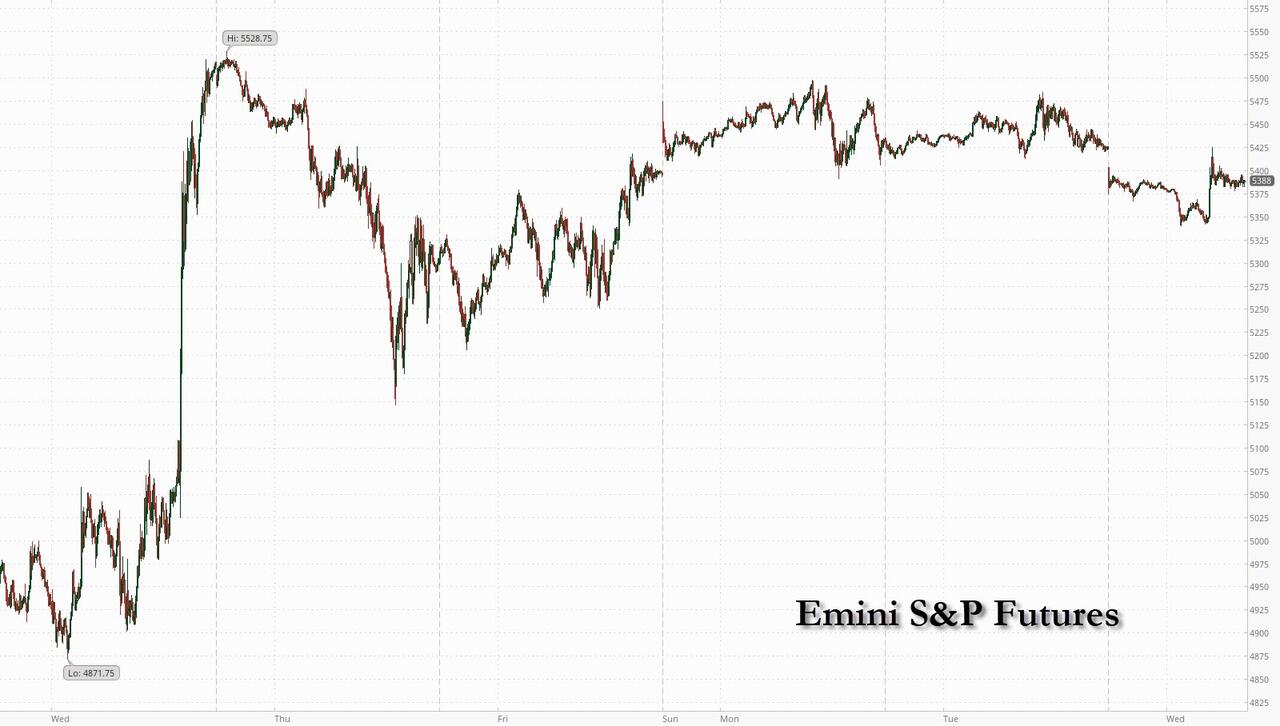

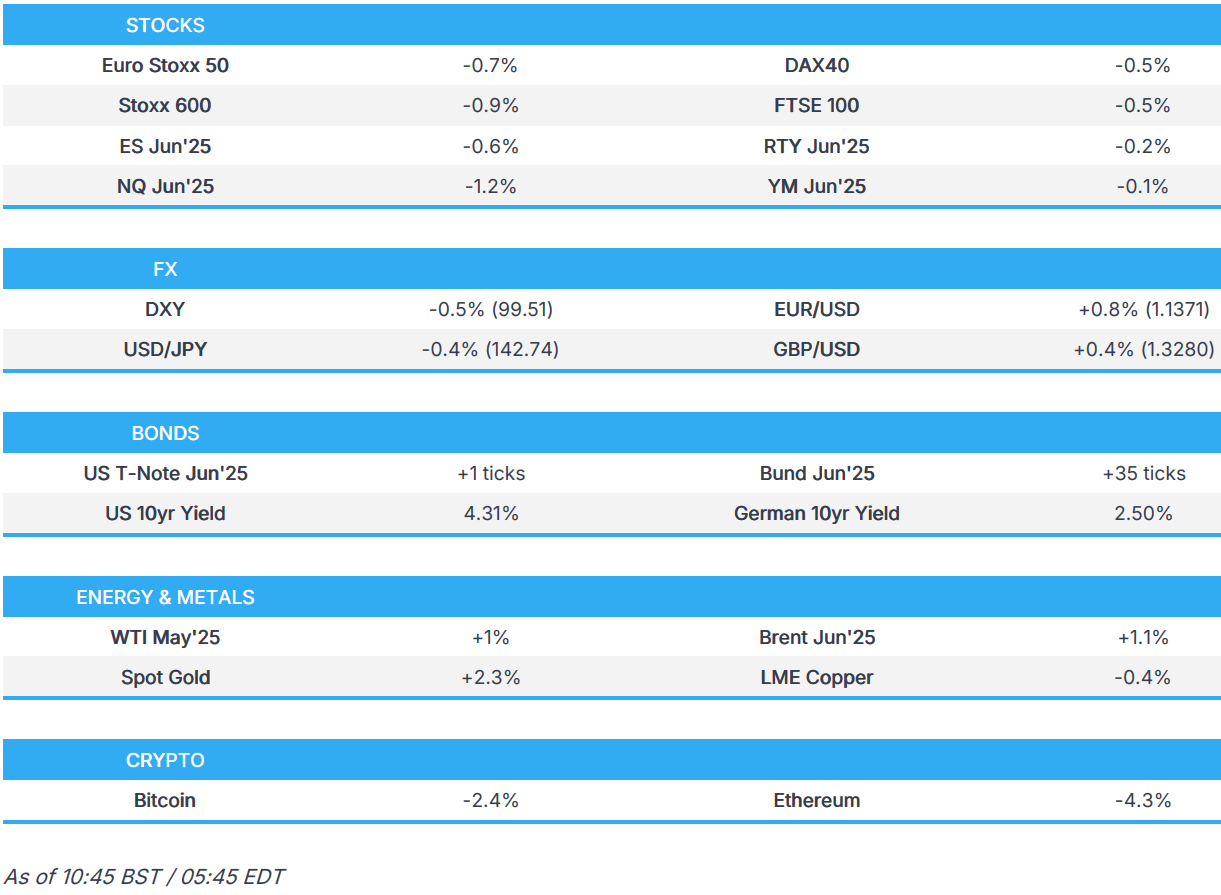
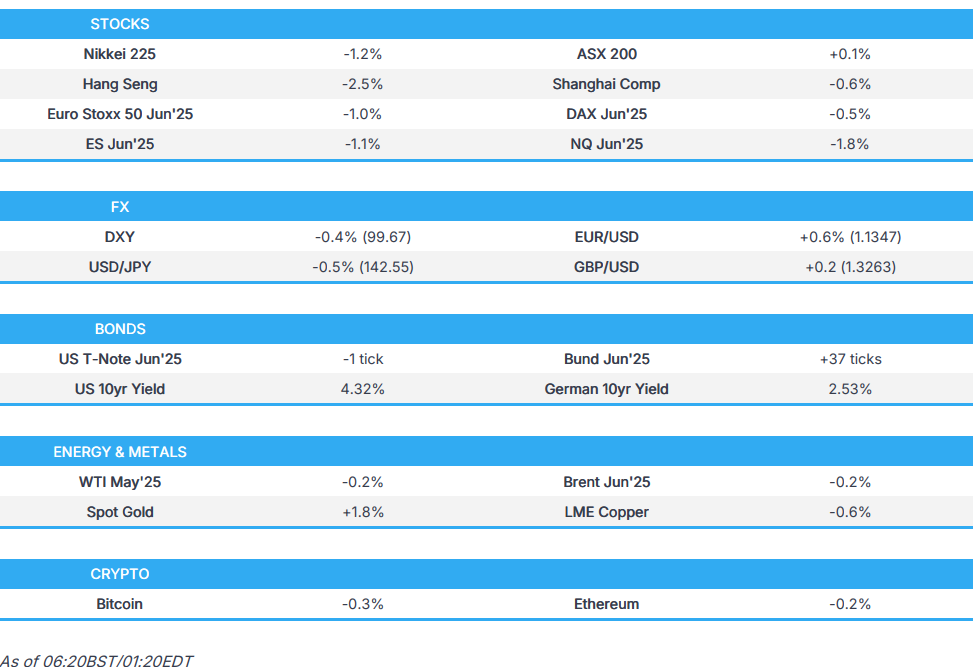
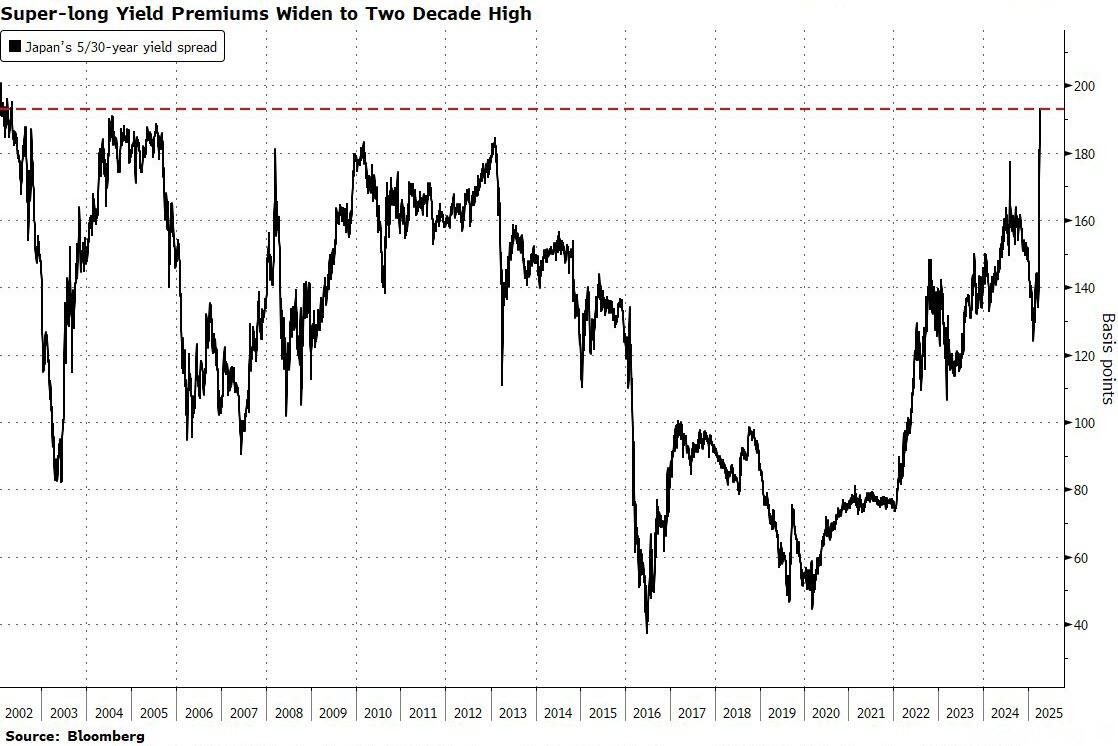
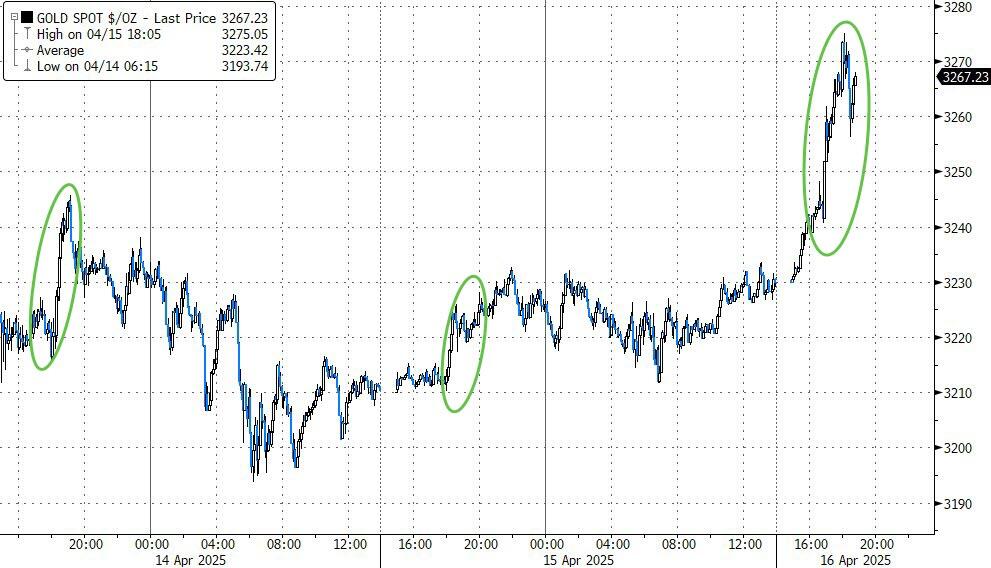
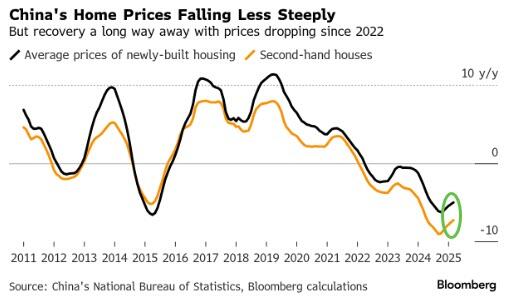
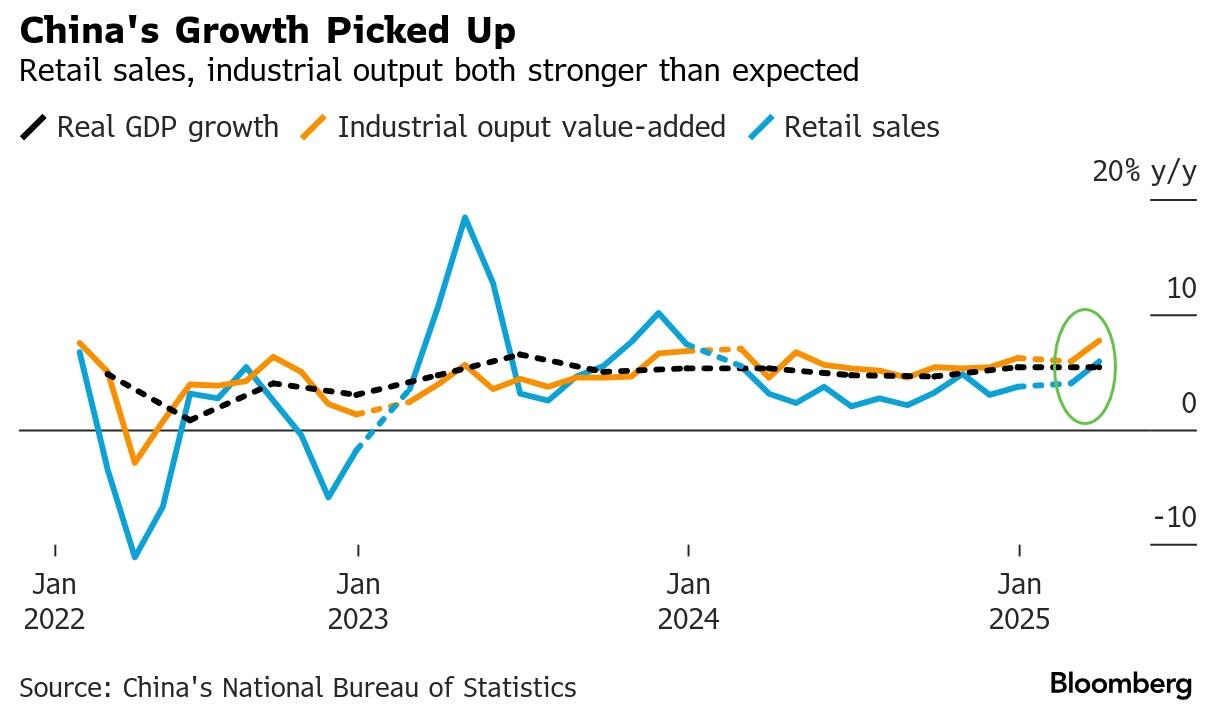
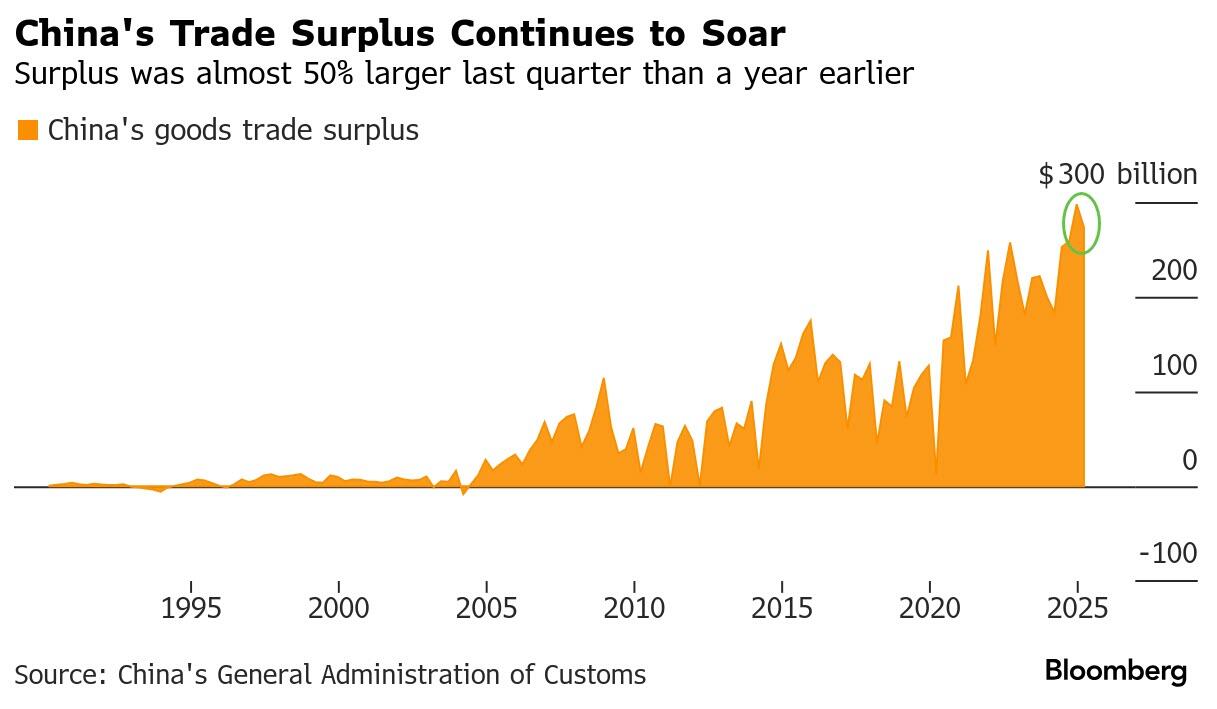
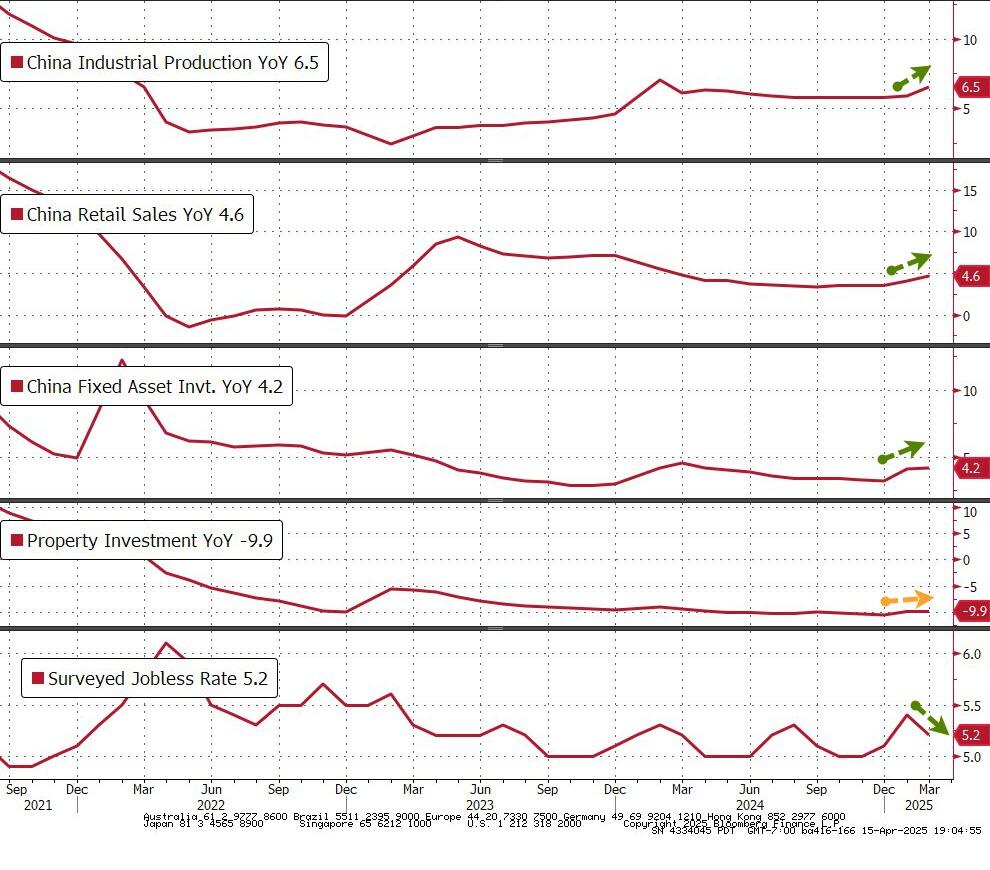
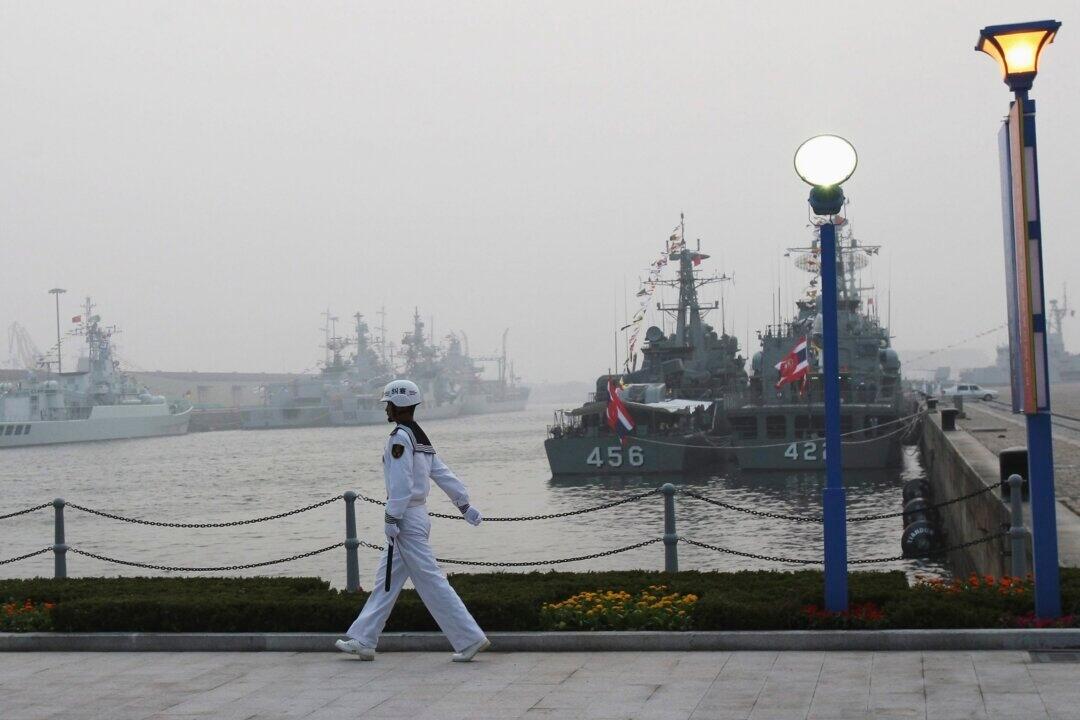
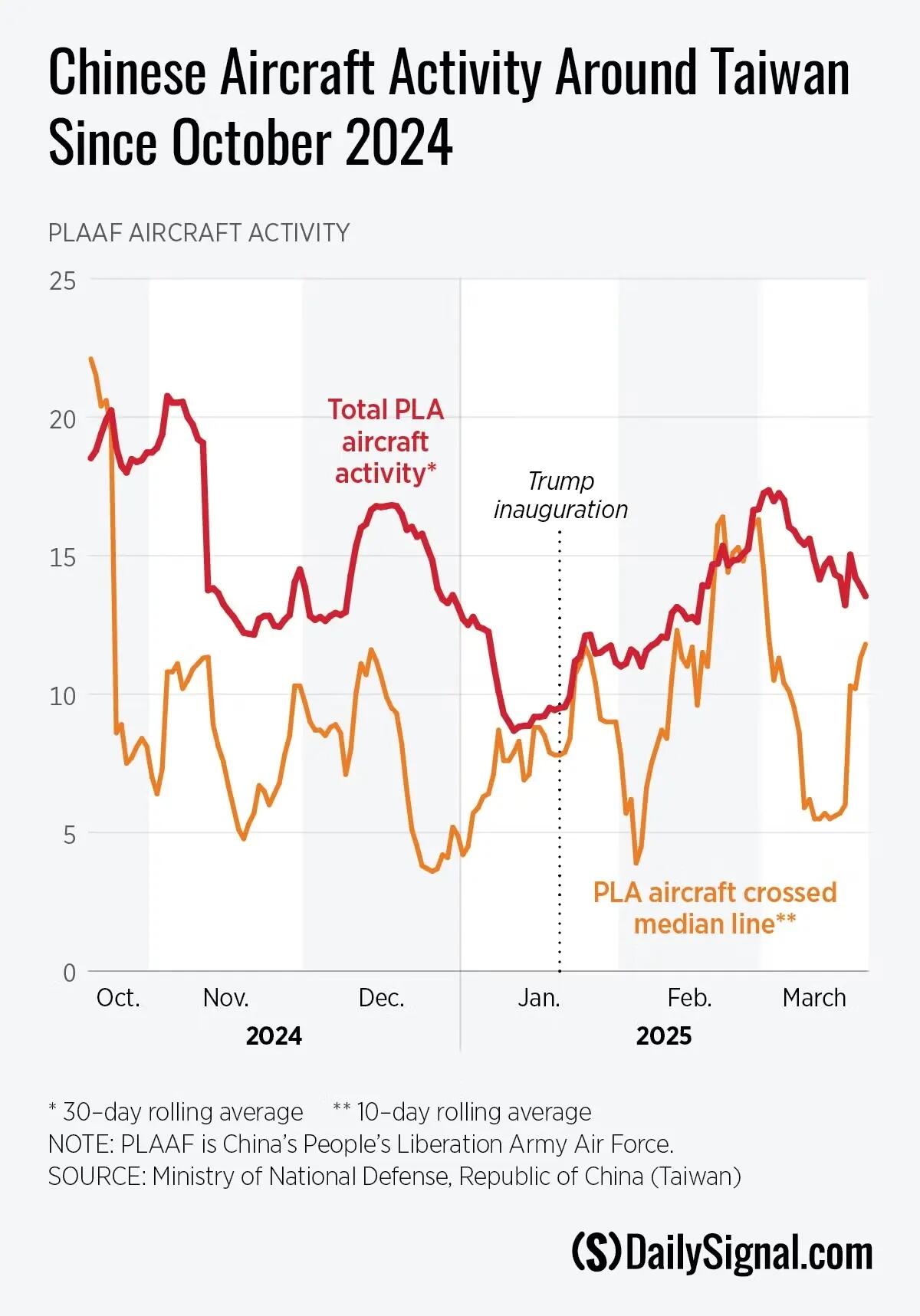
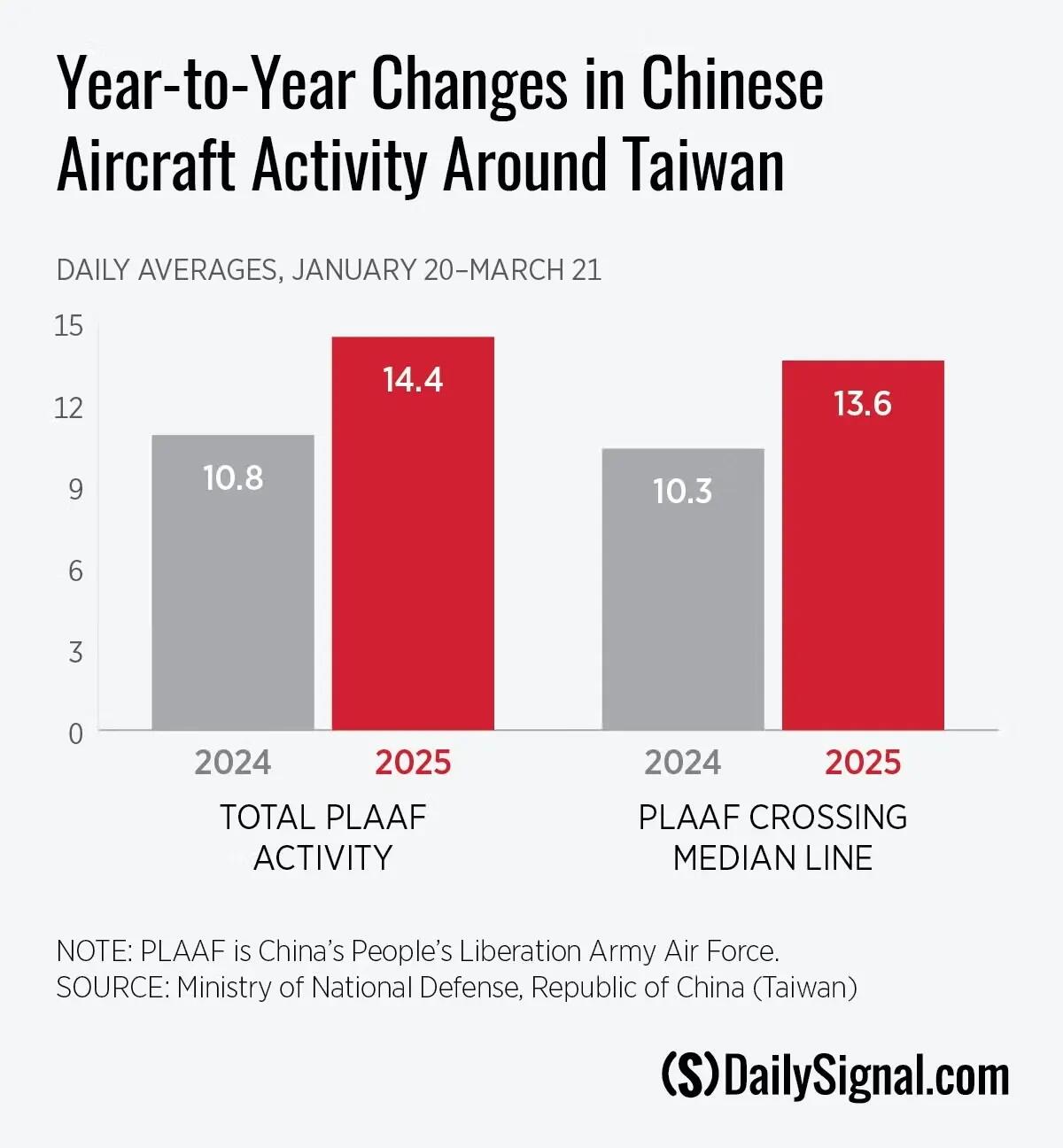

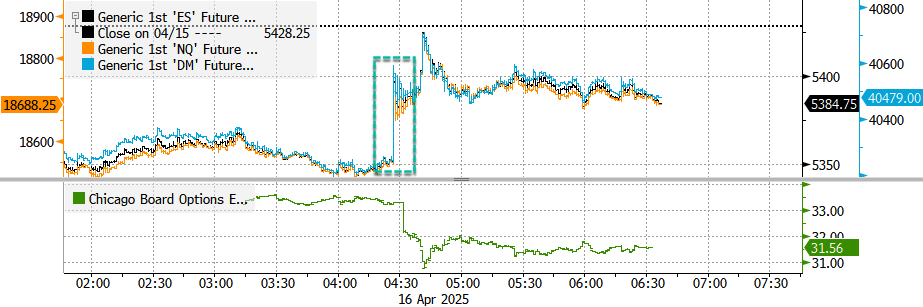
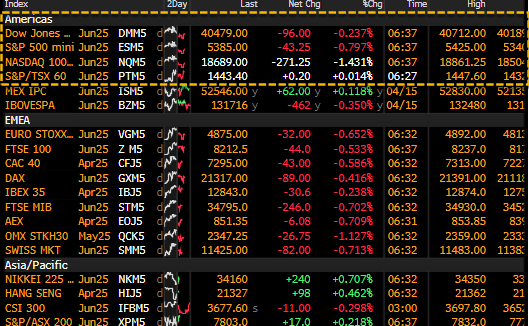


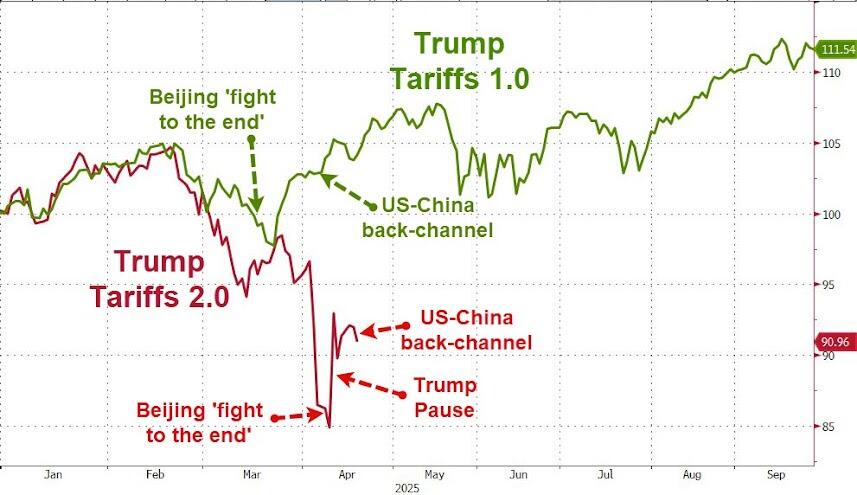



 Billy, a three-and-a-half-year-old Cavalier King Charles Spaniel, was kidnapped from Nir Oz on October 7, 2023. (credit: SCREENSHOT/N12)


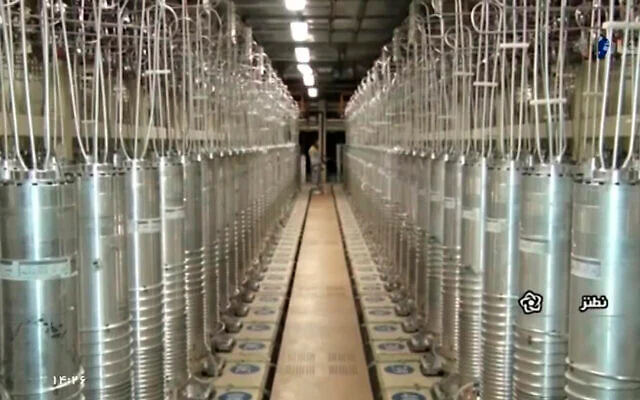

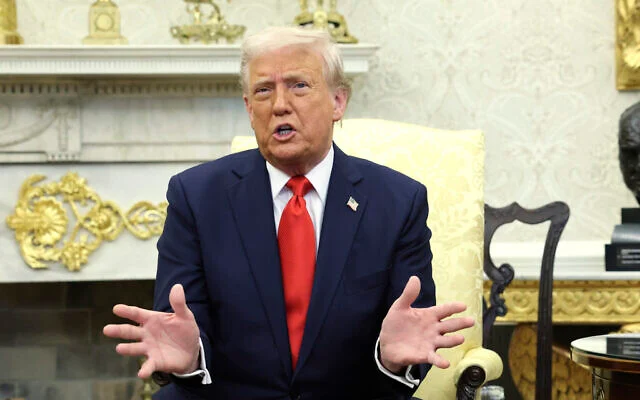



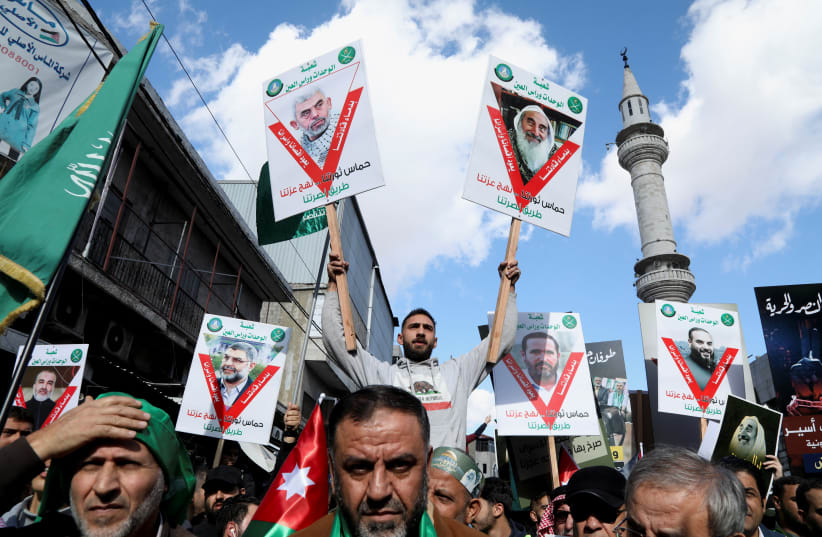



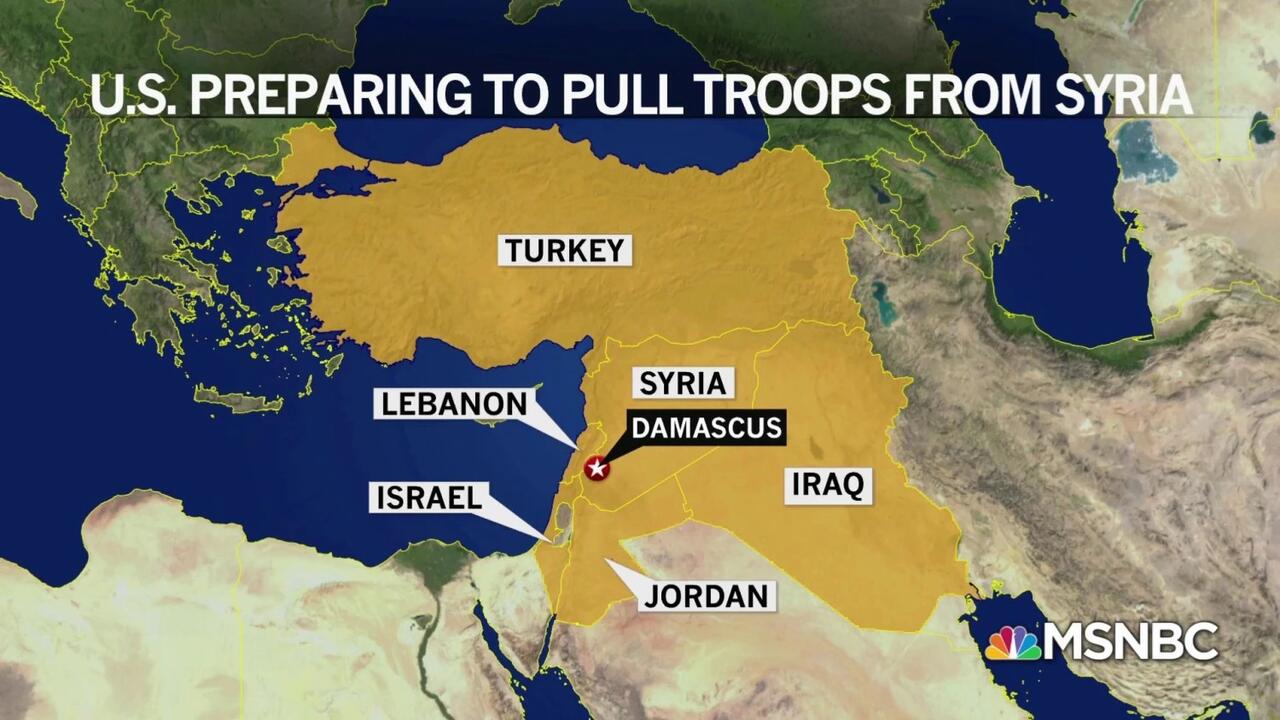





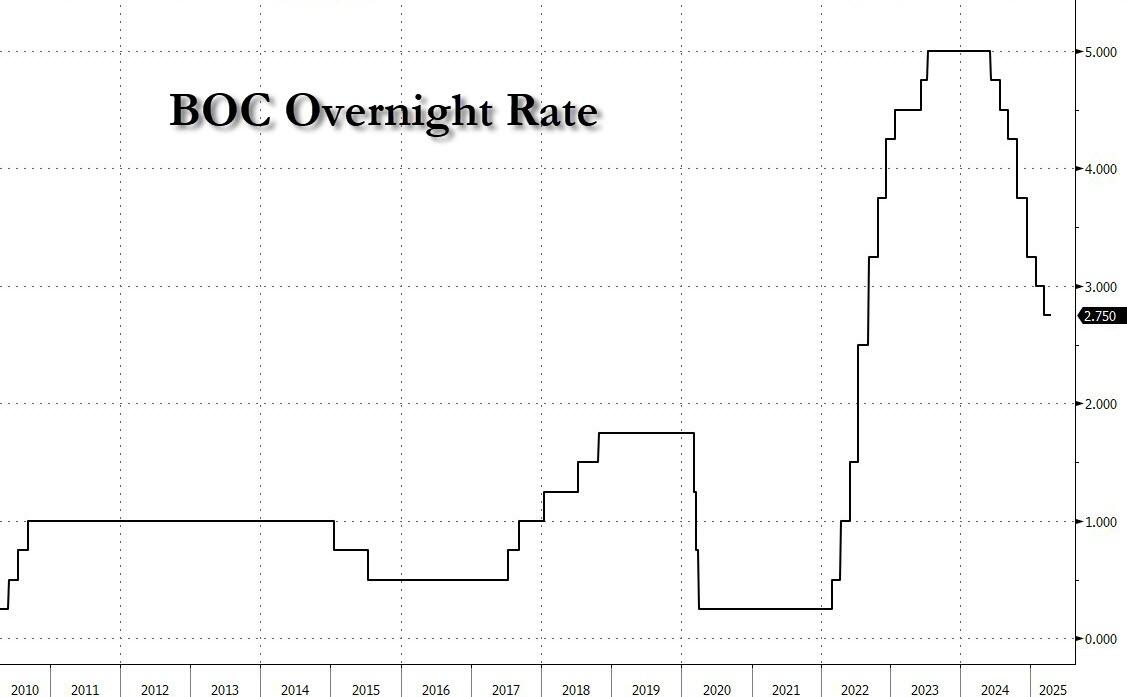
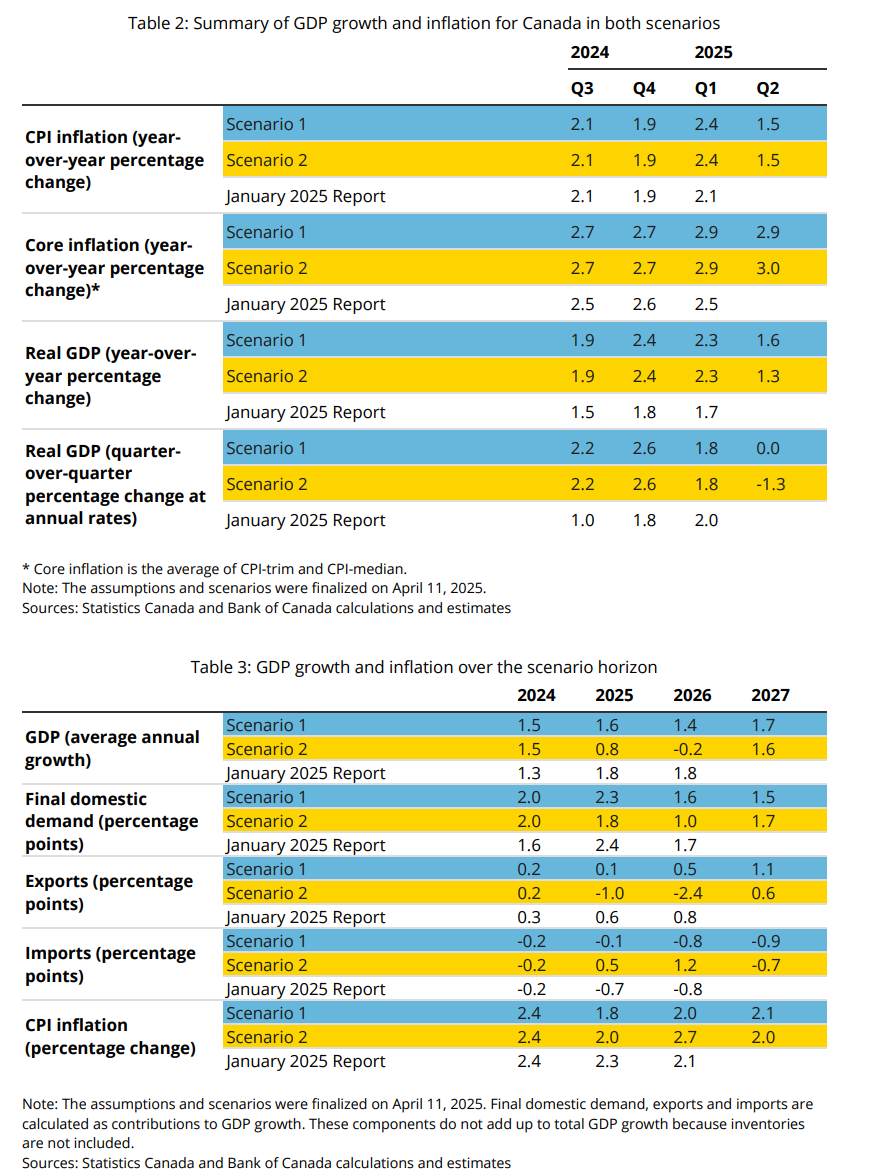
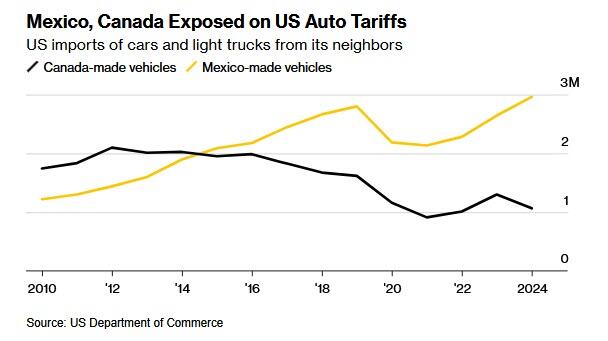

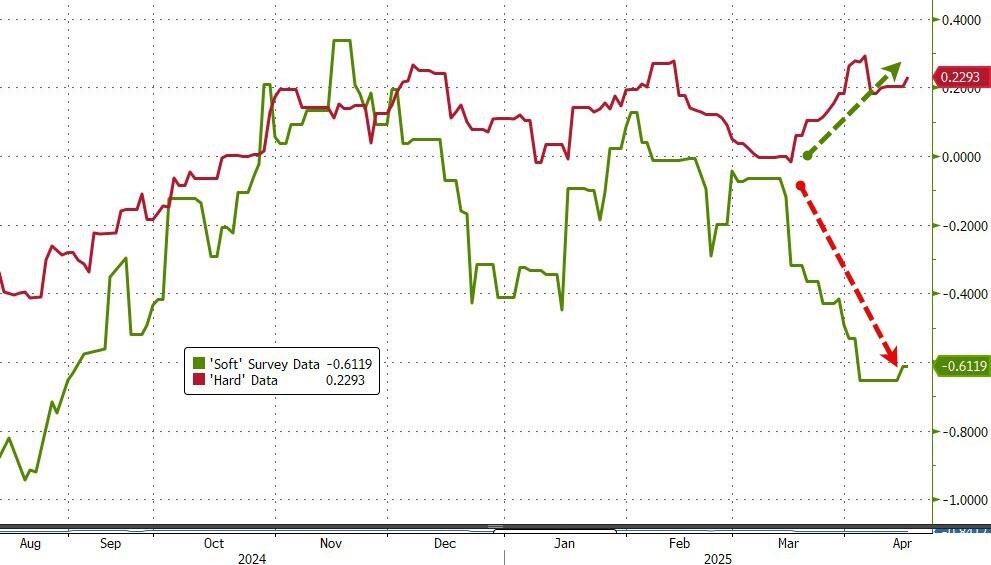
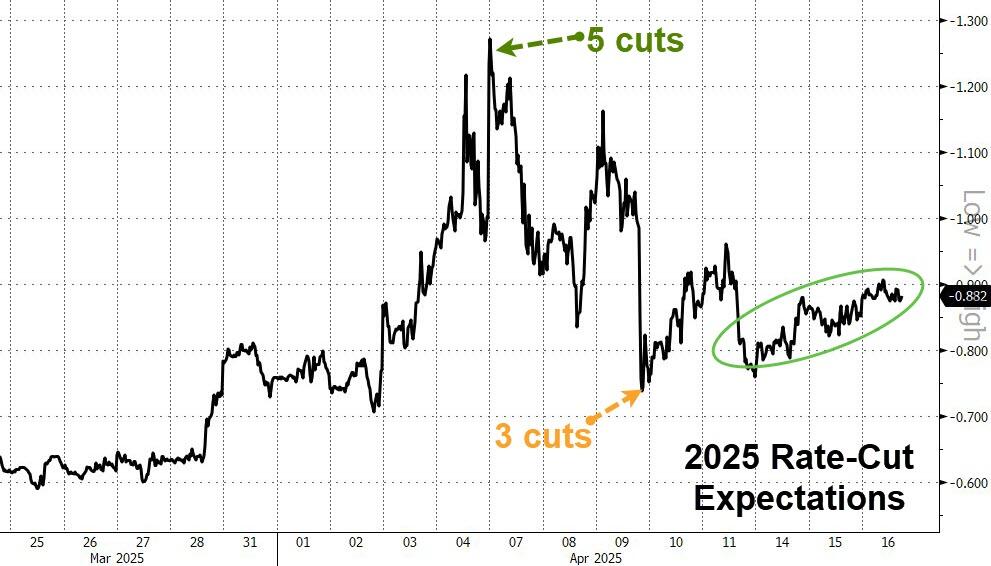
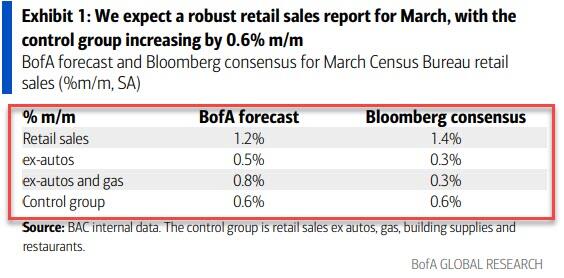

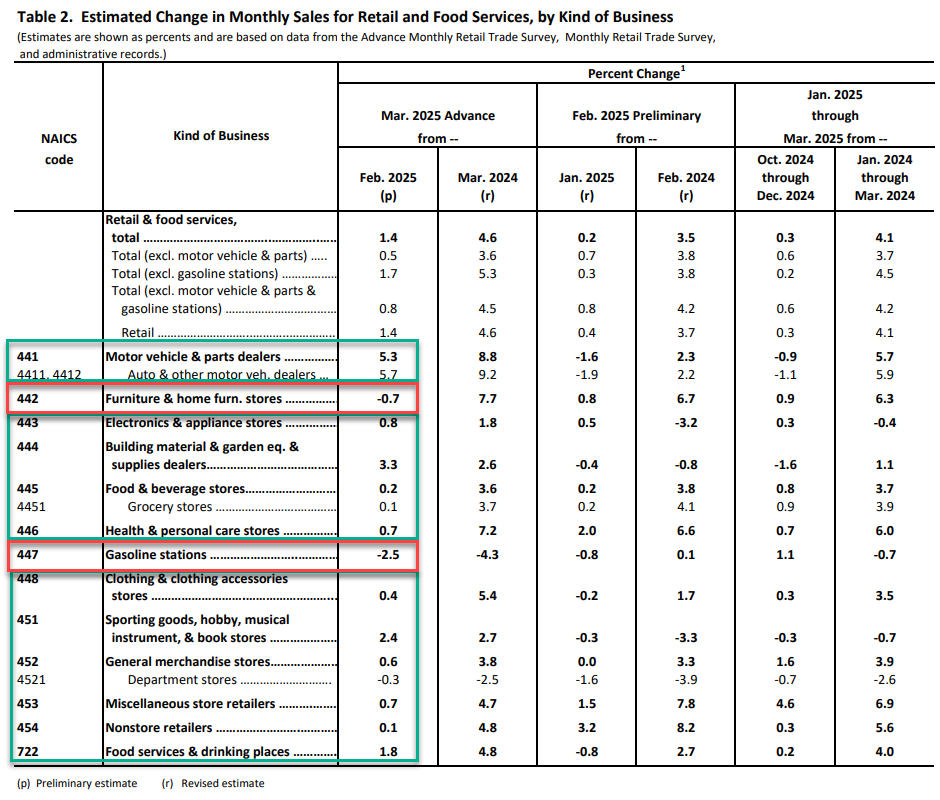
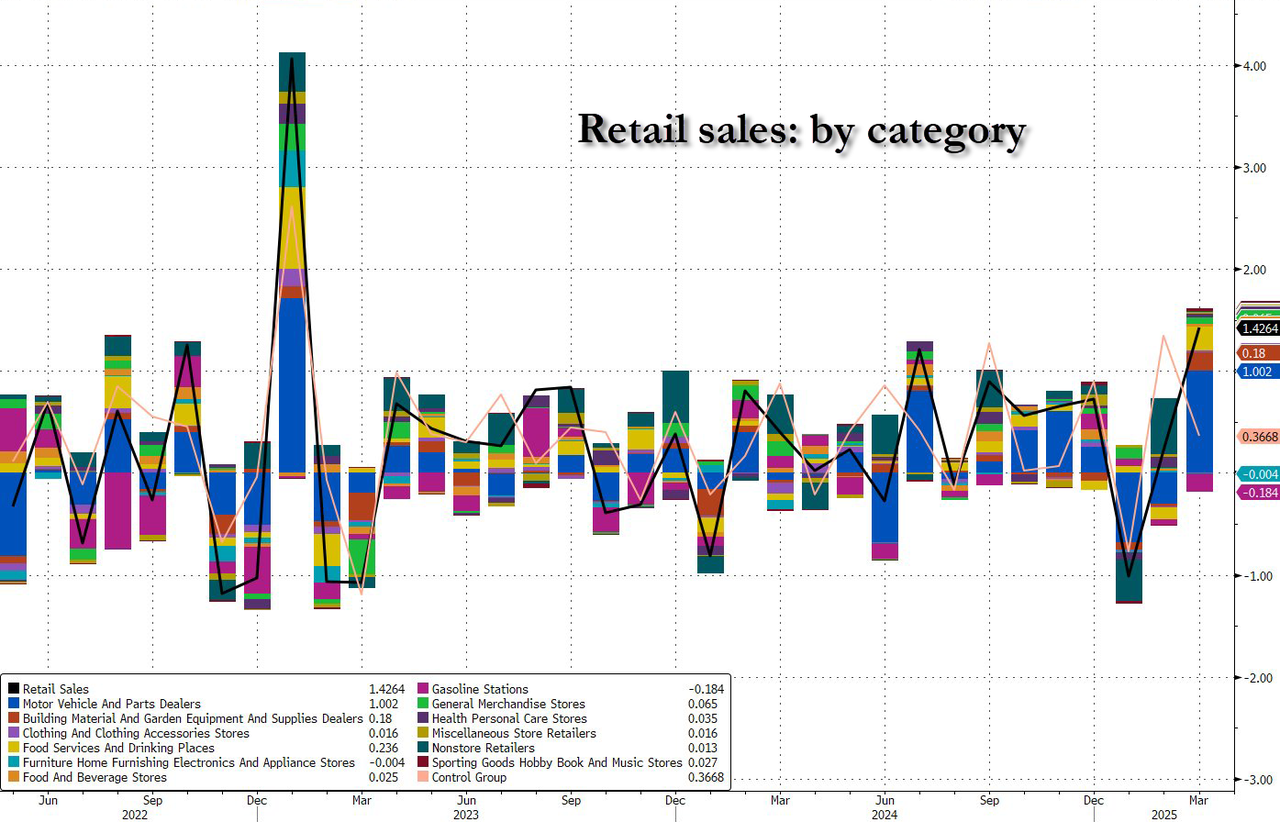
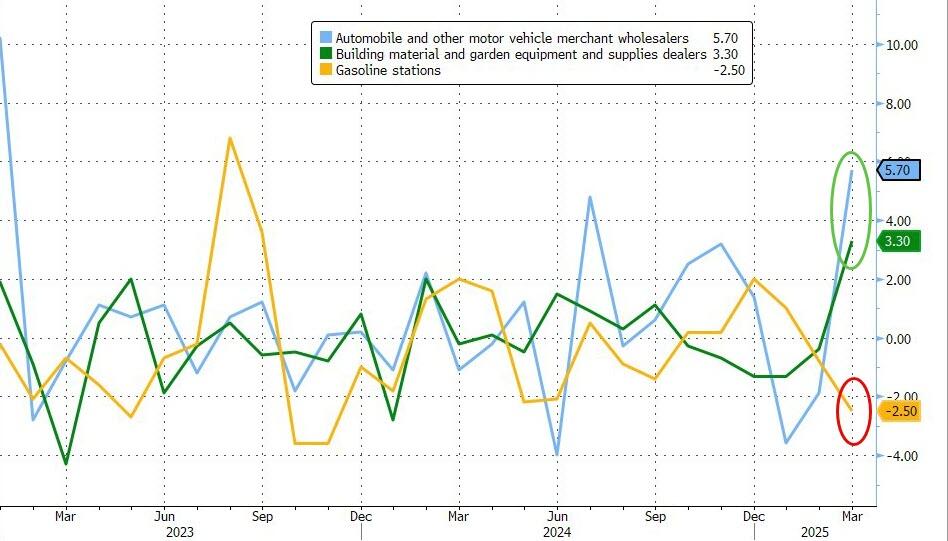
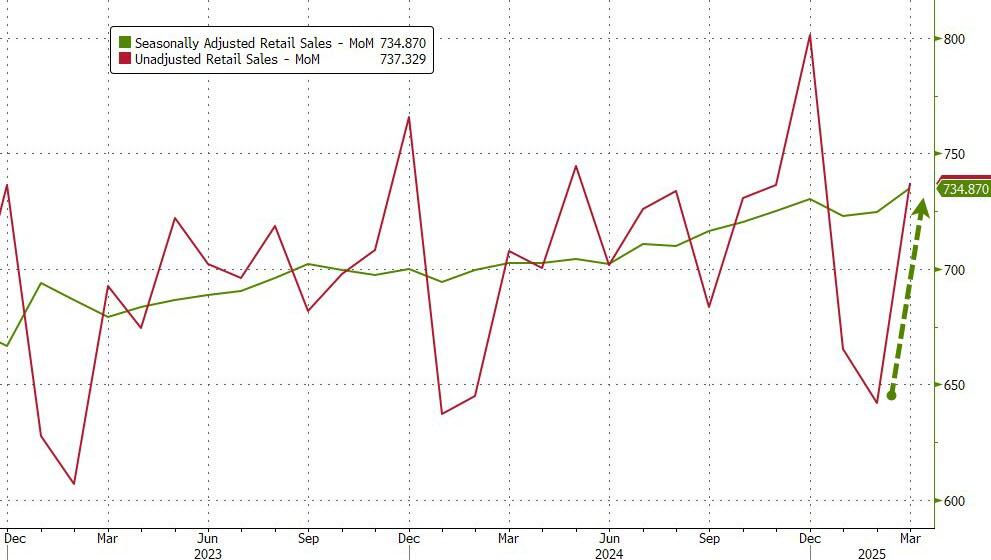
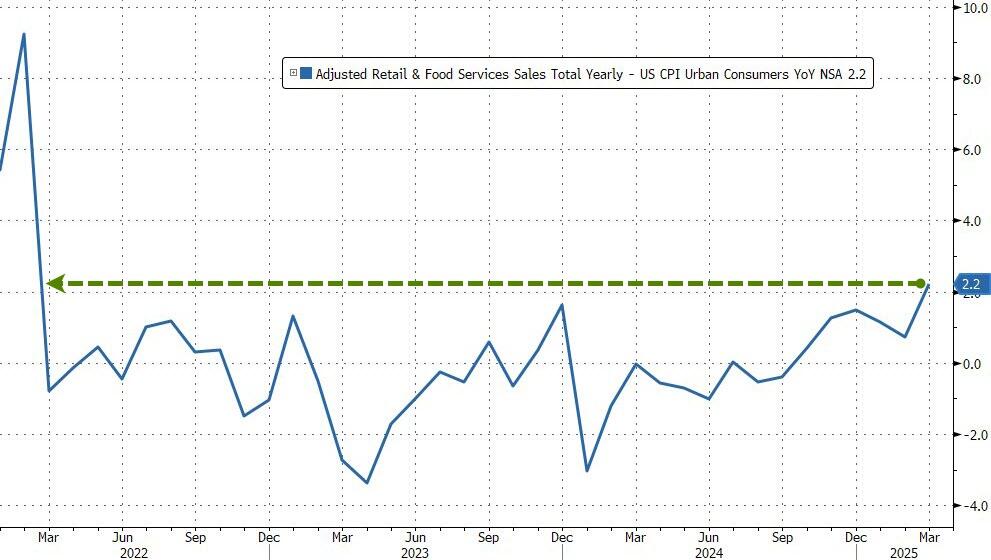
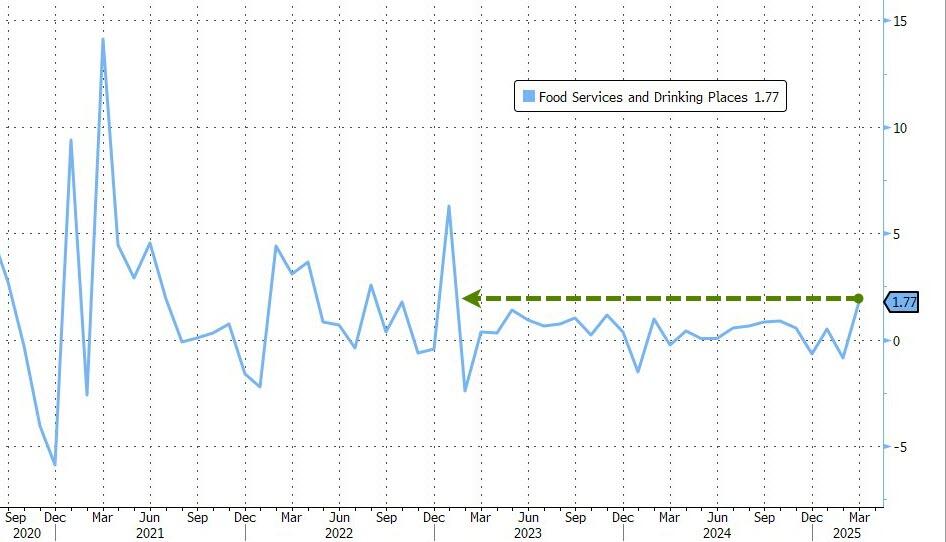
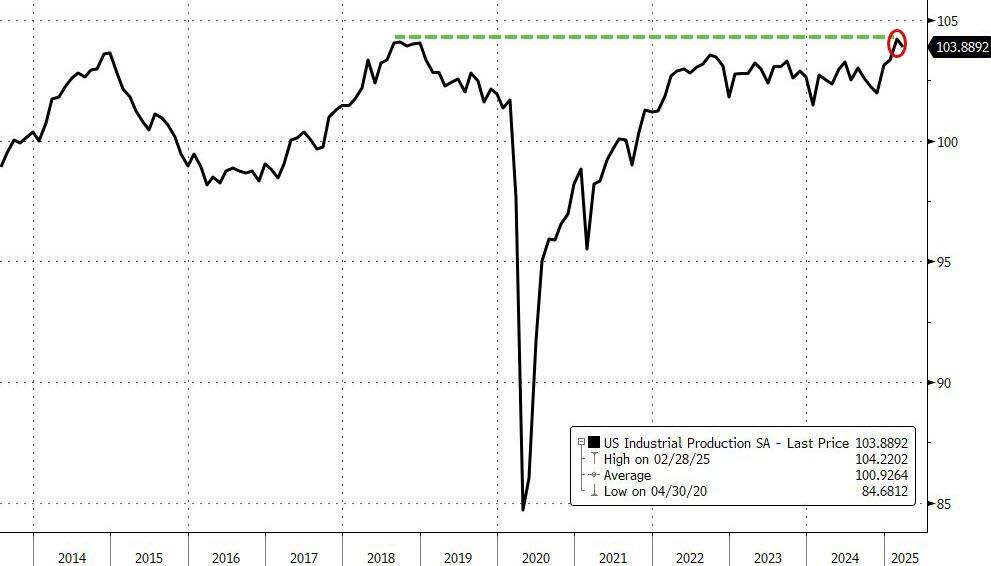
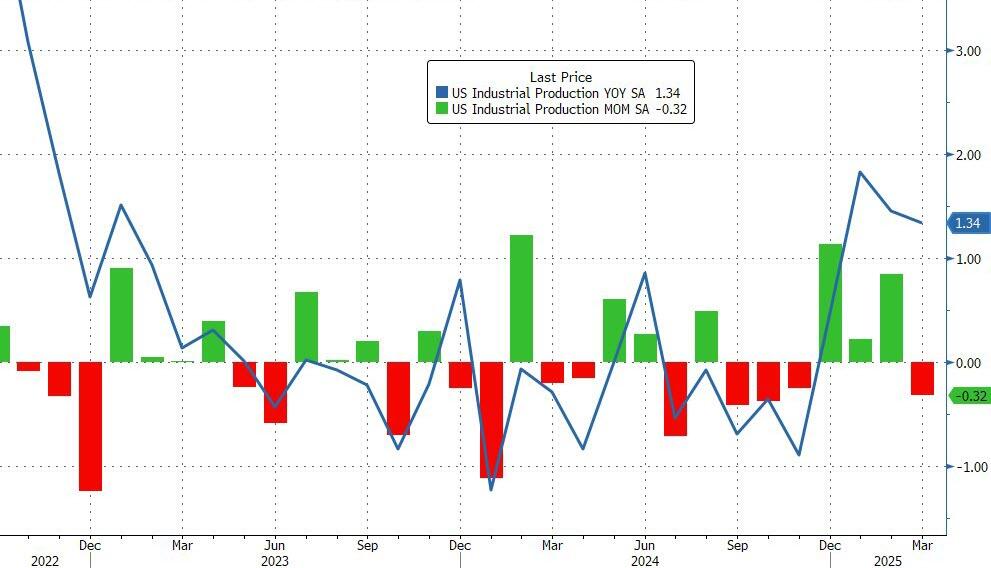
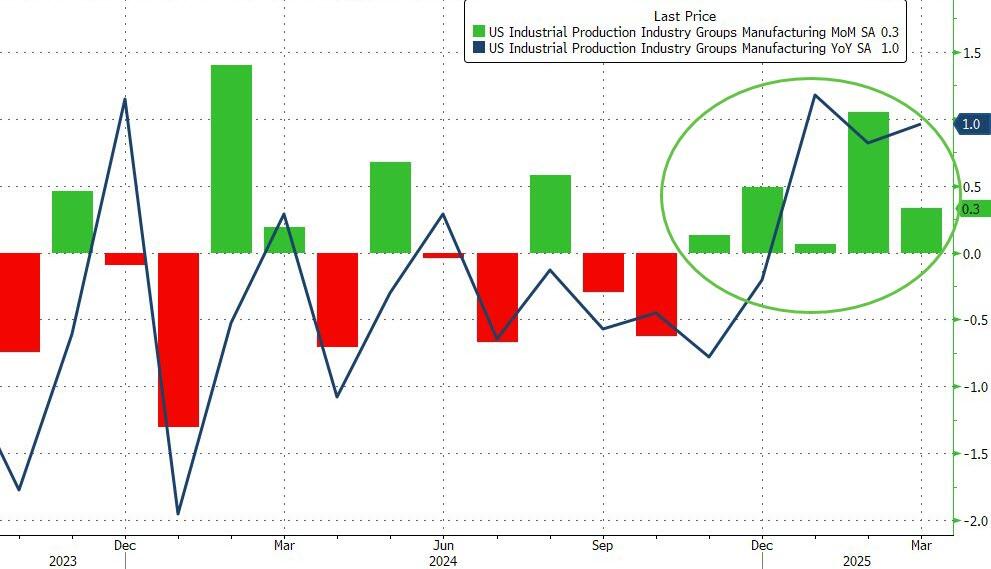
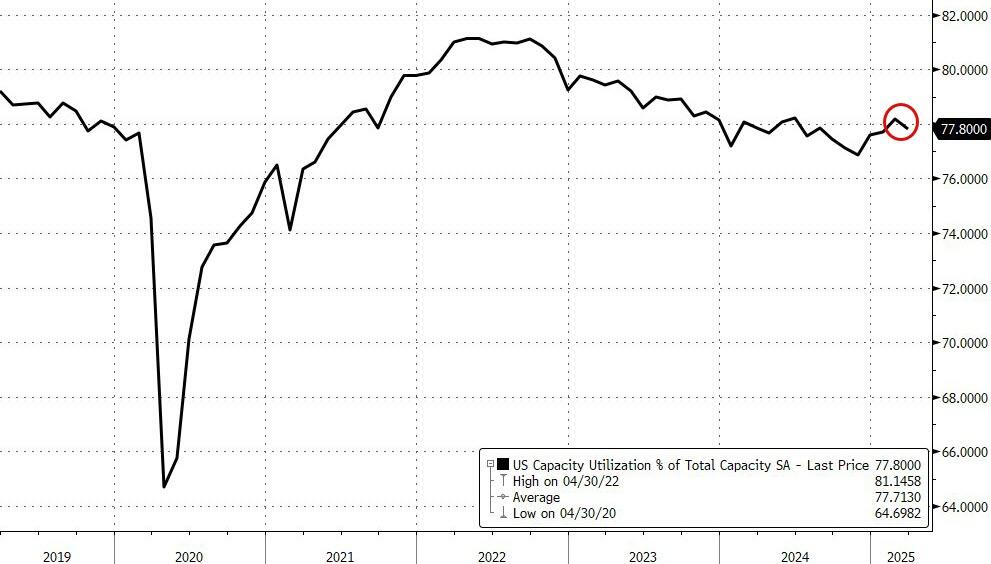
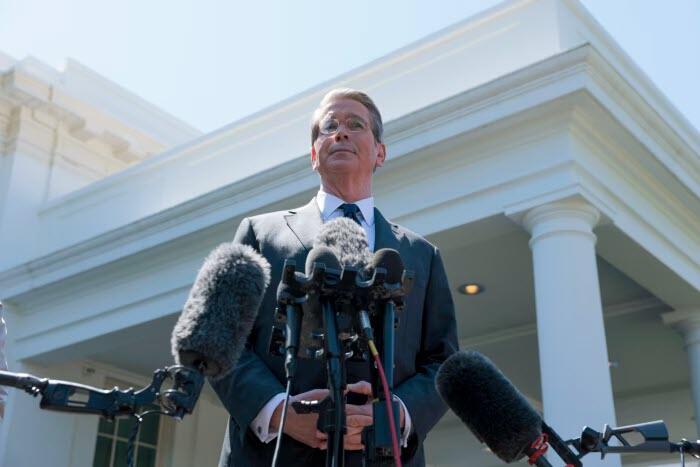
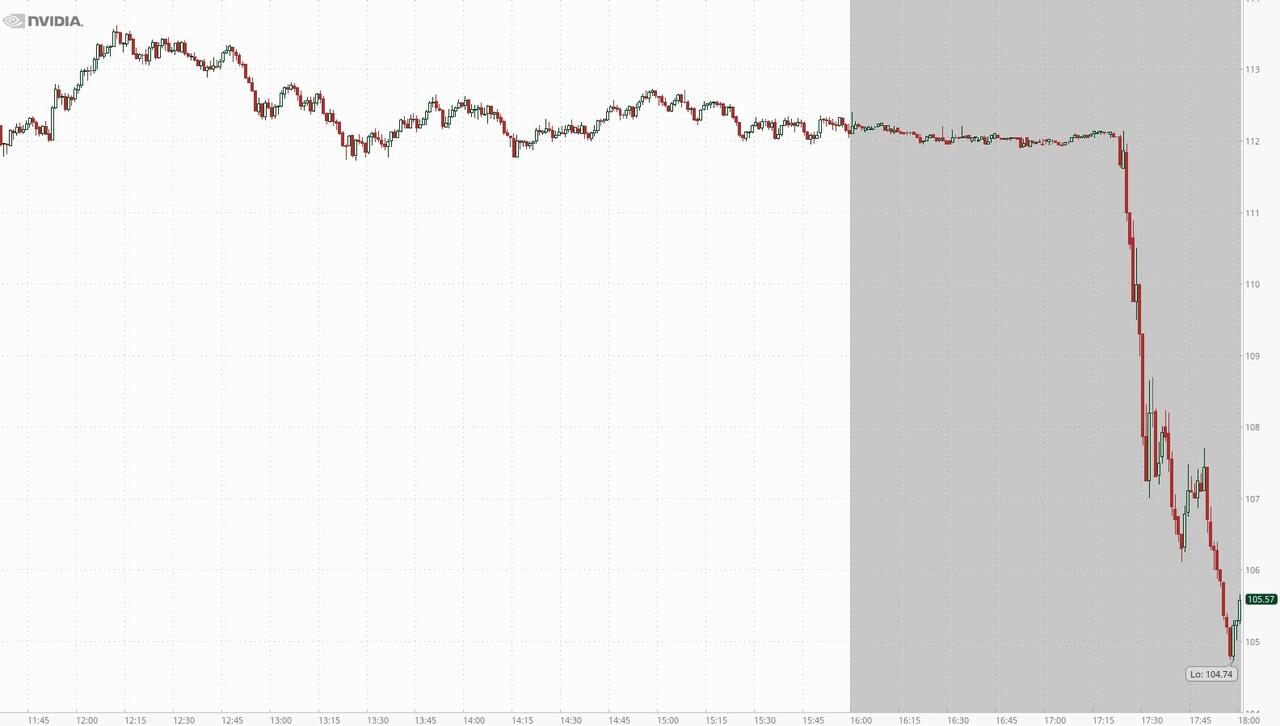
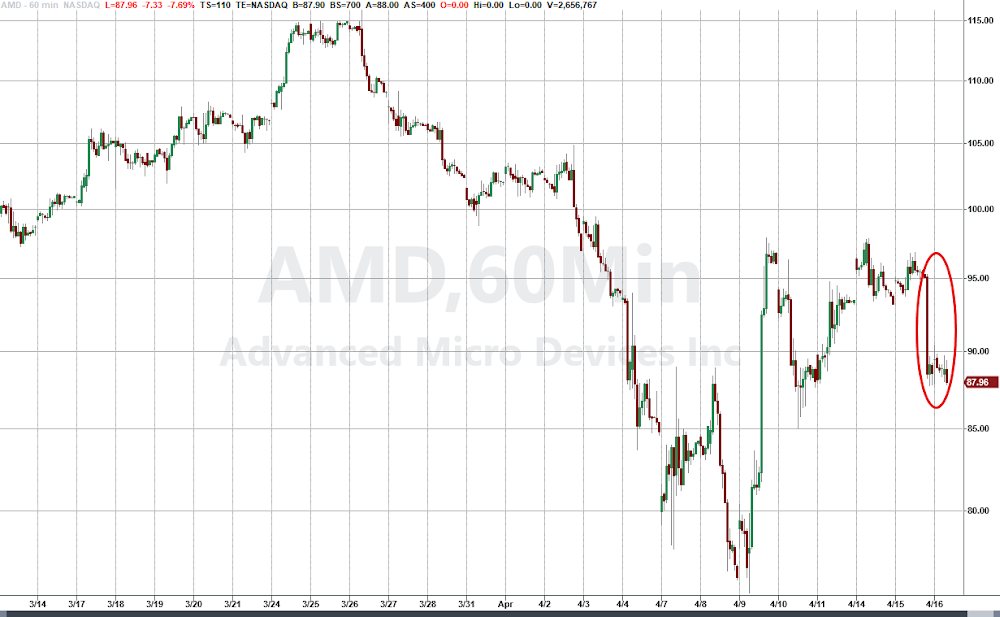
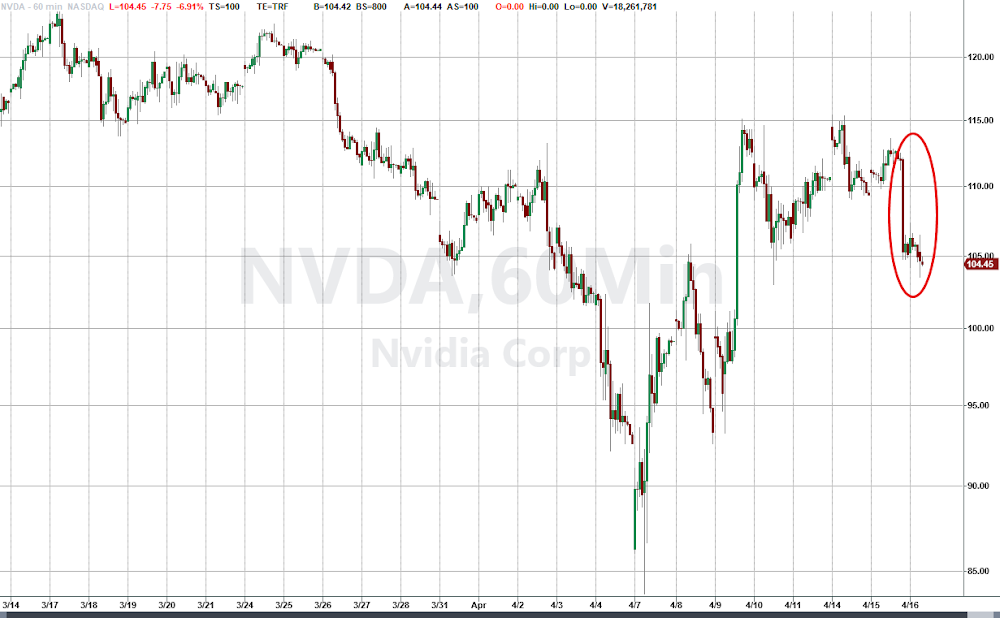
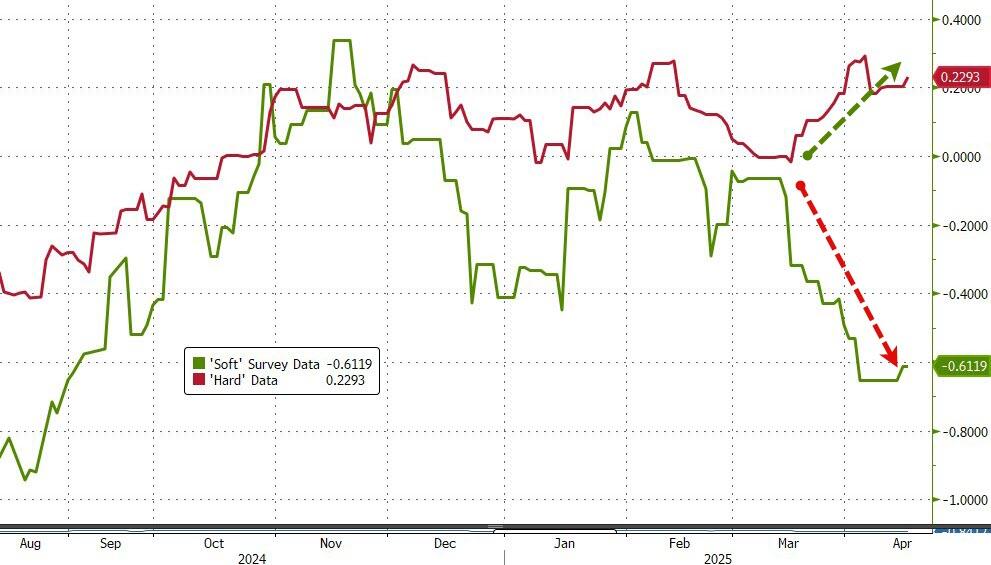
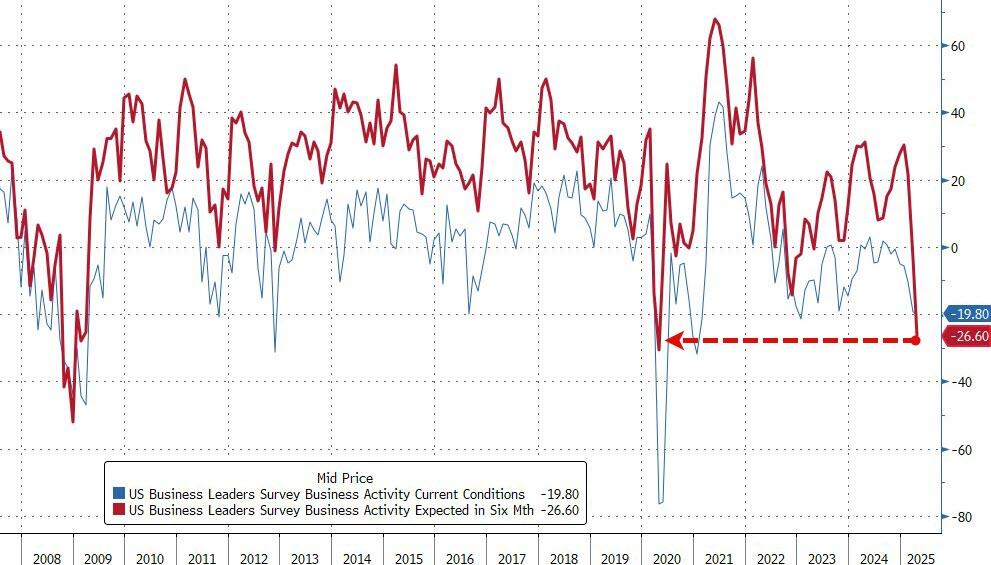
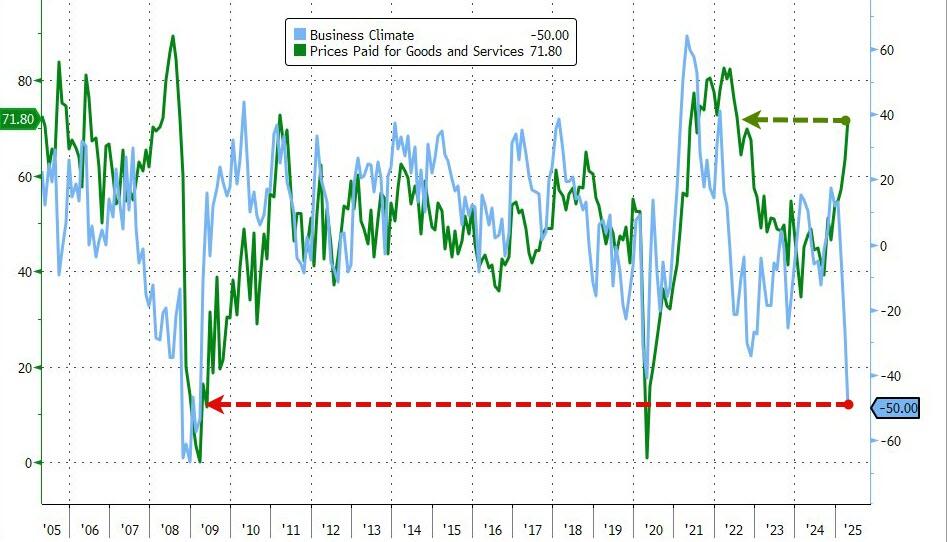
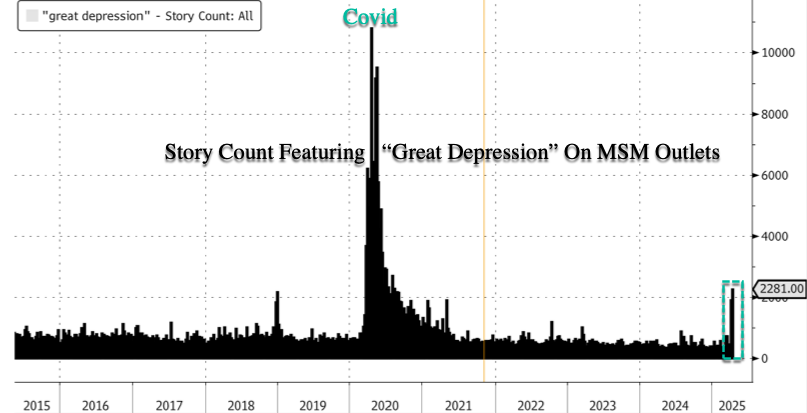
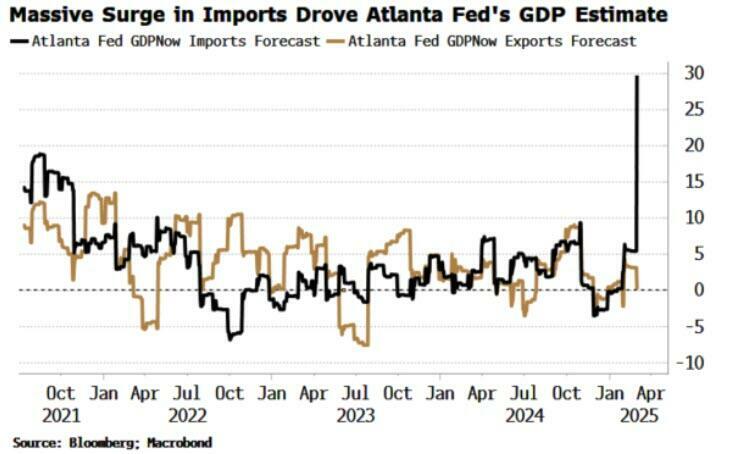
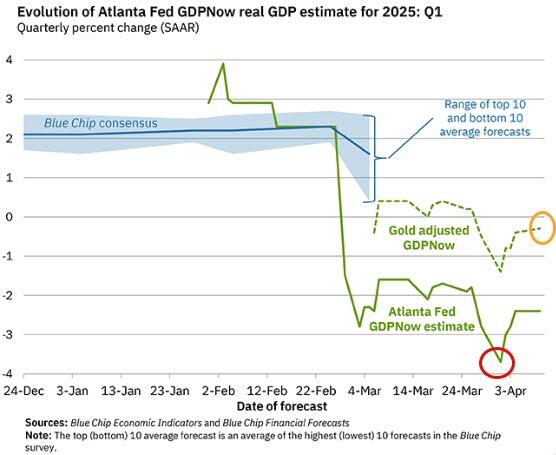

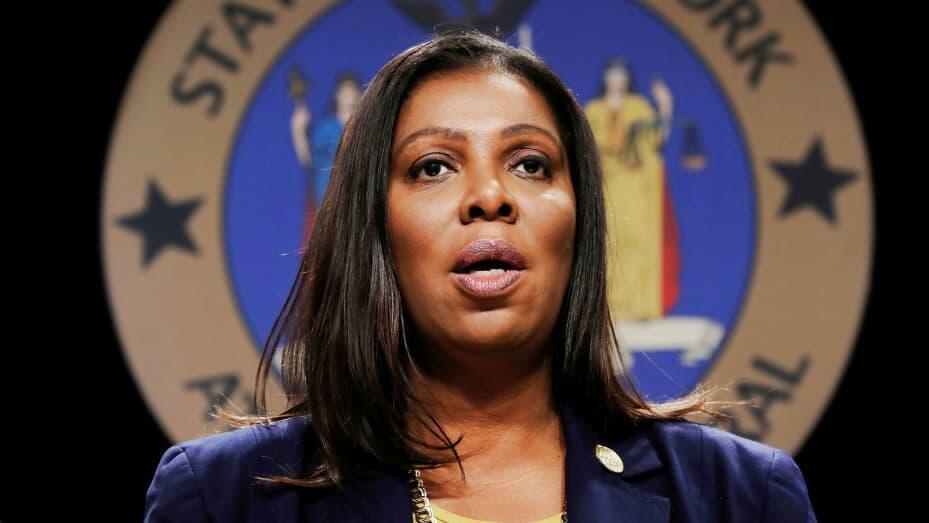
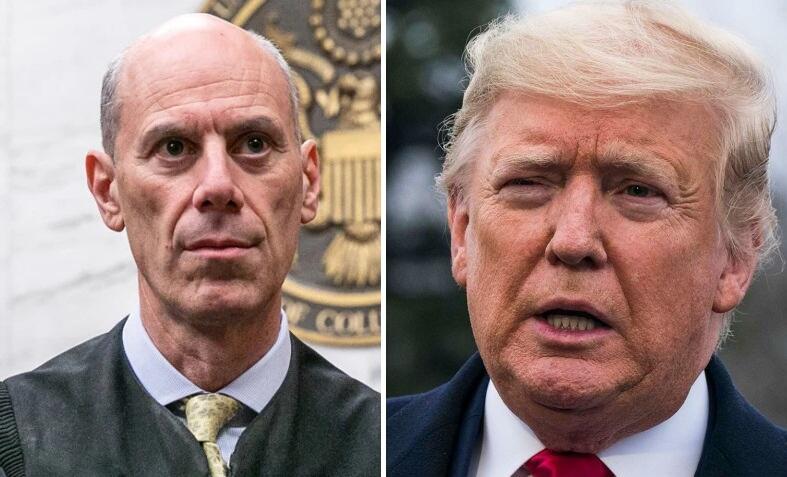



 harveyorganblog.com