MAY 23/GOLD CLOSED UP A HUGE $69.70 TODAY TO $3365.50// WITH SILVER UP 38 CENTS TO $33.45//PLATINUM UP ANOTHER $18.00 TO $1098.40 WHILE PALLADIUM WENT THE OTHER WAY DOWN $13.90 TO $1003.70//GOLD COMMENTARY TONIGHT FROM ALASDAIR MACLEOD//LIVE FROM THE VAULT PODCAST WITH ANDREW MAGUIRE TALKING TO DR STEPHEN LEEB//COMMODITY COMMENTARY TONIGHT ON STEEL//BIG STORY TONIGHT: TRUMP THREATENS APPLE AND THE EU WITH TARIFFS//UK WELCOMES FAR LEFT ACTIVIST INTO THE COUNTRY//ISRAEL VS HOUTHIS, HAMAS//WEST BANK UPDATES//IRAN VS USA AND ISRAEL UPDATES//VACCINE INJURY REPORT//MARK CRISPIN MILLER/DR PAUL ALEXANDER NEWS ADDICTS/EVOL NEWS//TERROR SUSPECT TODAY CHARGED IN THE MURDER OF TWO ISRAELI STAFF MEMBERS AT WASHINGTON JEWISH MUSEUM//TRUMP BLOCKS ENROLLMENT OF FOREIGN STUDENTS ENTERING HARVARD//MORE SWAMP STORIES FOR YOU TONIGHT//
190 H BMO CAPITAL MARKETS 326 323 C HSBC 61 363 H WELLS FARGO SECURITI 196 624 H BOFA SECURITIES 389 661 C JP MORGAN SECURITIES 456 905 C ADM 2
TOTAL: 715 715 MON
MONTH TO DATE: 23,650
JPMORGAN STOPPED 217/899
MAY
GOLD: NUMBER OF NOTICES FILED FOR MAY/2024: 715 CONTRACTs NOTICES FOR 71,500 OZ or 2.223 TONNES
total notices so far: 25,264 contracts for 2,526,400 OR 78.581 tonnes)
FOR MAY
XXXXXXXXXXXXXXXXXX
SILVER NOTICES:2 NOTICE(S) FILED FOR 10,000 OZ/
total number of notices filed so far this month : 14,798 CONTRACTS (NOTICES) for 73.990 million oz
Click here if you wish to send a donation. I sincerely appreciate it as this site takes a lot of preparation
END
GLD/
BOTH GLD AND SLV ARE FRAUDULENT VEHICLES//THEY ARE NOW RAIDING GLD AND SLV FOR PHYSICAL
THE CROOKS ARE STEALING GOLD AND SILVER FROM THE GLD/SLV AND REPLACING THE PHYSICAL WITH PAPER DOLLARS.
WITH GOLD UP $67.70 INVESTORS SWITCHING TO SPROTT PHYSICAL (PHYS) INSTEAD OF THE FRAUDULENT GLD:
HUGE CHANGES IN GOLD INVENTORY AT THE GLD: A DEPOSIT OF 4.01 TONNES OF GOLD OUT OF THE GLD//
INVENTORY RESTS AT 923.89 TONNES
SLV/
WITH NO SILVER AROUND AND SILVER UP $0.38 AT THE SLV: HUGE CHANGES IN SILVER INVENTORY AT THE SLV: //A DEPOSIT OF 2.5 MILLION OZ INTO THE SLV//
CLOSING INVENTORY RESTS AT:
CLOSING INVENTORY: 454.375 MILLION OZ
Let us have a look at the data for today
SILVER//OUTLINE
SILVER COMEX OI FELL BY A HUMONGOUS SIZED 923 CONTRACTS TO 144,831 AND STALLING ON ITS MARCH TO THE RECORD HIGH OI OF 244,710, SET FEB 25/2020, AND THIS HUMONGOUS SIZED LOSS IN COMEX OI WAS ACCOMPLISHED WITH OUR LOSS OF $0.27 IN SILVER PRICING AT THE COMEX WITH RESPECT TO THURSDAY’S TRADING. WE HAD A STRONG SIZED LOSS OF 633 TOTAL CONTRACTS ON OUR TWO EXCHANGES AS THE CME NOTIFIED US OF A 290 CONTRACT EXCHANGE FOR PHYSICAL ISSUANCE.. WE HAD SOME LIQUIDATION OF T.A.S. CONTRACTS COMEX TRADING WITH RESPECT TO THURSDAY’S TRADING AS THEY DESPERATELY AGAIN TRIED TO CONTAIN SILVER’S PRICE RISE FOR THE PAST SEVERAL WEEKS (WHERE RAIDS ARE CALLED UPON AGAIN AND AGAIN TRYING TO STOP THE RISE IN SILVER’S PRICE TO ABOVE $34.40 AND TO QUELL ADDITIONAL DERIVATIVE LOSSES TO OUR BANKERS’ MASSIVE TOTALS). THEY SUCCEEDED ON THURSDAY WITH SILVER’S LOSS IN PRICE AS THE PRICE IS STILL WELL BELOW THE MAGIC NUMBER OF $34.40 SILVER SPOT PRICE. . BUT THIS WAS COUPLED WITH ANOTHER FAIR T.A.S. ISSUANCE OF 363 CONTRACTS ISSUED BY THE CME AND THAT SIGNALS DEEP CODE RED THAT THE CROOKS ARE DESPERATE TO STOP SILVER BREAKING OVER THE 34.40 DOLLAR MARK. THUS OUR RAIDS ON OUR PRECIOUS SILVER METAL WILL CONTINUE UNTIL SILVER BREAKS $34.40. WE HAD A 290 CONTRACT EXCHANGE FOR PHYSICAL ISSUANCE ACCOMPANIED BY OUR STRONG 363 CONTRACT T.A.S ISSUANCE WHICH WILL BE USED IN FRIDAY’S TRADING/ AS THEY PLAY AN INTEGRAL PART IN OUR COMEX TRADING TRYING TO CONTAIN ANY SILVER PRICE RISE. IN ESSENCE WE LOST A STRONG SIZED 633 CONTRACTS ON OUR TWO EXCHANGES WITH OUR LOSS IN PRICE OF $0.27.
THE CME NOTIFIED US THAT FOR THE FIRST TWO DAYS OF THE MONTH OF MAY, WE HAD TWO CONSECUTIVE ISSUANCE OF EXCHANGE FOR RISK CONTRACTS OF 12.93 MILLION OZ. THESE EXCHANGE FOR RISKS MUST NOW BE ADDED TO OUR NORMAL DELIVERY SCHEDULE. THE RECIPIENT OF THIS LARGESS IS WITHOUT A DOUBT THE CENTRAL BANK OF INDIA. LOGICALLY ONLY A CENTRAL BANK WOULD ACCEPT THIS CRAZY CONTRACT WHEREBY THE CENTRAL BANK OF INDIA TAKES THE RISK OF DELIVERY FROM A BULLION BANK WHO CANNOT GUARANTEE DELIVERY OF PHYSICAL SILVER TO THEM.
PLEASE NOTE THAT THE CROOKS NEED A HIGHER SILVER/GOLD T.A.S. TO CARRY ON THEIR CROOKED MANIPULATION ON A DAILY BASIS BUT DEMAND IS JUST TOO HIGH FOR THEM. THE HIGHER ISSUANCE OF T.A.S ESPECIALLY SILVER IS NOW USED TO TEMPER OUR SILVER PRICE RISE OR INITIATE A RAID AS WHAT HAPPENED SEVERAL TIMES LAST MONTH AND AGAIN WITH THIS WEEK’S TRADING ON SILVER AND NOW TODAY TRYING TO KEEP THE SILVER PRICE BELOW $34.40 . THE KEY PRICE TO WATCH IS $34.40. IF IT BREAKS THAT PRICE, THEN WE HEAD FOR $50.00 SILVER.
CRAIG HEMKE HAS POINTED OUT THAT THE CROOKS USE THE MID MONTH FOR MANIPULATION AS THEY SELL THEIR BUY SIDE OF THE CALENDAR SPREAD FIRST AND THEN KEEP THE SELL SIDE TO LIQUIDATE AT A LATER DATE. THUS WE HAVE TWO VEHICLES THE CROOKS USE FOR MANIPULATION AND BOTH ARE SPREADERS: 1) AT MONTH’S END/SPREADERS COMEX AND 2/ TAS SPREADERS, MID MONTH. TOTAL TAS ISSUED ON THURSDAY NIGHT/FRIDAY MORNING: A FAIR 363 CONTRACTS. DESPITE MANY COMPLAINTS THAT THE CROOKS HAVE VIOLATED POSITION LIMITS DUE TO THE FACT THAT THE TAS ISSUED HAVE A VALUE OF ZERO (AS TO POSITION LIMITS FOR OUR CROOKED BANKERS). THE PROBLEM OF COURSE IS THAT THE CROOKS DO NOT LIQUIDATE THE TAS TOGETHER BUT SELL THE BUY SIDE FIRST AND THEN LIQUIDATE THE SELL SIDE TWO MONTHS HENCE. IT IS OBVIOUS MANIPULATION TO THE HIGHEST DEGREE BUT IT NATURALLY FELL ON DEAF EARS WITH OUR REGULATORS (OCC) WHEN THEY RECEIVED OUR COMPLAINTS. IT NOW SEEMS THAT THE OCC HAS ORDERED THE BANKS TO REDUCE ITS NEW LEVEL OF 1 TRILLION DOLLARS IN GOLD/SILVER DERIVATIVES
WE HAVE IN THE PAST YEAR SET ANOTHER RECORD LOW AT 114,102 CONTRACTS ///JULY 3.2023// OUR BANKERS WITH THE HELP OF SPECULATORS AND HIGH FREQUENCY TRADERS WERE SUCCESSFUL IN KNOCKING THE PRICE OF SILVER DOWN (IT FELL BY $0.27) AND WERE SUCCESSFUL IN KNOCKING OFF SOME NET SILVER LONGS FROM THEIR PERCH
WE HAD A 290 CONTRACT ISSUANCE OF EXCHANGE FOR PHYSICALS) iiii) AN INITIAL SILVER STANDING FOR COMEX SILVER MEASURING AT 67.830 MILLION OZ TO WHICH WE ADD OUR 25,000 CONTRACT E.F.P. TRANSER OF 25,000 OZ AND THEN WE MUST ADD THOSE CRAZY CONTRACT EXCHANGE FOR RISK FOR 12.93 MILLION OZ:
THUS:
INITIAL STANDING FOR MAY: 76.190 MILLION OZ WHICH INCLUDES TODAY’S 25,000 OZ EFP TRANSFER TO LONDON + 12.93 MILLION OZ (EX FOR RISK) EQUALS 89.120 MILLION OZ./
WE HAD:
/ HUGE COMEX OI LOSS+// A 290 SIZED EFP ISSUANCE (/ VI) FAIR SIZED NUMBER OF T.A.S. CONTRACT ISSUANCE 363 CONTRACTS)
I AM NOW RECORDING THE DIFFERENTIAL IN OI FROM PRELIMINARY TO FINAL: REMOVED A SMALL 208 CONTRACTS.
HISTORICAL ACCUMULATION OF EXCHANGE FOR PHYSICALS MAY. ACCUMULATION FOR EFP’S SILVER/JPMORGAN’S HOUSE OF BRIBES/STARTING FROM FIRST DAY/MONTH OF MAY
TOTAL CONTRACTS for 17 DAYS, total 4424 contracts: OR 22.120 MILLION OZ (260 CONTRACTS PER DAY)
TOTAL EFP’S FOR THE MONTH SO FAR: 22.120 MILLION OZ
LAST 24 MONTHS TOTAL EFP CONTRACTS ISSUED IN MILLIONS OF OZ:
MAY 137.83 MILLION
JUNE 149.91 MILLION OZ
JULY 129.445 MILLION OZ
AUGUST: MILLION OZ 140.120
SEPT. 28.230 MILLION OZ//
OCT: 94.595 MILLION OZ
NOV: 131.925 MILLION OZ
DEC: 100.615 MILLION OZ
YEAR 2022:
JAN 2022-DEC 2022
JAN 2022// 90.460 MILLION OZ
FEB 2022: 72.39 MILLION OZ//
MARCH 2022: 207.140 MILLION OZ//A NEW RECORD FOR EFP ISSUANCE
APRIL: 114.52 MILLION OZ FINAL//LOW ISSUANCE
MAY: 105.635 MILLION OZ//
JUNE: 94.470 MILLION OZ
JULY : 87.110 MILLION OZ
AUGUST: 65.025 MILLION OZ
SEPT. 74.025 MILLION OZ///FINAL
OCT. 29.017 MILLION OZ FINAL
NOV: 134.290 MILLION OZ//FINAL
DEC, 61.395 MILLION OZ FINAL
TOTALS YR 2022: 1135.767 MILLION OZ (1.1356 BILLION OZ)
JAN 2023/// 53.070 MILLION OZ //FINAL
FEB: 2023: 100.105 MILLION OZ/FINAL//MUCH STRONGER ISSUANCE VS THE LATTER TWO MONTHS.
MARCH 2023: 112.58 MILLION OZ//FINAL//STRONG ISSUANCE
APRIL 111.035 MILLION OZ(SLIGHTLY GREATER THAN THAN LAST MONTH)
MAY 66.120 MILLION OZ/INITIAL (MUCH SMALLER THIS MONTH)
JUNE: 110.395 MILLION OZ//MUCH LARGER THAN LAST MONTH
JULY 85.745 MILLION OZ (SMALLER THAN LAST MONTH)
AUGUST: 171.43 MILLION OZ (THIS MONTH IS GOING TO BE HUGE //2ND HIGHEST ON RECORD
SEPT: 72.705 MILLION OZ (SMALLER THIS MONTH)
OCT: 97.455 MILLION OZ
NOV. 50.050 MILLION OZ
DEC. 66.140 MILLION OZ//
TOTAL 2023: 1,104.10 MILLION OZ/
JAN ’24 : 78.655 MILLION OZ//
FEB /2024 : 66.135 MILLION OZ./FINAL
MARCH: 143.750 MILLION OZ// 4TH HIGHEST ON RECORD.
APRIL: 161.770 MILLION OZ (THIS MONTH WILL BE A WHOPPER OF ISSUANCE OF EFPS//3RD HIGHEST EVER RECORDED FOR A MONTH)
MAY: 135.995 MILLION OZ //WILL BE A STRONG MONTH FOR EXCHANGE FOR PHYSICAL ISSUANCE
JUNE 110.575 MILLION OZ ( WILL BE ANOTHER STRONG MONTH ISSUANCE)
JULY: 108.870 MILLION OZ (WILL BE A STRONG ISSUANCE MONTH/ A TOUCH OVER 100 MILLION OZ/)
AUGUST; 99.740 MILLION OZ//THIS MONTH WILL BE STRONG FOR ISSUANCE BUT LESS THAN JULY.
SEPT: 112.415 MILLION OZ//WILL BE A HUGE MONTH FOR EXCHANGE FOR PHYSICAL ISSUANCE
OCT; 97.485 MILLION OZ (WILL BE SMALLER ISSUANCE THIS MONTH )
NOV. 115.970 MILLION OZ ( HUGE THIS MONTH)
DEC: 132.54 MILLION OZ (THIS MONTH WILL BE A HUMDINGER FOR ISSUANCE BUT ISSUANCE SLOWED DRAMATICALLY THESE PAST FIVE DAYS/// WILL NOT EXCEED MARCH 2022 RECORD OF 209 MILLION OZ
YEAR 2024 TOTAL: 1363.84 MILLION OR 1.363 BILLION OZ
JANUARY 2025: 67.230 MILLION OZ///(THIS MONTH’S ISSUANCE OF EXCHANGE FOR PHYSICAL WILL BE SMALL)
FEB. 58.260 MILLION OZ//EXCHANGE FOR PHYSICAL ISSUANCE/FINAL
MARCH: 67.020 MILLION OZ///QUITE SMALL AND BECOMING SMALLER EACH AND EVERY MONTH.
APRIL: 100.895 MILLION OZ///AVERAGE SIZE ISSUANCE
MAY: 22.12 MILLION OZ (ISSUANCE WILL BE QUITE SMALL THIS MONTH)
XXXXXXXXXXXXXXXXXXXXXXXXXXXX
RESULT: WE HAD A HUMONGOUS SIZED DECREASE IN COMEX OI SILVER COMEX CONTRACTS OF 923 CONTRACTS WITH OUR LOSS IN PRICE OF $0.27 IN SILVER PRICING AT THE COMEX// THURSDAY.,. . THE CME NOTIFIED US THAT WE HAD A 290 CONTRACT EFP ISSUANCE CONTRACTS: 290 ISSUED FOR JULY AND 0 CONTRACTS ISSUED FOR ALL OTHER MONTHS) WHICH EXITED OUT OF THE SILVER COMEX TO LONDON AS FORWARDS.
XXXXXXXXXXXXXXXXXXXXXXXXXXXXXXXXXXXX
WE FINISHED APRIL WITH A STRONG SILVER OZ STANDING OF 15.965 MILLION OZ NORMAL DELIVERY , PLUS OUR 4.00 MILLION EX FOR RISK
FINAL STANDING APRIL: 19.965 MILLION OZ
AND NOW MAY:
NEW STANDING FOR MAY REDUCES TO: 76.190 MILLION OZ. (INCLUDES 25,000 OZ EFP TRANSFER TO LONDON + 12.93 MILLION OZ EXCHANGE FOR RISK ISSUANCE/PRIOR.//NEW TOTAL STANDING LOWERS TO 89.120 MILLION OZ
THE NEW TAS ISSUANCE THURSDAY NIGHT (363 ) WILL BE PUT INTO “THE BANK” TO BE COLLUSIVELY USED AT A LATER DATE AND FOR SURE TODAY’S TRADING (FRIDAY TRADING) AND BEYOND.
WE HAD 2 NOTICE(S) FILED TODAY FOR 10,000 OZ
THE SILVER COMEX IS NOW BEING ATTACKED FOR METAL BY LONDONERS ET AL. IT IS NOW TIME FOR THE FBI TO ENTER THE COMEX AND ARREST THESE CROOKS EVEN THOUGH THE MAJORITY OF THE TRADING IS GOVERNMENT. THE BANKERS ARE COMPLICIT
GOLD//OUTLINE
IN GOLD, THE COMEX OPEN INTEREST FELL BY A SMALL SIZED 776 OI CONTRACTS TO 452,564 AND FURTHER FROM THE RECORD (SET JAN 24/2020) AT 799,105 AND PREVIOUS TO THAT: (SET JAN 6/2020) AT 797,110. (ALL TIME LOW OF 390,000 CONTRACTS.) THUS WE HAVE A PRETTY LOW OI IN COMEX WITH AN EXTREMELY HIGH PRICE OF GOLD. THE SHORT RATS ARE ABANDONING THE SHIP.
THE DIFFERENTIAL FROM PRELIMINARY OI TO FINAL OI IN GOLD TODAY: REMOVED A MONSTER 6789 CONTRACTS //.
WE HAD A SMALL SIZED DECREASE IN COMEX OI (776 CONTRACTS) . THIS OCCURRED DESPITE OUR LOSS OF $15.50 IN PRICE// THURSDAY///.
FOR THE MONTH OF APRIL WE HAD A HUMONGOUS INITIAL STANDING IN GOLD TONNAGE FOR APRIL AT 164.7185 TONNES/) TO WHICH WE ADDED + 8.3571 TONNES EX FOR RISK = 209.953 TONNES STANDING!
FINAL STANDING FOR APRIL; 201.443 TONNES + 8.3571 TONNES EX FOR RISK = 209.953 TONNES
AND NOW MAY: SUMMARY OF EXCHANGE FOR RISKS ADDED
INITIAL STANDING FOR MAY: 70.174 TONNES OF GOLD TO WHICH WE ADD 1. MONDAY’S (MAY 19) 6.221 TONNES EXCHANGE FOR RISK , 2. THEN WE ADD: 1.35 TONNES TO LAST WEEK”S. THEN WE ADD 3. 1.55 TONNES TO EQUAL 9.591 TONNES// NEW EXCHANGE FOR RISK = 9.591 TONNES WHICH MUST BE ADDED TO OUR NORMAL DELIVERY SCHEDULE OF 80.245 TONNES. THUS STANDING FOR MAY INCREASES TO 89.836 TONNES OF GOLD
/ ALL OF THIS HAPPENED WITH OUR $15.50 LOSS IN PRICE WITH RESPECT TO THURSDAY’S COMEX ///. WE HAD A FAIR SIZED GAIN OF 1583 OI CONTRACTS (4.923 PAPER TONNES) ON OUR TWO EXCHANGES, WITH MANY LONGS, REMAINING AT THE END OF THE DAY, TENDERING FOR PHYSICAL GOLD VIA THE EXCHANGE FOR PHYSICAL ROUTE, MUCH TO THE ANGER AND HORROR EXHIBITED BY OUR MAJOR BANKER, THE FEDERAL RESERVE BANK OF NEW YORK. THE HORROR INTENSIFIED ONCE LONDON STARTED TO TRADE DURING THE FIRST THREE WEEKS OF MAY, AND THROUGHOUT EACH AND EVERY DAY MAJOR TENDERING FOR PHYSICAL VIA THE EXCHANGE FOR PHYSICAL ROUTE! THE RESULT: A MASSIVE AMOUNT OF GOLD STANDING FOR DELIVERY FOR THE MAY CONTRACT MONTH….. A MONSTROUS 89.836 TONNES DESPITE IT BEING AN OFF MONTH. CENTRAL BANKERS ARE NOW WAITING PATIENTLY FOR THEIR DELIVERY OF GOLD VIA SLOW MOVING SHIPS.
E.F.P. ISSUANCE
THE CME RELEASED THE DATA FOR EFP ISSUANCE AND IT TOTALED A FAIR SIZED 2359 CONTRACT:
The NEW COMEX OI FOR THE GOLD COMPLEX RESTS AT 452,564/NOW AT THE LOW END OF THE SCALE DESPITE THE HIGH PRICE OF GOLD!!
SILVER ALSO HAS A LOW COMEX OI OF 144,831 CONTRACTS!!
IN ESSENCE WE HAVE A FAIR SIZED INCREASE IN TOTAL CONTRACTS ON THE TWO EXCHANGES OF 1583 CONTRACTS WITH 776 CONTRACTS DECREASED AT THE COMEX// AND A FAIR SIZED 2359 EXCHANGE FOR PHYSICAL OI CONTRACT ISSUANCE WHICH NAVIGATED OVER TO LONDON. THUS TOTAL OI GAIN ON THE TWO EXCHANGES OF 1583 CONTRACTS.. WE HAD THE FOLLOWING TAS CONTRACTS INITIATED (ISSUED): A FAIR SIZED AND CRIMINAL 950 CONTRACTS ISSUED.
CALCULATIONS ON GAIN/LOSS ON OUR TWO EXCHANGES
WE HAD A FAIR SIZED ISSUANCE IN EXCHANGE FOR PHYSICALS 2359 CONTRACT) ACCOMPANYING THE FAIR SIZED DECREASE IN COMEX OI OF 776 CONTRACTS/TOTAL GAIN FOR OUR THE TWO EXCHANGES: 1583 CONTRACTS..WE HAVE 1) NOW RETURNED TO OUR FORMER FORMAT OF BANKERS GOING LONG AND SPECULATORS GOING SHORT ,2.) STRONG STANDING FOR GOLD FOR MAY AT 80.245 TONNES ( WHICH WHICH INCLUDES TODAY’S 3.259 TONNES QUEUE JUMP AND THEN WE ADD OUR MAY 13 , 15TH AND 19TH ISSUANCE OF 9.589 TONNES EX FOR RISK//NEW TOTAL STANDING FOR GOLD INCREASES TO: 89.836 TONNES
NEW STANDING FOR GOLD, MAY CONTRACT ADVANCES TO: 89.836 TONNES OF GOLD.(INCLUDES QUEUE JUMPING AND EX FOR RISK ISSUANCE)
.
/ 3) ZERO T.A.S. LIQUIDATION , AS WE HAD 1)A $15.50 COMEX PRICE LOSS.. WE HAD 2) ZERO NET LONG SPECS BEING CLIPPED DESPITE THAT LOSS IN PRICE AS WE HAD OUR STRONG GAIN OF 8113 CONTRACTS ON OUR TWO EXCHANGES// /./ ALSO, 3)STICKY GOLD’S LONGS WERE REWARDED THURSDAY EVENING AS THEY EXERCISED EFP’S FROM LONDON TO TAKE DELIVERY OF BADLY NEEDED PHYSICAL AND THUS OUR HUGE TONNAGE STANDING FOR GOLD FOR MAY.
4) SMALL SIZED COMEX OI LOSS// 5) FAIR SIZED ISSUANCE OF EXCHANGE FOR PHYSICAL PAPER (23598 CONTRACTS)/// FAIR T.A.S. ISSUANCE: 950 T.A.S.CONTRACTS//
HISTORICAL ACCUMULATION OF EXCHANGE FOR PHYSICALS IN 2023-2025 INCLUDING TODAY
MAY INITIAL
ACCUMULATION OF EFP’S GOLD AT J.P. MORGAN’S HOUSE OF BRIBES: (EXCHANGE FOR PHYSICAL) FOR THE MONTH OF MAY :
TOTAL EFP CONTRACTS ISSUED: 23,414 CONTRACTS OR 2,341,400 OZ OR 72.827 TONNES IN 17 TRADING DAY(S) AND THUS AVERAGING: 1377 EFP CONTRACTS PER TRADING DAY
TO GIVE YOU AN IDEA AS TO THE SIZE OF THESE EFP TRANSFERS : THIS MONTH IN17 TRADING DAY(S) IN TONNES 72.827 TONNES
TOTAL ANNUAL GOLD PRODUCTION, 2024, THROUGHOUT THE WORLD EX CHINA EX RUSSIA: 3555 TONNES
THUS EFP TRANSFERS REPRESENTS 72.827 TONNES DIVIDED BY 3550 x 100% TONNES = 2.056% OF GLOBAL ANNUAL PRODUCTION
SEPT 142.12 TONNES FINAL ISSUANCE ( LOW ISSUANCE)_
OCT: 141.13 TONNES FINAL ISSUANCE (LOW ISSUANCE)
NOV: 312.46 TONNES FINAL ISSUANCE//NEW RECORD!! (INCREASING DRAMATICALLY)//SIGN OF REAL STRESS//SURPASSING THE MARCH 2021 RECORD OF 276.50 TONNES OF EFP
DEC. 175.62 TONNES//FINAL ISSUANCE//
TOTALS: 2,578.08 TONNES/2021
JAN:2022 247.25 TONNES //FINAL
FEB: 196.04 TONNES//FINAL
MARCH/2022: 409.30 TONNES //FINAL( THIS IS NOW A RECORD EFP ISSUANCE FOR MARCH AND FOR ANY MONTH.
APRIL: 169.55 TONNES (FINAL VERY LOW ISSUANCE MONTH)
MAY: 247.44 TONNES FINAL//
JUNE: 238.13 TONNES FINAL
JULY: 378.43 TONNES FINAL/SECOND HIGHEST ON RECORD
AUGUST: 180.81 TONNES FINAL
SEPT. 193.16 TONNES FINAL
OCT: 177.57 TONNES FINAL ( MUCH SMALLER THAN LAST MONTH)
NOV. 223.98 TONNES//FINAL ( MUCH LARGER THAN PREVIOUS MONTHS//comex running out of physical)
DEC: 185.59 tonnes // FINAL
TOTAL: 2,847,25 TONNES/2022
JAN 2023: 228.49 TONNES FINAL//HUGE AMOUNT OF EFP’S ISSUED THIS MONTH!!
FEB: 151.61 TONNES/FINAL
MARCH: 280.09 TONNES/INITIAL (ANOTHER STRONG MONTH FOR EFP ISSUANCE)
APRIL: 197.42 TONNES
MAY: 236.67 TONNES (A VERY STRONG ISSUANCE FOR THIS MONTH)
JUNE: 172.667 TONNES (WEAKER ISSUANCE THIS MONTH)
JULY: 151.69 TONNES (WEAKER THAN LAST MONTH)
AUGUST: 195.28 TONNES (A STRONGER MONTH)//FINAL
SEPT: 254.709 TONNES (WILL BE LARGER THAN LAST MONTH AND A STRONG MONTH)
OCT. 248.09 TONNES. LIKE SILVER, THIS MONTH IS GOING TO BE A STRONG E.F.P. ISSUANCE.
NOV. 239.16 TONNES//WILL BE STRONG THIS MONTH,
DEC. 213.704 TONNES. A STRONG MONTH//
TOTAL FOR YEAR 2023: 2,569.57 TONNES VS 2578 TONNES LAST YEAR
2024 AND 2025:
JAN ’24: 291.76 TONNES (WILL BE MUCH GREATER THAN LAST MONTH.//3RD HIGHEST EVER RECORDED EXCHANGE FOR PHYSICAL)
FEB’24: 201.947 TONNES
MARCH 2024: 352.21 TONNES//2ND HIGHEST EVER RECORDED EFP ISSUANCE.
APRIL: 267.05TONNES (WILL BE AN EXTREMELY STRONG MONTH BUT LESS THAN MARCH 2024)
MAY; 316.606 TONNES (WILL BE ANOTHER STRONG MONTH// 3RD HIGHEST RECORDED EFP ISSUANCE )// NOTICE THE HUGE INCREASES IN EX FOR PHYSICAL THESE PAST FEW MONTHS. THESE CONTRACTS ARE CIRCLED BACK FROM LONDON WHEREBY METAL IS REMOVED FROM THE COMEX.
JUNE 175.11 tonnes HEADING FOR A WEAKER MONTH AND MUCH LESS THAN THE THREE PREVIOUS MONTHS
JULY: 351. 65 TONNES (3RD HIGHEST EVER RECORDED EXCHANGE FOR PHYSICAL AND THE HIGHEST EVER RECORDED POST BASEL III)
AUGUST: 274.79 TONNES//THIS MONTH WILL NO DOUBT BE A STRONG ISSUANCE OF EFP’S BUT MUCH LESS THAN LAST MONTH.
SEPT: 335 .104 TONNES//IF THIS CONTINUES WE WILL HAVE A HUMDINGER OF AN EFP ISSUANCE. WE WILL PROBABLY END JUST SHORT OF THE 3RD HIGHEST ISSUANCE EVER RECORDED.
OCT. 277.71 TONNES (THIS WILL BE A GOOD ISSUANCE THIS MONTH)
NOV: 393.875 TONNES ( A HUGE MONTH////NOW SURPASSED THE PREVIOUS 3RD AND 2ND HIGHEST EVER RECORDED EX FOR PHYSICAL ISSUANCE TO BECOME THE 2ND HIGHEST EVER RECORDED
DEC 360.03 TONNES THIRD HIGHEST EVER RECORDED FOR EFP ISSUANCE
TOTAL 2024 YEAR. 3,597.846 TONNES
JAN. 2025: 257.919 TONNES (ISSUANCE WILL BE PRETTY GOOD THIS MONTH BUT MUCH LOWER THAN LAST MONTH)
FEB: 207.21 TONNES//EX FOR PHYSICAL ISSUANCE (WILL BE A FAIR SIZED ISSUANCE THIS MONTH)
MARCH 130.84 TONNES//QUITE SMALL THIS MONTH.
APRIL; 208.57 TONNES. STILL A SMALL TO FAIR ISSUANCE FOR THE MONTH.
MAY: 72.827 TONNES OF GOLD EFP ISSUANCE
SPREADING OPERATIONS
(/NOW SWITCHING TO GOLD) FOR NEWCOMERS, HERE ARE THE DETAILS
SPREADING LIQUIDATION HAS NOW COMMENCED AS WE HEAD TOWARDS THE NEW ACTIVE FRONT MONTH OF APRIL. WE ARE NOW INTO THE SPREADING OPERATION OF GOLD
HERE IS A BRIEF SYNOPSIS OF HOW THE CROOKS FLEECE UNSUSPECTING LONGS IN THE SPREADING ENDEAVOUR ;MODUS OPERANDI OF THE CORRUPT BANKERS AS TO HOW THEY HANDLE THEIR SPREAD OPEN INTERESTS:HERE IS HOW THE CROOKS USED SPREADING AS WE ARE NOW INTO THE NON ACTIVE DELIVERY MONTH OF NOV HEADING TOWARDS THE ACTIVE DELIVERY MONTH OF FEB., FOR GOLD: AND MARCH FOR SILVER
YOU WILL ALSO NOTICE THAT THE COMEX OPEN INTEREST STARTS TO RISE BUT SO IS THE OPEN INTEREST OF SPREADERS. THE OPEN INTEREST IN WILL CONTINUE TO RISE UNTIL ONE WEEK BEFORE FIRST DAY NOTICE OF AN UPCOMING ACTIVE DELIVERY MONTH (OCT), AND THAT IS WHEN THE CROOKS SELL THEIR SPREAD POSITIONS BUT NOT AT THE SAME TIME OF THE DAY. THEY WILL USE THE SELL SIDE OF THE EQUATION TO CREATE THE CASCADE (ALONG WITH THEIR COLLUSIVE FRIENDS) AND THEN COVER ON THE BUY SIDE OF THE SPREAD SITUATION AT THE END OF THE DAY. THEY DO THIS TO AVOID POSITION LIMIT DETECTION. THE LIQUIDATION OF THE SPREADING FORMATION CONTINUES FOR EXACTLY ONE WEEK AND ENDS ON FIRST DAY NOTICE.”
WHAT IS ALARMING TO ME, ACCORDING TO OUR LONDON EXPERT ANDREW MAGUIRE IS THAT THESE EFP’S ARE BEING TRANSFERRED TO WHAT ARE CALLED SERIAL FORWARD CONTRACT OBLIGATIONS AND THESE CONTRACTS ARE LESS THAN 14 DAYS. ANYTHING GREATER THAN 14 DAYS, THESE MUST BE RECORDED AND SENT TO THE COMPTROLLER, GREAT BRITAIN TO MONITOR RISK TO THE BANKING SYSTEM. IF THIS IS INDEED TRUE, THEN THIS IS A MASSIVE CONSPIRACY TO DEFRAUD AS WE NOW WITNESS A MONSTROUS TOTAL EFP’S ISSUANCE AS IT HEADS INTO THE STRATOSPHERE.
The crooks also use the spread in the TAS account (trade at settlement). They buy the spot TAS (e.g. June) and sell the future TAS two months out (e.g. August). Then they unload the front month (i.e. unload the buy side first so the price of gold/silver falls. This occurs in the middle of the front delivery month cycle. They unload the sell side of the equation, two months down the road. The crooks violate position limits as the OCC refuse to hear our complaints.
First, here is an outline of what will be discussed tonight:
1.TODAY WE HAD THE OPEN INTEREST AT THE COMEX IN SILVER FELL BY A HUMONGOUS SIZED 923 CONTRACTS OI TO 144,831 AND FURTHER FROM THE COMEX HIGH RECORD //244,710( SET FEB 25/2020). THE LAST RECORDS WERE SET IN AUG.2018 AT 244,196 WITH A SILVER PRICE OF $14.78/(AUGUST 22/2018)..THE PREVIOUS RECORD TO THAT WAS SET ON APRIL 9/2018 AT 243,411 OPEN INTEREST CONTRACTS WITH THE SILVER PRICE AT THAT DAY: $16.53). AND PREVIOUS TO THAT, THE RECORD WAS ESTABLISHED AT: 234,787 CONTRACTS, SET ON APRIL 21.2017 OVER 7 YEARS AGO. HOWEVER WE HAVE NOW SET A NEW RECORD LOW OF 114,102 CONTRACTS JULY 3.2023
EFP ISSUANCE 290 CONTRACTS
OUR CUSTOMARY MIGRATION OF COMEX LONGS CONTINUE TO MORPH INTO LONDON FORWARDS AS OUR BANKERS USED THEIR EMERGENCY PROCEDURE TO ISSUE:
JULY 290 and 0 ALL OTHER MONTHS: ZERO. TOTAL EFP ISSUANCE: 290 CONTRACTS. EFP’S GIVE OUR COMEX LONGS A FIAT BONUS PLUS A DELIVERABLE PRODUCT OVER IN LONDON. IF WE TAKE THE COMEX OI LOSS OF 923 CONTRACTS AND ADD TO THE 290 E.FP. ISSUED
WE OBTAIN A STRONG SIZED LOSS OF OPEN INTEREST CONTRACTS FROM OUR TWO EXCHANGES OF 633 CONTRACTS WITH THE LOSS IN PRICE OF $0.27 THE RATS ARE FLEEING THE ARENA.
THUS IN OUNCES, THE LOSS ON THE TWO EXCHANGES TOTALS 3.165 MILLION PAPER OZ
c) Commentaries from: Egon von Greyerz///Matthew Piepenburg via GoldSwitzerland.com, Pam and Russ Martens
ii a) Chris Powell of GATA provides to us very important physical commentaries
b. Other gold/silver commentaries
c. Commodity commentaries//
d)/CRYPTOCURRENCIES/BITCOIN ETC
2.ASIAN AFFAIRS FRIDAY MORNING//THURSDAY NIGHT
SHANGHAI CLOSED DOWN 31.82 PTS OR 0.94%
//Hang Seng CLOSED UP 56.44 PTS OR 0.24%
// Nikkei CLOSED UP 174.60 PTS OR 0.47% //Australia’s all ordinaries CLOSED UP 0.18%
//Chinese yuan (ONSHORE) CLOSED UP AT 7.1906 OFFSHORE CLOSED UP AT 7.1872/ Oil DOWN TO 60.70 dollars per barrel for WTI and BRENT DOWN TO 63.99 Stocks in Europe OPENED ALL GREEN
ONSHORE USA/ YUAN TRADING BELOW LEVEL OF OFFSHORE YUAN TRADING :/ONSHORE YUAN UP TRADING AT 7.1906 AND STRONGER//OFF SHORE YUAN TRADING UP 7.1872 AGAINST US DOLLAR/ AND THUS STRONGER
1. COMEX DATA//AMOUNTS STANDING//VOLUME OF TRADING/INVENTORY MOVEMENTS
GOLD
LET US BEGIN:
THE TOTAL COMEX GOLD OPEN INTEREST FELL BY A SMALL SIZED776 CONTRACTS TO 452,564 WITH OUR LOSS IN PRICE OF $15.50 WITH RESPECT TO THURSDAY’S // TRADING. WE LOST ZERO NUMBER OF NET LONGS WITH THAT STRONG PRICE GAIN FOR GOLD. AND AS YOU WILL SEE BELOW, OUR GAIN IN PRICE ALSO HAD A FAIR NUMBER OF EXCHANGE FOR PHYSICAL ISSUED (2359 ).
THE CME ANNOUNCED THURSDAY NIGHT, A ZERO EXCHANGE FOR RISK CONTRACT ISSUANCE FOR 0 OZ OR NIL TONNES. TOTAL ISSUANCE FOR MAY REMAINS AT 9.591 TONNES OF GOLD AND THIS TOTAL WILL BE ADDED TO OUR NORMAL DELIVERIES. THE BANK OF ENGLAND MUST BE GETTING QUITE ANTSY OF GETTING ITS GOLD BACK.
IN THE MONTH OF APRIL WE HAD RECORDED A NEW RECORD 7 ISSUANCES OF EXCHANGE FOR RISK AS THE BANK OF ENGLAND IS GETTING VERY ANTSY ABOUT GETTING ITS GOLD BACK. THUS OUR TOTAL EXCHANGE FOR RISK FOR THE MONTH OF APRIL STOOD AT 8.3571 TONNES OF GOLD WHICH WERE ADDED TO OUR NORMAL APRIL GOLD DELVERIES.
HISTORY: LAST FOUR MONTH’S EXCHANGE FOR RISK
IN MARCH:
THE TOTAL NO. OF EXCHANGE FOR RISK ISSUANCE FOR THE MONTH OF MARCH (3 NOTICES) EQUALED: 7.6179 TONNES OF GOLD WHICH WAS ADDED TO OUR MARCH DELIVERY TOTALS.
IN FEBRUARY:
WE HAD A HUGE FIVE EXCHANGE FOR RISKS ISSUANCES FOR GOLD, TOTALLING 18.4527 TONNES!.
THE RECIPIENT OF ALL OF THESE EXCHANGE FOR RISK CONTRACTS IS THE BANK OF ENGLAND WHO DESPERATELY WANT THEIR LEASED GOLD BACK. THUS WE HAVE TWO SEPARATE ENTITIES (CENTRAL BANKS) DEMANDING THEIR GOLD BACK:
THE BANK OF ENGLAND
THE FEDERAL RESERVE BANK OF NEW YORK (NEED TO RETRIEVE THEIR LEASED GOLD FROM THE BIS)
THE COUNTERPARTY TO THE BANK OF ENGLAND’S EXCHANGE FOR RISK ARE BULLION BANKS THAT CANNOT VERIFY THAT THEIR GOLD IS UNENCUMBERED AND THUS THE BUYER, THE CENTRAL BANK OF ENGLAND, ASSUMES THE RISK OF THAT DELIVERY. THIS IS THE 5TH CONSECUTIVE MONTH FOR ISSUANCE OF EXCHANGE FOR RISK !!.(DEC THROUGH APRIL)
IN APRIL:
WE CONCLUDED APRIL WITH 7 ISSUANCE OF EXCHANGE FOR RISK FOR A TOTAL TONNAGE OF 8.3571 TONNES.
MAY: 3 EX. FOR RISK ISSUED SO FAR FOR 3025 CONTRACTS OR 302,500 OZ OR 9.4054 TONNES. THIS WILL BE ADDED TO OUR NORMAL DELIVERY TO GIVE US TOTAL STANDING FOR MAY!THIS IS THE 6TH CONSECUTIVE MONTH FOR ISSUANCE OF EXCHANGE FOR RISK
DETAILS ON MAY COMEX MONTH//INITIAL
IN TOTAL WE HAD A FAIR SIZED GAIN ON OUR TWO EXCHANGES OF 1383 CONTRACTS DESPITE OUR LOSS IN PRICE. HOWEVER, OUR FRIENDLY PHYSICAL LONDON BOYS HAD ANOTHER FIELD DAY AGAIN ON THURSDAY NIGHT AS THEY WERE READY FOR THE FRBNY.S CONTINUED ORCHESTRATED ATTEMPTED AND FAILED RAID VERY EARLY IN THE COMEX SESSION AS THEY TRIED TO ABSORB EVERYTHING IN SIGHT FROM THE DAILY ATTACKS WITH THE CONTINUAL LIQUIDATION OF T.A.S. CONTRACTS. LONDONERS EXERCISED THEIR BOUGHT CONTRACTS FOR PHYSICAL GOLD VIA THE EXCHANGE FOR PHYSICAL ROUTE AND THANKED THE FRBNY FOR THE THOUGHTFULNESS. LONDON ANNOUNCED LATE (JAN 30) THAT THEY WERE OUT OF GOLD. WRONGLY IT WAS ATTRIBUTED TO THEIR SHIPPING PHYSICAL GOLD TO COMEX FOR STORAGE DUE TO TRUMP’S INITIATION OF TARIFFS. THE TRUTH OF THE MATTER IS THAT THIS GOLD LEFT LONDON TO CENTRAL BANKS, AND COMEX BANKS HAVE BEEN PAPERING THEIR LOSSES (DERIVATIVE) WITH KILOBAR ENTRIES. DELIVERY OF GOLD CONTRACTS ARE NOW TAKING SEVERAL WEEKS. NO DEFAULT HAS BEEN INITIATED AS DEALERS ARE AFRAID OF LOSS OF THEIR JOBS. SO THIS FRAUD CONTINUES. THE LEASE RATES IN LONDON HAVE NOW REVERTED BACK TO 1% BUT GOLD IN LONDON IS STILL EXTREMELY SCARCE. WE CAN NOW SAFELY SAY THAT THERE IS A RUN ON A BANK AND THAT BANK IS THE BANK OF ENGLAND!!!
THE LIQUIDATION OF T.A.S. CONTRACTS THROUGHOUT LAST MONTH OF APRIL AND ONTO MAY, CONTINUES TO DISTORT OPEN INTEREST NUMBERS GREATLY ALTHOUGH THE T.A.S. ISSUANCES IN GOLD HAVE GENERALLY BEEN ON THE LOW SIDE COMPARED TO SILVER WHICH HAVE BEEN HUGE. TODAY’S NUMBER IS FAIR AS THE CME NOTIFIES US THAT THEY HAVE ISSUED 950 T.A.S.
THE T.A.S. LIQUIDATION OF THESE T.AS. CONTRACTS IS WHY WE ARE HAVING DISTORTED COMEX OPEN INTEREST GAINS AND LOSSES IN OI BUT THIS IS COUPLED WITH MEGA HUGE AMOUNTS OF GOLD STANDING FOR DELIVERY TO CONFUSE THE ISSUE!!!!! AND THIS WAS SURELY ON DISPLAY WITH FIRST DAY NOTICE TOTALS WITH GOLD TONNES STANDING FOR APRIL AT 209 + TONNES INCLUDING MANY MASSIVE QUEUE JUMPS AND THIS CONTINUED INTO MAY AS YOU WILL SEE BELOW ANOTHER HUMONGOUS QUEUE JUMP OCCURRED ON MAY’S DELIVERY CYCLE (FRIDAY/MAY 16) AT 9.978TONNES, THIS MONTH WE HAVE RECORDED THE HIGHEST EVER QUEUE JUMP RECORDED IN COMEX GOLD HISTORY AT 9.978 TONNES!!! TODAY’S QUEUE JUMP IS A HUGE 3.259 TONNES.
THE TONNAGE STANDING FOR GOLD FOR MAY IS NOW 80.245 TONNES (WHICH INCLUDES TODAY’S STRONG QUEUE JUMP OF 3.259 TONNES AND TO WHICH WE ADD OUR TOTAL EX FOR RISK: 9.591 TONNES EX FOR RISK!)//
NEW TOTAL TONNES STANDING: 89.836 TONNES
THE FED IS THE OTHER MAJOR SHORT OF AROUND 5+ TONNES OF GOLD OWING TO THE B.I.S. THE FED NEEDS TO COVER AS THEY ARE VERY WORRIED ABOUT WHAT IS GOING TO HAPPEN TO GOLD PRICES NOW THAT THEY MUST BECOME COMPLIANT TO BASEL III RULES JULY 1/2023 AS OUTLINED IN ANDREW MAGUIRE’S LATEST LIVE FROM THE VAULT 222 EPISODE. AS HE TACKLES THIS IMPORTANT TOPIC. THE FOUR OR FIVE BANKS ARE ALSO WORRIED ABOUT THEIR HUGE PRECIOUS METAL DERIVATIVE EXPOSURE (NORTH OF ONE TRILLION DOLLARS) AND THIS IS PROBABLY THE MAJOR REASON FOR GOLD/SILVER’S RISE THESE PAST THREE MONTHS. THEY ARE TOTALLY TRAPPED., AND THEIR FAILURE TO STOP CENTRAL BANK PURCHASES OF PHYSICAL GOLD IS THE MAJOR ISSUE OF THE DAY!IT SURE LOOKS LIKE THE BIS HAS GIVEN THE FED ITS MARCHING ORDERS TO COVER ITS PHYSICAL GOLD SHORT. TRUMP WILL PROBABLY BE FURIOUS WITH THE FED IF IT FINDS OUT THAT THEY (FRBNY) HAS BEEN MANIPULATING THE GOLD MARKET FOR THE PAST TWO YEARS.
OUR PHYSICAL LONDONERS BOUGHT NEW MASSIVE QUANTITIES OF LONGS AT ANY PRICE AND THIS GOLD BOUGHT WILL BE TENDERED FOR PHYSICAL ON A T + ???? BASIS. BECAUSE GOLD IS BASEL III COMPLIANT, GOLD IS SUPPOSED BE DELIVERED IN A VERY TIMELY ONE DAY. CENTRAL BANKS AROUND THE WORLD, BEING REPRESENTED BY OUR LONDONERS, ARE THE REAL PURCHASERS OF THIS GOLD.
EUROPE IS NOW BASEL III COMPLIANT. THE WEST (FED AND COMEX) MUST BE COMPLIANT BY JULY 1//2025.
THE PROBLEM FOR THOSE PROVIDING THE SHORT PAPER IS THE SHOCK TO THEM ON RECEIVING NOTICE THAT THE LONGS WANT THE PHYSICAL GOLD AS THEY TENDER FOR THAT SHINY YELLOW METAL. THE HIGH LIQUIDATION OF OUR TWO SPREADERS: 1) THE MONTH END SPREADERS AND 2. T.A.S DURING THESE PAST SEVERAL WEEKS IS SURELY DISTORTING COMEX OPEN INTEREST BUT THAT DOES NOT STOP LONDON’S ACCUMULATION OF PHYSICAL! YOU CAN ALSO VISUALIZE THAT PERFECTLY WITH THE HUGE AMOUNTS OF QUEUE JUMPING ORCHESTRATED BY CENTRAL BANKERS BOLTING AHEAD OF ORDINARY LONGS AS THEIR NEED FOR PHYSICAL IS GREAT AS THEY SCOUR THE PLANET LOOKING FOR GOLD, AND THE MASSIVE AMOUNT OF GOLD STANDING EACH AND EVERY MONTH INCLUDING FIRST DAY NOTICE OF GOLD TONNAGE STANDING.
EXCHANGE FOR PHYSICAL ISSUANCE
THE CME REPORTS THAT THE BANKERS ISSUED A FAIR SIZED TRANSFER THROUGH THE EFP ROUTE AS THESE LONGS RECEIVED A DELIVERABLE LONDON FORWARD TOGETHER WITH A FIAT BONUS.,
THAT IS A FAIR SIZED 2359 EFP CONTRACT WAS ISSUED: : /JUNE 2369 & ZERO FOR ALL OTHER MONTHS:
TOTAL EFP ISSUANCE: 2359 CONTRACT. THESE EFP;S CIRCLE AROUND LONDON ON A 13 DAY BASIS AND ARE NOW USED BY GLOBAL CENTRAL BANKS TO EXERCISE FOR PHYSICAL GOLD WITH THE OBLIGATION TO DELIVER BEING FORCED ONTO COMEX BANKS. THE GOLD GENERALLY DELIVERED COMES FROM LONDON BUT THEY ARE OUT!! THUS COMEX BECOMES THE MAJOR SOURCE FOR OUR CENTRAL BANKERS.
WE HAD :
ZERO LIQUIDATION OF OUR T.A.S. SPREADERS
ZERO NET SPEC LIQUIDATION WITH OUR HUGE GAIN IN PRICE
T.A.S.SPREADER ISSUANCE
AS PER OUR NEWBIE TRADE AT SETTLEMENT (TAS) MANIPULATION OPERATION (WHICH CRAIG HEMKE HAS POINTED OUT HAPPENS USUALLY DURING MID MONTH IN THE DELIVERY CYCLE), BUT NOW ON A DAILY BASIS, THE CME REPORTS THAT THE TOTAL T.A.S. ISSUANCE FOR FRIDAY MORNING/THURSDAY NIGHT WAS A FAIR SIZED, 950 CONTRACTS.
THE RAIDS WHETHER ON OPTIONS EXPIRY MONTH OR OTHERWISE LIKE TODAY, ACCOMPLISHES TWO IMPORTANT ASPECTS FOR OUR CROOKS:
STALLS THE ADVANCE IN PRICE
LOWERS THEIR ADVANCING DERIVATIVE LOSSES.
MECHANICS OF T.A.S CONTRACTS/DECEMBER THROUGH MARCH, APRIL AND MAY
THROUGHOUT THE FEW YEARS, THE BANKERS CONTINUE TO SELL OFF THE LONG SIDE OF THE SPREAD (T.A.S.) WHICH OF COURSE CONTINUES TO MANIPULATE THE PRICE OF GOLD SOUTHBOUND. (THEY KEEP THE SHORT SIDE OF THE CALENDAR/T.A.S. SPREAD WHICH WILL BE LIQUIDATED IN DAYS HENCE
FINAL STANDING FOR GOLD APRIL
// WE HAD A HUGE AMOUNT OF GOLD TONNAGE STANDING: APRIL (209.573 TONNES//.CME CORRECTED//) WHICH IS HUGE FOR OUR ACTIVE APRIL DELIVERY MONTH. FEB HAD THE HIGHEST STANDING FOR GOLD EVER RECORDED FOR ANY MONTH AT 256.607 TONNES
AND NOW LAST 5 MONTHS OF 2025: STANDING FOR GOLD
YEAR 2025:
JAN 2025:
113.30 TONNES (WHICH INCLUDES 43.408 TONNES EX FOR RISK)
FEB: 2025:
256.607 TONNES (WHICH INCLUDES 18.4567 TONNES OF EX FOR RISK)
MARCH:
STANDING FOR GOLD : 60.33 TONNES + 7.6179 TONNES EX FOR RISK = 67.9479 TONNES WHICH IS EXTREMELY HIGH FOR A NON DELIVERY MONTH.
APRIL:
FINAL STANDING FOR GOLD: 201.573 TONNES + 8.3571 TONNES EX FOR RISK = 209.953 TONNES
MAY:
INITIAL STANDING AT 28.945 INITAL GOLD TONNES STANDING FIRST DAY NOTICE PLUS 6.4634 TONNES QUEUE JUMP MAY 7 (A RECORD) + ANOTHER HUGE QUEUE JUMP MAY 9 OF 0.534 TONNES + MAY 12 AT .5132 TONNES _ MAY 13; QUEUE JUMP OF 2.444 TONNES AND THEN MAY 14 RECORD 6.8800 TONNES QUEUE JUMP AND THEN (MAY 15) RECORD OF 9.978 TONNES AND THEN FRIDAY’S QUEUE JUMP OF 108,900 OZ/3.387 TONNES (MAY 16) MONDAY’S QUEUE JUMP OF 0.5847 + TUESDAY’S QUEUE JUMP OF .6780 TONNES + WEDNESDAY’S QUEUE JUMP OF .9415 AND THEN THURSDAY;S QUEUE JUMP OF 2.7402 TONNES AND FINALLY TODAY’S AT 3.259 TONNES: +EXCHANGE FOR RISK//9.591 TONNES = 89.836 TONNES
DEC. 47.073 + 4.634 TONNES OF EXCHANGE FOR RISK = 51.707 TONNES
TOTAL 2023 YEAR : 436.546 TONNES
2024/STANDING FOR GOLD/COMEX
JAN ’24. 22.706 TONNES
FEB. ’24: 66.276TONNES (INCLUDES 1.723 TONNES EX. FOR RISK)
MARCH: 18.8398 TONNES + 1.1695 EX FOR RISK = 20.093 TONNES
APRIL: 2024: 53.673TONNES FINAL
MAY/ 2024 8.5536 TONNES + 3.3716 TONNES EX FOR RISK/= 11.9325
JUNE; 95.578 TONNES. + 1.045 TONNES EXCHANGE FOR RISK =96.623 THIS IS THE HIGHEST RECORDED GOLD STANDING SINCE AUGUST 2022
JULY: 11.692 TONNES
AUGUST 69.602 TONNES//FINAL STANDING
SEPT. 13.164 TONNES.
OCT 39.474 TONNES + + 20.917 TONNES EXCHANGE FOR RISK =60.391 TONNES
NOV . 11.265 TONNES +4.665 TONNES EXCHANGE FOR RISK/TUESDAY + 3.11 TONNES OF EX. FOR RISK/PRIOR = 19.0425 TONNES
DEC: 80.4230 TONNES PLUS DEC MONTH EXCHANGE FOR RISK TOTAL 14.6836 TONNES EQUALS 95.1066 TONNES
total year 2024: 540.30 tonnes
2025 STANDING FOR GOLD/COMEX
January 2025: 70.102 TONNES + 43.208 EXCHANGE FOR RISK= 113.310 TONNES
FEBRUARY:/NEW STANDING ADVANCES TO 238.153TONNES +18.4527 EX FOR RISK
= 256.607 TONNES. THIS IS THE HIGHEST EVER MONTH FOR GOLD STANDING IN COMEX HISTORY
MARCH: 67.9479 TONNES (INCLUDES 7.6179 TONNES EX FOR RISK)
APRIL: 209.953 TONNES (INCLUDES 8.3571 TONNES EX FOR RISK/AND ALL MONTHLY QUEUE JUMPING)
MAY: STANDING NOW 80.245 TONNES (INCLUDES ALL QUEUE JUMPING FOR THE MONTH) + 9.591 TONNES EX FOR RISK EQUALS 89.836 TONNES!!
COMEX GOLD TRADING/MAY CONTRACT MONTH
THE SPECS/HFT WERE SUCCESSFUL IN LOWERING GOLD’S PRICE( IT FELL BY $15.50/ /) BUT THEY WERE A UNSUCCESSFUL IN KNOCKING OFF ANY APPRECIABLE NET SPECULATOR LONGS AS WE DID HAVE A STRONG SIZED GAIN IN OI FROM TWO EXCHANGES. AND AS EXPLAINED ABOVE WE HAD SOME T.A.S. SPREADER LIQUIDATION THURSDAY AS THEY ARE STILL TRYING TO QUELL GOLD’S ATTEMPT AT FURTHER INCREASES ABOVE THE MAGIC $3,400 BARRIER AND STOP HUGE COMEX/OTC DERIVATIVE LOSSES FROM EXPLODING
FRIDAY MORNING/THURSDAY NIGHT
THE CROOKS HOWEVER COULD NOT STOP CENTRAL BANK LONGS, SEIZING THE MOMENT, THEY EXERCISED AGAIN FOR PHYSICAL IN A BIG WAY TENDERING FOR PHYSICAL THURSDAY EVENING/FRIDAY MORNING AND THUS OUR HUGE NUMBER OF GOLD CONTRACTS STANDING FOR DELIVERY AT THE COMEX. CENTRAL BANKERS WAIT PATIENTLY FOR THE GOLD TO ARRIVE BY BOAT. IT IS NOW TAKING SEVERAL WEEKS TO DELIVER
EXCHANGE FOR RISK EXPLANATION/FEB THROUGH /MAY TRADING
EXCHANGE FOR RISK CONTRACTS/MONTH FOR FEBRUARY://FINISHES AT 4 ISSUANCES
THE CME ANNOUNCED TO THE WORLD THAT ON FEB 4 THEY ISSUED 100 CONTRACTS OF EXCHANGE FOR RISK TO THE BANK OF ENGLAND.THEN ,FEB 4 THEY ISSUED THEIR SECOND CONSECUTIVE EXCHANGE FOR RISK OF 500 CONTRACTS FOR 50,000 OZ (1.555 TONNES OF GOLD. FEB 6 WAS THE THIRD ISSUANCE FOR A HUGE 2400 CONTRACTS, 240,000 OZ OR 7.465 TONNES. AND THEN FINALLY FRIDAY NIGHT, THE 4TH EXCHANGE FOR RISK WAS ISSUED REPRESENTED BY 2834 CONTRACTS OR 283400 OZ OR 8.8149 TONNES OF GOLD WITH THE OWNER OF THOSE CONTRACTS BEING THE BANK OF ENGLAND. THE BANK OF ENGLAND WANTS THEIR GOLD BACK. THIS NEW EXCHANGE FOR RISK WAS ADDED TO PREVIOUS EXCHANGE FOR RISK OF 9.3264 TONNES TO A NEW TOTAL EXCHANGE FOR RISK = 18.1413 TONNES. IN MID WEEK WE HAD ANOTHER .3114 TONNES OF EXCHANGE FOR RISK ISSUANCED//NEW TOTAL 18,4527 TONNES!..FINALLY THIS TOTAL WAS ADDED TO OUR REGULAR DELIVERIES THROUGH THE MONTH.
EXCHANGE FOR RISK CONTRACTS/MONTH FOR MARCH
EARLY IN THE DELIVERY CYCLE THE CME NOTIFIED US THAT WE HAD OUR FIRST EXCHANGE FOR RISK CONTRACT ISSUANCE IN MARCH FOR 150 CONTRACTS REPRESENTING 15,000 OZ OF GOLD OR .46656 TONNES. THE BANK OF ENGLAND WAS STILL NOT SATISFIED AS THEY NEED TO RETRIEVE ALL OF ITS LOST GOLD THROUGH LEASING! THE 15,000 OZ WAS ADDED TO OUR NORMAL DELIVERY TOTAL.
MARCH ISSUES IT’S THIRD EXCHANGE FOR RISK: TOTAL FOR THE MONTH FINISHED AT 3
TOTAL ISSUANCE OF EXCHANGE FOR RISK MARCH 28 TOTALS 2200 CONTRACTS FOR 6.8429 TONNES OF GOLD. PRIOR ISSUANCE: .7775 TONNES. THUS TOTAL EXCHANGE FOR RISK FOR MARCH : 7.6179 TONNES OF GOLD. MARCH BECOMES THE 4TH CONSECUTIVE MONTH FOR EXCHANGE FOR RISK ISSUANCE.
APRIL, ISSUED ITS 7TH EXCHANGE FOR RISK: 187 CONTRACTS OR 18,700 OZ OR 0.5816 TONNES
SUMMARY EXCHANGE FOR RISK FOR THE MONTH OFAPRIL//TOTAL ISSUANCES 7 FOR 8.3571 TONNES OF GOLD!:
ISSUANCE FOR EXCHANGE FOR RISK ON FIRST DAY NOTICE//APRILL MONTH// WAS 700 CONTRACTS FOR 70,000 OZ OR 2.177 TONNES OF GOLD TO WHICH WE ADD (APRIL 4) : 250 CONTRACTS FOR 25,000 OZ OR .777 TONNES, APRIL 7 ISSUANCE OF 280 CONTRACTS FOR 28,000 OZ OR .8709 TONNES THEN APRIL 9 484 CONTRACTS FOR 48400 OZ OR 1.5054 TONNES AND FINALLY MONDAY MORNING APRIL 14 AT 200 CONTRACTS FOR 20,000 OZ OR .5816 TONNES AND NOW APRIL 24: 600 CONTRACTS FOR 60,000 OZ OR 1.866 TONNES AND NOW APRIL 25 187 CONTRACTS FOR 18700 OZ OR .5816 TONNES//NEW FINAL TOTAL ISSUANCE FOR APRIL: 8.3571 TONNES!!. APRIL ISSUANCE OF EXCHANGE FOR RISK MEANS WE NOW HAVE 5 CONSECUTIVE MONTHS FOR EXCHANGE FOR RISK ISSUANCE. THESE DELIVERIES WERE ADDED TO OUR NORMAL DELIVERY CYCLE.
MAY ISSUANCE OF EXCHANGE FOR RISK NOW TOTALS 3 ISSUANCES FOR 308,350 OZ. THIS TOTALS 9.591 TONNES OF GOLD WHICH WILL BE ADDED TO OUR REGULAR DELIVERY SCHEDULE. THE RECPIENT OF THIS LARGESS IS THE BANK OF ENGLAND.
HERE IS WHAT HAPPENED LAST MONTH; FINAL GOLD STANDING FOR APRIL:
APRIL: 201.573 TONNES +(8.3571 EX FOR RISK// FOR APRIL DELIVERY MONTH =209.953 TONNES OF THE GOLD. THIS IS THE 2ND HIGHEST AMOUNT OF DELIVERY GOLD WHICH FOLLOWS THE HIGHEST EVER ON AN ACTIVE MONTH GOLD DELIVERY BEING FEB 2025 AT 256.607 TONNES..
ANALYSIS MAY DELIVERY MONTH GOING FROM FIRST DAY NOTICE// MAY COMEX CONTRACT
WE HAVE GAINED A STRONG SIZED TOTAL OF 26.040 PAPER TONNES FROM OUR TWO EXCHANGES, ACCOMPANYING OUR INITIAL GOLD TONNAGE STANDING FOR MAY FIRST RECORDED AT 28.945 TONNES ON FIRST DAY NOTICE/APRIL 30. WE HAD A STRONG 1048 CONTRACT QUEUE JUMP THURSDAY, FOR 104,800 OZ OR 3.259 TONNES. THIS QUEUE JUMP IS CENTRAL BANKS JUMPING AHEAD OF US SIMPLE MORTALS DEMANDING GOLD FOR THEIR RESERVES. THUS NEW STANDING ADVANCES TO 76.955 TONNES OF GOLD. TO WHICH WE ADD (MAY 13 MAY 15.MAY 19) EXCHANGE FOR RISK ISSUANCE FOR 9.591 TONNES//NEW TOTAL GOLD STANDING FOR MAY INCREASES TO 89.836 TONNES
THUS MAY STANDING FOR GOLD SO FAR: 89.836 TONNES
ALL OF THIS HUGE STANDING WAS ACCOMPLISHED WITH OUR LOSS IN PRICE TO THE TUNE OF $15.50
WE HAD A MONSTER 6789 CONTRACTS REMOVED TO THE COMEX TRADES TO OPEN INTEREST (CROOKS)//PRELIMINARY TO FINAL. AND THIS IS TOTALLY INSANE AS WELL.
NET GAIN ON THE TWO EXCHANGES 1583 CONTRACTS OR 158300 0Z (4.923 TONNES)
Total monthly oz gold served (contracts) so far this month
25,264 notices 2,526,400 oz 78.581 TONNES
Total accumulative withdrawals of gold from the Dealers inventory this month
NIL oz
Total accumulative withdrawal of gold from the Customer inventory this month
dealer deposits: 0 entry
xxxxxxxxxxxxxxxxxxxxx
DEPOSITS/CUSTOMER
we have 0 customer entries
xxxxxxxxxxxxxxxxxxxxxxxxxxxxxxxxxxxxxxxxxx
withdrawals: 0
adjustments: 2//
a) Malca 36,459.224 oz (1134 kilobars)
b) Manfra: removal dealer Manfra 5,401.368 oz (or 168 kilobars)
AMOUNT OF GOLD STANDING FOR MAY
THE FRONT MONTH OF MAY STANDS AT 1250 CONTRACTS FOR A GAIN OF 159 CONTRACTS. WE HAD 889 CONTRACTS SERVED ON THURSDAY SO WE GAINED A HUGE 1048 CONTRACTS AND THUS WE WITNESS A HUGE 104,800 OZ QUEUE JUMP FOR 3.259 TONNES. THIS FOLLOWS LAST WEEK’S (MAY 15) RECORD BREAKING 9.987 TONNES. FOR THE PAST 9 DAYS WE HAVE RECORDED 30.8204 TONNES OF QUEUE JUMPS. ALL OF THIS IS PHYSICAL GOLD AND ALL GOING TO CENTRAL BANKS. LONDON HAS RECORDED OVER 30 TONNES OF GOLD LEAVING ITS SHORES THIS MONTH
JUNE LOST 17,081 CONTRACTS TO 143,847 JUNE BECOMES OUR NEW FRONT MONTH AND THIS MONTH WILL BE A MEGA WHOPPER OF A DELIVERY MONTH. THE FRBNY IS QUITE NERVOUS LOOKING AT JUNE OI.WE HAVE 4 MORE TRADING DAYS BEFORE OUR BIG FIRST DAY NOTICE FRIDAY MAY 30. (MONDAY IS A HOLIDAY/MEMORIAL DAY)
JULY GAINED 87 CONTRACTS TO STAND AT 5402
We had 715 contracts filed for today representing 71,500 oz
This is a huge major assault on the comex for gold and this time it is physical that will be requested.
Today, 0 notice(s) were issued from J.P.Morgan dealer and 0 notices issued from their client or customer account. The total of all issuance by all participants equate to 715 contract(s) of which 0 notices were stopped (received) by j.P. Morgan dealer and 456 notice(s) was (were) stopped (received) by J.P.Morgan//customer account
To calculate the INITIAL total number of gold ounces standing for MAY /2025. contract month, we take the total number of notices filed so far for the month (25,264 X 100 oz ) to which we add the difference between the open interest for the front month of MAY (1250 CONTRACTS) minus the number of notices served upon today (715 x 100 oz per contract) equals 2,579,900 OZ OR 80.245 TONNES to which we add 9.591 tonnes of gold issued under exchange for risk//new totals 89.836 tonnes
thus the INITIAL standings for gold for the MAY contract month: No of notices filed so far (25,264 x 100 oz +we add the difference for front month of MAY (1250 OI} minus the number of notices served upon today (715 x 100 oz) which equals 2,579,900 OZ OR 80.245 TONNES + 9.591 tonnes = 89.836 tonnes
TOTAL COMEX GOLD STANDING FOR MAY.: 89.836 TONNES WHICH IS HUGE FOR THIS NON ACTIVE ACTIVE DELIVERY MONTH IN THE CALENDAR. FEBRUARY HAD THE HIGHEST DELIVERY FOR ANY MONTH AND APRIL WAS SECOND..
i) Out of HSBC 610,424.100 oz ii) Out of JPMorgan 1198,893.500 oz iii) Out of loomis 600,113.200 oz
total withdrawal: 2409.436.800 oz
ADJUSTMENTs 0
JPMorgan has a total silver weight: 214.825million oz/496.694 oz million or 43.14%
TOTAL REGISTERED SILVER: 168.457 MILLION OZ//.TOTAL REG + ELIGIBLE. 496.694Million oz
CALCULATIONS FOR THE NEW STANDING FOR SILVER FOR MAY
silver open interest data:
FRONT MONTH OF MAY /2025 OI: 442 OPEN INTEREST CONTRACTS FOR A LOSS OF 116 CONTRACTS. WE HAD 111 NOTICES FILED ON THURSDAY SO WE LOST 5 CONTRACTS WHICH UNDERWENT AN EFP TRANSER TO LONDON OF 25,000 OZ WHERE THESE BOYS HAVE DECIDED TO TAKE DELIVERY OVER THERE. I MUST REPORT WE HAD 0 EXCHANGE FOR RISK ISSUANCE FOR TODAY. THUS THE NEW TOTAL REMAINS AT TWO ISSUANCES OF EXCHANGE FOR RISK IS 12.93 MILLION OZ.
JUNE SAW A LOSS OF 48 CONTRACTS DOWN TO 2558 CONTRACTS. JUNE OI REFUSES TO LIQUIDATE
WE WILL PROBABLY HAVE OVER 12 TO 13 MILLION OZ STAND FOR JUNE/AN OFF MONTH
AS IT IS NOW THE FRONT MONTH. WE HAVE 4 MORE TRADING DAYS BEFORE FIRST DAY NOTICE, FRIDAY MAY 30.
JULY LOST 1444 CONTRACTS DOWN TO 110,427
TOTAL NUMBER OF NOTICES FILED FOR TODAY: 2 or 10,000 oz
CONFIRMED volume; ON THURSDAY 71,300 FAIR//
AND NOW MAY DELIVERIES:
To calculate the number of silver ounces that will stand for delivery in MAY. we take the total number of notices filed for the month so far at 14,798 X5,000 oz = 73.990 MILLION oz
to which we add the difference between the open interest for the front month of MAY (442) AND the number of notices served upon today (2 )x (5000 oz)
Thus the standings for silver for the MAY 2025 contract month: (14,798) Notices served so far) x 5000 oz + OI for the front month of MAY(442) minus number of notices served upon today (2)x 5000 oz equals silver standing for the MAY contract month equating to 76.190 MILLION OZ . THEN WE MUST ADD OUR NEW 12.93 TONNES OF EXCHANGE FOR RISK. NEW TOTAL STANDING FOR SILVER: 89.120 MILLION OZ
New total standing: 89.120 million oz which is huge for this active delivery month of MAY.
We must also keep in mind that there is considerable silver standing in London coming from our longs in New York that underwent EFP transfers.
There are 168.457million oz of registered silver.
The record level of silver open interest is 234,787 contracts set on April 21./2017 with the price on that day at $18.42. The previous record was 224,540 contracts with the price at that time of $20.44.
Now that we have surpassed $28.40 the next big line in the sand for silver is $34.76. After that the moon
the next big line in the sand for silver is $34.76. After that the moon
END
BOTH GLD AND SLV ARE MASSIVE FRAUDS!
GLD AND SLV INVENTORY LEVELS
MAY 23 WITH GOLD UP $69.70 TODAY// HUGE CHANGES IN GOLD AT THE GLD:A DEPOSIT OF 4.01 TONNES OF GOLD INTO THE GLD/ ///INVENTORY RESTS AT 919.88 TONNES
MAY 22 WITH GOLD DOWN $15.50 TODAY// HUGE CHANGES IN GOLD AT THE GLD:A WITHDRAWAL OF 1.72 TONNES OF GOLD OUT OF THE GLD/ ///INVENTORY RESTS AT 919.88 TONNES
MAY 21 WITH GOLD UP $28.75 TODAY// HUGE CHANGES IN GOLD AT THE GLD:A DEPOSIT OF 0.57 TONNES OF GOLD INTO THE GLD/ ///INVENTORY RESTS AT 921.60 TONNES
MAY 20 WITH GOLD UP $51.40 TODAY// HUGE CHANGES IN GOLD AT THE GLD:A DEPOSIT OF 2.30 TONNES OF GOLD INTO THE GLD/ ///INVENTORY RESTS AT 921.03 TONNES
MAY 19 WITH GOLD UP $46.65 TODAY// HUGE CHANGES IN GOLD AT THE GLD:A WITHDRAWAL OF 4.89 TONNES OF GOLD OUT OF THE GLD/ ///INVENTORY RESTS AT 918.73 TONNES
MAY 16 WITH GOLD DOWN $38.90 TODAY// HUGE CHANGES IN GOLD AT THE GLD:A WITHDRAWAL OF 4.30 TONNES OF GOLD OUT OF THE GLD/ ///INVENTORY RESTS AT 927.62 TONNES
MAY 15 WITH GOLD UP $38.80 TODAY// HUGE CHANGES IN GOLD AT THE GLD:A WITHDRAWAL OF 4.53 TONNES OF GOLD OUT OF THE GLD/ ///INVENTORY RESTS AT 931.92 TONNES
MAY 14 WITH GOLD DOWN $40.35 TODAY// HUGE CHANGES IN GOLD AT THE GLD:A WITHDRAWAL OF 1.43 TONNES OF GOLD OUT OF THE GLD/ ///INVENTORY RESTS AT 936.51 TONNES
MAY 13 WITH GOLD UP $19.85 TODAY// HUGE CHANGES IN GOLD AT THE GLD:A WITHDRAWAL OF 1.71 TONNES OF GOLD OUT OF THE GLD/ ///INVENTORY RESTS AT 937.94 TONNES
MAY 12 WITH GOLD DOWN $115.00 TODAY// HUGE CHANGES IN GOLD AT THE GLD:A WITHDRAWAL OF 1.71 TONNES OF GOLD OUT OF THE GLD/ ///INVENTORY RESTS AT 937.94 TONNES
MAY 9 WITH GOLD UP $37.50 TODAY// HUGE CHANGES IN GOLD AT THE GLD:A DEPOSIT OF 2.01 TONNES OF GOLD INTO THE GLD/ ///INVENTORY RESTS AT 939.68 TONNES
MAY 8 WITH GOLD DOWN $82.60 TODAY// SMALL CHANGES IN GOLD AT THE GLD:A WITHDRAWAL OF 0.23 TONNES OF GOLD WITHDRAWN FROM THE GLD/ ///INVENTORY RESTS AT 937.67 TONNES
MAY 7 WITH GOLD DOWN $30.30 TODAY// NO CHANGES IN GOLD AT THE GLD: ///INVENTORY RESTS AT 937.96 TONNES
MAY 6 WITH GOLD UP $101.55 TODAY// HUGE CHANGES IN GOLD AT THE GLD: A WITHDRAWAL OF 6.32 TONNES OF GOLD OUT OF THE GLD ///INVENTORY RESTS AT 937.96 TONNES
MAY 5 WITH GOLD UP $77.95 TODAY// HUGE CHANGES IN GOLD AT THE GLD: A WITHDRAWAL OF 1.13 TONNES OF GOLD OUT OF THE GLD ///INVENTORY RESTS AT 944.28 TONNES
MAY 2 WITH GOLD UP $ 18.40 TODAY// HUGE CHANGES IN GOLD AT THE GLD: A DEPOSIT OF 1.15 TONNES OF GOLD INTO THE GLD ///INVENTORY RESTS AT 945.41 TONNES
MAY 1 WITH GOLD DOWN $ 92,45 TODAY// HUGE CHANGES IN GOLD AT THE GLD: A WITHDRAWAL OF 2.87 TONNES OF GOLD OUT OF THE GLD ///INVENTORY RESTS AT 944.26 TONNES
APRIL30 WITH GOLD DOWN $14.05 TODAY// NO CHANGES IN GOLD AT THE GLD: A DEPOSIT OF 0.86 TONNES OF GOLD INTO THE GLD ///INVENTORY RESTS AT 947.13 TONNES
APRIL29 WITH GOLD DOWN $13.45 TODAY// NO CHANGES IN GOLD AT THE GLD: A WITHDRAWAL OF 2.27 TONNES OF GOLD OUT OF THE GLD ///INVENTORY RESTS AT 946.27 TONNES
APRIL28 WITH GOLD UP $50.20 TODAY// HUGE CHANGES IN GOLD AT THE GLD: A WITHDRAWAL OF 2.27 TONNES OF GOLD OUT OF THE GLD ///INVENTORY RESTS AT 946.27 TONNES
APRIL25 WITH GOLD DOWN $49.95 TODAY// HUGE CHANGES IN GOLD AT THE GLD: A MASSIVEV WITHDRAWAL OF 3.911 TONNES OF GOLD OUT OF THE GLD ///INVENTORY RESTS AT 948.56 TONNES
APRIL24 WITH GOLD UP $54.90 TODAY// HUGE CHANGES IN GOLD AT THE GLD: A MASSIVE DEPOSIT OF 1.44 TONNES OF GOLD INTO THE GLD ///INVENTORY RESTS AT 952.471 TONNES
APRIL23 WITH GOLD DOWN $124.55 TODAY// HUGE CHANGES IN GOLD AT THE GLD: A MASSIVE WITHDRAWAL OF 9.47 TONNES OF GOLD OUT OF THE GLD ///INVENTORY RESTS AT 949.70 TONNES
APRIL22 WITH GOLD DOWN $7,75 TODAY// HUGE CHANGES IN GOLD AT THE GLD: A MASSIVE DEPOSIT OF 6.89 TONNES OF GOLD INTO THE GLD ///INVENTORY RESTS AT 957.17 TONNES
APRIL21 WITH GOLD UP $98.70 TODAY// HUGE CHANGES IN GOLD AT THE GLD: A WITHDRAWAL OF 4.88 TONNES OF GOLD OUT OF THE GLD ///INVENTORY RESTS AT 952.28 TONNES
APRIL17 WITH GOLD DOWN $14.85 TODAY// HUGE CHANGES IN GOLD AT THE GLD: A DEPOSIT OF 4.02 TONNES OF GOLD INTO THE GLD ///INVENTORY RESTS AT 957.17 TONNES
APRIL16 WITH GOLD UP $12.90 TODAY// NO CHANGES IN GOLD AT THE GLD: ///INVENTORY RESTS AT 953.15 TONNES
APRIL15 WITH GOLD UP $106.35 TODAY// NO CHANGES IN GOLD AT THE GLD: ///INVENTORY RESTS AT 953.15 TONNES
APRIL14 WITH GOLD DOWN $16.90 TODAY// HUGE CHANGES IN GOLD AT THE GLD: A DEPOSIT OF 3.44 TONNES OF GOLD INTO THE GLD. ///INVENTORY RESTS AT 953.15 TONNES
APRIL11 WITH GOLD UP $67.70 TODAY// HUGE CHANGES IN GOLD AT THE GLD: A DEPOSIT OF 13.48 TONNES OF GOLD INTO THE GLD. ///INVENTORY RESTS AT 949.71 TONNES
/APRIL10 WITH GOLD UP $100.00 TODAY// HUGE CHANGES IN GOLD AT THE GLD: A WITHDRAWAL OF 0.86 TONNES OF GOLD OUT OF THE GLD. ///INVENTORY RESTS AT 937.09 TONNES
GLD INVENTORY: 923.89 TONNES, TONIGHTS TOTAL
SILVER
MAY 23 WITH SILVER UP $0.38/HUGE CHANGES IN SILVER INVENTORY AT THE SLV: A DEPOSIT OF 2.5 MILLION OZ OF SILVER INTO THE SLV/: //INVENTORY AT SLV RESTS AT 454.375 MILLION OZ
MAY 22 WITH SILVER DOWN $0.27/NO CHANGES IN SILVER INVENTORY AT THE SLV:////: //INVENTORY AT SLV RESTS AT 451.875 MILLION OZ
MAY 21 WITH SILVER UP $0.35/HUGE CHANGES IN SILVER INVENTORY AT THE SLV: A DEPOSIT OF 2.091 MILLION OZ INTO THE SLV// ////: //INVENTORY AT SLV RESTS AT 451.875 MILLION OZ
MAY 20 WITH SILVER UP $0.65/HUGE CHANGES IN SILVER INVENTORY AT THE SLV: A DEPOSIT OF 2.41 MILLION OZ INTO THE SLV// ////: //INVENTORY AT SLV RESTS AT 449.784 MILLION OZ
MAY 19 WITH SILVER UP $0.17/HUGE CHANGES IN SILVER INVENTORY AT THE SLV: A WIHTDRAWAL OF 1.819 MILLION OZ OUT OF THE SLV// ////: //INVENTORY AT SLV RESTS AT 447.193 MILLION OZ
MAY 16 WITH SILVER DOWN $0.24/NO CHANGES IN SILVER INVENTORY AT THE SLV ////: //INVENTORY AT SLV RESTS AT 449.193 MILLION OZ
MAY 15 WITH SILVER UP 0.04/HUGE CHANGES IN SILVER INVENTORY AT THE SLV A WITHDRAWAL OF 0.909 MILLION OZ OUT OF SILVER INVENTORY AT THE SLV ////: //INVENTORY AT SLV RESTS AT 449.193 MILLION OZ
MAY 14 WITH SILVER DOWN $0.39/HUGE CHANGES IN SILVER INVENTORY AT THE SLV A WITHDRAWAL OF 0.682 MILLION OZ OUT OF SILVER INVENTORY AT THE SLV ////: //INVENTORY AT SLV RESTS AT 450.102 MILLION OZ
MAY 13 WITH SILVER UP $0.44/HUGE CHANGES IN SILVER INVENTORY AT THE SLV A DEPOSIT OF 2.001 MILLION OZ INTO SILVER INVENTORY AT THE SLV ////: //INVENTORY AT SLV RESTS AT 450.7845 MILLION OZ
MAY 12 WITH SILVER DOWN $0.30/HUGE CHANGES IN SILVER INVENTORY AT THE SLV A DEPOSIT OF 2.001 MILLION OZ INTO SILVER INVENTORY AT THE SLV ////: //INVENTORY AT SLV RESTS AT 450.7845 MILLION OZ
MAY 9 WITH SILVER UP $0.31/NO CHANGES IN SILVER INVENTORY AT THE SLV:NO CHANGE IN SILVER INVENTORY AT THE SLV ////: //INVENTORY AT SLV RESTS AT 448.783 MILLION OZ
MAY 8 WITH SILVER DOWN $0.16/NO CHANGES IN SILVER INVENTORY AT THE SLV:NO CHANGE IN SILVER INVENTORY AT THE SLV ////: //INVENTORY AT SLV RESTS AT 448.783 MILLION OZ
MAY 7 WITH SILVER DOWN $0.54/NO CHANGES IN SILVER INVENTORY AT THE SLV: ////: //INVENTORY AT SLV RESTS AT 448.783 MILLION OZ
MAY 6 WITH SILVER UP $0.92 /SMALL CHANGES IN SILVER INVENTORY AT THE SLV:A HUG WITHDRAWAL OF 2.818 MILLION OZ OUT OF THE SLV ////: //INVENTORY AT SLV RESTS AT 448.783 MILLION OZ
MAY 5 WITH SILVER UP $0.08 /SMALL CHANGES IN SILVER INVENTORY AT THE SLV:A SMALL DEPOSIT OF 0.117 MILLION OZ INTO THE SLV ////: //INVENTORY AT SLV RESTS AT 450.602 MILLION OZ
MAY 2 WITH SILVER DOWN $0.19 /MASSIVE CHANGES IN SILVER INVENTORY AT THE SLV:A HUGE WITHDRAWAL OF 4.545 MILLION OZ INTO THE SLV ////: //INVENTORY AT SLV RESTS AT 450.424 MILLION OZ
MAY 1 WITH SILVER DOWN $0.43 /SMALL CHANGES IN SILVER INVENTORY AT THE SLV:A DEPOSIT OF 0.683 MILLION OZ INTO THE SLV ////: //INVENTORY AT SLV RESTS AT 454.972 MILLION OZ
APRIL30 WITH SILVER DOWN $0.65 /HUGE CHANGES IN SILVER INVENTORY AT THE SLV:A DEPOSIT OF 2.364 MILLION OZ INTO THE SLV ////: //INVENTORY AT SLV RESTS AT 454.289 MILLION OZ
APRIL29 WITH SILVER UP $0.30 /HUGE CHANGES IN SILVER INVENTORY AT THE SLV:A DEPOSIT OF 3.229 MILLION OZ OUT OF THE SLV ////: //INVENTORY AT SLV RESTS AT 451.925 MILLION OZ
APRIL28 WITH SILVER DOWN $0.03 /SMALL CHANGES IN SILVER INVENTORY AT THE SLV:A WITHDRAWAL OF 0.136 MILLION OZ OUT OF THE SLV ////: //INVENTORY AT SLV RESTS AT 448.696 MILLION OZ
APRIL25 WITH SILVER DOWN $0.44 /HUGE CHANGES IN SILVER INVENTORY AT THE SLV:A MASSSIVE WITHDRAWAL OF 3.639 MILLION OZ OUT OF THE SLV ////: //INVENTORY AT SLV RESTS AT 448.832 MILLION OZ
APRIL24 WITH SILVER DOWN $0.01 /HUGE CHANGES IN SILVER INVENTORY AT THE SLV:A MASSSIVE DEPOSIT OF 4.771 MILLION OZ INTO THE SLV ////: //INVENTORY AT SLV RESTS AT 452.471 MILLION OZ
APRIL23 WITH SILVER UP $0.65 /HUGE CHANGES IN SILVER INVENTORY AT THE SLV:A MASSSIVE WITHDRAWAL OF 6.27 MILLIO9N OZ FROM THE SLV ////: //INVENTORY AT SLV RESTS AT 447.70 MILLION OZ
APRIL22 WITH SILVER UP $0.15 /NO CHANGES IN SILVER INVENTORY AT THE SLV: ////: //INVENTORY AT SLV RESTS AT 453.426 MILLION
APRIL22 WITH SILVER UP $0.30 /SMALL CHANGES IN SILVER INVENTORY AT THE SLV: A DEPOSIT OF 0.545 MILLION OZ INTO THE SLV////: //INVENTORY AT SLV RESTS AT 453.426 MILLION
APRIL21 WITH SILVER UP $0.15 /SMALL CHANGES IN SILVER INVENTORY AT THE SLV: A DEPOSIT OF 0.545 MILLION OZ INTO THE SLV////: //INVENTORY AT SLV RESTS AT 453.426 MILLION
APRIL17 WITH SILVER DOWN $0.56 /HUGE CHANGES IN SILVER INVENTORY AT THE SLV: A DEPOSIT OF 1.183 MILLION OZ INTO THE SLV////: //INVENTORY AT SLV RESTS AT 453.426 MILLION
APRIL16 WITH SILVER UP $0.70 /HUGE CHANGES IN SILVER INVENTORY AT THE SLV: A MASSIVE DEPOSIT OF 3.002 MILLION OZ INTO THE SLV////: //INVENTORY AT SLV RESTS AT 452.243 MILLION
APRIL15 WITH SILVER UP $0.07 /NO CHANGES IN SILVER INVENTORY AT THE SLV//: //INVENTORY AT SLV RESTS AT 449.241 MILLION
APRIL14 WITH SILVER UP $0/23 /SMALL CHANGES IN SILVER INVENTORY AT THE SLV A WITHDRAWAL OF 0.273 MILLION OZ OUT OF THE SLV//: //INVENTORY AT SLV RESTS AT 449.241 MILLION
APRIL11 WITH SILVER UP $1.18 /BIG CHANGES IN SILVER INVENTORY AT THE SLV A DEPOSIT OF 1.911 MILLION OZ INTO THE SLV//: //INVENTORY AT SLV RESTS AT 449.71 MILLION
APRIL10 WITH SILVER UP $0.18 /SMALL CHANGES IN SILVER INVENTORY AT THE SLV A WITHDDRAWAL OF 0.501 MILLION OZ INTO THE SLV//: //INVENTORY AT SLV RESTS AT 447.603 MILLION
It’s the best of times for gold; the worst of times for dollars. Led by long-dated JGBs, global government bond markets are wobbling. We can see where this is going…
This week saw moderately firmer prices for gold and silver following a near-four-week consolidation. In European trade this morning, gold was $3328, up $27 from last Friday’s close. And silver was $33.20, up 93 cents. Futures volumes on Comex remained low-to-moderate, though picking up slightly as the week progressed.
It is worth bearing in mind that measured by open interest, both contracts are still in oversold territory, a technical positive factor limiting the ability of the swaps to shake out longs:
Traders and stackers alike will be wondering whether the consolidation timed from 22 April is over. While gold’s bullish outlook is undoubted, a look at the technical chart is not clear.
While support at the 55-day moving average has held, it could be argued that more time for the 12-month MA to catch up would provide a better platform for gold to climb towards $4000. But with gold’s Comex open interest low, does this really matter?
Probably not, given that this week has seen a developing crisis in government bond markets, with long-dated JGB yields soaring:
It matters because of the signal being sent about the future of the second largest debt market in the world and its short-term interest rates, and also because the yen carry-trade plays a major part in funding US government debt. Contagion into US Treasuries is pretty much certain.
Additionally, this was the week when the US House of Representatives passed Trump’s “big, beautiful spending bill” adding trillions of debt which has to be funded with foreign investors acting as the marginal players. With his tariff policies, Trump has almost certainly alienated this cohort, making funding more difficult. And so far, market consensus over the economic outlook is probably too optimistic: a recession is almost certain blowing budget deficit estimates out of the water. And the implications for dollar interest rates are that they could rise rather than fall.
The long bond chart appears to confirm this danger:
It will take very little to drive the long bond yield to 20-year highs above 5.2%, and a crisis in JGBs doesn’t help.
Monday is Memorial Day in the US, so its markets will be closed, thinning out trade and making them less predictable. Will this be an opportunity for the Japanese and US governments to collude in a bond market support operation? It would be wrong to rule it out. But looking through next week, we can see the consequences of alienating foreigners from US debt markets in the next chart:
Before 2 April when Trump announced his new tariffs, the US$ trade-weighted index correlated nicely with the 10-year UST-note yield, as one would expect. That date is marked by the pecked line. From then on, the correlation broke down with the dollar collapsing and the T-bond yield soaring. There has been no clearer indication of the loss of foreign confidence in the dollar and US debt.
We have looked at the prospect for higher bond yields and concluded that despite possible government intervention next week while the US is on holiday, they are going higher. The blue line in the chart above is almost certainly heading to over 5%. Now we shall look at the chart for the TWI:
Ouch! This one is heading significantly lower. So, the bond crisis is also a dollar crisis likely to develop over the next few weeks. It answers the question posed earlier in this article about whether gold spends more time consolidating before going higher. Other than the manipulation over Comex contract expiry next week, it is hard to see any reason why gold should not go considerably higher sooner rather than later.
3. CHRIS POWELL AND GATA DISPATCHES
BIS gold swaps have collapsed 99% in four years
Submitted by admin on Fri, 2025-05-23 12:59 Section: Daily Dispatches
GATA’s Robert Lambourne long has provided the most contemporaneous proof of official intervention against gold — and the proof that gold is winning.
* * *
1:07p ET Friday, May 23, 2025
Dear Friend of GATA and Gold:
For 26 years GATA has documented extensively the efforts of Western central banks and especially the U.S. government to suppress and manipulate the price of gold to protect the U.S. dollar against competition as the world reserve currency and to control interest rates:
But for the last six years the most contemporaneous proof of surreptitious central bank intervention in the gold market has come from GATA’s consultant about the Bank for International Settlements, Robert Lambourne, who has analyzed the BIS’ monthly statements of account to discern the volume of gold swaps undertaken by the bank on its own behalf and on the behalf of its central bank members.
The bank has never challenged Lambourne’s calculations, just as it has refused to explain publicly the objectives of the gold swaps and identify their participants, but its annual reports have confirmed the accuracy of Lambourne’s reports.
Since surreptitious intervention in the gold market by the U.S. government and its closest allies is a prohibited subject in Western financial journalism, Lambourne’s reports have been essential to anyone outside government and central banking who sought to understand the monetary metals markets — and for years now Lambourne’s work about the BIS has shown that Western central bank policy on gold was changing dramatically.
That is, four years ago, in February 2021, Lambourne showed that the BIS had undertaken 552 tones in gold swaps. Since then the BIS’ gold swaps have declined fairly steadily, and according to the BIS’ March and April statements of account, published this week —
— the BIS reduced its gold swaps to 9.5 tonnes in March and to a mere 5 tonnes in April.
If the BIS’ reports are honest, as of April its gold swaps are now less than 1% of what they were four years ago.
The decline in the bank’s gold swaps has coincided with a steady rise in the gold price, with frequent announcements by certain central banks of gold acquisitions, and with a growing impression that something very big is going on behind the scenes with gold.
Eventually maybe people in the West will see gold’s resurrection, the debasement of their government currencies, and the refusal of their governments to acknowledge and explain their market interventions as evidence that their democracies are largely an illusion.
In the meantime, month by month Lambourne has frightened away the shills who used to deny that the gold market was manipulated or who dismissed manipulation as the ordinary and inconsequential tricks of traders having no connection with government.
Thanks in large part to GATA and a few other independent researchers and analysts, nearly everyone involved with the monetary metals knows now that governments long have waged a largely secret war against them, a war that is also aimed against their own people. Lambourne’s surveillance of the BIS has produced the crucial signs that governments are retreating and gold, the ancient defender of individual liberty, is winning.
CHRIS POWELL, Secretary/Treasurer Gold Anti-Trust Action Committee Inc. CPowell@GATA.org
END
Fort Knox episode of ‘America’s Book of Secrets’ featuring GATA reaches YouTube
Submitted by admin on Wed, 2025-05-21 11:45 Section: Daily Dispatches
11:45a ET Wednesday, May 21, 2025
Dear Friend of GATA and Gold:
The History channel at YouTube yesterday posted the entirety of the “America’s Book of Secrets” episode from 2012 about the U.S. gold reserve at Fort Knox, an episode in which GATA has a prominent part.
The program has been rebroadcast in syndication on cable television networks many times in the last 13 years, but it may be of interest to those who haven’t seen it already.
At least it shows that GATA has been working on the gold price manipulation issue for a long time, and that your secretary/treasurer was young once.
The episode is 43 minutes long and can be viewed at YouTube here:
CHRIS POWELL, Secretary/Treasurer Gold Anti-Trust Action Committee Inc. CPowell@GATA.org
END
China’s gold imports surge to 11-month high despite record prices
Submitted by admin on Wed, 2025-05-21 11:11 Section: Daily Dispatches
By Yihui Xie Bloomberg News Tuesday, May 20, 2025
China imported the most gold in nearly a year last month despite record prices, after heightened demand for the precious metal prompted the central bank to ease restrictions on bullion inflows.
Total gold imports to the country reached 127.5 metric tons, a 11-month high, according to customs data released today. This represents a 73% jump from a month earlier, even after gold hit successive all-time highs, at once point touching $3,500 an ounce.
The rise in imports is likely due to the People’s Bank of China allocating fresh quotas to some commercial banks in April, as the authority responds to strong demand from institutional and retail investors at the height of the trade war. The central bank controls physical bullion flows, typically granting import licenses and quotas only to select banks. …
5B GLOBAL COMMODITY ISSUES/FOOD IN GENERAL//FREIGHT/COMMODITIES:STEEL
China’s Two-Decade Global Steel Expansion “Has Now Ended”
Friday, May 23, 2025 – 10:45 AM
In Goldman’s latest global steel outlook, analysts Aurelia Waltham, Eoin Dinsmore, and others highlight a key inflection point: China’s share of global steel production has declined for the first time in over two decades, reversing a multi-decade expansion period.
“After more than two decades of China increasing its share of global steel production, we believe this structural trend has now come to an end as China’s domestic demand continues to falter and barriers to steel exports intensify,” Waltham and her team wrote in a note published on Friday morning.
The analysts noted that their global steel supply and demand model forecasted a 3% and 4% year-over-year increase in ex-China steel demand for 2025 and 2026, respectively. As Chinese steel exports are expected to decline, ex-China crude steel production is projected to rise by 3% in 2025 and 8% in 2026.
“While we are bearish on US and European steel prices on the three-to-six month horizon, we expect a re-acceleration in demand growth and lower Chinese steel exports to provide price upside in 2026,” Waltham said.
They outlined the biggest risk to their forecast of China losing global market share:
We see the biggest risk to our call that China will start to lose market share of global steel production to the rest of the world over the next two years being indirect[1] Chinese steel exports continuing to climb, pushing down rest of world apparent steel demand. This would likely see China steel demand from the manufacturing sector exceeding our current expectations, preventing a decline in Chinese steel output and apparent domestic demand, while at the same time meaning rest of world steel production growth would fall below end use consumption growth. However, this would be at odds with China’s policy to reduce steel output.
Following a 25-year expansion that saw China increase its share of global steel production from approximately 15% in 2000 to about 55% by 2020, analysts now forecast a decline to about 50% by 2026.
China’s steel production for 2025 already peaked in March.
Key takeaways about China’s declining influence in global steel markets:
Peak Reached: China’s steel production likely peaked in March 2025 and is expected to decline by 2–3% YoY through 2026.
Domestic demand slowdown: A continued decline in construction activity, especially new housing starts (forecasted to drop 24% in 2025), will more than offset gains from manufacturing (e.g., autos and appliances).
Export headwinds: Chinese finished and semi-finished steel exports are forecast to drop 33% YoY in 2026, from 12% to under 8% of ex-China steel consumption.
Policy risk: If exports or output stay elevated, the Chinese government may impose mandated production cuts (likely via emissions controls) in Q4 2025 to meet policy targets.
China’s economy is still a mess. Property sector will continue to weigh on steel demand.
However, the analysts view a rebound in ex-China steel:
Ex-China growth: Production outside China is expected to rise 3% in 2025 and 8% in 2026, helped by recovering demand and lower competition from Chinese exports.
Regional demand: Demand in the U.S., EU, and India will gradually improve. Apparent demand outside China is forecast to rise 3–4% annually into 2026.
Global Steel Price Outlook:
Near-term weakness: U.S. and European prices face further downside in the next 3–6 months due to lackluster demand and high inventories.
2026 upside: Prices are forecast to rise in 2026 as Chinese exports fall and global demand picks up, particularly in Asia and the EU. Anti-dumping measures and trade friction will help contain Chinese supply abroad.
European Steel Price Forcast
US Hot Rolled Coil Price Forecast
The long-standing concern over China flooding global markets with steel may finally be easing—a shift that could pave the way for Western producers to ramp up output. We anticipate this trend will be evident in the U.S amid President Trump’s ‘America First’ era.
6 CRYPTOCURRENCY NEWS
ASIAN MARKETS THIS MORNING:
SHANGHAI CLOSED DOWN 31.82 PTS OR 0.94%
//Hang Seng CLOSED UP 56.44 PTS OR 0.24%
// Nikkei CLOSED UP 174.60 PTS OR 0.47% //Australia’s all ordinaries CLOSED UP 0.18%
//Chinese yuan (ONSHORE) CLOSED UP AT 7.1906 OFFSHORE CLOSED UP AT 7.1872/ Oil DOWN TO 60.70 dollars per barrel for WTI and BRENT DOWN TO 63.99 Stocks in Europe OPENED ALL GREEN
ONSHORE USA/ YUAN TRADING BELOW LEVEL OF OFFSHORE YUAN TRADING :/ONSHORE YUAN UP TRADING AT 7.1906 AND STRONGER//OFF SHORE YUAN TRADING UP 7.1872 AGAINST US DOLLAR/ AND THUS STRONGER
1.YOUR EARLY CURRENCY VALUES/GOLD AND SILVER PRICING/ASIAN AND EUROPEAN BOURSE MOVEMENTS/AND INTEREST RATE SETTINGS /FRIDAY MORNING.7:30 AM
ONSHORE YUAN: CLOSED UP TO 7.1906 (CHINESE COMMUNIST PARTY MANIPULATED)
OFFSHORE YUAN: UP TO 7.1872 (CCP MANIPULATED)
SHANGHAI CLOSED DOWN 31.82 PTS OR 0.94%
HANG SENG CLOSED UP 56.95 PTS OR 0.24%
2. Nikkei closed UP 174.60 PTS OR 0.47%
3. Europe stocks SO FAR: ALL GREEN
USA dollar INDEX DOWN TO 99.35// EURO RISES TO 1.1339 UP 57 BASIS PTS
3b Japan 10 YR bond yield: FALLS TO. +1.546//Japan buying 100% of bond issuance)/Japanese YEN vs USA cross now at 143.38…… JAPANESE YEN NOW FALLING AS WE HAVE NOW REACHED THE RE EMERGING OF THE YEN CARRY TRADE AGAIN AFTER DISASTROUS POLICY ISSUED BY UEDA
3c Nikkei now ABOVE 17,000
3d USA/Yen rate now well ABOVE the important 120 barrier this morning
3e Gold UP /JAPANESE Yen UP CHINESE ONSHORE YUAN: UP OFFSHORE: UP
3f Japan is to buy INFINITE TRILLION YEN worth of BONDS. Japan’s GDP equals 5 trillion USA
Japan to buy 100% of all new Japanese debt and NOW they will have OVER 50% of all Japanese debt.
3g Oil DOWN for WTI and DOWN FOR UP FOR BRENT this morning
3h European bond buying continues to push yields lower on all fronts in the EMU. German 10yr bund YIELD DOWN TO +2.6240/Italian 10 Yr bond yield DOWN to 3.640 SPAIN 10 YR BOND YIELD DOWN TO 3.232%
3i Greek 10 year bond yield DOWN TO 3.382
3j Gold at $3326.45. Silver at: 33.24 1 am est) SILVER NEXT RESISTANCE LEVEL AT $50.00//AFTER 28.40
3k USA vs Russian rouble;// Russian rouble UP 0 AND 50 /100 roubles/dollar; ROUBLE AT 79.24
3m oil into the 60 dollar handle for WTI and 63 handle for Brent/
3n Higher foreign deposits moving out of China// huge risk of outflows and a currency depreciation. This can spell financial disaster for the rest of the world/
JAPAN ON JAN 29.2016 CONTINUES NIRP. THIS MORNING RAISES AMOUNT OF BONDS THAT THEY WILL PURCHASE UP TO .5% ON THE 10 YR BOND///YEN TRADES TO 143.19// 10 YEAR YIELD AFTER FIRST BREAKING .54% LAST YEAR NOW EXCEEDS THAT LEVEL TO 1.546% STILL ON CENTRAL BANK (JAPAN) INTERVENTION//YEN CARRY TRADE IS NOW UNWINDING.
30 SNB (Swiss National Bank) still intervening again in the markets driving down the FRANC. It is not working: USA/SF this 0.8267 as the Swiss Franc is still rising against most currencies. Euro vs SF: 0.9373 well above the floor set by the Swiss Finance Minister. Thomas Jordan, chief of the Swiss National Bank continues to purchase euros trying to lower value of the Swiss Franc.
USA 10 YR BOND YIELD: 4.517 DOWN 4 BASIS PTS…
USA 30 YR BOND YIELD: 5.020 DOWN 5 BASIS PTS/
USA 2 YR BOND YIELD: 3.987 DOWN 1 BASIS PTS
USA DOLLAR VS TURKISH LIRA: 39.03
10 YR UK BOND YIELD: 4.7350 DOWN 9 PTS
10 YR CANADA BOND YIELD: 3.373 DOWN 1 BASIS PTS
5 YR CANADA BOND YIELD: 2.965 DOWN 1 PTS
XXXXXXXXXXXXXXXXXXXXXXXXXXXXXXXXXXXX
2a New York OPENING REPORT
2b European Opening report
USD continues to slip while Bonds edge higher awaiting Fed speak; Trump is pushing the EU to cut tariffs or face extra duties – Newsquawk US Market Open
Friday, May 23, 2025 – 05:44 AM
US President Trump is pushing the EU to cut tariffs or face extra duties with US negotiators to tell Brussels they expect unilateral concessions, according to FT.
European and US equity futures are trading mixed and generally reside on either side of the unchanged mark.
USD shunned once again after Thursday’s attempted bounce; JPY benefits from hot core inflation data overnight; GBP little moved to firmer-than-expected Retail Sales.
Bonds are higher as USTs look to claw back recent losses; some downside in Bunds following German GDP but proved fleeting.
Crude remains subdued whilst metals benefit from the softer Dollar ahead of US-Iran talks at 12:00 BST / 07:00 EDT.
Looking ahead, Canadian Retail Sales, Speakers including ECB’s Schnabel, BoE’s Pill, Fed’s Musalem & Cook.
2. Listen to this report in the market open podcast (available on Apple and Spotify)
3. Trial Newsquawk’s premium real-time audio news squawk box for 7 days
TARIFFS/TRADE
US Deputy Secretary of State Landau spoke with Chinese Vice Foreign Minister Ma on Thursday and acknowledged the importance of the bilateral relationship to the people of both countries, while they discussed a wide range of issues of mutual interest and agreed on the importance of keeping open lines of communication.
US President Trump is pushing the EU to cut tariffs or face extra duties with US negotiators to tell Brussels they expect unilateral concessions, while USTR Greer is preparing to tell EU counterpart Sefcovic that recent “explanatory note” falls short of US expectations, according to FT.
Japanese PM Ishiba said he held a call with US President Trump in which they discussed tariffs, diplomacy and security, while there might be an occasion where he visits the US for in-person talks with Trump. Furthermore, Ishiba said there are no changes to Japan’s stance on US tariffs and demand for the elimination of tariffs, nor to Japan’s policy of talking with the US on creating US jobs.
Japan’s chief tariff negotiator Akazawa reiterated there is no change to stance on requesting elimination of US tariffs, but noted they aim to reach an agreement, while he plans to visit the US around May 30th for the fourth round of trade talks, according to sources cited by Reuters.
Japan is to reportedly propose investments by Nippon Steel (5401 JT) in tariff talks with the US, according to NHK.
EUROPEAN TRADE
EQUITIES
European bourses opened incrementally firmer and trudged higher throughout the morning – though more recently, some downside has been seen to display a mixed picture in Europe.
European sectors opened without a clear bias, but have since moved to a strong positive direction. Basic Resources tops the pile, joined closely by Travel & Leisure and then Healthcare. Retail lags.
US equity futures are flat/modestly firmer, following similar price action seen in Europe. Docket ahead is lacking in terms of Tier 1 data, but the focus will be on Fed speak from Musalem and Cook.
This week’s downtrend for the USD has resumed. For today’s session, the calendar is light in terms of tier 1 data but Fed’s Goolsbee, Musalem, Schmid and Cook are all due on the speaker slate. DXY has just slipped below the bottom end of Thursday’s 99.44-100.11 range.
EUR is capitalising on the softer USD with EUR/USD back on a 1.13 handle. Today’s detailed release of Q1 German GDP exceeded expectations but failed to engineer much in the way of additional support from the EUR given that the beat was attributed to front-loading ahead of expected tariff actions by the Trump admin. On the trade front, the FT has reported that US President Trump is pushing the EU to lower tariffs or face additional duties with US negotiators to tell Brussels they expect unilateral concessions. On the speaker front, ECB dove Stournaras has stated that he sees a June rate cut and then a pause, whilst Rehn has backed a June rate reduction, data permitting. The pair was little moved to the latest ECB Wage Tracker. EUR/USD currently around 1.1337.
JPY is out-muscling the USD in the wake of hot Japanese core inflation data overnight. ING writes that “Excluding both fresh food and energy, core-core inflation rose to 3.0%, suggesting that underlying inflation will remain above the BoJ’s target of 2.0%”. On the trade front, Japan’s chief tariff negotiator Akazawa reiterated there is no change to the stance on requesting the elimination of US tariffs. However, he noted they aim to reach an agreement and plans to visit the US around May 30th for the fourth round of trade talks. USD/JPY currently sits within Thursday’s 142.80-144.40 range.
GBP stronger vs. the broadly weaker USD with Cable at its highest level since February 2022 – today’s peak at 1.3491. Sentiment for the GBP has been underpinned by a strong showing for UK retail sales in April (M/M 1.2% vs. exp. 0.2%, prev. 0.1%). BoE’s Pill is due to speak later in the session, however, he gave quite an extensive explanation over his dissent earlier in the week and therefore is unlikely to add much more that will be of use to markets.
Antipodeans are both at the top of the G10 leaderboard alongside a pick-up in risk sentiment with newsflow otherwise light.
PBoC set USD/CNY mid-point at 7.1919 vs exp. 7.2151 (Prev. 7.1903).
USTs are on a firmer footing, venturing as high as 110.03+ with the next target coming via Wednesday’s peak at 110.10+. After a soft start to the week on account of the Moody’s downgrade and concerns over the deficit impact of Trump’s Tax/Spending Reconciliation bill, US paper is attempting to recover off the lows. Fresh US newsflow is relatively light after yesterday’s passage of Trump’s bill, which will now move to various Senate committees before being debated and voted on by the Senate floor. Today’s Fed docket includes remarks from Goolsbee, Musalem, Schmid and Cook.
German paper is on the front foot and tracking gains in global peers. Downticks from a better-than-expected outturn for German GDP proved to be fleeting with the beat attributed to front-loading ahead of expected tariff actions by the Trump admin. On the trade front, the FT has reported that US President Trump is pushing the EU to lower tariffs or face additional duties with US negotiators to tell Brussels they expect unilateral concessions. Note, USTR Greer and EU Trade Commissioner are set to meet in June. ECB speak and the latest ECB Wage Tracker today has had little impact on Bunds. Jun’25 Bund is currently sitting just above Thursday’s best at 130.00 but down from its earlier session peak at 130.28.
Gilts are higher despite a strong showing for UK retail sales in April (M/M 1.2% vs. exp. 0.2%, prev. 0.1%). BoE’s Pill is due to speak later in the session, however, he gave quite an extensive explanation over his dissent earlier in the week and therefore is unlikely to add much more of note. After hitting a fresh MTD low on Thursday at 90.10, Gilts have ventured as high as 90.73.
Another subdued session for the crude complex despite the slide in the dollar and a revision higher in German Q1 GDP, with sentiment capped by Thursday’s source reports that OPEC+ members are discussing whether to agree to another output hike of 411k BPD in July. In other news, the US-Iran nuclear talks will be going ahead today from 12:00 BST/ 07:00 EDT, although views heading into the meeting are rather pessimistic, with Iran suggesting any deal which includes zero enrichment will not go ahead. Most recently, the complex has lifted off worst levels but still resides in negative territory.
Precious metals are mixed with the yellow metal underpinned by the softer dollar and ongoing tariff uncertainty. Spot gold gradually rebounded from yesterday’s trough and returned to above the USD 3,300/oz level in APAC hours amid the cautious risk tone. Spot gold currently resides in a USD 3,287.07-3,334.46/oz range.
Copper futures traded rangebound and were kept afloat alongside the mildly positive sentiment during the Asia-Pacific trade. 3M LME copper remains north of USD 9,500/t in a USD 9,502.80-9,598.95/t range.
Russia’s Arctic LNG 2 plant has shut down its first production train, according to Reuters sources.
Japan’s Steel Industry Head says Japan must urgently take trade measures against rising steel shipments from China.
UK Retail Sales MM (Apr) 1.2% vs. Exp. 0.2% (Prev. 0.4%, Rev. 0.1%)
UK Retail Sales YY (Apr) 5.0% vs. Exp. 4.5% (Prev. 2.6%, Rev. 1.9%)
UK Retail Sales Ex-Fuel YY (Apr) 5.3% vs. Exp. 4.4% (Prev. 3.3%, Rev. 2.6%)
UK Retail Sales Ex-Fuel MM (Apr) 1.3% vs. Exp. 0.3% (Prev. 0.5%, Rev. 0.2%)
German GDP Detailed QQ SA (Q1) 0.4% vs. Exp. 0.2% (Prev. 0.2%)
German GDP Detailed YY NSA (Q1) -0.2% vs. Exp. -0.4% (Prev. -0.4%)
French Consumer Confidence (May) 88.0 vs. Exp. 93.0 (Prev. 92.0, Rev. 91)
Swedish Unemployment Rate (Apr) 8.9% (Prev. 8.5%)
Swedish Total Employment (Apr) 5.261M (Prev. 5.24M)
Swedish Unemployment Rate SA (Apr) 8.5% vs. Exp. 8.7% (Prev. 8.1%)
NOTABLE EUROPEAN HEADLINES
ECB’s Rehn said a June rate cut is appropriate if backed by data, via Kathimerini.
ECB’s Stournaras said he sees a June rate cut and then a pause, via Kathimerini
EU confirms it will soon delay bank trading rules by one year, according to Bloomberg.
UK’s OFGEM says from 1 July to 30 September 2025 price for energy for the typical household will go down by 7% to GBP 1,720/yr; this is 9% higher than the price cap set for the same period last year.
NOTABLE US HEADLINES
US President Trump is to sign orders to boost nuclear power as soon as Friday and will invoke a wartime act over US uranium independence, according to sources.
BofA Flow Show: USD 1.8bln outflows from US equities, USD 4bln from Japanese equities, inflows into European equities for a six week, EM saw largest inflow in 14 weeks
GEOPOLITICS
Russian Foreign Minister says work on the memorandum leading to a ceasefire in Ukraine is at an advanced stage; will hold a second round of direct negotiations with Ukraine.
Iran-US nuclear talks reportedly set to begin at 12:00 BST/07:00 EDT, according to IRNA.
“Member of the Security Committee of the Iranian Parliament: The fifth round of negotiations will not reach a result”, according to Al Arabiya.
CRYPTO
Bitcoin takes a breather following recent advances, still holding above USD 110k.
APAC TRADE
APAC stocks were mostly in the green albeit with gains in the region capped following the indecisive performance stateside where participants digested PMI data and the House approved US President Trump’s tax bill to send it to the Senate.
ASX 200 eked mild gains as the strength in real estate, energy, tech, telecoms and financials was partially offset by losses in defensives and miners.
Nikkei 225 returned to above the 37,000 level with the index unfazed by the firmer-than-expected Core CPI data, while Japanese Economy Minister Akazawa is visiting the US for a third round of talks and is reportedly planning to visit again late next week for a fourth round of discussions. Furthermore, Japanese PM Ishiba had a call with US President Trump and discussed US tariffs, diplomacy and security although no major developments were announced.
Hang Seng and Shanghai Comp gained but with advances in the mainland limited in the absence of any fresh significant macro drivers, although there were some talks between the US and China at a deputy ministerial level, in which the US Deputy Secretary of State spoke with his Chinese counterpart on Thursday and discussed a wide range of issues of mutual interest. The two agreed on the importance of keeping open lines of communication.
NOTABLE ASIA-PAC HEADLINES
China reportedly lowers deposit rate ceiling to protect banks’ interest margins, according to Reuters sources.
Philippine Central Bank Governor said they are looking at cutting holdings of US Treasuries, while he added they are looking at two more rate cuts which would not necessarily be consecutive and noted that a rate cut is on the table for June.
Indian economic growth is on track, according to Reuters sources.
Fast Retailing (9983 JT) 6M (JPY): Net Profit 233.57bln, +19.2% Y/Y, Op. Profit 304.22bln, +18.3% Y/Y; affirms FY24/25 outlook.
China Vice Premier He Lifeng says China’s economy continues to show an upward trend; growth potential of the primary, secondary and tertiary industries are being released, via Xinhua; The economy has shown great resilience and vitality
DATA RECAP
Japanese National CPI YY (Apr) 3.6% vs Exp. 3.6% (Prev. 3.6%)
Japanese National CPI Ex. Fresh Food YY (Apr) 3.5% vs Exp. 3.4% (Prev. 3.2%)
Japanese National CPI Ex. Fresh Food & Energy YY (Apr) 3.0% vs Exp. 3.0% (Prev. 2.9%)
New Zealand Retail Sales QQ (Q1) 0.8% vs. Exp. 0.7% (Prev. 0.9%)
New Zealand Retail Sales YY (Q1) 0.7% vs. Exp. 0.0% (Prev. 0.2%)
2c Asian opening report
European equity futures higher, DXY lower; reports suggest Trump is pushing the EU to cut tariffs or face extra duties – Newsquawk Europe Market Open
Friday, May 23, 2025 – 01:37 AM
APAC stocks were mostly in the green albeit with gains in the region capped following the indecisive performance stateside.
US President Trump and Chinese President Xi have not spoken since the Geneva agreement, according to CNN.
US President Trump is pushing the EU to cut tariffs or face extra duties with US negotiators to tell Brussels they expect unilateral concessions, according to FT.
European equity futures indicate a mildly positive cash market open with Euro Stoxx 50 futures up 0.2% after the cash market closed with losses of 0.6% on Thursday.
Looking ahead, highlights include German GDP, UK Retail Sales, EZ Negotiated Wage Rates, Canadian Retail Sales, Speakers including ECB’s Lane & Schnabel, BoE’s Pill, Fed’s Musalem & Cook.
2. Listen to this report in the market open podcast (available on Apple and Spotify)
3. Trial Newsquawk’s premium real-time audio news squawk box for 7 days
US TRADE
EQUITIES
US stocks were very choppy with initial pressure seen in both equities and Treasuries in response to the House passing Trump’s tax bill, although markets pared the earlier losses and more.
The rebound in stocks was led by the Nasdaq as Communication and Tech were among the outperformers in the mixed picture for sectors with Utilities, Health and Energy the laggards, while the major indices mostly wiped out their gains in the last few minutes of trade to finish mostly flat.
SPX -0.04% at 5,842, NDX +0.15% at 21,112, DJI unch. at 41,859, RUT -0.05% at 2,046
US President Trump and Chinese President Xi have not spoken since the Geneva agreement, according to CNN.
US Deputy Secretary of State Landau spoke with Chinese Vice Foreign Minister Ma on Thursday and acknowledged the importance of the bilateral relationship to the people of both countries, while they discussed a wide range of issues of mutual interest and agreed on the importance of keeping open lines of communication.
Japanese PM Ishiba said he held a call with US President Trump in which they discussed tariffs, diplomacy and security, while there might be an occasion where he visits the US for in-person talks with Trump. Furthermore, Ishiba said there are no changes to Japan’s stance on US tariffs and demand for the elimination of tariffs, nor to Japan’s policy of talking with the US on creating US jobs.
Japan’s chief tariff negotiator Akazawa reiterated there is no change to stance on requesting elimination of US tariffs, but noted they aim to reach an agreement, while he plans to visit the US around May 30th for the fourth round of trade talks, according to sources cited by Reuters.
US President Trump is pushing the EU to cut tariffs or face extra duties with US negotiators to tell Brussels they expect unilateral concessions, while USTR Greer is preparing to tell EU counterpart Sefcovic that recent “explanatory note” falls short of US expectations, according to FT.
EU’s Dombrovskis said G7 finance leaders had a positive and successful meeting, while they advanced discussion in support of Ukraine and addressing economic imbalances. Furthermore, Dombrovskis stated that trade discussions were a difficult topic, and discussions focused on the economic implications of tariffs and economic fragmentation.
Canadian Finance Minister Champagne said the G7 decided to look more closely at the increase in low-value shipments to protect domestic small retailers and combat smuggling, while he added that G7 ministers were not skating around the fact that tariffs are an issue for G7 economies.
Mexico’s Economy Minister said he would talk about steel and aluminium tariffs, as well as tariffs related to fentanyl and immigration during his visit to Washington.
NOTABLE HEADLINES
Fed Chair Powell is to testify before the House Committee on June 24th.
Fed’s Williams (voter) didn’t comment on monetary policy or the economic outlook but stated central bank lending facilities reduce uncertainty over reserve levels, while there is no one best way to supply reserves to the financial system.
NY Fed’s Perli encourages eligible firms to use the standing repo facility as needed and reiterated the Fed will soon launch morning standing repo operations, while Perli noted they are seeing some ‘early’ signs of pressure in repo markets but added the rise of repo market pressure was not a source of concern.
US President Trump is to sign orders to boost nuclear power as soon as Friday and will invoke a wartime act over US uranium independence, according to sources.
APAC TRADE
EQUITIES
APAC stocks were mostly in the green albeit with gains in the region capped following the indecisive performance stateside where participants digested PMI data and the House approved US President Trump’s tax bill to send it to the Senate.
ASX 200 eked mild gains as the strength in real estate, energy, tech, telecoms and financials was partially offset by losses in defensives and miners.
Nikkei 225 returned to above the 37,000 level with the index unfazed by the firmer-than-expected Core CPI data, while Japanese Economy Minister Akazawa is visiting the US for a third round of talks and is reportedly planning to visit again late next week for a fourth round of discussions. Furthermore, Japanese PM Ishiba had a call with US President Trump and discussed US tariffs, diplomacy and security although no major developments were announced.
Hang Seng and Shanghai Comp gained but with advances in the mainland limited in the absence of any fresh significant macro drivers, although there were some talks between the US and China at a deputy ministerial level, in which the US Deputy Secretary of State spoke with his Chinese counterpart on Thursday and discussed a wide range of issues of mutual interest. The two agreed on the importance of keeping open lines of communication.
US equity futures were little changed with a lack of conviction following yesterday’s choppy mood.
European equity futures indicate a mildly positive cash market open with Euro Stoxx 50 futures up 0.2% after the cash market closed with losses of 0.6% on Thursday.
FX
DXY resumed the weakening trend seen throughout most of the week following its recent failure to sustain the 100.00 status and after the tailwinds from a better-than-expected PMI report petered out. Furthermore, the attention stateside was also on the US tax bill which the House passed but still requires Senate approval, while recent comments from Fed officials had very little sway on the greenback.
EUR/USD clawed back some of the prior day’s losses and regained the 1.1300 handle after retreating in the wake of EZ PMI data yesterday.
GBP/USD gradually edged higher following the recent choppy performance and as participants awaited UK Retail Sales data.
USD/JPY trickled lower and returned to sub-144.00 territory with price action predominantly driven by movements of the greenback and following the latest Japanese inflation which either matched or topped estimates.
Antipodeans benefited from the renewed pressure in the dollar and the mostly positive overnight risk appetite.
PBoC set USD/CNY mid-point at 7.1919 vs exp. 7.2151 (Prev. 7.1903).
FIXED INCOME
10yr UST futures extended on its recovery to test the 110.00 level despite the recent tax bill passage by the House.
Bund futures continued its rebound from this week’s trough and briefly returned to the 130.00 territory after the recent soft German PMIs.
10yr JGB futures nursed some of this week’s losses but with the recovery limited after Japan’s Core CPI topped forecasts.
COMMODITIES
Crude futures remained subdued after a source report yesterday that OPEC+ members are discussing whether to agree to another output hike of 411k BPD in July.
European official said the US was not convinced about lowering the G7 oil price cap during the G7 finance meeting as the US position was that oil prices are going down and already hurting Russia but does not exclude the idea of lowering the price cap level, and discussions will continue.
Spot gold gradually rebounded from yesterday’s trough and returned to above the USD 3,300/oz level.
Copper futures traded rangebound and were kept afloat alongside the mildly positive sentiment during Asia-Pac trade.
CRYPTO
Bitcoin slightly eased back after its recent surge to fresh record highs but with the pullback limited with prices remaining around the USD 111k level.
NOTABLE ASIA-PAC HEADLINES
Philippine Central Bank Governor said they are looking at cutting holdings of US Treasuries, while he added they are looking at two more rate cuts which would not necessarily be consecutive and noted that a rate cut is on the table for June.
DATA RECAP
Japanese National CPI YY (Apr) 3.6% vs Exp. 3.6% (Prev. 3.6%)
Japanese National CPI Ex. Fresh Food YY (Apr) 3.5% vs Exp. 3.4% (Prev. 3.2%)
Japanese National CPI Ex. Fresh Food & Energy YY (Apr) 3.0% vs Exp. 3.0% (Prev. 2.9%)
New Zealand Retail Sales QQ (Q1) 0.8% vs. Exp. 0.7% (Prev. 0.9%)
New Zealand Retail Sales YY (Q1) 0.7% vs. Exp. 0.0% (Prev. 0.2%)
GEOPOLITICS
MIDDLE EAST
White House said US President Trump spoke with Israeli PM Netanyahu in which they discussed a potential deal with Iran and Trump believes things are moving in the right direction.
Israeli PM’s office said PM Netanyahu and US President Trump discussed the war in Gaza, while Trump expressed support to secure the release of all hostages, to bring about the elimination of Hamas, and to advance the Trump plan. Furthermore, Trump agreed to ensure that Iran does not obtain nuclear weapons, while it was reported that Netanyahu said he is ready for a temporary ceasefire in Gaza to secure the release of hostages.
Iranian Foreign Minister Araghchi said if the US wants to end Iranian uranium enrichment then there will be no nuclear deal and that the idea of a uranium enrichment consortium is not bad, but it will not replace enrichment on Iranian soil. Furthermore, he said the 2015 nuclear deal is not dead yet but cannot be revived, while he added that they have the capability to build a nuclear weapon, but don’t have the will to do so.
RUSSIA-UKRAINE
G7 Joint Communique stated if a Russia/Ukraine ceasefire is not agreed upon, they will continue to explore all possible options, including ramping up sanctions, while it underscored the need to address excessive imbalances and strengthen macro fundamentals, given potential global spillovers.
OTHER
US considers withdrawing thousands of troops from South Korea, according to WSJ. However, South Korea’s Defence Ministry later stated that South Korea and the US have not discussed the withdrawal of US troops in Korea.
Taiwan’s military plans new drone units in preparation for a potential China invasion, according to WSJ.
DATA RECAP
UK GfK Consumer Confidence (May) -20.0 vs. Exp. -22.0 (Prev. -23.0)
3 .ASIA
3A NORTH KOREA/SOUTH KOREA
3B JAPAN
Why Is The Japanese Bond Market Imploding: Goldman Explains
Friday, May 23, 2025 – 03:26 AM
As remarkable as it may sound, the blowout in US yields this week which was accentuated by yesterday’s woeful 20Y auction, which sent 30Year yields as high as 5.15%, just 2bps away from the Octoer 2023 high …
… is actually not the big rates story of the week. That would be Japan.
As we said on Monday, while everyone was obsessing so much over Treasuries, they forgot the real bond shitshow is in Japan, where the wheels in the bond market are about to fall off.
Everyone was obsessing so much over Treasuries, they forgot the real bond shitshow is in Japan where the wheels are about to fall off (and the countdown to YCC is back on)
Indeed, one day after a truly catastrophic 20Y auction (the one in Japan, not the US) which printed with the biggest tail since 1987, yields on both 30Y and 40Y JGBs hit an all time high.
This is unbelievable: for the second day in a row, Japan’s bond market is bidless, with both 30Y and 40Y JGB yields at record highs. Meanwhile as the world’s 2nd biggest bond market is imploding, the BOJ is pretending nothing is happening. pic.twitter.com/QT42R9NlTP
So what’s going on in Japan, and why are back-end yields in JGBs skyrocketing?
For one answer, we go to Goldman Japan rates trader Yusuke Ochi who not too long ago correctly warned that there will be material risk to the supply-demand imbalance for long end JGBs based on lifers ALM situation.
He was right, and as he writes overnight in a note looking at why JGB long-end yields are skyrocketing (available here to pro subscribers), the recent sharp rise in long end yields “is primarily due to the deterioration in the supply-demand balance becoming more visible – including the shift in life insurance company’s demand and tightened duration gap – which is not going away anytime soon.
The Goldman trader then suggests that to contain the ongoing meltdown in bond prices, the MOF would consider reduction in issuance amount for 30y and 40y or even buyback off-the-run bonds, for following reasons:
1. Lack of Demand from Life Insurance Companies
Their duration gap is already in negative territory, and sustained demand can hardly be expected. In particular, the 40y sector faces structural challenges due to the liability discount curve under new solvency rule, meaning there are inherently few natural buyers. Furthermore, past buyers have turned into net sellers of JGBs, making the supply-demand outlook extremely negative.
2. Fiscal Concerns
With the Upper House election approaching and nearly all opposition parties calling for a consumption tax cut, a major defeat for the ruling LDP could significantly heighten concerns over Japan’s fiscal outlook. If events were to trigger a downgrade of JGBs, demand for the back end would likely deteriorate even further.
3. Impact of Asset-Intensive Reinsurance
After October 2023, a series of large block reinsurance transactions were announced. In this business model, reinsurance companies take over assets and liabilities from Japanese life insurers and replace the assets with higher-yielding products to earn a spread. JGBs are often sold in the course of these transactions, which is likely to have a negative impact on the supply-demand balance in the back end. (the impact can be seen more clearly in swap spread chart)
JGB 30y & 40y history – historical high level:
Industry-Wide Duration Gap Estimation – the duration gap was already in negative territory in last year. (-1.5 years as of Sep24’)
Lifers Monthly Net Purchase of Long End JGBs – they were even net sellers in fiscal year end
Finally, it’s not just the US basis trade that blew up recently: as shown in the chart below, the JPY Swap Spread has also traded record negative, amid announced asset-intensive year-end reinsurance transactions.
Turning away from the Goldman trading desk and to the bank’s Japan rates strategists, below we excerpt from a note by Goldman’s Bill Zu (available to pro subscribers) titled “30y JGBs – Canary in the Duration Coalmine“, who writes that “the sharp move higher in long-end JGB yields that started in mid-April has continued in recent days, with long-end yields near historic highs. 30y JGBs are now trading at similar yields to 30y Bunds, a pattern that has not been observed on a sustained basis outside of the ELB period.“
Similar to the trading desk explanation, Zu writes that the 30y sell-off is being “exacerbated by technical and positioning factors, including leveraged flattening positions and air pockets in long-end demand”, i.e., times when the market is not just completely illiquid, but also largely bidless (thank the BOJ for owning 52% of the entire JGB market).
This is because the sell-off is relatively isolated to the long-end, with 10s30s out-steepening the usual relationship to outright yield levels (Exhibit 1). At the same time, Goldman’s measure of 10y term premium has not risen materially, and the move in 2y, 5y and 10y rates is much smaller than average relationship to 30y rates would imply (Exhibit 2).
It is also notable that while dislocations along the long-end of the curve had been larger than usual in the early days of April (as measured by the 10s20s30s fly), these have since normalized but the steepening in 10s30s has stuck and continued (Exhibit 3). Swap spreads have tightened, most notably at the 30y point, pointing to specific JGB weakness in this segment (Exhibit 4).
That said, relative volatility pricing on swaptions between the 10y and 30y point on the curve has seen a sharp move, compared with the relative stability of recent years (Exhibit 5). This reinforces the view that it is the long-end of the curve in particular that are affected (not like there is much doubt). Also note that very curiously so far the 30y sell-off has not been associated with broader portfolio stresses in other Japanese assets, such as equities or the currency; precisely the opposite of the US, where bursts of Treasury selling are accompanied by stock market and dollar weakness.
This containment suggests that the local weakness in 30y JGBs may be short-lived or even reverse should potential technical and positioning tensions abate. But this does not signal the all clear for global bond markets, especially not in a context of policy uncertainty, elevated inflation and large government financing needs. Lately, Japanese long-end yields have seen the biggest volatility-adjusted increase – by some margin – across major bond markets (Exhibit 6).
The root cause of the move is a durable increase in the rate of inflation, coupled with the abovementioned rising supply/demand imbalance due to lower duration demand and persistently large government financing needs. This repricing stems from the same macro source as other G10 markets – inflation in Japan has consistently proven stronger than expected – if only due to soaring rice/food prices which the BOJ has zero control over…
… and forward inflation expectations have risen to cyclical highs, leading to a sustained repricing of equilibrium yields (Exhibit 8).
Like other countries, Japan’s surging yields are reducing duration demand from ALM accounts as liabilities shrink as a function of higher rates. And while politically motivated pundits are discussing the end of American exceptionalism, Japan is suffering through an all too real case of collapsing demand for its paper, even though Japan was never even that exceptional. Indeed, as Goldman notes, elevated volatility alongside uncertainty around the durability and pace of the BOJ tightening cycle has catalyzed a rethink of the attractiveness of long-end JGBs by some long-end investors such as life insurance companies.
Monthly transactions data from JSDA suggests that domestic holdings of long-end bonds has plateaued, adding to concerns around long-end supply absorption alongside elevated duration supply, manifesting in shockingly weak long-end auctions of late, including a 20Y auction tail that was the worst since 1987 (Exhibit 7). In other words all the talk about Japanese investors not buying US Treasuries and instead gorging on Japanese duration… is dead wrong.
This suggests that while positioning may have exacerbated the 30y move vs other curve points, the ultimate source of the repricing is the reduced demand for long-end bonds – a feature common to other markets, such as the UK… and increasingly the US if only temporarily until the whole “USD is no longer a reserve currency” mix up is resolved.
Given these common dynamics, Goldman notes that the risk of global bond market spillovers from higher Japanese rates is a frequent question from its clients. The evidence here is mixed. On the one hand, the bank claims that the fact that technical drivers are the main culprit of the JGB back-end move would suggest little implications for other markets. It is also the case that a common factor (the first principal component) across G4 yields explains comparatively less of the total variance at the longer end of the curve (e.g. 10y20y) than the belly or front-end, suggesting that back-end moves have been more idiosyncratic in nature (Exhibit 9).
And while it would be delightfully naive (if not retarded) to be hopefully optimistic and assume that a collapse in Japan’s long-end will not spill over to other markets, even Goldman admits that there is more evidence that long-end JGBs are starting to exert more pressure on global back-end yields. Applying the bank’s variance decomposition model (using the Rigobon, 2003 methodology) to 30y yields suggests that since the start of the year, 30y JGBs have contributed roughly 80bp of upward pressure onto G4 yields, the largest source of bearish impulse within the G4 (Exhibit 10).
Almost the entire amount has occurred after April 2nd, likely reflecting a combination of poor liquidity backdrop, cautious risk-taking, and rising fiscal concerns (which were also evident in other G4 markets).
Remarkably, what this means is that much – if not all – of the US rates selloff in the past month has been driven not by the US itself, but is a byproduct of Japan’s purge of back-end holdings!
So whether these spillovers continue or intensify will be a function of whether the technical drivers in Japan are resolved quickly, and whether the marginal allocation starts to skew towards JGBs given the relatively attractive yield pickup, even on a hedged basis (Exhibit 11).
But even here, should this prompt JGB buying from foreign investors continue, it still could contribute to pressure on other global markets as portfolios reallocate.
Ongoing volatility at the long-end of the JGB curve unlikely to reflect a new equilibrium, but the key question is how does volatility subside? One possibility is simply that a period of position-cleansing will exhaust itself, leading to long-end relief. But without a deeper macroeconomic policy response to the higher inflation environment, these episodes of volatility are likely to repeat themselves until policy intervention shifts market expectations to a new equilbrium.
Like during the Biden administration when Janet Yellen unveiled Activist Treasury Issuance, or the UK DMO, one policy response would be an ongoing lowering of the maturity of issued debt. However, the UK’s experience is that while this may help, it is unlikely to alter the fundamental price of long-end debt. Another possibility is fiscal restraint, however as history always shows, policy discussions do not point to meaningful tightening, and voluntary fiscal restraint never actually happens (as it is political suicide for the ruling party) absent a market crisis forcing it.
More likely catalysts in the near-term are decisions around BOJ monetary policy, including any tweaks to the QT path (including boosting Rinban operations – which is Japanese for POMO – at the long-end). On QT, growing consensus is that the BOJ will maintain a steady pace of decline in JGB purchases (to 2tn Yen per month from April 2026). To be sure, any dovish signs at the upcoming June meeting around long-end purchases or comments around market functioning could inject some confidence back into the long-end, although the absence of stress in broader markets makes this unlikely in response to the moves so far.
Finally, the BOJ will eventually return to a series of hikes in response to rising inflationary pressures, unless the entire economy implodes into a deflationary vortex first, which it very well might amid the global trade war. This should induce greater flattening pressure on the curve and contain long-end risk premium. But given financial stability risks associated with rapid hikes, a return to gradual (if any) hikes is the most likely path; Goldman economists maintain their view that the next hike will be in January 2026 (more likely never), with terminal rates reaching 1.5% at some point in the very distant future although by then the world will be drowning in recession. Until then, Goldman continues to forecast upward pressure on 5y and 10y rates as a result, with these curve points underperforming 30y JGBs on a 12m view.
Bottom line: how the current JGB volatility resolves remains unclear. But given the common macro drivers for duration weakness across major bond markets – elevated inflation and bond supply – this repricing has been stark and the longer it goes on unabated, the more damaging it will be both domestically and globally. Or as Goldman’s Zu concludes, “the 30y JGB bushfire may be due to local weather conditions, but the unfavorable climate for duration points to ongoing bouts of volatility across global curves.”
END
ROBERT h…
Japan’s Debt Markets “Implode” – by Peter St Onge
Contagion with a vengeance!
I have been saying this for 3 years now. It has been evident in Capital Flow analysis.
And no Bitcoin will not be a savior because a run and conversion of dollars into a hyped asset never ends well. Why? Apart from being a DARPA creation the intrinsic value of Bitcoin falls short.
Yes, the public may buy this shell game of switch but banks and central banks are buying GOLD>
Add 500 Billion undeclared loss on securities held by banks, what can go wrong ?
As in the Greece that defaulted on three-quarters of its national debt in 2012.
Will Japan be replacing Argentina as the IMF’s poster child.
Japan’s Fiscal Straitjacket
For decades now Japan has been teetering on the edge of a cliff, with government debt hitting 263% of GDP — in US terms that’s a $65 trillion debt.
That’s way past the traditional red line of 100% of GDP.
In fact, it’s more than double Greece’s debt to GDP back in 2012.
Japan’s enormous debt has been sustainable only because the vast majority of Japanese government debt is held by the Japanese people. Who have a very strong bias for domestic assets and park it in banks and life insurers.
That’s in contrast to Greece, where 8 in 10 owners were footloose foreigners who dump at the first sign of trouble.
It helps that the central bank — the Bank of Japan — has bought a majority of goverment debt.
Still, the sheer scale of Japan’s debt has been a sword of Damocles over markets. It’s a big reason the bank of Japan moves so slow — and so late — for fear of upsetting the delicate balance.
Well markets just crashed that delicate balance, with the latest auction of Japanese govenrment debt hitting the weakest fundamentals since 1987.
As in nobody wants Japanese bonds.
This sent bond prices tumbling to all-time records. The benchmark 10-year hit levels last seen in the 2008 crisis.
JP Morgan called it a “collapse.”
This matters because in Japan, like the US, bonds hold up the entire financial system — banks, sure, but also the pensions for 40 million increasingly impoverished Japanese — including 96% of those over age 60.
What sent bonds tumbling was new data showing Japan edging into recession once again. Paired with inflation in Japan that’s now 3.7% — double the rate in Donald Trump’s America.
In other words, stagflation.
The data knocked bond markets, but what really sent it over the edge was that ‘worse than Greece comment by the Prime Minister. Delivered in the context of his refusing to stimulate the economy with tax cuts.
As in, he’s admitting Japan has hit the wall, it can never again afford tax cuts because the debt is too big.
This actually happened in Britain in 2022, when freshly printed Prime Minister Liz Truss actually did propose tax cuts to stimulate a slowing economy.
That made British bond markets collapse, putting major British banks and major pension funds at risk of going bust.
At which point, being a politician, she retreated.
And so Japan now joins the British in the basketcase of countries who have borrowed their way into fiscal paralysis.
China is experiencing a resurgence of COVID-19, with patients reporting symptoms of severe, burning throat pain, experts say.
Zhong Nanshan, one of China’s leading pulmonologists and epidemiologists, said in an interview with China-based media on May 19 that the “razor blade throat” symptom is more pronounced in this wave of resurgence, accompanied by more frequent coughing.
“Razor blade throat” is a term used in China to describe severe throat pain, akin to swallowing shattered glass or razor blades.
Dr. Li Tongzeng, director of the Infectious Diseases Department at Beijing You’an Hospital, told Chinese media that the new wave of COVID-19, which began in March, is expected to peak in late May.
According to Zhong, the dominant strain in this wave is the Omicron XDV variant, which is highly transmissible but relatively less virulent. Early symptoms include fever, headaches, fatigue, a burning throat, and severe coughing.
He believes the epidemic is still in the “climbing phase” and is expected to last six to eight weeks and subside by the end of June.
Chinese netizens described their painful experiences with this new strain on Weibo, a Chinese social media platform closely monitored by the Chinese regime.
Netizens shared comments such as: “During lunch time a few days ago, a colleague was coughing so wildly I thought she choked on food. She said it was a lingering effect from this COVID wave. When I asked about her main symptom, she said ‘razor blade throat.’”
Other comments include, “I’ve been hit with razor blade throat and feel completely drained.”
“Post-COVID razor blade throat is brutal—swollen, painful, and I can barely speak. Any quick remedies?” another one read.
A female Beijing resident, infected for nearly 10 days, told the Chinese language edition of The Epoch Times: “I had a fever, sore throat, yellow phlegm with blood streaks, nosebleeds, cough, sneezing, a runny nose, dizziness, and no energy. It’s terrifying—I sneezed once and my nose started bleeding, which scared me to death. This round of COVID is too severe.”
Missing Data
The Chinese regime has faced long-standing accusations of concealing epidemic data, particularly regarding death tolls.
Although “rising COVID-19 infections” trended on Weibo, Chinese media downplayed the epidemic, and experts noted significant missing or uninformative data from the authorities.Dr. Jonathan Liu, a professor at the Canadian College of Traditional Chinese Medicine and director of Kang Mei TCM Clinic and skeptic of data from the Chinese Center for Disease Control and Prevention (CCDC), said official data for March reported that seven people died from COVID-19 that month.
“With normal epidemic rates, such a low figure is implausible. Canada, with a sparse population and good sanitation, reported 1,915 COVID deaths from August last year to May this year—over 200 per month. How could China, with its dense population, have only seven deaths monthly?” Liu told The Epoch Times.
According to the CCDC, outpatient and emergency cases increased from 7.5 percent to 16.2 percent, while severe hospitalized respiratory infection cases rose from 3.3 percent to 6.3 percent.
Xiaoxu Sean Lin, an assistant professor in the Biomedical Science Department at Feitian College in New York and a contributor to The Epoch Times, said that the CCDC has failed to report the most important data.
He told The Epoch Times that the data provided by the CCDC only reflects the increasing positive rate of the new coronavirus, omitting four critical factors: the number of confirmed cases, hospitalization rates, severe case rates, and mortality rates. These are essential for understanding the true extent of the outbreak.
He said that the Chinese regime has in the past concealed too much information.
Surge of COVID-19 Cases in Asia
COVID-19 cases have also risen in Singapore, Thailand, Malaysia, Taiwan, and Hong Kong.
On May 8, Hong Kong’s Centre for Health Protection reported that over the past four weeks, key COVID monitoring indicators reached a one-year high, with 31 adult deaths.
Singapore’s health authorities noted on May 13 that cases from April 27 to May 3 surged by about 28 percent to more than 14,000, with a 30 percent increase in daily hospitalizations.
The Taiwan CDC reported that cases have risen significantly since May, with a peak expected in June.
Zhong said that from a pathogenic perspective, the COVID-19 virus may reduce its virulence to ensure its survival, but it is too early to judge whether it will become “flu-like” in the future.
He said that one thing is certain, however: The COVID-19 virus will not disappear.
The rift between the European Union and the United States is deepening. Washington’s withdrawal from the Ukraine conflict is becoming increasingly apparent—while Brussels continues to confront. Financial markets are already moving in different directions. Now the ECB has warned of an impending dollar shortage.
Trade wars are not merely disputes over tariffs and the flow of goods. At their core, they are battles for power in the currency markets—arenas where geopolitical conflicts are fought without bloodshed, yet often with devastating economic consequences for the losers. The most striking example today: the deliberate devaluation of the Chinese yuan. Beneath this maneuver lies more than just monetary policy. It functions as a pressure valve for domestic tensions, capital misallocations (such as the collapse of the real estate sector), and labor market strain. Artificially cheapened exports shift some of this burden abroad. Simultaneously, the Communist Party consolidates domestic power. The systematic devaluation of the yuan slows the rise of a middle class with purchasing power—thus stifling demands for political participation. That’s the wind blowing through China.
The Plaza Accord as Blueprint
A look at the trade conflict unleashed by U.S. President Donald Trump and the imposition of temporary tariffs reveals: behind the political theater, a realignment of global currency markets is underway—akin to the Plaza Accord of 1985, when the G5 states corrected the overvaluation of the dollar to rebalance trade flows. The U.S. is no longer willing to tolerate the structural overvaluation of its currency—a consequence of its role as the world’s reserve currency. Trump made it clear: the days of bleeding out American industry in favor of foreign production sites are over.
Trump’s tariff offensive targets not just China. A reordering of trade flows via currency mechanisms between the two superpowers seems inevitable, as the damage from further escalation would be too great. But Trump’s real focus lies on the European Union—as he has repeatedly and unmistakably stated. “We have a deficit of $350 billion [with the EU]. They don’t buy our cars, nor our agricultural products,” Trump said of transatlantic trade.
These relations increasingly suffer under hidden trade barriers, harmonization mandates, and Europe’s norm-protectionism. Trump has called the EU a “tough nut to crack” in establishing fair trade relations. Notably, 75 percent of EU member states’ customs revenues flow directly into the European Commission’s budget under Ursula von der Leyen.
Carefully concealed under slogans like the “Green New Deal” or the mobility transition, the EU runs a subsidy engine rivaling China’s interventionist model. The protectionism vigorously defended by European actors falls squarely into this category. Over time, the EU has developed an incentive structure fiercely shielded from external competition. When Trump refers to a “tough nut,” he means this corporatist complex—the alliance of powerful industrial interests, centralized governance from Brussels, and the defense of the single market via a wall of non-tariff barriers.
Dollar Shortage as Power Lever
Behind Europe’s protective wall, the situation is shifting. After years of Brexit paralysis, Brussels and London are now searching for ways out of their trade deadlock. The U.S.’s 90-day tariff moratorium has jolted both parties into action—the practical result being a partial reversal of Brexit. Together, they are preparing for a protracted negotiation marathon with Washington, united in a front of protectionists. But Washington has already found a fitting lever to crack Fortress Europe: the Eurodollar market and the credit mechanisms outside the Federal Reserve’s jurisdiction.
With the end of the LIBOR contract—a former global benchmark for short-term interbank loans—on June 30, 2023, and the introduction of the U.S. alternative SOFR (Secured Overnight Financing Rate), the United States has fully seized control over dollar loan pricing. While LIBOR had been dominated by European banks and subject to interest-rate manipulation, SOFR is based on actual secured repo transactions in the U.S. market—largely immune to manipulation. Under this new structure, dollar credit becomes more expensive—bad news for Europeans long accustomed to cheap dollar financing.
The United States is deliberately freeing itself from the influence of European institutions that had previously defended their solvency through low interest rates and distorted global monetary conditions. With the loss of LIBOR, Europe has forfeited a key control instrument over its dollar financing and now faces the challenge of adapting to a strictly market-based regime.
Communications Failure or Naivety?
But as of Monday, it is clear: the United States is preparing to wield the dollar as an even sharper weapon. Apparently, the Trump administration—together with the Federal Reserve—has frozen existing dollar swap lines with the Eurozone. These swaps are liquidity arrangements between central banks in U.S. dollars. Eurozone banks can no longer access emergency dollar liquidity when shortages arise. The ECB publicly called on Eurozone banks to audit their dollar reserves and identify possible shortfalls. Has the ECB inadvertently exposed the asymmetrical power structure between Europe and the United States? In a crisis, the ECB might be forced to go cap-in-hand to the Fed’s Discount Window for dollar loans.
Whether this resulted from a communications failure or a leak inside the ECB’s Frankfurt tower remains unclear. What is certain: officials from the European Central Bank publicly warned European commercial banks of a looming dollar shortage—a scenario with serious consequences. Roughly 17 to 20 percent of all loans in the euro area are denominated in U.S. dollars. Much of the EU’s foreign trade depends on access to the reserve currency. If this tap runs dry, supply chains could rupture, and transatlantic trade may partially grind to a halt. One thing is clear: with this financial lever, Donald Trump and the United States wield a geopolitical weapon of considerable force.
A View of the Chessboard
Placed in a broader geopolitical context, it becomes clear: the U.S. is using its currency dominance more assertively, shifting the tectonics of global economic power. Geopolitical rivals within the BRICS bloc are striving to escape the dollar’s grip. But success is far from assured. Ironically, the alternative system envisioned by capitals like Beijing and Moscow hinges on the digital yuan—an instrument of absolute state control. Distrust among even China’s closest partners is palpable. The yuan remains globally irrelevant as a transactional currency; only 2.2 percent of the world’s foreign exchange reserves are held in yuan. The U.S. dollar still dominates the global economy, with a 57 percent share of reserves. Efforts to bypass this dominance through a partially gold-backed settlement mechanism are nothing short of a monetary suicide mission.
Meanwhile, even America’s closest allies must reckon with an uncomfortable reality: dollar swap lines—privileged access to dollar liquidity—have become geopolitical bargaining chips in upcoming negotiations with the U.S. Brussels would do well to acknowledge this reality. The era of Euro-protectionism is drawing to a close—to the benefit of European consumers and the continent’s long-term economic resilience.
END
ROBERT H ON THE ABOVE COMMENTARY OF SHORTAGE OF DOLLARS
“When this first occurred I wrote that London lost control of the USD to be used against the EU and England without exception.
Why you ask ? Answer is straightforward as it goes to American hegemony at expense of all else. America has interests not friends. Something not understood in an emerging multipolar world. It is why even Russia/ America dialogue is without concern for other parties because the interests are between two nations without regard for others. While frowned upon by Europeans for being left out. It never was about Europe as American interests come first over any friendship. It simply is business. The days of collaboration over interests are gone. American largesse can no longer afford a country club approach in a changing world.
What makes this timing come together is that this is gamed out strategy. When Audi decided to to not sell 37,000 vehicles sitting in American ports in protest of tariffs; it was a telltale sign to act.
Europe has restricted itself to access of USD by such moves restricting bank coffers of fresh capital coming from sale of goods in USD making the opportunity for leverage.
The days of thinking one move at a time are long gone.
America is playing the long game while European leadership plays the short game. Focus on a loser Ukraine is simply the inability to use a broader conflict to mask EU sins of debt. That will hold current leadership to account.
The denial of involve America in a fight with Russia means Europe will face a tough challenge with debt that current leadership will be held to account for.
This actually is desirable because America will play its Trump card of control and regime change on a grand scale allowing for hegemonic control. This was planned long ago. The telltale warning was when Germany could not tell the truth to its own citizens. And lied about the Euro allowing one currency but not one central debt borne by all. “
END
UK/SOUTH AFRICA
UK Welcomes South African Activist Who Chants About Killing White Farmern
The British Government recently barred French writer Renaud Camus from entering the UK.
His crime?
Not actual incitement, not violence, not lawbreaking, but a controversial idea.
Camus, originator of the ‘Great Replacement’ theory, was scheduled to speak at a Big Remigration Conference organised by the Homeland Party, as well as at the Oxford Union. His Electronic Travel Authorisation (ETA) had been approved. Then, abruptly, it was revoked. The Home Office declared that his visit was “not conducive to the public good”.
Meanwhile, Julius Malema, a South African political figure who openly sings “Kill the Boer” at rallies, glorifies racial violence and promotes land expropriation without compensation, was welcomed.
This is not a metaphor. Malema was allowed into the UK in May 2025 to address his supporters in London. The only reason for his delayed arrival was the May Day bank holiday. When he protested, the British High Commission issued a grovelling apology, assuring him the visa holdup was merely bureaucratic, not moral.
The message could not be clearer: ideas from the Right are criminalised, but hate from the Left is indulged.
Toby Young has recently laid this out in detail in his excellent interview on GB News in the wake of the Lucy Connolly appeal decision. His conclusion: the UK no longer defends free speech as a principle, it defends only approved speech. You can chant about killing white farmers, provided your politics check the right boxes. But offer a sociological theory about demographic change? You’re banned.
Let’s be clear: Renaud Camus’s theory is provocative. It raises uncomfortable questions about identity, culture and immigration. One can challenge or reject it. But to silence it entirely, while welcoming actual political violence wrapped in revolutionary chic, is not only hypocritical. It’s dangerous.
A society that punishes ideas but excuses incitement is not protecting its values. It is broadcasting its fear.
Camus, an elderly intellectual with no history of violence, was treated like a threat to national security. Malema, who has stood before crowds chanting genocidal slogans, was treated like a minor celebrity inconvenienced by airport queues. This isn’t policy. It’s ideology masquerading as law.
Once again, the UK has exposed the workings of its two-tier system. British citizens have been arrested for quoting Churchill, misgendering someone online or holding placards in silence. But a foreign politician calling for racial uprising is welcomed, because his fury flows in the approved direction.
Britain used to be a place where you could say what you thought, provided you didn’t call for violence. Now it’s a place where you can call for violence, provided you think what you’re told.
Renaud Camus was banned not because he posed a risk, but because he posed a challenge, a challenge to the dominant narrative. That makes him, in today’s Britain, more dangerous than a man who sings about killing his countrymen.
Malema is in. Camus is out. And that, sadly, tells you everything about who we are now.
5 RUSSIAN AND MIDDLE EASTERN AFFAIRS
ISRAEL/USA
ISRAEL HAMAS
IDF control of Gaza Strip jumps over 50%, on the way to vast majority
Israel’s primary goal is to seize territory to separate the Gaza civilian population from Hamas and control food distribution, IDF’s recent updates indicate.
By YONAH JEREMY BOBMAY 22, 2025 19:33Updated: MAY 22, 2025 20:51
A view shows Israeli military vehicles near the Israel-Gaza border, as seen from Israel, May 22, 2025(photo credit: AMMAR AWAD/REUTERS)
IDF control of the Gaza Strip has jumped more than 50% in recent weeks. At that pace, the IDF is well on its way to controlling the vast majority of the enclave.
Whether IDF control of Gaza will stop at about 70% or reach 100%, as Prime Minister Benjamin Netanyahu said in a major speech on Wednesday night, is a matter of debate and interpretation.
Even before Operation Gideon’s Chariots intensified earlier this week to further defeat Hamas and take over more Gazan territory, the IDF had taken control of about 50% of Gaza since it renewed hostilities when negotiations for releasing more hostages broke down in March.
On Wednesday night and Thursday, the IDF’s Arabic-language spokesperson, Col. Avichai Adraee, warned Palestinian civilians in large portions of northern Gaza, including Beit Lahiya and Jabalya, to move toward southern Gaza to avoid the impending IDF expansion of the invasion.
How many Palestinians are left in northern Gaza is a widely debated number.
Trucks loaded with humanitarian aid seen before entering the Gaza Strip, on the Israeli side of the border with the Gaza Strip, May 20, 2025. (credit: FLASH90)
Prior to the January 19 ceasefire, there were as few as 100,000 to 200,000 Palestinians left in northern Gaza from a prewar total of more than 1.2 million (more than half of Gaza’s prewar population).
During the ceasefire, however, an estimated hundreds of thousands of Palestinians returned to northern Gaza.Some Palestinian reports have said as many as 400,000 Palestinians had already left northern Gaza earlier this week even before Adraee’s latest warnings.
The number of Palestinian civilians in northern Gaza may be back down to 150,000 to 200,000 or even lower, as the military tries to clear most of the area, informed sources have indicated to The Jerusalem Post.
Previously published distribution plans for food aid were focused on getting most Gazans into southern Gaza or the Mawasi coastal humanitarian zone.
Adraee also sent out a message on Thursday, highlighting Hamas’s use of human shields in central Gaza.
IDF kills terrorists in Khan Yunis
Also on Thursday, IDF Division 98 killed dozens of terrorists in the Khan Yunis area in southern Gaza, the IDF reported.
It also destroyed about 200 terrorist targets, including combat compounds, observation posts, shafts, and underground tunnels, it said.
The IDF at times has also given updates about the progress of divisions 162, 143, 36, and 252, but it did not issue any specific updates about those divisions on Thursday.
The pace and nature of the IDF updates this week indicate that the primary goal is taking over territory in an effort to separate Gazan civilians from armed Hamas fighters and to control food distribution, as opposed to killing large numbers of Hamas terrorists.
Only a few hundred of Hamas terrorists have been killed this week.
More than 120 trucks carrying food aid have been cleared by the IDF for distribution in Gaza in recent days, but there is an ongoing debate regarding how much of it is getting to Gazan civilians. There is concern that much of it is being stolen by Hamas or seized by small groups of civilians in a disorganized way.
LEBANON/HEZBOLLAH/ISRAEL
Hezbollah seeks boost in Lebanon vote as disarmament calls grow
The election results so far indicate “the war didn’t achieve the objective of downgrading Hezbollah’s popularity in the community,” said Mohanad Hage Ali of the Carnegie Middle East Center.
By REUTERSMAY 23, 2025 14:
The coffin of late Hezbollah leader Hashem Safieddine, who was killed during Israeli airstrikes last year, is carried during his burial, in Deir Qanoun al-Nahr, southern Lebanon February 24, 2025.(photo credit: REUTERS/Thaier Al-Sudani TPX IMAGES OF THE DAY)
Amid the rubble left by Israeli strikes on south Lebanon, campaign posters urge support for Hezbollah in elections on Saturday as the group aims to show it retains political clout despite the pounding it took in last year’s war.
For Hezbollah, the local vote is more important than ever, coinciding with mounting calls for its disarmament and continued Israeli airstrikes, and as many of its Shi’ite Muslim constituents still suffer the repercussions of the conflict.
Three rounds of voting already held this month have gone well for the Iran-backed group. In the south, many races won’t be contested, handing Hezbollah and its allies early wins.
“We will vote with blood,” said Ali Tabaja, 21, indicating loyalty to Hezbollah. He’ll be voting in the city of Nabatieh rather than his village of Adaisseh because it is destroyed.
“It’s a desert,” he said.
Smoke billows from the Nabatieh district, following Israeli strikes, according to two Lebanese security sources, as seen from Marjayoun, in southern Lebanon, May 8, 2025. (credit: REUTERS/KARAMALLAH DAHER)
The south’s rubble-strewn landscape reflects the devastating impact of the war, which began when Hezbollah opened fire in support of Hamas at the start in October 2023 of the Gaza conflict and culminated in a major Israeli offensive.
Hezbollah emerged a shadow of its former self, with its leaders and thousands of its fighters killed, its influence over the Lebanese state greatly diminished, and its Lebanese opponents gaining sway.
In a measure of how far the tables have turned, the new government has declared it aims to establish a state monopoly on arms, meaning Hezbollah should disarm – as stipulated by the US-brokered ceasefire with Israel.
Against this backdrop, the election results so far indicate “the war didn’t achieve the objective of downgrading Hezbollah’s popularity in the community,” said Mohanad Hage Ali of the Carnegie Middle East Center, a think tank. “On the contrary, many Shia now feel their fate is tied to Hezbollah’s fate.”
Hezbollah’s arms have long been a source of division in Lebanon, sparking a brief civil conflict in 2008. Critics say Hezbollah has unilaterally dragged Lebanon into hostilities.
Foreign Minister Youssef Raji, a Hezbollah opponent, has said that Lebanon has been told there will be no reconstruction aid from foreign donors until the state establishes a monopoly on arms.
Hezbollah, in turn, has put the onus on the government over reconstruction and accuses it of failing to take steps on that front, despite promises that the government is committed to it.
Terms for Hezbollah’s disarmament
Hage Ali said that conditioning reconstruction aid on disarmament was intended to expedite the process, but “it’s difficult to see Hezbollah accepting this.”
Hezbollah says its weapons are now gone from the south, but links any discussion of its remaining arsenal to Israel’s withdrawal from five positions it still holds, and an end to Israeli attacks.
Israel says Hezbollah still has combat infrastructure including rocket launchers in the south, calling this “blatant violations of understandings between Israel and Lebanon.”
A French diplomatic source said reconstruction would not materialize if Israel continues striking and the Lebanese government does not act fast enough on disarmament.
Donors also want Beirut to enact economic reforms.
Hashem Haidar, head of the government’s Council for the South, said the state lacks the funds to rebuild, but cited progress in rubble removal. Lebanon needs $11 billion for reconstruction and recovery, the World Bank estimates.
In Nabatieh, a pile of rubble marks the spot where 71-year-old Khalil Tarhini’s store once stood. It was one of dozens destroyed by Israeli bombardment in Nabatieh’s central market.
He has received no compensation, and sees little point in voting. Expressing a sense of abandonment, he said: “The state did not stand by us.”
The situation was very different in 2006, after a previous Hezbollah-Israel war. Aid flowed from Iran and Gulf Arab states.
Hezbollah says it has aided 400,000 people, paying for rent, furniture and renovations. But the funds at its disposal appear well short of 2006, recipients say.
Hezbollah says state authorities have obstructed funds arriving from Iran, though Tehran is also more financially strapped than two decades ago due to tougher US sanctions and the reimposition of a “maximum pressure” policy by Washington.
As for Gulf states, their spending on Lebanon dried up as Hezbollah became embroiled in regional conflicts and they declared it a terrorist group in 2016. Saudi Arabia has echoed the Lebanese government’s position of calling for a state monopoly of arms.
Hezbollah lawmaker Hassan Fadlallah said it was up to the government to secure reconstruction funding and that it was failing to take “serious steps” to get the process on track.
He warned that the issue risked deepening divisions in Lebanon if unaddressed. “How can one part of the nation be stable while another is in pain?” he said, referring to Shi’ites in the south and other areas, including Beirut’s Hezbollah-dominated southern suburbs, hard hit by Israel.
ISRAEL HOUTHIS
Explosions in Sanaa caused by failed Houthi missile, local minister claims
Explosions heard earlier today in Yemen’s Houthi-run capital Sanaa were caused by failed Houthi missiles, Yemeni government information minister Muammar al-Iryani wrote on X/Twitter.
● Our reliable sources reported that the explosion that occurred this morning north of the hijacked capital #Danas , and caused a state of panic and terror among citizens, resulted from the failure of the terrorist Houthi militia affiliated with Iran to launch a missile from… pic.twitter.com/4xTDpEXEfx
JERUSALEM POST Editor-in-Chief Zvika Klein speaks with Economy Minister Nir Barkat at the Jerusalem Post Annual Conference in New York.(photo credit: MARC ISRAEL SELLEM/THE JERUSALEM POST)
It began with a sentence that sounded less like the opening of a diplomatic talk and more like the opening pitch at an accelerator demo-day. Economy Minister Nir Barkat – whose résumé lists two tech exits before it lists “mayor of Jerusalem” – stepped onto the Jerusalem Post Conference stage in New York and said he was tired of hearing that the West Bank was unsolvable.
If a product fails, he told the room, you either ship a better one or the market walks. His “product” was the Palestinian Authority; his better version was a Palestinian chapter of the Abraham Accords. “One day – hopefully soon – Arabs in Judea and Samaria will decide they’ve had enough of the PA and ask to join the accords,” he said.
“If they work with Israel, we’ll help them build Dubai. If they fight Israel, they’ll end up looking like Gaza.”
JPost Videos
Phones came up like periscopes. The routine chatter about Saudi Arabia’s eventual normalization vanished. Barkat was talking about Rawabi, Abu Dis, perhaps even Jenin, not Riyadh or Jakarta.
In his model, clusters of West Bank towns would bypass Ramallah, plug directly into Israeli security and Gulf capital, and trade under commercial annexes adapted from the UAE-Israel playbook. No midnight shuttle diplomacy, no flags raised over Rose Garden lawns – just container IDs, escrow instructions and profit-and-loss sheets.
SIGNING THE Abraham Accords (from L): Bahrain’s Foreign Affairs Minister Abdullatif bin Rashid Al-Zayan; Prime Minister Benjamin Netanyahu; US president Donald Trump; and the UAE’s Minister of Foreign Affairs and International Cooperation Abdullah bin Zayed Al Nahyan, at the White House, Sept. 15, (credit: Avi Ohayon/GPO)
Arab leaders consider joining the Abraham Accords
He refused to name which towns or clan elders were already whispering with him, citing the start-up rule that you “build outside the system and invite the system in only when the prototype runs.” But anyone who spends an afternoon in the industrial zones of Binyamin hears the same arithmetic Barkat hears: Gulf money is flowing everywhere except here; PA fees bleed local manufacturers; Israeli checkpoints, however resented, at least keep the road open.
LATER, BEHIND the scenes, Barkat showed me clear evidence – many local Palestinian leaders would consider signing the Abraham Accords.
His audacity landed because Israelis have run out of patience for euphemism. The fresh poll from the Jerusalem Center for Security and Foreign Affairs that we published on our site the morning of the conference shows why: Some 81% of Jewish Israelis fear a West Bank reprise of October 7, 85% refuse to leave Hamas in control of Gaza in any uniform – military or civilian – and 78% oppose a Palestinian state along the 1967 lines even if Riyadh waves a normalization banner.
Pollsters can parse the numbers all week, but they add up to one line of code: from now on, every proposal will be judged in terms of life expectancy, not diplomatic pedigree. Barkat’s binary – Dubai or Gaza – fits that new calculus.
Ideas this wild need partners. Step forward Yisrael Gantz, head of the Binyamin Regional Council, who sparred onstage with our news editor Alex Winston a few hours later. When Alex cited UK-French-Canadian threats of settlement sanctions, Gantz first corrected the map – “It’s Judea and Samaria” – then turned the diplomatic scolding back on Israel itself.
The real failure, he said, is not their rhetoric but our indecision. “If we ever allow a Palestinian state in the center of Israel, we invite Gaza to jump the fence at Kfar Saba.” He described the PA as a 45,000-strong army parked a stone’s throw from Highway 6.
His prescription overlaps Barkat’s but is cast in soldier’s diction: apply Israeli law, dismantle what he calls the PA army, replace it with county-size local councils that police their own streets yet accept an Israeli security envelope, and offer Gulf-funded industrial parks as the antidote to terror stipends. “No Hamas, no jihad – then we build the clinics and factories,” he said. The applause suggested that in a post-October 7 politics, entrepreneurial carrots and strategic sticks are no longer rival concepts.
THE CONFERENCE’S other headliners supplied the missing gears. Former IDF chief Benny Gantz, nowadays head of the National Unity Party, sharing that very stage, gave the cruel timetable beneath the headlines. Erasing Hamas from Gaza, he reminded us, will take at least a decade; detoxing its curricula a generation. A thriving Palestinian logistics hub in Samaria, he argued, could become both proof of concept and leverage: succeed here and Gaza’s misery becomes the cautionary tale rather than the model.
Adam Boehler, Donald Trump’s former hostage envoy, offered the leverage mechanism: “Hamas negotiates only when the IDF is moving.” Security first, spreadsheets second – a sequence every Gulf investor understands instinctively. Congressman Brian Mast, the double-amputee combat veteran who once washed dishes on an IDF base, stripped the language to its base layer: “We don’t have time for nonsense. It’s Judea and Samaria.” Legitimacy begins with names, he said, and legitimacy attracts capital.
Then came Dan Diker of the Jerusalem Center for Security and Foreign Affairs to remind everyone why Israelis are looking for a different blueprint in the first place. Oslo, he said, was “the greatest strategic catastrophe since the state’s founding.” Awarding Yasser Arafat a Nobel Prize turned the moral telescope backwards: the terror chief became the peacemaker, the victim became the obstacle.
Three decades later, the idea that symbolism can precede security still defects into our headlines. Barkat’s venture-capital annex, Gantz’s legal annexation and Mast’s verbal precision all pulse with post-Oslo fatigue: if a framework handcuffs Israeli self-defense, scrap the framework and keep what works.
No one pretended the execution risks are small. Palestinian President Mahmoud Abbas will brand any West Bank mayor who signs a Gulf term sheet a traitor. Hamas will convert the first memorandum of understanding into a literal hit list.
Progressives in Tel Aviv fear that an economic-peace track cements occupation; nationalists grimace at the notion that Gulf billions might bankroll a Palestinian proto-state by stealth. European diplomats, wedded to the two-state template they have funded since 1993, are already preparing their frowns.
Yet money is stubborn. In the corridor after Barkat’s talk, three Palestinian manufacturers swapped WhatsApp numbers with an Emirati logistics executive – no entourage, no selfies, only shipping costs and delivery windows. Mirages don’t fill order books.
BARKAT ALSO unveiled a second start-up, this one aimed at Doha. Qatar, he said, has bought a trillion dollars’ worth of influence from university endowments to think-tank panels while hosting Hamas leaders in five-star suites. The existing legal taxonomy cannot keep pace, so he wants to legislate a new category – “enemy-supportive state” – to sanction Doha the way one cuts oxygen to a terror fund. Only a tech founder, I thought, would propose writing a bespoke legal class when the legacy code no longer catches the bug.
Will the first Palestinian appendix to the Abraham Accords roll out next year? Probably not. Could a contract marked “Jenin Industrial Cluster – Gulf Investment Phase 1” land on my desk before year-end? I would not bet against it. The PA can’t sell statehood if it can’t keep the lights on; Hamas can’t sell resistance if its tunnels are flooded and its bankrollers frozen; Israel now offers dividends only after results. Dubai or Gaza is no longer a slogan; it is the market test.
I left the ballroom thinking of Ben-Gurion’s line that in Israel, to be a realist you must believe in miracles.Today’s miracle would not be a handshake in the Rose Garden: it would be a freight manifest stamped in Hebrew, Arabic and Emirati Arabic rolling through an upgraded checkpoint that used to be a flash point.
If that document ever appears, remember that you first heard the pitch in a Midtown hotel, from a tech founder turned minister who looked at the West Bank and saw nothing more mystical than a broken market begging for a disruptive upgrade. The region may yet decline his offer – but no one in the hall that day doubted he had given it a business plan.
IRAN
Iran Will Hold US Responsible For Any Israeli Attack On Nuclear Sites: Foreign Minister
Thursday, May 22, 2025 – 04:50 PM
Earlier this week CNN had issued an alarming report claiming that Israel is currently preparing possible preemptive strikes on Iranian nuclear facilities. It underscored that at this moment it has become very clear that Netanyahu could care less about ‘pressure’ from Western allies the US, UK, and Canada regarding the Gaza crisis. Israel continues to essentially be at war on multiple fronts.
Parallel to all of this, Washington and Iran have been engaged in productive talks on potentially reaching a fresh nuclear deal – which the Netanyahu fundamentally sees as but an Iranian ploy to buy time as it secretly develops nukes (in Tel Aviv’s thinking). But Iran’s leaders are calling for the United States to essentially ‘keep its dog on a leash’ – as Israel wishes to torpedo a deal.
In fresh statements, Iran now says it will hold the United States responsible in the event of an unprovoked Israeli attack on its nuclear energy sites. Certainly any such attacks would completely derail efforts to reset relations with Washington.
“Iran strongly warns against any adventurism by the Zionist regime of Israel and will decisively respond to any threat or unlawful act by this regime,” Foreign Minister Abbas Araghchi stated in a letter addressed to United Nations Secretary-General Antonio Guterres.
“I have called on the international community to take effective preventive measures against the continuation of Israeli threats, which if unchecked, will compel Iran to take special measures in defense of our nuclear facilities and materials,” Araghchi said.
Araqchi said Iran would view Washington as a “participant” in any such attack, and Tehran would have to adopt “special measures” to protect its nuclear sites and material if threats continued, and the watchdog International Atomic Energy Agency would be subsequently informed of such steps.
“The nature, content, and extent of our actions will correspond and be proportionate to preventive measures taken by these international bodies in accordance with their statutory duties and obligations,” the Iranian top diplomat added.
Washington and Tehran are gearing up for a fifth round of nuclear talks to be held in Rome this Friday.
Lately the Ayatollah has weighed in following reports that Iran is ready to halt enrichment altogether and in return get sanctions lifted. Ali Khamenei had called the latest US demands that Iranian enrichment be taken down to zero “excessive and outrageous,”according to state media on Tuesday. He further expressed doubts that current nuclear talks with the Trump administration will actually lead anywhere.
Meanwhile in Tehran, the parliament has “reaffirmed the peaceful nature of Iran’s nuclear program, saying that the Islamic Republic has never sought, nor will it seek, to build an atomic bomb.”
Islamic Republic News Agency (IRNA), Iran’s official news agency, reported further on Thursday that “Members of parliament have stated that Iran will never back down from its right to use nuclear technology as a member of the Non-Proliferation Treaty (NPT).”
But again, Israel is not buying this – nor are some hawkish officials and Congressional leaders in Washington. And yet these same voices have warned that Iran has been on the threshold of building a bomb since the 1990s.
END
IRAN/USA
WASTE OF TIME
Fifth round of nuclear talks between Iran and US set to begin in Rome
US officials have indicated that, in the absence of an agreement, they may consider other measures—including military options—to prevent Iran from acquiring a nuclear weapon.
Iran’s Foreign Minister Abbas Araghchi is welcomed by an unidentified Omani official upon his arrival in Muscat, Oman, May 11, 2025.(photo credit: IRANIAN FOREIGN MINISTRY/WANA (WEST ASIA NEWS AGENCY)/HANDOUT VIA REUTERS)
The fifth round of nuclear talks between the United States and Iran began on Friday in Rome, The Jerusalem Post has learned.
The current round of negotiations holds particular importance due to firm and conflicting positions among the involved parties. Iran has stated that it will not agree to halt uranium enrichment.
The US maintains that uranium enrichment must be fully stopped and has expressed willingness to discuss the interpretation of “dismantling the nuclear program.”
US officials have indicated that, in the absence of an agreement, they may consider other measures—including military options—to prevent Iran from acquiring a nuclear weapon.
Meanwhile, European representatives have signaled that failure to reach an agreement could lead to the activation of the SnapBack mechanism, reinstating a series of sanctions on Iran.
Iran’s and US’ flags are seen printed on paper in this illustration taken January 27, 2022. (credit: REUTERS/DADO RUVIC/ILLUSTRATION)
Iranians doubt nuclear deal will be reached
The fifth round of nuclear talks between the US and Iran seems unlikely to yield an agreement, CNN reported earlier on Friday, citing two Iranian sources.
The sources told CNN that Iran’s participation in this round of talks is “solely to gauge Washington’s latest stance rather than pursue a potential breakthrough.”
Iran Tells US “Time To Decide” During 5th Round Of Nuclear Talks In Rome
Friday, May 23, 2025 – 11:30 AM
Iranian Foreign Minister Abbas Araghchi and Trump’s Middle East envoy Steve Witkoff are leading a fifth round of nuclear talks which kicked off Friday in Rome, through Omani mediators.
FM Araghchi said on X just ahead of the talks starting that it is “time to decide” – in post late Thursday. “Zero nuclear weapons = we DO have a deal. Zero enrichment = we do NOT have a deal,” the Iranian top diplomat stated.
The US administration has of late been pushing a demand of no enrichment, but Tehran has rebuked this as a non-starter, saying it sees the issue as a right of national sovereignty. Araghchi had also written, “Figuring out the path to a deal is not rocket science.”
Iranian Foreign Ministry spokesman Esmaeil Baghaei has said from Rome, “This round of talks is especially sensitive… we need to see what issues will be raised by the other party … and based on that, we will proceed with our positions.”
This strongly suggests the Iranian side could be ready to quit the talks if Washington keeps insisting on its red line. Secretary of State Marco Rubio earlier this week admitted that getting Tehran to where the US wants it to be on the issue “will not be easy”.
However, on Thursday White House press secretary Karoline Leavitt was more optimistic, and described that Trump believes negotiations with Iran are “moving in the right direction.”
CNN reviews of where things stand, and what Iran is open to conceding:
Speaking Thursday, Araghchi said Iran was open to enhanced monitoring by international inspectors but would not relinquish its right to pursue nuclear energy, including uranium enrichment. Washington is offering to wind back crippling economic sanctions on Iran in exchange for de-nuclearization.
The US had previously sent mixed signals about whether Iran would be allowed to enrich uranium, but in recent weeks it has hardened its stance, insisting that no enrichment will be permitted.
On Tuesday, Iran’s Supreme Leader, Ayatollah Ali Khamenei, called the US demands that Iranian enrichment be taken down to zero “excessive and outrageous,”according to state media. He further expressed doubts that current nuclear talks with the Trump administration will actually lead anywhere.
“I don’t think nuclear talks with the U.S. will bring results. I don’t know what will happen,” Khamenei said. He further called on Washington to cease making over-the-top demands in nuclear talks.
Insisting on “zero enrichment” during talks with Iran is a recipe for failure.
But that’s EXACTLY why hawks like John Bolton & Mike Pompeo have embraced this demand: because it will lead to war.
The American people are sick of endless wars. So let’s hope Trump listens to them.
Tehran officials have of late also called the Trump administration’s stance “contradictory” – after President Trump attempted overtures, sprinkled with direct threats, in his Iran-related rhetoric while in the Gulf last week.
It should be very clear by the weekend whether the Rome talks lead to any breakthrough. It could all depend on if the American delegation actually softens its stance on zero enrichment.
Jihadists Launch Deadly Attack On Russian Airbase On Syria’s Coast
Friday, May 23, 2025 – 02:45 AM
In another clear indicator of just how drastically everything has changed in Syria in the wake of Bashar al-Assad’s ouster in December last year, a militant group attempted to storm Russia’s Hmeimim air base on Syria’s coast on Wednesday. Already the future of the base is uncertain, but Russia has still been maintaining it – given also Hmeimim is Moscow’s only airbase on the Mediterranean.
“Militants attacked a Russian air base in Syria, killing two soldiers, a Syrian government official and a local activist said Wednesday,” according to The Associated Press. Russian statements, which offered little detail, did not indicate if the slain were Russian soldiers or possibly foreign nationals who were contractors.
At least two militants were killed during their assault on the airbase. They are being widely reported as foreign Islamist fighters affiliated with the new Syrian government’s military under President Sharaa (Jolani).
The Jolani/HTS government has tried to distance itself from the attack, as it is still seeking diplomatic normalization with Russia and a reset in relations:
The government official said the two militants who were killed were foreign nationals who had worked as military trainers at a naval college that was training members of the new government’s military. He said they had acted on their own in attacking the base and were not officially affiliated with any faction.
Damascus has on Thursday deployed additional forces in an effort to stabilize the security situation in villages near the airbase.
“The city of Jableh and the villages surrounding the Russian Hmeimim air base in the Jableh countryside are witnessing a security alert. Heavy deployment of public security forces has been observed in the villages of Al-Sharashir and Al-Qubaisa, both close to the base,” the UK-based Syrian Observatory for Human Rights (SOHR) says.
SOHR had further described “clashes in which medium and heavy machine guns were used, coinciding with the sounding of alarm sirens inside the base” – when the incident unfolded.
One regional outlet has said Russian soldiers were killed, and that it was Uzbek terrorists behind the assault:
According to a report by the Erem outlet, the 20 May attack resulted in the killing of three Russian soldiers and the injury of at least six others. The report says the attack was carried out by an Uzbek-led faction, which afterwards began to mobilize in the village of Al-Sharashir, just two kilometers from the base.
Erem also said the Uzbek armed group, responsible for past atrocities including the killing of children, have displaced and intimidated scores of residents and have seized homes in in the nearby town.
#BREAKING | Islamist militants reportedly affiliated with ruling HTS attacked Russia’s Khmeimim Air Base in Syria around 4–5 AM. Russian forces returned fire, reportedly killing four militants. https://t.co/UQGcfjWqt0pic.twitter.com/JorasQW3My
This coastal area near Latakia has for months seen attacks and massacres conducted by Islamic militant factions against the minority Alawite community of Syria. Christians and Druze have also been targeted.
Thousands of Alawites have been reported killed, and while the Jolani government has formally condemned the killings, eyewitnesses have consistently said the attacks had the involvement of HTS (Hayat Tahrir al-Sham) fighters, which remains the ruling faction in Damascus.
During the height of the sectarian killings, Alawite families sought refuge at Hmeimim air base in large numbers. Many thousands have been camped out on the base tarmac, with at times Russian troops seen handing out food and water and necessities of survival.
Back in March, Alawites expressed their distrust of HTS provided “security”…
HTS AlQaeda reps try to convince Syrian Alawi refugees to leave the Russian Hmeimim air base and go home. "Trust us now, mistakes happen, things got out of control". pic.twitter.com/JIpzSHpAB0
Russian Foreign Minister Sergey Lavrov earlier this week expressed particular concern about the chaotic situation in Syria, where he said extremist militant groups are carrying out “real ethnic cleansing and mass killings based on ethnic and sectarian identity”. He blasted what he called the West’s “stunning” indifference to mass killings acts of terrorism.
The strong comments followed in the wake of President Trump meeting with Syria’s Sharaa while in Saudi Arabia earlier this month. This stunned even some Washington officials, given that Sharaa/Jolani has long been a US-designated terrorist. Trump has said he wants to give Syria a fresh start, and also announced the US will drop sanctions.
Secretary of State Marco Rubio this week told a Senate hearing that Syria could collapse within just weeks; however, he didn’t acknowledge in the testimony that it was the CIA’s Operation Timber Sycamore which served to weaken and destabilize the country in the first place.
Turkish President Recep Tayyip Erdogan issued a threat to Israel this evening over its plans in Syria, saying that Turkey will not allow Israel to realize its intentions in the country.
In his warning, Erdogan said: “Those who are trying to benefit from instability in Syria should know that they will not succeed in achieving their goals.” He also added: “We (!!!) will not allow Syria to be divided the way they envision it.”
Apparently, the presence of Israel in the division of Syria caused such a nervous state in Tayyip Recep, he had already placed himself on the golden throne and suddenly such disappointment – Israel ALSO CAN settle in Syria as if it were its own home…
Against this backdrop, after Prime Minister Benjamin Netanyahu sent a signal to Damascus last week by declaring that Israel demands the demilitarization of southern Syria, it appears that Israel’s strategy to establish a new order on the ground includes forming an alliance with the Druze in Syria, similar to the ties with the Druze community inside Israel.
According to numerous reports from Syria, senior Israeli officials, both military and Druze, are in constant and active contact with the Druze in Syria.
Israel provides them with humanitarian aid, and international sources report that it is also helping to establish an armed wing of the Druze. Moreover, Israel has reportedly encouraged the Druze of Jabal al-Druze to take control of the airport in southern Syria and declare it a “Druze” airfield.
Many analysts around the world believe that Israel is taking Donald Trump’s behind-the-scenes statements that “Israel and Turkey can divide Syria and do whatever they want” as permission to take decisive action.
Israel has already begun to establish direct economic ties with the Druze in southern Syria, and is even planning a pilot project to bring Druze agricultural workers to the Golan Heights as an alternative to Arab or foreign workers.
In any case, most analysts agree that Israeli activity in Syria is part of a deliberate strategic shift in northern Israel and that the Israeli presence in Syria will not end in the near future.
17.7K views
View 146 upvotes
View 1 share
RUSSIA VS UKRAINE
Will Russia Inevitably Reconcile With The EU & Ukraine Like Putin Predicts?
Putin predicted a few weeks back that Russia will inevitably reconcile with the EU and Ukraine. Regarding the first, he said that “I have no doubt whatsoever that we will, in due time, rebuild our relations with Europe. It’s only a matter of patience and effort.” As for the second, he said several days later that “It seems to me that this is inevitable despite the tragedy we are currently experiencing.” He’s known for being a realist, not a wishful thinker, which is why his prediction was so surprising to many observers.
While he might have timed them to convince Trump that he isn’t the obstacle to peace that Zelensky might have misled him to think that he is, the perception of which is responsible for complicating the peace process as of late, he probably does indeed believe what he said. Putin has always considered Russia to be a European country, albeit with a unique civilizational identity, while he explained in his magnum opus from June 2021 why he considers Russians and Ukrainians to be kindred people.
These views account for why he remained committed to the Minsk Accords despite neither France, Germany, nor Ukraine complying with them. Putin subconsciously projected his interests-driven (realist/rational) worldview onto them by assuming that they shared his vision of turning Ukraine into an (imperfect) economic bridge for facilitating the EU’s overland trade with Russia and China upon Kiev’s implementation of the Minsk Accords. He therefore struggled to understand their lack of compliance.
He couldn’t countenance that they were duping him this whole time till it was too late and he felt that he had no choice but to commence the specialoperation to defend Russia’s national security interests. Far from having an interests-driven (realist/rational) worldview, they all have an ideologically driven (utopian/irrational) one that prioritizes Russia’s containment over their own material interests. The EU’s is liberal-globalist while Ukraine’s is ultra-nationalist, so some differences exist, but they share this goal.
For them to meaningfully reconcile with Russia, their policymakers must first replace their ideologically driven worldview with an interests-driven one, which hasn’t yet happened. While there are signs of dissent within their societies, which takes the form of rising populist-nationalist sentiment in the EU and increasing opposition to Zelensky’s rule in Ukraine, electoral fraud and the secret police combine to prevent reformists from coming to power in both. This is the objectively existing state of affairs today.
While critics of the EU and Ukraine want to believe that positive change is “inevitable”, that can’t be taken for granted, and it would be irresponsible for Russia to prematurely formulate policy with this expectation in mind when they’re still in a state of hybrid and hot war with it respectively. To be clear, Putin didn’t signal that Russia should soften its policy towards either since he himself probably knows that his prediction might not come to pass within his lifetime, but he still hopes that it one day will.
Considering all of this, Putin’s prediction was probably only an attempt to influence Trump into not abandoning the peace process instead of him hinting at upcoming policy changes towards the EU and Ukraine. Even in the best-case scenario that Russia achieves most of its goals in the special operation, whether via diplomatic or military means, too much has happened for a reconciliation to occur anytime soon after. It’ll likely take a generation or more, if ever, but no one should get their hopes up.
END
RUSSIA/UKRAINE
Putin Orders Army To Establish Big Border Buffer Zone Inside Ukraine
Friday, May 23, 2025 – 05:45 AM
Russian President Vladimir Putin is revisiting a strategy first proclaimed last year, but which appeared to be thwarted or put on hold by Ukraine’s Kursk invasion. But now with Kursk liberated from the over six-month Ukrainian troop occupation, Putin is talking a ‘buffer zone’ along the southern border once again.
Russian troops are seeking to carve out a large security buffer zone along the Russia-Ukraine border, Putin announced Thursday during a meeting with ministers and Kremlin officials. “We have approved the creation of a necessary security buffer zone along our borders. Our armed forces are actively working to accomplish this task,” the Russian leader stated.
Putin is fresh off his in-person tour of Kursk region, which happened Tuesday, which was a first since the August cross-border invasion by Ukraine.
Yet the southern oblasts are still threatened by near-daily artillery and drone fire. A big part of the rationale for a buffer zone is for full stability to return to Russian border towns and villages, for example especially in Belgorod:
He emphasized that, given the recent developments in the Kursk, Belgorod, and Bryansk regions, immediate efforts are required to restore and rebuild areas affected by recent events. This includes assisting local residents in returning to their native villages, provided security conditions allow. Furthermore, it is essential to rehabilitate transportation networks and other infrastructure, ensure the smooth operation of industrial and agricultural enterprises, and support entrepreneurs and their employees.
This month alone has seen hundreds of drones launched from Ukraine onto southern oblasts, with some drones targeting as far as Moscow, which has resulted in commercial flight stoppages this week (not for the first time).
The timing of Putin’s buffer zone plan is very significant, as President Trump is currently being widely perceived as ‘stepping back’ from pursuit of a final peace settlement.
"The enemy chooses targets that have no military significance. It targets ambulances, farm machinery, women and children. We have taken a decision to create a buffer zone along the border of the Kursk, Bryansk and Belgorod regions."
The NY Times is currently reporting that Trump is ready to throw his hands up in the air and say ‘not my problem’ as neither side is ready to compromise:
For months, President Trump has been threatening to simply walk away from the frustrating negotiations for a cease-fire between Russia and Ukraine.
After a phone call on Monday between Mr. Trump and President Vladimir V. Putin of Russia, that appears to be exactly what the American president is doing. The deeper question now is whether he is also abandoning America’s three-year-long project to support Ukraine, a nascent democracy that he has frequently blamed for being illegally invaded.
The Times concluded, “In a reversal, President Trump appears to have backed off joining a European push for new sanctions on Russia, seemingly eager to move on to doing business deals with it.”
And yet, on Thursday, the Western allies are speaking loudly:
G7 FINANCE LEADERS SAYS IF A RUSSIA/UKRAINE CEASEFIRE IS NOT AGREED, THEY WILL CONTINUE TO EXPLORE ALL POSSIBLE OPTIONS, INCLUDING FURTHER RAMPING UP SANCTIONS – COMMUNIQUE
As for Putin, is he readying to expand operations in Ukraine? This buffer zone could mean new efforts of the Russian military to control chunks of Kharkov, Sumy, and Chernigov. Sumy next?
NEW | Russian President Vladimir Putin likely orchestrated a meeting with Kursk Oblast officials on May 20 to set conditions to justify the renewal of Russian plans to seize Sumy City and illegally annex Sumy Oblast. (1/9) pic.twitter.com/482IyJc2b7
— Critical Threats (@criticalthreats) May 22, 2025
It was a mere day ago that Putin expressed the following in a joking fashion:
President Vladimir Putin appeared to make light of militarily seizing Ukraine’s Sumy region during a visit to Russia’s southwestern Kursk region, even as the Kremlin claims to be pursuing a negotiated end to the war.
The moment was captured on video published by the state-run news agency TASS, in which a local official from the Glushkovsky district near the border with Ukraine told Putin: “Sumy should be ours.”
“We cannot live like we’re on some kind of peninsula. There should be more of us [Russians]. At least in Sumy,” the official, Pavel Zolotarev, added. “With you as commander-in-chief, we’ll win.”
All of this makes Kiev and Europe extremely worried that Putin will have a freer hand, given Trump could be lowering the pressure on Moscow. The White House has thus far resisted ramping up sanctions, despite Europe’s best lobbying efforts.
end
Ukraine Seeks To Cripple Moscow’s Airports, Make Russians ‘Pay’, With Drone Swarms
Friday, May 23, 2025 – 09:05 AM
A third consecutive night of air attacks across Russia and Crimea saw the Russian military intercept more than 100 drones sent from Ukraine, Russia’s Defense Ministry said early Friday.
The ministry cited that inbound drone action was seen in the skies of Kursk, Oryol, Tula, Bryansk, Ryazan, Belgorod, Ivanovo, Vladimir, Voronezh and Lipetsk. Dozens were intercepted over many of these territories.
While no fatalities from these overnight attacks emerged, the regional governor of Lipetsk oblast, which lies south of Moscow, said eight bystanders were injured by falling debris after drones were intercepted.
In that instance, the UAVs appeared to be targeting a battery manufacturing facility used by the Russian military. Ukraine has senthundreds of drones this week against military-industrial bases as well as cities, villages, and residential neighborhoods – even airports.
The Russian Defense Ministry has said485 Ukrainian drones were intercepted over the past three days, from Monday through Thursday. At least 60 have been downed over Moscow oblast.
Ukraine officials are touting that the new drone strategy is focused on swarming Russia with kamikaze drones in order to destabilize the country by crippling infrastructure and weaking government control, with a focus on airport and travel disruptions.
Already the past week has seen suspension of flights across four major Moscow airports, and at hubs elsewhere in the country. Ukrainian media reports the following:
Ukrainian drones have forced at least 217 temporary airport closures across Russia since Jan. 1, independent Russian outlet Novaya Gazeta Europe reported on May 14, citing data from Russia’s state aviation agency Rosaviatsia.
The figure already surpasses the combined total for all of 2023 and 2024, underscoring Kyiv’s growing ability to put pressure on Russia, even in areas far from the border with Ukraine.
According to Serhii Bratchuk, spokesperson for the Ukrainian Defense Army’s Southern Division, the surge in disruptions reflects a strategic shift in Ukraine’s drone campaign.
Bratchuk described that“Moscow is the biggest aviation hub in the Russian Federation — flights go everywhere, not only across Russia, but worldwide,” he told the Kyiv Independent.
“This is about the potential disintegration of Russian regions and the weakening of internal control,” he laid out. “Aviation is not a cheap industry, and losses are incurred — by airports, by airlines — and it also has a psychological effect on passengers and cargo clients.”
The Ukrainian military spokesman continued, “These disruptions are not accidental. They are part of a pressure campaign against logistics, air defense systems, and public morale.”
Ukrainian drones attacked the famous Russian "Patriot Park" located in Kubinka near Moscow.
The "Patriot Park" is a complex themed around Russian military equipment and the Soviet Union's victory in World War II. It's the biggest facility of its kind in Russia. pic.twitter.com/YxYiP31pSj
“The Russian population has to pay for this war,” the official emphasized. “Sleeping in tents at the airport is not the highest price, but it does affect morale.”
But President Putin has responded this week by ordering the Russian Army to begin establishing a buffer zone along the border and inside Ukraine, which looks to including Russia’s military expanding into Sumy and other areas. At this point the prospect of US-sponsored peace settlement looks far away in terms of being a practical achievable reality.
6. GLOBAL ISSUES//COVID ISSUES/VACCINE ISSUES/HEALTH ISSUES
MARK CRISPIN MILLER
In memory of those who “died suddenly” in the United States and worldwide, May 12-22, 2025
Actors George Wendt (Cheers), Samuel French (45, C); writer Steve Pepoon (The Simpsons); reality stars Ben Rathbun, Jane Bright; rocker Chris Hager (Ratt); swimmer Presley Bard Anderson (34, C); more
Actor George Wendt, “Norm,” From “Cheers” Passes Away at 76
May 20, 2025
STUDIO CITY, CA—On Tuesday, May 20, actor and comedian George Wendt, better known as “Norm Peterson,” from the 80’s NBC TV sitcom “Cheers,” has passed away. A family representative first confirmed the actor’s death with ABC saying, “He died peacefully in his sleep while at home.”
Researcher’s Note – George Wendt was featured in at least eight Hollywood projects between 2021-2023. Hollywood’s On-Set Vaccine [sic] Mandates to End on May 12, 2023: Link
Samuel French, ‘Killers of the Flower Moon’ Actor, Dies at 45
May 12, 2025
Samuel French, a Texas actor on the rise who portrayed the undercover FBI agent CJ Robinson in Martin Scorsese’s Killers of the Flower Moon, has died. He was 45. French died Friday in a hospital in his birthplace of Waco, Texas, writer-director Paul Sinacore told The Hollywood Reporter. He had battled a cancer that spread through his body over the past couple of years.
Steve Pepoon dead at 68: Emmy Award winning The Simpsons writer dies unexpectedly
May 13, 2025
Steve Pepoon, an Emmy Award winning writer for The Simpsons, has died unexpectedly at 68. The veteran writer had been in treatment for a heart condition called cardiac amyloidosis for the past two years before passing outside of his home in Paola, Kansas, on May 3. His wife Mary Stephenson confirmed the sad news to The Hollywood Reporter on Tuesday. Pepoon also co-created popular Nickelodeon cartoon The Wild Thornberrys which not only had success as a series but also had a 2002 feature film The Wild Thornberrys Movie.
Ben Rathbun, best known for his appearance on 90 Day Fiancé: Before the 90 Days, has tragically passed away at the age of 55. According to TMZ, the reality star, who appeared on Season 5 of the hit show, died Monday, May 19 in the morning at his home in Greencastle, Indiana, surrounded by family. According to a source close to the family, Rathbun had been battling stage 4 stomachcancer since being diagnosed late last year.
Jane Bright Dies: ‘Survivor: Nicaragua’ Fan Favorite Was 71
May 15, 2025
Jane Bright, the Survivor: Nicaragua contestant, has died. She was 71. The Season 21 fan favorite’s daughter Ashley Hammett announced her mother’s death in a Facebook post on Thursday after her body was discovered earlier that day in her North Carolina home. “Today Jane Hammett Bright was found passed awaywithin her home by a good friend and county sheriff,” wrote Hammett in the post. A cause of death was not disclosed.
Chris Hager, a member of Mickey Ratt—the precursor to hit ‘80s hard rock band Ratt—and later a member of Rough Cutt, has died. He was 67. A cause of death has not been released. His death was announced on May 19 on the social media accounts of Stephen Pearcy, the former lead singer of Ratt. “Chris and I started Mickey Ratt together in San Diego 1977 and in moving to L.A. actually created the band RATT in 1981,” Pearcy wrote. “We were actually working on new songs recently, and they will be heard. I’m at loss my friend, we’ve been through a lot together.”
Tennessee Native Grammy Winner and Country Music Mainstay, Dead at 71
May 17, 2025
Sharing a love for country music at a young age, Billy Earheart never lost that love for music. Having contributed to over 200 albums during his career, the legendary pianist sadly passed away at the age of 71. Playing his first gig in 1966, Earheart never lost that passion for performing and shared the stage with greats like Waylon Jennings, BB King, Eddie Hinton, Jimmy Buffet, Fleetwood Mac, and even the Eagles. Outside of his time on stage, the musician once struggled with sobriety. But according to his family, Earheart beat his addiction and was sober for over 30 years. “Billy passed away with over 30 years of sobriety. Without it, he would not have made it to 71.”
‘Ozark Mountain Daredevils’ Larry Lee, co-writer of ‘Jackie Blue’ song, dies Saturday
May 11, 2025
Larry Lee, a founding member of the Ozark Mountain Daredevils who penned the hit “Jackie Blue” with late bandmate Steve Cash, died early Saturday in Springfield. News of the loss spread quickly, reaching members of the current band on tour in Wisconsin. “It was unexpected for all of us,” said manager Dwight Glenn, who confirmed the death of the band’s longtime “friend and brother.” He was 78.
Adam Ramey, Lead Singer of Dropout Kings, Dead at 32
May 20, 2025
Adam Ramey, lead singer and founder of the rap-metal band Dropout Kings, died at age 32 on Monday (May 19th). His death was announced by the band, with no reason given for hispassing. After his previous band The Bad Chapter had broken up, Ramey formed the new group Phoenix Down with rapper Eddie Wellz and others in 2016. The next year, they changed their name to Dropout Kings. According to Setlist.fm, Ramey’s last show with Dropout Kings took place February 8th of this year at the Orpheum in Tampa, Florida. Per the band’s website, Dropout Kings had upcoming dates scheduled in late May and August.
Tonight we say a sad goodbye Mark Greene, the original lead singer of the legendary R&B group The Moments. Born in Washington, D.C., Greene formed the Moments in the mid-60s with Eric Olfus Sr., John Morgan and Richard Gross. Greene helped shape the group’s early sound, leading their 1968 breakout song “Not on the Outside,” which became the group’s first top 20 R&B hit.
Hall of Fame Rocker and Hit Country Songwriter Dead at 79
May 19, 2025
Tony Haselden, lead guitarist and founding member of the Louisiana-based rock band LeRoux and hit country songwriter, has died. Hselden passed away last Friday (May 16) at the age of 79. No cause of death has been released at this time. While he faced recent health issues that put him on the sidelines, he remained with the group until hisdeath. Haselden was one of the only remaining original members of the band.
Big Freedia Shares That Her Partner Devon Hurst Has Passed Away
May 16, 2025
Big Freedia is grieving the heartbreaking loss of her longtime partner, Devon Hurst, who passed away at just 38 years old from complications related to diabetes. The “Queen of Bounce” shared the devastating news with fans via Instagram on Thursday (May 15), opening up about the pain of losing her love of 20 years. In a deeply emotional tribute, Freedia wrote, “I’m devastated to have to announce that today my partner of 20 years, Devon Hurst, passed away peacefully due to complications from diabetes, surrounded by his loving family.”
Brooklyn, NY – R.I.P. Wayne Cornwall. Wayne passed away peacefully yesterday. Per his Aunt’s request, there will be a gathering/celebration of Wayne’s life at the bar Saturday night. RIP to our friend and New York metal fixture Wayne Cornwall Jr. Of Lies Beneath and other bands. He also worked at Duff’s Brooklyn.
Researcher’s Note – New York City to mandate vaccines [sic] for indoor restaurants, gyms, performances: Link
TikToker Emilie Kiser’s son Trigg, 3, dies days after being pulled from backyard pool as cops probe ‘drowning’
May 19, 2025
Tiktok star Emilie Kiser’s son has died – days after he was pulled from a backyard pool. Trigg Kiser, three, was found in the pool on May 12 and was rushed to the hospital in a critical condition. But he <str
supporting the absence of active viral infection, meaning spike protein was vaccine induced, not natural infection induced! 19 cases of hemorrhagic stroke from 2023 to 2024 were examined
and ‘Spike protein expression was detected in 43.8 % of vaccinated patients, predominantly localized to the intima of cerebral arteries, even up to 17 months post-vaccination.’ ‘This study demonstrated prolonged presence of SARS-CoV-2 spike protein in the cerebral arteries following mRNA vaccination. Additionally, some inflammatory cell infiltration was observed in spike-positive vessels. These findings raise significant concerns regarding the biodistribution of lipid nanoparticle-based vaccines and their long-term safety.’
What is your opinion? This study adds to the accumulated evidence of the dangers of the mRNA vaccine (Pfizer, Moderna etc.) and the impact on the vascular system, the inner walls of the vasculature, functioning as an endothelial pathogen. This thus significantly raises risk of stroke post mRNA vaccine (COVID vaccine including DNA viral vector platform). The key issue is that all of these so-called gene platforms end in the toxic spike protein. The spike protein is the deleterious business end of the virus. And importantly, the synthetically made spike from vaccine. Once the spike protein is translated from the mRNA (synthetic, vaccine introduced), and then is expressed (sits, embeds) on the cell membranes, the immune system will attack the cell for destruction. This forms part of the inflammatory process as the heart cells are attacked, the heart muscle. The internal walls of the cardiovascular vessels that causes bleeding and clotting.
MICHAEL EVERY/PHIL MAREY/OR OTHER EXECS //RABOBANK
7.OIL AND NATURAL GAS ISSUES/GLOBAL/ENERGY/
8. EMERGING MARKETS//AUSTRALIA NEW ZEALAND ISSUE
CANADA/
Justin Trudeau Getting Two Pensions And Severance Worth Over $8 Million
Thursday, May 22, 2025 – 11:20 PM
Nothing like being rewarded for a job well done. Or, in Justin Trudeau’s case, bringing an entire country to the brink of losing the respect of the entire world.
Maybe that’s why Trudeau is reportedly getting not one but two pensions, and a $104,000 severance, totaling more than $8 million, according to the Toronto Sun.
The Canadian Taxpayers Federation (CTF) released a chart Wednesday estimating pension and severance payouts for departing MPs.
“Pensions for former MPs depend on length of service and the rules at the time,” said CTF National Director Franco Terrazzano. “When Canadians see some of these numbers, the clear takeaway is that these political pensions are costing taxpayers too much money.”
The Sun writes that Former Prime Minister Justin Trudeau is eligible for two pensions: one for nearly 17 years as an MP and another for his 10 years as PM. Together, they’re valued at about $8.4 million. Starting at age 55, he’ll receive $141,000 annually from his MP pension, and another $73,000 a year from his PM pension when he turns 67.
“Trudeau is also going to be getting a severance just shy of $105,000,” Terrazzano added. “When we speak of leadership at the top, the first place for politicians to reign in the perks is to end the second pension for future prime ministers.”
A total of 110 former MPs qualify for either a pension, severance, or both. Those who served fewer than six years are eligible for severance worth half their salary—$104,900.
Notable names entitled to both pension and severance include Niki Ashton, Rachel Blaney, Jagmeet Singh, Seamus O’Regan, and others.
Despite being eligible, Conservative Leader Pierre Poilievre has said he will refuse his severance.
“There are 13 former MPs who will get an annual starting pension of more than $100,000, while the vast majority of private sector workers don’t even get a workplace pension,” said Terrazzano. “There definitely needs to be a culture change in Ottawa, and that has to start with our elected representatives.”
END
YOUR EARLY CURRENCY/GOLD AND SILVER PRICING/ASIAN CLOSING MARKETS AND EUROPEAN BOURSE OPENING AND CLOSING/ INTEREST RATE SETTINGS FRIDAY MORNING 6;30AM//OPENING AND CLOSING
EURO/USA: 1.1339 UP 0.0057 PTS OR 57 BASIS POINTS
USA/ YEN 143.38 DOWN 0.477 NOW TARGETS INTEREST RATE AT 1.00% AS IT WILL BUY UNLIMITED BONDS TO GETS TO THAT LEVEL…//YEN STILL FALLS//END OF YEN CARRY TRADE BEGINS AGAIN OCT 2024/Bank of Japan raises rates by .15% to 1.15..UEDA ENDS HIKING RATES AND NOW CARRY TRADES RE INVENTS ITSELF//
GBP/USA 1.3484 UP .0064 OR 64 BASIS PTS
USA/CAN DOLLAR: 1.3819 DOWN 0.0039 (CDN DOLLAR UP 39 BASIS PTS)
Last night Shanghai COMPOSITE DOWN 31.82 PTS OR 0.94%
Hang Seng CLOSED UP 56.95 PTS OR 0.24%
AUSTRALIA CLOSED UP .18%
// EUROPEAN BOURSE: ALL GREEN
Trading from Europe and ASIA
I) EUROPEAN BOURSES: ALL GREEN
2/ CHINESE BOURSES / :Hang SENG CLOSED UP 56.95 PTS OR 0.24%
/SHANGHAI CLOSED DOWN DOWN 31.82 PTS OR 0.94%
AUSTRALIA BOURSE CLOSED UP 0.18 %
(Nikkei (Japan) CLOSED UP 174.60 PTS OR 0.47%
INDIA’S SENSEX IN THE GREEN
Gold very early morning trading: 3325.60
silver:$33.20
USA dollar index early FRIDAY morning: 99.35 DOWN 0.50 BASIS POINTS FROM THURSDAY’s CLOSE.
TURKISH LIRA: 39.03 EXTREMELY DANGEROUS LEVEL/DEATH WATCH/HYPERINFLATION TO BEGIN.//
the 10 yr Japanese bond yield at +1.536
Your closing 10 yr US bond yield DOWN 4 in basis points from THURSDAY at 4.510% //trading well ABOVE the resistance level of 2.27-2.32%)
USA 30 yr bond yield 5.033 DOWN 3 in basis points /11:00 AM
USA 2 YR BOND YIELD: 3.951 DOWN 5 BASIS PTS.
GOLD AT 11;00 AM 3342.55
SILVER AT 11;00: 33.07
Your 11:00 AM bourses for Europe and the Dow along with the USA dollar index closing and interest rates: FRIDAY CLOSING TIME 11:00 AM//
London: CLOSED DOWN 21.29 PTS OR 0.54%
GERMAN DAX: CLOSED DOWN 369.59 pts or 1.54%
FRANCE: CLOSED DOWN 130.94 pts or 1.65%
Spain IBEX CLOSED DOWN 168.40 pts or 1.18%
Italian MIB: CLOSED DOWN 781.23 or 1.94%
WTI Oil price 61.06 11 EST/
Brent Oil: 64.25 11:00 EST
USA /RUSSIAN ROUBLE /// AT: 79.50 ROUBLE UP 0 AND 17/ 100
UK 10 YR YIELD: 4.7075 DOWN 12 BASIS POINTS
CDN 10 YEAR RATE: 3.349 DOWN 7 BASIS PTS.
CDN 5 YEAR RATE: 2.944 DOWN 5 BASIS PTS
CLOSING NUMBERS: 4 PM
Euro vs USA 1.1361 UP 0.0079 OR 79 BASIS POINTS//
British Pound: 1.3533 UP .01135 OR 113 basis pts/
BRITISH 10 YR GILT BOND YIELD: 4.6770 DOWN 13 FULL BASIS PTS//
JAPAN 10 YR YIELD: 1.523
USA dollar vs Japanese Yen: 142.51 DOWN 1.354 BASIS PTS
USA dollar vs Canadian dollar: 1.3722 DOWN 0.0137 BASIS PTS CDN DOLLAR UP 137 BASIS PTS
West Texas intermediate oil: 61.73
Brent OIL: 64.94
USA 10 yr bond yield DOWN 5 BASIS pts to 4.508
USA 30 yr bond yield DOWN 2 PTS to 5.031%
USA 2 YR BOND: DOWN 1 PTS AT 3.993%
CDN 10 YR RATE 3.345 DOWN 3 BASIS PTS
CDN 5 YEAR RATE: 2.944 DOWN 3 BASIS PTS
USA dollar index: 98.99 DOWN 85 BASIS POINTS
USA DOLLAR VS TURKISH LIRA: 39.02 GETTING QUITE CLOSE TO BLOWING UP/
USA DOLLAR VS RUSSIA//// ROUBLE: 79.97 UP 0 AND 10/100 roubles
GOLD $3364.00 (3:30 PM)
SILVER: 33.50 (3:30 PM)
DOW JONES INDUSTRIAL AVERAGE: DOWN 256.02 OR 0.61%
NASDAQ 100 DOWN 196.82 PTS OR 0.93%
VOLATILITY INDEX: 22.09 UP 1,81 PTS OR 8.97%
GLD: $ 309.75 UP 6.64 PTS OR 2.69%
SLV/ $30.45 UP 1.40 PTS OR OR 4.59%
TORONTO STOCK INDEX// TSX INDEX: CLOSED UP 34.29 OR 0.13%
end
TRADING today ZEROHEDGE 4 PM: HEADLINE NEWS
Gold To Continue Outglittering Silver; Goldman Warns Central Banks Broke A 40-Year Correlation
Monday, May 05, 2025 – 12:40 PM
The gold-silver price ratio, which historically traded in a 45-80 range, has broken out of this range since 2022.
Goldman Sachs Precious Metals research team don’t expect silver to catch up with the gold rally because higher central bank gold demand has structurally lifted the gold-silver price ratio.
Central Banks Broke a 40-Year Correlation
Historically, gold and silver prices were closely linked, mainly because their investment flows — ETF demand and net managed money positioning on COMEX — tend to move in tandem.
ETF and Speculative Flows In Gold and Silver Move In Tandem
Source: Bloomberg, CFTC, Goldman Sachs Global Investment Research
Silver trades as a hybrid between gold and industrial metals. Silver investment flows — typically linked to macro uncertainty and real rates — are a major driver of silver prices (as is the case for gold), while silver’s industrial exposure can lead to underperformance during cyclical downturns.
Like for Gold, Investment Demand Is a Major Driver of Silver Prices
Sample spans Jan 2014 – April 2025. We exclude the August 2020 price disruption from this analysis.
Source: Bloomberg, CFTC, LBMA, Goldman Sachs Global Investment Research
In 2022, rising real rates weighed equally on gold and silver investment flows, confirming that the underlying correlation between the two remains intact. The price divergence began after the freezing of Russian reserves, which triggered a fivefold increase in central bank gold buying — a shift that does not extend to the more ample and less precious silver.
Rising Rates in 2022 Weighed Equally on Gold and Silver Investment Demand, But Gold Broke Away After Russia’s Reserve Freeze Triggered a Fivefold Increase in Central Bank Demand
Source: CFTC, Bloomberg, Goldman Sachs Global Investment Research
While gold and silver can still sell off together when investment flows reverse sharply, only gold is supported by structural central bank demand. That is why silver prices can follow gold prices when both fall on lower investment demand, but silver typically doesn’t keep up with rising gold prices, when central bank demand drives the gold rally.
No Structural Catch-Up Trade In Sight
We do not see central bank silver buying as a credible driver of a catch-up trade. There are three structural reasons why central banks are unlikely to buy silver.
First, gold’s physical properties make it better suited for reserve management. It is roughly ten times scarcer than silver, 100 times more valuable per toz, and twice as dense. As a result, it is more efficient to store, transport, and secure. A $1 billion holding in gold fits in a suitcase; the same value in silver fills a full-size freight truck. Gold is chemically inert and retains its form. Silver tarnishes and degrades.
Gold Is Scarcer Than Silver
Above-ground silver supply is estimated as 1.26 million tonnes of cumulative production through 2001 (as reported by USGS) plus annual global mine production from USGS data through 2023. For gold, we use the USGS estimate of 187,000 tonnes of above-ground stock as of 2016 and add annual mine production through 2023.
Source: USGS, Goldman Sachs Global Investment Research
Second, silver lacks the institutional and economic profile that supports gold. Silver is not recognized under IMF reserve frameworks, and has no material presence in modern central bank portfolios. Its industrial exposure makes it pro-cyclical, and less suitable as a portfolio hedge. It is more volatile, and less liquid — characteristics that reduce the usefulness as a reserve asset.
Third, some argue high gold prices could prompt substitution into silver. But central banks do not manage weight — they manage value. Gold reserves are held passively and are not used operationally. If prices rise structurally, lower gold volumes are required to maintain a fixed dollar allocation.
While silver demand lacks support from the official sector, it does benefit from industrial demand, in contrast to gold. While the post-2022 China solar boom has supported silver demand, it has been insufficient to close the performance gap with gold.
The Support to Silver Prices From the Post-2022 China Solar Boom Has Not Been Sufficient to Close the Performance Gap
Source: NBS, Goldman Sachs Global Investment Research
With Chinese solar production now slowing amid oversupply, high US recession risk, and central bank gold buying remaining strong in 2025, we expect gold to continue outglittering silver. That said, while unlikely to match gold’s trajectory, silver may benefit from renewed investor interest. Given the high correlation in flows, renewed demand for gold in 2025 is likely to lift silver as well. This was already evident in the 1Q25-rally, when ETF inflows and speculative buying supported both gold and silver.
Finally, Goldman reiterates their structural bullish gold view with a base case of $3,700/toz by year-end and of $4,000 by mid-2026.
Concerns about US governance and institutional credibility, a flight to safety, and sharper Fed rate cuts are likely to push gold prices well above our already bullish base case in a potential US policy-driven recession. Specifically, if a recession occurs, we estimate that the acceleration in ETF inflows would lift the gold price to $3,880 by year-end. In extreme tail scenarios where market focus on the risks of Fed subordination or of changes in US reserve policy was to grow, we estimate that gold could plausibly trade near $4,500/toz by end-2025.
We believe this is an attractive entry point for long-term gold exposure. Speculative positioning is light and has significant room to rebuild. One near-term risk is a potential Ukraine-Russia deal, which would prompt a brief 3% drop from algorithmic selling. But long-term investors with low leverage can absorb this near-term volatility risk, as positioning would likely rebuild quickly on persistent macro uncertainty. And we recommend clients use any such downturn to add to positions. For more tactical or leveraged investors, this type of volatility may be harder to manage.
Dollar Crashes To 18-Month Lows After Trump Tantrum; Bitcoin & Gold Hit Record High
Friday, May 23, 2025 – 08:00 PM
US stocks are trading lower Friday and on pace for a ~2.0% decline for the week as investors have been digesting a Moody’s downgrade of US debt late last Friday, the House’s passage of a budget bill that could further increase the Federal deficit, a slew of retailer earnings that suggest (for the most part) that the US consumer has been so-far undaunted by tariff uncertainties, and today’s social media post from President Trump indicating that the EU could be hit with a much higher import tariff rate as soon as the end of next week if trade negotiations fail.
‘Soft’ Data rebounded significantly this week as ‘hard’ data remained resilient…
Today saw a very quiet (volume) session ahead of the long weekend in the US was thematically risk-off on renewed tariff threats, according to Goldman Sachs trading desk; but we did see the return of the dip-buyers to put some lipstick on a pig of a week…
President Trump (The Human VVIX) sparked chaos with his twin tweets (threatening tariffs on the EU and attacking AAPL)… expanding the distribution of outcomes…
…then TsySec Bessent (The Human Pacifier) stepped in on CNBC and Bloomberg to reassure the world that it’s not ending: *BESSENT: COULD SEE SEVERAL LARGE TRADE DEALS IN NEXT COUPLE WKS
Overall, we have seen Trade Policy Uncertainty plunge to its lowest since February this week (even as equity and bond uncertainty has surged back higher)…
Bessent’s optimism prompted a BTFD surge intraday…
On the week, Mag7 and the S&P 493 fell the same after this morning’s weakness in AAPL dragged down the former…
Additionally, Bessent attempted to calm fears over rising bond yields:
BESSENT SAYS BOND MOVES ARE GLOBAL, DISPUTES US TAX BILL IMPACT, CITES IMPROVED GROWTH PROFILE, WRONG TO THINK BONDS ARE MOVING ON US CONGRESS ACTION
And a glance at the correlation between global macro surprise data (surging higher) and global sovereign bond yields (surging higher), supports Bessent’s thesis:
…and in fact the last two days have seen yields drop notably with only the long-end up in yield on the week…
The 2Y yield’s moves today were wild to end the week unchanged
Rate-cut expectations dipped for 2025 but were shifted into 2026 on the week, most notably today…
Oil prices ended the week very marginally lower after Israel-Iran headlines spiked it mid-week, but growing inventories weighed on prices later…
Bitcoin ripped higher this week (7th up week in the last 8 weeks), topping $112,000 at a new record high before fading today, triggered by Trump’s tweet…
BTC ETF inflows surged this week…
The market also saw a major surge in inflows into ETH ETFs this week – with yesterday seeing the biggest inflow since Feb 4th…
Gold had its second best week in six months, up over 5% as the dollar dropped…
Gold ended the week at its highest weekly close ever
Finally, the dollar dumped notably more than normal today…
…crashing to its lowest since Dec 2023…
Deutsche Bank’s head of FX Research, George Saravelos, had some thoughts on the ultimate market impact of Trump’s threats:
The challenge for the USD and the US bond market is that the twin deficit position requires ongoing funding from foreigners to be sustained.
By extension, foreign investor risk sentiment becomes all the more important in ensuring bond and currency market stability. It is an oft-repeated phrase that a twin deficit country is dependent on the “kindness of strangers”.
This now applies to the US, but by extension it will make the stability of US markets all the more dependent on non-confrontational foreign and economic policy to ensure their funding.
We argued more than a month ago that references to the ownership of Greenland, for example, where contributing to an undermining of USD stability.
We suspect the US administration will have to adopt a more conciliatory stance in international relations to maintain stability in the FX and bond market going forward.
If it doesn’t, it will make dollar and UST dynamics all the more negative.
We close-out May with a short week next week with a meaningful mix of hard and soft data, including:
Hard data: PCE inflation and Durable Goods
Soft Data: consumer confidence surveys from the University of Michigan and the Conference Board plus the Dallas and Richmond Feds weigh in, and we get the meeting minutes from the May FOMC session.
It’s also a reasonably big earnings week next week with results due out from NVDA as well as CRM, which vol markets are bracing for…
Have a great weekend.
BIG MORNING NEWS
Futures Plunge After Trump Threatens 25% Tariff On Apple, 50% On Europe; Bonds & Bullion Bid
Friday, May 23, 2025 – 08:30 AM
It was set to be a relatively quiet day, with stock futures unchanged, yields modestly lower, bitcoin just shy of record highs… and then Trump woke up.
First, in a post on his Truth Social just after 7:20am ET, the clearly angry president said that unless iPhone that are sold in the US are not also built in the US, then a “Tariff of at least 25% must be paid by Apple to the U.S.”
The comment immediately wiped out tens of billions in value from AAPL stock, which tumbled $10 to $193, or more than 4%…
… and while the news also dragged broader futures lower, Trump saved his second market punishment for 25 minutes later when at 7:45am ET, the president doubled down on his post-awakening stream of Truth Social consciousness and wrote that he is “recommending a straight 50% Tariff on the European Union, starting on June 1, 2025. There is no Tariff if the product is built or manufactured in the United States.”
His ire was likely triggered by overnight reports that EU talks with the US had gone nowhere, which is why he said that Europe’s “powerful Trade Barriers, Vat Taxes, ridiculous Corporate Penalties, Non-Monetary Trade Barriers, Monetary Manipulations, unfair and unjustified lawsuits against Americans Companies, and more, have led to a Trade Deficit with the U.S. of more than $250,000,000 [sic] a year, a number which is totally unacceptable.”
The post slammed S&P futures which were already reeling from the AAPL news, and spoos tumbled about 100 points lower from where they were just minutes earlier.
The news also slammed bond yields, the euro, European stocks, crude, and bitcoin…
… while gold was the only asset that rose on the renewed trade war escalation.
US New Home Sales Surged In April Despite Slump In Homebuilder Confidence
Friday, May 23, 2025 – 10:18 AM
Despite the plunge in homebuilder confidence, US New Home Sales soared in April to 743k SAAR…
The 10.9% MoM surge in sales in April (versus a 4.0% MoM expected decline) was bolstered by a big downward revision in March from +7.4% MoM to just +2.6%…
This is the biggest beat since August 2022… and the second big downward revision in a row…
Meanwhile, the median new home sales price decreased 2% from a year ago to $407,200 (on an annual basis, prices have largely been retreating over the past 12 months) and is now back below existing home sale prices…
This month, 34% of builders reporting cutting prices, the largest share since December 2023, according to recent data from the National Association of Home Builders.
The surge in new home sales comes as mortgage rates tumbled…
So, don’t hold your breath for a recovery – rates are rising once again!
USA ECONOMIC NEWS
MAINE
absolutely astrounding!!
Supreme Court Reinstates Maine Lawmaker Suspended Over Transgender Sports Policy
The U.S. Supreme Court on May 20 reinstated a Maine state lawmaker’s speaking and voting privileges that had been suspended over her criticism of males participating in girls’ high school sports.
In March, the speaker of the Maine House of Representatives barred Maine Rep. Laurel Libby, a Republican, from speaking or voting on the House floor until she recanted her views on Maine’s policy allowing transgender participation in school sports, according to the lawmaker’s application filed with the court.
On May 20, the Supreme Court granted Libby’s request for an injunction blocking the House policy as the U.S. Court of Appeals for the First Circuit considers the case. The unsigned order did not provide reasons for the decision.
Justice Sonia Sotomayor indicated she would deny the application. Justice Ketanji Brown Jackson filed a dissent from the granting of the application.
A federal district court previously denied Libby’s application for a preliminary injunction, finding legislative immunity prevented the court from acting because the speaker’s “sanction” was a “legislative act” and the disenfranchisement of the voters in Libby’s legislative district was not so “extraordinary” as to override immunity.
Libby appealed to the First Circuit, which also declined to block the House policy.
In her April 28 application to the Supreme Court, Libby challenged the speaker’s decision to suspend her privileges as a lawmaker.
“The verbal censure (unwise as it may be) is not what Applicants challenge here. It’s what happened next.
“The Speaker declared Libby was barred from speaking or voting until she recants her view. This means her thousands of constituents in Maine House District 90 are now without a voice or vote for every bill coming to the House floor for the rest of her elected term, which runs through 2026.
“The ongoing and indefinite denial of Libby’s voting rights is unprecedented,” the application said, adding that the U.S. House of Representatives found long ago that the Constitution forbids that chamber from preventing one of its members from voting.
“The member’s vote is not her own; it belongs to her district. And depriving an entire district of representation is no more constitutional than excluding that district from a redistricting plan in the first place. … The same rules apply in Maine.”
On May 8, Maine’s House Speaker Ryan Fecteau, a Democrat, filed a brief urging the Supreme Court not to take up the case.
The brief said that on Feb. 17, Libby “targeted” a high school student who had competed in an event “because that student is transgender,” and identified that student by name. The post, written on her official Facebook account, “quickly went viral,” according to the brief.
Fecteau said he saw the post and “was immediately concerned about the student’s safety and welfare” and sent a letter to Libby, urging her to delete the post. Libby declined.
The Maine House passed a resolution with a vote of 75 to 70, requiring Libby to “accept full responsibility for the incident and publicly apologize to the House and to the people and the State of Maine,” the brief said.
“Like other censures of Maine House members, the censure resolution required Rep. Libby to apologize for her conduct—not recant her views.”
Libby declined to apologize, the brief noted. Fecteau determined that Libby had violated House rules and ruled she could not participate in floor debates and floor votes until she apologized.
The speaker said that Libby “retains all other legislative privileges and continues to enjoy considerable means to advance and oppose legislation and otherwise represent her constituents,” despite those restrictions.
In her dissent, Justice Jackson wrote that Libby’s application isn’t an emergency and fails to meet the “high bar” imposed by the federal All Writs Act, which gives the Supreme Court authority to issue injunctions. She said that the First Circuit is “moving quickly to evaluate the legal issues this case presents,” and oral argument is scheduled for the coming weeks.
Libby has failed to show that her right to the relief she requested is “indisputably clear,” Jackson wrote, citing a legal precedent.
This leaves “many difficult questions,” such as whether there are limits to state legislatures’ power to bind lawmakers to ethics rules, and whether federal courts may determine if those rules are improper, Jackson wrote.
For example, “Does it violate a representative’s First Amendment rights to be subject to sanction under such rules, and does it make a difference what the sanction is?”
“This Court has neither addressed nor answered most of these questions,” Jackson wrote.
end
WASHINGTON DC
Far-Left Activist Charged In Jewish Museum Killings, Shot Couple Multiple Times As They ‘Attempted To Crawl Away’
Thursday, May 22, 2025 – 06:17 PM
Update(1817ET): Elias Rodriguez, a 30-year old man from Chicago, has been charged in last night’s fatal shooting of two Israeli embassy employees in Washington, outside an event hosted at the Jewish Museum.
He is accused of opening fire on an entire group of people who were exiting an event hosted by an advocacy group that supports Israel. He faces two counts of first-degree murder for the deaths of Sarah Lynn Milgrim and Yaron Lischinsky.
Court filing shows brutal execution-style murders, after which Rodriguez shouted “free Palestine!” as police apprehended him and took him away.
He shot the young woman in the back after she was hit the first time, and as she struggled to stay alive.
The court document filed by the FBI indicates that Rodriguez told officers on the scene of the shooting: “I did it for Palestine, I did it for Gaza, I am unarmed.” He was reportedly holding a red keffiyeh as he said this “spontaneously” to law enforcement on the scene.
In a briefing, the FBI’s Steve Jensen has said the shooter was not previously known to the FBI, and that analysts are currently combing through his social media profiles. They said it’s believed the man had traveled to D.C. initially for a work conference.
And as expected, Rodriguez appears to be an ANTIFA radical and avowed communist, based on initial findings from his online history…
Interim US Attorney for the District of Washington Jeanine Pirro said in a press briefing the president and attorney general have indicated that in cases where the death penalty is warranted and seems appropriate, it will be used.
“It’s far too early to say whether that is the case, but this is a death penalty eligible case,” she said.
Interim US Attorney for the District of Washington Jeanine Pirro said the shooting was being investigated as an act of terrorism and that more charges may be added
Pirro said it was “far too early” to say if they would seek the death penalty, but that it was a “death penalty eligible case”
The FBI’s Steve Jensen said the suspect Elias Rodriguez was not known to the bureau, but investigators are looking at his social media accounts and contacting his associates
The FBI believe Rodriguez travelled to DC for a work conference one day before the attack
Police chief Pamela A Smith said there would be an increased presence of law enforcement in the area
END
HARVARD/BOSTON
Trump blocking foreign students from entering Harvard?? Lawyers for the left trying to block this
(zerohedge)
Trump Admin Blocks Harvard From Enrolling International Students, Requires Current Foreign Students To Transfer ‘Or Lose Legal Status
Friday, May 23, 2025 – 06:25 AM
Harvard is having a really bad year. From feds yanking billions in grants, to House Republicans alleging ties to the Chinese military, to President Trump threatening their tax-exempt status, to detained embryo-smuggling scientists (and most of that’s just this month), the university has now been blocked from enrolling international students – which constitute nearly 1/3 of Harvard admissions.
“I am writing to inform you that effective immediately, Harvard University’s Student and Exchange Visitor Program certification is revoked,” according to a letter sent to the university by DHS Secretary Kristi Noem, which they promptly shot over to the NY Times. The university has 72 hours to hand over requested information.
The decision followed a back-and-forth in recent days over the legality of a wide-ranging records request by the Department of Homeland Security.
According to Bloomberg, existing foreign students must transfer or lose their legal status, the notice reads.
In April DHS threatened to block Harvard from enrolling international students if the university refused to hand over detailed records about the student body containing “relevant information” on student visa holders who have been involved in “known illegal” or “dangerous” activity.
“It is a privilege to have foreign students attend Harvard University, not a guarantee,” Noem wrote in an April letter. “The United States government understands that Harvard University relies heavily on foreign student funding from over 10,000 foreign students to build and maintain their substantial endowment.”
Harvard dug in last month following the Trump admin’s demands – with president Alan Garber saying in a statement “No government — regardless of which party is in power — should dictate what private universities can teach, whom they can admit and hire, and which areas of study and inquiry they can pursue.”
Not So Fast?
Concurrently, a federal judge in California has blocked the Trump administration from terminating the legal status of international students nationwide while a court case challenging previous terminations is pending.
The order by U.S. District Judge Jeffrey S. White in Oakland bars the government from arresting or incarcerating the plaintiffs and similarly situated students; from transferring any of them outside the jurisdiction of their residence; from imposing any adverse legal effect on students and from reversing the reinstatement of the legal status until the case is resolved. Students can still be arrested for violent crimes. –AP
According to White, the government’s actions “wreaked havoc not only on the lives of Plaintiffs here but on similarly situated F-1 nonimmigrants across the United States and continues do so.”
Read Noem’s letter below (emphasis ours):
This administration is holding Harvard accountable for fostering violence, antisemitism, and coordinating with the Chinese Communist Party on its campus.
It is a privilege, not a right, for universities to enroll foreign students and benefit from their higher tuition payments… pic.twitter.com/12hJWd1J86
Harvard’s Student and Exchange Visitor Program Decertification
I am writing to inform you that effective immediately, Harvard University’s Student and Exchange Visitor Program certification is revoked.
As I explained to you in my April letter, it is a privilege to enroll foreign students, and it is also a privilege to employ aliens on campus. All universities must comply with Department of Homeland Security requirements, including reporting requirements under the Student and Exchange Visitor Program regulations, to maintain this privilege. As a result of your refusal to comply with multiple requests to provide the Department of Homeland Security pertinent information while perpetuating an unsafe campus environment that is hostile to Jewish students, promotes pro-llamas sympathies, and employs racist “diversity, equity, and inclusion” policies, you have lost this privilege.
The revocation of your Student and Exchange Visitor Program certification means that Harvard is prohibited from having any aliens on F- or J- nonimmigrant status for the 2025-2026 academic school year. This decertification also means that existing aliens on F- or J- nonimmigrant status must transfer to another university in order to maintain their nonimmigrant status.
This action should not surprise you and is the unfortunate result of Harvard’s failure to comply with simple reporting requirements.
On April 16, 2025, I requested records pertaining to nonimmigrant students enrolled at Harvard University, including information regarding misconduct and other offenses that would render foreign students inadmissible or removable. On April 30, 2025, Harvard’s counsel provided information that he represented as responsive to my request. It was not.
As a courtesy that Harvard was not legally entitled to, the Acting DHS General Counsel responded on my behalf and afforded Harvard another opportunity to comply. Harvard again provided an insufficient response.
Consequences must follow to send a clear signal to Harvard and all universities that want to enjoy the privilege of enrolling foreign students, that the Trump Administration will enforce the law and root out the evils of anti-Americanism and antisemitism in society and campuses.
If Harvard would like the opportunity of regaining Student and Exchange Visitor Program certification before the upcoming academic school year, you must provide all of the information requested below within 72 hours.
Please be advised that providing materially false, fictitious, or fraudulent information may subject you to criminal prosecution under 18 U.S.C. § 1001. Other criminal and civil sanctions may also apply.
I expect full and complete responses to the following requests:
Any and all records, whether official or informal, in the possession of Harvard University, including electronic records and audio or video footage, regarding illegal activity whether on or off campus, by a nonimmigrant student enrolled in Harvard University in the last five years.
Any and all records, whether official or informal, in the possession of Harvard University, including electronic records and audio or video footage, regarding dangerous or violent activity whether on or off campus, by a nonimmigrant student enrolled in Harvard University in the last five years.
Any and all records, whether official or informal, in the possession of Harvard University, including electronic records and audio or video footage, regarding threats to other students or university personnel whether on or off campus, by a nonimmigrant student enrolled in Harvard University in the last five years.
Any and all records, whether official or informal, in the possession of Harvard University, including electronic records and audio or video footage, regarding deprivation of rights of other classmates or university personnel whether on or off campus, by a nonimmigrant student enrolled in Harvard University in the last five years.
Any and all disciplinary records of all nonimmigrant students enrolled in Harvard University in the last five years.
Any and all audio or video footage, in the possession of Harvard University, of any protest activity involving a nonimmigrant student on a Harvard University campus in the last five years.
Developing..
END
Highlights From Scott Bessent’s Fox And Bloomberg Interviews
Friday, May 23, 2025 – 12:40 PM
During several lengthy interviews this morning on Fox News and Bloomberg TV, Treasury Secretary Scott Bessent said there could be “several large” trade deals announced in the next couple of weeks, adding that he expects Trump administration officials will meet with their Chinese counterparts again in-person to negotiate those tariffs. He also said he expects the US budget deficit “to be something with a 3% in front of it by 2028” with revenue from tariffs to be used to solve the deficit.
“My sense is, over the next couple of weeks we’re going to have several large deals announced,” Bessent said in an interview with Bloomberg TV’s David Westin. Regarding China, he said “I expect that we will be negotiating in-person with them again.” The remarks build on Bessent’s comments earlier Friday that he anticipates such deals will come ahead of the expiration of the 90-day pause on the steep “reciprocal” rates that President Donald Trump unveiled on April 2.
“These deals are moving quickly, and I think as we approach the end of the 90-day period, we’re going to see more and more of them announced,” Bessent said in an earlier interview with Fox News. “Many of the Asian countries have come with very good deals.”
Bessent said that most US trading partners have been negotiating “in very good faith,” and that the European Union is an “exception.” Trump earlier Friday threatened a 50% tariff on EU goods starting on June 1, saying “our discussions with them are going nowhere.”
“I think this is in response just to the EU’s pace,” Bessent said of Trump’s threat. “I would hope that this would light a fire under the EU.”
The Treasury chief has been tapped by Trump as point person for negotiations with a number of Asian trading partners, while Commerce Secretary Howard Lutnick has taken the lead on European talks. Bessent reiterated his view that the EU has a “collective action problem” in negotiating, because of the need to assemble a unified position among multiple member nations. What he means by this is that the US is negotiating with unelected European bureaucrats (it is Europe after all) and not with representatives of sovereign states, which is why it is difficult to make any headway.
Bessent declined to specify which nations the US is likely to announce deals with in the coming weeks. He did say in the Fox interview that “we’re far along with India.”
He also said that the so-called liberation day tariff rates that Trump announced April 2 were “based on countries coming to us and negotiating in good faith.” After that announcement, Bessent had repeatedly said that those rates were a ceiling unless other nations retaliated. “If you don’t retaliate, that is the ceiling,” he said April 9 at an American Bankers Association event. The EU was assigned a 20% rate last month, less than half the level of Trump’s Friday threat.
Asked about the tax bill that passed the House earlier this week, the Treasury chief said that Senate Majority Leader John Thune is aiming “to take this up immediately, and I’m not expecting that there’s going to have to be that much change” in the legislation in that chamber.
Turning to the debt, the Treasury chief said that since the US can grow the economy and control the debt, “what is important is that the economy grows faster than the debt” adding that “if we change the growth trajectory of the country, of the economy, then we will stabilize our finances and grow our way out of this.”
The problem, as he also pointed out, is that there is lots of Congressional resistance to spending cuts. Well, duh. It’s not called grift for nothing.
We can both grow the economy and control the debt. What is important is that the economy grows faster than the debt.
If we change the growth trajectory of the country, of the economy, then we will stabilize our finances and grow our way out of this. pic.twitter.com/lv07wJne1f
— Treasury Secretary Scott Bessent (@SecScottBessent) May 23, 2025
There is an equilibrium rate for tariffs and I think we will reach that rate.
Tariff barriers or nontariff trade barriers are coming down, so friction is decreasing.
This will lead to several hundred billion dollars a year of revenue, which will correlate to several hundred… pic.twitter.com/2ZZMjHXeeY
— Treasury Secretary Scott Bessent (@SecScottBessent) May 23, 2025
It’s also why Bessent praised Musk’s efforts with Doge, which he said was “one of the most important of my lifetime and I am committed to not letting the bureaucracy slow it down.”
“We need to get the costs under control; we need to get government efficiency under control; and we need to make the government work better for the American people.” Yes, well, it took Musk about 4 months to realize that nothing can ever change, and even after cutting a few hundred billion in gratuitous government spending in a few months, he was quickly shocked at just how embedded corruption is and is now fading away from the DC scene.
The effort undertaken by @DOGE and @elonmusk is one of the most important of my lifetime and I am committed to not letting the bureaucracy slow it down.
We need to get the costs under control; we need to get government efficiency under control; and we need to make the government… pic.twitter.com/z2bWCMg9bu
— Treasury Secretary Scott Bessent (@SecScottBessent) May 23, 2025
In terms of matters that matter most to the market, Bessent told Bloomberg that “we are very close to moving the Supplementary Leverage Ratio (SLR) for banks.” He said an SLR shift could bring down yields by tens of basis points. The comment helped back-end yield fall slightly.
And speaking of bonds, Bessent rejected the idea that the US bond market selloff is related to the passing of the “Big, Beautiful” tax bill (he is wrong). Bessent said he is not worried about bond market moves which he stressed was happening globally.
There was much more in the two interviews; here is a summary of the main topics covered:
Substantial revenue now coming in thanks to tariffs.
Very optimistic on outlook for deficit.
Over the next couple weeks we’re going to have several large deals announced.
Says EU has a collective action problem.
Expect they will be negotiating with China in person again.
Very optimistic Germany can help push the EU forward.
May see a US-Germany reset under Chancellor Merz.
Wrong to think bonds are moving on US Congress action
As US growth accelerates not worried about debt dynamics.
Not particularly worried about markets are thinking.
Wouldn’t necessarily categorize it as weak Dollar.
Other countries’ currencies rising, not Dollar falling.
There is a lot of resistance to government spending cuts.
Deregulation is to kick in for growth in Q3-Q4, 2026.
Want to make the US the most attractive for capital.
Very close to moving the SLR and could see SLR move over the summer.
A shift in SLR could have an impact on Treasury yields.
When trade deals are sorted, can focus on the privatization of Fannie Mae and Freddie Mac.
G7 was very concerned about imbalances around China.
Last but not least, Bessent had some choice comments about Trump’s latest nemesis, Harvard University, which the Treasury secretary called “one giant hedge fund.”
END
Trade talks bog down as countries — and White House — race to meet July deadline
President Donald Trump promised that his administration would be able to make quick trade deals with more than 50 trading partners. But halfway into his self-imposed deadline, talks have gotten bogged down.
President Donald Trump announces a trade agreement between the United States and the United Kingdom in the Oval Office of the White House, on May 8, 2025. | Bonnie Cash/UPI
President Donald Trump promised he could cut more than 50 trade deals in just 90 days when he pressed pause on high tariff rates in early April. But as the administration closes in on the halfway point for talks, it has little to show for it.
After reaching a preliminary trade agreement with the United Kingdom earlier this month to lower some tariffs on both sides, the White House continues to tout progress in its negotiations with more than a dozen other major trading partners.
But according to conversations with ten foreign officials, U.S. business leaders and others familiar with the talks, disagreements are mounting in many of those talks and foreign governments are digging in, even those eager to cut deals, like some in Asia — a reminder of just how slow and complex traditional trade negotiations can be. Trump and other top officials have recently begun acknowledging that reality out loud, suggesting they will have to set new tariff rates on many countries when they hit the July 9 date for their so-called reciprocal tariffs to kick back in.
“We have… 150 countries that want to make a deal,” Trump said during a trip to the United Arab Emirates last week. “But you’re not able to see that many countries.”
They’ve been vague, however, about what may happen if deals are not reached. Trump has promised that he would send out new tariff numbers, but Treasury Secretary Scott Bessent suggested over the weekend that the White House could establish regional tariff rates, or snap back to the higher April 2 rates for countries that are not negotiating “in good faith.” The lack of a clear path forward is likely to prolong the economic uncertainty spurred by the administration’s on-again, off-again tariff policy, which has bogged down consumer sentiment, business investments and economic growth.
“The wind has come out of the sails a bit on a lot of the trade deal push,” said Scott Lincicome, the vice president of economics at the free-market Cato Institute. “I don’t think anyone expected 90 deals in 90 days. But I do think we did expect a little more in terms of quick deals to keep things moving.”
The White House did not respond to a request for comment. But National Economic Council Director Kevin Hassett said on Fox Business Network Wednesday morning that he is “highly confident that you’ll see a handful of new deals over the next two weeks.”
Among the countries most likely to reach agreements with the Trump administration are Vietnam and India, two of the Asian countries U.S. officials have focused their attention on since pausing tariff rates of between 20 and 50 percent on many of the U.S.’ largest trading partners, part of a bid to isolate China.
Both Vietnam and India are looking at soaring tariffs if the so-called reciprocal tariff rates go into effect, due to their high trade surpluses with the U.S. But despite the political will in both Hanoi and New Delhi, deals have not materialized as quickly as the White House had initially hyped.
Early talks with the Indian government prompted the administration to declare last month that a general agreement with New Delhi was imminent — a prediction that hasn’t aged well.
Washington and New Delhi are engaged in “hard negotiations” that could make any deal elusive until at least sometime in June, said a person familiar with the discussions, granted anonymity because of their sensitivity. An initial deal “is expected in weeks — definitely more than just two to three,” the person added, but it is likely to be more of a framework for future negotiations.
Vietnam, meanwhile, is facing a 46 percent tariff if it does not reach an agreement with the Trump administration by early July, which would crush exports to the U.S. that contribute 30 percent of annual gross domestic product. But a long-term agreement covering all aspects of U.S.-Vietnam trade may prove elusive.
“The terms of the agreement that the U.S. has proposed are truly terrible,” said a person familiar with the talks, granted anonymity because they weren’t authorized to speak on-record about those negotiations.
Vietnam dispatched a trade delegation to Washington this week aiming to seal a “preliminary agreement” with U.S. Trade Representative Jamieson Greer’s office, the person said.
The U.S. and Vietnam likely won’t finalize a deal this week, but may well reach an agreement before the July 8 deadline, according to a U.S. industry analyst who has been following the talks.
Meetings with other Asian countries are proving more difficult. A delegation of Japanese officials is arriving in Washington Friday for a third round of talks. But Tokyo continues to demand that Trump remove all tariffs imposed on the country as part of any deal, including a baseline 10 percent tariff the U.S. has set for imports worldwide. The Trump administration’s agreement with the U.K. kept that 10 percent tariff in place, and top economic officials like Bessent and Commerce Secretary Howard Lutnick have maintained the duty is non-negotiable.
Japan’s domestic politics may be driving some of their negotiators’ hard line: The upper chamber of the Diet, the Japanese parliament, holds elections in July and the ruling party under Prime Minister Shigeru Ishiba is polling badly, raising the pressure not to look weak in talks with the U.S., said a person familiar with the situation granted anonymity due to the sensitivity of those discussions.
Talks with another key Asian ally, South Korea, are also being hampered by politics back home. The country is currently under a placeholder government after former South Korean President Yoon Suk Yeol was removed from office earlier this year. Presidential elections are being held on June 3, pushing any deal making until later that month.
The U.S. and South Korean officials met for a second round of “working level” talks this week, per the Korea Herald, to try to pave the way to a ministerial level meeting next month, according to a person familiar with the situation granted anonymity because of its sensitivity. “There won’t be an agreement, it’ll be more of a confirmation of what each side wants,” the person said.
“I think the immediate market blowback and then the rapid scramble by the administration to minimize the damage from all of that, I think that showed the folks in Asia that time is on their side,” Lincicome said.
Patrick Childress, a former USTR assistant general counsel, agreed that the deadline pressure flows both ways, given the threat the tariffs have posed to a U.S. economy already reeling from higher tariffs on China and products like cars, steel and aluminum. “It will be interesting to watch whether the level of detail in the announced agreements changes over time,” Childress said. “It could be the case that we see less and less detail in these agreements as that 90 day clock starts to tick down and there’s political pressure to sign more and more of these agreements.”
Other countries are still waiting for the Trump administration to engage. Thailand submitted a term sheet to the U.S. earlier this month, including an offer to cut tariffs on agricultural goods, but geopolitical tensions between the two countries have made the U.S. reluctant to engage.
And the Trump administration’s talks with America’s largest trading partners — Canada, Mexico, China and the European Union, which account for more than half of the U.S. goods trade — are still in their infancy.
Despite an agreement with China to de-escalate tariffs last week, tensions between the two countries once again spiked after the Department of Commerce issued guidance suggesting some silicon chips made by Huawei, a Chinese telecommunications company, may violate export controls.
Chinese Foreign Ministry Spokesperson Lin Jian told reporters at a press conference Friday that “China will take firm measures to defend its right to development and Chinese businesses’ legitimate rights and interests.”
The two countries agreed to set up a mechanism to continue trade talks, but future discussions between top officials have not yet been announced. In the meantime, the U.S. is maintaining a 30 percent tariff on goods from China, which the U.S. business community has warned will continue to drive up prices.
Canada and Mexico, the United States’ two largest trading partners, were exempted from Trump’s so-called reciprocal tariffs, as they were already facing 25 percent tariffs over issues related to the border (though those duties have largely been paused). Neither country expects to restart trade discussions until after the Trump administration finishes negotiating down its global tariffs, and they are likely to bleed into a 2026 review of the U.S.-Mexico-Canada Agreement, the trade deal Trump negotiated in his first term.
The European Union has also been on Trump’s backburner, despite facing a 20 percent tariff under the reciprocal duties.
While there has been some movement between the two countries — the EU shared a document with terms for negotiation this week — neither side is particularly happy about how the talks are playing out.
Lutnick panned the negotiations in remarks at an Axios Building the Future event in Washington on Wednesday. “There are some countries that are impossible, like the European Union. It’s just very difficult,” Lutnick said.
One European Union official said the fact that the U.K.’s deal didn’t address key sticking points while keeping Trump’s 10 percent tariff hike in place has raised doubts among other countries of the value of the talks.
“There is a sense of, ‘what is the point?’” the official said.
Felicia Schwartz, Ari Hawkins, Victoria Guida and Doug Palmer contributed to this report.
In a revealing interview with Tucker Carlson, Harmeet Dhillon, Assistant Attorney General for the Civil Rights Division, pulled back the curtain on the entrenched resistance within the Department of Justice, which she described as a stronghold of the deep state. Dhillon revealed a culture of anti-MAGA defiance, marked by resistance memos circulating among career lawyers, instructing them to obstruct directives through bureaucratic tactics. Dhillon also recounted a hilarious scene of open crying sessions in the DOJ halls and mass resignations as hundreds of attorneys recoiled at her push to align the division with the Trump administration’s agenda.
TUCKER CARLSON: Your assistant attorney general, one of the greatest appointments, from my perspective, in this administration, running the civil rights division. What was it like when you showed up? What did you find when you got there?
HARMEET DHILLON: The civil rights division is the color revolution wing of the Department of Justice. Okay, whether it’s a Republican or a Democrat administration, there are career lawyers who are very focused on a particular agenda there. So, when I showed up, or when I was, when the president was elected, I should say, there were over 400 attorneys in the civil rights division and about 200 staff, so a total of about 600 people. Kristen Clark, my predecessor, anti-police, open racist, got in trouble during her term for not being candid with the Senate during her confirmation hearings on some issues. So, she had a particular agenda. She got in there and she pursued that agenda aggressively. And she had all the staff to do it.
Now, under the first Trump administration, my predecessor in that job pretty much left it untouched. He told me he kind of, like, there were the career people there, if he wanted to get something done, they went to the U.S. attorney’s offices. I came in with a different perspective. I think it’s part of the promise of this administration under President Trump to fundamentally reform the government in the way that the people voted for. That means, in the civil rights division, we should be standing up for the civil rights of all Americans, not just some Americans. We shouldn’t be weaponizing the law in a particular way. We should apply those federal civil rights statutes, many of which were passed by and signed by Republican presidents and Republican administrations, evenly, and the government shouldn’t be putting its heavy thumb on the scale in most cases. But in egregious instances, we should step forward and right these wrongs.
But what I found there was a number of lawyers, I mean hundreds of lawyers, who were actively in resistance mode. There were memos out there by former government lawyers telling current government lawyers in my department how to resist if you’re given a direct order. Ask for clarification, send 20 emails, question it, slow down your response time, say it can’t be done. So, I was actually looking out for that when I came. I did my week of training after getting confirmed by the Senate. And then the next week, I was like, “Okay, guys, it’s time to get to business. I want everyone to be very clear what the agenda is here.”
So, there are 11 sections in civil rights, and I drafted memos for each of those 11 sections for the lawyers, telling them, these are the statutes. So, for example, Americans with Disabilities Act, this is the statute that we enforce, or Title 7 anti-discrimination, or some of the other federal civil rights statutes. And then that’s the baseline. And then this is the president’s agenda. These are his executive orders that he’s put out there about anti-discrimination, about anti-DEI, about enforcing our laws equally. And that’s the job. You are going to apply these statutes within the framework of anti-discrimination, even-handedly and without fear or favor. And this catalyzed hundreds of lawyers to quit the civil rights division.
TUCKER CARLSON: So, wait, they quit because you informed them of the law?
HARMEET DHILLON: Yes. And the law and the priorities, their pet projects had changed.
TUCKER CARLSON: They weren’t going to be able to do those the way that they wanted. And so, they thought that this part of the Department of Justice was just immune to democracy.
HARMEET DHILLON: It has been, I mean, there were career lawyers there who were doing the same thing no matter who’s a president. And so, suddenly, their little fiefdom that had remained untouched, like Shangri-La, was suddenly having to be responsive to elections.
TUCKER CARLSON: That’s the definition of the deep state, what you just described. Elections have no effect. It’s like there’s no way to control these people. They act totally independently from the democratic system. I mean, that’s the problem right there.
HARMEET DHILLON: Well, that’s what I found. And so, in response to my memos, of course, they began leaking to the press. They began having unhappy hours, which they would invite supervisors, political supervisors, to, to make their point that they were unhappy. We got the point. And they had crying sessions, struggle sessions, crying sessions in the DOJ.
TUCKER CARLSON: They cried?
HARMEET DHILLON: Oh, there was open crying in the halls. Crying, crying, crying. Yes. And then one of my colleagues described to me, it was the last day a couple of weeks ago for some of them. They lined up in a phalanx and approached the elevator together, and then they left the building together, to show their solidarity for one another there, as if they were high school students or adults.These are 30, 40, and 50-year-old career attorneys in the Department of Justice.
HARMEET DHILLON: It’s pathetic.
USA/ANTISEMITISM//HAMAS// REPORT
KING NEWS
The King Report May 23, 2025 Issue 7499
Independent View of the News
On a 215-214 vote, the House passed Trump’s ‘One Big, Beautiful Bill.’
Trump: “The Bill includes MASSIVE Tax CUTS, No Tax on Tips, No Tax on Overtime, Tax Deductions when you purchase an American Made Vehicle, along with strong Border Security measures, Pay Raises for our ICE and Border Patrol Agents, Funding for the Golden Dome, ‘TRUMP Savings Accounts’ for newborn babies, and much more! Great job by Speaker Mike Johnson, and the House Leadership, and thank you to every Republican who voted YES on this Historic Bill! Now, it’s time for our friends in the United States Senate to get to work and send this Bill to my desk AS SOON AS POSSIBLE! There is no time to waste.” (Funding for 10k more border patrol)
@NickTimiraos: Fed governor Chris Waller to FBN: “Everybody I’ve talked to in the financial markets, they’re staring at the bill, and they thought it was going to be much more in terms of fiscal restraint, and they’re not necessarily seeing it. And therefore there’s going to be a lot of issuance of Treasuries. And in order for them to buy these things, they want it at a lower price, and therefore, a higher yield.”
Why would anyone believe that Trump, self-avowed ‘King of Debt,’ have fiscal restraint?
Trump: ‘I’m the king of debt’ June 22, 2016 “I’m the king of debt. I’m great with debt. Nobody knows debt better than me,” Trump told Norah O’Donnell in an interview that aired on “CBS This Morning.” “I’ve made a fortune by using debt, and if things don’t work out I renegotiate the debt. I mean, that’s a smart thing, not a stupid thing.”… https://www.politico.com/story/2016/06/trump-king-of-debt-224642
Initial Jobless Claims 227k, 230k expected, 229k prior Continuing Claims 1.903m, 1.883m expected, prior 1.867m from 1.881m Apr Chicago Fed National Activity Index -0.25 as expected, prior +0.03 from -0.03 May S&P Global US Mfg. PMI 52.3, 49.8 expected, 50.2 prior Services 52.3, 51 expected, 50.8 prior; Composite 52.1, 50.3 expected, 50.6 prior April Existing Home Sales 4.0m, 4.1m expected, 4.02m prior May KC Fed Mfg. Activity -3, -5 expected, -4 prior
Thursday’s activity was largely listless. Bonds rebounded modestly; equity indices were mixed; the NY Fang+ Index rallied sharply; gold declined moderately; oil and gasoline sank; the dollar rallied smartly.
ESMs vacillated between modest gains and losses from their opening on Wednesday night until they broke higher after 20:05 ET. After a moderately rally, ESMs retreated and traded sideways, in positive territory, until they sank after 7:33 ET. ESMs hit a daily low of 5828.75 at 8:14 ET. They then did a nearly vertical A-B-C rally to a daily high of 5880.50 at 10:06 ET. The dump appeared; ESM fell to 5843.50 at 10:55 ET. ESMs then jumped to a new high of 5885.00 at 12:16 ET.
A sudden tumble pushed ESMs to 5854.75 at 13:10 ET. The afternoon rallied zoomed ESMs to a new high of 5895.00 at 15:28 ET. Aggressive selling than forced ESMs to tank to 5853.75 at 15:59 ET. With so many name hedge funds and big-time trading entities negative on equities, are we now see last-hour ESM manipulation on the downside?
Positive aspects of previous session Fangs rallied smartly; bonds rebounded modestly; the dollar rallied moderately. Gasoline and oil declined sharply.
Negative aspects of previous session Last-30 minutes ESM tumble.
Ambiguous aspects of previous session It appears the long crypto/short gold trade has returned. Is the last-hour ESM manipulation now on the downside?
First Hour/Last Hour Action [S&P 500 Index]: 1st Hour from NYSE Open: Up; Last Hour: Down
Pivot Point for S&P 500 Index [above/below indicates daily trend to traders]: 5848.64 Previous session S&P 500 Index High/Low: 5878.08; 5825.82
Daily Mail: Trump ‘told Zelensky that Ukraine and Russia will need to reach a peace deal themselves’ after his… phone call with Putin in clearest sign yet he is ready to walk away from ceasefire talks
FDA orders Pfizer, Moderna to update COVID mRNA vaccine warnings, adding heart injury risk, mainly in teen boys and young men — CBS
@MikeBenzCyber: What got you kicked out of your job and every social media platform on planet earth 4 years ago is now mandatory as a warning label on the product itself.
@JoshWalkos: @jathorpmfm drops a bombshell: A study shows an 87% miscarriage rate in women who got the COVID shot in the first trimester. This isn’t safe and effective it’s criminal negligence. https://t.co/GBfdFlVuMP
COVID Vaccine “Safe and Effective” Narrative Collapses on Camera Senator Ron Johnson brought the receipts, exposing how the Biden administration DELIBERATELY hid vaccine harms from the public… “There’s 1,065 papers in the peer-reviewed literature on COVID vaccine myocarditis,”… “It triggers inflammation, it disrupts endothelial barriers, it induces fibrin resistant to breakdown, and it promotes a lot of amyloid aggregates,” he said. These effects impair oxygen delivery, damage blood vessels, and trigger a wave of symptoms—racing heart, brain fog, shortness of breath, and post-exertional crashes… Up to 15 MILLION Americans may be suffering from the devastating effects of the COVID shots… https://www.zerohedge.com/medical/covid-vaccine-safe-and-effective-narrative-collapses-camera?s=02
Dr. Ryan Cole: “Two of President Trump’s sons are hyper-aware of the problems with Operation Warp Speed and the shot...a couple of us…were invited to present to President Trump when he was still a candidate…[but] his chief of staff blocked us at that point in time… maybe we need an Operation Warp for those who are now in need from the harms done.” https://x.com/SenseReceptor/status/1925321435267911787
@RapidResponse47: @POTUS reads out the “alarming findings” of the MAHA Commission Report on childhood health: More than 40% of American children have at least one chronic health condition. – Since the 1970s, rates of childhood cancer have soared by nearly 50%. – In the 1960s, less than 5% of children were obese. Now, over 20% are obese. – Just a few decades ago, 1 in 10,000 children had autism. Today, it’s 1 in 31. https://x.com/RapidResponse47/status/1925647144704241734
Today – In Wednesday’s letter we wrote: The First-Hour Indicator could be useful. A breach of the first hour high or low could provide an important clue as to the session’s direction. The S&P 500 Index low on Tuesday, 5909.26, was higher than Monday’s low (5895.69). These levels will be key support…
The equity carnage on Wednesday, due to bonds’ tumble, created this important question: Are equities doing a natural retrenchment or commencing another down leg?
We opined early this week that due to the calendar (Memorial Day Weekend) this week was the time for equities to retrench. Next week performance gaming should be a high priority because beaucoup big-name hedge funds and investors missed the equity rally and are harboring poor May performance.
Barring news, bonds should call the tune today. Once again, the First-Hour Indicator should be useful.
ESMs are +6.00; NQMs are +13.50; and USMs are +5/32 at 20:08 ET.
Expected Economic Data: Apr New Homes Sales 695k; Fed Gov Cook 12:00 ET
S&P Index 50-day MA: 5579; 100-day MA: 5768; 150-day MA: 5825; 200-day MA: 5770 DJIA 50-day MA: 40,023; 100-day MA: 42,285; 150-day MA: 42,683; 200-day MA: 42,334 (Green is positive slope; Red is negative slope)
S&P 500 Index (5842.01 close) – BBG trading model Trender and MACD for key time frames Monthly: Trender is positive; MACD is negative – a close below 5447.29 triggers a buy signal Weekly: Trender and MACD are negative – a close above 5987.57 triggers a buy signal Daily: Trender and MACD are positive – a close below 5758.34 triggers a sell signal Hourly: Trender and MACD are negative – a close above 5915.36 triggers a buy signal
Trump fumes as judge intervenes in deportation flight to South Sudan “A Federal Judge in Boston, who knew absolutely nothing about the situation, or anything else, has ordered that EIGHT of the most violent criminals on Earth curtail their journey to South Sudan, and instead remain in Djibouti. He would not allow these monsters to proceed to their final destination. This is not the premise under which I was elected President, which was to PROTECT our Nation. The Judges are absolutely out of control, they’re hurting our Country, and they know nothing about particular situations, or what they are doing — And this must change, IMMEDIATELY!” Trump declared. “Hopefully, the Supreme Court of the United States will put an END to the quagmire that has been caused by the Radical Left. If this is not worked out quickly, and the World is watching, our Country will be under siege again, with hundreds of thousands of hardened criminals, ‘BREAKING DOWN THE WALLS.'”… https://justthenews.com/government/courts-law/trump-fumes-judge-intervenes-deportation-flight-south-sudan?s=02
@amuse: DEMOCRAT JUDGE: Houston man who brutally assaulted a 67-year-old man with dementia had his bail slashed from $1 million to just $20,000. After walking free, he allegedly attacked a woman and now faces new charges for threatening her with a weapon. https://t.co/YaZaqSbVXR
@C_3C_3: Many of the Judges that are ruling against the duly elected President Trump from exercising his Executive Power running America are foreign born? Myong J. Joun is just the latest.
Trump should arrange a Constitutional Article V Convention.
Congress.gov: Article V of the U.S. Constitutionprovides two ways to amend the nation’s fundamental charter. Congress, by a two-thirds vote of both houses, may propose amendments to the states for ratification, a procedure that has been used for all 27 current amendments. Alternatively, on the application of the legislatures of two-thirds of the states, 34 at present, Article V directs that Congress “shall call a Convention for proposing Amendments….” This alternative, known as an “Article V Convention,” has yet to be implemented… Amendments proposed either by Congress or an Article V Convention must be ratified by the legislatures or conventions in three-fourths of the states—38 at present.https://www.congress.gov/crs-product/R42589
@hpmcd1aaaaa; Not just a socialist, but a member of PSL, which is effectively a CCP front group operating on U.S. soil
WH Deputy COS @StephenM: There is a growing cancer of far-left domestic terrorism.
Warped left-wingers hail Elias Rodriguez after he ‘murdered young Israeli couple at DC Jewish museum’ https://t.co/mHLDcGL82b
@libsoftiktok: Woman on Tiktok celebrates the m*rder of two Israeli Embassy staffers— and promises she will make sure he is “taken care of in jail.“ EVILhttps://t.co/ASBOivmCJ9
@MaxNordau: “Once the decedents fell to the ground, RODRIGUEZ is captured on the video advancing closer to the decedents, leaning over with them with his arm extended, and firing several more times. As Decedent-1 attempted to crawl away from RODRIGUEZ, he followed behind her and fired again. After a brief moment, RODRIGUEZ appeared to reload his firearm. At the same time, Decedent-1 sat up. Once he reloaded, RODRIGUEZ fired several times at Decedent-1.” Exact same Palestinian behavior that we saw on October 7. And now Palestinian behavior is in America. https://x.com/MaxNordau/status/1925665846686355583
CNN’s @ScottJenningsKY: The violent war on western civilization emanates from the radical left. Make no mistake – it is here right now and we cannot look the other way.
Decades of unchecked and EXCUSED race baiting and violent rhetoric has inculcated hate & envy in some Americans. Yet, Republicans don’t’ have the courage to address the problem. If the shoe were on the other foot…
Secretary Kristi Noem: @Sec_Noem: This administration is holding Harvard accountable for fostering violence, antisemitism, and coordinating with the Chinese Communist Party on its campus. It is a privilege, not a right, for universities to enroll foreign students and benefit from their higher tuition payments to help pad their multibillion-dollar endowments. Harvard had plenty of opportunity to do the right thing. It refused. They have lost their Student and Exchange Visitor Program certification as a result of their failure to adhere to the law. Let this serve as a warning to all universities and academic institutions across the country. https://x.com/Sec_Noem/status/1925612991703052733
ActBlue officials decline to testify, Congress threatens subpoenas in foreign donations probehttps://t.co/8Z5ODqrB88
SWAMP STORIES FOR YOU TONIGHT
“Never Heard Of Him”: Notable Columbia Prof Says He Isn’t Sure Obama Attended Columbia University
In a recent interview, a well-known professor who taught at Columbia University for 46 years questioned whether or not President Obama actually attended the Ivy League school.
Prominent Columbia professor Henry Graff says he isn’t sure President Obama ever attended the Ivy League school.
“I taught every significant politician that ever studied at Columbia,” said Columbia Emeritus Professor of History Henry Graff, in an interview last week with Wayne Root, a contributor at The Blaze. “Between American History and Diplomatic History, one way or another, they all had to come through my classes.”
“Not Obama,” he continued. “I never had a student with that name in any of my classes. I never met him, never saw him, never heard of him.”
Graff alleged that “none of the other Columbia professors knew him either” and said he is “very upset” to hear Obama referred to as a graduate of Columbia University.
“I am angry when I hear Obama called ‘the first President of the United States from Columbia University,’” he said. “I don’t consider him a Columbia student. I have no idea what he did on the Columbia campus. No one knows him.”
Graff is the recipient of the Kaul Foundation Award of Excellence in the field of education, an honor that is tied to a prize of $100,000. He is the author of multiple books and is known for teaching the first course on the history of the Presidency.



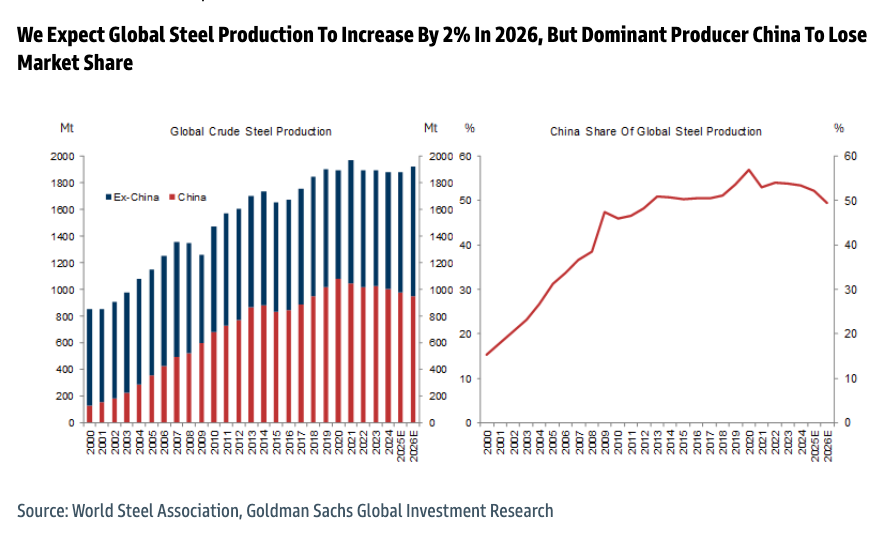
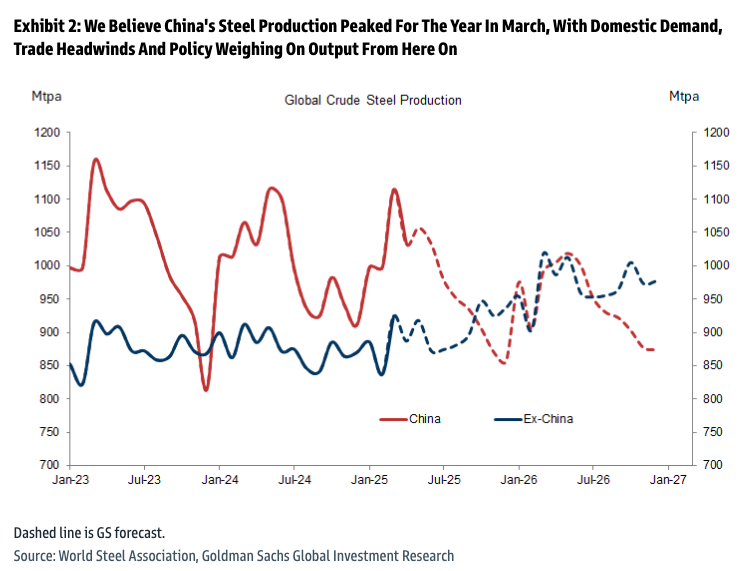
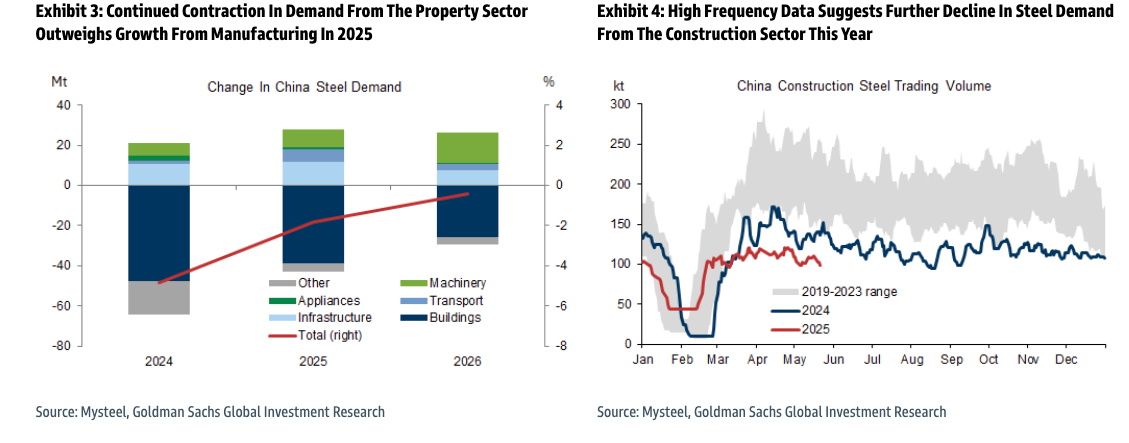
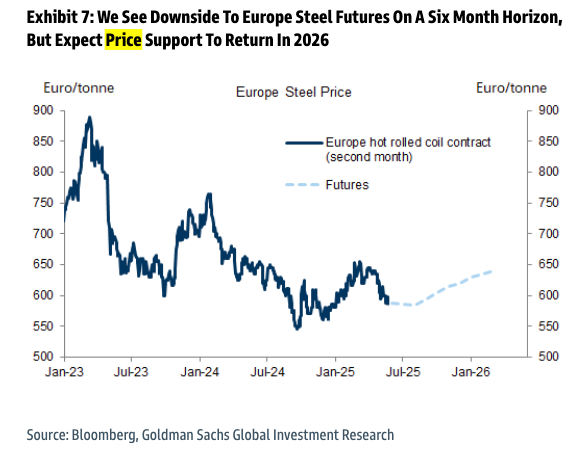
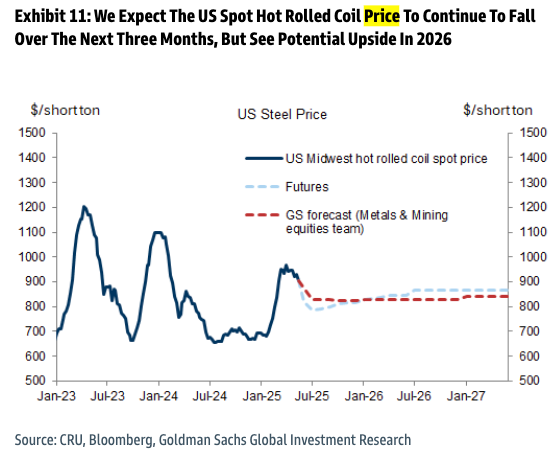

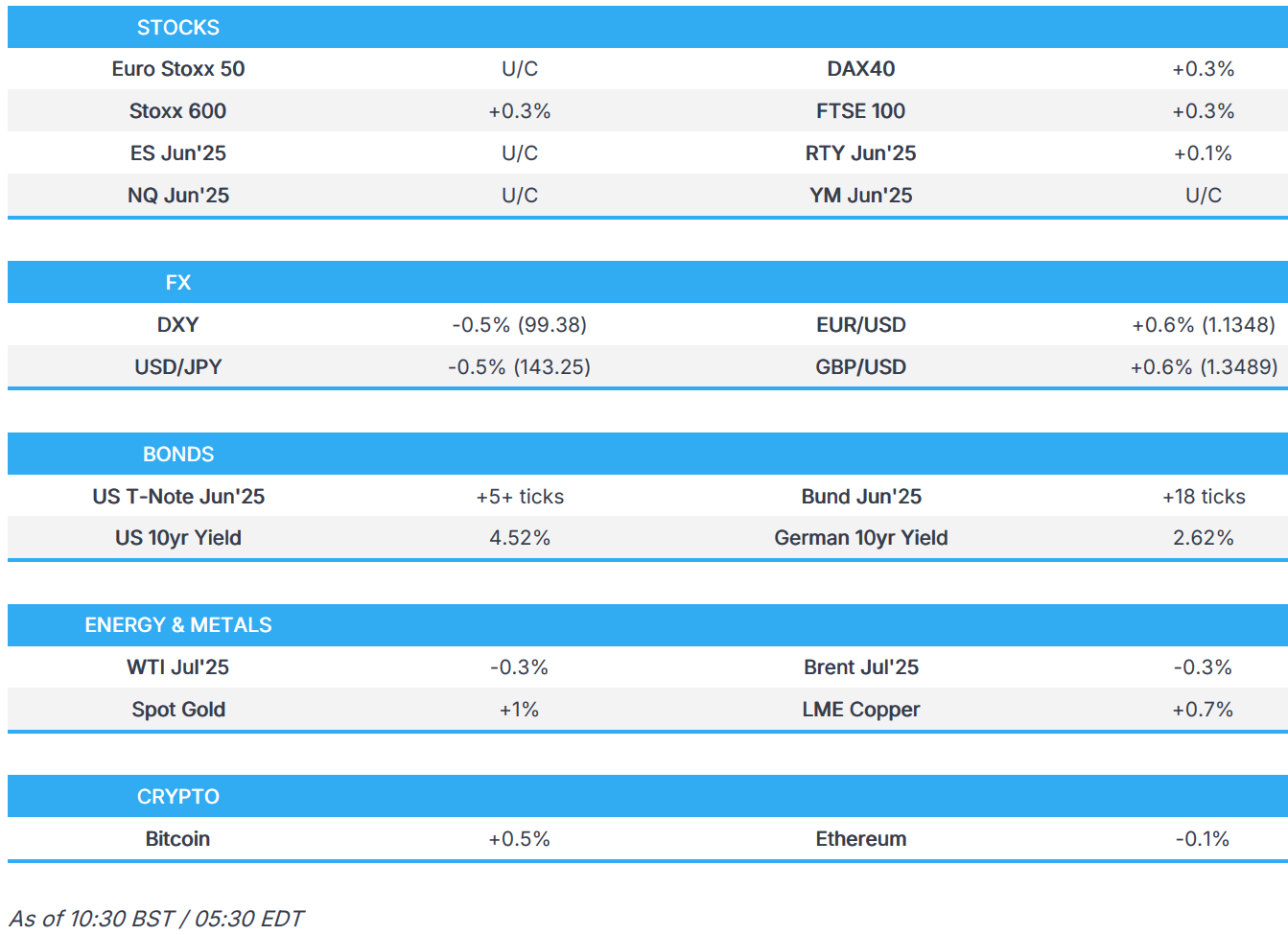
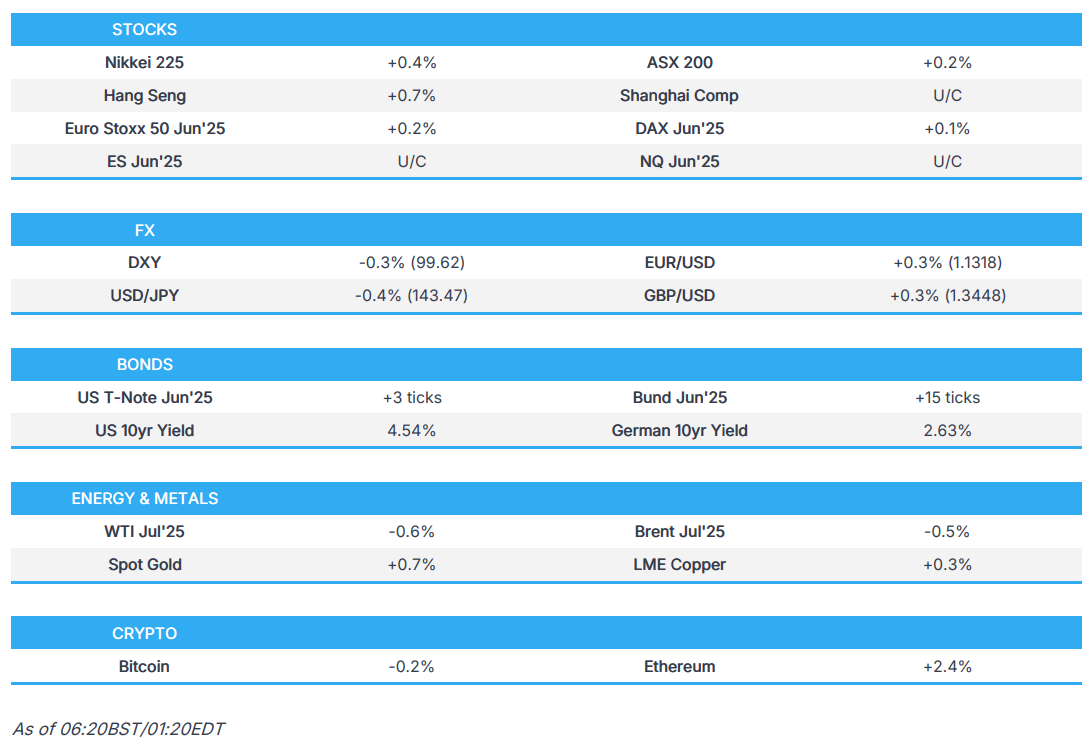









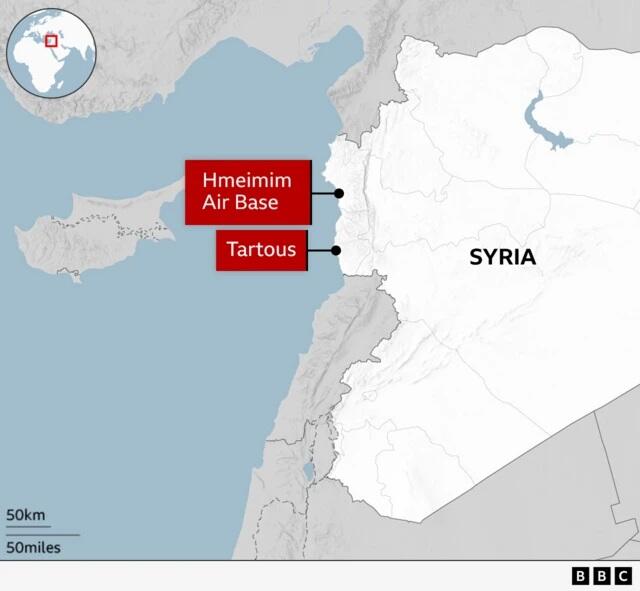






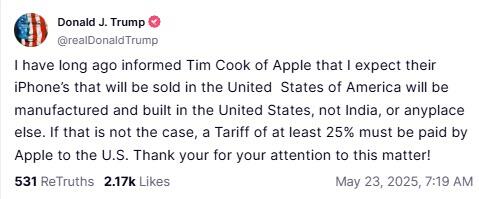
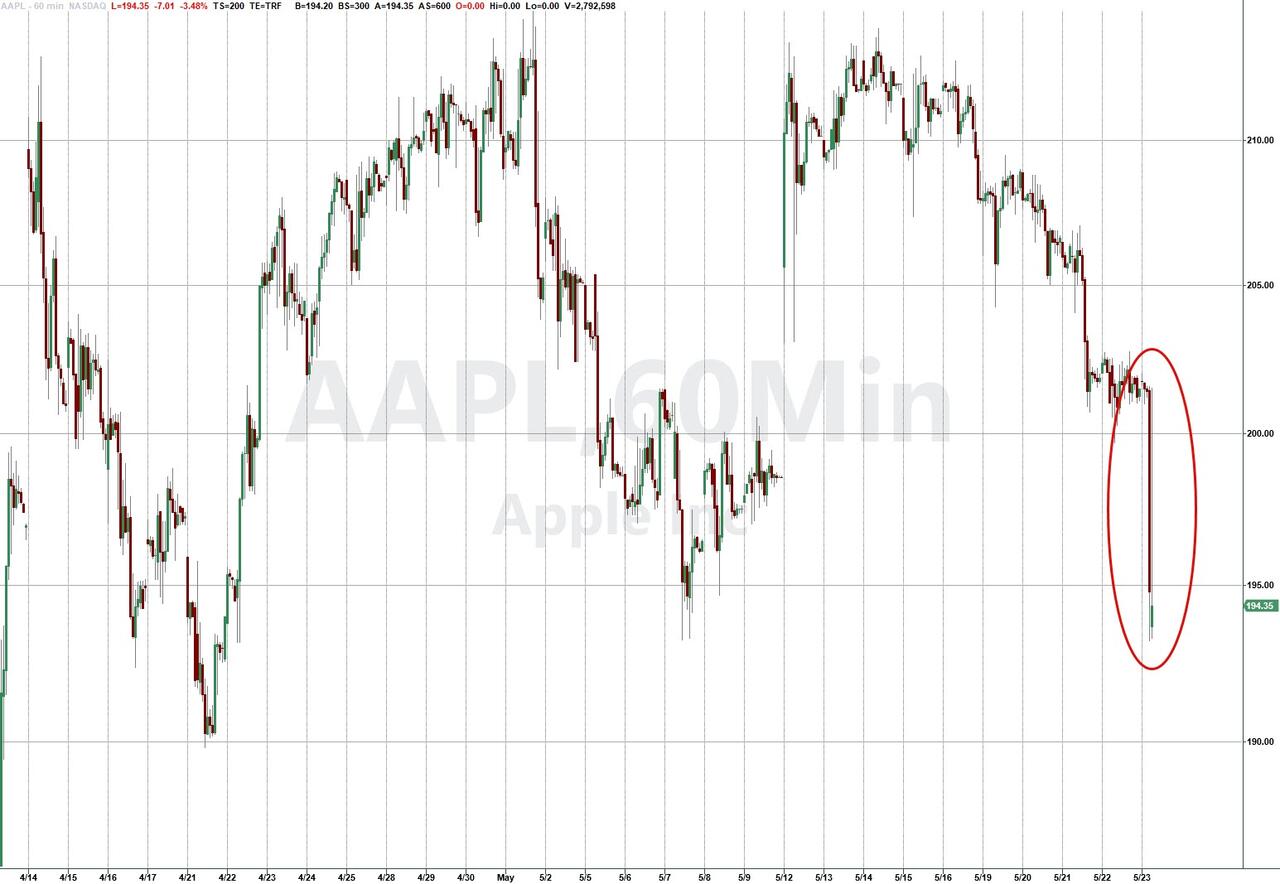
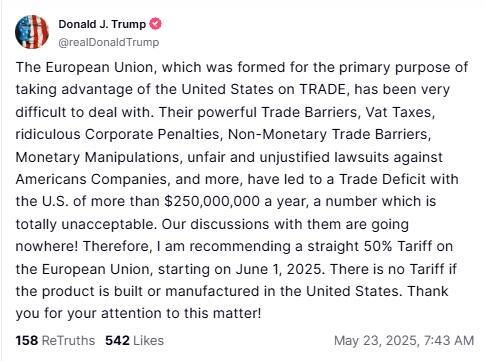
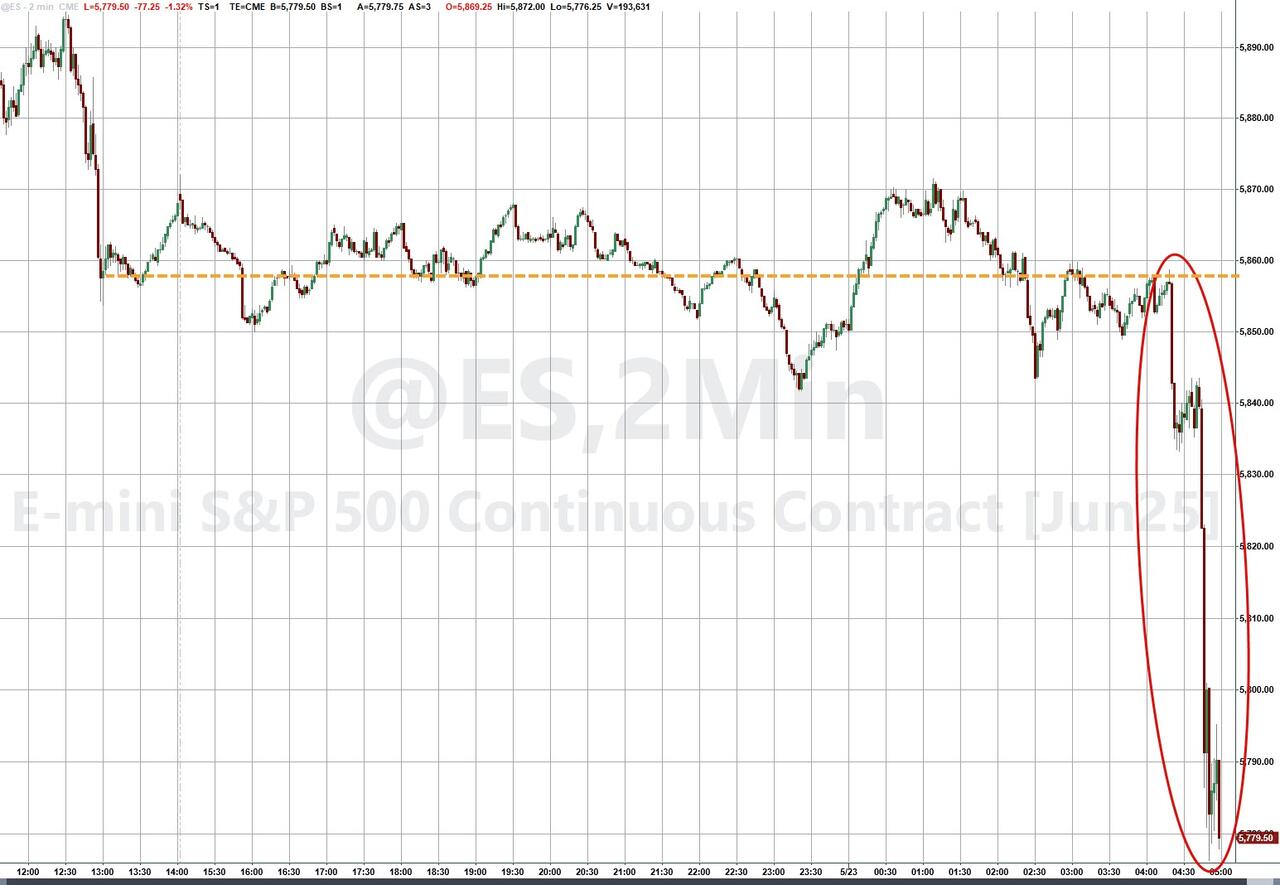
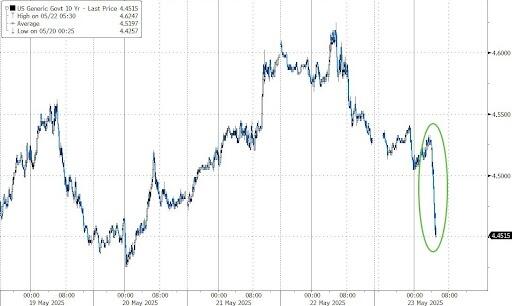
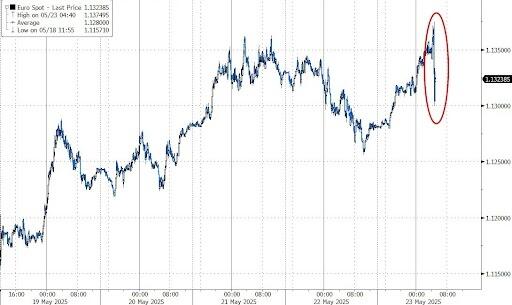
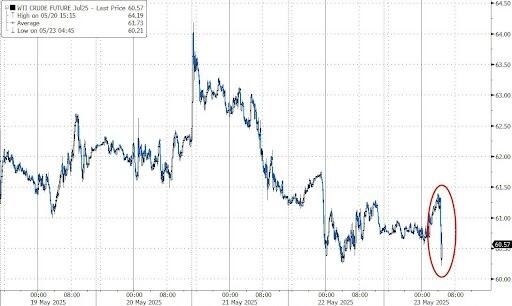
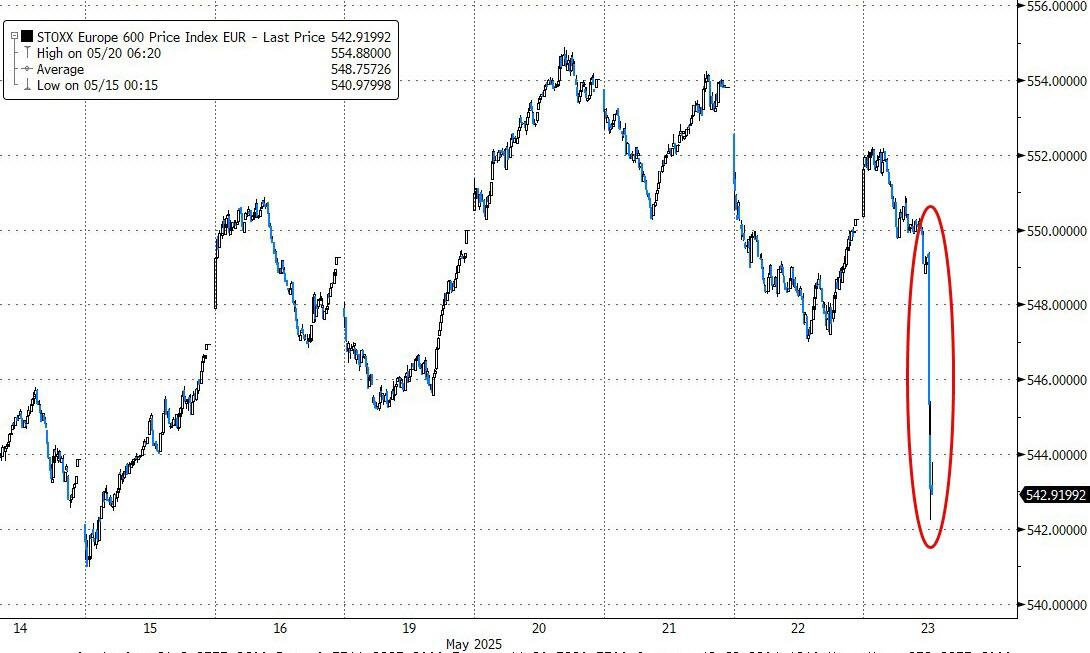
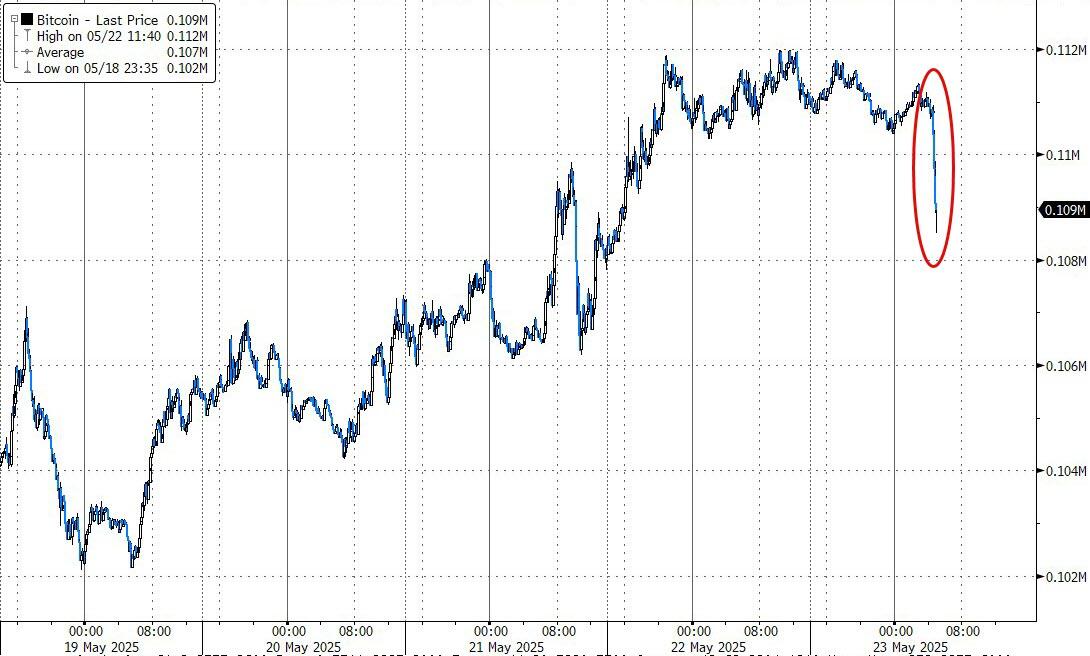
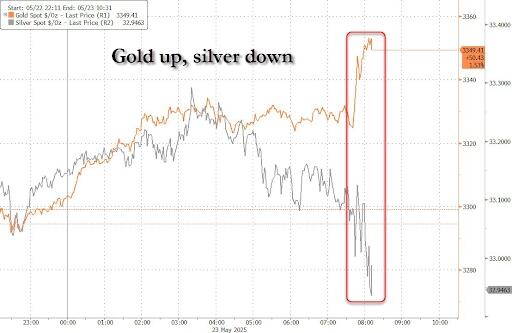
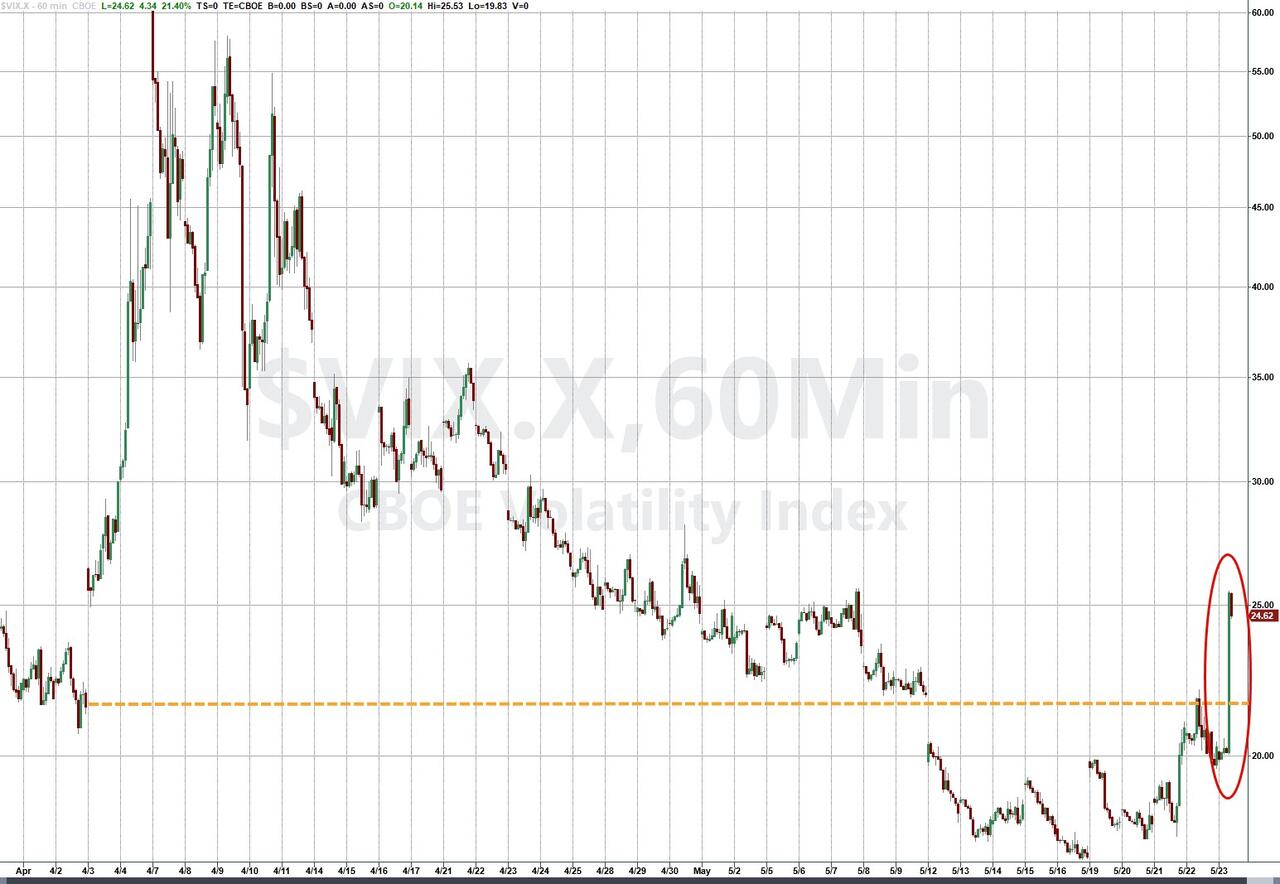
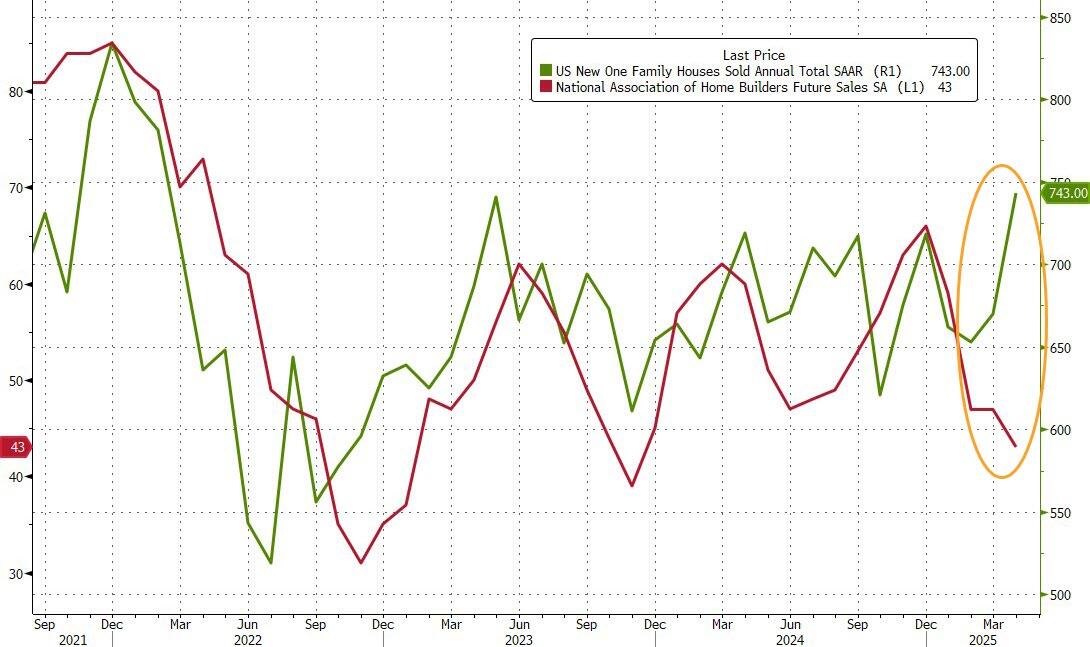
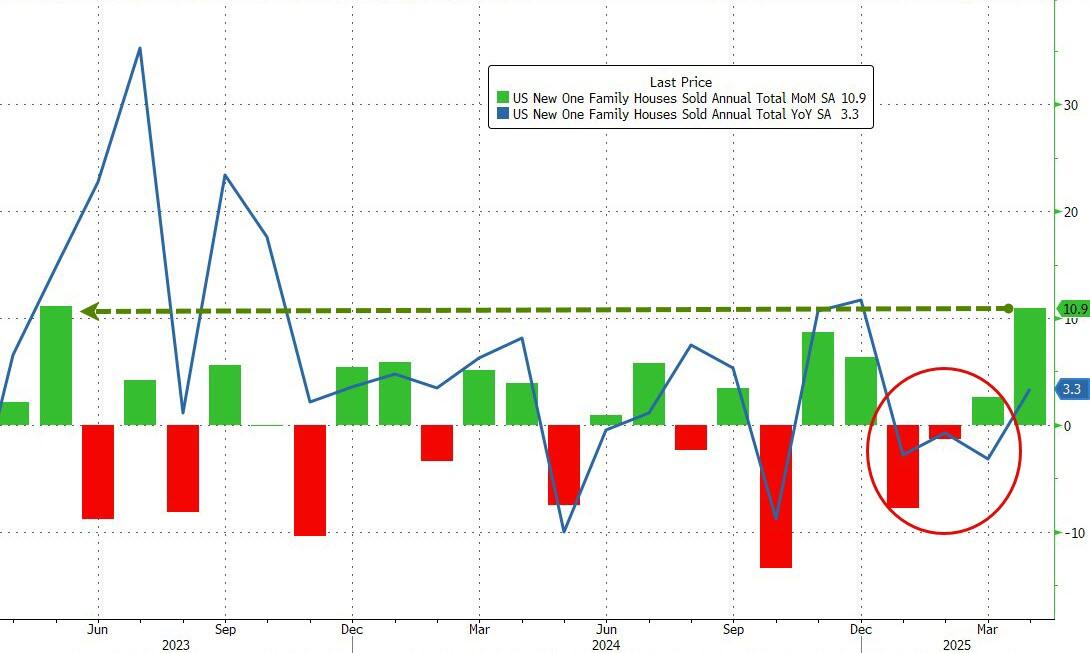
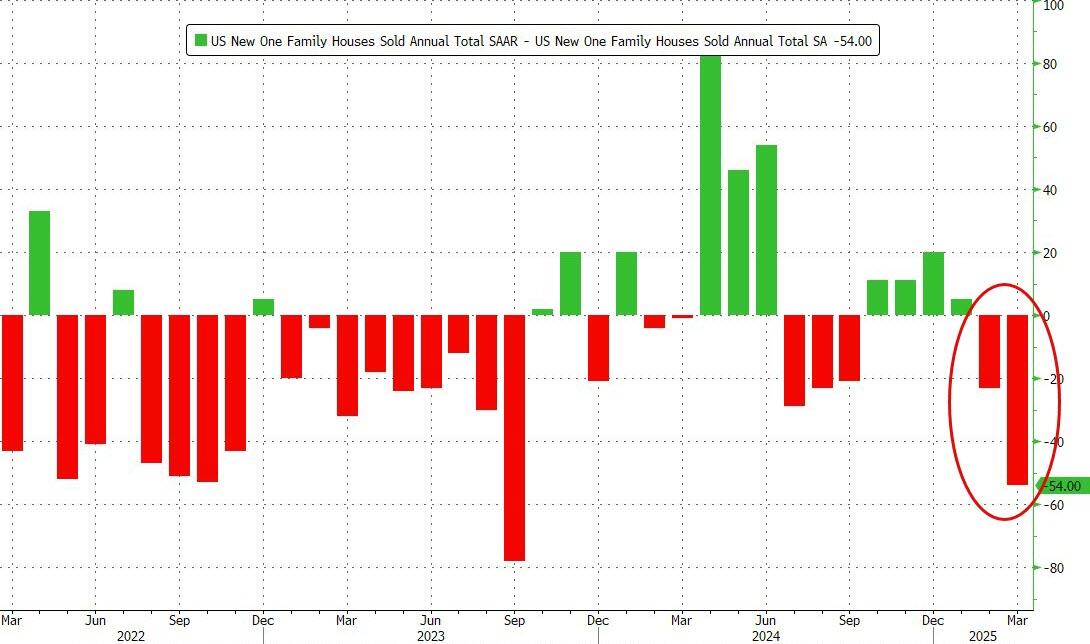
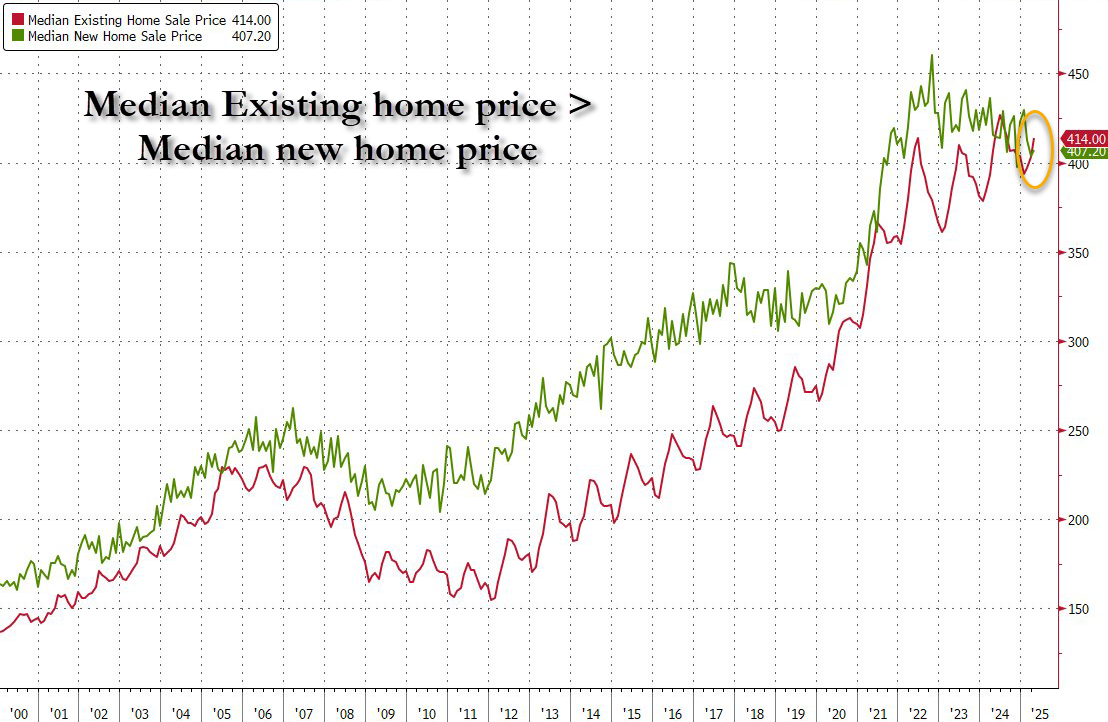
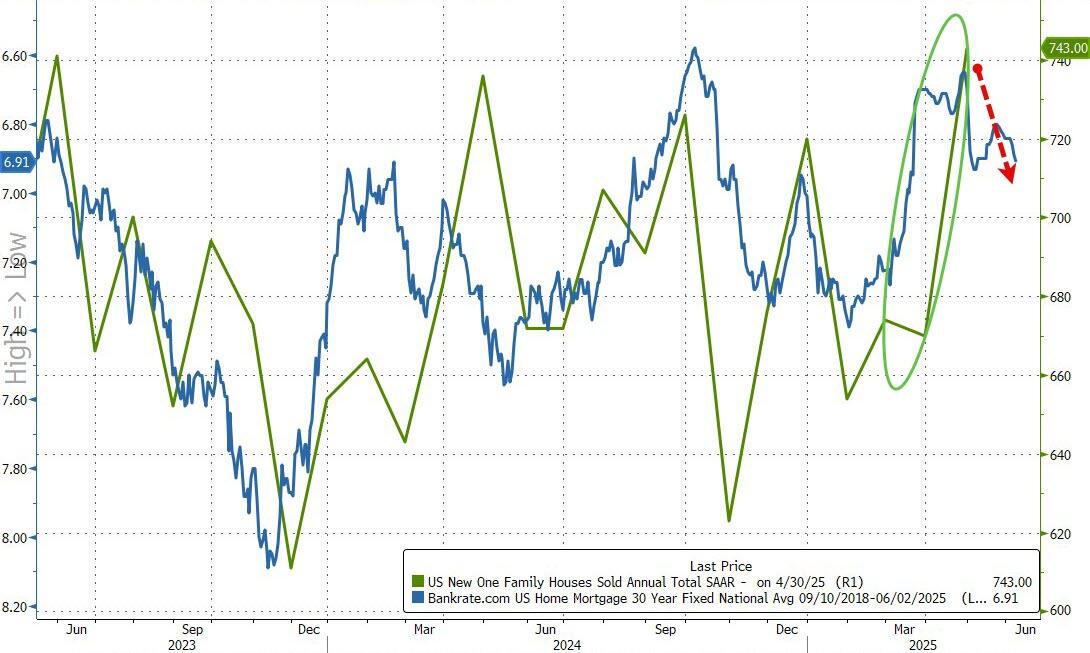








 harveyorganblog.com


