JULY 3/OUR USUAL AND CUSTOMARY RAID ON NON FARM PAYROLL REPORT: SUPPOSEDLY A STRONG REPORT WITH 147,000 JOBS ADDED//GOLD CLOSED DOWN $15.40 TO $3332.60 BUT SILVER REFUSED TO BUCKLE RISING BY 34 CENTS TO $36.86//PLATINUM FELL BY $38.95 WHILE PALLADIUM FELL BY $7.95 T $1148.00//GOLD COMMENTARY TONIGHT FROM PETER REAGAN AND ALASDAIR MACLEOD//FROM GERMANY THE BAN OF AN AfD PARTY GETS CLOSER AND CLOSER!//UPDATES ON THE IRAN VS ISRAEL CONFLICT//WE SEEM TO BE GETTING CLOSER TO A CEASEFIRE BETWEEN ISRAEL AND HAMAS//RELATIONS BETWEEN AZERBAIJAN AND RUSSIA FALLING APART//COVID UPDATES/VACCINE INJURY REPORT//NEWS JUNKIES/NEWSWIZE/EVOL NEWS//THE BIG BEAUTIFUL BILL IN FINAL STAGES BEFORE PASSING//SWAMP STORIES FOR YOU TONIGHT//
323 C HSBC 104 323 H HSBC 766 332 H STANDARD CHARTERED B 233 363 H WELLS FARGO SECURITI 245 435 H SCOTIA CAPITAL (USA) 1 624 H BOFA SECURITIES 10 661 C JP MORGAN SECURITIES 77 686 C STONEX FINANCIAL INC 6 20 700 C UBS SECURITIES LLC 7 709 C BARCLAYS 57 737 C ADVANTAGE FUTURES 9 17 880 C CITIGROUP 10
TOTAL: 781 781 MONTH TO DATE: 6,459
JPMORGAN STOPPED 77,781
JULY
GOLD: NUMBER OF NOTICES FILED FOR JULY/2024: 781 CONTRACTs NOTICES FOR 78,100 OZ or 2.439 TONNES
total notices so far: 6459 contracts for 645,900 OR 20.096 tonnes)
FOR JULY
XXXXXXXXXXXXXXXXXX
SILVER NOTICES: 195 NOTICE(S) FILED FOR 0.975 million OZ/
total number of notices filed so far this month : 6109 CONTRACTS (NOTICES) for 30.545 million oz
Click here if you wish to send a donation. I sincerely appreciate it as this site takes a lot of preparation
END
GLD/
BOTH GLD AND SLV ARE FRAUDULENT VEHICLES//THEY ARE NOW RAIDING GLD AND SLV FOR PHYSICAL
THE CROOKS ARE STEALING GOLD AND SILVER FROM THE GLD/SLV AND REPLACING THE PHYSICAL WITH PAPER DOLLARS.
WITH GOLD DOWN $15.40 INVESTORS SWITCHING TO SPROTT PHYSICAL (PHYS) INSTEAD OF THE FRAUDULENT GLD:
HUGE CHANGES IN GOLD INVENTORY AT THE GLD: A WITHDRAWAL OF 0.57 TONNES OF GOLD OUT OF THE GLD.
INVENTORY RESTS AT 947.66 TONNES
SLV/
WITH NO SILVER AROUND AND SILVER UP $0.34 AT THE SLV: HUGE CHANGES IN SILVER INVENTORY AT THE SLV: /// A WITHDRAWAL OF 0.917 MILLION OZ OUT OF THE SLV//
CLOSING INVENTORY RESTS AT:
CLOSING INVENTORY: 477.313 MILLION OZ
Let us have a look at the data for today
SILVER//OUTLINE
SILVER COMEX OI ROSE BY A VERY STRONG SIZED 637 CONTRACTS TO 164,204 AND CONTINUING ON ITS MARCH TO THE RECORD HIGH OI OF 244,710, SET FEB 25/2020, AND THIS STRONG SIZED GAIN IN COMEX OI WAS ACCOMPLISHED WITH OUR GAIN OF $0.36 IN SILVER PRICING AT THE COMEX WITH RESPECT TO WEDNESDAY’S TRADING. WE FINALLY HAVE THE PIERCING OF $34.40 TO 34.50 SILVER PRICE BARRIER. WE HAD A HUGE SIZED GAIN OF 1113 TOTAL CONTRACTS ON OUR TWO EXCHANGES AS THE CME NOTIFIED US OF A STRONG 476 CONTRACT EXCHANGE FOR PHYSICAL ISSUANCE.. WE HAD ZERO LIQUIDATION OF T.A.S. CONTRACTS IN COMEX TRADING WITH RESPECT TO WEDNESDAY’S TRADING AS THEY DESPERATELY AGAIN TRIED TO CONTAIN SILVER’S PRICE RISE FOR THE PAST SEVERAL WEEKS (WHERE RAIDS ARE CALLED UPON AGAIN AND AGAIN TRYING TO STOP THE RISE IN SILVER’S PRICE TO ABOVE $34.40 AND TO QUELL ADDITIONAL DERIVATIVE LOSSES TO OUR BANKERS’ MASSIVE TOTALS). THEY FAILED ON TUESDAY WITH SILVER’S GAIN IN PRICE. THE PRICE FINISHED MILES ABOVE THE MAGIC NUMBER OF $34.40 SILVER SPOT PRICE CLOSING AT $36.52 . WE HAVE A HUGE T.A.S. ISSUANCE AT 965 CONTRACTS ISSUED BY THE CME AND THAT STILL SIGNALS DEEP CODE RED THAT THE CROOKS ARE DESPERATE TO STOP SILVER BREAKING WELL ABOVE THE 34.40 DOLLAR MARK!!. THE NEXT LINE IN THE SAND IS THE ORIGINAL HIGH POINT OF 50.00 DOLLAR SILVER. WE HAD A STRONG 476 CONTRACT EXCHANGE FOR PHYSICAL ISSUANCE ACCOMPANIED BY OUR HUGE SIZED 965 CONTRACT T.A.S ISSUANCE WHICH WILL BE USED IN TODAY’S TRADING/ AS THEY PLAY AN INTEGRAL PART IN OUR COMEX TRADING TRYING TO CONTAIN ANY SILVER PRICE RISE. IN ESSENCE WE GAINED A HUGE SIZED 1113 CONTRACTS ON OUR TWO EXCHANGES WITH OUR GAIN IN PRICE OF $0.36.
EXCHANGE FOR RISK ISSUANCE FOR SILVER/MAY
THE CME NOTIFIED US THAT FOR THE FIRST TWO DAYS OF THE MONTH OF MAY, WE HAD TWO CONSECUTIVE ISSUANCE OF EXCHANGE FOR RISK CONTRACTS OF 12.93 MILLION OZ. THESE EXCHANGE FOR RISKS WERE ADDED TO OUR NORMAL DELIVERY SCHEDULE. THE RECIPIENT OF THIS LARGESS IS WITHOUT A DOUBT THE CENTRAL BANK OF INDIA. LOGICALLY ONLY A CENTRAL BANK WOULD ACCEPT THIS CRAZY CONTRACT WHEREBY THE CENTRAL BANK OF INDIA TAKES THE RISK OF DELIVERY FROM A BULLION BANK WHO CANNOT GUARANTEE DELIVERY OF PHYSICAL SILVER TO THEM.
CRAIG HEMKE HAS POINTED OUT THAT THE CROOKS USE THE MID MONTH FOR MANIPULATION AS THEY SELL THEIR BUY SIDE OF THE CALENDAR SPREAD FIRST AND THEN KEEP THE SELL SIDE TO LIQUIDATE AT A LATER DATE. THUS WE HAVE TWO VEHICLES THE CROOKS USE FOR MANIPULATION AND BOTH ARE SPREADERS: 1) AT MONTH’S END/SPREADERS COMEX AND 2/ TAS SPREADERS, MID MONTH. TOTAL TAS ISSUED ON WEDNESDAY NIGHT/THURSDAY MORNING: A MEGA HUGE 965 CONTRACTS. DESPITE MANY COMPLAINTS THAT THE CROOKS HAVE VIOLATED POSITION LIMITS DUE TO THE FACT THAT THE TAS ISSUED HAVE A VALUE OF ZERO (AS TO POSITION LIMITS FOR OUR CROOKED BANKERS). THE PROBLEM OF COURSE IS THAT THE CROOKS DO NOT LIQUIDATE THE TAS TOGETHER BUT SELL THE BUY SIDE FIRST AND THEN LIQUIDATE THE SELL SIDE TWO MONTHS HENCE. IT IS OBVIOUS MANIPULATION TO THE HIGHEST DEGREE BUT IT NATURALLY FELL ON DEAF EARS WITH OUR REGULATORS (OCC) WHEN THEY RECEIVED OUR COMPLAINTS. IT NOW SEEMS THAT THE OCC HAS ORDERED THE BANKS TO REDUCE ITS NEW LEVEL OF 1 TRILLION DOLLARS IN GOLD/SILVER DERIVATIVES.
WE HAVE IN THE PAST YEAR SET ANOTHER RECORD LOW AT 114,102 CONTRACTS ///JULY 3.2023// OUR BANKERS WITH THE HELP OF SPECULATORS AND HIGH FREQUENCY TRADERS WERE UNSUCCESSFUL IN KNOCKING THE PRICE OF SILVER DOWN (IT ROSE BY $0.36) AND WERE UNSUCCESSFUL IN KNOCKING OF ANY NET SILVER LONGS FROM THEIR PERCH AS WE HAD A HUGE GAIN OF 1142 CONTRACTS ON OUR TWO EXCHANGES
WE HAD A 476 CONTRACT ISSUANCE OF EXCHANGE FOR PHYSICALS) iiii) AN INITIAL SILVER STANDING FOR COMEX SILVER MEASURING AT 34.730 MILLION OZ PLUS TODAY’S HUGE QUEUE JUMP OF 865,000 OZ//NEW STANDING ADVANCES TO 35.695 MILLION OZ
THUS:
INITIAL STANDING FOR JULY: 35.695 MILLION OZ
WE HAD:
/ VERY STRONG COMEX OI GAIN+// A 476 SIZED EFP ISSUANCE (/ VI) A HUGE NUMBER OF T.A.S. CONTRACT ISSUANCE 965 CONTRACTS)
I AM NOW RECORDING THE DIFFERENTIAL IN OI FROM PRELIMINARY TO FINAL: REMOVED 0 CONTRACTS.
HISTORICAL ACCUMULATION OF EXCHANGE FOR PHYSICALS JUNE. ACCUMULATION FOR EFP’S SILVER/JPMORGAN’S HOUSE OF BRIBES/STARTING FROM FIRST DAY/MONTH OF JULY
TOTAL CONTRACTS for 3 DAY(S), total 1571 contracts: OR 7.855 MILLION OZ (523 CONTRACTS PER DAY)
TOTAL EFP’S FOR THE MONTH SO FAR: 7.855 MILLION OZ
LAST 24 MONTHS TOTAL EFP CONTRACTS ISSUED IN MILLIONS OF OZ:
MAY 137.83 MILLION
JUNE 149.91 MILLION OZ
JULY 129.445 MILLION OZ
AUGUST: MILLION OZ 140.120
SEPT. 28.230 MILLION OZ//
OCT: 94.595 MILLION OZ
NOV: 131.925 MILLION OZ
DEC: 100.615 MILLION OZ
YEAR 2022:
JAN 2022-DEC 2022
JAN 2022// 90.460 MILLION OZ
FEB 2022: 72.39 MILLION OZ//
MARCH 2022: 207.140 MILLION OZ//A NEW RECORD FOR EFP ISSUANCE
APRIL: 114.52 MILLION OZ FINAL//LOW ISSUANCE
MAY: 105.635 MILLION OZ//
JUNE: 94.470 MILLION OZ
JULY : 87.110 MILLION OZ
AUGUST: 65.025 MILLION OZ
SEPT. 74.025 MILLION OZ///FINAL
OCT. 29.017 MILLION OZ FINAL
NOV: 134.290 MILLION OZ//FINAL
DEC, 61.395 MILLION OZ FINAL
TOTALS YR 2022: 1135.767 MILLION OZ (1.1356 BILLION OZ)
JAN 2023/// 53.070 MILLION OZ //FINAL
FEB: 2023: 100.105 MILLION OZ/FINAL//MUCH STRONGER ISSUANCE VS THE LATTER TWO MONTHS.
MARCH 2023: 112.58 MILLION OZ//FINAL//STRONG ISSUANCE
APRIL 111.035 MILLION OZ(SLIGHTLY GREATER THAN THAN LAST MONTH)
MAY 66.120 MILLION OZ/INITIAL (MUCH SMALLER THIS MONTH)
JUNE: 110.395 MILLION OZ//MUCH LARGER THAN LAST MONTH
JULY 85.745 MILLION OZ (SMALLER THAN LAST MONTH)
AUGUST: 171.43 MILLION OZ (THIS MONTH IS GOING TO BE HUGE //2ND HIGHEST ON RECORD
SEPT: 72.705 MILLION OZ (SMALLER THIS MONTH)
OCT: 97.455 MILLION OZ
NOV. 50.050 MILLION OZ
DEC. 66.140 MILLION OZ//
TOTAL 2023: 1,104.10 MILLION OZ/
JAN ’24 : 78.655 MILLION OZ//
FEB /2024 : 66.135 MILLION OZ./FINAL
MARCH: 143.750 MILLION OZ// 4TH HIGHEST ON RECORD.
APRIL: 161.770 MILLION OZ (THIS MONTH WILL BE A WHOPPER OF ISSUANCE OF EFPS//3RD HIGHEST EVER RECORDED FOR A MONTH)
MAY: 135.995 MILLION OZ //WILL BE A STRONG MONTH FOR EXCHANGE FOR PHYSICAL ISSUANCE
JUNE 110.575 MILLION OZ ( WILL BE ANOTHER STRONG MONTH ISSUANCE)
JULY: 108.870 MILLION OZ (WILL BE A STRONG ISSUANCE MONTH/ A TOUCH OVER 100 MILLION OZ/)
AUGUST; 99.740 MILLION OZ//THIS MONTH WILL BE STRONG FOR ISSUANCE BUT LESS THAN JULY.
SEPT: 112.415 MILLION OZ//WILL BE A HUGE MONTH FOR EXCHANGE FOR PHYSICAL ISSUANCE
OCT; 97.485 MILLION OZ (WILL BE SMALLER ISSUANCE THIS MONTH )
NOV. 115.970 MILLION OZ ( HUGE THIS MONTH)
DEC: 132.54 MILLION OZ (THIS MONTH WILL BE A HUMDINGER FOR ISSUANCE BUT ISSUANCE SLOWED DRAMATICALLY THESE PAST FIVE DAYS/// WILL NOT EXCEED MARCH 2022 RECORD OF 209 MILLION OZ
YEAR 2024 TOTAL: 1363.84 MILLION OR 1.363 BILLION OZ
JANUARY 2025: 67.230 MILLION OZ///(THIS MONTH’S ISSUANCE OF EXCHANGE FOR PHYSICAL WILL BE SMALL)
FEB. 58.260 MILLION OZ//EXCHANGE FOR PHYSICAL ISSUANCE/FINAL
MARCH: 67.020 MILLION OZ///QUITE SMALL AND BECOMING SMALLER EACH AND EVERY MONTH.
APRIL: 100.895 MILLION OZ///AVERAGE SIZE ISSUANCE
MAY: 28.975 MILLION OZ (ISSUANCE WILL BE QUITE SMALL THIS MONTH)
JUNE: 81.065 MILLION OZ
JULY: 7.855 MILLION OZ
XXXXXXXXXXXXXXXXXXXXXXXXXXXX
RESULT: WE HAD A VERY STRONG SIZED INCREASE IN COMEX OI SILVER COMEX CONTRACTS OF 637 CONTRACTS WITH OUR GAIN IN PRICE OF $0.36 IN SILVER PRICING AT THE COMEX// WEDNESDAY.,. . THE CME NOTIFIED US THAT WE HAD A STRONG 476 CONTRACT EFP ISSUANCE CONTRACTS: 476 ISSUED FOR JULY AND 0 CONTRACTS ISSUED FOR ALL OTHER MONTHS) WHICH EXITED OUT OF THE SILVER COMEX TO LONDON AS FORWARDS.
XXXXXXXXXXXXXXXXXXXXXXXXXXXXXXXXXXXX
LAST 4 MONTHS OF SILVER DELIVERIES:
WE FINISHED APRIL WITH A STRONG SILVER OZ STANDING OF 16.050 MILLION OZ NORMAL DELIVERY , PLUS OUR 4.00 MILLION EX FOR RISK
FINAL STANDING APRIL: 19.965 MILLION OZ
AND MAY:
NEW STANDING FOR MAY FINISHES AT: 75.615 MILLION OZ. (INCLUDES 5,000 OZ EFP TRANSFER TO LONDON + 12.93 MILLION OZ EXCHANGE FOR RISK ISSUANCE/PRIOR.//NEW TOTAL STANDING 88.540 MILLION OZ
AND JUNE: FINAL 16.995 MILLION OZ
AND JULY: 35.695 MILLION OZ//
THE NEW TAS ISSUANCE WEDNESDAY NIGHT (965 ) WILL BE PUT INTO “THE BANK” TO BE COLLUSIVELY USED AT A LATER DATE AND FOR SURE THURSDAY’S TRADING AND BEYOND!
WE HAD 195 NOTICE(S) FILED TODAY FOR 0.975 MILLION OZ
THE SILVER COMEX IS NOW BEING ATTACKED FOR METAL BY LONDONERS ET AL. IT IS NOW TIME FOR THE FBI TO ENTER THE COMEX AND ARREST THESE CROOKS EVEN THOUGH THE MAJORITY OF THE TRADING IS GOVERNMENT. THE BANKERS ARE COMPLICIT
GOLD//OUTLINE
IN GOLD, THE COMEX OPEN INTEREST ROSE BY A FAIR SIZED 1047 OI CONTRACTS TO 438,709 AND CLOSER TO THE RECORD (SET JAN 24/2020) AT 799,105 AND PREVIOUS TO THAT: (SET JAN 6/2020) AT 797,110. (ALL TIME LOW OF 390,000 CONTRACTS.) THUS WE HAVE A LOW OI IN COMEX WITH AN EXTREMELY HIGH PRICE OF GOLD. THE SHORT RATS ARE ABANDONING THE SHIP.
THE DIFFERENTIAL FROM PRELIMINARY OI TO FINAL OI IN GOLD TODAY: REMOVED A MAMMOTH 8843 CONTRACTS //.
WE HAD A FAIR SIZED INCREASE IN COMEX OI (1047 CONTRACTS) . THIS OCCURRED WITH OUR GAIN OF $8.95 IN PRICE// WEDNESDAY///.
LAST THREE MONTHS OF GOLD DELIVERIES:
MAY: SUMMARY FOR MAY TONNES WHICH STOOD FOR DELIVERY:
FINAL STANDING FOR MAY: 70.174 TONNES OF GOLD TO WHICH WE ADD 1. MONDAY’S (MAY 19) 6.221 TONNES EXCHANGE FOR RISK , 2. THEN WE ADD: 1.35 TONNES TO LAST WEEK”S. THEN WE ADD 3. 1.55 TONNES TO EQUAL 9.591 TONNES// NEW EXCHANGE FOR RISK = 9.591 TONNES WHICH MUST BE ADDED TO OUR NORMAL DELIVERY SCHEDULE OF 80.644 TONNES. THUS STANDING FOR MAY INCREASES TO 90.235 TONNES OF GOLD
JUNE CONTRACT MONTH: 93.085 TONNES OF GOLD (WHICH INCLUDES ALL QUEUE JUMPING AND 0 EX FOR RISK)
JULY INITIIAL STANDING FIRST DAY NOTICE: 17.847 TONNES. PLUS TODAY’S 0.0279 TONNES QUEUE JUMP = 20.348 TONNES STANDING
E.F.P. ISSUANCE
THE CME RELEASED THE DATA FOR EFP ISSUANCE AND IT TOTALED A SMALL SIZED 414 CONTRACTS:
The NEW COMEX OI FOR THE GOLD COMPLEX RESTS AT 438,709 /NOW AT THE LOW END OF THE SCALE DESPITE THE HIGH PRICE OF GOLD!!
SILVER ALSO HAS A LOW COMEX OI OF 164,204 CONTRACTS BUT GAINING RAPIDLY!!
IN ESSENCE WE HAVE A FAIR SIZED INCREASE IN TOTAL CONTRACTS ON THE TWO EXCHANGES OF 1461 CONTRACTS WITH 1047 CONTRACTS INCREASED AT THE COMEX// AND A SMALL SIZED 414 EXCHANGE FOR PHYSICAL OI CONTRACT ISSUANCE WHICH NAVIGATED OVER TO LONDON. THUS TOTAL OI GAIN ON THE TWO EXCHANGES OF 1461 CONTRACTS.. WE HAD THE FOLLOWING TAS CONTRACTS INITIATED (ISSUED): A FAIR SIZED AND CRIMINAL 2097 CONTRACTS
CALCULATIONS ON GAIN/LOSS ON OUR TWO EXCHANGES
WE HAD A SMALL SIZED ISSUANCE IN EXCHANGE FOR PHYSICALS CONTRACT(414) ACCOMPANYING THE FAIR SIZED INCREASE IN COMEX OI OF 1047 CONTRACTS/TOTAL GAIN FOR OUR THE TWO EXCHANGES: 1461 CONTRACTS..WE HAVE 1) NOW RETURNED TO OUR FORMER FORMAT OF BANKERS GOING LONG AND SPECULATORS GOING SHORT ,2.) STRONG INITIAL STANDING FOR GOLD FOR JULY AT 17.947 TONNES COUPLED WITH TODAY’S 0.0279 TONNES QUEUE JUMP//STANDING ADVANCES TO 20.348 TONNES.
NEW STANDING FOR GOLD, JULY CONTRACT AT 20.348 TONNES OF GOLD.
.
/ 3) ZERO T.A.S. LIQUIDATION AS WE HAVE 1)A $8.95 COMEX PRICE GAIN. WE HAD 2) ZERO NET LONG SPECS BEING CLIPPED WITH THE GAIN IN PRICE AS WE HAD A FAIR GAIN OF 1461 CONTRACTS ON OUR TWO EXCHANGES COUPLED WITH ZERO LIQUIDATION OF OUR SPREADERS // /./ ALSO, 3)STICKY GOLD’S LONGS WERE REWARDED WEDNESDAY EVENING AS THEY EXERCISED EFP’S FROM LONDON TO TAKE DELIVERY OF BADLY NEEDED PHYSICAL AND THUS OUR HUGE TONNAGE STANDING FOR GOLD FOR MAY BUT SMALLER FOR JUNE!
4) STRONG SIZED COMEX OI GAIN// 5) SMALL SIZED ISSUANCE OF EXCHANGE FOR PHYSICAL PAPER (414 CONTRACTS)/// FAIR T.A.S. ISSUANCE: 2097 T.A.S.CONTRACTS//
ACCUMULATION OF EFP’S GOLD AT J.P. MORGAN’S HOUSE OF BRIBES: (EXCHANGE FOR PHYSICAL) FOR THE MONTH OF JULY :
TOTAL EFP CONTRACTS ISSUED: 1404 CONTRACTS OR 140,400 OZ OR 4.367 TONNES IN 3 TRADING DAY(S) AND THUS AVERAGING: 468 EFP CONTRACTS PER TRADING DAY
TO GIVE YOU AN IDEA AS TO THE SIZE OF THESE EFP TRANSFERS : THIS MONTH IN3 TRADING DAY(S) IN TONNES 4.367 TONNES
TOTAL ANNUAL GOLD PRODUCTION, 2024, THROUGHOUT THE WORLD EX CHINA EX RUSSIA: 3555 TONNES
THUS EFP TRANSFERS REPRESENTS 4.367 TONNES DIVIDED BY 3550 x 100% TONNES = 0.113% OF GLOBAL ANNUAL PRODUCTION
SEPT 142.12 TONNES FINAL ISSUANCE ( LOW ISSUANCE)_
OCT: 141.13 TONNES FINAL ISSUANCE (LOW ISSUANCE)
NOV: 312.46 TONNES FINAL ISSUANCE//NEW RECORD!! (INCREASING DRAMATICALLY)//SIGN OF REAL STRESS//SURPASSING THE MARCH 2021 RECORD OF 276.50 TONNES OF EFP
DEC. 175.62 TONNES//FINAL ISSUANCE//
TOTALS: 2,578.08 TONNES/2021
JAN:2022 247.25 TONNES //FINAL
FEB: 196.04 TONNES//FINAL
MARCH/2022: 409.30 TONNES //FINAL( THIS IS NOW A RECORD EFP ISSUANCE FOR MARCH AND FOR ANY MONTH.
APRIL: 169.55 TONNES (FINAL VERY LOW ISSUANCE MONTH)
MAY: 247.44 TONNES FINAL//
JUNE: 238.13 TONNES FINAL
JULY: 378.43 TONNES FINAL/SECOND HIGHEST ON RECORD
AUGUST: 180.81 TONNES FINAL
SEPT. 193.16 TONNES FINAL
OCT: 177.57 TONNES FINAL ( MUCH SMALLER THAN LAST MONTH)
NOV. 223.98 TONNES//FINAL ( MUCH LARGER THAN PREVIOUS MONTHS//comex running out of physical)
DEC: 185.59 tonnes // FINAL
TOTAL: 2,847,25 TONNES/2022
JAN 2023: 228.49 TONNES FINAL//HUGE AMOUNT OF EFP’S ISSUED THIS MONTH!!
FEB: 151.61 TONNES/FINAL
MARCH: 280.09 TONNES/INITIAL (ANOTHER STRONG MONTH FOR EFP ISSUANCE)
APRIL: 197.42 TONNES
MAY: 236.67 TONNES (A VERY STRONG ISSUANCE FOR THIS MONTH)
JUNE: 172.667 TONNES (WEAKER ISSUANCE THIS MONTH)
JULY: 151.69 TONNES (WEAKER THAN LAST MONTH)
AUGUST: 195.28 TONNES (A STRONGER MONTH)//FINAL
SEPT: 254.709 TONNES (WILL BE LARGER THAN LAST MONTH AND A STRONG MONTH)
OCT. 248.09 TONNES. LIKE SILVER, THIS MONTH IS GOING TO BE A STRONG E.F.P. ISSUANCE.
NOV. 239.16 TONNES//WILL BE STRONG THIS MONTH,
DEC. 213.704 TONNES. A STRONG MONTH//
TOTAL FOR YEAR 2023: 2,569.57 TONNES VS 2578 TONNES LAST YEAR
2024 AND 2025:
JAN ’24: 291.76 TONNES (WILL BE MUCH GREATER THAN LAST MONTH.//3RD HIGHEST EVER RECORDED EXCHANGE FOR PHYSICAL)
FEB’24: 201.947 TONNES
MARCH 2024: 352.21 TONNES//2ND HIGHEST EVER RECORDED EFP ISSUANCE.
APRIL: 267.05TONNES (WILL BE AN EXTREMELY STRONG MONTH BUT LESS THAN MARCH 2024)
MAY; 316.606 TONNES (WILL BE ANOTHER STRONG MONTH// 3RD HIGHEST RECORDED EFP ISSUANCE )// NOTICE THE HUGE INCREASES IN EX FOR PHYSICAL THESE PAST FEW MONTHS. THESE CONTRACTS ARE CIRCLED BACK FROM LONDON WHEREBY METAL IS REMOVED FROM THE COMEX.
JUNE 175.11 tonnes HEADING FOR A WEAKER MONTH AND MUCH LESS THAN THE THREE PREVIOUS MONTHS
JULY: 351. 65 TONNES (3RD HIGHEST EVER RECORDED EXCHANGE FOR PHYSICAL AND THE HIGHEST EVER RECORDED POST BASEL III)
AUGUST: 274.79 TONNES//THIS MONTH WILL NO DOUBT BE A STRONG ISSUANCE OF EFP’S BUT MUCH LESS THAN LAST MONTH.
SEPT: 335 .104 TONNES//IF THIS CONTINUES WE WILL HAVE A HUMDINGER OF AN EFP ISSUANCE. WE WILL PROBABLY END JUST SHORT OF THE 3RD HIGHEST ISSUANCE EVER RECORDED.
OCT. 277.71 TONNES (THIS WILL BE A GOOD ISSUANCE THIS MONTH)
NOV: 393.875 TONNES ( A HUGE MONTH////NOW SURPASSED THE PREVIOUS 3RD AND 2ND HIGHEST EVER RECORDED EX FOR PHYSICAL ISSUANCE TO BECOME THE 2ND HIGHEST EVER RECORDED
DEC 360.03 TONNES THIRD HIGHEST EVER RECORDED FOR EFP ISSUANCE
TOTAL 2024 YEAR. 3,597.846 TONNES
AN. 2025: 257.919 TONNES (ISSUANCE WILL BE PRETTY GOOD THIS MONTH BUT MUCH LOWER THAN LAST MONTH)
FEB: 207.21 TONNES//EX FOR PHYSICAL ISSUANCE (WILL BE A FAIR SIZED ISSUANCE THIS MONTH)
MARCH 130.84 TONNES//QUITE SMALL THIS MONTH.
APRIL; 208.57 TONNES. STILL A SMALL TO FAIR ISSUANCE FOR THE MONTH.
MAY: 113.499 TONNES OF GOLD EFP ISSUANCE//QUITE SMALL THIS MONTH
JUNE: 97.79 TONNES OF GOLD EFP ISSUANCE/EXTREMELY SMALL
JULY : 4.367 TONNES
SPREADING OPERATIONS
NOW SWITCHING TO GOLD FOR NEWCOMERS, HERE ARE THE DETAILS
SPREADING LIQUIDATION HAS NOW COMMENCED AS WE HEAD TOWARDS THE NEW ACTIVE FRONT MONTH OF APRIL. WE ARE NOW INTO THE SPREADING OPERATION OF GOLD
HERE IS A BRIEF SYNOPSIS OF HOW THE CROOKS FLEECE UNSUSPECTING LONGS IN THE SPREADING ENDEAVOUR ;MODUS OPERANDI OF THE CORRUPT BANKERS AS TO HOW THEY HANDLE THEIR SPREAD OPEN INTERESTS:HERE IS HOW THE CROOKS USED SPREADING AS WE ARE NOW INTO THE NON ACTIVE DELIVERY MONTH OF NOV HEADING TOWARDS THE ACTIVE DELIVERY MONTH OF FEB., FOR GOLD: AND MARCH FOR SILVER
YOU WILL ALSO NOTICE THAT THE COMEX OPEN INTEREST STARTS TO RISE BUT SO IS THE OPEN INTEREST OF SPREADERS. THE OPEN INTEREST IN WILL CONTINUE TO RISE UNTIL ONE WEEK BEFORE FIRST DAY NOTICE OF AN UPCOMING ACTIVE DELIVERY MONTH (OCT), AND THAT IS WHEN THE CROOKS SELL THEIR SPREAD POSITIONS BUT NOT AT THE SAME TIME OF THE DAY. THEY WILL USE THE SELL SIDE OF THE EQUATION TO CREATE THE CASCADE (ALONG WITH THEIR COLLUSIVE FRIENDS) AND THEN COVER ON THE BUY SIDE OF THE SPREAD SITUATION AT THE END OF THE DAY. THEY DO THIS TO AVOID POSITION LIMIT DETECTION. THE LIQUIDATION OF THE SPREADING FORMATION CONTINUES FOR EXACTLY ONE WEEK AND ENDS ON FIRST DAY NOTICE.”
WHAT IS ALARMING TO ME, ACCORDING TO OUR LONDON EXPERT ANDREW MAGUIRE IS THAT THESE EFP’S ARE BEING TRANSFERRED TO WHAT ARE CALLED SERIAL FORWARD CONTRACT OBLIGATIONS AND THESE CONTRACTS ARE LESS THAN 14 DAYS. ANYTHING GREATER THAN 14 DAYS, THESE MUST BE RECORDED AND SENT TO THE COMPTROLLER, GREAT BRITAIN TO MONITOR RISK TO THE BANKING SYSTEM. IF THIS IS INDEED TRUE, THEN THIS IS A MASSIVE CONSPIRACY TO DEFRAUD AS WE NOW WITNESS A MONSTROUS TOTAL EFP’S ISSUANCE AS IT HEADS INTO THE STRATOSPHERE.
The crooks also use the spread in the TAS account (trade at settlement). They buy the spot TAS (e.g. June) and sell the future TAS two months out (e.g. August). Then they unload the front month (i.e. unload the buy side first so the price of gold/silver falls. This occurs in the middle of the front delivery month cycle. They unload the sell side of the equation, two months down the road. The crooks violate position limits as the OCC refuse to hear our complaints.
First, here is an outline of what will be discussed tonight:
1.TODAY WE HAD THE OPEN INTEREST AT THE COMEX IN SILVER ROSE BY A STRONG SIZED 637 CONTRACTS OI TO 164,204 AND CLOSER TO TO THE COMEX HIGH RECORD //244,710( SET FEB 25/2020). THE LAST RECORDS WERE SET IN AUG.2018 AT 244,196 WITH A SILVER PRICE OF $14.78/(AUGUST 22/2018)..THE PREVIOUS RECORD TO THAT WAS SET ON APRIL 9/2018 AT 243,411 OPEN INTEREST CONTRACTS WITH THE SILVER PRICE AT THAT DAY: $16.53). AND PREVIOUS TO THAT, THE RECORD WAS ESTABLISHED AT: 234,787 CONTRACTS, SET ON APRIL 21.2017 OVER 7 YEARS AGO. HOWEVER WE HAVE NOW SET A NEW RECORD LOW OF 114,102 CONTRACTS JULY 3.2023
EFP ISSUANCE 476 CONTRACTS
OUR CUSTOMARY MIGRATION OF COMEX LONGS CONTINUE TO MORPH INTO LONDON FORWARDS AS OUR BANKERS USED THEIR EMERGENCY PROCEDURE TO ISSUE:
SEPT 476 CONTRACTS and 0 ALL OTHER MONTHS: ZERO. TOTAL EFP ISSUANCE: 476 CONTRACTS. EFP’S GIVE OUR COMEX LONGS A FIAT BONUS PLUS A DELIVERABLE PRODUCT OVER IN LONDON. IF WE TAKE THE COMEX OI GAIN OF 666 CONTRACTS AND ADD TO THE 476 E.FP. ISSUED
WE OBTAIN A HUGE SIZED GAIN OF 1113 OF OPEN INTEREST CONTRACTS FROM OUR TWO EXCHANGES WITH OUR GAIN IN PRICE OF $0.21 THE RATS ARE FLEEING THE ARENA.
THUS IN OUNCES, THE GAIN ON THE TWO EXCHANGES TOTALS 5.710 MILLION PAPER OZ
c) Commentaries from: Egon von Greyerz///Matthew Piepenburg via GoldSwitzerland.com, Pam and Russ Martens
ii a) Chris Powell of GATA provides to us very important physical commentaries
b. Other gold/silver commentaries
c. Commodity commentaries//
d)/CRYPTOCURRENCIES/BITCOIN ETC
2.ASIAN AFFAIRS
ASIAN MARKETS THIS THURSDAY MORNING:
SHANGHAI CLOSED UP 6.36 PTS OR 0.18%
//Hang Seng CLOSED DOWN 182.64 PTS OR 0.75%
// Nikkei CLOSED UP 23.42 PTS OR 0.06% //Australia’s all ordinaries CLOSED UP 0.06%
//Chinese yuan (ONSHORE) CLOSED UP AT 7.1625 OFFSHORE CLOSED UP AT 7.1584/ Oil UP TO 66.79 dollars per barrel for WTI and BRENT DOWN TO 68.46 Stocks in Europe OPENED ALL GREEN
ONSHORE USA/ YUAN TRADING BELOW LEVEL OF OFFSHORE YUAN TRADING :/ONSHORE YUAN DOWN TRADING AT 7.1625 AND STRONGER//OFF SHORE YUAN TRADING UP TO 7.1584 AGAINST US DOLLAR/ AND THUS STRONGER
1. COMEX DATA//AMOUNTS STANDING//VOLUME OF TRADING/INVENTORY MOVEMENTS
GOLD
LET US BEGIN:
THE TOTAL COMEX GOLD OPEN INTEREST ROSE BY A FAIR SIZED 1047 CONTRACTS TO A STILL LOW NUMBER OF 438,709 OI WITH OUR SMALL GAIN IN PRICE OF $8.95 WITH RESPECT TO WEDNESDAY’S // TRADING. WE LOST ZERO NUMBER OF NET LONGS WITH THAT PRICE GAIN FOR GOLD. AND AS YOU WILL SEE BELOW, OUR GAIN IN PRICE ALSO HAD A SMALL NUMBER OF EXCHANGE FOR PHYSICAL ISSUED (414 ). WE HAD ZERO T.A.S. LIQUIDATION //TUESDAY TRADING.
THE CME ANNOUNCED WEDNESDAY NIGHT, A ZERO EXCHANGE FOR RISK CONTRACT ISSUANCE FOR 0 OZ OR NIL TONNES.
HISTORY: LAST SIX MONTH’S EXCHANGE FOR RISK
IN FEBRUARY:
WE HAD A HUGE FIVE EXCHANGE FOR RISKS ISSUANCES FOR GOLD, TOTALLING 18.4527 TONNES!.
IN MARCH:
THE TOTAL NO. OF EXCHANGE FOR RISK ISSUANCE FOR THE MONTH OF MARCH (3 NOTICES) EQUALED: 7.6179 TONNES OF GOLD WHICH WAS ADDED TO OUR MARCH DELIVERY TOTALS.
IN APRIL:
WE CONCLUDED APRIL WITH 7 ISSUANCE OF EXCHANGE FOR RISK FOR A TOTAL TONNAGE OF 8.3571 TONNES.
IN MAY:
MAY: 3 EX. FOR RISK ISSUED SO FAR FOR 3025 CONTRACTS OR 302,500 OZ OR 9.4054 TONNES. THIS WILL BE ADDED TO OUR NORMAL DELIVERY TO GIVE US TOTAL STANDING FOR MAY!THIS IS THE 6TH CONSECUTIVE MONTH FOR ISSUANCE OF EXCHANGE FOR RISK//NEW TOTAL EX FOR RISK IS 9.591 TONNES FOR THE 3 ISSUANCE!
IN JUNE
JUNE: ZERO ISSUED
jULY 0
THE RECIPIENT OF ALL OF THESE EXCHANGE FOR RISK CONTRACTS IS THE BANK OF ENGLAND WHO DESPERATELY WANT THEIR LEASED GOLD BACK. THUS WE HAVE TWO SEPARATE ENTITIES (CENTRAL BANKS) DEMANDING THEIR GOLD BACK:
THE BANK OF ENGLAND
THE FEDERAL RESERVE BANK OF NEW YORK (NEED TO RETRIEVE THEIR LEASED GOLD FROM THE BIS)
THE COUNTERPARTY TO THE BANK OF ENGLAND’S EXCHANGE FOR RISK ARE BULLION BANKS THAT CANNOT VERIFY THAT THEIR GOLD IS UNENCUMBERED AND THUS THE BUYER, THE CENTRAL BANK OF ENGLAND, ASSUMES THE RISK OF THAT DELIVERY. THIS IS THE 5TH CONSECUTIVE MONTH FOR ISSUANCE OF EXCHANGE FOR RISK !!.(DEC THROUGH APRIL)
DETAILS ON JULY COMEX MONTH//INITIAL
IN TOTAL WE HAD A FAIR SIZED GAIN ON OUR TWO EXCHANGES OF 1461 CONTRACTS WITH OUR GAIN IN PRICE. HOWEVER, OUR FRIENDLY PHYSICAL LONDON BOYS HAD ANOTHER FIELD DAY AGAIN ON WEDNESDAY NIGHT AS THEY WERE READY FOR THE FRBNY.S CONTINUED ORCHESTRATED ATTEMPTED AND FAILED RAID VERY EARLY IN THE COMEX SESSION AS THEY TRIED TO ABSORB EVERYTHING IN SIGHT FROM THE DAILY ATTACKS WITH THE CONTINUAL LIQUIDATION OF T.A.S. CONTRACTS. LONDONERS EXERCISED THEIR BOUGHT CONTRACTS FOR PHYSICAL GOLD VIA THE EXCHANGE FOR PHYSICAL ROUTE AND THANKED THE FRBNY FOR THE THOUGHTFULNESS. LONDON ANNOUNCED LATE IN JANUARY THAT THEY WERE OUT OF GOLD. WRONGLY IT WAS ATTRIBUTED TO THEIR SHIPPING PHYSICAL GOLD TO COMEX FOR STORAGE DUE TO TRUMP’S INITIATION OF TARIFFS. THE TRUTH OF THE MATTER IS THAT THIS GOLD LEFT LONDON TO CENTRAL BANKS, AND COMEX BANKS HAVE BEEN PAPERING THEIR LOSSES (DERIVATIVE) WITH KILOBAR ENTRIES. DELIVERY OF GOLD CONTRACTS ARE NOW TAKING SEVERAL WEEKS. NO DEFAULT HAS BEEN INITIATED AS DEALERS ARE AFRAID OF LOSS OF THEIR JOBS. SO THIS FRAUD CONTINUES. THE LEASE RATES IN LONDON HAVE NOW REVERTED BACK TO 1% BUT GOLD IN LONDON IS STILL EXTREMELY SCARCE. WE CAN NOW SAFELY SAY THAT THERE IS A RUN ON A BANK AND THAT BANK IS THE BANK OF ENGLAND!!!
THE LIQUIDATION OF T.A.S. CONTRACTS THROUGHOUT LAST MONTH OF JUNE AND NOW JULY CONTINUES TO DISTORT OPEN INTEREST NUMBERS GREATLY ALTHOUGH THE T.A.S. ISSUANCES IN GOLD HAVE GENERALLY BEEN ON THE LOW SIDE COMPARED TO SILVER WHICH HAVE BEEN HUGE. TODAY’S NUMBER HOWEVER IS FAIR AS THE CME NOTIFIES US THAT THEY HAVE ISSUED 2097 T.A.S.
THE T.A.S. LIQUIDATION OF THESE T.AS. CONTRACTS(ALONG WITH MONTH END SPREADERS) IS WHY WE ARE HAVING DISTORTED COMEX OPEN INTEREST GAINS AND LOSSES IN OI BUT THIS IS COUPLED WITH MEGA HUGE AMOUNTS OF GOLD STANDING FOR DELIVERY TO CONFUSE THE ISSUE!!!!! AND THIS WAS SURELY ON DISPLAY WITH FIRST DAY NOTICE TOTALS WITH GOLD TONNES STANDING FOR APRIL AT 209 + TONNES INCLUDING MANY MASSIVE QUEUE JUMPS AND THIS CONTINUED INTO MAY WITH FINAL STANDING AT 90.23 TONNES. HOWEVER JUNE WHICH IS NORMALLY A HUGE DELIVERY MONTH , FINAL STANDING WAS RECORDED AT 93.085 TONNES. (IS THE COMEX RUNNING OUT OF GOLD?)//TOTAL NET QUEUE JUMPING FOR THE JUNE MONTH: 31.027 TONNES.
HOWEVER JULY IS HUGE FOR A NON DELIVERY MONTH WITH INITIAL STANDING AT 17.947 TONNES PLUS TODAY’S MASSIVE QUEUE JUMP OF 0.027 TONNES QUEUE JUMP = 20.348 TONNES OF GOLD
NEW TOTAL TONNES STANDING JULY: 20.348 TONNES
THE FED IS THE OTHER MAJOR SHORT OF AROUND 10+ TONNES OF GOLD OWING TO THE B.I.S. THE FED NEEDS TO COVER AS THEY ARE VERY WORRIED ABOUT WHAT IS GOING TO HAPPEN TO GOLD PRICES NOW THAT THEY MUST BECOME COMPLIANT TO BASEL III RULES JULY 1/2023 AS OUTLINED IN ANDREW MAGUIRE’S LATEST LIVE FROM THE VAULT 229 EPISODE. AS HE TACKLES THIS IMPORTANT TOPIC. THE FOUR OR FIVE BANKS ARE ALSO WORRIED ABOUT THEIR HUGE PRECIOUS METAL DERIVATIVE EXPOSURE (NORTH OF ONE TRILLION DOLLARS) AND THIS IS PROBABLY THE MAJOR REASON FOR GOLD/SILVER’S RISE THESE PAST THREE MONTHS. THEY ARE TOTALLY TRAPPED., AND THEIR FAILURE TO STOP CENTRAL BANK PURCHASES OF PHYSICAL GOLD IS THE MAJOR ISSUE OF THE DAY!IT SURE LOOKS LIKE THE BIS HAS GIVEN THE FED ITS MARCHING ORDERS TO COVER ITS PHYSICAL GOLD SHORT. TRUMP WILL PROBABLY BE FURIOUS WITH THE FED IF IT FINDS OUT THAT THEY (FRBNY) HAS BEEN MANIPULATING THE GOLD MARKET FOR THE PAST TWO YEARS.
OUR PHYSICAL LONDONERS BOUGHT NEW MASSIVE QUANTITIES OF LONGS AT ANY PRICE AND THIS GOLD BOUGHT WILL BE TENDERED FOR PHYSICAL ON A T + ???? BASIS. BECAUSE GOLD IS BASEL III COMPLIANT, GOLD IS SUPPOSED BE DELIVERED IN A VERY TIMELY ONE DAY. CENTRAL BANKS AROUND THE WORLD, BEING REPRESENTED BY OUR LONDONERS, ARE THE REAL PURCHASERS OF THIS GOLD.
EUROPE IS NOW BASEL III COMPLIANT. THE WEST (FED AND COMEX) IS NOW COMPLIANT EFFECTIVE JULY 1//2025.
THE PROBLEM FOR THOSE PROVIDING THE SHORT PAPER IS THE SHOCK TO THEM ON RECEIVING NOTICE THAT THE LONGS WANT THE PHYSICAL GOLD AS THEY TENDER FOR THAT SHINY YELLOW METAL. THE HIGH LIQUIDATION OF OUR TWO SPREADERS: 1) THE MONTH END SPREADERS AND 2. T.A.S DURING THESE PAST SEVERAL WEEKS IS SURELY DISTORTING COMEX OPEN INTEREST BUT THAT DOES NOT STOP LONDON’S ACCUMULATION OF PHYSICAL! YOU CAN ALSO VISUALIZE THAT PERFECTLY WITH THE HUGE AMOUNTS OF QUEUE JUMPING ORCHESTRATED BY CENTRAL BANKERS BOLTING AHEAD OF ORDINARY LONGS AS THEIR NEED FOR PHYSICAL IS GREAT AS THEY SCOUR THE PLANET LOOKING FOR GOLD, AND THE MASSIVE AMOUNT OF GOLD STANDING EACH AND EVERY MONTH INCLUDING FIRST DAY NOTICE OF GOLD TONNAGE STANDING.
EXCHANGE FOR PHYSICAL ISSUANCE
THE CME REPORTS THAT THE BANKERS ISSUED A SMALL SIZED TRANSFER THROUGH THE EFP ROUTE AS THESE LONGS RECEIVED A DELIVERABLE LONDON FORWARD TOGETHER WITH A FIAT BONUS.,
THAT IS A SMALL SIZED 414 EFP CONTRACT WAS ISSUED: : /AUGUST 414 & ZERO FOR ALL OTHER MONTHS:
TOTAL EFP ISSUANCE: 414 CONTRACT. THESE EFP;S CIRCLE AROUND LONDON ON A 13 DAY BASIS AND ARE NOW USED BY GLOBAL CENTRAL BANKS TO EXERCISE FOR PHYSICAL GOLD WITH THE OBLIGATION TO DELIVER BEING FORCED ONTO COMEX BANKS. THE GOLD GENERALLY DELIVERED COMES FROM LONDON BUT THEY ARE OUT!! THUS COMEX BECOMES THE MAJOR SOURCE FOR OUR CENTRAL BANKERS. THE REGULATORY BODY THAT IS SUPPOSE TO CONTROL THESE EFP’S IS THE OCC HEADQUARTERED IN BOTH LONDON AND WASHINGTON.
WE HAD :
ZERO LIQUIDATION OF OUR T.A.S. SPREADERS//
ZERO NET SPEC LIQUIDATION WITH OUR HUGE GAIN IN PRICE
T.A.S.SPREADER ISSUANCE
AS PER OUR NEWBIE TRADE AT SETTLEMENT (TAS) MANIPULATION OPERATION (WHICH CRAIG HEMKE HAS POINTED OUT HAPPENS USUALLY DURING MID MONTH IN THE DELIVERY CYCLE), BUT NOW ON A DAILY BASIS, THE CME REPORTS THAT THE TOTAL T.A.S. ISSUANCE FOR THURSDAY MORNING//WEDNESDAY NIGHT WAS A FAIR SIZED, 2097 CONTRACTS.
THE RAIDS WHETHER ON OPTIONS EXPIRY MONTH OR OTHERWISE LIKE TODAY, ACCOMPLISHES TWO IMPORTANT ASPECTS FOR OUR CROOKS:
STALLS THE ADVANCE IN PRICE
LOWERS THEIR ADVANCING DERIVATIVE LOSSES.
MECHANICS OF T.A.S CONTRACTS TRADING;
THROUGHOUT THE FEW YEARS, THE BANKERS CONTINUE TO SELL OFF THE LONG SIDE OF THE SPREAD (T.A.S.) WHICH OF COURSE CONTINUES TO MANIPULATE THE PRICE OF GOLD SOUTHBOUND. (THEY KEEP THE SHORT SIDE OF THE CALENDAR/T.A.S. SPREAD WHICH WILL BE LIQUIDATED IN DAYS HENCE.THIS WAS SURELY IN EVIDENCE IN TRADING THURSDAY WITH THE SMALL GAIN IN PRICE!
STANDING FOR GOLD LAST 7 MONTHS OF 2025:
YEAR 2025:
JAN 2025:
113.30 TONNES (WHICH INCLUDES 43.408 TONNES EX FOR RISK)
FEB: 2025:
256.607 TONNES (WHICH INCLUDES 18.4567 TONNES OF EX FOR RISK)
MARCH:
STANDING FOR GOLD : 60.33 TONNES + 7.6179 TONNES EX FOR RISK = 67.9479 TONNES WHICH IS EXTREMELY HIGH FOR A NON DELIVERY MONTH.
APRIL:
FINAL STANDING FOR GOLD: 201.573 TONNES + 8.3571 TONNES EX FOR RISK = 209.953 TONNES
MAY: FINAL STANDING 90.235 TONNES WHICH INCLUDES QUEUE JUMPING AND 9.591 TONNES EX FOR RISK.
JUNE: FINAL STANDING 62.534 TONNES PLUS 0.1493TONNES OF QUEUE JUMP EQUALS 93.085 TONNES
JULY: 17.947 TONNES INITIAL STANDING FIRST DAY NOTICE PLUS TODAY’S 0.027 QUEUE JUMP = 20.348 TONNES
DEC. 47.073 + 4.634 TONNES OF EXCHANGE FOR RISK = 51.707 TONNES
TOTAL 2023 YEAR : 436.546 TONNES
2024/STANDING FOR GOLD/COMEX
JAN ’24. 22.706 TONNES
FEB. ’24: 66.276TONNES (INCLUDES 1.723 TONNES EX. FOR RISK)
MARCH: 18.8398 TONNES + 1.1695 EX FOR RISK = 20.093 TONNES
APRIL: 2024: 53.673TONNES FINAL
MAY/ 2024 8.5536 TONNES + 3.3716 TONNES EX FOR RISK/= 11.9325
JUNE; 95.578 TONNES. + 1.045 TONNES EXCHANGE FOR RISK =96.623 THIS IS THE HIGHEST RECORDED GOLD STANDING SINCE AUGUST 2022
JULY: 11.692 TONNES
AUGUST 69.602 TONNES//FINAL STANDING
SEPT. 13.164 TONNES.
OCT 39.474 TONNES + + 20.917 TONNES EXCHANGE FOR RISK =60.391 TONNES
NOV . 11.265 TONNES +4.665 TONNES EXCHANGE FOR RISK/TUESDAY + 3.11 TONNES OF EX. FOR RISK/PRIOR = 19.0425 TONNES
DEC: 80.4230 TONNES PLUS DEC MONTH EXCHANGE FOR RISK TOTAL 14.6836 TONNES EQUALS 95.1066 TONNES
total year 2024: 540.30 tonnes
XXXXXXXXXXXXXXXXXXXXXXXXXXXXXXXXXXXXXXXXX
COMEX GOLD TRADING/JULY CONTRACT MONTH
THE SPECS/HFT WERE UNSUCCESSFUL IN LOWERING GOLD’S PRICE( IT ROSE BY $8.95/ /) AND THEY WERE UNSUCCESSFUL IN KNOCKING OFF ANY NET SPECULATOR LONGS AS WE DID HAVE A FAIR SIZED GAIN IN OI FROM TWO EXCHANGES. AND AS EXPLAINED ABOVE WE HAD LITTLE T.A.S. SPREADER LIQUIDATION ////WEDNESDAY. THE BANKERS ARE QUITE NERVOUS ABOUT BASEL III WITH ITS IMPLEMENTATION COMMENCING YESTERDAY. THEY ARE VERY CONCERNED WITH THEIR HIGH AMOUNT OF DERIVATIVES LOSSES ON THEIR BOOKS
THURSDAY MORNING//WEDNESDAY NIGHT
THE CROOKS HOWEVER COULD NOT STOP CENTRAL BANK LONGS, SEIZING THE MOMENT, THEY EXERCISED AGAIN FOR PHYSICAL IN A BIG WAY TENDERING FOR PHYSICAL WEDNESDAY EVENING THURSDAY MORNING AND THUS OUR HUGE NUMBER OF GOLD CONTRACTS STANDING FOR DELIVERY AT THE COMEX. CENTRAL BANKERS WAIT PATIENTLY FOR THE GOLD TO ARRIVE BY BOAT. IT IS NOW TAKING SEVERAL WEEKS TO DELIVER
EXCHANGE FOR RISK EXPLANATION/FEB THROUGH /JULY TRADING
EXCHANGE FOR RISK CONTRACTS/MONTH FOR FEBRUARY://FINISHES AT 4 ISSUANCES
THE CME ANNOUNCED TO THE WORLD THAT ON FEB 4 THEY ISSUED 100 CONTRACTS OF EXCHANGE FOR RISK TTO THE BANK OF ENGLAND.THEN ,FEB 4 THEY ISSUED THEIR SECOND CONSECUTIVE EXCHANGE FOR RISK OF 500 CONTRACTS FOR 50,000 OZ (1.555 TONNES OF GOLD. FEB 6 WAS THE THIRD ISSUANCE FOR A HUGE 2400 CONTRACTS, 240,000 OZ OR 7.465 TONNES. AND THEN FINALLY FRIDAY NIGHT, THE 4TH EXCHANGE FOR RISK WAS ISSUED REPRESENTED BY 2834 CONTRACTS OR 283400 OZ OR 8.8149 TONNES OF GOLD WITH THE OWNER OF THOSE CONTRACTS BEING THE BANK OF ENGLAND. THE BANK OF ENGLAND WANTS THEIR GOLD BACK. THIS NEW EXCHANGE FOR RISK WAS ADDED TO PREVIOUS EXCHANGE FOR RISK OF 9.3264 TONNES TO A NEW TOTAL EXCHANGE FOR RISK = 18.1413 TONNES. IN MID WEEK WE HAD ANOTHER .3114 TONNES OF EXCHANGE FOR RISK ISSUANCED//NEW TOTAL 18,4527 TONNES!..FINALLY THIS TOTAL WAS ADDED TO OUR REGULAR DELIVERIES THROUGH THE MONTH.
EXCHANGE FOR RISK CONTRACTS/MONTH FOR MARCH
EARLY IN THE DELIVERY CYCLE THE CME NOTIFIED US THAT WE HAD OUR FIRST EXCHANGE FOR RISK CONTRACT ISSUANCE IN MARCH FOR 150 CONTRACTS REPRESENTING 15,000 OZ OF GOLD OR .46656 TONNES. THE BANK OF ENGLAND WAS STILL NOT SATISFIED AS THEY NEED TO RETRIEVE ALL OF ITS LOST GOLD THROUGH LEASING! THE 15,000 OZ WAS ADDED TO OUR NORMAL DELIVERY TOTAL.
MARCH ISSUES IT’S THIRD EXCHANGE FOR RISK: TOTAL FOR THE MONTH FINISHED AT 3
TOTAL ISSUANCE OF EXCHANGE FOR RISK MARCH 28 TOTALS 2200 CONTRACTS FOR 6.8429 TONNES OF GOLD. PRIOR ISSUANCE: .7775 TONNES. THUS TOTAL EXCHANGE FOR RISK FOR MARCH : 7.6179 TONNES OF GOLD. MARCH BECOMES THE 4TH CONSECUTIVE MONTH FOR EXCHANGE FOR RISK ISSUANCE.
APRIL, ISSUED ITS 7TH EXCHANGE FOR RISK: 187 CONTRACTS OR 18,700 OZ OR 0.5816 TONNES
SUMMARY EXCHANGE FOR RISK FOR THE MONTH OFAPRIL//TOTAL ISSUANCES 7 FOR 8.3571 TONNES OF GOLD!:
ISSUANCE FOR EXCHANGE FOR RISK ON FIRST DAY NOTICE//APRILL MONTH// WAS 700 CONTRACTS FOR 70,000 OZ OR 2.177 TONNES OF GOLD TO WHICH WE ADD (APRIL 4) : 250 CONTRACTS FOR 25,000 OZ OR .777 TONNES, APRIL 7 ISSUANCE OF 280 CONTRACTS FOR 28,000 OZ OR .8709 TONNES THEN APRIL 9 484 CONTRACTS FOR 48400 OZ OR 1.5054 TONNES AND FINALLY MONDAY MORNING APRIL 14 AT 200 CONTRACTS FOR 20,000 OZ OR .5816 TONNES AND NOW APRIL 24: 600 CONTRACTS FOR 60,000 OZ OR 1.866 TONNES AND NOW APRIL 25 187 CONTRACTS FOR 18700 OZ OR .5816 TONNES//NEW FINAL TOTAL ISSUANCE FOR APRIL: 8.3571 TONNES!!. APRIL ISSUANCE OF EXCHANGE FOR RISK MEANS WE NOW HAVE 5 CONSECUTIVE MONTHS FOR EXCHANGE FOR RISK ISSUANCE. THESE DELIVERIES WERE ADDED TO OUR NORMAL DELIVERY CYCLE.
MAY ISSUANCE OF EXCHANGE FOR RISK NOW TOTALS 3 ISSUANCES FOR 308,350 OZ. THIS TOTALS 9.591 TONNES OF GOLD WHICH WILL BE ADDED TO OUR REGULAR DELIVERY SCHEDULE. THE RECPIENT OF THIS LARGESS IS THE BANK OF ENGLAND.
ANALYSIS JULY DELIVERY MONTH GOING FROM FIRST DAY NOTICE// JULY COMEX CONTRACT
WE HAVE GAINED A STRONG SIZED TOTAL OF 4.54 PAPER TONNES FROM OUR TWO EXCHANGES, ACCOMPANYING OUR INITIAL GOLD TONNAGE STANDING FOR JULY FIRST RECORDED AT 17.947 TONNES ON FIRST DAY NOTICE FOLLOWED BY TODAY’S SMALL QUEUE JUMP OF 900 OZ OR 0.027 TONNES OF GOLD//NEW STANDING ADVANCES TO 20.348 TONNES
ALL OF THIS QUITE GOOD STANDING FOR JULY WAS ACCOMPLISHED DESPITE OUR GAIN IN PRICE TO THE TUNE OF $8.95
WE HAD A HUGE 8843 CONTRACTS REMOVED TO THE COMEX TRADES TO OPEN INTEREST (CROOKS)//PRELIMINARY TO FINAL. AND THIS IS TOTALLY INSANE AS WELL.
NET GAIN ON THE TWO EXCHANGES 1461 CONTRACTS OR 146,100 0Z (4.54 TONNES)
or 801 withdrawal of 801 London good delivery bars.
ii) Out of Loomis: 15,753.990 oz (490 kilobars)
total withdrawal 336,500.315 oz
10.435 tonnes
Deposit to the Dealer Inventory in oz
1 ENTRY i) Into Brinks: 73,882.998 oz
(2298 kilobars)
Deposits to the Customer Inventory, in oz
0 ENTRY
xxxxxxxxxxxxxxxxI
No of oz served (contracts) today
781 notice(s) 78,100 OZ 2.429 TONNES
No of oz to be served (notices)
83 contracts 8300 OZ 0.2581 TONNES
Total monthly oz gold served (contracts) so far this month
6459 notices 645900 oz 20.096 TONNES
Total accumulative withdrawals of gold from the Dealers inventory this month
NIL oz
Total accumulative withdrawal of gold from the Customer inventory this month
dealer deposits: 1 entry
1 ENTRY i) Into Brinks: 73,882.998 oz
(2298 kilobars)
total deposit 73,882.998 oz
xxxxxxxxxxxxxxxxxxxxx
DEPOSITS/CUSTOMER
we have 2 customer entry
2 ENTRIES
i) Out of JPMorgan enhanced 320,746.325 oz
or 801 withdrawal of 801 London good delivery bars.
ii) Out of Loomis: 15,753.990 oz (490 kilobars)
total withdrawal 336,500.315 oz
10.435 tonnes
xxxxxxxxxxxxxxxxxxxxxxxxxxxxxxxxxxxxxxxxxx
adjustments: 0
AMOUNT OF GOLD STANDING FOR JUNE
THE FRONT MONTH OF JULY STANDS AT 864 CONTRACTS FOR A LOSS OF 362 CONTRACTS. ON WEDNESDAY WE HAD 371 NOTICES FILED SO WE GAINED A SMALL 9 CONTRACTS OR 900 OZ (0.027 TONNES) ENTERTAINED WITH A QUEUE JUMP WHERE THESE BOYS DEMANDED PHYSICAL DELIVERY OVER ON THIS SIDE OF POND UPON EXERCISING AN EFP THROUGH LONDON. THIS IS CENTRAL BANKERS DEMANDING PHYSICAL GOLD
AUGUST LOST 2183 CONTRACTS DOWN TO 314,846
SEPT GAINED 91 CONTRACTS TO 1227
We had 781 contracts filed for today representing 78,100 oz
Today, 0 notice(s) were issued from J.P.Morgan dealer and 0 notices issued from their client or customer account. The total of all issuance by all participants equate to 781 contract(s) of which 0 notices were stopped (received) by j.P. Morgan dealer and 77 notice(s) was (were) stopped (received) by J.P.Morgan//customer account
To calculate the INITIAL total number of gold ounces standing for JULY /2025. contract month, we take the total number of notices filed so far for the month (6459 X 100 oz ) to which we add the difference between the open interest for the front month of JULY (864 CONTRACTS) minus the number of notices served upon today (781 x 100 oz per contract) equals 654,200 OZ OR 20.348 TONNES to which we add 0 tonnes of gold issued under exchange for risk// total standing 20.348 tonnes
thus the INITIAL standings for gold for the JULY contract month: No of notices filed so far (6459 x 100 oz +we add the difference for front month of JULY (864 OI} minus the number of notices served upon today (781 x 100 oz) which equals 654,200 OZ OR 20.348 TONNES + 0 tonnes EX FOR RISK = 20.348 tonnes
TOTAL COMEX GOLD STANDING FOR JULY.: 20.338 TONNES WHICH IS VERY STRONG FOR THIS NORMALLY NON ACTIVE ACTIVE DELIVERY MONTH IN THE CALENDAR.
i) Out of CNT 598,176.745 oz ii) Out of HSBC 304,243.610 oz
total withdrawal 902,370.355 oz
ADJUSTMENTs 2
a) dealer to customer Brinks 365,774.582 oz oz
ii) customer to dealer Stonex 600,569.400 oz
TOTAL REGISTERED SILVER: 192.681 MILLION OZ//.TOTAL REG + ELIGIBLE. 499.281 Million oz
CALCULATIONS FOR THE NEW STANDING FOR SILVER FOR JUNE
silver open interest data:
FRONT MONTH OF JULY /2025 OI: 1225 OPEN INTEREST CONTRACTS FOR A LOSS OF 327 CONTRACTS. WE HAD 500 CONTRACTS SERVED UPON YESTERDAY SO WE GAINED 173 CONTRACTS OR 865,000 OZ ENTERTAINED A QUEUE JUMP WHERE THESE BOYS DECIDED TO TAKE DELIVERY OVER ON THIS SIDE OF THE POND.
AUGUST GAINED 8 CONTRACTS TO 2400
SEPTEMBER GAINED 458 CONTRACTS UP TO 131,773 CONTRACTS.
TOTAL NUMBER OF NOTICES FILED FOR TODAY: 196 or 975,000 oz
CONFIRMED volume; ON WEDNESDAY 44,855 small//
AND NOW JULY DELIVERIES:
To calculate the number of silver ounces that will stand for delivery in JULY. we take the total number of notices filed for the month so far at 6109 X5,000 oz = 30.545 MILLION oz
to which we add the difference between the open interest for the front month of JULY (1225) AND the number of notices served upon today (195 )x (5000 oz)
Thus the standings for silver for the JULY 2025 contract month: (6109) Notices served so far) x 5000 oz + OI for the front month of JULY(1225) minus number of notices served upon today (195)x 5000 oz equals silver standing for the JULY contract month equating to 35.695 MILLION OZ .
New total standing: 35.695 million oz which is huge for this active delivery month of JULY.
We must also keep in mind that there is considerable silver standing in London coming from our longs in New York that underwent EFP transfers.
There are 192.681 million oz of registered silver
JPMorgan as a percentage of total silver: 214.173/499.281 million. 42.88%
The record level of silver open interest is 234,787 contracts set on April 21./2017 with the price on that day at $18.42. The previous record was 224,540 contracts with the price at that time of $20.44.
Now that we have surpassed $28.40 the next big line in the sand for silver is $34.76. After that the moon
the next big line in the sand for silver is $34.76. After that the moon
END
BOTH GLD AND SLV ARE MASSIVE FRAUDS!
GLD AND SLV INVENTORY LEVELS
JULY 3 WITH GOLD DOWN $15.40 TODAY// HUGE CHANGES IN GOLD AT THE GLD A WITHDRAWAL OF 0.57 TONNES OF GOLD OUT OF THE GLD //: /// ///INVENTORY RESTS AT 947.66 TONNES/
JULY 2 WITH GOLD UP $8.95 TODAY// HUGE CHANGES IN GOLD AT THE GLD A WITHDRAWAL OF 4.30 TONNES OF GOLD OUT OF THE GLD //: /// ///INVENTORY RESTS AT 948.23 TONNES/
JULY 1 WITH GOLD UP $43.85 TODAY// HUGE CHANGES IN GOLD AT THE GLD A WITHDRAWAL OF 2.29 TONNES OF GOLD OUT OF THE GLD //: /// ///INVENTORY RESTS AT 952.53 TONNES/
JUNE 30 WITH GOLD UP $20.00 TODAY// HUGE CHANGES IN GOLD AT THE GLD A DEPOSIT OF 1.43 TONNES OF GOLD INOT THE GLD //: /// ///INVENTORY RESTS AT 954.82 TONNES/
JUNE 27 WITH GOLD DOWN $58.50 TODAY// NO CHANGES IN GOLD AT THE GLD //: /// ///INVENTORY RESTS AT 953.39 TONNES/
JUNE 26 WITH GOLD UP $4.90 TODAY// HUGE CHANGES IN GOLD AT THE GLD A WITHDRAWAL OF 2.29 TONNES OF GOLD OUT OF THE GLD//: /// ///INVENTORY RESTS AT 953.39 TONNES/
JUNE 25 WITH GOLD UP $8.70 TODAY// HUGE CHANGES IN GOLD AT THE GLD A WITHDRAWAL OF 1.72 TONNES OF GOLD OUT OF THE GLD//: /// ///INVENTORY RESTS AT 955.68 TONNES/
JUNE 24 WITH GOLD DOWN $58.05 TODAY// HUGE CHANGES IN GOLD AT THE GLD A DEPOSIT OF 7.16 TONNES OF GOLD INTO THE GLD//: /// ///INVENTORY RESTS AT 957.40 TONNES/SINCE JUNE 13 ADDED 24.49 TONNES
JUNE 23 WITH GOLD UP $9.25 TODAY// HUGE CHANGES IN GOLD AT THE GLD A DEPOSIT OF 2.599 TONNES OF GOLD INTO THE GLD//: /// ///INVENTORY RESTS AT 950.241 TONNES
JUNE 20 WITH GOLD DOWN $19.80 TODAY// HUGE CHANGES IN GOLD AT THE GLD A DEPOSIT OF 1.43 TONNES OF GOLD INTO THE GLD//: /// ///INVENTORY RESTS AT 947.37 TONNES
JUNE 18 WITH GOLD UP $1.30 TODAY// HUGE CHANGES IN GOLD AT THE GLD A DEPOSIT OF 4.03 TONNES OF GOLD INTO THE GLD//: /// ///INVENTORY RESTS AT 945.94 TONNES
JUNE 17 WITH GOLD DOWN $9.60 TODAY// HUGE CHANGES IN GOLD AT THE GLD A DEPOSIT OF 1.44 TONNES OF GOLD INTO THE GLD//: /// ///INVENTORY RESTS AT 941.93 TONNES
JUNE 16 WITH GOLD DOWN $33.85 TODAY// HUGE CHANGES IN GOLD AT THE GLD A DEPOSIT OF 1.758 TONNES OF GOLD INTO THE GLD//: /// ///INVENTORY RESTS AT 940.49 TONNES
JUNE 13 WITH GOLD UP $53.40 TODAY// HUGE CHANGES IN GOLD AT THE GLD A WITHDRAWAL OF 1.38 TONNES OF GOLD OUT OF THE GLD//: /// ///INVENTORY RESTS AT 932.91 TONNES
JUNE 12 WITH GOLD UP $55.75 TODAY// HUGE CHANGES IN GOLD AT THE GLD A WITHDRAWAL OF 1.72 TONNES OF GOLD OUT OF THE GLD//: /// ///INVENTORY RESTS AT 934.19 TONNES
JUNE 11 WITH GOLD UP $1.10 TODAY// SMALL CHANGES IN GOLD AT THE GLD A WITHDRAWAL OF 0.31 TONNEES OF GOLD OUT OF THE GLD//: /// ///INVENTORY RESTS AT 935.91 TONNES
JUNE 10 WITH GOLD DOWN $11.80 TODAY// HUGE CHANGES IN GOLD AT THE GLD A DEPOSIT OF 2.02 TONNEES OF GOLD INTO THE GLD//: /// ///INVENTORY RESTS AT 936.22 TONNES
JUNE 9 WITH GOLD UP $10.00 TODAY// HUGE CHANGES IN GOLD AT THE GLD A WITHDRAWAL OF 1.45 TONNEES OF GOLD FROM THE GLD//: /// ///INVENTORY RESTS AT 934.20 TONNES
JUNE 6 WITH GOLD DOWN $28.00 TODAY// NO CHANGES IN GOLD AT THE GLD: /// ///INVENTORY RESTS AT 935.65 TONNES
JUNE 5 WITH GOLD DOWN $23.10 TODAY// NO CHANGES IN GOLD AT THE GLD: /// ///INVENTORY RESTS AT 935.65 TONNES
JUNE 4 WITH GOLD UP $22.30 TODAY// HUGE CHANGES IN GOLD AT THE GLD:A DEPOSIT OF 2.58 TONNES OF GOLD INTO THE GLD. /// ///INVENTORY RESTS AT 935.65 TONNES
JUNE 3 WITH GOLD DOWN $19.85 TODAY// HUGE CHANGES IN GOLD AT THE GLD:A DEPOSIT OF 2.87 TONNES OF GOLD INTO THE GLD. /// ///INVENTORY RESTS AT 933.07 TONNES
JUNE 2 WITH GOLD UP $80.90 TODAY// NO CHANGES IN GOLD AT THE GLD: /// ///INVENTORY RESTS AT 930.20 TONNES
MAY 30 WITH GOLD DOWN $27.10 TODAY// HUGE CHANGES IN GOLD AT THE GLD: A DEPOSIT OF 4.59 TONNES OF GOLD INTO THE GLD/// ///INVENTORY RESTS AT 930.20 TONNES
MAY 29 WITH GOLD UP $22.35 TODAY// HUGE CHANGES IN GOLD AT THE GLD: A DEPOSIT OF 3.15 TONNES OF GOLD INTO THE GLD/// ///INVENTORY RESTS AT 925.71 TONNES
MAY 28 WITH GOLD DOWN $5.30 TODAY// NO CHANGES IN GOLD AT THE GLD:/ ///INVENTORY RESTS AT 925.61 TONNES
MAY 27 WITH GOLD DOWN $63.50 TODAY// HUGE CHANGES IN GOLD AT THE GLD:A WITHDRAWAL OF 1.43 TONNES OF GOLD OUT OF THE GLD/ ///INVENTORY RESTS AT 922.46 TONNES
MAY 23 WITH GOLD UP $69.70 TODAY// HUGE CHANGES IN GOLD AT THE GLD:A DEPOSIT OF 4.01 TONNES OF GOLD INTO THE GLD/ ///INVENTORY RESTS AT 923.89TONNES
GLD INVENTORY: 947.66 TONNES, TONIGHTS TOTAL
SILVER
JULY 3 WITH SILVER UP $0.34/ HUGE CHANGES AT THE SLV A WITHDRAWAL OF 0.917 MILLION OZ IOUT OF THE SLV//:.////INVENTORY RESTS AT 477.313 MILLION OZ.//
JULY 2 WITH SILVER UP $0.36/ HUGE CHANGES AT THE SLV A DEPOSIT OF 1.363 MILLION OZ INTO THE SLV//:.////INVENTORY RESTS AT 478.049 MILLION OZ.//
JULY 1 WITH SILVER UP $0.21/ HUGE CHANGES AT THE SLVA WITHDRAWAL OF 1.272 MILLION OZ FROM THE SLV//:.////INVENTORY RESTS AT 476,686 MILLION OZ.//
JUNE 30 WITH SILVER DOWN $0.20/ NO CHANGES AT THE SLV:.////INVENTORY RESTS AT 477.958 MILLION OZ.//
JUNE 27 WITH SILVER DOWN $0.53/ HUGE CHANGES AT THE SLV:. A WITHDRAWAL OF 1.636 MILLION OZ IOUT OF THE SLV..////INVENTORY RESTS AT 477.958 MILLION OZ.//
JUNE 26 WITH SILVER UP $0.48/ HUGE CHANGES AT THE SLV:. A WITHDRAWAL OF 1.091 MILLION OZ IOUT OF THE SLV..////INVENTORY RESTS AT 479.594 MILLION OZ.//
JUNE 25 WITH SILVER UP $0.35/ HUGE CHANGES AT THE SLV:. A WITHDRAWAL OF 2.363 MILLION OZ IOUT OF THE SLV..////INVENTORY RESTS AT 480.685 MILLION OZ.//
JUNE 24 WITH SILVER DOWN $0.37/ HUGE CHANGES AT THE SLV:. A DEPOSIT OF 3.453 MILLION OZ INTO THE SLV..////INVENTORY RESTS AT 480.685 MILLION OZ.//FROM JUNE 2 A HUGE 19.264 MILLION OZ ADDED
JUNE 23 WITH SILVER UP $0.18/ HUGE CHANGES AT THE SLV:. A DEPOSIT OF 2.591 MILLION OZ INTO THE SLV..////INVENTORY RESTS AT 477.232 MILLION OZ.
JUNE 20 WITH SILVER DOWN $0.83/ HUGE CHANGES AT THE SLV:. A DEPOSIT OF 2.818 MILLION OZ INTO THE SLV..////INVENTORY RESTS AT 474.641 MILLION OZ.
JUNE 18 WITH SILVER DOWN $0.20/ HUGE CHANGES AT THE SLV:. A WITHDRAWAL OF 1.273 MILLION OZ INTO THE SLV..////INVENTORY RESTS AT 471.823 MILLION OZ.
JUNE 17 WITH SILVER UP $0.67/ HUGE CHANGES AT THE SLV:. A DEPOSIT OF 1.273 MILLION OZ INTO THE SLV..////INVENTORY RESTS AT 473.096 MILLION OZ.
JUNE 16 WITH SILVER UP $0.18/ HUGE CHANGES AT THE SLV:. A WITHDRAWAL OF 1.727 MILLION OZ FROM THE SLV..////INVENTORY RESTS AT 471.823 MILLION OZ.
JUNE 13 WITH SILVER UP $0.11/NO CHANGES AT THE SLV:.////INVENTORY RESTS AT 473.550 MILLION OZ.
JUNE 12 WITH SILVER UP $0.11/HUGE CHANGES AT THE SLV:A DEPOSIT OF 1.276 MILLION OZ INTO THE SLV/ ././///INVENTORY RESTS AT 473550 MILLION OZ.
JUNE 11 WITH SILVER DOWN $0.45/HUGE CHANGES AT THE SLV:A DEPOSIT OF 1.046 MILLION OZ INTO THE SLV/ ././///INVENTORY RESTS AT 472.274 MILLION OZ.
JUNE 10 WITH SILVER DOWN $0.16/HUGE CHANGES AT THE SLV:A DEPOSIT OF 1.182 MILLION OZ INTO THE SLV/ ././///INVENTORY RESTS AT 471.232 MILLION OZ.
JUNE 9 WITH SILVER UP $0.69/HUGE CHANGES AT THE SLV:A DEPOSIT OF 1.182 MILLION OZ INTO THE SLV/ ././///INVENTORY RESTS AT 472.914 MILLION OZ.
JUNE 6 WITH SILVER UP $0.63/HUGE CHANGES AT THE SLV:A DEPOSIT OF 3.863 MILLION OZ INTO THE SLV/ ././///INVENTORY RESTS AT 471.732 MILLION OZ. (A TOTAL DEPOSIT OF 11.856 MILLION PHANTOM OZ IN THE LAST 4 DAYS)
JUNE 5 WITH SILVER UP $1.14/HUGE CHANGES AT THE SLV:A DEPOSIT OF 4.364 MILLION OZ INTO THE SLV/ ././///INVENTORY RESTS AT 467.869 MILLION OZ.
JUNE 4 WITH SILVER DOWN $0.01/HUGE CHANGES AT THE SLV:A DEPOSIT OF 2.084 MILLION OZ INTO THE SLV/ ././///INVENTORY RESTS AT 463.505 MILLION OZ.
JUNE 3 WITH SILVER DOWN $0.02/HUGE CHANGES AT THE SLV:A DEPOSIT OF 1.545 MILLION OZ INTO THE SLV/ ././///INVENTORY RESTS AT 461.421 MILLION OZ.
JUNE 2 WITH SILVER UP $1.58/NO CHANGES AT THE SLV: ././///INVENTORY RESTS AT 459.876 MILLION OZ.
MAY 30 WITH SILVER DOWN $0.36/HUGE CHANGES AT THE SLV: A DEPOSIT OF 2.773 MILLION OZ INTO THE SLV././///INVENTORY RESTS AT 459.876 MILLION OZ.
MAY 29 WITH SILVER UP $0.29/NO CHANGES AT THE SLV////INVENTORY RESTS AT 457.103 MILLION OZ.
MAY 28 WITH SILVER DOWN $0.18/NO CHANGES AT THE SLV////INVENTORY RESTS AT 457.103 MILLION OZ.
MAY 27 WITH SILVER DOWN $0.34/HUGE CHANGES AT THE SLV//A DEPOSIT OF 2.728 MILLION OZ INTO THE SLV//INVENTORY RESTS AT 457.103 MILLION OZ.
MAY 23 WITH SILVER UP $0.38/HUGE CHANGES IN SILVER INVENTORY AT THE SLV: A DEPOSIT OF 2.5 MILLION OZ OF SILVER INTO THE SLV/: //INVENTORY AT SLV RESTS AT 454.375 MILLION OZ
Speaking on the Money Sense podcast, Alasdair Macleod chimed in on why he believes we are in an environment similar to 1929, or the start of the Great Depression.
In recent times, we have seen things compared often to infamous economic downturns, like the inflation and recession of the 1970s. We have also seen invocations of the Great Depression when the lockdowns happened, and gold accordingly leapt in massive bounds back then.
But these days, the price of gold is nearly doubled since the start of the lockdowns, so there might very well be something to MacLeod’s idea. Rather than buying into the narrative that reopenings prevented a 1929-style economic environment, Macleod thinks we are merely in the opening acts of a new global economic depression.
Macleod calls it the U.S. debt trap, mentioning how gold might have already overtaken U.S. dollars in terms of central bank reserves. As I’ve mentioned frequently since 2022, appetite for long-term U.S. government debt is hitting historical lows. Very few entities are willing to wager that the U.S. dollar, in 20-30 years, will still be a desirable asset.
The economy isn’t growing anymore (and there are questions of whether it can), and an annual budget deficit of 6%+ means stagnation is a serious concern.
Somewhat touching upon our own idea of a disassociation between gold and armed conflict, Macleod says that U.S. dollar and debt are actually the preferred safe haven during such times. This, in turn, makes the U.S. economy even more vulnerable if or when the threat of that military conflict subsides, as investors then start moving out of U.S. assets.
Looking back on it now, Macleod believes that the narrative of China dedollarizing to boost the yuan was just a way of making the dollar look better in comparison.
We are seeing that unfold month after month, as a recent report detailed how 32% of central banks are expected to buy gold just in the short-term.
As both the report and Macleod note, the situation is so bad that central banks are even taking on other currencies as reserves, so long as it means less exposure to the dollar.
Besides being under-owned, Macleod’s analysis of COMEX open interest suggests that gold might still be underbought, making the climb to $3,500 all the more remarkable. This is the first time since 1977 that U.S. assets have all broadly fallen in conjunction while gold has gone up, but, as said, 1929 might be a closer comparison.
Central banks are buying gold because they have a vision of the future, and this vision doesn’t appear to involve the currencies they print having any real money.
Macleod is also one of the many analysts convinced that China’s gold heap exceeds 30,000 tons, and he also says that silver is not to be overlooked here.
He says that informed accusations of silver price suppression go back more than two decades, with JPMorgan being consistently listed as a key culprit.
The idea, he notes, is to artificially deflate silver’s spot price to sell massive amounts of the physical variety.
But to whom?
China is again pointed to, with Macleod saying that China’s silver reserves might be even more stupefying than their gold stockpile.
He reminds us that the Shanghai Gold Exchange is wholly owned by the PBoC and appears to exist primarily as an instrument for the state to acquire more bullion while suppressing reports of purchases.
Although he says gold might be starting its summer doldrums, it’s interesting to note that it’s double the price of its summer doldrums from two years back.
Not much has changed in terms of fundamentals since then, so we have to ask what investors can expect over the next two years.
And, if we are indeed in a not-so-hidden 1929-style environment, what can gold investors in turn expect over the coming decade?
Submitted by admin on Wed, 2025-07-02 21:08 Section: Daily Dispatches
By James Bickerton Newsweek, New York Wednesday, July 2, 2025
Texans are to be allowed to pay with with gold and silver for everyday transactions after Gov. Greg Abbott signed House Bill 1056 into law. The law, which was championed by Republican state Rep. Mark Dorazio, designates the precious metals as legal tender in the state.
Texans will be able to use their gold and silver holdings, stored in the state’s bullion depository, for payments through electronic systems such as mobile apps or debit cards.
The provision comes after legislative debate, and takes effect on May 1, 2027, enabling transactions based on the state comptroller’s valuation of the metals at the time of sale. …
Guess who is urging central banks to sell their gold reserves
Submitted by admin on Wed, 2025-07-02 14:37 Section: Daily Dispatches
He’s no independent analyst.
* * *
2:49p ET Wednesday, July 2, 2025
Dear Friend of GATA and Gold:
If there was a monthly award for celebrating the obvious, or one for deceitful propaganda, they well might go to Mark Sobel, U.S. chairman of the Official Monetary and Financial Institutions Forum, purportedly a research group that occasionally enables favored people to rub shoulders with central bankers. (People critical of central banking are carefully excluded from OMFIF functions.)
OMFIF today published an essay by Sobel deploring the increasing acquisition of gold by central banks and noting that “monetizing” central bank gold reserves — that is, selling them — “could generate resources for good use
In the essay, headlined “Financial Authorities Should Responsibly Sell Their Gold Stocks” —
— Sobel writes: “Gold no longer has an official role in the international monetary system. It generates no interest, is costly to store, and is less liquid and harder to sell than securities, for example. Even if one argues that holding gold stocks results in an appreciation for the national balance sheet, that is generating no flow of resources to officialdom.”
Sobel seems to think that central bankers haven’t heard all this before and have no knowledge of history — that they don’t know that their institutions were major sellers of gold a few decades ago.
He doesn’t address that selling or its objective — to drive the ancient and independent form of money out of the world financial system, increasing the power of central banks and the power of one particular country, leaving the world defenseless.
Even more remarkably, Sobel doesn’t address why central banks lately have grown enthusiastic about gold — their fear of continued subservience to the imperial power whose currency they long have accepted for reserve purposes, their fear of becoming subservient to some other potential imperial power seeking to “internationalize” its currency, and their resentment of the market rigging undertaken by an imperial power, rigging long documented by GATA:
Maybe it’s because — surprise! — Sobel has spent most of his life as an employee of the U.S. Treasury Department, during which he was manager of the department’s Exchange Stabilization Fund, a primary instrument of market rigging by the U.S. government. Indeed, keeping the world enslaved to the U.S. dollar has been the great purpose of Sobel’s career:
Not surprisingly, Sobel’s essay and the biographical tagline appended to it by OMFIF make no reference to his background. OMFIF would have the world believe that the essay is independent expert analysis when it is actually U.S. government propaganda.
Sobel concludes: “If authorities were to responsibly sell gold stocks, it might quickly become evident that frothy headlines about gold and official reserve diversification were built on sand.”
Or it might quickly become evident that without gold reserves many countries were forfeiting their chance for regaining independence in monetary and international affairs.
As for gold reserves being built on sand, what does Sobel think government currencies often have been built on, and, indeed, what some are built on even now?
GATA would welcome a chance to discuss these issues at a function of the Official Monetary and Financial Institutions Forum if the organization ever permits such a discussion. But so far the organization has refused even to acknowledge GATA’s mail.
CHRIS POWELL, Secretary/Treasurer Gold Anti-Trust Action Committee Inc. CPowell@GATA.org
Submitted by admin on Wed, 2025-07-02 10:10 Section: Daily Dispatches
From the Sound Money Defense League, Eagle, Idaho Wednesday, June 2, 2025
By signing sound money legislation this week, Florida Governor Ron DeSantis has ended Florida’s discriminatory practice of assessing sales taxes on small purchases of gold, silver, or platinum bullion and coins.
Florida’s House Bill 7031, a bill by the House Ways and Means committee, was considered by multiple House and Senate committees before passing overwhelmingly out of both chambers and reaching the governor’s desk
This bill removes the arbitrary $500 minimum purchase size for citizens to qualify for any sales tax exemptions on precious metals as of August 1, 2025. …
BIS annual report again verifies GATA’s calculations of the bank’s gold swaps
Submitted by admin on Tue, 2025-07-01 14:02 Section: Daily Dispatches
As usual Lambourne is too modest to note that BIS annual reports REPEATEDLY have confirmed his calculations of the totals of the bank’s secret gold swaps.
* * *
By Robert Lambourne July 1, 2025
Last weekend the Bank for International Settlements published its annual report for the year ending March 31, 2025:
It includes some detail on the gold transactions carried out by the bank and in particular at the bottom of Page 195 it confirms that the gold swaps outstanding on March 31 were 10 tonnes, reasonably close to the estimate published by GATA on May 23, 9.5 tonnes:
This table summarizes the level of gold swaps since the BIS began reporting them in its annual report as of March 31, 2010.
March 2010: 346 tonnes. March 2011: 409 tonnes. March 2012: 355 tonnes. March 2013: 404 tonnes. March 2014: 236 tonnes. March 2015: 47 tonnes. March 2016: 0 tonnes. March 2017: 438 tonnes. March 2018: 361 tonnes. March 2019: 175 tonnes March 2020: 326 tonnes March 2021: 490 tonnes March 2022: 358 tonnes March 2023: 77 tonnes March 2024: 72 tonnes March 2025: 10 tonnes
The monthly estimates of the swaps published by GATA reveal a pattern of regular gold trading that is often substantial. This indicates a much closer official interest and involvement in the gold market by the BIS and its central bank members than they generally admit.
The BIS has given no explanation for its gold swaps since their existence was disclosed in the bank’s 2009-10 annual report. Regular questions are asked of GATA about the purpose of the swaps, and as far as GATA is aware no further disclosures have been made since an article was published in the Financial Times on July 29, 2010.
Below are that article and an article from Business Insider following up on that article.
BIS Gold Swaps Mystery Is Unraveled
By Jack Farchy and Javier Blas Financial Times, London July 29, 2010
Three big banks — HSBC, Societe Generale, and BNP Paribas — were among more than 10 based in Europe that swapped gold with the Bank for International Settlements in a series of unusual deals that caused confusion in the gold market and left traders scratching their heads.
The mystery of who was involved in deals with the BIS, the bank for central banks, and what they were doing, has become clearer.
The Financial Times has learnt that the swaps, which were initiated by the BIS, came as the so-called “central banks’ bank” sought to obtain a return on its huge U.S. dollar-denominated holdings. The BIS asked the commercial banks to pledge a gold swap as guarantee for the dollar deposits they were taking from the Basel-based institution.
When news of the swaps, which were disclosed in a note to the BIS’ latest annual report, circulated among traders this month, it caused a sharp fall in the gold price, sending bullion to what was then six-week lows. Gold has since fallen further: it was trading at $1,164 an ounce on Thursday.
Some analysts speculated that the swap deals were a surreptitious bailout of the European banking system ahead of last week’s publication of stress tests. But bankers and officials have described the transactions as “mutually beneficial.”
“The client approached us with the idea of buying some gold with the option to sell it back,” said one European banker, referring to the BIS.
Another banker said: “From time to time central banks or the BIS want to optimize the return on their currency holdings.”
Nonetheless, two central bank officials said some of the commercial banks also needed the U.S. dollar funding and were keen to act as a counterparty with the BIS. The gold swaps began in December and surged in January, when the Greek debt crisis erupted and European commercial banks were facing funding problems.
Jaime Caruana, head of the BIS, told the FT the swaps were “regular commercial activities” for the bank.
In a short note in its annual report, published at the end of June, the BIS said it had taken 346 tonnes of gold in exchange for foreign currency in “swap operations” in the financial year to March 31.
In the same fiscal year, the BIS took three times the amount of currency deposits it had taken the previous year as central banks around the world became concerned about using commercial banks for their deposits and turned to the Basel institution.
In a gold swap, one counterparty, in this case a bank, sells its gold to the other, in this case the BIS, with an agreement to buy it back at a later date.
The gold swaps were, in effect, a form of collateral against the U.S.-dollar deposits placed by the BIS with commercial banks. Gold is widely regarded as one of the safest assets but has not been widely used as collateral in the past. Mr. Caruana described the transactions as “loans with a guarantee.”
Investors have bought physical gold in record amounts during the past two years and deposited it in commercial banks. European financial institutions are awash with bullion and some are trying to pledge gold as a guarantee.
George Milling-Stanley, managing director for government affairs at the industry-backed World Gold Council, said: “The gold swaps commercial banks carried out with the BIS demonstrate the effectiveness of gold as an asset class, because even in the depths of the worst liquidity crisis in living memory, institutions with access to gold were able to make use of it to generate dollar liquidity.
“The issue also feeds right into the current debate among Asian central banks about the lack of assets suitable for use as cross-border collateral.”
Last year, CME Group, the world’s largest derivatives exchange, allowed investors to use gold futures as collateral for some operations. Other institutions, such as central banks, had begun using and requesting gold as collateral in the past two years as perceptions of counterparty risk have risen, bankers and officials said.
The gold used in the swaps came mainly from investors’ deposit accounts at the European commercial banks. Some investors prefer to deposit their gold in so-called “allocated accounts,” which restrict the custodian banks’ ability to use the gold in their market operations by assigning them specific bullion bars. But other investors prefer cheaper “unallocated accounts,” which give banks access to their bullion for their day-to-day operations.
Officials said other commercial banks obtained the gold from the lending market, borrowing bullion from emerging countries’ central banks.
European Banks Lent Their Customers’ Gold to the BIS
— the source of the gold provided in the dollar swaps with the BIS is coming from customers of about 10 European banks that are holding their gold at the banks in “unallocated accounts.”
“The gold used in the swaps came mainly from investors’ deposit accounts at the European commercial banks. Some investors prefer to deposit their gold in so-called ‘allocated accounts,’ which restrict the custodian banks’ ability to use the gold in their market operations by assigning them specific bullion bars. But other investors prefer cheaper ‘unallocated accounts,’ which give banks access to their bullion for their day-to-day operations.”
The European Banks, including HSBC, Societe Generale, and BNP Paribas, were desperately in need of dollars because of a repeat of the short squeeze we had previously identified. Their customers were withdrawing dollars previously on deposit at the banks, which were unable to meet the demand because of the deterioration of the dollar assets they held, and because of the fractional-reserve nature of their operations.
So the BIS stepped in and swapped its dollar holdings for the some of the banks’ customer’s gold. Let us be clear about this. The gold is on deposit at the banks, in the same way that customer dollars had been on deposit.
In lending the gold to BIS, they were relieved of their dollar short squeeze and were able to supply their customer demands. The BIS obtained a fee of some sort in the swap, and so it is happy, although it is foolish to think of the BIS as a primarily profit-motivated organization. It is more like the Federal Reserve than Goldman Sachs.
The question remains unanswered, though. What is the duration of the swap, and does the BIS intend to hold the gold or use it in other interbank operations?
Yes, the nice high-level chart the FT includes shows the spike in gold holdings at the BIS, but does this mean that it is sitting there in their reserves unencumbered, or are they leasing any or all of it out, “putting it to work,” as they say? Central banks are notorious for making little distinction between unencumbered gold assets and real assets in the vault.
But it is nice to see verification in the mighty Financial Times that if you hold your bullion gold in an “unallocated account,” even with a prestigious bank, it may very well not be there when you wish to have it, and the prices will soar as the banks scurry to cover, just as has happened twice of late with their U.S. dollar assets.
Or you may be asked to settle in cash if there is some clause in the contract, as in the case of the exchange-traded funds or the Comex.
Robert Lambourne is a retired business executive in the United Kingdom who consults for GATA about the involvement of the Bank for International Settlements in the gold market and about U.S. government debt.
end
Ambrose Evans-Pritchard: Fed independence is already dead, and Trump will get his monetary bailout
Submitted by admin on Tue, 2025-07-01 11:06 Section: Daily Dispatches
By Ambrose Evans-Pritchard The Telegraph, London Tuesday, July 1, 2025
Central banks have no God-given right to independence. Nothing in the US constitution authorises the US Federal Reserve to act as a shadow government, and nor should it have such powers under any theory of accountable democracy.
One can admire the gentlemanly altruism of Fed chairman Jerome Powell, and one can deplore the motives and methods of Donald Trump, while also conceding that Trump is accidentally right on the perils of overmighty technocrats. The Fed has slipped its leash.
It is not alone in that. Central bankers have been calling the shots across the advanced democracies over the last 30 years, elevating this priesthood to the status of Nietzschean rock stars.
Sir Paul Tucker argues in his expose, “Unelected Power: The Quest For Legitimacy in Central Banking,” that they have become the “third great pillar of unelected power,” akin to the judiciary but without the constraints.
The Bank of England veteran says the fraternity has strayed a very long way into “quasi-fiscal” intervention, picking winners and losers in what amounts to a revolution in the system of government.
There is a case for zero rates and quantitative easing in a crisis, but these policies were pursued for too long and have led to a vast transfer of wealth from wage workers to the owners of capital. The central banks unwittingly became agents of extreme inequality.
Trump has purged the top echelons of the US military, the CIA, the NSA, the FBI, the justice department and every agency that stands in his way. It would be out of character if he spared the Fed.
His war of words against Powell is in full flight: “Low IQ … a very stupid person, actually … terrible … a major loser … Mister Too Late … a total and complete moron.”
Needless to say, Trump’s determination to get his hands on the machinery of interest rates and bond purchases is an admission that his “big, beautiful bill” is pushing the limits of US debt sustainability.
The Congressional Budget Office (CBO) says the draft will add $3.3 trillion (£2.4 trillion) to deficits by 2034, mostly from rolling over the Trump 1.0 tax cuts that were never affordable in the first place.
The US is in a runaway debt compound trap. The budget deficit is 6.7% of GDP at full employment. The next recession will push it into double digits.
Interest costs were 1.6% of GDP in 2018, during those halcyon days of free global money. They are 3.2% this year and rising fast. “The federal budget has become highly sensitive to interest rate dynamics,” said James Knightley, from ING.
The US is also about to breach the Niall Ferguson rule: that great powers go into terminal decline once interest costs exceed military spending as a share of GDP.
Net public debt was 54% of GDP at the turn of the century. It is now 121pc, rising by two points a year even in good times, and heading for 140% in short order.
This is partly because US demographics have turned bad and middle-class welfare is out of control. But it is no coincidence that this drastic deterioration has happened during the era of independent central banks.
These econometric presbyters have made grave and repeated monetary errors, in thrall to a “dynamic stochastic general equilibrium” model with a bias towards debt creation and a refusal to let Schumpeterian creative destruction run its course.
They targeted consumer price inflation — just as China was jamming the signal by flooding the world with cheap goods — and let asset inflation and debt bubbles run rampant instead, until the experiment blew up in their faces in 2008.
The European Central Bank is in a class of its own, a sort of Vatican City answerable to no one, in the words of Lord Skidelsky. It pushed half the eurozone into an avoidable debt crisis by overtightening into the downturn, causing Europe’s lost decade.
It used instruments of financial torture to topple two elected governments — Greece (2010) and Italy (2011) — parachuting in nomenklatura stalwarts to take over. It forced Greece’s Syriza government to its knees in 2015 by pre-emptively draining bank liquidity. It issued secret letters ordering Spain to change its constitution, and Italy to change its labour laws.
The Fed, the ECB and the Bank of England all made a hash of Covid inflation by pushing QE after recovery was under way. It is not clear to me that this credentialed elite have made a better fist of matters than the lesser mortals before them.
The Fed has not been independent for most of its 111-year history. It met in a borrowed room in Alexander Hamilton’s treasury building until 1937, and not much changed after that. Former chairman Marriner Eccles bemoaned that he was a cypher who “merely executed treasury decisions”.
President Harry Truman harassed Eccles’ successor for refusing to soak up federal debt and hold down bond yields, ultimately forcing him into the Fed-treasury accord, i.e. into total subjugation. This accord wiped out much of America’s war debt by means of financial repression and double-digit inflation. It expropriated creditors.
Truman ultimately forced the poor wretch to resign, saying “his services were no longer satisfactory”. First he accused him of serving Stalin’s interests, a trick that Trump might find irresistible. Just replace Stalin with Xi Jinping.
Even Paul Volcker, slayer of the great inflation, was bullied shamelessly, writing in his memoirs that Ronald Reagan’s chief of staff ordered him in 1984 “not to raise rates before the election”.
Edoardo Campanella, director of Unicredit’s Investment Institute, says Trump is merely “turning back the clock” to the historical norm. Furthermore, the Democrats are complicit in eroding Fed autonomy since many have been trying to draft it to curb CO2 emissions and fight social injustice.
Legally, the president can terminate the 14-year term of the Fed’s seven board members only “for cause”, usually malfeasance or neglect. But Trump has fired a dozen top officials at federal agencies with the same protection.
Powell’s term ends in May 2026. Trump can either sack him before that by conjuring a fictitious emergency or emasculate him by appointing a “shadow chairman”, a rate-cutter waiting in the wings.
Trump would also have to purge the board one by one. A team of his loyalists have already thought of that. They drew up a secretive 10-page report before the election proposing a series of radical steps to break all resistance.
It is an open question whether Fed capture would deliver the benefits Trump craves. Bond vigilantes rebelled when he talked of firing Powell in April. It was his Truss moment, pushing up the long-term yields that set US mortgage rates and corporate borrowing costs.
A global “deep state” trumped Trump himself, demonstrating that a collective force of global wealth funds is more powerful even than an American president.
Yields on 10-year treasuries have since settled down to 4.26% and are 50 points lower than in April. Either investors have been lulled by the lack of inflation so far or this may be the calm before the next storm.
The tariff price shock hits with a lag. Importers are exhausting the large inventories built up to beat deadlines.
Berenberg Bank says shipments from China take 30 days to reach Los Angeles, 45 days to reach Chicago, and 55 days to reach New York. It then takes weeks before they end up on the market. Some companies have swallowed the initial cost of the import taxes, hoping that there will be trade deals.
They will not endure losses for long.
The Fed is right to delay cuts until it can see through the tariff fog and make a judgment on the stagflationary costs of mass deportation. There may yet be a global exodus from US debt markets if Trump forces through Turkish-style monetary expansion against fundamentals.
Trump has an answer for that, too: he will in the end compel the Fed to buy debt and suppress yields. But that way lies a collapse of the dollar and the path to perdition.
Remember the Rudi Dornbusch rule: “Crises take longer to arrive than you can possibly imagine, but when they do come, they happen faster than you can possibly imagine.”
end
4. ANDRE MAGUIRE/LIVE FROM THE VAULT KINESIS 229
5. COMMODITY REPORT…PLATINUM
Prepare For A Plunge In Platinum; Goldman Traders Warn ‘Market Tightness Not Sustainable’
Thursday, Jul 03, 2025 – 04:20 PM
The platinum rally has managed to outshine the performance of most metals since the start of the year but Goldman Sachs commodity traders Georgii Piskov and CVatherine Downie think this rally is due a correction.
Here’s why:
Platinum historically trades within 800 $/oz – 1,150 $/oz range due to well-balanced supply, which is dominated by South Africa at 70%, and stable demand from Chinese jewellery makers and auto-manufacturers.
Last time the market saw Platinum breaking the topside range in 2021, when post-COVID recovery re-instated automotive demand for the metal, prices reverted within 6-months due to the lack of structural imbalance.
Platinum’s 40% rally (from 992 $/oz on 19 May to 1,392 $/oz on 26 June) could be explained by speculative demand around Platinum Week (20th/21st of May) which is yet to be unwound.
“CFTC net length” (net COMEX position) is still up by ~1mil oz ($1.3bn), but ETF holdingsremain flat in the same timeframe, illustrating lack of change in investors’ long-term demand for platinum.
The Platinum borrowing rate rallied from 6% in early May to 11% in late May/early June, however it is currently reverting lower which may also indicate that market tightness is not sustainable, in which case spot prices should follow the lower trend.
GS Research is expecting production to moderately increase and China’s rapid EV shift to erode the longer term auto-catalyst demand for platinum over H2’25
Looking at the platinum forward curve, we can see a large curve rotation with the 3m-forward point trading below current spot levels, similar to what was seen before the 2021 market sell-off.
We believe this is likely driven by producer hedging activity and banks looking to cover risk on the back of non-performing range-bound trades, which provides further support to the market reversion narrative.
Below are a few examples of how to express the above bearish view:
// Nikkei CLOSED UP 23.42 PTS OR 0.06% //Australia’s all ordinaries CLOSED UP 0.06%
//Chinese yuan (ONSHORE) CLOSED UP AT 7.1625 OFFSHORE CLOSED UP AT 7.1584/ Oil UP TO 66.79 dollars per barrel for WTI and BRENT DOWN TO 68.46 Stocks in Europe OPENED ALL GREEN
ONSHORE USA/ YUAN TRADING BELOW LEVEL OF OFFSHORE YUAN TRADING :/ONSHORE YUAN DOWN TRADING AT 7.1625 AND STRONGER//OFF SHORE YUAN TRADING UP TO 7.1584 AGAINST US DOLLAR/ AND THUS STRONGER
END
XXXXXXXXXXXXXXXXXXXXXXXXXXXXXXXXXXXX
YOUR EARLY CURRENCY VALUES/GOLD AND SILVER PRICING/ASIAN AND EUROPEAN BOURSE MOVEMENTS/AND INTEREST RATE SETTINGS THURSDAY MORNING.7:30 AM
ONSHORE YUAN: CLOSED UP TO 7.1625 (CHINESE COMMUNIST PARTY MANIPULATED)
OFFSHORE YUAN: DOWN TO 7.1584 (CCP MANIPULATED)
SHANGHAI CLOSED UP 6.36 PTS OR 0.18%
HANG SENG CLOSED DOWN 182.69 PTS OR .75%
2. Nikkei closed UP 23.42 PTS OR 0.06%
3. Europe stocks SO FAR: ALL GREEN
USA dollar INDEX DOWN TO 96.41/ EURO RISES TO 1.1799 UP 2 BASIS PTS
3b Japan 10 YR bond yield: RISES TO. +1.438//Japan buying 100% of bond issuance)/Japanese YEN vs USA cross now at 143.71…… JAPANESE YEN NOW FALLING AS WE HAVE NOW REACHED THE RE EMERGING OF THE YEN CARRY TRADE AGAIN AFTER DISASTROUS POLICY ISSUED BY UEDA
3c Nikkei now ABOVE 17,000
3d USA/Yen rate now well ABOVE the important 120 barrier this morning
3e Gold UP /JAPANESE Yen DOWN CHINESE ONSHORE YUAN: UP OFFSHORE: UP
3f Japan is to buy INFINITE TRILLION YEN worth of BONDS. Japan’s GDP equals 5 trillion USA
Japan to buy 100% of all new Japanese debt and NOW they will have OVER 50% of all Japanese debt.
3g Oil UP for WTI and UP FOR BRENT this morning
3h European bond buying continues to push yields lower on all fronts in the EMU. German 10yr bund YIELD UP TO +2.6060/Italian 10 Yr bond yield UP to 3.514 SPAIN 10 YR BOND YIELD UP TO 3.255%
3i Greek 10 year bond yield UP TO 3.353
3j Gold at $3355.75 Silver at: 36.90 1 am est) SILVER NEXT RESISTANCE LEVEL AT $50.00//AFTER 28.40
3k USA vs Russian rouble;// Russian rouble UP 0 AND 1 /100 roubles/dollar; ROUBLE AT 78.93
3m oil (WTI) into the 66 dollar handle for WTI and 68 handle for Brent/
3n Higher foreign deposits moving out of China// huge risk of outflows and a currency depreciation. This can spell financial disaster for the rest of the world/
JAPAN ON JAN 29.2016 CONTINUES NIRP. THIS MORNING RAISES AMOUNT OF BONDS THAT THEY WILL PURCHASE UP TO .5% ON THE 10 YR BOND///YEN TRADES TO 143.71// 10 YEAR YIELD AFTER FIRST BREAKING .54% LAST YEAR NOW EXCEEDS THAT LEVEL TO 1.438% STILL ON CENTRAL BANK (JAPAN) INTERVENTION//YEN CARRY TRADE IS NOW UNWINDING.
30 SNB (Swiss National Bank) still intervening again in the markets driving down the FRANC. It is not working: USA/SF this 0.7906 as the Swiss Franc is still rising against most currencies. Euro vs SF: 0.9329 well above the floor set by the Swiss Finance Minister. Thomas Jordan, chief of the Swiss National Bank continues to purchase euros trying to lower value of the Swiss Franc.
USA 10 YR BOND YIELD: 4.258 DOWN 3 BASIS PTS…
USA 30 YR BOND YIELD: 4.785 DOWN 4 BASIS PTS/
USA 2 YR BOND YIELD: 3.768 DOWN 2 BASIS PTS
USA DOLLAR VS TURKISH LIRA: 39.88
10 YR UK BOND YIELD: 4.5340 UP 6 PTS
10 YR CANADA BOND YIELD: 3.333 DOWN 3 BASIS PTS
5 YR CANADA BOND YIELD: 2.894 DOWN 2 PTS
2a New York OPENING REPORT
Futures Coiled At Record High Ahead Of Closely Watched Jobs Report
by Tyler Durden
Thursday, Jul 03, 2025 – 08:21 AM
US equity futures are slightly higher with small caps outperforming into the payrolls report. As of 8:10am ET, S&P 500 futures are up 0.2% while Nasdaq 100 contracts were up 0.1%. The tax/budget bill appears likely to pass later this morning after a dramatic overnight session, so keep an eye on yields though any impact may be delayed until next week given the holiday. Payrolls are the key event of a trading day which finishes at 1 pm. Consensus has the print at 106K, while the whisper number is 96K and the Bloomberg Economics’ Nowcast model forecasts job gains of 119k, higher than consensus while Goldman expects a downbeat 85K number. Scenarios laid out by JPMorgan see the S&P as most likely to rise after the data, though a reading of less than 85k would lead to a 2% to 3% drop for the index. A poor number ( especially after the negative ADP jobs reading) would strengthen the case for a July rate cut and would add to pressure on Fed Chair Powell, who has repeatedly declined to say whether he will step down when his term as chair expires in May. European stocks are also little changed; Siemens is higher after saying the US has dropped its restrictions on software, used to design semis, exports to China, CDNS/SNPS are both up more than 6%. The Dollar is mixed but trading in tight ranges across G10: sterling is recovering this morning in tandem with GILT’s after the UK Prime Minister Starmer confirmed Chancellor Reeves has his backing yesterday, alleviate further fiscal uncertainty. US bond yields are lower reflecting heighten downside risk to NFP today; the 10Y at 4.26%. Commodities are higher led by ags, base/precious, and oil. Besides the jobs report, we also get the ISM services index for June, the weekly initial jobless claims, as well as the trade balance and factory orders for May
In premarket trading, Magnificent Seven stocks are mixed (Tesla, Meta +0.6%, Amazon +0.2%, Microsoft -0.03%, Alphabet -0.03%, Nvidia -0.06%, Apple -0.5%).
ASML (ASML) falls 1.6% after a Nikkei Asia report that Samsung Electronics is delaying completion of a chip factory in Texas, as it struggles to find customers for the plant’s output.
Datadog (DDOG) gains 9.6% as the company will replace Juniper Networks in the S&P 500, effective prior to the opening of trading on July 9.
FedEx (FDX) climbs 1.2% after being double-upgraded at BNP Paribas Exane, with the broker saying the stock is “arguably oversold,” expecting the firm’s relative operational outperformance vs. rival UPS to continue.
Synopsys (SNPS) gains 5% and Cadence Design (CDNS) rises 5% after the US lifted export license requirements for chip design software sales in China, clearing the way for the companies to resume services in the world’s second-biggest economy.
Xponential Fitness (XPOF) soars 20% after saying that after cooperating with an SEC probe, the regulator concluded its investigation without action.
Markets will be laser focused on the latest US employment numbers this morning including NFP and the unemployment rate, keeping in mind we have a shortened NY trading session today going into a long weekend. Consensus expects nonfarm payrolls to rise +106k today and that unemployment rate will round up to 4.3% (full preview here). US stock trading is set to close at 1 p.m. New York time for the July 4 holiday, with bond dealing wrapping up an hour later.
Thursday’s cross-asset moves underscored cautious optimism as traders contend with areas of uncertainty ahead of the employment report that will help identify the path ahead for Federal Reserve interest rates. A weak report may boost Fed doves and support stocks near record highs, while stronger data could complicate the outlook.
“Markets might be getting ahead of themselves if we see a negative number,” said Susana Cruz, a strategist at Panmure Liberum. “Powell has been clear that any decision on rate cuts will depend on the data. But it is too early to assess that data, particularly inflation.”
Investors are also closely tracking the US fiscal situation, as House Republican leaders worked urgently to secure enough support for Trump’s massive tax and spending package, with the process moving toward a final vote. Concerns about mounting US deficits may weigh stronger on bond investors’ minds than the jobs report, said Frederique Carrier, head of investment strategy for RBC Wealth Management in the British Isles and Asia.
“It’s a structural deficit at a time of full employment,” Carrier said. “It doesn’t mean that a disaster is imminent, but it does mean that it’s something that the market at one point will deal with. There is definitely a lot of complacency.”
In Europe the Stoxx 50 is little changed. FTSE 100 outperforms peers, adding 0.5%, while FTSE MIB lags, dropping 0.3%. Consumer products, telecoms and travel are the worst performing sectors. Following yesterday’s “Truss-like” crash, Gilts rebounded, outperforming peers, after PM Starmer said Reeves will stay on as chancellor “for many years to come.” The UK 30-year yield drops 11 bps, close to erasing Wednesday’s surge. The pound is also the only G-10 currency that’s up versus the dollar this session. Here are the biggest movers Thursday:
Siemens shares rise as much as 3% after the company said the US has lifted export license requirements for chip design software sales in China, allowing it to resume sales in the country
Redcare Pharmacy shares rose as much as 7.8%, the most in almost three months, after the German online pharmacy reported preliminary second quarter revenue growth of 26%
Currys shares rise as much as 9.8%, extending year-to-date gains, after results that analysts said point toward a change in emphasis toward growth
Stolt-Nielsen shares climb as much as 6.7% after the bulk liquid transportation and logistics company delivered earnings above expectations in the second quarter, with its full-year target also running ahead of consensus, according to DNB Carnegie
Virbac shares jumped as much as 7.4% after Oddo BHF upgraded its rating and price target for the French healthcare care group, expecting momentum to build in the second half of the year
Grenke gains as much as 5.2%, climbing to the highest since mid-March, as Warburg says the German lease finance provider saw solid new business in the second quarter
Pluxee rises as much as 9.4%, extending gains into a sixth day, after the employee benefit provider today maintained its targets for the full-year. The firm delivered third-quarter results that analysts view as generally in-line, or perhaps a small beat
Novartis shares fall 1% as the Swiss pharma giant’s Cosentyx missed primary endpoint in a novel indication. As a result, Vontobel removes peak sales estimates of $150m for the drug
Nordic Semiconductor falls as much as 4.3% after BofA Global Research cut its recommendation to underperform from buy, saying FY25/26E consensus revenue estimates are too high, given IoT/broad market weakness and low visibility
Watches of Switzerland shares drop as much as 10%, the most in three months, after the company warned its margin could contract this year, which analysts at Shore said is disappointing following the recovery in profitability seen in FY25
Earlier in the session, A key Asian equity benchmark advanced, boosted by a rally in South Korean stocks and technology names in the region. The MSCI Asia Pacific Index rose as much as 0.4%, with Samsung Electronics, BHP Group and TSMC among the biggest contributors. South Korea’s Kospi Index closed at a near four-year high after its parliament passed an amendment to Commercial Act which aims to protect the rights of minority shareholders. Stock benchmarks also rose in Taiwan, India and Japan. Asian shares have traded sideways this week after rallying to a four-year high, as investors await the outcome of talks for various nations ahead of Donald Trump’s July 9 tariff deadline. An index of Chinese stocks listed in Hong Kong led decliners around the region. China’s services activity slipped more than forecast in June to reach a nine-month low, a worry for the economy as higher US tariffs threaten exports. Vietnam’s key equity gauge edged lower Thursday despite the announcement of a deal with the US overnight.
In FX, USD is trading mixed and within tight ranges across the G10 complex this morning ahead of NFP where we see clearer asymmetry for the Dollar in a weaker report today. GBP is leading gains across G10, trading +20bps higher, retracing some of yesterday’s losses on headlines confirming Rachel Reeves “will stay in her role for many years”. GBP vol is now coming off across the curve, but led by the front end with 1m now trading at 8.1vols, down from the highs of 8.75vols yesterday. JPY (-15bps vs USD) is underperforming this morning despite the move lower in US yields and headlines that BOJ member Takata confirmed that the bank is still looking to raise interest rates. Looking ahead towards the 8:30am NFP print, the market has priced in a 55bp gap in EUR, 50bp gap in AUD, and 60bp gap in JPY. Our trading desk see a clear market asymmetry to an NFP release sub 100k and any unemployment rate at or above a rounded 4.3%. In this scenario, we could see the market price increased odds of a Fed cut and send the Dollar to fresh lows. On the other hand, our research team notes that a stronger report should counter some of the recent Dollar weakness we’ve seen, although believe Dollar positioning is close to neutral levels, and in terms of the tariff narrative, think a stronger set of data could more easily be dismissed as a timing mismatch on the impact from tariffs
In rates, USTs are bull flattening this morning vs yesterday’s 3pm level, supported by bid & recovery in UK Gilts in early London trade. PMI data and supply from Spain and France had little market impact as focus shifts on OBBB going through the house and US NFP later this morning. Overnight was busy with UK rates retracing 10bps in the long end and parting yesterday’s sell off, flows on the desk were biased towards steepeners in USD rates and buying in front end spreads from RM. As mentioned above, following yesterday’s “Truss-like” crash, Gilts rebounded and are outperforming peers, after PM Starmer said Reeves will stay on as chancellor “for many years to come.” The UK 30-year yield drops 11 bps, close to erasing Wednesday’s surge.
In commodities, WTI trades within Wednesday’s range, falling 0.8% near $66.90. Spot gold falls roughly $7 to trade near $3,350/oz. Spot silver gains 1.2% near $37.
Looking at today’s calendar, we get the June jobs report at 8:30am New York time, where the median estimate for nonfarm payrolls increase is 106k; Bloomberg’s crowd-sourced whisper number is 97k.US economic data slate also includes weekly jobless claims and May trade balance (8:30am), June final S&P Global US services PMI (9:45am), June ISM services index and May factory orders (10am). Fed speaker slate includes Bostic at 11am, speaking on monetary policy in Frankfurt
Market Snapshot
S&P 500 mini little changed
Nasdaq 100 mini +0.1%
Russell 2000 mini +0.6%
Stoxx Europe 600 +0.2%
DAX little changed
CAC 40 little changed
10-year Treasury yield -2 basis points at 4.26%
VIX +0.1 points at 16.71
Bloomberg Dollar Index little changed at 1189.55
euro little changed at $1.1791
WTI crude -0.9% at $66.87/barrel
Top Overnight News
House Republicans overcame a key procedural hurdle to advance Donald Trump’s tax and spending bill. The final vote may come later in the morning in Washington, with Speaker Mike Johnson confident it’ll pass shortly. BBG
Trump posted on Truth Social calling for Fed Chair Powell to “resign immediately” and linked an article regarding calls by Fannie Mac and Freddie Mac Chairman, Bill Pulte, who called on Congress to investigate Fed Chair Powell due to his political bias and deceptive Senate testimony, which is enough to be removed “for cause”.
The United States has lifted restrictions on exports to China for chip design software developers and ethane producers, a further sign of de-escalating U.S.-Sino trade tensions including concessions from Beijing over rare earths. Siemens said it restored full access for Chinese customers, while Synopsys and Cadence said they’re in the process. RTRS, BBG
A private gauge of China’s services sector activity expanded in June, but at a softer pace despite efforts by businesses to attract new customers. China’s Caixin services PMI for June came in below expectations at 50.6 (down from 51.1 in May and under the consensus estimate of 50.9). WSJ
The BOJ should be ready to resume policy tightening if U.S. trade talks progress, policy board member Hajime Takata said, confirming that the bank is still looking to raise interest rates. WSJ
Japan’s 30-year bond auction saw strong demand, with a bid-to-cover ratio of 3.58, the highest since February. BBG
June Nonfarm payrolls are expected to rise by 106k in June, down from May’s 139K and below the three-month average of +135k.
U.S. and India trade negotiators were pushing on Wednesday to try to land a tariff-reducing deal ahead of President Donald Trump’s July 9 negotiating deadline, but disagreements over U.S. dairy and agriculture remained unresolved, sources familiar with the talks said. BBG
The Treasury is likely to meet its increased borrowing needs w/short-term bills rather than notes or bonds in an effort to remove upward pressure on yields at the long-end of the curve. BBG
Trump said Jerome Powell should resign “immediately” after FHFA head Bill Pulte urged Congress to investigate the Fed chair, alleging his Senate testimony about the central bank’s planned renovations was “deceptive.” BBG
Reconciliation Bill
US House Republicans have now opened the way for final bill vote; rule vote passes with 219-213.
The Democrat leader in the House began his Magic Minute at around 10:00BST/05:00ET; expected to last for one hour. After this, speaker Johnson will take the floor and then the final vote can begin.
Trade/Tariffs
Siemens (SIE GY) said the US rescinded curbs for the Co. related to chip design software sales to China, according to Bloomberg. Siemens later confirmed it has resumed sales and support to Chinese customers after it was recently notified by the US Commerce Department that export control restrictions on EDA software and technology to customers in China are no longer in place.
South Korea’s President Lee said he cannot say if they can conclude US tariff talks by July 8th and the two sides are not really clear on what they want concerning tariff talks, while he added that US tariff negotiations are looking very difficult.
Senior CCP official on US-China relations, says setting up barriers and thresholds will eventually harm both, says the US should recognise how much it has to gain from US-China cooperation.
Vietnamese Foreign Minister says US and Vietnamese negotiating teams are coordinating to finalise the trade deal. Agreement creates expectation and hope for businesses. To continue boost exports and expand ties with other countries
A more detailed look at global markets courtesy of Newsquawk
APAC stocks failed to sustain the mostly constructive handover from Wall St counterparts with sentiment in the region cautious as participants braced for the key US jobs data and digested Chinese Caixin Services and Composite PMIs. ASX 200 marginally declined amid weakness in telecoms, financials and the consumer sectors, while trade data showed a monthly contraction in Australian exports. Nikkei 225 lacked conviction in the absence of tier-1 data from Japan and following mixed rhetoric from BoJ’s Takata, while US-Japan trade uncertainty lingered and trade negotiator Akazawa recently reiterated that an agreement which would hurt Japan’s national interests for the sake of timing should not be made. Hang Seng and Shanghai Comp were ultimately mixed following Chinese PMI data in which Caixin Services PMI missed expectations but Caixin Composite PMI accelerated and returned to expansionary territory.
Top Asian News
BoJ’s Takata said the price stability target is close to being achieved and careful monitoring continues to be warranted, while he added that the BoJ should continue to further adjust the degree of monetary accommodation if it can confirm the positive corporate behaviour is being maintained. Takata also commented that given uncertainties regarding various US policies remain high, the BoJ should conduct monetary policy in a more flexible manner without being too pessimistic and to maintain momentum toward hitting its price target, the BoJ also needs to maintain its current accommodative monetary policy stance. Furthermore, his view is that the BoJ needs to support economic activity for the time being by maintaining its current accommodative monetary policy stance but at the same time, he believes the BoJ should gradually and cautiously shift gears in its monetary policy.
PBoC has asked European financial institutions for advice on dealing with the effects of low interest rates, according to the FT.
European Commission VP Kallas and Chinese Foreign Minister Wang reaffirmed EU’s commitment to engage constructively with China to address global challenges, while Kallas called on China to end distortive practices, including restrictions on rare earth exports, which pose significant risks to European companies and endanger the reliability of global supply chains. Kallas also highlighted the serious threat Chinese companies’ support for Russia’s war poses to European security.
Japan Trade Union Rengo says final data shows avg. wage hike of 5.25% for fiscal 2025 (prev. 5.10% hike in 2024).
European bourses began the session with gains into a packed afternoon agenda; however, as session has progressed this strength has waned a touch and the picture is now more mixed. Euro Stoxx 50 -0.2%; FTSE 100 +0.3% outperforms after the pressure seen on Wednesday. Sectors primarily in the green at first, though as above the picture has turned to more of a mixed one. Retail outperforms led by the initial readthrough of US-Vietnam updates, though the higher-than-expected tariff levy has caused this to fade. Real Estate also strong given UK yields.
Top European News
UK PM Starmer said Rachel Reeves will be the Chancellor for years to come and will be the Chancellor at the next election.
ECB officials question whether the euro has strengthened too much as policymakers at the central bank fret that a surging currency increases the risk of inflation undershooting, according to FT
FX
DXY is broadly flat intraday in typical pre-NFP trade. DXY just firmer in a 96.686 to 96.879 band, within yesterday’s 96.62-97.16 parameter. ING does not believe that the FX market has reached “peak bearishness” on the USD, despite widespread negative sentiment and forecasts
G10s are contained, but generally softer, vs the USD. Antipodeans have at points been at the bottom of the pile, with the AUD hit by primarily weaker Australian trade data overnight and potentially focus on the US-Vietnam deal.
EUR contained on either side of 1.1800 throughout the morning. Since, has come under some modest pressure and slipping towards lows of 1.1787, clear of yesterday’s 1.1746 base. Specifics light thus far, no move to Final PMIs. Awaiting US events.
JPY and CHF mixed. USD/JPY lacked conviction overnight amid the flimsy risk appetite in the region, little move to a Rengo update for FY25; JPY under slight pressure but shy of 144.00. CHF a touch firmer after domestic inflation came in above market consensus, but roughly in-line with the SNB’s quarterly view.
Sterling outperforms, bouncing as markets in the UK welcome PM Starmer backing Chancellor Reeves after the sell off seen after PMQs. GBP/USD currently resides in a 1.3624-1.3675 range, well within yesterday’s 1.3560-1.3752 parameter.
PBoC set USD/CNY mid-point at 7.1523 vs exp. 7.1618 (Prev. 7.1546).
Fixed Income
Gilts bounce as Starmer supports Reeves in extensive media rounds. Benchmark gapped higher by 23 ticks before extending further to a 92.74 peak. However, this still leaves it shy of Wednesday’s 93.41 peak and the WTD high above at 93.76. Amidst these moves, focus on yields as they recover from yesterday’s spike; 10yr down to 4.51% vs a 4.68% peak on Wednesday, 30yr to 5.30% vs 5.45%.
USTs firmer, but only modestly so, into a frontloaded US agenda headlined by NFP (exp. 110k, prev. 139k). Thus far, the focus has been on the Reconciliation Bill; Rule vote passed, full vote expected in the next few hours, at this stage it should pass without too much issue. USTs in a slim sub-10 tick band, entirely within yesterday’s slightly more expansive 111-16+ to 111-30+ parameter.
Bunds bid and firmer by just over 30 ticks at best. Picked up gradually throughout the European morning with newsflow light aside from modest revisions to Final PMIs, no reaction to the prints. Supply well received, but again no reaction. Awaiting direction from the above US events.
France sells EUR 11.95bln vs exp. EUR 10-12bln 3.20% 2035, 3.60% 2042 & 3.75% 2056 OAT
Commodities
Crude benchmarks are softer, despite limited newsflow. Bearishness potentially emanating from the lack of escalations regarding Iran, although a sixth round of US-Iranian negotiations is expected to be held in Oslo next week. More broadly, focus is beginning to turn to the weekend’s OPEC+ meeting, where a production increase is expected.
WTI resides in a USD 66.65-67.50/bbl range while its Brent counterpart trades in a USD 68.32-69.00/bbl range.
Precious metals generally firmer into data. XAU has pulled back from WTD bests, but remains bid overall. As high as USD 3365/oz, vs USD 3329/oz from June 23rd.
Base metals mixed, given the cautious typical pre-NFP tone. 3M LME Copper topped USD 10k/t and has been trading on either side of the level since.
UAE’s ADNOC restores most Murban crude oil supply for equity holders in July after earlier cuts.
US Event calendar
8:30 am: Jun Change in Nonfarm Payrolls, est. 106k, prior 139k
8:30 am: Jun Change in Private Payrolls, est. 100k, prior 140k
8:30 am: Jun Change in Manufact. Payrolls, est. -2k, prior -8k
8:30 am: Jun Unemployment Rate, est. 4.3%, prior 4.2%
8:30 am: Jun Average Hourly Earnings MoM, est. 0.3%, prior 0.4%
8:30 am: Jun Average Hourly Earnings YoY, est. 3.8%, prior 3.9%
8:30 am: Jun 28 Initial Jobless Claims, est. 240.5k, prior 236k
8:30 am: May Trade Balance, est. -71b, prior -61.62b
8:30 am: Jun 21 Continuing Claims, est. 1962k, prior 1974k
9:45 am: Jun F S&P Global U.S. Services PMI, est. 53.1, prior 53.1
9:45 am: Jun F S&P Global U.S. Composite PMI, est. 52.8, prior 52.8
10:00 am: Jun ISM Services Index, est. 50.6, prior 49.9
10:00 am: May Factory Orders, est. 8.15%, prior -3.7%
10:00 am: May F Durable Goods Orders, est. 16.4%, prior 16.4%
10:00 am: May F Durables Ex Transportation, est. 0.5%, prior 0.5%
10:00 am: May F Cap Goods Orders Nondef Ex Air, est. 1.65%, prior 1.7%
10:00 am: May F Cap Goods Ship Nondef Ex Air, est. 0.5%, prior 0.5%
DB’s Jim Reid concludes the overnight wrap
It’s been an eventful 24 hours in markets, with a bunch of competing narratives across different asset classes. On the bright side, the S&P 500 (+0.47%) hit a new record after the US reached a trade deal with Vietnam, which raised hopes they were about to announce multiple deals before the reciprocal tariff deadline on July 9. But in the latest twist of 2025, the UK became the centre of market attention again as investors zeroed in on their public finances again. So 10yr gilt yields (+15.8bps) saw their biggest daily jump since the Liberation Day turmoil in April, alongside a cross-asset slump that dragged down UK equities and the pound sterling as well.
In terms of those UK developments, the market nerves had already begun the previous day, as the government made a significant U-turn over cuts to welfare spending, which raised doubts about fiscal discipline. That was coming at a sensitive time, because they’d just made another U-turn last month over winter fuel payments.
That selloff gathered pace yesterday thanks to growing question marks around whether Chancellor of the Exchequer Rachel Reeves would remain in post. For markets, the logic is that Reeves has been a big defender of the fiscal rules, and there’ve been growing calls for these rules to be eased and for borrowing to go up. So the concern in bond markets is that a new Chancellor might trigger a fresh wave of borrowing that pushes rates up further. Earlier, Prime Minister Starmer refused to confirm whether Chancellor Reeves would stay in post, but much later he said to the BBC that she would remain chancellor “for many years to come” which seems to take away some of the short term pressure.
Looking forward, the immediate issue is that the government left a very narrow margin in March against their fiscal rules they set themselves. And since then, that margin has disappeared thanks to factors like the spending U-turns and the tariff announcements after Liberation Day. So unless we got a big burst of growth before the Budget, then the government would need to announce further tax rises or spending cuts if they still want to meet the fiscal rules. So this leaves them in a tricky position. On tax, they’ve ruled out raising several large taxes like income tax and VAT, and the tax rises already announced generated unpopularity. On spending, they’ve come under intense pressure in response to the spending reductions so far, which have resulted in U-turns. And if they eased the fiscal rules, the fear would be a fresh market selloff like yesterday. So it’s not obvious which way they turn. Our UK economist thinks tax hikes will bear the brunt of the heavy lifting on any fiscal consolidation, but given the controversy they generated back in the Autumn budget, it’s clearly a difficult situation.
This backdrop led to a heavy selloff among UK assets yesterday. Gilts were at the epicentre, with the 10yr yield (+15.8bps) up to 4.61%. That selloff was particularly clear at the long-end of the curve, and the 30yr yield (+19.1bps) saw an even bigger rise to 5.42%. Interestingly, the pound sterling slumped as well, which isn’t what normally happens when longer-term interest rates are rising, as that should make the currency more attractive, other things equal. So that was reminiscent of the market patterns seen after Liz Truss, and the pound fell -0.80% against the US Dollar, making it the worst-performing G10 currency yesterday. That spread to UK equities too, with the FTSE 100 (-0.12%) being the only major European index to lose ground. And notably, the FTSE 250, which is a more domestically-focused index, fell by -1.34%, which was its biggest daily decline since the Liberation Day turmoil in early April.
Whilst the UK was dominating attention, it wasn’t all bad news yesterday, and the S&P 500 (+0.47%) climbed to a new record as hopes mounted about potential trade deals. The main catalyst was Trump’s announcement of a deal with Vietnam, which he said would see them pay a 20% tariff on goods exported to the US, whilst the US would pay a zero tariff on their own exports. So that raised hopes about further announcements before the July 9 reciprocal tariff deadline next week. And some of the more trade-sensitive sectors did particularly well, with the Philadelphia Semiconductor index up +1.88% on the day and the S&P 500 Autos subsector was up +4.64%.
Looking forward, attention will remain on the US today, as the jobs report for June is coming out later on. This month it’s on a Thursday because of the Independence Day holiday tomorrow, and our US economists at DB expect nonfarm payrolls to come in at +100k. That’s a bit slower than recent months, with the 3-month average currently at +135k, but they point to higher initial jobless claims in the survey week, and a pattern of subdued summer payroll gains over the last couple of years. In turn, they think the unemployment rate will rise to 4.3%, although the risk is that it could round down.
Ahead of that reading, there was some nervousness about the US labour market yesterday, as the ADP’s report of private payrolls contracted by -33k in June (vs. +98k expected). That was the first negative print since March 2023, and it’s the 3rd month in a row that the ADP print has slowed, so it added to fears that the economy might be starting to show the signs of a slowdown after Liberation Day. Indeed, futures moved to price in marginally more rate cuts this year, with the amount expected by the December meeting up +0.5bps on the day to 65bps. But long-end Treasuries were more influenced by the global bond selloff and fiscal fears, with a decent steepening that took the 10yr yield (+3.5bps) up to 4.277%. They’ve rallied back around -1.2bps overnight.
While the White House continued to make progress on trade deals, President Trump’s tax bill seemed to hit a snag. House Republicans delayed a vote on Wednesday as some of the more fiscally conservative members took issue with the amount of spending the Senate’s amendments added to the bill. Speaker Johnson can only lose three votes on a bill that only passed 215-214 last month. President Trump’s self-imposed July 4th deadline would be in trouble if the House were to make significant changes that could cause the bill to be sent back to the Senate.
Elsewhere in Europe, the mood was a lot more positive outside the UK. In part, that came about thanks to optimism about the Vietnam trade deal, raising hopes that something might also be agreed between the EU and the US. So most indices put in a decent performance, including the DAX (+0.49%) and the CAC 40 (+0.99%), although the Europe-wide STOXX 600 (+0.18%) was dragged down by the UK’s weakness. Meanwhile for bond markets, the UK selloff didn’t help elsewhere, with yields on 10yr OATs (+7.0bps) and BTPs (+6.5bps) both rising. And for 10yr bunds there was a change in the specific bond used with a new 10yr auction, but the generic 10yr yield was up +9.0bps.
In Asia, markets are mixed. The Hang Seng is -0.96%, around its largest drop in two weeks, while the S&P/ASX 200 is also slightly lower at -0.13%. Meanwhile, the Nikkei is flat but the KOSPI (+0.95%) and the CSI (+0.47%) are up alongside US equity futures which are up around a tenth of a percent.
Early morning data indicated that the Chinese services sector expanded less than anticipated in June, as weak domestic and overseas demand significantly impacted new business activity. The Caixin services PMI fell to a 9-month low of 50.6 in June, below the expected 50.9 and down from the 51.1 recorded the previous month. This disappointing services PMI contrasts with the relatively positive manufacturing data released earlier in the week. Although official PMIs indicated a slowdown in manufacturing, the Caixin PMI data released yesterday suggested a rapid return to growth in the manufacturing sector.
In other news, Australia’s trade surplus sharply decreased to A$2.24 billion in May, compared to A$5.0 billion, marking its lowest level since November 2019, as weak global demand has adversely affected exports. This decline was primarily driven by a -2.7% month-on-month decrease in exports.
To the day ahead now, and US data releases include the jobs report for June, the ISM services index for June, the weekly initial jobless claims, as well as the trade balance and factory orders for May. Otherwise we’ll get the final services and composite PMIs for June in the US and Europe. From central banks, we’ll hear from the Fed’s Bostic, and the ECB will publish the account of their June meeting
2b European opening report
Tentative trade ahead of US Jobs and Bill updates – Newsquawk US Market Open
Thursday, Jul 03, 2025 – 06:21 AM
European bourses began the session firmer, but that strength has waned to more mixed trade; US futures similar into a packed agenda
DXY broadly flat intraday but with a marginal upward bias. G10s contained, but generally softer. GBP outperforms after Wednesday’s post-PMQs pressure.
Similarly, Gilts lead fixed income. USTs await data. Bunds unreactive to Final PMIs.
Crude benchmarks softer, despite limited newsflow. Metals mixed, XAU off highs and fading as the USD picks up slightly.
US Reconciliation Bill passed the Rules vote, awaiting full vote; timing unclear, dependent on the Minority Leader, but should be in the next hour(s).
Looking ahead, highlights include US PMIs (Final), US NFP, International Trade, Jobless Claims, ISM Services, Canadian Trade, ECB Minutes. Speakers include Fedʼs Bostic
Desk Schedule: On Thursday 3rd July, the desk will shut at 18:15BST/13:15EDT due to the US Independence Day. The service will resume on Thursday 3rd July for the beginning of Asia-Pac coverage at 22:00BST/17:00EDT.
2. Listen to this report in the market open podcast (available on Apple and Spotify)
3. Trial Newsquawk’s premium real-time audio news squawk box for 7 day
TARIFFS/TRADE
Siemens (SIE GY) said the US rescinded curbs for the Co. related to chip design software sales to China, according to Bloomberg. Siemens later confirmed it has resumed sales and support to Chinese customers after it was recently notified by the US Commerce Department that export control restrictions on EDA software and technology to customers in China are no longer in place.
South Korea’s President Lee said he cannot say if they can conclude US tariff talks by July 8th and the two sides are not really clear on what they want concerning tariff talks, while he added that US tariff negotiations are looking very difficult.
Senior CCP official on US-China relations, says setting up barriers and thresholds will eventually harm both, says the US should recognise how much it has to gain from US-China cooperation.
Vietnamese Foreign Minister says US and Vietnamese negotiating teams are coordinating to finalise the trade deal. Agreement creates expectation and hope for businesses. To continue boost exports and expand ties with other countries
EUROPEAN TRADE
EQUITIES
European bourses began the session with gains into a packed afternoon agenda; however, as session has progressed this strength has waned a touch and the picture is now more mixed. Euro Stoxx 50 -0.2%; FTSE 100 +0.3% outperforms after the pressure seen on Wednesday.
Sectors primarily in the green at first, though as above the picture has turned to more of a mixed one. Retail outperforms led by the initial readthrough of US-Vietnam updates, though the higher-than-expected tariff levy has caused this to fade. Real Estate also strong given UK yields.
US futures are posting modest gains into the packed data docket, modest divergence between value and growth benchmarks this morning; ES +0.1%, RTY +0.5%.
DXY is broadly flat intraday in typical pre-NFP trade. DXY just firmer in a 96.686 to 96.879 band, within yesterday’s 96.62-97.16 parameter. ING does not believe that the FX market has reached “peak bearishness” on the USD, despite widespread negative sentiment and forecasts
G10s are contained, but generally softer, vs the USD. Antipodeans have at points been at the bottom of the pile, with the AUD hit by primarily weaker Australian trade data overnight and potentially focus on the US-Vietnam deal.
EUR contained on either side of 1.1800 throughout the morning. Since, has come under some modest pressure and slipping towards lows of 1.1787, clear of yesterday’s 1.1746 base. Specifics light thus far, no move to Final PMIs. Awaiting US events.
JPY and CHF mixed. USD/JPY lacked conviction overnight amid the flimsy risk appetite in the region, little move to a Rengo update for FY25; JPY under slight pressure but shy of 144.00. CHF a touch firmer after domestic inflation came in above market consensus, but roughly in-line with the SNB’s quarterly view.
Sterling outperforms, bouncing as markets in the UK welcome PM Starmer backing Chancellor Reeves after the sell off seen after PMQs. GBP/USD currently resides in a 1.3624-1.3675 range, well within yesterday’s 1.3560-1.3752 parameter.
PBoC set USD/CNY mid-point at 7.1523 vs exp. 7.1618 (Prev. 7.1546).
Gilts bounce as Starmer supports Reeves in extensive media rounds. Benchmark gapped higher by 23 ticks before extending further to a 92.74 peak. However, this still leaves it shy of Wednesday’s 93.41 peak and the WTD high above at 93.76. Amidst these moves, focus on yields as they recover from yesterday’s spike; 10yr down to 4.51% vs a 4.68% peak on Wednesday, 30yr to 5.30% vs 5.45%.
USTs firmer, but only modestly so, into a frontloaded US agenda headlined by NFP (exp. 110k, prev. 139k). Thus far, the focus has been on the Reconciliation Bill; Rule vote passed, full vote expected in the next few hours, at this stage it should pass without too much issue. USTs in a slim sub-10 tick band, entirely within yesterday’s slightly more expansive 111-16+ to 111-30+ parameter.
Bunds bid and firmer by just over 30 ticks at best. Picked up gradually throughout the European morning with newsflow light aside from modest revisions to Final PMIs, no reaction to the prints. Supply well received, but again no reaction. Awaiting direction from the above US events.
Crude benchmarks are softer, despite limited newsflow. Bearishness potentially emanating from the lack of escalations regarding Iran, although a sixth round of US-Iranian negotiations is expected to be held in Oslo next week. More broadly, focus is beginning to turn to the weekend’s OPEC+ meeting, where a production increase is expected.
WTI resides in a USD 66.65-67.50/bbl range while its Brent counterpart trades in a USD 68.32-69.00/bbl range.
Precious metals generally firmer into data. XAU has pulled back from WTD bests, but remains bid overall. As high as USD 3365/oz, vs USD 3329/oz from June 23rd.
Base metals mixed, given the cautious typical pre-NFP tone. 3M LME Copper topped USD 10k/t and has been trading on either side of the level since.
UAE’s ADNOC restores most Murban crude oil supply for equity holders in July after earlier cuts.
Swiss CPI YY (Jun) 0.1% vs. Exp. -0.1% (Prev. -0.1%); MM 0.2% vs Exp. 0.0% (Prev. 0.1%)
EU HCOB Composite PMI (Jun) 50.6 vs. Exp. 50.2 (Prev. 50.2); Services Final PMI (Jun) 50.5 vs. Exp. 50 (Prev. 50)
German HCOB Composite Final PMI (Jun) 50.4 vs. Exp. 50.4 (Prev. 50.4); Services PMI (Jun) 49.7 vs. Exp. 49.4 (Prev. 49.4)
UK S&P Global PMI: Composite Output (Jun) 52.0 vs. Exp. 50.7 (Prev. 50.7); Services PMI (Jun) 52.8 vs. Exp. 51.3 (Prev. 51.3)
NOTABLE EUROPEAN HEADLINES
UK PM Starmer said Rachel Reeves will be the Chancellor for years to come and will be the Chancellor at the next election.
ECB officials question whether the euro has strengthened too much as policymakers at the central bank fret that a surging currency increases the risk of inflation undershooting, according to FT
NOTABLE US HEADLINES
US President Trump posted on Truth Social calling for Fed Chair Powell to “resign immediately” and linked an article regarding calls by the FHFA head for the Fed chair to be investigated by Congress.
US FHFA, Fannie Mac and Freddie Mac Chairman, Bill Pulte, called on Congress to investigate Fed Chair Powell due to his political bias and deceptive Senate testimony, which is enough to be removed “for cause”.
RECONCILLIATION BILL
US House Republicans have now opened the way for final bill vote; rule vote passes with 219-213.
The Democrat leader in the House began his Magic Minute at around 10:00BST/05:00ET; expected to last for one hour. After this, speaker Johnson will take the floor and then the final vote can begin.
GEOPOLITICS
North Korea is sending an extra 30,000 soldiers to Russia, according to NHK.
Deputy Commander of Russian Navy killed in Russia’s Kursh, according to a Governor.
“Israel’s Channel 12: A sixth round of US-Iranian negotiations is expected to be held in Oslo next week“, according to Sky News Arabia.
CRYPTO
Bitcoin is firmer, breached the USD 110k mark and is currently holding essentially at the figure.
APAC TRADE
APAC stocks failed to sustain the mostly constructive handover from Wall St counterparts with sentiment in the region cautious as participants braced for the key US jobs data and digested Chinese Caixin Services and Composite PMIs.
ASX 200 marginally declined amid weakness in telecoms, financials and the consumer sectors, while trade data showed a monthly contraction in Australian exports.
Nikkei 225 lacked conviction in the absence of tier-1 data from Japan and following mixed rhetoric from BoJ’s Takata, while US-Japan trade uncertainty lingered and trade negotiator Akazawa recently reiterated that an agreement which would hurt Japan’s national interests for the sake of timing should not be made.
Hang Seng and Shanghai Comp were ultimately mixed following Chinese PMI data in which Caixin Services PMI missed expectations but Caixin Composite PMI accelerated and returned to expansionary territory.
NOTABLE ASIA-PAC HEADLINES
BoJ’s Takata said the price stability target is close to being achieved and careful monitoring continues to be warranted, while he added that the BoJ should continue to further adjust the degree of monetary accommodation if it can confirm the positive corporate behaviour is being maintained. Takata also commented that given uncertainties regarding various US policies remain high, the BoJ should conduct monetary policy in a more flexible manner without being too pessimistic and to maintain momentum toward hitting its price target, the BoJ also needs to maintain its current accommodative monetary policy stance. Furthermore, his view is that the BoJ needs to support economic activity for the time being by maintaining its current accommodative monetary policy stance but at the same time, he believes the BoJ should gradually and cautiously shift gears in its monetary policy.
PBoC has asked European financial institutions for advice on dealing with the effects of low interest rates, according to the FT.
European Commission VP Kallas and Chinese Foreign Minister Wang reaffirmed EU’s commitment to engage constructively with China to address global challenges, while Kallas called on China to end distortive practices, including restrictions on rare earth exports, which pose significant risks to European companies and endanger the reliability of global supply chains. Kallas also highlighted the serious threat Chinese companies’ support for Russia’s war poses to European security.
Japan Trade Union Rengo says final data shows avg. wage hike of 5.25% for fiscal 2025 (prev. 5.10% hike in 2024).
DATA RECAP
Chinese Caixin Services PMI (Jun) 50.6 vs. Exp. 51.0 (Prev. 51.1); Composite PMI (Jun) 51.3 (Prev. 49.6)
Australian Balance on Goods (AUD)(May) 2,238M vs. Exp. 5,000M (Prev. 5,413M)
Europe primed for a marginally firmer open ahead of NFP, reconciliation & trade updates – Newsquawk Europe Market Open
Thursday, Jul 03, 2025 – 01:07 AM
APAC stocks failed to sustain the mostly constructive handover from Wall St counterparts with sentiment in the region cautious as participants braced for the key US jobs data and digested Chinese Caixin Services and Composite PMIs.
Siemens confirmed it has been notified by the US Commerce Department that export control restrictions on EDA software and technology to customers in China are no longer in place.
US House Republicans were reportedly stuck and didn’t have the votes for the rule, while Republicans had told members to go back into their offices and a vote on the rule didn’t look imminent, according to Punchbowl.
UK PM Starmer said Rachel Reeves will be the Chancellor for years to come and will be the Chancellor at the next election.
European equity futures indicate a marginally positive cash market open with Euro Stoxx 50 futures up 0.2% after the cash market closed with gains of 0.7% on Wednesday.
Looking ahead, highlights include EZ, UK, US PMIs (Final), Swiss CPI, US NFP, International Trade, Jobless Claims, ISM Services, Canadian Trade, ECB Minutes & BoE DMP, Speakers including BoJ’s Takata & Fed’s Bostic, Supply from Spain & US Refunding Announcement.
Desk Schedule: On Thursday 3rd July, the desk will shut at 18:15BST/13:15EDT due to the US Independence Day. The service will resume on Thursday 3rd July for the beginning of Asia-Pac coverage at 22:00BST/17:00EDT.
2. Listen to this report in the market open podcast (available on Apple and Spotify)
3. Trial Newsquawk’s premium real-time audio news squawk box for 7 day
US TRADE
EQUITIES
US stocks mostly closed in the green but with pressure seen in the European morning after a woeful ADP report, which heavily missed expectations. Nonetheless, risk appetite started to stage a comeback around the opening bell with upside in Apple (AAPL) following an upgrade and with Tesla (TSLA) delivery numbers not as bad as feared, while a deal between the US and Vietnam on trade also lifted sentiment.
SPX +0.47% at 6,227, NDX +0.73% at 22,642, DJI -0.02% at 44,484, RUT +1.31% at 2,226.
US-Vietnam final deal is still being worked on and is to be sealed “within coming weeks” with no numbers included on final tariff rates, while Vietnam will spend USD 8bln to purchase 50 Boeing (BA) aircraft and will buy USD 2.9bln in agriculture goods, according to Politico.
FBN’s Lawrence said multiple trade sources are telling him that they could get an announcement of a tariff deal with India as early as Thursday and he was told the language on an India deal was being finalised, although he caveated that it is still fluid until President Trump actually signs off on it.
Siemens (SIE GY) said the US rescinded curbs for the Co. related to chip design software sales to China, according to Bloomberg. Siemens later confirmed it has resumed sales and support to Chinese customers after it was recently notified by the US Commerce Department that export control restrictions on EDA software and technology to customers in China are no longer in place.
South Korea’s President Lee said he cannot say if they can conclude US tariff talks by July 8th and the two sides are not really clear on what they want concerning tariff talks, while he added that US tariff negotiations are looking very difficult.
Mexico’s Foreign Minister said a delegation is set to visit Washington D.C. for talks on security, migration, and trade.
NOTABLE HEADLINES
US President Trump posted on Truth Social calling for Fed Chair Powell to “resign immediately” and linked an article regarding calls by the FHFA head for the Fed chair to be investigated by Congress.
US FHFA, Fannie Mac and Freddie Mac Chairman, Bill Pulte, called on Congress to investigate Fed Chair Powell due to his political bias and deceptive Senate testimony, which is enough to be removed “for cause”.
Fed’s Barkin (2027 voter) said probably in assessing the jobs report is impact of slowing immigration and will be looking at the change in the unemployment rate, while he added they have a lot to learn before the next meeting, including jobs, inflation and on trade policy but noted the US economy remains solid.
US House Republicans were reportedly stuck and didn’t have the votes for the rule, while Republicans had told members to go back into their offices and a vote on the rule didn’t look imminent, according to Punchbowl. However, US President Trump later posted that it looked like the House was ready to vote and that they had great conversations all day, while House Speaker Johnson also commented that they are in a good place now referring to the House vote on the One Big Beautiful Bill.
Many conservative House Republicans were reportedly worried about the Senate’s added Medicaid cuts in the megabill including for provider tax and state-directed payments, according to Politico.
APAC TRADE
EQUITIES
APAC stocks failed to sustain the mostly constructive handover from Wall St counterparts with sentiment in the region cautious as participants braced for the key US jobs data and digested Chinese Caixin Services and Composite PMIs.
ASX 200 marginally declined amid weakness in telecoms, financials and the consumer sectors, while trade data showed a monthly contraction in Australian exports.
Nikkei 225 lacked conviction in the absence of tier-1 data from Japan and following mixed rhetoric from BoJ’s Takata, while US-Japan trade uncertainty lingered and trade negotiator Akazawa recently reiterated that an agreement which would hurt Japan’s national interests for the sake of timing should not be made.
Hang Seng and Shanghai Comp were ultimately mixed following Chinese PMI data in which Caixin Services PMI missed expectations but Caixin Composite PMI accelerated and returned to expansionary territory.
US equity futures were little changed with key US jobs data on the horizon and Trump’s megabill stalling at the House.
European equity futures indicate a marginally positive cash market open with Euro Stoxx 50 futures up 0.2% after the cash market closed with gains of 0.7% on Wednesday.
FX
DXY traded rangebound as participants braced for today’s Non-Farm Payrolls release ahead of the US Independence Day holiday and with Republicans attempting to break down the resistance to the Trump megabill which has somewhat stalled at the House although both US President Trump and House Speaker Johnson had suggested they are in a better place now regarding a vote.
EUR/USD price action was little changed near the 1.1800 focal point following yesterday’s fluctuations and after the latest ECB rhetoric had little impact, while it was also reported that ECB officials question whether euro has strengthened too much as policymakers at the central bank fret that a surging currency increases the risk of inflation undershooting.
GBP/USD rebounded off the prior day’s trough after underperforming on political uncertainty related to UK Chancellor Reeves but with some relief seen after PM Starmer voiced support for Reeves and stated she will be the Chancellor for years to come and at the next election.
USD/JPY lacked conviction amid the flimsy risk appetite in the region and in the absence of tier-1 data releases from Japan, while there was also a deluge of somewhat mixed comments from BoJ’s Takata.
Antipodeans marginally softened amid the cautious overnight sentiment and following mostly weaker Australian trade data.
PBoC set USD/CNY mid-point at 7.1523 vs exp. 7.1618 (Prev. 7.1546).
FIXED INCOME
10yr UST futures mildly extended on the prior day’s intraday rebound after initially tracking Gilts lower due to uncertainty regarding UK Chancellor Reeves although PM Starmer has since voiced support for Reeves, while the focus now turns to the looming NFP report and if Republicans can secure enough votes at the House to pass the Trump tax and spending bill ahead of the Independence Day holiday.
Bund futures remained lacklustre after slipping beneath the 130.00 level and as the recent ECB rhetoric provided little incrementally.
10yr JGB futures continued the choppy performance so far this week and as participants digested a mixed 30yr JGB auction, while there was a slew of comments from BoJ’s Takata who stated the price stability target is close to being achieved and the BoJ should continue to further adjust the degree of monetary accommodation if it can confirm the positive corporate behaviour is being maintained, but also noted the BoJ needs to maintain its current accommodative monetary policy stance to maintain momentum toward hitting its price target.
COMMODITIES
Crude futures pared some of their gains after advancing yesterday on the positive risk tone and as Iran signed into law the suspension of work with the IAEA.
UAE’s ADNOC restores most Murban crude oil supply for equity holders in July after earlier cuts.
Spot gold pulled back from a weekly peak with price action constrained amid a flat dollar and as participants await key data.
Copper futures took a breather after recent advances and amid the cautious overnight sentiment.
CRYPTO
Bitcoin was choppy and returned to flat territory after failing to sustain a brief incursion into USD 109k territory, while there was a recent bullish call from Standard Chartered which sees prices to climb as high as USD 200k by year-end.
NOTABLE ASIA-PAC HEADLINES
BoJ’s Takata said the price stability target is close to being achieved and careful monitoring continues to be warranted, while he added that the BoJ should continue to further adjust the degree of monetary accommodation if it can confirm the positive corporate behaviour is being maintained. Takata also commented that given uncertainties regarding various US policies remain high, the BoJ should conduct monetary policy in a more flexible manner without being too pessimistic and to maintain momentum toward hitting its price target, the BoJ also needs to maintain its current accommodative monetary policy stance. Furthermore, his view is that the BoJ needs to support economic activity for the time being by maintaining its current accommodative monetary policy stance but at the same time, he believes the BoJ should gradually and cautiously shift gears in its monetary policy.
PBoC has asked European financial institutions for advice on dealing with the effects of low interest rates, according to the FT.
European Commission VP Kallas and Chinese Foreign Minister Wang reaffirmed EU’s commitment to engage constructively with China to address global challenges, while Kallas called on China to end distortive practices, including restrictions on rare earth exports, which pose significant risks to European companies and endanger the reliability of global supply chains. Kallas also highlighted the serious threat Chinese companies’ support for Russia’s war poses to European security.
DATA RECAP
Chinese Caixin Services PMI (Jun) 50.6 vs. Exp. 51.0 (Prev. 51.1)
Chinese Caixin Composite PMI (Jun) 51.3 (Prev. 49.6)
Australian Balance on Goods (AUD)(May) 2,238M vs. Exp. 5,000M (Prev. 5,413M)
Australian Goods/Services Exports (May) -2.70% (Prev. -2.40%)
Australian Goods/Services Imports (May) 3.80% (Prev. 1.10%)
GEOPOLITICS
MIDDLE EAST
US clarified to Israel and Hamas in recent days that if no agreement is reached on the terms for ending the war during the 60-day ceasefire, the Trump administration will support its extension as long as serious negotiations continue, according to Axios.
US State Department said Iran must cooperate fully without further delay and it is unacceptable that Iran chose to suspend cooperation with the IAEA.
Iran’s Foreign Minister said it seems that their nuclear facilities were severely damaged by US strikes and it seems that it will be a long time before a return to work of their nuclear facilities if possible.
RUSSIA-UKRAINE
Ukraine’s Minister said Ukraine is ready to buy or rent air defence systems after US aid halt, according to AFP.
Russia’s Kremlin said Russia expects the 3rd round of talks with Ukraine soon.
North Korea is sending an extra 30,000 soldiers to Russia, according to NHK.
EU/UK
NOTABLE HEADLINES
UK PM Starmer said Rachel Reeves will be the Chancellor for years to come and will be the Chancellor at the next election.
ECB officials question whether the euro has strengthened too much as policymakers at the central bank fret that a surging currency increases the risk of inflation undershooting, according to FT
European Commission President von der Leyen is to face a European Parliament vote of no confidence on Thursday, although the vote is mainly symbolic as the majority of political groups have already signalled that they will vote against the motion of no confidence, according to officials cited by POLITICO.
3 .ASIA
3A NORTH KOREA/SOUTH KOREA
3B JAPAN
3C CHINA
CHINA/USA
Is the USA making progress with China? will rare earths start flowing to the USA?
Trade Thaw: US Lifts Curbs On Ethane & Chip Design Software Exports To China
Thursday, Jul 03, 2025 – 07:20 AM
With just six days until President Trump’s ‘reciprocal’ tariff pause ends worldwide, the Trump administration is accelerating efforts to secure trade deals with key countries. On Wednesday, Trump signed a new trade agreement with Vietnam, and emerging headlines in financial corporate media only suggest negotiations with China may also be gaining traction.
The first encouraging sign comes from a Bloomberg report stating that the Trump administration rescinded license requirements for ethane exports to China, allowing companies like Enterprise Products Partners and Energy Transfer LP to resume direct shipments without seeking additional approval.
The restrictions, introduced a few months ago, had disrupted US-China petrochemical trade, forcing tankers to reroute or idle. With the rollback, exports are expected to rebound to seasonal levels of 240,000 barrels per day in July.
In a series of notes, we’ve outlined how American petrochemicals—particularly ethane—are critical to Chinese plastics manufacturers, and how the Trump administration’s export restrictions, used as leverage in the trade war, risked triggering supply shocks (read here) and mass factory shutdowns across China’s industrial base.
With ethane flows set to rebound, another encouraging sign materialized overnight, as reported by Bloomberg in a separate article, the Trump administration lifted export license requirements for U.S. chip design software sales to China.
The Commerce Department notified top electronic design automation (EDA) software companies — Synopsys, Cadence, and Siemens — that licenses are no longer needed to sell to Chinese clients. Siemens has resumed full service, while Synopsys and Cadence are restarting operations.
The rollback reverses May’s crackdown, which came in response to China’s curbs on rare earth exports. Under the new trade agreement, finalized in London, the U.S. agreed to ease restrictions on EDA software, ethane, and jet engines, contingent on China accelerating export approvals for critical rare earth minerals.
All of this suggests that the U.S. and China are making progress in trade talks ahead of the July 9 deadline, when Trump’s suspended “reciprocal” tariffs are set to take effect. Hopefully, the Chinese export channel of rare earths can finally reopen for U.S. companies plagued with shortages.
END
4.European affairs
GERMANY
The ban of Afd looms closer:
(RemIx)
AfD Ban Looms Closer With Likely Election Of New Far-Left Judge To Germany’s Top Court
Frauke Brosius-Gersdorf, a lawyer described as far-left, is poised to become a new judge at the Federal Constitutional Court, Germany’s top court, and it is very bad news for Germany’s conservatives. This new development could significantly increase the chances that a ban on the anti-immigration Alternative for Germany (AfD) party actually passes through the court.
The governing coalition, the Social Democrats (SPD) and the Christian Democrats (CDU), has agreed on the SPD candidate, who has gained public attention for her strong opinions. The news comes after the SPD voted on an AfD ban in a unanimous motion at the end of their three-day party congress last week.
Brosius-Gersdorf is on record that she wants a ban on the AfD, saying: “We are a resilient democracy. We have safeguards against anti-constitutional parties.”
A year ago, on the ZDF talk show “Markus Lanz” on July 25, 2024, Brosius-Gersdorf controversially expressed regret that an AfD ban “would not eliminate its supporters.”
When Lanz, puzzled, asked, “You don’t want to eliminate people?”, she replied, “Of course not.” However, she insisted on the possibility of depriving AfD members of their basic rights, including the right to be elected, stating, “We have the ability to deprive individuals of their basic rights.”
Following her expected appointment to Karlsruhe, where the Constitutional Court is headquartered, Brosius-Gersdorf is also considered a frontrunner for the position of President of the Federal Constitutional Court. That means the court, made up of 16 judges, would be led by the far-left judge, which could prove catastrophic for not only the AfD, but also present a major problem for libertarians, supporters of free speech, and social conservatives.
Governments come and go, but Brosius-Gersdorf will be in her position for a very long time, and she will wield enormous power.
Beyond her stance on the AfD, she was a strong advocate for mandatory Covid-19 vaccination, arguing in 2021 that the German constitution, the Basic Law, already suggested that this would be a necessity. She wrote, “One can even consider whether there is now a constitutional obligation to introduce mandatory vaccination.” Furthermore, she stated, “It is the state’s responsibility to effectively protect the vast majority of the population, who have been voluntarily vaccinated, from their health (…) continuing to be threatened by the unvaccinated.”
Notably, it turned out that vaccination did not stop the spread of the illness, a contention by numerous health authorities that turned out to be absolutely false.
Her statements about mandatory vaccination have already led CDU Bundestag member Saskia Ludwig to declare Brosius-Gersdorf “unelectable” on Tuesday.
Unwählbar! Frauke Brosius-Gersdorf: „Es ist Aufgabe des Staates, die große Mehrheit der Bevölkerung, die freiwillig geimpft ist, wirksam davor zu schützen, dass ihre Gesundheit…weiterhin von Ungeimpften bedroht wird.“ #BVerfGhttps://t.co/DF2Si5gH4Qpic.twitter.com/WiEAm88QbM
There are other areas where Brosius-Gersdorf could prove a bane to conservatives and the right in Germany, including on social issues.
The designated constitutional judge has also called for the German Basic Law to adopt “gender-appropriate” language, as reported by German media outlet Apollo News. She argued that the generic masculine, as standard language, leads to “a conceptual underrepresentation of women,” and that the state is obligated to “choose a form of expression that does justice to the fundamental rights of women and persons of diverse genders, as well as to the constitution.”
This has to do with the German language, which has masculine and feminine words, and in many cases, there is an emphasis on the masculine form, which many German feminists reject as outdated.
It remains unclear why the CDU would back this candidate. Following protests from the SPD and the Greens, the CDU/CSU withdrew their nomination of conservative Federal Administrative Court judge Robert Seegmüller for the Federal Constitutional Court. They are now putting forward Federal Labor Court judge Günter Spinner. The SPD is also nominating Munich professor Ann-Katrin Kaufhold. For these candidates to be elected, the coalition factions, the SPD and the CDU/CSU, require a two-thirds majority, meaning the Greens and the Left Party must also agree.
Brosius-Gersdorf represents a serious obstacle to not only the AfD, but also the CDU on a range of issues. The CDU, for instance, has taken issue with gendered language, which is a hot cultural topic in Germany. If the CDU backs this candidate, it is likely to pay the price for years to come.
Before any potential AfD ban, the Bundestag must first vote to pass a ban proposal. So far, the CDU has rejected such a ban, with Chancellor Merz stating that it reeked of eliminating a political rival. Other top CDU officials have rejected a ban. However, if the CDU comes around to the idea, the Constitutional Court may be much more willing to pass such a ban under the potential leadership of Brosius-Gersdorf.
Poland is set to reinstate temporary controls on its borders with both Germany and Lithuania, a decision that has already drawn a reaction from German Chancellor Friedrich Merz.
Polish Prime Minister Donald Tusk announced the measure on Tuesday, stating: “We have decided that we are restoring temporary control on the border of Poland with Germany and Poland with Lithuania,” adding that the Polish Ministry of the Interior and Administration is currently preparing the necessary implementation of the law.
He said the new border controls are designed to “limit and reduce the uncontrolled flow of migrants back and forth.”
Recently, a number of videos have displayed German police dumping migrants across the border, prompting Poles to set up citizen patrols at various border points. The situation remains volatile.
🇵🇱 Two days ago, 30 Poles stood at the Polish-German border at Lubieszyn vowing to tackle illegal immigration. Two were temporarily detained by German police.
They vowed to be back each day and that "soon there will be hundreds of us."
In addition, Tusk’s main opposition, Poland’s Law and Justice party (PiS), continues to hit him hard over the issue.
”Germany regularly transfers illegal migrants to our side. The state has abdicated, and chaos and impunity are growing day by day. Officers lack the tools to act. They have been left to fend for themselves. The cardboard state has failed once again. Ordinary people—citizens—are starting to organize to defend the border. And we will not leave them alone,” wrote PiS leader Jarosław Kaczyński.
He added that “Parliamentarians and activists of Law and Justice will travel to the border. We will support those who fight for the safety of our families. We demand immediate action: a ban on entry to the territory of Poland for people from the Middle East and North Africa, and the restoration of random checks at the border with Germany. Poland’s security is non-negotiable.”
Tusk revealed that he had engaged in multiple discussions with the German chancellor, conveying that “Poland’s patience in this matter is not unlimited,” particularly in light of altered practices that complicate determining the rightful return of individuals to Poland.
German Chancellor Friedrich Merz, commenting on the development on Tuesday, affirmed Germany’s “close cooperation with Poland in the field of border control.”
He further emphasized Germany’s commitment to preserving the Schengen Area, but underscored that “it is only able to function if it is not abused by criminals who smuggle migrants.”
🇵🇱🇩🇪"That’s how the f**king German police work."
Tensions are rising at German-Polish border crossings as German police are accused of dumping migrants on Polish territory.
Notably, following Merz’s election victory, Germany set up various border control checkpoints across the country’s borders. In many cases, many of these migrants are being rejected at the border by German police. Poles apparently want them to keep moving onward into German territory, which is fueling tensions.
Meanwhile, Lithuanian Foreign Minister Kestutis Budrys, speaking at a press conference in Vilnius, disclosed that he had been informed by Polish Foreign Minister Radosław Sikorski on Monday evening of Poland’s intention to introduce increased controls on the Lithuanian-Polish border.
Budrys stressed the importance of assessing “the actual numbers, dynamics, number of detained illegal migrants in the territory of Lithuania and Poland. Some data we already have.”
He concluded by stating the need to establish effective measures that “will not violate our common interest in the free movement of people, and will also contribute to our pursuit of strong and hard protection of the external border of the European Union and NATO.”
Iranian nuclear program degraded by up to two years, Pentagon says
The results of the strikes are being closely watched to see how far they may have set back Iran’s nuclear program, after President Donald Trump said it had been obliterated.
Pentagon Spokesperson Sean Parnell addresses the media in the Pentagon, March 17, 2025.(photo credit: Alex Wong/Getty Images)ByREUTERSJULY 2, 2025 23:15Updated: JULY 2, 2025 23:50
Sean Parnell, a Pentagon spokesman, offered the estimate at a briefing to reporters, adding that the official estimate was “probably closer to two years.”
“We have degraded their program by one to two years, at least intel assessments inside the Department (of Defense) assess that,” Parnell told a news briefing.
The evolving U.S. intelligence about the impact of the strikes is being closely watched, after President Donald Trump said almost immediately after they took place that Iran’s program had been obliterated, language echoed by Parnell at Wednesday’s briefing.
Satellite imagery from Iran’s Fordow nuclear facility June 22, 2025. (credit: MAXAR TECHNOLOGIES/VIA REUTERS )
Such conclusions often take the US intelligence community weeks or more to determine.
“All of the intelligence that we’ve seen (has) led us to believe that Iran’s — those facilities especially, have been completely obliterated,” Parnell said.
Over the weekend, the head of the UN nuclear watchdog Rafael Grossi said that Iran could be producing enriched uranium in a few months, raising doubts about how effective US strikes to destroy Tehran’s nuclear program have been.
Several experts have also cautioned that Iran likely moved a stockpile of near weapons-grade highly enriched uranium out of the deeply buried Fordow site before the strikes and could be hiding it.
But US Defense Secretary Pete Hegseth said last week he was unaware of intelligence suggesting Iran had moved its highly enriched uranium to shield it from US strikes.
A preliminary assessment last week from the Defense Intelligence Agency suggested that the strikes may have only set back Iran’s nuclear program by months. But Trump administration officials said that assessment was low confidence and had been overtaken by intelligence showing Iran’s nuclear program was severely damaged.
“No one exactly knows what has transpired in Fordow. That being said, what we know so far is that the facilities have been seriously and heavily damaged,” Araghchi said in the interview broadcast on Tuesday.
“The Atomic Energy Organization of the Islamic Republic of Iran… is currently undertaking evaluation and assessment, the report of which will be submitted to the government.”
Will the US give Israel the means to recreate the bunker-buster bombing?
Tehran offers minimal compensation for damage caused by Israeli strikes – report
No government official has commented on compensation plans for residents outside of Tehran, Iran International reported.
THE AFTERMATH of an Israeli strike on a building in Tehran before the ceasefire was called: Azerbaijan issued firm but restrained diplomatic statements, denying any involvement in the Israel-Iran conflict, the writer stresses.(photo credit: WEST ASIA NEWS AGENCY/REUTERS)ByJERUSALEM POST STAFFJULY 3, 2025 01:22
Tehran’s mayor proposed paying a maximum of 80 million Iranian Rials (approximately $88) per square meter for the repair of homes damaged by Israeli strikes on Tehran in June, anti-regime UK-based outlet Iran International reported on Wednesday.
Alireza Zakani proposed this compensation for repairs “so that people can return to normal life as quickly as possible,” Iran International reported.
Local real estate data cited by the anti-regime outlet indicates that the average price per square meter of housing in Tehran is roughly $1,000, making Zakani’s proposed compensation less than one-tenth of what would be needed to rebuild homes at the market rate.
Iran’s Ministry of Roads and Urban Development claimed that approximately 3,500 housing units in Tehran were damaged by Israeli strikes during Operation Rising Lion, Iran International noted.
No government official has commented on compensation plans for residents outside of Tehran, the report added.
A vehicle burned by Israeli attacks stands on a street, amid the Iran-Israel conflict, in Tehran, Iran, June 23, 2025 (credit: MAJID ASGARIPOUR/WANA (WEST ASIA NEWS AGENCY) VIA REUTERS)
Did Iran pay more compensation to Hezbollah than Tehran’s mayor proposed paying their own residents?
In comparison, Hezbollah’s Secretary-General Naim Qassem said in December that Iran paid between $12,000 to $14,000 to each Lebanese family whose home was destroyed in Israeli strikes on southern Beirut in 2024, the report noted.
Qassem thanked Iran, Supreme Leader Ayatollah Ali Khamenei, the people, and the “blessed Islamic Revolutionary Guard Corps” for providing this compensation.
This compensation led to $50 million being disbursed to 233,500 registered displaced families in Lebanon, Iran International noted, with Qassem clarifying these payments were “in addition to Iran’s broader military and financial support for Hezbollah,” the report added.
However, Iran International cited an Asharq Al-Awsat report that stated that Hezbollah has paused compensation payments in their stronghold of Dahiyeh, south Beirut, due to funding shortages.
END
SYRIA/TURKEY/ISRAEL
(JERUSALEM POST)
Syria’s Sharaa makes moves toward Abraham Accords to reduce Turkish influence
While Erdogan is doing everything to delegitimize Israel, any agreement between Israel and Syria “also undermines Turkey’s strategy,” Yanarocak told Maariv.
Syrian President Ahmed al-Sharaa and Turkish President Recep Tayyip Erdogan.(photo credit: Getty Images/Tom Nicholson, Adam Smigielski, emarto, REUTERS/Remo Casilli. Karam al-Masri)ByMAYA COHENJULY 3, 2025 01:19Updated: JULY 3, 2025 09:45
By strengthening ties with Israel, Syrian President Ahmed al-Sharaa is essentially trying to reduce Turkish influence in Damascus, Tel Aviv University’s Moshe Dayan Center for Middle Eastern and African Studies’s Dr. Hay Eytan Cohen Yanarocak told Maariv on Wednesday.
Sharaa is trying to reduce dependency on Turkey without completely severing ties, while Turkish President Recep Tayyip Erdogan is concerned as a country that was once under his influence may join the Abraham Accords.
Is Turkey’s influence in Syria strong enough to prevent it from joining? A complex geopolitical struggle is unfolding with Turkey at the center.
Turkey sees every step Damascus takes toward joining the Abraham Accords as a direct threat to Ankara’s regional position.
Sharaa’s motives are far from ideological, however, Yanarocak argues. “Sharaa is making this move not because he’s a Zionist, but because it grants him a sort of independence from Turkey,” he clarifies.
Syrian President Ahmed al-Sharaa (L) and Turkey’s President Recep Tayyip Erdogan (R) attend a joint press conference at the Presidential Palace in Ankara, Turkey, February 4, 2025. (credit: REUTERS/CAGLA GURDOGAN)
A closer relationship with Israel opens the door for the new Syrian government to have sanctions lifted and to approach the wealthy Gulf states, which is key to gaining economic and security independence from Turkey’s sphere of influence.
However, Turkey’s influence in Syria is not just hypothetical. “Turkish intelligence was actually the first international body to conduct an open official visit to Syria after Assad’s fall,” Yanarocak noted.
“Northern Syria is still effectively under Turkish occupation. The Turks provide a lot of infrastructure for airports and transportation within Syria.”
Not only that, but “a significant portion of Syria’s cabinet and leadership either studied in Turkey, while some are Turkish citizens, and most have ties to Turkey,” he added.
The new Middle East’s geopolitics also shapes Turkey’s position.
Turkey benefits from Israel’s weakening of Iran
“Iran and Turkey are historic rivals. The Turks won’t admit it, but they really benefit from the result of the last war, namely, the humiliation of the Iranians,” Yanarocak analyzed.
In the wake of Iran’s humiliation, Turkey can now label itself as the only Muslim power in the Middle East,” he added.
The result is a new reality where “at the top of the Middle East, as regional powers, who do we see? Only Israel and Turkey,” Yanarocak told Maariv.
Given this, Syria becomes the central point of expected friction between Israel and Turkey, he noted.
“I definitely think Turkey will make efforts to ensure that the Syrians do not sign this agreement.”
This is due to how Turkey “wants the Syrians to remain on their side along with Qatar. They also want to see Israel isolated.”
While Erdogan is doing everything to delegitimize Israel, any agreement between Israel and Syria “also undermines Turkey’s strategy,” Yanarocak added.
END
ISRAEL VS IRAN
ISRAEL VS HAMAS
Hamas said satisfied with assurances to end Gaza war in truce framework
Terror group expected to release captives five separate times during 60-day truce, without handover ceremonies * Ben Gvir again urges Smotrich to join forces, torpedo ‘reckless’ deal
This aerial photo shows displaced Gazans walking toward Gaza City on January 27, 2025, after crossing the Netzarim corridor from the southern Gaza Strip. (AFP)
Lebanon’s Al-Akhbar newspaper reports that the latest ceasefire proposal for Gaza is focused on three central issues.
Firstly, it says that the agreement requires Israeli forces to withdraw to the positions they held before the collapse of the last ceasefire on March 2. At that time, the IDF had not fully withdrawn from Gaza, and remained stationed along the so-called Philadelphi Corridor.
The second item is the matter of humanitarian aid. According to the report, the United Nations mechanism for delivering aid would be reinstated, “to ensure uninterrupted supply.” While the US- and Israel-backed Gaza Humanitarian Foundation is not explicitly mentioned, the report suggests that the UN mechanism would be used exclusively.
Finally, the proposal includes a commitment to continue negotiations over the broader future of the ceasefire, even if an agreement on ending the war is not reached before the initial truce begins.
end
same story as above from Times of Israel
Hamas said happy with US guarantee on talks to end Gaza war as ceasefire momentum grows
60-day halt would reportedly be bookended with release of 10 living hostages, along with 18 deceased captives handed over in 3 separate groups; terror group promises not to hold ceremonies
Israelis protest calling for an end to the war in Gaza and for the release of hostages held in Gaza, at Latrun, on July 2, 2025. (Jonathan Shaul/Flash90)
Efforts to reach a temporary ceasefire in the Gaza war appeared to be making progress Thursday amid reports that terror group Hamas could back the proposal, which includes the release of 28 hostages and negotiations on ending the war that has been grinding on since October 2023.
Various outlets reported similar terms for the deal, which would see 10 living and 18 deceased hostages released in stages over a 60-day ceasefire period, with Hamas said to agree to forgo public hostage release ceremonies and Israel said to agree to hold off on resuming military operations so long as talks on ending the war were ongoing.
Israel is believed to be under heavy US pressure to clinch a ceasefire deal ahead of Prime Minister Benjamin Netanyahu’s visit to Washington for talks with US President Donald Trump next week.
Sources have indicated in recent days that the sides had shown flexibility on all issues but remained stuck on the question of ending the war, with Israel insisting that it be able to resume its offensive against Hamas and the terror group demanding that any deal permanently end the fighting, which began with its onslaught in Israel on October 7, 2023.
“The indications we’re getting are people are ready,” a diplomat briefed on the talks told The Associated Press, claiming that there was now a “big opportunity” to reach an agreement.
According to The New York Times, the 28 hostages would be released in five groups over the 60-day period; an earlier version of the proposal would have seen them released in the first week of the halt.
An Egyptian official involved in the ceasefire talks told the AP that the proposal calls for Hamas to release eight living hostages on the first day of the ceasefire and two more on the final day. Israeli reports indicated that the deceased hostages would be returned in three groups in between.
Palestinians check the rubble at the grounds of the Yaffa School building in the Tuffah neighbourhood of Gaza City following overnight Israeli strikes, on June 30, 2025. (Omar AL-QATTAA / AFP)
Hamas also agreed to not hold public propaganda ceremonies in which it parades released hostages, the New York Times reported, citing an Israeli and Palestinian source. Hamas staged celebratory events for handovers during a previous truce in January and February, angering Israel and the US and drawing condemnation from the UN human rights chief.
Reports have indicated that the hostages will be released in return for Israel setting free Palestinian security prisoners it is holding and a boost in humanitarian aid deliveries to the Gaza Strip.
Hostage soldier Agam Berger is escorted onto a stage in northern Gaza’s Jabalia, surrounded by Hamas gunmen, before she is handed over to the Red Cross on January 30, 2025 (Omar AL-QATTAA / AFP)
An Israeli official characterized the agreement as a 60-day deal that would include a partial Israeli withdrawal from Gaza and a surge in humanitarian aid to the territory.
The mediators and the US would provide assurances about talks on ending the war, but Israel is not committing to ending the war as part of this proposal, said the official on condition of anonymity.
According to Saudi news outlet Asharq al-Awsat, the proposal contains assurances from the mediators that both sides will not resume fighting as long as negotiations to end the war are ongoing.
The report, citing a source with knowledge of the developments, said Hamas was satisfied with the guarantees included in the ceasefire proposal.
The group was expected to deliver its response to the proposed framework on Friday, Asharq reported. The Egyptian official said Hamas will have to review the proposal with other factions before submitting an official response.
Terror groups are holding 50 hostages, alive and dead, who were abducted from southern Israel on October 7, 2023, when Hamas-led terrorists burst into the country. The attack also killed 1,200 people, mostly civilians, triggering the war.
Another source close to Hamas claimed to Asharq that the new proposal presented to the group did not contain any substantial changes from one submitted in May by US mediator Steve Witkoff.
People walking next to pictures of Israelis held hostage by Hamas terrorists in Gaza, in Jerusalem, July 2, 2025. (Yonatan Sindel/Flash90)
The diplomat who spoke to the AP said Trump’s harsh talk toward Israel regarding maintaining a ceasefire with Iran had “given a bit of confidence to Hamas” that the US will guarantee any future deal and prevent a return to fighting.
Israel’s Kan public broadcaster and Channel 12 both reported that if Hamas gives a positive response, an Israeli negotiation team will be ready to head at short notice to Doha for mediated talks aimed at wrapping up the final points of contention.
Among those is the withdrawal of Israeli forces from Gaza during the halt in fighting.
According to Lebanese newspaper Al-Akhbar, the proposal calls for Israeli troops to move back to positions they held during the last ceasefire. At the time, the Israel Defense Forces remained positioned along the Philadelphi Corridor on the Egyptian border, but had not yet established the so-called Morag Corridor, an east-west route cutting off the southern Gaza cities of Rafah and Khan Younis, and which Israel had so far insisted it maintain control of in order to eradicate Hamas from the southern area of the enclave.
The newspaper also reported that aid would be supplied “uninterrupted” through the United Nations.
The Egyptian official said both sides had agreed that the United Nations and the Palestinian Red Crescent would lead aid operations and that the Israeli- and US-backed Gaza Humanitarian Foundation would also continue to operate.
One point that seems to have been ironed out is the question of who will administer Gaza.
Israel has said Hamas cannot run the territory, and the Egyptian official said the proposal would instead put Gaza under a group of Palestinians without political affiliations known as the Community Support Committee once a ceasefire is reached.
On Wednesday, Netanyahu vowed that “there will be no Hamas… no Hamastan,” following the 60-day ceasefire plan. Israel has demanded the group give up power and demilitarize.
US President Donald Trump (right) shakes hands with Prime Minister Benjamin Netanyahu during a meeting in the Oval Office of the White House in Washington, DC, on April 7, 2025. (SAUL LOEB / AFP)
In an apparent indication of changes coming, the UK’s Times newspaper reported that senior Hamas officials abroad were being told by Qatari mediators to hand in their personal weapons, a symbolic move meant as a nod to Israel’s demand for Hamas’s disarmament, which the terror group has thus far rejected.
It said that among the senior Hamas officials instructed to hand over their weapons are lead negotiator and senior politburo official Khalil al-Hayya; the Istanbul-based leader of Hamas in the West Bank, Zaher Jabarin; and the chair of Hamas’s Shura Council, Muhammad Ismail Darwish.
Channel 12, without citing a source, reported that among the Palestinian security prisoners who could be released in exchange for the hostages are those Israel had refused to set free in the past. It also said that an agreement on a complete end to the war would include the release of all remaining hostages.
Foreign Minister Gideon Sa’ar addresses a joint press conference with his Lithuanian counterpart at the Foreign Ministry in Vilnius on July 1, 2025. (Petras Malukas / AFP)
On Wednesday, Foreign Minister Gideon Sa’ar told reporters in Estonia that there are “positive signs,” the New York Times reported.
Israel’s goal, Sa’ar said, is “to begin proximity talks as soon as possible,” referring to mediated negotiations on the details of a ceasefire deal.
Trump has made it clear to Israel that he wants to see the Israel-Hamas war end soon. While he has been supportive of Netanyahu, Trump had tough words for Israel in the opening hours of last week’s ceasefire with Iran, when he pressured Israel to scale back its response to an Iranian missile attack. That could help persuade Hamas to embrace a deal.
Coalition opposition
On Wednesday night, Israel’s major TV networks reported that the government had agreed to engage in talks on ending the war, marking a major shift for the first time.
Netanyahu faces opposition within his own coalition to reaching a ceasefire that would end the war.
National Security Minister Itamar Ben Gvir, who quit the government over the previous ceasefire, but returned when the fighting resumed in March, told Kan Thursday that he believes the deal on the table is akin to “surrender.”
Left: National Security Minister Itamar Ben Gvir, January 16, 2025; Right: Finance Minister Bezalel Smotrich, January 13, 2025. (Both photos by Yonatan Sindel/Flash90)
“We must not stop the war without victory,” Ben Gvir said. “What do you think will happen if we stop the war now? That Hamas will hand out flowers?”
He urged Finance Minister Bezalel Smotrich’s Religious Zionism party to unite against the deal, a day after he was first reported to reach out to the fellow hardliner on the issue.
“I won’t allow this reckless deal to happen,” he said.
On Tuesday, Army Radio reported that the governing coalition was considering inviting Benny Gantz’s Blue and White party to join the government if Ben Gvir’s far-right Otzma Yehudit and Smotrich’s Religious Zionism parties quit over the ceasefire deal.
Terror groups in the Gaza Strip are holding 50 hostages, including 49 of the 251 abducted by Hamas-led terrorists on October 7, 2023. They include the bodies of at least 28 confirmed dead by the IDF. Twenty are believed to be alive and there are grave concerns for the well-being of two others, Israeli officials have said. Hamas is also holding the body of an IDF soldier killed in Gaza in 2014.
end
ISRAEL VS HAMAS
Report: Hamas officials abroad told to hand over weapons as symbolic nod to Israeli demand for disarmament
Senior Hamas officials abroad have been told to hand in their personal weapons amid negotiations for a ceasefire in the Gaza Strip and the release of the remaining Israeli hostages, the Times newspaper reports.
The directive came from Qatari mediators, the Times reports, and is largely a symbolic initiative and a nod to Israel’s demand for Hamas’s disarmament, which the terror group has thus far rejected.
It says that among the senior Hamas officials instructed to hand over their weapons are lead negotiator and senior politburo official Khalil al-Hayya; the Istanbul-based leader of Hamas in the West Bank, Zaher Jabarin; and the chair of Hamas’s Shura Council, Muhammad Ismail Darwish.
The report comes as Hamas is reviewing the latest ceasefire proposal, and as mediators and Israel await its response. Earlier today, a Saudi report suggested that Hamas was satisfied with the framework of the deal and would submit its response by Friday.
END
HAMAS
Hamas caught on camera torturing Gazans, COGAT reveals
The IDF previously released footage of Hamas torturing Gazans during an execution in Gaza City in June.
A still of footage of Hamas terrorists abusing Gazans, as per footage revealed by the IDF.(photo credit: COGAT)ByJERUSALEM POST STAFFJULY 3, 2025 16:43Updated: JULY 3, 2025 17:44
Maj.-Gen. Ghassan Alian, the coordinator of the Government Activities in the Territories (COGAT), shared the video on the unit’s X/Twitter account.
In the video compilation, masked members of Hamas can be seen repeatedly beating citizens with metal pipes and the butts of machine guns, punching and kicking clearly wounded people, and shooting individuals in the legs until they can no longer stand.
Palestinian Hamas terrorists keep guard on the day Hamas handed over deceased hostages in Khan Younis in the southern Gaza Strip February 20, 2025. (credit: REUTERS/Hatem Khaled/File Photo)
”Residents of Gaza, the savage and blatant abuse by Hamas, is trampling and destroying your lives. Hamas׳’ spectacles of horror, intended to spread terror and brutality, are tools for sowing fear and harming the people of Gaza – all to preserve the group’s power and survival. Hamas stops at nothing, no matter how cruel or cynical toward its own people, in order to maintain its strength and hold the residents hostage to protect its status,” Alian said.
Hamas tortures Gazan civilians during Israel-Hamas War
This is not the first time military personnel have published footage of Hamas torturing civilians in Gaza. In June, Alian published footage of Hamas executing people in the central square of Gaza City.
“Cruelty, destruction, and suffering: that’s all Hamas brings to both Gazans and Israelis,” the Thursday COGAT post read.
The following footage might be difficult for some viewers to watch. Viewer discretion is advised.
New details published by the Kan public broadcaster from the deadly armored vehicle attack in southern Gaza last week reveal that defects in an IDF armored personnel carrier allowed a Hamas operative to throw an explosive device into the vehicle, killing seven combat engineering soldiers in Khan Younis on June 24.
According to the report, the exit hatch of the Puma APC was broken and had been tied shut with a rope. The APC’s cameras were not functional and hadn’t been for an extended period.
Soldiers said commanders were aware of the issues.
The incident sparked criticism from families of soldiers in the 605th Combat Engineering Battalion, who accused the army of negligence and demanded updated equipment in a letter to the battalion commander.
The incident was “unnecessary and preventable,” they said.
Parents noted that other battalions have more advanced vehicles, such as the Namer, while the 605th continues to rely on outdated Pumas.
The IDF and Shin Bet announced yesterday that two Hamas operatives involved in the deadly attack had been killed in a drone strike
END
RUSSIA VS AZERBAIJAN/TURKEY/USA
The Latest Trouble In Russian-Azerbaijani Relations Might Be Part Of A Turkish-US Powerplay
Turkiye sees an opportunity to turbocharge its rise as a Eurasian Great Power along Russia’s entire southern periphery in ways that autonomously align with American grand strategic interests…
Russian-Azerbaijani relations are in trouble as a result of two scandals. The first concerns the recent police raid against suspected ethnic Azeri criminals in Yekaterinburg, during which time two of them died in circumstances that are now being investigated. That prompted Baku to officially complain to Moscow, after which a vicious infowar campaign was launched on social media and even among some publicly financed outlets as well alleging that Russia is “Islamophobic”, “imperialist”, and “persecuting Azeris”.
This was shortly thereafter followed by a police raid on Sputnik’s office in Baku, which had been operating in a legal gray zone after the authorities moved to effectively shut it down in February, thus resulting in the detainment of several Russians. That earlier decision was suspected to be connected to Azerbaijan’s displeasure with Russia’s response to late December’s airline tragedy in the North Caucasus that was caused by a Ukrainian drone attack at the time. Readers can learn more about it here and here.
Before determining who’s responsible for the latest trouble in bilateral ties, it’s important to recall the larger context within which all of this is unfolding. Prior to late December’s incident, Russian-Azerbaijani relations were proceeding along a very positive trajectory in accordance with the strategic partnership pact that President Ilham Aliyev agreed to with Putin on the eve of the special operation in late February 2022. That built upon Russia’s role in mediating an end to the Second Karabakh War in November 2020.
More recently, Putin visited Baku last August, the significance of which was analyzed here and here. This was followed by Aliyev visiting Moscow in October in connection with the CIS Heads of State Summit. Shortly before late December’s airline tragedy, Aliyev then gave an extended interview to Rossiya Segodnya head Dmitry Kiselyov in Baku, where he elaborated on Azerbaijan’s multi-aligned foreign policy and newfound suspicions of the West’s regional intentions towards the South Caucasus.
On that topic, the Biden Administration sought to exploit Armenia’s loss in the Second Karabakh War to more radically turn it against Russia and thus transform the country into a joint French-US protectorate for dividing-and-ruling the region, which worsened relations with Azerbaijan. The Trump Administration appears to be reconsidering that, however, and might have even agreed to let Armenia become a joint Azeri-Turkish protectorate instead. It’s this perception that’s driving the latest unrest in Armenia.
From Russia’s perspective, the French-US protectorate scenario could spark another regional war that might spiral out of control with unpredictable consequences for Moscow if they weaponize the revival of Armenian revanchism. Similarly, the Azeri-Turkish protectorate scenario could turbocharge Turkiye’s rise as a Eurasian Great Power if it leads to an expansion of its influence (especially military) in Central Asia. The ideal scenario is therefore for Armenia to return to its traditional status as a Russian ally.
Having explained the context within which the latest trouble is unfolding, it’s now time to determine who’s responsible. Objectively speaking, the Azerbaijani authorities overreacted to the recent police raid in Yekaterinburg, which signaled to civil society that it’s acceptable (at least for now) to wage a vicious infowar campaign against Russia. Some officials with an unclear connection to Aliyev then authorized the raid on Sputnik’s office as an escalation under the implied pretext of an asymmetrical response.
Given the ambiguity about Aliyev’s role in Azerbaijan’s overreactions, it’s premature to conclude that he decided to jeopardize the strategic ties with Russia that he himself cultivated, though he must still take responsibility even if mid-level officials did this on their own. That’s because Baku’s official complaint to Moscow and its raid on Sputnik’s office are state actions, unlike the recent police raid in Yekaterinburg, which is a local action. He’ll thus likely have to talk to Putin sometime soon to resolve everything.
The abovementioned observation doesn’t explain why mid-level officials might have overreacted to the Yekaterinburg police raid, which can be attributed to the deep-seated resentment that some have against Russia and speculative foreign influence. Regarding the first, some Azerbaijanis (but importantly not all and seemingly not the majority) harbor such sentiments, while the second might be linked to the scenario of the US letting Armenia becoming a joint Azeri-Turkish protectorate.
To elaborate, the US and France would struggle to turn Armenia into their own joint protectorate due to Georgia successfully repelling several rounds of Biden-era Color Revolution unrest, which aimed to pressure the government into opening up a “second front” against Russia and toppling it if it refused.
The military logistics required for turning Armenia into a bastion from which they could then divide-and-rule the region therefore are no longer reliable since they could only realistically run through Georgia.
Accordingly, the Trump Administration might have decided to cut their predecessor’s strategic losses by “giving” Armenia to Turkiye and Azerbaijan, which would repair the troubled ties that he inherited with both. In exchange, the US might have requested that they take a harder line towards Russia if the opportunity emerges, knowing that neither will sanction it since that would harm their own economies but hoping that a future situation would develop to serve as the pretext for escalating political tensions.
Mid-level officials wouldn’t be privy to such talks, but the aforesaid speculative request could have trickled down to them from their superiors, some of whom might have implied state approval for overreacting to any forthcoming “opportunity”. This sequence of events could bestow Aliyev with the ability to “plausibly deny” his role in events as part of a de-escalation deal with Putin. The whole purpose of this charade might be to signal to Russia that a new order is forming in the broader region.
As was earlier explained, that order could be a Turkish-led one upon Ankara and Baku subordinating Armenia as their joint protectorate, after which they’d streamline military logistics across its territory to turn the “Organization of Turkic States” (OTS) into a major force along Russia’s entire southern periphery. To be clear, the OTS isn’t controlled by the West, but its Turkish leader and increasingly equal Azerbaijani partner could still autonomously advance the West’s strategic agenda vis-à-vis Russia in that scenario.
Just like the US and France have unreliable military logistics to Armenia, so too does Russia, so it could struggle to deter an Azerbaijani(-Turkish?) invasion of its nominal but wayward CSTO ally if Baku (and Ankara?) exploits its latest unrest (such as if Prime Minister Nikol Pashinyan falls). Moreover, the most optimal branch of the North-South Transport Corridor (NSTC) runs through Azerbaijan, which could block it if Russia takes decisive action in defense of Armenia (however limited due to the special operation).
To be clear, Russia has no intention to fight Azerbaijan, but Azerbaijan’s overreaction to the recent police raid in Yekaterinburg might be a ploy to preemptively craft the perception that Russia “backed down” as a result if Moscow doesn’t take decisive action to deter Baku if regional tensions over Armenia worsen. Had it not been for that raid, then perhaps some other pretext would have been exploited or concocted, but the point is that Russia and Azerbaijan have polar opposite visions of Armenia’s geopolitical future.
That same future is pivotal for the future of the broader region as was written, but Russia has limited means for shaping the course of events due to its complex strategic interdependence with Azerbaijan vis-à-vis the NSTC and its understandable military prioritization of the special operation. The preceding constraints are self-evident, and Aliyev (and Erdogan?) might be preparing to take advantage of them, emboldened as he(/they?) might be by Russia’s perceived setback in Syria after Assad’s downfall.
Azerbaijan is aware of its irreplaceable role in turbocharging allied Turkiye’s rise as Eurasian Great Power, which is dependent on subordinating Armenia in order to then streamline the OTS’ military logistics between Asia Minor and Central Asia via the South Caucasus. If Aliyev came to believe that his country has a brighter future as part of a Turkish-led regional order instead of a Russian-led one, especially if the US signaled approval of this as speculated, then Baku’s overreaction to recent events makes more sense.
The Moscow-mediated Armenian-Azerbaijani ceasefire of November 2020 calls for the creation of a Russian-controlled corridor across Armenia’s southern Syunik Province, which Baku calls the “Zangezur Corridor”, for connecting both parts of Azerbaijan. Pashinyan hitherto refused to implement this due to pressure from the West and the Armenian diaspora therein, but if Trump decided to “give” Armenia to Azerbaijan and Turkiye instead, then he might do it but only after squeezing Russia out of this route.
Russian control would prevent Turkiye from streamlining its military logistics to Central Asia through this corridor for the purpose of replacing Russia’s influence there with its own as part of a grand strategic powerplay that autonomously aligns with the Western agenda in the pivotal Eurasian Heartland. Azerbaijan (and Turkiye?) might therefore invade Syunik if their envisaged client Pashinyan either flip-flops on squeezing Russia out or before Russia is invited into there by a new government if he falls.
The consequences of Turkiye obtaining unhindered military access to Central Asia through either sequence of events could be disastrous for Russia since its influence there is already being challenged by Turkiye, the EU, and even the UK, which just signed a two-year military agreement with Kazakhstan. That country, with whom Russia shares the longest land border in the world, has been pivoting towards the West as was assessed here in summer 2023 and this troubling trend could easily accelerate in that event.
Reflecting on all this insight, the latest trouble in Russian-Azerbaijani relations might therefore be part of a Turkish-US powerplay, one which Trump could have agreed to with Erdogan and Aliyev later jumped on board but might still have his doubts. That would account for his “plausibly deniable” role in Azerbaijan’s overreaction to recent events. If taken to its conclusion, this powerplay could risk Azerbaijan becoming Turkiye’s junior partner with time, which he’s thus far sought to avoid through his multi-alignment policy.
If that’s the case, then it might not be too late for Putin to avert this scenario so long as he can convince Aliyev that Azerbaijan has a brighter future as part of a different regional order, one that would center on Azerbaijan continuing its Russo-Turkish balancing act instead of turbocharging Turkiye’s rise. The NSTC could figure prominently in this paradigm, but the problem is that Azerbaijan’s ties with Iran and India are very strained right now, so he’d have to prospectively mediate a rapprochement for this to happen.
Anyhow, the point is that it’s premature to assume that the latest trouble in Russian-Azerbaijani relations is the new normal or that it might even precede a seemingly inevitable crisis, though both possibilities are nonetheless credible and should be taken seriously by the Kremlin just in case. The best-case scenario is that Aliyev and Putin soon hold a call to amicably resolve the issues that have abruptly toxified their ties otherwise the worst might be yet to come and it could be disadvantageous for both.
6. GLOBAL ISSUES//COVID ISSUES/VACCINE ISSUES/HEALTH ISSUES
this will be very harmful to take!
Moderna To Ask For Clearance For Combination COVID-Influenza Vaccine
Moderna is going to ask regulators to approve its combination vaccine against COVID-19 and influenza, the company said on June 30.
The company said a phase 3 study evaluating its influenza vaccine candidate, mRNA-1010—which utilizes the same messenger ribonucleic acid (mRNA) platform as its COVID-19 vaccine—showed positive effectiveness.
In the trial, which featured 40,805 participants and compared mRNA-1010 to an existing seasonal flu vaccine in adults aged 50 and up, the relative protection from the candidate was 26.6 percent better. In a subgroup analysis among participants aged at least 65, the relative efficacy was 27.4 percent.
“Today’s strong Phase 3 efficacy results are a significant milestone in our effort to reduce the burden of influenza in older adults,” Stéphane Bancel, Moderna’s CEO, said in a statement.
Several companies, including Moderna, have been planning to introduce combination shots against COVID-19 and influenza.
Moderna, however, in May withdrew its application for approval for its combination vaccine, a move the company said came after consulting with the Food and Drug Administration.
Moderna at the time said it planned to resubmit the application before the end of 2025 after it received efficacy data from the phase 3 trial for mRNA 1010.
“An mRNA-based flu vaccine has the potential advantage to more precisely match circulating strains, support rapid response in a future influenza pandemic, and pave the way for COVID-19 combination vaccines,” Bancel said on Monday.
The trial results have been fully published or peer reviewed. Moderna said it plans to submit the results to a peer-reviewed journal.
Moderna said that the phase 3, randomized trial results showed safety results similar to those reported from a different phase 3 trial in March in the journal Vaccine. In that paper, researchers reported similar numbers of adverse events between Moderna vaccine recipients and volunteers who received existing flu vaccines. There were also fewer severe, serious, and medically attended adverse events among the Moderna recipients, with no deaths reported in that group.
“The majority of solicited adverse reactions (SARs) were mild,” Moderna said in a statement about the new study. “Injection site pain was the most common local SAR, and fatigue, headache and myalgia were the most common systemic SARs reported.
“There were no significant differences between the groups in the rates of unsolicited adverse events, serious adverse events, or adverse events of special interest.”
There are currently no mRNA flu vaccines in the United States.
The FDA did not return a request for comment by publication time.
Regulators in May approved a new COVID-19 vaccine from Moderna for adults aged 65 and older, as well as other individuals aged at least 12 who have one or more conditions that officials say put them at higher risk for severe COVID-19.
ROOT correct? Is there fire to this smoke? Will New Yorkers flee? Will Jewish people in NY, NYC be under threat? If so, by whom? Will NYC become radicalized like parts of Michigan? Hamtramck?
Operation Take Back America: Patel’s FBI Leads ‘Largest’ Takedown of Anti-Tren Gang MembersThe FBI, under the leadership of Kash Patel, arrested 14 members of the Anti-Tren gang—a violent offshoot of Venezuela’s notorious Tren de Aragua—on June 30 in Houston, Texas. The gang members were in the U.S. illegally and are facing charges of drug trafficking and firearms violations, according to a Department of Justice press release. The DOJ confirmed the suspects were …READ THE FULL REPORTHere Are the GOP House Members Reportedly Trying to Kill Trump’s ‘Big Beautiful Bill’Ten House Republicans are sabotaging President Donald Trump’s “Big Beautiful Bill”, the most ambitious conservative legislation in decades. The bill promises: The largest tax cuts in U.S. history The deepest spending reductions ever passed The toughest crackdown on illegal immigration to date But on July 2, the House vote on a key procedural step barely passed, 213-212, with Trump allies …READ THE FULL REPORTDiddy’s Bail Denied — Fans Go Wild with Baby Oil Celebration Outside Court After Not Guilty VerdictsSean “Diddy” Combs was denied bail Wednesday night after being found guilty on two out of five federal counts in a high-profile trial that exposed years of abuse and criminal activity. The charges Combs was convicted of involve transporting women across state lines for prostitution. He was acquitted of racketeering conspiracy and two sex trafficking charges. Judge Slams Combs’ History …READ THE FULL REPORTObama Judge Blocks Trump’s Policy Barring Illegals From Seeking Asylum – Stephen Miller RespondsAn Obama-appointed federal judge just handed a win to illegal migrants — and a slap in the face to President Donald Trump. On Wednesday, Judge Randolph Moss blocked Trump’s policy that banned illegal border crossers from applying for asylum, claiming the president “overstepped” his authority. The judge paused the ruling for 14 days, giving the Trump administration a short window …READ THE FULL REPORTWatch: Candace Owens Claims Trump Personally Called Her, Told Her to Back Off Political FigureConservative commentator Candace Owens claimed Tuesday that President Donald Trump personally called her earlier this year and asked her to stop alleging that French First Lady Brigitte Macron is transgender. Owens posted a video on social media in which she detailed a February phone call she said Trump initiated after she spent days making the claim. She said the call …READ THE FULL REPORT
NEWSWIZE
LATEST NEWS
Skydiving plane with 15 on board crashed in New JerseyA skydiving plane carrying 15 people crashed at a New Jersey airport Saturday evening, prompting a full-scale emergency response and sending multiple victims to the hospital, according to authorities. The incident occurred around 5:30 p.m. at Cross Keys Airport in Monroe Township, Gloucester County. Local officials declared a “multi-agency mass casualty incident,” as emergency crews rushed to the scene of …READ MORE
Sean ‘Diddy’ Combs denied bail after conviction on prostitution chargesMusic mogul Sean “Diddy” Combs will remain behind bars after a federal judge denied him bail on Wednesday, following his conviction on two felony charges related to transporting women for prostitution. U.S. District Judge Arun Subramanian, presiding over the high-profile trial in Manhattan, ruled that Combs must stay in federal custody as he awaits sentencing, citing the serious nature of …READ MORE
ICE Hits LA Mayor With Scathing Response After She Issued Bold DemandLos Angeles Mayor Karen Bass faced sharp backlash Tuesday after demanding that federal immigration agents “go home,” a remark that quickly drew national attention and reignited scrutiny of her past decisions during public crises.“We would like the ICE raids to stop. We would like the array of federal officials or civilians dressed as federal officials to go home,” Bass said …READ MORE
Dem Rep. Faces Scrutiny After Quiet Move Raises Red FlagsCongresswoman Debbie Wasserman Schultz (D-FL), once a top leader of the Democratic National Committee and now a less prominent member of the House, has drawn attention for a significant stock purchase disclosed in 2024. The Florida lawmaker reported acquiring shares in New Gold, a Canadian mining firm with operations in British Columbia and Ontario, according to data compiled by Quiver Quantitative, …READ MORE
Controversial Court Decision Overturns 176-Year-Old Abortion LawThe Wisconsin Supreme Court’s 4-3 liberal majority invalidated the state’s 1849 abortion ban on Wednesday, ruling that the legislature had effectively repealed the century-and-a-half-old law through subsequent abortion statutes. The ruling marks a critical moment in ongoing legal battles over abortion policy in Wisconsin, following the 2022 U.S. Supreme Court decision overturning Roe v. Wade.The 1849 law criminalized abortion in nearly …READ MORE
MICHAEL EVERY/OR PICTON OR RABOBANK EXECUTIVE/COMMENTARY ON WORLDLY AFFAIRS
7.OIL/ENERGY COMMENTARIES:
Goldman Sees Trouble Brewing Across Mid-Atlantic Grid Ahead Of Next Heat Dome
Thursday, Jul 03, 2025 – 10:55 AM
There’s an urgent need to bring retired fossil fuel power generation plants back online—shuttered prematurely by far-left, de-growth climate activist lawmakers wearing ‘climate crisis’ blinders in Washington during the Biden-Harris regime years—as the U.S. power grid already faced a major stress test during last month’s early-season heat wave. Grid alerts were issued across multiple regions in the eastern U.S. as power markets tightened.
Goldman Sachs analysts, led by Hongcen Wei, sounded the alarm on power market tightening in a research note published Tuesday:
Since we published on U.S. peak summer power market tightening, heat waves in the U.S. East Coast have illustrated this is already playing out to an extent, particularly in the PJM power market in the Mid-Atlantic region. Despite summer just starting, peak power demand in the region surged to 162 GW on June 24, which is 5% higher than PJM’s forecasted peak power demand for the entire year. This demand surge significantly tightened the market, which we estimate reduced effective spare capacity to 6%, well below the 12% that we forecasted for peak summer 2025. Consequently, the real-time PJM power price reached 3,814 USD/MWh on June 24 (Exhibit 1), in the top 0.001% of PJM’s 5-minute power price data over the past decade, while the year-to-date average power price, at 49 USD/MWh, is already 38% higher than the average in the past decade.
While heat waves are a catalyst for this increased market tightness and price volatility, we believe the underlying issue is insufficient power generation capacity build-up relative to solid power demand growth, especially considering the lower effective capacity of renewable power. This is exacerbated by limited power storage like batteries, particularly within the PJM region.
Given current weather forecasts, we expect continued power market tightness across U.S. regional markets. As we highlighted previously, we think MISO (Mid-Continent) and PJM (Mid-Atlantic, Exhibit 2) are particularly vulnerable already this summer to significant price spikes and outage risks as effective peak summer spare capacity has fallen below critical levels (Exhibit 3). Specifically, although the intensity of recent heat waves has subsided, short-term temperature forecasts through mid-July remain above historical averages. For the remainder of the summer, the National Weather Services continue to forecast above-normal temperatures across most of the country. We continue to recommend that power customers and investors hedge against these risks.
The emerging power debacle for the Mid-Atlantic area comes as no surprise to readers – we noted:
All of this is unfolding as power demand surges, driven by AI data centers (read here), electrification trends, and the onshoring of manufacturing. The decision by climate activist lawmakers to retire reliable baseload fossil fuel power generation—whether through incompetence or sabotage—must be reversed immediately. Nuclear capacity won’t meaningfully scale until the end of the decade or the 2030s at best (how to profit). These lawmakers should be held accountable for their catastrophic mismanagement, as states like Maryland are already seeing the consequences: misguided green policies are plunging hundreds of thousands of residents into insurmountable electricity bill debt.
8. EMERGING MARKETS//AUSTRALIA NEW ZEALAND ISSUE
CANADA
JUNO NEWS
Immigration Canada welcomed over 17K foreign criminals despite serious convictions
During the last 11 years, Immigration, Refugees and Citizenship Canada (IRCC) has approved more than 17,600 applications from foreigners with criminal convictions seeking to enter the country.
During the last 11 years, Immigration, Refugees and Citizenship Canada (IRCC) has approved more than 17,600 applications from foreigners with criminal convictions seeking to enter the country, raising public safety concerns and calls for transparency over the offenses that have been forgiven.
According to figures provided by the immigration department, individuals convicted of crimes abroad were deemed “rehabilitated” and allowed to apply for entry into Canada between 2013 and 2024. This opens doors to visas, temporary permits, and permanent residency that would otherwise be barred due to inadmissibility based on foreign convictions.
END
YOUR EARLY CURRENCY/GOLD AND SILVER PRICING/ASIAN CLOSING MARKETS AND EUROPEAN BOURSE OPENING AND CLOSING/ INTEREST RATE SETTINGS THURSDAY MORNING 6;30AM//OPENING AND CLOSING
EURO/USA: 1.17999 UP 0.00024 PTS OR 2 BASIS POINTS
USA/ YEN 143.71 UP 0.191 NOW TARGETS INTEREST RATE AT 1.00% AS IT WILL BUY UNLIMITED BONDS TO GETS TO THAT LEVEL…//YEN STILL FALLS//END OF YEN CARRY TRADE BEGINS AGAIN OCT 2024/Bank of Japan raises rates by .15% to 1.15..UEDA ENDS HIKING RATES AND NOW CARRY TRADES RE INVENTS ITSELF//
GBP/USA 1.3667 UP .0018 OR 18 BASIS PTS
USA/CAN DOLLAR: 1.3594 UP 0.0006(CDN DOLLAR DOWN 6 BASIS PTS)
Last night Shanghai COMPOSITE UP 6.36 PTS OR 0.18%
Hang Seng CLOSED DOWN 182.64 PTS OR .75%
AUSTRALIA CLOSED UP 0.06%
// EUROPEAN BOURSE: ALL GREEN
Trading from Europe and ASIA
I) EUROPEAN BOURSES: ALL GREEN
2/ CHINESE BOURSES / :Hang SENG CLOSED DOWN 182.64 PTS OR 0.75%
/SHANGHAI CLOSED UP 6.36 PTS OR 0.17%
AUSTRALIA BOURSE CLOSED UP 0.06 %
(Nikkei (Japan) CLOSED UP 23.42 PTS OR 0,06%
INDIA’S SENSEX IN THE GREEN
Gold very early morning trading: 3356.10
silver:$36.80
USA dollar index early THURSDAY morning: 96.41 DOWN 3 BASIS POINTS FROM WEDNESDAY’s CLOSE
THURSDAY MORNING NUMBERS ENDS
And now your closing THURSDAY NUMBERS 1: 30 AM
Portuguese 10 year bond yield: 3.073% DOWN 3 in basis point(s) yield
JAPANESE BOND YIELD: +1.4588% UP 2 FULL POINTS AND 0/100 BASIS POINTS /JAPAN losing control of its yield curve/
SPANISH 10 YR BOND YIELD: 3.257 DOWN 2 in basis points yield
ITALIAN 10 YR BOND YIELD 3.502 DOWN 4 points in basis points yield ./ THE ECB IS QE’ ING ITALIAN BONDS (BUYING ITALIAN BONDS/SELLING GERMAN BUNDS)
GERMAN 10 YR BOND YIELD: 2.5940 DOWN 4 BASIS PTS
IMPORTANT CURRENCY CLOSES : MID DAY THURSDAY
Closing currency crosses for day /USA DOLLAR INDEX/USA 10 YR BOND YIELD/1:00 PM
Euro/USA 1.1762 DOWN 0.0036 OR 36 basis points
USA/Japan: 144,76 UP 1,254 OR YEN IS DOWN 126 BASIS PTS//
Great Britain 10 YR RATE 4.5650 DOWN 6 BASIS POINTS //
Big Bill & Better Payrolls Prompt Stock Gains But Dashes Rate-Cut Dreams
Thursday, Jul 03, 2025 – 05:00 PM
The (inevitable) passage of Trump’s ‘Big Beautiful Bill’ combined with better than expected labor market data, a big jump in factory orders, and expansionary signals from Services surveys all added up to a positive (half) day for stocks as Americans readied themselves for a long weekend celebrating their independence.
Goldman’s Chris Hussey sums up the shortened 4-day week, noting that investors were met with 4 things to focus on, including the budget bill, trade, sentiment, and employment:
1. Budget bill. The Senate passed its version of the budget bill, pushing the process back to the House and improving clarity on the policy path ahead.
2. Trade negotiations. President Trump announced a trade agreement with Vietnam this week that proposes to establish import tariffs of 20%. Roach described the tariff level reached as ‘better-than-feared’.
3. Business sentiment. The ISM Manufacturing Index rose to 49.0, continuing to signal that factory business sentiment has at least bottomed, if not on the road to improvement. And on Thursday, the ISM Services index also rose to 50.8.
4. Payrolls. The June labor report came in much better than expected with non-farm Payrolls rising by 147k net new jobs and May additions also revised up. The details of the report were a bit less impressive with state and local government job additions surprising to the upside, but the unemployment rate also fell by 10bp to 4.1%, suggesting that any economic damage from the flurry of policy changes we have seen so far this year has yet to impact the economy in a meaningful way.
And all 4 of these catalysts are contributing to shifting sentiment around the Fed’s next move. With growth remaining firmer than expected (as seen in the Payrolls report – driving stocks higher), bond investors on Thursday appear to be reducing the probability that the Fed will cut rates at its meeting later this month, with yields on 10-year Treasuries up 6bp on the back of the report to 4.32%.
Strong gains for a shortened week with Small Caps leading and Nasdaq lagging (though all the majors were green)…
Another record close for the Nasdaq and S&P 500.
But, while ‘most shorted’ stocks soared (squeezey price action all week)…
Source: Bloomberg
…Momo stocks were pummeled this week…
Source: Bloomberg
As a reminder, today is historically second best session of the year (and the first two weeks of July are the best two week period of the year)… Remember – 17th July looms.
The ‘strong’ labor market data sent rate-cut odds (hawkishly) reeling, with July now off the table again…
Source: Bloomberg
…and overall 2025 cut expectations tumbled…
Source: Bloomberg
Treasury yields surged higher on the ‘good’ news, led by the short-end (2Y +8bps, 30Y +3bps)…
Source: Bloomberg
The yield curve (2s30s) flattened significantly this week…
Source: Bloomberg
Despite all the bluster about the OBBA, it seems the world is becoming MORE comfortable with USA sovereign risk once again…
Source: Bloomberg
…as ‘uncertainty (trade and geopolitical) tumbles…
Source: Bloomberg
The dollar was modestly lower on the week after testing up to unchanged today on the payrolls print..
Source: Bloomberg
Gold ended the week higher despite giving some back on today’s payrolls print…
Source: Bloomberg
Oil prices were higher on the week but in context from last week’s plunge, it’s a long way back…
Source: Bloomberg
All the precious metals were higher this week with Platinum standing out (despite today’s tumble)…
Source: Bloomberg
Bitcoin tested up near record highs today before fading back a little…
Source: Bloomberg
Finally, despite the jubilation among stocks bulls and bond bears today after the jobs data, some context is required on the macro front… Both ‘hard’ and ‘soft’ data has been tumbling for a month and today’s blip higher is just that… for now.
Source: Bloomberg
However, will the Treasury’s bill issuance provide the ‘stealth QE’ liquidity boost that stocks are front-running? Certainly, crypto sees something coming…
Source: Bloomberg
But with bond yields surging again, equity bulls should be careful what they wish for on the liquidity front.
TODAYS BIG NEWS
“Buckle The F**k Up”: Trumpworld Rages At GOP Holdouts After Tax Bill Stalls In House
Thursday, Jul 03, 2025 – 12:20 AM
Update (0018ET): Wednesday night came and went without the House GOP advancing the ‘Big Beautiful Bill Act’ to the floor for debate, after roughly a dozen Republicans stood their ground.
As such, things have officially gotten ugly – with longtime Trump aides Jason Miller and Chris LaCivita telling the holdouts that they can either vote with Trump, “or you can vote with the Democrats.”
“Buckle the fuck up,” said Miller, adding It’s a binary choice”
Top White House aide Stephen Miller, meanwhile, demanded that Republicans “stand with Trump” to show loyalty to the man who had peen persecuted by “the communist left.”
Earlier in the evening, a procedural vote on adopting the rule for floor consideration of the Big Beautiful Bill was open for more than 2.5 hours, as Speaker Mike Johnson scrambled convince the holdouts to vote yes.
Colorado Rep. Lauren Boebert indicated she’s sticking with her fellow Freedom Caucus members on any rule vote.
“Not tonight,” she said, before several of the hard-liners huddled again, this time in Johnson’s office. -Politico
Rep. Thomas Massie told the NY Times that he switched his vote to ‘no’ on the rule because if it ends up being the only vote on the BBB, he doesn’t want to be on record as having voted for it.
“If it goes down, I can’t be a yes,” said Massie, who’s been a hard ‘no’ on the bill for weeks. That said, his comments seem to indicate that if his party is able to advance the procedural measure, he’d switch back and support bringing up the bill.
Needless to say, July 4th looks like a pipe dream from here – then again, we’ve seen these grifting gasbags shake a tail like nobody’s business when vacation is on the line.
end
USA DATA RELEASES
Services Surveys Signal ‘Expansion’ In June, Inflation Fears Remain High
Thursday, Jul 03, 2025 – 10:06 AM
On the heels of strong Manufacturing survey data this week, US Services data expectations were more mixed for June (PMI exp down, ISM exp up) amid a sudden plunge in ‘hard’ data.
S&P Global US Services PMI fell from 53.7 to 52.9 in June (below the 53.1 expectations) – still above 50 (expansion).
ISM Services rose from 49.9 to 50.8 in June (above the 50.6 expectations) – back above 50 (expansion)
Baffle ’em with bullshit…
Source: Bloomberg
Under the hood, the picture was more mixed with new orders rising back into expansion territory but employment falling further and prices paid dipping modestly (from two year highs)…
Source: Bloomberg
Positive responses:
“After several slow months, business is starting to increase. New requests are going out to suppliers.” [Other Services]
“Business seems to be picking up. Many of the macroeconomic factors that were concerning look to be playing out in our favor. High interest rates are still a problem. Supplies are ample for current business levels.” [Wholesale Trade]
“Restaurant sales and traffic remain flat to prior year. Staffing is adequate for our current needs, and no supply chain concerns this month.” [Accommodation & Food Services]
“Prices have gone up from tariff recovery fees — separate line items — but the supply chain, deliveries and inventories have remained mostly stable after the initial disruption. Costs continue to increase across the board, so our goal is to mitigate that.” [Health Care & Social Assistance]
Negative responses:
“Confidence in a predictable economic environment has eroded to a point where capital investments are being severely curtailed.” [Professional, Scientific & Technical Services]
“Increased cost from tariffs and the potential for tariffs is impacting cost increases. Higher cost of high-dollar items like 150-horsepower farm tractors are forcing farmers to delay purchasing or purchase used equipment. Tension in the Middle East is creating great concern and uncertainty.” [Agriculture, Forestry, Fishing & Hunting]
“Sales remain stubbornly slow due to affordability issues with higher mortgage rates and high property values. Residential construction has embarked on cost-cutting measures through value engineering, supplier margin reductions and layoffs.” [Construction]
“General uncertainty around the economy continues to drive increases in prices. Also, lots of SaaS (software-as-a-service) vendors are using the AI (artificial intelligence) boom to restructure pricing and products, resulting in massive increases.” [Information]
“Business growth is slow. Global economic conditions impacted by U.S. tariffs are creating significant uncertainty, which is holding businesses back from making short- to medium-term business decisions.” [Real Estate, Rental & Leasing]
“General uncertainty around the economy continues to drive increases in prices. Also, lots of SaaS (software-as-a-service) vendors are using the AI (artificial intelligence) boom to restructure pricing and products, resulting in massive increases.” [Information]
“The US service sector reported a welcome combination of sustained growth and increased hiring in June, but also reported elevated price pressures, all of which could add to pressure on policymakers to remain cautious with regard to any further loosening of monetary policy.
“Viewed alongside an improvement in manufacturing growth reported in June, the services PMI indicates that the economy grew at a reasonable annualized rate approaching 1.5% in the second quarter, with momentum having improved since the lull seen in April. Rising demand for services has meanwhile encouraged firms to take on additional staff at a rate not seen since January.
However, Williamson notes that “we are seeing some worrying signs of weakness below the headline numbers.”
“…notably in respect to exports and falling activity among consumer-facing service providers, which has curbed the overall pace of economic expansion. Concerns over government policies have meanwhile created uncertainty and dampened spending on services more broadly, while also ensuring confidence in the outlook remains subdued compared to the optimism seen at the start of the year.
The continued expansion of business activity in the coming months along the lines seen in June is therefore by no means assured.
“Price pressures have remained elevated in June. Although weak demand and intense competition were reported to have helped moderate the overall rate of increase compared to May, the overall rate of prices charged inflation for services remains the second-highest for over two years, thanks to widelyreported tariff-related cost increases, and will likely contribute to higher consumer price inflation in the near-term.”
So take your pick… did the Services sector improve in June (ISM) or deteriorate (PMI)?
END
USA ECONOMIC NEWS
Del Monte Bankruptcy Won’t Spark Canned Food Shortages
Wednesday, Jul 02, 2025 – 04:40 PM
Del Monte Foods, a major player in America’s canned food supply chain, has filed for Chapter 11 bankruptcy in New Jersey as part of a broader strategic restructuring effort. The company does not anticipate that the bankruptcy process will cause any disruptions to the canned food market.
The 138-year-old food company, a U.S. unit of Singapore-based Del Monte Pacific, best known for its canned fruits and vegetables, entered into a restructuring support agreement with a group holding some of its term loan debt. The company stated it’s “pursuing a value-maximizing sale process as part of an overall strategic balance-sheet restructuring.”
A filing with the U.S. Bankruptcy Court for the District of New Jersey states the company, whose brands include Del Monte, Contadina, College Inn, Kitchen Basics, JOYBA, Take Root Organics, and S&W, said it has both liabilities and assets estimated between $1 billion and $10 billion and secured $912.5 million in debtor-in-possession financing, including $165 million in new funding, from some of its current lenders.
“This is a strategic step forward for Del Monte Foods. After a thorough evaluation of all available options, we determined a court-supervised sale process is the most effective way to accelerate our turnaround and create a stronger and enduring Del Monte Foods. With an improved capital structure, enhanced financial position and new ownership, we will be better positioned for long-term success,” said Greg Longstreet, President and CEO of Del Monte Foods.
Longstreet continued, “While we have faced challenges intensified by a dynamic macroeconomic environment, Del Monte Foods has nourished families for nearly 140 years, and we remain committed to our mission of expanding access to nutritious, great-tasting food for all. I am deeply grateful to our employees, growers, customers and vendors, as well as our lenders for their support in helping us achieve our long-term goals.”
Bloomberg noted, “The development ends a challenging year for the borrower that saw its parent company Del Monte Pacific Ltd. in June elect to skip a payment to the unit’s lenders as part of a lawsuit settlement tied to a controversial debt restructuring.”
Del Monte’s operations date back to the mid-1880s, when California-based merchants began using the name “Del Monte” to market high-quality coffee for the Hotel Del Monte in Monterey. By 1892, it expanded to canned fruit and has since grown to control a sizeable portion of the U.S. canned food market.
The good news is that Del Monte does not expect any supply shortages in the canned food market as a result of its bankruptcy proceedings.
end
Ron Paul: A Big Beautiful Bill For The Military-Industrial Complex
The US Senate worked through the weekend on the “Big Beautiful Bill.” The goal was to pass it quickly to ensure the House will then pass it and send it to President Trump’s desk before the July 4th holiday.
However, disagreements among Republican Senators over reductions in spending on programs including Medicaid and food stamps as well as language in the bill eliminating “clean energy” tax credits were preventing Senate Republican leadership from getting enough votes to pass the bill.
Also, some Republicans disagree with other Republicans in both the House and Senate on increasing the state and local tax (SALT) deduction. Many conservatives see this income tax deduction as encouraging states to maintain high taxes to fund big governments.
One item in the BBB that few Republicans are objecting to is the bill’s increase in military spending. The House version of the BBB added 150 billion dollars to the Pentagon’s already bloated budget. The Senate bill gave the military-industrial complex 156 billion dollars.
Increasing military spending contradicts President Trump’s promise to stop wasting money on endless wars that have nothing to do with ensuring the security of the American people.
Some of the BBB’s military spending will be used to put troops on the border. I support strengthening border security. However, I do not support using the military for domestic law enforcement, which includes enforcing immigration laws. Soldiers are trained to view people as potential enemies, not as innocent civilians to be protected. Introducing this mindset into domestic law enforcement will lead to abuses of liberty.
Increasing spending on militarism while cutting spending on programs that help low-income Americans is bad politics and bad policy. Polls show that the majority of Americans, including many Republicans, do not support overseas intervention.
The growing opposition to our hyper-interventionist foreign policy is easy to understand. The US has engaged in numerous military actions in many countries including Iraq, Afghanistan, and Syria since the beginning of the 21st century. The American people pay for this militarism in several ways. One is the “inflation tax” imposed by the Federal Reserve in order to monetize the debt incurred by the US government for endless wars. President Trump has turned his back on his antiwar supporters by bombing Iran and by increasing military spending to over a trillion dollars.
The Republican insistence on increasing military spending is the main reason Congress cannot cut taxes without increasing the debt, making cuts in domestic welfare programs, or both. If the Republicans want to be the Make America Great Again party, they need to embrace a true America First foreign policy. This means no more regime change wars or US taxpayer supported “color revolutions.” Instead, America should return to the Founders’ vision of a country that, in the words of John Quincy Adams, does not go “abroad in search of monsters to destroy” and instead is “the well-wisher to the freedom and independence of all” while “the champion and vindicator only of her own.”
A return to a noninterventionist foreign policy is the only way we will be able to begin to pay down the national debt and restore a government that adheres to the constitutional limits on its powers and respects all the people’s rights all the time.
END
If the jobs report was below 60,000 then we would get a stagflationary recession growth scare.
However it rose by 147,000 jobs and this number is a total phony anyway
(zeroehedge)
June Payrolls Preview: Anything Below 60K We Get A Stagflationary Recession “Growth Scare”
Thursday, Jul 03, 2025 – 02:30 AM
With the traditional first Friday of the week falling on July 4, the jobs report will come out tomorrow at 8:30am ET with headline NFP expected to show 106k jobs added in June, down from 139k in May, but far above today’s shock ADP print of a negative 33k. The unemployment rate is expected to tick up to 4.3% from 4.2%, although beneath the 2025 Fed median of 4.5%. Meanwhile, the Fed’s inflation bogeyman is expected to fall back further, with average hourly earnings seen rising by +0.3% M/M, down from the prior 0.4% pace, with the annual rate expected to remain at 3.9% Y/Y.
The data will be used to help shape Fed easing expectations, with 66bps of easing priced by the end of the year, markets are fully pricing two 25bps rate cuts, with a 64% probability of a third. As newsquawk reminds us, the latest Fed 2025 economic projections revealed that the median view continues to see two rate reductions in 2025, although an unexpectedly weak jobs report on Thursday would put July in play. Indeed, recent Fed commentary has seen both Governors Waller and Bowman suggest a July rate cut may be appropriate if inflation pressures stay contained, but the majority continue to favor a wait-and-see approach. Fedʼs Bostic suggested that they will not have enough clarity by July to act, while Fedʼs Barkin has suggested the NFP breakeven for the labor market is between 80-100k. Accordingly, any headline reading below this range would likely bolster the case for rate cuts, but there is still uncertainty ahead with regard to inflation. Powell expects to see meaningful tariff inflation effects in June, July, and August, but if this is not seen, that could lead to reducing rates sooner.
Throughout June, other labor market metrics have been weakening; both initial and continuing jobless claims rose relative to the survey week in May, ISM manufacturing employment sub-component fell further into contractionary territory, ADP private employment data for the month was woeful, while the Conference Board reports that consumersʼ views of the labor market became more pessimistic. However, Challengerʼs data showed the rate of layoffs eased in June, while the May JOLTS report was strong. JPMorgan has highlighted an improvement in the PMI all-industry employment index, while Homebase data in June was similar to past June months.
With that in mind, here are the details of what Wall Street expects tomorrow:
June payrolls expected to show 106k jobs added in June, down from the 139k in May, vs the 3-month average of 135k, 6-month average of 157k, and a 12-month average of 144k.
Morgan Stanley expects the headline to show 140k jobs added in June, bolstered by a reacceleration in government hiring
On the other end, Goldman expects a below estimate print of 85K due to “the termination of Temporary Protected Status for approximately 350k Venezuelan migrants in mid-May which will impose a 25k drag, and a 15k decline in federal government payrolls.”
Private Payrolls are seen at 105k vs the prior 140k, with manufacturing payrolls seen at -5k vs the prior -8k.
Overall, the median estimate is for a 106k print, with analyst expectations ranging between 70-160k at the time of writing (today’s negative ADP print failed to impress anyone).
The unemployment rate is expected to tick up to 4.3% from 4.2%. JPMorgan also looks for a rise to 4.3% but highlights there is a risk of 4.4%. The latest Fed summary of economic projections saw the median projection lift to 4.5% from 4.4%.
Regarding slack, the U6 underemployment rate printed 7.8% in May, while the Labour Force Participation rate was at 62.4%.
Average earnings are seen at 0.3% M/M in June, down from the prior 0.4% pace, with the annual rate of earnings growth seen unchanged at 3.9% Y/Y.
LABOR MARKET PROXIES
Initial jobless claims, for the week that coincides with the NFP survey window printed 246k, up from the prior monthʼs corresponding week of 226k. Continued claims meanwhile rose to 1.974mln from 1.907mln. The ISM Manufacturing PMI report saw the employment component fall further into contractionary territory to 45.0 from 46.8. The services PMI is not released until after the NFP report. The ADP National Employment print was weak, showing a decline of 33k vs the prior +29k, well below the +95k forecast. Challenger Layoffs fell to 48k from 93.8k. Regarding the consumer, the Conference Boardʼs gauge of consumer confidence saw a notable decline in June, with the current assessment of the labor market cooling somewhat; 29.2% of consumers said jobs were “plentiful,” down from 31.1% in May, while 18.1% of consumers said jobs were “hard to get,” down slightly from 18.4%. The May JOLTS data were much stronger than expected, rising to 7.77mln from 7.4mln. Discussing leading indicators, JPM highlights that continuing claims are the indicator that has deteriorated the most between May and June, but others are more mixed. The desk also points out that the PMI all-industry employment index rose from 51.6 to 52.1, while average daily job openings from Indeed fell by only 0.5%, less than the prior three months. JPM also added that the Census BTOS employment index was largely unchanged from a year ago. The desk also highlights that the employment indexes in regional Fed surveys were slightly worse than in May, but better than in the prior couple of months. The layoff data from Homebase shows that the change in employment for June was in a similar range to past June months.
ARGUING FOR A STRONGER THAN EXPECTED REPORT:
Strikes. The BLS’s strike report noted that the end of worker strikes will provide a 6k net boost to June payroll growth.
ARGUING FOR A WEARKER THAN EXPECTED REPORT:
Big data. Alternative measures of employment growth indicated a weak pace of job growth in June, with an average pace of 39k across the indicators Goldman tracks.
Government hiring. Goldman expects unchanged government payrolls (vs. +7k per month on average so far this year), reflecting a 15k decline in federal government payrolls that offsets a 15k increase in state and local government payrolls. While a much greater amount of federal layoffs have been announced, Goldman expects the number of layoffs reflected in June payrolls to be more limited because some of the announced layoffs have yet to occur and because some workers appear to have been placed on administrative leave (and thus are still counted in payrolls) pending the outcome of injunctions that have paused their firing.
Termination of Temporary Protected Status for 350k migrants. The administration terminated Temporary Protected Status (TPS) for approximately 350k Venezuelan migrants in mid-May. While this policy change may not immediately result in deportations and is currently being challenged in the courts, it raises the risk that employers became more reluctant to employ these immigrants or placed them on leave. In our analysis last month, we estimated that the policy change could be a 25k hit to job growth based on changes in labor market statistics when these migrants first received TPS in 2022-2023 (Exhibit 3). However, the magnitude and timing of the potential hit are particularly uncertain both because inferences made from the household survey do not always translate well to the establishment survey and because it’s hard to know whether gaining TPS and work authorization has the same impact on measured employment as losing it.
NEUTRAL FACTORS
Layoffs. Initial jobless claims increased to 246k on average in the June payroll month from 229k in May, though seasonal distortions may have contributed to the rise. The JOLTS layoff rate ticked down 0.1pp to 1.0% in May. Announced layoffs reported by Challenger, Gray & Christmas declined by 46k in June to 48k (NSA), compared to 63k on average in 2024.
Employer surveys. Goldman’s manufacturing survey employment component tracker (-0.9pt to 48.7) and the services survey employment component tracker (+0.1pt to 48.6) remained in contractionary territory in June.
Job availability. While JOLTS job openings increased by 0.4mn to 7.8mn in May, averaging across a few measures of job openings suggests that openings were roughly unchanged month-over-month. The Conference Board labor differential—the difference between the percentage of respondents saying jobs are plentiful and those saying jobs are hard to get—decreased by 1.6pt to +11.1 in June, and remained meaningfully below the 2019 average of +33.2.
TARIFF/IMMIGRATION CRACKDOWN IMPACT OF TARIFFS:
According to Goldman the coming employment reports will provide timely evidence on the possible labor market effects of several government policies. First, tariffs could weigh on manufacturing payrolls in upcoming reports. Manufacturing employment declined by 8k in the May report. Second, the reduction in force efforts led by the Department of Government Efficiency will directly lead to declines in federal government employment, and federal spending cuts might have spillover effects on state & local government, healthcare, and education. So far, we have seen a moderate impact from this channel: federal government employment has declined by 59k cumulatively over the last four months while state & local government, healthcare, and education hiring has remained elevated. Third, the slowdown in immigration could weigh on hiring in industries that disproportionately rely on immigrant labor. Job growth in the industries most exposed to immigration policy changes edged up to 13k on a three-month average basis through April (vs. 9k in March and 27k on average in 2024), the latest month for which payroll employment data is available at the detailed industry level. Tighter immigration policy could also keep some immigrants away from work, which would be visible in the household survey micro data. Data through May indicate that labor market outcomes for recent immigrants have improved on net this year, though the response rate of recent immigrants to the household survey has ticked down.
LABOR MARKET COMMENTARY:
At his post-FOMC press conference, Fed Chair Powell said the labour market remains solid, acknowledging only a “very, very slow continued cooling” that he does not view as troubling; Powell cited strong job creation and labour force participation as signs of continued resilience. This sentiment has been echoed by other officials, too. Policymakers also continue to offer their usual caveats, whereby if the labour market were to deteriorate sharply, the Fed would be prepared to step in with looser policy, but for now, officials do not see this in the current data. Instead, while Fed members have been noting that they are attentive to both their inflation and labour market mandates, much of the focus appears to be around inflation dynamics, where the bulk of speakers making remarks in wake of the FOMC meeting suggest that there are some risks that tariff pressures could stoke prices higher. Fedʼs Collins (2025 voter), for instance, said there were risks that core PCE inflation could rise to above 3% Y/Y by year-end. Still, any decent jobs data will likely be pounced on by US President Trump as an argument why the Fed should be in an easing cycle already, ramping up his recent criticism; any downside surprise will also likely be jumped on by the President as an argument why the Fed should be cutting rates.
FED IMPLICATIONS:
Fedʼs Barkin (2027 voter) has suggested the job market breakeven is now back to around 80-100k per month. A print cooler than this would likely bolster the case for rate cuts. However, Bostic (2027 voter) warned that by July, the Fed will not have enough clarity to justify a rate cut. The latest Summary of Economic Projections saw the 2025 median dot plot unchanged to signal two rate cuts in 2025, with money markets not pricing in the first cut until September. However, Fed Governors Waller and Bowman have both recently signalled a willingness to cut in July, particularly interesting from Bowman, who is usually a hawk on the Fed. The arguments Bowman offered were that she would be open to cutting rates as soon as July if inflation pressures stay contained, adding the Fed should put more weight on downside risks to job market going forward, adding “it is time to consider adjusting the policy rate”, with trade policy only likely to have “minimal impacts” on inflation. Waller, meanwhile, said the Fed is in position to cut as early as July, noting the Fed has room to bring rates down and then they can see what happens with inflation, adding the process should start slowly to be sure there are no surprises, highlighting that so far the data has been fine. He also reiterated his view that tariffs will not be completely passed through, and a 10% tariff on all imports would not have much impact on overall inflation. Waller also warned that the Fed should not wait for the job market to crash in order to cut rates. Note, Fed Chair Powell refused to rule out a move in July, but primarily as he did not want to pre-commit just four weeks before the next meeting, and he continues to argue for a patient approach. Others on the FOMC also continue to toe the wait-and-see approach, continuing to leave Waller and Bowman on the sidelines as the dovish outliers, as opposed to a broad-based shift within the Committee. Money markets are currently fully pricing in the first rate cut by September, with 30bps of easing priced. However, for July, 6bps is currently priced, which implies a 24% probability of a 25bps rate cut at the meeting
MARKET REACTION
According to Goldman’s Cullen Morgan, the implied S&P move tomorrow is an absolute swing of 0.67%, the lowest since Dec 2024.
Next, some thoughts on how the market will react courtesy of several traders on Goldman’s floor:
Vickie Chang (Global Macro Research)
As markets have relaxed, we’re back in a zone where the data matters more again and where markets are now more vulnerable to negative labor market news than they’ve been for a few months. The near-term risk picture now depends on the next few months of labor market and inflation news, and how views of the Fed path shift in response. Our growth benchmarking analysis suggests that the market is pricing a growth view that is somewhat more optimistic than our 1y-ahead view, but with potentially some further upside if the market moves more towards pricing the 2026 growth outlook. That means that even as growth optimism looks more fully priced than before and tailwinds from growth pricing look more limited, the market also doesn’t look overly vulnerable to growth disappointment, so long as the market continues to be able to look through near-term economic weakness—so the vulnerability here for risk assets is to data that challenges the markets ability to believe that the damage will be limited—the easiest route to opening up that fear is if the unemployment rate rises in a way that triggers the “Sahm rule” worries of last summer. Equity implied vols and skew are back to the low ends of their recent ranges and made downside protection more affordable again. Given the balance of risks, we think it may be valuable to take out short-dated protection for long risk positions in the form of SPX puts or put spreads into the print.
Ryan Hammond (US Portfolio Strategy)
The equity market has sharply rallied since early April, rising by 24% since the trough on April 8th. The equity market is pricing an optimistic but achievable economic growth outlook. Positioning is no longer a clear tailwind to equities, with our equity positioning indicator in neutral territory (-0.1 standard deviations as of Friday). The breadth of the rally has been extremely narrow, which has historically been associated with momentum reversals. A solid NFP print would likely support higher equity prices, as the worst growth effects of tariffs get priced out, but would likely be led by the market’s laggards. On the other hand, with volatility low, a weak NFP print may test investors ability to focus on the forward growth outlook, especially with elevated valuations among the market’s leaders.
Shawn Tuteja (ETF/Basket Vol Trading)
After this morning’s ADP, it feels the consensus number for tomorrow’s NFP rests around 85-95k. While there’s much debate about whether the headline NFP number of the unemployment rate matter more, what’s clear is that the economy seems to be slowing — and tomorrow will help shed light on how gradual that slowing is. We’ve seen the rates curve price in Fed easing over the next 10 months on the back of dovish commentary from various speakers, and equities in response have bid the most cyclical parts of the market (see chart below). Should headline NFP come in around 100-110k tomorrow, I think we could see a rotation into the lesser-owned / more shorted parts of the markets (think RTY, GSXUNPTC, etc), as the market can fully run (at least until the next CPI) with the narrative of the Fed easing into firm growth. What will be interesting in that scenario is how the AI / momentum names trade and if clients are hesitant to take up their nets at overbought and potentially expensive levels in the broader market. I think the bogey for the market to trade a growth scare is sub 60k headline NFP number, especially if the rates market doesn’t then push the Fed to react more quickly in July (we then have to wait until September for the next FOMC, and we all remember the growth scare we traded on weak data after the Fed skipped cutting in July).
Joe Clyne (Index Vol Trading)
Heading into NFP, the market is implying muted top-line moves while more attention is paid to the momentum unwind that happened on Tuesday. We expect the NFP SPX straddle to go out sub 60 bps which is somewhat surprising as possible rate cuts seem to be on the line depending on the strength of the jobs number. The desk thinks that either overly hot or cool readings could lead to market stress, as hot readings would take rate cuts off the table while low readings could signal further worries about the state of the economy. Even despite two way economic risk, the desk likes owning mid-dated vol (especially on the topside in SPX) more than we like owning the short-dated gamma. The Sep and Oct 25 delta call implied vols on a low 12 vol handle look like the most attractive own on the board to us.
Finally, and as customary, here is the JPM payrolls scenario analysis from the bank’s market intel desk:
Above 145k. The first tail outcome that would trigger a re-thinking of the US growth trajectory. If businesses feel this confident, then it is likely a combination of both lower tariff expectations and higher than expected pass-through of tariff costs to the consumer. The latest JPM US Market Intel Consumer Cash Pile note (here) shows a resilient aggregate consumer possessing more cash (checking + saving + MMF) now relative to 2019Q4 on an inflation adjusted basis. Look for bond yields to spike which could mute Equity returns over a few trading sessions as vol spikes but ultimately, this would be a bullish outcome; Odds 5%; SPX gains 1% – 1.5%.
Between 125k – 145k. Another bullish outcome that would reflected a lower than expected impact from the trade war. While the single day move is what we think would be the second strongest of these scenarios we think this could be the best medium-term outcome as this would be the Goldilocks print in our view. It would be the first step in a growth reboot albeit one with less of an inflationary impulse. Odds 25%, SPX gains 75bps – 1.25%.
Between 105k – 125k. The base case which aligns with our view that as long as NFP is above 100k this is a stock market that remains bid. While we view this as a positive, a print toward the lower end of the range would be unlikely to create a material shift in sentiment especially given the context of Powell’s comments that he expected tariff impacts to be reflected in June – August data readings. Odds 40%, SPX gains 50bps – 1%.
Between 85k – 105k. The first downside miss scenario which is difficult to gauge the outcome given the proximity to trade deals. For example, if the US signs agreements with its top 10 trading partners ahead of NFP, then this outcome likely does not matter as the market looks through this outcome. That said, the likely presence of a 10% blanket tariff across multiple trading partners adds some risk and a print at the low end of the range may be enough to shift the narrative back towards recession/stagflation should the trade deals have few details or fail to come to fruition before the print. Odds 25%, SPX loses 25bps – 1.5%.
Below 85k. At best, the Market would see a recession as likely and at worst a stagflationary scenario where neither fiscal nor monetary support is likely to be forthcoming. While lower effective tariff rates could eventually offset the impact the risk to the economy is that the new tax/budget bill does not create enough of a fiscal thrust to pull the economy out of its downward move and given the size of the tax/budget bill that additional fiscal support is unlikely to pass until the economy is in an observable recession. Consider this the opposite of Goldilocks, aka ‘The Three Bears’ (growth, inflation, and policy). This effect is exacerbated if the July 15 CPI print is significantly hotter. Odds 5%, SPX loses 2% – 3%.
Here is JPM Market Intel head Andrew Tyler summarizing his view:
We think NFP prints inline, and the rally continues. Keep an eye on the USD, though, as positioning remains short and the pain trade within FX would be a move higher in the USD. SPX and DXY correlation has flipped from negative to positive during the rally from April lows but if a stronger print triggers a spike in x-asset vol we may see Equities come under pressure in the very near-term. The longer-term trend has seen the labor market experience a slowing in hiring but not seeing a spike in layoffs; this trend could shift to seeing increased hiring once there is more clarity on the trade war which could be coming this week.
and now the number of jobs announced: 147,000 gain
Blowout June Payrolls: 147K Jobs Added, Smashing Expectations; Unemployment Rate Drops To 4.1
Thursday, Jul 03, 2025 – 08:48 AM
After yesterday’s shockingly bad ADP print of negative 33K, the market was braced for the worse, with the whisper number for today’s payrolls sliding to 96K, the first sub 100K print and far below the consensus of 106K, and many even contemplating how to trade a stagflationary recession print. In the end, it turned out to be just another headfake by ADP which now has the same credibility as UMich, because moments ago the BLS published a blowout job report: in June, the US added 147K payrolls, blowing away the median estimate of 106K, and higher than the upward revised May print of 144K.
Remarkable, and in a dramatic change from the Biden tradition, previous months were revised higher: April was revised up by 11,000, from +147,000 to +158,000, and the change for May was revised up by 5,000, from +139,000 to +144,000.
It wasn’t just the headline print that surprised to the upside: perhaps an even bigger surprise was the unemployment rate which dropped from 4.2% to 4.1%, denying expectations of an increase to 4.3%, and far below the Fed’s recently upward revised estimate of a 4.5%.
The drop in the unemp rate was the result of a 93K increase in employed workers, offset by a decline in the civilian labor force to 173,380K from 170,510K and a drop in the number of unemployed workers from 7,237K to 7,1025K.
Developing
end
but layoffs continue:
‘Deep TriState’ Layoffs Leave Continuing Jobless Claims ‘Stuck’ At Highest Since 2021
Thursday, Jul 03, 2025 – 08:42 AM
While payrolls data dominates the news on the labor market, the higher frequency (and perhaps less ‘sanitized’) jobless claims data remains noteworthy.
Initial claims dropped from 237k to 233k last week, rolling over from 9 month highs…
Source: Bloomberg
Continuing jobless claims were flat at 1.964mm Americans – the highest since Nov 2021…
Source: Bloomberg
The ‘Deep TriState’ dominated the rise in continuing claims, moving to its highest since Dec 2021
Source: Bloomberg
At the very least, Musk should be proud of this trend.
end
THIS IS GOOD
Trump Sparks Domestic Labor Renaissance: Native-Born Workers Surge To Record High As Foreign-Born Plunge
Thursday, Jul 03, 2025 – 03:45 PM
There were plenty of good details to report in today’s jobs report: the unexpected surge in monthly jobs (which came almost above the top of the forecast range), the drop in unemployment, the moderation in hourly earnings, the continued loss of federal workers, the jump in full-time jobs and the drop in part-time jobs.
There were also several not so good aspects: first and foremost, the narrow breadth in hiring, with most job growth in June the result of Education and Health services (+51K), and Government (+73), which are government, or government-linked, sectors.
As Soutbay Research put it, the June Payrolls were derived from two sources: Healthcare (+59K) and Public Schools (+64K).
Public Schools: Summer break layoffs were understated in the June release. Either the July revision brings them down OR the July Public Education payrolls go deeply negative.
July Best Case: June comes down ~40K and Public Education is flat in July
July Worst Case: July Public Education payrolls are -40K
On the other end, private sector payrolls were soft: excluding healthcare, Southbay says to expect the Private Sector to be flat or possibly negative.
Meanwhile, even though it was not yet captured by the jobs report, there has been plenty of firing, with the best examples being Intel and Microsoft just announcing a combined 18K in layoffs.
As SouthBay concludes, “only another Hail Mary Seasonal Adjustment can prevent a negative print.”
Another less then stellar aspect of today’s report is that the number of multiple job holders actually soared by 282K, one of the biggest monthly increases on record, and one which pushed the total just shy of a new all time high.
But while no jobs report is without blemishes, the positives far outweighed the negatives, maybe not so much quantitatively then certainly qualitatively, because as we noted earlier, the most important metric of today’s jobs report is arguably what got Trump elected in the first place.
Recall back in January 2024 we first asked how is it not the biggest political talking point that since 2019, the US had only added foreign-born workers (which as we subsequently showed were primarily illegal aliens) while native workers remained flat or declined.
How is this not the biggest political talking point right now: since October 2019, native-born US workers have lost 1.4 million jobs; over the same period foreign-born workers have gained 3 million jobs. pic.twitter.com/Z5HVWmQ24C
Less than a year later, illegal immigration in general, and its impact on the labor market indeed had become the biggest political talking point and one which one can argue got Trump elected.
So in retrospect, we can report today that Trump has certainly been working hard to resolve the situation and according to today’s job report, the number of native-born workers has taken a decisive step higher, rising to a new all time high while foreign-born workers have been plunging ever since the election.
Here are the details:
In June, the US added 830K native-born workers, pushing the total to a new record high of 132.652 million, hopefully ending the stagnant period which started in 2019 which saw zero native-born workers be added to the US labor force.
At the same time, the US saw 348K foreign-born workers leave, sending the total to a 2025 low of 31.231 million.
Extending the observation window since the start of Trump’s admin (i.e., since March which covers the end of the first full month of the Trump admin), we find an even more impressive result: the number of native born workers has surged by 1.5 million while foreign-born (primarily illegals) have tumbled by 1 million.
So while one can certainly find warts in the broader jobs report – and with the economy 5 years into its post-covid expansion there better be weaknesses – the one thing that matters more than anything to most Americans, not having to compete with illegal aliens for jobs which not only pushes demand higher but also wages, is one where Trump can certainly say mission accomplished, for now.
END
THE BIG BEAUTIFUL BILL WILL PASS LATER TODAY
(ZEROHEDGE)
On The Cusp: House Democrats Stall ‘Big Beautiful Bill’ For Hours After GOP Votes To Advance
Thursday, Jul 03, 2025 – 10:15 AM
Overnight, most of the Republican holdouts on the ‘Big Beautiful Bill’ relented, flipping their support to advance the legislation to a final vote on the House floor after several deals were cut with President Trump. Earlier in the morning, Speaker Mike Johnson (R-LA) kept the procedural vote open for almost six hours – which once passed would kick off debate before final passage.
House Minority Leader Hakeem Jeffries (D-NY), however, decided to throw a massive tantrum that’s been going on for more than five hours in what’s known as the “magic minute,” a privilege for party leaders in the chamber that allows them to speak for as long as they want. According to Fox News, Jeffries was seen arriving with multiple binders – one of which he read from for around three hours. If the rest of the binders also contain portions of his speech, we could be waiting for a while.
If Jeffries speaks until at least 1:26 p.m. he’ll break the record for the longest floor speech held by former House Speaker Kevin McCarthy, who spoke for 8 hours and 32 minutes, according to Punchbowl News‘ Jake Sherman.
The move comes after the House burned the midnight oil to advance the $3.3 trillion ‘Big Beautiful Bill’ to its final phase in Congress.
The GOP holdouts were convinced to flip after President Trump promised them that he would use his executive powers to vigorously enforce certain provisions for green energy tax credits.
“He did a masterful job of laying out how we could improve it, how he could use his chief executive office, use things to make the bill better,” Rep. Ralph Norman of South Carolina told CNBC.
This comes after multiple Republicans were seen in the West Wing on Wednesday to cut deals as Trump pressed them into voting yes on the bill.
Norman said he would be a ‘nay’ on the Senate-passed version of the bill, only to flip and support it after his meeting with Trump – who promised to use his office to stringently enforce energy tax credit phase-outs.
“President Trump is going to use his powers to — like on the subsidies, to make sure that it’s a lot of these subsidies won’t remain in effect, you know, from here on out,” said Norman.
Trump, meanwhile, says he plans to sign his signature tax and spending bill tomorrow morning at a White House ceremony, Punchbowl’s Sherman posted on X.
NEW — I am now told that this signing ceremony will be at 5 p.m. tomorrow.
In response to the GOP’s advancing the bill, Trump said on Truth Social that it was a “great night.”
“What a great night it was. One of the most consequential Bills ever,” he wrote, adding “The USA is the ‘HOTTEST’ Country in the World, by far!!!“
END
Stealth Takeover Of Fed Starts With Fiscal QE
Thursday, Jul 03, 2025 – 01:40 PM
Authored by Simon White, Bloomberg macro strategist,
The Treasury’s willingness to fund more at the short-end of the yield curve will further compromise the Federal Reserve’s independence and increasingly leave monetary policy de facto in fiscal hands. The dollar will be a casualty, and the yield curve will steepen.
Sacrifices are made at the altar of power. Treasury Secretary Scott Bessent railed against his predecessor’s reliance on bills to fund the deficit, but in comments this week he has been as clear as he has been yet that he would prefer the US to fund more using short-term debt — effectively QE-like fiscal policy.
While this makes sense from the Treasury’s perspective and the market’s, it categorically does not for the Fed, which might soon find its independence, in practice, significantly impaired.
The Treasury skewing issuance further to bills will:
Fuel risk markets further above their longer-term fair values
Structurally raise inflation
Steepen the yield curve, leading to more expensive longer-term funding
Weaken the dollar
Increase the government’s sensitivity to inflation
Severely restrict the Fed’s ability to freely set inflation-curbing monetary policy – ie fiscal dominance
It’s the last of these that holds the most far-reaching implications. The Fed’s effective independence has been eroded for several years now but, as we’ll see, allowing bill issuance to squeeze higher will further rob the central bank of its ability to freely set monetary policy.
Along with more strident interventions from the US president, the Fed could find itself more beholden to its fiscal overseer than at any time since the Treasury-Fed Accord over 70 years ago, which laid the ground for the modern era of its independence.
The future involves rising inflation. More issuance of Treasury bills is likely to lead to a structural rise in CPI. Bills are debt instruments of under one year, and therefore possess more “money-ness” than longer-term debt. The chart below is key in showing this.
The chart shows a leading relationship – rises and falls in the bills’ proportion of the total debt outstanding have historically preceded a long-term increase or decline in inflation: this is more likely causation rather than mere correlation.
The rise in inflation this decade was foreshadowed by a pick-up in bill issuance that started in the mid-2010s. That was when the US fiscal deficit began to procyclically rise for the first time ever. The fiscal game has never been the same since.
There’s more. Bill issuance is poised to propel risk assets even higher given the explosion in repo trading in recent years. Repo has become more money-like given better clearing, continuous collateral-valuation mechanisms and deeper liquidity. Treasuries no longer have to sit idle on balance sheets, and instead through repo are transformed into quasi-money that can be used to increase leverage and foment asset price inflation. More bills equals more money-like instruments and greater scope for higher prices.
It worked for Bessent’s predecessor at the Treasury, Janet Yellen, in 2023 when she massively ramped up bill issuance. But it’s a sugar rush that might not last as long this time when the stock market is already at new highs, ownership is historically stretched, and valuations have almost never been greater.
But why do bills have the magic ingredient? First they, unlike longer-term Treasuries, often receive a zero haircut in repo transactions, allowing greater leverage.
Moreover, they are not bonds. The chart below shows that when annual net bond issuance becomes too great relative to the fiscal deficit, bad things happen to the stock market.
This happened in 2022 when stocks sunk into a bear market, prompting Yellen to release a deluge of bills, allowing money market funds to draw down on the Fed’s reverse repo facility to buy the debt.
Stocks recovered because funds that sit in money markets, and markets adjacent to them, typically remain in those markets, and have a lower velocity than the reserves backing the bank deposits often used by non-bank buyers to purchase longer-term Treasuries. (We do not actually need the RRP for this to happen, given funds that are used to buy bills could be sat in other money-market instruments.)
But in a post-GFC world of QE and QT, it’s not just been about the velocity of reserves, but their volume as well. The chart below shows the growth of Fed reserves and gross annual bill and bond issuance. The top panel shows reserve growth typically has a positive correlation with bill issuance — even more so since the pandemic — while the bottom panel shows reserves have a negative relationship with the issuance of bonds.
Simply put, since the GFC more longer-term debt issuance has led to squeezes in liquidity; more bill issuance has led to increases in it.
For the Fed, greater asset and consumer inflation and a raft of bills outstanding is a terrible combination. Higher inflation and irrational exuberance would normally elicit a tightening response from the central bank.
But with a prospective rising pile of short-maturity debt, raising interest rates would almost immediately lead to a fiscal tightening as the government’s cost of borrowing rises. The Fed or the Treasury must then counteractively loosen policy. Either way, inflation wins.
The Fed’s hands will therefore be tied in raising rates as the amount of bills outstanding climbs, leaving it ever more unable to fulfill its full mandate. Instead, the government’s vast deficit and its issuance schedule will essentially govern monetary policy: fiscal dominance.
The monetary independence that markets have grown accustomed to will be a shadow of its former self – and that’s even before the installation of the next Fed Chair who may well be very sympathetic to the White House’s ultra dovishness.
The dollar will be a casualty, and the yield curve will rise, with decreases in the weighted-average maturity of debt typically preceding a steeper curve.
As the average cost of funding rises, QE, yield curve control and financial repression become more likely to artificially repress longer-term yields lower.
If inflation is high enough, and the government somehow manages to rein in its primary budget deficit, then it’s possible the debt-to-GDP ratio will fall.
A win for the Treasury; but with its hard-won independence severely straitened, a decidedly searing loss for the Fed.
VICTOR DAVIS HANSON
A NEWS/ANTISEMITISM..
KING NEWS
The King Report July 3, 2025 Issue 7525
Independent View of the News
Microsoft Cuts 9,000 Workers in Second Wave of Jamor Layoffs – BBG The job cuts may help offset rising spending on AI infrastructure an reflect a greater push to use AI tolls internally… (If AI does what its champions predict, it is enormously deflationary.)
@unusual_whales: Microsoft has requested 6,327 H-1B visas, mostly from India, in Washington, per Amanda Goodall. That same month, it laid off 2,300 workers in the state.
Trump announces trade deal with Vietnam, securing ‘TOTAL ACCESS’ to markets “It will be a Great Deal of Cooperation between our two Countries. The Terms are that Vietnam will pay the United States a 20% Tariff on any and all goods sent into our Territory, and a 40% Tariff on any Transshipping. In return, Vietnam will do something that they have never done before, give the United States of America TOTAL ACCESS to their Markets for Trade.”… https://justthenews.com/politics-policy/trump-announces-trade-deal-vietnam-securing-total-access-markets
The ADP Employment Change for June is -33k, +98k expected, the lowest reading since March 2023. 500+ Employ +30k, 250-499 Employ -27k, 50-249 Employ +12k, 20-49 Employ –18k, 1-19 Employ -29k Professional & Business Services -56k; Education & Healthcare -52k; Financial Activities -14k Mfg. +15k; Trade, Transport & Utilities +14k; Construction +9k https://adpemploymentreport.com/
@RealEJAntoni: The part of ADP’s job number that is most believable is the small business loss, which aligns well w/ the relatively low number from Paychex:
@charliebilello: US Rents were down 0.6% over the last year, the 25th consecutive month with a YoY decline. Renting a home is cheaper than paying a mortgage in all 50 of the largest metros in the US. (Deportations should drive rents lower. Poor PE) https://x.com/charliebilello/status/1940173377802539100
Fox’s @ChadPergram: Director of U.S. Federal Housing and Chairman of Fannie Mae and Freddie Mac, William J. Pulte: I am asking Congress to investigate Chairman Jerome Powell, his political bias, and his deceptive Senate testimony, which is enough to be removed ‘for cause.’
ESUs traded mostly positive, but in a 10-handle range, from the Nikkei opening until they jumped higher at 22:43 ET. A 5-wave rally put ESUS at a daily high of 6270.75 at 2:45 ET. A protracted A-B-C decline pushed ESUs to a daily low of 6235.50 at 8:42 ET. Conditioned buying for the expected NYSE opening rally generated an acute ascent to 6266.75 at 11:46 ET.
After trading in a 6-handle range until 12:41 ET, ESUs tried to rally but failed after only a 2-handle ‘breakout.’ ESUs traded in a tight 3-handle range until the range expanded at 13:15 ET into another 3-handle range. After hitting a minor new daily high of 6273.50 at 15:04 ET, ESUs eased down to 6268.00 at 15:42 ET. The illegal late manipulation forced ESUs to the daily high of 6276.50 at 15:59 ET.
@jenniferzeng97: Yesterday, what I had been talking about for months was “half-confirmed” by the CCP’s official channels: Xi is on his way out of the center stage. But what next? Is Taiwan safer? https://x.com/jenniferzeng97/status/1940160119309836753
Positive aspects of previous session The DJTA and the NY Fang+ Index rallied moderately.
Negative aspects of previous session The DJIA was soft all session and closed -10.52 points. USUs declined as much as 31/32. Platinum soared; gold, gasoline, and oil rallied modestly. There was a palpable lack of energy and desire to buy stuff after the early rally.
Ambiguous aspects of previous session Are US stocks forming some type of top?
First Hour/Last Hour Action [S&P 500 Index]: 1st Hour from NYSE Open: Up; Last Hour: Up
Pivot Point for S&P 500 Index [above/below indicates daily trend to traders]: 6214.44 Previous session S&P 500 Index High/Low: 6227.60; 6188.29
@GlobalMktObserv: The US equity market has almost NEVER been driven by so few stocks: The equal-weighted S&P 500 relative to the S&P 500 index has dropped to its lowest level since November 2008. Over the last 3 years, the S&P 500 has rallied 62% while the equal-weighted index by just 33%. https://x.com/GlobalMktObserv/status/1940130790437794067
@realDonaldTrump: “Too Late” should resign immediately!!!… 18:10 ET
Today – In the past two missives, we opined that stocks look very tired, and early July upward seasonal bias is keeping stocks buoyant. Stocks need to rest and retrench. Absenteeism will be high today and will increase as the session progresses. The NYSE and CME close at 13:00 ET.
Ergo, a determined few can create action in what should be a very thin market. Stocks are vulnerable to a spirited retrenchment between now and when big banks report Q2 results on July 15.
ESUs are +3.00; NQUs are +8.00; USUs are +12/32; and gold is -2.80 at 19:12 ET.
Expected Economic Data: June NFP 110k (Whisper # 98k), Mfg. -3k, Rate 4.3%, Labor Force Participation Rate 62.5%, Hourly Earnings 0.3% m/m & 3.8% y/y, Workweek 34.3; Initial Jobless Claims 241k, Continuing Claims 1.962m; June S&P Global US Services PMI 53.1; June ISM Services Index 50.7, Prices Paid 686.; May Factory Orders 8.1% m/m, ex-Trans 0.2%; May Durable Goods 16.4% m/m, Ex-Trans 0.5%,Nondef Ex-Air 1.7%, Shipments 0.5%; Atlanta Fed Pres Bostic 11:00 ET
S&P Index 50-day MA: 5868; 100-day MA: 5777; 150-day MA: 5852; 200-day MA: 5840 DJIA 50-day MA: 42,072; 100-day MA: 42,059; 150-day MA: 42,635; 200-day MA: 42,634 (Green is positive slope; Red is negative slope)
S&P 500 Index (6227.42 close) – BBG trading model Trender and MACD for key time frames Monthly: Trender is positive; MACD is negative – a close below 5807.26 triggers a buy signal Weekly: Trender and MACD are positive – a close below 5383.26 triggers a sell signal Daily: Trender and MACD are positive – a close below 6104.62 triggers a sell signal Hourly: Trender is positive; MACD is negative – a close below 6195.96 triggers a sell signal
@townhallcom: (CNN) Dems aged 18-49 were asked “Who do you sympathize with: Israel or Palestine?” 2017: Israelis +14 Points; 2025: Palestinians +57 Points – In 8 years, the base of the Democratic party has RADICALLY changed. https://x.com/townhallcom/status/1940453140492648656
@ABC: Sean “Diddy” Combs has been found not guilty on racketeering and sex trafficking, guilty on two counts of transportation to engage in prostitution. (Faces up to 10 years in prison.)
@bennyjohnson: Alan Dershowitz slams the federal government for mishandling the Diddy case, saying they overcharged him, which weakened the case. Claims a state charge would’ve taken him down: “This is an EMBARRASSMENT for the federal government. They overcharged him. Should have been a state case, charged with beating up his girlfriend.” “Broadening this into a criminal enterprise was undercut by videos and emails from women wanting to be involved. He will probably go free now.” https://x.com/bennyjohnson/status/1940466749130133582
@LawrenceBJones3: I called it. This was a terribly prosecuted case by the SDNY. They never made the case that trafficking was involved. As for RICO…. they weren’t even close.
@AutismCapital: That feeling (Diddy flashed heart sign to jury after verdict) when James Comey’s daughter is your prosecutor, and you get off of all the charges that matter. He’s going to do 3-5 years in Club Fed, work on his pickleball game, and come out to a book deal and guest host on The View talking about prison reform.https://x.com/AutismCapital/status/1940428285634302326
@C_3C_3: Maurene Comey (Jim’s daughter) is “assigned” to cases for the same reason Judge Boasberg is “assigned” to cases. Deep State fixers…
WH Deputy COS @StephenM: To try to circumvent the Supreme Court ruling on nationwide injunctions a Marxist judge (Obama appointee US District Judge Randolph Moss) has declared that all potential FUTURE illegal aliens on foreign soil (eg a large portion of planet earth) are part of a protected global “class” entitled to admission into the United States.
Tim Walz’s Education Department Hired a Convicted Sex Offender from Kenya https://t.co/AryXgeNBx0
We hope you & yours have an enjoyable & safe 4th of July.
SWAMP STORIES FOR YOU TONIGHT
they allowed this guy into the country?
DHS Head: Cannibal Illegal Tried To Eat Himself On Deportation Flight
Department of Homeland Security Secretary Kristi Noem related a bizarre event to the media during the press conference for the new “Alligator Alcatraz” deportee holding facility, telling reporters that an illegal alien, suspected to be a cannibal, attempted to eat himself during a recent deportation flight.
Noem claimed that US Marshals deputies reported to her that the flight had to be halted before take off as the man caused serious self harm and had to receive immediate medical treatment.
“They said that they had detained a cannibal and put him on a plane to take him home. And while they had him in his seat, he started to eat himself, and they had to get him off and get him medical attention,” Noem said during the briefing with President Trump and Florida Governor Ron DeSantis.
🚨 WTF?! Kristi Noem just revealed one of the illegals they arrested was a cannibal who began to EAT HIMSELF on a deportation flight
“These are the kind of deranged individuals that are on our streets in America that we’re trying to target and get out of our country because they are so deranged they don’t belong here,” the DHS secretary further urged.
“They shouldn’t be walking the streets with our children, and they shouldn’t be living in the communities with our families who just want to… raise their children to grow up and get a job, and to live the American dream,” she added.
Noem suggested that the new “Alligator Alcatraz” facility should be replicated in other states around the country.
“I hope my phone rings off the hook from governors calling and saying, ‘How can we do what Florida just did? How can we do exactly what they did?’” she emphasised.
Noem also urged that “President Trump is upholding freedom by what he is doing,” adding “I’m calling out you, CNN. I’m calling you out because you lie every single day about what these operations are.”
“We are going after murderers and rapists, and traffickers, and drug dealers and getting them off the streets and getting them out of this country because Joe Biden let the worst of the worst come in,” Noem asserted.
…why do Democrats want cannibal, criminal, illegal aliens living in American family’s neighborhoods?
Zero people, including Democrats, want to live next to someone like that.
They PRETEND they love everyone, while building walls around their own homes to keep criminals out.
Your support is crucial in helping us defeat mass censorship. Please consider donating via Locals or check out our unique merch. Follow us on X @ModernityNews
end
My goodness:: how low can one get?
(zerohedge)
Queens Driving School Busted For Running Bribe-for-License Scam For Illegal Immigrants
Wednesday, Jul 02, 2025 – 11:00 PM
A Queens driving school bribed DMV employees to illegally fast-track driver’s licenses for undocumented immigrants—many of whom couldn’t drive or speak English—according to Staten Island prosecutors.
T&E Driving School allegedly took cash from Chinese immigrants and paid off DMV examiners in Staten Island to skip required road tests, District Attorney Michael McMahon said Tuesday at a press conference announcing “Operation Road Test”, a joint investigation with Homeland Security and state officials, according to the NY Post.
“Our investigation found that T&E Driving School blatantly flouted the laws and procedures that are necessary to ensure the public safety on the road,” said George Ioannidis, assistant special agent in charge for Homeland Security Investigations in New York.
“As alleged, T&E utilized social media and strategic advertising to target exploited members of the Chinese community and guaranteed individual driver’s licenses regardless of their immigration status, language, and even their ability to operate a vehicle,” he added. “Moreover, these individuals were those who did not speak or understand English and may have believed that they all were taking necessary and legitimate steps.”
The scheme involved T&E owner Weixian Tan, secretary Weiwen Tan, employee Winnie Yang, and school driver Wenfeng Yang, who allegedly paid DMV examiners Aji Idicula, Tianna Rose Andolina, and Edward Tarik Queen to fraudulently approve licenses.
The NY Post writes that the examiners reportedly rubber-stamped applicants without administering road tests. “The number of tests given by an individual examiner can be about 1,500 a year,” said McMahon. “Two out of the three examiners have been working for four or five years, so we think this is just the tip of the iceberg.”
According to prosecutors, at least two dozen suspects are in custody, with another unnamed DMV employee included in a 49-page indictment. “We think that we are going to find hundreds if not thousands of people that have been part of this scam,” McMahon said.
He described the operation as “corrosively corrupt” and said DMV employees “brazenly betrayed their oaths of office.”
The defendants, facing charges of fraud, tampering, and theft, were arraigned and released without bail under New York’s 2019 bail reform laws. However, they were ordered to surrender their passports.
end
then this
My Wray Or The Highway: New Report Raises Troubling Questions Over The FBI Spiking Report Contradicting Director
Newly declassified FBI documents obtained by Fox raise troubling questions over the FBI allegedly spiking findings that contradicted the testimony of then-FBI Director Christopher Wray.
The FBI had uncovered a Chinese conspiracy to influence the election in favor of then-President Joe Biden, including the creation of false driver’s licenses.
Wray denied that such efforts were occurring and the FBI reportedly proceeded to effectively bury the report.
Agents had found that the Chinese manufactured fake driver’s licenses and shipped them to the U.S. in a scheme to help Biden. That not only contradicted the narrative of the election, but Wray’s testimony.
Wray testified before Congress that the FBI had not seen any coordinated voter fraud ahead of the 2020 election:
“We have not seen historically any kind of coordinated national voter fraud effort in a major election, whether it is by mail or otherwise.”
However, that does not appear to be true.
The FBI “recalled” the reporting after his testimony “in order to re-interview the source.” It also directed “recipients” of the original report to “destroy all copies of the original report and remove the original report from all computer holdings.”
In a letter to Sen. Chuck Grassley (R, Iowa), Assistant FBI Director Marshall Yates stated that “Although the source was reengaged and provided additional context to support the initial IIR, FBI Headquarters maintained its position not to republish the report.”
Of course, there is little interest in most of the media on this foreign interference story despite the allegations of a cover up before the election.
Critics are alleging a cover up with FBI agents effectively told that it is my Wray or the highway when it came to Chinese interference with the election.
END
Democrat Civil War Intensifies As Obamaworld Opposes Mamdani
Thursday, Jul 03, 2025 – 11:30 AM
The Democrat Party is grappling with internal divisions following Democratic Socialist Zohran Mamdani’s upset victory in New York City’s Democrat mayoral primary election this week. Mamdani, a 33-year-old New York State Assembly member, decisively defeated disgraced former New York Gov. Andrew Cuomo with 56% to 44% in the final ranked-choice voting results.
Two prominent Obama-era officials, former Treasury Secretary Jack Lew and former Office of Management and Budget Director Peter Orszag, have publicly opposed Mamdani’s candidacy, warning that his progressive economic policies could harm New York City.
In a CNBC interview on Wednesday, Lew expressed deep concern about Mamdani’s platform. “The policies that he outlines are not policies that would be good for New York,” Lew said. “I worry deeply, having spent most of my life in New York, about a city I call home.” He further cautioned against populist-driven policies from both political extremes, stating, “I see a similarity between policies solutions to the left and the right that satisfy populist sentiment, don’t always go through the filter of ‘do they work? I don’t think they work. I think that’s a problem,” Lew added.
Orszag, now Chairman and CEO of Lazard, shared similar apprehensions in a separate CNBC interview last week, describing Mamdani’s victory as indicative of troubling trends within the Democratic Party. “Let me step back and just say that I am saddened to say that I think the Democratic Party is becoming increasingly antisemitic and anti-capitalism,” Orszag said. “And the thing about it is turning … towards socialism and turning away from your moral principles through antisemitism never works. So there is a fundamental concern that I have and I think many people have about the direction of the Democratic Party along those two dimensions.”
Orszag pointed to specific examples, noting, “The Democratic candidate for mayor has embraced the ‘global intifada’ idea.” He also criticized the Democratic Congressional Campaign Committee for distributing fundraising emails from a senior operative who suggested Jewish donors are primarily motivated by tax cuts.
“I am hopeful that the Democratic Party will change course and, again, history shows that neither being anti-capitalism nor being antisemitic is the pathway to any sort of good outcome,” Orszag added.
Mamdani’s win is just one example of growing tensions within the Democrat Party. Similar concerns about the party’s direction have surfaced elsewhere. In June, David Hogg, the 25-year-old Parkland shooting survivor and gun control activist, resigned as vice chair of the Democrat National Committee (DNC) amid internal turmoil. Hogg faced backlash for his controversial plan to intervene in primary races against incumbent Democrats, which many viewed as divisive and a breach of DNC neutrality.
After the DNC called for a new election for his position citing procedural issues, Hogg chose not to run again. In his departure, he sharply criticized the party, calling its leadership a “government of old people” fixated on “attention and reputation” rather than addressing critical issues like the economy.
Meanwhile, Randi Weingarten – longtime head of the 1.8 million-member American Federation of Teachers have also quit the DNC.
Sen. Elissa Slotkin (D-MI) has also voiced frustration with the party’s lack of cohesion during a speech at the Center for American Progress on Thursday. “We’re like a solar system with no sun … We don’t act as a team, and when we don’t work as a team, we turn our guns on each other, and it’s so, so, so, fruitless,” she said.
Slotkin emphasized the need for unified leadership, saying, “They are the leaders of the House and Senate. I work with them every single day. I push on them every day, especially in the Senate. I think they would attest to that. And we need to work as a team, and we need wartime generals who are gonna get us there because of what’s going on in the country.”
The lawmaker also acknowledged internal and grassroots pressure for change but offered no specific solutions, noting, “I have no big announcement to make. I would just say the pressure is there from inside the caucus, but also from the grassroots.”




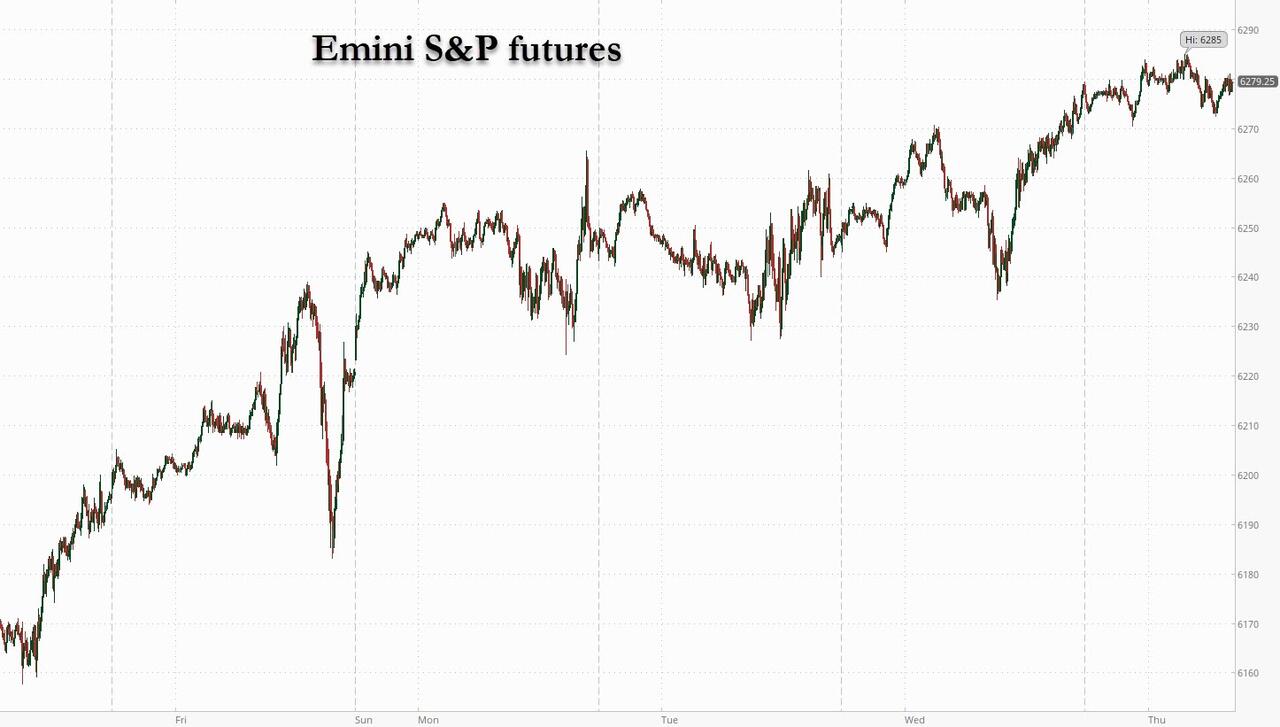

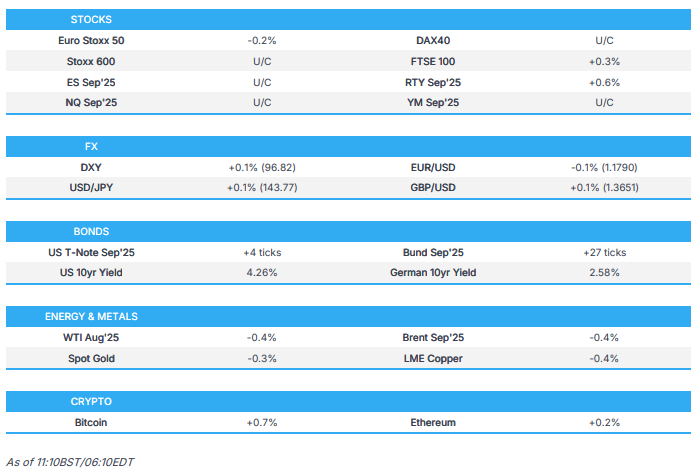
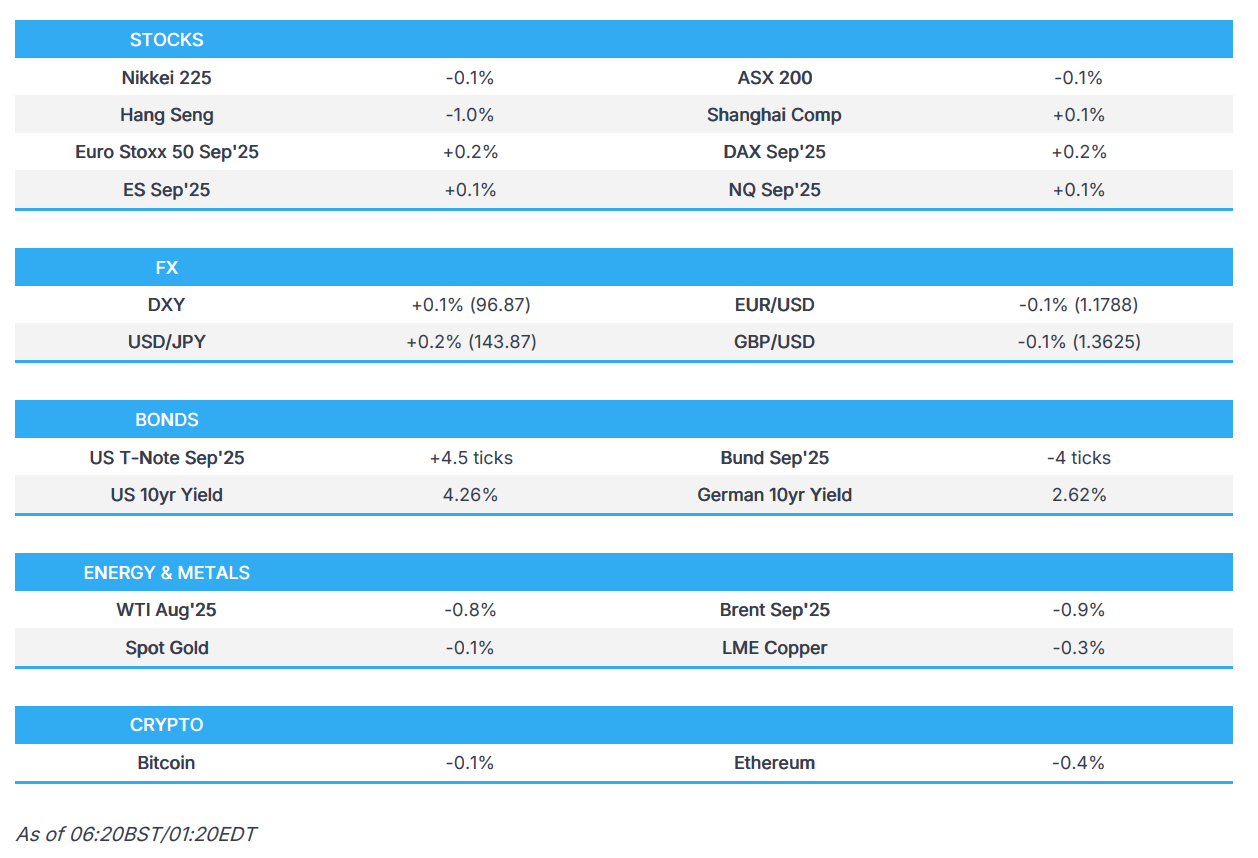












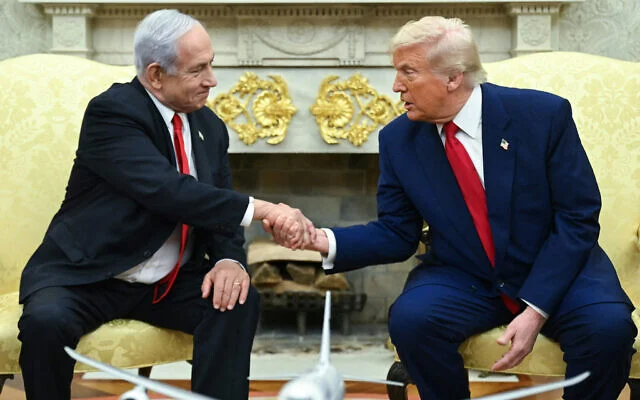











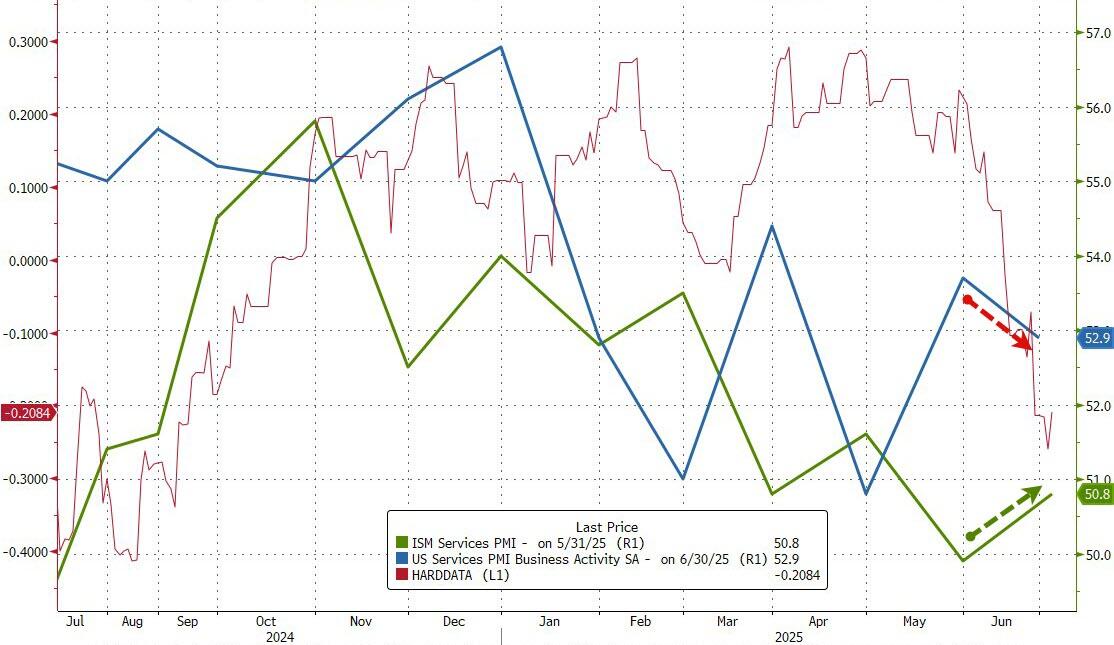
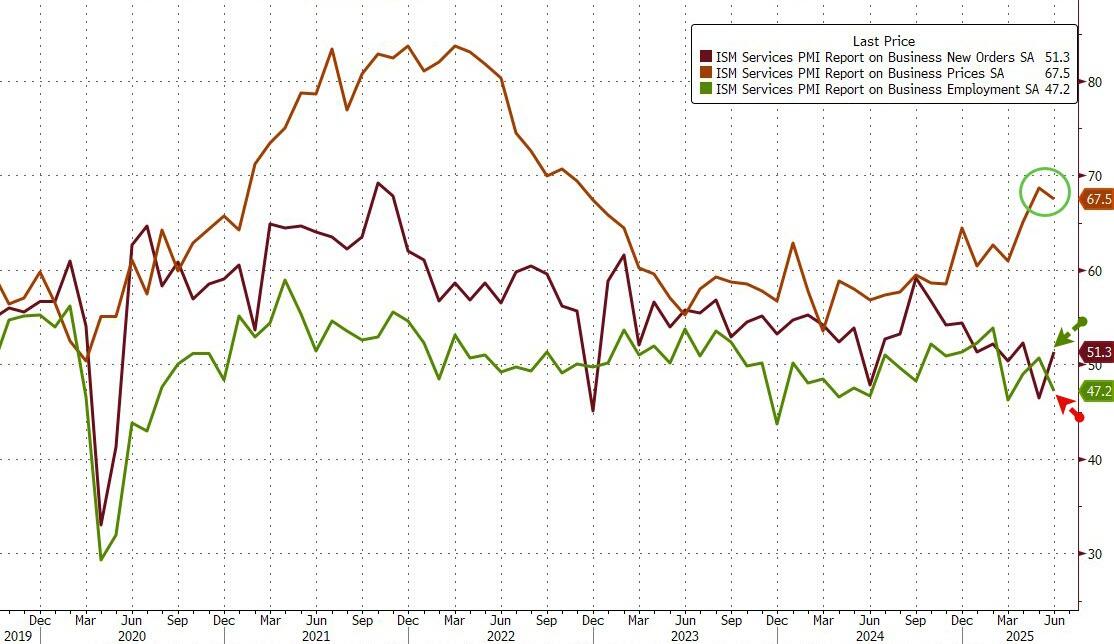
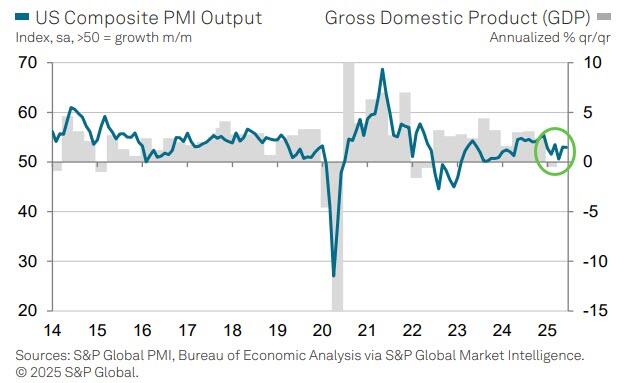



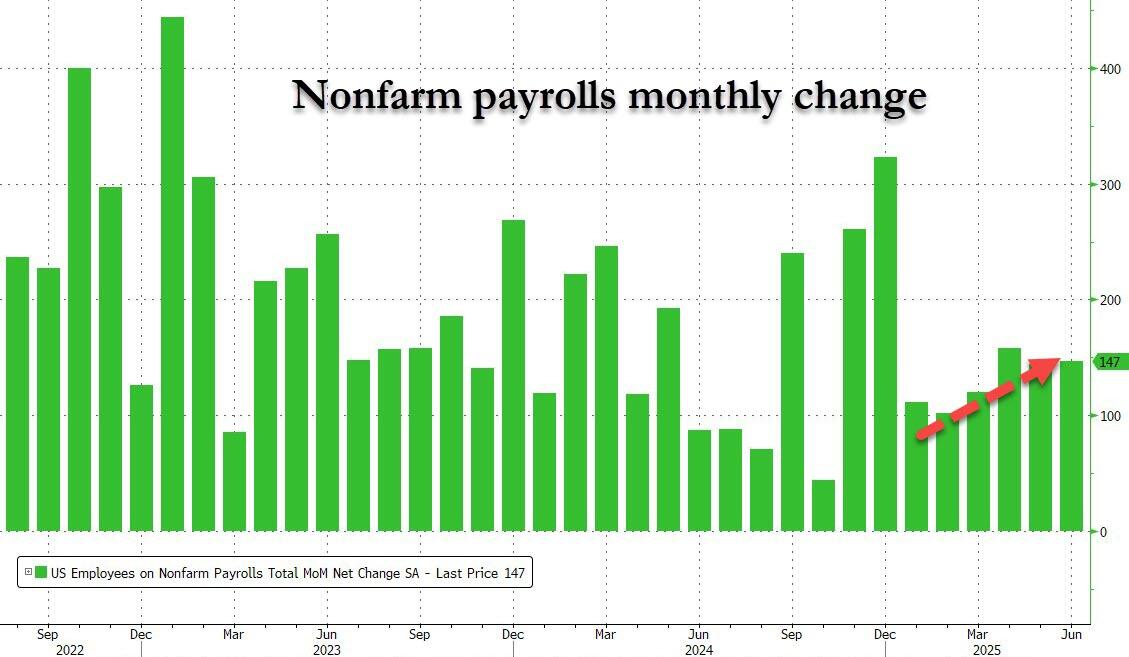
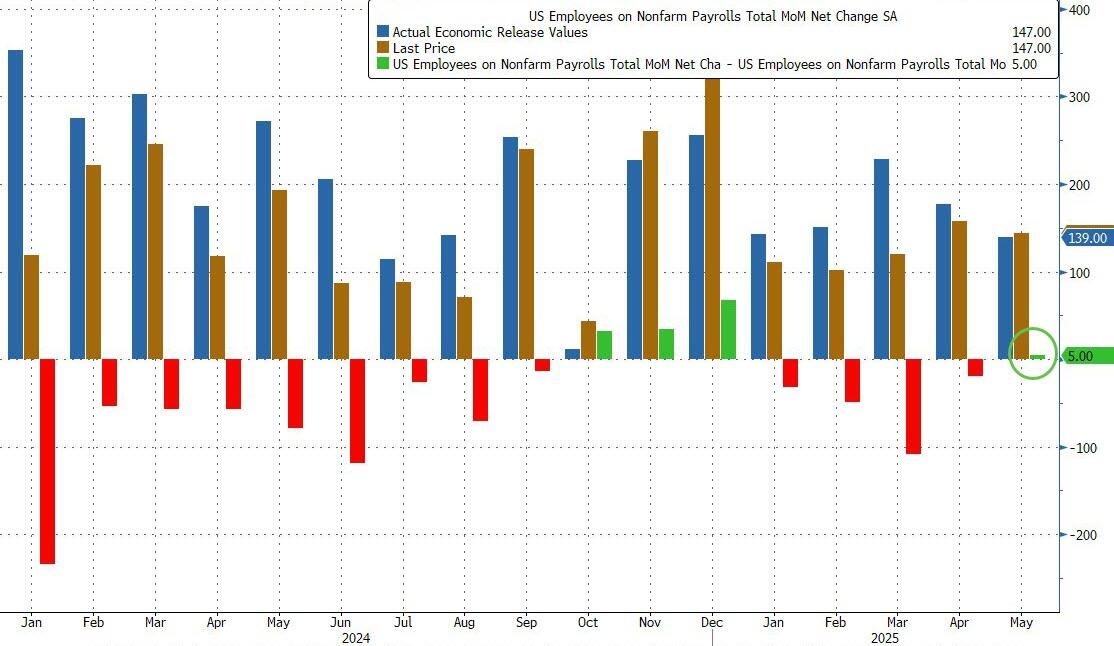
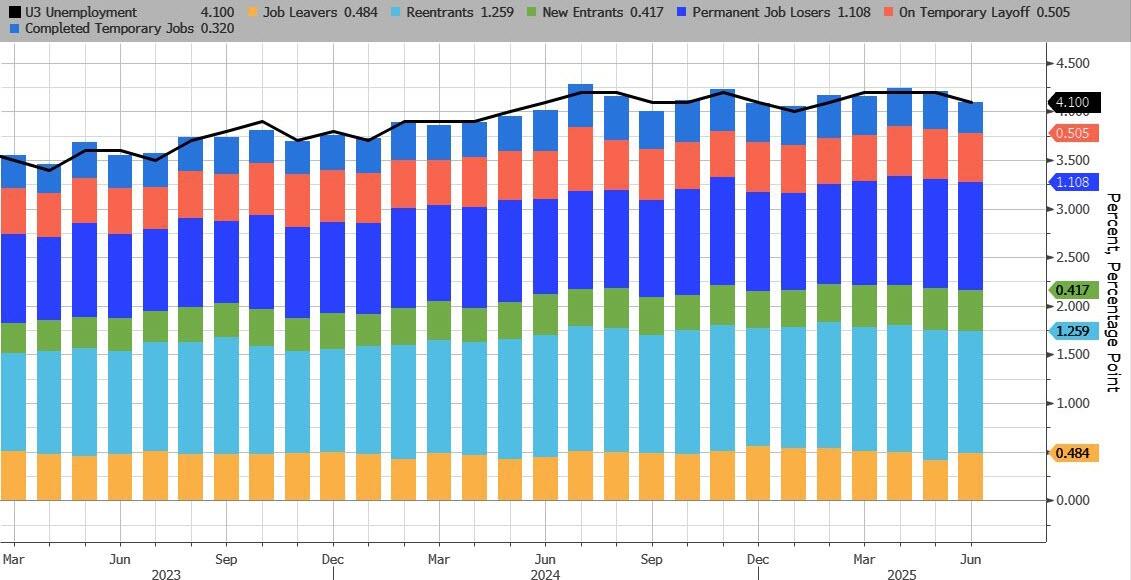
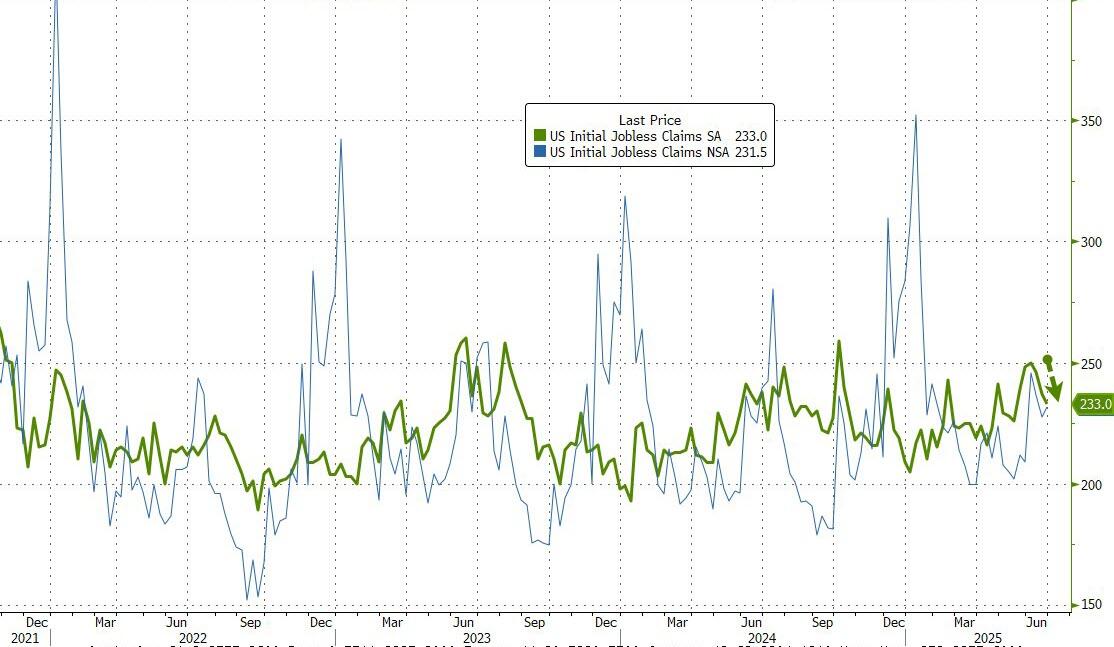
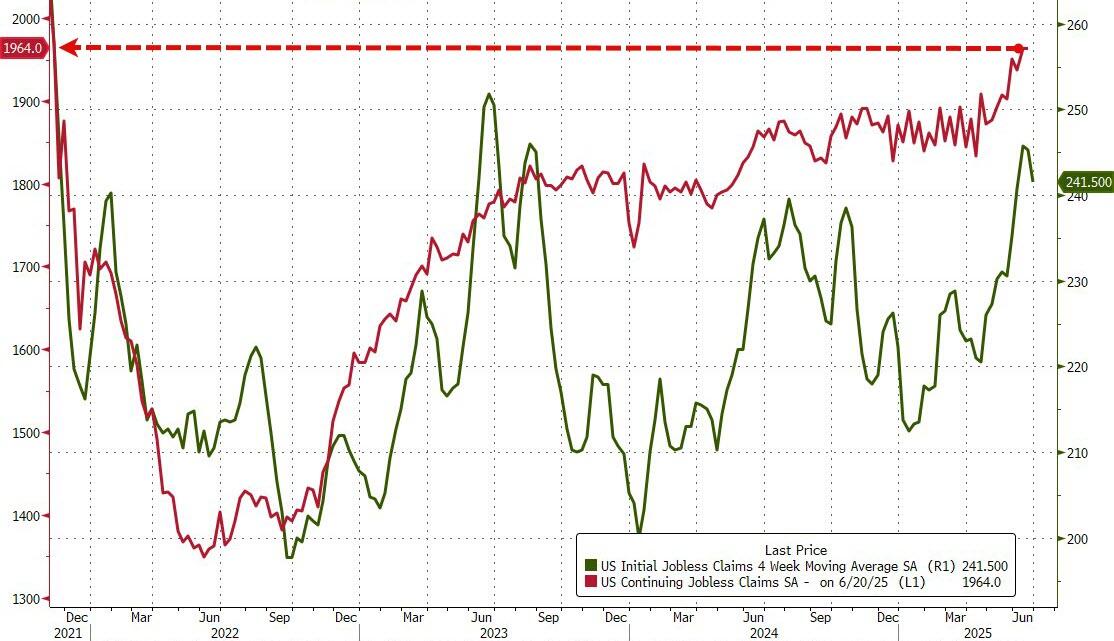
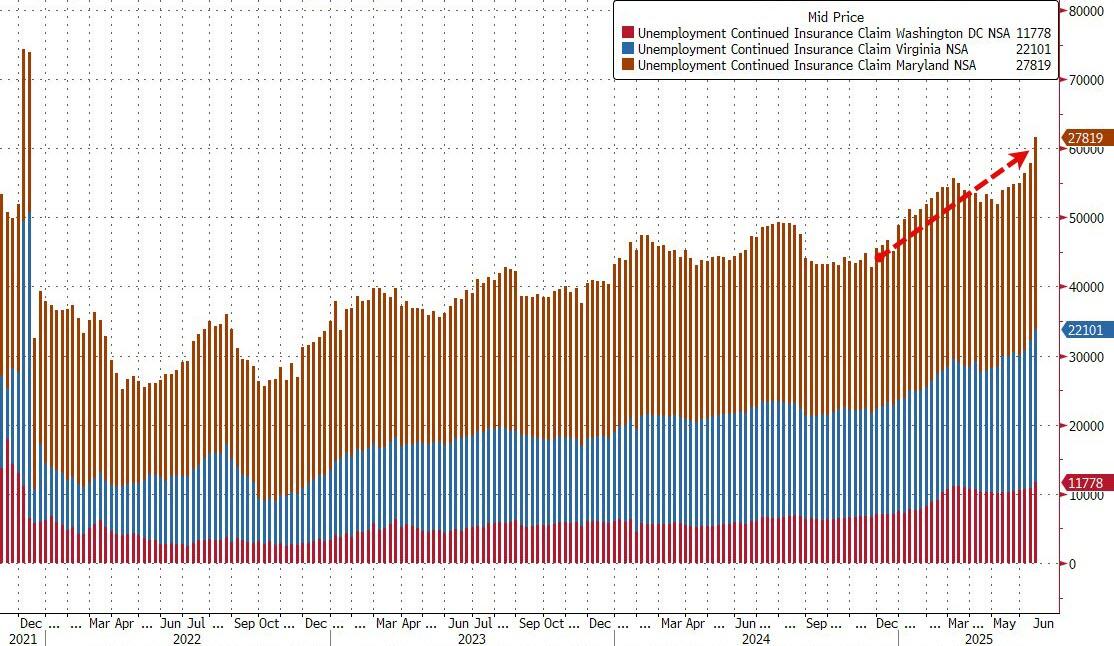









 harveyorganblog.com