AUGUST 14/SILVER T.A.S. RECORDED ITS SIXTH CONSECUTIVE HUGE ISSUANCE AND THEY GENERALLY RAID ON THE LAST DAY LIKE TODAY: GOLD CLOSED DOWN $20.80 TO $3336.90 WITH SILVER DOWN $0.52 TO $38.00//PLATINUM HOWEVER ROSE AGAIN BY $18.72 TO $1358.20 WITH PALLADIUM ALSO UP $11.95 TO $1145.90//GOLD COMMENTARY TONIGHT FROM ALASDAIR MACLEOD//COMMODITY REPORT ON OUR RARE EARTHS//CHINA’S NEW LOANS FALL BADLY INDICATING DEFLATION IS RIPPING THEM APART//MORE NEWS ON THE DECAY INSIDE THE UK//ISRAEL VS HAMAS UPDATES RE ISRAEL TBN//COVID UPDATES//EVOL NEWS/MIKE EVERY COMMENTARY ON YESTERDAY AND TODAY’S EVENTS//USA NEWS PPI RED HOT//JOBLESS CLAIMS REMAINS CONSTANT//SWAMP STORIES FOR YOU TONIGHT//
099 H DEUTSCHE BANK AG 207 118 C MACQUARIE FUTURES US 25 118 H MACQUARIE FUTURES US 2 285 C NANHUA USA-HK 70 363 H WELLS FARGO SECURITI 207 435 H SCOTIA CAPITAL (USA) 83 624 H BOFA SECURITIES 1145 10 661 C JP MORGAN SECURITIES 83 708 709 C BARCLAYS 311 732 C RBC CAP MARKETS 22 737 C ADVANTAGE FUTURES 4 905 C ADM 10 7
TOTAL: 1,447 1,447 MONTH TO DATE: 29,127
JPMORGAN stopped 708/1447
AUGUST
GOLD: NUMBER OF NOTICES FILED FOR AUGUST/2025: 1447 CONTRACTs NOTICES FOR 144,700 OZ or 4.5007 TONNES
total notices so far: 29.127 contracts for 2,912, 700 OR 90.597 tonnes)
FOR AUGUST
XXXXXXXXXXXXXXXXXX
SILVER NOTICES:0 NOTICE(S) FILED FOR nil OZ/
total number of notices filed so far this month : 1720 CONTRACTS (NOTICES) for 8.600 million oz
Click here if you wish to send a donation. I sincerely appreciate it as this site takes a lot of preparation
END
GLD/
BOTH GLD AND SLV ARE FRAUDULENT VEHICLES//THEY ARE NOW RAIDING GLD AND SLV FOR PHYSICAL
THE CROOKS ARE STEALING GOLD AND SILVER FROM THE GLD/SLV AND REPLACING THE PHYSICAL WITH PAPER DOLLARS.
WITH GOLD DOWN $20.80 INVESTORS SWITCHING TO SPROTT PHYSICAL (PHYS) INSTEAD OF THE FRAUDULENT GLD: NO CHANGES IN GOLD INVENTORY AT THE GLD:
INVENTORY RESTS AT 964.22 TONNES
SLV/
WITH NO SILVER AROUND AND SILVER DOWN $0.52 AT THE SLV: NO CHANGES IN SILVER INVENTORY AT THE SLV: //
CLOSING INVENTORY RESTS AT:
CLOSING INVENTORY: 485.462 MILLION OZ
Let us have a look at the data for today
SILVER//OUTLINE
SILVER COMEX OI ROSE BY A HUGE SIZED 812 CONTRACTS TO 157,244 AND CONTINUING ON ITS MARCH TO THE RECORD HIGH OI OF 244,710, SET FEB 25/2020, AND THIS HUGE SIZED GAIN IN COMEX OI WAS ACCOMPLISHED WITH OUR STRONG GAIN OF $0,62 IN SILVER PRICING AT THE COMEX WITH RESPECT TO WEDNESDAY’S TRADING. WE FINALLY ARE MOVING MUCH HIGHER THAN THE BASE $34.40 SILVER PRICE BARRIER. WE HAD A HUGE SIZED GAIN OF 912 TOTAL CONTRACTS ON OUR TWO EXCHANGES AS THE CME NOTIFIED US OF A SMALL 100 CONTRACT EXCHANGE FOR PHYSICAL ISSUANCE.. WE HAD CONSIDERABLE LIQUIDATION OF T.A.S. CONTRACTS IN COMEX TRADING WITH RESPECT TO WEDNESDAY’S TRADING AS THEY DESPERATELY AGAIN TRIED TO CONTAIN SILVER’S PRICE RISE FOR THE PAST SEVERAL WEEKS (WHERE RAIDS ARE CALLED UPON AGAIN AND AGAIN TRYING TO STOP THE RISE IN SILVER’S PRICE TO ABOVE $36.00 AND TO QUELL ADDITIONAL DERIVATIVE LOSSES TO OUR BANKERS’ MASSIVE TOTALS). THEY FAILED ON TUESDAY WITH SILVER’S GAIN IN PRICE. THE PRICE FINISHED MILES ABOVE THE MAGIC NUMBER OF $36.00 SILVER SPOT PRICE CLOSING AT $38.52 . WE HAVE ANOTHER MEGA MEGA HUGE T.A.S. ISSUANCE AT 5,432 CONTRACTS ISSUED AND THIS IS VERY UNUSUAL AS THIS IS THE 6TH CONSECUTIVE MAJOR +5000 CONTRACT ISSUANCE BY THE CME AND THAT STILL SIGNALS DEEP DEEP CODE RED THAT THE CROOKS ARE DESPERATE TO STOP SILVER BREAKING WELL ABOVE THE 38.00 DOLLAR MARK!!. THE NEXT LINE IN THE SAND IS THE ORIGINAL HIGH POINT OF 50.00 DOLLAR SILVER. WE HAD A SMALL 100 CONTRACT EXCHANGE FOR PHYSICAL ISSUANCE ACCOMPANIED BY OUR MEGA MEGA HUGE SIZED 5437 CONTRACT T.A.S ISSUANCE WHICH WILL BE USED IN THURSDAY’S// TRADING OR BEYOND/ AS THEY PLAY AN INTEGRAL PART IN OUR COMEX TRADING TRYING TO CONTAIN ANY SILVER PRICE RISE. IN ESSENCE WE GAINED A MEGA HUGE SIZED 909 CONTRACTS ON OUR TWO EXCHANGES WITH OUR GAIN IN PRICE OF $0.62.
EXCHANGE FOR RISK ISSUANCE FOR SILVER/MAY
THE CME NOTIFIED US THAT FOR THE FIRST TWO DAYS OF THE MONTH OF MAY, WE HAD TWO CONSECUTIVE ISSUANCE OF EXCHANGE FOR RISK CONTRACTS OF 12.93 MILLION OZ. THESE EXCHANGE FOR RISKS WERE ADDED TO OUR NORMAL DELIVERY SCHEDULE. THE RECIPIENT OF THIS LARGESS IS WITHOUT A DOUBT THE CENTRAL BANK OF INDIA. LOGICALLY ONLY A CENTRAL BANK WOULD ACCEPT THIS CRAZY CONTRACT WHEREBY THE CENTRAL BANK OF INDIA TAKES THE RISK OF DELIVERY FROM A BULLION BANK WHO CANNOT GUARANTEE DELIVERY OF PHYSICAL SILVER TO THEM.
CRAIG HEMKE HAS POINTED OUT THAT THE CROOKS USE THE MID MONTH FOR MANIPULATION AS THEY SELL THEIR BUY SIDE OF THE CALENDAR SPREAD FIRST AND THEN KEEP THE SELL SIDE TO LIQUIDATE AT A LATER DATE. THUS WE HAVE TWO VEHICLES THE CROOKS USE FOR MANIPULATION AND BOTH ARE SPREADERS: 1) AT MONTH’S END/SPREADERS COMEX AND 2/ TAS SPREADERS, MID MONTH. TOTAL TAS ISSUED ON WEDNESDAY NIGHT/THURSDAY MORNING: A MEGA MEGA HUMONGOUS SIZED 5437 CONTRACTS. DESPITE MANY COMPLAINTS THAT THE CROOKS HAVE VIOLATED POSITION LIMITS DUE TO THE FACT THAT THE TAS ISSUED HAVE A VALUE OF ZERO (AS TO POSITION LIMITS FOR OUR CROOKED BANKERS). THE PROBLEM OF COURSE IS THAT THE CROOKS DO NOT LIQUIDATE THE TAS TOGETHER BUT SELL THE BUY SIDE FIRST AND THEN LIQUIDATE THE SELL SIDE TWO MONTHS HENCE. IT IS OBVIOUS MANIPULATION TO THE HIGHEST DEGREE BUT IT NATURALLY FELL ON DEAF EARS WITH OUR REGULATORS (OCC) WHEN THEY RECEIVED OUR COMPLAINTS. IT NOW SEEMS THAT THE OCC HAS ORDERED THE BANKS TO REDUCE ITS NEW LEVEL OF 1 TRILLION DOLLARS IN GOLD/SILVER DERIVATIVES.
WE HAVE IN THE PAST YEAR SET ANOTHER RECORD LOW AT 114,102 CONTRACTS ///JULY 3.2023// OUR BANKERS WITH THE HELP OF SPECULATORS AND HIGH FREQUENCY TRADERS WERE UNSUCCESSFUL IN KNOCKING THE PRICE OF SILVER DOWN (IT ROSE BY $0.62) AND WERE UNSUCCESSFUL IN KNOCKING OFF ANY NET SILVER LONGS FROM THEIR PERCH AS WE HAD A STRONG GAIN OF 909 CONTRACTS ON OUR TWO EXCHANGES WE HAD SOME T.A.S. SPREADER LIQUIDATION AND THAT TEMPERED SILVER’S GAIN.
WE HAD A 100 CONTRACT ISSUANCE OF EXCHANGE FOR PHYSICALS) iiii) AN INITIAL SILVER STANDING FOR COMEX SILVER MEASURING AT 4.70 MILLION OZ FOLLOWED BY TODAY’S 1 CONTRACT EXCHANGE FOR PHYSICAL TRANSFER TO LONDON OR AN ADDITIONAL 5,000 OZ WILL NOT STAND FOR PHYSICAL ON THIS SIDE OF THE POND //NEW STANDING REDUCES AT 8.700 MILLION OZ.
THUS:
INITIAL STANDING FOR AUGUST: 4.70 MILLION OZ FOLLOWED BY TODAY’S 5,000 OZ EFP JTRANSFER//NEW STANDING; 8.700 MILLION OZ
WE HAD:
/ MEGA HUGE COMEX OI GAIN+// A SMALL SIZED EFP ISSUANCE 100 CONTRACTS (/ VI) A MEGA MEGA HUGE NUMBER OF T.A.S. CONTRACT ISSUANCE 5437 CONTRACTS)
I AM NOW RECORDING THE DIFFERENTIAL IN OI FROM PRELIMINARY TO FINAL: ADDED 3 CONTRACTS.
HISTORICAL ACCUMULATION OF EXCHANGE FOR PHYSICALS AUGUST. ACCUMULATION FOR EFP’S SILVER/JPMORGAN’S HOUSE OF BRIBES/STARTING FROM FIRST DAY/MONTH OF AUGUST
TOTAL CONTRACTS for 9 DAY(S), total 4769 contracts: OR 23.845 MILLION OZ (529 CONTRACTS PER DAY)
TOTAL EFP’S FOR THE MONTH SO FAR: 23.845 MILLION OZ
LAST 24 MONTHS TOTAL EFP CONTRACTS ISSUED IN MILLIONS OF OZ:
MAY 137.83 MILLION
JUNE 149.91 MILLION OZ
JULY 129.445 MILLION OZ
AUGUST: MILLION OZ 140.120
SEPT. 28.230 MILLION OZ//
OCT: 94.595 MILLION OZ
NOV: 131.925 MILLION OZ
DEC: 100.615 MILLION OZ
YEAR 2022:
JAN 2022-DEC 2022
JAN 2022// 90.460 MILLION OZ
FEB 2022: 72.39 MILLION OZ//
MARCH 2022: 207.140 MILLION OZ//A NEW RECORD FOR EFP ISSUANCE
APRIL: 114.52 MILLION OZ FINAL//LOW ISSUANCE
MAY: 105.635 MILLION OZ//
JUNE: 94.470 MILLION OZ
JULY : 87.110 MILLION OZ
AUGUST: 65.025 MILLION OZ
SEPT. 74.025 MILLION OZ///FINAL
OCT. 29.017 MILLION OZ FINAL
NOV: 134.290 MILLION OZ//FINAL
DEC, 61.395 MILLION OZ FINAL
TOTALS YR 2022: 1135.767 MILLION OZ (1.1356 BILLION OZ)
JAN 2023/// 53.070 MILLION OZ //FINAL
FEB: 2023: 100.105 MILLION OZ/FINAL//MUCH STRONGER ISSUANCE VS THE LATTER TWO MONTHS.
MARCH 2023: 112.58 MILLION OZ//FINAL//STRONG ISSUANCE
APRIL 111.035 MILLION OZ(SLIGHTLY GREATER THAN THAN LAST MONTH)
MAY 66.120 MILLION OZ/INITIAL (MUCH SMALLER THIS MONTH)
JUNE: 110.395 MILLION OZ//MUCH LARGER THAN LAST MONTH
JULY 85.745 MILLION OZ (SMALLER THAN LAST MONTH)
AUGUST: 171.43 MILLION OZ (THIS MONTH IS GOING TO BE HUGE //2ND HIGHEST ON RECORD
SEPT: 72.705 MILLION OZ (SMALLER THIS MONTH)
OCT: 97.455 MILLION OZ
NOV. 50.050 MILLION OZ
DEC. 66.140 MILLION OZ//
TOTAL 2023: 1,104.10 MILLION OZ/
JAN ’24 : 78.655 MILLION OZ//
FEB /2024 : 66.135 MILLION OZ./FINAL
MARCH: 143.750 MILLION OZ// 4TH HIGHEST ON RECORD.
APRIL: 161.770 MILLION OZ (THIS MONTH WILL BE A WHOPPER OF ISSUANCE OF EFPS//3RD HIGHEST EVER RECORDED FOR A MONTH)
MAY: 135.995 MILLION OZ //WILL BE A STRONG MONTH FOR EXCHANGE FOR PHYSICAL ISSUANCE
JUNE 110.575 MILLION OZ ( WILL BE ANOTHER STRONG MONTH ISSUANCE)
JULY: 108.870 MILLION OZ (WILL BE A STRONG ISSUANCE MONTH/ A TOUCH OVER 100 MILLION OZ/)
AUGUST; 99.740 MILLION OZ//THIS MONTH WILL BE STRONG FOR ISSUANCE BUT LESS THAN JULY.
SEPT: 112.415 MILLION OZ//WILL BE A HUGE MONTH FOR EXCHANGE FOR PHYSICAL ISSUANCE
OCT; 97.485 MILLION OZ (WILL BE SMALLER ISSUANCE THIS MONTH )
NOV. 115.970 MILLION OZ ( HUGE THIS MONTH)
DEC: 132.54 MILLION OZ (THIS MONTH WILL BE A HUMDINGER FOR ISSUANCE BUT ISSUANCE SLOWED DRAMATICALLY THESE PAST FIVE DAYS/// WILL NOT EXCEED MARCH 2022 RECORD OF 209 MILLION OZ
YEAR 2024 TOTAL: 1363.84 MILLION OR 1.363 BILLION OZ
JANUARY 2025: 67.230 MILLION OZ///(THIS MONTH’S ISSUANCE OF EXCHANGE FOR PHYSICAL WILL BE SMALL)
FEB. 58.260 MILLION OZ//EXCHANGE FOR PHYSICAL ISSUANCE/FINAL
MARCH: 67.020 MILLION OZ///QUITE SMALL AND BECOMING SMALLER EACH AND EVERY MONTH.
APRIL: 100.895 MILLION OZ///AVERAGE SIZE ISSUANCE
MAY: 28.975 MILLION OZ (ISSUANCE WILL BE QUITE SMALL THIS MONTH)
JUNE: 81.065 MILLION OZ
JULY: 50.925 MILLION OZ (QUITE SMALL)
AUGUST: 23.845 MILLION OZ
XXXXXXXXXXXXXXXXXXXXXXXXXXXX
RESULT: WE HAD A MEGA HUGE SIZED INCREASE IN COMEX OI SILVER COMEX CONTRACTS OF 812 CONTRACTS WITH OUR STRONG GAIN IN PRICE OF $0.62 IN SILVER PRICING AT THE COMEX// WEDNESDAY.,. . THE CME NOTIFIED US THAT WE HAD A SMALL 100 CONTRACT EFP ISSUANCE CONTRACTS: 100 ISSUED FOR SEPT., AND 0 CONTRACTS ISSUED FOR ALL OTHER MONTHS) WHICH EXITED OUT OF THE SILVER COMEX TO LONDON AS FORWARDS.
XXXXXXXXXXXXXXXXXXXXXXXXXXXXXXXXXXXX
LAST 5 MONTHS OF SILVER DELIVERIES:
WE FINISHED APRIL WITH A STRONG SILVER OZ STANDING OF 16.050 MILLION OZ NORMAL DELIVERY , PLUS OUR 4.00 MILLION EX FOR RISK
FINAL STANDING APRIL: 19.965 MILLION OZ
AND MAY:
NEW STANDING FOR MAY FINISHES AT: 75.615 MILLION OZ. (INCLUDES 5,000 OZ EFP TRANSFER TO LONDON + 12.93 MILLION OZ EXCHANGE FOR RISK ISSUANCE/PRIOR.//NEW TOTAL STANDING 88.540 MILLION OZ
AND JUNE: FINAL 16.995 MILLION OZ
AND JULY: 46.720 MILLION OZ//
AUGUST: 4.70 MILLION OZ INITIAL STANDING PLUS TODAY;S 55,000 OZ QUEUE JUMP//NEW STANDING REMAINS AT 8.700 MILLION OZ
THE NEW TAS ISSUANCE WEDNESDAY NIGHT (5,437) WILL BE PUT INTO “THE BANK” TO BE COLLUSIVELY USED AT A LATER DATE AND FOR SURE IN THURSDAY TRADING.
WE HAD 0 NOTICE(S) FILED TODAY FOR nil OZ
THE SILVER COMEX IS NOW BEING ATTACKED FOR METAL BY LONDONERS ET AL. IT IS NOW TIME FOR THE FBI TO ENTER THE COMEX AND ARREST THESE CROOKS EVEN THOUGH THE MAJORITY OF THE TRADING IS GOVERNMENT. THE BANKERS ARE COMPLICIT. THE SILVER COMEX IS NOW ON COMPLETE SIEGE LOOKING FOR PHYSICAL SILVER!!
GOLD//OUTLINE
IN GOLD, THE COMEX OPEN INTEREST FELL BY A FAIR SIZED 1477 OI CONTRACTS TO 444,675 AND FURTHER FROM THE RECORD (SET JAN 24/2020) AT 799,105 AND PREVIOUS TO THAT: (SET JAN 6/2020) AT 797,110. (ALL TIME LOW OF 390,000 CONTRACTS.) THUS WE HAVE STILL A LOW OI IN COMEX WITH AN EXTREMELY HIGH PRICE OF GOLD. THE SHORT RATS ARE ABANDONING THE SHIP.
THE DIFFERENTIAL FROM PRELIMINARY OI TO FINAL OI IN GOLD TODAY: REMOVED A LARGE 594CONTRACTS //.
WE HAD A DECREASE IN COMEX OI (1477 CONTRACTS) . THIS OCCURRED DESPITE OUR GAIN OF $9.65 IN PRICE// WEDNESDAY///.
LAST FOUR MONTHS OF GOLD DELIVERIES:
MAY: SUMMARY FOR MAY TONNES WHICH STOOD FOR DELIVERY:
FINAL STANDING FOR MAY: 70.174 TONNES OF GOLD TO WHICH WE ADD 1. MONDAY’S (MAY 19) 6.221 TONNES EXCHANGE FOR RISK , 2. THEN WE ADD: 1.35 TONNES TO LAST WEEK”S. THEN WE ADD 3. 1.55 TONNES TO EQUAL 9.591 TONNES// NEW EXCHANGE FOR RISK = 9.591 TONNES WHICH MUST BE ADDED TO OUR NORMAL DELIVERY SCHEDULE OF 80.644 TONNES. THUS STANDING FOR MAY INCREASES TO 90.235 TONNES OF GOLD
JUNE CONTRACT MONTH: 93.085 TONNES OF GOLD (WHICH INCLUDES ALL QUEUE JUMPING AND 0 EX FOR RISK)
JULY INITIIAL STANDING FIRST DAY NOTICE: 17.847 TONNES. PLUS TODAY’S 0 TONNES QUEUE JUMP + 1.555 TONNES EX FOR RISK + 2.195 TONNES EX FOR RISK TODAY = 41.106 TONNES STANDING
AUGUST: 60.547 TONNES OF INITIAL GOLD FIRST DAY NOTICE FOLLOWED BY TODAY’S HUGE QUEUE JUMP OF 2.463 TONNES TO WHICH WE ADD THE FOLLOWING EXCHANGE FOR RISK ISSUANCE PRIOR: 5.4432 TONNES EX FOR RISK/AUG 7 AND AUG 11: 2.413 TONNES EX FOR RISK AND NOW AUG. 12 OF 2.637 TONNES EX FOR RISK //NEW STANDING ADVANCES TO 94.722 TONNES OF GOLD +10.4932 TONNES EX.FOR RISK = 105.215 TONNES
E.F.P. ISSUANCE
THE CME RELEASED THE DATA FOR EFP ISSUANCE AND IT TOTALED A FAIR SIZED 1906 CONTRACTS:
The NEW COMEX OI FOR THE GOLD COMPLEX RESTS AT 444,675 /STILL EXTREMELY LOW AND WE NOW WITNESS A LOW COMEX OI WITH AN EXTREMELY HIGH PRICE OF GOLD
SILVER ALSO HAS A LOW COMEX OI OF 157,244 CONTRACTS
IN ESSENCE WE HAVE A SMALL SIZED INCREASE IN TOTAL CONTRACTS ON THE TWO EXCHANGES OF 429 CONTRACTS WITH 1477 CONTRACTS DECREASED AT THE COMEX// AND A FAIR SIZED 1906 EXCHANGE FOR PHYSICAL OI CONTRACT ISSUANCE WHICH NAVIGATED OVER TO LONDON. THUS TOTAL OI GAIN ON THE TWO EXCHANGES OF 429 CONTRACTS.. WE HAD THE FOLLOWING TAS CONTRACTS INITIATED (ISSUED): A FAIR SIZED AND CRIMINAL 1306 CONTRACTS AND THESE ISSUANCES ARE USED TO INITIATE A RAID WHEN CALLED UPON. GOLD PRICE ON WEDNESDAY ROSE BY $9.65
CALCULATIONS ON GAIN/LOSS ON OUR TWO EXCHANGES
WE HAD A FAIR SIZED ISSUANCE IN EXCHANGE FOR PHYSICALS CONTRACT(1906) ACCOMPANYING THE FAIR SIZED DECREASE IN COMEX OI OF 1477 CONTRACTS/TOTAL GAIN FOR OUR THE TWO EXCHANGES: 1023 CONTRACTS..WE HAVE 1) NOW RETURNED TO OUR FORMER FORMAT OF BANKERS GOING LONG AND SPECULATORS GOING SHORT ,2.) STRONG INITIAL STANDING FOR GOLD FOR AUGUST AT 60.547 TONNES FOLLOWED BY TODAY’S 2.463 TONNES QUEUE JUMP + OUR INITIAL 5.4432 TONNES EX FOR RISK AUGUST 7 AND SATURDAY’;S 2.413 TONNES EX FOR RISK ISSUANCE + WEDNESDAY’S AUGUST 12 2.637 TONNES//NEW STANDING ADVANCES TO 105.215 TONNES
NEW STANDING FOR GOLD, AUGUST CONTRACT AT 105.215 TONNES OF GOLD
.
/ 3) NO T.A.S. LIQUIDATION AS WE HAD 1)A $9.65 COMEX PRICE GAIN. WE HAD 2) NO NET LONG SPECS BEING CLIPPED AS WE HAD A SMALL GAIN OF 429 CONTRACTS ON OUR TWO EXCHANGES WE HAD NO LIQUIDATION OF OUR TAS SPREADERS/ /./ ALSO, 3)STICKY GOLD’S LONGS WERE REWARDED WEDNESDAY EVENING AS THEY EXERCISED EFP’S FROM LONDON TO TAKE DELIVERY OF BADLY NEEDED PHYSICAL AND YOU CAN VISUALIZE THIS BY THE HUGE AMOUNTS OF QUEUE JUMPING WE HAVE BEEN HAVING LATELY ESPECIALLY TODAY’S HUGE JUMP OF 2.463 TONNES !!
4) SMALL SIZED COMEX OI LOSS// 5) FAIR SIZED ISSUANCE OF EXCHANGE FOR PHYSICAL PAPER (1906 CONTRACTS)/// FAIR T.A.S. ISSUANCE: 1036 T.A.S.CONTRACTS/
ACCUMULATION OF EFP’S GOLD AT J.P. MORGAN’S HOUSE OF BRIBES: (EXCHANGE FOR PHYSICAL) FOR THE MONTH OF AUGUST :
TOTAL EFP CONTRACTS ISSUED: 30,145 CONTRACTS OR 3,014,500 OZ OR 93.763 TONNES IN 9 TRADING DAY(S) AND THUS AVERAGING: 3349 EFP CONTRACTS PER TRADING DAY
TO GIVE YOU AN IDEA AS TO THE SIZE OF THESE EFP TRANSFERS : THIS MONTH IN9 TRADING DAY(S) IN TONNES 93.763 TONNES
TOTAL ANNUAL GOLD PRODUCTION, 2024, THROUGHOUT THE WORLD EX CHINA EX RUSSIA: 3555 TONNES
THUS EFP TRANSFERS REPRESENTS 93.763 TONNES DIVIDED BY 3550 x 100% TONNES = 2.63% OF GLOBAL ANNUAL PRODUCTION
SEPT 142.12 TONNES FINAL ISSUANCE ( LOW ISSUANCE)_
OCT: 141.13 TONNES FINAL ISSUANCE (LOW ISSUANCE)
NOV: 312.46 TONNES FINAL ISSUANCE//NEW RECORD!! (INCREASING DRAMATICALLY)//SIGN OF REAL STRESS//SURPASSING THE MARCH 2021 RECORD OF 276.50 TONNES OF EFP
DEC. 175.62 TONNES//FINAL ISSUANCE//
TOTALS: 2,578.08 TONNES/2021
JAN:2022 247.25 TONNES //FINAL
FEB: 196.04 TONNES//FINAL
MARCH/2022: 409.30 TONNES //FINAL( THIS IS NOW A RECORD EFP ISSUANCE FOR MARCH AND FOR ANY MONTH.
APRIL: 169.55 TONNES (FINAL VERY LOW ISSUANCE MONTH)
MAY: 247.44 TONNES FINAL//
UNE: 238.13 TONNES FINAL
JULY: 378.43 TONNES FINAL/SECOND HIGHEST ON RECORD
AUGUST: 180.81 TONNES FINAL
SEPT. 193.16 TONNES FINAL
OCT: 177.57 TONNES FINAL ( MUCH SMALLER THAN LAST MONTH)
NOV. 223.98 TONNES//FINAL ( MUCH LARGER THAN PREVIOUS MONTHS//comex running out of physical)
DEC: 185.59 tonnes // FINAL
TOTAL: 2,847,25 TONNES/2022
JAN 2023: 228.49 TONNES FINAL//HUGE AMOUNT OF EFP’S ISSUED THIS MONTH!!
FEB: 151.61 TONNES/FINAL
MARCH: 280.09 TONNES/INITIAL (ANOTHER STRONG MONTH FOR EFP ISSUANCE)
APRIL: 197.42 TONNES
MAY: 236.67 TONNES (A VERY STRONG ISSUANCE FOR THIS MONTH)
JUNE: 172.667 TONNES (WEAKER ISSUANCE THIS MONTH)
JULY: 151.69 TONNES (WEAKER THAN LAST MONTH)
AUGUST: 195.28 TONNES (A STRONGER MONTH)//FINAL
SEPT: 254.709 TONNES (WILL BE LARGER THAN LAST MONTH AND A STRONG MONTH)
OCT. 248.09 TONNES. LIKE SILVER, THIS MONTH IS GOING TO BE A STRONG E.F.P. ISSUANCE.
NOV. 239.16 TONNES//WILL BE STRONG THIS MONTH,
DEC. 213.704 TONNES. A STRONG MONTH//
TOTAL FOR YEAR 2023: 2,569.57 TONNES VS 2578 TONNES LAST YEAR
2024 AND 2025:
JAN. 2025: 257.919 TONNES (ISSUANCE WILL BE PRETTY GOOD THIS MONTH BUT MUCH LOWER THAN LAST MONTH)
FEB: 207.21 TONNES//EX FOR PHYSICAL ISSUANCE (WILL BE A FAIR SIZED ISSUANCE THIS MONTH)
MARCH 130.84 TONNES//QUITE SMALL THIS MONTH.
APRIL; 208.57 TONNES. STILL A SMALL TO FAIR
MAY: 113.499 TONNES OF GOLD EFP ISSUANCE//QUITE SMALL THIS MONTH
JUNE: 97.79 TONNES OF GOLD EFP ISSUANCE/EXTREMELY SMALL
JULY : 150.877 TONNES// QUITE SMALL
AUGUST: 93.763 TONNES QUITE SMALL
SPREADING OPERATIONS
NOW SWITCHING TO GOLD FOR NEWCOMERS, HERE ARE THE DETAILS
SPREADING LIQUIDATION HAS NOW COMMENCED AS WE HEAD TOWARDS THE NEW ACTIVE FRONT MONTH OF APRIL. WE ARE NOW INTO THE SPREADING OPERATION OF GOLD
HERE IS A BRIEF SYNOPSIS OF HOW THE CROOKS FLEECE UNSUSPECTING LONGS IN THE SPREADING ENDEAVOUR ;MODUS OPERANDI OF THE CORRUPT BANKERS AS TO HOW THEY HANDLE THEIR SPREAD OPEN INTERESTS:HERE IS HOW THE CROOKS USED SPREADING AS WE ARE NOW INTO THE NON ACTIVE DELIVERY MONTH OF NOV HEADING TOWARDS THE ACTIVE DELIVERY MONTH OF FEB., FOR GOLD: AND MARCH FOR SILVER
YOU WILL ALSO NOTICE THAT THE COMEX OPEN INTEREST STARTS TO RISE BUT SO IS THE OPEN INTEREST OF SPREADERS. THE OPEN INTEREST IN WILL CONTINUE TO RISE UNTIL ONE WEEK BEFORE FIRST DAY NOTICE OF AN UPCOMING ACTIVE DELIVERY MONTH (OCT), AND THAT IS WHEN THE CROOKS SELL THEIR SPREAD POSITIONS BUT NOT AT THE SAME TIME OF THE DAY. THEY WILL USE THE SELL SIDE OF THE EQUATION TO CREATE THE CASCADE (ALONG WITH THEIR COLLUSIVE FRIENDS) AND THEN COVER ON THE BUY SIDE OF THE SPREAD SITUATION AT THE END OF THE DAY. THEY DO THIS TO AVOID POSITION LIMIT DETECTION. THE LIQUIDATION OF THE SPREADING FORMATION CONTINUES FOR EXACTLY ONE WEEK AND ENDS ON FIRST DAY NOTICE.”
WHAT IS ALARMING TO ME, ACCORDING TO OUR LONDON EXPERT ANDREW MAGUIRE IS THAT THESE EFP’S ARE BEING TRANSFERRED TO WHAT ARE CALLED SERIAL FORWARD CONTRACT OBLIGATIONS AND THESE CONTRACTS ARE LESS THAN 14 DAYS. ANYTHING GREATER THAN 14 DAYS, THESE MUST BE RECORDED AND SENT TO THE COMPTROLLER, GREAT BRITAIN TO MONITOR RISK TO THE BANKING SYSTEM. IF THIS IS INDEED TRUE, THEN THIS IS A MASSIVE CONSPIRACY TO DEFRAUD AS WE NOW WITNESS A MONSTROUS TOTAL EFP’S ISSUANCE AS IT HEADS INTO THE STRATOSPHERE.
The crooks also use the spread in the TAS account (trade at settlement). They buy the spot TAS (e.g. June) and sell the future TAS two months out (e.g. August). Then they unload the front month (i.e. unload the buy side first so the price of gold/silver falls. This occurs in the middle of the front delivery month cycle. They unload the sell side of the equation, two months down the road. The crooks violate position limits as the OCC refuse to hear our complaints.
First, here is an outline of what will be discussed tonight:
1.TODAY WE HAD THE OPEN INTEREST AT THE COMEX IN SILVER ROSE BY A HUGE SIZED 812 CONTRACTS OI TO 157,244 AND CLOSER TO TO THE COMEX HIGH RECORD //244,710( SET FEB 25/2020). THE LAST RECORDS WERE SET IN AUG.2018 AT 244,196 WITH A SILVER PRICE OF $14.78/(AUGUST 22/2018)..THE PREVIOUS RECORD TO THAT WAS SET ON APRIL 9/2018 AT 243,411 OPEN INTEREST CONTRACTS WITH THE SILVER PRICE AT THAT DAY: $16.53). AND PREVIOUS TO THAT, THE RECORD WAS ESTABLISHED AT: 234,787 CONTRACTS, SET ON APRIL 21.2017 OVER 7 YEARS AGO. HOWEVER WE HAVE NOW SET A NEW RECORD LOW OF 114,102 CONTRACTS JULY 3.2023
EFP ISSUANCE 100 CONTRACTS
OUR CUSTOMARY MIGRATION OF COMEX LONGS CONTINUE TO MORPH INTO LONDON FORWARDS AS OUR BANKERS USED THEIR EMERGENCY PROCEDURE TO ISSUE:
SEPT 100 CONTRACTS and 0 ALL OTHER MONTHS: ZERO. TOTAL EFP ISSUANCE: 370 CONTRACTS. EFP’S GIVE OUR COMEX LONGS A FIAT BONUS PLUS A DELIVERABLE PRODUCT OVER IN LONDON. IF WE TAKE THE COMEX OI GAIN OF 809 CONTRACTS AND ADD TO THE 100 E.FP. ISSUED
WE OBTAIN A HUGE SIZED GAIN OF 912 OF OPEN INTEREST CONTRACTS FROM OUR TWO EXCHANGES WITH OUR GAIN IN PRICE OF $0.62 THE RATS ARE FLEEING THE ARENA.
THUS IN OUNCES, THE GAIN ON THE TWO EXCHANGES TOTALS 4.560 MILLION PAPER OZ
c) Commentaries from: Egon von Greyerz///Matthew Piepenburg via GoldSwitzerland.com, Pam and Russ Martens
ii a) Chris Powell of GATA provides to us very important physical commentaries
b. Other gold/silver commentaries
c. Commodity commentaries//
d)/CRYPTOCURRENCIES/BITCOIN ETC
2.ASIAN AFFAIRS
ASIAN MARKETS THIS THURSDAY MORNING:
SHANGHAI CLOSED DOWN 17.02 PTS OR 0.46%
//Hang Seng CLOSED DOWN 94.35 PTS OR 0.37%
// Nikkei CLOSED DOWN 625.41 PTS OR 1.56% //Australia’s all ordinaries CLOSED UP 0.51%
//Chinese yuan (ONSHORE) CLOSED UP AT 7.1737 OFFSHORE CLOSED UP AT 7.1753/ Oil UP TO 62.98 dollars per barrel for WTI and BRENT UP TO 65.86 Stocks in Europe OPENED ALL GREEN
ONSHORE USA/ YUAN TRADING ABOVE LEVEL OF OFFSHORE YUAN TRADING :/ONSHORE YUAN UP IN TRADING AT 7.1737 AND STRONGER//OFF SHORE YUAN TRADING UP TO 7.1753 AGAINST US DOLLAR/ AND THUS STRONGER
1. COMEX DATA//AMOUNTS STANDING//VOLUME OF TRADING/INVENTORY MOVEMENTS
GOLD
LET US BEGIN:
THE TOTAL COMEX GOLD OPEN INTEREST FELL BY A FAIR SIZED 1477 CONTRACTS TO 444,675 OI DESPITE OUR GAIN IN PRICE OF $9.65 WITH RESPECT TO WEDNESDAY’S // TRADING.. WE LOST NO NET LONGS, WITH THAT PRICE GAIN FOR GOLD. AND AS YOU WILL SEE BELOW, OUR GAIN IN PRICE ALSO HAD A FAIR NUMBER OF EXCHANGE FOR PHYSICAL ISSUED (1906 ). WE HAD LITTLE T.A.S. LIQUIDATION //WEDNESDAY TRADING AS WE HAD A TOTAL GAIN IN OI ON BOTH OF OUR EXCHANGES, THE COMEX AND LONDON’S EXCHANGE FOR PHYSICAL EQUATING TO 429 CONTRACTS (OR 1.334 TONNES). WE HAD 0 CONTRACTS ISSUED FOR EXCHANGE FOR RISK WEDNESDAY.
SUMMARY: EXCHANGE FOR RISK ISSUANCE IN JULY:
ON WEDNESDAY MORNING,JULY 23, MUCH TO MY SHOCK, AFTER A TWO MONTH HIATUS,THE CME ANNOUNCED A 500 EXCHANGE FOR RISK CONTRACT ISSUANCE FOR 50,000 OZ OR 1.555 TONNES. THEN JULY 30 THE CME ANNOUNCED (ISSUED) MUCH TO MY HORROR ITS SECOND EXCHANGE FOR RISK FOR 706 CONTRACTS OR 70,600 OZ (2.195 TONNES) AS THE BANK OF ENGLAND WAS NOT SATISFIED AND NEEDS MORE GOLD TO COVER ITS LEASES TO BULLION BANKS. ( IT WAS NOT THE FRBNY WHO ALSO OWES GOLD TO THE BIS AND THEY NEED TO COVER BADLYAS YOU WILL SEE).THE TOTAL EXCHANGE FOR RISK FOR THE MONTH OF JULY WAS RECORDED AT 3.750 TONNES OF GOLD WHICH WAS ADDED TO OUR REGULAR DELIVERY TO GIVE US OUR FINAL TOTALS FOR JULY!
AS MENTIONED ABOVE: TONIGHT WE HAD 0 CONTRACTS ISSUED FOR EXCHANGE FOR RISK FOR AUGUST:
SUMMARY EXCHANGE FOR RISK ISSUANCE IN AUGUST;
EARLY THURSDAY MORNING, AUGUST 7 THE CME ANNOUNCED MUCH TO MY HORROR ITS FIRST EXCHANGE FOR RISK ISSUANCE FOR AUGUST OF A MONSTER 1750 CONTRACTS FOR 175,000 OZ OR (5.4432 TONNES OF GOLD, THIRD HIGHEST ON RECORD!!. WITH ALL THE CHAOS AT THE COMEX IT WAS NO SURPRISE THAT THEY ISSUED THEIR SECOND EXCHANGE FOR RISK, AUG 10 TOTALLING 776 CONTRACTS OR 77,600 OZ (2.418 TONNES).MUCH TO MY ANGER TONIGHT, THE CME ANNOUNCED ITS 3RD EXCHANGE FOR RISK OF 848 CONTRACTS TOTALLING 84,800 OZ OR 2.637 TONNES.
THUS THE TOTAL FOR AUGUST IS 3374 CONTRACTS OR 337,400OZ OR 10.4932 TONNES WHICH WILL BE ADDED TO OUR NORMAL DELIVERY TOTALS. THE RECEPIENT OF THIS LARGESS IS PROBABLY NOW THE BANK OF ENGLAND AS WE HAVE JUST LEARNED THAT THE FRBNY HAS RETURNED ONLY 14,000 OZ AS THEIR LOANS TO THE BIS REMAIN AT 34+ TONNES.(JULY 31 FIGURES) IT SEEMS NOW THAT THE BANK OF ENGLAND IS IN QUITE A HURRY TO GET ITS GOLD BACK!! (AND PROBABLE OWNER OF THOSE EXCHANGE FOR RISK CONTRACTS)
HISTORY: LAST SEVEN MONTH’S EXCHANGE FOR RISK
IN FEBRUARY:
WE HAD A HUGE FIVE EXCHANGE FOR RISKS ISSUANCES FOR GOLD, TOTALLING 18.4527 TONNES!.
IN MARCH:
THE TOTAL NO. OF EXCHANGE FOR RISK ISSUANCE FOR THE MONTH OF MARCH (3 NOTICES) EQUALED: 7.6179 TONNES OF GOLD WHICH WAS ADDED TO OUR MARCH DELIVERY TOTALS.
IN APRIL:
WE CONCLUDED APRIL WITH 7 ISSUANCE OF EXCHANGE FOR RISK FOR A TOTAL TONNAGE OF 8.3571 TONNES.
IN MAY:
MAY: 3 EX. FOR RISK ISSUED SO FAR FOR 3025 CONTRACTS OR 302,500 OZ OR 9.4054 TONNES. THIS WILL BE ADDED TO OUR NORMAL DELIVERY TO GIVE US TOTAL STANDING FOR MAY!THIS IS THE 6TH CONSECUTIVE MONTH FOR ISSUANCE OF EXCHANGE FOR RISK//NEW TOTAL EX FOR RISK IS 9.591 TONNES FOR THE 3 ISSUANCE!
IN JUNE
JUNE: ZERO ISSUED
jULY: 2 OCCASIONS LATE IN JULY: 1206 CONTRACTS FOR 120,600 OZ OR 3.750 TONNES/ISSUED JULY 23/2025 AND JULY 30/2025
AUGUST: 3 ISSUANCES FOR A MONSTER 3374 CONTRACTS OR 337,400 OZ ( 10.4932 TONNES)
AS I EXPLAINED ABOVE,:THE RECPIENT OF EXCHANGE FOR RISK COULD BE EITHER:
THE BANK OF ENGLAND WHO CONTINUES TO LEASE OUT ITS GOLD TO BULLION BANKS
THE FEDERAL RESERVE BANK OF NEW YORK (NEED TO RETRIEVE THEIR LEASED GOLD FROM THE BIS)
THE COUNTERPARTY TO EITHER THE BANK OF ENGLAND’S OR THE FRBNY ARE BULLION BANKS THAT CANNOT VERIFY THAT THEIR GOLD IS UNENCUMBERED. THE BUYER, REPRESENTING THE CENTRAL BANK OF ENGLAND OR THE FRBNY, ASSUMES THE RISK OF THAT DELIVERY. THIS IS THE 7TH MONTH FOR ISSUANCE OF EXCHANGE FOR RISK !!.(DEC THROUGH AUGUST.)……… THE FACT THAT A CENTRAL BANK TAKES THE RISK OF A DELIVERY IS TOTALLY INSANE.
DETAILS ON AUGUST COMEX MONTH//INITIAL
IN TOTAL WE HAD A FAIR SIZED GAIN ON OUR TWO EXCHANGES OF 429 CONTRACTS DESPITE OUR GAIN IN PRICE. HOWEVER, OUR FRIENDLY PHYSICAL LONDON BOYS HAD ANOTHER FIELD DAY AGAIN THROUGHOUT OF THE WEEK AS THEY WERE READY FOR THE FRBNY.S CONTINUED ORCHESTRATED ATTACKS VERY EARLY IN THE COMEX SESSIONS AS THEY TRIED TO ABSORB EVERYTHING IN SIGHT FROM THEIR DAILY ATTACKS. LONDONERS EXERCISED THEIR BOUGHT CONTRACTS FOR PHYSICAL GOLD VIA THE EXCHANGE FOR PHYSICAL ROUTE AND THANKED THE FRBNY FOR THE THOUGHTFULNESS. LONDON ANNOUNCED EARLY IN THE YEAR (AND SCARCITY CONTINUES TO THIS DAY) THAT THEY WERE OUT OF GOLD. WRONGLY IT WAS ATTRIBUTED TO THEIR SHIPPING PHYSICAL GOLD TO COMEX FOR STORAGE DUE TO TRUMP’S INITIATION OF TARIFFS. THE TRUTH OF THE MATTER IS THAT THIS GOLD LEFT LONDON TO CENTRAL BANKS, AND COMEX BANKS HAVE BEEN PAPERING THEIR LOSSES (DERIVATIVE) WITH KILOBAR ENTRIES. DELIVERY OF GOLD CONTRACTS ARE NOW TAKING SEVERAL WEEKS. NO DEFAULT HAS BEEN INITIATED AS DEALERS ARE AFRAID OF LOSS OF THEIR JOBS. SO THIS FRAUD CONTINUES. THE LEASE RATES IN LONDON HAVE NOW INCREASED TO 5.0% LATELY AS GOLD IN LONDON IS STILL EXTREMELY SCARCE.
THE LIQUIDATION OF T.A.S. CONTRACTS THROUGHOUT THE MONTHS OF JUNE , JULY AND NOW AUGUST CONTINUES TO DISTORT OPEN INTEREST NUMBERS GREATLY ALTHOUGH THE T.A.S. ISSUANCES IN GOLD HAVE GENERALLY BEEN ON THE LOW SIDE COMPARED TO SILVER WHICH HAVE BEEN HUGE. TODAY’S NUMBER IS HOWEVER A FAIR T.A.S ISSUANCE AS THE CME NOTIFIES US THAT THEY HAVE ISSUED A 1,906 T.A.S CONTRACTS. THESE T.A.S ISSUANCES ARE USED FOR RAID PURPOSES TO STOP GOLD’S RISE AND TO TEMPER HUGE LOSSES IN OTC DERIVATIVE BETS AND IT WAS IN FULL FORCE WITH LAST WEEK’S RAID DURING COMEX OPTION EXPIRY WEEK. THE TAS SPREADER LIQUIDATIONS COMBINE AT MONTH END WITH OUR MONTHLY SPREADERS AS THEY JOIN FORCES IN AN ATTEMPT TO TEMPER THE GOLD/SILVER PRICE GAINS. THE RAIDS ON OUR PRECIOUS METALS CONTINUED TWO WEEKS AGO WITH HUGE FURY AS WE FINALIZED THE LONDON/OTC OPTION EXPIRY.
THE T.A.S. LIQUIDATION OF THESE T.AS. CONTRACTS (ALONG WITH MONTH END SPREADERS) IS WHY WE ARE HAVING DISTORTED COMEX OPEN INTEREST GAINS AND LOSSES IN OI BUT THIS IS COUPLED WITH MEGA HUGE AMOUNTS OF GOLD STANDING FOR DELIVERY TO CONFUSE THE ISSUE!!!!! AND THIS WAS SURELY ON DISPLAY WITH FIRST DAY NOTICE TOTALS WITH GOLD TONNES STANDING FOR APRIL AT 209 + TONNES INCLUDING MANY MASSIVE QUEUE JUMPS AND THIS CONTINUED INTO MAY WITH FINAL STANDING AT 90.23 TONNES. HOWEVER JUNE WHICH IS NORMALLY A HUGE DELIVERY MONTH , FINAL STANDING WAS RECORDED AT 93.085 TONNES. (IS THE COMEX RUNNING OUT OF GOLD?)//TOTAL NET QUEUE JUMPING FOR THE JUNE MONTH: 31.027 TONNES. IN JULY WE HAD HUGE DELIVERY NOTICES ESPECIALLY FOR A NON ACTIVE DELIVERY MONTH WITH INITIAL STANDING AT 17.947 TONNES PLUS A QUEUE JUMP OF 1.577 TONNES QUEUE JUMP + 1.555 TONNES EX FOR RISK PRIOR + 2.195 TONNES EX FOR RISK = 41.106 TONNES OF GOLD
NEW FINAL TOTAL TONNES STANDING JULY: 41.106 TONNES
AND NOW FOR THE MONTH OF AUGUST:
INITIAL AMOUNT OF GOLD STANDING FOR AUGUST: 60.547 TONNES PLUS TODAY’S HUGE QUEUE JUMP OF 3.527 TONNES +10.4932 TONNES EX FOR RISK (3 ISSUANCES) //NEW STANDING 102.7512 TONNES
THE FED IS THE OTHER MAJOR SHORT OF AROUND 34+ TONNES OF GOLD OWING TO THE B.I.S. THE FED NEEDS TO COVER AS THEY ARE VERY WORRIED ABOUT WHAT IS GOING TO HAPPEN TO GOLD PRICES NOW THAT THEY MUST BECOME COMPLIANT TO BASEL III RULES JULY 1/2023 AS OUTLINED IN ANDREW MAGUIRE’S LATEST LIVE FROM THE VAULT 231 TO 235 EPISODES AS HE TACKLES THIS IMPORTANT TOPIC. THE MAJOR FOUR OR FIVE BANKS ARE ALSO WORRIED ABOUT THEIR HUGE PRECIOUS METAL DERIVATIVE SHORT EXPOSURE (NORTH OF ONE TRILLION DOLLARS) AND THIS IS PROBABLY THE MAJOR REASON FOR GOLD/SILVER’S RISE THESE PAST THREE MONTHS. THEY ARE TOTALLY TRAPPED., AND THEIR FAILURE TO STOP CENTRAL BANK PURCHASES OF PHYSICAL GOLD IS THE MAJOR ISSUE OF THE DAY!IT SURE DOES NOT LOOK LIKE THE BIS HAS GIVEN THE FED ITS MARCHING ORDERS TO COVER ITS PHYSICAL GOLD SHORT AS THEIR OUTSTANDING LOAN REMAINS ON THE BOOKS OF THE BIS. TRUMP WILL PROBABLY BE FURIOUS WITH THE FED IF HE FINDS OUT THAT THEY (FRBNY) HAS BEEN MANIPULATING THE GOLD MARKET FOR THE PAST TWO YEARS. THE FRBNY IS NOW NONE COMPLIANT WITH RESPECT TO BASEL III BUT IT IS NOT NECESSARY FOR THEM TO BE COMPLIANT ONLY COMMERCIAL BANKERS MUST BE.
OUR PHYSICAL LONDONERS BOUGHT NEW MASSIVE QUANTITIES OF LONGS AT ANY PRICE AND THIS GOLD BOUGHT WILL BE TENDERED FOR PHYSICAL ON A T + ???? BASIS. BECAUSE GOLD IS BASEL III COMPLIANT, GOLD IS SUPPOSED BE DELIVERED IN A VERY TIMELY ONE DAY. CENTRAL BANKS AROUND THE WORLD, BEING REPRESENTED BY OUR LONDONERS, ARE THE REAL PURCHASERS OF THIS GOLD.
EUROPE IS NOW BASEL III COMPLIANT. THE WEST ( COMEX) IS NOW COMPLIANT EFFECTIVE JULY 1//2025.
THE PROBLEM FOR THOSE PROVIDING THE SHORT PAPER IS THE SHOCK TO THEM ON RECEIVING NOTICE THAT THE LONGS WANT THE PHYSICAL GOLD AS THEY TENDER FOR THAT SHINY YELLOW METAL. THE HIGH LIQUIDATION OF OUR TWO SPREADERS: 1) THE MONTH END SPREADERS AND 2. T.A.S DURING THESE PAST SEVERAL WEEKS IS SURELY DISTORTING COMEX OPEN INTEREST BUT THAT DOES NOT STOP LONDON’S ACCUMULATION OF PHYSICAL! YOU CAN ALSO VISUALIZE THAT PERFECTLY WITH THE HUGE AMOUNTS OF QUEUE JUMPING ORCHESTRATED BY CENTRAL BANKERS BOLTING AHEAD OF ORDINARY LONGS AS THEIR NEED FOR PHYSICAL IS GREAT AS THEY SCOUR THE PLANET LOOKING FOR GOLD, AND THE MASSIVE AMOUNT OF GOLD STANDING EACH AND EVERY MONTH INCLUDING FIRST DAY NOTICE OF GOLD TONNAGE STANDING.
WE HAVE A HUGE 60.547 TONNES OF INITIAL GOLD STANDING FOR AUGUST, FIRST DAY NOTICE FOLLOWED BY TODAY’S HUGE QUEUE JUMP OF 2.463 TONNES TO WHICH WE ADD AUGUST 7TH,S HUGE 5.443 TONNES EXCHANGE FOR RISK ISSUANCE + SATURDAY’S HUGE 776 CONTRACT EXCHANGE FOR RISK FOR 2.413 TONNES AND THEN AUGUST 12: 2.637 TONNES:/NEW STANDING ADVANCES TO 105.215 TONNES.
EXCHANGE FOR PHYSICAL ISSUANCE
THE CME REPORTS THAT THE BANKERS ISSUED A FAIR SIZED TRANSFER THROUGH THE EFP ROUTE AS THESE LONGS RECEIVED A DELIVERABLE LONDON FORWARD TOGETHER WITH A FIAT BONUS.,
THAT IS A FAIR SIZED 1906 EFP CONTRACT WAS ISSUED: : /DEC 1906 & ZERO FOR ALL OTHER MONTHS:
TOTAL EFP ISSUANCE: 1906 CONTRACT. THESE EFP;S CIRCLE AROUND LONDON ON A 13 DAY BASIS AND ARE NOW USED BY GLOBAL CENTRAL BANKS TO EXERCISE FOR PHYSICAL GOLD WITH THE OBLIGATION TO DELIVER BEING FORCED ONTO COMEX BANKS. THE GOLD GENERALLY DELIVERED COMES FROM LONDON BUT THEY ARE OUT!! THUS COMEX BECOMES THE MAJOR SOURCE FOR OUR CENTRAL BANKERS. THE REGULATORY BODY THAT IS SUPPOSE TO CONTROL THESE EFP’S IS THE OCC HEADQUARTERED IN BOTH LONDON AND WASHINGTON.
WE HAD :
NO LIQUIDATION OF OUR T.A.S. SPREADERS//WEDNESDAY
MONTH END SPREADERS WILL APPEAR ON THE LAST WEEK OF AUGUST.
T.A.S.SPREADER ISSUANCE
AS PER OUR NEWBIE TRADE AT SETTLEMENT (TAS) MANIPULATION OPERATION (WHICH CRAIG HEMKE HAS POINTED OUT HAPPENS USUALLY DURING MID MONTH IN THE DELIVERY CYCLE), BUT NOW ON A DAILY BASIS, THE CME REPORTS THAT THE TOTAL T.A.S. ISSUANCE FOR WEDNESDAY NIGHT/THURSDAY MORNING WAS A FAIR SIZED SIZED 1906 CONTRACTS
THE RAIDS WHETHER ON OPTIONS EXPIRY MONTH OR OTHERWISE LIKE LAST WEEK ON OPTIONS EXPIRY WEEK ACCOMPLISHES TWO IMPORTANT ASPECTS FOR OUR CROOKS:
STALLS THE ADVANCE IN PRICE
LOWERS THEIR ADVANCING DERIVATIVE LOSSES.
MECHANICS OF T.A.S CONTRACTS TRADING;
THROUGHOUT THE FEW YEARS, THE BANKERS CONTINUE TO SELL OFF THE LONG SIDE OF THE SPREAD (T.A.S.) WHICH OF COURSE CONTINUES TO MANIPULATE THE PRICE OF GOLD SOUTHBOUND. (THEY KEEP THE SHORT SIDE OF THE CALENDAR/T.A.S. SPREAD WHICH WILL BE LIQUIDATED IN DAYS HENCE..
THAT SET UP YESTERDAY’S GAIN IN PRICE IN GOLD AND A CORRESPONDING SMALL LOSS OF COMEX OI AND A FAIR EXCHANGE FOR PHYSICAL ISSUANCE.. THE COMEX IS IN TOTAL TURMOIL ESPECIALLY WITH JULY’S RARE TWO ISSUANCES OF EXCHANGE FOR RISK (LATE IN JULY) AND THIS WAS FOLLOWED WITH AUGUST’S FIRST THREE ISSUANCES OF EXCHANGE FOR RISK FOR 10.4932 TONNES
STANDING FOR GOLD LAST 7 MONTHS OF 2025:
YEAR 2025:
JAN 2025:
113.30 TONNES (WHICH INCLUDES 43.408 TONNES EX FOR RISK)
FEB: 2025:
256.607 TONNES (WHICH INCLUDES 18.4567 TONNES OF EX FOR RISK)
MARCH:
STANDING FOR GOLD : 60.33 TONNES + 7.6179 TONNES EX FOR RISK = 67.9479 TONNES WHICH IS EXTREMELY HIGH FOR A NON DELIVERY MONTH.
APRIL:
FINAL STANDING FOR GOLD: 201.573 TONNES + 8.3571 TONNES EX FOR RISK = 209.953 TONNES
MAY: FINAL STANDING 90.235 TONNES WHICH INCLUDES QUEUE JUMPING AND 9.591 TONNES EX FOR RISK.
JUNE: FINAL STANDING 62.534 TONNES PLUS 0.1493TONNES OF QUEUE JUMP EQUALS 93.085 TONNES
JULY: 17.947 TONNES INITIAL STANDING FIRST DAY NOTICE PLUS TODAY’S 0 TONNES QUEUE JUMP + 1.555 TONNES EX FOR RISK/PRIOR + 2.195 EX FOR RISK TODAY = = 41.106 TONNES
AUGUST:INITIAL AMOUNT OF GOLD STANDING: 60.547 TONNES FOLLOWED TO TODAY’S MONSTER QUEUE JUMP OF 2.463 TONNES TO WHICH WE ADD LAST THURSDAY’S HUGE 5.4432 EXCHANGE FOR RISK, SATURDAY’S STRONG 776 CONTRACT ISSUANCE (77600 OZ) FOR 2.413 TONNES AND THEN WEDNESDAY.S AUGUST 12 FOR 2.637 TONNES/// TOTAL EX FOR RISK AUGUST = 10.4932 TONNES//NEW STANDING ADVANCES AS FOLLOWS:
94.722 TONNES NORMAL DELIVERIES (INCLUDES ALL QUEUE JUMPS) +
DEC. 47.073 + 4.634 TONNES OF EXCHANGE FOR RISK = 51.707 TONNES
TOTAL 2023 YEAR : 436.546 TONNES
2024/STANDING FOR GOLD/COMEX
JAN ’24. 22.706 TONNES
FEB. ’24: 66.276TONNES (INCLUDES 1.723 TONNES EX. FOR RISK)
MARCH: 18.8398 TONNES + 1.1695 EX FOR RISK = 20.093 TONNES
APRIL: 2024: 53.673TONNES FINAL
MAY/ 2024 8.5536 TONNES + 3.3716 TONNES EX FOR RISK/= 11.9325
JUNE; 95.578 TONNES. + 1.045 TONNES EXCHANGE FOR RISK =96.623 THIS IS THE HIGHEST RECORDED GOLD STANDING SINCE AUGUST 2022
JULY: 11.692 TONNES
AUGUST 69.602 TONNES//FINAL STANDING
SEPT. 13.164 TONNES.
OCT 39.474 TONNES + + 20.917 TONNES EXCHANGE FOR RISK =60.391 TONNES
NOV . 11.265 TONNES +4.665 TONNES EXCHANGE FOR RISK/TUESDAY + 3.11 TONNES OF EX. FOR RISK/PRIOR = 19.0425 TONNES
DEC: 80.4230 TONNES PLUS DEC MONTH EXCHANGE FOR RISK TOTAL 14.6836 TONNES EQUALS 95.1066 TONNES
total year 2024: 540.30 tonnes
XXXXXXXXXXXXXXXXXXXXXXXXXXXXXXXXXXXXXXXXX
COMEX GOLD TRADING/AUGUST CONTRACT MONTH
THE SPECS/HFT WERE UNSUCCESSFUL IN LOWERING GOLD’S PRICE( IT ROSE BY A $9.65/ /) AND WERE SUCCESSFUL IN KNOCKING OFF ANY NET SPECULATOR LONGS AS WE DID HAVE A FAIR SIZED GAIN IN OI FROM TWO EXCHANGES. BUT AS EXPLAINED ABOVE WE HAD NO T.A.S. SPREADER LIQUIDATION ///. THE BANKERS ARE QUITE NERVOUS ABOUT BASEL III WITH ITS IMPLEMENTATION COMMENCING JULY 1. THEY ARE VERY CONCERNED WITH THEIR HIGH AMOUNT OF DERIVATIVES LOSSES ON THEIR BOOKS. THUS THE REASON THEY NEEDED THESE T.A.S. ISSUANCES, IN ORDER TO FORMALIZE RAIDS ON OUR PRECIOUS METALS WHICH OF COURSE NORMALLY ENDS IN TOTAL FAILURE LIKE IT DID THIS WEEK.
THURSDAY MORNING//WEDNESDAY NIGHT
THE CROOKS HOWEVER COULD NOT STOP CENTRAL BANK LONGS, SEIZING THE MOMENT, THEY EXERCISED AGAIN FOR PHYSICAL IN A BIG WAY TENDERING FOR PHYSICAL WEDNESDAY EVENING/ THURSDAY MORNING AND THUS OUR HUGE NUMBER OF GOLD CONTRACTS STANDING FOR DELIVERY AT THE COMEX. CENTRAL BANKERS WAIT PATIENTLY FOR THE GOLD TO ARRIVE BY BOAT. IT IS NOW TAKING WEEKS TO DELIVER
SUMMARY OF NUMBER OF EXCHANGE FOR RISK ISSUANCES: FEB THROUGH AUGUST TRADING:
EXCHANGE FOR RISK CONTRACTS/MONTH FOR FEBRUARY://FINISHES AT 4 ISSUANCES
THE CME ANNOUNCED TO THE WORLD THAT ON FEB 4 THEY ISSUED 100 CONTRACTS OF EXCHANGE FOR RISK TTO THE BANK OF ENGLAND.THEN ,FEB 4 THEY ISSUED THEIR SECOND CONSECUTIVE EXCHANGE FOR RISK OF 500 CONTRACTS FOR 50,000 OZ (1.555 TONNES OF GOLD. FEB 6 WAS THE THIRD ISSUANCE FOR A HUGE 2400 CONTRACTS, 240,000 OZ OR 7.465 TONNES. AND THEN FINALLY FRIDAY NIGHT, THE 4TH EXCHANGE FOR RISK WAS ISSUED REPRESENTED BY 2834 CONTRACTS OR 283,400 OZ OR 8.8149 TONNES OF GOLD WITH THE OWNER OF THOSE CONTRACTS BEING THE BANK OF ENGLAND. THE BANK OF ENGLAND WANTS THEIR GOLD BACK. THIS NEW EXCHANGE FOR RISK WAS ADDED TO PREVIOUS EXCHANGE FOR RISK OF 9.3264 TONNES TO A NEW TOTAL EXCHANGE FOR RISK = 18.1413 TONNES. IN MID WEEK WE HAD ANOTHER .3114 TONNES OF EXCHANGE FOR RISK ISSUANCED//NEW TOTAL 18,4527 TONNES!..FINALLY THIS TOTAL WAS ADDED TO OUR REGULAR DELIVERIES THROUGH THE MONTH.
EXCHANGE FOR RISK CONTRACTS/MONTH FOR MARCH
EARLY IN THE DELIVERY CYCLE THE CME NOTIFIED US THAT WE HAD OUR FIRST EXCHANGE FOR RISK CONTRACT ISSUANCE IN MARCH FOR 150 CONTRACTS REPRESENTING 15,000 OZ OF GOLD OR .46656 TONNES. THE BANK OF ENGLAND WAS STILL NOT SATISFIED AS THEY NEED TO RETRIEVE ALL OF ITS LOST GOLD THROUGH LEASING! THE 15,000 OZ WAS ADDED TO OUR NORMAL DELIVERY TOTAL.
MARCH ISSUES IT’S THIRD EXCHANGE FOR RISK: TOTAL FOR THE MONTH FINISHED AT 3
TOTAL ISSUANCE OF EXCHANGE FOR RISK MARCH 28 TOTALS 2200 CONTRACTS FOR 6.8429 TONNES OF GOLD. PRIOR ISSUANCE: .7775 TONNES. THUS TOTAL EXCHANGE FOR RISK FOR MARCH : 7.6179 TONNES OF GOLD. MARCH BECOMES THE 4TH CONSECUTIVE MONTH FOR EXCHANGE FOR RISK ISSUANCE.
APRIL, ISSUED ITS 7TH EXCHANGE FOR RISK: 187 CONTRACTS OR 18,700 OZ OR 0.5816 TONNES
SUMMARY EXCHANGE FOR RISK FOR THE MONTH OF APRIL//TOTAL ISSUANCES 7 FOR 8.3571 TONNES OF GOLD!:
ISSUANCE FOR EXCHANGE FOR RISK ON FIRST DAY NOTICE//APRILL MONTH// WAS 700 CONTRACTS FOR 70,000 OZ OR 2.177 TONNES OF GOLD TO WHICH WE ADD (APRIL 4) : 250 CONTRACTS FOR 25,000 OZ OR .777 TONNES, APRIL 7 ISSUANCE OF 280 CONTRACTS FOR 28,000 OZ OR .8709 TONNES THEN APRIL 9 484 CONTRACTS FOR 48400 OZ OR 1.5054 TONNES AND FINALLY MONDAY MORNING APRIL 14 AT 200 CONTRACTS FOR 20,000 OZ OR .5816 TONNES AND NOW APRIL 24: 600 CONTRACTS FOR 60,000 OZ OR 1.866 TONNES AND NOW APRIL 25 187 CONTRACTS FOR 18700 OZ OR .5816 TONNES//NEW FINAL TOTAL ISSUANCE FOR APRIL: 8.3571 TONNES!!. APRIL ISSUANCE OF EXCHANGE FOR RISK MEANS WE NOW HAVE 5 CONSECUTIVE MONTHS FOR EXCHANGE FOR RISK ISSUANCE. THESE DELIVERIES WERE ADDED TO OUR NORMAL DELIVERY CYCLE.
MAY ISSUANCE OF EXCHANGE FOR RISK NOW TOTALS 3 ISSUANCES FOR 308,350 OZ. THIS TOTALS 9.591 TONNES OF GOLD WHICH WILL BE ADDED TO OUR REGULAR DELIVERY SCHEDULE. THE RECPIENT OF THIS LARGESS IS THE BANK OF ENGLAND.
JUNE ISSUANCE: ZERO
JULY ISSUANCE; AFTER A TWO MONTH HIATUS AFTER AN INITIAL ISSUANCE OF 500 CONTRACTS FOR 50,000 OZ OR 1.555 TONNES OF GOLD (OCCURRED ON JULY 25) THE CME NOTIFIED US OF A SECOND ISSUANCE OF 706 CONTRACTS FOR 70,600 OZ OR 2.195 TONNES WHICH WILL BE ADDED TO OUR OFFICIAL STANDING. THUS 35.176 TONNES OFFICIAL STANDING + 1.555 TONNES EX FOR RISK PRIOR + 2.195 TONNES EX FOR RISK TODAY = 41.106 TONNES OF GOLD STANDING
AUGUST: THREE SO FAR, AUGUST 7 THROUGH AUG 12 AT 3374 CONTRACTS FOR 337,400 OZ (10.4932 TONNES OF GOLD) TOTAL EXCHANGE FOR RISK MONTH OF AUGUST 10.4932 TONNES
THUS 94.722 TONNES OF NORMAL GOLD STANDING (INCLUDING ALL QUEUE JUMPS) + 10.4932 TONNES = 105.215 TONNES.
ANALYSIS AUGUST DELIVERY MONTH GOING FROM FIRST DAY NOTICE// AUGUST COMEX CONTRACT
WE HAVE GAINED A SMALL SIZED TOTAL OF 1.334 PAPER TONNES FROM OUR TWO EXCHANGES, ACCOMPANYING OUR INITIAL GOLD TONNAGE STANDING FOR AUGUST FIRST RECORDED AT 60.547 TONNES ON FIRST DAY NOTICE TO WHICH WE ADD LAST THURSDAY’S RECORD BREAKING QUEUE JUMP OF 10.8775 TONNES OF GOLD ON TOP OF TUESDAY’S 1.7604 TONNES QUEUE JUMP AND THEN WEDNESDAY;S MASSIVE QUEUE JUMP OF 3.527 TONNES AND THEN THURSDAY’S HUGE 2.463 TONNES QUEUE JUMP TO WHICH WE THEN ADD OUR THREE EXCHANGE FOR RISK/PRIOR FOR 10.4932 TONNES FOR RISK//NEW STANDING ADVANCES TO 105.215 TONNES
ALL OF THIS HUGE STANDING FOR AUGUST WAS ACCOMPLISHED WITH OUR GAIN IN PRICE TO THE TUNE OF $9.65
WE HAD A LARGE 594 CONTRACTS REMOVED TO THE COMEX TRADES TO OPEN INTEREST (CROOKS)//PRELIMINARY TO FINAL. AND THIS IS TOTALLY INSANE AS WELL.
NET GAIN ON THE TWO EXCHANGES 429 CONTRACTS OR 42,900 0Z (1.334 TONNES)
i) Into JPMorgan enhanced: 20,004.700 oz 50 London good delivery bars of 400 oz each
total deposit 20,004.700 oz
xxxxxxxxxxxxxxxxI
No of oz served (contracts) today
1447 notice(s) 144,700 OZ 4.5007 TONNES
No of oz to be served (notices)
1326 contracts 132600 OZ 4.1244 TONNES
Total monthly oz gold served (contracts) so far this month
29,127 notices 2,912,700 oz 90.597 TONNES
Total accumulative withdrawals of gold from the Dealers inventory this month
NIL oz
Total accumulative withdrawal of gold from the Customer inventory this month
dealer deposits:
0 ENTRIES
xxxxxxxxxxxxxxxxxxxxx
DEPOSITS/CUSTOMER
DEPOSITS/CUSTOMER
1 ENTRY
i) Into JPMorgan enhanced: 20,004.700 oz 50 London good delivery bars of 400 oz each
total deposit 20,004.700 oz
xxxxxxxxxxxxxxxxxxxxxxxxxxxxxxxxxxxxxxxxxx
customer withdrawal
0 entry
adjustments:
nil
AMOUNT OF GOLD STANDING FOR AUGUST
THE FRONT MONTH OF AUGUST STANDS AT 2773 CONTRACTS FOR A GAIN OF 80 CONTRACTS
WE HAD 712 CONTRACTS SERVED ON WEDNESDAY SO WE GAINED A HUGE SIZED 792 CONTRACTS OR 79,200 OZ OF GOLD (2.463 TONNES) EXERCISED A QUEUE JUMP AS THEY WERE WILLING TO STAND FOR PHYSICAL METAL ON THIS SIDE OF THE POND.. THIS ALSO REPRESENTS CENTRAL BANKS STANDING FOR PHYSICAL GOLD AND THEIR APPETITE FOR THIS GOLD IS UNABATED!
SEPT LOST 283 CONTRACTS TO 5178
OCTOBER LOST 589 CONTRACTS DOWN TO 61,836
We had 1447 contracts filed for today representing 144,700 oz
Today, 0 notice(s) were issued from J.P.Morgan dealer and 0 notices issued from their client or customer account. The total of all issuance by all participants equate to 1447 contract(s) of which 0 notices were stopped (received) by j.P. Morgan dealer and 708 notice(s) was (were) stopped (received) by J.P.Morgan//customer account
To calculate the INITIAL total number of gold ounces standing for AUGUST /2025. contract month, we take the total number of notices filed so far for the month (29,127 X 100 oz ) to which we add the difference between the open interest for the front month of AUGUST ( 2773 CONTRACTS) minus the number of notices served upon today (1447 x 100 oz per contract) equals 3,045,300 OZ OR 94.722TONNES TO WHICH WE ADD OUR THREE ISSUANCES OF 10.4932 TONNES OF EXCHANGE FOR RISK/AUG 7 , 11 AND 12TH = 105.215 TONNES.
thus the INITIAL standings for gold for the AUGUST contract month: No of notices filed so far (29.127 x 100 oz +we add the difference for front month of AUGUST (2773 OI} minus the number of notices served upon today (1447 x 100 oz) which equals 2,966,100 OZ OR 94.722 TONNES + 10.4932 TONNES EX FOR RISK = 105.215 TONNES
TOTAL COMEX GOLD STANDING FOR AUGUST.: 105.215 TONNES WHICH IS HUGE FOR THIS NORMALLY ACTIVE ACTIVE DELIVERY MONTH IN THE CALENDAR.
i) Out of Brinks: 60,748.400 oz ii) Out of Delaware: 2030.000 oz
total withdrawal: 62,778.46 oz
ADJUSTMENTs 0
TOTAL REGISTERED SILVER: 190.400 MILLION OZ//.TOTAL REG + ELIGIBLE. 507.041 Million oz
CALCULATIONS FOR THE NEW STANDING FOR SILVER FOR JULY
silver open interest data:
FRONT MONTH OF AUGUST /2025 OI: 20 OPEN INTEREST CONTRACTS FOR A LOSS OF 5 CONTRACTS. WE HAD 4 CONTRACTS SERVED ON WEDNESDAY SO WE LOST 1 CONTRACT OR AN ADDITIONAL 55,000 OZ WILL NOT STAND AS THEY WERE FERRIED OVER TO LONDON WHERE THEY TOOK DELIVERY ON THAT SIDE OF THE POND
SEPTEMBER LOST 5518 CONTRACTS DOWN TO 72,158 CONTRACTS.
OCTOBER GAINED 33 CONTRACTS TO 700
TOTAL NUMBER OF NOTICES FILED FOR TODAY: 0 or NIL oz
CONFIRMED volume; ON WEDNESDAY 73,929 HUGE//
AND NOW AUGUST DELIVERIES:
To calculate the number of silver ounces that will stand for delivery in AUGUST. we take the total number of notices filed for the month so far at 1720 X5,000 oz = 8.600 MILLION oz
to which we add the difference between the open interest for the front month of AUGUST (20) AND the number of notices served upon today (0 )x (5000 oz)
Thus the standings for silver for the AUGUST 2025 contract month: (1720) Notices served so far) x 5000 oz + OI for the front month of AUGUST(20) minus number of notices served upon today (0)x 5000 oz equals silver standing for the AUGUST contract month equating to 8.705 MILLION OZ .
New total standing: 8.700 million oz which is pretty good for this NON active delivery month of AUGUST. THE SILVER COMEX IS NOW UNDER SIEGE!!
We must also keep in mind that there is considerable silver standing in London coming from our longs in New York that underwent EFP transfers.
There are 190.400 million oz of registered silver
JPMorgan as a percentage of total silver: 210.283/507.041 million. 41.47%
The record level of silver open interest is 234,787 contracts set on April 21./2017 with the price on that day at $18.42. The previous record was 224,540 contracts with the price at that time of $20.44.
Now that we have surpassed $28.40 the next big line in the sand for silver is $34.76. After that the moon
the next big line in the sand for silver is $34.76. After that the moon
END
BOTH GLD AND SLV ARE MASSIVE FRAUDS!
AUGUST 14 WITH GOLD DOWN $20.80 TODAY//NO CHANGES IN GOLD AT THE GLD://// ///INVENTORY RESTS AT 964.22 TONNES
AUGUST 13 WITH GOLD UP $9.65 TODAY//NO CHANGES IN GOLD AT THE GLD://// ///INVENTORY RESTS AT 964.22 TONNES
AUGUST 12 WITH GOLD UP $2.65 TODAY//HUGE CHANGES IN GOLD AT THE GLD A DEPOSIT OF 4.58 TONNES OF GOLD INTO THE GLD/://// ///INVENTORY RESTS AT 964.22 TONNES
AUGUST 11 WITH GOLD DOWN $53.55 TODAY//SMALL CHANGES IN GOLD AT THE GLD A DEPOSIT DEPOSIT OF 0.55 TONNES OF GOLD INTO THE GLD/://// ///INVENTORY RESTS AT 959.64 TONNES
AUGUST 8 WITH GOLD UP $10.00 TODAY//HUGE CHANGES IN GOLD AT THE GLD A HUGE DEPOSIT OF 6.30 TONNES OF GOLD INTO THE GLD/://// ///INVENTORY RESTS AT 959.09 TONNES
AUGUST 7 WITH GOLD UP $16.10 TODAY//HUGE CHANGES IN GOLD AT THE GLD A WITHDRAWAL OF 3.15 TONNES OF GOLD OUT OF THE GLD/://// ///INVENTORY RESTS AT 952.79 TONNES
AUGUST 6 WITH GOLD DOWN $8.15 TODAY//HUGE CHANGES IN GOLD AT THE GLD A DEPOSIT OF 1.14 TONNES OF GOLD INTO THE GLD/://// ///INVENTORY RESTS AT 955.94 TONNES
AUGUST 5 WITH GOLD UP $8.45 TODAY//HUGE CHANGES IN GOLD AT THE GLD A DEPOSIT OF 1.72 TONNES OF GOLD INTO THE GLD/://// ///INVENTORY RESTS AT 954.80 TONNES
AUGUST 4 WITH GOLD UP $24.65 TODAY//HUGE CHANGES IN GOLD AT THE GLD A WITHDRAWAL OF 1.43 TONNES OF GOLD FROM THE GLD/://// ///INVENTORY RESTS AT 953.08 TONNES
AUGUST 1 WITH GOLD UP $51.40 TODAY//HUGE CHANGES IN GOLD AT THE GLD A WITHDRAWAL OF 1.72 TONNES OF GOLD FROM THE GLD/://// ///INVENTORY RESTS AT 954.51 TONNES/
JULY 31 WITH GOLD DOWN $2.65 TODAY//NO CHANGES IN GOLD AT THE GLD://// ///INVENTORY RESTS AT 956.23 TONNES/
JULY 30 WITH GOLD DOWN $27.50 TODAY//NO CHANGES IN GOLD AT THE GLD://// ///INVENTORY RESTS AT 956.23 TONNES/
JULY 29 WITH GOLD UP $16.45 TODAY//SMALL CHANGES IN GOLD AT THE GLD:A WITHDRAWAL OF 0.86 TONNES OF GOLD FROM THE GLD/ //// ///INVENTORY RESTS AT 956.23 TONNES/
JULY 28 WITH GOLD DOWN $24.00 TODAY//NO CHANGES IN GOLD AT THE GLD: //// ///INVENTORY RESTS AT 957.09 TONNES/
JULY 25 WITH GOLD DOWN $37.30 TODAY//HUGE CHANGES IN GOLD AT THE GLD: A HUGE DEPOSIT OF 2.29 TONNES OF GOLD INTO THE GLD//// ///INVENTORY RESTS AT 957.09 TONNES/
JULY 24 WITH GOLD DOWN $17.30 TODAY//HUGE CHANGES IN GOLD AT THE GLD: NO CHANGES AT THE GLD// ///INVENTORY RESTS AT 954.80 TONNES/
JULY 23 WITH GOLD DOWN $40.00 TODAY//HUGE CHANGES IN GOLD AT THE GLD:A FRAUDULENT DEPOSIT OF 7.74 TONNES OF GOLD OUT OF THE GLD// ///INVENTORY RESTS AT 954.80 TONNES/
JULY 22 WITH GOLD UP $36.60 TODAY//HUGE CHANGES IN GOLD AT THE GLD:A FRAUDULENT DEPOSIT OF 3.43 TONNES OF GOLD INTO THE GLD// ///INVENTORY RESTS AT 947.06 TONNES/
JULY 21 WITH GOLD UP $40.30 TODAY//HUGE CHANGES IN GOLD AT THE GLD:A FRAUDULENT WITHDRAWAL OF 4.87 TONNES OF GOLD OUT OF THE GLD// ///INVENTORY RESTS AT 943.63 TONNES/
JULY 18 WITH GOLD UP $11.10 TODAY//HUGE CHANGES IN GOLD AT THE GLD:A WITHDRAWAL OF 2.29 TONNES OF GOLD OUT OF THE GLD// ///INVENTORY RESTS AT 948.50 TONNES/
JULY 17 WITH GOLD DOWN $11.10 TODAY//HUGE CHANGES IN GOLD AT THE GLD:A DEPOSIT OF 3.14 TONNES OF GOLD INTO THE GLD// ///INVENTORY RESTS AT 950.79 TONNES/
JULY 16 WITH GOLD UP $22.70 TODAY//NO CHANGES IN GOLD AT THE GLD: ///INVENTORY RESTS AT 947.64 TONNES/
JULY 15 WITH GOLD DOWN $20.80 TODAY//HUGE CHANGES IN GOLD AT THE GLD A WITHDRAWAL OF 1.17 TONNES OF GOLD INOT THE GLD //: /// ///INVENTORY RESTS AT 947.64 TONNES/
JULY 14 WITH GOLD UP $0.90 TODAY//HUGE CHANGES IN GOLD AT THE GLD A DEPOSIT OF 1.44 TONNES OF GOLD INOT THE GLD //: /// ///INVENTORY RESTS AT 948.81 TONNES/
JULY 11 WITH GOLD UP $32.35 TODAY//HUGE CHANGES IN GOLD AT THE GLD A DEPOSIT OF 1.44 TONNES OF GOLD INOT THE GLD //: /// ///INVENTORY RESTS AT 948.81 TONNES/
JULY 10 WITH GOLD UP $4.75 TODAY//HUGE CHANGES IN GOLD AT THE GLD A DEPOSIT OF 0.860 TONNES OF GOLD INOT THE GLD //: /// ///INVENTORY RESTS AT 947.37 TONNES/
JULY 9 WITH GOLD UP $4.05 TODAY//HUGE CHANGES IN GOLD AT THE GLD A WITHDRAWAL OF 1.15 TONNES OF GOLD OUT OF THE GLD //: /// ///INVENTORY RESTS AT 946.51 TONNES/
JULY 8 WITH GOLD $24.65 TODAY// NO CHANGES IN GOLD AT THE GLD //: /// ///INVENTORY RESTS AT 947.66 TONNES/
JULY 7 WITH GOLD UP $0.50 TODAY// NO CHANGES IN GOLD AT THE GLD //: /// ///INVENTORY RESTS AT 947.66 TONNES/
JULY 3 WITH GOLD DOWN $15.40 TODAY// HUGE CHANGES IN GOLD AT THE GLD A WITHDRAWAL OF 0.57 TONNES OF GOLD OUT OF THE GLD //: /// ///INVENTORY RESTS AT 947.66 TONNES/
JULY 2 WITH GOLD UP $8.95 TODAY// HUGE CHANGES IN GOLD AT THE GLD A WITHDRAWAL OF 4.30 TONNES OF GOLD OUT OF THE GLD //: /// ///INVENTORY RESTS AT 948.23 TONNES/
JULY 1 WITH GOLD UP $43.85 TODAY// HUGE CHANGES IN GOLD AT THE GLD A WITHDRAWAL OF 2.29 TONNES OF GOLD OUT OF THE GLD //: /// ///INVENTORY RESTS AT 952.53 TONNES/
JUNE 30 WITH GOLD UP $20.00 TODAY// HUGE CHANGES IN GOLD AT THE GLD A DEPOSIT OF 1.43 TONNES OF GOLD INOT THE GLD //: /// ///INVENTORY RESTS AT 954.82 TONNES/
JUNE 27 WITH GOLD DOWN $58.50 TODAY// NO CHANGES IN GOLD AT THE GLD //: /// ///INVENTORY RESTS AT 953.39 TONNES/
JUNE 26 WITH GOLD UP $4.90 TODAY// HUGE CHANGES IN GOLD AT THE GLD A WITHDRAWAL OF 2.29 TONNES OF GOLD OUT OF THE GLD//: /// ///INVENTORY RESTS AT 953.39 TONNES/
JUNE 25 WITH GOLD UP $8.70 TODAY// HUGE CHANGES IN GOLD AT THE GLD A WITHDRAWAL OF 1.72 TONNES OF GOLD OUT OF THE GLD//: /// ///INVENTORY RESTS AT 955.68 TONNES/
JUNE 24 WITH GOLD DOWN $58.05 TODAY// HUGE CHANGES IN GOLD AT THE GLD A DEPOSIT OF 7.16 TONNES OF GOLD INTO THE GLD//: /// ///INVENTORY RESTS AT 957.40 TONNES/SINCE JUNE 13 ADDED 24.49 TONNES
JUNE 23 WITH GOLD UP $9.25 TODAY// HUGE CHANGES IN GOLD AT THE GLD A DEPOSIT OF 2.599 TONNES OF GOLD INTO THE GLD//: /// ///INVENTORY RESTS AT 950.241 TONNES
GLD INVENTORY: 964.22 TONNES, TONIGHTS TOTAL
SILVER
AUGUST 14 WITH SILVER DOWN $0.52/ NO CHANGES AT THE SLV/////INVENTORY RESTS AT 485.462 MILLION OZ.//
AUGUST 13 WITH SILVER UP $0.62/ HUGE CHANGES AT THE SLV// A DEPOSIT OF 1.317 MILLION OZ INTO THE SLV:.////INVENTORY RESTS AT 485.462 MILLION OZ.//
AUGUST 12 WITH SILVER UP $0.68/ HUGE CHANGES AT THE SLV// A DEPOSIT OF 2.18 MILLION OZ FORM THE SLV:.////INVENTORY RESTS AT 484.145 MILLION OZ.//
AUGUST 11 WITH SILVER DOWN $0.56/ HUGE CHANGES AT THE SLV// A WITHDRAWAL OF 3.905 MILLION OZ FORM THE SLV:.////INVENTORY RESTS AT 481.965 MILLION OZ.//
AUGUST 8 WITH SILVER UP $0.20/ NO CHANGES AT THE SLV//:.////INVENTORY RESTS AT 485.870 MILLION OZ.//
AUGUST 7 WITH SILVER UP $0.25/ HUGE CHANGES AT THE SLV//: A DEPOSIT OF 2.179 MILLION OZ OUT OF THE SLV.////INVENTORY RESTS AT 485.870 MILLION OZ.//
AUGUST 6 WITH SILVER UP $0.02/ SMALL CHANGES AT THE SLV//: A DEPOSIT OF 0.727 MILLION OZ OUT OF THE SLV.////INVENTORY RESTS AT 483.691 MILLION OZ.//
AUGUST 5 WITH SILVER UP $1.51/ SMALL CHANGES AT THE SLV//: A WITHDRAWAL OF 1.119 MILLION OZ OUT OF THE SLV.////INVENTORY RESTS AT 482.964 MILLION OZ.//
AUGUST 4 WITH SILVER UP $0.50/ SMALL CHANGES AT THE SLV//: A WITHDRAWAL OF 0.183 MILLION OZ INTO THE SLV.////INVENTORY RESTS AT 484.083 MILLION OZ.//
AUGUST 1 WITH SILVER UP $0.19/ HUGE CHANGES AT THE SLV//: A WITHDRAWAL OF 2.816 MILLION OZ INTO THE SLV.////INVENTORY RESTS AT 484.264 MILLION OZ.//
JULY 31 WITH SILVER DOWN $1.00/ HUGE CHANGES AT THE SLV//: A DEPOSIT OF 0.454 MILLION OZ INTO THE SLV.////INVENTORY RESTS AT 487/398 MILLION OZ.//
JULY 30 WITH SILVER DOWN $0.54/ HUGE CHANGES AT THE SLV//: A DEPOSIT OF 0.454 MILLION OZ INTO THE SLV.////INVENTORY RESTS AT 487.852 MILLION OZ.//
JULY 29 WITH SILVER UP $0.11/ HUGE CHANGES AT THE SLV//: A WITHDRAWAL OF 2.211 MILLION OZ OUT OF THE SLV.////INVENTORY RESTS AT 487.398 MILLION OZ.//
JULY 25 WITH SILVER DOWN $0.84/ NO CHANGES AT THE SLV//:.////INVENTORY RESTS AT 488.942 MILLION OZ.//
JULY 24 WITH SILVER DOWN $0.11/ HUGE CHANGES AT THE SLV// A FRAUDLENT DEPOSIT OF 4.906 MILLION OZ INTO THE SLV//:.////INVENTORY RESTS AT 488.942 MILLION OZ.//
JULY 23 WITH SILVER DOWN $0.04/ HUGE CHANGES AT THE SLV// A FRAUDLENT DEPOSIT OF 4.906 MILLION OZ INTO THE SLV//:.////INVENTORY RESTS AT 487.353 MILLION OZ.//
JULY 22 WITH SILVER UP $0.20/ HUGE CHANGES AT THE SLV// A FRAUDLENT DEPOSIT OF 11.175 MILLION OZ OUT OF THE SLV//:.////INVENTORY RESTS AT 482.447 MILLION OZ.//
JULY 21 WITH SILVER UP $0.78/ HUGE CHANGES AT THE SLV// A FRAUDLENT WITHDRAWAL OF 1.181 MILLION OZ OUT OF THE SLV//:.////INVENTORY RESTS AT 471.272 MILLION OZ.//
JULY 18 WITH SILVER UP $0.13/ HUGE CHANGES AT THE SLV// A FRAUDLENT WITHDRAWAL OF 3.998 MILLION OZ OUT OF THE SLV//:.////INVENTORY RESTS AT 472.453 MILLION OZ.//
JULY 17 WITH SILVER UP $0.22/ HUGE CHANGES AT THE SLV// A FRAUDLENT WITHDRAWAL OF 1.181 MILLION OZ OUT OF THE SLV//:.////INVENTORY RESTS AT 476.451 MILLION OZ.//
JULY 16 WITH SILVER UP $0.09/ HUGE CHANGES AT THE SLV// A FRAUDLENT WITHDRAWAL OF 3.543 MILLION OZ OUT OF THE SLV//:.////INVENTORY RESTS AT 477.632 MILLION OZ.//
JULY 15 WITH SILVER DOWN $0.65/ HUGE CHANGES AT THE SLV// A DEPOSIT OF 2.453 MILLION OZ OUT OF THE SLV//:.////INVENTORY RESTS AT 481.175 MILLION OZ.//
JULY 14 WITH SILVER UP $0.14/ HUGE CHANGES AT THE SLV// A WITHDRAWAL OF 2.453 MILLION OZ OUT OF THE SLV//:.////INVENTORY RESTS AT 478.722 MILLION OZ.//
JULY 11 WITH SILVER UP $1.42/ HUGE CHANGES AT THE SLV// A WITHDRAWAL OF 2.453 MILLION OZ OUT OF THE SLV//:.////INVENTORY RESTS AT 478.722 MILLION OZ.//
JULY 10 WITH SILVER UP $0.47/ NO CHANGES AT THE SLV// A DEPOST OF 0.999 MILLION OZ INTO THE SLV//:.////INVENTORY RESTS AT 481.175 MILLION OZ.//
JULY 9 WITH SILVER DOWN $0.18/ NO CHANGES AT THE SLV// A DEPOST OF 2.136 MILLION OZ INTO THE SLV//:.////INVENTORY RESTS AT 480.176 MILLION OZ.//
JULY 8 WITH SILVER DOWN $0.16/ NO CHANGES AT THE SLV A DEPOST OF 0.000 MILLION OZ INTO THE SLV//:.////INVENTORY RESTS AT 478.040 MILLION OZ.//
JULY 7 WITH SILVER DOWN $0.14/ HUGE CHANGES AT THE SLV A DEPOST OF 0.727 MILLION OZ INTO THE SLV//:.////INVENTORY RESTS AT 478.040 MILLION OZ.//
JULY 3 WITH SILVER UP $0.34/ HUGE CHANGES AT THE SLV A WITHDRAWAL OF 0.917 MILLION OZ IOUT OF THE SLV//:.////INVENTORY RESTS AT 477.313 MILLION OZ.//
JULY 2 WITH SILVER UP $0.36/ HUGE CHANGES AT THE SLV A DEPOSIT OF 1.363 MILLION OZ INTO THE SLV//:.////INVENTORY RESTS AT 478.049 MILLION OZ.//
JULY 1 WITH SILVER UP $0.21/ HUGE CHANGES AT THE SLVA WITHDRAWAL OF 1.272 MILLION OZ FROM THE SLV//:.////INVENTORY RESTS AT 476,686 MILLION OZ.//
JUNE 30 WITH SILVER DOWN $0.20/ NO CHANGES AT THE SLV:.////INVENTORY RESTS AT 477.958 MILLION OZ.//
JUNE 27 WITH SILVER DOWN $0.53/ HUGE CHANGES AT THE SLV:. A WITHDRAWAL OF 1.636 MILLION OZ IOUT OF THE SLV..////INVENTORY RESTS AT 477.958 MILLION OZ.//
JUNE 26 WITH SILVER UP $0.48/ HUGE CHANGES AT THE SLV:. A WITHDRAWAL OF 1.091 MILLION OZ IOUT OF THE SLV..////INVENTORY RESTS AT 479.594 MILLION OZ.//
JUNE 25 WITH SILVER UP $0.35/ HUGE CHANGES AT THE SLV:. A WITHDRAWAL OF 2.363 MILLION OZ IOUT OF THE SLV..////INVENTORY RESTS AT 480.685 MILLION OZ.//
JUNE 24 WITH SILVER DOWN $0.37/ HUGE CHANGES AT THE SLV:. A DEPOSIT OF 3.453 MILLION OZ INTO THE SLV..////INVENTORY RESTS AT 480.685 MILLION OZ.//FROM JUNE 2 A HUGE 19.264 MILLION OZ ADDED
JUNE 23 WITH SILVER UP $0.18/ HUGE CHANGES AT THE SLV:. A DEPOSIT OF 2.591 MILLION OZ INTO THE SLV..////INVENTORY RESTS AT 477.232 MILLION OZ.
According to its government, the UK economy grew 0.3% in Q2. Correction: this growth is entirely due to government spending. The private sector is in a developing slump.
The UK’s economy is in a mess. Anyone living here, particularly outside London and its environs sees shops, pubs, and businesses being closed, job offers declining, growing numbers on welfare, and hotels filling up with immigrants. Inside London, the strong hand of mayoral communism is destroying the conurbation. Lawlessness rages, with shops being pillaged by shoplifting gangs, and tourists being robbed of their watches and mobiles. Meanwhile, the police ignore criminal theft and are arresting ordinary protestors who disparage the loss of free speech.
MacleodFinance Substack is a reader-supported publication. To receive new posts and support my work, consider becoming a free or paid subscriber.
However, the good news is that the economy is growing faster than all the other G7 nations in the first half of the year, according to Bloomberg.
You can’t fool all of the people all of the time. According to Bloomberg, “economists pointed out that much of the growth has been driven by higher public spending under Labour”. At last, it is being admitted that Keynesian stimulus has a downside.
In fact, increasing public spending is masking an outright slump in private sector activity. Clearly, the budget deficit is far worse than the consensus believes if it covers up a slump in the 80% of the economy which is comprised of small and medium sized businesses. All will become more obvious when Rachael from accounts produces her autumn statement.
Additionally, revenue assumptions in her fist budget are victims of the Laffer curve. The top 1% of earners pay 30% of all income tax: they are gone or going. Capital gains tax revenue is collapsing, despite asset inflation because why sell an asset and face a tax bill imposed by a regime which is openly hostile to you?
The residential housing market has ground to a halt for the same reason. No one is selling, leaving a huge CGT hole in government finances. The extreme socialists in government are doubling down, pushing for yet more taxes on the rich to cover the budget deficit, despite the mess they have already created and the lessons they refuse to learn.
Rachael was blubbing in Parliament when she realised her errors and will have cause to do so again. But those who will join her in misery are the hedge funds long of sterling and gilts, when they see yields rising and sterling falling.
Get out of sterling — it is wildly overvalued and due to crash.
3. CHRIS POWELL AND GATA GOLD DISPATCHES/OTHER GOLD RELATED TOPICS
The gold swaps by the Frbny remains at 34 tonnes of gold having fallen slightly by only 14,000 oz
Not happy with this!!
(zerohedge)
BIS gold swaps held steady at 34 tonnes in July, GATA’s Robert Lambourne reports
Submitted by admin on Mon, 2025-08-11 20:50 Section: Daily Dispatches
8:55p ET Monday, August 12, 2025
Dear Friend of GATA and Gold:
Gold swaps undertaken by the Bank for International Settlements, the central bank of the central banks and often their broker in the gold market, fell slightly in July, by about 14,000 ounces, but, rounded off, remained at June’s 34-tonne mark, according to GATA consultant Robert Lambourne.
The information can be calculated from the bank’s monthly statement of account for July, published today:
The report implies that the bank was not recruited to intervene much in the gold market in June on behalf of its member central banks and that there continues to be little interest among them in incurring more gold liabilities or in letting their metal get far from home.
— provides some history on the swap transactions and their volatility since the bank in 2010 made it possible for its gold swaps to be calculated.
As recently as January 2022 the bank’s swaps exceeded 500 tonnes but they have fallen sharply since, indicating a change of policy toward or outlook on gold, a trend that seems to have correlated with increasing central bank acquisitions and repatriations, along with gold’s rising price.
Nevertheless, the BIS has a well-placed confidence that no mainstream financial news organization will ever ask it to explain the purposes of the swaps and to identify the parties to them, lest gold cease being the immensely powerful secret knowledge of the financial universe.
CHRIS POWELL, Secretary/Treasurer
end
Bernhard Schnellmann: The gold market is too important to be left to private clubs
Submitted by admin on Thu, 2025-08-14 08:16 Section: Daily Dispatches
Is it too important to be left to be left to governments as well?
* * *
By Bernhard Schnellmann Financial Times, London Thursday, August 14, 2025
While gold continues to serve as a trusted store of value for investors and central banks alike, the institutions underpinning the global gold market remain largely private, opaque, and under-regulated.
The European Central Bank recently warned that under extreme events, the gold market poses financial stability risks. It said “vulnerabilities have arisen because commodity markets tend to be concentrated among a few large firms, often involve leverage and have a high degree of opacity deriving from the use of over-the-counter derivatives. … Disruptions in the physical gold market could increase the risk of a squeeze.
The warning is timely, if overdue.
At the heart of the gold trade lies the London Bullion Market Association — a private trade group that defines the standards by which gold is refined, traded, and stored.
Closely linked is London Precious Metals Clearing Limited, another private consortium that oversees the clearing and settlement of trades. Together, these institutions exercise significant influence over the functioning of the largest OTC bullion market.
Yet neither the LBMA nor the LPMCL has any official authority as regulator for the OTC precious metals market. Their operations, however, are fundamental to a global market used for everything from central bank reserve management to retail investment. …
The global rare earth metals market has seen a whirlwind of developments in the past few weeks, sending ripples through both supply chains and pricing. A series of U.S. and Chinese policy moves, from Washington’s unprecedented price support for rare earth magnets to Beijing’s export curbs, continue to reshape this critical sector.
U.S. Sets New Rare Earth Price Floor to Challenge China’s Dominance
The United States recently escalated its efforts to reduce dependence on China by directly intervening in pricing. In mid-July, the Department of Defense struck a multi-billion-dollar deal with MP Materials, America’s sole rare earth miner, guaranteeing a minimum price of $110 per kilogram for neodymium-praseodymium (NdPr) oxide.
That price floor, which is nearly double the current China-based market rate of around $60/kg, aims to incentivize domestic production of the super-strong magnets used in EV motors, wind turbines, and defense systems.
Officials and analysts describe the move as a game-changer for the industry. By establishing a higher Western pricing benchmark, the U.S. hopes to offset China’s long-standing tactic of undercutting prices to maintain its dominance. “This benchmark is now a new center of gravity in the industry that will pull prices up,” notes Adamas Intelligence, adding that it could bolster non-Chinese producers globally.
News of the U.S. price support immediately lifted Australian rare earth mining stocks. For instance, Lynas Corp jumped 20% to a three-year high on expectations that non-Chinese suppliers would benefit from a more level playing field. Market watchers say the initiative signals a strong push for North American supply chain independence and may spur similar policy support in allied countries.
China’s Export Curbs Squeeze Supply Chains
Meanwhile, China’s export policies have injected uncertainty into the rare earth market. Back in April, Beijing added seven rare earth metals, including heavy elements like dysprosium, terbium and samarium, to its export control list. A tentative thaw emerged in late July as trade negotiators worked to ease the standoff.
Under an earlier tariff truce, China agreed to begin removing its new rare earth export restrictions. In practice, Chinese authorities have started issuing export licenses to select U.S. customers, resulting in a sharp rebound of magnet shipments in June and July.
U.S. Trade Representative officials say progress is being made, but caution that the process is only “about halfway” toward fully restoring normal trade flows. Beijing insists its export controls are “non-discriminatory” and has signaled its willingness for talks. However, it also wields these measures as leverage, a reminder of rare earth metals’ role as a strategic pawn in the broader U.S.-China tech rivalry.
For procurement executives, the situation remains fluid. Contingency plans (such as qualifying alternative suppliers outside China or increasing inventories) are back on the agenda for manufacturing firms. To stay ahead of such geopolitical risks, many organizations are leveraging market intelligence tools like MetalMiner Select.
Global Supply Chain Shifts and New Mining Developments
The recent volatility around rare earth metals is spurring a broader realignment of supply chains as U.S. allies and major consumers collaborate to dilute China’s dominance. Notably, Japan and the EU announced plans for joint rare earth procurement in a public-private partnership aimed at securing a more stable supply.
These initiatives underscore a clear global trend of diversification where governments and companies alike, from Australia to North America, are investing in mining, processing and recycling capacity.
Mining news over the past month reflects this momentum. Australia’s Lynas Rare Earths, the largest producer outside China, reported record quarterly revenue in late July thanks to higher rare earth prices and strong demand. Lynas’s CEO noted that the market has become “more vibrant and buoyant” since China’s export curbs, with the company’s average selling price jumping to its highest level in three years.
To capitalize on its growth, Lynas is ramping up output and expanding downstream. The firm recently inked a deal with a South Korean company to build a 3,000-ton-per-year magnet manufacturing plant in Malaysia. The move will make Lynas the first commercial producer of certain heavy rare earth oxides outside China.
Prices Rise on Tight Supply and Robust Demand
Rare earth prices have climbed significantly in recent weeks, driven by a perfect storm of constrained supply and revived demand. In July alone, the benchmark China price for NdPr alloy jumped from roughly ¥545,000/mt at the start of the month to ¥635,000 by July 28.
Multiple factors are fueling this rally. On the supply side, China’s export restrictions and related bottlenecks have tightened material availability for overseas buyers. Industry analysts note that U.S. ore shipments to China effectively dropped to zero after MP Materials stopped exporting concentrate, removing over 300 metric tons of NdPr oxide equivalent per month from the global supply pool.
Meanwhile, Myanmar, a major source of heavy rare earth feedstock for China, announced plans to ban rare earth metals mining by the end of 2025, raising concerns about future supply. This comes as rumors of output cuts at a large Chinese producer have further stoked scarcity fears. On the demand side, manufacturers are ramping up purchases. With fresh clarity emerging around China’s magnet export rules as of July, many magnet makers have rushed to secure orders for Q3 and Q4 delivery, anticipating possible delays.
Short-Term Outlook for Rare Earth Metals
Looking ahead to the next few months, the rare earths market appears poised to remain firm. However, this does not mean it is free of risks. Most analysts agree that prices will stay elevated through the end of the third quarter. The demand pipeline is particularly robust, with electric vehicle makers, wind turbine manufacturers and electronics producers all planning for a strong finish to the year. This could mean continued short-term appetite for rare earth magnets.
This seasonal strength, combined with buyers’ ongoing restocking, provides a floor under prices in the near term. Additionally, the U.S. government’s price-support deal effectively establishes $110/kg as a new minimum benchmark for NdPr. Even if Chinese spot prices dip slightly, the incentive for Western producers to hold out for higher prices is now in place.
Potential Challenges
There are also a few wildcards that could swing the outlook, the trajectory of U.S.-China negotiations being chief among them. If diplomatic talks yield concrete resolutions, such as China fully lifting its export licensing requirements for rare earth metals, the rush to secure supply could ease, potentially taking some heat out of prices.
For metal procurement executives, this volatile environment calls for agility and informed strategy. In the short run, many are adopting a hedged approach: committing to some volumes now to avoid future price spikes, while holding contingency budgets in case prices pull back. Engaging alternate suppliers outside China, where possible, is another play—one that could gain traction as projects like the new Malaysian magnet plant or U.S. processing facilities come online.
Rare Earths MMI: Noteworthy Price Shifts
See why technical analysis is a superior forecasting methodology over fundamental analysis and why it matters for your metal buys.
Yttria prices dropped by 5.59% to $6,547.97 per metric ton.
Neodymium oxide prices surged by 16.36% to $73,418.65 per metric ton.
Praseodymium oxide prices rose by 12.7% to $73,868.14 per metric ton
Lastly, terbium oxide prices fell 2.91% to $984.56 per kilogram.
ASIAN MARKETS THIS THURSDAY MORNING:
SHANGHAI CLOSED DOWN 17.02 PTS OR 0.46%
//Hang Seng CLOSED DOWN 94.35 PTS OR 0.37%
// Nikkei CLOSED DOWN 625.41 PTS OR 1.56% //Australia’s all ordinaries CLOSED UP 0.51%
//Chinese yuan (ONSHORE) CLOSED UP AT 7.1737 OFFSHORE CLOSED UP AT 7.1753/ Oil UP TO 62.98 dollars per barrel for WTI and BRENT UP TO 65.86 Stocks in Europe OPENED ALL GREEN
ONSHORE USA/ YUAN TRADING ABOVE LEVEL OF OFFSHORE YUAN TRADING :/ONSHORE YUAN UP IN TRADING AT 7.1737 AND STRONGER//OFF SHORE YUAN TRADING UP TO 7.1753 AGAINST US DOLLAR/ AND THUS STRONGER
YOUR EARLY CURRENCY VALUES/GOLD AND SILVER PRICING/ASIAN AND EUROPEAN BOURSE MOVEMENTS/AND INTEREST RATE SETTINGS THURSDAY MORNING.7:30 AM
ONSHORE YUAN: CLOSED UP TO 7.1737 (CHINESE COMMUNIST PARTY MANIPULATED)
OFFSHORE YUAN: UP TO 7.1753
HANG SENG CLOSED DOWN 94.35 PTS OR 0.37%
2. Nikkei closed DOWN 625.41 PTS OR 1.45%
3. Europe stocks SO FAR: ALL GREEN
USA dollar INDEX UP TO 97.77/ EURO FALLS TO 1.1672 DOWN 41 BASIS PTS
3b Japan 10 YR bond yield: RISES TO. +1.547//Japan buying 100% of bond issuance)/Japanese YEN vs USA cross now at 146.42…… JAPANESE YEN NOW FALLING AS WE HAVE NOW REACHED THE RE EMERGING OF THE YEN CARRY TRADE AGAIN AFTER DISASTROUS POLICY ISSUED BY UEDA
3c Nikkei now ABOVE 17,000
3d USA/Yen rate now well ABOVE the important 120 barrier this morning
3e Gold DOWN /JAPANESE Yen UP CHINESE ONSHORE YUAN: UP OFFSHORE: UP
3f Japan is to buy INFINITE TRILLION YEN worth of BONDS. Japan’s GDP equals 5 trillion USA
Japan to buy 100% of all new Japanese debt and NOW they will have OVER 50% of all Japanese debt.
3g Oil UP for WTI and UP FOR BRENT this morning
3h European bond buying continues to push yields lower on all fronts in the EMU. German 10yr bund YIELD DOWN TO +2.6590/Italian 10 Yr bond yield DOWN to 3.458 SPAIN 10 YR BOND YIELD DOWN TO 3.213%
3i Greek 10 year bond yield DOWN TO 3.312
3j Gold at $3351.85 Silver at: 38.32 1 am est) SILVER NEXT RESISTANCE LEVEL AT $50.00//AFTER 28.40
3k USA vs Russian rouble;// Russian rouble UP 0 AND 26 /100 roubles/dollar; ROUBLE AT 79.71
3m oil (WTI) into the 62 dollar handle for WTI and 65 handle for Brent/
3n Higher foreign deposits moving out of China// huge risk of outflows and a currency depreciation. This can spell financial disaster for the rest of the world/
JAPAN ON JAN 29.2016 CONTINUES NIRP. THIS MORNING RAISES AMOUNT OF BONDS THAT THEY WILL PURCHASE UP TO .5% ON THE 10 YR BOND///YEN TRADES TO 146.62// 10 YEAR YIELD AFTER FIRST BREAKING .54% LAST YEAR NOW EXCEEDS THAT LEVEL TO 1.547% STILL ON CENTRAL BANK (JAPAN) INTERVENTION//YEN CARRY TRADE IS NOW UNWINDING.
30 SNB (Swiss National Bank) still intervening again in the markets driving down the FRANC. It is not working: USA/SF this 0.8063 as the Swiss Franc is still rising against most currencies. Euro vs SF: 0.9420 well above the floor set by the Swiss Finance Minister. Thomas Jordan, chief of the Swiss National Bank continues to purchase euros trying to lower value of the Swiss Franc.
USA 10 YR BOND YIELD: 4.212 DOWN 3 BASIS PTS…
USA 30 YR BOND YIELD: 4.806 DOWN 3 BASIS PTS/
USA 2 YR BOND YIELD: 3.672 DOWN 2 BASIS PTS
USA DOLLAR VS TURKISH LIRA: 40.80
10 YR UK BOND YIELD: 4.570 DOWN 3 PTS
10 YR CANADA BOND YIELD: 3.405 UP 0 BASIS PTS
5 YR CANADA BOND YIELD: 2.937 UP 0 PTS
2a New York OPENING REPORT
Futures Flat, Global Stock Rally Fizzles Ahead Of PPI Report
by Tyler Durden
Thursday, Aug 14, 2025 – 08:29 AM
The global market rally stalled and US equity futures are flat with small caps underperforming (SPX and NDX made new ATHs yesterday while the Russell still sits ~5% below its ATH) into this morning’s PPI print, where the market may confirm CPI’s trend as well as solidifying PCE estimates. As of 8:00am, S&P 500 futures were flat changed after the benchmark notched a record close for a second straight session; Nasdaq futures dropped 0.2% after Cisco shares fell after issuing a cautious full-year revenue outlook. Europe’s Stoxx 600 rose 0.3%. Pre-mkt, Mag7 names are mostly higher with Semis weaker; Defensives looking stronger than Cyclicals with healthcare leading. Bond yields are lower as the curve bull flattens: the yield on 10-year notes dropping two basis points to 4.21%. Bitcoin retreated 1.7% from an all-time high and the USD is flat. Today’s macro data focus is on PPI and Initial Jobless Claims; an in-line print in both should support stocks. JPMorgan says that should the rally resume, look for RTY to close the gap to tech/large caps.
In premarket trading, Magnificent Seven stocks are mixed (Microsoft +0.3%,Tesla +0.4%, Meta -0.01%, Amazon +0.2%, Alphabet -0.06%, Nvidia +0.09%, Apple +0.07%).
Bullish (BLSH) rises 15% a day after the crypto exchange operator and CoinDesk owner raised $1.1 billion in an initial public offering.
Bumble (BMBL) falls 11% after holders offered to sell shares at a 11% discount to the closing price.
Cisco Systems (CSCO) slips 1.4% after the largest maker of machines that run computer networks and the internet gave a lukewarm forecast for the current fiscal year.
Coherent Corp. (COHR) sinks 20% after the fiscal 4Q report from the photonics company, which also said it would sell its Aerospace and Defense business to Advent for $400 million.
Deere (DE) falls 5% after the agricultural-equipment giant trimmed the high end of its full-year net income outlook
DLocal (DLO) surges 26% after the payments company reported net income for the second quarter that beat the average analyst estimate.
NetEase ADRs (NTES) fall 6% after the company reported 2Q sales that missed estimates and growth at its core gaming segment fell short of expectations.
Ibotta Inc. (IBTA) slumps 33% after the digital marketing software company provided a third-quarter forecast that trailed expectations.
PagSeguro (PAGS) falls 6% after the company reported total payment volume in the second quarter below what analysts expected.
Tapestry Inc. (TPR) declines 6% after its annual outlook for a key profit metric missed analysts’ forecasts due in part to tariffs, a sign that Wall Street is still adjusting to the full cost of duties for US companies.
TeraWulf (WULF) soars 17% after signing two 10-year high-performance computing colocation deals with AI cloud platform operator Fluidstack.
Today’s PPI report is expected to show an uptick in producer prices, while Friday’s retail sales figures will offer insight on US consumer health as the labor market shows signs of losing momentum. Traders are now fully pricing in a quarter-point cut at the Fed’s September meeting, with some bets leaning toward a larger move following this week’s benign inflation data.
“We’re constructive about the market and that’s been backed up by data and earnings, but we’re certainly not looking to add more at these levels,” said Rory McPherson, chief investment officer at Magnus Financial Discretionary Management. “Bad news is good news as far as retail sales are concerned. But a 50-basis-point cut would seem too reactionary.”
Today’s data “could be make-or-break to cement a 25 basis-point rate cut from the Fed, or even to encourage the possibility of a jumbo cut,” said Andrea Gabellone, head of global equities at KBC Securities in Brussels. “People are already speaking of a 50 basis-point cut, but I think we will need further labor data to shift the narrative.”
San Francisco Fed President Mary Daly pushed back against calls for a half-point cut next month, telling the Wall Street Journal the move “would send off an urgency signal that I don’t feel about the strength of the labor market.”
In Europe, the Stoxx 600 rises 0.3% as upbeat earnings from insurers helped offset disappointing reports from companies including Adyen and HelloFresh. Earnings also caused other major swings, like a 40% surge for warehouse automation firm Autostore, which surged 40%, and game developer Embracer, which sank 25%. Here are the biggest movers Thursday:
Autostore surges as much as 40%, the most on record, after delivering orders, sales, and Ebitda in the second quarter that were all significantly ahead of analyst expectations
Talanx shares are up as much as 8.3% on Thursday morning, the biggest gain since April, as the insurance company upped its guidance for the full year, beating the average analyst estimate. The stock is up 51% this year
Aviva shares rally as much as 5% to trade at their highest level since 2018 after the insurer delivered profits well ahead of expectations in the first half. Jefferies said it was particularly pleased with the update on Direct Line
Admiral Group shares rise as much as 7.8%, the most since March, after the British insurer reported strong 1H profits and announced a dividend that analysts at JPMorgan said was above expectations
Adyen shares slide as much as 20%, the most since 2023, after the payments firm toned down its sales growth outlook for the year, saying a prior view of full-year net revenue acceleration is “unlikely”
Embracer falls as much as 25%, the most since May 2023, after the Swedish game company cut its full-year outlook while publishing a weak 1Q earnings report. Analysts say the outlook dents confidence in the firm
Carlsberg shares fall as much as 7.4% despite narrowing its full-year profit outlook to the upper end, after the Danish brewer’s organic volume, sales growth and Ebit were lower than expected
Thyssenkrupp shares fall as much as 12%, the most since May, after the German steel and engineering group cut its full-year guidance for sales and earnings, and posted a deeper third-quarter loss
HelloFresh shares fall as much as 17%, the steepest drop since March, after the meal-kit firm lowered its earnings guidance and delivered what analysts described as a soft topline performance in the second quarter
Lanxess shares fall as much as 4.4%, the most in almost a month, after the specialty chemicals company cut its adjusted Ebitda forecast for the full year by more than analysts had expected
RWE shares drop as much as 3.7% to trade at a two-month low after the German electricity company delivered earnings below expectations in the first half. The stock is falling for a sixth consecutive session
Holmen falls as much as 5%, briefly hitting a four-month low, after the forestry and paper firm reported earnings that fell short of expectations, according to analysts, who see the results pushing consensus estimates lower
Beazley shares drop as much as 3.1%, trading at a seven-month low, as the specialist insurer extends its decline after cutting revenue guidance on Wednesday. Analysts at Berenberg meanwhile said the selloff is “overdone”
Earlier in the session, Asian equities declined, with Japanese shares under pressure after US Treasury Secretary Scott Bessent said the Bank of Japan was behind the curve on inflation and likely to raise interest rates, triggering a yen surge. The MSCI Asia Pacific Index fell as much as 0.5%, set to snap a three-day rally. TSMC and Mitsubishi Heavy Industries were among the biggest drags on the benchmark. Shares in Taiwan, China and Hong Kong declined. Indonesian stocks headed for a record. The weakness in Japanese shares follows record highs in the country’s stock benchmarks on Wednesday, fueled by relief over US tariffs and a tech rally. Bessent’s comments coincide with the Bank of Japan’s continued adherence to one of the lowest policy rates among major economies, despite inflation exceeding its 2% target.
In FX, the Japanese yen retains its lead at the top of the G-10 FX leader board, rising 0.6% against the greenback after US Treasury Secretary Scott Bessent said the Bank of Japan is falling behind the curve in addressing inflation. The Norwegian krone climbs 0.2% after the Norges Bank left interest rates on hold and reiterated its plan to extend easing later this year. The pound inched higher as the UK economy fared better than expected in the second quarter, raising the bar for further rate cuts from the Bank of England.
“Hopes of a sharp rebound are likely to be dashed,” said George Brown, senior economist at Schroders. “The labor market has softened and capacity constraints mean even tepid growth is generating inflation pressures. With this in mind, we expect the Bank of England to keep rates on hold for the remainder of the year.”
In rates, treasuries rise and outperform their European counterparts, with US 10-year yields falling 3 bps to 4.21%, outperforming bunds and gilts in the sector by 1bp and 2bp. US yields are 1bp-3bp richer across tenors with the curve flatter, leaving 2s10s spread tighter by around 1.5bp. Treasury futures hold gains, sitting at weekly highs and outperforming European bonds, in anticipation of weekly jobless claims and July PPI data. Fed rate-cut expectations implied by swap contracts ebbed slightly, however, after San Francisco Fed President Mary Daly pushed back on the need for a 50bp cut at the September meeting. Rates markets price in about 24bp of easing for September meeting ahead of US data releases at 8:30am New York time, and a combined 61bp by year-end vs 63bp at Wednesday’s close
In commodities, WTI crude futures climb 0.4% to near $62.90 a barrel. Oil steadied near a two-month low as traders monitor the lead-up to Friday’s summit between the US and Russian leaders. US President Donald Trump cautioned he would impose “very harsh consequences” if Vladimir Putin didn’t agree to a ceasefire in the country’s war with Ukraine. Brent crude traded below $66 a barrel. Spot gold is steady near $3,356/oz. Bitcoin retreats from a record high.
Today’s economic data slate includes July PPI and weekly jobless claims (8:30am). Fed speaker slate includes Musalem (10am) and Barkin (2pm).
Market Snapshot
S&P 500 mini little changed
Nasdaq 100 mini little changed
Russell 2000 mini -0.2%
Stoxx Europe 600 +0.3%
DAX +0.4%
CAC 40 +0.3%
10-year Treasury yield -3 basis points at 4.21%
VIX +0.2 points at 14.64
Bloomberg Dollar Index little changed at 1201.02
euro -0.2% at $1.1685
WTI crude +0.3% at $62.85/barrel
Top Overnight News
President Donald Trump told European leaders during a call on Wednesday that he does not intend to discuss any possible divisions of territory when he meets with Russian President Vladimir Putin in Alaska this week. He confirmed he is willing to contribute some security guarantees for Ukraine – with some conditions. NBC, Politico
Bessent said that Japan’s central bank is falling “behind the curve” on inflation and will probably have to raise interest rates, in a rare swipe by a senior official at the monetary policy of another country. FT
US homeownership affordability dropped to its lowest level on recoUS President Trump signed a pharma Executive Order to fill the Strategic Active Pharmaceutical Ingredients Reserve with critical drug components and signed a space industry related Executive Order, while the White House also announced a revocation of the 2021 Executive Order on competition.rd in June according to the latest Atlanta Fed model, primarily driven by rising home prices. Atlanta Fed
US President Trump signed a pharma Executive Order to fill the Strategic Active Pharmaceutical Ingredients Reserve with critical drug components and signed a space industry related Executive Order, while the White House also announced a revocation of the 2021 Executive Order on competition.
A growing number of blue cities and states across the country, from Washington state to Rhode Island, are looking at ways to wring more revenue from their richest taxpayers. Lawmakers are boosting tax rates on robust annual incomes, hiking capital-gains taxes, and putting new levies on luxury vacation homes. Some state legislators have proposed higher taxes in response to projected shortfalls in federal funding related to President Trump’s new tax law, which extends a broad federal tax cut to the wealthy. WSJ
China is preparing to ask some state-owned enterprises to buy unsold homes from distressed property developers, people familiar said. The firms will be allowed to tap $41.8 billion of funding. BBG
DeepSeek delayed its new AI model after facing issues training it using Huawei chips, the FT reported. The issue underscores the challenges of replacing Nvidia systems. FT
The UK economy grew 0.3% in the last quarter, above all estimates and raising the bar to further rate cuts from the BOE. It means the UK recorded the fastest growth of the G-7 nations during the first half. BBG
San Francisco Fed President Daly pushed back against the need for an interest-rate cut of a half percentage point, or 50 basis points, at the Federal Reserve’s September meeting. WSJ
Manhattan apartment hunters are facing record rents and bidding wars. New leases were signed at a median of $4,700 in July, with rents up 9.3% from a year earlier. BBG
Trade/Tariffs
Brazil’s Vice President said the government will extend the programme that returns part of the exported value to all companies that ship to the US and will extend the deadline for exporters to defer tax payments under the drawback scheme for one year, while the plan will also include government purchases.
US Secretary of State Rubio said the State Department took steps to revoke visas and impose visa restrictions on several Brazilian government officials.
China and India are in talks to resume border trade after a five-year pause, according to Bloomberg.
A more detailed look at global markets courtesy of Newsquawk
APAC stocks were ultimately mixed despite the positive handover from Wall St, where the major indices extended on gains amid Fed rate cut hopes as money markets fully priced in a September rate cut. ASX 200 extended on record highs with utilities and financials leading the advances following earnings releases from the likes of Origin Energy and Westpac. Nikkei 225 pulled back from record highs and returned to beneath the 43,000 level with pressure seen amid profit taking, higher yields and a firmer currency. Hang Seng and Shanghai Comp were initially supported with earnings releases in focus including a jump in profits for Tencent Holdings, although gains were capped following weaker-than-expected loans and aggregate financing data from China which showed New Loans contracted for the first time since 2005.
Top Asian News
South Korea is to extend fuel tax cuts by two months through to October 31st and it is to announce a restructuring plan for the country’s struggling petrochemical sector.
DeepSeek delayed the release of its new AI model, R2, after encountering persistent technical issues during the training process which used Huawei chips, via FT citing sources.
Foxconn (2317 TT) expects Q3 revenue to see significant growth Y/Y (prev. significant growth). Q3 Revenue Guide: AI Server growth of over 170% Y/Y. Components and other products: significant growth Y/Y (prev. grow strongly). Cloud & Networking: strong growth Y/Y (prev. strong growth). AI market to continue strong demand in 2026.
China is reportedly mulling asking firms run by central government to purchase homes, according to Bloomberg.
S&P upgrades India to “BBB” from “BBB-“; outlook stable.
European bourses (STOXX 600 +0.3%) opened flat/modestly higher, but sentiment gradually improved as the session progressed to display a positive picture in Europe. Nothing really behind the upside today, but building on two prior days of strength (for the STOXX 600). European sectors opened mixed but now hold a slight positive bias. Insurance takes the top spot and is the clear outperformer in Europe today; Swiss Re (+2.6%) benefits after posting strong H1 results and confirming its FY guidance. Also, booting sentiment is post-earnings upside in Admiral (+5%) and Aviva (+4%), which both reported a beat on op. profit.
Top European News
Norwegian Key Policy Rate 4.25% vs. Exp. 4.25% (Prev. 4.25%); The Committee judges that a restrictive monetary policy is still needed but that it will likely be appropriate to continue with a cautious normalisation of the policy rate ahead
FX
DXY is a little firmer. After two sessions of losses, which have been driven by markets ramping up bets on Fed rate cuts, the DXY is attempting to bounce off its recent lows. There isn’t an obvious reason for the upside and as such, it may be more technical in nature. On Fed speak, Daly spoke with the WSJ where she pushed back on the notion of a 50bps move, saying that she does not see the need to catch up. Price data will reassert itself today on the macro narrative with PPI metrics due on deck, which will help formulate expectations for the PCE release later in the month. DXY has recovered to 97.94 but still shy of Wednesday’s best at 98.13.
EUR is a touch softer vs. the broadly firmer USD with EUR/USD slipping back onto a 1.16 handle after topping out on Wednesday at 1.1730; highest since late July. No real move to EZ GDP Flash Estimate / Employment for Q2. EUR/USD has delved as low as 1.1674 and is currently holding above Wednesday’s trough at 1.1669.
JPY is the clear outlier across the majors with the Yen firmly at the top of the leaderboard. The outperformance is being pinned on Wednesday’s comments by US Treasury Secretary Bessent who remarked that the BoJ is behind the curve on inflation and is likely to hike interest rates soon. This allied with the increased pace of rate cut bets in the US has brought interest rate differentials between the US and Japan into greater focus and dragged USD/JPY to a fresh low for the month at 146.22, briefly slipping below its 200DMA at 146.40. Markets price 15bps of tightening from the BoJ by year-end.
GBP is proving to be more resilient than most peers (ex-JPY) with the pound benefitting from a better-than-expected outturn for UK GDP. M/M growth for June rose to 0.4% from -0.1% (Exp. 0.1%), leaving the Q/Q Q2 print at 0.3% vs. prev. 0.7% (Exp. 0.1%). The upside was driven in large part by government consumption, as opined by ING and therefore may be deemed by some as not showing “high quality” growth. Cable has advanced further on a 1.35 handle with a current session high at 1.3591 and focus on a test of 1.36; not breached since 10th July.
After two sessions of gains vs. the USD, both of the antipodes are softer vs. the broadly firmer dollar. A choppy reaction was seen for AUD after the latest Australian jobs data showed Employment Change slightly missed forecasts but was solely fuelled by an increase in full-time work and the Unemployment Rate fell to 4.2% from 4.3%, as expected.
PBoC set USD/CNY mid-point at 7.1337 vs exp. 7.1743 (Prev. 7.1350)
Fixed Income
JGBs are lower. Market pricing has seen a hawkish shift overnight, with just over 16bps of tightening now implied by end-2025 vs around 14bps on Wednesday. A move that was spurred by a general hawkish shift in the JPY and JGBs overnight. Despite the interview with US Treasury Secretary Bessent occurring on BBG at midday on Wednesday, his comment that the BoJ was likely “behind the curve” and will probably need to hike again has been attributed to the overnight price action.
USTs are firmer, but only modestly so. Digesting the geopolitical updates from the Trump meeting with European leaders and Ukraine yesterday. At the time, the tone was a constructive one from this. Since, that has been corroborated and expanded on by a Politico sources piece. Drivers since a little light with focus more on moves in JGBs and developments elsewhere. As it stands, USTs are at the top-end of a narrow 112-05 to 112-12 band. Given this, yields are lower with the long-end leading slightly, but the flattening is modest in nature as it stands. Ahead, aside from potential geopolitical updates, we keenly await the PPI report to add detail post-CPI into PCE models. Note, Fed’s Daly (2027 Voter) speaking with the WSJ has pushed back on the notion of a 50bps move, saying that she does not see the need to catch up.
Gilts began the day essentially flat, before picking up a handful of ticks to a 92.13 peak. Stronger-than-expected GDP data spurred a kneejerk bearish-bias. With pressure seen in Gilts as the data provides the hawkish contingent at the BoE with more time to scrutinise the development of inflation in the months ahead. On the flip side, the data is very welcome by Chancellor Reeves as stronger growth performance trims the size of the “black hole” that Reeves will need to deal with in October, a development that is welcome by the Gilt market and thus provided a bearish driver into the open.
Bunds are in-fitting with USTs, in a 129.71 to 130.06 band, lifting gradually across the morning. Specifics have been very light for the space this morning, focused on digesting the discussed geopolitical talks and particularly the reason for European optimism (since explained by Politico).
Commodities
Modestly firmer trade across the crude complex despite a stronger dollar and mixed risk sentiment, with oil traders’ sights firmly set on the summit between US President Trump and Russian President Putin tomorrow. The meeting itself has been repeatedly downplayed, with President Trump suggesting there is a good chance of a second meeting and he would like to do a second meeting almost immediately which would include Zelensky if the first meeting goes okay, but there may not be a second meeting if he feels it is inappropriate or if he does not get the answers he wants. WTI currently resides in a 62.70-63.09/bbl range while Brent sits in a USD 65.74-66.08/bbl range.
Mostly softer trade across precious metals against the backdrop of a firmer dollar intraday and with macro newsflow quiet ahead of the US day. Spot gold resides in a USD 3,341.45-3,374.80/oz range, wider than Wednesday’s USD 3,342.62-3,370.82/oz parameter and on either side of the 50 DMA at USD 3,348.91/oz.
Copper futures pulled back from overnight highs and now sits with mild losses amid the firmer dollar and mixed risk environment, with the broader base metals sector reflective of the indecision. 3M LME copper prices reside towards the bottom end of a USD 9,757.10-9,838.70/t range.
Chile’s Codelco said the El Teniente accident caused a loss of 20,000 to 30,000 metric tons of copper, equivalent to USD 300mln, while it later stated that the El Teniente smelter is to restart on Thursday.
Indian oil name BPCL executive says they are tapping alternative oil supplies amid a lower discount on Russian oil sales, discounts have declined to USD 1.50/bbl. Purchased oil from Brazil, West Africa and the US to replace some of the Russian oil.
Bank of America projects an average 890k BPD surplus of crude in the 12-month period from July 2025.
Geopolitics
North Korea said it will not sit down with the US and sees no point in South Korea and the US adjusting joint military drills. It was also reported that North Korean leader Kim’s sister said North Korea has not removed propaganda loudspeakers and has no intention to do so, while the South Korean military said it stands by its previous announcement that North Korea had dismantled propaganda loudspeakers at some points on the border.
Russian Kremlin’s Ushakov says Alaska summit will begin at 11:30 local time on Friday (20:30 BST/15:30 EDT). Russian President Putin and US President Trump to have a one-on-one meeting with translators; also to have a wider meeting with delegations; central topic is Ukraine. Trump and Putin to give a joint press conference at the end of the summit. Sensitive matters to be discussed. To discuss trade and economic cooperation where there is “huge untapped potential”. Delegation to include Lavrov, Ushakov, Belousov, Siluanov and Dmitriev
Russia’s Special Envoy and head of Sovereign Wealth Fund Kirill Dmitriev will participate in the US President Trump-Russian President Putin meeting on Friday, according to Reuters sources.
Russian Finance Minister Siluanov will participate in Trump-Putin summit on Friday, according to RBC citing two sources; Defence Minister Belousov will also attend
“Russian officials: Ukrainian drones cause fires in two Russian regions and ignite oil refinery”, according to Sky News Arabia.
Israeli Finance Minister Smotrich says “[Israeli PM] Netanyahu supports settlement expansion and the imposition of sovereignty over the West Bank”.
Houthis says they bombed Ben Gurion airport in Tel Aviv, Israel, with a hypersonic ballistic missile, according to Al Qahera News.
US Event Calendar
8:30 am: Jul PPI Final Demand MoM, est. 0.2%, prior 0%
8:30 am: Jul PPI Ex Food and Energy MoM, est. 0.2%, prior 0%
8:30 am: Jul PPI Final Demand YoY, est. 2.51%, prior 2.3%
8:30 am: Jul PPI Ex Food and Energy YoY, est. 3%, prior 2.6%
8:30 am: Aug 9 Initial Jobless Claims, est. 225k, prior 226k
8:30 am: Aug 2 Continuing Claims, est. 1967k, prior 1974k
Central Banks
10:00 am: Fed’s Musalem Appears on CNBC
2:00 pm: Fed’s Barkin Speaks in NABelgium Webinar
DB’s Jim Reid concludes the overnight wrap
The market rally continued to power forward over the last 24 hours, with the S&P 500 (+0.32%) reaching another record as investors grew more confident about the near-term outlook. The main catalyst was mounting speculation about a Fed rate cut as soon as the next meeting in September, with the hope being that a series of cuts would help to maintain the economic expansion and support risk assets. Indeed, it’s worth noting that when the Fed have historically cut rates into a soft landing (rather than cutting because of a recession), that’s usually been a very strong backdrop for markets, and so far at least, that pattern has been playing out again.
This strength has been clear across multiple asset classes, with several milestones that demonstrated just how buoyant markets are right now. For instance, the VIX index of volatility (-0.24pts) fell to its lowest closing level of 2025, at just 14.49pts, and Bitcoin prices (+2.31%) hit an all-time high of their own yesterday at $122,951. Meanwhile in credit, Euro IG spreads remained at 79bps, their joint-lowest since 2018. And among sovereign bonds, the spread of 10yr Italian yields over bunds fell to the tightest since 2010, at just 77bps, which was last seen right before the Euro crisis began to kick off in earnest.
One factor driving those moves were comments from Treasury Secretary Bessent, who added to the calls for more aggressive rate cuts. For instance, he said in a Bloomberg interview that “I think we could go into a series of rate cuts here, starting with a 50 basis point rate cut in September”. And more generally, he said that “we should probably be 150, 175 basis points lower.” In the interview, Bessent argued that if the negative revisions to payrolls had been known beforehand, then “I suspect we could have had rate cuts in June and July”. Later in the session, those calls for rate cuts were echoed by President Trump, who said “I believe we should be 3 or 4 points lower”.
After Bessent’s comments, fed funds futures saw an immediate reaction, with 26.7bps of cuts priced for the September meeting by the close. So in other words, markets are now fully pricing in a 25bps cut. Moreover, investors priced in a more aggressive cycle of rate cuts beyond September, with a total of 110bps of cuts now priced in by the June 2026 meeting, up +5.4bps on the day. And in turn, that led to a fresh rally for Treasuries across the curve, with the 2yr yield (-5.6bps) down to 3.68%, whilst the 10yr yield (also -5.6bps) fell to 4.23%.
But even as the administration were calling for faster cuts and markets priced that in, Fed officials were still sounding cautious. In particular, Chicago Fed President Goolsbee (a voter this year) said that the labour market was “strong”, and he referred to the rise in services inflation in this week’s CPI print, saying that “I want some more surety that that’s not going to be a persistent inflation shock.” Meanwhile, Atlanta Fed President Bostic said that “I still have one cut on my outlook” for this year, which is more hawkish than current market pricing, which expects 2 to 3 cuts by the December meeting. Next week the Kansas City Fed are hosting their annual economic policy symposium in Jackson Hole in Wyoming, which has historically often been used for the Fed to signal policy shifts. It was last year that Chair Powell said that the “time has come for policy to adjust”, just weeks before they cut rates for the first time since the pandemic. So all eyes will be on that conference for any fresh signals on the likelihood of rate cuts.
Staying on the Fed, Treasury Secretary Bessent also commented on the search for a new Fed chair, suggesting there were lots of candidates being considered. He said that “I’m going to cast a wide net, 10, 11 people, and then there’ll be a group of us who are meeting with them”. And separately, there was a CNBC article that said they were considering 11 candidates, three of which hadn’t previously been mentioned, including former Fed Governor Larry Lindsey, Rick Rieder at BlackRock, and David Zervos at Jefferies. However, President Trump said later that “I’m down to 3 or 4 names”. As a reminder, Powell’s current four-year term comes to an end in late-May, and in recent instances, the nomination for the next Chair has been announced by the President a few months beforehand.
As markets were pricing in more rate cuts, that proved to be a great backdrop for equities, and the S&P 500 (+0.32%) advanced to a fresh all-time high. That was despite a decline for the Magnificent 7 (-0.31%), which slipped back from its own record on Tuesday. But it was a broad-based advance otherwise, with 421 of the S&P 500’s constituents higher on the day, while the small-cap Russell 2000 (+1.98%) hit a 6-month high and posted its best two-day run (+5.03%) since early April when Trump delayed the Liberation Day tariffs. Meanwhile in Europe, there were solid gains as well, with the STOXX 600 (+0.54%) advancing, whilst the FTSE 100 (+0.19%) was up to a new record. There were also fresh milestones for Italy’s FTSE MIB (+0.60%) and Spain’s IBEX 35 (+1.08%), as both indices closed at their highest levels since 2007.
Otherwise yesterday, there were further headlines on Ukraine ahead of President Trump’s meeting with Russian President Putin tomorrow in Alaska. In particular, a call took place between Trump and several European leaders, and afterwards the European leaders maintained their position that Ukraine needs to be involved in any peace talks. Meanwhile President Trump said that Putin would face “very severe consequences” if he didn’t agree to a ceasefire, and he also suggested that a second meeting could take place afterwards that could potentially also involve Ukraine’s President Zelensky.
Ahead of that meeting tomorrow, oil prices continued their recent decline, with Brent crude (-0.74%) falling to a two-month low of $65.63/bbl. So that helped to alleviate some concerns about inflationary pressures in Europe, and coupled with the move for US Treasuries, European sovereign bonds also posted a very strong rally. For instance, yields on 10yr bunds (-6.5bps), OATs (-7.4bps) and BTPs (-8.0bps) all moved lower, and the 30yr Germany yield (-7.1bps) also came off from its post-2011 high on Tuesday.
Overnight in Asia, there’s been a more mixed tone overnight. In particular, Japan’s Nikkei is down -1.35% from its record high on Tuesday, which comes as the Japanese Yen has strengthened by +0.68% against the US Dollar this morning. That follows comments by US Treasury Secretary Bessent, who said in his Bloomberg interview yesterday that the Bank of Japan were “behind the curve” and that “they’re going to be hiking and they need to get their inflation problem under control”. The US Treasury have commented on BoJ policy before, and in their semiannual currency report, it said that “BOJ policy tightening should continue”, and that tighter policy support “a normalization of the yen’s weakness against the dollar and a much-needed structural rebalancing of bilateral trade”. Japan’s sovereign bond yields have also moved higher this morning, with the 10yr yield up +4.0bps to 1.54%.
Outside of Japan however, markets in Asia have put in a relatively stronger performance. For instance, the Shanghai Comp (+0.20%) is on track for its highest closing level since September 2021, whilst the CSI 300 (+0.54%) is on track for its highest close since October last year. In Australia, the S&P/ASX 200 (+0.55%) has also advanced, and there’ve only been modest losses for the Hang Seng (-0.06%) and the KOSPI (-0.22%).
To the day ahead now, and data releases include the US PPI reading for July, the weekly initial jobless claims, along with the UK Q2 GDP reading. Meanwhile, central bank speakers include the Fed’s Barkin.
2b European report
JPY reacts late to Bessent comments; Trump-Putin to hold joint presser on Friday – Newsquawk US Market Open
Thursday, Aug 14, 2025 – 06:36 AM
Russian Kremlin’s Ushakov says Alaska summit will begin at 11:30 local time on Friday (20:30 BST/15:30 EDT)
European bourses are modestly firmer, US futures hold around the unchanged mark into PPI.
USD sell-off pauses for breath ahead of PPI, Yen rises on Bessent BoJ comments.
JGBs lag as Japan reacts to Bessent, USTs await PPI.
Crude ekes mild gains as attention turns to Trump/Putin.
Looking ahead, US PPI (Jul), Jobless Claims, Speakers include Fed’s Barkin. Earnings from Applied Materials.
2. Listen to this report in the market open podcast (available on Apple and Spotify)
3. Trial Newsquawk’s premium real-time audio news squawk box for 7 days
TARIFFS/TRADE
Brazil’s Vice President said the government will extend the programme that returns part of the exported value to all companies that ship to the US and will extend the deadline for exporters to defer tax payments under the drawback scheme for one year, while the plan will also include government purchases.
US Secretary of State Rubio said the State Department took steps to revoke visas and impose visa restrictions on several Brazilian government officials.
China and India are in talks to resume border trade after a five-year pause, according to Bloomberg.
EUROPEAN TRADE
EQUITIES
European bourses (STOXX 600 +0.3%) opened flat/modestly higher, but sentiment gradually improved as the session progressed to display a positive picture in Europe. Nothing really behind the upside today, but building on two prior days of strength (for the STOXX 600).
European sectors opened mixed but now hold a slight positive bias. Insurance takes the top spot and is the clear outperformer in Europe today; Swiss Re (+2.6%) benefits after posting strong H1 results and confirming its FY guidance. Also, booting sentiment is post-earnings upside in Admiral (+5%) and Aviva (+4%), which both reported a beat on op. profit.
US Equity Futures are unchanged following a session of gains on Wednesday. The likely driver for stocks today will be US PPI data, which will be closely monitored for items that feed into the Fed’s preferred inflation gauge: PCE. Also on the docket is weekly jobless claims, expected to rise from 226k to 228k.
DXY is a little firmer. After two sessions of losses, which have been driven by markets ramping up bets on Fed rate cuts, the DXY is attempting to bounce off its recent lows. There isn’t an obvious reason for the upside and as such, it may be more technical in nature. On Fed speak, Daly spoke with the WSJ where she pushed back on the notion of a 50bps move, saying that she does not see the need to catch up. Price data will reassert itself today on the macro narrative with PPI metrics due on deck, which will help formulate expectations for the PCE release later in the month. DXY has recovered to 97.94 but still shy of Wednesday’s best at 98.13.
EUR is a touch softer vs. the broadly firmer USD with EUR/USD slipping back onto a 1.16 handle after topping out on Wednesday at 1.1730; highest since late July. No real move to EZ GDP Flash Estimate / Employment for Q2. EUR/USD has delved as low as 1.1674 and is currently holding above Wednesday’s trough at 1.1669.
JPY is the clear outlier across the majors with the Yen firmly at the top of the leaderboard. The outperformance is being pinned on Wednesday’s comments by US Treasury Secretary Bessent who remarked that the BoJ is behind the curve on inflation and is likely to hike interest rates soon. This allied with the increased pace of rate cut bets in the US has brought interest rate differentials between the US and Japan into greater focus and dragged USD/JPY to a fresh low for the month at 146.22, briefly slipping below its 200DMA at 146.40. Markets price 15bps of tightening from the BoJ by year-end.
GBP is proving to be more resilient than most peers (ex-JPY) with the pound benefitting from a better-than-expected outturn for UK GDP. M/M growth for June rose to 0.4% from -0.1% (Exp. 0.1%), leaving the Q/Q Q2 print at 0.3% vs. prev. 0.7% (Exp. 0.1%). The upside was driven in large part by government consumption, as opined by ING and therefore may be deemed by some as not showing “high quality” growth. Cable has advanced further on a 1.35 handle with a current session high at 1.3591 and focus on a test of 1.36; not breached since 10th July.
After two sessions of gains vs. the USD, both of the antipodes are softer vs. the broadly firmer dollar. A choppy reaction was seen for AUD after the latest Australian jobs data showed Employment Change slightly missed forecasts but was solely fuelled by an increase in full-time work and the Unemployment Rate fell to 4.2% from 4.3%, as expected.
PBoC set USD/CNY mid-point at 7.1337 vs exp. 7.1743 (Prev. 7.1350)
JGBs are lower. Market pricing has seen a hawkish shift overnight, with just over 16bps of tightening now implied by end-2025 vs around 14bps on Wednesday. A move that was spurred by a general hawkish shift in the JPY and JGBs overnight. Despite the interview with US Treasury Secretary Bessent occurring on BBG at midday on Wednesday, his comment that the BoJ was likely “behind the curve” and will probably need to hike again has been attributed to the overnight price action.
USTs are firmer, but only modestly so. Digesting the geopolitical updates from the Trump meeting with European leaders and Ukraine yesterday. At the time, the tone was a constructive one from this. Since, that has been corroborated and expanded on by a Politico sources piece. Drivers since a little light with focus more on moves in JGBs and developments elsewhere. As it stands, USTs are at the top-end of a narrow 112-05 to 112-12 band. Given this, yields are lower with the long-end leading slightly, but the flattening is modest in nature as it stands. Ahead, aside from potential geopolitical updates, we keenly await the PPI report to add detail post-CPI into PCE models. Note, Fed’s Daly (2027 Voter) speaking with the WSJ has pushed back on the notion of a 50bps move, saying that she does not see the need to catch up.
Gilts began the day essentially flat, before picking up a handful of ticks to a 92.13 peak. Stronger-than-expected GDP data spurred a kneejerk bearish-bias. With pressure seen in Gilts as the data provides the hawkish contingent at the BoE with more time to scrutinise the development of inflation in the months ahead. On the flip side, the data is very welcome by Chancellor Reeves as stronger growth performance trims the size of the “black hole” that Reeves will need to deal with in October, a development that is welcome by the Gilt market and thus provided a bearish driver into the open.
Bunds are in-fitting with USTs, in a 129.71 to 130.06 band, lifting gradually across the morning. Specifics have been very light for the space this morning, focused on digesting the discussed geopolitical talks and particularly the reason for European optimism (since explained by Politico).
Modestly firmer trade across the crude complex despite a stronger dollar and mixed risk sentiment, with oil traders’ sights firmly set on the summit between US President Trump and Russian President Putin tomorrow. The meeting itself has been repeatedly downplayed, with President Trump suggesting there is a good chance of a second meeting and he would like to do a second meeting almost immediately which would include Zelensky if the first meeting goes okay, but there may not be a second meeting if he feels it is inappropriate or if he does not get the answers he wants. WTI currently resides in a 62.70-63.09/bbl range while Brent sits in a USD 65.74-66.08/bbl range.
Mostly softer trade across precious metals against the backdrop of a firmer dollar intraday and with macro newsflow quiet ahead of the US day. Spot gold resides in a USD 3,341.45-3,374.80/oz range, wider than Wednesday’s USD 3,342.62-3,370.82/oz parameter and on either side of the 50 DMA at USD 3,348.91/oz.
Copper futures pulled back from overnight highs and now sits with mild losses amid the firmer dollar and mixed risk environment, with the broader base metals sector reflective of the indecision. 3M LME copper prices reside towards the bottom end of a USD 9,757.10-9,838.70/t range.
Chile’s Codelco said the El Teniente accident caused a loss of 20,000 to 30,000 metric tons of copper, equivalent to USD 300mln, while it later stated that the El Teniente smelter is to restart on Thursday.
Indian oil name BPCL executive says they are tapping alternative oil supplies amid a lower discount on Russian oil sales, discounts have declined to USD 1.50/bbl. Purchased oil from Brazil, West Africa and the US to replace some of the Russian oil.
Bank of America projects an average 890k BPD surplus of crude in the 12-month period from July 2025.
UK GDP Estimate MM (Jun) 0.4% vs. Exp. 0.1% (Prev. -0.1%)
UK GDP Prelim YY (Q2) 1.2% vs. Exp. 1.0% (Prev. 1.3%); GDP Prelim QQ (Q2) 0.3% vs. Exp. 0.1% (Prev. 0.7%)
UK GDP Estimate 3M/3M (Jun) 0.3% vs. Exp. 0.1% (Prev. 0.5%, Rev. 0.6%)
UK GDP Estimate YY (Jun) 1.4% (Prev. 0.7%, Rev. 0.9%)
UK Services MM (Jun) 0.3% (Prev. 0.1%); Services YY (Jun) 1.5% (Prev. 0.8%, Rev. 1.0%)
UK Industrial Output YY (Jun) 0.2% vs. Exp. -0.3% (Prev. -0.3%, Rev. -0.2%); Industrial Output MM (Jun) 0.7% vs. Exp. 0.2% (Prev. -0.9%, Rev. -1.3%)
UK RICS Housing Survey (Jul) -13.0 vs. Exp. -5.0 (Prev. -7.0)
French CPI (EU Norm) Final YY (Jul) 0.9% vs. Exp. 0.9% (Prev. 0.9%); MM (Jul) 0.3% vs. Exp. 0.3% (Prev. 0.3%)
EU Industrial Production YY (Jun) 0.2% vs. Exp. 1.7% (Prev. 3.7%, Rev. 3.1%); Industrial Production MM (Jun) -1.3% vs. Exp. -1.0% (Prev. 1.7%, Rev. 1.1%)
EU GDP Flash Estimate YY (Q2) 1.4% vs. Exp. 1.4% (Prev. 1.4%); Flash Estimate QQ (Q2) 0.1% vs. Exp. 0.1% (Prev. 0.1%)
NOTABLE EUROPEAN HEADLINES
Norwegian Key Policy Rate 4.25% vs. Exp. 4.25% (Prev. 4.25%); The Committee judges that a restrictive monetary policy is still needed but that it will likely be appropriate to continue with a cautious normalisation of the policy rate ahead. Click for details
NOTABLE US HEADLINES
US President Trump signed a pharma Executive Order to fill the Strategic Active Pharmaceutical Ingredients Reserve with critical drug components and signed a space industry related Executive Order, while the White House also announced a revocation of the 2021 Executive Order on competition.
Fed’s Daly (2027 voter) says large rate cut next month does not seem warranted, via WSJ; She adds that a 50bps could send off an urgency signal; Daly prefers moving gradually to a more neutral setting “over the next year or so.” Daly said she had stopped describing the labour market as solid after the July payrolls report. “Policy is likely to be too restrictive for where the economy is headed. So for me, that calls for recalibration”, Daly said. Daly said that’s still reasonable but cuts at all three remaining meetings this year could be appropriate “if we saw more signs that the labour market was more precarious.”. Daly added that fewer cuts would be warranted if there were signs of serious strength in inflation. Daly added that businesses have found ways to absorb tariff costs as opposed to passing them to consumers.
GEOPOLITICS
North Korea said it will not sit down with the US and sees no point in South Korea and the US adjusting joint military drills. It was also reported that North Korean leader Kim’s sister said North Korea has not removed propaganda loudspeakers and has no intention to do so, while the South Korean military said it stands by its previous announcement that North Korea had dismantled propaganda loudspeakers at some points on the border.
Russian Kremlin’s Ushakov says Alaska summit will begin at 11:30 local time on Friday (20:30 BST/15:30 EDT). Russian President Putin and US President Trump to have a one-on-one meeting with translators; also to have a wider meeting with delegations; central topic is Ukraine. Trump and Putin to give a joint press conference at the end of the summit. Sensitive matters to be discussed. To discuss trade and economic cooperation where there is “huge untapped potential”. Delegation to include Lavrov, Ushakov, Belousov, Siluanov and Dmitriev
Russia’s Special Envoy and head of Sovereign Wealth Fund Kirill Dmitriev will participate in the US President Trump-Russian President Putin meeting on Friday, according to Reuters sources.
Russian Finance Minister Siluanov will participate in Trump-Putin summit on Friday, according to RBC citing two sources; Defence Minister Belousov will also attend
“Russian officials: Ukrainian drones cause fires in two Russian regions and ignite oil refinery”, according to Sky News Arabia.
Israeli Finance Minister Smotrich says “[Israeli PM] Netanyahu supports settlement expansion and the imposition of sovereignty over the West Bank”.
Houthis says they bombed Ben Gurion airport in Tel Aviv, Israel, with a hypersonic ballistic missile, according to Al Qahera News.
CRYPTO
Bitcoin is a little firmer today and trades just shy of USD 122k; Ethereum continues to outperform a touch, now above USD 4.7k, setting its sights on its ATH just under the 5k mark.
APAC TRADE
APAC stocks were ultimately mixed despite the positive handover from Wall St, where the major indices extended on gains amid Fed rate cut hopes as money markets fully priced in a September rate cut.
ASX 200 extended on record highs with utilities and financials leading the advances following earnings releases from the likes of Origin Energy and Westpac.
Nikkei 225 pulled back from record highs and returned to beneath the 43,000 level with pressure seen amid profit taking, higher yields and a firmer currency.
Hang Seng and Shanghai Comp were initially supported with earnings releases in focus including a jump in profits for Tencent Holdings, although gains were capped following weaker-than-expected loans and aggregate financing data from China which showed New Loans contracted for the first time since 2005.
NOTABLE ASIA-PAC HEADLINES
South Korea is to extend fuel tax cuts by two months through to October 31st and it is to announce a restructuring plan for the country’s struggling petrochemical sector.
DeepSeek delayed the release of its new AI model, R2, after encountering persistent technical issues during the training process which used Huawei chips, via FT citing sources.
Foxconn (2317 TT) expects Q3 revenue to see significant growth Y/Y (prev. significant growth). Q3 Revenue Guide: AI Server growth of over 170% Y/Y. Components and other products: significant growth Y/Y (prev. grow strongly). Cloud & Networking: strong growth Y/Y (prev. strong growth). AI market to continue strong demand in 2026.
China is reportedly mulling asking firms run by central government to purchase homes, according to Bloomberg.
S&P upgrades India to “BBB” from “BBB-“; outlook stable.
Australian Employment (Jul) 24.5k vs. Exp. 25.0k (Prev. 2.0k, Rev. 1.0k)
Australian Full Time Employment (Jul) 60.5k (Prev. -38.2k)
Australian Unemployment Rate (Jul) 4.2% vs. Exp. 4.2% (Prev. 4.3%)
Australian Participation Rate (Jul) 67.0% vs. Exp. 67.1% (Prev. 67.1%)
2c. Asian report:
Nikkei slumps and JPY firmer on Bessent; sentiment indecisive into US PPI and Jobless Claims – Newsquawk Europe Market Open
Thursday, Aug 14, 2025 – 01:32 AM
US President Trump said interest rates should be three or four points lower, while he thinks he will name a new Fed chairman “a little bit early” and noted that he is down to three or four names.
Fed’s Goolsbee (2025 voter) said that Fed meetings coming up are live but added that he doesn’t like pre-committing on rates.
Trump said he would like to do a second meeting with Russian President Putin almost immediately which would include Zelensky if the first meeting goes okay, but there may not be a second meeting if he feels it is inappropriate or if he does not get the answers he wants.
APAC stocks were ultimately mixed despite the positive handover from Wall St, where the major indices extended on gains amid Fed rate cut hopes as money markets fully priced in a September rate cut.
European equity futures indicate a flat cash market open with Euro Stoxx 50 futures U/C after the cash market finished with gains of 1.0% on Wednesday.
Looking highlights include UK GDP (Jun/Q2), EZ Flash GDP (Q2) and Employment (Q2), US PPI (Jul), Jobless Claims, Norges Bank Policy Announcement; Speakers include Norges Bank Bache & Fed’s Barkin, Supply from US, Earnings from Applied Materials, JD,com, RWE & Antofagasta.
2. Listen to this report in the market open podcast (available on Apple and Spotify)
3. Trial Newsquawk’s premium real-time audio news squawk box for 7 days
US TRADE
EQUITIES
US stocks were higher on Wednesday and small caps continued to surge with outperformance in the Russell 2000 spurred by more dovish rate cut bets, which were bolstered by Treasury Secretary Bessent advocating for a 50bp move in September and with money markets now fully pricing in a 25bp rate cut in September.
Meanwhile, Bessent announced that there are 11 candidates for Fed Chair, all of whom have now been named, although some suggested the interviewing of a wide range of candidates is a tactic to put pressure on the Fed as a lot of the candidates who have been interviewed are calling for lower rates and/or are critical of the Fed.
SPX +0.32% at 6,467, NDX +0.04% at 23,849, DJI +1.04% at 44,922, RUT +1.98% at 2,328.
US announcement on pharma sector probe and tariffs are unlikely for a few weeks, according to Reuters citing sources who expect the Trump admin to announce the results of its national security investigation into semiconductors first, followed by the pharma announcement, putting it a few weeks away.
Brazilian President Lula said they are not announcing reciprocity measures and want to avoid worsening relations with the US, while they are open to negotiating ethanol trade with the US.
Brazil’s Vice President said the government will extend the programme that returns part of the exported value to all companies that ship to the US and will extend the deadline for exporters to defer tax payments under the drawback scheme for one year, while the plan will also include government purchases.
US Secretary of State Rubio said the State Department took steps to revoke visas and impose visa restrictions on several Brazilian government officials.
China and India are in talks to resume border trade after a five-year pause, according to Bloomberg.
NOTABLE HEADLINES
US President Trump said interest rates should be three or four points lower, while he thinks he will name a new Fed chairman “a little bit early” and noted that he is down to three or four names.
US President Trump signed a pharma Executive Order to fill the Strategic Active Pharmaceutical Ingredients Reserve with critical drug components and signed a space industry related Executive Order, while the White House also announced a revocation of the 2021 Executive Order on competition.
Fed’s Goolsbee (2025 voter) said economists are unanimous in the view that the Fed must be independent from political interference. Goolsbee added that tariffs are a stagflationary shock and he is uneasy about the view of tariffs as a one-time shock that creates only transitory inflation. Furthermore, he commented that Fed meetings coming up are live, but added that he doesn’t like pre-committing on rates.
Fed’s Bostic (2027 voter) said he still sees one rate cut in 2025 as appropriate and that one cut is predicated on the labour market staying solid. Bostic said it feels like they have the luxury today to wait to make a policy adjustment because the labour market remains strong, while he noted that small businesses are feeling much more stress than larger businesses.
APAC TRADE
EQUITIES
APAC stocks were ultimately mixed despite the positive handover from Wall St, where the major indices extended on gains amid Fed rate cut hopes as money markets fully priced in a September rate cut.
ASX 200 extended on record highs with utilities and financials leading the advances following earnings releases from the likes of Origin Energy and Westpac.
Nikkei 225 pulled back from record highs and returned to beneath the 43,000 level with pressure seen amid profit taking, higher yields and a firmer currency.
Hang Seng and Shanghai Comp were initially supported with earnings releases in focus including a jump in profits for Tencent Holdings, although gains were capped following weaker-than-expected loans and aggregate financing data from China which showed New Loans contracted for the first time since 2005.
US equity futures were rangebound as they took a breather following yesterday’s ascent and with participants awaiting Initial Jobless Claims and PPI data.
European equity futures indicate a flat cash market open with Euro Stoxx 50 futures U/C after the cash market finished with gains of 1.0% on Wednesday.
FX
DXY traded rangebound following the recent selling pressure which had coincided with a decline in US yields as markets fully priced in a 25bps rate cut for the September Fed meeting. Furthermore, there were some notable comments from officials, including Treasury Secretary Bessent, who called for a 50bps cut by the Fed to start a series of rate cuts, while Fed’s Goolsbee noted that the upcoming meetings are live.
EUR/USD lacked direction after having reclaimed the 1.1700 status but with further upside capped amid quiet newsflow from the bloc, aside from the call between Trump and European leaders, while participants now look ahead to EU GDP and Employment data.
GBP/USD lingered around yesterday’s best levels with a firm footing as the 1.3500 handle heading into UK GDP data.
USD/JPY retreated to sub-147.00 territory amid the narrowing of US-Japan yield differentials and as risk sentiment in Tokyo received a reality check, while there were also comments on Tuesday from US Treasury Secretary Bessent about the BoJ being behind the curve and that he expects it to hike rates.
Antipodeans remained afloat amid the mostly constructive mood, but with a choppy reaction seen after the latest Australian jobs data which showed Employment Change slightly missed forecasts but was solely fuelled by an increase in full-time work and the Unemployment Rate fell to 4.2% from 4.3%, as expected.
PBoC set USD/CNY mid-point at 7.1337 vs exp. 7.1743 (Prev. 7.1350)
BoC Minutes stated that ahead of the July meeting, some members felt the bank may already have provided enough support for the economy, but others felt further monetary policy support would likely be needed. BoC Minutes noted the Governing Council felt that the fundamental rewiring of the global trading system could be inflationary for some time, while the Governing Council agreed on the need to wait for more clarity before drawing firm conclusions.
FIXED INCOME
10yr UST futures marginally extended on its recent advances which were facilitated by a boost in Fed rate cut bets as money markets are fully pricing in a 25bps rate cut at next month’s Fed meeting, while Treasury Secretary Bessent called for a series of rate cuts beginning with a more aggressive 50bps move in September.
Bund futures took a breather following their mid-week resurgence, while prices remain beneath the 130.00 level ahead of EU employment and GDP data.
10yr JGB futures retreated despite the recent gains in global counterparts and the underperformance in Japanese stocks, with pressure being attributed to previous comments by Treasury Secretary Bessent who said the BoJ is behind the curve and he expects the BoJ to hike rates.
COMMODITIES
Crude futures nursed the prior day’s weakness after lows were seen alongside bearish crude inventories and as eyes remained on the Trump/Putin meeting, while the mild recovery in WTI and Brent crude futures was facilitated after support held at the USD 62/bbl and USD 65/bbl levels, respectively.
Spot gold held on to yesterday’s mild gains after recent dollar weakness and increased Fed rate cut bets.
Copper futures remained afloat amid the mostly positive risk appetite but with the upside capped amid quiet catalysts.
Chile’s Codelco said the El Teniente accident caused a loss of 20,000 to 30,000 metric tons of copper, equivalent to USD 300mln, while it later stated that the El Teniente smelter is to restart on Thursday.
US DoE announces actions to secure American critical minerals and materials supply chain in which it intends to issue notices of funding opportunities totalling nearly USD 1bln to secure the American critical minerals and materials supply chain.
CRYPTO
Bitcoin was ultimately flat overnight after briefly breaching the 124k level to print a fresh record high.
NOTABLE ASIA-PAC HEADLINES
South Korea is to extend fuel tax cuts by two months through to October 31st and it is to announce a restructuring plan for the country’s struggling petrochemical sector.
DATA RECAP
Australian Employment (Jul) 24.5k vs. Exp. 25.0k (Prev. 2.0k, Rev. 1.0k)
Australian Full Time Employment (Jul) 60.5k (Prev. -38.2k)
Australian Unemployment Rate (Jul) 4.2% vs. Exp. 4.2% (Prev. 4.3%)
Australian Participation Rate (Jul) 67.0% vs. Exp. 67.1% (Prev. 67.1%)
GEOPOLITICS
RUSSIA-UKRAINE
Russian President Putin reportedly appears ready to test new nuclear-armed, nuclear-powered cruise missiles even as he prepares for talks with US President Trump, according to US researchers and Western security sources cited by Reuters.
US President Trump held a call with European leaders and Ukrainian President Zelensky, which he said was a very good call and “rate it a 10”, while he will meet with Russian President Putin, then will call Zelensky and European leaders. Trump said there is a good chance of a second meeting and he would like to do a second meeting almost immediately which would include Zelensky if the first meeting goes okay, but there may not be a second meeting if he feels it is inappropriate or if he does not get the answers he wants. Furthermore, he said the first meeting is finding out what they are doing and a second meeting will be more productive, but warned that Russia will face consequences if the war is not stopped.
US President Trump discussed with European leaders possible locations for a meeting between Zelensky, Trump and Putin after the Alaska summit, while locations include cities in Europe and the Middle East, according to Reuters citing sources.
Germany said it will fund a USD 500mln package of military equipment and munitions for Ukraine sourced from the US, according to a NATO statement.
Polish PM Tusk said they cannot allow the biggest powers to decide the fate of smaller countries without their participation and Russia wants to link a reduction in NATO troops in Poland to the talks about Ukraine, while he added It will be easier for Poland’s opponents to “play us” if we are not united.
US President Trump reportedly told those on Wednesday’s call that he is willing to contribute US security guarantees for Ukraine with some conditions, via Politico citing sources; openness that helps explain the cautious European optimism. Guarantees which are seen as key by Europe and Ukraine. However, Politico caveats that Trump did not elaborate on what he meant by security guarantees, and would only make this commitment of the effort is not part of NATO.
OTHER
North Korea said it will not sit down with the US and sees no point in South Korea and the US adjusting joint military drills. It was also reported that North Korean leader Kim’s sister said North Korea has not removed propaganda loudspeakers and has no intention to do so, while the South Korean military said it stands by its previous announcement that North Korea had dismantled propaganda loudspeakers at some points on the border.
EU/UK
DATA RECAP
UK RICS Housing Survey (Jul) -13.0 vs. Exp. -5.0 (Prev. -7.0)
3A NORTH KOREA/SOUTH KOREA
SOUTH KOREA//NORTH KOREA/
3B JAPAN/
3C CHINA
CHINA
China experiencing troubles as new loans fall for the first time in 20 years. You can blame it on its real estate burst
(zerohedge)
China Credit Shock: New Loans Fall For First Time In 20 Years Amid Relentless Deleveraging
Thursday, Aug 14, 2025 – 02:10 AM
Back in the years before covid, one of the most reliable market indicators was China’s credit impulse, which ebbed and flowed with eerie regularity every 3 years, sparking either a global inflationary cycle on the way up, or vice versa when China’s credit impulse was shrinking. Then came covid, and after an initial credit-fueled frenzy in late 2020 when Beijing literally pumped everything it could to kickstart the economy, China found itself in a prolonged real-estate depression as a result of its collapsing property market (who can forget the spectacular Evergrande implosion) which crippled the credit impulse cycle and left the economy in tatters.
Then after hitting what was a decade low in late 2024, the credit impulse has staged a modest and consistent recovery, prompting some to ask if the miserable performance of Chinese stocks ever since the covid collapse was finally in the rear view mirror. After all, as noted here earlier this week, the one indicator that predicts the performance of China’s CSI 300 stock index better than most, is the level of China’s M1 money supply, the primary constituent of the broader Credit Impulse metric.
Well, maybe not, because after several mediocre monthly credit reports, this morning China’s PBOC reported July credit data which came in far below market expectations, mainly due to an unexpected contraction in the loan stock. We discuss the full details below, but the biggest and most ominous highlight is that Chinese new loans – a key measure of lending at Chinese banks – contracted for the first time in two decades in July while broad credit growth slowed, as borrowing demand languishes in an economy stuck in deflation.
As shown below, Chinese banks recorded a decrease of 49.9 billion yuan ($7 billion) of yuan-denominated new loans in the month, according to figures released by the central bank on Wednesday, in the first decline since July 2005. That was far below the median forecast calling for a (modest) increase of 300 billion yuan.
The rare drop, driven by a net repayment from borrowers and similar to the recent drop in revolving credit balances in the US, is the latest signs that Chinese households and companies have become even more reluctant to take on debt. Instead, the focus is on paying down what they owe, as their outlook on future income and growth dims. Needless to say, for a credit-driven economy like China, this is catastrophic and indicates much more pain is yet to come, something which the Trump admin will be delighted to learn as the trade war between the two superpowers escalates.
And with government stimulus so far failing to spur enough optimism to lift economic momentum, Beijing this week announced its latest wacky plan to boost growth, this time by subsidizing a part of the interest payments on some consumer loans (more details in a follow up post).
The contraction is “alarming by itself,” said Michelle Lam, Greater China economist at Societe Generale SA. “That could be the reason why the government announced the interest rate discount policies earlier this week.”
Consumer loans have collapsed over the past year as people turned more frugal and their wealth plunged with the property market. Households net repaid 383 billion yuan worth of short-term loans, including consumer credit, in the first seven months of this year, the first in records going back to 2009.
In addition to weak demand for borrowing, there are other factors behind the weak loan figure. Banks are usually in no rush to meet their quarterly loan targets in July, putting the brakes on financing activity. A year ago, bank credit to the real economy – which excludes financial institutions – contracted for the first time since 2005.
More pressure on loan expansion likely came from a debt swap program to replace the so-called “hidden debt” accumulated by local governments – some in the form of bank loans – with official bonds. Medium- and long-term loans taken out by both households and corporates, saw contractions in July, with the latter falling for the first time since 2016.
Some more details from Goldman:
The outstanding RMB loan growth edged down to 6.9% yoy in July (vs. 7.1% yoy in June). Household loan stock declined by RMB 489bn in July (vs. a RMB 210bn decline a year ago). Outstanding corporate loans expanded by RMB 60bn in July, entirely driven by a surge in bill financing (RMB 871bn in July vs. RMB 559bn a year ago). Note that this is a short-term form of bank lending that usually surges as banks try to fill unused loan quota. Mid-to-long term corporate loans declined by RMB 260bn in July (vs. a RMB 130bn expansion a year ago).
Financial News, a media outlet affiliated to the PBOC, reported that the unexpected contraction of loan stock may come from
Substitution from loan extension to government bond financing,
Arrears settlement following recent anti-involution policies to shorten supplier payment period, and
Seasonal factors. Seasonal factors can significantly distort the net change in loan stock between June and July: banks may accelerate loan extension in June for mid-year reporting, while corporates face large settlement flows that boost their loan demand. However, even when combining June and July loan extensions, the total amount was still RMB 200bn below the level a year ago, indicating soft loan demand
Meanwhile, aggregate financing, the broadest measure of credit, increased 1.2 trillion yuan in July. Yet despite a boost from strong government bond sales, the figure came in worse than expected due to the unexpected contraction in the loan stock.
Elsewhere, M1 growth accelerated to 5.6% yoy in July (vs. 4.6% yoy in June), and M2 growth rose to 8.8% in July (vs. 8.3% in June), partly due to a low base last year. Fiscal deposits rose in July, higher than a year ago. With net government bond issuance in July up RMB 556bn year-over-year but fiscal deposits only RMB 125bn higher, the pace of fiscal spending appears relatively fast, which may have contributed to the acceleration of money supply growth.
Despite the chronic credit weakness, Beijing is unlikely to inject more stimulus any time soon due to their stubborn insistence not to stoke another housing and market bubble, and since it would go against the amusing if fake narrative that China has managed to record solid economic growth in the first half of this year. Which is, needless to say, hilarious, because no matter what happens in the economy, GDP remains a rock-solid 5%, even as the PMIs spend much of the past decade in contraction and CPI has been negative for years.
Still, analysts expect the PBOC to roll out more monetary easing in the fourth quarter, following cuts to interest rates and banks’ reserve requirement ratio in May which failed to boost the economy which for the past five years has been suffering from increasingly entrenched deflation that depresses borrowing demand.
Even as Beijing leaders turned their attention to putting an end to deflationary price wars in recent weeks, a lack of concrete plans means a meaningful rebound is unlikely any time soon. Meanwhile, China’s credit collapse is getting worse.
Government bond issuance remained strong in July. Household loan stock declined, while outstanding corporate loans rose modestly, entirely driven by a surge in bill financing. Official media mentioned large volumes of government bond issuance, arrears settlements and seasonal factors might significantly distort single-month loan extension. That said, the June-July combined numbers still suggest softening loan demand. This could be one of the considerations behind the introduction of temporary interest subsidy programs. Money supply growth accelerated further from June to July, partly due to a low base last year. With net government bond issuance in July up RMB 556bn year-over-year but fiscal deposits only RMB 125bn higher, the pace of fiscal spending appears relatively fast, which may have contributed to the acceleration of money supply growth
An ‘elite police division’ has been assembled by the Home Office to monitor remarks made by social media users on immigration, at a time when the provision of over two hundred hotels for illegal migrants is causing rising tension in communities.
Of course, the Daily Mail article meant specially-skilled officers, but it is also true that the ‘elite’ is being protected.
For Britain is not being run for the good of the ordinary people, but for a predatory class that is solidifying its power in an emerging global technocracy.
Is it too late for citizens to resist?
Much depends on a minority of dissidents, while the majority of the populace appears docile and blissfully ignorant of the prison being built around them.
“When did you last post on Facebook?”
Nonetheless, there are hints of revolutionary spirit in the country, albeit misdirected into false saviours such as Nigel Farage’s Reform, futile rallies and petitions, or various media outlets that cynics regard as controlled opposition. Certainly, millions of people have lost faith in politicians, the BBC and the institutions of society, but we are a long way from the violent unrest predicted by David Betz of King’s College London,
I looked back to the time of the Civil War, to consider whether Britain is again at a tipping point.
My guide was The Blazing World: a New History of Revolutionary England (2023) by Jonathan Healey. It’s a work of thorough scholarship, although I came to realise that ‘new history’ means using modern language of identity politics (male householders are ‘patriarchs’) while the Barbary pirates who took hundreds of thousands of English coastal folk as slaves is overlooked (despite occurring in the period covered by the book).
Religious conflict was rife, and the Gunpowder Plot in 1604 was a failed attack by Guy Fawkes and colleagues on the Protestant establishment. The conspirators were hanged until almost dead; then they were castrated, disembowelled, beheaded and quartered, before a fervent crowd of Londoners. The authorities wanted everyone to know that the wages of rebellion were death – through exemplary punishment. Traitors’ heads were put on spikes on London Bridge.
Today there is no barbaric execution, but merely writers of social media posts may be subjected to inquisition for domestic terrorism.
Whenever challenged, the current powers-that-be use the judiciary pour encourager les autres, as displayed by the immediate and severe imprisonment of protestors after the Southport murders last year (magistrates’ sentencing was shown on BBC News). This raised cheer from the progressive middle class, who readily reveal their contempt for the white working-class, as observed by George Orwell. No sleep was lost on the savage attack on innocent girls; the danger was uneducated oiks rebelling against the ‘values’ of multiculturalism. Keir Starmer and ministers declared the guilt of protestors before trial.
An early factor in the eventual Civil War was land enclosure. The Levellers and Diggers organised revolt against the division of farmland, burning hedgerows and filling ditches. The yeomanry of England, who would in the past have sided with their local community, were opposed to this disruption. As Healey wrote, ‘yeomen were able to benefit from the rising prices, rising land values and falling wages that come with population growth’. Therefore, ‘they did well out of exactly the things that were harming their pooper neighbours’.
A similar detachment is seen today, with the professional-managerial class supporting open borders and enjoying the proceeds of a low-wage economy. Like the yeomen, they have been elevated to gentry in the social hierarchy.
In James’ reign the Bible became widely available, and lay readers were particularly drawn to the books of Daniel and Revelation, ‘with their compelling and vivid foretelling of the end times’. The Muslim Ottoman Empire was threatening Christendom, which was riven in sectarianism. Humanity appeared fallen. After decades of a receding tide of faith in the West, recent developments in technocracy and prospects of transhumanism have resulted in a revival of scriptural reading. Described by some as the Mark of the Beast, the Covid-19 vaccines exemplify interpretations of Revelation in the perceived dehumanising dystopia planned for the masses.
In present ‘cancel culture’, people lose their livelihood for expressing a problematic opinion; for example, on transgenderism. Freedom of speech did not exist in the seventeenth century, when heresy was a capital offence. Pilgrims crossed the Atlantic in search of a place to practise their version of Christian life. In the twenty-first century, there is no New World for escape from the global digital surveillance system. Networks of critical thinkers have emerged, but no website, group or movement would be allowed to gain too much traction.
Discipline was maintained by crude and humiliating punishment. Troublesome women (‘scolds’) were strapped to the ducking stool, while drunkards were put in wooden stocks and pelted with rotten fruit. Often the word of a snitch was enough to prove guilt. James was a zealot against witchcraft, bringing to England the Scottish obsession with finding and burning alleged witches. This historical brutality against women is a feminist argument against patriarchal power, but the tendency to project evil on an individual and possibly innocent target persists, as arguably demonstrated by the case of Lucy Letby, a neonatal nurse convicted of baby killings on scant evidence.
Ultimately the authorities want to control our minds. The pub, where people can speak freely about their rulers, is being targeted by the government through extortionate tax and a so-called ‘banter ban’. King James was no Puritan, realising that sport, dancing and festivals of Merry England served as bread and circuses.
However, he wanted to rid the country of its alehouses, supposedly as dens of inequity but perhaps more importantly as the forum of irreverence, rumour and ridicule. The Gunpowder Plot was planned at a pub on The Strand. James ordered that a house of correction be built in every town. Freedom to sup ale ended at an undefined stage of inebriation
Ironically, Britain’s internal strife occurred while war raged in Europe. James, a pacifist, died in 1623, and was succeeded by his son. After a disastrous naval exploit at Cadiz in 1625, Charles signed a peace treaty with Spain in 1630. In 1628 Charles’ right-hand man, the unpopular Lord Buckjngham, was assassinated. His funeral was held at night, to spare it from jeering crowds. The king himself was losing support in the populace, and as food shortages, plague and unrest recurred, he became increasingly dictatorial. He dissolved parliament when he could not get his way.
This tumult led to the carnage of the Civil War, between Parliamentarians and Royalists. The former, led by Oliver Cromwell, were committed to the Common Law, and were of Puritan bent. The latter were anti-Puritan and defended the hierarchical order. In battle, the New Model Army prevailed over Charles’ Cavaliers. The revolution succeeded, but lessons from that episode of history are heeded by rulers whose heads could end on the chopping block.
One of the factors in the momentum of the Great Rebellion was the dawn of a free press. Prior to the 1640s pamphlets were brought from Europe, but censorship was tight. As English society was split down the middle, the monarchy could not suppress the news bulletins produced around the country, and so it produced its own propaganda to cast the irreverent and seditious missives of the other side as conspiracy theory or dangerous misinformation, while promoting the official narrative as the only truth.
Today’s mainstream media are acting as an arm of government, which has passed laws such as the Online Safety Act to curtail dissent. Videos on YouTube, however, are now more widely watched than television programming. ‘Auditors’ (livestreamers who show the action from the front lines of protest) play an important part in informing people of what the major news outlets either ignore or disparage (depending on orders from above).
Whenever civil disorder is rumbling, there is always the diversion of war. In the seventeenth century, after restoration of the monarchy, war kept minds and muscles occupied. Now, after decades of peace, the British people are being primed for conscription, being led to believe that Vladimir Putin’s Russia or the Iranian theocracy could strike at any time. The Stop the War Coalition, which mounted a huge campaign against Britain’s engagement in Iraq and Afghanistan, has been remarkably quiet on the the dramatic expansion of NATO, increased military spending and sabre-rattling with the Kremlin. Some wars are more equal than others.
The traditional working class has little interest in the militarism of the British state, while the privileged graduate class has ditched its pacifism in a call to arms (although they will happily leave the fighting to their poorer compatriots). The intelligentsia, as we know from the first half of the twentieth century, are predisposed to eugenics (a pseudoscientific enterprise now disguised in the green clothing of Net Zero). Fearing the devil making work for idle hands as jobs are replaced by AI, the rich may be inclined to use war to wipe millions of ‘useless eaters’ out of existence. But that would be playing with fire.
This is a race in time. The globalist oligarchy is rapidly developing a technocracy that will ultimately have no means of escape for the masses. But Rome was not built in a day, and the shadowy regime that appears to control all democratic governments and institutions remains vulnerable. You can see what is most threatening to the powers-that-be in the swift and harsh reaction to anyone calling that the emperor has no clothes.
One of approximately a thousand protestors jailed after the unrest following the Southport killings last summer was Peter Lynch. He was unlike any other protestors, he revealed truth about the looming new world order. His crime, during a rally outside a Rotherham hotel housing migrants, was no more than swearing at riot police as they pushed him with unnecessary aggression. The newspapers dutifully described Lynch as a thug propounding conspiracy theories. Judge Jeremy Richardson chastised him as ‘disgraceful example of a grandfather’.
His home-made placard stated: –
‘All corrupt: PMs, MPs, police chiefs, TV media, judiciary, Deep State, WHO, Davos, Vanguard, BlackRock’ (etc)
And that is why, I believe, Lynch (aged 61) was the only protestor to die in prison.
That may seem far-fetched conspiracy theory to some readers, but to continue believing that events happen spontaneously is to follow coincidence theory. The latter could be true, but the odds are lengthening.
A big difference between the revolutionary seventeenth century and now is that whereas in the past there was a real divide between ordinary people and the powers-that-were, the present establishment has created a split within the populace. A massive influx from Muslim regions has fooled patriots into treating the incomers as the enemy, when the real perpetrators are the globalists who treat the people beneath them as pawns.
Peter Lynch’s placard said nothing about Islam, but hinted at who is really turning the world into a dystopian nightmare. Like John Lilburne of the Levellers, his name should be remembered in history.
Views expressed in this article are opinions of the author and do not necessarily reflect the views of ZeroHedge.
END
EUROPE
Stagflation Risks Dim Bullishness On Europe
Thursday, Aug 14, 2025 – 09:00 AM
By Michael Msika, Bloomberg Markets Live reporter and strategist
Stagflation risks for Europe are making investors nervous, underpinning their reluctance to go all-in on stocks, at least in the near term.
The tight range in which European markets have been stuck in of late reflects a loss of confidence in the immediate outlook. That’s among the conclusions from Bank of America’s European fund manager survey for August. The share of respondents expecting short-term gains in Europe has plummeted to 15% from 37% last month.
A net 41% of survey participants think that the global economy is set to weaken over the coming year, up from 31% last month, with the US policy mix and a weaker US consumer seen as the biggest drags, according to BofA strategists including Andreas Bruckner. “58% see the US administration’s policies as having a negative impact on growth and a positive impact on inflation, i.e. to be stagflationary, up from 52% last month.”
There is greater optimism over a 12-month horizon, with 88% of survey respondents still expecting gains, up from 81% last time out, and no one predicting declines.
That view is down to bets that German stimulus will spur European growth and predictions lower interest rates will also act as a cushion. Still, no rate cuts are priced in Europe over the next year, according to the swap market. The greater probability of policy easing has shifted toward the US, as the economy there shows signs of weakness.
“For equities, the question is what will the cuts mean at the index level, and also for sector leadership,” say JPMorgan strategists led by Mislav Matejka. “This is especially given the significant rebound in cyclical sectors since April, in both the US and in Europe, which has opened up a gap with bond yields.” Historically, defensive stocks have tended to perform as rate cuts resume, and in the subsequent three months, according to the team. They says this favors utilities, staples and healthcare, at the expense of financials and industrials in particular.
A slowing economic backdrop is likely to put cyclical shares at risk on both sides of the Atlantic, but especially in Europe where they have massively outperformed defensive peers over the past year. European investors are in fact turning more cautious toward cyclicals beyond financials, which remain the preferred exposure in the region. The BofA survey shows 31% of respondents now foresee weakness in European cyclicals relative to defensives, up sharply from only 7% last month.
The situation in the US offers some contrast on market returns, but below the surface, caution is also pronounced. A record proportion of investors believe the US market is overvalued, and while many data points should have seen investors raising their exposure to American stocks, positioning metrics show discretionary managers remain cautious.
“Discretionary investors hugging neutral positioning despite a number of drivers arguing for raising exposure suggests they remain focused on the risks in the second half, especially the effects of tariffs on growth and inflation that are widely perceived as having yet to manifest,” say Deutsche Bank strategists including Parag Thatte.
The strategists note the discretionary cohort is only still neutrally positioned in the 47th percentile. That’s a sharp contrast to systematic investors who have now moved to a more overweight exposure, in the 87th percentile.
A number of drivers should have pushed equities positioning higher, the Deutsche Bank team says, including strong earnings growth, upgraded consensus profit forecasts and positive macro economic surprises, as well a plunge in rates volatility to a four-year low.
END
GERMANY
AfD now tops the polls as Germany’s most popular political party
(zerohedge)
AfD Tops Poll As Germany’s Most Popular Political Party
Alternative for Germany (AfD) has become the most popular party in the country, according to a poll released on Aug. 12.
The poll, conducted by the Forsa Institute for Social Research and Statistical Analysis on behalf of RTL Deutschland, showed that 26 percent of Germans would vote for the AfD.
The AfD, an anti-mass immigration party, came second in Germany’s national parliamentary elections, earning nearly 21 percent of the vote.
The new polling puts the right-wing party ahead of German Chancellor Friedrich Merz’s mainstream conservative bloc, the Christian Democrats (CDU) and their Bavarian allies, the Christian Social Union (CSU).
The CDU/CSU slid to 24 percent, its worst result since the 2021 federal election.
Germany’s manufacturing sector, the largest in Europe, has had two years of contraction and is expected to broadly stagnate in 2025, according to an EU Commission macroeconomic forecast.
Only 14 percent of poll respondents said they expected the economic situation to improve, while 62 percent anticipated a deterioration, which it said was “the highest pessimism level” of the current year.
Germany is also struggling with the loss of affordable Russian gas, historic Volkswagen plant closures, and fierce competition from cheaper Chinese electric vehicles.
The country has gone through a major population change, with its net population increasing by more than 3.5 million between 2014 and 2024, driven entirely by migration.
During this period, the number of German citizens fell by 2 million to 71.6 million, while the foreign population grew to 13.1 million from around 7.5 million, Statistics Office data showed.
In 2015, under Chancellor Angela Merkel, more than 1 million refugees, many of them from Syria, as well as Afghans and Iraqis, arrived in Germany.
One hundred days after Merz’s election as chancellor, his approval ratings have fallen to a record low, with 67 percent “dissatisfied” with his work.
The poll showed that “dissatisfaction” is particularly pronounced among supporters of the AfD, at 95 percent.
In February’s general election, Merz fell short of forming a majority government, as is often the case in German politics, and, after lengthy negotiations, his party formed a coalition with the center-left Social Democrats (SPD).
At the time, Merz ruled out the party forming a government with the AfD.
Forty-three percent of respondents said they expected the CDU/CSU/SPD coalition to end early.
AfD’s policies include strong support for traditional marriage between a man and woman, the preservation of national independence in the face of the European Union’s increasing power, the preservation of German culture amid “European integration” and Islamization, and border security, including the expulsion of illegal immigrants.
Last year, Tesla and SpaceX CEO Elon Musk deepened his support for the party, defending it against accusations of extremism and championing its policies as the nation’s best path forward during challenging times.
Robin Brooks, a senior fellow in the global economy and development program at the Brookings Institution, said in an Aug. 13 X post that “Germany is in real trouble.”
“Its political center refuses to confront immigration, which is the issue driving relentless AfD growth,” he said. “Instead, the political center name-calls AfD voters. Dereliction of duty.”
Despite gaining considerable proportions of the vote, populist parties such as the AfD have been frozen out of governing coalitions in Europe by political opponents who regard them as extremist.
In Austria, conservatives, Social Democrats, and liberals formed a coalition in March to block the anti-immigration and euro-skeptic Freedom Party from taking power, even after it won an electoral victory with 29 percent of the vote in September 2024.
French President Emmanuel Macron on June 9, 2024, called a surprise snap parliamentary election following his centrist Renaissance party’s poor performance in European Parliament elections, when the populist and nationalist party National Rally (RN) performed very strongly.
RN, which recently polled at 35 percent, has increased its voter share ahead of the French presidential elections, which are scheduled to be held in or around April 2027.
end
5. RUSSIA AND MIDDLE EASTERN AFFAIRS
ISRAEL /GAZA/HEZBOLLAH/IRAN/SUMMARY OF THE LAST 24 HR
ISRAEL /HAMAS
Netanyahu Says He Backs ‘Greater Israel’ – Drawing Outrage From Arab States
Wednesday, Aug 13, 2025 – 06:50 PM
Israeli prime minister Benjamin Netanyahu has unleashed fresh controversy and anger among Arab countries and leaders by suggesting a huge land expanse of Israel’s borders in an interview he gave to i24 News.
In the newly published interview he said he is on a “historic and spiritual mission” and expressed strong attachment to the vision of a Greater Israel, which is a longtime reference to Israel encompasing parts of Jordan, Egypt and Syria – along with the occupied West Bank and Gaza Strip.
It comes on the heels of some hardline Israeli officials and settler groups loudly proclaiming that soon Israeli forces will be in Damascus. This is all based on Biblical concepts of what God is said to have promised the Jews thousands of years ago.
The interviewer had presented Netanyahu with an amulet featuring what he described as a “map of the Promised Land” – with the image symbolically depicting the greatly expanded vision of Israel’s future.
Netanyahu when asked if he feels a connection with this concept of a Greater Israel, responded “Very much”. The interviewer himself is known to back radical settler ideologies which seek to take land by force from neighboring Arab communities.
Among the first regional governments to condemn the remarks has been Jordan.
Jordan’s Foreign Ministry highlighed the ‘Greater Israel’ remarks, commenting that it constitutes “a dangerous and provocative escalation, a threat to the sovereignty of states, and a violation of international law and the United Nations Charter.”
The ministry further emphasized “the need for the international community to act immediately to stop all provocative Israeli actions and statements that threaten the region’s stability and international peace and security.”
Netanyahu claims he is on a ‘historical and spiritual mission’ to realize ‘Greater Israel’ pic.twitter.com/T2z3L1mnQd
Some war monitors fear that the Netanyahu government is in effect already trying to enact this – given that from the start of post-Assad Syria (last December), Israel’s military quickly expanded the Golan occupation far beyond, into southern Syria.
This is to the point where currently there are reports saying IDF ground forces are a mere dozen kilometers from the outskirts of the capital Damascus.
END
Smotrich says new E1 settlement plan will ‘bury idea of a Palestinian state’ – report
“The plan is the ‘final nail in the coffin’ for the concept of a Palestinian state,” Finance Minister Bezalel Smotrich remarked.
Bezalel Smotrich attends a press conference at the Finance Ministry in Jerusalem, August 6, 2025(photo credit: YONATAN SINDEL/FLASH90)ByJERUSALEM POST STAFFAUGUST 14, 2025 00:41
“The plan will bury the idea of a Palestinian state,” he was quoted as saying.
Smotrich revealed that he would hold a press conference on Thursday, accompanied by Yesha Council Chairman Israel Ganz and Ma’aleh Adumim Mayor Guy Yifrach, to further present the plan, Ynet reported.
The plan calls for the construction of 3,401 new housing units in Ma’aleh Adumim, located in the West Bank.
The organization Peace Now previously called the plan a “death blow to the two-state solution,” because it calls for effectively splitting the West Bank into two parts. This would prevent the development of the metropolitan area between Ramallah, East Jerusalem, and Bethlehem.
An aeriel view of the Israeli city of Ma’ale Adumim, in the West Bank, taken April 2023 (credit: MARC ISRAEL SELLEM/THE JERUSALEM POST)
No official confirmation on the plan’s approval
Ynet added that, although Smotrich’s announcement was made public, there has been no official confirmation regarding the approval of the plan. The Israeli publication noted that previous housing projects, which were heavily promoted at launch, have been delayed for years.
However, Smotrich stated that this plan will move forward, since it is the ‘final nail in the coffin’ for the concept of a Palestinian state.
“From the Palestinian perspective and that of the international community, this is a critical area. Without it, the establishment of a Palestinian state with East Jerusalem as its capital is simply impossible,” he added.
Smotrich continued saying that the plan began with the foundation of the current government.
“The approval of construction in the E1 area undermines the idea of a Palestinian state and is part of the broader steps we are taking as part of our de facto sovereignty plan, which began with the formation of this government. After decades of international pressure and freezing of projects, we are defying conventions and cementing the connection between Ma’aleh Adumim and Jerusalem.”
While the plan has yet to receive formal approval, it has been met with enthusiasm in the Binyamin and Ma’aleh Adumim area. Ganz, head of the Binyamin Regional Council, hailed it as “a historic achievement for the settlement movement, laying the groundwork for the eventual implementation of sovereignty.”
Ma’aleh Adumim Mayor Yifrach also expressed his strong support.
“Palestinians have tried to undermine this area through illegal construction, but the creation of this new neighborhood will thwart their efforts.”
END
IRAN
Over 20,000 Arrested In Iran On Suspicion Of Espionage During War With Israel
Iranian police arrested around 21,000 people on various charges during the 12-day war with Israel, Iran’s national police force reported on Tuesday. According to local media, more than 7,850 public tips were received during the fighting, leading to the arrests.
The spokesperson of the Iranian police, Saed Montazer al-Mahdi, noted that the Iranian Cyber Police (FATA) handled 5,700 cybercrime cases, including internet fraud, unauthorized withdrawals, and a cyber attack on the Nobitex exchange.
He said 2,774 “illegal citizens” were detained, with 261 people arrested on suspicion of espionage and 172 detained for unauthorized filming – some for filming “sensitive centers” around the country. Examinations of the suspects’ mobile phones led to the opening of 30 special security cases.
Speaking on the Evin Prison incident, Mahdi stated that police arrested 127 “security and political” inmates during an escape attempt, including two of whom were dressed in firefighter uniforms.
Fars News Agency reported on July 25 that more than 700 people had been detained over the previous 12 days on charges of “security cooperation with Israel.”
Separately, judiciary spokesman Asghar Jahangir said on 22 July that 75 prisoners escaped during an Israeli missile strike on Evin Prison.
According to Shargh Media Group, Iranian Minister of Intelligence Ismail Khatib said, “The intelligence and security organizations have the resources [personnel, assets, and operational capabilities] to mobilize them both internally and within the regime itself. During the imposed 12-day war, we witnessed seven million public reports.”
He added, “We hope that as this unity has been the axis of destroying all influence, hostility, conspiracy, and sedition, we will all be able to protect this unity and cohesion.”
During the June war, Israel launched coordinated attacks inside Iran, killing senior military and intelligence officials, nuclear scientists, and striking key military sites and administrative infrastructure.
Analysts speculate that the purpose of striking administrative buildings and infrastructure is to weaken the Iranian government’s grip and control over its border provinces with the hope of seeding unrest and separatist movements.
Both during and after the war, Iranian security forces seized large caches of explosives, drones, and weapons, along with workshops used for manufacturing unmanned systems from within the country itself.
Since then, the hunt for infiltrating agents has continued across the country, with leaders urging citizens to “maintain their vigilance, as they showed during the war.”
END
IRAN
Financial WMD: How Iran Could Trigger A Global Economic Collapse
Warren Buffett once referred to derivatives as “financial weapons of mass destruction.”
He wasn’t being dramatic—he was warning that if things went wrong, these complex financial instruments could cause massive, far-reaching damage to the global economy. What Buffett feared most was how a sudden, unexpected market shock could set off a dangerous chain reaction through the financial system, fueled by the hidden risks and tangled interconnections that derivatives create.
These instruments link major banks, hedge funds, and corporations in an intricate web of bets on the future prices of oil, interest rates, currencies, and more.
For example, airlines and energy companies routinely use oil-linked derivatives to hedge or speculate. If oil prices were to surge unexpectedly, the counterparties on the losing end—often large financial institutions—would be on the hook for enormous payouts. That, in turn, would trigger margin calls, liquidity crunches, and potentially forced asset sales.
The fear spreads quickly, because many of these derivative contracts are opaque—no one really knows who is exposed or by how much. That uncertainty can lead to panic in the markets, as everyone starts pulling back at once.
Losses like these rarely stay contained. A default in one part of the system spreads risk outward. If a major player can’t cover its exposure, it endangers its counterparties. If one of those is a major bank, the problem quickly becomes systemic.
This is precisely the kind of domino effect Buffett was describing—a market shock lighting fuses in unexpected places, turning financial interconnectivity into financial fragility.
Because derivatives are so interconnected and can involve huge sums of money, the damage can grow quickly and unpredictably, much like a series of explosions. That’s why Buffett saw them not just as risky tools, but as potential threats to the entire financial system. In other words, financial WMD.
So why bring this up now?
Because the recent war between Israel, the US, and Iran is far from over. At some point, a far more serious confrontation between the US and Iran appears inevitable—and when it comes, it will almost certainly disrupt the flow of oil and gas from the Persian Gulf.
To call that a severe supply disruption would be an understatement.
Consider this.
The Strait of Hormuz is a narrow strip of water that links the Persian Gulf to the rest of the world.
It’s the world’s single-most important energy corridor, and there’s no alternative route.
Five of the world’s top 10 oil-producing countries—Saudi Arabia, Iran, Iraq, United Arab Emirates, and Kuwait—border the Persian Gulf, as does Qatar, the world’s largest exporter of liquefied natural gas (LNG).
The Strait of Hormuz is their only sea route to the open ocean… and world markets.
At its narrowest point, the space available for shipping lanes in the Strait of Hormuz is just 3.2 kilometers wide.
According to the US Energy Information Administration, around 20 million barrels of oil transit the Strait daily, accounting for roughly 20% of global oil production—worth about $1.4 billion per day at current prices. Another 20% of global LNG exports also move through the Strait.
It’s hard to overstate the importance of the Strait of Hormuz to the global economy. If someone were to disrupt the Strait, it would ignite a full-blown energy crisis, sending prices soaring and financial markets into chaos.
Thanks to its commanding geography and expertise in unconventional and asymmetric warfare, Iran can shut down the Strait, and there’s not much anyone can do about it. It’s Iran’s geopolitical trump card.
Analysts believe it could take weeks to reopen, if at all. Pentagon war games have shown that in a full-scale war, the US Navy would be unable to keep the Strait open. Faced with swarming missile attacks, American forces would either have to withdraw or risk total annihilation.
Worse still, Iran could target oil infrastructure across the Persian Gulf, destroying production facilities in Saudi Arabia, the United Arab Emirates, Qatar, Bahrain, and Kuwait. Even if the Strait reopened, there could be nothing left to export.
Military strategists have known this for decades, yet no viable strategy has ever emerged to neutralize Iran’s leverage. Tehran has made it clear: if a full-scale war breaks out, it will close the Strait and destroy the Persian Gulf’s energy infrastructure.
In short, Iran holds a knife to the throat of the global economy.
Since the 1979 Revolution, the US has sought to overthrow Iran’s government. But Iran’s control over the Strait has long served as a powerful deterrent to regime change. That deterrence, however, may be breaking down.
We are now in the midst of World War 3—and Iran has become the decisive battleground. The US and Israel may be willing to risk global economic collapse to topple the Iranian government, a move that would dramatically shift the global balance of power in their favor.
If a war with Iran shuts down the Strait of Hormuz, the impact would dwarf every oil crisis in modern history.
During the first oil shock in 1973, about 5 million barrels were removed from the global oil market. At the time, daily global oil production was around 56 million barrels. That means roughly 9% of the world’s supply vanished.
Oil prices roughly quadrupled.
In the second oil shock of 1979, about 4 million barrels disappeared from the market. Daily production was around 67 million barrels—so about 6% of global supply was lost.
Oil prices nearly tripled.
Then, in 1990, during Saddam’s invasion of Kuwait, about 4.3 million barrels were removed. With global production at roughly 66 million barrels per day, that was a 7% supply loss.
Oil prices more than doubled.
Now compare that to a Strait of Hormuz shutdown, which could instantly remove 20 million barrels from a global market producing about 100 million barrels per day—a staggering 20% of supply gone overnight.
This would be the largest supply shock in history. By far.
If war with Iran proceeds and Tehran closes the Strait of Hormuz, I think the effect on the price of oil will be at least as severe as it was during the 1973 oil shock, which saw oil prices go up 4x.
A similar move today could see oil prices above $275 a barrel.
However, I consider that a conservative estimate because closing the Strait of Hormuz would cause a much larger supply shock than the 1973 OPEC oil embargo.
And unlike financial crises of the past, this one can’t be fixed with printed money. Central banks can inject liquidity, but they can’t manufacture oil. Physical supply shortages aren’t solvable by monetary policy. Even the combined efforts of the US and Russia to increase oil production couldn’t replace the missing 20 million barrels per day quickly enough to prevent market chaos.
This kind of price shock would hit derivatives markets like a sledgehammer, where oil and gas are heavily traded via futures, options, and swaps. Any firm on the wrong side of the trade would face steep losses, triggering margin calls, liquidity demands, and potential defaults. Big banks that serve as counterparties or intermediaries would be directly exposed to the fallout.
This could set off a cascade of defaults and margin calls that ripple through the global financial system—and make 2008 look tame by comparison.
A closure of the Strait of Hormuz is a credible trigger for a catastrophic global economic depression.
Iran’s true nuclear option isn’t a warhead—it’s a financial WMD, setting off a chain reaction by shutting down the Strait and sending oil prices through the roof, detonating the derivatives bomb at the heart of the global financial system.
* * *
As tensions escalate and the risk of a full-scale conflict with Iran grows, so too does the potential for a financial chain reaction unlike anything we’ve seen before. The closure of the Strait of Hormuz wouldn’t just trigger an oil shock—it could ignite a global economic crisis that dwarfs 2008. That’s why we’ve put together a special report: The Most Dangerous Economic Crisis in 100 Years… and the Top 3 Strategies You Need Right Now. Inside, you’ll discover how powerful political and economic forces are converging, what hidden risks may threaten your wealth, privacy, and personal freedom, and the three critical moves every individual should consider making today to prepare. Don’t wait for the headlines to confirm what’s already in motion. Click here to access the full report now for free.
END
ISRAEL VS HEZBOLLAH
RUSSIA VS UKRAINE
‘Mired In Soviet Decision-Making’: Report Pins Immense Losses On Zelensky’s Firing Of Gen. Zaluzhny
Thursday, Aug 14, 2025 – 04:15 AM
The Western mainstream media continues the trend of turning on Ukraine, now that it’s clear that it cannot win the war against Russia. Recall that during the opening couple years of war, the MSM treated any criticisms of Zelensky or the Ukrainian Army as totally off-limits.
But now, a fresh Wall Street Journal report published Tuesday calls out Ukraine’s military for having increasingly adopted a rigid, Soviet-style command structure that stifles battlefield initiative.
Soldiers interviewed by the outlet described large-scale meatgrinder type tactics of blindly being sent on suicidal frontal assaults while being denied permission to withdraw from dangerous positions.
The consistent commentary on the war has long been that while Russia might have the manpower to do these old ‘war of attrition’ tactics, Ukraine certainly does not.
Ukrainian forces in the initial stages of the war were praised for their effective use of maneuver warfare and were more nimble and able to more quickly seize the initiative, or strategically retreat as necessary.
“Ukrainian officers and infantrymen complain of a centralized command culture that often punishes initiative and wastes men’s lives. Generals order repetitive frontal assaults that have little hope of success, and deny requests from beleaguered units to carry out tactical retreats and save their men. Casualties accumulate on operations with little strategic value,” the WSJ report says.
Front line commanders have increasingly gone public to voice their frustrations after witnessing needless tragic losses:
Privately, many Ukrainian soldiers repeat a bitter refrain: “Big Soviet army beats little Soviet army.”
Capt. Oleksandr Shyrshyn, a battalion commander in Ukraine’s 47th Mechanized Brigade, took his frustrations public. In May he denounced the army’s top brass on Facebook. Railing against “stupid” orders and losses, he spoke of pervasive fear in the army of generals who are “only capable of reprimands, investigations, imposing penalties.” Addressing the General Staff of Ukraine’s armed forces, he said: “I hope your children will also be in the infantry and will carry out your tasks.”
He told the Journal he was driven to speak out after his battalion was repeatedly ordered by senior commanders to launch assaults that were unrealistic for the unit’s limited means.
We also should note something the WSJ and other establishment media won’t admit: the Western allies’ constant arms and monetary support – as well as the naive urging on of Ukraine forces to ‘win’ – has likely only encouraged such ‘repetative’ and ‘unrealistic’ frontal assaults.
After all, if the US and NATO see Ukraine’s military folding or holding back, they will be less inclined to offer big support, and the funds must keep flowing at all costs from Kiev’s perspective.
WSJ Chief Foreign Correspondent Yaroslav Trofimov observes that in the “Early stages, Ukrainian forces were praised for their effective use of maneuver warfare,” but now “troops say that over time, the military shifted to a hierarchical, top-down approach reminiscent of Soviet-era tactics—resulting in heavier losses, declining morale, and a drop in recruitment.”
He also describes the surprise firing of a popular commander to have been key: “Ukraine was successful the first year of the war because its army fought differently. Once Zelensky replaced Zaluzhny with Syrsky last year, it has turned into a war of a small Soviet army against a big Soviet army, with predictable consequences.” Zaluzhny was shipped off to be ambassador to the United Kingdom, and some say he might be groomed by the West to eventually replace Zelensky.
According to one key quote in the WSJ report:
“Syrsky remains widely unpopular with Ukrainian soldiers, many of whom see him as the epitome of the Soviet syndrome: a Moscow-trained career officer who micromanages units on the ground, delaying retreats or ordering assaults that lead to morale-sapping casualties for tree lines or other objectives with little strategic value.”
This also reflects the general war weariness among Ukrainians in general as well. A recent Gallup Poll shows support for the war to be slipping among the civilian population, with 69% now favoring a negotiated settlement to end the grinding war as soon as possible.
END
6. GLOBAL ISSUES//COVID ISSUES/VACCINE ISSUES/HEALTH ISSUES
MICHAEL EVERY/OR PICTON/GIFFIN OR RABOBANK EXECUTIVE/COMMENTARY ON WORLDLY AFFAIRS
Is Bitcoin Going Cheech And Chong A Bad Sign
Thursday, Aug 14, 2025 – 10:50 AM
By Michael Every of Rabobank
Stocks are at record highs again. Yet there are good and bad reasons for them, and other assets, to be getting high: and counter to the common adage, it’s arguably better if they are doing so on their own supply rather than anybody else’s. Allow me to explain.
Let’s start with the list of potential new Fed Chair candidates expanding to encompass most of the current FOMC –which will do wonders for the team ethic there, and perhaps for views on rate cuts(?)– as well as to market commentators who didn’t think there was any sign of underlying inflation in the last CPI report. Even Yellen’s name was mentioned as a potential candidate by one newsfeed, which says a lot about newsfeeds. For conventional types, this matters. Yet to repeat yesterday’s message, do you actually think a hawk will be appointed?
Treasury Secretary Bessent just stated he wants to see Fed Funds 150 to 175bps lower after backing a 50bps cut at the next meeting: President Trump said Fed Funds should be 1%. As such, focusing on which individual gets the hot seat rather than the hotline that will soon run from the White House to the Fed seems to miss the forest for the trees.
What a lower Fed Fund rate would mean for inflation remains to be seen: but Bitcoin is seeing it, perhaps. It too is at a record high.
But back to supply. Bessent just suggested the US could use the Nvidia “15% fee” model with other industries, so higher tax revenues which may lean against inflation. Moreover, he also reiterated that the vast pledges of inward investment struck with recent US trade deals –$7-8 trillion including those from firms– are a form of ‘private sector sovereign wealth fund’ which D.C. will direct in order to reindustrialize the US. I didn’t hear “because markets” there: did you? Michael Kao correctly uses the term I’d floated in a purely European context as political sugar-coating to a bitter trade pill to swallow: a “Reverse Marshall Plan.” In other words, “We rebuilt you after winning WW2 and the Cold War; now rebuild us, not China, to ‘save the West’.”
Of course, the same counterparties and commentariat who pooh-poohed the idea of paying higher US tariffs before doing so are pooh-poohing this idea too: “It isn’t state investment.” “You can’t compel people to do it.” Right: and the Trump tariffs aren’t a FTAs, but the US is collecting the tariff money anyway “because realpolitik, not markets.”
What if this at-gunpoint wall of capital arrives over the next ten years, alongside US tariffs and low US rates?
If no economic statecraft tools are used to ensure liquidity flows to the supply side, we could see an inflationary boom in which most assets (except bonds and the US dollar) would do well in nominal terms, then a bust.
If statecraft tools are used –Bessent is talking about “directing” foreign capital, and presumably the new Fed Chair will be open to the idea for domestic capital(?)– then we could see initial inflation in some areas, then lower prices alongside higher supply. That’s where stocks getting high would be healthy, and the dollar would likely follow.
So, is Bitcoin going Cheech and Chong a bad sign? Possibly. Yet US economic statecraft is in place, and those who look ahead are thinking of when $tablecoins and Bitcoin enter the mix to further strengthen the US geoeconomic arm. In short, wait and see.
Either way, the spread of potential macro/market outcomes from shifts in geoeconomics and geopolitics are arguably far more important than who the next Fed Chair is, at least compared to how things worked until recently.
Tellingly, after talks with EU leaders, President Trump said there will be “very severe” consequences for Russia if President Putin won’t agree to a real ceasefire tomorrow, and that he won’t trade territory, which implies the risk of real market consequences so far only being felt by India. (‘Trump’s Tariffs Stymie India’s Bid to Steal Manufacturing From China’, says the Wall Street Journal, where “When companies realized they needed to diversify away from China, India was the natural choice. Now, US tariffs threaten that.” – unless a deal is made.)
Yet while that sounds like a red line, ‘Trump to offer Putin minerals for peace’ says The Telegraph), including opening up Alaska’s natural resources to Moscow, as well as Ukraine’s lithium that the US has a deal to develop –but is Russia really short of resources?– as well as lifting some of the US sanctions on Russia’s aviation industry, benefitting Boeing.
Meanwhile, among a flurry of eye-popping Middle East statements and developments, Europe is threatening ‘snapback sanctions’ if Iran doesn’t return to nuclear talks. While this isn’t as dramatic as developments earlier this year, and is dwarfed by what will happen in Alaska, it underlines how energy geopolitics remain to the fore.
As does trade, where we continue to see shifts in where supply comes from.
China’s rejection of US AI chips may be explained by Reuters reporting that the US has been secretly placing tracking devices in shipments of said tech to “catch diversions to China”: from the Beijing standpoint is the thinking that if they can do that then they might be able to do Hezbollah-pager-and-walkie-talkie like things too?
The Free Press just drove this home the other way round in warning ‘Chinese EVs overtaking America are a potential ‘weapon of war’ and “Specifically: Their built-in surveillance systems –loaded with cameras and sensors– could allow the cars to capture data that could then be passed on to the Chinese military.” China banned Teslas from operating in some areas there for similar reasons years ago.
Also worth noting in terms of how supplies arrive is the White House threatening retaliation against any countries backing shipping’s net-zero emissions plan: not only is this about differing views on the environment, but on an international body where the US has little influence setting standards that will require mass new green shipbuilding… in China, which now dominates the industry, at a time when the US also wants to push back there for national security reasons.
Anyway, back to more speculation on who sits in Powell’s chair (and likely far less on the rebuilding of the de facto institution which that chair, and many others, sit in).
7. OIL ISSUES/NATURAL GAS ISSUES/GLOBAL
BALTIMORE AREA/NORTH EAST COAST USA:
“Price-Spikes & Blackouts”: America’s Power Crisis Is Just Getting Started
Wednesday, Aug 13, 2025 – 06:00 PM
The epicenter of America’s power crisis appears to be on the PJM Interconnection grid, with the Mid-Atlantic area at ground zero. Power bills in the Baltimore area are skyrocketing, driven mostly by disastrous green policies that have shuttered reliable, low-cost fossil fuel power generation plants in favor of unreliable solar and wind energy, allegedly to address a climate crisis. Now demand is surging, whether from AI data centers, EVs, or other electrification trends, which means there’s a massive mismatch in power supply versus power demand.
Goldman analysts led by Hongcen Wei have been tracking the power crisis and warned in a note on Wednesday that power market tightening has expanded from the three grids they covered last month (read here) to all regional markets.
“We find that 9 out of 13 US regional power markets have already reached critical tightness this summer, while expecting all but one to reach critical tightness by 2030,” Wei wrote in the note to clients.
The analyst continued, “For the rest of this summer, we highlight power reliability risks in PJM (Mid-Atlantic), MISO (Mid-Continent), the Northeast (New York and New England) and the Southeast (Florida and Tennessee), given both critical tightness and forecasted August heatwaves.”
He warned: “Critical tightness could lead to power price spikes and blackouts with significant social and economic losses.”
As of mid-August, 9 of the 13 U.S. regional power grids have already reached dangerously low spare capacity levels that are at or below the critical reliability threshold. This raises blackout threats and results in power price spikes during high-demand usage hours.
On the subject of critical reliability issues, it took just one substation failure earlier this week in Baltimore to put more than a million Baltimore Gas and Electric customers on notice for potential hours-long blackouts. The issue was resolved within hours, but it underscores how fragile the local grid has become after years of epic mismanagement by the state’s Democratic leadership under the guise of going ‘green’…
Goldman’s Wei warned clients: “Most US regional markets remaining critically tight through 2030.”
“Since we published on the US peak summer power market tightening, solid power demand growth further fueled by heatwaves has significantly tightened multiple regional markets, especially PJM (Mid-Atlantic), where power demand and prices have reached record-highs,” the analyst said.
Wei outlined three contributing factors to power market tightening:
Solid power demand growth, which remains the most important factor impacting all regional markets,
Insufficient renewable and natural gas power build-up to offset scheduled coal retirements,
and Power storage and other newer technologies remaining too limited to fill the gap.
What a mess.
Green energy policies purged grids of stable coal power generation.
Back to the epicenter of the power crisis. Marylanders are not thrilled about the power bill hyperinflation.
And the power bill crisis is tanking the ratings of the far-left Maryland Governor Wes Moore and the Democratic Party in Annapolis.
Folks are mad. This will only worsen.
Like Goldman, our view is that the power bill crisis cycle is just in the early innings. Just wait until this winter in the Mid-Atlantic.
And just like that, the rush to “go green” to save the planet from a manufactured crisis – merely a marketing and PR ploy by Democrats for fundraising – has led to mismanaged grids nationwide, now dangerously teetering on the verge of becoming third-world, like Cuba, with constant rolling blackout threats.
Somewhat good news: President Trump has been proactive, issuing an order to delay the retirement of coal-fired power plants and boosting investments in nuclear power.
Shipments of refined petroleum products out of Russia declined by 6.6% in July from the previous month, Reuters estimates showed on Wednesday, as domestic demand rose and capacity under planned maintenance increased.
Russian seaborne fuel exports fell to 8.67 million metric tons last month, with shipments from the Baltic ports, the Black Sea and Sea of Azov ports, and the Arctic Murmansk and Arkhangelsk ports all down in July compared to June.
Only the fuel shipments from the Far Eastern ports rose in July from a month earlier as most maintenance works at refineries in the area were completed, according to the data provided by industry sources and calculated by Reuters.
Going forward, Russia’s refined product shipments could fall further in August, while crude oil exports could rise, as several refineries sustained damages during Ukrainian drone strikes earlier this month.
A Sunday drone attack on the Saratov refinery, owned by Russia’s oil giant Rosneft, prompted the facility to halt the intake of crude oil, a source with knowledge of the matter told Bloomberg on Monday.
The Saratov Refinery in the Volga region has the capacity to process 140,000 barrels per day (bpd) of crude, but it has now been forced offline due to Ukrainian drone strikes.
The refinery has become the third Russian crude processing facility to have been damaged by Ukrainian drone strikes so far in August.
The halt to three major refineries would mean that Russia will see lower domestic gasoline and diesel supply while it will have more crude available for export as it doesn’t have too much storage for the unprocessed crude.
Last week, reports emerged that Russia is preparing to sharply increase crude oil exports this month after Ukrainian drone strikes disabled major refineries, prompting a shift toward western port shipments.
Crude shipments from Russia’s western ports could increase to 2 million bpd in August, about 200,000 bpd more than previously planned, sources told Reuters last week.
END
8. EMERGING MARKETS//AUSTRALIA NEW ZEALAND ISSUES
INDIA//RUSSIA
India Defied US Pressure To Dump Russia For These Five Reasons
The common denominator is India’s rivalry with China…
Trump recently made a show of doubling his 25% tariffs on India as punishment for its continued purchase of Russian energy and military-technical equipment.
Influenced by Lindsey Graham, he expected that India would dump Russia after the costs of doing business with it spiked, the Kremlin would thus lose this important foreign revenue flow, and then Putin would make concessions to Ukraine in exchange for lifting these secondary sanctions in to avoid bankruptcy.
Here’s why India defied the US:
1. The “Voice Of The Global South” Can’t Bow To US Demands
India has presented itself as the “Voice of the Global South” since it hosted the first of these namesake summits in January 2023. It’s sought to play this role by virtue of being the most populous among them, commanding the largest economy of them all, and having the fast-growing one too. India is also one of the founders of the Non-Aligned Movement. If it bows to US demands, then it’ll cede leadership of the Global South to China, which India doesn’t consider to be part of this category of countries anymore.
2. Discounted Russian Energy Accelerates India’s Economic Rise
India is the world’s fastest-growing major economy and on pace to become the third-largest by 2028 due in no small part to its massive import of discounted Russian energy. Not only would India scramble to replace Russia’s one-third share of its oil supplies, which would lead to a surge in global prices that would decelerate its growth, but Russia would probably sell more oil to China at an even steeper discount to replace some of its lost revenue. That would be doubly bad for India’s objective interests.
3. India Can’t Defend Itself From China & Pakistan Without Russia
Most of India’s military equipment is still Soviet/Russian despite the decade-long trend of diversifying its defense suppliers and promoting indigenous production. India is therefore still reliant on Russian ammo and spare parts. Accordingly, it wouldn’t be able to defend itself from China and Pakistan without Russia, which is an unacceptable position to be in. In fact, some in India might suspect that the US wants to leave them at their mercy, perhaps as part of a Machiavellian deal to contain or even dismember India.
4. Trump Is Hellbent On Derailing India’s Rise As A Great Power
Building upon the above, this eponymous analysis here explains Trump’s geostrategic machinations vis-à-vis India as of late, which are predicated on subordinating it as vassal state. Frankly speaking, India is rising too fast and becoming too independent of a force to be reckoned with in global affairs for the US’ comfort, which fears that this will hasten the decline of its unipolar hegemony. Attempting to place India in a permanent position of dependence and vulnerability is one way to possibly avert this scenario.
5.India Can’t Allow Russia To Become China’s “Junior Partner”
The earlier points contextualize this one by highlighting the importance that Russia plays in India’s grand strategy. Even if India maintained military-technical ties with Russia, if it curtailed or cut off oil imports, then Russia would still likely become China’s “junior partner” due to the even greater economic-financial role that China would play for it. That could lead to the dangerous scenario of China pressuring Russia to curtail or cut off arms, ammo, and spares to India, thus placing it at China’s and Pakistan’s mercy.
As can be seen, the common denominator between these five reasons why India defied US pressure to dump Russia is its rivalry with China, which India calculated would inevitably benefit if it complied.
The grand strategic costs of allowing that to happen are considered to be much greater than the financial ones imposed by the US. In fact, the US might even lift some of the latter as part of a compromise with Russia during the upcoming Putin-Trump Summit, which would be an indisputable victory for India.
YOUR EARLY CURRENCY/GOLD AND SILVER PRICING/ASIAN CLOSING MARKETS AND EUROPEAN BOURSE OPENING AND CLOSING/ INTEREST RATE SETTINGS THURSDAY MORNING 6;30AM//OPENING AND CLOSING
EURO/USA: 1.1672 DOWN 0.0041 PTS OR 41 BASIS POINTS
USA/ YEN 146.62 DOWN 0.498 NOW TARGETS INTEREST RATE AT 1.00% AS IT WILL BUY UNLIMITED BONDS TO GETS TO THAT LEVEL…//YEN STILL FALLS//END OF YEN CARRY TRADE BEGINS AGAIN OCT 2024/Bank of Japan raises rates by .15% to 1.15..UEDA ENDS HIKING RATES AND NOW CARRY TRADES RE INVENTS ITSELF//
GBP/USA 1.3570 DOWN .0015 OR 15 BASIS PTS
USA/CAN DOLLAR: 1.3782 UP 0.0030 (CDN DOLLAR DOWN 30 BASIS PTS)
Last night Shanghai COMPOSITE DOWN 17.02 PTS OR 0.46%
Hang Seng CLOSED DOWN 94.35 PTS OR 0.37%
AUSTRALIA CLOSED UP 0.51%
// EUROPEAN BOURSE: ALL GREEN
Trading from Europe and ASIA
I) EUROPEAN BOURSES: ALL GREEN
2/ CHINESE BOURSES / :Hang SENG CLOSED DOWN 94.35 PTS OR 0.37%
/SHANGHAI CLOSED DOWN 17.02 PTS OR 0.46%
AUSTRALIA BOURSE CLOSED UP 0.51 %
(Nikkei (Japan) CLOSED DOWN 625.41 PTS OR 1.45%
INDIA’S SENSEX IN THE GREEN
Gold very early morning trading: 3347.90
silver:$38.23
USA dollar index early THURSDAY morning: 97.77 UP 11 BASIS POINTS FROM WEDNESDAY’s CLOSE
THURSDAY MORNING NUMBERS ENDS
And now your closing THURSDAY NUMBERS 1: 30 AM
Portuguese 10 year bond yield: 3.0098% UP 1 in basis point(s) yield
JAPANESE BOND YIELD: +1.561% UP 4 FULL POINTS AND 00/100 BASIS POINTS /JAPAN losing control of its yield curve/
SPANISH 10 YR BOND YIELD: 3.260 UP 1 in basis points yield
ITALIAN 10 YR BOND YIELD 3.515 UP 2 points in basis points yield ./ THE ECB IS QE’ ING ITALIAN BONDS (BUYING ITALIAN BONDS/SELLING GERMAN BUNDS)
GERMAN 10 YR BOND YIELD: 2.7053 UP 3 BASIS PTS
IMPORTANT CURRENCY CLOSES : MID DAY THURSDAY
Closing currency crosses for day /USA DOLLAR INDEX/USA 10 YR BOND YIELD/1:00 PM
Euro/USA 1.1658 DOWN 0.0054 OR 54 basis points
USA/Japan: 147.16 UP 0.0434 OR YEN IS DOWN 4 BASIS PTS//
Great Britain 10 YR RATE 4.6190 UP 3 BASIS POINTS //
Canadian dollar DOWN .0052 OR 52 BASIS pts to 1.3804
Bitcoin & Bullion Dumped As Hot PPI Prompts Plunge In Bonds
by Tyler Durden
Thursday, Aug 14, 2025 – 08:00 PM
While all eyes were on rates and stocks after PPI, the biggest movers on the day were in alternate asset classes as the dollar soared…
But, in context, today’s dollar strength is ‘meh’ relative to the payrolls plunge (is the FX market more worried about jobs than inflation)?
Source: Bloomberg
Gold was dumped, breaking back below its 50DMA…
Source: Bloomberg
And after reaching new record highs last night, crypto was clubbed like a baby seal today with Bitcoin puking from over $124k to a $117k handle…
Source: Bloomberg
Ethereum also tumbled from record highs but managed to just outperform bitcoin…
Source: Bloomberg
US equities were flat today as investors digested a much hotter than expected wholesale inflation (PPI) report (somewhat offset by the usual nothing-burger from initial jobless claims), as focus turns from micro to macro with the earnings season winding down.
Interestingly, based on Bloomberg’s Growth and Inflation Surprise Data, Growth remains notably outperforming, even as today’s PPI sent the inflation index soaring…
Source: Bloomberg
As Goldman’s Chris Hussey lays out, while a strong US earnings season and dovish Fed expectations have helped US equities rally through the summer, they believe that a large rally upwards from here is less likely.
The producer price index (PPI) increased by 0.9% in July, well above expectations. This reflected an increase in energy prices (+0.9%), an increase in food prices (+1.4%), and an increase in core producer prices (+0.9%). The higher-than-expected PPI reading runs counter to Tuesday’s in-line CPI reading. Based on the details in the PPI and CPI reports, we estimate that the core PCE price index rose 0.27% in July (vs. our expectation of 0.26% prior to today’s PPI report), corresponding to a year-over-year rate of +2.90%.
Yields across the US Treasury curve rose in response to this morning’s data, with yields on 2-year and 10-year Treasuries rising 6bps and 5 bps, respectively, as investors re-visit their expectations for the Fed’s rate path.
Source: Bloomberg
Additionally, FactSet’s policy rate tracker reveals that investors mostly still expect the Fed to cut rates by 25bps in September, although the probability declined on the back of today’s data.
Source: Bloomberg
While the odds of a September cut fell modestly today (backing away from the 50bps odds that started to be priced in), overall 2025 rate-cut expectations remain above 50bps overall…
Source: Bloomberg
Turning to equities, the S&P 500 is flat today, albeit with a more negative tilt. A peak under the hood actually suggests that the index could be underperforming by far more: Communication Services and Consumer Discretionary are the only sectors in the green. Mega Cap tech is undoubtedly helping things as well, with 5 of the Mag-7 stocks outperforming today…
Source: Bloomberg
Goldman Sachs trading floor notes that overall activity levels were a mere 3/10 today, showing very slightly better to buy on the floor with a 43 bps buy skew
LOs are 3.5% better to buy led by demand in Hcare vs selling tech
HFs skew net for sale with $400m in net supply led by selling in fins and info tech vs demand in utilities
Mega caps did the heavy lifting today and helping markets trade flattish, with Small Caps monkeyhammered (reversing some of the recent euphoria)…
Overall breadth was very poor with > 300 names down on the day.
Source: Bloomberg
Although Small Caps ended lower on the day, there was a big u-turn starting around lunchtime (thanks to another giant short squeeze that seemed to strike as ‘most shorted’ stocks went red on the week)…
Source: Bloomberg
Late in the day the following headline hit: “*TRUMP ADMINISTRATION SAID TO DISCUSS US TAKING STAKE IN INTEL” – sending INTC soaring 10% higher.,..
Who could have seen that coming?
The Pentagon took a stake in US rare earth miner MP Materials… when will it do the same with Intel
Some more context in bond-land, long-end yields remain significantly lower than pre-payrolls, even after today’s surge… Arguably suggesting that the long-bond is more worried about jobs than inflation…
Source: Bloomberg
Oil prices rebounded from a two-month low to settle above $63 a barrel in thin summer trading. Investors are watching for a signs that Friday’s summit between Donald Trump and Vladimir Putin will result in an easing or tightening of Washington’s sanctions on the OPEC+ member. Trump warned he would impose “very severe consequences” if Putin didn’t agree to a ceasefire, following a call with European leaders.
The markets are largely in “wait-and-see mode,” said Rebecca Babin, a senior energy trader at CIBC Private Wealth Group. “Consensus is that we won’t see a definitive ceasefire or aggressive sanctions from Trump.”
Source: Bloomberg
Finally, back to where we started, Goldman Sachs’ Christian Mueller-Glissman and Andrea Ferrario warned that compared with historical low vol regimes, their equity asymmetry framework currently sends a less friendly message…
Source: Goldman Sachs
In other words, the risk of a large rally is comparably low, and the equity drawdown probability is elevated and has increased recently.
USA DATA RELEASES
PPI red hot! at 0.9% m/m
Producer Prices Spike Most In 3 Years In July As Services Costs Soar
Thursday, Aug 14, 2025 – 08:39 AM
Following the ‘mixed’ message from CPI earlier in the week (which the market perceived as dovishly cooler than expected), Producer Price Inflation was expected to accelerate in July’s data released today.
…and accelerate it did – dramatically with headline PPI rising 0.9% MoM (massively more than the +0.2% expected and the biggest jump since June 2022) sending PPI up 3.3% YoY (highest since Feb 2025)…
Source: Bloomberg
The surge in producer prices was driven almost entirely by Services…
Source: Bloomberg
Core PPI also jumped 0.9% MoM (dramatically hotter than expected) with the YoY shift spiking to +3.7%…
Source: Bloomberg
PPI rose 0.9% MoM in July, the biggest increase since March 2022 (after a 0.0% print in June and 0.4% in May). Within final demand, more than three-quarters of the broad-based advance in July can be traced to the index for final demand services, which rose 1.1%. Prices for final demand goods increased 0.7%.
PPI YoY rose 3.3% for the 12 months ended in July, the largest 12-month increase since rising 3.4% in February 2025.
Details:
Final demand services: The index for final demand services moved up 1.1% in July, the largest advance since rising 1.3% in March 2022. Over half of the broad-based July increase is attributable to margins for final demand trade services, which jumped 2.0% (Trade indexes measure changes in margins received by wholesalers and retailers.) Prices for final demand services less trade, transportation, and warehousing and for final demand transportation and warehousing services advanced 0.7 percent and 1.0 percent, respectively.
Product detail: 30% of the July rise in prices for final demand services can be traced to margins for machinery and equipment wholesaling, which jumped 3.8%. The indexes for portfolio management; securities brokerage, dealing, investment advice, and related services; traveler accommodation services; automobiles retailing (partial); and truck transportation of freight also advanced. In contrast, prices for hospital outpatient care fell 0.5%. The indexes for furniture retailing and for pipeline transportation of energy products also declined.
Final demand goods: Prices for final demand goods moved up 0.7% in July, the largest advance since rising 0.7% in January. Forty percent of the broad-based increase in July can be attributed to the index for final demand foods, which jumped 1.4%. Prices for final demand goods less foods and energy and for final demand energy moved up 0.4% and 0.9% respectively.
Product detail: A quarter of the July advance in the index for final demand goods can be traced to prices for fresh and dry vegetables, which jumped 38.9%. The indexes for meats, diesel fuel, jet fuel, nonferrous scrap, and eggs for fresh use also rose. Conversely, prices for gasoline decreased 1.8%. The indexes for canned, cooked, smoked, or prepared poultry and for plastic resins and materials also declined.
Looking at the PPI detail matters for PCE calculation:
Airline passenger services rose 1% m/m in July after contracting 2.3% in June.
Portfolio management costs rose 5.8% m/m in July, after rising 2.1% in June.
Home health and hospice care slowed to 0.1% m/m after rising 0.2% m/n in June.
Hospital outpatient care contracted 0.5% m/m after rising 0.9% m/m in June.
PPI Energy prices are accelerating, tracking the oil price jump (but that will decline next month)…
Source: Bloomberg
Over half of the increase is attributable to margins for final demand trade services, which jumped 2.0% with margin pressure roaring back…
Source: Bloomberg
This implies that companies are eating the higher tariff costs (impacting margins) while end-users are not experiencing much pain.
Initial Jobless Claims remain muted, at the same level (224k) they were at in Nov 2021 (with non-seasonally adjusted claims hovering near record lows)…
Source: Bloomberg
Continuing jobless claims remain above the 1.9 million Maginot Line…
Source: Bloomberg
But the silver lining (if that’s what one would call it) is the continuing jobless claims across the Deep TriState keep rising…
Source: Bloomberg
DOGE worked!
USA ECONOMIC NEWS
July Consumer Spending Unexpectedly Surges, Signals Big Retail Sales Beat: BofA Card Data
Thursday, Aug 14, 2025 – 01:20 AM
In recent weeks there has been a lot of speculation that the US consumer – and thus overall economy, as consumption is 70% of US economic growth – is finally rolling over: from subpar jobs reports and revisions, to a drop in personal spending, to a second consecutive monthly decline in credit card balances, not to mention the record surge in student loan delinquencies, and a burst of weakness among consumer discretionary stocks, the US consumer appears to be getting sicker by the day. However, with pessimism mounting ahead of Friday’s retail sales report, the latest credit and debt card data from Bank of America paints a surprisingly rosy spending picture.
According to the the most recent report from the Bank of America Institute (available to pro subscribers) which tracks aggregated card data, total credit and debit card spending per household increased 1.8% year-over-year (YoY) in July, the highest growth rate this year and up from the 0.2% (YoY) increase in June(Exhibit 1). Seasonally adjusted (SA) spending per household rose by 0.6% month-over-month (MoM), after a 0.4% MoM rise in June.
Looking at the data in more detail, the rise in MoM total card spending in July was fairly broad based, with both retail and services contributing (Exhibit 2), and services spending reversing after three months of declines. The 0.9% MoM services increase was the largest since April 2024.
Does this rise in spending mean that the weakening observed in April and May is largely behind us? Perhaps, but there are reasons to be cautious on that view.
First, retail spending in July appears to have been boosted by online promotions by numerous retailers, such as ‘Prime Day,’ which lasted longer than in 2024 (Exhibit 3). This resulted in stronger online retail spending this year compared to the year prior (see this publication from Bank of America for more details: Add to cart: Online shopping surges). Back-to-school (BTS) spending also appears to have picked up in July, following a slow start in June (Exhibit 4).
In BofA’s view, strength in spending in both of these areas does not necessarily say much about the underlying momentum of the consumer going forward, as this spending is, by nature, temporary and “event driven,” and could reverse in subsequent months.
Another reason for caution: spending gains likely reflect some impact from tariffs. For one, it is possible some of the increase in spending was due to retailers passing through current or prospective tariff increases onto customers. When BofA’s looked at the number of card transactions per household in July, it saw a smaller rise than in dollar terms (Exhibit 5). Additionally, the August 1st deadline for countries to reach trade deals with the US may have also encouraged some consumers to “buy ahead” to avoid future price rises.
Still, one good sign in the July data is that the slowdown in consumer discretionary travel services eased, with airline and lodging spending rising in July (Exhibit 6) compared to June, and restaurant and bar spending holding steady. If this rebound continues, it would be good news for underlying momentum.
What does this data mean for Friday’s retail sales data? In a separate note from the bank’s economists previewing the retail sales number (also available to pro subscribers), they write that after a soft first half of the year, the above data “supports the view that the consumer could be gaining steam, after a soft patch in 1H due to tariff uncertainty and immigration policy.“
As a result, the bank now forecasts a 0.3% m/m rise in the Census Bureau print for retail sales ex-autos, and a more robust and above consensus 0.6% gain for the control group (retail sales ex-autos, gas, building materials and restaurants). Although, as above, the economists caveat that “if the forecast is correct, a key question will be how much of the gains in retail sales are due to tariff-driven inflation rather than real (i.e., inflation-adjusted) spending.”
As the next chart shows, gains in m/m spending were broad based across virtually all categories, while airline spending (not part of retail sales) saw its largest monthly increase since Jan 2023.
Meanwhile airport traffic, which presumably lags airline spending by a few weeks, has been outpacing 2024 levels since early July, after a soft patch in May-June
A pickup in air travel would bode well for other discretionary services such as lodging, food services and entertainment.
While the card spending data suggests a clear bear to estimates, there is risk that seasonals will come in play again: specifically, the change in seasonal factors from June to July is much less favorable in the Census data than in the BAC card data.
In 2024, despite a similar pattern, July retail sales came in well above thebank’s projections and consensus. Therefore, it hasn’t adjusted our forecast to account for the discrepancy in SFs this year. But now it is a source of downside risk to the bank’s figures.
While the spending surge is good news for the US economy – as it suggests that it isn’t yet imploding, all else equal – a closer look at where it is getting funded is one cause for concern. Specifically, looking at Bank of America deposit data, there has been a sharp YoY increase in the number of households receiving unemployment payments (Exhibit 8).
The data also shows that the wage gap is widening.
While consumers remain in overall good financial health, with elevated deposits and continued borrowing capacity, there are signs of stress for lower-income households. The Bank of America deposit data shows that the three-month moving average of after-tax wage growth for lower-income households decelerated in July to 1.3% YoY from 1.6% YoY in June (Exhibit 9). By contrast, higher-income households’ wage growth accelerated for the third month in a row to 3.2% YoY from 2.9% YoY in June. The gap between higher- and lower-income wage growth is the highest since February 2021. So, from this perspective, BofA finds that the labor market appears to have deteriorated most significantly for lower-income workers.
The bank cautions that lower-income households may not be seeing a large rise in unemployment payments in part because their wage growth is weakening. In other words, they may not be losing their jobs, but soft labor demand is pressuring their pay and they are potentially working fewer hours.
Furthermore, the stark divergence in wage growth is increasingly reflected in card spending. Exhibit 10 shows card spending across incomes. In July, card spending was flat among lower-income households. But it was much stronger for middle- and higher-income households, with YoY growth accelerating to 1.0% and 1.8%, respectively.
In the past, BofA says that it had pushed back against concerns about the health of lower-income HHs, because they had been consistently outperforming higher-income HHs in terms of y/y total spending growth in the BAC card data. Indeed, blue collar jobs were seeing the fastest job and wage growth. But since May, higher-income spending has outpaced lower-income spending on a y/y basis. The gap is particularly large in certain discretionary categories, such as airlines, lodging, entertainment and cruises
How concerned should we be about these divergences? From a macroeconomic perspective, it is reassuring that middle- and higher-income households’ spending growth does not appear to weakening like it has for lower-income households. It is worth noting that the lowest 30% of households by income account for less than 15% of overall US consumer spending (Exhibit 11). So, if spending among those who earn more continues to look solid, the outlook for overall consumer spending should also be robust.
However, there are broader socioeconomic concerns around any slowdown in lower-income households’ wages and spending. This group already spends a lower proportion on discretionary items than others. However, there isn’t yet evidence that they are cutting discretionary expenses. Exhibit 12 shows that the share of such spending this year compared to 2024 is fairly flat. Somewhat more broadly, there’s evidence that consumers are keeping what they buy. When looking at returns of goods as reflected in Bank of America internal data on payments from retailers back to customers’ credit and debit cards, there is now sign (yet) of an upturn, although the downtrend since 2022 has flattened out (Exhibit 13). Given returns might be expected to increase when people feel economic pressure, this is also reassuring.
While lower-income households’ wage and spending growth is clearly a weak point, consumers’ overall financial health looks sound. Bank of America deposit data shows that households continue to hold more in both nominal and inflation-adjusted terms than in 2019 (Exhibit 14). Moreover, across all households, including lower-income ones, the rate of decline of deposits has eased (Exhibit 15).
The latest data on credit card “borrowing capacity” also looks solid. For example, we the share of households who carry a credit card balance from one month to the next (“revolvers”) is lower than in 2019 (Exhibit 16) across income cohorts. Among those that carry a balance, there is, however, some sign of the increasing pressure on some lower-income households. In particular, the median credit card utilization rate for this group has risen faster than that of middle- and higher-income households since 2019 (Exhibit 17).
However, there is an important caveat: monthly credit card balances are not high relative to after-tax wages and salaries compared to 2019, thanks in part to previous strong wage growth across income cohorts in recent years (Exhibit 18). Finally, people are continuing to be cautious in tapping into their retirement savings. Bank of America’s 2025 Q2 Participant Pulse finds that the share of 401(K) participants who took a hardship distribution rose slightly in Q2 2025, but remains a low proportion of participants, at 0.7% (Exhibit 19). The average dollar size of such distributions declined in Q2 to $5,250.
U.S. Retail Clothing Stores Lost 300,000 Jobs In Five Years Since The Pandemic
Thursday, Aug 14, 2025 – 07:45 AM
The U.S. retail clothing industry has shed hundreds of thousands of jobs in recent years. According to the U.S. Census Bureau’s 2022 Economic Census, employment in Clothing and Clothing Accessories Stores fell from 1.8 million workers in 2017 to 1.5 million in 2022.
Most of the decline came from small firms with one to 19 employees. Yet, during the same period, annual payroll still grew from $32.1 billion to $35.0 billion.
The Census Bureau reports that the number of Clothing and Clothing Accessories retail firms dropped from 56,731 in 2017 to 52,909 in 2022, and the number of establishments fell from 143,534 to 121,610. An establishment refers to a single physical location, while a firm may operate multiple establishments.
Retail overall remains a massive employer—supporting more than a quarter of all U.S. jobs. The Bureau of Labor Statistics notes that in 2023, “18% of retail salespeople…were employed by firms that sold clothing, accessories, shoes and jewelry.”
While brick-and-mortar apparel stores have contracted, the U.S. Census Bureau’s Business Dynamic Statistics show rapid growth in nonstore retail. Electronic shopping and mail-order firms increased 33% from 33,241 in 2017 to 44,322 in 2022. Establishments in this sector rose from 72,316 in 2021 to 77,128 in 2022, with new businesses fueling job growth. In 2020 alone, nonstore retailers added 117,379 jobs.
The Census Bureau’s BDS Explorer shows that “among electronic shopping and mail-order firms, those less than a year old were the largest net job creators in 2022,” reversing the pre-2020 trend when firms at least 11 years old led job gains.
Retail also experiences significant worker turnover between industries. The Census Bureau’s Job-to-Job Explorer, using Longitudinal Employer-Household Dynamics data, reports that in the second quarter of 2023, about 13.7 million people worked in retail. Roughly 306,000 switched to other retail jobs, while thousands moved to different sectors—140,000 to accommodation and food services, 86,000 to health care and social assistance, 83,000 to administrative services, and 18,000 to educational services.
END
VICTOR DAVIS HANSON:
USA NEWS/ANTISEMITISM
KING NEWs
The King Report August 14, 2025 Issue 7555
Independent View of the News
Is Team Trump panicking over the shockingly disappointing July Budget Deficit?
For weeks, Trump and Bessent have stridently rejoiced about the beaucoup bucks from tariffs that are flowing into the US Treasury. DJT several times suggested that there was so much money flowing into the US Treasury that he would look to issue a dividend check to Americans.
Trump several times suggested that tariffs revenue be so great that income taxes might be eliminated. Though it is only one data point, the greater than expected July Budget Deficit is Shock Theatre for DJT.
Bessent Urges Fed to Lower Rate by 150 Basis Points or More (175bps) – BBG 8:26 ET “… starting with a 50-basis point cut in Sept… we should probably be 150, 175 basis point lower.”
Treasury Secretary Scott Bessent says Trump considered re-appointing Janet Yellen as Fed chairhttps://t.co/CJN0MBW49H
As Treasury Secretary Yellen heartily endorsed and facilitated the Great Biden Inflation. It is telling that the Trump would consider, even for a nanosecond, the inept and destructive Yellen for Fed Chair!
In yesterday’s missive, we highlighted Trump’s scheme to ‘grow the economy’ more than the debt that his administration is producing. We voiced doubt that Trump’s scheme would work. Bessent’s recent braying for Fed rate cuts is a 180 from when, a few months ago, he told Trump to focus on the 10-year bond yield and ignore Fed Funds rates. Why the 180-degree change?
Trump’s Big Beautiful Bill that spends big and stimulates now but kicks the can (as usual) on debt is NOT supercharging the US economy as Team Trump expected. Trump, and now Bessent, are increasingly frustrated over US economic stats that emit mixed signals on the US economy.
So, The King of Debt and his economic guru now believe that their scheme is at the mercy of the Fed. It’s the same old dependency on easy money that administrations have exploited for decades.
Trump is also counting on asset inflation to boost his economy. Obviously, he isn’t as smart financial as he thinks he is. Financial history is clear about the consequences of Banana Republic monetary policy.
@eliant_capital: The recent run-it-hot mantra continues to be more obvious by the day… Coming into the year, one of the bigger bear cases was the administration cutting down the deficit / reducing spending & creating a ‘detox’ for the economy… Now, the administration has done a complete-180 & is emphasizing that deregulation is coming in the back-half of the year into ‘26 to stimulate growth / the administration is in-fact going to continue spending / increase deficits & kick the can down the road (Even Elon came out yesterday & said focus has shifted to growing the economy instead of cutting spending) & their outright plan isn’t to detox the economy but rather bolster growth to outpace debt to reduce deficit-to-GDP… run it hot. The hard-data rolling over anticipators will continue to be disappointed & the recessionistas / deflationistas will soon shift back to inflationistas before you know it.
ESUs traded mostly negative from the Nikkei opening until they jumped higher after the 3 ET European opening. ESUs hit 6484.25 at 4:33 ET and then traded within a 7-handle range until they moved higher after Bessent’s rate cut braying. ESUs soared after the NYSE opening, hitting a daily high of 6502.50 on Army Ant buying due to Bessent and the expected Weird Wednesday manipulation for expiration.
In a recent missive we noted (and warned) that there is new dynamic in the equity market: organic sellers. Minutes after the Bessent-Weird Wednesday buying orgy when the NYSE opened, sellers appeared. ESUs peaked at 9:48 ET; the DJTA and NY Fang+ Index turned negative. USUs rallied sharply.
Apparently, there was a big defensive asset allocator in the market that sold equities and bought bonds. A large entity has recession angst despite Bessent’s braying for Fed rate cuts.
ESUs sank to 6471d.00 at 11:16 ET. The manipulation for the 11:30 ET European close lifted ESUs to 6482.75 at 11:44 ET. With stocks rescinding the Bessent Braying Rally, Trump went into action.
Trump: We Should Be at 1% Interest Rate – BBG 12:24 ET Trump on Interest Rates: It’s Really Just a Paper Calculation – BBG 12:24 ET
After hitting 6466.75 at 12:50 ET, ESUs stair-stepped higher until a late manipulation took them to 6493.15 at 16:00 ET. ESUs fell to 6484.00 at 16:58 ET. The after NYSE trading decline implies the ESU manipulators got the marks they needed on options and stocks by the NYSE close and then dumped.
Fred hickey @htsfhickey: Terrific article on (Gen)AI from the New Yorker. Left out of the article was the fact that Meta’s Llama 4 model has been a huge disappointment too (not just GPT 5). The (severe) limitations of GenAI large language models (LLMs) are becoming clearer to those not drunk on the hypsters’ propaganda (and Wall Street greed). The benefits (additional revenues) from the hyperscalers’ capex (mal)investments do not come anywhere close to matching what they’re spending. For a stock market dependent on the current “earnings” growth rates (actually massive losses when the final results are tallied – including depreciation expenses recognized over multiple years) from the big-cap tech stocks dominating stock trading today, this situation is problematic, to say the least. Just as it was impossible to know the timing of the collapse of the http://dot.com bubble, it is the same with the current AI-driven stock market bubble. One thing is for sure – when the collapse occurs, it will be epic -especially because GenAI is no internet (or radio or railroads or canals) that had propelled the imaginations of investors/speculators in past manias. GenAI is a minor league innovation propelling a major league stock market bubble (maybe the biggest ever). It’s a bad combo.
The New Yorker: What If A.I. Doesn’t Get Much Better Than This? – GPT-5, a new release from OpenAI, is the latest product to suggest that progress on large language models (LLMs) has stalled. https://archive.is/mGNFO#selection-331.0-335.118
LLMs are not like you and me—and never will be. Unpacking a popular new example from an AI researcher at Google DeepMind LLMs never induce proper world models, which is why, for example, they still can’t even play chess reliably,1 and continue to make stupid, head-scratching errors with startling regularity… LLMs don’t always factor in things like time and inflation because they don’t have functional models of the world, in this case, time, pricing, and economics. That’s not how they are built, and they never manage to properly learn such models… LLMs are built, essentially, to autocomplete. Autocomplete as we know it works surprisingly well, for some purposes, but just isn’t good enough for world model induction… https://garymarcus.substack.com/p/llms-are-not-like-you-and-meand-never
Positive aspects of previous session The Dow indices rallied sharply on Team Trump’s rate cut braying and valuation rotation out of Fangs. The S&P, Nasdaq, & the Naz 100 hit new highs. USUs closed +27/32 – but defensive asset allocation was a factor.
Negative aspects of previous session The dollar declined smartly, and gold rallied on Bessent. The DJTA and NY Fang+ Index turned negative near 10:00 ET. The NY Fang+ Index closed -67.78. There was a large defensive asset allocator in the market.
Ambiguous aspects of previous session How big is the panic among Trump and his team about emerging cracks in his fiscal scheme?
First Hour/Last Hour Action [S&P 500 Index]: 1st Hour from NYSE Open: Down; Last Hour: Up
Pivot Point for S&P 500 Index [above/below indicates daily trend to traders]: 6463.96 Previous session S&P 500 Index High/Low: 6480.28; 6445.02
DOT chief Sean Duffy charges predecessor Pete Buttgieig lowered standards for air traffic controllers in bombshell claim during ‘Pod Force One’ appearance Officially, candidates who score above 85% on the Air Traffic Skills Assessment (ATSA) exam are considered “well-qualified” — or “best-qualified” with a score of 90% or higher — and prime choices to be FAA-certified controllers. However, under Buttigieg, Duffy told The Post’s Miranda Devine, “they lowered the standard from 85% to 80% to be best qualified … to get these young people into the academy… https://t.co/uK4iO3jLQD
@EndWokeness: City-run grocery in Kansas City shuts down due to rampant theft, barren shelves. The city spent $18M to keep it open (NYC-run grocery stores coming?) https://t.co/64YJdgOQxv
@FoxBusiness: As New York City Democratic mayoral candidate Zohran Mamdani promotes the idea of city-run grocery stores, one city-owned market in Missouri closed its doors after years of struggling and millions of taxpayer dollars.
Wave of Suicides Among Chinese Entrepreneurs Signals Deepening Crisis in Private Sector: Expert In the span of just four months, four prominent Chinese entrepreneurs from multiple industries have committed suicide… https://t.co/SVckegc6TC
WSJ: How One Big Private-Equity Fund Makes Its Numbers Incomprehensible Tricks of the trade gain new importance as 401(k) accounts open up to alternative investments Some funds have exploited an accounting loophole by buying stakes in other private-equity funds at big discounts on the secondary market and then marking them up immediately to their official net asset values. Sometimes the technique has resulted in gains of 1,000% or more in a single day… But other funds make comparisons complicated, if not impossible, by listing the cost figures in lengthy footnotes, rather than in the main tables… https://www.wsj.com/finance/investing/how-one-big-private-equity-fund-makes-its-numbers-incomprehensible-5268657e?st=ThbpwQ&s=02
Today – We have warned that in recent sessions organic sellers have appeared. Over the past few weeks, defensive asset allocators have carefully sold equities and bought bonds. Over the past month or so, there has been periodic valuation rotations out of Fangs/Mag 7 and into DJIA and DJTA stocks.
The usual Expiry Week upward bias and manipulation is masking some of the above dynamics. If prevention selling to avoid The Fall Classic Scar has commenced, it has been a careful operation. However, big trader and hedge fund avoidance selling should accelerate before Labor Day appears.
The usual suspects will try to force stuff higher to increase or protect the value of expiring August call options. However, market dynamics have changed. It is now extremely dangerous to confuse trading with investing and short-term trading with day trading. It’s time to get cautious and nimble.
Expected Economic Data: July PPI 0.2% m/m & 2.5% y/y, Core PPI 0.2% m/m & 3.0% y/y; Initial Jobless Claims 225k, Continuing Claims 1.967m; Richmond Fed Barkin (Again!) 14:00 ET
ESUs are +0.50; NQUs are +10.75; Dec AU is +8.00; and USUs are -1/32 at 20:10 ET.
S&P Index 50-day MA: 61208; 100-day MA: 5909; 150-day MA: 5914; 200-day MA: 5922 DJIA 50-day MA: 43,786; 100-day MA: 42,437; 150-day MA: 42,765; 200-day MA: 42,933 (Green is positive slope; Red is negative slope)
S&P 500 Index (6445.76 close) – BBG trading model Trender and MACD for key time frames Monthly: Trender and MACD are positive – a close below 5447.29 triggers a sell signal Weekly: Trender and MACD are positive – a close below 6301.17 triggers a sell signal Daily: Trender and MACD are positive – a close below 6420.20 triggers a sell signal Hourly: Trender and MACD are positive – a close below 6420.20 triggers a sell signal
@C__Herridge: I have obtained a newly declassified @FBI interview summary from 2017 about intelligence leaks from the Russia probes. While the interview subject’s name is withheld, it appears to be a member of the House Permanent Select Committee on Intelligence. According to the FBI report known as a ‘302,’ (redacted) “noted Swalwell has been the source of a lot of leaked information and had to be counseled to be more careful.” I have reached out to staff for @RepSwalwell congressman for comment. These FBI records were also provided by @FBIDirectorKash to Congress. https://x.com/C__Herridge/status/1955429663473353151
@greg_price11: Tulsi Gabbard strikes again.Newly declassified emails show that James Clapper ordered officials to “compromise” normal procedures, over the objections of then NSA Director Mike Rogers, in order to rush the 2017 intel report that concluded Russia hacked the DNC https://x.com/greg_price11/status/1955722428027490804
@townhallcom: @DNIGabbard just released another BOMBSHELL email further EXPOSING DNI Clapper’s involvement in Russiagate. Clapper ADMITTED that running with this hoax wouldbe a “team sport” and required everyone to “be on the same page” and be “supportive of the report.” https://x.com/townhallcom/status/1955738589289177097
@RealSLokhova: No wonder Nicole Wallace (MSNBC)was looking totally miserable when she had to report the news of the Russia Hoax Conspiracy Grand Jury! Her husband, Michael Schmidt was receiving leaks of Classified Information from that sanctimonious git Comey dirtying up Pres Trump. Her husband is a co-conspirator in the plot, as newly released documents show. https://x.com/RealSLokhova/status/1955490210739040611
@paulsperry_: Declassified FBI 302s reveal Adam Schiff’s HPSCI “communications director [Patrick Boland]” was briefed by Schiff’s “Russia Team” re highly classified docs from the CIA in 2017, even tho he “did not hold a security clearance.” Boland is now Sen. Schiff’s Chief of Staff.
@patel_patriot: Newly declassified documents show that Comey ordered the FBI to “assist the New York Times” in the writing of one of their articles. “As part of the FBI’s assistance, FBI officials Peter Strzok and Lisa Page were interviewed by the New York Times.” https://x.com/patel_patriot/status/1955434673552888015
Comey’s media mole told FBI he shaped Russia narrative, needed ‘discount’ to deny leaking intel The FBI confirmed illegal intel leaks but rounded up no offenders. Declassified memos have unmaskedComey’s secret media conduit, a law professor whom Comey put on the government payroll… Columbia University law professor Daniel Richman admitted to agents in interviews he routinely communicated on behalf of Comey, his longtime friend, with Times reporter Michael Schmidt, whose work was among the newspaper’s 2018 Pulitzer-winning stories on Russian election interference. The goal, Richman told the FBI, was “to correct stories critical of Comey, the FBI and to shape future press coverage” outside of the bureau’s official press office, according to internal FBI memos that current Director Kash Patel delivered to Congress this week. https://justthenews.com/government/federal-agencies/comey-media-mole-admitted-fbi-he-shaped-russia-narrative-needed @patel_patriot: Here is said article: https://t.co/9Y1tLoP3m1
@TheStormRedux: John Solomon summarizes his new bombshell that James Comey was leaking classified information to the New York Times. He also notes that for classified information, the statute of limitations has a provision that extends the time period from 5 years to 10 years if it was “willing and knowing.” Obviously they knew what they were doing. Notice a pattern here? Schiff (Congress) leaking to the media. Comey (FBI) leaking to the media… all coordinated. Solomon also notes that tomorrow he will be releasing documents that show how often the FBI was blocked from “trying to investigate the Hillary Clinton corruption at the Clinton Foundation.” https://x.com/TheStormRedux/status/1955446330240712890
@mrddmia: Most federal crimes have a 5-year statute of limitations. But the Espionage Act (18 U.S.C. § 793) has 10.And covering up the criminal conspiracy continues it. Bottom Line: Lawyer up, @comey
@paulsperry_: Ellen Nakashima, the Washington Post’s handmaiden for the deep state, is now showing up in FBI 302sas the likely key recipient of classified intelligence leaks from Adam Schiff regarding Russiagate
British cops wore jogging outfits to elicit catcalls and then arrested some men who hit on them: reporthttps://trib.al/7BukDwL @johnddavidson: Pakistani immigrants, on the other hand, were allowed to run child rape gangs for years in the UK and the police actively covered it up (and even blamed the white victims and their parents) in the name of multiculturalism. Britain is finished. Death by suicide.
MP Warns That UK Faces “An Invasion on Our Culture” by “Medieval” Muslim Men Reform UK Member of Parliament Sarah Pochin has urged that Britain is facing a full-on invasion from Muslim men who hold “medieval” views and that it isn’t surprising that British men are forming vigilante groups in preparation… “The inconvenient truth for the left is that the culture of men from predominantly Muslim countries like Afghanistan is one that holds a medieval view of women’s rights,”Pochin further asserted. She added, that “Women are at risk of sexual assault and rape from these men.”… https://modernity.news/2025/08/12/mp-warns-that-uk-faces-an-invasion-on-our-culture-by-medieval-muslim-men/
It’s time for the US to exit NATO. Why should Americans shed blood and resources for an EU that is increasingly becoming a USSR?
@WesternLensman: The moment when MSNBC’s Chris Matthews and Mika Brzezinski finally realize Democrats have been duped by Trump into defending violent crime in DC: “It’s a trap!” https://t.co/J3AlvIKGHA
@Dapper_Det: WATCH: As Democrat Governor JB Pritzker is hiding Texas House Democrats, thugs in his gerrymandered Chicago film themselves kidnapping, robbing and pistol whipping teens… https://x.com/Dapper_Det/status/1955425648379630051
@Rightanglenews: Democrats in Washington DC are now handing out whistles to criminals and homeless people so they call for help when they are being arrested by police. https://t.co/NyYcwBljQh (It is impossible to articulate how stupid and deranged this act is!)
Left-wing dark-money megadonors, including George Soros, fund group organizing protests against Trump’s DC crime crackdownhttps://t.co/HcLU2kchpX
BLM activist leading resistance to Trump’s DC crime plan repeatedly called for abolishing policehttps://t.co/oXApEzcpYg (Besides criminals and the deranged, who would support abolishing cops?)
@MAHAczar: Chuck Schumer’s polling numbers are still plummeting (38% approval)! https://t.co/mhvqP5Hjhg
@JMichaelWaller: How @SenSchumer devolved from denouncing CAIR for its “ties to terrorism” to praising the Hamas group for its “humanity.” https://t.co/ASIP5U990Y 2003: @SenSchumer calls CAIR terrorist. 2015: Schumer writes this for the program of CAIR’s annual banquet: “I am honored to have the opportunity to acknowledge the exemplary work of the Council on American-Islamic Relations ….I applaud CAIR.” https://x.com/JMichaelWaller/status/1732922184211759379
@WesternLensman: Chuck Schumer says he feels perfectly safe walking around DC and that people claiming it’s unsafe are “full of it.”https://x.com/WesternLensman/status/1955741738771079673 @JesseKellyDC: 1. Chuck Schumer is the Senate Minority Leader. He has a fleet of armed vehicles (with guards) everywhere he goes. 2. Is there a bigger lizard person in politics than Schumer? Just a total empty vessel of corruption and power. Lizard person.
@STARFORCEHH: Special Prosecutor Ed Martin now has the most documented mortgage fraud case in modern political history. Letitia James ran a 40-YEAR CRIMINAL ENTERPRISE while serving as NY’s top prosecutor: (Long list of allegations at link) https://t.co/eYNCJaLHNa
SWAMP STORIES FOR YOU TONIGHT
Oversight Chair: Bill Clinton Is “Prime Suspect” In Epstein Investigation
House Oversight Committee Chairman James Comer has named Bill Clinton as the number one suspect in the committee’s ongoing investigation into the Jeffrey Epstein saga.
Appearing on Newsmax, Comer urged that he will seek explanations for why Clinton visited the infamous Little St James island and flew on Epstein’s jet so frequently.
Host Rob Finnerty remarked “The American people want to know what happened on Epstein Island. I’m not going to drop this topic,” adding “You’ve subpoenaed Bill Clinton. He’s going to fight you tooth and nail with the best lawyers in the country, in some cases. Do you think Bill Clinton ever actually testifies? I think his date is—what—October 12th?
“Yes. I think we have a very good chance at this. I’ve never lost a subpoena battle,” Comer responded.
“I’ve been chairman of that committee for a year and a half. This is the most challenging subpoena I’ve ever issued,” he added.
“But what makes this subpoena different is that the Democrats voted with Republicans. This is a bipartisan, congressionally approved subpoena, and I think that will hold a lot of weight in court,” Comer contiuned.
“You’re absolutely right—he’s going to have the best lawyers in America fighting us tooth and toenail on this,” Comer emphasised.
“But the fact that this was voted on by Republicans and Democrats—because we’re hearing from our constituents—means everybody in America wants to know what went on at Epstein Island,” he further urged.
“We’ve all heard reports that Bill Clinton was a frequent visitor there. He’s a prime suspect to be deposed by the House Oversight,” Comer concluded, adding “Hopefully, we’ll win that court battle with that subpoena and see President Clinton in October.”
Last week, Comer announced that the Oversight Committee has issued subpoenas to a whole host of deep staters.
James Comer has dropped a bombshell, naming Bill Clinton as the prime suspect in the Jeffrey Epstein investigation.
He says Clinton won’t be able to escape this time, pointing to bipartisan support for the probe.



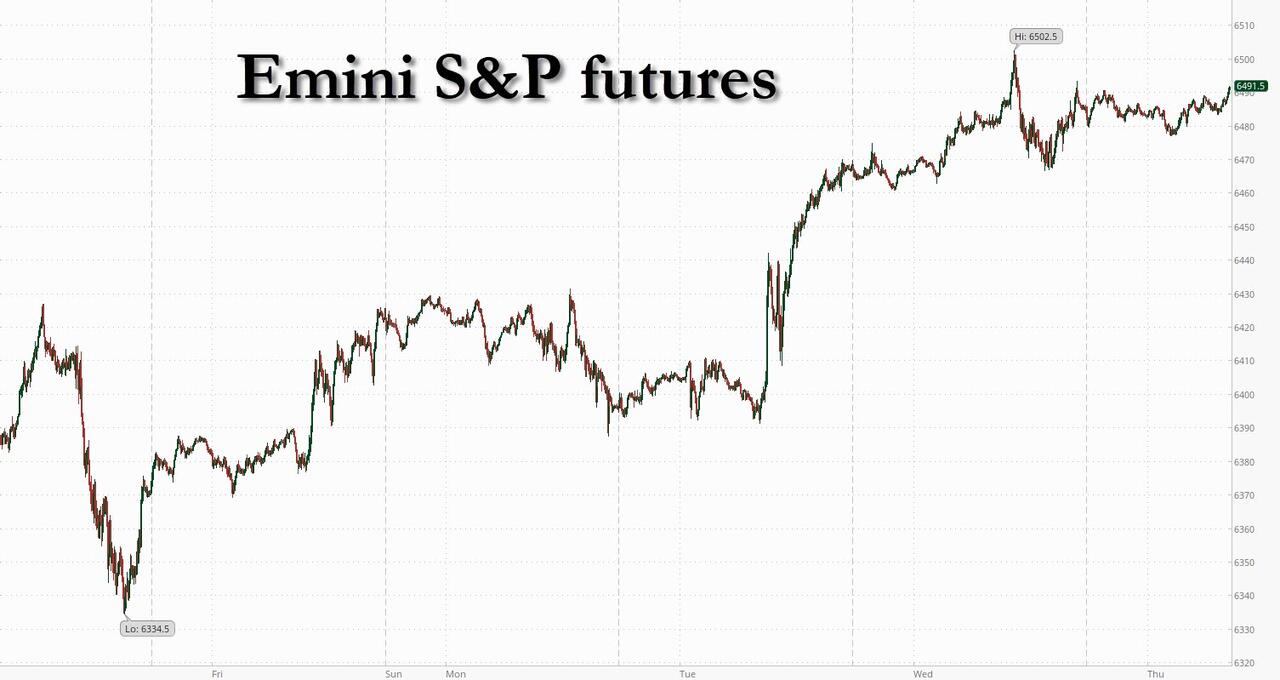

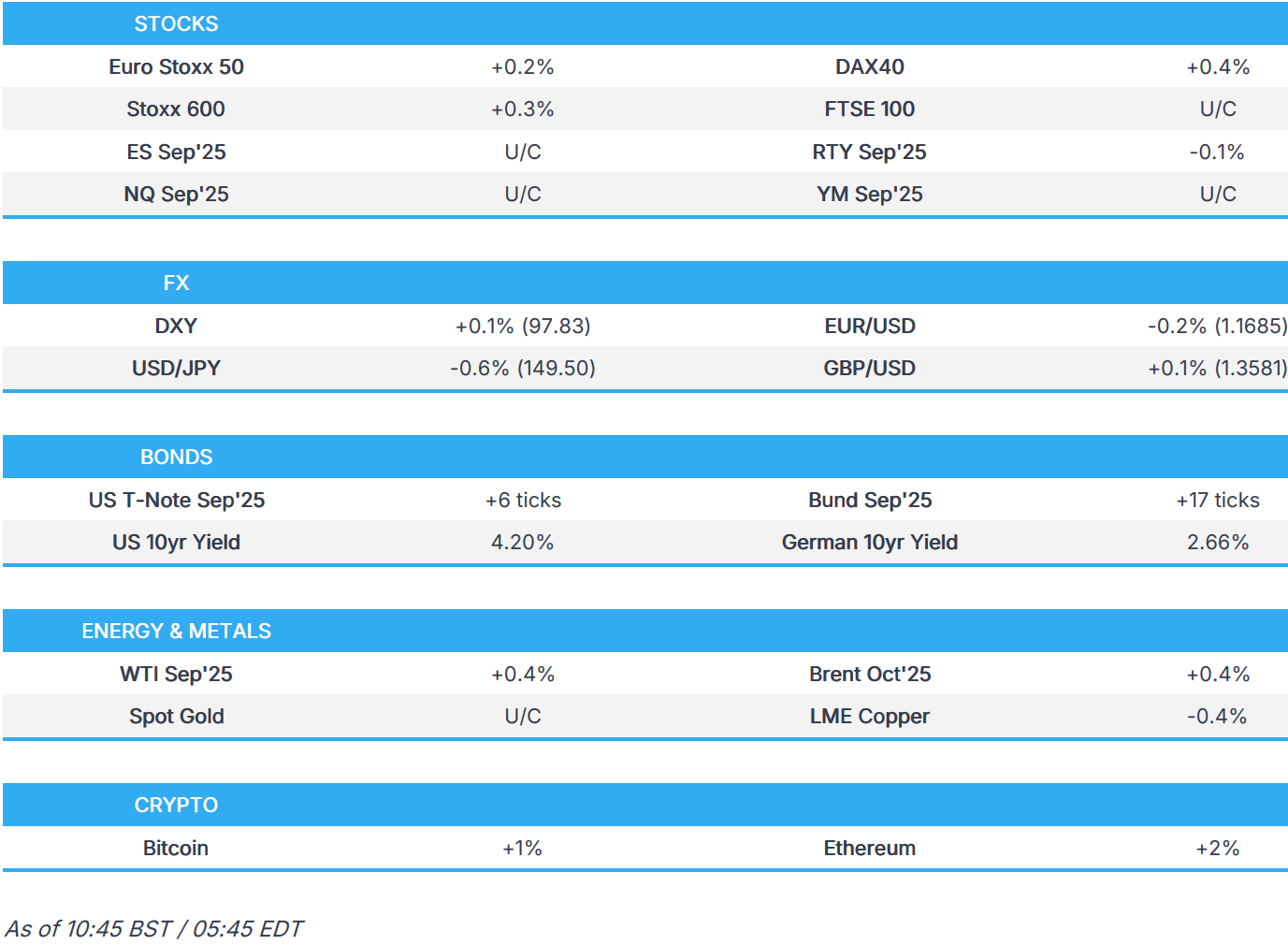
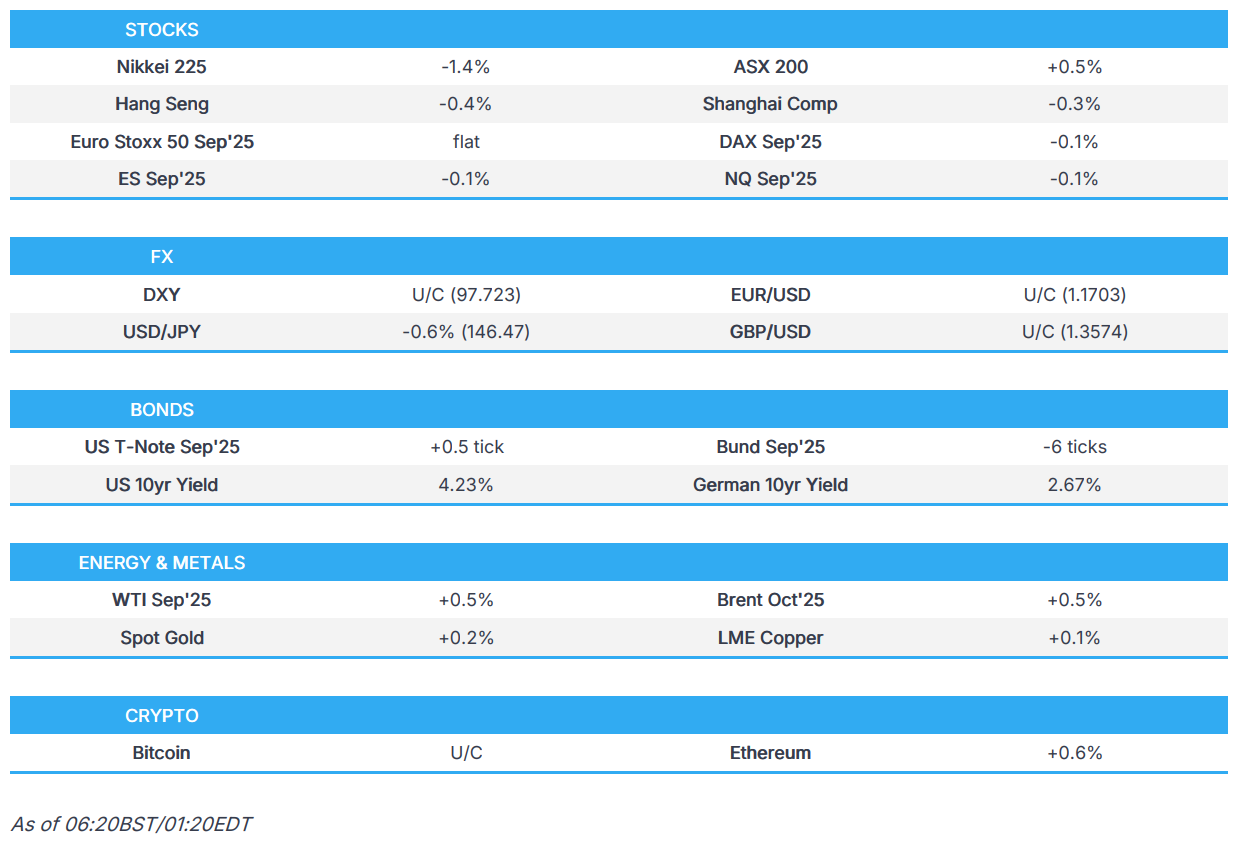










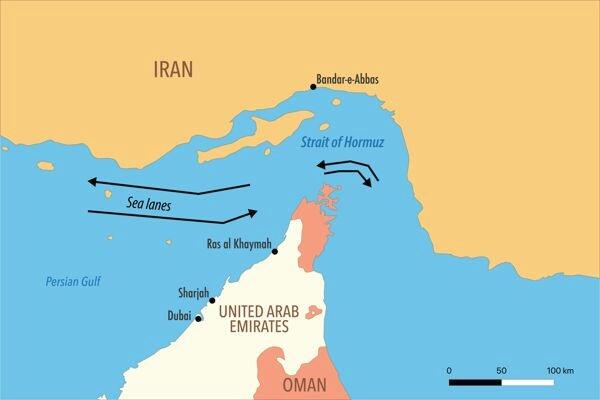
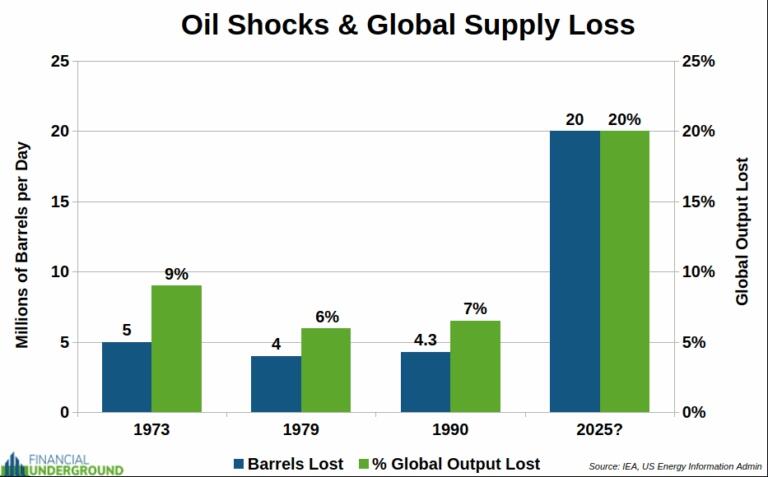


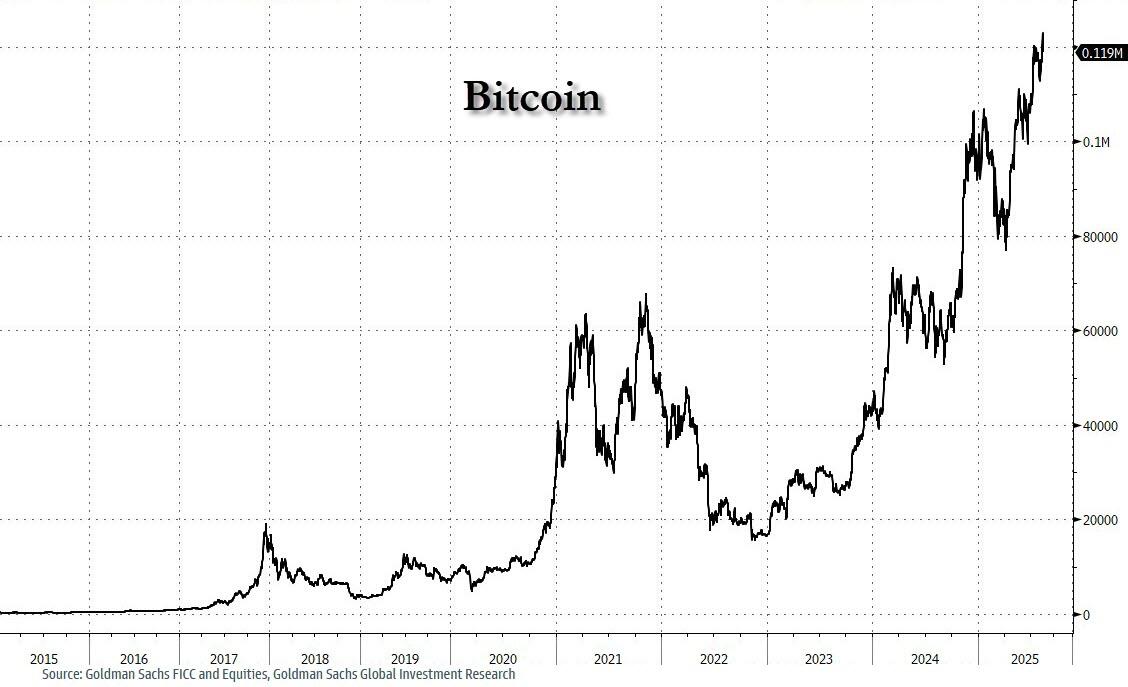
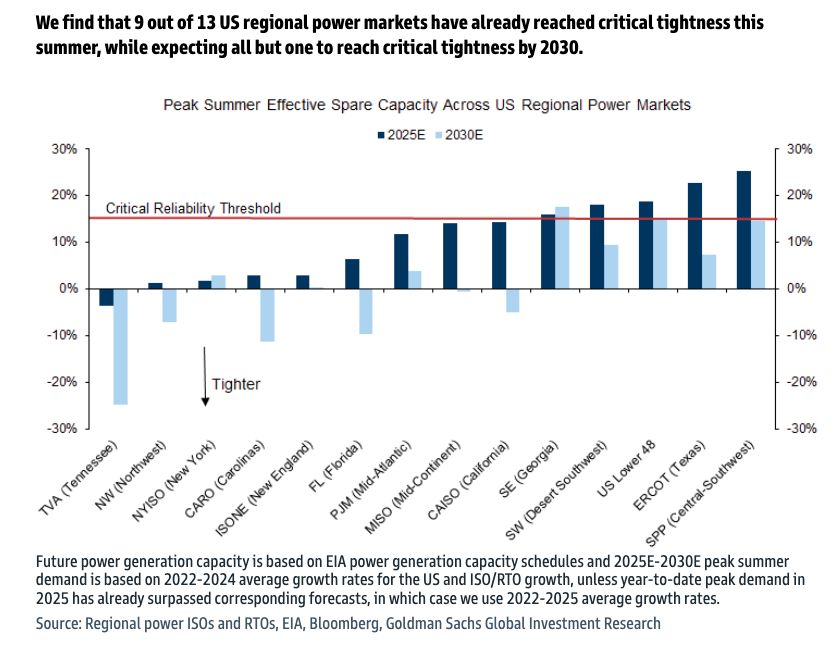
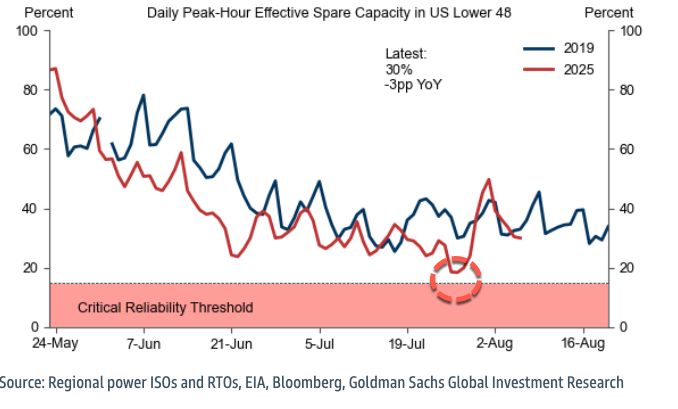




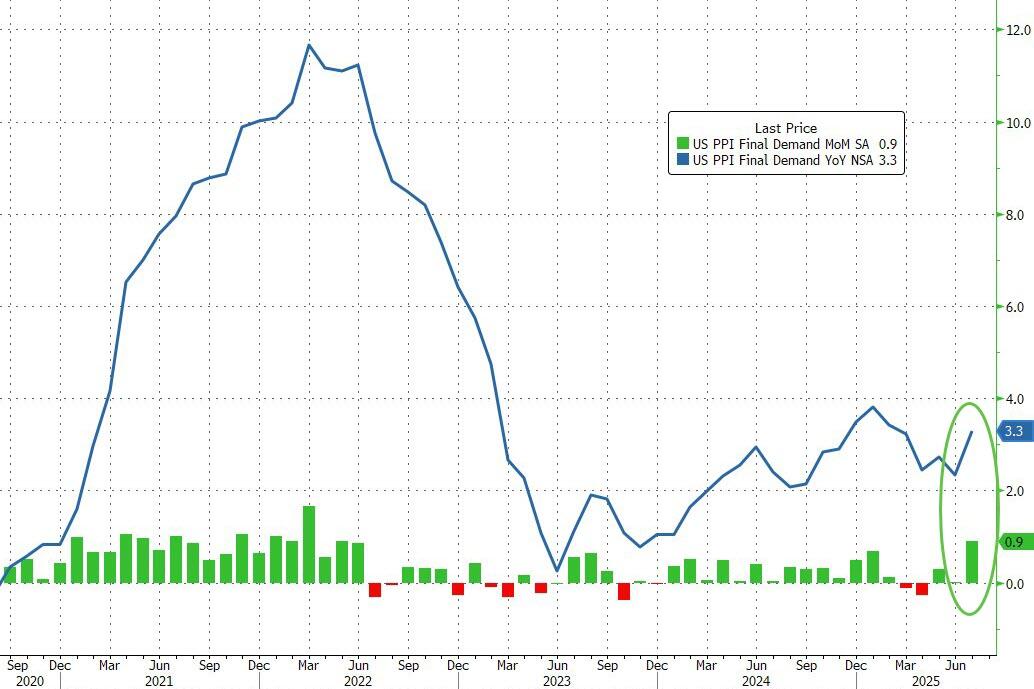
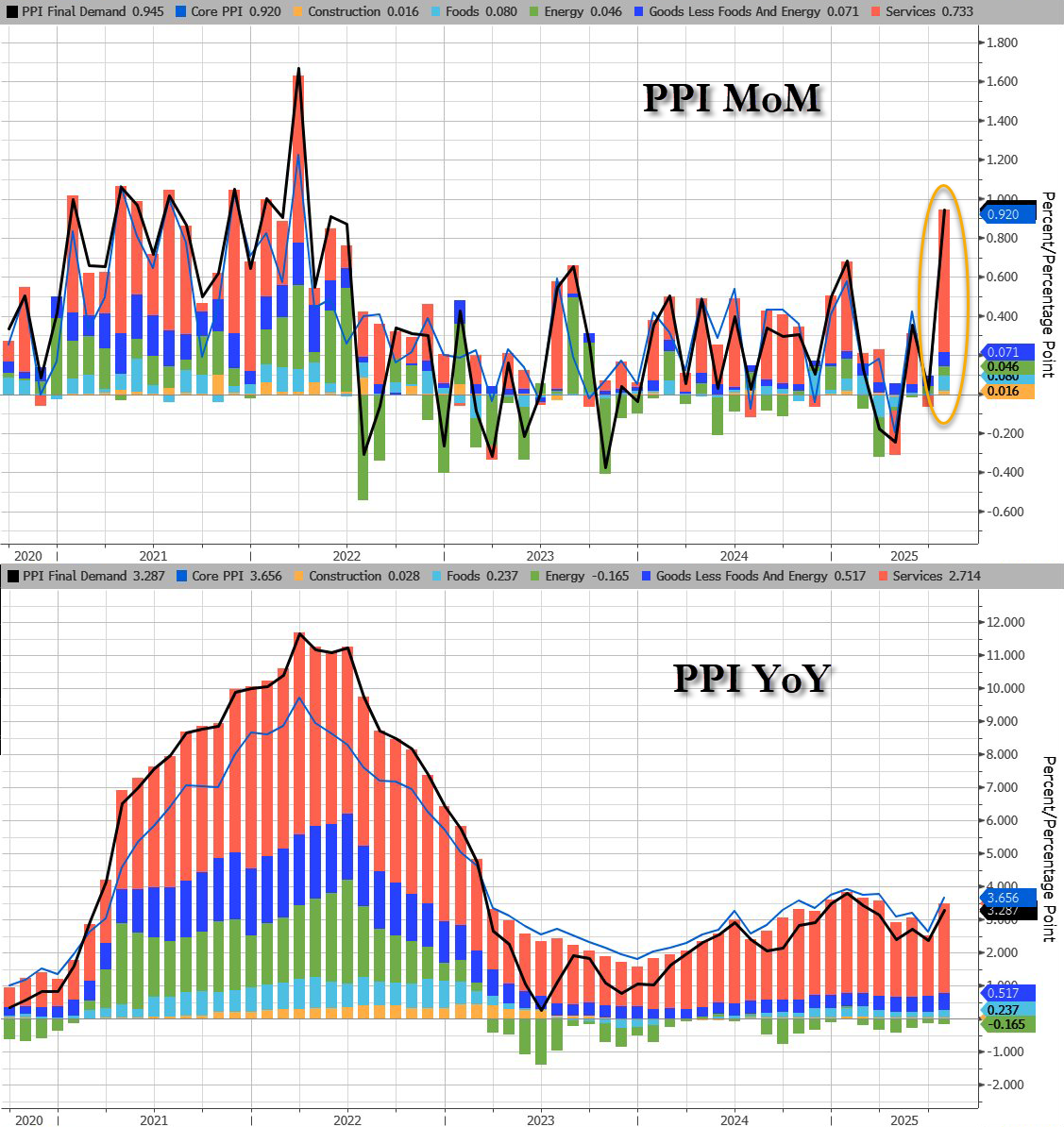
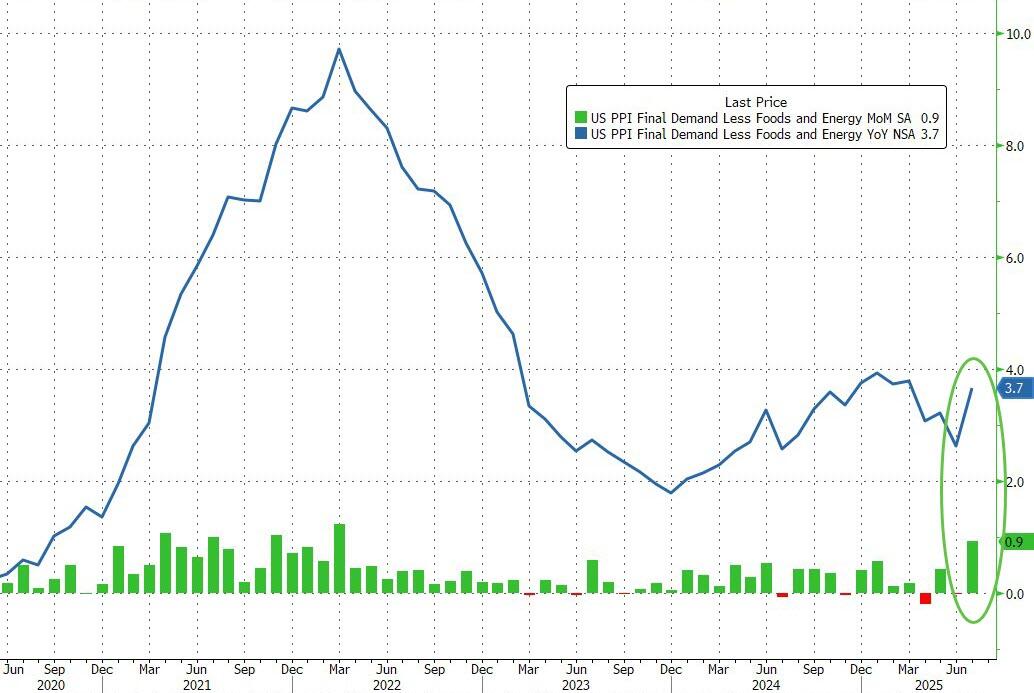
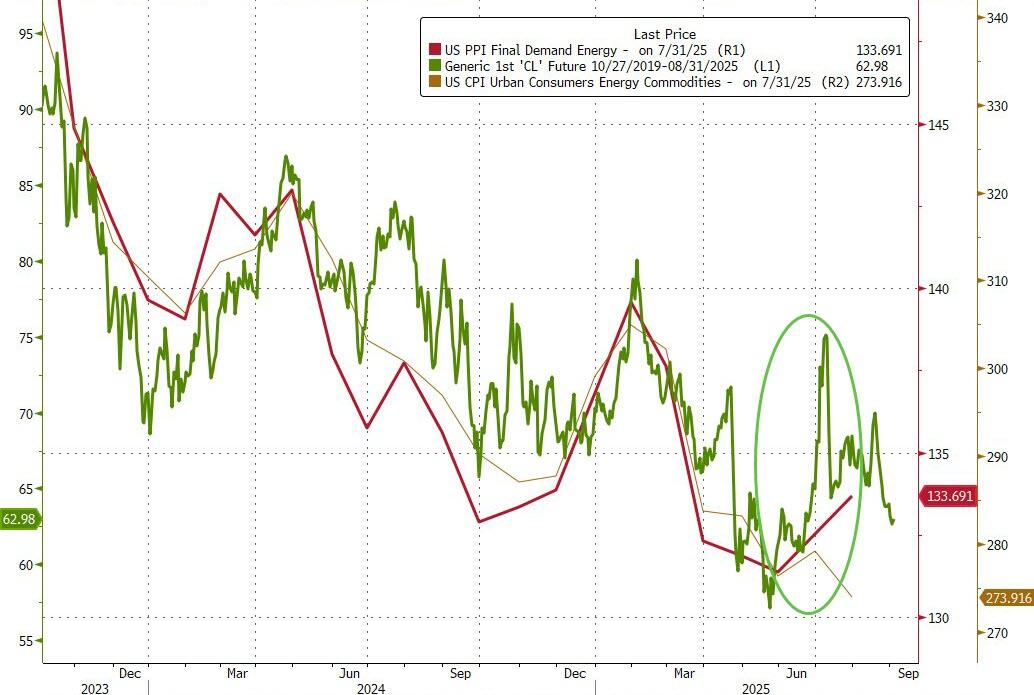
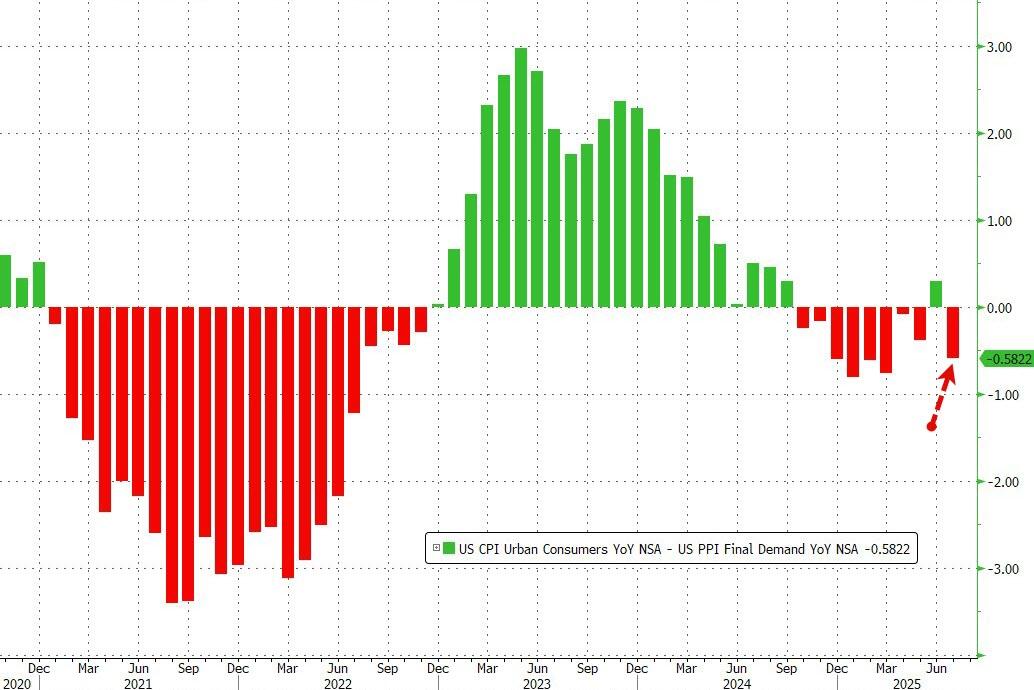
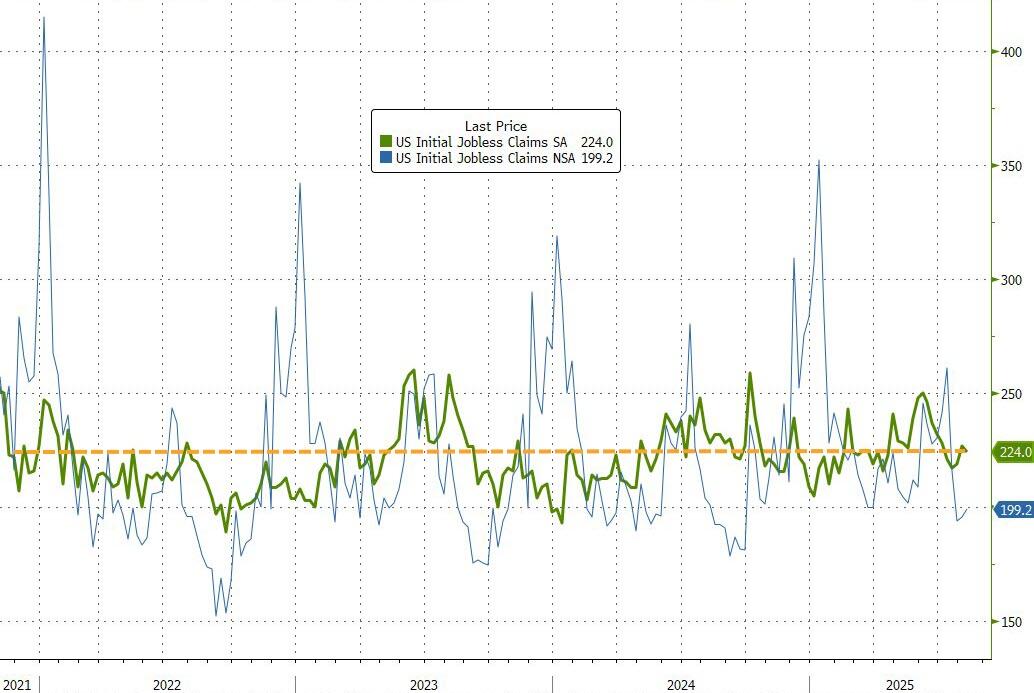
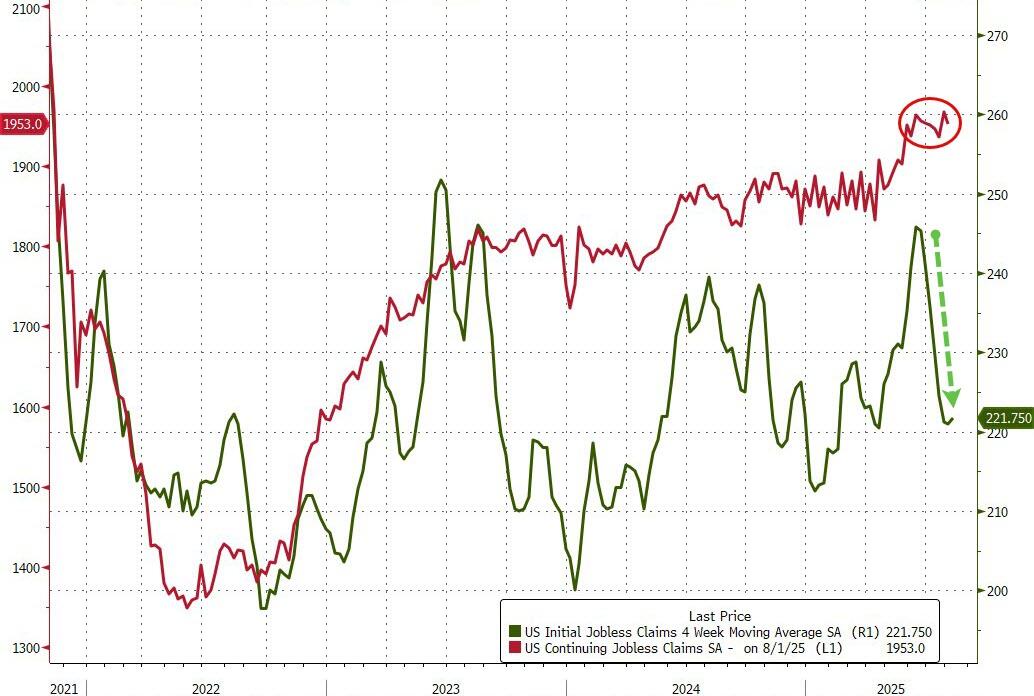
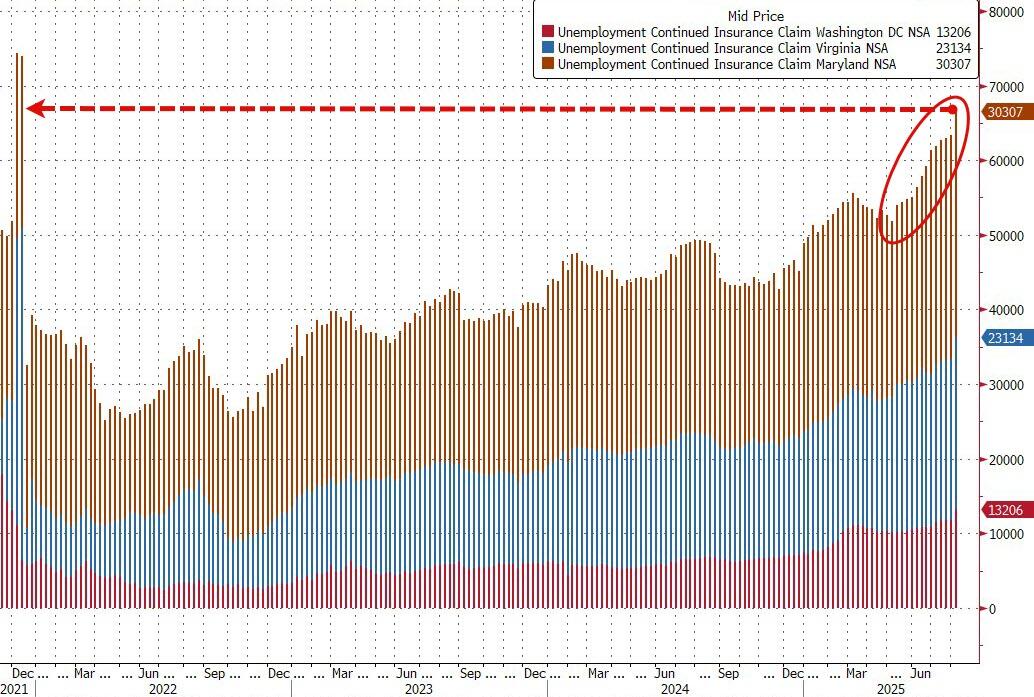





 harveyorganblog.com


