OCT 20/GOLD REGAINS ALL OF ITS LOSSES, CLOSING UP $137.70 TO $4,340.65/WITH SILVER GAINING $0.94 TO $52.14/PLATINUM GAINED $28.30 TO $1,643.25 WITH PALLADIUM CLOSING UP $23.05 TO $1,507.03//COMMODITY REPORT TODAY ON SILVER//GOLD AND SILVER EQUITY REPORTS COURTESY OF ALASDAIR MACLEOD AND JOHN RUBINO//AND A SPECIAL REPORT ON OUR PRECIOUS METALS FROM RAY DALIO//COMMENTARY TONIGHT ON THE LACK OF GDP FOR CHINA//ALSO HAS CHINA (XI) LOST CONTROL OVER THE ARMY?//TWO EUROPEAN COMMENTARIES TONIGHT FROM KOLBE//ISRAEL VS HAMAS//HAMAS BREAKS CEASEFIRE WITH ATTACKS AND COUNTER ATTACKS BY THE ISRAELIS//CEASEFIRE NOW HOLDING//VACCINE INJURY REPORTS: MARK CRISPIN MILLER/AN LPG SHIP ATTACKED NEAR YEMEN WITH A MYSTERY DRONE ATTACK (USA?)//IN USA JACK SMITH REFERRED FOR CRIMINAL PROSECUTION/COMMENTARY TONIGHT FROM VICTOR DAVIS HANSON/SWAMP STORIES FOR YOU TONIGHT//
072 C GOLDMAN 105 099 H DEUTSCHE BANK AG 564 132 C SG AMERICAS 1 190 H BMO CAPITAL MARKETS 8 323 C HSBC 1050 363 H WELLS FARGO SECURITI 479 435 H SCOTIA CAPITAL (USA) 12 657 H MORGAN STANLEY 525 661 C JP MORGAN SECURITIES 261 686 C STONEX FINANCIAL INC 1 709 C BARCLAYS 229 732 C RBC CAP MARKETS 1076 905 C ADM 9 2
TOTAL: 2,161 2,161 MONTH TO DATE: 53,544
JPMORGAN STOPPED 0/2,161
OCT
GOLD: NUMBER OF NOTICES FILED FOR OCT/2025: 2161 CONTRACTs NOTICES FOR 216100 OZ or 6.7216 TONNES
total notices so far: 53,544 contracts for 5,354,400 OR 166.544 tonnes)
FOR OCT
XXXXXXXXXXXXXXXXXX
SILVER NOTICES: 312 NOTICE(S) FILED FOR 1.560 MILLION OZ/
total number of notices filed so far this month : 6454 CONTRACTS (NOTICES) for 32.270 million oz
Click here if you wish to send a donation. I sincerely appreciate it as this site takes a lot of preparation
END
GLD/
BOTH GLD AND SLV ARE FRAUDULENT VEHICLES//THEY ARE NOW RAIDING GLD AND SLV FOR PHYSICAL
THE CROOKS ARE STEALING GOLD AND SILVER FROM THE GLD/SLV AND REPLACING THE PHYSICAL WITH PAPER DOLLARS.
WITH GOLD UP $137.70 INVESTORS SWITCHING TO SPROTT PHYSICAL (PHYS) INSTEAD OF THE FRAUDULENT GLD
HUGE CHANGES IN GOLD INVENTORY AT THE GLD: A FRAUDULENT DEPOSIT OF 12.59 TONNES OF GOLD INTO THE GLD.
INVENTORY RESTS AT 1047.21 TONNES
SLV/
WITH NO SILVER AROUND AND SILVER UP $0.94 AT THE SLV:
HUGE CHANGES IN SILVER INVENTORY AT THE SLV:/ //A DEPOSIT OF 2.405 MILLION OZ INTO THE SLV//
CLOSING INVENTORY RESTS AT:
CLOSING INVENTORY: 498.253 MILLION OZ
Let us have a look at the data for today
SILVER//OUTLINE
SILVER COMEX OI ROSE BY A GOOD SIZED 362 CONTRACTS TO 176,068 AND CONTINUING ON ITS MARCH TO THE RECORD HIGH OI OF 244,710, SET FEB 25/2020, AND THIS GOOD SIZED GAIN IN COMEX OI WAS ACCOMPLISHED DESPITE OUR MEGA HUGE LOSS OF $2.85 IN SILVER PRICING AT THE COMEX WITH RESPECT TO FRIDAY’S // TRADING.! WE FINALLY ARE MOVING TO A MUCH HIGHER BASE SURPASSING THE $34.40 SILVER PRICE BARRIER TO A HIGH DEGREE, AND NOW SURPASSING OUR LAST MAJOR HURDLE OF $50.00 SILVER. WE HAD A HUGE SIZED GAIN OF 1137 TOTAL CONTRACTS ON OUR TWO EXCHANGES AS THE CME NOTIFIED US OF A HUGE SIZED 775 CONTRACT EXCHANGE FOR PHYSICAL ISSUANCE.. WE HAD HUGE LIQUIDATION OF T.A.S. CONTRACTS IN COMEX TRADING WITH RESPECT TO FRIDAY’S RAID / WITH AS YOU WILL WITNESS, WITH SOME SUCCESS AS THEY DESPERATELY AGAIN TRIED TO CONTAIN SILVER’S PRICE RISE FOR THE PAST SEVERAL WEEKS (WHERE RAIDS ARE CALLED UPON AGAIN AND AGAIN TRYING TO STOP THE RISE IN SILVER’S PRICE TO ABOVE $42.00 AND TO QUELL ADDITIONAL DERIVATIVE LOSSES TO OUR BANKERS’ MASSIVE TOTALS). THEY SUCCEEDED ON FRIDAY WITH SILVER’S LOSS IN PRICE. THE PRICE STILL FINISHED MILES ABOVE THE MAGIC NUMBER OF $50.00 SILVER SPOT PRICE CLOSING AT $51.20 DOWN $2.85 . WE ARE NOW WITNESSING HAVING MANY HUGE T.A.S ISSUANCES // TODAY’S WAS AT A HUMONGOUS SIZED 1518 T.A.S. CONTRACTS. THE CROOKS ARE BECOMING MORE DESPERATE TO STOP SILVER BREAKING WELL ABOVE THE 50.00 DOLLAR MARK!!. THERE IS NO NEXT LINE IN THE SAND ONCE THE 50.00 DOLLAR SILVER WAS PIERCED. WE HAD A HUMONGOUS SIZED 775 CONTRACT EXCHANGE FOR PHYSICAL ISSUANCE ACCOMPANIED BY OUR MEGA HUGE SIZED 1518 CONTRACT T.A.S ISSUANCE WHICH WILL BE USED IN FUTURE TRADING//RAIDS AS THEY PLAY AN INTEGRAL PART IN OUR COMEX TRADING TRYING TO CONTAIN ANY SILVER PRICE RISE. IN ESSENCE WE GAINED A HUGE SIZED 1137 CONTRACTS ON OUR TWO EXCHANGES DESPITE OUR HUGE LOSS IN PRICE OF $2.85. WE HAD HUGE GOVERNMENT COMEX CONTRACTS TRADING FRIDAY AND A MAJOR PORTION WILL BE REMOVED BY DAYS END. (I RECORD THIS FOR YOU ON A DAILY BASIS)
CRAIG HEMKE HAS POINTED OUT THAT THE CROOKS USE THE MID MONTH FOR MANIPULATION AS THEY SELL THEIR BUY SIDE OF THE CALENDAR SPREAD FIRST AND THEN KEEP THE SELL SIDE TO LIQUIDATE AT A LATER DATE. THUS WE HAVE TWO VEHICLES THE CROOKS USE FOR MANIPULATION AND BOTH ARE SPREADERS: 1) AT MONTH’S END/SPREADERS COMEX AND 2/ TAS SPREADERS, MID MONTH. TOTAL TAS ISSUED ON FRIDAY NIGHT//SATURDAY MORNING: A HUMONGOUS SIZED 1518 CONTRACTS. DESPITE MANY COMPLAINTS THAT THE CROOKS HAVE VIOLATED POSITION LIMITS DUE TO THE FACT THAT THE TAS ISSUED HAVE A VALUE OF ZERO (AS TO POSITION LIMITS FOR OUR CROOKED BANKERS). THE PROBLEM OF COURSE IS THAT THE CROOKS DO NOT LIQUIDATE THE TAS TOGETHER BUT SELL THE BUY SIDE FIRST AND THEN LIQUIDATE THE SELL SIDE TWO MONTHS HENCE. IT IS OBVIOUS MANIPULATION TO THE HIGHEST DEGREE BUT IT NATURALLY FELL ON DEAF EARS WITH OUR REGULATORS (OCC) WHEN THEY RECEIVED OUR COMPLAINTS. IT NOW SEEMS THAT THE OCC HAS ORDERED THE BANKS TO REDUCE ITS NEW LEVEL OF 1.1 TRILLION DOLLARS IN GOLD/SILVER DERIVATIVES.
WE HAVE IN THE PAST YEAR SET ANOTHER RECORD LOW AT 114,102 CONTRACTS ///JULY 3.2023// OUR BANKERS WITH THE HELP OF SPECULATORS AND HIGH FREQUENCY TRADERS WERE SUCCESSFUL IN KNOCKING THE PRICE OF SILVER DOWN (IT FELL BY $2.85) BUT WERE UNSUCCESSFUL IN KNOCKING OFF ANY NET SILVER LONGS FROM THEIR PERCH AS WE HAD A MEGA MEGA HUGE SIZED GAIN OF 2084 CONTRACTS ON OUR TWO EXCHANGES WITH OUR GAIN IN PRICE..THE COMEX IS IN ONE BIG SIZED MESS!!
WE HAD A HUGE 775 CONTRACT ISSUANCE OF EXCHANGE FOR PHYSICALS) iiii) AN INITIAL SILVER STANDING FOR COMEX SILVER MEASURING AT 13.240 MILLION OZ FOLLOWED BY TODAY’S 1.615 MILLION OZ CONTRACT QUEUE JUMP ALONG WITH OUR INITIAL 2.11 MILLION OZ EXCHANGE FOR RISK ISSUANCE//NEW STANDING ADVANCES TO 34.515 MILLION OZ.
THUS:
INITIAL STANDING FOR OCT: 32.405 MILLION OZ (WHICH INCLUDES ALL QUEUE JUMPING)
+ 2.110 MILLION OZ EXCHANGE FOR RISK
EQUALS
34.515 MILLION OZ..
WE HAD:
/ GOOD HUGE COMEX OI GAIN+// A HUGE SIZED EFP ISSUANCE 775 CONTRACTS (/ VI) A HUMONGOUS NUMBER OF T.A.S. CONTRACT ISSUANCE 1578 CONTRACTS)
I AM NOW RECORDING THE DIFFERENTIAL IN OI FROM PRELIMINARY TO FINAL: A HUMONGOUS 947 CONTRACTS WERE REMOVED!!!!!!
HISTORICAL ACCUMULATION OF EXCHANGE FOR PHYSICALS OCT.. ACCUMULATION FOR EFP’S SILVER/JPMORGAN’S HOUSE OF BRIBES/STARTING FROM FIRST DAY/MONTH OF OCT.
TOTAL CONTRACTS for 14 DAY(S), total 13,760 contracts: OR 68.800 MILLION OZ (982 CONTRACTS PER DAY)
TOTAL EFP’S FOR THE MONTH SO FAR: 68.800 MILLION OZ
LAST 24 MONTHS TOTAL EFP CONTRACTS ISSUED IN MILLIONS OF OZ:
MAY 137.83 MILLION
JUNE 149.91 MILLION OZ
JULY 129.445 MILLION OZ
AUGUST: MILLION OZ 140.120
SEPT. 28.230 MILLION OZ//
OCT: 94.595 MILLION OZ
NOV: 131.925 MILLION OZ
DEC: 100.615 MILLION OZ
YEAR 2022:
JAN 2022-DEC 2022
JAN 2022// 90.460 MILLION OZ
FEB 2022: 72.39 MILLION OZ//
MARCH 2022: 207.140 MILLION OZ//A NEW RECORD FOR EFP ISSUANCE
APRIL: 114.52 MILLION OZ FINAL//LOW ISSUANCE
MAY: 105.635 MILLION OZ//
JUNE: 94.470 MILLION OZ
JULY : 87.110 MILLION OZ
AUGUST: 65.025 MILLION OZ
SEPT. 74.025 MILLION OZ///FINAL
OCT. 29.017 MILLION OZ FINAL
NOV: 134.290 MILLION OZ//FINAL
DEC, 61.395 MILLION OZ FINAL
TOTALS YR 2022: 1135.767 MILLION OZ (1.1356 BILLION OZ)
JAN 2023/// 53.070 MILLION OZ //FINAL
FEB: 2023: 100.105 MILLION OZ/FINAL//MUCH STRONGER ISSUANCE VS THE LATTER TWO MONTHS.
MARCH 2023: 112.58 MILLION OZ//FINAL//STRONG ISSUANCE
APRIL 111.035 MILLION OZ(SLIGHTLY GREATER THAN THAN LAST MONTH)
MAY 66.120 MILLION OZ/INITIAL (MUCH SMALLER THIS MONTH)
JUNE: 110.395 MILLION OZ//MUCH LARGER THAN LAST MONTH
JULY 85.745 MILLION OZ (SMALLER THAN LAST MONTH)
AUGUST: 171.43 MILLION OZ (THIS MONTH IS GOING TO BE HUGE //2ND HIGHEST ON RECORD
SEPT: 72.705 MILLION OZ (SMALLER THIS MONTH)
OCT: 97.455 MILLION OZ
NOV. 50.050 MILLION OZ
DEC. 66.140 MILLION OZ//
TOTAL 2023: 1,104.10 MILLION OZ/
JAN ’24 : 78.655 MILLION OZ//
FEB /2024 : 66.135 MILLION OZ./FINAL
MARCH: 143.750 MILLION OZ// 4TH HIGHEST ON RECORD.
APRIL: 161.770 MILLION OZ (THIS MONTH WILL BE A WHOPPER OF ISSUANCE OF EFPS//3RD HIGHEST EVER RECORDED FOR A MONTH)
MAY: 135.995 MILLION OZ //WILL BE A STRONG MONTH FOR EXCHANGE FOR PHYSICAL ISSUANCE
JUNE 110.575 MILLION OZ ( WILL BE ANOTHER STRONG MONTH ISSUANCE)
JULY: 108.870 MILLION OZ (WILL BE A STRONG ISSUANCE MONTH/ A TOUCH OVER 100 MILLION OZ/)
AUGUST; 99.740 MILLION OZ//THIS MONTH WILL BE STRONG FOR ISSUANCE BUT LESS THAN JULY.
SEPT: 112.415 MILLION OZ//WILL BE A HUGE MONTH FOR EXCHANGE FOR PHYSICAL ISSUANCE
OCT; 97.485 MILLION OZ (WILL BE SMALLER ISSUANCE THIS MONTH )
NOV. 115.970 MILLION OZ ( HUGE THIS MONTH)
DEC: 132.54 MILLION OZ (THIS MONTH WILL BE A HUMDINGER FOR ISSUANCE BUT ISSUANCE SLOWED DRAMATICALLY THESE PAST FIVE DAYS/// WILL NOT EXCEED MARCH 2022 RECORD OF 209 MILLION OZ
YEAR 2024 TOTAL: 1363.84 MILLION OR 1.363 BILLION OZ
JANUARY 2025: 67.230 MILLION OZ///(THIS MONTH’S ISSUANCE OF EXCHANGE FOR PHYSICAL WILL BE SMALL)
FEB. 58.260 MILLION OZ//EXCHANGE FOR PHYSICAL ISSUANCE/FINAL
MARCH: 67.020 MILLION OZ///QUITE SMALL AND BECOMING SMALLER EACH AND EVERY MONTH.
APRIL: 100.895 MILLION OZ///AVERAGE SIZE ISSUANCE
MAY: 28.975 MILLION OZ (ISSUANCE WILL BE QUITE SMALL THIS MONTH)
JUNE: 81.065 MILLION OZ
JULY: 50.925 MILLION OZ (QUITE SMALL)
AUGUST: 59.455 MILLION OZ (QUITE SMALL)
SEPT. 50.510 MILLION OZ.(QUITE SMALL)
OCT; 68.800 MILLION OZ (WILL BE HUGE THIS MONTH)/ OCC WANTS TO REIN IN THESE ISSUANCES!
RESULT: WE HAD A GOOD SIZED INCREASE IN COMEX OI SILVER COMEX CONTRACTS OF 362 CONTRACTS DESPITE OUR LOSS IN PRICE OF $2.85 IN SILVER PRICING AT THE COMEX// FRIDAY.,. . THE CME NOTIFIED US THAT WE HAD A HUGE SIZED 775 CONTRACT EFP ISSUANCE CONTRACTS: 775 ISSUED FOR DEC., AND 0 CONTRACTS ISSUED FOR ALL OTHER MONTHS) WHICH EXITED OUT OF THE SILVER COMEX TO LONDON AS FORWARDS.
XXXXXXXXXXXXXXXXXXXXXXXXXXXXXXXXXXXX
LAST 6 MONTHS OF SILVER DELIVERIES:
WE FINISHED APRIL WITH A STRONG SILVER OZ STANDING OF 16.050 MILLION OZ NORMAL DELIVERY , PLUS OUR 4.00 MILLION EX FOR RISK
FINAL STANDING APRIL: 19.965 MILLION OZ
AND MAY:
NEW STANDING FOR MAY FINISHES AT: 75.615 MILLION OZ. (INCLUDES 5,000 OZ EFP TRANSFER TO LONDON + 12.93 MILLION OZ EXCHANGE FOR RISK ISSUANCE/PRIOR.//NEW TOTAL STANDING 88.540 MILLION OZ
AND JUNE: FINAL 16.995 MILLION OZ
AND JULY: 46.720 MILLION OZ//
AUGUST: 4.70 MILLION OZ INITIAL STANDING PLUS TODAY;S 5,000 OZ QUEUE JUMP //NEW STANDING ADVANCES TO 10.960 MILLION OZ
SEPTEMBER: 68.040 MILLION OZ NORMAL DELIVERY(INCLUDES ALL QUEUE JUMPING AND EXCHANGE FOR PHYSICAL TRANSFERS) PLUS 3.0 MILLION OZ EX FOR RISK = 71.040 MILLION OZ. (THIS IS THE FIRST AND ONLY ISSUANCE OF EXCHANGE FOR RISK FOR SILVER SINCE MAY.)
AND NOW OCTOBER: 32.405 MILLION OZ OF NORMAL DELIVERY INCLUDES ALL QUEUE JUMPING
PLUS
2.110 MILLION OZ EXCHANGE FOR RISK//TOTAL OZ STANDING IN OCT ADVANCES TO 34.515 MILLION OZ
THE NEW TAS ISSUANCE FRIDAY NIGHT (1518) WILL BE PUT INTO “THE BANK” TO BE COLLUSIVELY USED NO DOUBT WITH FUTURE TRADING!!
WE HAD 312 NOTICE(S) FILED TODAY FOR 1.5600 million OZ
THE SILVER COMEX IS NOW BEING ATTACKED FOR METAL BY LONDONERS ET AL. IT IS NOW TIME FOR THE FBI TO ENTER THE COMEX AND ARREST THESE CROOKS EVEN THOUGH THE MAJORITY OF THE TRADING IS GOVERNMENT. THE BANKERS ARE COMPLICIT. THE SILVER COMEX IS NOW ON A MASSIVE SIEGE LOOKING FOR PHYSICAL SILVER!!
GOLD//OUTLINE
IN GOLD, THE COMEX OPEN INTEREST SHOCKINGLY FELL BY A SMALLER SIZED 3799 OI CONTRACTS TO 479,971 OI AND FURTHER FROM THE RECORD (SET JAN 24/2020) AT 799,105 AND PREVIOUS TO THAT: (SET JAN 6/2020) AT 797,110. (ALL TIME LOW OF 390,000 CONTRACTS.) THUS WE HAVE STILL A RELATIVELY LOW OI IN COMEX WITH AN EXTREMELY HIGH PRICE OF GOLD. THE SHORT RATS ARE ABANDONING THE SHIP.
THE DIFFERENTIAL FROM PRELIMINARY OI TO FINAL OI IN GOLD TODAY: REMOVED A HUGE 7278 CONTRACTS //ALL GOVERNMENT RELEATED REMOVALS
WE HAD A DECREASE IN COMEX OI (3799 CONTRACTS) . THIS OCCURRED DESPITE OUR MONSTER LOSS OF $90.00 IN PRICE// FRIDAY///.
LAST 6 MONTHS OF GOLD DELIVERIES:
MAY: SUMMARY FOR MAY TONNES WHICH STOOD FOR DELIVERY:
FINAL STANDING FOR MAY: 70.174 TONNES OF GOLD TO WHICH WE ADD 1. MONDAY’S (MAY 19) 6.221 TONNES EXCHANGE FOR RISK , 2. THEN WE ADD: 1.35 TONNES TO LAST WEEK”S. THEN WE ADD 3. 1.55 TONNES TO EQUAL 9.591 TONNES// NEW EXCHANGE FOR RISK = 9.591 TONNES WHICH MUST BE ADDED TO OUR NORMAL DELIVERY SCHEDULE OF 80.644 TONNES. THUS STANDING FOR MAY INCREASES TO 90.235 TONNES OF GOLD
JUNE CONTRACT MONTH: 93.085 TONNES OF GOLD (WHICH INCLUDES ALL QUEUE JUMPING AND 0 EX FOR RISK)
JULY INITIIAL STANDING FIRST DAY NOTICE: 17.847 TONNES. PLUS TODAY’S 0 TONNES QUEUE JUMP + 1.555 TONNES EX FOR RISK + 2.195 TONNES EX FOR RISK TODAY = 41.106 TONNES STANDING
AUGUST: 60.547 TONNES OF INITIAL GOLD FIRST DAY NOTICE FOLLOWED BY THE NET MONTH’S QUEUE JUMP OF 47.2312 TONNES TO WHICH WE ADD THE FOLLOWING EXCHANGE FOR RISK ISSUANCE RECEIVED FOR THE MONTH: 5.4432 TONNES EX FOR RISK/AUG 7 , AUG 11: 2.413 TONNES EX FOR RISK AND AUG. 12 OF 2.637 TONNES EX FOR RISK//AUG 25: 9.107 TONNES , AUGUST 26: 9.1010 TONNES AND NOW AUGUST 27: 9.0699 TONNES//NEW STANDING ADVANCES TO 107.5117 TONNES OF GOLD NORMAL STANDING (INCLUDES ALL MONTHLY QUEUE JUMPS/EX FOR PHYSICAL TRANSFERS//) +44.696 TONNES EX.FOR RISK = 152.208 TONNES
SEPT: INITIAL 8.093 TONNES OF GOLD PLUS TODAY’S QUEUE JUMP OF 0.4883 TONNES PLUS 2.2827 TONNES OF EXCHANGE FOR RISK TODAY//NEW TOTAL EX. FOR RISK/MONTH = 22.923//NEW TOTAL STANDING FOR GOLD SEPT ADVANCES TO = 48.801 TONNES!!
AND NOW OCTOBER: 90.012 TONNES OF INITIAL GOLD STANDING WITH TODAY’S HUGE 7.695 TONNES OF QUEUE JUMP WHICH FOLLOWED FRIDAY’S RECORD SETTING, 12.031 TONNES QUEUE JUMP TO WHICH WE ADD: 8.326 TONNES QUEUE JUMP/WEDNESDAY// WHICH FOLLOWED TUESDAY’S RECORD SETTING MONSTER 9.564 TONNES QUEUE JUMP AND WHICH WAS PRECEDED BY 42.549 TONNES QUEUE JUMPING FOR OCT. THEN WE MUST ADD OUR 11.353 TONNES OF OUR ISSUANCE OF EXCHANGE FOR RISK/5 OCCASIONS//NEW TOTAL OF GOLD STANDING ADVANCES TO 179.471 TONNES OF GOLD.
E.F.P. ISSUANCE/FOR OPENING OCT GOLD CONTRACT
THE CME RELEASED THE DATA FOR EFP ISSUANCE AND IT TOTALED A STRONG SIZED 2873 CONTRACTS:
The NEW COMEX OI FOR THE GOLD COMPLEX RESTS AT 479,971 / AND WE NOW WITNESSING A STRONG COMEX OI WITH AN EXTREMELY HIGH PRICE OF GOLD
SILVER ALSO HAS A STRONG SIZED COMEX OI OF 176,068 CONTRACTS
IN ESSENCE WE HAVE A FAIR SIZED INCREASE IN TOTAL CONTRACTS ON THE TWO EXCHANGES OF 2141 CONTRACTS WITH 3799 CONTRACTS DECREASED AT THE COMEX// AND A HUGE SIZED 5940 EXCHANGE FOR PHYSICAL OI CONTRACT ISSUANCE WHICH NAVIGATED OVER TO LONDON. THUS TOTAL OI GAIN ON THE TWO EXCHANGES OF 2,141 CONTRACTS.. WE HAD THE FOLLOWING TAS CONTRACTS INITIATED (ISSUED): A STRONG SIZED AND CRIMINAL 2338 CONTRACTS AND THESE ISSUANCES ARE GENERALLY USED TO INITIATE A RAID WHEN CALLED UPON LIKE THURSDAY, OCT 9. AND TODAY’S ATTEMPTED RAID!
GOLD PRICE ON FRIDAY FELL BY $90.00
CALCULATIONS ON GAIN/LOSS ON OUR TWO EXCHANGES
WE HAD A HUGE SIZED ISSUANCE IN EXCHANGE FOR PHYSICALS CONTRACT(5940) ACCOMPANYING THE FAIR SIZED LOSS IN COMEX OI OF 3799 CONTRACTS/TOTAL GAIN FOR OUR THE TWO EXCHANGES: 2,141 CONTRACTS..WE HAVE 1) NOW RETURNED TO OUR FORMER FORMAT OF BANKERS GOING LONG AND SPECULATORS GOING SHORT ,2.) STRONG INITIAL STANDING FOR GOLD FOR OCT AT 90.012 TONNES OF NORMAL DELIVERY+TODAY’S QUEUE JUMP OF 7.695 TONNES WHICH FOLLOWED FRIDAY’S RECORD SETTING, 12.021 WHICH FOLLOWED THURSDAY’S 8.326 WHICH FOLLOWED WEDNESDAY’S 6.469 TONNES + PREVIOUS QUEUE JUMPS OF 42.549 TONNES+ 11.353 TONNES TOTAL EX FOR RISK//5 OCCASIONS//NEW TOTAL OF GOLD STANDING; 179.471 TONNES
NEW STANDING FOR GOLD, OCT CONTRACT AT 179.471 TONNES OF GOLD
/ 3) HUGE T.A.S. LIQUIDATION (AND CONSIDERABLE GOVT LIQUIDATION AND STRONG LIQUIDATION OF EQUITY SHARES) AS WE HAD 1)A HUGE $90.00 COMEX PRICE LOSS. WE HAD 2) ZERO NET LONG SPECS BEING CLIPPED AS WE HAD A FAIR GAIN OF 2141 CONTRACTS ON OUR TWO EXCHANGES. THIS WAS COUPLED WITH CONSIDERABLE GOVERNMENT LIQUIDATED CONTRACTS ALONG WITH HUGE TAS LIQUIDATION AND HUGE GOLD EQUITY SHARES/./ ALSO, 3)STICKY GOLD’S LONGS WERE REWARDED THURSDAY EVENING AS THEY EXERCISED EFP’S FROM LONDON TO TAKE DELIVERY OF BADLY NEEDED PHYSICAL AND YOU CAN VISUALIZE THIS BY THE HUGE AMOUNTS OF QUEUE JUMPING WE HAVE BEEN HAVING LATELY
4) FAIR SIZED COMEX OI GAIN// 5) V) HUGE SIZED ISSUANCE OF EXCHANGE FOR PHYSICAL GOLD (2873)
ACCUMULATION OF EFP’S GOLD AT J.P. MORGAN’S HOUSE OF BRIBES: (EXCHANGE FOR PHYSICAL) FOR THE MONTH OF OCT. :
TOTAL EFP CONTRACTS ISSUED: 52,268 CONTRACTS OR 5,226,800 OZ OR 162.575 TONNES IN 14 TRADING DAY(S) AND THUS AVERAGING: 3733 EFP CONTRACTS PER TRADING DAY
TO GIVE YOU AN IDEA AS TO THE SIZE OF THESE EFP TRANSFERS : THIS MONTH IN14 TRADING DAY(S) IN TONNES: 162.575 TONNES
TOTAL ANNUAL GOLD PRODUCTION, 2024, THROUGHOUT THE WORLD EX CHINA EX RUSSIA: 3555 TONNES
THUS EFP TRANSFERS REPRESENTS 162.575 TONNES DIVIDED BY 3550 x 100% TONNES = 4.57% OF GLOBAL ANNUAL PRODUCTION
SEPT 142.12 TONNES FINAL ISSUANCE ( LOW ISSUANCE)_
OCT: 141.13 TONNES FINAL ISSUANCE (LOW ISSUANCE)
NOV: 312.46 TONNES FINAL ISSUANCE//NEW RECORD!! (INCREASING DRAMATICALLY)//SIGN OF REAL STRESS//SURPASSING THE MARCH 2021 RECORD OF 276.50 TONNES OF EFP
DEC. 175.62 TONNES//FINAL ISSUANCE//
TOTALS: 2,578.08 TONNES/2021
JAN:2022 247.25 TONNES //FINAL
FEB: 196.04 TONNES//FINAL
MARCH/2022: 409.30 TONNES //FINAL( THIS IS NOW A RECORD EFP ISSUANCE FOR MARCH AND FOR ANY MONTH.
APRIL: 169.55 TONNES (FINAL VERY LOW ISSUANCE MONTH)
MAY: 247.44 TONNES FINAL//
JUNE: 238.13 TONNES FINAL
JULY: 378.43 TONNES FINAL/SECOND HIGHEST ON RECORD
AUGUST: 180.81 TONNES FINAL
SEPT. 193.16 TONNES FINAL
OCT: 177.57 TONNES FINAL ( MUCH SMALLER THAN LAST MONTH)
NOV. 223.98 TONNES//FINAL ( MUCH LARGER THAN PREVIOUS MONTHS//comex running out of physical)
DEC: 185.59 tonnes // FINAL
TOTAL: 2,847,25 TONNES/2022
JAN 2023: 228.49 TONNES FINAL//HUGE AMOUNT OF EFP’S ISSUED THIS MONTH!!
FEB: 151.61 TONNES/FINAL
MARCH: 280.09 TONNES/INITIAL (ANOTHER STRONG MONTH FOR EFP ISSUANCE)
APRIL: 197.42 TONNES
MAY: 236.67 TONNES (A VERY STRONG ISSUANCE FOR THIS MONTH)
JUNE: 172.667 TONNES (WEAKER ISSUANCE THIS MONTH)
JULY: 151.69 TONNES (WEAKER THAN LAST MONTH)
AUGUST: 195.28 TONNES (A STRONGER MONTH)//FINAL
SEPT: 254.709 TONNES (WILL BE LARGER THAN LAST MONTH AND A STRONG MONTH)
OCT. 248.09 TONNES. LIKE SILVER, THIS MONTH IS GOING TO BE A STRONG E.F.P. ISSUANCE.
NOV. 239.16 TONNES//WILL BE STRONG THIS MONTH,
DEC. 213.704 TONNES. A STRONG MONTH//
TOTAL FOR YEAR 2023: 2,569.57 TONNES VS 2578 TONNES LAST YEAR
2024 AND 2025:
JAN. 2025: 257.919 TONNES (ISSUANCE WILL BE PRETTY GOOD THIS MONTH BUT MUCH LOWER THAN LAST MONTH)
FEB: 207.21 TONNES//EX FOR PHYSICAL ISSUANCE (WILL BE A FAIR SIZED ISSUANCE THIS MONTH)
MARCH 130.84 TONNES//QUITE SMALL THIS MONTH.
APRIL; 208.57 TONNES. STRONG THIS MONTH
MAY: 113.499 TONNES OF GOLD EFP ISSUANCE//QUITE SMALL THIS MONTH
JUNE: 97.79 TONNES OF GOLD EFP ISSUANCE/EXTREMELY SMALL
JULY : 150.877 TONNES// QUITE SMALL
AUGUST: 175.86 TONNES A LOT LARGER THIS MONTH.
SEPT. 116.13 TONNES VERY SMALL
OCT. 162.575 TONNES//CERTAINLY MUCH LARGER THIS MONTH
SPREADING OPERATIONS
NOW SWITCHING TO GOLD FOR NEWCOMERS, HERE ARE THE DETAILS
SPREADING LIQUIDATION HAS NOW COMMENCED AS WE HEAD TOWARDS THE NEW ACTIVE FRONT MONTH OF OCT. WE ARE NOW INTO THE SPREADING OPERATION OF GOLD
HERE IS A BRIEF SYNOPSIS OF HOW THE CROOKS FLEECE UNSUSPECTING LONGS IN THE SPREADING ENDEAVOUR ;MODUS OPERANDI OF THE CORRUPT BANKERS AS TO HOW THEY HANDLE THEIR SPREAD OPEN INTERESTS:HERE IS HOW THE CROOKS USED SPREADING AS WE ARE NOW INTO THE NON ACTIVE DELIVERY MONTH OF NOV HEADING TOWARDS THE ACTIVE DELIVERY MONTH OF FEB., FOR GOLD: AND MARCH FOR SILVER
YOU WILL ALSO NOTICE THAT THE COMEX OPEN INTEREST STARTS TO RISE BUT SO IS THE OPEN INTEREST OF SPREADERS. THE OPEN INTEREST IN WILL CONTINUE TO RISE UNTIL ONE WEEK BEFORE FIRST DAY NOTICE OF AN UPCOMING ACTIVE DELIVERY MONTH (OCT), AND THAT IS WHEN THE CROOKS SELL THEIR SPREAD POSITIONS BUT NOT AT THE SAME TIME OF THE DAY. THEY WILL USE THE SELL SIDE OF THE EQUATION TO CREATE THE CASCADE (ALONG WITH THEIR COLLUSIVE FRIENDS) AND THEN COVER ON THE BUY SIDE OF THE SPREAD SITUATION AT THE END OF THE DAY. THEY DO THIS TO AVOID POSITION LIMIT DETECTION. THE LIQUIDATION OF THE SPREADING FORMATION CONTINUES FOR EXACTLY ONE WEEK AND ENDS ON FIRST DAY NOTICE.”
WHAT IS ALARMING TO ME, ACCORDING TO OUR LONDON EXPERT ANDREW MAGUIRE IS THAT THESE EFP’S ARE BEING TRANSFERRED TO WHAT ARE CALLED SERIAL FORWARD CONTRACT OBLIGATIONS AND THESE CONTRACTS ARE LESS THAN 14 DAYS. ANYTHING GREATER THAN 14 DAYS, THESE MUST BE RECORDED AND SENT TO THE COMPTROLLER, GREAT BRITAIN TO MONITOR RISK TO THE BANKING SYSTEM. IF THIS IS INDEED TRUE, THEN THIS IS A MASSIVE CONSPIRACY TO DEFRAUD AS WE NOW WITNESS A MONSTROUS TOTAL EFP’S ISSUANCE AS IT HEADS INTO THE STRATOSPHERE.
The crooks also use the spread in the TAS account (trade at settlement). They buy the spot TAS (e.g. June) and sell the future TAS two months out (e.g. August). Then they unload the front month (i.e. unload the buy side first so the price of gold/silver falls. This occurs in the middle of the front delivery month cycle. They unload the sell side of the equation, two months down the road. The crooks violate position limits as the OCC refuse to hear our complaints.
First, here is an outline of what will be discussed tonight:
1.TODAY WE HAD THE OPEN INTEREST AT THE COMEX IN SILVER ROSE BY A GOOD SIZED 362 CONTRACTS OI TO 177,015 AND CLOSER TO THE COMEX HIGH RECORD //244,710( SET FEB 25/2020). THE LAST RECORDS WERE SET IN AUG.2018 AT 244,196 WITH A SILVER PRICE OF $14.78/(AUGUST 22/2018)..THE PREVIOUS RECORD TO THAT WAS SET ON APRIL 9/2018 AT 243,411 OPEN INTEREST CONTRACTS WITH THE SILVER PRICE AT THAT DAY: $16.53). AND PREVIOUS TO THAT, THE RECORD WAS ESTABLISHED AT: 234,787 CONTRACTS, SET ON APRIL 21.2017 OVER 7 YEARS AGO. HOWEVER WE HAVE NOW SET A NEW RECORD LOW OF 114,102 CONTRACTS JULY 3.2023
EFP ISSUANCE A HUGE 775 CONTRACTS
OUR CUSTOMARY MIGRATION OF COMEX LONGS CONTINUE TO MORPH INTO LONDON FORWARDS AS OUR BANKERS USED THEIR EMERGENCY PROCEDURE TO ISSUE:
DEC 775 CONTRACTS and 0 ALL OTHER MONTHS: ZERO. TOTAL EFP ISSUANCE: 775 CONTRACTS. EFP’S GIVE OUR COMEX LONGS A FIAT BONUS PLUS A DELIVERABLE PRODUCT OVER IN LONDON. IF WE TAKE THE COMEX OI GAIN OF 1309 CONTRACTS AND ADD TO THE SMALL 775 E.FP. ISSUED
WE OBTAIN A HUGE SIZED GAIN OF 2084 OF OPEN INTEREST CONTRACTS FROM OUR TWO EXCHANGES WITH OUR LOSS OF $2.85 THE RATS ARE FLEEING THE ARENA.
THUS IN OUNCES, THE GAIN ON THE TWO EXCHANGES TOTALS 5.685 MILLION PAPER OZ
c) Commentaries from: Egon von Greyerz///Matthew Piepenburg via GoldSwitzerland.com, Pam and Russ Martens
ii a) Chris Powell of GATA provides to us very important physical commentaries
b. Other gold/silver commentaries
c. Commodity commentaries//
d)/CRYPTOCURRENCIES/BITCOIN ETC
2.ASIAN AFFAIRS
ASIAN MARKETS THIS MONDAY MORNING:
SHANGHAI CLOSED UP 24.14 POINTS OR 0.63%
//Hang Seng CLOSED CLOSED UP 611.73 PTS OR 2.42%
// Nikkei CLOSED : UP 1603.35 PTS OR 3.39% //Australia’s all ordinaries CLOSED UP 0.34%
//Chinese yuan (ONSHORE) CLOSED UP TO 7.1215// OFFSHORE CLOSED UP AT 7.1239/ Oil UP TO 57.20 dollars per barrel for WTI and BRENT DOWN TO 61.09 Stocks in Europe OPENED ALL MOSTLY GREEN
ONSHORE USA/ YUAN TRADING UP TO 7.1215 // OFFSHORE YUAN TRADING DOWN TO 7.1239 :/ONSHORE YUAN TRADING ABOVE OFF SHORE / AND THUS STRONGER/OFF SHORE YUAN TRADING DOWN AGAINST US DOLLAR/ AND THUS STRONGER
1. COMEX DATA//AMOUNTS STANDING//VOLUME OF TRADING/INVENTORY MOVEMENTS
GOLD
LET US BEGIN:
THE TOTAL COMEX GOLD OPEN INTEREST SHOCKINGLY FELL BY A MUCH SMALLER FAIR SIZED 3799 CONTRACTS TO 479,971 OI DESPITE OUR HUGE LOSS IN PRICE OF $90.00 WITH RESPECT TO FRIDAY’S RAID // TRADING/ //COMEX CLOSING TIME:… WE LOST ZERO NET LONGS, DESPITE THAT PRICE LOSS FOR GOLD. AND AS YOU WILL SEE BELOW, OUR LOSS IN PRICE ALSO HAD A HUMONGOUS NUMBER OF EXCHANGE FOR PHYSICAL ISSUED (5940). WE HAD HUGE T.A.S. LIQUIDATION FRIDAY. WE HAD A TOTAL GAIN IN OI ON BOTH OF OUR EXCHANGES, THE COMEX AND LONDON’S EXCHANGE FOR PHYSICAL EQUATING TO 2,141 CONTRACTS (OR 6.66 TONNES).THEN WE WERE NOTIFIED OF A ZERO CONTRACT EXCHANGE FOR RISK ISSUANCE IN GOLD CONTRACTS ISSUED FOR NIL OZ OR 0 TONNES OF GOLD.
EXCHANGE FOR PHYSICAL//GOLD ISSUANCE//OCTOBER:
THUS THE TOTAL NUMBER OF CONTRACTS EXCHANGE FOR RISK ISSUED FOR THE MONTH OF OCT FOR GOLD REMAINS AT 11.353 TONNES OF GOLD UNDER THE GUIDANCE OF 5 ISSUANCES.
A LITTLE HISTORY ON OUR EXCHANGE FOR RISK ISSUANCES/ GOLD:
HERE IS A CLOSER LOOK AT EXCHANGE FOR RISK ISSUANCES FOR THESE PAST 4 MONTHS;
(TOTAL EXCHANGE FOR RISK LAST 4 MONTHS 70.097 TONNES//BANK OF ENGLAND TOTAL RESERVES LISTED AT 310 TONNES.)
JULY:
SUMMARY: EXCHANGE FOR RISK ISSUANCE IN JULY/2025: 2 ISSUANCES//3.75 TONNES
ON WEDNESDAY MORNING,JULY 23, MUCH TO MY SHOCK, AFTER A TWO MONTH HIATUS,THE CME ANNOUNCED A 500 EXCHANGE FOR RISK CONTRACT ISSUANCE FOR 50,000 OZ OR 1.555 TONNES. THEN JULY 30 THE CME ANNOUNCED (ISSUED) MUCH TO MY HORROR ITS SECOND EXCHANGE FOR RISK FOR 706 CONTRACTS OR 70,600 OZ (2.195 TONNES) AS THE BANK OF ENGLAND WAS NOT SATISFIED AND NEEDS MORE GOLD TO COVER ITS LEASES TO BULLION BANKS. ( IT WAS NOT THE FRBNY WHO ALSO OWES GOLD TO THE BIS AND THEY NEED TO COVER BADLY AS YOU WILL SEE).THE TOTAL EXCHANGE FOR RISK FOR THE MONTH OF JULY WAS RECORDED AT 3.750 TONNES OF GOLD WHICH WAS ADDED TO OUR REGULAR DELIVERY TO GIVE US OUR FINAL TOTALS FOR JULY!
AUGUST:
SUMMARY EXCHANGE FOR RISK ISSUANCE IN AUGUST; 7 ISSUANCES//44.696 TONNES
AUGUST: 7 ISSUANCES FOR A MONTHLY MONSTER 14,370 CONTRACTS OR 1,437,000 OZ ( 44.696) TONNES). EARLY IN THE MONTH THE CME ISSUED THE 2ND HIGHEST EVER MONTHLY RECORDED ISSUANCE OF 2924 CONTRACTS AND THIS IS FOLLOWED BY THURSDAY’S HUGE ISSUANCE OF 2226 CONTRACTS THUS BECOMING THE 4TH HIGHEST EVER RECORDED BY THE CME, SLIGHTLY BELOW AN ISSUANCE OF 2924 CONTRACTS. THE HUGE NUMBERS OF EXCHANGE FOR RISK SUGGEST THAT A MAJOR CENTRAL BANK IS DEMANDING ITS GOLD BACK.
SEPT:
SEPTEMBER: SEVEN ISSUANCES SO FAR TOTALLING 7,370 CONTRACTS OR 737,000 OZ OR 22.923 TONNES.
THESE ISSUANCES WILL OF COURSE BE ADDED TO OUR NORMAL DELIVERIES TO GIVE US OUR TOTAL SEPT STANDING FOR GOLD.
AND NOW OCTOBER: 5 ISSUANCES
WE RECEIVED NOTICE THAT OUR INITIAL EXCHANGE FOR RISK ISSUED ON FIRST DAY NOTICE WAS FOR 500 CONTRACTS OR 50,000 OZ /1.555 TONNES OF GOLD!!THAT WAS FOLLOWED BY A STRONG 650 CONTRACT ISSUED THURSDAY OCT 2 FOR 2.0217 TONNES AND THAT WAS FOLLOWED THE NEXT DAY BY ANOTHER HUGE 1320 CONTRACT ISSUANCE FOR 13,200 OZ OR 4.1057 TONNES AND THIS WAS FOLLOWED BY SATURDAY’S OCT 4: 180 CONTRACT ISSUANCE FOR 18,000 OZ OR .5596 TONNES:THIS BRINGS US TO OCT 8 WITH A HUGE ISSUANCE OF 1000 CONTRACTS FOR 100,000 OZ OR 3.1104 TONNES TOTAL ISSUANCES 5 OCCASIONS FOR 3650 CONTRACTS OR 365,000 OZ OR 11.353 TONNES
HISTORY: LAST 8 MONTH’S EXCHANGE FOR RISK
IN FEBRUARY:
WE HAD A HUGE FIVE EXCHANGE FOR RISKS ISSUANCES FOR GOLD, TOTALLING 18.4527 TONNES!.
IN MARCH:
THE TOTAL NO. OF EXCHANGE FOR RISK ISSUANCE FOR THE MONTH OF MARCH (3 NOTICES) EQUALED: 7.6179 TONNES OF GOLD WHICH WAS ADDED TO OUR MARCH DELIVERY TOTALS.
IN APRIL:
WE CONCLUDED APRIL WITH 7 ISSUANCE OF EXCHANGE FOR RISK FOR A TOTAL TONNAGE OF 8.3571 TONNES.
IN MAY:
MAY: 3 EX. FOR RISK ISSUED SO FAR FOR 3025 CONTRACTS OR 302,500 OZ OR 9.4054 TONNES. THIS WILL BE ADDED TO OUR NORMAL DELIVERY TO GIVE US TOTAL STANDING FOR MAY!THIS IS THE 6TH CONSECUTIVE MONTH FOR ISSUANCE OF EXCHANGE FOR RISK//NEW TOTAL EX FOR RISK IS 9.4054 TONNES FOR THE 3 ISSUANCE!
IN JUNE
JUNE: ZERO ISSUED
jULY: 2 OCCASIONS LATE IN JULY: 1206 CONTRACTS FOR 120,600 OZ OR 3.750 TONNES/ISSUED JULY 23/2025 AND JULY 30/2025
AUGUST: 7 ISSUANCES FOR A MONTHLY MONSTER 14,370 CONTRACTS OR 1,437,000 OZ ( 44.696) TONNES).AT THE BEGINNING OF THE MONTH THE CME ISSUED THE 2ND HIGHEST EVER MONTHLY RECORDED ISSUANCE OF 2924 CONTRACTS AND THIS IS FOLLOWED BY THURSDAY’S HUGE ISSUANCE OF 2226 CONTRACTS THUS BECOMING THE 4TH HIGHEST EVER RECORDED BY THE CME, SLIGHTLY BELOW PREVIOUS DAY’S ISSUANCE OF 2924 CONTRACTS. THE HUGE NUMBERS OF EXCHANGE FOR RISK SUGGEST THAT A MAJOR CENTRAL BANK IS DEMANDING ITS GOLD BACK.
SEPTEMBER: SEVEN ISSUANCES FOR 7370 CONTRACTS SO FAR FOR 737,000 OZ OR 22.923 TONNES OF GOLD!!
OCTOBER: FIRST INITIAL ISSUANCE OF 500 CONTRACTS FOR 50,000 OZ OR 1.555 TONNES OF GOLD. THIS WAS FOLLOWED BY AN ISSUANCE OF 650 CONTRACTS OR 65000 OZ OR 2.0217 TONNES. THEN ON OCT 3 WE RECEIVED OUR 3RD NOTICE FOR A HUGE 1320 CONTRACTS OR 132000 OZ OR 4.1057, AND THEN SATURDAY OCT 4, THE CME ISSUED ITS 4 ISSUANCE FOR 180 CONTRACTS FOR 18,000 OZ OR .5594 TONNES. THEN FINALLY OCT 8 FOR 1000 CONTRACTS, OR 100,000 OZ OR 3.1104 TONNES TOTAL ISSUANCE ON 5 OCCASIONS: 11.353 TONNES
AS I EXPLAINED ABOVE,:THE RECIPIENT OF EXCHANGE FOR RISK FOR GOLD IS THE BANK OF ENGLAND
here are the only possible candidates who must bring back loaned gold
THE BANK OF ENGLAND WHO CONTINUES TO LEASE OUT MUCH ITS GOLD TO BULLION BANKS AND :(EX FOR RISK 9 MONTH TOTALS 127.5 TONNES)//TOTAL RESERVES OF BOE EQUALS 310 TONNES)
THE FEDERAL RESERVE BANK OF NEW YORK (NEED TO RETRIEVE THEIR LEASED/BORROWED GOLD FROM THE BIS).THE FED STILL REFUSES TO BRING BACK MUCH OF ITS 30 TONNES SHORTFALL. IT BOUGHT BACK ONLY 4 TONNES LAST MONTH AND THUS THEIR SHORTFALL TO THE BIS IS 30 TONNES.
HOWEVER, IN OUR CASE, EXCHANGE FOR RISK RECIPIENT IS THE BANK OF ENGLAND. THE COUNTERPARTY TO THE BANK OF ENGLAND EXCHANGE FOR RISK ARE BULLION BANKS THAT CANNOT VERIFY THAT THEIR GOLD IS UNENCUMBERED. THE BUYER, REPRESENTING THE CENTRAL BANK OF ENGLAND ASSUMES THE RISK OF THAT DELIVERY. THIS IS THE 9TH MONTH FOR ISSUANCE OF EXCHANGE FOR RISK !!…..(DEC THROUGH OCT//ONLY MISSING JUNE. TOTAL 9 MONTHS ISSUANCE 126.5 TONNES)……… THE FACT THAT A CENTRAL BANK TAKES THE RISK OF A DELIVERY IS TOTALLY INSANE. THE VERY FIRST ISSUE OF EXCHANGE FOR RISK CAME IN MAY 2023. HUGE ISSUANCES BEGAN OCT AND DEC 2024. ROBERT LAMBOURNE, GATA CONSULTANT AND EXPERT ON BIS AND BANK OF ENGLAND ISSUES HAS WRITTEN TO THE BANK OF ENGLAND AUTHORITIES CONCERNING THE REFUSAL OF THE BANK OF ENGLAND’S AUDITORS TO SUPPLY A POSITIVE AUDIT ON THEIR GOLD TONNAGE AND OTHER ASSETS HELD UNDER THE E.E.A. .AND NOW THE OCC HAS WRITTEN NEW RULES ON BORROWED GOLD AND THE HANDLING OF EXCHANGE FOR PHYSICAL ISSUANCES AS TO NOT BREAK ANY LAWS!!! STRANGE: THEY HAVE BEEN BREAKING LAWS FOR 5 YEARS NOW.
DETAILS ON OCTOBER COMEX MONTH//
IN TOTAL WE HAD A FAIR SIZED GAIN ON OUR TWO EXCHANGES OF 2,141 CONTRACTS DESPITE OUR HUGE LOSS IN PRICE. HOWEVER, OUR FRIENDLY PHYSICAL LONDON BOYS HAD ANOTHER FIELD DAY AGAIN THROUGHOUT OF THE WEEK AS THEY WERE READY FOR THE FRBNY.S CONTINUED ORCHESTRATED ATTACKS VERY EARLY IN THE COMEX SESSIONS AS THEY TRIED TO ABSORB EVERYTHING IN SIGHT FROM THEIR DAILY ATTACKS. LONDONERS EXERCISED THEIR BOUGHT CONTRACTS FOR PHYSICAL GOLD VIA THE EXCHANGE FOR PHYSICAL ROUTE AND THANKED THE FRBNY FOR THE THOUGHTFULNESS. LONDON ANNOUNCED EARLY IN THE YEAR (AND SCARCITY CONTINUES TO THIS DAY) THAT THEY WERE OUT OF GOLD. WRONGLY IT WAS ATTRIBUTED TO THEIR SHIPPING PHYSICAL GOLD TO COMEX FOR STORAGE DUE TO TRUMP’S INITIATION OF TARIFFS. THE TRUTH OF THE MATTER IS THAT THIS GOLD LEFT LONDON TO CENTRAL BANKS, AND COMEX BANKS HAVE BEEN PAPERING THEIR LOSSES (DERIVATIVE) WITH KILOBAR ENTRIES. DELIVERY OF GOLD CONTRACTS ARE NOW TAKING SEVERAL WEEKS. NO DEFAULT HAS BEEN INITIATED AS DEALERS ARE AFRAID OF LOSS OF THEIR JOBS. SO THIS FRAUD CONTINUES. THE LEASE RATES IN LONDON HAVE NOW INCREASED TO 6.0% LATELY AS GOLD IN LONDON IS STILL EXTREMELY SCARCE. THE FORCE MAJEURE AT GRASBERG IS CERTAINLY HAVING AN EFFECT ON LEASE RATES IN LONDON WITH RESPECT TO GOLD/SILVER.
THE LIQUIDATION OF T.A.S. CONTRACTS THROUGHOUT THE MONTHS OF JUNE THROUGH OCT CONTINUES TO DISTORT OPEN INTEREST NUMBERS GREATLY ALTHOUGH THE T.A.S. ISSUANCES IN GOLD HAVE GENERALLY BEEN ON THE LOW SIDE COMPARED TO SILVER WHICH HAVE BEEN HUGE. TODAY’S NUMBER IS HOWEVER A GOOD SIZED T.A.S ISSUANCE AS THE CME NOTIFIES US THAT THEY HAVE ISSUED 2,338 T.A.S CONTRACTS. THESE T.A.S ISSUANCES ARE USED FOR RAID PURPOSES TO STOP GOLD’S RISE AND TO TEMPER HUGE LOSSES IN OTC DERIVATIVE BETS AND IT WAS IN FULL FORCE AGAIN ON FRIDAY’S HJUGE RAID, DESPERATELY TRYING TO STOP GOLD’S ADVANCE. THIS GENERALLY ENDS IN FAILURE AS WE WE WILL PROBABLY SEE GOLD//SILVER RISE HUGELY ON MONDAY.
A LITTLE HISTORY ON TAS ATTEMPTED RAIDS: (LIKE TODAY)
AS FOR THE FIRST TIME EVER, THEY FAILED TO RAID AT MONTH’S END AUGUST COMEX AND OTC/LONDON LBMA EXPIRY!! SO THE CROOKS DECIDED IT WAS NECESSARY TO RAID AROUND THE BIG INTEREST RATE ANNOUNCEMENT SEPT 17-SEPT 18 AND THEY TRIED AGAIN RIGHT BEFORE FIRST DAY NOTICE SEPT 30, WITH MUCH FAILURE AS THE TOTAL OPEN INTEREST REFUSED TO BUCKLE!! THIS LEADS US TO FIRST DAY NOTICE SEPT 30 AND THE LAST POSSIBLE DAY FOR A RAID AND TRUE TO FORM OUR CROOKS DECIDED TO RAID MUCH TO THE DELIGHT OF OUR BOYS IN LONDON WHO PICKED UP EXTRA AMOUNTS OF GOLD AND TENDERED FROM THIS SHORT PAPER ISSUANCE. THEN MUCH TO MY ANGER THEY DECIDED TO RAID AGAIN ON OCT 2 WITH CHINA OFF THIS WEEK FOR THEIR FALL FESTIVAL (BACK TODAY) AND OF COURSE THE IMPORTANT RELIGIOUS HOLIDAY FOR THE JEWISH PEOPLE OCT 1-2, YOM KIPPUR. AGAIN THIS ENDED IN ABSOLUTE FAILURE AS LONDON AGAIN CAME TO THE RESCUE WITH THEIR MASSIVE TENDERING FOR PHYSICAL. YOU CAN JUST VISUALIZE THE MASSIVE HEADACHE THE CROOKS UNDERWENT WITH THIS HUGE PHYSICAL TENDERING FOR GOLD.(THE HUGE INCREASE IN QUEUE JUMPING)
HERE IS A SUMMARY OF GOLD STANDING FOR DELIVERY ON OUR LAST 7 MONTHS:
FOR APRIL AT 209 + TONNES
AND THIS CONTINUED INTO MAY WITH FINAL STANDING AT 90.23 TONNES.
JUNE WHICH IS A HUGE DELIVERY MONTH , FINAL STANDING WAS RECORDED AT A STRONG 93.085 TONNES. //(TOTAL NET QUEUE JUMPING FOR THE JUNE MONTH: 31.027 TONNES.)
IN JULY WE HAD HUGE DELIVERY NOTICES ESPECIALLY FOR A NON ACTIVE DELIVERY MONTH WITH INITIAL STANDING AT 17.947 TONNES PLUS MANY QUEUE JUMPS + 3.75 TONNES EX FOR RISK = 41.106 TONNES OF GOLD // FINAL TOTAL TONNES STANDING JULY: 41.106 TONNES
FOR THE MONTH OF AUGUST:
INITIAL AMOUNT OF GOLD STANDING FOR AUGUST: 60.547 TONNES PLUS THE MONTHS HUGE QUEUE JUMPS OF 47.2312 TONNES +44.696 TONNES EX FOR RISK (7 ISSUANCES) //NEW STANDING 152.208 TONNES WHICH IS MONSTROUS!!!
FINAL AMOUNT OF GOLD STANDING FOR SEPT; INITIAL STANDING; 2,602 CONTRACTS OR 260,200 OZ FOR 8.093 TONNES OF GOLD FOLLOWED BY TODAY’S 0.4883 TONNES QUEUE JUMP TO GO ALONG WITH TODAY’S 2.817 TONNES OF EXCHANGE FOR RISK ISSUANCE TODAY AND // TOTAL EXCHANGE FOR RISK ISSUANCE SEPT: 22.923 TONNES//NEW TOTALS STANDING ADVANCES TO 48.801 TONNES OF GOLD!!!
AND THIS NOW BRINGS US TO OCTOBER WHERE INITIAL AMOUNT OF GOLD STANDING IS 28,988 CONTRACTS FOR 90.114 TONNES OF GOLD TO WHICH WE ADD OUR FIRST MASSIVE QUEUE JUMP OF 4.898 TONNES QUEUE JUMP FOLLOWED BY OCT 4 QUEUE JUMP OF 0.9704 TONNES TO BE FOLLOWED BY OCT 7 QUEUE JUMP OF 3.623 TONNES, THEN OCT 8’S HUGE 6.942 TONNES QUEUE JUMP, OCT 9 HUGE 4.979 TONNES OF QUEUE JUMP, OCT 10 MASSIVE QUEUE JUMP OF 7.504 CONTRACTS(250,900 OZ//7.504 TONNES) AND THEN OCT 13: 4.3919 TONNES// AND THEN OCT 14 WITH A RECORD SETTING 9.564 TONNES AND THEN WEDNESDAY’S MASSIVE 6.469 TONNES QUEUE JUMP AND THEN THURSDAY’S QUEUE JUMP AT 8.326 TONNES. YESTERDAY’S HUGE RECORD SETTING 12.031 TONNES QUEUE JUMP //// AND THIS WAS AUGMENTED BY AN UNUSUAL 50,000 CONTRACT EXCHANGE FOR RISK ISSUED ON FIRST DAY NOTICE AND THEN ON THREE CONSECUTIVE OCCASIONS, OCT 2 THROUGH TO THE OCT 4.THEY TOOK ONE DAY OFF AND THEN ISSUED ITS 5 EXCHANGE FOR RISK ISSUANCE FOR 1000 CONTRACTS OR 100,000 OZ/3.1105 TONNES THE NEW TOTAL ON THESE 5 ISSUANCES IS 3650 CONTRACTS FOR 365,000 OZ OR 11.353 TONNES WHICH WILL BE ADDED TO OUR NORMAL DELIVERIES INCLUDING QUEUE JUMPS. NEW TOTALS FOR GOLD STANDING ADVANCES TO 179.471 TONNES
THE FED IS THE OTHER MAJOR SHORT OF AROUND 30+ TONNES OF GOLD OWING TO THE B.I.S. THE FED NEEDS TO COVER AS THEY ARE VERY WORRIED ABOUT WHAT IS GOING TO HAPPEN TO GOLD PRICES NOW THAT THEY MUST BECOME COMPLIANT TO BASEL III RULES JULY 1/2023 AS OUTLINED IN ANDREW MAGUIRE’S LATEST LIVE FROM THE VAULT 231 TO 243 EPISODES AS HE TACKLES THIS IMPORTANT TOPIC. THE MAJOR FOUR OR FIVE BANKS ARE ALSO WORRIED ABOUT THEIR HUGE PRECIOUS METAL DERIVATIVE SHORT EXPOSURE (NORTH OF ONE TRILLION DOLLARS) AND THIS IS PROBABLY THE MAJOR REASON FOR GOLD/SILVER’S RISE THESE PAST THREE MONTHS. THEY ARE TOTALLY TRAPPED., AND THEIR FAILURE TO STOP CENTRAL BANK PURCHASES OF PHYSICAL GOLD IS THE MAJOR ISSUE OF THE DAY!IT SURE DOES NOT LOOK LIKE THE BIS HAS GIVEN THE FED ITS MARCHING ORDERS TO COVER ITS PHYSICAL GOLD SHORT AS THEIR OUTSTANDING LOAN REMAINS ON THE BOOKS OF THE BIS. TRUMP WILL PROBABLY BE FURIOUS WITH THE FED IF HE FINDS OUT THAT THEY (FRBNY) HAS BEEN MANIPULATING THE GOLD MARKET FOR THE PAST TWO YEARS. THE FRBNY IS NOW NON COMPLIANT WITH RESPECT TO BASEL III BUT IT IS NOT NECESSARY FOR THEM TO BE COMPLIANT ONLY COMMERCIAL BANKERS MUST BE.
OUR PHYSICAL LONDONERS BOUGHT NEW MASSIVE QUANTITIES OF LONGS AT ANY PRICE AND THIS GOLD BOUGHT WILL BE TENDERED FOR PHYSICAL ON A T + ???? BASIS. BECAUSE GOLD IS BASEL III COMPLIANT, GOLD IS SUPPOSED BE DELIVERED IN A VERY TIMELY ONE DAY. CENTRAL BANKS AROUND THE WORLD, BEING REPRESENTED BY OUR LONDONERS, ARE THE REAL PURCHASERS OF THIS GOLD.
EUROPE IS NOW BASEL III COMPLIANT. THE WEST ( COMEX) IS NOW COMPLIANT EFFECTIVE JULY 1//2025.
THE PROBLEM FOR THOSE PROVIDING THE SHORT PAPER IS THE SHOCK TO THEM ON RECEIVING NOTICE THAT THE LONGS WANT THE PHYSICAL GOLD AS THEY TENDER FOR THAT SHINY YELLOW METAL. THE HIGH LIQUIDATION OF OUR TWO SPREADERS: 1) THE MONTH END SPREADERS AND 2. T.A.S DURING THESE PAST SEVERAL WEEKS IS SURELY DISTORTING COMEX OPEN INTEREST BUT THAT DOES NOT STOP LONDON’S ACCUMULATION OF PHYSICAL! YOU CAN ALSO VISUALIZE THAT PERFECTLY WITH THE HUGE AMOUNTS OF QUEUE JUMPING ORCHESTRATED BY CENTRAL BANKERS BOLTING AHEAD OF ORDINARY LONGS AS THEIR NEED FOR PHYSICAL IS GREAT AS THEY SCOUR THE PLANET LOOKING FOR GOLD, AND THE MASSIVE AMOUNT OF GOLD STANDING EACH AND EVERY MONTH INCLUDING FIRST DAY NOTICE OF GOLD TONNAGE STANDING.
SUMMARY OF GOLD QUEUE JUMPING AND EXCHANGE FOR RISK ISSUANCE: AUGUST THROUGH OCTOBER AND SUBSEQUENT STANDING FOR GOLD.
AUGUST:
AUGUST: TOTAL QUEUE JUMPING AND TOTAL EXCHANGE FOR RISKS ISSUANCE FOR THE MONTH OF AUGUST; AND THUS STANDING:
WE HAD A HUGE 60.547 TONNES OF INITIAL GOLD STANDING FOR AUGUST, FIRST DAY NOTICE FOLLOWED BY THE MONTHS HUGE TOTAL OF 47.2312 TONNES OF QUEUE JUMPS TO WHICH WE ADD AUGUST 7TH,S HUGE 5.443 TONNES EXCHANGE FOR RISK ISSUANCE +LAST SATURDAY’S/MONDAY AUG 10 HUGE 776 CONTRACT EXCHANGE FOR RISK FOR 2.413 TONNES THEN AUGUST 12: 2.637 TONNES: AND NOW AUG 25: 9.107 TONNES ISSUANCE MONDAY’S MASSIVE 9.1016 TONNES ISSUANCE/AUGUST 25, AUGUST 26 9.0699 TONNES , YESTERDAYDAY’S (AUGUST 27) 9.0699 TONNES AND FINALLY TODAY’S TODAL OF 6.923 TONNESS/NEW STANDING ADVANCES TO 152.208 TONNES.
SEPT:
SEPTEMBER: TOTAL EXCHANGE FOR RISK AND QUEUE JUMPING; STANDING FOR GOLD
SUMMARY SEPT: 8.093 TONNES INITIALLY STANDING FOR GOLD // 7 ISSUANCES OF 22.923 TONNES OF EXCHANGE FOR RISK ISSUANCE/ SEPT MONTH AND THIS IS ADDED TO OUR NORMAL DELIVERY OF 25.878 TONNES
THAT IS;
A) //TOTAL FOR MONTH EXCHANGE FOR RISK/MONTH: 22.923 TONNES EX FOR RISK!!
B) //NORMAL DELIVERY OF 25.878 TONNES WHICH INCLUDES ALL QUEUE JUMPING.
TOTALS: 48.801 TONNES FINAL STANDING FOR GOLD/SEPT.
AND THIS BRINGS US TO OCTOBER:
OCTOBER: INITIAL STANDING FOR GOLD: 90.164 TONNES TO WHICH WE ADD OUR LATEST OCT 20 QUEUE JUMP OF 7.695 TONNES WHICH FOLLOWED OCT 17 RECORD SETTING: 12.031 TONNE QUEUE JUMP WHICH FOLLOWED THURSDAY’S QUEUE JUMP OF 8.326 TONNES WHICH FOLLOWED WEDNESDAY;S 6.469 WHICH FOLLOWED ALL PREVIOUS QUEUE JUMPS OF 42.549 TONNES TO WHICH WE ADD OUR TOTAL 3,650 EXCHANGE FOR RISK CONTRACTS ON 5 OCCASIONS FOR 365,000 OZ OR 11.353 TONNES.! TOTAL STANDING ADVANCES TO 179.471 TONNES OF GOLD
SUMMARY FOR OCTOBER STANDING:
THAT IS;
a) INITIAL STANDING 90.164 TONNES
b) INITIAL EXCHANGE FOR RISK ISSUANCE OF 500 CONTRACTS FOR 50,000 OZ OR 1.555 TONNES
c) ANOTHER 3 CONSECUTIVE EXCHANGE FOR RISK ISSUANCES OF 2150 CONTRACTS FOR 215000 OZ OR 6.687 TONNES
D) AFTER A ONE DAY HIATUS, A 5TH ISSUANCE FOR 1000 CONTRACTS //100,000 OZ OR 3.1104 TONNES
TOTAL EXCHANGE FOR RISK OCT 5 OCCASIONS: 11.353 TONNES
TO WHICH WE ADD ALL OUR QUEUE JUMPING IN OCT:
E) A MASSIVE QUEUE JUMP,OCT 3 OF 4.898 TONNES OF GOLD
F) STRONG QUEUE JUMP OCT 4: 0.9704 TONNES
G) A MASSIVE QUEUE JUMP OCT 7 OF 3.623 TONNES
H) A MASSIVE QUEUE JUMP OCT 8 FOR 6.942 TONNES
I) A MASSIVE QUEUE JUMP OCT 9 FOR 4.979 TONNES
J) A MASSIVE AND 3RD HIGHEST EVER OCT 10 QUEUE JUMP FOR 7.504 TONNES
I) A MASSIVE QUEUE JUMP OF 4.3919 TONNES
J) A RECORD SETTING QUEUE JUMP OF 9.564 TONNES
K) A HUGE 6.469 TONNES QUEUE JUMP
L) A HUGE 8.326 TONNES QUEUE JUMP
M) A RECORD SETTING 12.031 TONNE QUEUE JUMP THE HIGHEST EVER RECORDED IN COMEX HISTORY SURPASSING TUESDAY’S 9.564 TONNES
N/ QUEUE JUMP OF 7.695 TONES OF GOLD//
(ALL OF THESE QUEUE JUMPS ARE REPRESENTED BY CENTRAL BANKS DESPERATELY ADDING TO THEIR OFFICIAL RESERVES)
EQUALS
179.471 TONNES OF GOLD!!
EXCHANGE FOR PHYSICAL ISSUANCE/OCT
THE CME REPORTS THAT THE BANKERS ISSUED A MEGA HUGE SIZED EXCHANGE FOR PHYSICAL OF 5948 CONTRACTS.
THAT IS A STRONG SIZED 5948 EFP CONTRACT WAS ISSUED: : /DEC 5948 & ZERO FOR ALL OTHER MONTHS:
TOTAL EFP ISSUANCE: 5948 CONTRACT. THESE EFP;S CIRCLE AROUND LONDON ON A 13 DAY BASIS AND ARE NOW USED BY GLOBAL CENTRAL BANKS TO EXERCISE FOR PHYSICAL GOLD WITH THE OBLIGATION TO DELIVER BEING FORCED ONTO COMEX BANKS. THE GOLD GENERALLY DELIVERED COMES FROM LONDON BUT THEY ARE OUT!! THUS COMEX BECOMES THE MAJOR SOURCE FOR OUR CENTRAL BANKERS. THE REGULATORY BODY THAT IS SUPPOSE TO CONTROL THESE EFP’S IS THE O.C.C. HEADQUARTERED IN BOTH LONDON AND WASHINGTON. SEEMS NOW THAT THE OCC IS CLAMPING DOWN ON THIS EFP’S CIRCLING AROUND IN LONDON!
WE HAD :
ZERO LIQUIDATION OF OUR T.A.S. SPREADERS//FRIDAY + GOVERNMENT LIQUIDATION
MONTH END SPREADERS HAVE NOW FINISHED AS IT WAS IN FULL FORCE ON FIRST DAY NOTICE SEPT 30 WITH OUR ATTEMPTED FAILED RAID, FOLLOWED BY ANOTHER RAID OCT 2 AND THAT ENDED IN TOTAL FAILURE! , OCT 7 WE WITNESSED A SMALL RAID TRYING TO STOP GOLD’S ADVANCE TO THE 4000 BARRIER!! EARLY Y\OCT 8 MORNING THE BARRIER TO 4,000 DOLLAR GOLD WAS PIERCED!! AND THAT SET IN MOTION OUR CROOKS DESPERATE TO CONTROL THEIR HUGE DERIVATIVE LOSSES. (OCT 9 SAW FINALLY AFTER MANY YEARS SILVER PIERCING THE 50 DOLLAR MARK AND THAT WAS WHEN THE CROOKS THREW ANOTHER TEMPER TANTRUM WHEN GOLD FINALLY BROKE THROUGH 4,000 DOLLAR MARK ON OCTO 10 AND THAT FAILED AND FROM THAT POINT GOLD NEVER LOOKED BACK!!
T.A.S.SPREADER ISSUANCE//OCT
AS PER OUR NEWBIE TRADE AT SETTLEMENT (TAS) MANIPULATION OPERATION (WHICH CRAIG HEMKE HAS POINTED OUT HAPPENS USUALLY DURING MID MONTH IN THE DELIVERY CYCLE), BUT NOW ON A DAILY BASIS, THE CME REPORTS THAT THE TOTAL T.A.S. ISSUANCE FOR FRIDAY NIGHT/SATURDAY MORNING WAS A STRONG SIZED SIZED 2338 CONTRACTS
THE RAIDS WHETHER ON OPTIONS EXPIRY MONTH OR OTHERWISE LIKE LAST MONTH ON OPTIONS EXPIRY WEEK AND THEN OCT 9, ACCOMPLISHES TWO IMPORTANT ASPECTS FOR OUR CROOKS:
STALLS THE ADVANCE IN PRICE
LOWERS THEIR ADVANCING DERIVATIVE LOSSES.
MECHANICS OF T.A.S CONTRACTS TRADING; (AND MONTH END SPREADERS)
THROUGHOUT THE FEW YEARS, THE BANKERS CONTINUE TO SELL OFF THE LONG SIDE OF THE SPREAD (T.A.S.) WHICH OF COURSE CONTINUES TO MANIPULATE THE PRICE OF GOLD SOUTHBOUND. (THEY KEEP THE SHORT SIDE OF THE CALENDAR/T.A.S. SPREAD WHICH WILL BE LIQUIDATED IN DAYS HENCE..
THAT SET UP YESTERDAY’S GAIN IN PRICE IN GOLD AND A CORRESPONDING FAIR GAIN OF COMEX OI AND A STRONG EXCHANGE FOR PHYSICAL ISSUANCE.. THE COMEX IS IN TOTAL TURMOIL ESPECIALLY THESE PAST 3 MONTHS ESPECIALLY WITH THE FOLLOWING;
WITH JULY’S RARE TWO ISSUANCES OF EXCHANGE FOR RISK (LATE IN JULY)
AND THIS WAS FOLLOWED WITH AUGUST’S 7 ISSUANCES OF EXCHANGE FOR RISK FOR 44.696 TONNES
TO BE FOLLOWED BY SEPTEMBER’S 7 ISSUANCES FOR EXCHANGE FOR RISK FOR 22.923 TONNES.
TO BE FOLLOWED BY OCTOBER’S 5 ISSUANCES FOR 11.383 TONNES
THE LONDON BANKING AUDITORS HAVE SO FAR REFUSED TO GIVE CERTIFICATION ON THE BANK OF ENGLAND’S GOLD AND OTHER ASSETS HELD UNDER THE E.E.A.(SEE ROBERT LAMBOURNE’S LETTER OCT 8/
GOLD STANDING AT THE COMEX FOR GOLD LAST 9 MONTHS OF 2025:
YEAR 2025:
JAN 2025:
113.30 TONNES (WHICH INCLUDES 43.408 TONNES EX FOR RISK)
FEB: 2025:
256.607 TONNES (WHICH INCLUDES 18.4567 TONNES OF EX FOR RISK)
MARCH:
STANDING FOR GOLD : 60.33 TONNES + 7.6179 TONNES EX FOR RISK = 67.9479 TONNES WHICH IS EXTREMELY HIGH FOR A NON DELIVERY MONTH.
APRIL:
FINAL STANDING FOR GOLD: 201.573 TONNES + 8.3571 TONNES EX FOR RISK = 209.953 TONNES
MAY: FINAL STANDING 90.235 TONNES WHICH INCLUDES QUEUE JUMPING AND 9.591 TONNES EX FOR RISK.
JUNE: FINAL STANDING 62.534 TONNES PLUS 0.1493TONNES OF QUEUE JUMP EQUALS 93.085 TONNES
JULY: 17.947 TONNES INITIAL STANDING FIRST DAY NOTICE PLUS TODAY’S 0 TONNES QUEUE JUMP + 1.555 TONNES EX FOR RISK/PRIOR + 2.195 EX FOR RISK TODAY = = 41.106 TONNES
AUGUST:INITIAL AMOUNT OF GOLD STANDING: 60.547 TONNES TO WHICH WE ADD OUR 7 MONTHLY ISSUANCES OF: EXCHANGE FOR RISK TOTALLING 44.696 TONNES//NEW STANDING ADVANCES AS FOLLOWS:
107.5117 TONNES NORMAL DELIVERIES (INCLUDES ALL QUEUE JUMPS /EXCHANGE FOR PHYSICAL TRANSFERS) +
5.4432 TONNES EXCHANGE FOR RISK/PRIOR/AUGUST 7
2.413 TONNES EXCHANGE FOR RISK AUGUST 11
PLUS 2.637 TONNES EX FOR RISK AUGUST 12
PLUS: 9.107 TONNES EX FOR RISK AUGUST 25
PLUS 9.1010 TONNES EX FOR RISK AUGUST 26!!
PLUS 9.0699 TONNES EX FOR RISK AUGUST 27
PLUS 6.923 TONNES EX. FOR RISK/AUGUST 28
MONTHLY TOTAL 44.696 TONNES EXCHANGE FOR RISK!MONTH OF AUGUST.
EQUALS
152.208 TONNES TONNES OF GOLD.
SEPT:
SEPT: 25.878 TONNES OF GOLD INITIAL GOLD STANDING TO WHICH WE ADD OUR 22.923 TONNES OF EXCHANGE FOR RISK ISSUED 7 TIMES DURING THE MONTH:
TOTAL EX FOR RISK// FOR MONTH = 22.923//NEW TOTALS FOR GOLD STANDING SEPT ADVANCES TO 48.801 TONNES
THIS IS HUGE FOR A GENERALLY WEAK SEPTEMBER DELIVERY MONTH.
AND NOW OCTOBER: INITIAL AMOUNT OF GOLD STANDING: 90.164 TONNES OF GOLD FOLLOWED BY TODAY’S MEGA HUGE 7.695 TONNES WHICH FOLLOWED FRIDAY’S HUGE: 12.031 TONNE QUEUE JUMP WHICH FOLLOWED THURSDAY’S 8.326 TONNES, FOLLOWING WEDNESDAY’S HUGE 6.469 TONNES WHICH FOLLOWED TUESDAY;S RECORD SETTING 9.564 TONNES OF A QUEUE JUMP TO WHICH WE ADD ALL OTHER QUEUE JUMPS IN OCT OF 33.009 TONNES WHICH MUST BE ADDED TO OUR 5 ISSUANCES OF 11.353 TONNES EXCHANGE FOR RISK//TOTAL NEW STANDING FOR GOLD IN THIS ACTIVE OCTOBER DELIVERY MONTH ADVANCES TO 179.471 TONNNES.
HERE ARE THE AMOUNTS THAT STOOD FOR DELIVERY IN THE PRECEDING 48 MONTHS OF 2021-2024:
DEC 2021: 112.217 TONNES
NOV. 8.074 TONNES
OCT. 57.707 TONNES
SEPT: 11.9160 TONNES
AUGUST: 80.489 TONNES
JULY 7.2814 TONNES
JUNE: 72.289 TONNES
MAY 5.77 TONNES
APRIL 95.331 TONNES
MARCH 30.205 TONNES
FEB ’21. 113.424 TONNES
JAN ’21: 6.500 TONNES.
TOTAL YEAR 2021 (JAN- DEC): 601.213 TONNES
YEAR 2022: STANDING FOR GOLD/COMEX
JANUARY 2022 17.79 TONNES
FEB 2022: 59.023 TONNES
MARCH: 36.678 TONNES
APRIL: 85.340 TONNES FINAL.
MAY: 20.11 TONNES FINAL
JUNE: 74.933 TONNES FINAL
JULY 29.987 TONNES FINAL
AUGUST:104.979 TONNES//FINAL
SEPT. 38.1158 TONNES
OCT: 77.390 TONNES/ FINAL
NOV 27.110 TONNES/FINAL
Dec. 64.000 tonnes
(TOTAL YEAR 656.076 TONNES)
2023:STANDING FOR GOLD/COMEX
JAN/2023: 20.559 tonnes
FEB 2023: 47.744 tonnes
MAR: 19.0637 TONNES
APRIL: 75.676 tonnes
MAY: 19.094 TONNES + 1.244 tonnes of exchange for risk = 20.338
JUNE: 64.354 TONNES
JULY: 10.2861 TONNES
AUGUST: 38.855 TONNES(INCLUDING .6842 EXCHANGE FOR RISK)
SEPT: 15.281 TONNES FINAL
OCT. 35.869 TONNES + 1.665 EXCHANGE FOR RISK =37.0355 tonnes
DEC. 47.073 + 4.634 TONNES OF EXCHANGE FOR RISK = 51.707 TONNES
TOTAL 2023 YEAR : 436.546 TONNES
2024/STANDING FOR GOLD/COMEX
JAN ’24. 22.706 TONNES
FEB. ’24: 66.276TONNES (INCLUDES 1.723 TONNES EX. FOR RISK)
MARCH: 18.8398 TONNES + 1.1695 EX FOR RISK = 20.093 TONNES
APRIL: 2024: 53.673TONNES FINAL
MAY/ 2024 8.5536 TONNES + 3.3716 TONNES EX FOR RISK/= 11.9325
JUNE; 95.578 TONNES. + 1.045 TONNES EXCHANGE FOR RISK =96.623 THIS IS THE HIGHEST RECORDED GOLD STANDING SINCE AUGUST 2022
JULY: 11.692 TONNES
AUGUST 69.602 TONNES//FINAL STANDING
SEPT. 13.164 TONNES.
OCT 39.474 TONNES + + 20.917 TONNES EXCHANGE FOR RISK =60.391 TONNES
NOV . 11.265 TONNES +4.665 TONNES EXCHANGE FOR RISK/TUESDAY + 3.11 TONNES OF EX. FOR RISK/PRIOR = 19.0425 TONNES
DEC: 80.4230 TONNES PLUS DEC MONTH EXCHANGE FOR RISK TOTAL 14.6836 TONNES EQUALS 95.1066 TONNES
total year 2024: 540.30 tonnes
XXXXXXXXXXXXXXXXXXXXXXXXXXXXXXXXXXXXXXXXX
COMEX GOLD TRADING BEGINNING OCT,. CONTRACT;
THE SPECS/HFT WERE SUCCESSFUL IN LOWERING GOLD’S PRICE( IT FELL BY A HUGE $90.00./ /) BUT WERE UNSUCCESSFUL IN KNOCKING OFF ANY NET SPECULATOR LONGS AS WE DID HAVE FAIR SIZED GAIN IN OI FROM TWO EXCHANGES OF 2,141 CONTRACTS.. BUT AS EXPLAINED ABOVE WE HAD HUGE T.A.S. SPREADER LIQUIDATION FRIDAY .THIS WAS COUPLED WITH GOVERNMENT LIQUIDATING THEIR CONTRACTS OUT OF SEVERE FEAR!!(PRELIMINARY NUMBERS LOWERED TO FINAL SHOWING MASSIVE LIQUIDATION). ON TUESDAY OCT 7, WE WITNESSED FOR NO REASON A MASSIVE LIQUIDATION IN PRICE OF OUR GOLD EQUITY SHARES LIKE AGNICO EAGLE AND BARRICK GOLD /// THE BANKERS ARE QUITE NERVOUS ABOUT BASEL III WITH ITS IMPLEMENTATION COMMENCING JULY 1. THEY ARE VERY CONCERNED WITH THEIR HIGH AMOUNT OF DERIVATIVES LOSSES ON THEIR BOOKS EVEN THOUGH THEY TRANSFERRED THESE LOSSES ONTO THE FED’S BALANCE SHEET.THUS THE REASON THEY NEEDED THESE T.A.S. ISSUANCES NOW IN ORDER TO FORMALIZE RAIDS: OUR CROOKS TRIED AGAIN LATEOCT 2 WITH CHINA OUT FOR A WEEK, WITH NOT MUCH LUCK. WITH CHINA COMING BACK THURSDAY OCT 9 THE CROOKS NEEDED TO RAID TRYING DESPERATELY TO HALT GOLD’S ADVANCE. I GUESS THAT THEIR LUCK HAS RUN OUT WITH GOLD INITIALLY PIERCING THE 4,000 DOLLAR BARRIER OCT 7-8 ALONG WITH THE PIERCING OF SILVER’S MAGIC 50 DOLLAR MARK. GOLD AND SILVER FROM OCT 10 ON NEVER LOOKED BACK ONCE THEY PIERCED THEIR RESPECTIVE BARRIERS OF 4,000 DOLLAR GOLD AND 50 DOLLAR SILVER.
SATURDAY MORNING//FRIDAY NIGHT
THE CROOKS HOWEVER COULD NOT STOP CENTRAL BANK LONGS, SEIZING THE MOMENT, THEY EXERCISED AGAIN FOR PHYSICAL IN A BIG WAY TENDERING FOR PHYSICAL FRIDAY EVENING/ SATURDAY MORNING AND THUS OUR HUGE NUMBER OF GOLD CONTRACTS STANDING FOR DELIVERY AT THE COMEX. CENTRAL BANKERS WAIT PATIENTLY FOR THE GOLD TO ARRIVE BY BOAT. IT IS NOW TAKING WEEKS TO DELIVER
ANALYSIS OCT DELIVERY MONTH GOING FROM FIRST DAY NOTICE// OCT COMEX CONTRACT
WE HAVE A FAIR SIZED GAIN OF A TOTAL OF 6.66 PAPER TONNES FROM OUR TWO EXCHANGES, ACCOMPANYING OUR INITIAL GOLD TONNAGE STANDING FOR OCT AT 90.164 TONNES TO BE FOLLOWED BY FRIDAY’S HUGE 7.695 TONNES/QUEUE JUMP WHICH FOLLOWED FRIDAY’S MASSIVE 12.031 TONNES OF QUEUE JUMP AND THEN 57.356 TONNES OF PREVIOUS QUEUE JUMPS TO WHICH WE ADD OUR 11.353 TONNES EX FOR RISK/5 OCCASIONS:
/ NEW TOTAL STANDING 179.471 TONNES.
ALL OF THIS HUGE STANDING FOR OCTOBER WAS ACCOMPLISHED WITH OUR LOSS IN PRICE TO THE TUNE OF $90.00
WE HAD A HUGE 7278 CONTRACTS REMOVED TO THE COMEX TRADES TO OPEN INTEREST (CROOKS)//PRELIMINARY TO FINAL. AND THIS IS TOTALLY INSANE AS WELL.
NET GAIN ON THE TWO EXCHANGES 2141 CONTRACTS OR 214,100 0Z (6.66 TONNES)
i) Out of Brinks 64,302.000oz (2000 kilobars) ii) Out of JPM 10,904.358 oz
total withdrawal 75,206.358oz or 2.333 tonnes of gold//
.
Deposit to the Dealer Inventory in oz
0 ENTRIES
Deposits to the Customer Inventory, in oz
DEPOSITS/CUSTOMER
xxxxxxxxxxxxxxxxI
No of oz served (contracts) today
2161 notice(s) 216,100 OZ 6.7216 TONNES
No of oz to be served (notices)
506 contracts 50,600 OZ 1.573 TONNES
Total monthly oz gold served (contracts) so far this month
53,544notices 5,354,400oz 166.544 TONNES
Total accumulative withdrawals of gold from the Dealers inventory this month
NIL oz
Total accumulative withdrawal of gold from the Customer inventory this month
dealer deposits: 0
0 ENTRIES
xxxxxxxxxxxxxxxxxxxxx
DEPOSITS/CUSTOMER
0 entries
customer withdrawals:
2 entries
i) Out of Brinks 64,302.000oz (2000 kilobars) ii) Out of JPM 10,904.358 oz
total withdrawal 75,206.358oz or 2.333 tonnes of gold//
xxxxxxxxxxxxxxxxxxxxxxxxxxxxxxxxxxxxxxxxxx
ADJUSTMENTs 3
a) dealer to customer account
Brinks 283,404.417 oz
HSBC: 12,635.343 oz
JPMorgan 16,789.330 oz
volume at the comex: Monday: 611,632oz (mega humongous//highest volume in over a decade)
AMOUNT OF GOLD STANDING FOR OCTOBER
THE FRONT MONTH OF OCTOBER STANDS AT 2667 CONTRACTS FOR A LOSS OF ONLY 1860 CONTRACTS.
WE HAD 4334 CONTRACTS FILED ON FRIDAY SO WE GAINED A MEGA MEGA HUGE 2474 CONTRACT QUEUE JUMP FOR 247,900 OZ OR 7.695 TONNES OF GOLD, WHICH FOLLOWED FRIDAY’S, HIGHEST EVER QUEUE JUMP RECORDED IN COMEX HISTORY OF 12.54 TONNES TONNES OF GOLD WHICH FOLLOWED BY ALL THE REST OF OCTOBER QUEUE JUMP OF 57.356 TONNES
THUS OUR NEW NORMAL DELIVERY RISES TO 168.118 TONNES WHICH INCLUDES ALL PREVIOUS QUEUE JUMPS) PLUS OUR 11.353 TONNES EX FOR RISK//NEW TOTAL STANDING FOR GOLD ADVANCES TO 179.471 TONNES
NOVEMBER GAINED 2002 CONTRACTS UP TO 5872 CONTRACTS.
DECEMBER LOST 3246 CONTRACTS DOWN TO 365,862 CONTRACTS.
We had 2161 contracts filed for today representing 216,100 oz
Today, 0 notice(s) were issued from J.P.Morgan dealer and 261 notices issued from their client or customer account. The total of all issuance by all participants equate to 2161 contract(s) of which 0 notices were stopped (received) by j.P. Morgan dealer an 0 notice(s) was (were) stopped (received) by J.P.Morgan//customer account
To calculate the INITIAL total number of gold ounces standing for OCT /2025. contract month, we take the total number of notices filed so far for the month (53,544 oz ) to which we add the difference between the open interest for the front month of OCT ( 2667 CONTRACTS) minus the number of notices served upon today (2161x 100 oz per contract) equals 5,405,000 OZ OR 168.118TONNES OF GOLD TO WHICH WE ADD OUR 5 ISSUANCES OF 11.353 TONNES OF EXCHANGE FOR RISK //NEW TOTALS STANDING FOR GOLD OCTOBER ADVANCES TO 179.471 TONNES. NO WONDER THE COMEX IS IN TURMOIL WITH THIS MAMMOTH STANDING FOR GOLD.
thus the INITIAL standings for gold for the OCT contract month: No of notices filed so far (53,544 x 100 oz +we add the difference for front month of OCT. (2667 OI} minus the number of notices served upon today (2161 x 100 oz) which equals 5,405,000 OZ OR 168.118 TONNES + 11.353 TONNES EXCHANGE FOR RISK//NEW TOTAL OF GOLD STANDING IN OCTOBER ADVANCES TO 179.471 TONNES
TOTAL COMEX GOLD STANDING FOR OCT..: 179.471 TONNES TONNES WHICH IS HUGE FOR THIS NORMALLY SMALL ACTIVE ACTIVE DELIVERY MONTH OF OCT.
volume Wednesday confirmed 327,800 contracts huge
XXXXXXXXXXXXXXXXXXXXXXXXXXXXXXXXXX
COMEX GOLD INVENTORIES/CLASSIFICATION
NEW PLEDGED GOLD:
241,794.285 oz NOW PLEDGED /HSBC 5.94 TONNES
204,937.290 OZ PLEDGED MANFRA 3.08 TONNES
83,657.582 PLEDGED JPMorgan no 1 1.690 tonnes
265,999.054, oz JPM No 2
1,152,376.639 oz pledged Brinks/
Manfra: 33,758.550 oz
Delaware: 193.721 oz
International Delaware:: 11,188.542 oz
total pledged gold: 1,900,526.493 oz 59.11 tonnes
TOTAL OF ALL GOLD ELIGIBLE AND REGISTERED GOLD 39,031,591.937oz
TOTAL REGISTERED GOLD 20,688,092.605 or 643.48tonnes
TOTAL OF ALL ELIGIBLE GOLD 18,343,,797.332 OZ
END
REGISTERED GOLD THAT CAN BE SERVED UPON 1,878,755 oz ((REG GOLD- PLEDGED GOLD)= 584.37tonnes // (
total inventories in gold declining rapidly
SILVER/COMEX
SILVER/COMEX
THE OCT. 2025 SILVER CONTRACTS
OCT 20 2025
INITIAL/
Silver
Ounces
Withdrawals from Dealers Inventory
NIL oz
Withdrawals from Customer Inventory
5 entries
i) Out of Asahi 300,552,800 oz ii) Out of Brinks 200,512.860 oz
iii) Out of CNT: 591,839.530 oz iv) Out of Loomis 3,001,048.900oz v) Out of Stonex: 151,072.800 oz
total withdrawal 4,245,027.890 oz
Deposits to the Dealer Inventory
0 ENTRY
Deposits to the Customer Inventory
2 entries
i) Into CNT 653,637.500 oz ii) Into Stonex 599,687,300 oz
total deposit 1,253,324.800oz
No of oz served today (contracts)
312 CONTRACT(S) ( 1.560 MILLION OZ
No of oz to be served (notices)
27 contracts (0.135 MILLION oz)
Total monthly oz silver served (contracts)
6454 Contracts (32.270 MILLION oz)
Total accumulative withdrawal of silver from the Dealers inventory this month
NIL oz
Total accumulative withdrawal of silver from the Customer inventory this month
DEPOSITS INTO DEALER ACCOUNTS
0 ENTRY
xxxxxxxxxxxxxxxxxxxxxxxxxxxxxxxxxxxxxxxxxxx
DEPOSIT ENTRIES/CUSTOMER ACCOUNT
2 entries
2 entries
i) Into CNT 653,637.500 oz ii) Into Stonex 599,687,300 oz
i) Out of Asahi 300,552,800 oz ii) Out of Brinks 200,512.860 oz
iii) Out of CNT: 591,839.530 oz iv) Out of Loomis 3,001,048.900oz v) Out of Stonex: 151,072.800 oz
total withdrawal 4,245,027.890 oz
adjustments: 4
2 dealer to customer
a) JPMorgan: 70,143,580oz
b) Brinks: 261,174.660oz
customer to dealer
c)Loomis 25,634.360 ozoz
d)Delaware 14,873.518 oz
comex is in turmoil
TOTAL REGISTERED SILVER: 171.280 MILLION OZ//.TOTAL REG + ELIGIBLE. 506.467 Million oz
CALCULATIONS FOR THE NEW STANDING FOR SILVER FOR OCT.
silver open interest data:
FRONT MONTH OF OCT /2025 OI: 339 OPEN INTEREST CONTRACTS FOR A GAIN OF 17 CONTRACTS.
WE HAD 308 CONTRACTS SERVED ON FRIDAY, SO WE GAINED 325 CONTRACTS WHICH UNDERWENT A STRONG QUEUE JUMP FOR 1.625 MILLION 0Z
THUS
NORMAL STANDING FOR SILVER OCT ADVANCES TO 32.405 MILLION OZ WHICH INCLUDES TODAY’S STRONG 1.625 MILLION OZ QUEUE JUMP + 2,110 MILLION OZ EX. FOR RISK = 34.515 MILLION OZ WHICH IS MASSIVE FOR A NON DELIVERY MONTH!!
NOVEMBER LOST 1 CONTRACTS UP TO 2399
DECEMBER LOST 102 CONTRACTS UP TO 127,367
TOTAL NUMBER OF NOTICES FILED FOR TODAY: 312 or 1.56 MILLION oz
CONFIRMED volume; ON FRIDAY 195,510 mega immense++++//
AND NOW OCT. DELIVERIES:
To calculate the number of silver ounces that will stand for delivery in OCTOBER. we take the total number of notices filed for the month so far at 6454 X5,000 oz = 32.270 MILLION oz
to which we add the difference between the open interest for the front month of OCT (339) AND the number of notices served upon today (312 )x (5000 oz)
Thus the standings for silver for the OCTOBER 2025 contract month: (6454) Notices served so far) x 5000 oz + OI for the front month of OCTOBER(339) minus number of notices served upon today (312)x 5000 oz equals silver standing for the OCT.contract month equating to 32.405 MILLION OZ to which we must add our initial 2.110 million oz exchange for risk issuance//new standing advances to 34.515 which is mammoth for a non active delivery monthj.
New total standing: 34.515 million oz. THE SILVER COMEX IS NOW UNDER MASSIVE SIEGE!! AND THIS IS HAPPENING WITH THE MASSIVE SIEGE ON GOLD AS WELL.
We must also keep in mind that there is considerable silver standing in London coming from our longs in New York that underwent EFP transfers.
There are 171.280 million oz of registered silver
JPMorgan as a percentage of total silver: 208,118/506.467million. 41.08%
The record level of silver open interest is 234,787 contracts set on April 21./2017 with the price on that day at $18.42. The previous record was 224,540 contracts with the price at that time of $20.44.
Now that we have surpassed $28.40 the next big line in the sand for silver is $34.76. After that the moon
the next big line in the sand for silver is $34.76. After that the moon
END
BOTH GLD AND SLV ARE MASSIVE FRAUDS
OCT 20 WITH GOLD UP $137.70 TODAY/HUGE CHANGES IN GOLD AT THE GLD: A DEPOSIT OF 12/59TONNEES OF GOLD INTO THE GLD// . /// ///INVENTORY RESTS AT 1047.21 TONNES
OCT 17 WITH GOLD DOWN $90.00 TODAY/HUGE CHANGES IN GOLD AT THE GLD: A DEPOSIT OF 12.04TONNEES OF GOLD INTO THE GLD// . /// ///INVENTORY RESTS AT 1034.62 TONNES
OCT 16 WITH GOLD UP $104,45 TODAY/HUGE CHANGES IN GOLD AT THE GLD: A DEPOSIT OF 1.15TONNES OF GOLD INTO THE GLD// . /// ///INVENTORY RESTS AT 1022,60 TONNES
OCT 15 WITH GOLD UP $41.25 TODAY/HUGE CHANGES IN GOLD AT THE GLD: A DEPOSIT OF 2 TONNEES OF GOLD INTO THE GLD// . /// ///INVENTORY RESTS AT 1021.45 TONNES
OCT 14 WITH GOLD UP $33.90 TODAY/HUGE CHANGES IN GOLD AT THE GLD: A DEPOSIT OF 1.72 TONNEES OF GOLD INTO THE GLD// . /// ///INVENTORY RESTS AT 1018.88 TONNES
OCT 11 WITH GOLD UP $!29.35 TODAY/HUGE CHANGES IN GOLD AT THE GLD: A DEPOSIT OF 3.72 TONNEES OF GOLD FROM THE GLD// . /// ///INVENTORY RESTS AT 1017.16 TONNES
OCT 10 WITH GOLD UP $26.00 TODAY/HUGE CHANGES IN GOLD AT THE GLD: A WIHTDRAWAL OF 1.14 TONNEES OF GOLD FROM THE GLD// . /// ///INVENTORY RESTS AT 1013.44 TONNES
OCT 9 WITH GOLD DOWN $91.45 TODAY/NO CHANGES IN GOLD AT THE GLD . /// ///INVENTORY RESTS AT 1014.58 TONNES
OCT 8 WITH GOLD UP $68.60 TODAY/NO CHANGES IN GOLD AT THE GLD . /// ///INVENTORY RESTS AT 1013.17 TONNES
OCT 7 WITH GOLD UP $29.20 TODAY/HUGE CHANGES IN GOLD AT THE GLD A WITHDRAWAL OF 1.17 TONNES OF GOLD OUT OF THE GLD. . /// ///INVENTORY RESTS AT 1013.17 TONNES
OCT 6 WITH GOLD UP $68.70 TODAY/HUGE CHANGES IN GOLD AT THE GLD A WITHDRAWAL OF 0.86 TONNES OF GOLD OUT OF THE GLD. . /// ///INVENTORY RESTS AT 1014.88 TONNES
OCT 3 WITH GOLD UP $38.40 TODAY/HUGE CHANGES IN GOLD AT THE GLD A MASSIVE DEPOSIT OF 2.86 TONNES OF GOLD VAPOUR ENTERED INTO THE GLD. . /// ///INVENTORY RESTS AT 1015.74 TONNES
OCT 1 WITH GOLD UP $25.65 TODAY/HUGE CHANGES IN GOLD AT THE GLD A MASSIVE DEPOSIT OF 1.15 TONNES OF GOLD VAPOUR ENTERED INTO THE GLD. . /// ///INVENTORY RESTS AT 1012.88TONNES
SEPT 30 WITH GOLD UP $18.95 TODAY/HUGE CHANGES IN GOLD AT THE GLD A MASSIVE DEPOSIT OF 6.01 TONNES OF GOLD VAPOUR ENTERED INTO THE GLD. . /// ///INVENTORY RESTS AT 1011.73 TONNES
SEPT 29 WITH GOLD UP $48.65 TODAY/HUGE CHANGES IN GOLD AT THE GLD A MASSIVE DEPOSIT OF 8.87 TONNES OF GOLD VAPOUR ENTERED INTO THE GLD. . /// ///INVENTORY RESTS AT 1005.72 TONNES
SEPT 26 WITH GOLD UP $38.40 TODAY/NO CHANGES IN GOLD AT THE GLD . /// ///INVENTORY RESTS AT 996.85 TONNES
SEPT 25 WITH GOLD UP $5.70 TODAY/HUGECHANGES IN GOLD AT THE GLD A WITHDRAWAL OF 3.82 TONNES OF GOLD FROM THE GLD/ . /// ///INVENTORY RESTS AT 996.85 TONNES
SEPT 24 WITH GOLD DOWN $47.70 TODAY/NO CHANGES IN GOLD AT THE GLD . /// ///INVENTORY RESTS AT 1000.67 TONNES
SEPT 23 WITH GOLD UP $42.10 TODAY/HUGE CHANGES IN GOLD AT THE GLD A MAMMOTH DEPOSIT OF 6/11 TONNES OF GOLD VAPOUR ENTERED THE GLD. /// ///INVENTORY RESTS AT 1001.67 TONNES
SEPT 22 WITH GOLD UP $68.40 TODAY/HUGE CHANGES IN GOLD AT THE GLD A MAMMOTH DEPOSIT OF 14.61 TONNES OF GOLD VAPOUR ENTERED THE GLD. /// ///INVENTORY RESTS AT 994.56 TONNES
SEPT 19 WITH GOLD UP $26.70 TODAY/HUGE CHANGES IN GOLD AT THE GLD A WITHDRAWAL OF 4.29 TONNES OF GOLD FROM THE GLD /// ///INVENTORY RESTS AT 979.95 TONNES
SEPT 18 WITH GOLD DOWN $37.50 TODAY/HUGE CHANGES IN GOLD AT THE GLD A WITHDRAWAL OF 4.29 TONNES OF GOLD FROM THE GLD /// ///INVENTORY RESTS AT 975.66 TONNES
SEPT 17 WITH GOLD DOWN $8.30 TODAY/NO CHANGES IN GOLD AT THE GLD /// ///INVENTORY RESTS AT 979.95 TONNES
SEPT 16 WITH GOLD UP $8.30 TODAY/HUGE CHANGES IN GOLD AT THE GLD A DEPOSIT OF 2.01 TONNES OF GOLD FROM THE GLD:/// ///INVENTORY RESTS AT 979.95 TONNES
SEPT 15 WITH GOLD UP $45.30 TODAY/HUGE CHANGES IN GOLD AT THE GLD A WITHDRAWAL OF 3.01 TONNES OF GOLD FROM THE GLD:/// ///INVENTORY RESTS AT 974.80 TONNES/
SEPT 12 WITH GOLD UP $12.40 TODAY/HUGE CHANGES IN GOLD AT THE GLD A WITHDRAWAL OF 2.01 TONNES OF GOLD FROM THE GLD:/// ///INVENTORY RESTS AT 977.95 TONNES/
SEPT 11 WITH GOLD DOWN $7.50 TODAY/SMALL CHANGES IN GOLD AT THE GLD A DEPOSIT OF .28 TONNES OF GOLD INTO THE GLD:/// ///INVENTORY RESTS AT 979.96 TONNES//
SEPT 10 WITH GOLD DOWN $1.10 TODAY/NO CHANGES IN GOLD AT THE GLD:/// ///INVENTORY RESTS AT 979.68 TONNES//
SEPT 9 WITH GOLD UP $47.40 TODAY/HUGE CHANGES IN GOLD AT THE GLD: A WITHDRAWAL OF 2.29 TONNES OF GOLD FROM THE GLD/// ///INVENTORY RESTS AT 979.68 TONNES//
SEPT 8 WITH GOLD UP $41.40 TODAY/NO CHANGES IN GOLD AT THE GLD// ///INVENTORY RESTS AT 981.97 TONNES//
SEPT 5 WITH GOLD UP $47.10 TODAY/HUGE CHANGES IN GOLD AT THE GLD ; A FRAUDULENT WITHDRAWAL OF 2.29 TONNES OF PAPER GOLD OUT OF THE GLD// ///INVENTORY RESTS AT 981.97 TONNES//
GLD INVENTORY: 1047.21 TONNES, TONIGHTS TOTAL
SILVER
OCT 20 WITH SILVER UP $0.94 TODAY/HUGE CHANGES IN SILVER AT THE SLV: A DEPOSIT OF 2.405 MILLION OZ INTO THE SLV /// ///INVENTORY RESTS AT 498.253 MILLION OZ
OCT 17 WITH SILVER DOWN $2.85 TODAY/NO CHANGES IN SILVER AT THE SLV /// ///INVENTORY RESTS AT 495.848 MILLION OZ
OCT 16 WITH SILVER UP $1.63 TODAY/HUMONGOUS CHANGES IN SILVER AT THE SLV A HUGE WITHDRAWAL OF 9.982MILLION OZ OF SILVER OUT OF THE SLV/: /// ///INVENTORY RESTS AT 495.848 MILLION OZ
OCT 15 WITH SILVER UP $0.55 TODAY/SMALL CHANGES IN SILVER AT THE SLV A SMALL WITHDRAWAL OF 0.681 MILLION OZ OF SILVER OUT OF THE SLV/: /// ///INVENTORY RESTS AT 505.830 MILLION OZ
OCT 14 WITH SILVER DOWN $0.07 TODAY/MAMMOTH CHANGES IN SILVER AT THE SLV A HUGE DEPOSIT OF 9.983 MILLION OZ OF SILVER INTO THE SLV/: /// ///INVENTORY RESTS AT 506.511 MILLION OZ
OCT 11 WITH SILVER UP $1.78 TODAY/SMALL CHANGES IN SILVER AT THE SLV A WITHDRAWAL OF 0.272 MILLION OZ OF SILVER INTO THE SLV/: /// ///INVENTORY RESTS AT 496.528 MILLION OZ
OCT 10 WITH SILVER UP $1.27 TODAY/HUGE CHANGES IN SILVER AT THE SLV A DEPOSIT OF 1.180 MILLION OZ OF SILVER INTO THE SLV/: /// ///INVENTORY RESTS AT 496.800 MILLION OZ
OCT 9 WITH SILVER DOWN $0.54 TODAY/HUGE CHANGES IN SILVER AT THE SLV A DEPOSIT OF 0.635 MILLION OZ OF SILVER INTO THE SLV/: /// ///INVENTORY RESTS AT 495.620 MILLION OZ
OCT 8 WITH SILVER UP $1.75 TODAY/HUGE CHANGES IN SILVER AT THE SLV A HUGE DEPOSIT OF 2.723 MILLION OZ OF SILVER INTO THE SLV/: /// ///INVENTORY RESTS AT 494.985 MILLION OZ
OCT 7 WITH SILVER DOWN $0.89 TODAY/HUGE CHANGES IN SILVER AT THE SLV A HUGE DEPOSIT OF 4.538 MILLION OZ OF SILVER INTO THE SLV/: /// ///INVENTORY RESTS AT 492.262 MILLION OZ
OCT 6 WITH SILVER UP $0.63 TODAY/HUGE CHANGES IN SILVER AT THE SLV A HUGE WITHDRAWAL OF 7.67 MILLION OZ OF SILVER OUT OF THE SLV/: /// ///INVENTORY RESTS AT 487.724 MILLION OZ
OCT 3 WITH SILVER UP $1.43 TODAY/HUGE CHANGES IN SILVER AT THE SLV A HUGE WITHDRAWAL OF 8.893 MILLION OZ OF SILVER OUT OF THE SLV/: /// ///INVENTORY RESTS AT 495.394 MILLION OZ
OCT 1 WITH SILVER UP $1.09 TODAY/HUGE CHANGES IN SILVER AT THE SLV A HUGE DEPOSIT OF 5.264 MILLION OZ OF SILVER DEPOSITED INTO THE SLV/: /// ///INVENTORY RESTS AT 504.287 MILLION OZ
SEPT 30 WITH SILVER DOWN $0.34 TODAY/HUGE CHANGES IN SILVER AT THE SLV A HUGE DEPOSIT OF 5.129 MILLION OZ OF SILVER DEPOSITED INTO THE SLV/: /// ///INVENTORY RESTS AT 499.023 MILLION OZ/
SEPT 29 WITH SILVER UP $0.37 TODAY/SMALL CHANGES IN SILVER AT THE SLV A SMALL WITHDRAWAL OF 0.908 MILLION OZ OF SILVER DEPOSITED OUT OF THE COMEX/: /// ///INVENTORY RESTS AT 493.894 MILLION OZ//
SEPT 26 WITH SILVER UP $1.58 TODAY/SMALL CHANGES IN SILVER AT THE SLV A SMALL DEPOSIT OF 0.681 MILLION OZ OF SILVER DEPOSITED INTOTHE COMEX/: /// ///INVENTORY RESTS AT 494.802 MILLION OZ//
SEPT 25 WITH SILVER UP $1.44 TODAY/HUGE CHANGES IN SILVER AT THE SLV A MASSIVE WITHDRAWAL OF 3.222 MILLION OZ OF SILVER OUT OF THE COMEX THE COMEX/: /// ///INVENTORY RESTS AT 494.121 MILLION OZ//
SEPT 24 WITH SILVER DOWN $0.48 TODAY/HUGE CHANGES IN SILVER AT THE SLV A MASSIVE DEPOSIT OF 3.222 MILLION OZ OF SILVER VAPOUR ENTERED THE COMEX/: /// ///INVENTORY RESTS AT 497.343 MILLION OZ//
SEPT 23 WITH SILVER UP $0.32 TODAY/HUGE CHANGES IN SILVER AT THE SLV A MASSIVE DEPOSIT OF 5.265 MILLION OZ OF SILVER VAPOUR ENTERED THE COMEX/: /// ///INVENTORY RESTS AT 494.121 MILLION OZ//
SEPT 22 WITH SILVER UP $1.16 TODAY/NO CHANGES IN SILVER AT THE SLV: /// ///INVENTORY RESTS AT 488.357 MILLION OZ//
SEPT 19 WITH SILVER UP $0.89 TODAY/HUGE CHANGES IN SILVER A WITHDRAWAL OF 0.908 MILLION OZ OUT OF THE SLV: /// ///INVENTORY RESTS AT 488.357 MILLION OZ//
SEPT 18 WITH SILVER DOWN $0.69 TODAY/HUGE CHANGES IN GOLD AT THE GLD A WITHDRAWAL OF 0.908 MILLION OZ OUT OF THE SLV: /// ///INVENTORY RESTS AT 488.357 MILLION OZ//
SEPT 17 WITH SILVER DOWN $0.03 TODAY/HUGE CHANGES IN GOLD AT THE GLD A DEPOSIT OF 2.088 MILLION OZ INTO THE SLV: /// ///INVENTORY RESTS AT 489.265 MILLION OZ//
SEPT 16 WITH SILVER DOWN $0.05 TODAY/HUGE CHANGES IN GOLD AT THE GLD A DEPOSIT OF 1.500 MILLION OZ INTO THE SLV: /// ///INVENTORY RESTS AT 487.177 MILLION OZ//
SEPT 15 WITH SILVER UP $0.28 TODAY/NO CHANGES IN GOLD AT THE GLD: /// ///INVENTORY RESTS AT 485.677 MILLION OZ//
SEPT 12 WITH SILVER UP $0.46 TODAY/NO CHANGES IN GOLD AT THE GLD: /// ///INVENTORY RESTS AT 485.677 MILLION OZ//
SEPT 11 WITH SILVER UP $0.46 TODAY/NO CHANGES IN GOLD AT THE GLD: /// ///INVENTORY RESTS AT 485.677 MILLION OZ//
SEPT 10 WITH SILVER UP $0.28 TODAY/NO CHANGES IN GOLD AT THE GLD: /// ///INVENTORY RESTS AT 485.677 MILLION OZ //
SEPT 9 WITH SILVER DOWN $0.55/ HUGE CHANGES AT THE SLV AT WITHDRAWAL OF 1.816 MILLION OZ OUT OF THE SLV:// ////INVENTORY RESTS AT 486.677 MILLION OZ./
SEPT 8 WITH SILVER UP $0.35/ HUGE CHANGES AT THE SLV AT WITHDRAWAL OF 1.181 MILLION OZ OUT OF THE SLV:// ////INVENTORY RESTS AT 488.493 MILLION OZ./
SEPT 5 WITH SILVER UP $0.25/ HUGE CHANGES AT THE SLV AT WITHDRAWAL OF 2.735 MILLION OZ OUT OF THE SLV:// ////INVENTORY RESTS AT 489.674 MILLION OZ./
Once again, the regional banks are in trouble. This time, the crisis began with several commercial/industrial loan defaults and is progressing into yet another multi-billion-dollar bailout via the repo market. Here’s a concise X post with the details: Echo 𝕏@echodatruth
While Everyone’s Distracted… Most people have no idea what just happened. On October 16th, 2025, the Federal Reserve Bank of New York quietly injected $8.35 BILLION into the financial system through something called a Repo Operation, and that’s just what they admitted publicly. Nearly 80% of that was backed by mortgage-backed securities, not Treasuries. Translation: the banks are running out of cash, and they’re now pawning off their riskiest assets just to get short-term liquidity. Let me break it down: The Repo Market is basically a virtual pawn shop for banks. They bring their “valuables” government bonds or mortgage-backed securities and the Fed gives them a quick cash loan overnight. The next day, they “repurchase” their collateral. That’s why it’s called a repurchase (repo) agreement. Now here’s the problem When banks start pawning mortgage-backed securities instead of safe Treasuries, it means they’re desperate for cash. It’s like someone pawning their TV, their car, and then finally their wedding ring. And the Fed knows it. That’s why they quietly announced a $491.65 BILLION Standing Repo Facility for later that same day — nearly half a trillion dollars in emergency overnight liquidity. They don’t prep half a trillion unless something behind the curtain is breaking. Meanwhile, what’s trending right now? Protests. Political drama. Manufactured headlines designed to divide and distract. While the world argues, the monetary system is quietly unraveling in real time. This isn’t a conspiracy. It’s public data straight from the Fed’s own website. We’ve passed the point of no return. You can’t print your way out of a debt-based system forever. You can’t keep pretending it’s fine when the repo window is catching fire again.
Accident Waiting to Happen Regional banks own a lot of commercial and residential real estate loans, and — with office buildings and car mortgages leading the way — much of that paper is going bad. When one borrower defaults, everyone starts wondering who’s next. And they find plenty of likely suspects, which triggers an exodus of capital from the riskiest banks, in turn leading to a government bailout. This shifts the pressure from banks to the currency, sending capital out of financial assets and into real things. Hence, the gold bull market. And this is just the start. Keep stacking.
Friday’s knockdown was severe and shocked investors, particularly those who just recently jumped on the gold/silver bandwagon. But that was what it was designed to do!
Kipling’s famous lines are called to mind:If you can keep your head when all about you are losing theirs… They seem apt in these markets. A cold rational examination of the following simple facts is timely:
· Recently, overnight buying seemed to have come from Asia, with Europe waking up to higher prices and being squeezed, particularly in silver. But on Friday, there was some profit-taking in Hong Kong / China. Consequently, prices were steady in London until New York opened and after an hour’s trading prices slid sharply lower. Ahead of the weekend, buyers in London where the silver squeeze is acute were happy to watch from the sidelines. Weekend factors played an important part in timing.
· The slide was a Comex affair only, coinciding with increased margin requirements. However, current speculative positions usually shaken out by margin increases are not extreme, so the margin factor should not be overemphasised.
· The backwardation between London spot and Comex futures remains at $1.24 indicating the silver squeeze is still on.
· Friday’s knockdown is unlikely to change a worldwide panic into gold and silver by ordinary people. And rising demand for ETFs appears to have only just started.
We have always cautioned against trading gold and silver futures, because you get whipsawed. This knockdown in paper markets is a classic.
The reason for owning gold and silver is to get out of credit, which is in an enormous bubble. So much so that even central bankers and the likes of Jamie Dimon are now warning us of the dangers. The next chart, of margin debt says more about the stock bubble than anything else:
Well over a trillion dollars in soaring margin debt finances stock positions worth $3 to $4 trillion. And punters who leverage their positions are inherently weak momentum players.
As well as this elephant in the room, there are increasing concerns about the banking and shadow banking systems. In the latter case, private equity and hedge funds are borrowing from the banks to lend at higher rates to businesses that are invariably zombies because the banks won’t lend to them. It is a situation that rings loud alarm bells (cf. Jamie Dimon’s ‘cockroach’ statement about bad debts — see one and there will always be lots more).
Increasing caution expressed by leading bankers inevitably leads to credit being withdrawn from the private equity and hedge funds playing this game. And we are beginning to see that that most sensitive financial asset, bitcoin, is losing momentum and beginning to slide.
This pseudo money, like tulipomania, is a classic bubble play and an important timing signal. As the next chart shows, it appears to be falling out of a broadening top formation which is a very bad sign, particularly when hodlers believe it to be a credit hedge:
The reason for emphasising the credit bubble in an article about gold and silver is that when it implodes, which bubbles always do, it is the value and not the quantity of credit that takes it on the chin. The reason is simple: central banks and their political masters become frightened about the other side of credit, which is debt. They simply cannot afford to stand by and watch escalating defaults in the banks and other financial intermediaries as the combined credit and debt bubble implodes. Rescuing insolvent borrowers and banks simply kills the value of credit, including that of fiat currencies, which are the top level of credit. This is why the gold price soars after a central bank rides to the rescue of everything.
Today, there are additional uncertainties — a US president who is capricious and at loggerheads with Jay Powell, and a government that is hampered by being shut down due to the debt ceiling. Increasing credit risk could not happen at a worst time. And we haven’t even considered weaknesses in other jurisdictions, which make a coordinated G7 response to a credit implosion difficult to envisage.
Quite simply, short term uncertainty over gold and silver values can make them volatile, as was demonstrated on Friday. But at the top of a credit bubble, selling physical gold and silver for fiat currency is simply nuts. Those who truly understand money, credit, and the difference between them will sit tight in the safe haven of true money without counterparty risk, which is monetary metal. It is the only way to protect wealth at times of escalating credit risk.
If you can keep your head when all about you are losing theirs…
3. CHRIS POWELL AND HIS GATA DISPATCHES
4. ANDREW MAGUIRE/LIVE FROM THE VAULT KINESIS /245
5. COMMODITY REPORT/GOLD AND SILVER
FIRST SILVER:
what we have been stating to you over the past few weeks
(Mish Shedlock)
India’s Largest Metals Refinery Just Ran Out Of Silver For The First Time In History
Vipin Raina’s company, India’s largest precious metals refinery, ran out of silver stock for the first time in its history due to high demand from Indian customers.
The shortages in India were soon felt globally, with the London silver market also running out of available metal, and traders describing a market that was “all but broken”.
The silver market crisis was caused by a combination of factors, including a multi-year solar power boom, a rush to ship metal to the US to beat possible tariffs, and a sudden spike in demand from India, particularly during the Diwali holiday season.
For months, Vipin Raina had been bracing for a stampede of buying from Indian customers loading up on silver to honor the Hindu goddess of wealth.
But when it came, he was still blown away. At the start of last week, his company, India’s largest precious metals refinery, ran out of silver stock for the first time in its history.
“Most people who are dealing silver and silver coins, they’re literally out of stock because silver is not there,” said Raina, who is head of trading at MMTC-Pamp India Pvt.
“This kind of crazy market — where people are buying at these levels — I have not seen in my 27-year career.”
Within days, the shortages were being felt not just in India, but around the world. India’s festival buyers were joined by international investors and hedge funds piling into precious metals as a bet on the fragility of the US dollar — or simply to follow the market’s irrepressible surge higher.
By the end of last week, the frenzy had rippled across to the London silver market, where global prices are set and where the world’s biggest banks buy and sell in huge quantities. Now, it had run out of available metal. Traders describe a market that was all but broken, where even large banks stepped back from quoting prices as they fielded repeated calls from clients yelling down the line in frustration and exhaustion.
This account of how the silver market broke is based on conversations with more than two dozen traders, bankers, refiners, investors and other market participants, many of whom spoke on condition of anonymity as they weren’t authorized to speak publicly.
100-to-1 Ratio
When traders and analysts try to pinpoint the immediate cause of the silver crisis of 2025, they inevitably point to India.
During the Diwali holiday season, hundreds of millions of devotees buy billions of rupees worth of jewelry to celebrate the goddess Lakshmi. Asia’s refineries usually meet this demand, which typically favors gold. But this year, many Indians turned to a different precious metal: silver.
The pivot wasn’t random. For months, India’s social media stars promoted the idea that after gold’s record rally, silver was next to soar. The hype began in April, when investment banker and content creator Sarthak Ahuja told his nearly 3 million followers that silver’s 100-to-1 price ratio to gold made it the obvious buy this year. His video went viral during Akshaya Tritiya, an auspicious day for buying gold — second only to the Dhanteras festival on Oct. 18.
The premiums for silver in India above global prices, usually no more than about a few cents an ounce, started to rise above $0.50, and then above $1, as supplies ran short.
And just as Indian demand was soaring, China — a key source of supply — closed for a week-long holiday. So bullion dealers turned to London.
They soon discovered that the city’s precious metals vaults were largely sold out. While London vaults underpinning the global market hold more than $36 billion in silver, the majority of it was owned by investors in exchange-traded funds.
Demand for silver ETFs has soared in recent months, amid concerns about the stability of the US dollar, a wave of investment that’s become known as the “debasement trade.” Since the start of 2025, ETF investors have hoovered up more than 100 million ounces of silver, according to data compiled by Bloomberg — leaving a dwindling stockpile available to supply the sudden boom in Indian demand.
Premiums soared above $5 an ounce, well beyond the normal spread of a few cents. “I have been here in this company for the last 28 years and I have never seen these kind of premiums,” said M.D. Overseas’s Mittal.
Panic in London
Traders described a growing panic as liquidity dried up. The cost of borrowing silver overnight soared to annualized rates of as high as 200%, according to consultancy Metals Focus. As the big banks that dominate the London market started to step back from the silver market, bid-ask spreads became so wide as to make trading near impossible.
In another sign of the disarray in the market, one trader said the big banks were offering such wildly different quotes that he was able to buy from one bank at its ask price and simultaneously sell to another at its bid for an immediate profit – a rare sign of dysfunction in such a large and competitive market.
For the past five years, silver demand has outstripped silver supply from mines and recycled metal — in large part thanks to a boom in the solar industry, which uses silver in its photovoltaic cells. Since 2021, demand has outstripped supply by a total of 678 million ounces, according to the Silver Institute, with photovoltaic demand more than doubling over the period. That compares to total inventories in London of around 1.1 billion ounces at the start of 2021.
The stress in the silver market has been building since the start of the year, as fears that silver would be ensnared by President Donald Trump’s reciprocal tariffs prompted traders to attempt to front-run any possible levies by shipping more than 200 million ounces of metal into New York warehouses.
On top of the tariff drawdowns, more than 100 million ounces of silver flowed into global ETFs in the year through September, as a wave of investment demand for precious metals supercharged a rally that helped drive gold through $4,000 an ounce for the first time in history.
Together, the two trends drained London’s reserves, leaving dangerously little metal available to underpin the roughly 250 million ounces of silver that change hands in the London market every day. Based on Metals Focus estimates, by early October the “free float” of metal not owned by ETFs in the London silver market had dropped to less than 150 million ounces.
Silver Falls More Than 6% as Precious Metals Retreat After Rally
Silver fell more than 6% in its biggest drop in six months as the broad precious metals group retreated following a furious rally this week.
Concerns eased over credit quality in the US and trade frictions between China and the US, which is denting haven demand for gold and silver.
A historic squeeze in the silver market in London is also showing signs of easing, prompting some profit-taking by investors.
I see little reason to believe we have seen the end of this rally. There is no fiscal discipline anywhere.
Despite soaring deficits and inflation well above target, the Fed is cutting rates anyway.
Do you have faith in the Congress or Trump to address the deficit? Faith in the Fed?
Neither do I. And neither do gold or silver.
END
RAY DALIO….
Ray Dalio Explains Why Gold & Why Now…
Friday, Oct 17, 2025 – 08:30 PM
Bridgewater Associates founder Ray Dalio stated on Friday that gold has started replacing some U.S. Treasury holdings as the riskless asset for investors, amid a continued surge in the yellow metal’s prices.
This comes after he said investors should allocate as much as 15% of their portfolios to gold even as the precious metal surged to new all-time highs this week.
“Gold is a very excellent diversifier in the portfolio,” Dalio said Tuesday at the Greenwich Economic Forum in Greenwich, Connecticut.
“If you look at it just from a strategic asset allocation perspective, you would probably have something like 15% of your portfolio in gold … because it is one asset that does very well when the typical parts of the portfolio go down.”
Dalio took to social media on Wednesday to invite questions about gold as an investment.
In a follow-up post on X, Dalio summarized his answers to the many questions and his views on the barbarous relic…
You seem to look at gold and the gold price differently from most people. How do you think about gold?
You’re right. I think most people make the mistake of thinking of gold as a metal rather than as the most established form of money, and they think of fiat money as money rather than debt and they think that fiat money will be created to prevent debt defaults. That’s because most people have never lived with gold being the most fundamental money, and they haven’t studied the debt-gold-money cycles that have occurred in almost all countries over almost all time. However, anyone who has seen gold-money and debt-money evolve over time has a different view. In other words, to me gold is money like cash—over time, it has had about the same real return (1.2%)—because it doesn’t produce anything. But like cash, it has buying power that can be used to create money that is borrowed and enable people to do things like build money-making businesses that are owned via stocks. If those stocks are solid and produce the cash needed to pay back the loans, then of course the stocks are better. When they can’t pay back the loans and fiat money is printed to prevent the default problems, then non-fiat money (gold) is most valued. So, to me, gold is money like cash, except unlike cash it can’t be printed and devalued. It’s a good diversifier to stocks and bonds when bubbles pop and/or when people and countries don’t accept each other’s credit, like in wars.
In other words, to me gold is the most sound fundamental investment rather than a metal. Gold is money like cash and short-term credit, but unlike cash and short-term credit which creates debt, it settles transactions—i.e., it pays for things without creating debt and it pays off debt.
Anyway, it has been obvious to me for some time that the relative supplies and demands of debt-money and gold-money were shifting against debt money’s value relative to gold money’s value. As for the right price for debt money to be relative to gold money, given the ratios of supplies and demands for each of them, and given the sizes of bubbles that could go pop, I know that I want to keep my piece of gold that’s part of my portfolio, and I think that those who are wrestling between having no gold at all or a small amount of gold are making a mistake.
Why gold? Why not silver, platinum or other commodities, or inflation-indexed bonds as you have suggested.
While other metals can be good inflation hedges, gold occupies a unique place in the portfolios of investors and central bankers because it is the most universally-accepted non-fiat currency-based medium of exchange and store-hold of wealth, and it is a good diversifier to other assets and currencies in these portfolios. Unlike fiat currency debt, it doesn’t have the same inherent credit and devaluation risks—in fact, it diversifies against them because when they are doing worst, gold does best —acting almost like an “insurance policy” within a diversified portfolio.
While silver and platinum share some similarities with gold—particularly in terms of industrial applications—they do not possess the same level of historical and cultural significance as a store of value. Silver, for instance, is more heavily influenced by industrial demand, which can lead to greater price volatility, though it has been used as the basis of currency systems before. Platinum, though valuable, is even more constrained by its limited supply and specific industrial uses. Consequently, neither metal enjoys the same universal acceptance or stability as gold when it comes to wealth preservation.
Regarding inflation-indexed bonds, while they are a good and under-appreciated inflation hedge asset in normal times (depending on the real interest rate they offer at the time) and I believe more investors should consider them in their portfolios, they are still fundamentally debt obligations. So if there is a big debt crisis, their performance is tied to the creditworthiness of the issuing government. They are also subject to government rigging, like rigging the official inflation numbers or other terms governing them, which history has shown to be the common problem with inflation-indexed bonds when there was high inflation in countries led by leaders who wanted to get around high debt-service costs. Moreover, while effective in combating inflation, they do not provide the same degree of diversification or safety net as gold during systemic financial crises or periods of severe economic distress.
As for stocks, especially those in high-growth sectors like AI, they undeniably carry the potential for substantial returns, though they have proven to be bad performers in inflation-adjusted terms both because their inflation hedging characteristics are limited and because, during really bad times, the economy and the businesses do badly.
To summarize, gold is a uniquely good diversifier to these other assets and diversification matters, so it has a place in most portfolios.
Hi Ray, at least AI has enormous upside and debt instruments pay interest, while gold may only look pretty solid until any of the big holders like the banks want to sell.
I can see that you don’t like gold for the reasons you said, and I don’t want to advocate for it (or any other investment) because I don’t want to drift into becoming a tipster. That won’t do anyone any good. I just want to share what I know about the mechanics. As for investing, I’m more in favor of great diversification than in favor of any single market, though I tilt my portfolio significantly based on my indicators and what I think, which for quite some time has led (and still leads) me to a big tilt toward gold. If you’re interested in why, my book How Countries Go Broke: The Big Cycle explains my thinking much more comprehensively than I can do here.
As far as the alternative markets you mention, it seems to me that in the case of AI stocks, in the long run their upside depends on their pricing relative to their future cash flows, which are extremely uncertain, and, in the short run, it depends on bubble dynamics. I believe that we should be mindful of the lessons that analogous cases in history provide, in which the breakthrough technology companies became very popular as they are now. I’m not saying definitively that these companies are in bubbles—though they are showing lots of signs of being in bubbles based on my bubble indicator. In any case, an awful lot about the markets and the economy hinges on the AI boom companies doing better than is discounted in their pricing, because, if they don’t, their stocks will go down. These stocks have accounted for 80pct of the gains in U.S. stocks, the top 10pct of income earners own 85pct the stocks and account for half of consumer spending, and these AI companies’ capital expenditures have accounted for 40pct of this year’s economic growth, so a downturn would be really bad for people’s wealth and the economy. It seems obvious that some diversification of one’s holdings would be prudent.
As far as your observation that “debt instruments pay interest,” for these debt instruments to be good storeholds of wealth, they have to pay a decent real after-tax interest rate. There is a lot of pressure to lower the real interest rate, and there is an oversupply of debt that is being added to more quickly than the demand for it. So, we are seeing a diversification out of debt and into gold, while there isn’t enough gold to diversify into.
Putting aside tactical considerations, gold is a very effective diversifier to these other investments and if individual and institutional investors and central banks put an appropriate share their portfolios in gold for diversification purposes, the price would have to be much higher (I will soon send you my analysis of it) because the quantity is so limited. In any case for me, I want to have some piece of the portfolio in it, and figuring out what that piece should be is important. Without giving specific investment advice, I do recommend that people ask themselves the fundamental question of how much to allocate to gold. For most investors, I think this is likely 10-15pct.
Now that the price of gold has gone up, should I still own it at this price?
To me, the most simple and fundamental question that everyone should ask themselves and answer is what percentage of my portfolio should I have in gold if I don’t have a clue about the direction of gold and other markets? In other words, how much gold should I have for strategic asset allocation reasons, rather than because I want to make a tactical bet on it. Because of its historical negative correlations with other assets (mostly stocks and bonds), most importantly when the real returns of stocks and bonds are bad, the answer is that about 15pct is best because that would give the best portfolio return-to-risk ratio.
However, because gold’s expected return over time is low just like the return of cash is low (though it behaves spectacularly in the times of greatest need), over long periods of time that better return-to-risk portfolio comes at the expense of a lower return. Because I like the better return ratio and don’t want to lower the expected return, I hold my gold position as an overlay, or I lever up the whole portfolio a bit so as to have both the better return-risk ratio and the same expected return. That’s how I view, the right amount of gold to have for most people.
As for tactical bets, that’s another subject that I have shared my points of view about and won’t reiterate here, other than to say I wouldn’t encourage others to make them.
How has the expansion of gold ETFs (dominated by retail) affected the overall direction of the price of gold?
The price of anything equals the total amount of money buyers have to give sellers divided by the quantity of the item that sellers have for buyers. The motivations of buyers and sellers and the vehicles used to buy and sell are of course important influences. The rise of gold ETFs has created more vehicles to buy and sell for both retail and institutional investors, and this change has generally increased liquidity and transparency while making it marginally easier for a broader range of investors to participate. But at the same time, the market for gold ETFs is still much smaller than traditional physical gold investment or central bank holdings, so it has not been the main source of buying or the main reason for the price increase.
Has gold begun to replace US Treasury holdings as the riskless asset? If so, can gold support a massive shift in holdings?
A factual answer to your question is yes gold has begun to replace some US Treasury holdings as the riskless asset in many portfolios, most importantly in central banks and large institutional portfolios. The holders of these portfolios have decreased their U.S. Treasury holdings relative to their gold holdings. By the way, anyone with a long-term historical perspective would say that, compared to Treasuries or any other fiat currency denominated debt, gold is the more riskless asset.
Gold is the most well-established currency—in fact it is now the second largest held by central banks—and has proven to be much less risky than all government’s debt assets. Historically and now, debt assets are commitments by debtors to deliver money to the creditor. Sometimes that money was gold and sometimes it was fiat money that could be printed. Historically when there was too much debt to be paid back with the money that existed, central banks printed money to pay back the debt. This devalued it. When money was gold, they defaulted on their promises to pay back in gold and instead paid back with printed money, and when the money was fiat money, they just printed the money. History shows us that the biggest risk is that debt assets like U.S. Treasuries will either be defaulted on or devalued, more likely devalued. History has also shown that gold is a money and store-hold of wealth that has intrinsic value, so it doesn’t depend on anyone giving the holder of it anything other than the gold itself. It has been a timeless and universal money. History has also shown that, since 1750, about 80pct of all currencies have disappeared and the other 20pct have all been severely devalued.
Finally, Dalio reminded readers that gold stands apart as a hedge in times of monetary debasement and geopolitical uncertainty: “Gold is the only asset that somebody can hold and you don’t have to depend on somebody else to pay you money for,” he said.
end
SILVER
ANDY S.
“I’ve Never Seen Anything Like This”: One Bullion Dealer Sees A Rupture In Gold And Silver Markets
When silver surged to multi-year highs, veteran bullion dealer Andy Schectman didn’t see just another price move—he saw a rupture in the foundation of the global metals market.
In a wide-ranging interview last week, Schectman argued that what’s happening now represents the physical market finally “calling the bluff” of decades of paper manipulation.
“I’ve never seen anything like this,” he began, emphasizing that this was not mere volatility. “Backwardation… shows extreme delivery stress… It’s the market exposing the shortages of physical silver, the frailty of the paper promises.”
For Schectman, “backwardation”—when spot prices exceed futures prices—isn’t just a technical quirk. It’s the alarm bell that the supply of real metal is running thin. He believes the era when investors could comfortably rely on “paper silver” derivatives is ending.
“People have accepted paper promises for a very long time and I think that’s coming to an end,” he said. “This is decisively bullish for silver and other precious metals.”
When asked what’s actually driving this rupture, Schectman pointed to signs of stress that only appear when market structures break down. Spot prices are now higher than future delivery prices—something, he said, “very rare” in silver and “a signal of desperate demand.” Lease rates in London, normally a fraction of a percent, “jumped up over 39%.” The picture he painted was one of panic beneath the surface.
“In London they have a 140 million ounce float, yet they’re trading 600 million ounces a day… There’s over two billion ounces in paper claims out there on a float of 140 million.”
In Schectman’s view, London is the epicenter of a quiet crisis, where years of “rehypothecation”—multiple claims on the same bars—are being exposed. “It’s being called under the carpet,” he warned.
Pressed on what happens when this paper structure breaks, he compared it to a run on a bank. When short sellers can’t find metal to deliver, and borrowing costs soar, margin calls start hitting.
“You’re beginning to see margin calls… they’re not able to get the silver to cover their position,” he said. “That’s when things begin to get very, very, very interesting.”
In the short term, he acknowledged, the chaos could create sharp swings—“liquidations and survival-driven selling”—but he sees that as temporary. “Once forced selling ends, the physical scarcity starts to dominate and silver sustains its higher prices $50 plus.” In the long run, he sees this as a system reset: “If confidence in this paper system collapses, a structural repricing of silver begins.”
Schectman doesn’t just lean on sentiment. He draws on chart analysis to argue that the market structure itself supports much higher prices. Describing a multi-decade “double cup and handle” formation stretching back to the 1980s, he claimed that silver’s breakout above $50 could technically project prices as high as $96.
“You take the distance from the bottom… from 50 to 4… and you add it to the top… the next target… is $96,” he explained.
Still, he conceded that nothing moves in a straight line. “There will be volatility,” he said, but he believes that each pullback will merely reset the stage for a higher base.
When the conversation turned macro, Schectman zoomed out. To him, this isn’t just about silver—it’s about the U.S. dollar and a global shift away from Western financial dominance.
“It’s not gold and silver going higher. It is the dollar losing ground and losing value,” he said, describing the currency as “a melting ice cube.”
He linked that decline to what he sees as an intentional policy effort to devalue the dollar in order to bring back U.S. manufacturing. Referencing former Trump adviser Judy Shelton and market analyst Luke Gromen, he speculated that policymakers may even be planning to quietly peg long-term U.S. Treasury debt to gold.
“If they back the back end of the Treasury market with gold and let gold slowly… go higher… you’re doing it to let the dollar devalue,” he said. “The biggest money in the world… the institutional traders who are standing for delivery left and right… they know what’s coming.”
Schectman’s thesis, then, is that the metals rally is not a speculative mania but a symptom of a global monetary adjustment. “This is the dollar devaluation trade,” he said flatly.
When asked how these stresses are playing out in his business, Schectman’s answer was direct: premiums are exploding and spreads are widening. He pointed to the backwardation gap as evidence of dealers’ exposure.
“We were about a $3 spread between the futures price and the spot price,” he said. “For dealers who have to buy metal at X, they can’t hedge it anywhere near X… So you’re exposed.”
That exposure is showing up in retail pricing. “Every major dealer in America right now is north of six, seven, eight an ounce over spot… just like that,” he said of Silver Eagle coins. On gold, he added, “Our cost on Gold Buffaloes is north of $200 over spot before we make a penny.”
He blames much of this on bottlenecks at the U.S. Mint, which he calls “the model of inefficiency,” unable to produce enough supply when demand spikes. But he also says premiums reflect a deeper issue—the public’s growing insistence on physical metal rather than paper exposure.
Schectman was even harsher when asked about exchange-traded funds like SLV and GLD.
“SLV and GLD… read pages 6 through 12 titled risk factors,” he warned, calling them “a scam” in essence. “I wouldn’t put my money in to save my life.”
[QTR: Pay attention here. I would also not use SLV or GLD to get long-term exposure to gold and silver. I would own the Sprott funds instead, if I needed to own something other than physical.]
He drew a bright line between paper and physical ownership.
“You can own physical metal within your IRA… you can say send me my metal… you can’t ever take possession of GLD and SLV.”
That distinction—between real custody and paper claims—runs through his entire worldview. “If you don’t hold it, you don’t really have it,” he repeated.Schectman also noted a dramatic shift in customer behavior.
“We’re seeing nothing in the way of selling,” he said. “The big money has been doing this now for the last six months.”
Institutional investors, he claims, have been aggressively buying gold and silver, while wholesalers and refiners, lulled by a year of low demand, are now scrambling to catch up. “It will go from an environment of high prices… to people saying, ‘I can’t get it easily. It’s disappearing.’ And just like that, it will disappear.”
When asked about supply constraints, he pointed to both natural and industrial limits. Silver, he said, is being mined less each year, and only a fraction comes from dedicated silver mines. At the same time, industrial demand—from solar panels to electric vehicles—is surging.
“On top of an expansion in demand, you have a decrease,” he said. “It’s disappearing in nature.”
That dual squeeze makes silver, in his words, “a once-in-a-generation… shift into an asset that has been controlled by the West forever on leverage futures contracts.”
When asked if it was “too late” for new buyers, Schectman was pragmatic. He doesn’t dismiss the possibility of a pullback, but he argues that waiting for the perfect entry is risky.
“Cost average. Cost average is the only way to smooth out the uncertainty curve,” he said.
He recommends investors “build a core position first, then keep averaging,” suggesting pre-1965 U.S. coins—so-called “constitutional silver”—as “the best value by far… not even close really.” For buyers who prefer one-ounce coins, he notes that Maples, Britannias, Kangaroos, Philharmonics, and Krugerrands currently offer better value than Silver Eagles, though the Eagles have stronger liquidity.
He also cautioned against rotating out of silver into gold just yet.
“It’s not time to trade your silver for gold yet,”
he said, though he added that “gold’s going to go higher than anyone thinks possible.”
Schectman also drew a line between what the public is doing and what the insiders are doing. Retail investors, he noted, are still heavily exposed to stocks and options, while “the big money” is quietly moving into hard assets. “The public is all loaded into the equity market,” he said, “and the big money is leaving… standing for delivery on physical metal.”
In his mind, that divergence tells the story. The institutions aren’t chasing speculation—they’re moving to safety. And individuals, he argues, should follow. The goal isn’t short-term profit, it’s preservation.
“Buying gold and silver right now is not—you’re not buying it to get wealthy. You’re buying it because it is wealth.”
That line captures the ethos behind his warnings. Schectman sees backwardation, soaring lease rates, and a widening gap between physical and paper prices as signs that a generational shift is underway. He believes policy winds are turning toward deliberate dollar devaluation and that the market, quietly but surely, is repricing real assets accordingly. Whether one agrees with his interpretation or not, the conditions he describes—spot over futures, spiking premiums, and delivery stress—fit the profile of a market where confidence in paper promises is giving way to the demand for something tangible.
“The rush for gold and silver is real,” he concluded. “It’s intensifying.”
// Nikkei CLOSED : UP 1603.35 PTS OR 3.39% //Australia’s all ordinaries CLOSED UP 0.34%
//Chinese yuan (ONSHORE) CLOSED UP TO 7.1215// OFFSHORE CLOSED UP AT 7.1239/ Oil UP TO 57.20 dollars per barrel for WTI and BRENT DOWN TO 61.09 Stocks in Europe OPENED ALL MOSTLY GREEN
ONSHORE USA/ YUAN TRADING UP TO 7.1215 // OFFSHORE YUAN TRADING DOWN TO 7.1239 :/ONSHORE YUAN TRADING ABOVE OFF SHORE / AND THUS STRONGER/OFF SHORE YUAN TRADING DOWN AGAINST US DOLLAR/ AND THUS STRONGER
YOUR EARLY CURRENCY VALUES/GOLD AND SILVER PRICING/ASIAN AND EUROPEAN BOURSE MOVEMENTS/AND INTEREST RATE SETTINGS MONDAY MORNING.7:30 AM
ONSHORE YUAN: CLOSED UP AT 7.1215
OFFSHORE YUAN: DOWN TO 7.1229
HANG SENG CLOSED UP 611.73 PTS OR 2.42%
2. Nikkei closed UP 1603.76 PTS OR 3.39%
3. Europe stocks SO FAR: ALL MOSTLY GREEN
USA dollar INDEX UP TO 98.24 EURO RISES TO 1.1659 UP 15 BASIS PTS
3b Japan 10 YR bond yield: RISES TO. +1.665//Japan buying 100% of bond issuance)/Japanese YEN vs USA cross now at 150.47…… JAPANESE YEN NOW FALLING AS WE HAVE NOW REACHED THE RE EMERGING OF THE YEN CARRY TRADE AGAIN AFTER DISASTROUS POLICY ISSUED BY UEDA. JAPAN 30 YR BOND YIELD: 3.121 DOWN 1 FULL BASIS PTS.
3c Nikkei now ABOVE 17,000
3d USA/Yen rate now well ABOVE the important 120 barrier this morning
3e Gold UP /JAPANESE Yen DOWN CHINESE ONSHORE YUAN: UP OFFSHORE: UP
3f Japan is to buy INFINITE TRILLION YEN worth of BONDS. Japan’s GDP equals 5 trillion USA
Japan to buy 100% of all new Japanese debt and NOW they will have OVER 50% of all Japanese debt.
3g Oil UP for WTI and UP FOR BRENT this morning
3h European bond buying continues to push yields lower on all fronts in the EMU. German 10yr bund YIELD UP TO +2.5903// Italian 10 Yr bond yield UP to 3.3910 SPAIN 10 YR BOND YIELD UP TO 3.119
3i Greek 10 year bond yield YO TO 3.268
3j Gold at $4257/50 Silver at: 52.20 1 am est) SILVER NEXT RESISTANCE LEVEL AT $50.00//AFTER 28.40
3k USA vs Russian rouble;// Russian rouble UP 0 AND 1 /100 roubles/dollar; ROUBLE AT 81.16
3m oil (WTI) into the 57 dollar handle for WTI and 61 handle for Brent/
3n Higher foreign deposits moving out of China// huge risk of outflows and a currency depreciation. This can spell financial disaster for the rest of the world/
JAPAN ON JAN 29.2016 CONTINUES NIRP. THIS MORNING RAISES AMOUNT OF BONDS THAT THEY WILL PURCHASE UP TO .5% ON THE 10 YR BOND///YEN TRADES TO 150.47/ 10 YEAR YIELD AFTER FIRST BREAKING .54% LAST YEAR NOW EXCEEDS THAT LEVEL TO 1.665% STILL ON CENTRAL BANK (JAPAN) INTERVENTION//YEN CARRY TRADE IS NOW UNWINDING.//JAPAN 30 YR: 3.121 DOWN 1 BASIS PTS.
30 SNB (Swiss National Bank) still intervening again in the markets driving down the FRANC. It is not working: USA/SF this 0.7828 as the Swiss Franc is still rising against most currencies. Euro vs SF: 0.9249 well above the floor set by the Swiss Finance Minister. Thomas Jordan, chief of the Swiss National Bank continues to purchase euros trying to lower value of the Swiss Franc.
USA 10 YR BOND YIELD: 4.012 UP 1 BASIS PTS…
USA 30 YR BOND YIELD: 4.607 UP 0 BASIS PTS/
USA 2 YR BOND YIELD: 3.468 UP 1 BASIS PTS
USA DOLLAR VS TURKISH LIRA: 41.96 UP 13 BASIS PTS/LIRA GETTING KILLED
10 YR UK BOND YIELD: 4.527 DOWN 0 PTS
30 YR UK BOND YIELD: 5.338 UP 1 BASIS PTS
10 YR CANADA BOND YIELD: 3.101 UP 2 BASIS PTS
5 YR CANADA BOND YIELD: 2.659 UP 1 BASIS PTS.
a New York OPENING REPORT
Futures Rise As Trade, Credit Fears Fade Ahead Of Earnings Deluge
Monday, Oct 20, 2025 – 08:43 AM
US equity futures are higher led by small caps, with sentiment TACOed for a second consecutive weekend thanks to Trump’s comments that the US will “be fine” with China ahead of trade talks between the two sides. It’s going to be a busy week for earnings, with Tesla, Netflix and General Motors among companies reporting. As of 8:00am, S&P futures are up 0.3%, with Nasdaq futures up 0.4%. Pre-mkt, Mag7 names are all higher; Tesla climbed in pre-market trading ahead of its report Wednesday, the first from the Magnificent Seven cohort of big-tech companies. There are also notable moves higher in Fins as credit concerns subside. Treasuries, which rallied last week amid trade-war and credit quality jitters, are steady today around 4.00% on the 10Y. The yield curve is flatter with 2Y and 5Y yield higher, while 10Y yields are mostly unchanged at 4.00%. Ahead of a resumption in US/China talks this week in Malaysia, Trump said rare earths, fentanyl and soybeans are the US’s top issues with China, and told Fox News that his threatened 100% tariff on Chinese goods was “not sustainable,” though “it could stand.” Concerns about more “cockroaches” in credit markets also ease ahead of many small regional banks reporting this week. The USD is higher. Commodities are also higher across all 3 complexes, yet crude is weaker. Almost 20% of SPX reports this week. The US economic calendar is empty today. September’s delayed CPI print will be released Friday. Fed’s external communications blackout ahead of the Oct. 29 Fed policy decision began Saturday
In premarket trading, Magnificent Seven stocks are all higher (Amazon +0.1%, Tesla +1%, Apple +1.4%, Meta +0.4%, Nvidia +0.2%, Microsoft flat, Alphabet +0.2%).
Celcuity (CELC) is up 46% after the biotechnology company said it has successfully recruited enough breast-cancer patients with the PIK3CA mutation to complete Phase 3 clinical trials of a novel treatment that incorporates the drug gedatolisib.
Cooper Cos. (COO) shares climb 4% after the Wall Street Journal reported that activist investor Jana Partners has built a stake in the medical device company and plans to push for strategic alternatives.
Exelixis (EXEL) drops 11% after the drugmaker gave data from two separate late-stage cancer trials.
Hologic Inc. (HOLX) climbs 5% as Blackstone Inc. and TPG Inc. are in advanced negotiations to acquire the company in a deal that could value the medical device maker at more than $17 billion including debt. A transaction could be announced in the coming days, according to people familiar with the matter.
Olema Pharmaceuticals (OLMA) tumbles 28% after the drug developer gave data from an early-mid stage breast cancer trial, that Oppenheimer says is overshadowed by disappointing results from peer developer, Roche.
Sable Offshore Corp. (SOC) rises 15% after US Secretary of Energy Chris Wright made an X post Friday night supporting the company’s effort to restart one of its California oil projects that is awaiting state approval.
In corporate news, Amazon Web Services suffered a widespread disruption, affecting services for companies including Perplexity, Coinbase and Robinhood. Sales of Apple’s latest generation of iPhones are off to a faster start than usual, with its most basic model surging in popularity. Kering agreed to sell its beauty division to L’Oreal in a €4 billion deal.
Amid fears about more “cockroaches” in credit markets, Bloomberg Economics Chief US Economist Anna Wong said that “the problem isn’t yet flashing red.” But nerves remain. Deutsche Bank strategists noted that overall equity positioning tumbled last week in the biggest weekly cut since the April selloff, and sentiment fell to net bearish for the first time in four weeks, which is odd because Goldman saw the reverse: the first positive sentiment print since February.
Meanwhile, Morgan Stanley’s Michael Wilson said that there needs to be follow through on a US-China deal and stability in EPS revisions to clear the risk of a further correction in stocks.
“The market trend is rather positive with this new lull on the trade war front,” said Andrea Tueni, head of sales trading at Saxo Banque France. “The earnings so far have been rather good and the AI frenzy has helped a comeback from the tech sector.”
The latest bout of volatility has spared a sector rotation in the US and Europe, with investors taking profit in crowded sector while defensive plays are back in favor. The Relative Rotation function on the terminal shows momentum has faded for tech in the US, while optimism has returned to health care.
Elsewhere, China’s economy grew at the weakest pace in a year in the third quarter as a boost from booming exports was undermined by weak spending and investment. The 4.8% expansion was still a touch better than economists expected. The data came just ahead of a four-day meeting of China’s political leaders, with markets watching for fresh measures to extend the country’s strongest equity rally in eight years and shore up the yuan.
The new tariff threats “were ultimately a case of ‘the boy who cried wolf,’ and the more it occurs, the less people take it seriously,” said Michael Field, an analyst at Morningstar Investment Service. “Investors took a little bit off the table and now maybe they’re getting a bit more optimistic as we head into earning season.”
Back home, as the government shutdown entered its 20th day, a keenly-awaited CPI reading will finally be released on Friday. Bloomberg Economics expects core consumer price inflation, which strips out volatile food and energy prices, to slow to 0.23% in September from 0.35% the prior month, taking the annual measure down to 3.0% from 3.1%. That should give the Fed a green light to cut rates next week.
European stocks reboudned, with the Stoxx 600 rising 0.6%, paring Friday’s decline as signs of easing global trade frictions helped boost broader risk sentiment. Industrial,bank and energy stocks are leading gains while autos provide a drag. The CAC 40 underperforms as a sharp drop in BNP Paribas shares weighs on the index. Here are the biggest movers Monday
European defense stocks are outperforming on Monday, as tensions rise in the Middle East and thanks to some positive newsflow
Kering shares rise as much as 5.5%, to the highest since July 2024, after the Gucci owner agreed to sell its beauty division to L’Oreal SA as part of a long-term strategic alliance in a $4.7 billion deal
Holcim shares gain as much as 2.1% after the Swiss building materials company agreed to acquire European walling systems firm Xella
Tomra gains as much as 5.2%, the most since August 7, after brokers upgraded their views on the Norwegian recycling equipment company to buy, including ABG Sundal Collier and Nordea, while Kepler Cheuvreux reiterated its buy rating
Siltronic shares jump as much as 11% after the manufacturer of silicon wafers was upgraded at Jefferies, which cited scope for a re-rating ahead of better conditions next year
Mota-Engil, Portugal’s biggest builder, rises as much as 3.2% in Lisbon after winning a contract worth about €820 million to build a stretch of railway in Mexico
BNP Paribas fell as much as 8.8%, the steepest decline since early April after losing a court case that analysts said could result in a costly settlement
B&M European Value Retail shares drop as much as 20% to hit an all-time low, after the retailer cut its guidance less than two weeks after issuing a profit warning, while announcing Chief Financial Officer Mike Schmidt is stepping down
Forvia shares fall as much as 8%, the most since April, after the automotive technology company said Stellantis’s decision to temporarily halt operations at several plants in Europe will cost it “some tens of millions of euros” in sales this year
GlobalData shares drop as much as 11% to the lowest since 2019 after the data analytics firm cut its 2H adj. Ebitda margin forecast and said that acquired businesses are being integrated more slowly than expected
Earlier in the session, Asian stocks advanced across the board, lifted by hopes for policy support from a key political meeting this week in China and easing trade tensions. The MSCI Asia Pacific Index rose 1.9% to close at a record, propelled by shares of TSMC and Tencent. Japan’s benchmarks were among the region’s best performers on expectations that stimulus advocate Sanae Takaichi will become the country’s first female prime minister. Stocks in Hong Kong and China also rallied as the so-called Fourth Plenum, a four-day gathering that helps shape China’s long-term policy, kicked off in Beijing. The Hang Seng China Enterprises Index rose 2.5%, the most since August, after officials affirmed the economy is on track to reach this year’s expansion target. The CSI 300 Index added 0.5%, even as data showed the weakest growth pace in a year. There’s “optimism building around possible new measures to support domestic consumption and stabilize the property sector,” Billy Leung, an investment strategist at Global X Management, said, referring to the plenum. Singapore and Malaysia markets were closed for a holiday. Vietnamese stocks plunged by the most in six months amid concerns over corporate bond issuance violations.
In Fx, the Bloomberg Dollar Spot Index was flat, pausing after its slide to its lowest in nearly two weeks late last week USD/JPY slipped 0.1% to the day’s low of 150.27, before reversing; the yen clawed back initial losses as an agreement between the LDP and the Japan Innovation Party quells some political uncertainty. The yen was also bolstered by hawkish comments from a BOJ policymaker. “The key focus is whether they maintain a consistently hawkish stance,” and whether they’ll signal a strong intention to hike again in December, said Marito Ueda, general manager of market research department at SBI Liquidity Market, referring to the BOJ. The kiwi and Swedish krona outperform slightly among the G-10 currencies.
In rates, treasuries are little changed on the day, with yields across the curve within a basis point of Friday’s closing levels. US 10-year is near 4.01%; UK counterpart outperforms and Germany’s lags, each by around 1bp; French 10-year is about 2bp cheaper on the day. In Europe, French bonds underperformed after S&P Global Ratings downgraded the nation’s sovereign credit score in an unscheduled move late Friday, widening the 10-year yield spread with Germany to around 79 basis points after S&P downgraded France. Monday session has no major scheduled events. Treasury auctions later this week include 20-year bond reopening Wednesday and 5-year TIPS new issue Thursday.
In commodities, spot gold is little changed. WTI crude futures fall 0.3%. Bitcoin rises 1.8%.
US economic calendar calendar empty for the session. September’s CPI print, delayed from last week by US government shutdown that began Oct. 1, is expected to be released Friday. Fed’s external communications blackout ahead of the Oct. 29 Fed policy decision began Saturday
Market Snapshot
S&P 500 mini +0.3%
Nasdaq 100 mini +0.4%
Russell 2000 mini +0.8%
Stoxx Europe 600 +0.6%
DAX +1.1%
CAC 40 little changed
10-year Treasury yield +1 basis point at 4.01%
VIX -0.1 points at 20.68
Bloomberg Dollar Index little changed at 1207.97
euro little changed at $1.1662
WTI crude -0.3% at $57.37/barrel
Top Overnight News
Trump Lists Top Demands on China Before Trade Talks Resume: BBG
China’s economy slows as trade war, weak demand highlight structural risks: RTRS
Stocks resumed gains on Monday as signs of easing trade frictions helped boost sentiment after volatility tied to concerns about US regional lenders: BBG
US said on Friday that about 1,400 workers will be furloughed at the Nuclear Weapons Security Agency as of Monday due to the government shutdown.
Microsoft leaders are reportedly worried that meeting OpenAI’s rapidly expanding computing demand could lead to overbuilding servers that might not generate a financial return: The Information.
New analysis of download trends and daily active users provided by Apptopia showed that ChatGPT’s mobile app growth may have hit its peak as estimates indicate that new user growth, measured by percentage changes in new global downloads, slowed after April: TechCrunch.
Fall in China’s exports of rare earth magnets stokes supply chain fears: RTRS
Gaza Violence Spills Into Another Day, Testing Cease-Fire Deal: WSJ
Global companies hit by more than $35 billion in US tariffs, but outlook stabilizing: RTRS
Amazon’s AWS recovering after major outage disrupts apps, services worldwide: RTRS
BNP Slumps After Sudan Ruling Raises Risk of Costly Settlement: BBG
Gaza Violence Spills Into Another Day, Testing Cease-Fire Deal: WSJ
Trump accused Colombian President Gustavo Petro of being an “illegal drug leader,” saying the US will halt all aid to the country and impose fresh tariffs in a dramatic escalation of tensions with one of Washington’s closest security partners in Latin America: BBG
Runaway Insurance Costs Bring Back Talk of Price Caps: WSJ
South Korea’s top policy chief said the country made “substantial progress” on most key issues in tariff talks with the US, following a weekend of meetings that also saw Seoul’s top tycoons attend a golf event with Trump at his Mar-a-Lago estate: BBG
How China Took Over the World’s Rare-Earths Industry: WSJ
Australia’s prime minister is set to pitch his nation’s vast resource holdings as a solution to China’s rare earth curbs at a meeting Monday with Trump, as the US and other countries scramble to diversify supply of critical minerals: BBG
Blackstone and TPG are in advanced negotiations to acquire Hologic in a deal that could value the medical device maker at more than $17 billion including debt, according to people familiar with the matter: BBG
Holcim agreed to buy Xella, a European walling systems company, in a €1.85 billion deal, expanding its building solutions business following the spin off of its North American unit: BBG
Wall Street Is Betting on an Obamacare Deal. That Won’t Fix Insurers’ Troubles: WSJ
KKR & Co. is in talks to buy a minority stake in Hong Kong-based Peak Reinsurance, according to people familiar with the matter: BBG
Kering Backs Away From Beauty With $4.7 Billion L’Oreal Deal: BBG
Replimune Soars After FDA Accepts Resubmitted Drug Application: BBG
Trade/Tariffs
US President Trump said he wants China to buy soybeans at least in the amount they were buying before, and he believes that China will make a deal on soybeans, while he added that they can lower what China has to pay in tariffs, but China has to do things for them too and they do not want China to play a rare earth game with them.
US President Trump signed a proclamation on Friday to address the threat to national security from imports of medium and heavy-duty vehicles, parts and buses, while an official had announced that Trump is to impose 25% tariffs on heavy-duty trucks effective November 1st and will impose 10% tariffs on imported buses, as well as provide significant tariff relief for automakers’ US production.
US President Trump’s administration is reportedly quietly watering down some tariffs and has exempted more products from US tariffs in recent weeks, while it offered to exempt hundreds of more goods from farm products when countries strike deals with the US, according to WSJ.
US Treasury Secretary Bessent and Chinese Vice Premier He Lifeng engaged in candid, in-depth and constructive discussions regarding trade and will meet in person in the week ahead to continue their discussions.
Dutch Economy Minister Karremans said the Nexperia intervention was needed due to the former CEO’s actions, and he will speak with a Chinese government official about Nexperia within days. Furthermore, he said China and Europe both have an interest in solving problems around Nexperia, and commented that China has the wrong impression that the Netherlands and the US ‘teamed up’ on Nexperia.
South Korea sees a higher chance of a trade deal with the US by the APEC summit.
A more detailed look at global markets courtesy of Newsquawk
APAC stocks were higher amid tailwinds from recent trade-related rhetoric including US President Trump’s comments on Friday that 100% tariffs are not sustainable and that he will be meeting with Chinese President Xi, while it was also reported that US Treasury Secretary Bessent and Chinese Vice Premier He engaged in candid, in-depth and constructive discussions regarding trade and will meet in person in the week ahead to continue their discussions. ASX 200 marginally gained amid strength in tech and industrials, although the index notably lagged behind regional peers amid weakness in the commodity-related sectors. Nikkei 225 surged to a fresh all-time high above the 49,000 level amid a reignition of the Takaichi trade with the LDP leader on track to become Japan’s first female PM following an agreement to form a coalition with Japan’s Innovation Party. Hang Seng and Shanghai Comp joined in on the positive mood with the Hong Kong benchmark led higher by strength in tech, and as participants digested the latest Chinese data releases, including GDP, Industrial Production and Retail Sales which either matched or topped forecasts, while the CPC Central Committee is also holding a four-day closed-door meeting through to Thursday to discuss the five-year development plan.
Top Asian News
Chinese Loan Prime Rate 1Y (Oct) 3.00% vs. Exp. 3.00% (Prev. 3.00%)
Chinese Loan Prime Rate 5Y (Oct) 3.50% vs. Exp. 3.50% (Prev. 3.50%)
PBoC Governor Pan said on Friday that the Chinese economy remains on track with positive signs and noted that prices remain stable with Core CPI picking up, while he also said that monetary policy will remain appropriately loose.
Chinese tech giants paused stablecoin plans after Beijing raised concerns about the rise of currencies controlled by the private sector, according to FT.
Japan’s LDP and the Japan Innovation Party agreed to form a coalition government. It was separately reported that Japan’s Innovation Party (Ishin) is considering staying out of the Cabinet and cooperating from outside, while Ishin party leader Yoshimura is to meet LDP leader Takaichi at 10:00BST/05:00EDT to finalise the coalition agreement.
BoJ’s Takata said monetary policy remains accommodative even as the achievement of the inflation target is in sight and the initial fear over the impact of tariffs has diminished, while he added they must be mindful of the risk Japan may see inflation overshoot expectations. Takata stated that the BoJ must communicate with markets on the assumption inflation target has been roughly achieved and they need to discuss monetary policy on assumption the price target has already been achieved, as well as noted that the BoJ needs to gradually shift policy in several stages, as Japan’s economy is on the cusp of seeing a “true dawn”.
Japan LDP Leader Takaichi intends to appoint Toshimitsu Motegi as Foreign Minister, via Kyodo, looking to appoint Minoru Kihara as Chief Cabinet Secretary.
BoJ reportedly likely to maintain the view that the economy is on course for moderate recovery, despite headwinds from US tariffs, and may slightly revise up economic growth forecast for FY25 at the October meeting, according to Reuters sources.
Japan’s LDP leader Takaichi and Innovation Party Yoshimura sign agreement to form coalition government (as expected)
European bourses (+0.6%) opened firmer across the board, but have sauntered off best levels as markets digest the ongoing AWS outages. European sectors hold a positive bias. Defence names lead the pile, driven by the heightened geopolitical tensions between both Israel/Hamas and Russia/Ukraine. As for stock specifics, BNP Paribas (-9%) moves lower as traders digest a recent Sudan-ruling and potential implications, alongside S&P’s unscheduled downgrade on France. Elsewhere, Kering (+3.8%) benefits after agreeing to sell its beauty division to L’Oreal (+0.5%).
Top European News
BoE Governor Bailey said Brexit is to have a negative impact on UK economic growth for the foreseeable future.
UK Energy Secretary Miliband suggested the government is looking at the possibility of cutting the rate of VAT on energy bills, but said that he would not speculate ahead of the Chancellor’s Budget in November.
Three pension giants in the UK have made a fresh GBP 3bln wave of commitments to invest in rental homes, infrastructure and fast-growing companies, ahead of a government-backed meeting to discuss how they can work to boost investment, according to FT.
France’s wealthy are reportedly investing record amounts in Luxembourg-based annuities and shifting other funds to perceived havens such as Switzerland amid concerns about political turmoil at home, according to FT.
S&P lowered France to ‘A+’ from ‘AA-‘; Outlook Stable, while it cited heightened risks to budgetary consolidation.
FX
USD is flat/subdued trade during Monday’s early European hours after rangebound price action overnight amid the mostly risk-on mood to start the week and following the recent softer tone from US President Trump on China after he noted on Friday that 100% tariffs are unsustainable and that he will be meeting with Chinese President Xi in two weeks. On the technical front, DXY found support at its 50 DMA on Friday (50 DMA at 98.04 today), with today’s current range between 98.39-98.67.
Mild upward bias for EUR after rebounding off Friday’s trough but remaining beneath the 1.1700 handle, with gains capped as recent comments from ECB officials provided little to spur prices, and after S&P surprisingly lowered France’s sovereign credit rating to ‘A+’ from ‘AA-‘. Little reaction was seen following German PPI, which eased more than expected. EUR/USD trades in a 1.1652-1.1680 range, within Friday’s 1.1650-1.1728 band, with the 100 DMA at 1.1651 today.
USD/JPY holds a mild upward bias after briefly topping 151.00 overnight to a 151.20 peak before waning, with initial upside facilitated by the positive APAC risk tone, whilst Japan’s LDP leader is on course to win the PM vote in parliament tomorrow. The pair was later weighed down by hawkish comments from BoJ’s Takata, who said monetary policy remains accommodative even as the achievement of the inflation target is in sight and the initial fear over the impact of tariffs has diminished. Fleeting price action was seen on reports that BoJ is reportedly likely to maintain the view that the economy is on course for moderate recovery, despite headwinds from US tariffs. USD/JPY resides in a 150.34-151.20 range, within Thursday’s 150.20-151.40 range, but after falling to 149.37 on Friday.
Uneventful trade for GBP thus far with newsflow also on the quieter side for the UK, and with little overall move seen to BoE Governor Bailey suggesting Brexit is to have a negative impact on UK economic growth for the foreseeable future. Meanwhile, BoE’s Greene said on Friday that core and services inflation are going sideways and noted indications that the disinflation process is slowing, while she is concerned about second-round effects and stated that firms are more sensitive to upside inflation surprises. GBP/USD resides in a narrow 1.3406-1.3443 range, within Friday’s 1.3391-1.3472 range, with the 50 DMA at 1.3475 today.
Mild upward bias amid the positive seen in APAC markets, although the same sentiment is somewhat limited in European trade, with AWS outages reported in the US East region, affecting global firms. Nonetheless, US President Trump Friday said talks with China are progressing. Overnight, PBoC maintained LPRs as expected, whilst Chinese GDP, Industrial Production and Retail Sales either matched or topped forecasts, in turn keeping a mild upward bias in copper.
Fixed Income
JGBs are under modest pressure, down to a 135.89 trough taking out the 136.02 base from Friday. Downside comes amid a constructive global risk tone, weighing on the fixed income space broadly, a tone that saw strength in Japanese stocks overnight. Elsewhere, the weekend saw coalition building updates as Ishin and the LDP came to an agreement, this should allow LDP’s Takaichi to secure premiership at Tuesday’s vote. Note, Ishin+LDP leaves Takaichi a few votes shy of the majority threshold.
OATs are in the red alongside peers but lagging at most points. Pressure that comes after S&P cut France on Friday to A+ from AA-, remarking that uncertainty over France’s finances remain elevated and that unless a significant deficit-reducing measure is unveiled, the consolidation will be slower than previously thought. An update that has sent OATs to a 122.74 base with losses of just over 40 ticks at most. While lower, the benchmark remains comfortably clear of last week’s 121.82 base and the 120.61 low from the week before that. As such, the OAT-Bund 10yr yield spread has widened, but remains within familiar levels; at a 80bps peak.
USTs are in the red. Weighed on by the general risk tone after the trade updates from Trump. In brief, the US President commented that 100% tariffs are not sustainable and that he will be meeting with Chinese President Xi. Furthermore, Treasury Secretary Bessent spoke with Chinese VP He, a talk described as constructive and ahead of a meeting in the near term. Trade aside, US updates are a little light with the shutdown still going and geopolitics dominating a lot of the newsflow. While the shutdown is on and data remains suspended, we will get the September CPI release on Friday for social security adjustment purposes. Down to a 113-10 low with losses of five ticks.
Bunds are pressured, and with little driving things for the complex so far. Bunds down to a 129.76 base at worst; similarly to peers.
Over in the UK, Gilts are marginally outperforming vs peers, seemingly thanks to weekend press reports around the upcoming budget, with pension firms making commitments and further chatter around measures Reeves could take. Furthermore, BoE’s Greene said the rate cutting cycle is not over. Updates that have seemingly tempered the bearish bias seen globally, but only marginally.
Commodities
Crude benchmarks falling lower despite reports over the weekend that Hamas violated the ceasefire agreement. WTI and Brent briefly extended Friday’s high on the open, peaking at USD 57.43/bbl and USD 61.55/bbl respectively before falling back into Friday’s range and troughing at USD 56.57/bbl and USD 60.68/bbl respectively.
Spot XAU oscillating in a USD 4219-4274/oz band as precious metals consolidate following Friday’s selloff that saw XAU and XAG drop as much as 3.3% and 5.9% respectively.
Base metals are trading higher after the latest Chinese data (GDP, industrial production, and retail sales) either matched or exceeded expectations. In addition, the country’s National Bureau of Statistics said the FY target of 5% growth is still on track. 3M LME Copper extended Friday’s high during the APAC session, forming a peak at USD 10.73k/t, before falling to USD 10.65k/t and oscillating between these parameters.
Geopolitics: Middle East
Israel’s Channel 12 reported that Israel was attacking Gaza, while the Israeli military said Hamas carried out multiple attacks against Israeli forces beyond the ‘yellow line’, violating the ceasefire. It was separately reported by Axios that US and Israeli sources said that Israel notified the US administration in advance of the strikes in Gaza, while the Israeli military said it began a wave of attacks against Hamas targets in southern Gaza, but later said it is resuming enforcement of the Gaza ceasefire after it was ‘violated’ by Hamas.
Israeli government spokesperson said Israel has continued to fulfil its obligations to the ceasefire and noted that they are in a ceasefire, but soldiers can act to defend themselves.
Israeli PM Netanyahu instructed that the Rafah crossing will not be opened until further notice, while an opening will be considered based on whether Hamas returns deceased hostages and implements the agreed-upon framework. It was separately reported by Israeli media that Israel is to halt the supply of aid to Gaza until further notice, while an Israeli official said aid into Gaza was halted due to the truce breach by Hamas.
US informed the guarantor nations of the peace agreement of credible reports indicating an imminent ceasefire violation by Hamas against the people of Gaza, according to the State Department, which stated that if Hamas proceed with this attack, measures will be taken to protect the people of Gaza and preserve the integrity of the ceasefire.
A US official cited by Axios stated that Israel told the US it will open the crossing to Gaza on Monday morning, while the Palestinian embassy in Egypt earlier stated that the Rafah border crossing with Egypt is to reopen on Monday, which will allow Palestinians residing in Egypt to return to Gaza.
Israeli PM’s office said Israel received the bodies of two hostages from the Red Cross in Gaza.
Qatar’s Foreign Ministry said Pakistan and Afghanistan have agreed to an immediate ceasefire during talks mediated by Turkey and Qatar in Doha.
“According to Arab media reports, a number of people were killed and wounded during the Israeli army’s shooting in eastern Gaza”, according to Iran International.
Geopolitics: Ukraine
US President Trump told Ukrainian President Zelensky in a tense meeting on Friday that he doesn’t intend to provide missiles, at least for now, according to Axios. It was separately reported that Trump urged Zelensky to accept Russian President Putin’s terms and said that Putin warned he would “destroy” Ukraine if it did not agree, according to FT.
US President Trump said he did not discuss Ukraine ceding the Donbas region to Russia, and the region should stay as it is now, with Russia having some 78% of it.
Russian President Putin reportedly demanded during a phone call with US President Trump that the territory of the Donetsk region must completely come under the control of the Russian army to end the war, but with Russia now ready to give up “parts” of the territories of Zaporizhzhia and Kherson in exchange for it, according to The Washington Post.
Russia said its forces captured Pleshchivka in Ukraine’s Donetsk region, while Russian forces also captured Chunyshyne and Poltavka in eastern Ukraine, according to RIA.
IAEA said work has begun to repair damaged off-site power lines to the Zaporizhzhia nuclear power plant after a four-week outage, following the establishment of local ceasefire zones to allow work to proceed.
UK PM Starmer said the UK would continue to step up its support and would ensure Ukraine was in the strongest possible position, according to a Downing Street spokesperson.
Ukraine President Zelensky is expected to partake in a top-level meeting in Brussels this week, via Politico citing sources; diplomats add the Trump-Zelensky meeting was not as “bleak as reported”.
Ukrainian President Zelensky, when asked about Tomahawk missiles, says in his view, US President Trump does not want escalation with Russia until he has had a chance to have another meeting with Moscow.
Geopolitics: Other
China said it found evidence of a US cyberattack on a Chinese state agency.
US President Trump officials are quietly discussing the idea of a meeting with North Korea’s leader Kim during an upcoming Asia trip, according to CNN.
US President Trump said they destroyed a very large drug-carrying submarine that was navigating towards the US on a well-known narcotrafficking transit route, while US intelligence confirmed the vessel was loaded up with mostly fentanyl.
US President Trump called Colombian President Petro a ‘drug dealer’ and announced the US would end “large-scale payments and subsidies”, according to The Sunday Times.
US Republican Senator Graham said President Trump will be announcing major tariffs against Colombia, while President Trump confirmed Senator Graham’s statement on Colombia tariffs and said he will announce more regarding this on Monday.
US Event Calendar
Fed’s External Communications Blackout (October 18 – October 30)
DB’s Jim reid concludes the overnight wrap
The mood music on tariffs has sounded much more positive in recent days. As it stands, President Trump has threatened additional 100% tariffs on China from November 1, but Treasury Secretary Bessent said that he’d be meeting with China’s Vice Premier He Lifeng in person this week. And on Friday, President Trump said he thought that a meeting with Chinese President Xi in South Korea would still go ahead, and said “I think we’re getting along with China”. So that’s added to investor expectations that those 100% tariffs won’t come into force, and if we look at Polymarket, it’s currently pointing to just a 7% chance they come into effect by November 1.
As all that’s happening, we still have the ongoing government shutdown in the US, which is now on day 20. Bear in mind that only two shutdowns have been longer than this one, which were the 35-day shutdown in 2018-19, and the 21-day shutdown in 1995-96. And as it stands, there’s still no sign of a compromise between Republicans and Democrats that would see the government re-open. In terms of the market implications, this is still affecting the flow of economic data, so we’re not getting regular releases like the weekly initial jobless claims, and we don’t have the payrolls number for September either. However, this week we will get the postponed CPI release for September, which is coming out on Friday, just in time for the FOMC meeting the week after.
In terms of what to expect, our US economists are looking for headline CPI to come in at a monthly +0.42% pace, which would push up the year-on-year rate to +3.1%, and be the strongest monthly print since January. Meanwhile for core CPI, they expect that to come in at +0.32%, with the year-on-year print remaining at +3.1%. Within the data, they’re still looking for signs of tariff impacts in core goods, with a focus on categories like apparel and new vehicles that haven’t yet seen a meaningful tariff pass-through. For more information, see their full preview here.
Otherwise this week, another key data highlight will be the October flash PMIs on Friday, which will give us an initial indication as to how the global economy has fared at the start of Q4. We also have a few CPI prints elsewhere, including from Japan, the UK and Canada. Then on the earnings side, we’ve got more than 80 companies in the S&P 500 reporting this week, including Tesla and Netflix, along with more than 80 from the STOXX 600, including Barclays, NatWest and SAP.
Overnight in Asia, markets have got the week off to a strong start this morning, as easing trade tensions has lifted equities across the region. Japan’s Nikkei (+2.94%) has been the biggest outperformer, which has got a further boost after the Liberal Democratic Party agreed a coalition deal with the Japan Innovation Party, setting up Sanae Takaichi to become the country’s next Prime Minister. She’s been pro-stimulus, similar to her predecessor Shinzo Abe, and their 5yr bond yield (+4.8bps) is up to a post-2008 high of 1.23% overnight.
Meanwhile in China, the Q3 GDP figures overnight have shown growth decelerating to +4.8% year-on-year, the slowest in a year. However, that’s marginally better than the +4.7% reading expected by the consensus, so we haven’t seen much of a direct market reaction, and indices including the CSI 300 (+0.80%) and the Shanghai Comp (+0.69%) have both risen this morning. That’s been echoed elsewhere in Asia, with South Korea’s KOSPI up +1.02%. And US and European equity futures have similarly moved higher, with those on the S&P 500 (+0.33%) and the DAX (+0.67%) pointing to solid gains. The main point of weakness is among French bond futures, which have underperformed their German counterparts this morning after S&P’s move on Friday to lower France’s credit rating from AA- to A+.
Recapping last week now, it was a topsy-turvy one for markets, with several different themes to digest. Initially, risk assets bounced back strongly from the US-China sell-off on the previous Friday, but there was then a big slump thanks to those fresh concerns about regional banks, before more positive trade headlines and earnings results led to a fresh recovery. So at the height of those fears, the VIX index hit an intraday peak of 28.99pts, something we hadn’t seen since April just after the Liberation Day turmoil. But that volatility ultimately subsided, with the VIX ending the week down slightly at 20.78pts, whilst the S&P 500 also ended the week up +1.70%. Those gains were even stronger for the NASDAQ (+2.14%), with a boost from OpenAI’s deal with Broadcom (+7.61% last week) to purchase 10 gigawatts of computer chips. However, regional banks still struggled given the broader concerns around credit quality, and the KBW regional bank index fell -1.72% in its 4th consecutive weekly decline.
Meanwhile for US Treasuries, there was a rally across the curve, particularly at the front-end as investors dialled up their expectations for Fed rate cuts. That was partly driven by the general risk-off tone amidst the regional bank issues, but lower oil prices also helped to lower inflation expectations. So the 1yr US inflation swap fell -4.7bps last week to a 3-month low of 3.10%. And in turn, the amount of cuts priced in by the June 2026 meeting was up +6.3bps on the week to 101bps. So the 2yr yield ended the week -4.4bps lower at 3.46%, whilst the 10yr yield fell -2.3bps to 4.01%.
Over in Europe, there was a very divergent performance. For instance, France’s CAC 40 moved up +3.24% after French PM Lecornu survived no-confidence votes in the National Assembly, whilst the index was also supported by strong earnings from LVMH (+10.93%). However, the STOXX 600 was up by a smaller +0.37%, and the German DAX actually fell -1.69% last week alongside declines for Italy’s FTSE MIB (-0.69%) and the UK’s FTSE 100 (-0.77%). For bonds, however, there was a more consistent rally, with yields on 10yr bunds (-6.4bps), OATs (-11.8bps), and BTPs (-8.8bps) all moving lower. And over in the UK, 10yr gilts (-14.4bps) outperformed as weaker-than-expected data saw investors dial up their expectations for Bank of England rate cuts.
Lastly, precious metals continued to perform very strongly, with both gold and silver prices posting a 9th consecutive weekly gain for the first time since 2020. For gold, that meant prices rose +5.82% last week to $4,252/oz, and they even hit an intraday record of $4,380/oz at one point. Meanwhile silver was up +3.53% to $51.92/oz. Otherwise, Brent crude oil prices fell -2.30% last week to $61.29/bbl, which came as a backdrop of rising OPEC+ supply and lingering trade uncertainty was boosted by easing fears of restrictions on Russian oil. That followed a call between President Trump and President Putin, who agreed to a meeting in Budapest
b) European opening report
US equity futures are firmer, but off best levels amidst AWS outages – Newsquawk US Opening News
Monday, Oct 20, 2025 – 06:06 AM
In China, PBoC maintained LPRs as expected, whilst Chinese GDP, Industrial Production and Retail Sales either matched or topped forecasts, and the CPC Central Committee is also holding a four-day closed-door meeting through to Thursday.
European bourses opened higher but are off best levels amidst ongoing AWS outages, recently Amazon said it is seeing signs of recovery; US equity futures are also higher.
DXY is flat/subdued in quiet trade, JPY digests Japanese politics and BoJ speak overnight.
Global fixed paper is the red given the global risk tone, OATs lag after S&P downgraded France.
Crude is on the backfoot despite heightened despite a tense Trump-Zelensky meeting and after Israel struck Gaza over the weekend; the ceasefire is still in effect, says Trump.
Looking ahead, Canadian Producer Prices (Sep), US Leading Index (Sep), New Zealand Trade (Sep), CCP 4th Plenum (20th-23rd), Speakers including ECB’s Schnabel & RBA’s Jones. Earnings from Zions Bancorp.
2. Listen to this report in the market open podcast (available on Apple and Spotify)
3. Trial Newsquawk’s premium real-time audio news squawk box for 7 days
TARIFFS/TRADE
US President Trump said he wants China to buy soybeans at least in the amount they were buying before, and he believes that China will make a deal on soybeans, while he added that they can lower what China has to pay in tariffs, but China has to do things for them too and they do not want China to play a rare earth game with them.
US President Trump signed a proclamation on Friday to address the threat to national security from imports of medium and heavy-duty vehicles, parts and buses, while an official had announced that Trump is to impose 25% tariffs on heavy-duty trucks effective November 1st and will impose 10% tariffs on imported buses, as well as provide significant tariff relief for automakers’ US production.
US President Trump’s administration is reportedly quietly watering down some tariffs and has exempted more products from US tariffs in recent weeks, while it offered to exempt hundreds of more goods from farm products when countries strike deals with the US, according to WSJ.
US Treasury Secretary Bessent and Chinese Vice Premier He Lifeng engaged in candid, in-depth and constructive discussions regarding trade and will meet in person in the week ahead to continue their discussions.
Dutch Economy Minister Karremans said the Nexperia intervention was needed due to the former CEO’s actions, and he will speak with a Chinese government official about Nexperia within days. Furthermore, he said China and Europe both have an interest in solving problems around Nexperia, and commented that China has the wrong impression that the Netherlands and the US ‘teamed up’ on Nexperia.
South Korea sees a higher chance of a trade deal with the US by the APEC summit.
EUROPEAN TRADE
EQUITIES
European bourses (+0.6%) opened firmer across the board, but have sauntered off best levels as markets digest the ongoing AWS outages.
European sectors hold a positive bias. Defence names lead the pile, driven by the heightened geopolitical tensions between both Israel/Hamas and Russia/Ukraine. As for stock specifics, BNP Paribas (-9%) moves lower as traders digest a recent Sudan-ruling and potential implications, alongside S&P’s unscheduled downgrade on France. Elsewhere, Kering (+3.8%) benefits after agreeing to sell its beauty division to L’Oreal (+0.5%).
US equity futures (ES +0.3% NQ +0.4% RTY +0.7%) are trading firmer across the board, albeit very marginally off best levels amidst the ongoing AWS outages; Amazon has said it is seeing signs of recovery.
Amazon’s (AMZN) AWS said “We can confirm significant error rates for requests made to the DynamoDB endpoint in the US-EAST-1 Region. This issue also affects other AWS Services in the US-EAST-1 Region as well.”; most recently, AWS said “We are seeing significant signs of recovery.”
USD is flat/subdued trade during Monday’s early European hours after rangebound price action overnight amid the mostly risk-on mood to start the week and following the recent softer tone from US President Trump on China after he noted on Friday that 100% tariffs are unsustainable and that he will be meeting with Chinese President Xi in two weeks. On the technical front, DXY found support at its 50 DMA on Friday (50 DMA at 98.04 today), with today’s current range between 98.39-98.67.
Mild upward bias for EUR after rebounding off Friday’s trough but remaining beneath the 1.1700 handle, with gains capped as recent comments from ECB officials provided little to spur prices, and after S&P surprisingly lowered France’s sovereign credit rating to ‘A+’ from ‘AA-‘. Little reaction was seen following German PPI, which eased more than expected. EUR/USD trades in a 1.1652-1.1680 range, within Friday’s 1.1650-1.1728 band, with the 100 DMA at 1.1651 today.
USD/JPY holds a mild upward bias after briefly topping 151.00 overnight to a 151.20 peak before waning, with initial upside facilitated by the positive APAC risk tone, whilst Japan’s LDP leader is on course to win the PM vote in parliament tomorrow. The pair was later weighed down by hawkish comments from BoJ’s Takata, who said monetary policy remains accommodative even as the achievement of the inflation target is in sight and the initial fear over the impact of tariffs has diminished. Fleeting price action was seen on reports that BoJ is reportedly likely to maintain the view that the economy is on course for moderate recovery, despite headwinds from US tariffs. USD/JPY resides in a 150.34-151.20 range, within Thursday’s 150.20-151.40 range, but after falling to 149.37 on Friday.
Uneventful trade for GBP thus far with newsflow also on the quieter side for the UK, and with little overall move seen to BoE Governor Bailey suggesting Brexit is to have a negative impact on UK economic growth for the foreseeable future. Meanwhile, BoE’s Greene said on Friday that core and services inflation are going sideways and noted indications that the disinflation process is slowing, while she is concerned about second-round effects and stated that firms are more sensitive to upside inflation surprises. GBP/USD resides in a narrow 1.3406-1.3443 range, within Friday’s 1.3391-1.3472 range, with the 50 DMA at 1.3475 today.
Mild upward bias amid the positive seen in APAC markets, although the same sentiment is somewhat limited in European trade, with AWS outages reported in the US East region, affecting global firms. Nonetheless, US President Trump Friday said talks with China are progressing. Overnight, PBoC maintained LPRs as expected, whilst Chinese GDP, Industrial Production and Retail Sales either matched or topped forecasts, in turn keeping a mild upward bias in copper.
JGBs are under modest pressure, down to a 135.89 trough taking out the 136.02 base from Friday. Downside comes amid a constructive global risk tone, weighing on the fixed income space broadly, a tone that saw strength in Japanese stocks overnight. Elsewhere, the weekend saw coalition building updates as Ishin and the LDP came to an agreement, this should allow LDP’s Takaichi to secure premiership at Tuesday’s vote. Note, Ishin+LDP leaves Takaichi a few votes shy of the majority threshold.
OATs are in the red alongside peers but lagging at most points. Pressure that comes after S&P cut France on Friday to A+ from AA-, remarking that uncertainty over France’s finances remain elevated and that unless a significant deficit-reducing measure is unveiled, the consolidation will be slower than previously thought. An update that has sent OATs to a 122.74 base with losses of just over 40 ticks at most. While lower, the benchmark remains comfortably clear of last week’s 121.82 base and the 120.61 low from the week before that. As such, the OAT-Bund 10yr yield spread has widened, but remains within familiar levels; at a 80bps peak.
USTs are in the red. Weighed on by the general risk tone after the trade updates from Trump. In brief, the US President commented that 100% tariffs are not sustainable and that he will be meeting with Chinese President Xi. Furthermore, Treasury Secretary Bessent spoke with Chinese VP He, a talk described as constructive and ahead of a meeting in the near term. Trade aside, US updates are a little light with the shutdown still going and geopolitics dominating a lot of the newsflow. While the shutdown is on and data remains suspended, we will get the September CPI release on Friday for social security adjustment purposes. Down to a 113-10 low with losses of five ticks.
Bunds are pressured, and with little driving things for the complex so far. Bunds down to a 129.76 base at worst; similarly to peers.
Over in the UK, Gilts are marginally outperforming vs peers, seemingly thanks to weekend press reports around the upcoming budget, with pension firms making commitments and further chatter around measures Reeves could take. Furthermore, BoE’s Greene said the rate cutting cycle is not over. Updates that have seemingly tempered the bearish bias seen globally, but only marginally.
Orders for Italy’s new 7yr BTP Valore have reached EUR 1bln.
EU sells 2028, 2033, 2045 bonds: 2028 average yield 2.128%, 2033 average yield 2.680%, 2045 average yield 3.709%.
Crude benchmarks falling lower despite reports over the weekend that Hamas violated the ceasefire agreement. WTI and Brent briefly extended Friday’s high on the open, peaking at USD 57.43/bbl and USD 61.55/bbl respectively before falling back into Friday’s range and troughing at USD 56.57/bbl and USD 60.68/bbl respectively.
Spot XAU oscillating in a USD 4219-4274/oz band as precious metals consolidate following Friday’s selloff that saw XAU and XAG drop as much as 3.3% and 5.9% respectively.
Base metals are trading higher after the latest Chinese data (GDP, industrial production, and retail sales) either matched or exceeded expectations. In addition, the country’s National Bureau of Statistics said the FY target of 5% growth is still on track. 3M LME Copper extended Friday’s high during the APAC session, forming a peak at USD 10.73k/t, before falling to USD 10.65k/t and oscillating between these parameters.
UK House Price Rightmove MM (Oct) 0.30% (Prev. 0.40%); YY (Oct) -0.10% (Prev. -0.10%)
German Producer Prices MM (Sep) -0.1% vs Exp. 0.0% (Prev. -0.5%); YY (Sep) -1.7% vs. Exp. -1.5% (Prev. -2.2%)
EU Current Account SA, EUR (Aug) 11.9B (Prev. 27.7B); Current Account NSA,EUR (Aug) 13.0B (Prev. 35.0B)
NOTABLE EUROPEAN HEADLINES
BoE Governor Bailey said Brexit is to have a negative impact on UK economic growth for the foreseeable future.
UK Energy Secretary Miliband suggested the government is looking at the possibility of cutting the rate of VAT on energy bills, but said that he would not speculate ahead of the Chancellor’s Budget in November.
Three pension giants in the UK have made a fresh GBP 3bln wave of commitments to invest in rental homes, infrastructure and fast-growing companies, ahead of a government-backed meeting to discuss how they can work to boost investment, according to FT.
France’s wealthy are reportedly investing record amounts in Luxembourg-based annuities and shifting other funds to perceived havens such as Switzerland amid concerns about political turmoil at home, according to FT.
S&P lowered France to ‘A+’ from ‘AA-‘; Outlook Stable, while it cited heightened risks to budgetary consolidation.
NOTABLE US HEADLINES
US said on Friday that about 1,400 workers will be furloughed at the Nuclear Weapons Security Agency as of Monday due to the government shutdown.
Microsoft (MSFT) leaders are reportedly worried that meeting OpenAI’s rapidly expanding computing demand could lead to overbuilding servers that might not generate a financial return, according to The Information. It was separately reported on Friday that new analysis of download trends and daily active users provided by Apptopia showed that ChatGPT’s mobile app growth may have hit its peak as estimates indicate that new user growth, measured by percentage changes in new global downloads, slowed after April, according to TechCrunch.
GEOPOLITICS
MIDDLE EAST
Israel’s Channel 12 reported that Israel was attacking Gaza, while the Israeli military said Hamas carried out multiple attacks against Israeli forces beyond the ‘yellow line’, violating the ceasefire. It was separately reported by Axios that US and Israeli sources said that Israel notified the US administration in advance of the strikes in Gaza, while the Israeli military said it began a wave of attacks against Hamas targets in southern Gaza, but later said it is resuming enforcement of the Gaza ceasefire after it was ‘violated’ by Hamas.
Israeli government spokesperson said Israel has continued to fulfil its obligations to the ceasefire and noted that they are in a ceasefire, but soldiers can act to defend themselves.
Israeli PM Netanyahu instructed that the Rafah crossing will not be opened until further notice, while an opening will be considered based on whether Hamas returns deceased hostages and implements the agreed-upon framework. It was separately reported by Israeli media that Israel is to halt the supply of aid to Gaza until further notice, while an Israeli official said aid into Gaza was halted due to the truce breach by Hamas.
US informed the guarantor nations of the peace agreement of credible reports indicating an imminent ceasefire violation by Hamas against the people of Gaza, according to the State Department, which stated that if Hamas proceed with this attack, measures will be taken to protect the people of Gaza and preserve the integrity of the ceasefire.
A US official cited by Axios stated that Israel told the US it will open the crossing to Gaza on Monday morning, while the Palestinian embassy in Egypt earlier stated that the Rafah border crossing with Egypt is to reopen on Monday, which will allow Palestinians residing in Egypt to return to Gaza.
Israeli PM’s office said Israel received the bodies of two hostages from the Red Cross in Gaza.
Qatar’s Foreign Ministry said Pakistan and Afghanistan have agreed to an immediate ceasefire during talks mediated by Turkey and Qatar in Doha.
“According to Arab media reports, a number of people were killed and wounded during the Israeli army’s shooting in eastern Gaza”, according to Iran International.
RUSSIA-UKRAINE
US President Trump told Ukrainian President Zelensky in a tense meeting on Friday that he doesn’t intend to provide missiles, at least for now, according to Axios. It was separately reported that Trump urged Zelensky to accept Russian President Putin’s terms and said that Putin warned he would “destroy” Ukraine if it did not agree, according to FT.
US President Trump said he did not discuss Ukraine ceding the Donbas region to Russia, and the region should stay as it is now, with Russia having some 78% of it.
Russian President Putin reportedly demanded during a phone call with US President Trump that the territory of the Donetsk region must completely come under the control of the Russian army to end the war, but with Russia now ready to give up “parts” of the territories of Zaporizhzhia and Kherson in exchange for it, according to The Washington Post.
Russia said its forces captured Pleshchivka in Ukraine’s Donetsk region, while Russian forces also captured Chunyshyne and Poltavka in eastern Ukraine, according to RIA.
IAEA said work has begun to repair damaged off-site power lines to the Zaporizhzhia nuclear power plant after a four-week outage, following the establishment of local ceasefire zones to allow work to proceed.
UK PM Starmer said the UK would continue to step up its support and would ensure Ukraine was in the strongest possible position, according to a Downing Street spokesperson.
Ukraine President Zelensky is expected to partake in a top-level meeting in Brussels this week, via Politico citing sources; diplomats add the Trump-Zelensky meeting was not as “bleak as reported”.
Ukrainian President Zelensky, when asked about Tomahawk missiles, says in his view, US President Trump does not want escalation with Russia until he has had a chance to have another meeting with Moscow.
OTHER
China said it found evidence of a US cyberattack on a Chinese state agency.
US President Trump officials are quietly discussing the idea of a meeting with North Korea’s leader Kim during an upcoming Asia trip, according to CNN.
US President Trump said they destroyed a very large drug-carrying submarine that was navigating towards the US on a well-known narcotrafficking transit route, while US intelligence confirmed the vessel was loaded up with mostly fentanyl.
US President Trump called Colombian President Petro a ‘drug dealer’ and announced the US would end “large-scale payments and subsidies”, according to The Sunday Times.
US Republican Senator Graham said President Trump will be announcing major tariffs against Colombia, while President Trump confirmed Senator Graham’s statement on Colombia tariffs and said he will announce more regarding this on Monday.
CRYPTO
Bitcoin gains and is now back above the USD 110k mark; Ethereum also firmer and tops USD 4k.
APAC TRADE
APAC stocks were higher amid tailwinds from recent trade-related rhetoric including US President Trump’s comments on Friday that 100% tariffs are not sustainable and that he will be meeting with Chinese President Xi, while it was also reported that US Treasury Secretary Bessent and Chinese Vice Premier He engaged in candid, in-depth and constructive discussions regarding trade and will meet in person in the week ahead to continue their discussions.
ASX 200 marginally gained amid strength in tech and industrials, although the index notably lagged behind regional peers amid weakness in the commodity-related sectors.
Nikkei 225 surged to a fresh all-time high above the 49,000 level amid a reignition of the Takaichi trade with the LDP leader on track to become Japan’s first female PM following an agreement to form a coalition with Japan’s Innovation Party.
Hang Seng and Shanghai Comp joined in on the positive mood with the Hong Kong benchmark led higher by strength in tech, and as participants digested the latest Chinese data releases, including GDP, Industrial Production and Retail Sales which either matched or topped forecasts, while the CPC Central Committee is also holding a four-day closed-door meeting through to Thursday to discuss the five-year development plan.
NOTABLE ASIA-PAC HEADLINES
Chinese Loan Prime Rate 1Y (Oct) 3.00% vs. Exp. 3.00% (Prev. 3.00%)
Chinese Loan Prime Rate 5Y (Oct) 3.50% vs. Exp. 3.50% (Prev. 3.50%)
PBoC Governor Pan said on Friday that the Chinese economy remains on track with positive signs and noted that prices remain stable with Core CPI picking up, while he also said that monetary policy will remain appropriately loose.
Chinese tech giants paused stablecoin plans after Beijing raised concerns about the rise of currencies controlled by the private sector, according to FT.
Japan’s LDP and the Japan Innovation Party agreed to form a coalition government. It was separately reported that Japan’s Innovation Party (Ishin) is considering staying out of the Cabinet and cooperating from outside, while Ishin party leader Yoshimura is to meet LDP leader Takaichi at 10:00BST/05:00EDT to finalise the coalition agreement.
BoJ’s Takata said monetary policy remains accommodative even as the achievement of the inflation target is in sight and the initial fear over the impact of tariffs has diminished, while he added they must be mindful of the risk Japan may see inflation overshoot expectations. Takata stated that the BoJ must communicate with markets on the assumption inflation target has been roughly achieved and they need to discuss monetary policy on assumption the price target has already been achieved, as well as noted that the BoJ needs to gradually shift policy in several stages, as Japan’s economy is on the cusp of seeing a “true dawn”.
Japan LDP Leader Takaichi intends to appoint Toshimitsu Motegi as Foreign Minister, via Kyodo, looking to appoint Minoru Kihara as Chief Cabinet Secretary.
BoJ reportedly likely to maintain the view that the economy is on course for moderate recovery, despite headwinds from US tariffs, and may slightly revise up economic growth forecast for FY25 at the October meeting, according to Reuters sources.
Japan’s LDP leader Takaichi and Innovation Party Yoshimura sign agreement to form coalition government (as expected)
DATA RECAP
Chinese GDP QQ SA (Q3) 1.1% vs. Exp. 0.8% (Prev. 1.1%, Rev. 1.0%); YY (Q3) 4.8% vs. Exp. 4.8% (Prev. 5.2%)
Chinese Industrial Output YY (Sep) 6.5% vs. Exp. 5.0% (Prev. 5.2%)
Chinese Retail Sales YY (Sep) 3.0% vs. Exp. 3.0% (Prev. 3.4%)
Chinese Urban Investment (YTD) YY (Sep) -0.5% vs. Exp. 0.1% (Prev. 0.5%)
Chinese House Prices MM (Sep) -0.4% (Prev. -0.3%); YY (Sep) -2.2% (Prev. -2.5%)
New Zealand CPI QQ (Q3) 1.0% vs. Exp. 1.0% (Prev. 0.5%); YY (Q3) 3.0% vs. Exp. 3.0% (Prev. 2.7%)
c) Asian opening report
Trump softens China stance, S&P downgrades France and European futures rebound after Friday’s loss – Newsquawk European Opening News
Monday, Oct 20, 2025 – 01:36 AM
APAC stocks were higher amid tailwinds from recent trade-related rhetoric, including US President Trump’s comments on Friday that 100% tariffs are not sustainable and that he will be meeting with Chinese President Xi.
Nikkei 225 surged to a fresh all-time high above the 49,000 level amid a reignition of the Takaichi trade with the LDP leader on track to become Japan’s first female PM following an agreement to form a coalition with Japan’s Innovation Party.
In China, PBoC maintained LPRs as expected, whilst Chinese GDP, Industrial Production and Retail Sales either matched or topped forecasts, and the CPC Central Committee is also holding a four-day closed-door meeting through to Thursday.
US President Trump said on Friday that they are getting along with China, and it looks like the meeting with China will go forward, while he could move the November 1st deadline up if he wanted. Trump added that they will make a deal that will be good for both countries and thinks they will be in a strong position in trade talks with China.
Israel’s Channel 12 reported that Israel was attacking Gaza, while the Israeli military said Hamas carried out multiple attacks against Israeli forces beyond the ‘yellow line’, violating the ceasefire; both sides later said they will adhere to the ceasefire once again.
S&P lowered France to ‘A+’ from ‘AA-‘; Outlook Stable, while it cited heightened risks to budgetary consolidation; European equity futures indicate a positive cash market open with Euro Stoxx 50 futures up 0.8% after the cash market finished with losses of 0.8% on Friday.
Looking ahead, highlights include German Producer Prices (Sep), Canadian Producer Prices (Sep), US Leading Index (Sep), New Zealand Trade (Sep), CCP 4th Plenum (20th-23rd), Speakers including ECB’s Schnabel & RBA’s Jones, Supply from EU & Italy, Earnings from Sandvik, Zions Bancorp & Cleveland Cliffs.
2. Listen to this report in the market open podcast (available on Apple and Spotify)
3. Trial Newsquawk’s premium real-time audio news squawk box for 7 days
US TRADE
EQUITIES
US stocks were predominantly bid on Friday, in which the SPX, NDX and DJI all posted gains, although the RUT saw further pressure. Nonetheless, the regional banking ETF had pared some of the prior day’s losses following woes at ZION and WAL, as bank earnings were strong and helped with the reversal in sentiment, while US commentary on China was also supportive of the risk-on trade, as President Trump responded “no” when asked if he thinks the high tariffs on China will stay, and noted they get along well with China and that he will be meeting Chinese President Xi in two weeks.
SPX +0.53% at 6,664, NDX +0.65% at 24,818, DJI +0.52% at 46,191, RUT -0.60% at 2,452.
US President Trump said he wants China to buy soybeans at least in the amount they were buying before, and he believes that China will make a deal on soybeans, while he added that they can lower what China has to pay in tariffs, but China has to do things for them too and they do not want China to play a rare earth game with them.
US President Trump signed a proclamation on Friday to address the threat to national security from imports of medium and heavy-duty vehicles, parts and buses, while an official had announced that Trump is to impose 25% tariffs on heavy-duty trucks effective November 1st and will impose 10% tariffs on imported buses, as well as provide significant tariff relief for automakers’ US production.
US President Trump said on Friday that they are getting along with China, and it looks like the meeting with China will go forward, while he could move the November 1st deadline up if he wanted. Trump added that they will make a deal that will be good for both countries and thinks they will be in a strong position in trade talks with China.
US President Trump’s administration is reportedly quietly watering down some tariffs and has exempted more products from US tariffs in recent weeks, while it offered to exempt hundreds of more goods from farm products when countries strike deals with the US, according to WSJ.
US Treasury Secretary Bessent and Chinese Vice Premier He Lifeng engaged in candid, in-depth and constructive discussions regarding trade and will meet in person in the week ahead to continue their discussions.
Dutch Economy Minister Karremans said the Nexperia intervention was needed due to the former CEO’s actions, and he will speak with a Chinese government official about Nexperia within days. Furthermore, he said China and Europe both have an interest in solving problems around Nexperia, and commented that China has the wrong impression that the Netherlands and the US ‘teamed up’ on Nexperia.
South Korea sees a higher chance of a trade deal with the US by the APEC summit.
NOTABLE HEADLINES
Fed’s Musalem (2025 voter) said on Friday that he could support a path with another cut if more risks to the jobs market emerge and inflation is contained, while he sees limited space before rate cuts would make policy accommodative. Musalem said the Fed should not be on a preset course and that it is important for the Fed to be cautious right now, as well as noted that it is premature to say what comes with FOMC meetings after October.
US said on Friday that about 1,400 workers will be furloughed at the Nuclear Weapons Security Agency as of Monday due to the government shutdown.
NVIDIA (NVIDIA) and TSMC (2330 TT) unveiled the first completed US-made wafers that will eventually become Blackwell chips, and which are said to be the single most important chips now being produced in America, according to Axios.
Microsoft (MSFT) leaders are reportedly worried that meeting OpenAI’s rapidly expanding computing demand could lead to overbuilding servers that might not generate a financial return, according to The Information. It was separately reported on Friday that new analysis of download trends and daily active users provided by Apptopia showed that ChatGPT’s mobile app growth may have hit its peak as estimates indicate that new user growth, measured by percentage changes in new global downloads, slowed after April, according to TechCrunch.
APAC TRADE
EQUITIES
APAC stocks were higher amid tailwinds from recent trade-related rhetoric including US President Trump’s comments on Friday that 100% tariffs are not sustainable and that he will be meeting with Chinese President Xi, while it was also reported that US Treasury Secretary Bessent and Chinese Vice Premier He engaged in candid, in-depth and constructive discussions regarding trade and will meet in person in the week ahead to continue their discussions.
ASX 200 marginally gained amid strength in tech and industrials, although the index notably lagged behind regional peers amid weakness in the commodity-related sectors.
Nikkei 225 surged to a fresh all-time high above the 49,000 level amid a reignition of the Takaichi trade with the LDP leader on track to become Japan’s first female PM following an agreement to form a coalition with Japan’s Innovation Party.
Hang Seng and Shanghai Comp joined in on the positive mood with the Hong Kong benchmark led higher by strength in tech, and as participants digested the latest Chinese data releases, including GDP, Industrial Production and Retail Sales which either matched or topped forecasts, while the CPC Central Committee is also holding a four-day closed-door meeting through to Thursday to discuss the five-year development plan.
US equity futures kept afloat following last Friday’s positive momentum and amid some tariff-related optimism.
European equity futures indicate a positive cash market open with Euro Stoxx 50 futures up 0.8% after the cash market finished with losses of 0.8% on Friday.
FX
DXY traded rangebound with mild losses seen amid the mostly risk-on mood to start the week and following the recent softer tone from US President Trump on China after he noted on Friday that 100% tariffs are unsustainable and that he will be meeting with Chinese President Xi in two weeks. Apart from the trade-related headlines, there were few fresh catalysts from the US, with the Fed on a blackout period and with no end yet in sight regarding the government shutdown.
EUR/USD bounced off Friday’s trough but remained beneath the 1.1700 handle with gains capped as recent comments from ECB officials provided little to spur prices, and after S&P lowered France’s sovereign credit rating to ‘A+’ from ‘AA-‘.
GBP/USD eked out marginal gains amid mild strength in cyclical currencies, although the upside was limited after BoE Governor Bailey warned that Brexit would have a negative impact on the UK economy for the foreseeable future.
USD/JPY edged marginally higher and briefly reclaimed the 151.00 status amid the positive risk tone and with Japan’s LDP leader on course to win the PM vote in parliament tomorrow, but then gradually faded the moves and returned to flat territory with the pair also not helped by hawkish comments from BoJ’s Takata.
Antipodeans mildly benefitted from the positive risk appetite, and after a slew of Chinese data in which GDP, Industrial Production and Retail Sales either matched or topped forecasts.
FIXED INCOME
10yr UST futures were lacklustre after a recent slump, with demand hampered amid the risk-on mood after President Trump said 100% tariffs are not sustainable and he plans to meet Chinese President Xi in two weeks.
Bund futures languished beneath the 130.00 level following Friday’s pullback, while EU supply and German PPI loom.
10yr JGB futures retreated amid the strength in Japanese stocks and a resumption of the Takaichi trade with the LDP leader on track to become Japan’s first female PM at tomorrow’s parliamentary vote following an agreement between the LDP and Ishin to form a coalition.
COMMODITIES
Crude futures were subdued after recently slipping to their lowest levels since early 2021 amid a supply glut, while geopolitical developments, including a violation of the Gaza ceasefire and a Ukrainian drone strike on a major gas processing plant in southern Russia, did little to spur prices.
US President Trump said India will continue to pay massive tariffs if they don’t restrict Russian oil purchases, while he added that Indian PM Modi told him ‘He’s not going to be doing the Russian oil thing’.
Ukrainian drones struck the Orenburg plant, which is a major gas processing plant in southern Russia, forcing it to suspend its intake of gas from Kazakhstan, according to AP.
Spot gold was choppy but off last Friday’s lows after finding support around the USD 4,200/oz level.
Copper futures gained amid the positive risk appetite and as participants digested the latest Chinese GDP and activity data, in which the key figures either matched or topped forecasts.
CRYPTO
Bitcoin climbed overnight and eventually reclaimed the USD 110k status.
NOTABLE ASIA-PAC HEADLINES
Chinese Loan Prime Rate 1Y (Oct) 3.00% vs. Exp. 3.00% (Prev. 3.00%)
Chinese Loan Prime Rate 5Y (Oct) 3.50% vs. Exp. 3.50% (Prev. 3.50%)
PBoC Governor Pan said on Friday that the Chinese economy remains on track with positive signs, and noted that prices remain stable with Core CPI picking up, while he also said that monetary policy will remain appropriately loose.
Chinese tech giants paused stablecoin plans after Beijing raised concerns about the rise of currencies controlled by the private sector, according to FT.
Japan’s LDP and the Japan Innovation Party agreed to form a coalition government. It was separately reported that Japan’s Innovation Party (Ishin) is considering staying out of the Cabinet and cooperating from outside, while Ishin party leader Yoshimura is to meet LDP leader Takaichi at 10:00BST/05:00EDT to finalise the coalition agreement.
BoJ’s Takata said monetary policy remains accommodative even as the achievement of the inflation target is in sight and the initial fear over the impact of tariffs has diminished, while he added they must be mindful of the risk Japan may see inflation overshoot expectations. Takata stated that the BoJ must communicate with markets on the assumption inflation target has been roughly achieved and they need to discuss monetary policy on assumption the price target has already been achieved, as well as noted that the BoJ needs to gradually shift policy in several stages, as Japan’s economy is on the cusp of seeing a “true dawn”.
DATA RECAP
Chinese GDP QQ SA (Q3) 1.1% vs. Exp. 0.8% (Prev. 1.1%, Rev. 1.0%)
Chinese GDP YY (Q3) 4.8% vs. Exp. 4.8% (Prev. 5.2%)
Chinese Industrial Output YY (Sep) 6.5% vs. Exp. 5.0% (Prev. 5.2%)
Chinese Retail Sales YY (Sep) 3.0% vs. Exp. 3.0% (Prev. 3.4%)
Chinese Urban Investment (YTD) YY (Sep) -0.5% vs. Exp. 0.1% (Prev. 0.5%)
Chinese House Prices MM (Sep) -0.4% (Prev. -0.3%)
Chinese House Prices YY (Sep) -2.2% (Prev. -2.5%)
New Zealand CPI QQ (Q3) 1.0% vs. Exp. 1.0% (Prev. 0.5%)
New Zealand CPI YY (Q3) 3.0% vs. Exp. 3.0% (Prev. 2.7%)
GEOPOLITICS
MIDDLE EAST
Israel’s Channel 12 reported that Israel was attacking Gaza, while the Israeli military said Hamas carried out multiple attacks against Israeli forces beyond the ‘yellow line’, violating the ceasefire. It was separately reported by Axios that US and Israeli sources said that Israel notified the US administration in advance of the strikes in Gaza, while the Israeli military said it began a wave of attacks against Hamas targets in southern Gaza, but later said it is resuming enforcement of the Gaza ceasefire after it was ‘violated’ by Hamas.
Israeli government spokesperson said Israel has continued to fulfil its obligations to the ceasefire and noted that they are in a ceasefire but soldiers can act to defend themselves.
Israeli PM Netanyahu instructed that the Rafah crossing will not be opened until further notice, while an opening will be considered based on whether Hamas returns deceased hostages and implements the agreed-upon framework. It was separately reported by Israeli media that Israel is to halt the supply of aid to Gaza until further notice, while an Israeli official said aid into Gaza was halted due to the truce breach by Hamas.
US informed the guarantor nations of the peace agreement of credible reports indicating an imminent ceasefire violation by Hamas against the people of Gaza, according to the State Department, which stated that if Hamas proceed with this attack, measures will be taken to protect the people of Gaza and preserve the integrity of the ceasefire.
A US official cited by Axios stated that Israel told the US it will open the crossing to Gaza on Monday morning, while the Palestinian embassy in Egypt earlier stated that the Rafah border crossing with Egypt is to reopen on Monday, which will allow Palestinians residing in Egypt to return to Gaza.
Israeli PM’s office said Israel received the bodies of two hostages from the Red Cross in Gaza.
Senior Hamas official Nazzal said on Friday that he cannot confirm whether Hamas will give up arms, and stated that disarmament is a broad issue that would have to include other armed Palestinian groups.
Qatar’s Foreign Ministry said Pakistan and Afghanistan have agreed to an immediate ceasefire during talks mediated by Turkey and Qatar in Doha.
RUSSIA-UKRAINE
US President Trump told Ukrainian President Zelensky in a tense meeting on Friday that he doesn’t intend to provide missiles, at least for now, according to Axios. It was separately reported that Trump urged Zelensky to accept Russian President Putin’s terms and said that Putin warned he would “destroy” Ukraine if it did not agree, according to FT.
US President Trump said he did not discuss Ukraine ceding the Donbas region to Russia, and the region should stay as it is now, with Russia having some 78% of it.
Russian President Putin reportedly demanded during a phone call with US President Trump that the territory of the Donetsk region must completely come under the control of the Russian army to end the war, but with Russia now ready to give up “parts” of the territories of Zaporizhzhia and Kherson in exchange for it, according to The Washington Post.
Russia said its forces captured Pleshchivka in Ukraine’s Donetsk region, while Russian forces also captured Chunyshyne and Poltavka in eastern Ukraine, according to RIA.
IAEA said work has begun to repair damaged off-site power lines to the Zaporizhzhia nuclear power plant after a four-week outage, following the establishment of local ceasefire zones to allow work to proceed.
UK PM Starmer said the UK would continue to step up its support and would ensure Ukraine was in the strongest possible position, according to a Downing Street spokesperson.
OTHER
China’s Defence Ministry warned the US against perilous attempts to arm the region of Taiwan on Friday and said any move would cost the US a heavy price, according to Reuters.
China said it found evidence of a US cyberattack on a Chinese state agency.
US President Trump officials are quietly discussing the idea of a meeting with North Korea’s leader Kim during an upcoming Asia trip, according to CNN.
US President Trump said on Friday that Spain has not been loyal to NATO and should be reprimanded.
US President Trump said they destroyed a very large drug-carrying submarine that was navigating towards the US on a well-known narcotrafficking transit route, while US intelligence confirmed the vessel was loaded up with mostly fentanyl.
US President Trump called Colombian President Petro a ‘drug dealer’ and announced the US would end “large-scale payments and subsidies”, according to The Sunday Times.
US Republican Senator Graham said President Trump will be announcing major tariffs against Colombia, while President Trump confirmed Senator Graham’s statement on Colombia tariffs and said he will announce more regarding this on Monday.
EU/UK
NOTABLE HEADLINES
BoE Governor Bailey said Brexit is to have a negative impact on UK economic growth for the foreseeable future.
BoE’s Greene said on Friday that core and services inflation are going sideways and noted indications that the disinflation process is slowing, while she is concerned about second-round effects and stated that firms are more sensitive to upside inflation surprises. Furthermore, Green said policy is not meaningfully restrictive, as well as stated that they should slow down the rate-cutting cycle and should not cut every quarter, but added that the rate-cutting cycle is not over.
UK Energy Secretary Miliband suggested the government is looking at the possibility of cutting the rate of VAT on energy bills, but said that he would not speculate ahead of the Chancellor’s Budget in November.
Three pension giants in the UK have made a fresh GBP 3bln wave of commitments to invest in rental homes, infrastructure and fast-growing companies, ahead of a government-backed meeting to discuss how they can work to boost investment, according to FT.
ECB’s Nagel said the inflation story looks good and that inflation is pretty much on target for the next years.
ECB’s Rehn said on Friday that the European economy has shown remarkable resilience and that the Euro currency can only be as strong as the economy behind it.
France’s wealthy are reportedly investing record amounts in Luxembourg-based annuities and shifting other funds to perceived havens such as Switzerland amid concerns about political turmoil at home, according to FT.
S&P lowered France to ‘A+’ from ‘AA-‘; Outlook Stable, while it cited heightened risks to budgetary consolidation.
DATA RECAP
UK House Price Rightmove MM (Oct) 0.30% (Prev. 0.40%)
UK House Price Rightmove YY (Oct) -0.10% (Prev. -0.10%)
1A NORTH KOREA/SOUTH KOREA
SOUTH KOREA//NORTH KOREA/
2B JAPAN
3. CHINA
CHINA/
China Expels 9 Top Generals, Including Two From Communist Party Leadership, In Sweeping Purge
Saturday, Oct 18, 2025 – 11:05 AM
In another major purge likely based on loyalty, China’s President Xi Jinping has embarked on another significant series of top level military firings, with the Communist Party having expelled nine senior generals in one of the most sweeping such moves in decades.
A Defense Ministry statement indicated the nine officers are under investigation for “serious financial misconduct.” Also unusual is that most of them were three-star generals and formed part of the party’s powerful Central Committee.
And it wasn’t just a demotion, but most were booted completely from the armed forces. The defense ministry statement said the nine had “seriously violated party discipline and were suspected of serious duty-related crimes involving an extremely large amount of money, of extremely serious nature, and with extremely detrimental consequences.”
They will face legal and military punishment as a result of the investigation which was a “significant achievement in the party and military’s anti-corruption campaign.”
The most notable figure to get dismissed is He Weidong – among the most senior generals in the group – who was a member of the 24-man Politburo, as well as the country’s second-highest-ranking military officer. And he was among powerful leaders immediately after President Xi Jinping, who chairs the Central Military Commission (CMC).
But there had been building speculation that Gen. He had run afoul of Xi and the party and was under a serious probe, given he hadn’t been seen in public since Mary.
Gen. He is the most senior active-duty military officer that Xi has purged, and the first incumbent vice chair of the Central Military Commission, or CMC, to be ousted in nearly four decades. The 68-year-old general, who hasn’t been seen publicly since March, is also the first sitting Politburo member to be investigated since 2017.
China last purged military officials at this level of seniority roughly a decade ago, when the party expelled two retired CMC vice chairmen on corruption charges during Xi’s first term as leader.
China and regional analysts knew something was afoot also when new guidelines issued by the CMC in July called for the elimination of “toxic influence” in the military and set forth what it called “iron rules” for top officers.
Below is the list of nine officers fired and under criminal investigation:
He Weidong – Vice-chairman of the Central Military Commission (CMC)
Miao Hua – director of the CMC’s political work department
He Hongjun – executive deputy director of the CMC’s political work department
Wang Xiubin – executive deputy director of the CMC’s joint operations command centre
Lin Xiangyang – Eastern Theatre commander
Qin Shutong – the Army’s political commissar
Yuan Huazhi – the Navy’s political commissar
Wang Houbin – Rocket Forces commander
Wang Chunning – Armed Police Force commander
There could be more purges to come, given the top dismissals were announced just before next week’s annual closed door conclave of the Communist Party’s Central Committee, set for October 20 through the 23rd in Beijing to discuss the next five-year plan.
Next week is expected to reveal more of the ‘purge surge‘…
Wen-Ti Sung, a fellow at the Atlantic Council’s Global China Hub, has been quoted in US media as saying, “Xi is cleaning house for sure. The formal removal of He and Miao means he will get to appoint new members of the Central Military Commission – which has been virtually half empty since March – at the Plenum.”
END
CHINA/GORDON CHANG
Has Xi Jinping Lost Control Of China’s Military… And China Itself?
On October 17, China’s Ministry of National Defense announced that the Communist Party’s Central Committee and Central Military Commission had, after investigations, removed nine senior officers from their posts in the People’s Liberation Army.
Pictured: General He attends the opening ceremony of the Chinese People’s Political Consultative Conference in Beijing on March 4, 2025.
The stunning announcement occurred on the eve of the long-delayed Fourth Plenum of the Party’s 20th Central Committee, scheduled to start tomorrow, October 20, and continue for four days. On the agenda are crucial economic matters, including the country’s 15th Five-Year Plan, which covers the rest of the decade, 2026-2030.
Analysts are also looking for hints whether the Party, at the plenum, will announce changes in its leadership.
If Xi Jinping, the Party’s general secretary and chairman of its Central Military Commission, was responsible for the just-announced removals of the flag officers, he will undoubtedly emerge from the plenum as strong as ever, perhaps even stronger.
If, as is more likely, Xi’s enemies arranged the removals, China will almost certainly have a new leader soon. Xi’s position would be untenable.
Who, then, was responsible for the announced changes?
That conclusion, at least at first glance, seems logical. After all, Xi has been powerful for a long time, so it is natural that journalists ascribe every significant action in China to him. In fact, at one time he had almost complete control over the People’s Liberation Army, which reports not to the Chinese state but to the Communist Party. Xi’s major reorganization of the PLA, conducted in the middle of last decade, and his periodic “corruption” purges gave him the opportunity to install loyalists.
“In most systems, repeated purges of senior military leaders would trigger crisis or resistance,” Craig Singleton of the Foundation for Defense of Democracies told the Times.
“Xi’s ability to churn and burn through top generals without sparking significant institutional pushback reveals the strength, not fragility, of his rule.”
Xi may be purging his own people, but that is not the most likely explanation. Beginning July 9, 2024, PLA Daily, the Chinese military’s main propaganda organ, ran a series of articles praising “collective leadership,” a clear criticism of Xi’s demand for complete obedience.
These articles were written by those aligned with the No. 1-ranked uniformed officer, Central Military Commission Vice Chairman Gen. Zhang Youxia, and could not have appeared if Xi were in complete control of the military. Zhang is known to be a political enemy of Xi.
Tellingly, the most senior of the nine officers axed on the 17th was General He Weidong, the second-ranked vice chairman of the Commission and Xi Jinping’s No. 1 loyalist in the PLA. The general had gained prominence as Xi’s top enforcer in the military.
Gen. He was last seen in public on March 11. On Friday, the Defense Ministry reported that he had been expelled from the Party pending ratification at a plenary session of the Central Committee, and his case had been transferred to a military procuratorate “for review and prosecution.”
On October 18, PLA Daily issued an editorial stating Gen. He and the eight others had been “disloyal.” The publication indirectly referred to them as “hidden tumors.”
Gen. He was not the only officer who backed Xi and has now been taken out of the military’s leadership ranks. Moreover, it is difficult to identify any Xi adversary who was purged in the last 18 months.
“The continuation of the purges is hard to explain if Xi dominates the political system because his supporters are now being purged,” Charles Burton of the Prague-based Sinopsis think tank told this author in July, after a previous round of firings.
“Sometimes the simplest explanations are the most credible. The simplest explanation is that Xi’s enemies—not Xi himself—removed Xi’s loyalists.”
The People’s Liberation Army is the most important faction in the Party. “Mao Zedong famously said, ‘political power grows out of the barrel of a gun,’ a principle that may now be turned against Xi Jinping,” Burton, also a former Canadian diplomat in Beijing, remarked on Friday.
“In the armed forces, dissent is growing amid his regime’s economic and social failures,” Burton continued, referring to Xi.
“The Fourth Plenum poses a direct threat to his leadership. Even if he survives this meeting, the internal pressures suggest his grip on power is more fragile than ever.”
Throughout this year, there have also been reports of continuing struggles in Communist Party civilian circles.
It is unlikely, at a time Xi Jinping appears to be fighting for political survival, that he would remove his most important supporter in the military. It is far more probable that Xi has lost control of the People’s Liberation Army, especially because the removals strengthen Gen. Zhang, Xi’s adversary.
“Party elders believe they cannot allow the leadership struggle to continue beyond the Fourth Plenum,” Blaine Holt, a retired U.S. Air Force general who follows Chinese politics, told Gatestone after the Defense Ministry’s announcement.
China, by Thursday, could have a new leader. Or a new round of purges.
Either way, there will be blood on the floor, at least figuratively.
After 12 years, Beijing’s four major defenses against the Belt and Road “debt trap” argument are dispelled.
The 12th anniversary of the Belt and Road Initiative (also called One Belt, One Road) was last month. Amid ongoing accusations that it is a debt trap, the Lowy Institute think tank reported that 75 developing nations now face severe debt crises driven by massive repayments to China. Developing countries are expected to pay Beijing a record $35 billion this year, $22 billion of which will come from the world’s poorest nations, forcing deep cuts to health, education, and essential services.
Launched in 2013, the BRI financed large-scale infrastructure projects across Asia, Africa, and Latin America through state-backed loans, making China the world’s largest bilateral creditor. Over the program’s first decade, roughly 80 percent of lending from the Chinese regime went to nations already in or near default. As these debts mature, repayment pressures are straining public finances and reinforcing the charge that Beijing deliberately created a global debt trap.
In its defense, the Chinese Communist Party (CCP) advances four flawed arguments to deny that the BRI is a debt trap: first, that many developing countries owe more to Western lenders; second, that U.S. interest rate hikes caused their debt problems; third, that currency depreciation and a slowing global economy are to blame; and fourth, that China rarely seizes assets from countries unable to repay. Each of these claims collapses under scrutiny.
The CCP’s first defense—that many Belt and Road countries owe more to Western or international lenders than to China—is mathematically true in some cases but deeply misleading. While Chinese loans may represent less than half of a country’s total debt, these nations already had extremely low credit ratings and were considered too risky for traditional lenders. Western institutions stopped lending to avoid pushing them into default. China, however, stepped in and issued the very loans that tipped them over the edge. In many cases, Beijing became the lender of last resort because responsible lenders had walked away.
The second argument—that rising U.S. interest rates caused the debt crisis—is equally flawed. Fluctuating rates are a well-known risk built into every sovereign credit assessment. Countries that continue to borrow heavily despite poor ratings do so knowing refinancing will become more expensive when global rates rise. Responsible lenders account for that risk and withdraw when borrowers approach unsustainable levels of debt. China ignores those warnings, continuing to lend, ensuring that default becomes inevitable.
The third claim—blaming the crisis on currency depreciation and a slowing global economy—also collapses under scrutiny. Economic downturns and exchange-rate fluctuations are foreseeable risks that must be weighed before taking on debt. Many Belt and Road countries have weak, partially convertible currencies, but must repay their loans in U.S. dollars. As the dollar strengthens, debt service costs rise, draining national reserves and deepening economic distress. This is not the fault of the West, nor the result of U.S. monetary policy designed to harm others. The CCP’s reasoning is illogical, especially since most Belt and Road loans are themselves denominated in dollars.
The fourth argument used by the CCP against the “debt trap” accusation is that it rarely seizes assets from countries that cannot repay; instead, it claims to provide “debt relief” through refinancing or extending loans. In practice, this approach only deepens dependency. Beijing typically grants short-term restructuring, such as maturity extensions or grace periods, to low-income nations without reducing principal or easing interest rates.
It also relies on “rescue lending” mechanisms, including bridge loans from state banks, currency swap drawdowns through the People’s Bank of China, and commodity prepayment arrangements. These measures do not solve underlying solvency problems but merely postpone default, keeping borrowers afloat long enough to protect China’s own financial system.
A major study by AidData, the World Bank, Harvard Kennedy School, and the Kiel Institute found that by the end of 2021, China had carried out 128 bailout operations totaling $240 billion across 22 countries, marking a clear shift from infrastructure financing to emergency rescue loans. In 2010, less than 5 percent of China’s overseas lending went to distressed borrowers; by 2022, that figure had soared to 60 percent.
These bailouts also expose Beijing’s hypocrisy: while the CCP accuses the West of predatory interest rates, the average Chinese rescue loan carries an interest rate of about 5 percent, more than double the IMF’s standard 2 percent. As of Oct. 1, 2025, despite higher U.S. interest rates, the IMF’s Special Drawing Rights lending rate stands at only 3.41 percent, still significantly lower than what China charges struggling nations for so-called relief.
The true scale of Belt and Road debt may be far worse than official data suggest. To shield its own banking system, the Chinese regime increasingly uses the People’s Bank of China’s global swap-line network, which has provided more than $170 billion in short-term liquidity to foreign central banks. These loans, often labeled as “temporary,” are routinely rolled over for years, allowing governments to conceal their true debt exposure since international reporting rules exclude short-term liabilities.
This practice has created vast “hidden debts,” estimated at roughly $385 billion by AidData in 2021, and the figure is likely far higher today, as more loans come due and few have been repaid in the intervening years.
The CCP’s opaque bailout strategy—designed to protect its lenders rather than assist struggling nations—ensures that the full weight of Belt and Road debt remains concealed from public view.
Views expressed in this article are opinions of the author and do not necessarily reflect the views of The Epoch Times or ZeroHedge.
END
CHINA
China GDP Grows At Slowest Pace In A Year Amid Crumbling Domestic Demand, Crashing Real Estate Market
Monday, Oct 20, 2025 – 11:20 AM
China’s economic growth slowed to the weakest pace in a year in the third quarter as fragile domestic demand left it heavily reliant on the output of its exporting factories – which have sparked a global deflationary shockwave as China seeks to capture market share abroad through cutthroat price cuts sparking outrage among traditional Chinese clients – and stoking concerns about deepening structural imbalances.
While the 4.8% GDP print for Q3 came fractionally above expectations and kept China on track to reach its target of roughly 5% this year, the economy’s dependence on external demand at a time of mounting trade tensions with Washington raises questions over whether that pace can be sustained. It’s why analysts said further policy support is urgently needed to maintain this stable trajectory and improve domestic demand.
The rest of the Chinese data dump overnight was mixed:
Retail Sales came in line with expectations at 3.0% YoY (exp. 3.0%)
Industrial Output beat expectations, printing at 6.5% YoY (exp. 5.0%)
Fixed Investment missed expectations, printing down 0.5% for th Jan-Sept period (exp. 0.1%)
Some notes here from Goldman:
Industrial production (IP): +6.5% yoy in September (consensus: +5.0% yoy), vs. +5.2% yoy in August. Note sequential figures are highly sensitive to the specific seasonal adjustment methodology (NBS estimates: +0.6% mom sa non-annualized in September, vs. +0.4% mom sa non-annualized in August; GS estimates: +1.4% mom sa non-annualized in September, vs. 0% mom sa non-annualized in August).
Fixed asset investment (FAI): -0.5% ytd yoy in September (consensus: +0.1% ytd yoy), vs. +0.5% ytd yoy in August; September single-month by GS estimates: -6.7% yoy, vs. -6.8% yoy in August (sequential growth by GS estimates: -0.5% mom sa non-annualized in September, vs. -1.3% mom sa non-annualized in August).
Retail sales: +3.0% yoy in September (consensus: +3.0% yoy), vs. +3.4% yoy in August (sequential growth by GS estimates: +0.2% mom sa non-annualized in September, vs. -0.3% mom sa non-annualized in August).
Services industry output index: +5.6% yoy in September, vs. +5.6% yoy in August (sequential growth by GS estimates: +0.7% mom sa non-annualized in September, vs. +0.4% mom sa non-annualized in August).
Main points:
1. Based on NBS estimates, China’s real GDP growth moderated to 4.8% yoy in Q3 from 5.2% yoy in Q2, marginally above market consensus (4.7% yoy) on the back of US tariff impact gradually kicking in, fading effectiveness of some existing easing measures (e.g., the government-subsidized consumer goods trade-in program) and more adverse than usual weather conditions (mainly in July-August). In sequential terms, NBS estimated that real GDP growth edged up to 1.1% qoq sa non-annualized in Q3 from the downwardly revised 1.0% qoq sa non-annualized in Q2. NBS raised its sequential growth estimate slightly for Q3 2024 (to 1.5% qoq non-annualized from 1.3% qoq non-annualized previously), but lowered it slightly for Q4 2024 (to 1.5% qoq annualized from 1.6% qoq non-annualized previously). The official sequential GDP growth of 4.5% qoq annualized (implied by the 1.1% qoq non-annualized growth) is slightly below Goldman’s Current Activity Indicator (CAI) tracking of around 5.2% annualized growth in Q3. Year-on-year nominal GDP growth declined to 3.7% in Q3 from 3.9% in Q2 and GDP deflator has been negative for 10 quarters in a row.
2. Industrial production (IP) growth rose to 6.5% yoy in September from 5.2% yoy in August thanks partly to the stronger-than-expected exports and an acceleration in auto output growth. On a sequential basis after seasonal adjustments, IP gained 1.4% mom non-annualized in September (vs. 0% mom non-annualized in August; Exhibit 1). By industry, the August-to-September acceleration in year-on-year IP growth was led by faster output growth in auto, computer and chemicals industries, more than offsetting slower output growth in the ferrous metal smelting industry (Exhibit 2). Among major industrial products (different from by-industry breakdown), auto output growth increased to +13.7% yoy in September from +10.5% yoy in August; computer and industrial robot output growth rose to -5.8% yoy and +28.3% yoy, respectively, in September from -13.1% yoy and +14.4% yoy in August. By comparison, year-on-year growth in power generation and cement output slowed to +1.5% and -8.6%, respectively, in September from +1.6% and -6.2% in August. Crude steel output growth dropped to -4.6% yoy in September from -0.7% yoy in August, and smartphone output growth also eased to +0.1% yoy from +3.2% yoy.
3. Fixed asset investment (FAI) growth remained depressed at -6.7% yoy in September (vs. -6.8% yoy in August) on a single month basis. The prolonged property downturn and the ongoing “anti-involution” policies (which should constrain manufacturing investment) remained a drag, while infrastructure investment improved sequentially (+6.4% mom sa non-annualized), reflecting better weather conditions than in July-August and an acceleration in government spending (Exhibit 3). Specifically, year-on-year growth in manufacturing, infrastructure and property investment registered at -1.8%, -8.2% and -21.1% in September, respectively, from -2.0%, -8.3% and -19.4% in August. Year-on-year contraction in “other” investment (i.e., services and agriculture-related investment) narrowed to -1.9% in September from -3.1% in August, thanks entirely to a low base.
4. Nominal retail sales growth slowed to 3.0% yoy in September from 3.4% yoy in August, mainly dragged by weaker offline goods sales and restaurant revenue sales, year-on-year growth of which declined to 1.8% and 0.9% in September from 2.3% and 2.1% in August. By comparison, online goods growth edged up to 7.3% yoy in September from 7.2% yoy in August. Year-on-year growth in home appliance sales value dropped significantly to 3.3% in September from 14.3% in August, reflecting both a high base and fading effectiveness of the ongoing consumer goods trade-in program. However, year-on-year growth in auto and communication equipment sales value rose to 1.6% and 16.2% in September, respectively, from 0.8% and 7.3% in August (Exhibit 4). On a sequential basis, we estimate retail sales value rose 0.2% mom sa non-annualized in September (vs. -0.3% mom sa non-annualized in August).
5. Year-on-year growth in the Services Industry Output Index — which is on a real basis and tracks tertiary GDP growth closely (57% of China’s economy as of 2024) – fared better than retail sales growth and remained unchanged from August at 5.6% yoy in September. In sequential terms, the Services Industry Output Index rose 0.7% mom sa non-annualized in September (vs. +0.4% mom sa non-annualized in August).
6. Property market weakness persisted in September, with year-on-year contraction in most property activity indicator . Specifically, year-on-year growth of new home starts and under construction remained depressed in September, registering -14.4% and -9.4%, respectively (vs. -20.3% and -9.3% in August), while new home completions growth improved to +1.5% yoy from -21.5% yoy. Property sales declined by 10.5% yoy in volume (floor space) terms and 11.8% yoy in value terms in September (vs. -10.3% yoy and -13.8% yoy, respectively, in August). Our high-frequency trackers suggest home transactions in large cities stayed tepid as of mid-October. Meanwhile, NBS and private sector data both showed continued downward pressure on home prices in September.
7. Regarding the labor market, the nationwide unemployment rate and the 31-city metric (not seasonally adjusted) both inched down to 5.2% in September from 5.3% in August. After seasonal adjustment, these two unemployment rate metrics continued to rise modestly in September. The unemployment rate for migrant workers (without local Hukou) was unchanged at 5.1% from August to September after seasonal adjustments. Following the NBS definition revisions (excluding students in schools) in January 2024, the release of youth unemployment rate data has been delayed by around three days vs. general labor market statistics. The latest data available suggests the unemployment rate of the 16-24 age group edged up to 18.9% in August from 17.8% in July, marginally above its recent peak of 18.8% in last August, given the 12.2 million college graduates this year (vs. 11.8 million in 2024). Goldman expects the youth unemployment rate to decline in coming months on seasonal factors, but caution it would be higher than year-ago levels due to weak domestic demand.
According to Goldman, despite recent developments in US-China tensions, we believe China’s full-year growth target remains largely on track, given that real GDP grew 5.2% yoy during the first three quarters of this year and exports (driven by tariff frontrunning) remain resilient. Additionally, Goldman does not think policymakers see an immediate need to launch broad-based, significant stimulus in the near-term, even though incremental and targeted easing appears necessary in coming quarters to ensure stable growth and employment into next year. The majority of the growth impulse of recent easing measures — including the nationwide childbirth subsidies, the RMB500bn policy bank new financing instrument, and the use of an RMB500bn unspent local government bond issuance quota accumulated from previous years – will likely be concentrated in late 2025 or early 2026.
That’s the optimistic view. A rather more realistic one comes from Reuters which writes that Beijing may be using the headline “resilience” in growth as a show of strength in talks between its vice premier He Lifeng and Treasury Secretary Scott Bessent in Malaysia in coming days and a potential meeting between presidents Donald Trump and Xi Jinping in South Korea later.
This downbeat view is reinforced by the latest observations from Bloomberg’s Econ team which overnight wrote that China’s 7% investment slump shows deep demand weakness. According to a note published by BBG overnight, China’s latest data dump reassures near-term growth but underscores long-term challenges. Third-quarter GDP growth of 4.8% means the economy only needs to clear a low bar of 4.5% in 4Q to meet the 5% full-year target, helped by a surge in production.
Yet the imbalance between supply and demand has aggravated. Consumption remains weak, and investment – including public investment – has emerged as the weakest link. That’s because Bloomberg Economics calculates that fixed-asset investment contracted for the fourth month in a row, by as much as 7% in September.
The same supply-demand imbalance is evident in the month-on-month comparison. Industrial production rose 0.64% — the highest in seven months and in line with the pre-pandemic trend – while retail sales fell 0.18%, the third monthly contraction in four months.
As shown below, the collapse in fixed-asset investment has become became the biggest drag on the economy, as government-led investment lost steam. Investment has deteriorated across the board, in both the private and public sectors. The latter is particularly concerning, as government-led investment has been the primary driver of investment over the past few years. BBG calculates that government-led investment declined year-on-year through 3Q, including an 8% drop in September.
Slowing consumption is another drag on the economy. BBG estimates that retail sales growth fell below the pre-stimulus trend for the first time in September since the government ramped up stimulus in September 2024. In September, catering revenue rose only 0.9% year on year, the same as in June — the lowest growth rate since 2023. This reflected cautious consumption of households — as they spent less on unnecessary items. In addition, home appliance sales have slowed rapidly, indicating that the boost from government subsidies is fading. Sales in September increased 3.3% from a year earlier, far lower than that in August (14.3%) or July (28.7%).
Meanwhile, the only silver lining – the ongoing export strength, which itself is a function of the trade war – belies weakness on home turf, where lacklustre demand gives manufacturers no choice but to fight price wars in foreign markets, and compromise on their profitability.
Jeremy Fang, a sales officer at a Chinese aluminium products maker, says his firm lost 20% of revenue as higher sales in Latin America, Africa, Southeast Asia, Turkey and the Middle East failed to fully offset an 80%-90% order plunge in the US. Fang said he is learning Spanish to get ahead of his Chinese competitors rushing to non-U.S. markets and is now traveling abroad twice more often than he did last year.
But that extra effort isn’t enough.
“You have to be ruthlessly competitive on price,” Fang said. “If your price is $100 and the customer starts bargaining, it’s better to drop $10-$20 and take the order. You can’t hesitate.”
This also explains why despite the surging tariffs, goods increases on US imports remains very tame.
This intense competition among Chinese exporters feeds further weakness at home, with many having to cut wages and even jobs to stay in the race. As noted above, while industrial output grew to a three-month high of 6.5% year-on-year in September, beating forecasts, retail sales slowed to a 10-month low of 3.0%.
Further hitting consumers by making them feel less wealthy, data also showed new home prices falling at their fastest pace in 11 months in September. Investment in the crisis-hit property sector fell 13.9% year-on-year in the first three quarters, which is devastating for a country where some 55% of household net worth – among the highest in the world – is found in real estate.
“China’s growth is becoming increasingly dependent on exports, which are offsetting a slowdown in domestic demand,” said Capital Economics analyst Julian Evans-Pritchard.
“This pattern of development is not sustainable, and so growth is at risk of slowing further over the medium-term unless the authorities take much more proactive steps to support consumer spending.”
Such calls for structural measures that make China’s economy more reliant on household consumption have grown louder ahead of this week’s key Communist Party meeting, where its elites will discuss the country’s next five-year development plan (see “Trader’s Guide To Biggest China Political Meeting Starting Monday“).
But while the meeting is likely to result in pledges to boost domestic demand, it will also emphasize breaking through technological frontiers and upgrading the country’s sprawling industrial complex as a national security priority. This could keep the flow of economic resources tilted primarily towards manufacturers at the expense of households.
A change in its growth model would make China a bigger contributor to global demand and might help tone down trade tensions. But there is no sign that Beijing is willing to relent on the industrial front as competition with the U.S. intensifies. So far, it has been successful in diversifying away from U.S. markets. Its U.S. export sales were down 27% year-on-year last month, but shipments to the European Union, Southeast Asia and Africa grew by 14%, 15.6% and 56.4%, respectively.
And China is using its near-monopoly position in the production of rare earths as leverage to try to extract more concessions from Washington. This prompted renewed threats from Trump to add another 100 percentage points to tariffs on imports from China, but also messages from Washington that the two sides are willing to lower the temperature.
Triple-digit tariffs would effectively place a painful trade embargo on the world’s two largest economies, but Beijing might feel it can bear the pain for longer.
“Relatively speaking, China is in a better position than the U.S.,” said Yuan Yuwei, hedge fund manager at Water Wisdom Asset Management. “At worst, ordinary people may tighten their belts and some workers are left idle. But in the U.S., if you cut 10-20% of worker’s salary, people go out into the street to protest. China can suffer for longer than the U.S.”
If policymakers feel the economy is veering off target in the fourth quarter, one option is to speed up infrastructure investment given that they are currently frontloading 2026 debt issuance. After all, fixed-asset investment shrank 0.5% in January-September from a year earlier, suggesting room for improvement in that area.
Some analysts believe Beijing doesn’t need more stimulus measures this year. But others still see a strong case to offer support to underperforming sectors.
“With China on track to hit this year’s growth target, we could see less policy urgency,” said Lynn Song, chief economist, Greater China at ING.
“But weak confidence translating to soft consumption, investment, and a worsening property price downturn still need to be addressed.”
Sure enough, China’s consumer confidence never managed to recovery after the covid crash, suggesting that behind the cheerful rhetoric, the mood on the ground in China is cataclysmic and that contrary to soundbites, should Trump continue to push and prod China in the ongoing trade war, he may well get what he wants.
Looking ahead, Goldman writes that the divergent supply and demand trends underscore the need for the government to find effective ways to support growth, even if the economy does not require an additional boost in 4Q. The bank sees less monetary easing in 4Q, with only one possible cut in either the policy rate or the reserve requirement ratio, unlike earlier expectation of moves on both fronts. On the fiscal front, the focus will likely be on implementation and early groundwork for 2026, such as front-loading bond issuance and putting funds in place for projects. The sharp decline in government investment highlights the urgency of identifying more viable investment projects and social programs to spur consumption.
4 EUROPEAN/NATO AFFAIRS
GERMANY/EUROPE
KOLBE
EU Capital Markets Union: Germany’s Merz Calls For A “Wall Street” For Europe
Monday, Oct 20, 2025 – 05:20 AM
Submitted by Thomas Kolbe
In the German Bundestag, Friedrich Merz appealed to the EU to integrate the fragmented European capital market more deeply and reduce bureaucratic hurdles. His vision for the next step: a kind of Wall Street for Europe.
German Chancellor Friedrich Merz used his government statement on Thursday to take a strategic look at what he called the “fragmented and over-bureaucratized” European stock and capital market landscape. His stated goal: the completion of the Capital Markets Union.
“We need a kind of European Stock Exchange, so that successful companies like BionTech from Germany don’t have to go to the New York Stock Exchange,” Merz said. “Our companies need a sufficiently broad and deep capital market to fund themselves faster and more efficiently.”
Keeping Value Creation in Europe
The Chancellor linked this call to a strong appeal to the European Commission for consistent de-bureaucratization of the fragmented European capital market. Only in this way, he stressed, will the value created from German and European research truly remain in Europe. Only then can societal wealth grow via the capital market, Merz argued.
The debate is fueled by the growing trend of European innovative companies raising capital on U.S. exchanges. Recent examples include Linde, Birkenstock Holding, and BioNTech – firms that chose Wall Street listings over domestic options.
This discussion fits into a broader financial context: the integration of European financial and capital markets. A far-reaching harmonization of financial hubs and access to capital would not be a mistake. Currently, there are around 15 securities exchanges in the Eurozone. The two largest operators – Euronext N.V. and Deutsche Börse AG – together handle about 80 percent of the annual €8 trillion equity trading volume.
Ending Capital Flight
Merz’ initiative stands not only for institutional reform but also as an attempt to free Europe’s financial markets from self-imposed regulatory constraints.
The Chancellor emphasized the importance of better financing for innovative startups in high-tech future industries. Experience shows, however, that these companies tend to rely on venture capital – and they have no difficulty listing on international exchanges like Frankfurt or London.
The real question for Brussels and Berlin is whether focusing on a new financial hub alone is enough to prevent visible capital flows from Europe to the United States.
Germany alone lost around €64.5 billion last year due to capital flight – a symptom of deeper issues: an overbearing regulatory framework from Brussels and EU capitals, excessive fiscal burdens, and an escalating energy cost crisis.
The Real Target
These are fundamental economic imbalances that cannot be resolved simply by creating a European mega-exchange. They are homegrown design flaws – at the heart of today’s economic crisis.
In reality, the debate over the Capital Markets Union is about something else entirely: the European Commission’s strategic goal to consolidate member state debt under its roof. This would give Brussels greater financial clout through regular EU bond issuances. More centralization in Brussels, less national oversight – the dream of the Brussels power center.
The EU is gradually moving toward a paradigm shift in debt financing. Originally, the Commission was strictly prohibited from financing itself via market issuances. That red line has long been crossed.
The COVID lockdowns provided a lever to launch NextGenerationEU, an unprecedented €800 billion debt program. This money largely financed national deficits, with the Commission acting as a market borrower, backed by the European Central Bank.
Brussels Is Already Active in the Market
It is no secret that Brussels wants to expand this model. The Ukraine conflict serves as a convenient pretext to issue new joint debt under the media-amplified threat of Russian aggression. Chancellor Merz has already indicated this spring that EU-wide borrowing for defense purposes is not off the table – but only for “absolute exceptional cases.”
Merz deliberately avoided the term “Eurobonds,” just like Ursula von der Leyen, who in her State of the Union speech on September 10 circumnavigated the term, instead proposing a common European budget for “European goods.”
The signal is clear: we are in a transitional phase where old debt rules are being gradually loosened, and the centralization of debt issuance in Brussels is systematically advanced.
Euroclear as an Anchor
This aligns seamlessly with thinking about a shared European exchange – potentially hosted by Euroclear in Brussels, the central player in the safekeeping and settlement of Eurozone securities. A serious move would also consider relocating the European Central Bank to Brussels for fast debt issuance.
The EU’s response to the looming debt crisis is obvious: a much higher degree of centralization. Activating capital that can be leveraged to expand debt becomes strategic; the exchange consolidation is just a secondary concern.
This also ties into the debate over using frozen Russian assets at Euroclear. The goal: collateralize a portfolio worth around €200 billion, largely expired European sovereign bonds, to finance reparations loans to Ukraine. Brussels is searching for credit collateral, regardless of origin.
END
CHINA VS USA/GLOBE
The World Has Woken Up To China’s Supply Chain Weaponization: Navarro
The world has now woken up to the consequences of China dominating global supply chains, said White House trade adviser Peter Navarro.
“That’s kind of the state of play,” he said at an Oct. 17 event at the Council on Foreign Relations.
“The world has fundamentally changed based on what we’ve observed, and the world will not go back to sleep on this.”
The comments note a contrast in global attitude to when he served at the White House during the first Trump administration.
In 2017, Navarro was a key driver directing the administration to conduct a nine-month review of the U.S. defense industrial base. The resulting 146-page report, released in the following October, identified China as “a significant and growing risk to the supply of materials and technologies deemed strategic and critical to U.S. national security.”
When it comes to critical energetic materials for munitions and missiles, the report noted, there’s often “no other source or drop-in replacement material.” And in cases where that option exists, it added, the time and cost can be prohibitive—sometimes hundreds of millions of dollars each.
“My job, literally every day, is to worry about whether we have enough magnets or pharmaceuticals or ball bearings or whatever it is that we need,” Navarro said, citing an old proverb: “The war was lost through a horseshoe.”
“You cannot project power if you surrender production; you cannot deter aggression when your supply chains run through your opponent’s ports; you can’t lead the free world if you can’t make what the free world needs.”
Now, the Chinese regime’s economic aggression is getting harder to overlook.
“My job is a lot easier, because I don’t have to convince anybody anymore.
“And what’s extraordinary to me is that it’s not just in this magnet issue, it’s not just us—it’s the whole world.”
President Donald Trump a week ago unveiled an additional 100 percent tariff on imports from China, citing Beijing’s “aggressive” restrictions on rare earth elements, which are used in virtually all electronic devices, and the regime has a near-monopoly on.
Trump on Friday acknowledged that the high levy is not sustainable but suggested he saw no other option.
“They forced me to do that,” the president said in a Fox Business Network segment aired on Friday, adding that the United States is still seeking a “fair deal.”
“China has ripped us off from day one,” he said.
President Donald Trump meets with Ukrainian President Volodymyr Zelenskyy in the Cabinet Room of the White House in Washington, on Oct. 17, 2025. Tom Brenner/AFP via Getty Images
Treasury Secretary Scott Bessent on Friday confirmed he will meet with a Chinese delegation in Malaysia a week from now to prepare for an expected U.S.–China summit in South Korea.
“We hope that China will show the respect that we have shown them, and I am confident that President Trump, because of his relationship with President Xi [Jinping], will be able to get things back on a good course,” he told reporters during a bilateral meeting between Trump and Ukrainian President Volodymyr Zelenskyy.
Trump, speaking alongside Bessent, said the tariffs have put the United States in a strong position and that he anticipates “a deal that will be good for both” countries from the summit.
“But you have to understand, we never got anything from China. It was a one-way street for many years.”
If Beijing refuses to be a reliable trading partner, the United States and allies may have to decouple, Bessent warned earlier.
The European Union has signaled its readiness to coordinate with the United States in countering China’s rare earth stranglehold.
“This is actually an area of common interest with our friends in the U.S. If we stick together we can much better pressure China to act in a fair way,” said Danish Foreign Minister Lars Rasmussen.
END
DENMARK
Danish People’s Party Manifesto Calls For Mass Repatriations, Hijab Ban, & Halal Tax
The Danish People’s Party (DF) has set out one of the most hardline immigration platforms in Europe ahead of a general election expected next year, pledging mass repatriations, sweeping citizenship reviews, bans on Islamic practices, and a fundamental reversal of four decades of immigration policy.
In a detailed manifesto published this month, the party declares that Denmark must “remain Danish” and warns that mass immigration from the Middle East and North Africa has brought crime, parallel societies, and cultural change.
DF argues that immigration from countries such as Turkey, Syria, Iraq, Lebanon, Pakistan, Afghanistan and Somalia has caused “the largest demographic change in Danish history” and is responsible for “ghettoization, ethnic conflicts, radicalization, clan culture, honor-related crimes, social control, persecution of Jews and sexual minorities, infiltration of public authorities, Islamic censorship and gender segregation.”
“Immigration from the Middle East and North Africa in particular brings a lot of crime and is fundamentally changing our country,” the manifesto states. “If you do not want to adopt Danish culture and Danish values, the Danish People’s Party will work to ensure that you stay somewhere else.”
The party says the proportion of people with a non-Western background has risen from 1 percent in 1980 to 10.1 percent today, with more than 500,000 people of non-Western origin now living in Denmark. It argues that Danish culture is “being replaced by Islamic culture” in several areas and says “Middle Eastern conditions must be pushed back so that everyone in the country can feel at home.”
The manifesto goes far beyond existing policy, calling for a comprehensive “immigration” program to send back those “who should never have been here in the first place.” Proposals include a review of all citizenships granted in the past 20 years and reconfirmation of those granted in the last eight through new language and citizenship tests, with those failing to pass losing their citizenship. Citizenship would also be revoked for anyone convicted of a crime, and Denmark would seek to withdraw from or amend international conventions, such as the Convention on the Status of Stateless Persons, that limit such measures.
The party also wants permanent and strengthened border controls, the withholding of development aid from countries that refuse to accept deported nationals, and the imposition of economic sanctions on such states. Migrants who accept repatriation support would be banned from re-entering the country, and DF proposes establishing a dedicated Ministry of Repatriation to oversee policy.
In domestic policy, DF calls for a ban or heavy tax on halal products, a prohibition on foreign funding of mosques and religious associations, and the withdrawal of state recognition for Islamic religious communities. It also wants to ban the Islamic call to prayer, prohibit the wearing of the hijab in public institutions, close Muslim independent schools, abolish permanent residence permits except for people of Danish descent, and deport foreign nationals listed by police as gang affiliates.
Party leader Morten Messerschmidt has sharpened his rhetoric in recent weeks, calling for sweeping repatriation policies and accusing Prime Minister Mette Frederiksen of presiding over what he calls “the great immigration failure.”
“We must have Denmark back. A Denmark where there are no scarves in schools. Where Danish is spoken in nursing homes. Where the Danes are masters of their own house again,” Messerschmidt posted on social media last week.
“The most important issue of all is the issue of repatriations. That is why we need a remigration policy.”
In another statement shared online, he said: “REMIGRATION AND HOME SHIPMENTS NOW! Since Mette Frederiksen became Prime Minister, Islamic mass immigration has increased by a staggering 124 percent. In fact, she has allowed as many as 40,000 Islamic foreigners into our country since she came to power in 2019.”
DF has seen a sharp rise in support over the past six months. After polling around 5 percent in May, the party now averages around 9 percent in most surveys and reached as high as 12 percent in a recent Epinion poll — a level that would make it the joint second-largest party in the Folketing alongside the Green Left (SF).
The governing Social Democrats of Prime Minister Mette Frederiksen remain ahead of their rivals, polling at around 20 percent, but their support has slipped by three to four points since the spring.
A general election is required to be held in Denmark no later than the end of October next year.
The firewall is making AfD the strongest party in Germany, artificially empowering the left and destroying the centre-right, who alone can lift it
There’s a subtle, little-discussed but very bizarre political phenomenon that has interested me ever since I started blogging and paying serious attention to politics.
I first noticed it during Covid. Back in those dark days, virus understanders sold measures like lockdowns and masking to the public first as a means of keeping hospitals at capacity by slowing virus infections, then as a means of slowing virus infections just because, and finally as rituals that we had to do more of whenever infections rose, regardless of what effect they had on anything. Mass vaccination followed a nearly identical arc. At first the vaccinators said everyone had to be vaccinated to stop the virus, but by late Autumn 2021 they wanted to vaccinate everybody as much as possible because reasons. In both cases you could see, in real time, the ends towards which we were striving regressing, until finally the means became unquestionable ends in themselves.
I propose to call this phenomenon endification, and I think it is very significant.
It seems to happen whenever you mobilise large, complex systems towards goals that sooner or later prove unattainable. As these goals pass out of reach but the system remains mobilised, basic understandings of what we are even trying to do shift. The erstwhile means become almost sacred, worthy of pursuing in themselves, often for moral reasons. This can go on for a very long time even though it makes no sense and is painfully retarded.
Germany seems especially prone to endification, probably for cultural reasons stemming from our pathological commitment to thoroughness.
We have to do things longer and harder than everybody else, always with an aura of breathless moral urgency and self-importance. Imagine shades of Covid idiocy happening in many different political domains all the time. Our climate policies have long since become endified, the nuclear phaseout was endified and many aspects of mass migration have been endified.
The brings me to the crazy and ridiculous firewall against the AfD – the unending Antifa-enforced political tabu upon achieving anything with AfD votes at the state or federal level. AfD support is held to be contaminating, regardless of whatever it is the AfD happen to be supporting. It can turn even the most ordinary routine legislation into dark evil malicious fascism.
The firewall against the AfD splits the right and so it is a great gift to the left.
For example, it’s the only reason the SPD has a say in the federal government after their disastrous showing in the traffic light coalition. It’s the only reason the left is still a force in East Germany outside Brandenburg at all. Should we get new elections, the firewall will probably bring the Greens into government too. If it didn’t exist, the left would have to invent it, that is how well the firewall is working out for them.
The AfD also benefits enormously from the firewall, even though it’s not of their making. The last ten years of German politics have been one unending nightmarish festival of failure and stupidity.
All the establishment parties have taken turns implicating themselves in this amazing shitshow, while religiously sparing the AfD any association with their unprecedented failures. The firewall lends truth to the AfD’s name; it has allowed Alternative für Deutschland to become the only conceivable political alternative in Germany. As things get worse and voters grow more desperate for alternatives, the AfD just becomes stronger. The firewall is an AfD-maximising machine.
The firewall is only really bad for the people who invented it and who alone have the power to end it. I speak here of the centre-right Union parties, the CDU and the CSU. They maintain the firewall not because it helps them or because it is a good idea or even because the AfD are evil fascists, but because the firewall has been endified.
In 2018, when the CDU first set up the firewall, it had a coherent purpose. It was supposed to be a means of keeping the AfD small by dissuading CDU supporters from defecting to their upstart rival. CDU leadership had seen how the rising Green Party ate into the support of the SPD after reunification, and they thought they could prevent the same thing from happening to them. They would have been better off doing nothing at all, because after seven years of firewall the AfD are stronger than the Greens ever were. The whole thing has become a lesson in why you should avoid heavy-handed interventions in complex systems and just govern pragmatically with whatever majorities are at hand.
Let us survey the damage: The firewall has helped the AfD supplant the CDU as the standard right-of-centre party across the entire East. In Mecklenburg-Vorpommern and Sachsen-Anhalt, the Evil Hitler Fascists are within striking distance of outright majorities. Ballooning AfD popularity is fuelled by the failures of Merz’s federal government, where the firewall has locked the Union into a doomed coalition with the radicalised and hostile Social Democrats. The SPD have so far obstructed all major federal initiatives, probably for the purpose of hurting the CDU still further and driving them into the arms of the AfD. It is a strategy the left first tried during the federal election campaign, and one they have so far refused to abandon.
Various preeminent Union personalities, eager to stop the destruction of their party, have demanded a change in course. These firewall-rethinkers include former CDU General Secretary Peter Tauber – the very man who played a leading role in devising the firewall strategy in the first place. Shortly after Stern published Tauber’s mild and very careful dissent, a series of CDU politicians from East Germany lined up to say that they, too, would desperately like to see a new approach to the AfD. As I type this, CDU leadership have withdrawn for a highly secret meeting to discuss this dilemma and how they will deal with the AfD in the future.
Alas, endification is a powerful force. You can’t just turn it off. Chancellor Friedrich Merz, whose political instincts rival those of most earthworms, has used the days and hours ahead of this meeting to sing the praises of the firewall. In response to a journalist’s question last Tuesday, Merz intoned absurdly and for no reason at all that “We are the firewall!” And yesterday, at some political event in Sauerland, he ruled out cooperation with the AfD in any form – “at least not under me as party leader of the CDU.” Merz further claimed that “there is no common ground between the CDU and the AfD” and complained that AfD opposition to the European Union, NATO and the European Monetary Union means that the party “is against everything that has made the Federal Republic of Germany great and strong over the past eight decades.”
An inability to articulate why we have to keep doing a senseless thing, and the proliferation of obviously fake reasons for said senseless thing, are among the most telltale symptoms of endification. Thus I invite you to appreciate how dumb Merz’s arguments are:
Whatever they got us in the past, EU initiatives and NATO-driven foreign policy are killing German industry. EU rules are presently blocking our attempts to increase natural gas power generation, without which our electricity grid will become totally unstable. The EU’s expanded Emissions Trading System (ETS2) from 2027 is set to make heating and transportation wildly more expensive than they have to be for zero reason. None of this is making Germany strong, but that’s not even the half of it. Lest you hope too hard that the AfD can fix any of this, you must remember that they can only govern federally with the CDU, and the Union will never go along with dropping the Euro, withdrawing from the EU or leaving NATO, even if the AfD were clearly demanding these things (which they’re mostly not). Merz’s objections are entirely moot.
The firewall has caused an enormous amount of potential energy to accumulate in the German political system. Only three resolutions are conceivable:
1) The CDU convinces the SPD or other partners on the left to implement some bare minimum of the reforms necessary to slow or even stop deindustrialisation, rein in the runaway costs of the social welfare state and do something about mass migration. This would reduce AfD support, particularly in the West, and ease pressure on the party system more generally.
2) The left parties goad the Union into successfully requesting that the Federal Constitutional Court in Karlsruhe ban the AfD. In an instant, the SPD, the Greens and Die Linke would have de facto majorities not only in the Bundestag but across the state parliaments. After this judicial revolution, we would probably find ourselves in a second DDR-style regime, ruled by an unpopular, threatened and highly repressive left.
3) The firewall breaks down and after a substantial internal struggle, the CDU pursues some form of cooperation with the AfD federally. The left parties would turn on the Union across Germany, and the CDU would have to seek outright coalitions or toleration arrangements with the AfD in many state parliaments too. The political realignment would happen suddenly, in less than a few months.
Of these three possibilities, 1) seems stupid and inconceivable. If the left were committed to governing with the Union, they would already be doing that. The nightmare disaster of 2) can only happen if the Union are dumb enough to let it, which indeed is possible, but I still favour 3) as the most likely outcome. At some point, in a way that is as yet unimaginable to us, the firewall will probably come down. The sooner this happens, the better it will be for the CDU. As the Union dithers, they are losing ground they may never regain and all the while more explosive energy is accumulating in the party system.
If Union leadership were minimally rational, they would stop making public statements about how bad the AfD are and begin preparing this strategic shift behind the scenes, with all the bullying, bribing, threatening and coaxing that will require. Ten years of AfD demonisation have made this a mammoth task. But they are not doing that, because endification has made them stupid. They have to make things much, much worse for themselves first, only to end up in the same place two or three years later than they would’ve otherwise – poorer, weaker and worse off.
END
EUROPE
Europe Generates The Most Electronic Waste
Monday, Oct 20, 2025 – 02:45 AM
Every person in the world generates on average around 8 kilograms of electronic waste per year worldwide.
However, there are significant regional differences.
At the same time, Europe has the highest recycling rate at 43 per cent.
Asia and Africa have the most catching up to do, with e-waste recycling rates of 12 and 1 per cent respectively.
Only just under a fifth of the electronic waste generated worldwide is currently officially collected and recycled.
The remaining quantities of electronic waste were collected unofficially, partially recycled or disposed of as residual waste and sent to landfill.
This gap between official and unofficial collection and recycling statistics varies greatly between different regions.
END
GERMANY/KOLBE/EU
Merz, EU Bureaucracy, And Germany’s Illusion Of Reform
Monday, Oct 20, 2025 – 02:00 AM
Submitted by Thomas Kolbe
In his government statement on October 16, Chancellor Friedrich Merz criticized European overregulation. He cited his own program for cutting bureaucracy in Germany. In reality, however, new layers of bureaucracy are being created domestically. Once again, Merz engaged in political shadow-boxing with his party colleague Ursula von der Leyen.
Chancellor Merz is proving to be a master of shadow-boxing and diversionary tactics. In his Thursday address, he used the EU Commission as a rhetorical punching bag, airing his frustration amid growing criticism of his government’s course.
He stated explicitly, referring to Ursula von der Leyen’s regulatory agenda: “Enough of the regulatory frenzy, faster procedures, open markets, more innovation, more competition. These are the goals we must achieve.” He added: “We don’t need more rules; we need fewer rules, better rules.”
The EU as Punching Bag
And there it was again: the EU Commission as the punching bag for domestic failures. Merz is certainly correct in substance. Brussels is a regulatory leviathan, a bureaucratic mold suffocating economic processes across the European Union and stifling any hope for growth and innovation.
Yet it would be facile to blame Germany’s economic malaise solely on Ursula von der Leyen. Bureaucracy champion Germany has, through the adoption of grotesque EU regulations and on its own initiative, built a bloated administrative apparatus that costs the economy roughly €60 billion annually in direct costs. Including lost profits and other opportunity costs, the ifo Institute calculates a staggering €146 billion per year – a catastrophe.
For this reason, Merz announced a bureaucracy-cutting program: 25% of direct costs, or roughly €16 billion annually, should be saved, and 8% of public service staff reduced. In theory.
Theory vs. Reality
In practice, the picture is different. One of the first acts of the new chancellor was creating a Ministry for Digital Affairs – an additional layer of superfluous ministerial bureaucracy. At the same time, the government is rolling out its mammoth debt package: a €500 billion special fund to be distributed over the next ten years.
These processes are not only costly but extremely personnel-intensive. Past state interventions illustrate the trajectory: the energy price brake – the infamous “double whammy” program under Chancellor Olaf Scholz – consumed around €200 billion and required more than 5,000 new administrative posts. The Climate and Transformation Fund, totaling €212 billion, added about 8,000 full-time positions across ministries, development banks, and partner institutions.
From these experiences, we know: every new state subsidy billion generates up to 25 new bureaucratic posts. With growing complexity, that number rises further. Accordingly, the government’s new debt initiative will likely create between 12,000 and 15,000 additional full-time public service positions. So much for bureaucracy reduction.
The Brussels Teflon Layer
Of course, the chancellor’s critique of Brussels’ over-bureaucracy will simply slide off, like a Teflon coating. Brussels remains steadfast, defending its eco-socialist regulatory agenda and marching toward further centralization.
The explicit goal: concentrate political power in the hands of the EU Commission – at any cost. The EU has trapped itself in a centrally planned eco-socialism, losing the path toward a market-driven, decentralized allocation of power and economic processes.
In recent years, Brussels’ regulatory frenzy has only intensified, following a clear pattern. Laws like the Supply Chain Act exemplify how the sprawling Euro-bureaucracy permeates every level of economic activity with brute force and self-assuredness.
Only a bureaucrat could conceive forcing internationally competitive companies to meticulously document and align all processes with politically defined social and environmental mandates – irrespective of market competition or their limited pricing power.
Bureaucracy has taken on a life of its own, driven by power expansion. Bigger budgets, more subsidies – a self-reinforcing redistribution apparatus without political oversight, growing ever larger.
Continuing the Rhythm
One recent example of grotesque, ideologically twisted EU regulation lies, unsurprisingly, in energy policy. Brussels has crafted, with a mix of hubris and detachment from reality, rules that are pushing the European gas market toward a geopolitical self-blockade.
At the center: new methane limits and the Corporate Sustainability Due Diligence Directive (CSDDD), passed in May 2024. What sounds like climate protection on paper could, in practice, destabilize Europe’s most vital energy source. “The worst, most irresponsible piece of legislation I’ve ever seen passed anywhere in the world,” said ExxonMobil CEO Darren Woods at the Energy Intelligence Forum 2025 in London.
The methane regulation will require all producers, exporters, and importers supplying gas to Europe to report annual methane emissions – even if the producing countries are outside the EU. By 2030, importers must prove compliance with as-yet undefined methane limits, or face hefty fines. The CSDDD simultaneously obliges companies to conduct comprehensive sustainability reporting – even if their exposure to the EU market is indirect.
Nothing New Under the Euro Sun
For the U.S., currently Europe’s largest LNG supplier with 56% import share, this grotesque regulation feels like a de facto attack amid the ongoing trade frictions with the EU. Industry insiders openly admit the new rules are practically impossible to meet. The EU could see a sharp LNG import decline by 2026 – at a time when energy security, amid the chaos of renewables, has become a strategic survival issue.
In this context, we must conclude: the chancellor’s criticism of the EU and his bureaucracy-cutting program are nothing more than media smokescreens. In reality, Friedrich Merz shares the principle of central planning and state control of economic processes. Merz is, at heart, a supporter of the Brussels line. His supposed power struggle with Ursula von der Leyen is carefully choreographed theater.
END
5. RUSSIA AND MIDDLE EASTERN AFFAIRS
TBN ISRAEL/LAST 24 HR
ISRAEL VS HAMAS UPDATES\
Remains of hostage Eliyahu Margalit, Nir Oz’s ‘cowboy,’ returned to Israel
The IDF confirmed that the remains handed over by Hamas on Friday night are from Eliyahu Margalit, a resident of Nir Oz, who was killed on October 7 and taken to Gaza.
Released hostage Eliyahu Margalit.(photo credit: according to Article 27 A of the Copyright Law, Twitter/X)ByYUVAL BAGNO, JERUSALEM POST STAFFOCTOBER 18, 2025 07:14Updated: OCTOBER 18, 2025 16:28
The remains returned by Hamas on Friday night were identified as Eliyahu Margalit, the “cowboy” of Nir Oz, who was killed on October 7 and taken to Gaza, the IDF and the National Institute of Forensic Medicine announced on Saturday.
“According to the information and intelligence available to the IDF, Eliyahu Margalit was murdered by the Hamas terrorist organization on October 7th, 2023, and his body was taken into the Gaza Strip,” said the statement.
“Eliyahu, 75 years old at the time of his death, was abducted from the horse stables in Nir Oz. His death was pronounced on December 1st, 2023. He leaves behind a wife, three children, and grandchildren. His daughter, Nili Margalit, was also abducted and returned on the hostage release agreement in November 2023,” the military added.
“The IDF expresses deep condolences to the family, continues to make every effort to return all the deceased hostages, and is prepared for the continued implementation of the agreement.”
“Eliyahu Margalit, nicknamed ‘Churchill’ by everyone, arrived at Kibbutz Nir Oz with the Nahal core of Hashomer Hatzair. He was a morning person at heart and managed for many years the cattle department and Nir Oz’s horse stables,” the Hostage Families and Missing Person Forum said.
Eliyahu Margalit’s remains were brought back to Israel. (credit: IDF)
Hamas refuses to commit to disarming, aims to keep grip on Gaza security
The Hamas terror group has failed to release the remains of every hostage as called for in the first stage of US President Donald Trump’s 20-point plan. The terror group has claimed to have lost hostage remains and to have no ability to access bodies allegedly under buildings collapsed by Israeli airstrikes.
Another key issue is Hamas officials have rejected calls for the terror group to withdraw from Gazan leadership, despite it initially being accepted as part of the deal. The comments to Reuters came after a wave of executions in the Gaza Strip as Hamas targeted those it claimed had collaborated with the Jewish state, including members of clans with a history of terrorism against Israel.
Hamas politburo member Mohammed Nazzal also said the group was ready for a ceasefire of up to five years to rebuild devastated Gaza, with guarantees for what happens afterwards depending on Palestinians being given “horizons and hope” for statehood.
END
Hamas to return remains of two hostages tonight at 10:00 p.m.
The Gaza terrorist organization returned the remains of hostage Eliyahu Margalit to Israel on Friday night.
Palestinian terrorists stand guard on the day that hostages held in Gaza since the deadly October 7, 2023 attack, are handed over to the International Committee of the Red Cross (ICRC), as part of a ceasefire and hostages-prisoners swap deal between Hamas and Israel, in Khan Yunis, southern Gaza Str(photo credit: REUTERS/Ramadan Abed)ByJERUSALEM POST STAFFOCTOBER 18, 2025 20:18Updated: OCTOBER 18, 2025 20:22
Hamas will return the remains of two hostages to Israel on Saturday at 10:00 p.m. that were found earlier in the day, its Al Qassam Brigades said.
The Gaza terrorist organization returned the remains of hostage Eliyahu Margalit to Israel on Friday night.
This is a developing story.
END
Gaza’s ticking clock: Hamas illustrating it can reorganize itself despite war setbacks – analysis
Each day that goes by is a day that Hamas has to reconstitute itself and assert control.
Palestinian terrorists stand guard on the day that hostages held in Gaza, in Khan Yunis, southern Gaza Strip, October 13, 2025.(photo credit: REUTERS/Ramadan Abed)BySETH J. FRANTZMANOCTOBER 18, 2025 18:22Updated: OCTOBER 18, 2025 18:43
As Hamas continues to re-assert itself in Gaza it is showing that it can organize itself again.
This is important because it was unclear when the war ended whether Hamas would return quickly to control Gaza or whether the area would become chaotic. What has been seen so far is evidence that Hamas is still well-organized.
This means that the clock is ticking in Gaza. Each day that goes by is a day that Hamas has to reconstitute itself and assert control.
Hamas uses various methods to do this. It uses executions as well as other forms of mafia-like coercion.
Every day brings more evidence of this through videos and accounts from Gaza. For instance, videos show Hamas murdering dissidents and also calling people in for interrogations.
Palestinian terrorists stand guard on the day that hostages held in Gaza since the deadly October 7, 2023 attack, are handed over to the International Committee of the Red Cross (ICRC), as part of a ceasefire and hostages-prisoners swap deal between Hamas and Israel, in Khan Yunis, southern Gaza Str (credit: REUTERS/Ramadan Abed)
There appears to be little evidence that people are resisting Hamas rule. In fact, they appear resigned to it. They appear to accept that this is what will happen in the future. However, they do not appear to be celebrating either.
This is important because it illustrates that Hamas is neither able to galvanize major street demonstrations in its favor nor push people into defiance.
Uncertainty among Palestinians in Gaza
Gaza is a society of around 2 million people. Around half are under age 18. It is a young society, and most of the people have been displaced several times during the war. Many are traumatized. They may wonder whether peace will return. This uncertainty hangs over Gaza.
The international community is now exploring how to fulfill aspects of the Trump plan.
This third week in October will be crucial. Hamas is expected to hand over more bodies of hostages. If it continues to appear sincere it will get more time on the clock.
END
THIS MUST STOP: HOW COULD THEY LET THESE GANSTERS KILL INNOCENT GAZAN CITIZENS
Gaza runs red: Hamas’s bloody purge
The spate of executions unmasks Hamas’s doctrine: it will never self-disarm, never enter power-sharing, never concede control
Oct 17, 2025, 6:48 AMShare
Please note that the posts on The Blogs are contributed by third parties. The opinions, facts and any media content in them are presented solely by the authors, and neither The Times of Israel nor its partners assume any responsibility for them. Please contact us in case of abuse. In case of abuse, Report this post.
Masked Hamas gunmen executed eight people on a busy street in Gaza City just one day after a cease-fire went into effect. Telegram Hamas-Affiliated Account / New York Post.
In the choking aftermath of the latest ceasefire, Gaza has been transformed into a public execution ground. Masked Hamas gunmen drag hooded Palestinians into open squares, force them to kneel, and shoot them in cold blood. Hamas now functions as judge, jury, and executioner – erasing anyone labeled a traitor, informant, or collaborator with chilling impunity.
One horrifying video, traced to Gaza City’s Sabra district and verified by ABC News, shows blindfolded men forced to their knees and then shot point-blank in full view of an assembled crowd. The footage was broadcast across Hamas-linked Telegram channels, accompanied by brazen captions: “death sentences for collaborators and lawbreakers.” The executioners wore the signature green headbands of the Izz ad-Din al-Qassam Brigades. Multiple eyewitnesses and open-source geolocation confirm Sabra as the killing site.
From one end of Gaza to the other, the purge continues. The crackdown has claimed at least 33 lives since the ceasefire, according to Reuters. Hamas officially frames the executions as part of an internal “cleanse” of gangs, rivals, and collaborators. In public squares, masked gunmen have been seen executing eight men at once, kneeling, blindfolded, before crowds chanting “Allahu akbar.”
Outside Al-Shifa Hospital, three men were gunned down and left for dead – accused (without due process) of anti-Hamas activity. Others associated with the Doghmush clan or the so-called “clan militias” (some of which had prior ties to Israel’s intelligence) are being hunted one by one as Hamas reasserts power.
These killings are carried out by Hamas’s Deterrence Force – a paramilitary death squad whose sole mission is loyalty enforcement. This is not justice. It is raw dominance through terror, a mechanism to paralyze Gaza’s populace into mute obedience.
When Israel withdrew from certain sectors as part of its hostage-recovery mission, it left behind a frail web of collaborators: members of the Doghmush clan, holdovers from the Preventive Security Force, and fighters from factions such as the al-Amour or Abu Rish groups. Many had secretly aided Israeli intelligence by sharing information on Hamas positions. When the IDF receded, these intermediaries were abandoned, left exposed and vulnerable. Now Hamas is methodically picking them off.
From a purely tactical view, Israel’s withdrawal may have made sense. Morally, it is a tragedy. Those who cooperated – many by choice – were cast aside. They have become sacrificial tokens of “necessity” in a chessboard of death.
That said, where is the left-wing moral chorus? The same voices that demand “justice for Gaza” whenever Israel fires a missile targeting terrorist infrastructure vanish when Hamas pulls the trigger. To defend “Palestinian rights” only when Israel is “the villain” – but stay silent when Hamas executes its own – is not neutrality. It is intellectual rot. Hypocrisy carved into flesh.
This spate of executions unmasks Hamas’s doctrine: it will never self-disarm, never enter power-sharing, never concede control. Its rule is our abyss. These public killings are not signs of regime collapse – they are its overt declaration: obey or disappear. Loyalty will be enforced. Dissent will be expunged.
The depravity runs deeper still.
Leaked documents and multiple journalistic investigations reveal that Hamas has tortured and executed its own members – accusing them of homosexuality, moral “deviations,” or flirtations on social media. These documents show that 94 Hamas recruits between 2012 and 2019 were flagged under a “morality check” regime, for “homosexual conversations,” “flirting without legal relationship,” and “sodomy,” among vague charges.
One indisputable case: Mahmoud Ishtiwi, once a prominent Hamas commander, was summarily executed in 2016 after being accused of homosexual behavior and other “moral violations.” His death was the subject of secret Hamas internal files found by the Israeli military.
Imagine it: A regime lionized by Western progressives as a “liberation force” tortures and kills gay Palestinians, while those same progressives brand Israel as the sole oppressor. Rainbow flags and clever hashtags are erected in silent acquiescence to genocide in the name of solidarity. Their silence in the face of brutal internal purges is not empathy – it is complicity.
The Left roars when Israel acts; when Hamas murders its own, it goes mute. That silence is not neutrality – it is surrender to bloodlust.
Nevertheless, this savagery is nothing new. In 2006, Hamas flung Fatah rivals off rooftops during Gaza’s internecine civil strife. In 2012 and 2014, it paraded corpses through the streets, draping signs reading “spy.” Accusations of summary executions in 2014 placed at least 21 Gazans killed in extrajudicial “collaboration” purges in Gaza City alone.
The current execution wave is not aberrant. It is the raw essence of Hamas laid bare. Any proposition of “peace” or “ceasefire” that overlooks this internal terror is a lie dressed as diplomacy.
True justice for Palestinians begins with ending Hamas’s dictatorship of death – because when a movement murders its own people to preserve power, it ceases being a liberation struggle and becomes a cult of control.
About the Author
Jose Lev Alvarez Gomez is an American-Israeli scholar specializing in Israel Studies. Lev holds a B.S. in Neuroscience with a Minor in Israel Studies from The American University – Washington, DC, completed a bioethics course at Harvard University and a medical degree, and has three master’s degrees in International Geostrategy and Jihadist Terrorism (INISEG, Madrid), Applied Economics (UNED, Madrid), and Security and Intelligence Studies (Bellevue University, NE). In addition to this, he is also a former sergeant in the IDF Special Forces ‘Ghost’ unit and a U.S. Army veteran. Fluent in several languages, Lev has authored over 200 academic and non-academic texts, is a member of the Association for Israel Studies, and serves as a geopolitical analyst for several radio and television networks in Latin America.
end
HAMAS/ISRAEL
Hamas attacks in the south: inside Rafah
2 soldiers killed, 3 wounded in attack on troops in Gaza; IDF launches wave of strikes on Hamas
21 said killed in retaliatory strikes; major Hamas tunnel previously used to hold hostages struck, elite Hamas Nukhba commander said killed; terror group says it found body of hostage
Maj. Yaniv Kula (left) and Staff Sgt. Itay Yavetz, who were killed in an attack in the southern Gaza Strip on October 19, 2025. (Israel Defense Forces)
The Israel Defense Forces announced on Sunday evening that two soldiers were killed and three were wounded in the attack by Palestinian terror operatives in Rafah during the morning hours. The military launched a wave of intense attacks on Hamas in response, with the violence leaving the fragile ceasefire teetering.
The slain soldiers were named as Maj. Yaniv Kula, 26, and Staff Sgt. Itay Yavetz, 21. Both served in the Nahal Brigade’s 932nd Battalion and were from the central city of Modiin. Kula was a company commander.
Israel blamed Hamas for the attacks, saying it was “a blatant violation of the ceasefire agreement.” However, the terror group said the incident occurred in an area under Israeli control, where they claimed to have had no contact with their operatives for months.
IDF Chief of Staff Lt. Gen. Eyal Zamir said troops would “remain on high alert.
“We are prepared and preparing for any scenario,” he said at a handover ceremony for the president’s military secretary.
The incident took place at around 10:30 a.m., in southeastern Rafah, close to the Salah a-Din Road. The area, east of the so-called Yellow Line, is under IDF control as part of the ceasefire deal with Hamas.
According to an initial IDF probe, a cell of terror operatives emerged from a tunnel in the area and fired RPGs at an excavator, killing the two troops. At the same time, another excavator was hit by sniper fire, wounding two more troops — heavy machinery operators — including one seriously and one moderately.
A short while after that, another soldier, also a heavy machinery operator, was moderately wounded by sniper fire, according to the army’s preliminary investigation.
Israel carries out strikes across Gaza and thick smoke rises from the eastern part of Khan Younis following a deadly attack on soldiers, on October 19, 2025 (Ali Jadallah / Anadolu via Reuters)
The terror operatives did not attempt to abduct soldiers in the incident, the probe found.
The troops had been operating in the area — under Israeli control as part of the ceasefire — to clear it of Hamas infrastructure, with the assumption that gunmen could still be holed up in the terror group’s tunnels.
It marked the first deadly incident for the IDF in Gaza since the start of the US-proposed ceasefire, which began just over a week ago, aimed at ending two years of war.
In response to the attack, the Israeli Air Force and ground troops immediately carried out strikes in the area, hitting tunnel shafts and other infrastructure used by Hamas.
Later in the day, the IDF carried out a wave of dozens of strikes in southern and central Gaza, including against a major tunnel system previously used by Hamas to hold hostages.
People run for cover following an Israeli strike that targeted a building in the Bureij camp in the central Gaza Strip on October 19, 2025. (Eyad BABA / AFP)
Among the targets hit by fighter jets, drones, and artillery shelling were weapon depots, cells of operatives who were identified in “real-time,” and other infrastructure used by the terror group, according to the military.
The IDF said it also targeted Hamas operatives and field commanders in central Gaza. Palestinian and Arab media reported that a strike in central Gaza killed Yahya al-Mabhouh, a commander in Hamas’s elite Nukhba Force.
One airstrike carried out by fighter jets, which involved over 120 munitions, hit a major Hamas tunnel, spanning some six kilometers (some 3.7 miles), in the southern Gaza Strip, the military said.
According to the IDF, the tunnel was used by Hamas for advancing attacks on Israel, and it was previously used by the terror group to hold hostages.
The Hamas-run Gaza Civil Defense agency said that the strikes killed at least 21 people across the territory. The figures do not differentiate between civilians and gunmen.
Strikes are carried out against Hamas targets in the Gaza Strip, October 19, 2025. (Israel Defense Forces)
In another incident on Sunday, several armed terror operatives were killed in a drone strike after they crossed the Yellow Line and approached troops near northern Gaza’s Beit Lahiya.
The IDF said the cell had “posed an imminent threat to the forces,” and therefore, “in accordance with the agreement,” a drone strike was carried out against the gunmen “to remove the threat.”
The army published a video of the strike.
During the wave of strikes against Hamas, Israel temporarily halted the entry of aid into the Strip, as a precautionary measure, not a sanction, an Israeli official said. The aid was set to resume on Monday morning as usual.
The Rafah Crossing between Gaza and Egypt, which was set to open for the movement of Palestinians in both directions — not for the entry of aid — as part of the deal, would continue to remain closed until further notice, the official added.
Meanwhile, Hamas announced that a delegation led by Khalil al-Hayya, a leader in the terror group who resides outside the Strip, arrived in Cairo “to follow up on the implementation of the ceasefire agreement — with the mediators and with the Palestinian factions.”
Earlier in the day, the military wing of Hamas said it had found the body of another hostage during ongoing search operations.
“We will transfer the body today if the conditions on the ground are suitable,” it said, adding that “any Zionist escalation will complicate the search and digging operations and the recovery of the bodies, which will lead to a delay in the occupation’s receipt of the bodies.”
People watch as Palestinians use an excavator to dig deep into the ground, reportedly searching for bodies in Khan Younis in the southern Gaza Strip on October 17, 2025. (Omar AL-QATTAA / AFP)
With the bodies of two hostages returned to Israel late Saturday, the number of bodies of captives still held in the Strip now stands at 16, out of the 28 that were there at the start of the current ceasefire.
The hostage deal reached earlier this month required Hamas to release the remaining 20 living hostages and the deceased hostages accessible to it within 72 hours of Israel’s October 10 withdrawal to the so-called Yellow Line inside Gaza.
In exchange, Israel has released nearly 2,000 Palestinian security prisoners and detainees, including 250 terror convicts serving life terms, plus the bodies of 15 Palestinians for every dead hostage returned from Gaza.
Hamas has said it would require additional machinery to locate the remaining deceased hostages. Israel has accused Hamas of lying, saying it can return almost all of the bodies.
Agencies contributed to this report.
end
Israel says resuming Gaza ceasefire after deadly attack on troops led to massive strikes
Washington said leaning on Jerusalem to keep truce going, prevented it from halting aid deliveries, as Witkoff and Kushner set to visit Monday to discuss second phase of deal
Smoke billows following an Israeli strike that targeted a building in the Bureij camp for Palestinian refugees in the central Gaza Strip on October 19, 2025. (Eyad BABA / AFP)
The IDF announced the resumption of the ceasefire in the Gaza Strip on Sunday evening after a deadly attack on troops in the southern Gaza Strip in the morning, and a subsequent wave of retaliatory Israeli strikes had threatened to shatter the fragile truce.
Washington was said to have scrambled to intervene to prevent the US-brokered ceasefire from falling apart, just over a week after it came into effect on October 10.
Two Israeli soldiers — Maj. Yaniv Kula, 26, and Staff Sgt. Itay Yavetz — were killed and three others were wounded when Palestinian terror operatives launched an attack on troops in the Rafah area on Sunday morning. The IDF blamed Hamas for the attack, and launched a wave of intense strikes against the terror group in response.
On Sunday night, however, the military announced that, “in accordance with the directive of the political echelon, and after a series of significant strikes, the IDF has begun renewed enforcement of the ceasefire following its violation by the Hamas terror organization.”
It stressed that Israel would “continue to uphold the ceasefire agreement and will respond forcefully to any violation.”
Get The Times of Israel’s Daily Editionby email and never miss our top storiesNewsletter email addressGet it
Israel’s announcement that it would return to upholding the truce came after the military carried out strikes against 20 targets in Gaza, which the Hamas-run civil defense agency said killed 45 people, although the figures could not be verified and did not differentiate between civilians and combatants.
Maj. Yaniv Kula (left) and Staff Sgt. Itay Yavetz, who were killed in an attack in the southern Gaza Strip on October 19, 2025. (Israel Defense Forces)
Prime Minister Benjamin Netanyahu held consultations with Defense Minister Israel Katz and other senior security officials in the wake of the deadly attack on troops in Rafah, and decided that Israel would respond “fiercely” to the incident, while still maintaining the necessary momentum to secure the return of the remaining slain hostages from Gaza under the first phase of Washington’s ceasefire framework, Channel 12 reported.
“Israel does not want to bring about the collapse of the ceasefire… There is simply a straightforward equation of a violation and a response — and this will continue as long as Hamas keeps violating the agreement,” a security official told the network that
The same official also warned that the area between the so-called Yellow Line — to which the military withdrew under the terms of the current ceasefire — and the Egyptian border is “a hotspot for potential escalation.”
“It is ostensibly under Israeli control, but [in underground tunnels that remain operative] Hamas terrorists are hiding — trying to harass Israeli forces under cover of the ceasefire, even without explicit orders from their commanders,” the official said.
Meanwhile, in Washington, officials within the administration of US President Donald Trump were working to prevent the flare-up of violence from collapsing the ceasefire entirely, the Axios news outlet reported, citing US officials familiar with the developments.
According to the outlet, US special envoy for the Middle East Steve Witkoff and Trump adviser and son-in-law Jared Kushner spoke to Strategic Affairs Minister Ron Dermer about the developments, and that Washington requested that Jerusalem “respond proportionately but show restraint.”
The appearance of cracks in the ceasefire came ahead of a planned visit from Witkoff and Kushner to Israel on Monday, and the expected arrival of US Vice President JD Vance on Tuesday.
A US official told The Times of Israel that the three officials were expected to meet with Netanyahu and other top Israeli officials during their visit to further advance Washington’s framework for the Gaza ceasefire.
US Special Envoy Steve Witkoff and President Donald Trump’s son-in-law Jared Kushner speak with CBS in an excerpt from an interview released on October 17, 2025. (CBS screenshot)
Sunday’s violence was the most serious incident in Gaza since the US-brokered ceasefire entered into effect on October 10, halting two years of war that began with the devastating Hamas-led attack on Israel on October 7, 2023.
A senior Trump administration official told Axios that Washington “knew this was brewing.”
According to the official, the US told Israel to keep its actions directed at Hamas while pressing ahead with the ceasefire plan.
“We are now in charge of what’s going on in Gaza when it comes to the implementation of the deal,” Axios quoted the US official saying. “We are going to be calling the shots.”
US officials told the outlet that Washington had anticipated such clashes could happen in the early stages of the ceasefire, and it now intends to significantly increase its oversight of the plan to ensure it holds together.
“The situation is still really touch-and-go,” one official said.
Disputes over aid deliveries
Israel had also appeared to be mulling the cessation of aid deliveries to the enclave in response to the deadly attack on IDF troops, with a security official claiming that it would be halting all deliveries “until further notice.”
The official spoke on the condition of anonymity, however, as no formal announcement had been made on the matter.
An Israeli official cited by several outlets said Israel had “halted truck movement” into Gaza on Sunday, “due to intensive bombings and dozens of casualties on the Hamas side.”
Aid deliveries would “resume once the bombings end,” the official said.
Trucks carrying aid provided by the UN’s World Food Programme drive on a road in Deir el-Balah after entering through the Kerem Shalom border crossing between Israel and Gaza, in the southern Gaza Strip on October 17, 2025. (BASHAR TALEB / AFP)
Yet no formal announcement regarding aid deliveries ever came, and an unnamed US official told Axios that Israel had informed Washington it would reopen the crossings into Gaza as planned on Monday morning.
The news outlet said Washington had not been informed in advance of Israel’s decision to close the crossing.
In a further indication of tension between Israel and the US over the potential step of halting aid deliveries, an unnamed official said that the political echelon had decided to allow aid to enter the enclave after all, “due to American political pressure.”
The ceasefire and hostage release deal that entered into effect on October 10 required Hamas to release the remaining 20 living hostages and return all bodies of the 28 deceased hostages accessible to it within the first 72 hours after the IDF’s withdrawal to the so-called Yellow Line inside Gaza.
While Hamas released the 20 living hostages within the first 72 hours, it has still yet to hand over the bodies of 16 deceased hostages, saying that it cannot yet locate them due to the level of destruction in the Gaza Strip.
Israel has accused the terror group of lying, saying it is intentionally withholding some of the bodies.
In the second phase of the ceasefire, as detailed in Trump’s 20-point plan for peace, Hamas will be required to disarm and cede governance of Gaza to a technocratic committee overseen by an international transitional body.
No hard timeline for Hamas disarmament
Trump, in an interview with Fox News aired Sunday, reiterated that Hamas had “promised” it would disarm, but acknowledged that there was no “hard” timeline for when it would do so.
“They promised they would,” Trump told Fox News when pressed on the issue during the interview, conducted on Friday.
“It’s not a hard timeline, but it’s a line in my own mind,” he said. “At a certain point, if they don’t do what they’re supposed to do, then we’ll have to do it for [them].”
He appeared to suggest that the US would be the one to go into Gaza and disarm Hamas if it did not do so itself, but walked back the claim when pressed further.
“We won’t have boots on the ground,” he clarified, adding that the forced disarmament could be done by “a proxy” — Israel.
While Trump’s 20-point plan does envision Hamas disarming, the actual ceasefire agreement signed by Israel and Hamas in Egypt earlier this month only focused on the initial IDF withdrawal, the hostage-prisoner swap, and humanitarian aid provisions.
The president was also asked about Hamas’s execution of rival militia members in Gaza since the start of the ceasefire, an issue on which he has made inconsistent remarks in recent days.
“[Hamas] said they were gang members… But these are very violent people. This is a very violent part of the world. Nobody’s seen violence like this,” he told Fox.
Initially, last Tuesday, the president claimed that he had given Hamas “approval for a period of time” to carry out the killings, asserting that the terror organization was targeting some “very bad gangs.”
This image grab from a handout video released by the Hamas-run al-Aqsa TV’s Telegram channel on October 13, 2025, shows Hamas gunmen executing blindfolded, bound and kneeling men as a crowd surrounds them in a street in Gaza City. (Al-Aqsa TV / AFP)
By Wednesday, though, the commander of US forces in the Middle East called on Hamas to immediately stop attacks on “innocent Palestinian civilians” and begin “disarming without delay.”
Hours later, Trump told CNN he was doing “more research on it… It could be gangs plus.”
Separately, the US president appeared to allude to his widely repudiated and since-abandoned February proposal to take over Gaza and permanently relocate its Palestinian population, telling Fox that he initially wanted Egypt and Jordan, which “have a lot of land… right next door,” to host the refugee population.
But his new plan, which, unlike his first, is favored by Arab and Muslim leaders, abandons that idea and encourages Gazans to remain in the Strip.
“The whole thing is all rubble, so it’s not too hard to top that, and we’d build houses… paid for by the wealthiest countries” in the region, Trump said.
People run for cover following an Israeli strike that targeted a building in the Bureij camp in the central Gaza Strip on October 19, 2025. (Eyad BABA / AFP)
Trump hailed the Arab leaders who have backed his vision for Gaza, but reserved particular accolades for Qatar, which has been a key mediator between Israel and Hamas for the past two years.
Qatar’s Emir Tamim bin Hamad Al Thani is a “fantastic man,” Trump said, noting that “he’s in the middle of a very tough little area because he’s sort of surrounded by every little problem.”
“He has to play it close to the vest a little bit,” Trump said, adding that Qatar was “the one that’s most vulnerable because it [is] right next to Iran.”
“But they had great courage,” he said.
Asked whether he had to lean on Qatar to pressure Hamas to accept his ceasefire deal, Trump said, “I didn’t have to make too much of a case because they are very smart people.”
END
Trump Says Gaza Ceasefire Still In Place As Israel Halts Short-Lived Airstrikes
Monday, Oct 20, 2025 – 07:45 AM
The Trump-brokered ceasefire in Gaza is hanging by a thread, as local officials say that nearly 100 Palestinians have been killed and some 230 wounded overall since the ceasefire’s start on October 10.
Israel on Sunday launched dozens of new airstrikes in response to what it called Hamas’s “blatant violation” of the deal, but which the militant group denied. Gaza sources said at least 44 were killed as a result of those Sunday strikes.
Israel’s military (IDF) had said “terrorists fired an anti-tank missile and gunfire” toward its troops in Rafah, killing two soldiers – but this was met with a statement by Hamas saying it was “unaware” of any such fighting.
But the Palestinian side is charging Israel of violations while warning that these strikes could “push the situation toward a total collapse”.
But by Sunday night the IDF said it “had begun renewed enforcement of the ceasefire” but followed by asserting it would “respond firmly to any violation of it.”
“The military later said it resumed enforcing the ceasefire, and the official confirmed that aid deliveries would resume Monday,” France24 writes. “The official spoke on condition of anonymity because he’s not authorised to discuss the issue with the media.”
President Trump has sought to downplay the weekend flare-up in hostilities. He told reporters that the ceasefire is still in placed, but that Hamas had been “rambunctious and they’ve been doing some shooting.” He stipulated it could be “some rebels within” the armed group. “Either way it’s gonna be handled properly. Toughly but properly,” he added.
Special envoy Steve Witkoff and Trump’s son-in-law Jared Kushner have returned to Israel, as part of efforts to ensure the fragile ceasefire continues, and after Israel temporarily prevented aid from reaching the Strip, but then reopened at least one border crossing on Monday morning.
Kushner told CBS over the weekend, “The biggest message that we’ve tried to convey to the Israeli leadership now is that now that the war is over, if you want to integrate Israel with the broader Middle East, you have to find a way to help the Palestinian people thrive and do better.”
Israeli media is also reporting Vice President JD Vance is also to visit Israel on Tuesday, with Tel Aviv’s Ben Gurion International Airport being the first to note it’s been ordered to make preparations.
Meanwhile, Al Jazeera highlights yet another pressing issue facing Palestinians – toxic health risks piling up in cities and streets. “Public services were suspended during the war, and waste piled up. Municipal officials say piles of filthy rubbish need to be cleared from Gaza’s streets,” the outlet reports. “The mounds of rubbish are posing a severe health risk.”
For Israel and our international partners, a cessation of hostilities and a roadmap to a better future for both Israelis and Gazans was always the goal. With the ceasefire coming into effect, the IDF, as always, has demonstrated its commitment to upholding its obligations and maintaining stability. Unfortunately, the same cannot be said for the brutal terrorist organization Hamas — the same group responsible for the October 7th massacre.
Thanks for reading Mission Brief (Official IDF Substack)! Stay up to date with the latest news on the IDF right here!
Since the ceasefire began, Hamas has repeatedly chosen to violate its terms, prioritizing its terror-driven agenda over the wellbeing of Gazan civilians and the stability of the wider region.
For over two years, the people of Israel and the world waited to see our hostages embraced by their families — to witness light return after the darkness of Hamas captivity. Yet, more than a week after the agreed 72-hour deadline for their return, the bodies of 16 hostages remain in Gaza. For Hamas, taking hostages is not enough; they now exploit even the dignity of the dead, denying bereaved families the ability to bring their loved ones to a proper burial.
Every day the bodies of our hostages remain in Gaza is a deliberate decision by Hamas to prolong the suffering of Israeli families and further use Gazan civilians as tools for terror. The call to bring them home will not end until every one of them — living and deceased — is returned.
Tragically, Hamas’ cynical exploitation of the ceasefire does not stop there. In recent days, there have multiple incidents that have underscored its utter disregard for the future of Gaza and for human life itself, I’m highlighting just two;
Yesterday, several armed terrorists deliberately crossed the designated yellow line in the Shejaiya area, approaching IDF troops in a clear violation of the ceasefire agreement. See the incident here.
In a separate incident in Rafah, two IDF soldiers — Major Yaniv Kula (26), Company Commander in the Nahal Brigade’s 932nd Battalion, and Staff Sergeant Itay Yavetz (21), who served in the same unit — were killed when Hamas fired an RPG at troops operating behind the yellow line.
Thanks for reading Mission Brief (Official IDF Substack)! Cut through the fake news and get the information coming straight from the ground.
Yaniv and Itay embodied the highest values of the IDF — courage, devotion, and brotherhood. Their memory and sacrifice will remain etched in the hearts of their comrades and the people of Israel.
A ceasefire cannot be upheld by one side alone. The terms are clear, yet Hamas continues to violate them — by holding the bodies of our hostages, by attacking IDF forces, and by refusing to disarm. For Hamas, no amount of human suffering will deter its relentless pursuit of destruction.
The IDF remains committed to bringing home all remaining hostages and will continue to operate — in accordance with international law and the terms of the agreement — to ensure the safety and security of the State of Israel and its citizens.
Just as we saw on October 7th Hamas seeks to instill fear both in Israelis and in the Gazan people it claims to represent. Just this past week, the world witnessed Hamas’s brutality in full display – Hamas executing hundreds of Gazans in broad daylight. This is Hamas, the enemy we are facing, Hamas does not even attempt to conceal its brutality. We will continue to act with determination, morality, and precision to bring every hostage home and secure a safer future for the people of Israel.
WARNING: DISTURBING FOOTAGE
Egypt could lead international-backed interim Gaza security force – report
Turkey, Indonesia, and Azerbaijan are expected, alongside Egypt, to be the main contributors of troops inside the Gaza Strip, the Guardian reported.
Military personnel prepares humanitarian aid packages for Gaza before they are loaded into an aircraft, at a military airport in Cairo, Egypt, July 30, 2025.(photo credit: Egyptian Ministry of Defense/Handout via REUTERS)ByJERUSALEM POST STAFFOCTOBER 18, 2025 17:14Updated: OCTOBER 18, 2025 17:43
Egypt is expected to lead the international stabilization force within Gaza, the Guardian reported on Saturday, citing diplomats familiar with the matter.
This comes as a European and US-backed UN Security Council motion works to prep the international force to be robust enough to control Gaza’s security.
Turkey, Indonesia, and Azerbaijan are expected, alongside Egypt, to be the main contributors of troops inside the Gaza Strip. Cairo is being consulted on whether or not the operation should be fully UN-led.
European and US troops are not expected to be involved on the ground. However, the UK has sent advisers to the US advisory cell in southern Israel.
The Guardian reported that the US’s plan for the Palestinian enclave would mirror that of peacekeeping forces in Haiti. The US reportedly wishes for UN backing without a full UN armed force.
This is a developing story.
END
Netanyahu: IDF will ‘take firm action’ against Hamas after attack on Israeli troops
Ceasefire hangs in balance as clashes renew * Bodies returned to Israel overnight identified as Ronen Engel, Sonthaya Oakkharasri * Remains of slain captive Bipin Joshi flown to Nepal
The Hamas terror group denies violating the ceasefire after an attack in Rafah on IDF troops, claiming that the operatives there are not following orders.
The military wing of Hamas issues an statement saying that it has no connection to the incident in Rafah earlier today, in which the IDF said RPGs and sniper fire targeted Israeli troops.
“We are committed to the ceasefire in all areas of the Gaza Strip,” the statement reads. “We have no information about incidents or clashes that took place in the Rafah area, which is under occupation control.”
The Hamas statement claims that “our connection with the groups located there has been severed since last March. We have no link to any events occurring in that area and we have no way to communicate with our fighters there, if any of them are still alive.”
Prime Minister Benjamin Netanyahu speaks at a cabinet meeting in Jerusalem on October 19, 2025. (Screenshot/GPO)
Prime Minister Benjamin Netanyahu tells the Israel Defense Force and the security services “to take firm action against terror targets in the Gaza Strip” after a Hamas attack on IDF troops today, according to the Prime Minister’s Office.
Netanyahu gave the instruction during a meeting with Defense Minister Israel Katz and the heads of the Shin Bet and Mossad, says the PMO.
The IDF says Palestinian terrorists fired RPGs and carried out sniper fire against Israeli forces operating in the Rafah area of the southern Gaza Strip. Israel has responded with a number of airstrikes on terror targets.
END
IDF confirms Hamas violation of ceasefire, strikes in Rafah
The Palestinian terrorist organization reportedly fired an anti-tank missile at Israeli military engineering vehicles operating in the area earlier on Sunday.
Israeli soldiers stand next to armored personnel carriers (APCs) near the Gaza border, in Israel, September 16, 2025(photo credit: REUTERS/AMIR COHEN)ByAMICHAI STEIN, JERUSALEM POST STAFFOCTOBER 19, 2025 11:28Updated: OCTOBER 19, 2025 14:31
The IDF confirmed on Sunday that it conducted strikes against Hamas in Rafah after the terror group fired an anti-tank missile and gunfire toward Israeli soldiers.
Prime Minister Benjamin Netanyahu is set to hold a situational assessment with Defense Minister Israel Katz and IDF Chief of Staff Lt.-Gen. Eyal Zamir to discuss the nature of Israel’s response to the reported attack.
The IDF did not immediately confirm these reports.
A senior Hamas official accused Netanyahu of undermining the ceasefire agreement under pressure from his right-wing coalition partners.
Izzat al-Rishq, a leader in the Islamic Resistance Movement, said Hamas remains committed to the agreement, while “the Zionist occupation continues to violate the deal and fabricate flimsy pretexts to justify its crimes.”
IDF chief Eyal Zamir, Prime Minister Benjamin Netanyahu, and Defense Minister Israel Katz seen during a military briefing, in Tel Aviv, Israel, June 30, 2025 (credit: MAAYAN TOAF/GPO)
He added that Netanyahu is attempting to “evade and disavow his commitments” to international mediators and guarantors in order to placate his “extremist terrorist coalition.”
National Security Minister Itamar Ben-Gvir called on Netanyahu to “order the IDF to fully resume fighting in the Gaza Strip at full strength” shortly after reports of the Israeli strike in Rafah surfaced. “The Nazi terrorist organization must be completely destroyed – and preferably as soon as possible.”
In addition, Finance Minister Bezalel Smotrich simply posted “War!” on X/Twitter.
US warns of imminent Hamas ceasefire violation
This development comes after the US State Department said on Saturday night it had informed the nations guaranteeing the Gaza ceasefire agreement of “credible reports” indicating “an imminent ceasefire violation by Hamas against the people of Gaza.
“This planned attack against Palestinian civilians would constitute a direct and grave violation of the ceasefire agreement,” the department said.
Hamas rejected the warning on Sunday morning, claiming it was “fully aligned with Israel’s misleading propaganda. Since the ceasefire took hold, Hamas has killed at least 32 people in a wave of killings meant to target anti-Hamas clans that had surged in the Strip.
Amir Bohbot contributed to this report. This is a developing story.
END
ISRAEL VS HOUTHIS/YEMEN
RUSSIA VS UKRAINE/USA
KORYBKO
The Next Putin-Trump Meeting Might Lead To Something Tangible This Time Around
The geostrategic context of newfound pressure upon each, their increased bilateral tensions, and rising fears that false flag provocations in Europe could manipulate them into war with one another make it likely that their planned Budapest Summit will be more successful than the Anchorage one.
The next Putin-Trump meeting will soon take place in Budapest. Prior to their last one in Anchorage, the vision that they were working towards was a resource-centric strategic partnership that could then become a steppingstone towards a more comprehensive one in the future. For that to happen, either Putin had to freeze the frontlines or Trump had to coerce Zelensky into withdrawing from Donbass, but neither could agree to what was requested of them so their New Détente went nowhere.
It was within this tense context that they talked again, right before Zelensky’s trip to DC, and agreed to meet in Budapest.
Each side is also coming under a lot of newfound pressure nowadays that conceivably influenced their latest call and plans to meet.
From Russia’s side, the new TRIPP corridor will inject Western influence along Russia’s southern flank via NATO member Turkiye (despite Russia’s thaw with Azerbaijan), Poland is reviving its long-lost Great Power status along Russia’s western flank, and Russia’s Foreign Intelligence Service (SVR) revealed last month that French and UK troops are already in Ukraine’s Odessa Region.
The geostrategic context that was just outlined suggests that a grand compromise might now be possible so as to alleviate some of the aforesaid pressure on each, reduce bilateral tensions, and thus prevent any false flags from manipulating them into war.
To that end, Russia might accept some limited Western “security guarantees” for Ukraine, the US might curtail its arms exports to Ukraine and NATO, and then they might clinch their hoped-for strategic resource deals upon freezing or outright ending the conflict.
Informal quid pro quos, such as Russia helping the US “manage” Iran so long as the US gets Zelensky to implement a degree of (at least symbolic) “denazification” and possibly withdraw from Donbass, could also be agreed to for facilitating this arrangement.
At the same time, Ukraine, the EU, and the UK might carry out provocations to sabotage the Budapest Summit. In any case, if Putin and Trump do end up meeting again sometime soon, then they’re expected to agree to something tangible this time around.
6. GLOBAL ISSUES//COVID ISSUES/VACCINE ISSUES/HEALTH ISSUES
It isn’t just the jab itself that’s killing us, but its consequences all throughout society—including the airliners, many small planes and helicopters, and the military
Matt Kettler, 39 [“skilled Air Force and United Airlines pilot”]
February 14, 2024
No cause of death reported.
News from Underground by Mark Crispin Miller is a reader-supported publication. To receive new posts and support my work, consider becoming a free or paid subscriber.
North Dakota state senator, his wife and 2 kids killed in Utah plane crash [“the small plane they were traveling in crashed soon after a refueling stop in Utah”]
MICHAEL EVERY/OR OR PICTON/GIFFIN OR RABOBANK EXECUTIVE/COMMENTARY ON WORLDLY AFFAIRS
7. OIL ISSUES/NATURAL GAS/ENERGY ISSUES/GLOBAL
IRAN/YEMEN
LPG Tanker Reportedly Hit By “Unknown Projectile” Off Yemen
Saturday, Oct 18, 2025 – 03:45 PM
UK Maritime Trade Operations (UKMTO) reported that a commercial vessel was struck by an “unknown projectile” approximately 210 kilometers (130 miles) east of Aden, Yemen. Security firm Ambrey identified the vessel as the liquefied natural gas tanker MV Falcon.
The LPG tanker FALCON (9014432), which caught fire today in the Gulf of Aden, was laden with Iranian LPG from Assaluyeh after loading there on 2025-09-25. She was most likely heading to Ras Isa, Yemen; to supply the Houthis. This vessel was detained in January 2025 in Istanbul for 13 deficiencies. The Indian-owned, Cameroon-flagged tanker is 31 years old and 25/26 crew are accounted for. One person is still missing. No known insurer and she isn’t blacklisted by any government.
New Images Show LPG Tanker Severely Damaged After Explosion Off Yemen
– 10:54 AM
Update (Sunday):
The French military reported early Sunday that the LPG tanker MV Falcon caught fire following an onboard explosion. Aerial images released by French forces show the tanker severely damaged.
UK Maritime Trade Operations (UKMTO) reported earlier that Falcon’s maritime incident was caused by an “unknown projectile” about 116NM east of Aden, Yemen. UKMTO stated in the advisory update that it “is still unable to confirm the source of the explosion, we cannot rule out an onboard accident.”
Details about the vessel.
An alleged image of the tanker on fire.
#إيران#الحوثي جبتلكن صورة الناقلة MV FALCON المحمّلة بالغاز الإيراني، قصفها الحوثي بخليج عدن وهي في طريقها إليه🤦♂️
YOUR EARLY CURRENCY/GOLD AND SILVER PRICING/ASIAN CLOSING MARKETS AND EUROPEAN BOURSE OPENING AND CLOSING/ INTEREST RATE SETTINGS MONDAY MORNING 6;30AM//OPENING AND CLOSING
EURO/USA: 1.1659 UP 0.0013 PTS OR 13 BASIS POINTS
USA/ YEN 150.47 UP 0.033 NOW TARGETS INTEREST RATE AT 1.00% AS IT WILL BUY UNLIMITED BONDS TO GETS TO THAT LEVEL…//YEN STILL FALLS//END OF YEN CARRY TRADE BEGINS AGAIN OCT 2024/Bank of Japan raises rates by .15% to 1.15..UEDA ENDS HIKING RATES AND NOW CARRY TRADES RE INVENTS ITSELF//JAPAN IN TROUBLE WITH RISING RATES
GBP/USA 1.3431 UP .0022 OR 22 BASIS PTS
USA/CAN DOLLAR: 1.4032 UP 0.0024 (CDN DOLLAR DOWN 24 BASIS PTS//CDN DOLLAR GETTING KILLED)
Last night Shanghai COMPOSITE CLOSED UP 24.14 PTS OR 0.63%
Hang Seng CLOSED UP 611.73 PTS OR 2.42%
AUSTRALIA CLOSED UP 0.34%
// EUROPEAN BOURSE: ALL MOSTLY GREEN EXCEPT FRANCE:
Trading from Europe and ASIA
I) EUROPEAN BOURSES: ALL MOSTLY GREEN EXCEPT FRANCE
2/ CHINESE BOURSES / :Hang SENG CLOSED UP 611.73 PTS OR 2.42%
/SHANGHAI CLOSED UP 24.14 POINTS OR 0.63%
AUSTRALIA BOURSE CLOSED UP 0.34 %
(Nikkei (Japan) CLOSED UP A HUGE 1603.35 PTS OR 3.39%
INDIA’S SENSEX IN THE GREEN
Gold very early morning trading: 4253.00
silver:$51.94
USA dollar index early MONDAY morning: 98.24 UP 5 BASIS POINTS FROM FRIDAY’s CLOSE
MONDAY MORNING NUMBERS ENDS
And now your closing MONDAY NUMBERS 11: 30 AM
Portuguese 10 year bond yield: 2.967% UP 1 in basis point(s) yield
JAPANESE BOND 10 yr YIELD: +1.664% UP 4 FULL POINTS AND 1/100 BASIS POINTS /JAPAN losing control of its yield curve/
JAPAN 30 YR: 3.115 DOWN 1 BASIS PTS//DEADLY
SPANISH 10 YR BOND YIELD: 3.112 UP 2 in basis points yield
ITALIAN 10 YR BOND YIELD 3.370 UP 0 points in basis points yield ./ THE ECB IS QE’ ING ITALIAN BONDS (BUYING ITALIAN BONDS/SELLING GERMAN BUNDS)
GERMAN 10 YR BOND YIELD: 2.5806 UP 1 BASIS PTS
IMPORTANT CURRENCY CLOSES : MID DAY MONDAY
Closing currency crosses for day /USA DOLLAR INDEX/USA 10 YR BOND YIELD/1:00 PM
Euro/USA 1.1651 UP 0.0003 OR 3 basis points
USA/Japan: 150.67 UP 0.211 OR YEN IS UP 21 BASIS PTS//
Great Britain 10 YR RATE 4.5130 DOWN 2 BASIS POINTS //
GREAT BRITAIN 30 YR BOND; 5.318 DOWN 2 BASIS POINTS.
Canadian dollar DOWN 0.0036 OR 36 BASIS pts to 1.4044
Stocks and gold grind higher in quiet trade – Newsquawk US Market Wrap
Monday, Oct 20, 2025 – 04:20 PM
SNAPSHOT: Equities up, Treasuries up, Crude flat/down, Dollar flat, Gold up
REAR VIEW: Trump reiterates 155% tariffs will come to China unless a deal is made; Bessent to meet with China this week; Hassett thinks government shutdown will end sometime this week; US and Australia sign critical minerals agreement; Strong China Activity data; Japan’s LDP and Ishin effectively agree to form coalition; AMZN AWS outage.
COMING UP: Data: UK PSNB (Sep), Canadian CPI (Sep). Events: NBH Policy Announcement, CCP 4th Plenum (20th-23rd). Speakers: BoJ’s Himino; ECB’s Nagel, Lane, Lagarde; Fed’s Waller; BoE’s Bailey, Breeden. Supply: Japan, Australia, UK, Germany. Earnings: Netflix, Intuitive, Texas Instruments, Capital One Financial, Coca-Cola, GE Aerospace, Elevance Health, Lockheed Martin, Philip Morris, RTX, General Motors, 3M, Nasdaq, Danaher
2. Trial Newsquawk’s premium real-time audio news squawk box for 7 days
MARKET WRAP
US indices saw gains in risk-on trade amid very light newsflow to start the week amid the Fed blackout and lack of US data given the Government shutdown. On which, White House Economic adviser Hassett thinks the shutdown is likely to end sometime this week, but did not give any reason why, and added if the shutdown doesn’t end, the White House is to look at stronger measures. While headline action was sparse, US President Trump comments largely echoed recent remarks, noting if a deal is not made with China, they will face 100% tariffs (existing tariffs + 100% additional tariff threat). He said that he wants the US and China to thrive together, and stressed he will be meeting Chinese President Xi in South Korea, and thinks they’ll end up with a strong trade deal. Sectors, ex-Consumer Staples, closed in the green with Communication Services, Industrials, and Technology leading the gains, with the latter buoyed by a trifecta of positive Apple (AAPL) newsflow (see stock specifics). In FX, the Dollar eked out mild gains with Antipodeans profiting off of risk-on sentiment, while the Yuan was boosted overnight after better-than-expected Q3 GDP Q/Q. The crude complex saw choppy trade as focus continued to reside on geopols, with the Israel/Hamas ceasefire just about maintained, despite reports over the weekend that Hamas violated the ceasefire agreement, which Israel then responded to, before resuming the ceasefire thereafter. Meanwhile, Trump continues to try and sort a Russia/Ukraine ceasefire. T-Notes saw mild gains in quiet trade, while spot gold printed another ATH.
FIXED INCOME
T-NOTE FUTURES (Z5) SETTLE 4 TICKS HIGHER AT 113-19
T-Notes saw mild gains in quiet trade. At settlement, 2-year -0.3bps at 3.461%, 3-year -0.6bps at 3.465%, 5-year -1.6bps at 3.576%, 7-year -2.0bps at 3.763%, 10-year -2.3bps at 3.986%, 20-year -2.8bps at 4.547%, 30-year -2.6bps at 4.577%.
INFLATION BREAKEVENS: 1-year BEI -3.1bps at 3.161%, 3-year BEI -1.2bps at 2.579%, 5-year BEI -1.6bps at 2.311%, 10-year BEI -0.9bps at 2.248%, 30-year BEI -0.8bps at 2.197%.
THE DAY: It was a very quiet trading session on Monday, with the Fed in blackout and the government in shutdown, there wasn’t much for participants to sink their teeth into. A lot of the focus today remained on US/China trade with the WSJ reporting the administration is quietly watering down some tariffs and exempting more products from the levies in recent weeks. Bessent and China Vice Premier He spoke on Friday night, and the two are set to meet in person this week, while Trump touted lowering China tariffs but China will have to do things for the US in return. Trump also spoke on China, largely reiterating recent commentary and that he wants the US and China to thrive together, but stressed he will be meeting Chinese President Xi in South Korea. On the shutdown, NEC Director Hassett gave some optimism that he thinks it will be resolved soon, albeit he did not elaborate. Focus this week is largely on US CPI due Friday (delayed on account of shutdown, but still being released due to social security payments). There is also 20-year bond issuance and 5-year TIPS.
SUPPLY
Notes
US Treasury to sell USD 13bln of 20-year bonds on October 22nd and USD 26bln of 5-year TIPS on October 23rd; all to settle October 31st.
Bills
US Treasury sold USD 86bln of 3-month bills at a high rate of 3.810%, B/C 3.01x; Sold USD 77bln of 6-month bills at a high rate of 3.660%, B/C 3.02x
US Treasury to sell USD 95bln of 6-week bills on October 21st; all to settle October 23rd.
STIRS/OPERATIONS
Market Implied Fed Rate Cut Pricing: Oct 25bps (prev. 25bps), Dec 51bps (prev. 50bps), January 64bps (prev. 65bps).
NY Fed RRP op demand at USD 5.9bln (prev. 4.1bln) across 9 counterparties (prev. 6)
NY Fed Repo op demand at USD 2bln (prev. 0bln)
EFFR at 4.11% (prev. 4.11%), volumes at USD 79bln (prev. 85bln) on October 17th
SOFR at 4.18% (prev. 4.30%), volumes at USD 3.022tln (prev. 3.045tln) on October 17th. Rate falls back within FFR target range.
CRUDE
WTI (X5) SETTLES USD 0.02 LOWER AR 57.52/BBL; BRENT (Z5) SETTLES USD 0.28 LOWER AT 61.01/BBL
The crude complex saw choppy trade to start the week, but settled flat/lower amid a very light newsflow day. In the energy space, attention continues to reside on geopolitics, whether that be Russia/Ukraine or Israel/Hamas. On the former, and in wake of Trump and Zelensky’s meeting on Friday, Trump today said he thinks they’ll get there, he suggested Ukraine could still win the war, albeit he does not think this will happen, but said “anything could happen” but they are in the process of trying to make a deal. In the Middle East, both Israel and Hamas accused each other of breaking the ceasefire, but Trump stressed the truce remained in place and he “wants to make sure it’s going to be very peaceful”. In most recent remarks, Trump remarked that the Hamas situation will be taken care of quickly and they are taking lots of steps to maintain the ceasefire. He also warned “we are going to eradicate Hamas if we have to”, albeit he has not told Israel to go back in yet, as he will give Hamas a chance. Elsewhere, US natgas saw gains as near-record LNG flows and colder weather flows caused a bout of speculative short covering. WTI traded between USD 55.96-57.43/bbl and Brent USD 60.07-61.55/bbl.
EQUITIES
CLOSES: SPX +1.07% at 6,735, NDX +1.30% at 25,141, DJI +1.12% at 46,707, RUT +1.95% at 2,500
SECTORS: Communication Services +1.52%, Materials +1.24%, Industrials +1.19%, Financials +1.15%, Technology +1.14%, Real Estate +1.08%, Health +1.07%, Consumer Discretionary +1.00%, Energy
EUROPEAN CLOSES: Euro Stoxx 50 +1.35% at 5,683, Dax 40 +1.93% at 24,291, FTSE 100 +0.52% at 9,404, CAC 40 +0.39% at 8,206, FTSE MIB +1.52% at 42,392, IBEX 35 +1.46% at 15,828, PSI +0.71% at 8,325, SMI -0.18% at 12,622, AEX +1.10% at 966.
STOCK SPECIFICS:
Stories
Amazon (AMZN) AWS experienced an outage, taking down many other apps too but the underlying problem has been fixed.
Apple (AAPL): iPhone 17 outsells iPhone 16 by 14% in early China & US sales.
Tripadvisor (TRIP): Starboard to detail need for change at Tripadvisor at conference
Boeing (BA): Received FAA approval to raise 737 MAX output to 42 planes per month
Cleveland-Cliffs (CLF): Shallower loss per shr. than exp. & lower than exp. FY expenses guide
Hologic (HOLX): Blackstone (BX) & TPG in advanced talks to acquire HOLX, according to Bloomberg.
Cooper Companies (COO): Jana Partners acquired a stake in the Co., planning to push for strategic alternatives, according to WSJ.
NVIDIA (NVDA): Unveiled the first US-made Blackwell wafer produced at TSMCʼs (TSM) Phoenix plant
Sable Offshore (SOC): US Energy Secretary Wright voiced support for Cos. stalled California oil project.
Broker Moves
Apple (AAPL) was upgraded to buy from Hold at Loop Capital, raising its price target to USD 315 from USD 226 saying they see stronger fundamentals and improving demand trends supporting upside for the stock. Evercore maintained its Outperform rating on AAPL with a USD 290 PT, but added Apple to its ‘Tactical Outperform List’ into earnings.
Rivian (RIVN): Downgraded at Mizuho.
US FX WRAP
The Dollar saw slight gains on Monday, albeit in very light newsflow as the Fed is on blackout and a lack of US data given the Government is still on shutdown. Although, White House Economic adviser Hassett thinks the shutdown is likely to end sometime this week, but did not give any reason why, and added if the shutdown doesn’t end, the White House is to look at stronger measures. On US/China, Trump remarked that China has been respectful of them, and potential 155% tariffs come November 1st unless they make a deal; meeting with Chinese President Xi in South Korea, and think they’ll end up with a strong trade deal after the meeting. DXY traded between a very narrow 98.384-638 as traders await earnings, US CPI (Fri), and the Fed next week.
G10 FX was mixed vs. the Dollar, but as earlier mentioned newsflow was light to start the week. Antipodeans were the G10 outperformers and buoyed by the overall risk sentiment, to see AUD/USD and NZD/USD peak at 0.6521 and 0.5753, respectively, ahead of RBA’s Jones and New Zealand trade data. CHF also saw slight gains.
EUR, JPY, CAD, and GBP all saw marginal losses and to see a similar degree, but highlighting the range bound trade Cable saw a low of 1.3401 against a peak of 1.3443.
Early strength in the Yen was underpinned by improved risk sentiment across APAC and expectations that Japan’s LDP leader will secure victory in Tuesday’s parliamentary vote for PM. However, the move faded in wake of hawkish remarks from BoJ’s Takata, who reiterated that policy remains accommodative even as the inflation target comes into view. Note, limited reaction was seen to reports suggesting the BoJ is likely to maintain its assessment of moderate economic recovery despite US tariff headwinds and may slightly revise up FY25 growth forecasts at the upcoming October meeting
For the Loonie watchers, the BoC Q3 Business Outlook Survey noted businesses continue to expect cost increases due to tariffs and trade uncertainty, while the BoC Q3 Survey of Consumer Expectations saw that consumers continue to think tariffs will generate inflationary pressures. USD/CAD traded between 1.4006-51.
EMFX largely firmer against the Dollar, although COP and ARS notably weakened. Chinese Q3 GDP Q/Q was better than expected, as was Y/Y Industrial output, which saw Barclays lift its China 2025 GDP growth forecast to 4.8% (prev. 4.5%). Ahead of CBRT on Thursday, JPMorgan now expects the central bank to cut its one-week repo rate by 100bps (prev. expected 150bps), and anticipates CBRT to cut rates by 100bps at each MPC meeting in 2026, ending the year at 30.5%. Moreover, JPM revises year-end inflation forecast for Turkey up to 32.0% (prev. 31.5%), and sees upside risks to inflation and policy rate forecasts both this year and next.
USA DATA RELEASES FOR TODAY
USA ECONOMIC COMMENTARY FOR TODAY
Jack Smith Referred To DOJ For Misconduct Investigation And Possible Disbarment
Former special counsel Jack Smith was criminally referred to the Department of Justice (DOJ) on Oct. 16 by multiple Republican lawmakers for alleged misconduct and possible disbarment.
A group of GOP lawmakers, led by Sen. Marsha Blackburn (R-Tenn.), sent a letter to Attorney General Pam Bondi, asking her office to refer Smith, who was involved in two federal cases against then-former President Donald Trump, to the Office of Professional Responsibility for an investigation.
A statement from Blackburn’s office said Smith had “allegedly engaged in serious prosecutorial misconduct through the politically motivated Arctic Frost investigation and must face appropriate consequences, up to and including disbarment.”
It was revealed earlier this month that the FBI had obtained cell phone records of several sitting Republican senators.
“As part of Jack Smith’s weaponized witch hunt, the Biden DOJ issued subpoenas to several telecommunications companies in 2023 regarding our cell phone records, gaining access to the time, recipient, duration, and location of calls placed on our devices from January 4, 2021, to January 7, 2021,” Blackburn and several other Republican lawmakers wrote to Bondi on Thursday.
The senators added that they “have yet to learn of any legal predicate for the Biden Department of Justice issuing subpoenas to obtain these cell phone records,” the letter said.
Along with Blackburn, FBI agents had obtained data on the phone use of Sens. Lindsey Graham (R-S.C.), Bill Hagerty (R-Tenn.), Josh Hawley (R-Mo.), Ron Johnson (R-Wis.), Cynthia Lummis (R-Wyo.), Dan Sullivan (R-Alaska), and Tommy Tuberville (R-Ala.), as well as Rep. Mike Kelly (R-Pa.), according to a document that was recently made public by Senate Judiciary Committee Chairman Chuck Grassley (R-Iowa) on Oct. 6.
Smith wrote in his final report, released earlier this year, that toll records—or records from phones—had shown that Trump allegedly tried reaching out to two senators and told another individual to call members of Congress and suggested they try to delay the certification of the 2020 election results.
After Trump was elected last year, Smith ultimately dropped the charges and resigned in January, shortly before the president took office.
In their letter, the lawmakers accused Smith, who obtained records in the FBI’s Arctic Frost probe, of infringing on the rights of the elected officials and violating their respective rights to privacy.
“This is especially true given the invasion of our privacy was directly connected to our core legislative functions protected by the Speech or Debate Clause of our Constitution,” the Republican lawmakers wrote.
“To the best we can tell, Smith’s team went on this fishing expedition for one simple reason: we are Republicans who support President Trump.”
Last week, Republicans on the House Judiciary Committee demanded in a letter to Smith that he provide testimony to their panel to understand how he operated in the two investigations into Trump. The lawmakers said that officials who had worked under Smith did not cooperate with their investigation by either invoking their Fifth Amendment right that bars a person from making self-incriminating statements or by declining to answer Republicans’ questions.
In his report sent to then-Attorney General Merrick Garland, Smith defended his investigations into Trump. One accused Trump of illegally retaining classified documents, while the other accused him of illegally trying to subvert the 2020 election results.
“Nobody within the Department of Justice ever sought to interfere with, or improperly influence, my prosecutorial decision making,” Smith said in the Jan. 7, 2025, letter.
He also claimed that his dropping charges against Trump after his election win was not a sign that the president should be exonerated from guilt.
Trump pleaded not guilty to the charges and has long said they were part of a politically motivated attempt to denigrate his reelection campaign.
Last week, Smith told a panel that allegations that he acted in a politically motivated manner are false and said he is “very concerned” about attempts to “demonize” career DOJ officials “for political ends.” The discussion was the first time Smith had spoken about his role as a special counsel prosecuting Trump.
So far, Smith has not publicly responded to the Republican lawmakers’ statements about their phone records being obtained. The Epoch Times contacted Smith’s counsel, Peter Koski, for comment on Friday.
Once again, the regional banks are in trouble. This time, the crisis began with several commercial/industrial loan defaults and is progressing into yet another multi-billion-dollar bailout via the repo market. Here’s a concise X post with the details:
While Everyone’s Distracted… Most people have no idea what just happened.
On October 16th, 2025, the Federal Reserve Bank of New York quietly injected $8.35 BILLION into the financial system through something called a Repo Operation, and that’s just what they admitted publicly. Nearly 80% of that was backed by mortgage-backed securities, not Treasuries.
Translation: the banks are running out of cash, and they’re now pawning off their riskiest assets just to get short-term liquidity.
Let me break it down: The Repo Market is basically a virtual pawn shop for banks. They bring their “valuables” government bonds or mortgage-backed securities and the Fed gives them a quick cash loan overnight. The next day, they “repurchase” their collateral. That’s why it’s called a repurchase (repo) agreement. Now here’s the problem
When banks start pawning mortgage-backed securities instead of safe Treasuries, it means they’re desperate for cash. It’s like someone pawning their TV, their car, and then finally their wedding ring. And the Fed knows it. That’s why they quietly announced a $491.65 BILLION Standing Repo Facility for later that same day — nearly half a trillion dollars in emergency overnight liquidity. They don’t prep half a trillion unless something behind the curtain is breaking. Meanwhile, what’s trending right now?
Protests.
Political drama.
Manufactured headlines designed to divide and distract.
While the world argues, the monetary system is quietly unraveling in real time. This isn’t a conspiracy. It’s public data straight from the Fed’s own website. We’ve passed the point of no return. You can’t print your way out of a debt-based system forever. You can’t keep pretending it’s fine when the repo window is catching fire again.
Accident Waiting to Happen
Regional banks own a lot of commercial and residential real estate loans, and — with office buildings and car mortgages leading the way — much of that paper is going bad.
When one borrower defaults, everyone starts wondering who’s next. And they find plenty of likely suspects, which triggers an exodus of capital from the riskiest banks, in turn leading to a government bailout.
This shifts the pressure from banks to the currency, sending capital out of financial assets and into real things. Hence, the gold bull market.
And this is just the start. Keep stacking.
END
How America’s Paper-Money System & The Federal Reserve Plunder American Taxpayers
Given that the Federal Reserve has obviously abandoned its 2 percent target for the rise in prices brought on by its own paper-money inflationary policy, it’s important that we keep in mind how our nation’s paper money-system and the Fed’s inflationary policy plunder and loot the American people.
There is the plunder and looting that takes place through the simple inflationary expansion of the money supply. By inflating the amount of money in circulation, the Fed reduces the value of money sitting in people’s savings accounts or that they receive in income. Their savings and income buy less than before simply because the federal government, through its inflationary policy, has debased the value of money.
This is what has been occurring ever since the U.S. government converted to a paper-money standard during the President Franklin Roosevelt administration during the 1930s. Prior to that time — in fact, for more than 125 years prior to that time — the official money of the American people had been gold coins and silver coins. That’s because the Constitution mandated gold coins and silver coins as the official money of our nation.
But gold coins and silver coins cannot be printed, like paper money can. So, FDR used the excuse of an economic “emergency” to declare a permanent end to our constitutional monetary system. Indeed, he did it without even the semblance of a constitutional amendment. And the U.S. Supreme Court upheld his extraordinary “emergency” power to effectively amend the Constitution through executive order and congressional law, even though the Constitution does not delegate“emergency” powers to either the president or the Congress.
Ever since then — year after year, decade after decade — the value of the paper dollar has gone down. That’s because the federal government found it more convenient to pay for its out-of-control welfare-warfare-regulatory programs through newly printed money than by simply raising income taxes on people.
After all, people get upset when public officials raise their income taxes. With rising prices that come with inflation, most people have no idea that it is federal officials who are causing the prices to rise through inflationary debasement of the value of people’s money. So, they get angry at people in the private sector who are raising their prices to reflect the lower value of the money rather than get angry at people in the government sector who are causing the rising prices through inflationary expansion of the money supply.
Even at an inflationary rate of 2 percent per year, the citizenry are still getting plundered and looted to the tune of at least 2 percent per year. When one compounds that amount year after year, the amount of plunder and looting increases substantially.
But there is another factor to consider — the benefit that an inflationary policy brings to state and local governments in the form of higher property taxes on people’s homes.
Over the years and decades, the Fed’s inflationary policies have caused the value of people’s homes to soar. While this phenomenon has caused people to feel like they are increasing the equity in the home, it actually doesn’t make any real difference at all. Why? Because all the home values in the surrounding area have increased too.
Thus, people quickly discover that selling their home in the hope of acquiring a better home doesn’t work out. In order to benefit from the increased inflationary-induced value of their home, they have to move to another part of the country — one where home values are relatively lower.
The people who love the inflationary increase in home values are state and local government officials. That’s because they rely on property taxes to fund their operations — and those property tax revenues are based partly on the assessed value of people’s homes.
Thus, as the value of people’s homes increase due to the Fed’s inflationary debasement policies, the real-estate taxes that state and local officials are assessing on people’s homes are constantly going up. That means that while people are receiving no real benefit from the increase in their home values, they are suffering a constantly worsening situation in terms of the real-estate taxes they are paying, which are going up year after year, decade after decade.
According to ChatGPT, with a 2 percent inflation rate, the nominal value of someone’s house, given compound interest, will increase by 22 percent over a ten-year period, meaning, as ChatGPT states, its “real purchasing power remains about the same.”
But notice something important: while the real purchasing power remains the same, the same can’t be said of the amount of property taxes that must be paid to state and local officials.
The property tax burden is constantly increasing because the taxes are being assessed on the nominal value of the home, not the real purchasing-power value of the home.
Thus, it’s important to keep in mind that America’s paper-money monetary system that FDR foisted upon our nation on a permanent basis, which is reinforced by the inflationary policies of the Federal Reserve, which was established in 1913, ends up looting and plundering people not only at the federal-government level but also at the state and local government level.
END
VICTOR DAVIS HANSON
Victor Hanson: How Biden & Obama Failed In The Middle East
The short answer to why both the Biden and Obama administrations failed to achieve peace in the Middle East is that they took actions opposite to Trump’s current efforts, which have led to a ceasefire.
First, consider Iran.
Iran was flush with cash, on a trajectory toward a nuclear weapon, and arming Israel’s “ring of fire” enemies: Hamas, Hezbollah, and the Houthis.
The radical Islamic world of the Middle East was convinced that Israel would be doomed eventually.
Yet both Democratic administrations let Iran profit from oil sales.
They talked of delaying, but not ending, Iran’s nuclear program. And they feared that Hezbollah, Hamas, and the Houthis were indomitable terrorist threats.
Thus, the disruptors of peace were appeased rather than deterred.
Two, both Obama and Biden pressured Israel in general and Netanyahu in particular to make constant concessions.
But neither offered any plan for how Israel was to survive when Iran sought its destruction, and Tehran’s terrorist triad aimed to bombard it with missiles, rockets, and drones.
Worse, once the larger Middle East saw Democratic presidents appeasing Iran and its terrorist appendages, they concluded it was unsafe to take risks by allying with a delusional United States.
Three, both Obama and Biden despised and personally insulted Benjamin Netanyahu, Egyptian President Abdel Fattah el-Sisi, and the Saudi royal family.
Biden called Saudi Arabia a “pariah state”—at least until he needed it to pump more oil to lower gas prices before the 2022 midterms.
Both presidents sought to isolate Sisi and remove him from power.
Obama had his team leak insults to Netanyahu, most infamously the “chicken sh—t” smear.
Middle Easterners have long memories.
Obama never would have thought up the Abraham Accords. Biden foolishly derailed and then pathetically tried to resurrect them.
Neither the Gulf monarchies, Egypt, nor any conservative government in Israel had any incentive to deal with Obama and Biden, whom they despised.
Yet the more Trump respected and engaged with the Gulf sheikhs, Sisi, and Netanyahu, the more their collective fortunes—and his influence over their nations—increased.
Four, the Obama and Biden administrations were reluctant to use force to curb terrorism in the Middle East.
Neither would ever have taken out Iranian general Qassem Soleimani and the ISIS founder Abu Bakr al-Baghdadi, destroyed ISIS, obliterated much of Russia’s Wagner group, or hit the Houthis hard.
The result was that neither the Israelis nor the Arabs trusted Obama and Biden. So they were careful not to take risks, fearing the U.S. would leave them hanging.
Five, on the global stage, both Democratic administrations had radiated a general sense of appeasement and indecision that empowered enemies and scared off friends.
The Middle East remembered the 2011 Libyan bombing misadventure and John Kerry’s pathetic 2013 courting of Russian help in the Middle East.
It recalled the 2014 Russian takeover of Crimea and Donbass, the 2016 appeasement of Iran to cut a nuclear deal, and the 2021 Chinese dressing down of Biden diplomats in Anchorage.
It was shocked by the 2021 humiliating skedaddle from Afghanistan, the 2022 Russian assault on Kyiv, and the 2023 Chinese balloon fiasco.
The Middle East concluded that America was in managed decline. It could not or would not defend its own interests, much less those of its expendable friends.
Six, Obama—and especially Biden—were constrained by their domestic bases in a way Trump was not.
The pro-Hamas, anti-Israel left deterred Democratic presidents from taking risks. In contrast, Trump withstood MAGA fury about bombing Iran or allowing Netanyahu to destroy most of Hamas.
Seven, the Democrats talked diplomatese. They looked down on mercantilism—and so never connected with either the Arabs or Israelis.
Trump equated a peace deal with prosperity. He promised that almost all interests would profit mutually.
For negotiations, he preferred businessmen—himself, Jared Kushner, and Steve Witkoff—to diplomats.
It turned out that the Arabs and Israelis did as well.
Eight, Obama and Biden were infamous for their empty threats. Few ever believed Obama’s 2012 “redlines” issued to Syria on WMD.
No one took seriously Biden’s 2022 threat of “don’t” when Russia was on the verge of invading Ukraine.
In contrast, Trump’s threats were all too real.
Nine, past American administrations were frustrated with a duplicitous Qatar. And so they appeased it.
Trump offered both carrots and sticks. After Israel bombed Qatar, the regime sought Trump’s support, shaken and ready to help.
Ten, the Obama and Biden teams—Hillary Clinton, John Kerry, Susan Rice, Leon Panetta, Jake Sullivan, Antony Blinken, and Lloyd Austin—were force multipliers of their presidents’ naïveté and incompetence.
By contrast, Sen. Marco Rubio, Gens. Erik Kurilla and Dan Caine, Steve Witkoff, and Jared Kushner shaped, shared, and empowered Trump’s agenda.
END
KINGNEWS
The King Report October 20, 2025 Issue 7601
Independent View of the News
Note bene: The S&P 500 Index and most equity indices are struggling to hold their 50-DMAs.
S&P 500 Index (DJIA, Nasdaq, The NY Fang+ Index, and the Naz 100 have similar charts)
The DJTA has been vacillating above and below its 50-DMA for weeks. The Nasdaq 100 Index is 404 points above its 50-DMA. When the 21-DMA crosses below the 50-DMA, look out below!
Fed’s Miran says he is not focused on asset price boom in push for lower rates “When I think about the financial condition that matters most in terms of the real economy it’s going to be ones related to housing, and those look a lot less easy,” Miran told Reuters on the sidelines of an Institute of International Finance meeting. “There are people who are concerned about that (asset price boom). I’m focused on inflation and maximum employment.”… https://t.co/DL09u2svwq
Why would a Fed official assert that he does NOT care about asset booms, besides being ignorant?
We noted research several months ago that showed Americans fear inflation more than unemployment because they see unemployment as transitory but inflation as being sticky and persistent. Yet miscreants and dopes at the Fed believe the opposite!
Trump: Such High Tariffs on Chinese Goods Not Sustainable – BBG 7:11 ET
In an interview with Fox Business, Trump, commenting on the 150% China tariff stated, “It’s not sustainable. But that’s what the number is, it’s probably not, it could stand, but they forced me to do that… I think we’re going to be fine with China, but we have to have a fair deal. It’s got to be fair…”
And of course, Trump had to interject this about Xi: “I get along great with him.”
ESZs hit a daily low of 6571.25 (-1.5%) at 5:19 ET. A double bottom was effectively completed – 6571.50 at 3:34 ET. So, traders bought; ESZs rallied to 6608.50 at 5:36 ET. ESZs modestly retrenched and at 7:07 ET exploded higher after Trump issued verbal intervention.
ESZs hit a daily high of 6697.50 at 10:13 ET and retreat to 6640.50 near the 11:30 ET European close on trader liquidation. The post-European close move germinated a 5-wave rally that pushed ESZs to the daily high of 6718.00 at 15:21 ET. ESZs fell to 6703.00 al 16:00 ET.
Gold, which had hit an all-time high of 4379.93 at 18:17 ET on Thursday night, fell to 4186.42 at 13”02 ET. Gold then rebounded to 4250.67 at 16:42 ET.
USZs, which hit a high of 119 11/32 (+16/32) at 23:53 ET, fell to 118 8/32 (-19/32) and closed -13/32.
Despite the Friday Rally on October Expiration Day, the KBW Bank Stock Index closed only +0.55%. The Regional Bank SPDR closed +1.61% on good results from Regions Financial (.63, .60 exp), 5th 3rd Bank (.94, .88 exp), Trust Financial (1.04, 1.00 exp), and Huntington Bancshares (.39, .27 exp).
Allen Sloan: Dear Trump, Quit Negotiating in Public. The Markets Need a Break. Barron’s 7 ET The instability that you inject into the financial markets and the economy by bargaining in public rather than in private is hurting the economy…Maybe even more than the Fed’s interest rates are… So if you want to reduce the risk premium, help the economy, and stimulate job growth, you should do your bargaining over economic matters with China and the rest of the world in private, not in public. Sure, this means that you will be getting less attention than you get now by saying whatever comes to mind without thinking about its impact. But our country—and in the long run, even you—will be betteroff if you put a lid on it. And keep it there… https://www.msn.com/en-us/politics/government/allan-sloan-dear-trump-quit-negotiating-in-public-the-markets-need-a-break/ar-AA1OETKf
White House Economic Advisor Hassett says “we’re not in a trade war with China.” (Day prior, Trump said ‘we’re in a trade war with China.’)
Chinese Defense Ministry Warns U.S. against Perilous Attempts to Arm Taiwan Region: Xinhua
Positive aspects of previous session Yet another TACO (AKA DJT verbal intervention) appeared and boosted stocks. Regional banks rebounded on solid results from RF, FITB, TFC, and HBAN Precious metal declined sharply.
Negative aspects of previous session USZs declined moderately while the KBW rebounded only 0.55%. Gasoline rallied sharply. It was a rather lame October Expiry; the NY Fang+ Index closed only +0.54%. Fangs should be flying.
Ambiguous aspects of previous session How big is the bank problem? Will some adult on Team Trump restrain the Mouth that Roared?
First Hour/Last Hour Action [S&P 500 Index]: 1st Hour from NYSE Open: Up; Last Hour: Down
Pivot Point for S&P 500 Index [above/below indicates daily trend to traders]: 6694.01 Previous session S&P 500 Index High/Low: 6678.88; 6603.76
Nuveen’s Junk Muni Fund Slashes 99% of Its Chicago Schools Debt – BBG (It’s starting!) The asset manager’s flagship high-yield fund sold nearly $315 million of its Chicago Board of Education municipal bonds in September…the district has tapped credit lines, including drawing down $400 million from agreements with PNC Bank and Bank of America Corp… Nuveen, as well as its former muni head, John Miller, had close ties to the city…
@AFP: China says it agreed to a new round of US trade talks “as soon as possible” US Treasury Secretary Scott Bessent said he will meet Chinese Vice Premier He Lifeng in-person next week, as the world’s two biggest economies seek to avoid another damaging tit-for-tat tariff battle.
@DowdEdward: Tricolor, First Brands and now PrimaLend are all in the auto sector. The marginal customer was illegal immigrants. That’s done. Now carry that dot to real estate, rental properties, & consumer consumption. Yup the Biden immigration fraud sugar high is leaving the system.
@DarioCpx: Fun fact: MassMutual owns 50% of Jefferies Finance and is known to be a major buyer of the CLOs structured and sold by that JV. I am not surprised at all about MassMutual cooking its books to hide problems, what I am surprised about is the SEC is investigating it.
Microsoft leaders worried that meeting OpenAI’s rapidly escalating compute demands could lead to overbuilding servers that might not generate a financial return. https://t.co/H12eqTJctY
Today – Traders are very jiggy for: Monday Rally, Post-Expiry Rally, Earnings Season Rally, and reported US-China trade meeting. The usual suspects will ignore Jamie Dimon’s credit market cockroaches, mounting bank woes, and possible insurance company issues to play the bullish patterns.
ESZs opened +23.50 but are -3.25 at 20:13 ET. NQZs opened +112.75 but are +5.00 at 20:13 ET. Dec AU hit +75.60 at 18:03 ET but are +25.20 at 20:13 ET. USZs are -4/32 at 20:13 ET.
We see NO news that accounts for the sharp declines from early highs on Sunday night.
S&P Index 50-day MA: 6564; 100-day MA: 6366; 150-day MA: 6107; 200-day MA: 6066 DJIA 50-day MA: 45,726; 100-day MA: 44,670; 150-day MA: 43,465; 200-day MA: 43,469 (Green is positive slope; Red is negative slope)
S&P 500 Index (6664.01 close) – BBG trading model Trender and MACD for key time frames Monthly: Trender and MACD are positive – a close below 5643.15 triggers a sell signal Weekly: Trender and MACD are positive – a close below 6445.33 triggers a sell signal Daily: Trender and MACD are negative – a close above 6834.79 triggers a buy signal Hourly: Trender is negative; MACD is positive – a close above 6690.33 triggers a buy signal
WSJ: White House Hires ‘Stop the Steal’ Lawyer to Investigate 2020 Election Claims Appointment of Kurt Olsen comes as Justice Department has sought voter information from states
@mrddmia: The Supreme Court previously ruled in Elk v. Wilkins (1884) that the Fourteenth Amendment’s birthright citizenship did not apply to the children of American Indians. Congress then passed a statute granting birthright citizenship to them. Answer this dispositive question: If birthright citizenship under the Fourteenth Amendment doesn’t apply to American Indians, in what world would it apply to illegal aliens? It simply does not.
@TheBidenGarage: On top of that, the Indian Citizenship Act of 1924 would not have been necessary 60 years after the ratification of the 14th Amendment if that amendment had been meant to confer citizenship on children born to non-citizens.
@RobertBluey: Obamacare was a disaster long before the latest debate over the expiring subsidies. Patients… Lost access to health care; Couldn’t keep their doctors; Saw premiums skyrocket; Have fewer insurance options. And yet it still has its defenders like my CNN sparring partner @antjuansea. Just admit it, the Affordable Care Act is anything but affordable! Here’s the real Obamacare crisis, via @DailySignal: In 2013, the year before Obamacare’s implementation, the national average premium for individual coverage was $244 per month. By 2022, that cost had climbed to $568 per month. Average deductibles for bronze-level plans increased by 40% between 2014 and 2024. 80% of silver plans and 76% of bronze plans imposed more restrictive networks on enrollees. 34 states have fewer insurers than they did before Obamacare… https://www.dailysignal.com/2025/09/29/heres-why-democrat-demands-for-funding-government-are-unreasonable/
@EndWokeness: Zohran: “Every single person should have housing, even if that requires abolishing property.” RIP NY
Zohran Mamdani appears smiling, arm-in-arm with ‘93 WTC bombing co-conspirator and terrorist apologisthttps://trib.al/aDLFOXj
Holocaust victim Anne Frank reimagined as a pansexual Latina with non-binary lover and neurodiverse family in controversial NYC musicalhttps://t.co/IQGzsRThIt (Disgusting! Done to provoke!)
PA GOV. SHAPIRO: “The largest employer in Pennsylvania is the federal government. Second largest is the state government.” https://t.co/zpSnzVOVYr
@BGOnTheScene: (Elderly) Demonstrators (risibly) dancing at a “No Kings” protest today in Chicagohttps://t.co/wc1LSeYX5E
@AndrewKolvet: No Kings is a reminder that elderly hippie boomers are still tormenting this country.
@SweatEm: Yesterday in Chicago, on the perimeter of the NO KINGS rally, an activists speaking in front of a Progressive Labor Party sign exclaims, “You gotta grab a gun, we gotta turn around the guns on this fascist system. These ICE agents gotta get shot and wiped out. The same machinery that’s on full display right there has to get wiped out.” https://t.co/IjOLeePZcl
@Libs_OfChicago: The woman making a finger gun at her neck is Lucy Martinez who is a Chicago Public School teacher at Hale Elementary on the south side of the city. This is who we trust with our children & then wonder why they become radicalized as young adults. https://t.co/kYkAInRZsM The elementary school in @ChiPubSchools where this teacher who made gestures mocking Charlie’s ass*ssination is reportedly employed, just SCRUBBED their staff directory…
@BasedBandita: What’s our country coming to when the very people entrusted with educating our children between Monday and Friday, feel they can make neck gestures in reference to Charlie Kirk on Saturday and Sunday while acting like it’s no big deal? This woman needs firing immediately!
“Coup d’Flat”: Billionaire-Funded ‘No Kings’ Color-Revolution Turns into White Liberal Boomer Parade as Dems Become National Laughingstock The nation is waking up to the fact that dark-money NGO networks, including the Arabella Network, Soros Network, Gates Foundation, Ford Foundation, Tides Foundation, Rockefeller Network, Singham Network, and many others, are funneling millions of dollars into…”Riot, Inc.” – the permanent protest industrial complex and the engine behind “No Kings 2.0” partners and organizers. These protests are far from organic; this movement is manufactured, coordinated, and entirely artificial… @seamusbruner: We traced $294,487,641 to the official No Kings 2.0 partners & organizers…all funneled through the same “Riot Inc.” dark-money networks: Arabella network $79.7M+ Soros network $72.1M+ Ford network $51.7M+ Tides $45.5M+ Rockefeller $28.6M+ Buffett $16.6M+ An important inflection point nears: The Democratic Party’s permanent protest machine is breaking down.This weekend’s coordinated theatrics by socialist and communist groups – the so-called sponsors of “No Kings” – managed to rally mostly unhinged white baby boomers dragged out of their retirement homes… @SpumoniTakes: Thousands of boomers are spending their weekend protesting things they saw on tv rather than playing with their grandchildren. Heartbreaking stuff… https://www.zerohedge.com/political/coup-dflat-billionaire-funded-no-kings-color-revolution-turns-white-liberal-boomer-parade
@CashLorenShow: How badly did the No Kings protest fail? The Democrats are showing a video from 2017, trying to convince you it was today. No King failed that badlyhttps://t.co/2WtflcsGae
Clips from the various ‘No Kings’ protests suggest the entire scheme was a massive group therapy session for TDS infected Americans. It was nothing but a scheme to divert TDS infected Democrats anger from what they believe are ineffective elected Democrats to Trump.
Soros foundation helping fund anti-Trump ‘No Kings’ protests nationwide Sen. Ted Cruz tells Fox News the protest is ‘organized by Soros operatives and funded by Soros money In 2023, the foundation, through the Open Society Action Fund, issued a two-year grant of $3 million to the Indivisible organization. The grant was “to support the grantee’s social welfare activities,” according to the Open Society Foundation’s website… https://www.foxnews.com/politics/soros-foundation-helping-fund-anti-trump-no-kings-protests-nationwide
@RapidResponse47: @POTUS: “The Democrats are kamikazes right now. They’re kamikaze pilots right now. They have nothing going. They have no future. They have incompetent candidates.” https://t.co/6ogVaJPsPc
Trump explains why Obama is suddenly visible and whining about Trump – and probably the reason for all the staged and financed protests: Fired-up Trump says Obama ‘will be caught’ for ‘destroying democracy with espionage plot’https://t.co/9mgHbgPXpM
@EricLDaugh: Trump just SCORCHED Barack Hussein Obama and says more Deep State officials will be “CAUGHT. FOX: These indictments caused Obama to say democracy is being threatened. TRUMP: I know. He says that all the time – HE’S the one that threatened it by SPYING on my campaign. HE STARTED IT. Obama spied on my campaign. And he did it knowing it was illegal. But he started the whole thing! There were a lot of dishonest people – and I suspect they’ll be caught…https://t.co/u8Vtt4mvUk
The Director of National Intelligence, Tulsi Gabbard: Barack Hussein Obama attempted to overthrow the Constitutional Republic of the United States in 2016 as part of a ‘treasonous conspiracy’, overthrew it in 2020 to cover it up—and now he’s been caught. @DNIGabbard (A reported asks, “Does new info implicatePresident Obama in criminal behavior”): “When you look at the intent behind creating a fake, manufactured intelligence document that directly contradicts multiple assessments created by the intelligence community, the expressed intent and what followed afterward can only be described as a years-long coup and a ‘treasonous conspiracy’ against the American people, our republics and the Trump administration.” https://x.com/Real_RobN/status/1979336873446379656
“Can’t Wait to Spend Quality Time Together”: Trump Invades Bluesky ‘Safe Space’, Liberals Melt Down – Democrats who live in the Bluesky echo chamber are losing their minds after the White House social-media team opened an account on the far-left platform. Overnight, Bluesky turned into ‘Bluecry’ as Trump memes and posts invaded what liberals thought was a ‘safe space.’ Not anymore. “What’s up, Bluesky? We thought you might’ve missed some of our greatest hits, so we put this together for you,” the Trump social media team wrote on BlueSky, adding, “Can’t wait to spend more quality time together!” https://www.zerohedge.com/political/cant-wait-spend-quality-time-together-trump-invades-bluesky-safe-space-liberals-meltdown
@RapidResponse47: NBC plays a clip of @SenTimKaine in 2019 saying he’d only discuss policy after the government is re-opened. “By your own logic, should Democrats not vote to re-open the government first and negotiate later…?” @SenTimKaine: No it’s different now. https://t.co/CdwzHr04on
@rawsalerts: Just moments ago, President Donald Trump quickly boarded Air Force One using the smaller staircase at Palm Beach International Airport on Sunday, following heightened security measures. This came after FBI officials discovered a hunting stand positioned months ago with a direct line of sight to the area where the president typically exits the aircraft.
SWAMP STORIES FOR YOU TONIGHT
GREG HUNTER..INTERVIEWG CATHERINE FITSS
Gold Fights Financial Control Grid – Catherine Austin Fitts
Catherine Austin Fitts (CAF), publisher of “The Solari Report,” is back with a new cutting-edge publication called “Plunder.” CAF has been pushing gold (and silver) as an investment for the past few years. The record high price of the yellow metal has proven her right. In order for the few to control and steal the assets of the many, they have to build what CAF calls a “financial control grid.” What can help common people fight the control grid being built in front of their eyes? Buy the oldest money on the planet. CAF says, “We are seeing an increased move to institute a control grid. For example, you have the PM of England standing up and saying if you don’t have a digital ID, you can’t work. People are saying, wait a minute, I want my money outside the system because this system is beginning to act in criminal ways and manic ways. We are seeing changes in policies at the federal level that make people nervous. So, the reality is gold is simple. Everybody can understand it. . . . Gold is looking attractive, and it is being remonetized. It’s not just by central bankers, now we see states around the United States making gold legal tender. . .. Silver has lagged dramatically, but silver is catching up.”
Is there something wrong with the financial system for gold and silver to be flashing these warning signs with record high prices? CAF says, “There is something very wrong with the financial system, and that is the financial system is being used to institute a control grid. If they succeed instituting an all-digital financial system that includes AI (artificial intelligence), a digital ID and an all-digital financial system, then we are looking at the end of currency and what I call the digital concentration camp. . .. Now that you have printed so much money, you want to get control of the real assets, and that’s what they have been doing. . .. The game of growing the debt is over. Like the game of musical chairs, we are all going to scramble to get control of the real assets. This is why they have been pushing programmable money because you are trying to suck them out of the real assets while they build the control grid and while they jump in and get control of the real assets. . .. What I keep telling everybody is to focus on what is real, and focus on what you can understand.”
CAF also points out, “We are in a war, and people are trying to poison you. You have to take responsibility for your health and food choices. In the “Plunder” wrap-up, we talk about all the different efforts to plunder all the different countries around the world. . .. What we have heard for years is, eventually, they would come and plunder the United States. It was just a matter of time, and now it is happening. That’s why it’s so important to see the game.”
In closing, CAF gives many ideas and strategies to thwart the plunder such as everyone increasing the use of cash, making good food and health choices, not financing your enemies and acquiring hard assets such as farmland and gold, which CAF says is “starting a new bull market.”
Join Greg Hunter of USAWatchdog as he goes One-on-One with the Publisher of The Solari Report, Catherine Austin Fitts, as she takes us to school on the “Plunder” the super-rich are trying to extract from us all for 10.18.25.



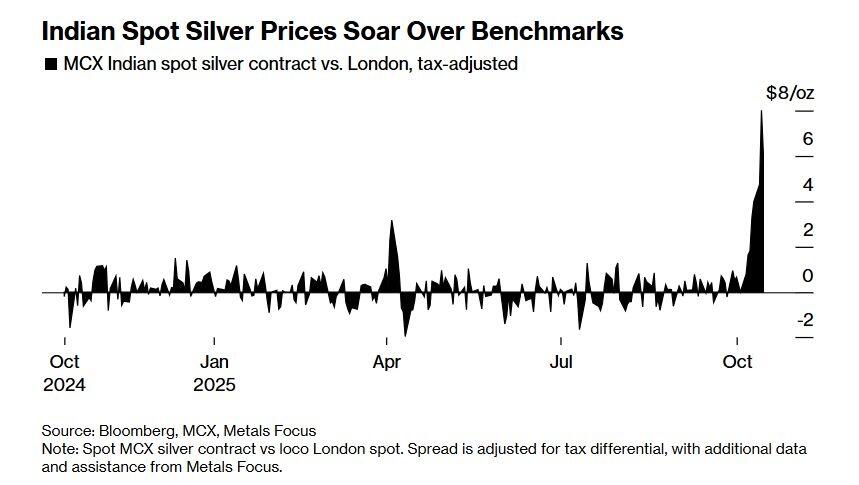
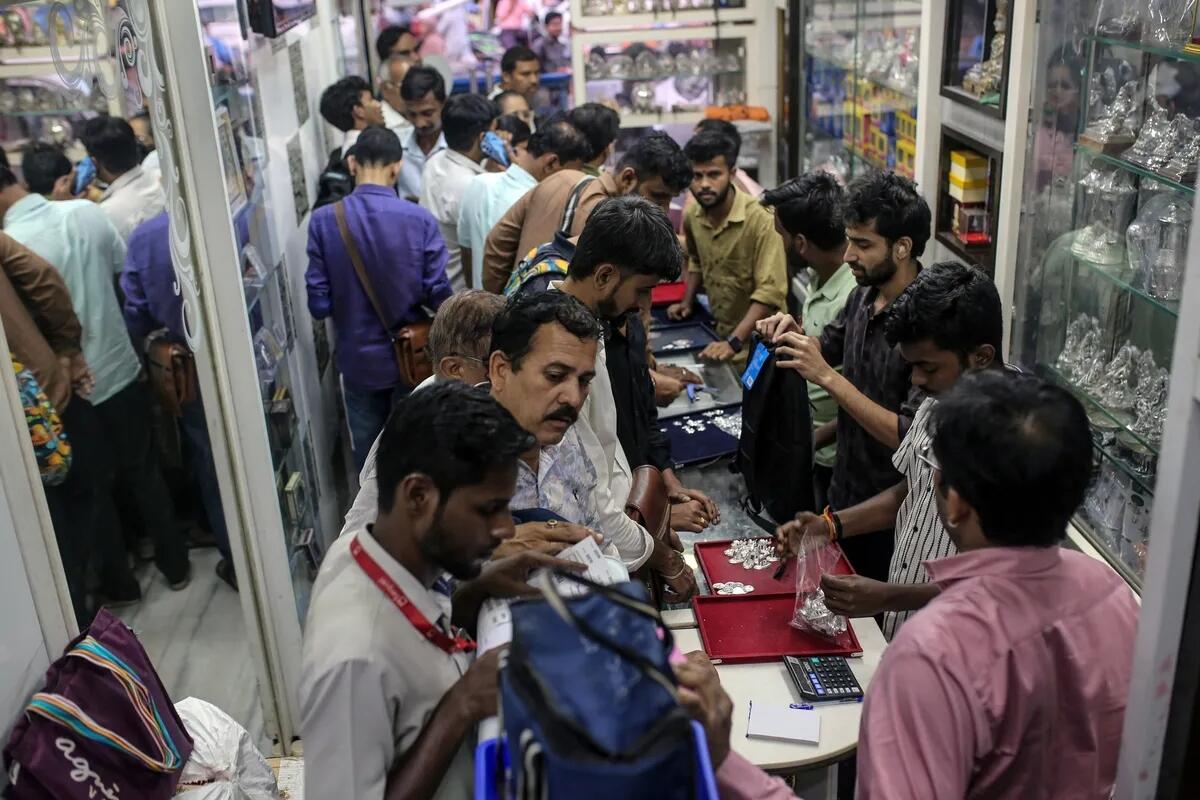

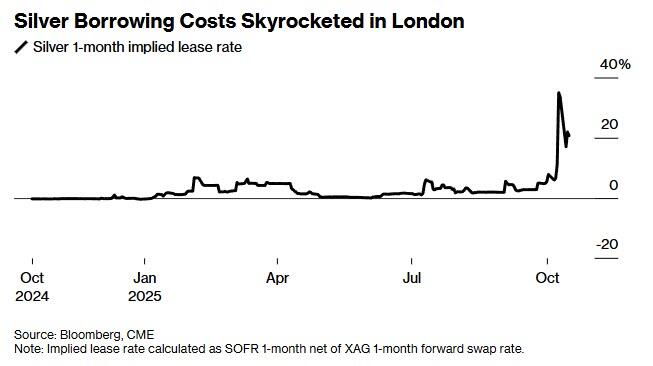

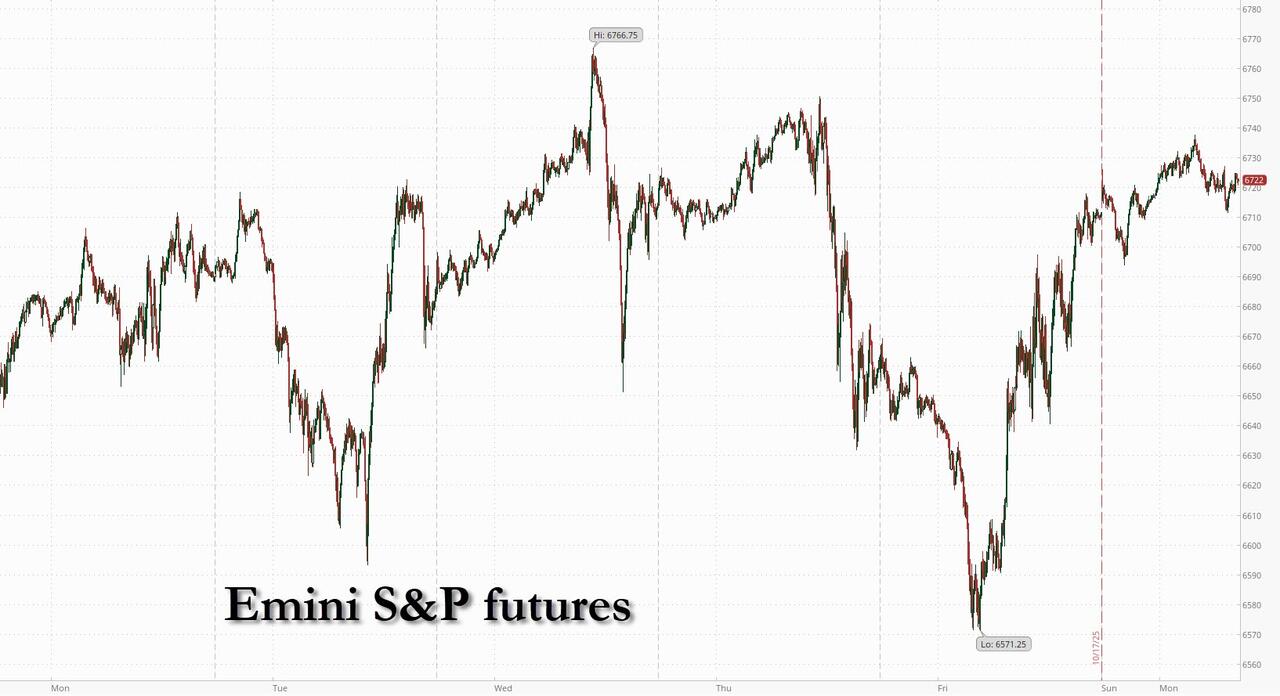

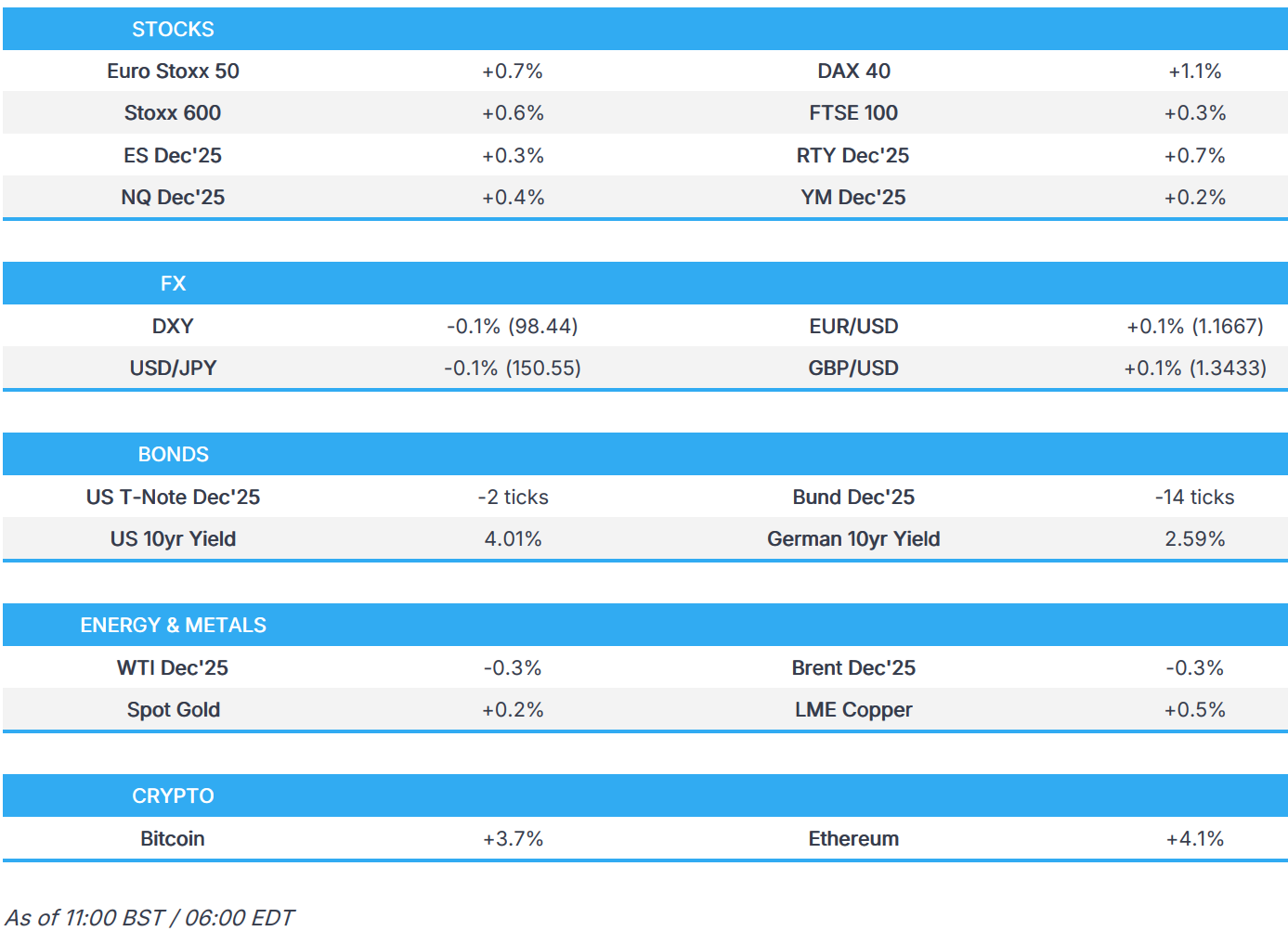
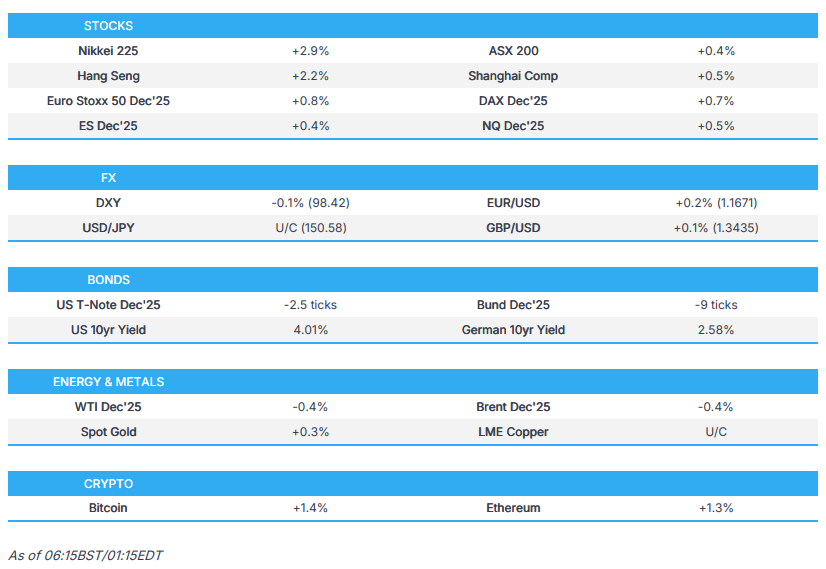




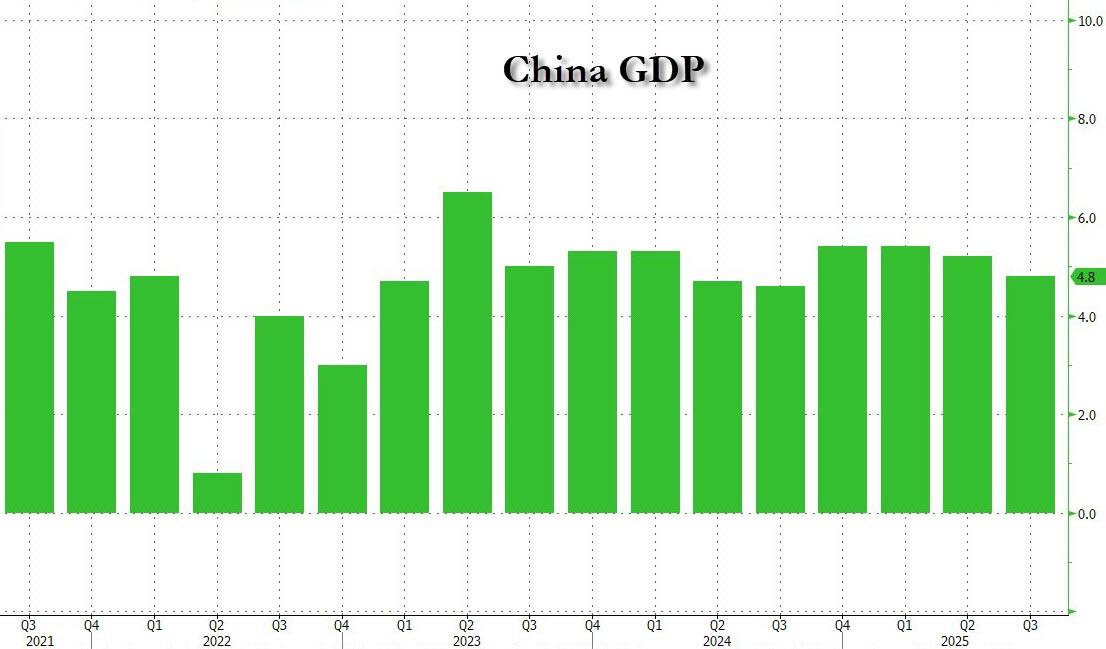
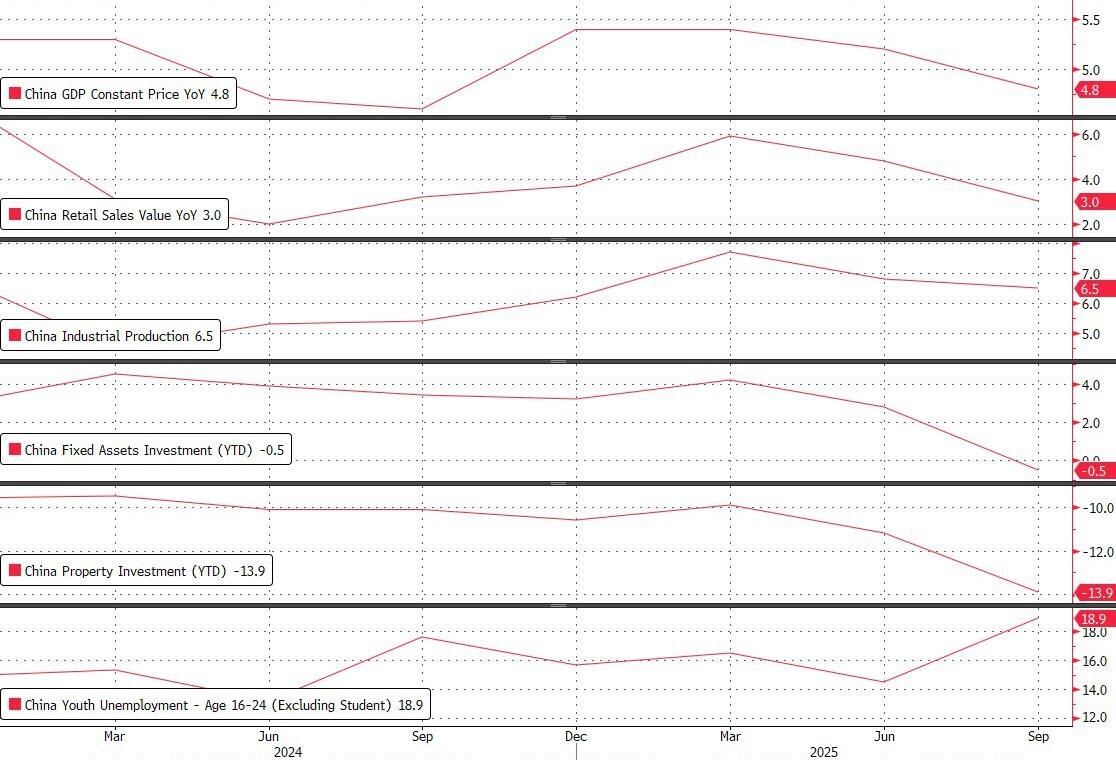
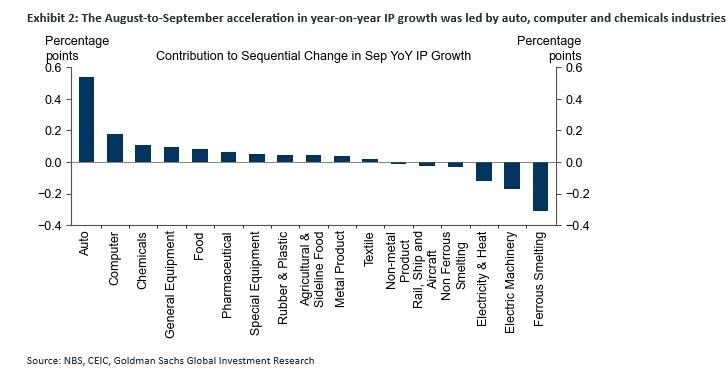
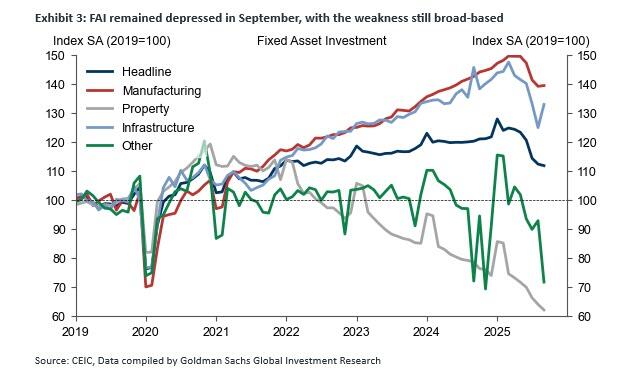
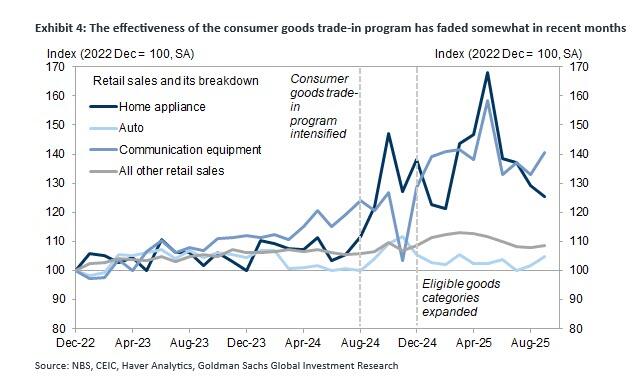
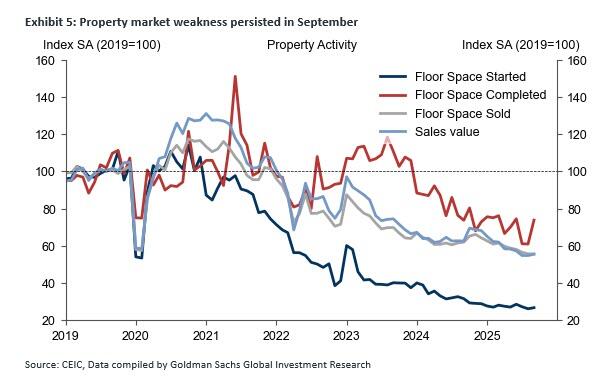
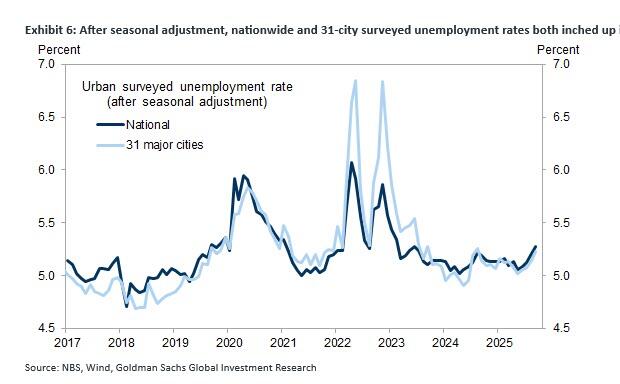
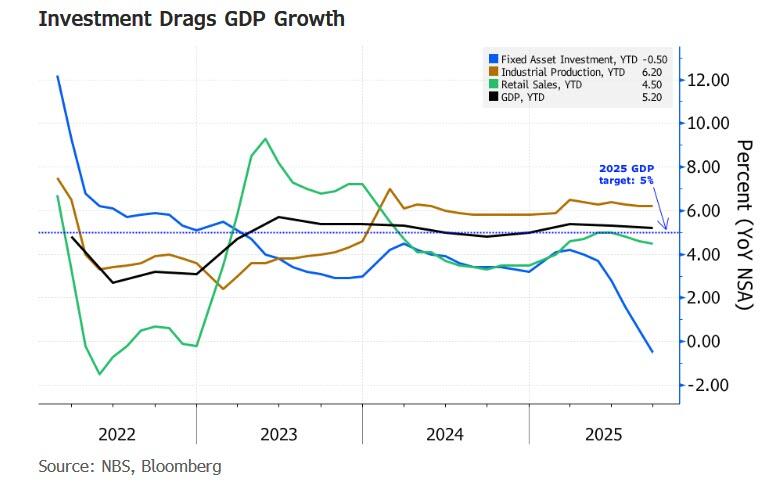
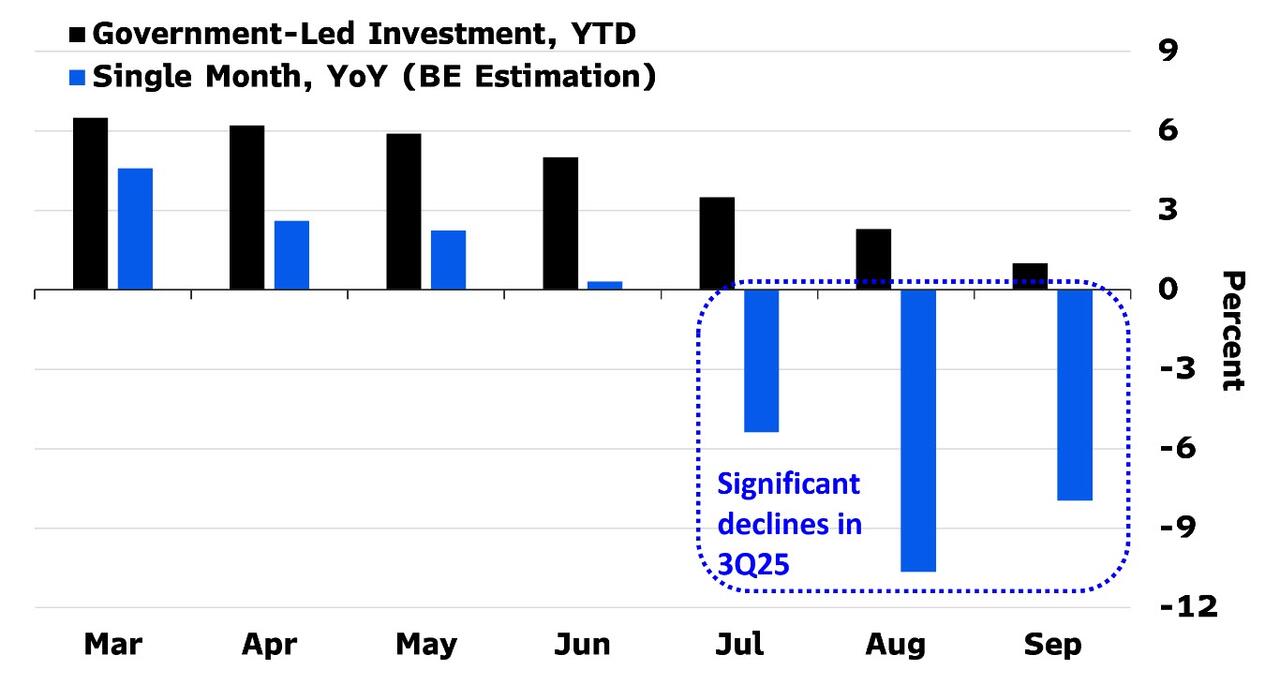
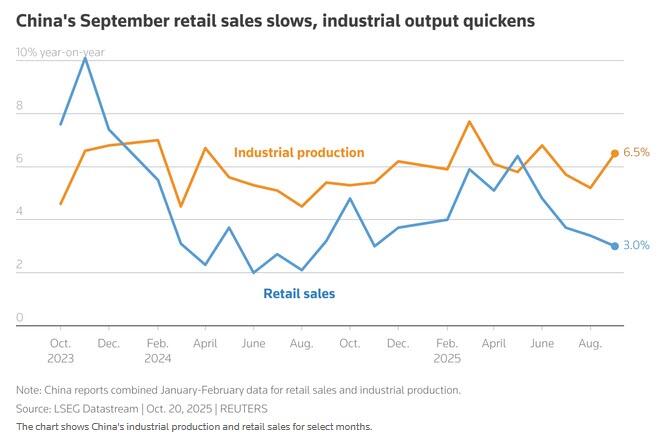
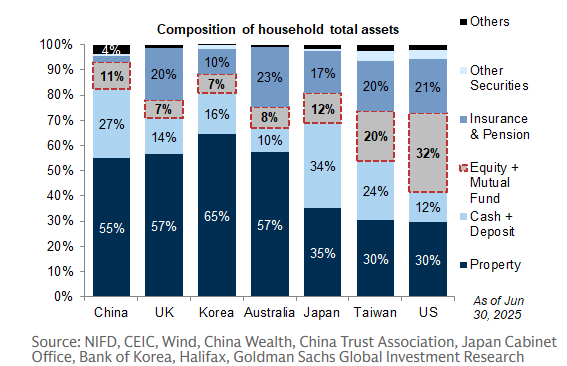
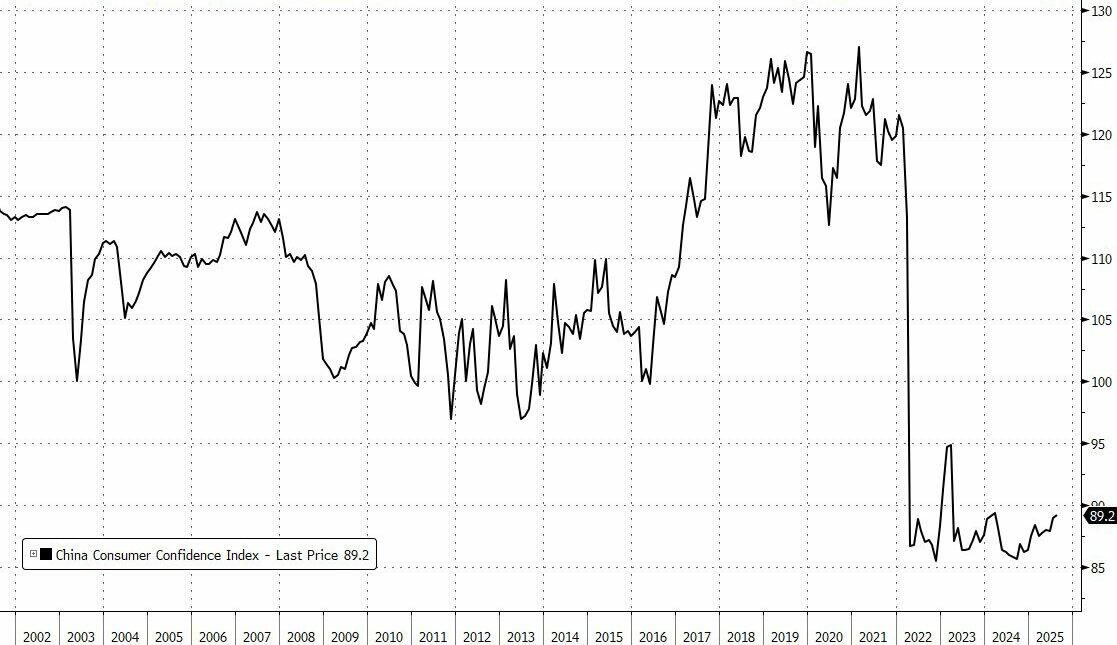
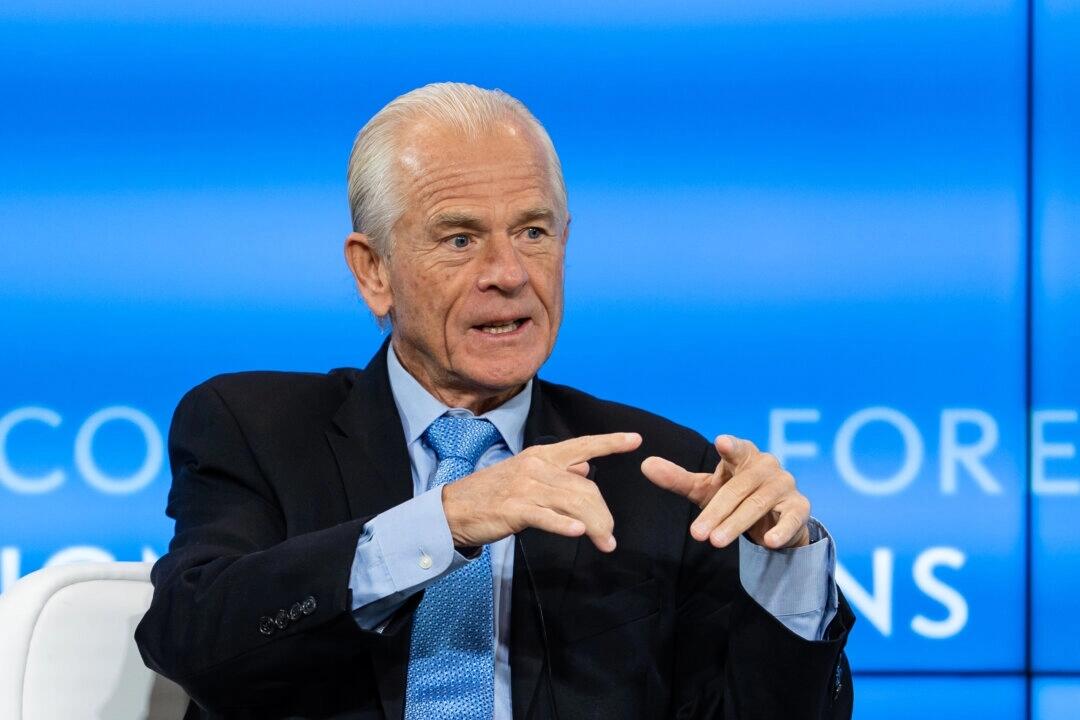

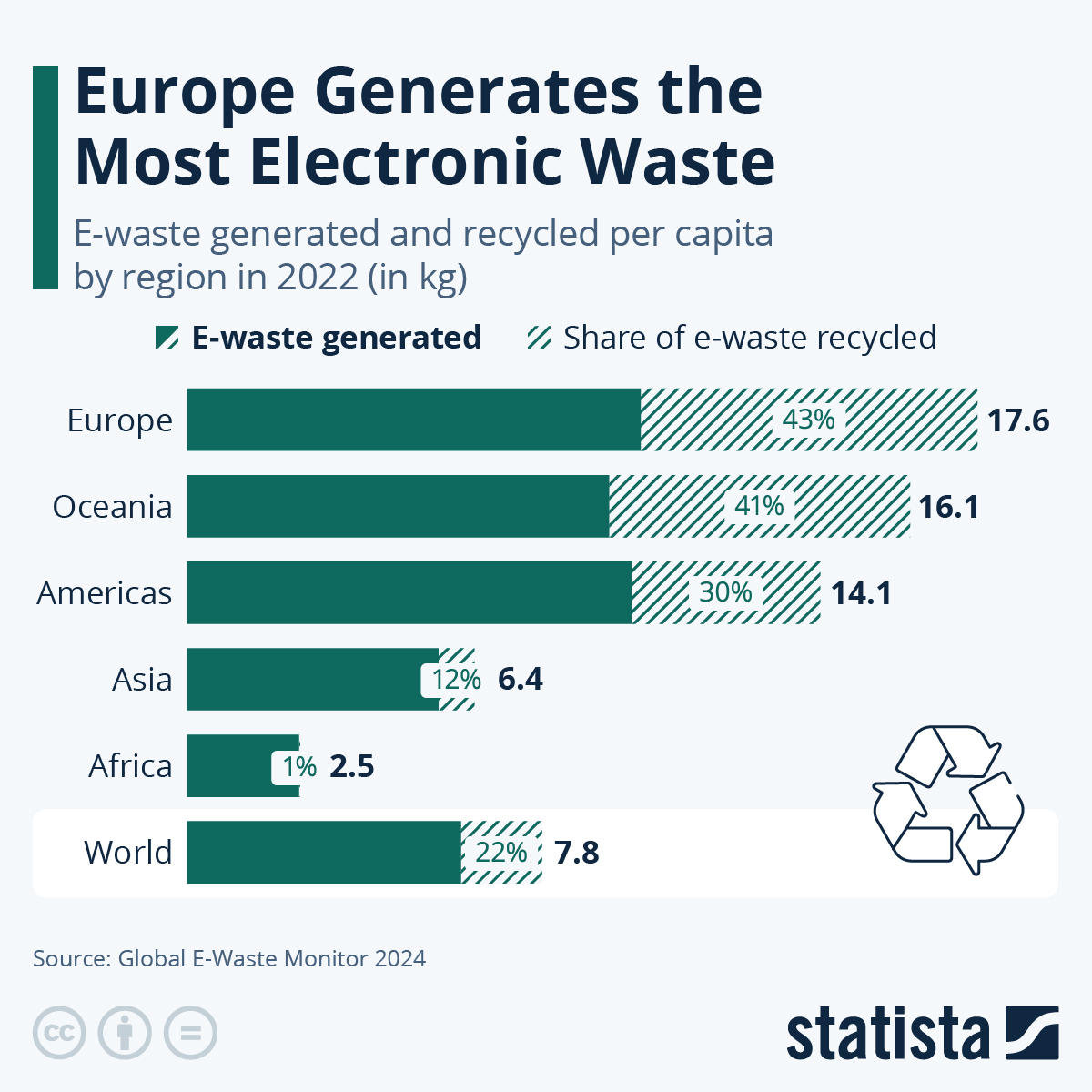

















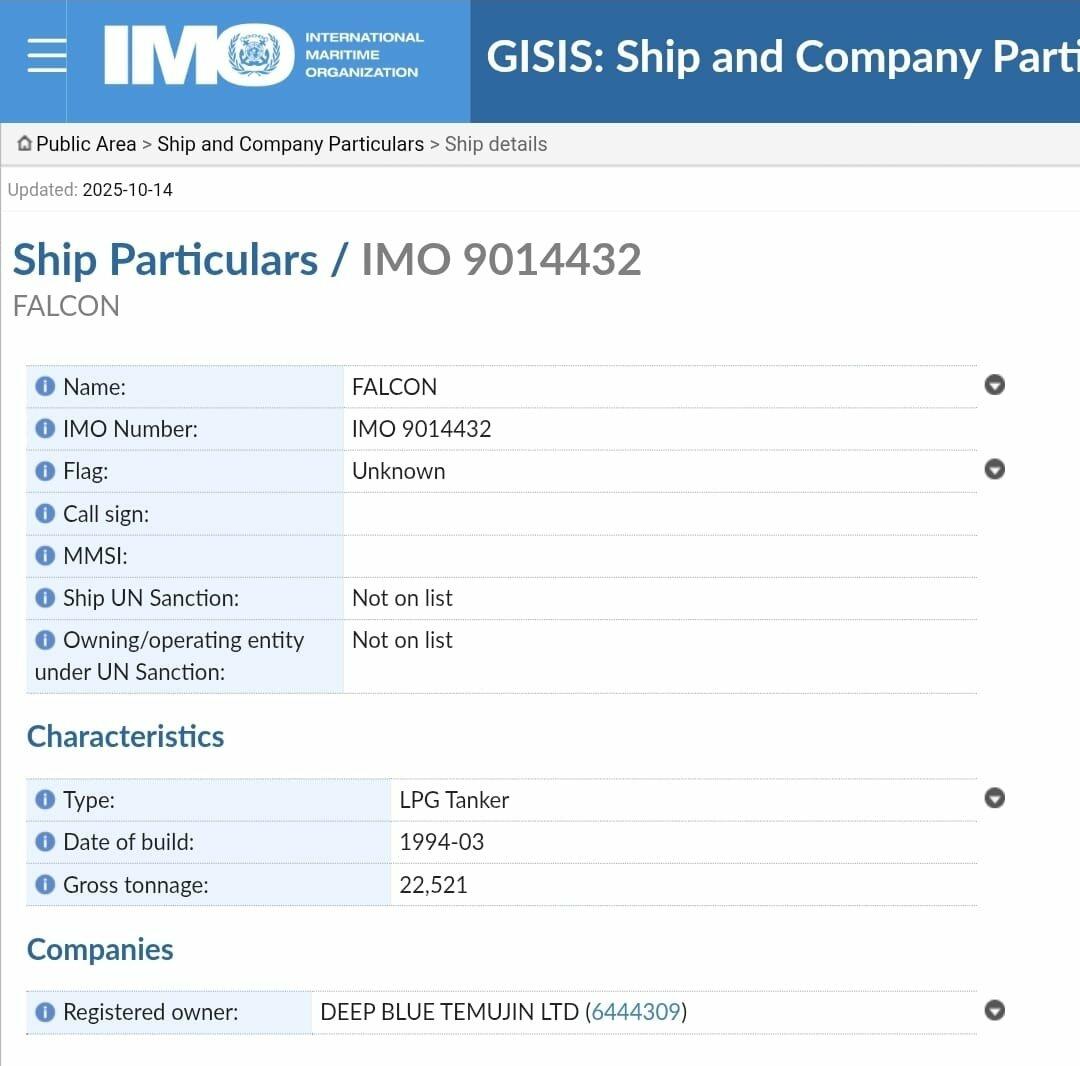



 harveyorganblog.com