NOV 21/BANKER (FRBNY) TRIED FOR CAPITULATION IN OUR PRECIOUS METALS AND FAILED: GOLD CLOSED UP $18.55 TO $4078.95 WITH SILVER DOWN $0.34 TO $5026//PLATINUM WAS DOWN $1.50 TO $1516.80 WHILE PALLADIUM WAS DOWN $1.65 TO $1380.95//GOLD COMMENTARY TONIGHT FROM ALASDAIR MACLEOD/GOLD AND SILVER PODCAST WITH ANDREW MAGUIRE AND DAVE KRANZLER//COMMODITY COMMENTARY TONIGHT ON LIVE CATTLE//UPDATES ON CRISIS IN JAPAN HIGHLIGHTED//AFTER SIX FAILED ATTEMPTS CHINA TO INITIATE ANOTHER HOUSING STIMULUS//ISRAEL VS HAMAS UPDATES/ISRAEL TBN LAST 24 HRS/WEST BANK UPDATES/SYRIA UPDATES/IRAN UPDATES//RUSSIA VS UKRAINE UPDATES//COVID INJURY REPORT/MARK CRISPIN MILLER//OIL UPDATES FROM INDIA RE PURCHASES OF OIL FROM RUSSIA//USA TRADIING TODAY GETS A LIFT FROM FED GOV. WILLIAMS//DATA RELEASES//SWAMP STORIES FOR YOU TONIGHT//
323 C HSBC 8 661 C JP MORGAN SECURITIES 13 905 C ADM 21
TOTAL: 21 21 MONTH TO DATE: 10,918
JPMORGAN STOPPED: 310/457
NOV.
GOLD: NUMBER OF NOTICES FILED FOR NOV/2025: 21 CONTRACTs NOTICES FOR 2100 OZ or 0.0653 TONNES
total notices so far: 10,918 contracts for 1,091,800 OR 33.959 tonnes)
FOR NOV
XXXXXXXXXXXXXXXXXX
SILVER NOTICES: 0 NOTICE(S) FILED FOR 0.00 MILLION OZ/
total number of notices filed so far this month : 3852 CONTRACTS (NOTICES) for 18.260 million oz
Click here if you wish to send a donation. I sincerely appreciate it as this site takes a lot of preparation
END
GLD/
BOTH GLD AND SLV ARE FRAUDULENT VEHICLES//THEY ARE NOW RAIDING GLD AND SLV FOR PHYSICAL
THE CROOKS ARE STEALING GOLD AND SILVER FROM THE GLD/SLV AND REPLACING THE PHYSICAL WITH PAPER DOLLARS.
WITH GOLD UP $18.55 INVESTORS SWITCHING TO SPROTT PHYSICAL (PHYS) INSTEAD OF THE FRAUDULENT GLD
HUGE CHANGES IN GOLD INVENTORY AT THE GLD: A WITHDRAWAL OF 2.00 TONNES OF GOLD OUT OF THE GLD.
INVENTORY RESTS AT 1039.43 TONNES
SLV/
WITH NO SILVER AROUND AND SILVER DOWN $0.34 AT THE SLV:
SMALL CHANGES IN SILVER INVENTORY AT THE SLV:/ // A SMALL DEPOSIT OF 635,000 OZ INTO THE SLV
CLOSING INVENTORY RESTS AT:
CLOSING INVENTORY: 490.83 MILLION OZ
Let us have a look at the data for today
SILVER//OUTLINE
SILVER COMEX OI ROSE BY A HUGE SIZED 1277 CONTRACTS TO 155,694,AND CONTINUING ON ITS MARCH TO THE RECORD HIGH OI OF 244,710, SET FEB 25/2020, AND THIS HUGE SIZED GAIN IN COMEX OI WAS ACCOMPLISHED DESPITE OUR LOSS OF $0.53 IN SILVER PRICING AT THE COMEX WITH RESPECT TO THURSDAY’S // TRADING.! THE BANKER, FRBNY, DID EVERYTHING THEY COULD TO CLIP OUR SPECULATOR LONGS AND FAILED ON WEDNESDAY AND THURSDAY SO THEY ARE TRYING AGAIN TODAY. IT SEEMS THAT THE NEWBIE SPECS HAVE BEEN LED AGAIN ON THE SHORT SIDE AND THEY WILL BE RINSED QUITE NICELY BY THE FRBNY.
WE HAVE REVERTED BACK TO NORMAL WITH THE SPECS POURING IT ON THE LONG SIDE AND THE BANKER (FRBNY) ON THE SHORT SIDE PROVIDING THE NECESSARY SHORT PAPER. IT WAS OUR SILVER SPECULATORS THAT WERE BEING CLIPPED ALL WEEK LONG. WE FINALLY ARE MOVING TO A MUCH HIGHER BASE SURPASSING THE $34.40 SILVER PRICE BARRIER TO A HIGH DEGREE, AND NOW TRYING TO SURPASS OUR LAST MAJOR HURDLE OF $50.00 SILVER AGAIN. WE HAD A MEGA MEGA HUGE SIZED GAIN OF 2007 TOTAL CONTRACTS ON OUR TWO EXCHANGES AS THE CME NOTIFIED US OF A SMALL 130 CONTRACT EXCHANGE FOR PHYSICAL ISSUANCE.. WE HAD CONSIDERABLE LIQUIDATION OF T.A.S. CONTRACTS IN COMEX TRADING WITH RESPECT TO THURSDAY TRADING /// THEY DESPERATELY AGAIN TODAY TRIED TO CONTAIN SILVER’S PRICE RISE FOR THE PAST SEVERAL WEEKS (WHERE RAIDS ARE CALLED UPON AGAIN AND AGAIN TRYING TO STOP THE RISE IN SILVER’S PRICE TO ABOVE $50.00 AND TO QUELL ADDITIONAL DERIVATIVE LOSSES TO OUR BANKERS’ MASSIVE TOTALS). THEY SUCCEEDED ON THURSDAY WITH SILVER’S LOSS IN PRICE. THE PRICE FINISHED STILL A BIT ABOVE THE MAGIC NUMBER OF $50.00 SILVER SPOT PRICE CLOSING AT $50.54 DOWN $0.53 . WE ARE NOW WITNESSING HAVING MANY HUGE T.A.S ISSUANCES // TODAY’S WAS AT A MEGA HUGE SIZED 1204 T.A.S. CONTRACTS BUT STILL DOWN FROM THE MEGA MEGA HUGE SIZED 5,000 PLUS CONTRACT ISSUANCE LAST WEEK!!. THE CROOKS ARE BECOMING MORE DESPERATE TO STOP SILVER BREAKING AGAIN THE 50.00 DOLLAR MARK!!. THERE IS NO NEXT LINE IN THE SAND ONCE THE 50.00 DOLLAR SILVER IS PIERCED AGAIN. WE HAD A SMALL 130 SIZED CONTRACT EXCHANGE FOR PHYSICAL ISSUANCE ACCOMPANIED BY OUR HUGE SIZED 1204 CONTRACT T.A.S ISSUANCE WHICH WILL BE USED IN FUTURE TRADING//RAIDS LIKE TODAY AS THEY PLAY AN INTEGRAL PART IN OUR COMEX TRADING TRYING TO CONTAIN ANY SILVER PRICE RISE. IN ESSENCE WE GAINED A MEGA HUGE SIZED 1347 CONTRACTS ON OUR TWO EXCHANGES DESPITE OUR LOSS IN PRICE OF $0.53. WE HAD HUGE GOVERNMENT (FRBY) COMEX CONTRACTS TRADING THURSDAY AND A MAJOR PORTION WILL BE REMOVED BY DAYS END. (I RECORD THIS FOR YOU ON A DAILY BASIS). THE NEWBIE SPECULATOR LONGS WILL NOW BEEN BURIED IN SHORT ORDER AS FRBNY AND OUR OTHER CENTRAL BANKER WENT TO THE LONG SIDE. THEY WILL TENDER FOR THE BADLY NEEDED PHYSICAL SILVER. THE SHORT SPECS WILL NOW HAVE DIFFICULTY FINDING THE NECESSARY SILVER TO DELIVER TO OUR LONGS.
CRAIG HEMKE HAS POINTED OUT THAT THE CROOKS USE THE MID MONTH FOR MANIPULATION AS THEY SELL THEIR BUY SIDE OF THE CALENDAR SPREAD FIRST AND THEN KEEP THE SELL SIDE TO LIQUIDATE AT A LATER DATE. THUS WE HAVE TWO VEHICLES THE CROOKS USE FOR MANIPULATION AND BOTH ARE SPREADERS: 1) AT MONTH’S END/SPREADERS COMEX AND 2/ TAS SPREADERS, MID MONTH. TOTAL TAS ISSUED ON THURSDAY NIGHT//FRIDAY MORNING: A HUGE SIZED 1204 CONTRACTS. DESPITE MANY COMPLAINTS THAT THE CROOKS HAVE VIOLATED POSITION LIMITS DUE TO THE FACT THAT THE TAS ISSUED HAVE A VALUE OF ZERO (AS TO POSITION LIMITS FOR OUR CROOKED FRBNY BANKERS). THE PROBLEM OF COURSE IS THAT THE CROOKS DO NOT LIQUIDATE THE TAS TOGETHER BUT SELL THE BUY SIDE FIRST AND THEN LIQUIDATE THE SELL SIDE TWO MONTHS HENCE. IT IS OBVIOUS MANIPULATION TO THE HIGHEST DEGREE BUT IT NATURALLY FELL ON DEAF EARS WITH OUR REGULATORS (OCC) WHEN THEY RECEIVED OUR COMPLAINTS. IT NOW SEEMS THAT THE OCC HAS NOW ORDERED THE BANKS TO REDUCE ITS NEW LEVEL OF 1.1 TRILLION DOLLARS IN GOLD/SILVER DERIVATIVES.
THE EASTERN AND SOME WESTERN CENTRAL BANKERS(OTHER THAN FRBNY) HAVE BURIED OUR SHORT SPECULATORS AS THEY TAKE THE LONG SIDE OF TRADING TODAY AND THEY WILL TENDER FOR PHYSICAL SILVER.
THUS:
INITIAL STANDING FOR NOV: 11.575 MILLION OZ
WEDNESDAY: 1.475 MILLION OZ
THURSDAY: 0.250 MILLION OZ
FRIDAY: AN EFP TRANSFER OF 20,000 OZ AND THIS WILL BE SUBTRACTED FROM OUR PREVIOUS TOTAL
THEN ALL PREVIOUS QUEUE JUMPS OF 8.155 MILLION OZ- 0.02 MILLION EFP TRANSFER.
EQUALS
19.495 MILLION OZ STANDING FOR SILVER.
WE HAD:
/ MEGA HUGE COMEX OI GAIN+// A 130 EFP ISSUANCE CONTRACTS (/ VI) A MEGA HUGE NUMBER OF T.A.S. CONTRACT ISSUANCE 1204 CONTRACTS)
I AM NOW RECORDING THE DIFFERENTIAL IN OI FROM PRELIMINARY TO FINAL: REMOVED A HUGE 400 CONTRACTS!!!!!
HISTORICAL ACCUMULATION OF EXCHANGE FOR PHYSICALS NOV.. ACCUMULATION FOR EFP’S SILVER/JPMORGAN’S HOUSE OF BRIBES/STARTING FROM FIRST DAY/MONTH OF NOV.
TOTAL CONTRACTS for 15 DAY(S), total 5516 contracts: OR 27.580 MILLION OZ (367 CONTRACTS PER DAY)
TOTAL EFP’S FOR THE MONTH SO FAR: 27.580 MILLION OZ
LAST 24 MONTHS TOTAL EFP CONTRACTS ISSUED IN MILLIONS OF OZ:
MAY 137.83 MILLION
JUNE 149.91 MILLION OZ
JULY 129.445 MILLION OZ
AUGUST: MILLION OZ 140.120
SEPT. 28.230 MILLION OZ//
OCT: 94.595 MILLION OZ
NOV: 131.925 MILLION OZ
DEC: 100.615 MILLION OZ
YEAR 2022:
JAN 2022-DEC 2022
JAN 2022// 90.460 MILLION OZ
FEB 2022: 72.39 MILLION OZ//
MARCH 2022: 207.140 MILLION OZ//A NEW RECORD FOR EFP ISSUANCE
APRIL: 114.52 MILLION OZ FINAL//LOW ISSUANCE
MAY: 105.635 MILLION OZ//
JUNE: 94.470 MILLION OZ
JULY : 87.110 MILLION OZ
AUGUST: 65.025 MILLION OZ
SEPT. 74.025 MILLION OZ///FINAL
OCT. 29.017 MILLION OZ FINAL
NOV: 134.290 MILLION OZ//FINAL
DEC, 61.395 MILLION OZ FINAL
TOTALS YR 2022: 1135.767 MILLION OZ (1.1356 BILLION OZ)
JAN 2023/// 53.070 MILLION OZ //FINAL
FEB: 2023: 100.105 MILLION OZ/FINAL//MUCH STRONGER ISSUANCE VS THE LATTER TWO MONTHS.
MARCH 2023: 112.58 MILLION OZ//FINAL//STRONG ISSUANCE
APRIL 111.035 MILLION OZ(SLIGHTLY GREATER THAN THAN LAST MONTH)
MAY 66.120 MILLION OZ/INITIAL (MUCH SMALLER THIS MONTH)
JUNE: 110.395 MILLION OZ//MUCH LARGER THAN LAST MONTH
JULY 85.745 MILLION OZ (SMALLER THAN LAST MONTH)
AUGUST: 171.43 MILLION OZ (THIS MONTH IS GOING TO BE HUGE //2ND HIGHEST ON RECORD
SEPT: 72.705 MILLION OZ (SMALLER THIS MONTH)
OCT: 97.455 MILLION OZ
NOV. 50.050 MILLION OZ
DEC. 66.140 MILLION OZ//
TOTAL 2023: 1,104.10 MILLION OZ/
AN ’24 : 78.655 MILLION OZ//
FEB /2024 : 66.135 MILLION OZ./FINAL
MARCH: 143.750 MILLION OZ// 4TH HIGHEST ON RECORD.
APRIL: 161.770 MILLION OZ (THIS MONTH WILL BE A WHOPPER OF ISSUANCE OF EFPS//3RD HIGHEST EVER RECORDED FOR A MONTH)
MAY: 135.995 MILLION OZ //WILL BE A STRONG MONTH FOR EXCHANGE FOR PHYSICAL ISSUANCE
JUNE 110.575 MILLION OZ ( WILL BE ANOTHER STRONG MONTH ISSUANCE)
JULY: 108.870 MILLION OZ (WILL BE A STRONG ISSUANCE MONTH/ A TOUCH OVER 100 MILLION OZ/)
AUGUST; 99.740 MILLION OZ//THIS MONTH WILL BE STRONG FOR ISSUANCE BUT LESS THAN JULY.
SEPT: 112.415 MILLION OZ//WILL BE A HUGE MONTH FOR EXCHANGE FOR PHYSICAL ISSUANCE
OCT; 97.485 MILLION OZ (WILL BE SMALLER ISSUANCE THIS MONTH )
NOV. 115.970 MILLION OZ ( HUGE THIS MONTH)
DEC: 132.54 MILLION OZ (THIS MONTH WILL BE A HUMDINGER FOR ISSUANCE BUT ISSUANCE SLOWED DRAMATICALLY THESE PAST FIVE DAYS/// WILL NOT EXCEED MARCH 2022 RECORD OF 209 MILLION OZ
YEAR 2024 TOTAL: 1363.84 MILLION OR 1.363 BILLION OZ
JANUARY 2025: 67.230 MILLION OZ///(THIS MONTH’S ISSUANCE OF EXCHANGE FOR PHYSICAL WILL BE SMALL)
FEB. 58.260 MILLION OZ//EXCHANGE FOR PHYSICAL ISSUANCE/FINAL
MARCH: 67.020 MILLION OZ///QUITE SMALL AND BECOMING SMALLER EACH AND EVERY MONTH.
APRIL: 100.895 MILLION OZ///AVERAGE SIZE ISSUANCE
MAY: 28.975 MILLION OZ (ISSUANCE WILL BE QUITE SMALL THIS MONTH)
JUNE: 81.065 MILLION OZ
JULY: 50.925 MILLION OZ (QUITE SMALL)
AUGUST: 59.455 MILLION OZ (QUITE SMALL)
SEPT. 50.510 MILLION OZ.(QUITE SMALL)
OCT; 82.020 MILLION OZ (WILL BE STRONG THIS MONTH)/ OCC WANTS TO REIN IN THESE ISSUANCES!
NOV: 27.580 MILLION OZ
RESULT: WE HAD A MEGA HUGE SIZED INCREASE IN COMEX OI SILVER COMEX CONTRACTS OF 1347 CONTRACTS DESPITE OUR LOSS IN PRICE OF $0.53 IN SILVER PRICING AT THE COMEX// THURSDAY.,. . THE CME NOTIFIED US THAT WE HAD A SMALL 135 SIZED CONTRACT EFP ISSUANCE : 135 ISSUED FOR DEC., AND 0 CONTRACTS ISSUED FOR ALL OTHER MONTHS) WHICH EXITED OUT OF THE SILVER COMEX TO LONDON AS FORWARDS.
XXXXXXXXXXXXXXXXXXXXXXXXXXXXXXXXXXXX
LAST 8 MONTHS OF SILVER DELIVERIES:
WE FINISHED APRIL WITH A STRONG SILVER OZ STANDING OF 16.050 MILLION OZ NORMAL DELIVERY , PLUS OUR 4.00 MILLION EX FOR RISK
FINAL STANDING APRIL: 19.965 MILLION OZ
AND MAY:
NEW STANDING FOR MAY FINISHES AT: 75.615 MILLION OZ. (INCLUDES 5,000 OZ EFP TRANSFER TO LONDON + 12.93 MILLION OZ EXCHANGE FOR RISK ISSUANCE/PRIOR.//NEW TOTAL STANDING 88.540 MILLION OZ
AND JUNE: FINAL 16.995 MILLION OZ
AND JULY: 46.720 MILLION OZ//
AUGUST: 4.70 MILLION OZ INITIAL STANDING PLUS TODAY;S 5,000 OZ QUEUE JUMP //NEW STANDING ADVANCES TO 10.960 MILLION OZ
SEPTEMBER: 68.040 MILLION OZ NORMAL DELIVERY(INCLUDES ALL QUEUE JUMPING AND EXCHANGE FOR PHYSICAL TRANSFERS) PLUS 3.0 MILLION OZ EX FOR RISK = 71.040 MILLION OZ. (THIS IS THE FIRST AND ONLY ISSUANCE OF EXCHANGE FOR RISK FOR SILVER SINCE MAY.)
OCTOBER: 39.565 MILLION OZ OF NORMAL DELIVERY INCLUDES ALL QUEUE JUMPING
PLUS
2.110 MILLION OZ EXCHANGE FOR RISK//TOTAL OZ STANDING IN OCT ADVANCES TO 41.675 MILLION OZ
AND NOW NOVEMBER: INITIAL STANDING AT 11.575 MILLION OZ FOLLOWED BY TODAY;S EFP TRANSFER TO LONDON OF 20,000 OZ WHICH FOLLOWS ALL OTHER QUEUE JUMPS OF 9.155 MILLION OZ//STANDING REDUCES TO 19.495 MILLION OZ/
THE NEW TAS ISSUANCE THURSDAY NIGHT (1204) WILL BE PUT INTO “THE BANK” TO BE COLLUSIVELY USED NO DOUBT WITH FUTURE TRADING!!
WE HAD 0 NOTICE(S) FILED TODAY FOR 0.00 MILLION OZ
THE SILVER COMEX IS NOW BEING ATTACKED FOR METAL BY LONDONERS ET AL. IT IS NOW TIME FOR THE FBI TO ENTER THE COMEX AND ARREST THESE CROOKS EVEN THOUGH THE MAJORITY OF THE TRADING IS GOVERNMENT. THE BANKERS ARE COMPLICIT. THE SILVER COMEX IS NOW ON A MASSIVE SIEGE LOOKING FOR PHYSICAL SILVER!!
GOLD//OUTLINE
IN GOLD, THE COMEX OPEN INTEREST ROSE BY A FAIR SIZED 2692 OI CONTRACTS TO 470,585 OI AND CLOSER TO THE RECORD (SET JAN 24/2020) AT 799,105 AND PREVIOUS TO THAT: (SET JAN 6/2020) AT 797,110. (ALL TIME LOW OF 390,000 CONTRACTS.) THUS WE HAVE STILL A RELATIVELY LOW OI IN COMEX WITH AN EXTREMELY HIGH PRICE OF GOLD. THE SHORT RATS ARE ABANDONING THE SHIP.
THE DIFFERENTIAL FROM PRELIMINARY OI TO FINAL OI IN GOLD TODAY: REMOVED A RECORD BY FAR A MEGA MEGA HUGE AND CRIMINAL 33,618 CONTRACTS // MEGA HUGE GOVERNMENT REMOVALS//
WE HAD A FAIR GAIN IN COMEX OI (2692 CONTRACTS) . THIS OCCURRED WITH OUR LOSS OF $20.45 IN PRICE// THURSDAY///.
LAST 7 MONTHS OF GOLD DELIVERIES: (MAY THROUGH TO NOVEMBER)
MAY: SUMMARY FOR MAY TONNES WHICH STOOD FOR DELIVERY:
FINAL STANDING FOR MAY: 70.174 TONNES OF GOLD TO WHICH WE ADD 1. MONDAY’S (MAY 19) 6.221 TONNES EXCHANGE FOR RISK , 2. THEN WE ADD: 1.35 TONNES TO LAST WEEK”S. THEN WE ADD 3. 1.55 TONNES TO EQUAL 9.591 TONNES// NEW EXCHANGE FOR RISK = 9.591 TONNES WHICH MUST BE ADDED TO OUR NORMAL DELIVERY SCHEDULE OF 80.644 TONNES. THUS STANDING FOR MAY INCREASES TO 90.235 TONNES OF GOLD
2 JUNE CONTRACT MONTH: 93.085 TONNES OF GOLD (WHICH INCLUDES ALL QUEUE JUMPING AND 0 EX FOR RISK)
3.JULY INITIIAL STANDING FIRST DAY NOTICE: 17.847 TONNES. PLUS TODAY’S 0 TONNES QUEUE JUMP + 1.555 TONNES EX FOR RISK + 2.195 TONNES EX FOR RISK TODAY = 41.106 TONNES STANDING
4. AUGUST: 60.547 TONNES OF INITIAL GOLD FIRST DAY NOTICE FOLLOWED BY THE NET MONTH’S QUEUE JUMP OF 47.2312 TONNES TO WHICH WE ADD THE FOLLOWING EXCHANGE FOR RISK ISSUANCE RECEIVED FOR THE MONTH: 5.4432 TONNES EX FOR RISK/AUG 7 , AUG 11: 2.413 TONNES EX FOR RISK AND AUG. 12 OF 2.637 TONNES EX FOR RISK//AUG 25: 9.107 TONNES , AUGUST 26: 9.1010 TONNES AND NOW AUGUST 27: 9.0699 TONNES//NEW STANDING ADVANCES TO 107.5117 TONNES OF GOLD NORMAL STANDING (INCLUDES ALL MONTHLY QUEUE JUMPS/EX FOR PHYSICAL TRANSFERS//) +44.696 TONNES EX.FOR RISK = 152.208 TONNES
5.SEPT: INITIAL 8.093 TONNES OF GOLD PLUS TODAY’S QUEUE JUMP OF 0.4883 TONNES PLUS 2.2827 TONNES OF EXCHANGE FOR RISK TODAY//NEW TOTAL EX. FOR RISK/MONTH = 22.923//NEW TOTAL STANDING FOR GOLD SEPT ADVANCES TO = 48.801 TONNES!!
6.OCTOBER: 90.012 TONNES OF INITIAL GOLD STANDING WITH TODAY’S TINY 0.00311 TONNES QUEUE JUMP WHICH FOLLOWS ALL OTHER QUEUE JUMPS DURING OCT OF 76.1656 TONNES
THEN WE MUST ADD OUR 14.553 TONNES OF OUR ISSUANCE OF EXCHANGE FOR RISK/6 OCCASIONS//NEW TOTAL OF GOLD STANDING ADVANCES TO 197.5141 TONNES OF GOLD.
7.NOVEMBER BEGINS WITH 15.651 TONNES INITIALLY STANDING FOR DELIVERY FOLLOWED BY TODAY’S QUEUE JUMP OF 0.1399 TONNES FOLLOWED BY ALL PREVIOUS QUEUE JUMPS IN OF OF 19.5146 TONNES TO WHICH WE ADD OUR FIRST EXCHANGE FOR RISK ISSUANCE OF 1.3996 TONNES//NEW STANDING ADVANCES TO 36.7736 TONNES OF GOLD.
E.F.P. ISSUANCE/FOR OPENING NOV GOLD CONTRACT
THE CME RELEASED THE DATA FOR EFP ISSUANCE AND IT TOTALED A STRONG SIZED 3130 CONTRACTS:
The NEW COMEX OI FOR THE GOLD COMPLEX RESTS AT 470,585 AND WE NOW WITNESSING A STRONG COMEX OI WITH AN EXTREMELY HIGH PRICE OF GOLD
SILVER ALSO HAS A STRONG SIZED COMEX OI OF 155,694 CONTRACTS
IN ESSENCE WE HAVE A STRONG SIZED GAIN IN TOTAL CONTRACTS ON THE TWO EXCHANGES OF 5822 CONTRACTS WITH 2692 CONTRACTS INCREASED AT THE COMEX// AND A STRONG SIZED 3130 EXCHANGE FOR PHYSICAL OI CONTRACT ISSUANCE WHICH NAVIGATED OVER TO LONDON. THUS TOTAL OI GAIN ON THE TWO EXCHANGES OF 5822 CONTRACTS.. WE HAD THE FOLLOWING TAS CONTRACTS INITIATED (ISSUED): A FAIR SIZED AND CRIMINAL 2321 CONTRACTS AND THESE ISSUANCES ARE GENERALLY USED TO INITIATE A RAID WHEN CALLED UPON. THE MEGA HUGE 5 CONSECUTIVE ISSUANCES HAS ENDED LAST FRIDAY NIGHT.
GOLD PRICE ON THURSDAY FELL BY $20.45
CALCULATIONS ON GAIN/LOSS ON OUR TWO EXCHANGES
WE HAD A STRONG SIZED ISSUANCE IN EXCHANGE FOR PHYSICALS CONTRACT(3130) ACCOMPANYING THE FAIR GAIN IN COMEX OI OF 2692 CONTRACTS/TOTAL GAIN FOR OUR THE TWO EXCHANGES: 5822 CONTRACTS..WE HAVE 1) NOW RETURNED TO OUR CLIMATIC FORMAT OF BANKER (FRBNY + OTHER CENTRAL BANKERS) GOING ON THE LONG SIDE AND NEWBIE SPECULATORS GOING TO THE SHORT SIDE AND THUS WILL BE MOSST LIKELY BADLY CLIPPED IN TODAY’S TRADING/. ,2.) STRONG INITIAL STANDING FOR GOLD FOR NOV AT 15.651 TONNES OF NORMAL DELIVERY TO WHICH WE ADD OUR QUEUE JUMP OF 0.1399TONNES TO PREVIOUS QUEUE JUMPS IN NOV OF 19.5146 TONNES AND THEN WE ADD OUR FIRST EXCHANGE FOR RISK ISSUANCE OF 1.3996 TONNES
NEW STANDING ADVANCES TO 36.7736 TONNES.
NEW STANDING FOR GOLD, NOV CONTRACT AT 36.7736 TONNES OF GOLD
3) CONSIDERABLE T.A.S. LIQUIDATION (AND CONSIDERABLE GOVT LIQUIDATION AND HUGE LIQUIDATION OF EQUITY SHARES) AS WE HAD 1)A $20.45 COMEX PRICE LOSS AND WE HAD 2) NEWBIE SPECS GOING ON THE LONG SIDE AND WILL BE CLIPPED IN TODAY;S TRADING. MASSIVE WESTERN + EASTERN CENTRAL BANKERS WERE PILING INTO THE LONG SIDE AS WE HAD A STRONG SIZED GAIN OF 5822 CONTRACTS ON OUR TWO EXCHANGES. WE HAD HUGE SPECULATOR SHORT CONTRACTS BEING CLIPPED TUESDAY, AND WEDNESDAY AND TODAY’S NUMBER WILL BE EVEN BIGGER//, CENTRAL BANKERS TENDERED FOR PHYSICAL WWITH THEIR PURCHASES OF CONTRACTS../ ALSO, 3)STICKY GOLD’S LONGS WERE REWARDED THURSDAY EVENING AS THEY EXERCISED EFP’S FROM LONDON TO TAKE DELIVERY OF BADLY NEEDED PHYSICAL WITH THE RISE IN PRICE YESTERDAY
4) FAIR SIZED COMEX OI GAIN/ 5) V) STRONG SIZED ISSUANCE OF EXCHANGE FOR PHYSICAL GOLD (3130)
ACCUMULATION OF EFP’S GOLD AT J.P. MORGAN’S HOUSE OF BRIBES: (EXCHANGE FOR PHYSICAL) FOR THE MONTH OF NOV. :
TOTAL EFP CONTRACTS ISSUED: 31,995 CONTRACTS OR 3,199,500 OZ OR 99.517 TONNES IN 15 TRADING DAY(S) AND THUS AVERAGING: 2133 EFP CONTRACTS PER TRADING DAY
TO GIVE YOU AN IDEA AS TO THE SIZE OF THESE EFP TRANSFERS : THIS MONTH IN15 TRADING DAY(S) IN TONNES: 99.517 TONNES
TOTAL ANNUAL GOLD PRODUCTION, 2024, THROUGHOUT THE WORLD EX CHINA EX RUSSIA: 3555 TONNES
THUS EFP TRANSFERS REPRESENTS 99.517 TONNES DIVIDED BY 3550 x 100% TONNES = 2.90% OF GLOBAL ANNUAL PRODUCTION
SEPT 142.12 TONNES FINAL ISSUANCE ( LOW ISSUANCE)_
OCT: 141.13 TONNES FINAL ISSUANCE (LOW ISSUANCE)
NOV: 312.46 TONNES FINAL ISSUANCE//NEW RECORD!! (INCREASING DRAMATICALLY)//SIGN OF REAL STRESS//SURPASSING THE MARCH 2021 RECORD OF 276.50 TONNES OF EFP
DEC. 175.62 TONNES//FINAL ISSUANCE//
TOTALS: 2,578.08 TONNES/2021
JAN:2022 247.25 TONNES //FINAL
FEB: 196.04 TONNES//FINAL
MARCH/2022: 409.30 TONNES //FINAL( THIS IS NOW A RECORD EFP ISSUANCE FOR MARCH AND FOR ANY MONTH.
APRIL: 169.55 TONNES (FINAL VERY LOW ISSUANCE MONTH)
MAY: 247.44 TONNES FINAL//
JUNE: 238.13 TONNES FINAL
JULY: 378.43 TONNES FINAL/SECOND HIGHEST ON RECORD
AUGUST: 180.81 TONNES FINAL
SEPT. 193.16 TONNES FINAL
OCT: 177.57 TONNES FINAL ( MUCH SMALLER THAN LAST MONTH)
NOV. 223.98 TONNES//FINAL ( MUCH LARGER THAN PREVIOUS MONTHS//comex running out of physical)
DEC: 185.59 tonnes // FINAL
TOTAL: 2,847,25 TONNES/2022
JAN 2023: 228.49 TONNES FINAL//HUGE AMOUNT OF EFP’S ISSUED THIS MONTH!!
FEB: 151.61 TONNES/FINAL
MARCH: 280.09 TONNES/INITIAL (ANOTHER STRONG MONTH FOR EFP ISSUANCE)
APRIL: 197.42 TONNES
MAY: 236.67 TONNES (A VERY STRONG ISSUANCE FOR THIS MONTH)
JUNE: 172.667 TONNES (WEAKER ISSUANCE THIS MONTH)
JULY: 151.69 TONNES (WEAKER THAN LAST MONTH)
AUGUST: 195.28 TONNES (A STRONGER MONTH)//FINAL
SEPT: 254.709 TONNES (WILL BE LARGER THAN LAST MONTH AND A STRONG MONTH)
OCT. 248.09 TONNES. LIKE SILVER, THIS MONTH IS GOING TO BE A STRONG E.F.P. ISSUANCE.
NOV. 239.16 TONNES//WILL BE STRONG THIS MONTH,
DEC. 213.704 TONNES. A STRONG MONTH//
TOTAL FOR YEAR 2023: 2,569.57 TONNES VS 2578 TONNES LAST YEAR
2024 AND 2025:
JAN. 2025: 257.919 TONNES (ISSUANCE WILL BE PRETTY GOOD THIS MONTH BUT MUCH LOWER THAN LAST MONTH)
FEB: 207.21 TONNES//EX FOR PHYSICAL ISSUANCE (WILL BE A FAIR SIZED ISSUANCE THIS MONTH)
MARCH 130.84 TONNES//QUITE SMALL THIS MONTH.
APRIL; 208.57 TONNES. STRONG THIS MONTH
MAY: 113.499 TONNES OF GOLD EFP ISSUANCE//QUITE SMALL THIS MONTH
JUNE: 97.79 TONNES OF GOLD EFP ISSUANCE/EXTREMELY SMALL
JULY : 150.877 TONNES// QUITE SMALL
AUGUST: 175.86 TONNES A LOT LARGER THIS MONTH.
SEPT. 116.13 TONNES VERY SMALL
OCT. 252.72 TONNES//CERTAINLY MUCH LARGER THIS MONTH/VERY STRONG
NOV: 99.517 TONNES//VERY SMALL THIS MONTH.
SPREADING OPERATION
NOW SWITCHING TO GOLD FOR NEWCOMERS, HERE ARE THE DETAILS
SPREADING LIQUIDATION HAS NOW COMMENCED AS WE HEAD TOWARDS THE NEW ACTIVE FRONT MONTH OF OCT. WE ARE NOW INTO THE SPREADING OPERATION OF GOLD
HERE IS A BRIEF SYNOPSIS OF HOW THE CROOKS FLEECE UNSUSPECTING LONGS IN THE SPREADING ENDEAVOUR ;MODUS OPERANDI OF THE CORRUPT BANKERS AS TO HOW THEY HANDLE THEIR SPREAD OPEN INTERESTS:HERE IS HOW THE CROOKS USED SPREADING AS WE ARE NOW INTO THE NON ACTIVE DELIVERY MONTH OF NOV HEADING TOWARDS THE ACTIVE DELIVERY MONTH OF FEB., FOR GOLD: AND MARCH FOR SILVER
YOU WILL ALSO NOTICE THAT THE COMEX OPEN INTEREST STARTS TO RISE BUT SO IS THE OPEN INTEREST OF SPREADERS. THE OPEN INTEREST IN WILL CONTINUE TO RISE UNTIL ONE WEEK BEFORE FIRST DAY NOTICE OF AN UPCOMING ACTIVE DELIVERY MONTH (OCT), AND THAT IS WHEN THE CROOKS SELL THEIR SPREAD POSITIONS BUT NOT AT THE SAME TIME OF THE DAY. THEY WILL USE THE SELL SIDE OF THE EQUATION TO CREATE THE CASCADE (ALONG WITH THEIR COLLUSIVE FRIENDS) AND THEN COVER ON THE BUY SIDE OF THE SPREAD SITUATION AT THE END OF THE DAY. THEY DO THIS TO AVOID POSITION LIMIT DETECTION. THE LIQUIDATION OF THE SPREADING FORMATION CONTINUES FOR EXACTLY ONE WEEK AND ENDS ON FIRST DAY NOTICE.”
WHAT IS ALARMING TO ME, ACCORDING TO OUR LONDON EXPERT ANDREW MAGUIRE IS THAT THESE EFP’S ARE BEING TRANSFERRED TO WHAT ARE CALLED SERIAL FORWARD CONTRACT OBLIGATIONS AND THESE CONTRACTS ARE LESS THAN 14 DAYS. ANYTHING GREATER THAN 14 DAYS, THESE MUST BE RECORDED AND SENT TO THE COMPTROLLER, GREAT BRITAIN TO MONITOR RISK TO THE BANKING SYSTEM. IF THIS IS INDEED TRUE, THEN THIS IS A MASSIVE CONSPIRACY TO DEFRAUD AS WE NOW WITNESS A MONSTROUS TOTAL EFP’S ISSUANCE AS IT HEADS INTO THE STRATOSPHERE.
The crooks also use the spread in the TAS account (trade at settlement). They buy the spot TAS (e.g. June) and sell the future TAS two months out (e.g. August). Then they unload the front month (i.e. unload the buy side first so the price of gold/silver falls. This occurs in the middle of the front delivery month cycle. They unload the sell side of the equation, two months down the road. The crooks violate position limits as the OCC refuse to hear our complaints.
First, here is an outline of what will be discussed tonight:
1.TODAY WE HAD THE OPEN INTEREST AT THE COMEX IN SILVER ROSE BY A MEGA HUGE SIZED 1277 CONTRACTS OI TO 155,694 AND CLOSER TO THE COMEX HIGH RECORD //244,710( SET FEB 25/2020). THE LAST RECORDS WERE SET IN AUG.2018 AT 244,196 WITH A SILVER PRICE OF $14.78/(AUGUST 22/2018)..THE PREVIOUS RECORD TO THAT WAS SET ON APRIL 9/2018 AT 243,411 OPEN INTEREST CONTRACTS WITH THE SILVER PRICE AT THAT DAY: $16.53). AND PREVIOUS TO THAT, THE RECORD WAS ESTABLISHED AT: 234,787 CONTRACTS, SET ON APRIL 21.2017 OVER 7 YEARS AGO. HOWEVER WE HAVE NOW SET A NEW RECORD LOW OF 114,102 CONTRACTS JULY 3.2023
EFP ISSUANCE 130 CONTRACTS
OUR CUSTOMARY MIGRATION OF COMEX LONGS CONTINUE TO MORPH INTO LONDON FORWARDS AS OUR BANKERS USED THEIR EMERGENCY PROCEDURE TO ISSUE:
DEC 818 CONTRACTS and 0 ALL OTHER MONTHS: ZERO. TOTAL EFP ISSUANCE: 0 CONTRACTS. EFP’S GIVE OUR COMEX LONGS A FIAT BONUS PLUS A DELIVERABLE PRODUCT OVER IN LONDON. IF WE TAKE THE COMEX OI GAIN OF 1877 CONTRACTS AND ADD TO THE 130 E.FP. ISSUED
WE OBTAIN A HUGE SIZED GAIN OF 1347 OF OPEN INTEREST CONTRACTS FROM OUR TWO EXCHANGES DESPITE OUR LOSS OF $0.53 THE RATS ARE FLEEING THE ARENA.
THUS IN OUNCES, THE GAIN ON THE TWO EXCHANGES TOTALS 6.735 MILLION PAPER OZ
c) Commentaries from: Egon von Greyerz///Matthew Piepenburg via GoldSwitzerland.com, Pam and Russ Martens
ii a) Chris Powell of GATA provides to us very important physical commentaries
b. Other gold/silver commentaries
c. Commodity commentaries//
d)/CRYPTOCURRENCIES/BITCOIN ETC
2.ASIAN AFFAIRS
ASIAN MARKETS THIS FRIDAY MORNING:
SHANGHAI CLOSED DOWN 96.16 POINTS OR 2.45%
//Hang Seng CLOSED CLOSED DOWN 615.55 PTS OR 2.38%
// Nikkei CLOSED : DOWN 1198.06 PTS OR 2.40% //Australia’s all ordinaries CLOSED DOWN 1.59%
//Chinese yuan (ONSHORE) CLOSED UP TO 7.1110/ OFFSHORE CLOSED UP AT 7.1126/ Oil DOWN TO 57.46 dollars per barrel for WTI and BRENT DOWN TO 61.97 Stocks in Europe OPENED ALL GREEN
ONSHORE USA/ YUAN TRADING UP TO 7.1110 OFFSHORE YUAN TRADING UP TO 7.1126:/ONSHORE YUAN TRADING ABOVE OFF SHORE AND UP ON THE DOLLAR// / AND THUS STRONGER//OFF SHORE YUAN TRADING UP AGAINST US DOLLAR/ AND THUS STRONGER
1. COMEX DATA//AMOUNTS STANDING//VOLUME OF TRADING/INVENTORY MOVEMENTS
GOLD
LET US BEGIN:
THE TOTAL COMEX GOLD OPEN INTEREST ROSE BY A FAIR SIZED SIZED 2692 CONTRACTS TO 504,203 OI DESPITE OUR LOSS IN PRICE OF $20.45 WITH RESPECT TO THURSDAY’S // TRADING/ //COMEX CLOSING TIME:… WE LOST ZERO NET LONGS, WITH THAT PRICE LOSS FOR GOLD. AND AS YOU WILL SEE BELOW, OUR LOSS IN PRICE ALSO HAD A STRONG NUMBER OF EXCHANGE FOR PHYSICAL ISSUED (3130). WE HAD HUGE T.A.S. LIQUIDATION THURSDAY.. IT SEEMS THAT THE SPECULATORS WENT AGAIN HUGELY TO THE SHORT SIDE WITH OUR FRBNY MOVING TO THE LONG SIDE AND OTHER CENTRAL BANKERS CONTINUING ON THE LONG SIDE . JUDGING BY THE NOTICES FOR DELIVERY FILED LAST NIGHT AT 21 NOTICES FOR 2100 OZ (0.0653 TONNES), THE EASTERN CENTRAL BANKERS TOOK EVERYTHING THEY COULD ON OFFER. IT TOOK ONLY 24 HOURS BEFORE THE FRBY ENGINEERED ANOTHER RAID TO RINSE THESE SPECS AGAIN AS ANOTHER RAID WAS CALLED UPON YESTERDAY.
WE THUS HAD A TOTAL GAIN IN OI ON BOTH OF OUR EXCHANGES, THE COMEX AND LONDON’S EXCHANGE FOR PHYSICAL EQUATING TO 5822 CONTRACTS (OR 19.107 TONNES). THEN WE WERE NOTIFIED OF A 0 CONTRACT EXCHANGE FOR RISK ISSUANCE IN GOLD CONTRACTS ISSUED FOR NIL OZ OR 0 TONNES OF GOLD.
FIRST LETS DO A REVIEW OF EXCHANGE FOR RISK ISSUANCES:
A LITTLE HISTORY ON OUR EXCHANGE FOR RISK ISSUANCES/ GOLD PRIOR MONTHS
HERE IS A CLOSER LOOK AT EXCHANGE FOR RISK ISSUANCES FOR THESE PAST 4 MONTHS;TOTAL EXCHANGE FOR RISK LAST 4 MONTHS 70.097 TONNES. THE RECIPIENT OF THESE EXCHANGE FOR RISK IS THE BANK OF ENGLAND. THIS CENTRAL BANK LOANED OUT ITS GOLD AND WANTS IT BACK. THEIR TOTAL RESERVES PRIOR TO THE LOANS IS LISTED AT 310 TONNES.
LET US LOOK AT JULY:
SUMMARY: EXCHANGE FOR RISK ISSUANCE IN JULY/2025: 2 ISSUANCES//3.75 TONNES
ON WEDNESDAY MORNING,JULY 23, MUCH TO MY SHOCK, AFTER A TWO MONTH HIATUS,THE CME ANNOUNCED A 500 EXCHANGE FOR RISK CONTRACT ISSUANCE FOR 50,000 OZ OR 1.555 TONNES. THEN JULY 30 THE CME ANNOUNCED (ISSUED) MUCH TO MY HORROR ITS SECOND EXCHANGE FOR RISK FOR 706 CONTRACTS OR 70,600 OZ (2.195 TONNES) AS THE BANK OF ENGLAND WAS NOT SATISFIED AND NEEDS MORE GOLD TO COVER ITS LEASES TO BULLION BANKS. ( IT WAS NOT THE FRBNY WHO ALSO OWES GOLD TO THE BIS AND THEY NEED TO COVER BADLY AS YOU WILL SEE).THE TOTAL EXCHANGE FOR RISK FOR THE MONTH OF JULY WAS RECORDED AT 3.750 TONNES OF GOLD WHICH WAS ADDED TO OUR REGULAR DELIVERY TO GIVE US OUR FINAL TOTALS FOR JULY!
NOW LET US LOOK AT THE MONTH OF AUGUST:
AUGUST:
SUMMARY EXCHANGE FOR RISK ISSUANCE IN AUGUST; 7 ISSUANCES//44.696 TONNES
AUGUST: 7 ISSUANCES FOR A MONTHLY MONSTER 14,370 CONTRACTS OR 1,437,000 OZ ( 44.696) TONNES). EARLY IN THE MONTH THE CME ISSUED THE 2ND HIGHEST EVER MONTHLY RECORDED ISSUANCE OF 2924 CONTRACTS AND THIS IS FOLLOWED BY THURSDAY’S HUGE ISSUANCE OF 2226 CONTRACTS THUS BECOMING THE 4TH HIGHEST EVER RECORDED BY THE CME, SLIGHTLY BELOW AN ISSUANCE OF 2924 CONTRACTS. THE HUGE NUMBERS OF EXCHANGE FOR RISK SUGGEST THAT A MAJOR CENTRAL BANK IS DEMANDING ITS GOLD BACK.
NOW LET US LOOK AT SEPT.
SEPT:
SEPTEMBER: SEVEN ISSUANCES SO FAR TOTALLING 7,370 CONTRACTS OR 737,000 OZ OR 22.923 TONNES.
THESE ISSUANCES WILL OF COURSE BE ADDED TO OUR NORMAL DELIVERIES TO GIVE US OUR TOTAL SEPT STANDING FOR GOLD.
AND NOW OCTOBER: 6 ISSUANCES//FOR 14.553 TONNES
WE RECEIVED NOTICE THAT OUR INITIAL EXCHANGE FOR RISK ISSUED ON FIRST DAY NOTICE WAS FOR 500 CONTRACTS OR 50,000 OZ /1.555 TONNES OF GOLD!!THAT WAS FOLLOWED BY A STRONG 650 CONTRACT ISSUED THURSDAY OCT 2 FOR 2.0217 TONNES AND THAT WAS FOLLOWED THE NEXT DAY BY ANOTHER HUGE 1320 CONTRACT ISSUANCE FOR 13,200 OZ OR 4.1057 TONNES AND THIS WAS FOLLOWED BY SATURDAY’S OCT 4: 180 CONTRACT ISSUANCE FOR 18,000 OZ OR .5596 TONNES:THIS BRINGS US TO OCT 8 WITH A HUGE ISSUANCE OF 1000 CONTRACTS FOR 100,000 OZ OR 3.1104 TONNES. NOW AFTER A TWO WEEK HIATUS, OCT 21: 1029 CONTRACTS FOR 10290 OZ OR 3.200 TONNES TOTAL ISSUANCES 6 OCCASIONS FOR 4679 CONTRACTS OR 467,900 OZ OR 14.553 TONNES
LET’S SUM UP EXCHANGE FOR RISK FOR THE LAST 8 MONTHS
HISTORY: LAST 8 MONTH’S EXCHANGE FOR RISK//TOTAL CONTRACT ISSUANCES //TONNES OF GOLD
IN FEBRUARY:
WE HAD A HUGE FIVE EXCHANGE FOR RISKS ISSUANCES FOR GOLD, TOTALLING 18.4527 TONNES!.
IN MARCH:
THE TOTAL NO. OF EXCHANGE FOR RISK ISSUANCE FOR THE MONTH OF MARCH (3 NOTICES) EQUALED: 7.6179 TONNES OF GOLD WHICH WAS ADDED TO OUR MARCH DELIVERY TOTALS.
IN APRIL:
WE CONCLUDED APRIL WITH 7 ISSUANCE OF EXCHANGE FOR RISK FOR A TOTAL TONNAGE OF 8.3571 TONNES.
IN MAY:
MAY: 3 EX. FOR RISK ISSUED SO FAR FOR 3025 CONTRACTS OR 302,500 OZ OR 9.4054 TONNES. THIS WILL BE ADDED TO OUR NORMAL DELIVERY TO GIVE US TOTAL STANDING FOR MAY!THIS IS THE 6TH CONSECUTIVE MONTH FOR ISSUANCE OF EXCHANGE FOR RISK//NEW TOTAL EX FOR RISK IS 9.4054 TONNES FOR THE 3 ISSUANCE!
IN JUNE
JUNE: ZERO ISSUED
jULY: 2 OCCASIONS LATE IN JULY: 1206 CONTRACTS FOR 120,600 OZ OR 3.750 TONNES/ISSUED JULY 23/2025 AND JULY 30/2025
AUGUST: 7 ISSUANCES FOR A MONTHLY MONSTER 14,370 CONTRACTS OR 1,437,000 OZ ( 44.696) TONNES).AT THE BEGINNING OF THE MONTH THE CME ISSUED THE 2ND HIGHEST EVER MONTHLY RECORDED ISSUANCE OF 2924 CONTRACTS AND THIS IS FOLLOWED BY THURSDAY’S HUGE ISSUANCE OF 2226 CONTRACTS THUS BECOMING THE 4TH HIGHEST EVER RECORDED BY THE CME, SLIGHTLY BELOW PREVIOUS DAY’S ISSUANCE OF 2924 CONTRACTS. THE HUGE NUMBERS OF EXCHANGE FOR RISK SUGGEST THAT A MAJOR CENTRAL BANK IS DEMANDING ITS GOLD BACK.
SEPTEMBER: SEVEN ISSUANCES FOR 7370 CONTRACTS SO FAR FOR 737,000 OZ OR 22.923 TONNES OF GOLD!!
OCTOBER: FIRST INITIAL ISSUANCE OF 500 CONTRACTS FOR 50,000 OZ OR 1.555 TONNES OF GOLD. THIS WAS FOLLOWED BY AN ISSUANCE OF 650 CONTRACTS OR 65000 OZ OR 2.0217 TONNES. THEN ON OCT 3 WE RECEIVED OUR 3RD NOTICE FOR A HUGE 1320 CONTRACTS OR 132000 OZ OR 4.1057, AND THEN SATURDAY OCT 4, THE CME ISSUED ITS 4 ISSUANCE FOR 180 CONTRACTS FOR 18,000 OZ OR .5594 TONNES. THEN OCT 8 FOR 1000 CONTRACTS, OR 100,000 OZ OR 3.1104 TONNES AND FINALLY OCT 21; 3.200 TONNES// THUS ON 6 OCCASIONS TOTAL EXCHANGE FOR RISK ISSUANCE; 14.553 TONNES
AND NOW NOVEMBER:
NOVEMBER: SO FAR ONE ISSUANCE:
WHICH NOW BRINGS US TO NOVEMBER WHERE WE RECEIVED NOTICE OF OUR FIRST ISSUANCE OF 450 CONTRACTS FOR 45000 OZ OR 1.3996 TONNES.
AS I EXPLAINED ABOVE,:THE RECIPIENT OF EXCHANGE FOR RISK FOR GOLD IS THE BANK OF ENGLAND
here are the only possible candidates who must bring back loaned gold
THE BANK OF ENGLAND WHO CONTINUES TO LEASE OUT MUCH ITS GOLD TO BULLION BANKS AND :(EX FOR RISK 10 MONTH TOTALS 131.6996 TONNES)//TOTAL RESERVES OF BOE EQUALS 310 TONNES)
THE FEDERAL RESERVE BANK OF NEW YORK (NEED TO RETRIEVE THEIR LEASED/BORROWED GOLD FROM THE BIS).THE FED STILL REFUSES TO BRING BACK MUCH OF ITS 54 TONNES SHORTFALL. IT BOUGHT BACK ONLY 4 TONNES IN AUGUST AND THEN ADDED 24 TONNES IN SEPT. AND THUS THEIR SHORTFALL TO THE BIS IS 54 TONNES.
HOWEVER, IN OUR CASE, EXCHANGE FOR RISK RECIPIENT IS THE BANK OF ENGLAND. THE COUNTERPARTY TO THE BANK OF ENGLAND EXCHANGE FOR RISK ARE BULLION BANKS THAT CANNOT VERIFY THAT THEIR GOLD IS UNENCUMBERED. THE BUYER, REPRESENTING THE CENTRAL BANK OF ENGLAND ASSUMES THE RISK OF THAT DELIVERY. THIS IS THE 10TH MONTH FOR ISSUANCE OF EXCHANGE FOR RISK !!…..(DEC THROUGH NOV//ONLY MISSING JUNE. TOTAL 10 MONTHS ISSUANCE 131.6996 TONNES)……… THE FACT THAT A CENTRAL BANK TAKES THE RISK OF A DELIVERY IS TOTALLY INSANE. THE VERY FIRST ISSUE OF EXCHANGE FOR RISK CAME IN MAY 2023. HUGE ISSUANCES BEGAN OCT AND DEC 2024. ROBERT LAMBOURNE, GATA CONSULTANT AND EXPERT ON BIS AND BANK OF ENGLAND ISSUES HAS WRITTEN TO THE BANK OF ENGLAND AUTHORITIES CONCERNING THE REFUSAL OF THE BANK OF ENGLAND’S E.E.A. AUDITORS TO SUPPLY A POSITIVE AUDIT ON THEIR GOLD TONNAGE AND OTHER ASSETS HELD UNDER THE E.E.A. .AND NOW THE OCC HAS WRITTEN NEW RULES ON BORROWED GOLD AND THE HANDLING OF EXCHANGE FOR PHYSICAL ISSUANCES AS TO NOT BREAK ANY LAWS!!! STRANGE: THEY HAVE BEEN BREAKING LAWS FOR 5 YEARS NOW.
DETAILS ON OUR NEW NOVEMBER COMEX CONTRACT MONTH//
IN TOTAL WE HAD A STRONG SIZED GAIN ON OUR TWO EXCHANGES OF 5822 CONTRACTS DESPITE OUR LOSS IN PRICE. HOWEVER, OUR FRIENDLY PHYSICAL LONDON BOYS HAD ANOTHER FIELD DAY AGAIN THROUGHOUT OF THE WEEK AS THEY WERE READY FOR THE FRBNY.S CONTINUED ORCHESTRATED ATTACKS VERY EARLY IN THE COMEX SESSIONS AS THEY TRIED TO ABSORB EVERYTHING IN SIGHT FROM THEIR DAILY ATTACKS. LONDONERS EXERCISED THEIR BOUGHT CONTRACTS FOR PHYSICAL GOLD VIA THE EXCHANGE FOR PHYSICAL ROUTE AND THANKED THE FRBNY AND OUR SHORT SPECULATORS FOR THE THOUGHTFULNESS. LONDON ANNOUNCED EARLY IN THE YEAR (AND SCARCITY CONTINUES TO THIS DAY) THAT THEY WERE OUT OF GOLD. WRONGLY IT WAS ATTRIBUTED TO THEIR SHIPPING PHYSICAL GOLD TO COMEX FOR STORAGE DUE TO TRUMP’S INITIATION OF TARIFFS. THE TRUTH OF THE MATTER IS THAT THIS GOLD LEFT LONDON TO CENTRAL BANKS, AND COMEX BANKS HAVE BEEN PAPERING THEIR LOSSES (DERIVATIVE) WITH KILOBAR ENTRIES. DELIVERY OF GOLD CONTRACTS ARE NOW TAKING SEVERAL WEEKS. NO DEFAULT HAS BEEN INITIATED AS DEALERS ARE AFRAID OF LOSS OF THEIR JOBS. SO THIS FRAUD CONTINUES. THE LEASE RATES IN LONDON HAVE NOW INCREASED TO 2.0% LATELY AS GOLD IN LONDON IS STILL EXTREMELY SCARCE. THE FORCE MAJEURE AT GRASBERG IS CERTAINLY HAVING AN EFFECT ON LEASE RATES IN LONDON WITH RESPECT TO GOLD/SILVER.
THE LIQUIDATION OF T.A.S. CONTRACTS THROUGHOUT THE MONTHS OF JUNE THROUGH OCT/ NOVEMBER CONTINUES TO DISTORT OPEN INTEREST NUMBERS GREATLY ALTHOUGH THE T.A.S. ISSUANCES IN GOLD HAVE GENERALLY BEEN ON THE LOW SIDE COMPARED TO SILVER WHICH HAVE BEEN HUGE. TODAY’S NUMBER IS A FAIR T.A.S ISSUANCE CONTRACTS AS THE 5 CONSECUTIVE MEGA HUGE ISSUANCES HAS ENDED. THE CME NOTIFIES US THAT THEY HAVE ISSUED 2321 T.A.S CONTRACTS. THESE LAST 5 CONSECUTIVE MEGA HUGE T.A.S ISSUANCES WERE USED FOR RAID PURPOSES TO STOP GOLD’S RISE AND TO TEMPER HUGE LOSSES IN OTC DERIVATIVE BETS AND IT WAS IN FULL FORCE DURING THE WEEK FINISHING OFF WITH A MASSIVE HUGE RAID ON GOLD AND SILVER LAST THURSDAY AFTERNOON THROUGH TO MONDAY, DESPERATELY TRYING TO STOP GOLD’S ADVANCE. THIS ALWAYS ENDS IN FAILURE AS WE WE WILL NOW SEE GOLD//SILVER RISE HUGELY ON OUR UPCOMING DAYS.
A LITTLE HISTORY ON TAS ATTEMPTED RAIDS: SEPT THROUGH NOVEMBER;
AS FOR THE FIRST TIME EVER, THEY FAILED TO RAID AT MONTH’S END AUGUST COMEX AND OTC/LONDON LBMA EXPIRY!! SO THE CROOKS DECIDED IT WAS NECESSARY TO RAID AROUND THE BIG INTEREST RATE ANNOUNCEMENT SEPT 17-SEPT 18 AND THEY TRIED AGAIN RIGHT BEFORE FIRST DAY NOTICE SEPT 30, WITH MUCH FAILURE AS THE TOTAL OPEN INTEREST REFUSED TO BUCKLE!! THIS LEADS US TO FIRST DAY NOTICE SEPT 30 AND THE LAST POSSIBLE DAY FOR A RAID AND TRUE TO FORM OUR CROOKS DECIDED TO RAID MUCH TO THE DELIGHT OF OUR BOYS IN LONDON WHO PICKED UP EXTRA AMOUNTS OF GOLD AND TENDERED FROM THIS SHORT PAPER ISSUANCE. THEN MUCH TO MY ANGER THEY DECIDED TO RAID AGAIN ON OCT 2 WITH CHINA OFF THIS WEEK FOR THEIR FALL FESTIVAL (BACK TODAY) AND OF COURSE THE IMPORTANT RELIGIOUS HOLIDAY FOR THE JEWISH PEOPLE OCT 1-2, YOM KIPPUR. AGAIN THIS ENDED IN ABSOLUTE FAILURE AS LONDON AGAIN CAME TO THE RESCUE WITH THEIR MASSIVE TENDERING FOR PHYSICAL. YOU CAN JUST VISUALIZE THE MASSIVE HEADACHE THE CROOKS UNDERWENT WITH THIS HUGE PHYSICAL TENDERING FOR GOLD.(THE HUGE INCREASE IN QUEUE JUMPING). AND NOW AS WE ARE FINISHING OPTION EXPIRY WEEK, THE CROOKS GOADED OUR SPECULATORS TO CONTINUE ONTO THE SHORT SIDE WITH THE BANKERS ON THE LONG SIDE…THE RAIDS THROUGHT THIS WEEK WERE FREQUENT BUT FAILED TO CAUSE ANY DAMAGE TO THE PRICE WITH OPTIONS EXPIRY FINISHING OCT 31 AS WE NOW ENTER OUR MONTH OF NOVEMBER WITH EARLY MONTH FAILED RAID ATTEMPTS. SO THEY NOW ISSUED THESE MEGA T.A.S. CONTRACTS AND THAT ALWAYS SIGNALS A MAJOR RAID WHICH ARRIVED ON OUR DOORSTEP THURSDAY EARLY AFTERNOON AND CONTINUED RIGHT THROUGH MONDAY THROUGH TO THURSDAY AS ANOTHER RAID WAS CALLED UPON STALLING GOLD’S ADVANCE
HERE IS A SUMMARY OF GOLD STANDING FOR DELIVERY ON OUR LAST 8 MONTHS:
FOR APRIL AT 209 TONNES
2. AND THIS CONTINUED INTO MAY WITH FINAL STANDING AT 90.23 TONNES.
3. JUNE WHICH IS A HUGE DELIVERY MONTH , FINAL STANDING WAS RECORDED AT A STRONG 93.085 TONNES. //(TOTAL NET QUEUE JUMPING FOR THE JUNE MONTH: 31.027 TONNES.)
4. IN JULY WE HAD HUGE DELIVERY NOTICES ESPECIALLY FOR A NON ACTIVE DELIVERY MONTH WITH INITIAL STANDING AT 17.947 TONNES PLUS MANY QUEUE JUMPS + 3.75 TONNES EX FOR RISK = 41.106 TONNES OF GOLD // FINAL TOTAL TONNES STANDING JULY: 41.106 TONNES
5. FOR THE MONTH OF AUGUST:
INITIAL AMOUNT OF GOLD STANDING FOR AUGUST: 60.547 TONNES PLUS THE MONTHS HUGE QUEUE JUMPS OF 47.2312 TONNES +44.696 TONNES EX FOR RISK (7 ISSUANCES) //NEW STANDING 152.208 TONNES WHICH IS MONSTROUS!!!
6. FINAL AMOUNT OF GOLD STANDING FOR SEPT; INITIAL STANDING; 2,602 CONTRACTS OR 260,200 OZ FOR 8.093 TONNES OF GOLD FOLLOWED BY TODAY’S 0.4883 TONNES QUEUE JUMP TO GO ALONG WITH TODAY’S 2.817 TONNES OF EXCHANGE FOR RISK ISSUANCE TODAY AND // TOTAL EXCHANGE FOR RISK ISSUANCE SEPT: 22.923 TONNES//NEW TOTALS STANDING ADVANCES TO 48.801 TONNES OF GOLD!!!
7. OCTOBER:
OCTOBER: INITIAL STANDING FOR GOLD: 90.164 TONNES TO WHICH WE ADD OUR LATEST OCT 30 QUEUE JUMP OF 0.00311 TONNES WHICH FOLLOWS OCT 29 QUEUE JUMP OF .4096 WHICH FOLLOWS; OCT 28 QUEUE JUMP OF .5069 TONNES WHICH FOLLOWS OCT 27 OF 0.3048 TONNES WHICH FOLLOWS: OCT 24 OF 0.8615 TONNES, FOLLOWING OCT 23 QUEUE JUMP OF 1.695 TONNES OCT 22 JUMP OF 8.622 TONNES WHICH FOLLOWS OCT 21: 3.8600 TONNES TO OCT 20 QUEUE JUMP OF 7.695 TONNES WHICH FOLLOWED OCT 17 RECORD SETTING: 12.031 TONNE QUEUE JUMP WHICH FOLLOWED THURSDAY’S QUEUE JUMP OF 8.326 TONNES WHICH FOLLOWED WEDNESDAY;S 6.469 WHICH FOLLOWED ALL PREVIOUS QUEUE JUMPS OF 42.549 TONNES TO WHICH WE ADD OUR TOTAL 4679 EXCHANGE FOR RISK CONTRACTS ON 6 OCCASIONS FOR 467,900 OZ OR 14.553 TONNES.! TOTAL STANDING ADVANCES TO 197.511 TONNES OF GOLD
SUMMARY FOR OCTOBER STANDING:
THAT IS;
a) INITIAL STANDING 90.164 TONNES
b) INITIAL EXCHANGE FOR RISK ISSUANCE OF 500 CONTRACTS FOR 50,000 OZ OR 1.555 TONNES
c) ANOTHER 3 CONSECUTIVE EXCHANGE FOR RISK ISSUANCES OF 2150 CONTRACTS FOR 215000 OZ OR 6.687 TONNES
D) AFTER A ONE DAY HIATUS, A 5TH ISSUANCE FOR 1000 CONTRACTS //100,000 OZ OR 3.1104 TONNES
E) AFTER A TWO WEEK HIATUS: ITS 6TH ISSUANCE FOR 1029 CONTRACTS/102,900 OZ OR 3.200 TONNES
TOTAL EXCHANGE FOR RISK OCT 6 OCCASIONS: 14.553 TONNES
TO WHICH WE ADD ALL OUR QUEUE JUMPING IN OCT: TOTAL MONTH;: 92.7648 TONNES
(ALL OF THESE QUEUE JUMPS ARE REPRESENTED BY CENTRAL BANKS DESPERATELY ADDING TO THEIR OFFICIAL RESERVES)
EQUALS
197.5141 TONNES OF GOLD!!
END
8. AND NOW NOVEMBER:TOTAL TONNES STANDING INCLUDING ALL QUEUE JUMPS AND EXCHANGE FOR RISK ISSUANCE:
INITIAL GOLD STANDING AT THE COMEX IS 5032 CONTRACTS OR 503,200 OZ (15.651 TONNES) FOLLOWED BY ITS TODAY’S QUEUE JUMP OF 0.1399 TONNES/ FOLLOWED BY ALL NOVEMBER QUEUE JUMPS OF 19.5146 TONNES TO WHICH WE ADD OUR FIRST EXCHANGE FOR RISK ISSUANCE OF 1.3966 TONNES///NEW STANDING ADVANCES TO 36.7736 TONNES
THE FED IS THE OTHER MAJOR SHORT OF AROUND 54+ TONNES OF GOLD OWING TO THE B.I.S. THE OCC ORDERED THE BANKS TO COVER THEIR GOLD LOSSES FROM OCC BETS. THIS IS SUCH A SMALL FRACTION OF WHAT IS OWED!!! THE FRBNY BORROWED GOLD FROM THE BIS TO COVER THOSE HUGE LOSSES OF AROUND 54 TONNES OF GOLD.. THE FED IS VERY WORRIED ABOUT WHAT IS GOING TO HAPPEN TO GOLD PRICES IF THEY DO NOT BORROW THIS GOLD.
THE MAJOR FOUR OR FIVE BANKS ARE ALSO WORRIED ABOUT THEIR HUGE PRECIOUS METAL DERIVATIVE SHORT EXPOSURE (NORTH OF ONE TRILLION DOLLARS) AND THIS IS PROBABLY THE MAJOR REASON FOR GOLD/SILVER’S RISE THESE PAST THREE MONTHS. THEY ARE TOTALLY TRAPPED., AND THEIR FAILURE TO STOP OTHER CENTRAL BANK PURCHASES OF PHYSICAL GOLD IS THE MAJOR ISSUE OF THE DAY. IT SURE DOES NOT LOOK LIKE THE BIS HAS GIVEN THE FED ITS MARCHING ORDERS TO COVER ITS PHYSICAL GOLD SHORT AS THEIR OUTSTANDING LOAN OF 54 TONNES REMAIN ON THE BOOKS OF THE BIS.
THE FRBNY IS NOW NON COMPLIANT WITH RESPECT TO BASEL III BUT IT IS NOT NECESSARY FOR THEM TO BE COMPLIANT ONLY COMMERCIAL BANKERS MUST BE.
OUR PHYSICAL LONDONERS BOUGHT NEW MASSIVE QUANTITIES OF LONGS AT ANY PRICE AND THIS GOLD BOUGHT WILL BE TENDERED FOR PHYSICAL ON A T + ???? BASIS. BECAUSE GOLD IS BASEL III COMPLIANT, GOLD IS SUPPOSED BE DELIVERED IN A VERY TIMELY ONE DAY. CENTRAL BANKS AROUND THE WORLD, BEING REPRESENTED BY OUR LONDONERS, ARE THE REAL PURCHASERS OF THIS GOLD.
EUROPE IS NOW BASEL III COMPLIANT. THE WEST ( COMEX) IS NOW COMPLIANT EFFECTIVE JULY 1//2025.
THE PROBLEM FOR THOSE PROVIDING THE SHORT PAPER IS THE SHOCK TO THEM ON RECEIVING NOTICE THAT THE LONGS WANT THE PHYSICAL GOLD AS THEY TENDER FOR THAT SHINY YELLOW METAL. THE HIGH LIQUIDATION OF OUR TWO SPREADERS: 1) THE MONTH END SPREADERS AND 2. T.A.S DURING THESE PAST SEVERAL WEEKS IS SURELY DISTORTING COMEX OPEN INTEREST BUT THAT DOES NOT STOP LONDON’S ACCUMULATION OF PHYSICAL! YOU CAN ALSO VISUALIZE THAT PERFECTLY WITH THE HUGE AMOUNTS OF QUEUE JUMPING ORCHESTRATED BY CENTRAL BANKERS BOLTING AHEAD OF ORDINARY LONGS AS THEIR NEED FOR PHYSICAL IS GREAT AS THEY SCOUR THE PLANET LOOKING FOR GOLD, AND THE MASSIVE AMOUNT OF GOLD STANDING EACH AND EVERY MONTH INCLUDING FIRST DAY NOTICE OF GOLD TONNAGE STANDING:
E.G. NOVEMBER: A HUGE INITIAL 15.651 TONNES STANDING IN AN OFF MONTH!! THIS IS HUGE!!!//WITH QUEUE JUMPS AND EXCHANGE FOR RISK NEW STANDING FOR GOLD NOW AT 36.7736 TONNES
EXCHANGE FOR PHYSICAL ISSUANCE/NOV//BORROWINGS FROM THE FRBNY:
THE CME REPORTS THAT THE BANKERS ISSUED A STRONG SIZED EXCHANGE FOR PHYSICAL OF 3130 CONTRACTS.
THAT IS A STRONG SIZED 3130 EFP CONTRACT WAS ISSUED: : /DEC 3130 & ZERO FOR ALL OTHER MONTHS:
TOTAL EFP ISSUANCE: 3130 CONTRACT. THESE EFP;S CIRCLE AROUND LONDON ON A 13 DAY BASIS AND ARE NOW USED BY GLOBAL CENTRAL BANKS TO EXERCISE FOR PHYSICAL GOLD WITH THE OBLIGATION TO DELIVER BEING FORCED ONTO COMEX BANKS. THE GOLD GENERALLY DELIVERED COMES FROM LONDON BUT THEY ARE OUT!! THUS COMEX BECOMES THE MAJOR SOURCE FOR OUR CENTRAL BANKERS. THE REGULATORY BODY THAT IS SUPPOSE TO CONTROL THESE EFP’S IS THE O.C.C. HEADQUARTERED IN BOTH LONDON AND WASHINGTON. SEEMS NOW THAT THE OCC IS CLAMPING DOWN ON THIS EFP’S CIRCLING AROUND IN LONDON AS THEY ORDERED THE BULLION BANKS TO COVER MUCH OF THEIR DERIVATIVE BETS ON THESE CONTRACTS!! THUS THE FRBNY SAVED OUR BULLION BANKS FROM EXTINCTION WITH THIS BORROWED GOLD FROM THE BIS OF 54 TONNES
WE HAD :
CONSIDERABLE LIQUIDATION OF OUR T.A.S. SPREADERS//THURSDAY + GOVERNMENT LIQUIDATION AND MASSIVE LIQUIDATION LATE THURSDAY /EARLY FRIDAY/
MONTH END SPREADERS HAVE NOW FINISHED AS IT WAS IN FULL FORCE ON FIRST DAY NOTICE OCT 31 WITH OUR ATTEMPTED FAILED RAID, WE WILL SEE THESE MONTHLY MONTH SPREADERS IN ACTION NEXT WEEK DURING OPTIONS EXIRY WEEK.
T.A.S.SPREADER ISSUANCE//NOV
AS PER OUR NEWBIE TRADE AT SETTLEMENT (TAS) MANIPULATION OPERATION (WHICH CRAIG HEMKE HAS POINTED OUT HAPPENS USUALLY DURING MID MONTH IN THE DELIVERY CYCLE), BUT NOW ON A DAILY BASIS, THE CME REPORTS THAT THE TOTAL T.A.S. ISSUANCE FOR THURSDAY NIGHT// FRIDAY MORNING WAS A LITTLE LARGER SIZED THAN NORMAL 2321 CONTRACTS
THE RAIDS WHETHER ON OPTIONS EXPIRY MONTH OR OTHERWISE LIKE THIS MONTH ON OPTIONS EXPIRY WEEK ACCOMPLISHES TWO IMPORTANT ASPECTS FOR OUR CROOKS:
STALLS THE ADVANCE IN PRICE
LOWERS THEIR ADVANCING DERIVATIVE LOSSES.
THAT SET UP THURSDAY’S LOSS IN PRICE IN GOLD WITH A CORRESPONDING HUMONGOUS GAIN OF COMEX OI AND A STRONG EXCHANGE FOR PHYSICAL ISSUANCE.. THE COMEX IS IN TOTAL TURMOIL ESPECIALLY THESE PAST 5 MONTHS WITH THE FOLLOWING;
WITH JULY’S RARE TWO ISSUANCES OF EXCHANGE FOR RISK (LATE IN JULY)
AND THIS WAS FOLLOWED WITH AUGUST’S 7 ISSUANCES OF EXCHANGE FOR RISK FOR 44.696 TONNES
TO BE FOLLOWED BY SEPTEMBER’S 7 ISSUANCES FOR EXCHANGE FOR RISK FOR 22.923 TONNES.
TO BE FOLLOWED BY OCTOBER’S 6 ISSUANCES FOR 14.553 TONNES
TO BE FOLLOWED BY NOVEMBER’S FIRST ISSUANCE FOR 1.36996 TONNES
THE LONDON BANKING AUDITORS HAVE SO FAR REFUSED TO GIVE CERTIFICATION ON THE BANK OF ENGLAND’S SISTER HOLDING OPERATION, THE E.E.A. ON ITS GOLD AND OTHER ASSETS HELD UNDER THE E.E.A.(SEE ROBERT LAMBOURNE’S LETTER OCT 8/
FRBNY BORROWS ANOTHER 24 TONNES OF GOLD FROM THE BIS IN OCT TO SAVE THE BULLION BANKS FROM EXTINCTION AFTER THE O.C.C ORDERED THE BULLION BANKS TO BE ONSIDE WITH THEIR DERIVATIVES. THE FRBNY IS NOW SHORT 54+ TONNES OF GOLD.
MASSIVE REMOVAL OF COMEX CONTRACTS FROM PRELIMINARY OI TO FINAL OI
MASSIVE T.A.S. CONTRACTS ISSUED FOR 5 CONSECUTIVE DAYS/SIGNALLING A MASSIVE RAID TO BE!
MASSIVE RAIDS AT THE COMEX CALLED UPON EVERY OTHER DAY!
GOLD STANDING AT THE COMEX FOR GOLD LAST 11 MONTHS OF 2025:
YEAR 2025:
JAN 2025:
113.30 TONNES (WHICH INCLUDES 43.408 TONNES EX FOR RISK)
FEB: 2025:
256.607 TONNES (WHICH INCLUDES 18.4567 TONNES OF EX FOR RISK)
MARCH:
STANDING FOR GOLD : 60.33 TONNES + 7.6179 TONNES EX FOR RISK = 67.9479 TONNES WHICH IS EXTREMELY HIGH FOR A NON DELIVERY MONTH.
APRIL:
FINAL STANDING FOR GOLD: 201.573 TONNES + 8.3571 TONNES EX FOR RISK = 209.953 TONNES
MAY: FINAL STANDING 90.235 TONNES WHICH INCLUDES QUEUE JUMPING AND 9.591 TONNES EX FOR RISK.
JUNE: FINAL STANDING 62.534 TONNES PLUS 0.1493TONNES OF QUEUE JUMP EQUALS 93.085 TONNES
JULY: 17.947 TONNES INITIAL STANDING FIRST DAY NOTICE PLUS TODAY’S 0 TONNES QUEUE JUMP + 1.555 TONNES EX FOR RISK/PRIOR + 2.195 EX FOR RISK TODAY = = 41.106 TONNES
AUGUST:INITIAL AMOUNT OF GOLD STANDING: 60.547 TONNES TO WHICH WE ADD OUR 7 MONTHLY ISSUANCES OF: EXCHANGE FOR RISK TOTALLING 44.696 TONNES//NEW STANDING ADVANCES AS FOLLOWS:
107.5117 TONNES NORMAL DELIVERIES (INCLUDES ALL QUEUE JUMPS /EXCHANGE FOR PHYSICAL TRANSFERS) +
5.4432 TONNES EXCHANGE FOR RISK/PRIOR/AUGUST 7
2.413 TONNES EXCHANGE FOR RISK AUGUST 11
PLUS 2.637 TONNES EX FOR RISK AUGUST 12
PLUS: 9.107 TONNES EX FOR RISK AUGUST 25
PLUS 9.1010 TONNES EX FOR RISK AUGUST 26!!
PLUS 9.0699 TONNES EX FOR RISK AUGUST 27
PLUS 6.923 TONNES EX. FOR RISK/AUGUST 28
MONTHLY TOTAL 44.696 TONNES EXCHANGE FOR RISK!MONTH OF AUGUST.
EQUALS
152.208 TONNES TONNES OF GOLD.
SEPT:
SEPT: 25.878 TONNES OF GOLD INITIAL GOLD STANDING TO WHICH WE ADD OUR 22.923 TONNES OF EXCHANGE FOR RISK ISSUED 7 TIMES DURING THE MONTH:
TOTAL EX FOR RISK// FOR MONTH = 22.923//NEW TOTALS FOR GOLD STANDING SEPT ADVANCES TO 48.801 TONNES
THIS IS HUGE FOR A GENERALLY WEAK SEPTEMBER DELIVERY MONTH.
OCTOBER: INITIAL AMOUNT OF GOLD STANDING: 90.164 TONNES OF GOLD FOLLOWED BY TODAY’S TINY 0.00311 TONNES QUEUE JUMP WHICH FOLLOWS ALL PREVIOUS QUEUE JUMPS OF 76.1656 TONNES WHICH MUST BE ADDED TO OUR 6 ISSUANCES OF 14.553 TONNES EXCHANGE FOR RISK//TOTAL NEW STANDING FOR GOLD IN THIS ACTIVE OCTOBER DELIVERY MONTH ADVANCES TO 197.5141 TONNNES.
AND NOW NOVEMBER WHERE INITIAL AMOUNT OF GOLD STANDING IS REGISTERED AT 15.651 TONNES OF GOLD FOLLOWED BY TODAY’S QUEUE JUMP OF 0.1399 TONNES AND FOLLOWED BY ALL OTHER NOV QUEUE JUMPS OF 19.5146 TONNES TO WHICH WE ADD OUR FIRST EXCHANGE FOR RISK ISSUANCE FOR 1.3966 TONNES.
/STANDING ADVANCES TO 36.7736 TONNES OF GOLD.
HERE ARE THE AMOUNTS THAT STOOD FOR DELIVERY IN THE PRECEDING 48 MONTHS OF 2021-2024:
DEC 2021: 112.217 TONNES
NOV. 8.074 TONNES
OCT. 57.707 TONNES
SEPT: 11.9160 TONNES
AUGUST: 80.489 TONNES
JULY 7.2814 TONNES
JUNE: 72.289 TONNES
MAY 5.77 TONNES
APRIL 95.331 TONNES
MARCH 30.205 TONNES
FEB ’21. 113.424 TONNES
JAN ’21: 6.500 TONNES.
TOTAL YEAR 2021 (JAN- DEC): 601.213 TONNES
YEAR 2022: STANDING FOR GOLD/COMEX
JANUARY 2022 17.79 TONNES
FEB 2022: 59.023 TONNES
MARCH: 36.678 TONNES
APRIL: 85.340 TONNES FINAL.
MAY: 20.11 TONNES FINAL
JUNE: 74.933 TONNES FINAL
JULY 29.987 TONNES FINAL
AUGUST:104.979 TONNES//FINAL
SEPT. 38.1158 TONNES
OCT: 77.390 TONNES/ FINAL
NOV 27.110 TONNES/FINAL
Dec. 64.000 tonnes
(TOTAL YEAR 656.076 TONNES)
2023:STANDING FOR GOLD/COMEX
AN/2023: 20.559 tonnes
FEB 2023: 47.744 tonnes
MAR: 19.0637 TONNES
APRIL: 75.676 tonnes
MAY: 19.094 TONNES + 1.244 tonnes of exchange for risk = 20.338
JUNE: 64.354 TONNES
JULY: 10.2861 TONNES
AUGUST: 38.855 TONNES(INCLUDING .6842 EXCHANGE FOR RISK)
SEPT: 15.281 TONNES FINAL
OCT. 35.869 TONNES + 1.665 EXCHANGE FOR RISK =37.0355 tonnes
DEC. 47.073 + 4.634 TONNES OF EXCHANGE FOR RISK = 51.707 TONNES
TOTAL 2023 YEAR : 436.546 TONNES
2024/STANDING FOR GOLD/COMEX
JAN ’24. 22.706 TONNES
FEB. ’24: 66.276TONNES (INCLUDES 1.723 TONNES EX. FOR RISK)
MARCH: 18.8398 TONNES + 1.1695 EX FOR RISK = 20.093 TONNES
APRIL: 2024: 53.673TONNES FINAL
MAY/ 2024 8.5536 TONNES + 3.3716 TONNES EX FOR RISK/= 11.9325
JUNE; 95.578 TONNES. + 1.045 TONNES EXCHANGE FOR RISK =96.623 THIS IS THE HIGHEST RECORDED GOLD STANDING SINCE AUGUST 2022
JULY: 11.692 TONNES
AUGUST 69.602 TONNES//FINAL STANDING
SEPT. 13.164 TONNES.
OCT 39.474 TONNES + + 20.917 TONNES EXCHANGE FOR RISK =60.391 TONNES
NOV . 11.265 TONNES +4.665 TONNES EXCHANGE FOR RISK/TUESDAY + 3.11 TONNES OF EX. FOR RISK/PRIOR = 19.0425 TONNES
DEC: 80.4230 TONNES PLUS DEC MONTH EXCHANGE FOR RISK TOTAL 14.6836 TONNES EQUALS 95.1066 TONNES
total year 2024: 540.30 tonnes
XXXXXXXXXXXXXXXXXXXXXXXXXXXXXXXXXXXXXXXXX
COMEX GOLD TRADING BEGINNING NOVEMBER,. CONTRACT;
THE SPECS/HFT WERE SUCCESSFUL IN LOWERING GOLD’S PRICE( IT FELL BY $20.45/ /) BUT WERE UNSUCCESSFUL IN KNOCKING OFF ANY NET SPECULATOR LONGS AS CENTRAL BANKS (FRBNY + OTHER CENTRAL BANKS) TOOK THE LONG SIDE AS WE DID HAVE A STRONG GAIN IN OI FROM TWO EXCHANGES OF 5822 CONTRACTS.. BUT AS EXPLAINED ABOVE WE HAD CONSIDERABLE T.A.S. SPREADER LIQUIDATION THURSDAY// COMEX TRADING//.. OTHER EASTERN CENTRAL BANKS TENDERED FOR PHYSICAL THURSDAY NIGHT WHICH EXPLAINS THE HUGE NUMBER OF TONNES OF GOLD STANDING. THE COMEX IS ONE BIG MESS!! THIS WEEK, THE BANKER (FRBNY) WENT TO THE LONG SIDE ALONG WITH OTHER EASTERN CENTRAL BANKERS AND SPECS ON THE SHORT SIDE SIDE. THE SPECS TO WHICH THEY WILL BE QUITE NICELY RINSED BY THE FRBNY BANKERS TODAY (FRIDAY)
FRIDAY MORNING//THURSDAY NIGHT
THE CROOKS HOWEVER COULD NOT STOP OTHER CENTRAL BANK LONGS, SEIZING THE MOMENT, THEY EXERCISED AGAIN FOR PHYSICAL IN A BIG WAY TENDERING FOR PHYSICAL THURSDAY EVENING/ FRIDAY MORNING AND THUS OUR HUGE NUMBER OF GOLD CONTRACTS STANDING FOR DELIVERY AT THE COMEX. CENTRAL BANKERS WAIT PATIENTLY FOR THE GOLD TO ARRIVE BY BOAT. IT IS NOW TAKING WEEKS TO DELIVER
STANDING FOR GOLD OCT AND NOVEMBER:
ANALYSIS// OCT DELIVERY MONTH GOING FROM FIRST DAY NOTICE// OCT COMEX CONTRACT TO FINALIZATION OCT 31:
OCT AT 90.164 TONNES TO BE FOLLOWED BY ALL PREVIOUS QUEUE JUMPS OF 75.696 TONNES WHICH WE ADD OUR 14.553 TONNES EX FOR RISK/6 OCCASIONS:
/ TOTAL STANDING 197.551 TONNE/OCTOBER FINAL//ABSOLUTELY A MONSTER DELIVERY FOR A NORMALLY QUIET OCT MONTH
2. AND NOW NOVEMBER:
NOVEMBER BEGINS WITH A HUGE 15.651 TONNES INITIALLY STANDING FOR DELIVERY FOLLOWED BY OUR TODAY’S QUEUE JUMP OF 0.1399 TONNES WHICH FOLLOWED ALL OTHER NOVEMBER QUEUE JUMPS OF 19.5146 TONNES TO WHICH WE ADD OUR FIRST ISSUANCE OF EXCHANGE FOR RISK OF 1.3966 TONNES..
NEW STANDING ADVANCES TO 36.7736 ONNES OF GOLD.
ALL OF THIS WAS ACCOMPLISHED WITH OUR LOSS IN PRICE TO THE TUNE OF $20/45
WE HAD A HUGE 33,618 CONTRACTS REMOVED TO THE COMEX TRADES TO OPEN INTEREST (CROOKS)//PRELIMINARY TO FINAL. AND THIS IS TOTALLY INSANE AS WELL. ALL TIME RECORD REMOVAL
NET GAIN ON THE TWO EXCHANGES : 5822 CONTRACTS OR 582200 OZ OR 18.107 TONNES
i) One entry: out of Loomis: 172,843.726 oz 5376 kilobars
total withdrawal 172,843.726 oz
or 5.376 tonnnes
Deposit to the Dealer Inventory in oz
0 ENTRIES
Deposits to the Customer Inventory, in oz
DEPOSITS/CUSTOMER
XXX entries
xxxxxxxxxxxxxxxxI
No of oz served (contracts) today
21 notice(s) 2100 OZ
0.0653 TONNES OF GOLD
No of oz to be served (notices)
455 contracts 45,500 OZ 1.415 TONNES
Total monthly oz gold served (contracts) so far this month
10,918 notices 1,091,800 0z 33.959 TONNES
Total accumulative withdrawals of gold from the Dealers inventory this month
NIL oz
Total accumulative withdrawal of gold from the Customer inventory this month
dealer deposits: 0
0 ENTRIES
xxxxxxxxxxxxxxxxxxxxx
DEPOSITS/CUSTOMER
customer withdrawals:
1 ENTRIES
i) One entry: out of Loomis: 172,843.726 oz 5376 kilobars
total withdrawal 172,843.726 oz
or 5.376 tonnnes
they are draining the comex of gold
xxxxxxxxxxxxxxxxxxxxxxxxxxxxxxxxxxxxxxxxxx
ADJUSTMENTs 4 all dealer to customer
a) Malca: 482.265 oz
b) Manfra 383.353.
‘c) Asahi 8768.312 oz
d) Brinks: 56,727.558 oz
AMOUNT OF GOLD STANDING FOR NOVEMBER:
THE FRONT MONTH OF NOV STANDS AT 426 CONTRACTS FOR A LOSS OF 412 CONTRACTS.
WE HAD 457 CONTRACTS SERVED ON THURSDAY. SO WE GAINED A SMALL SIZED 45 CONTRACTS FOR 4500 OZ OF GOLD (0.1399 TONNES).
DECEMBER AGAIN LOST A SMALL 21,944 CONTRACTS TO 182,570 CONTRACTS . DECEMBER IS THE NEW FRONT MONTH AND WE ARE GOING TO HAVE A MEGA MEGA DILLY MONTH STANDING FOR DELIVERY FOR GOLD!! WE HAVE 4 MORE READING DAYS BEFORE FIRST DAY NOTICE: MONDAY, TUESDAY WEDNESDAY AND THEN FIRST DAY NOTICE FRIDAY NOV 28.
JANUARY GAINED 91 CONTRACTS UP TO 1457
We had 21 contracts filed for today representing 2100 oz
Today, 0 notice(s) were issued from J.P.Morgan dealer and 0 notices issued from their client or customer account. The total of all issuance by all participants equate to 21 contract(s) of which 0 notices were stopped (received) by j.P. Morgan dealer an 13 notice(s) was (were) stopped (received) by J.P.Morgan//customer account
To calculate the INITIAL total number of gold ounces standing for NOV /2025. contract month, we take the total number of notices filed so far for the month (10,918 oz ) to which we add the difference between the open interest for the front month of NOV ( 426 CONTRACTS) minus the number of notices served upon today (21 x 100 oz per contract) equals 1,137300 OZ OR 35.374 Tonnes of gold to which we add our first issuance of exchange for risk for 1.3996 tonnes//new standing advances to 36.7736 tonnes.
thus the INITIAL standings for gold for the NOV contract month: No of notices filed so far (10,918x 100 oz +we add the difference for front month of NOV (426 OI} minus the number of notices served upon today (21)x 100 oz) which equals 1,137,300 OZ OR 35.374 TONNES to which we add our 1.3996 tonnes of exchange for risk//new total of gold standing in November is 36.7736 tonnes
TOTAL COMEX GOLD STANDING FOR NOV..: 36.7736 TONNES TONNES WHICH IS HUGE FOR THIS NORMALLY SMALL NON ACTIVE ACTIVE DELIVERY MONTH OF NOVEMBER
total pledged gold: 1,965,092.854 oz 61.12 tonnes pledged gold lowers
TOTAL OF ALL GOLD ELIGIBLE AND REGISTERED GOLD 36,764,181.115 oz
TOTAL REGISTERED GOLD 19,312,888.475 or 600.71 Tonnes
TOTAL OF ALL ELIGIBLE GOLD 17,451,292.640 OZ
REGISTERED GOLD THAT CAN BE SERVED UPON 17,347,796 oz ((REG GOLD- PLEDGED GOLD)=
539.58 Tonnes // (declining rapidly)
total inventories in gold declining rapidly
SILVER/COMEX
THE NOV. 2025 SILVER CONTRACTS
NOV 21 2025
INITIAL/
Silver
Ounces
Withdrawals from Dealers Inventory
NIL oz
Withdrawals from Customer Inventory
2 entries
i) Out of Asahi 600,000.000 oz
ii) Out of Brinks 1901,045.097 oz
total withdrawal 2,591,045.097 oz
Deposits to the Dealer Inventory
0 ENTRY
Deposits to the Customer Inventory
3 entries i) Into CNT 457,457.05 oz ii) Into HSBC 598,605.640 oz iii) Into Loomis 326,743.800 oz
total deposit 1,383,301.491 oz
No of oz served today (contracts)
0 CONTRACT(S) ( 250,000 OZ 0.0 MILLION OZ
No of oz to be served (notices)
47 contracts (0.235MILLION oz)
Total monthly oz silver served (contracts)
3852 Contracts (19.260 MILLION oz)
Total accumulative withdrawal of silver from the Dealers inventory this month
NIL oz
Total accumulative withdrawal of silver from the Customer inventory this month
DEPOSITS INTO DEALER ACCOUNTS
xxxxxxxxxxxxxxxxxxxxxxxxxxxxxxxxxxxxxxxxxxx
DEPOSIT ENTRIES/CUSTOMER ACCOUNT
3 entries
i) Into CNT 457,457.05 oz
ii) Into HSBC 598,605.640 oz
iii) Into Loomis 326,743.800 oz
total deposit 1,383,301.491 oz
withdrawals: customer side/eligible
2 entries
2 entries
i) Out of Asahi 600,000.000 oz
ii) Out of Brinks 1901,045.097 oz
total withdrawal 2,591,045.097 oz
adjustments: 2 dealer to customeer
a) CNT 101,480.950 oz
b) JPMorgan: 614,730.230 oz
comex is in turmoil
TOTAL REGISTERED SILVER: 151.627 MILLION OZ//.TOTAL REG + ELIGIBLE. 460.702 Million oz
registered silver dropping in numbers
CALCULATIONS FOR THE NEW STANDING FOR SILVER FOR OCT.
silver open interest data:
FRONT MONTH OF NOVEMBER /2025 OI: 47 OPEN INTEREST CONTRACTS FOR A LOSS OF 54 CONTRACTS. WE HAD 50 NOTICES SERVED ON THURSDAY SO WE LOST 4 CONTRACTS OR 20,000 OZ TO AN EFP TRANSFER TO LONDON WHERE THEY ARE TAKING DELIVERY OVER IN LONDON
DECEMBER LOST 4709 CONTRACTS DOWN TO 48,499. THIS IS THE FRONT MONTH FOR SILVER DELIVERIES AND WE WILL HAVE A STRONG STANDING FOR OUR SILVER METAL.
JANUARY GAINED 112 CONTRACTS UP TO 2550 CONTRACTS
TOTAL NUMBER OF NOTICES FILED FOR TODAY: 0 or 0.00 MILLION oz
CONFIRMED volume; ON THURSDAY 127,102 huge//
AND NOW NOVEMBER. DELIVERIES:
To calculate the number of silver ounces that will stand for delivery in NOV. we take the total number of notices filed for the month so far at 3852 X5,000 oz = 18.260MILLION oz
to which we add the difference between the open interest for the front month of NOV (47) AND the number of notices served upon today (0 )x (5000 oz)
Thus the standings for silver for the NOVEMBER 2025 contract month: (3852) Notices served so far) x 5000 oz + OI for the front month of NOV(47) minus number of notices served upon today (0)x 5000 oz equals silver standing for the NOV.contract month equating to 19.495 MILLION OZ
New total standing: 19.495million oz. THE SILVER COMEX IS NOW UNDER MASSIVE SIEGE!! AND THIS IS HAPPENING WITH THE MASSIVE SIEGE ON GOLD AS WELL.
We must also keep in mind that there is considerable silver standing in London coming from our longs in New York that underwent EFP transfers.
There are 151.627 million oz of registered silver
JPMorgan as a percentage of total silver: 199.625/460.702million. 43.26%
The record level of silver open interest is 234,787 contracts set on April 21./2017 with the price on that day at $18.42. The previous record was 224,540 contracts with the price at that time of $20.44.
Now that we have surpassed $28.40 the next big line in the sand for silver is $34.76. After that the moon
the next big line in the sand for silver is $34.76. After that the moon
END
BOTH GLD AND SLV ARE MASSIVE FRAUDS
NOV 21/WITH GOLD UP $18.55 TODAY/HUGE CHANGES IN GOLD AT THE GLD: A WITHDRAWAL OF 2.00 TONNES OF GOLD OUT OF THE GLD// /// ///INVENTORY RESTS AT 1039.43 TONNES
NOV 20/WITH GOLD DOWN $20.45 TODAY/NO CHANGES IN GOLD AT THE GLD: /// ///INVENTORY RESTS AT 1041.43 TONNES
NOV 19/WITH GOLD UP $14.55 TODAY/NO CHANGES IN GOLD AT THE GLD: /// ///INVENTORY RESTS AT 1041.43 TONNES
NOV 18/WITH GOLD DOWN $6.30 TODAY/HUGE CHANGES IN GOLD AT THE GLD: A WITHDRAWAL OF 2.57 TONNES OF GOLD INTO THE GLD /// ///INVENTORY RESTS AT 1041.43 TONNES
NOV 17/WITH GOLD DOWN $20.40 TODAY/HUGE CHANGES IN GOLD AT THE GLD: A WITHDRAWAL OF 4.93 TONNES OF GOLD INTO THE GLD /// ///INVENTORY RESTS AT 1044.000 TONNES
NOV 14/WITH GOLD DOWN $97.55TODAY/HUGE CHANGES IN GOLD AT THE GLD: A DEPOSIT OF 2.29 TONNES OF GOLD INTO THE GLD /// ///INVENTORY RESTS AT 1048.93 TONNES
NOV 13/WITH GOLD DOWN $17.80.TODAY/SMALL CHANGES IN GOLD AT THE GLD: A DEPOSIT OF 0.28 TONNES OF GOLD INTO THE GLD /// ///INVENTORY RESTS AT 1064.64 TONNES
NOV 12/WITH GOLD UP $97.70.TODAY/HUGE CHANGES IN GOLD AT THE GLD: A DEPOSIT OF 4.30 TONNES OF GOLD INTO THE GLD /// ///INVENTORY RESTS AT XXX TONNES
NOV 11/WITH GOLD DOWN $3.80TODAY/NO CHANGES IN GOLD AT THE GLD: . /// ///INVENTORY RESTS AT 1042.06 TONNES
NOV 10/WITH GOLD UP $114.40TODAY/HUGE CHANGES IN GOLD AT THE GLD: A DEPOSIT 0F 3.43 TONNES OF GOLD INTO THE GLD . /// ///INVENTORY RESTS AT 1042.06 TONNES
NOV 7/WITH GOLD UP $18.55 TODAY/HUGE CHANGES IN GOLD AT THE GLD: A DEPOSIT OF 3.43 TONNES OF GOLD INTO THE GLD . /// ///INVENTORY RESTS AT1042.06TONNES
NOV 6//WITH GOLD UP $0.30TODAY/HUGE CHANGES IN GOLD AT THE GLD: A WITHDRAWAL 0F 3.15 TONNES OF GOLD OUT OF THE GLD . /// ///INVENTORY RESTS AT1038,63TONNES
NOV 5//WITH GOLD UP $32.50TODAY/HUGE CHANGES IN GOLD AT THE GLD: A WITHDRAWAL 0F 3.15 TONNES OF GOLD OUT OF THE GLD . /// ///INVENTORY RESTS AT1038,63TONNES
NOV 4 WITH GOLD DOWN $50.00 TODAY/HUGE CHANGES IN GOLD AT THE GLD: A DEPOSIT 0F 2.58 TONNES OF GOLD OUT OF THE GLD . /// ///INVENTORY RESTS AT 1041.78TONNES
NOV 3 WITH GOLD UP $17.20 TODAY/HUGE CHANGES IN GOLD AT THE GLD: A WITHDRAWAL 0F 1.15 TONNES OF GOLD OUT OF THE GLD . /// ///INVENTORY RESTS AT 1039,20 TONNES
OCT 31 WITH GOLD DOWN $17.40 TODAY/HUGE CHANGES IN GOLD AT THE GLD: A MASSIVE DEPOSIT OF 4.30 TONNES OF GOLD INTO THE GLD . /// ///INVENTORY RESTS AT 1040.35 TONNES
OCT 30 WITH GOLD UP $15.20 TODAY/HUGE CHANGES IN GOLD AT THE GLD: A WITHDRAWAL OF 2.87 TONNES OF GOLD FROM THE GLD . /// ///INVENTORY RESTS AT 1036.05 TONNES
OCT 29 WITH GOLD UP $18.60 TODAY/NO CHANGES IN GOLD AT THE GLD: . /// ///INVENTORY RESTS AT 1038.92 TONNES
OCT 28 WITH GOLD DOWN $38.10 TODAY/HUGE CHANGES IN GOLD AT THE GLD: A HUGE WITHDRAWAL OF 8.01 TONNES OF GOLD FROM THE GLD./// . /// ///INVENTORY RESTS AT 1038.92 TONNES
OCT 27 WITH GOLD DOWN $115.55 TODAY/HUGE CHANGES IN GOLD AT THE GLD: A HUGE WITHDRAWAL OF 5.44 TONNES OF GOLD FROM THE GLD./// . /// ///INVENTORY RESTS AT 1046.93 TONNES
OCT 24 WITH GOLD DOWN $7.65 TODAY/HUGE CHANGES IN GOLD AT THE GLD: A HUGE WITHDRAWAL OF 6.29 TONNES OF GOLD FROM THE GLD./// . /// ///INVENTORY RESTS AT 1052.37TONNES
OCT 23 WITH GOLD UP $78.00 TODAY/HUGE CHANGES IN GOLD AT THE GLD: A HUGE WITHDRAWAL OF 6.29 TONNES OF GOLD FROM THE GLD./// . /// ///INVENTORY RESTS AT 1052.37 TONNES
OCT 22 WITH GOLD DOWN $78.95 TODAY/NO CHANGES IN GOLD AT THE GLD: A DEPOSIT// . /// ///INVENTORY RESTS AT 1058.66 TONNES
OCT 21 WITH GOLD DOWN $240.40 TODAY/HUGE CHANGES IN GOLD AT THE GLD: A DEPOSIT OF 11.45TONNEES OF GOLD INTO THE GLD// . /// ///INVENTORY RESTS AT 1058.66 TONNES
OCT 20 WITH GOLD UP $137.70 TODAY/HUGE CHANGES IN GOLD AT THE GLD: A DEPOSIT OF 12.59TONNEES OF GOLD INTO THE GLD// . /// ///INVENTORY RESTS AT 1047.21 TONNES
OCT 17 WITH GOLD DOWN $90.00 TODAY/HUGE CHANGES IN GOLD AT THE GLD: A DEPOSIT OF 12.04TONNEES OF GOLD INTO THE GLD// . /// ///INVENTORY RESTS AT 1034.62 TONNES
OCT 16 WITH GOLD UP $104,45 TODAY/HUGE CHANGES IN GOLD AT THE GLD: A DEPOSIT OF 1.15TONNES OF GOLD INTO THE GLD// . /// ///INVENTORY RESTS AT 1022,60 TONNES
OCT 15 WITH GOLD UP $41.25 TODAY/HUGE CHANGES IN GOLD AT THE GLD: A DEPOSIT OF 2 TONNEES OF GOLD INTO THE GLD// . /// ///INVENTORY RESTS AT 1021.45 TONNES
OCT 14 WITH GOLD UP $33.90 TODAY/HUGE CHANGES IN GOLD AT THE GLD: A DEPOSIT OF 1.72 TONNEES OF GOLD INTO THE GLD// . /// ///INVENTORY RESTS AT 1018.88 TONNES
OCT 11 WITH GOLD UP $!29.35 TODAY/HUGE CHANGES IN GOLD AT THE GLD: A DEPOSIT OF 3.72 TONNEES OF GOLD FROM THE GLD// . /// ///INVENTORY RESTS AT 1017.16 TONNES
OCT 10 WITH GOLD UP $26.00 TODAY/HUGE CHANGES IN GOLD AT THE GLD: A WIHTDRAWAL OF 1.14 TONNEES OF GOLD FROM THE GLD// . /// ///INVENTORY RESTS AT 1013.44 TONNES
OCT 9 WITH GOLD DOWN $91.45 TODAY/NO CHANGES IN GOLD AT THE GLD . /// ///INVENTORY RESTS AT 1014.58 TONNES
OCT 8 WITH GOLD UP $68.60 TODAY/NO CHANGES IN GOLD AT THE GLD . /// ///INVENTORY RESTS AT 1013.17 TONNES
OCT 7 WITH GOLD UP $29.20 TODAY/HUGE CHANGES IN GOLD AT THE GLD A WITHDRAWAL OF 1.17 TONNES OF GOLD OUT OF THE GLD. . /// ///INVENTORY RESTS AT 1013.17 TONNES
OCT 6 WITH GOLD UP $68.70 TODAY/HUGE CHANGES IN GOLD AT THE GLD A WITHDRAWAL OF 0.86 TONNES OF GOLD OUT OF THE GLD. . /// ///INVENTORY RESTS AT 1014.88 TONNES
OCT 3 WITH GOLD UP $38.40 TODAY/HUGE CHANGES IN GOLD AT THE GLD A MASSIVE DEPOSIT OF 2.86 TONNES OF GOLD VAPOUR ENTERED INTO THE GLD. . /// ///INVENTORY RESTS AT 1015.74 TONNES
OCT 1 WITH GOLD UP $25.65 TODAY/HUGE CHANGES IN GOLD AT THE GLD A MASSIVE DEPOSIT OF 1.15 TONNES OF GOLD VAPOUR ENTERED INTO THE GLD. . /// ///INVENTORY RESTS AT 1012.88TONNES
GLD INVENTORY: 1039.43 TONNES, TONIGHTS TOTAL
SILVER
NOV21/WITH SILVER DOWN $0.53 TODAY/SMALL CHANGES IN SILVER AT THE SLV: A DEPOSIT OF 635,000 OZ INTO THE SLV/ :INVENTORY RESTS AT 490.190 MILLION OZ MILLION OZ
NOV20/WITH SILVER DOWN $0.53 TODAY/NO CHANGES IN SILVER AT THE SLV: :INVENTORY RESTS AT 489.555 MILLION OZ MILLION OZ
NOV 19/WITH SILVER UP $0.36 TODAY/NO CHANGES IN SILVER AT THE SLV: :INVENTORY RESTS AT 489.283 MILLION OZ MILLION OZ
NOV 18/WITH SILVER DOWN $0.13 TODAY/NO CHANGES IN SILVER AT THE SLV: :INVENTORY RESTS AT 489..283 MILLION OZ MILLION OZ
NOV 17/WITH SILVER DOWN $0.07 TODAY/HUGE CHANGES IN SILVER AT THE SLV: A DEPOSIT OF 1.451 MILLION OZ INTO THE SLV:INVENTORY RESTS AT 489.283 MILLION OZ MILLION OZ
NOV 14/WITH SILVER DOWN $2.08 TODAY/HUGE CHANGES IN SILVER AT THE SLV: A DEPOSIT OF 2.722 MILLION OZ INTO THE SLV:
INVENTORY RESTS AT 487.832 MILLION OZ MILLION OZ
NOV 13/WITH SILVER DOWN $0.58 TODAY/NO CHANGES IN SILVER AT THE SLV: . /// ///INVENTORY RESTS AT 485.110 MILLION OZ
NOV 12/WITH SILVER UP $2.59 TODAY/NO CHANGES IN SILVER AT THE SLV: . /// ///INVENTORY RESTS AT 485.110 MILLION OZ
NOV 11/WITH SILVER UP $0.63 TODAY/NO CHANGES IN SILVER AT THE SLV: . /// ///INVENTORY RESTS AT 485.110 TONNES
NOV 10/WITH SILVER UP $2.05 TODAY/NO CHANGES IN GOLD AT THE SLV: . /// ///INVENTORY RESTS AT 485.110 TONNES
NOV 7 WITH SILVER UP $0.22 TODAY/HUGE CHANGES IN SILVER AT THE SLV: A WITHDRAWAL OF 2.54 MILLION OZ FROM THE SLV / ///INVENTORY RESTS AT 485.110 MILLION OZ
NOV 6 WITH SILVER DOWN $0.12 TODAY/SMALL CHANGES IN SILVER AT THE SLV: A WITHDRAWAL OF 713,000 OZ FROM THE SLV / ///INVENTORY RESTS AT 487,650 MILLION OZ
NOV 5 WITH SILVER UP $0.67TODAY/SMALL CHANGES IN SILVER AT THE SLV: A WITHDRAWAL OF 713,000 OZ FROM THE SLV / ///INVENTORY RESTS AT 487,650 MILLION OZ
NOV 4 WITH SILVER DOWN $0.82 TODAY/NO CHANGES IN SILVER AT THE SLV: / ///INVENTORY RESTS AT 488.363 MILLION OZ
NOV 3 WITH SILVER $0.12 TODAY/NO CHANGES IN SILVER AT THE SLV: / ///INVENTORY RESTS AT 488.363 MILLION OZ
OCT 31 WITH SILVER DOWN $0.35 TODAY/SMALL CHANGES IN SILVER AT THE SLV: ///A WITHDRAWAL OF 636,000 OZ FROM THE SLV// ///INVENTORY RESTS AT 488.363 MILLION OZ
OCT 30 WITH SILVER UP $0.95 TODAY/NO CHANGES IN SILVER AT THE SLV: /// ///INVENTORY RESTS AT 488.999 MILLION OZ
OCT 29 WITH SILVER UP $0.68 TODAY/HUGE CHANGES IN SILVER AT THE SLV: A WITHDRAWAL OF 4.218 MILLION OZ OUT OF THE SLV /// ///INVENTORY RESTS AT 488.999 MILLION OZ
OCT 28 WITH SILVER UP $0.36 TODAY/HUGE CHANGES IN SILVER AT THE SLV: A WITHDRAWAL OF 2.541 MILLION OZ OUT OF THE SLV /// ///INVENTORY RESTS AT 493.217 MILLION OZ
OCT 27 WITH SILVER DOWN $1.84 TODAY/HUGE CHANGES IN SILVER AT THE SLV: A WITHDRAWAL OF 1.588 MILLION OZ OUT OF THE SLV /// ///INVENTORY RESTS AT 495.758 MILLION OZ
OCT 24 WITH SILVER DOWN $0.25 TODAY/HUGE CHANGES IN SILVER AT THE SLV: A WITHDRAWAL OF 2.541 MILLION OZ OUT OF THE SLV /// ///INVENTORY RESTS AT 497.346 MILLION OZ
OCT 23 WITH SILVER UP $0.87 TODAY/HUGE CHANGES IN SILVER AT THE SLV: A WITHDRAWAL OF 2.541 MILLION OZ OUT OF THE SLV /// ///INVENTORY RESTS AT 501.474 MILLION OZ
OCT 22 WITH SILVER DOWN $0.33 TODAY/HUGE CHANGES IN SILVER AT THE SLV: A WITHDRAWAL OF 2.995 MILLION OZ OUT OF THE SLV /// ///INVENTORY RESTS AT 504.015 MILLION OZ
OCT 21 WITH SILVER DOWN $3.73 TODAY/HUGE CHANGES IN SILVER AT THE SLV: A DEPOSIT OF 8.757 MILLION OZ INTO THE SLV /// ///INVENTORY RESTS AT 507.010 MILLION OZ
OCT 20 WITH SILVER UP $0.94 TODAY/HUGE CHANGES IN SILVER AT THE SLV: A DEPOSIT OF 2.405 MILLION OZ INTO THE SLV /// ///INVENTORY RESTS AT 498.253 MILLION OZ
OCT 17 WITH SILVER DOWN $2.85 TODAY/NO CHANGES IN SILVER AT THE SLV /// ///INVENTORY RESTS AT 495.848 MILLION OZ
OCT 16 WITH SILVER UP $1.63 TODAY/HUMONGOUS CHANGES IN SILVER AT THE SLV A HUGE WITHDRAWAL OF 9.982MILLION OZ OF SILVER OUT OF THE SLV/: /// ///INVENTORY RESTS AT 495.848 MILLION OZ
OCT 15 WITH SILVER UP $0.55 TODAY/SMALL CHANGES IN SILVER AT THE SLV A SMALL WITHDRAWAL OF 0.681 MILLION OZ OF SILVER OUT OF THE SLV/: /// ///INVENTORY RESTS AT 505.830 MILLION OZ
OCT 14 WITH SILVER DOWN $0.07 TODAY/MAMMOTH CHANGES IN SILVER AT THE SLV A HUGE DEPOSIT OF 9.983 MILLION OZ OF SILVER INTO THE SLV/: /// ///INVENTORY RESTS AT 506.511 MILLION OZ
OCT 11 WITH SILVER UP $1.78 TODAY/SMALL CHANGES IN SILVER AT THE SLV A WITHDRAWAL OF 0.272 MILLION OZ OF SILVER INTO THE SLV/: /// ///INVENTORY RESTS AT 496.528 MILLION OZ
OCT 10 WITH SILVER UP $1.27 TODAY/HUGE CHANGES IN SILVER AT THE SLV A DEPOSIT OF 1.180 MILLION OZ OF SILVER INTO THE SLV/: /// ///INVENTORY RESTS AT 496.800 MILLION OZ
OCT 9 WITH SILVER DOWN $0.54 TODAY/HUGE CHANGES IN SILVER AT THE SLV A DEPOSIT OF 0.635 MILLION OZ OF SILVER INTO THE SLV/: /// ///INVENTORY RESTS AT 495.620 MILLION OZ
OCT 8 WITH SILVER UP $1.75 TODAY/HUGE CHANGES IN SILVER AT THE SLV A HUGE DEPOSIT OF 2.723 MILLION OZ OF SILVER INTO THE SLV/: /// ///INVENTORY RESTS AT 494.985 MILLION OZ
OCT 7 WITH SILVER DOWN $0.89 TODAY/HUGE CHANGES IN SILVER AT THE SLV A HUGE DEPOSIT OF 4.538 MILLION OZ OF SILVER INTO THE SLV/: /// ///INVENTORY RESTS AT 492.262 MILLION OZ
OCT 6 WITH SILVER UP $0.63 TODAY/HUGE CHANGES IN SILVER AT THE SLV A HUGE WITHDRAWAL OF 7.67 MILLION OZ OF SILVER OUT OF THE SLV/: /// ///INVENTORY RESTS AT 487.724 MILLION OZ
OCT 3 WITH SILVER UP $1.43 TODAY/HUGE CHANGES IN SILVER AT THE SLV A HUGE WITHDRAWAL OF 8.893 MILLION OZ OF SILVER OUT OF THE SLV/: /// ///INVENTORY RESTS AT 495.394 MILLION OZ
Stalling inflation, Trump’s $2k stimmies, Japan and China stimulating, and the tech bubble bursting. It’s short-term uncertainty for gold, but it’s all part of fiat’s road to ruin.
Gold and silver marked time this week, coming up to the end of month push for lower prices on Comex. In London this morning gold was $4,050, off $33 from last Friday’s close. And silver was $49.20, down $1.30. Option expiration is on Monday, so the shorts are massaging prices lower to ensure as many calls as possible will expire worthless.
In recent weeks, we have seen the US abandoning inflation targeting in favour of injecting liquidity into the US financial system. Now Japan has announced a reflation stimulus of $135 billion, and China is also preparing a new property stimulus package (ZeroHedge). European G7s are bound to follow.
There is something highly unusual occurring in gold futures. Coming into the final week for the December contract, usually it runs down as positions are either sold or rolled in the next active month, which is February. And indeed, with February’s open interest up by 22,466 contracts on preliminary estimates, this can be seen. But unusually, there are still 216,129 December contracts open representing 21.6 million ounces. Furthermore, instead of declining, December open interest rose a net 11,615 contracts overnight. Admittedly, there have been some significant revisions from preliminary to final figures in recent days, but it appears to signal substantial demand in order to stand for delivery.
This being the case, the global squeeze on bullion will move to Comex in the coming weeks. It will drive futures to a premium over spot, creating a repeat of the arbitrage debacle earlier this year, which drove gold from $2,600 to $3,500. Only this time, there is insufficient physical liquidity in London and elsewhere for the arbitrage.
To judge the likely consequences for traders, the next chart shows the relationship between open interest and the gold price
The reason for showing it is to demonstrate the level of speculator apathy, open interest being below its average of recent years. When gold next breaks higher, momentum-driven investing is likely to add to the stand-for-delivery demand to add to a liquidity crisis in this contract.
Next up is gold’s technical chart, which shows how the widely watched moving averages are catching up with the price. It suggests that it shouldn’t be long before the current consolidation phase will be over and the next leg up is underway.
While gold is obviously on the up in its own right, most of it is attributable to forward-looking assessments of the dollar’s declining purchasing power. It tells us that its outlook is of an accelerating decline, taking other fiat currencies down with it.
We should also look at the fundamentals driving the dollar and its fiat cohort lower. It’s encapsulated in one word: reflation. Faced with stagnating economies, in conjunction with their finance ministries they are ditching inflation targeting in favour of further stimulation.
The US Fed is leading the way for other central banks by abandoning QT and says it will reintroduce QE in January. Having been briefed on the economic outlook, President Trump is promising $2,000 stimulus cheques for all US citizens describing it as a tariff dividend. At the US-Saudi summit he renewed pressure on Jay Powell to reduce interest rates. Unless Powell wants to go down as a weak Fed Chair, he will dig his heels in and not reduce rates in December.
It is this reality which has led to some weakness in gold this week. But there is rising instability in equity markets, with doubts over the AI bull evidenced by share prices of Oracle declining and the cost of its default insurance rising. Leading the way to a tech bubble imploding is bitcoin, which correlates neatly with the tech cohort:
The consequences of this disaster for the whole crypto industry, and the Mag7 A.I. high-fliers should not be ignored. Highly profitable momentum trades are rapidly turning sour. The bubble is bursting. Reflation to rescue the entire system of financial credit will go into overdrive. There is no alternative, unless the authorities are prepared to step over the dead bodies.
Submitted by admin on Thu, 2025-11-20 16:20 Section: Daily Dispatches
Just like government money, gold pays interest when you put it at risk by lending it
* * *
How The Rich Are ‘Renting’ Out Their Gold For Income
From NDTV, New Delhi Thursday, November 20, 2025
Gold leasing or “renting” idle gold to jewelers and refiners is an emerging trend among investors.
Gold prices have been hitting record highs this year, prompting wealthy investors to rethink how they use their bullion. Instead of letting their gold bars sit idle in vaults, many are now leasing them to refiners, jewellers, and manufacturers in exchange for interest, challenging the very notion of gold as a non-yielding asset.
“People are no longer just buying gold and waiting for it to go up to $5,000,” Keith Weiner, founder and CEO of Monetary Metals told CNBC.
Demand for gold leasing has also spiked in India, driving lease rates from 2-3% to 6-7% in recent months. Factors like the festival season, weddings, and a supply shortage have pushed gold prices up. Digital gold apps and monetisation schemes have made it possible for everyday investors to earn extra income.
Russia’s central bank says its operations with gold are increasing
Submitted by admin on Thu, 2025-11-20 08:04 Section: Daily Dispatches
By Elena Fabrichnaya and Gleb Bryanski Reuters Wednesday, November 19, 2025
MOSCOW — The Russian central bank said on Wednesday that its sales and purchases of gold in the domestic market for the budget reserve, the National Wealth Fund, have been increasing in recent years due to the enhanced liquidity of gold, opens new tab.
The central bank’s assets in U.S. dollars, euros, and other major Western currencies have been frozen as part of Western sanctions imposed on Russia over its military actions in Ukraine.
In 2023 Russia excluded the U.S. dollar, euro, and other Western currencies from the currency structure of its fiscal reserves, which are now held in China’s yuan and gold, with target shares of 60% and 40%, respectively.
“Yuan and gold are liquid assets of the NWF. The purchase or sale of liquid currency assets of the NWF for roubles entails the central bank conducting equivalent volume operations in the domestic market,” the central bank stated.
Due to the rally in global gold prices, the turnover of gold in the domestic market has grown, enabling the central bank to intensify its transactions in gold. The bank did not specify when it had increased the transaction volume. …
Silver may be the ‘poor man’s gold’ but its 74% surge this year looks far from over
Submitted by admin on Thu, 2025-11-20 07:50 Section: Daily Dispatches
By Myra P. Saefong MarketWatch, New York Wednesday, November 19, 2025
Silver may represent one of the few cases where cheaper is better — not just when it comes to cost, but in terms of quality for investors.
The asset known as “poor man’s gold” is the top performer in the precious-metals space so far this year, and it may have plenty of room to run even higher
“As the cheaper, ‘poor man’s gold,’ silver has always been the monetary option of the masses, and in fact has historically circulated more as money, while gold has functioned more as a store of value,” said Brien Lundin, editor of Gold Newsletter. Silver has always been cheaper than gold, yet still highly valued, he noted.
This is natural, since the smaller denominations of silver currencies allowed for more efficient usage, Lundin told MarketWatch. So, silver coins were more suited for purchasing bread and other sundries, while gold was more suited for buying a home.
Now silver is the top performer among major precious metals, with prices up 74% year to date and recently climbing to a fresh nominal record high. …
4. ANDREW MAGUIRE/LIVE FROM THE VAULT KINESIS /249 AND TODAY;S 250
DAVE KRANZLER
5. COMMODITY REPORT/LIVE CATTLE
Live Cattle Futures See Sharpest Monthly Slide In Five Years As Trump’s “Operation Affordability” Begins
Friday, Nov 21, 2025 – 11:25 AM
Live cattle futures are on track for their steepest monthly decline since the early months of the Covid pandemic, as expectations around President Trump’s Operation Affordability appear to be pressuring prices.
Markets are pricing in Trump’s move to expand beef imports from Latin American countries. This was the news on Thursday, when the administration rolled back tariffs on some Brazilian food imports, including the full 40% levy.
These changes are retroactive to Nov. 13, cover key goods like beef, coffee, and orange juice, and are intended to ease sticky food inflation left over from the Biden-Harris regime years. This comes ahead of the midterm election cycle.
Brazil, the world’s largest exporter of coffee and beef, had seen its shipments to the US shrink under the higher tariffs, exacerbating shortages and record food prices.
“What happened is the president said, look, it’s been six months. It’s time. Let’s just wipe the slate clean. If people haven’t made deals with these smaller countries, it’s okay. Let’s cut the price on all these unavailable natural resources, and let’s focus on affordability,” Commerce Secretary Howard Lutnick told Fox Business on Thursday, adding, “The president’s going to focus on the small things that touch the Americans’ pocketbook, and he’s going to bring them all down.”
Despite the pullback in live cattle futures, prices are still hovering near record highs due to a severe cattle shortage (read here). But if the recent collapse in egg prices is any indication of what happens when the administration targets affordability, a surge in foreign beef could provide a temporary ceiling on beef prices next year.
Bad for American ranchers, but good for consumers heading into the midterms. The administration’s affordability push is aimed at countering the spread of Marxism emanating from the Democratic Party, where the radical left continues dangling the promise of free stuff to win voters.
SHANGHAI CLOSED DOWN 96.16 POINTS OR 2.45%
//Hang Seng CLOSED CLOSED DOWN 615.55 PTS OR 2.38%
// Nikkei CLOSED : DOWN 1198.06 PTS OR 2.40% //Australia’s all ordinaries CLOSED DOWN 1.59%
//Chinese yuan (ONSHORE) CLOSED UP TO 7.1110/ OFFSHORE CLOSED UP AT 7.1126/ Oil DOWN TO 57.46 dollars per barrel for WTI and BRENT DOWN TO 61.97 Stocks in Europe OPENED ALL GREEN
ONSHORE USA/ YUAN TRADING UP TO 7.1110 OFFSHORE YUAN TRADING UP TO 7.1126:/ONSHORE YUAN TRADING ABOVE OFF SHORE AND UP ON THE DOLLAR// / AND THUS STRONGER//OFF SHORE YUAN TRADING UP AGAINST US DOLLAR/ AND THUS STRONGER
YOUR EARLY CURRENCY VALUES/GOLD AND SILVER PRICING/ASIAN AND EUROPEAN BOURSE MOVEMENTS/AND INTEREST RATE SETTINGS FRIDAY MORNING.7:30 AM
ONSHORE YUAN: CLOSED UP AT 7.1110
OFFSHORE YUAN: UP TO 7.1126
HANG SENG CLOSED DOWN 615.55 PTS OR 2.38%
2. Nikkei closed DOWN 1198.06 PTS OR 2.40%
3. Europe stocks SO FAR: ALL RED
USA dollar INDEX UP TO 100.17 – EURO FALLS TO 1.1519 DOWN 5 BASIS PTS
3b Japan 10 YR bond yield: FALLS TO. +1.779 // 4 BASIS PTS//Japan buying 100% of bond issuance)/Japanese YEN vs USA cross now at 156.72…… JAPANESE YEN NOW FALLING AS WE HAVE NOW REACHED THE ENDING OF THE YEN CARRY TRADE AGAIN AND THE REPATRIATION OF YEN DENOMINATED BONDS TRADING IN THE USA/EUROPE. JAPAN 30 YR BOND YIELD: 3.3306 DOWN 4 FULL BASIS PTS.
3c Nikkei now ABOVE 17,000
3d USA/Yen rate now well ABOVE the important 120 barrier this morning
3e Gold DOWN/JAPANESE Yen UP CHINESE ONSHORE YUAN: UP OFFSHORE: UP
3f Japan is to buy INFINITE TRILLION YEN worth of BONDS. Japan’s GDP equals 5 trillion USA
Japan to buy 100% of all new Japanese debt and NOW they will have OVER 50% of all Japanese debt.
3g Oil DOWN for WTI and DOWN FOR UP this morning
3h European bond buying continues to push yields LOWERER on all fronts in the EMU. German 10yr bund YIELD DOWN TO +2.6807/ Italian 10 Yr bond yield DOWN to 3.449 SPAIN 10 YR BOND YIELD DOWN TO 3.198
3i Greek 10 year bond yield DOWN TO 3.325
3j Gold at $4039.50 Silver at: 49.08 1 am est) SILVER NEXT RESISTANCE LEVEL AT $54.00//AFTER 50.00
3k USA vs Russian rouble;// Russian rouble UP 2 AND 12/100 roubles/dollar; ROUBLE AT 78.43
3m oil (WTI) into the 57 dollar handle for WTI and 61 handle for Brent/
3n Higher foreign deposits moving out of China// huge risk of outflows and a currency depreciation. This can spell financial disaster for the rest of the world/
JAPAN ON JAN 29.2016 CONTINUES NIRP. THIS MORNING RAISES AMOUNT OF BONDS THAT THEY WILL PURCHASE UP TO .5% ON THE 10 YR BOND///YEN TRADES TO 156/72 10 YEAR YIELD AFTER FIRST BREAKING .54% LAST YEAR NOW EXCEEDS THAT LEVEL TO 1.779% STILL ON CENTRAL BANK (JAPAN) INTERVENTION//YEN CARRY TRADE IS NOW UNWINDING//YEN BOND TRADING OVERSEAS REPATRIATED.//JAPAN 30 YR: 3.3306 DOWN 4 BASIS PTS.
30 SNB (Swiss National Bank) still intervening again in the markets driving down the FRANC. It is not working: USA/SF this 0.8058 as the Swiss Franc is still rising against most currencies. Euro vs SF: 0.9280 well above the floor set by the Swiss Finance Minister. Thomas Jordan, chief of the Swiss National Bank continues to purchase euros trying to lower value of the Swiss Franc.
USA 10 YR BOND YIELD: 4.059 DOWN 6 BASIS PTS…
USA 30 YR BOND YIELD: 4.705 DOWN 3 BASIS PTS/
USA 2 YR BOND YIELD: 3.512 DOWN 6 BASIS PTS
USA DOLLAR VS TURKISH LIRA: 42.45 UP 6 BASIS PTS/LIRA GETTING KILLED
10 YR UK BOND YIELD: 4.5336 DOWN 6 PTS
30 YR UK BOND YIELD: 5.368 DOWN 6 BASIS PTS
10 YR CANADA BOND YIELD: 3.228 DOWN 4 BASIS PTS
5 YR CANADA BOND YIELD: 2.798 DOWN 4 BASIS PTS.
a New York OPENING REPORT
Futures Slide As Bitcoin Flash Crashes To April Low Ahead Of $3.1 Trillion Opex
Friday, Nov 21, 2025 – 07:28 AM
US stock futures continued to sink following yesterday’s remarkable reversal – from +2% to -2% intraday, a move which according to Goldman has only happened 2 other times before: April 7th 2020 (after COVID crash) April 8th 2025 (after Liberation Day crash) – and broad underperformance in Asia (NKY -2.4%, HSI -2.4%, Kospi -3.8%). As of 7:15am, S&P futures were down 0.3% and Nasdaq futures slid 0.4% with a $3.1 trillion option expiration on today’s calendar. Pre-mkt, Mag 7 were mixed, with Nvidia falling more than 1% in premarket trading as the biggest artificial-intelligence stocks remained under pressure. Meanwhile the collapse in bitcoin is accelerating, and after a flash crash in overnight trading, it’s on pace for its worst month since the June 2022 crypto crash. Bond yields are 1-3bp lower; USD is largely unchanged. Commodities are mostly lower: oil -2.6%, Silver -3.3%. Today’s we’ll get the global flash November PMIs, the November Kansas City Fed services activity update, and the Final UMIch numbers.Central bank speakers include the Fed’s Williams and Logan, the ECB’s Lagarde, de Guindos, Kocher, Muller and Nagel, and the BoE’s Pill.
In premarket trading, Mag 7 stocks are mixed: Nvidia falls 1.4%, on track to extend losses, with shares in the semiconductor giant lagging other Magnificent Seven stocks in premarket trading (Alphabet +0.7%, Tesla +0.8%, Amazon +0.2%, Meta +0.3%, Apple +0.1%, Microsoft -0.4%)
AnaptysBio (ANAB) fell 15% after GSK initiated litigation against the company in the Delaware Chancery Court.
Cryptocurrency-exposed stocks (MSTR -2.9%, COIN -1.3%, MARA 1.5%) tumble as Bitcoin is on track for its worst monthly performance since a string of corporate collapses rocked the wider crypto sector in 2022.
Gap Inc. (GAP) rises 4.5% after it reported stronger-than-expected sales, a sign that celebrity-fueled marketing, flashy collaborations and a revamped inventory are luring in consumers.
New Fortress Energy (NFE) rises 12% after it reported third quarter earnings.
VinFast Auto (VFS) falls 5.1% after it reported total revenue for the third quarter that missed the average analyst estimate.
Enviri shares (NVRI) rise 34% after Veolia agreed to buy the US hazardous waste firm Clean Earth for an enterprise value of $3b.
In corporate news, Netflix, Comcast and Paramount Skydance submitted bids for Warner Bros. Discovery by the Nov. 20 deadline. OpenAI is partnering with Hon Hai to design and manufacture hardware for data centers and Hon Hai aims to spend up to $5 billion growing its US manufacturing footprint.
The Trump administration is proposing to open new areas off of California, Florida and Alaska to crude drilling that would dramatically expand the sale of oil and natural gas rights. Trump’s 28-point peace plan would force Ukraine to cede large chunks of territory taken by Russia, cap the size of its military and lift sanctions on Moscow over time.
A $5 trillion slide in global equities has left investors questioning how much further the tech-led pullback can go. The S&P 500 saw its sharpest intraday reversal since April’s tariff turmoil on Thursday as concerns over lofty valuations and waning prospects for US interest-rate cuts rattled sentiment.
“This is a rational selloff after the rally in tech stocks this year,” said Rory McPherson, chief investment officer at Magnus Financial Discretionary Management. “It could go even further as the market’s not oversold yet. The Fed’s rates policy outlook at the next meeting will absolutely be key.”
US stock futures struggled for direction after the S&P 500 sank to its lowest level since September amid a sustained retreat from the market’s riskier corners. Bitcoin fell below $82,000, after suffering a 3000 point flash crash just before the European open.
Bitcoin is now down 35% from its October highs, with the November drop wiping out a quarter of bitcoin’s value, and is on pace for the worst monthly drop since the June 2022 Crypto collapse.
Fed’s Barr, who had supported rate cuts in September and October, added to the hawkish narrative signaling discomfort over inflation. Meanwhile, JPMorgan abd Morgan Stanley’s economists said they no longer expect a December rate cut, citing the bounce back in payrolls for September lowering the risk of a higher unemployment rate.
Thursday’s dramatic reversal in equities failed to deliver the “all clear” for risk that traders sought, instead sending them for cover against further losses, said Goldman partner John Flood. Today’s November options expiry, including $1.7 trillion of S&P 500 options and $725 billion notional of single stock options, has the potential to fuel erratic moves in the index.
Other concerns include brewing worries about over investment in AI, frothy valuations and the ongoing vacuum of macro data. Oracle is emerging as the credit market’s barometer for AI risk and the price of the company’s CDS have surged. Big tech’s debt binge isn’t limited to just Oracle, with risks rising in the race to create an AI world, as highlighted by Ryan Vlastelica in today’s Tech Watch column.
Stocks in Europe are also sliding, following from the sharp reversal in sentiment on AI and tech stocks in yesterday’s US session and heavy declines in Asia. Stoxx 600 down by 1.1% with technology and energy stocks the biggest drags. The benchmark is on track for its worst week since April. Here are the biggest movers Friday:
CTS Eventim surges as much as 12%, the most in five years, after the events firm delivered adjusted Ebitda growth above analyst expectations in the third quarter and reiterated its full-year guidance
Ubisoft shares turn higher, reversing initial declines, as the stock resumes trading following a week-long suspension caused by a delay to the publication of second-quarter results
Hammerson shares rise as much as 2.8%, , after the real estate firm said it has taken full control of The Oracle retail and leisure destination in Reading after buying a 50% stake from its joint venture partner
Canal+ shares rise as much as 9.6%, after the broadcaster announced it has retained exclusive rights to the Champions League and two other UEFA cup competitions in France for the period 2027-2031
ITM Power gains as much as 8.4% after being selected by Stablegrid Group as the technology partner and supplier for two energy infrastructure projects in Germany
European defense shares fall on Friday after Ukrainian President Volodymyr Zelenskiy said he’s agreed to work on a peace plan drafted by the US and Russia and expects to talk with Donald Trump in the coming days about the proposals
Tullow Oil shares plummet as much as 32% to a new record low after the company issued a trading update. Analysts said there has been a lack of progress on the refinancing of its mountain of debt
Babcock drops as much as 6.7% following its first-half results, and amidst wider weakness in defense stocks on Friday after Ukrainian President Volodymyr Zelenskiy said he’s agreed to work on a peace plan
Ithaca Energy shares fall as much as 11%, the most in two months, as Goldman Sachs downgrades its rating on the North Sea oil company to sell from neutral, with a 180p price target
Earlier in the session, Asian equities posted their steepest weekly decline since April as technology shares followed a sharp selloff in US peers, driven by renewed concerns over stretched AI valuations. The MSCI Asia Pacific Index fell as much as 1.7%, bringing the week’s losses to nearly 4%. Benchmarks in Taiwan and South Korea led declines in the region, with shares in China and Hong Kong also traded lower. Some banks, such as HSBC, are starting to look at countries with lower exposure to AI, including India and Indonesia, as alternatives. Asia’s leading chip suppliers to Nvidia led losses on the regional gauge. TSMC and Samsung Electronics dropped more than 4% each before paring some of those losses.
In FX, the Bloomberg Dollar Spot Index slightly higher, with the yen outperforming after Japan’s government unveiled its biggest stimulus plan since the pandemic. Indian rupee hit a record low.
In rates, bonds rallying in the risk-off environment, with outperformance in gilts after weak retail sales data, a borrowing overshoot and scant growth shown in PMIs. Eurozone activity remained solid, boosted by services.
In commodities, oil prices dragging on energy companies, with Brent down over 2% below $62/barrel as traders weigh a Ukraine-Russia peace plan and sanctions on two Russian oil majors. Bitcoin sliding below $82,000 and set for worst month since 2022. Gold prices lower, down about $40 to $4,038/oz.
The US economic calendar includes September real average hourly earnings (8:30am), November preliminary S&P Global US PMIs (9:45am), November final University of Michigan sentiment, August wholesale inventories (10am) and November Kansas City Fed services activity (11am). Fed speaker slate includes Williams (7:30am), Collins (8am), Barr and Miran (8:30am), Jefferson (8:45am) and Logan (9am)
Market Snapshot
S&P 500 mini -0.4%
Nasdaq 100 mini -0.8%
Russell 2000 mini -0.4%
Stoxx Europe 600 -1.1%
DAX -1.2%
CAC 40 -0.7%
10-year Treasury yield -3 basis points at 4.05%
VIX +1.1 points at 27.54
Bloomberg Dollar Index little changed at 1227.51
euro -0.1% at $1.1516
WTI crude -2.5% at $57.53/barrel
Top Overnight News
OpenAI CEO Sam Altman is bracing for possible economic headwinds in catching up to a resurgent Google (GOOGL), according to The Information. He told colleagues last month that Google’s recent AI progress could “create some temporary economic headwinds” for OpenAI, and the company’s narrowing tech lead and rising cash-burn projections have raised questions among investors.
Treasury Secretary Bessent said the Fed should keep going with its cutting cycle and should be looking at the data, via Bloomberg.
JPMorgan no longer expects the Federal Reserve to cut rates in December, vs its prior forecast of a 25bp cut.
Standard Chartered no longer expects the Fed to cut by 25bps in December following the jobs data; expects a Q1-2206 cut, most likely January (prev. forecast no 2026 cuts)
Republican senators have been privately lobbying US President Trump to support a limited short-term extension of Obamacare subsidies, according to Punchbowl. Adds that save the GOP from a 2026 drubbing and buy time for Congress to pass a more favourable longer-term health care plan. Multiple GOP senators were set to meet with US President Trump on Thursday, but the meeting was cancelled for unrelated reasons.
Fed’s Paulson (2026 voter) said she is approaching the December rate decision cautiously and that the September labour-market report was encouraging overall, though she remains, on balance, more worried about the labour market than inflation. She said rate cuts so far have been appropriate but each one raises the bar for the next, and with upside risks to inflation and downside risks to employment, monetary policy must walk a fine line. She expects to learn a lot between now and the December meeting and said her longer-term policy thinking is focused on balancing inflation and labour-market risks. Paulson said the US economy is doing OK, but aggregate growth is unusually dependent on high-income earners and is particularly sensitive to equity valuations. She added that tariff effects are smaller than feared and that the overall demand environment is helping contain inflation, according to Reuters.
Trade/Tariffs
US President Trump signed an order modifying the scope of tariffs on Brazil, stating that certain agricultural products will not be subject to the additional ad valorem duty imposed under Executive Order 14323, according to the White House. Bloomberg reported that Trump has expanded his reductions of certain food tariffs by extending them to the 40% surcharge placed on Brazil over the Bolsonaro case, noting that last week’s exemptions did not apply to that portion of the tariffs. White House said US President Trump’s order on Brazilian imports removes tariffs announced on July 30th on imports of Brazilian beef, coffee, and orange juice.
EU Trade Commissioner said momentum is improving on the Australia–EU trade deal and expects another round of talks early next year, according to Reuters.
A more detailed look at global markets courtesy of Newsquawk
APAC stocks traded lower across the board as the sharp Wall Street selloff reverberated through the region despite the absence of fresh catalysts. ASX 200 was dragged down by all sectors, with gold and mining leading declines; tech held up relatively better alongside defensive names. Nikkei 225 slipped at the open, pressured by mining and metals, while financials found some relief as yields eased off highs. No move was seen on the budget, which came in line with expectations. Hang Seng and Shanghai Comp both opened softer but recovered to trade firmer, though still reflecting the cautious global tone.
Top Asian News
Japan’s cabinet approved a JPY 21.3tln economic stimulus package (vs expectations of JPY 20–21.3tln), with JPY 17.7tln in fresh spending via the extra budget and an overall impact of JPY 42.58tln, according to Bloomberg. Japan PM Takaichi said new bonds will be issued to fund the package if tax revenue falls short, but total JGB issuance will be smaller than last year, adding that sustainable state finances must be achieved through economic growth, according to Reuters.
Japanese Finance Minister Katayama said she will take appropriate action if there are excessive FX moves, noting that FX intervention is an option as it was mentioned in the Japan–US agreement in September. She said the government will issue debt to fund part of the stimulus package as needed, is not trying to increase the size of spending, and is alarmed by recent one-sided and rapid foreign-exchange moves, according to Reuters.
Japanese Finance Minister Katayama said she is closely watching FX moves with a high sense of urgency and will take appropriate action based on the US–Japan forex agreement. She declined to comment on FX levels, noted that recent moves have been sharp and one-sided, and stressed that currencies should move in a stable manner reflecting fundamentals. She said that at her meeting with BoJ Governor Ueda and the Economy Minister, Ueda explained the BoJ will gradually adjust monetary support in line with economic and price improvements, adding that specific policy decisions are up to the BoJ. She said the three officials also reaffirmed they will coordinate closely on market developments, according to Reuters.
Japanese Finance Minister Katayama said JGB yields move based on domestic economic, price and monetary-policy developments, fiscal conditions, and overseas market moves. She added that Japan will guide appropriate debt-management policy to ensure it does not lose market trust in its finances, according to Reuters.
Japanese Finance Minister Katayama said Japan is only halfway toward achieving sustainable, stable price increases accompanied by wage gains. She also said Japan’s debt-to-GDP ratio should edge down from last year, even after an extra budget for the stimulus package, according to Reuters.
BoJ Governor Ueda said a weak JPY lifts import prices and contributes to higher consumer inflation, and that FX moves may have a larger impact on prices given current conditions. He said companies are increasingly willing to raise wages and prices, noted he is mindful that FX moves could affect inflation expectations and underlying inflation, and said the BoJ will scrutinise the impact of FX volatility on prices, according to Reuters.
Japan may intervene before USD/JPY reaches 160, according to Bloomberg, citing a government panellist.
Foxconn (2317 TT) said it will launch a joint venture with Intrinsic to build an AI factory and plans to invest USD 2–3bln per year in AI. Foxconn and OpenAI will also collaborate to strengthen US manufacturing across the AI supply chain, with OpenAI receiving early access to evaluate Foxconn’s systems and an option to purchase them, according to Reuters.
Foxconn’s (2317 TT) VisionBay AI unit said it plans to deploy 27MW using NVDA’s GB300 chips in the first half of 2026. This will be Taiwan’s largest advanced GPU cluster and the first GB300 AI datacenter in APAC, according to Reuters.
Singapore raised its 2025 GDP growth estimate to around 4%, from the previous 1.5–2.5%, according to Reuters.
Japan’s Finance Minister Katayama says she can’t comment on expected size of additional bond issuance to fund the latest package. She believes markets have stabilised after various announcement. Also adds that she doesn’t believe the latest package is sufficiently big to ignite demand driven inflation.
European bourses (STOXX 600 -0.6%) have opened lower across the board, as Europe plays catch-up to the hefty losses seen on Wall St, where NVIDIA fell into negative territory – erasing all of its initial post-earnings strength. AEX (-1.5%) underperforms in Europe with ASML sinking nearly 6%. European sectors are broadly in the red, with a clear defensive bias given the risk tone. Energy is hampered by pressure in the oil complex amidst constructive Russia-Ukraine developments. Basic Resources and Tech have been hit by the risk tone.
Top European News
NBH’s Virag has quit, Bloomberg reports citing the NBH; to be replaced with Banai. Virag will now be an advisor to the Governor.
ECB’s Lagarde says the ECB will continue to adjust policy as needed to ensure that inflation remains at the 2% target. Internal barriers in services and good markets are equivalent to tariffs of around 100% and 65% respectively.
SNB’s Tschudin says inflation will rise slightly in upcoming quarters.
FX
DXY is flat/modestly firmer today and trades at the lower end of a 99.98 to 110.26 range. Not much driving things for the index this morning, focus remains firmly on the NFP report in the prior session, which led to some major banks adjusting their calls for a December rate cut. JPMorgan no longer sees a cut in December; Standard Chartered also looks for unchanged, instead favouring a Q1’26 move, likely January. Money markets currently assign a 27% chance of a Dec. cut. Focus ahead now on US Flash PMIs and UoM Sentiment data. Most recently, the USD has picked up a touch and continues to make fresh highs – seemingly as the risk tone continues to deteriorate. Nothing fresh to explain the dip in sentiment, but comes as NVIDIA continues to slip in the pre-market, hawkish Fed re-pricing, and negative growth implications of European PMIs.
EUR is a little lower and trades within a 1.1514 to 1.1552 range. Some choppy two-way action on the French/German PMI metrics, before then moving lower as the USD attempts to move higher in recent trade. To recap the PMI figures, the EZ-wide PMI didn’t have much impact as the woes for the manufacturing sector were clearly illustrated by France and Germany before. HCOB notes that, for France in particular, the political instability in the region is weighing and is expected to remain complicated, “meaning that the EZ is unlikely to receive any positive impetus from this quarter in the short term”. In terms of price action, EUR/USD moved a touch lower on the French figures (which were weaker across the board), before then moving higher on the German metrics (strong across the board).
GBP is a little lower vs USD, with much of the downside seen in recent trade amidst some broader Dollar demand; currently at the bottom of a 1.3051 to 1.3102 range. Earlier, UK PMIs were mixed – Services missed expectations, whilst Manufacturing surprisingly climbed into expansionary territory; nonetheless, Composite dipped more than expected. The inner report suggested that the “debate will shift further away from inflation worries toward the need to support the struggling economy, hence adding to the chances of interest rates being cut in December”.
JPY the strongest G10 currency, buoyed by the risk tone and comments via Finance Minister Katayama, who suggested that intervention was on the table. USD/JPY traded within a 157.10-157.54 range, before edging to fresh session lows at 156.57 as the risk tone deteriorated in the European morning. Japanese nationwide CPI printed in-line with expectations, with PMIs also constructive; the internal PMI report suggested that “inflation remains a key concern”. Figures which play in favour of a hike in December. On fiscal developments, Japan’s cabinet approved a JPY 21.3tln economic stimulus package (vs expectations of JPY 20–21.3tln), with JPY 17.7tln in fresh spending via the extra budget and an overall impact of JPY 42.58tln, according to Bloomberg.
Antipodeans are mixed, with the Kiwi marginally firmer whilst the Aussie remains pressured. Overnight activity currencies were buoyed by an improving risk tone – and were unreactive to the region’s own data figures. This morning has seen a scaling back of initial upside, as the risk tone dips.
Fixed Income
Fixed firmer this morning and climbing as the risk tone deteriorates.
USTs at a 113-10+ peak with gains of 14 ticks at most. Specifics for the US light, strength in USTs derived from the increasingly risk-off tone seen across markets with NVIDIA once again a primary driver. If the move continues, we look to resistance at 113-18+ from the last week of October before 113-29, the figure and then 114-02. Today’s docket features Real Weekly earnings for September, Flash November PMIs and several Fed speakers. Text expected from Williams, Barr, Jefferson & Logan in addition to TV appearances from Collins and Miran.
Bunds bid given the tone, in-fitting with USTs. In addition, the complex benefits from a poor set of Flash PMIs which speak to tepid economic performance and ongoing political concerns. For the ECB, the data is unlikely to change much as the inflation-related components were subject to two-way movements and we await the December forecasts. Bunds as high as 129.09, firmer by 47 ticks at most. If the move continues, we look to 129.40 from November 13th.
Gilts opened with gains of 11 ticks after weak Retail Sales data, despite the offsetting influence of PSNB. Additionally, and as outlined above, the risk tone is playing a role. As such, the benchmark is firmer by just over 50 ticks at best, notching a 92.43 peak, eyeing the WTD high of 92.60.
The Retail Sales data is itself unlikely to move the dial for the BoE, as Governor Bailey is focused on inflation and caveats apply to the series re. Black Friday and the Budget. However, the subsequent PMI release highlighted increased growth concerns and a “real chance that this pause may turn into a downturn”, points that factor in-favour of further BoE easing, and moves some of the focus away from inflation in assessing the BoE’s near-term outlook; BoE pricing unreactive, remains around an 83% chance of a cut.
Commodities
WTI and Brent Jan’26 trends lower from USD 58.80/bbl to 57.50/bbl and USD 63.02/bbl to USD 61.98/bbl, respectively, as the global risk tone weakens and further reporting on the 28-point peace plan. Reported by Axios, Kyiv would have to give up additional territory in the east, cap the size of its military, and agree that it will never join NATO. On Ukrainian security, Kyiv would be given a guarantee modelled on NATO’s Article 5, which would commit the US and European allies to treat an attack on Ukraine as an attack on the “transatlantic community“.
Spot XAU has grinded lower from a peak of USD 4089/oz to a trough of USD 4023/oz before paring back earlier losses to USD 4063/oz as the market continues to consolidate above USD 4k/oz. Despite the recent choppiness in XAU, investors still see further upside in the yellow metal driven by further Fed rate cuts, persistent geopolitical uncertainties and rising fiscal concerns.
3M LME Copper is ultimately trading lower as it follows the global risk tone. The red metal initially followed on from Thursday’s selloff, forming a low at USD 10.66k/t before bouncing to a peak of USD 10.72k/t. As the session continues, 3M LME Copper has fallen back to new session lows and remains near lows at USD 10.64k/t.
Global crude steel output fell 5.9% Y/Y in October and China’s crude steel output fell 12.1% Y/Y, according to World Steel.
Geopolitics
US President Trump’s 28-point plan for peace in Ukraine would force Kyiv to give up additional territory in the east, cap the size of its military, and agree never to join NATO, according to a draft obtained by Axios.
US President Trump’s peace plan for Ukraine includes a security guarantee modelled on NATO’s Article 5, which would commit the US & European allies to treat an attack on Ukraine as an attack on the “transatlantic community”, via Axios.
US officials reportedly intend to brief EU ambassadors in Kyiv on the draft peace proposal, via Reuters citing sources.
European officials are reportedly still analysing the US-Russia peace proposal re. Ukraine, via FT; a diplomat cited says it “basically means capitulation [to Moscow]”, another said the focus is to “…work for a more reasonable outcome”.
UK PM Starmer, German Chancellor Merz, French President Macron and Ukrainian President Zelensky is to hold a call today at 11:00GMT, via Bloomberg.
Event Calendar
9:45 am: Nov P S&P Global U.S. Manufacturing PMI, est. 52, prior 52.5
9:45 am: Nov P S&P Global U.S. Services PMI, est. 54.55, prior 54.8
9:45 am: Nov P S&P Global U.S. Composite PMI, est. 54.5, prior 54.6
10:00 am: Nov F U. of Mich. Sentiment, est. 50.6, prior 50.3
10:00 am: Aug F Wholesale Inventories MoM, prior -0.2%
Central Bank Speakers
7:30 am: Fed’s Williams Delivers Keynote Speech
8:00 am: Fed’s Collins on CNBC
8:30 am: Fed’s Barr Gives Welcoming Remarks at the College Fed Challeng
8:30 am: Fed’s Miran Appears on Bloomberg TV
8:45 am: Fed’s Jefferson Speaks on Financial Stability
9:00 am: Fed’s Logan Speaks at Conference in Switzerland
DB’s Jim Reid concludes the overnight wrap
I’m writing this on a bitterly cold, frosty morning, trying to keep an eye on equally frosty markets while resisting the stress of watching the first day of the Ashes live from Perth. England are chasing their first Test win in Australia since 2011, but so far, it’s gone about as well as the markets have over the past day.
Indeed it’s been a truly remarkable 24 hours, with a sequence of moves that were almost impossible to predict. Any time between 9:30pm GMT on Wednesday night and around 3pm yesterday, if I’d been able to quietly delete Wednesday’s chart of the day (link here) – the one pointing out that Nvidia doesn’t tend to do well on the day and week after earnings – I would have done so without hesitation. After the world’s largest company reported spectacular results, the stock was up around +5% by 3pm London time. It closed down -3.15%. The broader market followed a similar pattern: the S&P 500 initially climbed +1.93%, only to fade and close down -1.56% as doubts about AI valuations crept back in. That marked the biggest intra-day swing for the S&P since the six days of extreme market turmoil that followed the Liberation Day tariffs in early April. Adding to the negative backdrop for crypto were lingering questions over the crypto market structure bill that’s being worked on in Congress.
There were plenty of signs of financial stress underneath the surface. The VIX jumped +2.76pts to finish at 26.42, its highest level since late April. Crypto weakness also resumed in earnest, with Bitcoin down -3.65% yesterday to a 7-month low and another -1.44% lower at around $86,000 this morning. With the cryptocurrency now more than -30% below its peak, that reawakened concerns about a further wave of forced selling, amid worries that retail investors might need to liquidate other assets to meet margin calls.
In Asia the KOSPI (-3.73%) stands out as the largest underperformer overnight, dragged down by major index tech heavyweights Samsung Electronics and SK Hynix. The Nikkei (-2.42%), Hang Seng (-2.08%), ASX (-1.59%), and Shanghai Composite (-1.49%) are also all sharply lower. S&P 500 (+0.25%) futures are edging higher with Nasdaq futures (+0.07%) only just edging back into positive territory.
It’s hard to pin the blame for the global sell-off on the delayed September payrolls report—unless everyone was late back from an early Christmas lunch—since risk assets initially took the data well. That said, the release did offer enough moving parts that you could construct completely different narratives depending on which line you chose to focus on.
On the bright side, nonfarm payrolls were up +119k (vs. +51k expected), which took the 3-month average back up to +62k. Plus the broader U6 measure of underemployment fell back to 8.0%. However, there was more negative news in -33k of revisions, and the unemployment rate, which ticked up to 4.4% (vs. 4.3% expected), and it nearly rounded up further given it was at 4.44% to two decimal places. To be fair, that could partly be explained by a higher participation rate, which unexpectedly moved up to 62.4% (vs. 62.3% expected), but it was still the highest unemployment rate in nearly four years. See our economists’ interpretation of this Rorschach test of a payrolls report here. Following the print, they are just about sticking to their baseline of a December rate cut, but will be reassessing this with upcoming data, most notably jobless claims, ADP and JOLTS.
We did get some good news from the Department of Labor, who released the backlog of weekly initial jobless claims over recent weeks. That came in lower than expected at 220k in the week ending November 15 (vs. 227k expected). So while the jobs report only went up to September, the initial claims data reassured investors that the labour market had broadly held up through the shutdown too. However, an uptick in continuing claims (1,974k vs 1,950k expected) diluted this more positive take a bit.
Net net, investors dialled up the likelihood of a December rate cut from the Fed, with futures moving that up to a 35% chance (from 29% the day before). That was driven by the higher unemployment rate and concern that labour demand was weakening. This initially led to a steepening reaction in Treasuries, which then turned into a broader rally as the risk-off tone took hold. By the close, the 2yr yield (-5.9bps) fell to 3.53%, with the 10yr yield (-5.3bps) down to 4.08% and the 30yr yield (-3.3bps) posting a smaller decline to 4.72%. Remember as well that this is the last payrolls report the Fed will have before their decision on December 10, as the October and November reports are coming out together on December 16.
Digging deeper into the equity sell-off, the S&P 500 -1.56% decline means the index is now down -5.11% from its peak, which is the furthest its been away from its record since May. Tech stocks led those declines, with the NASDAQ (-2.15%) seeing its worst day in two months, whilst Nvidia itself fell -3.15%. Few segments were spared from the sell-off, with the small cap Russell 2000 (-1.82%) and the equal-weighted S&P 500 (-1.17%) also seeing sharp declines. Consumer staples (+1.11%) were the only top-level S&P sector to advance, which came thanks to a strong earnings report from Walmart (+6.46%). By contrast momentum tech stocks got a hammering, with Robinhood (-10.11%) and Micron (-10.87%) two of the three worst performers in the S&P on the day. And CoreWeave saw a remarkable intra-day swing, from +11.44% just after the open to -7.97% by the close.
It might feel like ancient history now, but before the US selloff, European equities had risen on the back of Wednesday night’s Nvidia announcement. Multiple indices were higher, with the STOXX 600 (+0.40%) rising, along with others including the CAC 40 (+0.34%), the DAX (+0.50%) and the FTSE MIB (+0.62%). European futures are down -1 to -1.5% this morning in Asia. In fixed income, the earlier risk-on tone meant yields were generally higher with those on yields on 10yr bunds (+0.5bps) and OATs (+2.9bps) both rising.
Overnight in Japan, core inflation in October increased by +3.0% year-on-year, marking its highest rate since July but aligning with market expectations. Moreover, the headline inflation rate also rose to +3.0%, remaining above the BOJ’s 2% target for 43 consecutive months, but again in line with consensus.
Also overnight, Japanese Prime Minister Sanae Takaichi’s cabinet have sanctioned a 21.3 trillion yen ($135.5 billion) economic stimulus package, representing the first significant policy action under the new leadership, which has committed to implementing expansionary fiscal policies. This package encompasses general account expenditures of 17.7 trillion yen, significantly surpassing the previous year’s 13.9 trillion yen and marking the largest stimulus since the COVID pandemic. It will also feature 2.7 trillion yen in tax reductions. However, this stimulus initiative has raised concerns about exacerbating Japan’s already substantial debt burden, resulting in government bond yields reaching unprecedented levels earlier this week and the yen depreciating against the dollar. The global risk-off may have actually helped the package land today with bonds rallying across the board so 10yr JGBs are -3.0bps lower trading at 1.79% as we go to print.
In geopolitical news, Ukraine’s President Zelenskiy said he agreed to work on a peace plan that was drafted by the US after contacts with Russia, and that he would expect to speak with Trump in the coming days. The reported details of the proposals would require major concessions by Ukraine on territorial and military issues, and there was little in Zelenskiy’s comments to suggest these were acceptable to Kyiv. Still, with the news of talks coming just as US sanctions on Russia’s two oil largest companies are due to take effect today, oil markets saw some relief on risks to Russian oil supply. WTI crude is trading -1.20% lower this morning at $58.30/bbl, following at -0.50% decline yesterday.
To the day ahead now, we’ll get the global flash November PMIs, US November Kansas City Fed services activity, UK November GfK consumer confidence, October retail sales, public finances, France November manufacturing confidence, October retail sales, and Canada retail sales. Central bank speakers include the Fed’s Williams and Logan, the ECB’s Lagarde, de Guindos, Kocher, Muller and Nagel, and the BoE’s Pill.
b) European opening report
US equity futures are mixed, NVIDIA -1.5% pre market; banks scale back bets of a December Fed cut – Newsquawk Market Open
Friday, Nov 21, 2025 – 06:16 AM
JPMorgan and Standard Chartered no longer expect the Federal Reserve to cut rates in December, vs prior forecast of a 25bp cut.
European bourses entirely in the red, with AEX underperforming as Tech plays catch-up to Thursday’s NVIDIA losses; US equity futures are mixed today, with NVIDIA -1.5% in pre-market trade.
DXY is mildly firmer, JPY outperforms on haven flows, jawboning and data metrics which play in favour of further BoJ normalisation. Bloomberg reported that Japan may intervene before USD/JPY reaches 160.
Bonds firmer, benefiting from the risk tone; additional impetus from European and UK data.
Crude complex pressured on constructive Russia/Ukraine reports, XAU is mildly lower.
Looking ahead, US Flash PMIs (Nov), US Real Weekly Earnings (Sep), Canadian Retail Sales (Sep), US Uni. of Michigan (Nov), Moody’s on the UK & Italy, ECB’s Nagel; Fed’s Williams, Barr, Jefferson, Logan; SNB’s Schlegel.
2. Listen to this report in the market open podcast (available on Apple and Spotify)
3. Trial Newsquawk’s premium real-time audio news squawk box for 7 days
TRADE/TARIFFS
US President Trump signed an order modifying the scope of tariffs on Brazil, stating that certain agricultural products will not be subject to the additional ad valorem duty imposed under Executive Order 14323, according to the White House. Bloomberg reported that Trump has expanded his reductions of certain food tariffs by extending them to the 40% surcharge placed on Brazil over the Bolsonaro case, noting that last week’s exemptions did not apply to that portion of the tariffs. White House said US President Trump’s order on Brazilian imports removes tariffs announced on July 30th on imports of Brazilian beef, coffee, and orange juice.
EU Trade Commissioner said momentum is improving on the Australia–EU trade deal and expects another round of talks early next year, according to Reuters.
EUROPEAN TRADE
EQUITIES
European bourses (STOXX 600 -0.6%) have opened lower across the board, as Europe plays catch-up to the hefty losses seen on Wall St, where NVIDIA fell into negative territory – erasing all of its initial post-earnings strength. AEX (-1.5%) underperforms in Europe with ASML sinking nearly 6%.
European sectors are broadly in the red, with a clear defensive bias given the risk tone. Energy is hampered by pressure in the oil complex amidst constructive Russia-Ukraine developments. Basic Resources and Tech have been hit by the risk tone.
US equity futures (ES U/C NQ -0.2% RTY +0.2%) are mixed, but with underperformance in the NQ as NVIDIA (-1.5%) continues to dip in the pre-market; contracts are off worst levels, as NVIDIA attempts to scale back early pre-market losses north of 3%. Moreover, several banks have continued to scale back bets for a December cut, namely Standard Chartered and JPMorgan.
Note, US stocks on Thursday saw their sharpest intraday reversal since April, with the Nasdaq-100 sliding nearly 5% from its session high before benchmarks hit two-month lows. With no clear trigger, traders floated multiple theories to explain the abrupt selloff, including: doubts that AI projects are generating enough revenue or profit to justify heavy spending; a strong delayed September jobs report; concerns about lofty equity valuations; rising volatility ahead of Friday’s major options expiration; Bitcoin’s drop to a six-month low signalling risk-off sentiment.
DXY is flat/modestly firmer today and trades at the lower end of a 99.98 to 110.26 range. Not much driving things for the index this morning, focus remains firmly on the NFP report in the prior session, which led to some major banks adjusting their calls for a December rate cut. JPMorgan no longer sees a cut in December; Standard Chartered also looks for unchanged, instead favouring a Q1’26 move, likely January. Money markets currently assign a 27% chance of a Dec. cut. Focus ahead now on US Flash PMIs and UoM Sentiment data. Most recently, the USD has picked up a touch and continues to make fresh highs – seemingly as the risk tone continues to deteriorate. Nothing fresh to explain the dip in sentiment, but comes as NVIDIA continues to slip in the pre-market, hawkish Fed re-pricing, and negative growth implications of European PMIs.
EUR is a little lower and trades within a 1.1514 to 1.1552 range. Some choppy two-way action on the French/German PMI metrics, before then moving lower as the USD attempts to move higher in recent trade. To recap the PMI figures, the EZ-wide PMI didn’t have much impact as the woes for the manufacturing sector were clearly illustrated by France and Germany before. HCOB notes that, for France in particular, the political instability in the region is weighing and is expected to remain complicated, “meaning that the EZ is unlikely to receive any positive impetus from this quarter in the short term”. In terms of price action, EUR/USD moved a touch lower on the French figures (which were weaker across the board), before then moving higher on the German metrics (strong across the board).
GBP is a little lower vs USD, with much of the downside seen in recent trade amidst some broader Dollar demand; currently at the bottom of a 1.3051 to 1.3102 range. Earlier, UK PMIs were mixed – Services missed expectations, whilst Manufacturing surprisingly climbed into expansionary territory; nonetheless, Composite dipped more than expected. The inner report suggested that the “debate will shift further away from inflation worries toward the need to support the struggling economy, hence adding to the chances of interest rates being cut in December”.
JPY the strongest G10 currency, buoyed by the risk tone and comments via Finance Minister Katayama, who suggested that intervention was on the table. USD/JPY traded within a 157.10-157.54 range, before edging to fresh session lows at 156.57 as the risk tone deteriorated in the European morning. Japanese nationwide CPI printed in-line with expectations, with PMIs also constructive; the internal PMI report suggested that “inflation remains a key concern”. Figures which play in favour of a hike in December. On fiscal developments, Japan’s cabinet approved a JPY 21.3tln economic stimulus package (vs expectations of JPY 20–21.3tln), with JPY 17.7tln in fresh spending via the extra budget and an overall impact of JPY 42.58tln, according to Bloomberg.
Antipodeans are mixed, with the Kiwi marginally firmer whilst the Aussie remains pressured. Overnight activity currencies were buoyed by an improving risk tone – and were unreactive to the region’s own data figures. This morning has seen a scaling back of initial upside, as the risk tone dips.
PBoC set USD/CNY mid-point at 7.0875 vs exp. 7.1154 (Prev. 7.0905)
Fixed firmer this morning and climbing as the risk tone deteriorates.
USTs at a 113-10+ peak with gains of 14 ticks at most. Specifics for the US light, strength in USTs derived from the increasingly risk-off tone seen across markets with NVIDIA once again a primary driver. If the move continues, we look to resistance at 113-18+ from the last week of October before 113-29, the figure and then 114-02. Today’s docket features Real Weekly earnings for September, Flash November PMIs and several Fed speakers. Text expected from Williams, Barr, Jefferson & Logan in addition to TV appearances from Collins and Miran.
Bunds bid given the tone, in-fitting with USTs. In addition, the complex benefits from a poor set of Flash PMIs which speak to tepid economic performance and ongoing political concerns. For the ECB, the data is unlikely to change much as the inflation-related components were subject to two-way movements and we await the December forecasts. Bunds as high as 129.09, firmer by 47 ticks at most. If the move continues, we look to 129.40 from November 13th.
Gilts opened with gains of 11 ticks after weak Retail Sales data, despite the offsetting influence of PSNB. Additionally, and as outlined above, the risk tone is playing a role. As such, the benchmark is firmer by just over 50 ticks at best, notching a 92.43 peak, eyeing the WTD high of 92.60.
The Retail Sales data is itself unlikely to move the dial for the BoE, as Governor Bailey is focused on inflation and caveats apply to the series re. Black Friday and the Budget. However, the subsequent PMI release highlighted increased growth concerns and a “real chance that this pause may turn into a downturn”, points that factor in-favour of further BoE easing, and moves some of the focus away from inflation in assessing the BoE’s near-term outlook; BoE pricing unreactive, remains around an 83% chance of a cut.
COMMODITIES
WTI and Brent Jan’26 trends lower from USD 58.80/bbl to 57.50/bbl and USD 63.02/bbl to USD 61.98/bbl, respectively, as the global risk tone weakens and further reporting on the 28-point peace plan. Reported by Axios, Kyiv would have to give up additional territory in the east, cap the size of its military, and agree that it will never join NATO. On Ukrainian security, Kyiv would be given a guarantee modelled on NATO’s Article 5, which would commit the US and European allies to treat an attack on Ukraine as an attack on the “transatlantic community“.
Spot XAU has grinded lower from a peak of USD 4089/oz to a trough of USD 4023/oz before paring back earlier losses to USD 4063/oz as the market continues to consolidate above USD 4k/oz. Despite the recent choppiness in XAU, investors still see further upside in the yellow metal driven by further Fed rate cuts, persistent geopolitical uncertainties and rising fiscal concerns.
3M LME Copper is ultimately trading lower as it follows the global risk tone. The red metal initially followed on from Thursday’s selloff, forming a low at USD 10.66k/t before bouncing to a peak of USD 10.72k/t. As the session continues, 3M LME Copper has fallen back to new session lows and remains near lows at USD 10.64k/t.
Global crude steel output fell 5.9% Y/Y in October and China’s crude steel output fell 12.1% Y/Y, according to World Steel.
NOTABLE DATA RECAP
UK GfK Consumer Confidence (Nov) -19.0 vs. Exp. -18.0 (Prev. -17.0)
UK Retail Sales MM (Oct) -1.1% (Exp. 0.0%, Prev. 0.5%, Rev. 0.7%); Ex-Fuel YY (Oct) 1.2% vs. Exp. 2.5% (Prev. 2.3%, Rev. 1.7%); YY (Oct) 0.2% vs. Exp. 1.5% (Prev. 1.5%, Rev. 1.0%); Ex-Fuel MM (Oct) -1.0% vs. Exp. -0.3% (Prev. 0.6%, Rev. 0.7%)
UK PSNB Ex Banks GBP (Oct) 17.434B GB vs. Exp. 15.0B GB (Prev. 20.246B GB, Rev. 19.894B GB); PSNCR, GBP (Oct) 20.825B GB (Prev. -10.862B GB, Rev. -10.782B GB)
EU HCOB Composite Flash PMI (Nov) 52.4 vs. Exp. 52.5 (Prev. 52.5); Manufacturing Flash PMI (Nov) 49.7 vs. Exp. 50.2 (Prev. 50); Services Flash PMI (Nov) 53.1 vs. Exp. 53 (Prev. 53)
French HCOB Composite Flash PMI (Nov) 49.9 vs. Exp. 48.5 (Prev. 47.7); Services Flash PMI (Nov) 50.8 vs. Exp. 48.3 (Prev. 48); Manufacturing Flash PMI (Nov) 47.8 vs. Exp. 49 (Prev. 48.8)
German HCOB Composite Flash PMI (Nov) 52.1 vs. Exp. 53.7 (Prev. 53.9); Services Flash PMI (Nov) 52.7 vs. Exp. 54 (Prev. 54.6); Manufacturing Flash PMI (Nov) 48.4 vs. Exp. 49.8 (Prev. 49.6)
UK Flash Manufacturing PMI (Nov) 50.2 vs. Exp. 49.1 (Prev. 49.7); Services PMI (Nov) 50.5 vs. Exp. 51.9 (Prev. 52.3); Composite PMI (Nov) 50.5 vs. Exp. 51.8 (Prev. 52.2)
NOTABLE EUROPEAN HEADLINES
NBH’s Virag has quit, Bloomberg reports citing the NBH; to be replaced with Banai. Virag will now be an advisor to the Governor.
ECB’s Lagarde says the ECB will continue to adjust policy as needed to ensure that inflation remains at the 2% target. Internal barriers in services and good markets are equivalent to tariffs of around 100% and 65% respectively.
SNB’s Tschudin says inflation will rise slightly in upcoming quarters.
NOTABLE US HEADLINES
US Treasury Secretary Bessent said the Fed should keep going with its cutting cycle and should be looking at the data, via Bloomberg.
Fed’s Paulson (2026 voter) said she is approaching the December rate decision cautiously and that the September labour-market report was encouraging overall, though she remains, on balance, more worried about the labour market than inflation. She said rate cuts so far have been appropriate but each one raises the bar for the next, and with upside risks to inflation and downside risks to employment, monetary policy must walk a fine line. She expects to learn a lot between now and the December meeting and said her longer-term policy thinking is focused on balancing inflation and labour-market risks. Paulson said the US economy is doing OK, but aggregate growth is unusually dependent on high-income earners and is particularly sensitive to equity valuations. She added that tariff effects are smaller than feared and that the overall demand environment is helping contain inflation, according to Reuters.
JPMorgan no longer expects the Federal Reserve to cut rates in December, vs its prior forecast of a 25bp cut.
Standard Chartered no longer expects the Fed to cut by 25bps in December following the jobs data; expects a Q1-2206 cut, most likely January (prev. forecast no 2026 cuts)
OpenAI CEO Sam Altman is bracing for possible economic headwinds in catching up to a resurgent Google (GOOGL), according to The Information. He told colleagues last month that Google’s recent AI progress could “create some temporary economic headwinds” for OpenAI, and the company’s narrowing tech lead and rising cash-burn projections have raised questions among investors.
Republican senators have been privately lobbying US President Trump to support a limited short-term extension of Obamacare subsidies, according to Punchbowl. Adds that save the GOP from a 2026 drubbing and buy time for Congress to pass a more favourable longer-term health care plan. Multiple GOP senators were set to meet with US President Trump on Thursday, but the meeting was cancelled for unrelated reasons.
GEOPOLITICS
RUSSIA-UKRAINE
US President Trump’s 28-point plan for peace in Ukraine would force Kyiv to give up additional territory in the east, cap the size of its military, and agree never to join NATO, according to a draft obtained by Axios.
US President Trump’s peace plan for Ukraine includes a security guarantee modelled on NATO’s Article 5, which would commit the US & European allies to treat an attack on Ukraine as an attack on the “transatlantic community”, via Axios.
US officials reportedly intend to brief EU ambassadors in Kyiv on the draft peace proposal, via Reuters citing sources.
European officials are reportedly still analysing the US-Russia peace proposal re. Ukraine, via FT; a diplomat cited says it “basically means capitulation [to Moscow]”, another said the focus is to “…work for a more reasonable outcome”.
UK PM Starmer, German Chancellor Merz, French President Macron and Ukrainian President Zelensky is to hold a call today at 11:00GMT, via Bloomberg.
CRYPTO
Bitcoin has sunk below USD 85k, posting losses north of 10% to currently trade at USD 82.5k; a move which appeared to weigh on global sentiment.
APAC TRADE
APAC stocks traded lower across the board as the sharp Wall Street selloff reverberated through the region despite the absence of fresh catalysts.
ASX 200 was dragged down by all sectors, with gold and mining leading declines; tech held up relatively better alongside defensive names.
Nikkei 225 slipped at the open, pressured by mining and metals, while financials found some relief as yields eased off highs. No move was seen on the budget, which came in line with expectations.
Hang Seng and Shanghai Comp both opened softer but recovered to trade firmer, though still reflecting the cautious global tone.
NOTABLE ASIA-PAC HEADLINES
Japan’s cabinet approved a JPY 21.3tln economic stimulus package (vs expectations of JPY 20–21.3tln), with JPY 17.7tln in fresh spending via the extra budget and an overall impact of JPY 42.58tln, according to Bloomberg. Japan PM Takaichi said new bonds will be issued to fund the package if tax revenue falls short, but total JGB issuance will be smaller than last year, adding that sustainable state finances must be achieved through economic growth, according to Reuters.
Japanese Finance Minister Katayama said she will take appropriate action if there are excessive FX moves, noting that FX intervention is an option as it was mentioned in the Japan–US agreement in September. She said the government will issue debt to fund part of the stimulus package as needed, is not trying to increase the size of spending, and is alarmed by recent one-sided and rapid foreign-exchange moves, according to Reuters.
Japanese Finance Minister Katayama said she is closely watching FX moves with a high sense of urgency and will take appropriate action based on the US–Japan forex agreement. She declined to comment on FX levels, noted that recent moves have been sharp and one-sided, and stressed that currencies should move in a stable manner reflecting fundamentals. She said that at her meeting with BoJ Governor Ueda and the Economy Minister, Ueda explained the BoJ will gradually adjust monetary support in line with economic and price improvements, adding that specific policy decisions are up to the BoJ. She said the three officials also reaffirmed they will coordinate closely on market developments, according to Reuters.
Japanese Finance Minister Katayama said JGB yields move based on domestic economic, price and monetary-policy developments, fiscal conditions, and overseas market moves. She added that Japan will guide appropriate debt-management policy to ensure it does not lose market trust in its finances, according to Reuters.
Japanese Finance Minister Katayama said Japan is only halfway toward achieving sustainable, stable price increases accompanied by wage gains. She also said Japan’s debt-to-GDP ratio should edge down from last year, even after an extra budget for the stimulus package, according to Reuters.
BoJ Governor Ueda said a weak JPY lifts import prices and contributes to higher consumer inflation, and that FX moves may have a larger impact on prices given current conditions. He said companies are increasingly willing to raise wages and prices, noted he is mindful that FX moves could affect inflation expectations and underlying inflation, and said the BoJ will scrutinise the impact of FX volatility on prices, according to Reuters.
Japan may intervene before USD/JPY reaches 160, according to Bloomberg, citing a government panellist.
Foxconn (2317 TT) said it will launch a joint venture with Intrinsic to build an AI factory and plans to invest USD 2–3bln per year in AI. Foxconn and OpenAI will also collaborate to strengthen US manufacturing across the AI supply chain, with OpenAI receiving early access to evaluate Foxconn’s systems and an option to purchase them, according to Reuters.
Foxconn’s (2317 TT) VisionBay AI unit said it plans to deploy 27MW using NVDA’s GB300 chips in the first half of 2026. This will be Taiwan’s largest advanced GPU cluster and the first GB300 AI datacenter in APAC, according to Reuters.
Singapore raised its 2025 GDP growth estimate to around 4%, from the previous 1.5–2.5%, according to Reuters.
Japan’s Finance Minister Katayama says she can’t comment on expected size of additional bond issuance to fund the latest package. She believes markets have stabilised after various announcement. Also adds that she doesn’t believe the latest package is sufficiently big to ignite demand driven inflation.
DATA RECAP
Japanese CPI, Core Nationwide YY (Oct) 3.0% vs. Exp. 3.0% (Prev. 2.9%)
Japanese CPI Ex Fresh Food & Energy (Oct) 3.10% (Prev. 3.00%)
Japanese CPI, Overall Nationwide (Oct) 3.0% (Prev. 2.9%)
Japanese CPI Index Ex Fresh Food (Oct) 112.1 (Prev. 111.4)
Japanese Imports YY (Oct) 0.7% vs. Exp. -0.7% (Prev. 3.0%)
Japanese Exports YY (Oct) 3.6% vs. Exp. 1.1% (Prev. 4.2%)
Japanese Trade Balance Total Yen (Oct) -231.8B vs. Exp. -280.1B (Prev. -237.4B)
Japanese S&P Global Composite PMI Flash SA (Nov) 52.0 (Prev. 51.5); “Inflation remains a key concern”.
Japanese S&P Global Services PMI Flash SA (Nov) 53.1 (Prev. 53.1)
Japanese S&P Global Manufacturing PMI Flash SA (Nov) 48.8 (Prev. 48.2)
Australian S&P Global Composite PMI Flash (Nov) 52.6 (Prev. 52.1)
Australian S&P Global Services PMI Flash (Nov) 52.7 (Prev. 52.5)
Australian S&P Global Manufacturing PMI Flash (Nov) 51.6 (Prev. 49.7)
South Korean PPI Growth YY (Oct) 1.5% (Prev. 1.2%, Rev. 1.2%)
South Korean PPI Growth MM (Oct) 0.2% (Prev. 0.4%, Rev. 0.4%)
New Zealand Trade Balance (Oct) -1542.0M (Prev. -1355.0M, Rev. -1384M)
New Zealand Imports (Oct) 8.04B (Prev. 7.18B, Rev. 7.17B)
New Zealand Exports (Oct) 6.5B (Prev. 5.82B, Rev. 5.78B)
c) Asian opening report
European equity futures mostly lower taking cues from Wall St; Flash PMI from UK and EZ ahead – Newsquawk Europe Market Open
Friday, Nov 21, 2025 – 01:12 AM
APAC stocks traded lower across the board as the sharp Wall Street selloff reverberated through the region despite the absence of fresh catalysts.
JPMorgan no longer expects the Federal Reserve to cut rates in December, vs its prior forecast of a 25bp cut.
10yr JGB futures retraced some of this week’s losses whilst the session saw a slew of commentary from Japanese Finance Minister Katayama, who, on the bond market, attempted to alleviate some fiscal woes.
Japan may intervene before USD/JPY reaches 160, according to Bloomberg, citing a government panellist.
Crypto markets continue bleeding with Bitcoin falling under USD 85,500 at a 7-month low, while Ethereum fell to a 4-month low.
Looking ahead, UK PSNB (Oct), Retail Sales (Oct), EZ, UK & US Flash PMIs (Nov), US Real Weekly Earnings (Sep), Canadian Retail Sales (Sep), US Uni. of Michigan (Nov), Euro Area Indicator of Negotiated Wage Rates (Q3), Moody’s on the UK & Italy, ECB’s de Guindos, Lagarde, Nagel; Fed’s Williams, Barr, Jefferson, Logan; SNB’s Schlegel.
2. Listen to this report in the market open podcast (available on Apple and Spotify)
3. Trial Newsquawk’s premium real-time audio news squawk box for 7 days
US TRADE
EQUITIES
US stocks ended with heavy selling. Initially, markets saw notable risk on sentiment, with US indices seeing extensive gains, high beta FX outperforming, and the crude complex strengthening, which came after a stellar NVIDIA (NVDA) report and guidance. Thereafter, markets turned, although the risk-off had no fresh driver. AI valuations remain a concern, even after the strong NVDA report, while Goldman Sachs warned Wednesday of USD 39bln in equity sales from trend-following hedge funds after the SPX fell to sub 6,725 on Monday.
SPX -1.56% at 6,539, NDX -2.38% at 24,054, DJI -0.84% at 45,752, RUT -1.82% at 2,305.
US Treasury Secretary Bessent said the Fed should keep going with its cutting cycle and should be looking at the data, via Bloomberg.
Fed’s Goolsbee (2025 voter) said part of the Fed’s job is to be the steady hand, noting that the Fed set a 2% inflation target and that 3% inflation is too high, calling the 2% goal a sacred promise. He said inflation seems to have stalled and that he is a little uneasy about inflation, uneasy about front-loading rate cuts, and uneasy about relying on “transitory” inflation. He said official data is a mess because “the lights went out,” and that in the dark he was more paranoid about inflation due to less available information. Goolsbee noted a notable slowdown in job creation but said he is dubious that the payroll slowdown points to recession; he described the current low-hiring, low-firing environment as a sign of uncertainty. He said the boom in data centres makes it harder to gauge the business cycle, warned that AI investment raises concerns about a possible bubble, and said 50-year mortgage rates could reduce the impact of monetary-policy decisions, according to Reuters.
Fed’s Goolsbee (2025 voter) reiterated he is uneasy about front-loading rate cuts before knowing whether the inflation uptick is transitory. He said he is not hawkish over the medium term and believes rates will ultimately settle well below current levels. After the Fed’s September cut he felt just one more cut would be needed for 2025, and when he voted for the October cut he assumed the job market was cooling gradually.
Fed’s Cook (voter) said not all market volatility is problematic, adding that one major vulnerability is maturity mismatch in hedge-fund Treasury-securities trading strategies, according to Reuters.
Fed’s Paulson (2026 voter) said she is approaching the December rate decision cautiously and that the September labour-market report was encouraging overall, though she remains, on balance, more worried about the labour market than inflation. She said rate cuts so far have been appropriate but each one raises the bar for the next, and with upside risks to inflation and downside risks to employment, monetary policy must walk a fine line. She expects to learn a lot between now and the December meeting and said her longer-term policy thinking is focused on balancing inflation and labour-market risks. Paulson said the US economy is doing OK, but aggregate growth is unusually dependent on high-income earners and is particularly sensitive to equity valuations. She added that tariff effects are smaller than feared and that the overall demand environment is helping contain inflation, according to Reuters.
JPMorgan no longer expects the Federal Reserve to cut rates in December, vs its prior forecast of a 25bp cut.
OpenAI CEO Sam Altman is bracing for possible economic headwinds in catching up to a resurgent Google (GOOGL), according to The Information. He told colleagues last month that Google’s recent AI progress could “create some temporary economic headwinds” for OpenAI, and the company’s narrowing tech lead and rising cash-burn projections have raised questions among investors.
DELAYED DATA UPDATE
Federal Reserve scheduled Industrial Production and Factory orders data for 3rd December at 09:15EST/14:15GMT.
DATA RECAP
US 30-year fixed rate mortgage (Nov 20th): 6.26% (prev. 6.24%)
TRADE/TARIFFS
US President Trump signed an order modifying the scope of tariffs on Brazil, stating that certain agricultural products will not be subject to the additional ad valorem duty imposed under Executive Order 14323, according to the White House. Bloomberg reported that Trump has expanded his reductions of certain food tariffs by extending them to the 40% surcharge placed on Brazil over the Bolsonaro case, noting that last week’s exemptions did not apply to that portion of the tariffs. White House said US President Trump’s order on Brazilian imports removes tariffs announced on July 30th on imports of Brazilian beef, coffee, and orange juice.
EU Trade Commissioner said momentum is improving on the Australia–EU trade deal and expects another round of talks early next year, according to Reuters.
APAC TRADE
EQUITIES
APAC stocks traded lower across the board as the sharp Wall Street selloff reverberated through the region despite the absence of fresh catalysts.
ASX 200 was dragged down by all sectors, with gold and mining leading declines; tech held up relatively better alongside defensive names.
Nikkei 225 slipped at the open, pressured by mining and metals, while financials found some relief as yields eased off highs. No move was seen on the budget, which came in line with expectations.
Hang Seng and Shanghai Comp both opened softer but recovered to trade firmer, though still reflecting the cautious global tone.
US equity futures consolidated after Thursday’s heavy selloff, with the ES finding support around 6,550 and the NQ stabilising near the 24,000 area.
European equity futures are indicative of a lower cash open with the Euro Stoxx 50 -1.5% after cash closed +0.3% on Thursday.
FX
DXY held flat in a tight 100.08–100.22 band amid a lack of fresh overnight drivers, following a relatively stable Thursday session despite the equity sell-off. The index stayed comfortably within yesterday’s 100.02–100.36 parameters.
EUR/USD was uneventful in a quiet session with no major catalysts as traders positioned ahead of the Eurozone Flash PMIs.
GBP/USD remained capped below 1.3100, with UK-specific newsflow light and caution setting in ahead of next week’s Budget. UK Retail Sales and Flash PMIs were in focus to close out the week.
USD/JPY was choppy within a tight range between 157.10-157.54 despite extensive verbal intervention from Japanese Finance Minister Katayama, who suggested that they take appropriate action if FX moves excessively, whilst FX intervention is an option. Meanwhile, Japanese CPI printed in line while Flash PMIs flagged that “Inflation remains a key concern, however, with average input costs rising at the quickest rate in six months amid reports of higher labour costs and supplier price hikes. As a result, firms raised their own selling prices at a solid pace, as they looked to protect their margins.”
Antipodeans narrowly outperformed in the G10 space following the prior session’s underperformance, with little movement seen on the New Zealand Trade Balance and Australian Flash PMIs.
PBoC set USD/CNY mid-point at 7.0875 vs exp. 7.1154 (Prev. 7.0905)
FIXED INCOME
10yr UST futures were holding a mild upward bias and retaining most of yesterday’s gains amid the broader risk aversion in Asia.
Bund futures were flat/subdued despite the broader risk aversion, with Bund futures holding above 128.50 heading into EZ Flash PMIs.
10yr JGB futures retraced some of this week’s losses whilst the session saw a slew of commentary from Japanese Finance Minister Katayama, who, on the bond market, attempted to alleviate some fiscal woes, suggesting they are not trying to increase the size of spending, whilst they will guide appropriate debt management policy to ensure Japan does not lose market trust in its finances.
COMMODITIES
Crude futures were softer amid the broader risk aversion and following the somewhat constructive updates on the Russia-Ukraine front, as Ukraine’s President Zelensky said he agreed to work on the US draft plan to end the war, and is ready to work with the US and Europe for peace. Meanwhile, US President Trump’s 28-point plan for peace in Ukraine would force Kyiv to give up additional territory in the east, cap the size of its military, and agree it will never join NATO, according to a draft obtained by Axios.
Spot gold was subdued despite a flat dollar and softer overall sentiment, with the yellow metal choppy within a tight range under USD 4,100/oz.
Copper futures were lower amid the broader risk aversion, but with price action contained amid a lack of fresh catalysts.
CRYPTO
Crypto markets continue bleeding with Bitcoin falling under USD 85,500 at a 7-month low, while Ethereum fell to a 4-month low.
NOTABLE ASIA-PAC HEADLINES
Japan’s cabinet approved a JPY 21.3tln economic stimulus package (vs expectations of JPY 20–21.3tln), with JPY 17.7tln in fresh spending via the extra budget and an overall impact of JPY 42.58tln, according to Bloomberg. Japan PM Takaichi said new bonds will be issued to fund the package if tax revenue falls short, but total JGB issuance will be smaller than last year, adding that sustainable state finances must be achieved through economic growth, according to Reuters.
Japanese Finance Minister Katayama said she will take appropriate action if there are excessive FX moves, noting that FX intervention is an option as it was mentioned in the Japan–US agreement in September. She said the government will issue debt to fund part of the stimulus package as needed, is not trying to increase the size of spending, and is alarmed by recent one-sided and rapid foreign-exchange moves, according to Reuters.
Japanese Finance Minister Katayama said she is closely watching FX moves with a high sense of urgency and will take appropriate action based on the US–Japan forex agreement. She declined to comment on FX levels, noted that recent moves have been sharp and one-sided, and stressed that currencies should move in a stable manner reflecting fundamentals. She said that at her meeting with BoJ Governor Ueda and the Economy Minister, Ueda explained the BoJ will gradually adjust monetary support in line with economic and price improvements, adding that specific policy decisions are up to the BoJ. She said the three officials also reaffirmed they will coordinate closely on market developments, according to Reuters.
Japanese Finance Minister Katayama said JGB yields move based on domestic economic, price and monetary-policy developments, fiscal conditions, and overseas market moves. She added that Japan will guide appropriate debt-management policy to ensure it does not lose market trust in its finances, according to Reuters.
Japanese Finance Minister Katayama said Japan is only halfway toward achieving sustainable, stable price increases accompanied by wage gains. She also said Japan’s debt-to-GDP ratio should edge down from last year, even after an extra budget for the stimulus package, according to Reuters.
BoJ Governor Ueda said a weak JPY lifts import prices and contributes to higher consumer inflation, and that FX moves may have a larger impact on prices given current conditions. He said companies are increasingly willing to raise wages and prices, noted he is mindful that FX moves could affect inflation expectations and underlying inflation, and said the BoJ will scrutinise the impact of FX volatility on prices, according to Reuters.
Japan may intervene before USD/JPY reaches 160, according to Bloomberg, citing a government panellist.
Foxconn (2317 TT) said it will launch a joint venture with Intrinsic to build an AI factory and plans to invest USD 2–3bln per year in AI. Foxconn and OpenAI will also collaborate to strengthen US manufacturing across the AI supply chain, with OpenAI receiving early access to evaluate Foxconn’s systems and an option to purchase them, according to Reuters.
Foxconn’s (2317 TT) VisionBay AI unit said it plans to deploy 27MW using NVDA’s GB300 chips in the first half of 2026. This will be Taiwan’s largest advanced GPU cluster and the first GB300 AI datacenter in APAC, according to Reuters.
Singapore raised its 2025 GDP growth estimate to around 4%, from the previous 1.5–2.5%, according to Reuters.
DATA RECAP
Japanese CPI, Core Nationwide YY (Oct) 3.0% vs. Exp. 3.0% (Prev. 2.9%)
Japanese CPI Ex Fresh Food & Energy (Oct) 3.10% (Prev. 3.00%)
Japanese CPI, Overall Nationwide (Oct) 3.0% (Prev. 2.9%)
Japanese CPI Index Ex Fresh Food (Oct) 112.1 (Prev. 111.4)
Japanese Imports YY (Oct) 0.7% vs. Exp. -0.7% (Prev. 3.0%)
Japanese Exports YY (Oct) 3.6% vs. Exp. 1.1% (Prev. 4.2%)
Japanese Trade Balance Total Yen (Oct) -231.8B vs. Exp. -280.1B (Prev. -237.4B)
Japanese S&P Global Composite PMI Flash SA (Nov) 52.0 (Prev. 51.5); “Inflation remains a key concern”
Japanese S&P Global Services PMI Flash SA (Nov) 53.1 (Prev. 53.1)
Japanese S&P Global Manufacturing PMI Flash SA (Nov) 48.8 (Prev. 48.2)
Australian S&P Global Composite PMI Flash (Nov) 52.6 (Prev. 52.1)
Australian S&P Global Services PMI Flash (Nov) 52.7 (Prev. 52.5)
Australian S&P Global Manufacturing PMI Flash (Nov) 51.6 (Prev. 49.7)
South Korean PPI Growth YY (Oct) 1.5% (Prev. 1.2%, Rev. 1.2%)
South Korean PPI Growth MM (Oct) 0.2% (Prev. 0.4%, Rev. 0.4%)
New Zealand Trade Balance (Oct) -1542.0M (Prev. -1355.0M, Rev. -1384M)
New Zealand Imports (Oct) 8.04B (Prev. 7.18B, Rev. 7.17B)
New Zealand Exports (Oct) 6.5B (Prev. 5.82B, Rev. 5.78B)
GEOPOLITICS
RUSSIA-UKRAINE
US President Trump’s 28-point plan for peace in Ukraine would force Kyiv to give up additional territory in the east, cap the size of its military, and agree never to join NATO, according to a draft obtained by Axios.
US President Trump’s peace plan for Ukraine includes a security guarantee modelled on NATO’s Article 5, which would commit the US & European allies to treat an attack on Ukraine as an attack on the “transatlantic community”, via Axios.
The White House said it believes the Ukraine plan should be acceptable to both sides and that it is having good conversations with both regarding ending the war; Special Envoy Witkoff and Secretary of State Rubio met with Ukrainians this past week to discuss the plan, according to Reuters.
Ukraine President Zelensky said he discussed the peace process with US Secretary of the Army Driscoll in Kyiv and that US and Ukrainian teams will work on points of the peace plan, according to Reuters.
Russia’s President Putin said Russian forces are already fighting in Ukraine’s Kostiantynivka and that Ukrainian soldiers should have the opportunity to lay down their arms and surrender; he also said 15 Ukrainian battalions are blocked in the Kupyansk area. Russia’s Chief of General Staff Gerasimov said Russia took control of Kupyansk and over 80% of Vovchansk, according to Reuters.
OTHERS
Japanese PM Takaichi said there is no change in the plan with China to build a constructive, stable and mutually beneficial relationship, according to Reuters.
The White House said President Trump is interested in taking additional action against cartels, according to Reuters.
EU/UK
NOTABLE HEADLINES
Brussels set to issue formal warning to Italy over ‘golden power’ rules, according to FT
DATA RECAP
UK GfK Consumer Confidence (Nov) -19.0 vs. Exp. -18.0 (Prev. -17.0)
2a North Korea /South Korea
2b Japan
review of events inside Japan:
10 pm est: 10 yr japan bond yield;: 1.799 percent down from 1.8150 percent on closing Thursday
30 yr: 10 pm: 3.333 percent down 3 full points and stabilizing
40 year: 10 pm: 3.702 down 3 full points and stabilization
usa/yen: 157.36 down 4 basis points or yen rises by 4 full basis poitns
(zerohedge)
All Hell Breaks Loose In Japan As Yen, Bonds Crash Ahead Of Gigantic, Debt-Busting Stimulus
… Japan’s pro-stimulus Prime Minister Sanae Takaichi (better known as Abe 2.0) is set to unveil the country’s largest stimulus plan since the pandemic era any second, in a move that adds to her reputation for expansive fiscal policy while putting bond vigilantes on notice, and could start the endgame for Japan’s capital markets and economy.
Takaichi’s stimulus package set to be unveiled on Friday, will include ¥17.7 trillion ($112 billion) of spending through what will essentially be the extra budget. That marks a jump from the ¥13.9 trillion former Prime Minister Shigeru Ishiba unveiled last year. And given the larger size, additional bond issuance will also be bigger than last year, putting more pressure on the country’s finances.
In fact, Japan is just the first of many countries set to unveil massive fiscal and monetary stimulus as global economic growth slows down dramatically, and as panicking politicians scramble to hand out stimulus checks to their angry voters, long-term consequences and inflation be damned (which is why the current meltdown in bitcoin is especially funny).
The total value of the package including some items that are already budgeted will be worth ¥21.3 trillion, Bloomberg reported citing leaked documents. By comparison, a proportionate stimulus plan in the US would be just over $1 trillion (and it’s just a matter of time before it arrives).
Together with private sector spending, the impact of the package overall is expected to balloon to around ¥42.8 trillion, as the government seeks to tackle a host of challenges that includes “combating the impact of inflation”, spending on strategic areas, and strengthening foreign policy and defense.
That’s right, the Japanese government is now in now beyond the Minsky Moment, where it has to issue massive stimulus just to offset the inflation effect of the previous massive stimulus, each one bigger than the previous, until everything finally collapses.
At the weekend there were local media reports suggesting that the extra budget will be around ¥14 trillion, signaling there has been last minute negotiations to add to outlays. In recent days fresh reports have emerged saying the Takaichi administration is planning additional cash handouts of ¥20,000 per child.
“As a traditional economist, I’d say the size of the package raises concerns that it could overheat the economy,” said Kohei Okazaki, chief market economist at Nomura Securities. “But according to Takaichi’s close advisors, the economy should be running very hot in the first place. So according to their intentions, numbers like these aren’t surprising.”
Japan’s bonds and currency may disagree, but we’ll get to that in a moment.
What is certain is that Japan really may not have an option: earlier in the week, data showed that the nation’s real GDP shrank by 1.8% on an annualized basis in the three months through September, the biggest decline in six quarters, and one which has almost certainly sent the economy into recession, giving the Takaichi administration more reasons to spend even as Japan’s inflation is running red hot.
Meanwhile, the looming increase in outlays is set to add to the largest debt burden among advanced economies. Japan’s general government debt is expected to be equivalent to 230% of its GDP, according to the International Monetary Fund. With the BOJ having raised rates three times since March 2024, debt-servicing costs are expected to rise, putting further pressure on Japan’s finances, and assuring that the BOJ will very soon be back to monetizing every yen the government needs to keep the country running.
Economists have questioned whether Japan needs spending on such a large scale, given the current state of the economy. While the country’s GDP contracted in the third quarter, both private consumption and corporate investment held up from the previous three months, suggesting somewhat solid domestic demand despite the hit from US tariffs.
The best part: this is just the start. “The current economic package is merely an early roll out of key measures,” said Nomura’s Okazaki. “The broader growth strategy covering 17 targeted sectors is still set to come, so this may not be the end of her spending spree.”
But while much more Japanese stimulus is coming, the question now become is this the ballgame for Japan, long the world’s “experiment” economy, which was doomed regardless due to its catastrophic demographics, and now both its bond and currency markets are in daily freefall.
That’s the view of Deutsche Bank FX strategist George Saravelos who today published a note titled “a bit worrying”(available to pro subs), in which he writes that while most commentators have been focused on the recent bout of volatility in US equity markets something far more worrying is happening elsewhere in our view: the Japanese yen and bond market are collapsing together, with the dynamic sharply accelerating in recent days.
As Saravelos shows in the chart below, the yen and 30-yr government bond have dropped by more than 5% in recent weeks, all the more remarkable given that global fixed income markets have been rallying elsewhere.
To be sure, the price action is by now all too familiar given the gilt/sterling episode of 2022 and the combined USD/UST sell-off this April (when every economist rushed to declare the Age of US exceptionalism over… and pushed their clients into the same yen which is now about to disintegrate).
The signalling back then was clear: a loss of faith in the domestic asset base. To some extent, higher inflation expectations and a weaker yen should not be a surprise given the new government’s stated objective of a high-pressure economy via fresh fiscal stimulus and the continued dovish lean from the BoJ.
What is more concerning to Saravelos, is that both the JPY and the long end of the JGB nominal market are starting to decouple from any measure of fair value and that intra-day correlations are accelerating.
This is a problem because Japan’s government bond market is the largest in the world as a share of GDP. At the same time Japanese households are one of the wealthiest. It is this combination of high public debt and high private saving that has historically kept the domestic capital market stable.
But it is stability in inflation expectations that ultimately keeps the whole system together, according to the DB strategist.
If domestic confidence in the government’s and Bank of Japan’s commitment to low inflation is lost, the reasons to buy JGBs disappear, and more disruptive capital flight ensues.
Saravelos will be watching for signs of broader capital flight in Japan’s markets closely in coming weeks – a tell-tale sign would be a spillover of the current price action to a weaker equity market – and bitcoin, at least initially, before all the domestic savings are converted in non-fiat assets – and an ongoing decoupling of JGBs from global fixed income trends.
As Saravelos concludes, the BoJ governor and the government have so far adopted a policy of accepting the recent moves in the Japanese currency and government bond markets. But they will hardly be able to stay as quiet if the current price action continues…
Over many years, I have written that when a economic collapse comes, “it will start in Japan (Asia)” which will then take out some banks in Europe, and then a week or two after Europe, the US will get slammed, which takes out everyone else.
What is taking place yesterday and today in Japan, is dangerous for the banking system in the West.
The world is inextricably-intertwined. As it is banks are very anxious about moving cash out and prefer LC’s …
And rumor has it that after the Ukrainian rejection of a peace draft agreement China will move with a BRICS coin for trade settlement.
More likely some of this nature will take place after the Moscow Gold Exchange opens next month. The Global South has distanced itself from the West. If that happens shortages will be abundant. And interest rates will not be stable in the face of Capital Flows.
Her first move in this direction was telling parliament that “If there are battleships and the use of force (by China against Taiwan), no matter how you think about it, it could constitute a survival-threatening situation.”
That lingo refers to a legal term for activating the use of Japan’s “Self-Defense Forces” (SDF).
Although she didn’t elaborate, her controversial logic is presumably that China’s post-war control over Taiwan’s semiconductor industry (provided that it survives the conflict) could lead to it coercing Japan into unilateral strategic concessions, the possibility of which fuels fears of Chinese hegemony over Asia. Takaichi then evaded answering whether her government will abide by Japan’s three non-nuclear principles of no possession of nuclear weapons, no production thereof, and no hosting of others’.
The US’ nuclear submarine deal with South Korea, which was assessed here as making it an informal member of AUKUS, was followed by reports that Japan might clinch its own with the US. In that event, the maritime SDF would pose an even more formidable threat to the People’s Liberation Army-Navy than it already does, which the analysis hyperlinked to at the beginning of this one assessed to already pose a challenge to Russia per the opinion of Putin’s senior aide and leading naval specialist Nikolai Patrushev.
Recalling Japan’s closedefenseties with the Philippines, both of which are the US’ mutual defense allies and between whom lies Taiwan, it’s clear that Japan is being empowered by the US to re-establish part of its lost regional sphere of influence in order to contain China on the Asian front of the New Cold War. This parallels the US’ empowerment of Poland for containing Russia on the European front of the New Cold War through the partial re-establishment its own lost regional sphere of influence.
The larger trend is that the US is inciting security dilemmas along the periphery of what can now be described as the Sino-Russo Entente, correspondingly through its mutual defense allies in Japan and Poland who are in turn part of Asia’s NATO-like AUKUS+ and NATO, for dividing-and-ruling Eurasia. Interestingly, just like Japan is now flirting with nuclear weapons, so too did Poland recently reaffirm that it wants to host French nukes and one day even develop its own. The US is expected to back these plans.
Trump 2.0 is therefore fine-tuning the Biden Administration’s “dual containment” of the Sino-Russo Entente, as Russian Foreign Minister Sergey Lavrov described the US-led West’s policy as being, to which end it’s focusing more on “Leading From Behind” in order to optimize “burden-sharing”.
The emerging result is a “return to history” in the sense of former regional leaders restoring their lost spheres of influence with US support and all that entails for worsening tensions with the Sino-Russo Entente.
China will never forget the Japanese genocide of its people during World War II while Russia commemorates the expulsion of the Poles from Moscow in 1612 every year on National Unity Day. Neither of these historical traumas are repeatable nowadays due to their nuclear deterrents, but the revival of their historical rivals certainly unsettles them, though it also unites their people in the face of these US-backed threats as the New Cold War continues to intensify with no end in sight.
END
CHINA/HOUSING CRISIS
China Prepares New Property Stimulus Package As Housing Crisis Enters Year Six
Thursday, Nov 20, 2025 – 11:51 PM
The global stimmy train is about to leave the station.
With Japan – which is now in recession – set to announce a massive (for its GDP) $150BN fiscal stimulus any second, it’s (increasingly belligerent) neighbor to the west is also about to make it rain.
China is considering new measures to turn around its zombified property market, about to enter its 6th year of contraction, as concerns mount that a further weakening of the sector will threaten to destabilize its financial system, Bloomberg reports
Policymakers including the housing ministry are considering a slew of options, such as providing new homebuyers mortgage subsidies for the first time nationwide. Other measures being floated include raising income tax rebates for mortgage borrowers and lowering home transaction costs. In the end, however, China will just do what every economy does when it is scrambling to kickstart demand: it will hand out checks straight to its consumers.
The plan to subsidize interest costs on new mortgages is intended to lure back homebuyers, who have been reluctant to enter a free-falling market. While they may give a short-term boost, the steps are “probably not bold enough” to fix the supply-demand imbalance in the property market, Eric Zhu of Bloomberg Economics wrote. “Cheaper mortgages may not help much if people don’t want to borrow.”
The Chinese stimulus plan has been under discussion since at least the third quarter, as the housing market’s slump in sales and prices deepened, said the people, adding that the timing and specific policies to be implemented are still uncertain.
“The relaxation of fiscal policy is in line with our previous expectations, and reducing taxes and fees will moderately boost home buying activities,” said Jeff Zhang, a property equity analyst at Morningstar Inc. “We believe that the confidence of homebuyers still needs further stabilizing property prices to recover.”
China has been trying to put a floor under its five-year real estate downturn, which has weighed on everything from household wealth to consumption and employment. While the housing sector, which not too long ago was the world’s single biggest asset class…
… picked up modestly after the government stepped up support about a year ago, the momentum quickly fizzled. Home sales have been falling since the second quarter and fixed-asset investment collapsed last month.
The dim outlook for the property market, coupled with households’ weakened ability to repay mortgages and other personal loans, means that banks’ asset quality could deteriorate next year, Fitch Ratings analysts warned last month. Chinese banks’ bad loans surged to a record 3.5 trillion yuan ($492 billion) at the end of September.
In a similar move, China in September started offering interest subsidies for consumer loans to boost household spending. Residents can receive a one percentage-point interest rate waiver with a ceiling of relief based on the loan size.
Calls for more forceful policy support for the residential real estate market have grown in recent months after earlier steps including lowering loan thresholds and easing restrictions on multiple purchases failed to stem the downturn.
Last year, China scrapped a nationwide mortgage rate floor for individual homebuyers, seeking to bring down borrowing costs. The central bank then let the local interest rate self-discipline system, a supervisory body it oversees, decide whether a rate floor is still needed in their jurisdictions.
The country’s three biggest cities — Beijing, Shanghai and Shenzhen — eased homebuying requirements, especially in suburban areas, last quarter. Yet both new and resale homes recorded their steepest price declines in October in at least a year.
Meanwhile, Chinese consumers remain firmly in deleveraging mode, hindered by soft income expectations and growing uncertainties in a slowing economy. Outstanding residential mortgages shrank in the second and third quarter to 37.4 trillion yuan and are now down 3.9% from a peak in early 2023.
And while China tries to come up with a fix, the October economic data showed widespread weakness, especially in property and investment. Most major indicators grew less than 5% year-on-year, and property new starts declined nearly 30% yoy. We think the government may be reserving policy support for Q1 next year, since this year’s growth target appears broadly achievable.
Property market troubles continue: House prices and property activity fell faster in October. While the direct impact of property investment on GDP is lessening, indirect effects—such as lower confidence, weaker local government
END
4 EUROPEAN/NATO AFFAIRS
GERMANY
Germans Pay 4 Times More For Electricity Than Hungarians In Capital Cities
A report out of the International Energy Agency reveals that the Hungarian capital of Budapest had the lowest electricity prices in the EU in October. Meanwhile, the German capital of Berlin ranked as having the most expensive rate in Europe.
German households paid more than four times higher electricity prices on average than Hungarian households in the second half of 2024, reports Magyar Nemzet, based on the IEA study.
In one section of its report, the agency noted the importance of investments in renewables and efforts to make electricity affordable, adding that prices can vary greatly between countries.
Világgazdaság recently wrote on the latest Eurostat figures from October, which show that Germany had the highest household electricity unit price of 41.08 euro cents, while Hungary’s was 9.34 euro cents per kilowatt hour. The EU and slightly lower European averages were about 2.8 times higher than the Budapest tariff, based on a report by the Finnish VaasaETT analysis company. In addition to Germany, electricity was more expensive than 30 euro cents in eight other capitals.
Hungary has maintained such a low level due to its government’s policy of keeping a cap on utility prices. The Hungarian price regulation has been two-tiered since August 2022: The “classic” reduced utility price (36 forints per kilowatt-hour) is valid up to 2,523 kWh of electricity per year, after which a higher, but still reduced, and non-market-based, official price comes into effect. This 70.10 forint tariff was 10.76 euro cents in October, which is the second lowest among the capitals examined.
It is also worth comparing how much the tariffs, whether low or high in absolute terms, burden households. Based on the October figures, the Hungarian Energy and Public Utilities Regulatory Office calculated that the average amount of electricity and gas consumed by a two-earner household with an average income among the capitals examined.
Among the households modeled in this way, a Budapest resident spent 1.7 percent of their income on utilities, while a Brussels resident spent 2.2 percent. Lisbon had the worst figure at 6.1 percent. Berlin came in seventh place with 2.5 percent.
An earlier Eurostat calculation from October showed that in the first half of 2025, the Czech Republic had the highest electricity prices (39.16) in classical purchasing power parity (PPS), followed by Poland (34.96) and Italy (34.40).
Hungary once again performed excellently in this comparison with a value of 15.01, which put it in second place after Malta (13.68).
Opposition parties in Hungary have repeatedly called for the Hungarian caps to be cancelled, arguing that the cost is too great.
Brussels has also shown little sympathy for Hungary’s reliance on Russian gas.
The EU has called for the government to drop this energy, but if Hungary were to stop importing Russian gas, heating prices for Hungarians would spike, as the caps would no longer be sustainable.
Despite the United States exempting Hungary from its own ban on Russian energy, EU commission head Ursula von der Leyen has been clear that Brussels still expects Budapest to submit a plan to divest itself of Russian energy sources.
Government calculations show that if Hungary were forced by the EU to forego Russian natural gas and oil, tariffs would increase threefold, directly hurting Hungarian citizens. In addition, the price of energy used by businesses would also rise, which, even if they survived, would be passed on to consumers.
The question may arise as to why Brussels has an interest in weakening the economy of a member state and worsening the financial situation of its population, and why politicians who want to take over the government of Hungary support these efforts, Magyar Nemzet asks.
US & Qatar Force EU Climate Policy U-Turn – End of the ESG Era?
Friday, Nov 21, 2025 – 07:45 AM
Submitted by Thomas Kolbe
While former German Foreign Minister Annalena Baerbock calls for a fight against climate-driven global apocalypse at COP30, Brussels is being forced into political restraint by pressure from the US and Qatar. On the horizon, the end of the EU’s grand climate machinations is becoming visible.
November 13, 2025, could mark a turning point in European Union history. We may have witnessed the beginning of the end of European climate socialism.
Media coverage of the day in Parliament downplayed its significance, focusing instead on the reform of the supply chain law, while fundamental changes unfolded at a different level.
Politically, the event cannot be overstated; perhaps it should even be called a singularity in recent EU policy: The European Parliament paved the way for a dramatic dilution of corporate reporting obligations under the Corporate Sustainability Reporting Directive (CSRD) and the so-called due diligence rules (CSDDD). The unstoppable march toward a climate dictatorship has been abruptly halted.
The End of the ESG Machine
Advocates of the ESG doctrine—under which private industry is forced by lawmakers to integrate party-circulated environmental and social standards into corporate governance—suffered their first major setback. Reporting and due diligence obligations for companies have been so weakened that previously required climate-aligned transition plans at the corporate level are now eliminated. Responsibility for violations of the remaining rules now rests with national authorities, not Brussels, freeing multinational supply chains from massive oversight. The economy can, to some extent, escape the regulators’ grip—good news.
For companies in the fossil energy sector, new market incentives emerge: exports to Europe can be conducted more easily, as regulatory hurdles are lowered and bureaucratic reporting requirements drastically reduced. Overall, the adjustment allows companies greater flexibility in supply chains, reduces the compulsion to invest in renewable or CO₂-neutral projects, and makes European markets more attractive to fossil energy exporters.
Reality Check
The EU Commission has recently faced mounting pressure from both Washington and the key LNG supplier, Qatar. US Trade Secretary Howard Lutnick had months earlier called on US companies to simply ignore Europe’s ESG framework if it significantly impeded operations—a direct affront to Ursula von der Leyen, who likes to portray herself as the morally superior, untouchable guardian of EU trade.
Together, these forces launched an offensive to bring Brussels’ climate defense to its knees, where cognitive dissonance had taken hold and the undeniable drift of geopolitical power was being ignored.
We have clearly entered the era of resource dominance. Europe imports roughly 60% of its required energy. Its irrational war on baseload energy sources such as nuclear and coal has only deepened dependence.
In Brussels and EU branch capitals, the lesson is now unavoidable: being a resource-poor trading partner in negotiations reveals how Europe’s capital base has been massively weakened by EU policy. Europe has lost its historic dominant position. US President Trump, during negotiations with the EU, merely displayed what behind closed doors was already clear to everyone.
Fear Wins in the End
Ultimately, Brussels’ capitulation to Washington was a logical consequence of this dependence. The post-colonial extraction era—when France accessed uranium cheaply or Europe leveraged its Middle East dominance—is definitively over. Resource-rich regions now set the rules. Europe must comply, seek alliances, and become economically more robust if it wants a role in the future. Its path into eco-socialism was an illusion that has now burst. Germany’s crisis, its accelerated deindustrialization, is only the beginning—a snapshot of the global economic realignment.
In the end, political fear of street unrest prevailed. A Europe facing regular blackouts would simply be ungovernable, with chaos in the streets, lawlessness, and near-civil war conditions, reminiscent of recurring riots in French banlieues.
Baerbock Plays Climate Theater
While reality has long arrived in Brussels and officials are forced to make initial concessions, former German Foreign Minister Annalena Baerbock—now UN General Assembly President—continues to play the unshakable lead role in the disillusioned climate theater.
On Saturday in Belém, Brazil, at COP30, Baerbock performed with maximum emphasis, trying to give legs to a footsore, limp climate club. She proclaimed that “the climate crisis is the greatest threat of our time,” and that “3.6 billion people—almost half of the global population—are currently highly vulnerable to the effects of climate change.” Droughts, floods, extreme heat, and resulting supply insecurity deepen the “vicious cycle of hunger, poverty, displacement, instability, and conflict.”
A bit of Thunberg-style climate apocalypse, performed for a select audience—climate profiteers among themselves. The theater now smells of a support group, struggling to maintain mutual rhetoric reinforcement. Of the purported 3.6 billion sufferers, few are likely interested in the climate club unless they are tied to its subsidy mechanism.
No one doubts that drastic climate changes throughout history caused massive upheavals—migrations, famine, misery. Yet it is high time to end the current CO₂ circus, a carousel revolving around an artificially constructed world with vanishing relevance to everyday life.
The climate business was designed as a classic insider-outsider model. Profiteers of the climate subsidy machine tolerate the occasionally bizarre, childlike savior attitude of Baerbock and other symbolic figures—or even actively side with them. In this sense, Baerbock could indeed be considered a UN ambassador—of those shaping the global climate extraction economy. They pursue policies knowingly destabilizing societies.
The Double Standard of Green Extraction Politics
Perhaps Baerbock can explain to indigenous participants at COP30, protesting deforestation, why Europe’s green lobby cuts entire forests to install uneconomic wind turbines.
She could also offer an economic seminar on how systematic taxation of productive society members—leading only to poverty and relocation of production—supposedly lowers global temperatures. Historical indulgences offer a handy argumentative analogy.
Baerbock’s moral punch has likely suffered due to Brussels’ gradual retreat from climate orthodoxy. No coercion for Qatar, none for Washington—but the small corner bakery is milked with climate levies until closure.
Internally, pressure; externally, bowing. That is the new EU strategy. For those still not seeing it: this fight is not about saving the world’s climate. It is about legislatively sanctioned, corporately executed extraction of wealth—and the US has repeatedly shown the red card.
In Baerbock’s words: the US forces the EU into a 360-degree climate volte-face.
END
UK RUSSIA
5. RUSSIA AND MIDDLE EASTERN AFFAIRS
TBN ISRAEL/LAST 24 HR
ISRAEL VS HAMAS
IDF uncovers massive underground Hamas terror city under Gaza’s Beit Hanun
Thousands of structures served as weapons storage facilities and command centers. Armed terrorists operated from inside an elementary school, and the tunnel network ran under civilian homes.
The IDF on Thursday revealed the full underground terror network under the northern Gaza city of Beit Hanun.
According to the IDF, “The city of Beit Hanun is a central Hamas terror stronghold in Gaza… Beneath civilian homes, Hamas built an extensive tunnel network.”
Next, the Israeli military stated that, “Above ground: Thousands of structures served as weapons storage facilities, firing positions, and command centers for terrorists. Additionally, armed terrorists operated from inside an elementary school, and beneath it a tunnel shaft led to an underground tunnel.”
By July, the last traces of Hamas’s forces in Beit Hanun had been killed or surrendered, and almost the entire city had been destroyed during the multiple rounds of fighting there dating back to October 2023.
During a visit to a secret IDF position nearby with a view of Beit Hanun, dubbed “Israela,” The Jerusalem Post saw the full extent of the destruction, and aspects of the tunnel warfare and tactics were described to the Post from the position’s strategic overview lookout point.
The position was designed both to project power forward and also to serve as an additional forward defense line to prevent any future potential invasion from getting anywhere near residential Israel.
Along with two other nearby positions, this position gave a unique strategic high-ground view of Beit Hanun, Beit Lahiya, Jabalya, and, in the distance, Gaza City.
Beit Hanun was almost entirely destroyed during multiple rounds of fighting
At a professional military level, IDF Lt.-Col. (res.) Battalion 969 Commander “T” told the Post in July that he was proud of the hard work that his unit had invested in building the new position and is still focused on targeting Hamas terrorists in Beit Hanun.
Battalion 969 is part of the northern Gaza brigade and Division 99, led by Brig.-Gen. Barak Hiram.
T declined any terminology suggesting the position is part of an anticipated Israeli perimeter following an IDF withdrawal from deeper parts of Gaza and expressed hope that the political echelon would support his battalion holding the position for the foreseeable future.
It is unclear why the IDF has revealed its findings regarding Beit Hanun in mid-November, six weeks after the war seems to have ended.
It is possible that the new revelation is part of efforts to rally world public opinion behind moves to disarm Hamas in the future.
END
ISRAEL VS HAMAS
Many Palestinians crossing over to the Israeli side of the yellow line
(JerusalemPost)
‘We are the alternative’: Anti-Hamas Gaza militia tells BBC group is receiving international support
A Palestinian man described crossing the Yellow Line at night to avoid Hamas detection and feelings of security in the Israel-controlled territory.
Displaced Palestinians whose homes were destroyed by the Israeli army receive food parcels from the UN World Food Programme in Khan Yunis, in the southern Gaza Strip, November 8, 2025.(photo credit: Abed Rahim Khatib/Flash90)ByJERUSALEM POST STAFFNOVEMBER 21, 2025 19:46
Hossam al-Astal, leader of the Counter-Terrorism Strike Force militia, confirmed that his group had spoken with the US about having a role in the future of the Gaza Strip, BBC News reported on Friday.
Based south of Khan Yunis, Astal provided little detail on whether his militia was working alongside Israel.
“Let’s say it’s not the right time for me to answer this question,” Astal answered when asked if Israel was supplying him. “But we coordinate with the Israeli side to bring in food, weapons, everything.”The former Palestinian Authority official oversees tens of fighters, according to estimates by the BBC. Despite the group’s small size, BBC Middle East correspondent Lucy Williamson noted that his tent was well-stocked.
“People all over the world are supporting us,” he shared when asked how he was able to access his supplies. “It’s not all from Israel. They claim Israel is the only one supporting us and that we are agents of Israel. We are not Israel’s agents.”
A view of Gaza City at sunrise, amid a ceasefire between Israel and Hamas, November 19, 2025. (credit: REUTERS/DAWOUD ABU ALKAS)
Despite not working for Israel, the militia opened a new site within the Israel-controlled Yellow Line. Astal claimed tens of families had recently relocated to the new site, and more were anticipated to soon join.
Palestinian Authority refuses to work with anti-Hamas militia groups
“We are the next day for the new Gaza,” Astal claimed. “We have no problem cooperating with the Palestinian Authority, with the Americans, with anyone who aligns with us. We are the alternative to Hamas.”
While willing to work with the PA, the West Bank leadership’s security force spokesperson Maj-Gen Anwar Rajab insisted that the militia groups could not be absorbed into its force.
“Israel might demand the integration of these militia, due to Israel’s own specific political and security considerations,” he said from the West Bank city of Ramallah. “But Israel’s demands don’t necessarily benefit the Palestinians. Israel wants to continue imposing its control in one way or another in the Gaza Strip.”
Palestinian families sneak past Hamas to live behind Israel-controlled Yellow Line
Montaser Masoud, 32, was among those to cross the Yellow Line and begin living in the Israel-controlled territory. After coordinating with the IDF, he crossed at night to avoid Hamas detection along with his wife and four children.
Despite telling the BBC he felt more secure, Masoud said relatives had been critical of his decision to move past the line.
“They’ve been harassing us, saying what we’re doing it wrong and has no future,” he said. “I tell them that they’re the ones we worry about, because they live outside the Yellow Line and anyone from Hamas could hide next to them, and they could be bombed.”
While his interview was disrupted by the sound of gunfire, Masoud told the BBC, “It’s the [Israeli] army nearby but it’s not a problem because we know we’re not the target.”
IRAN
they are crazy!! how can they move the entire country to this place
(zerohedge)
Iran’s president calls capital move ‘unavoidable’ amid overcrowding and water shortages
The government has identified the underdeveloped Makran region in southeastern Iran as a possible new capital. No timeline for the move has been announced.
An Israeli man walks past a new graffiti of Iran’s Supreme Leader Ayatollah Ali Khamenei following the 12 days war between Israel and Iran, in Tel Aviv, Israel July 8, 2025(photo credit: REUTERS/NIR ELIAS)ByFRAIDY MOSERNOVEMBER 21, 2025 00:35Updated: NOVEMBER 21, 2025 00:39
Iranian President Masoud Pezeshkian said that relocating Iran’s capital from Tehran has become unavoidable, citing overcrowding and limited water resources, Iran International reported on Thursday.
Speaking at a meeting in Qazvin, Pezeshkian said Tehran can no longer support further construction or population growth. He noted that transferring water from the Persian Gulf would be extremely costly and added that although Iran lacked the funds when the relocation plan was first proposed, the move is now considered essential.
The government has identified the underdeveloped Makran region in southeastern Iran as a possible new capital. No timeline for the move has been announced.
A youth drinks water from a fountain in Mellat Park, as the Iran faces sever water shortages, in Tehran on November 9, 2025. Iran was laying plans on November 8, 2025, to cut off water supplies periodically to Tehran’s 10-million-strong population as it battles its worst drought in many decades. (credit: ATTA KENARE/AFP via Getty Images)
Mismanagement of Tehran’s water supply
As of last week, Tehran’s Amir Kabir Dam sat at just 8% capacity, and the capital’s reservoirs are half-empty. Water-pressure reductions have begun across the city, with officials quietly warning that the taps may soon run dry altogether.
The government blames climate change and sanctions for Iran’s water crisis. But the truth, as Iranian water experts repeatedly emphasize, lies in decades of human error: overbuilding dams, draining aquifers, and politicizing resource management.
Between 2012 and 2018, Iran more than doubled the number of its dams, from 316 to 647, many of which were built without environmental assessments. The result is a network of failing reservoirs, collapsing groundwater tables, and a 25 percent loss of urban water through decaying pipelines.
Alex Winston contributed to this article.
END
SYRIA/ISRAEL
Netanyahu Visits Israeli Troops Inside Southern Syria In Provocative First
Israeli Prime Minister Benjamin Netanyahu met with Israeli soldiers in occupied Syria on Wednesday, where the faces of the troops were blurred out in photos and videos to protect them from the risk of legal action over allegations of involvement in war crimes.
Netanyahu, Defense Minister Israel Katz, Foreign Minister Gideon Saar, Eyal Zamir, the Israeli military chief of staff, and several other security officials toured military positions in the buffer zone area unilaterally seized by Israel in December.
Israel, which has already occupied Syria’s Golan Heights in contravention of international law since 1967, expanded its territory in southern Syria following the fall of Bashar al-Assad’s government. It seized all of a UN-patrolled buffer zone which had previously separated Israeli and Syria forces in the Golan Heights.
Addressing Israeli soldiers at the outpost on Wednesday, Netanyahu said: “We attach immense importance to our capability here, both defensive and offensive, safeguarding our Druze allies, and especially safeguarding Israel and its northern border opposite the Golan Heights.”
He added: “This is a mission that can develop at any moment, but we are counting on you.”cEarlier this year, the Israeli military placed new restrictions on media coverage of soldiers on active combat duty because of growing concern about the risk of legal action.
In response to the visit, Syria’s foreign ministry condemned the visit as “illegal”.
“Syria firmly condemns the illegal visit of the Israeli prime minister, defense and foreign ministers, along with other occupying officials, to the south of the Syrian Arab Republic. This constitutes a clear violation of Syria’s sovereignty, territorial integrity, and relevant UN Security Council resolutions,” it said in a statement.
The ministry said it was part of Israel’s “ongoing policy of aggression and continued breaches against Syrian territory” and that all actions by Israel in southern Syria were “null, void, and legally invalid under international law”.
Ibrahim Olabi, Syria’s ambassador to the United Nations, told the UN Security Council on Wednesday that it should halt Israeli violations, and enforce relevant resolutions including the 1974 disengagement agreement which followed the 1973 Middle East war.
Stephane Dujarric, spokesperson for the UN secretary-general, said the “very public visit” by Israeli officials was “concerning, to say the least”. Dujarric said that UN Resolution 2799, which was recently passed by the Security Council, “called for the full sovereignty, unity, independence, and territorial integrity of Syria”.
During the Security Council meeting this week, Israeli ambassador Danny Danon spoke about Syria but did not address Netanyahu’s visit. “Show us that Syria is moving away from extremism and radicalism, that the protection of Christians and Jews is not an afterthought but a priority. Show us that the militias are restrained and justice is real and the cycle of indiscriminate killings has ended,” Danon said.
Israeli Prime Minister Benjamin Netanyahu illegally toured areas in Syria beyond the designated ceasefire line, visiting Israeli troops and inspecting the site. Syria condemned the visit, calling it “a serious violation of Syria's sovereignty and territorial integrity” pic.twitter.com/KeKnC6tT0c
Olabi hit back: “The proving, Mr Ambassador, tends to be on your shoulders. You have struck Syria more than 1,000 times, and we have responded with requests for diplomacy… and responded with zero signs of aggression towards Israel.” He added: “We have engaged constructively. and we still await for you to do the same.”
Syrian President Ahmed al-Sharaa said recently Israel had conducted over 1,000 air strikes in Syria since December 8 2024, when Assad’s government collapsed. Last week, Sharaa confirmed that his country was in direct talks with Israel on reaching a new security agreement.
END
ISRAEL //WEST BANK
IDF arrests over 60 suspects in West Bank, including 18 suspected Hamas affiliates
Weeklong operations across six West Bank brigades targeted terror cells, weapons manufacturing, and incitement, the IDF said.
IDF troops, operating with Shin Bet direction, arrested more than 60 wanted suspects across the West Bank this week, including 18 Hamas operatives, during a series of raids targeting terror cells and weapons trafficking hubs.
The arrests took place in multiple sectors, including in those of the Etzion, Judea, Binyamin, Menashe, Shomron, and Ephraim Brigades, as troops seized rifles, pistols, magazines, and explosives, and closed two workshops used to manufacture weapons.
In the Etzion sector, forces carried out roughly 300 searches and 220 interrogations over three days, leading to the arrest of four suspects accused of planning attacks and eight others tied to weapons trafficking, the military said.
Troops also confiscated more than 15 vehicles allegedly purchased with terror funds.
In the northern West Bank, troops detained 18 wanted Hamas operatives and inciters, along with suspects linked to recent attacks.
IDF seizes weapons in West Bank raids, November 21, 2025. (credit: IDF SPOKESPERSON’S UNIT)
Seized materiel included M16 and M4 rifles, pistols, a “Carlo” submachine gun, a gas grenade, magazines, and improvised charges.
In Binyamin, forces conducted four focused operations and arrested 17 additional suspects, including alleged arms dealers and Molotov cocktail throwers, while seizing an M4 rifle, a pistol, and other equipment. In Menashe, Yamam and West Bank undercover units arrested suspects advancing terror infrastructure, with further arrests in the village of Barta’a.
In the southern West Bank, IDF troops with Israel Police located and seized two lathes used to manufacture weapons, two hunting rifles, and a “Carlo” firearm, arresting nine suspects. Forces in Ephraim conducted warning conversations and made additional arrests in Tulkarm and nearby villages. All detainees and seized items were transferred to the Israel Police and the Shin Bet for further investigation.
In Kafr Akab in east Jerusalem, Israel Border Police officers from the counterterrorism Yamas unit killed two Palestinians and injured two others during a Thursday night operation against individuals attempting to harm security personnel.
A recent rise in IDF counterterrorism activity in the West Bank
The raids followed a sustained uptick in West Bank counterterrorism activity this month, including operations that thwarted imminent plots and dismantled cells, according to recent reporting.
In recent days, the IDF said it killed an assailant in Nablus and arrested additional suspects in overnight raids, while other operations netted dozens of arrests and exposed networks preparing attacks.
The IDF has said these campaigns aim to preempt escalation by degrading weapons production and arresting organizers before attacks are carried out, with a particular focus on Hamas-linked infrastructure in the West Bank.
END
RUSSIA VS UKRAINE
Putin In Military Fatigues Announces Another Key Ukrainian City Captured
Friday, Nov 21, 2025 – 02:45 AM
Kupiansk, an important rail junction in the northeastern Kharkiv region, has been taken by Russia’s military on Thursday, in another example of Moscow forces steadily, even if slowly, gobbling up territory along the front lines.
President Putin was all business, showing up in military fatigues as commander-in-chief for a televised briefing from the defense ministry. Without doubt these optics were crafted to signal strength to the West, at a moment the Trump White House is floating a new 28-point peace plan.
Chief of the Russian General Staff Valery Gerasimov informed Putin, “Units of the Battlegroup West have liberated the city of Kupyansk and continue to destroy Ukrainian formations encircled on the left bank of the Oskol River.”
In follow-up the president asked for clarification: “So, that’s it? Did they finish everything?” – and the Battlegroup West commander replied in the affirmative.
As of several weeks ago, Ukraine rejected reports that the city was surrounded, calling it a fabrication. But today’s declaration of victory over the city shows that the case was otherwise.
The same goes for the even more important city of Pokrovsk – as Ukraine has either downplayed or rejected Russia’s claims to have encircled it. But here’s what Reuters is reporting Thursday:
Russia’s defense ministry released video on Thursday showing its soldiers moving freely through the southern part of the Ukrainian city of Pokrovsk, patrolling deserted streets lined with charred apartment blocks.
Russia has been threatening Pokrovsk for more than a year, using a pincer movement to attempt to encircle it and threaten supply lines. Russian maps now show the city under Russian control and Ukrainian troops encircled in neighboring Myrnohrad.
President Putin wants to drive home that his forces continue to be in the driver’s seat and have overwhelming, steady momentum on the ground.
Moscow also finally seems to be making headway with the Trump administration, as it puts forward the new 28-point peace plan which features territorial concessions (for the first time).
Russian forces walking around Pokrovsk.
Note the heavy fog still present as well as very little auditable fighting in the city. pic.twitter.com/n8sIe3nZRu
Purported location of the video released by the Russian Ministry of Defense:
The US side appears to be bringing pressure to bear on Zelensky, toward ending the war based on serious compromise:
The White House says Army Secretary Dan Driscoll felt optimistic following a meeting with Ukrainian leader Volodymyr Zelensky, who is now planning to speak with President Trump about the 28-point peace plan reportedly hashed out mostly with Russia in recent weeks.
“Sec. Driscoll did meet with President Zelensky today,” Karoline Leavitt, the White House press secretary, told reporters on Thursday.
“We spoke with him. He was very optimistic following that meeting. And so again, we are having good conversations with both sides with respect to ending the war.”
But it remains that Zelensky has throughout the war consistently rejected any proposal which features territorial concessions. He is supported especially be Ukrainian hardliners, both in the military and in parliament.
Zelensky will likely be encouraged by hawkish European allies to resist any significant concessions which benefit Moscow. But the situation for Kiev is likely desperate on the battlefield, and few options remain.
end
RUSSIA VS UKRAINE
they must get this war overforthwith!!
(zerohedge)
Ukraine & Europe Reject Trump’s Russia Peace Plan, Prepare Emergency Call
Friday, Nov 21, 2025 – 08:35 AM
By all estimates, this is the first ever US-proposed peace plan which actually demands major concessions from Ukraine, but it also seeks to provide assurances for Kiev’s future protection modelled on NATO article five, according to Axios.
Among President Zelensky’s top objectives has long been to obtain a robust US and European security guarantee, and this new 28-point plan appears to give just that:
President Trump’s peace plan for Ukraine includes a security guarantee modeled on NATO’s Article 5, which would commit the U.S. and European allies to treat an attack on Ukraine as an attack on the entire “transatlantic community,” – writes Axios.
Such a pledge could be recipe for future war, however, and that’s precisely how Moscow might see it, especially if other pressing issues of territory or military NATOization on Russia’s doorstep aren’t resolved. The security guarantee would be for up to a decade and could be renewed, according to the draft.
There are also reports that the US is already advancing a very ambitious timeline – that it wants to see the plan signed by Thanksgiving, or as soon as next week.
There are even lines for signatures on the document, indicating places for Ukraine, Russia the US, and even NATO and the EU. It’s unclear just which representatives would sign from each country or bloc, and its as yet unclear whether Putin himself must sign.
A senior Kremlin official cited in Axios said he was “optimistic” about the plan’s prospects, arguing that it aligns more closely with Moscow’s views than previous diplomatic efforts. This is especially as a large portion of the Donbas will be recognized as under Russia’s control, and the size and capability of the Ukrainian army will be scaled back, which a commitment to no foreign troops on Ukrainian soil as well.
And yet, as predicted by many, Ukraine and its European backers stand ready to rejected the plan – though it’s still only in its draft form and hasn’t been seriously negotiated over by the warring sides. Newsweek reports:
European leaders are preparing an emergency call to discuss U.S. President Donald Trump’s controversial proposal to end the war in Ukraine.
German Chancellor Friedrich Merz cancelled a scheduled appearance to join the discussion, which will also include Ukrainian President Volodymyr Zelensky, British Prime Minister Sir Keir Starmer, and French President Emmanuel Macron.
The 28‑point plan caught European capitals off guard. Leaders were not directly involved in the U.S. effort and learned the details only after the document was made public.
Indeed Ukraine wasn’t involved either, and the emerging complaint is that it too closely resembles earlier Russian talking points and proposals for ending the war.
EU High Representative Kaja Kallas said Thursday, “We have always supported a lasting and just peace, and we welcome any efforts to achieve it, but for any plan to work, Ukrainians and Europeans are needed.”
She went on to indicate her view that nothing fundamental has changed. “In this war there is one aggressor and one victim,” she said. “If Russia really wanted peace, it could have agreed to an unconditional ceasefire some time ago,” she added.
So far Ukraine has only signaled a vague ‘openness’ to examining the US plan: “The President of Ukraine outlined the fundamental principles that matter to our people, and following today’s meeting, the parties agreed to work on the plan’s provisions in a way that would bring about a just end to the war,” the Ukrainian presidential office has said.
In the meantime, European leaders are making their objections known one by one, and roadblocks are fast being erected…
Below is the US-Russia 28-point plan in full, as has been widely circulated in international reports:
* * *
1. Ukraine’s sovereignty will be confirmed.
2. A comprehensive non-aggression agreement will be concluded between Russia, Ukraine and Europe. All ambiguities of the last 30 years will be considered settled.
3. It is expected that Russia will not invade neighboring countries and NATO will not expand further.
4. A dialogue will be held between Russia and NATO, mediated by the United States, to resolve all security issues and create conditions for de-escalation in order to ensure global security and increase opportunities for cooperation and future economic development.
5. Ukraine will receive reliable security guarantees.
6. The size of the Ukrainian Armed Forces will be limited to 600,000 personnel.
7. Ukraine agrees to enshrine in its constitution that it will not join NATO, and NATO agrees to include in its statutes a provision that Ukraine will not be admitted in the future.
8. NATO agrees not to station troops in Ukraine.
9. European fighter jets will be stationed in Poland.
10. The U.S. guarantee:
The U.S. will receive compensation for the guarantee;
If Ukraine invades Russia, it will lose the guarantee;
If Russia invades Ukraine, in addition to a decisive coordinated military response, all global sanctions will be reinstated, recognition of the new territory and all other benefits of this deal will be revoked;
If Ukraine launches a missile at Moscow or St. Petersburg without cause, the security guarantee will be deemed invalid.
11. Ukraine is eligible for EU membership and will receive short-term preferential access to the European market while this issue is being considered.
12. A powerful global package of measures to rebuild Ukraine, including but not limited to:
The creation of a Ukraine Development Fund to invest in fast-growing industries, including technology, data centers, and artificial intelligence.
The United States will cooperate with Ukraine to jointly rebuild, develop, modernize, and operate Ukraine’s gas infrastructure, including pipelines and storage facilities.
Joint efforts to rehabilitate war-affected areas for the restoration, reconstruction and modernization of cities and residential areas.
Infrastructure development.
Extraction of minerals and natural resources.
The World Bank will develop a special financing package to accelerate these efforts.
13. Russia will be reintegrated into the global economy:
The lifting of sanctions will be discussed and agreed upon in stages and on a case-by-case basis.
The United States will enter into a long-term economic cooperation agreement for mutual development in the areas of energy, natural resources, infrastructure, artificial intelligence, data centers, rare earth metal extraction projects in the Arctic, and other mutually beneficial corporate opportunities.
Russia will be invited to rejoin the G8.
14. Frozen funds will be used as follows:
$100 billion in frozen Russian assets will be invested in US-led efforts to rebuild and invest in Ukraine;
The US will receive 50% of the profits from this venture. Europe will add $100 billion to increase the amount of investment available for Ukraine’s reconstruction. Frozen European funds will be unfrozen. The remainder of the frozen Russian funds will be invested in a separate US-Russian investment vehicle that will implement joint projects in specific areas. This fund will be aimed at strengthening relations and increasing common interests to create a strong incentive not to return to conflict.
15. A joint American-Russian working group on security issues will be established to promote and ensure compliance with all provisions of this agreement.
16. Russia will enshrine in law its policy of non-aggression towards Europe and Ukraine.
17. The United States and Russia will agree to extend the validity of treaties on the non-proliferation and control of nuclear weapons, including the START I Treaty.
18. Ukraine agrees to be a non-nuclear state in accordance with the Treaty on the Non-Proliferation of Nuclear Weapons.
19. The Zaporizhzhia Nuclear Power Plant will be launched under the supervision of the IAEA, and the electricity produced will be distributed equally between Russia and Ukraine — 50:50.
20. Both countries undertake to implement educational programs in schools and society aimed at promoting understanding and tolerance of different cultures and eliminating racism and prejudice:
Ukraine will adopt EU rules on religious tolerance and the protection of linguistic minorities.
Both countries will agree to abolish all discriminatory measures and guarantee the rights of Ukrainian and Russian media and education.
All Nazi ideology and activities must be rejected and prohibited.
21. Territories:
Crimea, Luhansk and Donetsk will be recognized as de facto Russian, including by the United States.
Kherson and Zaporizhzhia will be frozen along the line of contact, which will mean de facto recognition along the line of contact.
Russia will relinquish other agreed territories it controls outside the five regions.
Ukrainian forces will withdraw from the part of Donetsk Oblast that they currently control, and this withdrawal zone will be considered a neutral demilitarized buffer zone, internationally recognized as territory belonging to the Russian Federation. Russian forces will not enter this demilitarized zone.
22. After agreeing on future territorial arrangements, both the Russian Federation and Ukraine undertake not to change these arrangements by force. Any security guarantees will not apply in the event of a breach of this commitment.
23. Russia will not prevent Ukraine from using the Dnieper River for commercial activities, and agreements will be reached on the free transport of grain across the Black Sea.
24. A humanitarian committee will be established to resolve outstanding issues:
All remaining prisoners and bodies will be exchanged on an ‘all for all’ basis.
All civilian detainees and hostages will be returned, including children.
A family reunification program will be implemented.
Measures will be taken to alleviate the suffering of the victims of the conflict.
25. Ukraine will hold elections in 100 days.
26. All parties involved in this conflict will receive full amnesty for their actions during the war and agree not to make any claims or consider any complaints in the future.
27. This agreement will be legally binding. Its implementation will be monitored and guaranteed by the Peace Council, headed by President Donald J. Trump. Sanctions will be imposed for violations.
28. Once all parties agree to this memorandum, the ceasefire will take effect immediately after both sides retreat to agreed points to begin implementation of the agreement.
END
RUSSIA/UKRAINE
Regime Change In Kyiv? US Peace Plan Demands Ukraine Hold Rapid Elections After Signing
Friday, Nov 21, 2025 – 09:20 AM
Russia says it has yet to receive anything official from the United States regarding the new draft Trump-backed plan for ending the war in Ukraine. And already several media headlines say Ukraine and European leaders are signaling their rejection of it, as it presents too much of a compromise.
We’ve examined the widely leaked US plan for peace and its 28 points here, but one particular part of it which really stands out as objectionable from the Zelensky government’s point of view is the demand for Kiev to hold elections within 100 days of the truce being signed.
Point number 25 of the 28 stipulates as follows: Ukraine will hold elections in 100 days. This is of course something Zelensky has resisted for years, arguing that martial law under the Ukrainian constitutions allows for the indefinite suspension of national elections.
His term expired in May 2024, but earlier this year he responded to allegations of simply wanting to hold on to power by asserting, “I’m focusing on the survival of our country, and I am doing it really all my term.”
“I’m ready to speak about elections if you want,” he had said, claiming that “Ukrainians don’t want, totally don’t want, because they are afraid, because otherwise we will lose the military loan, the war loan, our soldiers will come back home, and Putin will occupy all our territory.”
However, public confidence in his government has been waning, especially as top leaders have been embroiled in an embarrassing corruption scandal, leading to the dismissal of several ministers and aides.
Last February, Zelensky actually floated the possibility of stepping down if it would lead to peace, but appeared to attach it to NATO membership. “I am ready to leave my post if it brings peace. Or exchange it for NATO,” Zelensky had said in response to journalists’ questions at security summit.
Interestingly, the draft peace document does provide ‘Article 5-style’ security guarantees for Ukraine, but also requires the country pledge to never join NATO. Below are a few of the points taken from the document which relate to no more NATO expansion – something which Moscow has long demanded as a precondition to ending the conflict:
It is expected that Russia will not invade neighboring countries and NATO will not expand further.
Ukraine agrees to enshrine in its constitution that it will not join NATO, and NATO agrees to include in its statutes a provision that Ukraine will not be admitted in the future.
NATO agrees not to station troops in Ukraine.
The above points are also interesting as they represent a tacit admission that NATO expansion was indeed a key cause of the war. This is something which prior Biden officials, as well as an array of mainstream pundits, have long sought to deny, calling it a ‘pro-Russian’ talking point.
As for the call for quick elections after the document’s signing, one geopolitical analysts notes this would be in keeping with Putin’s aims in the ‘special military operation’ – and that it would constitute the “regime change” the Kremlin has been seeking in Kiev.
Russia’s unstated goal of regime change in Ukraine would likely be fulfilled through these means since Zelensky’s popularity was already plummeting even before the latest corruption scandal dealt a deathblow to it. Given the knowledge of this point in the Russian-Ukrainian peace deal that Russia and the US have reportedly been working on in secret, the timing of this latest scandal initiated by the US-backed “National Anti-Corruption Bureau” can be seen in retrospect as a de facto coup against Zelensky.
While Europe too might agree to a ‘new face’ in Kiev, especially given the embarrassing levels of graft still ongoing in Ukraine’s government, others in the EU and NATO are likely to rally behind Zelensky.
END
6. GLOBAL ISSUES//COVID ISSUES/VACCINE ISSUES/HEALTH ISSUE
Trump announced that catastrophic choice on Nov. 7, 2024: one week before announcing RFK, Jr.’s appointment—which she has made damn sure will NEVER cost Big Pharma, or Big Food, a dime
This video of Mike Adams’ recent interview on REDACTED is a drop-what-you’re-doing MUST-SEE for anyone who cares about our health, our children’s health, or, for that matter, the future of this country, which is now at grievous risk, since Susie Wiles is there, keeping Bobby in a box. With her as Trump’s Gatekeeper-in-Chief, only a very few of his initiatives (like getting red dye out of food) have seen success, while all his urgent big reforms have fizzled out; nor will Wiles let him, ever, talk directly to the people, through appearances on any show more dissident than Fox News, which is, for Trump, what Pravda was for Stalin.
Wiles is a uniquely powerful—and horrible—gatekeeper for Trump, who, clearly, used RFK, Jr. only to attract the latter’s voters, with no intention of allowing any federal interference with Big Pharma, Big Food, Big Tech, or any other giant tentacle of what we might just as well call “Murder, Inc.” (That epithet is all the more appropriate for the fact that Big Pharma and Big Tech, and God only knows what other poisonous cartels, are linked tightly to Trump’s War Department—or, to use a more familiar phrase, the military-industrial complex.)
News from Underground by Mark Crispin Miller is a reader-supported publication. To receive new posts and support my work, consider becoming a free or paid subscriber.
Please dig into Wiles’ background, and spread the word about it FAST, in hopes that we (MAHA) might rouse ourselves, and thereby keep the Trump regime, the GOP, and the very USA from going under—which is more than likely; and what will happen then? Just as Trump’s doing now, using every trick and tactic to exact revenge for what the Democrats had done to him, so will the Democrats, who will more than likely sweep next year’s midterms, be sure to do to him and all his cohorts, despite theirs current pieties about “the Constitution” and “American democracy”). With the winds of victory at their backs, they’ll simply double down on their insane agenda, pushing just as hard in favor of “vaccines” as Trump is doing now—and they’ll be further strengthened by the anti-democratic precedent that Trump set for himself, in the grandiose delusion that he will (somehow) be this splintering nation’s President forever. (Wiles and her droogs have kept Trump in the dark about the economic havoc he’s been wreaking, and how his own base feels about it, which is why he keeps on weirdly talking up his brilliant job he’s doing as America’s best-ever CEO.)
In your research, look especially deeply into Mercury Public Affairs, which has prettified the monstrous doings of (among many, many others) Pfizer, GAVI (“the vaccine alliance”) and the pesticide cartel. Wiles also dedicated her horrific talents to helping Netanyahu and his zealots sweep Israel’s parliamentary election five years go. Stateside, she has sold her services to the likes of Rick Scott and Jon Huntsman, Jr. As Clayton Morris notes below, it’s as if Wiles always has consistently sought out the vilest people, corporations and whole industries to make still richer and more powerful; and so, while blocking every move that Bobby tries to make, she also works full-time keeping We the People, and our children, dangerously fat and sick, and in the dark.
And here, as a grim bonus, are two other must-see videos, one on the impending Digital ID (modeled on the COVID lockdown), and on
DR PAUL ALEXANDER
NEWSWIZE
MICHAEL EVERY/OR OR PICTON/GIFFIN OR RABOBANK EXECUTIVE/COMMENTARY ON WORLDLY AFFAIRS
7. OIL ISSUES/NATURAL GAS/ENERGY ISSUES/GLOBAL
India’s Reliance To Stop Processing Russian Oil At Giant Jamnagar Refinery
Thursday, Nov 20, 2025 – 06:50 PM
India’s Reliance Industries said it would stop processing Russian oil at part of its giant Jamnagar oil refinery as US sanctions force the company to shy away from dealings with Moscow, Bloomberg reported.
The export-focused part of the refinery took its last shipment of Russian crude on Thursday, the company said in statement adding that some purchases bought before the US put sanctions on Russia’s two largest oil companies would discharge at another part of the facility.
Starting Friday, four of Russia’s top producers – accounting for as much as 80% of the country’s exports to India – are under sanction, leaving counterparties at risk of secondary sanctions.
Reliance’s plant at Jamnagar can process more than 1.4 million barrels a day of crude and in turn supply products to both the domestic market and overseas.
In a sign that Trump’s sanctions on Russian oil may finally be working by alienting its largest clients, a Bloomberg source said that Reliance isn’t currently buying Russian oil and hasn’t taken a view yet on whether it will resume doing so.
Last month, the Trump admin announced sanctions on Russian oil giants, Lukoil and Rosneft, meaning a swath of Russia’s flows are pumped by blacklisted firms. This week Intercontinental Exchange Inc. said that it would not allow diesel from refineries served by ports that receive Russian crude to be used in the settlement process for January ICE gasoil futures contracts.
As Bloomberg notes, a deadline to wind down deals with the two firms is set to pass on Friday, putting pressure on the companies and countries that had continued to buy barrels from Moscow. And while Indian refiners have been booking ships for alternative cargoes over recent weeks, sending tanker rates soaring, the impact on oil prices of the sanctions has been relatively muted, suggesting there’s little panic in the market.
Separately, Bloomberg reports that at least 7.7 million barrels of Russia’s flagship Urals crude loaded on 11 tankers (full list below), linked to the two sanctioned producers are set to reach India’s shores after the US restrictions take effect today, according to data from Kpler. That raises questions on whether the crude will be able to discharge smoothly, given the deadline.
Most of the tankers are heading either to the Jamnagar refinery or to Rosneft-linked Nayara Energy’s Vadinar port. Delivery dates range from the end of November and into December. Should the ships fail to arrive by Nov. 21, they could idle off India’s shores while they consider their next moves, which can include ship-to-ship transfers to other tankers and diversions to new destinations such as the waters off Malaysia or even further to China.
It remains unclear if other Indian companies have sought any exemptions from the US to continue buying some crude parcels from Rosneft or Lukoil after the Friday deadline. Earlier in November, Hungary won an exemption on procurement of Russian oil and gas and the US has also extended a waiver for some Lukoil transactions.
8. EMERGING MARKETS//AUSTRALIA NEW ZEALAND ISSUES
VENEZUELA
YOUR EARLY CURRENCY/GOLD AND SILVER PRICING/ASIAN CLOSING MARKETS AND EUROPEAN BOURSE OPENING AND CLOSING/ INTEREST RATE SETTINGS FRIDAY MORNING 6;30AM//OPENING AND CLOSING
EURO/USA: 1.1519 DOWN 0.0015 PTS OR 15 BASIS POINTS/WITH STOCKS IN EUROPE AND ASIA WEAK
USA/ YEN 156/72 DOWN 0.670 NOW TARGETS INTEREST RATE AT 1.00% AS IT WILL BUY UNLIMITED BONDS TO GETS TO THAT LEVEL…//YEN STILL FALLS//END OF YEN CARRY TRADE BEGINS AGAIN OCT 2024/Bank of Japan raises rates by .15% to 1.15..TAKAICHI NEW PM AS YIELDS RISE//JAPAN DEEPLY IN TROUBLE WITH RISING RATES
GBP/USA 1.3058 DOWN .0025 OR 25 BASIS PTS
USA/CAN DOLLAR: 1.4096 UP 0.0005 CDN DOLLAR DOWN 5 BASIS PTS//CDN DOLLAR STILL GETTING KILLED)
Last night Shanghai COMPOSITE CLOSED DOWN 96.16 PTS OR 2.45%
Hang Seng CLOSED DOWN 615.55 PTS OR 2.38%
AUSTRALIA CLOSED DOWN 1.59%
// EUROPEAN BOURSE: ALL RED
Trading from Europe and ASIA
I) EUROPEAN BOURSES: ALL RED
2/ CHINESE BOURSES / :Hang SENG CLOSED DOWN 615.55PTS OR 2.38%
/SHANGHAI CLOSED DOWN 96.16 POINTS OR 2.45%
AUSTRALIA BOURSE CLOSED DOWN 1.59 %
(Nikkei (Japan) CLOSED DOWN 1198.06 PTS OR 2.40%
INDIA’S SENSEX IN THE RED
Gold very early morning trading: 4037.00
silver:$48.83
USA dollar index early FRIDAY morning: 100.17 UP 7 BASIS POINTS FROM THURSDAY’s CLOSE
FRIDAY MORNING NUMBERS ENDS
And now your closing FRIDAY NUMBERS 11: 30 AM
Portuguese 10 year bond yield: 3.042 % DOWN 2 in basis point(s) yield
JAPANESE BOND 10 yr YIELD: +1.781% DOWN 3 FULL POINTS AND 10/100 BASIS POINTS /JAPAN losing control of its yield curve/
JAPAN 30 YR: 3.318 DOWN 5 BASIS PTS//DEADLY
JAPAN 40 YEAR 3.683 DOWN 6 BASIS PTS AND DEADLY
SPANISH 10 YR BOND YIELD: 3.206 DOWN 2 in basis points yield
ITALIAN 10 YR BOND YIELD 3.456 DOWN 2 points in basis points yield ./ THE ECB IS QE’ ING ITALIAN BONDS (BUYING ITALIAN BONDS/SELLING GERMAN BUNDS)
GERMAN 10 YR BOND YIELD: 2.6931 DOWN 3 BASIS PTS
IMPORTANT CURRENCY CLOSES : MID DAY THURSDAY
Closing currency crosses for day /USA DOLLAR INDEX/USA 10 YR BOND YIELD/1:00 PM
Euro/USA 1.1514 DOWN 0.0019 OR 19 basis points
USA/Japan: 156.83 DOWN 0.572 OR YEN IS UP 57 BASIS PTS// HIGHLY INFLATIONARY TO JAPAN
Great Britain 10 YR RATE 4.5490 DOWN 5 BASIS POINTS //
GREAT BRITAIN 30 YR BOND; 5.376 DOWN 5 BASIS POINTS.
Canadian dollar DOWN 0.0006 OR 6 BASIS pts to 1.4097
Market Flush, Gamma Chaos, NVDA Hammer, Santa Window – This Is the Setup
TRADING TODAY;: early morning
Stocks Rebound As Fed’s Williams Sparks Surge In Rate-Cut Odds
Friday, Nov 21, 2025 – 08:21 AM
After an ugly overnight session, US equity futures are back in the green this morning following dovish comments from Fed Vice-Chair Williams…
In the text of a speech he delivered Friday in Santiago, Chile, Williams said downside risks to employment have increased while upside risks to inflation have eased.
“I view monetary policy as being modestly restrictive, although somewhat less so than before our recent actions,” he said.
“Therefore, I still see room for a further adjustment in the near term to the target range for the federal funds rate to move the stance of policy closer to the range of neutral, thereby maintaining the balance between the achievement of our two goals.”
Additionally, Williams noted he was more worried about employment than inflation:
“My assessment is that the downside risks to employment have increased as the labor market has cooled, while the upside risks to inflation have lessened somewhat,” Williams said in his speech.
“Underlying inflation continues to trend downward, absent any evidence of second-round effects emanating from tariffs.”
That sent rate-cut odds soaring higher…
Amid the most fractured Fed we can remember (exposed by the Minutes released this week), we are surprised that one man’s comments can drive such a surge in the market, but then again, we have argued that very recent market pressure has been aimed at forcing The Fed’s hawks back to the table.
Goldman’s Delta-One desk head, Rich Privorotsky, was as shocked as we were at the level of hawkishness from The Fed, fearing a policy error (before these comments from Williams to walk back that hawkishness):
“I’m amazed Fed speak remains cautious despite all this and we are “odd’s off” on a Dec cut. Arguably a policy error given state of labor market, and I’m in that camp…”
Will stocks need to fall further to trigger The Fed? Or will the reflexive positive reaction to HOPE for a cut, remove the need for an emergency cut?
WRAPUP;
DATA RELEASES
‘Soft’ Survey Data Shows Services Strong, Manufacturing Weak In N
Friday, Nov 21, 2025 – 09:55 AM
As official US macro ‘hard’ data starts to creep out from Washington, we get more private ‘soft’ survey data this morning (for preliminary November period) and it is ‘mixed’ for want of a better word.
S&P Global US Manufacturing PMI fell from 52.5 to 51.9 (worse than the 52.0 expected) – 4 month low
S&P Global US Services PMI rose from 54.8 to 55.0 (better than the 54.6 expected) – 4 month high
This mixed bag comes in the face of ‘strong’ hard data…
Source: Bloomberg
The headline S&P Global US PMI® Composite Output Index rose for a second successive month in November, up from 54.6 in October to 54.8, according to the ‘flash’ reading (based on about 85% of usual survey responses).
The latest reading is the highest since July, signaling an acceleration of growth over the fourth quarter so far.
Output has now grown continually for 34 months.
“The flash PMI data point to a relatively buoyant US economy in November, signalling annualised GDP growth of about 2.5% so far in the fourth quarter.,” according to Chris Williamson, Chief Business Economist at S&P Global Market Intelligence.
“The upturn also looks encouragingly broad-based for now, with output rising across both manufacturing and the vast services economy.”
Rate-cuts and optimism:
“A marked uplift in business confidence about prospects in the year ahead adds to the good news.
Hopes for further interest rate cuts and the ending of the government shutdown have boosted optimism alongside a broader undercurrent of improved economic optimism and reduced concerns over the political environment.”
Jobs vs Inflation:
“Furthermore, although jobs continued to be created in November, the rate of hiring continues to be constrained by worries over costs, in turn linked to tariffs.
Both input costs and selling prices rose at increased rates in November, which will be of concern to the inflation hawks.”
However, Williamson notes that manufacturers reported a worrying combination of slower new orders growth and a record rise in finished goods stock noting that “this accumulation of unsold inventory hints at slower factory production expansion in the coming months unless demand revives, which could in turn feed through to lower growth in many service industries.”
END
UMich Consumer Expectations Hit A Record (48 Year) Low
Friday, Nov 21, 2025 – 10:15 AM
The weakness from the preliminary UMich data for November has been confirmed with the final sentiment print confirmed the so-called ‘K-shaped’ economy as sentiment slumps with stocks near record highs.
However, the small silver lining with today’s UMich data was an improvement intra-month from 50.3 to 51.0 for the headline (but still at its lowest since June 2022).
After the federal shutdown ended, UMich Director Joanne Hsu notes that sentiment lifted slightly from its mid-month reading.
However, consumers remain frustrated about the persistence of high prices and weakening incomes.
Under the hood, Expectations picked up modestly from 50.3 to 51.0, just off record lows, while Consumer Expectations plunged to 51.1 – the lowest in the survey’s history going back to 1977…
Source: Bloomberg
Who the hell are they surveying?
Interestingly, while Democrat’s confidence remains vastly worse than the rest of the political cohorts, November saw Republicans and Independents lose some faith too…
Source: Bloomberg
On the bright side, inflation expectations tumbled. After four months of sharp increases to start 2025, long-run expectations fell for three consecutive months through July, followed by three more months of small increases. Long-run expectations softened considerably this month. The November reading is well below peaks in monthly readings from June 2022 and April 2025, but still above 2024 readings.
Source: Bloomberg
Expectations exhibit substantial uncertainty, particularly in light of ongoing developments with economic policy and concerns that impacts on inflation are still to come.
Democrats continue to lead the fear of inflation (though dropped to January lows this month)…
However, this month, current personal finances and buying conditions for durables both plunged more than 10%…
and young and old alike are worried about their jobs…
By the end of the month, sentiment for consumers with the largest stock holdings lost the gains seen at the preliminary reading.
This group’s sentiment dropped about 2 index points from October, likely a consequence of the stock market declines seen over the past two weeks.
END
USA ECONOMIC COMMENTARIES
BITCOIN
Bitcoin Realized Losses Rise To FTX-Crash Levels: Where Is The Bottom?
Bitcoin has taken a slide back to its April level of around $83,000, with mounting selling pressure prompting many investors to sell at a loss, reminiscent of major historic market crashes.
Realized losses on Bitcoin have surged to levels not seen since the 2022 FTX collapse, according to blockchain data platform Glassnode.
“The scale and speed of these losses reflect a meaningful washout of marginal demand as recent buyers unwind into the drawdown,” Glassnode noted in an X post on Friday.
Glassnode’s observation came minutes before Bitcoin slipped as low as $80,500 on Coinbase, marking a 36% decline from its all-time high of $126,210 recorded just weeks ago in early October.
Short-term holders driving the capitulation
According to Glassnode, a big chunk of selling in the ongoing Bitcoin crash is due to short-term holders.
Data from analytics platform CryptoQuant shares a similar perspective, noting that short-term selling “often marks a local bottom if the price quickly reclaims the cost basis.”
“Failing to do so historically indicates a deeper bearish trend or confirms a bear market,” CryptoQuant wrote on X on Thursday.
Although many market observers say the current downturn could signal the end of the bull market that began in 2023, prominent industry figures such as Jan3’s Samson Mow have cast doubt on the onset of a crypto winter.
“How can we have a bear market when we haven’t even had a proper bull market?” Mow asked in a post on X on Thursday, referring to growing caution across the market.
Where is the bottom?
With Bitcoin in the red for four straight weeks and the Crypto Fear & Greed Index plunging into “Extreme Fear,” the question of how low BTC could fall has become a major concern.
“We’ve been slicing through support levels like butter lately, and nobody seems to want to try and catch the knife,” Quantum Economics CEO Mati Greenspan told Cointelegraph, adding:
“While I utterly reject the notion that we’re heading into a multi-year bear market, with the speed of the current meltdown, the bears may hit their targets much sooner than expected.”
The collapse of FTX in November 2022 came on the heels of the Terra Luna crash six months earlier, as Bitcoin dropped from around $33,000 in May to below $16,000 by November.
Some observers linked the two events, speculating that FTX’s liquidity crisis may have begun earlier than publicly disclosed.
Bitcoin price chart from January 2022 to October 2023. Source: CoinGecko
After bottoming out at around $15,700, the BTC price had remained below $20,000 for two months before starting its path to the bull market that began in 2023, according to CoinGecko data.
According to some major industry bulls, a market bottom could arrive within a similar time frame this time.
Tom Lee, co-founder of Fundstrat Global Advisors and head of Ether treasury strategy at BitMine, has predicted that Bitcoin could rebound to between $150,000 and $200,000 by the end of January 2026.
end
USA HOMES
Half Of US Homes Lost Value Over Past Year: Zillow
U.S. homes are declining in value, but homeowners, on average, are not selling at a loss since there was a significant uptick in property value over the past few years, according to the latest analysis by online real estate marketplace Zillow published on Nov. 17.
“As of October 2025, 53 percent of homes have lost value over the past year as measured by their Zestimate,” said the company. “This share has climbed from only 16 percent just a year ago. This is on the highest share of homes declining in value since April 2012, when the housing crash was starting to bottom out.”
Zillow’s Zestimate is an automated estimate of a home’s market value based on data points including public records, user data, location, and other information.
Most of the value loss has been concentrated in the West and Southern regions. “Most major metros in these regions have seen half or more of their homes lose value,” said a company research report.
As for metros, Denver saw the biggest fall in home value, followed by Austin, Sacramento, Phoenix, and Dallas. By comparison, only three of the 36 major metros in the Northeast and Midwest have had majority declines over the past year, Zillow said, adding that “declines are spreading to more homes in all metros.”
Despite the fall in values, homeowners shouldn’t be disheartened, according to Treh Manhertz, senior economic researcher at Zillow.
“Homeowners may feel rattled when they see their Zestimate drop, and it’s more common in today’s cooler market environment than in recent years. But relatively few are selling at a loss,” Manhertz said.
“Home values surged over the past six years, and the vast majority of homeowners still have significant equity. What we’re seeing now is a normalization, not a crash.”
Based on a Nov. 19 report from real estate brokerage Redfin, the housing market is favoring buyers—”the strongest buyer’s market in records dating back over a decade,” said the company.
More Sellers Than Buyers
When there are over 10 percent more home sellers than buyers, Redfin defines it as a buyer’s market, and says this is the strongest one since the 2008 financial crisis.
Since April 2025, there have been over 30 percent more sellers than buyers, according to Redfin.
“There were an estimated 36.8 percent more home sellers than buyers in the U.S. housing market in October (or 528,769 more, in numerical terms)—the largest gap in records dating back to 2013,” the brokerage said.
Redfin said in a Nov. 17 report that home prices have climbed 0.3 percent month over month in October on a seasonally adjusted basis, and 2.9 percent from a year earlier.
There has been a slowdown in price growth with the increased number of listings, the company said.
“With demand still historically low, the slowdown in fresh supply and the shortage of buyers are largely offsetting each other,” said Redfin Head of Economics Research Chen Zhao. “Fewer metros are seeing month-to-month price declines than they were over the summer, but that doesn’t signal a pickup in demand. Sales are still slow, and many buyers who don’t need to move are staying on the sidelines.
“The sellers who are listing now often need to move, but it’s hard to attract buyers in a market where affordability is stretched and uncertainty remains high.”
END
VICTOR DAVIS HANSON
KING NEWS
The King Report November 21, 2025 Issue 7625
Independent View of the News
Stocks soared early on Thursday due to Nvidia’s solid results and the resultant renewed euphoria for AI. The better-than-expected September NFP, though dated, contributed to the early rally. But NVDA and stocks plunged after the first hour of NYSE trading. The technical and psychological damage was severe.
September NFP 119k, 51k expected, prior -4k revised from 22k; 2-month NFP change -33k, -21k exp. Private Payrolls 97k, 65k expected, prior -15k revised from -12k Unemployment Rate 4.4%, 4.3% exp and prior Labor Force Participation Rate 62.4%, 62.3% exp and prior Wages 0.2% m /m & 3.8% y/y, 0.2% m/m & 3.7% y/y exp
Cleveland Fed President Hammack comments – BBG Sept Jobs Report Mixed and Dated – 10:18 ET Need to Keep Policy Restrictive to Lower Inflation – 10:22 ET Monetary Policy Is Barely Restrictive, If at All Rate Cuts May Prolong Inflation, Boost Risks Would Like to See More Usage of Standing Repo Facility Stock market gains and easy credit add to danger by encouraging investors to take more risk “Lowering rates to support labor market risks prolonging this period of elevated inflation.”
Fed Governor Barr comments – BBG AI Generating Significant Gains in GDP – 9:43 ET AI Not Yet Translating into Productivity Gains Concerned That Inflation is Still at 3%, Fed Must Move Carefully Need to Support Labor Market, But Return Inflation to 3%
Morgan Stanly No Longer Expects Fed Rate Cut in December – BBG 10:44 ET
@KobeissiLetter: The US Labor Department announces it will release the “November employment situation” data on December 16th. This also happens to be 6 days AFTER the December Fed meeting. The Fed is effectively in another 1-month labor market data blackout. (The Fed sees the Team DJT ruse)
Walmart defies spending slowdown, hikes outlook ahead of holidays as it plans NYSE exit Walmart on Thursday raised its annual forecasts for the second time this year after another strong quarter led by surging online sales, in a signal of confidence headed into the holiday season. Shares rose 5.9% in early trading after it bumped up its annual net sales forecast to between 4.8% and 5.1%, up from a prior target of 3.75% to 4.75%. It also lifted its adjusted earnings per share outlook to $2.58 to $2.63, compared with $2.52 to $2.62 previously, and said it will shift its stock listing to the Nasdaq from the NYSE… https://nypost.com/2025/11/20/business/walmart-defies-spending-slowdown-hikes-outlook-and-exits-nyse/
@GlobalMktObserv: NVDA now makes up 8.5% of the S&P 500’s market cap, the most for any company in the history of the US market. If NVIDIA were a single sector, it would be the 7th-largest measured by market value, larger than consumer staples, energy, and utilities. https://t.co/G2dN0JPPfS
ESZs opened sharply higher on Wednesday night and extended the rally until they hit 6757.00 at 2:31 ET. After a retreat to 6724.00 at 5:08 ET, ESZs zoomed to a daily high of 6791.25 at 10:34 ET. ESZs then plunged, hitting a daily low of 6588.25 at 12:36 ET, a 203.00-point mini-crash.
The ESZs plunge was a delayed reaction to NVDA, which peaked at 195.95 on the NYSE open. NVDA fell apart after 10:39 ET, hitting 181.72 (-4.80 for the day) at 12:36 ET. NVDA went from +5% to -2%!
ESZs bounced to 6653.75 at 13:15 ET and then sank to a new daily low of 6575.00 at 13:54 ET, a 78.75 tumble in 39 minutes. ESZs then vacillated, with a minor new of 6572.25 at 13:08 ET. An A-B-C rally pushed ESZs to 6608.75 at 14:28 ET. ESZs then sank to a new daily low of 6550.50 at 16:00 ET.
Bitcoin has correlated tightly with the NY Fang+ Index for years. What’s next?
Oracle Default Risk (Credit Default Swap) Flares to Near 3-Year High (109.02, 33.71 in Feb) – BBG
Google (Alphabet) has supplanted Nvidia as the equity market major domo. If GOOG falls…
Positive aspects of previous session NVDA and stocks soared during the first hour of NYSE trading. USZs rallied moderately.
Negative aspects of previous session NVDA and stocks plunged after the 1st hour of NYSE trading, a horrible technical development. All major US equity indices closed well below their 50-DMA. Cryptos got hammered again, possibly a portend for the path of the AI bubble. (Bitcoin fell below $87k) The yen/$ hit 157.89.
White House prepares executive order to block state AI laws Draft document obtained by POLITICO calls for task force and multi-agency approach… A congressional effort to block state AI laws as part of the GOP’s One Big Beautiful Bill Act collapsed this summer amid Republican infighting…The executive order… would also empower Commerce Secretary Howard Lutnick to publish a review of “onerous” state AI laws within 90 days and restrict federal broadband funds to states whose AI laws are found to be objectionable. It would direct the Federal Trade Commission to investigate whether state AI laws that “require alterations to the truthful outputs of AI models” are blocked by the FTC Act… https://www.politico.com/news/2025/11/19/white-house-prepares-executive-order-to-block-state-ai-laws-00660719
Fed Balance Sheet: -$25.179B on Accrued Interest of -$16.445B; Reserves: +$33.613B
Today – The technical and psychological damage on Thursday was profound. When the leading stock soars and then plunges – and the stock market follows – there is a major problem in equity land. The onus is now on bulls. Nevertheless, the usual suspects will play for a Friday Afternoon Rally if stocks get caned in the morning or at midday.
Today is November option expiration. The big risk is a gamma to death self-reinforcing selling spiral due to expiring puts that go ‘into the money. This would generate an increasing amount of selling.
ESAs are +21.50; NQZs are +53.75; Dec AU is +7.50; and USZs are +3/32 at 20:06 ET.
Fed Speakers: NY Pres Williams 7:30 ET, Boston Pres Collins 8 ET, Gov Barr 8:30 ET, VCEO Jefferson 8:45 ET, Dallas Pres Logan 9 ET
Expected economic data: Nov S&P Global US Mfg. PMI 52, Services 54.6; Nov UM Sentiment 50.6
S&P Index 50-day MA: 6711; 100-day MA: 6544; 150-day MA: 6312; 200-day MA: 6160 DJIA 50-day MA: 46,647; 100-day MA: 45,713; 150-day MA: 44,457; 200-day MA: 43,887 (Green is positive slope; Red is negative slope)
S&P 500 Index (6538.76 close) – BBG trading model Trender and MACD for key time frames Monthly: Trender and MACD are positive – a close below 5687.33 triggers a sell signal Weekly: Trender and MACD are positive – a close below 6420.50 triggers a sell signal Daily: Trender and MACD are negative – a close above 6770.69 triggers a buy signal Hourly: Trender and MACD are negative – a close above 6645.02 triggers a buy signal
Fox News: Trump labels 6 Democrats (2 Senators) who told troops to refuse unlawful orders ‘traitors’ who should be arrested – “It’s called SEDITIOUS BEHAVIOR AT THE HIGHEST LEVEL. Each one of these traitors to our country should be ARRESTED AND PUT ON TRIAL,” Trump wrote on Truth Social. “Their words cannot be allowed to stand — We won’t have a Country anymore!!! An example MUST BE SET… This is really bad, and dangerous to our country. Their words cannot be allowed to stand. SEDITIOUS BEHAVIOR FROM TRAITORS!!! LOCK THEM UP???”… https://www.foxnews.com/politics/trump-labels-6-democrats-who-told-troops-refuse-unlawful-orders-traitors-who-should-arrested
Bill Gates ‘loved’ Jeffrey Epstein and only stopped talking to predator because then-wife Melinda banned him from doing so, explosive new documents allege — Daily Mail Melinda and Bill Gates divorced in August 2021 after 27 years of marriage, and Melinda said his friendship with convicted pedophile Epstein was a key factor in their split… https://www.dailymail.co.uk/news/article-15307421/Bill-Gates-jeffrey-epstein-melinda-messages.html
@MikeBenzCyber: Is there anything more Harvard than former President of Harvard University Larry Summers asking convicted child sex trafficker Jeffrey Epstein for sex advice on how to cheat in an affair with the daughter of a Chinese Communist Party official he worked with? https://x.com/MikeBenzCyber/status/1991641527060426773
Trump Derangement Syndrome Is Real and It’s Driving Therapists Crazy It’s important to understand that 2016 was perhaps the height of the liberal order. Coming off of 8 yearsof Barack Obama and the rapid spread of third-wave feminism, the woke left believed themselves invincible. Like a spoiled child that has throws a tantrum because she knows the parents will relent and give her whatever she wants, Zennial feminists and progressives grew up in an America where their ideology was rarely is ever questioned. Their delusions led them to believe that they were the overt majority of the population. They thought that their movement was absolute and that political power was… without substantial opposition. It’s not that Trump has any uniquely dark or evil effect on people, this idea is absurd. Instead, Trump has come to symbolize an uncomfortable wake-up call for leftists: They are not the majority. The world does not belong to them. Their power is not guaranteed. They don’t get to do whatever they want whenever they want, and, in fact, they are going to have to obey certain historical (conservative) boundaries if they want to function in society. This realization has driven them to madness. An eternal temper tantrum. A mental breakdown that compels their every feeling and action… https://www.zerohedge.com/political/trump-derangement-syndrome-real-and-its-driving-therapists-crazy
Dick Cheney was vilified and hated by Dems and the media for decades. But they did a 180 after Dick and Liz Cheney went to war on Trump. This epitomized TDS!
@charliespiering: Trump’s relationship with the Cheneys used to be much more cordial. Unlike Bush, Cheney supported Trump for president as the GOP nominee in 2016. Trump also pardoned Cheney’s chief of staff Scooter Libby in 2018, something that Bush refused to do. Cheney called Trump to personally thank him. (Liz went to war on Trump, her daddy then joined the anti-DJT fray.)
@Awake_IL: This is Judge Teresa Molina-Gonzalez. She denied the prosecutor petition to detain Lawrence Reed after his 49th arrest. She released him into the public where he set an innocent woman on fire.https://t.co/RVINlDrXhQ
Menashe Properties Acquires 31-Story Office Tower in Chicago 125 S. Wacker Drive, a 31-story, 640,000-square-foot office tower in Chicago’s West Loop. The purchase price was $51.5 million, according to Crain’s Chicago Business. The news outlet reports that the seller, a venture of Montreal-based La Caisse, bought the building in 2017 for $145 million… https://rebusinessonline.com/menashe-properties-acquires-31-story-office-tower-in-chicago/
SWAMP STORIES FOR YOU TONIGHT
MINNESOTA
Bombshell Report: “Largest Funder Of Al-Shabaab Is Minnesota Taxpayer”
by Tyler Durden
Friday, Nov 21, 2025 – 01:25 PM
Investigative journalists Ryan Thorpe and Christopher F. Rufo have published a bombshell report in City Journal detailing how massive welfare fraud in Democrat-run Minnesota, much of it carried out through networks in the state’s Somali community, funneled stolen taxpayer money back to Somalia, where some of those funds ultimately ended up in the hands of the terror group Al-Shabaab.
An unprecedented wave of welfare fraud has surged under an unhinged leftist Governor Tim Walz, with billions in taxpayer funds stolen through Medicaid programs, childcare-meal reimbursements, and autism-services schemes by Minnesota’s Somali community.
Multiple law enforcement officials explained to Thorpe and Rufo that portions of those remittances ended up supporting the al-Qaida-linked terror group Al-Shabaab.
“This is a third-rail conversation, but the largest funder of Al-Shabaab is the Minnesota taxpayer,” a source told the journalists, adding, “There is an issue here that is real, and if there is ever an event that is traceable back to these funds, or to people from this area, then this situation will take on a whole new set of optics.”
In recent months, the Minnesota US Attorney’s Office has uncovered multi-million dollar fraud involving the state’s federally funded autism services program for children and the Medicaid Housing Stabilization Services program.
Much like with the HSS program, autism claims to Medicaid in Minnesota have skyrocketed in recent years—from $3 million in 2018 to $54 million in 2019, $77 million in 2020, $183 million 2021, $279 million in 2022, and $399 million in 2023. Meantime, the number of autism providers in the state spiked from 41 to 328 over the same period, with many in the Somali community establishing their own autism treatment centers, citing the need for “culturally appropriate programming.” By the time the fraud scheme was exposed, one in 16 Somali four-year-olds in the state had reportedly been diagnosed with autism—a rate more than triple the state average. “
“This is not an isolated scheme,” Joe Thompson, the US attorney, said in a press release. “From Feeding Our Future to Housing Stabilization Services and now Autism Services, these massive fraud schemes form a web that has stolen billions of dollars in taxpayer money. Each case we bring exposes another strand of this network.”
What Thompson arguably hinted at, but left unsaid, should be obvious: this “network” of “fraud schemes,” which “form a web” that has stolen “billions of dollars in taxpayer money,” involved many members of Minnesota’s Somali community. The Feeding Our Future, HSS, and autism-services cases are far from the only examples.
At least 28 fraud scandals have emerged since Walz became governor in 2019. According to two former FBI officials who spoke with the journalists, most of the large-scale fraudsters involve Minnesota’s Somali community.
We suspect the subject of Medicare fraud will haunt Walz and his radical leftist regime in the state during the midterm election cycle. Democrats have allowed tens of thousands of Somalians to pour into the state since Walz took office.
What we’re staring at – that “the largest funder of Al-Shabaab is the Minnesota taxpayer” – is the direct result of the Democratic Party’s suicidal empathy. That globalist mindset has produced nation-killing policies that now pose flashing-red national security threats.
Texas
will be overturned in the Supreme Court. All states are Gerrymandering.
(zerohedge)
Federal Judge Issues Fiery Dissent From Ruling Striking Down Texas Redistricting
A federal judge who was outvoted in a judicial panel’s decision to strike down a redrawn election map in Texas issued a blistering 104-page dissent on Nov. 19.
Judge Jerry E. Smith of the U.S. Court of Appeals for the Fifth Circuit, who was appointed to a three-judge U.S. District Court panel hearing the case, said the 2–1 majority opinion of Nov. 18 invalidating the map was the “most blatant exercise of judicial activism that I have ever witnessed.”
The majority opinion “has dramatic political consequences by meddling in the orderly processes of a duly-elected state government,” he said.
“The main winners from Judge [Jeffrey V.] Brown’s opinion are George Soros and Gavin Newsom. The obvious losers are the People of Texas and the Rule of Law,” Smith said.
Soros is a high-profile financier and billionaire philanthropist known for heavily funding Democratic Party candidates and progressive nonprofits. Newsom, a Democrat, is the governor of California, who recently championed Proposition 50, a statewide redistricting referendum approved by voters on Nov. 4 that was designed to reduce Republican representation in his state’s congressional delegation. Newsom said the referendum was called to counteract the Texas redistricting that favors Republicans. The U.S. Department of Justice (DOJ) is suing to block the California redistricting plan.
U.S. District Judge Jeffrey V. Brown wrote the majority opinion in League of United Latin American Citizens v. Abbott. U.S. District Judge David C. Guaderrama joined it.
Brown said the state may not use the new map because “substantial evidence shows that Texas racially gerrymandered the 2025 Map.”
Gerrymandering refers to the manipulation of electoral district boundaries to benefit a particular party or constituency. The Supreme Court has previously ruled that race-based gerrymandering violates the U.S. Constitution, but redrawing boundaries to boost partisan fortunes passes constitutional muster.
In the majority opinion, Brown said that earlier this year, President Donald Trump urged Texas to redraw its map for U.S. House of Representatives elections “to create five additional Republican seats.”
When the Trump administration characterized its request “as a demand to redistrict congressional seats based on their racial makeup, Texas lawmakers immediately jumped on board,” Brown said.
On July 7, Harmeet Dhillon, who heads the DOJ’s Civil Rights Division, sent a letter to Texas Gov. Greg Abbott and Texas Attorney General Ken Paxton “making the legally incorrect assertion that four congressional districts in Texas were ‘unconstitutional’ because they were ‘coalition districts’—majority-non-White districts in which no single racial group constituted a 50% majority,” Brown said.
The department said it would take legal action if the state didn’t immediately redraw these districts, which was “a threat based entirely on their racial makeup,” Brown said. “Any mention of majority-White Democrat districts—which DOJ presumably would have also targeted if its aims were partisan rather than racial—was conspicuously absent.”
Brown said that two days after the letter was sent, Abbott added redistricting to the agenda of the state Legislature’s special session, and in doing so “explicitly directed the Legislature to draw a new U.S. House map to resolve DOJ’s concerns.” This meant the governor “plainly and expressly disavowed any partisan objective and instead repeatedly stated that his goal was to eliminate coalition districts and create new majority-Hispanic districts,” he said.
Various senior lawmakers said the Legislature had acted “to achieve DOJ’s racial goal of eliminating coalition districts,” Brown added.
Dissenting Opinion
Smith said he was given inadequate time to respond to Brown’s 160-page opinion, which means the dissenting opinion is “far from a literary masterpiece.”
“If, however, there were a Nobel Prize for Fiction, Judge Brown’s opinion would be a prime candidate,” Smith said.
Not giving Smith enough time to prepare has the effect of “diminishing the impact of the dissent,” the judge said, because the majority could not address Smith’s concerns in its opinion. Because Smith was unable to assemble his dissent in time for the release of the majority opinion, it had to be listed separately in the court docket, making it less accessible to the public, the judge said.
Smith said the question at hand was whether Texas state lawmakers carried out a “mid-decade congressional redistricting to gain political advantage,” or “to slash the voting rights of persons of color.”
Because the “obvious reason” for the redistricting was “partisan gain,” Brown “commits grave error in concluding that the Texas Legislature is more bigoted than political,” Smith said.
Smith also suggested Brown acted hastily in issuing the injunction blocking the new map instead of waiting for the Supreme Court to rule in Louisiana v. Callais, a case in which Smith said the high court is poised to resolve the tension between the federal Voting Rights Act and racial-gerrymandering jurisprudence.
During oral argument in that case on Oct. 15, the justices seemed likely to limit the use of race-based districting concerning Louisiana’s congressional map.
Smith said Brown should have considered denying the injunction, “recognizing that a fundamental shift in voting-rights jurisprudence” will likely happen soon.
“It is reckless for this court to proceed with opining on the merits, which amounts to nothing more than a general guess as to whether existing voting-rights jurisprudence will survive Callais,” Smith said.
Because certain statute-mandated election deadlines for the 2026 cycle “kicked in in September 2025,” and candidates began filing for federal and state office on Nov. 8 of this year, the injunction “turns the Texas electoral and political landscape upside down,” Smith said.
Hours after the majority opinion was made public on Nov. 18, Texas Gov. Greg Abbott (R) said the claim that the map was discriminatory was “absurd and unsupported” by testimony, adding the state would appeal directly to the Supreme Court.
“The Legislature redrew our congressional maps to better reflect Texans’ conservative voting preferences–and for no other reason,” Abbott said.
Republicans currently enjoy a razor-thin majority over Democrats in the U.S. House. Republicans now hold 25 of the U.S. House seats in Texas. Democrats hold 12 seats. Congressional elections are scheduled for Nov. 3, 2026.
end
FLORIDA..
how stupid can one get???
Florida Dem. Rep. Indicted On $5 Million FEMA Money-Laundering Scheme, Faces Up To 53 Years In Prison
Rep. Sheila Cherfilus-McCormick (D-Fla.) is facing suspension from Congress and up to 53 years in prison after being indicted on federal charges for stealing $5 million in FEMA disaster relief funds.
The funds were allegedly overpayments to Trinity Health Care Services, a family-run company she previously led, which had a state contract for COVID-19 testing and vaccinations.
McCormick allegedly laundered the proceeds to support her 2021 congressional campaign.
Prosecutors claim she and her brother, Edwin Cherfilus, conspired to funnel the money through multiple accounts and used it for campaign contributions and personal benefit.
She faces additional charges along with her tax preparer for allegedly filing a false federal tax return by inflating deductions and charitable contributions. If convicted, she could face up to 53 years in prison.
“Using disaster relief funds for self-enrichment is a particularly selfish, cynical crime,” Attorney General Pam Bondi said in a statement.
“No one is above the law, least of all powerful people who rob taxpayers for personal gain. We will follow the facts in this case and deliver justice.”
Republican Rep. Greg Steube, a fellow Floridian, stated Thursday that he will file a resolution to expel McCormick later today. In response to her indictment Wednesday night, Steube had initially indicated he would be moving to censure her.
“On second thought, I have decided to skip censure and move straight to expulsion,” the Republican posted on X, Thursday morning.
“Defrauding the federal government and disaster victims of $5 million is an automatic disqualifier from serving in elected office,” he added.
“Cherfilus-McCormick needs to be swiftly removed from the House before she can inflict any more harm on Congress, her district, and the State of Florida.
I’ll be filing the resolution today. If she refuses to resign and save Congress the embarrassment of having to expel her, I will bring this resolution to the floor for a vote.”
Cherfilus-McCormick, who has been under House Ethics Committee investigation since 2023, denies the charges, calling the indictment “unjust” and “baseless,” and has pledged to fight the allegations in court.
Cherfilus-McCormick is the third Democrat member of Congress to be under current federal indictment.
Rep. Henry Cuellar (D-Texas) and his wife, Imelda Cuellar, were indicted in May 2024 on federal charges including bribery, money laundering, conspiracy, and acting as agents of foreign principals.
The charges stem from allegations that between December 2014 and November 2021, the couple accepted approximately $600,000 in bribes from an oil and gas company controlled by the government of Azerbaijan and a bank headquartered in Mexico City.
These payments were allegedly funneled through sham consulting contracts to shell companies owned by Imelda Cuellar, who performed little to no legitimate work.
The indictment includes multiple counts such as conspiracy to commit bribery, honest services wire fraud, violations of the Foreign Agents Registration Act (FARA), and money laundering, with potential penalties totaling up to 204 years in prison if convicted.
Cuellar, who denies any wrongdoing, continues to serve in Congress and is running for re-election.
LaMonica McIver (N.J.) was indicted in June for allegedly interfering with federal officers during a scuffle outside an immigration detention facility in Newark on May 9.
An online video shows McIver, a member of the House Homeland Security Committee, screaming at law enforcement officers as they tried to break through their blockade, throwing punches and shoving the officers as they tried to regain control.
US Attorney Alina Habba announced on X that a Newark federal grand jury had returned a three-count indictment charging McIver with “forcibly impeding and interfering with federal law enforcement officers.”
A federal judge last week dismissed McIver’s bid to have the federal charges dismissed, rejecting her claims that she was conducting congressional oversight and is just the victim of selective prosecution.
“Defendant has not met her burden of establishing that her predominant purpose in physically opposing the Mayor’s arrest was to conduct oversight or gather information for a legislative purpose. No genuine legislative purpose was advanced by Defendant’s alleged conduct,” U.S. District Court Judge Jamel K. Semper wrote.
The N.J Democrat faces up to 17 years in prison for her aggressive conduct.
end
AN ABSOLUTE JOKE!!
Swalwell Announces Run For California Governor Amid Probe Into Alleged Mortgage Fraud
Friday, Nov 21, 2025 – 10:45 AM
Rep. Eric Swalwell (D-CA) announced Thursday night that he will run for California governor in 2026, joining an already-packed field of Democratic candidates vying to replace Gov. Gavin Newsom when his term ends.
Appearing on “Jimmy Kimmel Live!”, Swalwell – a seven-term member of Congress and key figure behind the congressional push to impeach President Donald Trump during his first term, said that Trump is “not going to like this show,” before slamming the president and his administration for several minutes.
“What are we going to do? How do you stop this?” asked Kimmel.
“I’ll tell you what I’m going to do. I love California … that’s why it pisses me off to see Californians running through the fields where they work from ICE agents, or troops in our streets. It’s horrifying. Or cancer research being cut,” Swalwell replied.
“Our state, this great state, needs a fighter and a protector, someone who will bring prices down, lift wages up. I came here tonight, Jimmy, to tell you and your audience that I’m running to be the next governor of California.”
Swalwell said in a statement that he’s running for governor because “prices are too high and people are scared,” adding that the state is “under attack” from federal actions ranging from law enforcement deployments to funding cuts and – of course, immigration actions.
As Politico frames it, “His decision to enter the race late in the year — when other candidates have had as much as a year’s head start — is the latest sign of an unsettled Democratic field in the race to succeed Gavin Newsom, with no decisive frontrunner.”
The leading Democrat, Katie Porter, has been hobbled by unflattering viral videos, while former Health Secretary Xavier Becerra and former Los Angeles mayor Antonio Villaraigosa have struggled to break into double-digits in the polls. The other contenders — state schools chief Tony Thurmond, former state controller Betty Yee, entrepreneur Stephen J. Cloobeck and former assemblymember Ian Calderon — have failed to break out from the bottom of the pack.
Other potential entrants to the race include a pair of billionaire entrepreneurs — Tom Steyer and Rick Caruso — while some Sacramento players have encouraged Attorney General Rob Bonta to take another look at the race.
The outlet also notes that “Swalwell has also become an object of derision on the right, where his detractors are quick to point out his previous ties to a Chinese spy who sought to influence American politicians. Swalwell has said he cooperated with the FBI when he was alerted to her work for the Chinese government and that he immediately cut off contact.”
Ongoing Investigation
Swalwell’s announcement comes roughly a week after Federal Housing Finance Agency (FHFA) Director Bill Pulte referred him to the DOJ for criminal prosecution over alleged mortgage fraud – becoming the fourth Democratic official to face mortgage fraud allegations in recent months.
In a letter to AG Pam Bondi earlier this month, FHFA director Bill Pulte said that Swalwell may have made false or misleading statements in loan documents.
Pulte alleges that Swalwell has several million dollars worth of loans and refinancing based on him declaring his primary residence as Washington, and has called for an investigation into mortgage fraud, state and local tax fraud, insurance fraud, and any related crimes.
The next day, Swalwell lashed out – saying in a statement “As the most vocal critic of Donald Trump over the last decade and as the only person who still has a surviving lawsuit against him, the only thing I am surprised about is that it took him this long to come after me,” adding “Like James Comey and John Bolton, Adam Schiff and Lisa Cook, Letitia James and the dozens more to come — I refuse to live in fear in what was once the freest country in the world.“
NEW YORK
this ought to be fun.>>>
Queer Socialist NYC Councilman To Challenge Jeffries For House Seat
Thursday, Nov 20, 2025 – 08:30 PM
Hoping to ride New York City’s wave of surging Marxism, socialist City Council member Chi Osse has filed federal paperwork to challenge House Minority Leader Hakeem Jeffries. The move adds new a new dimension of entertainment value to next year’s midterms, but has sparked some discouragement from prominent members of the far left.
“The Democratic Party’s leadership is not only failing to effectively fight back against Donald Trump, they have also failed to deliver a vision that we can all believe in. These failures are some of the many reasons why I am currently exploring a potential run for New York’s 8th Congressional District,” Osse told Axios.
A comrade of mayor-elect Zohran Mamdani, the 27-year-old Osse represents a diversity triple-play, as he’s queer, black and Chinese. His late father was a prominent hip-hop media personality known as Combat Jack. Osse will be vying to represent New York’s 8th district, which includes areas of south and east Brooklyn. Jeffries has held that seat since 2013.
Osse has been weighing a big against Jeffries for weeks, according to the New York Times, ruffling the feathers of figures who readers would otherwise assume to be supportive, including New York Rep. Alexandria Ocasio-Cortez and New York City mayor-elect Zohran Mamdani. While both are allies, each has expressed disapproval of Osse’s run.
Mamdani’s reluctance to be associated with Osse’s attempt to unseat the top Democrat in the US House is so strong that Mamdani reportedly disinvited Osse from Mamdani’s election night watch party — this despite the fact that Jeffries refused to endorse Mamdani until the eleventh hour, and even then did so with language that didn’t exactly exude enthusiasm.
According to Times sources, Mamdani and his advisors worry that another far-left targeting of an establishment Democrat could undermine the mayor-elect’s attempt to nudge establishment Dems into supporting his ambitious socialist agenda, which includes “free” child care for all, rent-freezes for a million apartments, “free” buses, a higher minimum wage, city-run groceries, and higher taxes for corporations and top earners.
Another New York City leftist luminary has been publicly pointed with her dismay. “I certainly don’t think a primary challenge to the leader is a good idea right now,” AOC told Axios. Similarly,at the national level, Progressive Change Campaign Committee leader Adam Green told Politico, “It is not the right moment to launch a primary challenge against Hakeem Jeffries.”
AOC’s throwing of cold water on Osse’s run against a powerful establishment Democrat has a waft of hypocrisy. After all, AOC took down Rep. Joseph Crowley, who was the fourth-ranked Democrat in the House and viewed as a potential successor to then-Democratic leader Nancy Pelosi. Mamdani similarly seems to be saying, “Establishment upsets for me, but not for thee.”
Some of Osse’s fellow leftists have questioned his devotion to socialism. He rankled some by joining the New York City Democratic Socialists of America in October 2020, only to ditch the group a month later, but then rejoin the group earlier this year. Writing this week at The Socialist Tribune on Substack, Holden T unloaded on Osse:
Chi is dedicated to himself and his career. During the George Floyd Uprising, he and a clique of models and influencers donned black berets, called themselves ‘the Warriors in the Garden’, and sought out attention at every turn with few political principles to guide them. Now, he comes sprinting back to NYC-DSA after Zohran’s historic success in the mayoral primary and general election.
Last month, Jeffries pledged legal retaliation against Trump officials and associates if Democrats retake power, telling MSNBC’s Chris Hayes:
“These people don’t have immunity. And the reality is the statute of limitations is five years, and there will be accountability with the next administration, if not before, when Democrats take back control of the House of Representatives.”
END
DNC
DNC Pulls $15 Million Loan As A Lifeline Amid Rudderless Party
Friday, Nov 21, 2025 – 12:05 PM
The Democratic National Committee quietly took out a $15 million loan in October to replenish its depleted accounts, according to The New York Times, citing Federal Election Commission filings.
“While it is true that party committees often take out loans and lines of credit, it is relatively rare for the D.N.C. to do so at this early point in an election cycle,” the NYT noted.
This early-cycle borrowing is unusual and underscores the party’s financial strain, and as many on X suggested:
Entering November, the DNC reported $18.3 million on hand, of which $15 million came from the loan. Across party lines, the GOP reported in the FEC filings that it had $91.2 million in cash and no debt.
DNC Chairman Ken Martin told the outlet that the move to “invest early” is to expand staff back to 250, boosting state-party funding by up to 50% and ramping up organizing efforts that trained 17,000 volunteers and made millions of voter contacts.
Mega donors are still furious with the DNC after Vice President Kamala Harris’s campaign plundered the DNC’s coffers by spending $1.5 billion in 15 weeks that only ended in an embarrassing presidential election loss.
Meanwhile, the party is being overrun by anti-American Democratic Socialists of America, who plan to plunder the nation’s inheritance on socialist policies, with many on the radical left catering to illegal aliens rather than native born Americans. The party is rudderless with guardrails off, and some Democrats are openly embracing Marxism.
'FREEZE THE RENT': Zohran Mamdani touts his agenda, including freezing rent and universal childcare, at a packed stadium rally. pic.twitter.com/YWw34rwKpt
Also, the Democratic Party’s billionaire-funded network of NGOs is under intense scrutiny after financing and supporting civil disobedience nationwide. The globalists’ ongoing color-revolution-style operation against President Trump – and to derail the America First agenda – is being carried out through the dark universe of the nonprofit world. The clock is ticking for the White House to “dismantle” these dark networks that sow chaos.




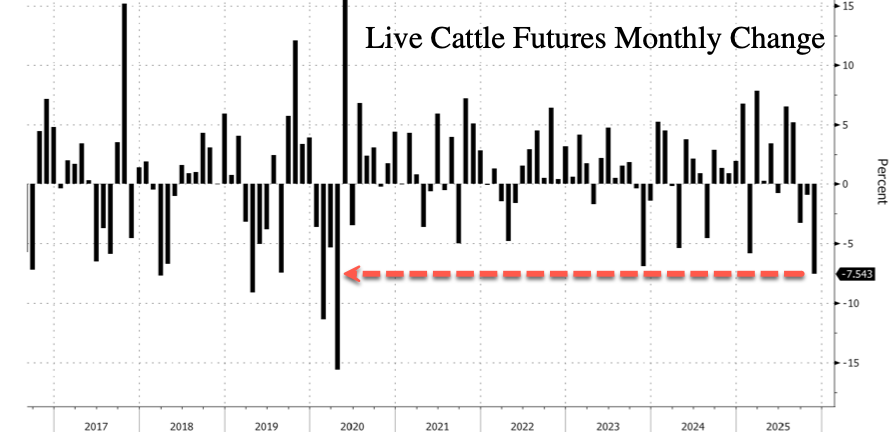
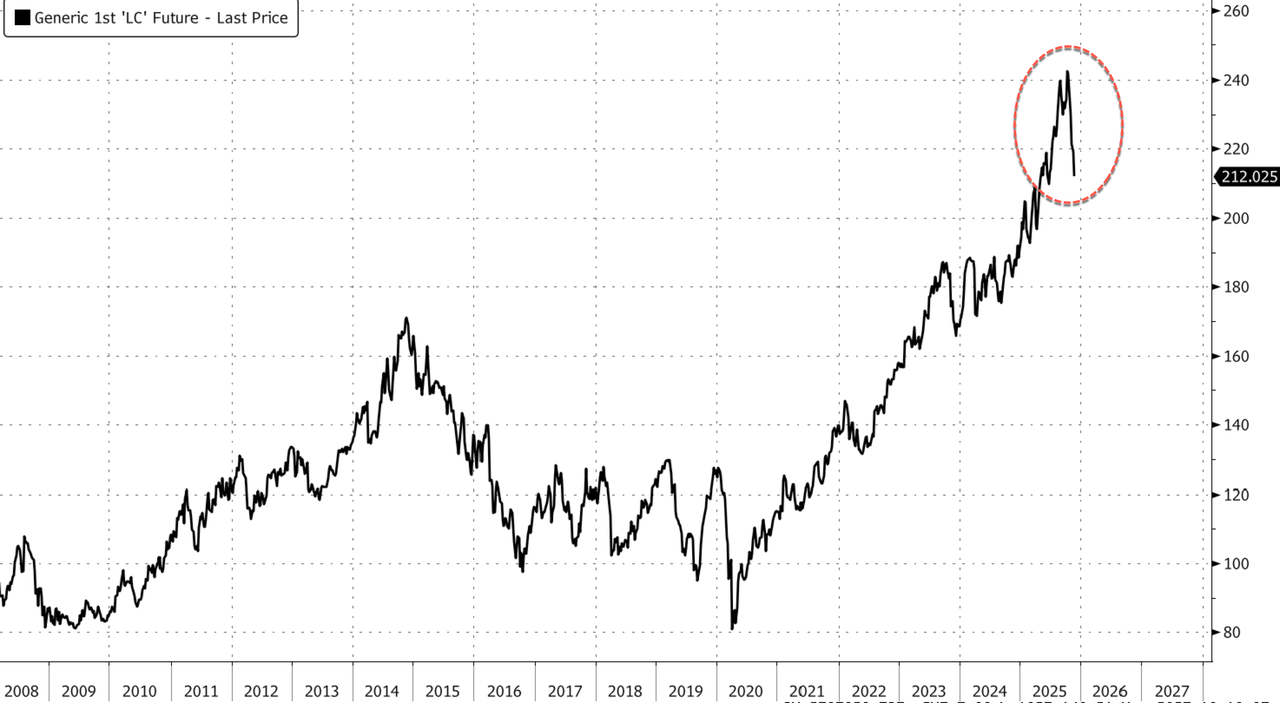
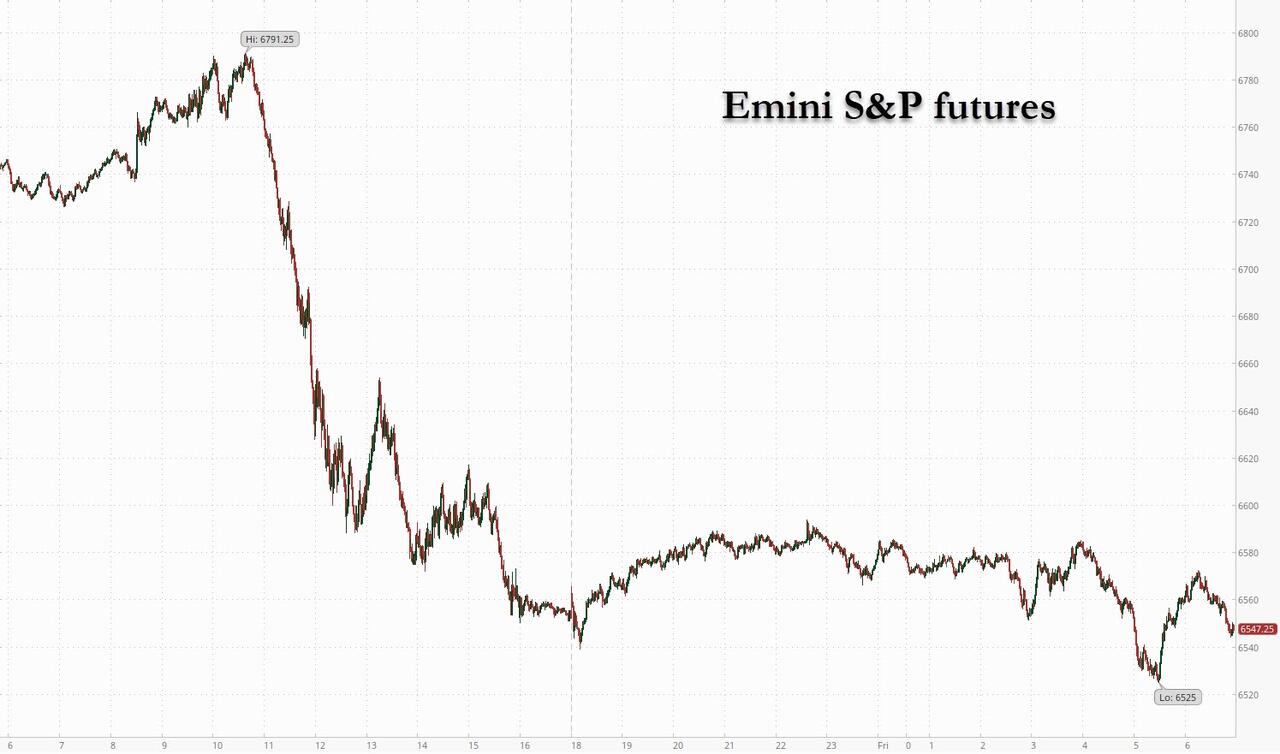
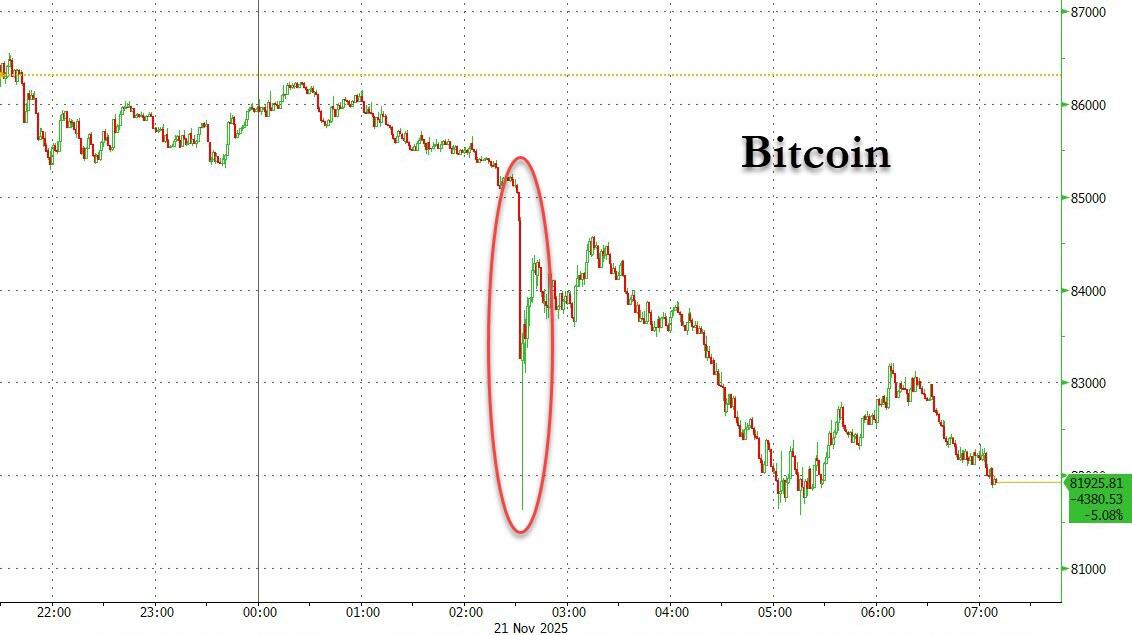
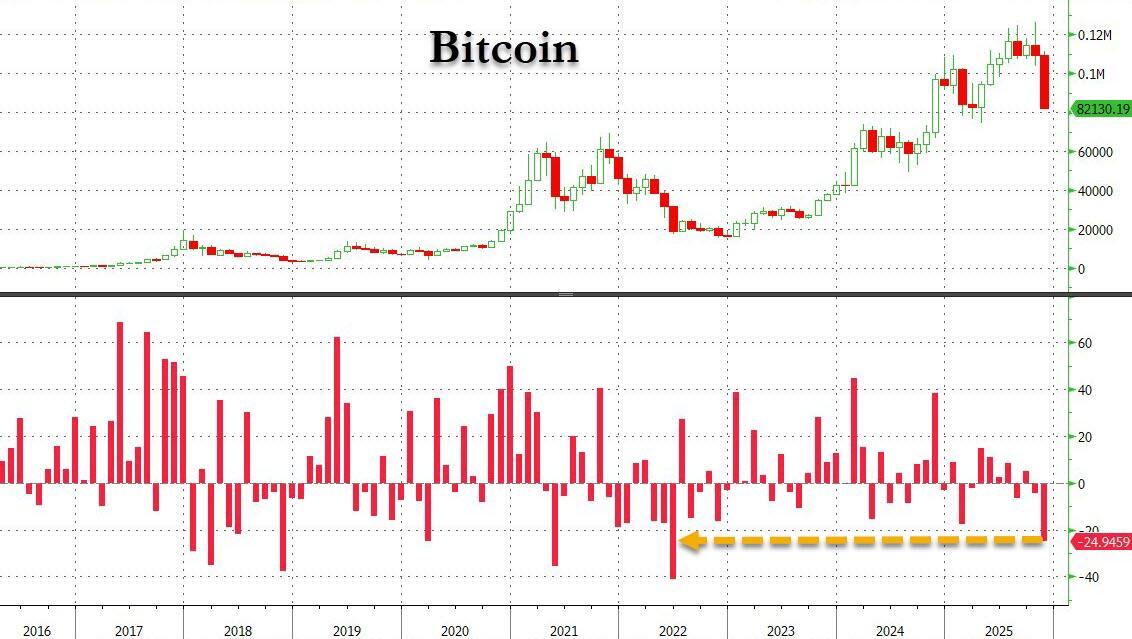
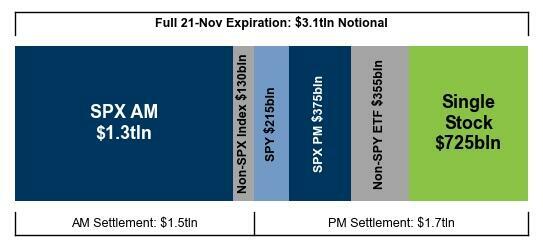

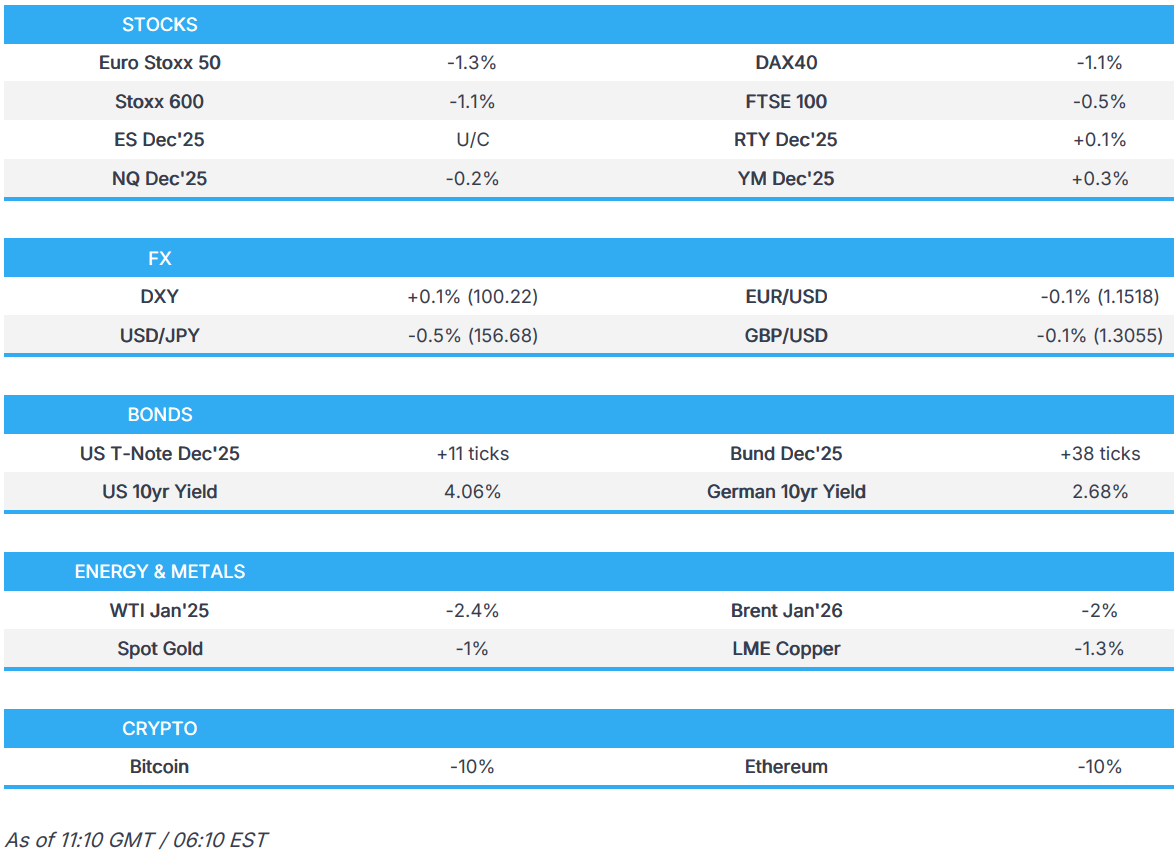
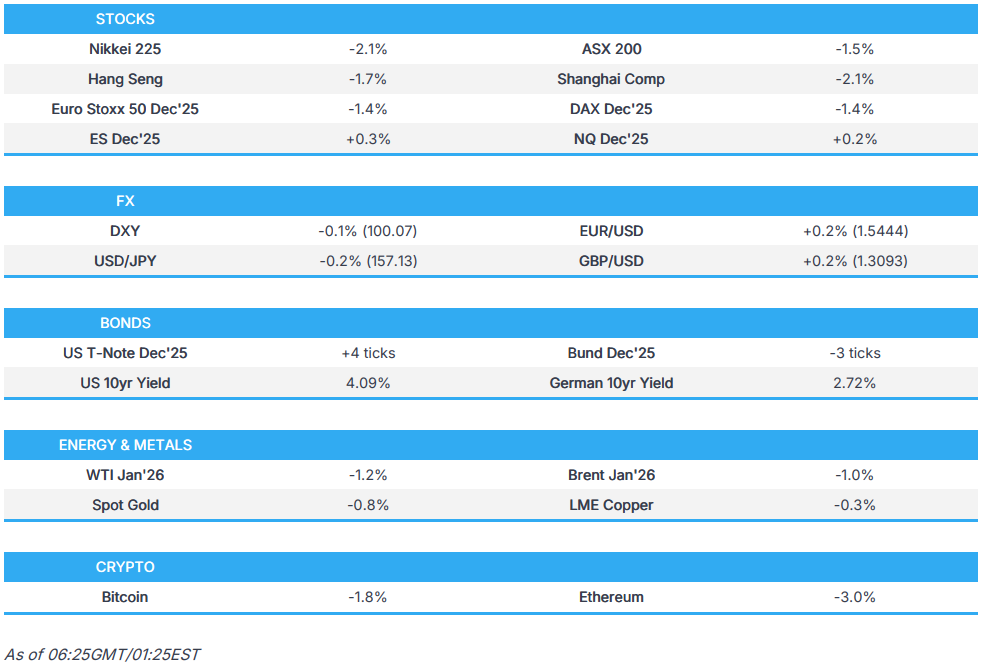
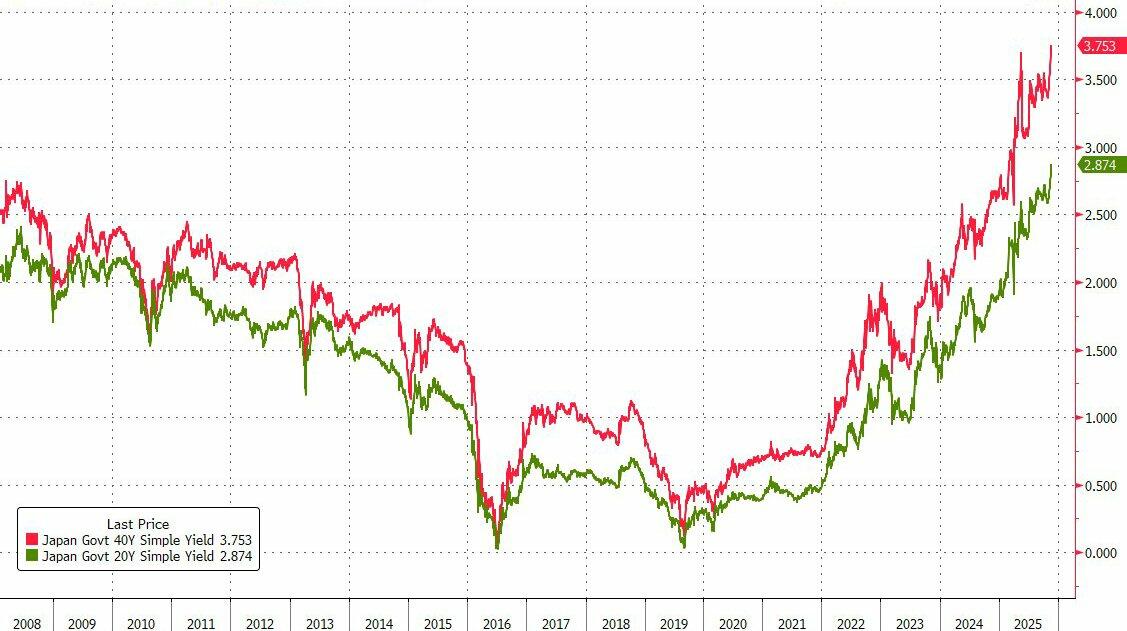

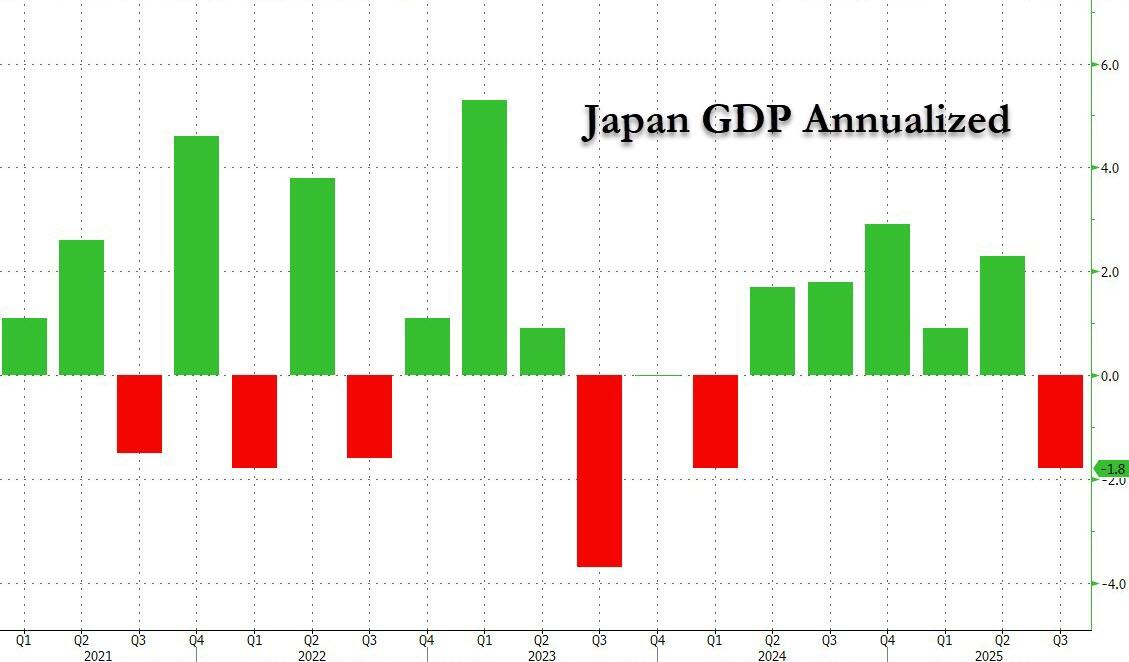
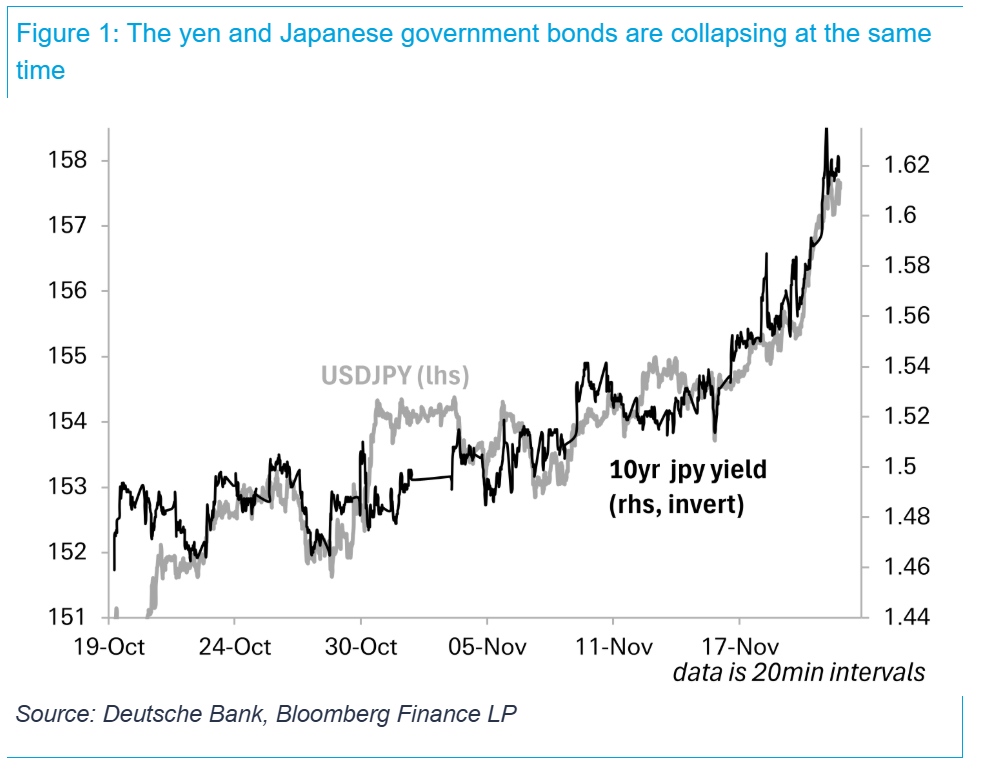
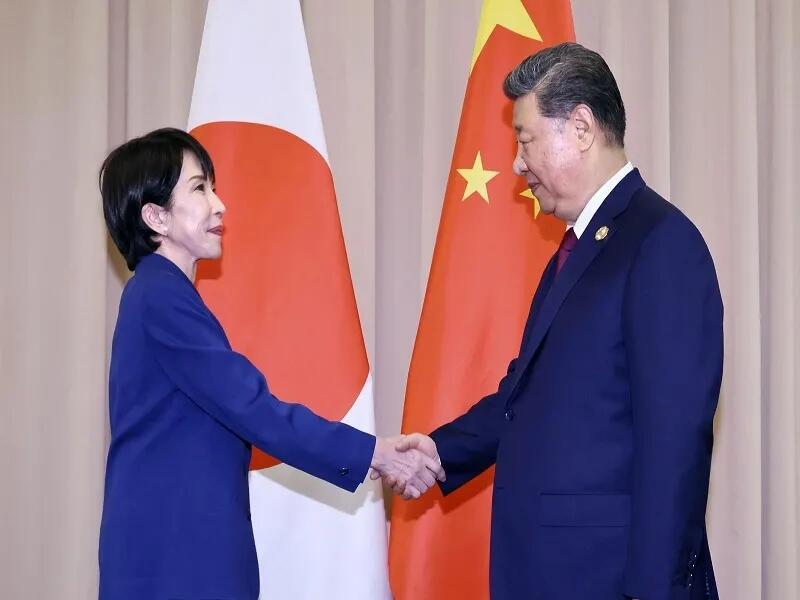
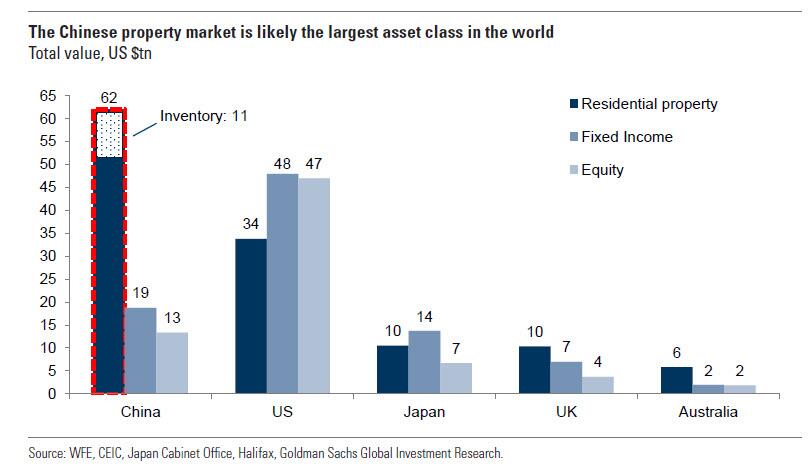
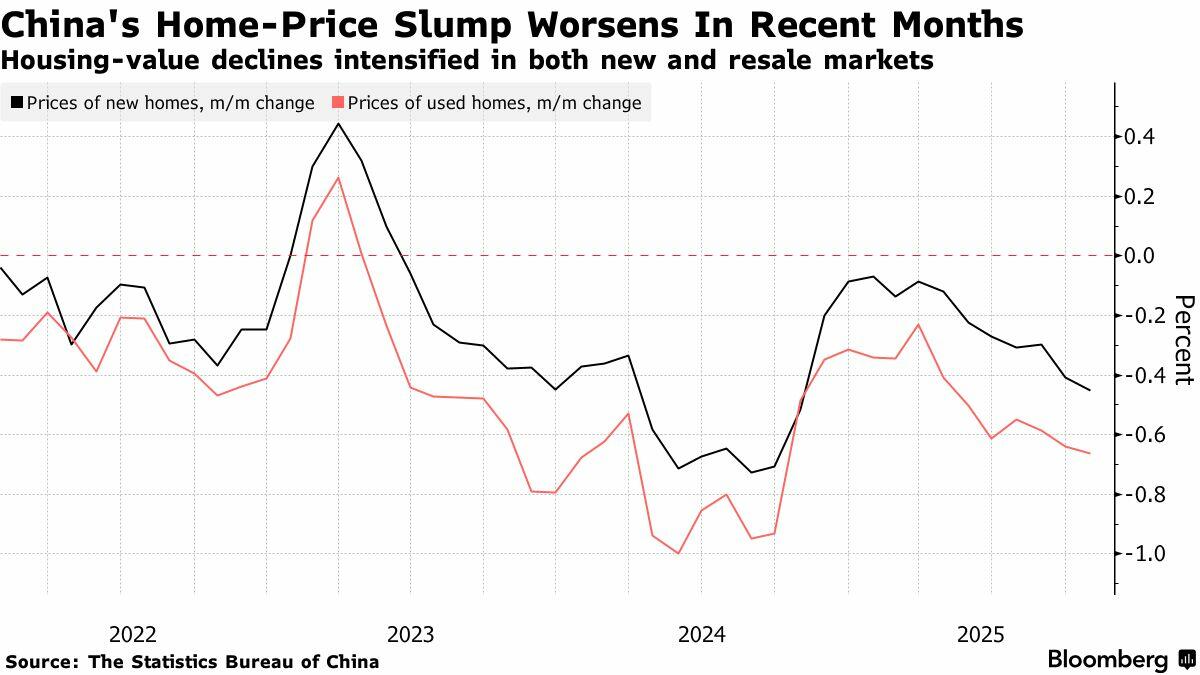
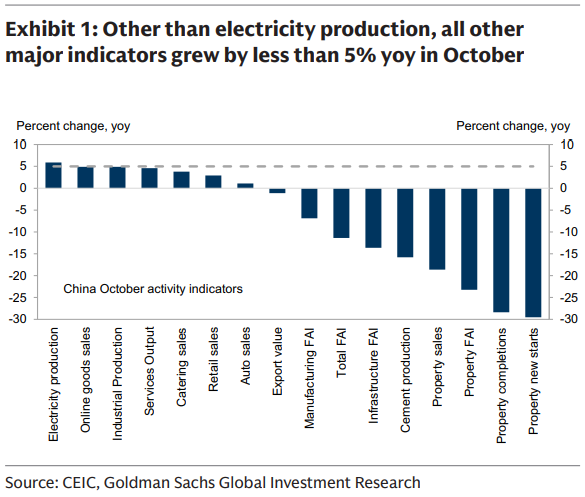
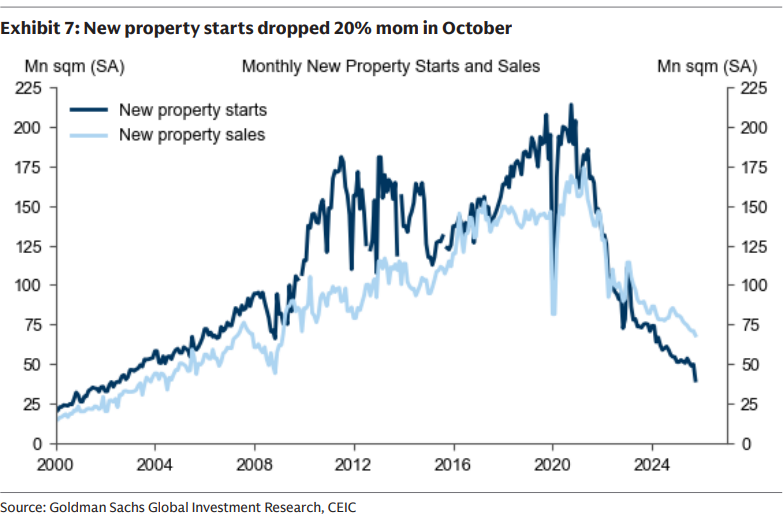






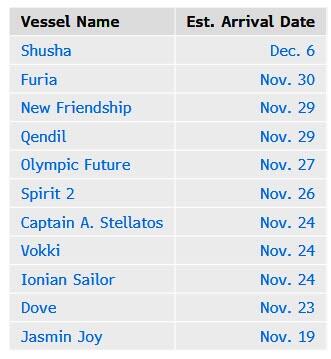
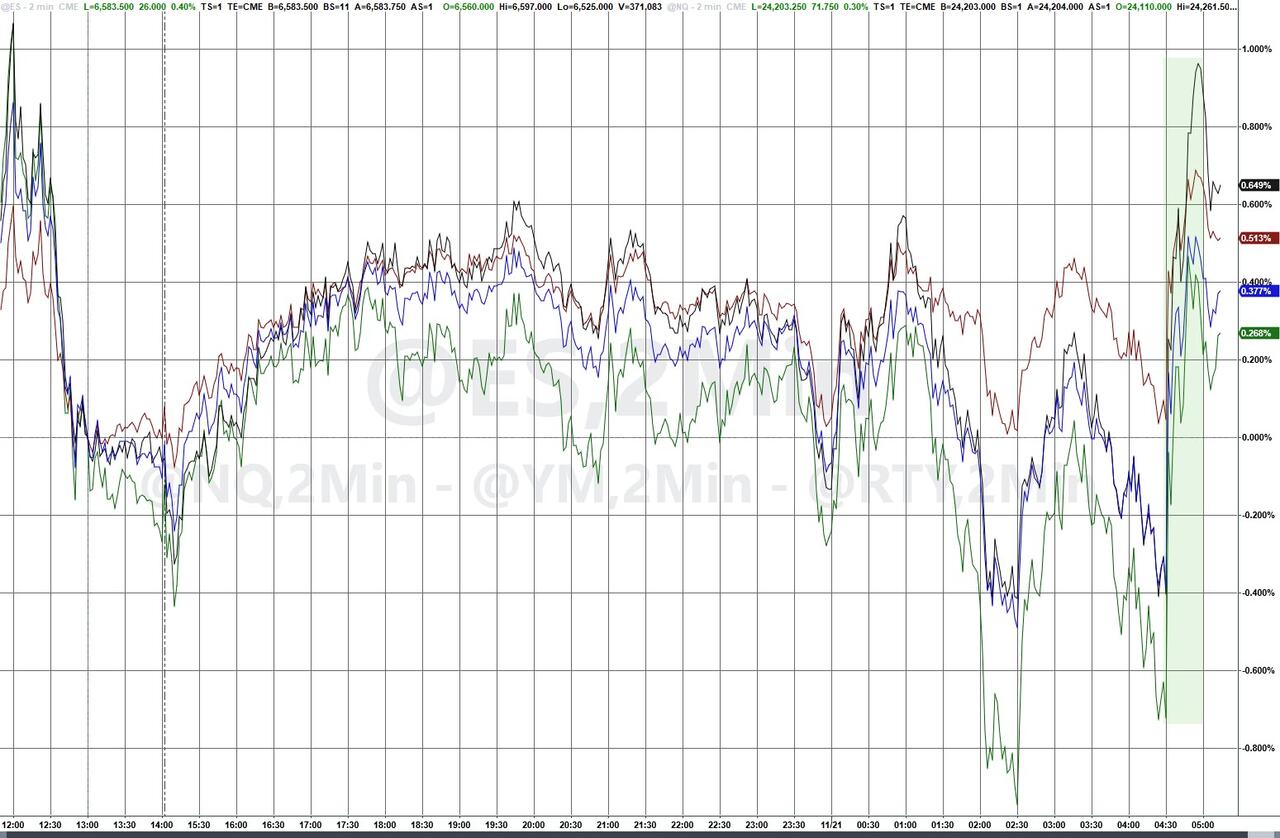
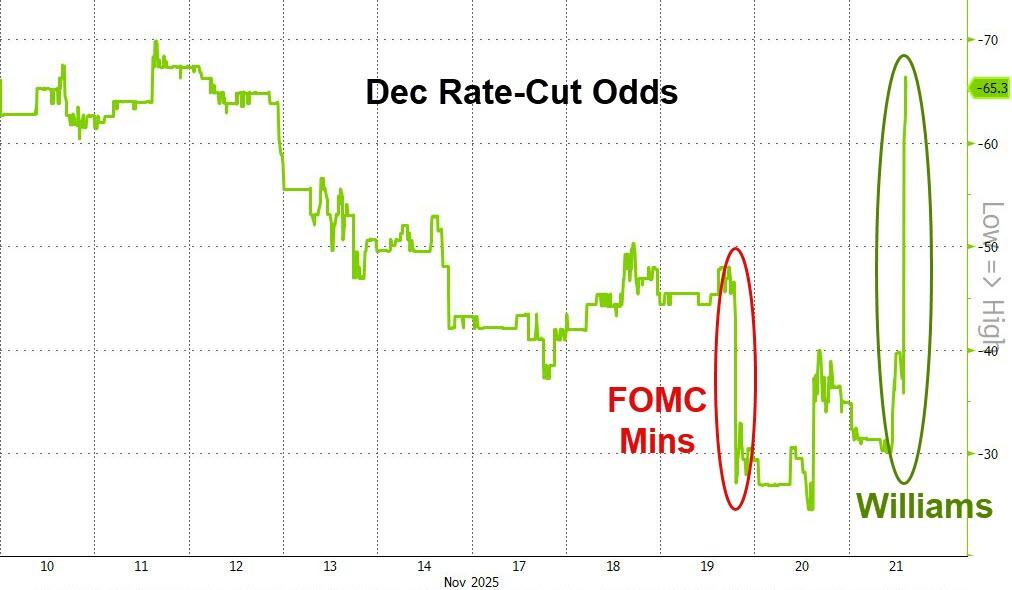
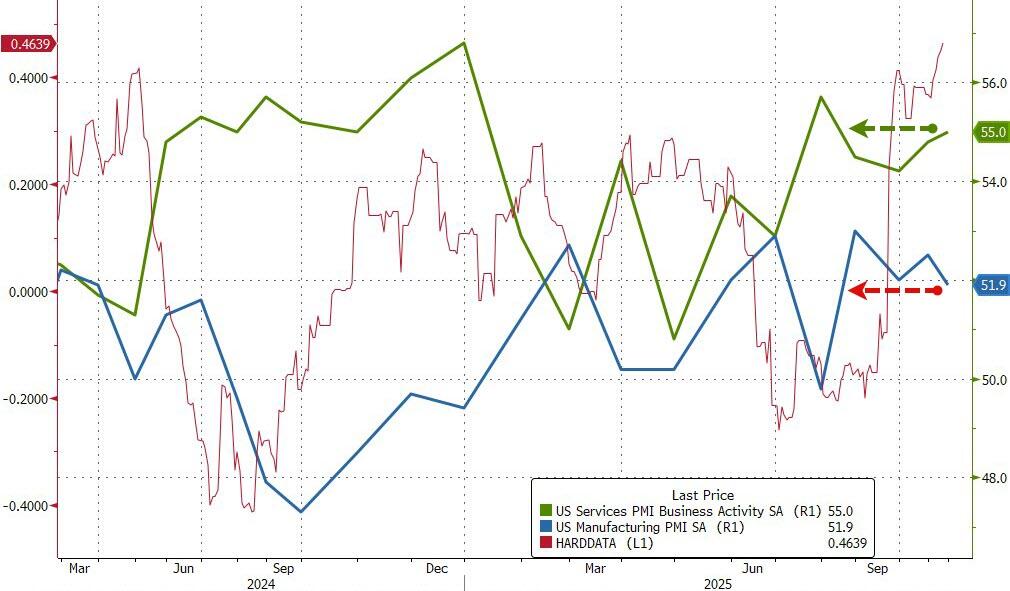
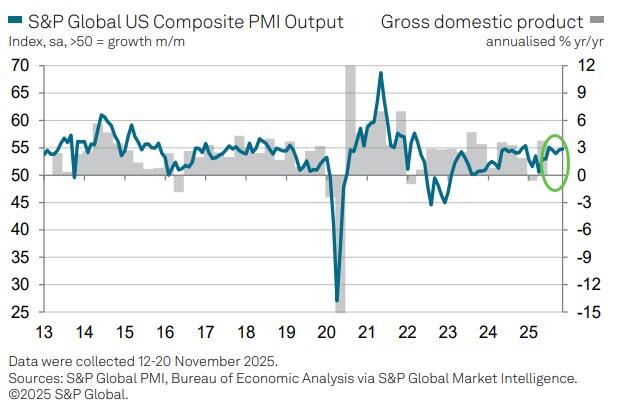
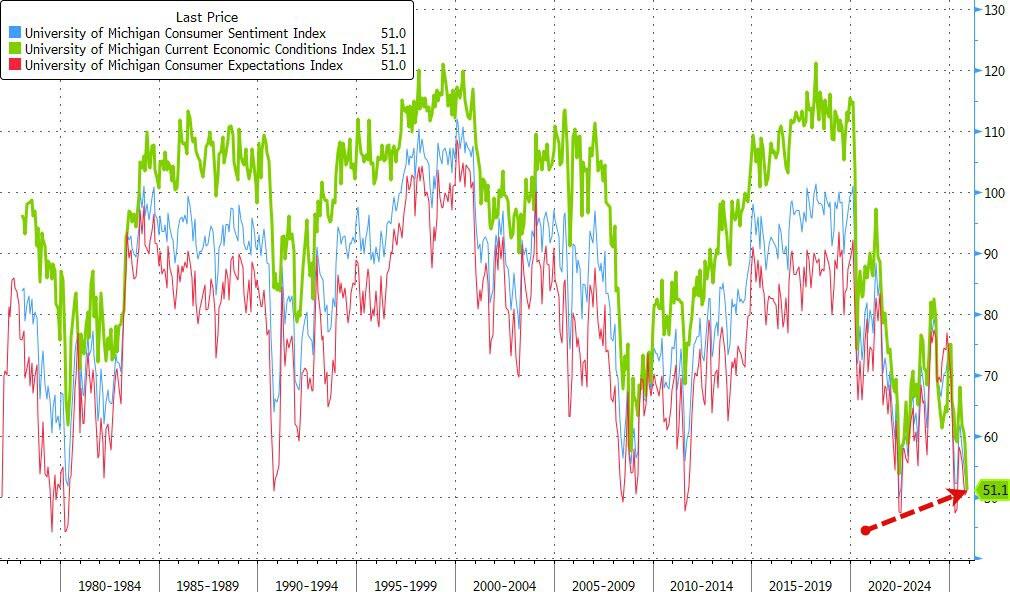
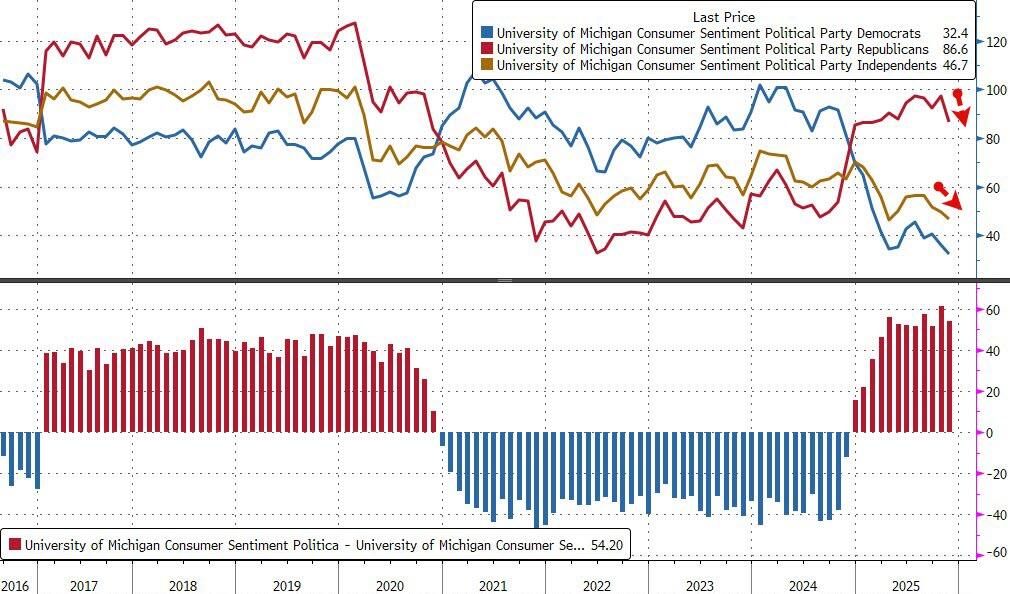
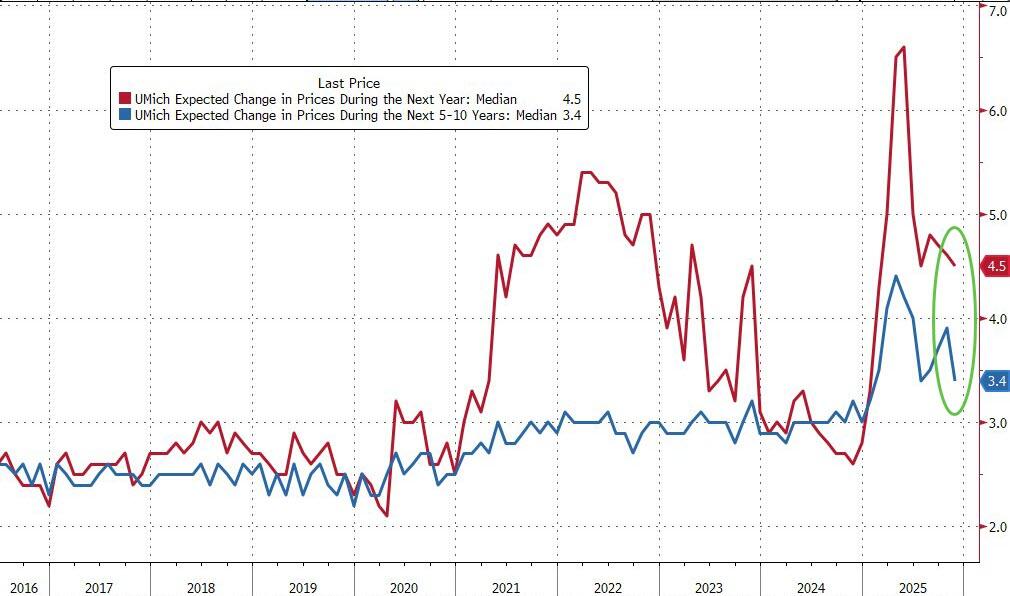
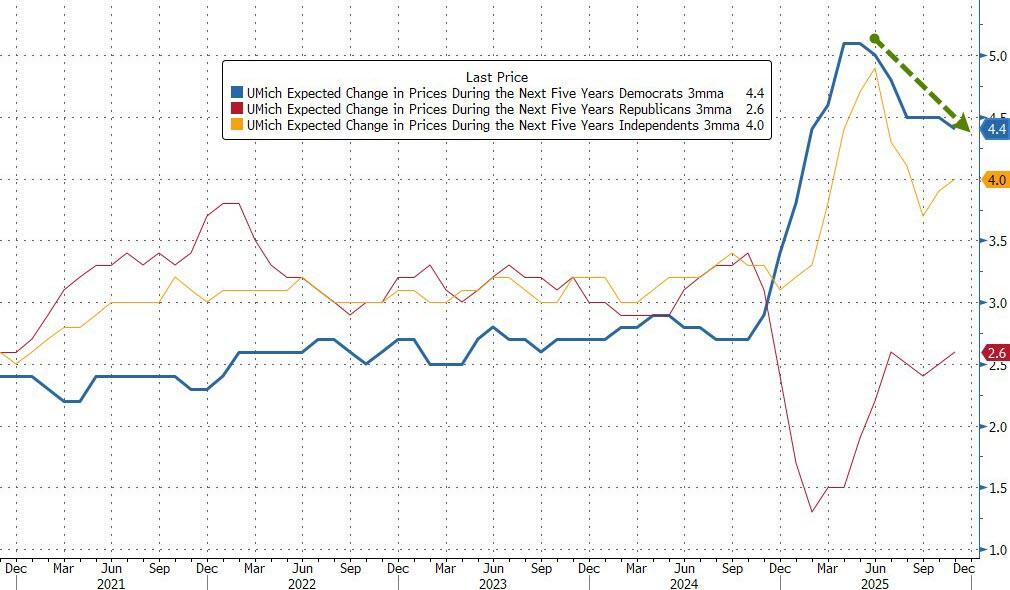
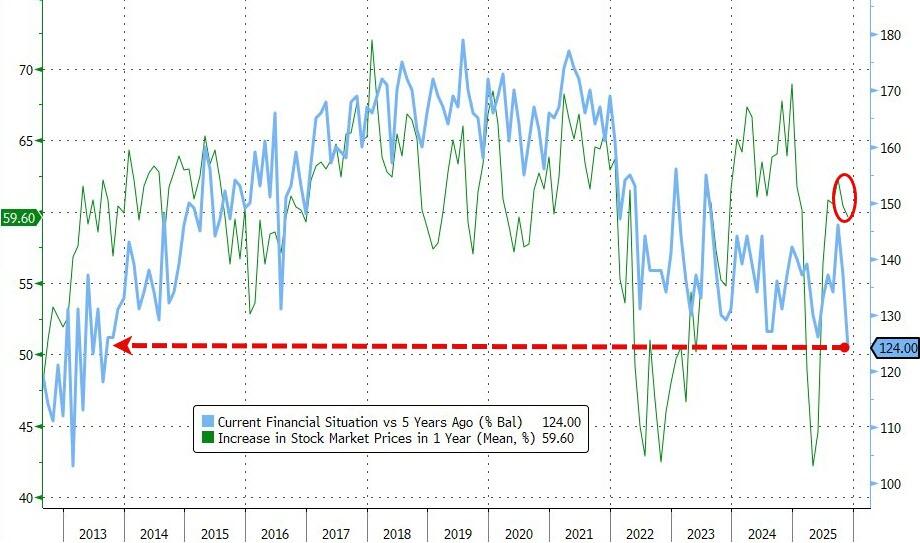

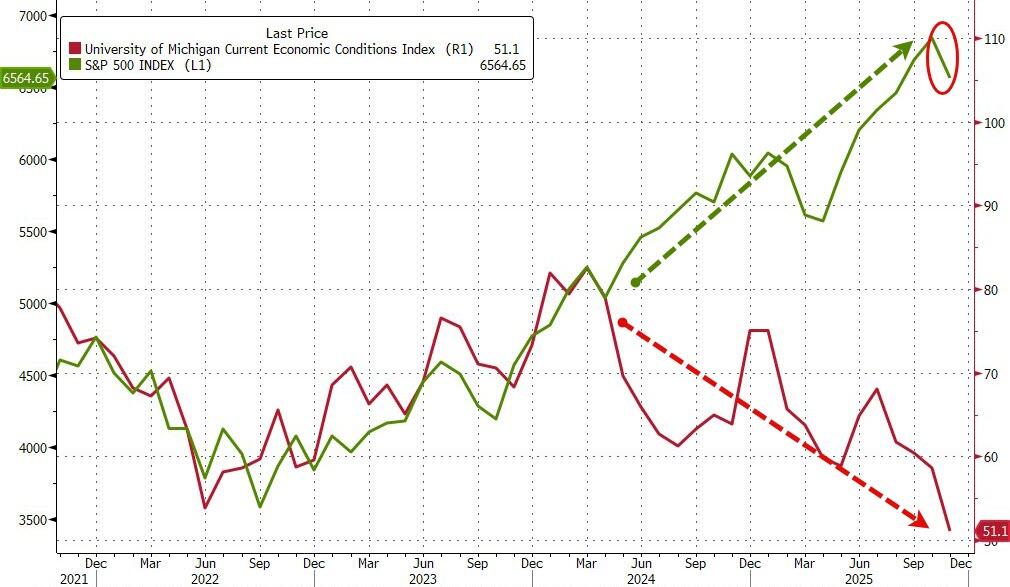

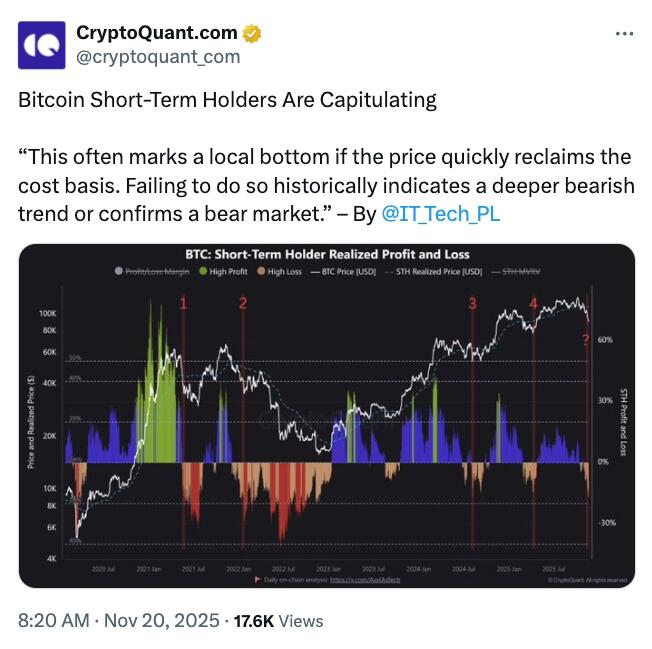
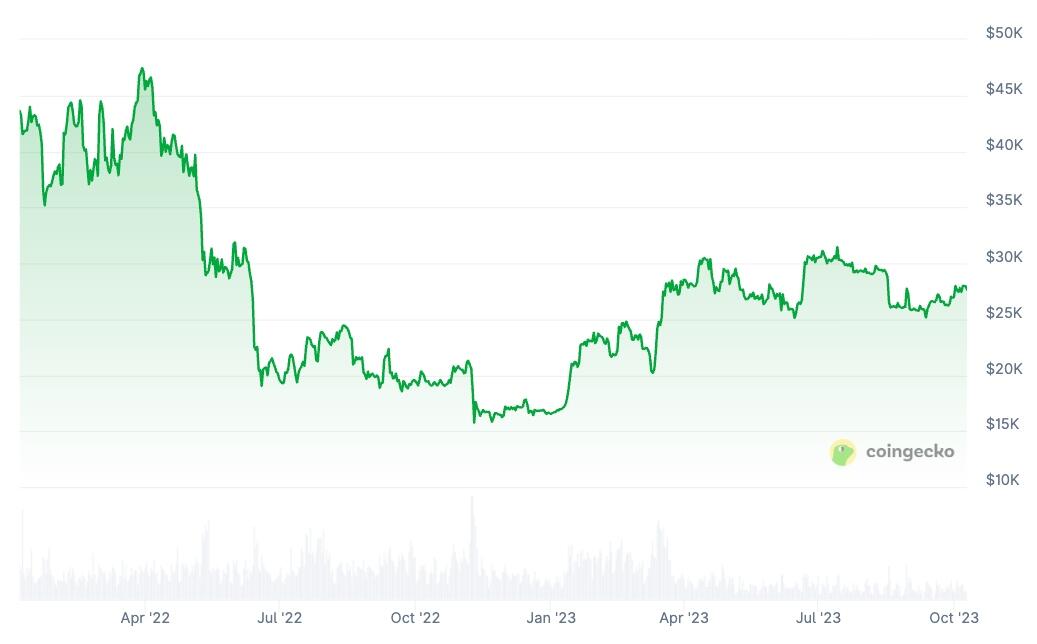









 harveyorganblog.com


