DEC 16/GOLD CLOSED DOWN $3.95 TO $4301.80/SILVER ALSO CLOSED DOWN BY $0.07 TO $63.46 DESPITE THE FACT THAT SILVER IS BACKWARD MARCH TO DECEMBER AND ITS LEASE RATE FOR BORROWING SILVER FOR ONE TO 3 MONTHS IS 7%//PLATINUM CONTINUES TO SKYROCKET UP ANOTHER $54.30 TO $1843.40 WHILE PALLADIUM CLOSED UP $32.70 TO $1605.40//COMMODITY REPORT TONIGHT ON SILVER AND PLATINUM//GREAT COMMENTARY ON CHINA’S STRENGTH IN THE RARE EARTH FIELD//JIMMY LAI CONVICTED IN HONG KONG AS FREE SPEECH HAS ENDED IN THAT COLONY// ITALY IS NOW AGAINST THE USE OF FROZEN RUSSIAN ASSETS: A GREAT COMMENTARY ON THAT//ISRAEL VS HAMAS UPDATES/TBN ISRAEL LAST 24 HRS//MANY UPDATES ON RUSSIA VS UKRAINE/COVID UPDATES//OIL UPDATES//USA DATA RELEASES: FAIR GAIN IN JOBS YET UNEMPLOYMENT RISES//POOR PMI REPORTS/SWAMP STORIES FOR YOU TONIGHT///
072 C GOLDMAN 27 092 C DEUTSCHE BANK 2 118 C MACQUARIE FUTURES US 143 118 H MACQUARIE FUTURES US 134 332 H STANDARD CHARTERED B 133 363 H WELLS FARGO SECURITI 88 435 H SCOTIA CAPITAL (USA) 7 661 C JP MORGAN SECURITIES 529 123 686 C STONEX FINANCIAL INC 1 690 C ABN AMRO CLR USA LLC 4 709 C BARCLAYS 140 905 C ADM 13
TOTAL: 672 672 MONTH TO DATE: 29,109
JPMORGAN STOPPED 123/672
DECEMBER
GOLD: NUMBER OF NOTICES FILED FOR DEC/2025: 672 CONTRACTs NOTICES FOR 67,200 OZ or 2.0902 TONNES
total notices so far: 29,108 contracts for 2,910,800 OR 90.538 tonnes)
FOR DEC
XXXXXXXXXXXXXXXXXX
SILVER NOTICES: 84 NOTICE(S) FILED FOR 0.420 MILLION OZ/
total number of notices filed so far this month : 11,663 CONTRACTS (NOTICES) for 58.315 million oz
Click here if you wish to send a donation. I sincerely appreciate it as this site takes a lot of preparation
END
GLD/
BOTH GLD AND SLV ARE FRAUDULENT VEHICLES//THEY ARE NOW RAIDING GLD AND SLV FOR PHYSICAL
THE CROOKS ARE STEALING GOLD AND SILVER FROM THE GLD/SLV AND REPLACING THE PHYSICAL WITH PAPER DOLLARS.
WITH GOLD DOWN $3.95 INVESTORS SWITCHING TO SPROTT PHYSICAL (PHYS) INSTEAD OF THE FRAUDULENT GLD
HUGE CHANGES IN GOLD INVENTORY AT THE GLD: A WITHDRAWAL OF 1.43 TONNES OF GOLD OUT OF THE GLD//
INVENTORY RESTS AT 1051.69 TONNES
SLV/
WITH NO SILVER AROUND AND SILVER DOWN $.07 AT THE SLV:
HUGE CHANGES IN SILVER INVENTORY AT THE SLV:/ // A WITHDRAWAL OF 1.36 MILLION OZ
OUT OF THE SLV//
CLOSING INVENTORY RESTS AT:
CLOSING INVENTORY: 516.360. MILLION OZ
Let us have a look at the data for today
SILVER//OUTLINE
SILVER COMEX OI ROSE BY A SMALL SIZED 196 CONTRACTS TO 154,451 AND CONTINUING ON ITS MARCH TO THE RECORD HIGH OI OF 244,710, SET FEB 25/2020, AND THIS SMALL SIZED GAIN IN COMEX OI WAS ACCOMPLISHED DESPITEH OUR HUGE $1.62 GAIN IN SILVER PRICING AT THE COMEX WITH RESPECT TO MONDAY’S // TRADING. THE LONG SPECULATORS ARE STILL QUITE RELENTLESS AS THEY POUR INTO THE OPEN INTEREST AT THE COMEX. THE FRBNY CONTINUES TO SUPPLY THE NECESSARY PAPER AS THEY TRY TO DRIVE THE PRICE SOUTHBOUND WITH THE HELP OF HIGH FREQUENCY TRADERS AND T.A.S. SPREADERS BUT WITH A NO SUCCESS ON MONDAY. THEN EARLY MONDAY MORNING WE RECEIVED NOTICE OF A HUGE 170 CONTRACT EXCHANGE FOR RISK AND NO DOUBT THE RECIPIENT OF THIS IS THE CENTRAL BANK OF INDIA. THE TOTAL IN OZ FOR THIS EXCHANGE FOR RISK IS .850 MILLION OZ AND THIS WILL BE ADDED TO OUR NORMAL DELIVERY SCHEDULE TO GIVE US THE EXACT AMOUNT OF SILVER STANDING FOR DECEMBER.
WE HAVE REVERTED BACK TO NORMAL WITH THE SPECS NOW GOING ON THE LONG SIDE AND THE BANKER (FRBNY) ON THE SHORT SIDE AND PROVIDING THE NECESSARY SHORT PAPER. IT IS OUR SILVER SPECULATORS THAT WERE PILING INTO THE SILVER COMEX. WE FINALLY ARE MOVING TO A MUCH HIGHER BASE SURPASSING THE $34.40 SILVER PRICE BARRIER TO A HIGH DEGREE, AND NOW SURPASSING SURPASS OUR LAST MAJOR HURDLE OF $50.00 SILVER AGAIN. WE HAD A FAIR SIZED GAIN OF 328 TOTAL CONTRACTS ON OUR TWO EXCHANGES AS THE CME NOTIFIED US OF A SMALL SIZED 132 CONTRACT EXCHANGE FOR PHYSICAL ISSUANCE.. WE HAD ZERO LIQUIDATION OF T.A.S. CONTRACTS IN COMEX TRADING WITH RESPECT TO MONDAY TRADING WITH OUR HUGE GAIN IN PRICE /// THEY DESPERATELY AGAIN TODAY TRIED TO CONTAIN SILVER’S PRICE RISE FOR THE PAST SEVERAL WEEKS (WHERE RAIDS ARE CALLED UPON AGAIN AND AGAIN TRYING TO STOP THE RISE IN SILVER’S PRICE TO ABOVE $50.00 AND TO QUELL ADDITIONAL DERIVATIVE LOSSES TO OUR BANKERS’ MASSIVE TOTALS). THEY FAILED AGAIN ON THURSDAY WITH SILVER’S GAIN IN PRICE AS THE SPECS PILED INTO THE SILVER ARENA. . THE PRICE FINISHED HUGELY ABOVE THE MAGIC NUMBER OF $50.00 SILVER SPOT PRICE CLOSING AT $63.44 UP $1.62 . WE ARE NOW WITNESSING HAVING MANY HUGE T.A.S ISSUANCES // TODAY’S WAS AT A HUGE SIZED 1242 T.A.S. CONTRACTS (BUT STILL DOWN FROM THE MEGA MEGA HUGE SIZED 5,000 PLUS CONTRACT ISSUANCE DURING NOVEMBER)!!. THE CROOKS ARE BECOMING MORE DESPERATE TO STOP SILVER BREAKING AGAIN THE 50.00 DOLLAR MARK!!. THERE IS NO NEXT LINE IN THE SAND ONCE THE 50.00 DOLLAR SILVER IS PIERCED AGAIN. WE HAD A SMALL SIZED 132 CONTRACT EXCHANGE FOR PHYSICAL ISSUANCE ACCOMPANIED BY OUR HUGE SIZED 1242 CONTRACT T.A.S ISSUANCE WHICH WILL BE USED IN FUTURE TRADING//RAID AS THEY PLAY AN INTEGRAL PART IN OUR COMEX TRADING TRYING TO CONTAIN ANY SILVER PRICE RISE. IN ESSENCE WE HAD A FAIR SIZED GAIN OF 328 CONTRACTS ON OUR TWO EXCHANGES WITH OUR HUGE GAIN IN PRICE OF $1.62. WE HAD HUGE GOVERNMENT (FRBY) COMEX CONTRACTS TRADING ALL WEEK AND A MAJOR PORTION AND NO DOUBT REMOVED BY DAYS END. (I RECORD THIS FOR YOU ON A DAILY BASIS). THE SPECULATOR LONGS REMAIN STOIC EVEN ON PRICE FALLS. EASTERN CENTRAL BANKER WENT TO THE LONG SIDE. THEY WILL TENDER FOR THE BADLY NEEDED PHYSICAL SILVER. THUS ON A NET BASIS WE LOST NO SPECULATORS
CRAIG HEMKE HAS POINTED OUT THAT THE CROOKS USE THE MID MONTH FOR MANIPULATION AS THEY SELL THEIR BUY SIDE OF THE CALENDAR SPREAD FIRST AND THEN KEEP THE SELL SIDE TO LIQUIDATE AT A LATER DATE. THUS WE HAVE TWO VEHICLES THE CROOKS USE FOR MANIPULATION AND BOTH ARE SPREADERS: 1) AT MONTH’S END/SPREADERS COMEX AND 2/ TAS SPREADERS, MID MONTH. TOTAL TAS ISSUED ON MONDAY NIGHT//TUESDAY MORNING: A HUGE SIZED 1242 CONTRACTS. DESPITE MANY COMPLAINTS THAT THE CROOKS HAVE VIOLATED POSITION LIMITS DUE TO THE FACT THAT THE TAS ISSUED HAVE A VALUE OF ZERO (AS TO POSITION LIMITS FOR OUR CROOKED FRBNY BANKERS). THE PROBLEM OF COURSE IS THAT THE CROOKS DO NOT LIQUIDATE THE TAS TOGETHER BUT SELL THE BUY SIDE FIRST AND THEN LIQUIDATE THE SELL SIDE TWO MONTHS HENCE. IT IS OBVIOUS MANIPULATION TO THE HIGHEST DEGREE BUT IT NATURALLY FELL ON DEAF EARS WITH OUR REGULATORS (OCC) WHEN THEY RECEIVED OUR COMPLAINTS. IT NOW SEEMS THAT THE OCC HAS NOW ORDERED THE BANKS TO REDUCE ITS NEW LEVEL OF 1.1 TRILLION DOLLARS IN GOLD/SILVER DERIVATIVES.
THUS:
INITIAL STANDING FOR DEC: 49.33 MILLION OZ FOLLOWED BY TODAY’S STRONG 1.470 MILLION OZ QUEUE JUMP _ PLUS ..850 MILLION OZ EXCHANGE FOR RISK////STANDING ADVANCES TO 62.425 MILLION OZ//
WE HAD:
/ SMALL SIZED COMEX OI GAIN+// A SMALL 196 EFP ISSUANCE CONTRACTS (/ VI) A HUGE NUMBER OF T.A.S. CONTRACT ISSUANCE 1242 CONTRACTS)/VII: DECEMBER ISSUED ITS FIRST EXCHANGE FOR RISK OF 0.850 MILLION OZ//
I AM NOW RECORDING THE DIFFERENTIAL IN OI FROM PRELIMINARY TO FINAL: ADDED ANOTHER 157 CONTRACTS!!!!! THAT IS WE HAVE ADDED 7 OUT OF THE LAST 9 DAYS CONTRACTS TO THE SILVER OI TOTAL
HISTORICAL ACCUMULATION OF EXCHANGE FOR PHYSICALS DEC.. ACCUMULATION FOR EFP’S SILVER/JPMORGAN’S HOUSE OF BRIBES/STARTING FROM FIRST DAY/MONTH OF DEC.
TOTAL CONTRACTS for 13 DAY(S), total 5874 contracts: OR 29.370 MILLION OZ (451 CONTRACTS PER DAY)
TOTAL EFP’S FOR THE MONTH SO FAR: 29.370 MILLION OZ
LAST 24 MONTHS TOTAL EFP CONTRACTS ISSUED IN MILLIONS OF OZ:
MAY 137.83 MILLION
JUNE 149.91 MILLION OZ
JULY 129.445 MILLION OZ
AUGUST: MILLION OZ 140.120
SEPT. 28.230 MILLION OZ//
OCT: 94.595 MILLION OZ
NOV: 131.925 MILLION OZ
DEC: 100.615 MILLION OZ
YEAR 2022:
JAN 2022-DEC 2022
JAN 2022// 90.460 MILLION OZ
FEB 2022: 72.39 MILLION OZ//
MARCH 2022: 207.140 MILLION OZ//A NEW RECORD FOR EFP ISSUANCE
APRIL: 114.52 MILLION OZ FINAL//LOW ISSUANCE
MAY: 105.635 MILLION OZ//
JUNE: 94.470 MILLION OZ
JULY : 87.110 MILLION OZ
AUGUST: 65.025 MILLION OZ
SEPT. 74.025 MILLION OZ///FINAL
OCT. 29.017 MILLION OZ FINAL
NOV: 134.290 MILLION OZ//FINAL
DEC, 61.395 MILLION OZ FINAL
TOTALS YR 2022: 1135.767 MILLION OZ (1.1356 BILLION OZ)
JAN 2023/// 53.070 MILLION OZ //FINAL
FEB: 2023: 100.105 MILLION OZ/FINAL//MUCH STRONGER ISSUANCE VS THE LATTER TWO MONTHS.
MARCH 2023: 112.58 MILLION OZ//FINAL//STRONG ISSUANCE
APRIL 111.035 MILLION OZ(SLIGHTLY GREATER THAN THAN LAST MONTH)
MAY 66.120 MILLION OZ/INITIAL (MUCH SMALLER THIS MONTH)
JUNE: 110.395 MILLION OZ//MUCH LARGER THAN LAST MONTH
JULY 85.745 MILLION OZ (SMALLER THAN LAST MONTH)
AUGUST: 171.43 MILLION OZ (THIS MONTH IS GOING TO BE HUGE //2ND HIGHEST ON RECORD
SEPT: 72.705 MILLION OZ (SMALLER THIS MONTH)
OCT: 97.455 MILLION OZ
NOV. 50.050 MILLION OZ
DEC. 66.140 MILLION OZ//
TOTAL 2023: 1,104.10 MILLION OZ/
JAN ’24 : 78.655 MILLION OZ//
FEB /2024 : 66.135 MILLION OZ./FINAL
MARCH: 143.750 MILLION OZ// 4TH HIGHEST ON RECORD.
APRIL: 161.770 MILLION OZ (THIS MONTH WILL BE A WHOPPER OF ISSUANCE OF EFPS//3RD HIGHEST EVER RECORDED FOR A MONTH)
MAY: 135.995 MILLION OZ //WILL BE A STRONG MONTH FOR EXCHANGE FOR PHYSICAL ISSUANCE
JUNE 110.575 MILLION OZ ( WILL BE ANOTHER STRONG MONTH ISSUANCE)
JULY: 108.870 MILLION OZ (WILL BE A STRONG ISSUANCE MONTH/ A TOUCH OVER 100 MILLION OZ/)
AUGUST; 99.740 MILLION OZ//THIS MONTH WILL BE STRONG FOR ISSUANCE BUT LESS THAN JULY.
SEPT: 112.415 MILLION OZ//WILL BE A HUGE MONTH FOR EXCHANGE FOR PHYSICAL ISSUANCE
OCT; 97.485 MILLION OZ (WILL BE SMALLER ISSUANCE THIS MONTH )
NOV. 115.970 MILLION OZ ( HUGE THIS MONTH)
DEC: 132.54 MILLION OZ (THIS MONTH WILL BE A HUMDINGER FOR ISSUANCE BUT ISSUANCE SLOWED DRAMATICALLY THESE PAST FIVE DAYS/// WILL NOT EXCEED MARCH 2022 RECORD OF 209 MILLION OZ
YEAR 2024 TOTAL: 1363.84 MILLION OR 1.363 BILLION OZ
JANUARY 2025: 67.230 MILLION OZ///(THIS MONTH’S ISSUANCE OF EXCHANGE FOR PHYSICAL WILL BE SMALL)
FEB. 58.260 MILLION OZ//EXCHANGE FOR PHYSICAL ISSUANCE/FINAL
MARCH: 67.020 MILLION OZ///QUITE SMALL AND BECOMING SMALLER EACH AND EVERY MONTH.
APRIL: 100.895 MILLION OZ///AVERAGE SIZE ISSUANCE
MAY: 28.975 MILLION OZ (ISSUANCE WILL BE QUITE SMALL THIS MONTH)
JUNE: 81.065 MILLION OZ
JULY: 50.925 MILLION OZ (QUITE SMALL)
AUGUST: 59.455 MILLION OZ (QUITE SMALL)
SEPT. 50.510 MILLION OZ.(QUITE SMALL)
OCT; 82.020 MILLION OZ (WILL BE STRONG THIS MONTH)/ OCC WANTS TO REIN IN THESE ISSUANCES!
NOVEMBER: 36.425 MILLION OZ
DEC: 29.370 MILLION OZ
RESULT: WE HAD A STRONG SIZED DECREASE IN COMEX OI SILVER COMEX CONTRACTS OF 843 CONTRACTS WITH OUR GAIN IN PRICE OF $1.62 IN SILVER PRICING AT THE COMEX// MONDAY.,. . THE CME NOTIFIED US THAT WE HAD A HUGE SIZED CONTRACT EFP ISSUANCE : 735 ISSUED FOR MARCH, AND 0 CONTRACTS ISSUED FOR ALL OTHER MONTHS) WHICH EXITED OUT OF THE SILVER COMEX TO LONDON AS FORWARDS.
XXXXXXXXXXXXXXXXXXXXXXXXXXXXXXXXXXXX
LAST 9 MONTHS OF SILVER DELIVERIES:
WE FINISHED APRIL WITH A STRONG SILVER OZ STANDING OF 16.050 MILLION OZ NORMAL DELIVERY , PLUS OUR 4.00 MILLION EX FOR RISK
FINAL STANDING APRIL: 19.965 MILLION OZ
AND MAY:
NEW STANDING FOR MAY FINISHES AT: 75.615 MILLION OZ. (INCLUDES 5,000 OZ EFP TRANSFER TO LONDON + 12.93 MILLION OZ EXCHANGE FOR RISK ISSUANCE/PRIOR.//NEW TOTAL STANDING 88.540 MILLION OZ
AND JUNE: FINAL 16.995 MILLION OZ
AND JULY: 46.720 MILLION OZ//
AUGUST: 4.70 MILLION OZ INITIAL STANDING PLUS TODAY;S 5,000 OZ QUEUE JUMP //NEW STANDING ADVANCES TO 10.960 MILLION OZ
SEPTEMBER: 68.040 MILLION OZ NORMAL DELIVERY(INCLUDES ALL QUEUE JUMPING AND EXCHANGE FOR PHYSICAL TRANSFERS) PLUS 3.0 MILLION OZ EX FOR RISK = 71.040 MILLION OZ. (THIS IS THE FIRST AND ONLY ISSUANCE OF EXCHANGE FOR RISK FOR SILVER SINCE MAY.)
OCTOBER: 39.565 MILLION OZ OF NORMAL DELIVERY INCLUDES ALL QUEUE JUMPING
PLUS
2.110 MILLION OZ EXCHANGE FOR RISK//TOTAL OZ STANDING IN OCT ADVANCES TO 41.675 MILLION OZ
NOVEMBER: INITIAL STANDING AT 11.575 MILLION OZ FOLLOWED BY TODAY’S 195,000 OZ QUEUE JUMP WHICH FOLLOWS ALL OTHER QUEUE JUMPS OF 9.155 MILLION OZ//STANDING ADVANCES TO 19.670 MILLION OZ/
DECEMBER: INITIAL AMOUNT STANDING FOR DELIVERY: 49.33 MILLION OZ// FOLLOWED BY ANOTHER HUGE 1.470 MILLION OZ QUEUE JUMP+ DEC. FIRST EXCHANGE FOR RISK 0F .850 MILLION OZ // STANDING ADVANCES TO 62.425 MILLION OZ//
THE NEW TAS ISSUANCE MONDAY NIGHT (1242) WILL BE PUT INTO “THE BANK” TO BE COLLUSIVELY USED NO DOUBT WITH FUTURE TRADING!!
WE HAD 84 NOTICE(S) FILED TODAY FOR 0.420 MILLION OZ
THE SILVER COMEX IS NOW BEING ATTACKED FOR METAL BY LONDONERS ET AL. IT IS NOW TIME FOR THE FBI TO ENTER THE COMEX AND ARREST THESE CROOKS EVEN THOUGH THE MAJORITY OF THE TRADING IS GOVERNMENT. THE BANKERS ARE COMPLICIT. THE SILVER COMEX IS NOW ON A MASSIVE SIEGE LOOKING FOR PHYSICAL SILVER!!
GOLD//OUTLINE\
IN GOLD, THE COMEX OPEN INTEREST ROSE BY A STRONG SIZED 6897 OI CONTRACTS UP TO 467,088 OI AND CLOSER TO THE RECORD (SET JAN 24/2020) AT 799,105 AND PREVIOUS TO THAT: (SET JAN 6/2020) AT 797,110. (ALL TIME LOW OF 390,000 CONTRACTS.) THUS WE HAVE STILL A RELATIVELY LOWISH OI IN COMEX WITH AN EXTREMELY HIGH PRICE OF GOLD. THE SHORT RATS ARE ABANDONING THE SHIP.
THE DIFFERENTIAL FROM PRELIMINARY OI TO FINAL OI IN GOLD TODAY: REMOVED A HUGE AND CRIMINAL 2391 CONTRACTS // MEGA HUGE GOVERNMENT REMOVALS//
WE HAD A STRONG GAIN IN COMEX OI (6897 CONTRACTS) . THIS OCCURRED WITH OUR GAIN OF $10.15 IN PRICE// MONDAY///.
LAST 8 MONTHS OF GOLD DELIVERIES: (MAY THROUGH TO NOVEMBER/DECEMBER)
MAY: SUMMARY FOR MAY TONNES WHICH STOOD FOR DELIVERY:
FINAL STANDING FOR MAY: 70.174 TONNES OF GOLD TO WHICH WE ADD 1. MONDAY’S (MAY 19) 6.221 TONNES EXCHANGE FOR RISK , 2. THEN WE ADD: 1.35 TONNES TO LAST WEEK”S. THEN WE ADD 3. 1.55 TONNES TO EQUAL 9.591 TONNES// NEW EXCHANGE FOR RISK = 9.591 TONNES WHICH MUST BE ADDED TO OUR NORMAL DELIVERY SCHEDULE OF 80.644 TONNES. THUS STANDING FOR MAY INCREASES TO 90.235 TONNES OF GOLD
2 JUNE CONTRACT MONTH: 93.085 TONNES OF GOLD (WHICH INCLUDES ALL QUEUE JUMPING AND 0 EX FOR RISK)
3.JULY INITIIAL STANDING FIRST DAY NOTICE: 17.847 TONNES. PLUS TODAY’S 0 TONNES QUEUE JUMP + 1.555 TONNES EX FOR RISK + 2.195 TONNES EX FOR RISK TODAY = 41.106 TONNES STANDING
4. AUGUST: 60.547 TONNES OF INITIAL GOLD FIRST DAY NOTICE FOLLOWED BY THE NET MONTH’S QUEUE JUMP OF 47.2312 TONNES TO WHICH WE ADD THE FOLLOWING EXCHANGE FOR RISK ISSUANCE RECEIVED FOR THE MONTH: 5.4432 TONNES EX FOR RISK/AUG 7 , AUG 11: 2.413 TONNES EX FOR RISK AND AUG. 12 OF 2.637 TONNES EX FOR RISK//AUG 25: 9.107 TONNES , AUGUST 26: 9.1010 TONNES AND NOW AUGUST 27: 9.0699 TONNES//NEW STANDING ADVANCES TO 107.5117 TONNES OF GOLD NORMAL STANDING (INCLUDES ALL MONTHLY QUEUE JUMPS/EX FOR PHYSICAL TRANSFERS//) +44.696 TONNES EX.FOR RISK = 152.208 TONNES
5.SEPT: INITIAL 8.093 TONNES OF GOLD PLUS TODAY’S QUEUE JUMP OF 0.4883 TONNES PLUS 2.2827 TONNES OF EXCHANGE FOR RISK TODAY//NEW TOTAL EX. FOR RISK/MONTH = 22.923//NEW TOTAL STANDING FOR GOLD SEPT ADVANCES TO = 48.801 TONNES!!
6.OCTOBER: 90.012 TONNES OF INITIAL GOLD STANDING WITH TODAY’S TINY 0.00311 TONNES QUEUE JUMP WHICH FOLLOWS ALL OTHER QUEUE JUMPS DURING OCT OF 76.1656 TONNES
THEN WE MUST ADD OUR 14.553 TONNES OF OUR ISSUANCE OF EXCHANGE FOR RISK/6 OCCASIONS//NEW TOTAL OF GOLD STANDING ADVANCES TO 197.5141 TONNES OF GOLD.
7.NOVEMBER BEGINS WITH 15.651 TONNES INITIALLY STANDING FOR DELIVERY FOLLOWED BY TODAY’S QUEUE JUMP OF 2.323 TONNES FOLLOWED BY ALL PREVIOUS QUEUE JUMPS IN OF OF 21.3775 TONNES TO WHICH WE ADD OUR TWO EXCHANGE FOR RISK ISSUANCE OF 4.5596 TONNES//NEW STANDING ADVANCES TO 43.9716 TONNES OF GOLD.
8. DECEMBER BEGINS WITH INITIAL STANDING OF 83.813 TONNES OF GOLD FOLLOWED BY TODAY’S 2.684 TONNE QUEUE JUMP WHICH FOLLOWS ALL OTHER QUEUE JUMPS OF: 17.005 TONNES//NEW STANDING ADVANCES TO 97.402 TONNES/
E.F.P. ISSUANCE/FOR OPENING DECEMBER GOLD CONTRACT
THE CME RELEASED THE DATA FOR EFP ISSUANCE AND IT TOTALED A HUGE SIZED 4454 CONTRACTS:
The NEW COMEX OI FOR THE GOLD COMPLEX RESTS AT 467,088 AND WE NOW WITNESSING A NOW BIGGER COMEX OI BUT WITH AN EXTREMELY HIGH PRICE OF GOLD.//NOW EASIER TO FLEECE SPECS.
SILVER ALSO HAS A SMALL SIZED COMEX OI OF 154,451 CONTRACTS//BUT STILL DIFFICULT TO FLEECE SPEC LONGS.
IN ESSENCE WE HAVE A STRONG SIZED GAIN IN TOTAL CONTRACTS ON THE TWO EXCHANGES OF 11,351 CONTRACTS WITH 6897 CONTRACTS INCREASED AT THE COMEX// AND A STRONG SIZED 4454 EXCHANGE FOR PHYSICAL OI CONTRACT ISSUANCE WHICH NAVIGATED OVER TO LONDON. THUS TOTAL OI GAIN ON THE TWO EXCHANGES OF 11,351 CONTRACTS.. WE HAD THE FOLLOWING TAS CONTRACTS INITIATED (ISSUED): A FAIR SIZED AND CRIMINAL 1509 CONTRACTS AND THESE ISSUANCES ARE GENERALLY USED TO INITIATE A RAID WHEN CALLED UPON LIKE TODAY.
GOLD PRICE ON MONDAY ROSE BY $10.15
CALCULATIONS ON GAIN/LOSS ON OUR TWO EXCHANGES
WE HAD A STRONG SIZED ISSUANCE IN EXCHANGE FOR PHYSICALS CONTRACT(4454) ACCOMPANYING THE STRONG GAIN IN COMEX OI OF 6897 CONTRACTS/TOTAL GAIN FOR OUR THE TWO EXCHANGES: 11,351 CONTRACTS..WE HAVE 1) NOW RETURNED TO OUR NORMAL FORMAT OF BANKER (FRBNY) GOING ON THE SHORT SIDE AND NEWBIE SPECULATORS GOING TO THE LONG SIDE AND POURING IT ON WITH RECKLASS ABANDON!! . ,2.) STRONG INITIAL STANDING FOR GOLD FOR DEC AT 83.813 TONNES OF NORMAL DELIVERY FOLLOWED BY OUR 2.684 TONNES OF QUEUE JUMP WHICH FOLLOWS ALL OTHER QUEUE JUMPING OF 17.005 TONNES//NEW STANDING ADVANCES TO 97.402 TONNES
NEW STANDING ADVANCES TO 97.402 TONNES.
NEW STANDING FOR GOLD, DEC CONTRACT AT 97.402 TONNES OF GOLD
3) ZERO T.A.S. LIQUIDATION (BUT CONSIDERABLE GOVT LIQUIDATION // AND STRONG LOSS OF EQUITY SHARES/DEC 16) AS WE HAD 1)A $10.15 COMEX PRICE FALL AND WE HAD 2) NEWBIE SPEC SHORTS GETTING LIQUIFIED AND ON A NET BASIS, THE SPECS GAINED HUGELY IN NUMBERS + EASTERN CENTRAL BANKERS WERE PILING INTO THE LONG SIDE AS WE HAD A HUGE SIZED GAIN OF 11,351 CONTRACTS ON OUR TWO EXCHANGES AND AS WELL A HUGE AMOUNT OF GOLD WILL STAND FOR DELIVERY IN DECEMBER (97.402 TONNES). //, CENTRAL BANKERS TENDERED FOR PHYSICAL WITH THEIR PURCHASES OF CONTRACTS../ ALSO, 3)STICKY GOLD’S LONGS WERE REWARDED MONDAY EVENING AS THEY EXERCISED EFP’S FROM LONDON TO TAKE DELIVERY OF BADLY NEEDED PHYSICAL WITH THE RISE IN PRICE YESTERDAY
4) STRONG SIZED COMEX OI GAIN/ 5) V) STRONG SIZED ISSUANCE OF EXCHANGE FOR PHYSICAL GOLD (4454) AND A FAIR T.A.S. ISSUANCE 1509 FOR RAID PURPOSES WHICH STARTED TODAY.
ACCUMULATION OF EFP’S GOLD AT J.P. MORGAN’S HOUSE OF BRIBES: (EXCHANGE FOR PHYSICAL) FOR THE MONTH OF DEC :
TOTAL EFP CONTRACTS ISSUED: 33,650 CONTRACTS OR 3,365,000 OZ OR 104.665 TONNES IN 13 TRADING DAY(S) AND THUS AVERAGING: 2588 EFP CONTRACTS PER TRADING DAY
TO GIVE YOU AN IDEA AS TO THE SIZE OF THESE EFP TRANSFERS : THIS MONTH IN13 TRADING DAY(S) IN TONNES: 14.665 TONNES
TOTAL ANNUAL GOLD PRODUCTION, 2024, THROUGHOUT THE WORLD EX CHINA EX RUSSIA: 3555 TONNES
THUS EFP TRANSFERS REPRESENTS 104.665 TONNES DIVIDED BY 3550 x 100% TONNES = 2.95% OF GLOBAL ANNUAL PRODUCTION
SEPT 142.12 TONNES FINAL ISSUANCE ( LOW ISSUANCE)_
OCT: 141.13 TONNES FINAL ISSUANCE (LOW ISSUANCE)
NOV: 312.46 TONNES FINAL ISSUANCE//NEW RECORD!! (INCREASING DRAMATICALLY)//SIGN OF REAL STRESS//SURPASSING THE MARCH 2021 RECORD OF 276.50 TONNES OF EFP
DEC. 175.62 TONNES//FINAL ISSUANCE//
TOTALS: 2,578.08 TONNES/2021
JAN:2022 247.25 TONNES //FINAL
FEB: 196.04 TONNES//FINAL
MARCH/2022: 409.30 TONNES //FINAL( THIS IS NOW A RECORD EFP ISSUANCE FOR MARCH AND FOR ANY MONTH.
APRIL: 169.55 TONNES (FINAL VERY LOW ISSUANCE MONTH)
MAY: 247.44 TONNES FINAL//
JUNE: 238.13 TONNES FINAL
JULY: 378.43 TONNES FINAL/SECOND HIGHEST ON RECORD
AUGUST: 180.81 TONNES FINAL
SEPT. 193.16 TONNES FINAL
OCT: 177.57 TONNES FINAL ( MUCH SMALLER THAN LAST MONTH)
NOV. 223.98 TONNES//FINAL ( MUCH LARGER THAN PREVIOUS MONTHS//comex running out of physical)
DEC: 185.59 tonnes // FINAL
TOTAL: 2,847,25 TONNES/2022
JAN 2023: 228.49 TONNES FINAL//HUGE AMOUNT OF EFP’S ISSUED THIS MONTH!!
FEB: 151.61 TONNES/FINAL
MARCH: 280.09 TONNES/INITIAL (ANOTHER STRONG MONTH FOR EFP ISSUANCE)
APRIL: 197.42 TONNES
MAY: 236.67 TONNES (A VERY STRONG ISSUANCE FOR THIS MONTH)
JUNE: 172.667 TONNES (WEAKER ISSUANCE THIS MONTH)
JULY: 151.69 TONNES (WEAKER THAN LAST MONTH)
AUGUST: 195.28 TONNES (A STRONGER MONTH)//FINAL
SEPT: 254.709 TONNES (WILL BE LARGER THAN LAST MONTH AND A STRONG MONTH)
OCT. 248.09 TONNES. LIKE SILVER, THIS MONTH IS GOING TO BE A STRONG E.F.P. ISSUANCE.
NOV. 239.16 TONNES//WILL BE STRONG THIS MONTH,
DEC. 213.704 TONNES. A STRONG MONTH//
TOTAL FOR YEAR 2023: 2,569.57 TONNES VS 2578 TONNES LAST YEAR
2024 AND 2025:
JAN. 2025: 257.919 TONNES (ISSUANCE WILL BE PRETTY GOOD THIS MONTH BUT MUCH LOWER THAN LAST MONTH)
FEB: 207.21 TONNES//EX FOR PHYSICAL ISSUANCE (WILL BE A FAIR SIZED ISSUANCE THIS MONTH)
MARCH 130.84 TONNES//QUITE SMALL THIS MONTH.
APRIL; 208.57 TONNES. STRONG THIS MONTH
MAY: 113.499 TONNES OF GOLD EFP ISSUANCE//QUITE SMALL THIS MONTH
JUNE: 97.79 TONNES OF GOLD EFP ISSUANCE/EXTREMELY SMALL
JULY : 150.877 TONNES// QUITE SMALL
AUGUST: 175.86 TONNES A LOT LARGER THIS MONTH.
SEPT. 116.13 TONNES VERY SMALL
OCT. 252.72 TONNES//CERTAINLY MUCH LARGER THIS MONTH/VERY STRONG
NOV: 124.74 TONNES
DEC: 104.665 TONNES//VERY SMALL THIS MONTH.
SPREADING OPERATION
NOW SWITCHING TO GOLD FOR NEWCOMERS, HERE ARE THE DETAILS
SPREADING LIQUIDATION HAS NOW COMMENCED AS WE HEAD TOWARDS THE NEW ACTIVE FRONT MONTH OF OCT. WE ARE NOW INTO THE SPREADING OPERATION OF GOLD
HERE IS A BRIEF SYNOPSIS OF HOW THE CROOKS FLEECE UNSUSPECTING LONGS IN THE SPREADING ENDEAVOUR ;MODUS OPERANDI OF THE CORRUPT BANKERS AS TO HOW THEY HANDLE THEIR SPREAD OPEN INTERESTS:HERE IS HOW THE CROOKS USED SPREADING AS WE ARE NOW INTO THE NON ACTIVE DELIVERY MONTH OF NOV HEADING TOWARDS THE ACTIVE DELIVERY MONTH OF FEB., FOR GOLD: AND MARCH FOR SILVER
YOU WILL ALSO NOTICE THAT THE COMEX OPEN INTEREST STARTS TO RISE BUT SO IS THE OPEN INTEREST OF SPREADERS. THE OPEN INTEREST IN WILL CONTINUE TO RISE UNTIL ONE WEEK BEFORE FIRST DAY NOTICE OF AN UPCOMING ACTIVE DELIVERY MONTH (OCT), AND THAT IS WHEN THE CROOKS SELL THEIR SPREAD POSITIONS BUT NOT AT THE SAME TIME OF THE DAY. THEY WILL USE THE SELL SIDE OF THE EQUATION TO CREATE THE CASCADE (ALONG WITH THEIR COLLUSIVE FRIENDS) AND THEN COVER ON THE BUY SIDE OF THE SPREAD SITUATION AT THE END OF THE DAY. THEY DO THIS TO AVOID POSITION LIMIT DETECTION. THE LIQUIDATION OF THE SPREADING FORMATION CONTINUES FOR EXACTLY ONE WEEK AND ENDS ON FIRST DAY NOTICE.”
WHAT IS ALARMING TO ME, ACCORDING TO OUR LONDON EXPERT ANDREW MAGUIRE IS THAT THESE EFP’S ARE BEING TRANSFERRED TO WHAT ARE CALLED SERIAL FORWARD CONTRACT OBLIGATIONS AND THESE CONTRACTS ARE LESS THAN 14 DAYS. ANYTHING GREATER THAN 14 DAYS, THESE MUST BE RECORDED AND SENT TO THE COMPTROLLER, GREAT BRITAIN TO MONITOR RISK TO THE BANKING SYSTEM. IF THIS IS INDEED TRUE, THEN THIS IS A MASSIVE CONSPIRACY TO DEFRAUD AS WE NOW WITNESS A MONSTROUS TOTAL EFP’S ISSUANCE AS IT HEADS INTO THE STRATOSPHERE.
The crooks also use the spread in the TAS account (trade at settlement). They buy the spot TAS (e.g. June) and sell the future TAS two months out (e.g. August). Then they unload the front month (i.e. unload the buy side first so the price of gold/silver falls. This occurs in the middle of the front delivery month cycle. They unload the sell side of the equation, two months down the road. The crooks violate position limits as the OCC refuse to hear our complaints.
First, here is an outline of what will be discussed tonight:
1.TODAY WE HAD THE OPEN INTEREST AT THE COMEX IN SILVER ROSE BY A SMALL SIZED 230 CONTRACTS OI TO 154,485 AND CLOSER TO THE COMEX HIGH RECORD //244,710( SET FEB 25/2020). THE LAST RECORDS WERE SET IN AUG.2018 AT 244,196 WITH A SILVER PRICE OF $14.78/(AUGUST 22/2018)..THE PREVIOUS RECORD TO THAT WAS SET ON APRIL 9/2018 AT 243,411 OPEN INTEREST CONTRACTS WITH THE SILVER PRICE AT THAT DAY: $16.53). AND PREVIOUS TO THAT, THE RECORD WAS ESTABLISHED AT: 234,787 CONTRACTS, SET ON APRIL 21.2017 OVER 7 YEARS AGO. HOWEVER WE HAVE NOW SET A NEW RECORD LOW OF 114,102 CONTRACTS JULY 3.2023
EFP ISSUANCE 132 CONTRACTS
OUR CUSTOMARY MIGRATION OF COMEX LONGS CONTINUE TO MORPH INTO LONDON FORWARDS AS OUR BANKERS USED THEIR EMERGENCY PROCEDURE TO ISSUE:
MAR 132 CONTRACTS and 0 ALL OTHER MONTHS: ZERO. TOTAL EFP ISSUANCE: 0 CONTRACTS. EFP’S GIVE OUR COMEX LONGS A FIAT BONUS PLUS A DELIVERABLE PRODUCT OVER IN LONDON. IF WE TAKE THE COMEX OI GAIN OF 196 CONTRACTS AND ADD TO THE 132 E.FP. ISSUED
WE OBTAIN A FAIR SIZED GAIN OF 362 OF OPEN INTEREST CONTRACTS FROM OUR TWO EXCHANGES DESPITE OUR HUGE GAIN OF $1.62 THE RATS ARE FLEEING THE ARENA.
THUS IN OUNCES, THE GAIN ON THE TWO EXCHANGES TOTALS 1.810 MILLION PAPER OZ
c) Commentaries from: Egon von Greyerz///Matthew Piepenburg via GoldSwitzerland.com, Pam and Russ Martens
ii a) Chris Powell of GATA provides to us very important physical commentaries
b. Other gold/silver commentaries
c. Commodity commentaries//
d)/CRYPTOCURRENCIES/BITCOIN ETC
2.ASIAN AFFAIRS
YOUR EARLY CURRENCY VALUES/GOLD AND SILVER PRICING/ASIAN AND EUROPEAN BOURSE MOVEMENTS/AND INTEREST RATE SETTINGS TUESDAY MORNING.7:30 AM
ASIA RESULTS; TUESDAY DEC 16
SHANGHAI CLOSED DOWN 43.11 POINTS OR 1.11%
//Hang Seng CLOSED DOWN 393.47 PTS OR 1.54%
// Nikkei CLOSED DOWN 726.11 PTS OR 1.45% //Australia’s all ordinaries CLOSED DOWN 0.14%
//Chinese yuan (ONSHORE) CLOSED UP TO 7.0422
/ OFFSHORE CLOSED UP AT 7.0392/ Oil DOWN TO 55.99 dollars per barrel for WTI and BRENT DOWN TO 59.84 Stocks in Europe OPENED ALL MIXED
ONSHORE USA/ YUAN TRADING UP TO 7.0423 OFFSHORE YUAN TRADING UP TO 7.0372:/ONSHORE YUAN TRADING BELOW OFF SHORE AND UP ON THE DOLLAR// / AND THUS STRONGER//OFF SHORE YUAN TRADING DOWN AGAINST US DOLLAR/ AND THUS STRONGER
1. COMEX DATA//AMOUNTS STANDING//VOLUME OF TRADING/INVENTORY MOVEMENTS
GOLD
LET US BEGIN:
THE TOTAL COMEX GOLD OPEN INTEREST ROSE BY A STRONG SIZED 5882 CONTRACTS TO 466,073 OI WITH OUR GAIN IN PRICE OF $10.15 WITH RESPECT TO MONDAY’S // TRADING/ //COMEX CLOSING TIME:… WE LOST ZERO NET LONGS, WITH THAT PRICE GAIN FOR GOLD. AND AS YOU WILL SEE BELOW, OUR GAIN IN PRICE ALSO HAD A HUGE NUMBER OF EXCHANGE FOR PHYSICAL ISSUED (4454). WE HAD ZERO T.A.S. LIQUIDATION MONDAY (WITH MONTH END SPREADER LIQUIDATIONS FINISHED ON NOV 30). . IT SEEMS THAT THE SPECULATORS WENT MASSIVELY HUGE TO THE LONG SIDE WITH OUR FRBNY PROVIDING STILL THE NECESSARY PAPER AND OTHER CENTRAL BANKERS CONTINUING ON THE LONG SIDE .
YOU WILL NOTICE THAT THE COMEX OI IS NOW GAINING FROM ITS LOW TO NOW 466,073 AND NOW SOME OF THESE GUYS ARE NOT VERY STICKY AND THUS VULNERABLE TO A RAID.
WE THUS HAD A TOTAL GAIN IN OI ON BOTH OF OUR EXCHANGES, THE COMEX AND LONDON’S EXCHANGE FOR PHYSICAL EQUATING TO 10,336 CONTRACTS (OR 32.149 TONNES). THEN WE WERE NOTIFIED OF A 0 CONTRACT EXCHANGE FOR RISK ISSUANCE IN GOLD CONTRACTS ISSUED FOR 0 OZ OR NIL TONNES OF GOLD.
FIRST LETS DO A REVIEW OF EXCHANGE FOR RISK ISSUANCES THIS PAST YEAR
A LITTLE HISTORY ON OUR EXCHANGE FOR RISK ISSUANCES/ GOLD PRIOR MONTHS
HERE IS A CLOSER LOOK AT EXCHANGE FOR RISK ISSUANCES FOR THESE PAST 4 MONTHS;TOTAL EXCHANGE FOR RISK LAST 6 MONTHS 70.097 TONNES. THE RECIPIENT OF THESE EXCHANGE FOR RISK IS THE BANK OF ENGLAND. THIS CENTRAL BANK LOANED OUT ITS GOLD AND WANTS IT BACK. THEIR TOTAL RESERVES PRIOR TO THE LOANS IS LISTED AT 310 TONNES.
LET US LOOK AT JULY:
SUMMARY: EXCHANGE FOR RISK ISSUANCE IN JULY/2025: 2 ISSUANCES//3.75 TONNES
ON WEDNESDAY MORNING,JULY 23, MUCH TO MY SHOCK, AFTER A TWO MONTH HIATUS,THE CME ANNOUNCED A 500 EXCHANGE FOR RISK CONTRACT ISSUANCE FOR 50,000 OZ OR 1.555 TONNES. THEN JULY 30 THE CME ANNOUNCED (ISSUED) MUCH TO MY HORROR ITS SECOND EXCHANGE FOR RISK FOR 706 CONTRACTS OR 70,600 OZ (2.195 TONNES) AS THE BANK OF ENGLAND WAS NOT SATISFIED AND NEEDS MORE GOLD TO COVER ITS LEASES TO BULLION BANKS. ( IT WAS NOT THE FRBNY WHO ALSO OWES GOLD TO THE BIS AND THEY NEED TO COVER BADLY AS YOU WILL SEE).THE TOTAL EXCHANGE FOR RISK FOR THE MONTH OF JULY WAS RECORDED AT 3.750 TONNES OF GOLD WHICH WAS ADDED TO OUR REGULAR DELIVERY TO GIVE US OUR FINAL TOTALS FOR JULY!
NOW LET US LOOK AT THE MONTH OF AUGUST:
AUGUST:
SUMMARY EXCHANGE FOR RISK ISSUANCE IN AUGUST; 7 ISSUANCES//44.696 TONNES
AUGUST: 7 ISSUANCES FOR A MONTHLY MONSTER 14,370 CONTRACTS OR 1,437,000 OZ ( 44.696) TONNES). EARLY IN THE MONTH THE CME ISSUED THE 2ND HIGHEST EVER MONTHLY RECORDED ISSUANCE OF 2924 CONTRACTS AND THIS IS FOLLOWED BY THURSDAY’S HUGE ISSUANCE OF 2226 CONTRACTS THUS BECOMING THE 4TH HIGHEST EVER RECORDED BY THE CME, SLIGHTLY BELOW AN ISSUANCE OF 2924 CONTRACTS. THE HUGE NUMBERS OF EXCHANGE FOR RISK SUGGEST THAT A MAJOR CENTRAL BANK IS DEMANDING ITS GOLD BACK.
NOW LET US LOOK AT SEPT.
SEPT:
SEPTEMBER: SEVEN ISSUANCES SO FAR TOTALLING 7,370 CONTRACTS OR 737,000 OZ OR 22.923 TONNES.
THESE ISSUANCES WILL OF COURSE BE ADDED TO OUR NORMAL DELIVERIES TO GIVE US OUR TOTAL SEPT STANDING FOR GOLD.
AND NOW OCTOBER: 6 ISSUANCES//FOR 14.553 TONNES
WE RECEIVED NOTICE THAT OUR INITIAL EXCHANGE FOR RISK ISSUED ON FIRST DAY NOTICE WAS FOR 500 CONTRACTS OR 50,000 OZ /1.555 TONNES OF GOLD!!THAT WAS FOLLOWED BY A STRONG 650 CONTRACT ISSUED THURSDAY OCT 2 FOR 2.0217 TONNES AND THAT WAS FOLLOWED THE NEXT DAY BY ANOTHER HUGE 1320 CONTRACT ISSUANCE FOR 13,200 OZ OR 4.1057 TONNES AND THIS WAS FOLLOWED BY SATURDAY’S OCT 4: 180 CONTRACT ISSUANCE FOR 18,000 OZ OR .5596 TONNES:THIS BRINGS US TO OCT 8 WITH A HUGE ISSUANCE OF 1000 CONTRACTS FOR 100,000 OZ OR 3.1104 TONNES. NOW AFTER A TWO WEEK HIATUS, OCT 21: 1029 CONTRACTS FOR 10290 OZ OR 3.200 TONNES TOTAL ISSUANCES 6 OCCASIONS FOR 4679 CONTRACTS OR 467,900 OZ OR 14.553 TONNES
LET’S SUM UP EXCHANGE FOR RISK FOR THE LAST 11 MONTHS
HISTORY: LAST 11 MONTH’S EXCHANGE FOR RISK//TOTAL CONTRACT ISSUANCES //TONNES OF GOLD
IN FEBRUARY:
WE HAD A HUGE FIVE EXCHANGE FOR RISKS ISSUANCES FOR GOLD, TOTALLING 18.4527 TONNES!.
IN MARCH:
THE TOTAL NO. OF EXCHANGE FOR RISK ISSUANCE FOR THE MONTH OF MARCH (3 NOTICES) EQUALED: 7.6179 TONNES OF GOLD WHICH WAS ADDED TO OUR MARCH DELIVERY TOTALS.
IN APRIL:
WE CONCLUDED APRIL WITH 7 ISSUANCE OF EXCHANGE FOR RISK FOR A TOTAL TONNAGE OF 8.3571 TONNES.
IN MAY:
MAY: 3 EX. FOR RISK ISSUED SO FAR FOR 3025 CONTRACTS OR 302,500 OZ OR 9.4054 TONNES. THIS WILL BE ADDED TO OUR NORMAL DELIVERY TO GIVE US TOTAL STANDING FOR MAY!THIS IS THE 6TH CONSECUTIVE MONTH FOR ISSUANCE OF EXCHANGE FOR RISK//NEW TOTAL EX FOR RISK IS 9.4054 TONNES FOR THE 3 ISSUANCE!
IN JUNE
JUNE: ZERO ISSUED
jULY: 2 OCCASIONS LATE IN JULY: 1206 CONTRACTS FOR 120,600 OZ OR 3.750 TONNES/ISSUED JULY 23/2025 AND JULY 30/2025
AUGUST: 7 ISSUANCES FOR A MONTHLY MONSTER 14,370 CONTRACTS OR 1,437,000 OZ ( 44.696) TONNES).AT THE BEGINNING OF THE MONTH THE CME ISSUED THE 2ND HIGHEST EVER MONTHLY RECORDED ISSUANCE OF 2924 CONTRACTS AND THIS IS FOLLOWED BY THURSDAY’S HUGE ISSUANCE OF 2226 CONTRACTS THUS BECOMING THE 4TH HIGHEST EVER RECORDED BY THE CME, SLIGHTLY BELOW PREVIOUS DAY’S ISSUANCE OF 2924 CONTRACTS. THE HUGE NUMBERS OF EXCHANGE FOR RISK SUGGEST THAT A MAJOR CENTRAL BANK IS DEMANDING ITS GOLD BACK.
SEPTEMBER: SEVEN ISSUANCES FOR 7370 CONTRACTS SO FAR FOR 737,000 OZ OR 22.923 TONNES OF GOLD!!
OCTOBER: FIRST INITIAL ISSUANCE OF 500 CONTRACTS FOR 50,000 OZ OR 1.555 TONNES OF GOLD. THIS WAS FOLLOWED BY AN ISSUANCE OF 650 CONTRACTS OR 65000 OZ OR 2.0217 TONNES. THEN ON OCT 3 WE RECEIVED OUR 3RD NOTICE FOR A HUGE 1320 CONTRACTS OR 132000 OZ OR 4.1057, AND THEN SATURDAY OCT 4, THE CME ISSUED ITS 4 ISSUANCE FOR 180 CONTRACTS FOR 18,000 OZ OR .5594 TONNES. THEN OCT 8 FOR 1000 CONTRACTS, OR 100,000 OZ OR 3.1104 TONNES AND FINALLY OCT 21; 3.200 TONNES// THUS ON 6 OCCASIONS TOTAL EXCHANGE FOR RISK ISSUANCE; 14.553 TONNES
NOVEMBER:
NOVEMBER: TWO ISSUANCES:
WHICH NOW BRINGS US TO NOVEMBER WHERE WE RECEIVED NOTICE OF OUR SECOND ISSUANCE OF 1016 CONTRACTS FOR 101,600 OZ OR 3.165 TONNES. WE MUST NOW ADD THIS TO OUR INITIAL ISSUANCE OF 450 NOTICES //45000 OZ OR 1.3996 TONNES. THUS THE NEW TOTAL EXCHANGE FOR RISK FOR NOVEMBER IS 1,466 NOTICES FOR 146,600 OZ OR 4.5598 TONNES OF GOLD.
AND NOW DECEMBER: SO FAR 0 NOTICES ISSUED:
DEC 0
AS I EXPLAINED ABOVE,:THE RECIPIENT OF EXCHANGE FOR RISK FOR GOLD IS THE BANK OF ENGLAND
here are the only possible candidates who must bring back loaned gold
THE BANK OF ENGLAND WHO CONTINUES TO LEASE OUT MUCH ITS GOLD TO BULLION BANKS AND :(EX FOR RISK 10 MONTH TOTALS 134.8646 TONNES)//TOTAL RESERVES OF BOE EQUALS 310 TONNES) NO WONDER THE BANK OF ENGLAND THROUGH THE E.E.A. CANNOT SIGN OFF ON THEIR AUDIT
THE FEDERAL RESERVE BANK OF NEW YORK (NEED TO RETRIEVE THEIR LEASED/BORROWED GOLD FROM THE BIS).THE FED STILL REFUSES TO BRING BACK MUCH OF ITS 39 TONNES SHORTFALL. IT BOUGHT BACK ONLY 4 TONNES IN AUGUST AND THEN ADDED 24 TONNES IN SEPT AND FINALLY LAST MONTH COVERED 15 TONNES TO CREATE A SHORTFALL OF 39 TONNES.
HOWEVER, IN OUR CASE, EXCHANGE FOR RISK RECIPIENT IS THE BANK OF ENGLAND. THE COUNTERPARTY TO THE BANK OF ENGLAND EXCHANGE FOR RISK ARE BULLION BANKS THAT CANNOT VERIFY THAT THEIR GOLD IS UNENCUMBERED. THE BUYER, REPRESENTING THE CENTRAL BANK OF ENGLAND ASSUMES THE RISK OF THAT DELIVERY. THIS IS THE 12TH MONTH FOR ISSUANCE OF EXCHANGE FOR RISK THIS YEAR !!…..(DEC 24 THROUGH DEC 25//ONLY MISSING JUNE. TOTAL 12 MONTHS ISSUANCE 134.8646 TONNES)……… THE FACT THAT A CENTRAL BANK TAKES THE RISK OF A DELIVERY IS TOTALLY INSANE. THE VERY FIRST ISSUE OF EXCHANGE FOR RISK CAME IN MAY 2023. HUGE ISSUANCES BEGAN OCT AND DEC 2024. ROBERT LAMBOURNE, GATA CONSULTANT AND EXPERT ON BIS AND BANK OF ENGLAND ISSUES HAS WRITTEN TO THE BANK OF ENGLAND AUTHORITIES CONCERNING THE REFUSAL OF THE BANK OF ENGLAND’S E.E.A. AUDITORS TO SUPPLY A POSITIVE AUDIT ON THEIR GOLD TONNAGE AND OTHER ASSETS HELD UNDER THE E.E.A. .AND NOW THE OCC HAS WRITTEN NEW RULES ON BORROWED GOLD AND THE HANDLING OF EXCHANGE FOR PHYSICAL ISSUANCES AS TO NOT BREAK ANY LAWS!!! STRANGE: THEY HAVE BEEN BREAKING LAWS FOR 5 YEARS NOW.
DETAILS ON OUR NEW DECEMBER COMEX CONTRACT MONTH//
IN TOTAL WE HAD A HUGE SIZED GAIN ON OUR TWO EXCHANGES OF 10,336 CONTRACTS WITH OUR GAIN IN PRICE. HOWEVER, OUR FRIENDLY PHYSICAL LONDON BOYS HAD ANOTHER FIELD DAY AGAIN THROUGHOUT OF THE WEEK AS THEY WERE READY FOR THE FRBNY.S CONTINUED ORCHESTRATED ATTACKS VERY EARLY IN THE COMEX SESSIONS AS THEY TRIED TO ABSORB EVERYTHING IN SIGHT FROM THEIR DAILY ATTACKS. LONDONERS EXERCISED THEIR BOUGHT CONTRACTS FOR PHYSICAL GOLD VIA THE EXCHANGE FOR PHYSICAL ROUTE AND THANKED THE FRBNY AND OUR SHORT SPECULATORS FOR THE THOUGHTFULNESS. LONDON ANNOUNCED EARLY IN THE YEAR (AND SCARCITY CONTINUES TO THIS DAY) THAT THEY WERE OUT OF GOLD. WRONGLY IT WAS ATTRIBUTED TO THEIR SHIPPING PHYSICAL GOLD TO COMEX FOR STORAGE DUE TO TRUMP’S INITIATION OF TARIFFS. THE TRUTH OF THE MATTER IS THAT THIS GOLD LEFT LONDON TO OTHER CENTRAL BANKS, AND COMEX BANKS HAVE BEEN PAPERING THEIR LOSSES (DERIVATIVE) WITH KILOBAR ENTRIES. DELIVERY OF GOLD CONTRACTS ARE NOW TAKING SEVERAL WEEKS. NO DEFAULT HAS BEEN INITIATED AS DEALERS ARE AFRAID OF LOSS OF THEIR JOBS. SO THIS FRAUD CONTINUES. THE LEASE RATES IN LONDON HAVE NOW INCREASED TO 3.9% LATELY AS GOLD IN LONDON IS STILL EXTREMELY SCARCE. THE FORCE MAJEURE AT GRASBERG IS CERTAINLY HAVING AN EFFECT ON LEASE RATES IN LONDON WITH RESPECT TO GOLD/SILVER. GRASBERG WILL NOT BE READY TO RESUME NORMAL PRODUCTION UNTIL JULY 2026
THE LIQUIDATION OF T.A.S. CONTRACTS THROUGHOUT THE MONTHS OF JUNE THROUGH DECEMBER/ CONTINUES TO DISTORT OPEN INTEREST NUMBERS GREATLY ALTHOUGH THE T.A.S. ISSUANCES IN GOLD HAVE GENERALLY BEEN ON THE LOW SIDE COMPARED TO SILVER WHICH HAVE BEEN HUGE. TODAY’S NUMBER HOWEVER IS A FAIR T.A.S ISSUANCE CONTRACTS. THE CME NOTIFIES US THAT THEY HAVE ISSUED 1,509 T.A.S CONTRACTS AND WILL BE USED FOR RAID PURPOSES TO STOP GOLD’S RISE AND TO TEMPER HUGE LOSSES IN OTC DERIVATIVE BETS AND IT WAS IN FULL FORCE DURING LAST WEEK AND CONTINUING ON THIS WEEK. IT SURE LOOKS LIKE THE BIS HAS GIVEN THE FRBNY ITS MARCHING ORDERS TO COVER AND THAT MAY EXPLAIN THE HUGE NUMBER OF T.A.S. ISSUANCE AND THUS A FORTHCOMING RAIDS THIS WEEK.
HERE IS A SUMMARY OF GOLD STANDING FOR DELIVERY ON OUR LAST 9 MONTHS:
FOR APRIL AT 209 TONNES
2. AND THIS CONTINUED INTO MAY WITH FINAL STANDING AT 90.23 TONNES.
3. JUNE WHICH IS A HUGE DELIVERY MONTH , FINAL STANDING WAS RECORDED AT A STRONG 93.085 TONNES. //(TOTAL NET QUEUE JUMPING FOR THE JUNE MONTH: 31.027 TONNES.)
4. IN JULY WE HAD HUGE DELIVERY NOTICES ESPECIALLY FOR A NON ACTIVE DELIVERY MONTH WITH INITIAL STANDING AT 17.947 TONNES PLUS MANY QUEUE JUMPS + 3.75 TONNES EX FOR RISK = 41.106 TONNES OF GOLD // FINAL TOTAL TONNES STANDING JULY: 41.106 TONNES
5. FOR THE MONTH OF AUGUST:
INITIAL AMOUNT OF GOLD STANDING FOR AUGUST: 60.547 TONNES PLUS THE MONTHS HUGE QUEUE JUMPS OF 47.2312 TONNES +44.696 TONNES EX FOR RISK (7 ISSUANCES) //NEW STANDING 152.208 TONNES WHICH IS MONSTROUS!!!
6. FINAL AMOUNT OF GOLD STANDING FOR SEPT; INITIAL STANDING; 2,602 CONTRACTS OR 260,200 OZ FOR 8.093 TONNES OF GOLD FOLLOWED BY TODAY’S 0.4883 TONNES QUEUE JUMP TO GO ALONG WITH TODAY’S 0.0 TONNES OF EXCHANGE FOR RISK ISSUANCE TODAY AND // TOTAL EXCHANGE FOR RISK ISSUANCE SEPT: 22.923 TONNES//NEW TOTALS STANDING ADVANCES TO 48.801 TONNES OF GOLD!!!
7. OCTOBER:
OCTOBER: INITIAL STANDING FOR GOLD: 90.164 TONNES TO WHICH WE ADD OUR LATEST OCT 30 QUEUE JUMP OF 0.00311 TONNES WHICH FOLLOWS OCT 29 QUEUE JUMP OF .4096 WHICH FOLLOWS; OCT 28 QUEUE JUMP OF .5069 TONNES WHICH FOLLOWS OCT 27 OF 0.3048 TONNES WHICH FOLLOWS: OCT 24 OF 0.8615 TONNES, FOLLOWING OCT 23 QUEUE JUMP OF 1.695 TONNES OCT 22 JUMP OF 8.622 TONNES WHICH FOLLOWS OCT 21: 3.8600 TONNES TO OCT 20 QUEUE JUMP OF 7.695 TONNES WHICH FOLLOWED OCT 17 RECORD SETTING: 12.031 TONNE QUEUE JUMP WHICH FOLLOWED THURSDAY’S QUEUE JUMP OF 8.326 TONNES WHICH FOLLOWED WEDNESDAY;S 6.469 WHICH FOLLOWED ALL PREVIOUS QUEUE JUMPS OF 42.549 TONNES TO WHICH WE ADD OUR TOTAL 4679 EXCHANGE FOR RISK CONTRACTS ON 6 OCCASIONS FOR 467,900 OZ OR 14.553 TONNES.! TOTAL STANDING ADVANCES TO 197.511 TONNES OF GOLD
SUMMARY FOR OCTOBER STANDING:
THAT IS;
a) INITIAL STANDING 90.164 TONNES
b) INITIAL EXCHANGE FOR RISK ISSUANCE OF 500 CONTRACTS FOR 50,000 OZ OR 1.555 TONNES
c) ANOTHER 3 CONSECUTIVE EXCHANGE FOR RISK ISSUANCES OF 2150 CONTRACTS FOR 215000 OZ OR 6.687 TONNES
D) AFTER A ONE DAY HIATUS, A 5TH ISSUANCE FOR 1000 CONTRACTS //100,000 OZ OR 3.1104 TONNES
E) AFTER A TWO WEEK HIATUS: ITS 6TH ISSUANCE FOR 1029 CONTRACTS/102,900 OZ OR 3.200 TONNES
TOTAL EXCHANGE FOR RISK OCT 6 OCCASIONS: 14.553 TONNES
TO WHICH WE ADD ALL OUR QUEUE JUMPING IN OCT: TOTAL MONTH;: 92.7648 TONNES
(ALL OF THESE QUEUE JUMPS ARE REPRESENTED BY CENTRAL BANKS DESPERATELY ADDING TO THEIR OFFICIAL RESERVES)
EQUALS
197.5141 TONNES OF GOLD!!
END
8. NOVEMBER:TOTAL TONNES STANDING INCLUDING ALL QUEUE JUMPS AND EXCHANGE FOR RISK ISSUANCE:
INITIAL GOLD STANDING AT THE COMEX IS 5032 CONTRACTS OR 503,200 OZ (15.651 TONNES) FOLLOWED BY ITS TODAY’S QUEUE JUMP OF 2.323 TONNES/ FOLLOWED BY ALL NOVEMBER QUEUE JUMPS OF 21.3775 TONNES TO WHICH WE ADD OUR SECOND EXCHANGE FOR RISK OF 1016 CONTRACTS FOR 101600 OZ OR 3.165 TONNES TO OUR FIRST EXCHANGE FOR RISK ISSUANCE OF 1.3966 TONNES/// NEW EXCHANGE FOR RISK: 4.5595 TONNES//NEW TOTAL GOLD STANDING IN NOVEMBER ADVANCES TO 43.9716 TONNES
9. DECEMBER: INITIAL AMOUNT OF GOLD STANDING FOR DELIVERY: 83.813 TONNES OF GOLD FOLLOWED BY TODAY’S 2.684 TONNES OF QUEUE JUMP WHICH FOLLOWS ALL OTHER NET QUEUE JUMPING OF 17.005 TONNES//STANDING ADVANCES TO 97.402 TONNES.
THE FED IS THE OTHER MAJOR SHORT OF AROUND 39+ TONNES OF GOLD OWING TO THE B.I.S. THE OCC ORDERED THE BANKS TO COVER THEIR GOLD LOSSES FROM OCC BETS. THIS IS SUCH A SMALL FRACTION OF WHAT IS OWED!!! THE FRBNY BORROWED GOLD FROM THE BIS TO COVER THOSE HUGE LOSSES OF AROUND 39 TONNES OF GOLD.. THE FED IS VERY WORRIED ABOUT WHAT IS GOING TO HAPPEN TO GOLD PRICES IF THEY DO NOT BORROW THIS GOLD.
THE MAJOR FOUR OR FIVE BANKS ARE ALSO WORRIED ABOUT THEIR HUGE PRECIOUS METAL DERIVATIVE SHORT EXPOSURE (NORTH OF ONE TRILLION DOLLARS) AND THIS IS PROBABLY THE MAJOR REASON FOR GOLD/SILVER’S RISE THESE PAST SEVERAL MONTHS. THEY ARE TOTALLY TRAPPED., AND THEIR FAILURE TO STOP OTHER CENTRAL BANK PURCHASES OF PHYSICAL GOLD IS THE MAJOR ISSUE OF THE DAY. IT SURE DOES LOOK LIKE THE BIS HAS NOW GIVEN THE FED ITS MARCHING ORDERS TO COVER ITS PHYSICAL GOLD SHORT AS THEIR OUTSTANDING LOAN OF 39 TONNES REMAIN ON THE BOOKS OF THE BIS AND THE END OF THE YEAR IS APPROACHING.
THE FRBNY IS STILL NON COMPLIANT WITH RESPECT TO BASEL III BUT IT IS NOT NECESSARY FOR THEM TO BE COMPLIANT ONLY COMMERCIAL BANKERS MUST BE.
OUR PHYSICAL LONDONERS BOUGHT NEW MASSIVE QUANTITIES OF LONGS AT ANY PRICE AND THIS GOLD BOUGHT WILL BE TENDERED FOR PHYSICAL ON A T + ???? BASIS. BECAUSE GOLD IS BASEL III COMPLIANT, GOLD IS SUPPOSED BE DELIVERED IN A VERY TIMELY ONE DAY. CENTRAL BANKS AROUND THE WORLD, BEING REPRESENTED BY OUR LONDONERS, ARE THE REAL PURCHASERS OF THIS GOLD.
EUROPE IS NOW BASEL III COMPLIANT. THE WEST ( COMEX) IS NOW COMPLIANT EFFECTIVE JULY 1//2025.
THE PROBLEM FOR THOSE PROVIDING THE SHORT PAPER IS THE SHOCK TO THEM ON RECEIVING NOTICE THAT THE LONGS WANT THE PHYSICAL GOLD AS THEY TENDER FOR THAT SHINY YELLOW METAL. THE HIGH LIQUIDATION OF OUR TWO SPREADERS: 1) THE MONTH END SPREADERS AND 2. T.A.S DURING THESE PAST SEVERAL WEEKS IS SURELY DISTORTING COMEX OPEN INTEREST BUT THAT DOES NOT STOP LONDON’S ACCUMULATION OF PHYSICAL! YOU CAN ALSO VISUALIZE THAT PERFECTLY WITH THE HUGE AMOUNTS OF QUEUE JUMPING ORCHESTRATED BY CENTRAL BANKERS BOLTING AHEAD OF ORDINARY LONGS AS THEIR NEED FOR PHYSICAL IS GREAT AS THEY SCOUR THE PLANET LOOKING FOR GOLD, AND THE MASSIVE AMOUNT OF GOLD STANDING EACH AND EVERY MONTH INCLUDING FIRST DAY NOTICE OF GOLD TONNAGE STANDING:
EXCHANGE FOR PHYSICAL ISSUANCE/DEC.//BORROWINGS FROM THE FRBNY:
THE CME REPORTS THAT THE BANKERS ISSUED A HUGE SIZED EXCHANGE FOR PHYSICAL OF 4464 CONTRACTS.
THAT IS A HUGE SIZED 4464 EFP CONTRACT WAS ISSUED: : /FEB 4464 & ZERO FOR ALL OTHER MONTHS:
TOTAL EFP ISSUANCE: 4464 CONTRACT. THESE EFP;S CIRCLE AROUND LONDON ON A 13 DAY BASIS AND ARE NOW USED BY GLOBAL CENTRAL BANKS TO EXERCISE FOR PHYSICAL GOLD WITH THE OBLIGATION TO DELIVER BEING FORCED ONTO COMEX BANKS. THE GOLD GENERALLY DELIVERED COMES FROM LONDON BUT THEY ARE OUT!! THUS COMEX BECOMES THE MAJOR SOURCE FOR OUR CENTRAL BANKERS. THE REGULATORY BODY THAT IS SUPPOSE TO CONTROL THESE EFP’S IS THE O.C.C. HEADQUARTERED IN BOTH LONDON AND WASHINGTON. SEEMS NOW THAT THE OCC IS CLAMPING DOWN ON THIS EFP’S CIRCLING AROUND IN LONDON AS THEY ORDERED THE BULLION BANKS TO COVER MUCH OF THEIR DERIVATIVE BETS ON THESE CONTRACTS!! THUS THE FRBNY SAVED OUR BULLION BANKS FROM EXTINCTION WITH THIS BORROWED GOLD FROM THE BIS OF 39 TONNES
WE HAD :
ZERO LIQUIDATION OF OUR T.A.S. SPREADERS DURING THE COMEX SESSION + BUT DID HAVE CONSIDERABLE GOVERNMENT LIQUIDATION
MONTH END SPREADERS HAVE NOW FINISHED
T.A.S.SPREADER ISSUANCE//DECEMBER
AS PER OUR NEWBIE TRADE AT SETTLEMENT (TAS) MANIPULATION OPERATION (WHICH CRAIG HEMKE HAS POINTED OUT HAPPENS USUALLY DURING MID MONTH IN THE DELIVERY CYCLE), BUT NOW ON A DAILY BASIS, THE CME REPORTS THAT THE TOTAL T.A.S. ISSUANCE FOR MONDAY NIGHT//TUESDAY MORNING WAS A FAIR SIZED 1509 CONTRACTS
THE RAIDS WHETHER ON OPTIONS EXPIRY MONTH OR T.A.S. DRIVEN, ACCOMPLISHES TWO IMPORTANT ASPECTS FOR OUR CROOKS:
STALLS THE ADVANCE IN PRICE
LOWERS THEIR ADVANCING DERIVATIVE LOSSES.
THAT SET UP MONDAY’S GAIN IN PRICE IN GOLD WITH A CORRESPONDING GAIN OF COMEX OI AND A HUGE EXCHANGE FOR PHYSICAL ISSUANCE..ENOUGH FODDER FOR THE COMMENCEMENT OF A RAID WHICH COMMENCED AROUND 10 PM LAST NIGHT
THE COMEX IS IN TOTAL TURMOIL ESPECIALLY THESE PAST 6 MONTHS WITH THE FOLLOWING;
WITH JULY’S RARE TWO ISSUANCES OF EXCHANGE FOR RISK (LATE IN JULY)
AND THIS WAS FOLLOWED WITH AUGUST’S 7 ISSUANCES OF EXCHANGE FOR RISK FOR 44.696 TONNES
TO BE FOLLOWED BY SEPTEMBER’S 7 ISSUANCES FOR EXCHANGE FOR RISK FOR 22.923 TONNES.
TO BE FOLLOWED BY OCTOBER’S 6 ISSUANCES FOR 14.553 TONNES
TO BE FOLLOWED BY NOVEMBER’S TWO ISSUANCES FOR 4.5575 TONNES
THE LONDON BANKING AUDITORS HAVE SO FAR REFUSED TO GIVE CERTIFICATION ON THE BANK OF ENGLAND’S SISTER HOLDING OPERATION, THE E.E.A. ON ITS GOLD AND OTHER ASSETS HELD UNDER THE E.E.A.(SEE ROBERT LAMBOURNE’S LETTER OCT 8/
FRBNY BORROWS ANOTHER 24 TONNES OF GOLD FROM THE BIS IN OCT TO SAVE THE BULLION BANKS FROM EXTINCTION AFTER THE O.C.C ORDERED THE BULLION BANKS TO BE ONSIDE WITH THEIR DERIVATIVES. THE FRBNY IS NOW SHORT 54+ TONNES OF GOLD.
MASSIVE REMOVAL OF COMEX CONTRACTS FROM PRELIMINARY OI TO FINAL OI//RECORD 33,000 CONTRACTS REMOVED FRIDAY NOV 21//
MASSIVE T.A.S. CONTRACTS ISSUED FOR 5 CONSECUTIVE DAYS/SIGNALLING A MASSIVE RAID TO BE!
MASSIVE RAIDS AT THE COMEX CALLED UPON EVERY OTHER DAY LAST WEEK
GOLD STANDING AT THE COMEX FOR GOLD LAST 12 MONTHS OF 2025
YEAR 2025:
JAN 2025:
113.30 TONNES (WHICH INCLUDES 43.408 TONNES EX FOR RISK)
FEB: 2025:
256.607 TONNES (WHICH INCLUDES 18.4567 TONNES OF EX FOR RISK)
MARCH:
STANDING FOR GOLD : 60.33 TONNES + 7.6179 TONNES EX FOR RISK = 67.9479 TONNES WHICH IS EXTREMELY HIGH FOR A NON DELIVERY MONTH.
APRIL:
FINAL STANDING FOR GOLD: 201.573 TONNES + 8.3571 TONNES EX FOR RISK = 209.953 TONNES
MAY: FINAL STANDING 90.235 TONNES WHICH INCLUDES QUEUE JUMPING AND 9.591 TONNES EX FOR RISK.
JUNE: FINAL STANDING 62.534 TONNES PLUS 0.1493TONNES OF QUEUE JUMP EQUALS 93.085 TONNES
JULY: 17.947 TONNES INITIAL STANDING FIRST DAY NOTICE PLUS TODAY’S 0 TONNES QUEUE JUMP + 1.555 TONNES EX FOR RISK/PRIOR + 2.195 EX FOR RISK TODAY = = 41.106 TONNES
AUGUST:INITIAL AMOUNT OF GOLD STANDING: 60.547 TONNES TO WHICH WE ADD OUR 7 MONTHLY ISSUANCES OF: EXCHANGE FOR RISK TOTALLING 44.696 TONNES//NEW STANDING ADVANCES AS FOLLOWS:
107.5117 TONNES NORMAL DELIVERIES (INCLUDES ALL QUEUE JUMPS /EXCHANGE FOR PHYSICAL TRANSFERS) +
5.4432 TONNES EXCHANGE FOR RISK/PRIOR/AUGUST 7
2.413 TONNES EXCHANGE FOR RISK AUGUST 11
PLUS 2.637 TONNES EX FOR RISK AUGUST 12
PLUS: 9.107 TONNES EX FOR RISK AUGUST 25
PLUS 9.1010 TONNES EX FOR RISK AUGUST 26!!
PLUS 9.0699 TONNES EX FOR RISK AUGUST 27
PLUS 6.923 TONNES EX. FOR RISK/AUGUST 28
MONTHLY TOTAL 44.696 TONNES EXCHANGE FOR RISK!MONTH OF AUGUST.
EQUALS
152.208 TONNES TONNES OF GOLD.
SEPT:
SEPT: 25.878 TONNES OF GOLD INITIAL GOLD STANDING TO WHICH WE ADD OUR 22.923 TONNES OF EXCHANGE FOR RISK ISSUED 7 TIMES DURING THE MONTH:
TOTAL EX FOR RISK// FOR MONTH = 22.923//NEW TOTALS FOR GOLD STANDING SEPT ADVANCES TO 48.801 TONNES
THIS IS HUGE FOR A GENERALLY WEAK SEPTEMBER DELIVERY MONTH.
OCTOBER: INITIAL AMOUNT OF GOLD STANDING: 90.164 TONNES OF GOLD FOLLOWED BY TODAY’S TINY 0.00311 TONNES QUEUE JUMP WHICH FOLLOWS ALL PREVIOUS QUEUE JUMPS OF 76.1656 TONNES WHICH MUST BE ADDED TO OUR 6 ISSUANCES OF 14.553 TONNES EXCHANGE FOR RISK//TOTAL NEW STANDING FOR GOLD IN THIS ACTIVE OCTOBER DELIVERY MONTH ADVANCES TO 197.5141 TONNNES.
NOVEMBER WHERE INITIAL AMOUNT OF GOLD STANDING IS REGISTERED AT 15.651 TONNES OF GOLD FOLLOWED BY TODAY’S QUEUE JUMP OF 2 TONNES AND FOLLOWED BY ALL OTHER NOV QUEUE JUMPS OF 21.3775 TONNES TO WHICH WE ADD OUR TWO EXCHANGE FOR RISK ISSUANCE FOR 4.5596 TONNES.
DECEMBER: INITIAL AMOUNT OF GOLD STANDING FOR DELIVERY IN THIS ACTIVE MONTH IS 83.813 TONNES FOLLOWED BY TODAY’S 2.684 TONNES QUEUE JUMP. THIS FOLLOWS ALL OTHER QUEUE JUMPING: 17.005 TONNES//NEW STANDING ADVANCES TO 97.402 TONNES
HERE ARE THE AMOUNTS THAT STOOD FOR DELIVERY IN THE PRECEDING 48 MONTHS 2021-2024
DEC 2021: 112.217 TONNES
NOV. 8.074 TONNES
OCT. 57.707 TONNES
SEPT: 11.9160 TONNES
AUGUST: 80.489 TONNES
JULY 7.2814 TONNES
JUNE: 72.289 TONNES
MAY 5.77 TONNES
APRIL 95.331 TONNES
MARCH 30.205 TONNES
FEB ’21. 113.424 TONNES
JAN ’21: 6.500 TONNES.
TOTAL YEAR 2021 (JAN- DEC): 601.213 TONNES
YEAR 2022: STANDING FOR GOLD/COMEX
JANUARY 2022 17.79 TONNES
FEB 2022: 59.023 TONNES
MARCH: 36.678 TONNES
APRIL: 85.340 TONNES FINAL.
MAY: 20.11 TONNES FINAL
JUNE: 74.933 TONNES FINAL
JULY 29.987 TONNES FINAL
AUGUST:104.979 TONNES//FINAL
SEPT. 38.1158 TONNES
OCT: 77.390 TONNES/ FINAL
NOV 27.110 TONNES/FINAL
Dec. 64.000 tonnes
(TOTAL YEAR 656.076 TONNES)
2023:STANDING FOR GOLD/COMEX
AN/2023: 20.559 tonnes
FEB 2023: 47.744 tonnes
MAR: 19.0637 TONNES
APRIL: 75.676 tonnes
MAY: 19.094 TONNES + 1.244 tonnes of exchange for risk = 20.338
JUNE: 64.354 TONNES
JULY: 10.2861 TONNES
AUGUST: 38.855 TONNES(INCLUDING .6842 EXCHANGE FOR RISK)
SEPT: 15.281 TONNES FINAL
OCT. 35.869 TONNES + 1.665 EXCHANGE FOR RISK =37.0355 tonnes
DEC. 47.073 + 4.634 TONNES OF EXCHANGE FOR RISK = 51.707 TONNES
TOTAL 2023 YEAR : 436.546 TONNES
2024/STANDING FOR GOLD/COMEX
JAN ’24. 22.706 TONNES
FEB. ’24: 66.276TONNES (INCLUDES 1.723 TONNES EX. FOR RISK)
MARCH: 18.8398 TONNES + 1.1695 EX FOR RISK = 20.093 TONNES
APRIL: 2024: 53.673TONNES FINAL
MAY/ 2024 8.5536 TONNES + 3.3716 TONNES EX FOR RISK/= 11.9325
JUNE; 95.578 TONNES. + 1.045 TONNES EXCHANGE FOR RISK =96.623 THIS IS THE HIGHEST RECORDED GOLD STANDING SINCE AUGUST 2022
JULY: 11.692 TONNES
AUGUST 69.602 TONNES//FINAL STANDING
SEPT. 13.164 TONNES.
OCT 39.474 TONNES + + 20.917 TONNES EXCHANGE FOR RISK =60.391 TONNES
NOV . 11.265 TONNES +4.665 TONNES EXCHANGE FOR RISK/TUESDAY + 3.11 TONNES OF EX. FOR RISK/PRIOR = 19.0425 TONNES
DEC: 80.4230 TONNES PLUS DEC MONTH EXCHANGE FOR RISK TOTAL 14.6836 TONNES EQUALS 95.1066 TONNES
total year 2024: 540.30 tonnes
XXXXXXXXXXXXXXXXXXXXXXXXXXXXXXXXXXXXXXXXX
COMEX GOLD TRADING BEGINNING DECEMBER,. CONTRACT;
THE SPECS/HFT WERE UNSUCCESSFUL IN LOWERING GOLD’S PRICE( IT ROSE BY $14.20/ /)
WE HAD ZERO T.A.S. SPREADER LIQUIDATION MONDAY // COMEX SESSION WITH OUR STRONG PRICE GAIN////.. BUT OUR SPECULATORS REMAIN RELENTLESS POURING INTO THE COMEX// WITH OTHER EASTERN CENTRAL BANKS TENDERING FOR PHYSICAL FRIDAY NIGHT WHICH ALSO EXPLAINS THE HUGE NUMBER OF TONNES OF GOLD STANDING FOR DECEMBER. THE COMEX IS ONE BIG MESS!! THIS WEEK,
MONDAY NIGHT//TUESDAY MORNING
THE CROOKS HOWEVER COULD NOT STOP OTHER CENTRAL BANK LONGS, SEIZING THE MOMENT, THEY EXERCISED AGAIN FOR PHYSICAL IN A BIG WAY TENDERING FOR PHYSICAL MONDAY EVENING/ TUESDAY MORNING AND THUS OUR HUGE NUMBER OF GOLD CONTRACTS STANDING FOR DELIVERY AT THE COMEX. CENTRAL BANKERS WAIT PATIENTLY FOR THE GOLD TO ARRIVE BY BOAT. IT IS NOW TAKING WEEKS TO DELIVER
A LITTLE REVIEW OF GOLD STANDING THESE PAST 3 MONTHS:
STANDING FOR GOLD OCT THROUGH TO DECEMBER:
ANALYSIS// OCT DELIVERY MONTH GOING FROM FIRST DAY NOTICE// OCT COMEX CONTRACT TO FINALIZATION OCT 31:
OCT AT 90.164 TONNES TO BE FOLLOWED BY ALL PREVIOUS QUEUE JUMPS OF 75.696 TONNES WHICH WE ADD OUR 14.553 TONNES EX FOR RISK/6 OCCASIONS:
/ TOTAL STANDING 197.551 TONNE/OCTOBER FINAL//ABSOLUTELY A MONSTER DELIVERY FOR A NORMALLY QUIET OCT MONTH
2. AND NOW NOVEMBER:
NOVEMBER BEGINS WITH A HUGE 15.651 TONNES INITIALLY STANDING FOR DELIVERY FOLLOWED BY OUR TODAY’S QUEUE JUMP OF 2.323 TONNES WHICH FOLLOWED ALL OTHER NOVEMBER QUEUE JUMPS OF 21.3775 TONNES TO WHICH WE ADD OUR TWO ISSUANCES OF EXCHANGE FOR RISK OF 4.5596 TONNES..
NEW STANDING ADVANCES TO 43.9716 ONNES OF GOLD.
3. AND NOW DECEMBER:
3. DECEMBER: INITIAL AMOUNT OF GOLD STANDING FOR DELIVERY: 83.813 TONNES FOLLOWED BY A 863 CONTRACT QUEUE JUMP FOR 86,300 OZ OR 2.684 TONNES WHICH FOLLOWS OTHER DEC QUEUE JUMPS OF: 17.005 TONNES///STANDING ADVANCES TO 97.402 TONNES.
ALL OF THIS WAS ACCOMPLISHED WITH OUR GAIN IN PRICE TO THE TUNE OF $10.15
WE HAD A HUGE XXXX CONTRACTS REMOVED TO THE COMEX TRADES TO OPEN INTEREST (CROOKS)//PRELIMINARY TO FINAL. AND THIS IS TOTALLY INSANE .
NET GAIN ON THE TWO EXCHANGES : 10,336 CONTRACTS OR 1,033,600 OZ OR 32.149 TONNES
Total monthly oz gold served (contracts) so far this month
29,108 notices 2,910,800 0z 90.538TONNES
Total accumulative withdrawals of gold from the Dealers inventory this month
NIL oz
Total accumulative withdrawal of gold from the Customer inventory this month
dealer deposits: 0
xxxxxxxxxxxxxxxxxxxxx
DEPOSITS/CUSTOMER
DEPOSITS/CUSTOMER
DEPOSITS/CUSTOMER
i) 1 ENTRIES
i) Into Manfra: 24,113.250 oz (750 kilobars)
customer withdrawals:
0 ENTRIES
they are draining the comex of gold
xxxxxxxxxxxxxxxxxxxxxxxxxxxxxxxxxxxxxxxxxx
ADJUSTMENTs 1// CUSTOMER ACCOUNT TO DEALER
a) Brinks 133,450.952 oz (4152 kilobars)
4.152 tonnes
chaos inside the comex
AMOUNT OF GOLD STANDING FOR DECEMBER
THE FRONT MONTH OF DECEMBER STANDS AT 2878 CONTRACTS FOR A GAIN OF 857 CONTRACTS. WE HAD 6 CONTRACTS FILED ON MONDAY SO WE GAINED A WHOPPING 863 CONTRACTS FOR A QUEUE JUMP OF 86,300 OZ OR 2.684 TONNES TO WHICH WE ADD TO OUR PREVIOUS QUEUE JUMPS .THUS STANDING FOR GOLD IN DECEMBER INCREASES HUGELY TO 97.402 TONNES
JANUARY LOST 30 CONTRACTS DOWN TO 3050
FEB GAINED 3969 CONTRACTS UP TO 339,237 CONTRACTS
We had 672 contracts filed for today representing 67,200 oz
Today, 0 notice(s) were issued from J.P.Morgan dealer and 528 notices issued from their client or customer account. The total of all issuance by all participants equate to 672 contract(s) of which 0 notices were stopped (received) by j.P. Morgan dealer and 123 notice(s) was (were) stopped (received) by J.P.Morgan//customer account
To calculate the INITIAL total number of gold ounces standing for DEC /2025. contract month, we take the total number of notices filed so far for the month (29,108 ) to which we add the difference between the open interest for the front month of DEC ( 2872 CONTRACTS) minus the number of notices served upon today (672 x 100 oz per contract) equals 3,131,500 OZ OR 97.402 Tonnes of gold
thus the INITIAL standings for gold for the DEC contract month: No of notices filed so far (29,108 x 100 oz +we add the difference for front month of DEC (2872 OI} minus the number of notices served upon today (672)x 100 oz) which equals 3,131,500 OR 97.402 TONNES
new total of gold standing in DECEMBER is 97.402 tonnes
TOTAL COMEX GOLD STANDING FOR DEC ..: 97.402 TONNES TONNES WHICH IS STRONG FOR THIS NORMALLY VERY ACTIVE ACTIVE DELIVERY MONTH OF DECEMBER
volume MONDAY confirmed 223,993 fair
XXXXXXXXXXXXXXXXXXXXXXXXXXXXXXXXXX
COMEX GOLD INVENTORIES/CLASSIFICATION
NEW PLEDGED GOLD:
241,794.285 oz NOW PLEDGED /HSBC 5.94 TONNES
204,937.290 OZ PLEDGED MANFRA 3.08 TONNES
83,657.582 PLEDGED JPMorgan no 1 1.690 tonnes
265,999.054, oz JPM No 2
1,152,376.639 oz pledged Brinks/
Manfra: 33,758.550 oz
Delaware: 193.721 oz
International Delaware:: 11,188.542 oz
total pledged gold: 1,991,242.509 oz 61.99 tonnes pledged gold lowers
TOTAL OF ALL GOLD ELIGIBLE AND REGISTERED GOLD 35,991,344.896 oz
TOTAL REGISTERED GOLD 19,191,884.913 or 595.948 Tonnes
TOTAL OF ALL ELIGIBLE GOLD 16,799,659.983 OZ
REGISTERED GOLD THAT CAN BE SERVED UPON 17,200,642oz ((REG GOLD- PLEDGED GOLD)=
535.012 Tonnes // (declining rapidly)
total inventories in gold declining rapidly
SILVER/COMEX
THE DEC. 2025 SILVER CONTRACTS
DEC 16 2025
INITIAL/
Silver
Ounces
Withdrawals from Dealers Inventory
NIL oz
Withdrawals from Customer Inventory
2 entries
i) Out of HSBC 600,134.800 oz ii) Out of JPMorgan: 1,286,159.900 oz
total withdrawal: 1,886,294.700 oz
Deposits to the Dealer Inventory
1 ENTRY
i) Into Stonex; 353,152.500 oz
total deposit 353,152.500 oz
Deposits to the Customer Inventory
2 entries
i) Into CNT 5811.000 oz ii) Into HSBC 813,092.240 oz\
total deposit; 818,903.240 oz
No of oz served today (contracts)
84 CONTRACT(S) ( 0.420 million OZ
No of oz to be served (notices)
442 contracts (2.210 MILLION oz)
Total monthly oz silver served (contracts)
11,663 Contracts (58.315 MILLION oz)
Total accumulative withdrawal of silver from the Dealers inventory this month
NIL oz
Total accumulative withdrawal of silver from the Customer inventory this month
please note: lack of any silver coming in or leaving the comex
DEPOSITS INTO DEALER ACCOUNTS
1 ENTRY
1 ENTRY
I) Inro Stonex: 353,152.500 oz
total dealer deposit 353,152.500 oz
xxxxxxxxxxxxxxxxxxxxxxxxxxxxxxxxxxxxxxxxxxx
DEPOSIT ENTRIES/CUSTOMER ACCOUNT
2 entries
i) Into CNT 5811.000 oz ii) Into HSBC 813,092.240 oz\
total deposit; 818,903.240 oz
withdrawals: customer side/eligible
2 entries
i) Out of HSBC 600,134.800 oz ii) Out of JPMorgan: 1,286,159.900 oz
total withdrawal: 1,886,294.700 oz
adjustments: 1// all dealer to customer
a) CNT 60,636.230 oz
TOTAL REGISTERED SILVER: 130.147MILLION OZ//.TOTAL REG + ELIGIBLE. 453.846Million oz
registered silver dropping in numbers
CALCULATIONS FOR THE NEW STANDING FOR SILVER FOR DEC.
silver open interest data:
FRONT MONTH OF DECEMBER /2025 OI: 736 OPEN INTEREST CONTRACTS FOR A LOSS OF 154 CONTRACTS. WE HAD 448 CONTRACTS FILED ON MONDAY SO WE ACTUALLY HAD ANOTHER HUGE QUEUE JUMP OF 294 CONTRACTS OR 1.470 MILLION OZ
JANUARY GAINED 83 CONTRACTS UP TO 4201 CONTRACTS
FEB GAINED 21` CONTRACTS UP TO 1433 CONTRACTS
TOTAL NUMBER OF NOTICES FILED FOR TODAY: 84 or 0.420 MILLION oz
CONFIRMED volume; ON MONDAY 125,079 huge//
AND NOW DECEMBER. DELIVERIES:
To calculate the number of silver ounces that will stand for delivery in DEC. we take the total number of notices filed for the month so far at 11,663 X5,000 oz = 58.315 MILLION oz
to which we add the difference between the open interest for the front month of DEC (736) AND the number of notices served upon today (84 )x (5000 oz)
Thus the standings for silver for the DECEMBER 2025 contract month: (11,663) Notices served so far) x 5000 oz + OI for the front month of DEC(736) minus number of notices served upon today (84)x 5000 oz equals silver standing for the DEC.contract month equating to 61.575 MILLION OZ + 850 MILLION OZ FOR DEC ‘S FIRST EXCHANGE FOR RISK: NEW TOTALS STANDING 62.425 MILLION OZ!!!
New total standing: 62.425 million oz. THE SILVER COMEX IS NOW UNDER MASSIVE SIEGE!! AND THIS IS HAPPENING WITH THE MASSIVE SIEGE ON GOLD AS WELL.
We must also keep in mind that there is considerable silver standing in London coming from our longs in New York that underwent EFP transfers.
There are 130.647. million oz of registered silver
JPMorgan as a percentage of total silver: 193.723/453.846million. 42.68%
The record level of silver open interest is 234,787 contracts set on April 21./2017 with the price on that day at $18.42. The previous record was 224,540 contracts with the price at that time of $20.44.
Now that we have surpassed $28.40 the next big line in the sand for silver is $34.76. After that the moon
the next big line in the sand for silver is $34.76. After that the moon
END
BOTH GLD AND SLV ARE MASSIVE FRAUDS
DEC 16/WITH GOLD DOWN $3.95 TODAY/HUGE CHANGES IN GOLD AT THE GLD: A WITHDRAWAL OF 1.43 TONNES OF GOLD INTO THE GLD// /// ///INVENTORY RESTS AT 1051.69 TONNES
DEC 15/WITH GOLD UP $10.15 TODAY/HUGE CHANGES IN GOLD AT THE GLD: A DEPOSIT OF 2.29 TONNES OF GOLD INTO THE GLD// /// ///INVENTORY RESTS AT 105.12 TONNES
DEC 12/WITH GOLD UP $14.20 TODAY/HUGE CHANGES IN GOLD AT THE GLD: A DEPOSIT OF 4.01 TONNES OF GOLD INTO THE GLD// /// ///INVENTORY RESTS AT 1050.83 TONNES
DEC 11/WITH GOLD UP $85.00 TODAY/HUGE CHANGES IN GOLD AT THE GLD: A WITHDRAWAL OF 1.15 TONNES OF GOLD OUT OF THE GLD// /// ///INVENTORY RESTS AT 1046.82 TONNES
DEC 10/WITH GOLD UP $85.00 TODAY/HUGE CHANGES IN GOLD AT THE GLD: A WITHDRAWAL OF 1.15 TONNES OF GOLD OUT OF THE GLD// /// ///INVENTORY RESTS AT 1046.82 TONNES
DEC 9/WITH GOLD UP $18.50 TODAY/HUGE CHANGES IN GOLD AT THE GLD: A WITHDRAWAL OF 1.14 TONNES OF GOLD OUT OF THE GLD// /// ///INVENTORY RESTS AT 1049.11 TONNES
DEC 8/WITH GOLD DOWN $23.40 TODAY/HUGE CHANGES IN GOLD AT THE GLD: A WITHDRAWAL OF 0.33 TONNES OF GOLD OUT OF THE GLD// /// ///INVENTORY RESTS AT 1050.25 TONNES
DEC 5/WITH GOLD UP $9.30 TODAY/HUGE CHANGES IN GOLD AT THE GLD: A FRAUDULENT DEPOSIT OF 4.00 TONNES OF GOLD INTO THE GLD// /// ///INVENTORY RESTS AT 1050.58 TONNES
DEC 4/WITH GOLD UP $9.95 TODAY/HUGE CHANGES IN GOLD AT THE GLD: A WITHDRAWAL OF 1.72 TONNES OF GOLD OUT OF THE GLD// /// ///INVENTORY RESTS AT 1046.58 TONNES
DEC 3/WITH GOLD UP $14.25 TODAY/HUGE CHANGES IN GOLD AT THE GLD: A WITHDRAWAL OF 1.71 TONNES OF GOLD OUT OF THE GLD// /// ///INVENTORY RESTS AT 1048.30 TONNES
DEC 2/WITH GOLD DOWN $53.35 TODAY/HUGE CHANGES IN GOLD AT THE GLD: A DEPOSIT OF 4.58 TONNES OF GOLD VAPOUR INTO THE GLD// /// ///INVENTORY RESTS AT 1050.01TONNES
DEC 1/WITH GOLD UP $22.75 TODAY/NO CHANGES IN GOLD AT THE GLD: A DEPOSIT OF 1.14 TONNES OF GOLD INTO THE GLD// /// ///INVENTORY RESTS AT 1045.43TONNES
NOV 28/WITH GOLD UP $51.85 TODAY/HUGE CHANGES IN GOLD AT THE GLD: A DEPOSIT OF 1.14 TONNES OF GOLD INTO THE GLD// /// ///INVENTORY RESTS AT 1045.43 TONNES
NOV 26/WITH GOLD UP $25.40 TODAY/HUGE CHANGES IN GOLD AT THE GLD: A FRAUDULENT PAPER DEPOSIT OF 4.57 TONNES OF GOLD INTO THE GLD// /// ///INVENTORY RESTS AT 1040.57 TONNES
NOV 25/WITH GOLD UP $46.60 TODAY/HUGE CHANGES IN GOLD AT THE GLD: A DEPOSIT OF 1.14 TONNES OF GOLD INTO THE GLD// /// ///INVENTORY RESTS AT 1040.57 TONNES
NOV 24/WITH GOLD UP $16.95 TODAY/SMALL CHANGES IN GOLD AT THE GLD: A DEPOSIT OF 0.29 TONNES OF GOLD INTO THE GLD// /// ///INVENTORY RESTS AT 1040.86 TONNES
NOV 21/WITH GOLD UP $18.55 TODAY/HUGE CHANGES IN GOLD AT THE GLD: A WITHDRAWAL OF 2.00 TONNES OF GOLD OUT OF THE GLD// /// ///INVENTORY RESTS AT 1039.43 TONNES
NOV 20/WITH GOLD DOWN $20.45 TODAY/NO CHANGES IN GOLD AT THE GLD: /// ///INVENTORY RESTS AT 1041.43 TONNES
NOV 19/WITH GOLD UP $14.55 TODAY/NO CHANGES IN GOLD AT THE GLD: /// ///INVENTORY RESTS AT 1041.43 TONNES
NOV 18/WITH GOLD DOWN $6.30 TODAY/HUGE CHANGES IN GOLD AT THE GLD: A WITHDRAWAL OF 2.57 TONNES OF GOLD INTO THE GLD /// ///INVENTORY RESTS AT 1041.43 TONNES
NOV 17/WITH GOLD DOWN $20.40 TODAY/HUGE CHANGES IN GOLD AT THE GLD: A WITHDRAWAL OF 4.93 TONNES OF GOLD INTO THE GLD /// ///INVENTORY RESTS AT 1044.000 TONNES
NOV 14/WITH GOLD DOWN $97.55TODAY/HUGE CHANGES IN GOLD AT THE GLD: A DEPOSIT OF 2.29 TONNES OF GOLD INTO THE GLD /// ///INVENTORY RESTS AT 1048.93 TONNES
NOV 13/WITH GOLD DOWN $17.80.TODAY/SMALL CHANGES IN GOLD AT THE GLD: A DEPOSIT OF 0.28 TONNES OF GOLD INTO THE GLD /// ///INVENTORY RESTS AT 1064.64 TONNES
NOV 12/WITH GOLD UP $97.70.TODAY/HUGE CHANGES IN GOLD AT THE GLD: A DEPOSIT OF 4.30 TONNES OF GOLD INTO THE GLD /// ///INVENTORY RESTS AT XXX TONNES
NOV 11/WITH GOLD DOWN $3.80TODAY/NO CHANGES IN GOLD AT THE GLD: . /// ///INVENTORY RESTS AT 1042.06 TONNES
NOV 10/WITH GOLD UP $114.40TODAY/HUGE CHANGES IN GOLD AT THE GLD: A DEPOSIT 0F 3.43 TONNES OF GOLD INTO THE GLD . /// ///INVENTORY RESTS AT 1042.06 TONNES
NOV 7/WITH GOLD UP $18.55 TODAY/HUGE CHANGES IN GOLD AT THE GLD: A DEPOSIT OF 3.43 TONNES OF GOLD INTO THE GLD . /// ///INVENTORY RESTS AT1042.06TONNES
NOV 6//WITH GOLD UP $0.30TODAY/HUGE CHANGES IN GOLD AT THE GLD: A WITHDRAWAL 0F 3.15 TONNES OF GOLD OUT OF THE GLD . /// ///INVENTORY RESTS AT1038,63TONNES
NOV 5//WITH GOLD UP $32.50TODAY/HUGE CHANGES IN GOLD AT THE GLD: A WITHDRAWAL 0F 3.15 TONNES OF GOLD OUT OF THE GLD . /// ///INVENTORY RESTS AT1038,63TONNES
NOV 4 WITH GOLD DOWN $50.00 TODAY/HUGE CHANGES IN GOLD AT THE GLD: A DEPOSIT 0F 2.58 TONNES OF GOLD OUT OF THE GLD . /// ///INVENTORY RESTS AT 1041.78TONNES
GLD INVENTORY: 1051.69 TONNES, TONIGHTS TOTAL
SILVER
DEC 16/WITH SILVER DOWN $.07/HUGE CHANGES IN SILVER AT THE SLV: A HUGE WITHDRAWAL OF 1.36 MILLION OZ FROM THE SLV. ./ :INVENTORY RESTS AT 56.360 MILLION OZ //
DEC 15/WITH SILVER UP $1.62/SMALL CHANGES IN SILVER AT THE SLV: A SMALL DEPOSIT OF 635,000 INTO THE SLV. ./ :INVENTORY RESTS AT 517.720 MILLION OZ //
DEC 12/WITH SILVER DOWN $2.30/NO CHANGES IN SILVER AT THE SLV: ./ :INVENTORY RESTS AT 517.085 MILLION OZ //
DEC 11/WITH SILVER UP $3.52/HUGE CHANGES IN SILVER AT THE SLV: A HUGE DEPOSIT OF 3.537 MILLION OZ INTO THE SLV./ :INVENTORY RESTS AT 517.085 MILLION OZ //
DEC 9/WITH SILVER UP $2.41/HUGE CHANGES IN SILVER AT THE SLV: A HUGE WITHDRAWAL OF 1.179 MILLION OZ OUT THE SLV./ :INVENTORY RESTS AT 510.828 MILLION OZ //
DEC 8/WITH SILVER DOWN $0.48/HUGE CHANGES IN SILVER AT THE SLV: A HUGE WITHDRAWAL OF 5.497 MILLION OZ OUT THE SLV./ :INVENTORY RESTS AT 512.007 MILLION OZ //
DEC 5/WITH SILVER UP 0.39/HUGE CHANGES IN SILVER AT THE SLV: A HUGE DEPOSIT OF 3.083 MILLION OZ INTO THE SLV./ :INVENTORY RESTS AT 517.448 MILLION OZ //
DEC 4/WITH SILVER DOWN $1.12/HUGE CHANGES IN SILVER AT THE SLV: A HUGE DEPOSIT OF 4383 MILLION OZ INTO THE SLV./ :INVENTORY RESTS AT 514.365 MILLION OZ //
DEC 3/WITH SILVER UP $0.23/HUGE CHANGES IN SILVER AT THE SLV: A HUGE DEPOSIT OF 1.956 MILLION OZ INTO THE SLV./ :INVENTORY RESTS AT 510.012 MILLION OZ //
DEC 2/WITH SILVER DOWN $0.65 TODAY/HUGE CHANGES IN SILVER AT THE SLV: A MASSIVE AND FRAUDLUENT PAPER DEPOSIT OF 6.167 MILLION OZ INTO THE SLV./ :INVENTORY RESTS AT 508.057 MILLION OZ //
DEC 1/WITH SILVER UP $2.21 TODAY/HUGE CHANGES IN SILVER AT THE SLV: A DEPOSIT OF 907,000 OZ INTO THE SLV./ :INVENTORY RESTS AT 501.890 MILLION OZ //
NOV28/WITH SILVER UP $3.28 TODAY/NO CHANGES IN SILVER AT THE SLV:/ :INVENTORY RESTS AT 500.983 MILLION OZ //
NOV26/WITH SILVER UP $1.86 TODAY/HUGE CHANGES IN SILVER AT THE SLV: A MAMMOTH DEPOSIT OF 2.267 MILLION OZ INTO THE SLV/ :INVENTORY RESTS AT 500.983 MILLION OZ //
NOV25/WITH SILVER UP $0.69 TODAY/HUGE CHANGES IN SILVER AT THE SLV: A MAMMOTH DEPOSIT OF 8.163 MILLION OZ INTO THE SLV/ :INVENTORY RESTS AT 498.716 MILLION OZ //THIS IS A FRAUDULENT TRANSACTION
NOV24/WITH SILVER UP $0.43 TODAY/SMALL CHANGES IN SILVER AT THE SLV: A WITHDRAWAL OF 277,000, OZ OUT OF THE SLV/ :INVENTORY RESTS AT 490.553 MILLION OZ MILLION OZ
NOV21/WITH SILVER DOWN $0.53 TODAY/SMALL CHANGES IN SILVER AT THE SLV: A DEPOSIT OF 635,000 OZ INTO THE SLV/ :INVENTORY RESTS AT 490.190 MILLION OZ MILLION OZ
NOV20/WITH SILVER DOWN $0.53 TODAY/NO CHANGES IN SILVER AT THE SLV: :INVENTORY RESTS AT 489.555 MILLION OZ MILLION OZ
NOV 19/WITH SILVER UP $0.36 TODAY/NO CHANGES IN SILVER AT THE SLV: :INVENTORY RESTS AT 489.283 MILLION OZ MILLION OZ
NOV 18/WITH SILVER DOWN $0.13 TODAY/NO CHANGES IN SILVER AT THE SLV: :INVENTORY RESTS AT 489..283 MILLION OZ MILLION OZ
NOV 17/WITH SILVER DOWN $0.07 TODAY/HUGE CHANGES IN SILVER AT THE SLV: A DEPOSIT OF 1.451 MILLION OZ INTO THE SLV:INVENTORY RESTS AT 489.283 MILLION OZ MILLION OZ
NOV 14/WITH SILVER DOWN $2.08 TODAY/HUGE CHANGES IN SILVER AT THE SLV: A DEPOSIT OF 2.722 MILLION OZ INTO THE SLV:
INVENTORY RESTS AT 487.832 MILLION OZ MILLION OZ
NOV 13/WITH SILVER DOWN $0.58 TODAY/NO CHANGES IN SILVER AT THE SLV: . /// ///INVENTORY RESTS AT 485.110 MILLION OZ
NOV 12/WITH SILVER UP $2.59 TODAY/NO CHANGES IN SILVER AT THE SLV: . /// ///INVENTORY RESTS AT 485.110 MILLION OZ
NOV 11/WITH SILVER UP $0.63 TODAY/NO CHANGES IN SILVER AT THE SLV: . /// ///INVENTORY RESTS AT 485.110 TONNES
NOV 10/WITH SILVER UP $2.05 TODAY/NO CHANGES IN GOLD AT THE SLV: . /// ///INVENTORY RESTS AT 485.110 TONNES
NOV 7 WITH SILVER UP $0.22 TODAY/HUGE CHANGES IN SILVER AT THE SLV: A WITHDRAWAL OF 2.54 MILLION OZ FROM THE SLV / ///INVENTORY RESTS AT 485.110 MILLION OZ
NOV 6 WITH SILVER DOWN $0.12 TODAY/SMALL CHANGES IN SILVER AT THE SLV: A WITHDRAWAL OF 713,000 OZ FROM THE SLV / ///INVENTORY RESTS AT 487,650 MILLION OZ
NOV 5 WITH SILVER UP $0.67TODAY/SMALL CHANGES IN SILVER AT THE SLV: A WITHDRAWAL OF 713,000 OZ FROM THE SLV / ///INVENTORY RESTS AT 487,650 MILLION OZ
CLOSING INVENTORY 516.360
MILLION OZ OF SILVER
PHYSICAL GOLD/SILVER
1/PETER SCHIFF
JOHN RUBINO
jAMES RICKARDS
2. MATHEW PIEPENBURG/VON GREYERZ
ALASDAIR MACLEOD….
3. CHRIS POWELL AND HIS GATA DISPATCHES:
CHINA buying evering in sight: this is major. They need the gold for their currency
Submitted by admin on Mon, 2025-12-15 20:41 Section: Daily Dispatches
From Bloomberg News Sunday, December 14, 2025
CMOC Group, one of China’s biggest miners, extended its push into precious metals with a $1 billion deal to buy the Brazilian operations of Equinox Gold Corp.
It will take full ownership of two Equinox entities — Leagold LatAm Holdings BV and Luna Gold Corp. — that control several mines or deposits in the South American nation. Equinox will receive $900 million in cash, plus a contingent payment of as much $115 million one year after the deal closes, CMOC said in an exchange filing
The Chinese firm is one of the fastest-growing miners, passing Glencore Plc as the biggest cobalt producer in 2023 and having major copper operations. It has been posting strong profits off the back of high prices for the industrial metal and said earlier this year it would focus on M&A in copper, gold, and minor metals. …
But the more important point isn’t the price level—it’s where we are in the metals liquidity stack.
Gold ran first. Silver followed. And historically, when capital starts chasing precious metals with momentum, it doesn’t stop at the deepest, most liquid markets.
It moves down the ladder.
The liquidity problem (and opportunity)
Gold and silver are enormous markets. They can absorb a lot of capital before price action becomes disorderly.
Platinum cannot.
It’s thinner, less liquid, and far more prone to gap-style moves when demand shows up in size. That’s not a bug—it’s the feature.
As David Janello, PhD, CFA put it in a piece we referenced back in October:
“What happens when the same demand hits markets with 1% of the liquidity of Silver and less than 1/10,000th the liquidity of Gold?”
His answer was blunt: the move can be violent.
Most traders have spent their careers in orderly markets, where price moves in steps. Thin markets don’t behave that way. They reprice, sometimes all at once.
Why this matters now
The backdrop today looks eerily familiar to prior precious-metal inflection points:
A macro bid under the metals complex
Breadth widening beyond just gold
Growing attention on assets that don’t require much incremental capital to move sharply
Once attention rotates into thinner markets, price doesn’t politely climb—it jumps.
That’s why, back in October, we explicitly framed precious metals exposure as tail-risk by design, not as a conservative allocation.
How we think about expressing this theme
When markets like platinum start to move, timing matters—but structure matters more.
Our approach (which we laid out previously) follows a simple philosophy:
Uncapped upside for the tail
Defined downside so we can afford to wait
Pre-wired exits so we’re not forced to babysit positions
In thin markets, you don’t want to be perfectly right and structurally wrong. You want a setup that can survive noise while keeping the upside open if things get disorderly.
That’s why our precious-metals playbook has emphasized:
Leaving the top open
Financing that exposure with a small, defined risk floor
Avoiding structures that cap gains just as things get interesting
We’re not trying to predict the exact path—only to be positioned if the move accelerates.
The setup is changing
Platinum at a 14-year high isn’t the end of the story. Historically, it’s often been the beginning of attention.
If capital keeps migrating down the liquidity ladder, this is exactly the kind of market where moves can happen faster—and more violently—than most participants expect.
Gold showed what happens when demand overwhelms supply. Silver reminded traders what leverage to liquidity looks like.
Platinum may be next. Subscribers can see exactly how we’re positioned for platinum exploding higher here.
A bullish options trade on a much less liquid precious metal that might go parabolic.
If you’d like a heads up when we place our next precious metals trade, you can subscribe to The Portfolio Armor Substack below.
END
SILVER:
LEASE RATES FOR SILVER: REMAIN ELEVATED AT 6.5% TO 7//AI
this is huge!! lease rates are generally for 3 months and used by the bankers to supply silver
to the longs for delivery purposes. Rarely do you see lease rates remain elevated for longer than a month because the lessor is still short this silver and must pay it back. This creates massive stress in the silver market.
Robert Lambourne
5:54 AM (2 hours ago)
to me
Thanks Harvey.
I’ve just seen something that says silver lease rates in London have shot up since last week and are supposedly remaining high – 3 month rates are >200 basis points over USD rates at c6.5%/7% annualised.
Presumably that is a sign of tight physical supply. So it seems a tough ask to push prices down unless more physical appears.
Thanks as ever for your commentary.
Bob
END
SPECIAL THANKS TO ROBERT LAMBOURNE TO GOT THIS FOR US;
SILVER
Silver Price Forecast: Top Trends for Silver in 2026
The silver price reached heights not seen in more than 40 years in 2025, posting new all-time highs in the fourth quarter amid a supply deficit, expanding industrial use and rising safe-haven demand.
The white metal reached its highest point for the year in mid-December, breaking through US$64 per ounce following an interest rate cut from the US Federal Reserve. With investors looking for non-interest bearing assets in which to store and grow their wealth, the world’s metals exchanges are having a hard time keeping their silver inventories stocked.
What will 2026 hold for silver? As the new year approaches, investors are closely watching how changes in monetary policy and global uncertainty could impact the precious metal, along with supply and demand trends in the space.
Here’s what experts see coming for silver in 2026.
Silver’s persistent structural supply deficit
Silver’s “relentless” move from under US$30 in January to over US$60 by December of this year speaks to the tightness in the market, Peter Krauth of Silver Stock Investor and Silver Advisor told the Investing News Network (INN) in a December interview. He expects that key thread to continue running through the silver story into 2026.
In its “2025/2026 Precious Metals Investment” report, Metal Focus forecasts a fifth straight year of a silver supply deficit for 2025, coming in at 63.4 million ounces. And while that figure is expected to retract to 30.5 million ounces in 2026, the firm is confident that the deficit will continue to be a factor for silver this coming year.
Essentially, silver is in an entrenched structural deficit tied to a multi-year mine supply shortfall that can’t keep up with both rising industrial use and strong investment demand. Aboveground silver stocks are running dry, with silver mine production has decreased over the past decade, especially in the silver-mining hubs of Central and South America.
Even with silver at never-seen-before prices, it could be years before any sort of balance returns to the market.
Krauth told INN that higher silver prices are not enough of a motivation for miners to increase production, because about 75 percent of silver is mined as a by-product of other metals such as gold, copper, lead and zinc.
“If the silver that you produce is a small portion of your stream of revenues, you’re not that motivated to try to produce more silver,” he explained. In fact, Krauth said a higher silver price could result in less silver coming to market as miners switch to processing lower-grade material that was once uneconomical and might even contain less silver.
On the exploration side, it takes 10 to 15 years to bring a silver deposit through discovery and into production.
“The reaction time to higher prices is actually really, really slow. I think we’re going to see these shortages and tightness persist,” Krauth added.
Industrial demand for silver from cleantech and AI
Industrial demand was another major catalyst for higher silver prices in 2025, and is expected to remain a strong tailwind for the silver market next year and beyond.
In a December report titled “Silver, the Next Generation Metal,” the Silver Institute explains that heavy demand for silver through 2030 is coming from the cleantech sector — mainly from the solar and electric vehicle (EV) segments — and emerging technologies such as artificial intelligence (AI) and data centers. Silver’s critical role in these economically important industries led the US government to include silver on its list of critical minerals this year.
Many of the experts INN has spoken with in recent weeks agree that rising demand from these key industries will likely contribute to silver price growth in 2026. Frank Holmes of US Global Investors (NASDAQ:GROW) said in a December interview that silver’s “ability to be a transformative part of renewable energy,” particularly in solar panels, is an outsized factor in the latest run in the silver price. “And I don’t think that is going to go away,” he added.
On a similar note, Alex Tsepaev, chief strategy officer at B2PRIME Group, told INN in an email: “The growing focus on renewable energy, especially solar panels, has also boosted silver demand worldwide. With the increasing number of EVs in the world, silver will see more and more growth in the future.”
A staunch believer in solar as a major pillar of the silver market, Krauth advised that it is “dangerous to underestimate” the level of demand yet to come from the industry. This is especially true if investors consider the projected growth of AI data centers in the US alone, and the amount of energy needed to power their operations.
“I think about 80 percent of data centers are located in the US, and their demand for electricity is expected to grow by 22 percent over the next decade. AI alone, on top of data center demand for electricity, is expected to grow by 31 percent over the next decade,” he said, adding that over the past year data centers in the US have chosen solar energy five times more than nuclear options for powering their operations.
While silver has definitely benefited from industrial demand, there are two sides to the silver coin. Krauth told INN that as investors flock to safe-haven assets, “silver is fulfilling its role as a true form of money.”
As a precious metal, silver tracks gold. Lower interest rates, a return to quantitative easing by the Fed, a weaker US dollar, rising inflation, increased geopolitical uncertainty — all of these factors that benefit its sister metal are also highly supportive of the silver price. And as an affordable alternative to gold, silver is attracting significant retail and institutional investment, including massive exchange-traded fund (ETF) inflows.
“Meanwhile, inflows into silver-backed ETFs have reached around 130 million ounces this year, lifting total holdings to roughly 844 million ounces—an 18% increase.”
Safe-haven investment appeal for silver is expected to grow further in 2026. Concerns over the Fed’s independence and the very real likelihood that Chair Jerome Powell will be replaced in May with someone more amenable to the Trump White House’s low interest rate demands are big factors boosting demand for silver as a portfolio hedge.
For example, Bloomberg reported in late November that silver inventories at the Shanghai Futures Exchange had hit their lowest level since 2015. These shortages are resulting in rising lease rates and borrowing costs, which points to genuine challenges with delivery of physical metal rather than mere speculative positioning.
In India, where gold jewelry is traditionally a form of wealth preservation, there’s strong demand for silver jewelry as buyers look for a more affordable option with the gold price now over US$4,300 per ounce.
Demand for silver bars and silver ETFs is also on the rise in India, already the world’s largest consumer of the white metal. The nation imports 80 percent of its silver demand.
“Right now, the market is characterized by real physical scarcity: global demand is outpacing supply, India’s buying has drained London stocks and ETF inflows are tightening things even more,” Julia Khandoshko, CEO at the broker Mind Money, said in an email to INN.
Silver price forecast for 2026
Silver’s notoriety as a highly volatile metal — it’s not called “the devil’s metal” for nothing — and its recent jaw-dropping rally, has many precious metals analysts hesitating to define a clear price target for 2026.
Although the case for much higher silver prices is a strong one, there are risks that could jeopardize the metal’s upward momentum. For example, Mind Money’s Khandoshko suggested that a global economic slowdown or sudden liquidity corrections could apply downward pressure on the silver price.
“For 2026, I’d be watching industrial demand trends, Indian imports, ETF flows and any widening price gaps between trading hubs,” she advised. “I’d also pay close attention to sentiment around large unhedged short positions. If trust in paper contracts weakens again, we could see another structural shift in pricing.”
Krauth also cautioned investors to remember that silver is “famously volatile” and while “it’s been fun because the volatility has been to the upside … don’t be surprised if you get some kind of rapid drawdowns.” He views US$50 as the new floor for silver, and gave what he deems a “conservative” forecast of silver in the US$70 range for 2026.
This is in line with Citigroup’s (NYSE:C) prediction that silver will continue to outperform gold and reach upwards of US$70 for 2026, especially if its industrial side fundamentals remain in place.
On the more bullish side of the forecast range, Holmes sees silver reaching US$100 in 2026, as does Clem Chambers of aNewFN.com, who shared his outlook for silver with INN in a December interview.
Chambers referred to silver as the “fast horse” of the precious metals. While industrial demand is important, he believes retail investment demand is the real “juggernaut” for the silver price in the coming year.
Don’t forget to follow us @INN_Resource for real-time updates!
Securities Disclosure: I, Melissa Pistilli, hold no direct investment interest in any company mentioned in this article.
Editorial Disclosure: The Investing News Network does not guarantee the accuracy or thoroughness of the information reported in the interviews it conducts. The opinions expressed in these interviews do not reflect the opinions of the Investing News Network and do not constitute investment advice. All readers are encouraged to perform their own due diligence.
END
ASIA RESULTS; TUESDAY DEC 16
SHANGHAI CLOSED DOWN 43.11 POINTS OR 1.11%
//Hang Seng CLOSED DOWN 393.47 PTS OR 1.54%
// Nikkei CLOSED DOWN 726.11 PTS OR 1.45% //Australia’s all ordinaries CLOSED DOWN 0.14%
//Chinese yuan (ONSHORE) CLOSED UP TO 7.0422
/ OFFSHORE CLOSED UP AT 7.0392/ Oil DOWN TO 55.99 dollars per barrel for WTI and BRENT DOWN TO 59.84 Stocks in Europe OPENED ALL MIXED
ONSHORE USA/ YUAN TRADING UP TO 7.0423 OFFSHORE YUAN TRADING UP TO 7.0372:/ONSHORE YUAN TRADING BELOW OFF SHORE AND UP ON THE DOLLAR// / AND THUS STRONGER//OFF SHORE YUAN TRADING DOWN AGAINST US DOLLAR/ AND THUS STRONGER
YOUR EARLY CURRENCY VALUES/GOLD AND SILVER PRICING/ASIAN AND EUROPEAN BOURSE MOVEMENTS/AND INTEREST RATE SETTINGS TUESDAY MORNING.7:30 AM
ONSHORE YUAN: CLOSED UP AT 7.0432
OFFSHORE YUAN: UP TO 7.0342
HANG SENG CLOSED DOWN 393.47 PTS OR 1.54%
2. Nikkei closed DOWN 726.11 PTS OR 1.45%
3. Europe stocks SO FAR: ALL MIXED
USA dollar INDEX DOWN TO 97.88 /// EURO FALLS TO 1.1752 DOWN 2 BASIS PTS
3b Japan 10 YR bond yield: RISES TO. +1.949 // DOWN 1 FULL BASIS PTS/ VERY TROUBLESOME//Japan buying 100% of bond issuance)/Japanese YEN vs USA cross now at 154.85…… JAPANESE YEN NOW FALLING AS WE HAVE NOW REACHED THE ENDING OF THE YEN CARRY TRADE AGAIN AND THE REPATRIATION OF YEN DENOMINATED BONDS TRADING IN THE USA/EUROPE. JAPAN 30 YR BOND YIELD: 3.343 DOWN 1 FULL BASIS PTS. AND STILL VERY TROUBLESOME
3c Nikkei now ABOVE 17,000
3d USA/Yen rate now well ABOVE the important 120 barrier this morning
3e Gold UP/JAPANESE Yen DOWN CHINESE ONSHORE YUAN: UP OFFSHORE: UP
3f Japan is to buy INFINITE TRILLION YEN worth of BONDS. Japan’s GDP equals 5 trillion USA
Japan to buy 100% of all new Japanese debt and NOW they will have OVER 50% of all Japanese debt.
3g Oil DOWN for WTI and DOWN FOR UP this morning
3h European bond buying continues to push yields LOWER on all fronts in the EMU. German 10yr bund YIELD UP TO +2.8445/ Italian 10 Yr bond yield UP to 3.516 SPAIN 10 YR BOND YIELD UP TO 3.285
3i Greek 10 year bond yield UP TO 3.455
3j Gold at $428 Silver at: 63.10 1 am est) SILVER NEXT RESISTANCE LEVEL AT $54.00//AFTER 50.00
3k USA vs Russian rouble;// Russian rouble DOWN 0 AND 1/100 roubles/dollar; ROUBLE AT 79.42
3m oil (WTI) into the 55 dollar handle for WTI and 59 handle for Brent/
3n Higher foreign deposits moving out of China// huge risk of outflows and a currency depreciation. This can spell financial disaster for the rest of the world/
JAPAN ON JAN 29.2016 CONTINUES NIRP. THIS MORNING RAISES AMOUNT OF BONDS THAT THEY WILL PURCHASE UP TO .5% ON THE 10 YR BOND///YEN TRADES TO 154.85 10 YEAR YIELD AFTER FIRST BREAKING .54% LAST YEAR NOW EXCEEDS THAT LEVEL TO 1.949% STILL ON CENTRAL BANK (JAPAN) INTERVENTION//YEN CARRY TRADE IS NOW UNWINDING//YEN BOND TRADING OVERSEAS REPATRIATED.//JAPAN 30 YR: 3.349 DOWN 1 BASIS PTS.
30 SNB (Swiss National Bank) still intervening again in the markets driving down the FRANC. It is not working: USA/SF this 0.7969 as the Swiss Franc is still rising against most currencies. Euro vs SF: 0.9361 well above the floor set by the Swiss Finance Minister. Thomas Jordan, chief of the Swiss National Bank continues to purchase euros trying to lower value of the Swiss Franc.
USA 10 YR BOND YIELD: 4.165 DOWN 1 BASIS PTS…
USA 30 YR BOND YIELD: 4.842 DOWN 1 BASIS PTS/
USA 2 YR BOND YIELD: 3.493 DOWN 2 BASIS PTS
USA DOLLAR VS TURKISH LIRA: 42.72 UP 2 BASIS PTS/LIRA GETTING KILLED
10 YR UK BOND YIELD: 4.5070 UP 2 PTS
30 YR UK BOND YIELD: 5.252 UP 2 BASIS PTS
10 YR CANADA BOND YIELD: 3.421DOWN 2 BASIS PTS
5 YR CANADA BOND YIELD: 2,9800 DOWN 2 BASIS PTS.
1a New York OPENING REPORT
Futures Rebound From Session Lows Ahead Of Long Overdue Jobs Report
Tuesday, Dec 16, 2025 – 07:42 AM
Stock futures are lower, but well off session lows, as traders await delayed jobs data that will shape the Fed’s next move. As of 7:15am, S&P 500 futures are 0.2% lower while Nasdaq 100 contracts are -0.3% with all Mag 7 names lower premarket; European equities are little changed.Treasuries are lower, pushing 10Y yields up 0.5bps to 4.175%. The Bloomberg dollar index is at session lows. Brent crude dropped 1.6% below $60 a barrel for the first time since May and gold pulled back after five days of gains. Bitcoin sank more than 1% before recovering above $87,000. The non-farm payrolls report, due at 8:30 a.m., will include more uncertainty and quirks than usual. Consensus among economists for November is at 50k, while the whisper number is 22k. On today’ calendar, Non-farm payrolls, average hourly earnings and the unemployment rate for November are due at 8:30 a.m. ET. We also get the October retail sales data at that time. December US PMIs for the manufacturing and services industries are due at 9:45 a.m.
In premarket trading, all Mag 7 stocks are lower: Alphabet -0.1%, Apple -0.2%, Amazon -0.2%, Microsoft -0.4%, Nvidia -0.5%, Meta -0.6%, Tesla -1%
Accenture (ACN) shares rise 1.9% after Morgan Stanley upgraded to overweight from equal-weight, saying the stock now trades at a compelling valuation following this year’s pullback.
Cognex (CGNX) is up 3.7% after being raised to buy from sell at Goldman Sachs, with the broker noting organic growth is at an inflection point and margin recovery is underway after several years of underperformance.
Organogenesis (ORGO) climbs 9.5% after the biotech said it plans to begin submitting ReNu, a product to treat knee osteoarthritis pain, to US regulators by the end of 2025.
The non-farm payrolls report, due at 8:30 a.m., will include more uncertainty and quirks than usual. Consensus among economists for November is at 50k,with a range of -20k to 130k, while the whisper number is 22k. The unemployment rate is expected to increase to 4.5%. Bloomberg Economics believes the US economy could have added as many as 130k jobs. The jobs report will also include an estimate of October payrolls — figures that were delayed by the federal shutdown. The stakes are high, but the huge range of estimates suggests no-one really knows what to expect (see our preview here). A print that reinforces the picture of a sluggish economy could put the stock rally back on track by supporting bets for further rate cuts, while a big miss may spook markets.
“The employment numbers would need to surprise materially — either significantly stronger or weaker than expected — to meaningfully shift market expectations,” said Mathieu Racheter, head of equity strategy at Julius Baer.
The setup is cautious going into the today’ jobs. There’s rotation out of tech, dollar weakness and declines for oil and copper. Bitcoin dropped below $86,000 for the first time in two weeks, slipping deeper into bear market territory. Still, fund managers in Bank of America’s latest survey aren’t worried — going into the new year, they’re the most bullish they’ve been since 2021.
Rate reductions and robust growth have propelled the MSCI All-Country World Index to a gain of almost 20% in 2025, notching a third straight year of double-digit increases. According to a Bank of America’ monthly Fund Managers Survey, money managers are confident about the outlook for 2026. Investor sentiment as measured by cash levels, stock allocation and global growth expectations rose to 7.4 in December on a scale capped at 10, the most bullish survey outcome in four-and-a-half years.
The improved prospects of a peace deal between Ukraine and Russia are showing up in the equity space, where European defense names underperform. Technology stocks are the worst performers in Europe, tracking a similar trend on Wall Street on Monday and Asia overnight. The Stoxx 600 falls 0.2%, with defense shares lagging while chemical stocks outperform. European defense stocks fell on the speculation around a possible ceasefire, with Germany’s Rheinmetall AG dropping as much as 4.6%, and Italy’s Leonardo SpA falling 4.5%. Here are some of the biggest movers on Tuesday:
IG Group shares jump as much as 5.6% to an all-time high, after the trading platform said it will deliver its medium-term revenue growth targets ahead of schedule in 2026.
UBS shares climb as much as 3%, touching their highest level since 2008, after Bank of America analysts said the Swiss lender is set to grow earnings per share at the fastest sequential pace of any bank globally.
Raiffeisen Bank International shares rise as much as 2.9%, to the highest level since April 2011, as Oddo BHF starts coverage at outperform and says the Austrian lender’s scope to re-rate is still being overlooked.
Aperam shares gain as much as 5.6% after Morgan Stanley says sentiment is turning more constructive on European stainless steel, with policy measures providing a floor.
Abivax shares drop as much as 8.7% after the French biotechnology company reported third-quarter financial results that Van Lanschot Kempen analysts called “uneventful.”
Saab shares sink as much as 6.6%, leading defense stocks lower, after President Donald Trump said a negotiated end to the war is “closer” than ever.
Telefonica shares fall as much as 4.7% after newspaper El Economista reports the firm is set to replace CFO Laura Abasolo.
Earlier, Asian equities fell, with South Korea leading a broad selloff as traders awaited fresh signals on the sustainability of the tech-driven rally toward the end of the year. The MSCI Asia Pacific Index fell 1.4%, the most since Nov. 21, with AI beneficiaries TSMC and Alibaba among the biggest drags. Korea’s KOSPI fell more than 2%, with benchmarks also down more than 1% in Hong Kong, Japan and mainland China. The Hang Seng Index fell 1.5%. Optimism around AI-driven growth is giving way to concerns that valuations have baked in more than companies can deliver. Investors also awaited a report on the US labor market for clues on the health of the world’s largest economy and the outlook for Federal Reserve rate cuts that have provided a further tailwind for global stocks. Uncertainty over China’s economy is also weighing on sentiment, after a lack of strong stimulus measures emerging from recent government meetings. The MSCI China Index fell as much as 2.3% Tuesday, taking its declines from an Oct. 2 high to more than 10%.
In FX, the pound tops the G-10 pile, gaining 0.3% against the greenback which is trading near session lows.
In rates, treasuries hold small losses in early US trading amid a selloff in gilts after stronger-than-expected December UK PMI readings. US yields are less than 1bp higher on the day, the 10-year near 4.175% with UK counterpart cheaper by an additional 3bp. Treasury curve spreads also are within a basis point of Monday’s closing levels, with recent steepening trend intact The US session features delayed November jobs report as well as October retail sales and S&P Global US PMIs. WTI crude oil futures extend their slide, approaching year’s low as indications grow that supply is outpacing demand. Bunds edge up after euro-area PMI was less encouraging. Treasury auctions this week include $13 billion 20-year bond reopening Wednesday and $24 billion 5-year TIPS reopening Thursday.
In commodities, Brent crude futures fall 1.6% to $59.60 a barrel on oversupply concerns and signs that Russia and Ukraine are edging closer to a ceasefire. Spot gold drops $30 to around $4,275/oz. Bitcoin rises 1% to above $87,000.
Looking at today’ calendar, US economic calendar includes November employment, October retail sales and December New York Fed services business activity (8:30am), S&P Global US manufacturing and services PMIs (9:45am) and September business inventories (10am). No Fed speakers are scheduled
Market Snapshot
S&P 500 mini -0.2%
Nasdaq 100 mini -0.3%
Russell 2000 mini -0.3%
Stoxx Europe 600 little changed
DAX -0.3%
CAC 40 little changed
10-year Treasury yield little changed at 4.17%
VIX +0.5 points at 17.03
Bloomberg Dollar Index little changed at 1205.25
euro little changed at $1.1758
WTI crude -1.9% at $55.75/barrel
Top Overnight News
Traders are weighing the prospect of a possible end to Russia’s war in Ukraine, sending oil and defense stocks lower. US negotiators offered more significant security guarantees to Kyiv as part of Trump’s renewed push to end Russia’s war, but the effort still appeared part of a bid to pressure Zelenskiy on territory. BBG
Senators in both parties are bracing for another government shutdown next year after Republicans blocked a proposal to extend expiring health insurance subsidies, the issue that triggered the 43-day closure that consumed much of the fall calendar. The Hill
US suspended implementing a technology deal it struck with the UK amid growing frustrations in Washington over progress of trade talks with London: FT.
Treasury Secretary Bessent reiterated that Congressional stock trading must end.
Nasdaq is seeking SEC approval to extend trading to 23 hours during the work week by adding a new session from 9 p.m. to 4 a.m. ET. That would be in addition to existing premarket, regular and postmarket hours. BBG
UK flash PMIs come in ahead of expectations, including services at 52.1 (up from 51.3 in Nov and above the consensus at 51.6) and manufacturing at 51.2 (up from 50.2 in Nov and above the consensus at 50.3). S&P
Eurozone flash PMIs fall short of expectations, including manufacturing at 49.2 (down from 49.6 in Nov and below the consensus forecast of 49.9) and services at 52.6 (down from 53.6 in Nov and below the consensus forecast of 53.3) while inflationary pressures strengthened. S&P
Two days of intense negotiations between Ukraine, the U.S. and European officials resulted in clear progress on security guarantees for Ukraine but left significant gaps on the issue of territory. Axios
The U.S. is offering Ukraine security guarantees similar to those it would receive as part of NATO, American officials said Monday. The offer is the strongest and most explicit security pledge the Trump administration has put forward for Ukraine, but it comes with an implicit ultimatum: Take it now or the next iteration won’t be as generous. Politico
Washington is preparing to seize more Venezuelan oil tankers as the White House ratchets up pressure on Maduro. Axios
The yen outperformed all its major peers ahead of the BOJ’s widely anticipated move to lift its benchmark interest rate this week. BBG
NFP Preview from Goldman: “We estimate nonfarm payrolls rose by 10k (70k private) in October and by 55k (50k private) in November, a touch above consensus of +50k in November but below the three-month average of +62k.”
Trade/Tariffs
US suspended implementing a technology deal it struck with the UK amid growing frustrations in Washington over progress of trade talks with London, according to FT.
China’s Commerce Ministry said China will charge tariffs of 19.8% on EU pork effective Dec 17th; Tariff range will be from 4.9-19.8%. Adds that investigation found pork products being dumped, harming Chinese producers.
A more detailed look at global markets courtesy of Newsquawk
APAC stocks were mostly lower after the weak lead from Wall Street, as the tech-related pressure rolled over into the region. ASX 200 marginally declined amid underperformance in the tech, energy and resources sectors, while data showed consumer sentiment deteriorated. Nikkei 225 fell beneath the 50,000 level amid a firmer currency, BoJ rate hike expectations and underperformance in tech and electronics stocks. Hang Seng and Shanghai Comp were hit amid the tech woes, with the sector heavily represented in the list of worst-performing stocks in the Hong Kong benchmark.
Top Asian News
China Securities Times commentary noted that China should set a positive yet ‘pragmatic’ 2026 GDP growth target with leeway, while researchers are said to be divided between an around 5% or 4.5%-5.0% growth target for 2026.
XPeng (9868 HK) has obtained a Level 3 autonomous driving road test licence in Guangzhou, via Yicai.
Japan’s FY26 initial draft budget will be in excess of JPY 120tln, via Kyodo.
European bourses (STOXX 600 -0.1%) opened broadly lower, and then some indices gradually clambered into the green, to now display a mixed/mostly lower picture. Initial pressure followed on from a downbeat mood in Asia, which in turn was weighed on by tech-related downside in the US. European sectors opened mixed, but now hold a positive bias. Chemicals leads, followed closely by Autos, whilst Tech lags. For the autos sector, sentiment has been boosted following comments by an EU Lawmaker who suggested that the EU will have a 90% reduction in CO2 emissions for auto fleet targets from 2035.
Top European News
UK financial regulator is considering a revamp of capital requirements for specialist trading firms and sees a real opportunity to make rules more proportionate and boost UK competitiveness, while options on the table include tweaking EU-aligned rules, aligning with the US approach, or allowing trading firms to use internal models.
EU Lawmaker Weber said the EU will have a 90% reduction in CO2 emissions for auto fleet targets from 2035.
EU Commission to propose extending the carbon border levy to downstream aluminium and steel products, according to Reuters detailing a draft document.
The EU is to propose a new fund to support EU industries by using 25% of revenues collect from carbon border levy, according to Reuters citing a draft proposal
FX
DXY is flat and trades within narrow 98.17 to 98.32 range, with price action incredibly lacklustre as traders count down their clocks into the US NFP Payrolls figure for October, and the full November jobs report. In brief, the November NFP is expected to show 35k jobs added, while the unemployment rate is seen at 4.4%. November’s delayed employment report will incorporate October payrolls, though October’s unemployment rate will be absent after the shutdown halted household survey collection. [Full preview in the Newsquawk Research Suite]
GBP/USD is firmer against both the EUR and USD after hawkish PMI and LFS reports, the latter which saw wage figures above consensus and the priors subject to upward revisions. Employment figures signalled continued weakening in hiring, with the unemployment rate ticking up in line with expectations and payroll change across public and private sectors remaining in contraction. Currently trading at the upper end of a 1.3356 to 1.3415 range.
JPY outperforms vs peers, in continuation of the strength seen in the prior session as markets look towards the BoJ at the end of the week where a 25bps hike is widely expected. Overnight, Japanese PMIs were mixed with surprising strength in manufacturing but weakness in services; metrics ultimately did little to move the yen. USD/JPY trades within a 154.69-155.26 range.
EUR/USD is little changed, but did chop surrounding the release of differing PMI reports across the EZ. EUR initially saw marginal strength after French manufacturing PMI surprisingly rose into expansionary territory, with the report citing the robust aviation industry – but earlier strength was then reversed on the weak German report which showed manufacturing slip further into contraction. EUR is flat against the USD in narrow 1.1745-1.1763 parameters. The next level to the upside is Monday’s high at 1.1769.
Fixed Income
USTs are trading within a narrow sub-5 tick range (112-10+ to 112-14), with price action incredibly lacklustre this morning as traders wait for the US NFP Payrolls figure for October, and the full November jobs report [Full preview in the Newsquawk Research Suite]. In brief, the November NFP is expected to show 35k jobs added, while the unemployment rate is seen at 4.4%. November’s delayed employment report will incorporate October payrolls, though October’s unemployment rate will be absent after the shutdown halted household survey collection.
Bunds have chopped and changed within a 127.49 to 127.65 range, but currently trading just off best levels. Initial action was slightly bearish, following Gilt pressure after the UK’s jobs report (see below). Thereafter, French PMI figures (which were mixed, but Manufacturing surprisingly climbed in expansionary territory), sparked modest pressure in the benchmark to a session low. This then entirely reversed on a poor German report, which missed expectations across the board, taking Bund Mar’26 to a session high. EZ PMI figures also printed below expectations, putting the blame on Germany; the inner report highlighted that “it is clear that price pressure, driven in part by wage increases, is still noticeable”.
Gilts opened near enough unchanged from the close yesterday, but then tumbled lower as markets digested the UK’s jobs report. In essence, the unemployment rate ticked higher, in-line with expectations, whilst Employment Chance was a better than feared. Focus is also on the Wages components, which topped expectations. Overall, metrics should not change much for policymakers at the BoE, with something for both the doves (cooling labour market), and the hawks (rising wages); a view also shared by analysts at Pantheon Macro, writing that “today’s data will keep the balance of views on the MPC little changed”. Money markets continue to assign a 91% chance of a 25bps reduction this Thursday. Thereafter, UK paper took another leg lower on the region’s PMI figures, which topped expectations – taking the benchmark below the 91.00 mark to a fresh tough of 90.83 vs current 90.90.
UK sells GBP 4.25bln 4.125% 2031 Gilt: b/c 3.23x (prev. 3.01x), average yield 4.093% (prev. 4.088%), tail 0.2bps (prev. 0.6bps)
Commodities
Crude benchmarks have continued to sell off with Brent dipping below USD 60/bbl for the first time since May 2025. WTI and Brent traded rangebound in a USD 56.19-56.54/bbl and USD 60.08-60.39/bbl band throughout the APAC session as the markets consolidated following Monday’s selloff. As the European traders entered, benchmarks extended lower, aided by comments from Russia’s Ryabkov stating that a resolution on the Ukraine war is near. WTI and Brent dipped to a trough of USD 55.69/bbl and USD 59.42/bbl before slightly paring back earlier losses. However, Brent continues to trade below USD 60/bbl.
Spot XAU has continued to grind lower, dipping below USD 4.3k/oz, but losses remain relatively contained compared to silver and copper. XAU peaked to a high of USD 4318/oz during the APAC session before selling off, with losses accelerating as the yellow metal broke USD 4300/oz to the downside, before buyers stepped in at USD 4272/oz. Thus far, XAU trades in a tight USD 4276-4292/oz band near lows as the European session gets underway.
3M LME Copper fell as the APAC session commenced, and as the stateside risk-off mood rolled over into Asia-Pac equities. The red metal opened at USD 11.64k/t and initially saw slight upside to peak at USD 11.68k/t before falling to a trough of USD 11.53k/t. In the European morning, 3M LME copper continues to trade near USD 11.6k/t as markets await a flurry of US data.
Geopolitics
Ukrainian President Zelensky later said there was still no ideal peace plan as of now, and the current draft is a working version, while he added the US wants to proceed quickly to peace and that Ukraine needs to ensure the quality of this peace. Zelensky said there is agreement that security guarantees should be put to a vote in Congress and said they are really close to strong security guarantees, while he hopes to meet with US President Trump when the final framework for peace is ready. He also stated that there will be no free economic zone in Donbas under Russian control and that Ukraine will not recognise Donbas as Russian either de jure or de facto, as well as noted that Ukraine will ask the US for more weapons if Russia rejects the peace plan. Furthermore, he said Ukraine and US negotiators could meet this weekend in the US, and that Ukraine and the US support German Chancellor Merz’s idea of a Christmas ceasefire, with an energy ceasefire an option.
Russia’s Deputy Foreign Minister Ryabkov said certain Ukraine war resolution is near, according to TASS. Ryabkov also said Russia has no understanding of Berlin talks outcome so far, via RIA. They are ready to make efforts to overcome disagreements relating to the Ukraine crisis, via Ria. Not willing to make any concessions re. Crimea, Donbas and Novorossiya. Russia will not agree to the deployment of NATO troops in Ukraine under any circumstances, via RIA.
Russia’s Kremlin said do not want a ceasefire which will provide a pause for Ukraine to better prepare for continuation of war. On the Ukrainian proposal for Christmas truce, said “depends whether we reach a deal or not.”. Did not see the details of the proposals on security guarantees for Ukraine yet.
Al Jazeera correspondent reports Israeli airstrikes in areas east of Gaza City.
US is preparing to seize more sanctioned oil-filled tankers off Venezuela, according to Axios citing officials. The president has many tools in the toolbox, and “this is a big one”. So far, Trump doesn’t want to move into Venezuelan waters to seize ships. “But if they make us wait too long, we might get a warrant to get them there,” in Venezuelan waters.
US military said it carried out strikes on free vessels in international waters, which killed eight people.
China’s Foreign Ministry on Japan’s comments about Chinese defence spending said Japan ‘groundlessly accused’ China and maliciously smearing China’s legitimate national defence building
US Event Calendar
8:30 am: Nov Change in Nonfarm Payrolls, est. 50k
8:30 am: Nov Change in Private Payrolls, est. 50k
8:30 am: Nov Change in Manufact. Payrolls, est. -5k
8:30 am: Nov Average Hourly Earnings MoM, est. 0.3%
8:30 am: Nov Average Hourly Earnings YoY, est. 3.6%
8:30 am: Nov Unemployment Rate, est. 4.5%
8:30 am: Oct Retail Sales Advance MoM, est. 0.1%, prior 0.2%
8:30 am: Oct Retail Sales Ex Auto MoM, est. 0.2%, prior 0.3%
8:30 am: Oct Retail Sales Ex Auto and Gas, est. 0.36%, prior 0.1%
9:45 am: Dec P S&P Global U.S. Manufacturing PMI, est. 52.05, prior 52.2
9:45 am: Dec P S&P Global U.S. Services PMI, est. 54, prior 54.1
9:45 am: Dec P S&P Global U.S. Composite PMI, est. 53.9, prior 54.2
10:00 am: Sep Business Inventories, est. 0.1%, prior 0%
DB’s Jim Reid concludes the overnight wrap
Markets have struggled at the start of this week so far ahead of a busy few days. Weak data yesterday led to a bit more concern about the 2026 outlook. So that meant the S&P 500 (-0.16%) fell back for a second day, Treasury yields generally dipped (-1.1bps for 10yr), Brent crude oil closed at a 7-month low of $60.56/bbl, whilst the US 2yr inflation swap (-5.6bps) hit a fresh one-year low. There were more headlines that may ultimately inch us towards a compromise on the war in Ukraine that likely helped oil dip. However, on the other side, Kevin Warsh has emerged as favourite for the Fed Chair for the first time on Polymarket, with Hassett losing this position after being in the lead for virtually all of the last couple of months. S&P (-0.50%) and Nasdaq (-0.74%) futures are extending declines this morning with Asian equities generally down -1.5 to -2%.
The narrative is all subject to change though, as today marks the start of a series of top-tier data releases and central bank decisions. That begins with the US jobs report for November, along with a partial report for October, which is out at 13:30 London time. For context, the shutdown meant that data stopped being collected, so even though we’ll get the payrolls numbers for both October and November, there’s only going to be an unemployment rate for November. When it comes to the data itself, these numbers are likely to be very choppy because of the shutdown, but our US economists expect that payrolls will be down -60k in October, due to early year government buy-outs all coming through this month, followed by a bounce back of +50k in November. By contrast, they think that private payrolls will have a much smoother path of +50k for both months. Meanwhile for unemployment, they see the rate ticking up to a 4-year high of 4.5% in November.
From a market perspective, the most important question is whether the report opens the door for more rate cuts in the early part of next year. As it stands, the Fed have only signalled one further cut for 2026 in the dot plot, but we’ve repeatedly seen in this cycle how a softer labour market has pushed them back in a dovish direction. Indeed, Powell had said in late-October that a December cut was “not a foregone conclusion”, but after the unemployment rate ticked up again, the cut was priced back in, which they delivered last week.
US Treasuries initially rallied ahead of the jobs report, and the move got further momentum because of the latest Empire State manufacturing survey. That fell by more than expected to -3.9 in December (vs. 10.0 expected), which was beneath every economist’s estimate on Bloomberg. So investors priced in more rate cuts for the next few months, with the likelihood of a rate cut by March ticking up to 60%, having been at 54% on Friday. However yields turned back higher late in the European session, with the 10yr (-1.1bps to 4.17%) closing nearly 3bps above the session lows, while 2yr yields were -2.0bps lower on the day to 3.50%.
The partial reversal in yields came after headlines on the next Fed Chair, as CNBC reported that Kevin Hassett’s candidacy had received some pushback from people close to Trump. The article said this was based more around promoting former Fed Governor Kevin Warsh, rather than criticising Hassett. So that article was seen as confirming the recent momentum behind Warsh, particularly after Trump recently said in a WSJ interview that “I think the two Kevins are great”. Indeed, yesterday marked the first time in nearly 3 weeks that Hassett was no longer the favourite on Polymarket, and as we go to press this morning, Warsh is pulling ahead on 48%, with Hassett behind on 40%. Meanwhile, the latest Fed commentary saw NY Fed President Williams echo Powell’s tone that policy is well positioned into next year, while Boston Fed President Collins said last week’s rate cut was a “close call” given lingering inflation risks.
The backdrop proved to be a headwind for US equities, as the weak data meant investors became more doubtful on the near-term outlook. So after futures were strong before the open, the S&P 500 (-0.16%) ended up building on its losses from last Friday, with tech stocks in the NASDAQ (-0.59%) seeing even bigger declines. That said, it was a mixed story within tech, with Broadcom (-5.59%) and Oracle (-2.66%) extending their declines from last week, but the Magnificent 7 (+0.13%) narrowly advancing, led by a +3.56% gain for Tesla. The challenging tech mood saw Bitcoin fall -2.55% to $86,204, its lowest in three weeks. It wasn’t all bad news however, with most S&P 500 constituents higher on the day, led by defensive sectors such as health care (+1.27%) and utilities (+0.88%).
As discussed at the top, Asian markets are weak this morning. Tech-heavy exchanges are seeing the biggest drops, with the Hang Seng down -2.09%, followed by the KOSPI at -1.85%, and the Nikkei at -1.47%. Chinese markets, including the CSI (-1.41%) and Shanghai Composite (-1.25%), are also falling for a second day after yesterday’s weak November activity and real estate data. That’s offsetting hopes of fresh stimulus for now. Australia’s S&P/ASX 200 is outperforming but still down -0.42%. US Treasuries have dipped down a basis point.
In earlier economic news, Japan’s manufacturing sector showed improvement in December, with the S&P Global flash manufacturing PMI rising to 49.7 from 48.7. This indicates a move closer to expansion, supported by better domestic and international demand for industrial goods and automobiles. Japan’s services sector remains strong, with the flash Services PMI at 52.5, slightly down from 53.2 but still showing solid growth driven by domestic consumption and resilient demand in service industries. Elsewhere, Australia’s private sector also continued to expand in December, albeit at a slower pace. The S&P Global flash services PMI decreased to 51.0 from 52.8, impacted by increased competition and a more moderate rise in new export business. However, the manufacturing sector proved more resilient, with its preliminary PMI increasing to 52.2 from 51.6, thanks to stronger goods demand and improved export orders.
Earlier in Europe, markets had been more consistently positive, with both equities and bonds advancing. In part, that was supported by headlines on the Ukraine peace talks. Ukrainian officials touted “real progress” from talks in Berlin with US officials reportedly offering “Article-5 like” security guarantees and Trump saying later that “we are closer now than we have been ever” to peace. Further talks are expected in the US this weekend, while the EU leaders’ summit this Thursday will discuss “reparations loans” to fund Ukraine. Peter Sidorov reviews the latest proposals and their implications for European policy in a note this morning.
Those Ukraine headlines put more downward pressure on oil prices and yields on 10yr bunds (-0.4bps), OATs (-1.2bps) and BTPs (-1.5bps) all moved lower. Meanwhile, equities advanced across Europe, with the STOXX 600 (+0.74%) closing just shy of its record high last month, and Spain’s IBEX 35 (+1.22%) hit a fresh record. The euro (+0.11%) posted a fourth consecutive advance against the US dollar to reach its strongest level since September at 1.1753. European equity futures are back down around half a percent this morning given the global overnight sell-off.
Over in Canada, sovereign bonds outperformed after their latest CPI report was beneath expectations. Specifically, headline inflation was at +2.2% in November (vs. +2.3% expected), and both measures of core CPI followed by the Bank of Canada were at +2.8% (vs +2.9% expected). That meant Canadian bonds outperformed, with 10yr yields down -2.9bps on the day.
To the day ahead now, and data releases include the US jobs report for November, retail sales for October, and the December flash PMIs from the US and Europe. Otherwise from central banks, we’ll hear from the ECB’s Villeroy.
1b European opening report
1 c Asian opening report
NQ continues to be pressured, dragging global equities lower; Markets await US jobs reports and global flash PMIs – Newsquawk EU Market Open
Tuesday, Dec 16, 2025 – 01:02 AM
APAC stocks were mostly lower after the weak lead from Wall Street, as the tech-related pressure rolled over into the region; Nikkei 225 fell beneath the 50,000 level amid a firmer currency.
China Securities Times commentary noted that China should set a positive yet ‘pragmatic’ 2026 GDP growth target with leeway, while researchers are said to be divided between an around 5% or 4.5%-5.0% growth target for 2026.
US President Trump said they are looking into whether Israel violated the ceasefire by killing a Hamas leader; Ukrainian President Zelensky said there was still no ideal peace plan as of now.
European equity futures indicate a lower cash market open with Euro Stoxx 50 futures down 0.7% after the cash market closed with gains of 0.6% on Monday.
Looking ahead, highlights include UK Jobs Report (Oct), EZ/UK/US Flash PMIs (Dec), German ZEW Survey (Dec), Japanese Trade Balance (Nov), US Average Weekly Prelim Estimate ADP (4-week, w/e 29 Nov), Non-Farm Payrolls (Oct), Jobs Report (Nov), Retail Sales (Oct), Business Inventories (Sep), NBH Announcement, Comments from BoC’s Macklem, Supply from UK.
2. Listen to this report in the market open podcast (available on Apple and Spotify)
3. Trial Newsquawk’s premium real-time audio news squawk box for 7 days
US TRADE
EQUITIES
US stocks ultimately closed in the red with the Russell and Nasdaq lagging, although sectors were predominantly firmer with Health Care, Utilities and Consumer Discretionary outperforming, but Tech, Energy and Communication underperformed with Tech still pressured after the ORCL and AVGO reports last week. Energy stocks were hit as oil prices declined on Russia/Ukraine peace progress, as talks took place between Ukraine, the EU and the US, in which all sides were seemingly optimistic, and President Trump suggested they were closer than ever to peace.
The pressure in crude prices gave a helping hand to T-Notes, with the curve bull steepening and T-Notes hitting a peak after a weak NY Fed Manufacturing survey, before paring off highs into the settlement. There were also several Fed speakers, including Miran who explained his dissent, while Williams remarked that Fed policy has moved toward neutral from modestly restrictive, and Collins said she wants more evidence of inflation returning to target before easing again.
SPX -0.16% at 6,816, NDX -0.51% at 25,067, DJI -0.09% at 48,417, RUT -0.79% at 2,531.
US suspended implementing a technology deal it struck with the UK amid growing frustrations in Washington over progress of trade talks with London, according to FT.
US and Mexico signed a new agreement on the Tijuana River sewage crisis.
NOTABLE HEADLINES
Fed’s Miran (voter, dove) said Fed policy is too tight, and he sees no material impact from tariffs on inflation, as well as noted that the labour market shows no signs of severe stress currently. Miran said the President is entitled to have his opinion about rates and that Trump has not talked to him about plans for the Fed seat, while Miran anticipates continuing in the current seat until someone is confirmed for it.
Fed’s Williams (voter, neutral) said he was ‘very supportive’ of the Fed’s decision to cut interest rates last week and expects the coming jobs data will show gradual cooling, as well as noted it is too early to say what the Fed will need to do in January.
Fed’s Collins (2025 voter) said she supported the Fed rate cut amid shifting balance of risks, but it was a “close call” and she sees future inflation risks as lower than they were. Collins said scenarios with a notable further rise in inflation seem somewhat less likely, and she remains concerned about potential inflation persistence, while she stated it was important to her that the forward guidance in the Committee’s statement now echoes language in the December 2024 statement, which preceded a pause in cutting rates, but added that policy is not on a pre-set path.
Atlanta Fed starts search to replace Atlanta Fed President Bostic, while it plans an expansive process run by an executive search firm and wants a large pool of candidates with meaningful ties to the sixth Federal Reserve district.
US President Trump said health insurers are making billions, and he does not want to give them anything, while he wants money to go to the people to let them buy their own healthcare.
US Treasury Secretary Bessent reiterated that Congressional stock trading must end.
Nasdaq exchange is reportedly is planning to submit paperwork with the US SEC for 23-hour weekday trading, according to Reuters.
APAC TRADE
EQUITIES
APAC stocks were mostly lower after the weak lead from Wall Street, as the tech-related pressure rolled over into the region.
ASX 200 marginally declined amid underperformance in the tech, energy and resources sectors, while data showed consumer sentiment deteriorated.
Nikkei 225 fell beneath the 50,000 level amid a firmer currency, BoJ rate hike expectations and underperformance in tech and electronics stocks.
Hang Seng and Shanghai Comp were hit amid the tech woes, with the sector heavily represented in the list of worst-performing stocks in the Hong Kong benchmark.
US equity futures trickled lower with pressure seen as losses in Asia were exacerbated as Chinese markets entered the fray.
European equity futures indicate a lower cash market open with Euro Stoxx 50 futures down 0.7% after the cash market closed with gains of 0.6% on Monday.
FX
DXY traded sideways amid a lack of fresh macro catalysts and with little reaction seen following comments from Fed officials, including Collins, Williams and Miran, while the attention turns to the delayed US November payrolls report scheduled later today and with the headline October NFP number to also be released alongside it.
EUR/USD price action was uneventful with the single currency confined to within a very tight range around the 1.1750 level.
GBP/USD struggled for direction in the absence of pertinent newsflow and heading into UK jobs and average earnings data.
USD/JPY retreated amid the wide expectations of the BoJ to resume its policy normalisation with a 25bps hike this week.
Antipodeans mildly softened alongside the widespread negative mood and downside in commodity prices.
PBoC set USD/CNY mid-point at 7.0602 vs exp. 7.0444 (Prev. 7.0656)
FIXED INCOME
10yr UST futures kept afloat after bull-steepening on weak NY Fed Manufacturing and ahead of the NFP report.
Bund futures lacked direction amid light pertinent drivers, and with German ZEW data scheduled later today.
10yr JGB futures were little changed amid a quiet calendar, BoJ rate hike expectations and slightly softer demand at the enhanced liquidity for long-end JGBs.
Spot gold returned to beneath the USD 4,300/oz level, but with the downside relatively contained in comparison to the losses in other metal prices, including silver and copper.
Copper futures were pressured with demand hampered by the downbeat mood across the Asia-Pac region.
CRYPTO
Bitcoin retreated overnight amid ongoing tech-related pressure, with prices back beneath the USD 86,000 level.
NOTABLE ASIA-PAC HEADLINES
China Securities Times commentary noted that China should set a positive yet ‘pragmatic’ 2026 GDP growth target with leeway, while researchers are said to be divided between an around 5% or 4.5%-5.0% growth target for 2026.
DATA RECAP
Australian Westpac Consumer Sentiment (Dec) -9.0% (Prev. 12.8%)
Australian Westpac Consumer Sentiment Index (Dec) 94.5 (Prev. 103.8)
GEOPOLITICS
MIDDLE EAST
US President Trump said they are looking into whether Israel violated the ceasefire by killing a Hamas leader.
Al Jazeera correspondent reports Israeli airstrikes in areas east of Gaza City.
RUSSIA-UKRAINE
US President Trump said there was a good conversation and long discussion with European leaders, while he added that things are seemingly going well and had a long talk with Ukrainian President Zelensky, while he said he also spoke to heads of Germany, Italy, NATO, Finland, France, UK, Poland, Norway, Denmark and the Netherlands. Furthermore, he thinks they are closer than they ever have been, and noted that he had numerous conversations with Russian President Putin.
Ukrainian President Zelensky said Ukrainian negotiators will continue talks with the US delegation and have different positions on the territory, while he added that Ukraine is ready for fair work for a strong peace deal, and he doesn’t think the US was demanding anything on territories. Furthermore, Zelensky said the US passed on Russian demands and said Ukraine needs a clear understanding on security guarantees before taking any decisions regarding frontlines.
Ukrainian President Zelensky later said there was still no ideal peace plan as of now, and the current draft is a working version, while he added the US wants to proceed quickly to peace and that Ukraine needs to ensure the quality of this peace. Zelensky said there is agreement that security guarantees should be put to a vote in Congress and said they are really close to strong security guarantees, while he hopes to meet with US President Trump when the final framework for peace is ready. He also stated that there will be no free economic zone in Donbas under Russian control and that Ukraine will not recognise Donbas as Russian either de jure or de facto, as well as noted that Ukraine will ask the US for more weapons if Russia rejects the peace plan. Furthermore, he said Ukraine and US negotiators could meet this weekend in the US, and that Ukraine and the US support German Chancellor Merz’s idea of a Christmas ceasefire, with an energy ceasefire an option.
German Chancellor Merz said there is a chance of a real peace process, the biggest chance since the start of the war and without US President Trump, they would not have achieved the past hours’ positive dynamic. Merz said the US offered a remarkable material contribution to security guarantees, while he added that the territorial question is key and only Ukraine can decide on territorial concessions. Furthermore, he said using frozen Russian assets is the only solution the EU can reach with a qualified majority, and all alternatives need unanimity, which they don’t have.
OTHER
US military said it carried out strikes on free vessels in international waters, which killed eight people.
EU/UK
NOTABLE HEADLINES
UK financial regulator is considering a revamp of capital requirements for specialist trading firms and sees a real opportunity to make rules more proportionate and boost UK competitiveness, while options on the table include tweaking EU-aligned rules, aligning with the US approach, or allowing trading firms to use internal models.
2.a NORTH AND SOUTH KOREA
b. JAPAN
3. CHINA/HONG KONG
End Of An Era: Pro-Democracy Icon Jimmy Lai Found Guilty Of Sedition In Hong Kong
Monday, Dec 15, 2025 – 10:10 PM
The high profile trial of Hong Kong’s foremost pro-democracy media tycoon has just wrapped up, and it puts a symbolic cap on the end of an era in terms of prior large scale anti-China activism in the city.
Jimmy Lai, who long spearheaded huge protests and local media criticism of Beijing, was found guilty on Monday in a landmark national security case, marking an end to the 156-day trial. He could spend the rest of his life in prison based the series of sedition-related convictions.
Prosecutors accused him of conspiring with senior executives of the fiercely pro-democracy and independent Chinese-language newspaper Apple Daily and others to request foreign forces to impose sanctions or blockades to thwart Beijing influence in Hong Kong.
Further, he’s alleged to have engaged in other hostile activities against Hong Kong or China, which hearkens back to prior years of long-running street protests which sometimes descended into violence and vandalism, or at times large student takeovers of entire university buildings.
China had long alleged a foreign intelligence ‘hidden hand’ behind the protests. This was in part due to student activists being in semi-regular communication with Western officials and NGOs, and sometimes even honored at events hosted in Europe or the US.
A panel of three government-approved judges convicted the 78-year-old, after Lai had consistently denied all charges. He was first detained in August 2020 under Hong Kong’s Beijing-imposed national security law.
The security law has been widely seen as the final nail in the coffin of Hong Kong’s long-running autonomy, and was a response to the major 2019 protests which were widely covered in international press reports.
Lai upon the verdict being read appeared upbeat, as he waved to supporters in the public gallery, which included his wife, son, and Hong Kong’s Catholic Cardinal Joseph Zen.
Western leaders, including of the US and Britain, are expected to lobby for his freedom, especially given that this is being viewed as ultimately a crackdown on Western values in influence on one of the globe’s main financial hubs.
Sebastien Lai, one of his children, issued a statement on behalf of the family, saying they are saddened by the verdict, describing it as a twisting of justice. “In the 800-page verdict they have there is essentially nothing, nothing that incriminates him,” Lai told reporters in London. “This is a perfect example of how the national security law has been molded and weaponized against someone who essentially said stuff that they didn’t like.”
“This verdict proves that the authorities still fear our father, even in his weakened state, for what he represents,” his daughter Claire added in the statement. “We stand by his innocence and condemn this miscarriage of justice.”
END
CHINA ET AL
Is China In A Better Position To Win The Rare Earth Mineral War\
During an October swing through Southeast Asia, US President Donald Trump struck same-day agreements with Malaysia and Thailand to deepen cooperation on critical minerals and rare earths, underscoring Washington’s push to diversify supply chains away from China, according to SCMP.
According to the White House, Trump and Malaysian Prime Minister Anwar Ibrahim agreed to expand collaboration on building and securing critical mineral and rare earth supply chains. Using similar language, Washington said it would also “strengthen cooperation [with Thailand] on critical minerals supply chains development and expansion,” including exploration, extraction and processing.
The back-to-back deals reflect how resource-rich economies have become central battlegrounds in the US-China rivalry over rare earths. Analysts say Beijing currently holds the advantage, having spent decades engaging countries across Southeast Asia, Africa and Latin America. These nations often view China as a “partner that actually builds,” with investment that comes with fewer political conditions than US funding.
China’s dominance is structural. It mines about 70 per cent of the world’s rare earths and controls roughly 90 per cent of global processing capacity, meaning even minerals extracted elsewhere are often sent to China for refinement. As Marina Zhang of the University of Technology Sydney noted, this long-term engagement has given Beijing a “commanding lead,” particularly in downstream processing.
Enrique Dans of IE Business School said China already controls the “chokepoints that matter,” from separation to magnet manufacturing, allowing it to “lock in long-term offtakes and joint ventures in resource-rich countries.” He contrasted that with a US approach that “tends to arrive with conditions, compliance, and slower money,” adding that many governments see Beijing as the partner that delivers visible projects and jobs quickly.
Sun Chenghao of Tsinghua University said China’s model — combining infrastructure, trade and mineral cooperation — has given it a more positive image in the Global South, while the US is increasingly seen as “aggressive.” Although Washington retains influence, he said “China still holds a relative advantage in the rare earth sector,” especially in emerging resource-rich economies.
SCMP writes that the rivalry is intensifying. Rare earths now sit at the centre of a strategic contest that both powers see as vital to economic security, defence manufacturing and technological leadership — with Southeast Asia, Africa and Latin America likely to remain key theatres in the years ahead.\
END
4 EUROPEAN/NATO AFFAIRS/SCANDINAVIA
EU/
Brussels Slams Brakes On 2035 Combustion Engine Ban
Tuesday, Dec 16, 2025 – 02:45 AM
The European Commission is preparing to retreat from its planned 2035 ban on new combustion-engine car sales, yielding to pressure from Germany, Italy and automakers struggling to compete with U.S. and Chinese rivals, according to Reuters. The announcement is expected Tuesday.
EU and industry sources say the ban could be delayed by five years or softened indefinitely, turning a once-firm rule into something more aspirational. The reversal would mark the bloc’s biggest climb-down from its green agenda in the past five years.
“The European Commission will be putting forward a clear proposal to abolish the ban on combustion engines,” said Manfred Weber, head of the European Parliament’s largest political group. “It was a serious industrial policy mistake.”
Traditional automakers such as Volkswagen and Stellantis have lobbied hard for relief, arguing EV demand has fallen short, costs remain high and charging infrastructure is uneven. EU tariffs on Chinese EVs have barely dented the pressure.
“It’s not a sustainable reality today in Europe,” Ford CEO Jim Farley said last week, adding industry needs were “not well balanced” with EU CO2 targets.
EV-focused companies warn the rethink hands China an even bigger advantage in electrification.
“The technology is ready, charging infrastructure is ready, and consumers are ready,” said Polestar CEO Michael Lohscheller. “So what are we waiting for?”
Reuters writes that the 2023 law was meant to force a rapid shift to batteries or fuel cells, with fines for non-compliance. But European carmakers still trail Tesla and Chinese groups like BYD and Geely on scale and cost. Earlier this year, the EU already granted automakers “breathing space” by spreading 2025 compliance over three years.
Manufacturers now want to keep selling combustion engines alongside plug-in hybrids, range-extender EVs and vehicles running on so-called CO2-neutral fuels. Commission President Ursula von der Leyen signaled openness to e-fuels and “advanced biofuels” in October.
“We recommend a multi-technology approach,” said Todd Anderson of Phinia, adding the internal combustion engine will “be around for the rest of the century.”
EV industry players say regulatory backtracking will undermine investment.
“It’s definitely going to have an effect,” said ChargePoint CEO Rick Wilmer.
Automakers also want the 2030 target of a 55% cut in car emissions phased in over several years and the 50% reduction target for vans dropped. Germany wants climate credits for low-carbon steel and other upstream measures.
Environmental groups say the EU should stick to the 2035 deadline, arguing biofuels are scarce, expensive and not truly carbon-neutral.
“Europe needs to stay the course on electric,” said William Todts of T&E. “It’s clear electric is the future.”
Whether Brussels actually stays the course, or keeps rewriting the rules when reality intervenes, remains to be seen.
END
GERMANY
Germany’s Municipal Financial Crisis: The Green Transformation Backfires
Tuesday, Dec 16, 2025 – 02:00 AM
Submitted By Thomas Kolbe
For years, politicians managed to hide the damage caused by the green transformation. Now, deep cracks are appearing in municipal finances amid the severe economic crisis gripping the country. Cities like Stuttgart serve as showcases for the future of the republic.
For a long time, Stuttgart’s city treasurer was more than just a steward of solid numbers. He was regarded as the uncrowned king of fiscal policy in the region—and held a position envied by many colleagues. The robust foundation of the automotive industry and its extensive supplier network funneled generous tax revenues into the city’s coffers for years, particularly from trade taxes.
As recently as 2023, Stuttgart recorded a record 1.6 billion euros in trade tax revenue—a sum that gave the city extraordinary financial leeway. Social projects, infrastructure initiatives, municipal ambitions—the local government could spend freely.
Cracks in the Model Municipality
Then came 2024. Early cracks in Germany’s economic foundation, building up over years, began to appear in Stuttgart as well. By the end of the fiscal year, the city faced a deficit of 6.8 million euros—a first warning that things might be spiraling out of control.
In green-led Baden-Württemberg, officials explained the shortfall with one-off effects and general problems in the German economy—problems they firmly believed could be managed under the state’s green transformation.
Then 2025 arrived—and with it, shock. Trade tax revenues collapsed, expected to bring only around 850 million euros into the city’s coffers for the year. The supplementary budget shows Stuttgart now faces a deficit of 890 million euros—a fiscal hammer blow, reflecting the massive collapse of Germany’s core industries, including automotive, machinery, and chemicals.
The Moment of Truth
The picture is the same across the country. For 2025, the German County Association forecasts a cumulative municipal deficit of around 35 billion euros—a historic figure unseen since World War II, and notably, for Germany, once considered a model of fiscal prudence.
The moment of truth has arrived. Ideologues have run their course. What follows are retreating maneuvers, frantic repair attempts, and the reflex to stabilize past policies artificially with ever-larger debt programs. The house of cards is stacked higher before it inevitably collapses.
Recent experiences with Berlin’s debt policies allow a fairly precise prediction of what comes next. Parts of the so-called “special fund”—new federal debt taken on outside the regular budget—will likely be repackaged into municipal aid packages to plug ever-growing budget holes.
If municipal finances worsen, the next escalation stage is already prepared: a consolidation of debt across the states, accompanied by the issuance of so-called special bonds. Initially through the federal states, guaranteed by the federal government, possibly involving the KfW Bank, labeled as infrastructure investments. Political imagination knows almost no bounds—at least until the bond market puts its foot down and abruptly ends the spree.
Germany has become, as a result of prolonged, fatal political mismanagement, a fiscal parasite. The attempt to pull tomorrow’s purchasing power into the present through debt is fundamentally flawed. It generates growing mountains of debt, forces higher levies, and gradually erodes citizens’ purchasing power through rising inflation.
Predictable Reaction
Many municipalities respond predictably. Across the board, trade tax rates are being drastically increased. The Rhineland-Palatinate capital of Mainz, for example, raised its rate from 310 to 440 percent—a significant burden for local businesses.
Other municipalities, like Wörth with a 65-point increase or Bad Dürkheim with 45 points, illustrate the strategy: higher levies amid declining economic performance—a death spiral for the local economy and, in the medium term, for tax revenue itself.
At the same time, massive austerity programs are being implemented. Germany faces a redefinition of public services. Municipally run, loss-making swimming pools, sports facilities, and recreational centers are now on the chopping block. Put simply: after years of delay, the manic cult of green transformation is now presenting its bill.
And it comes unexpectedly high for many, because people believed the promises of green central planners, who claimed that the complex, finely tuned network of domestic industry could be replaced by a centrally planned green fantasy. A historic error and a regression into the disastrous world of socialist feasibility illusions.
The Green Dream Is Being Lied Into Existence
A quick glance at state-funded media is enough to see how politics and state-aligned outlets attempt to deceive the public about the true state of the German economy. Single, typically heavily subsidized green projects are celebrated, while the real world suffers—with around 24,000 corporate insolvencies and hundreds of thousands of job losses this year alone.
During prime-time broadcasts, this dramatic decline is systematically overshadowed by other topics. The media effort by the green power complex to maintain the illusion of a climate-socialist Elysium reaches grotesque extremes.
Ironically, we see the same process on a geopolitical level, with attempts to turn the Russian central bank’s assets at Euroclear into a system of credit collateral. Essentially, everyone is bankrupt, and the EU staggers in panic mode toward a geopolitical catastrophe.
Every new deficit—whether at the federal level, in social funds, or in municipalities—fails to precisely measure a country’s loss of prosperity, which now reflexively flees into a debt crisis. In Berlin, officials seriously believe they can offset declining economic output with money printing. But as the saying goes: if wealth could be printed, one could also award degrees without merit.
Germany is now attempting to do both simultaneously. In the end, the country will experience its green miracle.
END
EU
Europe Is About To Commit Financial Self-Immolation & Its Leaders Know It
Italy’s decision to stand with Belgium against the confiscation of Russian sovereign assets is not a diplomatic footnote. It is a moment of clarity breaking through the fog of performative morality that has engulfed Brussels. Strip away the slogans and the truth is unavoidable: the seizure of Russian sovereign reserves will not change the course of the war in Ukraine by a single inch.
This is not about funding Ukraine, it is about whether sovereign property still exists in a Western financial system that has quietly replaced law with cult-like obedience. That is why panic has entered the room.
The European Commission wants to pretend this is a clever workaround, a one-off, an emergency measure wrapped in legal contortions and moral posturing masquerading as hysteria. But finance does not function on intentions, rage, or narratives. It functions on precedent, trust, and enforceability. And once that trust is broken, it does not return.
The modern global financial system rests on a single, unglamorous principle, that State assets held in foreign jurisdictions are legally immune from political confiscation.
via EU Commission
That principle underwrites reserve currencies, correspondent banking, sovereign debt markets, and cross-border investment. It is why central banks like Russia’s (once) accepted euros instead of bullion shipped under armed guard. It is why settlement systems like Euroclear exist at all. Once that rule is broken, capital does not debate. It reprices risk instantly and it leaves.
Confiscation sends a message to every country outside the Western political orbit: your savings are safe only as long as you remain politically compliant.
That is not a rules-based order. It is a selectively enforced order whose rules change the moment compliance ends. What we have is a compliance cartel, enforcing law upward and punishment downward, depending on who obeys and who resists.
Belgium’s fear is not legalistic. It is actuarial. Hosting Euroclear means hosting systemic risk. If Russia or any future target successfully challenges the seizure, Belgium could be exposed to claims that dwarf the sums being discussed. Belgium is therefore right to be skeptical of Europe’s promise to underwrite such colossal risk, given the bloc’s now shattered credibility. No serious financial actor would treat such guarantees as reliable.
Italy’s hesitation is not ideological. It is mathematical. With one of Europe’s heaviest debt burdens, Rome understands what happens when markets begin questioning the neutrality of reserve currencies and custodians.
Neither country suddenly developed sympathy for Moscow. They simply did the arithmetic before the slogans.
Paris and London, meanwhile, thunder publicly while quietly insulating their own commercial banks’ exposure to Russian sovereign assets, exposure measured not in rhetoric, but in tens of billions. French financial institutions alone hold an estimated €15–20 billion, while UK-linked banks and custodial structures account for roughly £20–25 billion, much of it routed through London’s clearing and custody ecosystem rather than sitting on government balance sheets.
This hypocrisy and cowardice are not accidental. Paris and London sit at the heart of global custodial banking, derivatives clearing, and FX settlement, nodes embedded deep within the plumbing of global finance. Retaliatory seizures or accelerated capital flight would not be symbolic for them; they would be catastrophic.
So the burden is shifted outward. Smaller states are expected to absorb systemic risk while core financial centers preserve deniability, play a double game, and posture as virtuous.
This is anything but European solidarity. It is class defense at the international level.
The increasingly shrill insistence from the Eurocrats that the assets must be seized betrays something far more revealing than hysteria or resolve: the unmasking of a project sustained by delusion and Russophobic dogma, in which moral certainty did not arise from conviction, but functioned as a mechanism for managing cognitive dissonance, a means of avoiding realities that any serious strategy would already have been forced to confront.
Not confidence, but exposure. Exposure of a war Europe never possessed the power to decide, only the capacity to prolong. Exposure of a financial system discovering that money, once stripped of neutrality and weaponized, forfeits its credibility as capital. And exposure of a ruling class confronting the reality that performance, however theatrical, cannot substitute for power that has long since been exhausted – power Europe relinquished decades ago when it outsourced real sovereignty to Washington.
Looting Russian reserves will not shorten the conflict. It will not pressure Moscow into capitulation. It will not meaningfully finance Ukraine’s future. And this is not because Europe has miscalculated, it is because Europe has knowingly abandoned reality.
There is no serious actor in Europe who does not understand how wars are won. They know that Russia’s war effort is driven by industrial throughput, manpower depth, logistics resilience, and continental scale and that on every one of these axes Russia has expanded its advantage while Europe has accelerated its collapse. Russia has retooled its defense-industrial base for sustained output, secured energy and raw materials at scale, reoriented trade beyond Western choke points, and absorbed sanctions as a catalyst for growth. This is not conjecture. It is observable fact.
This move will permanently accelerate reserve diversification away from the euro, expand bilateral settlement, hasten gold repatriation, and entrench non-Western clearing systems, and it will do so immediately.
What is being exposed here is not Russian vulnerability, but Western exhaustion. When economies can no longer compete through production, innovation, or growth, they turn to banditry. Asset seizure is not a sign of strength, but he terminal behavior of a rentier system that has exhausted surplus and begun consuming its own foundations.
This decision does not defend any lingering illusion of Western dominance. It advertises its expiry. The turn toward policing speech in Europe did not happen in a vacuum.
The Digital Services Act, platform intimidation, and the policing of dissent is all about pre-emptive damage control. European elites understand that the consequences of this policy will land squarely on households.
The people who will pay for this are not sitting in Commission buildings, they are the ones whose pensions, currencies, and living standards are being quietly offered up to preserve a collapsing illusion of power.
That is why dissent had to be neutralized before confiscation could be attempted. Not after. Criticism was pre-emptively reclassified as disinformation. Debate was recoded as existential danger. Speech itself was reframed as a security threat.
In their desperation to punish Russia, Europe’s leadership is handing Moscow something far more valuable than €210 billion. They are validating every argument held by the Global Majority about Western hypocrisy, legal nihilism, and financial coercion. They are demonstrating that sovereignty within the Western system is provisional, granted conditionally, revoked politically.
Empires do not collapse because they are challenged. They collapse because they cannibalize the systems that once made them legitimate.
This seizure will not be remembered as a blow against Moscow. It will be remembered as the moment Europe told the world that property rights end where obedience begins.
Once that message is received, there is no reset.
END
EU/USA
USA angry at the EU for their digital tax on tech companies. First the uSA was angry at Canada and they withdrew the tax. Now it is the EU”s turnm
(zerohedge)
Stocks Extend Losses As White House Threatens Retaliation Against ‘Unreasonable’ EU Digital Tax
Tuesday, Dec 16, 2025 – 01:16 PM
US equity markets are extending early losses following the Trump administration threatening retaliation against the European Union in response to efforts to tax American tech companies.
The White House singled out prominent companies, including Accenture Plc, Siemens AG and Spotify Technology SA, as possible targets for new restrictions or fees.
“If the EU and EU Member States insist on continuing to restrict, limit, and deter the competitiveness of U.S. service providers through discriminatory means, the United States will have no choice but to begin using every tool at its disposal to counter these unreasonable measures,” the Office of the US Trade Representative said in a social media post on Tuesday.
“Should responsive measures be necessary, U.S. law permits the assessment of fees or restrictions on foreign services, among other actions,” the post said.
As Bloomberg reports, the USTR named several other European companies, including DHL Group, SAP SE, Amadeus IT Group SA, Capgemini SE, Publicis Groupe and Mistral AI, which it said have enjoyed unfettered access to the US market for years.
At issue are regulations governing digital commerce, as the EU moves to regulate and tax US tech giants, including Alphabet Inc.’s Google, Meta Platforms Inc. and Amazon.com Inc. Critics of the EU’s digital tax plans say they are slowing down technological innovation, with global implications, and unfairly seeking to raise revenue.
The threat could heighten tensions between the US and the EU amid faltering peace talks aimed at resolving the war in Ukraine.
It also follows stiff criticism from President Trump, who last week in a Politico interview called the bloc a “decaying” group of nations with “weak” leaders.
Trump has imposed significant tariffs on imports – including 15% on many goods from the EU – to counter levies and other barriers he says unfairly limit the sale of US products.
The so-called digital services taxes levied by European nations on US companies have long been an irritant for US policymakers.
The bloc has persisted “in a continuing course of discriminatory and harassing lawsuits, taxes, fines, and directives against U.S. service providers” that “provide substantial free services to EU citizens and reliable enterprise services to EU companies,” while supporting millions of jobs and more than $100 billion in direct investment in Europe, USTR said.
“The United States has raised concerns with the EU for years on these matters without meaningful engagement or basic acknowledgement of U.S. concerns.”
Congress considered targeting the measures with a provision in Trump’s signature tax cut legislation that would have imposed a “revenge tax” on countries the US deemed “discriminatory.”
The USTR on Tuesday said the risk extends to “other countries that pursue an EU-style strategy in this area” – a potential warning for Australia, the United Kingdom and other nations contemplating similar policies.
5. RUSSIA AND MIDDLE EASTERN AFFAIRS
ISRAEL VS HAMAS
TBN ISRAEL/LAST 24 HR
ISRAEL HAMAS
Bondi Hanukkah terrorist was teen preacher for Islamic group, follower of radical cleric
At 17, Naveed Akram was member of Street Dawah movement urging people to spread word of Islam; several members with ties to ISIS have been convicted on terror charges
A gunman later named as Naveed Akram in the course of a deadly terror attack at Bondi Beach, Sydney, December 15, 2025. (Screengrab used in accordance with clause 27a of the copyright law)
SYDNEY, Australia — Standing in the rain outside a suburban Sydney train station, 17-year-old Naveed Akram stared into the camera and urged those watching to spread the word of Islam.
“Spread the message that Allah is One wherever you can… whether it be raining, hailing, or clear sky,” he said.
Another since-deleted video posted in 2019 by Street Dawah Movement, a Sydney-based Islamic community group that attempts to proselytize people outside train stations, showed him urging two young boys to pray more frequently.Promoted: American Technion Society, HanukkahKeep Watching
Authorities are now trying to piece together what happened in the intervening six years that led a teenager volunteering to hand out pamphlets for a nonviolent community group to allegedly carry out Australia’s worst mass shooting in decades, killing 15 people and wounding dozens at a celebratory Jewish event marking the beginning of Hanukkah. Authorities have called it an antisemitic act of terrorism.
Akram was also a follower of radical Islamist cleric Wisam Haddad, counterterrorism officials told the Australian Broadcasting Corporation. Additionally, the shooter was pictured preaching with another outreach group, Dawah Van, which is linked to Haddad, according to the Sydney Morning Herald.
Earlier this year, a judge ruled Haddad’s lectures must be pulled from the internet due to their content vilifying Jews.
end
Shin Bet Chief Zini: In wake of war, Israelis, Jews face heightened danger of kidnapping
As Zini saw it, the price of future danger from releasing security prisoners and allowing Hamas to continue armed outweighed the price of losing the remaining hostages.
Designated head of the Israel Security Agency (Shin Bet) director David Zini seen with Ultra orthodox jewish soldiers from the Hasmonean Brigade after completing their beret march, at the Western Wall in Jerusalem’s Old city on August 6, 2025.(photo credit: CHAIM GOLDBERG/FLASH90)ByYONAH JEREMY BOBDECEMBER 16, 2025 14:30Updated: DECEMBER 16, 2025 17:19
Shin Bet (Israel Security Agency) director David Zini recently told the security cabinet that the danger of hostile parties trying to kidnap Israelis and Jews, whether in Israel or abroad, has spiked following the Israel-Hamas War.
Yediot Aharonot first reported the statement, but The Jerusalem Post has received similar indications.
Further, Zini was known to oppose some of the hostage deal proposals during the course of the war, which much of the defense establishment favored, due to his position that Hamas had to be further disarmed and because he viewed releasing thousands of Palestinian security prisoners in exchange for the hostages as creating greater future dangers.
Price of future danger outweighed losing hostages, Zini calculated
As Zini saw it, the price of future danger from releasing security prisoners and allowing Hamas to continue armed outweighed the price of losing the remaining hostages.
Maj.-Gen. David Zini attends a ceremony held at the IDF Central Command headquarters in Jerusalem, July 8, 2024 (credit: OREN BEN HAKOON/FLASH90)
In contrast, his predecessor, Ronen Bar; IDF Chief of Staff Lt.-Gen. Eyal Zamir and former chief of staff Herzi Halevi; and Mossad director David Barnea all were in favor of a variety of hostage deals, including at earlier stages than Prime Minister Benjamin Netanyahu was willing to sign off on one.
Advertisement
According to Zini, because of the high price that Israel paid to Hamas to get back the hostages from the October 7, 2023, invasion, hostile parties are now more interested than ever in taking Jewish or Israeli hostages.
Zini made the comments during a discussion regarding international travel and airport security.
Curiously, there was no report of any pushback in the cabinet that hostile parties might be deterred by the onslaught that Israel unleashed on Hamas due to the invasion and hostage-taking.
Zamir was not present at the particular meeting.
end
I
RUSSIA VS UKRAINE
Watch: Ukrainian Sea Drone In Direct Hit On Docked Russian Submarine
Monday, Dec 15, 2025 – 03:25 PM
In what appears an unprecedented first of the war, Ukraine is touting that it deployed a new underwater drone, named “Sub Sea Baby”, to sink a Russian Kilo-class submarine docked at the Black Sea Novorossiysk port.
While not specifying the date and time of the attack, the Security Service of Ukraine (SBU) said Monday the operation was a success as it struck the “Russian submarine of the class 636.3 ‘Varshavyanka’” and as a result it “suffered critical damage and was actually put out of action.”
The SBU further called it the first attack of its kind, describing the joint operation with the Ukrainian Navy, and shared video showing a large explosion at the sprawling Russian port, home to a number of naval assets.
“This class of submarine is also known as the ‘Black Hole’ due to the hull’s ability to absorb sound and remain inaudible to sonar,” the SBU said of the destroyed vessel.
Kyiv Postwrites, “The SBU estimated the submarine’s cost at about $400 million, rising to as much as $500 million to replace due to sanctions, and said it can carry up to four Kalibr cruise missiles used in attacks on Ukrainian cities.”
Ukrainian Navy spokesman Dmytro Pletenchuk said that given submarines are understood to be among the hardest targets to hit, the operation marked “another turning point” in the naval battle between Ukraine and Russia.
“This day once again upends the perception of the possibilities of naval combat in this war,” he said according to Reuters.
War monitors estimate that four submarines were stationed in Novorossiysk at the time of the attack, and now one is likely totally disabled, and immediate repairs would be risky as the port is still exposed to further sea or aerial drone attack.
Ukraine is currently seeking to claw back some leverage amid efforts to reach a peace deal with Russia. Ukrainian and US delegations are meeting in Berlin this week in order to hash out what might be acceptable compromise.
News: Ukrainian SBU special operation has hit a $400mn Russian submarine in Novorossiysk.
The Security Service of Ukraine conducted what it called a “unique special operation” targeting the port of Novorossiysk. “For the first time in history, underwater ‘Sub Sea Baby’ drones… pic.twitter.com/5ogO5dwJkx
Russia has been absorbing serious blows of late due to Ukraine’s drone warfare, especially at oil refineries and transport hubs; however, President Putin has still shown no signs that he intends to back down from pursuing the goals of the ‘special military operation’.
END
RUSSIA/UKRAINE/EUROPE
John Mearsheimer: Why Diplomacy Is Going Nowhere & Ukraine Is Doomed
Monday, Dec 15, 2025 – 11:00 PM
With Zelensky having much-belatedly dropped aspirations for Ukraine’s NATO membership, European officials are now openly admitting what pretty much everyone knew but was afraid to say.
EU High Representative for Foreign Affairs and Security Policy Kaja Kallas has newly acknowledged in fresh remarks that Ukraine’s membership in the military alliance is now obviously “out of the question” – but that the European Union now needs to provide concrete security guarantees.
“Now if this [Ukraine’s NATO membership] is not in question, or this is out of the question, then we need to see what are the security guarantees that are tangible. They can’t be papers, or promises, they have to be real troops, real capabilities,” she told reporters ahead of an EU Foreign Ministers meeting.
Kallas asserted that “in the last 100 years, Russia has attacked at least 19 countries,” and so this means “the security guarantees are needed for all other members” in the EU.
Europe is likely still going to propose some scheme not acceptable to Moscow, such as “Article 5-style” security guarantees, falling just short of NATO membership. But Russian leaders are just going to see keep viewing this as but a recipe for future conflict.
This is precisely what Zelensky is now demanding in place of dropping the NATO bid. “We are talking about bilateral security guarantees between Ukraine and the United States — namely, Article 5-like guarantees … as well as security guarantees for us from our European partners and from other countries such as Canada, Japan and others,” he recently told Financial Times.
While rejecting the US deal which hinges on significant territorial concessions, Zelensky is hailing his new stance as some kind of grand compromise.
“These security guarantees are an opportunity to prevent another wave of Russian aggression,” he had said over the weekend. “And this is already a compromise on our part.” But this should have been taken off the table all the way back in February of 2022, on the eve of the Russian invasion, or even well before. Of course, he’s much too late ‘offering’ this ‘concession’.
As we pointed out earlier, the open secret has for years been that the Washington and EU establishments know full well that it was historic and recent constant NATO expansion which led to this horrific, grinding war. This reality is so well understood that in their private, non-official commentary even former top Biden officials fully admit the fact.
Yet these same Biden officials had while in government pursued policies fueling the Ukrainian proxy war as they wanted to ‘weaken’ Russia. They considered the issue of NATO expansion as a prime rationale of Russia’s invasion to be an off-limits talking point.
All of the above developments suggest that diplomacy is still going nowhere, also as Kiev has still not been induced to offer anything ‘real’ (from Moscow’s perspective) that would be enough to permanently end the war and achieve lasting peace.
According to a recent podcast appearance by geopolitical analyst and University of Chicago professor John Mearsheimer, “there is virtually no reason to think that a peace agreement can be struck to end the war, despite all the diplomatic maneuvering that has been taking place in recent months.”
He continued… “For sure, diplomacy is a good thing in principle, but in practice it is going nowhere in this case. Russian demands are completely at odds with Ukrainian and European demands. And neither side is willing to budge an inch. Moreover, many seem to think that the proposal the Trump administration is pushing is a joint US-Russian plan — one that both Moscow and Washington support — when in fact there is no evidence that the Russians have accepted Trump’s 27-point plan.”
“Indeed, that proposal is unacceptable to the Russians as they made clear on December 4th. Diplomacy will only become relevant when there is a major development on the battlefield that tells both sides that it is time to negotiate an armistice, turning the hot war into a frozen conflict.” Watch the full interview below:
end
RUSSIA/UKRAINE
this is huge: if they revoed Zelensky then peace will be at hand;
(Korybko))
Ukraine’s Anti-Corruption Investigation Appears To Be On The Brink Of Implicating Zelensky
The New York Times’ recent report about his government’s responsibility for the worst corruption scandal in Ukraine’s history suggests that the walls are closing in and his foreign media allies are jumping ship out of desperation to retain some of their credibility after years of deifying him.
It also represents a stunning narrative reversal after the NYT spent the past nearly four years practically deifying him only to now inform their global audience that “President Volodymyr Zelensky’s administration has stacked boards with loyalists, left seats empty or stalled them from being set up at all. Leaders in Kyiv even rewrote company charters to limit oversight, keeping the government in control and allowing hundreds of millions of dollars to be spent without outsiders poking around.”
Predictably, “Mr. Zelensky’s administration has blamed Energoatom’s supervisory board for failing to stop the corruption. But it was Mr. Zelensky’s government itself that neutered Energoatom’s supervisory board, The Times found.” Just as scandalously, “The Times found political interference not only at Energoatom but also at the state-owned electricity company Ukrenergo as well as at Ukraine’s Defense Procurement Agency”, the latter of which Kiev plans to merge with the State Logistics Operator.
None of this was a secret either: “European leaders have privately criticized but reluctantly tolerated Ukrainian corruption for years, reasoning that supporting the fight against Russia’s invasion was paramount. So, even as Ukraine undermined outside oversight, European money kept flowing.” The NYT then detailed the political meddling employed by Zelensky’s government to “impede the (supervisory) board’s ability to act” and therefore facilitate the worst corruption scandal in Ukraine’s history.
Their report is significant since it strongly suggests that there’s now tacit consensus between the NYT’s liberal-globalist backers, the conservative-nationalist Trump Administration, and the US’ permanent bureaucracy (“deep state”) about the need to expose Zelensky’s corruption. Gone are the days when he was presented as the next Churchill since he’s now being portrayed as no less corrupt than the strongmen in Global South countries that most Americans have never heard of or can place on a map.
To be sure, the aforementioned liberal-globalists and members of the “deep state” (oftentimes one and the same) still oppose Trump’s envisaged endgame in Ukraine, but they seem to have concluded that a ‘phased leadership transition’ is in their and Ukraine’s interests.
It appears inevitable that the anti-corruption investigation will soon implicate Zelensky so it’s best for them to get ahead of the curve in order to retain some credibility among their audience and possibly shape the next government.
Their goal isn’t to facilitate Ukrainian concessions like Trump wants in exchange for Putin agreeing to a profitable resource-centric strategic partnership after the conflict ends but to clean up some corruption and thus optimize government operations in the hope of inspiring the West to rally around Ukraine. It’s likely a losing bet, however, since the political momentum favors Trump’s vision. In fact, his opponents’ narrative reversal arguably advances Trump’s goal, but they’ll accept that to save their credibility.
END
THEN THIS
Zelensky, Merz Hail NATO-Style US Security Guarantees As ‘Real Progress’ In Peace Deal
Tuesday, Dec 16, 2025 – 10:05 AM
We’ve heard this all before, but Ukrainian President Volodymyr Zelensky and American officials are hailing progress after deep discussions on a peace deal to end the nearly four-year war with Russia. During the couple days of meetings in Berlin, US officials have said there’s consensus from Ukraine and Europe on about 90% of the Trump-proposedd peace plan.
It could be finalized within days in order to present to the Kremlin, which is unlikely to go for any scheme which doesn’t feature serious territorial concessions. Zelensky late Monday said the draft is “very workable” but that key questions remain unresolved.
Still, the land issue remains a front and central problem. “The Americans are trying to find a compromise,” Zelensky said just ahead of visiting the Netherlands on Tuesday. “They are proposing a ‘free economic zone’ (in the Donbas). And I want to stress once again: a ‘free economic zone’ does not mean under the control of the Russian Federation.”
One big breakthrough, from Kiev’s point of view, is being reported, however. The NY Times writes that “The United States, Ukraine and Europe have agreed on a NATO-like guarantee for the future security of Ukraine, two U.S. officials said on Monday, as they tried to come up with a revised peace proposal that would deter future aggression and still satisfy Russia.”
And a senior US official was cited in Politico as saying, “The basis of that agreement is basically to have really, really strong guarantees, Article 5-like.” This has sparked optimism in Berlin (though again, we’ve seen this all before):
“We now have the chance for a real peace process,” Merz said.
Zelensky concurred: “We have progress there. I have seen the details from the military that they have been working on, and they look very good, even though it is only the first draft.”
Zelensky and his backers have only very belatedly agreed that future NATO membership is not on the table, but now they are focused on something that’s sure to receive massive pushback from Moscow: ‘Article 5′-style’ guarantees. So the idea is that Ukraine would never become a formal member of NATO, but would still in the end receive the benefits of such an alliance in a de facto way.
Article 5 says that an attack on one country is an attack on all. But this is why Russia is sure to see in this simply a recipe that sets up future direct war with the West over Ukraine. The precise language of what such a security guarantee will look like has yet to be disclosed.
The NY Times presents things as being somewhat up in the air on the issue and subject to future negotiatons:
Most of the conversations over the past two days, the officials said, focused on the security guarantee, which is intended to deter Russia from invading Ukrainian territory again in coming years. The two officials were vague about the specifics, though they said that Mr. Trump was willing to submit any final agreement on American commitments to Ukraine to the Senate for approval. They did not say whether the guarantee would become a formal treaty — akin to what the United States has with Japan, South Korea, the Philippines and other allies — or whether any vote would simply be intended to show a bipartisan commitment.
Mr. Trump has said the United States will not contribute ground troops to a security force. But last summer he offered to patrol the skies and enforce a no-fly zone, in addition to continuing to provide Ukraine with intelligence from U.S. satellites and signals intercepts. Senior officials say that offer still stands.
Again, at least some of these scenarios would be seen by the Kremlin as merely a precursor to bigger war. As such “robust” security guarantees would put Moscow and the NATO alliance a significant step closer to direct war, instead of the current state of things which remain more on a proxy war basis.
Meanwhile there is indeed plenty of cause for skepticism:
Moscow has recently warned that Zelensky’s sudden vocalization of willingness to make all kinds of concessions, such as preparations to hold elections, are but a ploy in order to buy time on and take off the immediate pressure from Trump.
For example, he’s said he would be willing to prepare to hold elections in 60 days, but only if international backers could guarantee the freedom, fairness, and safety of such a vote. Likely this would mean demanding of Russia’s military some kind of short-term ceasefire for Ukrainians to go to the polls. As we featured earlier, geopolitical analyst and University of Chicago professor John Mearsheimer has a pessimistic take on the ‘progress’ being reported out of Berlin
6. GLOBAL ISSUES//COVID ISSUES/VACCINE ISSUES/HEALTH ISSUE
GLOBAL ISSUES
Population Collapse, Fiat Money, And The Future Of The Global Economy
Monday, Dec 15, 2025 – 03:05 PM
Submitted by Thomas Kolbe
The fundamental problems of our society can largely be traced back to the collapse of reproduction rates. These are a symptom of dysfunction in the machinery of the social factory. People are losing faith in the future.
The dramatic decline in birth rates is no longer exclusively a Western phenomenon. China, long the epitome of demographic dynamism, has been in an open contraction process for about a year. The consequences are visible wherever political and social systems have been designed for steadily growing populations alongside rising economic productivity.
We know this problem from Germany. For the first time, the German society faces severe distribution conflicts and social struggles in its pay-as-you-go pension system as well as in healthcare provision for a rapidly aging population. The demographic foundation on which the welfare state was built is beginning to crumble. With its unprecedentedly naive immigration policy, the political class is operating like a dynamo, accelerating this development.
Much speculation surrounds the causes of this population decline. A valid point refers to the introduction of the contraceptive pill as a symbol of female emancipation – a medical-scientific intervention in reproduction rates that delivered a massive shock to 20th-century societies, still reverberating today.
The Eternal Reach into the Political Attic
To counter these trends, modern politics has devised a whole arsenal of monetary incentives: child allowances, tax incentives for marriage, joint taxation for couples, supplemented by a bouquet of state incentives. Yet all these measures have largely failed. Birth rates could not be sustainably stabilized, let alone increased.
A small anecdote illustrates how history repeats itself – at least in the sense that societies in demographic crises always fall back on the same reaction patterns. During the reign of Emperor Augustus, a decline in the Italian core population was met with a mix of monetary incentives for young parents and draconian tax penalties for childless members of the senatorial class. Both had little noticeable effect.
It is remarkable – and sobering – how persistently humans and political systems reproduce failed options, even when their failure is historically documented and empirically evident.
The Chinese example seems almost comical. During the population boom in the Middle Kingdom, a strict, heavily sanctioned one-child policy prevailed. Yet the population still grew – and with the now visible collapse of reproduction rates, Chinese leadership today follows the Western democratic model: offering child allowances while kindergartens visibly empty.
China is expected to lose about 20 percent of its population over the next 30 years.
There is no doubt this will have consequences for the global economy. Societies react reflexively to such developments. China responds with aggressive subsidies for its export engine to counter these domestic distortions, which primarily manifest economically as deflationary pressures.
Demographics, Intervention, and the Loss of the Generational Bond
Adjusting an economy to a shrinking population becomes increasingly difficult the higher the degree of political intervention. This is a central problem – not just for China, but also for Germany and Europe at large.
On a global scale, the population is expected to reach its peak in about ten years, around 9.7 billion. Currently, about 8.2 billion people live on the planet. Regions like China and Europe are already in a demographic downward spiral, while India and large parts of Africa continue to grow dynamically. This asynchrony exerts significant migration pressure on regions like Europe – leading to culturally consequential misjudgments, such as the EU’s planned relocation of millions of culturally foreign people to the continent.
Germany’s transformation into a kind of global welfare office has created a unique demographic situation. If open-border policies continue, the German population may even grow further in the coming years. Whether this is cause for celebration is debatable, given the state of German society.
But what has really happened here? The welfare state gradually transferred the responsibility for securing old age from the individual and their family to the institution itself. In the past, one’s old age was secured by children; today, the state assumes this role – financed by contributions from those still working. This increasingly dissolves the intergenerational bond between parents and children, both emotionally and economically – a kind of causal decoupling.
The emotional loss of family significance is difficult to overstate. The necessity for large families has disappeared.
The Fiat Money Shock
Examining demographic developments presents one of the most complex social structures imaginable. Remarkably, one central factor is consistently ignored: the monetary system under which these developments occur – the end of the gold standard.
By closing the so-called gold window in 1971, U.S. President Richard Nixon ended the dollar’s convertibility into a fixed gold equivalent – marking the transition into the era of fiat credit money.
Money was no longer tied to real scarcity but could be politically manipulated through deficit policies and expanded through credit processes on an unprecedented scale. Credit became money; credit products like government bonds formed the foundation of the global monetary system.
This decoupling had far-reaching consequences. States effectively subordinated their central banks, using them to finance permanent deficits – a policy that, as we can observe in Germany today, eventually spirals out of control. It is an attempt to pull future purchasing power into the present, creating fiscal and economic leeway. A classic Keynesian maneuver that leaves nothing but debt, asset bubbles, and inflation.
The consequences of this nearly unbacked credit creation, especially in private banking, are visible in asset price development since the beginning of this era. Real estate shifted from consumer goods to financial instruments, quasi-piggy banks in the battle against systemic money devaluation.
Today, for young families, purchasing a home without plunging into massive debt is nearly impossible. Dual-income households have become a prerequisite. The focus on child-rearing has not only been socially devalued amid waves of feminism but is now also practically impossible for many economically.
In a credit-driven economy, life becomes a scarce resource. Two incomes are required to close the wealth gap with owners and heirs. Children inevitably compete with career, income, and private retirement planning.
It is a fatal dysfunction of the social factory, whose incentive structure should ideally produce at least enough children to stabilize the population.
A return to sound money could be the key to an economic and social turnaround, which also lies ahead for German society at the end of its decline.
It would simultaneously end the postmodern hyperstate, which, through credit manipulation, deeply interferes with individuals’ economic dispositions. With sound money and technological progress, people could gain purchasing power through disciplined saving – translated into time. Time they could devote to their families, projecting themselves into the future with confidence under stable monetary processes.
END
SPECIAL THANKS TO G./ FOR BRINGING THIS TO OUR ATTENTION;;
Shanaka Anslem Perera on X — Public celebration now requires military-grade protection or cancellation. Peace/security through strength NOT weakness !!
The FORTRESS ERA BEGINS Bondi Beach. December 14, 2025. Fifteen dead at a Hanukkah celebration. Children. A Holocaust survivor. A rabbi. Murdered on sand once synonymous with summer freedom. Within hours, Melbourne cancelled its Jewish gathering. Berlin deployed armed units to Brandenburg Gate. London increased patrols. New York fortified synagogues. Warsaw doubled armed guards. France ordered reinforced security at every Jewish site through December 22.
This is not reaction. This is regime change. THE NUMBERS THEY CANNOT HIDE Australia: 1,654 documented anti-Jewish incidents in twelve months. Threat level now “probable.” France: Six terror plots thwarted in 2025 alone. Paris already cancelled its legendary Champs-Élysées NYE concert on December 2, before Sydney bled. Germany: Christmas market security costs surged 44% year over year. The pattern is unmistakable.
Public celebration now requires military-grade protection or cancellation.
WHAT THIS MEANS
We have crossed a threshold. The question is no longer whether attacks will happen, but which gatherings remain viable.
The economics are brutal: security costs rising, insurance premiums climbing, attendance declining. The calculus that once made public festivals possible is breaking. Cities face a choice: transform celebrations into controlled environments with pre-recorded broadcasts and fortress perimeters, or watch traditions die.
WHAT COMES NEXT
Watch Sydney’s NYE fireworks decision. Watch European capitals through January. Watch insurance markets repricing public gatherings. The attackers did not merely kill fifteen people. They proved that any open celebration, anywhere, requires a small army to protect it. The Fortress Era does not announce itself. It arrives one cancelled concert, one heightened patrol, one security budget at a time. Until we wake up and realize: the public square we inherited no longer exists.
MARK CRISPIN MILLER
DR PAUL ALEXANDER
NEWSWIZE
MICHAEL EVERY/OR OR PICTON/GIFFIN OR RABOBANK EXECUTIVE/COMMENTARY ON WORLDLY AFFAIRS
KEVIIIIINNNN!!!
Tuesday, Dec 16, 2025 – 08:20 AM
By Stefan Koopman, Senior Macro Strategist at Rabobank
With Christmas approaching, Home Alone offers a fitting image to start this Global Daily: Kate McCallister, flying high in seats that by today’s standards look very comfy, suddenly shrieks “KEVIIIIINNNN” when she realizes she has left her son behind. Kevin Hassett’s fast climb toward the Fed chair resembles such a flight: a strong ascent, apparently some nice tailwinds, and then a moment of doubt as he may have flown too close to the sun.
Just as Icarus overreached, high visibility and scrutiny can bring Kevin Hassett down too. Recent media reports suggest the field is open again, with former Fed governor Kevin Warsh back in the running. The question is whether this Kevin represents an upgrade.
Indeed, Warsh’s record is at odds with the White House’s policy agenda. As governor, he pushed for rate hikes even as the U.S. economy plunged into recession, he opposed key tools to expand the balance sheet to deal with the financial crisis and then he warned of inflation that – if you’re generous – arrived about 13 years late. His critique of the Fed aligns with Friedman’s free-market and limited-government ideals, and also a very narrow interpretation of the Fed’s remit. While this is at least internally consistent, his calls were wrong at nearly every major turning point in the economy.
More problematically, his current fixation on balance-sheet reduction (while the Fed has shifted to an ample reserves framework) should be read less as an intellectually coherent framework and more as political positioning. It offers an easy way to sound hawkish and serious about inflation while providing cover to later advocate for the rate cuts this White House wants. His logic only works if fiscal deficits shrink substantially – and here we can think of Clinton-era Rubinomics – but Trump and Bessent have shown zero interest in deficit reduction.
Perhaps his candidacy is floated simply to make Hassett look better. Either way, everything Warsh says now must also be viewed through the lens of ambition. If appointed, the hard-money man could go soft, not out of conviction, but because doing the president’s bidding becomes part of the job. So if Hassett’s risk is proximity to the sun, Warsh’s risk is opportunism. Markets may conclude that neither choice secures the Fed’s long-term credibility on inflation expectations and central bank independence.
Meanwhile, Governor Miran offered a detailed inflation outlook to explain why he voted for a 50bp cut at last week’s meeting. He sees underlying price pressures closer to the Fed’s 2% target than the headline rate suggests, citing expected deceleration in shelter inflation as the PCE’s lagged metric catches up with flat market rents, and the way portfolio management fees are imputed from rising asset prices. He also argued against blaming tariffs for the rise in core goods inflation. While he wasn’t able to provide alternative facts, he did suggest that goods price inflation may settle at a structurally higher level than pre-pandemic norms, largely driven by efforts to strengthen supply-chain security and resilience.
Helpfully for both Kevins and Stephen, the near-term inflation picture looks more benign. Crude oil fell to a two-month low yesterday, helped by optimism around a potential deal to end the war in Ukraine that would lift restrictions on Russian flows. With WTI at $56.4 per barrel in an oversupplied market, with unemployment rising and wage growth easing, and rental inflation indeed largely flat, outside of tariffs there’s only the AI-boom that looks to keep inflation elevated in 2026. That would mean that the hawkish case to not cut rates at all in 2026 largely rests on the absence of a clear path to deceleration to the 2% target.
Day Ahead
Today is busy in terms of data.
The UK labor market data for October/November kicks off the morning. Conditions have weakened sharply in 2025: vacancies fell first, now employment is declining. Soft demand combined with rising labor supply has pushed unemployment to a four-year high of 5%, slowing private-sector pay growth. This reduces concerns about inflation persistence. If today’s report confirms the trend, the path is clear for further Bank of England easing at this week’s meeting and into early 2026.
In Europe, attention turns to the latest political psychodrama ahead of the Mercosur vote expected later this week. France is reportedly pushing to delay (or possibly derail) the process to revisit its long-standing concerns one more time, while supporters warn that another pause could kill the deal altogether. Also on the agenda this morning are the December PMIs. The Eurozone composite PMI is forecast at 52.6, slightly below November’s 52.8, but that would still indicate that the economy continues to expand modestly despite weak foreign demand. The UK reading may improve from November’s 51.2, partly reflecting the lifting of uncertainty after the Budget. Last Friday’s GDP data suggested the economy stagnated through most of the second half of 2025.
The FOMC meeting a week ago was about as market-friendly as it could reasonably get. Even so, Chair Powell reiterated that policy settings are now close to neutral, raising the bar for additional easing in the near term. Futures still price about a 60% chance of a 25bp cut in March. That stance faces a test this week as today’s November payrolls and Thursday’s CPI highlight the Fed’s conflicting mandate.
Today’s jobs report is unusual. It not only arrives on a Tuesday but also reflects distortions from the longest U.S. government shutdown. The BLS will publish October and November payrolls simultaneously, though markets will probably just focus on November. The unemployment rate, based on the household survey, covers only November. Data collection started after the shutdown’s end on November 12. The BLS warns of slightly increased standard errors due to technical issues with the sample itself, with a lot of first-time survey respondents that typically report higher unemployment rates than more experienced respondents. This suggests a small upward bias and makes the print a bit of a wildcard.
Consensus sees November payrolls slightly below trend at +50k and unemployment at 4.4–4.5%, a just-about-right print that would temper labor concerns while preserving optionality for cuts. A weaker print could spur risk-off moves: equities lower, a softer dollar, and flows into cash and Treasuries.
Finally, October retail sales are expected to rebound, with the control group up 0.4% after September’s 0.1% drop. Tariff-sensitive categories such as autos, electronics, and apparel are under pressure, while service-related spending still looks firm. For October, some retailers flagged a negative impact from the government shutdown, only reinforcing the “K-shaped” narrative Chair Powell talked about in last week’s press conference.
7. OIL ISSUES/NATURAL GAS/ENERGY ISSUES/GLOBAL\
Pump-Prices Plummet As Ukraine Peace Deal Progress Sparks Oil Plunge
Tuesday, Dec 16, 2025 – 11:15 AM
West Texas Intermediate oil fell below $55 a barrel for the first time since February 2021, the latest sign that crude supplies are outpacing demand as the market braces for a large surplus, and further helped rising hopes for a potential peace deal in the Russia-Ukraine conflict.
OilPrice.com’s Charles Kennedy notes that the ongoing talks about a potential peace deal in Ukraine chipped away at a longstanding geopolitical premium on crude after reports of positive discussions and progress made.
Rising optimism over a potential peace deal to end the Russia-Ukraine conflict added to downward pressure as U.S. officials proposed NATO-style security guarantees for Ukraine in talks with Kyiv in Berlin.
U.S. President Donald Trump suggested that the negotiators are “closer now than we have been ever.”
A peace agreement could ease sanctions on Russia’s oil flows and raise supply on an already well-supplied global market.
“Oil markets will be watching developments closely, given the significant supply risk from sanctions on Russia. While Russian seaborne oil exports have held up well since the imposition of sanctions on Rosneft and Lukoil, this oil is still struggling to find buyers,” ING’s commodities strategists Warren Patterson and Ewa Manthey wrote in a note on Tuesday.
“The result is a growing volume of Russian oil at sea. India, a key buyer of Russian oil since the Russia/Ukraine war began, will reportedly see imports of Russian crude fall to around 800k b/d this month, down from around 1.9m b/d in November,” the strategists added.
As Bloomberg reports, expectations of a surplus, driven by a wave of new supply from the OPEC+ alliance and countries in the Americas, as well as subdued demand growth, drove prices down this year.
At the same time, signs of weakness are mounting across the oil market, with Middle Eastern prices entering a bearish contango pattern early on Tuesday.
Elevated premiums for fuels like gasoline and diesel relative to crude, which supported prices last month, have also eased, with national average pump-prices in the US now well below $3/gallon – the lowest since Q1 2021…
And given the lead-lag nature of the energy supply-chain, pump-prices could be set to tumble further over the holiday season…
Piling on the bearish slide (bullish for Americans’ pocketbooks), US gasoline demand continues to pull back heading into the final weeks of the year amid cold weather sweeping the country.
According to US Energy Information Administration data, the four-week average of product supplied is down 320,000 barrels a day over the last three weeks, and now sits 1.3% below year-ago levels.
This is relatively in line with typical seasonal trends as driving winds down heading into the holidays, though severe winter weather may be limiting driving activity nationwide.
But, despite all this ‘peace deal’ optimism Martijn Rats, Morgan Stanley’s global commodities strategist warned, however, that markets may be getting ahead of themselves. “We have seen this on a few occasions before and it turned out to be premature.”
Additionally, The FT reports that Energy Aspects, a consultancy, said it did not expect “a rapid peace deal” but described the latest negotiations as the biggest geopolitical wild card for the oil market, particularly during the Christmas and new year period when trading volumes are traditionally thin.
So, maybe a tank of gas is a great (affordable) Xmas gift this year?
end
GUYANA
Will The Oil Curse Strike South America’s Wealthiest Country?
Guyana’s offshore oil discoveries have driven explosive GDP growth, propelling it into the global top tier by income per capita.
Heavy dependence on petroleum revenues, weak institutions, and geopolitical pressure from Venezuela raise serious risks of an oil curse.
Despite massive state spending and infrastructure investment, much of the population remains poor, highlighting deep distributional challenges.
In a remarkable turnaround, the tiny South American country of Guyana, once one of the continent’s poorest nations, now ranks among the world’s top 10 wealthiest countries by gross domestic product (GDP) per capita. In a mere decade, Guyana went from first discovery to be lifting nearly 900,000 barrels of crude oil per day from the prolific 6.6-million-acre Stabroek Block. This, despite the lopsided deal favoring the ExxonMobil-led consortium, which controls the oil acreage, has delivered a massive economic windfall. There are concerns that this breakneck economic growth and the massive income generated by oil will see Guyana struck by the oil curse.
In a recent survey ranking the world’s wealthiest countries using projected 2025 GDP by purchasing power parity per capita, Guyana ranked in 10th place, compared to 107th a decade earlier. This put the former British colony behind wealthy countries like Brunei, Switzerland and Norway but, surprisingly, ahead of the world’s second largest economy, the United States of America. Indeed, Guyana’s GDP by purchasing power parity has skyrocketed since oil production began in December 2019. According to the International Monetary Fund (IMF) it rose sevenfold, from $10.69 billion that year, to an estimated $75.24 billion for 2025.
That immense economic expansion saw Guyana, for a brief period, become the world’s fastest-growing economy. From 2022 to 2024, the tiny country of less than one million reported annual GDP growth rates of 63.3%, 33.8% and 43.6% respectively, by far the highest each of those years for a sovereign state.
While growth has dropped off over recent months, despite petroleum output rising because of the start-up of the Yellowtail project, the former British colony’s economy is forecast to expand by 10.3% in 2025. This makes Guyana the world’s third fastest-growing economy this year.
The latest government data shows Guyana is pumping around 900,000 barrels per day, making the tiny country South America’s third-largest oil producer behind Brazil and Venezuela. Petroleum production will continue to grow with Exxon developing three additional projects in the Stabroek Block. These are the Uaru, Whiptail and Hammerhead developments with a proposed fourth facility, Longtail, subject to regulatory review. On completion of those three facilities, which start up between 2026 and 2029, will add 650,000 barrels daily, lifting Guyana’s total potential production to 1,5 million barrels per day.
There is a fourth facility under development, although it has yet to be approved. This is the 2018 Longtail discovery, which was the Exxon-led consortium’s fourth find in the Stabroek Block. The $12.5 billion Longtail project, unlike earlier developments, will be a natural gas and condensate facility. It is currently undergoing environmental permitting, with Exxon expecting to make a final investment decision (FID) by the end of 2026. Once approved, it is anticipated Longtail will come online during 2030, adding up to 1.5 billion cubic feet of natural gas and 290,000 barrels of condensate daily. This will lift Guyana’s hydrocarbon output to over 1.7 million barrels per day.
Once those offshore petroleum assets are operational, the oil produced will boost the former British colony’s GDP. The IMF predicts that between 2025 and 2030, Guyana’s GDP, based on purchasing power parity, will more than double from $75 million to $156 million. That for a country of less than one million translates to an impressive GDP per capita of just under $193,000. When using this metric, it will make Guyana the world’s second-wealthiest nation, behind Liechtenstein and ahead of Singapore. Such a massive concentration of wealth generated by a single resource, petroleum, is sparking considerable fear that Guyana will be impacted by the oil curse.
This is a phenomenon where a country blessed with copious petroleum resources becomes completely economically and financially dependent on crude oil. This typically leads to poor governance, extreme corruption, malfeasance, democratic backsliding, political instability and eventually internal conflict. A prime example of the oil curse, along with the social, political and economic impact it has on petroleum-dependent nations, is Venezuela. Decades of economic over-dependence on crude oil negatively affected Venezuela’s development, destabilising the country and eventually leading to dictatorship and economic collapse.
Incidentally, the Stabroek Block, which is estimated to contain recoverable oil resources of at least 11 billion barrels, has become a target for Caracas. After Exxon made a swathe of world-class discoveries in the offshore acreage, Venezuela’s president, Nicolas Maduro, ratcheted up his sabre-rattling and aggressive rhetoric as part of his campaign to reclaim the long-disputed Essequibo region. This area, comparable in size to the state of Georgia, comprises two-thirds of Guyana’s territory and is rich in precious metals, diamonds, copper, iron, aluminium, bauxite, and manganese.
You see, the prolific Stabroek Block lies in Guyana’s territorial waters that are part of the disputed Essequibo region, an area claimed by Venezuela since independence. Caracas over the last three years has intensified its campaign to regain control of the Essequibo, even threatening to invade the region. There are regular skirmishes between Guyana’s army and Venezuelan gangs on the border between the two countries in the Essequibo. Venezuelan military vessels have entered the Stabroek Block to harass and intimidate the crews of the Floating Production Storage and Offloading (FPSOs) operating in the offshore oil acreage.
There are very real fears that Guyana, which is a developing country with a history of corruption, lacks the good governance and institutional stability to effectively manage this massive economic windfall generated by this once-in-a-generation oil boom. Already, concerns are emerging about how Georgetown is spending the vast oil profits flowing into government coffers. Georgetown has embarked on a massive infrastructure boom, budgeting $1.2 billion in public works for 2025 to fund new roads, bridges, the development of a world-class deepwater port and public goods such as hospitals. There are, however, considerable concerns that many Guaynese are not benefiting from the tremendous economic windfall generated by oil.
Despite the economy growing at a stunning rate, a sizable portion of the population still lives in poverty. Analysts claim that up to 58% of Guyanese live below the poverty line, although an accurate number is difficult to determine because of a lack of official data. The World Bank estimated in 2019 that 48% of Guyana’s population lives below the poverty line. Despite the economy’s rapid growth, community leaders, nonetheless, claim that much of the wealth generated by the oil boom has yet to trickle down to Guyana’s poorest communities, especially in rural regions.
Those fears are exacerbated by Georgetown’s growing dependence on volatile international energy markets, at a time when the outlook for crude oil is poor. The international Brent benchmark price is down 17% over the last year, which is sharply impacting oil revenues. Analysts from major financial institutions are forecasting that Brent could plunge into the $30 per barrel range by 2027 due to overwhelming market supply. Unsurprisingly, the rapid development of Guyana’s offshore oilfields is a key contributor to this massive jump in non-OPEC global supply growth.
This will sharply impact Georgetown’s newly found oil riches. As international oil prices plunge due to an overwhelming supply glut, Guyana’s petroleum revenue will plummet. This will be exacerbated by 75% of the petroleum produced from the Stabroek Block being classified as cost oil, thus seeing it excluded from royalties and profit-sharing payments with Guyana. While this will not be enough to roil Guyana’s newfound economic boom it has the potential to trigger corruption and malfeasance, leading to uneven development while damaging an increasingly petroleum-dependent economy.
8. EMERGING MARKETS//AUSTRALIA NEW ZEALAND ISSUES
VENEZUELA
Supertankers Bound For Venezuela Make U-Turns, Fearing US Interdiction, As PDVSA Hit By Cyberattack
UPDATE:Four Supertankers Reverse Course As Trump’s Gunboat Diplomacy Against Venezuela Accelerates
Tuesday, Dec 16, 2025 – 01:15 PM
Update (1314ET):
By now, readers are well familiar with the Trump administration’s use of gunboat diplomacy in the Caribbean off Venezuela’s coast. That has ranged from blowing up suspected drug-running boats to seizing one massive shadow fleet tanker tied to sanctioned oil flows.
The strategy is very simple: follow the money. By targeting the maritime arteries that finance the Maduro regime, Trump’s Pentagon is applying direct pressure aimed at regime change in Caracas.
Another artery being clogged is inbound supertankers to Venezuela, with a new Bloomberg report on Tuesday morning specifying that four tankers reversed course following the seizure of the Skipper last week by U.S. special forces.
Here’s more from the media outlet:
The vessels are the Panama-flagged Bella 1, which was sanctioned by the U.S. for its involvement in the illicit transport of Iranian oil, and the tankers Seeker 8, Karina, and Eurovictory, according to data from maritime intelligence firm Kpler.
Ship movements show that the Seeker 8, the Karina, and the Eurovictory all turned around on Dec. 11 — a day after U.S. forces seized a vessel off Venezuela’s coast. The Bella 1 reversed course on Tuesday near the Caribbean island of Antigua and Barbuda, the data tracked by Bloomberg show.
If the Trump administration wanted to broaden the foreign policy strategy, the playbook would likely include a mix of maritime, financial, legal, and continued military posturing short of a hot war while steadily ratcheting up pressure on the Maduro regime.
.END
ORIGINAL ARTICLE;
Monday, Dec 15, 2025 – 06:50 PM
Fresh reporting in Reuters has tracked at least five supertankers which have changed course on Monday after initially heading to Venezuela to load crude oil, following this month’s US naval seizure of a Venezuelan tanker.
Among these was a Russian tanker transporting crude for Venezuela’s state-owned oil company PDVSA, along with at least four other supertankers en route to Venezuelan ports. They made u-turns on fears of facing US military interdiction.
This also comes after last Friday Bloomberg and others reported that Washington was preparing to carry out further seizures of sanction-linked oil tankers off Venezuela’s coast.
Venezuela’s Foreign Minister Yvan Gil condemned these moves and threats as piracy, calling it an “illegal and aggressive act of sabotage.”
Officially at least, the Trump-ordered military build-up in the southern Caribbean is all about disrupting and dismantling drug trafficking operations. But many analysts see the real motivator is ease of access to major underground oil reserves.
This has meant that Venezuela’s oil exports are effectively paralyzed, with the exception of Chevron’s shipments which are operating under US authorization.
Meanwhile, those earlier telegraphed Trump-authorized CIA covert ops appear to be well underway, given new reports of a major cyber attack on Venezuela’s national oil company.
“Venezuela’s state-run oil company PDVSA has been subject to a cyberattack, it said on Monday, adding its operations were unaffected, even though four sources said systems remained down and oil cargo deliveries were suspended,” according to Reuters.
PDVSA in a statement said that foreign interests were complicit with domestic entities in the cyberattack, as part of Washington’s broader efforts to control the nation’s sovereign resources oil by “force and piracy.” PDVSA further said it was recovering from the attack and trying to bring systems online.
However, some sources have said that the effects from the cyberattack are still ongoing, with a company source stating: “There is no delivery of cargoes, all systems are down.”
In total the threat of seizures has left several tankers loaded with a combined 11 million barrels of oil and fuel basically stuck in Venezuelan and Caribbean waters.
END
VENEZUELA/USA
Latest US Strikes On Drug Boats Came Hours After Trump Labelled Fentanyl ‘WMD’
Tuesday, Dec 16, 2025 – 01:45 PM
The Pentagon released the latest footage showing fresh airstrikes targeting several alleged drug-trafficking boats near Latin America late on Monday, just hours after President Donald Trump announced that Washington is officially declaring Fentanyl a weapon of mass destruction (WMD).
US Southern Command (SOUTHCOM) announced that “Intelligence confirmed that the vessels were transiting along known narco-trafficking routes in the Eastern Pacific and were engaged in narco-trafficking. A total of eight male narco-terrorists were killed during these actions—three in the first vessel, two in the second and three in the third.”
Like with the prior over twenty drug boat strike instances, no specific evidence was provided showing there were drugs or fentanyl on board, or related to the identities of the slain.
Trump had unveiled a little earlier the same day, “Two to three hundred thousand people die every year, that we know of, so we’re formally classifying fentanyl as a weapon of mass destruction.”
The fresh executive order states that “the manufacture and distribution of fentanyl, primarily performed by organized criminal networks, threatens our national security and fuels lawlessness in our hemisphere and at our borders.”
From Vietnam to Iraq to Libya, Washington is always looking for some kind of casus belli – even if it has to be manufactured – to sell war to the American people. And now we’re already in ‘Venezuela WMD’ territory at a moment that unprecedented US Naval power is parked off Venezuela’s coast.
Going back several years, the single biggest sources of the world’s fentanyl trade have been consistently identified as China and Mexico. At this point it’s impossible to know, and hasn’t been disclosed, whether any of the well over 20 boats blown up by US military action off Latin America since September were actually loaded with fentanyl, or in what quantities.
Pentagon releases latest strike video:
On Dec. 15, at the direction of @SecWar Pete Hegseth, Joint Task Force Southern Spear conducted lethal kinetic strikes on three vessels operated by Designated Terrorist Organizations in international waters. Intelligence confirmed that the vessels were transiting along known… pic.twitter.com/IQfCVvUpau
The Venezuelan Foreign Ministry has said that this ultimately has nothing to do with drugs. “Already in his 2024 campaign, [Trump] openly stated that his objective has always been to keep Venezuelan oil without paying any consideration in return, making it clear that the policy of aggression against our country responds to a deliberate plan to plunder our energy wealth,” it recently stated.
“The true reasons for the prolonged aggression against Venezuela have finally been revealed. It is not migration. It is not narcotics trafficking. It is not democracy. It is not human rights. It has always been about our natural wealth,” the statement went on to say. Is Washington going to Iraq Venezuela? That’s where things seem to quickly be headed.
END
YOUR EARLY CURRENCY/GOLD AND SILVER PRICING/ASIAN CLOSING MARKETS AND EUROPEAN BOURSE OPENING AND CLOSING/ INTEREST RATE SETTINGS TUESDAY MORNING 6;30AM//OPENING AND CLOSING
EURO/USA: 1.17520 DOWN 0.0002 PTS OR 2 BASIS POINTS/WITH STOCKS IN EUROPE ALL MIXED
USA/ YEN 154.35 DOWN 0.184 NOW TARGETS INTEREST RATE AT 1.00% AS IT WILL BUY UNLIMITED BONDS TO GETS TO THAT LEVEL…//YEN STILL FALLS//END OF YEN CARRY TRADE BEGINS AGAIN OCT 2024/Bank of Japan raises rates by .15% to 1.15..TAKAICHI NEW PM AS YIELDS RISE//JAPAN DEEPLY IN TROUBLE WITH RISING RATES
GBP/USA 1.3390 UP .0012 OR 12 BASIS PTS
USA/CAN DOLLAR: 1.3772 UP 0.0002 CDN DOLLAR DOWN 2 BASIS PTS//CDN DOLLAR STILL GETTING KILLED)
Last night Shanghai COMPOSITE CLOSED DOWN 43.11 PTS OR 1.11%
Hang Seng CLOSED DOWN 393.47 PTS OR 1.54%
AUSTRALIA CLOSED DOWN 0.14%
// EUROPEAN BOURSE: ALL MIXED
Trading from Europe and ASIA
I) EUROPEAN BOURSES: ALL MIXED
2/ CHINESE BOURSES / :Hang SENG CLOSED DOWN 393.47 PTS OR 1.54%
/SHANGHAI CLOSED DOWN 43.11 POINTS OR 1.11%
AUSTRALIA BOURSE CLOSED DOWN 0.14 %
(Nikkei (Japan) CLOSED DOWN 725.11 PTS OR 1.45%
INDIA’S SENSEX IN THE RED
Gold very early morning trading: 4286.10
silver:$63.22
USA dollar index early TUESDAY morning: 97.88 DOWN 8 BASIS POINTS FROM MONDAY’s CLOSE
TUESDAY MORNING NUMBERS ENDS
And now your closing TUESDAY NUMBERS 11: 30 AM
Portuguese 10 year bond yield: 3.167 % UP 2 in basis point(s) yield
JAPANESE BOND 10 yr YIELD: +1.949% DOWN 1 FULL POINTS AND 25/100 BASIS POINTS /JAPAN losing control of its yield curve/
JAPAN 30 YR: 3.345 DOWN 2 BASIS PTS//DEADLY
SPANISH 10 YR BOND YIELD: 3.299 UP 1 in basis points yield
ITALIAN 10 YR BOND YIELD 3.525 UP 1 points in basis points yield ./ THE ECB IS QE’ ING ITALIAN BONDS (BUYING ITALIAN BONDS/SELLING GERMAN BUNDS)
GERMAN 10 YR BOND YIELD: 2.8617 UP 2 BASIS PTS
IMPORTANT CURRENCY CLOSES : MID DAY TUESDAY
Closing currency crosses for day /USA DOLLAR INDEX/USA 10 YR BOND YIELD/1:00 PM
Euro/USA 1.1785 UP 0.0031 OR 31 basis points
USA/Japan: 154.76 DOWN 0.264 OR YEN IS UP 26 BASIS PTS// HIGHLY INFLATIONARY TO JAPAN
Great Britain 10 YR RATE 4.552 UP 5 BASIS POINTS //
GREAT BRITAIN 30 YR BOND; 5.295 UP 5 BASIS POINTS.
Canadian dollar UP 0.0038 OR 38 BASIS pts to 1.3730
REAR VIEW: US Nov. NFP surpasses exp. while U/E rate jumps past Fed’s year-end forecast; US Oct. headline NFP tumbles; US Retail Sales miss on the headline, but Control tops; US Flash S&P Global PMIs fall more than expected; Fed’s Bostic says jobs report does not change outlook much; UK Comp PMI beats, Wage growth remains sticky; Mixed European PMIs.
COMING UP: Data: UK Inflation (Nov), German Ifo Survey (Dec), EZ CPI Final (Nov), NZD GDP (Q3). Speakers: Fed’s Waller, Williams, Bostic. Supply: Australia, US. Earnings: Micron.
2. Trial Newsquawk’s premium real-time audio news squawk box for 7 days
MARKET WRAP
US indices closed the day in the red, in a choppy session, beginning in the US morning in futures after delayed US data. Recapping, the US November payrolls report headline came in at above expected, with the u/e rate jumping to 4.6% from 4.4%, with some of the move explained by the participation rate rising, but the household survey is also subject to a larger standard error than usual, and it may be this way for a few months. On the Oct. headline, it fell 105k (exp. -25k), retail sales were soft but driven by a fall in auto sales, while S&P Global Flash PMIs disappointed. Akin to US indices, Treasuries saw two-way action, as they initially spiked higher amid a jump in the November unemployment rate, but it quickly faded as it was overall a mixed bag of data. Despite T-Notes then printing fresh troughs, they ground higher through the duration of the US afternoon to settle with c. 3-5bps gains across the curve. The crude complex was once again underpinned by more promising Ukraine/Russia updates, while some traders also cite a surge in China buying oil from Venezuela in anticipation of sanctions. In FX, the Dollar saw slight losses, albeit well off earlier lows, as the Pound outperformed on hotter UK wage data ahead of the BoE on Thursday. Sectors were predominantly lower, although mega-cap stocks dominated Tech, Consumer Discretionary, and Communication Services were the only ones in the green, while Energy and Health lagged. Energy downside likely on the aforementioned oil weakness, while Healthcare was hit on Pfizer cutting guidance. Looking ahead, the influential Williams and Waller speak on Wednesday, with Micron earnings after-hours, CPI on Thursday, in addition to Nike earnings.
US
NFP: Both October and November jobs reports were released following the government shutdown, albeit October came without the unemployment rate due to data gathering issues from the household survey during the government shutdown. The November headline NFP saw 64k jobs added, above the 50k forecast. Meanwhile, the unemployment rate spiked higher to 4.6% from 4.4% in September, albeit when rounded to 2dp the unemployment rate rose to 4.56%, 12bps higher than the 4.44% in September – albeit still above the year-end Fed median projection of 4.5%. However, it is worth stressing that the BLS announced on Monday that the November household survey has a slightly larger standard error, and these higher standard errors may last a few months. Meanwhile, the participation rate rose to 62.5% from 62.4%, with the U6 underemployment rate surging to 8.7% from 8.0%. Regarding wages, they were soft, rising 0.1% M/M in November, beneath the 0.3% forecast, while the Y/Y rose 3.5%, beneath the 3.6% forecast. The October NFP saw job losses of 105k; however, this was primarily due to a 162k drop in the federal government layoffs amid the government shutdown. Private payrolls rose by 69k in November, adding to the 52k addition in October. Regarding the overall NFP, Fed Chair Powell has suggested it is being overstated by 60k per month before accounting for annual revisions, implying real job growth of ~4k in November. Overall, the data had little impact on Fed market pricing, with 6bps of easing still priced for January, which implies a 24% probability of another 25bps rate cut. Following the report, ING writes that “Job creation continues to slow and unemployment is on the rise, which will mean the doves at the Federal Reserve will continue to make the case for further interest rate cuts”. It added that the risk of outright job losses is growing, and with mid-term elections less than a year away, the political pressure on the Fed to do more will intensify.”
RETAIL SALES: Retail sales for October printed 0.0% M/M, shy of the expected 0.1%, and also beneath the revised lower 0.1%. The lacklustre headline figure was almost entirely due to a drop in vehicle sales following the expiry of the EV tax credit, which offset the strong ex-autos reading. Oxford Economics noted it leaves real consumption on track for growth of close to 2% annualised in Q4. Ex-autos M/M rose 0.4% (exp. 0.3%, prev. 0.1%), with Ex- gas/autos rising 0.5% (prev. 0.0%). Retail control jumped 0.8% (exp. 0.4%, prev. -0.1%). Ox Eco notes that due to the Government shutdown, they are missing other data that would feed into its tracking estimate of real consumption, but the details they have point to a decent gain in October. The consultancy adds that, with private sector job gains holding up and a strong stock market still driving spending by older, wealthier households, they expect a robust holiday shopping season and an acceleration in spending over 2026 as well.
FLASH PMI: The S&P Global’s Flash PMI showed slower business growth in December as prices spiked higher. Manufacturing fell to 51.8 from 52.2 (exp. 52), and Services dropped more than expected to 52.9 from 54.1 (exp. 54), also beneath the lowest forecast of 53.0. This left the Composte lower at 53.0 from 54.2. Chris Williamson, Chief Business Economist at S&P Global Market Intelligence, writes that “the flash PMI data for December suggest that the recent economic growth spurt is losing momentum. Although the survey data point to an annualised GDP expansion of ~2.5% over Q4, growth has now slowed for two months. He adds that a key concern is rising costs, with inflation jumping sharply to its highest since November 2022, which fed through to one of the steepest increases in selling charges for the past three years.
FIXED INCOME
T-NOTE FUTURES (H6) SETTLED 7+ TICKS HIGHER AT 112-16+
T-notes chop to US data deluge. At settlement, 2-year -2.9bps at 3.479%, 3-year -4.2bps at 3.519%, 5-year -4.4bps at 3.689%, 7-year -4.0bps at 3.900%, 10-year -3.7bps at 4.145%, 20-year -3.7bps at 4.773%, 30-year -3.3bps at 4.819%.
INFLATION BREAKEVENS: 1-year BEI -16.5bps at 2.416%, 3-year BEI -5.5bps at 2.301%, 5-year BEI -3.5bps at 2.169%, 10-year BEI -2.3bps at 2.212%, 30-year BEI -1.0bps at 2.221%.
THE DAY: T-notes saw choppy trade but ultimately settled in the green. Treasury futures saw gradual gains before paring ahead of the US data, which ultimately was a mixed bag. T-notes surged higher on the release amid a jump in the November unemployment rate and a 105k NFP decline in the October report. However, the spike higher quickly faded – perhaps as the October losses were primarily due to federal government layoffs amid the shutdown (162k federal workers’ jobs were lost in October). Meanwhile, the rise in the unemployment rate could be explained by a higher standard error, the BLS warned us about yesterday. Alongside the NFP reports, the Retail Sales report was mixed, with the headline printing softer than expected, ex-autos beating, while the control saw a notable beat. The initial spike higher had completely pared, but after disappointing flash PMI data, the upside resumed before meandering into settlement. Attention turns to the 20-year bond supply on Wednesday, ahead of CPI on Thursday.
SUPPLY:
Notes
US Treasury to sell USD 13bln of 20-year bonds on 17th December and USD 24bln of 5-year TIPS on 18th Dec; to settle on 31st Dec
Bills
US sold 6-week bills at a high rate of 3.625%, B/C 2.73x
US Treasury to sell USD 69bln (prev. 69bln) of 17-week bills on December 17th, to sell USD 80bln (prev. 80bln) of 8-week bills and USD 80bln (prev. 85bln) of 4-week bills on December 18th; all to settle Dec 23rd
STIRS/OPERATIONS
Market Implied Fed Rate Cut Pricing: January 6bps (prev. 5.5bps), March 14.4bps (prev. 13bps), April 21.6bps (prev. 20.5bps), December 59.8bps (prev. 57bps).
NY Fed RRP Op demand at USD 1.55bln (prev 2.6bln) across 2 counterparties (prev. 6)
NY Fed Repo Op demand at USD 4bln (prev. 16.801bln) across two operations.
EFFR at 3.64% (prev. 3.64%), volumes at USD 97bln (prev. 102bln) on December 15th.
SOFR at 3.75% (prev. 3.67%), volumes at USD 3.270tln (prev. 3.261tln) on December 15th.
CRUDE
WTI (F6) SETTLED USD 1.55 LOWER AT 55.27/BBL; BRENT (G6) SETTLED USD 1.64 LOWER AT 58.92/BBL
Oil saw losses, and seemingly continues to be pressured by more promising Ukraine/Russia developments around a peace deal. On that footing, Russia’s Ryabkov said they are ready to make efforts to overcome disagreements relating to the Ukraine crisis, but did note they are not willing to make any concessions regarding Crimea, Donbas and Novorossiya. From the Ukrainian side of things, Zelensky said the US to discuss with Russia security guarantees, a 20-point plan and a reconstruction plan for Ukraine. Elsewhere, crude-specific newsflow was light despite a deluge of delayed US data, including October and November US payrolls reports, and US retail sales. WTI and Brent saw highs of USD 56.70/bbl and 60.40, respectively, at the start of the European session and then edged lower through the duration of the US day to hit troughs of USD 54.98/bbl and 58.72, albeit settling just off these levels. After-hours attention turns to private inventory metrics whereby current expectations are (bbls): Crude -1.1mln, Distillate +1.2mln, Gasoline +2.1mln.
EQUITIES
CLOSES: SPX -0.24% at 6,800, NDX +0.26% at 25,133, DJI -0.62% at 48,114, RUT -0.45% at 2,519
SECTORS: Energy -2.98%, Health -1.28%, Real Estate -0.95%, Financials -0.67%, Industrials -0.58%, Consumer Staples -0.44%, Utilities -0.36%, Materials -0.22%, Communication Services +0.19%, Consumer Discretionary +0.31%, Technology +0.32%.
EUROPEAN CLOSES: Euro Stoxx 50 -0.58% at 5,719, Dax 40 -0.59% at 24,087, FTSE 100 -0.68% at 9,685, CAC 40 -0.23% at 8,106, FTSE MIB -0.29% at 43,990, IBEX 35 -0.70% at 16,922, PSI -0.16% at 8,062, SMI +0.10% at 13,050, AEX -1.12% at 935
STOCK SPECIFICS:
Accenture (ACN) upgraded at Morgan Stanley to ‘Overweight’ from ‘Equal Weight’
ADP (ADP) downgraded at Jefferies to ‘Underperform’ from ‘Hold’.
Apple (AAPL) reportedly plans to expand its iPhone lineup to seven models by fall 2027 from five, according to The Information
Ford (F) is to see a USD 19.5bln charge to write down EV investments; news seen as net positive as mgmts. aggressive actions to move away from the dwindling EV market & boost other areas.
PayPal (PYPL) submits applications to establish an industrial bank to expand financial services access for US small businesses.
Roku (ROKU) double Upgraded at Morgan Stanley to ‘Overweight’ from ‘Underweight’
Waste Management (WM) hiked dividend by 14.5% with a USD 3bln repurchase authorisation.
Zscaler (ZS) upgraded at Mizuho to ‘Outperform’ from ‘Neutral’.
FX
The Dollar was modestly lower on Tuesday, able to recover some to the weakness induced by slowing job growth. The choppy trade that followed was likely participants digesting the different signals sent from the combined NFP report and Retail Sales. On the one hand, October jobs fell 105k, notably beneath the expected -25k, though the drop is seemingly driven by a decline in the Federal government due to the government shutdown, -162k. November showed a modest rebound of the headline +64k (exp. 50k). Additionally, the Unemployment Rate moved higher to 4.6% from 4.4%, but again, participants may interpret the reading as less informative given the BLS issued a notice beforehand that it would contain a larger standard error. Hawkish takeaways from the data were core spending gauge in the Retail Sales report, whereby Retail Control rose 0.8% (exp. 0.3%) with federal employment job losses slowing to 6k in November. DXY hit lows of 97.868 post data before recovering to ~98.16.
Sterling outperformed against USD as October wages proved hawkish. Avg Wk Earnings 3M Y/Y printed 4.7% (exp. 4.4%) with the prior 4.8% reading revised up to 4.9%. Meanwhile, on the jobs front, the releases highlighted continued pressure in the labour market, with the unemployment rate ticking up, and HMRC payrolls falling once again. December Flash PMIs were also positive, 52.1 (exp. 51.6, prev. 51.2), giving GBP another boost. Cable now trades around 1.3420 from earlier 1.3356 lows.
European PMIs were mixed. Manufacturing unexpectedly expanded in France, but contracted at a faster pace in Germany and the EZ. While Services expanded at a lesser rate in all three regions, printing beneath expectations. EUR/USD was met with small upticks following the France Mfg beat, before later reversing the upside on the German Mfg miss. EUR/USD now resides at 1.1750.
AUD/USD was unchanged as the poor overnight sentiment in Asia likely hindered the Aussie’s ability to keep up with peer strength against USD. While money markets have assigned a 74% chance of unchanged rates at the RBA February meeting, although NAB sees them hiking by 25bps, and a further 25bps in the May meeting.
DATA RELEASES
JOBS REPORT FOR NOVEMBER/ this is generaly a contrived number: the unemployment rate jump is a strong signal!!
this normally comes on the first Friday of the month but this was delayed due to government shutdown:
(zerohedge)
Payrolls Paradox: November Jobs Stronger Than Expected But Unemployment Rate Jumps To 4 Year High
Tuesday, Dec 16, 2025 – 09:02 AM
Ahead of today’s jobs report, Goldman Delta One Head Rich Privorotsky wrote that with the October print backward looking and mostly govt related and irrelevant, “anywhere near consensus for November (+/-25k of 50k) feels like the sweet spot…that said, hard to see the FOMC feeling compelled to halt accommodation or even talk about hiking if labor momentum is still sub-100k on trend. Too cold (<25k or negative) and the pro-cyclical rally we’ve seen has to be questioned. Probably bigger risk to the market narrative is a re-acceleration in labor which is consistent with some of the bonce in open jobs visible in the higher frequency data.”
With that in mind, moments ago the the BLS published a very mixed report, with payrolls coming solid, thanks to a big beat in the November print, offset by an unexpected jump in the unemployment rate to 4.6%, above estimates, and the highest since Sept 2021.
Here are the details: in October, the US lost 105K jobs, entirely due to a plunge in government jobs (more below) but this was offset by the November jump of 64K jobs, which came in higher than the 50K expected.
Naturally, the negative revisions continued: the BLS also reported that the change in total nonfarm payroll employment for August was revised down by 22,000, from -4,000 to -26,000, and the change for September was revised down by 11,000, from +119,000 to +108,000. With these revisions, employment in August and September combined is 33,000 lower than previously reported.
Of note, government employment tumbled in November by -6,000. This follows a sharp decline of 162,000 in October, as some federal employees who accepted a deferred resignation offer came off federal payrolls. Federal government employment is down by 271,000 since reaching a peak in January. (Federal employees on furlough during the government shutdown were counted as employed in the establishment survey because they received pay, even if later than usual, for the pay period that included the 12th of the month. Employees on paid leave or receiving ongoing severance pay are counted as employed in the establishment survey.)
But while payrolls were generally solid, the unemployment rate was a problem and is what will likely prompt the Fed to cut more: in November, the unemp rate rose to 4.6% (with October blank), worse than the 4.5% estimate and the highest since Sept 2021.
Among the major worker groups, the unemployment rate for teenagers was 16.3% in November, an increase from September. The jobless rates for adult men (4.1 percent), adult women (4.1 percent), Whites (3.9 percent), Blacks (8.3 percent), Asians (3.6 percent), all rose, and just the unemp rate for Hispanics (5.0 percent) dropped.
Both the labor force participation rate (62.5 percent) and the employment-population ratio (59.6 percent) were little changed from September. These measures showed little or no change over the year.
In November, average hourly earnings for all employees on private nonfarm payrolls edged up by 5 cents, or 0.1 percent, to $36.86. Over the past 12 months, average hourly earnings have increased by 3.5%, lower than the 3.6% expected. The average workweek for all employees on private nonfarm payrolls edged up by 0.1 hour to 34.3 hours in November. In manufacturing, the average workweek changed little at 40.0 hours, and overtime was unchanged at 2.9 hours.
Taking a closer look at the report we find the following details:
The number of people jobless less than 5 weeks was 2.5 million in November, up by 316,000 from September. The number of long-term unemployed (those jobless for 27 weeks or more) changed little at 1.9 million in November and accounted for 24.3 percent of all unemployed people.
The number of people employed part time for economic reasons was 5.5 million in November, an increase of 909,000 from September. These individuals would have preferred full-time employment but were working part time because their hours had been reduced or they were unable to find full-time jobs.
The number of people not in the labor force who currently want a job, at 6.1 million in November, was little changed from September. These individuals were not counted as unemployed because they were not actively looking for work during the 4 weeks preceding the survey or were unavailable to take a job.
Among those not in the labor force who wanted a job, the number of people marginally attached to the labor force, at 1.8 million in November, was little changed from September. These individuals wanted and were available for work and had looked for a job sometime in the prior 12 months but had not looked for work in the 4 weeks preceding the survey. The number of discouraged workers, a subset of the marginally attached who believed that no jobs were available for them, also changed little at 651,000 in November.
Taking a closer look at the monthly change in jobs, employment rose in health care and construction while federal government employment declined by 6,000, following a loss of 162,000 in October.
In November, health care added 46,000 jobs, in line with the average monthly gain of 39,000 over the prior 12 months. Over the month, job gains occurred in ambulatory health care services (+24,000), hospitals (+11,000), and nursing and residential care facilities (+11,000).
Construction employment grew by 28,000 in November, as nonresidential specialty trade contractors added 19,000 jobs. Construction employment had changed little over the prior 12 months.
Employment in social assistance continued to trend up in November (+18,000), primarily in individual and family services (+13,000).
In November, employment edged down in transportation and warehousing (-18,000), reflecting a job loss in couriers and messengers (-18,000). Transportation and warehousing employment has declined by 78,000 since reaching a peak in February.
The big outlier was Federal government employment, which continued to decrease in November (-6,000). This follows a sharp decline of 162,000 in October, as some federal employees who accepted a deferred resignation offer came off federal payrolls. Federal government employment is down by 271,000 since reaching a peak in January. (Federal employees on furlough during the government shutdown were counted as employed in the establishment survey because they received pay, even if later than usual, for the pay period that included the 12th of the month. Employees on paid leave or receiving ongoing severance pay are counted as employed in the establishment survey.)
And visually:
While the quantitative aspects of the report were ok, the qualitative were ugly. In November, the number of full-time workers plunged by 983K from September to 134.17 million. At the same time, in the two months since Sept, the number of part-time workers soared by over 1 million (1.025 million to be precise) to 29.486 million…
… the highest on record while full-time workers tumbled to a 2025 low!
As for the closely watched “immigrant” shift, in November there were no fireworks here, with Native Born workers up 114K, while foreign-born increased by 58.
Overall, this jobs report was weaker than it will be spun for political reasons, which however is precisely what the market is looking for because as Morgan Stanley’s Mike Wilson put it, “bad news is now good news for stocks.”
END
this does not look good for the uSA economy: both PMI’s plung to 6 month lows
(zerohedge)
US PMIs Plunge To 6-Month Lows In December
Tuesday, Dec 16, 2025 – 09:59 AM
With ‘soft’ survey data slumping during (and after) the government shutdown…
…this morning’s preliminary December PMIs are not helping as both S&P Global’s Manufacturing and Services surveys disappointed.
US Manufacturing PMI fell from 52.2 to 51.8 (worse than the 52.1 expected) – 5 month low
US Services PMI fell from 54.1 to 52.9 (worse than the 54.0 expected) – 6 month low
And all that in spite of ‘solid’ hard data…
Source: Bloomberg
The headline S&P Global US PMI Composite Output Index fell to 53.0 in December from 54.2 in November, according to the ‘flash’ reading (based on about 85% of usual survey responses).
“Although the survey data point to annualized GDP expansion of about 2.5% over the fourth quarter, growth has now slowed for two months.”
The latest reading was the lowest since June, though continues to indicate robust economic growth. Output has now risen continually for 35 months.
Despite the decline, US PMIs remain well above the rest of the world…
With new sales growth waning especially sharply in the lead up to the holiday season, Williamson notes that “economic activity may soften further as we head into 2026.”
The signs of weakness are also broad-based, with a nearstalling of inflows of work into the vast services economy accompanied by the first fall in factory orders for a year.
“While manufacturers continue to report higher output, lower sales point to unsustainable production levels which will need to be lowered unless demand revives in the new year.
Service providers reported one of the slowest months for sales growth since 2023. “
Firms have also lost some confidence in the outlook and have restricted their hiring in December in accordance with the more challenging business environment.
“A key concern is rising costs, with inflation jumping sharply to its highest since November 2022, which fed through to one of the steepest increases in selling charges for the past three years. “
Higher prices are again being widely blamed on tariffs, according to Williamson, with an initial impact on manufacturing now increasingly spilling over to services to broaden the affordability problem.
END
USA ECONOMIC COMMENTARIES
the next frontier:
Data Centers In Space: They Are Coming, And How To Profit
Tuesday, Dec 16, 2025 – 01:56 PM
Following SpaceX confirming interest in an IPO next year, reportedly seeking a $1.5 trillion valuation, and Elon Musk expressing strong support for deploying data centers in space, the sellside has started taking a closer look at the concept, with Morgan Stanley and Deutsche Bank publishing almost identical reports days apart.
The bottom line: there are clearly technical challenges to making this a viable endeavor but these seem to be engineering constraints as opposed to physics. Moreover, analysts and scientists are encouraged by the fact that Google, OpenAI, and Blue Origin are all seemingly exploring ways to do this. Google’s Project Suncatcher is aiming to launch prototype satellites in 2027 through a partnership with Planet Labs. In addition, OpenAI’s Sam Altman reportedly looked at acquiring a rocket company (Stoke Space) and Eric Schmit actually did acquire one (Relativity Space), in part due to his interest in space-based data centers. Blue Origin also has had a team working on the technology for over a year.
Let’s take a closer look at how what until recently would be viewed as wild science fiction can become science fact. For that we excerpt the observations from the Deutsche Bank note from analyst Edison Yu and team.
Satellite basics
For background, a satellite is typically made up of two main parts: bus and payload. The bus is the main structural framework and support systems of the satellite. It acts as the “vehicle” that enables the satellite to operate in space, maintain its orbit, and survive the harsh environment of vacuum, radiation, and extreme temperatures.
Key components include the physical frame, solar panels, thermal management system, propulsion, and optical terminals. The payload is the specialized equipment or instruments that carry out the satellite’s primary mission. For a data center satellite (a DCS), the payload is the GPU or TPU. The bus and payload can be manufactured all in-house (e.g., SpaceX Starlink, Amazon LEO) or can be split up. For reference, last month, upstart Starcloud (formerly known as Lumen Orbit) launched a satellite into orbit with a Nvidia H100 onboard running a LLM, housed in a bus based on Astro Digital’s Corvus-Micro line
Why
Ford to record $19.5 billion in special charges related to EV pullback
One supposes that for a company this is big news because it says something about the folly of corporate governance and devotion making. Whether there is accountability for such actions is a localized matter.
> However the implications beyond FORD are immense. What does this say about other companies? GM closed a factory making EV delivery vehicles putting 1800 people directly out of work, in Ontario, Canada. With many more in the supply chain looking for work. And what about governments around the world who dumped many billions into so called “GREEN programs like EV manufacturing only see losses of cash that was borrowed. Leaving taxpayers to wonder about how low is the bar for politicians? However this gigantic is not yet finished.
There is a saying that “you can lead a horse to water but you cannot make him drink”. Consumers the world over are these horses who have chosen not to drink. Sure there are some people who will love their EV’s and perhaps always will want one. And then there are others who will enjoy the experience and move on. However the masses have spoken. Otherwise actions and admissions like FORD has made would not occur. However be sure governments will NOT admit their folly because they are never wrong, just incompetent. And they never apologize.
But this admission reaches further and perhaps beyond comprehension of localized political balderdash. WHAT DOES THIS MEAN FOR CHINA ? CHINA HAS BET HEAVILY ON EV’S IMAGINING IT WILL BANKRUPT THE WORLD’S VEHICLE MANUFACTURERS BRING THE VALUE OF SUCH SALES TO CHINA! China grows and stays strong only because it exports. Thus, the question we should be asking what happens when EV’s hit the wall for china? Because if Ford has admitted its mistake with the Ford F150 ( soon the mustang to be announced as well ) they certainly are not alone in this case of experiencing a CONSUMER backlash of NO demand. WHAT CHINA PERCEIVES AS STRENGTH IN EV MANUFACTURING IS IT’S ACHILLES HEEL AT THE SAME TIME. If the billions spent turns out to be a a consumer rejection many thousands of Chinese people will be out of work. Demanding change from government. Add such grieve to China’s other problems like real estate and you have an economic disaster that will run its’ course.
My prediction is that the many billions CHina has poured into making their EV’s to take on Mercedes etc head on will fail. Not because they did not outclass the traditional manufacturers with innovation or quality but because the CONSUMER said NO. This is a classical example of marketing folly by knowledgeable people who got caught up in hubris and a lack of consumer taste. No amount of effort makes the horse drink if it chooses not to.
If governments could admit error it would be easier than not. However, this admission by Ford is an intriguing opportunity. Because if government were to encourage innovation in engine development and design ( Mazda has a much improved rotary engine) the power of economic development can shift back to traditional vehicles and companies quickly and act as a catalyst for new wealth creation in the WEST. Watch for the likes of the Koreans or Japanese to grab on to this changing trend as they have in the past. America clearly is shifting gears.
Europe faces the problem of government spending on “green” projects that have added to the burden of cost that takes much more capital to correct. Unfortunately, as GREEN was used to create pointless Wind farms ( have never paid back profitable dividends) and like. People did not note that the likes of China spent money on coal plants to create cheap power. Politics never wants to hear about the reality that energy prices drive manufacturing which creates jobs in a real economy. Thus political correctness of the day becomes the undoing of an economy.
Which governments seize the day of reality will help determine tomorrow’s winners in vehicle sales and thus new found growth.
President Donald Trump on Monday evening filed a lawsuit against the British Broadcasting Corporation (BBC) seeking $10 billion in restitution for alleged defamation in a news special that aired last year.
The 33-page legal filing accuses the BBC of making “a false, defamatory, deceptive, disparaging, inflammatory, and malicious depiction of President Trump … that was fabricated and aired by the Defendants one week before the 2024 Presidential Election in a brazen attempt to interfere in and influence the Election’s outcome to President Trump’s detriment.”
The BBC aired an episode titled “Donald Trump: A Second Chance?” on Oct. 28, 2024—one week before the presidential election.
The suit claims that in its episode, produced by “Panorama,“ the BBC ”intentionally and maliciously sought to fully mislead its viewers“ by ”splicing together” clips of remarks that Trump made ahead of the Jan. 6, 2021 Capitol breach.
It asks for $10 billion in damages, citing the value of Trump’s personal brand and “the injury to President Trump’s business and personal reputation inflicted by these Defendants, and their efforts to falsely, maliciously, and defamatorily portray President Trump as a violent insurrectionist.”
The legal action was expected, coming hours after Trump announced from the White House on Dec. 15 that he planned to imminently file a lawsuit over the alleged defamatory edits.
“Literally, they put words in my mouth. They had me saying things that I never said coming out. I guess they used AI or something,” Trump said from the Oval Office on Monday.
The edits at issue center around remarks Trump made to his supporters at the Ellipse in Washington on Jan. 6, 2021.
In the BBC program, editors spliced together two clips from the speech, creating the impression that Trump had said, “We’re gonna walk down to the Capitol and I’ll be with you and we fight, we fight like hell, and if you don’t fight like hell, you’re not gonna have a country anymore.”
In reality, the clips came from separate portions of the speech, including one in which Trump said, “We’re going to walk down, and I’ll be with you … we’re gonna walk down to the Capitol,” and another 54 minutes later, in which he said, “We fight like hell. And if you don’t fight like hell, you’re not going to have a country anymore.”
The UK broadcaster said it personally apologized to Trump in a letter to the White House last month, but has said that the issue doesn’t rise to the level of legal action.
“While the BBC sincerely regrets the manner in which the video clip was edited, we strongly disagree there is a basis for a defamation claim,” the broadcaster said in a statement in November.
The BBC also admitted to the misleading edit in its Corrections and Clarifications section. The broadcaster said the episode in question would not be rebroadcast on any BBC platforms.
“We accept that our edit unintentionally created the impression that we were showing a single continuous section of the speech, rather than excerpts from different points in the speech, and that this gave the mistaken impression that President Trump had made a direct call for violent action,” the BBC wrote on Nov. 13.
The next day, the president made his original threat to sue the BBC for up to $5 billion, saying the apology was not enough.
The BBC’s director-general and CEO of news at the time resigned after the scandal broke, an act that Trump praised on Truth Social a month ago, posting they “are all quitting/FIRED, because they were caught ‘doctoring’ my very good (PERFECT!) speech of January 6th.”
Trump said he planned to raise the issue with British Prime Minister Keir Starmer, who he said was “very embarrassed” about the scandal.
“This is within one of our great allies, you know, this is supposedly our great ally,” Trump said during a Fox News interview last month.
END
Graham Summers…
The Fed Debates Inflation… While the U.S. Implodes
by Phoenix Capital Research
Tuesday, Dec 16, 2025 – 8:12
The Fed is arguing about inflation… as if they have a clue what they are talking about.
According to Team Trump, inflation has been defeated. One of President Trump’s closest economic advisors, Stephen Miran, has argued that “market-based” inflation is in fact close to 2%, despite the official inflation metrics (Consumer Price Index, CPI and Personal Consumption Expenditures, PCE) being closer to 3%. He is openly calling for the Fed to cut rates by 0.5% instead of the usual 0.2% rate cuts.
By way of contrast, numerous other Fed officials are concerned that inflation is NOT tamed. They point to countless metrics which indicate inflation has NOT hit the Fed’s preferred target of 2%. In fact, if anything, inflationary pressures are broadening in the data with nearly HALF (47%) of the components that make up the Core-PCE clocking in at over 3% year over year.
How is this possible? How can two sets of intelligent people have such different views over the same data?
The answer is that the inflation data in the U.S. is a joke and has been for years. So, the current inflation debate at the Fed is basically a bunch of white-collar intellectuals arguing over their interpretation of imaginary entity like the tooth fairy.
Some of the more egregious issues with the inflation data:
The measures for shelter, which are the single largest component of the data, are estimates that the Fed invented, NOT market-based measures.
The data doesn’t include food or energy prices, because after all, who actually needs those to survive?
The data is so massaged and gimmicked that it claims healthcare insurance costs only rise 2%-5% per year. I’ve yet to meet a single person whose insurance costs rise that slowly.
And on and on.
The reality is that ALL of the inflation data is in the U.S. is designed to do one thing: understate the true rate of inflation to hide the fact that living standards have declined in the U.S. for decades.
This fact stares all of us in the face every day, but no one in the media or at the Fed has the decency to admit it publicly.
In the 1950s most families did fine with one parent working. Today, typically both parents work AND the family has a mortgage, credit card debt, auto loan AND possibly a student loan.
The above is IMPOSSIBLE if inflation is anywhere near the claimed rate.
The reality is that the true cost of living in the U.S. has skyrocketed relative to incomes in the U.S. at least since the 1970s. So, when Fed officials debate inflation in public, they’re basically debating an imaginary number that has no connection to reality.
I know this. You know it. And the markets know it as well.
People like to point to stocks as signaling that everyone is wealthier today than they were two decades ago. According to the charts, the S&P 500 is up over 400% during that time.
However, stocks are priced in the U.S. dollar. And thanks to the true state of inflation, the U.S. dollar has lost over 40% of its purchasing power during that time. When you price stocks in gold, which cannot be devalued, the S&P 500 is actually DOWN since 2006.
On that note, our Special Investment Report titled Survive the Inflationary Storm details FIVE secret investments you can use to potentially make extraordinary gains as gold and precious metals plays erupt higher in the coming weeks. These are HIGH OCTANE positions that are already up 75%, 140%, 150%, 180%, 280% and an incredible 574% this year alone!
Normally I’d charge $499 for this report as a standalone item, but we are making just 100 copies available to the public.
China Ramps Up Effort to Offload Vast Supply of Unsold Homes China’s policymakers put real estate at the center of the economic agenda for 2026 with a renewed commitment to reduce an immense glut of unsold housing, as inventory levels in major cities reach all-time highs. Last week’s Central Economic Work Conference required officials to focus on stabilizing the real estate market, outlining a strategy to “control new supply, reduce inventories and optimize offerings” based on specific local market conditions… https://t.co/TV3HQPT5On
China’s economy stalls in November as calls grow for reform Factory output (4.8%, 5% exp.), retail sales grow at weakest pace in over a year Data highlight weak domestic demand, record trade surplus Policymakers face rising calls to reduce export reliance China growth expected to remain weak in 2026 Retail sales… grew 1.3%, their weakest pace since December 2022, when the world’s second-largest economy ended pandemic restrictions, well below 2.9% in October and forecasts for a 2.8% gain.. https://www.reuters.com/world/china/chinas-factory-output-retail-sales-weaken-november-2025-12-15/
Fed Gov. Miran, a DJT apple polisher, tried to gaslight Americans about inflation in a speech on Monday. In recent months, Miran espoused sharply lower rates so stridently (to procure Fed Chair) that Street solons warned DJT to NOT nominate him for the Fed Chair.
Speech by Governor Miran on the inflation outlook To summarize, we must be thoughtful in considering genuine underlying inflationary pressures. Excess measured inflation is unreflective of current supply–demand dynamics. Shelter inflation is indicative of a supply–demand imbalance that occurred as much as two to four years ago, not today. Given monetary policy lags, we need to make policy for 2027, not 2022. A better measure of underlying inflation would account for distortions from shelter and imputed prices. Removing imputed phantom inflation like portfolio management, market-based core inflation is running below 2.6 percent, as seen in figure 8. If we further remove housing and look at market-based core ex shelter, underlying inflation is running below 2.3 percent, within noise of our target. Once shelter inflation has normalized from the anomalous post-pandemic experience, ordinary market-based core may be more appropriate. Some might accuse me of cherry-picking a preferred measure, but my gauge of underlying inflation excludes less of the index than some other measures… https://www.federalreserve.gov/newsevents/speech/miran20251215a.htm
Fed’s Miran Argues a Measure of Underlying Inflation Near 2% – BBG 9:30 ET Miran: Shelter Disinflation Will Offset Any Higher Good Inflation – BBG 9:30 ET Fed’s Miran Says NOT Seeing Concern in Inflation Expectations (BS, check the polls) – BBG Miran: If shelter inflation does not decline, it might change the outlook for inflation overall – BBG
Miran Q&A remarks Miran: No Excess Underlying Inflation Relative to 2% Target (see Healthcare) – BBG 10:23 ET Fed’s Miran Sees No Impact from Tariffs in Inflation – BBG
Miran: “I do not support sales of mortgage-backed securities because it might, at this point, involve the Fed realizing losses on its holdings. There are a variety of negative consequences to selling MBS that outweigh the desire for an all-Treasury balance sheet.”
@PizzaPepe: How much longer do you think this will last, until the people have had enough? [Rent inflation vs. wage growth over last 40 years] https://t.co/s1en5vMwRF
New Your Says Cab, Rideshare Insurance Rates Likely to Rise 25% – BBG Drivers potentially paying as much as $1,500 more per year…
@business: Federal Reserve Bank of Boston President Susan Collins said she supported last week’s interest rate reduction, but the decision was a “close call” because she remains concerned about elevated inflation.
ESZs opened +8.50 on Sunday but quickly fell to 6878.00 (12.50) at 18:07 ET. Buying for the expected Monday Rally and Expiry Week then commenced. ESZs hit 6910.50 at 21:37 ET and then traded in 10-handle range until they jumped higher at 3:34 ET. ESZs hit a daily high of 6932.50 at 9:27 ET.
The profession dump commenced just before the NYSE opening. ESZs tumbled to a daily low of 6864.25 at 10:27 ET. The 2nd-Hour Reversal took ESZs to 6902.50 at 11:26 ET. ESZs then slid to 6865.25 at 12:52 ET. After a modest rally and modest dip, the afternoon rally commenced.
ESZs hit 6889.75 at 14:59 ET and rolled over. ESZs fell to 6876.75 at 15:44 ET. The routine late manipulation pushed ESZs to 6887.25 at 15:49 ET. Selling appeared; ESZs fell to 6877.75 at 16 ET.
Positive aspects of previous session ESZs rallied robustly until the NYSE opened.
Negative aspects of previous session Stocks sank after an early rally. Gold rallied smartly early. Fangs plunged again. The AI/tech Bubble is bursting. Bitcoin plunged again. The Crypto Bubble is bursting.
Ambiguous aspects of previous session Bonds rallied modestly while stocks sank.
First Hour/Last Hour Action [S&P 500 Index]: 1st Hour from NYSE Open: Down; Last Hour: Down
Pivot Point for S&P 500 Index [above/below indicates daily trend to traders]: 6826.53` Previous session S&P 500 Index High/Low: 6861.59; 6801.49
@paulsperry_: Just-declassified FBI docs reveal that Andrew McCabe throttled the investigation of the Clinton Foundation in 2016, denying field agents evidence from Weiner laptop. HQ warned: “[Avoid creating] any impression we are investigating the Clinton Foundation or the Clintons.”
If ‘they’ are NOT prosecuted and punished for rampant governmental corruption, ‘they’ will continue the corruption and the USA will go the way of Rome et al.
@sentdefender: Providence Police announce they will be releasing 24-year-old Army veteran Benjamin Erickson from custody and that he is no longer a “person of interest” in last night’s shooting at Brown University in Rhode Island. https://t.co/GeFH9Fc5ee
Ford to Take $19.5 Billion in Charges Tied to EV Overhaul – BBG Canceling a planned electric F-Series truck, shifting production toward gas and hybrid vehicles…
Today – Traders want play for a Turnaround Tuesday to the upside, emboldened by the historical manipulation for expiration. So, they bought ESZs when they opened at 18:00 ET. After hitting 6885.75 (+4.75) at 18:03 ET, they sank to 6863.25 (-17.75) at 19:16 ET. This is perhaps why:
@Barchart: Federal Reserve just pumped $5.2 B into the U.S. Banking System through overnight repos.This is the 6th largest liquidity injection since Covid and surpasses even the peak of the Dot Com Bubble. https://x.com/Barchart/status/2000719385539879282
The S&P 500 low for Friday (6801.79) and Monday (6801.49) indicate that 6800 is important support. The November NFP should have an impact if it is significantly above or below the expected 50k.
Expected Economic Data Nov NFP 50k, Mfg. -5k, Wages 0.3% m/m & 3.6% y/y, Work Week 34.2, Unemployment Rate 4.5%; Labor Force Participation Rate 62.4%; Oct Retail Sales 0.1%, ex-Autos 0.2%, ex-Autos & Gas 0.4%; Dec S&P Global US Mfg. PMI 52, Services PMI 54; Sept Biz Inventories 0.1%
ESZs are -15.50; NQZs are -102.00; Dec AU is -2.10; and USZs are+8/32 at 20:03 ET.
S&P Index 50-day MA: 6764; 100-day MA: 6630; 150-day MA: 6447; 200-day MA: 6222 DJIA 50-day MA: 47,106; 100-day MA: 46,221; 150-day MA: 45,214; 200-day MA: 44,168 (Green is positive slope; Red is negative slope)
Axios: Scoop: White House scolded Netanyahu for violating Gaza ceasefire with strike “The White House message to Netanyahu was: ‘If you want to ruin your reputation and show that you don’t abide by agreements be our guest, but we won’t allow you to ruin President Trump’s reputation after he brokered the deal in Gaza,” a senior U.S. official said… (It’s always all about DJT!) https://www.axios.com/2025/12/15/israel-violate-ceasefire-gaza-strike-trump
Even staunch supporters are disgusted by DJT’s narcissistic and repugnant statement about Rob Reiner’s murder. Some people thought the remarks were so outlandish that it was a parody response.
Trump says Rob Reiner had ‘Trump Derangement Syndrome’ in post on his death “Rob Reiner, a tortured and struggling, but once very talented movie director and comedy star, has passed away, together with his wife, Michele, reportedly due to the anger he caused others through his massive, unyielding, and incurable affliction with a mind crippling disease known as TRUMP DERANGEMENT SYNDROME, sometimes referred to as TDS… with his obvious paranoia reaching new heights as the Trump Administration surpassed all goals and expectations of greatness, and with the Golden Age of America upon us, perhaps like never before.”… https://www.npr.org/2025/12/15/nx-s1-5644927/trump-rob-reiner-death-truth-social
GOP @RepThomasMassie: Regardless of how you felt about Rob Reiner, this is inappropriate and disrespectful discourse about a man who was just brutally murdered…. my elected GOP colleagues, the VP, and White House staff will just ignore it because they’re afraid?I challenge anyone to defend it.
BBG’s @MicaSoellnerDC: TRUMP doubles down on Rob Reiner comments when asked about criticism about previous post following Hollywood actor/screenwriter’s murder: “I wasn’t a fan of his at all. He was a deranged person as far as Trump is involved… he hurt himself career wise.”
TPUSA contributor: @Savsays: Trump really said, “how can I make the horrific murder of a father and mother about me?” Smh…shameful. (DJT does this reflexively.)
@SpencerHakimian: “My condolences on the loss of your friend Charlie Kirk. How are you holding up?” – Reporter. “I think very good. And by the way, you see all the trucks? They just started construction of the new ballroom for the White House.” – Donald Trump Sept. 12, 2025 https://x.com/SpencerHakimian/status/1966527816008155249
Fox News reports Deputy FBI Director Dan Bongino will decide regarding his future with the FBI in the coming weeks. We opined a few weeks ago that there could be a significant exodus from Team Trump when 2026 arrives.
@RNCResearch: Democrat Ro Khanna – who voted against reopening the government – says he has “never been for a shutdown” and blames Republicans for not negotiating. KHANNA: “I’ve never been for a shutdown…” BARTIROMO: “You voted to keep the government shutdown.”https://t.co/xOZ0GJye6g
@CrimeWatchMpls: Another submitted image from lovely Uptown Minneapolis. McDonalds now has to lock their doors during business hours and monitor entry because the area is so safe and vibrant. https://x.com/CrimeWatchMpls/status/2000320854987854081
@WallStreetApes: Senator John Kennedy reads an internal memo from the Minnesota Attorney General’s office. They openly say they did not stop the Somalia immigrant fraud because Democrats would lose votes: “Here’s what a fraud investigator in the Attorney General’s office said. She said, There is a perception that I’m quoting now, that forcefully tackling this issue would cause political backlash from the Somali community, which is a core voting block for Democrats” https://x.com/WallStreetApes/status/2000353004281794978
Little Mogadishu the Chicago Way – John Kass The massive $1 billion (and growing) Minnesota welfare fraud by Somali refugees and the accompanying tired accusations of racism used to silence whistleblowers led me to think of my Greek immigrant family in Chicago. We’re not welfare cheaters hiding behind accusations of racism. Family ties were critically important and our clans, but not at the expense of the love we bore America… Our parents kissed the ground of America and saw no shame in loving the country that saved the world and saved us… But I never hear wonder or gratitude from the lips of U.S. Rep Ilhan Omar, a Somali refugee who was given everything from America… I watch her seething and hating America, always demanding, sneering at the discovery of billion-dollar fraud. and I can envision her someday ordering our executions. According to Somaliland Chronicle, her father was of the brutal Somali regime that led to the brutal Isaaq Genocide. And when the bloodthirsty regime fell, her family fled as refugees from the others they had ruined… Why do American taxpayers keep giving the Somali people billions of dollars? Because we’ve been manipulated by the global left to hate ourselves. Because we’re suicidal… So how is the Little Mogadishu Way like the Chicago Way? Both are Democrat towns and both have corrupted the people. They play race to bludgeon white liberals into coughing up the cash. And the local news media, dominated by the left, allows it… The uncomfortable truth for American liberals is that all cultures are not equal… the Democrats ship them in by the tens of millions, Biden called them to storm the border and the other Democrats and legacy corporate media wanted the migrant poor to become their dependents requiring federal aid. The Democrats upheave our society to get votes. They do not demand assimilation as all political parties demanded when my family came to America… https://t.co/PzGhjRPqxq
Cops found a gun in a convicted murderer’s car. Their chief ordered them to let him go. The directive from Markham Police Chief Jack Genius came down before officers submitted the case for routine review by prosecutors… The man at the center of the case is Tyrone Muhammad, 54. He served 20 years for a 1994 murder on Chicago’s West Side. He now leads Ex Cons for Community and Social Change, appears frequently on local and national news programs, and is campaigning to replace retiring U.S. Sen. Dick Durbin… https://cwbchicago.com/2025/12/cops-found-a-gun-in-a-convicted-murderers-car-their-chief-ordered-them-to-let-him-go.html
The state of California filed suit against the Trump administration on Dec. 12 for withholding federal funds over truck driver English-proficiency requirements.
The suit centered on a decision by the Department of Transportation (DOT) to hold back $33 million in federal funding for commercial vehicle safety programs because of the state’s decision not to comply with the federal requirements.
The English language requirement was reinstated by the DOT in May of this year.
California responded to the withholding of funds by saying the decision was “arbitrary and capricious, an abuse of discretion, and contrary to law; imperils the safety of all persons driving in California; and threatens to wreak significant economic damage.”
According to the state’s suit, California enforces the English-language rule for commercial drivers and is in compliance with federal laws.
Transportation Secretary Sean Duffy, the Transportation Department, and the Federal Motor Carrier Safety Administration were named in the suit.
This isn’t the only action taken by the administration related to alien truck drivers’ presence on the road. In August of this year, Secretary of State Marco Rubio announced that the United States would pause the issuance of worker visas for commercial truck drivers.
The Department of Transportation did not immediately respond to The Epoch Times’ request for comment.
The day before the suit, on Dec. 11, Duffy announced that more than 9,500 commercial truckers were taken out of service for failing English-language proficiency checks.
“We’ve now knocked 9,500 truck drivers out of service for failing to speak our national language—ENGLISH!” Duffy wrote in a Dec. 10 post on X. “This administration will always put you and your family’s safety first.”
The total consists of actions taken since May of this year, when the policy was reinstated.
“America First means safety first,” Duffy said in May. “Americans are a lot safer on roads alongside truckers who can understand and interpret our traffic signs. This common-sense change ensures the penalty for failure to comply is more than a slap on the wrist.”
Late in November, the DOT warned that Pennsylvania could lose up to $75 million if the state does not immediately revoke the commercial driver’s licenses (CDLs) issued to foreign nationals and “correct dangerous failures” identified in its CDL program.
Duffy warned that the DOT found that the state had violated safety regulations by issuing CDLs to foreigners.
The California suit comes about two weeks after a review by the DOT found that almost half of the truck driving schools in the United States were found to be noncompliant with federal guidelines.
Around 44 percent of the roughly 16,000 truck driving schools in the country could be forced to close.
Duffy said in a Dec. 1 statement that the Trump administration is “cracking down on every link in the illegal trucking chain.”
“Under [President] Joe Biden and [former Transportation Secretary] Pete Buttigieg, bad actors were able to game the system and let unqualified drivers flood our roadways,“ Duffy said. ”Their negligence endangered every family on America’s roadways, and it ends today.”
At the time, 3,000 commercial driver license training providers had been removed from the Federal Motor Carrier Safety Administration’s Training Provider Registry because of violations, and an additional 4,500 training providers were put on notice for possible noncompliance.
The centers were closed for falsifying or manipulating training data; failing to meet requirements for curricula, facility conditions, or instructor qualifications; and failing to maintain accurate documentation or refusing to provide those records during the federal audit.
The Trump administration gave the state of New York 30 days to comply with federal rules for nonresidents, saying it could lose approximately $73 million in funding.
“Fifty-three percent of New York’s non-domiciled CDLs were issued unlawfully or illegally,” Duffy said in a news conference on Dec. 12.
END
my goodness!!! they raided with no probable cause!!
The FBI warned the Biden Justice Department that there was no probable cause to raid President Donald Trump’s Mar-a-Lago home, but prosecutors decided to do it anyway, Just the News reports, adding that AG Pam Bondi and FBI Director Kash Patel are about to turn over ‘bombshell emails’ revealing the warning.
The emails are expected to be turned over as early as today to the Senate and House Judiciary committees ahead of the planned Wednesday deposition from ex-special prosecutor Jack Smith, who took over the Mar-a-Lago classified documents case months after the August 2022 raid of Trump’s home.
According to the memos, the FBI’s Washington field office “does not believe they established probable cause” prior to the raid seeking classified documents at the request of the National Archives. They also chronicle specific concerns that Biden’s DOJ proceeded with the raid despite not meeting the standard for a search warrant, while some FBI agents disagreed with the decision altogether.
The raid became a flashpoint in the battle between Biden and Trump ahead of the 2024 election, leading to two federal indictments against Trump that were ultimately dismissed in what Republicans argue were politically weaponized acts by a Democrat-run DOJ designed to influence the 2024 election.
The House Judiciary Committee issued a subpoena recently compelling Smith to give a closed-door deposition Wednesday as part of the committee’s probe into the federal prosecutions of Trump. -Just the News
“The Committee on the Judiciary is continuing to conduct oversight of the operations of the Office of Special Counsel you led — specifically, your team’s prosecutions of President Donald J. Trump and his co-defendants,” wrote House Judiciary Chairman Jim Jordan in a letter accompanying Smith’s subpoena. “Due to your service as Special Counsel, the Committee believes that you possess information that is vital to its oversight of this matter.”
While Democrats are definitely going to protect Smith throughout the deposition, let’s not forget that the FBI’s Chris Wray authorized the use of lethal force for the raid, while court documents showed that the agency brought props to stage photos for the press, before eventually returning 33boxes to Trump earlier this year.
[N]early two years later, the same Department of Justice that added the picture to a 2022 court filing for the sole purpose of ginning up media coverage, which worked like a charm, finally admitted the photo was staged.
The stunt was revealed during court proceedings last year in southern Florida in the so-called documents case. (How is it only a year ago?) In response to Trump’s accusations the FBI mishandled items taken from his home that infamous day, the DOJ—in the hands of Special Counsel Jack Smith by then—confessed FBI agents brought the colorful classified cover sheets to Mar-a-Lago.
At first, Smith said the FBI used the sheets only as “placeholders” indicating where the alleged illegal files had been found. But he finally had to fess up:
“As part of the processing of seized documents marked classified, the [evidence response team] photographed the documents (with appropriate cover sheets added by FBI personnel) next to the box in which they were located,” Smith wrote in a June 2024 brief.
But nowhere did the cover sheets indicate the attached files were evidence. In other words, the photo not only misrepresented the condition in which “classified documents” were found but proved that agents had tampered with the president’s belongings—consisting of evidence in the case—in preparation for a publicity stunt.










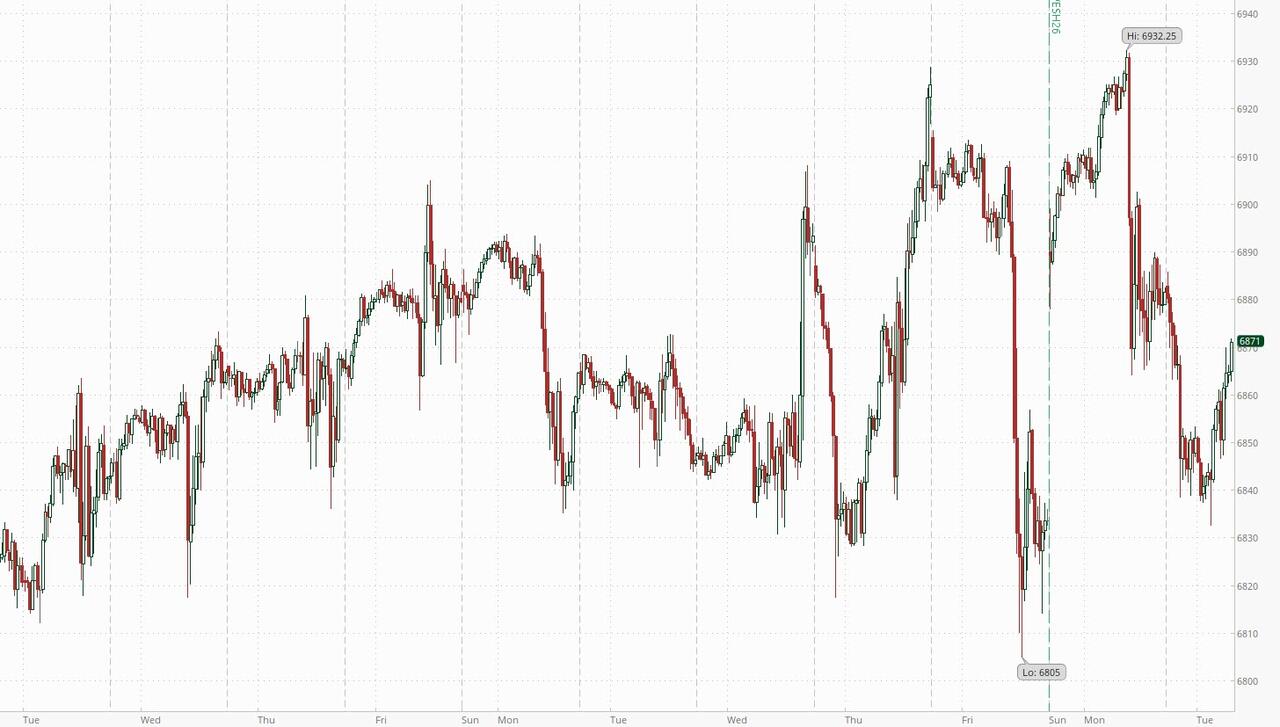

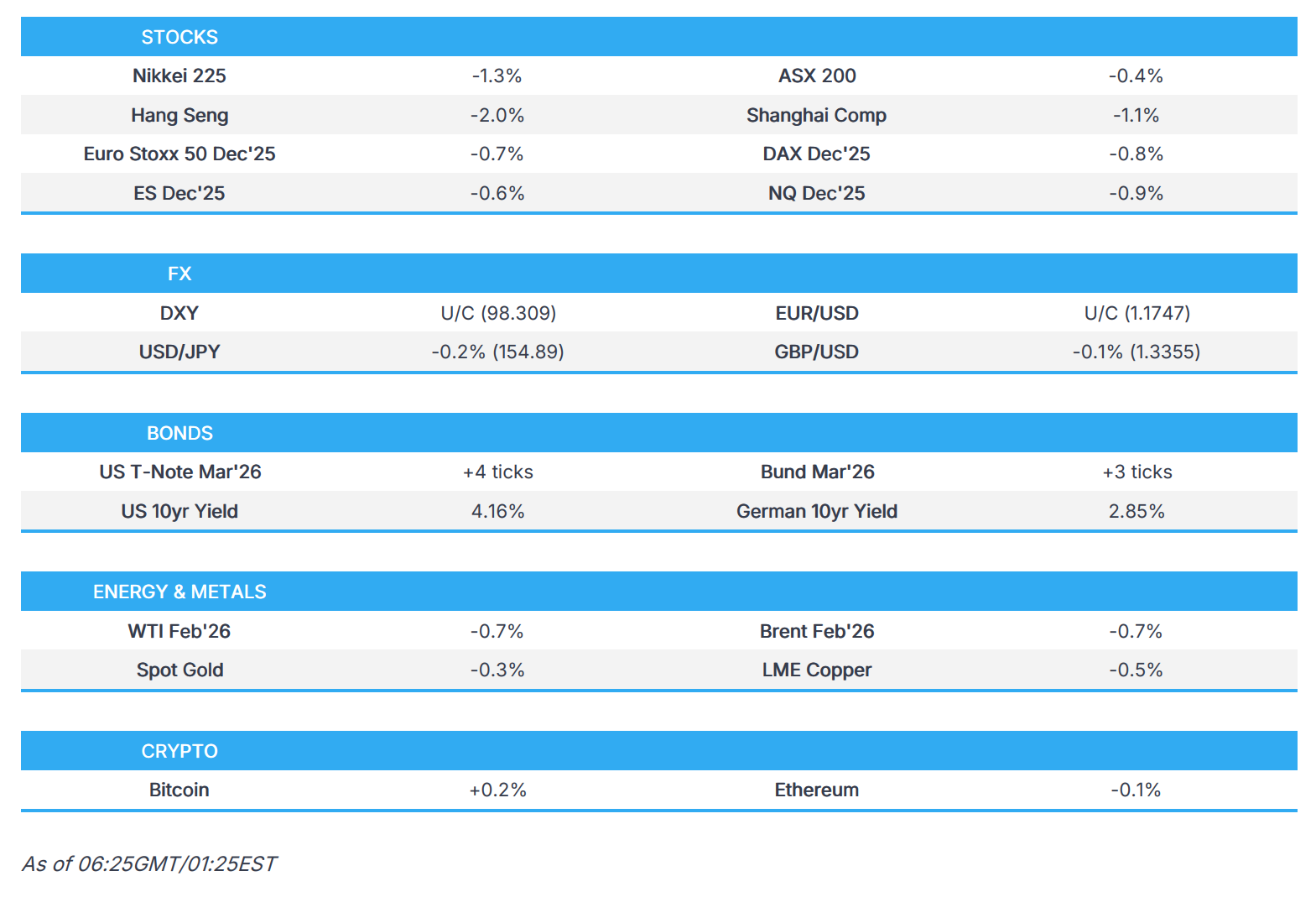



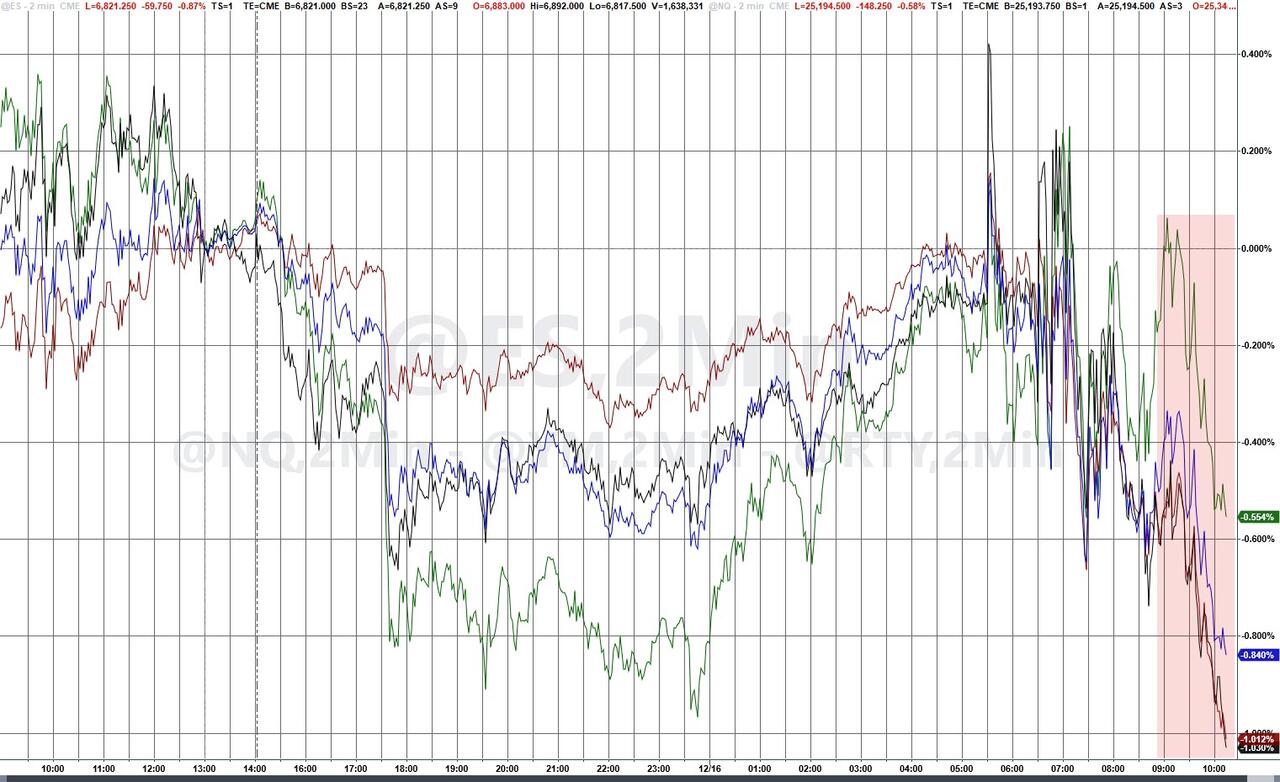





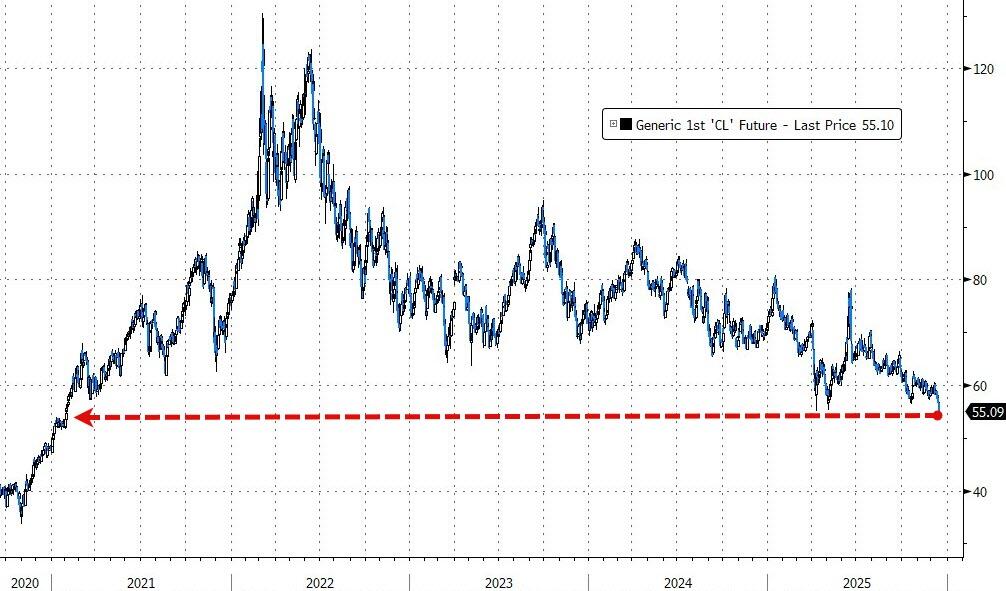
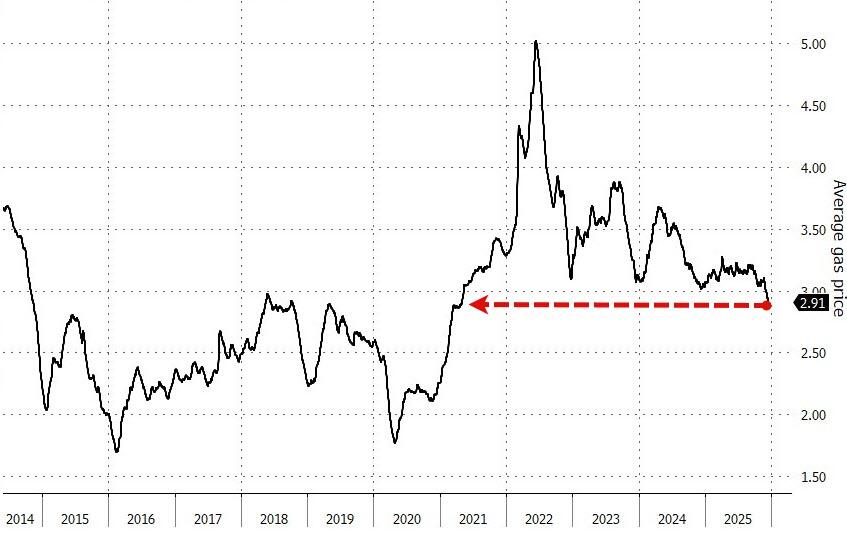
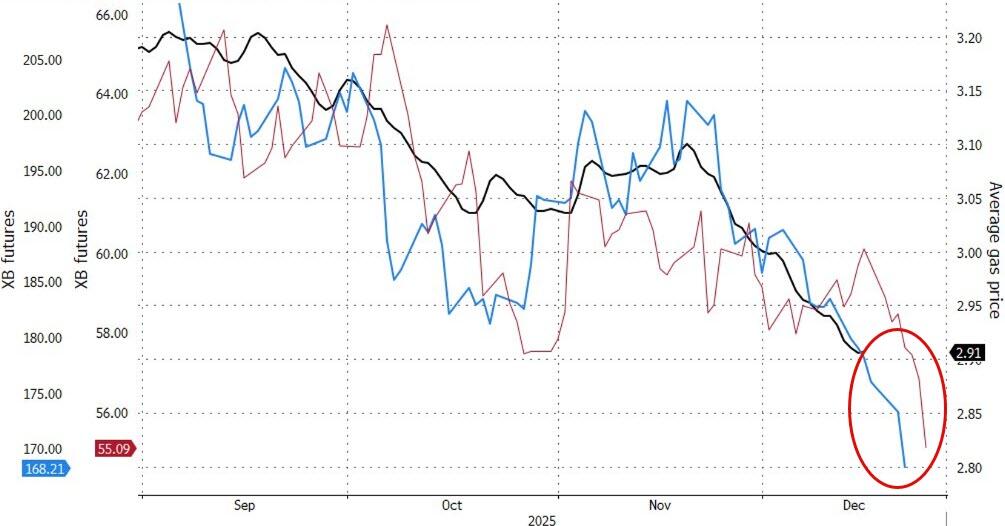
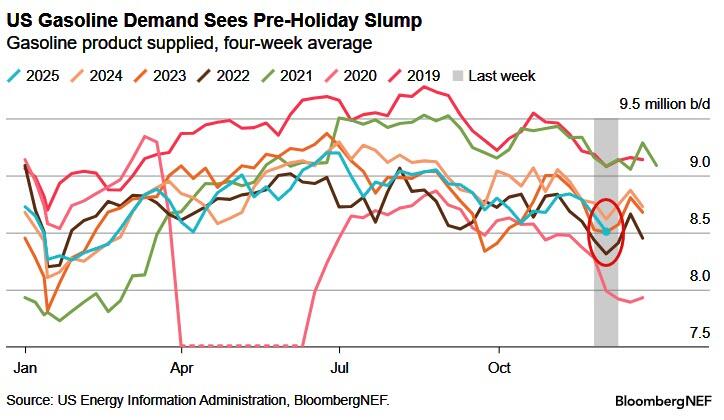

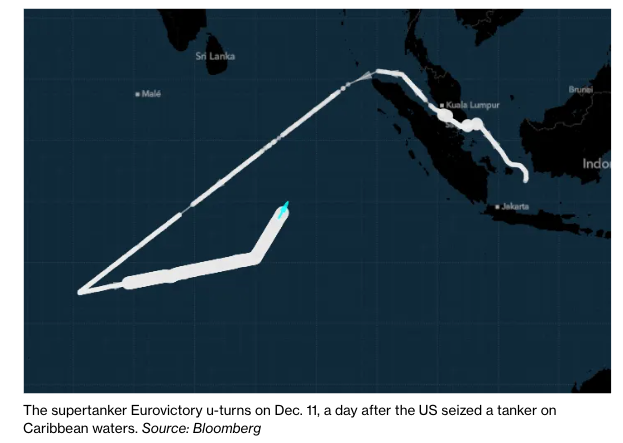


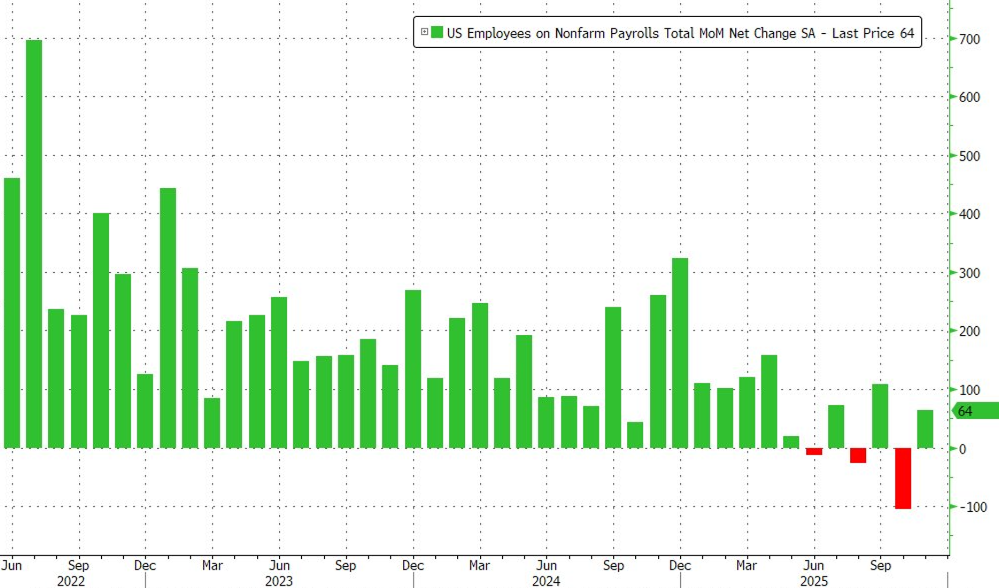
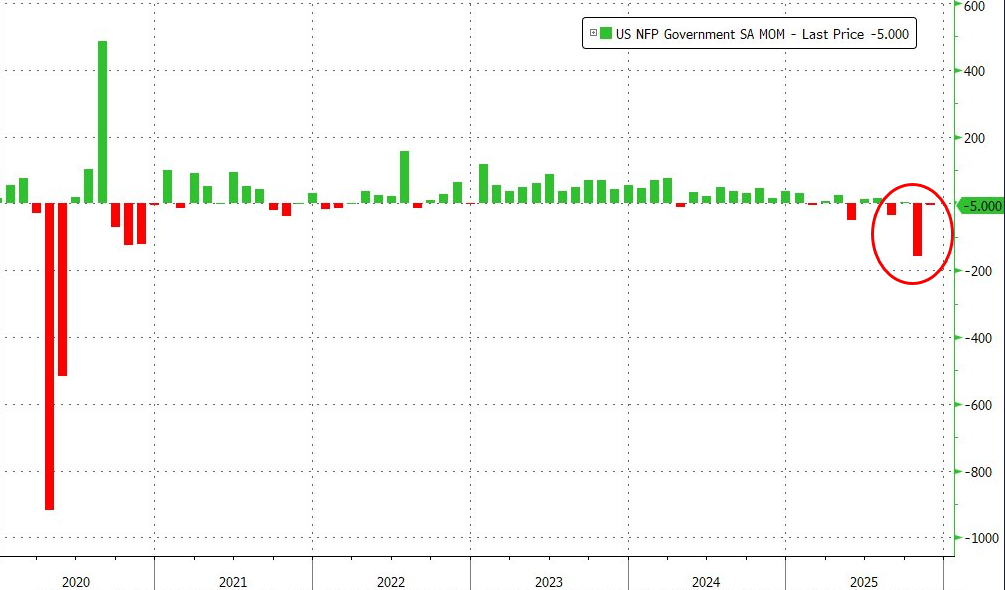
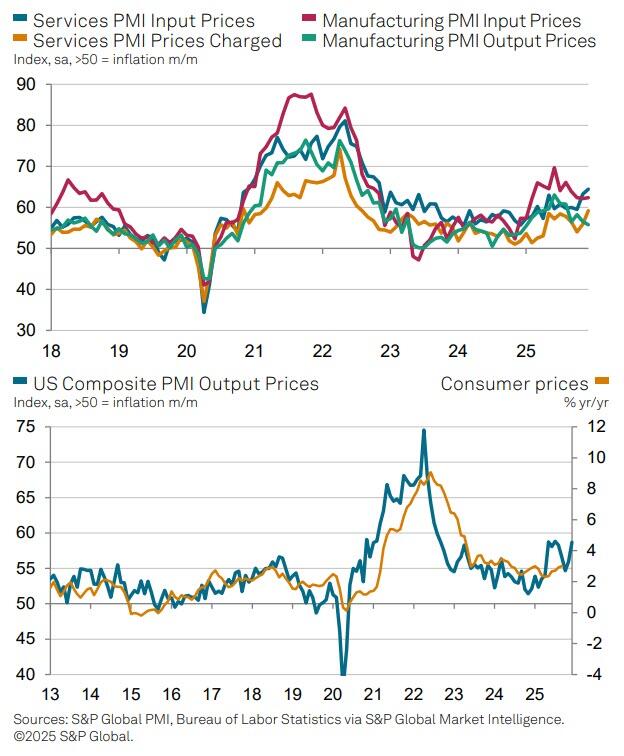







 harveyorganblog.com