MARCH 20/OUR SPECULATOR SHORTS WILL ASK FOR DIVINE INTERVENTION ONCE THEY RECEIVE NOTICE TO DELIVER UPON THEIR SHORTS; GOLD CLOSED DOWN $39.55 TO $4591.30 WITH SILVER DOWN $1.92 TO $69.33 //PLATINUM CLSOED UP $11.85 TO $1970.65 WITH PALLADIUM DOWN $1441.00//GOLD PODCAST OF ANDREW MAGUIRE TALKING TO DR DANIEL LACALLE//GOLD COMMENTARY TONIGHT COURTESY OF ALASDAIR MACLEOD//HIGHIGHTS FROM EUROPE: THE UK AND ON HJUNGRY//UPDATES FROM THE MIDDLE EAST: ISRAEL TBN THE LAST 24 HRS AND ALL THE HIGHLIGHTS ON THE BOMBING OF ENERGY FACILITIES ON THEM ALL//EXCELLENT USA ECONOMIC SCENE COURTESY OF TOM NASH//SWAMP STORIES FOR YOU TONIGHT///
099 H DEUTSCHE BANK AG 179 118 C MACQUARIE FUTURES US 10 190 H BMO CAPITAL MARKETS 34 363 H WELLS FARGO SECURITI 37 555 C BNP PARIBAS SEC CORP 7 624 H BOFA SECURITIES 494 22 661 C JP MORGAN SECURITIES 77 709 C BARCLAYS 231 905 C ADM 11 2
TOTAL: 552 552 MONTH TO DATE: 11,783
JPMORGAN STOPPED 77/552
MARCH
GOLD: NUMBER OF NOTICES FILED FOR MARCH/2026: 552 CONTRACTs NOTICES FOR 55,200 OZ or 1.716 TONNES
total notices so far: 11,783contracts for 1,178,300 OR 36.650tonnes)
FOR MARCH
XXXXXXXXXXXXXXXXXX
SILVER NOTICES: 138 NOTICE(S) FILED FOR 0.690 MILLION OZ /
total number of notices filed so far this month : 8681 CONTRACTS (NOTICES) for 43.405 million oz
Click here if you wish to send a donation. I sincerely appreciate it as this site takes a lot of preparation
END
GLD/
BOTH GLD AND SLV ARE FRAUDULENT VEHICLES//THEY ARE NOW RAIDING GLD AND SLV FOR PHYSICAL
THE CROOKS ARE STEALING GOLD AND SILVER FROM THE GLD/SLV AND REPLACING THE PHYSICAL WITH PAPER DOLLARS.
WITH GOLD DOWN $39.55 INVESTORS SWITCHING TO SPROTT PHYSICAL (PHYS) INSTEAD OF THE FRAUDULENT GLD
HUGE CHANGES IN GOLD INVENTORY AT THE GLD:: A HUGE WITHDRAWAL OF 4.855 TONNES OF GOLD OUT OF THE GLD/.
INVENTORY RESTS AT 1062.135 TONNES
SLV/
WITH NO SILVER AROUND AND SILVER DOWN $1.92 AT THE SLV: HUGE CHANGES IN SILVER INVENTORY AT THE SLV/A WITHDRAWAL OF 2.49 MILLION OZ INTO THE SLV//
CLOSING INVENTORY RESTS AT:
CLOSING INVENTORY: 488.271 MILLION OZ
Let us have a look at the data for today
SILVER//OUTLINE
SILVER COMEX OI FELL BY A HUGE SIZED 1464 CONTRACTS TO 112,034 AND STALLING ON ITS MARCH TO THE RECORD HIGH OI OF 244,710, SET FEB 25/2020, AND THIS SMALL SIZED LOSS IN COMEX OI WAS ACCOMPLISHED WITH OUR $6.22+ LOSS IN SILVER PRICING AT THE COMEX WITH RESPECT TO THURSDAY’S // TRADING. WE ARE NOW AT OUR RECORD LOW OI OF 112,034 SURPASSING OUR PREVIOUS LOW OF 112,874 SET EARLIER IN THIS MONTH.
NOW ON A NET BASIS OUR SPECULATORS HAVE REVERTED BACK TO GOING SHORT. THE FRBNY ON A NET BASIS IS PROVIDING THE NECESSARY PAPER TO OUR LONGS AND THEN HUGE NUMBERS OF LONGS ,OUR BANKERS TOOK THE LONG SIDE ANDTENDER EDFOR PHYSICAL AT 4 PM EACH NIGHT. BECAUSE OF THE HUGE SHORTFALL IN PHYSICAL SILVER IN LONDON THERE IS A LOTTERY TO SEE WHO GETS ANY OF THE PHYSICAL SILVER AVAILABLE THAT WHICH THEY ARE OBLIGATED TO DELIVER. THEY WAIT PATIENTLY FOR THEIR PHYSICAL METAL AND IF NOBODY GETS ANY THEY THEN COME BACK THE NEXT DAY AND SO ON. THIS IS IN LONDON, THE HOME OF PHYSICAL SILVER!!
IT WAS SOME OF OUR SILVER SPECULATORS THAT WERE BRUTALLY BEATEN UP AT THE SILVER COMEX THIS PAST MONTH AS THEY GOT RINSED OUT BADLY AT LAST MONTH’S RAID ON FIRST DAY NOTICE FOR THE MAR CONTRACT/.HOWEVER, WE FINALLY ARE NOW MOVING TO A MUCH HIGHER BASE IN SILVER PRICING SURPASSING THE $70.00 SILVER PRICE BARRIER TO A HIGH DEGREE, AND NOW READY TO ATTACK AGAIN, OUR LAST MAJOR HURDLE OF $100.00 SILVER.
WE HAVE A STRONG SIZED LOSS OF 906TOTAL CONTRACTS ON OUR TWO EXCHANGES AS THE CME NOTIFIED US OF A STRONG SIZED 558 CONTRACT EXCHANGE FOR PHYSICAL ISSUANCE.. WE HAD HUGE LIQUIDATION OF T.A.S. CONTRACTS IN COMEX TRADING WITH RESPECT TO THURSDAY TRADING//RAID/WITH OUR HUGE LOSS IN PRICE ALONG WITH A HUGE 2195 CONTRACT T.A.S. ISSUANCE!! / THEY DESPERATELY AGAIN TODAY TRIED TO CONTAIN SILVER’S PRICE RISE FOR THE PAST SEVERAL WEEKS (WHERE RAIDS ARE CALLED UPON AGAIN AND AGAIN TRYING TO STOP THE RISE IN SILVER’S PRICE TO ABOVE $100.00 AND TO QUELL ADDITIONAL DERIVATIVE LOSSES TO OUR BANKERS’ MASSIVE TOTALS). THEY SUCCEEDED ON WEDNESDAY WITH SILVER’S MASSIVELOSS IN PRICE
THE PRICE FINISHED STILL MASSIVELY ABOVE THE MAGIC NUMBER OF $70.00 SILVER SPOT PRICE BUT BELOW THE $100.00 MARK CLOSING AT $71.25 DOWN 6$.22 WE ARE NOW WITNESSING HAVING MANY HUGE T.A.S ISSUANCES // TODAY’S WAS AT A HUGE SIZED 2195 T.A.S. CONTRACTS !!. THE CROOKS ARE BECOMING MORE DESPERATE TO STOP SILVER BREAKING ABOVE THE 100.00 DOLLAR MARK!!.MAMMOTH SIZE T.A.S ISSUANCES ARE BECOMING THE NORM AT THE COMEX NOW!!
THERE IS NO NEXT LINE IN THE SAND ONCE THE 100.00 DOLLAR SILVER IS PIERCED AGAIN. WE HAD A STRONG SIZED 558 CONTRACT EXCHANGE FOR PHYSICAL ISSUANCE ACCOMPANIED BY OUR HUGE SIZED 2195 CONTRACT T.A.S ISSUANCE WHICH WILL BE USED IN TODAY’S TRADING//AS THEY PLAY AN INTEGRAL PART IN OUR COMEX TRADING TRYING TO CONTAIN ANY SILVER PRICE RISE.
IN ESSENCE WE HAD A STRONG LOSS OF 906 CONTRACTS ON OUR TWO EXCHANGES IDESPITE OUR MAMMOTH LOSS IN PRICE OF $6.22+. WE HAD HUGE GOVERNMENT (FRBY) COMEX CONTRACTS TRADING ALL WEEK AND A MAJOR PORTION WILL BE REMOVED BY DAYS END. (I RECORD THIS FOR YOU ON A DAILY BASIS). THE STICKY SPECULATOR LONGS STILL REMAIN STOIC EVEN ON OUR HUGE PRICE FALLS. THE NON STICKY SPECULATORS WERE WIPED OUT WITH OUR HUGE FEB 24TH RAID!! THE RAID ON 3 CONSECUTIVE DAYS WAS A MASSACRE TO THE PAPER PRICE OF SILVER BUT NOBODY SOLD AN OUNCE OF PHYSICAL SILVER WITH THE ABOVE MENTIONED RAID !
CRAIG HEMKE HAS POINTED OUT THAT THE CROOKS USE THE MID MONTH FOR MANIPULATION AS THEY SELL THEIR BUY SIDE OF THE CALENDAR SPREAD FIRST AND THEN KEEP THE SELL SIDE TO LIQUIDATE AT A LATER DATE.
THUS WE HAVE TWO VEHICLES THE CROOKS USE FOR MANIPULATION AND BOTH ARE SPREADERS: 1) AT MONTH’S END/SPREADERS COMEX AND 2/ TAS SPREADERS, THROUGHOUT MONTH. TOTAL TAS ISSUED ON THURSDAY NIGHT//FRIDAY MORNING: A HUGE SIZED 2196 CONTRACTS. DESPITE MANY COMPLAINTS THAT THE CROOKS HAVE VIOLATED POSITION LIMITS DUE TO THE FACT THAT THE TAS ISSUED HAVE A VALUE OF ZERO (AS TO POSITION LIMITS FOR OUR CROOKED FRBNY BANKERS).
THE PROBLEM OF COURSE IS THAT THE CROOKS DO NOT LIQUIDATE THE TAS AS ONE UNIT, BUT SELL THE SHORT SIDE FIRST AND THEN LIQUIDATE THE LONG SIDE TWO MONTHS HENCE. IT IS OBVIOUS MANIPULATION TO THE HIGHEST DEGREE BUT IT NATURALLY FELL ON DEAF EARS WITH OUR REGULATORS (OCC) WHEN THEY RECEIVED OUR COMPLAINTS. IT NOW SEEMS THAT THE OCC HAS NOW ORDERED THE BANKS TO REDUCE ITS NEW LEVEL OF 1.1 TRILLION DOLLARS IN GOLD/SILVER DERIVATIVES.
THUS:
INITIAL STANDING FOR JANUARY: 22.915 MILLION OZ FOLLOWED BY TODAY’S 1.185 MILLION OZ QUEUE JUMP//NEW NORMAL STANDING ADVANCES TO 49.445 MILLION OZ// TO WHICH WE ADD OUR FIRST EXCHANGE FOR RISK FOR .100 MILLION OZ//NEW STANDING ADVANCES TO 49.545 MILLION OZ!!
INTIAL STANDING FOR FEBRUARY/SILVER: 13.505 MILLION OZ FOLLOWED BY TODAY’S HUGE 0.005 MILLION OZ QUEUE JUMP / : NEW STANDING FOR SILVER AT THE COMEX ADVANCES TO 25.180 MILLION OZ. BUT WE MUST ADD OUR FIRST EXCHANGE FOR RISK OF 25 CONTRACTS FOR .125 MILLION OZ AND THEN OUR SECOND EXCHANGE FOR RISK OF .0600 MILLION OZ TO OUR THIRD HUGE 2.825 MILLION OZ EXCHANGE FOR RISK!!
INITIAL STANDING FOR MARCH: A SURPRISINGLY LOW 31.076 MILLION OZ/ FOLLOWED BY A SMALL QUEUE JUMP OF 17 CONTRACTS OR 0.085 MILLION OZ/NEW STANDING ADVANCES TO 43.980 MILLION OZ
WE HAD:
/ HUGE COMEX OI LOSS+// STRONG SIZED 558 EFP ISSUANCE CONTRACTS (/ VI) A HUGE NUMBER OF T.A.S. CONTRACT ISSUANCE 2195 CONTRACTS
I AM NOW RECORDING THE DIFFERENTIAL IN OI FROM PRELIMINARY TO FINAL: REMOVED 81 SILVER CONTRACT//
HISTORICAL ACCUMULATION OF EXCHANGE FOR PHYSICALS FEB.. ACCUMULATION
TOTAL CONTRACTS for 15 DAY(S), total 9065contracts: OR 45.325 MILLION OZ (604 CONTRACTS PER DAY)
TOTAL EFP’S FOR THE MONTH SO FAR: 45.325MILLION OZ
LAST 24 MONTHS TOTAL EFP CONTRACTS ISSUED IN MILLIONS OF OZ:
MAY 137.83 MILLION
JUNE 149.91 MILLION OZ
JULY 129.445 MILLION OZ
AUGUST: MILLION OZ 140.120
SEPT. 28.230 MILLION OZ//
OCT: 94.595 MILLION OZ
NOV: 131.925 MILLION OZ
DEC: 100.615 MILLION OZ
YEAR 2022:
JAN 2022-DEC 2022
JAN 2022// 90.460 MILLION OZ
FEB 2022: 72.39 MILLION OZ//
MARCH 2022: 207.140 MILLION OZ//A NEW RECORD FOR EFP ISSUANCE
APRIL: 114.52 MILLION OZ FINAL//LOW ISSUANCE
MAY: 105.635 MILLION OZ//
JUNE: 94.470 MILLION OZ
JULY : 87.110 MILLION OZ
AUGUST: 65.025 MILLION OZ
SEPT. 74.025 MILLION OZ///FINAL
OCT. 29.017 MILLION OZ FINAL
NOV: 134.290 MILLION OZ//FINAL
DEC, 61.395 MILLION OZ FINAL
TOTALS YR 2022: 1135.767 MILLION OZ (1.1356 BILLION OZ)
JAN 2023/// 53.070 MILLION OZ //FINAL
FEB: 2023: 100.105 MILLION OZ/FINAL//MUCH STRONGER ISSUANCE VS THE LATTER TWO MONTHS.
MARCH 2023: 112.58 MILLION OZ//FINAL//STRONG ISSUANCE
APRIL 111.035 MILLION OZ(SLIGHTLY GREATER THAN THAN LAST MONTH)
MAY 66.120 MILLION OZ/INITIAL (MUCH SMALLER THIS MONTH)
JUNE: 110.395 MILLION OZ//MUCH LARGER THAN LAST MONTH
JULY 85.745 MILLION OZ (SMALLER THAN LAST MONTH)
AUGUST: 171.43 MILLION OZ (THIS MONTH IS GOING TO BE HUGE //2ND HIGHEST ON RECORD
SEPT: 72.705 MILLION OZ (SMALLER THIS MONTH)
OCT: 97.455 MILLION OZ
NOV. 50.050 MILLION OZ
DEC. 66.140 MILLION OZ//
TOTAL 2023: 1,104.10 MILLION OZ/
JAN ’24 : 78.655 MILLION OZ//
FEB /2024 : 66.135 MILLION OZ./FINAL
MARCH: 143.750 MILLION OZ// 4TH HIGHEST ON RECORD.
APRIL: 161.770 MILLION OZ (THIS MONTH WILL BE A WHOPPER OF ISSUANCE OF EFPS//3RD HIGHEST EVER RECORDED FOR A MONTH)
MAY: 135.995 MILLION OZ //WILL BE A STRONG MONTH FOR EXCHANGE FOR PHYSICAL ISSUANCE
JUNE 110.575 MILLION OZ ( WILL BE ANOTHER STRONG MONTH ISSUANCE)
JULY: 108.870 MILLION OZ (WILL BE A STRONG ISSUANCE MONTH/ A TOUCH OVER 100 MILLION OZ/)
AUGUST; 99.740 MILLION OZ//THIS MONTH WILL BE STRONG FOR ISSUANCE BUT LESS THAN JULY.
SEPT: 112.415 MILLION OZ//WILL BE A HUGE MONTH FOR EXCHANGE FOR PHYSICAL ISSUANCE
OCT; 97.485 MILLION OZ (WILL BE SMALLER ISSUANCE THIS MONTH )
NOV. 115.970 MILLION OZ ( HUGE THIS MONTH)
DEC: 132.54 MILLION OZ (THIS MONTH WILL BE A HUMDINGER FOR ISSUANCE BUT ISSUANCE SLOWED DRAMATICALLY THESE PAST FIVE DAYS/// WILL NOT EXCEED MARCH 2022 RECORD OF 209 MILLION OZ
YEAR 2024 TOTAL: 1363.84 MILLION OR 1.363 BILLION OZ
JANUARY 2025: 67.230 MILLION OZ///(THIS MONTH’S ISSUANCE OF EXCHANGE FOR PHYSICAL WILL BE SMALL)
FEB. 58.260 MILLION OZ//EXCHANGE FOR PHYSICAL ISSUANCE/FINAL
MARCH: 67.020 MILLION OZ///QUITE SMALL AND BECOMING SMALLER EACH AND EVERY MONTH.
APRIL: 100.895 MILLION OZ///AVERAGE SIZE ISSUANCE
MAY: 28.975 MILLION OZ (ISSUANCE WILL BE QUITE SMALL THIS MONTH)
JUNE: 81.065 MILLION OZ
JULY: 50.925 MILLION OZ (QUITE SMALL)
AUGUST: 59.455 MILLION OZ (QUITE SMALL)
SEPT. 50.510 MILLION OZ.(QUITE SMALL)
OCT; 82.020 MILLION OZ (WILL BE STRONG THIS MONTH)/ OCC WANTS TO REIN IN THESE ISSUANCES!
NOVEMBER: 36.425 MILLION OZ
DEC: 45.765 MILLION OZ
JANUARY 2026: 134.270 MILLION OZ (WILL BE A VERY STRONG MONTH FOR EXCHANGE FOR PHYSICAL!)
FEB : 82.130 MILLION OZ
MARCH: 45.325 MILLION OZ
RESULT: WE HAD A HUGE SIZED DECREASE IN COMEX OI SILVER COMEX CONTRACTS OF 1464 CONTRACTS DESPITE OUR MASSIVE LOSS IN PRICE OF $6.22 IN SILVER PRICING AT THE COMEX// THURSDAY,. THE CME NOTIFIED US THAT WE HAD A STRONG SIZED CONTRACT EFP ISSUANCE 558 CONTRACTS ISSUED FOR MAY, AND 0 CONTRACTS ISSUED FOR ALL OTHER MONTHS) WHICH EXITED OUT OF THE SILVER COMEX TO LONDON AS FORWARDS. INITIAL STANDING 31.176 MILLION OZ FOLLOWED BY TODAY’S 0.0.085MILLION OZ QUEUE JUMP //STANDING ADVANCES TO 43.980 MILLION OZ. DESPITE HUGE SILVER DELIVERIES DURING THE PAST SEVERAL MONTHS, THIS PAST WEEK, WE HAVE REACHED OUR ABSOLUTE LOW POINT IN SILVER COMEX OI. (112,115). TODAY IT HIT OUR LOW POINT IN OI OF 112,034. RAIDS ACCOMPLISH NOTHING FOR OUR CROOKS AS LONGS WILL BE QUITE STICKYWITH THIS LOW COMEX OI!! HOWEVER WE HAD A HUGE INCREASE IN SPEC SHORTS AND THESE GUYS WILL HAVE TO DELIVER TO OUR LONGS .
LAST 11 MONTHS OF SILVER DELIVERIES
WE FINISHED APRIL WITH A STRONG SILVER OZ STANDING OF 16.050 MILLION OZ NORMAL DELIVERY , PLUS OUR 4.00 MILLION EX FOR RISK
FINAL STANDING APRIL: 19.965 MILLION OZ
AND MAY:
NEW STANDING FOR MAY FINISHES AT: 75.615 MILLION OZ. (INCLUDES 5,000 OZ EFP TRANSFER TO LONDON + 12.93 MILLION OZ EXCHANGE FOR RISK ISSUANCE/PRIOR.//NEW TOTAL STANDING 88.540 MILLION OZ
AND JUNE: FINAL 16.995 MILLION OZ
AND JULY: 46.720 MILLION OZ//
AUGUST: 4.70 MILLION OZ INITIAL STANDING PLUS TODAY;S 5,000 OZ QUEUE JUMP //NEW STANDING ADVANCES TO 10.960 MILLION OZ
SEPTEMBER: 68.040 MILLION OZ NORMAL DELIVERY(INCLUDES ALL QUEUE JUMPING AND EXCHANGE FOR PHYSICAL TRANSFERS) PLUS 3.0 MILLION OZ EX FOR RISK = 71.040 MILLION OZ. (THIS IS THE FIRST AND ONLY ISSUANCE OF EXCHANGE FOR RISK FOR SILVER SINCE MAY.)
OCTOBER: 39.565 MILLION OZ OF NORMAL DELIVERY INCLUDES ALL QUEUE JUMPING
PLUS
2.110 MILLION OZ EXCHANGE FOR RISK//TOTAL OZ STANDING IN OCT ADVAN
NOVEMBER: INITIAL STANDING AT 11.575 MILLION OZ FOLLOWED BY TODAY’S 195,000 OZ QUEUE JUMP WHICH FOLLOWS ALL OTHER QUEUE JUMPS OF 9.155 MILLION OZ//STANDING ADVANCES TO 19.670 MILLION OZ/
DECEMBER: INITIAL AMOUNT STANDING FOR DELIVERY: 49.33 MILLION OZ// FOLLOWED BY ANOTHER STRONG 835,000OZ QUEUE JUMP+ DEC. FIRST EXCHANGE FOR RISK 0F .850 MILLION OZ + LAST WEEK.S 495,000 OZ EXCHANGE FOR RISK AND THEN A 3RD ISSUANCE IF 1.00MILLION OZ THEN FINALLY DEC 249ISSUANCE OF 1.35 MILLION OZ EXCHANGE FOR RISK//NEW TOTAL EX FOR RIS IS 3.685 MILLION OZ // STANDING ADVANCES TO 68.415 MILLION OZ//
JANUARY: INITIAL STANDING 22.915 MILLION OZ FOLLOWED BY TODAY’S 1.185 MILLION OZ QUEUE JUMP//NORMAL STANDING ADVANCES TO 49.445 MILLION OZ// TO WHICH WE ADD OUR FIRST EXCHANGE FOR RISK OF 0.100 MILLLION OZ//NEW STANDING ADVANCES TO 49.545 MILLION OZ
FEB: 13.399 MILLION OZ IS OUR INITIAL STANDING FOR SILVER! TO WHICH WE ADD OUR NEXT QUEUE JUMP FOR 5,000 OZ AND THEN ADD OUR 3 EXCHANGE FOR RISK FOR 3.010 MILLION OZ STANDING ADVANCES TO 28.190 MILLION OZ!!
MARCH: INITIAL AMOUNT OF SILVER STANDING IS 31.076 MILLION OZ FOLLOWED BY TODAY’S 0.0.085 MILLION OZ QUEUE //NEW TOTAL STANDING ADVANCESTO 43.980MILLION OZ
THE NEW TAS ISSUANCE THURSDAY NIGHT (2195 WILL BE PUT INTO “THE BANK” TO BE COLLUSIVELY USED NO DOUBT WITH FUTURE TRADING!
WE HAD 138 NOTICE(S) FILED TODAY FOR 0.690 MILLION OZ
THE SILVER COMEX IS NOW BEING ATTACKED FOR METAL BY LONDONERS ET AL. IT IS NOW TIME FOR THE FBI TO ENTER THE COMEX AND ARREST THESE CROOKS EVEN THOUGH THE MAJORITY OF THE TRADING IS GOVERNMENT. THE BANKERS ARE COMPLICIT. THE SILVER COMEX IS NOW ON A MASSIVE SIEGE LOOKING FOR PHYSICAL SILVER!!
GOLD//OUTLINE
IN GOLD, THE COMEX OPEN INTEREST FELL BY A STRONG SIZED 6616 OI CONTRACTS DOWNTO 405,419 OI AND FURTHER DROM THE RECORD (SET JAN 24/2020) AT 799,105 AND PREVIOUS TO THAT: (SET JAN 6/2020) AT 797,110. (ALL TIME LOW OF 390,000 CONTRACTS.) THUS WE ARE STILL CLOSE TO OUR ALL TIME NADIR OI IN COMEX BUT WITH AN EXTREMELY HIGH PRICE OF GOLD. THE SHORT RATS ARE ABANDONING THE SHIP.
THE DIFFERENTIAL FROM PRELIMINARY OI TO FINAL OI IN GOLD TODAY: REMOVED A HUGE 3683 CRIMINAL CONTRACTS //.
WE HAD A STRONG SIZED LOSS IN COMEX OI (6616 ONTRACTS) . THIS LOSS OCCURRED DESPITE OUR MASSIVE LOSS IN PRICE OF $270.85 THURSDAY///.
LAST 10 MONTHS OF GOLD DELIVERIES: (MAY THROUGH TO /FEB)
MAY: SUMMARY FOR MAY TONNES WHICH STOOD FOR DELIVERY:
FINAL STANDING FOR MAY: 70.174 TONNES OF GOLD TO WHICH WE ADD 1. MONDAY’S (MAY 19) 6.221 TONNES EXCHANGE FOR RISK , 2. THEN WE ADD: 1.35 TONNES TO LAST WEEK”S. THEN WE ADD 3. 1.55 TONNES TO EQUAL 9.591 TONNES// NEW EXCHANGE FOR RISK = 9.591 TONNES WHICH MUST BE ADDED TO OUR NORMAL DELIVERY SCHEDULE OF 80.644 TONNES. THUS STANDING FOR MAY INCREASES TO 90.235 TONNES OF GOLD
2 JUNE CONTRACT MONTH: 93.085 TONNES OF GOLD (WHICH INCLUDES ALL QUEUE JUMPING AND 0 EX FOR RISK)
3.JULY INITIIAL STANDING FIRST DAY NOTICE: 17.847 TONNES. PLUS TODAY’S 0 TONNES QUEUE JUMP + 1.555 TONNES EX FOR RISK + 2.195 TONNES EX FOR RISK TODAY = 41.106 TONNES STANDING
4. AUGUST: 60.547 TONNES OF INITIAL GOLD FIRST DAY NOTICE FOLLOWED BY THE NET MONTH’S QUEUE JUMP OF 47.2312 TONNES TO WHICH WE ADD THE FOLLOWING EXCHANGE FOR RISK ISSUANCE RECEIVED FOR THE MONTH: 5.4432 TONNES EX FOR RISK/AUG 7 , AUG 11: 2.413 TONNES EX FOR RISK AND AUG. 12 OF 2.637 TONNES EX FOR RISK//AUG 25: 9.107 TONNES , AUGUST 26: 9.1010 TONNES AND NOW AUGUST 27: 9.0699 TONNES//NEW STANDING ADVANCES TO 107.5117 TONNES OF GOLD NORMAL STANDING (INCLUDES ALL MONTHLY QUEUE JUMPS/EX FOR PHYSICAL TRANSFERS//) +44.696 TONNES EX.FOR RISK = 152.208 TONNES
5.SEPT: INITIAL 8.093 TONNES OF GOLD PLUS TODAY’S QUEUE JUMP OF 0.4883 TONNES PLUS 2.2827 TONNES OF EXCHANGE FOR RISK TODAY//NEW TOTAL EX. FOR RISK/MONTH = 22.923//NEW TOTAL STANDING FOR GOLD SEPT ADVANCES TO = 48.801 TONNES!!
6.OCTOBER: 90.012 TONNES OF INITIAL GOLD STANDING WITH TODAY’S TINY 0.00311 TONNES QUEUE JUMP WHICH FOLLOWS ALL OTHER QUEUE JUMPS DURING OCT OF 76.1656 TONNES
THEN WE MUST ADD OUR 14.553 TONNES OF OUR ISSUANCE OF EXCHANGE FOR RISK/6 OCCASIONS//NEW TOTAL OF GOLD STANDING ADVANCES TO 197.5141 TONNES OF GOLD.
7.NOVEMBER BEGINS WITH 15.651 TONNES INITIALLY STANDING FOR DELIVERY FOLLOWED BY TODAY’S QUEUE JUMP OF 2.323 TONNES FOLLOWED BY ALL PREVIOUS QUEUE JUMPS IN OF OF 21.3775 TONNES TO WHICH WE ADD OUR TWO EXCHANGE FOR RISK ISSUANCE OF 4.5596 TONNES//NEW STANDING ADVANCES TO 43.9716 TONNES OF GOLD.
8. DECEMBER BEGINS WITH INITIAL STANDING OF 83.813 TONNES OF GOLD FOLLOWED BY TODAY’S 0.0TONNE QUEUE JUMP WHICH FOLLOWS ALL OTHER QUEUE JUMPS OF: 37.163 TONNES//NEW STANDING ADVANCES TO 115.390 TONNES TO WHICH WE ADD OUR 4 EXCHANGE FOR RISK FOR DECEMBER OF 6.587 TONNES/NEW STANDING ADVANCES TO 121.977 TONNES
9. JANUARY: INITITAL STANDING: 13.785 TONNES TO WHICH WE ADD OUR FIRST EXCHANGE FOR PHYSICAL TRANSFER OF 0.08709 TONNES WHICH FOLLOWS ALL OTHER QUEUE JUMPS OF 30.7117TONNES //NEW TOTAL QUEUE JUMPS 30.7117//NORMAL DELIVERY OF GOLD ADVANCES TO 36.8958 TONNES TO WHICH WE ADD OUR SIX EXCHANGE FOR RISK OF 22.315 TONNES//NEW STANDING ADVANCES TO 59.2108 TONNES.
FEB; INITIAL AMOUNT OF GOLD STANDING FOR DELIVERY: 93.567 TONNES OF GOLD TO WHICH WE ADD OUR NEXT 0.0248 TONNES 0.1555 TONNES QUEUE JUMP TO 41.2082 TONNES/ NEW NET QUEUE JUMP INCREASES TO 41.233 TONNES// AND THEN WE ADD OUR SIX EXCHANGE FOR RISK: 10,080 CONTRACTS OR 31.251 TONNES//NEW STANDING REDUCES TO 157.878 TONNES
MARCH:: INITIAL AMOUNT OF GOLD STANDING FOR DELIVERY: 8.099 TONNES FOLLOWED BY TODAY’S STRONG 3.918 TONNES QUEUE JUMP AND THEN WE ADD OUR FIRST EXCHANGE FOR RISK OF 6.22 TONNES //NEW STANDING ADVANCES TO 45.5512TONNES/
E.F.P. ISSUANCE/FOR OPENING MARCH. GOLD CONTRACT
THE CME RELEASED THE DATA FOR EFP ISSUANCE AND IT TOTALED A STRONG SIZED 2875 CONTRACTS:
The NEW COMEX OI FOR THE GOLD COMPLEX RESTS AT 405,419AND WE NOW WITNESSING A LOWER COMEX OI BUT WITH AN EXTREMELY HIGH PRICE OF GOLD.//NOW ALMOST IMPOSSIBLE TO FLEECE. THIS LEVEL ADVANCES FROM ITS DECADES LOW OI AT 404,829.
SILVER ALSO HAS AN ULTRA SMALL SIZED AND RECORD LOW COMEX OI OF 112,034CONTRACTS// LOWERING A BIT FROM OUR PREVIOUS ALL TIME LOW SET MARCH 5 OF 112,878 CONTRACTS.
IN ESSENCE WE HAVE A FAIR LOSS IN TOTAL CONTRACTS ON THE TWO EXCHANGES OF 3741 CONTRACTS WITH 6616 CONTRACTS DECREASED AT THE COMEX// AND A STRONG SIZED 2875 EXCHANGE FOR PHYSICAL OI CONTRACT ISSUANCE WHICH NAVIGATED OVER TO LONDON.
THUS TOTAL OI LOSS ON THE TWO EXCHANGES OF 3741 CONTRACTS.. WE HAD THE FOLLOWING TAS CONTRACTS INITIATED (ISSUED): A STRONG SIZED BUT CRIMINAL 2318 CONTRACTS AND THESE ISSUANCES ARE GENERALLY USED TO INITIATE A RAID WHEN CALLED UPON LIKE TUESDAY THROUGH TO THURSDAY
GOLD PRICE ON THURSDAY FELL BY $279.85
CALCULATIONS ON GAIN/LOSS ON OUR TWO EXCHANGES
WE HAD A STRONG SIZED ISSUANCE IN EXCHANGE FOR PHYSICALS CONTRACT(2318) ACCOMPANYING THE STRONG SIZED LOSS IN COMEX OI OF 6616 CONTRACTS/TOTAL LOSS FOR OUR THE TWO EXCHANGES: 3741 CONTRACTS..
WE HAVE 1) NOW REVERTED TO OUR ABNORMAL FORMAT OF BANKER (FRBNY) GOING ON THE LONG SIDE AND NEWBIE SPECULATORS GOING TO THE SHORT SIDE// . ,2.) STRONG FINAL STANDING FOR GOLD FOR FEBRUARY AND VERY STRONG FOR MARCH:
FEB; INITIAL AMOUNT OF GOLD STANDING FOR DELIVERY: 93.567 TONNES OF GOLD TO WHICH WE ADD OUR NEXT QUEUE JUMP OF 0.012 TONNES TO ALL OTHER QUEUE JUMPS//NEW QUEUE JUMP TOTALS INCREASES: 41.233 TONNES// /// TO WHICH WE ADD OUR SIX EXCHANGE FOR RISK FOR 31.251 TONNES//NEW STANDING FINISHED AT 157.878 TONNES
MARCH:: SMALL INITIAL STANDING FOR GOLD FOR MARCH AT 8.099 TONNES FOLLOWED BY TODAY’S 3.968TONNES QUEUE JUMP FOLLOWED BY OUR FIRST EXCHANGE FOR RISK: 6.220///NEW STANDING ADVANCES TO 45.980TONNES OF GOLD./
FINAL STANDING FOR GOLD, JANUARY CONTRACT AT 59.2108 TONNES OF GOLD
FEBRUARY: INITIAL STANDING FOR GOLD: 157.878 TONNES!! WHICH INCLUDES ALL QUEUE JUMPING, THREE EXCHANGE FOR PHYSICAL TRANSFERS TO LONDON AND OUR SIX ISSUANCES EXCHANGE FOR RISK!!
MARCH: INITIAL STANDING AT 8.099 TONNES FOLLOWED BY TODAY’S 3.968TONNES QUEUE JUMP +6.20 TONNES EXCHANGE FOR RISK//NEW STANDING ADVANCES TO 45.55127TONNES/
3) HUGE T.A.S. LIQUIDATION AND SOME GOVT LIQUIDATION // WITH A HUGE LOSSOF EQUITY SHARES/MARCH 18 HAVING 1)A $279.85 COMEX PRICE LOSS AND YET WE HAD 2) NEWBIE SPEC SHORTS GETTING CLOBBERED ON A NET BASIS, + EASTERN CENTRAL BANKERS WERE PILING INTO THE LONG SIDE AS WE HAD A SMALL SIZED LOSS OF 58 CONTRACTS ON OUR TWO EXCHANGES AND AS WELL A STRONG AMOUNT OF GOLD WILL STAND FOR DELIVERY IN MARCH. (45.5512TONNES). //, CENTRAL BANKERS TENDERED FOR PHYSICAL WITH THEIR PURCHASES OF CONTRACTS../ ALSO, 3)STICKY GOLD’S LONGS WERE REWARDED THURSDAY EVENING AS THEY EXERCISED EFP’S FROM LONDON TO TAKE DELIVERY OF BADLY NEEDED PHYSICAL
4)A FAIR SIZED COMEX OI LOSS 5) V) STRONG SIZED ISSUANCE OF EXCHANGE FOR PHYSICAL GOLD (2195) AND A STRONG T.A.S. ISSUANCE (2318) FOR RAID PURPOSES
ACCUMULATION OF EFP’S GOLD AT J.P. MORGAN’S HOUSE OF BRIBES: (EXCHANGE FOR PHYSICAL) FOR THE MONTH OF JAN :
TOTAL EFP CONTRACTS ISSUED: 50,579 CONTRACTS OR 5,057,900OZ OR 17.32 TONNES IN 15TRADING DAY(S) AND THUS AVERAGING: 3258 EFP CONTRACTS PER TRADING DAY
TO GIVE YOU AN IDEA AS TO THE SIZE OF THESE EFP TRANSFERS : THIS MONTH IN15 TRADING DAY(S) IN TONNES: 157.32TONNES
TOTAL ANNUAL GOLD PRODUCTION, 2025, THROUGHOUT THE WORLD EX CHINA EX RUSSIA: 3555 TONNES
THUS EFP TRANSFERS REPRESENTS 157.32TONNES DIVIDED BY 3550 x 100% TONNES = 4.43% OF GLOBAL ANNUAL PRODUCTION
SEPT 142.12 TONNES FINAL ISSUANCE ( LOW ISSUANCE)_
OCT: 141.13 TONNES FINAL ISSUANCE (LOW ISSUANCE)
NOV: 312.46 TONNES FINAL ISSUANCE//NEW RECORD!! (INCREASING DRAMATICALLY)//SIGN OF REAL STRESS//SURPASSING THE MARCH 2021 RECORD OF 276.50 TONNES OF EFP
DEC. 175.62 TONNES//FINAL ISSUANCE//
TOTALS: 2,578.08 TONNES/2021
JAN:2023 247.25 TONNES //FINAL
FEB: 196.04 TONNES//FINAL
MARCH/2022: 409.30 TONNES //FINAL( THIS IS NOW A RECORD EFP ISSUANCE FOR MARCH AND FOR ANY MONTH.
APRIL: 169.55 TONNES (FINAL VERY LOW ISSUANCE MONTH)
MAY: 247.44 TONNES FINAL//
JUNE: 238.13 TONNES FINAL
JULY: 378.43 TONNES FINAL/SECOND HIGHEST ON RECORD
AUGUST: 180.81 TONNES FINAL
SEPT. 193.16 TONNES FINAL
OCT: 177.57 TONNES FINAL ( MUCH SMALLER THAN LAST MONTH)
NOV. 223.98 TONNES//FINAL ( MUCH LARGER THAN PREVIOUS MONTHS//comex running out of physical)
DEC: 185.59 tonnes // FINAL
TOTAL: 2,847,25 TONNES/2022
JAN 2024: 228.49 TONNES FINAL//HUGE AMOUNT OF EFP’S ISSUED THIS MONTH!!
FEB: 151.61 TONNES/FINAL
MARCH: 280.09 TONNES/INITIAL (ANOTHER STRONG MONTH FOR EFP ISSUANCE)
APRIL: 197.42 TONNES
MAY: 236.67 TONNES (A VERY STRONG ISSUANCE FOR THIS MONTH)
JUNE: 172.667 TONNES (WEAKER ISSUANCE THIS MONTH)
JULY: 151.69 TONNES (WEAKER THAN LAST MONTH)
AUGUST: 195.28 TONNES (A STRONGER MONTH)//FINAL
SEPT: 254.709 TONNES (WILL BE LARGER THAN LAST MONTH AND A STRONG MONTH)
OCT. 248.09 TONNES. LIKE SILVER, THIS MONTH IS GOING TO BE A STRONG E.F.P. ISSUANCE.
NOV. 239.16 TONNES//WILL BE STRONG THIS MONTH,
DEC. 213.704 TONNES. A STRONG MONTH//
TOTAL FOR YEAR 2023: 2,569.57 TONNES
2025: AND NOW 2026
JAN. 2025: 257.919 TONNES (ISSUANCE WILL BE PRETTY GOOD THIS MONTH BUT MUCH LOWER THAN LAST MONTH)
FEB: 207.21 TONNES//EX FOR PHYSICAL ISSUANCE (WILL BE A FAIR SIZED ISSUANCE THIS MONTH)
MARCH 130.84 TONNES//QUITE SMALL THIS MONTH.
APRIL; 208.57 TONNES. STRONG THIS MONTH
MAY: 113.499 TONNES OF GOLD EFP ISSUANCE//QUITE SMALL THIS MONTH
JUNE: 97.79 TONNES OF GOLD EFP ISSUANCE/EXTREMELY SMALL
JULY : 150.877 TONNES// QUITE SMALL
AUGUST: 175.86 TONNES A LOT LARGER THIS MONTH.
SEPT. 116.13 TONNES VERY SMALL
OCT. 252.72 TONNES//CERTAINLY MUCH LARGER THIS MONTH/VERY STRONG
NOV: 124.74 TONNES
DEC: 190.04 TONNES//GOOD SIZED THIS MONTH FINAL.
TOTAL EXCHANGE FOR PHYSICAL ISSUED FOR YEAR 2025: 2,026.20 TONNES (LOWER THAN LAST YR 2,569.00 TONNES
JANUARY: 209.08 TONNES ( (WILL BE A STRONG MONTH FOR EXCHANGE FOR PHYSICAL)
FEB. 176.35 TONNES (WHICH IS A FAIR ISSUANCE)
MARCH: 157.32 TONNES//WILL BE STRONG ISSUANCE THIS MONTH
SPREADERS:
HERE IS A BRIEF SYNOPSIS OF HOW THE CROOKS FLEECE UNSUSPECTING LONGS IN THE SPREADING ENDEAVOUR ;MODUS OPERANDI OF THE CORRUPT BANKERS AS TO HOW THEY HANDLE THEIR SPREAD
YOU WILL ALSO NOTICE THAT THE COMEX OPEN INTEREST STARTS TO RISE BUT SO IS THE OPEN INTEREST OF SPREADERS. THE OPEN INTEREST IN WILL CONTINUE TO RISE UNTIL ONE WEEK BEFORE FIRST DAY NOTICE OF AN UPCOMING ACTIVE DELIVERY MONTH (OCT), AND THAT IS WHEN THE CROOKS SELL THEIR SPREAD POSITIONS BUT NOT AT THE SAME TIME OF THE DAY. THEY WILL USE THE SELL SIDE OF THE EQUATION TO CREATE THE CASCADE (ALONG WITH THEIR COLLUSIVE FRIENDS) AND THEN COVER ON THE BUY SIDE OF THE SPREAD SITUATION AT THE END OF THE DAY. THEY DO THIS TO AVOID POSITION LIMIT DETECTION. THE LIQUIDATION OF THE SPREADING FORMATION CONTINUES FOR EXACTLY ONE WEEK AND ENDS ON FIRST DAY NOTICE.”
WHAT IS ALARMING TO ME, ACCORDING TO OUR LONDON EXPERT ANDREW MAGUIRE IS THAT THESE EFP’S ARE BEING TRANSFERRED TO WHAT ARE CALLED SERIAL FORWARD CONTRACT OBLIGATIONS AND THESE CONTRACTS ARE LESS THAN 14 DAYS. ANYTHING GREATER THAN 14 DAYS, THESE MUST BE RECORDED AND SENT TO THE COMPTROLLER, GREAT BRITAIN TO MONITOR RISK TO THE BANKING SYSTEM. IF THIS IS INDEED TRUE, THEN THIS IS A MASSIVE CONSPIRACY TO DEFRAUD AS WE NOW WITNESS A MONSTROUS TOTAL EFP’S ISSUANCE AS IT HEADS INTO THE STRATOSPHERE.
The crooks also use the spread in the TAS account (trade at settlement). They buy the spot TAS (e.g. June) and sell the future TAS two months out (e.g. August). Then they unload the front month (i.e. unload the buy side first so the price of gold/silver falls. This occurs in the middle of the front delivery month cycle. They unload the sell side of the equation, two months down the road. The crooks violate position limits as the OCC refuse to hear our complaints.
First, here is an outline of what will be discussed tonight:
SILVER:
1.TODAY WE HAD THE OPEN INTEREST AT THE COMEX IN SILVER FELL BY A HUGE SIZED 1464 CONTRACTS OI TO 112,034 AND FURTHER FROM THE COMEX HIGH RECORD //244,710( SET FEB 25/2020). THE LAST RECORDS WERE SET IN AUG.2018 AT 244,196 WITH A SILVER PRICE OF $14.78/(AUGUST 22/2018)..THE PREVIOUS RECORD TO THAT WAS SET ON APRIL 9/2018 AT 243,411 OPEN INTEREST CONTRACTS WITH THE SILVER PRICE AT THAT DAY: $16.53). AND PREVIOUS TO THAT, THE RECORD WAS ESTABLISHED AT: 234,787 CONTRACTS, SET ON APRIL 21.2017 OVER 7 YEARS AGO. HOWEVER WE HAVE NOW SET A NEW RECORD LOW OF 112,034 CONTRACTS TODAY MARCH 20.2026
EFP ISSUANCE 558 CONTRACTS
OUR CUSTOMARY MIGRATION OF COMEX LONGS CONTINUE TO MORPH INTO LONDON FORWARDS AS OUR BANKERS USED THEIR EMERGENCY PROCEDURE TO ISSUE:
MAY 558 CONTRACTS and 0 ALL OTHER MONTHS: ZERO. TOTAL EFP ISSUANCE: 0 CONTRACTS. EFP’S GIVE OUR COMEX LONGS A FIAT BONUS PLUS A DELIVERABLE PRODUCT OVER IN LONDON. IF WE TAKE THE COMEX OI LOSS OF 1464 CONTRACTS AND ADD TO THE 558 E.FP. ISSUED
WE OBTAIN A STRONG SIZED LOSS OF 906 OI OPEN INTEREST CONTRACTS FROM OUR TWO EXCHANGES DESPITE OUR MAMMOTH LOSS OF $6.22+
THUS IN OUNCES, THE LOSS ON THE TWO EXCHANGES TOTALS 4.153MILLION PAPER OZ
OCCURRED WITH OUR LOSS IN PRICE.OF $6.22+
2.ASIAN AFFAIRS MARCH 20 /2025
HANGHAI CLOSED DOWN 49.50 PTS OR 1.24 %
HANG SENG CLOSED DOWN 223.25 PTS OR 0.88%
Nikkei CLOSED DOWN 1687.50PTS OR 3.15%
//Australia’s all ordinaries CLOSED UDOWN0.49%
//Chinese yuan (ONSHORE) CLOSED DOWN 6.8864
/ OFFSHORE CLOSED DOWN AT 6.8880 1Oil UP TO 96.20ollars per barrel for WTI and BRENT UP TO 109.95 Stocks in Europe OPENED ALL DEEPLY IN THE GREEN
ONSHORE USA/ YUAN TRADING 6.8864/ OFFSHORE YUAN TRADING DOWN TO 6.8880ONSHORE YUAN TRADING ABOVE OFF SHORE AND UP ON THE DOLLAR// / AND THUS WEAK/OFF SHORE YUAN TRADING DOWN AGAINST US DOLLAR/ AND THUS WEAKER
1. COMEX DATA//AMOUNTS STANDING//VOLUME OF TRADING/INVENTORY MOVEMENTS
GOLD
LET US BEGIN:
THE TOTAL COMEX GOLD OPEN INTEREST FELL BY A STRONG SIZED 6616 CONTRACTS DOWN TO 405,419 OI , (CLOSE TO DECADES LOW OI OF 404,000. THE ALL TIME LOW IN OI IS 390,00 SET IN THE YEAR 2001 WHEN GOLD WAS TRADING $260.00)
WE HAD HUGE T.A.S. LIQUIDATION DURING THURSDAY’S TRADING//RAID. IT SEEMS THAT THE SPECULATORS STARTED AGAIN TO GO MASSIVELY SHORT WITH THE BANKERS TAKING THE LONG SIDE, THUS THE REASON FOR A TNY LOSS IN CONTRACTS ON BOTH OF OUR EXCHANGES.
CENTRAL BANKS ALSO TENDERED THEIR NEW LONG CONTRACTS AT THE END OF THE DAY FOR PHYSICAL GOLD. YOU CAN VISUALIZE THIS WITH THE MASSIVE AMOUNT OF GOLD STANDING AT THE COMEX FOR THIS MARCH CONTRACT MONTH!!
YOU WILL NOTICE THAT THE COMEX OI IS NOW MOVING SLIGHTLY AWAY FROM ITS DECADES ALL TIME LOW POINT IN OI OF 404,829 AND FROM THIS POINT, OI WILL RISE BUT IT WILL BE EXTREMELY DIFFICULT FOR THE CROOKS TO FLEECE OUR NEWBIE SPEC LONGS. THE ALL TIME EVER LOW OF COMEX OI IS 390,000 CONTRACTS WHICH OCCURRED IN 2001 WITH GOLD AROUND $260. FROM CHINA WE LEARN THAT TODAY, THE GOLD LEASE RATE IS NOW AROUND 1 TO 2 %.(SILVER IS AT 8%). WITH AN OI OF 409,102THERE IS LITTLE ROOM FOR THE CROOKS TO RAID OUR LONG SPECULATORSWHO ARE VERY STICKY AT THIS POINT. HOWEVER IT WAS THE SHORT SPECS THAT WILL BE MASSACRED TODAY AS THEY TENDERED FOR PHYSICAL DELIVERY.
WE THUS HAD A TOTAL LOSS IN OI ON BOTH OF OUR EXCHANGES, THE COMEX AND LONDON’S EXCHANGE FOR PHYSICAL EQUATING TO 3741 CONTRACTS (OR 11.63 TONNES) DESPITE THE HUGE LOSS IN PRICE, THURSDAY. SEEMS ON A NET BASIS NOBODY LEFT THE ARENA! ALSO WITH THAT HUGE RAID NOBODY SOLD ANY PHYSICAL GOLD.
THEN WE WERE NOTIFIED OF A ZERO CONTRACT EXCHANGE FOR RISK ISSUANCE IN GOLD 0 CONTRACTS FOR 0 OZ OR 0.00TONNES OF GOLD. DURING THE MIDDLE OF THEFEB. MONTH. WE HAVE HAD TWO IDENTICAL MONSTER 3,000 CONTRACT ISSUED FOR THE SAME 9.33 TONNES OF GOLD, AND THESE ARE THE HIGHEST EVER IN TONNAGE EVER ISSUED BY THE COMEX. ALTOGETHER THE TOTAL ISSUANCE FOR FEB NOW REMAINED AT SIX.(31.251 TONNES).
AND NOW MARCH WAS GIVEN YESTERDAY ITS INITIAL 200 CONTRACT EXCHANGE FOR RISK ISSUANCE FOR 6.22 TONNES. TODAY 0 ISSUANCE OF EXCHANGE FOR RISK.
A LITTLE HISTORY OF EXCHANGE FOR RISK DECEMBER THROUGH TO MARCH:
IN DECEMBER WE HAVE RECORDED 5 ISSUANCES OF EXCHANGE FOR RISK/4 FOR DEC AND THE LAST ONE ON DEC 31 FOR JANUARY. WE NOW HAVE 3 CHOICES FOR THE RECIPIENT OF THIS ISSUANCE AND IT MUST BE A CENTRAL BANK. YOU WILL RECALL THAT THE BUYER ASSUMES THE RISK OF THAT DELIVERY. (THUS TOTAL EXCHANGE FOR RISK FOR THE MONTH OF DECEMBER IS 6.56 TONNES/4 OCCASIONS.
MONTH OF JANUARY/EXCHANGE FOR RISK
IN JANUARY THEY HAVE 6 TOTAL ISSUANCE : 3.446 TONNES EARLY, THEN JAN 9 ISSUANCE OF 9,331 TONNES AND THEN JAN 16: 0.1996 TONNES JAN 26: 1.499 TONNES, JAN 27: 3.160 AND FINALLY JAN 29: 4.659 TONNES TONNES//TOTAL EXCHANGE FOR RISK JANUARY 22.315 TONNES WHICH WAS ADDED TO OUR NORMAL DELVERIES.
AND FEBRUARY:
FEB EXCHANGE FOR RISK: NOW 6 ISSUANCES: 10,080 CONTRACTS FOR 1,008,000 OZ OR 31.251 TONNES!
HERE ARE THE CHOICES FOR THE RECIPIENT OF THOSE ISSUANCES:
1 THE CENTRAL BANK OF ENGLAND. BUT THEY RECEIVED CLEARANCE THAT THEIR GOLD IS BACK SO IT IS NOT LIKELY THAT THEY WOULD LIKE TO ADD TO THEIR RESERVES.
2. THE CENTRAL BANK OF THE USA: THE FED. LOGICAL CHOICE AS THEY CLAMOUR TRYING TO REDUCE THEIR 106+ TONNES OF SHORTAGE. HOWEVER THEY SEEM NOT TO BE IN A HURRY TO COVER THEIR HUGE SHORTFALL
3. THE CENTRAL BANK OF CHINA AS THEY BATTLE WITS WITH THE USA.
TOTAL EXCHANGE FOR RISK FOR DECEMBER IS 6.56 TONNES AND THIS WAS ADDED TO OUR NORMAL DELIVERY TOTALS..
THE JANUARY ISSUANCE OF 17.656 TONNES WAS ADDED TO OUR DAILY DELIVERY TOTALS!!
FEBRUAY ISSUANCES 6 FOR; 31.251 TONNES !! AND THIS WAS ADDED TO OUR DELIVERY TOTALS FOR THIS MONTH.
MARCH: CME ANNOUNCES ITS FIRST EXCHANGE FOR RISK FOR 2000 CONTRACTS FOR 200,000 OZ OR 6.22 TONNES OF GOLD WHICH WILL BE ADDED TO OUR DELIVERY TOTALS. THUS, SO FAR ONE ISSUANCE
DETAILS ON OUR NEW MARCH COMEX CONTRACT MONTH//
IN TOTAL WE HAD A FAIR SIZED LOSS ON OUR TWO EXCHANGES OF 3741 CONTRACTS DESPITE OUR MASSIVE LOSS IN PRICE. HOWEVER, OUR FRIENDLY PHYSICAL LONDON BOYS HAD ANOTHER FIELD DAY AGAIN THROUGHOUT THIS WEEK AS THEY WERE READY FOR THE FRBNY.S CONTINUED ORCHESTRATED ATTACKS VERY EARLY IN THE COMEX SESSIONS AS THEY TRIED TO ABSORB EVERYTHING IN SIGHT FROM THEIR DAILY ATTACKS. LONDONERS EXERCISED THEIR BOUGHT CONTRACTS FOR PHYSICAL GOLD VIA THE EXCHANGE FOR PHYSICAL ROUTE AND THANKED THE FRBNY AND OUR SHORT SPECULATORS FOR THE THOUGHTFULNESS.
LONDON ANNOUNCED EARLY IN THE YEAR (AND SCARCITY CONTINUES TO THIS DAY) THAT THEY WERE OUT OF GOLD. WRONGLY IT WAS ATTRIBUTED TO THEIR SHIPPING PHYSICAL GOLD TO COMEX FOR STORAGE DUE TO TRUMP’S INITIATION OF TARIFFS. THE TRUTH OF THE MATTER IS THAT THIS GOLD LEFT LONDON TO OTHER CENTRAL BANKS, AND COMEX BANKS HAVE BEEN PAPERING THEIR LOSSES (DERIVATIVE) WITH KILOBAR ENTRIES. BOTH COMEX AND LBMA ARE WITNESSING MASSIVE AMOUNTS OF GOLD LEAVING THEIR VAULTS.
THE LIQUIDATION OF T.A.S. CONTRACTS THROUGHOUT THE MONTHS OF JUNE THROUGH MARCH/ CONTINUES TO DISTORT OPEN INTEREST NUMBERS GREATLY ALTHOUGH THE T.A.S. ISSUANCES IN GOLD HAVE GENERALLY BEEN ON THE LOW SIDE COMPARED TO SILVER WHICH HAVE BEEN HUGE. TODAY’S NUMBER IS A FAIR SIZED T.A.S ISSUANCE CONTRACTS .THE CME NOTIFIES US THAT THEY HAVE ISSUED 2318 T.A.S CONTRACTS (ENDING OUR 5 STRAIGHT DAY OF MEGA ISSUANCES LAST FRIDAY. . THESE WILL BE USED FOR RAID PURPOSES TO STOP GOLD’S RISE AND TO TEMPER HUGE LOSSES IN OTC DERIVATIVE BETS AND IT WAS IN FULL FORCE DURING THIS WEEK WITH OUR CONTINUOUS 3 DAY RAID!
IT SURE LOOKS LIKE THE BIS HAS SOMEHOW LOOKED THE OTHER WAY WITH ITS GOLD SWAPS WITH THE FRBNY AS THIS ENTITY FOR THE FED REFUSES THE BIS MARCHING ORDERS TO COVER AND THAT MAY EXPLAIN THE STRONG NUMBER OF T.A.S. ISSUANCES IN DECEMBER , JANUARY AND THROUGHOUT FEBRUARY TO GO ALONG WITH OUR HUGE NUMBER OF EXCHANGE FOR RISK ISSUED DURING THESE MONTHS INCLUDING FEBRUARY’S 6 EXCHANGE FOR RISK WHICH ALSO INCLUDED TWO MONSTER 9.3312 TONNE ISSUANCE (FEB 10 AND FEB 12). TOTAL EXCHANGE FOR RISK/FEB EQUALS 31.251 TONNES!! AND MARCH’S ONE ISSUANCE FOR 6.22 TONNES! OTHER CENTRAL BANKS ARE PAYING ATTENTION AS THEY TAKE DELIVERY OF HUGE AMOUNTS OF PHYSICAL GOLD.
FOR MARCH 1 EXCHANGE FOR RISK ISSUANCE SO FAR FOR 20000 CONTRACTS OR 200,000 OZ/6.220 TONNES.. BUT DELIVERIES OF GOLD THESE PAST SEVERAL MONTHS HAVE BEEN HUGE:
FOR EXAMPLE:
HERE IS A SUMMARY OF GOLD STANDING FOR DELIVERY ON OUR LAST 11 MONTHS:
FOR APRIL AT 209 TONNES
2. AND THIS CONTINUED INTO MAY WITH FINAL STANDING AT 90.23 TONNES.
3. JUNE WHICH IS A HUGE DELIVERY MONTH , FINAL STANDING WAS RECORDED AT A STRONG 93.085 TONNES. //(TOTAL NET QUEUE JUMPING FOR THE JUNE MONTH: 31.027 TONNES.)
4. IN JULY WE HAD HUGE DELIVERY NOTICES ESPECIALLY FOR A NON ACTIVE DELIVERY MONTH WITH INITIAL STANDING AT 17.947 TONNES PLUS MANY QUEUE JUMPS + 3.75 TONNES EX FOR RISK = 41.106 TONNES OF GOLD // FINAL TOTAL TONNES STANDING JULY: 41.106 TONNES
5. FOR THE MONTH OF AUGUST:
INITIAL AMOUNT OF GOLD STANDING FOR AUGUST: 60.547 TONNES PLUS THE MONTHS HUGE QUEUE JUMPS OF 47.2312 TONNES +44.696 TONNES EX FOR RISK (7 ISSUANCES) //NEW STANDING 152.208 TONNES WHICH IS MONSTROUS!!!
6. FINAL AMOUNT OF GOLD STANDING FOR SEPT; INITIAL STANDING; 2,602 CONTRACTS OR 260,200 OZ FOR 8.093 TONNES OF GOLD FOLLOWED BY TODAY’S 0.4883 TONNES QUEUE JUMP TO GO ALONG WITH TODAY’S 1.244 TONNES OF EXCHANGE FOR RISK ISSUANCE TODAY AND // TOTAL EXCHANGE FOR RISK ISSUANCE SEPT: 22.923 TONNES//NEW TOTALS STANDING ADVANCES TO 48.801 TONNES OF GOLD!!!
7. OCTOBER:
OCTOBER: INITIAL STANDING FOR GOLD: 90.164 TONNES TO WHICH WE ADD OUR LATEST OCT 30 QUEUE JUMP OF 0.00311 TONNES WHICH FOLLOWS OCT 29 QUEUE JUMP OF .4096 WHICH FOLLOWS; OCT 28 QUEUE JUMP OF .5069 TONNES WHICH FOLLOWS OCT 27 OF 0.3048 TONNES WHICH FOLLOWS: OCT 24 OF 0.8615 TONNES, FOLLOWING OCT 23 QUEUE JUMP OF 1.695 TONNES OCT 22 JUMP OF 8.622 TONNES WHICH FOLLOWS OCT 21: 3.8600 TONNES TO OCT 20 QUEUE JUMP OF 7.695 TONNES WHICH FOLLOWED OCT 17 RECORD SETTING: 12.031 TONNE QUEUE JUMP WHICH FOLLOWED THURSDAY’S QUEUE JUMP OF 8.326 TONNES WHICH FOLLOWED WEDNESDAY;S 6.469 WHICH FOLLOWED ALL PREVIOUS QUEUE JUMPS OF 42.549 TONNES TO WHICH WE ADD OUR TOTAL 4679 EXCHANGE FOR RISK CONTRACTS ON 6 OCCASIONS FOR 467,900 OZ OR 14.553 TONNES.! TOTAL STANDING ADVANCES TO 197.511 TONNES OF GOLD
SUMMARY FOR OCTOBER STANDING:
NOVEMBER WHERE INITIAL AMOUNT OF GOLD STANDING IS REGISTERED AT 15.651 TONNES OF GOLD FOLLOWED BY TODAY’S QUEUE JUMP OF 2 TONNES AND FOLLOWED BY ALL OTHER NOV QUEUE JUMPS OF 21.3775 TONNES TO WHICH WE ADD OUR TWO EXCHANGE FOR RISK ISSUANCE FOR 4.5596 TONNES.
DECEMBER: INITIAL AMOUNT OF GOLD STANDING FOR DELIVERY IN THIS ACTIVE MONTH IS 83.813 TONNES FOLLOWED BY TODAY’S 0.XXXX TONNES QUEUE JUMP. THIS FOLLOWS ALL OTHER QUEUE JUMPING: 37.163 TONNES//NEW STANDING ADVANCES TO 115.390 TONNES TO WHICH WE ADD OUR FOUR EXCHANGE FOR RISK ISSUANCE OF 6.559 TONNES//NEW STANDING THUS INCREASES TO 121.977 TONNES
JANUARY: INITITAL STANDING: 13.785 TONNES TO WHICH WE ADD OUR QUEUE JUMP OF 0.000 TONNES WHICH FOLLOWS ALL OTHER QUEUE JUMPS OF 30.7117TONNES //NEW TOTAL QUEUE JUMPS 30.7117//NORMAL DELIVERY OF GOLD ADVANCES TO 36.8958 TONNES TO WHICH WE ADD OUR SIX EXCHANGE FOR RISK OF 22.315 TONNES//NEW STANDING ADVANCES TO 59.2108 TONNES.
FEBRUARY: . FEBRUARY: INITIAL STANDING: 93.566 TONNES TO WHICH WE ADD OUR NEXT QUEUE JUMP OF 0.0248 TONNES WHICH MUST BE ADDED ALL OTHER QUEUE JUMPS OF 41.2087 TONNES QUEUE JUMP//TOTAL QUEUE JUMP FOR FEB::ADVANCES TO 41.233 TONNES///STANDING ADVANCES TO 126.628 TONNES TO WHICH WE ADD OUR SIX EXCHANGE FOR RISK OF 31.251 TONNES/NEW STANDING RISES TO 157.879 TONNES
MARCH: INITIAL STANDING FOR GOLD: 8.099 TONNES TO WHICH WE ADD OUR NEXT STRONG QUEUE JUMP OF 3.968TONNES TO WHICH WE ADD OUR FIRST EXCHANGE FOR RISK OF 6.220 TONNES////NEW STANDING FOR GOLD ADVANCES TO: 45.5512TONNES
HERE ARE THE AMOUNTS THAT STOOD FOR DELIVERY IN THE PRECEDING 48 MONTHS 2021-2
DEC 2021: 112.217 TONNES
NOV. 8.074 TONNES
OCT. 57.707 TONNES
SEPT: 11.9160 TONNES
AUGUST: 80.489 TONNES
JULY 7.2814 TONNES
JUNE: 72.289 TONNES
MAY 5.77 TONNES
APRIL 95.331 TONNES
MARCH 30.205 TONNES
FEB ’21. 113.424 TONNES
JAN ’21: 6.500 TONNES.
TOTAL YEAR 2021 (JAN- DEC): 601.213 TONNES
YEAR 2022: STANDING FOR GOLD/COMEX
JANUARY 2022 17.79 TONNES
FEB 2022: 59.023 TONNES
MARCH: 36.678 TONNES
APRIL: 85.340 TONNES FINAL.
MAY: 20.11 TONNES FINAL
JUNE: 74.933 TONNES FINAL
JULY 29.987 TONNES FINAL
AUGUST:104.979 TONNES//FINAL
SEPT. 38.1158 TONNES
OCT: 77.390 TONNES/ FINAL
NOV 27.110 TONNES/FINAL
Dec. 64.000 tonnes
(TOTAL YEAR 656.076 TONNES)
2023:STANDING FOR GOLD/COMEX
JAN/2023: 20.559 tonnes
FEB 2023: 47.744 tonnes
MAR: 19.0637 TONNES
APRIL: 75.676 tonnes
MAY: 19.094 TONNES + 1.244 tonnes of exchange for risk = 20.338
JUNE: 64.354 TONNES
JULY: 10.2861 TONNES
AUGUST: 38.855 TONNES(INCLUDING .6842 EXCHANGE FOR RISK)
SEPT: 15.281 TONNES FINAL
OCT. 35.869 TONNES + 1.665 EXCHANGE FOR RISK =37.0355 tonnes
DEC. 47.073 + 4.634 TONNES OF EXCHANGE FOR RISK = 51.707 TONNES
TOTAL 2023 YEAR : 436.546 TONNES
2024/STANDING FOR GOLD/COMEX
JAN ’24. 22.706 TONNES
FEB. ’24: 66.276TONNES (INCLUDES 1.723 TONNES EX. FOR RISK)
MARCH: 18.8398 TONNES + 1.1695 EX FOR RISK = 20.093 TONNES
APRIL: 2024: 53.673TONNES FINAL
MAY/ 2024 8.5536 TONNES + 3.3716 TONNES EX FOR RISK/= 11.9325
JUNE; 95.578 TONNES. + 1.045 TONNES EXCHANGE FOR RISK =96.623 THIS IS THE HIGHEST RECORDED GOLD STANDING SINCE AUGUST 2022
JULY: 11.692 TONNES
AUGUST 69.602 TONNES//FINAL STANDING
SEPT. 13.164 TONNES.
OCT 39.474 TONNES + + 20.917 TONNES EXCHANGE FOR RISK =60.391 TONNES
NOV . 11.265 TONNES +4.665 TONNES EXCHANGE FOR RISK/TUESDAY + 3.11 TONNES OF EX. FOR RISK/PRIOR = 19.0425 TONNES
DEC: 80.4230 TONNES PLUS DEC MONTH EXCHANGE FOR RISK TOTAL 14.6836 TONNES EQUALS 95.1066 TONNES
total year 2024: 540.30 tonnes
XXXXXXXXXXXXXXXXXXXXXXXXXXXXXXXXXXXXXXXXX
COMEX GOLD TRADING BEGINNING MARCH,. CONTRACT;
THE SPECS/HFT WERE SUCCESSFUL IN LOWERING GOLD’S PRICE( IT FELL BY A HUGE $279.85)
WE HAD HUGE T.A.S. SPREADER LIQUIDATION THURSDAY // COMEX SESSION// WITH OUR LOSS IN PRICE BUT OUR SPECULATORS REMAIN RELENTLESS POURING INTO THE COMEX STARTING TO BUILD ON ITS OI // BUT WITH OTHER EASTERN CENTRAL BANKS TENDERING FOR PHYSICAL EVERY NIGHT WHICH ALSO EXPLAINS THE HUGE NUMBER OF TONNES OF GOLD THAT STOOD FOR GOLD FOR FEBRUARY’S ACTIVE DELIVERY MONTH (157 TONNES) AND ALSO MARCH’S STANDING OF 43+ TONNES.
THURSDAY NIGHT//FRIDAY MORNING
THE CROOKS COULD NOT STOP OTHER CENTRAL BANK LONGS, SEIZING THE MOMENT, THEY EXERCISED AGAIN FOR PHYSICAL IN A BIG WAY TENDERING FOR PHYSICAL THURSDAY EVENING/FRIDAY MORNING AND THUS OUR HUGE NUMBER OF GOLD CONTRACTS STANDING FOR DELIVERY AT THE COMEX. CENTRAL BANKERS WAIT PATIENTLY FOR THE GOLD
A LITTLE REVIEW OF GOLD STANDING THESE PAST 7 MONTHS:
STANDING FOR GOLD OCT THROUGH TO MARCH:
ANALYSIS// OCT DELIVERY MONTH GOING FROM FIRST DAY NOTICE// OCT COMEX CONTRACT TO FINALIZATION OCT 31:
OCT AT 90.164 TONNES TO BE FOLLOWED BY ALL PREVIOUS QUEUE JUMPS OF 75.696 TONNES WHICH WE ADD OUR 14.553 TONNES EX FOR RISK/6 OCCASIONS:
/ TOTAL STANDING 197.551 TONNE/OCTOBER FINAL//ABSOLUTELY A MONSTER DELIVERY FOR A NORMALLY QUIET OCT MONTH
2. AND NOW NOVEMBER:
NOVEMBER BEGINS WITH A HUGE 15.651 TONNES INITIALLY STANDING FOR DELIVERY FOLLOWED BY OUR TODAY’S QUEUE JUMP OF 2.323 TONNES WHICH FOLLOWED ALL OTHER NOVEMBER QUEUE JUMPS OF 21.3775 TONNES TO WHICH WE ADD OUR TWO ISSUANCES OF EXCHANGE FOR RISK OF 4.5596 TONNES..
NEW STANDING ADVANCES TO 43.9716 ONNES OF GOLD.
3. AND NOW DECEMBER:
3. DECEMBER: INITIAL AMOUNT OF GOLD STANDING FOR DELIVERY: 83.813 TONNES FOLLOWED BY A 0 CONTRACT QUEUE JUMP FOR NIL OZ OR 0.000 TONNES WHICH FOLLOWS OTHER DEC QUEUE JUMPS OF: 0 TONNES///STANDING ADVANCES TO 115.390 TONNES TO WHICH WE ADD OUR FOUR EXCHANGE FOR RISK ISSUANCE OF 6.559TONNES/NEW STANDING ADVANCES TO 121.977TONNES
4. JANUARY:
9. JANUARY: INITITAL STANDING: 13.785 TONNES TO WHICH WE ADD OUR QUEUE JUMP OF 0.000 TONNES WHICH FOLLOWS ALL OTHER QUEUE JUMPS OF 30.7117TONNES //NEW TOTAL QUEUE JUMPS 30.7117//NORMAL DELIVERY OF GOLD ADVANCES TO 36.8958 TONNES TO WHICH WE ADD OUR SIX EXCHANGE FOR RISK OF 22.315 TONNES//NEW STANDING ADVANCES TO 59.2108 TONNES.
10. FEBRUARY: INITIAL STANDING: 93.566 TONNES TO WHICH WE ADD OUR LATEST QUEUE JUMP OF 0.0298 TONNES TO WHICH THIS IS ADDED TO ALL OTHER QUEUE JUMPS OF 41.2082 / NEW QUEUE JUMP ADVANCES TO: 41.233 TONNES//STANDING ADVANCES TO: 126.628 TONNES TO WHICH WE ADD OUR SIX EXCHANGE FOR RISK OF 10,080 CONTRACTS FOR 1,008,000 OZ OR 31.251 TONNES/NEW STANDING ADVANCES TO 157.879 TONNES
MARCH: INITIAL STANDING: 8.099 TONNES TO WHICH WE ADD OUR NEXT STRONG QUEUE JUMP 3.968 TO WHICH WE ADDD OUR FIRST EXCHANGE FOR RISK FOR 6.220 TONNES// GOLD STANDING ADVANCES TO: 45.5512 TONNES/
ALL OF THIS WAS ACCOMPLISHED WITH OUR LOSS IN PRICE TO THE TUNE OF $111.90
WE HAD A SMALL 34 CONTRACTS ADDED TO THE COMEX TRADES TO OPEN INTEREST (CROOKS)//PRELIMINARY TO FINAL. AND THIS IS TOTALLY INSANE (YOU ADD CONTRACTS?)
NET LOSS ON THE TWO EXCHANGES : 3741 CONTRACTS OR 374100OZ OR 11/636TONNES
Total monthly oz gold served (contracts) so far this month
11,783 notices 1,178,300 oz 36.650 TONNES
Total accumulative withdrawals of gold from the Dealers inventory this month
NIL oz
Total accumulative withdrawal of gold from the Customer inventory this month
dealer deposits: 0
DEPOSITS/CUSTOMER
0 ENTRY
0 entry
customer withdrawals:
comex is draining of gold/.
they are draining the comex of gold
xxxxxxxxxxxxxxxxxxxxxxxxxxxxxxxxxxxxxxxxxx
ADJUSTMENTs
ADJUSTMENTS 2
adjustments: / /
a) dealer to customer: Brinks: 144,583.047 oz
b) customer to dealer: 20,404.189. JPMorgan
net dealer gold removal: 124,175.855 oz
COMEX IS DRAINING GOLD
xxxxxxxxxxxxxxxxxxxxxxxxxxxxxxxxxxxxxxxxxx
chaos inside the comex
THE FRONT MONTH OF MARCH OI STANDS AT 1414 CONTRACTS FOR A LOSS OF 224 CONTRACTS. WE HAD 1500 CONTRACTS SERVED ON THURSDAY, SO WE GAINED A STRONG 1276 CONTRACTS OR AN ADDITIONAL 127,600OZ WILL STAND FOR DELIVERY AT THE COMEX. THE TONNAGE EQUATES TO 3.9680TONNES . WE HAVE A MASSIVE AMOUNT OF GOLD WILLING TO STAND AS CENTRAL BANKERS CLAMOUR FOR OUR ANCIENT METAL OF KINGS ON THIS SIDE OF THE PLANET AND YET THIS HAPPENED WITH OUR HUGE RAID. IT PROVES NOBODY SOLD ANY PHYSICAL GOLD WITH THA HUGE DOWNFALL IN PRICE!
APRIL IS THE NEXT LARGEST DELIVERY MONTH AND IT LOST 15,769 CONTRACTS DOWN TO 160,469 CONTRACTS. APRIL IS NOW THE NEW FRONT MONTH FOR DELIVERY OF GOLD. APRIL IS GENERALLY A VERY STRONG DELIVERY MONTH
MAY LOST 32 BCONTRACTS TO AN OI OF 932
JUNE IS A HUGE DELIVERY MONTH AND HERE THE OI ROSE BY A HUGE 8048 CONTRACTS DOWN TO AN OI OF 166,466
We had 552 contracts filed for today representing 55200 oz
Today, 0 notice(s) were issued from J.P.Morgan dealer and 0 notices issued from their client or customer account. The total of all issuance by all participants equate to 552 contract(s) of which 0 notices were stopped (received) by j.P. Morgan dealer and 77 notice(s) was (were) stopped (received) by J.P.Morgan//customer account
To calculate the INITIAL total number of gold ounces standing for MAR. /2026. contract month, we take the total number of notices filed so far for the month (11,753) to which we add the difference between the open interest for the front month of MAR (1414 CONTRACTS) minus the number of notices served upon today 552 x 100 oz per contract) equals 1,264,500OZ OR (39.3312Tonnes of gold) to which we add our first exchange for physical of 6.22 tonnes//standing advances to 45.5512 tonnes
thus the INITIAL standings for gold for the MAR contract month: No of notices filed so far (11,753 x 100 oz +we add the difference for front month of MAR (1414OI} minus the number of notices served upon today (552)x 100 oz) which equals 1,264,500OZ OR 39.3312 ONNES// to which we add our first exchange for risk of 6.22 tonnes//new standing advances to 45.5512
new total of gold standing in MAR is 45.5512 TONNES//
TOTAL COMEX GOLD STANDING FOR MARCH 45.5512 TONNES TONNES WHICH IS NOW MEGA HUGE FOR THIS NORMALLY VERY NON ACTIVE ACTIVE DELIVERY MONTH OF MARCH.
confirmed volume THURSDAY confirmed 399,979 ok
COMEX GOLD INVENTORIES/CLASSIFICATION
NEW PLEDGED GOLD:
241,794.285 oz NOW PLEDGED /HSBC 5.94 TONNES
204,937.290 OZ PLEDGED MANFRA 3.08 TONNES
83,657.582 PLEDGED JPMorgan no 1 1.690 tonnes
265,999.054, oz JPM No 2
1,152,376.639 oz pledged Brinks/
Manfra: 33,758.550 oz
Delaware: 193.721 oz
International Delaware:: 11,188.542 oz
total pledged gold: 1,767,323.662 oz 54.97 tonnes pledged gold lowers
total inventories in gold declining rapidly
total pledged gold: 1,767.323.662 tonnes oz 54.97 tonnes
TOTAL OF ALL GOLD ELIGIBLE AND REGISTERED GOLD 32,054,275.291 oz
TOTAL REGISTERED GOLD 16,518,712.066 or 513.803 Tonnes
TOTAL OF ALL ELIGIBLE GOLD 15,535,563.225 oz//eligible gold leaving hand over fist
REGISTERED GOLD THAT CAN BE SERVED UPON 14,751,389 oz ((REG GOLD- PLEDGED GOLD)=
458.830 Tonnes // (declining rapidly)
total inventories in gold declining rapidly
SILVER COMEX
MARCH DELIVERY MONTH
MARCH 20 2026
INITIAL/
Silver
Ounces
Withdrawals from Dealers Inventory
NIL oz
Withdrawals from Customer Inventory
3 ENTRIES
i) Brinks: 616,162.834 oz ii) Delaware 969.90 oz iii) Manfra 1,413,2211.936 oz
total withdrawal: 2,030,354.670 oz
the comex is being drained of silver
Deposits to the Dealer Inventory
xxxxxxxxxxxxxxxxxxxxxxxxxxxxxx
Deposits to the Customer Inventory
DEPOSIT ENTRIES/CUSTOMER ACCOUNT
1 ENTRIES
i) Into CNT 40,890.850 oz
total deposit 40,890.850 oz
No of oz served today (contracts)
138. CONTRACT(S) ( 0.689 MILLION OZ
No of oz to be served (notices)
115 Contracts (0.575 MILLION oz)
Total monthly oz silver served (contracts)
8651 contracts 43.405 MILLION oz
Total accumulative withdrawal of silver from the Dealers inventory this month
NIL oz
Total accumulative withdrawal of silver from the Customer inventory this month
DEPOSITS INTO DEALER ACCOUNTS
0 ENTRIES
DEPOSIT ENTRIES/CUSTOMER ACCOUNT
ENTRIES: 0
1 ENTRIES
i) Into CNT 40,890.850 oz
total deposit 40,890.850 oz
xxxxxxxxxxxxxxxxxxxxxxxxx
withdrawals: customer side/eligible
3 entries
i) Brinks: 616,162.834 oz
ii) Delaware 969.90 oz
iii) Manfra 1,413,2211.936 oz
total withdrawal: 2,030,354.670 oz
the comex is being drained of silver
the comex is being drained of silver
adjustments: / / 4//dealer to customer acct:
a)) Asahi; 102,298.700 oz
b)CNT 40,932.900 oz
c) HSBC 63,950.200 oz
d) Stonex: 4991.430 oz
net removal from dealer silver: 212,172.830
xxxxxxxxxxxxxx
TOTAL REGISTERED SILVER: 79.149 MILLION OZ//.TOTAL REG + ELIGIBLE. 332.693 Million oz
registered silver dropping in numbers
CALCULATIONS FOR THE NEW STANDING FOR SILVER FOR MARCH
silver open interest data:
FRONT MONTH OF MARCH /2026 OI: 253 OPEN INTEREST CONTRACTS FOR A LOSS OF 224CONTRACTS.
WE HAD 241 NOTICES FILED ON THURSDAY SO WE GAINED A MALL17 CONTRACTS OR AN ADDITIONAL 0.085MILLION OZ OF SILVER WILL TRY FOR DELIVERY OVER HERE AS A BANKER ASSISTED QUEUE JUMP.
APRIL, THE NEW FRONT MONTH SAW A LOSS OF 111 CONTRACTS DOWN TO 1946 CONTRACTS
MAY SAW A LOSS CONTRACT LOSS OF 1095DOWN TO 73,318 CONTRACTS.
JUNE SAW A GAIN OF 5 CONTRACTS UP TO 411 OI CONTRACTS.
TOTAL NUMBER OF NOTICES FILED FOR TODAY: 138 or 0.690 MILLION oz
CONFIRMED volume; ON THURSDAY 96,971 strong
AND NOW MARCH. DELIVERIES:
To calculate the number of silver ounces that will stand for delivery in MARCH. we take the total number of notices filed for the month so far at 8681 X5,000 oz = 43.405 MILLION oz
to which we add the difference between the open interest for the front month of MARCH (253) AND the number of notices served upon today (138)x (5000 oz)
Thus the standings for silver for the MARCH 2026 contract month: (8681)Notices served so far) x 5000 oz + OI for the front month of MARCH (253) minus number of notices served upon today (138 )x 5000 oz equals silver standing for the MAR..contract month equating to 43.980 MILLION OZ.
NEW STANDING: 43.980 MILLION OZ WHICH IS STILL LOWISH FOR A GENERALLY HUGE DELIVERY MONTH OF MARCH.
New total standing: 43.980 million oz.
We must also keep in mind that there is considerable silver standing in London coming from our longs
There are ONLY 79.149 million oz of registered silver
JPMorgan as a percentage of total silver: 147.514/332.693million: 44.31%
The record level of silver open interest is 234,787 contracts set on April 21./2017 with the price on that day at $18.42. The previous record was 224,540 contracts with the price at that time of $20.44.
BOTH GLD AND SLV ARE MASSIVE FRAUD
MAR 20/2026/WITH GOLD DOWN $39,55 TODAY/HUGE CHANGES IN GOLD AT THE GLD:A HUGE WITHDRAWAL OF 4.855 TONNES OF GOLD OUT OF THE GLD/INVENTORY RESTS AT 1062.135
MAR 19/2026/WITH GOLD DOWN $XXX TODAY/HUGE CHANGES IN GOLD AT THE GLD:A HUGE WITHDRAWAL OF 2.57 TONNES OF GOLD OUT OF THE GLD/INVENTORY RESTS AT 1066.99
MAR 18/2026/WITH GOLD DOWN $111.80 TODAY/HUGE CHANGES IN GOLD AT THE GLD:A HUGE WITHDRAWAL OF 1.144 TONNES OF GOLD OUT OF THE GLD// /// ///INVENTORY RESTS AT 1069.564 TONNES
MAR 17/2026/WITH GOLD UP $6.80 TODAY/HUGE CHANGES IN GOLD AT THE GLD:A HUGE WITHDRAWAL OF 0.857 TONNES OF GOLD OUT OF THE GLD// /// ///INVENTORY RESTS AT 1070.708 TONNES
MAR 16/2026/WITH GOLD DOWN $60.45 TODAY/HUGE CHANGES IN GOLD AT THE GLD:A HUGE WITHDRAWAL OF 4/327 TONNES OF GOLD OUT OF THE GLD// /// ///INVENTORY RESTS AT 1071/.565 TONNES
MAR 13/2026/WITH GOLD DOWN $61.40 TODAY/HUGE CHANGES IN GOLD AT THE GLD:A HUGE WITHDRAWAL OF 1.428 TONNES OF GOLD INTO THE GLD// /// ///INVENTORY RESTS AT 1075.852 TONNES
MAR 12/2026/WITH GOLD DOWN $49.25 TODAY/HUGE CHANGES IN GOLD AT THE GLD:A HUGE DEPOSIT OF 3.715 TONNES OF GOLD INTO THE GLD// /// ///INVENTORY RESTS AT 1077.28 TONNES
MAR 11/2026/WITH GOLD DOWN $70.55 TODAY/HUGE CHANGES IN GOLD AT THE GLD:A HUGE DEPOSIT OF 2.858 TONNES OF GOLD INTO THE GLD// /// ///INVENTORY RESTS AT 1073.565 TONNES
MAR 10/2026/WITH GOLD UP $137.75 TODAY/HUGE CHANGES IN GOLD AT THE GLD:ANOTHER MONSTER WITHDRAWAL OF 2.614 TONNES OF GOLD OUT OF THE GLD// /// ///INVENTORY RESTS AT 1070.707 TONNES
MAR 9/2026/WITH GOLD DOWN $53.80 TODAY/HUGE CHANGES IN GOLD AT THE GLD:ANOTHER MONSTER WITHDRAWAL OF 2.573 TONNES OF GOLD OUT OF THE GLD// /// ///INVENTORY RESTS AT 1073.321 TONNES
MAR 6/2026/WITH GOLD UP $77.25 TODAY/HUGE CHANGES IN GOLD AT THE GLD:ANOTHER MONSTER WITHDRAWAL OF 5.144 TONNES OF GOLD OUT OF THE GLD// /// ///INVENTORY RESTS AT 1075.894 TONNES
MAR 5/2026/WITH GOLD DOWN $49.00 TODAY/HUGE CHANGES IN GOLD AT THE GLD:A WITHDRAWAL OF 18.032 TONNES OF GOLD INTO THE GLD// /// ///INVENTORY RESTS AT 1081.038 TONNES
MAR 4/2026/WITH GOLD UP $9.55 TODAY/HUGE CHANGES IN GOLD AT THE GLD:A WITHDRAWAL OF 2.545 TONNES OF GOLD INTO THE GLD// /// ///INVENTORY RESTS AT 1099.07 TONNES
MAR 3/2026/WITH GOLD DOWN $188.75 TODAY/SMALL CHANGES IN GOLD AT THE GLD:A SMALL DEPOSIT OF 0.35 TONNES OF GOLD INTO THE GLD// /// ///INVENTORY RESTS AT 1101.36 TONNES
MAR 2/2026/WITH GOLD UP $71.00 TODAY/HUGE CHANGES IN GOLD AT THE GLD:A HUGE DEPOSIT OF 3.23 TONNES OF GOLD INTO THE GLD// /// ///INVENTORY RESTS AT 1101,13 TONNES
FEB 27/2026/WITH GOLD UP $52.50 TODAY/SMALL CHANGES IN GOLD AT THE GLD:A SMALL DEPOSIT OF 0.28 TONNES OF GOLD INTO THE GLD// /// ///INVENTORY RESTS AT 1097.90 TONNES
FEB 26/2026/WITH GOLD DOWN $30.25 TODAY/HUGE CHANGES IN GOLD AT THE GLD:A MASSIVE DEPOSIT OF 11.45 TONNES OF GOLD INTO THE GLD// /// ///INVENTORY RESTS AT 1097.62 TONNES
FEB 25/2026/WITH GOLD UP $48.40 TODAY/SMALL CHANGES IN GOLD AT THE GLD:A SMALL WITHDRAWAL OF 0.300 TONNES OF GOLD OUT OF THE GLD// /// ///INVENTORY RESTS AT 1086.17 TONNES
FEB 24/2026/WITH GOLD DOWN $47.40 TODAY/HUGE CHANGES IN GOLD AT THE GLD:A MASSIVE PAPER DEPOSIT OF 7.72 TONNES OF GOLD INTO THE GLD// /// ///INVENTORY RESTS AT 1086.47 TONNES
FEB 23/2026/WITH GOLD UP $148.25 TODAY/NO CHANGES IN GOLD AT THE GLD: /// ///INVENTORY RESTS AT 1078.75 TONNES
FEB 20/2026/WITH GOLD UP $79.75 TODAY/HUGE CHANGES IN GOLD AT THE GLD:A DEPOSIT OF 3.14 TONNES OF GOLD INTO THE GLD /// ///INVENTORY RESTS AT 1078.75 TONNES
FEB 19/2026/WITH GOLD DOWN $9.00 TODAY/NO CHANGES IN GOLD AT THE GLD: /// ///INVENTORY RESTS AT 1075.61 TONNES
FEB 18/2026/WITH GOLD UP $102.60 TODAY/HUGE CHANGES IN GOLD AT THE GLD:A WITHDRAWAL OF 1.43 TONNES OF GOLD OUT OF THE GLD/ /// ///INVENTORY RESTS AT 1075.61 TONNES
FEB 17/2026/WITH GOLD DOWN $136.55 TODAY/HUGE CHANGES IN GOLD AT THE GLD:A DEPOSIT OF 0.86 TONNES OF GOLD INTO THE GLD/ /// ///INVENTORY RESTS AT 1077..04 TONNES
FEB 13/2026/WITH GOLD UP $94.30 TODAY/HUGE CHANGES IN GOLD AT THE GLD:A WITHDRAWAL OF 5.140 TONNES OF GOLD FROM THE GLD/ /// ///INVENTORY RESTS AT 1076.18 TONNES
FEB 12/2026/WITH GOLD DOWN $143.65 TODAY/HUGE CHANGES IN GOLD AT THE GLD:A DEPOSIT OF 2.000 TONNES OF GOLD FROM THE GLD/ /// ///INVENTORY RESTS AT 1081.32 TONNES
FEB 11/2026/WITH GOLD UP $63.65 TODAY/SMALL CHANGES IN GOLD AT THE GLD:A WITHDRAWAL OF 0.34 TONNES OF GOLD FROM THE GLD/ /// ///INVENTORY RESTS AT 1079.32 TONNES
FEB 10/2026/WITH GOLD DOWN $46.80 TODAY/HUGE CHANGES IN GOLD AT THE GLD:A DEPOSIT OF 3.43 TONNES OF GOLD FROM THE GLD/ /// ///INVENTORY RESTS AT 1079.66 TONNES
MAR 120 WITH SILVER DOWN $1.92: HUGE CHANGES IN SILVER INVENTORY AT THE SLV// A WITHDRAWAL OF 2.490 MILLION OZ FROM THE SLV/.. ./ :INVENTORY RESTS AT 488.271 MILLION OZ
MAR 19 WITH SILVER DOWN $6.22: HUGE CHANGES IN SILVER INVENTORY AT THE SLV// A WITHDRAWAL OF 2.9444 MILLION OZ FROM THE SLV/.. ./ :INVENTORY RESTS AT 490.761 MILLION OZ
MAR 18 WITH SILVER DOWN $2.36: HUGE CHANGES IN SILVER INVENTORY AT THE SLV// A DEPOSIT OF 1.087 MILLION OZ FROM THE SLV/.. ./ :INVENTORY RESTS AT 494.792 MILLION OZ.
MAR 17 WITH SILVER DOWN $0.89: HUGE CHANGES IN SILVER INVENTORY AT THE SLV// A WITHDRAWAL OF 3.351 MILLION OZ FROM THE SLV/.. ./ :INVENTORY RESTS AT 493.705 MILLION OZ.
MAR 16 WITH SILVER DOWN $0.57: HUGE CHANGES IN SILVER INVENTORY AT THE SLV// A WITHDRAWAL OF 2.536 MILLION OZ FROM THE SLV/.. ./ :INVENTORY RESTS AT 497.056 MILLION OZ.
MAR 13 WITH SILVER DOWN $3.83: NO CHANGES IN SILVER INVENTORY AT THE SLV// . ./ :INVENTORY RESTS AT 499.592
MAR 12 WITH SILVER DOWN $0.51 HUGE CHANGES IN SILVER INVENTORY AT THE SLV// ANOTHER MONSTER WITHDRAWAL OF 3.713 MILLION OZ OUT OF THE SLV. ./ :INVENTORY RESTS AT 499.592 MILLION OZ
MAR 11 WITH SILVER DOWN $3.96 HUGE CHANGES IN SILVER INVENTORY AT THE SLV// ANOTHER MONSTER WITHDRAWAL OF 1.812 MILLION OZ OUT OF THE SLV. ./ :INVENTORY RESTS AT 503.305 MILLION OZ
MAR 10 WITH SILVER UP $5. HUGE CHANGES IN SILVER INVENTORY AT THE SLV// A MONSTER WITHDRAWAL OF 1.63 MILLION OZ OUT OF THE SLV. ./ :INVENTORY RESTS AT 505.117 MILLION OZ
MAR 9 WITH SILVER DOWN $0.30 HUGE CHANGES IN SILVER INVENTORY AT THE SLV// A MONSTER WITHDRAWAL OF 1.54 MILLION OZ OUT OF THE SLV. ./ :INVENTORY RESTS AT 506.747 MILLION OZ
MAR 6 WITH SILVER UP $2.02 HUGE CHANGES IN SILVER INVENTORY AT THE SLV// A MONSTER WITHDRAWAL OF 5.526 MILLION OZ OUT OF THE SLV. ./ :INVENTORY RESTS AT 508,287 MILLION OZ
MAR 5 WITH SILVER DOWN $0.98 HUGE CHANGES IN SILVER INVENTORY AT THE SLV// A WITHDRAWAL OF 1.097 MILLION OZ INTO THE SLV. ./ :INVENTORY RESTS AT 512.726 MILLION OZ
MAR 4 WITH SILVER DOWN $0.21 HUGE CHANGES IN SILVER INVENTORY AT THE SLV// A DEPOSIT OF 2.545 MILLION OZ INTO THE SLV. ./ :INVENTORY RESTS AT 513.813 MILLION OZ
MAR 3 WITH SILVER DOWN $5.27 HUGE CHANGES IN SILVER INVENTORY AT THE SLV// A WITHDRAWAL OF 2/899 MILLION OZ OUT OF THE SLV. ./ :INVENTORY RESTS AT 511.268 MILLION OZ
MAR 2 WITH SILVER DOWN $3.87 HUGE CHANGES IN SILVER INVENTORY AT THE SLV// A WITHDRAWAL OF 3.352 MILLION OZ OUT OF THE SLV. ./ :INVENTORY RESTS AT 514.167 MILLION OZ
FEB 27 WITH SILVER UP $5.54 SMALL CHANGES IN SILVER INVENTORY AT THE SLV// A DEPOSIT OF 0.544 MILLION OZ OUT OF THE SLV. ./ :INVENTORY RESTS AT 517.519 MILLION OZ
FEB 26 WITH SILVER DOWN $4.05 HUGE CHANGES IN SILVER INVENTORY AT THE SLV// A WITHDRAWAL OF 0.906 MILLION OZ OUT OF THE SLV. ./ :INVENTORY RESTS AT 516.975 MILLION OZ
FEB 25 WITH SILVER UP $3.43 HUGE CHANGES IN SILVER INVENTORY AT THE SLV// A FRAUDULENT PAPER DEPOSIT OF 8.923 MILLION OZ INTO THE SLV. ./ :INVENTORY RESTS AT 517.881 MILLION OZ
FEB 24 WITH SILVER UP $0.55 HUGE CHANGES IN SILVER INVENTORY AT THE SLV// A FRAUDULENT PAPER DEPOSIT OF 10.056 MILLION OZ INTO THE SLV. ./ :INVENTORY RESTS AT 508.958 MILLION OZ
FEB 23 WITH SILVER UP $4.89 HUGE CHANGES IN SILVER INVENTORY AT THE SLV// A FRAUDULENT WITHDRAWAL OF 0.951 MILLION OZ OUT OF THE SLV. ./ :INVENTORY RESTS AT 498.902 MILLION OZ
FEB 20 WITH SILVER UP $4.85 HUGE CHANGES IN SILVER INVENTORY AT THE SLV// A MASSIVE AND FRAUDULENT WITHDRAWAL OF 3.035 MILLION OZ OUT OF THE SLV. ./ :INVENTORY RESTS AT 499.853 MILLION OZ
FEB 19 WITH SILVER DOWN $0.23 HUGE CHANGES IN SILVER INVENTORY AT THE SLV// A MASSIVE AND FRAUDULENT WITHDRAWAL OF 5.798 MILLION OZ OUT OF THE SLV. ./ :INVENTORY RESTS AT 502.888 MILLION OZ
FEB 18 WITH SILVER UP $4.02 HUGE CHANGES IN SILVER INVENTORY AT THE SLV// A MASSIVE AND FRAUDULENT WITHDRAWAL OF 11.325 MILLION OZ OUT OF THE SLV. ./ :INVENTORY RESTS AT 508.686 MILLION OZ
FEB 17 WITH SILVER DOWN $4.39 HUGE CHANGES IN SILVER INVENTORY AT THE SLV// A WITHDRAWAL OF 4.253 MILLION OZ OUT OF THE SLV. ./ :INVENTORY RESTS AT 515.753 MILLION OZ
FEB 13 WITH SILVER UP $2.35 HUGE CHANGES IN SILVER INVENTORY AT THE SLV// A WITHDRAWAL OF 1.994 MILLION OZ OUT OF THE SLV. ./ :INVENTORY RESTS AT 520.011 MILLION OZ
FEB 12 WITH SILVER DOWN $8.78 SMALL CHANGES IN SILVER INVENTORY AT THE SLV// A DEPOSIT OF 635,000 OZ INTO THE SLV. ./ :INVENTORY RESTS AT 522.005 MILLION OZ
FEB 11 WITH SILVER UP $3.89 HUGE CHANGES IN SILVER INVENTORY AT THE SLV// A DEPOSIT OF 815,000 OZ INTO THE SLV. ./ :INVENTORY RESTS AT 521.370 MILLION OZ
FEB 10 WITH SILVER DOWN $2.21 NO CHANGES IN SILVER INVENTORY AT THE SLV//. ./ :INVENTORY RESTS AT 520.555 MILLION OZ
Paper gold and silver have sold down in light trade. The bullion establishment is scrambling to close its shorts and go long as the outlook for gold gets increasingly bullish.
The chart below shows that gold could be described as consolidating nicely giving it a firm platform for its next leg up against the dollar. Meanwhile, the war in Iran is destabilising the world’s exporter of investment capital — Japan. The consequences are bound to speed up the collapse of bond and equity prices, and therefore the life of all fiat currencies. Despite its current volatility, physical gold remains the true safe haven.
This week, gold and silver were marked down heavily in financial markets awakening to the reality of a prolonged conflict against Iran. Yesterday (Thursday) was particularly challenging though there has been some recovery from the lows. At the time of writing, gold this morning is $4,670 down $345 over the week, and silver at $71.90 is down $8.60. On the sharp selloff, gold’s volume on Comex has picked up sharply indicating a possible bottom, while silver’s less so.
For investment managers the playbook replicates that of the 2008-2009 financial crisis, when gold fell from $1,000 to $680 while equities crashed and the dollar’s trade weighted rose from 72 to 88. The highly liquid dollar is perceived as safety at times of extreme crisis and this time is no different, with the dollar’s rally taking it back up from 96.30 to test the 100 level:
Following the 2008-2009 30% decline in the gold price, the consequences of the financial crisis led to gold tripling to $1,920, and the dollar’s TWI declining from 88 to 75. This is the pattern being followed today — so far.
Whether bullion bank traders and market makers understand this is not an issue. They take each day as it comes, using every opportunity to level their books while trading profitably. When they perceive speculators are long and their buying pauses, they will mark down prices to take out long stops. And vice-versa for the shorts. However, the difference today is that speculators have minimal long positions to shake out. This is particularly noticeable in silver, where on this morning’s preliminary estimate Comex open interest is the lowest it has been for over 20 years:
Clearly, the current markdown in silver is paper vapour, meaningless in terms of its physical value. The same can be said of gold despite its increased marketability compared with silver. While bullion banks in the West play their paper games, such is the demand for physical gold in China that their banks are rationing customers, with daily allocations reportedly sold out within minutes. This is sucking gold out of other centres.
Chinese and Asian savers have a better grasp of the implications of the war on Iran than their Western counterparts, since they are more reliant on energy from the Persian Gulf. Nowhere is this more economically destructive than for Japan which depends on the Gulf for 70% of her oil and 90% from the whole region. This explains why the Nikkie index has been the worst casualty of the war so far. But this is only the start of Japan’s problems, and therefore of all credit markets.
Lau Vegys of Doug Casey’s Crisis Investing (dougcasey@substack.com) points out that as a consequence of the 1973 oil crisis, Japan’s inflation rate rose 20% and panic buying emptied store shelves. He goes on to point out that the problem today is compounded by the dire state of Japan’s finances with debt to GDP of 255%.
Clearly, inflation of prices will be a major problem for Japan in the coming months. Not only will the Bank of Japan be forced to raise interest rates sharply if it is to prevent the yen collapsing. Equities will crash and bond yields soar. As the chart below illustrates, these bond yields are already the highest they have been for decades:
Current JGB yields are nowhere near discounting an inflation surge and they should be on their way to 10% or even more. Not only would that collapse the entire Japanese financial system and its currency, but Japan’s institutions are the world’s largest exporters of investment capital, and the yen is the basis of the carry trade into dollar debt — both of which are bound to cease and reverse.
Today, this is the obvious source of future global credit instability. And along with Japan, other G7 nations seeing their 10-year bond yields challenging new high ground are the UK, Germany, and France. We are entering falling-dominoes territory, where the only safety is to get out of all forms of credit including currencies and equity markets.
In conclusion, a global financial credit crises in being brought forward in time. Today’s markdowns in gold and silver are simply sucker plays designed to deceive amateur investors who will come to regret being hoodwinked into selling by professional traders.
3.CHRIS POWELL AND HIS GATA DISPATCHES:
4. ANDREW MAGUIRE AND LIVE FROM THE VAULT PODCASTS NO 264/263
5. COMMODITY REPORT//
ASIAN AFFAIRS MARCH 20/2026
YOUR EARLY CURRENCY VALUES/GOLD AND SILVER PRICING/ASIAN AND EUROPEAN BOURSE MOVEMENTS/AND INTEREST RATE SETTINGS FRIDAY MORNING.7:30 AM
SHANGHAI CLOSED DOWN 49.50 PTS OR 1.24 %
HANG SENG CLOSED DOWN 223.25 PTS OR 0.88%
Nikkei CLOSED DOWN 1687.50PTS OR 3.15%
//Australia’s all ordinaries CLOSED UDOWN0.49%
//Chinese yuan (ONSHORE) CLOSED DOWN 6.8864
/ OFFSHORE CLOSED DOWN AT 6.8880 1Oil UP TO 96.20ollars per barrel for WTI and BRENT UP TO 109.95 Stocks in Europe OPENED ALL DEEPLY IN THE GREEN
ONSHORE USA/ YUAN TRADING 6.8864/ OFFSHORE YUAN TRADING DOWN TO 6.8880ONSHORE YUAN TRADING ABOVE OFF SHORE AND UP ON THE DOLLAR// / AND THUS WEAK/OFF SHORE YUAN TRADING DOWN AGAINST US DOLLAR/ AND THUS WEAKER
XXXXXXXXXXXXXXXXXXXXXXXXXXXXXXXXXXXXX
YOUR EARLY CURRENCY VALUES/GOLD AND SILVER PRICING/ASIAN AND EUROPEAN BOURSE MOVEMENTS/AND INTEREST RATE SETTINGS FRIDAY MORNING.7:30 AM
ONSHORE YUAN: CLOSED DOWN AT 6.8864
OFFSHORE YUAN: DOWN TO 6.8880
1.HANG SANG DOWN 223.35 POINTS OR 0.88%
2. Nikkei closed DOWN 1687.80PTS OR 3.15%
WEST TEXAS INTERMEDIATE OIL UP TO 96.20
BRENT; 109.95
3. Europe stocks SO FAR: ALL GREEN
USA dollar INDEX UP TO 99.33/// EURO FALLS TO 1.1565 DOWN 13 BASIS PTS
3b Japan 10 YR bond yield: RISES TO. +2.264 UP 4FULL BASIS PTS/ VERY TROUBLESOME//Japan buying 100% of bond issuance)/Japanese YEN vs USA cross now at 158.91… JAPANESE YEN NOW FALLING AS WE HAVE NOW REACHED THE ENDING OF THE YEN CARRY TRADE AGAIN AND THE REPATRIATION OF YEN DENOMINATED BONDS TRADING IN THE USA/EUROPE. JAPAN 30 YR BOND YIELD: 3.526 UP 4 FULL BASIS PTS. AND STILL VERY TROUBLESOME
3c Nikkei now ABOVE 17,000
3d USA/Yen rate now well ABOVE the important 120 barrier this morning
3e Gold UP /JAPANESE Yen DOWN CHINESE ONSHORE YUAN: 6.8864(DOWN AND OFFSHORE: DOWNAT 6.8880
3f Japan is to buy INFINITE TRILLION YEN worth of BONDS. Japan’s GDP equals 5 trillion USA
Japan to buy 100% of all new Japanese debt and NOW they will have OVER 50% of all Japanese debt.
3g Oil UP for WTI and BRENT UP this morning
3h European bond buying continues to push yields HIGHER on all fronts in the EMU. German 10yr bund YIELD UPTO +2.9783Italian 10 Yr bond yield UP to 3.818 BSPAIN 10 YR BOND YIELD UP TO 3.491
3i Greek 10 year bond yield UP TO 3.797
3j Gold at $4990.59 Silver at: 72.95 1 am est) SILVER NEXT RESISTANCE LEVEL AT $100.00
3k USA vs Russian rouble;// Russian rouble UP 2AND 18 100 roubles/84.08
3m oil (WTI) into the 96 dollar handle for WTI and 109handle for Brent/
3n Higher foreign deposits moving out of China// huge risk of outflows and a currency depreciation. This can spell financial disaster for the rest of the world/
JAPAN ON JAN 29.2016 CONTINUES NIRP. THIS MORNING RAISES AMOUNT OF BONDS THAT THEY WILL PURCHASE UP TO .5% ON THE 10 YR BOND///YEN TRADES TO 158.97 10 YEAR YIELD AFTER FIRST BREAKING .54% LAST YEAR NOW EXCEEDS THAT LEVEL TO 2.264% UP 2 BASIS PTS STILL ON CENTRAL BANK (JAPAN) INTERVENTION//YEN CARRY TRADE NOW UNWINDING//YEN BOND TRADING OVERSEAS REPATRIATED.//JAPAN 30 YR: 3.526 UP 2 PTS..: USA/SF this 0.7881 as the Swiss Franc . Euro vs SF: 0.9195
USA 10 YR BOND YIELD: 4.293 UP 2 BASIS PTS…
USA 30 YR BOND YIELD: 4.864 UP 1 BASIS PTS/
USA 2 YR BOND YIELD: 3.886 UP 2 BASIS PTS
USA DOLLAR VS TURKISH LIRA: 44.24 UP 0 BASIS PTS/LIRA GETTING KILLED
10 YR UK BOND YIELD: 4.48980 UP 6 PTS
30 YR UK BOND YIELD: 5.490 UP 5 BASIS PTS
10 YR CANADA BOND YIELD: 3.438 DOWN 2BASIS PTS
5 YR CANADA BOND YIELD: 3.045 UP 3 BASIS PTS.
1a New York Opening report
Futures Slide Ahead Of Massive $5.7 Trillion OpEx As Iran War Shows No Signs Of Easing
Friday, Mar 20, 2026 – 08:37 AM
Futures are weaker heading into the weekend after US equities finished lower yesterday despite Netanyahu headlines leading to a late day bounceback into EOD. Geopolitical headlines remain the focus overnight with Brent rising as much as 90bps before reversing, as Iran pressed ahead with hitting energy assets & headlines that the US is considering plans to occupy Iran’s Kharg Island to press for the reopening of the Strait of Hormuz. As of 8:15am, S&P 500 futures fell 0.4% after finishing on Thursday under its 200-day moving average which could trigger even more forced selling; Nasdaq 100 futures declined 0.6%. US stocks are on course for a fourth week of losses, the longest losing streak in a year. Brent crude oil prices reversed earlier gains to decline 0.7% to around $108. The VIX rose to around 25. Elsewhere, it was a relatively quiet overnight with upward pressure on yields still the focus (USGG10YR +4bps @ 4.29%) amid concerns about hawkish central bank reaction functions. Metals are mostly lower: Aluminum -4.4%, Silver -1.0%. The US Dollar is up 0.2% as markets price in less than 5bp of Fed rate cuts this year, down from 60bp last month. There is no macro on today’s calendar.
In premarket trading, Mag 7 stocks are all lower (Alphabet -0.7%, Amazon -0.6%, Tesla -0.4%, Nvidia -0.5%, Meta -0.4%, Microsoft -0.5%, Apple -0.4%)
FedEx (FDX) climbs 7% after raising its full-year profit forecast, signaling that the courier’s plan to restructure its delivery network is gaining traction despite geopolitical conflict and economic volatility.
Figs Inc. (FIGS) rises 6% after Oppenheimer upgraded the seller of medical scrubs to outperform, saying a sustained recovery is underway.
Firefly Aerospace (FLY) gains 7% after the spacecraft maker reported revenue for the fourth quarter that beat the average analyst estimate
Planet Labs (PL) gains 14% after the satellite imaging firm reported revenue for the fourth quarter that beat the average analyst estimate.
Rhythm Pharmaceuticals (RYTM) rises 6% after the drugmaker said it received expanded indication approval from the FDA for its drug Imcivree (setmelanotide) to treat patients four years and older with acquired hypothalamic obesity.
Super Micro Computer Inc. (SMCI) tumbles 26% after the US charged a co-founder with illegally diverting billions of dollars in Nvidia Corp.-powered servers to China.
York Space Systems (YSS) rises 9% after the space and defense company gave revenue guidance in its first report as a public company that JPMorgan called “solid.” The firm also saw revenue grow and its losses narrow in the fourth quarter.
In other corporate news, at least a dozen large drugmakers are set to roll out copies of Novo Nordisk’s blockbuster weight-loss drugs in India, crashing prices as soon as the patent expires Friday. JPMorgan started a monitoring program to guard against overwork by its junior investment bankers, according to the Financial Times. Alibaba and Tencent lost $66 billion of market value in 24 hours after failing to lay out clear visions for how to profit off AI. Meanwhile, investors overwhelmed by Iran news are turning to AI tools – mining history for insights and context to assist work-flows and time management.
“Investors are stuck in geopolitical pinball right now,” said Max Gokhman, deputy CIO at Franklin Templeton Investment Solutions, as “literally and figuratively explosive developments are bouncing global market sentiment.” Confidence is being tested, and different schools of thought on the length of conflict are emerging.
An ugly, rollercoaster week is set to end with the Iran war – about to enter its third week – showing no signs of easing as Tehran keeps up attacks on Arab states in the Persian Gulf even after Israel signaled it would spare the country’s energy infrastructure. Axios reported the US is considering plans to take over Iran’s key oil-export site Kharg Island to add pressure on Tehran to reopen the Strait of Hormuz. Iran’s Revolutionary Guard insists it’s still building missiles and vowed the war will continue. Oil is headed for another weekly surge.
“I think that the market is right now coming to grips with the reality that higher energy prices are going to persist longer than expected,” said Mark Malek, chief investment officer at Siebert Financial. “It is clear that the Iran regime turned to the last page in its playbook: MAD, mutually assured destruction.”
Meanwhile, traders braced for a historic amount of March options expiry. Roughly $5.7 trillion in notional options tied to individual US stocks, indexes and exchange-traded funds are set to expire on Friday in the quarterly event that traders have dubbed the “triple-witching”, the largest March expiry in 30 years and one the 4th largest ever. That includes $4.1 trillion in index contracts, $772 billion in exchange-traded funds and $875 billion in single-stock options. The event has a reputation for triggering abrupt price swings as large pools of derivatives exposure suddenly vanish. It also tends to reset dealer gamma sharply lower, unleashing an “unclenching” that lead to higher volatility in subsequent days. The scale of this week’s expiration is also notable relative to the broader market. At 8.4% of Russell 3000 Index market capitalization, it’s well above historical norms, amplifying the potential for positioning-driven flows.
Trading activity in options markets has surged in recent weeks, particularly in index and ETF contracts, both of which hit record notional volumes in March, about 9% above their year-to-date averages, according to Citi’s Vishal Vivek. In contrast, single-stock options volumes are roughly 3% below the level, a move partly attributed to waning retail participation and worries around geopolitical risks.
Stocks including Regeneron Pharmaceuticals Inc., PDD Holdings Inc. and T. Rowe Price Group Inc. are among those seen as vulnerable to outsized moves during the session as they have large open interest in options that expire near the current prices, according to Citi.
“Given recent volatility, today could almost be described as unchanged but clearly the bias has been lower,” said Sameer Samana, head of global equities and real assets at Wells Fargo Investment Institute. “I think the true test of today will be what investors decide to do at the close, before the weekend.”
Crude oil prices continued to be traders’ main concern as it affects inflation and consumer sentiment. The latest oil future curves showed “markets are beginning to price a more persistent ‘higher for longer’ oil backdrop,” Barclays strategists including Emmanuel Cau said in a note. “This dynamic is reinforcing stagflation concerns.”
On Wednesday, Jerome Powell said the Fed will not lower interest rates until inflation cools, as it was too early to determine the impact of rising oil prices on the US economy. The central bank left rates steady for a second straight meeting.
“We think the Fed staying on hold remains the most appropriate positioning,” said Deborah Cunningham, chief investment officer for global liquidity markets at Federated Hermes. “The current conflict with Iran is nowhere near the magnitude of the disruptions seen during COVID, nor the 2008 global financial crisis, so there is no justification for cutting rates by hundreds of basis points.”
Stocks have unwound earlier gains too, with the Stoxx 600 now flat. The construction sector outperforms while energy stocks lag. Here are some of the biggest movers on Friday:
CD Projekt’s share gain as much as 8.1%, the most since June, after it indicated it may release new gaming content to meet net income targets.
Spire Healthcare shares jump as much as 11% after Sky News reported buyout firm Bridgepoint is drawing up proposals for a formal offer worth £1b for the UK operator of private hospitals.
Elmos shares climb as much as 11% after Reuters reported the chip-equipment company is exploring a sale.
Zabka shares rise as much as 2.7% after the convenience store chain said it saw a rebound in sales since mid-February.
Inwit shares slide for a second day, as much as 9.7%, after the Italian tower company said Telecom Italia and Swisscom’s joint initiative to co-develop mobile towers will weigh on its growth.
J D Wetherspoon shares drop as much as 11%, the most in a year, after the pub chain warned rising costs and pressure on consumer finances “may result in profits that are slightly below current market expectations” this year.
Smiths Group shares fall as much as 5.5% to their lowest since July, after the UK manufacturing equipment group reported a somewhat light outlook.
Fuchs shares fall as much as 4.7% to the lowest since November 2022 after the German manufacturer of automotive and industrial lubricants forecast profits for the year that missed the average analyst estimate.
Earlier, Asian stocks dropped as tech companies like Alibaba Group Holding and Taiwan Semiconductor retreated. The MSCI Asia Pacific ex-Japan Index swung between gains and losses before breaking lower as the session wore on, dropping as much as 0.6%. Markets in Japan, Indonesia, Malaysia and the Philippines were closed for a holiday. Tech giants Alibaba and Tencent lost $66 billion of market value in roughly 24 hours, after the market punished the twin leaders of China’s tech arena for failing to lay out clear visions for how to profit off artificial intelligence.
In FX, the Bloomberg Dollar Spot Index is rising though mixed against major currencies, with the yen lagging.
USD/JPY rose 0.7% to 158.68, trimming weekly drop to 0.7%; Japanese markets were closed for a holiday on Friday. Tensions between the US and Japan over the Iran war remained evident as Trump hosted Prime Minister Sanae Takaichi, even as he said Tokyo was answering his call for support in the effort
EUR/USD slipped 0.3% to 1.1555; European government bonds edged lower as money markets continued to price in a high chance of three rate hikes through 2026. During a summit in Brussels on Thursday, EU leaders expressed anxiety at the economic situation and called for a “moratorium” on strikes against energy facilities
GBP/USD fell 0.2% to ~$1.34, while gilts extended Thursday’s drop triggered by a hawkish Bank of England stance; traders are betting on three hikes this year
In rates, yields rising across the curve in the US and Europe are being led by the short-end, with the UK underperforming for a second day, as bond markets extend their selloff as an initial paring in central bank rate hike bets in Europe reverses, as Brent crude edges toward new multiyear high close and Iran struck Arab states in the Persian Gulf. With US long-end yields only about 3bp higher, 2s10s and 5s30s spreads resume flattening, by 2bp and 3bp respectively. US 10-year is 4.5bp higher near 4.3% vs 9bp for UK counterpart, which reached 4.95%, highest level since 2008. A deeper selloff is gripping UK bonds as traders price in BOE rate hikes, while US short-term rate markets no longer see any chance of a Fed rate cut before next year. Fed-dated OIS contracts price in around 4bp of tightening for the April policy meeting; ECB swaps price in almost three 25bp rate hikes this year, while BOE swaps price in a combined 85bp of tightening by the December policy meeting.
In commodities, Brent crude futures have pared a gain of 2.4% to less than 0.2%, while US benchmark WTI crude is up 0.3%. Brent declined from its highest closing level since July 2022 to trade around $108 per barrel after Israel’s Prime Minister said the nation will no longer target energy infrastructure, and added that the war will end a lot faster than people think. Gold is fluctuating and now back below $4,700/oz. The precious metal is headed for the biggest weekly loss in six years, as war in the Middle East boosted energy and reduced expectations for rate cuts
There is no US economic data releases are scheduled, and Fed’s Bowman (8am) and Waller (8:30am) are slated to speak
Market Snapshot
S&P 500 mini -0.4%
Nasdaq 100 mini -0.5%
Russell 2000 mini -0.5%
Stoxx Europe 600 +0.2%
DAX +0.4%
CAC 40 +0.2%
10-year Treasury yield +4 basis points at 4.29%
VIX +0.5 points at 24.55
Bloomberg Dollar Index +0.2% at 1207.36
euro -0.2% at $1.1567
WTI crude little changed at $96.2/barrel
Top Overnight News
The U.S. and its allies have intensified the battle to reopen the Strait of Hormuz, sending low-flying attack jets over the sea lanes to blast Iranian naval vessels and Apache helicopters to shoot down Iran’s deadly drones, American military officials said. WSJ
Oil prices’ climb saw no letup as Iran pressed ahead with hitting energy assets. The country’s Revolutionary Guard insisted it is still building missiles and vowed the war will continue. Kuwait’s Mina Al-Ahmadi oil refinery shut down some units after a drone attack caused a fire. BBG
Saudi Arabia’s oil officials are working frantically to project how high oil prices might go if the Iran war and its disruption of energy supplies doesn’t end soon—and they don’t like what they are seeing. The base case, several oil officials in the Gulf’s biggest producer said, is that prices could soar past $180 a barrel if the disruptions persist until late April. WSJ
China is throttling exports of jet fuel, diesel and fertilisers, adding to fears in some of Asia’s biggest resource, manufacturing and agricultural nations that supplies could run short because of the war in the Middle East. FT
Wall Street braced for $5.7 trillion in options set to expire in today’s triple-witching, which risks injecting yet more volatility into a market that’s seen weeks of turbulence. BBG
In dollar terms, China’s GDP as a share of the global economy, peaked in 2021 at around 18.5%, when it grew to be around three quarters of the size of the U.S. economy. Many economists predicted China’s explosive growth would eventually make its economy bigger than that of the U.S. Instead China’s share of the pie has decreased, ending 2025 at around 16.5% of the global economy. It is now less than two-thirds the size of the U.S. economy, according to International Monetary Fund data. WSJ
Australia’s 10-year bond yields rose to an almost 15-year high as mounting inflation concerns drove traders to ramp up bets on RBA rate hikes. BBG
The ECB will need to consider hiking rates as soon as next month if price pressures build further due to the Iran war, Governing Council member Joachim Nagel said. Traders fully priced three rate hikes this year. BBG
Trump is dialing back his mass deportation push, shifting focus toward targeting criminals on political and voter concerns. WSJ
The Trump administration has delayed an executive order that could have required banks to collect and report more information on the immigration status of their customers, after Wall Street push-back: WaPo
US President Trump said at dinner with Japanese PM Takaichi that the US is encouraged to see Japan buying US defence equipment.
A more detailed look at global markets courtesy of Newsquawk
APAC stocks were mostly subdued but with downside limited as the region reacted to the recent oil swings, deluge of central bank meetings and mixed geopolitical headlines, while conditions were thinned – with the absence of Japanese participants due to the Vernal Equinox holiday. ASX 200 was dragged lower by weakness in the materials and commodity-related sectors, but with losses cushioned by strength in telecoms and defensives, while there were few fresh drivers overnight. Hang Seng and Shanghai Comp were following disappointing earnings results from the likes of Alibaba and CK Hutchison, with the former posting a 67% drop in Q3 net, which also weighed on other tech names. Furthermore, the PBoC’s reiteration to continue implementing a moderately accommodative monetary policy and to use RRR and MLF to ensure sufficient stability did little to inspire, while China’s Loan Prime Rate were unsurprisingly kept unchanged for the 10th consecutive month.
Top Asian News
Chinese Commerce Ministry releases measures to boost travel services, CCTV reported; announces measures to expand inbound consumption.
China’s government is said to be urged to reform consumption tax in order to boost local income, according to China’s Securities Journal.
European bourses kicked off cash trade on the front foot, rebounding from Thursday’s losses. The IBEX 35 is currently bouncing the most, closely followed by the DAX 40. The FTSE 100 lags, weighed on by losses in oil majors and Smiths Group, as the Co. cuts its 2026 organic revenue growth to between 3-4% from 4-6%. Futures however dipped following reports the Trump Administration is reportedly considering plans to occupy or blockade Iran’s Kharg Island to pressure Iran to reopen the Strait of Hormuz, according to Axios citing sources. Sectors point to a cyclical bias, with Construction and Materials and Banks sitting at the top of the pile. Energy and Media are the only sectors in the red.
Top European News
UK Public Sector Net Borrowing Ex Banks (Feb) 14.3B vs. Exp. 8.5B (Prev. -30.4B).
German PPI MoM (Feb) M/M -0.5% vs. Exp. 0.3% (Prev. -0.6%, Low. -0.1%, High. 0.7%).
German PPI YoY (Feb) Y/Y -3.3% vs. Exp. -2.7% (Prev. -3%, Low. -3.1%, High. -2.1%).
FX
DXY initial traded in a narrow range for most of the European morning before edging higher alongside crude following reports the Trump Administration is reportedly considering plans to occupy or blockade Iran’s Kharg Island to pressure Iran to reopen the Strait of Hormuz, Axios reported citing sources. The index edged higher to a 99.60 peak from a 99.25 low, still a way off yesterday’s 100.23 peak.
EUR/USD mildly pulled back overnight but trades relatively steady in a narrow range during the European morning. There have been several ECB speakers on the wires this morning, with Nagel suggesting that the ECB would need to hike in April if the price outlook sours, and will act with necessary resolve. The broad message by speakers suggested a meeting-by-meeting approach, echoing President Lagarde from her post-policy press conference. Pressure seen in recent trade on the aforementioned USD strength.
GBP/USD trickled lower overnight after strengthening in the aftermath of the BoE decision. GBP clambered off its worst levels briefly at the start of the European session but is now trading at session lows as energy prices grind higher. Pressure seen in recent trade on the aforementioned USD strength.
USD/JPY partially rebounds after slumping briefly below the 158.00 handle, while the mild recovery was facilitated by improved risk appetite, but with further momentum contained amid the absence of Japanese participants. JPY pressure was seen in recent trade on the aforementioned USD strength.
Antipodeans initially tilted higher on a positive risk mood but has turned lower since as tone begins to sour, with added pressure following the Axios report on the Kharg islands.
FX
ECB’s Nagel said the ECB would need a hike in April if the price outlook sours, will act with necessary resolve.
ECB’s Makhlouf says the ECB is currently managing extreme uncertainty, adds that action will be taken if facts point to action. Every meeting is a live meeting.
ECB’s Rehn said no decision has been locked in ahead of time.
ECB’s Villeroy said rate hikes will be decided meeting by meeting and are totally determined to bring inflation back to 2%.
ECB’s Villeroy said ECB will remain vigilant and has the ability to act as needed.
ECB’s Muller said duration of high energy prices is key for ECB.
ECB’s Kazak said we know that inflation will go up and economy will slow, and will take stock in April.
European Council appoints ECB’s Vujcic as the central bank’s Vice President to replace de Guindos as of June 1st.
Barclays now forecasts ECB will raise rates by 25bps each in April and June vs. previous hold outlook.
JP Morgan now expects ECB to hike interest rates in April and July, versus a previous forecast of holding rates unchanged throughout the year.
Goldman Sachs now expects BoE to remain on hold throughout 2026 vs. prior forecast of quarterly cuts from July.
Fixed Income
UST futures were initially on a firmer footing but are down some 3 ticks, largely moving in tandem with oil prices, with pressure seen across fixed income following reports that the Trump Administration is reportedly considering plans to occupy or blockade Iran’s Kharg Island to pressure Iran to reopen the Strait of Hormuz. Earlier gains were limited after the recent choppy performance and curve flattening on hawkish central bank expectations in response to the Iran war.
Bund futures trade lower amid the recent rise in crude prices. Upside has been contained following hawkish ECB reports yesterday, which noted officials see the need for possible rate hike talk to start in April, while ECB’s Nagel stated earlier the ECB would need to hike in April if the price outlook sours.
Gilts underperform, with price action has been driven by the rebound in energy prices following the aforementioned Axios report, while markets are now fully pricing in 3 rate hikes by the BoE in 2026. As a reminder, the Bank kept rates unchanged with all 9 policymakers voting for a hold.
China MOF sold 3-year bonds at 1.29% yield and 10-year bonds at 1.80% yield.
Trade/Tariffs
Chinese media, SCMP, writes that the White Houses’ Section 301 investigations may be less dramatic than war, but they risk retaliation and trade breakdowns.
White House posted Fact Sheet on US-Japan alliance and stated it welcomes a second tranche of Japanese investments and that US and Japan reached a critical minerals action plan.
Commodities
Crude futures initially traded with modest losses as the European session got underway but has steadily reversed higher following an Axios report stating that the Trump administration is considering plans to occupy or blockade Iran’s Kharg Island to pressure Iran to reopen the Strait of Hormuz. WTI regains the USD 96/bbl handle following the report, while Brent extends beyond USD 110/bbl. Comments from US Treasury Secretary Bessent late in Thursday’s session stated that the US could pursue another SPR release to keep prices down and may lift sanctions on Iranian oil but that has since been put in the rear view.
Spot gold stabilises after its recent slide, although remaining on course for its worst weekly loss in six years following a deluge of hawkish-leaning central bank updates amid inflationary pressures driven by the war-related surge in oil prices. Spot gold resides in a USD 4,634-4,736/oz range.
Copper futures have followed on from Thursday’s selloff as the dollar gains following the rebound in energy prices.
SinoChem (600500 CH) reportedly cut throughput at its 300k BPD Quanzhou refinery to ~60%, sources say; also reduces operations at steam cracker to ~60%; seeking prompt delivery crude oil, including Russian oil under waver, to cover the supply gap.
Russia is to limit major foreign container shipping companies from routes involving Russian ports unless they meet strict domestic control requirements.
Spain is to reduce VAT on fuel from 21% to 10% to mitigate the impact of the Iran war, Ser Radio reported.
Saudi officials see the base case for oil to rise to USD 180/bbl if the disruptions persist until late April, according to WSJ.
EU member states to request EU Commission design national temporary and targeted measures to mitigate impacts on energy costs, according to a draft document.
South32 (S32 AT) pauses production at the world’s biggest manganese mine due to cyclone threat.
Geopolitics
The Trump Administration is reportedly considering plans to occupy or blockade Iran’s Kharg Island to pressure Iran to reopen the Strait of Hormuz, Axios reports citing sources.
Iran announces the death of IRGC spokesperson Narini.
Iranian Supreme Leader Khamenei said officials must compensate for the loss of the Iranian Minister of Security, Al Hadath reported.
Iranian President said “the flames of war against us will affect many if the international community does not stand up to the aggression”, Al Jazeera reported.
Iran’s Foreign Minister told his UK counterpart that providing military bases for the US will be considered as participation in aggression.
Iran’s IRGC spokesman, responding to Israeli PM, insists Tehran is still building missiles, AP reported.
Iran’s Revolutionary Guards report that missile manufacturing remains active amid conflict and stockpiles are sufficient.
Iran is said to allow more Indian vessels to pass the Strait of Hormuz.
IDF launches a wave of strikes on infrastructure targets across Iran.
Explosion heard in Iranian city of Isfahan, according to Iran International.
Saudi Arabia’s eastern region saw further drone interceptions, with several threats destroyed.
EU leaders call for de-escalation, civilian protection and full respect of international law by all parties, while they call for moratorium on strikes targeting energy and water infrastructure, also strongly condemned Iran’s indiscriminate strikes.
German Chancellor Merz said EU leaders have asked the European Commission to examine other possible ways of paying out loans to Ukraine.
US Event Calendar
8:00 am: United States Fed’s Bowman Speaks on Fox Business
8:30 am: United States Fed’s Waller Speaks on CNBC
DB’s Jim Reid concludes the overnight wrap
Today will be the 15th trading day of the conflict so far and as I showed in yesterday’s CoTD (link here), that is on average when we bottom out in US equities after a geopolitical shock. However it would be hard to trade on the back of averages at the moment with so much uncertainty so headlines will be more important than history here but if you’re looking for optimism the normal geopolitical playbook would at least give you hope. So far we haven’t deviated from it.
The news flow hasn’t slowed down though, and there’s been so much going on over the last 24 hours, even more over the last 36, that it’s hard to know where to start. The main saving grace after another challenging session was that the price of Brent was well off the $119.13/barrel highs (+10.9% at that point) we reached around 9:30am London time yesterday, a couple hours after European gas futures opened up nearly +35%. They eventually closed +1.18% higher at $108.65/bbl and +13.15% at €61.85/MWh respectively, in turn their highest levels since July 2022 and January 2023. As I type this morning, Brent is at $107.31/bbl, coming off the highs as Israel and the US signaled a desire to avoid further strikes against energy infrastructure that had stoked the market turmoil late on Wednesday and early yesterday. That helped the S&P 500 (-0.27%) recover most of its initial losses, even as the STOXX 600 (-2.39%) earlier posted its worst close of 2026 so far.
Elsewhere, markets also had plenty of other events to react to, with the ECB, BoE, and other central banks across Europe holding policy rates steady in reaction to the ongoing conflict. However, some hawkish interpretations of those on hold decisions, especially that of the BoE, coupled with the energy concerns led to a big global bond sell-off at the front-end. This was most pronounced in Europe, with 2yr gilt yields registering their largest rise (+31bps) since 2022, with about half coming after the BoE meeting. 2yr bund yields rose by +14.5bps to 2.59%, their highest since July 2024. And in the US, 2yr Treasury yields spiked by as much as 15bps though they largely reversed this rise by the close (+1.6bps to 3.79%). At this point, the Fed is the only G10 central bank that is still (albeit very marginally) pricing easing later this year and at one point yesterday, markets no longer priced in cuts for the next few quarters for the first time in the Fed’s post-2024 easing cycle.
Before we delve into yesterday’s central bank decisions, the most recent developments on the Middle East has been an easing of fears that Wednesday’s energy infrastructure attacks would spiral into something worse. That comes as Israel’s Prime Minister Netanyahu said yesterday evening that Israel would no longer target Iran’s energy infrastructure, with Donald Trump also saying that he had told Netanyahu not to attack Iran’s energy fields. Earlier yesterday, Iran’s Foreign Minister Abbas Araghchi posted on X that Iran would show “ZERO restraint if our infrastructure are struck again”, while mentioning the phrase “requested de-escalation”. All that left a sense that we could see a truce when it comes to strikes against energy facilities, even as there’s still little visibility on reopening the Strait of Hormuz or ending the overall war. Indeed, with the Pentagon reportedly asking the White House for a $200bn funding request to Congress, it may be readying for a more protracted conflict.
Some of the peak energy stress earlier yesterday had come as Qatar’s energy officials said that Iran’s attack damaged 2 out of its 14 LNG trains, which represent ~17% of Qatar’s LNG exports and that the damage will take “between three to five years to repair”. While this is likely to lead to lingering stress in the gas market, the easing of the oil market stress through the course of yesterday has brought Brent back to $107.31/bbl this morning. And WTI is down to $94.16/bbl, with the relatively more protected energy position of the US becoming more visible in market pricing.
The S&P 500 erased most of its -1% opening decline but still closed -0.27% lower. However, S&P 500 futures trading are edging +0.10% higher this morning, with those on the STOXX 50 up by a larger +0.64% after yesterday’s slump. Meanwhile, the combination of moderating geopolitical fears and relatively lower US yields saw the dollar index (-0.85%) post its worst day since August yesterday, while gold (-3.50% to $4,650/oz) fell to its lowest level in two months amid the global repricing in front-end rates.
Turning to those central bank meetings, the ECB left their deposit rate on hold at 2%, with President Lagarde exuding calmness in the press conference as she argued that the bank is “well positioned and well equipped” to deal with the energy shock. Lagarde’s comments suggested that the ECB would rather wait for evidence on second-round effects before deciding on any policy change. However, her comment that “we are starting from a good base” pointed to risks now being tilted towards hikes and she did not rule out more imminent action. Our European economists now expect 50bps of risk management hikes to 2.50% in the coming months, penciling June and September as the most likely timing. See their full reaction here. Following the meeting, Bloomberg reported that the ECB would be ready to raise rates as early as April if the Iran war pushed inflation too far above target, though a later hike could be more likely. With this backdrop, market pricing of an April hike rose from 36% to 63% on the day, with about 66bps of ECB hikes priced by year-end.
But it was the BoE that delivered the clearest hawkish surprise versus expectations, even as it held the Bank Rate steady at 3.75%. For the first time since September 2021 the decision was a 9-0 vote, confounding expectations that a couple members would still favour a cut. And the MPC stated that it would “stand ready to act” to contain inflation at the 2% target, removing the earlier easing bias. So while Governor Bailey cautioned later in the day against jumping to “strong conclusions”, investors dialled up expectations of BoE rate hikes in 2026 to +70bps (+49bps on the day), with a 53% chance of a hike priced in for April. Our UK economist has changed his call to no longer expect any rate cuts this year, with the prospect of rate hikes also possible should limited fiscal support to curb inflation materialise, and if the Iran conflict lasts into April and beyond. You can see his full take here.
The hawkish BoE decision, the timing of which coincided with the bond market open in the US, triggered a sharp front-end selloff as discussed at the top. The moves were more modest further out the curve, though 10yr bonds also sold off across the continent, with gilt (+10.8bps), bund (+1.7bps), BTP (+5.0bps) and OAT (+3.6bps) yields all moving higher. The underperformance in BTPs came after Italy announced yesterday that it would make a temporary 20-day tax cut on fuel, becoming the first large European country to use fiscal measures to alleviate surging energy costs. Meanwhile, the energy fears saw many European equity indices fall by more than 2% yesterday, including the STOXX 600 (-2.39%), FTSE 100 (-2.35%), DAX (-2.82%) and CAC 40 (-2.03%), although part of that was due to Europe catching up to Wednesday’s overnight news of Iran’s attack against Qatar’s LNG facility.
In terms of the other central bank decisions, the Riksbank left its policy rate at 1.75%, with the governor saying that it is expected to remain at this level for some time, though alternative scenarios showed a wide range of uncertainty on the rate path ahead. Finally, the SNB left policy rates at zero while incorporating their new, higher willingness to lean against Swiss Franc strength into their policy statement. See more from our FX strategists here.
Asian equity markets are fairly quiet this morning which can only be a positive thing at the moment. Japan is closed for a holiday with the Hang Seng (-0.63%) and the S&P/ASX 200 (-0.82%) lower but with the KOSPI (+0.52%) higher again on the back of tech stocks, and is now up over 5% this week.
In monetary policy action, China’s central bank kept its loan prime rates unchanged for a tenth straight month, with the one-year LPR held at 3.00% and the five-year rate, which influences mortgage pricing, at 3.50%, in line with market expectations.
To the day ahead now, we’ll get the UK’s February public finances, Germany Feb PPI, Italy January trade balance, current account balance, ECB January current account, Eurozone January trade balance, Canada January retail sales. The ECB’s Nagel will also speak today
1 b European opening report
1 c) Asian opening report
APAC stocks were mostly subdued but with downside limited; geopolitics continues to drive price action – Newsquawk Europe Market Open
Friday, Mar 20, 2026 – 03:10 AM
The US Pentagon is considering sending more troops to the Middle East, according to Politico sources who stated the size and scope of additional deployments are still evolving.
Saudi officials see the base case for oil to rise to USD 180/bbl if the disruptions persist until late April, according to WSJ.
APAC stocks were mostly subdued but with downside limited as the region reacted to the recent oil swings, deluge of central bank meetings and mixed geopolitical headlines, while conditions were thinned with the absence of Japanese participants due to the Vernal Equinox holiday.
European equity futures indicate a higher cash market open with Euro Stoxx 50 futures up 0.7%, after the cash market closed with losses of 2.1% on Thursday.
Looking ahead, highlights include German PPI (Feb), UK PSNB (Feb), Canadian Retail Sales (Jan), PPI (Feb). Speakers include ECB’s Nagel. Credit Rating Update with Scope Ratings/Morningstar DBRS on France.
US Pentagon is considering sending more troops to the Middle East, according to Politico sources who stated the size and scope of additional deployments are still evolving.
Israeli PM Netanyahu said Iran has no capacity to enrich uranium or make ballistic missiles after 20 days of war, while he added the US and Israel have destroyed Iran’s fleet in the Caspian and that Israel is helping the US open the Strait of Hormuz. Netanyahu also said that US President Trump asked them to hold off on the future of such attacks on the South Pars field, while he suggested it will end much sooner than people think.
Israel’s Chief of the Joint Chiefs of Staff of the Army said that Israel has not yet reached the “halfway point” of its operations against Iran, and senior military officials have not set any immediate timetable for the end of the war.
Israeli Broadcasting Corporation cited sources who stated the joint campaign between Israel and the US is expected to continue for several more weeks. It was separately reported that an Israeli assessment is for the continuation of the war with Iran for several additional weeks.
IDF launched a wave of strikes on infrastructure targets across Iran, while the Israeli army later announced it was launching raids on the Iranian regime’s infrastructure throughout Tehran.
IDF identified several missiles launched by Iran towards Israel, while explosions were reported in Jerusalem, and the Israeli army said it was working to intercept missiles launched from Iran.
Iranian media reported major attacks on Tehran and explosions heard in Kerman, southeast of the country, while an explosion was also heard in the Iranian city of Isfahan.
Iran said it fired a fresh wave of missiles at Israel and confirmed on Thursday that it hit Israel’s Haifa and Ashdod refineries with missiles, while Iran also threatened to target American and Israeli infrastructure and warned of a new escalation.
Iran was said to allow more Indian vessels to pass through the Strait of Hormuz.
UAE Ministry of Interior announced air defences were dealing with a missile threat.
Kuwait’s army said air defences were responding to enemy missile and drone attacks. It was later reported that the Kuwait Petroleum Corporation announced a fire affecting units of the Mina al-Ahmadi refinery following hostile attacks.
IAEA’s Grossi said he does not believe that any war will eliminate Iran’s nuclear ambitions and capabilities.
France’s Foreign Minister is to visit Israel today in an effort to secure a ceasefire in Lebanon
EU leaders called for de-escalation, civilian protection and full respect of international law by all parties, while they called for a moratorium on strikes targeting energy and water infrastructure, and strongly condemned Iran’s indiscriminate strikes.
US mediators offered Hamas a formal proposal last week to give up their weapons.
US TRADE
EQUITIES
US stocks finished mostly in the red, but were off worst levels after remarks from Israeli PM Netanyahu, who said Iran has no capacity to enrich uranium or make ballistic missiles, sparking optimism that they are close to achieving their goals, and added that the war may be over sooner than people think. However, the rebound was capped as he added that they will continue to hunt down the leaders of the IRGC, and the campaign will take as long as necessary. His remarks spurred a further pullback in oil prices, while stocks and bonds rallied. Sectors were mostly negative, with Energy the sole outperformer as demand for refined products remains elevated, while Materials lagged as metals were hit in response to five G10 central banks (BoJ, ECB, BoE, SNB, Riksbank) following in the footsteps of the Fed on Wednesday, holding rates amid uncertainty over the economic impacts from the Middle East conflict.
SPX -0.27% at 6,607, NDX -0.29% at 24,355, DJI -0.44% at 46,022, RUT +0.65% at 2,495.
US President Trump said at a dinner with Japan’s PM that the US is encouraged to see Japan buying US defence equipment.
Japanese PM Takaichi said Japan will increase imports of oil from the US and agreed to coordinate on missile development with the US, while Japan also confirmed they will invest up to USD 73bln in reactors from GE Vernova (GEV), as well as natgas generation projects.
US and Japan released their critical minerals cooperation plan and are to focus on initial price-floor discussions on select critical minerals, as well as discuss trade measures which can support a resilient critical minerals marketplace. Furthermore, they will identify specific critical minerals mining, processing and manufacturing projects in the US, Japan and other countries.
NOTABLE HEADLINES
White House is expected to send Congress its ideas for regulating AI on Friday, while the AI framework will cover child safety, creators and censorship, according to Axios citing sources.
APAC TRADE
EQUITIES
APAC stocks were mostly subdued but with downside limited as the region reacted to the recent oil swings, deluge of central bank meetings and mixed geopolitical headlines, while conditions were thinned with the absence of Japanese participants due to the Vernal Equinox holiday.
ASX 200 was dragged lower by weakness in the materials and commodity-related sectors, but with losses cushioned by strength in telecoms and defensives, while there were few fresh drivers overnight.
Hang Seng and Shanghai Comp were following disappointing earnings results from the likes of Alibaba and CK Hutchison, with the former posting a 67% drop in Q3 net, which also weighed on other tech names. Furthermore, the PBoC’s reiteration to continue implementing a moderately accommodative monetary policy and to use RRR and MLF to ensure sufficient stability did little to inspire, while China’s Loan Prime Rate were unsurprisingly kept unchanged for the 10th consecutive month.
US equity futures were rangebound despite the brief tailwinds seen during late US trade after Israeli PM Netanyahu suggested an earlier end to the war than people think, but stated the campaign will take as long as necessary, while price action was also restricted ahead of quad witching.
European equity futures indicate a higher cash market open with Euro Stoxx 50 futures up 0.7%, after the cash market closed with losses of 2.1% on Thursday.
FX
DXY nursed some losses after retreating yesterday amid a slew of G10 central bank rate announcements, whereby the theme was similar to that of the Fed on Wednesday: hold for now, until gaining further clarity on economic impacts from the Middle East conflict. Furthermore, comments from Israeli PM Netanyahu, who stated that the war will end much sooner than people think, spurred risk appetite and a further deterioration in the USD.
EUR/USD mildly pulled back overnight after briefly returning to above the 1.1600 level in the wake of the ECB meeting, where rates were kept on hold, as expected, although the announcement was somewhat skewed hawkish, given the significant upgrade to inflation projections, while ECB source reports noted officials see the need for possible rate hike talk to start in April, but added that a move would be more likely in June.
GBP/USD trickled lower after strengthening in the aftermath of the BoE decision to keep rates unchanged, as expected, but in a more hawkish fashion with the vote unanimous at 9-0 (exp. 7-2), and the statement removed language suggesting further cuts, while it was also reported that UK ministers are to visit European capitals next week in a bid to deepen ties with the EU on financial services.
USD/JPY partially rebounded after slumping briefly below the 158.00 handle, while the mild recovery was facilitated as the dollar regained composure, but with further momentum contained amid the absence of Japanese participants.
Antipodeans saw mixed and rangebound trade amid the cautious risk appetite and in the absence of tier-1 data.
PBoC set USD/CNY mid-point at 6.8898 vs exp. 6.8773 (Prev. 6.8975)
FIXED INCOME
10yr UST futures just about kept afloat amid declines in oil prices, but with gains limited after the recent choppy performance and curve flattening on hawkish central bank expectations in response to the Iran war, while overnight price action was also contained by the absence of cash treasuries trade due to the holiday closure in Tokyo.
Bund futures rebounded from the prior day’s trough, albeit with the upside contained following hawkish ECB reports.
COMMODITIES
Crude futures continued to retreat from yesterday’s peak with fluctuation in prices at the whim of supply and geopolitical-related headlines including comments from US Treasury Secretary Bessent that the US could do another SPR release to keep prices down and may un-sanction Iranian oil, while the White House will reportedly not implement a crude export ban, and Chevron is restarting the jet fuel unit at its El Segundo refinery. Furthermore, Israeli officials confirmed the attack on Iran’s South Pars gas field will likely not be repeated, and Israeli PM Netanyahu said the war will end sooner than people think.
Saudi officials see the base case for oil to rise to USD 180/bbl if the disruptions persist until late April, according to WSJ
US Energy Secretary Wright said the Trump administration has no plan to implement restrictions on oil and gas exports, while US lawmakers are said to be in talks about energy permitting reforms.
EU member states are to request that the European Commission design national temporary and targeted measures to mitigate impacts related to energy costs, according to a draft document.
Spot gold nursed some losses after its recent slide to briefly test the USD 4,500/oz level, where support held, although the precious metal was still seen on course for its worst weekly loss in six years after the recent deluge of central bank updates, which were hawkish-leaning, given the inflationary pressures from the war-driven oil surge.
Copper futures rebounded from yesterday’s intraday dip, but with further upside capped by the lacklustre risk environment.
CRYPTO
Bitcoin steadily gained and approached the USD 71,000 level before mildly pulling back from intraday highs.
NOTABLE ASIA-PAC HEADLINES
Chinese Loan Prime Rate 1Y (Mar) 3.00% vs. Exp. 3.00% (Prev. 3.00%)
Chinese Loan Prime Rate 5Y (Mar) 3.50% vs. Exp. 3.50% (Prev. 3.50%)
China’s government is reportedly being urged to reform the consumption tax in order to boost local income, according to China’s Securities Journal.
GEOPOLITICS
RUSSIA-UKRAINE
Ukrainian President Zelensky said Ukrainian negotiators are to hold talks in the US on Saturday.
German Chancellor Merz said EU leaders have asked the European Commission to examine other possible ways of paying out loans to Ukraine.
OTHER NEWS
US President Trump could buy the Chagos Islands if the UK’s handover deal with Mauritius collapses, according to sources cited by The Sun.
EU/UK
NOTABLE HEADLINES
UK may delay shipbuilding plans amid GBP 10bln defence budget cut, according to The Times.
European Council appointed ECB’s Vujcic as the central bank’s Vice President to replace de Guindos as of June 1st.
ECB’s Stournaras said the Iran conflict could have a large macroeconomic impact and the Middle-East conflict is an adverse supply shock, while he added the EU should issue debt jointly to finance defence, green transition, and strategic investment.
2.a NORTH KOREA/SOUTH KOREA/JAPAN
/JAPAN
3. CHINA/
4. European and Scandinavian affairs/also NATO
UK
UK Teacher Banned For Saying Migrants Should ‘Respect Our Laws Or Leave’
A British Physical Education teacher has been indefinitely banned from the classroom after daring to state that migrants should respect Britain’s laws, culture, and way of life — or leave.
Sam Everett taught at Haughton Academy in Darlington for two years. Someone identified his X account, reported him to the school, and triggered an investigation into his political views.
The independent Teaching Regulation Agency panel that heard the case cleared him of racism and sexism, praised his unblemished teaching record, noted colleague endorsements, and recommended he keep his job. Publication of the findings alone would suffice as punishment, they ruled.
However, the Department for Education stepped in anyway and overruled the panel, claiming it had “failed to give sufficient weight” to the seriousness of his conduct.
Everett is now banned from teaching for life — or at least two years before he can even apply to be reinstated, with no guarantee of success. He lost his job at the academy in June 2024.
The posts that sparked the witch hunt were hardly fringe. In one, Everett wrote: “Completely agree, if you don’t respect our laws, culture and way of life you should leave, nobody is forcing you to stay. We don’t go to other peoples countries and tell them they’re wrong for how they go about things.”
Responding to a claim that “The law of Allah is superior to your laws,” he replied: “Sick of hearing rubbish being spouted by these idiots. They can live in societies where their values are accepted, it isn’t here. Leave. You won’t be missed.”
On a Britain First post about “illegal migrant invaders” in small boats approaching British shores, Everett simply wrote: “Deploy the navy.”
He added: “There’s not an Islamist problem in our country according to some. How many times do we get called racists for being English? These people come from the most intolerable and barbaric places you can imagine and think they have more rights than us. Bore off.”
Other comments included the observation that anyone who uses the word “comrade” deserves to be shipped to Russia, and “Feel like ordering 20 nuggets every time I see these idiots” about pro-Palestine protesters picketing McDonald’s. When asked whether transgender comedian Eddie Izzard should be allowed in women-only toilets and changing rooms, he replied simply: “No.”
The panel found several posts ‘offensive’ and concluded Everett had shown a lack of tolerance. Yet it explicitly rejected any finding of racism or sexism.
Colleagues spoke highly of him. A subsequent employer who knew the full details said he would rehire him without hesitation. Everett had shown “insight and remorse,” deleted the posts, and closed his accounts. The panel ruled there was “no significant ongoing risk of repetition.”
The panel report itself noted: “Mr Everett had, by his own admission, failed to successfully apply the necessary privacy controls and he was identifiable as a teacher on his profile. Although the school was not referred to, there was plainly enough information available to enable someone to email the school to express concerns about Mr Everett’s posts.”
None of that mattered to the Secretary of State’s decision-maker, who decided a mere published finding would not “satisfy the public interest requirement concerning public confidence in the profession.”
This thought crime machinery is regularly being deployed within education in the UK. As we previously reported, a veteran teacher was branded a terrorist threat and referred to the government anti-terror body Prevent for showing basic Trump campaign and inauguration videos in a U.S. politics class.
Students claimed they were “emotionally disturbed” and the Local Authority Designated Officer warned the views “could constitute a hate crime” and amount to “radicalisation.”
The UK government itself funded a video game called Pathways through the Home Office’s Prevent program that warns 11- to 18-year-olds they risk being flagged as terrorists for researching immigration statistics, blaming migrants for job competition, or protesting the erosion of British values.
And counter-terror police released an ad showing a white teenager having his devices seized and facing a criminal record simply for sharing a link he thought was “funny” but was later deemed “terrorist content.”
The pattern is unmistakable: express mainstream concern about unchecked migration, cultural erosion, or basic law and order, and the state labels you a threat. Meanwhile the small boats keep coming, integration failures mount, and the public is told to stay silent or face professional destruction.
Everett’s case proves the open-borders lobby cannot tolerate even polite pushback. The very existence of these views threatens the narrative that mass migration is an unqualified success requiring zero assimilation.
Britain’s educators are now expected to parrot the approved line or be purged. Free speech and common sense have fallen — and the public’s confidence in the profession is the last thing the Department for Education seems concerned about.
Your support is crucial in helping us defeat mass censorship. Please consider donating via Locals or check out our unique merch. Follow us on X @ModernityNews.
END
HUNGARY/EU
Orban Announces Will Block All EU Measures For Ukraine Until Oil Transit Restored
Friday, Mar 20, 2026 – 02:45 AM
Hungary remains one of the lone Ukraine-skeptic EU/NATO members which actually has a lot of leverage, resulting in bolder and bolder pronouncements being issued by Hungarian Prime Minister Viktor Orbán of late.
He has newly made clear this week that Hungary will block all EU summit decisions in Ukraine’s favor until oil Russian flows resume. There’s ongoing controversy centered on the contested Druzhba pipeline and the central European nation’s vital flows from Russia.
“We would like to get the oil, which is ours, from the Ukrainians, which is now blocked by the Ukrainians, I did not support any kind of decision here, which is in favor of Ukraine … [as long as] the Hungarians are not able to get the oil which belong to us,” Orbán stated.
Obran has already blocked a proposed €90 billion ($103 billion) loan for Ukraine as well as efforts to slap new sanctions on Moscow, despite the pleadings, pressure, and interventions from other EU leaders.
“I will never support any kind of decision here which is in favor of Ukraine,” Orbán made clear at an EU meeting Thursday. “The Hungarian position is very simple. We are ready to support Ukraine when we get our oil, which is blocked by them,” Orbán underscored further.
Budapest has accused Ukraine of intentionally leaving the pipeline in a state of disrepair after Kiev alleged that Russia struck it. Ukraine has been charged with seeking to indirectly punish Hungary and squeeze its energy supplies.
But Orbán has accused the Zelensky government of playing ‘games’:
According to EU officials, Ukraine has recently accepted technical and financial assistance from the EU to repair the pipeline. Kiev however said that the necessary repairs would take another month and a half.
“Without getting that oil, all the households and Hungarian companies will go [into] bankruptcy,” Orbán said. “It’s not a joke. It’s not a political game.”
Russian oil shipments to Hungary and Slovakia via Druzhba were first halted after the Jan. 27 airstrike in question on equipment and infrastructure in western Ukraine. But in the wake of this, Ukrainian media and officials have positively boasted of recent actions which harm the two EU members Hungary and Slovakia.
For example, one Ukrainian official in late February described on a drone attack on Russian energy infrastructure, “long-range SBU drones caused a ‘bavovna’ (explosion) at the main oil pumping station ‘Kaleykino’ near Almetyevsk in Tatarstan. It receives oil from Western Siberia and the Volga region and mixes it before sending it for export. The station is a key hub for supplying raw materials to the ‘Druzhba’ oil pipeline.”
END
UK
With Gilts Hitting 18-Year Highs, The UK Is Not A Complete Bond Market Pariah… Yet With Gilts Hitting 18-Year Highs, The UK Is Not A Complete Bond Market Pariah… Yet
The headline “With Gilts Hitting 18-Year Highs, The UK Is Not A Complete Bond Market Pariah… Yet” captures a nuanced view of the current UK gilt market dynamics amid recent geopolitical tensions.As of March 20, 2026, UK gilt yields have indeed surged significantly, with the benchmark 10-year gilt yield around 4.75% to 4.97% (varying slightly across sources like Bloomberg, Trading Economics, and CNBC, with intraday peaks nearing or hitting ~5%). This represents some of the highest levels in roughly 18 years—dating back to peaks around the 2008 financial crisis era (when 10-year yields approached or exceeded 5% at times, though not sustained at current post-crisis lows).
This rise aligns with the article’s point about yields climbing since the Iran war started (referring to the escalated Middle East conflict involving Iran, US, and Israel actions beginning around late February/early March 2026). Reports indicate sharp spikes in early March, with 10-year yields jumping from ~4.2–4.3% end-February to highs near 4.8–4.9% or more by mid-March, driven primarily by:
A repricing of interest rate expectations: The conflict has pushed up global energy/commodity prices (oil/gas volatility), stoking inflation fears. This has led markets to scale back bets on Bank of England (BoE) rate cuts—or even price in potential hikes—reversing earlier disinflation trends. The BoE’s recent hold at 3.75% (with hawkish commentary on energy shocks) reinforced this.
Not primarily a flight from UK debt due to fiscal/credibility concerns (as in past “pariah” episodes like the 2022 mini-Budget crisis), but a broader global bond sell-off tied to rate and inflation outlook shifts.
The UK isn’t seen as a “complete bond market pariah” yet because:
The sell-off is largely rate-driven rather than UK-specific risk premium explosion (e.g., no massive widening vs. German bunds or US Treasuries in a way that screams unique distress).
Gilts have underperformed peers at times but remain investable; some bond managers view current higher yields as attractive entry points for absolute/relative value, especially if the conflict proves contained or inflation transitory.
However, the “…Yet” caveat is key: Persistent escalation in the Middle East could amplify inflation, force tighter BoE policy, worsen UK fiscal pressures (higher borrowing costs amid already elevated deficits), and erode confidence—potentially tipping gilts toward pariah status if UK-specific risks (e.g., growth slowdown, public finances) compound the global shock.In short, the current environment reflects a geopolitical inflation shock repricing rates higher, not yet a full rejection of UK sovereign credit—but the risks are rising if the war drags on. Investors are watching energy prices, BoE signals, and fiscal data closely.
5. Russian and Middle Eastern Affairs
ISRAEL/USA VS IRAN
ISRAEL TBN
ISRAEL VS IRAN
Chokepoint Madness: Iran Refuses Hormuz Talks As Houthis Threaten Red Sea Strait
Friday, Mar 20, 2026 – 01:48 PM
Summary
Oil rises on news of a second massive Marine deployment toward Gulf in a week, as Trump calls NATO a ‘paper tiger’.
IRGC contradicts Bibi: says missile production is ongoing, is of “no concern” – even as IRGC spokesman Ali Mohammad Naeini is reported killed.
Energy war ongoing: Major sites damaged across the region – Haifa refinery hit, Qatar LNG output cut 17%, Kuwait facilities ablaze.
Kharg Island escalation looms: Trump admin weighing seizure of Kharg Island to reopen Hormuz; Thousands of Marines in route, reports of low US jet strafing runs over strait.
Signal of zero restraint from Ayatollah & FM: Iran sends warning if energy sites are hit again, leadership structure grows opaque; supreme leader says enemies will be denied security.
Chokepoint concerns in Hormuz, Bab el-Mandeb send Brent and WTI prices higher in late afternoon trading
* * *
Iran Refuses Hormuz Talks As Houthis Threaten Bab el-Mandeb Chokepoint
Brent crude futures are above $110/bbl, and WTI futures are inching closer to triple-digit territory as traders fret over a weekend of chaos across the Strait of Hormuz and the Gulf area following this week’s targeting of upstream energy assets.
The latest headline to hit is that Iran is unwilling to reopen the Hormuz chokepoint while under attack, according to Bloomberg News.
IRAN SAID TO STICK TO HARDLINE POSITION ON STRAIT OF HORMUZ
With one maritime chokepoint in focus, we shift our attention to another: the Bab el-Mandeb Strait.
A report from Russian media outlet RIA Novosti states that Yemen’s Houthi rebels are considering blocking commercial shipping traffic in the Bab el-Mandeb Strait.
RIA Novosti continued:
Mohammed al-Bukhaiti, a member of the Houthis’ political bureau, said that if the group were forced to close the strait, it would only attack vessels belonging to states that carry out aggression against Iran, Lebanon, Palestine, and Iraq.
He noted that the movement is considering all possible scenarios to support Iran in its confrontation with the United States and Israel.
The Bab el-Mandeb Strait, a strategic chokepoint linking the Red Sea with the Gulf of Aden, serves as a vital corridor for global trade, particularly oil and gas shipments between Europe and Asia.
The Bab el-Mandeb Strait, situated between Yemen and the Horn of Africa, accounts for about 10% to 12% of global trade and serves as a key route for energy shipments to Europe.
With Hormuz partially paralyzed, Saudi Arabia has shifted crude flows from the Hormuz area to the East-West pipeline and onward to Red Sea ports for loading onto tankers.
Yet another maritime chokepoint becoming clogged would expand the conflict area and could further send energy markets into a tailspin.
Trump Blasts ‘Paper Tiger’ NATO; Three More Warships Dispatched to Mideast
The President has again expressed his frustration at lack of direct NATO participation in a plan to open up the Strait of Hormuz. He declared the US has “militarily WON” – and lambasted lack of allied interest in a “simple military maneuver” to open the Strait of Hormuz.
Meanwhile, oil is rising on news of a second massive Marine deployment toward Gulf in a week, WSJ is reporting:
The Pentagon is sending three warships and thousands of additional Marines to the Middle East, even as President Trump insists he won’t put American boots on the ground in Iran, according to U.S. officials.
Roughly 2,200 to 2,500 Marines from the California-based USS Boxer amphibious ready group and 11th Marine Expeditionary Unit are heading to the U.S. Central Command, responsible for all American forces in the Middle East, the officials said.
IRGC Says Missile Production Intact, Contradicting Netanyahu
On day 21, the Iran war shows no signs of abating. Iran’s IRGC spokesperson Ali Mohammad Naeini was reportedly killed in an Israeli overnight strike, another high-level hit as the decapitation campaign grinds on.
However, Iran’s Revolutionary Guards said on Friday that the Islamic republic has continued to produce missiles despite the war with Israel and the United States. This directly contradicts Israeli PM Netanyahu’s assertions from the day prior, where he said both missile production capacity and uranium enrichment capability have been destroyed. Netanyahu had claimed, “Iran no longer has the capacity to enrich uranium and manufacture ballistic missiles.”
“Our missile industry deserves a perfect score…and there is no concern in this regard, because even under wartime conditions we continue missile production,” IRGC spokesman Ali Mohammad Naini said according to Fars.
Energy Complexes From Gulf to Israel Burning; Casualties Mount
The energy war continues to be front and center. Israel confirmed major Thursday Iranian strikes hit its Haifa refining complex, damaging critical infrastructure, and leaving many in the area without power. Also, the attack on Qatar’s Ras Laffan facility is expected to slash LNG export capacity by roughly 17%. Kuwait hasn’t been spared either, with its massive Mina al-Ahmadi refinery hit for a second straight day, with fires ripping through processing units.
Elsewhere, Bahrain says it has faced over 140 missiles and 240 drones since the war began, underscoring the scale of Iran’s regional barrage.
Across the region, escalation is bleeding into civilian life even in countries not directly part of the conflict. The biggest Muslim holiday of the year, Eid, is being celebrated, and in Iran the Persian New Year “Nowruz” is unfolding under air raid sirens, also with fresh Israeli strikes in Lebanon and Syria. Currently Palestinians are being barred from Al-Aqsa during Eid. Casualties continue to mount with over 1,400 reported dead in Iran, including 204 children per the Red Crescent – and more than 1,000 killed in Lebanon.
Signs of US Plans to Take Kharg Island
But the real escalation risk surrounds what Washington’s next move may be, as the Trump administration is actively weighing seizing Kharg Island, Iran’s key export hub, in a desperate effort to force Hormuz back open. One source put it bluntly to Axios: “We need about a month to weaken the Iranians more with strikes, take the island, and then get them by the balls and use it for negotiations.” For all the bravado and rhetoric, some analysts see the situation as a classic escalation trap.
But the report says no final decision has been made, but the direction of travel is clear. “He wants Hormuz open… If he has to take Kharg Island… that’s going to happen,” one senior official said, while acknowledging a coastal invasion remains on the table.
The Wall Street Journal in fresh reporting sees signs that an operation is already underway: “The U.S. and its allies have intensified the battle to reopen the Strait of Hormuz, sending low-flying attack jets over the sea lanes to blast Iranian naval vessels and Apache helicopters to shoot down Iran’s deadly drones, American military officials said.” it writes.
via Telegram sputnik_africa
Iran Vows ‘Zero Restraint’ If Its Energy Sites Attacked Again
Here’s what Iranian Foreign Minister Abbas Araghchi posted to X on Thursday: “Our response to Israel’s attack on our infrastructure employed FRACTION of our power. The ONLY reason for restraint was respect for requested de-escalation. ZERO restraint if our infrastructures are struck again. Any end to this war must address damage to our civilian sites.”
And CNN reports Friday: “Mojtaba Khamenei, who has made no public appearance since being chosen to succeed his father, said in a written statement security must be denied to all Iran’s enemies.”
Things are meanwhile getting more opaque in terms of leadership structure inside Iran: “Iran has not named replacements for the vast majority of senior officials killed by Israeli strikes since the conflict began on February 28,” CNN reports.
Iran’s strategy appears to be to survive while imposing severe high costs:
There has remained heavy censorship in Israel amid the war, but various overnight reports suggested another past 12 hours of heavy Iranian missile bombardment of Israel. Times of Israel confirmed, though without much in the way of details that sirens have been constant around central and northern Israel.
There were at least half a dozen missile salvos on Israel since late last night. “A home in the central city of Rehovot is burning following an apparent cluster munition impact, rescue services say,” TOI writes. “There are no immediate reports of injuries after Iran launched a ballistic missile carrying a cluster bomb warhead at central Israel.”
Flash90/TOI: The site of an Iranian missile impact in Rehovot, central Israel.
One war observer who has regional contacts wrote on X the following account: “Israel has been pummeled all night. Based on my counts of alerts and reports of landings from open sources the number increased tonight, though there are no reports of casualties.”
The journalist continues, “My Whatsapp groups are filled with people having breakdowns after not sleeping for two weeks. In Jerusalem 4 alerts were heard in a 90 minute span. Iran has been able to increase the number of launches daily. Everyone seems angry at the IDF and Netanyahu for lying about the destruction of Iranian capabilities.”
IRAN/QATAR//ISRAEL//THURSDAY EVENING UPDATES
Netanyahu Declares Iran’s Nuclear Program & Missile Production “Destroyed” – Denies Israel Influenced Trump
Thursday, Mar 19, 2026 – 04:05 PM
Summary
Netanyahu: Iran can no longer enrich Uranium; missile production destroyed; says Israel acted alone against Pars oil field; claims Trump was not influenced by Israel to go to war.
F-35 stealth jet takes on Iranian fire, emergency landing: CNN
Trump dials up threat, seeking leverage, denies approving Israeli Pars strikes; however, reports from The Wall Street Journal and Axios say the White House was aware. US sending more troops to region.
Energy war hits breaking point: Qatar’s Ras Laffan damaged, KSA, Kuwait, Bahrain sites attacked; Saudi trust in Iran “completely shattered.” Iran’s navy in the Caspian Sea reportedly destroyed. Missile strikes key Israeli refinery. Qatari PM confirms damage to 17% of Qatar’s LNG exportcapacity for three to five years.
Iran signals not done exacting revenge: IRGC warns retaliation “not yet finished,” vowing escalating strikes across region as Gulf states, Iraq, and shipping lanes absorb widening fallout.
Strait of Hormuz a de facto economic war zone as prices rise at the pump with oil spiraling higher: Iran’s parliament is floating tolls on shipping – weaponizing control.
Netanyahu: Iran Can No Longer Enrich Uranium; Missile Production Destroyed; Acted Against Pars Alone
In a rare wartime press conference, Israeli PM Benjamin Netanyahu opened with a jab at rumors about his condition: “First of all… I’m alive.” He went on to claim that Israel and the US are “protecting the entire Middle East… the entire world” – and after 20 days, he asserted: “we are winning, and Iran is being decimated.” Netanyahu further claimed that Iran’s missile and drone stockpiles are being “massively degraded” and “will be destroyed,” framing the campaign as an all-out dismantling of Tehran’s capabilities. Bust most importantly he said production capability has been ended.
He further addressed claims Israel dragged the US into war, calling it “fake news” and adding: “Does anyone really think that someone can tell President Donald Trump what to do? Come on.” He praised tight US-Israel coordination: “We are achieving goals in lightning speed” – and said he and Trump “see eye to eye,” adding the world “owes a debt… to President Trump for leading this effort.” He also stated that Israel acted against Pars alone, but that he will hold off on ordering future such attacks without US consent. Netanyahu also said the war will end “much sooner than people think”. And another key aspect to his remarks:
Iran No Longer Able to Enrich Uranium
Iran Lost Ability to Manufacture Missiles
US, Israel Destroyed Iran’s Fleet in Caspian Sea
“What we’re destroying now are the factories that produce the components to make these missiles and to make the nuclear weapons that they’re trying to produce,” Netanyahu said, however without providing evidence of the claim. Just before he spoke, Israel’s military said it anticipates the anti-Iran campaign is only half complete.
NOW – Netanyahu: "I want to close these opening remarks with one other fake news, and that is that Israel somehow dragged the U.S. into a conflict with Iran. Does anyone really think that someone can tell President Trump what to do? Come on!" pic.twitter.com/eYXzvqReJp
Iran through its Foreign Minister has made clear on Thursday it will show “zero restraint” if energy infrastructure is targeted again. President Trump on the same day responded to reports the US has sent more troops to the region.
Europe’s Top Naval Powers See No Short-Term Path To Reopening Hormuz Chokepoint
European leaders are resisting Trump administration pressure to send warships to shadow tankers through the Hormuz chokepoint, citing the heightened risk of Iranian attacks and the lack of a clear U.S. strategy, according to Bloomberg.
UK Defense Minister Al Carns was quoted by the outlet as saying discussions on warship escorts in the Strait of Hormuz are in the “very early stages.”
Carns said allies are currently focused on “trying to conceptualize the totality of the problem and make sure that we’ve got a clear path toward the next stage.”
He warned that the conflict in the Middle East is raging on. The risk is that warship escorts aren’t enough to defend tankers from IRGC drone and missile attacks and naval mines. He said the situation requires a “deeply complex” multinational range of air, maritime, and strike capabilities.
UK Defense Secretary John Healey warned about Iranian naval mines in the Strait.
Earlier, President Trump said that Iran “is close to being demolished, the only thing is the strait: It’s very hard. You could take two people and they could drop little bombs in the water, and they’re holding things up.”
A partially paralyzed Hormuz has also been compounded with Israeli attacks on Iranian upstream energy assets, as well as retaliatory attacks by the IRGC on Qatar’s gas complex. Qatar has warned that its LNG export capacity could be severely hampered for years to come.
Qatar: Energy Strikes to Spark Serious Lasting Repercussions
Qatar’s Prime Minister Sheikh Mohammed bin Abdulrahman Al Thani confirmed on Thursday that there were no human casualties while assessing damages at the country’s main LNG export hub, Ras Laffan, which was struck by Iranian missiles. He went on to angrily dismiss Iran’s claim that it was actually targeting US bases, calling the narrative “rejected and unjustified”. Bloomberg: Iran’s strikes to this field has damaged 17% of Qatar’s LNG export capacity for three to five years. And a new alarming headline via Reuters:
QATARENERGY CEO TELLS REUTERS: WE MAY HAVE TO DECLARE FORCE MAJEURE ON LONG-TERM
CONTRACTS FOR UP TO FIVE YEARS FOR LNG SUPPLIES TO ITALY, BELGIUM, KOREA AND CHINA
US F-35 Hit By Iranian Fire, Damaged, In 1st of War
CNN is reporting that a US F-35 stealth fighter jet made an emergency landing at US air base in the Middle East, in an incident confirmed by the Pentagon.
Capt. Tim Hawkins, a spokesperson for US Central Command, said the advanced fighter was “flying a combat mission over Iran” when it was forced to make an emergency landing. CNN specifies it was based on taking fire from Iranian forces, while the Pentagon has been scant on details, only saying the warplane landed safely and the incident is under investigation.
“The aircraft landed safely, and the pilot is in stable condition,” Hawkins said. “This incident is under investigation.”
CNN underscores in its reporting, “The incident would be the first time Iran has hit a US aircraft in the war started in late February. Both the US and Israel are flying F-35s in the conflict; the aircraft costs upwards of $100 million.” However, March 1st saw three US F-16s go down over Kuwait, with six crew ejecting to safety, in what the Pentagon claimed was a ‘friendly fire’ incident. But it raised suspicions the Iranians shot them down.
One regional war correspondent notes: “The Haifa refinery (Bazan) is the country’s largest and most critical fuel facility, supplying about 50–60% of national fuel (≈60% diesel, 50% gasoline).”
Hegseth announced in a Thursday morning Pentagon briefing that the US military – presumably alongside Israel – has completely destroyed Iran’s submarine fleet and significantly damaged the military ports of the Islamic Republic.
We reported earlier that Wednesday into overnight hours saw the first heavy Israeli attacks on vessels in the Caspian Sea, which marked a geographical expanse into the north. Meanwhile there are reports of a successful Iranian hit in the vicinity of Israel’s Haifa oil refinery:
ISRAEL’S BAZAN OIL REFINERIES HIT IN IRAN MISSILE BARRAGE: N12
US Sending More Troops To Region, Eyes Ultra-Risky Kharg/Hormuz Op
There remain few (or no) options for guaranteeing tanker traffic through Hormuz. After the Pentagon bombed some 90 military sites on Iran’s oil export hub Kharg Island last weekend, the US is running up against the obvious limitations of a purely air and naval campaign.
In a scenario that screams escalation, discussions now include deploying US troops directly to Iran’s coastline to secure the passage, per Reuters and others. The even more aggressive option is potential ground operations targeting Kharg – again given it is the nerve center handling roughly 90% of Iran’s oil exports. Of course, Trump strongly campaigned against such a scenario as ‘boots on the ground’ in a new regime change war. The admin has also been busy vowing ‘no quagmire’.
Trump Threatens To “Massively Blow Up” South Pars, Tries To Distance US & Israel Ops
In a late-night Truth Social post, President Trump has once again cranked the rhetoric to eleven, warning he’ll “massively blow up” Iran’s crown jewel gas field if Tehran dares hit Qatar’s LNG infrastructure again. Trump insisted the US “knew nothing” about Wednesday’s Israeli strike on the shared South Pars field, claiming neither did Qatar, while simultaneously declaring “no more attacks will be made by Israel”there – unless Iran escalates.
Then came the kicker: “In which instance the United States of America, with or without the help or consent of Israel, will massively blow up the entirety of the South Pars Gas Field at an amount of strength and power that Iran has never seen or witnessed before,” he wrote.
However, US media reports have been quick to say otherwise – that the US did actually know about it and greenlit the risky escalation. The Wall Street Journal reports the White House was aware – and also Axios’ Barak Ravid insists so too, and he’s seen as very close to the Israeli government.
END
ISRAEL VS IRAN/FRIDAY MORNING
Oil Rises As Three More Warships, Thousands Of Marines Dispatched To Mideast; Trump Blasts ‘Paper Tiger’ NATO
Friday, Mar 20, 2026 – 10:00 AM
Summary
Oil rises on news of a second massive Marine deployment toward Gulf in a week, as Trump calls NATO a ‘paper tiger’.
IRGC contradicts Bibi: says missile production is ongoing, is of “no concern” – even as IRGC spokesman Ali Mohammad Naeini is reported killed.
Energy war ongoing: Major sites damaged across the region – Haifa refinery hit, Qatar LNG output cut 17%, Kuwait facilities ablaze.
Kharg Island escalation looms: Trump admin weighing seizure of Kharg Island to reopen Hormuz; Thousands of Marines in route, reports of low US jet strafing runs over strait.
Signal of zero restraint from Ayatollah & FM: Iran sends warning if energy sites are hit again, leadership structure grows opaque; supreme leader says enemies will be denied security.
* * *
Trump Blasts ‘Paper Tiger’ NATO; Three More Warships Dispatched to Mideast
The President has again expressed his frustration at lack of direct NATO participation in a plan to open up the Strait of Hormuz. He declared the US has “militarily WON” – and lambasted lack of allied interest in a “simple military maneuver” to open the Strait of Hormuz.
Meanwhile, oil is rising on news of a second massive Marine deployment toward Gulf in a week, WSJ is reporting:
The Pentagon is sending three warships and thousands of additional Marines to the Middle East, even as President Trump insists he won’t put American boots on the ground in Iran, according to U.S. officials.
Roughly 2,200 to 2,500 Marines from the California-based USS Boxer amphibious ready group and 11th Marine Expeditionary Unit are heading to the U.S. Central Command, responsible for all American forces in the Middle East, the officials said.
Crude Futures as WSJ headline hit…
IRGC Says Missile Production Intact, Contradicting Netanyahu
On day 21, the Iran war shows no signs of abating. Iran’s IRGC spokesperson Ali Mohammad Naeini was reportedly killed in an Israeli overnight strike, another high-level hit as the decapitation campaign grinds on.
However, Iran’s Revolutionary Guards said on Friday that the Islamic republic has continued to produce missiles despite the war with Israel and the United States. This directly contradicts Israeli PM Netanyahu’s assertions from the day prior, where he said both missile production capacity and uranium enrichment capability have been destroyed. Netanyahu had claimed, “Iran no longer has the capacity to enrich uranium and manufacture ballistic missiles.”
“Our missile industry deserves a perfect score…and there is no concern in this regard, because even under wartime conditions we continue missile production,” IRGC spokesman Ali Mohammad Naini said according to Fars.
Energy Complexes From Gulf to Israel Burning; Casualties Mount
The energy war continues to be front and center. Israel confirmed major Thursday Iranian strikes hit its Haifa refining complex, damaging critical infrastructure, and leaving many in the area without power. Also, the attack on Qatar’s Ras Laffan facility is expected to slash LNG export capacity by roughly 17%. Kuwait hasn’t been spared either, with its massive Mina al-Ahmadi refinery hit for a second straight day, with fires ripping through processing units.
Elsewhere, Bahrain says it has faced over 140 missiles and 240 drones since the war began, underscoring the scale of Iran’s regional barrage.
Across the region, escalation is bleeding into civilian life even in countries not directly part of the conflict. The biggest Muslim holiday of the year, Eid, is being celebrated, and in Iran the Persian New Year “Nowruz” is unfolding under air raid sirens, also with fresh Israeli strikes in Lebanon and Syria. Currently Palestinians are being barred from Al-Aqsa during Eid. Casualties continue to mount with over 1,400 reported dead in Iran, including 204 children per the Red Crescent – and more than 1,000 killed in Lebanon.
Signs of US Plans to Take Kharg Island
But the real escalation risk surrounds what Washington’s next move may be, as the Trump administration is actively weighing seizing Kharg Island, Iran’s key export hub, in a desperate effort to force Hormuz back open. One source put it bluntly to Axios: “We need about a month to weaken the Iranians more with strikes, take the island, and then get them by the balls and use it for negotiations.” For all the bravado and rhetoric, some analysts see the situation as a classic escalation trap.
But the report says no final decision has been made, but the direction of travel is clear. “He wants Hormuz open… If he has to take Kharg Island… that’s going to happen,” one senior official said, while acknowledging a coastal invasion remains on the table.
The Wall Street Journal in fresh reporting sees signs that an operation is already underway: “The U.S. and its allies have intensified the battle to reopen the Strait of Hormuz, sending low-flying attack jets over the sea lanes to blast Iranian naval vessels and Apache helicopters to shoot down Iran’s deadly drones, American military officials said.” it writes.
Iran Vows ‘Zero Restraint’ If Its Energy Sites Attacked Again
Here’s what Iranian Foreign Minister Abbas Araghchi posted to X on Thursday: “Our response to Israel’s attack on our infrastructure employed FRACTION of our power. The ONLY reason for restraint was respect for requested de-escalation. ZERO restraint if our infrastructures are struck again. Any end to this war must address damage to our civilian sites.”
And CNN reports Friday: “Mojtaba Khamenei, who has made no public appearance since being chosen to succeed his father, said in a written statement security must be denied to all Iran’s enemies.”
Things are meanwhile getting more opaque in terms of leadership structure inside Iran: “Iran has not named replacements for the vast majority of senior officials killed by Israeli strikes since the conflict began on February 28,” CNN reports.
Iran’s strategy appears to be to survive while imposing severe high costs:
There has remained heavy censorship in Israel amid the war, but various overnight reports suggested another past 12 hours of heavy Iranian missile bombardment of Israel. Times of Israel confirmed, though without much in the way of details that sirens have been constant around central and northern Israel.
There were at least half a dozen missile salvos on Israel since late last night. “A home in the central city of Rehovot is burning following an apparent cluster munition impact, rescue services say,” TOI writes. “There are no immediate reports of injuries after Iran launched a ballistic missile carrying a cluster bomb warhead at central Israel.”
One war observer who has regional contacts wrote on X the following account: “Israel has been pummeled all night. Based on my counts of alerts and reports of landings from open sources the number increased tonight, though there are no reports of casualties.”
The journalist continues, “My Whatsapp groups are filled with people having breakdowns after not sleeping for two weeks. In Jerusalem 4 alerts were heard in a 90 minute span. Iran has been able to increase the number of launches daily. Everyone seems angry at the IDF and Netanyahu for lying about the destruction of Iranian capabilities.”
ISRAEL VS IRAN
Iran’s Princess Noor Pahlavi to ‘Post’: ‘Iranians have chance to reclaim their country’ – interview
Iranians “didn’t suddenly decide to reject the Islamic Republic,” said Noor. “Each generation tried to see if the system could change, and each time the answer was repression.”
Iranian Crown Princess Noor Pahlavi addresses a crowd in Los Angeles during global demonstrations marking the “Global Day of Action” called by her father, Crown Prince Reza Pahlavi, February 14, 2026.(photo credit: RAMIN BARZEGAR)ByALEX WINSTONMARCH 19, 2026 21:47
There is something extraordinary about how a young woman, born and raised in the United States, can become a voice for people she has never met in a country she has never seen, thousands of miles away.
But for Iran’s Princess Noor Pahlavi, daughter of the exiled Crown Prince Reza Pahlavi and granddaughter of the former shah, Mohammad Reza, that is the situation she finds herself in.
And for Noor, those are voices she hears every day from inside Iran.
“The main messages I get from inside are just constantly asking to remind everyone not to leave the regime standing,” she told The Jerusalem Post from the US. “That’s the main fear. They’re only afraid that the regime will stay in power after all of this, and then they’ll be dealing with 47 years’ worth of devastation of the country and then a more brutal crackdown.”
‘I feel a duty to honour the legacy of my family… fighting for the Iranian people and their future and their freedom,’ Iranian Crown Princess Noor Pahlavi told the ‘Post’. (credit: David Pashaee)
It is difficult to see how much more brutal it could get. Since protests in Iran erupted on December 28 over the state of Iran’s economy, thousands of unarmed Iranians have been killed by the regime – thousands alone on the days of January 8-9 – often indiscriminately shot on the street, while horror stories abound of security forces entering people’s homes and hospitals and slaughtering them.
The name that they are chanting now is the same one the regime has spent decades trying to erase. Pahlavi. But what is unfolding now, the princess insists, did not emerge overnight.
This, Noor argued, is the culmination of decades of disillusionment. Iranians “didn’t suddenly decide to reject the Islamic Republic.” The sentiment, she said, “goes back to the very beginning.” Each generation tested whether change was possible, only to be met with “repression and increased brutality, increased bloodshed.”
Pattern unchanged since 1979 revolution
From the aftermath of the 1979 Iranian Revolution, when her family went into exile, and when “political parties were shut down, newspapers were closed, and a strict ideological system was imposed,” to the waves of protest that followed, whether in 1999, 2009, or beyond, the pattern has remained the same.
Advertisement
“Each generation tried to see if the system could change, and each time the answer was repression and increased brutality, increased bloodshed,” Noor explained, and over time, that process has led to a fundamental shift in how many Iranians see their own state.
“The problem isn’t just one policy or one administration. The system itself – it’s impossible to reform and has been given ample opportunities to do so. What we’re seeing today didn’t appear overnight. It’s the result of decades of people trying different paths and watching them closely one after the other.”
One sector of society did not need to spend decades trying to figure out the Islamic Republic, and the story of pre- and post-revolutionary Iran can be defined by women’s experiences.
Noor points to the immediate aftermath of the revolution, when “within weeks there were protests in the streets against the compulsory hijab and against the loss of women’s rights that had previously been in place.”
That path of minimizing the status of women was well-trodden by the mullahs, the results of which were seen notably in 2022 with the death of Mahsa Amini in regime custody over breaking Iran’s hijab laws, one of the focal points of contention between Iranians and the ayatollahs who have ruled Iran.
Protests broke out after Amini’s death, resulting in thousands killed and the rise of the Women, Life, Freedom movement. Reflecting on the Mahsa Amini protests, Noor described a generation that has grown up entirely under the Islamic Republic, yet is willing to risk everything to challenge it.
END
IRAN
Week three of Roaring Lion: Iran’s leadership hollowed out, Arab world reaches breaking point
As the war enters its third week, the regime’s top officials are being killed faster than they can be replaced, and Iran’s neighbors are running out of patience.
Three weeks into Operation Roaring Lion, the contours of this war are becoming clearer even as the questions multiply.
In the span of 48 hours this week, Israel eliminated three of Iran’s most senior remaining officials: Basij commander Gholam Reza Soleimani, intelligence minister Ismail Khatib, and Ali Larijani, the regime’s top security official who had been coordinating Iran’s wartime strategy since Ayatollah Khamenei’s death. Israel referred to Larijani as “the boss of the regime.”
The IDF has struck over 7,000 targets. Iran’s missile launch rate is reportedly down 90 percent. The navy is functionally gone. Yet for those of us living under the rockets, these numbers feel somewhat abstract. A couple in their 70s was killed this week while making their way to a shelter. The Savidor Merkaz train station in Tel Aviv took a direct hit. The 90 percent figure offers little comfort when you’re counting booms overhead.
What’s perhaps most striking about week three is the dramatic shift among Iran’s neighbors.
Twelve Arab and Islamic foreign ministers issued a joint statement calling on Iran to cease its attacks. The UAE has closed its embassy in Tehran and withdrawn all diplomatic staff. Saudi Arabia is hosting an emergency summit in Riyadh, the same city where, just yesterday, sirens wailed and interceptors lit up the sky as Iranian missiles arrived overhead. For many Saudis, it was their first experience hearing those alerts on their phones.
Iran, meanwhile, struck the Royal Tulip Al Rashid Hotel in Baghdad’s Green Zone on March 16 while it was hosting European Union and Saudi Arabian delegations. The EU mission occupied the seventh floor. This came 48 hours after a similar attack on the US Embassy in the same zone.
The strategic logic here is difficult to parse. Qatar mediated US-Iran nuclear talks. Oman served as the diplomatic back channel. Saudi Arabia normalized ties with Tehran just two years ago. These are the countries most capable of facilitating any off-ramp, and Iran is bombing them.
As our diplomatic correspondent Amichai Stein noted in our first week of coverage, the Gulf states used to see Iran as “the bad guy.” Now they see it as “the mad guy.” That assessment has only hardened.
Then there’s the question of the new Supreme Leader.
Mojtaba Khamenei has not appeared publicly. His only communication was a written statement that analysts have picked apart, noting Arabic phrases unusual for someone whose primary language is Farsi, suggesting heavy IRGC involvement in its drafting. Tomorrow marks Nowruz, the Persian New Year, when tradition calls for the Supreme Leader to address the nation.
Whether he appears (in person, on video, or not at all) will be one of the most closely watched moments of this war so far.
The regime, for its part, is trying to project normalcy. Foreign Minister Araghchi declared this week that Iran never asked for a ceasefire, never requested negotiations, and stands ready to defend itself indefinitely. The IRGC has been texting citizens not to celebrate the Festival of Fire, warning that Israeli soldiers might exploit gatherings. State television urged Iranians to burn images of Trump and Netanyahu instead.
This is what panic looks like when dressed in defiance.
Prime Minister Benjamin Netanyahu’s office released a statement telling the Iranian people that “in the coming days, we will create the conditions for you to grasp your destiny.” Exiled Crown Prince Reza Pahlavi called on Iranians to use the fire festival as a symbol of national solidarity. He suggested he might celebrate Nowruz in Tehran this year.
Whether these are promises that can be kept remains to be seen. But the regime that greeted this war with bravado now finds itself with a hollowed-out leadership, hostile neighbors, and a population watching to see if anyone will actually appear to wish them a happy new year.
The Pentagon has requested $200 billion. The IDF is planning for at least three more weeks of operations, through Passover, according to IDF Chief of Staff Lt. Gen. Eyal Zamir.
We started filling in on this podcast three weeks ago thinking the war might be brief. We were wrong. Each week brings more clarity about the scale of what’s unfolding and more uncertainty about where it ends.
END
ISRAEL/IRAN/DIMONA
DANGEROUS INDEED!
Live Updates: Sirens sound in Dimona following Iran missile launch, Iron Dome reservist arrested for Iran spying
IDF strikes Tehran • Shrapnel falls on apartment in Rehovot, central Israel • Iran’s Princess Noor Pahlavi to ‘Post’: “Iranians have chance to reclaim their country”
An Israel Air Force fighter jet seen in central Israel amid the ongoing war between Israel-US and Iran, March 18, 2026.(photo credit: NATI SHOHAT/FLASH90)
MORE UPDATES:
US intensifies campaign to reopen Strait of Hormuz, deploys A-10s, Apaches – report
Top US general Dan Caine had announced that American A-10 Thunderbolt II jets had entered the war and were on missions along Iran’s southern flank.
A US Airmen A-10C Thunderbolt II aircraft pilot assigned to the 75th Expeditionary Fighter Squadron sits in an A-10 at a base in the US Central Command area of responsibility, Feb. 1, 2026.(photo credit: U.S. Air Force photo by Staff Sgt. Tylin Rust)BySAM HALPERNMARCH 20, 2026 12:52Updated: MARCH 20, 2026 13:46
The United States and its allies have ramped up efforts to reopen the Strait of Hormuz, deploying low-flying warplanes to strike Iranian boats and Apache helicopters to intercept drones, US officials said told the Wall Street Journal on Thursday.
Earlier in the day, the top US general, Dan Caine, announced that US A-10 Thunderbolt II jets, commonly known as the Warthog, had entered the war and were on missions along Iran’s southern flank.
The A-10 is “hunting and killing fast-attack watercraft in the Straits of Hormuz,” Gen. Caine said in remarks to the press at the Pentagon. “In addition, AH-64 Apaches have joined the fight on the southern flank, and they continue to work on the southern side. And that includes some of our allies who are using Apaches to handle one-way attack drones.”
The Strait of Hormuz, a waterway between the Persian Gulf and the Gulf of Oman on Iran’s southern coast, is vital to the global oil trade and commercial shipping. Iran’s closure of the Strait following the start of the war has pushed oil prices above $100 per barrel.
A US official told the Journal that both A-10s and Apache helicopters had been operating over the last few days to destroy Iran’s fast-attack vessels that have been harassing commercial shipping in the Strait.
The world’s largest aircraft carrier, USS Gerald R. Ford (CVN 78), transits the Suez Canal, March 5, 2026. (credit: U.S. Navy photo)
The official noted that these aircraft have joined jets in the area that are also capable of striking at these watercraft, but that the addition of the A-10s and the Apaches has intensified the US military effort there.
US CENTCOM footage reveals strikes destroying Iranian naval assets in Strait of Hormuz
In unclassified video footage published by US Central Command on Thursday, US strikes are shown blowing up Iranian naval assets in the Strait.
“US forces are destroying Iranian naval targets that threaten international shipping in and near the Strait of Hormuz,” CENTCOM stated in the X/Twitter post showing the strikes.
U.S. forces are destroying Iranian naval targets that threaten international shipping in and near the Strait of Hormuz. pic.twitter.com/qR6FJyI5ZS
The CENTCOM announcement follows one from Tuesday, where it said that it had used multiple 5,000-pound deep penetrator munitions to strike Iranian missile sites on the coast near the Strait.
Later, on Friday, Iranian media claimed that 16 commercial boats in the port of Bandar Lengeh, a city on Iran’s southern coast near the Strait, had been set ablaze due to US-Israeli strikes.
“In this incident, which was carried out by a direct attack by American-Israeli fighter jets, at least 16 cargo barges belonging to the citizens of Bandar Lengeh and Bandar Kong were completely burned,” Iranian media cited Bandar Lengeh governor Fawad Moradzadeh as saying.
Separately, on Friday, Axios reported that US President Donald Trump’s administration was weighing plans to either seize or blockade Iran’s Kharg Island in an effort to pressure the Islamic Republic to reopen the Strait.
Before the war, Kharg Island, which sits in the Persian Gulf to the West of the Strait of Hormuz, processed about 90 percent of Iran’s crude oil exports.
Last week, Trump announced that CENTCOM had struck the island, claiming the US bombing had “obliterated every military target” there.
He said the following day that “one way or another” the US would open the Strait of Hormuz.
xxxXXXX
ISRAEL VS IRAN
TWO IRANIAN CHIEFS ELIMINATED!!
(JERUSALEM POST)
Israel strikes across Iran, killing Basij intel. chief, IRGC spox. among others
Video footage shared by N12 News appears to show explosions in the Iranian capital, while also reporting strikes in other Iranian cities, including Parchin, Kerman, Arak, and Bandar-e Lengeh.
An IDF biographical infographic on Basij intelliegence chief Esmail Ahmadi, published March 20, 2026.(photo credit: IDF SPOKESPERSON’S UNIT)ByJAMES GENN, JERUSALEM POST STAFFMARCH 20, 2026 09:55Updated: MARCH 20, 2026 15:51
The IDF launched a series of strikes targeting Iranian regime infrastructure across Tehran during the early morning hours on Friday, the military confirmed.
The IDF’s strikes killed the Islamic Revolutionary Guard Corps Basij militia’s intelligence chief Esmail Ahmadi, the military announced on Friday.
Further, IRGC spokesperson Ali Mohammad Naini was killed in the strikes, Iranian state media announced, and the IDF later confirmed.
An IDF biographical infographic on IRGC spokesperson Ali Mohammad Naini, published on March 20, 2026. (credit: IDF SPOKESPERSON’S UNIT)
Naini, who also served as the IRGC’s Public Relations Array chief, served in several propaganda and public relations roles, while serving as the group’s “main propagandist” for the past two years, the IDF stated.
“In his role, Naini disseminated the regime’s terrorist propaganda to its proxies across the Middle East in order to influence and advance terror attacks against the State of Israel from the different fronts. Naini’s elimination joins a series of eliminations of dozens of senior figures of the Iranian regime during the operation,” the military wrote.
A second wave of strikes targeted Nur, east of Tehran, the military confirmed on Friday afternoon.
An Israel Air Force fighter jet seen in central Israel amid the ongoing war between Israel-US and Iran, March 18, 2026. (credit: NATI SHOHAT/FLASH90)
Israeli strikes burn vessels in Bandar-e Lengeh, IRGC-affiliated outlet claims
Video footage shared by N12 News appears to show explosions in the Iranian capital, while also reporting strikes in other Iranian cities, including Parchin, Kerman, Arak, and Bandar-e Lengeh.
Advertisement
Some of these strikes were corroborated by Iranian media. At least 16 “commercial and civilian barges” belonging to Iranian civilians were burned in an “American-Zionist airstrike” on Bandar-e Lenger, the IRGC-affiliated outlet Tasnim News Agency claimed.
Israeli strikes kill Basij militia members in Tabriz
Later on Friday, reports indicated that a Thursday evening attack at a checkpoint in Tabriz killed 13 members of the IRGC’s Basij militia and injured 18 others.
On Friday, a Basij headquarters in Semnan appears to have been struck, according to footage shared by N12 News.
Strikes across Iran on Thursday damage over 130 regime infrastructure sites
On Thursday night, the military stated that it had struck more than 130 infrastructure sites belonging to the Iranian regime.
Advertisement
The targets included ballistic missile sites, UAVs, and defense systems across Western and central Iran.
The statement read “The Israel Air Force continues to strike in western and central Iran to reduce to the fullest extent possible the scope of fire toward the State of Israel and to expand its aerial superiority over Iran.”
Meanwhile, US Central Command on Thursday posted satellite imagery of the Karaj Surface-to-Surface Missile Plant, showing the damage caused after the US military conducted a strike on the facility on March 11, comparing it to earlier images of before the strike occured.
HRANA calculates at least 3,186 Iranian casualties in past three weeks
Additionally, the Human Rights Activists News Agency collated the casualties in Iran since operations Roaring Lion and Epic Fury began on February 28.
At least 3,186 people have been killed in the three weeks of strikes, HRANA’s data showed, including 1,394 civilians, at least 210 of whom were children, 1,153 “military” fatalities, and 639 “unclassified” fatalities.
HRANA’s data did not distinguish between those killed in Israeli or US strikes.
END
These Seven Allies Concocted A ‘Hormuz Coalition’ Statement To Placate Trump, Which Failed
Friday, Mar 20, 2026 – 12:20 PM
We reported earlier that President Trump has again expressed his extreme frustration at lack of direct NATO participation in a plan to open up the Strait of Hormuz. He declared the US has“militarily WON” – and lambasted lack of allied interest in a “simple military maneuver” to open the Strait of Hormuz, calling NATO a “Paper Tiger” without the US.
And so clearly Trump himself is unconvinced after on Thursday seven allied nations signed a statement expressing a readiness to contribute to efforts to reopen the Strait of Hormuz. The statement included no pledge to commit warships or any kind of military or even logistical help, and so is somewhat of a facade and pure PR spectacle.
These countries are: UK, France, Germany, Italy, the Netherlands, Japan, and Canada. But again there’s no military role here: “We express our readiness to contribute to appropriate efforts to ensure safe passage through the strait,” the close US allies announced.
The joint statement did of course condemn Iran, and seemed generally supportive of Trump’s actions, even as individual leaders like Germany’s Merz have expressed they would have been against starting a war with Iran in the first place.
It further denounces ongoing Iranian attacks commercial vessels and energy infrastructure, citing “the de facto closure of the Strait of Hormuz by Iranian forces,” and calls on Tehran to “cease immediately its threats, laying of mines, drone and missile attacks and other attempts to block the strait.”
One reporter writing for Axios views the statement as “largely a gesture to placate Trump, who has railed against allies for declining to help secure the strait and warned that a failure to do so could undermine the future of NATO.”
Italian Prime Minister Giorgia Meloni has made clear that no EU state is at moment considering “a military mission to forcibly break the Iranian blockade,” adding the EU favors “diplomacy and de-escalation.”
Other EU countries like Spain, Greece, and Switzerland have also made it clear they won’t join the war. Washington has meanwhile put a lot of pressure on the UK for some tangible assistance, but this too has been a disappointment for the White House who appears to be ‘going it alone’.
As for a total list of countries individually called on by Washington, these have issued formal refusals:
But the US and Israel seem to be getting pulled deeper into the war in the Persian Gulf and near Kharg Island in particular, with thousands of US Marines en route to the region. What they will ultimately do when they get there remains anyone’s guess – though reports say Trump is mulling a takeover of Kharg.
As a reminder, Trump has claimed an operation would include “so little risk”…
Such a plan might prove bloody and difficult, which is perhaps why so many US allies are content to stay on the sidelines, fearing they too could soon join another Middle East quagmire.
end
ROBERT H to us:
Ground invasion IRAN
A second Marine amphibious group is now heading to the Middle East.
The USS Boxer, USS Comstock, and USS Portland carrying the 11th Marine Expeditionary Unit.
They will link up with the USS Tripoli group, already traveling from Japan with 5,000 personnel. Still likely 10 days away.
Looks like 12-13000 Marines are going in a ground attack in South Iran and Kharg Island.
Rumors are that additional IDF personnel and the 82 Air Borne will be involved.
Gas today is up $.10 a litre from the last fill up. Expect fuel surcharges coming soon on everything. A spike in oil prices to $200 a barrel is quite possible. Qatar today confirmed that not only have they suffered LNG production loss but oil production loss as well. The estimated cost of just oil production repair is 3-5 years and $60 billion. And things will heat up in coming days as intensity of combat and destruction takes place. The costs of repair for Qatar are both of $100 billion and loss from sales is in the many 19’s of billions. This is money that shrinks liquidity that would have been available for other economies.
This is far from being over. It is worth pointing out that tomorrow Saturday is the end of the Muslim Holy Days of Ramadan, do not be surprised to see Iranian efforts to strike out to grow and widen. They are not fools nor are they in the dark as China is giving accurate up to the minute satellite imagery of all ground and naval movements to Iran 24 hours a day. Whatever comes should not be a surprise. Nor will the Warthogs (A10) jets be immune. Yes, they can strike drone boats but shoulder fired missiles will soon hunt them as well. The F35 that was shot down was by an older S300 missile battery. Iran has newer missiles not yet used.
We should anticipate upheavals everywhere going forward.
This is far from over.
Meanwhile the Ukrainians are going to conscript a million new troops by force to die to slow down ongoing Russian advances. No person forcibly conscripted makes for an eager soldier meeting certain death within 30 minutes on the line of contact. As it is 1200-1500 soldiers die daily and that are ones counted. Who knows how many really die daily? We can be sure the number of wounded is in excess of 600 a day. It is beyond nuts as Ukraine is not only being drained of people but the ability to recover as a nation state. It may have already passed the point of no return. Those parties invested in Ukraine will be writing off those investments in the many billions. As it is Ukraine is a welfare state artificially propped up by the EU and the US and Britain. It should be called a Money Pit because all funds (usually borrowed) will be written off in the future. Adding to the non payable debt of affected nations.
Whatever occurs outside of these conflict zones know that the effects will be far reaching and touch everyone. Because apart from soaring prices for everything and scarcity monetary liquidity is and will be lessened. It will be unavoidable. The countries hit hardest will be the ones who are most dependent on imported energy. And that will cause internal strife apart from increased price burdens.
end
ISRAEL VS SYRIA
Israel strikes Syrian military targets after attacks on Druze civilians
Targets hit during the attack included a command center and weapons in military bases belonging to the Syrian regime.
An Israel Air Force fighter jet on the way to strike targets in Iran on March 4, 2026.(photo credit: IDF SPOKESPERSON’S UNIT)ByTZVI JASPERMARCH 20, 2026 08:37Updated: MARCH 20, 2026 11:30
The IDF attacked Syrian government infrastructure in southern Syria on Thursday night, in response to attacks on Druze civilians, the military announced on Friday.
Targets hit during the attack included a command center and weapons in military bases belonging to the Syrian regime.
Local Druze media on Thursday reported that Syrian internal security forces were targeted with mortar shells, following which heavily armed groups from the National Guard Druze paramilitary group were seen moving in the Sweida area.
A Druze boy holds a flag as he looks at the ceasefire line between Golan Heights and Syria, on the day of first visit by Druze delegation from Syria just after 1973 war in Israel, March 14, 2025. (credit: REUTERS/Avi Ohayon)
“The IDF will not tolerate harm towards the Druze population in Syria and will continue to operate to defend them,” the spokesperson stated.
Defense Minister Israel Katz stated that Israel will not allow the Syrian government to take advantage of the ongoing war against Iran and Hezbollah in order to harm its Druze population. “If it’s needed – we’ll attack with more force,” he said.
Syrian minorities face human rights violations, report finds
Since Syria’s new government seized power from Bashar al-Assad’s regime in December 2024, minorities have faced abductions, sexual violence, and arbitrary detentions, according to an independent international commission of inquiry report published last week by the Office of the United Nations High Commissioner for Human Rights (OHCHR).
The commission further found that although there are continued human rights violations, the new Syrian authorities have taken measures of accountability through the creation of national investigative committees.
Danielle Greyman-Kennard contributed to this report.
END
RUSSIA VS UKRAINE
Russia Benefiting From US-Iran War While Impacts On China Are ‘Complicated’: Analysts
Operation Epic Fury presents Russia and China with a “mixed bag” of potential opportunities, but neither appear poised to take advantage of the United States’ “distraction” with Iran, according to analysts with the Center for Strategic and International Studies (CSIS).
That, however, could change if the United States cannot quickly degrade the Iranian Revolutionary Guard Corps’ (IRGC) stranglehold on the Strait of Hormuz to allow commercial shipping to resume, and secure with Israel a convincing victory in decimating Iran’s capacity to develop nuclear weapons, they concurred.
“Ultimately, this comes back to … the duration of the war being key,” CSIS Geopolitics and Foreign Policy Department Chief of Staff Will Todman said during a March 16 “State of Play” presentation in Washington, summarizing views from Russia expert Maria Snegovaya and China Power Project Director Bonny Lin.
Snegovaya said while Russia has accrued short-term benefits from the U.S.-Israeli attack on Iran, a battlefield advantage against Ukraine is not among them.
“Ukraine has passed through the worst, hopefully, this winter,” she said. “It’s spring now, so it’s a little bit easier for them to survive Russian attacks. Also, Russian attacks have similarly slowed down somewhat in the recent weeks, although it doesn’t mean that they will not resume at high intensity quickly.”
President Donald Trump lifted sanctions on Russian oil when he issued a 30-day waiver on March 12. Moscow has pocketed more than $7 billion in increased oil sales since, Snegovaya said.
But that’s hardly “a game-changer” for Russia considering it has a $50 billion deficit in its 2026 budget and is still moving forward with plans to cut at least $25 billion from its annual spending plan, she said, an indication that “Russian officials do not really anticipate this to radically alter its economic situation” unless the strait remains hazardous for an extended time.
Snegovaya said it would take weeks, if not months, for Russia to boost oil production to truly profit from sanctions being lifted and noted banks in India, for instance, are hesitant to “make payments” for Russian oil that may not be delivered once the 30-day waiver expires.
Iran’s value to Russia, she said, is serving as a disruptive force against U.S. interests in the Middle East and, while it is providing intelligence to Iran, Russian President Vladimir Putin could threaten to send sophisticated weapons to Tehran as leverage in dealing with the Trump administration in extending the sanctions waiver or in sustaining support for Ukraine.
Snegovaya noted Russia, along with China, abstained from voting in the March 11 U.N. Security Council condemning Iran for attacking its Gulf state neighbors, adopted in a 13–0 vote.
But unlike China, Russia opted to participate in planned naval exercises earlier this year, she said, noting there are reports that newly minted Ayatollah Mojtaba Khamenei, named to succeed his father—killed in the Feb. 28 decapitation strike that kicked off Operation Epic Fury—as Iran’s “supreme leader,” is convalescing from wounds in Moscow.
“I think it was a Kuwaiti paper that said that, and—maybe I shouldn’t say this—but they’re not always extremely driven by facts,” Todman said.
Chinese Foreign Minister Wang Yi with Djibouti’s Minister of Foreign Affairs and International Cooperation Mahamoud Ali Youssouf upon his arrival at the diplomatic institute in Djibouti on Jan. 9, 2020. -/AFP via Getty Images
China: It’s ‘Complicated’
Lin, who heads the CSIS China Power Project, said how the war affects China is “complicated” since it receives 25 percent of its crude oil imports from Iran, but she dismissed fears it will seize the moment to invade Taiwan while the United States remains in conflict with Iran.
“I think, usually, pundits are too quick to link whatever the United States does to Taiwan,” she said. “There is a link, but it’s important to remember China has its own set of calculations for Taiwan that isn’t just based off whether the United States can defend Taiwan or not.”
Lin said the planned late-March meeting between Trump and Chinese leader Xi Jinping is far more important to China than Iran. Trump said on March 16 that he’s requested the meeting be delayed “a month or so.”
“So I think the reason why China has not directly engaged with the United States on Iran is, I think, they want to keep these issues separate,” she said.
China has more at stake in the region than oil imports, Lin said, noting that “since 2019, it has invested nearly $90 billion in LNG facilities, ports, various different projects, power grids, petrochemical projects” across the region. Its exports to the Middle East grew nearly twice as fast as its exports to the rest of the world in 2025, according to the Institute for Energy Research.
“So as Iran is retaliating” in attacking Gulf state energy infrastructure, “it’s also impacting China’s overall investment in the region,” she said.
But it’s unlikely to send warships to aid a U.S.-led effort to shield commercial ships from attack in the strait, Lin said. Even though it has two destroyers stationed in Djibouti on the Bab el-Mandeb Strait linking the Red Sea and Gulf of Aden, and is building a “dual-use” port in Gwadar on Pakistan’s Arabian Sea coast.
There are several reasons for this, she said, noting China has avoided formal defense commitments to Iran, has been “distancing itself” from the regime in Tehran, and continues to purchase 90 percent of the discounted, sanctioned oil Iran produces with Chinese flagged or contracted tankers still moving up to 12 million barrels of crude through the strait a day.
She said in analyzing internal Chinese commentary on the war, contrary to being pleased to see the United States expending expensive air-defense munitions such as THAAD anti-ballistic missile systems and Patriot air-defense systems to knock down Iranian drones, many are “suspicious” that the Trump administration is sending Beijing a message.
“For example,” Lin said, “I’m seeing Chinese experts write, ‘Well, why did the United States and Israel have to [use] so many advanced capabilities against a medium-sized power like Iran? Well, maybe because the United States wants to exercise the capability so they can … demonstrate a real world exercise of it, so they can use it later against China.’”
Lin said other analysts in China are “saying, ‘This is the second major operation the United States has conducted this year, first against Venezuela, second against Iran. And for both of these countries, they are critical suppliers of oil to China.’ So, yes, it is not directly against China right now, but it could be used to indirectly contain China.”
From China’s perspective, “I don’t think they’re seeing these conflicts as completely separate. And as a result, I don’t think the first thing that comes to China’s mind, or leading Chinese experts’ minds, is, ‘How do we take advantage of the situation?’ It’s more of, ‘To what extent is this situation going to negatively impact China?’”
MICHAEL EVERY/OR OR PICTON/GIFFIN OR RABOBANK EXECUTIVE/COMMENTARY ON WORLDLY AFFAIRS
Bond Markets Are Beginning To Panic Over Inflation
Friday, Mar 20, 2026 – 10:40 AM
By Benjamin Picton, Senior Market Strategist at Rabobank
Look To America
US equity indices closed lower yesterday but were comparative outperformers against European and Asian counterparts, which were roundly brutalized. The relative performance of equity markets reflects what is happening in oil markets, where the law of one price is being strained by a complete dearth of oil in Asia, a shortage of oil in Europe, and relative abundance in North America. The spread between West Texas crude and the more international Brent crude is now at its widest level since the Covid demand shock of 2020.
At the risk of stating the obvious, the oil market is experiencing unprecedented tightness; the Brent prompt spread is current 4.55 sigma from the long-run mean. Dramatic as this is, it probably understates the severity of the situation in Asian markets where the loss of Gulf cargoes is being felt most acutely. The Wall Street Journal is today reportingwarnings from Saudi Arabia that oil prices could spike as high as $180/bbl if disruptions persist into late April, and Reuters reported yesterday that Australia – a net energy exporter, but not of oil – is buying record volumes of products from ExxonMobil, BP and Vitol shipped from the United States.
Usually, Australia buys most of its oil products from Asian countries – especially Singapore. There’s a neat historical parallel here because 75 years ago Australian PM Curtin announced that “Australia looks to America” after the fall of Singapore to the Japanese. This time Australia is looking to America after the fall of the Singapore refining industry and confirmation overnight that the US will not be imposing export bans on oil. This will suit Donald Trump’s trade agenda and his efforts to corral tremulous allies just fine.
Speaking of which, it seems we are once again seeing signs that US allies may soon be doing things that only days ago they were indicating they would not do. Britain, France, Germany, Italy, the Netherlands and Japan have issued a joint statement condemning Iranian attacks on oil and gas infrastructure and the de factor closure of the Strait of Hormuz, while also saying that they are ready to “contribute to appropriate efforts to ensure safe passage through the Strait”.
It’s not immediately clear what this means. Presumably this is not declaring an intention to surrender and acquiesce to Iranian demands to pay a toll on commercial transits, so the most plausible interpretation seems to be that we are witnessing the formation of an international coalition backing American efforts re-open the Strait to shipping. This as news also emerged yesterday that a second US amphibious assault group is now headed to the Middle East, the Pentagon has asked Congress for $200m to fund the war, and as Benjamin Netanyahu said that “there has to be a ground component” to ensure the fall of the Islamic regime.
This all sounds like escalation, and bond markets are beginning to fret over the outlook for inflation as predictions over the duration and severity of the supply shock slide further towards the severe end. The Australian 10-year yield rose to its highest level since 2011 but the largest moves are happening at the short end of the curve where the two year yield is now up to 4.69%. Overnight index swaps currently imply a further 70bps worth of policy rate tightening in Australia this year, on top of the 50bps already delivered in February and March. UK 10-year gilt yields rose 11bps yesterday to 4.84% and 2-year gilt yields lifted by an astonishing 30bps.
The Bank of England and the European Central Bank both left policy rates unchanged yesterday, but were clearly hawkish in tone. The BoE said that it was “ready to act” if inflation pressures intensify, while also pointing out that existing slack in the economy means that the starting point for this energy shock is different to 2022. The ECB dropped references to being “in a good place” and reiterated its determination to ensure that inflation stabilises at 2% over the medium term, while making stagflationary updates to its economic projections. RaboResearch has now incorporated a rate hike as early as April in our BoE forecast, and a hike in April with the potential for a summer follow-up for the ECB.
In a meeting with Japanese PM Takaichi at the White House yesterday Donald Trump said that Japan had offered “tremendous support” in the war and reportedly indicated that he would be singing Japan’s praises when he meets with Xi Jinping in Beijing later this month. This is likely to be interpreted as a bolstering of the US-Japan partnership, coming as it does in the context of recent tensions between China and Japan over Taiwan.
Indeed, the China subtext behind recent U.S. policy actions is clear to anyone paying attention. Yesterday, the co‑founder of Supermicro and two other employees were indicted in New York for allegedly violating U.S. export controls by smuggling NVIDIA chip servers into China. On the same day, Trump and Takaichi announced a joint action plan on critical minerals aimed at reducing China’s dominance in global supply chains.
Meanwhile, U.S. Treasury Secretary Scott Bessent suggested that the United States may “un‑sanction” Iranian oil currently on the water that would have otherwise been destined for China, arguing that Beijing has been effectively funding a leading state sponsor of terrorism by purchasing discounted Iranian crude. According to Bessent, removing sanctions would lift Iranian oil prices to market levels and redirect flows away from China and toward other Asian countries who have been “good actors”. That’s as Netanyahu says that oil pipelines from the Arabian Peninsula to Israeli ports should be built in the future to prevent the world from being held hostage by a Hormuz blockade ever again. Needless to say, such a move would be an enormous re-alignment in favour of Washington and its allies.
So, while markets understandably continue to trade based on the day’s headlines, the bigger picture is that the global order is shifting under our feet and ultimately determining the price action. Oil is scarce, alliances are hardening, and central banks are preparing for a world where supply shocks might be structural rather than temporary. Hard power is being used alongside economic statecraft to achieve strategic aims. As our Global Strategist Michael Every is fond of asking: “if lines on a map can move, how much more can lines on a Bloomberg screen move?”
7. OIL ISSUES/NATURAL GAS/ENERGY ISSUES/GLOBAL
Israel Vows No More Strikes On Iranian Energy Assets After South Pars Hit Sparks Lasting Shock
Friday, Mar 20, 2026 – 07:20 AM
At a Thursday evening press conference, Prime Minister Benjamin Netanyahu attempted to calm energy markets, saying Israel would halt further strikes on energy infrastructure after this week’s attack on Iran’s South Pars gas field triggered Iranian retaliation against Qatar’s Ras Laffan LNG complex. The attacks on upstream oil and gas facilities by both sides sent shockwaves through global energy markets, potentially sparking disruptions for years.
“Israel acted alone,” Netanyahu said at a press conference on Thursday, after Israeli officials previously said they had informed the US about the attack. Netanyahu also said Israeli forces would assist US and allied forces in reopening the paralyzed Strait of Hormuz chokepoint and that the war would be over faster than people think.
“I told him, ‘Don’t do that.’ And he won’t do that,” Trump said Thursday at the White House, referring to Netanyahu’s pledge not to hit Iranian energy assets anymore.
Trump continued, “We get along great. It’s coordinated. But on occasion, he’ll do something, and if I don’t like it, then — so we’re not doing that.”
Shortly after South Pars was hit, Iranian missiles and drones struck the world’s biggest liquefied natural gas plant in Qatar, which will take, according to QatarEnergy, possibly five years and $20 billion to repair. Trump threatened Iran with a complete wipeout of South Pars if Qatar’s energy assets were hit further.
UBS analyst Ed Abraham said the comments from Netanyahu “caused WTI to pull back 7% from Thursday’s highs, along with Brent trading down 3% vs. the close.”
Brent crude futures are still well off the $119/bbl highs seen early Thursday, trading around $110/bbl at 0630 ET. WTI futures traded sub-$100/bbl, currently around $96/bbl.
The Trump administration has taken several steps to combat triple-digit WTI prices, including the release of strategic reserves that must be returned at a later date. This has helped widen the WTI-to-Brent discount to $13 a barrel.
“Price bias for here stays asymmetric, with Brent potentially remaining higher as long as Gulf infrastructure and Hormuz risks are still live,” Saxo Markets analyst Charu Chanana said. “WTI could be choppier and more capped because any spike invites US policy response or direct interventions in the oil markets.”
Hormuz appears open only to Iranian-linked tankers.
Beyond Netanyahu trying to calm energy markets by the end of the week, regional tensions are rising, and this week in the three-week conflict, upstream energy assets were targeted on both sides for the first time, which is very concerning.
Goldman analyst Yulia Zhestkova Grigsby provided clients with a full breakdown of the Gulf area energy chaos that unfolded this week:
Attacks on energy facilities in the Middle East continue. Iran’s retaliation following yesterday’s attacks on its South Pars gas field hit several oil facilities, including:
Two Kuwait refineries of 0.8mb/d combined crude processing capacity.
Saudi 0.4mb/d Samref refinery in the Red Sea port of Yanbu (which was also targeted), with Yanbu port briefly halting loadings. UAE Bab oil field, triggering suspension at nearby gas facilities.
We estimate total crude production shut-ins (mostly on precautionary curtailments and storage management) at 9.2mb/d recently (Exhibit 8).
The escalation of the attacks on energy assets implies significant risks for not just near-term oil exports from the region, but longer-term oil production capacity.
For instance, yesterday’s attacks may have cut 17% of Qatar’s LNG capacity for up to 3-5 years, according to QatarEnergy, and threaten gas-dependent oil production in the region.
Our historical analysis of the largest oil supply shocks finds an average hit to production of 42% after 4 years, including from infrastructure damage.
That said, oil prices retreated earlier today after Israel said it will no longer target energy infrastructure.
Policy aims to stabilize tightening oil markets:
The US Treasury confirmed and clarified authorization of Russia oil on water sales, including on “shadow” fleet, through April 11st.
Secretary Bessent also suggested that a similar waver on sanctioned Iranian oil on water is under consideration.
We estimate that the current 131mb of Russian and 105mb of Iranian overhang of oil on water together could eventually offset only about two weeks of Strait of Hormuz disrupted flows (Exhibit 1).
While the US is reportedly not considering a crude export ban, the market remains focused on potential restrictions on US oil flows.
Although not our base case, a hypothetical ban on US oil exports would meaningfully reduce supply of crude in Northwest Europe and South Korea (Exhibit 2) and of diesel and gasoline in Mexico, Northwest Europe, and South Korea (Exhibit 3).
The discount for WTI vs. Brent reached $13/bbl today — the highest level since the removal of the US oil export ban in early 2015.
Still very low Persian Gulf oil flows. The estimated total hit to oil flows from the Persian Gulf after accounting for pipeline redirection increased to 17.6mb/d (4-day moving average, Exhibit 5) with oil flows through the Strait 97% below normal levels (at 0.6mb/d) and net pipeline redirection via the Yanbu and Fujairah ports slowing to 1.8mb/d (4-day moving average, Exhibit 25).
Kpler reports no confirmed loadings from Fujairah since March 16th following attacks on the port last weekend (although tankers may be operating with AIS signal off).
Earlier, CIBC Private Wealth Group senior energy trader Rebecca Babin told Bloomberg TV, “As the fighting and the conflict continues and energy infrastructure continues to be in play, it’s going to be very hard for the markets to calm down.”
Babin continued, “It just becomes a game of what is the next target, and is the damage that’s happening short term or long term, and what does that mean? So I honestly think we’re in for more volatility.”
Meanwhile, Stateside, US LNG export facilities are “running near maximum” in the Gulf of America, surrounded by calm waters and US warship presence, according to NatGas research firm Criterion Research.
The three-week conflict has inflicted what energy analysts are already saying is the largest disruption to global oil and gas markets in modern times.
END
IEA Chief Warns Gulf Flows May Take Six Months To Restore After Biggest-Ever Energy Shock
Friday, Mar 20, 2026 – 10:20 AM
The head of the International Energy Agency told the Financial Times on Friday that the world is severely underestimating the scale of the Gulf energy shock, and that it may take at least six months to restore disrupted oil and gas flows.
Fatih Birol described the conflict, now in its third week, as “the greatest global energy security threat in history”, and said it would take time “to have oil and gas rehabilitated”.
“It will be six months for some [sites] to be operational, others much longer,” Birol warned.
Attacks on energy facilities in the Middle East continued this week, with Israel unleashing a firestorm by striking Iran’s South Pars gas facility, which led Iranian forces to launch attacks on Qatar’s LNG facilities that may take three to five years to return to full capacity.
Both attacks signaled that upstream energy assets were no longer off-limits, though Israel has since promised not to hit any more Iranian energy assets.
Goldman commodities expert Daan Struyven said his oil team’s near-term view remains as follows:
1) oil prices will likely continue to trend higher while Hormuz flows very remain low,
2) Brent is likely to exceed its 2008 all time high if depressed flows keep the market focused on the risk of lengthier disruptions, and
3) any rise in market perceived risks of US export restrictions is likely to widen the Brent-WTI price gap further. (denied today… for now)
5 of the 7 Largest Historical Oil Supply Shocks in the Past 50 Years Were Persistent
In a separate note, Goldman analyst Yulia Zhestkova Grigsby estimates that total crude production shut-ins (primarily due to precautionary curtailments and storage management) have reached 9.2 mb/d.
Strait of Hormuz tanker crossings by the end of the week show muted activity.
The hardest-hit regions from the energy shock are in Asia at the moment because of their heavy reliance on imported Gulf energy. Let’s not forget that diesel prices in the US have jumped above $5/gallon.
“The countries that are exposed to that supply disruption are not so much in Europe, or in the Americas, they’re actually really in the Asia region,” Michael Williamson of the United Nations Economic and Social Commission for Asia and the Pacific, told AP News.
Asia should prepare for “cascading impacts into all economic activities,” according to Ramnath Iyer of the U.S.-based Institute for Energy Economics and Financial Analysis.
Is it only a matter of time before the energy shock in Asia spreads to the region’s financial markets? There are already signs of credit market cracks (read here).
8. EMERGING MARKETS//AUSTRALIA NEW ZEALAND ISSUES
CANADA
YOUR EARLY CURRENCY/GOLD AND SILVER PRICING/ASIAN CLOSING MARKETS AND EUROPEAN BOURSE OPENING AND CLOSING/ INTEREST RATE SETTINGS FRIDAY MORNING 6;30AM//OPENING AND CLOSING
OPENING LEVELS OF CURRENCIES// AND CLOSING ASIAN STOCK MARKET AND OPENING EUROPEAN STOCKS:6 AM EST
EURO VS USA DOLLAR: 1.1565 DOWN 0.0013
USA/ YEN 158.65 UP 0.732// NOW TARGETS INTEREST RATE AT 1.75% AS IT WILL BUY UNLIMITED BONDS TO GETS TO THAT LEVEL…//YEN STILL FALLS//END OF YEN CARRY TRADE BEGINS AGAIN DEC 2024/Bank of Japan raises rates by .25% TO 1.75 ..TAKAICHI NEW PM AS YIELDS RISE//JAPAN DEEPLY IN TROUBLE WITH RISING RATES AND A FALLING YEN!!
GBP/USA 1.3403 DOWN 0.0020 OR 20 BASIS PTS
USA/CAN DOLLAR: 1.3717B UP 0.0020 CDN DOLLAR DOWN 20 BASIS PTS//
Last night Shanghai COMPOSITE CLOSED DOWN 49.50 PTS OR 1.24%
Hang Seng CLOSED DOWN 223.25 PTS OR OR 0.88%
AUSTRALIA CLOSED DOWN 0.49%
// EUROPEAN BOURSE: ALL GREEN
Trading from Europe and ASIA
I) EUROPEAN BOURSES: ALL GREEN
2/ CHINESE BOURSES / :Hang SENG CLOSED DOWN 223.35 PTS OR 0.88%
/SHANGHAI CLOSED DOWN 49.50 PTS OR 1.24%
AUSTRALIA BOURSE CLOSED DOWN 0.49%
(Nikkei (Japan) CLOSED DOWN 1866.87PTS OR 3.38%
INDIA’S SENSEX IN THE GREEN
Gold very early morning trading: 4690.50
silver:$72.95
USA DOLLAR VS TRY (TURKISH LIRA): 44.24
USA DOLLAR VS RUSSIAN ROUBLE: 84.48 ROUBLE// UP 2 ROUBLE AND 26 BASIS PTS
UK 10 YR BOND YIELD: 4.293 UP 2 BASIS PTS
UK 30 YR BOND YIELD: 4,864 UP 2 BASIS PTS
CDN 10 YR BOND YIELD: 3.438 DOWN 2BASIS PTS
CDN 5 YR BOND YIELD; 3.945 UP 2 BASIS PTS
USA dollar index early FRIDAY MORNING: 99..33 UP 20 BASIS POINTS FROM THURSDAY’s CLOSE
FRIDAY MORNING NUMBERS ENDS
And now your closing FRIDAY NUMBERS 10.00 AM
Portuguese 10 year bond yield: 3.3438% UP 4 in basis point(s) yield
JAPANESE BOND 10 yr YIELD: +2.264% up 2 FULL POINTS BASIS POINTS /JAPAN losing control of its yield curve/
JAPAN 30 YR: 3.526 UP 3 BASIS PTS//
SPANISH 10 YR BOND YIELD: 3.501 UP 6 in basis points yield
ITALY 10 YR BOND: 3.854 UP 4 points in basis points yield ./ THE ECB IS QE’ ING ITALIAN BONDS (
GERMAN 10 YR BOND YIELD: 2.9779 UP 2 BASIS PTS
IMPORTANT CURRENCY CLOSES : MID DAY FRIDAY
Closing currency crosses for day /USA DOLLAR INDEX/USA 10 YR BOND YIELD/10:00 AM
Euro/USA 1.1555 DOWN 0.0021 OR 21 basis points
USA/Japan: 158.791 UP 0.867 OR YEN IS DOWN 87 BASIS PTS// HIGHLY INFLATIONARY TO JAPAN
Great Britain 10 YR RATE 4.9460 UP 9 BASIS POINTS //
GREAT BRITAIN 30 YR BOND; 5.527 UP 9 BASIS POINTS.
Gold Suffers Worst Week In 43 Years As Crude Crisis & Hawkish Fears Spark Bond Bloodbath; Stocks Sink
WRAP UP
Stocks hit on geopolitics and hawkish rate expectations – Newsquawk US Market Wrap
Friday, Mar 20, 2026 – 04:07 PM
SNAPSHOT: Equities down, Treasuries down, Crude up, Dollar up, Gold down
REAR VIEW: US reportedly making preparations for potential ground troops in Iran; Iran said to stick to hardline position on Strait of Hormuz, unwilling to discuss Hormuz while under attack; Trump Administration is reportedly considering plans to occupy or blockade Iran’s Kharg Island to pressure Iran to reopen the Strait of Hormuz; Saudi officials reportedly see the base case for oil to rise to USD 180/bbl if the disruptions persist until late April; Fed’s Bowman sees three rate cuts for 2026; Fed’s Waller cites uncertainty on the economy for opting to hold rates this week; Naftogaz says Russia attacked oil and gas facilities in Ukraine’s Poltava and Sumy region.
COMING UP: Data: ECB Wage Tracker (Q1), EU Consumer Confidence Flash (Mar), US Chicago Fed National Activity Index (Feb), Atlanta Fed GDP, Australian Flash PMIs (Mar), Japanese CPI (Feb). Speakers: ECB’s Cipollone, Lane. Supply: EU
WEEK IN FOCUS: Highlights include Japanese CPI, UK Inflation, UK Retail Sales and Flash PMIs. Click here for the full report.
2. Trial Newsquawk’s premium real-time audio news squawk box for 7 da
MARKET WRAP
Stocks were slammed on Friday as geopolitics continues to dominate, while a heavy week of central bank activity marked a hawkish shift due to the US/Iran war. The downside saw the Russell fall 10% from peaks, officially entering correction territory. Reports had suggested that US President Trump is considering plans to occupy Kharg Island to pressure Iran to reopen the Strait of Hormuz, but reports stated that Iran is maintaining its hard line on Hormuz. The US is also sending thousands of troops to the Middle East, and CBS suggested the US is preparing for a ground invasion into Iran, but no final decision has been made. The escalating tensions saw oil prices rally, in turn seeing yields surge in the US and Europe with money markets pricing in more hawkish global central bank activity, with rate cut bets turning to rate hike bets. Fed speak saw Waller voice inflation concerns from the War, while Bowman said she pencilled in three rate cuts in 2026. In the UK, 10-year Gilt yields hit the highest level since 2008, while Bund yields hit the highest level since 2011. In FX, the CAD and USD outperformed on energy prices and haven demand, respectively. Meanwhile, AUD, JPY and NZD underperformed with Antipodes hit by risk sentiment while Yen was hit by surging US yields. Gold and Silver also plummeted on the hawkish central bank shifts seen this week, while Bitcoin was slightly lower, but not to the same extent as stocks and metals. Shortly before the close, Trump issued remarks, saying we can have dialogue with Iran, but don’t want a ceasefire.
FED
WALLER (dovish): Governor Waller took on board the risks the Middle-East conflict poses, walking back his calls for more imminent rate cuts. He said he thought he’d dissent after the last jobs report at this week’s meeting, but the Iran conflict has changed things. He notes that if oil stays high for months, at some point it will bleed into core inflation, with a high and persistent oil shock not having a transitory impact on inflation, which the Fed cannot look through. He believes this caution is warranted, wants to wait and see how this evolves before deciding on rate cuts for later this year and how the economy changes. On that, he would advocate for cuts again late in the year if the labour market is weak. Waller doesn’t think there is a need to consider rate hikes, and markets have not shown any unanchoring of inflation expectations. Investors understand inflation will drop as tariffs roll off. Meanwhile, Waller expects labour force growth to be close to zero, which changes the breakeven level of job growth. Separately, he sees no reason to make bank reserves scarce just to reduce the balance sheet.
BOWMAN (voter, dovish): Said she has pencilled in three interest rate cuts for 2026; a more dovish outlook on the rate path this year than the Fed Median SEP of one 25bps cut. Bowman says she is still concerned about the labour market. Regarding Iran, she said it is too early to say what the Iran war means for the Fed. On banking, she noted that the new bank rule proposals have broad support and hopes the changes will pull more activity back into the banking sector.
FIXED INCOME
T-NOTE FUTURES (M6) SETTLED 23 TICKS LOWER AT 110-16
T-notes hit on hawkish rate expectations and ongoing geopolitics. At settlement, 2-year +9.0bps at 3.885%, 3-year +11.4bps at 3.906%, 5-year +12.7bps at 4.008%, 7-year +14.1bps at 4.198%, 10-year +13.9bps at 4.388%, 20-year +15.6bps at 4.989%, 30-year +11.8bps at 4.959%.
THE DAY: T-notes were slammed across the curve on Friday with the market still digesting some of the hawkish communications at G7 central banks this week. Meanwhile, futures gave up the gains seen post-Netanyahu on Thursday, with tensions rising once again on reports that the Trump admin is sending more troops to Iran while also considering occupying Kharg Island to force Iran to open the Strait of Hormuz. Meanwhile, Bloomberg reported Iran is said to stick to a hardline position on the Strait of Hormuz, and it is unwilling to discuss Hormuz while under attack. Meanwhile, Fed speak resumed with Bowman revealing she pencilled in three 25bps rate cuts for 2025, while Waller sounded more hawkish than his usual dovish self. He warned that if oil stays high for months, at some point it will bleed into core inflation, with a high and persistent oil shock not having a transitory impact on inflation, which the Fed cannot look through. ECB speakers also leaned hawkish, with ECB’s Nagel and Muller warning hikes may be needed in response to the energy shock. It is worth noting that US and European yields were also rallying, with the UK 10-year yield hitting the highest level since 2008 while the market prices in three 25bps rate hikes from the BoE. Fed pricing implies a c. 50% probability of one rate hike by October this year, but pricing may be distorted by the sharp moves in front-end yields recently. Since the Fed, Morgan Stanley, Goldman and Barclays have pushed back their Fed rate cut calls to September from June.
SUPPLY
Notes
US to sell USD 69bln of 2-year notes on Tuesday, March 24th, USD 70bln of 5-year notes on Wednesday, March 25th and USD 44bln of 7-year notes on Thursday, March 26th; all to settle March 31st
US to sell USD 28bln reopened 2-year FRN on March 25th; to settle March 27th.
Bills
US to sell USD 77bln of 26-week bills and USD 89bln of 13-week bills on March 23rd; to sell USD 80bln of 6-week bills on March 24th; all to settle March 26th
STIRS/OPERATIONS
Fed Money Market Pricing (implied bps): April 5.2bps (prev. +2.8bps), June 7.6bps (prev. +1.6bps), July 7.5bps (prev. +0.0bps), December 10.5bps (prev. -7.9bps)
NY Fed RRP op demand at 0.82bln (prev. 0.64bln) across 5 counterparties (prev. 5) on March 20th
SOFR at 3.62% (prev. 3.62%), volumes at USD 3.121tln (prev. USD 3.092tln) on March 19th
EFFR at 3.64% (prev. 3.64%), volumes at USD 103bln (prev. USD 93bln) on March 19th
CRUDE
WTI (K6) SETTLED USD 2.68 HIGHER AT 98.23/BBL; BRENT (K6) SETTLED USD 3.54 HIGHER AT 112.19/BBL
Crude prices were firmer on Friday, paring the Netanyahu-induced downside on Thursday. Tensions were rising again after reports from Axios suggested that the Trump Administration is considering plans to occupy or blockade Iran’s Kharg Island to pressure Iran to reopen the Strait of Hormuz. However, Bloomberg later reported that Iran is sticking to its hardline position on the Strait and it is unwilling to discuss Hormuz whilst under attack. On the supply of oil, the IEA head warned it could take six months to restore oil and gas flows from the Gulf, noting politicians and markets were underestimating the scale of the disruption. The US is also sending thousands more troops to the Middle East. Commentary from Saudi officials also caught attention, noting they see the base case for oil to rise to USD 180/bbl if the disruptions persist until late April. Meanwhile, Fitch said oil prices could average USD 120bbl if the Hormuz is closed for six months. A six-month closure is the White House’s most severe scenario, and by no means a base case. WTI and Brent had cooled off peaks heading into settlement, seemingly around reports the UK has allowed the US to utilize its bases for defence. However, selling calmed amid reports Iraq has declared a force majeure on all oilfields developed by foreign oil companies, before reversing the move on reports in CBS that Trump is preparing for potential use of ground troops in Iran. WTI and Brent traded between USD 92-47-98.75/bbl and USD 105.05-113.11/bbl.
EQUITIES
CLOSES: SPX -1.51% at 6,506, NDX -1.88% at 23,898, DJI -0.96% at 45,578, RUT -2.25% at 2,438
SECTORS: Utilities -4.11%, Real Estate -3.16%, Technology -2.20%, Consumer Discretionary -1.86%, Materials -1.53%, Communication Services -1.51%, Industrials -1.50%, Health -0.88%, Consumer Staples -0.87%, Energy +0.03%, Financials +0.20%.
EUROPEAN CLOSES: Euro Stoxx 50 -2.14% at 5,493, Dax 40 -2.23% at 22,343, FTSE 100 -1.57% at 9,906, CAC 40 -1.82% at 7,666, FTSE MIB -1.94% at 42,854, IBEX 35 -1.28% at 16,689, PSI -2.13% at 8,756, SMI -1.22% at 12,326, AEX -1.64% at 962.
STOCK SPECIFICS
FedEx (FDX): Topped earnings expectations and raised outlook. Super Micro Computer (SMCI): US probe into workers regarding NVIDIA chips allegedly illegally diverted to China. Nexstar Media Group (NXST) / Tegna (TGNA): DOJ clears the Nexstar acquisition of Tegna. Planet Labs (PL): Earnings beat with strong outlook. Unilever (UL) / McCormick & Company (MKC): Unilever in talks to separate its food business and combine it with McCormick in an all-stock deal. Arm Holdings (ARM): Double upgraded at HSBC. Chipotle Mexican Grill (CMG): Upgraded at Mizuho to ‘Outperform’ from ‘Neutral’. Figs (FIGS): Upgraded at Oppenheimer to ‘Outperform’ from ‘Perform’.
FX
The Dollar was firmer as the selloff in US and EU fixed income favoured the USD’s haven status. Markets continue to grapple with a reality that may involve a more prolonged disruption to oil flows through the Strait of Hormuz as yields surge, rate cut bets turn into rate hike bets, and fears over demand destruction grow. The main updates moving markets were an Axios report that the Trump admin is reportedly considering plans to occupy or blockade Iran’s Kharg Island to pressure Iran to reopen the Strait of Hormuz. Later, risk-off was solidified after reports Iran said to stick to a hardline position on the Strait of Hormuz, with officials unwilling to discuss Hormuz while under attack. Exacerbating the move was CBS’s report that the US is reportedly making preparations for potential ground troops in Iran. This leaves geopolitics as the dominant factor next week as more US troops and carriers are set to arrive. Despite DXY gains today, the index remains lower on the week, at 99.65
The notable rise in European government bond yields and UK Gilts left participants preferring to take safety in the dollar. Gilts’ 10-year yield hit its highest level since 2008, and Bunds yield hit levels not seen since 2011. Also flagging concerns for said FX, Italy’s 5-year CDS and the UK’s are at their highest levels since October; and France’s is now the highest since November. Cable trimmed WTD gains, now back down to 1.3325; EUR/GBP rose to ~0.86670, erasing losses seen last week.
CAD was unsurprisingly the best G10 performer as its energy edge over peers adds support to USD/CAD amid the oil shock. USD/CAD hovers around 1.3726
DATA RELEASES
USA ECONOMIC REPORTS
Some US Airports Face Possible Closure If Government Shutdown Prolongs: TSA Official
Some U.S. airports may be forced to close down if lawmakers fail to reach a deal to fund the Department of Homeland Security (DHS) and end the partial government shutdown, a Transportation Security Administration (TSA) official said on March 17.
Acting Deputy TSA Administrator Adam Stahl told Fox News that the TSA has “fully depleted” its available workforce from the National Deployment Office to cover staffing shortages at airports.
“So at this point, we’re fully stretched. Frankly, there’s not much else we can do,” he said.
“As the weeks continue, if this continues, it’s not hyperbole to suggest that we may have to quite literally shut down airports, particularly smaller ones.”
Stahl said the government shutdown has placed financial strain on TSA workers living paycheck to paycheck, some of whom are sleeping in their cars and drawing blood to pay for expenses.
“If there’s not action taken, particularly from Senate Democrats, this is going to get worse,” he said.
“It’s not going to get better, and there will be significant pain for passengers as well. Three- [to] four-hour wait time at select airports.”
Funding for DHS lapsed last month after Congress failed to strike a deal on immigration reforms sought by Democrats following the fatal shooting of two U.S. citizens by federal immigration agents during operations in Minnesota earlier this year.
The partial shutdown has left about 50,000 TSA officers working without pay. More than 300 officers have quit the agency during the shutdown, according to DHS.
The department said that a little more than 10 percent of TSA officers were absent from work on March 15.
The CEOs of major U.S. airlines wrote a joint letter on March 15 urging congressional leaders to come together immediately to negotiate a deal to fund DHS and end the partial government shutdown.
In the letter, the CEOs said it is unacceptable for TSA workers to go without pay, noting that it is “difficult, if not impossible, to put food on the table, put gas in the car and pay rent” when they are not getting paid.
“This problem is solvable, and there are solutions on the table,“ they wrote.
”Now it’s up to you, Congress, to move forward on bipartisan proposals that will get federal aviation workers—including TSA officers, U.S. Customs clearance officers at airports and air traffic controllers—paid during shutdowns.”
The previous government shutdown, in the fall of 2025, lasted 43 days, causing widespread flight disruptions and forcing the Federal Aviation Administration to order 10 percent reductions of air traffic at major airports nationwide.
END
LOS ANGELES
SoCal Heat-Wave Prompts Health Warning Of High Bacteria Levels At Los Angeles Beaches
Health officials warned that some Southern California beaches may be unsafe for swimming due to elevated bacterial levels this week amid elevated temperatures across the region.
The Los Angeles County Department of Public Health on March 18 said that visitors should avoid swimming, surfing, or playing in the ocean waters between Malibu and Santa Monica due to bacteria levels that it said exceed state health standards.
“These warnings are issued because recent water samples showed bacterial levels exceeding health standards, which may increase the risk of illness,” the department warned.
The health department did not elaborate on the species or type of bacteria that prompted the warnings.
The warnings issued by the county health department appear to apply mainly to areas near storm drains, restrooms, and creeks.
Specifically, the advisory said the warnings applied to areas within 100 yards up and down the coast from:
the Culver Boulevard storm drain at Dockweiler State Beach
the public restrooms at Leo Carrillo State Beach in Malibu
Walnut Creek at Paradise Cove
the Wilshire Boulevard storm drain at Santa Monica Beach (north of Tower 12)
Topsail Street in Venice
the lagoon at Topanga Canyon Beach in Malibu
Escondido Creek at Escondido State Beach
and the entire swim area at Mother’s Beach in Marina del Rey
Advisories were lifted at Inner Cabrillo Beach in San Pedro, the Santa Monica Pier in Santa Monica, the Marie Canyon Storm Drain at Puerco Beach, the Santa Monica Canyon Creek at Will Rogers State Beach near Will Rogers Tower 18, and the Malibu Lagoon at Surfrider Beach, the Los Angeles Health Department said.
Temperatures in Southern California are under a “long-duration heatwave” throughout this week, according to the National Weather Service (NWS). Temperatures are around 25 to 35 degrees Fahrenheit above normal, and a number of daily records will be broken, the weather agency said.
Forecasters say that for March 19 and March 20, temperatures across Los Angeles are set to exceed 90 degrees Fahrenheit, while the weekend will see lower temperatures.
“Numerous and widespread daily and March monthly record highs are likely, with some locations in California already breaking their March monthly records on Tuesday,” the NWS wrote in a bulletin Thursday.
Elevated bacteria at beaches have long been a concern for some groups. Nearly two-thirds of beaches tested nationwide in 2024 experienced at least one day in which indicators of fecal contamination reached potentially unsafe levels, conservation group Environment America said in a report issued last summer.
The group reviewed beaches on the coasts and Great Lakes and found that 84 percent of Gulf Coast beaches exceeded the standard at least once. The number was 79 percent for West Coast beaches, 54 percent for East Coast beaches, and 71 percent for Great Lakes beaches, it said.
The report also said more than 450 beaches were potentially unsafe for swimming on at least 25 percent of the days tested.
In the book When We Are Free, an anthology published by Northwood University Press with a foreword by Milton Friedman, economic historian Dr. Lawrence W. Reed contributed a chapter titled The Fall of Rome and Modern Parallels.Reed examines how the Roman Empire collapsed and draws striking comparisons to the fiscal habits of modern governments.
His warning is worth revisiting today.
In the United States, federal law does not allow states to declare bankruptcy. To prevent fiscal collapse, 49 out of 50 states operate under some form of balanced budget requirement. These rules force policymakers to make difficult decisions each year and prevent deficits from spiraling out of control.
The federal government operates very differently.
Today the U.S. national debt now totals $38.9 trillion, about 125% of GDP, while state and local debt is $3.3 trillion, under 11% of GDP. In 1900, total U.S. debt was just 7.8% of GDP, mostly held by states and local governments. Even in 1981, federal debt was roughly 36% of GDP and barely exceeded $1 trillion.
In other words, the federal government has moved from a relatively small borrower to the dominant source of public debt in the American economy.
Lessons From History
History offers many examples of nations that allowed debt and spending to grow beyond sustainable limits. The Roman Empire collapsed in 476 AD after decades of fiscal strain, inflation, and military spending. Germany’s Weimar Republic unraveled in the early twentieth century after economic instability and runaway inflation destroyed public confidence in the currency and brought Hitler to power. These events did not occur overnight; they were the result of years of postponing hard fiscal choices.
The underlying lesson is this: excessive government borrowing eventually limits economic growth, weakens currency stability, and places heavy burdens on future taxpayers.
According to the U.S. Treasury, federal spending now exceeds $7 trillion annually, with annual deficits surpassing $1.7 trillion. Meanwhile, debt per American citizen is roughly $113,000, and debt per taxpayer exceeds $350,000.
The largest federal expenditures remain familiar: Social Security, Medicare and Medicaid, and national defense. These commitments reflect important national priorities. But when spending rises faster than economic growth, deficits accumulate quickly.
Debt Is Growing at Every Level
The Federal Reserve Bank reports that total U.S. household debt reached $18.8 trillion in late 2025, driven by increases in mortgages, auto loans, credit cards, and student loans.
Even retirement savings, long viewed as a financial safety net, are increasingly being tapped for short-term emergencies. According to a recent Wall Street Journal report, hardship withdrawals from 401(k) accounts increased for six consecutive years. The most common reasons for withdrawals include avoiding eviction or foreclosure and paying medical expenses.
This trend highlights a growing financial fragility among American households. While retirement balances have reached record highs, roughly $168,000, many workers still struggle to maintain financial stability when unexpected costs arise.
At the same time, consumer borrowing continues to expand. Auto loan balances reached $1.67 trillion, credit card balances topped $1.28 trillion, and home equity borrowing has also begun rising again.
These numbers tell a broader story. Americans, like the federal government, are increasingly relying on debt to maintain current spending levels.
New Uncertainty Around Government Revenues
Tariffs were once expected to generate substantial government revenue. However, recent court rulings challenging the legality of certain tariffs have introduced uncertainty about whether those funds, estimated at roughly $130 billion, can ultimately be retained by the federal government.
If repayments are required, the federal deficit could grow even larger.
Meanwhile, geopolitical instability adds another layer of fiscal risk. Military conflicts, including tensions in the Middle East and possible extended operations in the war against Iran, can quickly increase federal defense spending. Wars historically accelerate government borrowing. Combined with rising interest costs on existing debt, these expenditures place additional pressure on federal finances.
At the same time, inflation continues to weigh on Americans. Higher interest rates increase the cost of servicing debt, reducing the financial flexibility of families and businesses alike.
A Sustainable Path Forward
The solution is not simply austerity, nor is it unlimited borrowing. The United States must pursue a balanced approach that combines fiscal restraint with economic growth.
Three steps are essential.
First, Washington must restore spending discipline. The federal government does not necessarily need to adopt a strict balanced budget amendment tomorrow. However, policymakers should establish credible long-term limits on deficit growth with town hall meetings — a possible useful tool for direct voter input, for all members of Congress and each other. Without fiscal guardrails, spending decisions become increasingly disconnected from economic reality.
Second, the country must prioritize economic growth. The most effective way to reduce debt relative to GDP is to expand the economy itself. Policies that encourage innovation, entrepreneurship, workforce development, and domestic investment can help generate the productivity gains necessary to grow the tax base without raising tax rates and allowing for sound regulatory reform.
Third, the United States should pursue strategic investment in energy and energy regulatory reform. Reliable and affordable energy, led by natural gas and nuclear power remains one of the most substantial drivers of economic growth. Expanding domestic energy production can strengthen national security, stabilize prices, and support industrial competitiveness.
Energy development also attracts capital investment, supports manufacturing, and creates high-paying jobs. A strong energy sector therefore plays a direct role in strengthening federal revenues while reducing economic vulnerability to global shocks.
Together, these strategies can help place the country on a more sustainable fiscal trajectory.
The Debt Can Is Becoming Un-kickable
For decades, policymakers have managed the rising federal debt by pushing tough decisions further into the future. But that strategy is becoming increasingly difficult to maintain.
Interest payments on the national debt are rising rapidly. Households are drawing down retirement savings to meet short-term needs. Consumer debt continues to climb as inflation strains family budgets. Underwater trade-ins on new automobiles, light trucks and SUVS hit a record $7,214 in late 2025, with nearly one-third of buyers owing more than their vehicle was worth, according to a recent Automotive News article.
At some point, the can simply cannot be kicked any further down the road.
America’s economic strength has been built on invention, innovation, productivity, and responsible stewardship of resources. Through fiscal discipline, encouraging growth, and investing wisely in strategic industries, the United States can maintain its economic leadership while reducing its debt burden.
The alternative, risks eroding the very economic foundation that made America prosperous in the first place.
The time to confront the debt challenge is not when a crisis leaves you no choice. It is now.
Dr. Timothy G. Nash is director of the Center for the Advancement of Freedom, Free Enterprise and Entrepreneurship at Northwood University. Mr. Bob Thomas is COO of the Michigan Chamber of Commerce. George Lang is an entrepreneur and a member of the Ohio State Senate where he leads the bipartisan Ohio State Business First Caucus. Dr. Tom Rastin is a retired business executive from Ohio.
VICTOR DAVIS HANSON
KING NEWS
he King Report March 20, 2026 Issue 7704
Independent View of the News
Trump on Truth Social: Israel, out of anger for what has taken place in the Middle East, has violently lashed out at a major facility known as South Pars Gas Field in Iran. A relatively small section of the whole has been hit. The United States knew nothing about this particular attack, and the country of Qatar was in no way, shape, or form, involved with it… Unfortunately, Iran did not know this, or any of the pertinent facts pertaining to the South Pars attack, and unjustifiably and unfairly attacked a portion of Qatar’s LNG Gas facility. NO MORE ATTACKS WILL BE MADE BY ISRAEL pertaining to this extremely important and valuable South Pars Field unless Iran unwisely decides to attack a very innocent, in this case, Qatar – In which instance the United States of America, with or without the help or consent of Israel, will massively blow up the entirety of the South Pars Gas Field at an amount of strength and power that Iran has never seen or witnessed before. I do not want to authorize this level of violence and destruction because of the long term implications that it will have on the future of Iran, but if Qatar’s LNG is again attacked, I will not hesitate to do so. https://x.com/BarakRavid/status/2034452257635205185
Axios’ @BarakRavid: Contrary to Trump’s statements, senior Israeli and U.S. officials said that the United States had prior knowledge of the Israeli strike and even approved it in an attempt to pressure Iran. After the Iranians retaliated against Qatar’s gas fields, Trump is now changing course.
@Cernovich on Wed, Mar 18, 2026: Israel attacked Iran’s gas fields. Iran retailed twice, against Qatar. This second one was confirmed a few minutes ago. Trump went from claiming he had advanced knowledge of Israel’s attack (this am, via admin officials) to now disclaiming knowledge. What a mess.
Bank of Japan keeps rates steady as expected, warns Iran war may push up inflationhttps://t.co/Qy8Wh0e13y
BOE (Bank of England) ‘Ready to Act’ on Inflation after 9-0 Vote to Hold Rates – BBG
European Central Bank holds rates steady, warns outlook is ‘significantly more uncertain’ The war in Iran has upset the economic equilibrium in Europe, threatening energy supplies, growth and the outlook for inflation… Regional central banks, the Bank of England, Sweden’s Riksbank and Swiss National Bank, also opted to keep rates on hold on Thursday, as the war continues to cloud the outlook for inflation and growth… https://www.cnbc.com/2026/03/19/ecb-boe-swiss-national-bank-riksbank-interest-rate-decisions.html
ECB Officials See Possibility of Rate Hike at April Meeting – BBG 12:10 ET
Because there will be no central bank rate cuts for the foreseeable future due to escalating inflation, precious metals got hammered early on Thursday. Gold tumbled more than $300.00; silver sank over $8.00; Bitcoin declined over $2000.00. But oil and gasoline rallied smartly.
Stocks declined smartly in early trading; but the desire and need to manipulate them higher for today’s expiration kept them buoyant. Despite the heavy selling in commodities (ex-energy) and stocks, USMs were up only modestly because on the general liquidation on the dissolution of rate-cut hopes.
ESMs opened modestly lower on Wednesday night and fell to 6656.75 (20.25) at 18:35 ET. They then rallied to a daily high of 6695.00 (+18.00) at 22:33 ET. ESMs then resolutely marched to a daily low of 6611.75 at 9:27 ET. Conditioned buyers (dip, NYSE opening, and expiration) bought. ESMs did a jagged rally to 6658.25 at 11:05 ET. After a drop to 6622.00 at 11:45 ET, ESMs traded in a coin.
At 14:53 ET, ESMs exploded out of the coil to the upside. The usual suspects desperately needed some manipulation to resuscitate expiring March options. ESMs hit 6692.00 at 15:07 ET.
Israel PM Netanyahu abetted the rally when he stated that Iran can no longer enrich uranium or manufacture ballistic missiles; so, the war will end soon than most think. Bibi also said Israel alone attacked Iran’s South Pars Gas Field.
ESMs then dropped to 6651.00 at 15:35 ET. The late rally forced ESMs to 6659.75 at 16:00 ET.
@DrEliDavid: @netanyahu refers to using “ground component” in Iran:“You cannot make revolutions from the air. We do many things from the air, but there must be a ground component. There are many options for this, and I will not share all of these options with you right now.” https://x.com/FurkanGozukara/status/2034719546603430214
Positive aspects of previous session A late rally truncated equity losses. USMs were +14/32 at the NYSE close. April WTI sank to 92.80 (101.48 high), -1.32 for the day, after Bibi’s remark; but closed above 95.00. The DJTA closed +87.23, the only major equity index with a gain.
Negative aspects of previous session Equities suffered more technical damage; the S&P sank below 6600 and closed below its 200-DMA Ex-the DJTA, major equity indices were negative, despite upward expiry bias.
Ambiguous aspects of previous session Is the Iran War winding down? First Hour/Last Hour NYSE Action [S&P 500 Index]: 1st Hour: Down; Last Hour: Up
Pivot Point for S&P 500 Index [above/below indicates daily trend to day traders]: 6600.35 Previous session (S&P 500 Index) High/Low: 6636.74; 6557.82
Children of Iran’s regime leaders are educating America’s students at colleges from New York to Los Angeles – In total, there are estimated to be between 4,000 and 5,000 relatives of prominent Iranian regime leaders and bureaucrats living in the US, according to experts and dissidents… https://trib.al/f9YO44l
Fed Balance Sheet: +$9.595B on +$6.726B of T-Bills; Reserves -$17.67B
Today – March options expire, mostly on the NYSE close; March equity futures close on the opening. Normally, holders (mostly large entities) of expiring equity futures contracts replace that exposure via buying stocks on the NYSE opening. Ergo, if the opening is soft or sorry, traders are often caught long.
Given the late rally and the desperate need to manipulate stocks higher to salvage expiring March calls, the usual suspects will force a rally, barring impact negative news.
Caveat: If stocks are strong before the late afternoon, the usual late Friday rally might be mitigated by selling ‘down to sleeping levels’ to prevent getting harmed by ugly news over the weekend.
ESMs are +11.00; NQMs are +23.00; USMs are +9/32; and oil & gas are down modestly at 20:27 ET.
S&P Index 50-day MA: 6866; 100-day MA: 6840; 150-day MA: 6756; 200-day MA: 6619 DJIA 50-day MA: 48,811;100-day MA: 48,245; 150-day MA: 47,468; 200-day MA: 46,548 (Green is positive slope; Red is negative slope
S&P 500 Index (6606.49 close) – BBG trading model Trender and MACD for key time frames Monthly: Trender and MACD are positive – a close below 6035.78 triggers a sell signal Weekly: Trender is positive; MACD is negative – a close below 6458.06 triggers a sell signal Daily: Trender and MACD are negative – a close above 6769.88 triggers a buy signal Hourly: Trender and MACD are negative – a close above 6617.40 triggers a buy signal
Comey subpoenaed in alleged “grand conspiracy” against Trump The investigation has produced more than 130 subpoenas since cranking up last year, the sources say, and targets top officials who worked under former presidents Obama and Biden… https://www.axios.com/2026/03/19/comey-subpoena-conspiracy-trump
The Deep State and anti-Trump forces screwed up royally when they raided Mar-A-Lago. This stupid act exposed them to prosecution in Florida – and a Florida jury pool.
@America1stLegal: EXPOSED — Biden CIA’s War on Motherhood: Newly released CIA documents reveal the Biden Administration identified “motherhood” and “homemaking” as indicators of “white racially and ethnically motivated violent extremism.” https://x.com/America1stLegal/status/2034436490181120179
NY Gov Hochul: ‘Captive’ Taxpayers Are Escaping NY for Low-Tax States Like NH “The fact is that I need people who are high net worth to support the generous social programs that we want to have in our state,” Hochul added. She praised “some patriotic millionaires who’ve stepped up and cut me checks,” but she said if they really want to help, “maybe the first step should be go down to Palm Beach and see who you can bring back home, because our tax base has been eroded.”… https://nhjournal.com/gov-hochul-captive-taxpayers-are-escaping-ny-for-low-tax-states-like-nh/
How delusional is Hochul? She proves that the lefts’ spending and tax gluttony is insatiable. Hochul also proves that Dems are loathe to reduce spending because the primary reason Dems get elected is they bestow money on people: an entitlement, a job, or payment for service. Unfortunately, most in the GOP believe that all they need to do to gain office is to oppose a Dem, which is Dems now do regarding DJT.
LA tells renters they’re free to skip out on paying their landlords for at least two months before facing eviction https://trib.al/gYALGAJ
@ByronYork: Cesar Chavez had such legendary standing in the Democratic Party that President Biden put a bust of him in the Oval Office. Now, a NYT “bombshell investigation” alleges that Chavez “sexually abused young girls.”https://t.co/uONorEksob
GOP Rep @timburchett: I am preparing a letter asking @SecWar to remove the name of Cesar Chavez from the USNS CESAR CHAVEZ.
Trump-appointed arts panel approves gold coin featuring president’s imagehttp://reut.rs/3PhXaJ7 (Unseemly, distasteful, and sad! Bet it has his tough guy mien!!)
SWAMP STORIES FOR YOU TONIGHT
Comey Subpoenaed For Alleged ‘Grand Conspiracy’ Against Trump
Thursday, Mar 19, 2026 – 10:15 PM
Former FBI Director James Comey has been slapped with a subpoena as part of a wide-ranging case against Obama-Biden-era officials who helped frame Donald Trump is a Russian asset in a “grand conspiracy.”
The grand jury subpoena, issued last week by the U.S. Attorney’s Office for the Southern District of Florida, focuses on Comey’s role in the preparation of the January 2017 Intelligence Community Assessment that concluded Russia sought to influence the election in favor of Trump and against Hillary Clinton. The probe, which Trump allies have described as examining a “grand conspiracy” against the president, has issued more than 130 subpoenas in total, according to Axios, citing people familiar with the matter.
The investigation is being overseen by a grand jury in Fort Pierce, Fla., under U.S. District Judge Aileen Cannon, a Trump appointee who previously presided over the classified-documents case against Trump that was dismissed in 2024. The U.S. attorney for the Southern District of Florida, Jason A. Reding Quiñones, a Trump appointee, is leading the effort.
Representatives for Comey declined to comment on the subpoena. The Justice Department doesn’t typically confirm or comment on ongoing grand-jury proceedings.
The move marks a significant escalation in scrutiny of Obama-era officials who were involved in the early stages of the Russia investigation, including the FBI’s Crossfire Hurricane probe and the special counsel inquiry led by Robert Mueller. Comey, who was fired by Trump in May 2017 amid the Russia probe, has long been a central figure in debates over those investigations.
Democrats and former officials are pissed, of course, and have described it as politically motivated retribution against adversaries from the 2016 election cycle. Supporters argue it addresses unresolved questions about potential abusesof authority or procedural irregularities in how the Russia inquiries were conducted.
The Intelligence Community Assessment, which Comey helped oversee as FBI director, has been a point of contention for years. Trump allies have questioned aspects of its sourcing and conclusions, particularly regarding the inclusion of material related to the controversial Steele dossier.
This development unfolds against a backdrop of heightened political and legal tensions in Trump’s second term, with the Justice Department under Attorney General Pam Bondi pursuing several high-profile reviews of prior administrations’ actions.
No charges have been announced in connection with the investigation, and it remains unclear what specific information prosecutors are seeking from Comey or how he intends to respond to the subpoena. Grand-jury proceedings are secret, and details are expected to emerge slowly, if at all, absent court filings or official disclosures.
The subpoena to Comey renews focus on one of the most divisive episodes in recent U.S. political and law-enforcement history, with potential implications for how past investigations are viewed and whether additional former officials will face similar demands.
END
Minnesota Audit: State Agency ‘Accidentally’ Blocked Kickback Investigation Into Autism Services
A state agency erred when it blocked autism-services kickbacks from being investigated—a decision based on the agency’s flawed, decades-old definition of “fraud,” according to a Minnesota audit released March 17.
That was the key finding of the state’s Office of Legislative Auditor, a state watchdog that conducted a two-year special review. The autism-services program that auditors examined is among many health and welfare benefits that Minnesota’s Department of Human Services runs or oversees.
For months, Minnesota has been a focal point for government-program fraud that could total billions of dollars, with dozens of people, mostly Somalis, having been charged and convicted since 2022. Additional schemes emerged late last year and remain under investigation, with more charges expected, prosecutors have said.
Concerns about fraud have recently expanded nationwide. On March 16, President Donald Trump signed an executive order creating an anti-fraud task force. Saying that other states such as California and New York may have fraud problems that are worse than Minnesota’s, the president directed Vice President JD Vance and Federal Trade Commission Chairman Andrew Ferguson to root out fraud in federally funded social services and welfare programs.
During the Minnesota audit, investigators told auditors that they believed they lacked “authority to investigate allegations of kickbacks” in the autism program without additional claims of “fraud, theft, abuse, or error.”
The department’s fraud definition, set in 1995, failed to specifically include “kickbacks.” Those are payments or “anything of value” to induce referrals to providers of federally funded health care—a practice that is illegal under federal law, the report noted.
Auditors opined that the department had misapplied or misinterpreted a rule that includes that fraud definition. The agency had the power to amend the rule and correct an erroneous federal-law citation “without any legislative action,” the report stated.
“Had [the department] done so at any point since 1995, it would have had clear authority to suspend payments” to providers who were strongly suspected in kickback schemes, according to the report.
Auditors recommended that the agency amend its fraud definition “to clearly include kickbacks”—or lawmakers should do so, the report says.
James Clark, inspector general for the state Department of Human Services, said the department agrees with that recommendation.
However, in his written response appended to the report, Clark said the standard rulemaking process could take a year or two to complete, unless officials or lawmakers agree to fast-track it.
The autism-services program, which has operated in Minnesota since 2013, aims to provide “early intervention” for autism-diagnosed patients who are under age 21.
Under the program, providers receive reimbursement for services rendered.
Federal prosecutors have brought charges against at least two people for alleged autism-services fraud in Minnesota.
Late last year, prosecutors also said that many more suspects remained under investigation for allegedly failing to provide autism services—or for allegedly paying kickbacks to parents who fraudulently enrolled their children for services they didn’t need or never received.
The number of Minnesota autism-service businesses grew from about 150 in 2020 to more than 500 in 2024. Similarly, the number of autism-service recipients nearly tripled during that period, from about 1,400 patients in 2020 to more than 5,600 patients in 2024.
During that same timeframe, the program’s cost burgeoned from about $38 million to nearly $325 million.
Faced with that dramatic expansion and other concerns, lawmakers strengthened state laws in 2025, the legislative auditor’s report noted.
Auditors examined complaints that the state Department of Human Services’ investigative division received between July 2017 and February 2024.
That sample included seven completed investigations that were handled appropriately, auditors concluded.
However, among 25 complaints that were dismissed without further investigation, three involved alleged kickbacks. The auditors concluded the agency should have done more in those instances.
The auditors’ report does not disclose dollar amounts of the alleged kickbacks, nor does it say whether the faulty definition of fraud could have affected other state-administered programs.
END
Dr. Oz Says He’s Eyeing Florida In Medicaid Fraud Crackdown
The administrator of the Centers for Medicare and Medicaid Services (CMS) confirmed this week that his office is eyeing Florida for instances of potential health care fraud.
Dr. Mehmet Oz, also known as Dr. Oz, wrote on March 17 on X that what he saw in Florida “around durable medical equipment fraud was horrifying” and indicated that Florida and Gov. Ron DeSantis, a Republican, are “next up” in his fraud investigation.
“The scale is out of control—and not just limited to these schemes,” he said in the post.
“The reality is that fraud in our government health programs is widespread, sophisticated, and deeply entrenched.”
The announcement appears to signal that Florida is the first GOP-controlled state to be targeted by CMS in a crackdown on health care fraud. Previously, New York, Minnesota, and California were the states that Oz had focused on.
DeSantis’s office did not respond to a request for comment by publication time.
Authorities in Florida suggested that they would work with the Trump administration in rooting out fraud in health programs.
Jason Weida, chief of staff for the Florida governor, responded that the state is working with Oz and CMS to discover any criminal activity.
“We have zero tolerance for waste, fraud, and abuse—and we will aggressively deploy every resource necessary to root it out at any level in our state,” he wrote in a post on X.
Florida Attorney General James Uthmeier, a Republican, said in a post, “The Medicaid system is overwhelmed with fraud and abuse, and we look forward to working with Dr. Oz on these issues!”
He provided an example in which his office prosecuted a man who allegedly stole Medicaid funding that was meant for transportation services for disabled children in the state.
Since taking office last year, the Trump administration has prioritized rooting out fraud, waste, and abuse within the federal government. A task force, the Department of Government Efficiency, was also established by President Donald Trump to help with the removal of wasteful or fraudulent programs.
It comes as Trump signed an order on March 16 creating an anti-fraud task force led by Vice President JD Vance to look into fraud allegations across the country. Trump specifically singled out California during his remarks on March 16 and said that fraud allegations were higher in Democrat-led states than in Republican-led states.
Vance, who appeared with Trump in the Oval Office during the announcement, said the order would force the federal government to “stop the fraud of the American taxpayer and make sure that the benefits that ought by right go to American citizens, go to American citizens, and not to fraudsters.”
The vice president last month criticized Minnesota Gov. Tim Walz, a Democrat who was presidential candidate Kamala Harris’s running mate in 2024, over his efforts to combat fraud. Walz had criticized the Trump administration for what he described as a “campaign of retribution” against him.
Responding to the Trump administration’s allegations of fraud in his state, the office of California Gov. Gavin Newsom, a Democrat, criticized the president and said his administration has arrested numerous criminals who allegedly engaged in fraudulent activities.
In a post on X, Newsom’s office wrote, “If Trump is serious about fraud, great—he’s got a partner in California in wanting to tackle it.”
NEW YORK
bad policy decisions cause wealthy taxpayers to leave to better states like Florida
(zerohedge)
New York Governor Begs Wealthy Taxpayers To Stop Leaving The State
Friday, Mar 20, 2026 – 06:55 AM
New York Governor Kathy Hochul became infamous during the pandemic lockdowns for her authoritarian policies and bizarre justifications.
Some may remember her viral speech to a congregation of NY Christians about how “God wants them to take the experimental Covid vaccine”.
“I prayed a lot to God during this time and you know what – God did answer our prayers. He made the smartest men and women, the scientists, the doctors, the researchers – he made them come up with a vaccine. That is from God to us and we must say, thank you, God. Thank you.”
“All of you, yes, I know you’re vaccinated, you’re the smart ones, but you know there’s people out there who aren’t listening to God and what God wants.“
“I need you to be my apostles. I need you to go out and talk about it and say, we owe this to each other. We love each other. Jesus taught us to love one another and how do you show that love but to care about each other enough to say, please get the vaccine because I love you…”
The Orwellian horror of Hochul’s New York led directly to an unprecedented flight of intelligent citizens and wealthy business owners. NY experienced a net lost of nearly 1 million residents from 2020 to 2023. But it didn’t stop there.
Draconian pandemic mandates were not the only reason for the exodus. The state’s crushing tax requirements post-covid have also inspired another 250,000 net loss of citizens from 2024 through 2025. The state taxes are nearly three times higher than the national average. Property taxes are 45% higher and the cost of living is around 50% higher than the national average.
Furthermore, depending on the market sector, taxes on businesses run 50% to 100% higher than the national average. On top of all this, Democrats in the legislature have consistently pushed for a wealth tax or “millionaires tax”; an action which Hochul opposes, but only because she sees the writing on the wall and is a bit smarter compared to fanatical socialists like Zohran Mamdani.
During a Q&A last week at Politico’s New York Agenda: Albany Summit, the Governor surprised with a rare moment of clarity (or honesty) when she admitted that the state’s tax base had been eroded. She essentially begged for wealthy taxpayers to come back from red states like Florida and support New York’s social welfare programs. Recent data shows that NYC spent $81,000 per homeless person in 2025 – That’s higher that the annual income of 65% of all hard working NYC residents.
Hochul also lamented the fact that high income taxpayers are “no longer captive” and are able to relocate with ease.
New York Gov Kathy Hochul is begging wealthy people who have moved to Florida and Texas to come back to New York and pay taxes. 🤣
"I need people who are high net worth to support the generous social programs that we want to have in our state. Now, there are some patriotic… pic.twitter.com/B4ql1ktcq6
What Hochul and NY Democrats are experiencing is the “find out moment” after a decade of F’ing around with the public, their freedoms and their hard earned money. It is an outcome that conservatives have been warning about for years and a crisis which Democrats claimed could “never happen”.
No blue state engaged in extensive welfare programs (which often funnel money to illegal migrants) is in a position to lose 1.2 million taxpayers. Not to mention, many of these residents are counted among some of the wealthiest in the region. Businesses have been leaving NY in droves because they have been abused by socialist politicians and lawmakers and called “evil” by socialist activists. Now, they are walking away and they’re taking their money with them.
When confronted with this inevitability, Democrats like Mamdani argue that they need to establish methods for “forcing” the wealthy to stay. This is the natural progression of any socialist system – As long a the populace has alternatives, they can and will walk away, exposing the failure that socialism represents. Socialism on a large scale only functions when people are trapped and have nowhere else to go.
Hochul doesn’t have the power to make this happen, so, she has reverted to pleading instead. At bottom, if she really wants to save New York’s economy, Democrats like her would have to step down. As long as leftists remain in power, the state will continue to bleed residents and the tax base will crumble.





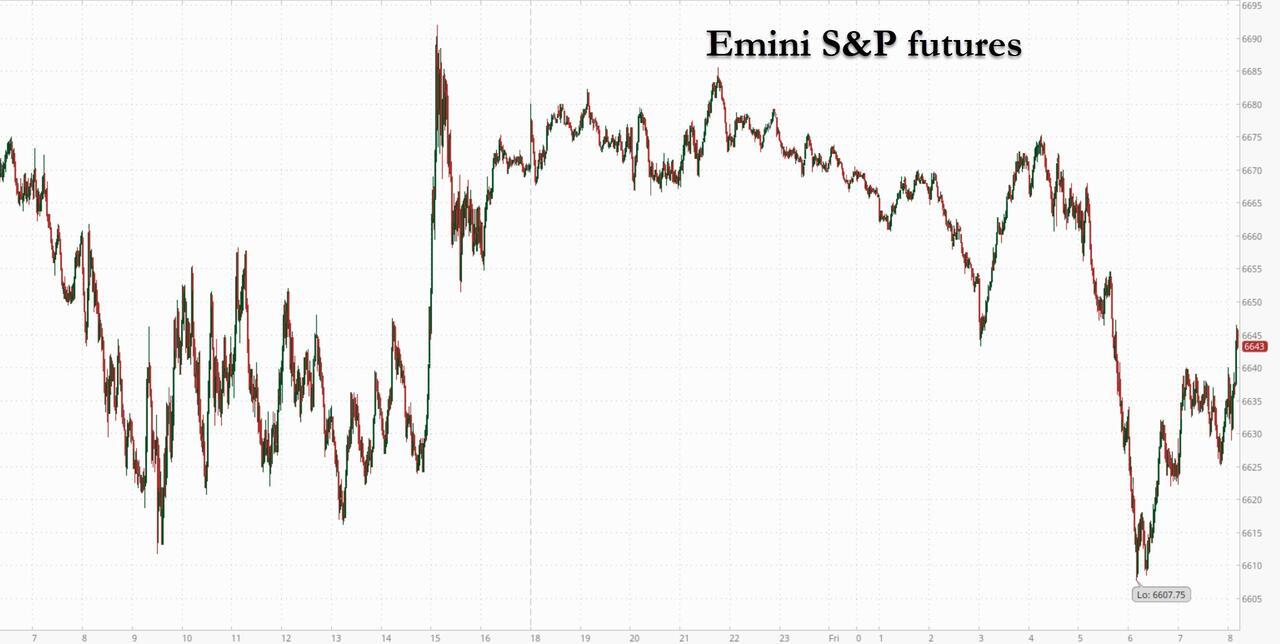
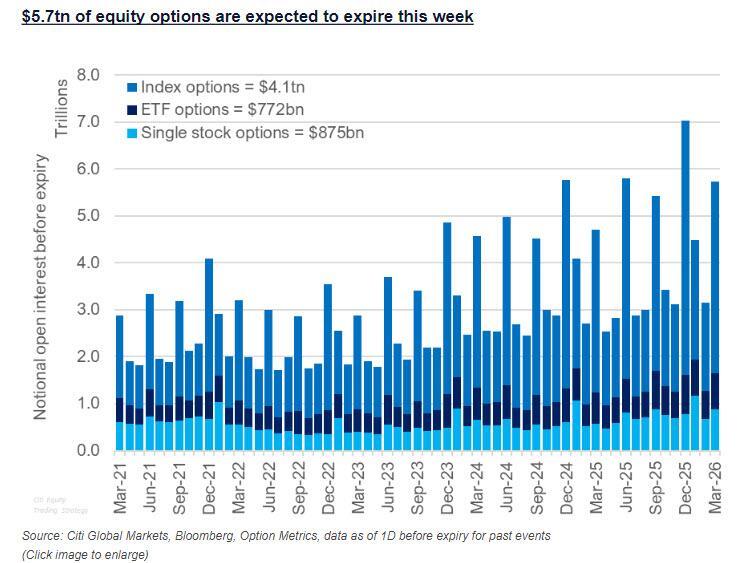

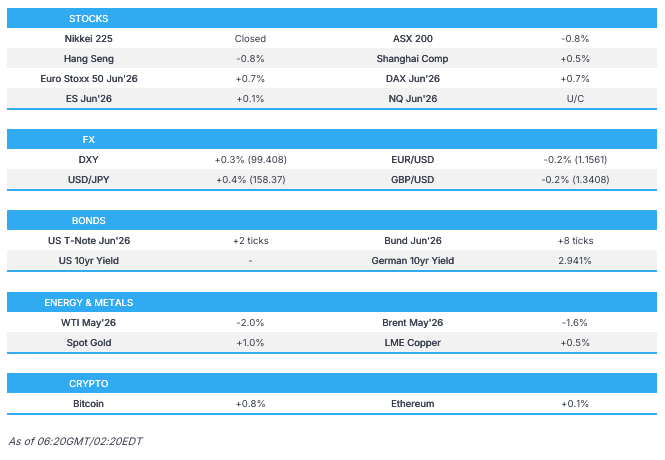


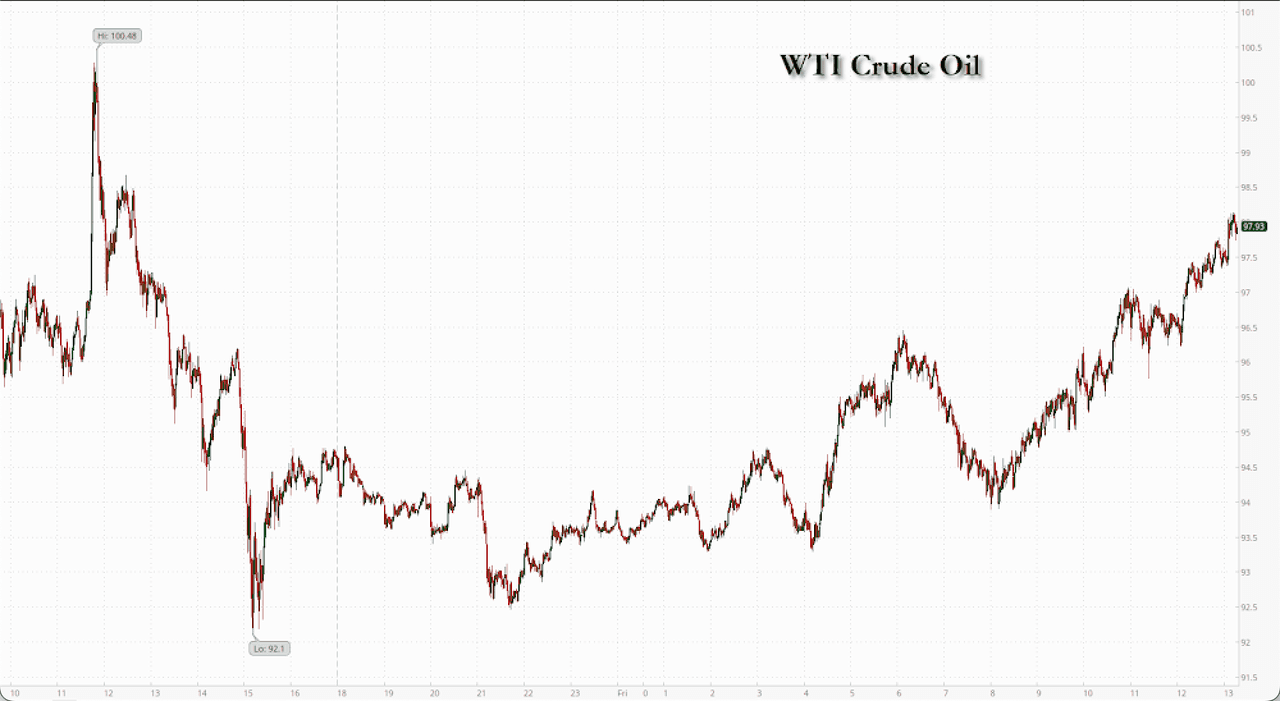
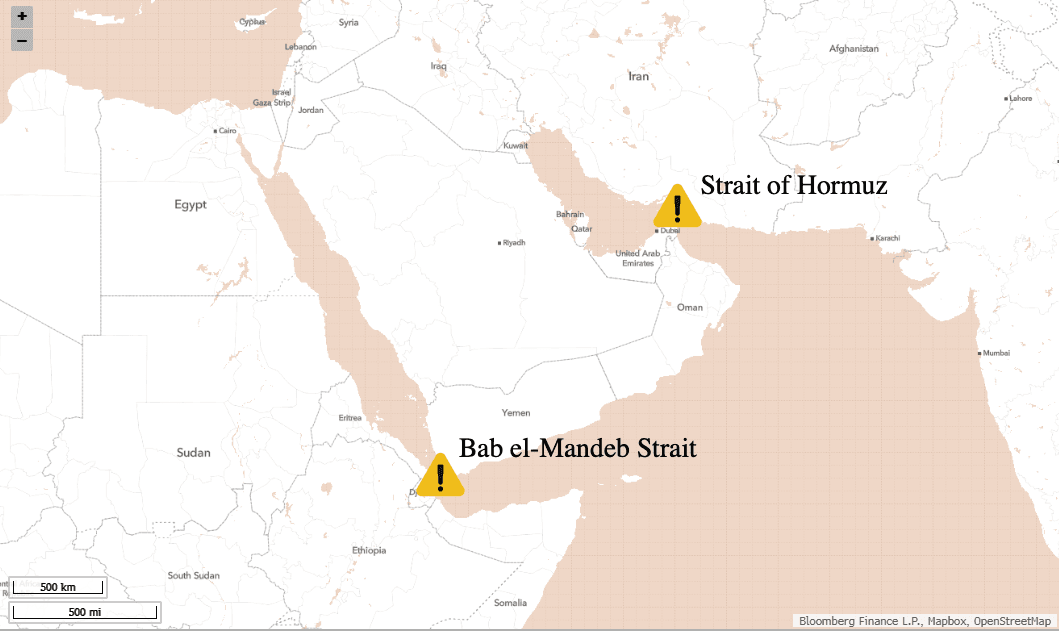
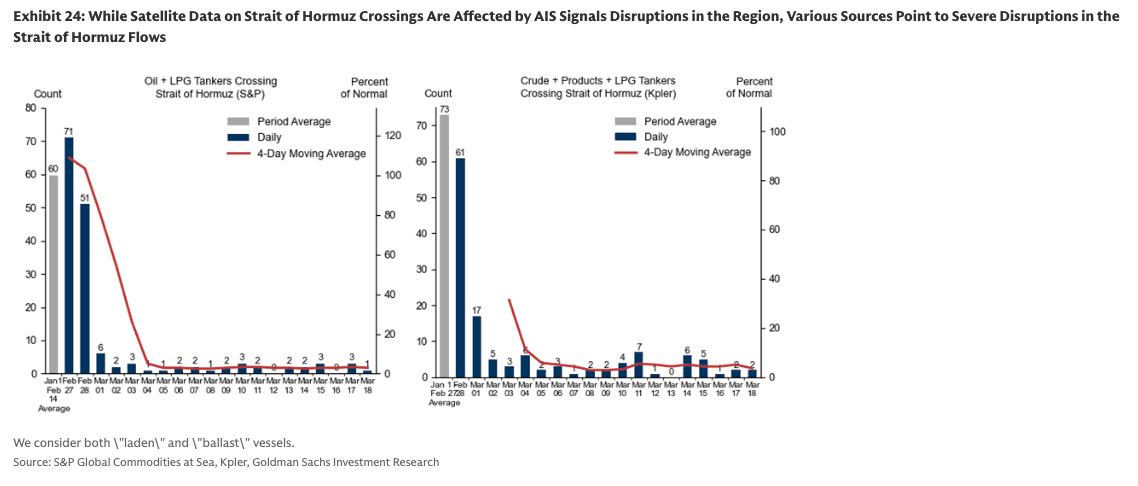
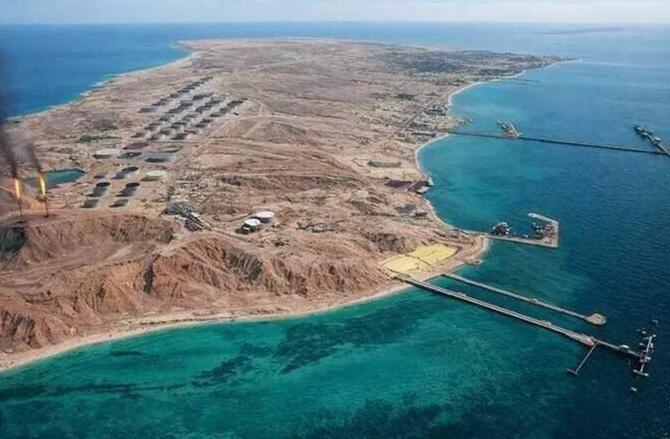
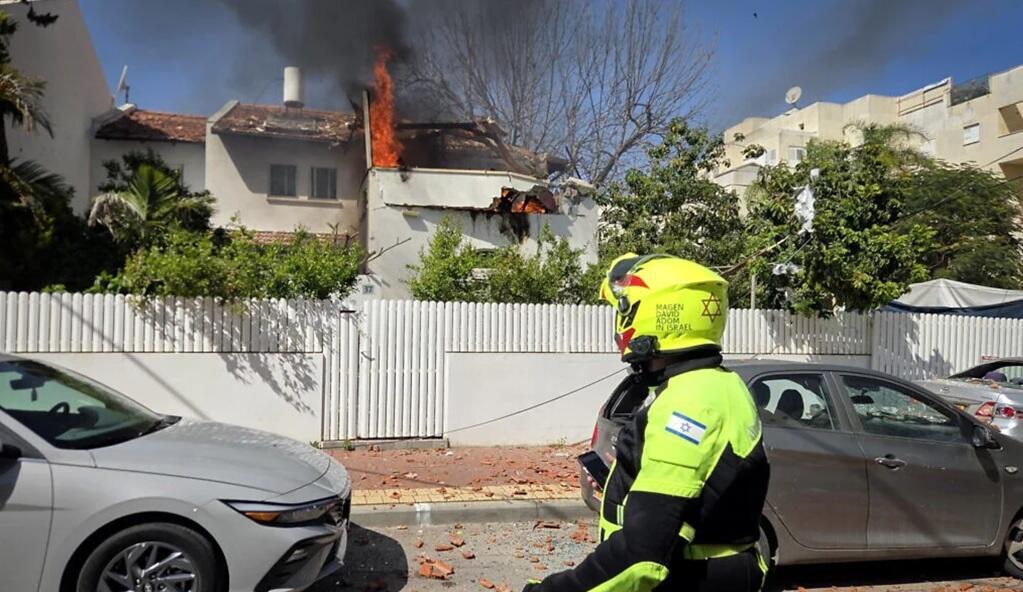
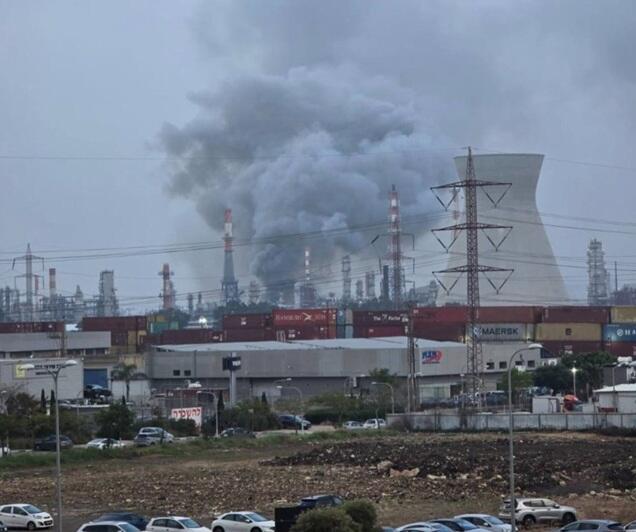
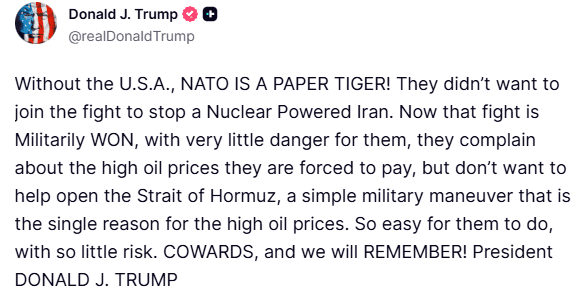
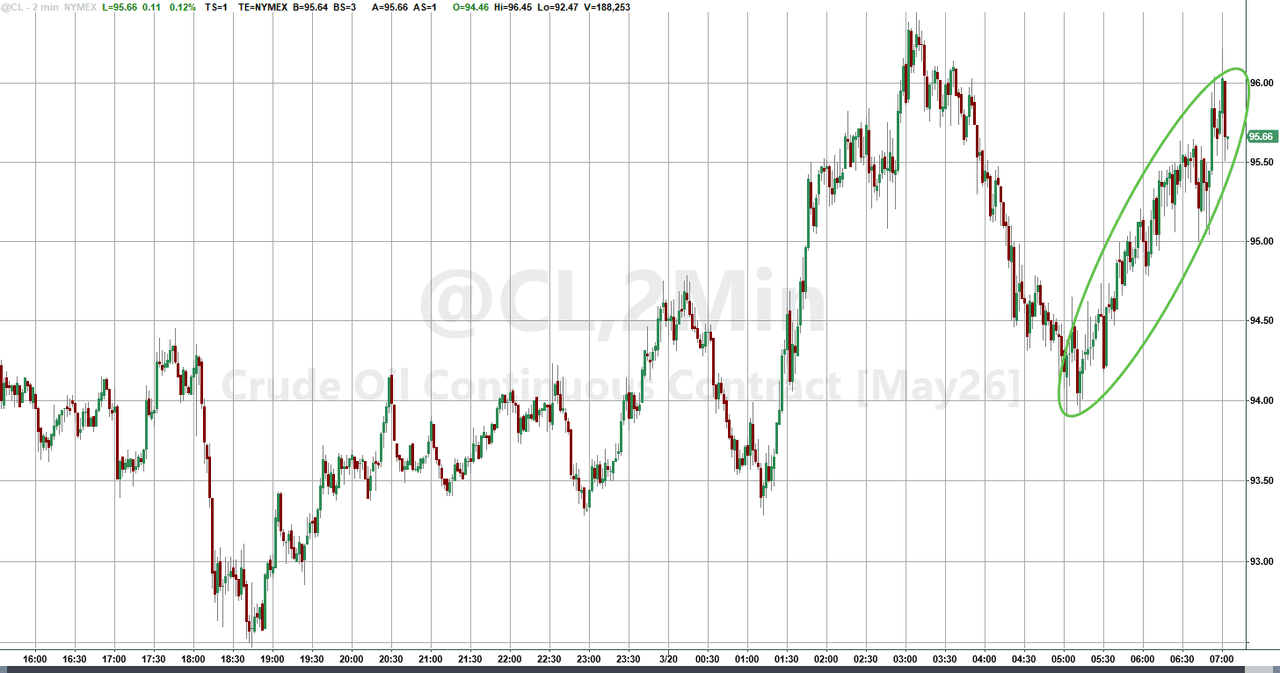




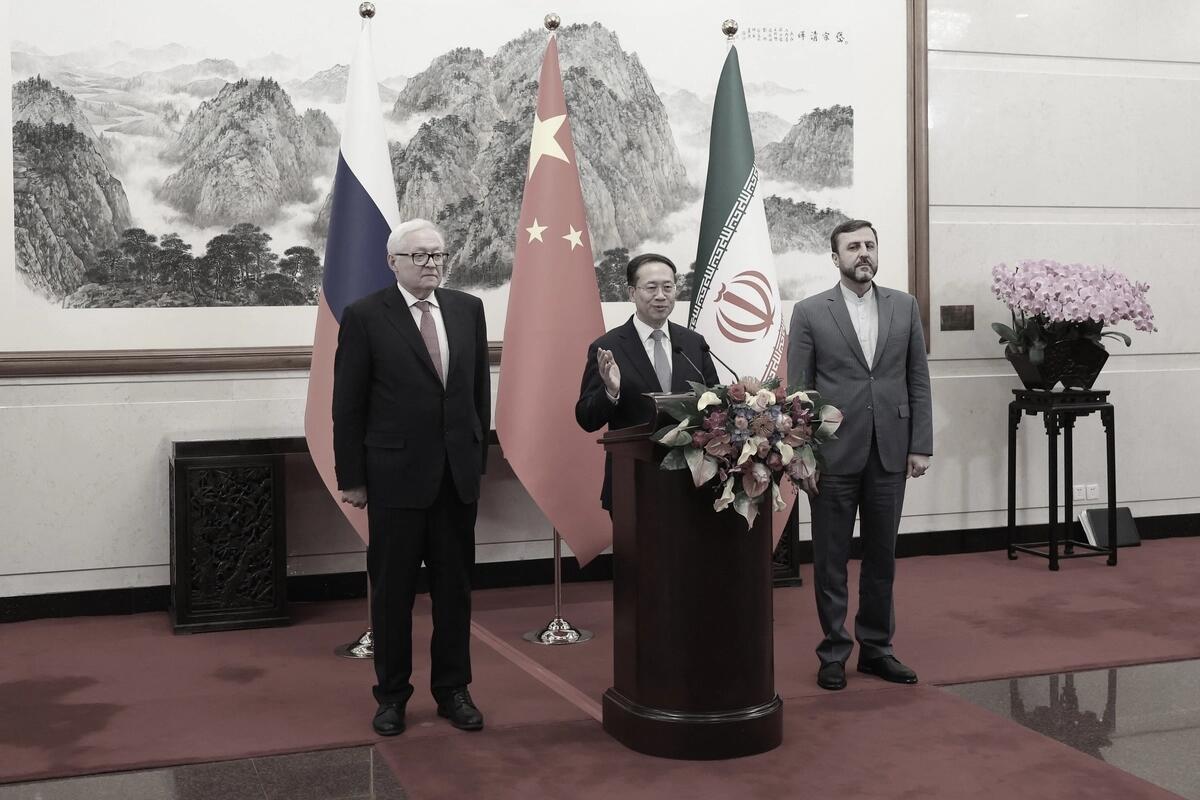
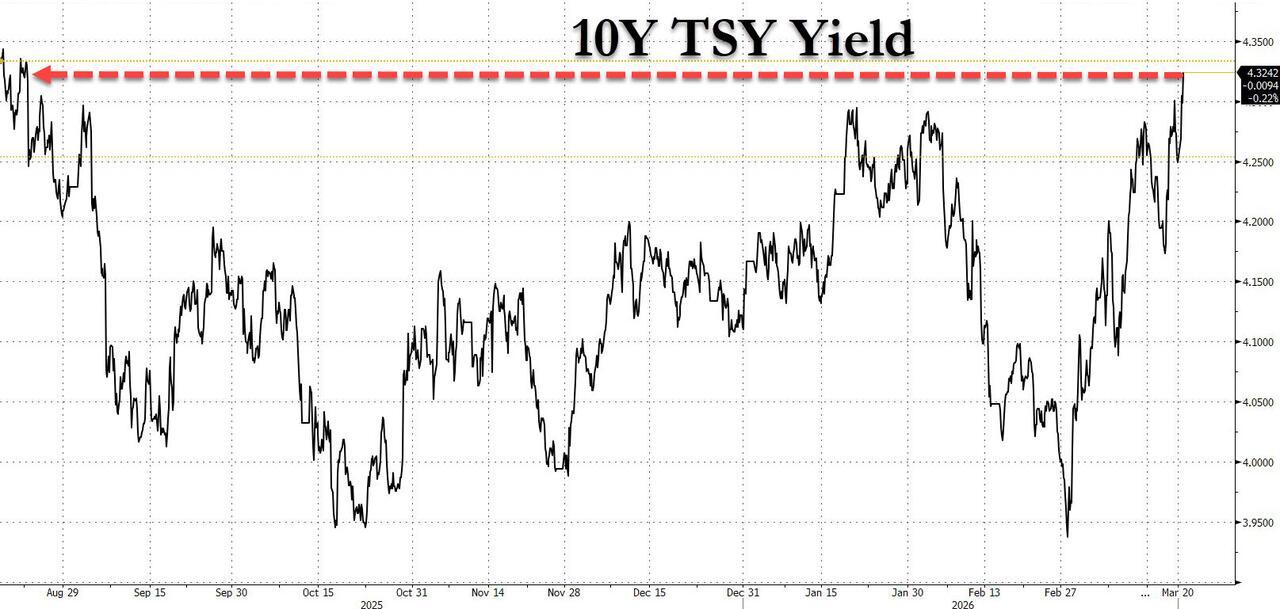

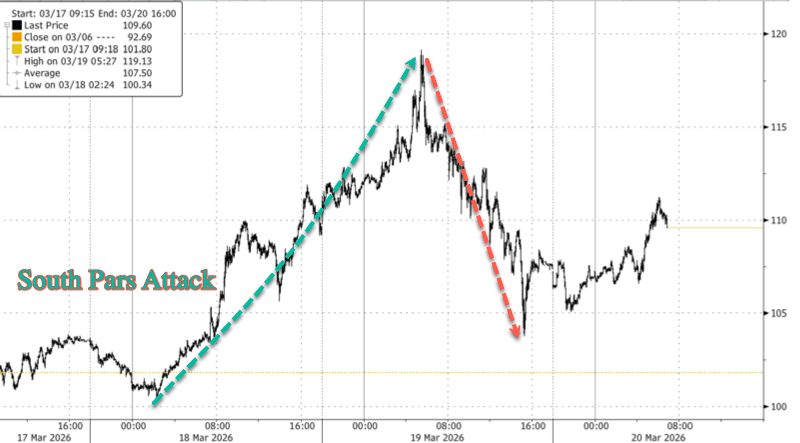
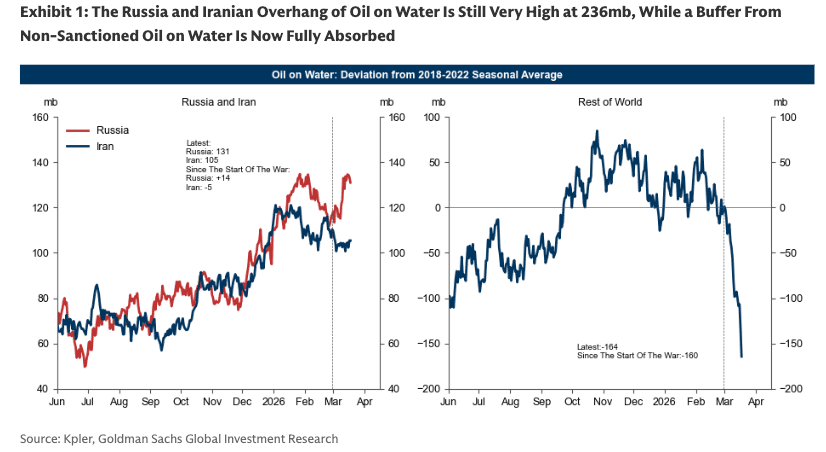
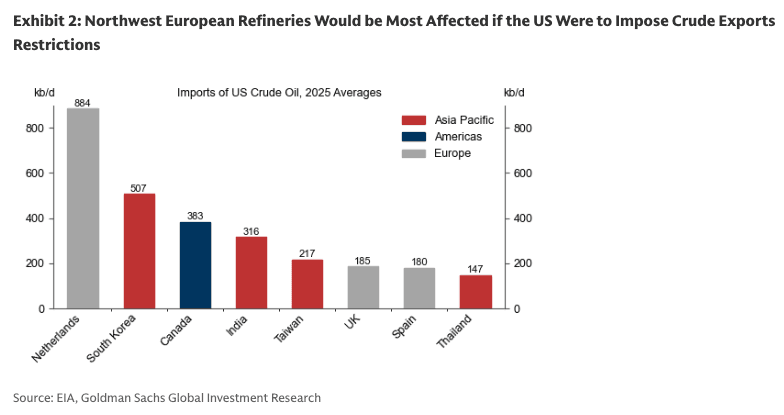
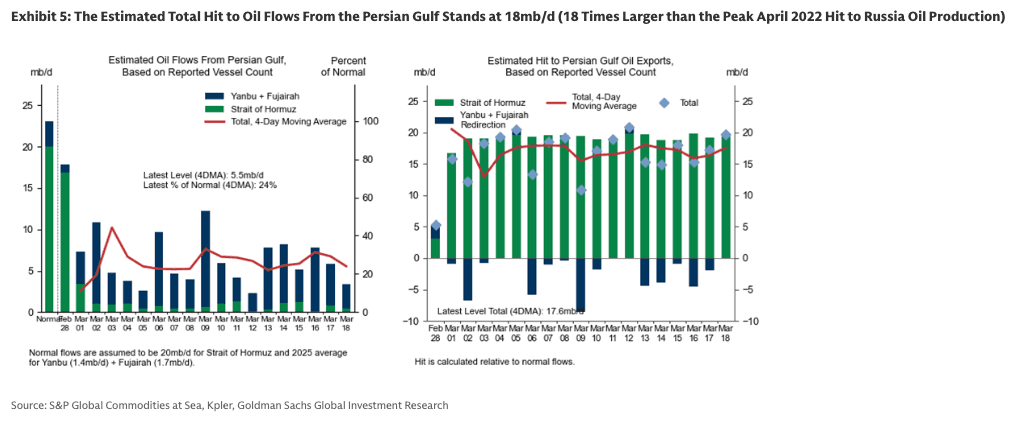
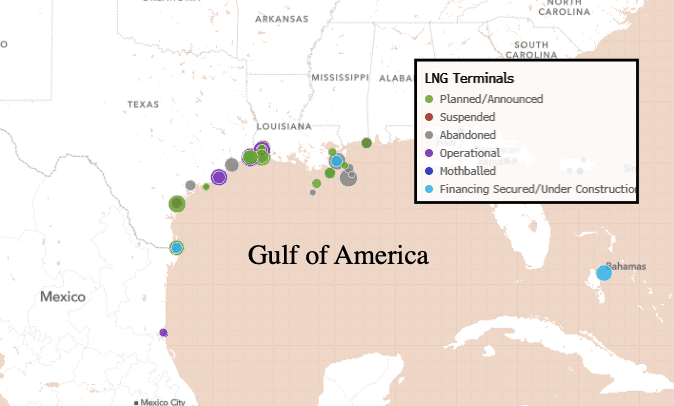
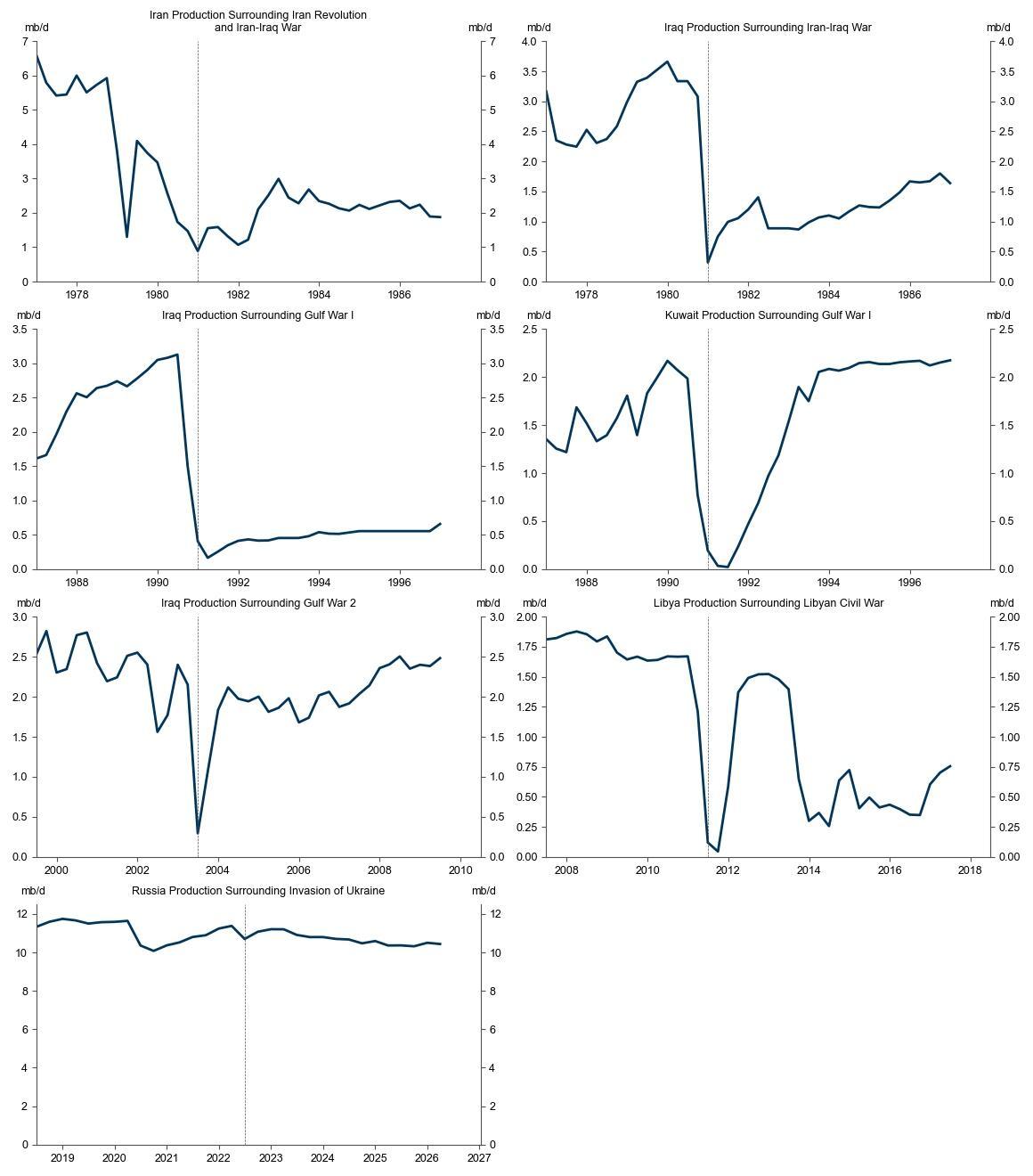
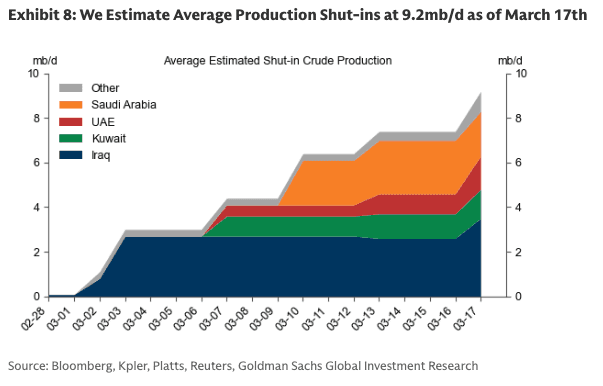
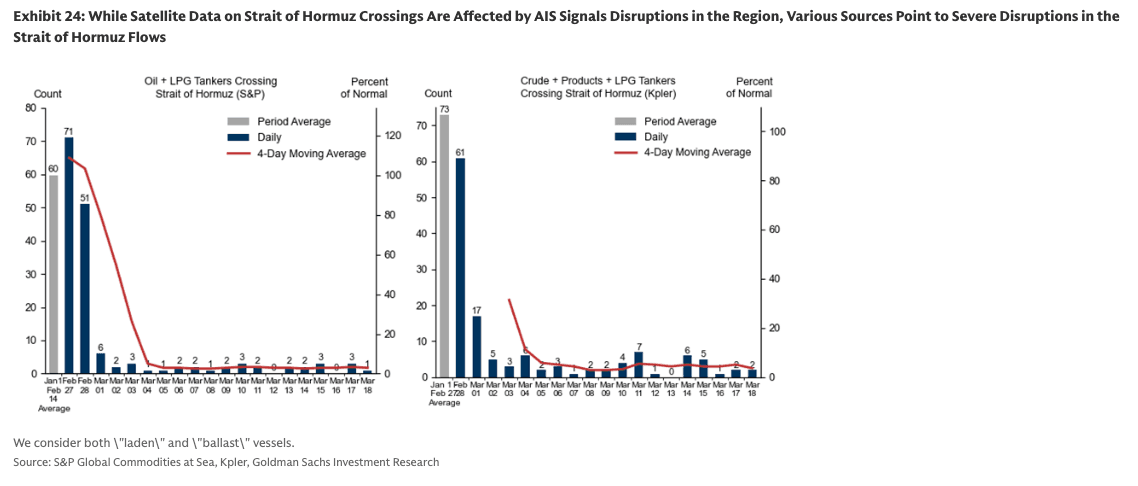
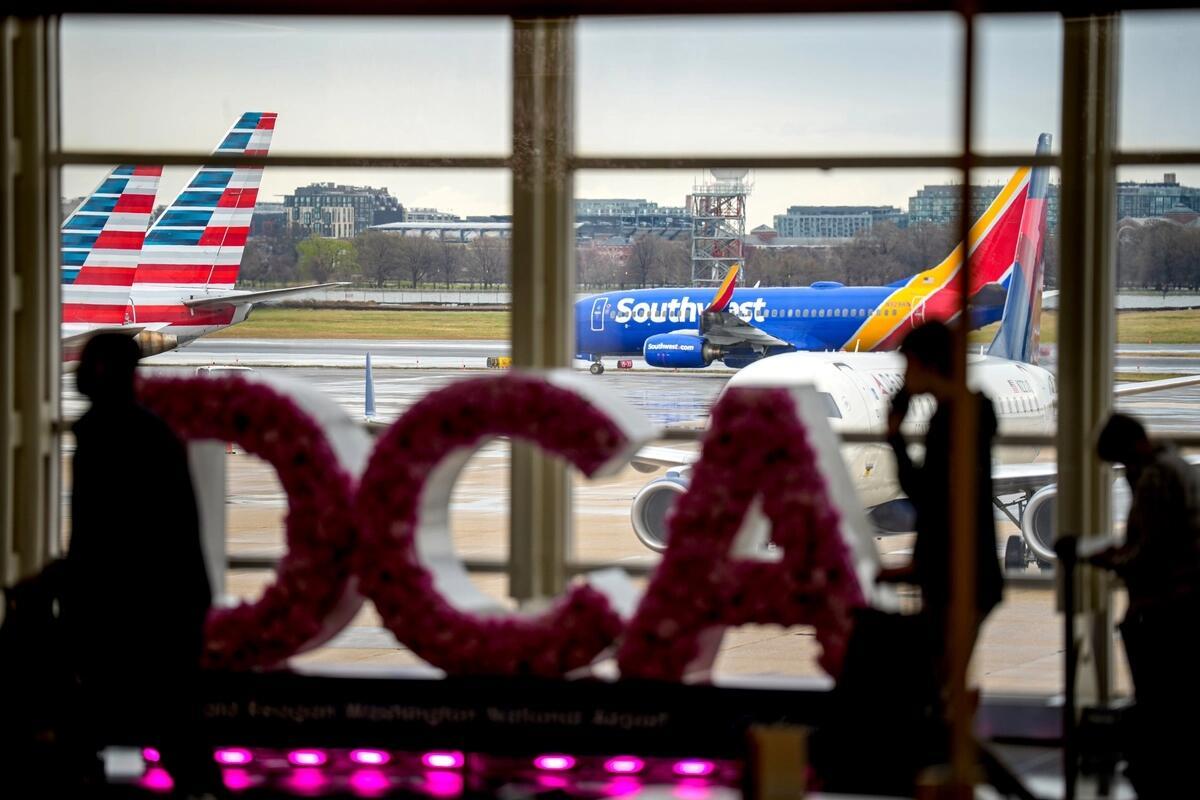






 harveyorganblog.com


