MARCH 23//GOLD CLOSED DOWN $165.65 TO $4405.65 WHILE SILVER WAS UP $0.06 TO $69.39/PLATINUM WAS DOWN $133.25 TO $1837.40 WITH PALLADIUM UP $5.50 TO $1447.00//GOLD COMMENTARY TONIGHT COURTESY OF ALASDAIR MACLEOD//FROM EUROPE: REPORTS FROM THE EU ITSELF AND ON THE GERMAN ELECTION WHICH SAW BIG GAINS FROM THE FAR RIGHT PARTY AFD/MAJOR UPDATES FROM IRAN VS ISRAEL: ISRAEL TBN//TRUMP CLAIMS THAT THERE IS PROGRESS IN TALKS BETWEEN IRAN AND USA (WHICH I DOUBT)//HIGHLIGHTS FROM EACH DAY FRIDAY NIGHT THROUGH TO MONDAY MORNING ON THE HUGE WAR//NEWSWIZE/MARK CRISPIN MILLER AND PAUL ALEXANDER//REPORTS ON OIL AND THE DAMAGE AT QATAR LNG FACILITIES//USA UPDATES ON THE SAVE ACT/SWAMP STORIES FOR YOU TONIGHT//
099 H DEUTSCHE BANK AG 245 190 H BMO CAPITAL MARKETS 45 363 H WELLS FARGO SECURITI 20 555 C BNP PARIBAS SEC CORP 11 657 C MORGAN STANLEY 710 661 C JP MORGAN SECURITIES 103 686 C STONEX FINANCIAL INC 10 1 709 C BARCLAYS 341 905 C ADM 9 3
TOTAL: 749 749 MONTH TO DATE: 12,532
JPMORGAN STOPPED 163/749
MARCH
GOLD: NUMBER OF NOTICES FILED FOR MARCH/2026: 749 CONTRACTs NOTICES FOR 74.900 OZ or 2.529 TONNES
total notices so far: 12,572contracts for 1,257,200 OR 38.979tonnes)
FOR MARCH
XXXXXXXXXXXXXXXXXX
SILVER NOTICES: 32 NOTICE(S) FILED FOR 0.160 MILLION OZ /
total number of notices filed so far this month : 8713 CONTRACTS (NOTICES) for 43.565 million oz
Click here if you wish to send a donation. I sincerely appreciate it as this site takes a lot of preparation
END
GLD/
BOTH GLD AND SLV ARE FRAUDULENT VEHICLES//THEY ARE NOW RAIDING GLD AND SLV FOR PHYSICAL
THE CROOKS ARE STEALING GOLD AND SILVER FROM THE GLD/SLV AND REPLACING THE PHYSICAL WITH PAPER DOLLARS.
WITH GOLD DOWN $165.65 INVESTORS SWITCHING TO SPROTT PHYSICAL (PHYS) INSTEAD OF THE FRAUDULENT GLD
HUGE CHANGES IN GOLD INVENTORY AT THE GLD:: A HUGE WITHDRAWAL OF 5.144 TONNES OF GOLD OUT OF THE GLD/.
INVENTORY RESTS AT 1056.991 TONNES
SLV/
WITH NO SILVER AROUND AND SILVER UP $0.06 AT THE SLV: HUGE CHANGES IN SILVER INVENTORY AT THE SLV/A WITHDRAWAL OF 1.992 MILLION OZ INTO THE SLV//
CLOSING INVENTORY RESTS AT:
CLOSING INVENTORY: 488.271 MILLION OZ
Let us have a look at the data for today
SILVER//OUTLINE
SILVER COMEX OI FELL BY A FAIR SIZED 427 CONTRACTS TO 111,607 AND STALLING ON ITS MARCH TO THE RECORD HIGH OI OF 244,710, SET FEB 25/2020, AND THIS FAIR SIZED LOSS IN COMEX OI WAS ACCOMPLISHED DESPITE OUR HUGE $1.92 LOSS IN SILVER PRICING AT THE COMEX WITH RESPECT TO FRIDAY’S // TRADING. WE ARE NOW AT OUR RECORD LOW OI OF 111,576 SURPASSING OUR PREVIOUS LOW OF 112,034 SET EARLIER IN THIS MONTH.
NOW ON A NET BASIS OUR SPECULATORS HAVE REVERTED BACK TO GOING SHORT. THE FRBNY ON A NET BASIS IS PROVIDING THE NECESSARY PAPER TO OUR LONGS AND THEN HUGE NUMBERS OF LONGS ,OUR BANKERS TOOK THE LONG SIDE ANDTENDER EDFOR PHYSICAL AT 4 PM EACH NIGHT. BECAUSE OF THE HUGE SHORTFALL IN PHYSICAL SILVER IN LONDON THERE IS A LOTTERY TO SEE WHO GETS ANY OF THE PHYSICAL SILVER AVAILABLE THAT WHICH THEY ARE OBLIGATED TO DELIVER. THEY WAIT PATIENTLY FOR THEIR PHYSICAL METAL AND IF NOBODY GETS ANY THEY THEN COME BACK THE NEXT DAY AND SO ON. THIS IS IN LONDON, THE HOME OF PHYSICAL SILVER!!
IT WAS SOME OF OUR SILVER SPECULATORS THAT WERE BRUTALLY BEATEN UP AT THE SILVER COMEX THIS PAST MONTH AS THEY GOT RINSED OUT BADLY AT LAST MONTH’S RAID ON FIRST DAY NOTICE FOR THE MAR CONTRACT/.HOWEVER, WE FINALLY ARE NOW MOVING TO A MUCH HIGHER BASE IN SILVER PRICING AT MAJOR SUPPORT LEVEL OF $70.00 EVEN THOUGH IT BROKE THROUGH IT FRIDAY. SHORTLY WE WILL AGAIN ATTEMPT TO BREAK THE MAJOR 100 DOLLAR BARRIER.
WE HAVE A FAIR SIZED LOSS OF 377 TOTAL CONTRACTS ON OUR TWO EXCHANGES AS THE CME NOTIFIED US OF A SMALL SIZED 50 CONTRACT EXCHANGE FOR PHYSICAL ISSUANCE.. WE HAD HUGE LIQUIDATION OF T.A.S. CONTRACTS IN COMEX TRADING WITH RESPECT TO FRIDAY TRADING//RAID/WITH OUR HUGE LOSS IN PRICE ALONG WITH A HUGE 776 CONTRACT T.A.S. ISSUANCE!! / THEY DESPERATELY AGAIN TODAY TRIED TO CONTAIN SILVER’S PRICE RISE FOR THE PAST SEVERAL WEEKS (WHERE RAIDS ARE CALLED UPON AGAIN AND AGAIN TRYING TO STOP THE RISE IN SILVER’S PRICE TO ABOVE $100.00 AND TO QUELL ADDITIONAL DERIVATIVE LOSSES TO OUR BANKERS’ MASSIVE TOTALS). THEY SUCCEEDED ON FRIDAY WITH SILVER’S LOSS IN PRICE
THE PRICE FINISHED BELOW THE MAGIC NUMBER OF $70.00 SILVER SPOT PRICE AND BELOW THE $100.00 MARK CLOSING AT $69.33 DOWN $1.92 WE ARE NOW WITNESSING HAVING MANY HUGE T.A.S ISSUANCES // TODAY’S WAS AT A HUGE SIZED 776 T.A.S. CONTRACTS !!. THE CROOKS ARE BECOMING MORE DESPERATE TO STOP SILVER BREAKING ABOVE THE 100.00 DOLLAR MARK!! AND NOW THE HUGE SUPPORT LEVEL OF 70 DOLLARS!!.MAMMOTH SIZE T.A.S ISSUANCES ARE BECOMING THE NORM AT THE COMEX NOW!!
THERE IS NO NEXT LINE IN THE SAND ONCE THE 100.00 DOLLAR SILVER IS PIERCED AGAIN. WE HAD A SMALL SIZED 50 CONTRACT EXCHANGE FOR PHYSICAL ISSUANCE ACCOMPANIED BY OUR HUGE SIZED 776 CONTRACT T.A.S ISSUANCE WHICH WILL BE USED IN TODAY’S TRADING//AS THEY PLAY AN INTEGRAL PART IN OUR COMEX TRADING TRYING TO CONTAIN ANY SILVER PRICE RISE.
IN ESSENCE WE HAD A STRONG LOSS OF 377 CONTRACTS ON OUR TWO EXCHANGES WITH OUR LOSS IN PRICE OF $1.92. WE HAD HUGE GOVERNMENT (FRBY) COMEX CONTRACTS TRADING ALL WEEK AND A MAJOR PORTION WILL BE REMOVED BY DAYS END. (I RECORD THIS FOR YOU ON A DAILY BASIS). THE STICKY SPECULATOR LONGS STILL REMAIN STOIC EVEN ON OUR HUGE PRICE FALLS. THE NON STICKY SPECULATORS WERE WIPED OUT WITH OUR HUGE FEB 24TH RAID!! THE RAID, THIS WEEK ON 5 CONSECUTIVE DAYS WAS A MASSACRE TO THE PAPER PRICE OF SILVER BUT NOBODY SOLD AN OUNCE OF PHYSICAL SILVER WITH THE ABOVE MENTIONED RAID !
CRAIG HEMKE HAS POINTED OUT THAT THE CROOKS USE THE MID MONTH FOR MANIPULATION AS THEY SELL THEIR BUY SIDE OF THE CALENDAR SPREAD FIRST AND THEN KEEP THE SELL SIDE TO LIQUIDATE AT A LATER DATE.
THUS WE HAVE TWO VEHICLES THE CROOKS USE FOR MANIPULATION AND BOTH ARE SPREADERS: 1) AT MONTH’S END/SPREADERS COMEX AND 2/ TAS SPREADERS, THROUGHOUT MONTH. TOTAL TAS ISSUED ON FRIDAY NIGHT//SATURDAY MORNING: A HUGE SIZED 776 CONTRACTS. DESPITE MANY COMPLAINTS THAT THE CROOKS HAVE VIOLATED POSITION LIMITS DUE TO THE FACT THAT THE TAS ISSUED HAVE A VALUE OF ZERO (AS TO POSITION LIMITS FOR OUR CROOKED FRBNY BANKERS).
THE PROBLEM OF COURSE IS THAT THE CROOKS DO NOT LIQUIDATE THE TAS AS ONE UNIT, BUT SELL THE SHORT SIDE FIRST AND THEN LIQUIDATE THE LONG SIDE TWO MONTHS HENCE. IT IS OBVIOUS MANIPULATION TO THE HIGHEST DEGREE BUT IT NATURALLY FELL ON DEAF EARS WITH OUR REGULATORS (OCC) WHEN THEY RECEIVED OUR COMPLAINTS. IT NOW SEEMS THAT THE OCC HAS NOW ORDERED THE BANKS TO REDUCE ITS NEW LEVEL OF 1.1 TRILLION DOLLARS IN GOLD/SILVER DERIVATIVES.
THUS:
INITIAL STANDING FOR JANUARY: 22.915 MILLION OZ FOLLOWED BY TODAY’S 1.185 MILLION OZ QUEUE JUMP//NEW NORMAL STANDING ADVANCES TO 49.445 MILLION OZ// TO WHICH WE ADD OUR FIRST EXCHANGE FOR RISK FOR .100 MILLION OZ//NEW STANDING ADVANCES TO 49.545 MILLION OZ!!
INTIAL STANDING FOR FEBRUARY/SILVER: 13.505 MILLION OZ FOLLOWED BY TODAY’S HUGE 0.005 MILLION OZ QUEUE JUMP / : NEW STANDING FOR SILVER AT THE COMEX ADVANCES TO 25.180 MILLION OZ. BUT WE MUST ADD OUR FIRST EXCHANGE FOR RISK OF 25 CONTRACTS FOR .125 MILLION OZ AND THEN OUR SECOND EXCHANGE FOR RISK OF .0600 MILLION OZ TO OUR THIRD HUGE 2.825 MILLION OZ EXCHANGE FOR RISK!!
INITIAL STANDING FOR MARCH: A SURPRISINGLY LOW 31.076 MILLION OZ/ FOLLOWED BY A SMALL QUEUE JUMP OF 18 CONTRACTS OR 0.090 MILLION OZ/NEW STANDING ADVANCES TO 44 MILLION OZ
WE HAD:
/ FAIR COMEX OI LOSS+// SMALL SIZED 50 EFP ISSUANCE CONTRACTS (/ VI) A HUGE NUMBER OF T.A.S. CONTRACT ISSUANCE 776 CONTRACTS
I AM NOW RECORDING THE DIFFERENTIAL IN OI FROM PRELIMINARY TO FINAL: ADDED 31 SILVER CONTRACT//
HISTORICAL ACCUMULATION OF EXCHANGE FOR PHYSICALS FEB.. ACCUMULATION
TOTAL CONTRACTS for 16 DAY(S), total 9115contracts: OR 45.575 MILLION OZ (569 CONTRACTS PER DAY)
TOTAL EFP’S FOR THE MONTH SO FAR: 45.575MILLION OZ
LAST 24 MONTHS TOTAL EFP CONTRACTS ISSUED IN MILLIONS OF OZ:
MAY 137.83 MILLION
JUNE 149.91 MILLION OZ
JULY 129.445 MILLION OZ
AUGUST: MILLION OZ 140.120
SEPT. 28.230 MILLION OZ//
OCT: 94.595 MILLION OZ
NOV: 131.925 MILLION OZ
DEC: 100.615 MILLION OZ
YEAR 2022:
JAN 2022-DEC 2022
JAN 2022// 90.460 MILLION OZ
FEB 2022: 72.39 MILLION OZ//
MARCH 2022: 207.140 MILLION OZ//A NEW RECORD FOR EFP ISSUANCE
APRIL: 114.52 MILLION OZ FINAL//LOW ISSUANCE
MAY: 105.635 MILLION OZ//
JUNE: 94.470 MILLION OZ
JULY : 87.110 MILLION OZ
AUGUST: 65.025 MILLION OZ
SEPT. 74.025 MILLION OZ///FINAL
OCT. 29.017 MILLION OZ FINAL
NOV: 134.290 MILLION OZ//FINAL
DEC, 61.395 MILLION OZ FINAL
TOTALS YR 2022: 1135.767 MILLION OZ (1.1356 BILLION OZ)
JAN 2023/// 53.070 MILLION OZ //FINAL
FEB: 2023: 100.105 MILLION OZ/FINAL//MUCH STRONGER ISSUANCE VS THE LATTER TWO MONTHS.
MARCH 2023: 112.58 MILLION OZ//FINAL//STRONG ISSUANCE
APRIL 111.035 MILLION OZ(SLIGHTLY GREATER THAN THAN LAST MONTH)
MAY 66.120 MILLION OZ/INITIAL (MUCH SMALLER THIS MONTH)
JUNE: 110.395 MILLION OZ//MUCH LARGER THAN LAST MONTH
JULY 85.745 MILLION OZ (SMALLER THAN LAST MONTH)
AUGUST: 171.43 MILLION OZ (THIS MONTH IS GOING TO BE HUGE //2ND HIGHEST ON RECORD
SEPT: 72.705 MILLION OZ (SMALLER THIS MONTH)
OCT: 97.455 MILLION OZ
NOV. 50.050 MILLION OZ
DEC. 66.140 MILLION OZ//
TOTAL 2023: 1,104.10 MILLION OZ/
JAN ’24 : 78.655 MILLION OZ//
FEB /2024 : 66.135 MILLION OZ./FINAL
MARCH: 143.750 MILLION OZ// 4TH HIGHEST ON RECORD.
APRIL: 161.770 MILLION OZ (THIS MONTH WILL BE A WHOPPER OF ISSUANCE OF EFPS//3RD HIGHEST EVER RECORDED FOR A MONTH)
MAY: 135.995 MILLION OZ //WILL BE A STRONG MONTH FOR EXCHANGE FOR PHYSICAL ISSUANCE
JUNE 110.575 MILLION OZ ( WILL BE ANOTHER STRONG MONTH ISSUANCE)
JULY: 108.870 MILLION OZ (WILL BE A STRONG ISSUANCE MONTH/ A TOUCH OVER 100 MILLION OZ/)
AUGUST; 99.740 MILLION OZ//THIS MONTH WILL BE STRONG FOR ISSUANCE BUT LESS THAN JULY.
SEPT: 112.415 MILLION OZ//WILL BE A HUGE MONTH FOR EXCHANGE FOR PHYSICAL ISSUANCE
OCT; 97.485 MILLION OZ (WILL BE SMALLER ISSUANCE THIS MONTH )
NOV. 115.970 MILLION OZ ( HUGE THIS MONTH)
DEC: 132.54 MILLION OZ (THIS MONTH WILL BE A HUMDINGER FOR ISSUANCE BUT ISSUANCE SLOWED DRAMATICALLY THESE PAST FIVE DAYS/// WILL NOT EXCEED MARCH 2022 RECORD OF 209 MILLION OZ
YEAR 2024 TOTAL: 1363.84 MILLION OR 1.363 BILLION OZ
JANUARY 2025: 67.230 MILLION OZ///(THIS MONTH’S ISSUANCE OF EXCHANGE FOR PHYSICAL WILL BE SMALL)
FEB. 58.260 MILLION OZ//EXCHANGE FOR PHYSICAL ISSUANCE/FINAL
MARCH: 67.020 MILLION OZ///QUITE SMALL AND BECOMING SMALLER EACH AND EVERY MONTH.
APRIL: 100.895 MILLION OZ///AVERAGE SIZE ISSUANCE
MAY: 28.975 MILLION OZ (ISSUANCE WILL BE QUITE SMALL THIS MONTH)
JUNE: 81.065 MILLION OZ
JULY: 50.925 MILLION OZ (QUITE SMALL)
AUGUST: 59.455 MILLION OZ (QUITE SMALL)
SEPT. 50.510 MILLION OZ.(QUITE SMALL)
OCT; 82.020 MILLION OZ (WILL BE STRONG THIS MONTH)/ OCC WANTS TO REIN IN THESE ISSUANCES!
NOVEMBER: 36.425 MILLION OZ
DEC: 45.765 MILLION OZ
JANUARY 2026: 134.270 MILLION OZ (WILL BE A VERY STRONG MONTH FOR EXCHANGE FOR PHYSICAL!)
FEB : 82.130 MILLION OZ
MARCH: 45.575 MILLION OZ
RESULT: WE HAD A FAIR SIZED DECREASE IN COMEX OI SILVER COMEX CONTRACTS OF 427 CONTRACTS DESPITE OUR HUGE LOSS IN PRICE OF $1.92 IN SILVER PRICING AT THE COMEX// FRIDAY,. THE CME NOTIFIED US THAT WE HAD A SMAL SIZED CONTRACT EFP ISSUANCE 50 CONTRACTS ISSUED FOR MAY, AND 0 CONTRACTS ISSUED FOR ALL OTHER MONTHS) WHICH EXITED OUT OF THE SILVER COMEX TO LONDON AS FORWARDS. INITIAL STANDING 31.176 MILLION OZ FOLLOWED BY TODAY’S 0.090 MILLION OZ QUEUE JUMP //STANDING ADVANCES TO 44.020 MILLION OZ. DESPITE HUGE SILVER DELIVERIES DURING THE PAST SEVERAL MONTHS, THIS PAST WEEK, WE HAVE REACHED OUR ABSOLUTE LOW POINT IN SILVER COMEX OI. (111,570). RAIDS ACCOMPLISH NOTHING FOR OUR CROOKS AS LONGS WILL BE QUITE STICKY WITH THIS LOW COMEX OI!! HOWEVER WE HAD A HUGE INCREASE IN SPEC SHORTS AND THESE GUYS WILL HAVE TO DELIVER TO OUR LONGS .
LAST 11 MONTHS OF SILVER DELIVERIES
WE FINISHED APRIL WITH A STRONG SILVER OZ STANDING OF 16.050 MILLION OZ NORMAL DELIVERY , PLUS OUR 4.00 MILLION EX FOR RISK
FINAL STANDING APRIL: 19.965 MILLION OZ
AND MAY:
NEW STANDING FOR MAY FINISHES AT: 75.615 MILLION OZ. (INCLUDES 5,000 OZ EFP TRANSFER TO LONDON + 12.93 MILLION OZ EXCHANGE FOR RISK ISSUANCE/PRIOR.//NEW TOTAL STANDING 88.540 MILLION OZ
AND JUNE: FINAL 16.995 MILLION OZ
AND JULY: 46.720 MILLION OZ//
AUGUST: 4.70 MILLION OZ INITIAL STANDING PLUS TODAY;S 5,000 OZ QUEUE JUMP //NEW STANDING ADVANCES TO 10.960 MILLION OZ
SEPTEMBER: 68.040 MILLION OZ NORMAL DELIVERY(INCLUDES ALL QUEUE JUMPING AND EXCHANGE FOR PHYSICAL TRANSFERS) PLUS 3.0 MILLION OZ EX FOR RISK = 71.040 MILLION OZ. (THIS IS THE FIRST AND ONLY ISSUANCE OF EXCHANGE FOR RISK FOR SILVER SINCE MAY.)
OCTOBER: 39.565 MILLION OZ OF NORMAL DELIVERY INCLUDES ALL QUEUE JUMPING
PLUS
2.110 MILLION OZ EXCHANGE FOR RISK//TOTAL OZ STANDING IN OCT ADVAN
NOVEMBER: INITIAL STANDING AT 11.575 MILLION OZ FOLLOWED BY TODAY’S 195,000 OZ QUEUE JUMP WHICH FOLLOWS ALL OTHER QUEUE JUMPS OF 9.155 MILLION OZ//STANDING ADVANCES TO 19.670 MILLION OZ/
DECEMBER: INITIAL AMOUNT STANDING FOR DELIVERY: 49.33 MILLION OZ// FOLLOWED BY ANOTHER STRONG 835,000OZ QUEUE JUMP+ DEC. FIRST EXCHANGE FOR RISK 0F .850 MILLION OZ + LAST WEEK.S 495,000 OZ EXCHANGE FOR RISK AND THEN A 3RD ISSUANCE IF 1.00MILLION OZ THEN FINALLY DEC 249ISSUANCE OF 1.35 MILLION OZ EXCHANGE FOR RISK//NEW TOTAL EX FOR RIS IS 3.685 MILLION OZ // STANDING ADVANCES TO 68.415 MILLION OZ//
JANUARY: INITIAL STANDING 22.915 MILLION OZ FOLLOWED BY TODAY’S 1.185 MILLION OZ QUEUE JUMP//NORMAL STANDING ADVANCES TO 49.445 MILLION OZ// TO WHICH WE ADD OUR FIRST EXCHANGE FOR RISK OF 0.100 MILLLION OZ//NEW STANDING ADVANCES TO 49.545 MILLION OZ
FEB: 13.399 MILLION OZ IS OUR INITIAL STANDING FOR SILVER! TO WHICH WE ADD OUR NEXT QUEUE JUMP FOR 5,000 OZ AND THEN ADD OUR 3 EXCHANGE FOR RISK FOR 3.010 MILLION OZ STANDING ADVANCES TO 28.190 MILLION OZ!!
MARCH: INITIAL AMOUNT OF SILVER STANDING IS 31.076 MILLION OZ FOLLOWED BY TODAY’S 0.090 MILLION OZ QUEUE //NEW TOTAL STANDING ADVANCESTO 44.020 MILLION OZ
THE NEW TAS ISSUANCE FRIDAY NIGHT (776) WILL BE PUT INTO “THE BANK” TO BE COLLUSIVELY USED NO DOUBT WITH FUTURE TRADING!
WE HAD 32 NOTICE(S) FILED TODAY FOR 0.160 MILLION OZ
THE SILVER COMEX IS NOW BEING ATTACKED FOR METAL BY LONDONERS ET AL. IT IS NOW TIME FOR THE FBI TO ENTER THE COMEX AND ARREST THESE CROOKS EVEN THOUGH THE MAJORITY OF THE TRADING IS GOVERNMENT. THE BANKERS ARE COMPLICIT. THE SILVER COMEX IS NOW ON A MASSIVE SIEGE LOOKING FOR PHYSICAL SILVER!!
GOLD//OUTLINE
IN GOLD, THE COMEX OPEN INTEREST FELL BY A STRONG SIZED 6022 OI CONTRACTS DOWNTO 399,397 OI AND FURTHER DROM THE RECORD (SET JAN 24/2020) AT 799,105 AND PREVIOUS TO THAT: (SET JAN 6/2020) AT 797,110. (ALL TIME LOW OF 390,000 CONTRACTS.) THUS WE ARE STILL CLOSE TO OUR ALL TIME NADIR OI IN COMEX BUT WITH AN EXTREMELY HIGH PRICE OF GOLD. THE SHORT RATS ARE ABANDONING THE SHIP.
THE DIFFERENTIAL FROM PRELIMINARY OI TO FINAL OI IN GOLD TODAY: REMOVED A FAIR 920 CRIMINAL CONTRACTS //.
WE HAD A STRONG SIZED LOSS IN COMEX OI (6022 ONTRACTS) . THIS LOSS OCCURRED DESPITE OUR MASSIVE LOSS IN PRICE OF $39.55 FRIDAY///.
LAST 10 MONTHS OF GOLD DELIVERIES: (MAY THROUGH TO /FEB)
MAY: SUMMARY FOR MAY TONNES WHICH STOOD FOR DELIVERY:
FINAL STANDING FOR MAY: 70.174 TONNES OF GOLD TO WHICH WE ADD 1. MONDAY’S (MAY 19) 6.221 TONNES EXCHANGE FOR RISK , 2. THEN WE ADD: 1.35 TONNES TO LAST WEEK”S. THEN WE ADD 3. 1.55 TONNES TO EQUAL 9.591 TONNES// NEW EXCHANGE FOR RISK = 9.591 TONNES WHICH MUST BE ADDED TO OUR NORMAL DELIVERY SCHEDULE OF 80.644 TONNES. THUS STANDING FOR MAY INCREASES TO 90.235 TONNES OF GOLD
2 JUNE CONTRACT MONTH: 93.085 TONNES OF GOLD (WHICH INCLUDES ALL QUEUE JUMPING AND 0 EX FOR RISK)
3.JULY INITIIAL STANDING FIRST DAY NOTICE: 17.847 TONNES. PLUS TODAY’S 0 TONNES QUEUE JUMP + 1.555 TONNES EX FOR RISK + 2.195 TONNES EX FOR RISK TODAY = 41.106 TONNES STANDING
4. AUGUST: 60.547 TONNES OF INITIAL GOLD FIRST DAY NOTICE FOLLOWED BY THE NET MONTH’S QUEUE JUMP OF 47.2312 TONNES TO WHICH WE ADD THE FOLLOWING EXCHANGE FOR RISK ISSUANCE RECEIVED FOR THE MONTH: 5.4432 TONNES EX FOR RISK/AUG 7 , AUG 11: 2.413 TONNES EX FOR RISK AND AUG. 12 OF 2.637 TONNES EX FOR RISK//AUG 25: 9.107 TONNES , AUGUST 26: 9.1010 TONNES AND NOW AUGUST 27: 9.0699 TONNES//NEW STANDING ADVANCES TO 107.5117 TONNES OF GOLD NORMAL STANDING (INCLUDES ALL MONTHLY QUEUE JUMPS/EX FOR PHYSICAL TRANSFERS//) +44.696 TONNES EX.FOR RISK = 152.208 TONNES
5.SEPT: INITIAL 8.093 TONNES OF GOLD PLUS TODAY’S QUEUE JUMP OF 0.4883 TONNES PLUS 2.2827 TONNES OF EXCHANGE FOR RISK TODAY//NEW TOTAL EX. FOR RISK/MONTH = 22.923//NEW TOTAL STANDING FOR GOLD SEPT ADVANCES TO = 48.801 TONNES!!
6.OCTOBER: 90.012 TONNES OF INITIAL GOLD STANDING WITH TODAY’S TINY 0.00311 TONNES QUEUE JUMP WHICH FOLLOWS ALL OTHER QUEUE JUMPS DURING OCT OF 76.1656 TONNES
THEN WE MUST ADD OUR 14.553 TONNES OF OUR ISSUANCE OF EXCHANGE FOR RISK/6 OCCASIONS//NEW TOTAL OF GOLD STANDING ADVANCES TO 197.5141 TONNES OF GOLD.
7.NOVEMBER BEGINS WITH 15.651 TONNES INITIALLY STANDING FOR DELIVERY FOLLOWED BY TODAY’S QUEUE JUMP OF 2.323 TONNES FOLLOWED BY ALL PREVIOUS QUEUE JUMPS IN OF OF 21.3775 TONNES TO WHICH WE ADD OUR TWO EXCHANGE FOR RISK ISSUANCE OF 4.5596 TONNES//NEW STANDING ADVANCES TO 43.9716 TONNES OF GOLD.
8. DECEMBER BEGINS WITH INITIAL STANDING OF 83.813 TONNES OF GOLD FOLLOWED BY TODAY’S 0.0TONNE QUEUE JUMP WHICH FOLLOWS ALL OTHER QUEUE JUMPS OF: 37.163 TONNES//NEW STANDING ADVANCES TO 115.390 TONNES TO WHICH WE ADD OUR 4 EXCHANGE FOR RISK FOR DECEMBER OF 6.587 TONNES/NEW STANDING ADVANCES TO 121.977 TONNES
9. JANUARY: INITITAL STANDING: 13.785 TONNES TO WHICH WE ADD OUR FIRST EXCHANGE FOR PHYSICAL TRANSFER OF 0.08709 TONNES WHICH FOLLOWS ALL OTHER QUEUE JUMPS OF 30.7117TONNES //NEW TOTAL QUEUE JUMPS 30.7117//NORMAL DELIVERY OF GOLD ADVANCES TO 36.8958 TONNES TO WHICH WE ADD OUR SIX EXCHANGE FOR RISK OF 22.315 TONNES//NEW STANDING ADVANCES TO 59.2108 TONNES.
FEB; INITIAL AMOUNT OF GOLD STANDING FOR DELIVERY: 93.567 TONNES OF GOLD TO WHICH WE ADD OUR NEXT 0.0248 TONNES 0.1555 TONNES QUEUE JUMP TO 41.2082 TONNES/ NEW NET QUEUE JUMP INCREASES TO 41.233 TONNES// AND THEN WE ADD OUR SIX EXCHANGE FOR RISK: 10,080 CONTRACTS OR 31.251 TONNES//NEW STANDING REDUCES TO 157.878 TONNES
MARCH:: INITIAL AMOUNT OF GOLD STANDING FOR DELIVERY: 8.099 TONNES TO WHICH WE SUBTRACT TODAY’S SMALL 300 OZ EXCHANGE FOR PHYSICAL TRANSFER TO LONDON (0.009 TONNE) AND THEN WE ADD OUR TWO EXCHANGE FOR RISK OF 13.063 TONNES //NEW STANDING ADVANCES TO 52.383TONNES/
E.F.P. ISSUANCE/FOR OPENING MARCH. GOLD CONTRACT
THE CME RELEASED THE DATA FOR EFP ISSUANCE AND IT TOTALED A STRONG SIZED 2824 CONTRACTS:
The NEW COMEX OI FOR THE GOLD COMPLEX RESTS AT 399,397AND WE NOW WITNESSING A LOWER COMEX OI BUT WITH AN EXTREMELY HIGH PRICE OF GOLD.//NOW ALMOST IMPOSSIBLE TO FLEECE STICKY LONGS. BUT SHORTS ARE A DIFFERENT MATTER AS THEY CONTINUE TO PILE ONTO THE SHORT SIDE!!
SILVER ALSO HAS AN ULTRA SMALL SIZED AND RECORD LOW COMEX OI OF 111,576CONTRACTS// SURPASSING PREVIOUS ALL TIME LOW SET MARCH 5 OF 112,878 CONTRACTS.
IN ESSENCE WE HAVE A FAIR LOSS IN TOTAL CONTRACTS ON THE TWO EXCHANGES OF 3198 CONTRACTS WITH 6022 CONTRACTS DECREASED AT THE COMEX// AND A STRONG SIZED 2824 EXCHANGE FOR PHYSICAL OI CONTRACT ISSUANCE WHICH NAVIGATED OVER TO LONDON.
THUS TOTAL OI LOSS ON THE TWO EXCHANGES OF 3198 CONTRACTS.. WE HAD THE FOLLOWING TAS CONTRACTS INITIATED (ISSUED): A STRONG SIZED BUT CRIMINAL 1694 CONTRACTS AND THESE ISSUANCES ARE GENERALLY USED TO INITIATE A RAID WHEN CALLED UPON LIKE TUESDAY THROUGH TO FRIDAY THIS WEEK!!
GOLD PRICE ON FRIDAY FELL BY $39.55
CALCULATIONS ON GAIN/LOSS ON OUR TWO EXCHANGES
WE HAD A STRONG SIZED ISSUANCE IN EXCHANGE FOR PHYSICALS CONTRACT(2824) ACCOMPANYING THE STRONG SIZED LOSS IN COMEX OI OF 6022 CONTRACTS/TOTAL LOSS FOR OUR THE TWO EXCHANGES: 2278 CONTRACTS..
WE HAVE 1) NOW REVERTED TO OUR ABNORMAL FORMAT OF BANKER (FRBNY) GOING ON THE LONG SIDE AND NEWBIE SPECULATORS GOING TO THE SHORT SIDE// . ,2.) STRONG FINAL STANDING FOR GOLD FOR FEBRUARY AND VERY STRONG FOR MARCH:
FEB; INITIAL AMOUNT OF GOLD STANDING FOR DELIVERY: 93.567 TONNES OF GOLD TO WHICH WE ADD OUR NEXT QUEUE JUMP OF 0.012 TONNES TO ALL OTHER QUEUE JUMPS//NEW QUEUE JUMP TOTALS INCREASES: 41.233 TONNES// /// TO WHICH WE ADD OUR SIX EXCHANGE FOR RISK FOR 31.251 TONNES//NEW STANDING FINISHED AT 157.878 TONNES
MARCH:: SMALL INITIAL STANDING FOR GOLD FOR MARCH AT 8.099 TONNES TO WHICH WE SUBTRACT TODAY’S TINY 3 CONTRACT OR 0.009 TONNES EXCHANGE FOR PHYSICAL TRANSFER TO LONDON AND THEN WE ADD BY OUR TWO EXCHANGE FOR RISK: 13.063///NEW STANDING ADVANCES TO 52.383TONNES OF GOLD./
FINAL STANDING FOR GOLD, JANUARY CONTRACT AT 59.2108 TONNES OF GOLD
FEBRUARY: INITIAL STANDING FOR GOLD: 157.878 TONNES!! WHICH INCLUDES ALL QUEUE JUMPING, THREE EXCHANGE FOR PHYSICAL TRANSFERS TO LONDON AND OUR SIX ISSUANCES EXCHANGE FOR RISK!!
MARCH: INITIAL STANDING AT 8.099 TONNES TO WHICH WE SUBRACT TODAY’S 0.009 TONNES EXCHANGE FOR PHYSICAL TRANSFER TO LONDON AND THEN ADD +13.063 TONNES EXCHANGE FOR RISK//NEW STANDING ADVANCES TO 52.383TONNES/
3) HUGE T.A.S. LIQUIDATION AND SOME GOVT LIQUIDATION // WITH A HUGE LOSS OF EQUITY SHARES/MARCH 20 HAVING 1)A $39.55 COMEX PRICE LOSS AND YET WE HAD 2) NEWBIE SPEC SHORTS WILL BE CLOBBERED ON A NET BASIS, + EASTERN CENTRAL BANKERS WERE PILING INTO THE LONG SIDE AS WE HAD A FAIR SIZED LOSS OF 3198 CONTRACTS ON OUR TWO EXCHANGES AND AS WELL A STRONG AMOUNT OF GOLD WILL STAND FOR DELIVERY IN MARCH. (52.383TONNES). //, CENTRAL BANKERS TENDERED FOR PHYSICAL WITH THEIR PURCHASES OF CONTRACTS../ ALSO, 3)STICKY GOLD’S LONGS WERE REWARDED FRIDAY EVENING AS THEY EXERCISED EFP’S FROM LONDON TO TAKE DELIVERY OF BADLY NEEDED PHYSICAL
4)A STRONG SIZED COMEX OI LOSS 5) V) STRONG SIZED ISSUANCE OF EXCHANGE FOR PHYSICAL GOLD (2824) AND A FAIR T.A.S. ISSUANCE (1694) FOR RAID PURPOSES
ACCUMULATION OF EFP’S GOLD AT J.P. MORGAN’S HOUSE OF BRIBES: (EXCHANGE FOR PHYSICAL) FOR THE MONTH OF JAN :
TOTAL EFP CONTRACTS ISSUED: 53,403 CONTRACTS OR 5,340,400OZ OR 166.105 TONNES IN 15TRADING DAY(S) AND THUS AVERAGING: 3560 EFP CONTRACTS PER TRADING DAY
TO GIVE YOU AN IDEA AS TO THE SIZE OF THESE EFP TRANSFERS : THIS MONTH IN15 TRADING DAY(S) IN TONNES: 166/105TONNES
TOTAL ANNUAL GOLD PRODUCTION, 2025, THROUGHOUT THE WORLD EX CHINA EX RUSSIA: 3555 TONNES
THUS EFP TRANSFERS REPRESENTS 166.105 TONNES DIVIDED BY 3550 x 100% TONNES = 4.67% OF GLOBAL ANNUAL PRODUCTION
SEPT 142.12 TONNES FINAL ISSUANCE ( LOW ISSUANCE)_
OCT: 141.13 TONNES FINAL ISSUANCE (LOW ISSUANCE)
NOV: 312.46 TONNES FINAL ISSUANCE//NEW RECORD!! (INCREASING DRAMATICALLY)//SIGN OF REAL STRESS//SURPASSING THE MARCH 2021 RECORD OF 276.50 TONNES OF EFP
DEC. 175.62 TONNES//FINAL ISSUANCE//
TOTALS: 2,578.08 TONNES/2021
JAN:2023 247.25 TONNES //FINAL
FEB: 196.04 TONNES//FINAL
MARCH/2022: 409.30 TONNES //FINAL( THIS IS NOW A RECORD EFP ISSUANCE FOR MARCH AND FOR ANY MONTH.
APRIL: 169.55 TONNES (FINAL VERY LOW ISSUANCE MONTH)
MAY: 247.44 TONNES FINAL//
JUNE: 238.13 TONNES FINAL
JULY: 378.43 TONNES FINAL/SECOND HIGHEST ON RECORD
AUGUST: 180.81 TONNES FINAL
SEPT. 193.16 TONNES FINAL
OCT: 177.57 TONNES FINAL ( MUCH SMALLER THAN LAST MONTH)
NOV. 223.98 TONNES//FINAL ( MUCH LARGER THAN PREVIOUS MONTHS//comex running out of physical)
DEC: 185.59 tonnes // FINAL
TOTAL: 2,847,25 TONNES/2022
JAN 2024: 228.49 TONNES FINAL//HUGE AMOUNT OF EFP’S ISSUED THIS MONTH!!
FEB: 151.61 TONNES/FINAL
MARCH: 280.09 TONNES/INITIAL (ANOTHER STRONG MONTH FOR EFP ISSUANCE)
APRIL: 197.42 TONNES
MAY: 236.67 TONNES (A VERY STRONG ISSUANCE FOR THIS MONTH)
JUNE: 172.667 TONNES (WEAKER ISSUANCE THIS MONTH)
JULY: 151.69 TONNES (WEAKER THAN LAST MONTH)
AUGUST: 195.28 TONNES (A STRONGER MONTH)//FINAL
SEPT: 254.709 TONNES (WILL BE LARGER THAN LAST MONTH AND A STRONG MONTH)
OCT. 248.09 TONNES. LIKE SILVER, THIS MONTH IS GOING TO BE A STRONG E.F.P. ISSUANCE.
NOV. 239.16 TONNES//WILL BE STRONG THIS MONTH,
DEC. 213.704 TONNES. A STRONG MONTH//
TOTAL FOR YEAR 2023: 2,569.57 TONNES
2025: AND NOW 2026
JAN. 2025: 257.919 TONNES (ISSUANCE WILL BE PRETTY GOOD THIS MONTH BUT MUCH LOWER THAN LAST MONTH)
FEB: 207.21 TONNES//EX FOR PHYSICAL ISSUANCE (WILL BE A FAIR SIZED ISSUANCE THIS MONTH)
MARCH 130.84 TONNES//QUITE SMALL THIS MONTH.
APRIL; 208.57 TONNES. STRONG THIS MONTH
MAY: 113.499 TONNES OF GOLD EFP ISSUANCE//QUITE SMALL THIS MONTH
JUNE: 97.79 TONNES OF GOLD EFP ISSUANCE/EXTREMELY SMALL
JULY : 150.877 TONNES// QUITE SMALL
AUGUST: 175.86 TONNES A LOT LARGER THIS MONTH.
SEPT. 116.13 TONNES VERY SMALL
OCT. 252.72 TONNES//CERTAINLY MUCH LARGER THIS MONTH/VERY STRONG
NOV: 124.74 TONNES
DEC: 190.04 TONNES//GOOD SIZED THIS MONTH FINAL.
TOTAL EXCHANGE FOR PHYSICAL ISSUED FOR YEAR 2025: 2,026.20 TONNES (LOWER THAN LAST YR 2,569.00 TONNES
JANUARY: 209.08 TONNES ( (WILL BE A STRONG MONTH FOR EXCHANGE FOR PHYSICAL)
FEB. 176.35 TONNES (WHICH IS A FAIR ISSUANCE)
MARCH: 166.105 TONNES//WILL BE STRONG ISSUANCE THIS MONTH
SPREADERS:
HERE IS A BRIEF SYNOPSIS OF HOW THE CROOKS FLEECE UNSUSPECTING LONGS IN THE SPREADING ENDEAVOUR ;MODUS OPERANDI OF THE CORRUPT BANKERS AS TO HOW THEY HANDLE THEIR SPREAD
YOU WILL ALSO NOTICE THAT THE COMEX OPEN INTEREST STARTS TO RISE BUT SO IS THE OPEN INTEREST OF SPREADERS. THE OPEN INTEREST IN WILL CONTINUE TO RISE UNTIL ONE WEEK BEFORE FIRST DAY NOTICE OF AN UPCOMING ACTIVE DELIVERY MONTH (OCT), AND THAT IS WHEN THE CROOKS SELL THEIR SPREAD POSITIONS BUT NOT AT THE SAME TIME OF THE DAY. THEY WILL USE THE SELL SIDE OF THE EQUATION TO CREATE THE CASCADE (ALONG WITH THEIR COLLUSIVE FRIENDS) AND THEN COVER ON THE BUY SIDE OF THE SPREAD SITUATION AT THE END OF THE DAY. THEY DO THIS TO AVOID POSITION LIMIT DETECTION. THE LIQUIDATION OF THE SPREADING FORMATION CONTINUES FOR EXACTLY ONE WEEK AND ENDS ON FIRST DAY NOTICE.”
WHAT IS ALARMING TO ME, ACCORDING TO OUR LONDON EXPERT ANDREW MAGUIRE IS THAT THESE EFP’S ARE BEING TRANSFERRED TO WHAT ARE CALLED SERIAL FORWARD CONTRACT OBLIGATIONS AND THESE CONTRACTS ARE LESS THAN 14 DAYS. ANYTHING GREATER THAN 14 DAYS, THESE MUST BE RECORDED AND SENT TO THE COMPTROLLER, GREAT BRITAIN TO MONITOR RISK TO THE BANKING SYSTEM. IF THIS IS INDEED TRUE, THEN THIS IS A MASSIVE CONSPIRACY TO DEFRAUD AS WE NOW WITNESS A MONSTROUS TOTAL EFP’S ISSUANCE AS IT HEADS INTO THE STRATOSPHERE.
The crooks also use the spread in the TAS account (trade at settlement). They buy the spot TAS (e.g. June) and sell the future TAS two months out (e.g. August). Then they unload the front month (i.e. unload the buy side first so the price of gold/silver falls. This occurs in the middle of the front delivery month cycle. They unload the sell side of the equation, two months down the road. The crooks violate position limits as the OCC refuse to hear our complaints.
First, here is an outline of what will be discussed tonight:
SILVER:
1.TODAY WE HAD THE OPEN INTEREST AT THE COMEX IN SILVER FELL BY A FAIR SIZED 427 CONTRACTS OI TO 111,576 AND FURTHER FROM THE COMEX HIGH RECORD //244,710( SET FEB 25/2020). THE LAST RECORDS WERE SET IN AUG.2018 AT 244,196 WITH A SILVER PRICE OF $14.78/(AUGUST 22/2018)..THE PREVIOUS RECORD TO THAT WAS SET ON APRIL 9/2018 AT 243,411 OPEN INTEREST CONTRACTS WITH THE SILVER PRICE AT THAT DAY: $16.53). AND PREVIOUS TO THAT, THE RECORD WAS ESTABLISHED AT: 234,787 CONTRACTS, SET ON APRIL 21.2017 OVER 7 YEARS AGO. HOWEVER WE HAVE NOW SET A NEW RECORD LOW OF 111,576 CONTRACTS TODAY MARCH 20.2026
EFP ISSUANCE 50 CONTRACTS
OUR CUSTOMARY MIGRATION OF COMEX LONGS CONTINUE TO MORPH INTO LONDON FORWARDS AS OUR BANKERS USED THEIR EMERGENCY PROCEDURE TO ISSUE:
MAY 50 CONTRACTS and 0 ALL OTHER MONTHS: ZERO. TOTAL EFP ISSUANCE: 0 CONTRACTS. EFP’S GIVE OUR COMEX LONGS A FIAT BONUS PLUS A DELIVERABLE PRODUCT OVER IN LONDON. IF WE TAKE THE COMEX OI LOSS OF 427 CONTRACTS AND ADD TO THE 50 E.FP. ISSUED
WE OBTAIN A FAIR SIZED LOSS OF 377 OI OPEN INTEREST CONTRACTS FROM OUR TWO EXCHANGES DESPITE OUR MAMMOTH LOSS OF $1.92+
THUS IN OUNCES, THE LOSS ON THE TWO EXCHANGES TOTALS 2.040MILLION PAPER OZ
OCCURRED WITH OUR LOSS IN PRICE.OF $1.92
2.ASIAN AFFAIRS MARCH 23 /2025
SHANGHAI CLOSED DOWN 160.77 PTS OR 3.63%
HANG SENG CLOSED DOWN 894.05 PTS OR 3.54%
Nikkei CLOSED DOWN 1963 0 PTS OR 3.54%
//Australia’s all ordinaries CLOSED UP 0.22%
//Chinese yuan (ONSHORE) CLOSED DOWN 6.9153
/ OFFSHORE CLOSED DOWN AT 6.9175 1Oil UP TO 98.70ollars per barrel for WTI and BRENT UP TO 113.06 Stocks in Europe OPENED ALL DEEPLY IN THE RED
ONSHORE USA/ YUAN TRADING 6.9153/ OFFSHORE YUAN TRADING DOWN TO 6.9175 ONSHORE YUAN TRADING ABOVE OFF SHORE AND DOWN ON THE DOLLAR// / AND THUS WEAK/OFF SHORE YUAN TRADING DOWN AGAINST US DOLLAR/ AND THUS WEAKER
1. COMEX DATA//AMOUNTS STANDING//VOLUME OF TRADING/INVENTORY MOVEMENTS
GOLD
LET US BEGIN:
THE TOTAL COMEX GOLD OPEN INTEREST FELL BY A STRONG SIZED 6022 CONTRACTS DOWN TO 399,397 OI , (WE HAVE NOW REACHED MULTI YEAR LOW OI OF 400,317. THE ALL TIME LOW IN OI IS 390,00 SET IN THE YEAR 2001 WHEN GOLD WAS TRADING $260.00)
WE HAD HUGE T.A.S. LIQUIDATION DURING FRIDAY’S TRADING//RAID. IT SEEMS THAT THE SPECULATORS STARTED AGAIN TO GO MASSIVELY SHORT WITH THE BANKERS TAKING THE LONG SIDE, THUS THE REASON FOR A SMALLER LOSS IN CONTRACTS ON BOTH OF OUR EXCHANGES.
CENTRAL BANKS ALSO TENDERED THEIR NEW LONG CONTRACTS AT THE END OF THE DAY FOR PHYSICAL GOLD. YOU CAN VISUALIZE THIS WITH THE MASSIVE AMOUNT OF GOLD STANDING AT THE COMEX FOR THIS MARCH CONTRACT MONTH!!
THE FAIR SIZED LOSS ON OUR TWO EXCHANGES OCCURRED WITH A HUGE FALL IN PRICE IN GOLD. IT WAS THE SPECS AGAIN WHO WERE LED BY THE NOSE BY THE BANKERS/HIGH FREQUENCY TRADERS TO MASSIVELY GO TO THE SHORT SIDE OF THE TRADE WITH THE FRBNY AND OTHER CENTRAL BANKERS ON THE LONG SIDE. THE CENTRAL BANKS DUTIFULLY TENDERED FOR PHYSICAL GOLD ON A T PLUS ONE BASIS. MONDAY MORNING THEY WILL RECEIVE THEIR RELIGIOUS MOMENT, ASKING FOR DIVINE INTERVENTION AS THE SPECS MUST SUPPLY THE PHYSICAL GOLD TO THE CENTRAL BANKERS.
WE THUS HAD A TOTAL FAIR LOSS IN OI ON BOTH OF OUR EXCHANGES, THE COMEX AND LONDON’S EXCHANGE FOR PHYSICAL EQUATING TO 3198 CONTRACTS (OR 15,890 TONNES) WITH THE HUGE LOSS IN PRICE, FRIDAY. SEEMS ON A NET BASIS NOBODY LEFT THE ARENA! AS NOBODY SOLD ANY PHYSICAL GOLD.
THEN WE WERE NOTIFIED OF A 2200 CONTRACT EXCHANGE FOR RISK ISSUANCE IN GOLD CONTRACTS FOR 220,000 OZ OR 6.843TONNES OF GOLD. DURING THE MIDDLE OF THE FEBRUARY CONTRACT MONTH, WE HAD TWO IDENTICAL MONSTER 3,000 CONTRACT ISSUED FOR THE SAME 9.33 TONNES OF GOLD, AND THESE WERE THE HIGHEST EVER IN TONNAGE EVER ISSUED BY THE COMEX. ALTOGETHER THE TOTAL ISSUANCE FOR FEB NOW REMAINED AT SIX.(31.251 TONNES).
AND NOW MARCH:
ON THURSDAY WE RECEIVED ITS INITIAL 2000 CONTRACT EXCHANGE FOR RISK ISSUANCE FOR 6.22 TONNES. ON FRIDAY: 0 ISSUANCE OF EXCHANGE FOR RISK. BUT TODAY, MONDAY MARCH 23 WE RECEIVED NOTICE OF OUR SECOND EXCHANGE FOR RISK ISSUANCE FOR 2200 CONTRACTS (220,000 OZ OR 6.843 TONNES)/ THESE TWO ISSUANCES WILL NOW BE ADDED TO THE REGULAR AMOUNT OF GOLD STANDING 13.063 TONNES TO GIVE US WHAT WILL STAND FOR PHYSICAL GOLD FOR MARCH!
A LITTLE HISTORY OF EXCHANGE FOR RISK DECEMBER THROUGH TO MARCH:
IN DECEMBER WE HAVE RECORDED 5 ISSUANCES OF EXCHANGE FOR RISK/4 FOR DEC AND THE LAST ONE ON DEC 31 FOR JANUARY. WE NOW HAVE 3 CHOICES FOR THE RECIPIENT OF THIS ISSUANCE AND IT MUST BE A CENTRAL BANK. YOU WILL RECALL THAT THE BUYER ASSUMES THE RISK OF THAT DELIVERY. (THUS TOTAL EXCHANGE FOR RISK FOR THE MONTH OF DECEMBER IS 6.56 TONNES/4 OCCASIONS.
MONTH OF JANUARY/EXCHANGE FOR RISK
IN JANUARY THEY HAVE 6 TOTAL ISSUANCE : 3.446 TONNES EARLY, THEN JAN 9 ISSUANCE OF 9,331 TONNES AND THEN JAN 16: 0.1996 TONNES JAN 26: 1.499 TONNES, JAN 27: 3.160 AND FINALLY JAN 29: 4.659 TONNES TONNES//TOTAL EXCHANGE FOR RISK JANUARY 22.315 TONNES WHICH WAS ADDED TO OUR NORMAL DELVERIES.
AND FEBRUARY:
FEB EXCHANGE FOR RISK: NOW 6 ISSUANCES: 10,080 CONTRACTS FOR 1,008,000 OZ OR 31.251 TONNES!
HERE ARE THE CHOICES FOR THE RECIPIENT OF THOSE ISSUANCES:
1 THE CENTRAL BANK OF ENGLAND. BUT THEY RECEIVED CLEARANCE THAT THEIR GOLD IS BACK SO IT IS NOT LIKELY THAT THEY WOULD LIKE TO ADD TO THEIR RESERVES.
2. THE CENTRAL BANK OF THE USA: THE FED. LOGICAL CHOICE AS THEY CLAMOUR TRYING TO REDUCE THEIR 106+ TONNES OF SHORTAGE. HOWEVER THEY SEEM NOT TO BE IN A HURRY TO COVER THEIR HUGE SHORTFALL
3. THE CENTRAL BANK OF CHINA AS THEY BATTLE WITS WITH THE USA.
TOTAL EXCHANGE FOR RISK FOR DECEMBER IS 6.56 TONNES AND THIS WAS ADDED TO OUR NORMAL DELIVERY TOTALS..
THE JANUARY ISSUANCE OF 17.656 TONNES WAS ADDED TO OUR DAILY DELIVERY TOTALS!!
FEBRUAY ISSUANCES 6 FOR; 31.251 TONNES !! AND THIS WAS ADDED TO OUR DELIVERY TOTALS FOR THIS MONTH.
MARCH: CME ANNOUNCES ITS FIRST EXCHANGE FOR RISK FOR 2000 CONTRACTS FOR 200,000 OZ OR 6.22 TONNES OF GOLD AND THEN TODAY MONDAY MARCH 22 , WE RECEIVED ITS SECOND NOTICE ISSUANCE OF 2200 CONTRACTS OR 220000 OZ (6.843 TONNES). TOGETHER BOTH ISSUANCES TOTAL 13.063 TONNES WHICH WILL BE ADDED TO OUR NORMAL DELIVERY SCHEDULE.
DETAILS ON OUR NEW MARCH COMEX CONTRACT MONTH//
IN TOTAL WE HAD A FAIR SIZED LOSS ON OUR TWO EXCHANGES OF 2278 CONTRACTS DESPITE OUR LOSS IN PRICE. HOWEVER, OUR FRIENDLY PHYSICAL LONDON BOYS HAD ANOTHER FIELD DAY AGAIN THROUGHOUT THIS WEEK AS THEY WERE READY FOR THE FRBNY.S CONTINUED ORCHESTRATED ATTACKS VERY EARLY IN THE COMEX SESSIONS AS THEY TRIED TO ABSORB EVERYTHING IN SIGHT FROM THEIR DAILY ATTACKS. LONDONERS EXERCISED THEIR BOUGHT CONTRACTS FOR PHYSICAL GOLD VIA THE EXCHANGE FOR PHYSICAL ROUTE AND THANKED THE FRBNY AND OUR SHORT SPECULATORS FOR THE THOUGHTFULNESS.
LONDON ANNOUNCED EARLY IN THE YEAR (AND SCARCITY CONTINUES TO THIS DAY) THAT THEY WERE OUT OF GOLD. WRONGLY IT WAS ATTRIBUTED TO THEIR SHIPPING PHYSICAL GOLD TO COMEX FOR STORAGE DUE TO TRUMP’S INITIATION OF TARIFFS. THE TRUTH OF THE MATTER IS THAT THIS GOLD LEFT LONDON TO OTHER CENTRAL BANKS, AND COMEX BANKS HAVE BEEN PAPERING THEIR LOSSES (DERIVATIVE) WITH KILOBAR ENTRIES. BOTH COMEX AND LBMA ARE WITNESSING MASSIVE AMOUNTS OF GOLD LEAVING THEIR VAULTS.
THE LIQUIDATION OF T.A.S. CONTRACTS THROUGHOUT THE MONTHS OF JUNE THROUGH MARCH/ CONTINUES TO DISTORT OPEN INTEREST NUMBERS GREATLY ALTHOUGH THE T.A.S. ISSUANCES IN GOLD HAVE GENERALLY BEEN ON THE LOW SIDE COMPARED TO SILVER WHICH HAVE BEEN HUGE. TODAY’S NUMBER IS A FAIR SIZED T.A.S ISSUANCE CONTRACTS .THE CME NOTIFIES US THAT THEY HAVE ISSUED 1684 T.A.S CONTRACTS. THESE WILL BE USED FOR RAID PURPOSES TO STOP GOLD’S RISE AND TO TEMPER HUGE LOSSES IN OTC DERIVATIVE BETS AND IT WAS IN FULL FORCE DURING THIS WEEK WITH OUR CONTINUOUS 4 DAY RAID!
IT SURE LOOKS LIKE THE BIS HAS SOMEHOW LOOKED THE OTHER WAY WITH ITS GOLD SWAPS WITH THE FRBNY AS THIS ENTITY FOR THE FED REFUSES THE BIS MARCHING ORDERS TO COVER AND THAT MAY EXPLAIN THE STRONG NUMBER OF T.A.S. ISSUANCES IN DECEMBER , JANUARY AND THROUGHOUT FEBRUARY TO GO ALONG WITH OUR HUGE NUMBER OF EXCHANGE FOR RISK ISSUED DURING THESE MONTHS INCLUDING FEBRUARY’S 6 EXCHANGE FOR RISK WHICH ALSO INCLUDED TWO MONSTER 9.3312 TONNE ISSUANCE (FEB 10 AND FEB 12). TOTAL EXCHANGE FOR RISK/FEB EQUALS 31.251 TONNES!! AND MARCH’S TWO ISSUANCES FOR 13.063 TONNES! OTHER CENTRAL BANKS ARE PAYING ATTENTION AS THEY TAKE DELIVERY OF HUGE AMOUNTS OF PHYSICAL GOLD.
FOR MARCH WE HAVE 2 EXCHANGE FOR RISK ISSUANCES SO FAR FOR 4200 CONTRACTS OR 420,000 OZ/13.063 TONNES.. BUT DELIVERIES OF GOLD THESE PAST SEVERAL MONTHS HAVE BEEN HUGE!!
FOR EXAMPLE:
HERE IS A SUMMARY OF GOLD STANDING FOR DELIVERY ON OUR LAST 11 MONTHS:
FOR APRIL AT 209 TONNES
2. AND THIS CONTINUED INTO MAY WITH FINAL STANDING AT 90.23 TONNES.
3. JUNE WHICH IS A HUGE DELIVERY MONTH , FINAL STANDING WAS RECORDED AT A STRONG 93.085 TONNES. //(TOTAL NET QUEUE JUMPING FOR THE JUNE MONTH: 31.027 TONNES.)
4. IN JULY WE HAD HUGE DELIVERY NOTICES ESPECIALLY FOR A NON ACTIVE DELIVERY MONTH WITH INITIAL STANDING AT 17.947 TONNES PLUS MANY QUEUE JUMPS + 3.75 TONNES EX FOR RISK = 41.106 TONNES OF GOLD // FINAL TOTAL TONNES STANDING JULY: 41.106 TONNES
5. FOR THE MONTH OF AUGUST:
INITIAL AMOUNT OF GOLD STANDING FOR AUGUST: 60.547 TONNES PLUS THE MONTHS HUGE QUEUE JUMPS OF 47.2312 TONNES +44.696 TONNES EX FOR RISK (7 ISSUANCES) //NEW STANDING 152.208 TONNES WHICH IS MONSTROUS!!!
6. FINAL AMOUNT OF GOLD STANDING FOR SEPT; INITIAL STANDING; 2,602 CONTRACTS OR 260,200 OZ FOR 8.093 TONNES OF GOLD FOLLOWED BY TODAY’S 0.4883 TONNES QUEUE JUMP TO GO ALONG WITH TODAY’S 1.244 TONNES OF EXCHANGE FOR RISK ISSUANCE TODAY AND // TOTAL EXCHANGE FOR RISK ISSUANCE SEPT: 22.923 TONNES//NEW TOTALS STANDING ADVANCES TO 48.801 TONNES OF GOLD!!!
7. OCTOBER:
OCTOBER: INITIAL STANDING FOR GOLD: 90.164 TONNES TO WHICH WE ADD OUR LATEST OCT 30 QUEUE JUMP OF 0.00311 TONNES WHICH FOLLOWS OCT 29 QUEUE JUMP OF .4096 WHICH FOLLOWS; OCT 28 QUEUE JUMP OF .5069 TONNES WHICH FOLLOWS OCT 27 OF 0.3048 TONNES WHICH FOLLOWS: OCT 24 OF 0.8615 TONNES, FOLLOWING OCT 23 QUEUE JUMP OF 1.695 TONNES OCT 22 JUMP OF 8.622 TONNES WHICH FOLLOWS OCT 21: 3.8600 TONNES TO OCT 20 QUEUE JUMP OF 7.695 TONNES WHICH FOLLOWED OCT 17 RECORD SETTING: 12.031 TONNE QUEUE JUMP WHICH FOLLOWED THURSDAY’S QUEUE JUMP OF 8.326 TONNES WHICH FOLLOWED WEDNESDAY;S 6.469 WHICH FOLLOWED ALL PREVIOUS QUEUE JUMPS OF 42.549 TONNES TO WHICH WE ADD OUR TOTAL 4679 EXCHANGE FOR RISK CONTRACTS ON 6 OCCASIONS FOR 467,900 OZ OR 14.553 TONNES.! TOTAL STANDING ADVANCES TO 197.511 TONNES OF GOLD
SUMMARY FOR OCTOBER STANDING:
NOVEMBER WHERE INITIAL AMOUNT OF GOLD STANDING IS REGISTERED AT 15.651 TONNES OF GOLD FOLLOWED BY TODAY’S QUEUE JUMP OF 2 TONNES AND FOLLOWED BY ALL OTHER NOV QUEUE JUMPS OF 21.3775 TONNES TO WHICH WE ADD OUR TWO EXCHANGE FOR RISK ISSUANCE FOR 4.5596 TONNES.
DECEMBER: INITIAL AMOUNT OF GOLD STANDING FOR DELIVERY IN THIS ACTIVE MONTH IS 83.813 TONNES FOLLOWED BY TODAY’S 0.XXXX TONNES QUEUE JUMP. THIS FOLLOWS ALL OTHER QUEUE JUMPING: 37.163 TONNES//NEW STANDING ADVANCES TO 115.390 TONNES TO WHICH WE ADD OUR FOUR EXCHANGE FOR RISK ISSUANCE OF 6.559 TONNES//NEW STANDING THUS INCREASES TO 121.977 TONNES
JANUARY: INITITAL STANDING: 13.785 TONNES TO WHICH WE ADD OUR QUEUE JUMP OF 0.000 TONNES WHICH FOLLOWS ALL OTHER QUEUE JUMPS OF 30.7117TONNES //NEW TOTAL QUEUE JUMPS 30.7117//NORMAL DELIVERY OF GOLD ADVANCES TO 36.8958 TONNES TO WHICH WE ADD OUR SIX EXCHANGE FOR RISK OF 22.315 TONNES//NEW STANDING ADVANCES TO 59.2108 TONNES.
FEBRUARY: . FEBRUARY: INITIAL STANDING: 93.566 TONNES TO WHICH WE ADD OUR NEXT QUEUE JUMP OF 0.0248 TONNES WHICH MUST BE ADDED ALL OTHER QUEUE JUMPS OF 41.2087 TONNES QUEUE JUMP//TOTAL QUEUE JUMP FOR FEB::ADVANCES TO 41.233 TONNES///STANDING ADVANCES TO 126.628 TONNES TO WHICH WE ADD OUR SIX EXCHANGE FOR RISK OF 31.251 TONNES/NEW STANDING RISES TO 157.879 TONNES
MARCH: INITIAL STANDING FOR GOLD: 8.099 TONNES TO WHICH WE SUBTRACT OUR SMALL 3 CONTRACT OR 0.009TONNES EXCHANGE FOR PHYSICAL TRANSFER TO LONDON AND THEN WE ADD OUR TWO EXCHANGE FOR RISK OF 13.063 TONNES////NEW STANDING FOR GOLD ADVANCES TO: 52.383TONNES
HERE ARE THE AMOUNTS THAT STOOD FOR DELIVERY IN THE PRECEDING 48 MONTHS 2021-2
DEC 2021: 112.217 TONNES
NOV. 8.074 TONNES
OCT. 57.707 TONNES
SEPT: 11.9160 TONNES
AUGUST: 80.489 TONNES
JULY 7.2814 TONNES
JUNE: 72.289 TONNES
MAY 5.77 TONNES
APRIL 95.331 TONNES
MARCH 30.205 TONNES
FEB ’21. 113.424 TONNES
JAN ’21: 6.500 TONNES.
TOTAL YEAR 2021 (JAN- DEC): 601.213 TONNES
YEAR 2022: STANDING FOR GOLD/COMEX
JANUARY 2022 17.79 TONNES
FEB 2022: 59.023 TONNES
MARCH: 36.678 TONNES
APRIL: 85.340 TONNES FINAL.
MAY: 20.11 TONNES FINAL
JUNE: 74.933 TONNES FINAL
JULY 29.987 TONNES FINAL
AUGUST:104.979 TONNES//FINAL
SEPT. 38.1158 TONNES
OCT: 77.390 TONNES/ FINAL
NOV 27.110 TONNES/FINAL
Dec. 64.000 tonnes
(TOTAL YEAR 656.076 TONNES)
2023:STANDING FOR GOLD/COMEX
JAN/2023: 20.559 tonnes
FEB 2023: 47.744 tonnes
MAR: 19.0637 TONNES
APRIL: 75.676 tonnes
MAY: 19.094 TONNES + 1.244 tonnes of exchange for risk = 20.338
JUNE: 64.354 TONNES
JULY: 10.2861 TONNES
AUGUST: 38.855 TONNES(INCLUDING .6842 EXCHANGE FOR RISK)
SEPT: 15.281 TONNES FINAL
OCT. 35.869 TONNES + 1.665 EXCHANGE FOR RISK =37.0355 tonnes
DEC. 47.073 + 4.634 TONNES OF EXCHANGE FOR RISK = 51.707 TONNES
TOTAL 2023 YEAR : 436.546 TONNES
2024/STANDING FOR GOLD/COMEX
JAN ’24. 22.706 TONNES
FEB. ’24: 66.276TONNES (INCLUDES 1.723 TONNES EX. FOR RISK)
MARCH: 18.8398 TONNES + 1.1695 EX FOR RISK = 20.093 TONNES
APRIL: 2024: 53.673TONNES FINAL
MAY/ 2024 8.5536 TONNES + 3.3716 TONNES EX FOR RISK/= 11.9325
JUNE; 95.578 TONNES. + 1.045 TONNES EXCHANGE FOR RISK =96.623 THIS IS THE HIGHEST RECORDED GOLD STANDING SINCE AUGUST 2022
JULY: 11.692 TONNES
AUGUST 69.602 TONNES//FINAL STANDING
SEPT. 13.164 TONNES.
OCT 39.474 TONNES + + 20.917 TONNES EXCHANGE FOR RISK =60.391 TONNES
NOV . 11.265 TONNES +4.665 TONNES EXCHANGE FOR RISK/TUESDAY + 3.11 TONNES OF EX. FOR RISK/PRIOR = 19.0425 TONNES
DEC: 80.4230 TONNES PLUS DEC MONTH EXCHANGE FOR RISK TOTAL 14.6836 TONNES EQUALS 95.1066 TONNES
total year 2024: 540.30 tonnes
XXXXXXXXXXXXXXXXXXXXXXXXXXXXXXXXXXXXXXXXX
COMEX GOLD TRADING BEGINNING MARCH,. CONTRACT;
THE SPECS/HFT WERE SUCCESSFUL IN LOWERING GOLD’S PRICE( IT FELL BY A HUGE $39.55)
WE HAD HUGE T.A.S. SPREADER LIQUIDATION FRIDAY // COMEX SESSION// WITH OUR LOSS IN PRICE BUT OUR SPECULATORS REMAIN RELENTLESS POURING INTO THE COMEX STARTING TO BUILD ON ITS OI // BUT WITH OTHER EASTERN CENTRAL BANKS TENDERING FOR PHYSICAL EVERY NIGHT WHICH ALSO EXPLAINS THE HUGE NUMBER OF TONNES OF GOLD THAT STOOD FOR GOLD FOR FEBRUARY’S ACTIVE DELIVERY MONTH (157 TONNES) AND ALSO MARCH’S STANDING OF 45+ TONNES.
FRIDAY NIGHT//SATURDAY MORNING
THE CROOKS COULD NOT STOP OTHER CENTRAL BANK LONGS, SEIZING THE MOMENT, THEY EXERCISED AGAIN FOR PHYSICAL IN A BIG WAY TENDERING FOR PHYSICAL FRIDAY EVENING/SATURDAY MORNING AND THUS OUR HUGE NUMBER OF GOLD CONTRACTS STANDING FOR DELIVERY AT THE COMEX. CENTRAL BANKERS WAIT PATIENTLY FOR THE GOLD
A LITTLE REVIEW OF GOLD STANDING THESE PAST 7 MONTHS:
STANDING FOR GOLD OCT THROUGH TO MARCH:
ANALYSIS// OCT DELIVERY MONTH GOING FROM FIRST DAY NOTICE// OCT COMEX CONTRACT TO FINALIZATION OCT 31:
OCT AT 90.164 TONNES TO BE FOLLOWED BY ALL PREVIOUS QUEUE JUMPS OF 75.696 TONNES WHICH WE ADD OUR 14.553 TONNES EX FOR RISK/6 OCCASIONS:
/ TOTAL STANDING 197.551 TONNE/OCTOBER FINAL//ABSOLUTELY A MONSTER DELIVERY FOR A NORMALLY QUIET OCT MONTH
2. AND NOW NOVEMBER:
NOVEMBER BEGINS WITH A HUGE 15.651 TONNES INITIALLY STANDING FOR DELIVERY FOLLOWED BY OUR TODAY’S QUEUE JUMP OF 2.323 TONNES WHICH FOLLOWED ALL OTHER NOVEMBER QUEUE JUMPS OF 21.3775 TONNES TO WHICH WE ADD OUR TWO ISSUANCES OF EXCHANGE FOR RISK OF 4.5596 TONNES..
NEW STANDING ADVANCES TO 43.9716 ONNES OF GOLD.
3. AND NOW DECEMBER:
3. DECEMBER: INITIAL AMOUNT OF GOLD STANDING FOR DELIVERY: 83.813 TONNES FOLLOWED BY A 0 CONTRACT QUEUE JUMP FOR NIL OZ OR 0.000 TONNES WHICH FOLLOWS OTHER DEC QUEUE JUMPS OF: 0 TONNES///STANDING ADVANCES TO 115.390 TONNES TO WHICH WE ADD OUR FOUR EXCHANGE FOR RISK ISSUANCE OF 6.559TONNES/NEW STANDING ADVANCES TO 121.977TONNES
4. JANUARY:
9. JANUARY: INITITAL STANDING: 13.785 TONNES TO WHICH WE ADD OUR QUEUE JUMP OF 0.000 TONNES WHICH FOLLOWS ALL OTHER QUEUE JUMPS OF 30.7117TONNES //NEW TOTAL QUEUE JUMPS 30.7117//NORMAL DELIVERY OF GOLD ADVANCES TO 36.8958 TONNES TO WHICH WE ADD OUR SIX EXCHANGE FOR RISK OF 22.315 TONNES//NEW STANDING ADVANCES TO 59.2108 TONNES.
10. FEBRUARY: INITIAL STANDING: 93.566 TONNES TO WHICH WE ADD OUR LATEST QUEUE JUMP OF 0.0298 TONNES TO WHICH THIS IS ADDED TO ALL OTHER QUEUE JUMPS OF 41.2082 / NEW QUEUE JUMP ADVANCES TO: 41.233 TONNES//STANDING ADVANCES TO: 126.628 TONNES TO WHICH WE ADD OUR SIX EXCHANGE FOR RISK OF 10,080 CONTRACTS FOR 1,008,000 OZ OR 31.251 TONNES/NEW STANDING ADVANCES TO 157.879 TONNES
MARCH: INITIAL STANDING: 8.099 TONNES TO WHICH WE SUBTRACT OUR NEXT SMALL 3 CONTRACT EXCHANGE FOR PHYSICAL TRANSFER TO LONDON (0.009 TONNES) TO WHICH WE THEN ADD OUR TWO EXCHANGE FOR RISK FOR 13.063 TONNES// GOLD STANDING ADVANCES TO: 52.383 TONNES/
ALL OF THIS WAS ACCOMPLISHED WITH OUR LOSS IN PRICE TO THE TUNE OF $39.55
WE HAD A FAIR 920 CONTRACTS ADDED TO THE COMEX TRADES TO OPEN INTEREST (CROOKS)//PRELIMINARY TO FINAL. AND THIS IS TOTALLY INSANE (YOU ADD CONTRACTS?)
NET LOSS ON THE TWO EXCHANGES : 3198 CONTRACTS OR 319,800OZ OR 15.390TONNES
Total monthly oz gold served (contracts) so far this month
12,572 notices 1,257,200 oz 38.973 TONNES
Total accumulative withdrawals of gold from the Dealers inventory this month
NIL oz
Total accumulative withdrawal of gold from the Customer inventory this month
dealer deposits: 0
DEPOSITS/CUSTOMER
0 ENTRY
0 entry
customer withdrawals:
comex is draining of gold/.
1 ENTRIES
i) JPMorgan:: 21,733.136 ooz (676 kilobars)
in tonnes; .672 tonnes
they are draining the comex of gold
xxxxxxxxxxxxxxxxxxxxxxxxxxxxxxxxxxxxxxxxxx
ADJUSTMENTs
ADJUSTMENTS 1
adjustments:1 / /
a) dealer to customer: Manfra: 3491.130 oz
net dealer gold removal: 3491.130 oz (1018 tonnes)
COMEX IS DRAINING GOLD
chaos inside the comex
THE FRONT MONTH OF MARCH OI STANDS AT 859 CONTRACTS FOR A LOSS OF 555 CONTRACTS. WE HAD 552 CONTRACTS SERVED ON FRIDAY, SO WE LOST A TINY 3 CONTRACTS OR 300 OZ WILL NOT STAND FOR DELIVERY AT THE COMEX AS THEY EXERCISED AN EXCHANGE FOR PHYSICAL TRANSFER TO LONDON TO TAKE IMMEDIATE DELIVERY OVER ON THAT SIDE OF THE POND. CENTRAL BANKERS WHETHER IN LONDON OR NEW YORK ARE PONDING THE TABLE DEMANDING THEIR PHYSICAL GOLD!!
APRIL IS THE NEXT LARGEST DELIVERY MONTH AND IT LOST 11,063 CONTRACTS DOWN TO 149,406 CONTRACTS. APRIL IS NOW THE NEW FRONT MONTH FOR DELIVERY OF GOLD. APRIL IS GENERALLY A VERY STRONG DELIVERY MONTH
MAY GAINED 153 BCONTRACTS TO AN OI OF 1085
JUNE IS A HUGE DELIVERY MONTH AND HERE THE OI ROSE BY A HUGE 5746 CONTRACTS UP TO AN OI OF 172,212
We had 749 contracts filed for today representing 74,900 oz
Today, 0 notice(s) were issued from J.P.Morgan dealer and 0 notices issued from their client or customer account. The total of all issuance by all participants equate to 749 contract(s) of which 0 notices were stopped (received) by j.P. Morgan dealer and 163 notice(s) was (were) stopped (received) by J.P.Morgan//customer account
To calculate the INITIAL total number of gold ounces standing for MAR. /2026. contract month, we take the total number of notices filed so far for the month (12,572) to which we add the difference between the open interest for the front month of MAR (859 CONTRACTS) minus the number of notices served upon today 749 x 100 oz per contract) equals 1,264,200OZ OR (39.320Tonnes of gold) to which we add our two exchange for physical of 13.063 tonnes//standing advances to 52.383 tonnes
thus the INITIAL standings for gold for the MAR contract month: No of notices filed so far (12,532 x 100 oz +we add the difference for front month of MAR (859OI} minus the number of notices served upon today (749)x 100 oz) which equals 1,264,200OZ OR 39.320 ONNES// to which we add our two exchange for risk of 13.063 tonnes//new standing advances to 52.383
new total of gold standing in MAR is 52.383 TONNES//
TOTAL COMEX GOLD STANDING FOR MARCH 52.383 TONNES TONNES WHICH IS NOW MEGA HUGE FOR THIS NORMALLY VERY NON ACTIVE ACTIVE DELIVERY MONTH OF MARCH.
total pledged gold: 1,786,528.410 oz 55.568 tonnes pledged gold lowers
total inventories in gold declining rapidly
total pledged gold: 1,786,528.410 tonnes oz 55.568 tonnes
TOTAL OF ALL GOLD ELIGIBLE AND REGISTERED GOLD 32,032,542.155 oz
TOTAL REGISTERED GOLD 16,515,220.926 or 513.692 Tonnes
TOTAL OF ALL ELIGIBLE GOLD 15,517,321.219 oz//eligible gold leaving hand over fist
REGISTERED GOLD THAT CAN BE SERVED UPON 14,728,802 oz ((REG GOLD- PLEDGED GOLD)=
458.127 Tonnes // (declining rapidly)
total inventories in gold declining rapidly
SILVER COMEX
MARCH DELIVERY MONTH
MARCH 23 2026
INITIAL/
Silver
Ounces
Withdrawals from Dealers Inventory
NIL oz
Withdrawals from Customer Inventory
2 ENTRIES
2 entries
i) CNT 4904.100 oz ii) JPMorgan: 599,857.200 oz
total withdrawal: 604,761.300 oz
the comex is being drained of silver
Deposits to the Dealer Inventory
0 entries
xxxxxxxxxxxxxxxxxxxxxxxxxxxxxx
Deposits to the Customer Inventory
DEPOSIT ENTRIES/CUSTOMER ACCOUNT
0 ENTRIES
No of oz served today (contracts)
32 CONTRACT(S) ( 0.160 MILLION OZ
No of oz to be served (notices)
91 Contracts (0.455 MILLION oz)
Total monthly oz silver served (contracts)
8713 contracts 43.565 MILLION oz
Total accumulative withdrawal of silver from the Dealers inventory this month
NIL oz
Total accumulative withdrawal of silver from the Customer inventory this month
DEPOSITS INTO DEALER ACCOUNTS
0 ENTRIES
DEPOSIT ENTRIES/CUSTOMER ACCOUNT
ENTRIES: 0
0 ENTRIES
xxxxxxxxxxxxxxxxxxxxxxxxx
withdrawals: customer side/eligible
2 entries
i) CNT 4904.100 oz
ii) JPMorgan: 599,857.200 oz
total withdrawal: 604,761.300 oz
the comex is being drained of silver
the comex is being drained of silver
adjustments: / / 0//dealer to customer acct:
xxxxxxxxxxxxxx
TOTAL REGISTERED SILVER: 79.199 MILLION OZ//.TOTAL REG + ELIGIBLE. 332.090 Million oz
registered silver dropping in numbers
CALCULATIONS FOR THE NEW STANDING FOR SILVER FOR MARCH
silver open interest data:
FRONT MONTH OF MARCH /2026 OI: 123 OPEN INTEREST CONTRACTS FOR A LOSS OF 120 CONTRACTS.
WE HAD 138 NOTICES FILED ON FRIDAY SO WE GAINED A SMALL 18 CONTRACTS OR AN ADDITIONAL 0.090 MILLION OZ OF SILVER WILL TRY FOR DELIVERY OVER HERE AS A BANKER ASSISTED QUEUE JUMP.
APRIL, THE NEW FRONT MONTH SAW A LOSS OF 19 CONTRACTS DOWN TO 1927 CONTRACTS
MAY SAW A LOSS CONTRACT LOSS OF 583 DOWN TO 72,785 CONTRACTS.
JUNE SAW A GAIN OF 18 CONTRACTS UP TO 429 OI CONTRACTS.
TOTAL NUMBER OF NOTICES FILED FOR TODAY: 32 or 0.160 MILLION oz
CONFIRMED volume; ON FRIDAY 58,893 low
AND NOW MARCH. DELIVERIES:
To calculate the number of silver ounces that will stand for delivery in MARCH. we take the total number of notices filed for the month so far at 8713 X5,000 oz = 43.565 MILLION oz
to which we add the difference between the open interest for the front month of MARCH (123) AND the number of notices served upon today (32)x (5000 oz)
Thus the standings for silver for the MARCH 2026 contract month: (8713)Notices served so far) x 5000 oz + OI for the front month of MARCH (123) minus number of notices served upon today (32 )x 5000 oz equals silver standing for the MAR..contract month equating to 44.020 MILLION OZ.
NEW STANDING: 44.030 MILLION OZ WHICH IS STILL LOWISH FOR A GENERALLY HUGE DELIVERY MONTH OF MARCH.
New total standing: 43.980 million oz.
We must also keep in mind that there is considerable silver standing in London coming from our longs
There are ONLY 79.199 million oz of registered silver
JPMorgan as a percentage of total silver: 146.914/332.090million: 44.26%
The record level of silver open interest is 234,787 contracts set on April 21./2017 with the price on that day at $18.42. The previous record was 224,540 contracts with the price at that time of $20.44.
BOTH GLD AND SLV ARE MASSIVE FRAUD
MAR 23/2026/WITH GOLD DOWN $165.65 TODAY/HUGE CHANGES IN GOLD AT THE GLD:A HUGE WITHDRAWAL OF 5.149 TONNES OF GOLD OUT OF THE GLD/INVENTORY RESTS AT 1056.991
MAR 20/2026/WITH GOLD DOWN $39,55 TODAY/HUGE CHANGES IN GOLD AT THE GLD:A HUGE WITHDRAWAL OF 4.855 TONNES OF GOLD OUT OF THE GLD/INVENTORY RESTS AT 1062.135
MAR 19/2026/WITH GOLD DOWN $XXX TODAY/HUGE CHANGES IN GOLD AT THE GLD:A HUGE WITHDRAWAL OF 2.57 TONNES OF GOLD OUT OF THE GLD/INVENTORY RESTS AT 1066.99
MAR 18/2026/WITH GOLD DOWN $111.80 TODAY/HUGE CHANGES IN GOLD AT THE GLD:A HUGE WITHDRAWAL OF 1.144 TONNES OF GOLD OUT OF THE GLD// /// ///INVENTORY RESTS AT 1069.564 TONNES
MAR 17/2026/WITH GOLD UP $6.80 TODAY/HUGE CHANGES IN GOLD AT THE GLD:A HUGE WITHDRAWAL OF 0.857 TONNES OF GOLD OUT OF THE GLD// /// ///INVENTORY RESTS AT 1070.708 TONNES
MAR 16/2026/WITH GOLD DOWN $60.45 TODAY/HUGE CHANGES IN GOLD AT THE GLD:A HUGE WITHDRAWAL OF 4/327 TONNES OF GOLD OUT OF THE GLD// /// ///INVENTORY RESTS AT 1071/.565 TONNES
MAR 13/2026/WITH GOLD DOWN $61.40 TODAY/HUGE CHANGES IN GOLD AT THE GLD:A HUGE WITHDRAWAL OF 1.428 TONNES OF GOLD INTO THE GLD// /// ///INVENTORY RESTS AT 1075.852 TONNES
MAR 12/2026/WITH GOLD DOWN $49.25 TODAY/HUGE CHANGES IN GOLD AT THE GLD:A HUGE DEPOSIT OF 3.715 TONNES OF GOLD INTO THE GLD// /// ///INVENTORY RESTS AT 1077.28 TONNES
MAR 11/2026/WITH GOLD DOWN $70.55 TODAY/HUGE CHANGES IN GOLD AT THE GLD:A HUGE DEPOSIT OF 2.858 TONNES OF GOLD INTO THE GLD// /// ///INVENTORY RESTS AT 1073.565 TONNES
MAR 10/2026/WITH GOLD UP $137.75 TODAY/HUGE CHANGES IN GOLD AT THE GLD:ANOTHER MONSTER WITHDRAWAL OF 2.614 TONNES OF GOLD OUT OF THE GLD// /// ///INVENTORY RESTS AT 1070.707 TONNES
MAR 9/2026/WITH GOLD DOWN $53.80 TODAY/HUGE CHANGES IN GOLD AT THE GLD:ANOTHER MONSTER WITHDRAWAL OF 2.573 TONNES OF GOLD OUT OF THE GLD// /// ///INVENTORY RESTS AT 1073.321 TONNES
MAR 6/2026/WITH GOLD UP $77.25 TODAY/HUGE CHANGES IN GOLD AT THE GLD:ANOTHER MONSTER WITHDRAWAL OF 5.144 TONNES OF GOLD OUT OF THE GLD// /// ///INVENTORY RESTS AT 1075.894 TONNES
MAR 5/2026/WITH GOLD DOWN $49.00 TODAY/HUGE CHANGES IN GOLD AT THE GLD:A WITHDRAWAL OF 18.032 TONNES OF GOLD INTO THE GLD// /// ///INVENTORY RESTS AT 1081.038 TONNES
MAR 4/2026/WITH GOLD UP $9.55 TODAY/HUGE CHANGES IN GOLD AT THE GLD:A WITHDRAWAL OF 2.545 TONNES OF GOLD INTO THE GLD// /// ///INVENTORY RESTS AT 1099.07 TONNES
MAR 3/2026/WITH GOLD DOWN $188.75 TODAY/SMALL CHANGES IN GOLD AT THE GLD:A SMALL DEPOSIT OF 0.35 TONNES OF GOLD INTO THE GLD// /// ///INVENTORY RESTS AT 1101.36 TONNES
MAR 2/2026/WITH GOLD UP $71.00 TODAY/HUGE CHANGES IN GOLD AT THE GLD:A HUGE DEPOSIT OF 3.23 TONNES OF GOLD INTO THE GLD// /// ///INVENTORY RESTS AT 1101,13 TONNES
FEB 27/2026/WITH GOLD UP $52.50 TODAY/SMALL CHANGES IN GOLD AT THE GLD:A SMALL DEPOSIT OF 0.28 TONNES OF GOLD INTO THE GLD// /// ///INVENTORY RESTS AT 1097.90 TONNES
FEB 26/2026/WITH GOLD DOWN $30.25 TODAY/HUGE CHANGES IN GOLD AT THE GLD:A MASSIVE DEPOSIT OF 11.45 TONNES OF GOLD INTO THE GLD// /// ///INVENTORY RESTS AT 1097.62 TONNES
FEB 25/2026/WITH GOLD UP $48.40 TODAY/SMALL CHANGES IN GOLD AT THE GLD:A SMALL WITHDRAWAL OF 0.300 TONNES OF GOLD OUT OF THE GLD// /// ///INVENTORY RESTS AT 1086.17 TONNES
FEB 24/2026/WITH GOLD DOWN $47.40 TODAY/HUGE CHANGES IN GOLD AT THE GLD:A MASSIVE PAPER DEPOSIT OF 7.72 TONNES OF GOLD INTO THE GLD// /// ///INVENTORY RESTS AT 1086.47 TONNES
FEB 23/2026/WITH GOLD UP $148.25 TODAY/NO CHANGES IN GOLD AT THE GLD: /// ///INVENTORY RESTS AT 1078.75 TONNES
FEB 20/2026/WITH GOLD UP $79.75 TODAY/HUGE CHANGES IN GOLD AT THE GLD:A DEPOSIT OF 3.14 TONNES OF GOLD INTO THE GLD /// ///INVENTORY RESTS AT 1078.75 TONNES
FEB 19/2026/WITH GOLD DOWN $9.00 TODAY/NO CHANGES IN GOLD AT THE GLD: /// ///INVENTORY RESTS AT 1075.61 TONNES
FEB 18/2026/WITH GOLD UP $102.60 TODAY/HUGE CHANGES IN GOLD AT THE GLD:A WITHDRAWAL OF 1.43 TONNES OF GOLD OUT OF THE GLD/ /// ///INVENTORY RESTS AT 1075.61 TONNES
FEB 17/2026/WITH GOLD DOWN $136.55 TODAY/HUGE CHANGES IN GOLD AT THE GLD:A DEPOSIT OF 0.86 TONNES OF GOLD INTO THE GLD/ /// ///INVENTORY RESTS AT 1077..04 TONNES
FEB 13/2026/WITH GOLD UP $94.30 TODAY/HUGE CHANGES IN GOLD AT THE GLD:A WITHDRAWAL OF 5.140 TONNES OF GOLD FROM THE GLD/ /// ///INVENTORY RESTS AT 1076.18 TONNES
FEB 12/2026/WITH GOLD DOWN $143.65 TODAY/HUGE CHANGES IN GOLD AT THE GLD:A DEPOSIT OF 2.000 TONNES OF GOLD FROM THE GLD/ /// ///INVENTORY RESTS AT 1081.32 TONNES
FEB 11/2026/WITH GOLD UP $63.65 TODAY/SMALL CHANGES IN GOLD AT THE GLD:A WITHDRAWAL OF 0.34 TONNES OF GOLD FROM THE GLD/ /// ///INVENTORY RESTS AT 1079.32 TONNES
FEB 10/2026/WITH GOLD DOWN $46.80 TODAY/HUGE CHANGES IN GOLD AT THE GLD:A DEPOSIT OF 3.43 TONNES OF GOLD FROM THE GLD/ /// ///INVENTORY RESTS AT 1079.66 TONNES
GLD INVENTORY: 1056.991 TONNES, TONIGHTS TOTAL GOLD INVENTORY
SILVER
MAR 23 WITH SILVER UP $0.06: HUGE CHANGES IN SILVER INVENTORY AT THE SLV// NO CHANGE IN INVENTORY/.. ./ :INVENTORY RESTS AT 488.271 MILLION OZ
MAR 20 WITH SILVER DOWN $1.92: HUGE CHANGES IN SILVER INVENTORY AT THE SLV// A WITHDRAWAL OF 2.490 MILLION OZ FROM THE SLV/.. ./ :INVENTORY RESTS AT 488.271 MILLION OZ
MAR 19 WITH SILVER DOWN $6.22: HUGE CHANGES IN SILVER INVENTORY AT THE SLV// A WITHDRAWAL OF 2.9444 MILLION OZ FROM THE SLV/.. ./ :INVENTORY RESTS AT 490.761 MILLION OZ
MAR 18 WITH SILVER DOWN $2.36: HUGE CHANGES IN SILVER INVENTORY AT THE SLV// A DEPOSIT OF 1.087 MILLION OZ FROM THE SLV/.. ./ :INVENTORY RESTS AT 494.792 MILLION OZ.
MAR 17 WITH SILVER DOWN $0.89: HUGE CHANGES IN SILVER INVENTORY AT THE SLV// A WITHDRAWAL OF 3.351 MILLION OZ FROM THE SLV/.. ./ :INVENTORY RESTS AT 493.705 MILLION OZ.
MAR 16 WITH SILVER DOWN $0.57: HUGE CHANGES IN SILVER INVENTORY AT THE SLV// A WITHDRAWAL OF 2.536 MILLION OZ FROM THE SLV/.. ./ :INVENTORY RESTS AT 497.056 MILLION OZ.
MAR 13 WITH SILVER DOWN $3.83: NO CHANGES IN SILVER INVENTORY AT THE SLV// . ./ :INVENTORY RESTS AT 499.592
MAR 12 WITH SILVER DOWN $0.51 HUGE CHANGES IN SILVER INVENTORY AT THE SLV// ANOTHER MONSTER WITHDRAWAL OF 3.713 MILLION OZ OUT OF THE SLV. ./ :INVENTORY RESTS AT 499.592 MILLION OZ
MAR 11 WITH SILVER DOWN $3.96 HUGE CHANGES IN SILVER INVENTORY AT THE SLV// ANOTHER MONSTER WITHDRAWAL OF 1.812 MILLION OZ OUT OF THE SLV. ./ :INVENTORY RESTS AT 503.305 MILLION OZ
MAR 10 WITH SILVER UP $5. HUGE CHANGES IN SILVER INVENTORY AT THE SLV// A MONSTER WITHDRAWAL OF 1.63 MILLION OZ OUT OF THE SLV. ./ :INVENTORY RESTS AT 505.117 MILLION OZ
MAR 9 WITH SILVER DOWN $0.30 HUGE CHANGES IN SILVER INVENTORY AT THE SLV// A MONSTER WITHDRAWAL OF 1.54 MILLION OZ OUT OF THE SLV. ./ :INVENTORY RESTS AT 506.747 MILLION OZ
MAR 6 WITH SILVER UP $2.02 HUGE CHANGES IN SILVER INVENTORY AT THE SLV// A MONSTER WITHDRAWAL OF 5.526 MILLION OZ OUT OF THE SLV. ./ :INVENTORY RESTS AT 508,287 MILLION OZ
MAR 5 WITH SILVER DOWN $0.98 HUGE CHANGES IN SILVER INVENTORY AT THE SLV// A WITHDRAWAL OF 1.097 MILLION OZ INTO THE SLV. ./ :INVENTORY RESTS AT 512.726 MILLION OZ
MAR 4 WITH SILVER DOWN $0.21 HUGE CHANGES IN SILVER INVENTORY AT THE SLV// A DEPOSIT OF 2.545 MILLION OZ INTO THE SLV. ./ :INVENTORY RESTS AT 513.813 MILLION OZ
MAR 3 WITH SILVER DOWN $5.27 HUGE CHANGES IN SILVER INVENTORY AT THE SLV// A WITHDRAWAL OF 2/899 MILLION OZ OUT OF THE SLV. ./ :INVENTORY RESTS AT 511.268 MILLION OZ
MAR 2 WITH SILVER DOWN $3.87 HUGE CHANGES IN SILVER INVENTORY AT THE SLV// A WITHDRAWAL OF 3.352 MILLION OZ OUT OF THE SLV. ./ :INVENTORY RESTS AT 514.167 MILLION OZ
FEB 27 WITH SILVER UP $5.54 SMALL CHANGES IN SILVER INVENTORY AT THE SLV// A DEPOSIT OF 0.544 MILLION OZ OUT OF THE SLV. ./ :INVENTORY RESTS AT 517.519 MILLION OZ
FEB 26 WITH SILVER DOWN $4.05 HUGE CHANGES IN SILVER INVENTORY AT THE SLV// A WITHDRAWAL OF 0.906 MILLION OZ OUT OF THE SLV. ./ :INVENTORY RESTS AT 516.975 MILLION OZ
FEB 25 WITH SILVER UP $3.43 HUGE CHANGES IN SILVER INVENTORY AT THE SLV// A FRAUDULENT PAPER DEPOSIT OF 8.923 MILLION OZ INTO THE SLV. ./ :INVENTORY RESTS AT 517.881 MILLION OZ
FEB 24 WITH SILVER UP $0.55 HUGE CHANGES IN SILVER INVENTORY AT THE SLV// A FRAUDULENT PAPER DEPOSIT OF 10.056 MILLION OZ INTO THE SLV. ./ :INVENTORY RESTS AT 508.958 MILLION OZ
FEB 23 WITH SILVER UP $4.89 HUGE CHANGES IN SILVER INVENTORY AT THE SLV// A FRAUDULENT WITHDRAWAL OF 0.951 MILLION OZ OUT OF THE SLV. ./ :INVENTORY RESTS AT 498.902 MILLION OZ
FEB 20 WITH SILVER UP $4.85 HUGE CHANGES IN SILVER INVENTORY AT THE SLV// A MASSIVE AND FRAUDULENT WITHDRAWAL OF 3.035 MILLION OZ OUT OF THE SLV. ./ :INVENTORY RESTS AT 499.853 MILLION OZ
FEB 19 WITH SILVER DOWN $0.23 HUGE CHANGES IN SILVER INVENTORY AT THE SLV// A MASSIVE AND FRAUDULENT WITHDRAWAL OF 5.798 MILLION OZ OUT OF THE SLV. ./ :INVENTORY RESTS AT 502.888 MILLION OZ
FEB 18 WITH SILVER UP $4.02 HUGE CHANGES IN SILVER INVENTORY AT THE SLV// A MASSIVE AND FRAUDULENT WITHDRAWAL OF 11.325 MILLION OZ OUT OF THE SLV. ./ :INVENTORY RESTS AT 508.686 MILLION OZ
FEB 17 WITH SILVER DOWN $4.39 HUGE CHANGES IN SILVER INVENTORY AT THE SLV// A WITHDRAWAL OF 4.253 MILLION OZ OUT OF THE SLV. ./ :INVENTORY RESTS AT 515.753 MILLION OZ
FEB 13 WITH SILVER UP $2.35 HUGE CHANGES IN SILVER INVENTORY AT THE SLV// A WITHDRAWAL OF 1.994 MILLION OZ OUT OF THE SLV. ./ :INVENTORY RESTS AT 520.011 MILLION OZ
FEB 12 WITH SILVER DOWN $8.78 SMALL CHANGES IN SILVER INVENTORY AT THE SLV// A DEPOSIT OF 635,000 OZ INTO THE SLV. ./ :INVENTORY RESTS AT 522.005 MILLION OZ
FEB 11 WITH SILVER UP $3.89 HUGE CHANGES IN SILVER INVENTORY AT THE SLV// A DEPOSIT OF 815,000 OZ INTO THE SLV. ./ :INVENTORY RESTS AT 521.370 MILLION OZ
FEB 10 WITH SILVER DOWN $2.21 NO CHANGES IN SILVER INVENTORY AT THE SLV//. ./ :INVENTORY RESTS AT 520.555 MILLION OZ
CLOSING INVENTORY 488.271 MILLION OZ OF SILVER..
THIS IS A MUST VIEW:
1.PETER SCHIFF
2. MATHEW PIEPENBERG/EGON VON GREYERZ
MATHEW PIEPENBURG…
JESSE COLUMBO
ALASDAIR MACLEOD..
Following the US government’s determination to destroy Iran’s theocracy, a rapid collapse of the entire financial system is now virtually guaranteed, driven by higher bond yields.
This article is timed ahead of an increasingly turbulent few weeks for financial markets with bond yields rising, triggered by growing inflation concerns. Debt traps for G7 governments will be triggered, and funding crises will inevitably follow.
In these circumstances, never have gold and silver become so cheap, because with other commodities they will reflect accelerating currency debasement. It is inevitable, partly because of inflation triggered by the war against Iran, but mainly because of the prospect of massive QE by governments attempting to prevent both a crisis hitting financial markets and business slumps in non-financial sectors.
As a consequence for fiat currency values, we now stand on the edge of the largest wealth transfer in history, from creditors to debtors as the latters’ obligations to the former are wiped out in a worldwide fiat currency collapse.
While this outlook is poorly understood in Western capital markets, Asians led by China are sucking the physical lifeblood out of gold and silver paper markets. Chinese banks are rationing gold, which is sold out immediately, such is investor demand. Silver flies from Western vaults to Asia and despite being marked down in paper markets is still in backwardation.
We cannot say for certain that the selloff in gold and silver derivatives is over, but it presents a bonus opportunity to accumulate both metals in physical form to be stored outside the banking system in a secure location — if you can get it.
Goodbye to lower interest rates, hello to higher bond yields
Already, even with recent promises of lower interest rates we have seen private credit and private equity unable to afford current financing costs. Now that the promise of lower interest rates is withdrawn, higher bond yields will bring on an existential financial crisis. Not only will it saddle banking systems with bad debts, but it will lead to an economic slump that brings forward the collapse of fiat currencies.
This is just one aspect of a developing crisis, initially reflected in rising bond yields. The implications of the Iran war for price inflation over the course of this year are only just sinking in. It’s not only oil and LNG, but fertilisers locked in the Persian Gulf at the beginning of the food growing season will lead to acute global shortages and higher food prices in the summer. It will be made worse as other major fertiliser exporters, such as China, restrict their exports to conserve their own stocks.
Even pharmaceuticals rely heavily on petrochemicals, as do all other consumer items directly or indirectly. All consumer items, including services, are set to rise in price, accelerated by the Gulf conflict. A better way of describing this outcome is that the purchasing power, or the value of currencies, is set to decline significantly measured in commodities, raw materials, and wholesale and consumer prices. Creditors of these currencies will demand compensation through higher interest rates and bond yields.
Therefore, bond yields are set to go higher, much higher, with four of the G7 nations already seeing them soar into post-covid new high ground. The others, the US, Italy, and Canada, will follow. The chart below shows where this is going for US treasuries:
The 10-year US treasury note yield is now on its way toward 10% — probably rapidly and maybe even higher. Just think what a breakout above 5% yield will do to equities, already in massive credit bubble territory as the next chart illustrates:
This chart reveals that relative to bonds, the S&P is over twice as expensive as it was during the peak of the dotcom bubble (shown by the two sets of arrows). It is the culmination of the era of financialisation which started in the mid-eighties. Unfettered by the fiat currency regime, this credit-driven financial bubble is almost certainly larger than anything seen before, including the roaring twenties which resulted in the Wall Street crash of 1929.
Ever since the financial crisis of 2008-2009, MacleodFinance has been expecting this eventual outcome as central banks suppressed interest rates and government budget deficits rose. That crisis 18 years ago was the last in a progression of increasingly large credit bubbles, whose consequences were simply kicked down the road until they could be no longer.
The timescale has been foreshortened by covid, which accelerated the debt- creation process for both governments and private sector debt zombies. Before the oil crisis in the Persian Gulf, the financial situation was becoming increasingly precarious. Now the bursting of the mother of all credit bubbles is upon us.
The sequence of events has clarified
Last year, we laid out the developments we expected to lead to the end of the fiat currency system. They bear repeating:
· Increasing credit risk from debt traps would lead to higher bond yields, triggering a debt finance crisis for governments and zombie corporations. To this we can now add the prospect of soaring inflation.
· The rise in bond yields will crash financial markets inflated by the largest credit bubble in history.
· Falling share prices will trigger collateral liquidation, driving equity indices into a self-feeding downward spiral.
· The crisis spreads to banks, shadow banks, and derivatives in a systemic meltdown.
· The Fed intervenes in an attempt to steady markets, worried that loss of confidence in financial markets will lead to a 1930s-style slump. Initially, it freezes interest rates while accelerating QE by purchasing T-bills and short-term Treasuries. Bond yields along the curve continue to rise despite the Fed’s attempts to control interest rates.
· The US treasury expands its support and subsidies across the entire economy. Together with the collapse of tax revenues and increasing welfare commitments, its budget deficit soars.
· This is hyperinflation, the ultimate destruction of a fiat currency. It will be a fate shared with the other G7 national currencies as their governments respond to the crisis in a similar manner.
The value of credit can be extinguished two ways: either through defaults or debasement. Political imperatives will lead to the latter. The end of the fiat currency system looms and there is nothing that can now be done to stop it.
Gold, silver, and commodities
Investors trying to protect their capital have been hit hard by the initial effect of the Iran crisis, last week seeing gold and silver prices falling sharply. It is this volatility that makes trading so dangerous for professional fund managers and the public alike. If the basic premise is that gold and silver are the ultimate protection, it is widely assumed that their values should rise without meaningful setbacks.
This assumption ignores the position of bullion bank traders and market makers short of paper gold and silver. Like investors, some of them see heightened uncertainty eventually raising gold and silver prices, in which case they will want to force speculators to sell so that they can close their short positions and go long. Others see the short-term threat of higher interest rates which makes it more expensive to hold gold, so they expect it to fall.
When this has happened in the past, the initial effect has been to drive gold and silver prices sharply lower before a recovery takes them significantly higher. This was the case in 2008-2009, when gold was marked down from $1,000 to $680, before tripling to its subsequent high of $1,920 in September 2011. And silver was marked down sharply from $18.90 in February 2020 to $11.67 on 17th March before rising to nearly $30 the following August. Last week’s markdown, which may or may not be over, appears to be following the same pattern.
Obviously, it is a bad mistake to fall for these selloffs, because they serve only to give renewed momentum to significantly higher prices. And the ultimate bull case for gold and silver, which is that the fiat currency system of 55 years is coming to an end, is now more certain than ever.
3.CHRIS POWELL AND HIS GATA DISPATCHES:
4. ANDREW MAGUIRE AND LIVE FROM THE VAULT PODCASTS NO 264/263
5. COMMODITY REPORT//
ASIAN AFFAIRS MARCH 23/2026
YOUR EARLY CURRENCY VALUES/GOLD AND SILVER PRICING/ASIAN AND EUROPEAN BOURSE MOVEMENTS/AND INTEREST RATE SETTINGS MONDAY MORNING.7:30 AM
SHANGHAI CLOSED DOWN 160.77 PTS OR 3.63%
HANG SENG CLOSED DOWN 894.05 PTS OR 3.54%
Nikkei CLOSED DOWN 1963 0 PTS OR 3.54%
//Australia’s all ordinaries CLOSED UP 0.22%
//Chinese yuan (ONSHORE) CLOSED DOWN 6.9153
/ OFFSHORE CLOSED DOWN AT 6.9175 1Oil UP TO 98.70ollars per barrel for WTI and BRENT UP TO 113.06 Stocks in Europe OPENED ALL DEEPLY IN THE RED
ONSHORE USA/ YUAN TRADING 6.9153/ OFFSHORE YUAN TRADING DOWN TO 6.9175 ONSHORE YUAN TRADING ABOVE OFF SHORE AND DOWN ON THE DOLLAR// / AND THUS WEAK/OFF SHORE YUAN TRADING DOWN AGAINST US DOLLAR/ AND THUS WEAKER
XXXXXXXXXXXXXXXXXXXXXXXXXXXXXXXXXXXXX
YOUR EARLY CURRENCY VALUES/GOLD AND SILVER PRICING/ASIAN AND EUROPEAN BOURSE MOVEMENTS/AND INTEREST RATE SETTINGS MONDAY MORNING.7:30 AM
ONSHORE YUAN: CLOSED DOWN AT 6.9153
OFFSHORE YUAN: DOWN TO 6.9175
1.HANG SANG DOWN 894.85POINTS OR 3.54%
2. Nikkei closed DOWN 1963,0PTS OR 3.68%
WEST TEXAS INTERMEDIATE OIL UP TO 98.70
BRENT; 113..06
3. Europe stocks SO FAR: ALL RED
USA dollar INDEX UP TO 99.96/// EURO FALLS TO 1.14903 DOWN 79 BASIS PTS
3b Japan 10 YR bond yield: RISES TO. +2.306 UP 4 FULL BASIS PTS/ VERY TROUBLESOME//Japan buying 100% of bond issuance)/Japanese YEN vs USA cross now at 159.59… JAPANESE YEN NOW FALLING AS WE HAVE NOW REACHED THE ENDING OF THE YEN CARRY TRADE AGAIN AND THE REPATRIATION OF YEN DENOMINATED BONDS TRADING IN THE USA/EUROPE. JAPAN 30 YR BOND YIELD: 3.568 UP 4 FULL BASIS PTS. AND STILL VERY TROUBLESOME
3c Nikkei now ABOVE 17,000
3d USA/Yen rate now well ABOVE the important 120 barrier this morning
3e Gold DOWN /JAPANESE Yen DOWN CHINESE ONSHORE YUAN: 6.9153(DOWN AND OFFSHORE: DOWNAT 6.9175
3f Japan is to buy INFINITE TRILLION YEN worth of BONDS. Japan’s GDP equals 5 trillion USA
Japan to buy 100% of all new Japanese debt and NOW they will have OVER 50% of all Japanese debt.
3g Oil UP for WTI and BRENT UP this morning
3h European bond buying continues to push yields HIGHER on all fronts in the EMU. German 10yr bund YIELD UPTO +3.0671 Italian 10 Yr bond yield UP to 4.104 SPAIN 10 YR BOND YIELD UP TO 3.665
3i Greek 10 year bond yield UP TO 4.044
3j Gold at $4450..50Silver at: 68.94 1 am est) SILVER NEXT RESISTANCE LEVEL AT $100.00
3k USA vs Russian rouble;// Russian rouble UP 0 AND 154 100 roubles/82.56
3m oil (WTI) into the 98 dollar handle for WTI and 113handle for Brent/
3n Higher foreign deposits moving out of China// huge risk of outflows and a currency depreciation. This can spell financial disaster for the rest of the world/
JAPAN ON JAN 29.2016 CONTINUES NIRP. THIS MORNING RAISES AMOUNT OF BONDS THAT THEY WILL PURCHASE UP TO .5% ON THE 10 YR BOND///YEN TRADES TO 159.59 10 YEAR YIELD AFTER FIRST BREAKING .54% LAST YEAR NOW EXCEEDS THAT LEVEL TO 2.306% UP 4 BASIS PTS STILL ON CENTRAL BANK (JAPAN) INTERVENTION//YEN CARRY TRADE NOW UNWINDING//YEN BOND TRADING OVERSEAS REPATRIATED.//JAPAN 30 YR: 3.568 UP 4 PTS..: USA/SF this 0.7898 as the Swiss Franc . Euro vs SF: 0.9136
USA 10 YR BOND YIELD: 4.494 UP 4 BASIS PTS…
USA 30 YR BOND YIELD: 4.866 UP 1 BASIS PTS/
USA 2 YR BOND YIELD: 4.010UP 12 BASIS PTS
USA DOLLAR VS TURKISH LIRA: 44.32 UP 8 BASIS PTS/LIRA GETTING KILLED
10 YR UK BOND YIELD: 5.1180 UP 12PTS
30 YR UK BOND YIELD: 5.679 UP 11 BASIS PTS
10 YR CANADA BOND YIELD: 3.487 DOWN BASIS PTS
5 YR CANADA BOND YIELD: 3.147 DOWN 8 BASIS PTS.
1a New York Opening report
1 b European opening report
Trump gives 48-hour deadline for Iran to reopen the Strait; Precious metals slip on further hawkish pricing – Newsquawk US Market Open
Monday, Mar 23, 2026 – 06:48 AM
US President Trump gave Iran a 48-hour ultimatum on Saturday evening at 19:44EDT/23:44GMT to fully open the Strait of Hormuz or the US will “obliterate their various POWER PLANTS, STARTING WITH THE BIGGEST ONE FIRST”.
Iran’s Revolutionary Guards warned that if US President Trump executes threats to target Iran’s energy facilities, the Strait of Hormuz will be completely closed and will not reopen until damaged plants are rebuilt.
European equities fall further into correction territory; US equity futures weak with ES holding at 6,500.
DXY buoyed by geopolitics, AUD hit as metals prices sink.
Fixed income falters as energy climbs and pricing turns ever more hawkish, also weighing on metals prices.
Looking ahead, highlights include EU Consumer Confidence Flash (Mar), US Chicago Fed National Activity Index (Feb), Atlanta Fed GDP, Australian Flash PMIs (Mar), Japanese CPI (Feb). Speakers include ECB’s Cipollone, Lane and Fed’s Miran. Supply from the EU.
2. Listen to this report in the market open podcast (available on Apple and Spotify)
3. Trial Newsquawk’s premium real-time audio news squawk box for 7 days
EUROPEAN TRADE
EQUITIES
European bourses (STOXX 600 -2.1%) start the trading week under significant pressure as Iran and the US exchanged threats over the weekend, with President Trump giving Iran a 48-hour deadline to reopen the Strait of Hormuz otherwise Iran’s power plants will be targeted. IBEX 35 is the biggest loser, closely followed by the FTSE MIB.
Sectors are entirely in the red, with Real Estate and Basic Resources residing at the bottom of the pile as higher yields weigh on the housing sector, while metals slip lower on a stronger dollar and further rate hikes being priced in. Consumer Products and Services sit at the top of the pile.
US equity futures (ES -0.7% NQ -0.8% RTY -1.2%) remain under pressure, following the global risk tone. For the NQ, the 20-, 200-SMA are about to cross. The last time this happened, in 2025, the NQ sold off an additional 17%. JPM’s tactical positioning monitor has also turned the most bearish for the SPY since July 2024 and its positioning indicator shows ETF selling/shorting has picked up.
DXY is stronger this morning and currently holds towards the upper end of a 99.51 to 100.01 range. As has been the case for the past few weeks, geopolitics remains the main driver for the index – and the downbeat risk tone plays in favour of the USD. A full geopolitical analysis piece is on the Newsquawk feed (08:30 GMT), but in brief US President Trump gave Iran a 48-hour ultimatum on Saturday, noting that if it does not fully open the Strait of Hormuz it would “obliterate” various power plants. Iran responded by suggesting it would completely close the Strait if its power plants were struck, and not reopen until they were rebuilt. It seems, for now, that Iran is calling Trump’s bluff.
G10s are broadly lower vs the USD. The Aussie underperforms, hampered by the significant losses in precious/base metals prices; AUD/USD has slipped below its 50 DMA (0.6995), to a session low of 0.6938. Other net importers of energy also remain on the backfoot – the CHF, EUR and GBP all extend losses. Perhaps a little redundant at the moment (given geopolitics), but there were some regional political updates out of France and Germany. For the former, local election results were mixed with France’s far-right RN winning in smaller cities, whilst losing in bigger ones. For Germany, Chancellor Merz’s CDU won in Rhineland-Palatinate elections, clouding the outlook for SPD, who had previously been in power for 35 years. This brings the potential of two extremes for the dwindling SPD, ING writes. 1) SPD becomes a “genuine junior partner” and pass through reforms proposed by the CDU, 2) SPD blocks reforms, leading to government breakup.
JPY fares a bit better vs peers, with USD/JPY remaining within a 159.01-159.65 range. On the wages front, Japan’s largest trade union group Rengo said prelim data shows average wage hikes of 5.26% for 2026 (vs last year’s prelim 5.46%). As a reminder, BoJ Governor Ueda said at March’s post-policy press conference that “prelim data shows wage momentum at small and medium sized firms could be better than in past years”. The second round is expected on March 27, while final data is typically released in early July. Revisions to the prelim data are generally expected. In the meantime, some attention on potential intervention, with Top FX Diplomat Mimura the latest official to provide some jawboning. Nonetheless, intervention surrounding the current volatile environment seems unlikely at this stage.
FIXED INCOME
A bearish session for fixed benchmarks, pressure stems from the weekend’s geopolitical escalation, which has once again lifted energy prices. Furthermore, given those moves and a continued hawkish assessment of Central Bank expectations, yields are on the up. Specifically, US yields are firmer across the curve in bear-flattening action as the short-end very much leads. The 2yr has peaked at 3.99%, its highest since August 2025 when 3.999% printed; thereafter, we look of course to the figure and then the 4.424% 2025 peak.
Action that has pushed USTs to a 110-04+ contract low. For the Fed, we continue to see a hawkish reassessment, though, unlike global peers, a hike is not yet fully priced in 2026. As it stands, pricing peaks in October with c. 20bps of tightening implied.
Bunds are lower, at a 124.80 base with losses of near 50 ticks at most. The story is much the same as above. For the ECB, pricing is much more extreme with three 2026 hikes currently fully priced and at extremes this morning a 50/50 chance of a fourth hike. As a reminder, the ECB’s baseline forecasts were based on market pricing as of the 13th, around which point around 40bps of tightening was implied. For EGBs, it is worth noting that the weekend’s political updates relating to Germany and France would typically be of note for the complex, but in today’s energy/Central Bank-driven market, the pertinence of the results has been significantly diminished. In terms of spreads, the BTP-Bund 10yr yield spread has eclipsed 100bps for the first time since June 2025 when 102.4bps printed.
For the BoE the dynamic is even more extreme, with 100bps of 2026 tightening implied by end-2026. For Gilts, the benchmark opened with losses of 63 ticks and then slipped almost another 50 to a 86.07 trough.
Germany Q2 debt issuance plan unchanged from its original plan in December 2025.
COMMODITIES
Firmer price action across crude after US President Trump at the weekend threatened attacks on power plants around the Strait of Hormuz if Iran does not open the Strait by Monday. Iran’s Revolutionary Guards warned that if US President Trump executes threats to target Iran’s energy facilities, the Strait of Hormuz will be completely closed and will not reopen until damaged plants are rebuilt. Furthermore, Iranian Parliamentary speaker suggested if “power plants and infrastructure in our country are targeted, the critical infrastructure, energy infrastructure, and oil facilities throughout the region will be considered legitimate targets and will be destroyed in an irreversible manner, and the price of oil will remain high for a long time”. This morning, Iran’s Defense Council threatened to deploy naval mines across the ‘entire Persian Gulf’ if a land invasion happens, AP reported.
Crude prices rose overnight as investors assessed Trump’s ultimatum; Brent climbed toward USD 114.43/bbl (vs low 110.22/bbl) and WTI rise to a USD 101.67/bbl peak before waning to sub-USD 100/bbl and then a bit more, with the US largely cushioned from the Middle Eastern supply woes given domestic production capabilities.
Spot gold has now erased its 2026 gains, falling again as the Middle East war, now in its fourth week, increased inflation risks and expectations that central banks will struggle to lower rates. The bullion has fallen from a USD 4,536/oz peak down to USD 4,099.02/oz in just today’s session thus far, and found support just above its 200 DMA (USD 4,090.97/oz) before rebounding to ~USD 4,250/oz.
In terms of base metals, copper fell to its lowest in more than three months amid the reduced risk appetite, inflation and growth concerns. 3M LME copper resides sub-USD 12k/t in a current USD 11,707.00- 11,911.00/t range. Elsewhere, Mysteel Global suggested Chinese copper inventories had their biggest weekly drop this year, as the rapid slump in prices of the metal amid the Iran war kept demand afloat.
IEA chief Birol said Asia is at the forefront of this energy crisis and the situation in the Middle East is severe, adds this crisis is worse than the two oil crises in the 1970s put together. Said this is the single biggest solution to the current problems is to reopen the Strait of Hormuz.
Saudi Aramco cuts crude oil supplies to Asian buyers for April loading.
Indian PM Modi said the government is ensuring uninterrupted oil and gas supply; India has over 5.3mln metric tons of strategic petroleum reserves; India is working on 6.5mln metric tons more of reserves.
China’s NDRC said to raise gas prices by CNY 1,160/ton and diesel prices by CNY 1,115/ton, effective March 24th; adds measures will be temporarily used to regulate oil prices.
Greek PM said Greece is to offer fuel subsidies worth EUR 300mln to help households with rising energy costs.
Sinopec (0338 HK) VP said there is not much Russian oil available under the waiver and are evaluating risks of buying Iranian oil.
ADNOC Gas said it made temporary adjustments to LNG production.
China state refiners are said to be exploring Iran oil deals following US waiver.
Japan is to spend around JPY 800bln from budget reserves to curb gasoline prices, according to NHK.
NOTABLE EUROPEAN HEADLINES
German Chancellor Merz’s CDU was projected to have won 30.8% of the vote vs. Social Democrats with 26% in Rhineland-Palatinate, to remove the Social Democrats from power in the state after 35 years.
France’s far-right RN sees mixed results in local elections winning in smaller cities, but losing in big targets such as Marseille and Toulon, while RN ally Ciotti was elected Mayor of Nice, according to FT.
CENTRAL BANKS
ECB’s Kazimir says will not hesitate to take action if inflation was at risk of staying above target for a prolonged period; can do little about the inflation spoke in the next few months; yet to leave our “good place”.
ECB’s de Guindos said he sees Euro zone avoiding recession and can’t prevent initial surge from energy, adds ready to respond as necessary.
Academics and reflationists Toichiro Asada and Ayano Sato have been confirmed as BoJ board members.
NBP’s Glapinski said deflationary pressures are to offset high energy prices.
NOTABLE US HEADLINES
US President Trump posted “I don’t think we should make any deal with the Crazy, Country Destroying, Radical Left Democrats unless, and until, they Vote with Republicans to pass “THE SAVE AMERICA ACT.”.
US senators are to introduce a bipartisan legislation on Monday to prohibit entities regulated by the CFTC, including prediction-market exchanges Kalshi and Polymarket’s US platforms, from listing contracts related to sporting events, WSJ reports
Laguardia Airport official said the airport will be shut until at least 14:00 EDT / 18:00 GMT, via Bloomberg.
GEOPOLITICS
MIDDLE EAST
US President Trump gave Iran a 48-hour ultimatum on Saturday evening at 19:44EDT/23:44GMT to fully open the Strait of Hormuz or the US will “obliterate their various POWER PLANTS, STARTING WITH THE BIGGEST ONE FIRST”. US President Trump posted earlier on Saturday that he is considering “winding down” the Iran war because the US was “getting very close” to meeting its military objectives.
Iran’s Revolutionary Guards warned that if US President Trump executes threats to target Iran’s energy facilities, the Strait of Hormuz will be completely closed and will not reopen until damaged plants are rebuilt, while it warned that all Israeli power plants, energy infrastructure and ICT systems will be widely targeted. Iran also threatened that all similar companies in the region that have American shareholders will be ‘completely destroyed’ and power plants in regional countries that host US bases will become legitimate targets.
Iran’s Defense Council threatens to deploy naval mines across the ‘entire Persian Gulf’ if a land invasion happens, AP reported.
Iranian Foreign Ministry denies the allegations that it targeted the Diego Garcia base with missiles; calling the attack an “Israeli false flag”.
US fighter jet has reportedly crashed in Kuwait, Al-Ahd News reported; jet was hit and fell a few minutes ago, reported suggest jet was hit in Iranian airspace and subsequently crashed in Kuwait, Iranian press reported.
Power outages reported in Tehran amid Israeli strikes, according to NYT.
Israeli military said it has begun a wide-scale wave of strikes targeting Iranian infrastructure in Tehran.
Iraqi pro-Iranian military group Kata’ib Hezbollah extends pause on US embassy attacks by five days but warns of a response if attacked, according to AFP.
UK PM Starmer spoke with US President Trump and discussed the need to reopen the Strait of Hormuz.
RUSSIA-UKRAINE
Russia’s Primorsk and Ust-Luga ports have reportedly suspended oil and fuel loadings since March 22nd amid drone attacks, sources suggest.
Ukraine said it struck the Saratov refinery in an attack that targeted Russian energy facilities.
CRYPTO
Bitcoin finds support at USD 68k, Ethereum nears USD 2k.
APAC TRADE
APAC stocks were pressured after the US and Iran exchanged threats over the weekend, with US President Trump announcing a 48-hour ultimatum for Iran to fully open the Strait of Hormuz or the US will obliterate Iranian power plants, while Iran responded with its own threats, including completely shutting the Strait of Hormuz until damaged plants are rebuilt and warned that all power plants in regional countries that host US bases will become legitimate targets.
ASX 200 retreated amid continued underperformance in miners, materials and resources, while defensives were at the other end of the spectrum amid the broad risk-off mood.
Nikkei 225 slumped firmly beneath the 52,000 level and suffered intraday losses of more than 2,000 points on return from a 3-day weekend amid energy-related headwinds, while Japanese Foreign Minister Motegi denied that Japan was considering unilateral negotiations with Iran to secure passage for vessels through the Strait of Hormuz.
Hang Seng and Shanghai Comp conformed to the broad downbeat mood as participants reflected on a slew of earnings, while rehashed rhetoric from PBoC Governor Pan that they will continue to implement appropriately loose monetary policy, provided little solace.
NOTABLE ASIA-PAC HEADLINES
Japan’s largest trade union group Rengo says prelim data shows average wage hikes of 5.26% for 2026 (vs last year’s prelim 5.46%).
Japan’s top FX diplomat Mimura said will do utmost to respond to FX as needed, and that the government will take steps against FX moves at any time.
Japan is considering a reducing buyback of inflation-linked government bonds as investor demand increases amid rising inflation expectations, according to sources.
Japan’s Chief Cabinet Secretary Kihara said the government may consider a provisional budget to prepare for unforeseen circumstances.
1 c Asian opening report
2.a NORTH KOREA/SOUTH KOREA/JAPAN
/JAPAN
3. CHINA/
4. European and Scandinavian affairs/also NATO
EU
EU Considers Electricity Tax Cuts, Subsidies Amid Iran War Surge In Energy Costs
The European Union is weighing electricity tax cuts and targeted subsidies to shield consumers and industry from surging energy costs amid the ongoing Iran war, European Commission President Ursula von der Leyen said on March 19.
Speaking after a European Council meeting in Brussels, von der Leyen said electricity prices are driven by energy costs, grid charges, carbon pricing, and taxes.
Electricity taxes and levies in the European Union are on average about 15 percent, she said, adding that the bloc will “propose to mandate lower tax rates on electricity” and ensure that “electricity is taxed less than fossil fuels.”
“In some cases, electricity is taxed much more than gas—partially up to 15 times more. This cannot be,” said von der Leyen, according to a statement.
In the European Union, electricity is primarily taxed through the value-added tax and energy taxation under the Energy Taxation Directive, with additional national levies applied by individual member states.
In the first half of 2025, EU household electricity prices averaged 28.72 euros ($33.20) per 100 kilowatt-hours (kWh), roughly unchanged from the second half of 2024, according to Oct. 29, 2025, Eurostat figures.
Although pre-tax prices declined slightly, the share of taxes and levies rose from 24.7 percent in the second half of 2024 to 27.6 percent in the first months of 2025.
Prices varied widely across the bloc. Germany recorded the highest household rates at 38.35 euros ($44.30) per 100 kWh, followed by Belgium and Denmark, while Hungary, Malta, and Bulgaria had the lowest prices.
Compared to a year earlier, electricity costs surged in Luxembourg, Ireland, and Poland but fell in Slovenia, Finland, and Cyprus.
Supply, Prices
Von der Leyen said that the conflict’s immediate impact on Europe was higher energy prices rather than disruptions to physical supply. The EU remains diversified in its gas sourcing, which has helped shield it from shortages, she said.
Norway was the bloc’s largest gas supplier in 2025, accounting for 31.1 percent of imports, followed by the United States at 25.4 percent, Russia at 13.1 percent, and North Africa at 12.8 percent, according to the Council of the European Union. Smaller shares came from the UK and Azerbaijan.
The EU imported more than 140 billion cubic meters of liquefied natural gas (LNG) last year, with the United States supplying nearly 58 percent of that total, according to research group Bruegel. U.S. LNG deliveries have tripled since 2021. France, Spain, Italy, the Netherlands, and Belgium are the largest importers within the bloc.
Von der Leyen said energy costs themselves account for about 56 percent of electricity prices on average.
EU member states already have tools to cushion these costs through state aid, she said, and the Commission will further relax rules to allow more support for vulnerable consumers and energy-intensive industries.
Grid charges are another significant component, making up roughly 18 percent of prices.
The EU plans legal changes to boost infrastructure efficiency and potentially lower charges for heavy industry, von der Leyen said.
Carbon Market Under Scrutiny
Carbon pricing under the EU’s Emissions Trading System (ETS) is also being reviewed as leaders seek ways to stabilize power costs without abandoning climate goals.
The system requires companies to purchase permits for each ton of carbon dioxide emitted.
Von der Leyen said that the ETS has helped reduce dependence on imported fossil fuels and spurred investment in cleaner energy, but acknowledged that volatility in permit prices has raised concerns among manufacturers.
The Commission will propose measures to modernize the system while preserving its environmental objectives, she said.
EU officials aim to complete the review by July, though member states remain divided on how far reforms should go. Some governments favor expanding free emissions allowances for industry to shield companies from high energy costs.
Italian Industry Minister Adolfo Urso suggested more drastic steps could be necessary if consensus proves elusive. On March 9, he said suspending the ETS could serve as an “emergency response” if reforms cannot be agreed quickly.
Urso said industry estimates indicate that scrapping the system could cut electricity prices by 25 to 30 euros ($29 to $35) per megawatt-hour.
END
European Court Denies Appeal Of Parents Seeking Custody Over Their Kids In Religious Freedom Case
In Sweden, a Christian couple is going through a nightmare that captures the growing bias and targeting of religious families in Europe. Daniel and Bianca Samson have been fighting to regain custody of their daughters since 2022 after the government cited their regular church attendance and faith as warranting their removal.
This saga began when their eldest daughter had a fight with her parents over being denied a smartphone and makeup.
She contacted police and made a false report of abuse.
However, Sara, quickly retracted the allegation and police found no evidence of abuse.
Nevertheless, the state took both girls — aged 10 and 11 at the time –and refused to allow them to return home.
The government alleged that they found evidence of “religious extremism” and, according to ADF, cited the family’s habit of attending church three times a week.
It also cited strict religious upbringing in the home.
In the United States, the findings would be glaring violations of the free exercise clause of the First Amendment. In Sweden, it is a viable basis for taking away your children.
So these girls want to go home and the parents want to restore their family.
The Swedish government and courts refuse to allow it.
They are still separated after the parents successfully completed state-mandated parenting courses.
They also were denied requests to move the girls into foster homes in Romania, where they live.
The Swedish Supreme Court refused to hear the case last year, but the European Court of Human Rights said that they had failed “to exhaust legal remedies in Sweden.”
Now, according to the ADF International, the government is moving to place the girls up for adoption.
The children have moved from foster home to foster home, including allegedly one placement that resulted in one of the girl’s suffering physical and mental health issues. She ultimately tried to commit suicide, according to the family.
I have only found articles attesting to the removal on the grounds of the family’s religious faith and practices. The implications are chilling if true. This family appears to have done everything demanded of them as their daughters begged to return home.
It is a case worthy of inquiry by the Administration in defense of religious liberty.
END
GERMANY
AFD
“Far-Right” AfD Party Makes Historic Gains In German State Elections
Monday, Mar 23, 2026 – 10:45 AM
Only a year ago, the AfD was the target of an orchestrated media smear campaign, not to mention leftist government attempts to ban the party from elections. The same tactics have been used to stifle conservative and nationalist movements across Europe, but these movements are proving to be resilient. The latest Le Pen success story in France’s small town areas runs in tandem with the latest news from Germany.
In the recent Rhineland-Palatinate state election, the Christian Democrats have, according to projections, won just over 30% of the vote and are well ahead of the leftist Social Democrats. However, the AfD is quickly catching up to the CDU, nearly doubling their seats in the same election with 20% of the voter share.
For reference, CDU is a mainstream center-right party that supports strong EU integration, social market economy, NATO alliances, and has governed for decades. AfD is a right-wing populist movement that demands the EU reform, near-zero immigration, and prioritizes German national sovereignty over international commitments.
🚨 BREAKING: Germany's right-wing anti-Islamic migration party just SURGED in tonight's West Germany state elections, making a SURPRISING +11 point gain
AfD has nearly DOUBLED its seats from just a few years ago
The biggest gains went to the AfD, which, according to projections, comes in third. All three governing parties (SPD, Greens, and FDP) suffered significant losses. The CDU and Left Party’s enjoyed small gains of two to three percentage points. Meanwhile the AfD’s jump of more than eleven points is striking.
The AfD is clearly established as Germany’s second-strongest party at the national level with 152 seats total. These gains position the right-wing populists as a strong opposition force and Party leader Alice Weidel is already promising “excellent opposition work”. They are currently challenging the CDU to explain how they are going to tackle Germany’s mass immigration problem.
Germany is finally waking up, I just hope it's in time
“They FLOOD our countries with illegals and force our own people to feed and house them, all while terrorism stalks our streets, crime explodes, and Islamic extremism takes root!”pic.twitter.com/tIAuxnkSpc
As noted above, Christian Democrats are considered “conservative“, and the party continuously claims it wants secure borders and deportations. However, the CDU refuses to work with the AfD; CDU candidate Gordon Schnieder argues that the party would not join forces with the far-right.
“It would spell the downfall of this country if we were to bring the AfD on board here,” he said. This is known as the “coalition firewall”.
The refusal to work with the AfD means that Germany’s immigration struggles are likely to continue. Leftist parties, despite losing significant ground, are still in a position to prevent any meaningful policy changes on borders and deportations. Some critics argue that the CDU is a “fake front” and not truly interested in taking on the progressive multiculturalists.
The AfD’s best strategy is to make themselves a thorn in the side of the status quo parliamentary process until the CDU is willing to cooperate, or, the next elections in September give the AfD an even greater share of seats.
The biggest loser in the recent elections has been the Social Democrats (SPD). Following their debacle in the Baden-Württemberg state elections two weeks ago, the party has suffered another sharp loss in Rhineland-Palatinate, dropping around nine percentage points.
The Social Democrats, who have governed for 35 years under incumbent state premier Alexander Schweitzer, are the primary culprits behind the surge of third-world immigrants and Islamic immigrants into Germany. By extension, Germany’s massive welfare structure gave migrants a lucrative reason to travel to the country, where they fed on the system and then spread to neighboring EU member states.
The immigration problem is consistently listed among the top three issues worrying German citizens in recent polling. At bottom, the political landscape is changing rapidly and the leftists could soon be relegated to the dustbin if they continue to impede common sense immigration reforms.
It is obvious that the progressive agenda has long been to saturate their respective nations with migrants and use these people as a voting block to secure power for decades to come. But, this plan has been exposed and opposition has grown far faster than they intended. There is no way to bypass or stop nationalist movements, now.
5. Russian and Middle Eastern Affairs
ISRAEL/USA VS IRAN
ISRAEL TBN
ISRAEL VS IRAN
ROBERT H to us:
Ground invasion IRAN
A second Marine amphibious group is now heading to the Middle East.
The USS Boxer, USS Comstock, and USS Portland carrying the 11th Marine Expeditionary Unit.
They will link up with the USS Tripoli group, already traveling from Japan with 5,000 personnel. Still likely 10 days away.
Looks like 12-13000 Marines are going in a ground attack in South Iran and Kharg Island.
Rumors are that additional IDF personnel and the 82 Air Borne will be involved.
Gas today is up $.10 a litre from the last fill up. Expect fuel surcharges coming soon on everything. A spike in oil prices to $200 a barrel is quite possible. Qatar today confirmed that not only have they suffered LNG production loss but oil production loss as well. The estimated cost of just oil production repair is 3-5 years and $60 billion. And things will heat up in coming days as intensity of combat and destruction takes place. The costs of repair for Qatar are both of $100 billion and loss from sales is in the many 19’s of billions. This is money that shrinks liquidity that would have been available for other economies.
This is far from being over. It is worth pointing out that tomorrow Saturday is the end of the Muslim Holy Days of Ramadan, do not be surprised to see Iranian efforts to strike out to grow and widen. They are not fools nor are they in the dark as China is giving accurate up to the minute satellite imagery of all ground and naval movements to Iran 24 hours a day. Whatever comes should not be a surprise. Nor will the Warthogs (A10) jets be immune. Yes, they can strike drone boats but shoulder fired missiles will soon hunt them as well. The F35 that was shot down was by an older S300 missile battery. Iran has newer missiles not yet used.
We should anticipate upheavals everywhere going forward.
This is far from over.
Meanwhile the Ukrainians are going to conscript a million new troops by force to die to slow down ongoing Russian advances. No person forcibly conscripted makes for an eager soldier meeting certain death within 30 minutes on the line of contact. As it is 1200-1500 soldiers die daily and that are ones counted. Who knows how many really die daily? We can be sure the number of wounded is in excess of 600 a day. It is beyond nuts as Ukraine is not only being drained of people but the ability to recover as a nation state. It may have already passed the point of no return. Those parties invested in Ukraine will be writing off those investments in the many billions. As it is Ukraine is a welfare state artificially propped up by the EU and the US and Britain. It should be called a Money Pit because all funds (usually borrowed) will be written off in the future. Adding to the non payable debt of affected nations.
Whatever occurs outside of these conflict zones know that the effects will be far reaching and touch everyone. Because apart from soaring prices for everything and scarcity monetary liquidity is and will be lessened. It will be unavoidable. The countries hit hardest will be the ones who are most dependent on imported energy. And that will cause internal strife apart from increased price burdens.
end
ISRAEL VS HEZBOLLAH
No safe place left: Hezbollah’s gamble drags Lebanon into a war within a war
A war launched in the shadow of Iran is deepening Lebanon’s internal fractures and testing Israel’s strategy
A displaced Lebanese woman stands beside her tent along Beirut’s seafront area on March 15. Israel issued evacuation orders covering hundreds of square kilometers of Lebanon, displacing hundreds of thousands of people.(photo credit: IBRAHIM AMRO/AFP via Getty Images)
With the region ablaze over the Iran conflict, the Lebanese are focused on surviving their own war within a war.
Their war pits Hezbollah against Israel, with the Lebanese government caught in the crosshairs. The fighting began when the Iranian-backed group fired rockets and drones into Israel on March 2, ostensibly to avenge the assassination of Iran’s spiritual leader, Ayatollah Ali Khamenei, and the US-Israeli attacks on their benefactor.
Now the already fractured country’s latest nightmare is on track to get much worse.
“There is no longer a safe place,” declared one journalist on MTV News Lebanon, using a phrase that echoed Palestinian descriptions of Gaza early in that war.
With evacuees from the south and Beirut’s Dahiya area flooding parks, the seaside corniche, and anywhere they could pitch a tent, the IDF deployed the Gaza analogy that same day, dropping leaflets over Beirut announcing: “In light of its success in Gaza, the new reality is coming to Lebanon.”
Israel then began expanding its targeting of Hezbollah leaders and infrastructure, as well as establishing more positions in southern Lebanon, while Hezbollah kept up daily barrages on Israel’s northern communities.
Decisive win
By March 15, the Lebanese death toll had reached at least 850 people, according to the Lebanese Ministry of Health. The Lebanese Red Cross said on March 16 that around 900,000 people had been displaced by the fighting and evacuation orders.
Meanwhile, the Hezbollah fire, though less devastating, was spreading fear and disruption, including a hit Monday that set a house in Nahariya on fire, lightly wounding 15 people, according to Magen David Adom.
The IDF, meanwhile, said its troops were conducting “limited and targeted” ground operations that appeared ready to morph into a major offensive to push back Hezbollah and significantly reduce its ability to strike across the border.
It’s classic asymmetrical warfare, but the Middle East’s most powerful army will need a decisive win to claim victory, while for Hezbollah, mere survival will be enough.
Israel also faces tough challenges of how deep to penetrate in Lebanese territory, how long to stay, how widely to target, and when and whether to negotiate with the Lebanese government, which shares its animus towards Hezbollah but has thus far been reluctant to disarm it or clash with it.
Israeli army soldiers gather on the border with Lebanon in the Upper Galilee, northern Israel on March 16. The Israeli military said it had begun ‘limited ground operations’ against Hezbollah in southern Lebanon. (credit: Odd Anderson/AFP via Getty Images)
It would be a pyrrhic victory if Israel devastates Hezbollah while undermining its potential peace partners in Lebanon’s cabinet by rebuffing them and razing Lebanon.
Miri Eisin, a former spokeswoman for prime minister Ehud Olmert and a retired IDF colonel, who served as deputy head of the combat intelligence corps, told The Jerusalem Report that she hopes Israel carefully weighs the impact of its actions on the Lebanese government.
“I think we’ll continue acting against Hezbollah, and we’ll threaten Lebanon. I want to hope the threat is a fading face because this government may not like us, but it hates Hezbollah and Iran more, and that’s a win.”
Eisin stressed the importance of concluding the operation swiftly. “Right now, the people of Lebanon still blame Hezbollah, but there is going to be a tipping point when we accidentally kill a lot of civilians,” she said, referencing artillery shelling during a 1996 operation in southern Lebanon that caused 106 fatalities among civilians sheltering at a UN compound. A UN commission said it was a deliberate strike, while Israel disputed that finding.
“When that happens, we lose all the capability to say we’re acting against Hezbollah and the Lebanese government will lose its credibility,” Eisin said.
Narrative battle
For now, that does not seem to be an Israeli concern. During the first week of fighting, the Khardali bridge across the Litani River in the south was destroyed by the IAF. The act not only prevented Hezbollah from using the crossing but also served as a warning to the Lebanese government.
Israel’s Defense Minister Israel Katz said following the strike that there would be ”escalating costs in harm to infrastructure and loss of territory,” unless the Lebanese army fulfills commitments to disarm Hezbollah.
Along with the air strikes and rocket fire, a battle over narrative has already begun, with Hezbollah trying to convince its support base that it was right to open a new round with Israel and that their suffering is for a worthy cause. Even though it started the war, Hezbollah seeks to cast it as a defensive battle.
Thus, in line with its resistance ethos, Hezbollah named its war effort al-Aasf al-Ma’koul (eaten straw), which refers to a Quranic story of repelling an invading army with God’s intervention.
Traditionally, Hezbollah had drawn its legitimacy by asserting that its arms protected Lebanon from Israel. But after its defeat by Israel in the war that followed Hamas’s October 7, 2023, attack, the group emerged weakened and on the defensive. Its charismatic leader and the voice of the resistance, Hassan Nasrallah, had been assassinated.
More voices in Lebanon moved to the fore, condemning Hezbollah as an Iranian implant that threatened Lebanon’s interests. A new cabinet under Prime Minister Nawaf Salam was launched, which was verbally committed to the disarmament of Hezbollah and other armed groups.
But given that Hezbollah’s militia is clearly stronger, better trained, and more motivated than the Lebanese army, this commitment has not materialized on the ground despite the government saying – without basis– that the militia had been disarmed in the area south of the Litani River.
Still, when it attacked Israel in early March, Hezbollah found itself isolated as never before, with even fellow Shi’ite leader Nabih Berri, the speaker of parliament, criticizing its decision.
Much of the media also opened fire on Hezbollah. Anthony Samrani, co-editor-in-chief of Beirut’s L’Orient Today, flayed the terrorist group in a commentary on March 2.
“All we know is that the split between Hezbollah and the rest of Lebanon is now final… Hezbollah has decided to drag Lebanon into a new war, already forcing thousands of Lebanese to flee their homes.”
“This time, there must be no excuses for it, whatever the Israeli response may be. This time Lebanese authorities need to treat the militia for what it is: a growth of the Islamic Republic that must be done away with, before it ends up wiping out what is left of Lebanon.”
Additionally, the Lebanese cabinet announced an immediate ban on all Hezbollah security and military activities, an unprecedented step. It stressed that Hezbollah was required to relinquish its weapons. And it ordered the army to begin implementation of plans to confiscate Hezbollah weapons north of the Litani River.
Israel-Lebanon negotiations
President Joseph Aoun then proposed an initiative for talks with Israel, according to Lebanese media, which called for a one-month ceasefire during which negotiators would confer on how to advance the disarmament.
Smoke rises from the site of an Israeli airstrike that targeted an area in the village of Khiam near the southern Lebanese border with Israel on March 16. (credit: COURTNEY BONNEAU/Middle East Images/AFP via Getty Images)
But to many Israeli ears, including key decision makers, the declarations lacked credibility. Only the IDF could be trusted to do the job, they reasoned. Perhaps Israel would be willing to negotiate with Lebanon, but it would be while the IDF proceeded militarily, Israeli officials said, according to Israeli media reports.
Moreover, Israel seems to have backing from Washington for a broader military push. Late last year, Tom Barrack, the US ambassador to Turkey who was also responsible for Lebanon, said Washington would support Israel if it “becomes more aggressive towards Lebanon,” according to the London-based Arab Weekly website. He termed Lebanon a “failed state” with a “paralyzed government.”
Jacques Neriah, a Lebanese-born and raised former foreign policy advisor to assassinated prime minister Yitzhak Rabin, dismissed Lebanese government statements.
“What they say is worth nothing as long as they don’t take steps 1,2,3 against Hezbollah. There is a need for a ground operation to clean out Hezbollah to the Litani at least,” he told the Report.
But then Israel should withdraw, he added: “There is no need to stay sitting in Lebanon.”
“We want a Lebanese government that will sign a non-aggression or peace agreement that will bring an end to the hostility,” said Neriah, now a special analyst for the Middle East at the Jerusalem Center for Public Affairs. “In the way of that is a big obstacle: Hezbollah. This is an obstacle that the Lebanese government is not capable of dealing with and doesn’t want to deal with. We are the only ones who can deal with it.”
“If we do not dramatically weaken Hezbollah so that it has only a remnant of its power and can remain [only] as a political movement, we will not be able to free the Lebanese government from the suffocating hug of Hezbollah. Therefore, we won’t be able to reach any settlement with the Lebanese government.” Neriah said.
END
HEZBOLLAH VS ISRAEL
IDF troops clash with Hezbollah in southern Lebanon, kill terrorists with gun and tank fire
Three additional terrorists were killed by tankfire, the IDF said, adding that the Israeli side suffered no casualties.
Israeli troops operate in southern Lebanon on March 20, 2026.(photo credit: IDF SPOKESPERSON’S UNIT)ByJERUSALEM POST STAFFMARCH 21, 2026 12:33Updated: MARCH 21, 2026 12:59
Israeli troops engaged several Hezbollah terrorists in southern Lebanon during ground operations in the early hours of Saturday, the IDF said.
The IDF said that the troops, combat soldiers from the Givati Brigade, which serves under Division 91, killed one terrorist in a firefight while directing the Israel Air Force to strike multiple other terrorists in the area who had opened fire on the troops.
Three additional terrorists were killed by tankfire, the IDF said, adding that the Israeli side suffered no casualties.
The IDF, in the same announcement, also noted that the air force, operating on intelligence from the military’s intelligence directorate, struck a number of Hezbollah headquarters in Beirut.
“The IDF will continue to operate decisively against the Hezbollah terrorist organization, which chose to join the war and operates with the backing of the Iranian regime,” the military said.
Israeli troops operate in southern Lebanon on March 20, 2026. (credit: IDF SPOKESPERSON’S UNIT)
The IDF update comes after the military published figures on Friday, revealing the total number of terrorists killed and targets struck since fighting between Israel and Hezbollah renewed amid the ongoing Operation Roaring Lion.
IDF kills nearly 600 Hezbollah terrorists since renewed fighting
At the time, the IDF said that it had killed some 570 Hezbollah terrorists, including two senior operatives equivalent to major-generals, four equivalent to brigadier-generals, eight equivalent to colonels, and 22 battalion-level commanders.
Additionally, of the terrorists killed were at least 220 Radwan Force members and 150 surface-to-surface missile launcher operatives.
The military has also struck over 2,000 terror targets, including 120 Hezbollah command posts, 100 weapons storage facilities, and over 130 missile launchers, the IDF said.
James Genn and Sam Halpern contributed to this report
END
IRAQ VS ISRAEL/USA
New front opening up in Iraq.
(JerusalemPost)
In Iraq, Iran’s proxy militias open a third front in war against the US and Israel
BEHIND THE LINES: Statistics indicate that a determined Iranian and allied campaign is indeed underway in Iraq, making the country a third front in the current war.
FIRE RAGES outside the grounds of the US Embassy headquarters in Baghdad’s fortified ‘Green Zone’ earlier this week, following a drone and rocket attack according to security officials. Iraq was drawn into the Middle East war after having long been a proxy battleground between the US and Iran.(photo credit: AHMAD AL-RUBAYE/AFP via Getty Images)ByJONATHAN SPYERMARCH 21, 2026 12:00Updated: MARCH 21, 2026 12:01
On Tuesday, the US embassy in Baghdad was hit by a rocket and drone attack. The attack was carried out by Iraqi Shia Islamist militiamen of the Hashed al-Shaabi, or Popular Mobilization Formations (PMF). It was the latest incident in the least-reported front of the current war underway in the Middle East.
Sabereen (“Patient Ones”) News, a Telegram channel associated with the pro-Iran Shia militias in Iraq, carried footage earlier this week of what it described as “the moment that the strongholds of the terrorist Iranian Kurdish parties in the Koya district of Erbil were bombed.”
The 30-second clips shows what looks like a missile flying toward a built-up structure, as small arms fire tries vainly to bring it down. The clip concludes with an explosion as the projectile slams into its target. The footage is accompanied by dramatic music
Sabereen, which has over a million subscribers, has become somewhat frenetic in its output since the beginning of the current war. The footage of the Koya attack, in which one person died, was followed by a similarly excited depiction of what it describes as “thick plumes of smoke rising after the Fujairah oil port in the UAE was targeted.”
The Sabereen footage is of an attack on the base of the Azadi Camp in the Koya district in northern Iraq, in the area administered by the Kurdish Regional Government. Five missiles were launched at the site, which is maintained by the Kurdistan Democratic Party of Iran (PDKI). PDKI is one of the largest of the Iranian Kurdish armed political movements engaged in opposition to the Iranian regime. Koya is located about 200 kilometers from the Iraq-Iran border, not far from the Iraqi Kurdish capital city of Erbil.
Kurdish women dance hand in hand as the Democratic Party of Iranian Kurdistan (PDKI) members celebrate Nowruz at the Jezhnikan Village around Baharka, Iraq, on March 18, 2025. (credit: YOUNES MOHAMMAD/Middle East Images/AFP via Getty Images)
I have visited the PDKI’s base at Koya on two occasions, the last time in late 2022. It would be wrong to picture it as a bristling, front-line position. It houses the families of fighters and civilian activists, as well as the party’s Peshmerga (combatants). Undefended from the air, it has been attacked by Iranian ballistic missiles on two occasions in the years prior to the current war. In 2022, I interviewed a PDKI member whose infant son was killed in one of the attacks.
Iran-backed militias open third front
CHANNELS LIKE Sabereen News exist to convey to the overwhelmingly Shia supporters of Iran and its “Mehwar al-Muqawama” (Resistance Axis) a sense that a combined regional struggle is underway, between the united forces of Iran and the “Israeli Entity” and its American ally. The impression the channel and others like it try to get across is that the Iranian and pro-Iran side is scoring an uninterrupted chain of triumphant victories.
This triumphalist tone may appear somewhat ridiculous. But the statistics indicate that a determined Iranian and allied campaign is indeed underway in Iraq, making the country a third front in the current war, alongside the direct confrontation between the US, Israel, and Iran, and Israel’s battle with Hezbollah in southern Lebanon.
Nearly 300 missiles and drones have been launched at the Kurdistan Region by Iran and the Shia militias since the current war began. The Iranians and their allies have struck at Erbil International Airport, which houses US forces, at the US Consulate, and at the Harir Air Base. The US has struck back, targeting Shia militia positions in Mosul, Ninawa, Kirkuk, and Anbar.
During the war between Israel and Iran last year, and indeed throughout the period of conflict since October 7, the Iraqi Shia militias were notable mainly by their absence. At that time, many observers concluded that the militias now favored their own interests over their patrons, and were concerned above all with avoiding retribution from Israel or the US.
This assessment should be revised. The current pattern of behavior of the militias indicate that they remain very much servants and assets of the regime in Tehran, and are currently carrying out a military campaign on its behalf.
In the manner now familiar, these militias, in accordance with the playbook of the IRGC, are burrowed deep within the structures of the Iraqi state. They possess armed capacities at least as strong as those of the official state itself. They are also, in their political iteration, a key component of the governing coalition.
THE COORDINATION Framework, of which Prime Minister Mohammed Shia al-Sudani’s movement is also a part, includes the main representatives of the pro-Iran militias.
Of these, the Badr Organization, led by Hadi al-Amiri, is the most veteran and well-established. Kataib Hezbollah, founded by the late Abu Mahdi al-Muhandis, who was killed by the US together with IRGC Quds Force leader Qasem Soleimani on the road from Baghdad Airport in January 2020, is the most militant and efficient.
Alongside their political status, the militias are part of the officially organized security forces of the state, mustered in the framework of the PMF Commission and under the formal authority of the prime minister’s office. In practice, as with their fellow Shia militiamen in Lebanon, the most significant of the PMF militias are part of a command structure headed by the IRGC in Tehran.
This situation, in which an Iran-controlled militia structure is in political alignment with a government led by an individual whom the US president has described as a “friend,” was precarious and contradictory from the start. Now, however, with the militia structure engaged in open war on Iraqi soil against the US and its allies, it has become untenable.
As in Lebanon, there is no chance of successful and normal development for Iraq alongside the continued presence of the Iran-aligned militias. It is one or the other. But the persistence of these frameworks is testimony to the continued durability of the Iranian model of power-by-militia throughout large parts of the Middle East, in spite of premature claims that Israel and the US had effectively defeated this model a year ago.
The reality is that Israel and the US’s vast conventional superiority can damage, weaken, and diminish the militias and their patron, but only the destruction of the Iranian regime or the building of effective local forces against these groups can lead to their final eclipse.
A Badr officer speaking to me at the movement’s headquarters in Baghdad in 2015 described his organization’s ambition in the following terms: “In Iran, they have the Artesh and the Revolutionary Guards. So that’s exactly how it should be here too. We’ll have the Iraqi army, and then also the PMF as permanent formations.”
That was 11 years ago. The officer, if he is still alive, is no doubt gratified that his wish has been achieved. Western policy on Iraq needs to catch up with this reality.
END
HAMAS ET AL
Trump’s Board of Peace presents Hamas with new written disarmament proposal
The proposal, first reported by NPR, was submitted to Hamas during meetings in Cairo over the past week, one of the sources said.
Hamas terrorists gather during a public event in Khan Younis, Gaza, on February 1, 2025.(photo credit: MOIZ SALHI/Middle East Images/AFP via Getty Images)ByREUTERS, JERUSALEM POST STAFFMARCH 21, 2026 13:07Updated: MARCH 21, 2026 13:10
US President Donald Trump’s Board of Peace has presented Hamas with a written proposal on how it could lay down its weapons, two sources said, a step the Palestinian terrorists have thus far refused to take as the US president pushes on with his plan for Gaza’s future.
The proposal, first reported by NPR, was submitted to Hamas during meetings in Cairo over the past week, one of the sources said.
“The idea itself that Hamas would disarm is not out of the question,” Robert Danin, a former senior US State Department and White House official specializing in the Middle East, told NPR at the time. “The question is, when and under what circumstances and at what price?”
The talks were attended by Nickolay Mladenov and Aryeh Lightstone, the two sources familiar with the matter told Reuters. Mladenov is the Trump-appointed Board of Peace envoy to Gaza. Lightstone is a US aide to Trump’s special envoy Steve Witkoff.
Trump’s Gaza plan, to which Israel and Hamas agreed in October, sees Israeli troops withdrawing from Gaza and reconstruction starting as Hamas lays down its weapons.
Hamas terrorists walk with Red Cross vehicle to area within the Yellow Line, Gaza City, November 20, 2025. (credit: REUTERS/DAWOUD ABU ALKAS)
Mladenov on Thursday said that serious efforts were underway to bring relief to war-torn Gaza, with a framework agreed by the mediators that could advance reconstruction in the enclave, much of which lies in ruins.
“It is now on the table. It requires one clear choice: full decommissioning by Hamas and every armed group, with no exceptions and no carve-outs. In this season of hope, may those responsible make the right choice for the Palestinian people,” Mladenov said on X/Twitter in a post for the Muslim holiday Eid al-Fitr.
Representatives of Hamas were not immediately available for comment on Saturday, the second day of the holiday. Talks on disarmament had been placed on hold at the start of the US-Israeli war on Iran, which began on February 28.
Amnesty offer may be on the table
US officials have said that Iran-backed Hamas could be offered amnesty in any deal under which they agree to lay down any heavy weaponry and light arms, including rifles.
Sources close to Hamas say the group would likely refuse to give up its rifles for fear of attacks by rival militias in Gaza, some of which have backing from Israel. Hamas and its rivals have staged deadly attacks on one another since the October ceasefire.
One of the sources said much would depend on what is acceptable to Israel, which demands the group’s complete disarmament.
Some of Hamas’s prominent officials have outright rejected any disarmament over the past few months.
For example, Hamas leader Khaled Mashaal, who sits on the five-person committee currently running the terror group, rejected disarmament during a February Al Jazeera Forum in Qatar.
“In the context that our people are still under occupation, talking about disarmament is an attempt to make our people an easy victim to be eliminated and easily exterminated by Israel, which is armed with all international weaponry,” Mashaal said at the time.
Israel has shown no sign of withdrawing its troops, who are in control of around half of Gaza’s territory, with Hamas keeping a firm grip on the other half of the enclave and its two million population, most of which has been rendered homeless by two years of devastating war.
The source said that amnesty and targeted investments in Gaza were being offered as incentives for Hamas, but said that it was unclear whether the Board of Peace would have funds to pay for it.
Trump garnered some $7 billion in pledges in February from countries, including some in the Gulf, before those same countries came under attack by Iran in a widening Middle East war.
The source said that only a small portion of the pledged funds had actually been provided, without specifying the amounts.
end
US Says Iran’s Threat To Hormuz Traffic “Degraded” As 23 Nations Signal Waterway Support
Saturday, Mar 21, 2026 – 11:05 AM
Three weeks into the U.S.-Israeli war on Iran, the Trump administration’s central focus now is very clear: reopen the Strait of Hormuz and restore the normal passage of crude and LNG tankers through a maritime chokepoint that carries roughly one-fifth of global oil and LNG flows.
On Saturday morning, Admiral Brad Cooper, commander of U.S. Central Command and the official overseeing Operation Epic Fury, released an update on day 22 of the combat mission and stated:
Iran has lost significant combat capability over the last three weeks. We are taking out thousands of Iranian missiles, advanced attack drones, and all of Iran’s Navy, which they use to harass international shipping. Their navy is not sailing. Their tactical fighters aren’t flying. They have lost the ability to launch missiles and drones at high rates as seen at the beginning of the conflict.
Cooper then focused on the Hormuz chokepoint, stating that U.S. forces had “destroyed intelligence support sites and missile radar relays” along the critical waterway that the IRGC used to monitor commercial shipping traffic and conduct targeting operations.
“Iran’s ability to threaten freedom of navigation in and around the Strait of Hormuz has been degraded as a result. And we will not stop pursuing these targets,” Cooper noted.
A quick summary of the overnight U.S. military operations to degrade IRGC forces around the Hormuz chokepoint, which could allow tanker traffic to resume in some greater capacity next week as the world, and Asia in particular, faces an unprecedented energy shock:
U.S. forces have destroyed Iranian radar and surveillance nodes used to track shipping in the Strait of Hormuz, struck underground anti-ship missile facilities, and hit multiple coastal military sites, as Cooper assesses that Iran’s combat capability has deteriorated over the first three weeks of the war.
Cooper’s push to neutralize IRGC forces in the Strait of Hormuz comes as shipping traffic through the waterway remained subdued last week.
Overnight, Iran’s foreign minister, Abbas Araghchi, told Japan’s Kyodo News that Tehran is prepared to facilitate the safe transit of Japanese vessels. Japan imports roughly 90% of its crude from the Gulf, a dependency shared by much of Asia, including China and other major economies.
Following the degradation of IRGC forces in the Hormuz area, a coalition of 23 Western and allied nations (UAE, UK, France, Germany, Japan, Canada, South Korea, Australia, and 15 others) issued a joint statement condemning Iran’s attacks on commercial shipping, energy infrastructure, and the strait.
The countries signaled their readiness to support secure transit through the Strait, including coordination efforts and preparatory planning. In other words, this is a major diplomatic breakthrough to reopen Hormuz.
Iranian Navy guided an Indian LPG tanker through the strait on a pre-approved route following diplomatic engagement
Iranian officials have become unwilling to discuss reopening Hormuz
Brent still around $112/bbl (+54% since the conflict began)
Energy market:
US temporarily eased sanctions on Iranian oil already at sea in a bid to cool surging crude prices, signaling a tactical reversal of its prior “maximum pressure” stance as the war enters week four
New developments on Iranian missile capabilities:
Iran launched ballistic missiles at Diego Garcia US-UK base, demonstrating missile range beyond previously known capabilities
The U.S. is ramping up strikes on Iranian drones/naval assets and preparing to deploy ~2,500 additional Marines, adding to ~50,000 troops already in the region.
Polymarket bets on a US-Iran ceasefire by April 15 currently stand at 21%.
All eyes on the Hormuz chokepoint next week.
end
IRAN
USA/ISRAEL/IRAN\//SATURDAY MORNING
“I Think We’ve Won” Trump Says As Iran Refuses Hormuz Talks, Houthis Threaten Red Sea Strait
Saturday, Mar 21, 2026 – 08:30 AM
Summary
CBS reporting ‘heavy preparations’ for ground troops as Trump says ‘no ceasefire’ for now; Trump calls NATO a ‘paper tiger’; says “close to meeting our objectives”, offramp?
IRGC contradicts Bibi: says missile production is ongoing, is of “no concern” – even as IRGC spokesman Ali Mohammad Naeini is reported killed.
Energy war ongoing: Major sites damaged across the region – Haifa refinery hit, Qatar LNG output cut 17%, Kuwait facilities ablaze.
Kharg Island escalation looms: Trump admin weighing seizure of Kharg Island to reopen Hormuz; Thousands of Marines in route, reports of low US jet strafing runs over strait.
Signal of zero restraint from Ayatollah & FM: Iran sends warning if energy sites are hit again, leadership structure grows opaque; supreme leader says enemies will be denied security.
Chokepoint concerns in Hormuz, Bab el-Mandeb send Brent and WTI prices higher in late afternoon trading
* * *
Trump: No Ceasefire, We’ve Won, ‘Other Nations – Not US – Must Guard Strait’
More somewhat confusing rhetoric on Iran plans from Trump: He said late in the afternoon Friday US strikes on Iran are “weeks ahead of schedule” – but caveated that he expects oil prices to surge more than they have. He repeatedly emphasized that he does not want a ceasefire – “we’re not looking to do that” – while leaving the door open to dialogue, insisting talks don’t necessarily require halting the fighting. He said all this while also proclaiming “I think we’ve won.” He also expressed he thinks Israel will wind down the war when the US does.
Trump asserted further that Iran’s military has been severely degraded, saying it has “no radar, spotters, aircraft” and that key leaders have been killed, concluding: “from a military standpoint Iran is finished” and “I think we’ve won.” He also said Israel would be ready to end the war when the US does, noting both countries “want more or less similar things.”
Late in the day Friday Trump followed his verbal comments to reporters with this:
Oil plunged immediately after the latest Trump statement went out:
“NATO could help us, but they so far haven’t had the courage to do so. And others could help us, but we don’t use it,” he said. “At a certain point, it’ll open itself.” Again, some confusing messaging to say the least…
“I don’t want to do a ceasefire. You know, you don’t do a ceasefire when you’re literally obliterating the other side,” he said. “We’re not looking to do that.”
Trump hinted at possible escalation options around Kharg Island—“I may have a plan or I may not”—while accusing Iran of “clogging up” Hormuz. He also continued to berate Tehran leadership as “thugs and animals” – and praised Secretary of State Marco Rubio for doing a “fantastic job.” Meanwhile Iran too is saying it is not ready for ceasefire or dialogue (at least in its public statements), and has expressed intent on exacting revenge. All of this means: no offramp yet in sight amid fresh reports that ‘heavy preparations’ for ground forces are being planned: “Pentagon officials have made detailed preparations for deploying U.S. ground forces into Iran, multiple sources briefed on the discussions told CBS News.” More from CBS: “Senior military commanders have submitted specific requests aimed at preparing for such an option as President Trump weighs moves in the U.S.-Israel-led conflict with Iran, the sources said.”
REPORTER: “What’s your plan for Kharg Island?”
PRESIDENT TRUMP: “I may have a plan or I may not, but how would I ever say that to a reporter?"
"If I said that to a reporter, Marco would say, ‘please, sir let's bring you over to the helicopter immediately.’ Right? I can't tell… pic.twitter.com/iLcgj7lWOo
The Liberia-flagged, 81,713-dwt bulk carrier Giacometti (IMO: 9615377) has become the first Greek-owned vessel to successfully transit the Strait of Hormuz with its Automatic Identification System active since March 2, according to maritime shipping news and intelligence outlet Lloyd’s List.
The Panamax bulk carrier transited westbound into the Middle East Gulf and was the first vessel to do so since the Panama-flagged MLS Onyx (IMO: 9373618) on March 5.
Still tanker flows remain mute at the end of the week.
Iran Refuses Hormuz Talks As Houthis Threaten Bab el-Mandeb Chokepoint
Brent crude futures are above $110/bbl, and WTI futures are inching closer to triple-digit territory as traders fret over a weekend of chaos across the Strait of Hormuz and the Gulf area following this week’s targeting of upstream energy assets.
The latest headline to hit is that Iran is unwilling to reopen the Hormuz chokepoint while under attack, according to Bloomberg News.
IRAN SAID TO STICK TO HARDLINE POSITION ON STRAIT OF HORMUZ
With one maritime chokepoint in focus, we shift our attention to another: the Bab el-Mandeb Strait.
A report from Russian media outlet RIA Novosti states that Yemen’s Houthi rebels are considering blocking commercial shipping traffic in the Bab el-Mandeb Strait.
RIA Novosti continued:
Mohammed al-Bukhaiti, a member of the Houthis’ political bureau, said that if the group were forced to close the strait, it would only attack vessels belonging to states that carry out aggression against Iran, Lebanon, Palestine, and Iraq.
He noted that the movement is considering all possible scenarios to support Iran in its confrontation with the United States and Israel.
The Bab el-Mandeb Strait, a strategic chokepoint linking the Red Sea with the Gulf of Aden, serves as a vital corridor for global trade, particularly oil and gas shipments between Europe and Asia.
The Bab el-Mandeb Strait, situated between Yemen and the Horn of Africa, accounts for about 10% to 12% of global trade and serves as a key route for energy shipments to Europe.
With Hormuz partially paralyzed, Saudi Arabia has shifted crude flows from the Hormuz area to the East-West pipeline and onward to Red Sea ports for loading onto tankers.
Yet another maritime chokepoint becoming clogged would expand the conflict area and could further send energy markets into a tailspin.
Trump Blasts ‘Paper Tiger’ NATO; Three More Warships Dispatched to Mideast
The President has again expressed his frustration at lack of direct NATO participation in a plan to open up the Strait of Hormuz. He declared the US has “militarily WON” – and lambasted lack of allied interest in a “simple military maneuver” to open the Strait of Hormuz.
Meanwhile, oil is rising on news of a second massive Marine deployment toward Gulf in a week, WSJ is reporting:
The Pentagon is sending three warships and thousands of additional Marines to the Middle East, even as President Trump insists he won’t put American boots on the ground in Iran, according to U.S. officials.
Roughly 2,200 to 2,500 Marines from the California-based USS Boxer amphibious ready group and 11th Marine Expeditionary Unit are heading to the U.S. Central Command, responsible for all American forces in the Middle East, the officials said.
Crude Futures as WSJ headline hit…
IRGC Says Missile Production Intact, Contradicting Netanyahu
On day 21, the Iran war shows no signs of abating. Iran’s IRGC spokesperson Ali Mohammad Naeini was reportedly killed in an Israeli overnight strike, another high-level hit as the decapitation campaign grinds on.
However, Iran’s Revolutionary Guards said on Friday that the Islamic republic has continued to produce missiles despite the war with Israel and the United States. This directly contradicts Israeli PM Netanyahu’s assertions from the day prior, where he said both missile production capacity and uranium enrichment capability have been destroyed. Netanyahu had claimed, “Iran no longer has the capacity to enrich uranium and manufacture ballistic missiles.”
“Our missile industry deserves a perfect score…and there is no concern in this regard, because even under wartime conditions we continue missile production,” IRGC spokesman Ali Mohammad Naini (NOW DEAD) said according to Fars.
Energy Complexes From Gulf to Israel Burning; Casualties Mount
The energy war continues to be front and center. Israel confirmed major Thursday Iranian strikes hit its Haifa refining complex, damaging critical infrastructure, and leaving many in the area without power. Also, the attack on Qatar’s Ras Laffan facility is expected to slash LNG export capacity by roughly 17%. Kuwait hasn’t been spared either, with its massive Mina al-Ahmadi refinery hit for a second straight day, with fires ripping through processing units.
Elsewhere, Bahrain says it has faced over 140 missiles and 240 drones since the war began, underscoring the scale of Iran’s regional barrage.
Across the region, escalation is bleeding into civilian life even in countries not directly part of the conflict. The biggest Muslim holiday of the year, Eid, is being celebrated, and in Iran the Persian New Year “Nowruz” is unfolding under air raid sirens, also with fresh Israeli strikes in Lebanon and Syria. Currently Palestinians are being barred from Al-Aqsa during Eid. Casualties continue to mount with over 1,400 reported dead in Iran, including 204 children per the Red Crescent – and more than 1,000 killed in Lebanon.
Signs of US Plans to Take Kharg Island
But the real escalation risk surrounds what Washington’s next move may be, as the Trump administration is actively weighing seizing Kharg Island, Iran’s key export hub, in a desperate effort to force Hormuz back open. One source put it bluntly to Axios: “We need about a month to weaken the Iranians more with strikes, take the island, and then get them by the balls and use it for negotiations.” For all the bravado and rhetoric, some analysts see the situation as a classic escalation trap.
But the report says no final decision has been made, but the direction of travel is clear. “He wants Hormuz open… If he has to take Kharg Island… that’s going to happen,” one senior official said, while acknowledging a coastal invasion remains on the table.
The Wall Street Journal in fresh reporting sees signs that an operation is already underway: “The U.S. and its allies have intensified the battle to reopen the Strait of Hormuz, sending low-flying attack jets over the sea lanes to blast Iranian naval vessels and Apache helicopters to shoot down Iran’s deadly drones, American military officials said.” it writes.
Iran Vows ‘Zero Restraint’ If Its Energy Sites Attacked Again
Here’s what Iranian Foreign Minister Abbas Araghchi posted to X on Thursday: “Our response to Israel’s attack on our infrastructure employed FRACTION of our power. The ONLY reason for restraint was respect for requested de-escalation. ZERO restraint if our infrastructures are struck again. Any end to this war must address damage to our civilian sites.”
And CNN reports Friday: “Mojtaba Khamenei, who has made no public appearance since being chosen to succeed his father, said in a written statement security must be denied to all Iran’s enemies.”
Things are meanwhile getting more opaque in terms of leadership structure inside Iran: “Iran has not named replacements for the vast majority of senior officials killed by Israeli strikes since the conflict began on February 28,” CNN reports.
Iran’s strategy appears to be to survive while imposing severe high costs:
There has remained heavy censorship in Israel amid the war, but various overnight reports suggested another past 12 hours of heavy Iranian missile bombardment of Israel. Times of Israel confirmed, though without much in the way of details that sirens have been constant around central and northern Israel.
There were at least half a dozen missile salvos on Israel since late last night. “A home in the central city of Rehovot is burning following an apparent cluster munition impact, rescue services say,” TOI writes. “There are no immediate reports of injuries after Iran launched a ballistic missile carrying a cluster bomb warhead at central Israel.”
One war observer who has regional contacts wrote on X the following account: “Israel has been pummeled all night. Based on my counts of alerts and reports of landings from open sources the number increased tonight, though there are no reports of casualties.”
The journalist continues, “My Whatsapp groups are filled with people having breakdowns after not sleeping for two weeks. In Jerusalem 4 alerts were heard in a 90 minute span. Iran has been able to increase the number of launches daily. Everyone seems angry at the IDF and Netanyahu for lying about the destruction of Iranian capabilities.”
END
IRAN VS ISRAEL
SATURDAY AFTERNOON:
Nearly 100 wounded in Arad, Dimona, and North in direct hits amid barrage from Iran, Lebanon
At least 47 injured in direct strike on reported school in Dimona • 19 injured in North after Hezbollah rockets hit homes in northern Israeli border towns • Rishon Lezion kindergarten damaged
The scene where a missile fired from Iran toward southern Israel impacted in the southern city of Dimona, March 21, 2026.(photo credit: Adiel Algi/Flash90)ByCORINNE BAUM, TOBIAS SIEGAL, GOLDIE KATZMARCH 21, 2026 09:09Updated: MARCH 21, 2026 23:50
Nearly 100 people were wounded throughout Saturday after Iranian ballistic missiles directly struck residential buildings across southern Israel as Hezbollah pummeled northern Israeli border towns with rockets.
At least 47 were injured in Dimona after a building, reportedly a school, collapsed as a result of an impact from an Iranian munition, Magen David Adom said, including a 10-year-old boy in serious condition. A woman in her 30s was moderately wounded by glass shards in the impact, it added.
Some 31 others were lightly wounded, including those wounded in at least 12 separate shrapnel impact sites across the southern Israeli city.
IDF sources confirmed that it failed to intercept missiles in both Dimona and Arad, adding that the military was investigating the incidents. The sources added that the missiles were of the kind that Israel has intercepted in the past.
The International Atomic Energy Agency (IAEA) said it was aware of reports that a projectile had struck the city of Dimona, but had received no indication of damage to the Negev nuclear research center there.
The agency said regional authorities reported no abnormal radiation levels following the incident and that it was closely monitoring the situation and would continue to seek further information.
IDF search and rescue forces operating at the scene of a munition impact in southern Israel on March 21, 2026. (credit: IDF SPOKESPERSON’S UNIT)
Hezbollah pummels Israel’s North with rockets, at least 19 injured
In the North, at least 19 people were wounded in several direct hits on homes across northern Israeli border towns, as per MDA.
A fire broke out in Kfar Vradim after a rocket directly struck a house, which sustained minor damage. Four other shrapnel impact sites were reported in the area.
Another direct hit was reported on a home in the border town of Ma’alot-Tarshiha. External damage was also caused to a four-story building.
Earlier on Saturday, a kindergarten in Rishon Lezion was reportedly damaged after a suspected cluster missile launched from Iran targeted the Gush Dan area in central Israel.
Security forces working at the Kindergarten damaged during an Iranian missile barrage. (credit: AVSHALOM SASSONI)
Initial reports suggest that shrapnel caused significant damage to the structure, with no direct missile impact reported. MDA said a man in his 70s was lightly injured while making his way to a shelter. The Shamir Medical Center said a man in his 40’s was treated for mild injuries sustained from a blast in Rishon Lezion.
The missile is believed to have weighed around 100 kilograms, according to Hebrew media, though this has not been officially confirmed. The incident appears to be another example of a splitting warhead, which has been used in previous missile strikes on central Israel.
Initial reports suggested over 20 impact sites across central Israel, including in Rishon Lezion, Bnei Brak, Shoham, and Rosh Ha’ayin. MDA later confirmed at least seven impact sites in Rishon Lezion, including damage to two residential buildings.
‘The strength of the home front is what allows us to keep going’
Prime Minister Benjamin Netanyahu’s office said that he spoke with Dimona Mayor Benny Biton and Rishon LeZion Mayor Raz Kinstlich after the incidents.
The prime minister praised the residents’ resilience and wished a speedy recovery to those who were wounded following the firing from Iran.
Defense Minister Israel Katz said on Saturday that Israel would continue its campaign against Iran for as long as necessary, stressing that the operation would not be halted by the upcoming Passover holiday.
Talking to reporters at a missile impact site in Rishon Lezion, Katz said Israel’s ability to press ahead depends in large part on the resilience of the civilian home front, and said the fighting would continue until its objectives are met.
“The strength of the home front is what allows us to keep going, and we will continue until the objectives are achieved,” he said.
Katz said 11 impact sites had been identified in the city, and accused Iran of using weapons that amount to a war crime. Katz added that such conduct was consistent with what he described as the behavior of a terror regime.
Education system in Rishon Lezion to remain closed, mayor says
“We will restore everything to its original state,” Rishon Lezion Mayor Raz Kinstlich said while visiting the site of the struck kindergarten on Saturday morning.
“The windows were blown out, with some landing on the other side of the street,” he said. “This is a kindergarten, a place where children were supposed to learn,” he continued, emphasizing that, fortunately, the children were not at the kindergarten during the strike, as schools are closed on Shabbat.
“There’s a hole in the ceiling. You can see it outside. Until I feel secure, the education system in Rishon Lezion will not return. I want to thank the residents for their discipline.”
Iran has launched dozens of missiles with cluster munition warheads at Israel since the beginning of Operation Roaring Lion, posing a challenge for Israel’s missile defense shield, as they need to be hit before they split and disperse into smaller explosives.
Cluster munitions open in mid-air and scatter as many as several hundred “bomblets” over a wide area. They often fail to explode, creating virtual minefields that can kill or injure anyone who finds them later.
END
SATURDAY EVENING
Israel, Iran Target Each Other’s Nuclear Facilities; US “Degrades” Threats To Hormuz Traffic As Iran’s Longest-Range Missile Strike Fails;
Saturday, Mar 21, 2026 – 04:00 PM
Summary
Natanz nuclear site attacked: Iran says “no nuclear radiation” detected, even as attacks on core sites like Isfahan nuclear facilities signal clear escalation despite earlier Trump signals of maybe “winding down.”
Iran has responded by targeting Israel’s Dimona nuclear facility. The Israeli army confirmed “a direct impact of an Iranian missile” on a building in the city that houses a nuclear research facility, AFP reported.
War expands with furthest ever Iranian missile launch: Iran fires missiles at Diego Garcia in a failed but unprecedented long-range strike.
US claims”degraded” Iran’s threat to traffic through Hormuz: CENTCOM says Iran has lost “significant combat capability” after 8,000+ strikes, and bunker-busting attacks on coastal facilities tied to control of the Strait of Hormuz.
23 ‘allies’ sign statement of support for Hormuz traffic safety, signaling their readiness to support secure transit through the Strait,
Kharg invasion risk rising: US still weighing a high-risk seizure of Kharg Island as more US warships and Marines surge to the region, raising odds of boots-on-the-ground escalation.
Iran Says It Is Targeting Israel’s Dimona Nuclear Facility In Response To Natanz Strike
At least 39 people were injured in Dimona, home to a nuclear facility in southern Israel, following a barrage of missiles launched from Iran, Israeli media reported on Saturday. The attack marks the seventh missile strike on Dimona and its surroundings since midnight local time (2200GMT), Israel’s Channel 12 reported. Israeli ambulance services provided medical treatment and evacuated the wounded to a hospital, the outlet added.
The Israeli army confirmed “a direct impact of an Iranian missile” on a building in the city that houses a nuclear research facility, AFP reported.
Dimona sits near one of the most sensitive locations in Israel: the Shimon Peres Negev Nuclear Research Center, long linked to Israel’s undeclared nuclear weapons program.
The International Atomic Energy Agency says it is aware of reports of a strike in Dimona but has received no information of damage to the Negev nuclear research centre from Israel
Iran says it was targeting Dimona, which houses Israel’s main nuclear research center, as a “response” to an earlier strike on the Natanz nuclear enrichment site. The strike on Dimona came hours after a US-Israeli attack targeted Iran’s Natanz nuclear enrichment complex. Iran condemned the strike as “criminal attacks”, saying it violated international law and nuclear agreements, including the Non-Proliferation Treaty (NPT), and warned of wider consequences.
The International Atomic Energy Agency confirmed the Natanz attack but reported no rise in radiation levels outside the facility, as it launched an investigation and urged restraint. Iran had previously warned it could target Dimona if Israel continued striking nuclear sites.
A military source told Tasnim News Agency on Saturday that Iran has shifted its strategy, signalling a move beyond a policy of proportional retaliation. The source said Tehran now intends to raise the cost of any attack, warning that future responses will be broader and more damaging.
“The enemy must have realized by now that if they attack one infrastructure, we will attack several of their infrastructures; if they attack a refinery or gas facility, we will attack several similar facilities and teach them a crushing lesson.” The source added: “Iran responds to every mistake of the enemy with surprise and sets their interests on fire.”
* * *
Natanz Nuclear Site Suffers Direct Attack – No Radiation Leakage
President Trump’s late in the day Friday comments proclaiming “I think we’ve won” suggested he might be readying the announcement of an offramp or at least de-escalation, but that speculation has proven premature as things definitely escalated overnight.
For apparently the second time of Operation Epic Fury, Iran’s flagship enrichment site at Natanz nuclear facility has come under attack. Iran’s nuclear agency confirmed the strike but is keeping details deliberately vague, saying nothing about how it was carried out or what weapons were used. What it did emphasize, however, is that “no nuclear radiation” was released.
Natanz – alongside the Isfahan nuclear facilities – sits at the core of Tehran’s nuclear program, long viewed as a prime target in the US-Israel campaign to cripple Iran’s ability to produce an atomic bomb – though it remains that even Iran’s current wartime leadership is saying it has no intent to produce a nuclear weapon. The AP says Natanz was earlier struck at least once at the opening of the conflict, writing: “The facility, Iran’s main uranium enrichment site, was hit in the first week of the war and several buildings appeared damaged, according to satellite images.”
All of this, along with steady the overnight and early morning heavy bombing of Tehran marks a definite escalation despite Trump having floated the idea of “winding down” operations in the late Friday comments.
Iran Vastly Expands Threat Radius: Diego Garcia
Another huge escalation and development: British officials are staying tight-lipped after an attempted Iranian strike on the key Indian Ocean air base on Friday reportedly failed, offering no details on what exactly happened. But this risks pulling in the UK, which has appeared reluctant to directly participate in Trump’s operation. Britain has generally condemned “Iran’s reckless attacks.”
Just hours after Iran targeted the Diego Garcia base, Britain confirmed US bombers can continue using UK facilities – including the same base – for operations aimed at stopping Iranian attacks on shipping in Hormuz.
“Iran fired two intermediate-range ballistic missiles at Diego Garcia, a joint U.S.-U.K. military base in the middle of the Indian Ocean, according to multiple U.S. officials,” The Wall Street Journal details. “Neither of the missiles hit the base, but the move marked Iran’s first operational use of IRBMs and a significant attempt to reach far beyond the Middle East and threaten US-UK interests.”
“One of the missiles failed in flight, and a U.S. warship fired an SM-3 interceptor at the other, according to two of the people,” the report added. “It couldn’t be determined if an interception was made, according to one of the officials.”
The geographical expanse of the war just got greatly expanded, given Diego Garcia lies about 4,000 kilometers from Iran.
23 ‘Allies’ Signal Support For Secure Transit Through Hormuz
Following the degradation of IRGC forces in the Hormuz area, a coalition of 23 Western and allied nations (UAE, UK, France, Germany, Japan, Canada, South Korea, Australia, and 15 others) issued a joint statement condemning Iran’s attacks on commercial shipping, energy infrastructure, and the strait.
The countries signaled their readiness to support secure transit through the Strait, including coordination efforts and preparatory planning. In other words, this is a major diplomatic breakthrough to reopen Hormuz.
Trump Warns Tehran To “Fully Open” Hormuz Or Face ‘Obliteration’ As Iran-Israel Trade Nuke-Plant Strikes
Saturday, Mar 21, 2026 – 08:00 PM
Summary
Trump threatens to “obliterate” Iran’s power-plants if Hormuz is not open and safe within 48 hours
Natanz nuclear site attacked: Iran says “no nuclear radiation” detected, even as attacks on core sites like Isfahan nuclear facilities signal clear escalation despite earlier Trump signals of maybe “winding down.”
Iran has responded by targeting Israel’s Dimona nuclear facility. The Israeli army confirmed “a direct impact of an Iranian missile” on a building in the city that houses a nuclear research facility, AFP reported.
War expands with furthest ever Iranian missile launch: Iran fires missiles at Diego Garcia in a failed but unprecedented long-range strike.
US claims”degraded” Iran’s threat to traffic through Hormuz: CENTCOM says Iran has lost “significant combat capability” after 8,000+ strikes, and bunker-busting attacks on coastal facilities tied to control of the Strait of Hormuz.
23 ‘allies’ sign statement of support for Hormuz traffic safety, signaling their readiness to support secure transit through the Strait,
Kharg invasion risk rising: US still weighing a high-risk seizure of Kharg Island as more US warships and Marines surge to the region, raising odds of boots-on-the-ground escalation.
Trump Threatens to “Obliterate” Iran’s Power Plants If They Don’t “Fully Open” Hormuz
After declaring victory “we won” on Friday, President just went 0 to ’11’ on the rhetoric scale.
“If Iran doesn’t FULLY OPEN, WITHOUT THREAT, the Strait of Hormuz, within 48 HOURS from this exact point in time, the United States of America will hit and obliterate their various POWER PLANTS, STARTING WITH THE BIGGEST ONE FIRST!”
Seems pretty clear what the goal is here… and the clock is ticking.
Iran Says It Is Targeting Israel’s Dimona Nuclear Facility In Response To Natanz Strike
At least 39 people were injured in Dimona, home to a nuclear facility in southern Israel, following a barrage of missiles launched from Iran, Israeli media reported on Saturday. The attack marks the seventh missile strike on Dimona and its surroundings since midnight local time (2200GMT), Israel’s Channel 12 reported. Israeli ambulance services provided medical treatment and evacuated the wounded to a hospital, the outlet added.
The Israeli army confirmed “a direct impact of an Iranian missile” on a building in the city that houses a nuclear research facility, AFP reported.
Dimona sits near one of the most sensitive locations in Israel: the Shimon Peres Negev Nuclear Research Center, long linked to Israel’s undeclared nuclear weapons program.
The International Atomic Energy Agency says it is aware of reports of a strike in Dimona but has received no information of damage to the Negev nuclear research centre from Israel
Iran says it was targeting Dimona, which houses Israel’s main nuclear research center, as a “response” to an earlier strike on the Natanz nuclear enrichment site. The strike on Dimona came hours after a US-Israeli attack targeted Iran’s Natanz nuclear enrichment complex. Iran condemned the strike as “criminal attacks”, saying it violated international law and nuclear agreements, including the Non-Proliferation Treaty (NPT), and warned of wider consequences.
The International Atomic Energy Agency confirmed the Natanz attack but reported no rise in radiation levels outside the facility, as it launched an investigation and urged restraint. Iran had previously warned it could target Dimona if Israel continued striking nuclear sites.
A military source told Tasnim News Agency on Saturday that Iran has shifted its strategy, signalling a move beyond a policy of proportional retaliation. The source said Tehran now intends to raise the cost of any attack, warning that future responses will be broader and more damaging.
“The enemy must have realized by now that if they attack one infrastructure, we will attack several of their infrastructures; if they attack a refinery or gas facility, we will attack several similar facilities and teach them a crushing lesson.” The source added: “Iran responds to every mistake of the enemy with surprise and sets their interests on fire.”
Natanz Nuclear Site Suffers Direct Attack – No Radiation Leakage
President Trump’s late in the day Friday comments proclaiming “I think we’ve won” suggested he might be readying the announcement of an offramp or at least de-escalation, but that speculation has proven premature as things definitely escalated overnight.
For apparently the second time of Operation Epic Fury, Iran’s flagship enrichment site at Natanz nuclear facility has come under attack. Iran’s nuclear agency confirmed the strike but is keeping details deliberately vague, saying nothing about how it was carried out or what weapons were used. What it did emphasize, however, is that “no nuclear radiation” was released.
Natanz – alongside the Isfahan nuclear facilities – sits at the core of Tehran’s nuclear program, long viewed as a prime target in the US-Israel campaign to cripple Iran’s ability to produce an atomic bomb – though it remains that even Iran’s current wartime leadership is saying it has no intent to produce a nuclear weapon. The AP says Natanz was earlier struck at least once at the opening of the conflict, writing: “The facility, Iran’s main uranium enrichment site, was hit in the first week of the war and several buildings appeared damaged, according to satellite images.”
All of this, along with steady the overnight and early morning heavy bombing of Tehran marks a definite escalation despite Trump having floated the idea of “winding down” operations in the late Friday comments.
Iran Vastly Expands Threat Radius: Diego Garcia
Another huge escalation and development: British officials are staying tight-lipped after an attempted Iranian strike on the key Indian Ocean air base on Friday reportedly failed, offering no details on what exactly happened. But this risks pulling in the UK, which has appeared reluctant to directly participate in Trump’s operation. Britain has generally condemned “Iran’s reckless attacks.”
Just hours after Iran targeted the Diego Garcia base, Britain confirmed US bombers can continue using UK facilities – including the same base – for operations aimed at stopping Iranian attacks on shipping in Hormuz.
“Iran fired two intermediate-range ballistic missiles at Diego Garcia, a joint U.S.-U.K. military base in the middle of the Indian Ocean, according to multiple U.S. officials,” The Wall Street Journal details. “Neither of the missiles hit the base, but the move marked Iran’s first operational use of IRBMs and a significant attempt to reach far beyond the Middle East and threaten US-UK interests.”
“One of the missiles failed in flight, and a U.S. warship fired an SM-3 interceptor at the other, according to two of the people,” the report added. “It couldn’t be determined if an interception was made, according to one of the officials.”
The geographical expanse of the war just got greatly expanded, given Diego Garcia lies about 4,000 kilometers from Iran.
23 ‘Allies’ Signal Support For Secure Transit Through Hormuz
Following the degradation of IRGC forces in the Hormuz area, a coalition of 23 Western and allied nations (UAE, UK, France, Germany, Japan, Canada, South Korea, Australia, and 15 others) issued a joint statement condemning Iran’s attacks on commercial shipping, energy infrastructure, and the strait.
The countries signaled their readiness to support secure transit through the Strait, including coordination efforts and preparatory planning. In other words, this is a major diplomatic breakthrough to reopen Hormuz.
END
IRAN/ISRAEL/US ET AL
Iran Threatens To Destroy Region-Wide Infrastructure As Trump’s 48-Hour Ultimatum Ticks Down, Mass Casualties In Southern Israel
Sunday, Mar 22, 2026 – 03:00 PM
Summary
Iran vows regional and US infrastructure will be “irreversibly destroyed” in response to Trump’s 48-hour timeline to open Hormuz or else Iranian power plants will be obliterated.
Iran announces imposition a $2 million transit fee on ‘non-enemy’ ships wishing to transit strait.
Unprecedented damage and many dozens of casualties in Israel’s south after tit-for-tat strikes on areas with nuclear plants.
Reports of US prepping diplomatic offramp plan but Iran says expanding war has effectively shut the door; Bessent says “50 days” of higher prices for 50 years of no Iran nukes, and “escalate to de-escalate.”
* * *
Bessent on Meet the Press: ‘Escalate to De-Escalate’
Scott Bessent said US-Israeli strikes are focused on weakening Iran’s fortified positions along the Strait of Hormuz as Donald Trump presses a deadline for Tehran to “fully open, without threat” the critical global shipping waterway. He stated the US will “take whatever steps it takes” to eliminate Iran’s military capabilities, including its ability to project power abroad; however, it remains to be seen just how degraded Iran’s missile program is.
“There has been a campaign… to soften up the Iranian fortifications… that’s going to continue until they are completely demolished… Sometimes you have to escalate to de-escalate,” he asserted.
As the conflict enters its fourth week, and amid rising oil and gasoline prices which have intensified economic pressure at home, Bessent framed the surge as a temporary cost tied to a longer-term greater objective, stating: “Let’s just pick 50 days of temporary elevated prices… Prices will come off on the other side for 50 years of not having an Iranian regime with a nuclear weapon.” But then the usual more open-ended caveats: “I don’t know whether it’s going to be 50 days. I don’t know whether it’s going to be a hundred days.” As the US keeps going up the escalation ladder with Iran, will it be able to come down?
As a reminder here’s what President Trump threatened Saturday – so the clock is ticking – assuming he’s ready to make good on the promise: “If Iran doesn’t FULLY OPEN, WITHOUT THREAT, the Strait of Hormuz, within 48 HOURS from this exact point in time, the United States of America will hit and obliterate their various POWER PLANTS, STARTING WITH THE BIGGEST ONE FIRST!” Trump wrote.
Iran has responded with its own vow of escalation in response. In a post on X, Iran’s parliament speaker Mohammad Baqer Qalibaf warned that critical infrastructure and energy facilities across the Middle East will be “irreversibly destroyed” if Iranian power plants are attacked. He wrote:
“Immediately after the power plants and infrastructure in our country are targeted, the critical infrastructure, energy infrastructure, and oil facilities throughout the region will be considered legitimate targets and will be destroyed in an irreversible manner, and the price of oil will remain high for a long time.”
$2 Million Hormuz Transit Fee, Except For ‘Enemy’ Countries
By now it’s clear that Iran’s approach to the Strait of Hormuz has been to only allow select countries while targeting others’ shipping and reportedly mining the waterway. An Iranian official said the strait is open to all vessels except those from “enemy” countries.
Iran state TV has further announced the imposition a $2 million transit fee on ships, with a senior lawmaker stating: “We have established a new regime governing the Strait after 47 years… We have to fund the war.”
Two Iranian journalists have gone to the middle of the Strait of Hormuz and show that the ships have turned off their engines and are waiting for permission to pass. pic.twitter.com/3g4B63orB2
— IRIB (Islamic Republic of Iran Broadcasting) (@iribnews_irib) March 22, 2026
Antonio Guterres stated the UN is prepared to help reopen the strait, along with some Gulf countries – but there’s still nothing in the way of any level of a practical military plan in place, given the obvious extreme risks.
The US is still considering plans to seize or blockade Kharg Island, which would be another massive escalation which some analysts have deemed ‘suicidal’ in terms of warships or any Marines sent that deep into Persian Gulf and strait waters.
Tehran has forced ships crossing the Strait of Hormuz to pay a $2 million fee says Boroujerdi of parliament’s national security committee
“We have established a new regime governing the Strait after 47 years,” he said smirking. “We have to fund the war”
Heavy Blows Traded: Damage in Israel is Unprecedented
US and Israeli forces continued strikes across Iran, including in Tehran, Karaj, Isfahan, Natanz, and Ramsar – while as we’ve been reporting, Iran’s Atomic Energy Organization said the Natanz nuclear site was targeted in “criminal attacks.”
This in turn resulted in Iran targeting Dimona and Arad for the first time of the war, causing roughly 100 injuries. The conflict has just entered week four and already they are trading strikes on nuclear plants. Central Israel has continued getting hit hard, with Iranian cluster munitions spreading bomblets across Tel Aviv and nearby areas. Fifteen people were injured there, one seriously. Additional impacts damaged residential areas in Jaffa and Petah Tikva.
İran’ın İsrail’in başkenti Tel Aviv’e gönderdiği füzeler havada işte böyle görüntülendi.
Local reports say there are 88 injuries in Arad alone, including serious and moderate cases. Hospitals, including Soroka Medical Center and Tel Aviv Sourasky Medical Center, treated dozens of wounded, including children. There are reports of growing anger and frustration inside Israel both at the government’s underestimating what Iran’s response would be like, and the apparent major failures of the Iron Dome defense system.
Mass casualties after large Iranian missiles on Arad and Dimona:
Benjamin Netanyahu has newly stated, “We’re responding with great force, but not on civilians. We’re going after the regime. We’re going after the IRGC, this criminal gang, and we’re going after them personally, their leaders, their installations, their economic assets. We’re going after them very strongly.” As for Iran, a state broadcaster reported over 1,500 deaths from US-Israeli strikes, but the true toll may be significantly higher amid ongoing rescue efforts and the fog of war.
Iraq to Lebanon To Yemen: Regional Spillover & Proxy Activity
Drone and rocket attacks targeted a US diplomatic and logistics center near Baghdad International Airport, with multiple overnight strikes reported. Iran-backed Houthis have increased threats, and they are imminently expected to join the war, with the potential ability to close the Bab al-Mandab Strait (Red Sea). Analysts have repeatedly warned their entry into the conflict would expand it significantly, drawing in Red Sea shipping routes and regional actors.
CNN reports Israel is dropping massive bombs directly on residential buildings in eastern Tehran. The blasts are so powerful they are leveling entire apartment blocks and severely damaging surrounding civilian neighborhoods. Absolute war crimes. pic.twitter.com/a8LayADZul
Israel has meanwhile intensified operations in Lebanon, with strikes on southern suburbs of Beirut having killed over 1,000 people and displaced more than a million. Israeli Defense Minister Israel Katz has ordered accelerated demolition of homes in border villages: “Accelerate the demolition of Lebanese houses in the contact villages in order to thwart threats to Israeli communities,” applying tactics used in Gaza areas such as Rafah and Beit Hanoun,” he said.
In the Gulf, Saudi Arabia has expeled Iran’s military attache and four embassy staff, giving them 24 hours to leave the country, over “repeated Iranian attacks” on the kingdom’s territory. Riyadh and the UAE are inching closer to possibly joining the US-Israeli war against Iran, also as Trump and Netanyahu have called on other countries to enter a coalition.
Diplomatic Efforts and Conditions for Talks?
There’s been a lot of chatter about setting up conditions for a potential offramp, even as Tehran has appeared to shut the door on any future talks, and while thousands of Marines transported on several warships are en route to the region.
The US is exploring a diplomatic track while continuing military operations, Axios has reported. There’s obvious pressure on the US domestic front, where rising gas prices could spell serious trouble for Republicans ahead of next fall’s midterm elections. Axios reviews of preparations:
Any deal to end the war would need to include the reopening of the Strait of Hormuz, address Iran’s stockpile of highly enriched uranium, and also establish a long-term agreement on Iran’s nuclear program, ballistic missiles and support for proxies in the region.
There has been no direct contact between the U.S. and Iran in recent days, though Egypt, Qatar and the U.K. have all passed messages between the two, a U.S. official and two additional sources with knowledge said. Egypt and Qatar have informed the U.S. and Israel that Iran is interested in negotiating, but with very tough terms.
The Iranian demands include a ceasefire, guarantees that the war will not resume in the future, and compensation.
One big problem is that after a spate of top level assassinations of Iranian leaders, Washington doesn’t know who in Tehran it would be negotiating with.
And given that on the US side Jared Kushner and Steve Witkoff are reportedly shaping potential negotiations, the Iranians are unlikely to want to have anything more to do with them. There are reports of indirect talk efforts via intermediaries including Egypt, Qatar, and the United Kingdom, but the reality is that Iran may have been pushed too far – into existential survival mode – and is ready to essentially ‘fight to the death’.
END
IRAN//USA MONDAY MORNING 4 AM
Iran Threatens To Destroy Region-Wide Infrastructure As Trump’s 48-Hour Ultimatum Ticks Down, Mass Casualties In Southern Israel
Monday, Mar 23, 2026 – 04:00 AM
Summary
Iran vows regional and US infrastructure will be “irreversibly destroyed” in response to Trump’s 48-hour timeline to open Hormuz or else Iranian power plants will be obliterated.
Iran announces imposition a $2 million transit fee on ‘non-enemy’ ships wishing to transit strait.
Unprecedented damage and many dozens of casualties in Israel’s south after tit-for-tat strikes on areas with nuclear plants.
Reports of US prepping diplomatic offramp plan but Iran says expanding war has effectively shut the door; Bessent says “50 days” of higher prices for 50 years of no Iran nukes, and “escalate to de-escalate.”
* * *
Bessent on Meet the Press: ‘Escalate to De-Escalate’
Scott Bessent said US-Israeli strikes are focused on weakening Iran’s fortified positions along the Strait of Hormuz as Donald Trump presses a deadline for Tehran to “fully open, without threat” the critical global shipping waterway. He stated the US will “take whatever steps it takes” to eliminate Iran’s military capabilities, including its ability to project power abroad; however, it remains to be seen just how degraded Iran’s missile program is.
“There has been a campaign… to soften up the Iranian fortifications… that’s going to continue until they are completely demolished… Sometimes you have to escalate to de-escalate,” he asserted.
As the conflict enters its fourth week, and amid rising oil and gasoline prices which have intensified economic pressure at home, Bessent framed the surge as a temporary cost tied to a longer-term greater objective, stating: “Let’s just pick 50 days of temporary elevated prices… Prices will come off on the other side for 50 years of not having an Iranian regime with a nuclear weapon.” But then the usual more open-ended caveats: “I don’t know whether it’s going to be 50 days. I don’t know whether it’s going to be a hundred days.” As the US keeps going up the escalation ladder with Iran, will it be able to come down?
As a reminder here’s what President Trump threatened Saturday – so the clock is ticking – assuming he’s ready to make good on the promise: “If Iran doesn’t FULLY OPEN, WITHOUT THREAT, the Strait of Hormuz, within 48 HOURS from this exact point in time, the United States of America will hit and obliterate their various POWER PLANTS, STARTING WITH THE BIGGEST ONE FIRST!” Trump wrote.
Iran has responded with its own vow of escalation in response. In a post on X, Iran’s parliament speaker Mohammad Baqer Qalibaf warned that critical infrastructure and energy facilities across the Middle East will be “irreversibly destroyed” if Iranian power plants are attacked. He wrote:
“Immediately after the power plants and infrastructure in our country are targeted, the critical infrastructure, energy infrastructure, and oil facilities throughout the region will be considered legitimate targets and will be destroyed in an irreversible manner, and the price of oil will remain high for a long time.”
$2 Million Hormuz Transit Fee, Except For ‘Enemy’ Countries
By now it’s clear that Iran’s approach to the Strait of Hormuz has been to only allow select countries while targeting others’ shipping and reportedly mining the waterway. An Iranian official said the strait is open to all vessels except those from “enemy” countries.
Iran state TV has further announced the imposition a $2 million transit fee on ships, with a senior lawmaker stating: “We have established a new regime governing the Strait after 47 years… We have to fund the war.”
Antonio Guterres stated the UN is prepared to help reopen the strait, along with some Gulf countries – but there’s still nothing in the way of any level of a practical military plan in place, given the obvious extreme risks.
The US is still considering plans to seize or blockade Kharg Island, which would be another massive escalation which some analysts have deemed ‘suicidal’ in terms of warships or any Marines sent that deep into Persian Gulf and strait waters.
Tehran has forced ships crossing the Strait of Hormuz to pay a $2 million fee says Boroujerdi of parliament’s national security committee
“We have established a new regime governing the Strait after 47 years,” he said smirking. “We have to fund the war”
Heavy Blows Traded: Damage in Israel is Unprecedented
US and Israeli forces continued strikes across Iran, including in Tehran, Karaj, Isfahan, Natanz, and Ramsar – while as we’ve been reporting, Iran’s Atomic Energy Organization said the Natanz nuclear site was targeted in “criminal attacks.”
This in turn resulted in Iran targeting Dimona and Arad for the first time of the war, causing roughly 100 injuries. The conflict has just entered week four and already they are trading strikes on nuclear plants. Central Israel has continued getting hit hard, with Iranian cluster munitions spreading bomblets across Tel Aviv and nearby areas. Fifteen people were injured there, one seriously. Additional impacts damaged residential areas in Jaffa and Petah Tikva.
İran’ın İsrail’in başkenti Tel Aviv’e gönderdiği füzeler havada işte böyle görüntülendi.
Local reports say there are 88 injuries in Arad alone, including serious and moderate cases. Hospitals, including Soroka Medical Center and Tel Aviv Sourasky Medical Center, treated dozens of wounded, including children. There are reports of growing anger and frustration inside Israel both at the government’s underestimating what Iran’s response would be like, and the apparent major failures of the Iron Dome defense system.
Mass casualties after large Iranian missiles on Arad and Dimona:
Benjamin Netanyahu has newly stated, “We’re responding with great force, but not on civilians. We’re going after the regime. We’re going after the IRGC, this criminal gang, and we’re going after them personally, their leaders, their installations, their economic assets. We’re going after them very strongly.” As for Iran, a state broadcaster reported over 1,500 deaths from US-Israeli strikes, but the true toll may be significantly higher amid ongoing rescue efforts and the fog of war.
Iraq to Lebanon To Yemen: Regional Spillover & Proxy Activity
Drone and rocket attacks targeted a US diplomatic and logistics center near Baghdad International Airport, with multiple overnight strikes reported. Iran-backed Houthis have increased threats, and they are imminently expected to join the war, with the potential ability to close the Bab al-Mandab Strait (Red Sea). Analysts have repeatedly warned their entry into the conflict would expand it significantly, drawing in Red Sea shipping routes and regional actors.
CNN reports Israel is dropping massive bombs directly on residential buildings in eastern Tehran. The blasts are so powerful they are leveling entire apartment blocks and severely damaging surrounding civilian neighborhoods. Absolute war crimes. pic.twitter.com/a8LayADZul— Furkan Gözükara (@FurkanGozukara) March 22, 2026
Israel has meanwhile intensified operations in Lebanon, with strikes on southern suburbs of Beirut having killed over 1,000 people and displaced more than a million. Israeli Defense Minister Israel Katz has ordered accelerated demolition of homes in border villages: “Accelerate the demolition of Lebanese houses in the contact villages in order to thwart threats to Israeli communities,” applying tactics used in Gaza areas such as Rafah and Beit Hanoun,” he said.
In the Gulf, Saudi Arabia has expeled Iran’s military attache and four embassy staff, giving them 24 hours to leave the country, over “repeated Iranian attacks” on the kingdom’s territory. Riyadh and the UAE are inching closer to possibly joining the US-Israeli war against Iran, also as Trump and Netanyahu have called on other countries to enter a coalition.
Diplomatic Efforts and Conditions for Talks?
There’s been a lot of chatter about setting up conditions for a potential offramp, even as Tehran has appeared to shut the door on any future talks, and while thousands of Marines transported on several warships are en route to the region.
The US is exploring a diplomatic track while continuing military operations, Axios has reported. There’s obvious pressure on the US domestic front, where rising gas prices could spell serious trouble for Republicans ahead of next fall’s midterm elections. Axios reviews of preparations:
Any deal to end the war would need to include the reopening of the Strait of Hormuz, address Iran’s stockpile of highly enriched uranium, and also establish a long-term agreement on Iran’s nuclear program, ballistic missiles and support for proxies in the region.
There has been no direct contact between the U.S. and Iran in recent days, though Egypt, Qatar and the U.K. have all passed messages between the two, a U.S. official and two additional sources with knowledge said. Egypt and Qatar have informed the U.S. and Israel that Iran is interested in negotiating, but with very tough terms.
The Iranian demands include a ceasefire, guarantees that the war will not resume in the future, and compensation.
One big problem is that after a spate of top level assassinations of Iranian leaders, Washington doesn’t know who in Tehran it would be negotiating with.
And given that on the US side Jared Kushner and Steve Witkoff are reportedly shaping potential negotiations, the Iranians are unlikely to want to have anything more to do with them. There are reports of indirect talk efforts via intermediaries including Egypt, Qatar, and the United Kingdom, but the reality is that Iran may have been pushed too far – into existential survival mode – and is ready to essentially ‘fight to the death’.
IRAN
Iran Issues 10 Million Rial Banknote Amid Soaring Inflation
Sunday, Mar 22, 2026 – 03:30 PM
As the Iran war rages, Tehran has rolled out a new 10 million rial banknote, its highest-ever denomination, as authorities seek to “manage” soaring inflation and meet demand for hard cash… but mostly to “manage” soaring inflation, similar to how Venezuela would add a new 0 to its currency every week in the late days of the Maduro ergime before everyone simply gave up.
Banks, which have been targeted on at least one occasion by Western strikes, began distributing the new note this week, which is worth about $7, as Iranians waited in long lines at cashpoints to withdraw currency over fears electronic systems could fail. Many quickly ran out.
The new pink banknote features a vignette of the 9th-century Jameh Mosque of Yazd, while the back displays an image of the 2,500-year-old Bam Citadel. It is now the highest denomination in circulation, overtaking the 5mn-rial note introduced in early February, which at this rate will be equal to roughly $1 USD in a few weeks.
Iran’s central bank said that the bill was introduced “to ensure public access to cash”, adding that electronic systems – including debit cards, mobile and internet banking – would continue to serve as the main platforms for financial transactions, at least until the Mossad cripples all domestic electronic payments.
Yet despite government assurances of a continuous supply of cash after the war broke out, banks are providing limited currency to clients seeking to withdraw funds.
“I waited my turn for an hour and the clerk said he could only give me 10mn rials. But when I made a fuss, telling them I had no money and needed cash, I got 30mn instead,” Maryam, an 80-year-old resident of Tehran, told the FT this week. “It’s not much but it can sustain me for a few days if the debit cards stop working.”
The new bill is the latest indication of how Iran’s economy is collapsing as the war enters its fourth week.
The US and Israel have targeted infrastructure including a major bank, adding to the strain for businesses already impacted by the constant bombardments and indefinite closure of Iran’s airspace. Imported items have become more expensive as trade routes have closed.
A building of Bank Sepah, which serves Iran’s armed forces alongside the wider public, was hit by a missile on March 11, further compounding public worries.
The bank said on Wednesday that access had been restored, allowing clients to use their cards for in-store shopping and at ATMs. Online banking services, it said, would resume soon.
The economy was already under strain from years of US sanctions, declining oil revenues, persistently high inflation and systemic corruption – factors that have resulted in a steep devaluation of the rial. The currency had lost 40% of its value in the months that followed Israel’s 12-day war in June last year, with the economic malaise fuelling mass protests in January that were crushed in a brutal crackdown that killed tens of thousands
It weakened further to a record low of 1.66mn rials per US dollar ahead of the start of the latest war on February 28, but had strengthened to about 1.5mn as of Friday.
Iran’s annual inflation was 47.5% in the month ending February 19, according to Iran’s statistical agency, but the true inflation is said to be orders of magnitude higher.
Food and drink inflation surged to above 105% in the same period, after the government eliminated subsidized foreign currency for essential imports. Instead it started a food voucher program that grants 80mn Iranians monthly credit to purchase staples at designated stores.
In November, Iran introduced a law to slash four zeros from the rial over a five-year period in an effort to simplify transactions and reduce the cost of printing money. On the new 10 million rial note, the final four zeros appear faintly while 1,000 is also printed in bold. This style, used for all new banknotes printed since 2019, is designed to help the transition.
Banknotes printed in Iran in recent years mainly showcase historical monuments. Some of the older, smaller banknotes depict Ayatollah Khomeini, the founder of Iran’s revolution.
Demand for cash is usually already high at this time of year before Nowruz, the Persian new year, when many Iranians gift money to children and family members.
The recent strengthening of the rial comes as foreign trade has reduced, Iranians have cancelled overseas trips and people in need of cash for urgent expenses exchange their foreign currency.
“Only those who have sold property or a car and don’t want to keep their money in rials are buying foreign currency,” one foreign exchange broker in Tehran said. “On the other hand, supply has also decreased a lot. Only those who urgently need money in these conditions are selling their foreign currency.”
END
AI
“Few Hundred Shaheds Can Upend The Entire System”: Central Banks Can’t Print Their Way Out Of The Iran War
The phrase “Few Hundred Shaheds Can Upend The Entire System”: Central Banks Can’t Print Their Way Out Of The Iran War appears to be the title of a recent ZeroHedge article (published around March 23, 2026), highlighting how Iran’s low-cost Shahed drones are creating asymmetric economic pressure in the ongoing U.S.-Israel-Iran conflict that monetary policy can’t easily fix.In the current war (which escalated in early March 2026 with U.S. and Israeli strikes on Iran), Iran has leaned heavily on Shahed-136 drones (cheap, mass-produced loitering munitions costing roughly $20,000–$50,000 each). These have been launched in large numbers—hundreds per day or wave—targeting U.S. bases, Gulf state infrastructure (e.g., ports, airports, data centers in UAE/Bahrain), shipping, and energy assets. This forces defenders to use expensive interceptors like Patriot missiles (often $1M+ each), depleting stockpiles and driving up costs dramatically.The core argument: A few hundred Shaheds (or sustained swarms) can “upend the system” by:
Disrupting Gulf economies (tourism, finance, expat confidence) through persistent threats and actual hits (e.g., datacenter strikes causing outages in Dubai/Abu Dhabi).
Spiking global energy prices (oil briefly over $100/barrel amid Hormuz/shipping risks and attacks on facilities like Iran’s Pars gas field or Kharg Island).
Creating attrition warfare where defenders burn billions (CSIS estimates ~$11–$16B in early weeks for the U.S. side) while Iran produces/replaces drones cheaply and indefinitely.
Central banks (Fed, ECB, etc.) face a dilemma: The war drives stagflationary pressures (higher inflation from energy shocks + potential growth slowdown from disruptions), but aggressive money printing (QE-style “reserve management purchases” or rate cuts) to cushion the blow risks fueling even more inflation without resolving the root supply shocks. Unlike past crises, printing can’t “fix” physical energy chokepoints or drone-induced chaos—hence the claim that central banks “can’t print their way out.”This fits broader 2026 market chatter:
Oil volatility and inflation risks dominate ahead of central bank meetings.
Some analysts (e.g., Arthur Hayes) see potential Fed printing boosting assets like Bitcoin long-term, but others warn of confused/conflicted policy responses.
Gold has hovered near record highs (~$5,000/oz in mid-March), reflecting safe-haven demand amid uncertainty.
The conflict remains fluid, with Iran using drones for sustained disruption rather than decisive wins, aiming to raise costs until political pressure forces de-escalation. No quick resolution appears imminent, and the economic ripple effects (energy, inflation, defense spending) underscore why traditional monetary tools feel inadequate here. If you’re tracking this for precious metals, energy, or broader macro implications (as in Harvey Organ’s updates), the drone asymmetry is a key driver keeping uncertainty elevated.
END
SAUDI/UAE IRAN
‘Punish Iran’: Saudi Arabia & UAE Inch Closer To Joining US-Israeli War
Earlier this month, Elbridge Colby, a senior official in the US Department of War, held a call with Saudi Arabian Defense Minister Khalid bin Salman, who is also the brother and top adviser to Crown Prince Mohammed bin Salman. Iran’s attacks on US bases in the Gulf were heating up, and the US needed expanded access and overflight permissions. Saudi Arabia agreed to open King Fahd Air Base in Taif, in Western Saudi Arabia, to the Americans, multiple US and western officials familiar with the matter told Middle East Eye.
The base is important because it is farther from Iranian Shahed drones than Prince Sultan Air Base, which has come under repeated Iranian attacks. Taif is also close to Jeddah, the Red Sea port that has become a critical logistics hub since Iran effectively took control of the Strait of Hormuz. Current and former US officials tell MEE that if the Trump administration is preparing for a longer war on Iran, Jeddah may be critical for sustaining US armed forces. Thousands of US ground troops are en route to the region from East Asia.
Saudi Arabia’s decision to expand base access, current and former officials say, underscores a shift in how the kingdom and some other Gulf states are responding to the US-Israeli war on Iran. “The attitude in Riyadh has shifted towards supporting the US war as a way to punish Iran for strikes,” a western official in the Gulf told MEE.
Trump and the Saudi crown prince have been holding regular phone calls for the last three weeks, the US and western officials told MEE. The UAE has also told the US that it is geared up for a long war, putting no pressure on Washington to wrap up the conflict soon.
In a phone call earlier this month, UAE Foreign Minister Sheikh Abdullah bin Zayed told his counterpart, US Secretary of State Marco Rubio, that the UAE is prepared for the war to last up to nine months, the US official told MEE.
Differing Gulf perspectives
Saudi Arabia, the UAE and Qatar lobbied US President Donald Trump against attacking Iran. While they host US military bases, the states insisted that they not be used as launchpads when the US joined Israel on 28 February to attack Iran. Despite this, the Gulf states have paid the heaviest price for the US’s decision to go to war.
The UAE alone has intercepted 338 ballistic missiles and 1,740 drones since the start of the war. Qatar suffered the worst attack of any Gulf state despite being a critical mediator that has consistently focused on de-escalation.
Iran responded to an Israeli attack on its South Pars gas field this week by launching missiles at Qatar’s Ras Laffan refinery. The damage will take three to five years to repair and affects 17 percent of Qatar’s gas production, according to Qatari energy minister Saad al-Kaabi.
Some states, like Oman, have said that Israel hoodwinked the US into launching an unlawful attack on Iran. There is also anger at the US over its value as a security guarantor.
The US has been unable to replenish the Gulf states’ Patriot and Terminal High Altitude Area Defenceinterceptors. The US bases in the Gulf, meant to protect the Arab monarchies, have been targeted. Meanwhile, oil and gas exports have ground to a halt.
Omani Foreign Minister Badr al-Busaidi wrote in The Economist this week that this is “not America’s war” and that Washington’s allies needed to make clear to the US that it was dragged into a conflict with little to gain.
Busaidi’s remarks contrasted with those of Saudi Arabian Foreign Minister Prince Faisal bin Farhan. After Riyadh and the port of Yanbu were attacked by Iran, he delivered a blistering message to the Islamic Republic. One former US intelligence official described it as “fighting words”. Farhan said Iran had committed “heinous attacks” which “are an extension of [Iran’s] behavior that is based on extortion and sponsoring militias, threatening the security and stability of neighbouring countries”.
“Saudi Arabia has repeatedly tried to extend its hand to the Iranian brothers…but the Iranians did not reciprocate,” he said, adding that the kingdom reserved the right to take “military action”.
While no one in the Gulf wanted a war with Iran, the Gulf states are approaching the conflict from varied, evolving perspectives as it drags into its fourth week, experts say. Saudi Arabia is the largest country in the region, and like the UAE, it has ambitions to project hard power abroad. In fact, Saudi Arabia attacked the UAE’s allies in Yemen just before the war on Iran erupted.
Oman has carved out a niche for itself as a mediator. As one of the countries least hit by Iran in the region, the relative security of its capital, Muscat, is also being noticed by expatriates leaving Dubai. “There is a divide emerging in the Gulf,” Bernard Haykel, a professor of Near Eastern studies at Princeton University, who speaks with the Saudi Arabian crown prince, told MEE.
“Saudi Arabia and the UAE were neutral before this war. But as they have been attacked, they have come to the realization that they cannot live with this hardline Iranian regime next door, which can, at a moment’s notice, extort the region by closing the Strait of Hormuz,” he added.
The Saudi capital, Riyadh, and the kingdom’s energy infrastructure have been targeted by Iran. But the conflict is widely seen in the region, and increasingly inside the US, as an Israeli power grab. Crown Prince Mohammed bin Salman has said that Israel is guilty of committing genocide in Gaza. The Israeli war on the enclave has killed over 72,000 Palestinians since it started in October 2023.
Prime Minister Benjamin Netanyahu gloated about the war in a press conference on Thursday. He said that the solution to the Strait of Hormuz’s closure was for Arab Gulf monarchs to build new pipelines through the desert to Israel, which would effectively give Israel veto power over their energy exports.
“What’s happened in the last 24 hours is taking us to a different phase in the war. It has been testing our patience and restraint for the last three weeks,” Bader al-Saif, an expert at Kuwait University, told MEE. “With that said, we can’t lose sight of Israel’s role. They want to bring the Gulf into this war,” he added. “And let’s be clear, there is no clear exit strategy from the US.”
Ibrahim Jalal, an expert on the Gulf and Arabian Sea security, told MEE that Gulf monarchs face a torturous balance as they try to draw their red lines against Iranian attacks and respond to US demands while pushing for de-escalation. “The Gulf states do not want to be counted in the history books of siding in a US-Israeli war against a so-called Islamic neighbor,” he said.
Taboos broken
At the same time, Jalal said that Iran’s attacks are a flagrant violation of Gulf sovereignty and put the region into uncharted territory. “The Islamic Revolutionary Guard Corps has broken all taboos now,” he said. “The Gulf needs to act within defensive doctrine,” he said.
Iran has accused some Gulf states of allowing their territories to serve as launchpads for US strikes. That is why even providing additional logistical support to the US is sensitive for Saudi Arabia. However, the kingdom is being pressed by the US to join the war on Iran by launching offensive strikes, US and Arab officials tell MEE.
The New York Times has verified video that shows ballistic missiles being launched from Bahrain in the direction of Iran. It’s not clear who was firing the missiles. The small Gulf state is a close partner of Saudi Arabia’s.
Hesham Alghannam, a Saudi defence analyst, told MEE that Riyadh is working to “thread the needle” between getting sucked into the conflict and establishing deterrence. “Saudi Arabia asserts deterrence by warning Tehran of retaliation as we have seen…[by] reserving military options, while prioritising diplomacy [and] ongoing backchannel contacts with Iran,” he told MEE.
He added that Riyadh is “pushing de-escalation to restore pre-war rapprochement gains without full war entanglement”. Saudi Arabia reestablished diplomatic ties with Iran in March 2023, after years of adversarial relations, in a deal brokered by China.
Saudi Arabia has endured Iranian attacks, but has not suffered on the same scale as the UAE. The Houthis, Iran’s allies in Yemen, have also refrained from attacking the kingdom.
Abdulaziz Alghashian, a Saudi security expert and senior nonresident fellow at the Gulf International Forum, told MEE that the kingdom and other Gulf states faced “a dilemma”. “Ending the war is generally the preferred option,” he said, but even if the conflict stopped tomorrow, Iran’s escalation dominance over the Gulf would linger. “Not only do we really need to create deterrence, we need to create a precedent for post-war,” he said.
The Saudis appear to be allowing US and Israeli fighters and bombers to refuel in their airspace before striking Iran, despite Saudi Arabia repeatedly claiming their airspace is “closed.”pic.twitter.com/jU3Ml0ZgNo
“Iran has proved that it can create a lot of havoc. Gulf Cooperation Council [GCC] states don’t want to be seen to be too restrained, so there needs to be some kind of precedent,” he said. Alghasian said Saudi Arabia is aware that launching offensive operations against Iran could “open up a can of worms”.
Despite US claims that Iran’s military is severely degraded, the Islamic Republic has been able to conduct pinpoint strikes on US bases. It is far from isolated. Media reports say it is receiving targeting intelligence from Russia. MEE revealed that it has received air defence systems and offensive weapons from China.
Iran’s speedy retaliation on Gulf energy assets after Israel’s strike on South Pars this week showed its command and control is intact, the former US intelligence official told MEE.
Gulf monarchs are also aware that their militaries are unable to inflict any more damage on Iran than the US and Israel are currently, and that a “symbolic” action in the name of deterrence would just invite more reprisals, Jalal said. “Action by Gulf states is not going to tip the military balance in favor of the US and its allies at this stage,” he added.
But better access to Saudi Arabian bases is key, Haykel, at Princeton University, told MEE. “It’s true that Saudi Arabia’s air force and missiles are unlikely to change the equation, but what can change the equation is if the US Air Force flies out of Dhahran instead of an aircraft carrier,” he added. The coastal city is just 130 miles from Iran’s coast.
Watching the Strait of Hormuz
For starters, analysts say, the Gulf states can better arrange their defenses together. This is important, as the Gulf questions the value of US security guarantees. The Trump administration has issued a waiver for Gulf states to transfer Patriot interceptors among themselves without the normal US approval.
“What the GCC now needs is to act as one bloc on the defensive line, to mobilize procurement collectively,” Jalal said.
Beyond allowing the US greater access to bases, Saudi Arabia and the UAE could look to play a role in the Strait of Hormuz, experts say. “How do you define offensive and defensive? I think that has been the debate in the last twenty-four hours,” al-Saif, at Kuwait University, said. “The Gulf could play the Iranian game and restrict them from moving oil out of Hormuz. But that is not part of our worldview,” he said. “We are reliable.”
The Trump administration has been rebuffed by Nato and Asian allies to participate in an operation to open the waterway, through which roughly 20 percent of global energy passes. Their involvement would allow Trump to demonstrate regional buy-in as US warplanes and attack helicopters bombard Iran’s coast.
Anwar Gargash, a diplomatic adviser to the Emirati president, told the US Council on Foreign Relations this week that the UAE could join a US operation to wrest control of the waterway back from Iran.
Alghashian, the Saudi analyst, told MEE that taking “lethal defensive measures” could be next. “For me, the precedent could be made in the Strait of Hormuz.”
RUSSIA /IRAN
HOW ON EARTH CAN THERE BE A DEAL WITH SUCH A MURDEROUS REGIME OF IRAN
(ZEROEDGE)
Iran Phones Russia Immediately On Heels Of Trump’s Announcement Of US-Iran Talks
Monday, Mar 23, 2026 – 09:00 AM
Iranian Foreign Minister Abbas Araghchi held talks with Sergei Lavrov quickly on the heels of President Trump early Monday having claimed Washington and Tehran had “very good and productive conversations regarding a complete and total resolution of our hostilities” – as the war is in its fourth week.
Moscow appears to be moving to position itself as a broker, with Russia’s foreign ministry announcing that FM Lavrov called for an “immediate cessation of hostilities and a political settlement that takes into account the legitimate interests of all parties involved, above all Iran,” in a call initiated by Tehran.
The Kremlin followed this by its spokesman Dmitry Peskov stating negotiations should have begun “yesterday” – adding that “this is the only way to effectively ease the catastrophically tense situation in the region.”
Trump had on Saturday unveiled a time-specific ultimatum which threatened to “obliterate” Iranian power plants if Tehran refuses to reopen the Strait of Hormuz. The clock is ticking on the 48-hour timeline, and it’s unclear how the Trump-touted Tehran-Washington contacts will impact that (contacts which Tehran has denied).
As for the Kremlin, Peskov also warned against strikes on nuclear infrastructure following reported attacks on Natanz nuclear facility, stating: “We believe that strikes on nuclear facilities are potentially extremely dangerous … Therefore, the Russian side, taking an extremely responsible stance on this issue, has repeatedly voiced its concerns.”
The risk is no longer theoretical given that Russia’s state nuclear firm Rosatom and the International Atomic Energy Agency had confirmed a projectile strike on the Bushehr Nuclear Power Plant, marking a dangerous new phase where nuclear sites are no longer off limits.
This in turn resulted in Iran for the first time targeting Dimona, home to Israel’s major nuclear reactor and research complex. But there’s no indication it suffered any direct hits.
“Dimona, where the second missile hit, is perilously close to Israel’s main nuclear reactor and research site. Iranian state media said the strike targeted the nuclear facility in retaliation for an attack on an Iranian nuclear enrichment site at Natanz, though the IDF has said it was unaware of that operation,” NBC reports.
“The International Atomic Energy Agency said that no abnormal off-site radiation levels had been observed following the strikes, though it urged all sides to exercise restraint near nuclear sites,” the report added.
At this point it’s anything but clear whether Trump’s announcement of talks will lead to an actual slowdown or pause in fighting. Here’s how Russia’s RT framed Iran’s stance:
Iranian sources, however, have told state media that no negotiations have been held with Washington, even through intermediaries. The Iranian Embassy in Afghanistan has stated that Trump “backed down” after Iran’s “firm warning” that it would retaliate to strikes on its energy infrastructure by attacking power plants across the region.
On Sunday US Treasury Secretary Scott Bessent told “Meet the Press” that Washington must “escalate to de-escalate” in the Iran and Strait of Hormuz situation. However, Washington never seems to be able get to the “de-escalate” part.
END
RUSSIA// OIL
Putin Again Tells Energy Giants To Use Iran War Windfall To Pay Off Bank Loans: ‘Wise Decision’
Monday, Mar 23, 2026 – 01:20 PM
In yet more unintended blowback from Washington’s Iran war gambit, now in its fourth week, President Vladimir Putin said Monday that Russian oil and gas companies must use windfall profits from the Iran war to reduce debt. It’s been no secret that higher crude prices, amid the ongoing massive disruption to global energy supplies due to the Hormuz Strait effective closure, have been a boon to Russia as it continues to fund its war machine in Ukraine.
At a meeting with senior economic officials, Putin said Russian energy firms “should consider directing additional revenues… to pay off their debt to domestic banks.” He underscored, “That would be a mature decision.” It’s not the first time of the war he’s presented this as a ‘wise’ move before Russia’s energy sector.
Russia’s Urals crude climbed above $100 per barrel last week, after just prior to Trump’s Operation Epic Fury it had been trading at steep discounts.
However, the situation drastically changed when the US Treasury Department issued a sanctions waiver this month covering Russian crude and petroleum shipments loaded between March 12 and April 11.
Soon after, several Asian countries reliant on Middle Eastern energy signaled plans to increase purchases of Russian oil.
Per reporting in Financial Times earlier in March, Russia is generating up to $150 million per day in extra budget revenue amid its increased taxes on oil exports to markets like China and India, with potential total added revenue reaching billions by the end of this month.
“Regarding the federal budget, it is also necessary to make balanced decisions concerning cyclical revenues to, I repeat, ensure the long-term balance of the country’s main financial document,” Putin told a meeting with officials.
“For effective macroeconomic policy, it is important to consider all significant factors and to proactively respond to external risks, which are currently manifesting sharply in global markets and within the system of international economic relations,” he said.
As for reaction to all of this in the US, in predictable fashion Congressional Democrats slammed the US easing the pressure off Moscow, arguing Trump’s move is an economic gift to Iran in the middle of a war that the president started.
The Ukrainians are very unhappy with these developments:
Bill Browder: Easing sanctions on Russian oil could give Putin nearly $10 billion.
That money will buy weapons used against Ukrainians.
Lifting the restrictions becomes a pure gift to Putin and undermines Western efforts to contain Russia’s illegal invasion of Ukraine. 1/ pic.twitter.com/TB2aePmWcx
“Clown show doesn’t begin to describe it,” Virginia Democrat Don Beyer said days ago in a post on X. In addition to sanctions waivers, the Trump administration released more than 45 million barrels of oil from its strategic reserves and temporarily waived a century-old shipping mandate in order to lower transport costs.
In the meantime, ongoing escalation in the Persian Gulf continues to indirectly benefit Russian energy, with deep uncertainty and instability still lingering for global markets…
The authoritarian COVID lockdowns and stay-at-home orders sold as life-saving measures have been unmasked once again as a deadly failure of big government overreach.
A new UK Covid-19 Inquiry report has concluded that the relentless “Stay Home, Protect the NHS, Save Lives” messaging likely cost thousands of lives by convincing people they could not get access to health services.
The inquiry, led by Baroness Hallett, slammed the slogan created by Cabinet Office officials without input from health leaders. It “led some people to feel they must avoid burdening the NHS” and “may have inadvertently sent the message that healthcare was closed,” contributing to a sharp decline in A&E attendances for life-threatening emergencies such as heart attacks.
The report states plainly: “It is clear that, during the pandemic, worsening delays in diagnosis and treatment led to increased ill-health and suffering and, in some cases, cost lives.” Some patients waited so long their conditions became “untreatable,” with permanent loss of mobility.
Baroness Hallett stressed: “It is important that government communication campaigns do not deter those in need from accessing healthcare.” She urged future governments to consult healthcare professionals on messaging “to avoid unintended consequences.”
Office for National Statistics data backs this up, recording more than 17,000 excess deaths from non-Covid conditions at the height of the pandemic. Cancer screenings were paused, diagnoses plummeted, and non-urgent care cancellations left patients suffering. Hospital visiting bans were branded too tough, with dying people left alone and families devastated.
The NHS itself “coped, but only just,” teetering on the brink of collapse under “intolerable strain,” per Hallett, who noted politicians like then-health secretary Matt Hancock were reluctant to admit the system was overwhelmed.
The findings come on the back of mountains of research indicating isolation policies inflicted generational damage on children’s development.
The study tracked 139 children and found the greatest harm hit reception-year pupils aged four to five when the first lockdowns struck in March 2020 – a critical window for learning routines, friendships, and self-regulation.
Lead researcher Prof John Spencer said: “Children who were in reception when the country shut down showed much slower growth in key self-regulation and cognitive flexibility skills over the next few years than children who were still in preschool.”
He added: “Reception is a critical year for peer socialisation. It’s when children learn classroom norms and build early friendships that shape their confidence.”
Without those experiences, “children’s self-regulatory skills didn’t develop as quickly year-on-year after the lockdowns ended.” The study concluded: “Without these experiences, reception children had a challenging time developing self-regulation and cognitive flexibility in the years that followed the pandemic.”
That research adds to a cascade of older studies exposing the full horror.
A 2023 report by Speech and Language UK revealed the average child missed 84 school days due to Covid policies. Eight in ten teachers reported worsened pupil inattention post-pandemic, blaming screen-based “learning” and stunted social skills.
Teachers have also noted rises in needless chatter, shouting, and inappropriate laughing, with the “ever-swiping nature” of social media like TikTok worsening the fallout.
Previous research showed teenage girls’ brains aged prematurely by up to four years during lockdowns, with boys affected by one-and-a-half years—linked to social restrictions hitting girls harder.
University of Washington researchers compared MRI scans from 2018 to post-pandemic ones in 2021-2022, finding accelerated cortical thinning, a natural process tied to anxiety, stress, and higher disorder risks. Whether this is permanent remains unclear, but it spotlights the unseen toll of isolating youth.
This latest warning adds to a mountain of evidence exposing lockdowns as a disastrous overreach that prioritized control over common sense, devastating children’s futures.
Another investigation revealed that babies born during lockdown were less likely to speak before their first birthday, as the lack of face-to-face interactions and exposure to facial expressions hindered early language acquisition.
A further study found many children unable to say their own name due to the impact of lockdown, pointing to profound speech and developmental delays from limited social engagement.
'Children learn by watching people, by watching lips, by seeing faces. No only did we lock them at home, we put masks on the people around them.'
NHS GP Dr Renee Hoenderkamp discusses more children needing help with speech after lockdown isolation. pic.twitter.com/BPXStRrXZF
Research also uncovered that children were suffering from as many as three different viruses simultaneously due to weakened immunity caused by lockdown, since prolonged indoor confinement prevented the natural building of defenses against common pathogens.
In addition, an outbreak of hepatitis in children was directly attributed to lockdowns that weakened immunity, resulting in unexpected surges of the liver condition among previously healthy kids.
Doctors also raised alarms over a mysterious outbreak of brain infections in Nevada kids, believing it was linked to COVID lockdowns that left children’s immune systems vulnerable and unprepared for routine exposures.
NEW — The CDC is Investigating an Alarming Cluster of Mysterious Brain Infections in Children in Nevada
“Before COVID they were seeing about 4 cases/year of brain abscesses in children. When they looked in 2022 it was 18.” pic.twitter.com/JdZkRTc71W
Disturbing lockdown drawings also illustrated the severe effect on children’s mental health, where artwork captured the trauma, fear, and emotional distress from being cut off from normal life.
These findings, among others like excess deaths and ignored warnings, paint a picture of policy failure. Lockdown zealots dismissed the collateral damage, but the data doesn’t lie—government mandates crushed freedom and futures alike.
These inquiries and studies should bury any remaining excuses for repeating such experiments. Surrendering liberty to bureaucrats never saves lives – it only costs them, and scars the next generation forever.
Your support is crucial in helping us defeat mass censorship. Please consider donating via Locals or check out our unique merch. Follow us on X @ModernityNews.
GLOBAL ISSUES
ROBERT H
Strategic Overreach
I still know if the devil in flesh exists, or if he is merely the mythical personification of the madness and malevolence that may, under certain circumstances, spread like a contagion, causing masses of humans to commit extremely destructive behavior ( perhaps myth of scholarly debates are best to determine this). And one supposes that there are those fixated on living out such madness of thought in physical form.
I do find it fascinating that the Greek word for devil, diabolos, derives from the verb diaballein (”to slander” or “to attack”) which literally means “to throw across” or “to throw apart.” Since 2001, our global civilization has been barraged by a series of purported threats that have thrown us apart, dividing us into hostile camps, and causing rifts even among old friends and family members. And to what end?
We have seen the pathetic global scare of Covid 19 and the so called vaccines which seem to cause more grieve than solace. And we still endure the sight and angst of watching so many lives affected by the fallout with business closures and a loss of confidence in Government, across the globe. It seems the only profits made from this misery are in the pockets of Big Pharma. And naturally all people who opinion against this must be wrong or shunned for having such opinion. This still goes on as it appears the ability of desire to question the narrative is no longer the preview of public debate but government dictates. It really does cause one to wonder what happened to the freedom of expression? Once upon a time it is fun to debate different views that led to debate clubs at University and high schools. As we imagined that this was to stimulate intellectual thought to make people better at a more tolerant view of others and the world at large.
Today we watch the madness of conflict race across the globe in quest for some lofty goal. However, like with all conflicts Overreach by any one power is often the defeat of oneself by one’s own hand. Today the US is engaged in 3 distinct theaters of conflict where missiles are used far faster than they ever can be replaced. Ukraine, Iran and Taiwan are all hot spots of depletion of resources for America. At a time when the logistics of resupply does not exist to match use of equipment. This is a classical problem that potentially is a trap. Many nations throughout history have made the mistake of Overreach to their chagrin. And America does not have a WAR FACTORY of supply.
One must wonder how others see this and how they will use this to their own advantage? If for no other reason than hegemony is always a competition and like in all such activities one uses the openings weaknesses cause to advantage. This in business is done every day.
The President has told assembled media outlets that “negotiations are going very well.” This suggested some delay in the threats made. Except an Iranian official told Fars News Agency, which is aligned with the Islamic Revolutionary Guard Corps, that there is ‘no direct or indirect contact with Trump’. Something is not right and most confusing. Perhaps this is the reason: Russian Defense Minister Andrey Belousov was quoted by Russian media last night to as saying “Yes, what we are saying is true: Iran possesses an offensive missile system that the United States does not have.”
Belousav reportedly went on to say “There are highly advanced missiles that have not yet been used. Iran has a stockpile of missiles capable of destroying the entire Middle East, not just Israel.”
If this is true, the losses and damage could be a surprise with further escalations and it is prudent to assess the validity of this.
But this ends not so easily or quickly. There is also a current liquidity crisis where lending has dried up because of war risks and this has led to private selling of gold especially coming from Dubai, yet the central bank increased its gold reserves significantly before the war. This will turn more into a crisis starting in mid April running especially into June. When the perception shifts to realizing this will be a Middle East War that will not go away in just a few weeks, then things will get much more heated and dangerous. And we have yet to see real Capital Flight which is more than likely. It is also not entirely clear or should be taken for granted that the goals and responses in this conflict between Israel and America are always aligned. We should be mindful that many parties in the Middle East sell forward their oil and LNG sales for liquidity ( cash) and if there is extensive long term conflict this will disappear at a time when neither production can be counted upon and when the costs of repair are far greater than they already are. This is disaster for the Middle East on many fronts.
DE: writer Kim Faber struck by Parkinson’s; BA: politician Mirza Abbas has brain cancer; AU: sportscaster (and nonsmoker) Mel McLaughlin has lung cancer; rugby star Nathan Merritt has 2 cancers; more
The reality star has now been declared terminal and doesn’t think she has long to live. The cancer has spread, and there is nothing more the doctors can do for Mel Schilling, who is the mother of a ten-year-old girl. The TV celebrity, who was diagnosed with cancer back in 2023, has now been declared terminal and doesn’t believe she has long to live. The 54-year-old TV celebrity was diagnosed with coloncancer in December 2023, where she had a five-centimeter tumor removed. In her post on Instagram, she now says that in 2024 she was told that the cancer had spread to her lungs, and that over Christmas it was discovered that it had also spread to her brain.
News from Underground by Mark Crispin Miller is a reader-supported publication. To receive new posts and support my work, consider becoming a free or paid subscriber.
In news that has sent shockwaves through the rock community, Ginger Wildheart – the legendary frontman and founding force behind The Wildhearts – has been diagnosed with Mantle CellLymphoma (MCL), a rare but aggressive form of cancer. Mantle CellLymphomais no ordinaryillness. According to Cancer Research UK, MCL is a rare type of B cell non-Hodgkinlymphoma (NHL) – a blood cancer that targets white blood cells known as lymphocytes. Treatment typically involves a combination of chemotherapy and a targeted drug called rituximab, and the road ahead is rarely an easy one. The aggressive nature of MCL means that it requires prompt and sustained medical attention, and the physical toll of treatment can be considerable even for those in otherwise good health. What makes MCL particularly challenging is its tendency to be diagnosed at a later stage, often because its early symptoms – fatigue, pain, swelling – can be mistaken for far more commonplace conditions. In Ginger’s case, it appears that the warning signs were present during one of the busiest and most demanding periods of his professional life, making the eventual confirmation of the diagnosis all the more sobering. For Ginger, now 61 years old, the journey to this diagnosis began during The Wildhearts’ More Satanic Rites UK tour back in December 2025 – a tour that, by all accounts, was an extraordinary run of shows that reminded the world exactly why The Wildhearts remain one of the most vital and electrifying live acts this country has ever produced. But behind the scenes, something was wrong. Ginger had been suffering from severe pain, pain serious enough that on some nights he was forced to take brief breaks from the stage.
British bestselling author Jane Fallon, who is dating comedian Ricky Gervais, has revealed that she has been diagnosed with breast cancer. 65-year-old Jane Fallon shared some sad news with her followers on social media today. She has been diagnosed with breast cancer and will have surgery for the serious disease. Jane Fallon and comedian Ricky Gervais, 64, have been a couple since 1982, when they met while studying at University College London. The celebrity author, who is behind 14 bestsellers, explains that the diagnosis came as a shock as she did not notice any signs of illness prior to her regular mammogram examination. Since being found in December, Fallon has undergone an intense process of further scans, biopsies and an MRI scan to determine the exact area to operate on. Since then, Jane Fallon has withdrawn from the public eye at her home in Hampstead. The surgery is scheduled to take place later this month.
“Everyone around me thought I was just overtired.” Radio 1 presenter Korneel De Clercq has metastatic bowelcancer, as he reveals in the podcast ‘DS Vandaag’ by De Standaard. He hopes that, thanks to his testimony, there will be increased awareness regarding bowelcancer in young people. “Everyone in my circle thought I was simply overtired. I had just finished a theater show, was balancing that with a live radio show, and I cycled a lot… But I could feel that this was a different kind of fatigue; it had to be something else.” A blood test at his GP’s office revealed nothing, though a small tear was discovered in his abdominal wall. “All the symptoms I was experiencing were attributed to that little tear.” Yet, even after the surgery to repair the tear in his abdominal wall, De Clercq continued to suffer from abdominal pain. He lost a significant amount of weight and grew increasingly ill. De Clercq insisted on a new blood test at his GP’s office. Eventually, the grave verdict arrived: metastatic bowelcancer. “My GP apologized profusely afterward and felt guilty for not having detected anything sooner,” says De Clercq. “I do, however, hold the abdominal wall surgeon somewhat responsible. He operated on me just two centimeters away from a metastatic cancer and didn’t notice a thing. I had cancer in my bowel, in several places on my liver, and in my lungs. The surgeon didn’t spot any of it, apparently because it isn’t standard practice to thoroughly examine a patient during such a minor operation.” De Clercq currently feels better than he did a few months ago, when he received his diagnosis. “I have more energy and feel physically better. The scans also show that the cancer is receding slightly. But the chances of me ever being cured are quite slim,” De Clercq acknowledges. “Of course, I would love nothing more, and I am doing everything in my power to achieve a cure, but I don’t think that is a realistic goal.” “At first, I struggled deeply to come to terms with that realization. Now, however, I think: if I can simply go on living as I am now-filled with wonderful moments, friends, and plenty of love-then that strikes me as a far more realistic goal.”
The 70-year-old author Kim Faber has been diagnosed with Parkinson’s. Together with his spouse, TV 2 host Janni Pedersen, he has written the popular crime books about homicide investigators Martin Juncker and Signe Kristiansen, and it was during the creation of the sixth book, “Styx”, that he received the diagnosis. Kim Faber has felt a tremor in his hands since childhood, and a few years ago his right hand was treated for what is called tremor disorder. But a year and a half ago, Kim Faber sought medical attention again due to new symptoms and was diagnosed with Parkinson’s. Parkinson’s is a progressive (chronic) neurologicaldisease in which nerve cells in the brain die due to a lack of the neurotransmitter dopamine. Approximately 10,000-12,000 people in Denmark live with Parkinson’s disease, and there are approximately 1,500-2,000 new cases per year.
Two rounds of surgery have been performed on the brain of Mirza Abbas [75], the Political Advisor to the Prime Minister and a member of the BNP Standing Committee, who is currently undergoing treatment at Evercare Hospital in the capital. Earlier in the morning, a CT scan was conducted on Mirza Abbas. When the report showed a deterioration in his condition, a virtual medical board was promptly convened, and after reviewing all aspects, the decision for surgery was made. Mirza Abbas will now remain under intensive observation by doctors in the ICU. Notably, Mirza Abbas was admitted to Evercare Hospital on Wednesday night after falling ill and losing consciousness.
A MAFS Australia star has been rushed to hospital after suddenly being unable to walk in a terrifying ordeal. Vanessa Romito skyrocketed to fame after appearing on series seven of the E4 dating show. The 37-year-old was married to Chris Nicholls on the show before the pair unexpectedly exited the experiment. They split as soon as they left MAFS Australia with both of them battling mental health issues. But now, Vanessa has been rushed to hospital and in a clip she shared to social media she told fans she was at work when her leg suddenly stopped working. She said: “I was at work yesterday and something wasn’t right with my leg. Couldn’t stand on it. So I’m hot and cold, couldn’t lift the b*****d you know all that stuff.” Vanessa explained she took herself off to the hospital on Friday March 13 and waited for four hours in a wheelchair. The reality TV star added: “I got kept here overnight, they’re keeping me again today, they will not send me home. I just got put into my own little room. I’ve been in and out of sleep from all the pain meds that I’ve been on. All I know so far is I obviously still have a bulging disk in my neck but we’re getting another MRI later on today. I have two new bulging disks. That’s my lower back. It was ever so slightly indenting on my nerves, hence why my leg is going numb.” The former MAFS bride admitted that doctors won’t let her go home due to the weakness on the right side of her body. Giving an update on her condition today Vanessa told fans she was finally able to go home after getting a steroid injection in her hip. Vanessa has been diagnosed with an array of other health issues including sciatica, and bursitis – when the fluid filled sacks that protect bones, tendons and muscles near joints become inflamed.
Australian sports presenter Mel McLaughlin says she has stage 2 lungcancer. On last night’s 7 News bulletin, the 46-year-old said she was diagnosed with the disease in December and had surgery to remove half of her leftlung. Even though lungcancer is traditionally associated with smoking, McLaughlin is a lifelong non-smoker.
Researcher’s note – In 2021: Channel 7 presenter Mel McLaughlin has revealed she was the media personality who tested positive to Covid-19 during the Boxing Day Test between Australia and England at the MCG. “I was diagnosed on the 26th,” she said. “I amdouble-vaxxed, I’d had the booster shot, I was producing negative daily rapid tests and then on Boxing Day night my PCR test was positive and my dream gig of hosting the Boxing Day Test was over.”
South Sydney champion Nathan Merritt is vowing to fight to “stay alive as long as possible” after being diagnosed with stage-four cancer in two different forms. The 42-year-old was first diagnosed with oesophagealcancer in November after reporting pain in his stomach. Just four months later the father-of-five was hit with a second devastating blow, diagnosed with livercancer in February. Merritt says he is resolute on remaining positive as he fights for life, despite not knowing how long he has left. “I’ve been diagnosed with stage four cancer – oesophagus and livercancer,” Merritt told Daily Mail. “It’s a tough pill to swallow for my kids and family. But it’s good – it’s going to be a tough one, but I’m going to fight through it.” The Rabbitohs icon has only known for a matter of weeks that both cancers were at stage four. “All of this treatment is now just about trying to maintain it with chemo, and doing my best to stay alive as long as possible,” he added. The shattering diagnosis completes a rocky few years for Merritt, who was put on life support after experiencing an adverse reaction to prescribed pain medication in October 2023.
Auckland – Former Black Cap Luke Woodcock knew something was seriously wrong late last year when he had trouble catching a cricket ball. The cricketer-turned-coach started experiencing symptoms in October last year. It started with chronic fatigue, then came the random vomiting and loss of appetite. By December his balance and co-ordination went awry, his vision became blurry, and he had a couple of bad falls.And while doing some coaching at a college cricket tournament he had trouble simply throwing and catching a ball. “You’d think that I had never played cricket before,” Woodcock said. After another trip to the GP, the 43-year-old was referred to a neurologist. Three MRIs later he received the news on January 21 that he had a large cancerousbrain tumour. Three weeks later, the father of two underwent urgent surgery to try to remove the tumour. The associated risks with the surgery were significant, including the prospect of having to learn to walk again but Woodcock came out of it well. However, surgeons were only able to get 80% of the tumour out. “The last 20 percent, I think it’s on the right side of my spine where the stem cells are leading back up to the brain, just where it was unfortunately they couldn’t operate on that and that was a risk of potentially being paralysed through the face, my talking, stuff around my throat.” Despite feeling well post-surgery and exceeding doctors expectations with his rate of recovery, he was later told that the remaining 20% was an aggressive grade four tumour. “Unfortunately it’s terminal and getting told you’ve got 14 to 18 months to live was a bit of a shock… that was obviously pretty tough,” said Woodcock. “I’ve had some dark moments post then, I’ve been working through that, really enjoy the day time but night time and sleeping was really difficult post hearing that.” The next phase for Woodcock will be undergoing radiation and chemotherapy, which will not stop the tumour completely but can keep it at bay.
DR PAUL ALEXANDER
Fwd: Saudi Arabia Sees oil going to $180 USD for barrel, prices at such a level could trigger a global recession or con…
AI generated female soldier walking alongside POTUS Trump was done to grab attention with the claim that this person is pro-Trump, but it is all fake; imagine, this is the world we now live in, FAKE
Fwd: Iranian Missile Submunition Strikes Jerusalem Old City, MISSILE FRAGMENTS HIT JEWISH HOLIEST TEMPLE MOUNT as Trump…
Iranian Missile Submunition Strikes Jerusalem Old City, MISSILE FRAGMENTS HIT JEWISH HOLIEST TEMPLE MOUNT as Trump administration making heavy preparations for potential use of ground troops in Iran
Trump Outlines Strategy for Ending Military Action Against IranPresident Trump has detailed the U.S. plan to conclude military operations in Iran, emphasizing the importance of global oil transit and regional stability. His objectives aim to neutralize Iran’s military threats and ensure the safety of allied nations.READ THE FULL REPORT
ICE Agents Set to Assist at Airports Amid Staffing CrisisTom Homan revealed that ICE agents will be sent to major U.S. airports starting Monday to support TSA operations, a response to the ongoing challenges during the partial government shutdown and increased resignation rates among TSA staff.READ THE FULL REPORT
MICHAEL EVERY/OR OR PICTON/GIFFIN OR RABOBANK EXECUTIVE/COMMENTARY ON WORLDLY AFFAIRS
7. OIL ISSUES/NATURAL GAS/ENERGY ISSUES/GLOBAL
ROBERT H ON WHY QATAR IS BEING TARGETED: A MUST READ!!!!!
Why Qatar ????
What’s crucially at stake in the South Pars tragedy are the LNG trains.
A “train” consists of components designed to process, purify and convert natural gas to LNG. They are named “trains” because of the sequential arrangement of the equipment – compressor trains – used in the industrial process to process and liquefy natural gas.
These trains are operated by Qatar Gas, ExxonMobil, Shell and ConocoPhillips. For all practical purposes, these are American and Western-linked installations, thus legitimate targets for Iran. These are companies who are losing revenue.
This is worth understanding because in the coming days and weeks more damage can be expected. And one can anticipate that many more 10’s of billions will be lost and take far more than 5 years to rebuild. The world will pay the price in lost LNG as a direct consequence.
Whether the world understands or not we will all live with the consequences.
XXXXXXXXXX
ROBERT H CONTINUES;
Qatar is the world’s 2nd largest LNG exporter (after Australia, 77 million tons/year). Qatar supplies 20-25% of Europe’s LNG imports and 40% of UK’s gas imports. It also supplies: Asia (China, Japan, South Korea, India).
Let me tell you what’s happening and why this is CATASTROPHICALLY WORSE than most people realize. Based on the geopolitical dynamics we’ve been tracking; Iran has struck Qatari gas production facilities cutting about 17% of Doha’s LNG capacity. European natural gas prices are at risk of rising 300-500% (from current levels), That is aside from whether shipment can navigate the Strait of Hormuz.
Qatar’s global gas significance being the world’s 2nd largest LNG exporter has the North Field, which is the world’s largest gas field, shared with Iran. Its production capacity is 6 billion cubic feet/day. LNG export terminals are Ras Laffan massive complex with 14 LNG trains. Three of these trains are off line for the next 3-5 years with a $60Billion repair bill. A 4th is also damaged but not as bad as the 1st three. Yesterday I also wrote that oil production is off by 20% as well
China has curtailed exports of LNG and oil related products. The offer of energy supply to Taiwan takes on new meaning as they have assessed the economic impact of reduced supply.
Already fuel supplies are running low from Thailand to Australia to Europe and England. It is all sure to affect travel in the coming days. Does anyone ponder the impact to the travel sector and tourism headed into summer. Already flight delays or cancellations are occurring. If traveling carry spare credit and be prepared to alter plans.
No matter the best efforts of people or companies this whole caper will take its’ toll on all economic activity for a long time. And even if tomorrow the US declares Mission Accomplished, it does not mean that Iran will feel the same.
Overnight, Iran fired two (2) missiles toward the military bases on the island of Diego Garcia in the Indian Ocean. Officially, the base there is British.
At present, U.S. B-2 Stealth Bombers are on Diego Garcia.
One of the Iranian missiles was intercepted; the other failed in-flight. Neither reached the island.
This comes less than one day after Iran warned Britain that allowing the U.S. to use British Bases, to attack Iran, made Britain a party to the conflict.
It was not widely believed that Iran possessed missiles with a range long enough to reach Diego Garcia. It is approximately 4,000km (2,361 miles) from Iran to Diego Garcia. Iran proved last night that they do, in fact, have missiles that can reach that far. And likely have other missiles not yet seen. They have reason to showcase them now. And America now has to think about defending a base though immune.
This action by Iran does not bode well for Europe. Much of Europe is well within the range of the missiles fired overnight. Paris, Rome, Vienna and Berlin are closer to Iran than Diego Garcia.
The U.S. makes extensive use of bases in Europe, some to attack Iran.
end
US Removes Sanctions On Iranian Oil Stranded At Sea To Boost Overall Supply
Saturday, Mar 21, 2026 – 12:15 PM
On Thursday, Scott Bessent told Fox News that the US is considering unsanctioning Iranian oil, thereby making the 140 million barrels stuck on Iranian tankers, available to any buyer in the world and not just China, to ease the supply-chain bottlenecks that emerged after the Strait of Hormuz was blocked. In doing so, another formerly sanctioned US nemesis would be allowed free access to global markets, after Russia received a similar “temporary” permit a week earlier.
“In the coming days we may unsanction Iranian oil that’s on the water, about 140 million barrels,” he said on Fox Business, adding that “In essence, we will be using the Iranian barrels against the Iranians to keep the price down for the next 10 or 14 days, as we continue this campaign.”
🚨 WOW! Treasury Sec. Scott Bessent just announced plans to use Iran's own oil AGAINST THEM
The strategy: un-sanction 140 million Iranian barrels already on the water, and UNLEASH 10-14 days of supply
Just one day later, the idea moved from concept to reality when late on Friday, the US Treasury announced it had eased oil sanctions on Iran, including permitting the sale of Iranian crude and refined products into the United States, when it issued a general license for energy that’s already on vessels as of Friday, with such purchases authorized through April 19. The measure follows similar moves for Russian oil on the water in a bid to ease an unprecedented fuel supply crunch caused by the war.
US Treasury Secretary Scott Bessent called the Iranian oil waiver a “narrowly tailored, short-term authorization permitting the sale of Iranian oil currently stranded at sea,” in a post on X, adding that the measure will release about 140 million barrels. He also said that Iran “will have difficulty accessing any revenue generated.”
BREAKING: US Treasury eases oil sanctions on Iran, including permiting the sale of Iranian crude and refined products into the United States.
Scott Bessent calls it a “narrowly tailored, short-term authorization permitting the sale of Iranian oil currently stranded at sea.”
For now, the vast majority of Iran’s oil is bought by Chinese customers, mainly independent refiners known as teapots. While the US waiver would widen the pool of potential buyers, any new customers would still face the challenge of structuring deals while other restrictions on Iran, including its access to international financial markets, remain in place.
Iran disputed the figure, with oil ministry spokesman Saman Ghodousi saying on X that the nation has no floating crude, nor a surplus that’s available for international markets. Ghodousi said the US was simply trying to provide psychological support to the oil market.
In the US, Congressional Democrats slammed the measure, arguing Trump’s move is an economic gift to Iran in the middle of a war that the president started.
“Clown show doesn’t begin to describe it,” Virginia Democrat Don Beyer said in a post on X.
In addition to sanctions waivers, the Trump administration released more than 45 million barrels of oil from its strategic reserves and temporarily waived a century-old shipping mandate in order to lower transport costs.
Brent crude settled Friday above $112 a barrel, the highest level since mid-2022, before easing in post-settlement trading after Trump said he was considering “winding down” US military efforts against Iran.
END
Qatar LNG Repairs To Take Up To Five Years, Cost $20 Billion In Lost Revenue, Cripple Chinese Supply
The headline you referenced appears to come from a ZeroHedge article (posted by Tyler Durden), which reports on recent developments involving Qatar’s LNG infrastructure.According to multiple sources, including statements from QatarEnergy CEO Saad al-Kaabi (also Qatar’s Minister of State for Energy Affairs), Iranian missile strikes on March 18-19, 2026, caused extensive damage to facilities at Ras Laffan Industrial City — the world’s largest LNG production hub.Key details:
Approximately 17% of Qatar’s total LNG export capacity has been knocked out.
This equates to about 12.8 million tons per year of LNG sidelined (affecting two of the 14 production trains and related facilities).
Repairs are estimated to take 3 to 5 years in the worst-case scenario.
The disruption is projected to cause Qatar roughly $20 billion in lost annual revenue during the outage period.
QatarEnergy has declared force majeure on certain long-term contracts, directly impacting major buyers including China, South Korea, Italy, and Belgium.
This event is part of escalating regional tensions, with the strikes described as reprisals amid broader Middle East conflict. Qatar has responded by expelling Iranian military and security attaches.The supply hit is particularly significant for China, as one of Qatar’s largest LNG clients (Asia overall takes a major share of Qatari exports). This has contributed to sharp spikes in global LNG and natural gas prices:
European gas prices surged significantly (reports of up to 50% in some cases).
Asian spot LNG prices rose sharply (around 39% in initial reactions).
Broader ripple effects include concerns over helium supply (a byproduct used in semiconductors) and potential delays to Qatar’s ongoing North Field expansion project.
While markets are reacting strongly to the multi-year nature of the outage (turning a short-term wartime risk into a longer structural supply gap), some analysts note the 3-5 year timeline may represent a conservative/worst-case estimate, with uncertainties around exact repair feasibility amid ongoing geopolitical risks.This is a fast-moving story tied to the conflict, so further updates on repair progress, alternative supplies, or diplomatic efforts could shift the outlook.
The disruption to Qatar’s LNG production at Ras Laffan — following Iranian missile strikes confirmed by QatarEnergy — is having a severe, multi-year impact on global energy markets, with China facing particularly acute challenges as one of the largest long-term buyers of Qatari LNG.Impact on China’s Energy SectorChina relies heavily on imported LNG to fuel its industrial growth, power generation, and efforts to reduce coal dependency in certain sectors. Qatar has been a key supplier through long-term contracts (via QatarEnergy and partners like Shell), with Asia (including China) taking the majority of Qatari exports.
Direct Supply Hit: QatarEnergy CEO Saad al-Kaabi explicitly stated that the damage affects supplies to China (along with South Korea, Italy, and Belgium). This involves long-term contracts potentially under force majeure for up to 5 years, sidelining roughly 12.8 million tons per annum (about 17% of Qatar’s total export capacity). China, as a major importer, will see significant shortfalls starting from affected cargoes (impacts ramping up post-March/April 2026).
Mitigation Capabilities: Unlike more vulnerable neighbors like Japan and South Korea (which have heavier import reliance and fewer domestic alternatives), China benefits from its massive scale, diverse supply sources (including Australia, the US, Russia via pipeline, and spot markets), state-controlled energy system, and substantial financial reserves. Analysts note China can absorb the shock more effectively by rerouting to other suppliers, ramping up domestic production, or accelerating coal/nuclear use temporarily. However, this still creates upward pressure on costs and risks short-term tightness during peak winter demand.
Broader Effects: The outage exacerbates Asia’s overall energy vulnerability, pushing some industrial processes to switch to oil products where possible. It also highlights the need for faster renewable transitions, as geopolitical risks in the Middle East expose over-reliance on imported fossil fuels. Secondary ripple effects include potential helium shortages (a Qatar byproduct critical for semiconductors, where China is a major player).
While not catastrophic for China due to its buffers, the disruption adds to energy security concerns and could contribute to higher input costs for manufacturing and power.Impact on Global LNG and Natural Gas PricesThe multi-year outage (3–5 years for full repairs, per al-Kaabi) has transformed what markets initially viewed as a short-term wartime risk into a structural supply gap — equivalent to removing a major chunk of global LNG (Qatar typically supplies ~20% of the world’s traded LNG).
Immediate Spikes: Following the initial halts and force majeure declarations (starting early March 2026), benchmark prices surged sharply — Asian spot LNG jumped ~39%, European gas (e.g., TTF) rose up to 50% in early reactions, with further gains after the March 18–19 strikes confirmed extensive damage.
Ongoing Outlook: Traders expect Asian LNG prices to exceed $26/MMBtu in coming months (potentially higher, up to $30–40/MMBtu if regional chokepoints like the Strait of Hormuz face prolonged issues). European and Asian benchmarks remain elevated, with some forecasts warning of sustained high prices through the decade due to the “fundamental reshaping” of the global LNG market (per analysts like Wood Mackenzie). This tightens balances, sparks bidding wars for alternative cargoes (e.g., from the US or Australia), and raises risks of deindustrialization or shortages in more exposed economies.
Other Factors: Oil prices also jumped (Brent up ~10% intraday on escalation fears), while helium tightness threatens semiconductor supply chains globally.
This is a rapidly evolving situation amid the broader Middle East conflict, so diplomatic resolutions, repair accelerations, or alternative supply ramps could moderate the worst outcomes. If you’d like visuals (e.g., charts of price surges or maps of LNG flows), more on specific alternatives for China, or updates on related helium/semiconductor impacts, just say the word!
END
SUNDAY NIGHT MARKET OPENING:
Oil & Stocks Mixed To Start Week As War Escalates & Gamma Unclenches
Sunday, Mar 22, 2026 – 06:04 PM
Update (1845ET): After an initial kneejerk higher in oil and lower in stocks, things have settled a little with both hovering around unch…
Brent is sliding a little from Friday’s highs…
Equity futs are back around unch…
There’s a long way til dawn…
* * *
Following a weekend where geopolitical headlines swung from “winding down” (Friday after the close) to threats, deadlines, and “obliteration” tit-for-tat talk suggesting no end in sight, it is perhaps no surprise that oil prices are up (and so equity futures are down) as we open Sunday night.
WTI topped $100 again (but is fading back a little from the opening spike)…
Futs are down around 1-1.5% from the after-hours highs on Friday…
10Y TSY futs are down, implying around a 4-5bps rise in yields…
Gold is flat, holding around $4500 (after its worst week in 43 years).
Bitcoin has been sliding all weekend and is back below $68k now…
Investors are finally beginning to price-in the Iran conflict as a longer energy shock, not a temporary geopolitical scare.
With no end in sight, Goldman Sachs trader, Shreeti Kapa says it feels like market has started to reflect inflation risk from a transient energy shock but not really growth downside from a longer lasting shock.
Markets have mostly priced a rate shock but limited growth risks.
This is much in contrast to the energy shock in 2022, which also led to a much larger negative rate shock as real yields sharply increased from negative levels
This reflects a belief still that the war & resulting energy disruptions will be relatively short-lived.
If that confidence is misplaced and the energy price increases prove more durable, markets will need to price in a more significant hit to global growth and earnings & inevitably more significant drawdown in global equities.
As Bloomberg macro strategist, Michael Ball, highlighted earlier, higher energy costs are inflationary and act as a tax on consumers, margins and confidence.
That helps explain why central banks talked tougher this week, causing markets to price a shift to more restrictive path for global monetary policy. Traders moved quickly, pricing in ECB and Bank of England tightening and taking out all the Fed’s easing this year. At one point, bets even emerged for a Fed rate hike.
Central bankers don’t want to repeat the mistakes of 2021 and 2022 by being late to act and erring in their assessment of the strength and duration of inflation. But rate hikes get harder to deliver as growth weakens and labor markets loosen, especially because financial conditions often tighten well before the first move is actually made.
The rates market is already hinting at that tension. The front-end repricing story overshadows any clean duration selloff as policy-error fears begin to show. Hawkish rhetoric can lift two-year yields fast. It’s much harder to persuade the long end that economies can absorb a full tightening cycle on top of a prolonged energy shock.
So now, the only question that really matters is how long the Strait of Hormuz will remain closed.
Simply put, the answer to everything depends on one binary variable – duration of the war.
That in turn depends if there will be safe transit of oil vessels through the Strait of Hormuz. Even if the strait is opened, would we be able to restore oil flows to pre-conflict levels? What is the guarantee for safe passage? Can any ceasefire be trusted? For how long would that hold?
As Goldman’s Kapa explains, the core problem with binary risk is that traditional diversification doesn’t help much – you can’t diversify away a single exogenous event that reprices everything simultaneously. So the playbook will need to shift from optimizing the portfolio to structuring it around the outcome tree
END
MONDAY MORNING
Oil Plunges, Stocks Spike After Trump’s Comments On Iran
Monday, Mar 23, 2026 – 07:17 AM
Market sentiment has flipped dramatically optimistic this morning following a post by President Trump on Z that says due to “very good and productive conversations” on a “total resolution” of hostilities in the Middle East, the US will postpone “any and all military strikes” against Iran’s energy infrastructure…
The reaction – as you might expect – is a crash lower in crude…
…and higher in stocks (still below pre-war levels)…
TACOs came early this week… or is it Mission Accomplished?
END
MONDAY MID MORNING:
Trump “Postpones” Military Strikes On Iran After “Productive” Talks; Says Hormuz To Be “Jointly Controlled”
Monday, Mar 23, 2026 – 07:17 AM
Summary
Trump announces “productive” talks with Iran, “postpones” military strikes for 5 days
IRGC-linked media deny contact, Trad Govt-linked media yet to issue comment
Trump refutes Iran denials, says “speaking with a top person in Iran”
Trump says Hormuz will be “jointly controlled”
Israel is not seeing an imminent end to the war, and plans to continue operations while avoiding energy assets, an Israeli official said.
Market response: oil down, yields down, stocks up (but all off their kneejerk extremes)
“The market woke up to some potentially good news,” said Chris Larkin at E*Trade from Morgan Stanley.
“But follow-through on any relief rally will likely require tangible follow-through on the geopolitical front. We’re still living in a headline-driven market.”
The prediction market odds of a ceasefire by April 30th are now above 50%…
“It is impossible to tell whether this signals genuine progress towards an off-ramp for the war, or Trump ‘zig-zagging’ to buy time and keep oil from breaking out towards $150,” said Krishna Guha at Evercore.
“It should though offer at least a brief respite on rates – possibly more.”
* * *
President Trump Refutes Iran’s Denial of Talks, says Hormuz Will Be “Jointly Controlled”
Trump says US, Iran talks have “major points of agreement”.
President Trump responded to reporters questions about Iran’s denial of talks:
TRUMP: IRAN NEEDS BETTER PUBLIC RELATIONS PEOPLE
TRUMP: IRAN WOULD LIKE TO MAKE A DEAL, WE WOULD LIKE A DEAL TOO
TRUMP: WE’LL GET TOGETHER WITH IRAN PROBABLY BY PHONE
TRUMP: SPEAKING WITH A TOP PERSON IN IRAN
TRUMP: PERSON WE’RE SPEAKING WITH IS NOT IRAN’S SUPREME LEADER
TRUMP: WE HAVE NOT HEARD FROM IRAN’S SUPREME LEADER
Trump then laid out what Washington wants:
TRUMP: WE WANT NO ENRICHMENT, WE ALSO WANT THE ENRICHED URANIUM
TRUMP: WE WANT TO SEE NO NUCLEAR BOMB OR WEAPON FOR IRAN
On Hormuz:
*TRUMP: HORMUZ WILL BE OPEN VERY SOON `IF IT WORKS’
*TRUMP: STRAIT OF HORMUZ WILL BE JOINTLY CONTROLLED
On oil prices:
*TRUMP: OIL PRICES WILL ‘DROP LIKE A ROCK’ WHEN DEAL IS DONE
On funding:
TRUMP: THE $200B MILITARY FUNDING WOULD BE NICE TO HAVE
Israel is not seeing an imminent end to the war, and plans to continue operations while avoiding energy assets, according to an Israeli official, who asked Bloomberg not to be identified discussing private matters.
Israel was told about Trump’s social media post ahead of time, two officials said.
*TRUMP: WE JUST SPOKE WITH ISRAEL A LITTLE WHILE AGO
*TRUMP: ISRAEL WILL BE VERY HAPPY WITH WHAT WE HAVE ON IRAN
President Trump, asked about Iranian media denying talks with the US, says the most recent set of negotiations took place last night, Fox Business reports.
He said talks involved Steve Witkoff, Jared Kushner and their counterparts, adding a deal with Iran could be reached in five days or sooner.
Denials Begin…
It did not take long for the denials to emerge. Iran’s semi-official Fars news agency (which is the propaganda arm of the IRGC so take it with lots of salt) said that anonymous Iranian source, Iran is not in contact with Trump adding that “there is no direct or indirect communication with Trump.”
“He retreated after hearing that our targets would be all power plants in West Asia,” Fars said. A similar denial came from the semi-official Tasnim news reports which said that Iran is not in talks and there have been no talks with US President Donald Trump. It added that Iran will continue to respond and defend country; Strait of Hormuz won’t return to pre-war status through psychological operations. Trump’s social media statement is “psychological warfare”
“The statements of the US President are part of efforts to reduce energy prices and buy time for the implementation of his military plans,” state-run Mizan news agency reports, citing a Foreign Ministry statement as saying.
“There are no talks between Tehran and Washington”
“Yes, there are initiatives from regional countries to reduce tensions, and our response to all of them is clear: we are not the party that started this war, and all these requests should be referred to Washington.”
Caught between this headline pingpong…
*IRAN’S TASNIM: THERE HAVE BEEN NO TALKS, THERE ARE NO TALKS
Iranian media outlets to issue some kind of response/ reaction so far are Fars News, and Tasnim – both considered to have close ties with the IRGC.
Irna, or IRIB, the more traditional govt-linked outfits, yet to issue any comment.
Yields are rebounding higher, along with oil as stocks retreat from earlier gains…
So who’s lying, and is the truth somewhere inbetween the bombastic headlines?
“This feels very similar to Trump’s tariff playbook — delay, create optionality, and ultimately step back,” said Manish Singh, chief investment officer at Crossbridge Capital.
“If cooler heads prevail, the outcome here could be a shift toward negotiation rather than confrontation.”
The key now will be how Donald Trump takes the Iranian response.
“The tone is more upbeat now. But it would be naïve to assume the situation will now be resolved to the satisfaction of all the main combatants and victims of hostilities,” said Bloomberg macro strategist, Simon White.
“Further, negative effects from higher energy prices are now baked in. Stock dynamics will continue to remain negative while an abundance of potential pitfalls remain ahead.”
There’s a chance he will find the situation embarrassing and that matters to markets because he would be more likely to swing back towards a more belligerent stance.
END
SAME SUBJECT AS ABOVE”
Iran Says Talks With US Are ‘Fake News’ After Trump Threatens To ‘Just Keep Bombing’, Wants Hormuz To Be ‘Jointly Controlled’
Monday, Mar 23, 2026 – 11:45 AM
Summary
Trump announces “productive” talks with Iran, “postpones” military strikes for 5 days
Iran Foreign Ministry + Parliament speaker say no talks have happened, after Trump said “speaking with a top person in Iran”, says will “just keep bombing” if Iran talks fail
Trump says Hormuz will be “jointly controlled”
Israel is not seeing an imminent end to the war, and plans to continue operations while avoiding energy assets, an Israeli official said. US says Israel “will be pleased”
Iran publishes broad list of potential regional targets: threatens “the entire region will go dark.”
IEA Executive Director warns of 1970s level oil shocks: “No country will be immune to the effects of this crisis if it continues to go in this direction.” Russia mediates in call with Tehran.
Market response: oil down, yields down, stocks up (but all off their kneejerk extremes)
“The market woke up to some potentially good news,” said Chris Larkin at E*Trade from Morgan Stanley.
“But follow-through on any relief rally will likely require tangible follow-through on the geopolitical front. We’re still living in a headline-driven market.”
The prediction market odds of a ceasefire by April 30th are now above 50%..
8. EMERGING MARKETS//AUSTRALIA NEW ZEALAND ISSUES
CANADA
YOUR EARLY CURRENCY/GOLD AND SILVER PRICING/ASIAN CLOSING MARKETS AND EUROPEAN BOURSE OPENING AND CLOSING/ INTEREST RATE SETTINGS MONDAY MORNING 6;30AM//OPENING AND CLOSING
OPENING LEVELS OF CURRENCIES// AND CLOSING ASIAN STOCK MARKET AND OPENING EUROPEAN STOCKS:6 AM EST
EURO VS USA DOLLAR: 1.14903 DOWN 0.0079
USA/ YEN 159.59 UP 0.349// NOW TARGETS INTEREST RATE AT 1.75% AS IT WILL BUY UNLIMITED BONDS TO GETS TO THAT LEVEL…//YEN STILL FALLS//END OF YEN CARRY TRADE BEGINS AGAIN DEC 2024/Bank of Japan raises rates by .25% TO 1.75 ..TAKAICHI NEW PM AS YIELDS RISE//JAPAN DEEPLY IN TROUBLE WITH RISING RATES AND A FALLING YEN!!
GBP/USA 1.3266 DOWN 0.0073 OR 73BASIS PTS
USA/CAN DOLLAR: 1.3752 UP 0.0045 CDN DOLLAR DOWN 45 BASIS PTS//
Last night Shanghai COMPOSITE CLOSED DOWN 160.77 PTS OR 3.63%
Hang Seng CLOSED DOWN 894.85PTS OR OR 3.54%
AUSTRALIA CLOSED UP 0.22%
// EUROPEAN BOURSE: ALL RED
Trading from Europe and ASIA
I) EUROPEAN BOURSES: ALL RED
2/ CHINESE BOURSES / :Hang SENG CLOSED DOWN 894.85 PTS OR 3.54%
/SHANGHAI CLOSED DOWN 160.77 PTS OR 3.63%
AUSTRALIA BOURSE CLOSED UP 0.22%
(Nikkei (Japan) CLOSED DOWN 1963.00PTS OR 3.68%
INDIA’S SENSEX IN THE RED
Gold very early morning trading: 4260.00
silver:$63.71
USA DOLLAR VS TRY (TURKISH LIRA): 44.32
USA DOLLAR VS RUSSIAN ROUBLE: 82.57ROUBLE// UP 0 ROUBLE AND 56 BASIS PTS
UK 10 YR BOND YIELD: 5.1180 UP 22 BASIS PTS
UK 30 YR BOND YIELD: 5.679 UP 2 2BASIS PTS
CDN 10 YR BOND YIELD: 3.635 UP 8 BASIS PTS
CDN 5 YR BOND YIELD; 3.326UP 8 BASIS PTS
USA dollar index early MONDAY MORNING: 99..96 UP 50 BASIS POINTS FROM FRIDAY’s CLOSE
MONDAY MORNING NUMBERS ENDS
And now your closing MONDAY NUMBERS 10.00 AM
Portuguese 10 year bond yield: 3.455% UP 11 in basis point(s) yield
JAPANESE BOND 10 yr YIELD: +2.302% up 4 FULL POINTS BASIS POINTS /JAPAN losing control of its yield curve/
JAPAN 30 YR: 3.564 UP 4 BASIS PTS//
SPANISH 10 YR BOND YIELD: 3.519 UP 2 in basis points yield
ITALY 10 YR BOND: 3.895 UP 4 points in basis points yield ./ THE ECB IS QE’ ING ITALIAN BONDS (
GERMAN 10 YR BOND YIELD: 3.0050 UP 3 BASIS PTS
IMPORTANT CURRENCY CLOSES : MID DAY MONDAY
Closing currency crosses for day /USA DOLLAR INDEX/USA 10 YR BOND YIELD/10:00 AM
Euro/USA 1.1583 UP 0.0011 OR 11 basis points
USA/Japan: 158.70 DOWN 0.502 OR YEN IS UP 50 BASIS PTS// HIGHLY INFLATIONARY TO JAPAN
Great Britain 10 YR RATE 4.9560 DOWN 4 BASIS POINTS //
GREAT BRITAIN 30 YR BOND; 5.433 DOWN 14 BASIS POINTS.
Trump Triggers ‘A Month’s Worth Of Price Action Before Breakfast’; Markets Remain Skeptical
WRAP UP
Crude dives and stocks rally as Trump teases US/Iran talks and halts strikes on key infrastructu – US Market Wrap
Monday, Mar 23, 2026 – 03:51 PM
SNAPSHOT: Equities up, Treasuries up, Crude down, Dollar down
REAR VIEW: Trump says US wants to make a deal with Iran, and they want to make a deal too; Trump halts strikes on Iran’s energy and power sites; Iranian media and officials downplays Trump’s remarks, says no talks/negotiations have happened; Fed’s Goolsbee sees an environment where multiple cuts or a hike could happen, Miran still sees 100bps of cuts this year; Israeli officials suggests prelim talks of Iranians and US officials precede meeting this week in Pakistan; Downside miss in US construction spending sees Atlanta Fed GDPnow Q1 estimate revised lower.
1. Subscribe to the free premarket movers reports 2. Trial Newsquawk’s premium real-time audio news squawk box for 7 days
MARKET WRAP
Stocks closed well in the green on Monday as Trump halted attacks on Iranian energy and power infrastructure for five days. This led to a reduction of the geopolitical risk premiums with stocks rallying and crude tumbling. Crude settled well off the overnight peaks and helped ease some of the inflationary concerns too, in turn seeing global yields move lower, particularly in the front-end, as hawkish rate bets eased somewhat from the shift seen at the end of last week. Although a welcome development, the Iranian side has largely pushed back on Trump’s claims that talks between the US and Iran were held, but Trump was adamant that they occurred. This still leaves a lot of uncertainty, but the overall messaging is a positive one with Trump making an effort to de-escalate for now. Trump has suggested talks will be held this week and a deal could be announced within five days. The developments led to a weaker Dollar due to the risk-on trade. NZD, GBP, JPY, EUR, and CHF all managed to strengthen vs USD in the risk-taking environment, while AUD and CAD lagged with marginal gains. Behind the two underperformances was likely a pullback of outperformance in recent weeks, given their energy independence. Gold was still lower, but well off the overnight lows, with the precious metal trading between USD 4,098-4,536, currently just above USD 4,400 heading into APAC trade. Silver and Bitcoin saw gains.
FED
GOOLSBEE: (2027 Voter): The Chicago Fed President noted that the Fed could be back in an environment of multiple cuts, but he also sees conditions where the Fed would hike, noting the Fed are in an intense moment with a lot in the balance. Goolsbee warned that historically, oil shocks have been stagflationary, making both inflation and joblessness worse. He noted at best that inflation has stalled, and the Fed is waiting for that to go away. However, he remains optimistic that rates could go lower by year-end, but he is still awaiting proof on inflation. He noted gas prices have a high impact on household expectations, but inflation expectations remain anchored. On the labour market, he said the economy is near full employment, raising inflation concerns, while noting that inflation now appears to be the primary risk.
MIRAN: Fed Governor Miran (Dove) confirmed he pencilled in four rate cuts this year (vs six in prior projections, but he did say this was his view pre-meeting). Despite the ongoing risks, Miran continues to push for lower rates, noting that the Fed should not be making policy based on short-term headlines and that it is premature to judge the current situation. Miran suggested he does not want to respond to oil price shocks, in case it leads to a wage price spiral, while noting that the labour market could benefit from additional support. He suggested the Fed typically looks through the first round of all price shocks, noting it would be unusual for them to focus on them this time around. However, he stressed this is not his base case, but second round effects and wage rises could require a rate hike, but current conditions do not warrant rate hikes. Miran did state he needs more clarity on whether policy should react to current events but his outlook remains for rate cuts. He also said that the balance of risks got worse on both sides.
FIXED INCOME
T-NOTE FUTURES (M6) SETTLED 13+ TICKS HIGHER AT 110-29+
T-notes bull steepen as Trump halts attack on Iranian key infrastructure following US/Iran discussions. At settlement, 2-year -7.6bps at 3.831%, 3-year -7.6bps at 3.843%, 5-year -5.7bps at 3.951%, 7-year -5.7bps at 4.143%, 10-year -5.0bps at 4.334%, 20-year -4.3bps at 4.938%, 30-year -3.4bps at 4.913%.
THE DAY: T-notes bull steepened on Friday on hopes of an end to the Iranian war. President Trump announced that the US had productive talks with Iran over the weekend and that he has instructed the Dept. of War to halt strikes in key Iranian infrastructure (energy and power) for five days. The positive developments saw oil prices plummet as geopolitical risk premium unwound, helping ease some of the recent inflationary fears and expectations of a hawkish policy response. The move in T-notes was led by the front-end as Fed rate hike bets were unwound, but ultimately settled off extreme levels as Iran dismissed Trump’s claims that the two sides were talking. Elsewhere, both Fed’s Miran and Goolsbee spoke today, with Miran echoing recent dovish commentary while Goolsbee said he is still hopeful for more rate cuts by year-end, but there is a scenario where he could see rate hikes on the table. On Data, the Chicago Fed National Activity Index declined while Construction spending surprised to the downside, leading to a revision lower in the Atlanta Fed GDPNow tracker to 2.0% from 2.3%. Focus this week largely remains on geopolitical updates, with Trump suggesting a deal with Iran could be made in five days. Elsewhere, there is little data due, but the US will be offering 2-, 5-, and 7-year notes.
SUPPLY
Notes
US to sell USD 69bln of 2-year notes on Tuesday, March 24th, USD 70bln of 5-year notes on Wednesday, March 25th and USD 44bln of 7-year notes on Thursday, March 26th; all to settle March 31st
US to sell USD 28bln reopened 2-year FRN on March 25th; to settle March 27th.
Bills
US sold 3-month bills at a high rate of 3.635%, B/C 2.84x; sold 6-month bills at a high rate of 3.630%, B/C 3.03x
STIRS/OPERATIONS
Fed Money Market Pricing (implied bps): April +3.8bps (prev. +5.2bps), June +4.9bps (prev. +7.6bps), July +2.8bps (prev. +7.5bps), December -0.5bps (prev. +10.5bps)
NY Fed RRP op demand at 0.86bln (prev. 0.82bln) across 5 counterparties (prev. 5) on March 23rd
SOFR at 3.62% (prev. 3.62%), volumes at USD 3.102tln (prev. USD 3.121tln) on March 20th
EFFR at 3.64% (prev. 3.64%), volumes at USD 103bln (prev. USD 103bln) on March 20th
CRUDE
WTI (K6) SETTLED USD 10.10 LOWER AT 88.13/BBL; BRENT (K6) SETTLED 12.25 LOWER AT 99.94/BBL
Crude prices were hit as Trump teases a deal with Iran and postpones attacks on Iran’s energy and power plants for five days. Initially, Oil prices were higher after the weekend following increased tensions between the US and Iran, whereby US President Trump gave Iran a 48hr ultimatum to open the Strait of Hormuz fully, or they will target their various power plants and energy facilities. The IRGC responded with a warning that if the US targets the plants, Hormuz will be fully closed. WTI and Brent hit highs of USD 101.67/bbl and USD 114.43, respectively. In the US morning, oil prices faced heavy pressure, and fears were eased somewhat on a Trump Truth Social post, in which he said they have had talks with Iran, which were very good and have therefore halted strikes against Iranian energy and power facilities for five days. Oil found its lows on the post, with WTI and Brent falling to lows of USD 84.37/bbl and 96.00/bbl, respectively. Thereafter, Iranian media and officials downplayed the statement, saying there have been no direct talks or negotiations. More remarks from Trump were seen: The deal with Iran could be in five days or sooner; Recent talks occurred last night, and we have had major points of agreement. One thing both sides seem to have agreed on is that messages are being exchanged indirectly between Tehran and Washington, mediated by Egypt and Turkey. An Israeli official suggests preliminary talks precede a meeting of high-ranking Iranian and American officials in Pakistan this week. Meanwhile, reports suggested that the US has set April 9th as a date to end the war on Iran, while other reports highlighted that Iran has agreed to freeze its missile project for five years.
Commentary
Occidental Petroleum (OXY) CEO said the US likely has the capacity to make up for the oil shortfall caused by Iran war, sees peak US oil supply at about 15mln bpd; sees peak US oil supply in the range of 2027-2031.
Vitol Americas CEO says severe demand destruction expected at USD 120/bbl crude prices
EQUITIES
CLOSES: SPX +1.15% at 6,581, NDX +1.22% at 24,189, DJI +1.38%, RUT 2.29%
SECTORS: Health +0.03%, Consumer Staples +0.37%, Real Estate +0.62%, Communication Services +0.69%, Financials +0.86%, Utilities +1.03%, Energy +1.14%, Industrials +1.16%, Technology +1.46%, Materials +1.49%, Consumer Discretionary +2.46%.
EUROPEAN CLOSES: Euro Stoxx 50 +1.42% at 5,579, Dax 40 +0.96% at 22,595, FTSE 100 -0.15% at 9,903, CAC 40 +0.79% at 7,726, FTSE MIB +0.91% at 43,230, IBEX 35 +1.04% at 16,888, PSI +0.25% at 8,779, SMI +0.61% at 12,411, AEX +0.53% at 967
STOCK SPECIFICS
AMD (AMD) – Upstage is in talks with AMD to buy 10,000 MI355 AI accelerators as part of efforts to expand large-scale computing capacity in South Korea, Bloomberg reports. The CEO said he discussed the purchase with AMD’s chief executive last week, and wants to diversify beyond Nvidia (NVDA) chips.
DraftKings (DKNG): US senators are to introduce a bipartisan legislation on Monday to prohibit prediction-market exchanges from listing contracts related to sporting events.
Synopsys (SNPS): Elliott Investment Management has reportedly built a stake in SNPS.
Venture Global (VG): Double upgraded to Overweight at Morgan Stanley; PT USD 22.
MongoDB (MDB): Upgraded at Mizuho to ‘Outperform’ from ‘Neutral’.
Apple (AAPL) to announce ad programme for the maps app as soon as this month in services push, according to Bloomberg; WWDC conference will be held on June 8-12th, 2026.
Estee Lauder (EL) nears deal to combine with Jean Paul Gaultier’s own Puig, FT reports; deal could be announced as soon as Monday.
FICO (FICO) said to be questioned by Congress’s Hawley for mortgage credit scoring.
Apple (AAPL) to announce ad programme for the maps app as soon as this month in services push, according to Bloomberg. Meanwhile, the WWDC conference is to be held on June 8-12th, 2026
FX
The dollar was offered as risk-on returned to equities and FX on a Trump Truth Social post, that the US have had very good and productive talks with Iran, announcing it has halted military strikes on Iran’s energy & power infrastructure for five days. As such, the perceived easing of geopolitical risk means the dollar lost some of its haven status. Reporting and remarks out of Iran have likely not behaved to Trump’s liking, downplaying the statement, arguing it is false, and there have been no direct talks/negotiations. Despite the mixed messages, markets placed more significance on Trump’s statement and the signals it sends of an effort to end energy disruption. Elsewhere, we heard from Fed’s Miran (dove voter) and Goolsbee (2027 voter). Miran said current conditions do not warrant considering rate hikes, while Goolsbee noted that the Fed could be back in an environment of multiple cuts, but also sees conditions where the Fed would hike. DXY. peaked higher at 101.148 following elevated tensions between the US and Iran over the Strait of Hormuz over the weekend, before later falling to around the current lows of 98.880.
NZD, GBP, JPY, EUR, and CHF all managed to strengthen vs USD in Monday’s risk-taking environment, while AUD and CAD lagged with marginal gains. Behind the two underperformances was likely a pullback of outperformance in recent weeks, given their energy independence.
Outside of geopolitics, updates came via elections. In France, local election results were mixed, with the far-right RN gaining in smaller cities but losing ground in larger ones. In Germany, Chancellor Merz’s CDU secured victory in the Rhineland-Palatinate elections, clouding the outlook for the SPD, which had governed the region for 35 years. ING gave two potential paths for the SPD: either becoming a “genuine junior partner” and allowing CDU-led reforms to pass, or obstructing reforms, risking a government breakdown. In Italy, Italian voters rejected PM Meloni’s judicial reform, which some suggest could weaken her re-election chances next year. EUR/USD starts the week on the front foot, trading ~ 1.1620 from Friday’s close of 1.1571.
DATA RELEASES
USA ECONOMIC REPORTS
Senate To Work Through Weekend Debating SAVE America Act
WASHINGTON—The Senate will hold a weekend session as it debates the SAVE America Act, a bill that would require citizenship verification and photo identification in federal elections.
President Donald Trump, who strongly backs the SAVE America Act, has called on lawmakers to add provisions banning men from women’s sports, outlawing gender-altering surgery in minors, and restricting mail-in voting.
The legislation made it out of the House on Feb. 11, where it was backed by Republicans and opposed by almost all Democrats.
The Senate initiated debate on March 17, less than two weeks ahead of a scheduled recess.
Senate Majority Leader John Thune (R-S.D.) has opposed what some call the standing filibuster, citing misgivings from many of his GOP Senate colleagues about an approach that could, in theory, exhaust a filibuster of the SAVE America Act.
Senate Republicans are continuing a debate on the act even as they stare down the 60-vote filibuster threshold, a significant barrier given the current party breakdown in the upper chamber.
As the debate kicked off, Thune told reporters, “How it ends remains to be seen.”
“There will be a point at which it will end, and there will be a series of votes that come with that,” he said.
Sen. Cory Booker (D-N.J.) told reporters on March 20 that he would be glad to see the Senate stick around to debate the Iran War, but not because of the SAVE America Act, which he described as legislation that “everybody knows is not going to pass.”
Sen. Mike Lee (R-Utah), lead sponsor of the SAVE America Act, doubled down on his commitment to the measure.
“The SAVE America Act will pass[.] The Senate must keep debating it until that happens,” he wrote on X on March 20.
On Truth Social, Trump reiterated his support for the measure on March 20, ahead of the Senate’s weekend work.
“The SAVE America Act must be passed by the Senate. There is nothing more important for the U.S.A.,” he wrote.
Lawmakers have submitted multiple amendments to the bill, including some intended to implement Trump’s proposed changes to it.
An amendment to the SAVE America Act from Sen. Tommy Tuberville (R-Ala.) to ban men from competing in women’s sports is now on pace for a March 21 vote.
Senate Minority Leader Chuck Schumer (D-N.Y.) has also teed up a procedural vote related to funding the Transportation and Security Administration, though one removed several steps from a vote on the floor.
In addition, Senate Majority Leader John Thune (R-S.D.) filed for cloture on Sen. Markwayne Mullin’s (R-Okla.) nomination as Homeland Security Secretary.
Thune’s move brings up a March 22 vote in the Senate.
VICTOR DAVIS HANSON
Victor Hanson: What Is It With The Fickle Europeans?
This is a lightly edited transcript of a segment of “Victor Davis Hanson: In His Own Words” podcast from Daily Signal.
What is it with the fickle Europeans? I know that they have different interests than ours, but we’re both Western entities. You’d think that we’d be more collaborative on the effort to disarm and denuclearize Iran. But a lot of strange things are happening.
The traditional use of the Diego Garcia critical airbase in the Indian Ocean, run by the British, but often leased to us and allowed us to have a very valuable base for our long-range bombers. The British initially refused to allow us to use it. And then, only under conditions that it would be used for defensive purposes.
I don’t know what that means. But I think they forgot the 1982 Falklands War. They were in big trouble going all the way across the world to attack a country in the Western Hemisphere.
We were trying to be on friendly relationships so that [Argentina] wouldn’t join the other communist nations. And of course, we offered them 2 million gallons of gasoline. We offered them the use of a carrier if they needed it. We gave them sophisticated intelligence. Without the United States’ help, they would’ve had a very hard time retaking it. So, what’s happened?
And then Spain has said that we can’t use at all the NATO base there in Spain. [President Emmanuel] Macron in France and [Chancellor Friedrich] Merz in Germany have also said they’ve expressed reservations.
President Donald Trump is now trying to say, you know, we’re using all of our assets to disarm this common threat to the West. Could you just send a few ships to help us, you know, patrol the Strait of Hormuz? And they’re reluctant.
This gets back to the United States, who pays an inordinate amount of the NATO budget. And it keeps having to, you know, to harangue and hammer. “Please, please defend yourself. We are here to help you, but we’re across the ocean, 3,000 miles away. And this is in your interest. You know, this is the third time Vladimir Putin invaded Ukraine.”
So, don’t they have a fear of Iran? I mean, there was a joint missile defense project. Obama canceled it, in that infamous quid pro quo hot mic conversation where he made a deal with the Russians to give him space so he could get reelected. He would dismantle the Czech and Polish project to have missile defense. That was primarily for the protection of Europe. The United States was going to pay a great deal of it. Protection from Iran.
So, what’s going on? What explains this European schizophrenia? That they want to be an ally, but they don’t want to be an ally. They’re scared to death of a nuclear Iran, but they don’t want to do anything about it. They want the United States to handle it, but they want the United States to handle it and keep them out of it.
But most of their oil comes from the Middle East or North Africa. So, they are adamant that they want the supplies, reliable. They want the Strait of Hormuz open. They want the United States to ensure that. They want the United States to clear the Red Sea of Houthi attacks. We know all that, but they’re not there when we need them at all. And a very, you know, a very reasonable request.
And so why is this?
Well, I think there’s a lot of reasons.
I think they’ve made some disastrous, internal and external choices in their policies.
First of all, Germany has 16 percent of its population are immigrants that weren’t born in Germany.
The vast majority of them are unassimilated, unacculturated, unintegrated Muslims.
Many of them, or most, under Angela Merkel policy. She was the German version of Alejandro Mayorkas, who opened the border and pretty much enacted this destructive policy. In other countries at 6 percent to 10 percent to 12 percent.
But the key is there’s a force multiplier of these open-border illegal immigration policies.
And that is the Muslim communities that immigrate are more radical often than the countries they left that were radical enough.
They don’t want to be part of the West. They feel that their birth rate and their increased immigration will soon swamp these European governments. And the European governments are terrified of them.
So, on key issues of concern to the West, to emasculate Iran, they’re afraid to say anything. And they’re afraid to express support for Israel because these internal populations within the continent will turn on them, or they won’t get their votes.
The second disastrous policy was green energy. Germany and other countries, with the exception of France, have either put on hold or dismantled their coal plants. In the case of Germany, they had to restart them because they disarmed or displaced their nuclear facilities.
They don’t want to tap the huge natural gas deposits that are thought to be in continental Europe. They are not looking for new sources of offshore oil. They don’t want any fossil fuels. No natural gas unless we import it.
They don’t want to develop themselves. And the result is their energy is two or three times more expensive than their economic competitors. And they’re captives of the Middle East and Russia for energy. So that has affected their political independence.
Third, they thought they were at the end of history after the fall of the Cold War and the dissolution of the Warsaw Pact. So, they thought they were in some type of disarmament utopia. So, they, more or less, disarmed.
So, here we are with tiny little Israel with 11 million, 10 million people, and they have 300 front-line aircraft fighters, jets that are flying every day with some of the best pilots in the world. And they have more fighters than our key trio of NATO partners. More than Germany. More than France. More than Great Britain.
Of course, we know about European fertility. Ours is bad enough at 1.65. Theirs is down to 1.3 and 1.4 in some countries, and 1.1. There’s been a new credo in Europe that you’re not going to have children. The good life is too precious. Why waste it raising children? And of course, socialism is not sustainable.
They have this huge socialist safety net, which is exacerbated by millions of impoverished Middle East people coming in illegally who demand entitlements and, sort of, threaten their hosts. And they’re not very gracious immigrants. And you put it all together, and you get European schizophrenia.
And what is that schizophrenia? It’s quietly whispering to the United States, “Help us. Help us. You’ve got to make sure that Russia doesn’t go further west in Ukraine. What are you going to do?”
“All seven presidents before you, Mr. Trump, they’ve all worried about the Iranian nuclear ballistic missile crisis. We’re closer than you are. We can’t keep appeasing them. They hate us as much as they hate you. Who is going to do something? Please, Mr. President.”
And then publicly, “Oh, we’re very disturbed. This is very disturbing. This is very dangerous. I don’t think that we really want to be actively a participant.”
And, the final irony, Europe’s got a bigger population than we do. 450 million people. And its GDP is about the size of China’s. So, it’s got huge resources and potential, even under its socialist and green energy policies. Even with its open borders. Even with its low fertility. With all of those crises that are self-inflicted, it still could arm itself and be a full partner. And yet, it will not do it.
And therefore, it knows it should do it. And it knows there’s things that must be done. And it wants them done, but it wants the United States to do it. So, at the same time, it can criticize them and triangulate against its own savior.
It’s a tragic and really, to be honest, pathetic situation.
Trump mulls risky Kharg Island takeover to force Iran to open strait – Axios “We need about a month to weaken the Iranians more with strikes, take the island, and then get them by the balls and use it for negotiations.” https://www.axios.com/2026/03/20/iran-invasion-kharg-island-strait-hormuz (The WH says DJT has “no plans’ to place troops into Iran but strategy is being formulated.)
@realDonaldTrump: Without the U.S.A., NATO IS A PAPER TIGER! They didn’t want to join the fight to stop a Nuclear Powered Iran. Now that fight is Militarily WON, with very little danger for them, they complain about the high oil prices they are forced to pay, but don’t want to help open the Strait of Hormuz, a simple military maneuver that is the single reason for the high oil prices. So easy for them to do, with so little risk. COWARDS, and we will REMEMBER!…
Trump Says US Wants to Talk to Iran, Nobody to Talk to – BBG 11:10 ET
Trump vows no cease-fire with Iran, predicts Strait of Hormuz may ‘open itself’https://trib.al/2VTlTTI
Bonds got hammered globally on Friday. The realization that inflation will jump and NOT subside for the foreseeable future – it will take many quarters to rebuild energy infrastructure in the Middle East – enraged Mr. Bond. Extra Credit Question: Did US debt jump above $39T last week? (Hint: Yes)
Gilts (UK 10-year) hit 5.021% (highest since 2008); Bunds (Germany) went above 3%; the US 10-yr. hit 4.4%. More importantly, the US 2-year note hit 3.926%. This means, according to all the experts that demanded the Fed cut rates when the 2-year went below Fed Funds, the Fed should hit rates.
USMs sank to a daily low of 112 17/32 (-1 27/32 for day, -2 9/32 from 114 24/32 high). After a rebound to 112 31/32 at 12:12 ET – on the manipulation to boost ‘the marks’ for the European close, USMs rolled over and hit a new daily low of 112 10/32 (-2 2/32) at 15:57 ET.
Equities only declined moderately because ‘stocks always get it last’ and it was March option and futures’ expiration. An estimated $5.7B to $6B of derivatives expired on Friday. Beaucoup traders were desperate to salvage value before March calls expired.
ESMs vacillated between modest and moderate gains (19-handle range) from their opening on Thursday night until they broke lower after the 1:00 ET Nikkei close. After falling to 6643.25 at 3:02 ET, ESMs began a rally on trader buying for expiration just after the European opening. ESMs hit 6674.25 (+14.75) at 4:16 ET. Finally realizing that bonds were under assault, traders dumped. ESMs sank to 6607.75 at 6:08 ET. But it was option & futures expiry! Conditioned trades eagerly bought.
ESMs plodded to 6648.00 at 9:24 ET on the conditioned buying for the NYSE opening and for the expected buying from holders of March equity futures that expired on the NYSE opening. With bonds tumbling, discerning traders began to dump before the NYSE opening. ESMs sank to 6587.50 at 10:51.
The much-needed manipulation to boost ‘the marks’ for the 11:30 ET European close pushed ESMs to 6617.75 at 11:23 ET. But too many traders were long, and Mr. Bond was very angry. So, ESMs rolled over. Eventually ESMs hit a daily low of 6523.75 (-136.25, -161.75 from 6685.50 high) at 15:35 ET.
April Gasoline hit a daily high of 333.23 (+6.5%, +21.24 cents) at 14:42 ET. April WTI Oil hit a daily high of 98.75 (+$3.20, +4.5%) at 14:44 ET. May Brent Crude hit $113.11 +$4.46, +4.10%. The following afternoon reports boosting energy commodities while felling bonds and stocks.
The late manipulation to salvage expiry March call values took ESMs to 6571.25 at 16:03 ET.
Super Micro Tanks 22% as Co-Founder Arrested in $2.5 Billion AI Chip Smuggling Ring …in servers containing banned GPUs to China through a scheme involving Taiwan and Southeast Asian shell companies…where they were stripped of markings and repackaged for final delivery to Chinese buyers… https://finance.yahoo.com/markets/stocks/articles/super-micro-tanks-22-co-105534721.html
CBS News Cuts 6% of Workers, Citing Changes in the Industry – BBG
@TechLayoffLover: Source at a major cloud provider just confirmed what we all suspected. They’ve been screen recording every engineer’s desktop for 6 months. Not for productivity. For training data… Every keystroke, every debugging session, every architecture decision captured in 4K.The recordings are feeding their internal “DevMind” model. Teaching it how their L7s troubleshoot distributed systems, how they optimize database queries, how they architect for scale… The model can already replicate 73% of their senior debugging workflows. It knows which logs to check first, which metrics correlate with outages, which config changes fix common issues. Two L4 contractors in Bangalore are now shipping infrastructure fixes faster than the original L7 team using this internal model… The humans are now redundant. https://x.com/TechLayoffLover/status/2034837639229038941
Positive aspects of previous session The US 2-year note rebounded moderately in the afternoon. The March expiration manipulation kept stocks from larger losses.
Negative aspects of previous session Bonds got hammered globally. Stocks declined smartly. Oil and gasoline rallied sharply.
Ambiguous aspects of previous session Will stocks catch up with bonds now that expiration is over?
First Hour/Last Hour NYSE Action [S&P 500 Index]: 1st Hour: Down; Last Hour: Down
Pivot Point for S&P 500 Index [above/below indicates daily trend to day traders]: 6524.89 Previous session (S&P 500 Index) High/Low: 6594.66; 6473.52
Center for Immigration Studies: By country, non-citizen households with the highest welfare rates are:
Afghanistan – 87% Domin Rep. – 78% Guatemala – 77% El Salvador – 75% Honduras – 75% Ecuador – 70% Mexico – 67% Haiti – 65% Cuba – 61% Vietnam – 57% Colombia – 55% Venezuela – 51%
Iran sends American spring breakers into spiral with chilling warning about luxury resorts not being ‘safe’ – ‘From now on, based on the information we have about you, even parks, recreational areas and tourist destinations anywhere in the world will no longer be safe for you,’ Shekarchi told Iranian state television…. https://t.co/Czlh6oWODx
With the S&P 500 Index closing at since September 2, 2025; bond yields soaring, and energy prices soaring; Trump did a TACO on Friday evening.
@realDonaldTrump: We are getting very close to meeting our objectives as we consider winding down our great military efforts… with respect to the Terrorist Regime of Iran: (1) Completely degrading Iranian Missile Capability, Launchers, and everything else pertaining to them. (2) Destroying Iran’s Defense Industrial Base. (3) Eliminating their Navy and Air Force, including Anti Aircraft Weaponry. (4) Never allowing Iran to get even close to Nuclear Capability, and always being in a position where the U.S.A. can quickly and powerfully react to such a situation, should it take place. (5) Protecting, at the highest level, our Middle Eastern Allies, including Israel, Saudi Arabia, Qatar, the United Arab Emirates, Bahrain, Kuwait, and others. The Hormuz Strait will have to be guarded and policed, as necessary, by other Nations who use it — The United States does not!…
We are old enough to remember when Trump asserted the US and Israel destroyed Iran’s nuclear capabilities in June 2025! Can DJT be trusted to tell the truth about Iran’s nuclear and missile situation?
Iran Says It’s Prepared to Let Japan Vessels Use Hormuz: Kyodo Japan is third biggest Hormuz shipper after China and India
Treasury Secretary Scott Bessent @SecScottBessent: Iran is the head of the snake for global terrorism, and through President Trump’s Operation Epic Fury, we are winning this critical fight at an even faster pace than anticipated. In response to Iran’s terrorist attacks against global energy infrastructure, the Trump Administration will continue to deploy America’s economic and military might to maximize the flow of energy to the world, strengthen global supply, and seek to ensure market stability. Today, the Department of the Treasury is issuing a narrowly tailored, short-term authorization permitting the sale of Iranian oil currently stranded at sea… At present, sanctioned Iranian oil is being hoarded by China on the cheap. By temporarily unlocking this existing supply for the world, the United States will quickly bring approximately 140 million barrels of oil to global markets… (Iran on Saturday said it is ‘sold out’ of its oil at sea.) This temporary, short-term authorization is strictly limited to oil that is already in transit and does not allow new purchases or production… Iran will have difficulty accessing revenue generated and the US will continue to maintain maximum pressure on Iran and its ability to access the international financial system… the Trump Administration has been working to bring around 440 million additional barrels of oil to the global market, undercutting Iran’s ability to leverage its disruptions in the Strait of Hormuz… https://ofac.treasury.gov/recent-actions/20260320_33
@FurkanGozukara: Saudi analyst claims the ultimate nightmare for Iran: If Saudi Arabia enters the war, they will activate a defense pact with Pakistan and rally 50 Muslim nations against Tehran. A massive regional escalation could be imminent. https://x.com/FurkanGozukara/status/2035297512815251919
Iran launched unsuccessful attack on Diego Garcia, it is understood (2 medium-range missiles) One missile reportedly failed in flight, while the other was intercepted by a US warship…There are doubts whether Iran, which until now was believed to have intermediate range ballistic missiles with a range of 1,250 miles (2,000km), has missiles capable of reaching Diego Garcia. The military base is about 2,350 miles from Iran… (Still think Iran is not a threat to the US and The West?)https://www.bbc.com/news/articles/c5yljdgwppzo @0hour1: Iran had the ability to strike London, Paris, and Greece with a nuclear strike. https://x.com/0hour1/status/2035393331065209282 @omriceren: This is like when the Israelis revealed the Iran’s nuclear archive, and everyone in the pro-Iran echo chamber declared that we always knew Iran was building nukes.
Why is Iran advertising that it has medium-range missiles that could hit London & Paris with nukes? Iran is trying to intimidate overtly craven European leaders. Iran is desperate; it will take desperate measures.
Axios: Trump’s team game planning for potential Iran peace talks U.S. wants Iran to make six commitments: No missile program for five years. (Why only 5 years?)Zero uranium enrichment.Decommissioning of the reactors at the Natanz, Isfahan and Fordow nuclear facilities…Strict outside observation protocols around the creation and use of centrifuges and related machinery that could advance a nuclear weapons program.Arms control treaties with regional countries that include a missile cap no higher than 1,000.No financing for proxies such as Hezbollah in Lebanon, the Houthis in Yemen or Hamas in Gaza.https://www.axios.com/2026/03/21/trump-peace-deal-iran-kushner-witkoff
Iran has rejected most of the above conditions in the past. Iran wants reparations and the US to close its Middle East bases. Reportedly Qatar and Egypt are the mediators; they claim Iran wants a deal but on their terms. On Saturday night, Trump: Iran wants to make a deal.
NB: For decades, Iran has counted on the US having a lack of will to remain engaged in battle as a core tenet of their strategy and movement to conquer the Middle East and more.
Pentagon to adopt Palantir AI as core US military system, memo says: Reuters
For March, the Cleveland Fed sees 3% y/y CPI (from 2.4%); PCE 3.14%, Core PCE 2.97% https://www.clevelandfed.org/indicators-and-data/inflation-nowcasting Trump: If Iran doesn’t FULLY OPEN, WITHOUT THREAT, the Strait of Hormuz, within 48 HOURS from this exact point in time, the United States of America will hit and obliterate their various POWER PLANTS, STARTING WITH THE BIGGEST ONE FIRST!…
@defense_civil25: IRAN JUST PUBLISHED THE EXACT LIST OF TARGETS THEY WILL STRIKE WHEN PRESIDENT TRUMP BOMBS THEIR POWER GRID – NAMED FACILITIES. SPECIFIC ADDRESSES. Country by country – Ras Al-Khair Desalination → LARGEST in the world → millions lose water Shuqaiq Power Plant → southern Saudi grid GONE Al Kharsaah Power Plant → Qatar grid hit Ras Laffan C Power + Water → Qatar’s lifeline GONE Taweelah Desalination → one of Gulf’s biggest → UAE water supply hit Barakah Power Plant → UAE’s NUCLEAR plant → strike = fallout risk Al Dur Power + Water → Bahrain’s PRIMARY water source → 60% dependent North Zour Power Plant → Kuwait’s largest → 90% desalination dependent Aqaba Thermal → Jordan’s south grid Samra Power Plant → 40% of Jordan’s total electricity https://x.com/defense_civil25/status/2035829219029381133
@Globalsurv: Gulf States Issue ‘Final Warnings’ to IRAN: Retaliation Looms if Attacks Persist, Says Turkey’s Fidan – The Gulf countries say that if the current situation [Iranian attacks on the Gulf] continues, they will have to take countermeasures. The Gulf countries have announced their final warning on this matter,” – Hakan Fidan, Turkey’s Foreign Minister, following a regional foreign ministry meeting.https://t.co/xxBOJMz3XC
UAE presidential adviser urges curbs on Iran threats to region beyond ceasefire He said the focus should instead be on solutions that ensure sustainable security in the Persian Gulf, and curb Iran’s “nuclear threat, missiles, drones, and the intimidation of maritime straits.”… https://www.iranintl.com/en/202603224241
@Osint613: Israeli ambassador to Washington: “I believe we need ground forces, but they should be Iranian, and I believe they are coming.”
Bessent on Sunday: 50 Days of Higher Oil Prices for 50 Years of No Iran Nukes
Iran plans to charge up to $2 million per tanker to transit the Strait of Hormuz – CNN.
What Would the Master of War Say About the U.S.-Israel War in Iran? If Carl von Clausewitz were alive today, watching the U.S.-Israel war in Iran unfold, he would not begin with a slogan or a theory fashionable for one news cycle. He would begin where he always insisted serious analysis must begin, with critical examination grounded in facts, traced through causes, and judged against political purpose… What is the political object? What kind of war is being fought? What is the enemy’s center of gravity? What are the measurable effects of the means employed? What are the indicators of success or failure? How is the war being communicated between the generals executing it and the political leaders directing it? And is the war moving toward its political purpose, or toward a point where success begins to undermine it?… https://x.com/SpencerGuard/article/2035206809905209686
Today – The Iran War is at a very dangerous inflection point. The regime reportedly is suffering defections and flight. Ergo Iran is the proverbing cornered rat. It has threatened to unleash hellish damage throughout the Middle East and elsewhere. A series of red lines were issued on Sunday.
If Trump and Gulf States retreat, they will be left with an irate Iran that still insists that it will develop further its nuclear and missile programs. Trump, Saudi Arabia, the UAE, and Israel are aware of how horrific that will be. To paraphrase Churchill, ‘the beginning of the end’ is nigh – and it is a most dangerous and unpredictable situation.
After down expirations, there is usually a relief rally because downward pressure from expiring options has ended. PS – All major equity indices, except the DJTA, closed below their 200-day moving averages.
The unpredictability of the end game in Iran is appearing in Sunday night trading. ESMs opened at 6505.00 (-54.00 at18:00 ET) but quickly bounced to 6562.00 (+3.00) at 18:28 ET. May WTI Oil hit 101.50 at 18:00 ET (+$3.27) but sank to 96.75 (-1.48) at 18:30 ET. April Gasoline hit 340.79 (+12.17) at 18:00 ET but fell to 328.89 (+0.36 cents) at 18:23 ET.
ESMs are -19.00; NQMs are -105.75; USMs are -4/32; and oil & gas are up moderately at 20:05 ET.
S&P Index 50-day MA: 6858; 100-day MA: 6837; 150-day MA: 6756; 200-day MA: 6622 DJIA 50-day MA: 48,743;100-day MA: 48,229; 150-day MA: 47,472; 200-day MA: 46,563 (Green is positive slope; Red is negative slope
S&P 500 Index (6506.48 close) – BBG trading model Trender and MACD for key time frames Monthly: Trender and MACD are positive – a close below 6035.78 triggers a sell signal Weekly: Trender is positive; MACD is negative – a close below 6458.06 triggers a sell signal Daily: Trender and MACD are negative – a close above 6723.56 triggers a buy signal Hourly: Trender and MACD are negative – a close above 6548.74 triggers a buy signal
Elon Musk on X: “I would like to offer to pay the salaries of TSA personnel during this funding impasse that is negatively affecting the lives of so many Americans at airports throughout the country.”
If Lear Jet Liberals had to use public transportation, including the airlines, TSA would have been fully funded weeks ago! And there would be generous funding for public transportation security!
@realDonaldTrump on Saturday: If the Radical Left Democrats don’t immediately sign an agreement to let our Country, in particular, our Airports, be FREE and SAFE again, I will move our brilliant and patriotic ICE Agents to the Airports where they will do Security like no one has ever seen before, including the immediate arrest of all Illegal Immigrants who have come into our Country, with heavy emphasis on those from Somalia, who have totally destroyed, with the approval of a corrupt Governor, Attorney General, and Congresswoman, Ilhan Omar, the once Great State of Minnesota. I look forward to seeing ICE in action at our Airports…
@nicksortor on Saturday: Schumer is SO RATTLED by Elon Musk’s offer to pay TSA salaries that he accidentally called for more ICE FUNDING on the Senate floor. “We must fund ICE — we must fund TSA now!” https://x.com/nicksortor/status/2035393258893856974
@JonathanTurley: Rep. Adam Smith (D-WA) stated the reason for the continued shutdown succinctly: “What we don’t want to fund is ICE.” Defunding ICE is clearly a non-starter with a majority in Congress and a majority of the public. However, Democrats are continuing this absurd shutdown… The Congress previously funded ICE for years to come. Democrats now want to claw back that money at the cost of denying pay to DHS, TSA, and Coast Guard employees who cannot support their families while keeping us safe. We all get the Democratic opposition to immigration enforcement policies, but we are in a fight with a terrorist regime with four recent terrorist attacks. Our airports are turning into chaos… On C-Span, Sen. Peter Welch (D-VT) admitted that he hopes the shutdown of DHS and TSA will force the GOP to consider amnesty for millions of unlawful immigrants. This follows other Democrats saying that the shutdown is all about defunding ICE. Other Democrats have said that they hope the misery of travelers in airports will give them leverage in this political gambit… This is why the Democratic Party is barely edging out Iran in popularity. Democratic House Minority Leader Hakeem Jeffries just criticized Trump for sending in ICE to try to relieve the bottleneck at airports caused by the shutdown. He told CNN’s Dana Bash that ICE may “brutalize or in some instances, kill” people at airports. The Democratic narrative has become increasingly unhinged and delusional. Passengers are more concerned about losing their seats than their lives in long lines at airports… Jeffries’s opposition to the use of ICE to relieve the congestion at airports is particularly interesting after Rep. Jim Walkinshaw (D-VA) appeared to welcome the chaos and “pain” caused to citizens at the airports as leverage for a deal.
Trump on Sunday: “Now with the death of Iran, the greatest enemy America has is the Radical Left, Highly Incompetent, Democrat Party!…”
@susancrabtree: Female Secret Service Agent Faulted for J13 Butler Failures That Nearly Killed Trump Suspended Again – This time, the agent in question, Miyo Perez, is under internal Secret Service investigation for allegedly secretly marrying a foreign national and failing to report it for nine months. This is the third time Perez has been suspended in a little more than a year. She is on administrative leave and under “Do Not Admit” status while the investigation continues. Congressional investigations that examined the Butler failures faulted Perez for not placing any Secret Service or local police asset on top of the now-notorious sloped roof of the American Glass Building where would-be assassin Thomas Crooks fired off his shots, among other security problems at Butler… https://x.com/susancrabtree/status/2035036382109069364
@FoxNews: MORE THAN TRIPLED: New York City is now shelling out $81,700 per person in homelessness spending, passing the city’s median income as the unsheltered population continues to soar, according to a state comptroller’s report. The city’s own numbers show the current homelesshttps://t.co/gWK1vSUjE8
In NYC, is better to be homeless than to EARN the city’s median income or less. “Show me the incentives and I’ll show you the results.” – Musk NYC has incentive NOT working. To reiterate, this is how Dems procure votes!
NYC first lady Rama Duwaji deletes old X account after posts praising Palestinian terrorists resurfacehttps://trib.al/Ofcrntz
New York City Mayor Zohran Mamdani’s wife appears to have used the N-word and celebrated Palestinian terrorists in resurfaced social media posts. https://trib.al/LPDdcRq
Turley: Chi-Town Meltdown: Chicago Ramps Up Taxes and Debt in Familiar Death Spiral The city council is following a familiar death spiral. It is turning to higher taxes against the very industries that it needs to drive the economy. That now includes a roughly 20 percent tourist tax on hotels. These politicians are doing what the Chicago fire failed to achieve: kill a major city… Chicago now spends 40% of its money on debt servicing… From Chicago to New York City, Democratic leaders continue to spend wildly as top earners and employers flee. They are quickly learning that, as Margaret Thatcher noted, it works until you run out of other people’s money. In Chicago, the city council is now drifting toward bankruptcy like a ship of fools… https://jonathanturley.org/2026/03/21/chi-town-meltdown-chicago-ramps-up-taxes-and-debt-in-familiar-death-spiral/
@Dapper_Det: Multiple sources say an illegal alien from Venezuela being harbored under @GovPritzker and @ChicagosMayor’s sanctuary laws is in custody for questioning in relation to the senseless shooting death of 18-year-old Loyola University student Sheridan Gorman.https://t.co/UYAYXYKiWG
@BillMelugin_: DHS confirms that the suspect in custody for murdering Loyola University student Sheridan Gorman in Chicago is a Venezuelan illegal alien who was caught & released at the border by the Biden administration in May 2023. DHS says he was also released from local custody after a shoplifting arrest in the sanctuary city of Chicago on June 19, 2023…DHS says Medina-Medina came up to her while wearing a mask and armed with a gun. As she attempted to flee, he fired his gun and shot her. Gorman was shot and pronounced dead at the scene. https://x.com/BillMelugin_/status/2035788581587808479 Chicago Tribune is describing the Venezuelan illegal alien in custody for murdering Sheridan Gorman as a “Rogers Park man”…
@Shilohmarx: According to U.S. Census Bureau CVAP estimates, Illinois had 9,088,036 voting-age citizens in 2020. Illinois reported 9,789,893 registered voters in 2020. Sen. Dick Durbin (D-IL) opposes the Save America Act… https://t.co/64eBa1yNMp
@elonmusk: No voter ID, especially when combined with mail-in ballots, means the system is engineered to make fraud impossible to prove. Everyone knows that you can barely get through your week without showing ID for the most banal activities, like shopping at Costco. The only reason to ban ID is to hide massive voter fraud.
Mexican pastor wanted for child sex abuse collared by border agents after escaping to Californiahttps://trib.al/D8nThet
Shrinking socialists: AOC spends $19K on psychiatrist known for ketamine therapy He’s considered a “leading authority” on ketamine, the controversial horse tranquilizer given to “Friends” star Matthew Perry in the month leading up to his tragic death… https://trib.al/yKHpjG5
Far-right AfD celebrates record showing in western German state vote Projections showed the party hitting 20% of the vote in the wine-producing state of Rhineland-Palatinate, more than double the 8.3% it received in the last election in 2021. The preliminary result left the AfD in third place behind Chancellor Friedrich Merz’s conservative Christian Democratic Union (CDU) and the centre-left Social Democrats (SPD)… https://www.yahoo.com/news/articles/far-afd-celebrates-record-showing-182918120.html
SWAMP STORIES FOR YOU TONIGHT
FORMER PRESIDENT BILL CLINTON…
“Complete Other Alias”: Rep. Luna Drops Clinton-Epstein Bombshell
Rep. Anna Paulina Luna appeared on Bill Maher’s show and confirmed what the Epstein document dumps have long hinted at: the former president wasn’t just flying on the Lolita Express — he was operating under an entirely different identity in the files.
This revelation lands as the House Oversight Committee presses forward with its investigation, following the Justice Department’s release of millions of pages under the Epstein Files Transparency Act signed by President Trump. Lawmakers and victims are still pushing for the remaining 2.5 million documents that remain hidden or heavily redacted, according to recent reporting.
Bill Clinton’s connection to Jeffrey Epstein runs deep and documented. The former president flew on Epstein’s private jet multiple times in the early 2000s, often for Clinton Foundation-related trips, and maintained social ties with both Epstein and Ghislaine Maxwell long after red flags emerged. He has repeatedly denied any knowledge of Epstein’s crimes or visits to the island.
👀 Rep. Anna Paulina Luna says documents show Bill Clinton had a “COMPLETE OTHER ALIAS” tied to Jeffrey Epstein.
BILL MAHER: “You have Hillary Clinton come in? This is like three gazillion pages of men behaving badly. And the witness you want is a woman?”
Luna laid it out plainly during the interview. When Maher questioned bringing Hillary in, asking, “You have Hillary Clinton come in? This is like three gazillion pages of men behaving badly. And the witness you want is a woman?”
Luna shot back: “She was issued a bipartisan subpoena, meaning the Democrats wanted her in, too. Cause Bill Clinton was all over those logs.”
She continued: “We can get at the whole Jeffrey Epstein ties because I actually talked to Bill Clinton and Hillary Clinton specifically about that, presenting them with the actual document that showed that he had a COMPLETE OTHER ALIAS.”
Maher responded: “You get a lot of information that we don’t all have.”
Luna replied: “I’m happy to come back.”
Maher closed: “We want you. I appreciate it.”
What was Bill Clinton doing with another alias? The question hangs heavy. In the files of a convicted child sex trafficker, a second identity isn’t a coincidence — it’s a red flag screaming for answers.
This isn’t the first time the Clintons have scrambled to contain the Epstein fallout. Bill Clinton’s chief of staff raged after half-naked photos of the former president surfaced in the latest Epstein drop.
Back in 2024, reports also revealed Clinton allegedly threatened Vanity Fair to kill articles about his “good friend” Jeffrey Epstein.
The pattern is clear: suppression, denial, and now — an alias. While the Clintons sat for depositions earlier this year, insisting they saw nothing wrong, Luna’s committee work keeps peeling back layers the deep state hoped would stay buried.
The American people are watching. The files don’t lie, and neither do the subpoenas. Every new detail like this alias proves why the fight for real accountability matters — because when the powerful hide behind fake names in pedophile networks, it’s not just scandal. It’s a warning that the old guard still thinks the rules don’t apply.
Your support is crucial in helping us defeat mass censorship. Please consider donating via Locals or check out our unique merch. Follow us on X @ModernityNews.
END
More fraud revealed in Democratic state California
The Numbers Are Shocking”: California Faces Scrutiny Over Hospice Fraud
Dr. Mehmet Oz, administrator of the Centers for Medicare and Medicaid Services, posted an Instagram video this week detailing ongoing fraud among hospice and health care facilities in Los Angeles County.
Investigations have focused on Los Angeles County, where officials said state regulators did little to stop fraud.
Investigators believe that the start of the hospice fraud can be traced as far back as 2010.
“The normalization of hospice fraud in California has to stop,” Oz said in his Instagram video while standing in front of one of the Los Angeles County homes that served as a hospice. “The numbers are shocking.”
Here’s what to know about the ongoing fraud scandal and how it is being addressed.
How Do Hospice Schemes Work?
Oz described in his video how the people running that particular hospice allegedly enrolled six individuals into their program.
The patients in the facility allegedly weren’t dying but were put on hospice so the owners of the business could charge Medicare for providing care. The owners also shared their patients’ information with other hospice centers that were in on the scam so they could get paid, Oz said.
Government investigations into Los Angeles County’s operations showed that some hospice agencies might be using stolen identities of medical personnel and that many of the so-called terminal patients were living well beyond expectations.
Investigators believe that the hospices are enrolling patients who are not suffering from terminal illnesses because the patients were found to have “unusually long” stays at the facilities, and high rates of patients were discharged alive.
The financial incentives for fraud are significant. A California state auditor report states that a hospice agency that bills for 20 patients at the going rate can make $122,000 per month.
In 2023, the Centers for Medicaid and Medicare Services estimated that improper payments in home health claims totaled $1.2 billion.
‘People Aren’t Paying Attention’
Investigators said the growth in Los Angeles County hospices began in 2010.
There were 109 hospice agencies in Los Angeles County serving 1 million elderly people in 2010. By 2021, there were 1,841 hospice agencies serving 1.4 million elderly people. From January 2019 to August 2021, the state received 2,600 applications for hospice agencies in Los Angeles County.
According to one government investigation, a single building with 22,500 square feet of space in the community of Van Nuys contained more than 150 licensed hospice and home health agencies—a number investigators believe exceeded the structure’s capacity. The building had no signage indicating that it was housing so many hospices.
Oz said Los Angeles County accounts for about one-third of all hospices in the United States. Of the 2,836 hospices in California, 1,841 were located in Los Angeles County, or nearly two out of every three hospices.
“That only happens because people aren’t paying attention,” Oz said in his Instagram video.
Lack of Oversight
In March 2022, the state auditor warned that the state’s “weak” oversight of the hospice and health care business has “created the opportunity for large-scale fraud and abuse.”
The Centers for Medicare and Medicaid Services directed the California Department of Public Health, the state agency responsible for licensing and oversight, to investigate the single Van Nuys building that was found to have 150 licensed hospice and home health agencies.
The Van Nuys hospice agency door was locked, and the office phone was not working when investigators showed up in January 2021, according to a state audit report. The California Department of Public Health had to contact the building’s landlord to get the owner’s contact information. The owner didn’t show up for scheduled meetings with Public Health for three days, and Public Health was unable to obtain any records. The owner was not able to answer questions regarding the agency, and when asked about her title, she told investigators, “We have not decided yet.”
The California Department of Public Health stated that it couldn’t substantiate any fraudulent activities and closed the investigation without taking any action.
The state auditor also discovered that Public Health became aware of possible fraud during the licensing process but still granted licenses to those hospice agencies. Public Health has not suspended a single hospice license since 2015 and revoked only one license, the auditor said.
Public Health was also taking five months to complete its investigations of patient abuse, which investigators considered “near the upper limit” of a hospice patient’s expected life span.
The auditor’s report states that Public Health agreed with most of the recommendations but stated that some might require legislation to be passed.
The California Department of Public Health didn’t respond to an email seeking comment from The Epoch Times.
Attempts at Reform
Politicians have attempted to address the fraud with legislation, litigation, and other actions.
California Gov. Gavin Newsom signed a law on Oct. 4, 2021, that stopped all new hospice licenses due to fraud concerns. The ban was extended through January 2027.
In November 2025, the Department of Justice reported that its fraud division had charged more than 5,800 defendants nationwide involved in health care fraud since 2007. Those 5,800 defendants billed federal health care programs and private insurers for more than $30 billion.
On Jan. 27, Newsom said the California Department of Public Health had revoked more than 280 hospice licenses in the past two years and had identified about 300 more hospices to be evaluated for potential revocation of their licenses.
Since 2021, the California Department of Justice has investigated 101 criminal enterprises and 284 criminal defendants and filed 24 civil cases. As of January, 109 individuals have been charged with hospice-related offenses.
At the federal level, Congress is looking into the issue. A March 17 hearing in the House addressed fraud in hospices across the country.
Rep. Linda Sanchez (D-Calif.) and Sen. Mark Warner (D-Va.) introduced a bill that aims to protect hospice patients and taxpayers from fraud.
At the state level, California Assemblywoman Alexandra Macedo, a Republican representing a rural San Joaquin Valley district, sent a letter on March 16 to the Subcommittee on Health criticizing the Newsom administration for not doing enough to stop the fraud.
Macedo said in the letter that she visited a dilapidated building in Van Nuys that had 197 hospice agencies registered to that address.
She said that Newsom’s administration has “failed to provide the aggressive oversight necessary to stop this hemorrhaging of public funds.”
“Despite a state audit and supposed moratorium on new licenses, these fraudulent hubs continue to operate in broad daylight,” Macedo said.
In January, Newsom said that the Trump administration has “dismantled the federal government’s ability to prevent and address fraud.”
“California didn’t wait—we’ve identified and cracked down on hospice fraud for years, taking real action to protect patients and taxpayers,” Newsom said in a statement.
The National Partnership for Healthcare and Hospice Innovation (NPHI) stated that it is involved with federal leaders to find solutions. The NPHI stated that the fraud issues are not “representative of the majority of hospice providers, who are focused every day on delivering high-quality, compassionate care to patients and families.”
“NPHI is actively working with the Administration and CMS to identify ways to target and root out bad actors,” said Tom Koutsoumpas, founder and CEO of NPHI. “We are encouraged to see decisive steps being taken to crack down on fraud and remove these bad actors from the hospice system, while safeguarding the integrity of hospice care for patients and families nationwide.”





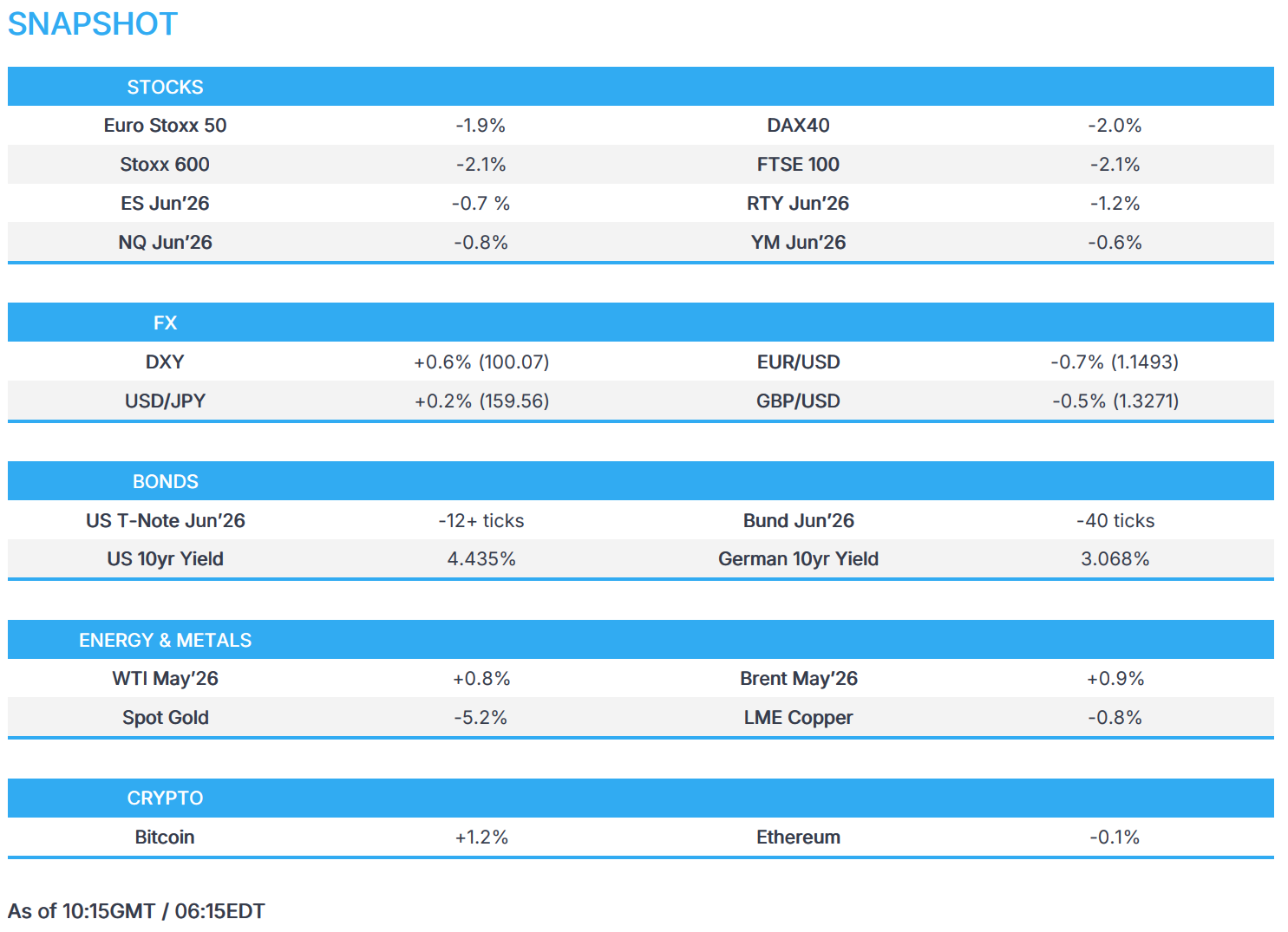










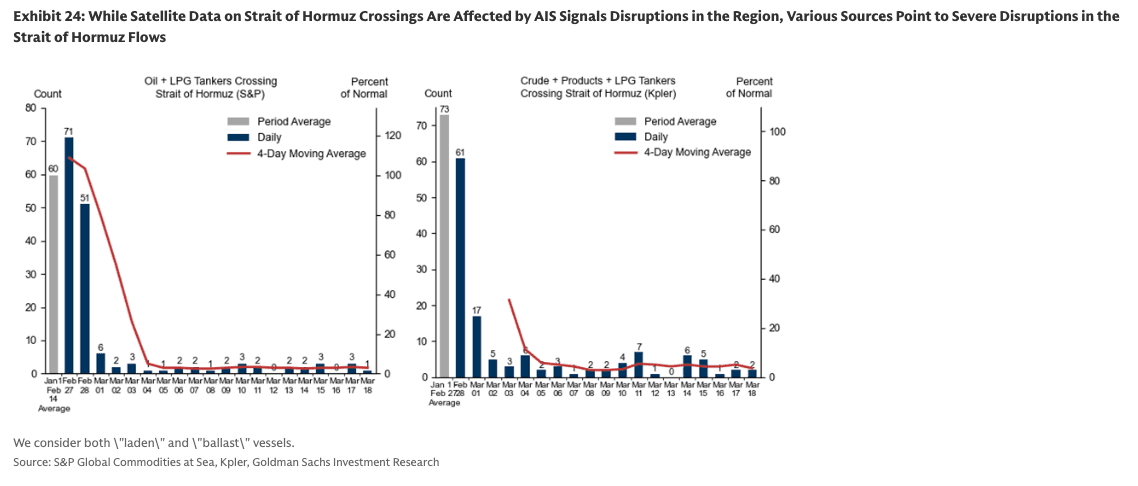
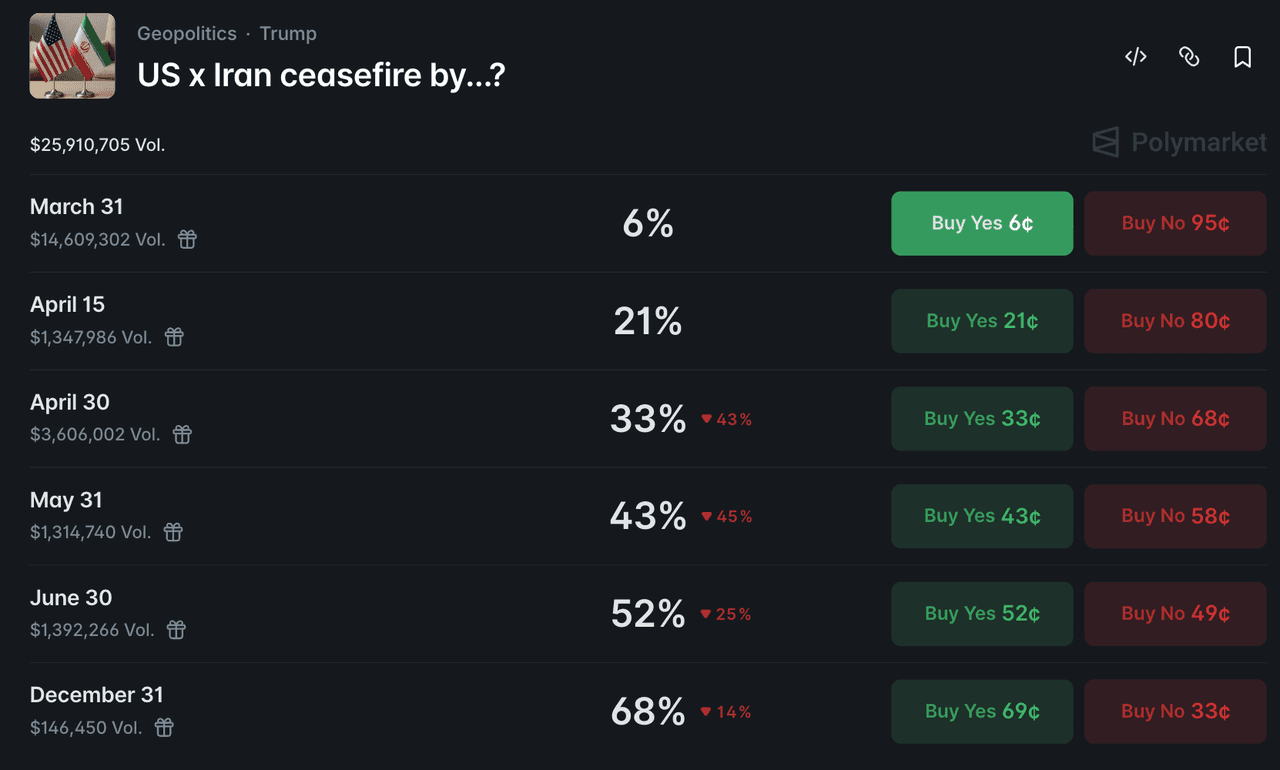
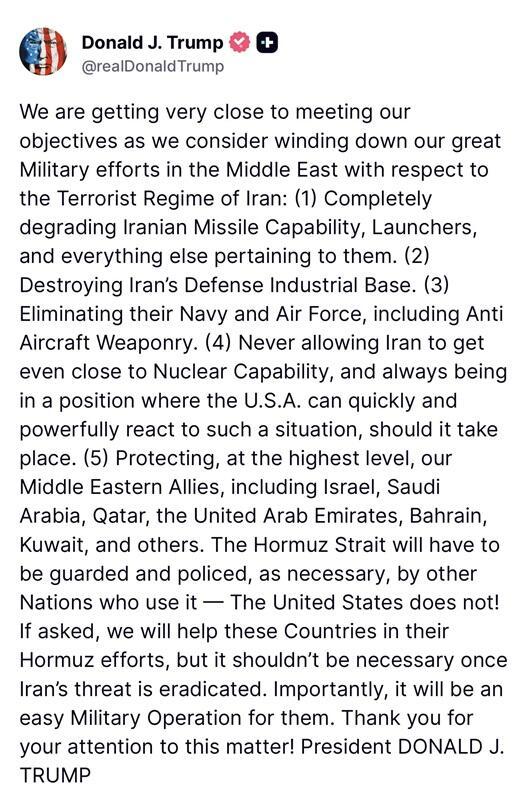
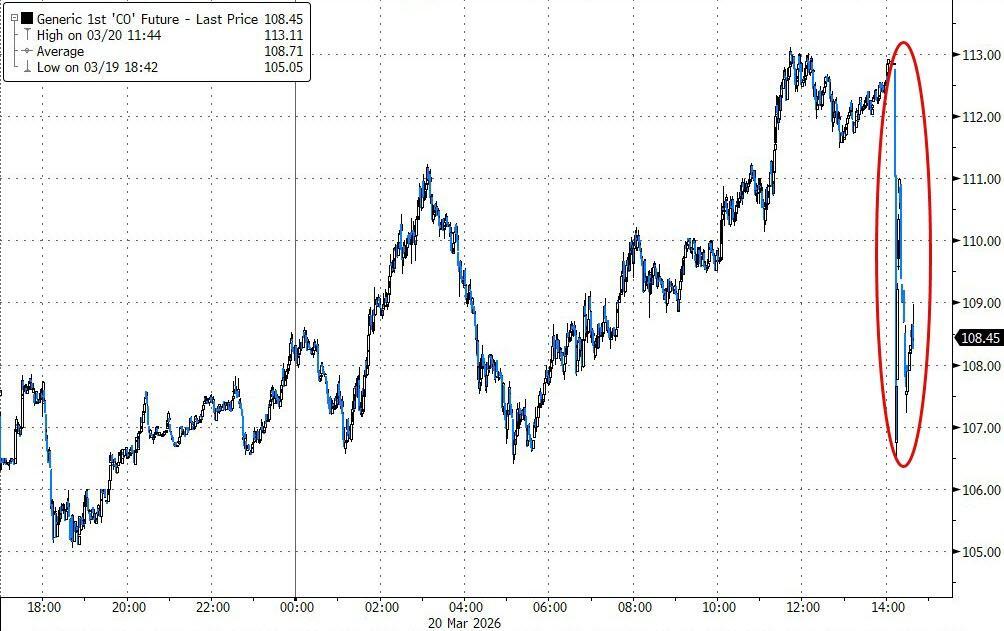
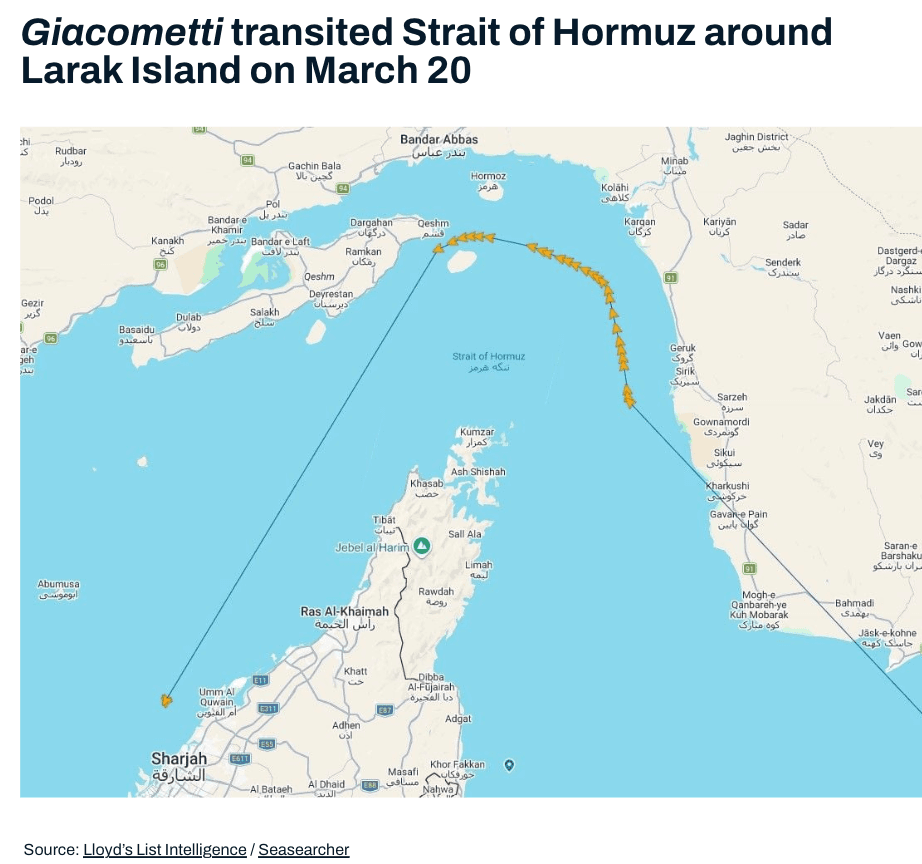
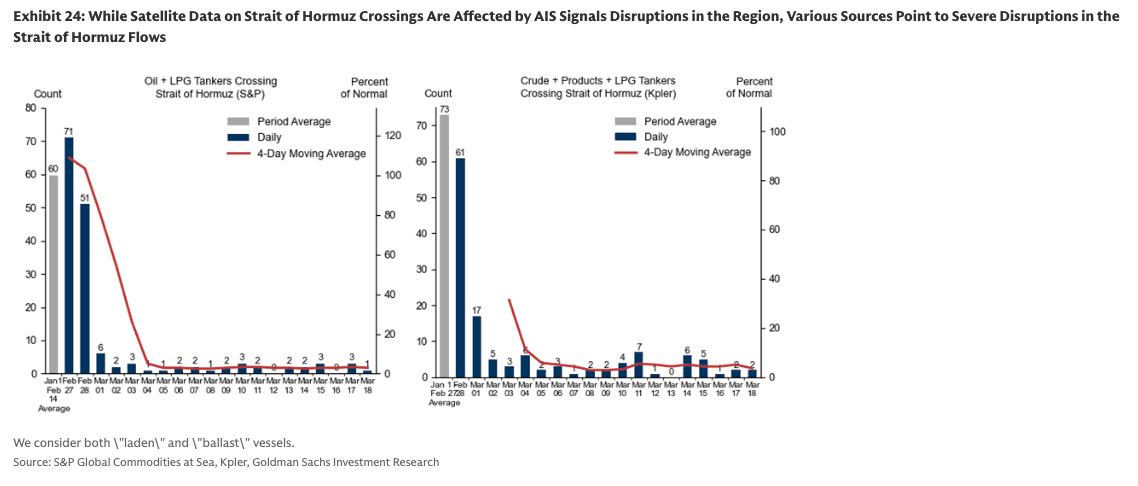
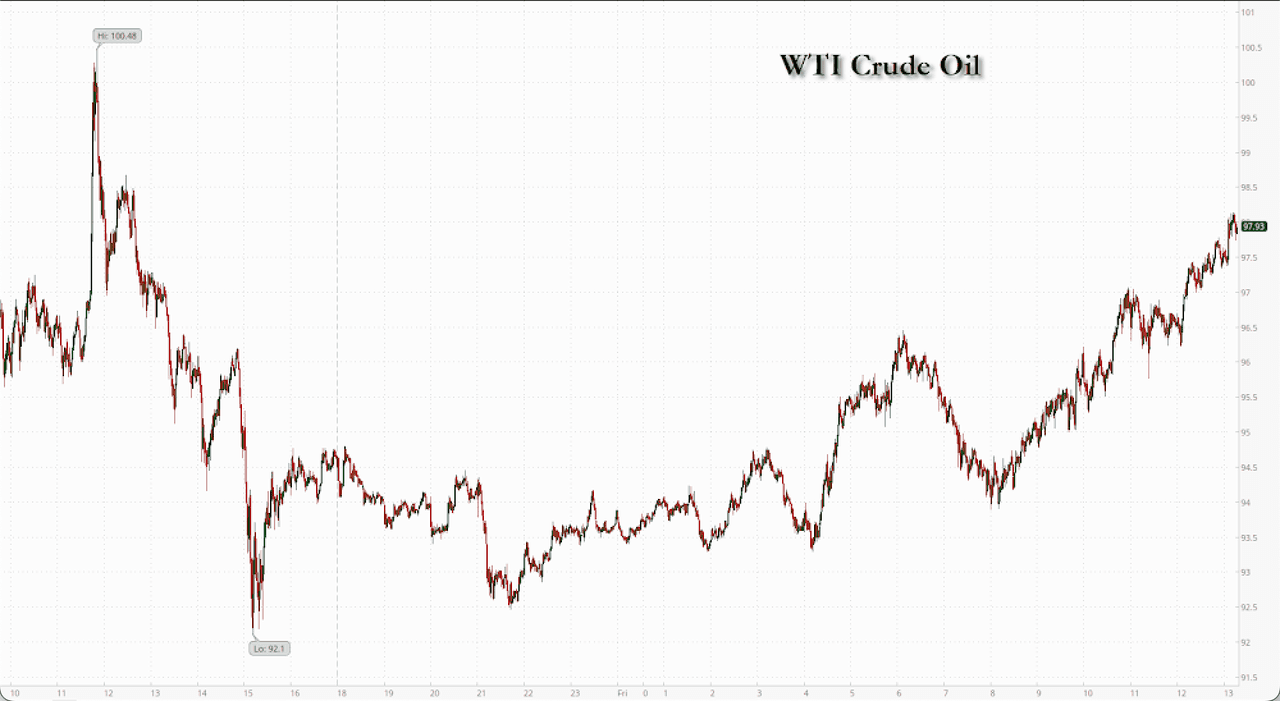
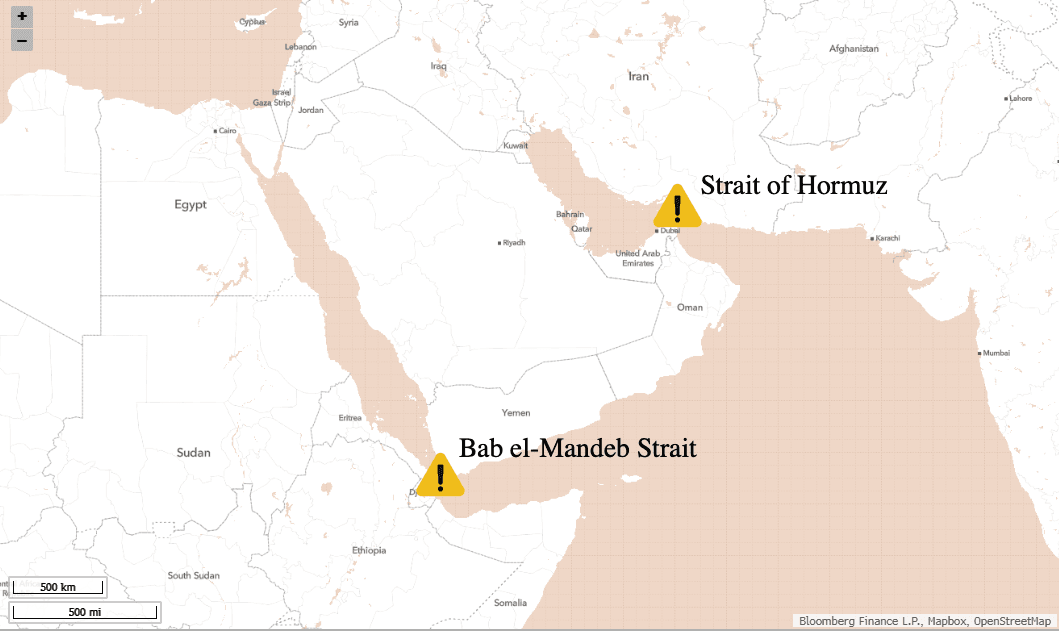
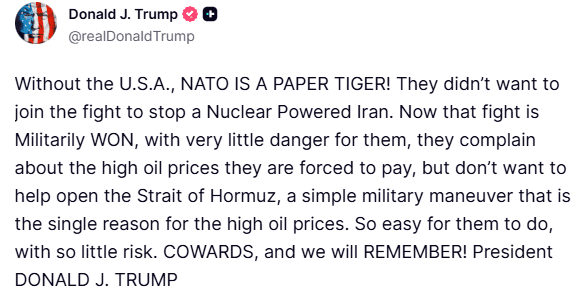
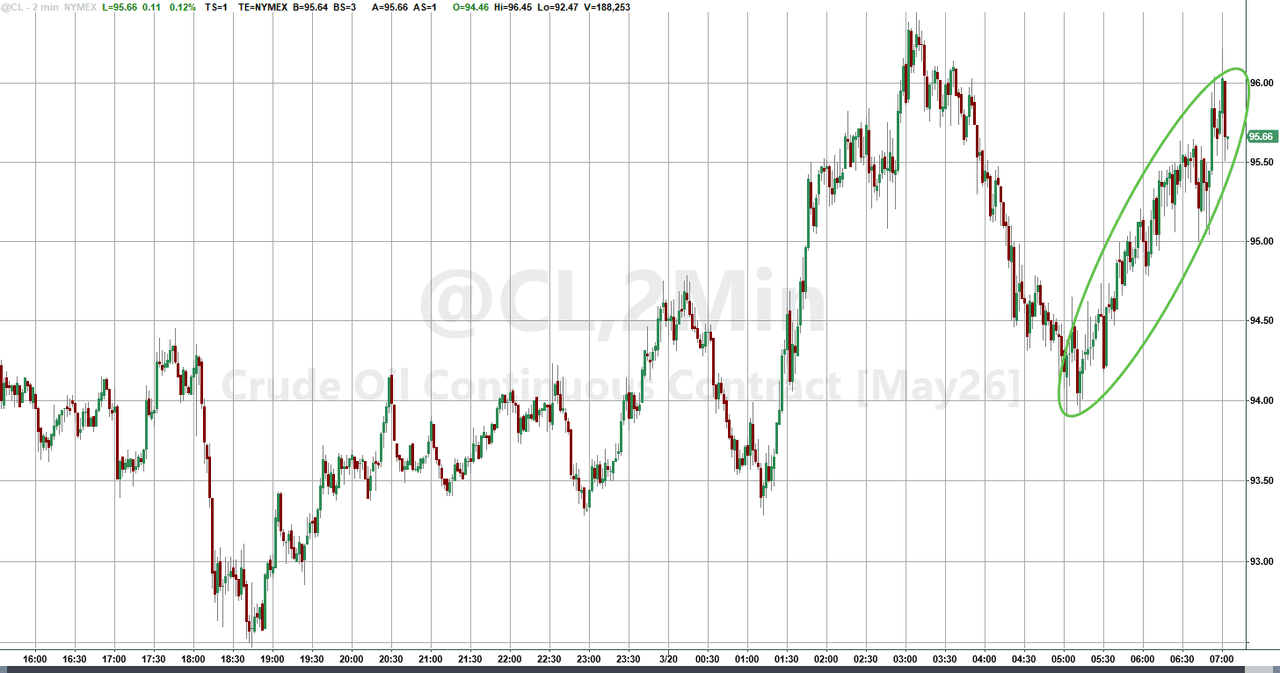


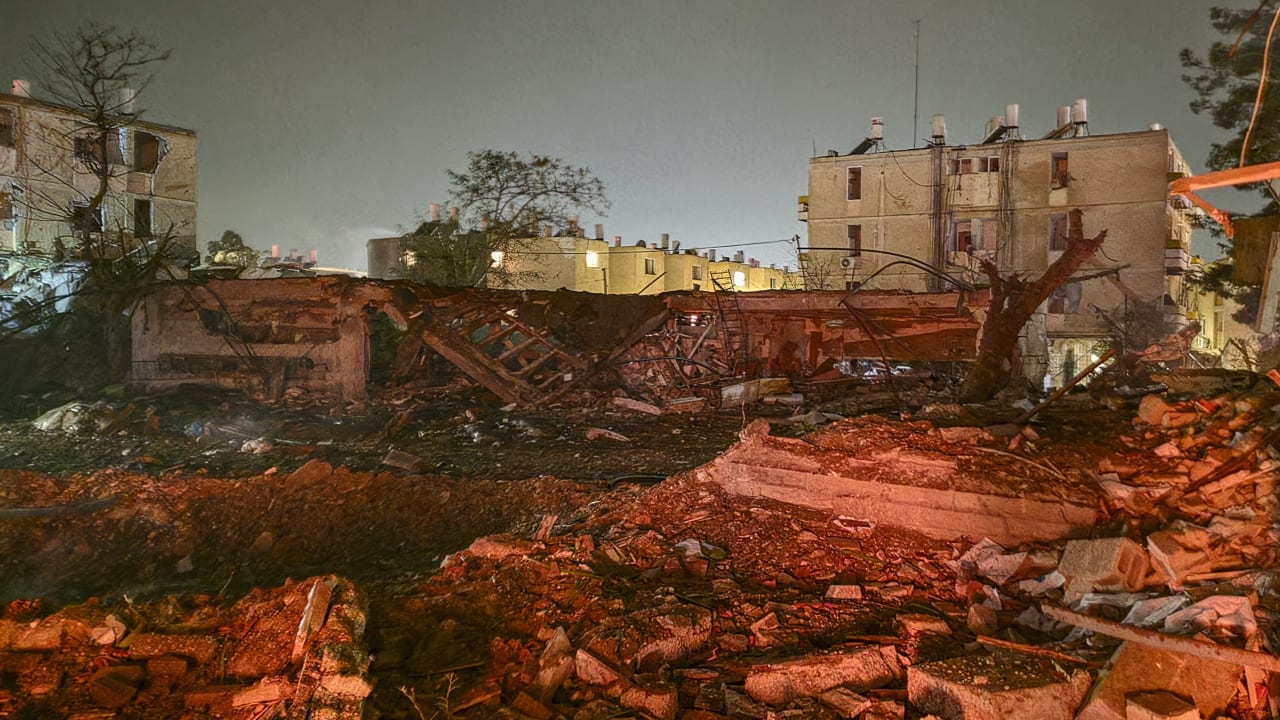
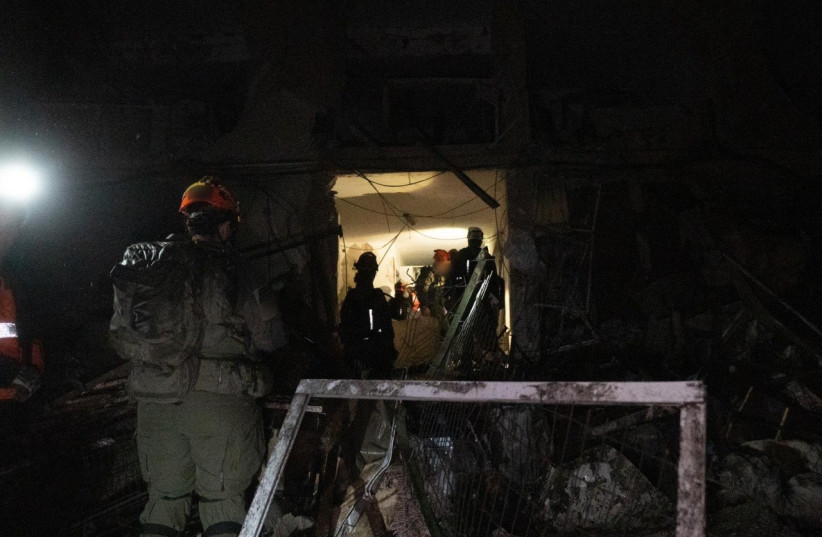


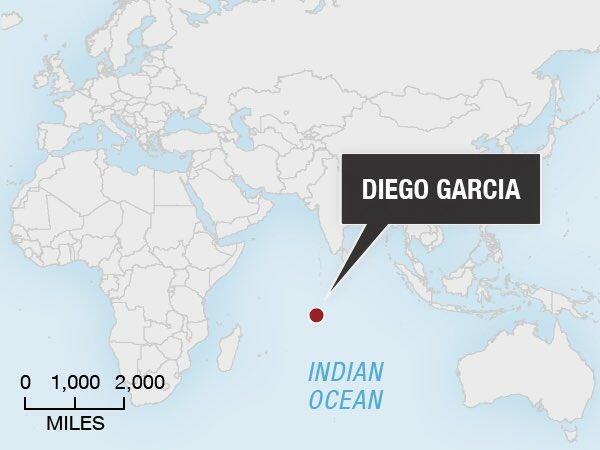




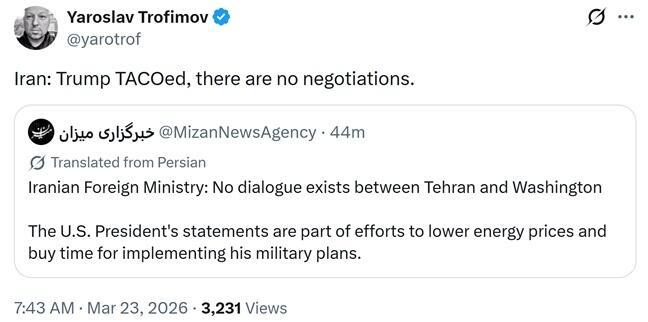





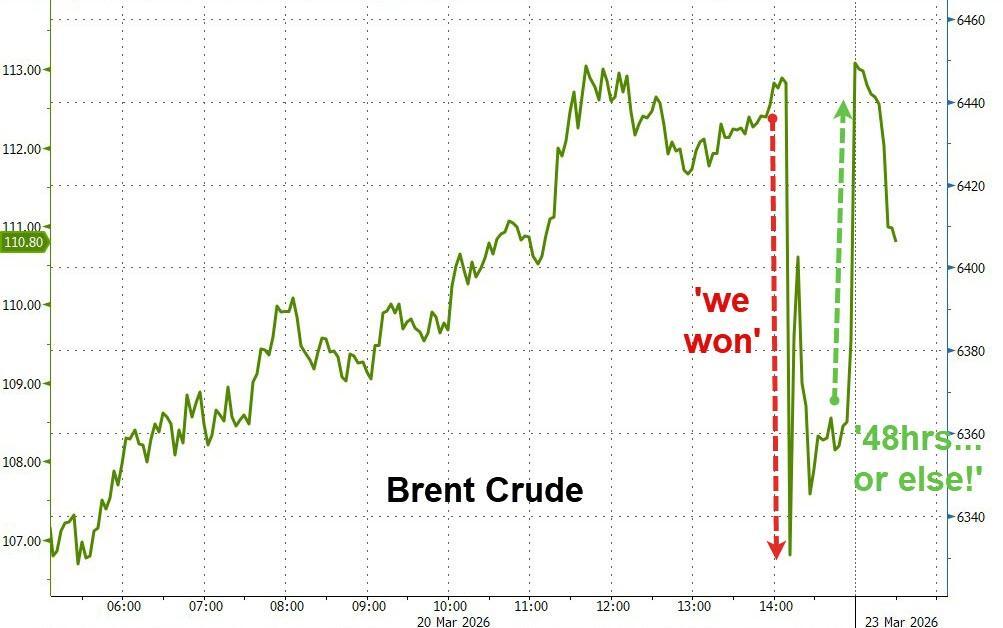
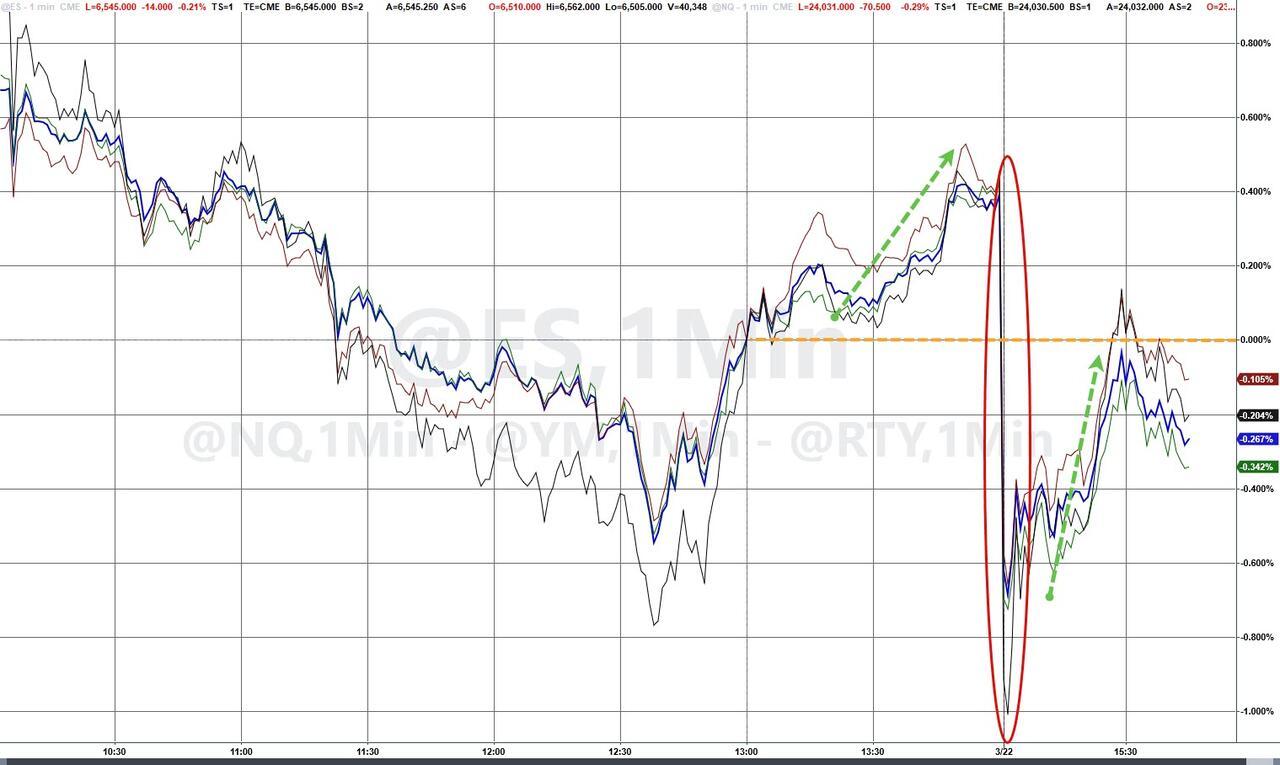
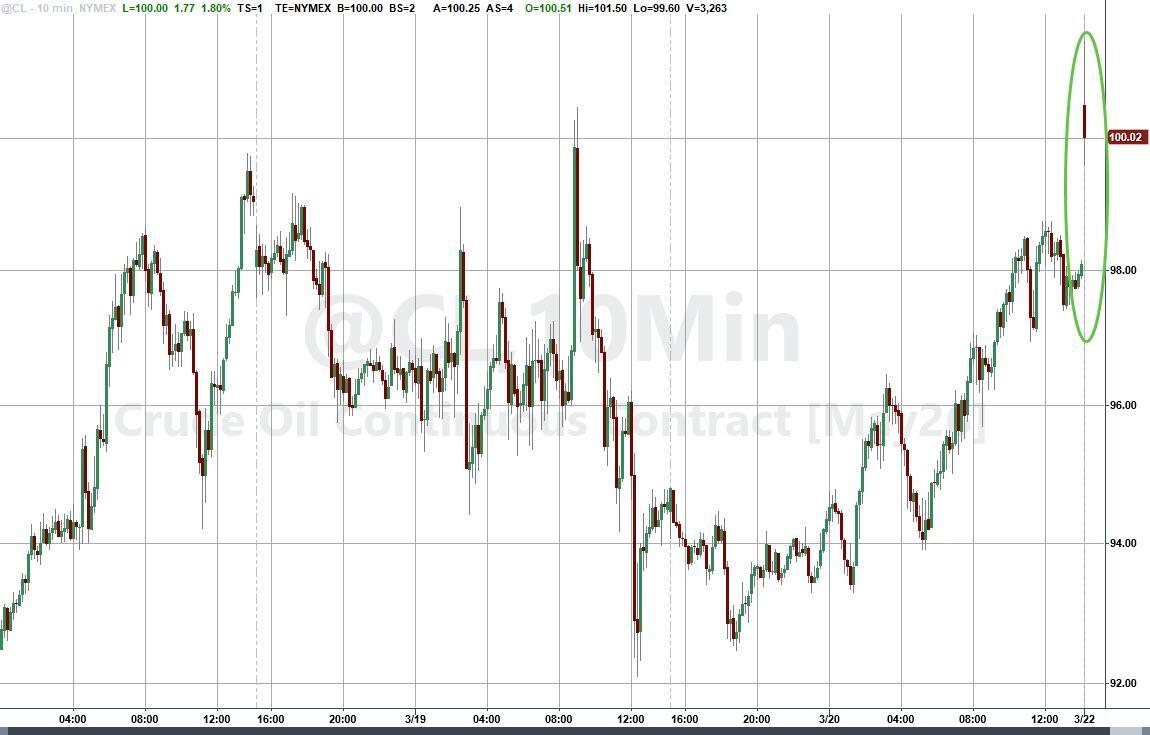
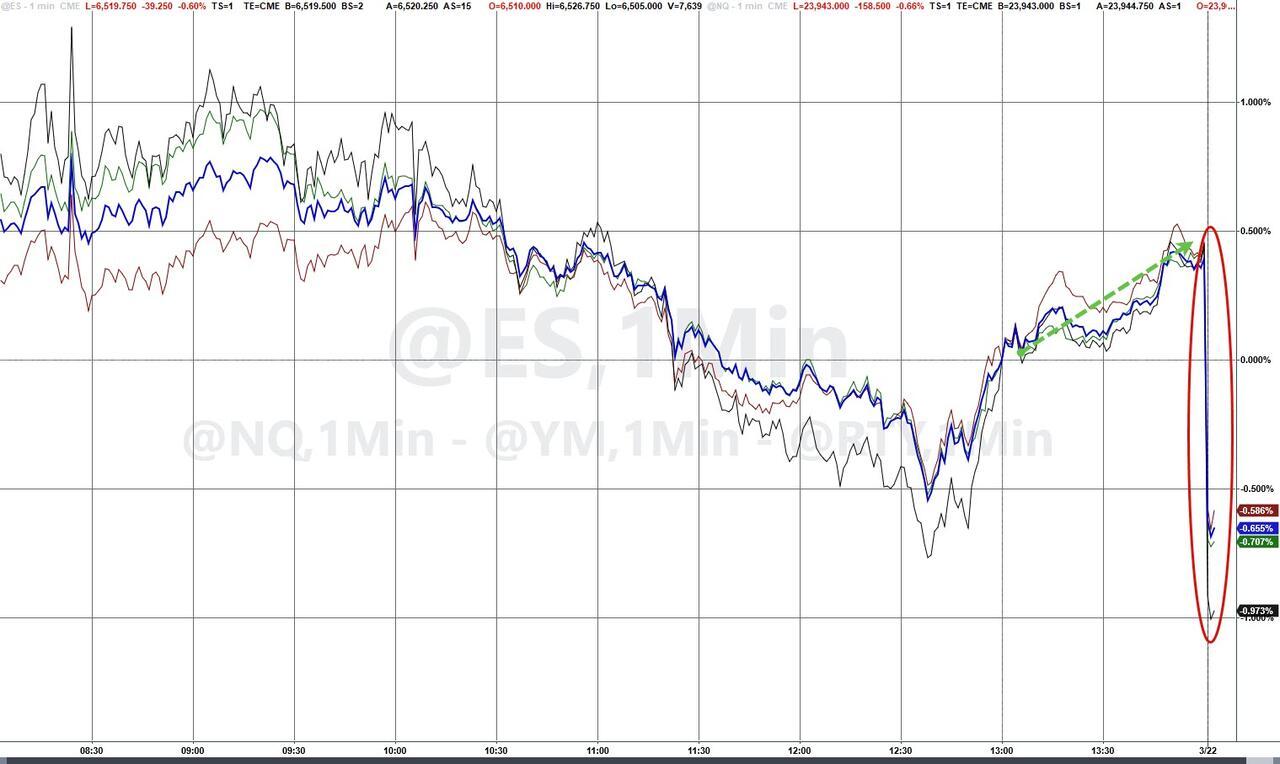
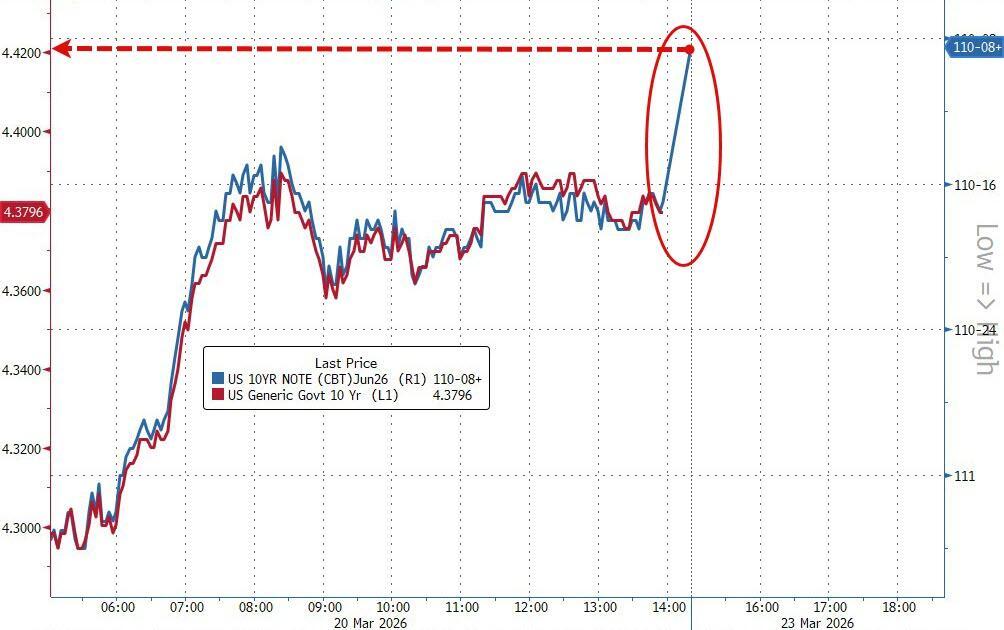
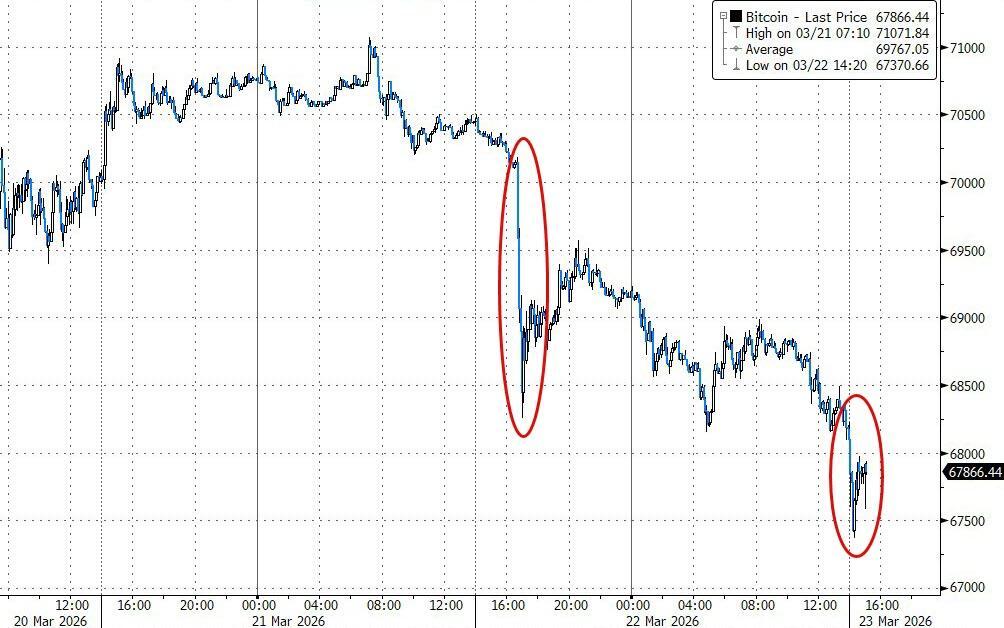
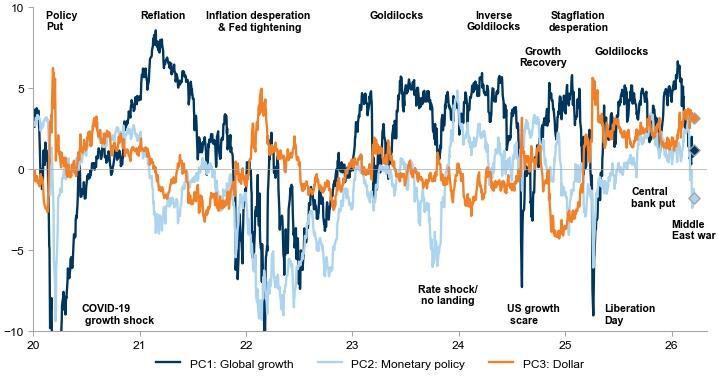
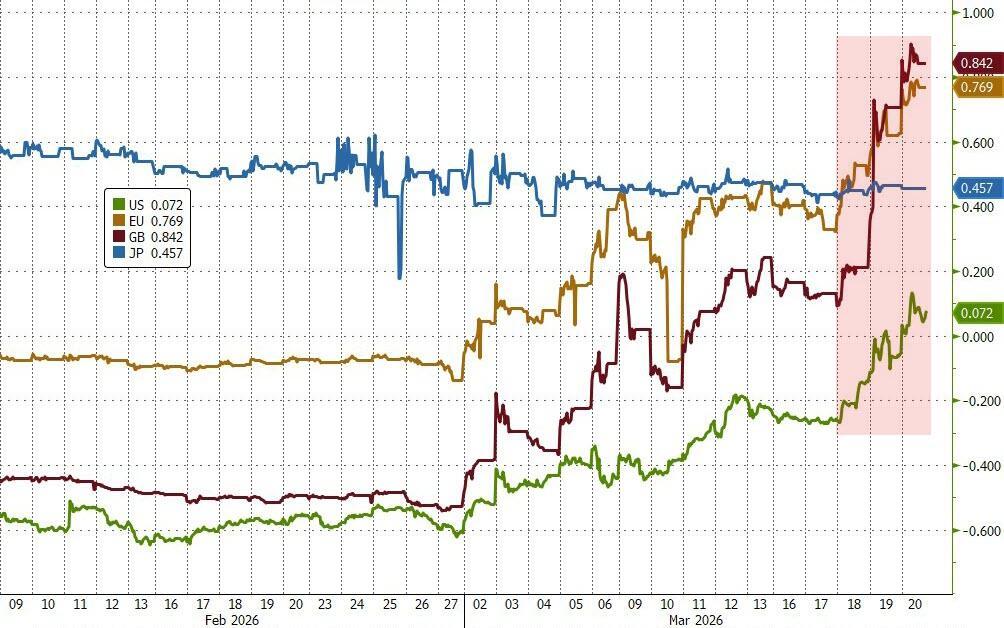
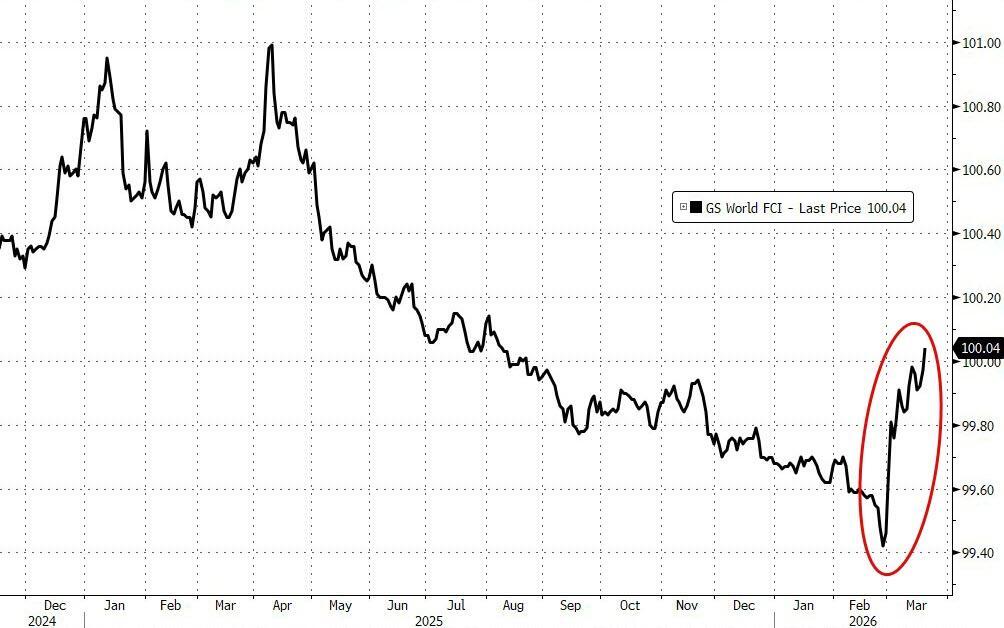
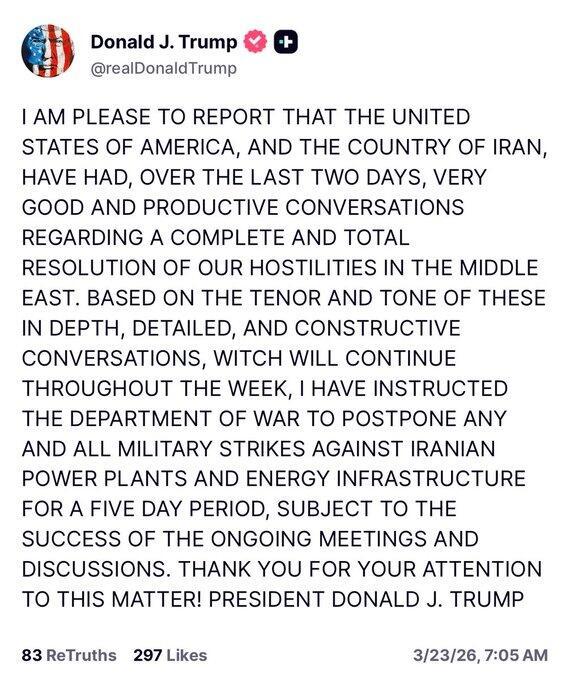
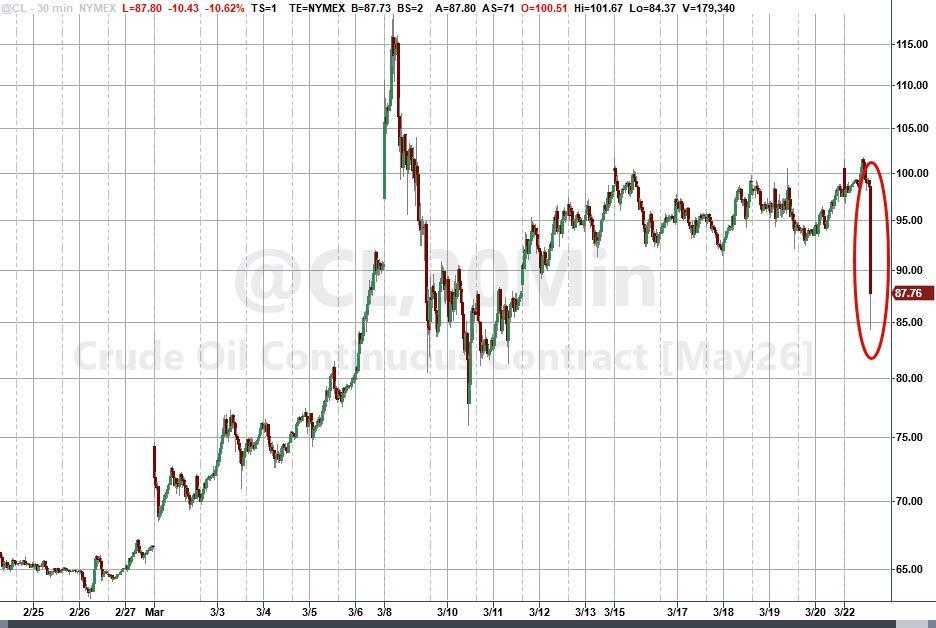
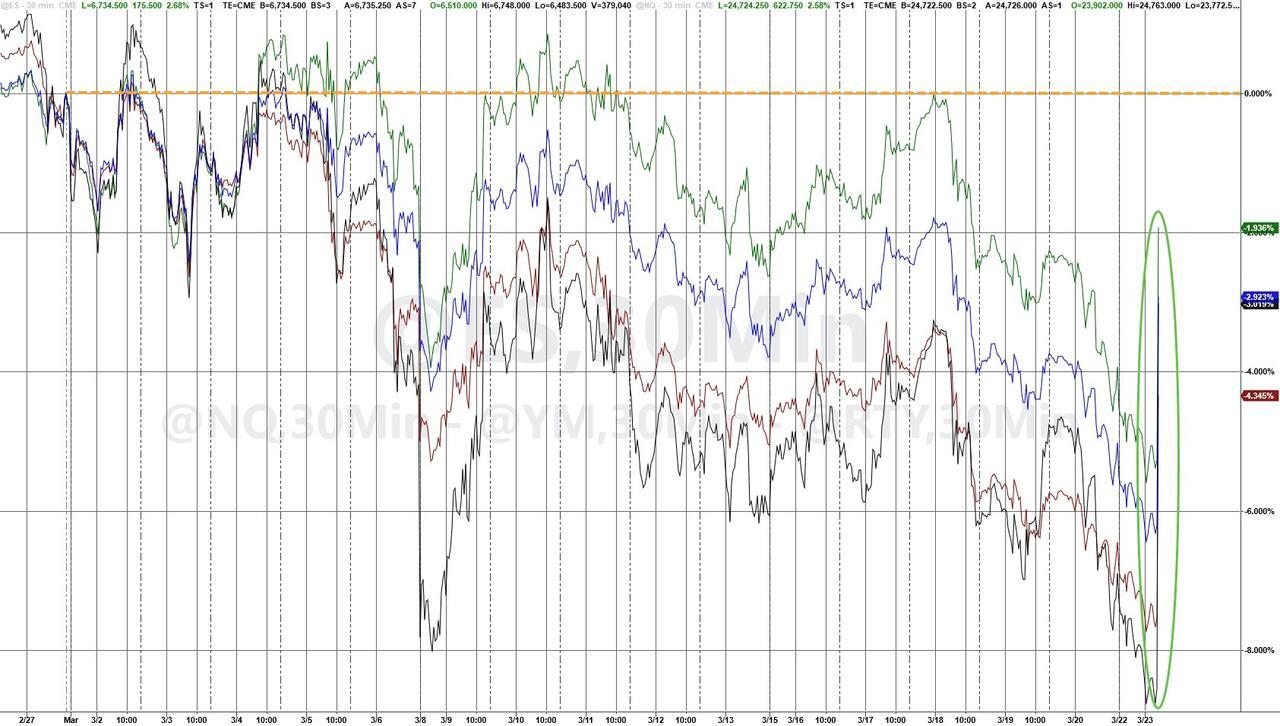
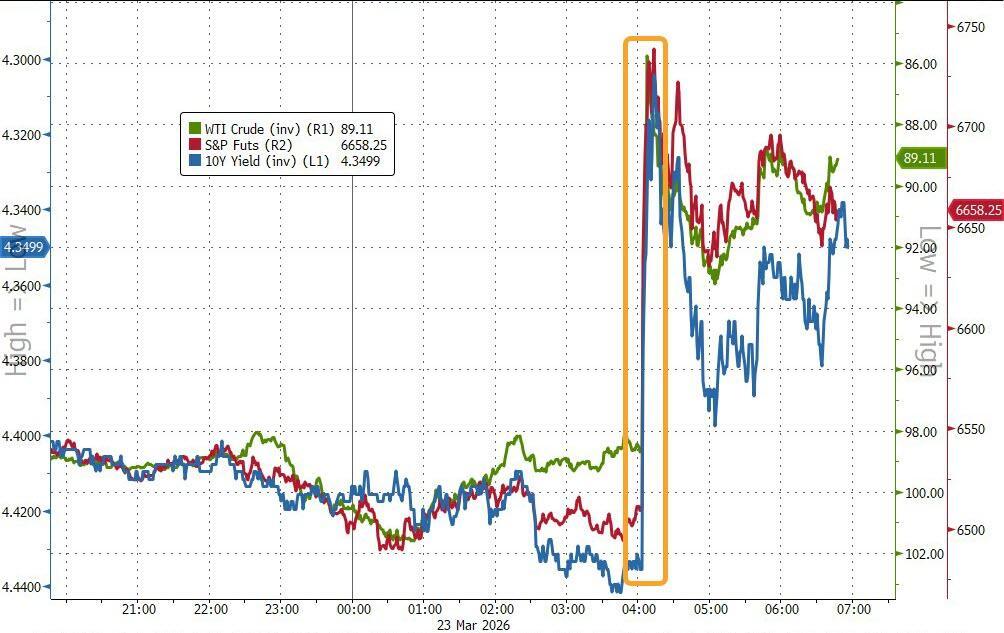
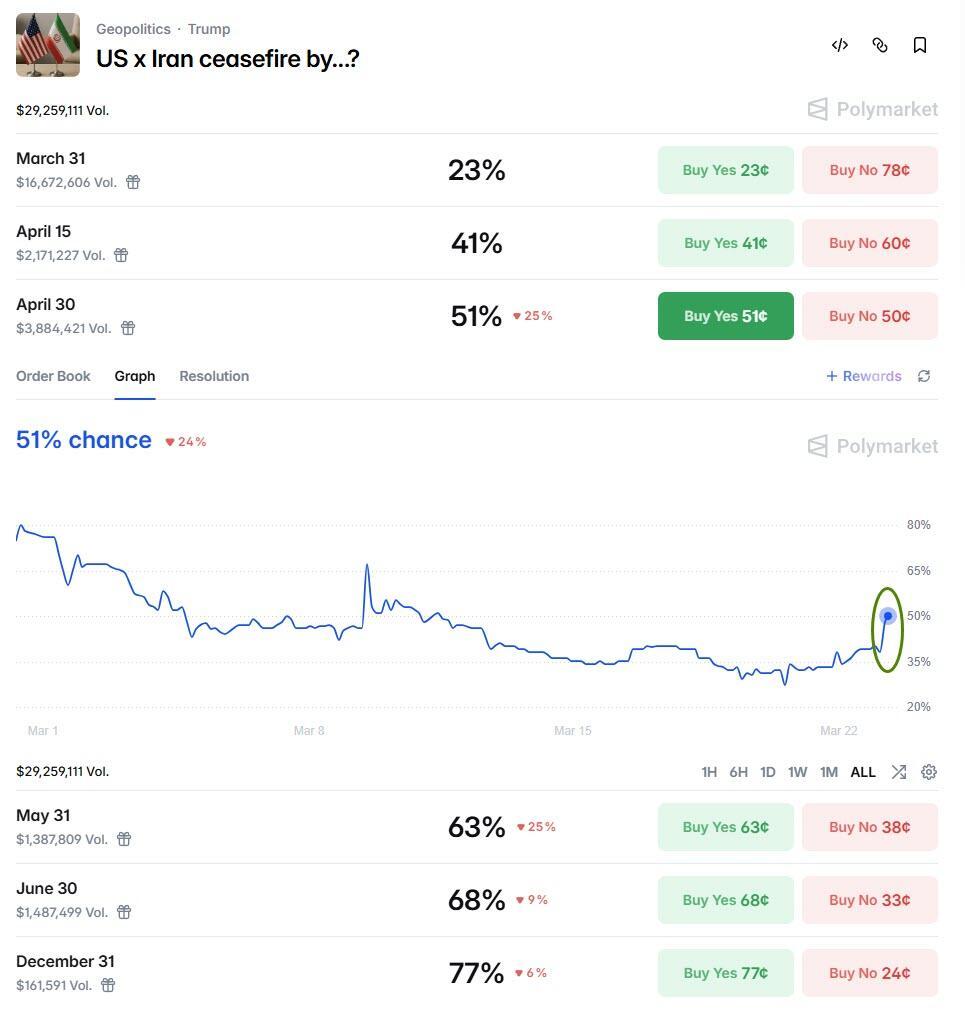
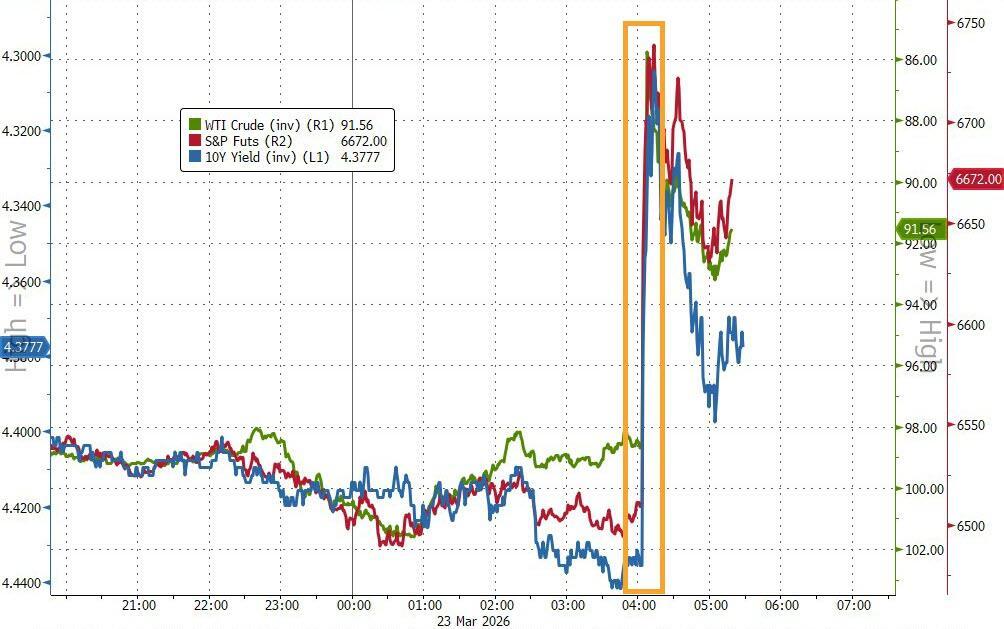
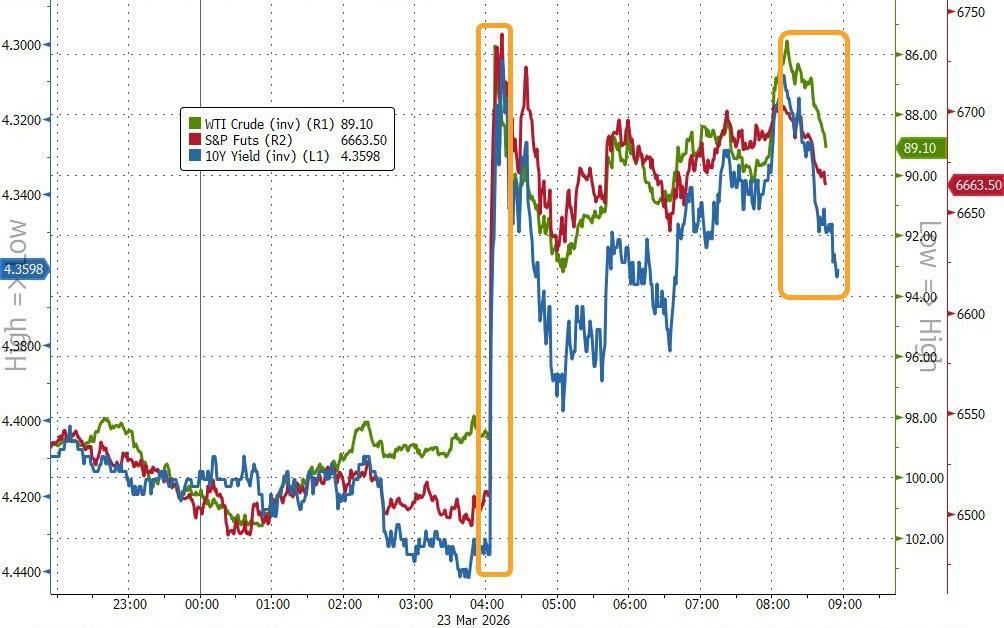




 harveyorganblog.com


