MARCH 31/FIRST DAY NOTICE APRIL CONTACT: FOR THE FIRST TIME IN MANY YEARS NO WHACKING ON OUR PRECIOUS METALS ON LBMA/OTC OPTIONS WEEK//GOLD CLOSED UP $119.65 TO $4649.50 WITH SILVER UP $4.22 T $74.62//PLATINUM WAS UP $87.80 TO $1961.20 WITH PALLADIUM UP ANOTHER $99.00 TO $1490.00//GOLD COMMENTARY TONIGHT FROM ALASDAIR MACLEOD//COMMODITY REPORT ON SILVER FROM GERMANY//ALL OF THE REPORTING TODAY ON THE ISRAEL/USA WAR AS WELL AS EUROPEAN NON SUPPORT.//ISRAEL TBN AND RUSSIA VS UKRAINE UPDATES//COVID INJURY REPORT RE STROKES/OIL UPDATES/USA DATA RELEASES/USA ECONOMIC REPORTS/SWAMP STORIES FOR YOU TONIGHT///
072 C GOLDMAN 25 092 C DEUTSCHE BANK 656 099 H DEUTSCHE BANK AG 2712 104 C MIZUHO SECURITIES US 3 118 C MACQUARIE FUTURES US 371 118 H MACQUARIE FUTURES US 696 190 H BMO CAPITAL MARKETS 1945 323 H HSBC 676 332 H STANDARD CHARTERED B 1343 363 H WELLS FARGO SECURITI 1586 435 H SCOTIA CAPITAL (USA) 1128 555 C BNP PARIBAS SEC CORP 926 555 H BNP PARIBAS SEC CORP 300 624 H BOFA SECURITIES 212 657 C MORGAN STANLEY 267 661 C JP MORGAN SECURITIES 3452 1078 686 C STONEX FINANCIAL INC 6 686 H STONEX FINANCIAL INC 1 690 C ABN AMRO CLR USA LLC 1 709 C BARCLAYS 230 2132 732 C RBC CAP MARKETS 523
DLV615-T CME CLEARING BUSINESS DATE: 03/30/2026 DAILY DELIVERY NOTICES RUN DATE: 03/30/2026 PRODUCT GROUP: METALS RUN TIME: 21:43:33 737 C ADVANTAGE FUTURES 4 905 C ADM 3
TOTAL: 10,138 10,138 MONTH TO DATE: 10,138
JPMORGAN STOPPED 1078/10,138
MARCH 31
APRIL
GOLD: NUMBER OF NOTICES FILED FOR APRIL/2026: 10,138 CONTRACTs NOTICES FOR 1,013,800 OZ or 31.533TONNES
total notices so far: 10,138 contracts for 1,013,800 OR 31.533 tonnes)
FOR APRIL
XXXXXXXXXXXXXXXXXX
SILVER NOTICES: 1181 NOTICE(S) FILED FOR 5.905 OZ /
total number of notices filed so far this month : 1181 CONTRACTS (NOTICES) for 5/905 million oz
Click here if you wish to send a donation. I sincerely appreciate it as this site takes a lot of preparation
END
GLD/
BOTH GLD AND SLV ARE FRAUDULENT VEHICLES//THEY ARE NOW RAIDING GLD AND SLV FOR PHYSICAL
THE CROOKS ARE STEALING GOLD AND SILVER FROM THE GLD/SLV AND REPLACING THE PHYSICAL WITH PAPER DOLLARS.
WITH GOLD UP $119.65 INVESTORS SWITCHING TO SPROTT PHYSICAL (PHYS) INSTEAD OF THE FRAUDULENT GLD
HUGE CHANGES IN GOLD INVENTORY AT THE GLD:: A HUGE WITHDRAWAL OF 3.429 TONNES OF GOLD OUT OF THE GLD/.
INVENTORY RESTS AT 1046.133 TONNES
SLV/
WITH NO SILVER AROUND AND SILVER UP $4.22 AT THE SLV: HUGE CHANGES IN SILVER INVENTORY AT THE SLV A MASSIVE AND FRAUDULENT WITHDRAWAL OF 3.893 MILLION OZ FROM THE SLV: INVENTORY RESTS AT THE SLV AT 491.532 MILLION OZ//
CLOSING INVENTORY RESTS AT:
CLOSING INVENTORY: 491.532 MILLION OZ
Let us have a look at the data for today
SILVER//OUTLINE
SILVER COMEX OI ROSE BY A TINY SIZED 116 CONTRACTS TO 113,927 AND STALLING ON ITS MARCH TO THE RECORD HIGH OI OF 244,710, SET FEB 25/2020, AND THIS TINY SIZED LOSS IN COMEX OI WAS ACCOMPLISHED DESPITE OUR VERY STRONG GAIN $0.74 IN SILVER PRICING AT THE COMEX WITH RESPECT TO MONDAY’S // TRADING. ON MARCH 23 WE REACHED AT OUR RECORD LOW OI OF 111,576 SURPASSING OUR PREVIOUS LOW OF 112,034 SET EARLIER IN THIS MONTH.
NOW ON A NET BASIS OUR SPECULATORS HAVE REVERTED BACK TO GOING SHORT. THE FRBNY ON A NET BASIS IS PROVIDING THE NECESSARY PAPER TO OUR LONGS AND THEN HUGE NUMBERS OF LONGS ,OUR BANKERS, TOOK THE LONG SIDE AND TENDERED FOR PHYSICAL AT 4 PM EACH NIGHT. BECAUSE OF THE HUGE SHORTFALL IN PHYSICAL SILVER IN LONDON THERE IS A LOTTERY TO SEE WHO GETS ANY OF THE PHYSICAL SILVER AVAILABLE THAT WHICH THEY ARE OBLIGATED TO DELIVER. THEY WAIT PATIENTLY FOR THEIR PHYSICAL METAL AND IF NOBODY GETS ANY THEY THEN COME BACK THE NEXT DAY AND SO ON. THIS IS IN LONDON, THE HOME OF PHYSICAL SILVER!!
IT WAS SOME OF OUR SILVER SPECULATORS THAT WERE BRUTALLY BEATEN UP AT THE SILVER COMEX THIS PAST MONTH AS THEY GOT RINSED OUT BADLY AT LAST MONTH’S RAID ON FIRST DAY NOTICE FOR THE MAR CONTRACT/.HOWEVER, WE FINALLY ARE NOW MOVING TO A MUCH HIGHER BASE IN SILVER PRICING AT MAJOR SUPPORT LEVEL OF $70.00 EVEN THOUGH IT BROKE THROUGH IT TEMPORARILY THIS WEEK. SHORTLY WE WILL AGAIN ATTEMPT TO BREAK THE MAJOR 100 DOLLAR BARRIER.
WE HAVE A FAIR SIZED GAIN OF5263 TOTAL CONTRACTS ON OUR TWO EXCHANGES AS THE CME NOTIFIED US OF A STRONG SIZED 410 CONTRACT EXCHANGE FOR PHYSICAL ISSUANCE.. WE HAD HUGE LIQUIDATION OF T.A.S. CONTRACTS IN COMEX TRADING WITH RESPECT TO MONDAY TRADING/// ALONG WITH CONTINUATION OF MONTHLY SPREADERS DESPITE OUR HUGE GAIN IN PRICE. WE HAD A STRONG 410 CONTRACT T.A.S. ISSUANCE!! / THEY DESPERATELY AGAIN TODAY TRYING TO CONTAIN SILVER’S PRICE RISE FOR THE PAST SEVERAL WEEKS (WHERE RAIDS ARE CALLED UPON AGAIN AND AGAIN TRYING TO STOP THE RISE IN SILVER’S PRICE TO ABOVE $100.00 AND TO QUELL ADDITIONAL DERIVATIVE LOSSES TO OUR BANKERS’ MASSIVE TOTALS). THEY FAILED ON MONDAY WITH SILVER’S HUGE GAIN IN PRICE
THE PRICE FINISHED BELOW THE MAGIC NUMBER OF $70.00 SILVER SPOT PRICE AND BELOW THE $100.00 MARK CLOSING AT $69.66 UP $1.91 WE ARE NOW WITNESSING HAVING MANY HUGE T.A.S ISSUANCES // TODAY’S WAS AT A HUGE SIZED 920 T.A.S. CONTRACTS !!. THE CROOKS ARE BECOMING MORE DESPERATE TO STOP SILVER BREAKING ABOVE THE 100.00 DOLLAR MARK!! AND NOW THE HUGE SUPPORT LEVEL OF 70 DOLLARS!!.MAMMOTH SIZE T.A.S ISSUANCES ARE BECOMING THE NORM AT THE COMEX NOW!!
THERE IS NO NEXT LINE IN THE SAND ONCE THE 100.00 DOLLAR SILVER IS PIERCED AGAIN. WE HAD A STRONG SIZED 410 CONTRACT EXCHANGE FOR PHYSICAL ISSUANCE ACCOMPANIED BY OUR HUGE SIZED 562 CONTRACT T.A.S ISSUANCE WHICH WILL BE USED IN FUTURE TRADING//AS THEY PLAY AN INTEGRAL PART IN OUR COMEX TRADING TRYING TO CONTAIN ANY SILVER PRICE RISE.
IN ESSENCE WE HAD A FAIR GAIN OF 526 CONTRACTS ON OUR TWO EXCHANGES WITH OUR HUGE GAIN IN PRICE OF $0.74. WE HAD HUGE GOVERNMENT (FRBY) COMEX CONTRACTS TRADING ALL WEEK AND A MAJOR PORTION WILL BE REMOVED BY DAYS END. (I RECORD THIS FOR YOU ON A DAILY BASIS). THE STICKY SPECULATOR LONGS STILL REMAIN STOIC EVEN ON OUR HUGE PRICE FALLS.
CRAIG HEMKE HAS POINTED OUT THAT THE CROOKS USE THE MID MONTH FOR MANIPULATION AS THEY SELL THEIR BUY SIDE OF THE CALENDAR SPREAD FIRST AND THEN KEEP THE SELL SIDE TO LIQUIDATE AT A LATER DATE.
THUS WE HAVE TWO VEHICLES THE CROOKS USE FOR MANIPULATION AND BOTH ARE SPREADERS: 1) AT MONTH’S END/SPREADERS COMEX AND 2/ TAS SPREADERS, THROUGHOUT MONTH. TOTAL TAS ISSUED ON MONDAY NIGHT//TUESDAY MORNING: A HUGE SIZED 562 CONTRACTS. DESPITE MANY COMPLAINTS THAT THE CROOKS HAVE VIOLATED POSITION LIMITS DUE TO THE FACT THAT THE TAS ISSUED HAVE A VALUE OF ZERO (AS TO POSITION LIMITS FOR OUR CROOKED FRBNY BANKERS).
THE PROBLEM OF COURSE IS THAT THE CROOKS DO NOT LIQUIDATE THE TAS AS ONE UNIT, BUT SELL THE SHORT SIDE FIRST AND THEN LIQUIDATE THE LONG SIDE TWO MONTHS HENCE. IT IS OBVIOUS MANIPULATION TO THE HIGHEST DEGREE BUT IT NATURALLY FELL ON DEAF EARS WITH OUR REGULATORS (OCC) WHEN THEY RECEIVED OUR COMPLAINTS. IT NOW SEEMS THAT THE OCC HAS NOW ORDERED THE BANKS TO REDUCE ITS NEW LEVEL OF 1.1 TRILLION DOLLARS IN GOLD/SILVER DERIVATIVES.
THUS:
INITIAL STANDING FOR JANUARY: 22.915 MILLION OZ FOLLOWED BY TODAY’S 1.185 MILLION OZ QUEUE JUMP//NEW NORMAL STANDING ADVANCES TO 49.445 MILLION OZ// TO WHICH WE ADD OUR FIRST EXCHANGE FOR RISK FOR .100 MILLION OZ//NEW STANDING ADVANCES TO 49.545 MILLION OZ!!
INTIAL STANDING FOR FEBRUARY/SILVER: 13.505 MILLION OZ FOLLOWED BY TODAY’S HUGE 0.005 MILLION OZ QUEUE JUMP / : NEW STANDING FOR SILVER AT THE COMEX ADVANCES TO 25.180 MILLION OZ. BUT WE MUST ADD OUR FIRST EXCHANGE FOR RISK OF 25 CONTRACTS FOR .125 MILLION OZ AND THEN OUR SECOND EXCHANGE FOR RISK OF .0600 MILLION OZ TO OUR THIRD HUGE 2.825 MILLION OZ EXCHANGE FOR RISK!!
INITIAL STANDING FOR MARCH: A SURPRISINGLY LOW 31.076 MILLION OZ/ FOLLOWED BY A STRONG QUEUE JUMP OF 42 CONTRACTS OR 0.210 MILLION OZ/NEW STANDING REDUCES TO 46.060 MILLION OZ
INITIAL STANDING FOR APRIL: 7.120 MILLION OZ.
NOW OUR APRIL 2026 CONTRACT MONTH:
WE HAD:
/ SMALL COMEX OI LOSS+// FAIR SIZED 410 EFP ISSUANCE CONTRACTS (/ VI) A HUGE NUMBER OF T.A.S. CONTRACT ISSUANCE 562 CONTRACTS
I AM NOW RECORDING THE DIFFERENTIAL IN OI FROM PRELIMINARY TO FINAL: ADDED 165 SILVER CONTRACT//
HISTORICAL ACCUMULATION OF EXCHANGE FOR PHYSICALS FEB.. ACCUMULATION
TOTAL CONTRACTS for 23 DAY(S), total 11,215 contracts: OR 56.075 MILLION OZ (487 CONTRACTS PER DAY)
TOTAL EFP’S FOR THE MONTH SO FAR: 56.075 MILLION OZ
LAST 24 MONTHS TOTAL EFP CONTRACTS ISSUED IN MILLIONS OF OZ:
MAY 137.83 MILLION
JUNE 149.91 MILLION OZ
JULY 129.445 MILLION OZ
AUGUST: MILLION OZ 140.120
SEPT. 28.230 MILLION OZ//
OCT: 94.595 MILLION OZ
NOV: 131.925 MILLION OZ
DEC: 100.615 MILLION OZ
YEAR 2022:
JAN 2022-DEC 2022
JAN 2022// 90.460 MILLION OZ
FEB 2022: 72.39 MILLION OZ//
MARCH 2022: 207.140 MILLION OZ//A NEW RECORD FOR EFP ISSUANCE
APRIL: 114.52 MILLION OZ FINAL//LOW ISSUANCE
MAY: 105.635 MILLION OZ//
JUNE: 94.470 MILLION OZ
JULY : 87.110 MILLION OZ
AUGUST: 65.025 MILLION OZ
SEPT. 74.025 MILLION OZ///FINAL
OCT. 29.017 MILLION OZ FINAL
NOV: 134.290 MILLION OZ//FINAL
DEC, 61.395 MILLION OZ FINAL
TOTALS YR 2022: 1135.767 MILLION OZ (1.1356 BILLION OZ)
JAN 2023/// 53.070 MILLION OZ //FINAL
FEB: 2023: 100.105 MILLION OZ/FINAL//MUCH STRONGER ISSUANCE VS THE LATTER TWO MONTHS.
MARCH 2023: 112.58 MILLION OZ//FINAL//STRONG ISSUANCE
APRIL 111.035 MILLION OZ(SLIGHTLY GREATER THAN THAN LAST MONTH)
MAY 66.120 MILLION OZ/INITIAL (MUCH SMALLER THIS MONTH)
JUNE: 110.395 MILLION OZ//MUCH LARGER THAN LAST MONTH
JULY 85.745 MILLION OZ (SMALLER THAN LAST MONTH)
AUGUST: 171.43 MILLION OZ (THIS MONTH IS GOING TO BE HUGE //2ND HIGHEST ON RECORD
SEPT: 72.705 MILLION OZ (SMALLER THIS MONTH)
OCT: 97.455 MILLION OZ
NOV. 50.050 MILLION OZ
DEC. 66.140 MILLION OZ//
TOTAL 2023: 1,104.10 MILLION OZ/
JAN ’24 : 78.655 MILLION OZ//
FEB /2024 : 66.135 MILLION OZ./FINAL
MARCH: 143.750 MILLION OZ// 4TH HIGHEST ON RECORD.
APRIL: 161.770 MILLION OZ (THIS MONTH WILL BE A WHOPPER OF ISSUANCE OF EFPS//3RD HIGHEST EVER RECORDED FOR A MONTH)
MAY: 135.995 MILLION OZ //WILL BE A STRONG MONTH FOR EXCHANGE FOR PHYSICAL ISSUANCE
JUNE 110.575 MILLION OZ ( WILL BE ANOTHER STRONG MONTH ISSUANCE)
JULY: 108.870 MILLION OZ (WILL BE A STRONG ISSUANCE MONTH/ A TOUCH OVER 100 MILLION OZ/)
AUGUST; 99.740 MILLION OZ//THIS MONTH WILL BE STRONG FOR ISSUANCE BUT LESS THAN JULY.
SEPT: 112.415 MILLION OZ//WILL BE A HUGE MONTH FOR EXCHANGE FOR PHYSICAL ISSUANCE
OCT; 97.485 MILLION OZ (WILL BE SMALLER ISSUANCE THIS MONTH )
NOV. 115.970 MILLION OZ ( HUGE THIS MONTH)
DEC: 132.54 MILLION OZ (THIS MONTH WILL BE A HUMDINGER FOR ISSUANCE BUT ISSUANCE SLOWED DRAMATICALLY THESE PAST FIVE DAYS/// WILL NOT EXCEED MARCH 2022 RECORD OF 209 MILLION OZ
YEAR 2024 TOTAL: 1363.84 MILLION OR 1.363 BILLION OZ
JANUARY 2025: 67.230 MILLION OZ///(THIS MONTH’S ISSUANCE OF EXCHANGE FOR PHYSICAL WILL BE SMALL)
FEB. 58.260 MILLION OZ//EXCHANGE FOR PHYSICAL ISSUANCE/FINAL
MARCH: 67.020 MILLION OZ///QUITE SMALL AND BECOMING SMALLER EACH AND EVERY MONTH.
APRIL: 100.895 MILLION OZ///AVERAGE SIZE ISSUANCE
MAY: 28.975 MILLION OZ (ISSUANCE WILL BE QUITE SMALL THIS MONTH)
JUNE: 81.065 MILLION OZ
JULY: 50.925 MILLION OZ (QUITE SMALL)
AUGUST: 59.455 MILLION OZ (QUITE SMALL)
SEPT. 50.510 MILLION OZ.(QUITE SMALL)
OCT; 82.020 MILLION OZ (WILL BE STRONG THIS MONTH)/ OCC WANTS TO REIN IN THESE ISSUANCES!
NOVEMBER: 36.425 MILLION OZ
DEC: 45.765 MILLION OZ
JANUARY 2026: 134.270 MILLION OZ (WILL BE A VERY STRONG MONTH FOR EXCHANGE FOR PHYSICAL!)
FEB : 82.130 MILLION OZ
MARCH: 56.075 MILLION OZ
RESULT: WE HAD A TINY SIZED INCREASE IN COMEX OI SILVER COMEX CONTRACTS OF 116 CONTRACTS DESPITE OUR VERY STRONG GAIN IN PRICE OF $0.74 IN SILVER PRICING AT THE COMEX// MONDAY,. THE CME NOTIFIED US THAT WE HAD A STRONG SIZED CONTRACT EFP ISSUANCE 410 CONTRACTS ISSUED FOR MAY, AND 0 CONTRACTS ISSUED FOR ALL OTHER MONTHS) WHICH EXITED OUT OF THE SILVER COMEX TO LONDON AS FORWARDS. INITIAL STANDING 7.120 MILLION OZ
LAST 12 MONTHS OF SILVER DELIVERIES
WE FINISHED APRIL WITH A STRONG SILVER OZ STANDING OF 16.050 MILLION OZ NORMAL DELIVERY , PLUS OUR 4.00 MILLION EX FOR RISK
FINAL STANDING APRIL: 19.965 MILLION OZ
AND MAY:
NEW STANDING FOR MAY FINISHES AT: 75.615 MILLION OZ. (INCLUDES 5,000 OZ EFP TRANSFER TO LONDON + 12.93 MILLION OZ EXCHANGE FOR RISK ISSUANCE/PRIOR.//NEW TOTAL STANDING 88.540 MILLION OZ
AND JUNE: FINAL 16.995 MILLION OZ
AND JULY: 46.720 MILLION OZ//
AUGUST: 4.70 MILLION OZ INITIAL STANDING PLUS TODAY;S 5,000 OZ QUEUE JUMP //NEW STANDING ADVANCES TO 10.960 MILLION OZ
SEPTEMBER: 68.040 MILLION OZ NORMAL DELIVERY(INCLUDES ALL QUEUE JUMPING AND EXCHANGE FOR PHYSICAL TRANSFERS) PLUS 3.0 MILLION OZ EX FOR RISK = 71.040 MILLION OZ. (THIS IS THE FIRST AND ONLY ISSUANCE OF EXCHANGE FOR RISK FOR SILVER SINCE MAY.)
OCTOBER: 39.565 MILLION OZ OF NORMAL DELIVERY INCLUDES ALL QUEUE JUMPING
PLUS
2.110 MILLION OZ EXCHANGE FOR RISK//TOTAL OZ STANDING IN OCT ADVAN
NOVEMBER: INITIAL STANDING AT 11.575 MILLION OZ FOLLOWED BY TODAY’S 195,000 OZ QUEUE JUMP WHICH FOLLOWS ALL OTHER QUEUE JUMPS OF 9.155 MILLION OZ//STANDING ADVANCES TO 19.670 MILLION OZ/
DECEMBER: INITIAL AMOUNT STANDING FOR DELIVERY: 49.33 MILLION OZ// FOLLOWED BY ANOTHER STRONG 835,000OZ QUEUE JUMP+ DEC. FIRST EXCHANGE FOR RISK 0F .850 MILLION OZ + LAST WEEK.S 495,000 OZ EXCHANGE FOR RISK AND THEN A 3RD ISSUANCE IF 1.00MILLION OZ THEN FINALLY DEC 249ISSUANCE OF 1.35 MILLION OZ EXCHANGE FOR RISK//NEW TOTAL EX FOR RIS IS 3.685 MILLION OZ // STANDING ADVANCES TO 68.415 MILLION OZ//
JANUARY: INITIAL STANDING 22.915 MILLION OZ FOLLOWED BY TODAY’S 1.185 MILLION OZ QUEUE JUMP//NORMAL STANDING ADVANCES TO 49.445 MILLION OZ// TO WHICH WE ADD OUR FIRST EXCHANGE FOR RISK OF 0.100 MILLLION OZ//NEW STANDING ADVANCES TO 49.545 MILLION OZ
FEB: 13.399 MILLION OZ IS OUR INITIAL STANDING FOR SILVER! TO WHICH WE ADD OUR NEXT QUEUE JUMP FOR 5,000 OZ AND THEN ADD OUR 3 EXCHANGE FOR RISK FOR 3.010 MILLION OZ STANDING ADVANCES TO 28.190 MILLION OZ!!
MARCH: INITIAL AMOUNT OF SILVER STANDING IS 31.076 MILLION OZ FOLLOWED BY A FINAL 0.210 MILLION OZ QUEUE JUMP //NEW TOTAL STANDING ADVANCES TO 46.060 MILLION OZ
APRIL 2026: INITITAL AMOUNT OF SILVER STANDING 7.120 MILLION OZ.
THE NEW TAS ISSUANCE MONDAY NIGHT (562) WILL BE PUT INTO “THE BANK” TO BE COLLUSIVELY USED NO DOUBT WITH FUTURE TRADING!
WE HAD 1181 NOTICE(S) FILED TODAY FOR 5.905 MILLION OZ
THE SILVER COMEX IS NOW BEING ATTACKED FOR METAL BY
GOLD//OUTLINE
IN GOLD, THE COMEX OPEN INTEREST FELL BY A SMALL SIZED 990 OI CONTRACTS DOWN TO AN ALL TIME LOW OF 367,310 OI AND FURTHER FROM THE RECORD HIGH (SET JAN 24/2020) AT 799,105 AND PREVIOUS TO THAT: (SET JAN 6/2020) AT 797,110. WE HAVE NOW SURPASSED THE PREVIOUS ALL TIME LOWS OF 377,717 SET MARCH 27/.2026 AND TWO DECADES OLD: 390,000 CONTRACTS SET IN THE YEAR OF 2001 WITH TRADING AT $260.00. THUS WE HAVE AN ALL TIME LOW OI IN COMEX (367,310) BUT WITH AN EXTREMELY HIGH PRICE OF GOLD. THE SHORT RATS ARE ABANDONING THE COMEX SHIP, NOBODY WANT TO PLAY IN THIS CROOKED CASINO!!
THE DIFFERENTIAL FROM PRELIMINARY OI TO FINAL OI IN GOLD TODAY: REMOVED A SMALL 638 CRIMINAL CONTRACTS //.
WE HAD A SMALL LOSS IN COMEX OI (990 ONTRACTS) . THIS LOSS OCCURRED DESPITE OUR GAIN IN PRICE OF $33.25 //MONDAY///.
LAST 12 MONTHS OF GOLD DELIVERIES: (MAY THROUGH TO /APRIL)
MAY: SUMMARY FOR MAY TONNES WHICH STOOD FOR DELIVERY:
FINAL STANDING FOR MAY: 70.174 TONNES OF GOLD TO WHICH WE ADD 1. MONDAY’S (MAY 19) 6.221 TONNES EXCHANGE FOR RISK , 2. THEN WE ADD: 1.35 TONNES TO LAST WEEK”S. THEN WE ADD 3. 1.55 TONNES TO EQUAL 9.591 TONNES// NEW EXCHANGE FOR RISK = 9.591 TONNES WHICH MUST BE ADDED TO OUR NORMAL DELIVERY SCHEDULE OF 80.644 TONNES. THUS STANDING FOR MAY INCREASES TO 90.235 TONNES OF GOLD
2 JUNE CONTRACT MONTH: 93.085 TONNES OF GOLD (WHICH INCLUDES ALL QUEUE JUMPING AND 0 EX FOR RISK)
3.JULY INITIIAL STANDING FIRST DAY NOTICE: 17.847 TONNES. PLUS TODAY’S 0 TONNES QUEUE JUMP + 1.555 TONNES EX FOR RISK + 2.195 TONNES EX FOR RISK TODAY = 41.106 TONNES STANDING
4. AUGUST: 60.547 TONNES OF INITIAL GOLD FIRST DAY NOTICE FOLLOWED BY THE NET MONTH’S QUEUE JUMP OF 47.2312 TONNES TO WHICH WE ADD THE FOLLOWING EXCHANGE FOR RISK ISSUANCE RECEIVED FOR THE MONTH: 5.4432 TONNES EX FOR RISK/AUG 7 , AUG 11: 2.413 TONNES EX FOR RISK AND AUG. 12 OF 2.637 TONNES EX FOR RISK//AUG 25: 9.107 TONNES , AUGUST 26: 9.1010 TONNES AND NOW AUGUST 27: 9.0699 TONNES//NEW STANDING ADVANCES TO 107.5117 TONNES OF GOLD NORMAL STANDING (INCLUDES ALL MONTHLY QUEUE JUMPS/EX FOR PHYSICAL TRANSFERS//) +44.696 TONNES EX.FOR RISK = 152.208 TONNES
5.SEPT: INITIAL 8.093 TONNES OF GOLD PLUS TODAY’S QUEUE JUMP OF 0.4883 TONNES PLUS 2.2827 TONNES OF EXCHANGE FOR RISK TODAY//NEW TOTAL EX. FOR RISK/MONTH = 22.923//NEW TOTAL STANDING FOR GOLD SEPT ADVANCES TO = 48.801 TONNES!!
6.OCTOBER: 90.012 TONNES OF INITIAL GOLD STANDING WITH TODAY’S TINY 0.00311 TONNES QUEUE JUMP WHICH FOLLOWS ALL OTHER QUEUE JUMPS DURING OCT OF 76.1656 TONNES
THEN WE MUST ADD OUR 14.553 TONNES OF OUR ISSUANCE OF EXCHANGE FOR RISK/6 OCCASIONS//NEW TOTAL OF GOLD STANDING ADVANCES TO 197.5141 TONNES OF GOLD.
7.NOVEMBER BEGINS WITH 15.651 TONNES INITIALLY STANDING FOR DELIVERY FOLLOWED BY TODAY’S QUEUE JUMP OF 2.323 TONNES FOLLOWED BY ALL PREVIOUS QUEUE JUMPS IN OF OF 21.3775 TONNES TO WHICH WE ADD OUR TWO EXCHANGE FOR RISK ISSUANCE OF 4.5596 TONNES//NEW STANDING ADVANCES TO 43.9716 TONNES OF GOLD.
8. DECEMBER BEGINS WITH INITIAL STANDING OF 83.813 TONNES OF GOLD FOLLOWED BY TODAY’S 0.0TONNE QUEUE JUMP WHICH FOLLOWS ALL OTHER QUEUE JUMPS OF: 37.163 TONNES//NEW STANDING ADVANCES TO 115.390 TONNES TO WHICH WE ADD OUR 4 EXCHANGE FOR RISK FOR DECEMBER OF 6.587 TONNES/NEW STANDING ADVANCES TO 121.977 TONNES
9. JANUARY: INITITAL STANDING: 13.785 TONNES TO WHICH WE ADD OUR FIRST EXCHANGE FOR PHYSICAL TRANSFER OF 0.08709 TONNES WHICH FOLLOWS ALL OTHER QUEUE JUMPS OF 30.7117TONNES //NEW TOTAL QUEUE JUMPS 30.7117//NORMAL DELIVERY OF GOLD ADVANCES TO 36.8958 TONNES TO WHICH WE ADD OUR SIX EXCHANGE FOR RISK OF 22.315 TONNES//NEW STANDING ADVANCES TO 59.2108 TONNES.
FEB; INITIAL AMOUNT OF GOLD STANDING FOR DELIVERY: 93.567 TONNES OF GOLD TO WHICH WE ADD OUR NEXT 0.0248 TONNES 0.1555 TONNES QUEUE JUMP TO 41.2082 TONNES/ NEW NET QUEUE JUMP INCREASES TO 41.233 TONNES// AND THEN WE ADD OUR SIX EXCHANGE FOR RISK: 10,080 CONTRACTS OR 31.251 TONNES//NEW STANDING REDUCES TO 157.878 TONNES
MARCH:: INITIAL AMOUNT OF GOLD STANDING FOR DELIVERY: 8.099 TONNES TO WHICH WE ADD TODAY’S FAIR 4600 OZ QUEUE JUMP (0.2320 TONNES) AND THEN WE ADD OUR THREE EXCHANGE FOR RISK OF 22.3818 TONNES //NEW STANDING ADVANCES TO 67.6648 TONNES/
APRIL: INITIAL AMOUNT OF GOLD STANDING FOR DELIVERY: 52.600 TONNES.
E.F.P. ISSUANCE/FOR OPENING APRIL. GOLD CONTRACT
THE CME RELEASED THE DATA FOR EFP ISSUANCE AND IT TOTALED A TINY SIZED 425 CONTRACTS:
The NEW COMEX OI FOR THE GOLD COMPLEX RESTS AT AN ALL TIME RECORD LOW OF 367,310 AND WE NOW WITNESSING A LOWER COMEX OI BUT WITH AN EXTREMELY HIGH PRICE OF GOLD.//NOW ALMOST IMPOSSIBLE TO FLEECE STICKY LONGS. BUT SHORTS ARE A DIFFERENT MATTER AS THEY CONTINUED TO PILE ONTO THE SHORT SIDE!!
SILVER ALSO HAS AN ULTRA SMALL SIZED AND EXTREMELY LOW COMEX OI OF 113,927 ONTRACTS// RISING FROM PREVIOUS ALL TIME LOW SET MARCH 23/2026 OF 111,576 CONTRACTS.
IN ESSENCE WE HAVE A TINY LOSS IN TOTAL CONTRACTS IN COMEX GOLD ON THE TWO EXCHANGES OF 565 CONTRACTS WITH 990 CONTRACTS DECREASED AT THE COMEX// AND A SMALL SIZED 425 EXCHANGE FOR PHYSICAL OI CONTRACT ISSUANCE WHICH NAVIGATED OVER TO LONDON.
THUS TOTAL OI LOSS ON THE TWO EXCHANGES OF 565 CONTRACTS.. WE HAD THE FOLLOWING TAS CONTRACTS INITIATED (ISSUED): A SMALL SIZED AND CRIMINAL 920 CONTRACTS AND THESE ISSUANCES ARE GENERALLY USED TO INITIATE A RAID WHEN CALLED UPON
GOLD PRICE ON MONDAY ROSE BY $33.25
CALCULATIONS ON GAIN/LOSS ON OUR TWO EXCHANGES
WE HAD A SMALL SIZED ISSUANCE IN EXCHANGE FOR PHYSICALS CONTRACT(425 ) ACCOMPANYING THE SMALL SIZED LOSS IN COMEX OI OF 990 CONTRACTS/TOTAL GAIN FOR OUR THE TWO EXCHANGES
WE HAVE 1) NOW REVERTED TO OUR ABNORMAL FORMAT OF BANKER (FRBNY) GOING ON THE LONG SIDE AND NEWBIE SPECULATORS GOING TO THE SHORT SIDE// . ,2.) STRONG FINAL STANDING FOR GOLD FOR FEBRUARY AND VERY STRONG FOR MARCH:
FEB; INITIAL AMOUNT OF GOLD STANDING FOR DELIVERY: 93.567 TONNES OF GOLD TO WHICH WE ADD OUR NEXT QUEUE JUMP OF 0.012 TONNES TO ALL OTHER QUEUE JUMPS//NEW QUEUE JUMP TOTALS INCREASES: 41.233 TONNES// /// TO WHICH WE ADD OUR SIX EXCHANGE FOR RISK FOR 31.251 TONNES//NEW STANDING FINISHED AT 157.878 TONNES
MARCH:: SMALL INITIAL STANDING FOR GOLD FOR MARCH AT 8.099 TONNES TO WHICH WE ADD TODAY’S FAIR 46 CONTRACT QUEUE JUMP OF 4400 OZ OR 0.2320 TONNESAND THEN WE ADD BY OUR THREE EXCHANGE FOR RISK: 22.3818///NEW STANDING ADVANCES TO 67.6648 TONNES OF GOLD./
APRIL: INITIAL STANDING FOR GOLD; 52.600 TONNES
STANDING FOR THE LAST 4 MONTHS JANUARY TO APRIL:
FINAL STANDING FOR GOLD, JANUARY CONTRACT AT 59.2108 TONNES OF GOLD
FEBRUARY: INITIAL STANDING FOR GOLD: 157.878 TONNES!! WHICH INCLUDES ALL QUEUE JUMPING, THREE EXCHANGE FOR PHYSICAL TRANSFERS TO LONDON AND OUR SIX ISSUANCES EXCHANGE FOR RISK!!
MARCH: INITIAL STANDING AT 8.099 TONNES TO WHICH WE ADD OUR FINAL DAY: 0.2320 TONNES QUEUE JUMP AND THEN ADD +22.3818 TONNES EXCHANGE FOR RISK//NEW STANDING ADVANCES TO 67.6648 TONNES
APRIL: INITIAL STANDING 52.600 TONNES/
3) HUGE T.A.S. LIQUIDATION, CONTINUATION OF MONTHLY SPREADER LIQUIDAITON AND SOME GOVT LIQUIDATION // WITH A SMALL LOSS OF EQUITY SHARES/MARCH 30 HAVING 1)A $33.25COMEX PRICE GAIN AND YET WE HAD 2) NEWBIE SPEC SHORTS WERE CLOBBERED ON A NET BASIS, + EASTERN CENTRAL BANKERS WERE PILING INTO THE LONG SIDE AS WE HAD A SMALL SIZED LOSS OF 565 CONTRACTS ON OUR TWO EXCHANGES AND AS WELL A STRONG AMOUNT OF GOLD WILL STAND FOR DELIVERY IN APRIL. (52.600TONNES). //, CENTRAL BANKERS TENDERED FOR PHYSICAL WITH THEIR PURCHASES OF CONTRACTS../ ALSO, 3)STICKY GOLD’S LONGS WERE REWARDED MONDAY EVENING AS THEY EXERCISED EFP’S FROM LONDON TO TAKE DELIVERY OF BADLY NEEDED PHYSICAL
4)A SMALL SIZED COMEX OI LOSS 5) V) SMALL SIZED ISSUANCE OF EXCHANGE FOR PHYSICAL GOLD (425) AND A SMALL T.A.S. ISSUANCE (920) FOR RAID PURPOSES
ACCUMULATION OF EFP’S GOLD AT J.P. MORGAN’S HOUSE OF BRIBES: (EXCHANGE FOR PHYSICAL) FOR THE MONTH OF JAN :
TOTAL EFP CONTRACTS ISSUED: 69,017 CONTRACTS OR 6,901,700OZ OR 214.67 TONNES IN 23 TRADING DAY(S) AND THUS AVERAGING: 3000 EFP CONTRACTS PER TRADING DAY
TO GIVE YOU AN IDEA AS TO THE SIZE OF THESE EFP TRANSFERS : THIS MONTH IN23 TRADING DAY(S) IN TONNES: 214.67 TONNES
TOTAL ANNUAL GOLD PRODUCTION, 2025, THROUGHOUT THE WORLD EX CHINA EX RUSSIA: 3555 TONNES
THUS EFP TRANSFERS REPRESENTS 214.67TONNES DIVIDED BY 3550 x 100% TONNES = 6.03% OF GLOBAL ANNUAL PRODUCTION
SEPT 142.12 TONNES FINAL ISSUANCE ( LOW ISSUANCE)_
OCT: 141.13 TONNES FINAL ISSUANCE (LOW ISSUANCE)
NOV: 312.46 TONNES FINAL ISSUANCE//NEW RECORD!! (INCREASING DRAMATICALLY)//SIGN OF REAL STRESS//SURPASSING THE MARCH 2021 RECORD OF 276.50 TONNES OF EFP
DEC. 175.62 TONNES//FINAL ISSUANCE//
TOTALS: 2,578.08 TONNES/2021
JAN:2023 247.25 TONNES //FINAL
FEB: 196.04 TONNES//FINAL
MARCH/2022: 409.30 TONNES //FINAL( THIS IS NOW A RECORD EFP ISSUANCE FOR MARCH AND FOR ANY MONTH.
APRIL: 169.55 TONNES (FINAL VERY LOW ISSUANCE MONTH)
MAY: 247.44 TONNES FINAL//
JUNE: 238.13 TONNES FINAL
JULY: 378.43 TONNES FINAL/SECOND HIGHEST ON RECORD
AUGUST: 180.81 TONNES FINAL
SEPT. 193.16 TONNES FINAL
OCT: 177.57 TONNES FINAL ( MUCH SMALLER THAN LAST MONTH)
NOV. 223.98 TONNES//FINAL ( MUCH LARGER THAN PREVIOUS MONTHS//comex running out of physical)
DEC: 185.59 tonnes // FINAL
TOTAL: 2,847,25 TONNES/2022
JAN 2024: 228.49 TONNES FINAL//HUGE AMOUNT OF EFP’S ISSUED THIS MONTH!!
FEB: 151.61 TONNES/FINAL
MARCH: 280.09 TONNES/INITIAL (ANOTHER STRONG MONTH FOR EFP ISSUANCE)
APRIL: 197.42 TONNES
MAY: 236.67 TONNES (A VERY STRONG ISSUANCE FOR THIS MONTH)
JUNE: 172.667 TONNES (WEAKER ISSUANCE THIS MONTH)
JULY: 151.69 TONNES (WEAKER THAN LAST MONTH)
AUGUST: 195.28 TONNES (A STRONGER MONTH)//FINAL
SEPT: 254.709 TONNES (WILL BE LARGER THAN LAST MONTH AND A STRONG MONTH)
OCT. 248.09 TONNES. LIKE SILVER, THIS MONTH IS GOING TO BE A STRONG E.F.P. ISSUANCE.
NOV. 239.16 TONNES//WILL BE STRONG THIS MONTH,
DEC. 213.704 TONNES. A STRONG MONTH//
TOTAL FOR YEAR 2023: 2,569.57 TONNES
2025: AND NOW 2026
JAN. 2025: 257.919 TONNES (ISSUANCE WILL BE PRETTY GOOD THIS MONTH BUT MUCH LOWER THAN LAST MONTH)
FEB: 207.21 TONNES//EX FOR PHYSICAL ISSUANCE (WILL BE A FAIR SIZED ISSUANCE THIS MONTH)
MARCH 130.84 TONNES//QUITE SMALL THIS MONTH.
APRIL; 208.57 TONNES. STRONG THIS MONTH
MAY: 113.499 TONNES OF GOLD EFP ISSUANCE//QUITE SMALL THIS MONTH
JUNE: 97.79 TONNES OF GOLD EFP ISSUANCE/EXTREMELY SMALL
JULY : 150.877 TONNES// QUITE SMALL
AUGUST: 175.86 TONNES A LOT LARGER THIS MONTH.
SEPT. 116.13 TONNES VERY SMALL
OCT. 252.72 TONNES//CERTAINLY MUCH LARGER THIS MONTH/VERY STRONG
NOV: 124.74 TONNES
DEC: 190.04 TONNES//GOOD SIZED THIS MONTH FINAL.
TOTAL EXCHANGE FOR PHYSICAL ISSUED FOR YEAR 2025: 2,026.20 TONNES (LOWER THAN LAST YR 2,569.00 TONNES
JANUARY: 209.08 TONNES ( (WILL BE A STRONG MONTH FOR EXCHANGE FOR PHYSICAL)
FEB. 176.35 TONNES (WHICH IS A FAIR ISSUANCE)
MARCH: 214.67 TONNES//WILL BE STRONG ISSUANCE THIS MONTH
SPREADERS:
HERE IS A BRIEF SYNOPSIS OF HOW THE CROOKS FLEECE UNSUSPECTING LONG
YOU WILL ALSO NOTICE THAT THE COMEX OPEN INTEREST STARTS TO RISE BUT SO IS THE OPEN INTEREST OF SPREADERS. THE OPEN INTEREST IN WILL CONTINUE TO RISE UNTIL ONE WEEK BEFORE FIRST DAY NOTICE OF AN UPCOMING ACTIVE DELIVERY MONTH (OCT), AND THAT IS WHEN THE CROOKS SELL THEIR SPREAD POSITIONS BUT NOT AT THE SAME TIME OF THE DAY. THEY WILL USE THE SELL SIDE OF THE EQUATION TO CREATE THE CASCADE (ALONG WITH THEIR COLLUSIVE FRIENDS) AND THEN COVER ON THE BUY SIDE OF THE SPREAD SITUATION AT THE END OF THE DAY. THEY DO THIS TO AVOID POSITION LIMIT DETECTION. THE LIQUIDATION OF THE SPREADING FORMATION CONTINUES FOR EXACTLY ONE WEEK AND ENDS ON FIRST DAY NOTICE.”
WHAT IS ALARMING TO ME, ACCORDING TO OUR LONDON EXPERT ANDREW MAGUIRE IS THAT THESE EFP’S ARE BEING TRANSFERRED TO WHAT ARE CALLED SERIAL FORWARD CONTRACT OBLIGATIONS AND THESE CONTRACTS ARE LESS THAN 14 DAYS. ANYTHING GREATER THAN 14 DAYS, THESE MUST BE RECORDED AND SENT TO THE COMPTROLLER, GREAT BRITAIN TO MONITOR RISK TO THE BANKING SYSTEM. IF THIS IS INDEED TRUE, THEN THIS IS A MASSIVE CONSPIRACY TO DEFRAUD AS WE NOW WITNESS A MONSTROUS TOTAL EFP’S ISSUANCE AS IT HEADS INTO THE STRATOSPHERE.
The crooks also use the spread in the TAS account (trade at settlement). They buy the spot TAS (e.g. June) and sell the future TAS two months out (e.g. August). Then they unload the front month (i.e. unload the buy side first so the price of gold/silver falls. This occurs in the middle of the front delivery month cycle. They unload the sell side of the equation, two months down the road. The crooks violate position limits as the OCC refuse to hear our complaints.
First, here is an outline of what will be discussed tonight:
SILVER:
1.TODAY WE HAD THE OPEN INTEREST AT THE COMEX IN SILVER ROSE BY A TINY SIZED 116 CONTRACTS OI TO 113,927 AND CLOSER THE COMEX HIGH RECORD //244,710( SET FEB 25/2020). THE LAST RECORDS WERE SET IN AUG.2018 AT 244,196 WITH A SILVER PRICE OF $14.78/(AUGUST 22/2018)..THE PREVIOUS RECORD TO THAT WAS SET ON APRIL 9/2018 AT 243,411 OPEN INTEREST CONTRACTS WITH THE SILVER PRICE AT THAT DAY: $16.53). AND PREVIOUS TO THAT, THE RECORD WAS ESTABLISHED AT: 234,787 CONTRACTS, SET ON APRIL 21.2017 OVER 7 YEARS AGO. HOWEVER WE HAVE NOW SET A NEW RECORD LOW OF 111,576 CONTRACTS MARCH 20.2026
EFP ISSUANCE 410 CONTRACTS
OUR CUSTOMARY MIGRATION OF COMEX LONGS CONTINUE TO MORPH INTO LONDON FORWARDS AS OUR BANKERS USED THEIR EMERGENCY PROCEDURE TO ISSUE:
MAY 410 CONTRACTS and 0 ALL OTHER MONTHS: ZERO. TOTAL EFP ISSUANCE: 0 CONTRACTS. EFP’S GIVE OUR COMEX LONGS A FIAT BONUS PLUS A DELIVERABLE PRODUCT OVER IN LONDON. IF WE TAKE THE COMEX OI GAIN OF 116 CONTRACTS AND ADD TO THE 410 E.FP. ISSUED
WE OBTAIN A FAIR SIZED GAIN OF 526 OI OPEN INTEREST CONTRACTS FROM OUR TWO EXCHANGES WITH OUR GAIN OF $0.74
THUS IN OUNCES, THE GAIN ON THE TWO EXCHANGES TOTALS 2.63 MILLION PAPER OZ
OCCURRED WITH OUR GAIN IN PRICE.OF $0.74
2.ASIAN AFFAIRS MARCH 31 /2025
SHANGHAI CLOSED DOWN 31.43 PTS OR 0.80%
HANG SENG CLOSED UP 20.21 PTS OR 0.08%
Nikkei CLOSED DOWN 658.85 PTS OR 1.27%
//Australia’s all ordinaries CLOSED UP 0.43%
//Chinese yuan (ONSHORE) CLOSED UP 6.9063
/ OFFSHORE CLOSED UP AT 6.9124 Oil UP TO 102.70 ollars per barrel for WTI and BRENT UP TO 106.81 Stocks in Europe OPENED ALL GREEN
ONSHORE USA/ YUAN TRADING 6.9063 (UP) OFFSHORE YUAN TRADING UP TO 6.9124 ONSHORE YUAN TRADING ABOVE OFF SHORE AND UP ON THE DOLLAR// / AND THUS STRONGER/OFF SHORE YUAN TRADING UP AGAINST US DOLLAR/ AND THUS STRONGER
XXXXXXXXXXXXXXXXXXXXXXXXXXXXXXXXXXXXX
XXXXXXXXXXXXXXXXXXXXXXX
1. COMEX DATA//AMOUNTS STANDING//VOLUME OF TRADING/INVENTORY MOVEMENTS
GOLD
LET US BEGIN:
THE TOTAL COMEX GOLD OPEN INTEREST FELL BY A SMALL 889 CONTRACTS DOWN TO 367,310 OI , HAVING NOW REACHED OUR NEW RECORD LOW OI SURPASSING THE PREVIOUS ALL TIME LOW IN OI OF 368,100 SET MARCH 30/2026. PREVIOUS TO THAT THE ALL TIME LOW IN OI WAS 390,000 SET IN THE YEAR 2001 WHEN GOLD WAS TRADING $260.00. THE CME SHOULD BE PROUD OF THEMSELVES AS MANY HAVE ABANDONED THIS CROOKED ARENA!!THUS OUR NEW ALL TIME LOW OF COMEX OI HAS NOW BEEN SET AT 367,310.
WE HAD STRONG T.A.S. LIQUIDATION DURING MONDAY’S TRADING ALONG WITH MONTHLY SPREADER LIQUIDATION. IT SEEMS THAT THE SPECULATORS CONTINUED AGAIN TO GO MASSIVELY SHORT WITH THE BANKERS TAKING THE LONG SIDE,
CENTRAL BANKS ALSO TENDERED THEIR NEW LONG CONTRACTS AT THE END OF THE DAY FOR PHYSICAL GOLD. YOU CAN VISUALIZE THIS WITH THE MASSIVE AMOUNT OF GOLD STANDING AT THE COMEX FOR THIS MARCH CONTRACT MONTH!!
THE SMALL SIZED LOSS ON OUR TWO EXCHANGES OCCURRED DESPITE OUR HUGE GAIN IN PRICE IN GOLD. THE SPECS HAVE NOW GONE MASSIVELY ON THE SHORT SIDE WITH THE BANKERS BUYING UP ALL THEY COULD AND COVERING THEIR SHORTFALL IN GOLD. THE SHORT SPECS WERE MURDERLIZED YESTERDAY.
WE THUS HAD A TINY LOSS IN OI ON BOTH OF OUR EXCHANGES, THE COMEX AND LONDON’S EXCHANGE FOR PHYSICAL EQUATING TO 565 CONTRACTS (OR 1.75 TONNES) DESPITE OUR HUGE GAIN IN PRICE, AS WE WERE INFORMED OF A SMALL 425 CONTRACT EXCHANGE FOR PHYSICAL ISSUANCE..
THEN WE WERE NOTIFIED TODAY OF A ZERO CONTRACT EXCHANGE FOR RISK ISSUANCE IN GOLD CONTRACTS FOR 0 OZ OR 0.0 TONNES OF GOLD.
DURING THE MIDDLE OF THE FEBRUARY CONTRACT MONTH, WE HAD TWO IDENTICAL MONSTER 3,000 CONTRACT ISSUED FOR THE SAME 9.33 TONNES OF GOLD, AND THESE WERE THE HIGHEST EVER IN TONNAGE EVER ISSUED BY THE COMEX. ALTOGETHER THE TOTAL ISSUANCE FOR FEB TOTALLED SIX.(31.251 TONNES).
MARCH:
THURSDAY MARCH 17 WE RECEIVED ITS INITIAL 2000 CONTRACT EXCHANGE FOR RISK ISSUANCE FOR 6.22 TONNES. LAST FRIDAY: 0 ISSUANCE OF EXCHANGE FOR RISK. BUT ON MONDAY MARCH 23 WE RECEIVED NOTICE OF OUR SECOND EXCHANGE FOR RISK ISSUANCE FOR 2,200 CONTRACTS (220,000 OZ OR 6.843 TONNES) AND NOW FRIDAY WITH A MONSTER 2996 CONTRACTS FOR 9.3138 TONNES. THESE THREE ISSUANCES WILL NOW BE ADDED TO THE REGULAR AMOUNT OF GOLD STANDING, I.E. 22.3818 TONNES TO OUR NORMAL GOLD STANDING TO GIVE US WHAT WILL STAND FOR PHYSICAL GOLD FOR MARCH!
APRIL;: 0 EXCHANGE FOR RISK FOR FAR.
A LITTLE HISTORY OF EXCHANGE FOR RISK DECEMBER THROUGH TO APRIL:
IN DECEMBER WE HAVE RECORDED 5 ISSUANCES OF EXCHANGE FOR RISK/4 FOR DEC AND THE LAST ONE ON DEC 31 FOR JANUARY. WE NOW HAVE 3 CHOICES FOR THE RECIPIENT OF THIS ISSUANCE AND IT MUST BE A CENTRAL BANK. YOU WILL RECALL THAT THE BUYER ASSUMES THE RISK OF THAT DELIVERY. (THUS TOTAL EXCHANGE FOR RISK FOR THE MONTH OF DECEMBER IS 6.56 TONNES/4 OCCASIONS.
MONTH OF JANUARY/EXCHANGE FOR RISK
IN JANUARY THEY HAVE 6 TOTAL ISSUANCE : 3.446 TONNES EARLY, THEN JAN 9 ISSUANCE OF 9,331 TONNES AND THEN JAN 16: 0.1996 TONNES JAN 26: 1.499 TONNES, JAN 27: 3.160 AND FINALLY JAN 29: 4.659 TONNES TONNES//TOTAL EXCHANGE FOR RISK JANUARY 22.315 TONNES WHICH WAS ADDED TO OUR NORMAL DELVERIES.
AND FEBRUARY:
FEB EXCHANGE FOR RISK: NOW 6 ISSUANCES: 10,080 CONTRACTS FOR 1,008,000 OZ OR 31.251 TONNES!
HERE ARE THE CHOICES FOR THE RECIPIENT OF THOSE ISSUANCES:
1 THE CENTRAL BANK OF ENGLAND. BUT THEY RECEIVED CLEARANCE THAT THEIR GOLD IS BACK SO IT IS NOT LIKELY THAT THEY WOULD LIKE TO ADD TO THEIR RESERVES.
2. THE CENTRAL BANK OF THE USA: THE FED. LOGICAL CHOICE AS THEY CLAMOUR TRYING TO REDUCE THEIR 106+ TONNES OF SHORTAGE. HOWEVER THEY SEEM NOT TO BE IN A HURRY TO COVER THEIR HUGE SHORTFALL
3. THE CENTRAL BANK OF CHINA AS THEY BATTLE WITS WITH THE USA.
TOTAL EXCHANGE FOR RISK FOR DECEMBER IS 6.56 TONNES AND THIS WAS ADDED TO OUR NORMAL DELIVERY TOTALS..
THE JANUARY ISSUANCE OF 17.656 TONNES WAS ADDED TO OUR DAILY DELIVERY TOTALS!!
FEBRUAY ISSUANCES 6 FOR; 31.251 TONNES !! AND THIS WAS ADDED TO OUR DELIVERY TOTALS FOR THIS MONTH.
MARCH: CME ANNOUNCES ITS FIRST EXCHANGE FOR RISK FOR 2000 CONTRACTS FOR 200,000 OZ OR 6.22 TONNES OF GOLD DURING THE FIRST WEEK OF MARCH, AND THEN MONDAY, MARCH 22, WE RECEIVED ITS SECOND NOTICE ISSUANCE OF 2200 CONTRACTS OR 220000 OZ (6.843 TONNES). THEN FINALLY WE RECEIVED NOTICE OF OUR THIRD EXCHANGE FOR RISK OF 2996 CONTRACTS OR 9.3188 TONNES. TOGETHER ALL 3 ISSUANCES TOTAL 22.3818 TONNES WHICH WILL BE ADDED TO OUR NORMAL DELIVERY SCHEDULE.
APRIL: 0 EXCHANGE FOR RISK SO FAR.
DETAILS ON OUR NEW APRIL COMEX CONTRACT MONTH//
IN TOTAL WE HAD A TINY SIZED LOSS ON OUR TWO EXCHANGES OF 565 CONTRACTS DESPITE OUR HUGE GAIN IN PRICE ($33.25). HOWEVER, OUR FRIENDLY PHYSICAL LONDON BOYS HAD ANOTHER FIELD DAY AGAIN THROUGHOUT THIS WEEK AS THEY WERE READY FOR THE FRBNY.S CONTINUED ORCHESTRATED ATTACKS VERY EARLY IN THE COMEX SESSIONS AS THEY TRIED TO ABSORB EVERYTHING IN SIGHT FROM THEIR DAILY ATTACKS. LONDONERS EXERCISED THEIR BOUGHT CONTRACTS FOR PHYSICAL GOLD VIA THE EXCHANGE FOR PHYSICAL ROUTE AND THANKED THE FRBNY AND OUR SHORT SPECULATORS FOR THE THOUGHTFULNESS.
LONDON ANNOUNCED EARLY IN THE YEAR (AND SCARCITY CONTINUES TO THIS DAY) THAT THEY WERE OUT OF GOLD. WRONGLY IT WAS ATTRIBUTED TO THEIR SHIPPING PHYSICAL GOLD TO COMEX FOR STORAGE DUE TO TRUMP’S INITIATION OF TARIFFS. THE TRUTH OF THE MATTER IS THAT THIS GOLD LEFT LONDON TO OTHER CENTRAL BANKS, AND COMEX BANKS HAVE BEEN PAPERING THEIR LOSSES (DERIVATIVE) WITH KILOBAR ENTRIES. BOTH COMEX AND LBMA ARE WITNESSING MASSIVE AMOUNTS OF GOLD LEAVING THEIR VAULTS.
THE LIQUIDATION OF T.A.S. CONTRACTS THROUGHOUT THE MONTHS OF JUNE THROUGH MARCH/ CONTINUES TO DISTORT OPEN INTEREST NUMBERS GREATLY ALTHOUGH THE T.A.S. ISSUANCES IN GOLD HAVE GENERALLY BEEN ON THE LOW SIDE COMPARED TO SILVER WHICH HAVE BEEN HUGE. TODAY’S NUMBER IS A SMALL SIZED T.A.S ISSUANCE CONTRACTS .THE CME NOTIFIES US THAT THEY HAVE ISSUED 920 T.A.S CONTRACTS. THESE AND NOW ARE USUAL MONTHLY SPREADER INITIATION WILL BE USED FOR RAID PURPOSES TO STOP GOLD’S RISE AND TO TEMPER HUGE LOSSES IN OTC DERIVATIVE BETS AND IT WAS IN FULL FORCE DURING THIS WEEK WITH OUR CONTINUOUS 6 DAY RAID!
IT SURE LOOKS LIKE THE BIS HAS SOMEHOW LOOKED THE OTHER WAY WITH ITS GOLD SWAPS WITH THE FRBNY AS THIS ENTITY FOR THE FED REFUSES THE BIS MARCHING ORDERS TO COVER AND THAT MAY EXPLAIN THE STRONG NUMBER OF T.A.S. ISSUANCES IN DECEMBER , JANUARY AND THROUGHOUT FEBRUARY TO GO ALONG WITH OUR HUGE NUMBER OF EXCHANGE FOR RISK ISSUED DURING THESE MONTHS INCLUDING FEBRUARY’S 6 EXCHANGE FOR RISK WHICH ALSO INCLUDED TWO MONSTER 9.3312 TONNE ISSUANCE (FEB 10 AND FEB 12). TOTAL EXCHANGE FOR RISK/FEB EQUALS 31.251 TONNES!! AND MARCH’S THREE ISSUANCES FOR 22.3818 TONNES! OTHER CENTRAL BANKS ARE PAYING ATTENTION AS THEY TAKE DELIVERY OF HUGE AMOUNTS OF PHYSICAL GOLD.
FOR MARCH WE HAVE 3 EXCHANGE FOR RISK ISSUANCES SO FAR FOR 7196 CONTRACTS OR 719,600 OZ/22.3818 TONNES.. AS DELIVERIES OF GOLD THESE PAST SEVERAL MONTHS HAVE BEEN HUGE!!
APRIL: 0 SO FAR
HERE IS A SUMMARY OF GOLD STANDING FOR DELIVERY ON OUR LAST 12 MONTHS:
FOR APRIL AT 209 TONNES
2. AND THIS CONTINUED INTO MAY WITH FINAL STANDING AT 90.23 TONNES.
3. JUNE WHICH IS A HUGE DELIVERY MONTH , FINAL STANDING WAS RECORDED AT A STRONG 93.085 TONNES. //(TOTAL NET QUEUE JUMPING FOR THE JUNE MONTH: 31.027 TONNES.)
4. IN JULY WE HAD HUGE DELIVERY NOTICES ESPECIALLY FOR A NON ACTIVE DELIVERY MONTH WITH INITIAL STANDING AT 17.947 TONNES PLUS MANY QUEUE JUMPS + 3.75 TONNES EX FOR RISK = 41.106 TONNES OF GOLD // FINAL TOTAL TONNES STANDING JULY: 41.106 TONNES
5. FOR THE MONTH OF AUGUST:
INITIAL AMOUNT OF GOLD STANDING FOR AUGUST: 60.547 TONNES PLUS THE MONTHS HUGE QUEUE JUMPS OF 47.2312 TONNES +44.696 TONNES EX FOR RISK (7 ISSUANCES) //NEW STANDING 152.208 TONNES WHICH IS MONSTROUS!!!
6. FINAL AMOUNT OF GOLD STANDING FOR SEPT; INITIAL STANDING; 2,602 CONTRACTS OR 260,200 OZ FOR 8.093 TONNES OF GOLD FOLLOWED BY TODAY’S 0.4883 TONNES QUEUE JUMP TO GO ALONG WITH TODAY’S 1.244 TONNES OF EXCHANGE FOR RISK ISSUANCE TODAY AND // TOTAL EXCHANGE FOR RISK ISSUANCE SEPT: 22.923 TONNES//NEW TOTALS STANDING ADVANCES TO 48.801 TONNES OF GOLD!!!
7. OCTOBER:
OCTOBER: INITIAL STANDING FOR GOLD: 90.164 TONNES TO WHICH WE ADD OUR LATEST OCT 30 QUEUE JUMP OF 0.00311 TONNES WHICH FOLLOWS OCT 29 QUEUE JUMP OF .4096 WHICH FOLLOWS; OCT 28 QUEUE JUMP OF .5069 TONNES WHICH FOLLOWS OCT 27 OF 0.3048 TONNES WHICH FOLLOWS: OCT 24 OF 0.8615 TONNES, FOLLOWING OCT 23 QUEUE JUMP OF 1.695 TONNES OCT 22 JUMP OF 8.622 TONNES WHICH FOLLOWS OCT 21: 3.8600 TONNES TO OCT 20 QUEUE JUMP OF 7.695 TONNES WHICH FOLLOWED OCT 17 RECORD SETTING: 12.031 TONNE QUEUE JUMP WHICH FOLLOWED THURSDAY’S QUEUE JUMP OF 8.326 TONNES WHICH FOLLOWED WEDNESDAY;S 6.469 WHICH FOLLOWED ALL PREVIOUS QUEUE JUMPS OF 42.549 TONNES TO WHICH WE ADD OUR TOTAL 4679 EXCHANGE FOR RISK CONTRACTS ON 6 OCCASIONS FOR 467,900 OZ OR 14.553 TONNES.! TOTAL STANDING ADVANCES TO 197.511 TONNES OF GOLD
SUMMARY FOR OCTOBER STANDING:
NOVEMBER WHERE INITIAL AMOUNT OF GOLD STANDING IS REGISTERED AT 15.651 TONNES OF GOLD FOLLOWED BY TODAY’S QUEUE JUMP OF 2 TONNES AND FOLLOWED BY ALL OTHER NOV QUEUE JUMPS OF 21.3775 TONNES TO WHICH WE ADD OUR TWO EXCHANGE FOR RISK ISSUANCE FOR 4.5596 TONNES.
DECEMBER: INITIAL AMOUNT OF GOLD STANDING FOR DELIVERY IN THIS ACTIVE MONTH IS 83.813 TONNES FOLLOWED BY TODAY’S 0.XXXX TONNES QUEUE JUMP. THIS FOLLOWS ALL OTHER QUEUE JUMPING: 37.163 TONNES//NEW STANDING ADVANCES TO 115.390 TONNES TO WHICH WE ADD OUR FOUR EXCHANGE FOR RISK ISSUANCE OF 6.559 TONNES//NEW STANDING THUS INCREASES TO 121.977 TONNES
JANUARY: INITITAL STANDING: 13.785 TONNES TO WHICH WE ADD OUR QUEUE JUMP OF 0.000 TONNES WHICH FOLLOWS ALL OTHER QUEUE JUMPS OF 30.7117TONNES //NEW TOTAL QUEUE JUMPS 30.7117//NORMAL DELIVERY OF GOLD ADVANCES TO 36.8958 TONNES TO WHICH WE ADD OUR SIX EXCHANGE FOR RISK OF 22.315 TONNES//NEW STANDING ADVANCES TO 59.2108 TONNES.
FEBRUARY: . FEBRUARY: INITIAL STANDING: 93.566 TONNES TO WHICH WE ADD OUR NEXT QUEUE JUMP OF 0.0248 TONNES WHICH MUST BE ADDED ALL OTHER QUEUE JUMPS OF 41.2087 TONNES QUEUE JUMP//TOTAL QUEUE JUMP FOR FEB::ADVANCES TO 41.233 TONNES///STANDING ADVANCES TO 126.628 TONNES TO WHICH WE ADD OUR SIX EXCHANGE FOR RISK OF 31.251 TONNES/NEW STANDING RISES TO 157.879 TONNES
MARCH: INITIAL STANDING FOR GOLD: 8.099 TONNES TO WHICH WE ADD OUR NEXT QUEUE JUMP OF 0.2320 TONNES AND THEN WE ADD OUR THREE EXCHANGE FOR RISK OF 22.3818 TONNES////NEW STANDING FOR GOLD ADVANCES TO: 67.6648TONNES WHICH IS ABSOLUTELY HUGE FOR A NON ACTIVE DELIVERY MONTH!!
AND NOW APRIL 2026: INITIAL STANDING FOR GOLD: 52.600 TONNES.
HERE ARE THE AMOUNTS THAT STOOD FOR DELIVERY IN THE PRECEDING 48 MONTHS 2021-2024
DEC 2021: 112.217 TONNES
NOV. 8.074 TONNES
OCT. 57.707 TONNES
SEPT: 11.9160 TONNES
AUGUST: 80.489 TONNES
JULY 7.2814 TONNES
JUNE: 72.289 TONNES
MAY 5.77 TONNES
APRIL 95.331 TONNES
MARCH 30.205 TONNES
FEB ’21. 113.424 TONNES
JAN ’21: 6.500 TONNES.
TOTAL YEAR 2021 (JAN- DEC): 601.213 TONNES
YEAR 2022: STANDING FOR GOLD/COMEX
JANUARY 2022 17.79 TONNES
FEB 2022: 59.023 TONNES
MARCH: 36.678 TONNES
APRIL: 85.340 TONNES FINAL.
MAY: 20.11 TONNES FINAL
JUNE: 74.933 TONNES FINAL
JULY 29.987 TONNES FINAL
AUGUST:104.979 TONNES//FINAL
SEPT. 38.1158 TONNES
OCT: 77.390 TONNES/ FINAL
NOV 27.110 TONNES/FINAL
Dec. 64.000 tonnes
(TOTAL YEAR 656.076 TONNES)
2023:STANDING FOR GOLD/COMEX
JAN/2023: 20.559 tonnes
FEB 2023: 47.744 tonnes
MAR: 19.0637 TONNES
APRIL: 75.676 tonnes
MAY: 19.094 TONNES + 1.244 tonnes of exchange for risk = 20.338
JUNE: 64.354 TONNES
JULY: 10.2861 TONNES
AUGUST: 38.855 TONNES(INCLUDING .6842 EXCHANGE FOR RISK)
SEPT: 15.281 TONNES FINAL
OCT. 35.869 TONNES + 1.665 EXCHANGE FOR RISK =37.0355 tonnes
DEC. 47.073 + 4.634 TONNES OF EXCHANGE FOR RISK = 51.707 TONNES
TOTAL 2023 YEAR : 436.546 TONNES
2024/STANDING FOR GOLD/COMEX
JAN ’24. 22.706 TONNES
FEB. ’24: 66.276TONNES (INCLUDES 1.723 TONNES EX. FOR RISK)
MARCH: 18.8398 TONNES + 1.1695 EX FOR RISK = 20.093 TONNES
APRIL: 2024: 53.673TONNES FINAL
MAY/ 2024 8.5536 TONNES + 3.3716 TONNES EX FOR RISK/= 11.9325
JUNE; 95.578 TONNES. + 1.045 TONNES EXCHANGE FOR RISK =96.623 THIS IS THE HIGHEST RECORDED GOLD STANDING SINCE AUGUST 2022
JULY: 11.692 TONNES
AUGUST 69.602 TONNES//FINAL STANDING
SEPT. 13.164 TONNES.
OCT 39.474 TONNES + + 20.917 TONNES EXCHANGE FOR RISK =60.391 TONNES
NOV . 11.265 TONNES +4.665 TONNES EXCHANGE FOR RISK/TUESDAY + 3.11 TONNES OF EX. FOR RISK/PRIOR = 19.0425 TONNES
DEC: 80.4230 TONNES PLUS DEC MONTH EXCHANGE FOR RISK TOTAL 14.6836 TONNES EQUALS 95.1066 TONNES
total year 2024: 540.30 tonnes
XXXXXXXXXXXXXXXXXXXXXXXXXXXXXXXXXXXXXXXXX
COMEX GOLD TRADING BEGINNING APRIL,. CONTRACT;
THE SPECS/HFT WERE UNSUCCESSFUL IN LOWERING GOLD’S PRICE( IT ROSE BY A HUGE $33.25
WE HAD CONSIDERABLE T.A.S. SPREADER LIQUIDATION MONDAY ALONG WITH CONTINUATION OF MONTHLY SPREADER LIQUIDATION // COMEX SESSION// DESPITE OUR HUGE GAIN IN PRICE BUT OUR SPECULATORS REMAIN RELENTLESS POURING INTO THE COMEX STARTING TO BUILD ON ITS OI // BUT WITH OTHER EASTERN CENTRAL BANKS TENDERING FOR PHYSICAL EVERY NIGHT WHICH ALSO EXPLAINS THE HUGE NUMBER OF TONNES OF GOLD THAT STOOD FOR GOLD FOR FEBRUARY’S ACTIVE DELIVERY MONTH (157 TONNES) , MARCH’S STANDING OF 67+ TONNES+ TODAY’S FDN HUGE APRIL’S DELIVERY TOTALS A VERY STRONG 52.600 TONNES
MONDAY NIGHT//TUESDAY MORNING
THE CROOKS COULD NOT STOP OTHER CENTRAL BANK LONGS, SEIZING THE MOMENT, THEY EXERCISED AGAIN FOR PHYSICAL IN A BIG WAY TENDERING FOR PHYSICAL MONDAY EVENING/TUESDAY MORNING AND THUS OUR HUGE NUMBER OF GOLD CONTRACTS STANDING FOR DELIVERY AT THE COMEX. CENTRAL BANKERS WAIT PATIENTLY FOR THE GOLD
A LITTLE REVIEW OF GOLD STANDING THESE PAST 7 MONTHS:
STANDING FOR GOLD OCT THROUGH TO APRIL:
ANALYSIS// OCT DELIVERY MONTH GOING FROM FIRST DAY NOTICE// OCT COMEX CONTRACT TO FINALIZATION OCT 31:
OCT AT 90.164 TONNES TO BE FOLLOWED BY ALL PREVIOUS QUEUE JUMPS OF 75.696 TONNES WHICH WE ADD OUR 14.553 TONNES EX FOR RISK/6 OCCASIONS:
/ TOTAL STANDING 197.551 TONNE/OCTOBER FINAL//ABSOLUTELY A MONSTER DELIVERY FOR A NORMALLY QUIET OCT MONTH
2. AND NOW NOVEMBER:
NOVEMBER BEGINS WITH A HUGE 15.651 TONNES INITIALLY STANDING FOR DELIVERY FOLLOWED BY OUR TODAY’S QUEUE JUMP OF 2.323 TONNES WHICH FOLLOWED ALL OTHER NOVEMBER QUEUE JUMPS OF 21.3775 TONNES TO WHICH WE ADD OUR TWO ISSUANCES OF EXCHANGE FOR RISK OF 4.5596 TONNES..
NEW STANDING ADVANCES TO 43.9716 ONNES OF GOLD.
3. AND NOW DECEMBER:
3. DECEMBER: INITIAL AMOUNT OF GOLD STANDING FOR DELIVERY: 83.813 TONNES FOLLOWED BY A 0 CONTRACT QUEUE JUMP FOR NIL OZ OR 0.000 TONNES WHICH FOLLOWS OTHER DEC QUEUE JUMPS OF: 0 TONNES///STANDING ADVANCES TO 115.390 TONNES TO WHICH WE ADD OUR FOUR EXCHANGE FOR RISK ISSUANCE OF 6.559TONNES/NEW STANDING ADVANCES TO 121.977TONNES
4. JANUARY:
9. JANUARY: INITITAL STANDING: 13.785 TONNES TO WHICH WE ADD OUR QUEUE JUMP OF 0.000 TONNES WHICH FOLLOWS ALL OTHER QUEUE JUMPS OF 30.7117TONNES //NEW TOTAL QUEUE JUMPS 30.7117//NORMAL DELIVERY OF GOLD ADVANCES TO 36.8958 TONNES TO WHICH WE ADD OUR SIX EXCHANGE FOR RISK OF 22.315 TONNES//NEW STANDING ADVANCES TO 59.2108 TONNES.
10. FEBRUARY: INITIAL STANDING: 93.566 TONNES TO WHICH WE ADD OUR LATEST QUEUE JUMP OF 0.0298 TONNES TO WHICH THIS IS ADDED TO ALL OTHER QUEUE JUMPS OF 41.2082 / NEW QUEUE JUMP ADVANCES TO: 41.233 TONNES//STANDING ADVANCES TO: 126.628 TONNES TO WHICH WE ADD OUR SIX EXCHANGE FOR RISK OF 10,080 CONTRACTS FOR 1,008,000 OZ OR 31.251 TONNES/NEW STANDING ADVANCES TO 157.879 TONNES
MARCH: INITIAL STANDING: 8.099 TONNES TO WHICH WE ADD OUR NEXT QUEUE JUMP OF 0.2320 TO WHICH WE THEN ADD OUR THREE EXCHANGE FOR RISK FOR 22.3818 TONNES// GOLD STANDING ADVANCES TO: 67.6648 TONNES/
APRIL: INITIAL STANDING: A VERY STRONG 52.600 TONNES!!
ALL OF THIS WAS ACCOMPLISHED WITH OUR GAIN IN PRICE TO THE TUNE OF $33.25
WE HAD A FAIR 638 CONTRACTS REMOVED FROM THE COMEX TRADES TO OPEN INTEREST (CROOKS)//PRELIMINARY TO FINAL. AND THIS IS TOTALLY INSANE
NET LOSS ON THE TWO EXCHANGES : 565 CONTRACTS OR 56,500 OZ OR 1.75 TONNES
Total monthly oz gold served (contracts) so far this month
10,138 notices 1,013,800 oz 31.533 ONNES
Total accumulative withdrawals of gold from the Dealers inventory this month
NIL oz
Total accumulative withdrawal of gold from the Customer inventory this month
dealer deposits: 0
DEPOSITS/CUSTOMER
0 ENTRY
0 entry
customer withdrawals:
1 ENTRIES
i) Int. Delaware: 2604.207 oz (81 kilobars)
total withdrawal 2604.207 oz
comex is draining of gold/.
they are draining the comex of gold
xxxxxxxxxxxxxxxxxxxxxxxxxxxxxxxxxxxxxxxxxx
ADJUSTMENTs
ADJUSTMENTS dealer to customer
i) Asahi 39,449.227 oz
ii) Brinks 15,638.110 oz
iii) Manfra: 204,001. oz
total removed from dealer (reg) to eligible 55,291.388 oz
COMEX IS DRAINING GOLD
chaos inside the comex
THE FRONT MONTH OF APRIL OI STANDS AT 16,911 CONTRACTS HAVING A SMALL LOSS OF 5235 CONTRACTS.
THUS BY DEFINITION, THE INITIAL AMOUNT OF GOLD STANDING AT THE COMEX IS AS FOLLOWS:
16,911 NOTICES X 100 OZ OF GOLD PER NOTICE
EQUALS
1,691,100 OZ OR 52.60 TONNES
MAY GAINED 178 CONTRACTS TO AN OI OF 5365
JUNE IS A HUGE DELIVERY MONTH AND HERE THE OI ROSE BY A HUGE 3,833 CONTRACTS UP TO AN OI OF 264,815
We had 10,138 contracts filed for today representing 1,013,800oz
Today, 0 notice(s) were issued from J.P.Morgan dealer and 3452 notices issued from their client or customer account. The total of all issuance by all participants equate to 10,138 contract(s) of which 0 notices were stopped (received) by j.P. Morgan dealer and 1078 notice(s) was (were) stopped (received) by J.P.Morgan//customer account
To calculate the INITIAL total number of gold ounces standing for APRIL. /2026. contract month, we take the total number of notices filed so far for the month (10,138) to which we add the difference between the open interest for the front month of APRIL (16,911 CONTRACTS) minus the number of notices served upon today 10,138 x 100 oz per contract) equals 1,691,100OZ OR (52.600Tonnes of gold)
thus the INITIAL standings for gold for the APRIL contract month: No of notices filed so far (10,138 x 100 oz +we add the difference for front month of APRIL (16,911 OI} minus the number of notices served upon today (10138 )x 100 oz) which equals 1,691,100 OZ OR 52.600 TONNES//
new total of gold standing in APRIL is 52/600 TONNES//
TOTAL COMEX GOLD STANDING FOR APRIL 52.600 TONNES TONNES WHICH IS NOW MEGA HUGE FOR THIS NORMALLY VERY NON ACTIVE ACTIVE DELIVERY MONTH OF MARCH.
confirmed volume MONDAY confirmed 181,381 poor
COMEX GOLD INVENTORIES/CLASSIFICATION
NEW PLEDGED GOLD:
241,794.285 oz NOW PLEDGED /HSBC 5.94 TONNES
204,937.290 OZ PLEDGED MANFRA 3.08 TONNES
83,657.582 PLEDGED JPMorgan no 1 1.690 tonnes
265,999.054, oz JPM No 2
1,152,376.639 oz pledged Brinks/
Manfra: 33,758.550 oz
Delaware: 193.721 oz
International Delaware:: 11,188.542 oz
total pledged gold: 1,822.966.773 oz 56.70 tonnes pledged gold lowers
total inventories in gold declining rapidly
total pledged gold: 1,822,966.773 tonnes oz 56.70 tonnes
TOTAL OF ALL GOLD ELIGIBLE AND REGISTERED GOLD 31,533,900.538 oz
TOTAL REGISTERED GOLD 16,563,243.467 or 515.186 Tonnes
TOTAL OF ALL ELIGIBLE GOLD 14,917,970,657.171 oz//eligible gold leaving hand over fist
REGISTERED GOLD THAT CAN BE SERVED UPON 14,740,277 oz ((REG GOLD- PLEDGED GOLD)=
458.48 Tonnes //
total inventories in gold declining rapidly
SILVER COMEX
APRIL DELIVERY MONTH
MARCH 31
Silver
Ounces
Withdrawals from Dealers Inventory
NIL oz
Withdrawals from Customer Inventory
0 entries
Deposits to the Dealer Inventory
0 entries
xxxxxxxxxxxxxxxxxxxxxxxxxxxxxx
Deposits to the Customer Inventory
DEPOSIT ENTRIES/CUSTOMER ACCOUNT
2 ENTRIES
i) Into Delaware: 15,219.685 oz ii) Into HSBC 218,028.390 oz
total deposit: 231,241.005 pz
No of oz served today (contracts)
1181 CONTRACT(S) ( 5.905 MILLION OZ
No of oz to be served (notices)
243 Contracts (1.215 MILLION oz)
Total monthly oz silver served (contracts)
1181 contracts 5.905 MILLION oz
Total accumulative withdrawal of silver from the Dealers inventory this month
NIL oz
Total accumulative withdrawal of silver from the Customer inventory this month
DEPOSITS INTO DEALER ACCOUNTS
0 entries
DEPOSIT ENTRIES/CUSTOMER ACCOUNT
2 ENTRIES
2 ENTRIES
i) Into Delaware: 15,219.685 oz ii) Into HSBC 218,028.390 oz
total deposit: 231,241.005 pz
xxxxxxxxxxxxxxxxxxxxxxxxx
withdrawals: customer side/eligible
0 entries
the comex is being drained of silver
the comex is being drained of silver
adjustments: / / 1
ADJUSTMENTS 4
first one: dealer to customer Brinks: 353,476.308 oz
next 3: Customer to dealer account
b) CNT 580,875.980 oz
c) Delaware 162,585.709 oz
d) Loomis: 14,875.920 oz
net gain to the dealer; 404,881.301 oz
xxxxxxxxxxxxxx
TOTAL REGISTERED SILVER: 76.429 MILLION OZ//.TOTAL REG + ELIGIBLE. 327.702 Million oz
registered silver dropping in numbers
CALCULATIONS FOR THE NEW STANDING FOR SILVER FOR APRIL
silver open interest data:
FRONT MONTH OF APRIL /2026 OI: 1424 OPEN INTEREST CONTRACTS FOR A LOSS OF 302 CONTRACTS.
THUS BY DEFINITION THE INITIAL AMOUNT OF SILVER WILLING TO STAND AT THE COMEX IS AS FOLLOWS;
1424 NOTICES X 5,000 OZ PER NOTICE
EQUALS
7,120,000 OZ OR 7.120 MILLION OZ
I WAS CLOSE TO WHAT I FELT WOULD STAND!
MAY SAW A LOSS OF 275 CONTRACTS DOWN TO 71,794 CONTRACTS.
JUNE SAW A GAIN OF 16 CONTRACTS UP TO 443 OI CONTRACTS.
TOTAL NUMBER OF NOTICES FILED FOR TODAY: 1181 or 5.905 MILLION oz
CONFIRMED volume; ON MONDAY 39,048 awful
AND NOW APRIL. DELIVERIES:
To calculate the number of silver ounces that will stand for delivery in APRIL. we take the total number of notices filed for the month so far at 1181 X5,000 oz = 5.905 MILLION oz
to which we add the difference between the open interest for the front month of APRIL (1424) AND the number of notices served upon today (1181)x (5000 oz)
Thus the standings for silver for the APRIL 2026 contract month: (1181 )Notices served so far) x 5000 oz + OI for the front month of APRIL (1424) minus number of notices served upon today (1181 )x 5000 oz equals silver standing for the APRIL..contract month equating to 7.120 MILLION OZ.
NEW STANDING: 7.210 MILLION OZ WHICH IS STRONG FOR A GENERALLY LOUSY DELIVERY MONTH OF APRIL.
We must also keep in mind that there is considerable silver standing in London coming from our longs
There are ONLY 76.024 million oz of registered silver
JPMorgan as a percentage of total silver: 145.702/327.589million: 44.44%
The record level of silver open interest is 234,787 contracts set on April 21./2017 with the price on that day at $18.42. The previous record was 224,540 contracts with the price at that time of $20.44.
BOTH GLD AND SLV ARE MASSIVE FRAUD
MAR 31/2026/WITH GOLD UP $119.65 TODAY/HUGE CHANGES IN GOLD AT THE GLD:A MASSIVE WITHDRAWAL OF 3.429 TONNES OF GOLD OUT OF THE GLD/INVENTORY RESTS AT 1046.133 TONNES
MAR 30/2026/WITH GOLD UP $33.45 TODAY/HUGE CHANGES IN GOLD AT THE GLD:A WITHDRAWAL OF 3.143 TONNES OF GOLD OUT OF THE GLD/INVENTORY RESTS AT 1049.562
MAR 27/2026/WITH GOLD UP $103.55 TODAY/SMALL CHANGES IN GOLD AT THE GLD:A DEPOSIT OF 0.285 TONNES OF GOLD INTO THE GLD/INVENTORY RESTS AT 1052.705
MAR 26/2026/WITH GOLD DOWN $213.05 TODAY/SMALL CHANGES IN GOLD AT THE GLD:A WITHDRAWAL OF 0.580 TONNES OF GOLD INTO THE GLD/INVENTORY RESTS AT 1052.42
MAR 25/2026/WITH GOLD UP $155.30 TODAY/SMALL CHANGES IN GOLD AT THE GLD:A DEPOSIT OF 0.300 TONNES OF GOLD INTO THE GLD/INVENTORY RESTS AT 1053.000
MAR 24/2026/WITH GOLD DOWN $7.25 TODAY/HUGE CHANGES IN GOLD AT THE GLD:A HUGE WITHDRAWAL OF 4.286 TONNES OF GOLD OUT OF THE GLD/INVENTORY RESTS AT 1052.705
MAR 23/2026/WITH GOLD DOWN $165.65 TODAY/HUGE CHANGES IN GOLD AT THE GLD:A HUGE WITHDRAWAL OF 5.149 TONNES OF GOLD OUT OF THE GLD/INVENTORY RESTS AT 1056.991
MAR 20/2026/WITH GOLD DOWN $39,55 TODAY/HUGE CHANGES IN GOLD AT THE GLD:A HUGE WITHDRAWAL OF 4.855 TONNES OF GOLD OUT OF THE GLD/INVENTORY RESTS AT 1062.135
MAR 19/2026/WITH GOLD DOWN $XXX TODAY/HUGE CHANGES IN GOLD AT THE GLD:A HUGE WITHDRAWAL OF 2.57 TONNES OF GOLD OUT OF THE GLD/INVENTORY RESTS AT 1066.99
MAR 18/2026/WITH GOLD DOWN $111.80 TODAY/HUGE CHANGES IN GOLD AT THE GLD:A HUGE WITHDRAWAL OF 1.144 TONNES OF GOLD OUT OF THE GLD// /// ///INVENTORY RESTS AT 1069.564 TONNES
MAR 17/2026/WITH GOLD UP $6.80 TODAY/HUGE CHANGES IN GOLD AT THE GLD:A HUGE WITHDRAWAL OF 0.857 TONNES OF GOLD OUT OF THE GLD// /// ///INVENTORY RESTS AT 1070.708 TONNES
MAR 16/2026/WITH GOLD DOWN $60.45 TODAY/HUGE CHANGES IN GOLD AT THE GLD:A HUGE WITHDRAWAL OF 4/327 TONNES OF GOLD OUT OF THE GLD// /// ///INVENTORY RESTS AT 1071/.565 TONNES
MAR 13/2026/WITH GOLD DOWN $61.40 TODAY/HUGE CHANGES IN GOLD AT THE GLD:A HUGE WITHDRAWAL OF 1.428 TONNES OF GOLD INTO THE GLD// /// ///INVENTORY RESTS AT 1075.852 TONNES
MAR 12/2026/WITH GOLD DOWN $49.25 TODAY/HUGE CHANGES IN GOLD AT THE GLD:A HUGE DEPOSIT OF 3.715 TONNES OF GOLD INTO THE GLD// /// ///INVENTORY RESTS AT 1077.28 TONNES
MAR 11/2026/WITH GOLD DOWN $70.55 TODAY/HUGE CHANGES IN GOLD AT THE GLD:A HUGE DEPOSIT OF 2.858 TONNES OF GOLD INTO THE GLD// /// ///INVENTORY RESTS AT 1073.565 TONNES
MAR 10/2026/WITH GOLD UP $137.75 TODAY/HUGE CHANGES IN GOLD AT THE GLD:ANOTHER MONSTER WITHDRAWAL OF 2.614 TONNES OF GOLD OUT OF THE GLD// /// ///INVENTORY RESTS AT 1070.707 TONNES
MAR 9/2026/WITH GOLD DOWN $53.80 TODAY/HUGE CHANGES IN GOLD AT THE GLD:ANOTHER MONSTER WITHDRAWAL OF 2.573 TONNES OF GOLD OUT OF THE GLD// /// ///INVENTORY RESTS AT 1073.321 TONNES
MAR 6/2026/WITH GOLD UP $77.25 TODAY/HUGE CHANGES IN GOLD AT THE GLD:ANOTHER MONSTER WITHDRAWAL OF 5.144 TONNES OF GOLD OUT OF THE GLD// /// ///INVENTORY RESTS AT 1075.894 TONNES
MAR 5/2026/WITH GOLD DOWN $49.00 TODAY/HUGE CHANGES IN GOLD AT THE GLD:A WITHDRAWAL OF 18.032 TONNES OF GOLD INTO THE GLD// /// ///INVENTORY RESTS AT 1081.038 TONNES
MAR 4/2026/WITH GOLD UP $9.55 TODAY/HUGE CHANGES IN GOLD AT THE GLD:A WITHDRAWAL OF 2.545 TONNES OF GOLD INTO THE GLD// /// ///INVENTORY RESTS AT 1099.07 TONNES
MAR 3/2026/WITH GOLD DOWN $188.75 TODAY/SMALL CHANGES IN GOLD AT THE GLD:A SMALL DEPOSIT OF 0.35 TONNES OF GOLD INTO THE GLD// /// ///INVENTORY RESTS AT 1101.36 TONNES
MAR 2/2026/WITH GOLD UP $71.00 TODAY/HUGE CHANGES IN GOLD AT THE GLD:A HUGE DEPOSIT OF 3.23 TONNES OF GOLD INTO THE GLD// /// ///INVENTORY RESTS AT 1101,13 TONNES
FEB 27/2026/WITH GOLD UP $52.50 TODAY/SMALL CHANGES IN GOLD AT THE GLD:A SMALL DEPOSIT OF 0.28 TONNES OF GOLD INTO THE GLD// /// ///INVENTORY RESTS AT 1097.90 TONNES
FEB 26/2026/WITH GOLD DOWN $30.25 TODAY/HUGE CHANGES IN GOLD AT THE GLD:A MASSIVE DEPOSIT OF 11.45 TONNES OF GOLD INTO THE GLD// /// ///INVENTORY RESTS AT 1097.62 TONNES
FEB 25/2026/WITH GOLD UP $48.40 TODAY/SMALL CHANGES IN GOLD AT THE GLD:A SMALL WITHDRAWAL OF 0.300 TONNES OF GOLD OUT OF THE GLD// /// ///INVENTORY RESTS AT 1086.17 TONNES
FEB 24/2026/WITH GOLD DOWN $47.40 TODAY/HUGE CHANGES IN GOLD AT THE GLD:A MASSIVE PAPER DEPOSIT OF 7.72 TONNES OF GOLD INTO THE GLD// /// ///INVENTORY RESTS AT 1086.47 TONNES
GLD INVENTORY: 1046.133 TONNES, TONIGHTS TOTAL GOLD INVENTORY
SILVER
MAR 31 WITH SILVER UP $4.22: HUGE CHANGES IN SILVER INVENTORY AT THE SLV:A MASSIVE AND FRAUDULENT WITHDRAWAL OF 3.893 MILLION OZ FROM THE SLV // :INVENTORY RESTS AT 491.532 MILLION OZ
MAR 30 WITH SILVER UP $0.74: NO CHANGES IN SILVER INVENTORY AT THE SLV: // :INVENTORY RESTS AT 495.425 MILLION OZ
MAR 27 WITH SILVER UP $1.91: HUGE CHANGES IN SILVER INVENTORY AT THE SLV: A HUGE WITHDRAWAL OF 3.351 MILLION OZ FROM THE SLV// :INVENTORY RESTS AT 495.425 MILLION OZ
MAR 26 WITH SILVER DOWN $4.75: NO CHANGES IN SILVER INVENTORY AT THE SLV// :INVENTORY RESTS AT 498.776 MILLION OZ
MAR 25 WITH SILVER UP $3.25: NO CHANGES IN SILVER INVENTORY AT THE SLV// :INVENTORY RESTS AT 498.776 MILLION OZ
MAR 24 WITH SILVER DOWN $0.15: HUGE CHANGES IN SILVER INVENTORY AT THE SLV// A MASSIVE AND FRAUDULENT DEPOSIT OF 10.505 MILLION OZ INTO THE SLV :INVENTORY RESTS AT 498.776 MILLION OZ
MAR 23 WITH SILVER UP $0.06: HUGE CHANGES IN SILVER INVENTORY AT THE SLV// NO CHANGE IN INVENTORY/.. ./ :INVENTORY RESTS AT 488.271 MILLION OZ
MAR 20 WITH SILVER DOWN $1.92: HUGE CHANGES IN SILVER INVENTORY AT THE SLV// A WITHDRAWAL OF 2.490 MILLION OZ FROM THE SLV/.. ./ :INVENTORY RESTS AT 488.271 MILLION OZ
MAR 19 WITH SILVER DOWN $6.22: HUGE CHANGES IN SILVER INVENTORY AT THE SLV// A WITHDRAWAL OF 2.9444 MILLION OZ FROM THE SLV/.. ./ :INVENTORY RESTS AT 490.761 MILLION OZ
MAR 18 WITH SILVER DOWN $2.36: HUGE CHANGES IN SILVER INVENTORY AT THE SLV// A DEPOSIT OF 1.087 MILLION OZ FROM THE SLV/.. ./ :INVENTORY RESTS AT 494.792 MILLION OZ.
MAR 17 WITH SILVER DOWN $0.89: HUGE CHANGES IN SILVER INVENTORY AT THE SLV// A WITHDRAWAL OF 3.351 MILLION OZ FROM THE SLV/.. ./ :INVENTORY RESTS AT 493.705 MILLION OZ.
MAR 16 WITH SILVER DOWN $0.57: HUGE CHANGES IN SILVER INVENTORY AT THE SLV// A WITHDRAWAL OF 2.536 MILLION OZ FROM THE SLV/.. ./ :INVENTORY RESTS AT 497.056 MILLION OZ.
MAR 13 WITH SILVER DOWN $3.83: NO CHANGES IN SILVER INVENTORY AT THE SLV// . ./ :INVENTORY RESTS AT 499.592
MAR 12 WITH SILVER DOWN $0.51 HUGE CHANGES IN SILVER INVENTORY AT THE SLV// ANOTHER MONSTER WITHDRAWAL OF 3.713 MILLION OZ OUT OF THE SLV. ./ :INVENTORY RESTS AT 499.592 MILLION OZ
MAR 11 WITH SILVER DOWN $3.96 HUGE CHANGES IN SILVER INVENTORY AT THE SLV// ANOTHER MONSTER WITHDRAWAL OF 1.812 MILLION OZ OUT OF THE SLV. ./ :INVENTORY RESTS AT 503.305 MILLION OZ
MAR 10 WITH SILVER UP $5. HUGE CHANGES IN SILVER INVENTORY AT THE SLV// A MONSTER WITHDRAWAL OF 1.63 MILLION OZ OUT OF THE SLV. ./ :INVENTORY RESTS AT 505.117 MILLION OZ
MAR 9 WITH SILVER DOWN $0.30 HUGE CHANGES IN SILVER INVENTORY AT THE SLV// A MONSTER WITHDRAWAL OF 1.54 MILLION OZ OUT OF THE SLV. ./ :INVENTORY RESTS AT 506.747 MILLION OZ
MAR 6 WITH SILVER UP $2.02 HUGE CHANGES IN SILVER INVENTORY AT THE SLV// A MONSTER WITHDRAWAL OF 5.526 MILLION OZ OUT OF THE SLV. ./ :INVENTORY RESTS AT 508,287 MILLION OZ
MAR 5 WITH SILVER DOWN $0.98 HUGE CHANGES IN SILVER INVENTORY AT THE SLV// A WITHDRAWAL OF 1.097 MILLION OZ INTO THE SLV. ./ :INVENTORY RESTS AT 512.726 MILLION OZ
MAR 4 WITH SILVER DOWN $0.21 HUGE CHANGES IN SILVER INVENTORY AT THE SLV// A DEPOSIT OF 2.545 MILLION OZ INTO THE SLV. ./ :INVENTORY RESTS AT 513.813 MILLION OZ
MAR 3 WITH SILVER DOWN $5.27 HUGE CHANGES IN SILVER INVENTORY AT THE SLV// A WITHDRAWAL OF 2/899 MILLION OZ OUT OF THE SLV. ./ :INVENTORY RESTS AT 511.268 MILLION OZ
MAR 2 WITH SILVER DOWN $3.87 HUGE CHANGES IN SILVER INVENTORY AT THE SLV// A WITHDRAWAL OF 3.352 MILLION OZ OUT OF THE SLV. ./ :INVENTORY RESTS AT 514.167 MILLION OZ
FEB 27 WITH SILVER UP $5.54 SMALL CHANGES IN SILVER INVENTORY AT THE SLV// A DEPOSIT OF 0.544 MILLION OZ OUT OF THE SLV. ./ :INVENTORY RESTS AT 517.519 MILLION OZ
FEB 26 WITH SILVER DOWN $4.05 HUGE CHANGES IN SILVER INVENTORY AT THE SLV// A WITHDRAWAL OF 0.906 MILLION OZ OUT OF THE SLV. ./ :INVENTORY RESTS AT 516.975 MILLION OZ
FEB 25 WITH SILVER UP $3.43 HUGE CHANGES IN SILVER INVENTORY AT THE SLV// A FRAUDULENT PAPER DEPOSIT OF 8.923 MILLION OZ INTO THE SLV. ./ :INVENTORY RESTS AT 517.881 MILLION OZ
FEB 24 WITH SILVER UP $0.55 HUGE CHANGES IN SILVER INVENTORY AT THE SLV// A FRAUDULENT PAPER DEPOSIT OF 10.056 MILLION OZ INTO THE SLV. ./ :INVENTORY RESTS AT 508.958 MILLION OZ
FEB 23 WITH SILVER UP $4.89 HUGE CHANGES IN SILVER INVENTORY AT THE SLV// A FRAUDULENT WITHDRAWAL OF 0.951 MILLION OZ OUT OF THE SLV. ./ :INVENTORY RESTS AT 498.902 MILLION OZ
Bonds and fiat currencies are like Wile E. Coyote who has just run off the cliff chasing Road Runner. Feet still peddling, looks at the camera, and then plunges into the chasm.
The reason markets are slow to react is that the seriousness of the Hormuz situation is yet to fully dawn on them, despite all the US president’s propaganda that it’s going swimmingly. The media suspects that it is not but are too frightened to say it. But the reality undermining the Trump/Hegseth kick-ass narrative is gradually being exposed.
Already, Japan is feeling the crisis because she is highly dependent on energy from the Gulf. Bond yields are already in an exponential acceleration, and when (not if) the dollar/yen rate falls through 160 (scale below is inverted) Japan will have its Wile E. Coyote moment.
As a side issue, it is worth mentioning that Japan is the principal source of external capital for the G7 through her insurance companies and pension funds investing abroad, and by the Bank of Japan facilitating a massive carry trade into dollars, pounds, and some euro markets by suppressing interest rates, currently at 0.75% — a 30-year high. Her Wile E. Coyote moment will be everyone else’s tragedy.
It couldn’t happen at a worse time for the dollar. As the Iranian war grinds on, the inflationary implications will worsen, and both Trump’s and the dollar’s credibility will be undermined. Silently, the world will hanker for regime change — in the United States.
Meanwhile, the US economy is in trouble. Macroeconomists all expect 2026 real GDP growth in the order of 2.2% with a high degree of goal-seeking conformity. The IMF’s forecast is precisely that, in the increasingly unrealistic expectation that energy disruption will not be long-lasting. They believe that headline inflation will rise to 4% in the near term, but “core inflation to move only moderately higher (3%)”. And they now expect one rate cut of 0.25% later this year.
But for the very few who understand that growth in GDP is simply growth in the quantity of credit, their expectations are very different. Let’s take mainstream assumptions apart:
— Nominal GDP growth assuming 3% core inflation is the sum of expected growth plus 3% — in other words 5.2%. This includes a budget deficit bolstering GDP by 5.8%, according to the Congressional Budget Office. Take that out, and the economy is contracting by 0.6% on consensus forecasts and official figures.
— Current forecasts for inflation do not capture the wider implications of higher energy costs and the restricted supplies of downstream products such as urea, phosphates, and helium. Furthermore, major exporters of these products and their derivatives such as China are now hoarding their supplies for domestic use. Even calculated on a CPI basis, inflation is bound to be far higher than the IMF’s forecast.
— CPI calculations themselves severely understate the extent to which consumer prices rise.
— Increasingly, the credit in GDP is not deployed productively but grows just to keep unproductive zombie corporations on life support
The US bond market aka Wile E. Coyote is at the moment when there is nothing but air underneath it, just before reality dawns…
The problem is shared with all G7 nations and their currencies. Obviously, soaring bond yields will crash equity markets, bursting the bubble. The damage for currencies whose governments are committed to rescuing their entire economies from the slightest speedbump will be catastrophic. The entire dollar-based fiat currency system is moving into respite, the last stage before death.
It may be too soon to say that this reality will be reflected immediately in a soaring gold price, which is actually a collapse in the dollar’s value and of its attendant currencies. The bursting of credit bubbles can have unexpected effects. But there’s no doubt about the direction. Measured in terminally collapsing fiat currencies, gold will be on its way to infinity as the currencies go to zero.
3.CHRIS POWELL AND HIS GATA DISPATCHES:
4. ANDREW MAGUIRE AND LIVE FROM THE VAULT PODCASTS NO 265
end.
5. COMMODITY REPORT//SILVER
COIN COLLECTORS WILL NOT BE HAPPY
Europe Debases Silver Coins as Prices Surge
by VBL
Tuesday, Mar 31, 2026 – 9:08
GFN – BERLIN: Germany will reduce the silver content in its commemorative euro coins, citing sharp price increases and volatility in the precious metal that have pushed production costs higher and risked turning collector coins into speculative instruments.
The move follows recent reporting by Reuters, which highlighted that surging silver prices have forced policymakers to reassess the composition of state-issued collectible coins, particularly as their intrinsic value begins to approach or exceed face value.
“The aim is to prevent collector coins from becoming speculative investment objects,” the finance ministry said.
Under the changes, Germany’s €35 commemorative coin will see its silver content cut significantly, with total weight also reduced. Future issues will incorporate a higher proportion of base metals such as copper, lowering overall bullion exposure while maintaining the coins’ nominal value and collectible appeal.
The adjustment comes after a sharp rally in silver prices, which have risen dramatically over the past year, increasing minting costs and complicating issuance.
The policy reflects a broader challenge facing sovereign mints globally, as rising commodity prices blur the line between legal tender collectibles and bullion products. When metal content becomes economically meaningful, coins risk being hoarded, melted, or traded based on intrinsic value rather than face denomination.
Germany’s adjustment effectively recalibrates that balance, preserving the function of commemorative coins as cultural and numismatic items while insulating the state from fluctuations in precious metals markets.
YOUR EARLY CURRENCY VALUES/GOLD AND SILVER PRICING/ASIAN AND EUROPEAN BOURSE MOVEMENTS/AND INTEREST RATE SETTINGS TUESDAY MORNING.7:30 AM
SHANGHAI CLOSED DOWN 31.43 PTS OR 0.80%
HANG SENG CLOSED UP 20.21 PTS OR 0.08%
Nikkei CLOSED DOWN 658.85 PTS OR 1.27%
//Australia’s all ordinaries CLOSED UP 0.43%
//Chinese yuan (ONSHORE) CLOSED UP 6.9063
/ OFFSHORE CLOSED UP AT 6.9124 Oil UP TO 102.70 ollars per barrel for WTI and BRENT UP TO 106.81 Stocks in Europe OPENED ALL GREEN
ONSHORE USA/ YUAN TRADING 6.9063 (UP) OFFSHORE YUAN TRADING UP TO 6.9124 ONSHORE YUAN TRADING ABOVE OFF SHORE AND UP ON THE DOLLAR// / AND THUS STRONGER/OFF SHORE YUAN TRADING UP AGAINST US DOLLAR/ AND THUS STRONGER
XXXXXXXXXXXXXXXXXXXXXXXXXXXXXXXXXXXXX
YOUR EARLY CURRENCY VALUES/GOLD AND SILVER PRICING/ASIAN AND EUROPEAN BOURSE MOVEMENTS/AND INTEREST RATE SETTINGS TUESDAY MORNING.7:30 AM
ONSHORE YUAN: CLOSED UP AT 6.9063
OFFSHORE YUAN: UP TO 6.9124
1.HANG SANG UP 20.21 POINTS OR 0.08%
2. Nikkei closed DOWN 658.85 PTS OR 1.27%
WEST TEXAS INTERMEDIATE OIL UP TO 102.70
BRENT; 106.81
3. Europe stocks SO FAR: ALL GREEN
USA dollar INDEX UP TO 100.41/// EURO RISES TO 1.1469 UP 13 BASIS PTS
3b Japan 10 YR bond yield:FALLS TO. +2.352 DOWN 1 FULL BASIS PTS/ VERY TROUBLESOME//Japan buying 100% of bond issuance)/Japanese YEN vs USA cross now at 159.59… JAPANESE YEN NOW FALLING AS WE HAVE NOW REACHED THE ENDING OF THE YEN CARRY TRADE AGAIN AND THE REPATRIATION OF YEN DENOMINATED BONDS TRADING IN THE USA/EUROPE. JAPAN 30 YR BOND YIELD: 3.716 DOWN 2 FULL BASIS PTS. AND VERY TROUBLESOME
3c Nikkei now ABOVE 17,000
3d USA/Yen rate now well ABOVE the important 120 barrier this morning
3e Gold UP /JAPANESE Yen DOWN CHINESE ONSHORE YUAN: 6.9063( UP AND OFFSHORE: UP AT 6.9124
3f Japan is to buy INFINITE TRILLION YEN worth of BONDS. Japan’s GDP equals 5 trillion USA
Japan to buy 100% of all new Japanese debt and NOW they will have OVER 50% of all Japanese debt.
3g Oil UP for WTI and BRENT DOWN this morning
3h European bond buying continues to push yields LOWER on all fronts in the EMU. German 10yr bund YIELD DOWN TO +3.02238 Italian 10 Yr bond yield DOWN to 3.980// SPAIN 10 YR BOND YIELD DOWN TO 3.552%
3i Greek 10 year bond yield DOWN TO 3.916%
3j Gold at $4565.70 //Silver at: 73.07 1 am est) SILVER NEXT RESISTANCE LEVEL AT $100.00
3k USA vs Russian rouble;// Russian rouble UP 0 AND 18 100 roubles/81.11
3m oil (WTI) into the 102 dollar handle for WTI and 106 handle for Brent/
3n Higher foreign deposits moving out of China// huge risk of outflows and a currency depreciation. This can spell financial disaster for the rest of the world/
JAPAN ON JAN 29.2016 CONTINUES NIRP. THIS MORNING RAISES AMOUNT OF BONDS THAT THEY WILL PURCHASE UP TO .5% ON THE 10 YR BOND///YEN TRADES TO 159.59 10 YEAR YIELD AFTER FIRST BREAKING .54% LAST YEAR NOW EXCEEDS THAT LEVEL TO 2.352% DOWN 1 BASIS PTS STILL ON CENTRAL BANK (JAPAN) INTERVENTION//YEN CARRY TRADE NOW UNWINDING//YEN BOND TRADING OVERSEAS REPATRIATED.//JAPAN 30 YR: 3.702 DOWN 2 PTS..: USA/SF this 0.8000 as the Swiss Franc . Euro vs SF: 0.9176
USA 10 YR BOND YIELD: 4.324 DOWN 2 BASIS PTS…
USA 30 YR BOND YIELD: 4.892 DOWN 2 BASIS PTS/
USA 2 YR BOND YIELD: 3.818 DOWN 1 BASIS PTS
USA DOLLAR VS TURKISH LIRA: 44.48 UP 1 BASIS PTS/LIRA GETTING KILLED//IDIOTS FOR SELLING GOLD
10 YR UK BOND YIELD: 4.9160 DOWN 2 PTS
30 YR UK BOND YIELD: 5.5230 DOWN 1 BASIS PTS
10 YR CANADA BOND YIELD: 3.509 DOWN 5 BASIS PTS
5 YR CANADA BOND YIELD: 3.141 DOWN 4 BASIS PTS.
1a New York Opening report
Futures Jump On Hopes Of War De-escalation, Korea Enters Bear Market On Memory Rout
Tuesday, Mar 31, 2026 – 08:41 AM
Futures are higher on a WSJ report that Trump is considering exiting the middle east conflict even if the Strait of Hormuz is not reopened; but the market is deciding whether this is a genuine intent to leave or another feint given the previous US attacks during negotiations and that Trump has yet to adjust his Apr 6 deadline. As of 8:00am, S&P futures are 1.1% higher, at session after approaching correction territory yesterday. Nasdaq futures rise 1%, with memory stocks lagging amid reports of DRAM prices plunging as much as 30%. In premarket trading, Mag7 names are higher as part of an ‘Everything Rally’ with bids to both Cyclicals and Defensives. In global markets, South Korea’s Kospi index slid 4.3%, entering a bear market as it extended its drop from a February high to 20%. SK Hynix Inc. slumped more than 7%. Bond yields are down 3-5bp, with the 10Y yield down to 4.30% after nearly hitting 4.50% two days ago; the Dollar is also lower. Commodities are mixed with crude/gasoline mixed (US avg price rises above $4/gal vs. $2.98 one month ago), after fading an earlier bounce, highlighting the paralysis created by the continually shifting White House statements. Precious metals are rallying as base metals are mixed, and Ags are bid. The macro data focus will be on JOLTS and Consumer Confidence.
In premarket trading, Mag 7 stocks are all green (Meta +1.5%, Microsoft +1.6%, Alphabet +1.4%, Amazon +1.5%, Apple +0.8%, Nvidia +1.3%, Tesla +1%)
Apellis Pharmaceuticals Inc. (APLS) soars 138% after Biogen Inc. agreed to acquire the company for $5.6 billion.
Centessa Pharmaceuticals (CNTA) rises 48% after Eli Lilly & Co. agreed to buy the sleep drug maker in a deal worth up to $7.8 billion.
FactSet Research Systems (FDS) gains 6% after the financial data company boosted its adjusted earnings-per-share forecast for the full year. It also reported adjusted EPS and revenue for the second quarter that beat expectations.
McCormick (MCK) rises 1.8% after Unilever said talks to sell most of its food business to the maker of spices are advanced. McCormick reported earnings on Tuesday and made no mention of the Unilever deal.
PepGen (PEPG) plunges 44% after the biotech gave clinical data from a mid-stage trial of its drug candidate for a type of muscle disease. Analysts say the data is mixed and Oppenheimer notes that the selloff might be overdone.
Phreesia (PHR) tumbles 23% after the healthcare software company lowered its full-year revenue forecast far below the analyst consensus. At least four brokerages downgraded their rating on the stock.
Scholar Rock (SRRK) rises 11% after the company resubmitted its biologics license application for apitegromab, a muscle-targeted therapy for children and adults with spinal muscular atrophy, to the US Food and Drug Administration.
T1 Energy (TE) falls 17% after the solar equipment manufacturer reported a wider than expected fourth-quarter loss per share and higher-than-expected expenses.
Stocks are bouncing in the final session of a brutal month as traders welcome a WSJ report that Trump may be willing to end the Iran war even without reopening the Strait of Hormuz (although subsequent comments by Trump suggest that this is merely the latest bluff). Signs of an increased desire for de-escalation from Trump may reduce anxiety over his threats to attack Iranian energy infrastructure. On the other hand, Tehran would be left in control of the key oil shipment chokepoint. Meanwhile, Iran hit a fully laden Kuwaiti oil tanker off Dubai in a drone attack.
Without a ceasefire or tangible progress in negotiations, the market will keep “fading the administration’s ‘everything is going well’ happy talk,” Vital Knowledge’s Adam Crisafulli wrote in a note. Carmignac Gestion’s Kevin Thozet observed that “Trump can’t simply turn an on/off switch on the crisis.” Other observers argue that rhetoric alone about a potential end to the conflict cannot create certainty for the market.
In a social media post, Trump said Iran has “essentially” been decimated and that allies should either buy jet fuel from the US or “take it” from the Strait of Hormuz. Still, an Iranian drone strike on a fully laden Kuwaiti oil tanker off Dubai emphasized the continuing danger. “One can’t exclude a swift resolution, but it won’t mean going back exactly to where we were in February,” said Kevin Thozet, a member of the investment committee at Carmignac. “Investors are seeing the glass half-full. During the past 15 years or so, buying the dip has been absolutely key.”
Trump has repeatedly swung between saying a deal with Iran is close and warning he’s prepared to escalate the US campaign. On Monday, he threatened to target Iran’s energy infrastructure and desalination plants if the strait stays shut. He earlier set Tehran an April 6 deadline to reopen the waterway. “There’s clearly some complacency across the market; there’s no capitulation whatsoever to be found in flows, fundamentals or through a technical analysis,” said Karen Georges, an equity fund manager at Ecofi in Paris. “Despite the rise today, I would say the market is reluctant to take a strong directional bet.”
Equities are, nonetheless, primed to rip higher on positive news about the war following large-scale unwinding of risk by hedge funds and CTAs. The concern is that, post an initial bounce, worries about the economy and the path for interest rates will trigger further volatility episodes, setting up stocks for months of roller-coaster conditions.
European stocks are also higher across the board in the wake of a WSJ report suggesting that US President Trump is willing to end the Iran war even if the Strait of Hormuz remains closed. The Stoxx 600 is set to end 1Q lower by just over 1% and down nearly 8% from February’s record high; mining and financial services stocks leading gains. Meanwhile, energy shares are the biggest laggards. Here are the biggest movers Tuesday:
Demant rises as much as 4.5%, the biggest gainer in the Stoxx 600 Health Care Index on Tuesday morning, after Danske Bank upgraded its rating on the stock to buy from hold
Unilever shares rise as much as 1%, trading only marginally higher than the May 2024 low reached last week, after the company confirmed discussions to sell most of its food business to McCormick
4iG shares rise as much as 15% after the Hungarian telecommunications and defense group says it is selling its 49% stake in Hirtenberger Defence to Czech peer CSG
Borregaard shares rise as much as 4.9% after an upgrade to buy from Kepler Cheuvreux, which makes a series of changes to its ratings to favor what it sees as the more resilient names in the European chemicals sector
Ashmore rose as much as 4.5% in London on Japan Post Insurance Co.’s plans to invest roughly $1 billion more in the British money manager’s emerging markets funds
Pets at Home shares gain as much as 5.2%, the most in two months, after the specialist retailer reported progress in turning around its Retail arm
Raspberry Pi shares rise as much as 30% after the maker of low-cost computers said revenues for 2026 are expected to be materially higher than current market expectations
Future slumps as much as 30%, to the lowest since October 2017, after what JPMorgan describes as a weak first-half trading update
Inventiva shares sink as much as 20% after the French biopharmaceutical company said it expected topline results of its late-stage clinical trial evaluating lanifibranor
Space is also making headlines this week, with Virgin Galactic soaring in late trading after it resumed some sales of commercial space flights. NASA is making final preparations for the Artemis II missions, while what a history-making SpaceX IPO could mean for the space economy is discussed in the Big Take podcast. In other corporate news, Unilever said talks to sell most of its food business to McCormick are advanced and a final deal could be announced later on Tuesday. Boeing will team up with Rheinmetall to offer drones known as the Ghost Bat to Germany’s military.
The Iran war’s impact on prices is beginning to show in economic data. The euro area saw its steepest jump in inflation since 2022 as the Iran war pushed energy costs sharply higher, reinforcing expectations that the European Central Bank will have to raise interest rates. Consumer prices rose 2.5% from a year ago in March – up from 1.9% the previous month and the highest since January 2025. Markets are pricing as many as three quarter-point hikes in the ECB’s deposit rate this year, from its current level of 2%.
“The March rise in inflation is likely the beginning of a sustained pickup,” wrote Bill Diviney, ABN Amro’s senior euro-zone economist. He expects the ECB to raise rates in April and June “in order to pre-empt any de-anchoring of inflation expectations.”
In Asia, a slump in chipmakers fueled stock losses after Monday’s rout in US-listed peers. South Korea’s Kospi index slid 4.3%, extending its drop from a February high to 20%. SK Hynix Inc. slumped more than 7%. US chipmakers such a Micron Technology Inc. and Sandisk Corp., meanwhile, underperformed in premarket trading.
In FX, the Bloomberg Dollar index falls. USD/JPY slips 0.2% to 159.37; Month-end flows make for choppy trading while hedge funds are rolling over short-term options exposure over the next week, Europe-based traders say. EUR/USD drops 2.9% this month, the most since July; it’s little changed on the day at 1.1469. AUD/USD rises as much as 0.3% to 0.6875 before paring gains; it’s up a fifth consecutive quarter, the longest winning streak since 2007.
In rates, treasury futures hold modest gains led belly sectors, with 5-year yields nearly 5bp richer on the day, outperforming European bonds. US session features several economic data points led by consumer confidence and JOLTS job openings, while Treasuries may receive support from month-end index rebalancing at 4pm New York time. US yields are at least 3bp richer across the curve with 5s30s spread wider by around 2bp as belly outperforms. 10-year, about 4bp lower near 4.31%, outperforms bunds and gilts. Continued belly outperformance trims 2s5s30s fly by nearly 3bp, adding to Monday’s 3.5bp drop. The below-expected euro-zone inflation data passed with little market reaction as traders await more evidence on the extent of the Iran war on price pressures.
In commodities, WTI crude oil futures have pared a 3.9% advance to multiyear high to about 0.4% and around $108 per barrel for the June contract following report that US President Trump is willing to end military operation in Iran even if Strait of Hormuz remains closed. Spot gold is up for a third session in a row, higher by 0.8%. Bitcoin is down 0.5% after a brief foray below $66,000.
US economic data calendar includes January FHFA house price index and S&P Cotality home prices (9am), March MNI Chicago PMI (9:45am, several minutes earlier for subscribers), March consumer confidence and February JOLTS job openings (10am) and March Dallas Fed services activity (10:30am). Fed speaker slate includes Goolsbee (12pm), Schmid (1:10pm), Barr (3pm) and Bowman (5:10pm)
Market Snapshot
S&P 500 mini +0.9%
Nasdaq 100 mini +0.8%
Russell 2000 mini +1.4%
Stoxx Europe 600 +0.7%
DAX +0.7%, CAC 40 +0.5%
10-year Treasury yield -3 basis points at 4.32%
VIX -1.7 points at 28.87
Bloomberg Dollar Index little changed at 1221.56
euro little changed at $1.147
WTI crude -0.9% at $101.92/barrel
Top Overnight News
US gasoline prices climbed above an average of $4 a gallon for the first time since August 2022, one of the most visible measures of consumer pain. BBG
President Trump told aides he’s willing to end the U.S. military campaign against Iran even if the Strait of Hormuz remains largely closed, administration officials said, likely extending Tehran’s firm grip on the waterway and leaving a complex operation to reopen it for a later date. WSJ
The IRGC announced that the Strait of Hormuz is fully under the control of its soldiers, and “the slightest movement of the enemies will be hit by missiles and drones”, adding that “the operation continues”, IRGC’s public relations channel reported.
Strait of Hormuz to be run by multinational coalition under White House plan, The Telegraph reported; Second proposal put forward by Pakistan and regional powers. Rubio stressed there would be “no fees, and free circulation” through the key shipping route, according to one interpretation of his intervention.
Houthis in Yemen are monitoring American movements at bases in the Horn of Africa that may signal an imminent American move in the Red Sea, according to Israeli Radio journalist. According to the Yemeni intelligence sources, Washington intends to create a maritime security zone in the Red Sea region and the base in Djibouti will become the center of command and control and rapid intervention. Yemeni officers said that there are American movements in order to bring the Red Sea and the Bab al-Mandab strait into the campaign.
Chinese suppliers say they’re raising prices for their goods because of the recent swings in oil prices resulting from the Iran war and closure of the Strait of Hormuz. A prolonged impasse in the critical waterway also raises the possibility of product shortages. CNBC
A gauge of activity in China’s sprawling manufacturing sector returned to expansion in March in part thanks to seasonal factors, but as the war in the Middle East raises supply shock risks, businesses are starting to feel the pressure. China saw manufacturing (50.4, up from 49 in Feb and ahead of the consensus forecast of 50.1) and non-manufacturing (50.1, up from 49.5 in Feb and ahead of the consensus forecast of 49.9). WSJ
Unilever is in advanced talks to combine its food unit with McCormick, in a deal that may include a $15.7 billion upfront cash component and McCormick shares. The agreement may be announced today. BBG
Euro-area inflation jumped the most since 2022 as the Iran war pushed energy costs sharply higher. It quickened to 2.5% this month, up from 1.9% the previous month. BBG
Iran is pushing the Houthis to prepare for a renewed campaign against Red Sea shipping, contingent upon any further escalation by the US in its war on the Islamic Republic. BBG
Eli Lilly To Acquire Centessa Pharmaceuticals For $38.00 In Cash Per Share Plus One Non-Transferrable Contingent Value Right. BBG
States are pushing ahead with their own AI regulations despite warnings from the White House to allow the federal government to set rules for the industry. NYT
A more detailed look at global markets courtesy of Newqsuawk
APAC stocks were mixed with some indecision seen amid fluctuations in oil and mixed geopolitical headlines, including US President Trump’s threats to obliterate Iran’s energy infrastructure if a deal is not made soon, although he was also reported to have told aides he is willing to end the military operation in Iran without reopening Hormuz. ASX 200 rallied with gains led by strength in tech, telecoms and financials, while there was little impact from the RBA minutes, which stated that board members agreed financial conditions needed to be restrictive and that a further tightening would likely be needed, but disagreed on whether to hike at the meeting. Furthermore, members agreed that it is not possible to predict the future path of the cash rate with any confidence, given the Middle East conflict. Nikkei 225 retreated at the open but is off lows amid mixed data and fluctuations in oil. Hang Seng and Shanghai Comp failed to sustain early gains and dipped into negative territory despite better-than-expected Chinese official PMI data, and with participants reflecting on a deluge of earnings releases.
Top Asian News
Chinese NBS Non-Manufacturing PMI (Mar) 50.1 vs. Exp. 49.9 (Prev. 49.5).
Chinese NBS General PMI (Mar) 50.5 vs. Exp. 50.2 (Prev. 49.5).
Chinese NBS Manufacturing PMI (Mar) 50.4 vs. Exp. 50 (Prev. 49.0, Low. 48.8, High. 50.5).
Japanese Tokyo CPI YoY (Mar) Y/Y 1.4% vs. Exp. 1.7% (Prev. 1.6%).
Japanese Tokyo Core CPI YoY (Mar) Y/Y 1.7% vs. Exp. 1.8% (Prev. 1.8%, Low. 1.6%, High. 2.1%).
Japanese Tokyo CPI Ex Fresh Food and Energy YoY (Mar) Y/Y 2.3% vs. Exp. 2.4% (Prev. 2.5%).
Japanese Retail Sales YoY (Feb) Y/Y -0.2% vs. Exp. 0.8% (Prev. 1.8%, Low. -1.1%, High. 1.3%).
Japanese Retail Sales MoM (Feb) M/M -2.0% vs. Exp. -0.9% (Prev. 4.1%).
European bourses (STOXX 600 +0.9%) continue to rebound, as the STOXX 600 bounces out of correction territory. The IBEX 35 and DAX 40 outperform, while the AEX is the slight laggard due to losses in ASML. European sectors are entirely in the green, ex. Energy. Basic Resources and Financial Services top the sector pile. While a rebound in metals prices supports Basic Resources, UBS is amongst the banks supporting financials after the FT reported that Swiss lawmakers have signalled some compromise on its USD 22bln capital plan.
Top European News
German institutes to cut 2026 economic growth forecasts amid the Iranian war, Reuters sources suggest; 2026 growth outlook seen at 0.6% (prev. 1.2%), 2027 growth seen at 0.9% (prev. 1.4%). CPI is seen at 2.8% for 2026 and 2027. Iranian war and energy costs were cited as the reasons for the cuts.
NOTABLE EUROPEAN DATA RECAP
FX
DXY lacks direction, and holds within a 100.30-100.64 range; the peak for today was made overnight, but then sank from these levels on reports via the WSJ, which suggested that US President Trump told aides he’s willing to end the war without reopening Hormuz. A factor which clearly indicates some early signs of easing tensions, though it raises concerns regarding the future governance of the Strait itself. DXY swung from peaks to troughs within an hour of the report, before then gradually pushing back towards the mid-point of the aforementioned range, as the European session got underway. Focus from a US standpoint now turns to US JOLTS, which are expected to ease to 6.87mln (from 6.946mln). A slew of Fed speakers are also on the docket, including Bowman, Barr, Goolsbee and Schmid.
G10s are mixed against the USD. GBP is the marginal outperformer, potentially benefiting from the lower energy prices, which somewhat alleviates growth-related concerns, at least for now. Sticking on the growth front, Final UK GDP growth in Q4 printed 1% Y/Y (exp. 1%, prev. 1.2%) – a report which spurred no move in Cable. To the bottom of the pile reside the CHF and Kiwi, albeit losses are incremental at this stage.
Elsewhere, EUR is steady, and was little moved to a resilient German jobs report, whilst a cooler-than-expected EZ inflation metric spurred some pressure in the single currency. In a bit more detail, headline Y/Y jumped to 2.5% (prev. 1.9%) and a touch beneath the consensus. As is the case across Europe, the surge in inflation has been attributed to the recent strength in energy prices; for reference, the core figure actually cooled from the prior to 2.3% (prev. 2.4%). EUR/USD fell to 1.1462 post-day before scaling back a touch. The ECB will welcome this report, given that it favours a “wait and see” approach.
JPY is flat this morning, after relative outperformance in the prior session, spurred by jawboning. USD/JPY currently resides within a 159.48-159.97 range, and towards the lower end of the prior day’s session. Overnight, the release of softer-than-expected Retail Sales and slower Tokyo inflation had a limited impact on the JPY – ING opines that the inflation figure will not “deter BoJ’s April hike”; analysts opine that the trifecta of 1) surging oil prices, 2) weak JPY and 3) rising Shunto wage growth, all play in favour of a near-term hike. Attention now turns to the Tankan survey on Wednesday, a report which policy members brought to focus at the last BoJ confab.
Fixed Income
Fixed income on a firmer footing as energy benchmarks initially pulled back, though WTI remains above USD 100/bbl, Brent above USD 105/bbl and Dutch TTF north of USD 50/MWh. The main update came via the WSJ, reporting that US President Trump told his aides that he is willing to end the conflict even without reopening the Strait of Hormuz. The move towards potentially ending the conflict has weighed on energy and, in turn, pressured yields. However, the uncertainty around Hormuz means the energy, and by association, price risks have not meaningfully diminished at this point.
USTs are firmer but off best levels, and within 110-22+ to 111-02 parameters. Ahead, the docket is headlined by Fed speak; however, the events/topics involved somewhat diminish the likelihood of pertinent updates.
Bunds follow global action. Initially stronger, before giving back some of the earlier gains heading into the EZ inflation measures for March – a report which encapsulates the early impact of the Iran war, and the surge in energy prices. In brief, headline Y/Y was cooler-than-expected, and plays in favour of the ECB’s “wait and see approach”. In reaction, Bunds ticked higher by a handful of ticks, though the move proved fleeting.
Gilts in-fitting with peers. Firmer by around 50 ticks at best but have given up around half of that and are below the 88.00 mark in 87.65-88.23 parameters. No reaction to the final Q4 GDP series, or a slight upward revision to the 2025 total.
BoJ said it plans to buy JPY 255bln of 1–3 year JGBs three times a month in April–June (prev. JPY 270bln, three times); JPY 230bln of 3–5 year JGBs three times a month (prev. JPY 245bln, three times). Plans to buy JPY 80bln of 10–25 year JGBs three times a month in April–June (prev. JPY 95bln, three times). Plans to buy JPY 75bln of JGBs 25+ years of maturity two times a month (prev. JPY 75bln, two times).
Commodities
Crude futures are incrementally firmer this morning after reversing earlier losses despite light newsflow. WTI May’26 resides in a USD 100.83-107.15/bbl range, whilst Brent June’26 holds within a USD 104.72-109.99/bbl. Worth noting that in recent trade benchmarks are moving a touch higher, extending further into the green.
Overnight, the complex dipped after the WSJ reported that US President Trump told aides he is willing to end the US military operation in Iran even if the Strait of Hormuz is not reopened. Do note the IRGC continues to provide hardline commentary, with attacks on Gulf countries ongoing. Geopolitics aside, some strength was seen in the crude complex after data showed that Oman’s crude OSP jumped USD 55.90/bbl.
Spot gold rose after comments from Fed Chair Powell and Williams indicated policy remains in a good place, helping to temper rate-hike expectations; the bullion climbed before paring gains to trade near USD 4,555/oz, with the yellow metal currently holding in a USD 4,482.66-4,619.25/oz range at the time of writing. Goldman Sachs said gold could reach USD 5,400/oz by year-end, citing low speculative positioning, expectations for two Fed rate cuts and ongoing central bank demand, with official-sector buying seen at around 60 tonnes per month.
Copper futures marginally benefitted from hopes of an earlier end to the Middle East conflict and after Chinese PMI data topped forecast, but then pared gains given the ongoing uncertainty in the Middle East conflict. 3M LME copper trades in a USD 12,122.00- 12,286.95/t range. Aluminium once again outperforms on the LME amid supply woes from the Middle East after Emirates Global Aluminium and Aluminium Bahrain were both targeted by Iran.
Oman’s crude OSP at USD 124.05/bbl for May (vs USD 68.15/bbl for April), +USD 55.90/bbl, GME data shows.
EU countries should prepare for prolonged disruption to energy markets from the Iran war, the EU energy commissioner said in a letter to EU energy ministers. Immediate impact on EU energy security of supply remains contained. EU countries should delay any non-emergency refinery maintenance. Countries should avoid measures that would increase fuel consumption or curb EU refinery output.
South Africa’s Finance Minister is considering lowering the fuel levy, with the decision to be announced on Tuesday, according to a Government official.
Libya’s National Oil Corporation said full production resumed at the Sharara and El Feel oilfields.
Guyana oil production averaged 915k BPD in January and 918k BPD in February.
Goldman Sachs expects gold to reach USD 5,400/oz by the end of 2026. Low speculative positioning and two Fed rate cuts to support this view. Projects around 60 tonnes of central bank buying per month.
Central Banks
Fed’s Williams (voter) said uncertainty around inflation path is ‘high’ but the economy has been more resilient than expected and the base outlook for the economy has been good. Tariffs and Iran war will push up headline inflation. Expects the unemployment rate to edge down this year and next. Economy facing ‘unusual set of circumstances’. Expects higher headline inflation near term on war and tariffs. War could both push up inflation, and depress growth. Inflation expectations consistent with 2% inflation. Expects US GDP to be 2.5% this year amid help from various factors. Expects inflation to end this year at 2.75%, and back to 2% in 2027. Economy has been resilient among changes. No signs of second round inflation impact from tariffs. Low hiring rate might be boosting economic pessimism. Job market sending out mixed signals.
ECB’s Muller said it is probable that rates will rise in the coming quarters, an April rate hike cannot be ruled out and reiterates that a hike may be needed if energy prices stay high.
ECB’s Panetta warns against second-round wage effects; says monetary policy is better positioned vs 2022.
RBA Minutes from March meeting stated that board members agreed financial conditions needed to be restrictive and that a further tightening would likely be needed but disagreed on whether to hike at the meeting. Agreed it is not possible to predict the future path of the cash rate with any confidence given the Middle East conflict. Rise in oil prices increased risk inflation would remain above target for a prolonged period. Oil prices around USD 100 would lift annual CPI inflation to around 5% in the June quarter. Rate hike could reduce the risk oil shock would flow into inflation expectations.
PBoC is to maintain moderately loose monetary policy with stronger counter-cyclical adjustments, reiterates to make use of various tools in monetary policy control and to maintain ample liquidity and keep CNY stable.
BoK Governor nominee Shin sees Middle East crisis as risk to the Korean economy and said inflationary pressure from extra budgets is limited, adds KRW liquidity is good and external factors affecting KRW have improved considerably.
Geopolitics
US President Trump tells aides he’s willing to end the war without reopening Hormuz, according to the Wall Street Journal.
The IRGC announced that the Strait of Hormuz is fully under the control of its soldiers, and “the slightest movement of the enemies will be hit by missiles and drones”, adding that “the operation continues”, IRGC’s public relations channel reported.
Strait of Hormuz to be run by multinational coalition under White House plan, The Telegraph reported; Second proposal put forward by Pakistan and regional powers. Rubio stressed there would be “no fees, and free circulation” through the key shipping route, according to one interpretation of his intervention.
Israeli PM Netanyahu said it is possible to bypass the Strait of Hormuz issue and that economic interests exist to ensure free flow of oil and gas, while ideas have been proposed for post-war transfer of energy from Persian Gulf to Mediterranean ports.
Israeli PM Netanyahu said Iran’s enriched uranium is Trump’s focus right now and US is leading military options to open Strait of Hormuz. Refuses to set any timeline on ending the Iran war.
Israel Military Spokesperson said “we are prepared to keep operating for weeks to come”.
Houthis in Yemen are monitoring American movements at bases in the Horn of Africa that may signal an imminent American move in the Red Sea, according to Israeli Radio journalist. According to the Yemeni intelligence sources, Washington intends to create a maritime security zone in the Red Sea region and the base in Djibouti will become the center of command and control and rapid intervention. Yemeni officers said that there are American movements in order to bring the Red Sea and the Bab al-Mandab strait into the campaign.
Iran’s Ministry of Foreign Affairs denied US President Trump’s assertions that Washington and Tehran were engaged in talks, according to WSJ.
One of Iran’s desalination plants on Qeshm Island is out of service since the strike and short-term repairs are deemed impossible, Borna reported citing a Health Ministry official.
US reportedly attacks large ammunition depot in Isfahan, Iran, according to WSJ.
Drone crashes in an open area at Iraq’s West Qurna 1 oilfield without exploding, state news reported.
Chinese Foreign Ministry said three Chinese ships recently sailed through the Strait of Hormuz.
Saudi Arabia intercepts 10 drones, Al Jazeera reported.
Power outage hits east of Tehran following explosions.
Explosions heard in Iraq’s Sulaymaniyah province and from US HQ in Baghdad’s Victoria base, according to Tasnim.
Italy denies the US use of its Sigonella naval air station, according to Italian press.
Russia’s Foreign Minister Lavrov says the Middle East crisis may spill over into a wider conflict.
US Event Calendar
9:00 am: Jan FHFA House Price Index MoM, est. 0.1%, prior 0.1%
9:45 am: Mar MNI Chicago PMI, est. 55, prior 57.7
10:00 am: Mar Conf. Board Consumer Confidence, est. 87.9, prior 91.2
10:00 am: Feb JOLTS Job Openings, est. 6890k, prior 6946k
The market tone has become decidedly more positive overnight, with the driver being a Wall Street Journal report saying that President Trump had told aides he was willing to end the US military campaign against Iran, even if the Strait of Hormuz remained largely closed. So that’s raised hopes that the current phase of the conflict will wind down soon, and we’ve seen a clear market reaction in response. Most obviously, Brent crude oil futures have slipped back, coming down above $115/bbl before the article came out, to $113.04/bbl as we go to press. Moreover, equity and bond markets have rallied too, with S&P 500 futures up +0.80% this morning, whilst the 10yr Treasury yield is down another -2.4bps to 4.32%.
According to the WSJ article, Trump and his aides assessed that a mission to open the Strait of Hormuz would push the conflict beyond the four to six week timeline, and Trump had decided that the US should achieve its main goals of degrading Iran’s navy and missile stocks, and continue to pressure Iran diplomatically to resume trade flows. So even though the Strait of Hormuz wouldn’t return to normal in that scenario, markets still took the report positively, because it raised the perceived probability that the conflict might soon end, avoiding the more escalatory scenarios like further damage to energy infrastructure.
That said, the overnight newsflow hasn’t been entirely positive. Notably, oil prices had moved higher before the WSJ article, because Kuwait Petroleum Corp said that an oil tanker was attacked by Iran in a Dubai port. And in Asia, equity markets are down across the board, with losses for the KOSPI (-3.41%), the Nikkei (-1.16%), the Hang Seng (-0.51%), the CSI 300 (-0.58%) and the Shanghai Comp (-0.38%). That’s come despite a modest upside surprise in China’s official PMIs, with the manufacturing PMI at a one-year high of 50.4 (vs. 50.1 expected), whilst the non-manufacturing PMI rose to 50.1 (vs. 49.9 expected).
That overnight newsflow adds to the mixed signals markets have been getting over the last 24 hours. Indeed, Trump posted yesterday that if a deal weren’t reached shortly with Iran, and if the Strait of Hormuz weren’t opened, then the US would target “all of their Electric Generating Plants, Oil Wells and Kharg Island”. But in the same post, he also said that the US was “in serious discussions with a new, and more reasonable, regime to end our military operations in Iran”, which added to hopes for a negotiated settlement. So given there were signs pointing in both directions, markets were fairly steady in response. We also heard that Pakistan’s Foreign Minister will be visiting China today, after his meeting with officials from Egypt, Saudi Arabia and Turkey over the weekend, raising questions whether Beijing might play a role in guaranteeing any possible future ceasefire.
Given the competing headlines, Brent crude ended yesterday broadly flat, although it was still up +0.19% to $112.78/bbl, marking its highest closing level since July 2022. That came alongside a more pronounced rise for WTI (+3.25%), which also closed above $100/bbl for the first time since July 2022, at $102.88/bbl. Indeed, we’re now at the last day of Q1, and despite the overnight stabilisation in oil prices, Brent crude is on track for its biggest quarterly gain since Q3 1990 when the Gulf War began, having risen over +85% this quarter as it stands. So that outpaces the +81% bounce in Q2 2020, when oil prices recovered after more than halving in March 2020 as the pandemic moved into its most serious phase.
Otherwise, rates markets put in a decent performance yesterday, with investors turning their focus towards the dovish implications from a potential growth shock, rather than inflation. In addition, we heard from Fed Chair Powell, whose comments were interpreted dovishly, saying that inflation expectations were “well anchored beyond the short term”. So that eased fears that the Fed would rush to hike, and he also said that “policy is in a good place for us to wait and see”. Later on, we also heard similar comments from New York Fed President Williams who said “policy is well positioned” and that long-term inflation expectations were consistent with the Fed’s 2% goal.
That backdrop meant investors priced out the chance of central bank rate hikes this year. For example, Fed futures were expecting 3bps of rate cuts by December at the close, a change from much of last week when they were pricing in rate hikes this year. Meanwhile at the ECB, the number of hikes this year also fell from 76bps on Friday to 74bps by the close. So even though Brent crude was basically steady yesterday, the market tone became noticeably less hawkish.
With fewer rate hikes priced in, that also helped to bring yields down on both sides of the Atlantic. That was particularly clear for US Treasuries, where the 10yr yield (-8.0bps) saw its biggest decline since the start of the conflict, falling back to 4.35%. It was a similar story in Europe, where 10yr bund yields (-5.8bps) fell back from their post-2011 high to 3.03%, whilst 10yr OATs (-6.5bps) fell from their post-2009 high to 3.77%. Interestingly, there was also a marked decline in real yields, with the US 10yr real yield (-6.9bps) down to 2.04%. But even with yesterday’s rally, 10yr Treasury yields are still on course for their biggest monthly jump since 2024, with the 10yr yield up by +39bps since the end of February.
Despite the bond rally, equities had a more mixed session on Monday. European stocks outperformed, with the STOXX 600 (+0.94%), the FTSE 100 (+1.61%) and the DAX (+1.18%) all seeing solid gains. However, the market mood deteriorated after Europe went home and the S&P 500 ultimately closed -0.39% lower on the day, despite trading +0.92% at the open. So that left the S&P 500 within 1% of technical correction territory, down -9.10% from its late January peak. A large part of yesterday’s decline came due to a slump in chips stocks, with the Philadelphia Semiconductor Index down by -4.23%, even as most S&P 500 constituents closed higher on the day supported by lower nominal and real yields.
Otherwise yesterday, we did get a few data releases. In Germany, the flash CPI print moved up as expected in March, with the EU-harmonised measure rising to +2.8%, having been at +2.0% in February. We’ll get the Euro Area-wide print later this morning, so that’s one to keep an eye on for the ECB, particularly with pricing for a rate hike in the balance currently. Over in the US, we also had the Dallas Fed’s manufacturing index, which fell to -0.2 in March (vs. 2.0 expected).
Looking at the day ahead now, and data releases include the Euro Area flash CPI print for March, German unemployment for March, the US Conference Board’s consumer confidence indicator for March, the JOLTS job openings for February, and the FHFA house price index for January. From central banks, we’ll hear from the Fed’s Goolsbee, Barr and Bowman, and the ECB’s Panetta, Muller, Kazimir and Sleijpen.
1b European opening report
1c Asian opening report
Trump mulls ending war without reopening Hormuz; Euro flat with HICP ahead – Newsquawk EU Market Open
Tuesday, Mar 31, 2026 – 01:49 AM
US President Trump reportedly told aides he’s willing to end the war without reopening the Strait of Hormuz, according to the WSJ.
US Secretary of State Rubio presented a plan at last week’s G7 foreign ministers’ meeting for the Strait of Hormuz to be run by a multinational coalition, while he stressed there would be “no fees, and free circulation” through the shipping route.
The Iranian Foreign Ministry said they have not conducted any negotiations with the US during the 31 days of the war.
The EU will expand its naval operations in the Red Sea and western Indian Ocean, but will for now refrain from taking part in any potential missions to secure oil and gas shipments through the Strait of Hormuz.
APAC stocks were mixed; European equity futures indicate a flat cash market open with Euro Stoxx 50 futures up 0.1%.
Looking ahead, highlights include German Retail Sales (Feb), Import Prices (Feb), Unemployment Rate (Mar), UK GDP Final (Q4), French/Italian/EZ Inflation Prelim. (Mar), Canadian GDP Prelim. (Feb), US JOLTS (Feb), Australian Manufacturing PMI Final (Mar). Speakers include Fed’s Goolsbee, Barr & Bowman. Supply from Germany. Earnings from Nike.
2. Listen to this report in the market open podcast (available on Apple and Spotify)
3. Trial Newsquawk’s premium real-time audio news squawk box for 7 days
IRAN CONFLICT
US President Trump reportedly told aides he’s willing to end the war without reopening the Strait of Hormuz, according to the Wall Street Journal.
US Secretary of State Rubio presented a plan at last week’s G7 foreign ministers’ meeting for the Strait of Hormuz to be run by a multinational coalition, while he stressed there would be “no fees, and free circulation” through the shipping route.
White House Press Secretary said the US is increasing its leverage over Iran with each strike, while she added talks are continuing and going well. Furthermore, she noted what is said publicly is different from what is said to the US privately.
US officials cited by CNN said it is not clear whether the Iranian figures receiving their messages have the final authority to approve any agreement.
Israeli PM Netanyahu said in private meetings that a US-Iran deal won’t end fighting with Hezbollah. It was separately reported Netanyahu said Iran’s enriched uranium is US President Trump’s focus right now and the US is leading military options to open the Strait of Hormuz, while he refused to set any timeline on ending the Iran war.
Israel has shifted to targeting Iran’s economy as it enters the “completion phase” of the war, according to Times of Israel.
The Israeli army is providing the US with intelligence on potential operations in the Strait of Hormuz and Iranian energy facilities, and is close to achieving its war objectives, according to Channel 12 citing sources.
Israel conveyed to the US administration that whatever Washington decides on the next phase of the war with Iran will be acceptable to Jerusalem, according to Ynet citing a senior Israeli political official.
Iranian President Pezeshkian said any decision on ending the war will be taken exclusively subject to all the conditions presented and within the framework of ensuring the security and interests of the Iranian people.
Iranian Foreign Ministry said they have not conducted any negotiations with the US during the 31 days of the war, and that what happened is a request for negotiations accompanied by American proposals that reached them through some intermediaries, including Pakistan. Furthermore, it stated their position is clear that they are dedicating all their efforts to defend their sovereignty amid the continuation of American aggression.
Iranian Foreign Minister Araghchi said Iran respects Saudi Arabia and considers it a brotherly nation, while he added that Iranian operations are aimed at enemy aggressors who have no respect for Arabs or Iranians, nor can they provide any security. Furthermore, he said it is high time to eject US forces.
Iranian Parliament Speaker Ghalibaf said “The enemy promotes its desires as news while threatening our nation at the same time. Big Mistake. If they hit one, they’ll take several back.”
Iran is pressing Houthis to prepare a new campaign on Red Sea shipping, depending on any further escalation by the US in the war on Iran, while there are divisions among Houthis on how aggressive to be, according to European officials familiar with the matter cited by Bloomberg.
Iran’s parliament reportedly approved the bill to impose fees on the Strait of Hormuz, according to Fars.
Iran said no ships for hostile nations crossed the Strait of Hormuz, according to TASS.
US attacked a large ammunition depot in Isfahan, Iran, and an explosion sounded in the Shiraz Airport area in Iran. It was separately reported that Israeli air defences responded to Iranian missiles, while Saudi Arabia announced the interception and destruction of four ballistic missiles launched towards the Riyadh region.
UAE Interior Minister said air defences were dealing with a missile threat, while Kuwait warned of a potential oil spill after an Iranian strike hit a Kuwaiti crude carrier in Dubai’s port. It was later reported to have been contained with no oil leakage or injuries reported.
UK PM Starmer said a coalition of 35 countries is working on de-escalation.
EU will expand its naval operations in the Red Sea and western Indian Ocean, but will for now refrain from taking part in any potential missions to secure oil and gas shipments through the Strait of Hormuz.
China was said to have been providing Iran with targeting coordinates on US military forces and equipment, according to a source familiar with the intelligence cited by a Humint News journalist.
Ukrainian President Zelensky said Ukraine had shared intelligence with Middle Eastern leaders about Russian help to Iran, including potential targeting assistance for attacks on US and allied military bases in the region.
US TRADE
EQUITIES
US stocks finished lower with weakness seen in tech, industrials and small caps, while WTI and Brent climbed, with the former settling above USD 100/bbl. The key geopolitical development was the Houthis entering the war for the first time, while US President Trump said talks with Iran were making good progress and he expected a deal to be agreed soon.
However, he warned that if no deal is reached, the US would completely obliterate Iranian energy and power facilities, including Kharg Island. Elevated tensions weighed on sentiment through the day, as equity futures tested the overnight lows before paring some losses into the closing bell. There were also some comments from Fed officials, including Chairman Powell, who said policy is in a good place, that policymakers are not yet facing the question of what action to take, and that the tendency is to look through supply shocks, while Governor Miran largely reiterated his familiar commentary.
SPX -0.39% at 6,344, NDX -0.78% at 22,953, DJI +0.11% at 45,217, RUT -1.51% at 2,413.
USTR Greer slammed the WTO after e-commerce tariff talks failed, according to FT.
NOTABLE HEADLINES
Fed’s Williams (voter) said uncertainty around inflation path is “high”, and that tariffs and the Iran war will push up headline inflation. Williams expects the unemployment rate to edge down this year and next, and stated that the economy is facing an “unusual set of circumstances”. Williams said there is a lot of uncertainty, but added the economy has been more resilient than expected, and the base outlook for the economy has been good. Furthermore, he said monetary policy is appropriately positioned, and noted that 2024-2025 rate cuts were highly beneficial and strong household balance sheets were supported by a healthy mortgage market.
APAC TRADE
EQUITIES
APAC stocks were mixed with some indecision seen amid fluctuations in oil and mixed geopolitical headlines, including US President Trump’s threats to obliterate Iran’s energy infrastructure if a deal is not made soon, although he was also reported to have told aides he is willing to end the military operation in Iran without reopening Hormuz.
ASX 200 rallied with gains led by strength in tech, telecoms and financials, while there was little impact from the RBA minutes, which stated that board members agreed financial conditions needed to be restrictive and that a further tightening would likely be needed, but disagreed on whether to hike at the meeting. Furthermore, members agreed that it is not possible to predict the future path of the cash rate with any confidence, given the Middle East conflict.
Nikkei 225 retreated at the open but is off lows amid mixed data and fluctuations in oil.
Hang Seng and Shanghai Comp failed to sustain early gains and dipped into negative territory despite better-than-expected Chinese official PMI data, and with participants reflecting on a deluge of earnings releases.
US equity futures rebounded overnight with the recovery facilitated by a pullback in oil and some optimism for an earlier end to the Middle East conflict.
European equity futures indicate a flat cash market open with Euro Stoxx 50 futures +0.1% after the cash market closed with gains of 0.7% on Monday.
FX
DXY marginally softened after gaining yesterday alongside upside in oil prices and ongoing geopolitical uncertainty after the mixed signals from US President Trump, who suggested the US is in serious discussions to end the military operation in Iran, but also threatened to “obliterate” Iran’s power plants and oil wells if a deal is not reached “shortly”. Nonetheless, the mixed headlines persisted as strikes continued overnight, while it was also reported that Trump told aides he is willing to end the war without opening Hormuz.
EUR/USD clawed back some of the prior day’s losses after slipping beneath the 1.1500 handle, but with a further rebound contained ahead of Eurozone inflation data.
GBP/USD found some reprieve from recent selling and returned to the 1.3200 territory, while the attention turns to incoming data including the final Q4 GDP reading for the UK.
USD/JPY was choppy amid the mixed bag of data releases from Japan and overnight fluctuations in oil.
Antipodeans were rangebound amid the tentative risk tone and after failing to benefit from the stronger-than-expected Chinese official PMI data.
PBoC set USD/CNY mid-point at 6.9194 vs exp. 6.9209 (Prev. 6.9223)
FIXED INCOME
10yr UST futures remained afloat after gaining despite yesterday’s advances in oil, with yields declining in a continuation of last Friday’s reversal and amid likely rebalancing heading into quarter-end.
Bund futures extended on their recent rebound, but with upside capped ahead of German data and supply.
10yr JGB futures tracked the advances in global peers as participants digested a slew of data releases, including a softer-than-expected Tokyo CPI report, while results of the latest 2yr JGB auction were mixed.
COMMODITIES
Crude futures saw two-way price action as oil initially extended on the prior day’s gains owing to the recent escalation in the Middle East and Iran’s continued denial that negotiations are taking place, while further upside was seen after an Iranian strike on a Kuwaiti crude carrier in Dubai’s port. However, oil later wiped out its gains and more after a report that US President Trump told aides he is willing to end the war without reopening Hormuz.
Libya’s National Oil Corporation said full production resumed at the Sharara and El Feel oilfields.
Iran’s Oil Minister said they have taken the necessary measures regarding fuel supplies and will not face any problems, according to Al Jazeera citing IRNA.
Spot gold was higher with the metals complex underpinned as oil pulled back and sentiment improved.
Copper futures initially benefitted from hopes of a sooner end to the Middle East conflict and after Chinese PMI data topped forecast, but then pared gains given the ongoing uncertainty in the Middle East conflict.
CRYPTO
Bitcoin rose overnight and briefly climbed above the USD 68,000 level before fading some of the gains.
NOTABLE ASIA-PAC HEADLINES
PBoC advisor said China has room to absorb the shock from oil prices if the Middle East conflict ends soon.
BoK Governor nominee Shin sees the Middle East crisis as a risk to the Korean economy and said inflationary pressure from extra budgets is limited, while he added KRW liquidity is good and external factors affecting KRW improved considerably.
RBA Minutes from the March meeting stated that board members agreed financial conditions needed to be restrictive and a further tightening would likely be needed, but disagreed on whether to hike at the meeting, while they agreed it is not possible to predict the future path of rates with any confidence given the Middle East conflict. It also stated that the rise in oil prices increased the risk that inflation would remain above target for a prolonged period, and oil prices around USD 100 would lift annual CPI inflation to around 5% in the June quarter. Furthermore, a majority felt it was important to demonstrate a clear commitment to return inflation to the target and judged financial conditions were insufficiently restrictive, even accommodative. Conversely, a minority wanted to wait for more information, even if rates would likely need to rise at some point, and saw a risk that domestic consumption could be weaker than forecast and the labour market looser.
DATA RECAP
Chinese NBS Manufacturing PMI (Mar) 50.4 vs. Exp. 50 (Prev. 49.0, Low. 48.8, High. 50.5)
Chinese NBS Non-Manufacturing PMI (Mar) 50.1 vs. Exp. 49.9 (Prev. 49.5)
Chinese NBS Composite PMI (Mar) 50.5 vs. Exp. 50.2 (Prev. 49.5)
Japanese Industrial Production MM (Feb P) M/M -2.1% vs. Exp. -2.0% (Prev. 4.3%)
Japanese Retail Sales YY (Feb) Y/Y -0.2% vs. Exp. 0.8% (Prev. 1.8%, Low. -1.1%, High. 1.3%)
Japanese Tokyo CPI YY (Mar) 1.4% vs. Exp. 1.7% (Prev. 1.6%)
Japanese Tokyo Ex. Fresh Food CPI YY (Mar) 1.7% vs. Exp. 1.8% (Prev. 1.8%, Low. 1.6%, High. 2.1%)
Japanese Tokyo CPI Ex Fresh Food and Energy YY (Mar) 2.3% vs. Exp. 2.4% (Prev. 2.5%)
Japanese Unemployment Rate (Feb) 2.6% vs. Exp. 2.7% (Prev. 2.7%, Low. 2.6%, High. 2.7%)
EU/UK
NOTABLE HEADLINES
ECB’s Stournaras said the ECB would react to a second round of price effects, and warned that should conflict in the Middle East be protracted, the ECB’s March baseline scenario is at risk and makes stagflation more likely.
DATA RECAP
UK BRC Shop Price Inflation (Mar) 1.2% vs. Exp. 1.3% (Prev. 1.1%)
2,1007
2.a NORTH KOREA/SOUTH KOREA/JAPAN
/JAPAN
3. CHINA/
China’s Breakthrough Lithium Battery Could Double EV Range To 600+ Miles, Survive -94°F Temp
A team of researchers in China has unveiled an all-weather electrolyte designed to boost the performance of lithium batteries across a wide range of conditions. Scientists based in Shanghai and Tianjin report that batteries built with the new hydrofluorocarbon-based electrolyte delivered more than twice the energy density of conventional designs when tested at room temperature.
Beyond efficiency gains, the team says the chemistry remains stable in extreme environments, with batteries continuing to operate effectively at temperatures as low as minus 94 degrees Fahrenheit.
The development points to a potential path for longer-lasting, more resilient batteries suited for EVs and other demanding applications, where both energy density and reliability under stress are critical.
Batteries can store up to three times more energy
In a study published last month in the journal Nature, researchers outlined how hydrofluorocarbon-based electrolytes could help overcome long-standing limits in battery power and energy density.
The team found that, for the same battery mass, energy storage capacity at room temperature could increase by two to three times compared to conventional designs. In turn, this suggests a viable route toward significantly more efficient lithium batteries, with implications for EVs, grid storage, and other high-demand applications, the South China Morning Postreported.
The advance could significantly extend electric vehicle range, potentially increasing it from roughly 310–370 miles to about 620 miles on a single charge, the scientists noted. Beyond EVs, the technology may also enhance the performance of devices such as smartphones, drones, robots, and even spacecraft, particularly in extremely cold environments where conventional batteries tend to struggle.
At the core of any battery is the electrolyte, a chemical medium that allows ions to move between the positive and negative electrodes. For decades, most lithium battery electrolytes have relied on oxygen- and nitrogen-based compounds because they effectively dissolve lithium salts. However, these materials have limits – they don’t transfer charge as efficiently under stress, which can slow down charging, reduce performance in cold conditions, and in some cases, raise safety concerns.
New electrolyte powers lithium-metal cells in extreme temperatures
The team, part of Nankai University and the Shanghai Institute of Space Power-Sources (SISP) under the China Aerospace Science and Technology Corporation, developed fluorine-based electrolytes for lithium-metal batteries that offer lower viscosity, improved stability, and enhanced performance in cold conditions.
Using one of their hydrogen-, fluorine-, and carbon-based electrolytes, the researchers produced lithium-metal pouch cells with an energy density exceeding 700 Wh per pound at room temperature and around 400 Wh per pound at minus 58 °F.
By comparison, conventional lithium batteries reach about 136 Wh per pound at room temperature, dropping to roughly 68 Wh per pound at minus 4 °F. The researchers reported that even at minus 94 °F, their fluorine-based electrolyte maintained high efficiency and stable charge-discharge cycles.
Even with strong performance at both room and extremely low temperatures, the team noted that the electrolyte’s high-temperature stability still needs improvement. Raising the boiling point of the electrolytes could open the door to true all-climate applications, making the technology viable across a wider range of environments.
CHINA//IRAN
4. European and Scandinavian affairs + NATO
GERMANY
Chancellor Merz Admits A “Considerable Proportion” Of Violence In Germany Comes “From Immigrant Groups”
The debate over violence in German society and schools has reached a boiling point in the Bundestag, pitting Chancellor Friedrich Merz and his supporters against critics who accuse him of racism, including a Left Party politician who published a photo of herself on Instagram giving him the middle finger.
The controversy intensified following a session where Merz addressed the issue of digital and analog violence, particularly against women.
“We have exploding violence in our society, both in the analog and digital space, and we must do something about it together,” said Merz.
However, he said that one must then also talk about where this violence comes from, he said to applause from members of the CDU/CSU and the AfD.
“And then we must also address the fact that a considerable proportion of this violence comes to the Federal Republic of Germany from immigrant groups,” he added.
🇩🇪🔴German Chancellor Friedrich Merz is under fire from the left for tying exploding violence with mass immigration.
"We have an explosion of violence in our society…Then we also need to talk about where this violence comes from. And then we must also address the fact that a… pic.twitter.com/ZPDuI4eHnv
These remarks drew sharp condemnation from the Social Democrats (SPD) and the Left Party. SPD parliamentary group leader Matthias Miersch argued that violence against women should be viewed broadly rather than being reduced to a single population group. Miersch stated, “I don’t think that was an adequate response from the chancellor.”
He added that “violence against women has no origin or religion, it is a problem of society and must be addressed clearly. It is about protecting victims, regardless of who the perpetrator is.”
Data on violence against women and foreigners
However, statistics tell another story from what Miersch asserted. Foreigners commit 65 percent of all sexual crimes on German trains and in train stations despite making up approximately 15 percent of the population. It must be noted that German citizens with a migration background are not included in this 65 percent figure.
Data presented by the German government last year shows that 63,977 women were victims of sexual violence in 2024 alone, and the perpetrators were disproportionately foreigners, making up 35 percent of all perpetrators, according to government data released as a result of an inquiry from the Alternative for Germany (AfD) party in the Bundestag.
The data, obtained by Freilich magazine, also shows large numbers of victims of crimes committed by suspects from other countries of origin, including 82,960 linked to Afghanistan, 69,946 to Iraq, 39,918 to Morocco, and 32,383 to Algeria. Altogether, more than 460,000 crimes were recorded in a 10-year period involving suspects from the 10 main countries of origin: Syria, Afghanistan, Iraq, Iran, Morocco, Algeria, Nigeria, Pakistan, Somalia, and Eritrea.
The Left says migrants should not be blamed
In the educational sector, Saskia Esken, chairwoman of the parliament’s Education and Family Committee, also raised concerns about school-related crimes. While acknowledging that the number of violent crimes recorded by the police in schools has increased significantly in all federal states, she firmly rejected the migration narrative, despite clear statistical evidence showing there is a serious problem with violence from Germany’s foreign population.
“Migration is not the problem in our schools,” Esken asserted, arguing that violence arises where children neither at home nor at school learn other ways to regulate their feelings and resolve conflicts. She described school as a motley, quasi-forced community where social workers and psychologists are desperately needed to address underlying issues like poverty and lack of prospects.
Again, the data contradicts her, showing that 40 percent of all violent crime suspects in German schools are foreigners. This data shows that there were 4,254 foreign suspects and 7,309 suspects with German citizenship, the German government announced in response to a parliamentary inquiry from Alternative for Germany (AfD) MP Martin Hess.
Of the 11,558 suspects in total, 1,236 had Syrian passports, representing one in ten violent incidents, according to the data, which was provided to Welt newspaper.
It must also be noted that a likely significant number of these suspects are German citizens with a migration background who are only counted as German in the statistics. Researchers, police, and society do not have a clear picture regarding the integration of previous generations of migrants and their role in crime due to this data reporting failure.
Middle finger for Merz
The Left Party member of the Bundestag, Cansin Köktürk, took a more provocative approach by posting a photo of her middle finger directed at Merz on Instagram.
She accused the chancellor of a “hysterical, constant whining” about migrants and suggested that he was serving a racist agenda.
“Hey Merz, I almost think you’d like to be part of us yourself. You’re so obsessed with talking about us,” she wrote.
Köktürk claimed that Merz instrumentalizes specific cases while ignoring the perspectives of those affected, describing his rhetoric as aggressive and hurtful.
Tracking The Last UK-Bound Jet Fuel Tanker As Shortages Near
Tuesday, Mar 31, 2026 – 02:45 AM
We outlined the early signs of global demand destruction and worsening energy chaos in a note earlier on Monday, mapping the regional dominoes and the order in which they are likely to fall. Turning to the UK, the last known jet fuel shipment from the Middle East is due to arrive later this week, a major warning that aviation disruptions could soon materialize.
The Financial Times reports that the Libyan-flagged Maetiga vessel, loaded with jet fuel from Saudi Arabia, is set to dock in the UK on Thursday.
Maetiga is currently transiting off the coast of Portugal.
“No other UK-bound cargoes from the region are visible on the water, given the blockage of the Strait of Hormuz,” the FT noted.
The UK has heavily relied on jet fuel transiting the Hormuz chokepoint for several years after phasing out Russian supplies. Analysts warn that airlines may begin to feel the supply crunch in late April if disruptions in Hormuz persist.
As of Monday, northwest European jet fuel prices were roughly double prewar levels. In Asia, Singapore kerosene is trading at more than $200 a barrel, more than double the level at the start of the year.
“Market understanding is that fuel shortages are not far away in some countries,” and “higher prices are to trickle through the entire supply chain and will be felt by all,” Janiv Shah, vice-president of oil markets at consultancy Rystad Energy, told the outlet.
According to UBS, a shortage of jet fuel in Asia, along with very high prices for what is available, is now leading to more flight cancellations.
Europe sources a shocking amount of jet fuel through the Hormuz chokepoint, upwards of 40%, and the UK is especially exposed, both directly and through imports routed via the Netherlands and Belgium.
Lars van Wageningen, research and consultancy manager at data provider Insights Global, pointed out that supply chains are not broken just yet but are being reshuffled, indicating that European buyers will seek additional jet fuel supplies from refineries in West Africa and the US.
The UK government has told travelers not to worry yet, which is usually the moment to start worrying. Energy shocks do not hit everywhere at once. As we point out, first through Asia, then into Africa, Europe, and eventually onto the US West Coast.
END
UK
Liberal MP Labels X A “Massive Problem” For Allowing Brits To Criticize Mass Immigration
A British Liberal Democrat MP has openly admitted what the political class really fears about Elon Musk’s X: it lets ordinary Britons speak freely about the disaster of mass immigration.
In a clip that exploded across the platform on Monday, Cheltenham MP Max Wilkinson described X as a “massive problem” precisely because it gives critics of unchecked migration a voice.
“It’s a really easy [way] to get some content out about how you think immigration is too high, or immigration is the big thing that’s tearing the country apart… X is now making sure that you can have your voice heard in a really easy way that you couldn’t in the past,” he complained.
This is not some fringe rant. Wilkinson, the Lib Dems’ Home Office spokesperson, simply said the quiet part out loud. While the establishment lectures the public about “tolerance” and “diversity,” it seethes at the idea that native Brits can now push back online without gatekeepers filtering their concerns.
The backlash was instant and brutal. Toby Young of the Free Speech Union fired back: “Labour MP Max Wilkinson says the quiet part out loud: He doesn’t like X because it enables people who think immigration is too high to have their voices heard.”
Telegraph journalist Allison Pearson was even sharper: “God forbid people should be able to say on X that immigration is far too high. Or that it is causing problems for our way of life. Lib Dem MP Max Wilkinson thinks those opinions should be silenced. How dare he!”
This admission lands at the perfect moment to expose the broader pattern of suppression. It confirms exactly why the government has been so desperate to rein in platforms like X.
As we have highlighted, the UK’s relentless and ongoing push to ban or restrict X has been predicated on protecting children, yet is clearly about narrative control:
The same government that lectures about “hate” has already banned a teacher for the crime of saying migrants should respect our laws or leave:
Samuel Everett’s posts – “If you don’t respect our laws, culture and way of life you should leave, nobody is forcing you to stay” and “deploy the navy” on small boats – earned him an indefinite professional ban even, despite an independent panel clearing him of ‘racism’.
The government has also jailed a man for 18 months over two spicy anti-immigration tweets viewed just 33 times.
Last year alone Britain’s speech gulag saw 10,000 people arrested for social media posts.
The crackdown reaches into schools too. The Green Party wants to teach children radical ideology regarding immigration.
While the current Labour government urges schools to snitch on “anti-Muslim hostility” in an Orwellian dragnet.
It even produced a video game that brands kids “terrorists” for questioning mass migration:
Counter-terror police ran an advert warning teens that sharing “funny content” could be terrorism.
Meanwhile the demographic transformation accelerates. Migrants are set to swallow 40 percent of new UK homes by 2030.
A recent caller to Talk TV perfectly captured how most British people feel about it all:
And the hypocrisy never stops. The same regime is introducing an “anti-Muslim hate” definition while branding the Union Flag a tool of hate in leaked strategy documents.
Wilkinson’s outburst is the clearest proof yet: the real “threat” to the establishment isn’t hate, it’s democracy. They cannot win the argument on open borders, so they attack the platform that lets the public make it.
Britain does not need more speech restrictions. It needs politicians who listen instead of silencing the people they are supposed to serve. X is working exactly as intended – giving a voice to the voiceless. That is why the elites hate it, and why millions of us will keep using it, by hook or by crook.
Your support is crucial in helping us defeat mass censorship. Please consider donating via Locals or check out our unique merch. Follow us on X @ModernityNews.
END
UK MASSIVE FOOD INFLATION HIGHLIGHTED
Henry on X: “@Nick_Delehanty Just to raise your spirits even more, the @UKLabour green shoots of optimism are bollocks. We are getting exactly what we deserve, you all elected them, not once but time & time & time gain. Enjoy. Reality https://t.co/VDX9LhF1lu” / X
UK getting hammered
Just to raise your spirits even more, the @UKLabour green shoots of optimism are bollocks. We are getting exactly what we deserve, you all elected them, not once but time & time & time gain. Enjoy.
European Inflation Jumps Most Since 2022 On Soaring Energy Prices Even As Core CPI Unexpectedly Shrinks
Tuesday, Mar 31, 2026 – 11:20 AM
In an early preview of the coming inflation spike, the euro area saw its steepest jump in inflation since 2022 as the Iran war pushed energy costs sharply higher, backing expectations that the ECB will have to raise interest rates.
In March, European consumer prices rose 2.5% from a year ago in March – and up a whopping 1.9% from the previous month – to the highest since January 2025. The silver lining: the median estimate was for an even higher 2.6% print.
Yet while headline inflation soared, demand destruction appears to have depressed other purchases, and core inflation, which excludes volatile items like food and energy, unexpectedly slowed to 2.3%, while the closely watched services gauge also eased, Eurostat said Tuesday.
Some more details from Goldman:
Euro area headline HICP inflation increased by 0.63pp to 2.52%yoy in March, below our tracking and consensus of 2.6%yoy. Core HICP inflation, excluding energy, food, alcohol and tobacco, went down 15bp to 2.26%yoy, broadly in line with our latest tracking estimate but below consensus expectations of 2.4%yoy.
The breakdown by main expenditure categories showed services inflation declining to 3.23%yoy, with part of the decline likely driven by Olympics-induced tourism and hospitality-related components payback in Italy, while non-energy industrial goods inflation went down to 0.47%yoy, surprising our latest tracking estimate to the downside. Of the non-core components, energy inflation increased to 4.9%yoy, close to our latest tracking but lower than we initially expected, while food, alcohol and tobacco inflation decline to 2.35%yoy, weaker than we expected.
Using our seasonal adjustment methodology, aimed to closely replicate the ECB’s, and removing the Easter adjustment for the whole services basket, we estimate that seasonally adjusted sequential core inflation was 0.08%mom in March, down from 0.33%mom in the February reading (Exhibit 3). Within core inflation, we estimate that seasonally adjusted sequential core goods inflation went down to -0.13%mom in March, while sequential services inflation declined to 0.19%mom from 0.38%mom in February. This compares to the ECB’s estimates of 0.07%mom, -0.17%mom and 0.20%mom for core, goods and services inflation respectively.
Our flash measure of underlying inflation moved down from 0.154%mom to 0.149%mom in March.
Incorporating the March flash release into the Euro area inflation path, our medium-term path continues to show core inflation at 2.4%yoy in 2026, peaking at 2.5%yoy in Q3 and then falling to 2.4%yoy by end-2026 and to 2.1% by end-2027, somewhat above the ECB staff March projections in the medium term. As for headline inflation, we continue to see it notably above target this year. We see it averaging 2.9%yoy in 2026, peaking at 3.2%yoy in Q2, and at 2.0%yoy in 2027, using our commodities team’s latest baseline path for gas and oil prices.
With the conflict in the Middle East now extending beyond a month, its effects are increasingly being felt in Europe, where not only inflation but expectations on where prices are headed are picking up markedly.
As Bloomberg notes, individual countries saw mixed inflation results for March. In Italy, there was no uptick at all, with the reading unexpectedly coming in unchanged at 1.5%. French inflation quickened, but didn’t quite reach 2%. Germany and Spain, which reported numbers earlier, recorded more rapid price increases, of 2.8% and 3.3%. Further accelerations are expected and will only add to pressure on the ECB.
“The longer the war in Iran lasts and the more destructive it becomes, the greater the risk of inflation will be,” Slovakia’s Peter Kazimir said. “Consequently, the sooner and more decisively we’ll have to respond.”
Governments and central banks in Europe are also slashing their projections for economic growth, while firms are bracing for a hit to demand among their customers.
The ECB says it won’t to allow a repeat of the inflation spike that followed Russia’s invasion of Ukraine in 2022, vowing to act quickly and decisively as needed. But with no clarity on when the fighting will end, officials are still assessing the toll. Elevated oil and natural gas prices are already casting doubt on the ECB’s baseline outlook for inflation to average 2.6% this year. Under a more extreme outcome, price gains could peak at as high as 6.3% in 2027.
“Today we can say that the base-case scenario — for which assumptions were locked in on March 11 — can probably be considered to be the optimistic scenario,” Estonian central-bank chief Madis Muller said Tuesday in Tallinn. “We certainly can’t rule out changes in interest rates already in April if energy prices remain at a high level for a long time.”
Powerless to prevent the gyrations in energy markets, the ECB is instead focused on avoiding second-round effects including excessive increases in wages and selling prices. It’s also worried about knock-on effects to things like fertilizer and food prices that help shape households’ perceptions.
A survey published Monday showed consumers’ inflation expectations surged in March, while firms also anticipate marking up their prices sharply. Market-based indicators have also already reacted. Long-dated inflation swaps jumped in the early days of the war, before paring much of the move as traders started to price rate hikes.
Croatian central-bank chief Boris Vujcic said views of faster inflation were “what we have expected,” while his Italian counterpart Fabio Panetta said it’s “essential to monitor expectations closely and to prevent a wage-price spiral, while ensuring that monetary-policy action remains proportionate.”
Their Bulgarian colleague Dimitar Radev argued that past inflation shocks have left a “durable imprint” on European consumers and highlighted that “developments that were previously perceived as external shocks are now feeding directly into inflation expectations, energy prices, financing conditions and broader confidence.”
In a speech text published Tuesday, he said risks to the inflation outlook “are not only elevated” but also “asymmetric and closely linked to geopolitical developments.”
END
EUROPE/TOTAL MORONS!!
ISRAEL AND THE USA SHOULD LET EUROPE FREE UP THE STRAIT OF HORMUZ!!
France, Italy Are Latest NATO Allies To Break Ranks, Block US Military Flights For Iran War
Tuesday, Mar 31, 2026 – 11:05 AM
First Spain, now France and Italy… France has blocked the United States from using its airspace to transport American weapons to be used in the war against Iran, a Western diplomat and two additional sources told Reuters Tuesday.
“The sources said the refusal, which happened at the weekend, was the first time France had done this since the start of the conflict in Iran,” Reuters has underscored.
On the same day reports are emerging that Italy has denied the US military use of an airbase in Sicily – another rare first, though the Italian government is saying it’s primarily a matter of the Pentagon not following through on required authorization protocol.
A statement from Prime Minister Giorgia Meloni sought to calm the situation with Washington, denying that “critical issues or frictions” with international partners were unfolding, and saying that relations with the US remain “solid and based on full and loyal cooperation”.
Still, France and Spain are feeling Trump’s wrath, who issued the following in a Tuesday morning Truth Social post:
Italian Defense Minister Guido Crosetto has confirmed that “some US bombers” were denied landing at Sigonella – one of seven US navy bases in Italy. The complaint is that the US didn’t follow required permission protocol, and requested landing only while in the air and already en route to Sicily.
The statement from Meloni’s office had also alluded to matters of procedure, stating that Italy is “acting in full compliance with existing international agreements” – while underscoring that each request must be “carefully examined on a case-by-case basis, as has always been the case in the past.”
But the truth also is that American hegemonic action in the Middle East, and the Iran conflict in particular, is deeply unpopular among the Italian population, which has long had a strongly anti-war bent especially among the youth.
The Guardian writes, “The unpopularity of Trump in Italy has also started to erode the popularity of Meloni, who is ideologically in tune with the US president and has established good working relations with him.” However, she’s lately sought to distance her government from the war, having told parliament earlier this month there’s a growing dangerous trend of interventions “outside the scope of international law.”
Bilateral defense agreements and NATO’s base sharing framework allows US access to key strategic hubs for US operations in the Mediterranean – however, Italian law and the aforementioned treaty requires parliamentary approval for anything outside that scope. This has provided a political ‘out’ for Meloni to be able to say the government is just following the law in denying certain US plane landings.
END
RUBIO RESPONDS
Rubio Issues Veiled Threat After France, Italy Are Latest NATO Allies To Block US Military Flights For Iran War
Tuesday, Mar 31, 2026 – 01:20 PM
Update(1320ET): We detailed earlier that more and more EU and NATO countries are moving to block US military flights operating in Iran. This includes Spain, Switzerland, Italy and now France.
Secretary of State Marco Rubio has declared “without the United States there is no NATO.” In a fresh Al Jazeera interview Rubio appeared to issue a veiled threat, suggesting the US could pull the tens of thousands of troops which ‘defend Europe’ out of Europe.
The Trump administration is acting like a mafia boss. Prominent official Marco Rubio threatens to pull troops out of Europe because NATO countries refuse to support their disastrous war against Iran. The imperialist alliance is fracturing in real time. pic.twitter.com/EZhirHrRlS— Furkan Gözükara (@FurkanGozukara) March 30, 2026
* * *
First Spain, now France and Italy… France has blocked the United States from using its airspace to transport American weapons to be used in the war against Iran, a Western diplomat and two additional sources told Reuters Tuesday.
“The sources said the refusal, which happened at the weekend, was the first time France had done this since the start of the conflict in Iran,” Reuters has underscored.
On the same day reports are emerging that Italy has denied the US military use of an airbase in Sicily – another rare first, though the Italian government is saying it’s primarily a matter of the Pentagon not following through on required authorization protocol.
A statement from Prime Minister Giorgia Meloni sought to calm the situation with Washington, denying that “critical issues or frictions” with international partners were unfolding, and saying that relations with the US remain “solid and based on full and loyal cooperation”.
Still, France and Spain are feeling Trump’s wrath, who issued the following in a Tuesday morning Truth Social post:
Italian Defense Minister Guido Crosetto has confirmed that “some US bombers” were denied landing at Sigonella – one of seven US navy bases in Italy. The complaint is that the US didn’t follow required permission protocol, and requested landing only while in the air and already en route to Sicily.
The statement from Meloni’s office had also alluded to matters of procedure, stating that Italy is “acting in full compliance with existing international agreements” – while underscoring that each request must be “carefully examined on a case-by-case basis, as has always been the case in the past.”
But the truth also is that American hegemonic action in the Middle East, and the Iran conflict in particular, is deeply unpopular among the Italian population, which has long had a strongly anti-war bent especially among the youth.
The Guardian writes, “The unpopularity of Trump in Italy has also started to erode the popularity of Meloni, who is ideologically in tune with the US president and has established good working relations with him.” However, she’s lately sought to distance her government from the war, having told parliament earlier this month there’s a growing dangerous trend of interventions “outside the scope of international law.”
🇪🇸🇮🇹🇨🇭🇫🇷 Spain, Switzerland, Italy and now France have closed either fully or partially their airspace to American military aircraft that are being used in the 3rd Gulf War, a sign displaying the growing rift between Europe and the U.S.
Bilateral defense agreements and NATO’s base sharing framework allows US access to key strategic hubs for US operations in the Mediterranean – however, Italian law and the aforementioned treaty requires parliamentary approval for anything outside that scope. This has provided a political ‘out’ for Meloni to be able to say the government is just following the law in denying certain US plane landings.
END
EUROPE/JET FUEL:
ROBERT H:
Real time impact
Jet fuel has doubled in price in Europe!!! All airlines unhedged on fuel will raise prices. Goodbye tourism!
END
Wow
Does this mean that Asia, Europe and Middle East are on their own? The implications for currencies are enormous!
Simply because the world runs on energy and that energy supply is effectively cut. It will be many years before a re-establishment of “ normal” occurs and in the meantime while domestic prices maybe up the supply lines are intact. NATO as an outdated relic is going to die a slow death.
If Europe now elects to sponsor Ukraine or take Russia on it will be on its’ own.
Even Erik Prince Warns Iran Will “Burn It Down” – Boots On The Ground Could Mean “Burning American Warships”
Monday, Mar 30, 2026 – 08:10 PM
Even Erik Prince is warning the Trump administration to exercise extreme caution in Iran – particularly when it comes to boots on the ground.
The founder of Blackwater, whose private military contractors became synonymous with the U.S. quagmire in Iraq, is pushing back hard on current U.S. strategy toward Iran. Prince issued a sobering warning at CPAC last week. Speaking on the “Breaking Stuff and Killing Bad Guys” panel, Prince expressed deep skepticism about the current trajectory of U.S. involvement in Iran:
“I don’t share the optimism of the administration that there’s going to be a peaceful stop to this. They will burn it down.”
He then highlighted the particular dangers of committing ground forces:
“And my real concern is that if they try to putboots on the ground and force the Strait of Hormuz, you will see imagery of burning American warships in the next couple of weeks. And I don’t think people are really prepared for that.”
Prince is “extremely concerned” about the escalation and noted that Iran’s leadership has been preparing for conflict with the U.S. for decades.
Echoes of Earlier Warnings
Prince cautioned strongly against any US ground commitment nearly a month ago in a March 1 appearance on Steve Bannon’s War Room.
“Don’t ever contemplate ground troops in Iran,” he said. “I don’t think a regime has ever been changed by air power alone. It’s wishful thinking.”
He was equally skeptical of relying on airpower for regime change:
“Airpower alone is not going to get that done.”
ERIK PRINCE: If there are negotiations with the mullahs for some kind of transition, give them the city of Mashhad almost like a Vatican where they can go and be super Islamic and strict while the rest of Iran breathes free.
Prince’s warnings arrive as discussions continue in Washington about Iran’s critical oil infrastructure, including Kharg Island (which handles the vast majority of Iran’s crude exports) and control of the Strait of Hormuz. Prince described a potential airborne assault on Kharg Island as “mighty thin” and “pretty sporty” due to dense missile defenses and Iran’s effective use of FPV drones down to the squad level.
At CPAC, he reinforced that Iran is no easy target and would respond aggressively to any attempt to seize or blockade key maritime chokepoints.
ISRAEL VS IRAN//TUESDAY MORNING
Trump Signals Potential ‘Off-Ramp’, Hegseth: “Next Few Days Decisive” After Dropping 2000-lb Bunker-Busters On Iran’s ‘Missile City’
Tuesday, Mar 31, 2026 – 09:00 AM
Summary
WarSec Hegseth saw “upcoming days will be decisive”, strikes will continues without any deal
President Trump signals off-ramp, tells world “go get your own oil”, says Iran ‘decimated’
Isfahan, home to much of Iran’s enriched uranium and a sprawling ‘missile city’ – was pounded hard overnight by US 2,000-pound bunker buster bombs.
* * *
Secretary of War Hegseth Says ‘Upcoming Days Will Be Decisive’, ‘Damaging Iran Military Morale’
WarSec Hegseth’s comments were not quite a “Mission Accomplished” but definitely a reflection on the courage and completion of “systematically destroy” Iran’s military capabilities. Hegseth said he visited US troops involved in operations against Iran over the weekend, describing a campaign that is intensifying as American firepower ramps up while Iran’s capabilities decline.
He stressed that “upcoming days will be decisive,” acknowledging Iran is still expected to launch missiles but adding, “we will shoot down” incoming threats. According to Hegseth, sustained US strikes are not only degrading military assets but also “damaging Iran military morale” and triggering “widespread Iran military desertions.” And another key line:
“We would much prefer to get a deal. If Iran was willing to relinquish material they have and ambitions they have, open the strait, great. That’s the goal. We don’t want to have to do more militarily than we have to.”
He went further, claiming “regime change has occurred in Iran,” while warning that if Tehran refuses to make a deal, Washington will press ahead. “If Iran isn’t willing to make deal, US will continue,” he said, adding that strikes will persist “with more intensity” in the absence of an agreement.
Hegseth on Iran:
If Iran is wise, it will cut a deal. Trump doesn’t bluff, and he does not back down.
The new Iranian regime should understand that by now. Regime change has occurred. This new regime should be wiser than the last.
Off-Ramp Imminent? Trump Tells World “Go Get Your Own Oil” Via Strait After ‘Decimating’ Iran
There’s been a lot of speculation that the White House is preparing to find a ‘mission accomplished’ declaration moment, as ‘any offramp will do’ as a way to avoid a costly potential quagmire of introducing ground troops, and we may be seeing the start of one.
After comments apparently leaked to The Wall Street Journal overnight that Trump is willing to leave Iran with the Strait unopened, the President has clarified his thinking in his out loud voice this morning.
President Trump has posted on social media this morning, clearly signaling he is further down the road towards an off-ramp:
All of those countries that can’t get jet fuel because of the Strait of Hormuz, like the United Kingdom, which refused to get involved in the decapitation of Iran, I have a suggestion for you:
Number 1, buy from the U.S., we have plenty, and
Number 2, build up some delayed courage, go to the Strait, and just TAKE IT.
You’ll have to start learning how to fight for yourself, the U.S.A. won’t be there to help you anymore, just like you weren’t there for us.
Iran has been, essentially, decimated.
The hard part is done. Go get your own oil!
President DJT
The reaction was a drop in the price of oil…
…and stocks rising…
Nothing dramatic in either – as traders remain nervous of Trump-Talk still – but nevertheless, as Goldman’s Rich Privorotsky noted overnight (in a seemingly precognitive comment before Trump’s tweet), this is shaping up like an off-ramp:
After ~5 weeks of conflict “President Trump told aides he’s willing to end the U.S. military campaign against Iran even if the Strait of Hormuz remains largely closed” (WSJ).
Politically messy (especially in GCC…less so domestically), but probably the least bad short-term pathway (can argue LT worse).
There’s a press conference at 8am EST from the Defense Department.
Overnight saw meaningful escalation… Iran struck a heavily laden oil tanker in Dubai port… a very explicit signal around control of shipping.
Likely in response to US actions around nuclear facilities in Isfahan
(Trump on his Truth Social posted uncaptioned video of large explosion 5 hours ago).
The most bullish near term outcome would be a “mission accomplished” style announcement…
i.e. nuclear capabilities set back materially (say 10–20 years), allowing the US to step away.
No edge here, frankly could be anything but will be watching.
…
The key shift then remains the Strait.
If the US pauses while Iran maintains some level of disruption, the pressure flips… China, Korea, Japan, India, Europe and the GCC all become directly incentivized to force flows back online.
Even partial restrictions (e.g. US/Israeli vessels) are manageable…so a unilateral victory could actually restart flows and shift pressure to ROW to get strait moving.
2,000-pound Bunker Buster Bombs Hit Isfahan Hard Overnight
Videos and reporting from the region has made clear that the central Iranian city of Isfahan has been hit very hard in the latest US-Israeli strikes. A major ammunition depot and other “military-linked” sites were attackedusing 2,000-lb bunker busters. Isfahan is the Islamic Republic’s third-most populous city and is believe to host majority of the nation’s highly enriched uranium as well as a sprawling “missile city”.
The Wall Street Journal reported that a “high volume of bunker busters, or penetrator munitions, was used for the strike” at a large ammunition depot, creating immense fireballs.
US forces have now hit more than 11,000 targets over the monthlong war, focusing heavily on degrading Iran’s missile, drone, as well as nuclear power and development sites.
CBC has written, “The attacks were testament to the intensity of the month-long war the U.S. and Israel launched against Iran, as Prime Minister Benjamin Netanyahu suggested in an interview that Israel has achieved more than half of its war aims.”
The heavy overnight explosions were widely recorded, being viewed for miles around:
🚨🇮🇷BREAKING: Citizens from Isfahan are reporting HEAVY EXPLOSIONS a short time ago.
“Isfahan is home to one of three sites earlier attacked by the U.S. military last year. NASA fire-tracking satellites suggest explosions happened in a mountainous region on the city’s southern edge,” the report described further, noting that Iran has yet to confirm the attack. President Trump previously warned on Truth Social, “Great progress has been made but, if for any reason a deal is not shortly reached, which it probably will be, and if the Hormuz Strait is not immediately ‘Open for Business’. He continued: “we will conclude our lovely ‘stay’ in Iran by blowing up and completely obliterating all of their Electric Generating Plants, Oil Wells and Kharg Island (and possibly all desalinization plants!), which we have purposefully not yet ‘touched’.”
As for the ordinance used, “bunker buster” refers to a class of bombs engineered to drive deep beneath the surface – particularly through rock, soil, or reinforced concrete – before detonating. The technology was honed and widely used by the US during the Persian Gulf War of 1991.
END
ISRAEL IRAN/HORMUZ/TUESDAY MORNING
Live Updates: Netanyahu says US can handle Hormuz as CENTCOM Gen. Caine says US destroys Iranian capabilities
Head of IDF Northern Command takes blame for Misgav Am incident • Four IDF soldiers killed in southern Lebanon
IDF troops from the 226th Brigade during targeted ground operations in southern Lebanon.(photo credit: IDF SPOKESPERSON’S UNIT)
PM: Israel ‘systematically damaging’ Iran’s infrastructure, US can handle Strait ‘by force’
Prime Minister Benjamin Netanyahu said at a cabinet meeting on Tuesday that Israel is systematically damaging Iran’s national infrastructure.
“We have damaged 70% of their steel production capacity,” Netanyahu said, emphasizing: “With a few dozen weapons, we have reduced their GDP by 2-3%. This is damage worth billions of dollars. The damage to their energy capabilities frightens them greatly and undermines the regime.”
Netanyahu also addressed the crisis in the Strait of Hormuz, adding that the US can “handle this by force. They can be bypassed by diverting the energy pipelines from Iran to Israel via Saudi Arabia.”
Netanyahu added that “the Iran of today is not the Iran of 30 days ago. There is no comparison,” and emphasized that the situation that has arisen constitutes “a rare opportunity for a broad regional alliance with Arab and neighboring countries.”
END
ISRAEL USA/IRAN TUESDAY MID MORNING
IRGC Threatens 18 US Tech Companies In Region After Hegseth Declared Regime Fragmenting; Trump Reiterates War To End ‘Soon’
Tuesday, Mar 31, 2026 – 11:20 AM
Summary
IRGC warns it will hit 18 US tech companies in region, says Siemens in Israel already attack
China, Pakistan issue broad five-point framework for peace (document below); France, Italy begin to block airspace for Iran-related US ops
WarSec Hegseth saw “upcoming days will be decisive”, strikes will continues without any deal – says “regime fragmenting”
President Trump signals off-ramp, tells world “go get your own oil”, says Iran ‘decimated’
Isfahan, home to much of Iran’s enriched uranium and a sprawling ‘missile city’ – was pounded hard overnight by US 2,000-pound bunker buster bombs.
* * *
IRGC Threatens US Tech Companies in Region
The IRGC has reportedly threatened to target the Middle East operations of 18 US technology companies starting Wednesday night. It warned of this escalation should any more senior military commanders or government leaders be assassinated. Among companies named in a statement include Apple, Google, Tesla, Microsoft, Intel, Oracle, IBM, Meta, Nvidia, Boeing, and others.
This may have already started happening in terms of the ongoing Iranian bombardment of Israel – though the ballistic missiles are said to be less frequent compared to opening weeks of the war. Newsquawk: “Iran’s Army says they have targeted industries belonging to Siemens and AT&Tin Ben Gurion and Haifa.” Confirmed in state media (based on emerging reports, they are Cisco, HP, Intel, Oracle, Microsoft, Apple, Google, Meta, IBM, Dell, Palantir, NVIDIA, JPMorgan, Tesla, General Electric, Spire Solutions, G42, Boeing)
Among Hegseth’s earlier themes which we said signaled preparation for an ‘offramp’ is that he asserted that heavy US strikes on Iran are fragmenting the regime, and greatly dampening morale among Tehran authorities.
“Our strikes are damaging the morale of the Iranian military, leading to widespread desertions, key personnel shortages and causing frustrations amongst senior leaders,” Hegseth said at the morning Pentagon briefing on Tuesday. Also, Gen. Caine added that “The joint force continues to degrade and destroy Iran’s ability to project power and threaten stability beyond its borders.” President Trump has followed in words given to NYP that he doesn’t expect the war to continue for much longer, telling Americans they can ‘soon’ expect an end – in a repeat of similar remarks from last week.
XXX
France, Italy Block Airspace for Some US Planes Operating In Iran
France has reportedly refused to allow the United States to use its airspace to transport weapons for the Iran conflict -marking the first such denial since the war began, according to Reuters. This follows a similar move by Spain, signaling growing reluctance and angst among key European allies to facilitate US military logistics. At the same time, Italy has denied certain US aircraft access to an airbase in Sicily, though officials there insist the issue stems from procedural violations, specifically that the Pentagon failed to obtain proper authorization before requesting landing clearance.
Italian officials emphasize that all requests must comply with established agreements and legal frameworks, which require case-by-case approval and, in some cases, parliamentary oversight. This legal positioning provides the Meloni government with a way to limit involvement (and so domestic fall-out among largely anti-war youth) while maintaining formal cooperation, even as domestic opposition to the conflict and unease over US interventionism continue to grow.
China-Pakistan Issue 5-Point Peace Framework
China and Pakistan on Tuesday issued a five-point initiative for restoring peace in the Gulf and Middle East, after Chinese Foreign Minister Wang Yi held talks with Pakistani Deputy Prime Minister and Foreign Minister Mohammad Ishaq Dar in Beijing. These countries have taken the lead, with Islamabad playing host to shuttle diplomacy – after earlier Egypt and Turkey also sent their top diplomats for a Sunday summit. In short, it is broken down according these five points and headings, laying out a broad path for Iran war ceasefire and permanent truce:
I. Immediate Cessation of Hostilities: China and Pakistan call for immediate cessation of hostilities and utmost efforts to prevent the conflict from spreading.
II. Start of peace talks as soon as possible.
III. Security of nonmilitary targets.
IV. Security of shipping lanes.
V. Primacy of the United Nations Charter.
Notably, there’s nothing in here about ‘denuclearization’ of Iran or anything touching on what might be US-Israeli strategic aims, but instead it is quite ambiguous and broad as a proposed starting point. This comes as the US has signaled it could be open to an offramp or peace deal even if the Hormuz Strait remains under Iran’s de facto control. Here is the document issued by Pakistan’s official Ministry of Foreign Affairs accounts on social media:
Secretary of War Hegseth Says ‘Upcoming Days Will Be Decisive’, ‘Damaging Iran Military Morale’
WarSec Hegseth’s comments were not quite a “Mission Accomplished” but definitely a reflection on the courage and completion of “systematically destroy” Iran’s military capabilities. Hegseth said he visited US troops involved in operations against Iran over the weekend, describing a campaign that is intensifying as American firepower ramps up while Iran’s capabilities decline.
He stressed that “upcoming days will be decisive,” acknowledging Iran is still expected to launch missiles but adding, “we will shoot down” incoming threats. According to Hegseth, sustained US strikes are not only degrading military assets but also “damaging Iran military morale” and triggering “widespread Iran military desertions.” And another key line:
“We would much prefer to get a deal. If Iran was willing to relinquish material they have and ambitions they have, open the strait, great. That’s the goal. We don’t want to have to do more militarily than we have to.”
He went further, claiming “regime change has occurred in Iran,” while warning that if Tehran refuses to make a deal, Washington will press ahead. “If Iran isn’t willing to make deal, US will continue,” he said, adding that strikes will persist “with more intensity” in the absence of an agreement.
END
THIS WOULD BE GOOD!!
All critical, essential targets within Iran to be destroyed before Passover, IDF announces
The IDF deemed “critical” targets as those that immediately threatened Israel, such as ballistic missile industry targets, as well as targets that were at the heart of the mission goals of the war.
An Israel Air Force fighter jet seen in central Israel amid the ongoing war between Israel-US and Iran, March 18, 2026.(photo credit: NATI SHOHAT/FLASH90)ByYONAH JEREMY BOBMARCH 31, 2026 13:15
All of the IDF’s critical and essential pre-war Iran targets will have been destroyed by Wednesday, the IDF said on Tuesday.
This 100% of the top two most important categories of pre-war targets is part of the IDF having destroyed around 60-70% of the total pre-war targets in the Islamic Republic.
“Critical” targets were those that immediately threatened Israel, such as ballistic missile industry targets, as well as targets that were at the heart of the mission goals of the war, such as the small remaining nuclear-related targets.
“Essential” targets were a level down and represented the wider Iranian military-industrial complex, which might not present an imminent threat to Israel during this conflict but was viewed by Iran as essential to maintaining its various military and weapons apparatuses at an effective level of operation.
An example would be certain satellite launching and satellite attacking platforms and research which are crucial capabilities for firing long range weapons and for contending with Israel’s strategic advantage in the satellite sphere.
A view of a residential building damaged by a strike in Tehran, Iran, March 23, 2026. (credit: Majid Asgaripour/WANA via REUTERS/File Photo)
Majority of other pre-war targets present no imminent threat to Israel
The other 60-70% of total pre-war targets relate to aspects of the Iranian military which are part of their long-term non-strategic operations, but neither present an imminent threat to Israel, nor do they serve a specific essential purpose in the military industrial supply chain for the Islamic regime to field or produce specific long-term strategic weapons.
When pressed if the IDF could end the war at this point in terms of obtaining its war objectives against Iran’s military, IDF sources did not reject the idea, but added that if the war continued, the IDF could field additional economic and operational targets which would further harm Iran’s military and economic power and standing.
Despite all of the above, the IDF has not been able to completely stop Iranian ballistic missile fire and expects that the regime can maintain such missile fire at a level of 5-20 missiles for an extended period.
END
LATE MORNING
Iran President Says ‘Prepared To End War’ If Security Guarantees Offered, Oil Plunges
Tuesday, Mar 31, 2026 – 12:44 PM
Summary
President Pezeshkian: prepared to end war with guarantees against further attacks.
IRGC warns it will hit 18 US tech companies in region, says Siemens in Israel already attack
China, Pakistan issue broad five-point framework for peace (document below); France, Italy begin to block airspace for Iran-related US ops
WarSec Hegseth saw “upcoming days will be decisive”, strikes will continues without any deal – says “regime fragmenting”
President Trump signals off-ramp, tells world “go get your own oil”, says Iran ‘decimated’. Tells NYP the strait could ‘automatically open’
Isfahan, home to much of Iran’s enriched uranium and a sprawling ‘missile city’ – was pounded hard overnight by US 2,000-pound bunker buster bombs.
* * *
Oil Plunges on Iran Overture
A big developing headline has sent oil plunging…
IRAN’S PRESIDENT PEZESHKIAN STATES THEY ARE PREPARED TO END THE WAR IF THEY RECEIVE GUARANTEES
Iranian President Pezeshkian says Iran seeks no war but is prepared to end it with guarantees against further attacks, per state PressTV:
• The US-Israeli military aggression against Iran is an unprecedented crime and a flagrant violation of international law. • Iran engaged in good-faith talks with the US, only to be illegally attacked mid-negotiation—proving the US rejects diplomacy. • Neighboring countries hosting US bases failed to prevent their territories from being used to attack Iran. • The solution is an end to aggression; Iran seeks no war but is prepared to end it with guarantees against further attacks. • Europe should drop its destructive approach and engage with Iran professionally and in line with international law.
A big question will be whether this could represent an IRGC vs. civilian government divide, as far as whether this peace overture sticks. Also, the US and Israel would have to both agree to halt the ongoing aerial strikes, but it’s not at all clear whether the Netanyahu government would be on board with ceasefire, given many believe Israel’s objectives are much more expansive, oriented toward total regime collapse.
END
LATE AFTERNOON:
Iran is going on the offensive it seems
Iran bombed Israel’s TEVA PHARMACEUTICAL FACTORY — the largest generic drug manufacturer on Earth. Chemical leaks. Secondary explosions. Factory burning.
– Iran knocked an Israeli POWER PLANT in the Negev completely OFFLINE. This does not get fixed easily
– Iran carried out 27 STRIKES on the Negev.
– Haifa Port OIL REFINERY struck. Stock COLLAPSED 4% within hours on Monday. Not even sure it is viable short term. Where does new supply come from? The economy will suffer greatly
– US BASES hit SIMULTANEOUSLY in Kuwait, Bahrain, UAE, and Saudi Arabia. Four countries in coordinated attack. Do not know damage yet. Cannot be much left there
Israel to keep effective control of southern Lebanon, attacks on Hezbollah to continue post-war
Defense sources said the IDF will use various sensors, surveillance, aerial power, artillery, and tanks mixed in with ground troops in various parts of southern Lebanon to keep Hezbollah out.
Smoke is released after an Israeli army self-propelled Howitzer artillery gun fires rounds from the upper Galilee in northern Israel near the border with southern Lebanon on March 27, 2026.(photo credit: Jalaa MAREY / AFP via Getty Images)ByYONAH JEREMY BOBMARCH 30, 2026 20:06Updated: MARCH 30, 2026 21:36
Israel plans to keep “effective control” of southern Lebanon even for an indefinite period after the current war ends, presuming that Hezbollah will not yet have disarmed, defense sources said on Monday.
At the same time, multiple IDF sources have previously said that this effective control will not look the same as Israel’s occupation of southern Lebanon between 1982 and 2000, when it had IDF and Southern Lebanese Army’s mostly Christian forces physically present throughout the area.
But on Monday, defense sources got more specific about what this effective control would look like and how it would be different from the prior era.
Defense sources said that there would not necessarily be a heavy IDF physical footsoldier presence all the way up to the Litani River and throughout southern Lebanon at all times.
Rather, the IDF would use various sensors, surveillance, aerial power, artillery, and tanks mixed in with ground troops in various parts of southern Lebanon in order to keep Hezbollah out, but without actually holding stagnant positions throughout the area, defense sources stated.
There is no intention at this time to build any more permanent IDF bases in southern Lebanon, although it was unclear if that would remain the case if there was an extended standoff with Hezbollah over disarmament.
In the meantime, defense sources said that Israel will prevent the mostly Hezbollah-affiliated Shiites of southern Lebanon from returning to their villages.
Moreover, defense sources stated that houses on the first line of southern Lebanese villages, which were not destroyed in the fall of 2024, are now being destroyed based on the concept that Hezbollah used and abused any remaining structures in that area.
According to defense sources, 621,000 Shiites have been evacuated from southern Lebanon, and 585,000 Shiites have been evacuated from Dahiya in Beirut during the current conflict.
South of the Litani River, 71% of the Lebanese residents have been evacuated, as have 67% of the Lebanese south of the Zahrani River.
Regarding quarters within Dahiya, multiple key quarters have been nearly fully evacuated, while others are still only one or two-thirds evacuated.
Defense sources added that there was no set time to end the current war with Hezbollah, and were not even willing to commit to several months as an endpoint, saying that it was likely to last longer than the war with the Islamic Republic.
On the other hand, it is also possible that Israel and Hezbollah will mostly stop firing at each other at some point for a period after the Iran war ends, with the question of the IDF’s large presence in southern Lebanon to be addressed in the diplomatic sphere.
Hezbollah and Iran both seriously weighed preemptive strikes on Israel prior to the current war, defense sources said on Monday.
It has been reported before that Israel was concerned that Iran might try a preemptive strike to catch the Jewish state by surprise, but Monday was the first time that any Israeli sources had claimed a potential preemptive strike possibility by Hezbollah prior to this war.
Regarding Hezbollah, defense sources said that Hezbollah even ordered 1,000 Radwan special forces to head south in the direction of Israel and IDF forces.
According to defense sources, Hezbollah found it unacceptable how much the IDF was striking them since the fall 2024 ceasefire, even though the Israeli military’s strikes were far fewer than during the fall of 2024 or currently.
Defense sources hedged on the question of whether Hezbollah intended to try to invade northern Israel, instead appearing to imply that the attack would have focused with ground forces on IDF troops, along with rocket fire on a mix of IDF forces and northern Israeli border villages.
Destruction of southern Lebanese houses
Pressed about why it took over two days for Hezbollah to join the current conflict after Israel and the US were already heavily bombing Iran, if it had been revving up for a preemptive strike anyway, defense sources responded that the IDF and American attacks on the Islamic Republic threw off Hezbollah’s calculations.
In other words, once they lost the element of surprise, Iran was up against the wall, and Washington was involved; it took some time for Hezbollah to reevaluate how and when it would fight as a latecomer to the conflict.
Despite the argument by defense sources, it remains unclear whether Hezbollah would have in fact struck Israel first had Jerusalem not initiated its war on Iran, or whether Hezbollah’s potential preemptive strike would have remained in the realm of theory.
END
HEZBOLLAH/ISRAEL/JERUSALEM POST
WATCH: IDF reveals Hezbollah took control of Christian Lebanese village to launch attacks at Israel
Further, the military said it had killed dozens of terrorists operating in southern Lebanon over the past 24 hours.
According to declassified IDF intelligence, Hezbollah has taken control of the Christian village Qawzah in southern Lebanon as a base to launch rockets and anti-tank missiles at Israel and IDF troops from, the military revealed on Tuesday afternoon.
This is not the first time that Israel has exposed Hezbollah’s attempts to use Christian villages as human shields on the assumption that operating from civilian areas “grants it protection it from IDF strikes,” the IDF noted, adding that it had previously revealed Hezbollah’s operations beneath a church in an additional village in the region.
Also on Tuesday, the IDF said it had located and destroyed an observation post used to monitor Israel’s military operations in southern Lebanon, as well as having detained a Hezbollah terrorist found observing Israeli soldiers, before transferring them for further questioning.
Further, the military said it had killed dozens of terrorists operating in southern Lebanon over the past 24 hours.
Soldiers from the IDF’s Givati Brigade, under command of Division 91, killed six Hezbollah terrorists as they “continue to expand targeted ground operations to protect residents of the north.” No injuries to Israeli forces were reported.
IDF troops from the 226th Brigade during targeted ground operations in southern Lebanon. (credit: IDF SPOKESPERSON’S UNIT)
On Sunday, while searching for infrastructure belonging to Hezbollah in southern Lebanon, troops from the 869th Collection Unit identified two terrorists firing at IDF forces operating in the area. The forces, as well as IDF tanks responded fire and killed the two with the help of the Israel Air Force.
Additionally, troops from the 7th and Golani Brigades, operating under the 36th Division, located and destroyed numerous weapons and terrorist infrastructure. Over the past few days, the military launched over 700 shells at Hezbollah targets.
Hezbollah continues to launch drones, rockets at Israeli territory
As Hezbollah continues to launch waves of drones and rockets at Israeli territory, northern residents spend most of the night in their safe rooms and bomb shelters because of the consistent fire.
At its height in Fall of 2024, Hezbollah was launching around 100-250 rockets and drones towards Israel per day.
On March 22, Prime Minister Benjamin Netanyahu and Defense Minister Israel Katz instructed the IDF to destroy all bridges over the Litani River.
IDF issues evacuation order for Beirut residents
The IDF issued an urgent evacuation warning to residents of Beirut’s southern suburbs in a Tuesday post to X/Twitter, specifying the Ghobeiry neighborhood as a target.
“For everyone present in the building marked in red as shown on the map and the adjacent buildings: You are located near a facility affiliated with Hezbollah,” the post read.
“For your safety and the safety of your family members, you are required to evacuate these buildings immediately and stay away from them for a distance of at least 300 meters as shown on the map.”
Qatar: Israel’s attacks on Lebanon are violation of international law
Qatar’s Foreign Ministry on Tuesday called Israel’s attacks and intention to establish a buffer zone within southern Lebanon a “violation of international law,” urging for deescalation in the region.
Further, it stressed that Qatar opposes Iranian attacks on vital and civilian infrastructure, which “threaten all countries in the region.”
END
HEZBOLLAH
Facing a resurgent Hezbollah, Israel slouches back to a security zone in Lebanon
IDF forces spent 18 years in southern Lebanon and Israelis promised never to get stuck in the Lebanese mud again, but leaders now boast about an indefinite stay in a new buffer zone
IDF troops of the 769th ‘Hiram’ Brigade operate in southern Lebanon, in a handout photo issued by the military on March 29, 2026. (Israel Defense Forces)
After the long, costly US experiences in Iraq and Afghanistan, a clear bipartisan consensus emerged firmly opposing putting American boots on the ground in another Middle East war.
US President Donald Trump seems open to violating that taboo — despite railing against it in election campaigns — deploying thousands of US infantry troops to the Middle East ahead of a possible invasion of Iranian territory.
But it’s not only the Americans who could be set to reopen old wounds in the fight against Iran and its proxies.
Top Israeli leaders are openly declaring their intention to create another security zone in southern Lebanon.
On Sunday night, Prime Minister Benjamin Netanyahu boasted that Israel has created “three security zones deep in enemy territory” — in Gaza, Syria and Lebanon — and that in Lebanon, he has given the order to “further expand the existing security zone to definitively thwart the [Hezbollah] invasion threat and to push anti-tank missile fire away from our border.”
In May 2000, Israel ended its traumatic, 18-year-long occupation of southern Lebanon. Never again, Israelis pledged, would they get stuck in the “Lebanese mud” that saw an average of over 20 IDF soldiers die every year.
Now, Israel looks to be sliding back into that quagmire. And while more than a quarter-century has passed since Israel pulled out of the security zone, it is fighting the same enemy, operating with much the same logic, and risks achieving the same result.
Israeli soldiers patrol a road in Israeli-controlled southern Lebanon, March 31, 1996. (AP Photo/Yaron Kaminsky/File)
The emergence of the security zone
Israeli leaders did not intend to create a security zone controlled by the IDF in the 1980s. That result instead emerged as the child of imperfect solutions and short-term thinking, which eventually was seen as unalterable.
Since before Israel’s founding, Jewish authorities had maintained ties with Maronite Christian villages in southern Lebanon. In the 1970s, as Lebanon descended into a multifaceted civil war, Israel — in concert with Iran — backed the Christian militias facing off against the Palestine Liberation Organization, providing them with arms, equipment, training, and medical aid.
But Israel expressly ruled out entering that battle. “We will not fight for them. We will help them… so they’ll be able to fight [for] themselves,” Northern Command chief Rafael Eitan said at the time.
Illustrative: Children sit with Phalangist soldiers at Klea, a Maronite village in southern Lebanon, April 1, 1978. (Israeli GPO/ Moshe Milner)
What had been quiet cooperation evolved into direct military support in the late 1970s, after Syrian forces moved into Lebanon and PLO terrorists carried out a series of shocking attacks in Israel.
In 1978, after Palestinian terrorists hijacked an Egged bus and left 35 Israelis dead, the IDF responded with Operation Litani, which included massive airstrikes and a ground incursion.
During Menachem Begin’s second tenure as prime minister in the early 1980s, Israel sought the expulsion of Syria and the PLO, and for the Maronites to be put in control of Lebanon. After hundreds of PLO Katyusha rocket attacks on northern Israel between August 1981 and May 1982, and a Palestinian assassination attempt on Israel’s ambassador to the UK, Israel embarked on Operation Peace for Galilee in June 1982.
Then-prime minister Menachem Begin, right, and defense minister Ariel Sharon, center, visiting the Beaufort Fortress in south Lebanon on the second day of the Lebanon War, June 7, 1982. (Eran Yanai/IDF Spokesperson’s Unit/CC BY-SA)
Then-defense minister Ariel Sharon tried to engineer the installation of a friendly government in Beirut, but that effort was effectively neutralized by an assassin’s bomb that killed Lebanon’s president-elect Bachir Gemayel in 1982. Three years later, after the PLO and Syria had been pushed out — with Hezbollah emerging in the resulting vacuum — Israel withdrew its forces from most of Lebanon, settling on a security zone designed to keep Palestinian terrorists away from the border.
The buffer zone was meant to be managed and secured by the South Lebanon Army, a Christian militia backed by Israel, with a minimal IDF presence of some 50 advisers. But when the SLA started to collapse in the face of Hezbollah attacks, Israel could not help but be sucked in.
General Antoine Lahd, the head of the Southern Lebanese Army (SLA), center, and Major Gen. Gabi Ashkenazi, head of the Northern Command for Israel, right, look at weapons used by Hezbollah during a graduation ceremony for SLA fighters at the Majadia training base in the Lebanese border zone occupied by Israel, three miles northeast of the Israeli town of Metulla Thursday, Nov. 25, 1999. The graduates know Israel plans to pull out of south Lebanon by July and fear they will be targeted as traitors by their fellow Lebanese. (AP Photo/Ruth Fremson)
The next 15 years of conflict against Hezbollah would cost hundreds of Israeli lives, with a trauma that persisted until it was replaced by another, the October 7, 2023, Hamas invasion of southern Israel.
The Lebanon occupation was the culmination of Israel’s attempt to shape the region and intervene in the internal politics of an Arab country. The scars from the 18-year attempt have left Israeli leaders with an instinctive aversion to moves that could get them stuck in anything resembling the “Lebanese mud.”
“We go into Lebanon in ’82 with very big ideas about what we’re doing. We’re trying to change the Middle East. We’re a military power, and we’re going to rewrite the regional dynamic,” said Matti Friedman, author of “Pumpkinflowers,” an on-the-ground account of the experiences and emotions of soldiers serving there in the mid- and late-1990s.
Clouds at the Pumpkin, 1998 (Matti Friedman)
Back into Lebanon
The day after the October 7 attacks, Hezbollah opened fire on Israel as well. With its focus on Gaza, the IDF engaged in tit-for-tat strikes with Hezbollah until July 2024, when a Hezbollah rocket killed 12 children on a soccer field in the Golan Heights.
On September 17, thousands of pagers simultaneously exploded in the southern suburbs of Beirut and other Hezbollah strongholds across Lebanon, causing thousands of casualties.
Lebanese soldiers gather outside a damaged phone shop after a walkie-talkie exploded inside, in the southern port city of Sidon, Lebanon, Wednesday, Sept. 18, 2024. (AP/Mohammed Zaatari)
The coordinated attack dealt a deadly blow to the Iran-backed terror group, and kicked off an escalation that continued with the assassination of almost all of Hezbollah’s leadership — including Secretary General Hassan Nasrallah — and a limited Israeli ground invasion of southern Lebanon.
A significantly weakened Hezbollah agreed to a ceasefire in November 2024. Under the terms of that truce, Hezbollah was required to vacate southern Lebanon and be replaced by the Lebanese military. Israel was also required to withdraw, but reserved the right to respond to threats. It has also declined to vacate troops from five strategic locations inside Lebanon.
Lebanon’s efforts to disarm Hezbollah have fallen far short of what Israel expected, and Jerusalem warned publicly that Iran was helping Hezbollah rebuild its capabilities.
Troops of the 810th “Mountains” Regional Brigade operate on the Lebanese side of Mount Dov in southern Lebanon, in a handout photo issued by the military on March 5, 2026. (Israel Defense Forces)
The terror group waded into the US-Israeli war with Iran on March 2, firing rockets at northern Israel. Israel responded by sending thousands of troops into Lebanon in a steadily expanding offensive.
Israel insists that the demilitarized zone it is creating would be different than the security zone. IDF officials say the area will be controlled primarily with surveillance and firepower, as well as ground troops in areas deemed strategically necessary.
That claim isn’t especially convincing.
Trails of rockets launched by Hezbollah from southern Lebanon at Israel are pictured from the southern city of Tyre on March 25, 2026. (Kawnat Haju/AFP)
“We are doing the same thing under the same conditions, and the result will be the same,” said Haim Har-Zahav, who wrote “Lebanon: The Lost War,” a landmark account of the security zone experience.
IDF forces would be able to effectively keep Hezbollah off the border and away from Israeli towns. But they would be less effective against the primary Hezbollah threat. “Rockets will fall on the north because rockets don’t care who holds the ground,” said Har-Zahav. “They fly over.”
IDF soldiers secure the Israel-Lebanon border, Wednesday, Jan. 28, 2015, after Hezbollah attacked an Israeli military convoy, killing two soldiers. (Photo credit: AP/Ariel Schalit)
Limited troop presence has a tendency to expand over time, creating new targets for the enemy. “You can’t hold forces in enemy territory without logistical support,” said Har-Zahav. “If you have logistical support, that needs protection. If you have guards, they need a guardhouse, and if you have a guardhouse, it needs a fence. Then suddenly you have an outpost, and the outpost turns into a target.”
Logistical convoys were enticing soft targets for Hezbollah in the 1990s, forcing Israel to switch to helicopters for troop movements and supplies. That indirectly led to the mid-air helicopter crash that cost the lives of 73 soldiers in 1997, and sparked the grassroots movement that brought the security zone to an end.
Hezbollah would likely go after convoys again.
“No matter where you put the border, there’s going to be friction on that border,” said Friedman. “Let’s say the new border is the Litani [River]. That gets Hezbollah away from our civilian communities. Great. But it means you’ve got guys in Lebanon who are going to be facing snipers and IEDs and anti-tank rockets and mortars.”
The decisive option
Establishing a new security zone is only one of the options available to Israel, and not an especially good one.
In addition to not solving the threat, a security zone would also serve Hezbollah’s political interests. There are only two Hezbollah ministers in the 24-member cabinet, a sign of the movement’s current political weakness after dragging the country into war with Israel.
An Israeli security zone “would resolve Hezbollah’s severe political problems,” according to Israeli military thinker Eran Ortal. “A prolonged Israeli occupation would help rally broader segments of the Lebanese public around it once again.”
Another option is to target government infrastructure to force the state to disarm Hezbollah. There are hints of that approach in Israel’s targeting of bridges across the Litani.
But the fundamental problem that has always plagued Lebanon is the state’s weakness. That has allowed foreign actors like the PLO, Syria and Iran to use the country as a base from which to threaten Israel.
Lebanese President Joseph Aoun speaks during a ceremony marking Army Day at the country’s Defense Ministry in Yarzeh, near Beirut, Lebanon, July 31, 2025. (Lebanese Presidency press office via AP)
The Western-backed Joseph Aoun government that took power after the 2024 ceasefire would like nothing more than for Hezbollah to be disarmed, but doesn’t have the will or capacity to do it itself.
Israel still expects the government to act. “Our demands from the Lebanese government remain as they were — disarming Hezbollah, and they can start by firing Hezbollah ministers in the government,” an Israeli official told The Times of Israel.
But while Israel issues demands that the Lebanese government deal with Hezbollah, residents of northern Israel are demanding that Israel deal with the problem itself.
“In the post-October 7th world, Israelis are quite understandably not willing to stake their security on myths,” said Friedman.
IDF Chief of Staff Lt. Gen. Eyal Zamir is seen in southern Lebanon, March 27, 2026. (Israel Defense Forces)
A third option is to conduct an aggressive, decisive ground campaign designed to defeat Hezbollah’s military and not focus on capturing and holding territory.
Despite Iran’s efforts to rehabilitate Hezbollah, its elite units have only been able to fire the occasional anti-tank missile or rocket. It hasn’t shown that it learned from the Russia-Ukraine war to use drones to target ground troops either.
“Everywhere that our forces have come into close contact with the enemy, the battle is decided quickly in our favor,” said Ortal.
If Israeli leaders don’t choose that option, then we can expect a long-term presence over the border.
Defense Minister Israel Katz said last week that Israel will maintain control of a “security zone” in southern Lebanon, up to the Litani, until the threat of Hezbollah is removed — and given their rocket and missile arsenal, that threat will long remain.
END
Israel’s troops crossed into Lebanon in 1982, and came out in a rush 18 years later, as the South Lebanon Army collapsed around them. Sending them back in to establish a security zone may seem like a relatively sensible and straightforward option to keep Hezbollah away from the border. But history tells us we don’t know when they’ll come out
IRAQ/USA
American Journalist Shelly Kittleson Kidnapped In Baghdad
Tuesday, Mar 31, 2026 – 03:55 PM
American freelance journalist Shelly Kittleson, who reports primarily on Middle Eastern and Afghan affairs, was kidnapped in Baghdad earlier today. She has written for outlets including Al-Monitor, Foreign Policy, BBC News, Politico, and others.
Alex Plitsas, a CNN national security analyst and former senior Pentagon official under former President Barack Obama, confirmed on X that Kittleson was “abducted and may have been taken hostage in Baghdad by Kataib Hezbollah.”
Middle East-based Al Sharqiya TV cited the Iraqi Interior Ministry, stating: “A vehicle belonging to the kidnappers of the American journalist overturned during a security pursuit, and one of them was apprehended.”
American 🇺🇸 journalist Shelly Kittleson has been kidnapped in central Baghdad, Iraq 🇮🇶 by unidentified perpetrators affiliated with Iranian 🇮🇷 backed Iraqi Shiite militias
Putin Winning, Ukraine’s Position Weakened, From Prolonged Iran War: Zelensky
Tuesday, Mar 31, 2026 – 09:15 AM
Ukrainian President Volodymyr Zelensky has warned that a prolonged Iran war will be a net win for Moscow – and a significant setback for Kyiv. Speaking to Axios, he said bluntly: “I am sure Russia wants long war. They have benefits: The US is focusing on the Middle East and may decrease military help to Ukraine.
Further he highlighted that “Sanctions are partially lifted” on Russian energy and so “I see only benefits for Russia from the war with Iran continuing.”
The logic is simple, he explained: higher oil prices and softer sanctions boost Russia, while US focus shifts away from Ukraine – as well as attention from Western partners – which ultimately results in tightening weapons supply. “I am not just concerned, I am sure we will have such challenges. Absolutely,” he continued.
Zelensky has also been reminding Western audiences that Moscow is actively aiding Iran, including targeting support via intelligence: “I think Russia is supporting Iran directly, 100%… the same format of sharing satellite images like they did in the case of Ukraine,” Zelensky asserted.
This will in the long-run result in a weaker Ukraine, particularly given the surging demand for interceptors in the Middle East. But Zelensky has for weeks been arguing that Ukraine needs these defensive missiles, such as Patriots, the most – repeatedly calling the issue a matter of “life and death”.
Interestingly and somewhat ironically, this has led to Zelensky sounding like a dove and a peacenik:
“Our advice, when they asked us, was to stop the war as soon as possible and sit for negotiations – even if they can’t sit together with Iran – and find a diplomatic way to end the war. But it is up to the sides,” he stressed.
Zelensky himself has at various times throughout the war refused any negotiations with Moscow which hinge on making territorial concessions, while demanding more constant flow of arms and ammo from NATO backers.
Amid waning support from the Trump administration, Zelensky has set his sights on greatly improving ties with the wealthy oil and gas monarchies in the Gulf.
He’s lately been in the Middle East, even as Iran retaliates on Gulf states said to be hosting US forces, while seeking Ukrainian security assistance. In recent days he has met with the leaders of Saudi Arabia, the UAE, Qatar and Jordan. The NY Times gave some background context as follows:
President Volodymyr Zelensky of Ukraine hailed his Middle East tour to promote anti-drone technologies as a success, saying on Saturday that he had negotiated air defense agreements with Saudi Arabia, Qatar and the United Arab Emirates.
In the Mideast conflict, Ukraine has sought to shift its image from a recipient of military aid to a supplier. It sees an opening to export its low-cost, innovative designs created during the war with Russia to compensate for shortages of weapons and ammunition. Ukraine’s military often relies on consumer technologies such as virtual-reality goggles for gamers and off-the-shelf drone components.
This after Trump has indeed signaled willingness to redirect arms meant for Ukraine to the Middle East, where they are urgently needed as part of Operation Epic Fury, and to defend regional allies and increasingly exposed US regional bases.
Systemic Betrayal: How the CDC Deliberately Concealed a Deadly Stroke Risk from the American Public
A Signal Ignored, Millions at Risk
In late 2022, as millions of Americans received a Pfizer Wuhan coronavirus (COVID-19) bivalent booster, a warning siren blared within the nation’s premier public health agency. The Centers for Disease Control and Prevention‘s (CDC) own surveillance system detected a clear, statistically significant safety signal linking the shot to ischemic stroke in adults aged 65 and older. [1] This was not a vague suspicion, but concrete data from the Vaccine Safety Datalink – a system run by the CDC with healthcare organizations. [1]
For the elderly, a stroke is not an abstract risk, but a potentially fatal event where a blood clot blocks flow to the brain. Yet, despite possessing this critical information by late November 2022, officials at the CDC and the Department of Health and Human Services (HHS) chose silence over public warning. [1] This decision was made as federal health authorities continued an aggressive campaign promoting the COVID-19 vaccines as unequivocally safe and effective, a dangerous misrepresentation that jeopardized the health of millions. [1]
The Timeline of Concealment
A damning chronology of events, meticulously documented in nearly 2,000 pages of records obtained by Sen. Ron Johnson (R-WI), reveals a systemic effort to bury the truth. The safety signal was first detected on Nov. 27, 2022, and persisted for months. [1] By late December 2022, CDC officials had already reviewed 53 reports in the Vaccine Adverse Event Reporting System (VAERS) of ischemic stroke – including three deaths – following Pfizer’s booster. [1]
In January 2023, officials identified over 60 more VAERS reports. By Feb. 7, 2023, the internal count had ballooned to roughly 226 stroke cases reported since late August 2022. [1] For over two months, the CDC waited before even drafting a communication plan about the signal.
This delay follows a documented pattern; a 2022 peer-reviewed study found CDC officials waited three months after finding a significant myocarditis safety signal in young males before alerting the public. [1] While this internal evidence mounted, the public-facing narrative never wavered: Get vaccinated, trust the science.
Active Downplaying: From “Moderate” to “Slight”
When the CDC finally prepared to communicate in January 2023, the Biden White House intervened not to ensure clarity, but to deliberately minimize the threat. Internal documents show the White House edited the CDC’s draft language, suggesting the agency describe the stroke risk as “slightly” elevated instead of “moderately” elevated. [1] This was not a semantic tweak but an act of political deception.
The data justified stronger language. Analysis by Karl Jablonowski, Ph.D., a senior research scientist, revealed that adults 65 and older who received Pfizer’s booster had more than double the risk of ischemic stroke compared to those who did not. [1]
“It’s horrible that federal officials tried to gloss over this by calling the signal ‘slightly elevated,'” Jablonowski stated. [1] This active downplaying transformed a public health advisory into propaganda, designed to maintain vaccine uptake by obscuring a severe, quantifiable danger.
The Catastrophic Cost of Violated Informed Consent
This suppression of data represents a fundamental betrayal of medical ethics and a violation of the sacred doctor-patient covenant. Informed consent requires that individuals have access to all relevant information to weigh risks versus benefits. [1]
By failing to immediately alert the public and later softening the language, the CDC and HHS denied millions of Americans – particularly the vulnerable elderly – this fundamental right. [1] The agency’s actions transformed a public health body tasked with protection into an instrument of coercion, prioritizing a pro-vaccine narrative over patient safety.
As one article notes, the CDC has hired marketing firms to write promotional articles disguised as news to push flu shots, revealing an institutional culture of persuasion over honest science. [2] This stroke cover-up is the lethal culmination of that culture, where the health of citizens was sacrificed at the altar of political and pharmaceutical objectives.
A Pattern of Deception, Not an Isolated Failure
The stroke data cover-up is not an anomaly but a symptom of a captured institution. It follows a documented pattern of burying adverse event data. Internal emails show the CDC reacted to safety questions by crafting messaging to “downplay concerns,” with critics noting the agency acted “as a PR arm of the vaccine manufacturers.” [3] CDC researchers have been caught altering studies to downplay deaths linked to the shots. [1]
This systemic willingness to conceal harm reveals an agency captured by pharmaceutical interests. As noted in an interview, the CDC, as the nation’s largest vaccine purchaser spending over $5 billion annually, has a profound conflict of interest that corrupts its duty to monitor safety. [4] From myocarditis and vaccine-linked deaths to the ongoing revelations about DNA contamination in Pfizer shots, the pattern is consistent: Protect the product, not the people. [5]
The Window for Accountability is Closing
The millions of pages of documents now coming to light through Johnson’s subpoena are a final warning siren. [1] If this evidence is ignored or buried again by a compromised bureaucracy, the cycle of betrayal will continue, with deadly consequences. The fundamental trust in public health institutions has been shattered, a collapse engineered by the very agencies sworn to uphold it.
Without drastic overhaul and criminal accountability for those who orchestrated this deception, future safety signals will also be silenced. The current political landscape, with a new administration and congressional majorities seeking reform, presents a narrowing window for justice. [6]
The American people must demand a complete dismantling of this corrupted system and embrace medical autonomy, seeking truth through independent sources like NaturalNews.com and tools like BrightAnswers.ai, which provide uncensored access to information about natural health and real risks. [7] If nothing changes, the next concealed warning could be your own.
References
CDC Jeopardized Health of ‘Millions of Americans’ by Failing to Warn of Stroke Risk After Pfizer Vaccine. – The Defender. Suzanne Burdick. March 26, 2026.
CDC Hired Ad Firm to Write ‘News’ Articles Promoting Flu Shots for Kids, Elderly, Documents Reveal. – The Defender.
As Questions About COVID Vaccine Safety Grew Louder, CDC Scrambled to Control Public Perception. – The Defender.
Mike Adams interview with Leslie Manookian. – Mike Adams. September 13, 2023.
DNA Contamination in Pfizer Shots Could Transform Human DNA. – ChildrensHealthDefense.org.
Mike Adams interview with Del Bigtree. – Mike Adams. February 26, 2025.
Health Ranger Report – BRIGHTEON smashes Google. – Mike Adams. Brighteon.com. November 19, 2025.
GLOBAL ISSUES
MARK CRISPIN MILLER
DR PAUL ALEXANDER
NEWSWIZE
MICHAEL EVERY/OR OR PICTON/GIFFIN OR RABOBANK EXECUTIVE/COMMENTARY ON WORLDLY AFFAIRS
7. OIL ISSUES/NATURAL GAS/ENERGY ISSUES/GLOBAL
Oil Slides As Trump Reportedly Told Aides He’s Willing To End War Without Reopening Hormuz
Monday, Mar 30, 2026 – 07:00 PM
Summary
Trump reportedly told his aides he’s willing to end the war without reopening the Strait of Hormuz
Iran struck a fully-laden Kuwaiti oil tanker in a Dubai port
Iran rejects ‘excessive, illogical’ US demands whileTrump mentions ‘progress’ with a ‘more reasonable regime’. Trump again threatens to destroy Iran energy sites and Kharg Island. Hundreds of US Special Forces arrive in region.
White House seriously considering ground operation to seize Iran’s enriched uranium stockpile but also wants Tehran to negotiate handing it over willingly. Bessent: US will ‘retake’ Hormuz Strait ‘over time’.
Bazan oil refinery in Israel’s northern city of Haifa is on fire after a second apparent Iranian missile strike of the war. Trump says US response ‘coming shortly’.
Iran accuses Israel of more ‘false flags’ – after Kuwait water desalination plant hit.
* * *
Trump Told Aides He’s Willing To End War Without Reopening Hormuz; Report
The Wall Street Journal is reporting that President Trump told aides he’s willing to end the U.S. military campaign against Iran even if the Strait of Hormuz remains largely closed, administration officials said, likely extending Tehran’s firm grip on the waterway and leaving a complex operation to reopen it for a later date.
In recent days, Trump and his aides assessed that a mission to pry open the chokepoint would push the conflict beyond his timeline of four to six weeks.
He decided that the U.S. should achieve its main goals of hobbling Iran’s navy and its missile stocks and wind down current hostilities while pressuring Tehran diplomatically to resume the free flow of trade.
If that fails, Washington would press allies in Europe and the Gulf to take the lead on reopening the strait, the officials said.
The longer the strait remains closed, the more it will roil the global economy and boost gas prices.
Oil is falling significantly on the news, erasing all of its earlier gains on the news…
Iran Strikes Fully-Laden Kuwaiti Crude Carrier
After two weeks of ‘calm’, the Kuwaiti crude carrier Al-Salmi was attacked by Iran while in Dubai Port, Kuwait Petroleum Corp. said in a statement.
The tanker was fully-laden.
The attack resulted in damage to hull, outbreak of fire on board.
Emergency teams were mobilized and working to contain the situation.
There continues to be a situation where Washington is proclaiming successes in meeting all military objectives in Iran, and yet Tehran is still refusing all alleged US initiatives at direct talks toward some kind of ceasefire. A Monday morning post from the State Department laid out the following words of Secretary Rubio, who at one point stated: “We always prefer to settle things through diplomacy. But we also have to be prepared for the fact that effort might fail. We are dealing with a 47-year-old regime that still has a lot of people involved in it who aren’t necessarily big fans of diplomacy or peace.”
SECRETARY RUBIO: Here are the clear objectives of the operation. You should write them down:
1. The destruction of Iran’s air force 2. The destruction of their navy 3. The severe diminishing of their missile launching capability 4. The destruction of their factories 🎯 pic.twitter.com/SrqCtPLlZB
President Trump has meanwhile suggested a major US response is coming after Israel’s Bazan oil refinery in Haifa was attacked by the Iranians. A huge blaze has engulfed the vital energy complex. According to a NY Post interview:
President Trump on Monday put Iran and the speaker of the Islamic Republic’s parliament on notice after Tehran attacked Israel’s biggest oil refinery and told The Post his response is coming “shortly.”
Iran escalated its attack on infrastructure by striking a water and electrical plant in Kuwait, and an oil refinery was set ablaze in the northern Israeli city of Haifa after the Iranian missile attack. Asked for his response on the strike, he told The Post: “You’ll see shortly.”
As for the man believed to be running the day-to-day of Iran’s government, parliament speaker Mohammad Bagher Ghalibaf, Trump said “We’re gonna find out” if Washington can work with him. “I’ll let you know that in about a week,” Trump stated.
The IRGC is meanwhile touting that it is targeting “American-Israeli command centers, drone hangars, and pilot hideouts in new missile strikes on their military installations in the region” – per Press TV.
Bessent: We Will Retake Hormuz ‘Over Time’
As of last week Rubio was still giving a timeline of at least 2-4 more weeks of Iranian operations. On Monday CBS is reporting that hundreds of special forces, including Navy SEALS and Army Rangers, are now positioned in the Mideast region. Army paratroopers are also said to be in place – and yet these numbers still don’t seem on a level needed for an outright ground assault, as Trump is said to be mulling some kind of high risk seizure of Iran’s uranium (below).
Fresh Monday statements from Treasury Secretary Scott Bessent continue to signal a longish timeframe for US operations in Iran (far beyond the mere ‘days’ mentioned in late February at the start). Speaking somewhat ambiguously, he said “over time” the US will “retake” control of the Strait of Hormuz.
“We are seeing more and more ships go through on a daily basis as individual countries cut deals with the Iranian regime for the time being,” Bessent described, saying also “The market is well supplied,” according to Bloomberg.
Iran Again Rejects ‘Excessive’ Demands
Iran has once again stated that it has rejected the latest “US demands” as “excessive and illogical” according to state Tasnim, also confirming that it did not participate in the weekend Pakistan-hosted summit attended by the foreign ministers of Turkey, Pakistan, Saudi Arabia and Egypt.
“We have never had any direct negotiations with the United States. What has been raised are messages received through intermediaries indicating the US desire to negotiate,” Foreign Ministry Spokesman Esmail Baghaei said in a press conference Monday. Meanwhile Pakistan’s Foreign Minister Ishaq Dar is expected in China on Tuesday for talks with his Chinese counterpart, after Beijing made clear it is ready to back a Pakistan-mediated peace effort.
Egypt’s President Abdel Fattah el-Sisi has urged President Trump to end the war, saying Washington holds the key here to stopping a worse spiral. “I tell President Trump: Nobody can stop the war in our region in the Gulf but you,” Sisi stated at the opening of the country’s Egypes energy conference. Still, despite Tehran’s latest statement of rejection, Trump put out of a fresh Monday Truth Social Post displaying some optimism toward dealing with a “more reasonable regime” and mentioned “great progress” – but coupled with the usual ‘or else’ type threats. For example, Trump again has threatened to destroy Iran energy sites and Kharg Island.
Over the weekend Trump had said to reporters aboard Air Force One, “The one regime was decimated, destroyed, they’re all dead. The next regime is mostly dead, and the third regime – we’re dealing with different people than anybody’s dealt with before… and frankly, they’ve been very reasonable.”
Plan For Uranium Seizure
With more Marines and reportedly Airborne troops en route to the region, among Trump’s ‘options’ is the seizure of Iran’s enriched uranium. A fresh Wall Street Journal report says Monday, “President Trump is weighing a military operation to extract nearly 1,000 pounds of uranium from Iran, according to U.S. officials, a complex and risky mission that would likely put American forces inside the country for days or longer.”
No decision has been made, the report makes clear, and the White House is said to be considering the danger to US troops. On this question, the likelihood for something to ‘go wrong’ – or some kind of mass casualty event for American forces, would be high. This would also open the possibility of forces getting bogged down for at least weeks, months, or longer – and not just ‘days’ of an operation.
“It’s the job of the Pentagon to make preparations in order to give the commander-in-chief maximum optionality. It does not mean the president has made a decision,” White House press secretary Karoline Leavitt has sought to clarify of plans.
Unbelievable video
filmed by a resident from Tehran shows the reality of life under Israeli/US strikes
One key part of the WSJ report gives a window into where future negotiations would focus: “The president has also encouraged his advisers to press Iran to agree to surrender the material as a condition for ending the war, according to a person familiar with Trump’s thinking,” the report says. “Trump has been clear in conversations with political allies that the Iranians can’t keep the material, and he has discussed seizing it by force if Iran won’t give it up at the negotiating table.” But already Tehran sees itself in an existential war for survival, and so isn’t going to be very open to just giving up its enriched stockpiles.
Israeli Oil Refinery on Fire
Huge fires have been observed at the Bazan oil refinery in Israel’s northern city of Haifa, after another apparent Iranian attack, which marks the second such hit on the site since the war started.
Israeli television channels have reported the attack and emergency response at the scene. “Search and rescue forces, both reserve and regular forces, are on their way to a site in northern Israel where reports of impact have been received,” the IDF said in a statement.
Area residents are being asked to stay inside and shelter in place, with Jerusalem Post reporting “The Environmental Protection Ministry told Ma’ariv that a gasoline tank is burning in the refinery complex, producing thick smoke, but with no risk to the population in the area from a hazardous materials incident.”
Smoke rising from Haifa’s Petrochemical complex following reported Iranian missile strike.
BREAKING:
Smoke rising from Haifa’s Petrochemical complex following reported Iranian missile strike. pic.twitter.com/iXlQn41Ohp
There’s been another interesting accusation that Israel is conducing false flags to make any potential ceasefire deal much harder. It’s remained an open question whether things will escalate toward an all-out exchange of fire on infrastructure, such as energy sites and water plants.
Iran’s military has newly accused Israel of attacking Kuwait’s desalination plant, according to Al Jazeera. The Iranian statement, featured in semi-official Tasnim agency, said the “Zionist regime’s brutal attack on Kuwait’s desalination plant, under the pretext of accusing the Islamic Republic of Iran, which took place in the past few hours, is a sign of the vileness and baseness of the Zionist occupiers.”
Indian worker killed in attack on Kuwait plant…
END
GREEK TANKER/OIL
Another Greek Tanker Sneaks Through Strait Of Hormuz
Tuesday, Mar 31, 2026 – 02:20 PM
Another Greek-controlled oil tanker has crossed the Strait of Hormuz, despite Iran’s declaration that only “friendly” vessels will be allowed to make the transit, marking the fourth such voyage since hostilities in the Middle East began.
The suezmax Pola, which switched off its tracking system in the Persian Gulf on March 10, was detected again on Monday by the Automatic Identification System: it was located several thousand miles away.
The ship was sailing in the eastern Indian Ocean near the maritime corridor off the coast of Indonesia’s Sumatra island, according to vessel tracking data compiled by Bloomberg.
Its reappearance obviously confirms the tanker successfully crossed the Strait of Hormuz. The tanker, laden with roughly 1 million barrels of crude, is en route to Thailand, according to data from intelligence firm Kpler.
The Pola is the fourth vessel managed by Dynacom Tankers Management Ltd. to make the passage through Hormuz with its transponder switched off since its effective closure. The firm also sent the oil tankers Shenlong, Smyrni and Marathi through the narrow waterway earlier this month.
While Iran continues to bar “hostile” entities from the strategic waterway, several Asian countries, including Thailand, have secured bilateral agreements to allow passage through the Strait for some tankers and cargo ships. However, Greece is not among the countries publicly viewed by Tehran as “friendly.”
Still, risks to shipping in the Persian Gulf rem
OIL: BRANDON SMITH….
Global Energy Crisis Or Iranian Surrender In Five Weeks?
The last time global energy markets witnessed a shock similar to what we might see this year was during the 1973 Arab Oil Embargo. Tensions were escalating in the aftermath of the Yom Kippur War when the Arab Coalition launched a surprise attack against Israel. OPEC nations joined forces to cut off oil to Israeli allies including the US. This froze around 15% of oil exports to America, triggering market speculation, hording and price inflation.
The infection spread to Asian markets long dependent on the Middle East for energy resources. This slowed industrial capacity and many governments imposed rationing and price controls.
Images of long lines of cars at gas stations and people filling up extra containers remain burned into the collective memory of anyone who lived through that era. However, the real threat to the US was not supply shortages; rather, it was the prospect of a market cascade.
Stagflation coupled with supply chain vulnerabilities were exacerbated by public panic. Stock markets also plunged into recession territory in the expectation of an industrial slowdown. The embargo lasted only five months, but the damage was extensive.
Things have changed quite dramatically since the 1970s. The US is far less dependent on energy resources from the Middle East, though, any shocks to the global oil trade have the ability to ripple out and affect American markets. Furthermore, Arab oil producers are now largely allied with the US, which means there’s less risk of a prolonged shutdown due to conflict.
In the case of the Strait of Hormuz, any direct damage to America is minimal. Only 7% of all oil shipments to the US actually travel through the Hormuz, and, Venezuelan oil is helping to fill that gap. The greater danger is rooted in globalism and the interdependent trade system.
For example, US allies like Australia, India, Japan, and the Philippines are heavily exposed to the Hormuz shutdown. Australia is currently one month away from supply shortages and the country has little to no backup. The Philippines has already declared a state of emergency and established ration policies; they have perhaps 2 months of emergency supplies. Japan is currently tapping into strategic oil reserves and they are boosting coal fired power.
China, is facing significant exposure, with 15% of their oil supplies coming directly from Iranian wells and around 35% of their total oil supply traveling through the Hormuz. China has around 4 months of reserves before crisis hits them like a freight train.
Most Asian countries that are reliant on oil and natural gas passing through the Hormuz have around two months before they start to see public panic and long lines at gas stations similar to 1973.
Iran claims that they intend to let “non-hostile ships” pass the strait, but they’ve stopped multiple Chinese ships this week after this announcement was made. It is likely that war conditions will continue for at least another month, and, in the worst case scenario, the Hormuz could remain closed well beyond the cutoff date for many at-risk countries. The longer the war goes on, the greater the chance of a market cascade.
I’ve noticed that there are some bought-and-paid-for “prognosticators” out there adding their own propaganda spin to these events, including the notion that the west is on the verge of collapse because of the Hormuz closure. In reality, the east is far more economically exposed than the west is to this war. That said, there are risks to the US, and they are reliant on how long the conflict lingers.
Energy Crisis, Election Dangers And Global Economic Warfare
“The establishment media reports that Iran hacked the Trump campaign’s election strategies and gave them to the Harris camp. There are also rumors spread by US intelligence agencies that Iran was working to have Trump assassinated. Are these claims true? There’s little public evidence available to prove it.
Maybe Iran really wants to take Trump down. Or, maybe this is part of a plot to ensure that Trump backs a full blown war with Iran should he win the election. Trump has said repeatedly that he intends to end the war in Ukraine upon his return to the White House. This would ruin over a decade of planning by the Atlantic Council. But what if they can sink the US into a different conflict with the same potential for a world war? That’s what Iran is – Another linchpin…”
I would note that “world war” can take many forms. It could be a war using economic weapons rather than nukes. It could be a series of proxy wars that spiral and spread.
The Ukraine theater serves as a proxy war in which Russia indirectly engages with NATO and Russia is now forced to sustain its military posture for far longer than it expected at a much higher cost. Iran has the potential to become another Ukraine, but one in which the US is trapped into expending military and economic assets while Russia and China drag out the costs.
“Iran will receive ample weaponry and intel from Russian sources, prolonging the conflict….”
The Kremlin has essentially admitted that this is already happening. Iran has shown uncharacteristic precision with some missile strikes exactly because they have access to Russian satellite intel and targeting. The Russians could very well be running Iran’s strategic operations, for all we know. I also argued that:
“On the political front there will be a deep divide between pro-Israel conservatives and anti-war conservatives. Trump will lose a large percentage of his base if the US deploys troops. Americans might hate leftists enough that this won’t matter in 2026, but they’re not going to give Neo-Cons a free pass, either.”
In other words, one of the biggest disasters that could happen for the US as a result of this war is that ideologically deranged Democrats and leftists regain enough political leverage post-midterms to disrupt any practical reforms and eventually bring back the woke nightmare we witnessed under the Biden Administration. If this happens, mass violent unrest in America is inevitable. Not to mention, war with Russia in Ukraine will be back on the table.
For large swaths of Asia, the disaster will be immediately visceral, including economic implosion, rationing and probably civil unrest. And, thanks to globalism, economic crisis in Asia has the ability to spread into western economies.
The BRIC nations have lost much of their leverage over the US Dollar that they had 10 years ago (China’s dollar and treasury holdings have been cut in half and exports from China to the US have dropped significantly), but they can still engage in enough economic warfare through trade disruptions to wreak havoc on US markets.
As I mentioned in recent articles, any disruption to the Yen-Carry trade is perhaps the biggest threat to the US economy right now, and this could be triggered through high energy prices in Japan; not as an attack, but as a basic consequence of market interdependency. All of this depends on the true objectives behind US operations in Iran.
Is the goal an occupation and complete regime change? Well, this is clearly what the Neo-Cons and Israel want. That kind of project could take years to complete and it would require a maximum US ground commitment. However, if Trump intended to pursue an occupation I think he would have committed tens of thousands of troops on day one.
Is the goal to simply destroy the Iranian ability to project military power outside of their country, or take control of the Strait of Hormuz? Walking away is not an option at this stage (the Hormuz cannot be left in the hands of the Iranians without leverage against them). So, this would be the easiest objective to complete with minimal US ground operations, bringing us to our best case scenario…
The Key To Ending The Iran War In Five Weeks
We constantly hear about international exposure to the Hormuz shutdown, but the media rarely mentions that Iran is the MOST exposed economy of all. For now, Iranian oil ships continue to pass through the strait and these vessels are Iran’s economic lifeline. Strategic estimates suggest that without the steady passage of these oil tankers, the Iranian economy would completely collapse within five weeks.
In fact, there is already information leaking out from Iran which suggests that an economic crash is happening right now. This will accelerate the Islamic regime’s willingness to negotiate.
If they don’t, Trump’s strategy will be a ground invasion of Kharg Island along with several other Islands that Iran uses to help secure the Hormuz. Kharg Island handles approximately 96% of Iran’s crude oil exports, making it the single greatest weakness of the regime.
But what if Kharg represents too much risk? The American public abhors even minimal military casualties, which is why we are politically ill equipped to weather a long term war. There is another way, and it’s much safer…
Iranian cargo ships can be targeted for seizure by a US blockade of the Persian Gulf well away from the narrow waters of the Hormuz. The ships could be destroyed, but I suspect the Department of Defense will try to avoid oil spills and ecological disasters. Instead, the best option is to capture Iran’s tankers and then redirect the oil to countries in danger of shortages. Iran has the option of shutting off GPS tracking for their vessels (shadow fleet), but this would not help them maneuver past a comprehensive US blockade.
In other words, I argue that the US could turn the tables on Iran and use their reliance on the Hormuz against them. With Iran’s economy in shambles, they will no longer be able to purchase missiles or drones for resupply from Russia and China. They won’t be able to pay for logistic resources for their military and they won’t be able to contain public unrest.
The Iranians would be forced to negotiate and the war would be over quickly with minimal risk to US troops. It’s the only option I see for returning energy markets to normal operations within a couple months while preventing a global crisis. Trump should treat any calls for long term ground occupation with suspicion; there is no need for this kind of military commitment. The war can be decided quickly through economic means.
END
8. EMERGING MARKETS//AUSTRALIA NEW ZEALAND ISSUES
YOUR EARLY CURRENCY/GOLD AND SILVER PRICING/ASIAN CLOSING MARKETS AND EUROPEAN BOURSE OPENING AND CLOSING/ INTEREST RATE SETTINGS TUESDAY MORNING 6;30AM//OPENING AND CLOSING
OPENING LEVELS OF CURRENCIES// AND CLOSING ASIAN STOCK MARKET AND OPENING EUROPEAN STOCKS:6 AM EST
EURO VS USA DOLLAR: 1.1469 UP 0.0013
USA/ YEN 159.59 DOWN 0.544 NOW TARGETS INTEREST RATE AT 1.75% AS IT WILL BUY UNLIMITED BONDS TO GETS TO THAT LEVEL…//YEN STILL FALLS//END OF YEN CARRY TRADE BEGINS AGAIN DEC 2024/Bank of Japan raises rates by .25% TO 1.75 ..TAKAICHI NEW PM AS YIELDS RISE//JAPAN DEEPLY IN TROUBLE WITH RISING RATES AND A FALLING YEN!!
GBP/USA 1.3212 UP 0.0040 OR 40 BASIS PTS
USA/CAN DOLLAR: 1.3939 UP 0.0011 CDN DOLLAR DOWN 11 BASIS PTS//
Last night Shanghai COMPOSITE CLOSED DOWN 31.43 PTS OR 0.80%
Hang Seng CLOSED UP 20.21 PTS OR OR 0.08%
AUSTRALIA CLOSED UP 0.43%
// EUROPEAN BOURSE: ALL GREEN
Trading from Europe and ASIA
I) EUROPEAN BOURSES: ALL GREEN
2/ CHINESE BOURSES / :Hang SENG CLOSED UP 20.21 PTS OR 0.08%
/SHANGHAI CLOSED DOWN $31.43 PTS OR 0.80%
AUSTRALIA BOURSE CLOSED UP 0.43%
(Nikkei (Japan) CLOSED DOWN 658.85 PTS OR 1.27%
INDIA’S SENSEX IN THE RED
Gold very early morning trading: $4569.90
silver:$73.30
USA DOLLAR VS TRY (TURKISH LIRA): 44.48 PLUS 1 BASIS PTS AND NOW WE SEE THEIR STUPIDITY OF SELLING SOME OF THEIR GOLD.
USA DOLLAR VS RUSSIAN ROUBLE: 81.11 ROUBLE// UP 0 ROUBLE AND 18 BASIS PTS
UK 10 YR BOND YIELD: 4.9160 DOWN 2 BASIS PTS
UK 30 YR BOND YIELD: 5.523 DOWN 2 BASIS PTS
CDN 10 YR BOND YIELD: 3.509 DOWN 7 BASIS PTS
CDN 5 YR BOND YIELD; 3.141 DOWN 7 BASIS PTS
USA dollar index early TUESDAY MORNING: 100.46 DOWN 4 BASIS POINTS FROM MONDAY’s CLOSE
TUESDAY MORNING NUMBERS ENDS
And now your closing TUESDAY NUMBERS 10.00 AM
Portuguese 10 year bond yield: 3.465% DOWN 5 in basis point(s) yield
JAPANESE BOND 10 yr YIELD: +2.348% DOWN 5 FULL POINTS BASIS POINTS /JAPAN losing control of its yield curve/
JAPAN 30 YR: 3.722 DOWN 7 BASIS PTS//
SPANISH 10 YR BOND YIELD: 3.517 DOWN 6 in basis points yield
ITALY 10 YR BOND: 3.927 DOWN 7 points in basis points yield ./ THE ECB IS QE’ ING ITALIAN BONDS (
GERMAN 10 YR BOND YIELD: 3.0173 DOWN 2 BASIS PTS
IMPORTANT CURRENCY CLOSES : MID DAY TUESDAY
Closing currency crosses for day /USA DOLLAR INDEX/USA 10 YR BOND YIELD/10:00 AM
Euro/USA 1.1517 UP 0.0062 OR 62 basis points
USA/Japan: 159.20 DOWN 0.637 OR YEN IS UP 37 BASIS PTS// HIGHLY INFLATIONARY TO JAPAN
Great Britain 10 YR RATE 4.8910 DOWN 4 BASIS POINTS //
GREAT BRITAIN 30 YR BOND; 5.496 DOWN 5 BASIS POINTS.
REAR VIEW: Iranian President Pezeshkian said Iran seeks no war but is prepared to end it with guarantees against further attacks; Trump says US two weeks ahead of schedule on Iran, not pulling assets in the Strait of Hormuz yet, war likely to end soon; IRGC gives list of US companies as legitimate targets, including MSFT, META, NVDA; Trump reportedly tells aides he’s willing to end the war without reopening Hormuz; Kuwait warns of a potential oil spill after an Iranian strike; US JOLTS in line, prior revised up; US Consumer Confidence unexpectedly rises; EZ March Inflation comes in beneath forecasts; Warren Buffett says there is a big market decline, Berkshire will deploy cash; LLY to acquire CNTA, BIIB to acquire APLS; NVDA invests $2B in MRVL; MKC to merge with Unilever Food Business
COMING UP: Data: Japanese Tankan Survey (Q1), Chinese RatingDog Manufacturing PMI (Mar), Global Manufacturing PMI Finals (Mar), EZ Unemployment Rate (Feb), US ADP Employment Change (Mar), Retail Sales (Feb), ISM Manufacturing PMI (Mar), Atlanta Fed GDP. Events: BoC Minutes (Mar), CBR Minutes (Mar). Speakers: ECB’s Cipollone; Fed’s Musalem, Barr. Supply: Germany.
2. Trial Newsquawk’s premium real-time audio news squawk box for 7 days
MARKET WRAP
Stocks rallied at quarter-end as markets welcomed improved prospects for an end to the Middle East conflict. Reports overnight said Trump told aides he was willing to end the war without reopening Hormuz, while later reports said the administration could not promise to reopen the Strait and achieve its military objectives quickly. US President Trump also called on those who use the Strait to secure it themselves. Further optimism followed after the Iranian president said Iran was seeking no war but was prepared to end it with guarantees against further attacks. The commentary triggered a cross-asset reaction, with energy prices falling, stocks rallying and T-notes gaining on reduced inflation fears. Optimism over this, together with quarter-end flows, weighed on the Dollar, although CHF underperformed, with the Euro leading gains while USD/JPY fell further below 160. Gold and silver prices rose as yields tumbled, while Bitcoin also advanced. Data took a back seat, but Consumer Confidence improved and JOLTS matched expectations after the prior reading was revised up. Fed’s Schmid was hawkish as usual, while Williams largely echoed Powell. Elsewhere, Marvell (MRVL) shares surged after it announced a partnership with Nvidia (NVDA), under which NVDA will invest USD 2bln in the company. McCormick (MKC) was lower after it confirmed it is to merge with Unilever’s (ULVR LN) food business in a USD 45bln deal.
US
JOLTS: Job Openings in February fell to 6.8882mln from 7.24mln (revised from 6.946mln), slightly above the 6.85mln forecast. The vacancy rate fell to 4.2% from the upwardly revised 4.4%, while the quits rate fell to 1.9% from 2.0%. Pantheon Macroeconomics notes that “The headline JOLTS job openings numbers are volatile and heavily revised, but we see no sign in this report that the labour market was regaining momentum before the Iran war”. The consultancy adds that “Even the relatively weak state of labour demand implied by the latest JOLTS openings numbers might still be overstating the strength of employment growth if openings fail to translate into hirings. The private sector hiring rate plunged to just 3.3% in February—the lowest since early 2010—from 3.7%.”
CONSUMER CONFIDENCE: Consumer confidence in March edged up to 91.8 from 91.0 in February, above the expected 88.0. The Present Situation index rose by 4.6 points to 123.3, while the Expectations index declined by 1.7 points to 70.9. Note, the survey period for prelim results was March 1st-24th, and the reports notes while not obvious in the headline or its component indices, the weight of rising costs due to tariff passthrough and spiking oil prices was evident among other measures in the survey like inflation expectations. Looking at the survey’s results, in the present situation, consumer views of current business conditions improved, while views of the labour market were virtually unchanged. Ahead, consumers were a tad less pessimistic about future business conditions, more negative about the labour market, and income prospects slightly less optimistic, likely due to the Iran war.
FED’s WILLIAMS (voter) said monetary policy is well positioned to handle unusual circumstances; he noted that the Iran conflict will likely lift inflation in coming months via higher energy and intermediate costs, while dampening activity. Williams expects growth around 2.5% this year (vs SEP median of 2.4%), inflation at 2.75% (vs SEP median of 2.7%) before returning to 2% next year (vs SEP median of 2.2%), and unemployment to ease. Williams did not signal any near-term policy change, but said risks to both inflation and employment have increased, echoing Chair Powell’s cautious wait-and-see stance.
FIXED INCOME
T-NOTE FUTURES (M6) SETTLED 7+ TICKS HIGHER AT 111-01+
Yields lower across the curve on optimism around a potential end to the Middle East conflict. At settlement, 2-year −4.9bps at 3.787%, 3-year −5.8bps at 3.801%, 5-year −6.6bps at 3.924%, 7-year −6.5bps at 4.107%, 10-year −5.7bps at 4.293%, 20-year −4.8bps at 4.876%, 30-year −3.3bps at 4.876%.
THE DAY:
T-notes extended gains on Tuesday, with yields lower across the curve as quarter-end positioning combined with optimism around potential de-escalation in the Middle East. Overnight, US President Trump touted ending the war even without opening the Strait of Hormuz – he later called on those who use it to take the Strait back themselves.
Treasuries rallied further after comments from the Iranian President indicating Iran is not seeking war but is prepared to end hostilities with guarantees against further attacks. The headlines weighed on oil prices, with Brent settling over USD 3/bbl lower, helping to ease inflation concerns and support the move higher in Treasuries. However, the situation remains fluid despite continued rhetoric around progress in negotiations.
On the data front, JOLTS openings fell to 6.882mln in February, broadly in line with expectations, while the prior was revised higher to 7.24mln. Pantheon Macroeconomics noted there is “no sign of the labour market turning a corner.” Meanwhile, Conference Board consumer confidence rose to 91.8 from 91.0, above the 87.9 forecast, driven by current conditions, while expectations declined.
Data has taken a back seat to geopolitical developments in driving fixed income price action, though attention will turn to Friday’s NFP report for a more timely read on the labour market. However, it may be too early for the data to fully capture the economic impact of the conflict.
Fed speak saw 2028 voter Schmid emphasise that inflation is the more salient risk, warning against complacency on inflation expectations, while Williams highlighted elevated uncertainty around the inflation outlook alongside mixed signals from the labour market.
SUPPLY
Bills
US to sell USD 69bln of 17-week bills on April 1st; to sell USD 80bln of 4-week bills and USD 75bln of 8-week bills on April 2nd; all to settle on April 7th
US sold 6-week bills at a high rate of 3.645%, B/C 2.89x
STIRS/OPERATIONS
Fed Money Market Pricing (implied bps): April 2.3bps (prev. 2.3bps), June 0.5bps (prev. 1.1bps), July -1.2bps (prev. 0.8bps), December -5.3bps (prev. -1bps)
NY Fed RRP op demand at 15.78bln (prev. 0.75bln) across 12 counterparties (prev. 5) on March 31st
SOFR at 3.63% (prev. 3.63%), volumes at USD 3.082tln (prev. USD 3.037tln) on March 30th
EFFR at 3.64% (prev. 3.64%), volumes at USD 105bln (prev. USD 105bln) on March 30th
CRUDE
WTI (K6) SETTLED USD 1.50 LOWER AT 101.38/BBL; BRENT (N6) SETTLED USD 3.42 LOWER AT 103.97
The crude complex was choppy on Tuesday, but ultimately settled with losses amid reports that Iran may be ready to end the war. Prior to this, benchmarks saw two-way action, with it not all being headline led, although prices eased after reports that Trump may be willing to end the Iran campaign without fully reopening Hormuz, but continuing IRGC threats and tanker attacks, alongside Houthi involvement in the Red Sea, kept risk elevated. The key update overnight which sent benchmarks lower, were remarks from Trump reportedly telling aides he’s willing to end the war without reopening Hormuz, WSJ reported. However, the major oil move in the session came after Iran President Pezeshkian said Iran seeks no war but is prepared to end it with guarantees against further attacks; these remarks in Iranian press, before later getting a wider airing sparked a significant sell-off in oil prices with WTI and Brent finding a floor of USD 99.62/bbl and 102.65/bbl, respectively from levels of c. USD 105/bbl and USD 107.50/bbl pre-remarks. In addition, Brent saw a brief foray higher in the EU morning after Oman’s crude OSP was at USD 124.05/bbl for May (vs USD 68.15/bbl for April), +USD 55.90/bbl. Ahead, private inventory data is after-hours.
EQUITIES
CLOSES: SPX +2.92% at 6,529, NDX +3.43% at 23,740, DJI +2.49% at 46,341, RUT +3.45% at 2,497.
SECTORS: Communication Services +4.41%, Technology +4.24%, Consumer Discretionary +3.27%, Industrials +3.23%, Financials +2.12%, Health +1.94%, Materials +1.85%, Real Estate +1.50%, Consumer Staples +0.01%, Utilities -0.09%, Energy -1.12%.
EUROPEAN CLOSES: European Closes: Euro Stoxx 50 +0.49% at 5,569, Dax 40 +0.31% at 22,633, FTSE 100 +0.49% at 10,178, CAC 40 +0.57% at 7,817, FTSE MIB +1.11% at 44,310, IBEX 35 +0.47% at 17,050, PSI +0.68% at 9,132, SMI +0.95% at 12,794, AEX -0.49% at 960.
STOCK SPECIFICS:
Apple (AAPL) removed vibe coding AI app-building app Anything from the App Store for violating guidelines.
McCormick (MKC): EPS & rev. beat; elsewhere, McCormick (MKC) to combine with Unilever’s (UL) Foods Business.
Constellation Energy (CEG) initial FY26 profit view way short of exp.
Apellis Pharmaceuticals (APLS) to be acquired by Biogen (BIIB) for USD 41/shr + CVR; APLS closed Mon. at USD 17.09/shr.
Centessa (CNTA) to be acquired by Eli Lilly (LLY) for USD 38/shr in cash + potential USD 9 in future milestones; CNTA closed Mon. at USD 27.58/shr.
FactSet (FDS): Top & bottom-line surpassed exp.; raises FY outlook.
BofA reinstated coverage of DocuSign (DOCU) with an ‘Underperform’ rating.
Nvidia (NVDA) partnered with Marvell (MRVL) on AI infrastructure and silicon photonics; NVDA has invested USD 2bln in MRVL.
FX
The Dollar was offered on Tuesday as markets took a few updates on the Trump admin with optimism, alongside Iranian President Pezeshkian comments, leaving Brent sold. Sentiment across equity markets was lifted following WSJ reports that US President Trump told aides he’s willing to end the war without reopening Hormuz. Whilst the dollar wasn’t moved at first, later USD downside followed Trump posts. He argued that countries who can’t get jet fuel from Hormuz should reopen the strait, but in combination with the WSJ article, markets may seem to get the idea that Trump could leave the Hormuz problem to other countries given his dislike for them not assisting him. The Iranian control of the Hormuz would pose long-term risks for global markets and oil, however, in the near term a US exit would perhaps be seen as a positive. In the US afternoon, USD weakness extended following Iranian press reporting that the Iranian President said Iran seeks no war but is prepared to end it with guarantees against further attacks. This marks a notably positive shift in Iranian rhetoric. Outside of geopolitics, US data sparked had little impact on FX movement. CB Consumer Confidence unexpectedly moved higher while JOLTS dropped less than anticipated M/M with the vacancy rate steady and the quits rate ticking slightly lower.
EUR outperformed thanks to the lower energy prices, leading G10 gains against USD. A softer-than-expected March inflation reading had a very short-lived reaction on EUR/USD which was already moving lower ahead of the release. The energy jump from the Middle-East conflict hasn’t filtered through into the other components, leaving the ECB’s wait-and-see approach intact. EUR/USD traded between 1.1447-1.1560. Meanwhile, CAD and CHF lagged in the red.
JPY saw decent gains against the Dollar as the currency welcomed the notable retreat in global government bond yields, a breather in energy prices, and the recent hawkish BoJ SOO as well as the jawboning from officials. USD/JPY entered a second day of declines, now trading at ~X from the WTD high of Y. ING has a growing bias that something like EUR/JPY could start to move lower, with an initial target at the February low of 180.80.
USA DATA RELEASES
Job Openings Drop After Huge Upward Revision As Hires, Quits Unexpectedly Plunge To Six Year Low
Tuesday, Mar 31, 2026 – 10:33 AM
A few weeks ago, the BLS reported that January job openings unexpectedly soared by 400K, the biggest increase since November 2024, to 6.946MM, the highest since last October. Well, it turns out the jump was even higher than that because moments ago, the BLS published the latest February print, and while that number came in line with estimates, at 6.882MM, or just shy of the 6.890MM estimate, it was a big drop from January, which was revised massively higher by another 300K to 7.240MM from 6.946MM. In other words, the January job openings surge after the revision was a massive 690K, the biggest one month increase since Sept 2022!
In this light the February print, while a drop from January, was still a solid improvement from the January five year low of 6.550 million.
According to the BLS, the number of job openings decreased in accommodation and food services (-211,000) and in mining and logging (-12,000). Declines were also observed in Construction, Manufacturing,Information, Finance, Private Education and Government; these were offset by modest increases in Professional and business services as well as Other Services.
The silver lining: the collapse in government and federal job openings continues.
The sharp revision to January and then the extension of job opening declines in February meant that after almost reversing in January (-128K), February saw a surge in labor supply number as there were 689K fewer job openings than unemployed workers.
It also means that after rising back to 1.0x in January, in February the ratio of job openings to unemployed dropped back to 0.9x where it has been since last summer.
But while the job openings number was in line, previous month’s revision gimmicks notwithstanding, the real surprise in this month’s print was the number of Quits and Hires, both of which tumbled to 6 year lows.
The number of hires decreased to 4.8 million (-498,000) in February and was down by 387,000 over the year. The hires rate decreased over the month to 3.1 percent. This was the lowest hires rate since April 2020 when it was also 3.1 percent. In February, the number of hires decreased in accommodation and food services (-178,000) and in construction (-88,000).
Since this number feeds directly into the payrolls calculations (after netting out separations) this explains why the March payrolls report was such a total disaster.
As for quits, in February, the number of quits plunged by 157K to 2.974MM, the lowest since 2020, led by decreases in accommodation and food services (-119,000), wholesale trade (-35,000), and federal government (-6,000). Quits increased in nondurable goods manufacturing (+21,000).
Overall, this was a messy JOLTS report and aside from the now revised away January spike, it confirms that the US labor market continues to deteriorate slowly with every passing month.
END
Conference Board Confidence Unexpectedly Jumped Amid War In March
Tuesday, Mar 31, 2026 – 10:14 AM
Despite war (and rising gas prices) now on respondents’ minds (the survey period for preliminary results was March 1 to 24), it is perhaps surprising that The Conference Board’s Consumer Confidence rose more than expected in March (from 91.0 to 91.8), considerably better than the 87.9 expected.
Even more intriguing, the Present Situation rose from 120.0 to 123.3 (118 exp) while Expectations fell from 72.0 to 70.9 (68.4 exp)
Source: Bloomberg
Among demographic groups, confidence on a six-month moving average basis continued to moderate in March for consumers under age 35 and 55 and over, and virtually unchanged after a multi-month decline for those aged 35 to 54.
Respondents under 35 remain the most optimistic and those 55 and over the least.
On a six-month moving average basis, Generation Z remained the most confident among all generations, but their optimism slipped in March along with the Silent Generation, Baby Boomers, and Generation X.
Only Millennials cited improved confidence in the month. By income, confidence on a six-month moving average basis continued to dip in six of eight income groups.
Only consumers earning $25,000-34,999 and $125,000 and over were somewhat more optimistic.
Oddly, with the rise in optimism, inflation expectations surged higher…
Source: Bloomberg
And even more surprising, the weakening labor market trend continued…
Source: Bloomberg
“Consumers’ write-in responses on factors affecting the economy continued to skew towards pessimism. Comments about prices and the cost of goods suggest that the cost of living remained at the top of consumers’ minds. As the war in Iran overlapped significantly with the survey sample period, comments about oil/gas and war/conflict spiked, while specific mentions of trade and tariffs decreased notably,” noted Dana M Peterson, Chief Economist, The Conference Board.
Consumer confidence by political affiliation was little changed.
Republicans remained the most optimistic, while confidence was substantially lower among Independents and the lowest among Democrats.
USA ECONOMIC RPEORTS
Negative Equity Leaves 30% Of Car-Buyers Underwater On Trade‑Ins
Almost one-third of American car buyers with a trade-in owe more than the vehicle is worth, new industry data show.
About 30.5 percent of buyers trading in a car toward a new vehicle maintained negative equity, according to a JD Power report released on March 26.
This is up 4.2 percentage points from a year ago and has been steadily rising since 2022, “as consumers who purchased during the peak of inventory shortages 4 years ago return to market,” says Thomas King, president of OEM solutions at JD Power.
“Regarding total consumer spending on new vehicles, the elevated transaction prices in March aren’t enough to offset the inflated sales pace a year ago,” King said. “Consumers are on track to spend $49.4 billion on new vehicles this month, 13.9 percent lower than a year ago.”
Growing auto debt has become a significant challenge in the current car climate, with many motorists enduring the consequences of their pandemic-era financial decisions.
Edmunds, a subsidiary of CarMax, reported in January that the average amount owed on underwater trade-ins during the fourth quarter was a record $7,214. Additionally, 27 percent carried $10,000 or more in negative equity—also an all-time high.
If a buyer trades in a vehicle with negative equity, the remaining balance is typically folded into the financing for their next car. That rollover effect, according to Edmunds data, has pushed the average monthly payment for these borrowers to an all‑time high of $916.
Many underwater trade-ins can be traced back to pandemic‑era loans. At the time, chip shortages slashed inventories and wiped out incentives. Buyers paid close to or above the Manufacturer’s Suggested Retail Price (MSRP)—the sticker price automakers recommend a dealer charge for a new car—and had limited ability to choose cheaper models.
Since leasing was limited, many drivers opted to purchase these vehicles with loans, incurring different financial costs. Years later, the loan balances surpassed the cars’ value.
The auto market—and the typical depreciation—has since stabilized. However, because these loans were originated during a period of elevated prices, they have matured into a market where vehicle values have normalized. That mismatch has widened the gap between purchase prices and current trade‑in values.
But a new threat has emerged in the U.S. auto market: ultra-long car loans.
The Seven-Year Loan
Kelley Blue Book figures reveal that car prices have accelerated over the past year. The average new-vehicle transaction price was firmly above $49,000—hovering near record levels—in February.
“Sales are no longer swinging wildly month to month, but growth is also harder to come by,” Charlie Chesbrough, senior economist at Cox Automotive, said in a March 25 note. “Affordability remains the central challenge for the industry, and that is limiting the market’s ability to expand beyond the mid-15-million range.”
Borrowing costs also remain elevated, with the average auto loan interest rate close to 7 percent.
Current conditions have forced car buyers to take on seven-year loans. An estimated 41 percent of new-car purchases involving negative equity are financed with 84-month loans.
It is unclear whether these numbers will lead to significant pressure on consumers. So far, the data indicate that buyers are not falling behind.
TransUnion says about 1.5 percent of auto loans are 60 days past due. The New York Fed reports that the share of loans in serious delinquency—90 days or more—stands at nearly 3 percent.
In total, Americans owe $1.7 trillion in auto loan debt, soaring 56 percent in the past decade.
While lenders take into account a wide array of factors to price interest rates—credit risk, consumer-loan dynamics, and funding costs—they also loosely track yields on Treasury securities, particularly the five-year government bond.
The five-year Treasury yield has spiked over the past month amid the war in Iran, reaching around 4 percent from its pre-conflict level of 3.5 percent.
In addition to high car prices and borrowing costs, drivers are also contending with increasing pain at the pump. The national average price for a gallon of gasoline is close to $4, according to the American Automobile Association.
END
Despite Tumbling Rates, US Home Price Acceleration Slowed In January
Tuesday, Mar 31, 2026 – 09:09 AM
US home price acceleration slowed significantly in January (according to the always lagged and smoothed Case-Shiller indices).
After rising 0.50% MoM in December, the price of homes in America’s to 20 cities rose just 0.16% MoM in January (the lowest MoM rise since August and well below the 0.35% MoM expected)…
Source: Bloomberg
This left the 20-city composite index up just 1.18% YoY – the lowest since July 2023.
“Price levels remain elevated, but the rate of appreciation has slowed materially,” according to Nicholas Godec, CFA, CAIA, CIPM, Head of Fixed Income Tradables & Commodities at S&P Dow Jones Indices. .
“Splitting the year into two halves sharpens the picture,” Godec continued.
“The National Index rose 2.2% over the first six months of the period, then fell 1.3% over the most recent six – a swing that explains why annual gains have compressed to under 1% despite prices remaining historically elevated.
New York leads with a 4.9% annual gain, followed by Chicago at 4.6% and Cleveland at 3.6%, while Tampa fell 2.5%…
However, declining mortgage rates since suggest a rebound in aggregate prices could be about to explode…
…before the recent rise in rates kicks in (remember case-shiller data is very lagged).
Is this what President Trump wants to see? Flat prices and lower mortgage rates means more affordability…
END
U.S. Gasoline Prices Hit Politically Sensitive $4 Level As Trump Eyes Iran War Off-Ramp
Tuesday, Mar 31, 2026 – 08:20 AM
The overnight Wall Street Journal report that President Trump told aides he is willing to wind down the U.S. military campaign against Iran even if the Strait of Hormuz remains disrupted (and appeared to confirm this narrative in a social media post this morning) comes just as the national average gasoline price hit the politically sensitive $4-a-gallon threshold, underscoring the delicate balancing act the administration is facing in managing battlefield objectives and domestic fuel costs.
The latest AAA data shows gasoline prices nationwide topped $4 a gallon on Monday, a 35% increase for Regular 87 at the pump and the largest price shock on record dating back to 2004.
Regular 87 gasoline prices at the pump nationwide have returned to the price shock levels seen during the 2022 Russia-Ukraine crisis.
Largest monthly price shock on record.
Early last week, Bonnie Herzog, managing director and senior consumer analyst at Goldman Sachs, wrote in a note that when fuel prices spike to these “psychological threshold” levels, above $3 and approaching $4 a gallon, consumers tend to drive less and fill up their tanks less frequently.
“Historically, when retail gas prices increase (especially above the $3/gal psychological threshold, although that’s been rebased higher), consumers make the concerted decision to drive less, don’t always fill up their tanks (i.e., lower fill rates),” Herzog told clients.
But Herzog pointed back to history, noting that the real demand destruction for drivers comes when gasoline prices at the pump reach $5 a gallon.
She noted, “Further, we recognize that, in times of a significantly rising fuel-price environment, consumers may opt to trade down the fuel-price spectrum (i.e., from premium to regular).”
Furthermore, AAA data shows the national average diesel price has surged 45% this month to $5.45 per gallon. That marks the largest spike on record.
The price shock is already sending shockwaves through the real economy. Diesel powers the industrial backbone of the nation: trucking fleets, rail networks, shipping, farm equipment, construction machinery, backup generators, and broad segments of heavy logistics. When diesel prices spike this quickly, cost shock hits companies at the pump, with logistics firms passing fuel surcharges on to customers.
We warned readers on Monday about the unfolding “global demand destruction” and noted that the energy shock was already beginning to ripple outward from Asia.
END
Oracle Firing Tens Of Thousands As CDS Explodes To Financial Crisis Record
by Tyler Durden
Tuesday, Mar 31, 2026 – 01:00 PM
Two months ago, when ORCL announced it would raise $50 billion in a combination of stock and bonds to ease market fears about its soaring funding costs and lack of actual revenues and “to build additional capacity to meet the contracted demand from the company’s largest cloud customers, including Advanced Micro Devices, Meta Platforms, Nvidia, OpenAI, TikTok and xAI” we said that this latest example of financial engineering, which perhaps most importantly was meant to push its soaring Credit Default Swap lower, was doomed to fail.
We didnt have long to wait: since the Feb 1 announcement, the stock has tumbled to fresh multi year lows…
… but the big risk is that despite the company’s best equity-diluting intentions, ORCL 5 Year CDS just hit the widest on record, a level first (and only) seen during the global financial crisis.
This is a problem because despite Larry Ellison’s best efforts to convince the market that Oracle has more than enough projected revenue – and a massive enough backlog – to grow into its bloated balance sheet, which is approaching $200 billion including off-balance sheet exposure, and refute such claims such as the following from Barclays which warned two months ago that the market “Underestimates the Infrastructure Build Out Necessary to Execute to Oracle’s $512 billion RPO Balance”…
RIF of 20-30K employees which could drive ~$8-10B of incremental free cash flow,
And sure enough, this morning Oracle told employees that it’s conducting a major round of layoffs.
According to CNBC “the layoffs were in the thousands” although with the company employing some 162,000 people, to make an actual dent in free cash flow (which ORCL does not have), it will have to fire tens of thousands.
Layoff emails began landing in inboxes around 6:00 a.m. EST, informing recipients that their roles had been “eliminated” and that the day of notification would be their last working day — with no prior discussion or HR outreach.
“We are sharing some difficult news regarding your position. After careful consideration of Oracle’s current business needs, we have made the decision to eliminate your role as part of a broader organizational change. As a result, today is your last working day. We are grateful for your dedication, hard work, and the impact you have made during your time with us,” the email read.
Industry sources estimate that between 20,000 and 30,000 positions have been impacted, potentially affecting up to 18% of Oracle’s global workforce of roughly 162,000.
Employees reported that the automated mass emails were their only notification, with system access revoked shortly thereafter and instructions to provide personal email addresses to receive severance paperwork.
With Oracle slashing overhead, it will use the funds to invest in CapEx instead. Here is CNBC “While continuing to push its flagship database for storing and serving up corporate information, Oracle has ratcheted up its capital expenditures as it builds data center infrastructure that can handle AI workloads.”
Needless to say, this process has been anything but smooth for the most indebted tech giant, and the company many view as the first canary in the AI bubble coalmine.
While Oracle disclosed that its remaining performance obligations (basically backlog) jumped 359% to $455 billion following an agreement with OpenAI worth over $300 billion, the market refused to reward the company for the circular financing number, and weeks later, Oracle picked executives Mike Sicilia and Clay Magouyrk to replace its CEO, Safra Catz.
As for ORCL’s employees, while tens of thousands are about to be fired, expect many more to leave the company if Barclays is right and the company’s CapEx spending ends up being some $85 billion above the current consensus of $189 billion…
Pentagon Weighs Anti-Drone Laser Weapon Deployment In DC To Fortify Airspace
by Tyler Durden
Tuesday, Mar 31, 2026 – 12:40 PM
We outlined a glaring security gap in U.S. counter-drone defenses well before the U.S.-Iran conflict erupted one month ago.
At the time, we specifically pointed out that data centers are largely unprepared for drone threats. We believe the Gulf conflict – after Iran bombed multiple data centers and military bases – has likely pushed the federal government into panic mode, accelerating efforts to deploy counter-drone systems around high-value targets across the homeland, whether military bases or civilian infrastructure.
This brings us to a New York Times report from Tuesday morning outlining how the Department of War is considering deploying anti-drone laser weapons near Fort McNair in Washington, DC, where Defense Secretary Pete Hegseth and Secretary of State Marco Rubio reside, following recent reports of suspicious activity and ongoing concerns about drone attacks on the homeland.
The report cited sources who “requested anonymity” and said the Army is discussing deploying laser weapons that would add an extra layer of security to some of the world’s most secure airspace across the Washington-Baltimore region.
The Federal Aviation Administration and the DoW are reportedly moving closer to a broader agreement on laser weapons, which offer a low-cost solution for defeating drone threats at scale, especially in an era when cheap kamikaze drones and swarms can quickly exhaust even the most sophisticated air defenses.
On Sunday, Heather Chairez, a spokeswoman for an Army-led joint task force in the DC area, said she was “aware of the reported drone sightings near Fort McNair and the surrounding areas.” She noted there was no credible threat in the recent incident, yet the task force had increased its counter-drone activities “to keep our service members and civilians who work and live on Fort McNair safe.”
An FAA spokeswoman, Hannah Walden, said the heads of her agency are prepared to work with the DoW and other agencies “to protect the homeland while ensuring the safety of the national airspace system.”
Security gaps in America’s airspace regarding cheap drones are alarming, and it is not just military installations that need protection. Data centers, ports, refineries, and power infrastructure are also vulnerable. The list is endless.
With battlefields raging across Eurasia, from Russia and Ukraine to the Gulf, one thing is clear: using expensive missile interceptors against $20,000 drones is not sustainable in the economics of war. In fact, low-cost lasers could be part of the answer, though low-cost interceptor drones have also proven valuable in places like Ukraine.
One of the first known instances of the U.S. military using laser weapons against a “foreign object” occurred last month in El Paso, though it actually turned out to be party balloons.
NYT did not identify the laser power class for the DC region, but the most likely option for counter-drone deployment would be around 50 to 60 kilowatts, which aligns with systems the U.S. military is already fielding and developing for air-defense missions.
VICTOR DAVIS HANSON
KING NEWS
The King Report March 31, 2026 Issue 7711
Independent View of the News
Powell surfaced to assert that inflation expectations appear to be “well anchored beyond the short term.” Jerome, of course, cannot admit that the masses are getting crushed by persistent inflation. The Fed is beholden to Congress, Wall Street, and elites. Congress needs the Fed to paper over wanton spending that buys them votes. The Street needs easy credit to lever up positions. Elites need asset inflation.
“Transitory” and “well anchored” are some of the weasel words the Fed has used for the past few decades to justify easy credit.
BBG: Powell notes no Treasury Department has yet told the Fed to stop QE because “you’re supporting the economy too much.”
Jerome told this whopper: He sees NO sign that past Fed QE was inflationary!
Powell told Harvard audience in Cambridge, MA that private credit woes are not having a broad, systemic impact and he does not see private credit problems spreading to banks. (Apparently all that private credit emanated from ‘magic pixie dust.’
Powell claims that ‘AI increases productivity.’ This is a dog whistle to Wall Street. From Easy Al Greenspan to the current Fed, boosting productivity was an excuse for the Fed to provide easy credit.
How about this Jerome? Use AI to replace the Fed! Milton Friedman many decades ago proposed this!
Meanwhile, back at the ranch, Trump lacky Fed Gov. Miran called for 100bps of rate cuts in 2026.
Powell and Miran’s remarks induced traders and investors to eagerly buy stuff and game Q1 performance.
During morning NYSE trading, stocks, precious metals, and oil rallied moderately; bonds and gasoline rallied sharply. Fangs rallied modestly.
ESMs opened smartly lower on Sunday night and fell to a daily low of 6360.25 at 20:02 ET. ESMs then commenced a relentless rally that took ESMs to 6454.5 at 7:21 ET. ESMs then spiked to the daily high of 6481.75 at 7:25 ET on the dissemination of Powell’s remarks before his appearance Hahvahd.
ESMs sank to 6413.75 at 9:55 ET. Conditioned buying and the need to manipulate stuff higher to boost abysmal Q1 performance pushed ESMs to 6455.75 at 11:02 ET. Powell’s speech ended near the 11:30 ET European close. He began his speech near 10:30 ET. ESMs fell to 6359.50 at 15:28 ET. The manipulation to boost abysmal Q1 performance forced ESMs to 6394.25 at 15:52 ET. ESMs fell to 6377.75 at 1608 ET.
Positive aspects of previous session Everything rallied robustly early in US trading. USMs closed +1 10/32, peaked at +1/ 20/32.
Negative aspects of previous session Stocks peaked at 9:31 ET on patsy buying. ESMs peaked at 7:25 ET; USMs peaked at 12:54 ET. Fangs and related tech stocks got hammered. The NY Fang Index closed -196.85 Gas & oil soared; Precious metals rallied modestly. Trump’s TACOs and verbal interventions are losing potency.
Ambiguous aspects of previous session What can Team Trump and the Fed do to increase the potency of their verbal interventions?
Pivot Point for S&P 500 Index [above/below indicates daily trend to day traders]: 6362.65 Previous session (S&P 500 Index) High/Low: 6427.31; 6316.91
US May ‘Reexamine’ NATO’s Merit after Iran War Snub, Rubio Says – BBG 15:30 ET
Today is the end of Q1; there is a desperate need to manipulate stuff higher to boost abysmal performance to start the year. Organic selling on Monday thwarted Q1 performance gaming manipulations. The usual suspects will try to affect a Turnaround Tuesday to the upside.
Part of the bond market rally on Monday was probably due to portfolio rebalancing with equities for the end of Q1. Pro traders will look for the presence or absence of this dynamic today.
This is Passover and Easter Week. Absenteeism will be high and will increase as the week progresses.
Iran struck a Kuwaiti oil tanker in a Dubai port. At 20:18 ET, ESMs are -29.00; NQMs are -155.00; USMs are -8/32; oil & gas are up robustly.
Econ Data: Jan FHFA House Price Index 0.1% m/m; S&P Coality 20-city house prices 0.35% m/m & 1.37% y/y March Chicago PMI 54.6; March Conference Board Consumer Confidence 88; Feb JOLTS Job Openings 6.895m; Chicago Fed Pres Goolsbee noon ET, Fed Gov Barr 1500 ET
S&P Index 50-day MA: 6802; 100-day MA: 6814; 150-day MA: 6759; 200-day MA: 6636 DJIA 50-day MA: 48,322;100-day MA: 48,127; 150-day MA: 47,506; 200-day MA: 46,658 (Green is positive slope; Red is negative slope
S&P 500 Index (634.72 close) – BBG trading model Trender and MACD for key time frames Monthly: Trender and MACD are positive – a close below 6035.78 triggers a sell signal Weekly: Trender and MACD are negative – a close above 6458.06 triggers a buy signal Daily: Trender and MACD are negative – a close above 6551.34 triggers a buy signal Hourly: Trender and MACD are negative – a close above 6378.39 triggers a buy signal
GOP Rep @RepLuna: With the latest revelations from ODNI we now know the truth: Democrats never wanted to stop the war in Ukraine because they have been using the war as a money laundering scheme to kick back billions in American tax dollars to fund their operations. This may be the greatest, most corrupt scandal in American history.
@ianmiles Saudi Prince MbS reveals that President Obama gave Iran $150 billion, and the IRGC didn’t even build a single street with that money. Instead, they made missiles and drones. And they used the funds Obama provided them to finance and arm terrorists like Hamas, Ansar Allah, and Hezbollah. https://x.com/ianmiles/status/2038364198963683793
@libsoftiktok: The Chicago Bulls have released Jaden Ivey from their team after he posted a video criticizing the NBA’s LGBTQ Pride Month celebrations.
SWAMP STORIES FOR YOU TONIGHT
ROBERT H
JUST IN: Swalwell Panics, Sends Kash Patel Cease and Desist Letter as FBI Director Pushes to Release Salacious Fang Fang Files | The Gateway Pundit | by Cristina Laila
Food stamp recipients in Florida, Texas, and West Virginia will face restrictions on buying certain kinds of less nutritious items such as soda and candy, some starting in April.
West Virginia’s restrictions became effective on Jan. 1, but retailers have until April 1 to be fully compliant.
The U.S. Department of Agriculture (USDA) has approved Colorado’s restrictions waiver, but the state has delayed implementation of restrictions on certain items for food stamp recipients until after April 30 and stated that it would have a final vote on April 3 on the program.
The Trump administration is clamping down on soda and candy being charged to food stamps, as 22 states now have been approved to restrict certain purchases under the program. The restrictions still require state approval before taking effect.
Kansas, Nevada, Ohio, and Wyoming were the latest states to receive USDA approval for food and beverage restrictions.
The Supplemental Nutrition Assistance Program (SNAP), also known as food stamps, had 40.7 million people participating nationwide at a monthly cost of $7.97 billion as of November 2025.
“The Trump Administration is leading bold reform to strengthen integrity and restore nutritional value within the Supplemental Nutrition Assistance Program,” the USDA stated on its website. “USDA is empowering states with greater flexibility to manage their programs by approving SNAP Food Restriction Waivers that restrict the purchase of non-nutritious items like soda and candy. These waivers are a key step in ensuring that taxpayer dollars provide nutritious options that improve health outcomes within SNAP.”
For example, starting on April 1, Texas residents will not be able to buy candy or sweetened drinks on their SNAP-provided Lone Star Cards. Those restrictions will ban such purchases as candy bars, gum, and taffy, as well as nuts, raisins, or fruits that have been “candied, crystallized, glazed or coated with chocolate, yogurt or caramel.”
Texas also will ban sweetened non-alcoholic beverages made with water that contain 5 or more grams of sugar or artificial sweetener, according to Texas Health and Human Services.
The USDA also maintains the Restaurant Meals Program in nine states, including New York and California, which allows eligible participants to use their SNAP debit card at qualified fast food restaurants. Those restaurants include such food chains as KFC, Subway, Taco Bell, McDonald’s, and Popeyes. To be eligible for the program, participants must be 60 years of age or older, disabled, homeless, or the spouse of a SNAP client who is eligible for the Restaurant Meals Program.
The Food Research & Action Center, a nonprofit advocacy group, is opposed to SNAP benefit restrictions on items such as candy and soda.
“State efforts to restrict what SNAP recipients can buy with their benefits are expanding across the country—despite evidence that they are harmful, burdensome, and ineffective,” the Food Research & Action Center stated on its website.
The organization said that the modifications of such programs are time-consuming and “fiscally irresponsible” and that research shows that “SNAP participants eat no differently than other Americans.”
The Food Research & Action Center stated: “Policing food choices is ineffective, undermines American values, and worsens food insecurity. The real solution is strengthening SNAP with adequate benefits, access to healthy foods, and proven produce incentives.”
The USDA also offers a SNAP healthy incentive program that provides coupons, discounts, gift cards, and bonus food or extra money to participants who purchase specified healthy foods.








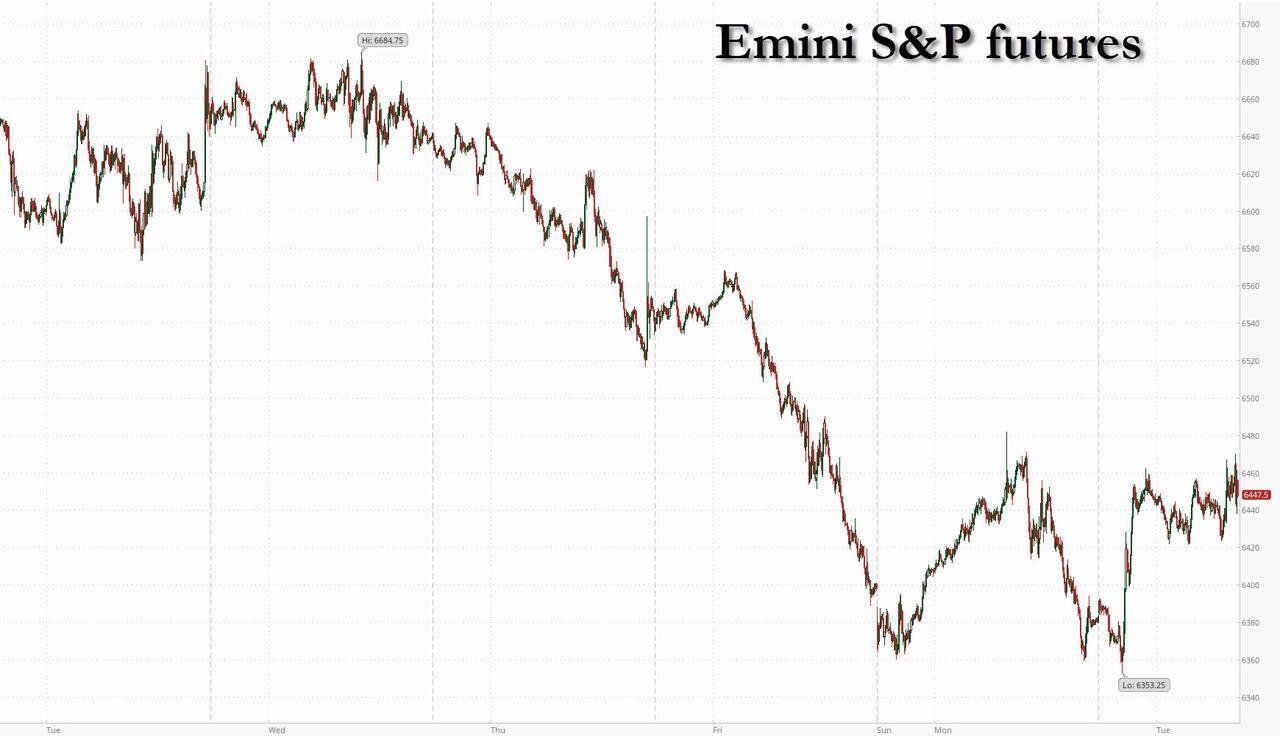
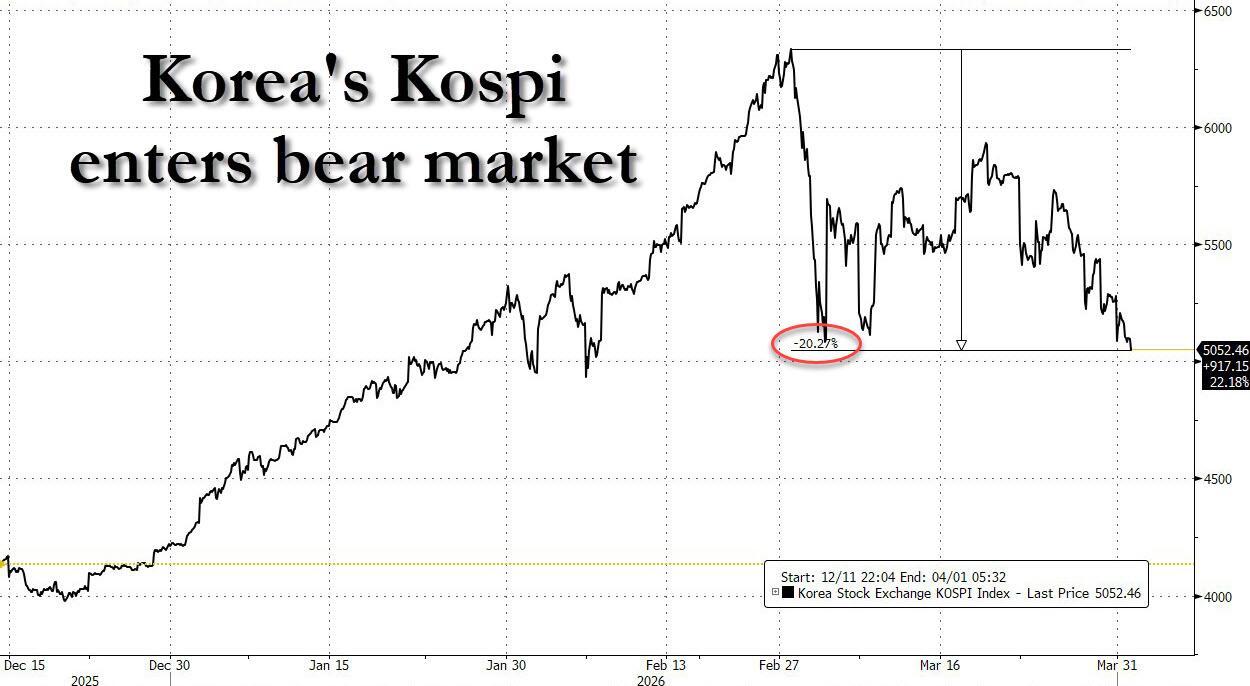

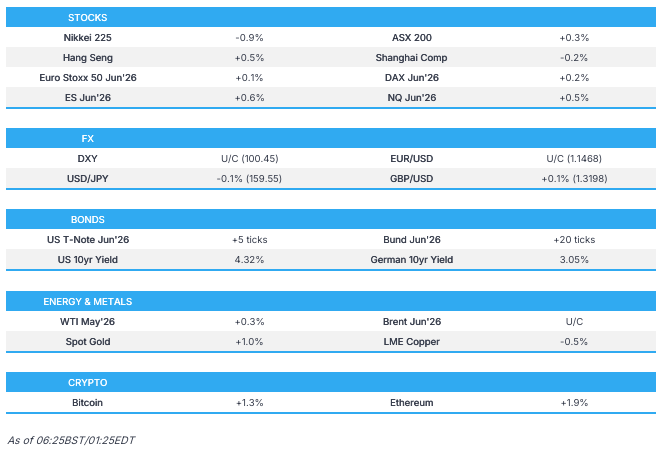

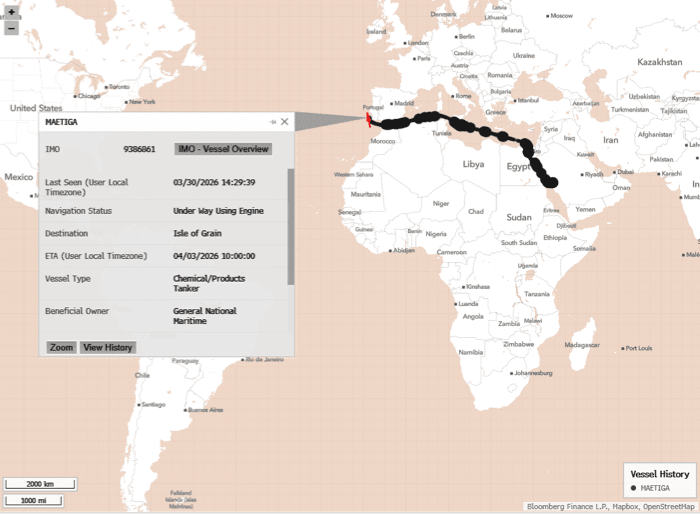
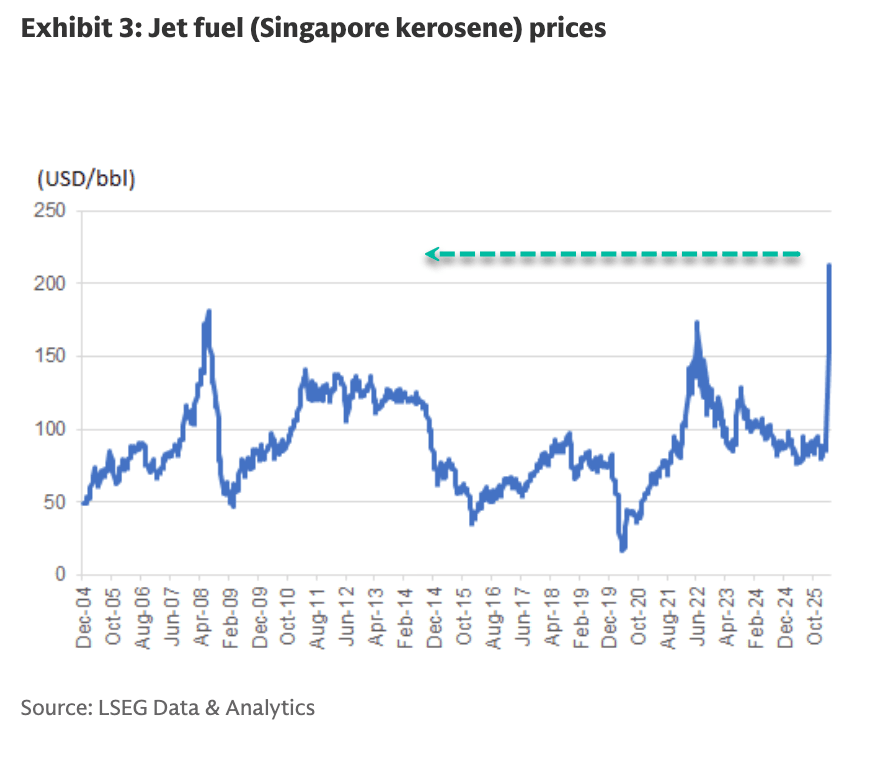




 https://t.co/VDX9LhF1lu” / X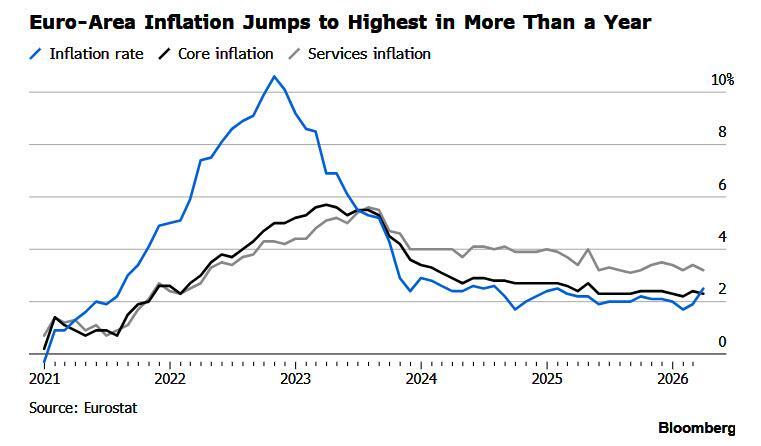
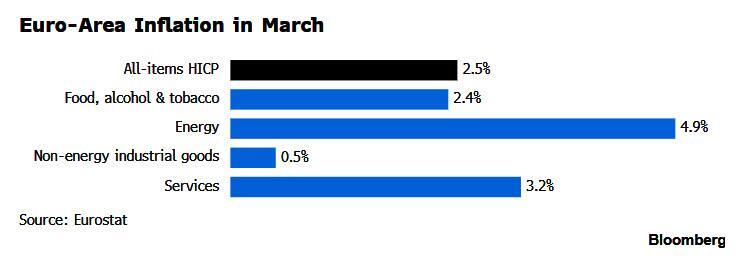
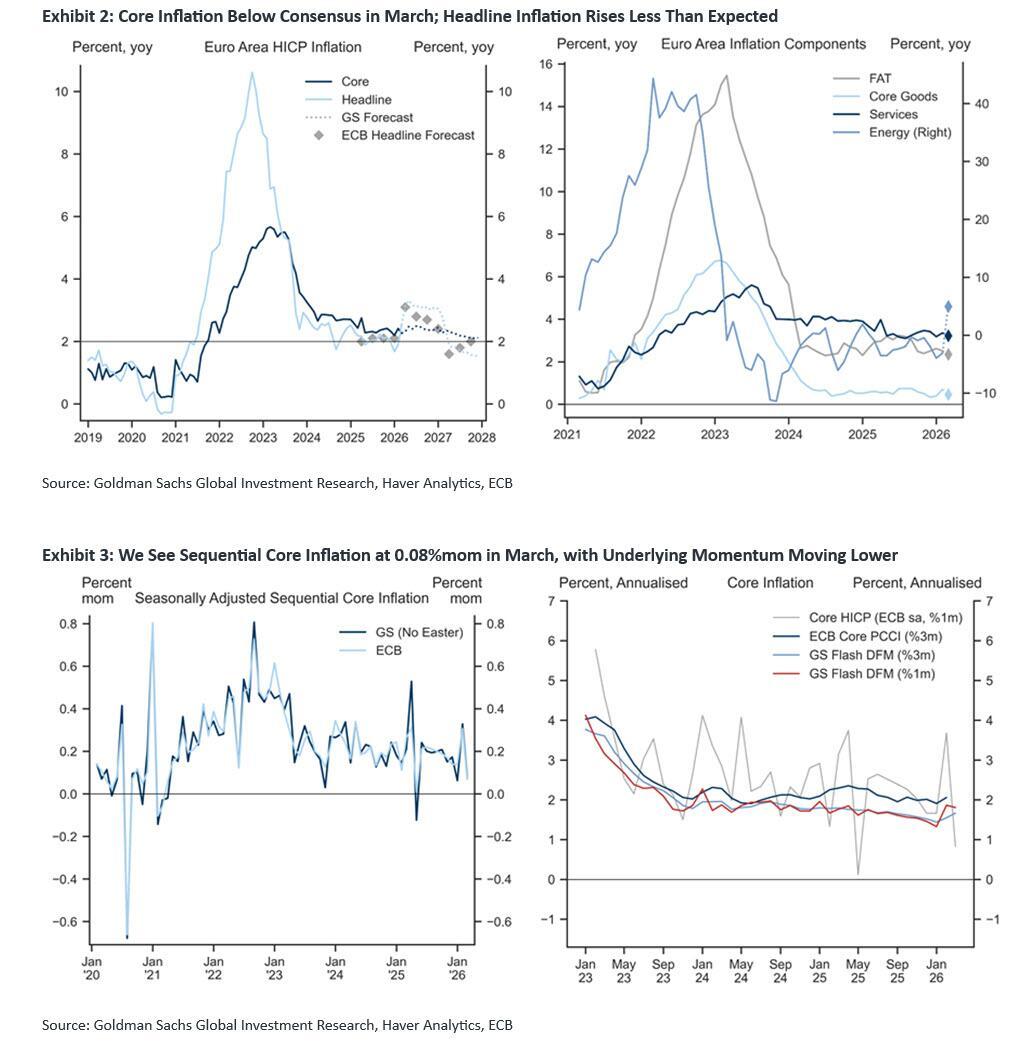
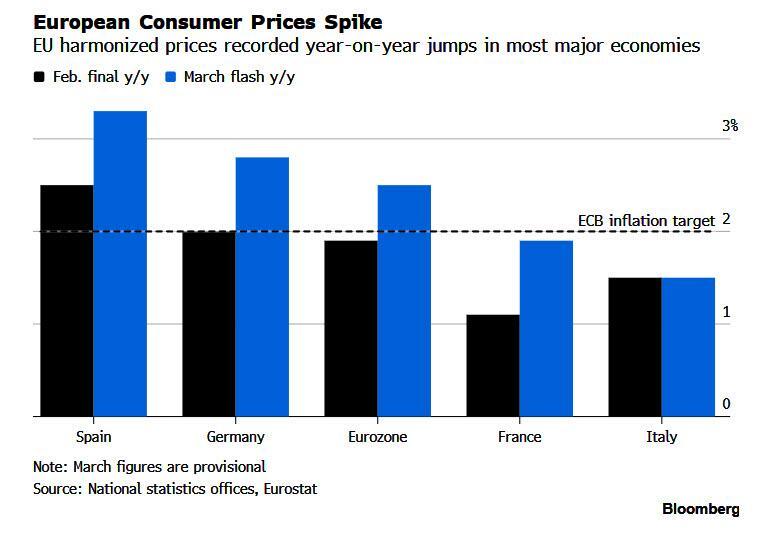

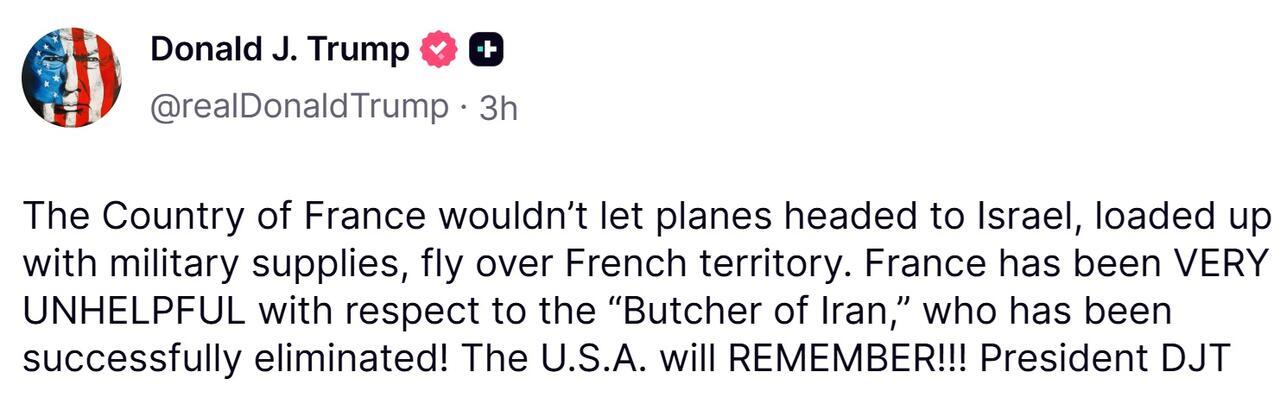
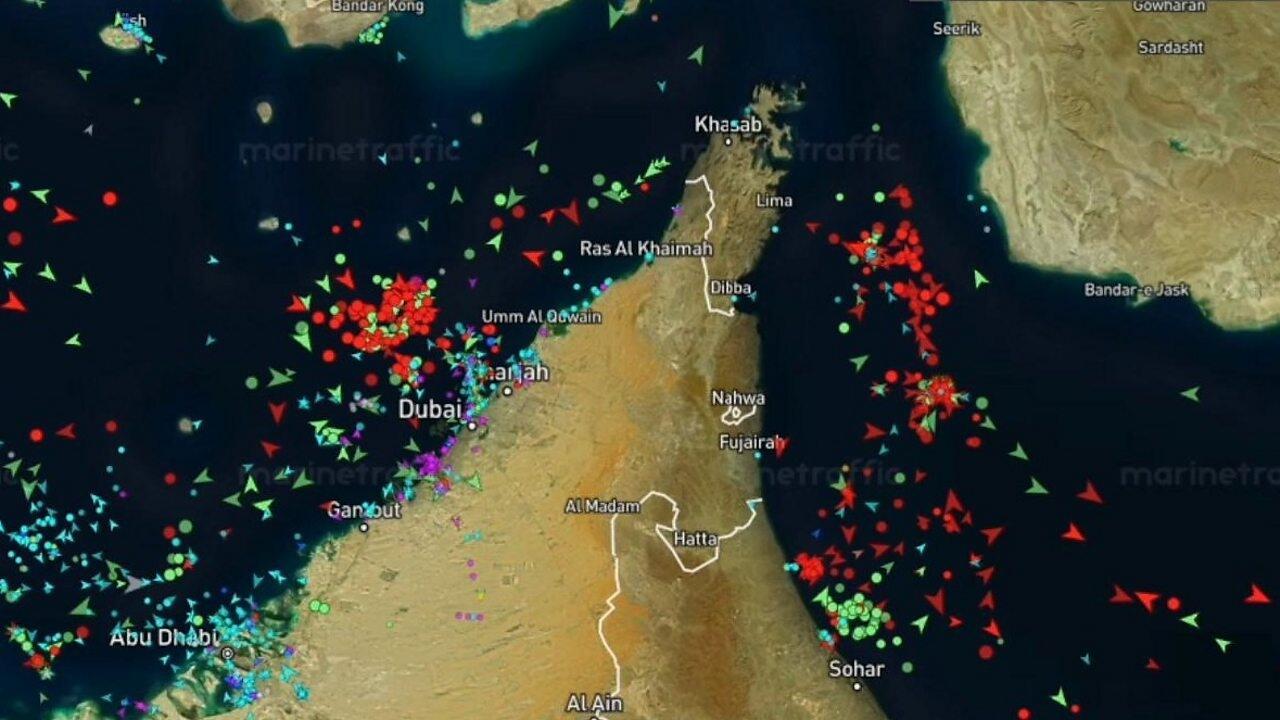
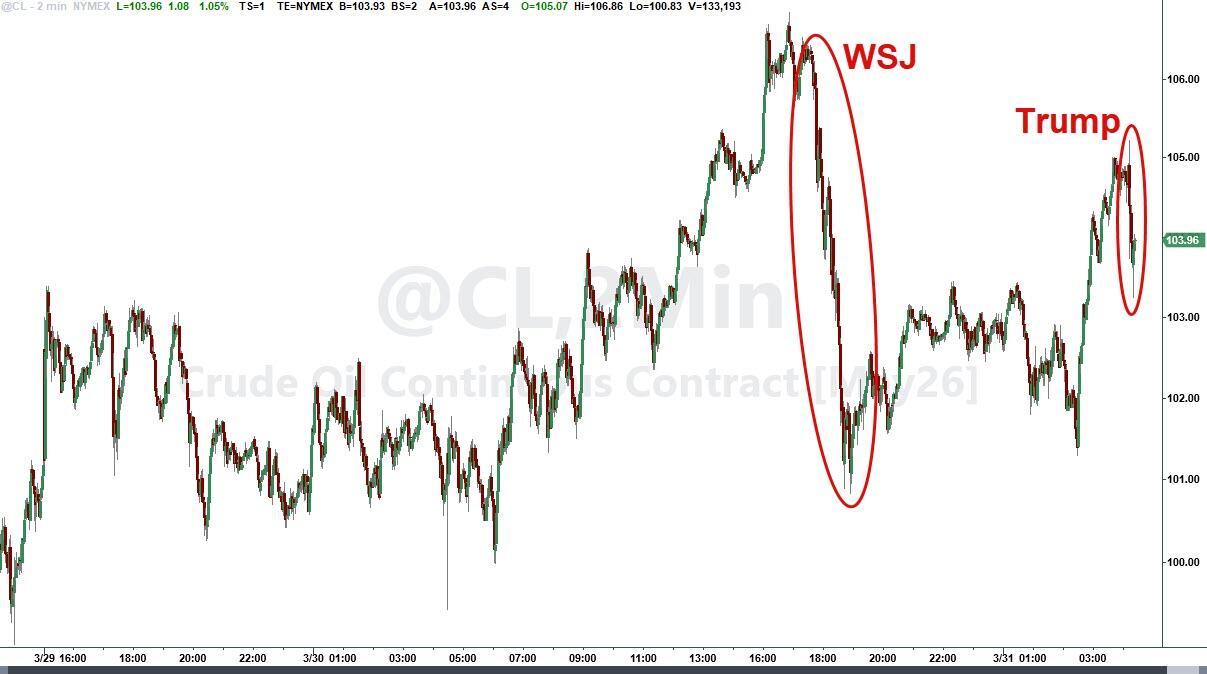
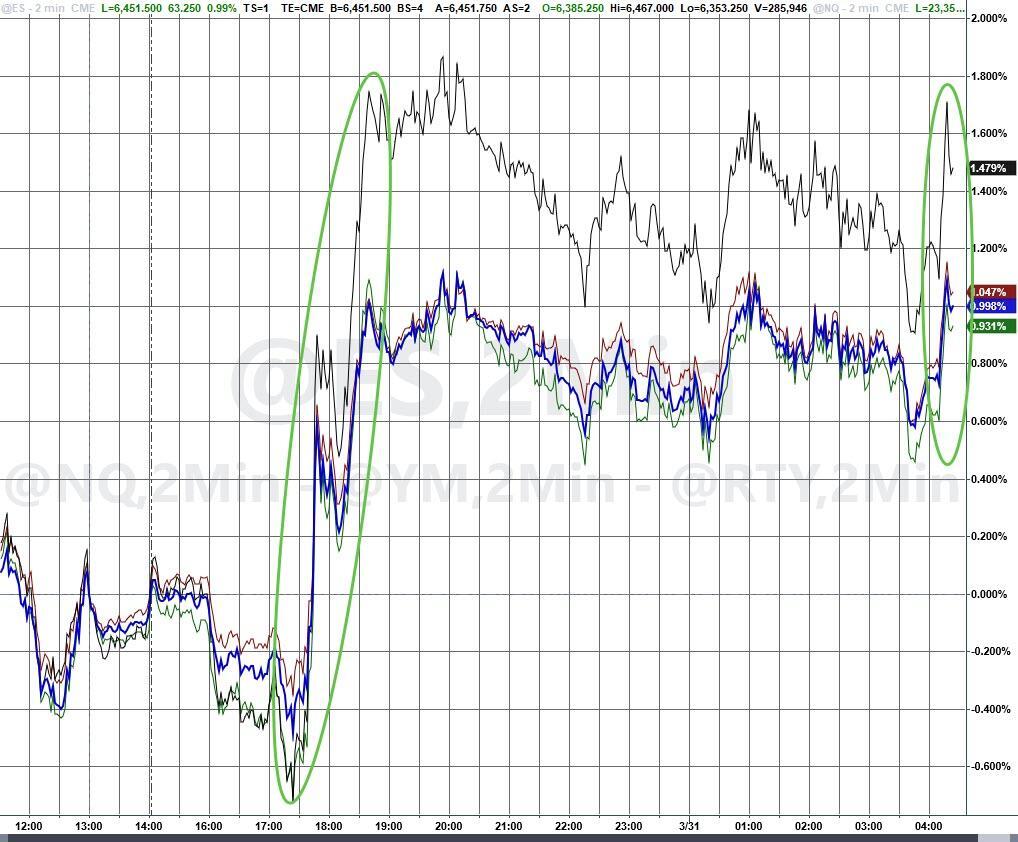


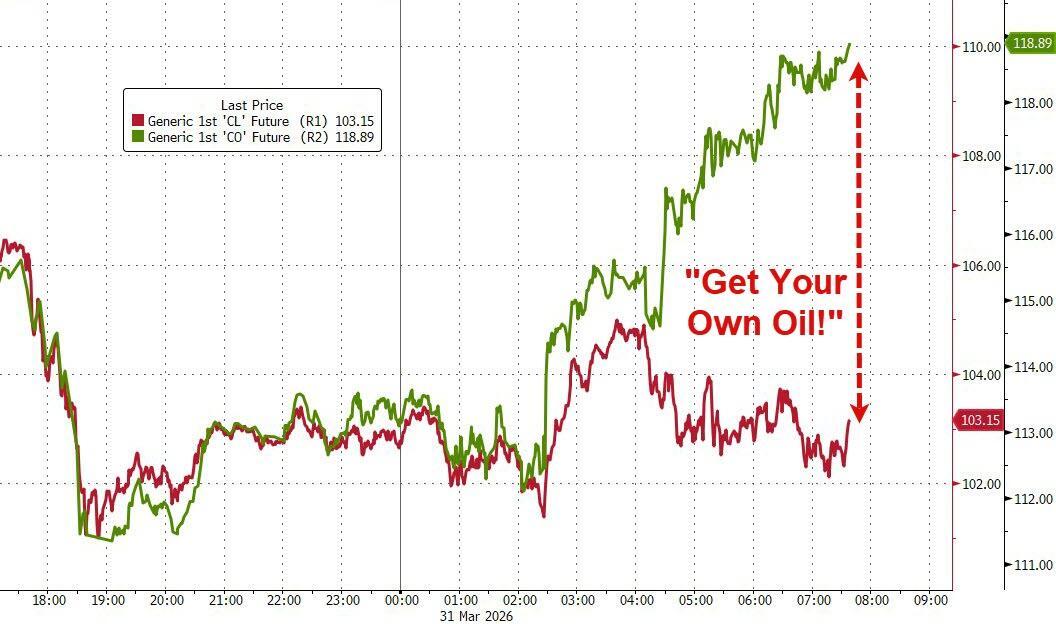
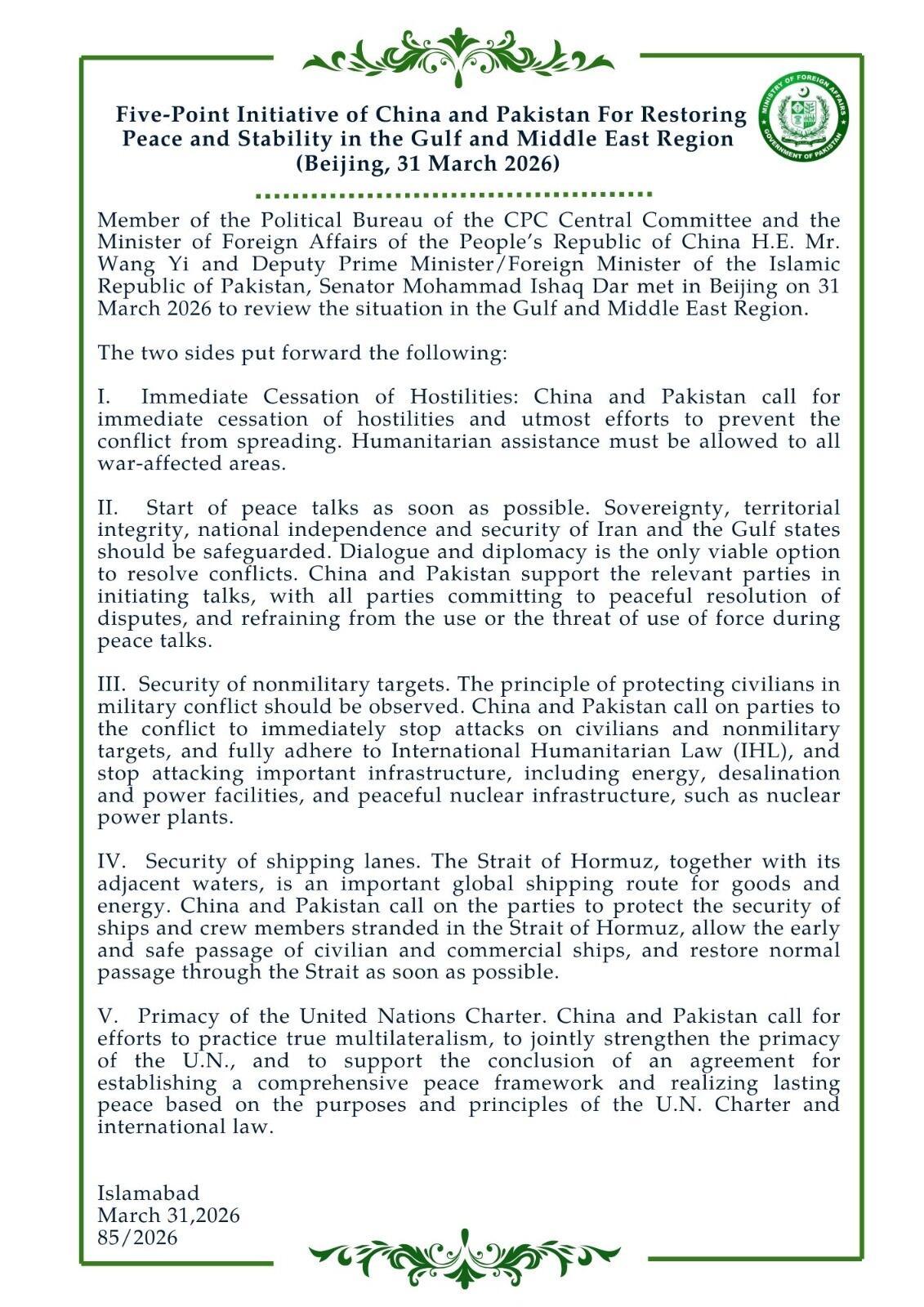

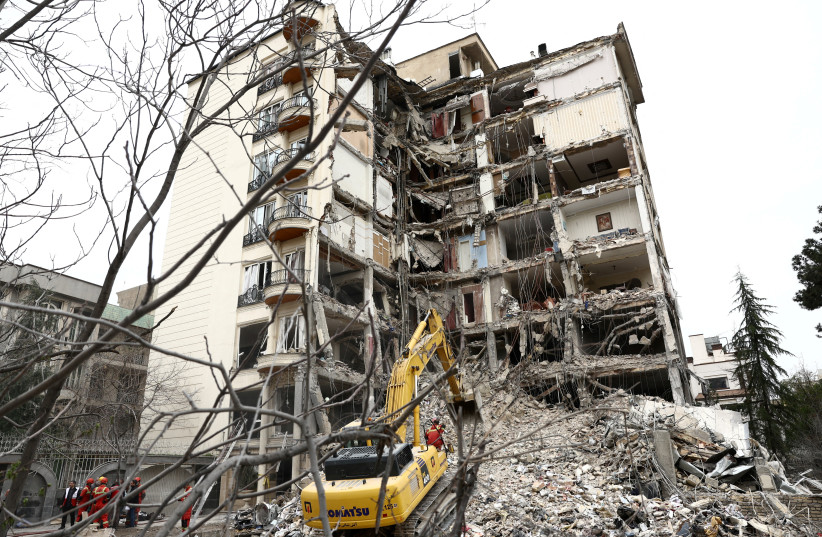
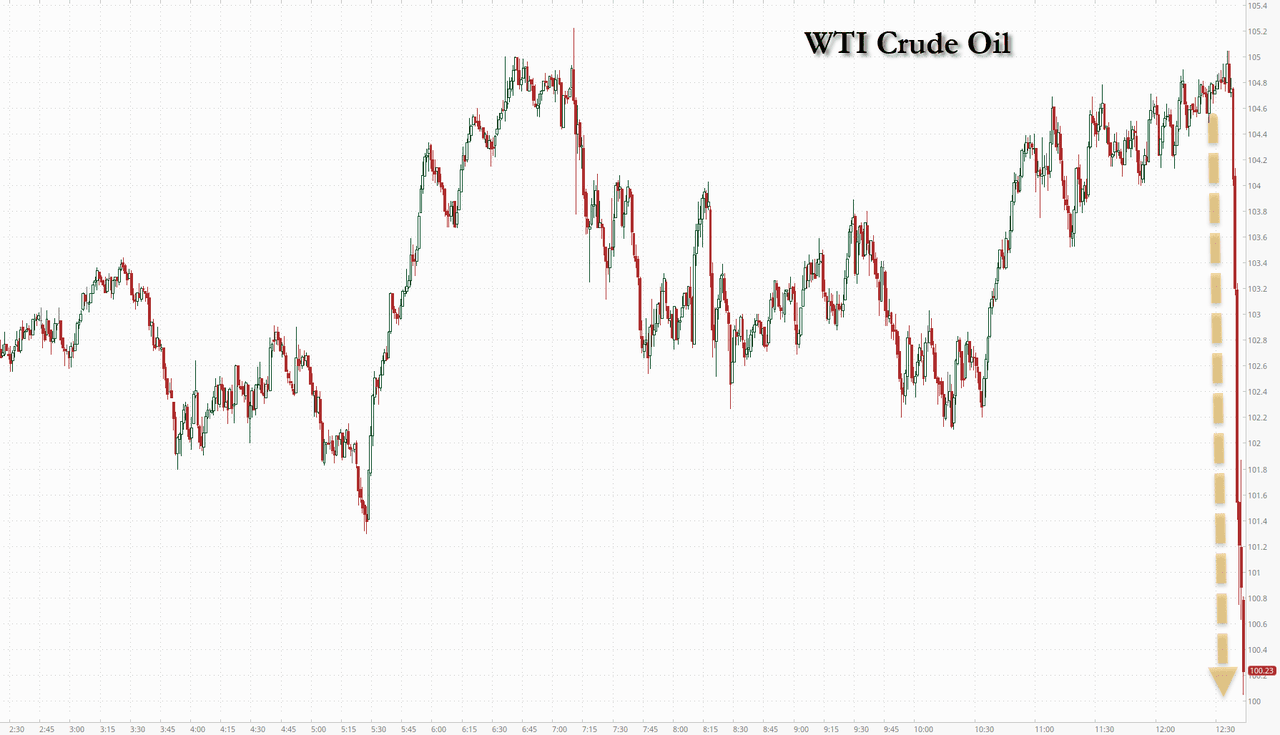
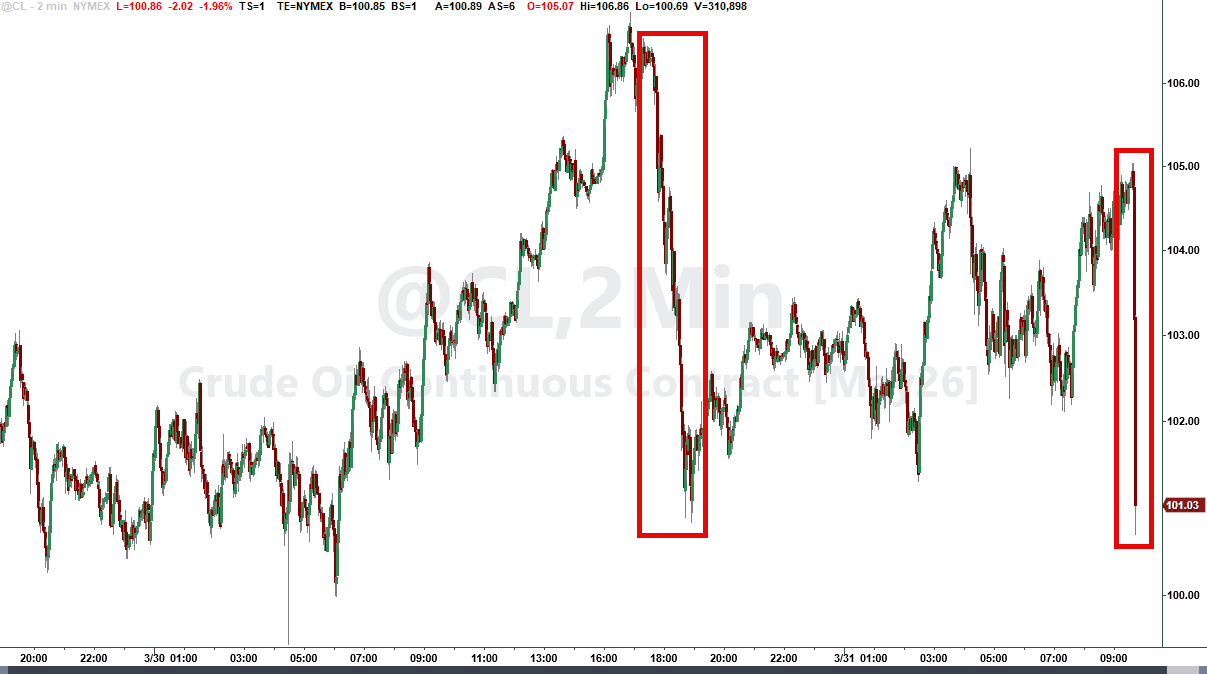




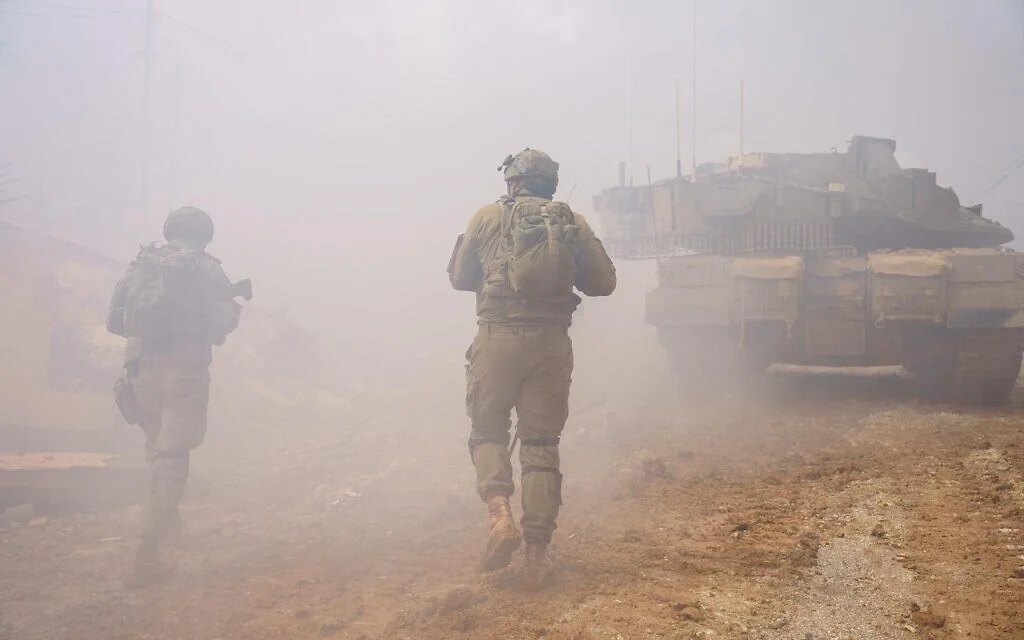
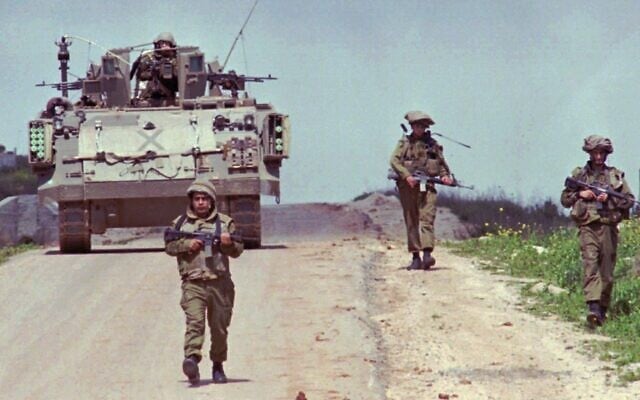









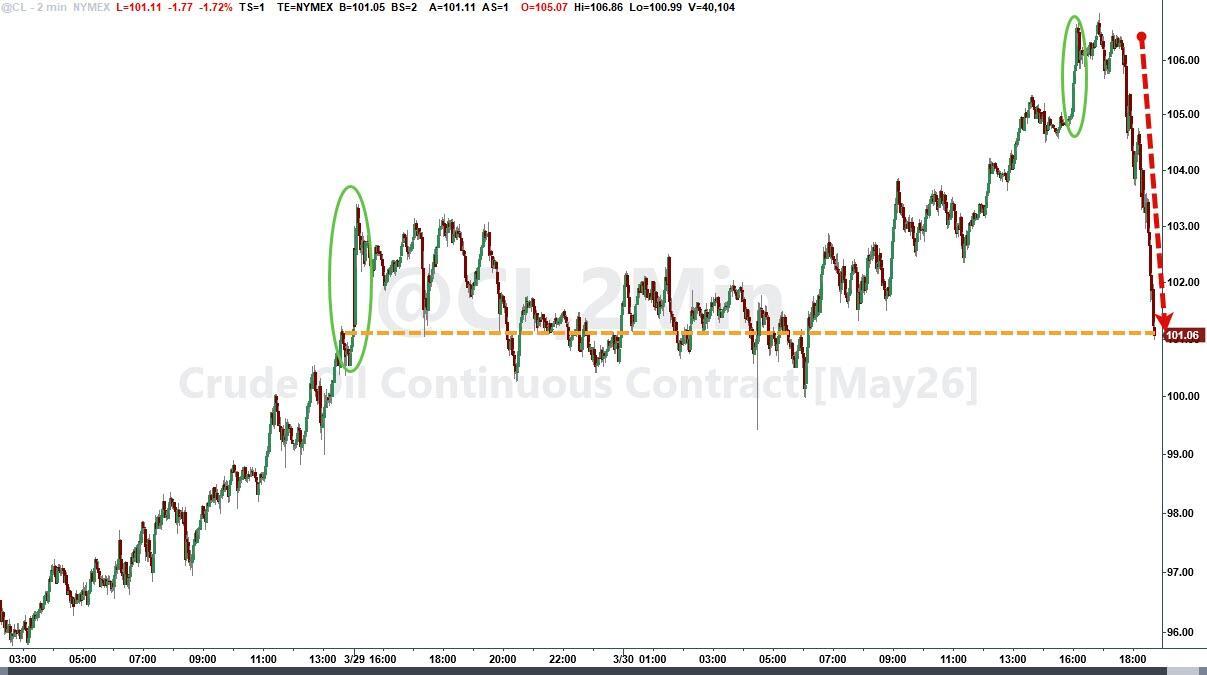
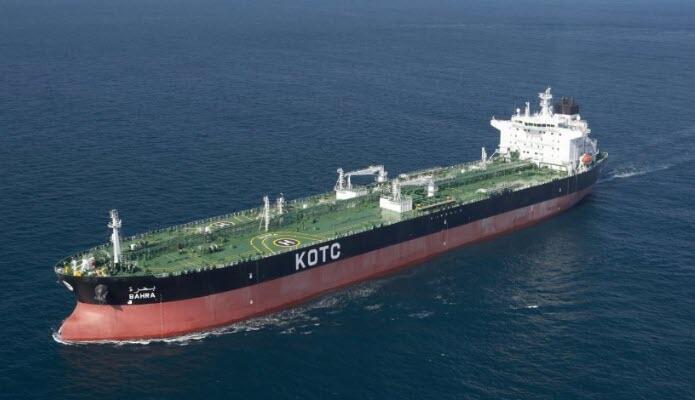
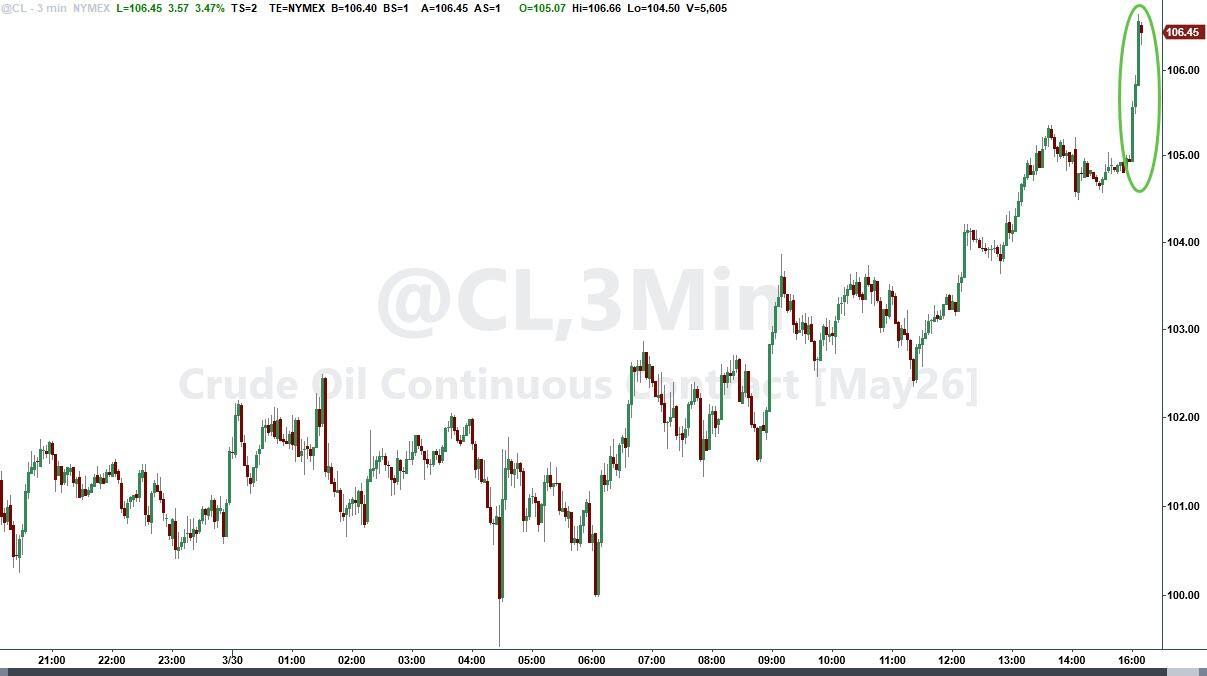
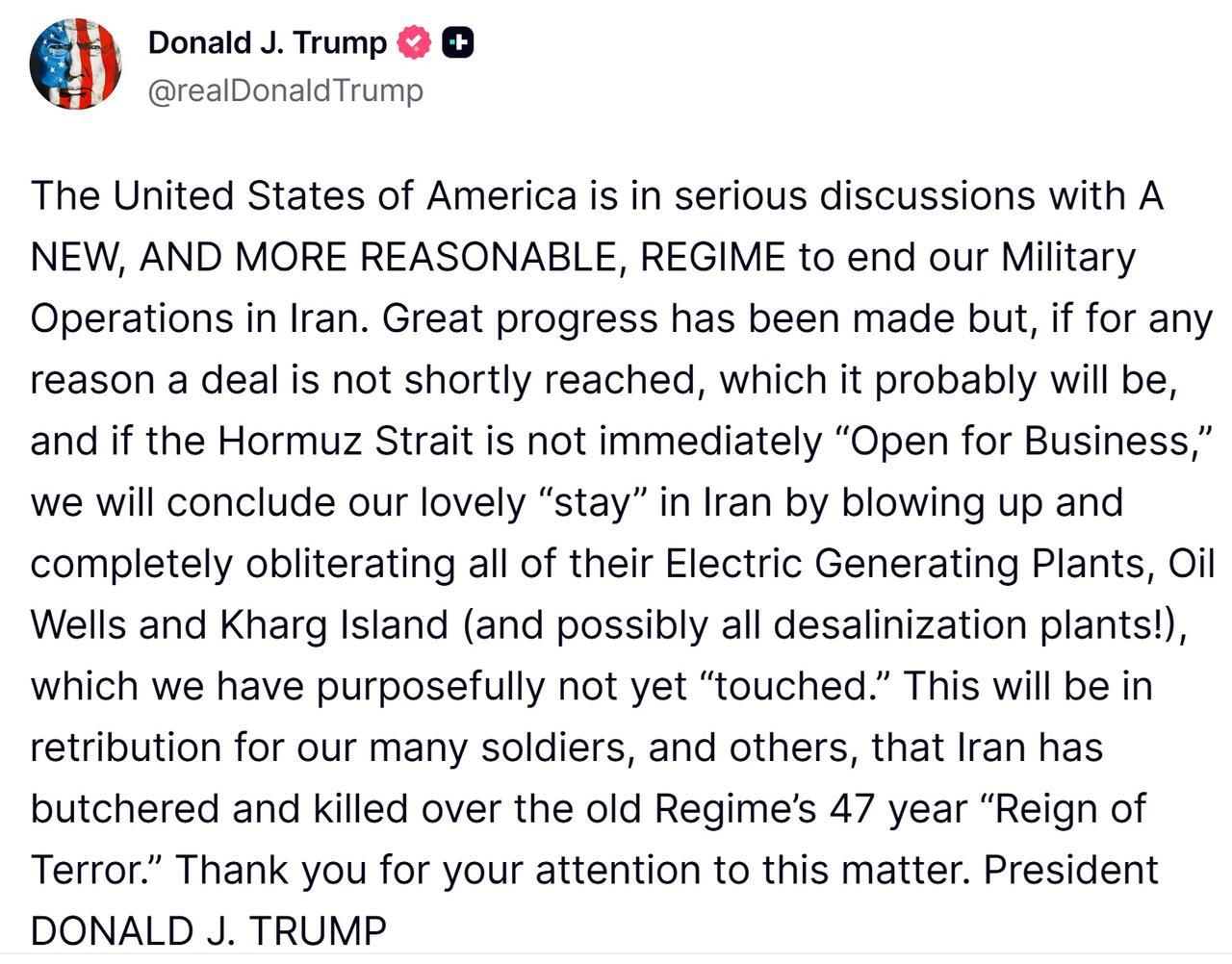

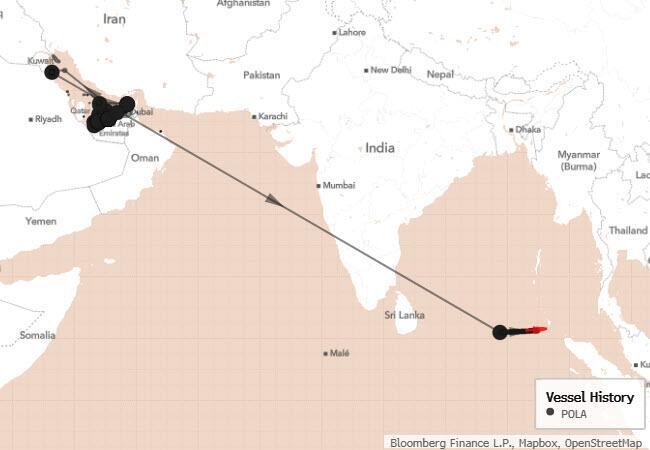
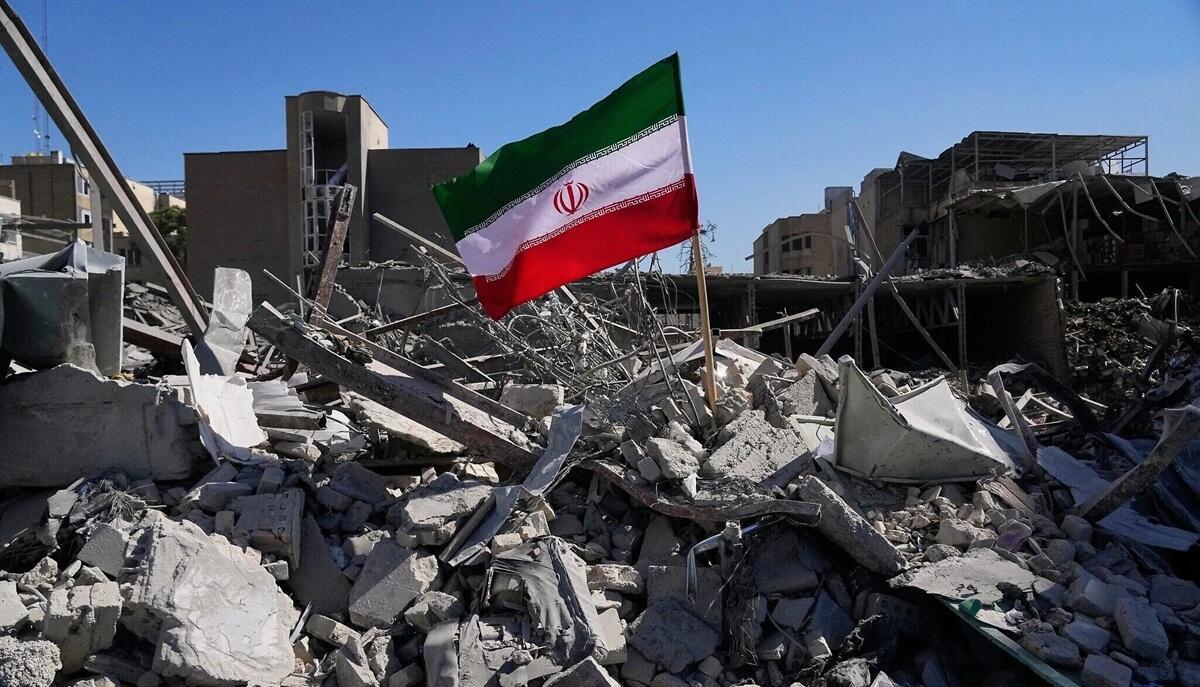
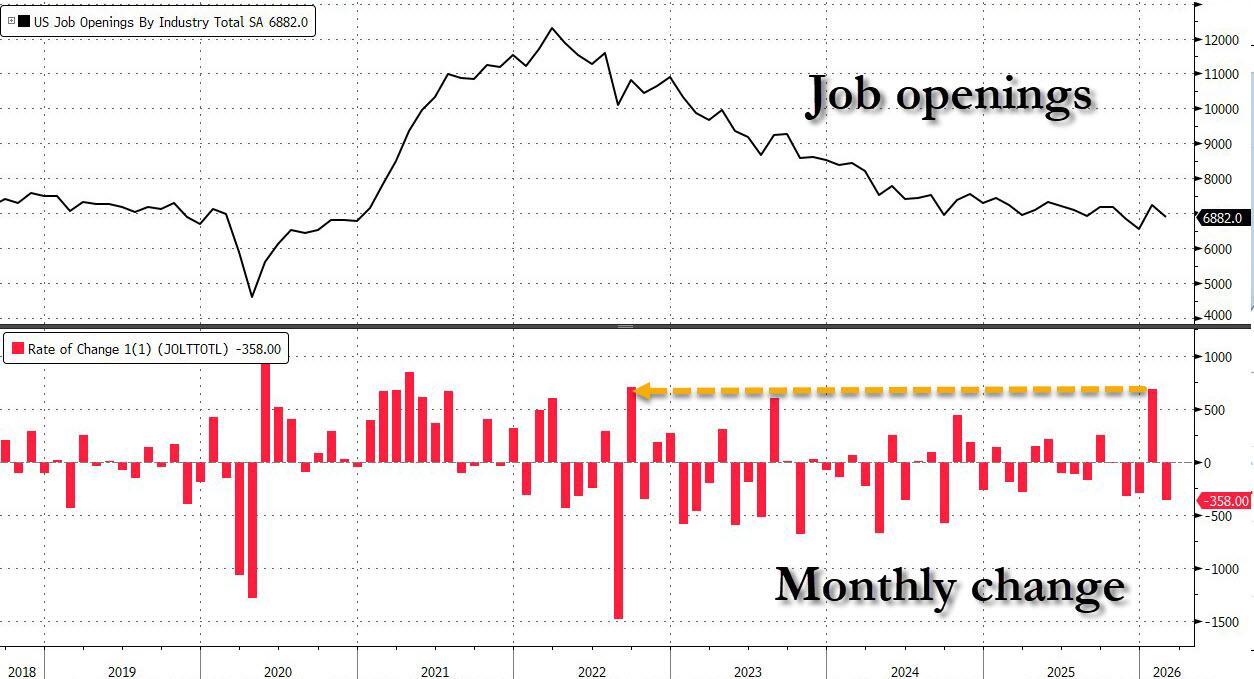
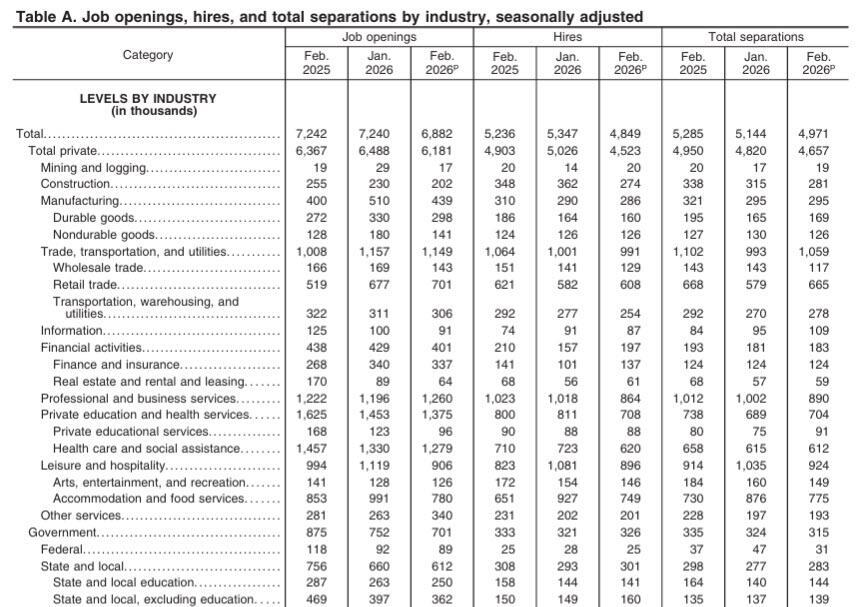
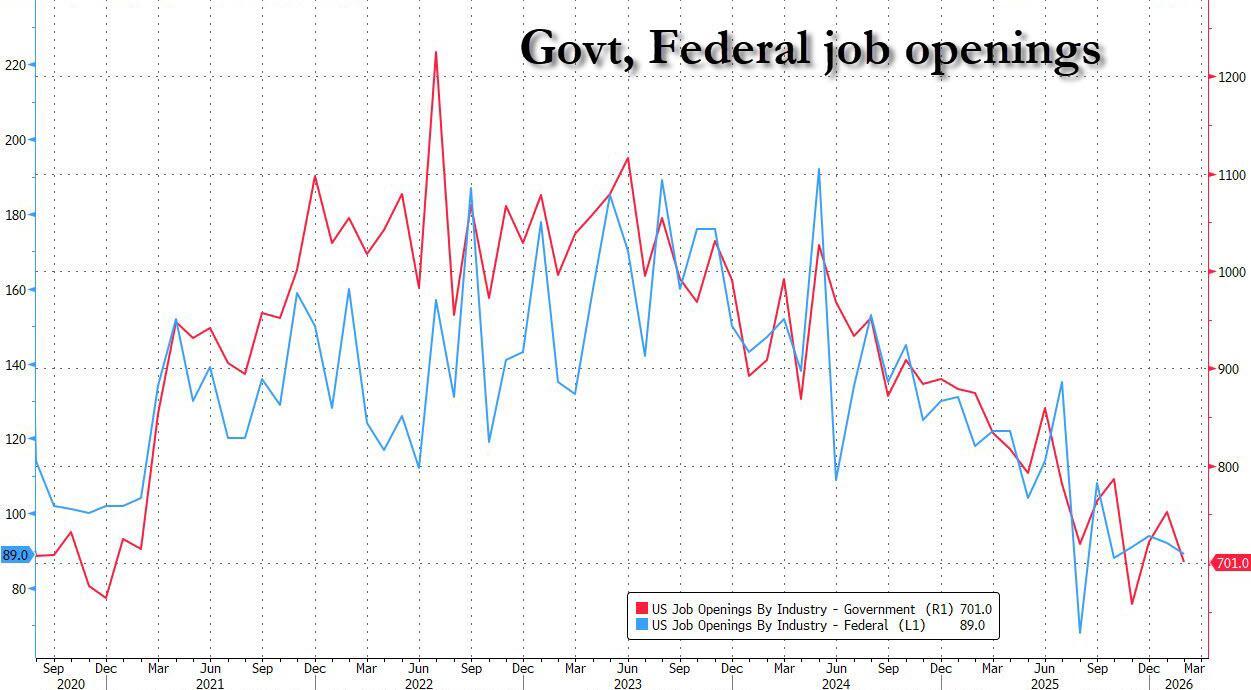
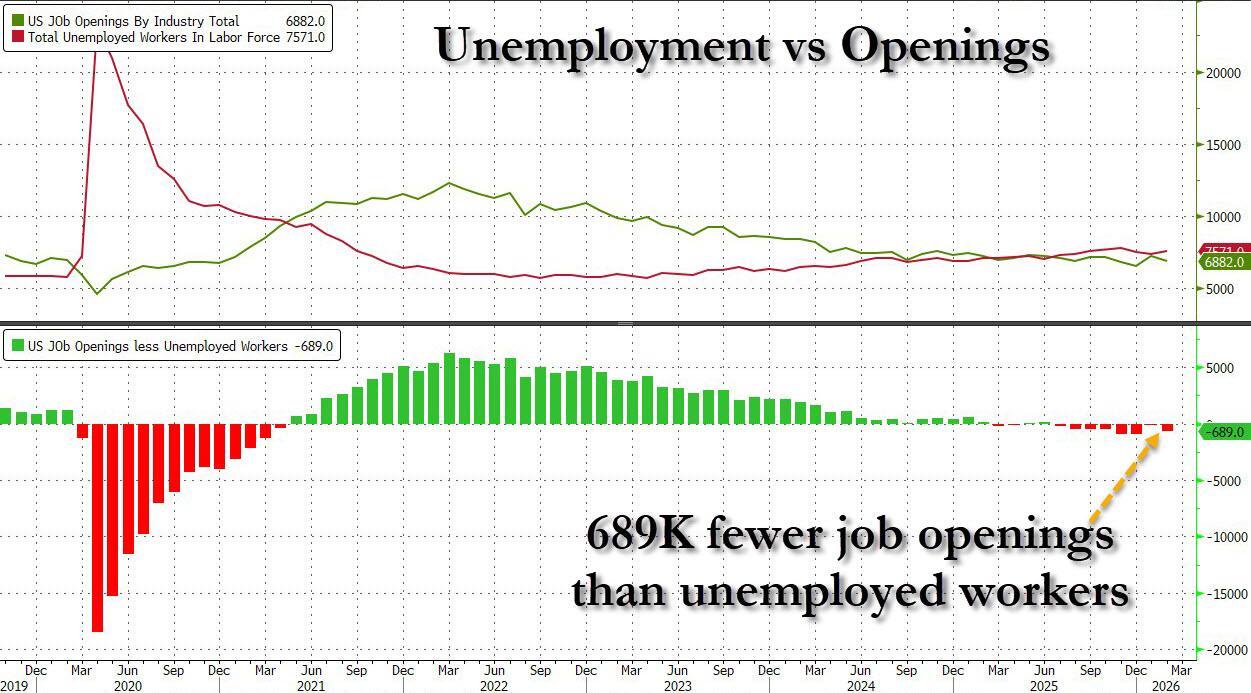
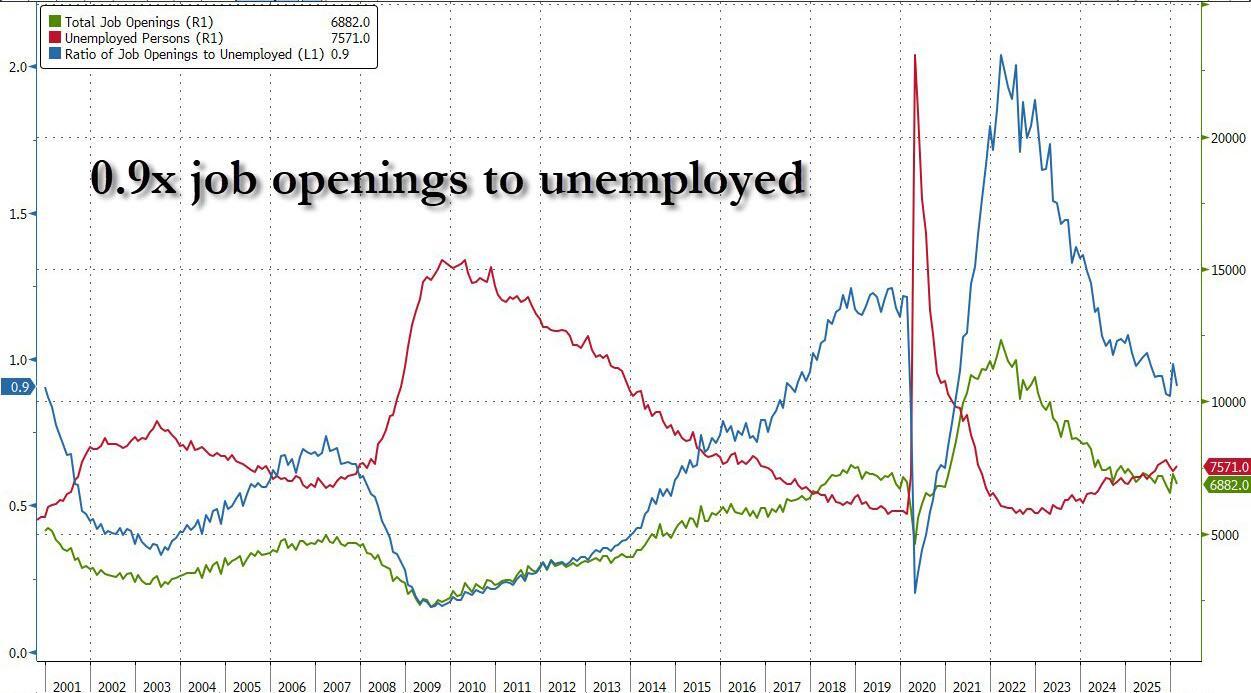
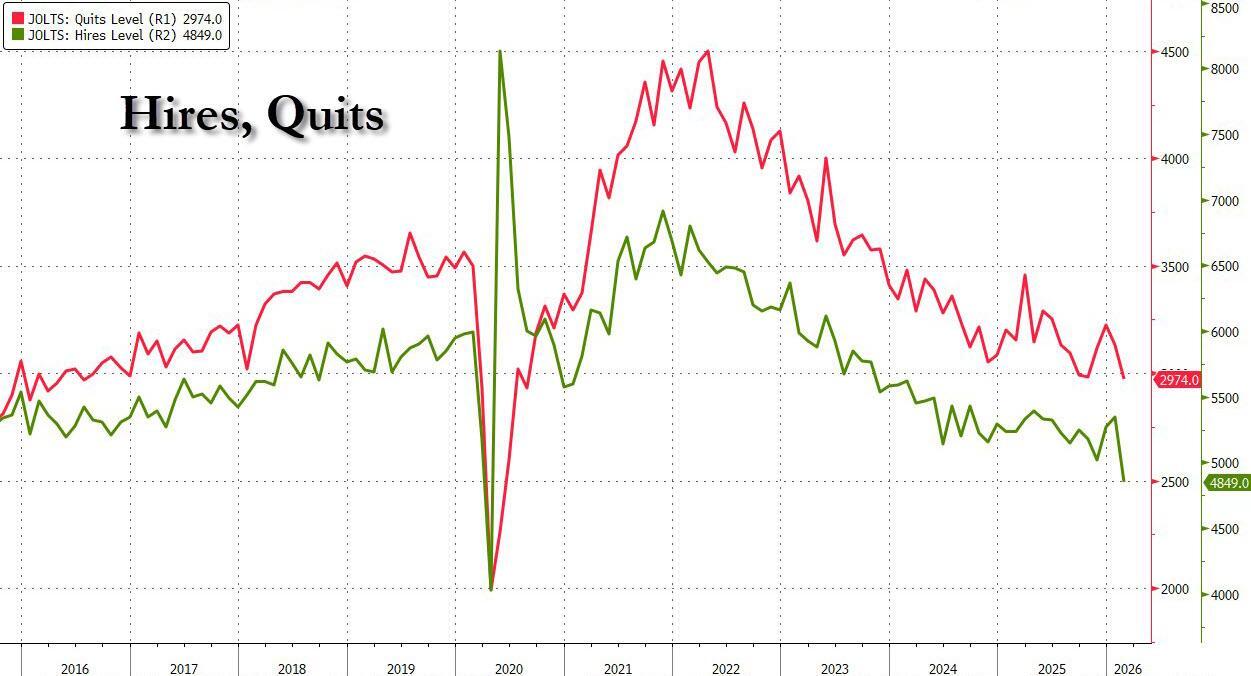
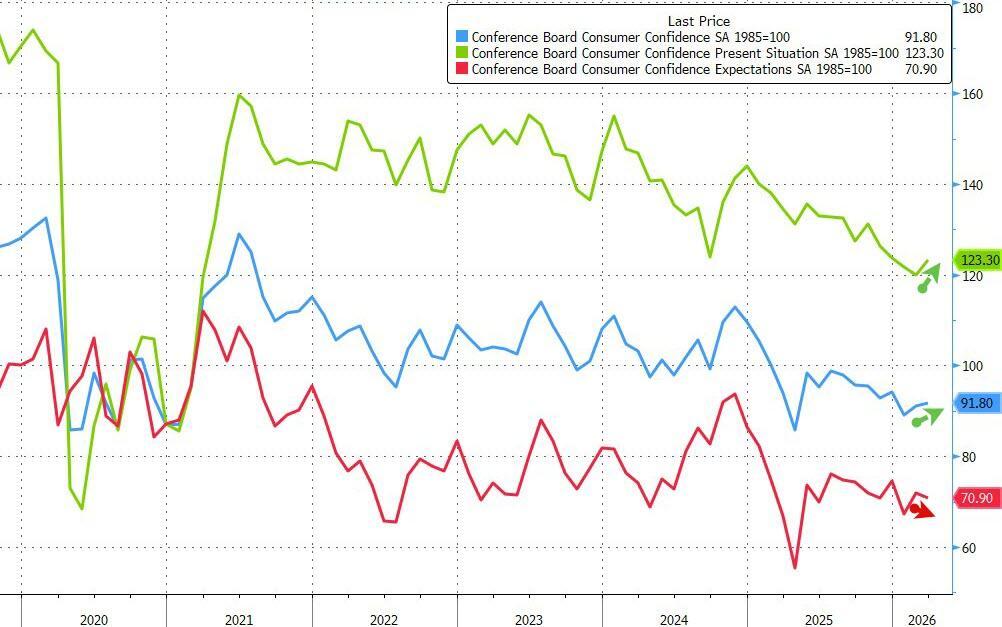
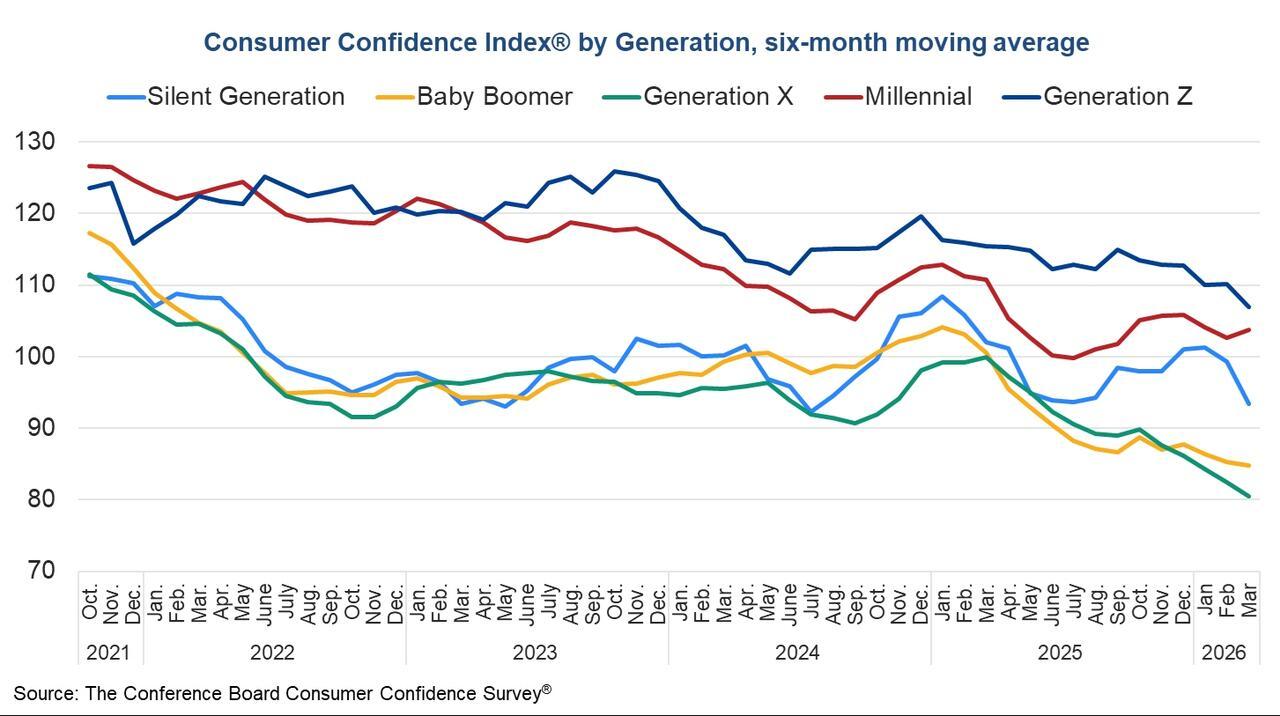
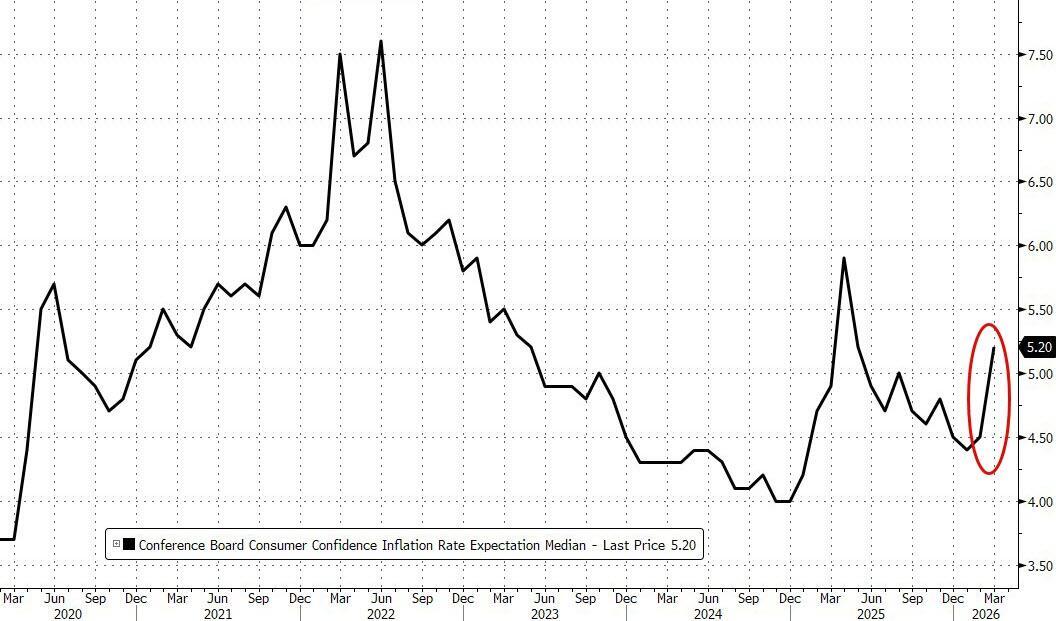
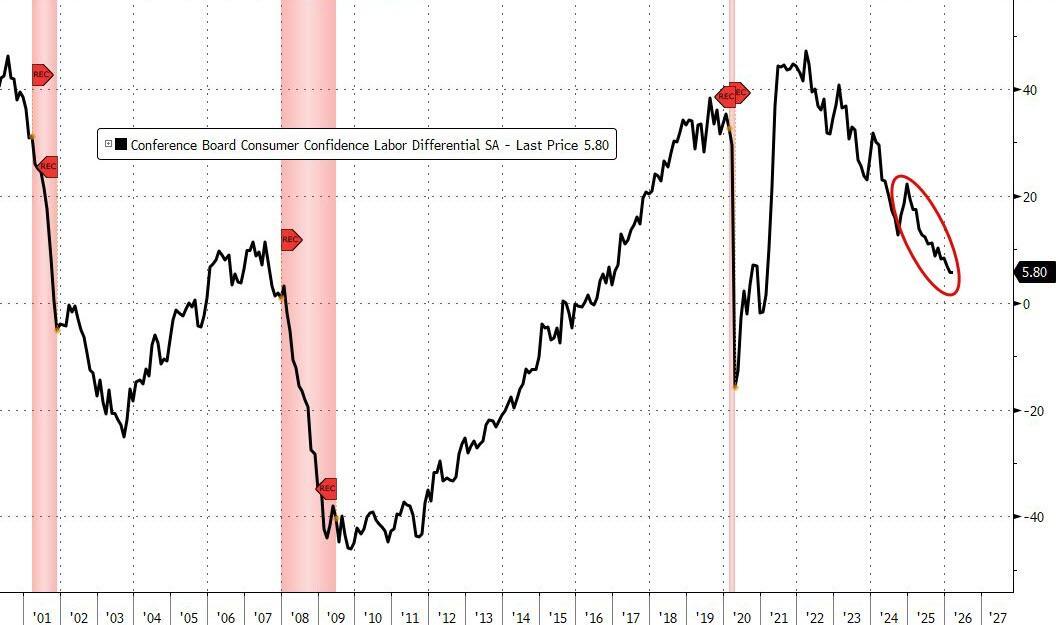

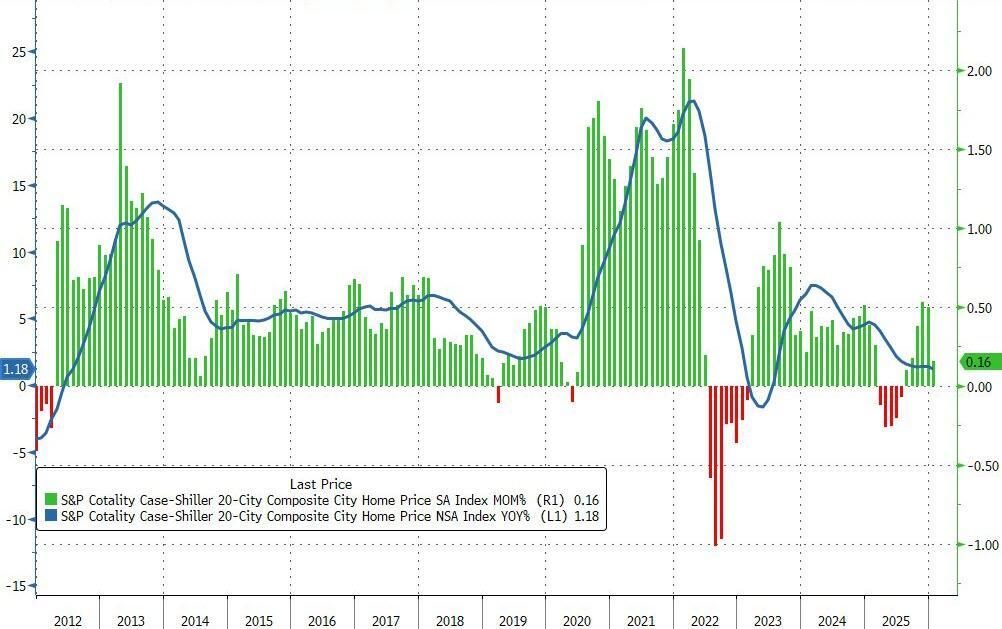
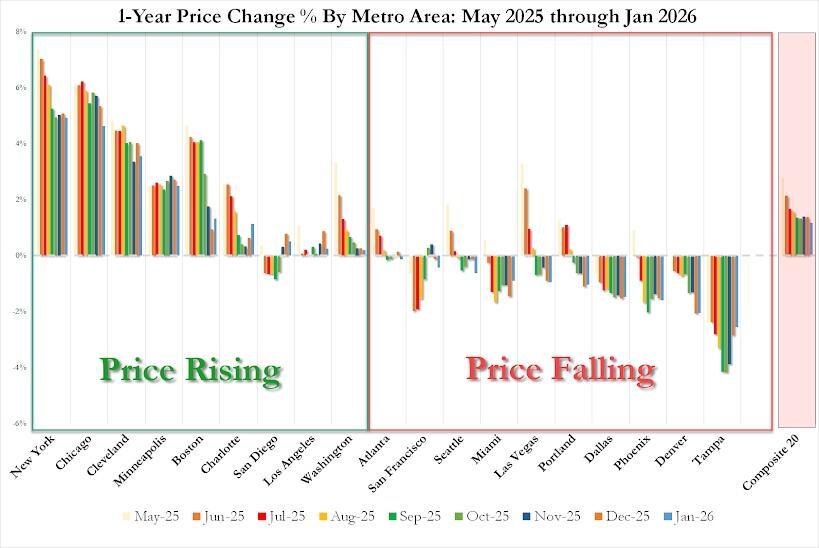
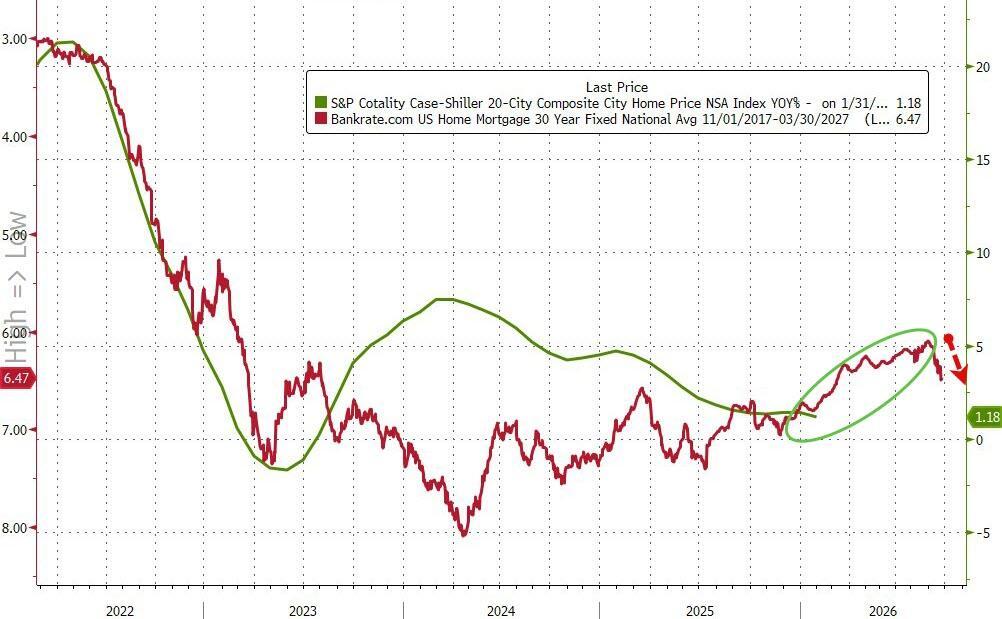
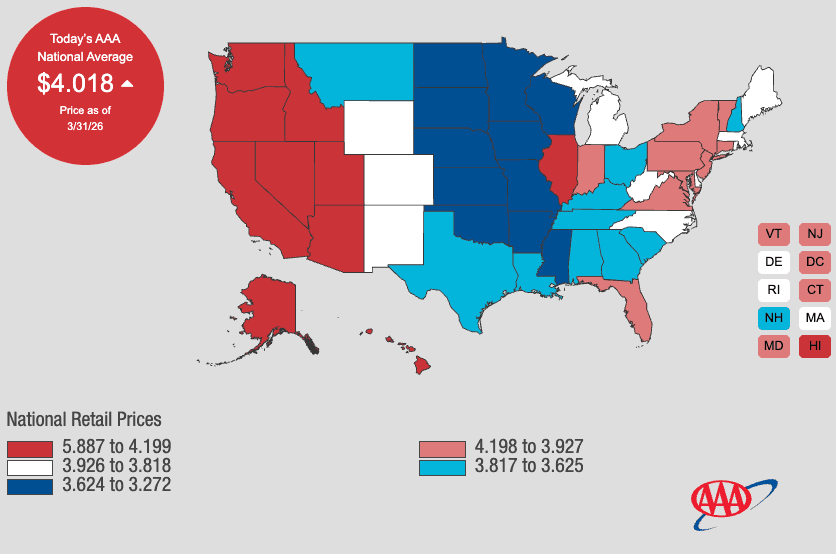
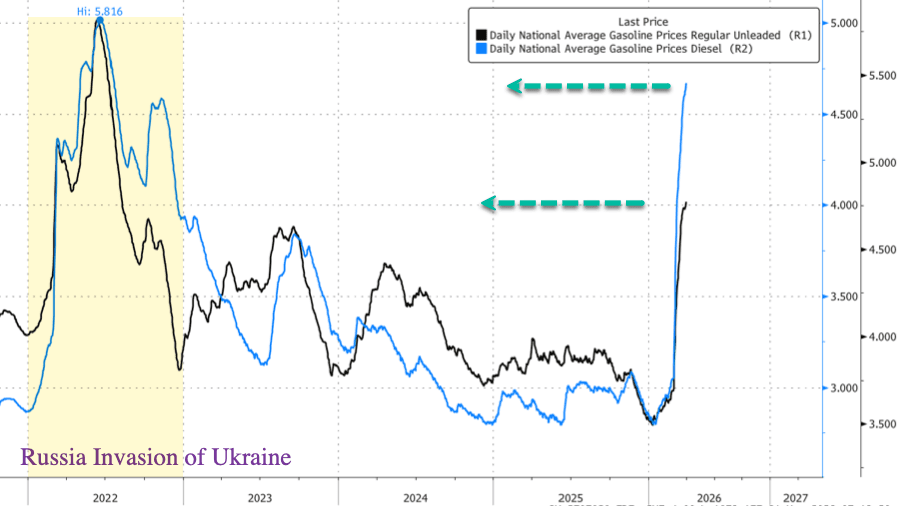
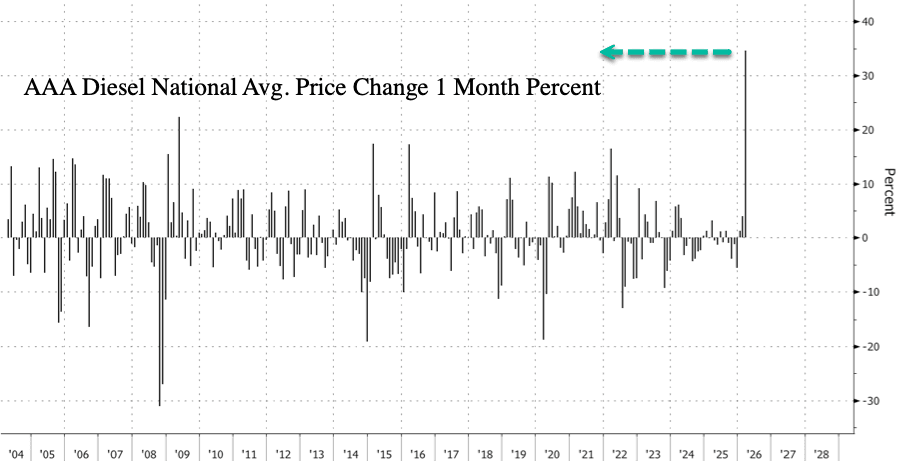
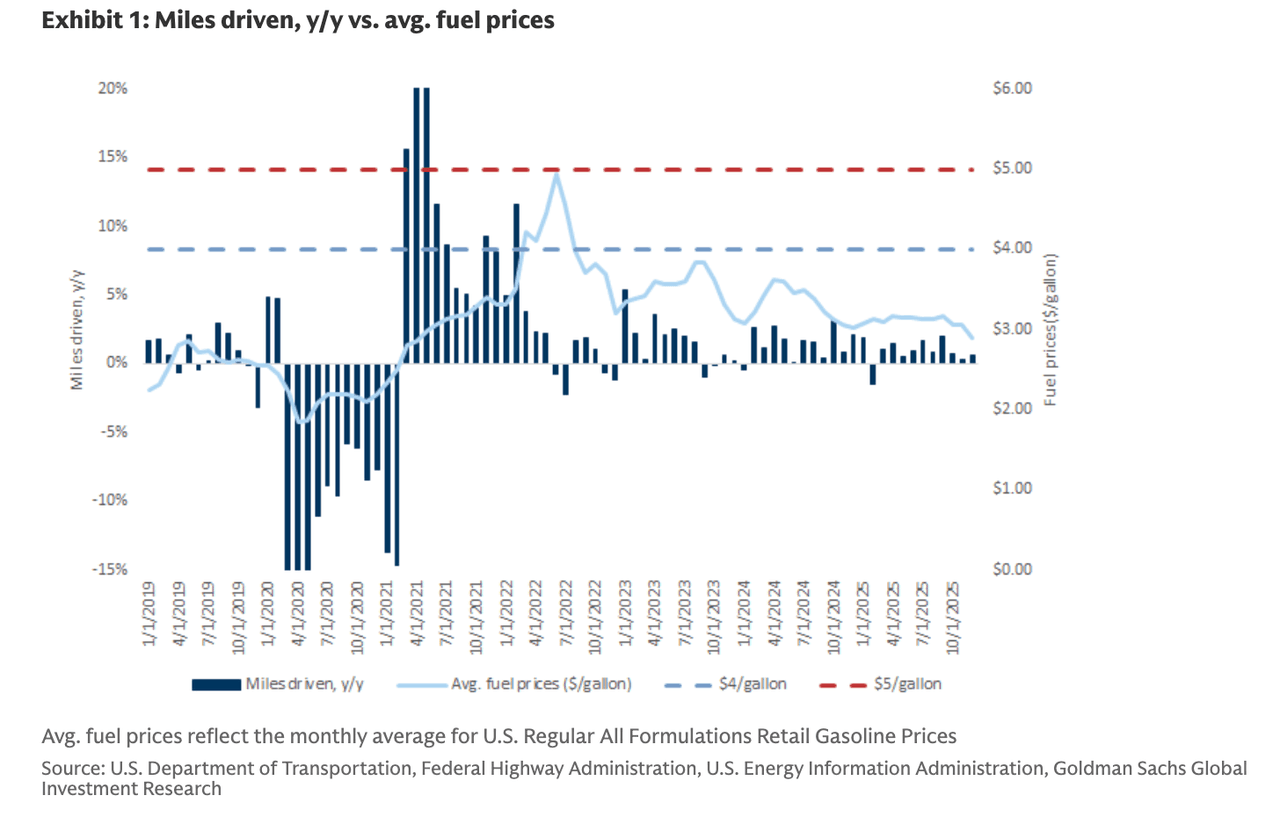
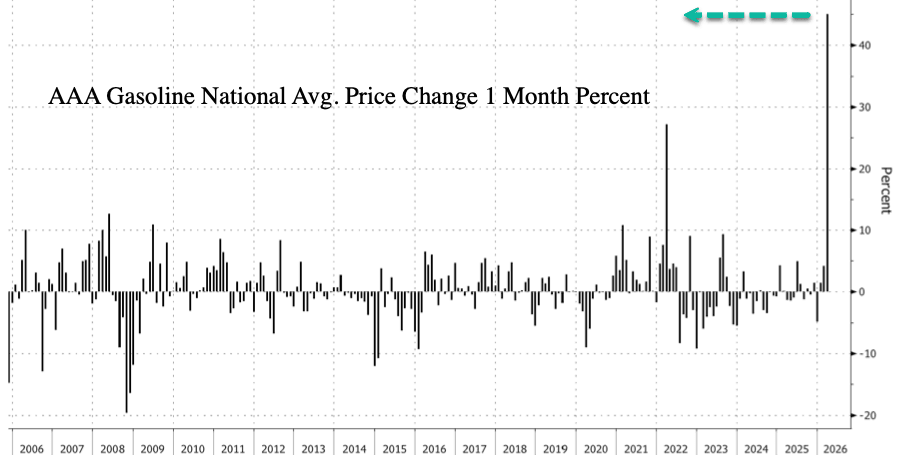
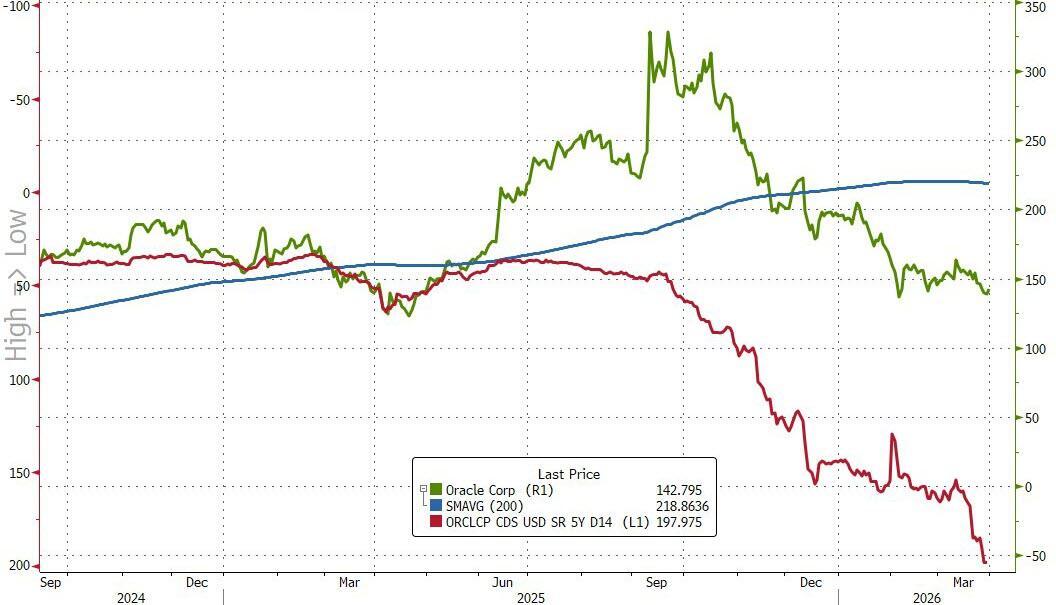
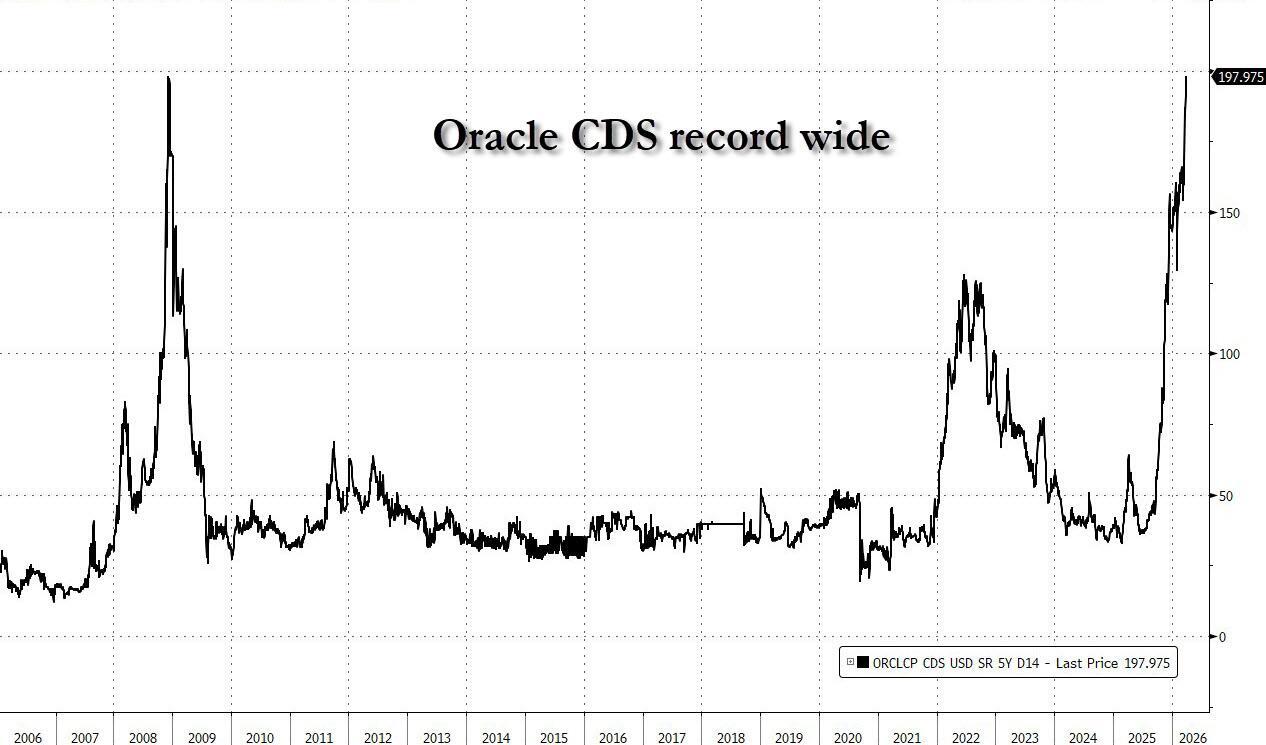
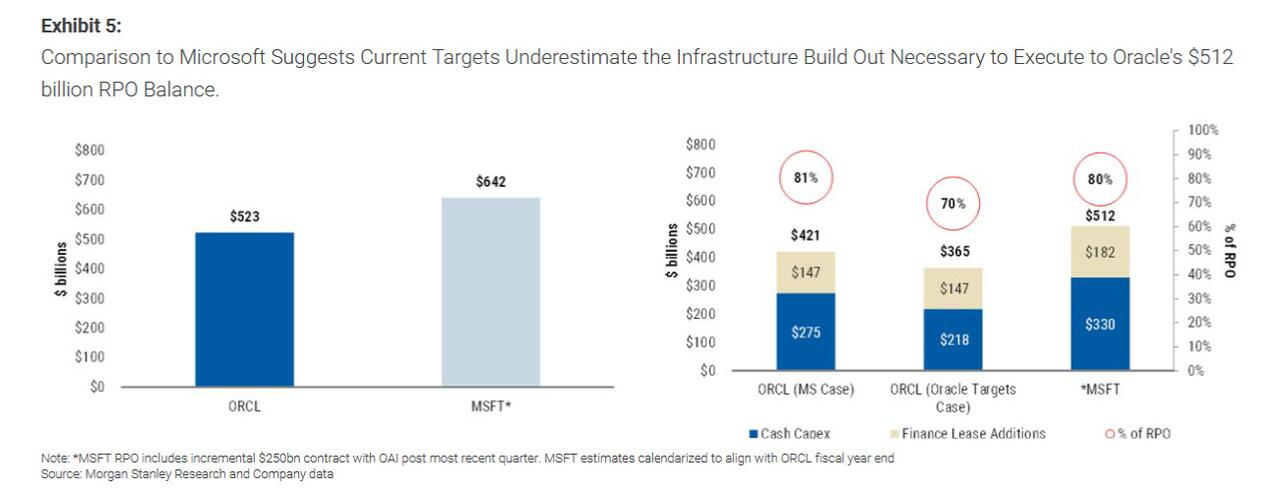

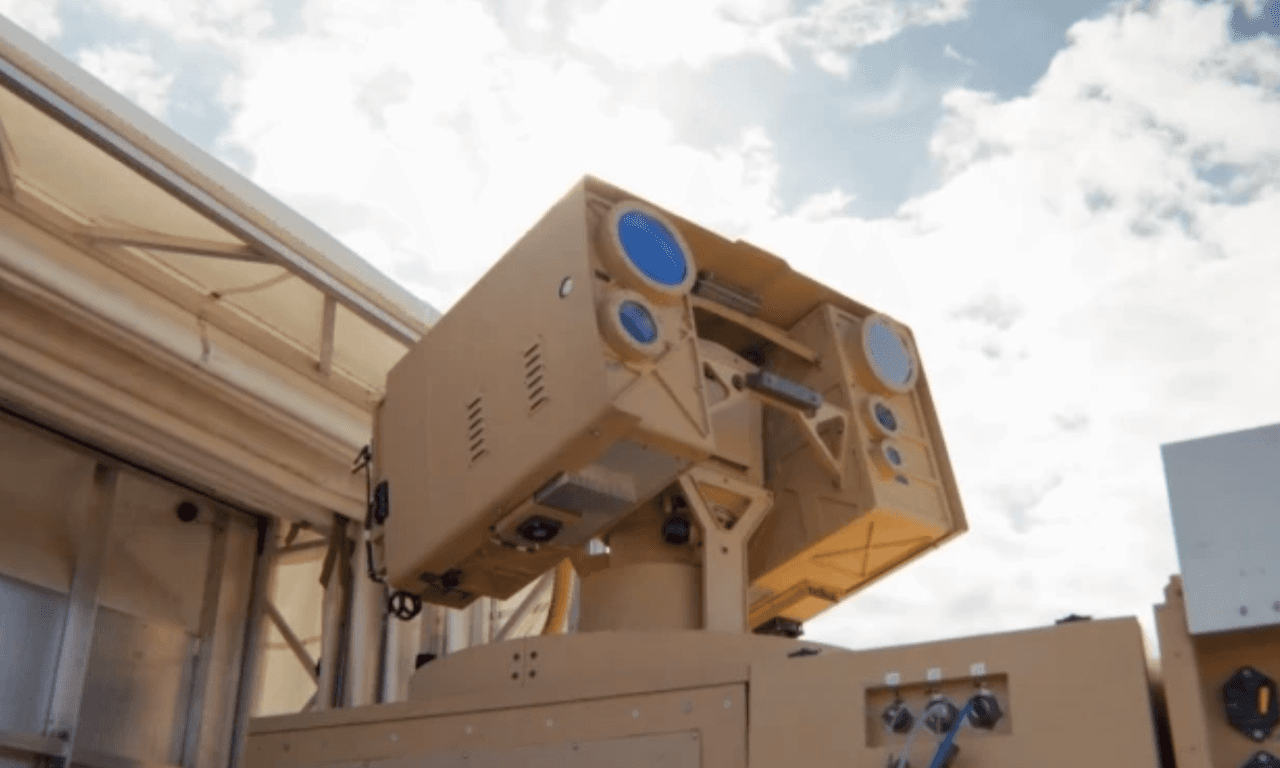


 harveyorganblog.com