APRIL 2//WILD TODAY ON THE PRECIOUS METALS MARKET TODAY: GOLD CLOSED DOWN $132.75 TO $4651.60//SILVER WAS DOWN $3.51 TO $72.43//PLATINUM WAS DOWN ONLY $1.60 TO $1987.85 WITH PALLADIUM UP $11.20 TO $1510.00//MAJOR DEVELOPMENTS WERE THE TRUMP SPEECH ON IRAN: MAJOR UPDATES ON ISRAEL/USA VS IRAN//RUSSIA UPDATES RE THEIR PERSONELLE INSIDE IRAN//INDIA UNVEILS ITS NEW KAMIKAZEE DRONE//USA DATA RELEASES/USA ECONOMIC REPORTS/SWAMP STORIES FOR YOU TONIGHT///
092 C DEUTSCHE BANK 58 099 H DEUTSCHE BANK AG 43 118 C MACQUARIE FUTURES US 17 118 H MACQUARIE FUTURES US 41 323 H HSBC 60 332 H STANDARD CHARTERED B 119 363 H WELLS FARGO SECURITI 600 365 C MAREX CAPITAL MARKET 4 435 H SCOTIA CAPITAL (USA) 1 555 C BNP PARIBAS SEC CORP 330 624 H BOFA SECURITIES 18 657 C MORGAN STANLEY 20 661 C JP MORGAN SECURITIES 359 103 686 C STONEX FINANCIAL INC 2 709 C BARCLAYS 187 732 C RBC CAP MARKETS 46
TOTAL: 1,004 1,004 MONTH TO DATE: 14,5
JPMORGAN STOPPED 103/1004
APRIL 2
APRIL
GOLD: NUMBER OF NOTICES FILED FOR APRIL/2026: 1004 CONTRACTs NOTICES FOR 100,400 OZ or 3.1278TONNES
total notices so far: 13,503 contracts for 1,350,300 OR 42.0000 tonnes)
FOR APRIL
XXXXXXXXXXXXXXXXXX
SILVER NOTICES: 71 NOTICE(S) FILED FOR 359,000 OZ /
total number of notices filed so far this month : 1255 CONTRACTS (NOTICES) for 6.275 million oz
Click here if you wish to send a donation. I sincerely appreciate it as this site takes a lot of preparation
END
GLD/
BOTH GLD AND SLV ARE FRAUDULENT VEHICLES//THEY ARE NOW RAIDING GLD AND SLV FOR PHYSICAL
THE CROOKS ARE STEALING GOLD AND SILVER FROM THE GLD/SLV AND REPLACING THE PHYSICAL WITH PAPER DOLLARS.
WITH GOLD DOWN $132.75 INVESTORS SWITCHING TO SPROTT PHYSICAL (PHYS) INSTEAD OF THE FRAUDULENT GLD
HUGE CHANGES IN GOLD INVENTORY AT THE GLD:: A HUGE DEPOSIT OF 3.714 TONNES OF GOLD INTO THE GLD/.
INVENTORY RESTS AT 1050.94 TONNES
SLV/
WITH NO SILVER AROUND AND SILVER DOWN $3.57 AT THE SLV: SMALL CHANGES IN SILVER INVENTORY AT THE SLV A WITHDRAWAL OF 0.091 MILLION OZ FROM THE SLV: INVENTORY RESTS AT THE SLV AT 490.988 MILLION OZ//
CLOSING INVENTORY RESTS AT:
CLOSING INVENTORY: 490.988 MILLION OZ
Let us have a look at the data for today
SILVER//OUTLINE
SILVER COMEX OI ROSE BY A FAIR SIZED 334 CONTRACTS TO 115,531 AND CONTINUING ON ITS MARCH TO THE RECORD HIGH OI OF 244,710, SET FEB 25/2020, AND THIS FAIR SIZED GAIN IN COMEX OI WAS ACCOMPLISHED DESPITE OUR VERY STRONG GAIN $1.39 IN SILVER PRICING AT THE COMEX WITH RESPECT TO WEDNESDAY’S // TRADING. ON MARCH 23 WE REACHED AT OUR RECORD LOW OI OF 111,576 SURPASSING OUR PREVIOUS LOW OF 112,034 SET EARLIER IN THE MONTH OF MARCH/2026.
NOW ON A NET BASIS OUR SPECULATORS HAVE REVERTED BACK TO GOING LONG. THE FRBNY ON A NET BASIS IS PROVIDING THE NECESSARY PAPER TO OUR LONGS ALONG WITH SOME BULLION BANKS AND THEN A HUGE NUMBERS OF LONGS ,OUR CENTRAL BANKERS, TAKE THE LONG SIDE AND TENDER FOR PHYSICAL AT 4 PM EACH NIGHT. BECAUSE OF THE HUGE SHORTFALL IN PHYSICAL SILVER IN LONDON THERE IS A LOTTERY TO SEE WHO GETS ANY OF THE PHYSICAL SILVER AVAILABLE THAT WHICH THEY ARE OBLIGATED TO DELIVER. THEY WAIT PATIENTLY FOR THEIR PHYSICAL METAL AND IF NOBODY GETS ANY THEY THEN COME BACK THE NEXT DAY AND SO ON. THIS IS IN LONDON, THE HOME OF PHYSICAL SILVER!!
IT WAS SOME OF OUR SILVER SPECULATORS THAT WERE BRUTALLY BEATEN UP AT THE SILVER COMEX THIS PAST MONTH AS THEY GOT RINSED OUT BADLY DURING LAST MONTH’S RAID ON FIRST DAY NOTICE FOR THE MAR CONTRACT/.HOWEVER, WE FINALLY ARE NOW MOVING TO A MUCH HIGHER BASE IN SILVER PRICING AT MAJOR SUPPORT LEVEL OF $70.00 EVEN THOUGH IT BROKE THROUGH IT TEMPORARILY LAST WEEK. SHORTLY WE WILL AGAIN ATTEMPT TO BREAK THE MAJOR 100 DOLLAR BARRIER. THE SHORT SPECULATORS WERE AGAIN LED BY OUR HIGH FREQUENCY TRADERS ON TODAY’S MASSIVE RAID.
WE HAVE A STRONG SIZED GAIN OF 534 TOTAL CONTRACTS ON OUR TWO EXCHANGES AS THE CME NOTIFIED US OF A FAIR SIZED 200 CONTRACT EXCHANGE FOR PHYSICAL ISSUANCE.. WE HAD HUGE LIQUIDATION OF T.A.S. CONTRACTS IN COMEX TRADING WITH RESPECT TO WEDNESDAY TRADING/// MONTHLY SPREADERS FINISHED ON MARCH 31.. WE HAD A HUGE 600 CONTRACT T.A.S. ISSUANCE!! / THEY DESPERATELY AGAIN TODAY TRYING TO CONTAIN SILVER’S PRICE RISE FOR THE PAST SEVERAL WEEKS (WHERE RAIDS ARE CALLED UPON AGAIN AND AGAIN TRYING TO STOP THE RISE IN SILVER’S PRICE TO ABOVE $100.00 AND TO QUELL ADDITIONAL DERIVATIVE LOSSES TO OUR BANKERS’ MASSIVE TOTALS). THEY FAILED ON WEDNESDAY WITH SILVER’S HUGE GAIN IN PRICE OF $1.39
THE PRICE FINISHED ABOVE THE MAGIC NUMBER OF $70.00 SILVER SPOT PRICE BUT STILL BELOW THE $100.00 MARK CLOSING AT $76.01 UP $1.39 WE ARE NOW WITNESSING HAVING MANY HUGE T.A.S ISSUANCES // TODAY’S WAS AT A HUGE SIZED 600 T.A.S. CONTRACTS !!. THE CROOKS ARE BECOMING MORE DESPERATE TO STOP SILVER BREAKING ABOVE THE 100.00 DOLLAR MARK!! AND NOW THE HUGE SUPPORT LEVEL OF 70 DOLLARS!!.MAMMOTH SIZE T.A.S ISSUANCES ARE BECOMING THE NORM AT THE COMEX NOW!!
THERE IS NO NEXT LINE IN THE SAND ONCE THE 100.00 DOLLAR SILVER IS PIERCED AGAIN. WE HAD A FAIR SIZED 200 CONTRACT EXCHANGE FOR PHYSICAL ISSUANCE ACCOMPANIED BY OUR HUGE SIZED 600 CONTRACT T.A.S ISSUANCE WHICH WILL BE USED IN FUTURE TRADING//AS THEY PLAY AN INTEGRAL PART IN OUR COMEX TRADING TRYING TO CONTAIN ANY SILVER PRICE RISE.
IN ESSENCE WE HAD A VERY STRONG GAIN OF 534 CONTRACTS ON OUR TWO EXCHANGES WITH OUR HUGE GAIN IN PRICE OF $1.39. WE HAD HUGE GOVERNMENT (FRBY) COMEX CONTRACTS TRADING ALL WEEK AND A MAJOR PORTION WILL BE REMOVED BY DAYS END. (I RECORD THIS FOR YOU ON A DAILY BASIS). THE STICKY SPECULATOR LONGS STILL REMAIN STOIC EVEN ON OUR HUGE PRICE FALLS.
CRAIG HEMKE HAS POINTED OUT THAT THE CROOKS USE THE MID MONTH FOR MANIPULATION AS THEY SELL THEIR BUY SIDE OF THE CALENDAR SPREAD FIRST AND THEN KEEP THE SELL SIDE TO LIQUIDATE AT A LATER DATE.
THUS WE HAVE TWO VEHICLES THE CROOKS USE FOR MANIPULATION AND BOTH ARE SPREADERS: 1) AT MONTH’S END/SPREADERS COMEX AND 2/ TAS SPREADERS, THROUGHOUT MONTH. TOTAL TAS ISSUED ON WEDNESDAY NIGHT//THURSDAY MORNING: A HUGE SIZED 600 CONTRACTS. DESPITE MANY COMPLAINTS THAT THE CROOKS HAVE VIOLATED POSITION LIMITS DUE TO THE FACT THAT THE TAS ISSUED HAVE A VALUE OF ZERO (AS TO POSITION LIMITS FOR OUR CROOKED FRBNY BANKERS).
THE PROBLEM OF COURSE IS THAT THE CROOKS DO NOT LIQUIDATE THE TAS AS ONE UNIT, BUT SELL THE SHORT SIDE FIRST AND THEN LIQUIDATE THE LONG SIDE TWO MONTHS HENCE. IT IS OBVIOUS MANIPULATION TO THE HIGHEST DEGREE BUT IT NATURALLY FELL ON DEAF EARS WITH OUR REGULATORS (OCC) WHEN THEY RECEIVED OUR COMPLAINTS. IT NOW SEEMS THAT THE OCC HAS NOW ORDERED THE BANKS TO REDUCE ITS NEW LEVEL OF 1.1 TRILLION DOLLARS IN GOLD/SILVER DERIVATIVES.
THUS:
INITIAL STANDING FOR JANUARY: 22.915 MILLION OZ FOLLOWED BY TODAY’S 1.185 MILLION OZ QUEUE JUMP//NEW NORMAL STANDING ADVANCES TO 49.445 MILLION OZ// TO WHICH WE ADD OUR FIRST EXCHANGE FOR RISK FOR .100 MILLION OZ//NEW STANDING ADVANCES TO 49.545 MILLION OZ!!
INTIAL STANDING FOR FEBRUARY/SILVER: 13.505 MILLION OZ FOLLOWED BY TODAY’S HUGE 0.005 MILLION OZ QUEUE JUMP / : NEW STANDING FOR SILVER AT THE COMEX ADVANCES TO 25.180 MILLION OZ. BUT WE MUST ADD OUR FIRST EXCHANGE FOR RISK OF 25 CONTRACTS FOR .125 MILLION OZ AND THEN OUR SECOND EXCHANGE FOR RISK OF .0600 MILLION OZ TO OUR THIRD HUGE 2.825 MILLION OZ EXCHANGE FOR RISK!!
INITIAL STANDING FOR MARCH: A SURPRISINGLY LOW 31.076 MILLION OZ/ FOLLOWED BY A STRONG QUEUE JUMP OF 42 CONTRACTS OR 0.210 MILLION OZ/NEW STANDING REDUCES TO 46.060 MILLION OZ
INITIAL STANDING FOR APRIL: 7.120 MILLION OZ FOLLOWED BY TODAY’S 36 CONTRACT QUEUE JUMP WHERE 180,000 OZ WILL TAKE DELIVERY OVER ON THIS SIDE OF THE POND. NEW STANDING FOR SILVER AT THE COMEX THUS IS ADVANCES TO 7.315 MILLION OZ
NOW OUR APRIL 2026 CONTRACT MONTH:
WE HAD:
/ FAIR COMEX OI GAIN+// FAIR SIZED 200 EFP ISSUANCE CONTRACTS (/ VI) A HUGE NUMBER OF T.A.S. CONTRACT ISSUANCE 600 CONTRACTS
I AM NOW RECORDING THE DIFFERENTIAL IN OI FROM PRELIMINARY TO FINAL: REMOVED 28 SILVER CONTRACT//
HISTORICAL ACCUMULATION OF EXCHANGE FOR PHYSICALS APRIL.. ACCUMULATION
TOTAL CONTRACTS for 2 DAY(S), total 1095 contracts: OR 5.475 MILLION OZ (548 CONTRACTS PER DAY)
TOTAL EFP’S FOR THE MONTH SO FAR: 5.475 MILLION OZ
LAST 24 MONTHS TOTAL EFP CONTRACTS ISSUED IN MILLIONS OF OZ:
MAY 137.83 MILLION
JUNE 149.91 MILLION OZ
JULY 129.445 MILLION OZ
AUGUST: MILLION OZ 140.120
SEPT. 28.230 MILLION OZ//
OCT: 94.595 MILLION OZ
NOV: 131.925 MILLION OZ
DEC: 100.615 MILLION OZ
YEAR 2022:
JAN 2022-DEC 2022
JAN 2022// 90.460 MILLION OZ
FEB 2022: 72.39 MILLION OZ//
MARCH 2022: 207.140 MILLION OZ//A NEW RECORD FOR EFP ISSUANCE
APRIL: 114.52 MILLION OZ FINAL//LOW ISSUANCE
MAY: 105.635 MILLION OZ//
JUNE: 94.470 MILLION OZ
JULY : 87.110 MILLION OZ
AUGUST: 65.025 MILLION OZ
SEPT. 74.025 MILLION OZ///FINAL
OCT. 29.017 MILLION OZ FINAL
NOV: 134.290 MILLION OZ//FINAL
DEC, 61.395 MILLION OZ FINAL
TOTALS YR 2022: 1135.767 MILLION OZ (1.1356 BILLION OZ)
JAN 2023/// 53.070 MILLION OZ //FINAL
FEB: 2023: 100.105 MILLION OZ/FINAL//MUCH STRONGER ISSUANCE VS THE LATTER TWO MONTHS.
MARCH 2023: 112.58 MILLION OZ//FINAL//STRONG ISSUANCE
APRIL 111.035 MILLION OZ(SLIGHTLY GREATER THAN THAN LAST MONTH)
MAY 66.120 MILLION OZ/INITIAL (MUCH SMALLER THIS MONTH)
JUNE: 110.395 MILLION OZ//MUCH LARGER THAN LAST MONTH
JULY 85.745 MILLION OZ (SMALLER THAN LAST MONTH)
AUGUST: 171.43 MILLION OZ (THIS MONTH IS GOING TO BE HUGE //2ND HIGHEST ON RECORD
SEPT: 72.705 MILLION OZ (SMALLER THIS MONTH)
OCT: 97.455 MILLION OZ
NOV. 50.050 MILLION OZ
DEC. 66.140 MILLION OZ//
TOTAL 2023: 1,104.10 MILLION OZ/
JAN ’24 : 78.655 MILLION OZ//
FEB /2024 : 66.135 MILLION OZ./FINAL
MARCH: 143.750 MILLION OZ// 4TH HIGHEST ON RECORD.
APRIL: 161.770 MILLION OZ (THIS MONTH WILL BE A WHOPPER OF ISSUANCE OF EFPS//3RD HIGHEST EVER RECORDED FOR A MONTH)
MAY: 135.995 MILLION OZ //WILL BE A STRONG MONTH FOR EXCHANGE FOR PHYSICAL ISSUANCE
JUNE 110.575 MILLION OZ ( WILL BE ANOTHER STRONG MONTH ISSUANCE)
JULY: 108.870 MILLION OZ (WILL BE A STRONG ISSUANCE MONTH/ A TOUCH OVER 100 MILLION OZ/)
AUGUST; 99.740 MILLION OZ//THIS MONTH WILL BE STRONG FOR ISSUANCE BUT LESS THAN JULY.
SEPT: 112.415 MILLION OZ//WILL BE A HUGE MONTH FOR EXCHANGE FOR PHYSICAL ISSUANCE
OCT; 97.485 MILLION OZ (WILL BE SMALLER ISSUANCE THIS MONTH )
NOV. 115.970 MILLION OZ ( HUGE THIS MONTH)
DEC: 132.54 MILLION OZ (THIS MONTH WILL BE A HUMDINGER FOR ISSUANCE BUT ISSUANCE SLOWED DRAMATICALLY THESE PAST FIVE DAYS/// WILL NOT EXCEED MARCH 2022 RECORD OF 209 MILLION OZ
YEAR 2024 TOTAL: 1363.84 MILLION OR 1.363 BILLION OZ
JANUARY 2025: 67.230 MILLION OZ///(THIS MONTH’S ISSUANCE OF EXCHANGE FOR PHYSICAL WILL BE SMALL)
FEB. 58.260 MILLION OZ//EXCHANGE FOR PHYSICAL ISSUANCE/FINAL
MARCH: 67.020 MILLION OZ///QUITE SMALL AND BECOMING SMALLER EACH AND EVERY MONTH.
APRIL: 100.895 MILLION OZ///AVERAGE SIZE ISSUANCE
MAY: 28.975 MILLION OZ (ISSUANCE WILL BE QUITE SMALL THIS MONTH)
JUNE: 81.065 MILLION OZ
JULY: 50.925 MILLION OZ (QUITE SMALL)
AUGUST: 59.455 MILLION OZ (QUITE SMALL)
SEPT. 50.510 MILLION OZ.(QUITE SMALL)
OCT; 82.020 MILLION OZ (WILL BE STRONG THIS MONTH)/ OCC WANTS TO REIN IN THESE ISSUANCES!
NOVEMBER: 36.425 MILLION OZ
DEC: 45.765 MILLION OZ
JANUARY 2026: 134.270 MILLION OZ (WILL BE A VERY STRONG MONTH FOR EXCHANGE FOR PHYSICAL!)
FEB : 82.130 MILLION OZ
MARCH: 56.075 MILLION OZ
APRIL; 5.475 MILLION OZ
RESULT: WE HAD A FAIR SIZED INCREASE IN COMEX OI SILVER COMEX CONTRACTS OF 334 CONTRACTS WITH OUR VERY STRONG GAIN IN PRICE OF $1.39 IN SILVER PRICING AT THE COMEX// WEDNESDAY,. THE CME NOTIFIED US THAT WE HAD A FAIR SIZED CONTRACT EFP ISSUANCE 200 CONTRACTS ISSUED FOR MAY, AND 0 CONTRACTS ISSUED FOR ALL OTHER MONTHS). WE HAD A FAIR SIZED 36 CONTRACT QUEUE JUMP FOR 180,000 OZ//STANDING ADVANCES TO 7.315 MILLION OZ//
LAST 12 MONTHS OF SILVER DELIVERIES
WE FINISHED APRIL WITH A STRONG SILVER OZ STANDING OF 16.050 MILLION OZ NORMAL DELIVERY , PLUS OUR 4.00 MILLION EX FOR RISK
FINAL STANDING APRIL: 19.965 MILLION OZ
AND MAY:
NEW STANDING FOR MAY FINISHES AT: 75.615 MILLION OZ. (INCLUDES 5,000 OZ EFP TRANSFER TO LONDON + 12.93 MILLION OZ EXCHANGE FOR RISK ISSUANCE/PRIOR.//NEW TOTAL STANDING 88.540 MILLION OZ
AND JUNE: FINAL 16.995 MILLION OZ
AND JULY: 46.720 MILLION OZ//
AUGUST: 4.70 MILLION OZ INITIAL STANDING PLUS TODAY;S 5,000 OZ QUEUE JUMP //NEW STANDING ADVANCES TO 10.960 MILLION OZ
SEPTEMBER: 68.040 MILLION OZ NORMAL DELIVERY(INCLUDES ALL QUEUE JUMPING AND EXCHANGE FOR PHYSICAL TRANSFERS) PLUS 3.0 MILLION OZ EX FOR RISK = 71.040 MILLION OZ. (THIS IS THE FIRST AND ONLY ISSUANCE OF EXCHANGE FOR RISK FOR SILVER SINCE MAY.)
OCTOBER: 39.565 MILLION OZ OF NORMAL DELIVERY INCLUDES ALL QUEUE JUMPING
PLUS
2.110 MILLION OZ EXCHANGE FOR RISK//TOTAL OZ STANDING IN OCT ADVAN
NOVEMBER: INITIAL STANDING AT 11.575 MILLION OZ FOLLOWED BY TODAY’S 195,000 OZ QUEUE JUMP WHICH FOLLOWS ALL OTHER QUEUE JUMPS OF 9.155 MILLION OZ//STANDING ADVANCES TO 19.670 MILLION OZ/
DECEMBER: INITIAL AMOUNT STANDING FOR DELIVERY: 49.33 MILLION OZ// FOLLOWED BY ANOTHER STRONG 835,000OZ QUEUE JUMP+ DEC. FIRST EXCHANGE FOR RISK 0F .850 MILLION OZ + LAST WEEK.S 495,000 OZ EXCHANGE FOR RISK AND THEN A 3RD ISSUANCE IF 1.00MILLION OZ THEN FINALLY DEC 249ISSUANCE OF 1.35 MILLION OZ EXCHANGE FOR RISK//NEW TOTAL EX FOR RIS IS 3.685 MILLION OZ // STANDING ADVANCES TO 68.415 MILLION OZ//
JANUARY: INITIAL STANDING 22.915 MILLION OZ FOLLOWED BY TODAY’S 1.185 MILLION OZ QUEUE JUMP//NORMAL STANDING ADVANCES TO 49.445 MILLION OZ// TO WHICH WE ADD OUR FIRST EXCHANGE FOR RISK OF 0.100 MILLLION OZ//NEW STANDING ADVANCES TO 49.545 MILLION OZ
FEB: 13.399 MILLION OZ IS OUR INITIAL STANDING FOR SILVER! TO WHICH WE ADD OUR NEXT QUEUE JUMP FOR 5,000 OZ AND THEN ADD OUR 3 EXCHANGE FOR RISK FOR 3.010 MILLION OZ STANDING ADVANCES TO 28.190 MILLION OZ!!
MARCH: INITIAL AMOUNT OF SILVER STANDING IS 31.076 MILLION OZ FOLLOWED BY A FINAL 0.210 MILLION OZ QUEUE JUMP //NEW TOTAL STANDING ADVANCES TO 46.060 MILLION OZ
APRIL 2026: INITITAL AMOUNT OF SILVER STANDING 7.120 MILLION OZ FOLLOWED BY TODAY’S 180,000 OZ QUEUE JUMP//NEW STANDING ADVANCES TO 7.315 MILLION OZ
THE NEW TAS ISSUANCE WEDNESDAY NIGHT (600) WILL BE PUT INTO “THE BANK” TO BE COLLUSIVELY USED NO DOUBT WITH FUTURE TRADING!
WE HAD 71 NOTICE(S) FILED TODAY FOR 355,000 OZ
THE SILVER COMEX IS NOW BEING ATTACKED FOR METAL BY
GOLD//OUTLINE
IN GOLD, THE COMEX OPEN INTEREST FELL BY A STRONG SIZED 4273 OI CONTRACTS DOWN TO AN ALL TIME LOW OF 357,136 OI AND FURTHER FROM THE RECORD HIGH (SET JAN 24/2020) AT 799,105 AND PREVIOUS TO THAT: (SET JAN 6/2020) AT 797,110. WE HAVE NOW SURPASSED THE PREVIOUS ALL TIME LOWS OF 373,310 SET MARCH 31/.2026 AND ALSO SURPASSING OUR TWO DECADES OLD: 390,000 CONTRACTS SET IN THE YEAR OF 2001 WITH TRADING AT $260.00. THUS WE HAVE AN ALL TIME LOW OI IN COMEX (357,692) BUT WITH AN EXTREMELY HIGH PRICE OF GOLD. THE SHORT RATS ARE ABANDONING THE COMEX SHIP, NOBODY WANT TO PLAY IN THIS CROOKED CASINO!!
THE DIFFERENTIAL FROM PRELIMINARY OI TO FINAL OI IN GOLD TODAY: REMOVED A SMALL 556 CRIMINAL CONTRACTS //.
WE HAD A STRONG LOSS IN COMEX OI (4273 ONTRACTS) . THIS LOSS OCCURRED DESPITE OUR HUGE GAIN IN PRICE OF $134.70 //TUESDAY///.
LAST 12 MONTHS OF GOLD DELIVERIES: (MAY THROUGH TO /APRIL)
MAY: SUMMARY FOR MAY TONNES WHICH STOOD FOR DELIVERY:
FINAL STANDING FOR MAY: 70.174 TONNES OF GOLD TO WHICH WE ADD 1. MONDAY’S (MAY 19) 6.221 TONNES EXCHANGE FOR RISK , 2. THEN WE ADD: 1.35 TONNES TO LAST WEEK”S. THEN WE ADD 3. 1.55 TONNES TO EQUAL 9.591 TONNES// NEW EXCHANGE FOR RISK = 9.591 TONNES WHICH MUST BE ADDED TO OUR NORMAL DELIVERY SCHEDULE OF 80.644 TONNES. THUS STANDING FOR MAY INCREASES TO 90.235 TONNES OF GOLD
2 JUNE CONTRACT MONTH: 93.085 TONNES OF GOLD (WHICH INCLUDES ALL QUEUE JUMPING AND 0 EX FOR RISK)
3.JULY INITIIAL STANDING FIRST DAY NOTICE: 17.847 TONNES. PLUS TODAY’S 0 TONNES QUEUE JUMP + 1.555 TONNES EX FOR RISK + 2.195 TONNES EX FOR RISK TODAY = 41.106 TONNES STANDING
4. AUGUST: 60.547 TONNES OF INITIAL GOLD FIRST DAY NOTICE FOLLOWED BY THE NET MONTH’S QUEUE JUMP OF 47.2312 TONNES TO WHICH WE ADD THE FOLLOWING EXCHANGE FOR RISK ISSUANCE RECEIVED FOR THE MONTH: 5.4432 TONNES EX FOR RISK/AUG 7 , AUG 11: 2.413 TONNES EX FOR RISK AND AUG. 12 OF 2.637 TONNES EX FOR RISK//AUG 25: 9.107 TONNES , AUGUST 26: 9.1010 TONNES AND NOW AUGUST 27: 9.0699 TONNES//NEW STANDING ADVANCES TO 107.5117 TONNES OF GOLD NORMAL STANDING (INCLUDES ALL MONTHLY QUEUE JUMPS/EX FOR PHYSICAL TRANSFERS//) +44.696 TONNES EX.FOR RISK = 152.208 TONNES
5.SEPT: INITIAL 8.093 TONNES OF GOLD PLUS TODAY’S QUEUE JUMP OF 0.4883 TONNES PLUS 2.2827 TONNES OF EXCHANGE FOR RISK TODAY//NEW TOTAL EX. FOR RISK/MONTH = 22.923//NEW TOTAL STANDING FOR GOLD SEPT ADVANCES TO = 48.801 TONNES!!
6.OCTOBER: 90.012 TONNES OF INITIAL GOLD STANDING WITH TODAY’S TINY 0.00311 TONNES QUEUE JUMP WHICH FOLLOWS ALL OTHER QUEUE JUMPS DURING OCT OF 76.1656 TONNES
THEN WE MUST ADD OUR 14.553 TONNES OF OUR ISSUANCE OF EXCHANGE FOR RISK/6 OCCASIONS//NEW TOTAL OF GOLD STANDING ADVANCES TO 197.5141 TONNES OF GOLD.
7.NOVEMBER BEGINS WITH 15.651 TONNES INITIALLY STANDING FOR DELIVERY FOLLOWED BY TODAY’S QUEUE JUMP OF 2.323 TONNES FOLLOWED BY ALL PREVIOUS QUEUE JUMPS IN OF OF 21.3775 TONNES TO WHICH WE ADD OUR TWO EXCHANGE FOR RISK ISSUANCE OF 4.5596 TONNES//NEW STANDING ADVANCES TO 43.9716 TONNES OF GOLD.
8. DECEMBER BEGINS WITH INITIAL STANDING OF 83.813 TONNES OF GOLD FOLLOWED BY TODAY’S 0.0TONNE QUEUE JUMP WHICH FOLLOWS ALL OTHER QUEUE JUMPS OF: 37.163 TONNES//NEW STANDING ADVANCES TO 115.390 TONNES TO WHICH WE ADD OUR 4 EXCHANGE FOR RISK FOR DECEMBER OF 6.587 TONNES/NEW STANDING ADVANCES TO 121.977 TONNES
9. JANUARY: INITITAL STANDING: 13.785 TONNES TO WHICH WE ADD OUR FIRST EXCHANGE FOR PHYSICAL TRANSFER OF 0.08709 TONNES WHICH FOLLOWS ALL OTHER QUEUE JUMPS OF 30.7117TONNES //NEW TOTAL QUEUE JUMPS 30.7117//NORMAL DELIVERY OF GOLD ADVANCES TO 36.8958 TONNES TO WHICH WE ADD OUR SIX EXCHANGE FOR RISK OF 22.315 TONNES//NEW STANDING ADVANCES TO 59.2108 TONNES.
FEB; INITIAL AMOUNT OF GOLD STANDING FOR DELIVERY: 93.567 TONNES OF GOLD TO WHICH WE ADD OUR NEXT 0.0248 TONNES 0.1555 TONNES QUEUE JUMP TO 41.2082 TONNES/ NEW NET QUEUE JUMP INCREASES TO 41.233 TONNES// AND THEN WE ADD OUR SIX EXCHANGE FOR RISK: 10,080 CONTRACTS OR 31.251 TONNES//NEW STANDING REDUCES TO 157.878 TONNES
MARCH:: INITIAL AMOUNT OF GOLD STANDING FOR DELIVERY: 8.099 TONNES TO WHICH WE ADD TODAY’S FAIR 4600 OZ QUEUE JUMP (0.2320 TONNES) AND THEN WE ADD OUR THREE EXCHANGE FOR RISK OF 22.3818 TONNES //NEW STANDING ADVANCES TO 67.6648 TONNES/
APRIL: INITIAL AMOUNT OF GOLD STANDING FOR DELIVERY: 52.600 TONNES FOLLOWED BY OUR STRONG 36 CONTRACT QUEUE JUMP FOR 180,000 OZ//NEW STANDING ADVANCES TO 52.809 TONNES
E.F.P. ISSUANCE/FOR OPENING APRIL. GOLD CONTRACT
THE CME RELEASED THE DATA FOR EFP ISSUANCE AND IT TOTALED A FAIR SIZED 1440 CONTRACTS:
The NEW COMEX OI FOR THE GOLD COMPLEX RESTS AT AN ALL TIME RECORD LOW OF 357,136 AND WE NOW WITNESSING A LOWER COMEX OI BUT WITH AN EXTREMELY HIGH PRICE OF GOLD.//NOW ALMOST IMPOSSIBLE TO FLEECE STICKY LONGS. BUT SHORTS ARE A DIFFERENT MATTER AS THEY CONTINUED TO PILE ONTO THE SHORT SIDE!!
SILVER ALSO HAS AN ULTRA SMALL SIZED AND EXTREMELY LOW COMEX OI OF 115,503 ONTRACTS// RISING FROM PREVIOUS ALL TIME LOW SET MARCH 23/2026 OF 111,576 CONTRACTS.
IN ESSENCE WE HAVE A FAIR LOSS IN TOTAL CONTRACTS IN COMEX GOLD ON THE TWO EXCHANGES OF 2833 CONTRACTS WITH 4273 CONTRACTS DECREASED AT THE COMEX// AND A FAIR SIZED 1440 EXCHANGE FOR PHYSICAL OI CONTRACT ISSUANCE WHICH NAVIGATED OVER TO LONDON.
THUS TOTAL OI LOSS ON THE TWO EXCHANGES OF 2833 CONTRACTS.. WE HAD THE FOLLOWING TAS CONTRACTS INITIATED (ISSUED): A FAIR SIZED AND CRIMINAL 1570 CONTRACTS AND THESE ISSUANCES ARE GENERALLY USED TO INITIATE A RAID WHEN CALLED UPON
GOLD PRICE ON WEDNESDAY ROSE BY $134.70
CALCULATIONS ON GAIN/LOSS ON OUR TWO EXCHANGES
WE HAD A FAIR SIZED ISSUANCE IN EXCHANGE FOR PHYSICALS CONTRACT(1440 ) ACCOMPANYING THE FAIR SIZED LOSS IN COMEX OI OF 4273 CONTRACTS/TOTAL LOSS FOR OUR THE TWO EXCHANGES 2833 CONTRACTS!! ALL OF THE LOSS IN OI WAS DUE TO THE LIQUIDATION OF OUR TAS SPREADER VEHICLE.
WE HAVE 1) NOW REVERTED TO OUR NORMAL FORMAT OF BANKER (FRBNY) GOING ON THE SHORT SIDE AND NEWBIE SPECULATORS GOING TO THE LONG SIDE// HOWEVER WE DID HAVE CONSIDER SPEC SHORTS ENTER THE ARENA YESTERDAY AND THEY CONTINUED ON THAT FRONT THIS MORNING . ,2.) STRONG FINAL STANDING FOR GOLD FOR FEBRUARY MARCH AND APRIL:
FEB; INITIAL AMOUNT OF GOLD STANDING FOR DELIVERY: 93.567 TONNES OF GOLD TO WHICH WE ADD OUR NEXT QUEUE JUMP OF 0.012 TONNES TO ALL OTHER QUEUE JUMPS//NEW QUEUE JUMP TOTALS INCREASES: 41.233 TONNES// /// TO WHICH WE ADD OUR SIX EXCHANGE FOR RISK FOR 31.251 TONNES//NEW STANDING FINISHED AT 157.878 TONNES
MARCH:: SMALL INITIAL STANDING FOR GOLD FOR MARCH AT 8.099 TONNES TO WHICH WE ADD TODAY’S FAIR 46 CONTRACT QUEUE JUMP OF 4400 OZ OR 0.2320 TONNESAND THEN WE ADD BY OUR THREE EXCHANGE FOR RISK: 22.3818///NEW STANDING ADVANCES TO 67.6648 TONNES OF GOLD./
APRIL: INITIAL STANDING FOR GOLD; 52.600 TONNES FOLLOWED BY TODAY’S 50,100 OZ QUEEU JUMP//NEW STANDING ADVANCES TO 52.839 TONNES.
STANDING FOR THE LAST 4 MONTHS JANUARY TO APRIL:
FINAL STANDING FOR GOLD, JANUARY CONTRACT AT 59.2108 TONNES OF GOLD
FEBRUARY: INITIAL STANDING FOR GOLD: 157.878 TONNES!! WHICH INCLUDES ALL QUEUE JUMPING, THREE EXCHANGE FOR PHYSICAL TRANSFERS TO LONDON AND OUR SIX ISSUANCES EXCHANGE FOR RISK!!
MARCH: INITIAL STANDING AT 8.099 TONNES TO WHICH WE ADD OUR FINAL DAY: 0.2320 TONNES QUEUE JUMP AND THEN ADD +22.3818 TONNES EXCHANGE FOR RISK//NEW STANDING ADVANCES TO 67.6648 TONNES
APRIL: INITIAL STANDING 52.600 TONNES PLUS 50,100 OZ QUEUE JUMP (1.558 TONNES): NEW STANDING ADVANCES TO 52.839 TONNES
3) CONSIDERABLE T.A.S. LIQUIDATION, AND SOME GOVT LIQUIDATION // WITH A HUGE GAIN OF EQUITY SHARES/APRIL 1 HAVING 1)A $134.70 COMEX PRICE GAIN AND YET WE HAD 2) SPEC LONGS PILING HUGELY ON A NET BASIS, + EASTERN CENTRAL BANKERS ALSO PILING INTO THE LONG SIDE AND NEWBIE SHORTS COMMENCING OPERATIONS AS WE HAD A FAIR SIZED LOSS OF 2833 CONTRACTS ON OUR TWO EXCHANGES AND AS WELL A STRONG AMOUNT OF GOLD WILL STAND FOR DELIVERY IN APRIL. (52.839TONNES). //, CENTRAL BANKERS TENDERED FOR PHYSICAL WITH THEIR PURCHASES OF CONTRACTS../ ALSO, 3)STICKY GOLD’S LONGS WERE REWARDED WEDNESDAY EVENING AS THEY EXERCISED EFP’S FROM LONDON TO TAKE DELIVERY OF BADLY NEEDED PHYSICAL
4)A FAIR SIZED COMEX OI LOSS 5) V) FAIR SIZED ISSUANCE OF EXCHANGE FOR PHYSICAL GOLD (1440) AND A FAIR T.A.S. ISSUANCE (1570) FOR RAID PURPOSES
ACCUMULATION OF EFP’S GOLD AT J.P. MORGAN’S HOUSE OF BRIBES: (EXCHANGE FOR PHYSICAL) FOR THE MONTH OF APRIL :
TOTAL EFP CONTRACTS ISSUED: 4407 CONTRACTS OR 440,700OZ OR 13.707 TONNES IN 2 TRADING DAY(S) AND THUS AVERAGING: 2203 EFP CONTRACTS PER TRADING DAY
TO GIVE YOU AN IDEA AS TO THE SIZE OF THESE EFP TRANSFERS : THIS MONTH IN2 TRADING DAY(S) IN TONNES: 13.707 TONNES
TOTAL ANNUAL GOLD PRODUCTION, 2025, THROUGHOUT THE WORLD EX CHINA EX RUSSIA: 3555 TONNES
THUS EFP TRANSFERS REPRESENTS 13.707TONNES DIVIDED BY 3550 x 100% TONNES = 0.386% OF GLOBAL ANNUAL PRODUCTION
SEPT 142.12 TONNES FINAL ISSUANCE ( LOW ISSUANCE)_
OCT: 141.13 TONNES FINAL ISSUANCE (LOW ISSUANCE)
NOV: 312.46 TONNES FINAL ISSUANCE//NEW RECORD!! (INCREASING DRAMATICALLY)//SIGN OF REAL STRESS//SURPASSING THE MARCH 2021 RECORD OF 276.50 TONNES OF EFP
DEC. 175.62 TONNES//FINAL ISSUANCE//
TOTALS: 2,578.08 TONNES/2021
JAN:2023 247.25 TONNES //FINAL
FEB: 196.04 TONNES//FINAL
MARCH/2022: 409.30 TONNES //FINAL( THIS IS NOW A RECORD EFP ISSUANCE FOR MARCH AND FOR ANY MONTH.
APRIL: 169.55 TONNES (FINAL VERY LOW ISSUANCE MONTH)
MAY: 247.44 TONNES FINAL//
JUNE: 238.13 TONNES FINAL
JULY: 378.43 TONNES FINAL/SECOND HIGHEST ON RECORD
AUGUST: 180.81 TONNES FINAL
SEPT. 193.16 TONNES FINAL
OCT: 177.57 TONNES FINAL ( MUCH SMALLER THAN LAST MONTH)
NOV. 223.98 TONNES//FINAL ( MUCH LARGER THAN PREVIOUS MONTHS//comex running out of physical)
DEC: 185.59 tonnes // FINAL
TOTAL: 2,847,25 TONNES/2022
JAN 2024: 228.49 TONNES FINAL//HUGE AMOUNT OF EFP’S ISSUED THIS MONTH!!
FEB: 151.61 TONNES/FINAL
MARCH: 280.09 TONNES/INITIAL (ANOTHER STRONG MONTH FOR EFP ISSUANCE)
APRIL: 197.42 TONNES
MAY: 236.67 TONNES (A VERY STRONG ISSUANCE FOR THIS MONTH)
JUNE: 172.667 TONNES (WEAKER ISSUANCE THIS MONTH)
JULY: 151.69 TONNES (WEAKER THAN LAST MONTH)
AUGUST: 195.28 TONNES (A STRONGER MONTH)//FINAL
SEPT: 254.709 TONNES (WILL BE LARGER THAN LAST MONTH AND A STRONG MONTH)
OCT. 248.09 TONNES. LIKE SILVER, THIS MONTH IS GOING TO BE A STRONG E.F.P. ISSUANCE.
NOV. 239.16 TONNES//WILL BE STRONG THIS MONTH,
DEC. 213.704 TONNES. A STRONG MONTH//
TOTAL FOR YEAR 2023: 2,569.57 TONNES
2025: AND NOW 2026
JAN. 2025: 257.919 TONNES (ISSUANCE WILL BE PRETTY GOOD THIS MONTH BUT MUCH LOWER THAN LAST MONTH)
FEB: 207.21 TONNES//EX FOR PHYSICAL ISSUANCE (WILL BE A FAIR SIZED ISSUANCE THIS MONTH)
MARCH 130.84 TONNES//QUITE SMALL THIS MONTH.
APRIL; 208.57 TONNES. STRONG THIS MONTH
MAY: 113.499 TONNES OF GOLD EFP ISSUANCE//QUITE SMALL THIS MONTH
JUNE: 97.79 TONNES OF GOLD EFP ISSUANCE/EXTREMELY SMALL
JULY : 150.877 TONNES// QUITE SMALL
AUGUST: 175.86 TONNES A LOT LARGER THIS MONTH.
SEPT. 116.13 TONNES VERY SMALL
OCT. 252.72 TONNES//CERTAINLY MUCH LARGER THIS MONTH/VERY STRONG
NOV: 124.74 TONNES
DEC: 190.04 TONNES//GOOD SIZED THIS MONTH FINAL.
TOTAL EXCHANGE FOR PHYSICAL ISSUED FOR YEAR 2025: 2,026.20 TONNES (LOWER THAN LAST YR 2,569.00 TONNES
JANUARY: 209.08 TONNES ( (WILL BE A STRONG MONTH FOR EXCHANGE FOR PHYSICAL)
FEB. 176.35 TONNES (WHICH IS A FAIR ISSUANCE)
MARCH: 214.67 TONNES//WILL BE STRONG ISSUANCE THIS MONTH
APRIL; 13.707 TONNES
SPREADERS:
HERE IS A BRIEF SYNOPSIS OF HOW THE CROOKS FLEECE UNSUSPECTING LONG
YOU WILL ALSO NOTICE THAT THE COMEX OPEN INTEREST STARTS TO RISE BUT SO IS THE OPEN INTEREST OF SPREADERS. THE OPEN INTEREST IN WILL CONTINUE TO RISE UNTIL ONE WEEK BEFORE FIRST DAY NOTICE OF AN UPCOMING ACTIVE DELIVERY MONTH (OCT), AND THAT IS WHEN THE CROOKS SELL THEIR SPREAD POSITIONS BUT NOT AT THE SAME TIME OF THE DAY. THEY WILL USE THE SELL SIDE OF THE EQUATION TO CREATE THE CASCADE (ALONG WITH THEIR COLLUSIVE FRIENDS) AND THEN COVER ON THE BUY SIDE OF THE SPREAD SITUATION AT THE END OF THE DAY. THEY DO THIS TO AVOID POSITION LIMIT DETECTION. THE LIQUIDATION OF THE SPREADING FORMATION CONTINUES FOR EXACTLY ONE WEEK AND ENDS ON FIRST DAY NOTICE.”
WHAT IS ALARMING TO ME, ACCORDING TO OUR LONDON EXPERT ANDREW MAGUIRE IS THAT THESE EFP’S ARE BEING TRANSFERRED TO WHAT ARE CALLED SERIAL FORWARD CONTRACT OBLIGATIONS AND THESE CONTRACTS ARE LESS THAN 14 DAYS. ANYTHING GREATER THAN 14 DAYS, THESE MUST BE RECORDED AND SENT TO THE COMPTROLLER, GREAT BRITAIN TO MONITOR RISK TO THE BANKING SYSTEM. IF THIS IS INDEED TRUE, THEN THIS IS A MASSIVE CONSPIRACY TO DEFRAUD AS WE NOW WITNESS A MONSTROUS TOTAL EFP’S ISSUANCE AS IT HEADS INTO THE STRATOSPHERE.
The crooks also use the spread in the TAS account (trade at settlement). They buy the spot TAS (e.g. June) and sell the future TAS two months out (e.g. August). Then they unload the front month (i.e. unload the buy side first so the price of gold/silver falls. This occurs in the middle of the front delivery month cycle. They unload the sell side of the equation, two months down the road. The crooks violate position limits as the OCC refuse to hear our complaints.
First, here is an outline of what will be discussed tonight:
SILVER:
1.TODAY WE HAD THE OPEN INTEREST AT THE COMEX IN SILVER ROSE BY A STRONG SIZED 334 CONTRACTS OI TO 115,531 AND CLOSER THE COMEX HIGH RECORD //244,710( SET FEB 25/2020). THE LAST RECORDS WERE SET IN AUG.2018 AT 244,196 WITH A SILVER PRICE OF $14.78/(AUGUST 22/2018)..THE PREVIOUS RECORD TO THAT WAS SET ON APRIL 9/2018 AT 243,411 OPEN INTEREST CONTRACTS WITH THE SILVER PRICE AT THAT DAY: $16.53). AND PREVIOUS TO THAT, THE RECORD WAS ESTABLISHED AT: 234,787 CONTRACTS, SET ON APRIL 21.2017 OVER 7 YEARS AGO. HOWEVER WE HAVE NOW SET A NEW RECORD LOW OF 111,576 CONTRACTS MARCH 20.2026
EFP ISSUANCE 200 CONTRACTS
OUR CUSTOMARY MIGRATION OF COMEX LONGS CONTINUE TO MORPH INTO LONDON FORWARDS AS OUR BANKERS USED THEIR EMERGENCY PROCEDURE TO ISSUE:
MAY 200 CONTRACTS and 0 ALL OTHER MONTHS: ZERO. TOTAL EFP ISSUANCE: 0 CONTRACTS. EFP’S GIVE OUR COMEX LONGS A FIAT BONUS PLUS A DELIVERABLE PRODUCT OVER IN LONDON. IF WE TAKE THE COMEX OI GAIN OF 334 CONTRACTS AND ADD TO THE 200 E.FP. ISSUED
WE OBTAIN A STRONG SIZED GAIN OF 534 OI OPEN INTEREST CONTRACTS FROM OUR TWO EXCHANGES WITH OUR GAIN OF $1.39
THUS IN OUNCES, THE GAIN ON THE TWO EXCHANGES TOTALS 2.81 MILLION PAPER OZ
OCCURRED WITH OUR GAIN IN PRICE.OF $1.39
2.ASIAN AFFAIRS APRIL 2 /2025
SHANGHAI CLOSED DOWN 29.27 PTS OR 0.74%
HANG SENG CLOSED DOWN 177.50 PTS OR 0.70%
Nikkei CLOSED DOWN 1290.68 PTS OR 2.40%
//Australia’s all ordinaries CLOSED DOWN 1.20%
//Chinese yuan (ONSHORE) CLOSED DOWN TO 6.8953
/ OFFSHORE CLOSED DOWN AT 6.9021 Oil UP TO 107.94 ollars per barrel for WTI and BRENT UP TO 108.57 Stocks in Europe OPENED ALL RED
ONSHORE USA/ YUAN TRADING 6.8953 (DOWN) OFFSHORE YUAN TRADING DOWN TO 6.9021 ONSHORE YUAN TRADING ABOVE OFF SHORE AND UP ON THE DOLLAR// / AND THUS WEAKER/OFF SHORE YUAN TRADING DOWN AGAINST US DOLLAR/ AND THUS WEAKER
1. COMEX DATA//AMOUNTS STANDING//VOLUME OF TRADING/INVENTORY MOVEMENTS
GOLD
LET US BEGIN:
THE TOTAL COMEX GOLD OPEN INTEREST FELL BY A FAIR 4273 CONTRACTS DOWN TO AN OI LOW OF 357,136 CONTRACT OI , HAVING NOW REACHED ANOTHER NEW RECORD LOW OI SURPASSING THE PREVIOUS ALL TIME LOW IN OI OF 361,409 SET APRIL1/2026. PREVIOUS TO THAT THE ALL TIME LOW IN OI WAS 390,000 SET IN THE YEAR 2001 WHEN GOLD WAS TRADING $260.00. THE CME SHOULD BE PROUD OF THEMSELVES AS MANY HAVE ABANDONED THIS CROOKED ARENA!!THUS OUR NEW ALL TIME LOW OF COMEX OI HAS NOW BEEN SET AT 357,692 WITH GOLD AT AN EXTREMELY HIGH $4,676.00 WHICH MAKES ABSOLUTELY NO SENSE!!!
WE HAD STRONG T.A.S. LIQUIDATION DURING WEDNESDAY’S TRADING. IT SEEMS THAT THE SPECULATORS CONTINUED AGAIN TO GO MASSIVELY ON THE SHORT SIDE WITH THE BANKERS TAKING THE LONG SIDE, WITH OUR TAS SPREADER LIQUIDATIONS ACCOUNTING FOR THE LOSS IN OI!!!
CENTRAL BANKS ALSO TENDERED THEIR NEW LONG CONTRACTS AT THE END OF THE DAY FOR PHYSICAL GOLD. YOU CAN VISUALIZE THIS WITH THE MASSIVE AMOUNT OF GOLD STANDING AT THE COMEX FOR THIS MARCH CONTRACT MONTH!!
THE FAIR SIZED LOSS ON OUR TWO EXCHANGES OCCURRED DESPITE OUR HUGE GAIN IN PRICE IN GOLD. THE SPECS HAVE NOW GONE MASSIVELY ON THE SHORT SIDE WITH THE BANKERS BUYING UP ALL THEY COULD AND COVERING THEIR SHORTFALL IN GOLD. THE SHORT SPECS WILL BE MURDERLIZED AFTER TODAY’S MASSIVE RAID.
WE THUS HAD A FAIR LOSS IN OI ON BOTH OF OUR EXCHANGES, THE COMEX AND LONDON’S EXCHANGE FOR PHYSICAL EQUATING TO 2833 CONTRACTS (OR 8.811 TONNES) DESPITE OUR HUGE GAIN IN PRICE, AS WE WERE INFORMED OF A STRONG 1440 CONTRACT EXCHANGE FOR PHYSICAL ISSUANCE..
THEN WE WERE NOTIFIED TODAY OF A ZERO CONTRACT EXCHANGE FOR RISK ISSUANCE IN GOLD CONTRACTS FOR 0 OZ OR 0.0 TONNES OF GOLD.
DURING THE MIDDLE OF THE FEBRUARY CONTRACT MONTH, WE HAD TWO IDENTICAL MONSTER 3,000 CONTRACT ISSUED FOR THE SAME 9.33 TONNES OF GOLD, AND THESE WERE THE HIGHEST EVER IN TONNAGE EVER ISSUED BY THE COMEX. ALTOGETHER THE TOTAL ISSUANCE FOR FEB TOTALLED SIX.(31.251 TONNES).
MARCH:
THURSDAY MARCH 17 WE RECEIVED ITS INITIAL 2000 CONTRACT EXCHANGE FOR RISK ISSUANCE FOR 6.22 TONNES. LAST FRIDAY: 0 ISSUANCE OF EXCHANGE FOR RISK. BUT ON MONDAY MARCH 23 WE RECEIVED NOTICE OF OUR SECOND EXCHANGE FOR RISK ISSUANCE FOR 2,200 CONTRACTS (220,000 OZ OR 6.843 TONNES) AND NOW FRIDAY WITH A MONSTER 2996 CONTRACTS FOR 9.3138 TONNES. THESE THREE ISSUANCES WILL NOW BE ADDED TO THE REGULAR AMOUNT OF GOLD STANDING, I.E. 22.3818 TONNES TO OUR NORMAL GOLD STANDING TO GIVE US WHAT WILL STAND FOR PHYSICAL GOLD FOR MARCH!
APRIL;: 0 EXCHANGE FOR RISK FOR FAR.
A LITTLE HISTORY OF EXCHANGE FOR RISK DECEMBER THROUGH TO APRIL:
IN DECEMBER WE HAVE RECORDED 5 ISSUANCES OF EXCHANGE FOR RISK/4 FOR DEC AND THE LAST ONE ON DEC 31 FOR JANUARY. WE NOW HAVE 3 CHOICES FOR THE RECIPIENT OF THIS ISSUANCE AND IT MUST BE A CENTRAL BANK. YOU WILL RECALL THAT THE BUYER ASSUMES THE RISK OF THAT DELIVERY. (THUS TOTAL EXCHANGE FOR RISK FOR THE MONTH OF DECEMBER IS 6.56 TONNES/4 OCCASIONS.
MONTH OF JANUARY/EXCHANGE FOR RISK
IN JANUARY THEY HAVE 6 TOTAL ISSUANCE : 3.446 TONNES EARLY, THEN JAN 9 ISSUANCE OF 9,331 TONNES AND THEN JAN 16: 0.1996 TONNES JAN 26: 1.499 TONNES, JAN 27: 3.160 AND FINALLY JAN 29: 4.659 TONNES TONNES//TOTAL EXCHANGE FOR RISK JANUARY 22.315 TONNES WHICH WAS ADDED TO OUR NORMAL DELVERIES.
AND FEBRUARY:
FEB EXCHANGE FOR RISK: NOW 6 ISSUANCES: 10,080 CONTRACTS FOR 1,008,000 OZ OR 31.251 TONNES!
HERE ARE THE CHOICES FOR THE RECIPIENT OF THOSE ISSUANCES:
1 THE CENTRAL BANK OF ENGLAND. BUT THEY RECEIVED CLEARANCE THAT THEIR GOLD IS BACK SO IT IS NOT LIKELY THAT THEY WOULD LIKE TO ADD TO THEIR RESERVES.
2. THE CENTRAL BANK OF THE USA: THE FED. LOGICAL CHOICE AS THEY CLAMOUR TRYING TO REDUCE THEIR 106+ TONNES OF SHORTAGE. HOWEVER THEY SEEM NOT TO BE IN A HURRY TO COVER THEIR HUGE SHORTFALL
3. THE CENTRAL BANK OF CHINA AS THEY BATTLE WITS WITH THE USA.
TOTAL EXCHANGE FOR RISK FOR DECEMBER IS 6.56 TONNES AND THIS WAS ADDED TO OUR NORMAL DELIVERY TOTALS..
THE JANUARY ISSUANCE OF 17.656 TONNES WAS ADDED TO OUR DAILY DELIVERY TOTALS!!
FEBRUARY ISSUANCES 6 FOR; 31.251 TONNES !! AND THIS WAS ADDED TO OUR DELIVERY TOTALS FOR THIS MONTH.
MARCH: CME ANNOUNCES ITS FIRST EXCHANGE FOR RISK FOR 2000 CONTRACTS FOR 200,000 OZ OR 6.22 TONNES OF GOLD DURING THE FIRST WEEK OF MARCH, AND THEN MONDAY, MARCH 22, WE RECEIVED ITS SECOND NOTICE ISSUANCE OF 2200 CONTRACTS OR 220000 OZ (6.843 TONNES). THEN FINALLY WE RECEIVED NOTICE OF OUR THIRD EXCHANGE FOR RISK OF 2996 CONTRACTS OR 9.3188 TONNES. TOGETHER ALL 3 ISSUANCES TOTAL 22.3818 TONNES WHICH WILL BE ADDED TO OUR NORMAL DELIVERY SCHEDULE.
APRIL: 0 EXCHANGE FOR RISK SO FAR.
DETAILS ON OUR NEW APRIL COMEX CONTRACT MONTH//
IN TOTAL WE HAD A FAIR SIZED LOSS ON OUR TWO EXCHANGES OF 2833 CONTRACTS DESPITE OUR HUGE GAIN IN PRICE ($134.70). HOWEVER, OUR FRIENDLY PHYSICAL LONDON BOYS HAD ANOTHER FIELD DAY AGAIN THROUGHOUT THIS WEEK AS THEY WERE READY FOR THE FRBNY.S CONTINUED ORCHESTRATED ATTACKS VERY EARLY IN THE COMEX SESSIONS AS THEY TRIED TO ABSORB EVERYTHING IN SIGHT FROM THEIR DAILY ATTACKS. LONDONERS EXERCISED THEIR BOUGHT CONTRACTS FOR PHYSICAL GOLD VIA THE EXCHANGE FOR PHYSICAL ROUTE AND THANKED THE FRBNY AND OUR SHORT SPECULATORS FOR THE THOUGHTFULNESS.
LONDON ANNOUNCED EARLY IN THE YEAR (AND SCARCITY CONTINUES TO THIS DAY) THAT THEY WERE OUT OF GOLD. WRONGLY IT WAS ATTRIBUTED TO THEIR SHIPPING PHYSICAL GOLD TO COMEX FOR STORAGE DUE TO TRUMP’S INITIATION OF TARIFFS. THE TRUTH OF THE MATTER IS THAT THIS GOLD LEFT LONDON TO OTHER CENTRAL BANKS, AND COMEX BANKS HAVE BEEN PAPERING THEIR LOSSES (DERIVATIVE) WITH KILOBAR ENTRIES. BOTH COMEX AND LBMA ARE WITNESSING MASSIVE AMOUNTS OF GOLD LEAVING THEIR VAULTS.
THE LIQUIDATION OF T.A.S. CONTRACTS THROUGHOUT THE MONTHS OF JUNE THROUGH APRIL/ CONTINUES TO DISTORT OPEN INTEREST NUMBERS GREATLY ALTHOUGH THE T.A.S. ISSUANCES IN GOLD HAVE GENERALLY BEEN ON THE LOW SIDE COMPARED TO SILVER WHICH HAVE BEEN HUGE. TODAY’S NUMBER IS A FAIR SIZED T.A.S ISSUANCE CONTRACTS .THE CME NOTIFIES US THAT THEY HAVE ISSUED 1570 T.A.S CONTRACTS. THESE AND NOW ACCOMPANIED WITH OUR FINALIZATION OF MONTHLY SPREADER LIQUIDATION AS THEY ARE GENERALLY USED FOR RAID PURPOSES TO STOP GOLD’S RISE AND TO TEMPER HUGE LOSSES IN OTC DERIVATIVE BETS AND IT WAS IN FULL FORCE DURING THIS WEEK WITH MUCH FAILURE DURING LONDON LBMA/OTC OPTION EXPIRY WEEK!!
IT SURE LOOKS LIKE THE BIS HAS SOMEHOW LOOKED THE OTHER WAY WITH ITS GOLD SWAPS WITH THE FRBNY AS THIS ENTITY FOR THE FED REFUSES THE BIS MARCHING ORDERS TO COVER AND THAT MAY EXPLAIN THE STRONG NUMBER OF T.A.S. ISSUANCES IN DECEMBER , JANUARY AND THROUGHOUT FEBRUARY TO GO ALONG WITH OUR HUGE NUMBER OF EXCHANGE FOR RISK ISSUED DURING THESE MONTHS INCLUDING FEBRUARY’S 6 EXCHANGE FOR RISK WHICH ALSO INCLUDED TWO MONSTER 9.3312 TONNE ISSUANCE (FEB 10 AND FEB 12). TOTAL EXCHANGE FOR RISK/FEB EQUALS 31.251 TONNES!! AND MARCH’S THREE ISSUANCES FOR 22.3818 TONNES! OTHER CENTRAL BANKS ARE PAYING ATTENTION AS THEY TAKE DELIVERY OF HUGE AMOUNTS OF PHYSICAL GOLD.
FOR MARCH WE HAVE 3 EXCHANGE FOR RISK ISSUANCES SO FAR FOR 7196 CONTRACTS OR 719,600 OZ/22.3818 TONNES.. AS DELIVERIES OF GOLD THESE PAST SEVERAL MONTHS HAVE BEEN HUGE!!
APRIL: 0 SO FAR HAVE BEEN ISSUED
HERE IS A SUMMARY OF GOLD STANDING FOR DELIVERY ON OUR LAST 12 MONTHS:
FOR APRIL AT 209 TONNES
2. AND THIS CONTINUED INTO MAY WITH FINAL STANDING AT 90.23 TONNES.
3. JUNE WHICH IS A HUGE DELIVERY MONTH , FINAL STANDING WAS RECORDED AT A STRONG 93.085 TONNES. //(TOTAL NET QUEUE JUMPING FOR THE JUNE MONTH: 31.027 TONNES.)
4. IN JULY WE HAD HUGE DELIVERY NOTICES ESPECIALLY FOR A NON ACTIVE DELIVERY MONTH WITH INITIAL STANDING AT 17.947 TONNES PLUS MANY QUEUE JUMPS + 3.75 TONNES EX FOR RISK = 41.106 TONNES OF GOLD // FINAL TOTAL TONNES STANDING JULY: 41.106 TONNES
5. FOR THE MONTH OF AUGUST:
INITIAL AMOUNT OF GOLD STANDING FOR AUGUST: 60.547 TONNES PLUS THE MONTHS HUGE QUEUE JUMPS OF 47.2312 TONNES +44.696 TONNES EX FOR RISK (7 ISSUANCES) //NEW STANDING 152.208 TONNES WHICH IS MONSTROUS!!!
6. FINAL AMOUNT OF GOLD STANDING FOR SEPT; INITIAL STANDING; 2,602 CONTRACTS OR 260,200 OZ FOR 8.093 TONNES OF GOLD FOLLOWED BY TODAY’S 0.4883 TONNES QUEUE JUMP TO GO ALONG WITH TODAY’S 1.244 TONNES OF EXCHANGE FOR RISK ISSUANCE TODAY AND // TOTAL EXCHANGE FOR RISK ISSUANCE SEPT: 22.923 TONNES//NEW TOTALS STANDING ADVANCES TO 48.801 TONNES OF GOLD!!!
7. OCTOBER:
OCTOBER: INITIAL STANDING FOR GOLD: 90.164 TONNES TO WHICH WE ADD OUR LATEST OCT 30 QUEUE JUMP OF 0.00311 TONNES WHICH FOLLOWS OCT 29 QUEUE JUMP OF .4096 WHICH FOLLOWS; OCT 28 QUEUE JUMP OF .5069 TONNES WHICH FOLLOWS OCT 27 OF 0.3048 TONNES WHICH FOLLOWS: OCT 24 OF 0.8615 TONNES, FOLLOWING OCT 23 QUEUE JUMP OF 1.695 TONNES OCT 22 JUMP OF 8.622 TONNES WHICH FOLLOWS OCT 21: 3.8600 TONNES TO OCT 20 QUEUE JUMP OF 7.695 TONNES WHICH FOLLOWED OCT 17 RECORD SETTING: 12.031 TONNE QUEUE JUMP WHICH FOLLOWED THURSDAY’S QUEUE JUMP OF 8.326 TONNES WHICH FOLLOWED WEDNESDAY;S 6.469 WHICH FOLLOWED ALL PREVIOUS QUEUE JUMPS OF 42.549 TONNES TO WHICH WE ADD OUR TOTAL 4679 EXCHANGE FOR RISK CONTRACTS ON 6 OCCASIONS FOR 467,900 OZ OR 14.553 TONNES.! TOTAL STANDING ADVANCES TO 197.511 TONNES OF GOLD
SUMMARY FOR OCTOBER STANDING:
NOVEMBER WHERE INITIAL AMOUNT OF GOLD STANDING IS REGISTERED AT 15.651 TONNES OF GOLD FOLLOWED BY TODAY’S QUEUE JUMP OF 2 TONNES AND FOLLOWED BY ALL OTHER NOV QUEUE JUMPS OF 21.3775 TONNES TO WHICH WE ADD OUR TWO EXCHANGE FOR RISK ISSUANCE FOR 4.5596 TONNES.
DECEMBER: INITIAL AMOUNT OF GOLD STANDING FOR DELIVERY IN THIS ACTIVE MONTH IS 83.813 TONNES FOLLOWED BY TODAY’S 0.XXXX TONNES QUEUE JUMP. THIS FOLLOWS ALL OTHER QUEUE JUMPING: 37.163 TONNES//NEW STANDING ADVANCES TO 115.390 TONNES TO WHICH WE ADD OUR FOUR EXCHANGE FOR RISK ISSUANCE OF 6.559 TONNES//NEW STANDING THUS INCREASES TO 121.977 TONNES
JANUARY: INITITAL STANDING: 13.785 TONNES TO WHICH WE ADD OUR QUEUE JUMP OF 0.000 TONNES WHICH FOLLOWS ALL OTHER QUEUE JUMPS OF 30.7117TONNES //NEW TOTAL QUEUE JUMPS 30.7117//NORMAL DELIVERY OF GOLD ADVANCES TO 36.8958 TONNES TO WHICH WE ADD OUR SIX EXCHANGE FOR RISK OF 22.315 TONNES//NEW STANDING ADVANCES TO 59.2108 TONNES.
FEBRUARY: . FEBRUARY: INITIAL STANDING: 93.566 TONNES TO WHICH WE ADD OUR NEXT QUEUE JUMP OF 0.0248 TONNES WHICH MUST BE ADDED ALL OTHER QUEUE JUMPS OF 41.2087 TONNES QUEUE JUMP//TOTAL QUEUE JUMP FOR FEB::ADVANCES TO 41.233 TONNES///STANDING ADVANCES TO 126.628 TONNES TO WHICH WE ADD OUR SIX EXCHANGE FOR RISK OF 31.251 TONNES/NEW STANDING RISES TO 157.879 TONNES
MARCH: INITIAL STANDING FOR GOLD: 8.099 TONNES TO WHICH WE ADD OUR NEXT QUEUE JUMP OF 0.2320 TONNES AND THEN WE ADD OUR THREE EXCHANGE FOR RISK OF 22.3818 TONNES////NEW STANDING FOR GOLD ADVANCES TO: 67.6648TONNES WHICH IS ABSOLUTELY HUGE FOR A NON ACTIVE DELIVERY MONTH!!
AND NOW APRIL 2026: INITIAL STANDING FOR GOLD: 52.600 TONNES FOLLOWED BY TODAY’S HUGE 50,100 OZ QUEUE JUMP. THUS STANDING FOR GOLD AT THE COMEX ADVANCES TO 52.839 TONNES.
HERE ARE THE AMOUNTS THAT STOOD FOR DELIVERY IN THE PRECEDING 48 MONTHS 2021-2024
DEC 2021: 112.217 TONNES
NOV. 8.074 TONNES
OCT. 57.707 TONNES
SEPT: 11.9160 TONNES
AUGUST: 80.489 TONNES
JULY 7.2814 TONNES
JUNE: 72.289 TONNES
MAY 5.77 TONNES
APRIL 95.331 TONNES
MARCH 30.205 TONNES
FEB ’21. 113.424 TONNES
JAN ’21: 6.500 TONNES.
TOTAL YEAR 2021 (JAN- DEC): 601.213 TONNES
YEAR 2022: STANDING FOR GOLD/COMEX
JANUARY 2022 17.79 TONNES
FEB 2022: 59.023 TONNES
MARCH: 36.678 TONNES
APRIL: 85.340 TONNES FINAL.
MAY: 20.11 TONNES FINAL
JUNE: 74.933 TONNES FINAL
JULY 29.987 TONNES FINAL
AUGUST:104.979 TONNES//FINAL
SEPT. 38.1158 TONNES
OCT: 77.390 TONNES/ FINAL
NOV 27.110 TONNES/FINAL
Dec. 64.000 tonnes
(TOTAL YEAR 656.076 TONNES)
2023:STANDING FOR GOLD/COMEX
JAN/2023: 20.559 tonnes
FEB 2023: 47.744 tonnes
MAR: 19.0637 TONNES
APRIL: 75.676 tonnes
MAY: 19.094 TONNES + 1.244 tonnes of exchange for risk = 20.338
JUNE: 64.354 TONNES
JULY: 10.2861 TONNES
AUGUST: 38.855 TONNES(INCLUDING .6842 EXCHANGE FOR RISK)
SEPT: 15.281 TONNES FINAL
OCT. 35.869 TONNES + 1.665 EXCHANGE FOR RISK =37.0355 tonnes
DEC. 47.073 + 4.634 TONNES OF EXCHANGE FOR RISK = 51.707 TONNES
TOTAL 2023 YEAR : 436.546 TONNES
2024/STANDING FOR GOLD/COMEX
JAN ’24. 22.706 TONNES
FEB. ’24: 66.276TONNES (INCLUDES 1.723 TONNES EX. FOR RISK)
MARCH: 18.8398 TONNES + 1.1695 EX FOR RISK = 20.093 TONNES
APRIL: 2024: 53.673TONNES FINAL
MAY/ 2024 8.5536 TONNES + 3.3716 TONNES EX FOR RISK/= 11.9325
JUNE; 95.578 TONNES. + 1.045 TONNES EXCHANGE FOR RISK =96.623 THIS IS THE HIGHEST RECORDED GOLD STANDING SINCE AUGUST 2022
JULY: 11.692 TONNES
AUGUST 69.602 TONNES//FINAL STANDING
SEPT. 13.164 TONNES.
OCT 39.474 TONNES + + 20.917 TONNES EXCHANGE FOR RISK =60.391 TONNES
NOV . 11.265 TONNES +4.665 TONNES EXCHANGE FOR RISK/TUESDAY + 3.11 TONNES OF EX. FOR RISK/PRIOR = 19.0425 TONNES
DEC: 80.4230 TONNES PLUS DEC MONTH EXCHANGE FOR RISK TOTAL 14.6836 TONNES EQUALS 95.1066 TONNES
total year 2024: 540.30 tonnes
XXXXXXXXXXXXXXXXXXXXXXXXXXXXXXXXXXXXXXXXX
COMEX GOLD TRADING BEGINNING APRIL,. CONTRACT;
THE SPECS/HFT WERE UNSUCCESSFUL IN LOWERING GOLD’S PRICE( IT ROSE BY A HUGE $134.70
WE HAD CONSIDERABLE T.A.S. SPREADER LIQUIDATION WEDNESDAY // COMEX SESSION// DESPITE OUR HUGE GAIN IN PRICE BUT OUR LONG SPECULATORS REMAIN RELENTLESS POURING INTO THE COMEX STARTING TO BUILD ON ITS OI // BUT WITH OTHER EASTERN CENTRAL BANKS TENDERING FOR PHYSICAL EVERY NIGHT WHICH ALSO EXPLAINS THE HUGE NUMBER OF TONNES OF GOLD THAT STOOD FOR GOLD FOR FEBRUARY’S ACTIVE DELIVERY MONTH (157 TONNES) , MARCH’S STANDING OF 67+ TONNES+ TODAY’S HUGE APRIL’S DELIVERY TOTALS A VERY STRONG 51.175 + TONNES. HOWEVER HIGH FREQUENCY TRADERS LED OUR SHORT SPECULATORS BY THE NOSE ACCOUNTING FOR THE LOSS IN OI. THIS WAS SET UP FOR TODAY’S MASSIVE RAID STARTING WITH THE TRUMP SPEECH AND OIL’S HUGE GAIN IN PRICE.,
WEDNESDAY NIGHT//THURSDAY MORNING
THE CROOKS COULD NOT STOP OTHER CENTRAL BANK LONGS, SEIZING THE MOMENT, THEY EXERCISED AGAIN FOR PHYSICAL IN A BIG WAY TENDERING FOR PHYSICAL WEDNESDAY EVENING/THURSDAY MORNING AND THUS OUR HUGE NUMBER OF GOLD CONTRACTS STANDING FOR DELIVERY AT THE COMEX. CENTRAL BANKERS WAIT PATIENTLY FOR THE GOLD
A LITTLE REVIEW OF GOLD STANDING THESE PAST 7 MONTHS:
STANDING FOR GOLD OCT THROUGH TO APRIL:
ANALYSIS// OCT DELIVERY MONTH GOING FROM FIRST DAY NOTICE// OCT COMEX CONTRACT TO FINALIZATION OCT 31:
OCT AT 90.164 TONNES TO BE FOLLOWED BY ALL PREVIOUS QUEUE JUMPS OF 75.696 TONNES WHICH WE ADD OUR 14.553 TONNES EX FOR RISK/6 OCCASIONS:
/ TOTAL STANDING 197.551 TONNE/OCTOBER FINAL//ABSOLUTELY A MONSTER DELIVERY FOR A NORMALLY QUIET OCT MONTH
2. AND NOW NOVEMBER:
NOVEMBER BEGINS WITH A HUGE 15.651 TONNES INITIALLY STANDING FOR DELIVERY FOLLOWED BY OUR TODAY’S QUEUE JUMP OF 2.323 TONNES WHICH FOLLOWED ALL OTHER NOVEMBER QUEUE JUMPS OF 21.3775 TONNES TO WHICH WE ADD OUR TWO ISSUANCES OF EXCHANGE FOR RISK OF 4.5596 TONNES..
NEW STANDING ADVANCES TO 43.9716 ONNES OF GOLD.
3. AND NOW DECEMBER:
3. DECEMBER: INITIAL AMOUNT OF GOLD STANDING FOR DELIVERY: 83.813 TONNES FOLLOWED BY A 0 CONTRACT QUEUE JUMP FOR NIL OZ OR 0.000 TONNES WHICH FOLLOWS OTHER DEC QUEUE JUMPS OF: 0 TONNES///STANDING ADVANCES TO 115.390 TONNES TO WHICH WE ADD OUR FOUR EXCHANGE FOR RISK ISSUANCE OF 6.559TONNES/NEW STANDING ADVANCES TO 121.977TONNES
4. JANUARY:
9. JANUARY: INITITAL STANDING: 13.785 TONNES TO WHICH WE ADD OUR QUEUE JUMP OF 0.000 TONNES WHICH FOLLOWS ALL OTHER QUEUE JUMPS OF 30.7117TONNES //NEW TOTAL QUEUE JUMPS 30.7117//NORMAL DELIVERY OF GOLD ADVANCES TO 36.8958 TONNES TO WHICH WE ADD OUR SIX EXCHANGE FOR RISK OF 22.315 TONNES//NEW STANDING ADVANCES TO 59.2108 TONNES.
10. FEBRUARY: INITIAL STANDING: 93.566 TONNES TO WHICH WE ADD OUR LATEST QUEUE JUMP OF 0.0298 TONNES TO WHICH THIS IS ADDED TO ALL OTHER QUEUE JUMPS OF 41.2082 / NEW QUEUE JUMP ADVANCES TO: 41.233 TONNES//STANDING ADVANCES TO: 126.628 TONNES TO WHICH WE ADD OUR SIX EXCHANGE FOR RISK OF 10,080 CONTRACTS FOR 1,008,000 OZ OR 31.251 TONNES/NEW STANDING ADVANCES TO 157.879 TONNES
MARCH: INITIAL STANDING: 8.099 TONNES TO WHICH WE ADD OUR NEXT QUEUE JUMP OF 0.2320 TO WHICH WE THEN ADD OUR THREE EXCHANGE FOR RISK FOR 22.3818 TONNES// GOLD STANDING ADVANCES TO: 67.6648 TONNES/
APRIL: INITIAL STANDING: A VERY STRONG 52.600 TONNES FOLLOWED BY TODAY’S HUGE 50,100 OZ QUEUE JUMP (1.558 TONNES). THUS STANDING FOR GOLD AT THE COMEX ADVANCES TO 52.839 TONNES
ALL OF THIS WAS ACCOMPLISHED WITH OUR GAIN IN PRICE TO THE TUNE OF $119.65
WE HAD A FAIR 556 CONTRACTS REMOVED FROM THE COMEX TRADES TO OPEN INTEREST (CROOKS)//PRELIMINARY TO FINAL.
NET LOSS ON THE TWO EXCHANGES : 2833 CONTRACTS OR 283300 OZ OR 8.811 TONNES
i) Out of Brinks: 289,841.265 oz (9015 kilobars) ii) JPMorgan: 64,470.027 oz
total withdrawal: 354,371.292 oz (11.02 tonnes)
Deposit to the Dealer Inventory in oz
0 ENTRY
Deposits to the Customer Inventory, in oz
DEPOSITS/CUSTOMER
0 ENTRY
xxxxxxxxxxxxxxxxI
No of oz served (contracts) today
1004 CONTRACTS
OR 100,400 OZ
3.1278 TONNES OF GOLD
No of oz to be served (notices)
2481 Contracts 248,100 OZ 7.716 TONNES
Total monthly oz gold served (contracts) so far this month
14,507 notices 1,450,700 oz 45.122 TONNES
Total accumulative withdrawals of gold from the Dealers inventory this month
NIL oz
Total accumulative withdrawal of gold from the Customer inventory this month
dealer deposits: 0
DEPOSITS/CUSTOMER
0 ENTRY
0 entry
customer withdrawals:
2 ENTRIES
i) Out of Brinks: 289,841.265 oz (9015 kilobars) ii) JPMorgan: 64,470.027 oz
total withdrawal: 354,371.292 oz (11.02 tonnes)
comex is draining of gold/.
they are draining the comex of gold
xxxxxxxxxxxxxxxxxxxxxxxxxxxxxxxxxxxxxxxxxx
ADJUSTMENTs
ADJUSTMENTS dealer to customer
i) Asahi 109,204.569 oz
ii) Manfra: 49,636.043 oz
total removed from dealer (reg) to eligible 159,440.112 oz (3,590 tonnes)
COMEX IS DRAINING GOLD
chaos inside the comex
THE FRONT MONTH OF APRIL OI STANDS AT 3485 CONTRACTS HAVING A HUGE LOSS OF 2864 CONTRACTS.
WE HAD 3365 CONTRACTS SERVED UPON YESTERDAY SO WE GAINED A HUGE 501 CONTRACT QUEUE JUMP FOR 50,100 OZ (1.558 TONNES) THUS STANDING FOR GOLD AT THE COMEX INCREASES TO 52.839 TONNES OF GOLD.
MAY LOST 126 CONTRACTS TO AN OI OF 5315
JUNE IS A HUGE DELIVERY MONTH AND HERE THE OI FELL BY A HUGE 2417 CONTRACTS DOWN TO AN OI OF 265,936
We had 3365 contracts filed for today representing 336,500oz
Today, 0 notice(s) were issued from J.P.Morgan dealer and 359 notices issued from their client or customer account. The total of all issuance by all participants equate to 1004 contract(s) of which 103 notices were stopped (received) by j.P. Morgan dealer and 0 notice(s) was (were) stopped (received) by J.P.Morgan//customer account
To calculate the INITIAL total number of gold ounces standing for APRIL. /2026. contract month, we take the total number of notices filed so far for the month (14,507) to which we add the difference between the open interest for the front month of APRIL (3485 CONTRACTS) minus the number of notices served upon today 1004 x 100 oz per contract) equals 1,698,800. OZ OR (52.839Tonnes of gold)
thus the INITIAL standings for gold for the APRIL contract month: No of notices filed so far (14,507 x 100 oz +we add the difference for front month of APRIL (3485 OI} minus the number of notices served upon today (1,004 )x 100 oz) which equals 1,698,800 OZ OR 52.839 TONNES//
new total of gold standing in APRIL is 52.839 TONNES//
TOTAL COMEX GOLD STANDING FOR APRIL 52.839 TONNES TONNES WHICH IS NOW HUGE FOR THIS NORMALLY VERY ACTIVE ACTIVE DELIVERY MONTH OF APRIL.
confirmed volume WEDNESDAY confirmed 183,538 poor
COMEX GOLD INVENTORIES/CLASSIFICATION
NEW PLEDGED GOLD:
241,794.285 oz NOW PLEDGED /HSBC 5.94 TONNES
204,937.290 OZ PLEDGED MANFRA 3.08 TONNES
83,657.582 PLEDGED JPMorgan no 1 1.690 tonnes
265,999.054, oz JPM No 2
1,152,376.639 oz pledged Brinks/
Manfra: 33,758.550 oz
Delaware: 193.721 oz
International Delaware:: 11,188.542 oz
total pledged gold: 1,806,573.006 oz 56.19 tonnes pledged gold lowers
total inventories in gold declining rapidly
total pledged gold: 1,806,573.006 tonnes oz 56.19 tonnes
TOTAL OF ALL GOLD ELIGIBLE AND REGISTERED GOLD 31,179,589.246 oz
TOTAL REGISTERED GOLD 16,365,247.054 or 509.02 Tonnes
TOTAL OF ALL ELIGIBLE GOLD 14,814,342.192 oz//eligible gold leaving hand over fist
REGISTERED GOLD THAT CAN BE SERVED UPON 14,563.764 oz ((REG GOLD- PLEDGED GOLD)=
452.99 Tonnes //
total inventories in gold declining rapidly
SILVER COMEX
APRIL DELIVERY MONTH
APRIL2
Silver
Ounces
Withdrawals from Dealers Inventory
NIL oz
Withdrawals from Customer Inventory
0 entries
Deposits to the Dealer Inventory
0 entries
xxxxxxxxxxxxxxxxxxxxxxxxxxxxxx
Deposits to the Customer Inventory
DEPOSIT ENTRIES/CUSTOMER ACCOUNT
0 ENTRIES
No of oz served today (contracts)
71 CONTRACT(S) ( 355,000 OZ
No of oz to be served (notices)
208 Contracts (1.040 MILLION oz)
Total monthly oz silver served (contracts)
1255 contracts 6.275 MILLION oz
Total accumulative withdrawal of silver from the Dealers inventory this month
NIL oz
Total accumulative withdrawal of silver from the Customer inventory this month
DEPOSITS INTO DEALER ACCOUNTS
0 entries
DEPOSIT ENTRIES/CUSTOMER ACCOUNT
0 ENTRIES
xxxxxxxxxxxxxxxxxxxxxxxxx
withdrawals: customer side/eligible
0 entries
the comex is being drained of silver
the comex is being drained of silver
adjustments: / / 0
ADJUSTMENTS 0
xxxxxxxxxxxxxx
TOTAL REGISTERED SILVER: 76.420 MILLION OZ//.TOTAL REG + ELIGIBLE. 327.659 Million oz
registered silver dropping in numbers
CALCULATIONS FOR THE NEW STANDING FOR SILVER FOR APRIL
silver open interest data:
FRONT MONTH OF APRIL /2026 OI: 279 OPEN INTEREST CONTRACTS FOR A GAIN OF 33 CONTRACTS. WE HAD 3 CONTRACTS SERVED YESTERDAY, SO WE GAINED 36 CONTRACTS OR 180,000 OZ UNDERWENT A STRONG QUEUE JUMP. STANDING THUS ADVANCES TO 7.315 MILLION OZ FOR THIS NORMALLY NON ACTIVE DELIVERY MONTH OF APRIL
MAY SAW A LOSS OF 793 CONTRACTS UP TO 72,829 CONTRACTS.
JUNE SAW A LOSS OF 11 CONTRACTS DOWN TO 396 OI CONTRACTS.
TOTAL NUMBER OF NOTICES FILED FOR TODAY: 71 or 355,000 oz
CONFIRMED volume; ON WEDNESDAY 44,624 awful
AND NOW APRIL. DELIVERIES:
To calculate the number of silver ounces that will stand for delivery in APRIL. we take the total number of notices filed for the month so far at 1255 X5,000 oz = 6.275 MILLION oz
to which we add the difference between the open interest for the front month of APRIL (279) AND the number of notices served upon today (71)x (5000 oz)
Thus the standings for silver for the APRIL 2026 contract month: (1255 )Notices served so far) x 5000 oz + OI for the front month of APRIL (279) minus number of notices served upon today (71 )x 5000 oz equals silver standing for the APRIL..contract month equating to 7.315 MILLION OZ.
NEW STANDING: 7.315 MILLION OZ WHICH IS STRONG FOR A GENERALLY LOUSY DELIVERY MONTH OF APRIL.
We must also keep in mind that there is considerable silver standing in London coming from our longs
There are ONLY 76.420 million oz of registered silver
JPMorgan as a percentage of total silver: 145.341/659million: 44.44%
The record level of silver open interest is 234,787 contracts set on April 21./2017 with the price on that day at $18.42. The previous record was 224,540 contracts with the price at that time of $20.44.
BOTH GLD AND SLV ARE MASSIVE FRAUD
APRIL 2/2026/WITH GOLD DOWN $132.75 TODAY/HUGE CHANGES IN GOLD AT THE GLD:A DEPOSIT OF 3.714 TONNES OF GOLD INTO THE GLD/INVENTORY RESTS AT 1050.99 TONNES
APRIL 1/2026/WITH GOLD UP $134.70 TODAY/HUGE CHANGES IN GOLD AT THE GLD:A DEPOSIT OF 1.143 TONNES OF GOLD INTO THE GLD/INVENTORY RESTS AT 1047.276 TONNES
MAR 31/2026/WITH GOLD UP $119.65 TODAY/HUGE CHANGES IN GOLD AT THE GLD:A MASSIVE WITHDRAWAL OF 3.429 TONNES OF GOLD OUT OF THE GLD/INVENTORY RESTS AT 1046.133 TONNES
MAR 30/2026/WITH GOLD UP $33.45 TODAY/HUGE CHANGES IN GOLD AT THE GLD:A WITHDRAWAL OF 3.143 TONNES OF GOLD OUT OF THE GLD/INVENTORY RESTS AT 1049.562
MAR 27/2026/WITH GOLD UP $103.55 TODAY/SMALL CHANGES IN GOLD AT THE GLD:A DEPOSIT OF 0.285 TONNES OF GOLD INTO THE GLD/INVENTORY RESTS AT 1052.705
MAR 26/2026/WITH GOLD DOWN $213.05 TODAY/SMALL CHANGES IN GOLD AT THE GLD:A WITHDRAWAL OF 0.580 TONNES OF GOLD INTO THE GLD/INVENTORY RESTS AT 1052.42
MAR 25/2026/WITH GOLD UP $155.30 TODAY/SMALL CHANGES IN GOLD AT THE GLD:A DEPOSIT OF 0.300 TONNES OF GOLD INTO THE GLD/INVENTORY RESTS AT 1053.000
MAR 24/2026/WITH GOLD DOWN $7.25 TODAY/HUGE CHANGES IN GOLD AT THE GLD:A HUGE WITHDRAWAL OF 4.286 TONNES OF GOLD OUT OF THE GLD/INVENTORY RESTS AT 1052.705
MAR 23/2026/WITH GOLD DOWN $165.65 TODAY/HUGE CHANGES IN GOLD AT THE GLD:A HUGE WITHDRAWAL OF 5.149 TONNES OF GOLD OUT OF THE GLD/INVENTORY RESTS AT 1056.991
MAR 20/2026/WITH GOLD DOWN $39,55 TODAY/HUGE CHANGES IN GOLD AT THE GLD:A HUGE WITHDRAWAL OF 4.855 TONNES OF GOLD OUT OF THE GLD/INVENTORY RESTS AT 1062.135
MAR 19/2026/WITH GOLD DOWN $XXX TODAY/HUGE CHANGES IN GOLD AT THE GLD:A HUGE WITHDRAWAL OF 2.57 TONNES OF GOLD OUT OF THE GLD/INVENTORY RESTS AT 1066.99
MAR 18/2026/WITH GOLD DOWN $111.80 TODAY/HUGE CHANGES IN GOLD AT THE GLD:A HUGE WITHDRAWAL OF 1.144 TONNES OF GOLD OUT OF THE GLD// /// ///INVENTORY RESTS AT 1069.564 TONNES
MAR 17/2026/WITH GOLD UP $6.80 TODAY/HUGE CHANGES IN GOLD AT THE GLD:A HUGE WITHDRAWAL OF 0.857 TONNES OF GOLD OUT OF THE GLD// /// ///INVENTORY RESTS AT 1070.708 TONNES
MAR 16/2026/WITH GOLD DOWN $60.45 TODAY/HUGE CHANGES IN GOLD AT THE GLD:A HUGE WITHDRAWAL OF 4/327 TONNES OF GOLD OUT OF THE GLD// /// ///INVENTORY RESTS AT 1071/.565 TONNES
MAR 13/2026/WITH GOLD DOWN $61.40 TODAY/HUGE CHANGES IN GOLD AT THE GLD:A HUGE WITHDRAWAL OF 1.428 TONNES OF GOLD INTO THE GLD// /// ///INVENTORY RESTS AT 1075.852 TONNES
MAR 12/2026/WITH GOLD DOWN $49.25 TODAY/HUGE CHANGES IN GOLD AT THE GLD:A HUGE DEPOSIT OF 3.715 TONNES OF GOLD INTO THE GLD// /// ///INVENTORY RESTS AT 1077.28 TONNES
MAR 11/2026/WITH GOLD DOWN $70.55 TODAY/HUGE CHANGES IN GOLD AT THE GLD:A HUGE DEPOSIT OF 2.858 TONNES OF GOLD INTO THE GLD// /// ///INVENTORY RESTS AT 1073.565 TONNES
MAR 10/2026/WITH GOLD UP $137.75 TODAY/HUGE CHANGES IN GOLD AT THE GLD:ANOTHER MONSTER WITHDRAWAL OF 2.614 TONNES OF GOLD OUT OF THE GLD// /// ///INVENTORY RESTS AT 1070.707 TONNES
MAR 9/2026/WITH GOLD DOWN $53.80 TODAY/HUGE CHANGES IN GOLD AT THE GLD:ANOTHER MONSTER WITHDRAWAL OF 2.573 TONNES OF GOLD OUT OF THE GLD// /// ///INVENTORY RESTS AT 1073.321 TONNES
MAR 6/2026/WITH GOLD UP $77.25 TODAY/HUGE CHANGES IN GOLD AT THE GLD:ANOTHER MONSTER WITHDRAWAL OF 5.144 TONNES OF GOLD OUT OF THE GLD// /// ///INVENTORY RESTS AT 1075.894 TONNES
MAR 5/2026/WITH GOLD DOWN $49.00 TODAY/HUGE CHANGES IN GOLD AT THE GLD:A WITHDRAWAL OF 18.032 TONNES OF GOLD INTO THE GLD// /// ///INVENTORY RESTS AT 1081.038 TONNES
MAR 4/2026/WITH GOLD UP $9.55 TODAY/HUGE CHANGES IN GOLD AT THE GLD:A WITHDRAWAL OF 2.545 TONNES OF GOLD INTO THE GLD// /// ///INVENTORY RESTS AT 1099.07 TONNES
MAR 3/2026/WITH GOLD DOWN $188.75 TODAY/SMALL CHANGES IN GOLD AT THE GLD:A SMALL DEPOSIT OF 0.35 TONNES OF GOLD INTO THE GLD// /// ///INVENTORY RESTS AT 1101.36 TONNES
MAR 2/2026/WITH GOLD UP $71.00 TODAY/HUGE CHANGES IN GOLD AT THE GLD:A HUGE DEPOSIT OF 3.23 TONNES OF GOLD INTO THE GLD// /// ///INVENTORY RESTS AT 1101,13 TONNES
FEB 27/2026/WITH GOLD UP $52.50 TODAY/SMALL CHANGES IN GOLD AT THE GLD:A SMALL DEPOSIT OF 0.28 TONNES OF GOLD INTO THE GLD// /// ///INVENTORY RESTS AT 1097.90 TONNES
FEB 26/2026/WITH GOLD DOWN $30.25 TODAY/HUGE CHANGES IN GOLD AT THE GLD:A MASSIVE DEPOSIT OF 11.45 TONNES OF GOLD INTO THE GLD// /// ///INVENTORY RESTS AT 1097.62 TONNES
FEB 25/2026/WITH GOLD UP $48.40 TODAY/SMALL CHANGES IN GOLD AT THE GLD:A SMALL WITHDRAWAL OF 0.300 TONNES OF GOLD OUT OF THE GLD// /// ///INVENTORY RESTS AT 1086.17 TONNES
FEB 24/2026/WITH GOLD DOWN $47.40 TODAY/HUGE CHANGES IN GOLD AT THE GLD:A MASSIVE PAPER DEPOSIT OF 7.72 TONNES OF GOLD INTO THE GLD// /// ///INVENTORY RESTS AT 1086.47 TONNES
GLD INVENTORY: 1050.99 TONNES, TONIGHTS TOTAL GOLD INVENTORY
SILVER
APRIL 2 WITH SILVER DOWN $3.57: TINY CHANGES IN SILVER INVENTORY AT THE SLV:A WITHDRAWAL OF 0.091 MILLION OZ OUT OF THE SLV // :INVENTORY RESTS AT 490.988 MILLION OZ
APRIL 1 WITH SILVER UP $1.38: HUGE CHANGES IN SILVER INVENTORY AT THE SLV:A MASSIVE AND WITHDRAWAL OF 0.453 MILLION OZ OUT OF THE SLV // :INVENTORY RESTS AT 491.079 MILLION OZ
MAR 31 WITH SILVER UP $4.22: HUGE CHANGES IN SILVER INVENTORY AT THE SLV:A MASSIVE AND FRAUDULENT WITHDRAWAL OF 3.893 MILLION OZ FROM THE SLV // :INVENTORY RESTS AT 491.532 MILLION OZ
MAR 30 WITH SILVER UP $0.74: NO CHANGES IN SILVER INVENTORY AT THE SLV: // :INVENTORY RESTS AT 495.425 MILLION OZ
MAR 27 WITH SILVER UP $1.91: HUGE CHANGES IN SILVER INVENTORY AT THE SLV: A HUGE WITHDRAWAL OF 3.351 MILLION OZ FROM THE SLV// :INVENTORY RESTS AT 495.425 MILLION OZ
MAR 26 WITH SILVER DOWN $4.75: NO CHANGES IN SILVER INVENTORY AT THE SLV// :INVENTORY RESTS AT 498.776 MILLION OZ
MAR 25 WITH SILVER UP $3.25: NO CHANGES IN SILVER INVENTORY AT THE SLV// :INVENTORY RESTS AT 498.776 MILLION OZ
MAR 24 WITH SILVER DOWN $0.15: HUGE CHANGES IN SILVER INVENTORY AT THE SLV// A MASSIVE AND FRAUDULENT DEPOSIT OF 10.505 MILLION OZ INTO THE SLV :INVENTORY RESTS AT 498.776 MILLION OZ
MAR 23 WITH SILVER UP $0.06: HUGE CHANGES IN SILVER INVENTORY AT THE SLV// NO CHANGE IN INVENTORY/.. ./ :INVENTORY RESTS AT 488.271 MILLION OZ
MAR 20 WITH SILVER DOWN $1.92: HUGE CHANGES IN SILVER INVENTORY AT THE SLV// A WITHDRAWAL OF 2.490 MILLION OZ FROM THE SLV/.. ./ :INVENTORY RESTS AT 488.271 MILLION OZ
MAR 19 WITH SILVER DOWN $6.22: HUGE CHANGES IN SILVER INVENTORY AT THE SLV// A WITHDRAWAL OF 2.9444 MILLION OZ FROM THE SLV/.. ./ :INVENTORY RESTS AT 490.761 MILLION OZ
MAR 18 WITH SILVER DOWN $2.36: HUGE CHANGES IN SILVER INVENTORY AT THE SLV// A DEPOSIT OF 1.087 MILLION OZ FROM THE SLV/.. ./ :INVENTORY RESTS AT 494.792 MILLION OZ.
MAR 17 WITH SILVER DOWN $0.89: HUGE CHANGES IN SILVER INVENTORY AT THE SLV// A WITHDRAWAL OF 3.351 MILLION OZ FROM THE SLV/.. ./ :INVENTORY RESTS AT 493.705 MILLION OZ.
MAR 16 WITH SILVER DOWN $0.57: HUGE CHANGES IN SILVER INVENTORY AT THE SLV// A WITHDRAWAL OF 2.536 MILLION OZ FROM THE SLV/.. ./ :INVENTORY RESTS AT 497.056 MILLION OZ.
MAR 13 WITH SILVER DOWN $3.83: NO CHANGES IN SILVER INVENTORY AT THE SLV// . ./ :INVENTORY RESTS AT 499.592
MAR 12 WITH SILVER DOWN $0.51 HUGE CHANGES IN SILVER INVENTORY AT THE SLV// ANOTHER MONSTER WITHDRAWAL OF 3.713 MILLION OZ OUT OF THE SLV. ./ :INVENTORY RESTS AT 499.592 MILLION OZ
MAR 11 WITH SILVER DOWN $3.96 HUGE CHANGES IN SILVER INVENTORY AT THE SLV// ANOTHER MONSTER WITHDRAWAL OF 1.812 MILLION OZ OUT OF THE SLV. ./ :INVENTORY RESTS AT 503.305 MILLION OZ
MAR 10 WITH SILVER UP $5. HUGE CHANGES IN SILVER INVENTORY AT THE SLV// A MONSTER WITHDRAWAL OF 1.63 MILLION OZ OUT OF THE SLV. ./ :INVENTORY RESTS AT 505.117 MILLION OZ
MAR 9 WITH SILVER DOWN $0.30 HUGE CHANGES IN SILVER INVENTORY AT THE SLV// A MONSTER WITHDRAWAL OF 1.54 MILLION OZ OUT OF THE SLV. ./ :INVENTORY RESTS AT 506.747 MILLION OZ
MAR 6 WITH SILVER UP $2.02 HUGE CHANGES IN SILVER INVENTORY AT THE SLV// A MONSTER WITHDRAWAL OF 5.526 MILLION OZ OUT OF THE SLV. ./ :INVENTORY RESTS AT 508,287 MILLION OZ
MAR 5 WITH SILVER DOWN $0.98 HUGE CHANGES IN SILVER INVENTORY AT THE SLV// A WITHDRAWAL OF 1.097 MILLION OZ INTO THE SLV. ./ :INVENTORY RESTS AT 512.726 MILLION OZ
MAR 4 WITH SILVER DOWN $0.21 HUGE CHANGES IN SILVER INVENTORY AT THE SLV// A DEPOSIT OF 2.545 MILLION OZ INTO THE SLV. ./ :INVENTORY RESTS AT 513.813 MILLION OZ
MAR 3 WITH SILVER DOWN $5.27 HUGE CHANGES IN SILVER INVENTORY AT THE SLV// A WITHDRAWAL OF 2/899 MILLION OZ OUT OF THE SLV. ./ :INVENTORY RESTS AT 511.268 MILLION OZ
MAR 2 WITH SILVER DOWN $3.87 HUGE CHANGES IN SILVER INVENTORY AT THE SLV// A WITHDRAWAL OF 3.352 MILLION OZ OUT OF THE SLV. ./ :INVENTORY RESTS AT 514.167 MILLION OZ
FEB 27 WITH SILVER UP $5.54 SMALL CHANGES IN SILVER INVENTORY AT THE SLV// A DEPOSIT OF 0.544 MILLION OZ OUT OF THE SLV. ./ :INVENTORY RESTS AT 517.519 MILLION OZ
FEB 26 WITH SILVER DOWN $4.05 HUGE CHANGES IN SILVER INVENTORY AT THE SLV// A WITHDRAWAL OF 0.906 MILLION OZ OUT OF THE SLV. ./ :INVENTORY RESTS AT 516.975 MILLION OZ
FEB 25 WITH SILVER UP $3.43 HUGE CHANGES IN SILVER INVENTORY AT THE SLV// A FRAUDULENT PAPER DEPOSIT OF 8.923 MILLION OZ INTO THE SLV. ./ :INVENTORY RESTS AT 517.881 MILLION OZ
FEB 24 WITH SILVER UP $0.55 HUGE CHANGES IN SILVER INVENTORY AT THE SLV// A FRAUDULENT PAPER DEPOSIT OF 10.056 MILLION OZ INTO THE SLV. ./ :INVENTORY RESTS AT 508.958 MILLION OZ
FEB 23 WITH SILVER UP $4.89 HUGE CHANGES IN SILVER INVENTORY AT THE SLV// A FRAUDULENT WITHDRAWAL OF 0.951 MILLION OZ OUT OF THE SLV. ./ :INVENTORY RESTS AT 498.902 MILLION OZ
Financial instability is about to get much worse making the short-term outlook for gold and silver uncertain, but long-term being reaffirmed. It is a buying opportunity for the brave.
Following Trump’s presidential statement last night, it is clear that the US is holding back from retaking Hormuz. This means that oil, LNG, and more importantly restrictions of downstream products and their knock-on price effects will worsen for an indefinite time. In the short-term, prospects for gold and silver markets are clouded by the consequences for global bond yields and market participants’ reactions.
This week’s market action
Until this morning, gold and silver were enjoying a reasonable rally while the broader markets appeared to be under the impression that in the war against Iran America’s proposals to end it would get some traction. But markets appeared to be ignoring Iran’s denials that any talks were taking place.
Consequently, President Trump’s address to the nation last night was a disappointment for markets still adjusting to the inflationary implications of a likely prolonged closure of the Hormuz Straits, and Houthi statements that the Bab el-Mandeb straits at the entrance to the Red Sea and therefore Suez would be closed as well.
In early European trading this morning, most of this week’s rally in gold and silver were wiped out. Gold was at $4,620, up a net $130 from last Friday’s close and silver at $71.20 was up $1.45. Trade on Comex was subdued ahead of the Good Friday holiday in Western Europe.
Understanding the outlook
It is clear that investors and dealers in Western capital markets are struggling to grasp the implications of the Iran war for precious metals. It is the classic clash between Keynesian theory and the classical economics that preceded it. The Keynesians focus on the inflationary consequences of higher energy prices and the likely consequences for interest rates and bond yields, concluding that higher yielding currencies disadvantage holders of non-yielding physical metal. Classicists are more aware of the consequences for the purchasing powers of fiat currencies, which are ignored in the Keynesian and macroeconomic canons.
The two approaches define the chasm between G7 economies and the Asian powerhouses and their peoples. Western markets suppressing derivative prices end up moving physical metal to China, India and elsewhere. Increasingly, this is the chart which the Asians understand, and Westerners ignore:
Over the last 26 years, the dollar has lost 93.7 cents on the dollar of its purchasing power measured in real money which is gold in everyone’s common law. The trend has accelerated, particularly since covid in 2020. The implications of Hormuz and Bab el-Mandeb being closed are that consumer prices will begin rising significantly in the not-too-distant future, which more correctly expressed is that the purchasing powers of all G7 currencies will decline at an accelerating rate.
While Western capital markets dealing in intangible paper have yet to fully appreciate the consequences, Asian holders are selling currencies for physical gold and silver. Consequently, despite roughly halving, silver remains in backwardation and gold is in short supply in China, where banks are rationing investment bars.
The belief that higher interest rates and bond yields will disadvantage non-yielding assets such as physical metal ignores the attack on currencies’ credibility. The bullion banks will be waking up to this, with the death of the petrodollar accelerated by Iran reportedly permitting only oil paid for in China’s renminbi to pass through Hormuz.
The Gulf states’ dollar savings are likely to be sold down for obvious reasons, and global trade’s reserves of dollars are undoubtedly too high for a non-petrodollar outlook. At a time when G7 debt is rapidly rising, bond yields are heading higher exacerbated by lack of foreign buyers turning sellers.
Economic impacts of the Gulf closure are unquestionably negative, and debt traps are being sprung on government finances. The FRED chart below shows how bad it is for US government finances and it’s about to get much worse:
As a line item in government accounts, interest payments are becoming the largest. Long-term yield trends for the dollar’s 10-year treasury note should ring alarm bells for all forms of dollar credit:
The post-covid rupture of a 40-year downtrend in T-bond yields should not be taken lightly. US Treasury debt outstanding soared due to covid lockdowns, with US CPI inflation peaking at 7.3% in mid-2022. The cost of government price subsidies and of support for the economy could dwarf the debt consequences of Covid. The Hormuz crisis may have an even greater inflationary impact than covid, in which case the yield on the 10-year note will go significantly higher than 5%. Four of the G7s already have their 10-year bond yields hitting new post-covid highs.
Gold and silver impact
Returning to markets for gold and silver, bullion banks and market makers in derivatives will be desperate to close down their positions as much as possible. So far, in this they have succeeded reasonably with silver’s open interest on Comex being the lowest for over 20 years, and gold’s for 12 years.
In conclusion, higher bond yields, which are an imminent danger, will undermine all forms of credit in Western markets. In the short-term, this is bound to create uncertainty for gold and silver prices, largely due to market confusion. But for buyers of physical gold and silver who have the nerve to add to their positions, it presents an opportunity unlikely to be repeated.
3.CHRIS POWELL AND HIS GATA DISPATCHES:
4. ANDREW MAGUIRE AND LIVE FROM THE VAULT PODCASTS NO 265
end.
5. COMMODITY REPORT//ALUMINUM
ASIAN AFFAIRS APRIL 1/2026
YOUR EARLY CURRENCY VALUES/GOLD AND SILVER PRICING/ASIAN AND EUROPEAN BOURSE MOVEMENTS/AND INTEREST RATE SETTINGS THURSDAY MORNING.7:30 AM
SHANGHAI CLOSED DOWN 29.27 PTS OR 0.74%
HANG SENG CLOSED DOWN 177.50 PTS OR 0.70%
Nikkei CLOSED DOWN 1290.68 PTS OR 2.40%
//Australia’s all ordinaries CLOSED DOWN 1.20%
//Chinese yuan (ONSHORE) CLOSED DOWN 6.8953
/ OFFSHORE CLOSED DOWN AT 6.9021 Oil UP TO 107.94 ollars per barrel for WTI and BRENT UP TO 108.57 Stocks in Europe OPENED ALL RED
ONSHORE USA/ YUAN TRADING 6.8953 (DOWN) OFFSHORE YUAN TRADING DOWN TO 6.9021 ONSHORE YUAN TRADING ABOVE OFF SHORE AND UP ON THE DOLLAR// / AND THUS WEAKER/OFF SHORE YUAN TRADING DOWN AGAINST US DOLLAR/ AND THUS WEAKER
XXXXXXXXXXXXXXXXXXXXXXXXXXXXXXXXXXXXX
YOUR EARLY CURRENCY VALUES/GOLD AND SILVER PRICING/ASIAN AND EUROPEAN BOURSE MOVEMENTS/AND INTEREST RATE SETTINGS THURSDAY MORNING.7:30 AM
ONSHORE YUAN: CLOSED DOWN AT 6.8953
OFFSHORE YUAN: DOWN TO 6.89021
1.HANG SANG DOWN 177.50 POINTS OR 0.70%
2. Nikkei closed DOWN 1290.68 PTS OR 2.40%
WEST TEXAS INTERMEDIATE OIL UP TO 107.94
BRENT; 108.57
3. Europe stocks SO FAR: ALL RED
USA dollar INDEX UP TO 100.04/// EURO FALLS TO 1.1516 DOWN 73 BASIS PTS
3b Japan 10 YR bond yield:RISES TO. +2.391 UP 9 FULL BASIS PTS/ VERY TROUBLESOME//Japan buying 100% of bond issuance)/Japanese YEN vs USA cross now at 159.64… JAPANESE YEN NOW FALLING AS WE HAVE NOW REACHED THE ENDING OF THE YEN CARRY TRADE AGAIN AND THE REPATRIATION OF YEN DENOMINATED BONDS TRADING IN THE USA/EUROPE. JAPAN 30 YR BOND YIELD: 3.681 UP 8 FULL BASIS PTS
3c Nikkei now ABOVE 17,000
3d USA/Yen rate now well ABOVE the important 120 barrier this morning
3e Gold DOWN /JAPANESE Yen DOWN CHINESE ONSHORE YUAN: 6.8953( DOWN AND OFFSHORE: DOWN AT 6.9021
3f Japan is to buy INFINITE TRILLION YEN worth of BONDS. Japan’s GDP equals 5 trillion USA
Japan to buy 100% of all new Japanese debt and NOW they will have OVER 50% of all Japanese debt.
3g Oil UP for WTI and BRENT UP this morning
3h European bond buying continues to push yields HIGHER on all fronts in the EMU. German 10yr bund YIELD UP TO +3.0255 Italian 10 Yr bond yield UP to 3.922// SPAIN 10 YR BOND YIELD UP TO 3.526%
3i Greek 10 year bond yield UP TO 3.851%
3j Gold at $4625.00 //Silver at: 70.73 1 am est) SILVER NEXT RESISTANCE LEVEL AT $100.00
3k USA vs Russian rouble;// Russian rouble DOWN 0 AND 70 100 roubles/80.89
3m oil (WTI) into the 107 dollar handle for WTI and 108 handle for Brent/
3n Higher foreign deposits moving out of China// huge risk of outflows and a currency depreciation. This can spell financial disaster for the rest of the world/
JAPAN ON JAN 29.2016 CONTINUES NIRP. THIS MORNING RAISES AMOUNT OF BONDS THAT THEY WILL PURCHASE UP TO .5% ON THE 10 YR BOND///YEN TRADES TO 159.64 10 YEAR YIELD AFTER FIRST BREAKING .54% LAST YEAR NOW EXCEEDS THAT LEVEL TO 2.391% UP 9 BASIS PTS STILL ON CENTRAL BANK (JAPAN) INTERVENTION//YEN CARRY TRADE NOW UNWINDING//YEN BOND TRADING OVERSEAS REPATRIATED.//JAPAN 30 YR: 3.681 UP 8 PTS..: USA/SF this 0.8004 as the Swiss Franc . Euro vs SF: 0.9218
USA 10 YR BOND YIELD: 4.316 UP 5 BASIS PTS…
USA 30 YR BOND YIELD: 4.949 UP 5 BASIS PTS/
USA 2 YR BOND YIELD: 3.838 UP 3 BASIS PTS
USA DOLLAR VS TURKISH LIRA: 44.50 UP 3 BASIS PTS/LIRA GETTING KILLED//IDIOTS FOR SELLING GOLD
10 YR UK BOND YIELD: 4.8990 UP 9 PTS
30 YR UK BOND YIELD: 5.520 UP 10 BASIS PTS
10 YR CANADA BOND YIELD: 3.526 UP 3 BASIS PTS
5 YR CANADA BOND YIELD: 3.143 UP 3 BASIS PTS.
1a New York Opening report
Futures, Bonds Tumble, Oil Soars After Trump Dashes Hopes For Early End To Iran War
Thursday, Apr 02, 2026 – 08:33 AM
Global risk assets, including US equity futures and global markets, as well as Treasuries and precious metals, tumbled as oil soared with Brent hitting $110 this morning after Trump’s late Wednesday speech refused to pivot and dashed hopes that the Hormuz Strait would reopen soon and the war in the Middle East is nearing a swift resolution. As of 8:00am ET, S&P 500 futures dropped 1.7%, reversing yesterday’s short squeeze as investors refuse to add to risk positions ahead of the long weekend when many speculate a ground invasion of Iran may begin. Nasdaq 100 contracts slumped 2% amid a premarket selloff in big tech stocks and chipmakers. Tech is getting hit hard with Mag7 and Semis lagging while Cyclicals ex-Energy are underperforming Defensives with both Staples and Healthcare down in absolute terms pointing to broad-based de-risking into the holiday weekend. Energy should have a good day as investors re-gross in the sector and Integrateds are trading up ~3% pre-mkt. Brent soared 8.2% to more than $109 a barrel after Trump pledged more aggressive action against Iran and offered no concrete plans to reopen the Strait of Hormuz. European diesel futures hit $200 a barrel. Bonds tumbled as expectations that oil prices will stay higher for longer prompted traders to initiate fresh bets on tighter monetary policy. The dollar advance the most in a week while gold snapped a four-day streak of gains. US economic data calendar includes March Challenger job cuts (7:30am New York time), February trade balance and weekly jobless claims (8:30am). Fed speaker slate includes Logan (10:15am) and Bowman (12:45pm)
In premarket trading, Mag 7 stocks are all sharply lower (Nvidia -2.7%, Tesla -2.4%, Meta -2.4%, Alphabet -2.3%, Amazon -2.2%, Microsoft -1.3%, Apple -1%
Oil and gas companies rebound after Trump’s prime-time address. Movers include Chevron (CVX) +2.9% and Exxon (XOM) +3.2%.
Travel, mining and semiconductor stocks fall as the conflict and higher energy prices weigh on investor sentiment. Among movers: United Airlines (UAL) -4%, Newmont (NEM) -4.9%.
Globalstar (GSAT) rises 15% after a Financial Times report that Amazon.com Inc. is in talks to acquire the satellite provider.
Immunovant (IMVT) falls 7% after the drug developer said two late-stage studies of its experimental treatment for thyroid eye disease failed to meet their main goals.
Penguin Solutions (PENG) rises 9% after the semiconductor device company raised its full-year forecast for adjusted earnings.
Wingstop (WING) rises 1% as Piper Sandler and Raymond James upgrade the restaurant operator’s stock following a steep selloff.
In other corporate news, Amazon is said to be in talks to acquire satellite provider Globalstar, according to the FT, in a potential deal to bolster Amazon’s effort to build out its low-orbit satellite network to compete with SpaceX’s Starlink. In AI, Alibaba released its third proprietary AI model, Qwen3.6-Plus, in as many days to focus on profiting off its flagship AI services.
Global risk sentiment was crushed after Trump talked again about leaving Iran quickly, but warned of escalation as the US continues to amass military assets in the Middle East. Understandably, global headlines continue to be dominated by the Middle East conflict, geopolitics, oil and the Strait of Hormuz. Australia is weighing using powers amid a possible gas shortfall, oil inventory stockpiles are dropping and the UAE has called on the UN to approve measures, including force, to reopen the Strait of Hormuz.
“The speech didn’t bring forward an off-ramp, it pushed the timeline out and reintroduced escalation,” said Billy Leung, an investment strategist at Global X Management. While it is not a full big bear event, “the direction of travel has clearly worsened, and that’s what markets are reacting to.”
The US stock market has settled into a predictable weekly pattern since the Middle East war began. It starts the week on a strong note, drifts sideways toward the middle of the week and then collapses every Thursday and Friday, reflecting likely de-risking into a “trading blackout with unknowable risks.”
“This market just isn’t manageable,” said Laurent Lamagnere, deputy chief executive officer at Alphavalue in Paris. “We’re really concerned about second-round effects, not only on oil prices but also on oil supply, for example, airlines trimming destinations with harsh consequences for tourism.”
While markets are shut Friday, key economic data is still scheduled to be released. Bloomberg Economics expect March nonfarm payrolls rose 80k, reflecting a rebound in strike-affected payrolls, sluggish private-sector hiring and a continued drag from federal payrolls. Recent changes to the BLS’ birth-death model of business formations may continue to inject volatility into the monthly figures. As a net exporter of light, sweet crude, geopolitical risk is less concerning to US-levered energy operators relative to international peers and WTI oil-price inflation will likely be transitory, according to Bloomberg economists.
Elsewhere, the Trump administration is said to be close to announcing tariffs on drugmakers that haven’t struck deals guaranteeing low prices in the US. The US is set to roll out tiered tariffs on steel and aluminum products to simplify a process that has dogged American companies for months.
A KKR private credit fund for retail investors curbed redemptions after receiving an increase in such requests, according to a shareholder letter. Private equity sales have fallen by more than a third this year, with buyout firms selling deals valued at about $103 billion in the first quarter, roughly 36% lower than the same period a year ago. The SEC and Elon Musk said they are heading toward a trial over the regulator’s allegations that the billionaire cheated Twitter investors before his 2022 buyout.
Europe’s Stoxx 600 is down 1.2% with technology and mining stocks leading the decliners, while energy and food and beverage shares are the biggest outperformers. Here are the biggest movers Thursday:
European oil stocks gain after President Donald Trump dented hopes of a swift end to the war in Iran, sending crude prices higher. BP and Galp also benefited from analyst upgrades. Mining shares underperformed as metals prices eased
SSE shares gain as much as 0.7% after the utility firm upgraded the lower end of its guidance range for adjusted earnings per share this year
Fortum gains as much as 4% after Citi upgrades the Finnish utility to neutral and says its 2026 earnings may positively surprise the market on the back of higher spot power prices
Amplifon falls as much as 4% after the stock was downgraded to neutral from outperform at BNP Paribas, which called the Italian company’s plan to acquire GN Store Nord’s hearing-aid business a “discordant deal”
Mutares shares fell as much as 13%, the most in four months, on Germany’s Xetra exchange after the private equity firm sold shares via a private placement
Asian stocks fell after President Donald Trump’s threat to launch fresh attacks on Iran disappointed investors who were hoping for clearer signs of an end to the war. The MSCI Asia Pacific Index dropped as much as 2.6%, reversing small gains prior to Trump’s comments. South Korea, Japan and Taiwan led losses in the region. The Philippines market was closed for a holiday. The sudden downturn in sentiment came after Trump said that military operations could escalate over the next two to three weeks. Although he said the war in Iran was “very close” to completion, the US would hit electric plants in the country if no deal was reached, dampening hopes for a quick resolution to the conflict.
In FX, the Bloomberg Dollar Spot Index gains 0.5%. The Swedish krona is the weakest of the G-10 currencies, falling 1% against the greenback. The pound and Aussie dollar also underperform. Precious metals sink with spot silver down over 5%. Bitcoin falls 2.6%.
In rates, Treasury futures are off session lows with yields higher by 4bp to 6bp across the curve. Most losses occurred during Asia session following Trump’s prime-time address pledging more aggressive action against Iran and lacking a plan to reopen the Strait of Hormuz. 10-year Treasury yield near 4.36% is about 4bp cheaper on the day after peaking at 4.384%. Curve spreads remain within a basis point of Wednesday’s close. European government bonds fall as traders boost bets on rate hikes by the Bank of England and European Central Bank this year. UK and German 10-year yields rise 7 bps and 4 bps respectively. Gilts underperform, with 2-year yields are cheaper by around 10bp on the day. IG dollar issuance slate empty so far. Three offerings were priced Wednesday, with borrowers paying about 4bps in new issue concessions on deals that were 4.1 times oversubscribed. Dealers project about $115b of April supply vs about $105b a year earlier and about half of March’s $236.5b volume
In commodities, energy prices jump with Brent crude futures for June up around 7% and above $108 a barrel as investors weigh prolonged disruptions to energy flows through the vital Strait of Hormuz. European natural gas futures climb 4.5% while European diesel futures hit $200 a barrel.
US economic data calendar includes March Challenger job cuts (7:30am New York time), February trade balance and weekly jobless claims (8:30am). Fed speaker slate includes Logan (10:15am) and Bowman (12:45pm)
Market Snapshot
S&P 500 mini -1.6%
Nasdaq 100 mini -2.0%,
Russell 2000 mini -2.0%
Stoxx Europe 600 -1%,
DAX -1.6%,
CAC 40 -0.9%
10-year Treasury yield +5 basis points at 4.37%
VIX +2 points at 26.51
Bloomberg Dollar Index +0.4% at 1217.6,
euro -0.6% at $1.1524
WTI crude +7.2% at $107.31/barrel
Top Overnight News
Oil rose after President Trump’s prime-time address disappointed investors hoping for a quick end to the Iran war. In an address late Wednesday, Trump said he was still seeking a diplomatic agreement to end the conflict and that U.S. military aims would be completed “very shortly.” But he also vowed to hit Iran “extremely hard” in the coming weeks and pummel the country “back to the Stone Ages.” WSJ
Trump rattled markets and heightened political tensions with an address that offered no clear timeline for ending the Iran war, while pledging more aggressive action over the next two to three weeks. Iran and Israel continued to trade strikes and the US president renewed threats against Iranian electric plants. BBG
The Trump administration is preparing to impose tariffs of 100% on certain medicines as it pushes drugmakers to manufacture more in the US. The levies – set to be announced as soon as Thursday – would be applied to companies that have not struck deals with the White House. FT
Congressional Democrats sued to block Trump’s executive order that would prohibit mail-in voting for anyone not on a pre-approved list compiled by the DHS. BBG
China’s central bank withdrew cash from its financial system in March for the first time in a year, amid signs of an economic rebound. BBG
Former BOJ chief economist Toshitaka Sekine said the central bank may raise rates as soon as April, due to the risk of supply shocks. BBG
Swiss inflation accelerated 0.3% in March, the quickest pace in a year, as the energy supply crunch stoked the cost of heating oil. BBG
Global private equity sales have fallen by 36% this year, as developments in AI and the war in Iran heap pressure on a subdued exit market. FT
The US is set to outline a tiered regime for steel and aluminum, maintaining 50% duties on many products but applying lower rates to others. BBG
Oil’s near-term outlook turned more bullish after Trump’s speech, with June futures rising more than $8.5 a barrel above July as Hormuz disruptions cut about 11 million b/d. Traders expect continued supply strain and higher prices. BBG
Canadian PM said he spoke with US President Trump this evening to discuss Artemis II and the Middle East conflict.
US President Trump discussed firing Attorney General Pam Bondi and replacing Bondi with EPA Chief Zeldin, although he has not yet made a decision whether to fire Bondi, according to NYT.
US Senate may vote on DHS funding bill on Thursday, while the bill would fund DHS without ICE and CBP, according to NBC.
A more detailed look at global markets courtesy of Newsquawk
APAC stocks failed to sustain initial gains after US President Trump’s primetime address disappointed those hoping for an immediate de-escalation in the Iran conflict, in which he said they will hit Iran very hard over the next 2-3 weeks and will ‘bring Iran back to the stone age, where they belong’, while he also threatened to hit Iran’s electric plants if there is no deal and could hit their oil. ASX 200 reversed early gains as Trump’s remarks soured the broad risk sentiment, and with the declines led by weakness in the tech, mining, materials and resources industries, while the latest trade data from Australia had very little influence on price action. Nikkei 225 wiped out the initial spoils and slumped beneath the 53,000 level as US President Trump’s remarks triggered a broad risk-off mood and lifted oil prices. Hang Seng and Shanghai Comp were subdued amid notable weakness in the Hong Kong-listed blue chip tech stocks, and with the mainland also dampened following another paltry liquidity operation by the PBoC.
Top Asian News
South Korean Vice Finance Minister said they are closely monitoring FX market as speculative trading is being seen; to respond sternly to excessive herd-like behaviour FX markets.
Magnitude 7.8 earthquake strikes 119km WNW of Ternate, Indonesia, according to the USGS.
EMSC announces a tsunami alert after earthquake in Indonesia region.
European bourses (STOXX 600 -1.1%) began the session with decent losses after US President Trump’s nationwide address reignited tensions. He said that the mission in Iran will be finished very fast and the US will hit Iran very hard over the next 2–3 weeks, while warning of strikes on electric plants if there is no deal and could also target its oil facilities. Since the start of cash trade, losses have pared back slightly but indices are holding around the -1% mark. European sectors are broadly in the red. Energy is the outperformer while Food, Beverage and Tobacco follow closely behind. Technology sits at the bottom of the pile, after performing well over the past 3 sessions, while Basic Resources also suffers as precious metals slip.
DXY is stronger this morning, with traders flocking back to the USD after US President Trump’s address dampened hopes of de-escalation with Iran. Overnight, he stated that he will hit Iran very hard over the next two to three weeks, adding that the US could also target Iran’s oil facilities. Trump’s rhetoric has seemingly shifted from a focus on the timeline for wind-down to a more aggressive military escalation within that same window. DXY jumped back above the 100 mark, to currently trade at the upper end of a 99.44-100.17 range; recent levels above this include 100.64 (high from 31 Mar).
Focus for today remains on any geopolitical updates, but that aside, there are a few important domestic data points to keep an eye on. Weekly initial jobless claims (212k expected from 210k) and continuing claims (1.84mln expected from 1.819mln), Revelio’s public labour statistics report, Challenger job cuts (90k expected in March from 48.3k) and international trade data are due. This all precedes the March NFP report on Good Friday, which is expected at 65k.
G10s are all losing against the stronger USD; Antipodeans underperform, given the risk tone, whilst the Loonie fares a little better than peers, given it does not rely on external energy. GBP also sits right towards the foot of the G10 pile and is underperforming vs the EUR. A Wednesday rally in Gilts and traders believing the BoE may be slower vs the ECB in containing the energy shock may explain the slight underperformance between the two. This also comes after BoE Governor Bailey suggested earlier in the week that markets were getting ahead of themselves by pricing in rate hikes. Cable currently sits at the bottom end of a 1.3195-1.3320 range.
CHF is also amongst the worst performers against the USD, but is incrementally losing against the EUR. Earlier, a cooler-than-expected (but stronger-than-prior) Swiss inflation report spurred some modest pressure in the Franc, before then reversing soon after. In a bit more detail, headline Y/Y printed at 0.3% (exp. 0.6%, prev. 0.1%); M/M 0.2% (exp. 0.5%). Much of the upside was facilitated by stronger energy prices, leading inflation to the strongest in over a year, and back away from the lower end of the SNB’s 0-2% target. For the time being, this will help alleviate fears at the Bank of bringing back negative interest rates, though policymakers have long reiterated that there is a high bar for such a move.
Central Banks
ECB’s Panetta said leading indicators are pointing towards a slowdown in the economy; tensions in energy markets are a cause for concern not only for the immediate impact, but also on growth. Non-bank financial intermediaries in some sectors show levels of leverage and liquidity which could prove inadequate during periods of acute stress.
ECB Economic Bulletin Issue 2, 2026: The risks to the growth outlook are tilted to the downside, especially in the near term.
ECB’s Simkus said caution is needed on rates and it is too early to say what is needed at the April meeting.
A bearish start to the day as US President Trump’s primetime address reignited geopolitical tensions (recap on the feed, 07:35BST), lifting energy and in turn fanning the inflationary flame.
Specifically, USTs dropped from 111-02 pre-Trump to a 110-24 knee-jerk low and have since hit a 110-16 trough. Lifting yields across the curve, 10yr to a 4.38% peak, though shy of Monday’s 4.42% WTD peak. Similarly, the 2yr to a 3.86% peak, but shy of Monday’s 3.89% WTD best. Action that has seen the implied magnitude of near-term tightening tick up by just under a bp worth. Geopols aside, Challenge Jobs, claims and import/export data; Fed speak is also due.
EGBs and Gilts, in line with the above bearishness, Bunds hit a 125.19 trough with losses of 51 ticks at most, while Gilts got to a 87.85 low, with downside of 75 ticks. Since, they have bounced by around 20 ticks from extremes, but remain firmly in the red.
The European docket is a light one; action will continue to be dictated by energy movements and associated inflation/central bank expectations from it. For the ECB and BoE, markets continue to price in 60bps and 41bps of 2026 tightening, respectively. Despite the recent inflation print from the EZ not yet showing second round effects, and despite Bailey pushing back on market pricing this week.
France sold EUR 12.5bln vs exp. EUR 10.5-12.5bln 3.00% 2034, 3.50% 2035, 0.50% 2044 and 2.00% 2048 OAT.
Japan sold JPY 1.97tln 10yr JGBs, b/c 2.57x (prev. 3.30x), average yield 2.350% (prev. 2.122%).
Commodities
In geopolitics, President Trump’s address largely repeated recent messaging on the Middle East, offering little fresh clarity on a path to de-escalation. That being said, Trump’s rhetoric has seemingly shifted from a focus on the timeline for wind-down to a more aggressive military escalation within that same window. On March 31st, Trump claimed the US could “leave” Iran within “two or three weeks” because the mission to prevent a nuclear weapon had been “attained.” He framed the upcoming period as “finishing the job,” asserting that the US would exit regardless of whether a formal deal was reached. On April 1st, in his televised address, he paired the same timeframe with a promise of violence, stating the US would hit Iran “extremely hard” over the next two to three weeks and bring them back to the “Stone Ages”.
WTI and Brent futures have surged after US President Trump’s televised address, which dampened hopes of a near-term end to the conflict. Brent Jun’26 currently eyes USD 109/bbl to the upside (USD 99.08-108.97/bbl range) while WTI May’26 sits around USD 107/bbl (USD 97.50-107.38/bbl range). Meanwhile, European diesel futures hit USD 200/bbl as the Iranian war curbs supply. Dutch TTF is +3.5% at the time of writing, but off its best levels, with some citing forecasts of milder weather as a drag on prices despite the ongoing geopolitics. Analysts at ING suggest that “even if shipping through the Strait of Hormuz resumes, a return to pre‑war market conditions is likely to be slow, as upstream production restarts, logistics normalisation and inventory rebuilding will take time.”
Spot gold reversed an earlier gain after Trump’s speech offered little clarity on how the war might end. The bullion entered the European day around USD 4,600/oz after trading above USD 4,800/oz earlier in the APAC session. Spot silver briefly dipped under USD 70/oz before recovering to around USD 71.50/oz, but well off its earlier high of USD 76.42/oz.
Industrial metals also fell after Trump repeated that the US could strike Iran “extremely hard” and target its power plants if talks fail. 3M LME copper fell under USD 12,500/t but found support at USD 12,250/t. Elsewhere, the WSJ reported Trump is expected to overhaul US steel and aluminium tariffs, with finished goods made from imported metals potentially facing a 25% duty, while the administration is also preparing tariffs on drugmakers, possibly from Thursday, that have not agreed to guarantee low US prices.
South Korea’s Blue House denies the report regarding considering fees on passing through Hormuz. This comes following earlier reports that South Korea is reportedly considering whether to pay Iran to bring in Middle Eastern oil and gas.
The 8 members of the OPEC+ group still plan to hold their virtual meeting on the 5th of April, according to Kpler’s Bakr.
China has reportedly asked private refiners to maintain fuel output at all costs.
Russia imposes ban on gasoline exports for producers until the end of July, IFX reported.
Kpler’s Bakr posted “At this point and under the most optimistic scenario Hormuz will remain shut till May. Now brace for impact.”
Iraq’s oil ministry said it has began exporting oil through Syria.
Reconstructing Iran’s Khuzestan steel factory will take between 6-12 months, Mizan news reported.
New Zealand associate energy minister said will enter into an agreement to support an additional 90mln litres of storage for diesel at Marsden Point in Northland.
Colonial pipeline is reportedly down due to damage in Georgia.
Venezuela’s oil exports in March surpassed 1mln bpd for the first time n six months, according to shipping data.
Trade/tariffs
US President Trump’s administration is readying to impose tariffs of 100% on certain medicines as it pushes pharmaceutical companies to manufacture more in the US, according to FT.
US President Trump is expected to overhaul steel and aluminium tariffs, while altered rates on finished products would simplify compliance, but could increase costs for many imports, according to WSJ. Plans to alter tariff duties to 25% on the entire value of finished products. 50% tariff will remain for commodity-grade steel and aluminium products. Executive order could come as early as this week.
China’s MOFCOM said they are to enhance communications with the US on trade.
The EU is discussing setting up digital tech dialogue with the US and reiterates that digital legislation is not up for negotiation.
Geopolitics
US President Trump said in his primetime address that Iran’s navy is gone and its air force is in ruins, while he noted most of Iran’s leaders are dead, and its ability to launch missiles and drones has been curtailed. Trump stated they will never allow Iran to have a nuclear weapon and that US strategic objectives are nearing completion, as well as stated that the mission in Iran will be finished very fast and the US will hit Iran very hard over the next 2–3 weeks, and will bring Iran back to the stone ages, where they belong. Furthermore, he said countries reliant on Hormuz oil should take the lead and that Hormuz will reopen once the conflict ends, while he warned the US will strike Iran’s electric plants if there is no deal and could also target its oil facilities.
US President Trump said strategic objectives are nearing completion, must complete mission in Iran and will finish the job very fast, adds Iran can never be trusted with nuclear weapons. US has plenty of gas. Countries that get oil via Hormuz must cherish it and must take the lead and suggests countries buy oil from the US. Hormuz will naturally open when conflict is over.
US intelligence agencies assessed that Tehran is not currently willing to engage in substantial negotiations to end the conflict, while US intelligence agencies believe Iran’s government thinks Trump is not serious about negotiations, according to NYT.
US VP Vance is engaging with Pakistan mediators over Iran deal and passed a message to Iran via Pakistan on Tuesday, while US and Iran are discussing ceasefire for Hormuz reopening and Vance warned of increasing pressure without a deal, according to ABC.
UAE reportedly preparing to help the US fight Iran and open the Strait of Hormuz by force after being repeatedly struck by Iranian drones and missiles since the war began, NY Post reported citing Arab officials.
Senior Iran source said Tehran demands a guaranteed ceasefire to end war permanently and no talks have taken place via mediators for a temporary ceasefire, while intermediaries contacted Iran on Tuesday and discussions were about continuing diplomacy.
Iran’s military spokesperson said bigger, wider and more damaging attacks are coming soon, Tasnim reported.
Iranian President Pezeshkian said attacking Iran’s vital infrastructure shows an inability to achieve a sustainable solution, IRNA reported.
Faytuks Network posted on X citing Fox News that “Trump’s speech tonight will inform the public that we may require the use of ground troops to round up uranium in Iran” – UNCONFIRMED. This was later deleted.
Israeli sources say they have not been given the green light from the US yet for Israel to target infrastructure in Lebanon, Al Hadath reported.
US Embassy in Baghdad has told US citizens to leave Iraq with expectations of Iran-aligned militia to carry out attacks in central Baghdad within 24-48 hours.
Iran Supreme Leader’s advisor, Kamal Kharazi, was reportedly injured in US-Israeli attack on Tehran.
Iran’s atomic energy agency said US-Israeli attacks against facilities under IAEA supervision are a ‘war crime’.
Reports of strong explosions in proximity to US bases in Kuwait, N12 reported.
Pakistan foreign ministry spokesperson said there is no confirmation so far of any US delegation arriving for talks.
Explosion reported in Kuwait; explosions are caused by an attack on American positions, Mehr and Fars News report.
US Event Calendar
8:30 am: United States Feb Trade Balance, est. -60.55b, prior -54.5b
8:30 am: United States Mar 28 Initial Jobless Claims, est. 212k, prior 210k
8:30 am: United States Mar 21 Continuing Claims, est. 1836.5k, prior 1819k
10:15 am: United States Fed’s Logan Speaks at Dallas Fed Banking Conference
12:45 pm: United States Fed’s Bowman Speaks at Banking Conference (Closed event)
DB’s Jim Reid concludes the overnight wrap
After rallying sharply over the previous two sessions, market sentiment has deteriorated overnight after Trump’s much anticipated address last night delivered little to nothing new on potential timelines or conditions for ending hostilities against Iran. The US President claimed that the operation against Iran was “very close” to completion but also said the US “will hit Iran extremely hard over the next 2-3 weeks”. Trump again raised the threat to hit Iran’s power plants if there is no negotiated deal and reiterated the view that shipping via the Strait of Hormuz was other countries’ problem. So while Trump sounded flexible on remaining war aims, for instance claiming that Iran is “no longer a threat”, there was no signal of the US seeking an imminent offramp out of the war.
In response, markets have reversed the continued positive momentum they’d seen yesterday amid rising hopes that an end to the conflict might be coming into view. In oil markets, Brent crude is +6.24% higher at $107.47 this morning, a level last seen on Tuesday, even as it had briefly fallen below $100/bbl yesterday evening just before Trump’s address. Equity futures are losing ground overnight, with S&P 500 futures (-1.25%) more than erasing yesterday’s +0.72% regular session gain, while STOXX 50 futures are down -1.75% after posting their best session in almost a year yesterday. In Asia, equity markets have lost ground, with the KOSPI (-4.23%) standing out as the largest underperformer this morning. The Nikkei (-2.42%), Hang Seng (-1.09%), and S&P/ASX 200 (-1.14%) are also seeing significant declines, though in mainland China the CSI (-0.75%) and the Shanghai Composite (-0.50%) are more stable.
In the rates space, 10yr Treasury yields are +5.5bps higher at 4.37% this morning after Wednesday’s stable session, while in FX, the dollar index (+0.39%) has more than reversed yesterday’s -0.31% decline. Gold (-1.89%) is similarly reversing yesterday’s +1.94% gain. Prior to the overnight news, the continued rally yesterday appeared to be one of hope more than conviction as investors navigated a dizzying influx of competing headlines. Among those was Trump’s post early yesterday that Iran’s “New Regime President” had asked the US for a ceasefire, which Trump said he would only consider when the Strait of Hormuz is “open, free and clear”. Iran’s foreign ministry later responded, calling the ceasefire claim “false and baseless“. That response arrived amidst an Axios report that the US and Iran were negotiating a ceasefire. Meanwhile, Iran’s President Pezeshkian released an open letter, claiming that Iran harboured no enmity towards the people of America.
Another headline-drawing Trump comment yesterday was that he was strongly considering pulling out of NATO, though he then did not directly raise this topic in his overnight address. We also heard that NATO Secretary General Rutte is due to visit Washington next week. Note that the political bar for formal US withdrawal from NATO is high, as this would require a two thirds majority in the Senate or passing an act of Congress. The role of US allies has been a rising topic in its own right, with news that the UK will today convene virtual talks with some 35 countries not including the US to discuss a plan to restore shipping via the Strait of Hormuz.
In terms of yesterday’s other news, 2yr US Treasury yields (+0.9bps) inched higher as the decline in oil prices was outweighed by solid US data. The March ISM manufacturing came in at 52.7 vs 52.3 expected, with the prices paid component rising to 78.3 (vs 74.0 expected), its highest reading since mid-2022. The US ADP private employment figures for March (+62K vs +40K) were also on the stronger side. US labour market data will remain in focus with the latest weekly claims today and then the March jobs report on Friday, even as most markets are closed for Good Friday. For Friday’s non-farm payrolls our US economists see headline gains of +50k (vs -92k previous) and private payrolls at +60k (vs -86k), reflecting a return closer to the average pace of job gains over the latter half of 2025. 01
In terms of the details of yesterday’s upbeat market moves, the +0.72% gain for the S&P 500 was again led by tech stocks, as the NASDAQ (+1.16%) and the Mag-7 (+1.37%) powered ahead for a second day. Credit also saw a strong rally, with US HY credit spreads (-16bps after -18bps Tuesday) registering their best two-day run since last May. And European equities saw a sharp surge as investors caught up to the US rally that started on Tuesday, with the STOXX 600 (+2.50%), DAX (+2.73%) and the FTSE 100 (+1.85%) all posting their largest jumps since last April.
European bonds also rallied on the prospect of lower oil prices as well as declining natural gas prices, as front month TTF futures fell by -5.49% to €47.51/MWh, their lowest level since March 10. Yields on 10yr bunds fell -1.8bps to 2.98%, while BTPs (-7.8bps) and OATs (-5.2bps) outperformed amid the risk-on mood. Gilt yields saw an even larger pullback, with the 10yr down -8.6bps as the UK manufacturing PMI for March was revised down from 51.4 to 51.0. That was in contrast to a moderate upward revision to the Euro Area manufacturing PMI (51.6 from 51.4), which showed more resilience to the energy shock.
Yesterday, I published a note looking at what the March PMIs tell us about the impact of the Iran war on the global economy. While we’ve seen a major inflation and supply shock, this has varied across countries and there are some silver linings. For instance, the behaviour of output prices across the G10 has been more akin to the pre-Covid era than the 2021-22 inflationary period, which may offer some breathing room for central banks concerned about inflationary risks. See the note here.
In data out of Asia this morning, South Korea’s consumer inflation picked up from +2.0% to +2.2% in March, though this is below consensus expectations of +2.3%. So providing some tentative relief to policymakers dealing with the spillover effects of curtailed energy supplies out of the Middle East.
To the day ahead now, we will get further US data, with the February trade balance and latest weekly jobless claims. And while we take a break on Good Friday, the US will release the March jobs report.
1b European opening report
Brent nears USD 110/bbl as Trump reignites Middle East tensions – Newsquawk US Market Open
Thursday, Apr 02, 2026 – 06:12 AM
US President Trump said in his primetime address that the mission in Iran will be finished very fast and the US will hit Iran very hard over the next 2–3 weeks.
Trump warned that the US will strike Iran’s electric plants if there is no deal and could also target its oil facilities.
Energy surges as Brent nears USD 110/bbl; metals slump.
Equities fall as Trump reignites tension with Iran, BAYN GY subject to potential 100% levy.
DXY regains the 100 handle, CHF little-moved following inflation print.
Fixed income under pressure as benchmarks continue to be driven by energy prices.
Looking ahead, highlights include US Challenger Job Cuts (Mar), Initial Jobless Claims (Mar/28), Trade Balance (Feb), Canadian Trade Balance (Feb). Speakers include Fed’s Logan & Bowman.
2. Listen to this report in the market open podcast (available on Apple and Spotify)
3. Trial Newsquawk’s premium real-time audio news squawk box for 7 days
EUROPEAN TRADE
EQUITIES
European bourses (STOXX 600 -1.1%) began the session with decent losses after US President Trump’s nationwide address reignited tensions. He said that the mission in Iran will be finished very fast and the US will hit Iran very hard over the next 2–3 weeks, while warning of strikes on electric plants if there is no deal and could also target its oil facilities. Since the start of cash trade, losses have pared back slightly but indices are holding around the -1% mark.
European sectors are broadly in the red. Energy is the outperformer while Food, Beverage and Tobacco follow closely behind. Technology sits at the bottom of the pile, after performing well over the past 3 sessions, while Basic Resources also suffers as precious metals slip.
US equity futures follow their European peers, with the ES losing the 6,600 handle that it regained in Wednesday’s session.
DXY is stronger this morning, with traders flocking back to the USD after US President Trump’s address dampened hopes of de-escalation with Iran. Overnight, he stated that he will hit Iran very hard over the next two to three weeks, adding that the US could also target Iran’s oil facilities. Trump’s rhetoric has seemingly shifted from a focus on the timeline for wind-down to a more aggressive military escalation within that same window. DXY jumped back above the 100 mark, to currently trade at the upper end of a 99.44-100.17 range; recent levels above this include 100.64 (high from 31 Mar).
Focus for today remains on any geopolitical updates, but that aside, there are a few important domestic data points to keep an eye on. Weekly initial jobless claims (212k expected from 210k) and continuing claims (1.84mln expected from 1.819mln), Revelio’s public labour statistics report, Challenger job cuts (90k expected in March from 48.3k) and international trade data are due. This all precedes the March NFP report on Good Friday, which is expected at 65k.
G10s are all losing against the stronger USD; Antipodeans underperform, given the risk tone, whilst the Loonie fares a little better than peers, given it does not rely on external energy. GBP also sits right towards the foot of the G10 pile and is underperforming vs the EUR. A Wednesday rally in Gilts and traders believing the BoE may be slower vs the ECB in containing the energy shock may explain the slight underperformance between the two. This also comes after BoE Governor Bailey suggested earlier in the week that markets were getting ahead of themselves by pricing in rate hikes. Cable currently sits at the bottom end of a 1.3195-1.3320 range.
CHF is also amongst the worst performers against the USD, but is incrementally losing against the EUR. Earlier, a cooler-than-expected (but stronger-than-prior) Swiss inflation report spurred some modest pressure in the Franc, before then reversing soon after. In a bit more detail, headline Y/Y printed at 0.3% (exp. 0.6%, prev. 0.1%); M/M 0.2% (exp. 0.5%). Much of the upside was facilitated by stronger energy prices, leading inflation to the strongest in over a year, and back away from the lower end of the SNB’s 0-2% target. For the time being, this will help alleviate fears at the Bank of bringing back negative interest rates, though policymakers have long reiterated that there is a high bar for such a move.
FIXED INCOME
A bearish start to the day as US President Trump’s primetime address reignited geopolitical tensions (recap on the feed, 07:35BST), lifting energy and in turn fanning the inflationary flame.
Specifically, USTs dropped from 111-02 pre-Trump to a 110-24 knee-jerk low and have since hit a 110-16 trough. Lifting yields across the curve, 10yr to a 4.38% peak, though shy of Monday’s 4.42% WTD peak. Similarly, the 2yr to a 3.86% peak, but shy of Monday’s 3.89% WTD best. Action that has seen the implied magnitude of near-term tightening tick up by just under a bp worth. Geopols aside, Challenge Jobs, claims and import/export data; Fed speak is also due.
EGBs and Gilts, in line with the above bearishness, Bunds hit a 125.19 trough with losses of 51 ticks at most, while Gilts got to a 87.85 low, with downside of 75 ticks. Since, they have bounced by around 20 ticks from extremes, but remain firmly in the red.
The European docket is a light one; action will continue to be dictated by energy movements and associated inflation/central bank expectations from it. For the ECB and BoE, markets continue to price in 60bps and 41bps of 2026 tightening, respectively. Despite the recent inflation print from the EZ not yet showing second round effects, and despite Bailey pushing back on market pricing this week.
France sold EUR 12.5bln vs exp. EUR 10.5-12.5bln 3.00% 2034, 3.50% 2035, 0.50% 2044 and 2.00% 2048 OAT.
Japan sold JPY 1.97tln 10yr JGBs, b/c 2.57x (prev. 3.30x), average yield 2.350% (prev. 2.122%).
COMMODITIES
In geopolitics, President Trump’s address largely repeated recent messaging on the Middle East, offering little fresh clarity on a path to de-escalation. That being said, Trump’s rhetoric has seemingly shifted from a focus on the timeline for wind-down to a more aggressive military escalation within that same window. On March 31st, Trump claimed the US could “leave” Iran within “two or three weeks” because the mission to prevent a nuclear weapon had been “attained.” He framed the upcoming period as “finishing the job,” asserting that the US would exit regardless of whether a formal deal was reached. On April 1st, in his televised address, he paired the same timeframe with a promise of violence, stating the US would hit Iran “extremely hard” over the next two to three weeks and bring them back to the “Stone Ages”.
WTI and Brent futures have surged after US President Trump’s televised address, which dampened hopes of a near-term end to the conflict. Brent Jun’26 currently eyes USD 109/bbl to the upside (USD 99.08-108.97/bbl range) while WTI May’26 sits around USD 107/bbl (USD 97.50-107.38/bbl range). Meanwhile, European diesel futures hit USD 200/bbl as the Iranian war curbs supply. Dutch TTF is +3.5% at the time of writing, but off its best levels, with some citing forecasts of milder weather as a drag on prices despite the ongoing geopolitics. Analysts at ING suggest that “even if shipping through the Strait of Hormuz resumes, a return to pre‑war market conditions is likely to be slow, as upstream production restarts, logistics normalisation and inventory rebuilding will take time.”
Spot gold reversed an earlier gain after Trump’s speech offered little clarity on how the war might end. The bullion entered the European day around USD 4,600/oz after trading above USD 4,800/oz earlier in the APAC session. Spot silver briefly dipped under USD 70/oz before recovering to around USD 71.50/oz, but well off its earlier high of USD 76.42/oz.
Industrial metals also fell after Trump repeated that the US could strike Iran “extremely hard” and target its power plants if talks fail. 3M LME copper fell under USD 12,500/t but found support at USD 12,250/t. Elsewhere, the WSJ reported Trump is expected to overhaul US steel and aluminium tariffs, with finished goods made from imported metals potentially facing a 25% duty, while the administration is also preparing tariffs on drugmakers, possibly from Thursday, that have not agreed to guarantee low US prices.
South Korea’s Blue House denies the report regarding considering fees on passing through Hormuz. This comes following earlier reports that South Korea is reportedly considering whether to pay Iran to bring in Middle Eastern oil and gas.
The 8 members of the OPEC+ group still plan to hold their virtual meeting on the 5th of April, according to Kpler’s Bakr.
China has reportedly asked private refiners to maintain fuel output at all costs.
Russia imposes ban on gasoline exports for producers until the end of July, IFX reported.
Kpler’s Bakr posted “At this point and under the most optimistic scenario Hormuz will remain shut till May. Now brace for impact.”
Iraq’s oil ministry said it has began exporting oil through Syria.
Reconstructing Iran’s Khuzestan steel factory will take between 6-12 months, Mizan news reported.
New Zealand associate energy minister said will enter into an agreement to support an additional 90mln litres of storage for diesel at Marsden Point in Northland.
Colonial pipeline is reportedly down due to damage in Georgia.
Venezuela’s oil exports in March surpassed 1mln bpd for the first time n six months, according to shipping data.
TRADE/TARIFFS
US President Trump’s administration is readying to impose tariffs of 100% on certain medicines as it pushes pharmaceutical companies to manufacture more in the US, according to FT.
US President Trump is expected to overhaul steel and aluminium tariffs, while altered rates on finished products would simplify compliance, but could increase costs for many imports, according to WSJ. Plans to alter tariff duties to 25% on the entire value of finished products. 50% tariff will remain for commodity-grade steel and aluminium products. Executive order could come as early as this week.
China’s MOFCOM said they are to enhance communications with the US on trade.
The EU is discussing setting up digital tech dialogue with the US and reiterates that digital legislation is not up for negotiation.
ECB’s Panetta said leading indicators are pointing towards a slowdown in the economy; tensions in energy markets are a cause for concern not only for the immediate impact, but also on growth. Non-bank financial intermediaries in some sectors show levels of leverage and liquidity which could prove inadequate during periods of acute stress.
ECB Economic Bulletin Issue 2, 2026: The risks to the growth outlook are tilted to the downside, especially in the near term.
ECB’s Simkus said caution is needed on rates and it is too early to say what is needed at the April meeting.
Canadian PM said he spoke with US President Trump this evening to discuss Artemis II and the Middle East conflict.
US President Trump discussed firing Attorney General Pam Bondi and replacing Bondi with EPA Chief Zeldin, although he has not yet made a decision whether to fire Bondi, according to NYT.
US Senate may vote on DHS funding bill on Thursday, while the bill would fund DHS without ICE and CBP, according to NBC.
GEOPOLITICS
MIDDLE EAST
US President Trump said in his primetime address that Iran’s navy is gone and its air force is in ruins, while he noted most of Iran’s leaders are dead, and its ability to launch missiles and drones has been curtailed. Trump stated they will never allow Iran to have a nuclear weapon and that US strategic objectives are nearing completion, as well as stated that the mission in Iran will be finished very fast and the US will hit Iran very hard over the next 2–3 weeks, and will bring Iran back to the stone ages, where they belong. Furthermore, he said countries reliant on Hormuz oil should take the lead and that Hormuz will reopen once the conflict ends, while he warned the US will strike Iran’s electric plants if there is no deal and could also target its oil facilities.
US President Trump said strategic objectives are nearing completion, must complete mission in Iran and will finish the job very fast, adds Iran can never be trusted with nuclear weapons. US has plenty of gas. Countries that get oil via Hormuz must cherish it and must take the lead and suggests countries buy oil from the US. Hormuz will naturally open when conflict is over.
US intelligence agencies assessed that Tehran is not currently willing to engage in substantial negotiations to end the conflict, while US intelligence agencies believe Iran’s government thinks Trump is not serious about negotiations, according to NYT.
US VP Vance is engaging with Pakistan mediators over Iran deal and passed a message to Iran via Pakistan on Tuesday, while US and Iran are discussing ceasefire for Hormuz reopening and Vance warned of increasing pressure without a deal, according to ABC.
UAE reportedly preparing to help the US fight Iran and open the Strait of Hormuz by force after being repeatedly struck by Iranian drones and missiles since the war began, NY Post reported citing Arab officials.
Senior Iran source said Tehran demands a guaranteed ceasefire to end war permanently and no talks have taken place via mediators for a temporary ceasefire, while intermediaries contacted Iran on Tuesday and discussions were about continuing diplomacy.
Iran’s military spokesperson said bigger, wider and more damaging attacks are coming soon, Tasnim reported.
Iranian President Pezeshkian said attacking Iran’s vital infrastructure shows an inability to achieve a sustainable solution, IRNA reported.
Faytuks Network posted on X citing Fox News that “Trump’s speech tonight will inform the public that we may require the use of ground troops to round up uranium in Iran” – UNCONFIRMED. This was later deleted.
Israeli sources say they have not been given the green light from the US yet for Israel to target infrastructure in Lebanon, Al Hadath reported.
US Embassy in Baghdad has told US citizens to leave Iraq with expectations of Iran-aligned militia to carry out attacks in central Baghdad within 24-48 hours.
Iran Supreme Leader’s advisor, Kamal Kharazi, was reportedly injured in US-Israeli attack on Tehran.
Iran’s atomic energy agency said US-Israeli attacks against facilities under IAEA supervision are a ‘war crime’.
Reports of strong explosions in proximity to US bases in Kuwait, N12 reported.
Pakistan foreign ministry spokesperson said there is no confirmation so far of any US delegation arriving for talks.
Explosion reported in Kuwait; explosions are caused by an attack on American positions, Mehr and Fars News report.
OTHERS
US lifted sanctions on Venezuela’s acting president Delcy Rodríguez.
CRYPTO
Bitcoin slips below USD 67k as global risk tone sours on a lack of geopolitical de-escalation.
APAC TRADE
APAC stocks failed to sustain initial gains after US President Trump’s primetime address disappointed those hoping for an immediate de-escalation in the Iran conflict, in which he said they will hit Iran very hard over the next 2-3 weeks and will ‘bring Iran back to the stone age, where they belong’, while he also threatened to hit Iran’s electric plants if there is no deal and could hit their oil.
ASX 200 reversed early gains as Trump’s remarks soured the broad risk sentiment, and with the declines led by weakness in the tech, mining, materials and resources industries, while the latest trade data from Australia had very little influence on price action.
Nikkei 225 wiped out the initial spoils and slumped beneath the 53,000 level as US President Trump’s remarks triggered a broad risk-off mood and lifted oil prices.
Hang Seng and Shanghai Comp were subdued amid notable weakness in the Hong Kong-listed blue chip tech stocks, and with the mainland also dampened following another paltry liquidity operation by the PBoC.
NOTABLE ASIA-PAC HEADLINES
South Korean Vice Finance Minister said they are closely monitoring FX market as speculative trading is being seen; to respond sternly to excessive herd-like behaviour FX markets.
Magnitude 7.8 earthquake strikes 119km WNW of Ternate, Indonesia, according to the USGS.
EMSC announces a tsunami alert after earthquake in Indonesia region.
NOTABLE APAC DATA RECAP
South Korean Inflation Rate YoY (Mar) Y/Y 2.2% vs. Exp. 2.4% (Prev. 2%).
South Korean Inflation Rate MoM (Mar) M/M 0.3% vs. Exp. 0.6% (Prev. 0.3%).
Australian Balance of Trade (Feb) 5.686B vs. Exp. 2.5B (Prev. 2.631B, Low. 1.5B, High. 3.0B).
Australian Exports MoM (Feb) M/M 4.9% (Prev. -0.9%).
Australian Imports MoM (Feb) M/M -3.2% (Prev. 0.8%).
1 c Asian opening report
Trump address reignites tension; Equities slip, yields higher, DXY regains 100 – Newsquawk EU Market Open
Thursday, Apr 02, 2026 – 01:55 AM
US President Trump said in his primetime address that the mission in Iran will be finished very fast and the US will hit Iran very hard over the next 2–3 weeks.
Trump warned that the US will strike Iran’s electric plants if there is no deal and could also target its oil facilities.
Crude futures climbed with WTI crude ascending back above the USD 105/bbl level after the tough talk from US President Trump at his primetime address dampened hopes of a de-escalation.
DXY strengthened as risk sentiment soured alongside US President Trump’s primetime address; 10yr UST futures declined as higher oil prices stoked inflationary concerns following Trump’s primetime address.
APAC stocks failed to sustain initial gains after US President Trump’s primetime address; Euro Stoxx 50 futures down 2.0%.
Looking ahead, highlights include Swiss Inflation (Mar), US Challenger Job Cuts (Mar), Initial Jobless Claims (Mar/28), Trade Balance (Feb), Canadian Trade Balance (Feb), and UK DMP. Speakers include Fed’s Logan & Bowman. Supply from France.
2. Listen to this report in the market open podcast (available on Apple and Spotify)
3. Trial Newsquawk’s premium real-time audio news squawk box for 7 days
IRAN CONFLICT
US President Trump said in his primetime address that Iran’s navy is gone and its air force is in ruins, while he noted most of Iran’s leaders are dead, and its ability to launch missiles and drones has been curtailed. Trump stated they will never allow Iran to have a nuclear weapon and that US strategic objectives are nearing completion, as well as stated that the mission in Iran will be finished very fast and the US will hit Iran very hard over the next 2–3 weeks, and will bring Iran back to the stone ages, where they belong. Furthermore, he said countries reliant on Hormuz oil should take the lead and that Hormuz will reopen once the conflict ends, while he warned the US will strike Iran’s electric plants if there is no deal and could also target its oil facilities.
US President Trump spoke on the phone on Wednesday with Saudi Crown Prince MBS, discussed the war with Iran and briefed him on the talks over a possible ceasefire, according to Axios citing sources.
US VP Vance is engaging with Pakistan mediators over the Iran deal and passed a message to Iran via Pakistan on Tuesday, while the US and Iran are discussing a ceasefire for Hormuz reopening, and Vance warned of increasing pressure without a deal, according to ABC.
US military officials are planning for two potential ground assaults in Iran, one targeting Kharg Island, and another to seize enriched uranium, while they just need the go-ahead from US President Trump, according to a source cited by Atlantic.
US military gave the president a plan to seize nearly 1k lbs of highly enriched uranium in Iran that would involve flying in excavation equipment and building a runway for cargo planes to take the radioactive material out, according to WaPo sources.
US is dispatching 18 A-10 planes in the Middle East to join the roughly one dozen A-10s already in the region, according to NYT.
US intelligence agencies assessed that Tehran is not currently willing to engage in substantial negotiations to end the conflict, while they believe Iran’s government thinks Trump is not serious about negotiations, according to NYT.
Israeli official said talks between the US and Iran are “not progressing positively”, while fears are growing in Israel that Trump will be satisfied with the operation’s achievements and declare it over, according to Kann News.
Iran’s President Pezeshkian, in an open letter to Americans, questioned whether Washington is truly putting “America First” or merely acting as a “proxy for Israel” willing to fight “to the last American soldier.” He also said Iran pursued negotiations, reached an agreement, and fulfilled all its commitments, while the decision to withdraw from an agreement, escalate toward confrontation, and launch two acts of aggression in the midst of negotiations were destructive choices made by the US government—choices that served the delusions of a foreign aggressor.
Iranian Foreign Ministry said the Supreme Leader is in good health and may appear in public soon.
Iran’s Supreme Leader’s advisor, Kamal Kharazi, was injured in a US-Israeli attack on Tehran.
Iran’s military spokesman said Iran will sever the feet of any aggressor who dares to invade, according to Press TV.
Senior Iranian source said Tehran demands a guaranteed ceasefire to end the war permanently and no talks have taken place via mediators for a temporary ceasefire, while intermediaries contacted Iran on Tuesday and discussions were about continuing diplomacy.
Iran’s atomic energy agency said US-Israeli attacks against facilities under IAEA supervision are a “war crime”.
Israeli army detected missiles launched from Iran towards Israel, while Iran launched more missiles at Israel as Trump finished his speech, according to Al Jazeera.
Explosions were reported at a US logistics base near Baghdad airport and in American interests in Kuwait and Riyadh.
UAE defences said they were dealing with rocket and drone attacks coming from Iran, while the UAE said it reserves the right to self-defence but denied plans to join the war.
UAE is reportedly preparing to help the US fight Iran and open the Strait of Hormuz by force after being repeatedly struck by Iranian drones and missiles since the war began, according to NY Post reports. Furthermore, the UAE is lobbying the UN Security Council to pass a resolution that would authorise a military operation to end Iran’s grip on the critical trade route.
US TRADE
EQUITIES
US stocks and most sectors ended the day in the green amid broader risk-on trade as participants seemingly took sentiment regarding constructive remarks from the US on the conclusion of the Iranian war, although Iranian officials pushed back on this at every opportunity. Heading into President Trump’s primetime address on Wednesday evening. Many of the details had been touted in which he will seemingly lambast NATO, and declare 2-3 more weeks of the war, while reports suggested that an imminent withdrawal/de-escalation isn’t expected.
Nonetheless, geopolitics continued to dictate sentiment and price action, while participants also digested several data releases, including a strong ADP report, which topped expectations, ahead of the US jobs report on Friday, while Retail Sales and ISM also topped forecasts, with the prices metric soaring on the latter and survey respondents clearly concerned about the Iranian war. Back to sectors, Industrials and Communications outperformed, but Energy was the laggard and was hit by weakness in oil prices, while Nike slumped post-earnings amid soft guidance and questions regarding the turnaround strategy.
SPX +0.72% at 6,575, NDX +1.18% at 24,020, DJI +0.48% at 46,566, RUT +0.64% at 2,512.
US President Trump is expected to overhaul steel and aluminium tariffs, with plans to set duties at 25% on the entire value of finished products and retain a 50% tariff on commodity-grade steel and aluminium, while an executive order could come as early as this week, according to WSJ.
US President Trump’s admin is readying to impose tariffs of 100% on certain medicines, as it pushes pharmaceutical companies to manufacture more in the US, according to FT.
NOTABLE HEADLINES
US President Trump discussed firing Attorney General Pam Bondi and replacing her with EPA Chief Zeldin, although he has not yet made a decision whether to fire Bondi, according to the NYT.
US Treasury will convene meetings with domestic and international insurance regulators on recent developments in private credit markets.
US Senate may vote on the DHS funding bill on Thursday, which would fund the DHS without ICE and CBP, according to NBC.
APAC TRADE
EQUITIES
APAC stocks failed to sustain initial gains after US President Trump’s primetime address disappointed those hoping for an immediate de-escalation in the Iran conflict, in which he said they will hit Iran very hard over the next 2-3 weeks and will ‘bring Iran back to the stone age, where they belong’, while he also threatened to hit Iran’s electric plants if there is no deal and could hit their oil.
ASX 200 reversed early gains as Trump’s remarks soured the broad risk sentiment, and with the declines led by weakness in the tech, mining, materials and resources industries, while the latest trade data from Australia had very little influence on price action.
Nikkei 225 wiped out the initial spoils and slumped beneath the 53,000 level as US President Trump’s remarks triggered a broad risk-off mood and lifted oil prices.
Hang Seng and Shanghai Comp were subdued amid notable weakness in the Hong Kong-listed blue chip tech stocks, and with the mainland also dampened following another paltry liquidity operation by the PBoC.
US equity futures declined as President Trump’s renewed threats dampened the recent optimism for a near-end to the Iran conflict.
European equity futures indicate a lower cash market open with Euro Stoxx 50 futures down 2.0% after the cash market closed with gains of 2.9% on Wednesday.
FX
DXY strengthened as risk sentiment soured alongside US President Trump’s primetime address, where he outlined successes in the Iran conflict and noted that strategic objectives are nearing completion, but also stated that they will hit Iran very hard over the next 2-3 weeks and will bring it back to the stone ages.
EUR/USD pulled back from the 1.1600 level as the dollar strengthened alongside the disappointment from Trump’s speech, as some were hoping for a possible outline of an off-ramp in the Iran conflict, while the single currency was also not helped by recent ECB rhetoric, including a suggestion that the central bank’s adverse scenario is more likely to be the next baseline.
GBP/USD failed to sustain the 1.3300 status amid the downbeat mood, and with an ICAEW quarterly survey showing UK business confidence was hit by the Iran war.
USD/JPY returned to 159.00 territory amid the upside in the dollar and with the yen hit by rising oil prices, given Japan’s heavy dependency on imported oil from the Middle East.
Antipodeans declined as recent optimism of a near end to the Iran conflict faded due to President Trump’s fighting talk and renewed threat to hit Iran’s electric plants if no deal is made.
PBoC set USD/CNY mid-point at 6.8880 (Prev. 6.9025)
BoC Minutes stated the Governing Council agreed to keep options open, and members acknowledged they would need to rely on judgment more heavily than usual. They agreed they would need to take a risk management approach to monetary policy and agreed they could therefore take some time to see how the war in Iran evolved and what it meant for the outlook.
FIXED INCOME
10yr UST futures declined as higher oil prices stoked inflationary concerns following Trump’s primetime address, where he threatened to strike Iran’s electric plants and bring it back to the stone age, while participants also await labour market proxies ahead of Friday’s NFP report.
Bund futures retreated as US President Trump’s remarks weighed on sentiment and triggered a reversal of yesterday’s widespread market optimism.
10yr JGB futures pared early gains as yields climbed alongside Trump’s speech, with further downside seen after a weak 10yr JGB auction which resulted in a lower bid-to-cover and a much wider tail-in-price.
COMMODITIES
Crude futures climbed with WTI crude ascending back above the USD 105/bbl level after the tough talk from US President Trump at his primetime address dampened hopes of a de-escalation, with Trump threatening to hit Iran’s electric plants if there is no deal and said they could hit Iran’s oil.
US DoE is soliciting an exchange of up to 10mln bbls of crude oil from the Bryan Mound SPR site, under its exchange authority, while participating companies will return the borrowed 10mln barrels with additional premium barrels by next year.
Venezuela’s oil exports in March surpassed 1mln bpd for the first time in six months, according to shipping data.
Colonial Pipeline was reportedly down due to damage in Georgia.
Spot gold retreated as the dollar, oil, and yields climbed after hopes for an off-ramp in the Iran conflict were dashed by President Trump’s latest threats.
Copper futures declined as the broad risk sentiment was soured by Trump’s fighting rhetoric against Iran.
CRYPTO
Bitcoin was pressured overnight and slipped to beneath the USD 67,000 level.
NOTABLE ASIA-PAC HEADLINES
PBoC injected CNY 0.5bln via 7-day reverse repos with the rate at 1.40%.
DATA RECAP
Australian Balance of Trade (Feb) 5.686B vs. Exp. 2.5B (Prev. 2.631B, Low. 1.5B, High. 3.0B)
Australian Exports MoM (Feb) M/M 4.9% (Prev. -0.9%)
Australian Imports MoM (Feb) M/M -3.2% (Prev. 0.8%)
GEOPOLITICS
RUSSIA-UKRAINE
US President Trump threatened to stop supplying weapons to Ukraine in order to pressure European allies to join a “coalition of the willing” to reopen the Strait of Hormuz, according to FT citing sources.
Ukrainian President Zelensky said he revealed an Easter ceasefire idea with UK PM Starmer. Zelensky later said Russia has responded with strikes on Ukraine’s energy infrastructure to Kyiv’s proposal for an Easter ceasefire, while he added that an Easter ceasefire would send a signal that diplomacy is working. Furthermore, he said regarding talks with US negotiators, that they agreed to strengthen security guarantees.
OTHER
FBI declared a suspected Chinese hack of US surveillance system a “major cyber incident”, according to Politico.
US lifted sanctions on Venezuela’s Acting President Delcy Rodríguez.
North Korea said it condemns the UN Human Rights Council’s “illegal” adoption of a resolution on North Korea’s human rights.
1,8583
2.a NORTH KOREA/SOUTH KOREA/JAPAN
/JAPAN
3. CHINA/
CHINA//
China Tests World’s Heaviest 7-Ton Cargo Drone With 1,850-Mile Range For Recon Ops
China has pushed further into heavy unmanned aviation with the first flight of the Changying-8 (CY-8), which it claims is the world’s heaviest cargo drone.
The aircraft combines high payload capacity with short-runway performance, targeting logistics operations across remote, high-altitude, and island regions.
The newly tested Changying-8 (CY-8) blends high payload capacity with short runway performance, signaling a push toward flexible, all-terrain aerial supply systems.
The aircraft completed its first test flight on Tuesday in Zhengzhou, located in central China’s Henan province.
It lifted off after a short ground run of 280 meters and stayed airborne for about 30 minutes.
According to state broadcaster CCTV, engineers used the flight to verify key onboard systems, including avionics, propulsion, and intelligent flight controls.
Built for heavy payloads
The CY-8 stands out for its size and carrying capability. It reaches a maximum take-off weight of 7 tonnes. The drone itself weighs 3.5 tonnes and can carry an equal load.
Its airframe stretches 17 meters long with a wingspan of 25 meters. Engineers designed a fully enclosed cargo bay with a volume of 18 cubic meters.
The aircraft includes both front and rear access doors, allowing faster turnaround during loading and unloading operations.
CCTV described the platform as an “unmanned aerial heavy truck.” The drone relies on twin turboprop engines and supports short take-off and landing operations.
This design allows it to operate on basic runways with limited infrastructure.
“This cargo drone is highly adaptable to its environment, uses twin turboprop engines, and has the ability to take off and land on simple runways in high-altitude areas, as well as perform short take-offs and landings,” said Cai Hangqing, chairman of Beijing Northern Changying UAV Technology, as reported by SCMP.
Developers built the CY-8 to support both civilian and military roles. The drone can switch payload configurations quickly, making it suitable for a wide range of missions.
CCTV reported that operators can deploy it for emergency communications, weather modification, and electronic reconnaissance.
It can also support logistics, disaster relief, and supply delivery in difficult terrain.
The drone’s design focuses heavily on high-altitude performance.
It can operate in regions such as the Tibetan Plateau, where elevations range between 4,000 and 5,000 meters.
Engineers also optimized it for island operations, enabling use on short and simple airstrips.
The CY-8 requires less than 500 meters for take-off and landing.
It also offers a range of more than 1,850 miles, extending its operational reach across remote or strategically sensitive areas.
Expanding global competition
China’s latest drone arrives as competition intensifies in the heavy cargo UAV segment.
Beijing continues to invest in uncrewed systems capable of operating in extreme environments.
Other Chinese projects are already in progress. Air White Whale is developing the W5000, a larger 10-tonne-class cargo drone.
A scaled prototype recently completed its maiden flight.
China has also tested a heavy-lift unmanned helicopter, the Boying T1400. That platform targets operations from mountainous regions to maritime zones.
The United States is advancing similar systems.
California-based Sabrewing developed the RH-1-A Rhaegal cargo drone, which completed its first hover flight in 2022.
A larger variant is expected to reach a maximum take-off weight of 6.25 tonnes.
Unlike the CY-8, Sabrewing’s design uses vertical take-off and landing. This removes the need for runways and enables operations in confined spaces.
The company has already secured collaborative orders from the US Air Force.
China plans to continue flight testing of the CY-8. The developer aims to move toward full-scale production before the end of the year.
4. European and Scandinavian affairs + NATO
FRANCE
figures!!
(zerohedge)
France Approves Record Number Of Asylum Applications In 2025, Up 12% YoY
The latest data released by the National Court of Asylum reveals a historic statistical milestone: asylum grants in France have reached an unprecedented peak.
In 2025, a record 78,782 individuals were granted asylum, marking a 12 percent increase over the previous year. The recognition rate has also climbed to an all-time high of 52.1 percent – or 47.1 percent when excluding unaccompanied minors.
The initial stage of the asylum process is managed by the French Office for the Protection of Refugees and Stateless Persons (OFPRA). If a claim is denied, applicants may appeal to the National Court of Asylum. While various forms of protection exist, the ultimate goal for many is the status of “refugee,” as it opens rights similar to those of the French in most areas, including social welfare, education, and housing.
The asylum system remains highly accessible, despite President Emmanuel Macron saying year after year that France needs to reduce immigration, just as he did in 2023.
“Are we flooded with immigration? No. You cannot say that. But the current situation is not sustainable, and we need to reduce immigration significantly, starting with illegal immigration. We have a duty to deliver,” the French president said at the time.
France already has the largest Muslim population in Europe, leading to serious cultural, societal, and even security problems. Unlike policies debated or implemented in nations like Italy or Denmark, which seek to reduce the ability for individuals to apply for asylum, France has very generous laws, including allowing those already present on French soil to apply for asylum directly. This creates a significant challenge for the state, as even when applications are denied, authorities have an extremely difficult time removing people. Macron, for instance, stated his goal was a 100 percent deportation rate. France’s actual deportation rate has remained in the teens since then, averaging around 15 percent.
In fact, France has gone from record to record in terms of overall immigration every single year. Last year, Remix News reported that a record 6 million foreigners live in France, after a record 400,000 migrants arrived in the country in 2024. Earlier this year, Remix News reported that a record number of first-time residency permits were issued in 2025.
Nevertheless, despite soaring public pressure, more asylum applications are being approved than ever. Even during the peak of the 2015 migration crisis, France did not grant asylum at these levels. Wars continue to be a major factor. For the second consecutive year, Ukrainians represent the largest group of asylum seekers, followed closely by nationals from the Democratic Republic of the Congo and Afghanistan.
Beyond geopolitics, the increasingly broad jurisprudence of the National Court of Asylum plays a pivotal role.
In 2025, the court recognized automatic refugee status for all people from the Gaza Strip, then from the West Bank.
In other words, Palestinians have almost virtually unlimited access to French territory.
The court also recognized an automatic right to women from Iran and Somalia, which are deemed unfriendly states for women.
Similar protections were extended to homosexual individuals from Egypt, Guatemala, and, as of late 2024, Sri Lanka.
According to the BVoltaire publication, there is an “urgent call to reform. Proponents argue that France must consider renegotiating international conventions and amending the Constitution, asserting that both the efficiency of the State and the preservation of French identity are currently at risk.”
U.S. Alerts Goldman Sachs Paris After Iranian Group Threatens Terror Bombing
Thursday, Apr 02, 2026 – 07:45 AM
Five days after French authorities foiled a terror plot targeting Bank of America’s Paris headquarters, the threat environment facing U.S. financial institutions in the French capital appears to be worsening.
New reporting from Le Parisien says Goldman Sachs’ Paris headquarters was placed under police surveillance on Wednesday night following threats allegedly linked to Iranian terror networks.
Le Parisien outlines the rationale behind the heightened security posture:
It’s 1:30 a.m. when the phone rings, shattering the night’s calm.
A security guard on duty at the American bank receives a call from his head of security, based in London.
According to our information, she informs him that she has received an email from the American authorities, advising him to “extend his vigilance” at the bank.
The reason? “An Iranian group is threatening to attack the buildings with explosive devices,” explains a source close to the matter.
By Thursday morning, however, the Paris prosecutor’s office said that “no suspicious elements were found at the scene” following surveillance operations in and around Goldman’s building at 85 Avenue Marceau in the 16th arrondissement.
Reuters reports that Goldman and Citigroup staffers in Paris are remote working amid threats.
The latest threat comes after last week’s arrest of three suspects linked to the foiled terror plot outside Bank of America’s Paris headquarters. French investigators have reportedly tied the BofA incident to broader tensions stemming from the U.S.-Iran conflict in the Middle East.
Separately, Iran’s Revolutionary Guard has threatened US companies with operations across the Middle East, including Nvidia, Apple, Microsoft, and Google.
“From now on, for every assassination, an American company will be destroyed,” the IRGC said.
It is no longer just U.S. banks being treated as part of the battlefield. U.S. tech firms are in the crosshairs of the IRGC. President Trump’s Wednesday night comments signaling another two to three weeks of military operations against Iran raise the odds of global spillover, including retaliatory or proxy threats against U.S. interests abroad and, potentially, elevated homeland risk.
end
5. RUSSIA AND MIDDLE EASTERN AFFAIRS
TBN ISRAEL
IRAN VS ISRAEL/USA
TRUMP SPEECH:LAST NIGHT
Oil Spikes As Trump Vows To Hit Iran “Extremely Hard Over Next 2-3 Weeks”, Threatens To Send It “Back To The Stone Ages”
Wednesday, Apr 01, 2026 – 09:30 PM
Summary
Trump declares ‘core strategic objectives met’, threatens 2-3 more weeks of bombing, no mention of ceasefire
Iranian President Masoud Pezeshkian has released an open letter to the American people, questioning whether Washington is truly putting “America First” or merely acting as a “proxy for Israel” willing to fight “to the last American soldier.”
Air defenses have been activated in Dubai, taking out 5 ballistic missiles and 35 drones launched from Iran
Iran’s new Ayatollah tweets “I emphatically declare that the consistent policy of the Islamic Republic of Iran, following on the path of Imam Khomeini and the martyred Leader, is to continue supporting the Resistance against the Zionist-US enemy.”
“Not true”: Iran rejects Trump claim that the “new regime president” asked for ceasefire (which has been Pezeshkian since 2024)
UAE mulls becoming first Gulf country to directly joint US-Israeli war against Iran, lobbies for firm UNSC security resolution.
Trump to Reuters: will be “out of Iran pretty quickly” and could return for “spot hits” if needed. Also says he’s open to exiting ‘paper tiger’ NATO after Iran war is over, angry over lack of help in Hormuz crisis.
Oil tanker leased to QatarEnergy was struck by an Iranian cruise missile in Qatari waters Wednesday.
IRGC has newly vowed to keep attacking with “full intensity and power” – suggesting this is far from over, as ceasefire talks remain theater lacking in much substance. Ayatollah praises Hezbollah in written statement.
Oil Spikes As Trump Vows To Hit Iran “Extremely Hard Over Next 2-3 Weeks”, Threatens To Send It “Back To The Stone Ages”
After 48 hours of messaging triumphalism about US achievements, escalatory warnings tied to the Strait and energy targets, frustration with allies, and signals of de-escalation with a shortened timeline for reduced US involvement… President Trump addressed the nation tonight about the war in Iran.
Trump began by stating that the US is targeting the world’s number 1 State-Sponsor of terror – Iran.
There have been many “swift, decisive, overwhelming victories on the battlefield” in Operation Epic Fury against Iran, he continued.
Trump describes the military operations as “quick, lethal, violent” and “respected” all over the world.
*TRUMP: IRAN’S NAVY IS GONE, AIR FORCE IN RUINS
*TRUMP: MOST OF IRAN’S LEADERS ARE DEAD
*TRUMP: IRAN’S ABILITY TO LAUNCH MISSILES AND DRONES CURTAILED
*TRUMP: DON’T NEED OIL FROM MIDDLE EAST
*TRUMP: WILL NEVER LET IRAN HAVE NUCLEAR WEAPON
Trump went to explain why he took us to war in Iran, focusing strongly on preventing Iran’s nuclear capabilities, and correcting prior Presidents’ mistakes.
“Essentially I did what no other president was willing to do.”
Then came the quasi-mission accomplished moment:
*TRUMP: CORE STRATEGIC OBJECTIVES IN IRAN NEARING COMPLETION
*TRUMP: THESE STRATEGIC OBJECTIVES NEARING COMPLETION
*TRUMP: MUST COMPLETE MISSION IN IRAN
*TRUMP: WE WILL FINISH THE JOB VERY FAST
*TRUMP: GETTING VERY CLOSE TO FINISHING JOB IN IRAN
*TRUMP: WE ARE ON TRACK TO COMPLETE ALL MILITARY OBJECTIVES
Hormuz is not America’s problem…
Trump again says that other countries who rely on oil coming through the Strait of Hormuz to take control of it: “We will be helpful, but they should take the lead.”
*TRUMP: US HAS PLENTY OF GAS
*TRUMP: WE IMPORT ALMOST NO OIL THROUGH HORMUZ
*TRUMP: COUNTRIES THAT GET OIL THROUGH HORMUZ MUST TAKE LEAD
*TRUMP: COUNTRIES RECEIVING OIL VIA HORMUZ MUST CHERISH IT
*TRUMP ON HORMUZ: WILL OPEN NATURALLY WHEN CONFLICT OVER
And the clarification for American voters:
Trump pins the runup in gas prices entirely on “the Iranian regime launching deranged terror attacks against commercial oil tankers in neighboring countries that have nothing to do with the conflict.”
*TRUMP: INCREASE IN GASOLINE PRICES DUE TO IRAN ATTACK ON TANKERS
*TRUMP: SHORT-TERM GAS PRICE INCREASE DUE TO IRAN’S ATTACKS
*TRUMP: US NEVER BEEN BETTER PREPARED ECONOMICALLY
*TRUMP: WE’RE IN GREAT SHAPE FOR THE FUTURE
*TRUMP: OIL PRODUCTION WILL SOON BE SUBSTANTIALLY HIGHER
*TRUMP: ECONOMY WILL SOON COME ROARING BACK
Then came the threats:
*TRUMP: WE WILL NOT LET MID EAST ALLIES GET HURT OR FAIL
*TRUMP: WILL HIT IRAN EXTREMELY HARD OVER NEXT 2-3 WEEKS
*TRUMP: WILL BRING IRAN BACK TO STONE AGE WHERE THEY BELONG
*TRUMP: NEW LEADERS IN IRAN LESS RADICAL, MORE REASONABLE
*TRUMP: IF THERE IS NO DEAL, WILL HIT IRAN’S ELECTRIC PLANTS
*TRUMP: WE HAVE NOT HIT THEIR OIL EVEN THOUGH EASIEST TARGET
*TRUMP: WILL HIT IRAN WITH MISSILES IF WE SEE THEM MAKE A MOVE
*TRUMP: WE HAVE ALL THE CARDS THEY HAVE NONE
And ended on an optimistic note:
*TRUMP: ON THE CUSP OF ENDING IRAN’S THREAT TO AMERICA
Oil had been selling off heading into Trump’s address, with traders looking for clearer signals on whether Washington will end the war in the coming weeks, but started to rally strongly as Trump began speaking as traders did not hear the ‘mission accomplished’ they were hoping for, erasing all of yesterday’s ceasefire chatter…
Not what many were expecting…
“In a triumph of hope against experience, some oil traders had been looking for clarity from Trump’s speech. He has provided no direction, repeating past comments and mixing bravado and threats with the prospect of an imminent end. That has pushed Brent and WTI higher,” said Bloomberg’s Clara Ferreira Marques.
and not one mention of the word ‘ceasefire’ or ‘uranium’.
For crude traders, producers and users, the main takeaway from Trump’s remarks is that the global oil-supply crunch triggered by Iran’s closure of the Strait of Hormuz is probably set to persist through April.
Each day the waterway’s been shuttered has translated into the loss of about 11 million barrels, according to an earlier Bloomberg tally.
* * * Grandma was right
END
THIS AFTERNOON
“Make A Deal Before It’s Too Late”: Trump Threatens Tehran (Again) As Iran/Oman Draft Protocol To Re-Open Hormuz
6 – 12:50 PM
Summary
World’s most important oil price hits record high as Trump threatens Iran: “make a deal before it’s too late”
Oil drops on reports of Iran-Oman coordination to reopen strait. Iran issues Israel/Gulf logistics hubs target list; IRGC targets Amazon Cloud computing center in Bahrain
US intelligence assessments say Iran is not ready to negotiate given it believes it has the strategic upper-hand, and doesn’t believe Trump is ‘serious’ about talks: NYT
Highest bridge in Iran, connecting Tehran and Karaj, destroyed – amid reports of expanding attacks on civilian infrastructure. Iran threatens Port of Haifa in response.
UK’s Starmer chairs virtual summit of over 30 countries to discuss methods of how to reopen Hormuz Strait
No mention of ceasefire while vowing to keep hitting Iran ‘extremely hard’ in Wed. night Trump speech. Escalating tit-for-tat overnight strikes.
* * *
President Trump Issues Another Threat: “Make A Deal… Before There’s Nothing Left”
President Trump just issued another threat after bragging about blowing up Iran’s highest bridge:
“The biggest bridge in Iran comes tumbling down, never to be used again — Much more to follow!”
El presidente Donald Trump declaró que “es hora de que Irán llegue a un acuerdo antes de que sea demasiado tarde y no quede nada de lo que podría haber sido un gran país”.
Then he followed up with his ubiquitous FULL CAPS threat:
” IT IS TIME FOR IRAN TO MAKE A DEAL BEFORE IT IS TOO LATE, AND THERE IS NOTHING LEFT OF WHAT STILL COULD BECOME A GREAT COUNTRY!
President DONALD J. TRUMP”
This helped send Dated Brent, the price of shipments bought and sold in the North Sea and the world’s most important price for real-world oil barrels, reached $141.37 a barrel, the highest level since 2008…
So much for the calming tone so many hoped for before the long weekend.
* * *
‘Target List’ of Logistical Hubs; IRGC Initiates Strikes on Amazon Cloud Center in Bahrain
Iran says this is in response to its tall B1 bridge being attacked earlier in the day: Top targets include critical north-south rail chokepoints in Israel, especially the Yarkon Bridge, reportedly carrying most heavy IDF transport, and the Jezreel tunnel, seen as the only key route for moving fuel and ammunition inland from the Port of Haifa.
Iran media also listed an alternative logistics lifeline: the overland corridor stretching from Jebel Ali through Saudi Arabia and Jordan into Israel. With sea routes under pressure, this desert corridor has become essential to Israeli logistics.
Other reported targets include the Port of Haifa itself – the country’s primary trade and maritime hub – and the Rehout station, a central node channeling cargo to frontline areas. A large oil refinery in Haifa has already been attacked (more than once) earlier in the war. Gulf targets have also been added to the list, after on Thursday the IRGC said it initiated an attack on an Amazon Cloud computing center in Bahrain.
Iran, Oman Reportedly Coordinating on Reopening Strait of Hormuz
Emerging headlines say that Iran is drafting a protocol with Oman for the potential reopening of Strait of Hormuz traffic, per state IRNA:
Kazem Gharibabadi, Legal and International Deputy of the Ministry of Foreign Affairs, pointed out that even in peaceful conditions, the traffic of ships should be monitored and coordinated with the coastal countries, Iran and Oman, and said: “Of course, these requirements will not mean restrictions, but to facilitate and ensure safe passage and provide better services to ships that pass through this route.”
And Bloomberg also confirms: “Iran is drafting a protocol with Oman to monitor traffic through the Strait of Hormuz, state-run IRNA reports, citing Iran Deputy Foreign Minister Kazem Gharibabadi.”
Gharibabadi continued in his remarks:
“I must emphasize that the Strait of Hormuz was open and traffic was easy. It is natural that when we face an act of aggression, we face major problems and this is the result of the act of aggression. We are now at war and we cannot expect the pre-war rules to govern war conditions. We are facing two aggressor countries and some other countries that support aggression, so naturally restrictions and prohibitions should be imposed”.
Iran has also said it is readying tolls for passage, which could be something like $2 million per vessel. After earlier headlines suggesting a prolonged war (and thus Hormuz closure), this note of optimism has pushed oil prices down once again:
end
“Everything About This Market Is Wild”: European Diesel Futures Top $200 As Global Scramble Accelerates
Thursday, Apr 02, 2026 – 10:40 AM
The global tug-of-war for fuel looks set to accelerate, with traders scrambling to secure supplies even more aggressively after President Trump showed no signs of an end to hostilities (and a reopening of the Strait) any time soon.
The longer the Strait of Hormuz remains closed, the more intense the competition is likely to become. Traders have warned that Europe is at risk of diesel shortages in the coming weeks.
“Everything about this market is wild,” said Philip Jones-Lux, a senior oil analyst at energy analytics firm Sparta Commodities.
“Europe is still short of diesel, but the situation in Asia is so much more acute that prices there are pulling barrels halfway around the world.”.
Nevertheless, Europe’s diesel futures rose to the highest level since 2022, as the Iran war hits supply of the fuel that powers the global economy.
As Bloomberg reports, futures traded as high as $1,498 a ton, or more than $200 a barrel, as they surged as much as 9.7% in London.
Prices have almost doubled since the war in the Middle East started over a month ago with US and Israeli attacks on Iran, and Tehran’s retaliation resulting in an effective closure of the vital Strait of Hormuz.
As Goldman futures trader, Robert Quinn notes (pro subs can read Quinn’s full note here), the onset of the Iran War forced substantial producer short covering in European Diesel.
According to Commitment of Traders, Gasoil Producer, Merchant, Processor, and User (PMPU) shorts tumbled -$13bn during February 24th – March 10th.
This marked the largest 2 week decline since Russia attempted to invade Ukraine.
But PMPU downside eventually reinitiated, albeit slowly. Over March 10th – 24th, PMPU shorts rebounded +$3.9bn.
And speculators resumed long purchases. After generally liquidating throughout the initial price rally, Managed Money, Other, and Non-Reportable bought +$1.3bn of gross longs from March 17th – 24th.
As questions surrounding the conflict’s sustainability surfaced, general risk reduction ensued.
Over March 24th – April 1st, which included the administration’s initial signaling for an end to the fighting, Gasoil aggregate open interest shed -$3.7bn.
Notably, 3 month implied volatility and normalized 25 delta put-call skew retraced from their respective max and min.
Thus Trump’s recent vow to strike Iran “extremely hard” has conceivably prompted more speculative gross long buying and/or producer short terminations.
Europe generally produces less diesel than it consumes and relies on imports.
But, interestingly, even as the ‘normal’ flow is into Europe, there is massive demand from the rest of the world – most notably Australia – where panic buying, especially in rural areas, has driven up demand and left some service stations out of fuel.
The government has urged conservation, blaming the shortages on hoarding rather than underlying supply disruptions.
As Bloomberg concludes, with little sign of when the Hormuz waterway might be fully reopened, pressure is increasing on diesel markets.
The fuel is the lifeblood of the global economy – used to power everything from trucks to construction equipment – and rising prices risk driving up inflation around the world.
The secondary (and tertiary) impact of Trump’s war in Iran are just getting started.
“The Oil Headquarters forms an integral part of the regime’s armed forces, enabling the continuation of their activities and military buildup through profits from oil sales,” the IDF stated.
Smoke rises from the site of a strike in Tehran on April 1, 2026.(photo credit: AFP VIA GETTY IMAGES)BySAM HALPERNAPRIL 2, 2026 19:23
The IDF struck and killed Jamshid Eshaqim, the commander of the Iranian Armed Forces’ Oil Headquarters, the military said on Thursday evening.
“The Oil Headquarters forms an integral part of the regime’s armed forces, enabling the continuation of their activities and military buildup through profits from oil sales,” the IDF stated.
The strike that killed Eshaqi took place earlier in the week, the military said, adding that it was conducted following intelligence from the IDF Intelligence Directorate.
“Eshaqi led the financial arm of the regime’s forces as well as the military industries responsible for the production of ballistic missiles and the regime’s mechanisms of repression,” the IDF stated. “In addition, Eshaqi worked to allocate funds for financing Iran’s terror proxies across the Middle East, most notably the Hezbollah terror organization and the Houthis.”
It went on to say that, for years, Iran’s Islamic Revolutionary Guard Corps and other military forces have been funded by large revenues from oil sales that bypass international sanctions, and that to manage this income, Iran set up dedicated headquarters, making oil revenue a key source for building up the Islamic Republic’s forces and funding terrorist activity worldwide.
Israel Air Force fighter jet seen in central Israel amid the ongoing war between Israel-US and Iran, March 16, 2026. (credit: NATI SHOHAT/FLASH90)
IDF strikes critical IRGC financial HQ in Tehran
Separately, Israeli jets struck the IRGC’s financial headquarters in Tehran on Wednesday, the IDF said.
With the funds routed through the headquarters, Tehran “operated to produce thousands of ballistic missiles and weapons” and build up the regime’s armed forces, the military added.
Among the forces that recieved finding through the headquarters were the Internal Security Forces and the Basij, which the IDF noted “murdered thousands” of civilians during the protests that broke out in late December.
The headquarters also worked in the Iranian apparatus that, over the years, transferred “dozens of billions of dollars” to Hamas, Hezbollah, and the Houthis, the military added.
The three groups are among the Islamic regime’s network of regional proxies.
Earlier, the IDF said that during its Wednesday strikes on Iran, it had destroyed an IRGC Ground Forces base and a mobile command post. The military also said it had struck a ballistic missile storage site in the Tabriz area.
On Thursday, an Israeli airstrike targeted a major highway bridge connecting Tehran to the nearby city of Karaj, Iran’s Fars News Agency reported.
END
IRAN/BAHRAIN
Amazon’s Cloud Unit In Bahrain “Disrupted” By Iranian Strike
Wednesday, Apr 01, 2026 – 02:10 PM
Just one day after the Islamic Revolutionary Guard Corps threatened U.S. companies across the Middle East, the Financial Times reported late Tuesday morning that an IRGC strike had damaged Amazon’s cloud computing infrastructure in Bahrain.
The FT cited Bahrain’s interior ministry, which said civil defense teams were “extinguishing a fire in a facility of a company as a result of the Iranian aggression.”
Local authorities did not identify the company, disclose the type of air-delivered munition used, and/or provide further operational details about the strike.
But according to a person familiar with the incident cited by the FT reporters, the damaged site was part of Amazon’s cloud computing operation, a reminder that civilian infrastructure, such as data centers and other digital infrastructure, is increasingly exposed to cheap one-way attack unmanned aerial systems.
Amazon’s Service Health page on its website shows that AWS is “Disrupted” in the Bahrain operating area.
The IRGC strike on the Amazon facility in Bahrain comes one day after Sepah News, the IRGC’s official news outlet, named 18 U.S. companies with operations in the Middle East that are now considered “legitimate targets.”
“From now on, for every assassination, an American company will be destroyed,” an IRGC-affiliated news outlet said.
The list of companies also included Cisco, HP, Intel, Oracle, IBM, Dell, Palantir, JPMorgan, Tesla, GE, Spire Solutions, Boeing, and UAE-based artificial intelligence company G42.
Let’s not forget that IRGC forces struck AWS data centers in the Middle East in early March, causing outages in a number of apps and digital services across the United Arab Emirates.
The U.S.-Iran conflict has taught the world that civilian infrastructure, more importantly, data centers, has become a target, and as we warned even before the conflict erupted, there will be a push for counter-UAS technology at these facilities, as well as other high-value assets. Just this week, we learned that the U.S. military is preparing to deploy laser weapons against drones in Washington, D.C.
END
IRGC attacking Amazon cloud computing center in Bahrain, Iran’s ISNA reports
The site had been damaged on Wednesday after an Iranian strike, the Financial Times reported, citing a person familiar with the matter.
Smoke rises in the sky after blasts were heard in Manama, Bahrain, February 28, 2026.(photo credit: REUTERS/STRINGER)ByREUTERSAPRIL 2, 2026 18:33Updated: APRIL 2, 2026 19:02
The Iranian Islamic Revolutionary Guard Corps (IRGC) attacked an Amazon cloud computing center in Bahrain, “in retaliation for attacks on Iran,” according to reports by the Iranian Students’ News Agency (ISNA) on Thursday.
The site had been damaged on Wednesday after an Iranian strike, the Financial Times reported, citing a person familiar with the matter.
Bahrain‘s Interior Ministry said earlier on Wednesday that civil defense teams were extinguishing a fire at a company facility following what authorities described as an Iranian attack.
People carry the coffin of a person killed during a drone attack on a high-rise apartment building in Bahrain’s capital Manama to its grave during the burial on March 10, 2026. (credit: AFP VIA GETTY IMAGES)
Bahrain’s Foreign Minister Abdullatif bin Rashid Al Zayani told the United Nations Security Council on Thursday he hopes for a council vote on Friday on a resolution Bahrain has drafted to protect commercial shipping in and around the Strait of Hormuz.
Iranian attacks across region
In addition, the Islamic Republic’s semi-official Fars News Agency listed several bridges as potential military targets on Thursday, including bridges in Kuwait, Saudi Arabia, Abu Dhabi, and Jordan.
Also on Thursday, Iran’s Mehr reported that the Islamic regime had carried out drone attacks against US fighter jets at Jordan’s Al Azraq base.
The arrest of dozens of IRGC-linked money changers in the United Arab Emirates is one of the most serious blows yet to Tehran’s sanctions-evasion network, laying bare how heavily the Islamic Republic has depended on Dubai as an economic lifeline.
Sources familiar with the matter told Iran International that UAE authorities detained dozens of money changers tied to financial entities linked to Iran’s Revolutionary Guards, shut down associated companies and closed their offices. The crackdown follows days of mounting regional tensions and comes after other measures targeting Iranian nationals, including visa revocations and tighter travel restrictions through Dubai.
For years, Dubai has served as Iran’s main offshore financial artery, where oil proceeds, petrochemical revenues and rial conversions were turned into dollars, dirhams and euros beyond the reach of the country’s battered domestic banking system.
“This is going to be a real problem for Tehran because Dubai was an economic lung for the Iranian regime,” Jason Brodsky of United Against Nuclear Iran told Iran International.
“That is economic pressure and diplomatic isolation in a way that the UAE is able to employ against the Iranian regime, and it will have a very considerable impact.”
“Most critical hub”
According to Miad Maleki, a former senior US Treasury sanctions strategist and now a senior fellow at FDD, the UAE is not just one sanctions-evasion hub among many.
“The UAE is the single most critical jurisdiction in the Iranian regime’s sanctions-evasion architecture,” Maleki said.
Dubai’s exchange houses have long given the IRGC and the Quds Force access to the hard currency needed to finance proxy groups including Hezbollah, Hamas, the Houthis and militias in Iraq.
The detention of trusted IRGC-linked money changers threatens networks that took years to build.
“These trust-based sarraf (money changer) relationships, bank accounts and corporate structures are not quickly replaceable,” Maleki said.
He added that even exchange houses untouched by the crackdown were now likely to think twice before processing Iran-linked transactions, sharply raising both the cost and the risk of doing business with the Guards.
The pressure comes as Iran’s domestic economy is already under severe strain: Foreign reserves, once estimated at around $120 billion in 2018, had fallen below $9 billion by 2020, leaving Iran increasingly reliant on offshore currency channels.
Dubai as ‘washing machine’
Mohammad Machine-Chian, a senior economic journalist at Iran International, said the UAE remains Iran’s most important economic conduit after China. “The UAE is Iran’s most critical economic lifeline after China,” he said.
He said Dubai’s free zones host hundreds of Iranian-linked shell companies used to mask oil and petrochemical sales, launder proceeds and channel hard currency back to Tehran.
Bilateral trade has hovered between $16 billion and $28 billion in recent years, with Iranian non-oil exports alone reaching roughly $6 billion to $7 billion annually, according to Machine-Chian.
A sustained crackdown could cost Tehran tens of billions of dollars in revenue streams while severing what he described as Iran’s “USD cash lifeline.”
Dubai has also functioned as a transit point for illicit Iranian funds moving onward to North America, including transfers routed to the United States and Canada through correspondent banking and hawala networks.
As Maleki put it, “Dubai is the washing machine: Iranian oil proceeds and rial conversions go in, sanitized dirham and dollar transactions come out.”
From diplomacy to backlash
Beyond the financial damage, analysts say the crackdown reflects a broader political rupture between Tehran and the Persian Gulf states. Brodsky said Iran’s attacks on neighboring countries had transformed the strategic environment in the region.
“The relationship between Iran and the GCC countries is not going to go back to the way it was before Operation Epic Fury,” he said.
Where Persian Gulf states had once pushed for diplomacy, Iran’s retaliation has instead driven them closer to Washington and Israel.
For years, Tehran sought to encircle Israel in what it called a “ring of fire” through regional proxies.
Now, Brodsky said, the Islamic Republic has reversed that dynamic.
“They wanted to encircle Israel in a ring of fire,” he said. “Now they are basically encircling themselves in a ring of fire because they’ve been angering their neighbors with all of their attacks.”
He said that reversal could carry long-term consequences, including deeper Persian Gulf-Israel security coordination and new openings for the Abraham Accords.
“The missile threat and drone threat have become paramount in this conflict,” Brodsky said. “That could drive these countries even closer to the US and Israel.”
‘Collapse within weeks’
The UAE crackdown comes as signs of mounting economic distress are mounting inside Iran. Sources previously told Iran International that President Masoud Pezeshkian had warned senior officials that without a ceasefire, the economy could face collapse within weeks.
Across major cities, ATMs have been running short of cash, banking services have faced intermittent disruptions and government workers have reported months of delayed salary payments.
With inflation in essential goods already above 100 percent before the war, the loss of Dubai’s financial channels could deepen the regime’s crisis.
For Tehran, the arrests in the UAE are more than a financial disruption. They may signal that one of Iran’s most dependable external pressure valves is starting to close.
END
Iran To Attack Logistical Hubs In Israel, Gulf After Its Tallest Bridge Destroyed
Thursday, Apr 02, 2026 – 12:05 PM
Earlier we reported there are signs that the US and Israel are expanding attacks on Iran civilian infrastructure, after reports emerged Thursday that fresh airstrikes hit a highway bridge connecting Tehran and Karaj, according to Fars News Agency. Several people were injured, and multiple areas of Karaj were also struck. The bridge was actually just constructed, having been inaugurated earlier this year.
Fars identified it as the B1 bridge, dubbed the highest bridge in the Middle East. Tehran also continues to get pummeled hard, amid reports that the prior 24 hours saw the biggest wave of Iranian missiles and cluster munitions on Tel Aviv to date. In response to the bridge attack, Iran state media says the country’s armed forces are preparing a retaliatory escalation, with plans to hit Israel’s core logistical backbone.
Tehran’s strategy focuses on crippling three critical arteries that sustain Israel’s war machine, per state media reports reference in Newsquawk.
At the top of the list are key north-south rail chokepoints,among them the Yarkon Bridge – which reportedly handles the vast majority of heavy IDF military transport. There’s also the Jezreel tunnel – described as the sole route for moving fuel and ammunition from Port of Haifa inland.
At the same time, Iran is eyeing the alternative logistics lifeline: the overland corridor running from Jebel Ali through Saudi Arabia and Jordan toward Israel.
With maritime routes under threat, this desert supply chain has become increasingly vital to Israeli military logistics. Also, from Tehran’s perspective, these locations highly vulnerable to precision strikes that could disrupt fuel flows and strain Israel’s air power.
Additional targets reportedly include high-value infrastructure such as the Port of Haifa itself (Haifa’s oil refinery has already been hit a couple times), which remains the country’s the central hub of trade and maritime logistics, and the Rehout station, a key distribution point funneling cargo toward active war fronts.
In listing out these target locations Iran is strongly signaling a shift toward systemic disruption aimed at paralyzing logistics and fracturing supply lines – just as Washington and Tel Aviv are doing to the Islamic Republic.
Israelis rush to shelters as sirens blare in Haifa
People in Haifa, Israel, were seen rushing toward an underground metro station to take shelter on Tuesday night (March 31) as sirens were heard across the port city, #warning residents of an incoming Iranian missile attack.… pic.twitter.com/PwBJZzDI3E
The report describes what it calls the most significant political upheaval in Iran since the 1979 revolution, driven by a convergence of war, economic crisis, and a growing leadership vacuum.
Iranian Parliament Speaker Mohammad Bagher Ghalibaf looks on as parliament members chant in support of the IRGC while wearing military uniforms in Tehran, Iran, February 1, 2026; illustrative.(photo credit: Hamed Malekpour/Islamic consultative assembly news agency/WANA/Handout via REUTERS)
Iran’s leadership is facing an escalating internal power struggle as the country’s economy edges toward collapse, with the Islamic Revolutionary Guard Corps (IRGC) increasingly consolidating control, according to an analysis by Iran International.
The report describes what it calls the most significant political upheaval in Iran since the 1979 revolution, driven by a convergence of war, economic crisis, and a growing leadership vacuum. Together, these pressures are pushing the system away from its traditional balance between civilian government and unelected power centers toward what the analysis characterizes as a more overtly military-dominated structure.
At the center of the tensions is a widening rift between President Masoud Pezeshkian and senior IRGC leadership, including figures such as Ahmad Vahidi. According to the report, Pezeshkian has warned that without a ceasefire, Iran’s economy could “completely collapse within weeks,” underscoring the severity of the financial strain the country faces.
However, the analysis suggests that rather than seeking to stabilize the economy, IRGC leaders have resisted restoring authority to civilian institutions and have instead tightened their hold over key decision-making positions. Disputes over senior appointments, including the blocking of candidates for sensitive roles, are cited as evidence that the military establishment is no longer willing to defer to the formal government.
Iranian President Masoud Pezeshkian speaks with Fox News Channel’s Martha MacCallum during an interview on September 25, 2025 in New York City. (credit: John Lamparski/Getty Images)
Iran’s “dual system” of governance is breaking down
The report further argues that the longstanding “dual system” of governance, where elected officials operate alongside powerful security institutions, is breaking down. In its place, the IRGC is said to be exercising more direct influence over both political and strategic decisions, increasingly sidelining civilian leadership.
Economic pressures are a central factor in this shift. Years of sanctions, inflation, and structural weaknesses have already strained Iran’s economy, with large sectors dominated by state-linked and IRGC-affiliated entities. The current war has compounded those challenges, raising fears within the leadership of broader instability if conditions continue to deteriorate.
The analysis also points to uncertainty surrounding Iran’s leadership structure, particularly regarding Mojtaba Khamenei. It suggests that his rise reflects internal pressures rather than consolidated authority, with decision-making increasingly shaped by security elites rather than a single dominant figure.
Regionally and internationally, the report argues that this internal shift is already being reflected in diplomatic dynamics, with external actors increasingly engaging figures tied to Iran’s security establishment rather than its formal government.
Overall, the analysis concludes that Iran is undergoing a structural transformation: the weakening of civilian institutions, the growing dominance of military power centers, and a system increasingly oriented around survival under crisis conditions.
END
HEZBOLLAH
Live Updates: IDF says missile launched from Yemen, Kindergarten struck in latest Hezbollah barrage
IRGC targets Amazon in Bahrain • Two soldiers injured in Lebanon • IDF kills over 40 Hezbollah terrorists in last 24 hours • Two infants wounded in Iranian barrage
The mayor of Houmine El Tahta gestures as he inspects the site of a house destroyed by an Israeli strike, in Houmine El Tahta, Lebanon, April 1, 2026(photo credit: REUTERS/YARA NARDI)
April 2, 7:54 PM
Kindergarten in Nahariyya struck in latest Hezbollah barrage – report
A kindergarten in Nahariyya was struck in the latest barrage of Hezbollah rockets targeting northern Israel on Thursday, Israeli media reported.
Israeli emergency medical response service Magen David Adom said there were two other impact sites as well, although the majority of the rockets were reportedly intercepted.
MDA noted that, as of yet, no casualties had been reported.
END
RUSSIA VS UKRAINE UPDATES
what on earth were these guys doing in Iran in the first place?
(zerohedge)
Kremlin Asks US For Ceasefire At Bushehr Nuclear Plant To Get Remaining Russian Staff Out
Thursday, Apr 02, 2026 – 01:10 PM
Russia is seeking approval from the US and Israel for a ceasefire for the Bushehr nuclear power plant in Iran, RIA news agency reported Thursday. Airstrikes across the country have reportedly been on the uptick in the past some 48 hours.
“The travel routes will be communicated to the relevant authorities in Israel and the United States, and we will use all channels to request strict adherence to the ceasefire during the convoy’s movement,” the head of Russia’s state nuclear corporation Rosatom, Alexei Likhachev, stated.
Well over 500 Russian personnel were at the site prior to the US launching Operation Epic Fury, and the Bushehr complex has been hit at least three times by airstrikes, putting the complex and area at severe risk.
Likhachev said that a “final wave of evacuation” of some 200 people is tentatively scheduled for next week. There’s been a lot of Russian technicians and personnel there given the plant was undergoing expansion, and it’s Russia which first constructed Busherh – and so has technical expertise.
The Kremlin has accused Washington and Israel of putting the whole region in danger, and further of harming the cause of nuclear non-proliferation globally.
Russian Foreign Ministry spokeswoman Maria Zakharova days ago issued statement saying, “The drama of the situation is aggravated by the fact that countries attacking peaceful nuclear facilities in Iran are effectively undermining the NPT, the IAEA’s verification mechanisms, nuclear and physical security conventions, as well as the agency’s relevant regulations,” according to the ministry’s website.
“Carefully crafted and internationally agreed solutions are not taken seriously by these states and can be discarded at any moment in favor of their selfish interests and geopolitical considerations,” the spokeswoman added.
Zakharova further communicated that atrocities in Iran must cease, and nuclear sites must be safeguarded, referencing the latest attacks in the past days on the complex in Khondab, the factory in Ardakan, and the strikes near the Bushehr nuclear power plant.
“The aggressors continue to raise the stakes in their war in the Middle East, ignoring all associated risks, including the danger of widespread radioactive contamination,” Zakharova had said last week.
She further chastised UN and international bodies for not stepping up to loudly condemn the US-Israeli operation. The IAEA has meanwhile urged de-escalation, also as Trump is said to be mulling a possible high risk special forces operation to seize Iran’s enriched uraniu
MICHAEL EVERY/OR OR PICTON/GIFFIN OR RABOBANK EXECUTIVE/COMMENTARY ON WORLDLY AFFAIRS
April Fools And The Last Supper
Thursday, Apr 02, 2026 – 11:15 AM
By Benjamin Picton, senior market strategist at Rabobank
Wednesday saw the unusual occurrence of three Anglosphere heads of government delivering televised addresses to their respective nations within 24 hours of each other. When news broke that Australia’s PM Albanese, Britain’s PM Starmer and US President Trump would all be interrupting regular programming to speak to their people, reactions ranged from jubilant speculation that the war is about to end all the way through to nervousness that Operation Iranian Freedom was about to be announced.
Judging by the price action in markets, the latter was certainly seen as the less likely of the two as stocks rose sharply across Asia, EMEA and the Americas, while Brent crude briefly dipped below the $100/bbl mark. Singapore gasoil spot prices fell by 22.7% – it’s largest daily move (up or down) of the war so far.
Those moves are now revealed as an April Fool’s rally as Donald Trump’s address to the nation has sent oil bid, bond yields surging, high-beta FX lower and early rallies in Asian stocks have now turned deeply negative. Trump declined to announce that the USA is packing up and going home, instead declaring that “we are going to finish the job.” He said that the US owed it to 13 soldiers who have died in the conflict to complete the mission by ensuring that Iran would not have the capability to obtain a nuclear weapon, that it would no longer have the ability to project power beyond its borders, and by severely degrading its drone and missile stocks and the industrial base used to produce those conventional weapons.
Trump says there is still time for Iran to make a deal to end the war but that the US is willing to leave without a deal and will eliminate key targets on their way out, pointing specifically to Iran’s electricity plants. He reiterated his previously expressed timeline of 2-3 weeks to conclude operations in Iran, but markets will be nervous about that as those timelines have a tendency to stretch.
Critically, Trump also seemed to confirm rumors that the US is willing to leave without first securing freedom of navigation in the Strait of Hormuz, instead leaving that task to other countries (though he says the US will help) on the justification that they are far more reliant on Persian Gulf oil than the US is. Trump said that the Strait will ultimately re-open naturally when the war concludes as Iran will rely on oil sales to rebuild, but in the meantime he advises other countries to buy their oil and gas from the United States.
The market optimism of the last 24 hours was always likely to be misplaced. The subtext of Trump’s remarks is that NATO and the GCC states must get involved in the war to re-open the Strait, or else suffer the consequences of US withdrawal for the world economy. Some – like the UAE – have expressed willingness, but most have not. If nobody steps up the war may grind on for longer (bad), escalate (worse), or the US may simply leave with Hormuz unresolved (worst). While the latter is a clear and present danger for world hydrocarbon markets and civilisation in general, it would also be a heavy blow for US hegemony and reserve currency status as American tactical victories sum to strategic defeat and Iran continues to operate the Strait as a toll road settled in CNY.
Hours before Trump’s address, Australian viewers were left somewhat nonplussed by their Prime Minister’s primetime appearance. Given that Prime Ministerial addresses to the nation are incredibly rare, Australians were perhaps bracing for some grave Menzian announcement (“My fellow Australians. It is my melancholy duty to inform you…”) but were instead wished a happy Easter holiday period, warned that the months ahead may be hard and told to conserve fuel by taking public transport and resisting the urge to stockpile. Some commentators have cheekily observed that this one could have been an email, but in the aftermath of Trump’s address Albanese’s well wishes for the Easter holidays are feeling a bit more like the last supper as speculation mounts that Australia could be headed for fuel rationing as early as next week.
Keir Starmer struck a slightly different tone to his antipodean counterpart by focusing more directly on Britain’s efforts to re-establish freedom of navigation in the Strait of Hormuz. Starmer noted that he had convened captains of industry from the shipping, finance and insurance sectors earlier in the week at Downing Street, and that they had told him the issue in Hormuz is not one of insurance, but of safety and security of passage. Starmer says that foreign ministers of 35 nations will meet later this week to explore diplomatic and political avenues to end the war and re-open the Strait, to be followed by a meeting of military leaders.
Starmer was at pains to reiterate his message that this was not Britain’s war. The PM is currently between a rock and a hard place because involvement in the war upsets anti-war constituencies at home and draws the ire of the Iranian regime, while not becoming involved draws the ire of the US President. It is becoming very difficult to straddle these two imperatives as Trump tells NATO allies “I broke it, you bought it.”
As a consequence of being faced with only bad choices, Britain has had a muddled approach of refusing US access to bases and then granting it, delaying deployment of HMS Dragon to the Eastern Mediterranean and then deploying it, and refusing requests to assist with naval escorts in the Strait – but is surely now forced to consider it. Combining this indecision with Spanish, French and Italian refusals to allow US access to bases, and suggestions that the war runs contrary to international law, the European relationship with the USA suddenly looks more strained than ever.
This has severe implications for NATO, which Keir Starmer noted that Britain remains committed to, but Donald Trump and Marco Rubio have recently said the US may consider withdrawing from. This in turn has implications for the flow of US aid to Ukraine, where the United States may tell the EU “your problem now”, and also for the status of Greenland. Denmark and the EU were able to defuse Trump’s assertive stance on controlling Greenland last year by providing assurances that the US would have access to bases as it needs, but now that it has been refused access to bases in Europe for the Iran war, everything is back on the table.
There is a reshuffling of strategic dependencies now occurring in real time. Starmer used his address to tell his people that Brexit had done deep damage to the British economy, and that Britain now had to draw closer to the EU to strengthen its economic and security relationships in its immediate geography. The subtext here is that Britain will pivot to the EU from the US, which puts the ‘Special Relationship’ on life support alongside NATO.
This has implications elsewhere, especially in Australia where plans to acquire nuclear-propelled submarines rely on cooperation with and between Britain and the United States. As many Australian defence commentators have argued in the recent past, there is no Plan B if AUKUS falls apart, and Australia is already faced with a submarine capability gap as it’s 1990s-era Collins class submarines are looking very long in the tooth.
Given its own geography, and the fact that it is so far down the AUKUS road, Australia may have no choice but to stick by the USA while other allies coalesce around Europe or chase Mark Carney’s ‘variable geometry’ system of alliances down the path of incongruent current accounts. Might we see an Australian Hobart class in the vanguard to answer Trump’s call to re-open the Strait?
7. OIL ISSUES/NATURAL GAS/ENERGY ISSUES/GLOBAL
Tankers Seized By US Carried 20 Million Barrels Of Iranian Crude To China
Wednesday, Apr 01, 2026 – 05:00 PM
Nine tankers seized by the US since it began taking direct action against the so-called shadow fleet that transport illicit oil around the world have delivered more than 20 million barrels of Iranian crude to China since 2013, according to the WSJ. The figures form part of a new report that provides an insight into the level of support China has given Iran by buying its sanctioned oil.
Between 2013 and 2025, these nine vessels delivered 20.3 million barrels of Iranian crude to Chinese ports, the report said, citing data from Kpler. The vessels also carried 37.9 million barrels of Venezuelan crude and 11.1 million barrels of Russian crude to Chinese ports.
Altogether, that crude is worth at least $4 billion, according to the report, which is set to be released soon by Republicans on the House Select Committee on China, and seen by The Wall Street Journal.
To be sure, the amount from the seized vessels represents just a small fraction of the oil China has imported from Iran, a process which has accelerated since the Iran was started, lifting Iran’s output to the highest in years.
Still, it underscores how China has been a major user of the shadow fleet, bankrolling Iran, as well as Venezuela and Russia. In 2025, China received a third of the crude oil carried by shadow and sanctioned tankers and 10% of heavy refined products such as fuel oil and crude residuals, the report said, citing Kpler data.
Shadow fleet vessels carrying sanctioned cargo have also used China’s BeiDou satellite navigation in an effort to operate outside Western oversight, the report said. BeiDou is Beijing’s answer to the U.S. Global Positioning System, or GPS, and offers positioning, navigation and timing data globally. China’s Foreign Ministry didn’t respond to a request for comment.
END
“Everything About This Market Is Wild”: European Diesel Futs Top $200 As Global Scramble Accelerates
Thursday, Apr 02, 2026 – 10:40 AM
The global tug-of-war for fuel looks set to accelerate, with traders scrambling to secure supplies even more aggressively after President Trump showed no signs of an end to hostilities (and a reopening of the Strait) any time soon.
The longer the Strait of Hormuz remains closed, the more intense the competition is likely to become. Traders have warned that Europe is at risk of diesel shortages in the coming weeks.
“Everything about this market is wild,” said Philip Jones-Lux, a senior oil analyst at energy analytics firm Sparta Commodities.
“Europe is still short of diesel, but the situation in Asia is so much more acute that prices there are pulling barrels halfway around the world.”.
Nevertheless, Europe’s diesel futures rose to the highest level since 2022, as the Iran war hits supply of the fuel that powers the global economy.
As Bloomberg reports, futures traded as high as $1,498 a ton, or more than $200 a barrel, as they surged as much as 9.7% in London.
Prices have almost doubled since the war in the Middle East started over a month ago with US and Israeli attacks on Iran, and Tehran’s retaliation resulting in an effective closure of the vital Strait of Hormuz.
As Goldman futures trader, Robert Quinn notes (pro subs can read Quinn’s full note here), the onset of the Iran War forced substantial producer short covering in European Diesel.
According to Commitment of Traders, Gasoil Producer, Merchant, Processor, and User (PMPU) shorts tumbled -$13bn during February 24th – March 10th.
This marked the largest 2 week decline since Russia attempted to invade Ukraine.
But PMPU downside eventually reinitiated, albeit slowly. Over March 10th – 24th, PMPU shorts rebounded +$3.9bn.
And speculators resumed long purchases. After generally liquidating throughout the initial price rally, Managed Money, Other, and Non-Reportable bought +$1.3bn of gross longs from March 17th – 24th.
As questions surrounding the conflict’s sustainability surfaced, general risk reduction ensued.
Over March 24th – April 1st, which included the administration’s initial signaling for an end to the fighting, Gasoil aggregate open interest shed -$3.7bn.
Notably, 3 month implied volatility and normalized 25 delta put-call skew retraced from their respective max and min.
Thus Trump’s recent vow to strike Iran “extremely hard” has conceivably prompted more speculative gross long buying and/or producer short terminations.
Europe generally produces less diesel than it consumes and relies on imports.
But, interestingly, even as the ‘normal’ flow is into Europe, there is massive demand from the rest of the world – most notably Australia – where panic buying, especially in rural areas, has driven up demand and left some service stations out of fuel.
The government has urged conservation, blaming the shortages on hoarding rather than underlying supply disruptions.
As Bloomberg concludes, with little sign of when the Hormuz waterway might be fully reopened, pressure is increasing on diesel markets.
The fuel is the lifeblood of the global economy – used to power everything from trucks to construction equipment – and rising prices risk driving up inflation around the world.
The secondary (and tertiary) impact of Trump’s
THEN
MID MORNING
Oil Drops On Reports Of Iran-Oman Coordination To Reopen Hormuz Strait, While Exchange Of Strikes With US-Israel Intensify
Thursday, Apr 02, 2026 – 10:45 AM
Summary
No mention of ceasefire while vowing to keep hitting Iran ‘extremely hard’ in Wed. night Trump speech. Escalating tit-for-tat overnight strikes. Oil drops on reports of Iran-Oman coordination to reopen strait.
US intelligence assessments say Iran is not ready to negotiate given it believes it has the strategic upper-hand, and doesn’t believe Trump is ‘serious’ about talks: NYT
Highest bridge in Iran, connecting Tehran and Karaj, destroyed – amid reports of expanding attacks on civilian infrastructure. Iran threatens Port of Haifa in response.
UK’s Starmer chairs virtual summit of over 30 countries to discuss methods of how to reopen Hormuz Strait
* * *
Iran, Oman Reportedly Coordinating on Reopening Strait of Hormuz
Emerging headlines say that Iran is drafting a protocol with Oman for the potential reopening of Strait of Hormuz traffic, per state IRNA:
Kazem Gharibabadi, Legal and International Deputy of the Ministry of Foreign Affairs, pointed out that even in peaceful conditions, the traffic of ships should be monitored and coordinated with the coastal countries, Iran and Oman, and said: “Of course, these requirements will not mean restrictions, but to facilitate and ensure safe passage and provide better services to ships that pass through this route.”
And Bloomberg also confirms: “Iran is drafting a protocol with Oman to monitor traffic through the Strait of Hormuz, state-run IRNA reports, citing Iran Deputy Foreign Minister Kazem Gharibabadi.”
After earlier headlines suggesting a prolonged war (and thus Hormuz closure), this note of optimism has pushed oil prices down once again:
END
The high cost of oil causes plastics to rise in price; now force majeure wave!!
(zerohedge)
Gulf Energy Shock Spreads To Global Plastics As War Sparks Force Majeure Wave
Thursday, Apr 02, 2026 – 11:30 AM
Building on our earlier “Global Demand Destruction” note, which mapped how the Gulf energy shock is spreading globally and the immediate effects of rationing, price controls, and fuel shortages, another second-order disruption is quickly emerging: supply chain disruptions in critical plastic feedstocks.
Plastics are core to the modern economy, and a troubling new Bloomberg report indicates that several producers of monoethylene glycol (MEG) and purified terephthalic acid (PTA) have declared force majeure, as tanker flows through the Strait of Hormuz remain heavily disrupted.
For context, MEG and PTA are the two primary feedstocks used to produce polyethylene terephthalate (PET) and polyester fibers. These petrochemicals are critical to the production of everyday consumer goods that make life in the developed world convenient, including plastic bottles, food packaging, clothing, home furnishings, and a wide range of consumer and industrial goods.
More specifically, MEG is used in the production of polyester yarn, polyester staple fiber, PET resin, and PET film. It also plays a critical role in antifreeze, coolants, adhesives, coatings, and enamels.
In other words, MEG and PTA are foundational petrochemical building blocks for the modern economy. Any sustained disruption to these flows would be detrimental to the global economy.
Which brings us to the supply alarm bells already beginning to ring, courtesy of Bloomberg:
Oriental Union Chemical Corp. warned US customers it would temporarily suspend MEG shipments for early March. The suspensions would persist until conditions stabilize, the Taipei-based company wrote in a customer letter. After March 11, shipments to customers continued as normal, with monthly pricing adjusted to reflect higher crude costs: Spokesperson Daniel Yu Ethylene oxide and ethylene glycol sales are mainly for customers on long-term contracts, he added. As disruptions mount across the industry, Taiwan has moved to boost capacity for ethylene output, according to a report by the semi-official Central News Agency.
Hainan Yisheng Petrochemical Co. declared force majeure “for affected contracts/orders/delivery obligations,” according to a letter sent to US customers. The Chinese maker of PET and PTA flagged disruptions stemming from the Hormuz shutdown.
Indorama Ventures said in an early-March letter from its US and Canada regional sales team that it would raise prices on PET resin by 10 cents a pound across all businesses, citing higher feedstock costs and supply-chain disruptions linked to the Middle East conflict. The company said in a letter sent the following week that it would add an additional temporary 5-cent war surcharge. The company has also declared forces majeures on shipments from two PET units in Europe, S&P Global’s Chemweek reported.
Saudi Basic Industries Corp. last week told customers it would invoke force majeure for MEG and diethylene glycol. The duration of the disruptions “cannot be reasonably determined given the evolving nature of the circumstances,” the company said, citing “unforeseen supply chain disruptions in the Strait of Hormuz.”
The market response has already seen a surge in US spot prices for ethylene, methanol, and polymer-grade propylene. This will likely translate into higher prices for everyday consumer goods, including trash bags, cleaning products, tires, food containers, and more.
Last week, Dow CEO Jim Fitterling warned that Gulf petrochemical flows could take upwards of nine months to normalize if the Hormuz chokepoint were to open up in the near term.
“Snacks, frozen foods and fresh protein products will be impacted first,” EGC Consulting CEO Jonathan Quinn warned, adding, “The potato chip bag — that alone is going to see an increase of a nickel, a dime. Everything you buy is going to be impacted.”
Let’s remind readers that China is the world’s largest plastics consumer and producer, as per OECD data. Any supply disruption would ripple through the industrial base of the world’s second-largest economy.
Separately, JPMorgan analysts mapped out how the energy shockwave from the Iran war spreads across the world, hitting Asia first, then Africa and Europe, before settling on the US – primarily California.
President Trump’s speech on Wednesday night sparked a global risk-off move because, as Goldman analyst Peter Bartlett explained, the president “was more escalatory than not.” This suggests the global energy shock is likely to worsen (unless Iran capitulates) in the weeks ahead, with plastics emerging as the next major problem facing the global economy.
END
Three LNG Tankers Are First To Cross Strait Of Hormuz Since War Started
Thursday, Apr 02, 2026 – 02:00 PM
While a growing number of ships have been traversing the Strait of Hormuz, with Lloyd’s List reporting a total of 142 vessels have transited since the start of March, but 67% of that traffic has a direct affiliation with Iran… and the figure rises to 90% when looking at traffic in recent days, as some ships have had to pay fees in yuan or cryptocurrencies before being escorted through the strait…
IRAN’S TOLL SYSTEM IS NOW LIVE IN THE STRAIT OF HORMUZ
In the last 24 hours, around 10 ships have made it through.
Here’s how the system works:
The IRGC is running an informal checkpoint inside the Strait.
1. Ships submit cargo and vessel details through intermediaries
one vessel class that has so far failed to make the key crossing are LNG-carrying VLCCs, which are critical to ease the Asian nat gas supply crunch because, unlike oil, there are no Hormuz alternatives or bypass pipelines to bring LNG/nat gas to gas-starved Asian customers where demand destruction is now rampant.
But that is about to change: according to Bloomberg, a liquefied natural gas tanker has entered the Strait of Hormuz, and if it successfully navigates the waterway would become the first such vessel to pass through the strait since the start of the war.
The Sohar LNG tanker, which appears not to be loaded with cargo, is moving eastward after changing its destination to the Qalhat LNG export terminal in Oman, according to ship-tracking data. The vessel, which is signaling that it’s an Omani ship, had been circling around the Persian Gulf over the past month, the data show.
LNG ships have avoided the strait since the conflict broke out on Feb. 28, disrupting about a fifth of the world’s supply of the fuel.
According to Bloomberg, which first reported about the crossing, the ship’s manager, recorded as Oman Ship Management on the Equasis database, didn’t immediately respond to calls or an email seeking comment. Its owner, Energy Spring LNG Carrier SA, shares the same contact details as its manager.
More importantly, the Sohar appears to be traversing the southern side of the strait which is unusual because ships have typically taken a northerly route at Tehran’s behest. In other words, it appears that the Omanese ship is making a run for it.
While the Sohar vessel appears to be empty, the market is closely watching for LNG flows to resume and ease pressure on global prices, as the collapse in supply from the Persian Gulf – with Qatar’s huge Ras Laffan LNG facility damaged and shut-in indefinitely – compounded by outages at Australian facilities due to a cyclone last month, has sent consumers worldwide seeking alternative sources of energy.
More importantly, the empty LNG tanker is not alone. According to data from Lloyd’s Listand Hormuz Letter, two other VLCCs, and these are laden with some 4 million barrels of Saudi and Emirati cargo unlike the empty Sohar, are sailing through the Strait of Hormuz, tracking close to the Omani coastline.
All three vessels are indicating they are heading to ports in Oman.
Why does this matter? Well, earlier today, Iran announced the “Oman protocol” which also includes tolls. And now ships are moving, although it wasn’t clear if the ships had paid the toll demanded by Iran.
As The Hormuz Letter notes, “The blockade isn’t ending, but is being restructured. Iran is deciding who passes, under what terms, and at what price. This is what controlled access looks like.“
Earlier today, Kazem Gharibabadi, Iran’s deputy foreign minister of legal and international affairs, said the tanker traffic through the key oil-shipping route must be supervised and coordinated: “Of course, these requirements will not mean restrictions, but rather to facilitate and ensure safe passage and provide better services to ships that pass through this route.”
What he really meant is that going forward – all else equal – every ship will have to pay a toll in the millions, either in yuan or crypto.
8. EMERGING MARKETS//AUSTRALIA NEW ZEALAND ISSUES
INDIA
India Unveils AI Kamikaze Drone As Global Powers Rush To Acquire Cheap Loitering Munitions
Thursday, Apr 02, 2026 – 04:15 AM
The most visible weapon in the wars across Eurasia, from Ukraine to the Middle East, is the low-cost one-way attack drone. It has forever changed the economics of war and how war is fought on the modern battlefield by enabling swarm strikes at a fraction of the cost of traditional air-delivered munitions. Ukraine and Russia both proved this, and the last five weeks of the U.S.-Iran conflict have really confirmed it.
In many ways, the war in Ukraine accelerated what could very well be warfare of the 2030s, driven by the hyperdevelopment of low-cost consumer technologies that can be dual-use or easily weaponized. From FPVs and AI-enabled kill chains to drone boats, ground robots, and one-way attack drones, the modern battlefield has been transformed by low-cost, scalable, and increasingly autonomous war machines. It is an emerging threat we warned readers about right before the Gulf conflict, because countermeasures against drones are lacking at scale and are unaffordable.
In the Gulf theater, Iran has used these low-cost drones to strike data centers, U.S. military installations, and civilian infrastructure. In a prolonged war of attrition, mass-produced, cheap drones are increasingly likely to prevail over low-production, very expensive interceptor missiles in the long run. The Trump administration has smartly woken up to this new era of warfare and, secretly through the Department of War, deployed its own Iranian-style kamikaze drones (we reported in the first week of the conflict).
Military strategists around the world are now taking notes and copying the drone playbooks being written in real-time by active players in both Eurasian conflicts. As we noted the other week, China has likely already ramped up mass production of Iranian- and Russian-style one-way attack drones.
Taken together, the speed at which these drones are proliferating across battlefields is very alarming, and yet another country appears set to begin mass production: India.
Indian defense news website Indian Defense Research Wing reports that startup HoverIt has developed DIVYASTRA MK2, an advanced long-range strike drone.
“With an operational range projected between 1500 to 2000 kilometers and a flight endurance of 8 to 12 hours, the platform is designed to operate deep inside adversary territory, enabling both persistent surveillance and precision strike missions without immediate reliance on forward bases,” Defense Research Wing wrote in the report.
The report added, “The UAV is expected to incorporate advanced AI-driven swarm intelligence, enabling coordinated operations with multiple platforms for saturation attacks, distributed surveillance, and adaptive mission execution.”
Every serious country with a proper defense manufacturing base will be retooling some production lines for these cheap drones. The problem emerging is that the rapid pace of development and deployment has left much of the world unprepared.
END
YOUR EARLY CURRENCY/GOLD AND SILVER PRICING/ASIAN CLOSING MARKETS AND EUROPEAN BOURSE OPENING AND CLOSING/ INTEREST RATE SETTINGS THURSDAY MORNING 6;30AM//OPENING AND CLOSING
OPENING LEVELS OF CURRENCIES// AND CLOSING ASIAN STOCK MARKET AND OPENING EUROPEAN STOCKS:6 AM EST
EURO VS USA DOLLAR: 1.1516 DOWN 0.0073
USA/ YEN 159.69 DOWN 0.927 NOW TARGETS INTEREST RATE AT 1.75% AS IT WILL BUY UNLIMITED BONDS TO GETS TO THAT LEVEL…//YEN STILL FALLS//END OF YEN CARRY TRADE BEGINS AGAIN DEC 2024/Bank of Japan raises rates by .25% TO 1.75 ..TAKAICHI NEW PM AS YIELDS RISE//JAPAN DEEPLY IN TROUBLE WITH RISING RATES AND A FALLING YEN!!
GBP/USA 1.3189 DOWN 0.01121 OR 112 BASIS PTS
USA/CAN DOLLAR: 1.3923 UP 0.0046 CDN DOLLAR DOWN 46 BASIS PTS//
Last night Shanghai COMPOSITE CLOSED DOWN 29.27 PTS OR 0.74%
Hang Seng CLOSED DOWN 177.50 PTS OR OR 0.70%
AUSTRALIA CLOSED DOWN 1.20%
// EUROPEAN BOURSE: ALL RED
Trading from Europe and ASIA
I) EUROPEAN BOURSES: ALL RED
2/ CHINESE BOURSES / :Hang SENG CLOSED DOWN 177.50 PTS OR 0.70%
/SHANGHAI CLOSED DOWN 29.27 PTS OR 0.74%
AUSTRALIA BOURSE CLOSED DOWN 1.20%
(Nikkei (Japan) CLOSED DOWN 1290.68 PTS OR 2.40%
INDIA’S SENSEX IN THE RED
Gold very early morning trading: $4614.00
silver:$70.66
USA DOLLAR VS TRY (TURKISH LIRA): 44.50 PLUS 3 BASIS PTS AND NOW WE SEE THEIR STUPIDITY OF SELLING SOME OF THEIR GOLD.
USA DOLLAR VS RUSSIAN ROUBLE: 80.99 ROUBLE// DOWN 0 ROUBLE AND 89 BASIS PTS
UK 10 YR BOND YIELD: 4.8990 UP 7 BASIS PTS
UK 30 YR BOND YIELD: 5.526 UP 6 BASIS PTS
CDN 10 YR BOND YIELD: 3.526 UP 3 BASIS PTS
CDN 5 YR BOND YIELD; 3.143 UP 3 BASIS PTS
USA dollar index early THURSDAY MORNING: 100.04 UP 58 BASIS POINTS FROM WEDNESDAY’s CLOSE
THURSDAY MORNING NUMBERS ENDS
And now your closing THURSDAY NUMBERS 10.00 AM
Portuguese 10 year bond yield: 3.450% UP 4 in basis point(s) yield
JAPANESE BOND 10 yr YIELD: +2.386% UP 8 FULL POINTS BASIS POINTS /JAPAN losing control of its yield curve/
JAPAN 30 YR: 3.678 UP 7 BASIS PTS//
SPANISH 10 YR BOND YIELD: 3.503 UP 3 in basis points yield
ITALY 10 YR BOND: 3.877 UP 3 points in basis points yield ./ THE ECB IS QE’ ING ITALIAN BONDS (
GERMAN 10 YR BOND YIELD: 3.0093 UP 3 BASIS PTS
IMPORTANT CURRENCY CLOSES : MID DAY THURSDAY
Closing currency crosses for day /USA DOLLAR INDEX/USA 10 YR BOND YIELD/10:00 AM
Euro/USA 1.1532 DOWN 0.0006 OR 6 basis points
USA/Japan: 159.44 UP 0.727 OR YEN IS DOWN 73 BASIS PTS// HIGHLY INFLATIONARY TO JAPAN
Great Britain 10 YR RATE 4.854 UP 2 BASIS POINTS //
GREAT BRITAIN 30 YR BOND; 5.481 UP 2 BASIS POINTS.
Stocks Up, Bonds Up, Oil Up As Trump-Tehran Tantrum Escalates Into Easter Weekend
WRAP UP
Stocks see two way trade on geopolitics ahead of NFP – Newsquawk US Market Wrap
Thursday, Apr 02, 2026 – 04:13 PM
SNAPSHOT: Equities flat/up, Treasuries flat/up, Crude up, Dollar up, Gold down
REAR VIEW: Trump’s address leans towards escalation, unsettling markets; Iran reportedly drafts a protocol with Oman for the Strait of Hormuz traffic; US imposes 25% tariffs on steel, aluminium, and copper derivatives; US Challenger Layoffs and initial claims print beneath expectations; Continuing claims match expectations; US trade deficit widens; OPEC+ is likely to consider a further oil output quota hike at its Sunday meeting; Fed’s William says policy is well positioned; Softer-than-expected Swiss inflation; TSLA Q1 deliveries miss; Drugmakers face 100% tariff unless they cut prices or produce drugs in the US.
COMING UP: Holidays: Good Friday. Data: Japanese/US Services/Composite PMI Final (Mar), Chinese RatingDog Services/CompositePMI (Mar), US Employment Report (Mar). Credit Ratings: Scope Ratings on Portugal.
2. Trial Newsquawk’s premium real-time audio news squawk box for 7 days
MARKET WRAP
Stocks were mixed on Thursday, with futures paring a lot of the overnight weakness. Pressure was seen after remarks from US President Trump stating the US will hit Iran very hard over the next two to three weeks, and again threatening attacks on electric plants if there is no deal made. Trump later urged Iran to make a deal before it is too late. However, stocks did pare from lows, reversing a lot of the weakness, finding support after reports that Iran and Oman are working on a protocol to reopen the Strait of Hormuz. Oil prices did move to lows on this, but pared into settlement. T-notes sold off on the Trump comments overnight but completely pared by settlement, perhaps underpinned by private credit concerns after Blue Owl announced more redemption limits. In FX, the Dollar was supported by the overnight comments from Trump, but off its best levels after the Iran/Oman update. CHF lagged as oil prices gained and after soft inflation data. Elsewhere, data saw a rise in challenger layoffs while initial jobless claims remained low and the trade deficit widened, resulting in a downgrade to the Atlanta Fed GDPNow estimate to 1.6%. Gold and silver prices were lower. Copper was also down, but it did spike higher in late trade on Trump’s latest metal tariff announcements. The US also announced its pharmaceutical tariffs too.
US
CHALLENGER LAYOFFS: US Challenger job cuts for March rose to 60.62k from 48.31k, but beneath the expected 78k, with the report noting in March AI led all reasons for job cuts, with 15,341 announced during the month, 25% of total cuts. As focus remains around AI-related job reductions, given Block cutting 40% of its staff, and more recently Oracle reducing jobs, as the BBC reported it has cut up to 10k jobs after heavy AI investment, though it is unclear if the cuts are directly linked to that. Further to this narrative, Andy Challenger said, “Companies are shifting budgets toward AI investments at the expense of jobs. The actual replacing of roles can be seen in Technology companies, where AI can replace coding functions. Other industries are testing the limits of this new technology, and while it can’t replace jobs completely, it is costing jobs”.
US TRADE BALANCE: The Balance of Trade in February saw the deficit widen to USD 57.3bln from 54.5bln, but not as wide as the 59.2bln forecast. Exports rose by USD 12.6bln to 314.8bln, while imports rose by USD 15.2bln to 372.1bln. The increase in the deficit related to a USD 2.5bln increase in the goods deficit to 84.6bln (exp. 84bln), and a USD 0.2bln decrease in the services surplus to USD 27.3bln. In the wake of the data, the Atlanta Fed GDP Now estimate was lowered to 1.6% from 1.9%. On the metrics, Oxford Economics highlights that the increase in imports was largely driven by capital goods, including computers, computer accessories, and semiconductors, reflecting ongoing demand for AI-related goods. Meanwhile, exports were driven by gold. OxEco says, “There are many factors that could muddy the trade outlook. Tariff policy changes, supply-chain disruption due to war in the Middle East, and movements in the dollar could add to trade volatility in the coming months.”
JOBLESS CLAIMS: Initial jobless claims (w/e Mar 28th) fell to 202k from 210k, beneath the expected 215k, leaving the 4-wk average ticking lower to 207.75k from 210.75k. For the unadjusted data, claims declined by 1.9k while seasonal factors expected an increase of 6,972 W/W. Looking at the breakdown of the unadjusted data, Iowa (-1,086), Georgia (-1,218), and Michigan (-2,749) recorded the biggest drops, while New York (+1,386), Oregon (+1,487), and Texas (+1,800) had the greatest additions. Continued claims (w/e Mar 21st) rose to 1.841mln from 1.819mln, and more-or-less in line with the expected 1.840mln. The Middle East war is making the labour market more vulnerable, but any impact will take some time to materialise, which Oxford Economics add is confirmed by the latest jobless claims figures, which are consistent with stable labour market conditions. OxEco adds that as initial claims fell to their lowest level since the start of the year, it confirms that while hiring may still be depressed, layoffs remain low.
FED’S LOGAN (2026 voter, hawk): Said she supported the Fed holding policy steady at the recent FOMC meeting, with the labour market stabilising in H2’25 and into 2026. She said policy was positioned to respond to the data and that the Fed was prepared to make adjustments as needed. Logan said the Iran war had increased uncertainty and raised risks on both sides of the mandate, with the key question being whether war-related disruptions would spur investment in US energy production. She added that energy producers appeared to need higher prices to boost output. On labour, she said payroll gains had been pretty weak and felt uncomfortable. Immigration has shifted the labour market’s breakeven to close to zero. Meanwhile, Logan said she was not convinced inflation had been easing enough even before the war began, with business investment strong and consumers resilient. Separately, Logan said there was some weakness and vulnerability in private credit, but that the risks were contained. On the balance sheet, she said growth was not bad if it met the public’s needs. Reducing reserve demand is better than returning to a scarce reserves system. The current ample reserves system is ‘efficient and effective’.
FIXED INCOME
T-NOTE FUTURES (M6) SETTLED 1 TICK HIGHER AT 111-00+
T-notes settle slightly firmer as overnight Trump-induced weakness pares. At settlement, 2-year −0.7bps at 3.798%, 3-year −0.9bps at 3.824%, 5-year −1.2bps at 3.946%, 7-year −0.8bps at 4.132%, 10-year −0.8bps at 4.313%, 20-year −1.7bps at 4.890%, 30-year −1.5bps at 4.889%.
THE DAY: T-notes saw two-way trade, initially selling off overnight before reversing in the US session. The early weakness tracked gains in crude following remarks from US President Trump, who warned of intensified strikes on Iran over the coming weeks, raising the risk of further escalation and supporting oil prices.
10-year T-note futures bottomed at 110-16 before rebounding to highs of 111-07+, with the turnaround supported by reports in the Iranian press that Iran and Oman are drafting a protocol to supervise maritime traffic through the Strait of Hormuz. The headlines weighed on oil prices, helping Treasuries recover from earlier losses.
Despite oil prices moving back higher later in the session following further hostile rhetoric from Trump, Treasuries held onto gains. Ongoing private credit concerns may have contributed to the bid, with Blue Owl limiting redemptions after facing USD 5.4bln in withdrawal requests, potentially driving a rotation into safer assets.
On the data front, jobless claims remained low, while Challenger layoffs rose ahead of Friday’s NFP report. The trade deficit widened by less than expected, while the Atlanta Fed GDPNow estimate was revised down to 1.6% from 1.9%, pointing to some softening in growth expectations.
Fed speak saw Logan highlight that the current ample reserves framework remains effective, while noting the conflict has increased uncertainty on both sides of the Fed’s mandate. She also said she was supportive of the decision to hold rates in March.
SUPPLY
US to sell 58bln of 3-year notes on April 7th, USD 39bln of 10-year notes on April 8th and USD 22bln of 30-year bonds on April 9th; all to settle April 15th
Bills
US to sell USD 70bln of 6-week bills on April 7th; US to sell USD 89bln of 13-week bills and USD 77bln of 26-week bills on April 6th; (all to settle April 9th)
US sold 4-wk bills at high-rate 3.620%, B/C 3.15x; sold 8-wk bills at high-rate 3.620%, B/C 3.26x
STIRS/OPERATIONS
Fed Money Market Pricing (implied bps): April 1.8bps (prev. 1.8bps), June 0.6bps (prev. 0.6bps), July -0.7bps (prev. -0.7bps), December -4.6bps (prev. -6.0bps).
NY Fed RRP op demand at USD 2.11bln (prev. 15.78bln) across 9 counterparties (prev. 12)
SOFR at 3.65% (prev. 3.68%), volumes at USD 3.265tln (prev. USD 3.28tln) on April 1st
EFFR at 3.64% (prev. 3.64%), volumes at USD 110bln (prev. USD 86bln) on April 1st
CRUDE
WTI (K6) SETTLED USD 11.42 HIGHER AT USD 111.54/BBL; BRENT (M6) SETTLED USD 7.87 HIGHER AT 109.03/BBL
The crude complex surged on Thursday, after Trump’s nationwide address showed no signs of de-escalation. WTI and Brent soared to session highs of USD 113.97/bbl and 109.74, respectively, following Trump’s speech overnight, whereby he reignited Middle East tensions and swiftly dashed hopes of de-escalation, which some had been hoping for. The US President stated Iran will be finished very fast and hit very hard over the next 2-3 weeks, while threatening to strike electric plants, and possibly oil facilities, if there is no deal. In response, Iranian officials warned of increased missile strikes, further attacks on US-linked steel and aluminium facilities in Gulf states and American army bases. While benchmarks remained significantly higher for the duration of the session, risk sentiment saw a turnaround and oil dropped by a couple of dollars as IRNA reported that Iran drafts a protocol with Oman for the Strait of Hormuz traffic. In further remarks, Iranian President Pezeshkian added that Iran is not seeking to expand the scope of tension and war in the region. Elsewhere, and ahead of the OPEC+ JMMC and “Voluntary Eight” meeting on Sunday, April 5th, Reuters source reports noted OPEC+ is likely to consider a further oil output quota hike at its Sunday meeting to prepare for any easing of Hormuz export constraints. For the record, in the weekly Baker Hughes rig count, brought forward a day on account of the Easter holiday closures, saw oil rise 2 to 411, natgas rise 3 to 430, leaving the total up 5 at 548. WTI traded between USD 97.50-113.97/bbl and Brent USD 99.08-109.74/bbl.
EQUITIES
CLOSES: SPX +0.11% at 6,583, NDX +0.11% at 24,046, DJI -0.13% at 46,505, RUT +0.70% at 2,530
SECTORS: Consumer Discretionary -1.49%, Health -0.68%, Industrials -0.39%, Communication Services -0.15%, Materials UNCH, Financials +0.31%, Energy +0.46%, Utilities +0.57%, Consumer Staples +0.66%, Technology +0.73%, Real Estate +1.48%.
EUROPEAN CLOSES: Euro Stoxx 50 -0.62% at 5,697, Dax 40 -0.79% at 23,114, FTSE 100 +0.69% at 10,436, CAC 40 -0.24% at 7,962, FTSE MIB -0.20% at 45,625, IBEX 35 -0.14% at 17,556, PSI +0.75% at 9,370, SMI +0.08% at 12,996, AEX -0.09% at 976
STOCKS SPECIFICS:
Globalstar (GSAT) in talks to be acquired by Amazon (AMZN) in a deal valued at c. USD 9bln.
RTX (RTX) upgraded at Melius to ‘Buy’ from ‘Hold’
Akamai Tech (AKAM) downgraded at Baird to ‘Neutral’ from ‘Outperform’.
US imposes 100% tariff on patented drug imports unless co. signs drug pricing deals or agrees to make products in the US, according to White House fact sheet.
US imposes 25% tariffs on steel, aluminum, and copper derivatives.
Blue Owl (OWL) said it will limit the amount investors can withdraw from two retail-focused funds after receiving a surge in requests to do so.
Tesla (TSLA) Q1 total deliveries 358,023 units (exp. 368,903); Model 3/Y production 394,611 (exp. 377,147) and deliveries 341,893; other models production 13,775 and deliveries 16,130 (exp. 12,393).
SBA Communcations (SBAC) explores potential sale at an enterprise vaflue of USD 34bln, according to Bloomberg.
Microsoft (MSFT) aims to create large cutting-edge AI models by 2027. Microsoft hit “audacious” copilot goals after Wall Street input, reports said.
FX
The dollar was bought following US President Trump’s address, in which he affirmed his offensive stance on the war, saying they will hit Iran over the next 2-3 weeks, and threatened attacks on electric plants and Iranian oil. The event was absent of any market hopes of de-escalatory efforts, which erased any hopes of the conflict winding down, resulting in surging crude prices, and as such risk-off in the FX space. Updates on geopolitics/energy followed through the day, ultimately changing the fundamentals little with crude remaining well up on the day, and as such lending support to USD.
Meanwhile, the latest labour market data, the claims report was welcoming as initial claims fell back to levels generally seen two years ago, whilst the uptick in continued claims was of a modest, unconcerning amount. Challenger layoffs accelerated, yet fell short of expectations, printing 60,620 job cuts in March, driven by cuts within tech, leaving AI disruption fears heightened. DXY now trades back above 100 at ~100.30.
G10 FX against USD was a sea of red in the USD-haven play, with CHF leading weakness, weighed by a softer-than-expected inflation report. However, energy inflation posted notable acceleration in March, energy and fuels (0.5%, [prev.-4.4%), and diesel 3.5% (prev. -4.4%). For now, this will help alleviate fears at the SNB of bringing back negative interest rates with inflation away from the lower end of the SNB’s 0-2% target. USD/CHF jumped to ~0.7989 from earlier 0.7928 lows, while EUR/CHF was marginally firmer.
USA DATA RELEASES
‘No Hire, No Fire’ Economy Continues As Job Cuts Tumble, Claims Near Record Lows
Thursday, Apr 02, 2026 – 08:35 AM
U.S.-based employers announced 60,620 job cuts in March, up 25% from 48,307 cuts announced in February.
It is down 78% from the 275,240 cuts announced during the same month last year, according to a report released Thursday from global outplacement and executive coaching firm Challenger, Gray & Christmas.
“Removing the wave of federal layoffs announced in February and March of last year, job cut announcements in 2026 are closely following the pattern of 2025. Last year it was Government, Retail, and Technology. This year, it’s Technology, Transportation, and Healthcare,” said Andy Challenger, workplace expert and chief revenue officer for Challenger, Gray & Christmas.
And affirming this relatively low job cuts level, the number of American filing for jobless benefits for the first time tumbled back to just 202k (from 211k) continuing to hover near record lows…
Michigan and Georgia saw the biggest declines in initial jobless claims while Texas and Oregon saw the biggest increases…
At the sector level, Technology dominated, announcing 18,720 job cuts in March for a total of 52,050 in 2026. That is an increase of 40% from the 37,097 cuts in this sector announced in the same period last year. It is the highest year-to-date total for the sector since 2023 when 102,391 Technology cuts were recorded.
More layoffs are likely to come from Technology companies in 2026. Last month’s total was made up primarily on a workforce reduction at Dell Inc., according to their latest annual filing. Oracle reportedly began layoffs late last month, though the company has not released a total figure. Meta, meanwhile, is undergoing layoffs in its Reality Labs division as it focuses on pivoting to artificial intelligence.
“Companies are shifting budgets toward AI investments at the expense of jobs. The actual replacing of roles can be seen in Technology companies, where AI can replace coding functions. Other industries are testing the limits of this new technology, and while it can’t replace jobs completely, it is costing jobs,” said Challenger.
“One thing that is clear is that AI is changing work and the workforce. Workers will need to be more strategic as they lead AI-powered agents that handle increasingly complex tasks. Human workers will need strong decision making and judgment skills in the age of AI,” he added.
Continuing jobless claims ticked up modestly from 1.816mm to 1.841mm Americans, but remains well below the 1.9mm Maginot Line…
The ‘no hire, no fire’ economy continues to chug along with yesterday’s Manufacturing PMIs and Retail Sales signaling the economic pain so many expected has been delayed… for now.
END
US Apartment Rents Post Largest Annual Decline Since 2017 In March: Report
The national median apartment rent shook off the seasonal winter chill and inched up by 0.4 percent in March from February to $1,363, Apartment List reported.
However, the median rent was down by 1.7 percent from March 2025, the largest annual decline since Apartment List began compiling records in 2017. By comparison, year-over-year growth peaked at 18 percent during the winter of 2021.
Rents are generally soft or stagnant during the late fall and winter months as renters tend to forgo moving plans when it’s cold outside, but rates trend upward with warmer springtime and summer weather. The slight gain in March was the second consecutive monthly increase following a six-month span of declining rents, the Apartment List report said.
“This turn represents the market creeping out of the off-season, and we’ll likely see continued increases in the months ahead as moving activity ramps up, in line with typical seasonal patterns,” researchers at the organization wrote.
The national median rent peaked at $1,442 in August 2022 but has since trended downward, excluding seasonal jumps during the past three summers. Despite being 5.5 percent lower than its pandemic-induced peak, the national median monthly rent was still up 15 percent from $1,146 in January 2021.
Rents have softened behind a massive buildup of new apartment inventory. According to a February report by the National Association of Homebuilders (NAHB), multifamily development starts peaked at 547,000 apartment units in 2022, though apartment starts had dipped by 35 percent from that level by 2024. Multifamily starts were expected to be stronger in 2025 at an estimated 413,000 new units, the NAHB reported.
However, new multifamily construction is expected to taper off in 2026 and drop even further over the following two years, the NAHB stated.
“The multifamily market has slowed due to tighter financing and elevated construction costs and is moving towards a more constrained development environment,” said Danushka Nanayakkara-Skillington, assistant vice president for forecasting and analysis at the NAHB, in a statement.
Multifamily completions, meanwhile, peaked in 2024 with more than 608,000 new units hitting the market, a 38-year high, Nanayakkara-Skillington added.
That surge in inventory has led to rising vacancy rates. The vacancy rate among stabilized properties (those with at least 85 percent occupancy) is 7.3 percent, the highest rate since 2017, Apartment List noted.
The aggressive delivery of new apartment inventory in Sun Belt states has put downward pressure on rents, CoStar Group said in its latest market report. Year-over-year rent growth was down by 1.3 percent across the South in March, while the Mountain region dipped by 2.2 percent, CoStar Group reported.
Multifamily market conditions are expected to remain soft through the year, Apartment List added.
“Year-over-year rent growth hit a new low this month, while vacancies and time-on-market are both at peak levels. The wave of construction that has been driving these conditions is waning, but it now appears that weaker rental demand may keep rental conditions soft,” researchers wrote.
There is much talk about President Trump preparing to launch a ground attack against Iran. In the media discourse, much is made of the fact we have about 50,000 troops in the region. See for example thesethreearticles.
One might think those are all combat troops and we therefore have roughly three combat divisions available to invade Iran. But that is not true.
Until recently, there were about 40,000 US troops in the region, which were mainly a mixture of Air Force, Army, and Navy forces. Very importantly, there were few Army or Marine combat troops, although there were certainly some special forces. But they are of little use for major combat operations, for which you need organized combat units like battalions, brigades, regiments, and divisions.
In essence, until recently, there was hardly any organized ground power in the Middle East, which is what you need to invade and hold Iranian territory. As Napoleon was known to say: “God is on the side of the big battalions.”
President Troop has recently sent about 2,000 combat troops from the 82nd Airborne Division to the Middle East as well as the 31st Marine Expeditionary Unit (MEU) comprised of about 2,500 combat troops. There is another MEU – the 11th – on its way to the Middle East from California, which I assume will add another 2,500 combat troops. That MEU is not expected to arrive until mid-April. That means there will be a total of roughly 7,000 combat troops organized in combat units after mid-April, but 4,500 before then.
That is a tiny force with little chance of conquering and holding Iranian territory, especially when you consider that:
1) all these units are light infantry,
2) they have not prepared to fight this particular war and are doing it on the fly,
3) supporting them logistically when they are in combat will be very difficult,
4) Iran has mobilized an army of about a million men and is lying in wait,
5) the Iranian army is likely to put up fierce resistance as not only will it be defending sacred territory, but the fighting forces will surely understand they are facing an existential threat,
6) the skies over the US troops are likely to be filled with deadly drones – think Ukraine where it is hard for either side’s soldiers to move in the open without getting killed,
7) Iranian ballistic missiles, rockets, and artillery will be directed at the US forces.
There is talk that President Trump might send another 10,000 combat troops to the Middle East, but that has not happened yet as best I can tell. Even if it happens, however, the resulting force would still only have 17,000 combat troops. It is worth noting that there will be no Israeli forces involved in the invasion.
Finally, I assume that the combat forces from the 82nd have to be located on a US base or bases once they get to the Middle East. But the Iranians have basically wrecked or seriously damaged the 13 major US installations in the region. So, where do they go and won’t Chinese and Russian intelligence spot them wherever they are and tell the Iranians, who will strike at them?
The Marines, on the other hand, will be on giant amphibious assault ships like The USS Iwo Jima (31st) and the USS Boxer (11th). Can ships like that be located near the Persian Gulf, much less in the Strait? Would they not be sitting ducks? All the big Navy ships are parked far away from the Gulf today for good reason.
I must be missing something here, because I don’t understand how we could possibly have a serious ground force option.
Maybe with some luck we could take a small island in the Persian Gulf, but I don’t think we could hold it, and even if we did, it would hardly affect the course of the war. In the process, many Americans would die for a lost cause.
END
huge story!!
BLUE OWL GATES!!
Private Credit Bank Run Begins: Blue Owl Gates After Shocking 41% Of OTIC Investors Ask For Their Money
Thursday, Apr 02, 2026 – 09:18 AM
A week ago, in an attempt to calm the market, Goldman’s economists published a lengthy, if at times disjointed, report discussing why a crisis in private credit would not lead to another financial crisis.
We may be about to find out.
Recall that in mid-March, while attention was understandably focused on the Iran war, we explained why Blue Owl’s February decision to commence liquidations of loans in its three core private credit funds to fund current and future redemptions, was the industry’s “Margin Call” moment, to wit:
First it was Blue Owl, the largest pure play Private Credit fund with over $300 billion in AUM. The company, the first to face massive redemption demands, refused to gate investors and instead announced it would sell $1.4 billion in private loans (it was unclear which loans were sold, but Goldman suggested that these are likely the best ones so as to find willing buyers, leaving the company with the toxic sludge) from its three BDCs (OBDCII, OBDC and OTIC) at 99.7 cents (a number which was meant to inspire confidence yet was laughable, especially since once of the “buyers” was a related-party insurance company, Kuvare, also owned by Blue Owl), to satisfy redemption requests.
In our February 19 article describing the Blue Owl transaction, we said that “while it is unclear how deep the secondary market for private credit assets is, to the extent demand is relatively scarce, a transaction of this size could dry up market liquidity. If that assumption is true, other BDCs looking to exit portfolio investments could be jeopardized. Recall the immortal line from Margin Call: “Be First, Be Smarter, or Cheat.”
We then said that “this could very well be Blue Owl’s “Be First” moment… “Sell it all, today” especially if it were to later emerge that the secondary market is only deep for higher quality private credit assets, like the ones in the portfolio OWL is selling. In a concurrent report, Barclays warned that “if this transaction dries up secondary liquidity for private credit assets (or proves that the bid is only there for higher quality assets), it could be negative for other BDCs exploring portfolio sales.”
In retrospect, this is precisely when the “Margin Call moment” of the private credit sector happened, because what happened next would make the market’s head spin.
And unfortunately for Blue Owl, however, while the firm’s catastrophic practices and financial engineering was indeed the snowflake that started the avalanche in the broader private credit sector, it has now boomeranged on the company itself and may have well led to its demise when two months after desperately seeking to avoid gating redemptions, the private credit giant announced it will in fact limit redemptions from two of its private credit funds after facing a historic surge in withdrawal requests that is unprecedented among major firms in the $1.8 trillion market.
Redemption requests in Blue Owl’s marquee $36 billion Credit Income Corp. fund, one of the industry’s largest, soared to 21.9% in the three months ended March 31, according to an investor letter, up from “only” 5.2% in the prior period. But it was the smaller Blue Owl Technology Income Corp, which was at the center of the February turmoil, that was the real shock after its shareholders asked for a shocking 40.7% back, compared with 15.4% three months earlier, according to a separate letter.
Both funds had previously met the requests in excess of its 5% tender offer. This time, though, Blue Owl – whose actions sparked the crisis that is now sweeping across pricvate credit – said it would join industry peers in capping redemptions at that level, “in accordance with the fund structure, reflecting our commitment to balancing the interests of both tendering and remaining shareholders.”
For the bigger fund, OCIC, that amounts to $988 million of redemptions honored and about $3.2 billion remaining in the fund, while for OTIC it means redeeming $179 million and keeping roughly $1 billion of investors’ cash, according to Bloomberg.
Craig Packer, Blue Owl’s co-president, said in an investor update that he believed the uptick in redemptions reflected a “period of heightened negative sentiment toward the asset class that has intensified as peers have reported tender results”.
And why would their tender results be intensified one wonders? Would it have something to do with that pinnacle of financial engineering where Blue Owl dumped many of its best loans to a related entity? Maybe Craig thinks that his investors are all idiots, but as he just found out, they may be far smarter than him.
“While we believe market perception has driven elevated tender activity, underlying credit fundamentals across our portfolio have remained resilient,” he added. “We continue to observe a meaningful disconnect between the public dialogue on private credit and the underlying trends in our portfolio.”
In the letters, OCIC said 90% of its shareholders chose not to tender, reflecting concentrated withdrawal demands, which means it was driven by institutions not retail investors who have been frequently blamed for all the ills plaguing private credit.. OTIC said its redemption pressure “was amplified by the fund’s more concentrated shareholder base, particularly within certain wealth channels and regions, and its specialized investment mandate.”
Both Blue Owl funds, which have returned more than 9% annualized since inception (not all too different from how Bernie Madoff generated double digits returns until his ponzi scheme collapsed), said they’re in a “strong position” to meet the 5% redemption requests and future tenders. OCIC and OTIC had $11.3 billion and $1.3 billion, respectively, across cash, available borrowing and liquid Level 2 assets as of the end of February, according to the letters.
While Blue Owl joins industry peers including Apollo Global, Ares Management and BlackRock in sticking to their redemption threshold on non-traded business development companies, the staggering magnitude of the requests underscores how Blue Owl has found itself squarely in the middle of worries about private credit.
The limitation on outflows highlights the risks to individual investors who had flocked to so-called non-traded private credit funds over the past three years in periods of stress. Those wealthy individuals had been promised access to higher-yielding investments in exchange for limited liquidity. Now they are regretting it.
Private credit asset managers have diverged in how they have dealt with redemption requests, with some going to great lengths to cash out investors, while others have stuck to their limit. Still, no major manager has disclosed facing the percentage that Blue Owl’s BDCs were asked to pay back.
And with Blue Owl’s private credit business now effectively in wind down mode, and mothballing the entire private credit industry, one wonders where so many crappy small and medium (mostly tech) companies will get the funding to exist. But before that, one wonders more just how wrong Goldman’s analysis is that a private credit crisis won’t impact the broader economy. We’ll find out very soon.
END
TEXAS
this is trouble!!
Sharia Law In Texas? Rep Exposes Muslim-Only Enclaves Operating Next To Police HQs
Texas Congressman Keith Self has dropped a bombshell on the growing reality of Sharia-adherent communities taking root inside the United States. Far from some future hypothetical, these enclaves are here, now, and operating openly in his own district.
Self laid it out plainly: “Sharia is alive, well, and operating in Plano, Texas. Right now, as I speak, there is an existing Sharia-adherent enclave run by the East Plano Islamic Center in my congressional district. It’s been functioning for 12 years right in our midst. This is not a hypothetical or future threat. It is here, now and operational.”
He continued: “It is a parallel society, a de facto Sharia enclave operating in defiance of full assimilation into American law situated immediately adjacent to the very law enforcement facilities meant to protect our communities.”
Texas Congressman Keith Self confirms Muslims are practicing Sharia Law and building ‘Muslim only’ communities
He says Islamic Centers are being strategically planned next to our police training facilities
The congressman highlighted a disturbing pattern: “Alarmingly, as a matter of fact, a pattern of Islamic centers being built next to police training facilities is emerging. There’s also one in Irving, Texas. Intimidation, is clearly the intent.”
Mass immigration without any expectation of assimilation has created no-go zones and parallel legal systems on U.S. soil. While open-borders globalists in Washington and blue-city mayors bend over backward to accommodate every cultural demand, everyday Americans are left watching their neighborhoods transform into something unrecognizable.
This Texas development fits the same pattern of demographic replacement and cultural takeover we’ve already highlighted recently in New York City.
Overflowing mosques force hundreds of Muslim men to spill onto public sidewalks and streets for Friday prayers — blocking roads and turning working-class neighborhoods into scenes straight out of an Islamic nation.
Back in February, a mass Ramadan prayer took over Times Square, complete with chants of “Allahu Akbar” echoing through one of America’s most iconic landmarks while thousands laid out prayer mats in the middle of the street.
The message is crystal clear: what starts as “diversity” and “religious freedom” quickly becomes dominance. Public spaces get repurposed, local laws get ignored, and law enforcement finds itself staring down facilities deliberately built to send a message.
Plano and Irving are not anomalies — they are the logical extension of years of unchecked migration and elite refusal to demand loyalty to American values.
Congressman Self’s exposure comes at a critical moment. With Trump in the White House and America First policies gaining ground, there is finally political will to confront these threats head-on. Mass deportations, strict assimilation requirements, and an end to sanctuary policies aren’t just good ideas — they are national security necessities. Parallel societies have no place in a sovereign republic.
The alternative is the slow erosion of the rule of law, one enclave at a time, until the country is unrecognizable. Texans — and Americans everywhere — are right to demand action before Sharia-adherent zones spread any further. This isn’t about faith; it’s about sovereignty. One nation, one set of laws. Anything less is surrender.
END
CALIFORNIA
more trouble: insurance companies raked in huge premiums insuring against fires and now they are not paying!
((zerohedge0
Trump Puts State Farm, Other Insurers On Notice Over Treatment Of California Wildfire Victims
President Donald Trump on March 31 told State Farm and other insurers to “get their act together” after meeting with California politicians and hearing about the difficulties facing the victims of last year’s wildfires.
Two areas outside Los Angeles were devastated by wildfires in January 2025. In the Palisades fire, the California Department of Forestry and Fire Protection reported that 6,831 structures were lost, 973 were damaged, and 12 people died.
When combined with the nearby Eaton fire, which ignited in Altadena, north of Los Angeles, on Jan. 7, 2025, and claimed 18 lives, the two fires destroyed more than 12,000 structures.
“I have just met with various Political Representatives of the tragedy that took place in California concerning the burning of thousands of once beautiful homes,” Trump wrote in a March 31 post on Truth Social.
“It was brought to my attention that the Insurance Companies, in particular, State Farm, have been absolutely horrible to people that have been paying them large Premiums for years, only to find that when tragedy struck, these horrendous Companies were not there to help!”
Trump said he had asked Environmental Protection Agency Administrator Lee Zeldin to give him a list of the insurance companies that acted “swiftly, courageously, and bravely” and those that were “particularly bad.”
The California Department of Insurance said in a June 2025 statement that Insurance Commissioner Ricardo Lara had launched a formal investigation into State Farm’s handling of thousands of insurance claims.
“Some troubling patterns that my staff will investigate include the frequent reassignment of multiple adjusters with little continuity in communication, inconsistent management of similar claims, and inadequate record-keeping or information-sharing among claims teams,” Lara said at the time. “These issues create unnecessary stress, prolong recovery, and erode trust. I urge any wildfire survivor facing delayed payments, claim disputes, multiple adjusters, smoke damage issues, or any other problems to file a formal complaint with my Department.”
On Nov. 13, 2025, Los Angeles County said that it had launched an investigation into State Farm’s handling of insurance claims filed by policyholders affected by the Eaton and Palisades fires, focused on potential violations of California’s Unfair Competition Law.
“The investigation … follows growing complaints from residents about delays, underpayments, and denials of legitimate wildfire claims,” the office of the county counsel said in a statement at the time.
“The County has heard loud and clear from wildfire survivors that State Farm’s delays are standing in the way of rebuilding,“ Los Angeles County Board of Supervisors Chair Kathryn Barger said. ”Fair and timely insurance payments aren’t a privilege; they’re a right. State Farm must act quickly so survivors can rebuild their homes and their lives.”
In a Sept. 30, 2025, statement about the California fires, State Farm said it had served customers with more than 13,500 claims and issued $5.7 billion in payments “to families whose homes, cars, and property were damaged or destroyed.”
“Because many claims, repairs, and rebuilds are still underway, we expect total payments could reach $7 billion,” State Farm said. “Our leadership position in the California homeowners insurance marketplace means State Farm General Insurance Company—the State Farm company that provides homeowners insurance in California—insured more people impacted by this disaster than anyone else.”
The Epoch Times reached out to State Farm, and they referred us to the above statement.
Allan Stein contributed to this report.
end
major trouble as electricity prices are rising further!
ELECTRICITY RATES:
Expect Electricity Prices To Rise Further, Analysts Warn
U.S. electricity prices have risen significantly in recent years, though “national trends mask stark differences” in state prices, according to an April 1 analysis by Lawrence Berkeley National Laboratory and The Brattle Group.
Whether you take a “crisis” or “more nuanced view” of the increases – the analysis offers both – one thing is likely, according to the report: “Record levels of [investor-owned utility] rate increase requests & regulatory approvals suggest additional near-term price increases absent policy/market actions.”
There were $18 billion in rate increases proposed last year, according to the analysis, and about two-thirds of utility rate proposals were approved from 2021-2025.
IOU revenue increase requests in 2025 “exceeded any point since the mid-1980s, suggesting continued price increases in near term as regulators consider the requests,” the analysis said.
In the “crisis view” of electricity price drivers, national prices have surged since 2019 through 2025, up 33%. There are larger increases in California, the Northeast and parts of the Mid-Atlantic. A third of U.S. households spend more than 5% of their income on electricity, according the report.
The “nuanced” view notes that price increases have largely tracked inflation, and 29 states saw a decline in inflation-adjusted prices from 2019-2025. In most areas, electricity burdens are lower than they were in 2019.
Residential customers “have faced larger recent retail electricity price increases than have commercial and industrial customers,” the analysis said.
From 2019 to 2025 the nominal price of a kilowatt-hour rose 33% for residential customers, 26% for commercial and 27% for industrial. All-sector average retail electricity prices increased 5.3% in 2025 compared to 2024, they said.
“Residential retail electricity price increases have been significant: broadly in line with some other household expenditures but higher than others,” researchers said.
The average U.S. residential price of electricity, in nominal dollars, went from 13 cents/kWh in 2019 to 17.3 cents/kWh in 2025. Commercial customers saw prices increase from 10.7 cents/kWh to 13.4 cents/kWh. And industrial prices went from 6.8 cents/kWh to 8.6 cents/kWh.
The primary drivers of recent price increases include fuel and wholesale supply, distribution costs, the cost of new generation, transmission costs, storm recovery and capacity prices, the report said.
Update (1315ET): That didn’t take long – Bondi is out, according to Fox Newsand WSJ.
Bondi met with Trump in the Oval Office Wednesday night ahead of his speech to the nation on the war in Iran, where she reportedly was informed of her ouster, according to two sources familiar with the meeting.
One of those sources said that by the time Trump took his place behind the podium for the address, Bondi already lost her job and was on her way back to Florida. -Fox
And according to the WSJ:
Trump blamed Bondi’s handling of FBI files related to Epstein, the convicted sex offender, for creating months of political and personal headaches for him. Facing sustained bipartisan criticism, Bondi was subpoenaed by the Republican-led House Oversight Committee earlier this month to sit for a closed-door deposition in April.
The president weighed firing her in January but ultimately was persuaded not to do so, people familiar with the matter said.
It wasn’t immediately clear whom Trump would pick to succeed Bondi.
Bondi, 60 years old, is the second cabinet secretary Trump has fired in recent weeks; he ousted former Homeland Security Secretary Kristi Noem in early March.
The Trump administration on Thursday announced a pair of tariff actions under national-security authority, maintaining core 50% duties on many imported steel, aluminum and copper products while overhauling the rules to exempt goods containing negligible amounts of those metals and imposing 100% tariffs on imported patented pharmaceuticals that do not meet new domestic production or pricing conditions.
The pharmaceutical measure targets branded drugs and active ingredients brought in by companies that have neither struck “most-favored-nation” pricing deals with the U.S. government nor committed to manufacturing in the United States. Exemptions will be honored for firms that reach such agreements or are already building or expanding U.S. plants. The policy gives large drugmakers 120 days and smaller ones 180 days to comply. Generics and certain trade-agreement partners are largely unaffected.
Exceptions were also granted, lowering tariffs to 15 percent – for the European Union, Switzerland, Japan, and South Korea, and a 10 percent levy for the United Kingdom.
Reduced rates reflect prior commitments with trading partners, according to a senior administration official.
The UK was awarded a lower tariff “because they were the first ones who did this deal, and they committed to raise their prices for pharmaceuticals, and they have actually done so,” the official told reporters during a background call on April 2.
Trump negotiated deals with 13 pharmaceutical companies over the past year, securing $400 billion in domestic manufacturing investments, the Epoch Times reports.
In tandem, the White House released updated fact sheets detailing changes to Section 232 tariffs on steel, aluminum and copper and their derivative products. The administration will keep 50% tariffs in place on many imported steel, aluminum and copper products. However, goods in which the total steel, aluminum or copper content is below 15% will be effectively exempted. Some other derivative goods will face a lower 25% rate if they are deemed “substantially made” of one of the metals. Even so, 50% tariffs will remain on a large number of derivative products—including imported steel pipe—and will be assessed against the full value of the product, not merely its metal content.
A senior administration official, speaking on condition of anonymity to describe the changes before formal announcement, said the revisions were designed “to simplify a complicated policy and provide more fairness to businesses grappling with President Donald Trump’s tariff regime.”
The adjustments follow months of lobbying by companies that complained that earlier duties on derivative products unfairly hit items containing only trace amounts of metal, Bloomberg reports. Officials cited consumer products such as dental floss, which contains a small metal cutter but otherwise has negligible steel or aluminum content, and washing machines as examples that will now receive relief.
Summary of metals tariffs (via the White House):
The Trump administration will maintain 50% tariffs on many imported steel, aluminum, and copper products under Section 232 of the Trade Expansion Act of 1962.
The policy simplifies duties for goods made with negligible amounts of these metals to provide fairness to businesses and ease compliance.
Goods with total steel, aluminum, or copper content below 15% will be effectively exempted from the metals tariffs.
Some derivative goods will be subject to a lower 25% rate if they are deemed “substantially made” of steel, aluminum, or copper.
50% tariffs will remain in place on a large number of derivative products – including, for example, imported steel pipe – and will be assessed against the full value of the product, not merely its metal content.
The revisions address months of lobbying from companies that said earlier duties unfairly hit items containing only trace amounts of metal.
Examples of products receiving relief include consumer goods such as dental floss (small metal cutter with negligible steel/aluminum content) and washing machines.
The changes build on the administration’s second-term trade agenda and follow the Supreme Court’s earlier decision striking down certain emergency authorities, allowing the White House to continue using Section 232 national-security tools.
Administration officials emphasized that the revisions will not have a significant impact on consumer prices and will help ensure the tariffs function as originally intended.
The revised metal tariffs were established under Section 232 of the Trade Expansion Act of 1962. They come roughly one year after the launch of the administration’s second-term trade agenda, which initially imposed broad levies using emergency authorities. The Supreme Court earlier this year struck down certain country-by-country tariffs imposed under that emergency law, prompting the administration to rebuild protections through alternative pathways.
Administration officials said the changes are intended to support domestic production and American workers while easing compliance burdens. Jon Toomey, president of the Coalition for a Prosperous America, a group representing U.S. manufacturers, welcomed the move. “This action will help ensure these tariffs function as intended to support domestic production and American workers,” he said.
The White House downplayed the revised tariff scheme’s likely impact on consumer prices. Officials noted that while some imported steel and aluminum goods could face higher duties under the new full-value assessment, the simplified structure should reduce administrative headaches for importers.
Full official proclamations, fact sheets and implementation guidance from the Commerce Department and U.S. Customs and Border Protection are now available on whitehouse.gov. Affected industries have a window to adjust supply chains before the changes take full effect. Trading partners are expected to review the measures in the coming days.
Sometimes it is just a mood. Sometimes it’s the store or the product. Regardless, I can hardly go to the grocery store these days without a sense of shock at how much I’m spending even while buying as little as possible.
Money-saving tactics—choosing cheaper venues, substituting products, just eating less—don’t seem to work anymore.
Grocery days used to be happy. Smiles all around. The bounty was all around us. We met people and had quick and charming conversations, even talking about recipes with strangers and making short introductions in line.
The bad mood from shopping started years ago—a year after COVID-19 pandemic lockdowns began, when prices started responding to the flood of newly printed money funding stimulus payments. The checkout line was filled with grumpy people wearing masks. People stopped talking with one another except to register shock. You left feeling like you had been pillaged.
Time healed that wound even though prices kept rising and predictably so. We all started making changes. Less eating out. No more restaurant cocktails, which had oddly doubled in price, because menu items are hard to change. We stopped shopping at the fancy stores and found the grittier venues. We joined wholesale shopper’s clubs and bought in bulk to save money.
This worked for a while to keep the bills down and the budget in check. There are so many money-saving tricks you can use, such as giving up products you never should have bought anyway and buying things such as vinegar and baking soda instead of branded junk. It’s shocking, once you look around the house, how profligate we’ve been during boom times.
All seemed like it was going to be OK after the inauguration in 2025, when price increases stopped and inflation fell dramatically. The prices of 2019 would never come back, of course. The dollar had lost some 30 percent of its valuation in a mere five years. Dealing with that psychologically wasn’t easy, but at least good times were coming. We could make up in income and salary what we’ve lost in purchasing power.
Those times seem to be at an end. Our money-saving tricks are not working anymore. Every once in a while, we like to sample what it was like in the old days and go out to dinner. The bill comes and the shock hits hard. It seems like we are paying twice what we did before all this chaos hit. What were we thinking getting those appetizers anyway, when we could have spent the same amount for 5 pounds of chicken at the store?
I had to check my sense against the empirical data. Sure enough, Truflation, which tracks price increases in real time, reveals that right now goods inflation is running close to 4 percent. Services and resources are on the rise too, having changed course from last year at this time.
Then I decided to check what industry was saying. Over three months, inflation for groceries is up by 2 percent. This is in addition to a 40 percent rise since 2019.
Maybe 2 percent increases since January don’t sound terrible. However, remember that to compare it to the way we usually measure inflation, we have to annualize that number. We also have to compound it because past prices are added to new ones.
The end result of what industry is currently reporting right now is an astounding 8.2 percent inflation rate in grocery prices alone. That’s more in keeping with what I saw. I would swear that I noticed the difference from just two weeks ago. It’s enough to make one’s heart race and wonder about the future.
Who is to blame? When I hear that businesses are gouging people, we should generally dismiss such claims. Of course businesses want to charge more, while the consumer wants to pay less. The price is the point of agreement between supply and demand. That’s just basic economics, something not well understood by media reporters and political activists.
There are a number of factors at work here. The driving force right now is higher gas prices adding dramatically to transportation costs. Groceries are particularly affected by this. Growers are anticipating a very difficult season. Petrol is hard to come by in Australia and Latin America now, and some nations are already rationing. Fertilizer prices have soared to the point at which farmers cannot afford it.
Futures markets understand this. Speculations about future prices are discounted to the present.
That’s a major factor, but also there is no more room left in pricing metrics to forestall price increases at the consumer end. Tariffs forced distributors onto the edge of profitability in any case. There is also renewed devaluation of the dollar taking place, as the inflation of the past five years had not entirely been squeezed through the tube.
It all adds up and hits everyone very hard. This is certainly a time for pulling back in every possible way. It is also a time to get a freezer for your home, even if it is a small one. Meat is certain to be rising in price at a dramatic rate in the coming months, even if the war somehow comes to an end, which does not seem likely for a long time. Even small apartments can viably store 50 pounds of meat in the freezer.
I cannot help but feel awful for restaurants. During the good times, people got used to eating out several times per week, even nightly. That is no longer viable except for the very rich. If you can get away with $50 per person you are very lucky. Twice that is more common. Many chains are shutting down, and many more will in the coming months.
When I was a kid, eating out in my family hardly ever happened. There were restaurants, of course, but far fewer. That was during the last great wave, and eating out was first to go. Home cooking was the norm for my generation, at the tail end of the baby boomers. I can easily adapt. It’s much harder for younger people who have never been taught cooking skills and never needed to economize. This is changing by necessity.
I’ve warned many times over several years of a second wave of inflation to match the trajectory of the 1970s. It seems to be unfolding now but with a perfect storm of factors: continued monetary devaluation, tariffs, exploding energy prices, supply chain breakages, and war. One steps back in amazement that the powers that be would have taken such risks with the American (and world) standard of living, but here we are.
Most people in what we once called the middle class have already pulled back dramatically. Homes are out of the question. People who can have dropped medical insurance by necessity and decided to embrace the risks. Travel plans have been canceled not only because of rising prices, but also because of uncertain wait times at airports, plus gas prices. With a new round of pummeling from grocery prices, we are now forced to take that final step into a seriously degraded standard of living, while increases in wages and salaries are out of the question right now.
There are fixes to all these problems, but politicians seem to have other priorities.
What is the outlook for the future? Only a year ago, I was optimistic. These days, not so much. My memories are returning of the values that shaped my grandmother’s life: saving pie pans, canning vegetables, and clipping coupons whenever possible. She was a great and happy woman shaped by the Great Depression, words we hoped would never apply to the times of our lives. And yet here we are.
Beneath city streets and suburban neighborhoods, a vast network of pipes and wastewater treatment systems is reaching the end of its life. This subterranean infrastructure is already suffering tens of thousands of failures per year, while exposing millions of Americans to contamination risks.
Utilities, plumbing experts, and environmentalists warn that the scope of the problem has expanded rapidly in recent years. As of 2024, the Environmental Protection Agency (EPA) estimated that $630 billion in wastewater infrastructure investment would be needed to repair and replace deteriorating systems. At the same time, extreme weather events and growing populations were putting additional strain on America’s aging pipes.
The American Society of Civil Engineers (ASCE), in its 2025 report card, gave U.S. wastewater infrastructure a D-plus, which the group largely attributed to a lack of funding to meet the needs of communities with failing systems.
Meanwhile, average utility prices for wastewater consumers increased from $35 per month to nearly $65 per month between 2010 and 2020, ASCE researchers found. Even still, they said, rising utility prices aren’t “keeping pace with the growing costs for utilities to provide routine operation and maintenance.”
Paradoxically, as household water and sewer bills increased more than 24 percent between 2020 and 2025, wastewater infrastructure renewal and replacement rates for large-scale projects actually decreased over the past decade, from 3 percent to 2 percent, according to the ASCE analysis.
The scope of the problem becomes clearer when considering the sheer volume of sanitary sewer overflows. As of April 2025, the EPA estimated there were between 23,000 and 75,000 overflow incidents per year, and that didn’t include sewage that backed up into buildings or residential homes.
Some of the reasons for these spills included blockages, line breaks, design defects, and overloaded treatment systems.
A spokesperson for the EPA told The Epoch Times that the agency is “committed to accelerating investments in water infrastructure by stewarding federal funding appropriated by Congress.”
Recent funding highlights from 2025 include the Clean Water State Revolving Fund and Water Infrastructure Finance and Innovation Act, which committed $13 billion for infrastructure improvements in communities across the nation, according to the EPA spokesperson.
When asked about the staggering volume of sewer overflows per year, the agency representative emphasized the value and importance of this network.
“EPA estimates that our nation’s sewers are worth a total of more than $1 trillion,“ the representative said. ”The collection system of a single large municipality is an asset worth billions of dollars and that of a smaller city could cost many millions to replace.
“Ongoing maintenance and rehabilitation can add value to the original investment by maintaining the system’s capacity and extending its life. The costs of rehabilitation and other measures to correct [sanitary sewer overflows] can vary widely by community size and sewer system type.”
The United States’ wastewater pipe network is a part of the national infrastructure that has been neglected for years and suffers “chronic underinvestment,” according to the Association of State Floodplain Managers.
The country has roughly 800,000 miles of sewer pipes, according to ASCE’s 2021 report card. For perspective, the National Highway System only covers an estimated 164,000 miles, according to the Department of Transportation.
Within that sprawling web, the average age of sewer pipes is around 45 years, ASCE’s 2021 report found. But in some American cities, sewer systems date back a century or more: in the city of St. Louis, for example, some sewer lines were built in Civil War days. And parts of Philadelphia’s working sewer system date back to 1800, Municipal Sewer and Water reported in 2025.
“Wastewater treatment systems are meant to act as a barrier to disease both for public health and environment,“ Laura Underwood, director of digital water solutions for Locus Technologies, told The Epoch Times. ”If you have overflows or failures, these events can release pathogens into waterways and increase the risk of gastrointestinal illnesses, skin infections, and contamination of recreational or drinking waters.”
Close to Home
Underwood has worked within the utility space as a compliance director for water and wastewater treatment operations. She didn’t sugarcoat the reality of what further delays in upgrades will cost Americans.
“You will continue to see more frequent overflows and plant bypasses. These spills and untreated discharge events can lead to degraded waterways with increased contamination risks to the public and environment,” she said.
This isn’t some speculative future problem. In January, more than 250 million gallons of sewage entered the Potomac River near Washington. The event marked one of the worst incidents of its kind in U.S. history; President Donald Trump called it a “massive ecological disaster.”
In an account published on the American Rivers website, a witness to the Potomac River disaster, Gary Belan, recalled arriving at the site of the sewage overflow and seeing “several massive pumps” diverting raw waste into the C&O canal area, which runs parallel with the river.
Belan said the area is a “popular spot to walk, bike, and access the river for fishing and boating.” He said he’s been taking his kids there since they were toddlers.
“There is a literal river of sewage flowing open along the towpath that parallels the canal,” he wrote. “The estimated repair time is going to be 9 [to] 10 months, disrupting the communities nearby. This doesn’t include time for the environmental remediation.”
Some industry insiders say surface water contamination is far from the only hazard of aging sewer system failures.
“The biggest challenge I see on the ground is aging pipes, specifically the catastrophic failure of cast iron and clay sewer laterals that connect individual properties to the main municipal line,” master plumber Steven Morgan told The Epoch Times. “These pipes were installed 50 [to] 80 years ago and are now collapsing, cracking, and being invaded by tree roots.”
Morgan is the head of technical training and development at 24hr Supply and deals with the ugly truth of America’s antiquated wastewater network regularly. He said a lot of people don’t understand how aging sewer infrastructure can cost them directly and dearly.
“Homeowners don’t realize they’re responsible for the section from their house to the street, and when it fails, they’re looking at $8,000 [to] $25,000 in emergency repairs,” he said.
Morgan believes the real problem is that these failures create blockages and backups that force raw sewage into basements during heavy rains.
“Multiply that across an entire neighborhood with aging infrastructure, and you’ve got a public health crisis waiting to happen,” he said.
“The pipes aren’t just old, they’re fundamentally incompatible with modern water usage patterns and climate realities like increasingly intense storms.”
Direct contact with contaminated water spills in places such as basements, lawns, streets, or recreational areas can cause serious health concerns. Contaminated water can contain bacteria, viruses, parasites, worms, and industrial chemicals such as per- and polyfluoroalkyl substances, commonly known as PFAS or “forever chemicals.”
Official data put the number of Americans affected by waterborne pathogens annually at 7.15 million, according to the Centers for Disease Control and Prevention. Within that group, about 118,000 are hospitalized and 6,630 die from related illnesses.
Long Range Impacts
Leaky pipes take on a whole new dimension when it’s toxic sludge entering rivers and other water resources. Groundwater contamination is prevalent at 85 percent of EPA Superfund project cleanup sites.
“Failing sewer lines or poorly maintained [wastewater] lagoons can allow untreated sewage to seep into groundwater. However, this is typically a smaller-scale localized contamination,” Underwood said.
“I would say there is a larger contamination risk with [treatment] plant bypasses where a portion of untreated wastewater is discharged to a surface water outfall.”
A 2023 study from the University of Parma observed that leaky sewers negatively impacted not only surface and groundwater but also subsurface aquifers.
“Sewer pipeline ruptures are a severe risk to groundwater quality. When sewerage deterioration conditions occur, aquifers can be contaminated by contaminants contained within sewer water,” the study said.
Oil and gasoline declined sharply early on Wednesday because Trump said Iran wants a ceasefire.
Trump: Iran’s New Regime President, much less Radicalized and far more intelligent than his predecessors, has just asked the United States of America for a CEASEFIRE!We will consider when Hormuz Strait is open, free, and clear. Until then, we are blasting Iran into oblivion or, as they say, back to the Stone Ages!!! April 1, 2026 7:44 AM
Wait a minute! On Tuesday, the Mouth that Roared asserted that the US would end the war with Iran without regard to the opening of the Strait of Hormuz. It was up to Europe and others to open it! Stocks rallied moderately; bonds declined modestly in early US trading.
@AJABreaking: Translated from Arabic Urgent | Iran’s Foreign Ministry Spokesman to Al Jazeera: No truth to Trump’s statements that we requested a ceasefire
ESMs opened soft on Tuesday night but quickly began a 4-impluse waves rally, with 1 modest retreat and 2 large drops. ESMs hit a daily high of 6653.75 (+ 83.00) at 13:20 ET. ESMs broke lower at 13:33 ET. Soon thereafter, ESMs commenced a tumble that took them to 6604.25 at 14:35 ET.
The rally for expected buying near or on the close to start April began. ESMs ran to 6634.75 at 15:41 ET. Alas, too many traders were long; ESMs fell to 6614.5 at 15:59 ET.
NYT: Multiple U.S. intelligence agencies have assessed in recent days that the Iranian government is not currently willing to engage in negotiations over ending the war, according to U.S. officials… Iran believes it is in a strong position and does not have to accept US demands… it does not trust the United States and does not think President Trump is serious about negotiations… (If true, DJT is lying) https://www.nytimes.com/live/2026/04/01/world/iran-war-trump-oil-news
@AFP: Secretary of State Marco Rubio says the US “is going to have to reexamine” its relationship with NATO once the war against Iran has concluded
Trump has threatened to stop supplying weapons to Ukraine unless Europe joins in reopening the Strait of Hormuz — FT
Iran’s President Pezeshkian: To the people of the United States of America… Iran has never, in its modern history, chosen the path of aggression, expansion, colonialism, or domination… Iran has never initiated a war. Yet it has resolutely and bravely repelled those who have attacked it. The Iranian people harbor no enmity toward other nations, including the people of America, Europe, or neighboring countries… Is it not also the case that America has entered this aggression as a proxy for Israel, influenced and manipulated by that regime? Is it not true that Israel, by manufacturing an Iranian threat, seeks to divert global attention away from its crimes toward the Palestinians? Is it not evident that Israel now aims to fight Iran to the last American soldier and the last American taxpayer dollar…? Is “America First” truly among the priorities of the U.S. government today?…https://x.com/drpezeshkian/status/2039418009052119190/photo/1
Positive aspects of previous session Stocks rallied on end of war jabberwocky and start of April buying. Fangs & related techs rallied sharply. Gasoline and oil declined sharply.
Negative aspects of previous session USMs were -10/32 at the NYSE close.
Ambiguous aspects of previous session How many contradictory remarks on Iran will DJT make in coming days?
First Hour/Last Hour NYSE Action [S&P 500 Index]: 1st Hour: Up; Last Hour: Up
Pivot Point for S&P 500 Index [above/below indicates daily trend to day traders]: 6579.76 Previous session (S&P 500 Index) High/Low: 6609.67; 6554.29 @kiteandkeymedia: In 1977, the White House (Carter) told Congress that the U.S. would run out of natural gas by the early 21st century. In reality? Our natural gas production soared. Why are we so bad at forecasting the future of energy? Our new video tells the story. https://x.com/kiteandkeymedia/status/2039191272263708984
Report say Trump will state the US operation in Iran is ‘winding down’ and ‘others’ are responsible to open and secure the Strait of Hormuz in his Wednesday night address.
Today is Passover and Holy Thursday. Absenteeism should be high ahead of the 3-day holiday weekend. Traders are now positioned for a peace deal with Iran.
ESMs are -7.00; NQMs are -26.00; USMs are -4/32; gas & oil are down moderately at 20:12 ET.
Econ Data: Initial Jobless Claims 212k, Continuing Claims 1.86m; Dallas Fed Pres Logan 10:15 ET, Fed Gov Bowman 12:45 ET
S&P Index 50-day MA: 6789; 100-day MA: 6810; 150-day MA: 6760; 200-day MA: 6642 DJIA 50-day MA: 48,223;100-day MA: 48,112; 150-day MA: 47,520; 200-day MA: 46,697 (Green is positive slope; Red is negative slope
S&P 500 Index (6575.32 close) – BBG trading model Trender and MACD for key time frames Monthly: Trender and MACD are positive – a close below 6035.78 triggers a sell signal Weekly: Trender and MACD are negative – a close above 6458.06 triggers a buy signal Daily: Trender and MACD are negative – a close above 6551.34 triggers a buy signal Hourly: Trender and MACD are positive – a close below 6540.88 triggers a sell signal
@EricLDaugh: SCOTUS Justice Ketanji Jackson argues for illegal aliens having birthright citizenship by saying if she steals somebody’s wallet in Japan, she has “allegiance” to that country She has to freaking go. This is absurd… https://x.com/EricLDaugh/status/2039379351301489014
“The Constitution is not a suicide pact.” – Justice Robert H. Jackson
@kayleighmcenany: The Chinese Communist party estimates that they are sending up to 100,000 people per year to engage in birth tourism and create new U.S. citizens, according to Eric Eggers…. https://t.co/zeJDjrFsu9
@mrddmia: If the Supreme Court actually gives birthright citizenship under the 14th Amendment to 1.5 million Chinese nationals living in Beijing they’re going to destroy the legitimacy of the Supreme Court. https://t.co/OXO2HKCUrI
@megbasham If the courts continue to enforce practices that increase chaos, destruction, and division within the United States, like allowing 1.5 million Chinese nationals to vote because they happened to be born in an American hospital, people will very soon stop respecting the courts. And then things will really get dangerous.
@shipwreckedcrew: The birthright citizenship case this morning is more about politics than it is the law. If the Administration loses nothing of substance will change. But the debate has been joined and taken to the very highest level of discourse… Even an adverse decision won’t end the debate. It will simply redirect the debate to a different forum where the political branches will need to confront it… This is about a vulnerability to our country… and our culture to the deliberate and purposeful colonization via mass third-world migration with malicious political, cultural, and religious goals.
Daily Mail US: Mystery of scientists dead or missing rises to EIGHT as two more men tied to America’s most coveted secrets join the list – ‘You can say these are all suspicious,’ Swecker said, ‘and these are scientists who have worked in critical technology.’ https://trib.al/eQbEMRd
Democrat erupts in foul-mouthed 1am rant over Trump’s Supreme Court showdown… then hits delete (Why are lib women incessantly profanity and f-bombers! Is this a new measure of liberation?) ‘So f***ing f***ed up. I’ll pray they f*** him to his face. Sorry, I say f*** a lot these days,’ said Representative Susie Lee of Nevada in a 1.03am post on Wednesday… ‘Lee has become Nevada’s fool, more focused on vulgar outbursts than doing the job she was elected to do,’ NRCC spokesman Christian Martinez said in a statement. ‘Hitting delete doesn’t clean up her mess, it just proves she knows how embarrassing it is.’… https://www.dailymail.co.uk/news/article-15698895/democrat-susie-lee-trump-supreme-court.html
Happy Easter!
SWAMP STORIES FOR YOU TONIGHT
Johnson Caves To Thune On DHS Funding: Accepts Senate’s Partial Bill That Ditches Voter ID, Leaves ICE Out In The Cold
Wednesday, Apr 01, 2026 – 04:20 PM
In a clear concession announced April 1, 2026, House Speaker Mike Johnson (R-LA) yielded to Senate Majority Leader John Thune (R-SD) and agreed to advance the Senate-passed bill funding most of the Department of Homeland Security (DHS) – explicitly excluding ICE and key CBP enforcement operations – while moving long-term immigration enforcement and border security funding to the partisan reconciliation process.
This is the same bill that Johnson and House R’s rejected for over a week.
“We appreciate and share the President’s determination to once and for all bring an end to the Democrat DHS shutdown.
“In the coming days, Republicans in the Senate and House will be following through on the President’s directive by fully funding the entire Department of Homeland Security on two parallel tracks: through the appropriations process and through the reconciliation process.
“We appreciate that Senator Graham and the Senate Budget Committee have already initiated the process of developing a budget resolution that will ensure border security and immigration enforcement will be funded for the balance of the Trump Administration and insulated from future attempts by the Democrats to defund those agencies.
“We operated under a belief that while our country is in the midst of an international armed conflict, Democrats might finally come to their senses and understand that defunding our homeland security agencies is beyond reckless and very dangerous. While we hoped they would accept the 60-day CR to fund the Department entirely so that bipartisan negotiations could continue, it is now abundantly clear that Democrats place allegiance to their radical left-wing base above all else — including their own power of the purse — which means open borders and protecting criminal illegal aliens. That is not acceptable to Republicans in Congress, nor is it to the American people. We cannot allow Democrats to any longer put the safety of the American public at risk through their open border policies, so we are taking that off the table.
“In following this two-track approach, the Republican Congress will fully reopen the Department, make sure all federal workers are paid, and specifically fund immigration enforcement and border security for the next three years so that those law-enforcement activities can continue uninhibited. In return, Democrats will once again demonstrate to the American people their support for open borders and keeping criminal illegal immigrants in America.” –Speaker Johnson, X
The impasse began after House Republicans passed a full DHS bill with strong ICE/CBP funding. Senate Democrats blocked it, triggering a partial shutdown in mid-February that idled TSA, FEMA, Coast Guard, and CISA while leaving ICE/CBP on prior-year funds. On March 27 the Senate passed its stripped-down version by unanimous consent; House GOP initially rejected it as “garbage” and countered with a 60-day full CR that Schumer killed. Trump ultimately backed the two-track Senate approach.
🚨 BREAKING: Senate Leader John Thune announces senators are starting RECONCILIATION to fully fund ICE and Border Patrol by June 1, as requested by President Trump
Thune says ICE will be "insulated" from future Democrat defunding attempts
Leaders may try elements in the reconciliation package for ICE/CBP funding, but the Byrd Rule makes non-budgetary policy changes difficult. Many conservatives on X are already blasting Johnson and Thune for failing to deliver the SAVE Act now.
What Happens Next
House expected to pass the Senate bill within days, reopening TSA/FEMA/Coast Guard and paying workers.
Senate Budget Committee advances reconciliation resolution to lock in three years of enforcement funding, protected from future Democratic defunding.
The SAVE Act fight is deferred, setting up another round of intra-GOP tension.
The agreement ends the immediate partial shutdown but guarantees continued immigration battles heading into the 2026 midterms.
end
Democrats Ask Judge To Block Parts Of Trump’s Election Order
Democrats asked a federal judge Wednesday to block parts of President Donald Trump’s executive order on federal elections.
The lawsuit challenges Trump’s directive, signed a day earlier, that will create a list of eligible voters in every state and prohibit the U.S. Postal Service (USPS) from sending absentee ballots to those not included on the list. The order, titled “Ensuring Citizenship Verification and Integrity in Federal Elections,” directs the Department of Homeland Security and Social Security Administration to conduct voter information collection.
Trump said the executive order was needed because “the cheating on mail-in voting is legendary. It’s horrible what has been going on.”
“The right to vote in Federal elections is reserved exclusively for citizens of the United States under the Constitution and Federal law,” the order reads. “The Federal Government has an unavoidable duty under Article II of the Constitution of the United States to enforce Federal law, which includes preventing violations of Federal criminal law and maintaining public confidence in election outcomes.”
Trump signed the order after Congress recently failed to pass the SAVE America Act, which would have imposed voter ID and election integrity requirements. Administration officials described the order as a necessary step to restore public confidence ahead of the midterm elections in November.
White House staff secretary Will Scharf said the provisions in the order would prevent past problems from being repeated.
“We believe, combined, the measures in this order will help secure elections in the future and ensure the many abuses of our elections in the past are not repeated in future elections,” Scharf said.
Commerce Secretary Howard Lutnick echoed the goal.
“The fundamentals of our democracy are built on voter integrity,” he said during a signing ceremony.
The order reiterates that only U.S. citizens are eligible to vote by mail, and that to enforce the relevant federal statutes, lists of voters are to be verified by the Department of Homeland Security in coordination with the Social Security Administration, “consistent with applicable law, including but not limited to the Privacy Act of 1974.”
The order directs USPS to send ballots only to verified individuals included in the lists, with unique bar codes applied to each envelope—one per voter—to facilitate tracking and audits.
The U.S. attorney general and the heads of various executive departments and agencies were directed to take steps to deter and address noncompliance with federal law by taking steps such as withholding federal funds from noncompliant state and local governments. Evidence that state or local election officials or other individuals of entities have violated existing federal laws is to be referred to the Department of Justice for investigation, the order said.
The Democratic Party campaign organizations that filed the lawsuit contend the order exceeds presidential authority and disrupts state election processes. They seek an immediate injunction to halt enforcement of parts of the order.
The legal complaint states that Trump “has tried again and again to rewrite election rules for his own perceived partisan advantage,” and that he wants to ban mail voting, “a favorite scapegoat for his 2020 electoral defeat,” and impose other restrictions on voting.
The executive order “dramatically restricts the ability of Americans to vote by mail, impinging on traditional state authority,” largely by requiring the USPS “to take actions unrelated to the agency’s statutory mandate that run roughshod over established protections for voters who rely on the mail to exercise their fundamental right to vote.”
This instruction violates the Administrative Procedure Act and the Privacy Act, which require agencies to follow existing law and forbid the use of federal records unless previously authorized under federal law, the complaint says.
The order would unlawfully take steps to create a “national citizenship registry” and require that “state citizenship lists” be shared with states within 60 days of each federal election, the complaint says.
The plaintiffs in this case—the Democratic Senatorial Campaign Committee, the Democratic Congressional Campaign Committee, the Democratic National Committee, the Democratic Governors Association, and the Democratic leaders of the U.S. House and Senate—urged the U.S. District Court in the nation’s capital to act quickly because federal elections are soon approaching.
The plaintiffs asked the court to block the sections of the executive order that mandate the creation of state citizenship lists and require the USPS to establish uniform standards for mail-in or absentee ballots. They also asked the court to block the parts of the order requiring the Department of Homeland Security, the Social Security Administration, and the USPS to coordinate with the Department of Commerce.
Democratic leaders reacted sharply to the executive order. Sen. Alex Padilla (D-Calif.) called the order “a blatant, unconstitutional abuse of power.”
California Gov. Gavin Newsom, a Democrat, vowed to sue over the order.
“The President wants to limit which Americans can participate in our democracy,” Newsom’s press office wrote on Tuesday on X. “California will see him in court.”
When signing the order, Trump said he anticipated legal challenges.
“I don’t know how it could be challenged. It could probably be challenged if you find a rogue judge,” he said. “We will appeal if it is, bu
Minnesota Judges Enabling Somali Fraud Epidemic With Slaps On Wrist
Wednesday, Apr 01, 2026 – 07:15 PM
The Feeding Our Future fraud is the largest pandemic-relief theft in American history – $250 million stolen, mostly by Somali immigrants who fabricated meal counts and pocketed federal child nutrition funds.
The prosecutions have dragged on for years.
Now that sentences are finally coming down, a troubling pattern is emerging: the punishments don’t seem to fit the crime.
U.S. District Judge Nancy Brasel — nominated to the bench in 2018 through a package deal between the first Trump administration and Minnesota’s Senate Democrats — has been at the center of two recent sentencing decisions that have taxpayers seething.
On March 29, she sentenced Abdul Abubakar Ali to one year and one day in prison. Ali ran a shell company called Youth Inventors Lab under Feeding Our Future’s sponsorship, orchestrated $3 million in fraud, submitted fake invoices claiming more than one million meals served, and served none. Federal sentencing guidelines recommended 30 to 37 months. Prosecutors asked for two and a half years. Brasel gave him a sentence of just one year and a day. That extra day is not accidental — it’s the legal threshold that makes Ali eligible for transition to a halfway house on good behavior.
One day later, Brasel sentenced Zamzam Jama to six months. Jama stole $5.6 million — nearly twice what Ali took — and was the first of six Jama family defendants associated with a Rochester restaurant to face sentencing; all were linked to the same fraud network. Prosecutors requested 16 months. Sentencing guidelines called for 10 to 16 months. Brasel issued a downward departure and handed Jama a sentence of just half a year. Jama must also pay $491,000 in restitution — a mere fraction of the $5.6 million she stole — and serve one year of probation.
When reports of widespread abuse went viral last year due to the investigations by independent journalist Nick Shirley, Gov. Tim Walz insisted on maintaining control of the investigation.
“This [was] on my watch,” the governor said at the time. “I am accountable for this, and more importantly, I am the one that will fix it.”
Unfortunately, federal judges in Minnesota are failing to give the fraudsters the sentences they deserve, and this will hardly serve as a deterrent to stop the fraud.
The contrast with how other jurisdictions handle similar fraud is actually quite jarring. Earlier this month, a North Carolina federal court sentenced four people in a $12.7 million Medicaid kickback scheme that exploited substance abuse patients. The ringleaders — who falsified records to deceive auditors — each received six years. Another defendant got two years, and another two and a half years. U.S. Attorney Ellis Boyle even mentioned the Minnesota fraud in response to these sentences.
“This is shocking Minnesota-Somali-style fraud right here in North Carolina. For too long, government has allowed grifters to steal taxpayer dollars with impunity. Here, these vultures exploited particularly susceptible drug abusers trying to recover their lives and dignity. Shameful abuse, no remorse. They better learn, and everyone should get the message. Cheaters. Never. Win.”
The math is simple and damning.
In North Carolina, fraud leaders who stole $12.7 million each were sentenced to six years.
In Minnesota, a fraudster who stole $5.6 million got six months, and another who ran a $3 million scheme got just over a year.
The deterrent value of the Minnesota sentences is approximately zero.
The question that hangs over all of this is whether the judiciary in Minnesota has become the final link in a chain of institutional permissiveness. Walz’s administration looked the other way while $250 million vanished. Minnesota Democrats who depend on Somali-American voter turnout had every political incentive to keep the issue quiet. And now a federal judge is handing out sentences so light they barely register as consequences. The message sent to anyone considering the next fraud scheme is that Minnesota is still open for business.
A career criminal with 23 prior arrests and 70 charges was allowed to roam free until she stabbed a pregnant woman in broad daylight outside a Harris Teeter in Charlotte’s Cotswold Village Shopping Center on March 18.
The 38-year-old victim was loading her car with her three-year-old child nearby when Marvina Marie Hardy (also known as Marvina Marie Hardy-Butler), 40, of Waxhaw, attacked her with a steak knife, stabbing her in the sternum.
The victim fought back. Both she and her unborn baby are expected to recover.
🚨 HOLD JUDGES ACCOUNTABLE — RIGHT NOW.
Career criminal with 23 prior arrests and 70 charges just stabbed a pregnant woman in a North Carolina parking lot.
Hardy was tracked to Flagler County, Florida, after public tips and surveillance video from inside the store helped identify her.
She now faces extradition to North Carolina on charges of assault with a deadly weapon with intent to kill/inflict serious injury and battery of an unborn child. The motive remains unknown.
This preventable horror is the direct result of a revolving-door justice system that treats violent repeat offenders like minor nuisances.
That city’s transit system has faced the same chaos, with officials scrambling to meet federal demands after repeated attacks — including one where a career criminal with 72 prior arrests set a woman on fire on the Blue Line.
Even more grotesque is the case of a cannibal axe murderer released back into society despite his sick crimes. In 2012, Tyree Smith hacked a homeless man to death with an axe in Bridgeport, Connecticut, then ate portions of his brain and eyeball.
Found not guilty by reason of insanity, he was committed to a psychiatric hospital — only for the Connecticut Psychiatric Security Review Board to grant him conditional release after just over a decade, citing “clinical progress” through medication.
GREG HUNTER…INTERVIEWING ED DOWD>..
Private Credit Problems Ending the Party – Ed Dowd
Wall Street money manager and financial analyst Ed Dowd of PhinanceTechnologies.com warned at the end of January that the “Credit Destruction Cycle” was showing up in something called private credit. Dowd was worried about extreme risk in the economy, especially with all the growth in lending in the last two years coming from private credit. Has this gotten better or worse? Dowd says, “It’s gotten worse, and it has spread. The number if credit funds that have gated their investors keeps growing. This is important because high net worth individuals, insurance companies and pension funds put millions of dollars in these private credit funds and now they want to redeem them, and there is a gate. The last two years of loan growth in the economy was from banks loaning to private credit. . .. There have been earth shaking events in private credit land. That started a cascading effect of people becoming worried about their private credit fund. Then, redemptions started, and some funds like Blue Owl have taken massive hits. They had to gate their fund. Apollo gated their fund. Black Rock gated their fund, and KKR has gated their fund. So, there is a lot of gating going on. Basically, this is the beginning of the credit cycle rolling over. This starts in the most egregious sector, which looks like private credit. . .. So, the credit market is starting to end the party, and we are going to see this cascade throughout the whole economy.”
The Iran war just turbocharges the entire negative global scenario. Dowd says, “You layer on top of this the Iran war and that only hastens the whole thing unless there is a quick resolution.”
Isn’t Iran getting creamed financially speaking? Dowd says, “Financially speaking, yes, but we have no way to know what’s going on or who they are negotiating with. It’s kind of an information black hole. There is propaganda from our side and their side. My hope is that this is resolved as quickly as possible without troops on the ground. If we got that, and the Strait of Hormuz is opened rather quickly, there would be a rally in our markets, but the forces bearing down on the economy are going to happen regardless. There will be a temporary relief rally, but what I am predicting is still going to roll through the system. If there is no quick resolution, then this will hasten everything because there will be global demand destruction. This will hasten a global recession that I see coming no matter what.”
Dowd put out a report forecasting what’s coming in 2026. Any way you cut it, not many will escape the pain, and there is a lot left to come in Dowd’s 2026 forecast. Dowd says, “I am in a very conservative mood. Our call from our economic report is risk assets are going to be under pressure. Cash is king in this scenario. . .. We think inflation is going to be coming down. Even though we call this an oil price shock, it’s not an inflation shock because demand destruction will eventually come. Inflation will go up in the near term, but inflation will roll over as everything else will roll over price wise, especially the housing part of the CPI. That is already under pressure. Rents have been coming down, and home prices always follow. It is now cheaper to rent a house than to own a house. Home prices are going to come down, and that will cause a recession in and of itself. You throw a bursting AI bubble on top of that and a Chinese economy that is going into the tank this year and you get a global recession. . .. Let me remind you, private credit already started to have its problems before the war even started with Iran, and private credit is the canary in the coal mine.”
Dowd is still forecasting gold to hit $10,000 per ounce in the next few years (2030) and is also still bullish on silver long term. Dowd goes into detail about the severe problems China is facing with its economy and does not see how it can be a global financial superpower anytime soon. This is fascinating analysis on China’s financial situation that everybody should listen to. (Order the full China report here.) Like Martin Armstrong, Dowd is also a big fan of stocking up on food and water in case of supply chain disruptions.
There is more in the 47-minute interview.
There is an 8-minute video to explain how easy it is to ride out any terror attack or extreme storm. You can get more information on Sat phones and backup battery power at Sat123.com. You can get all the information on Starlink at Starlink.com. You can get all the new Faraday bags and clothing at DarkBags.com. You can also call 855-980-5830 and talk to a real human. Same goes for EscapeZone.com where you can get Faraday bags big and small, and the newest Faraday clothing. You can also talk to a real human at EscapeZone.com by calling 702-825-0005.
Join Greg Hunter of USAWatchdog as he goes One-on-One with money manager and investment expert Ed Dowd as he explains why we are starting to see big trouble for the US economy. Dowd predicted this was coming in January with his report called “US Economy Outlook 2026.”



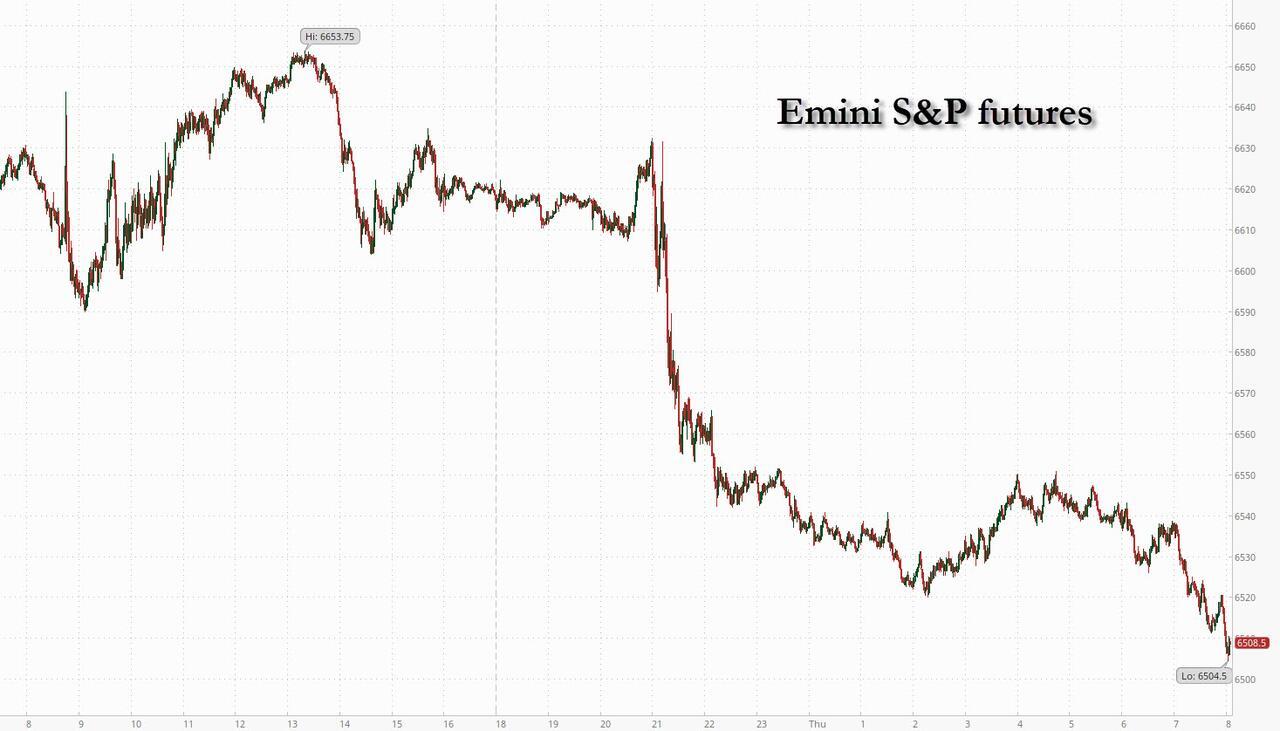
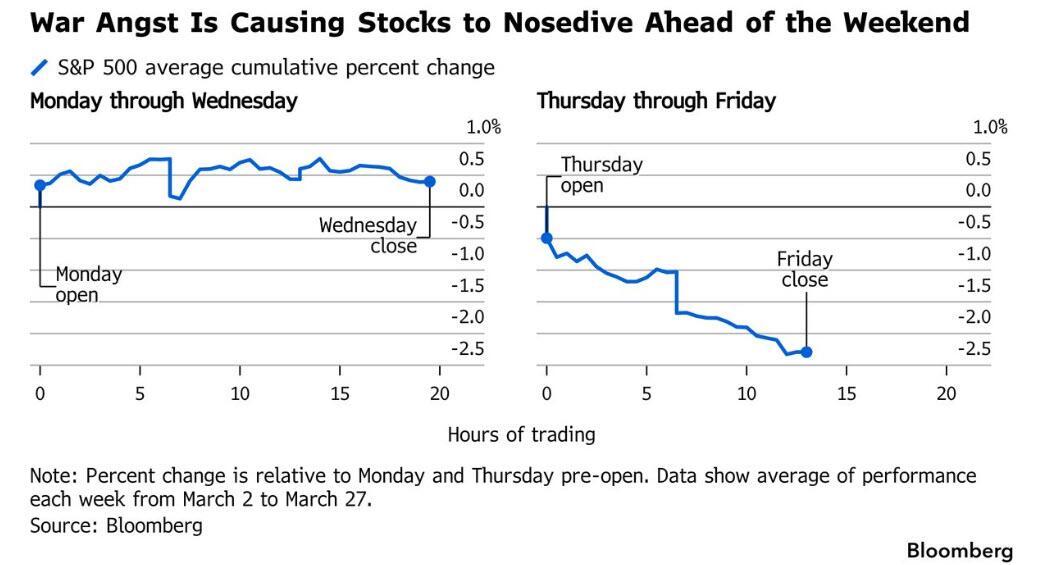

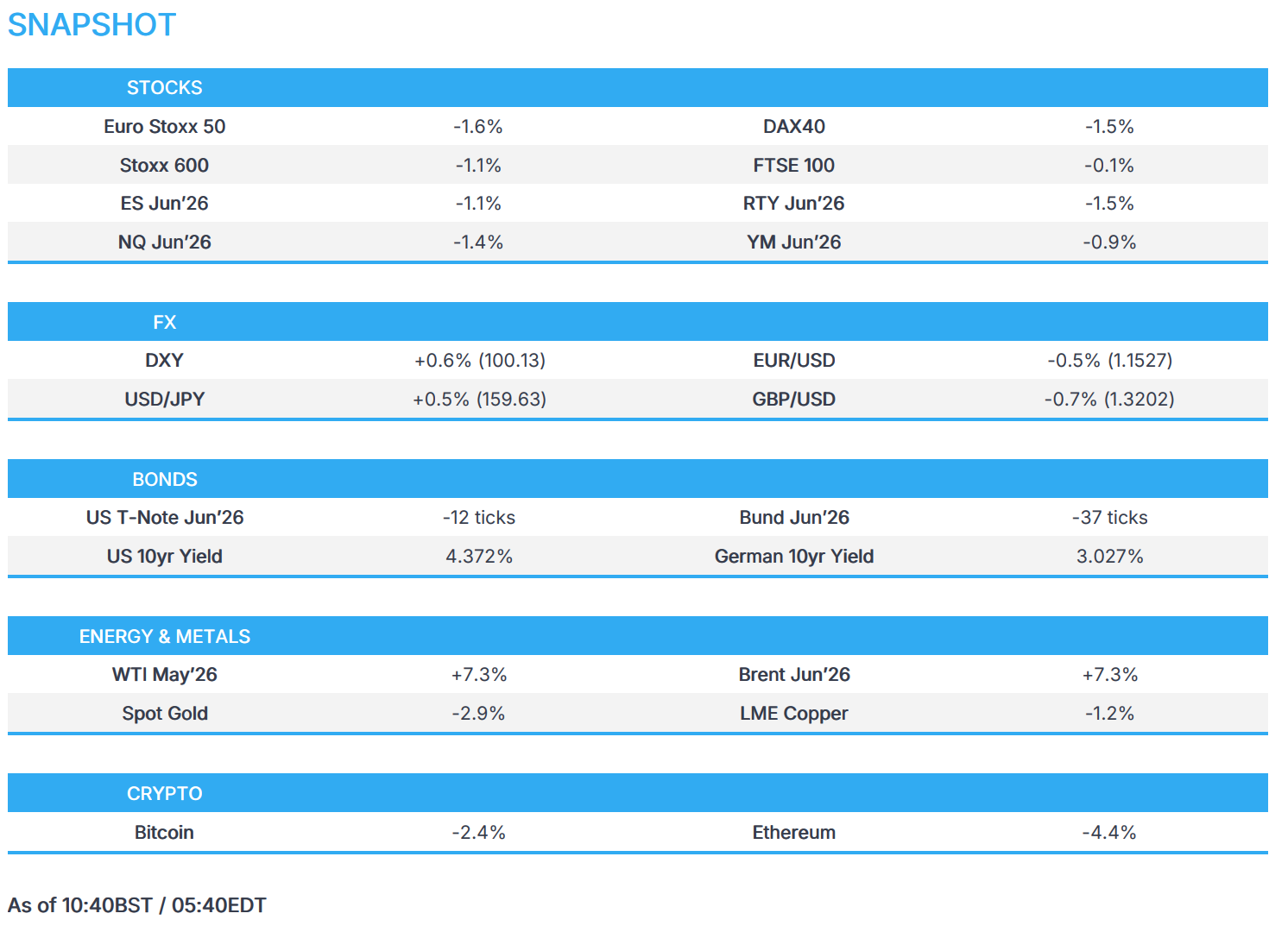
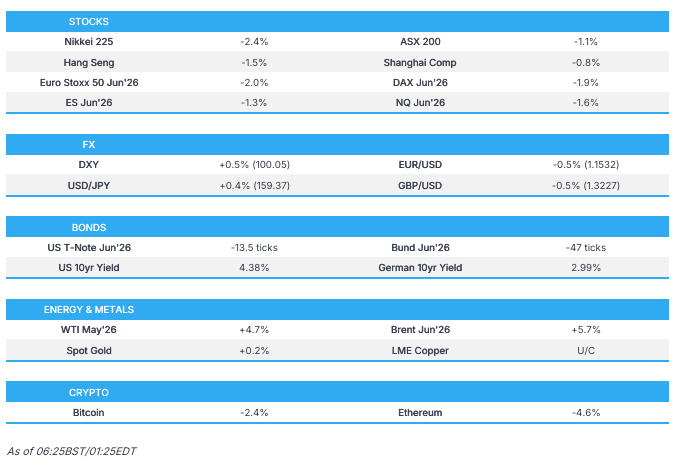


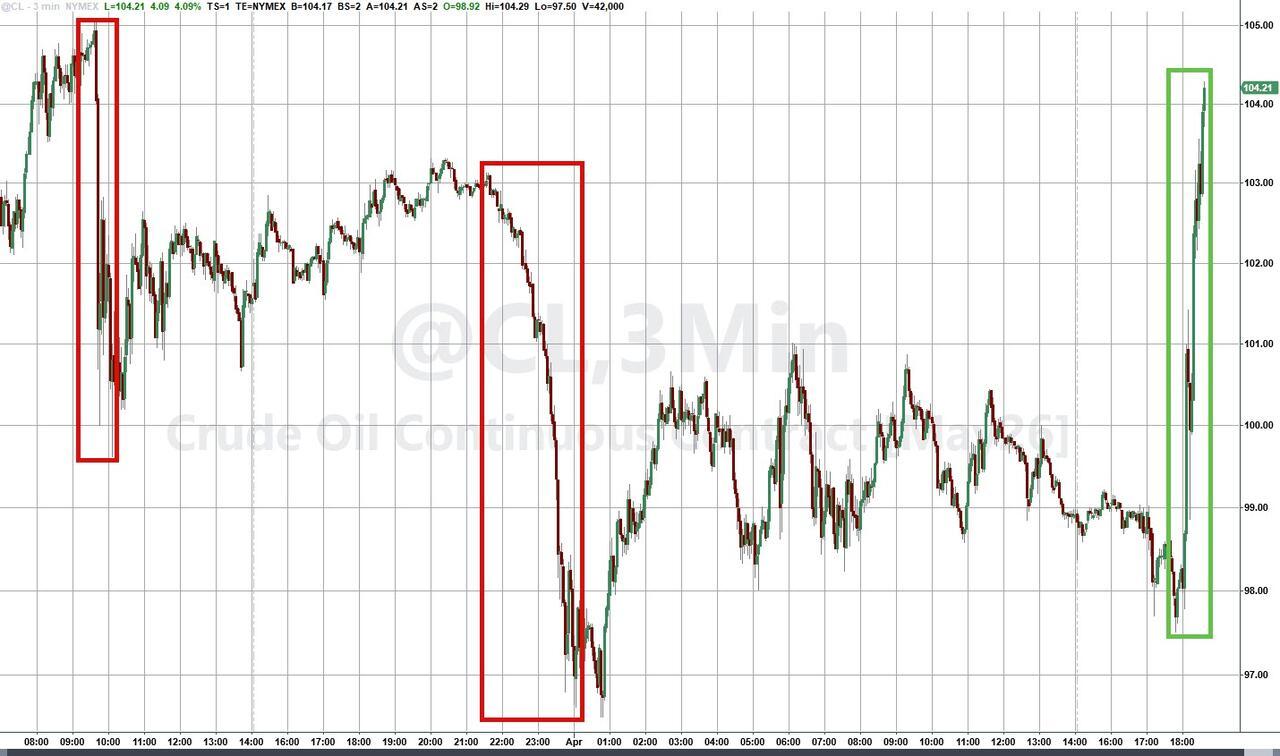
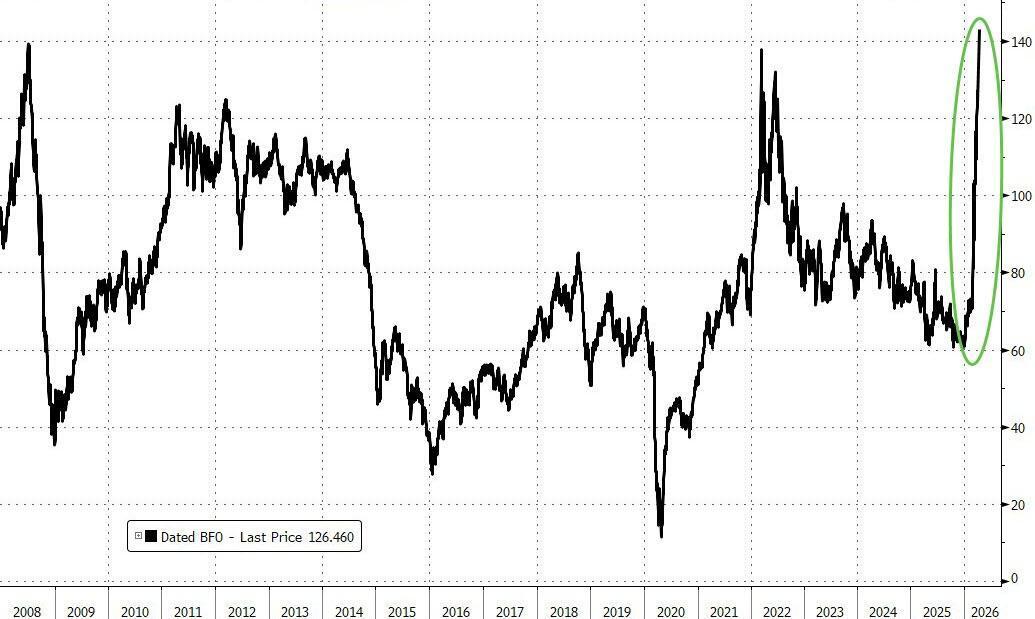
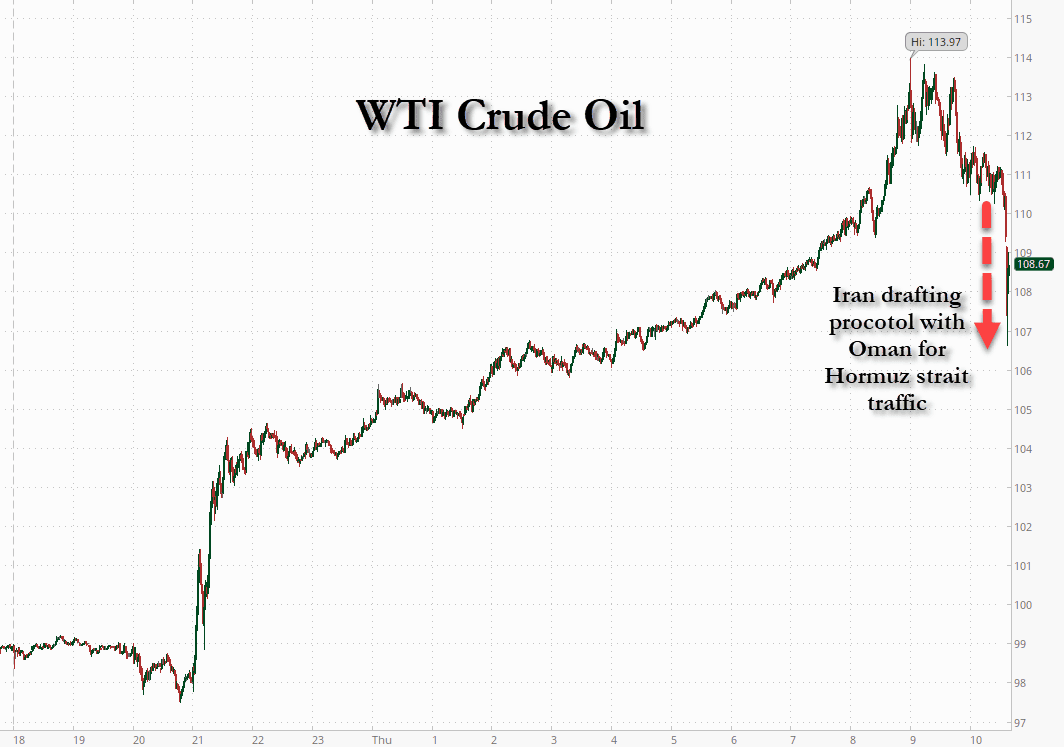

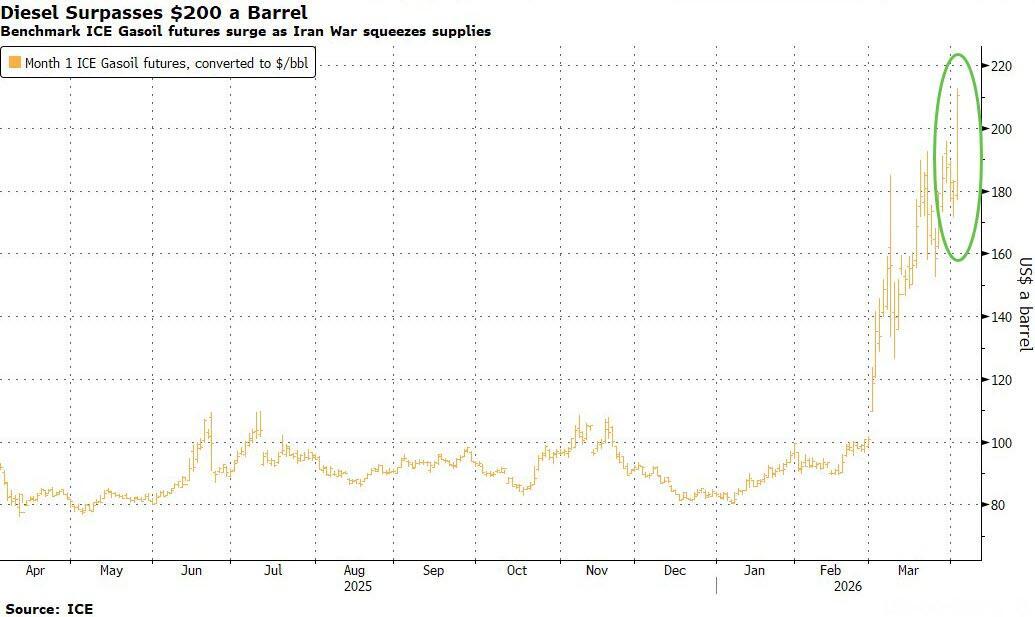
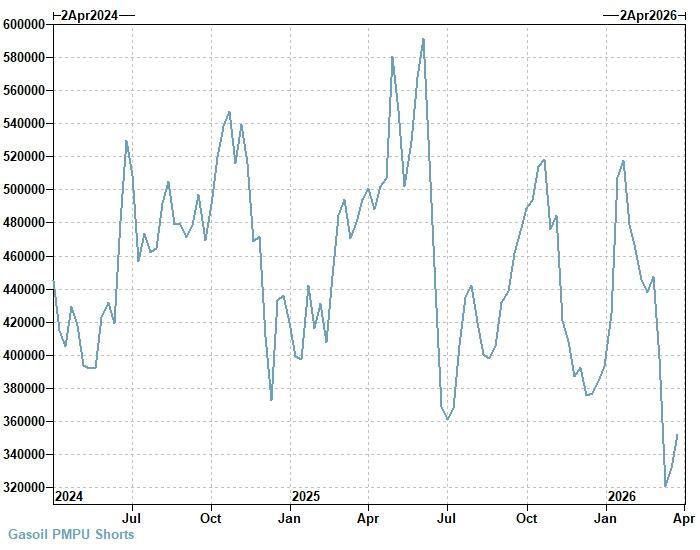
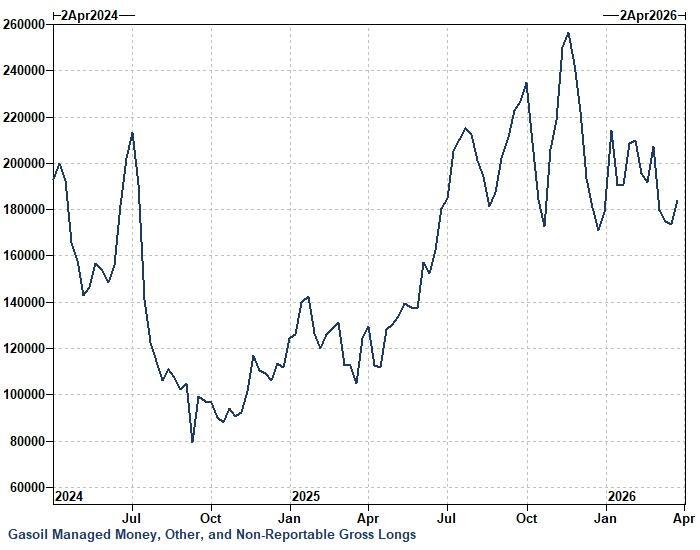
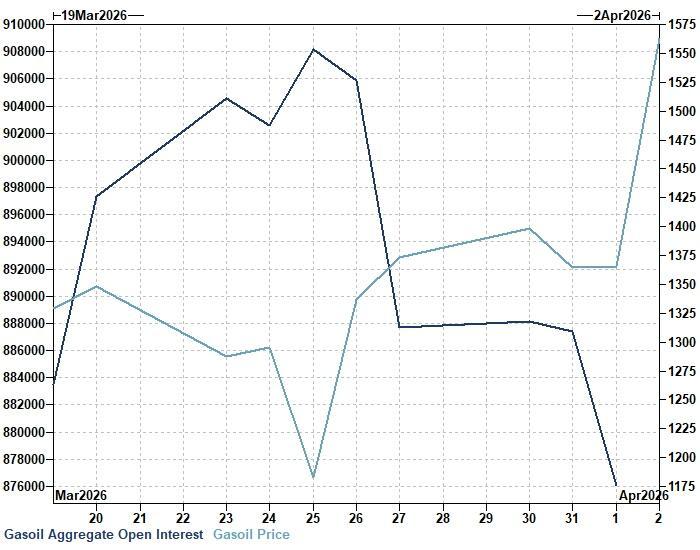
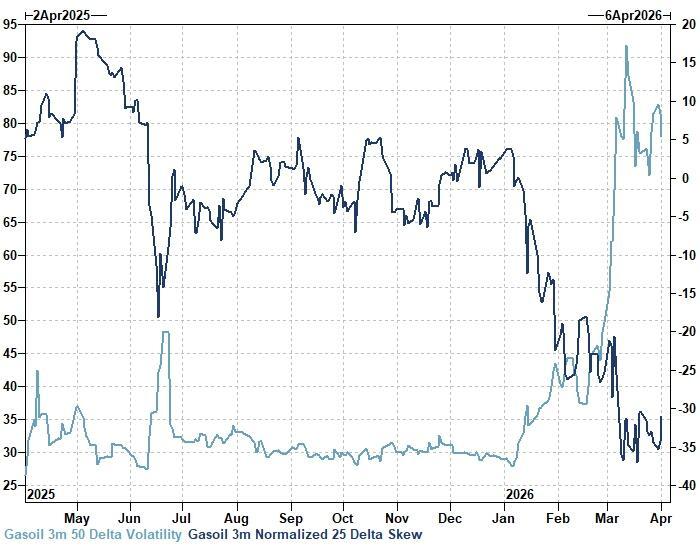
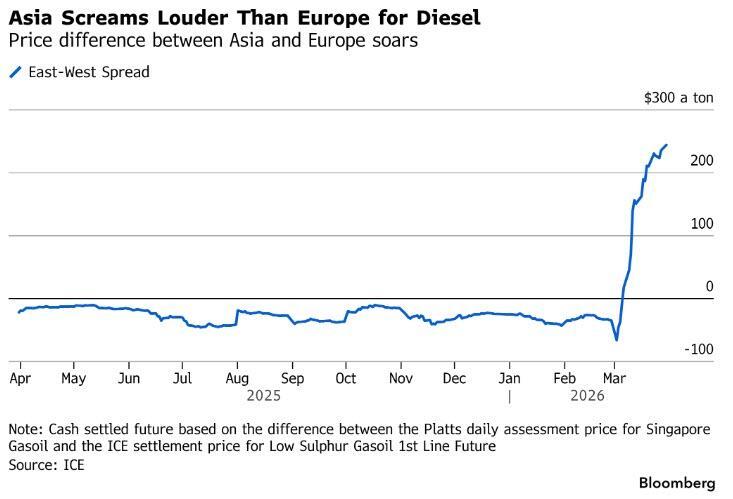



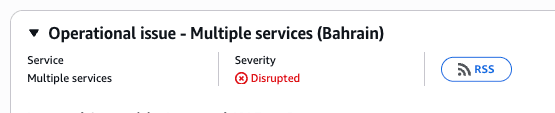


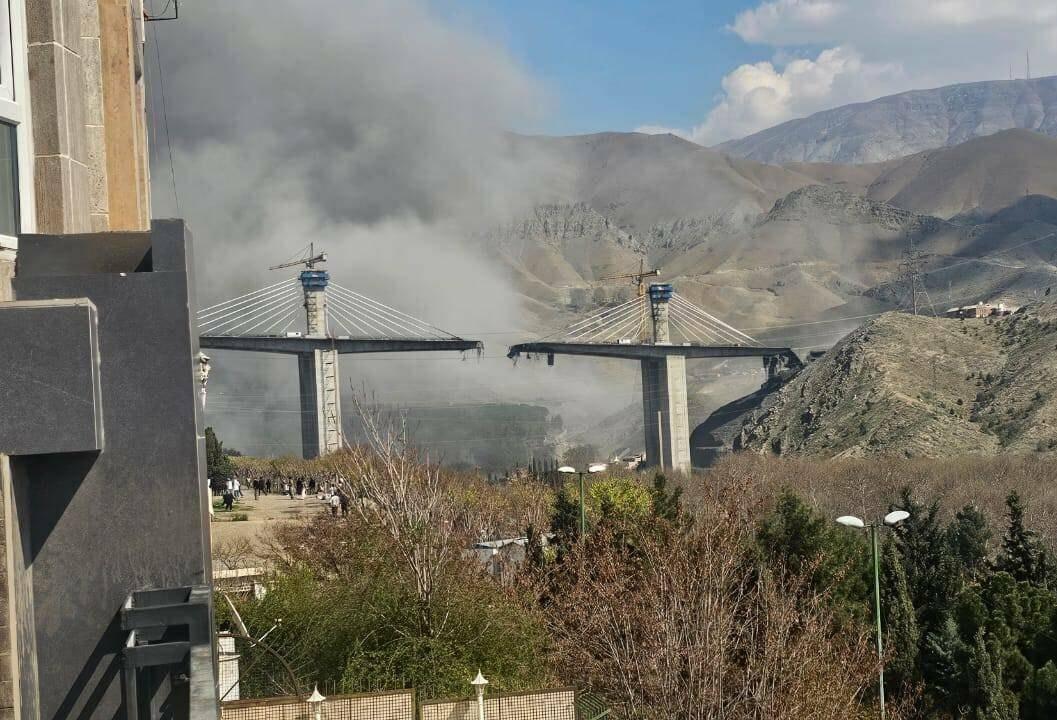
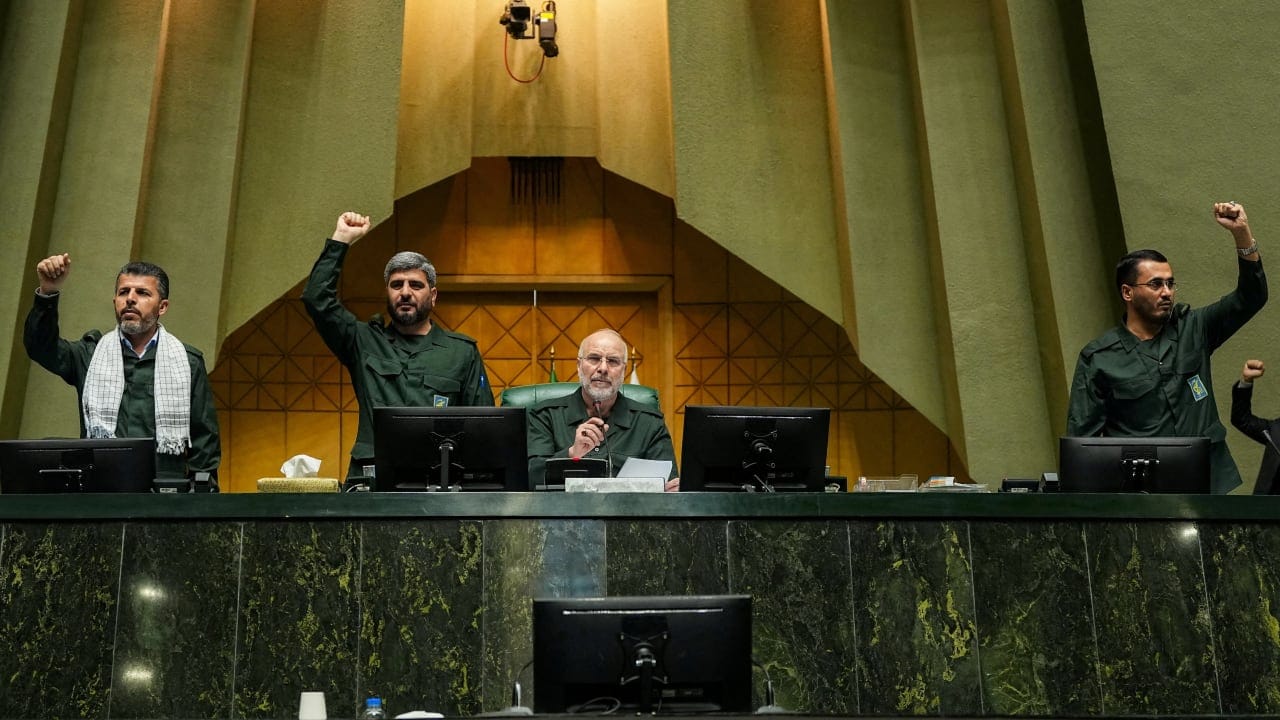
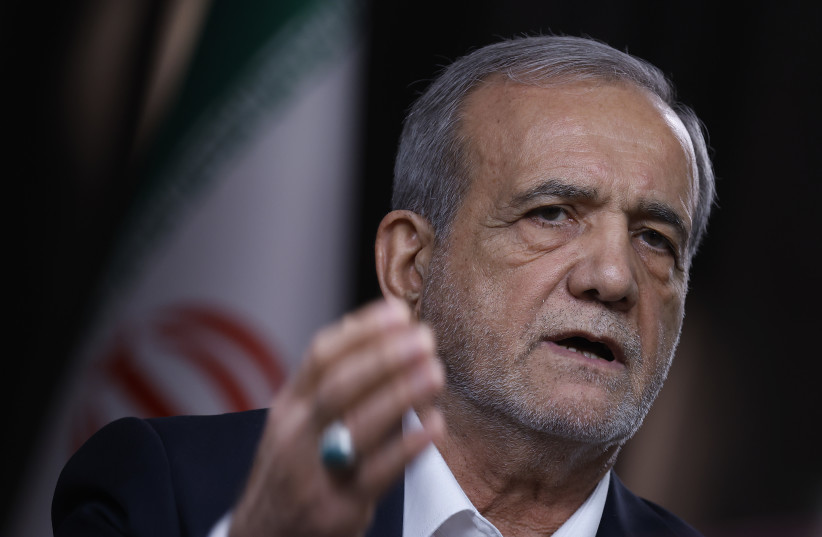


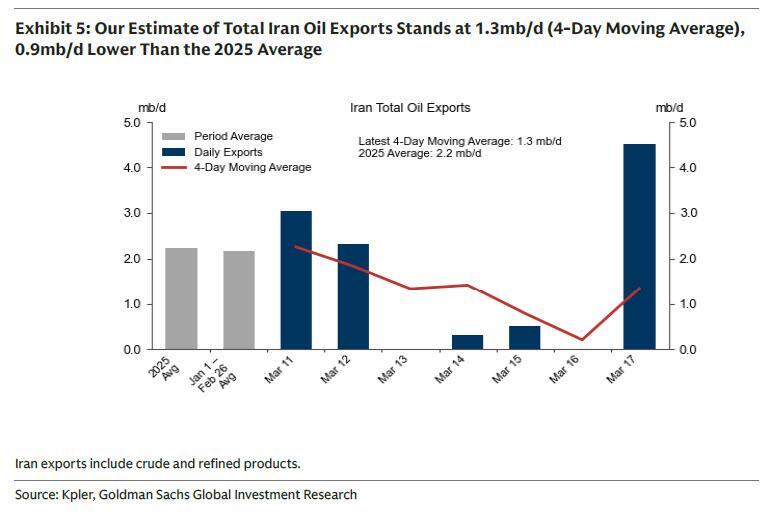


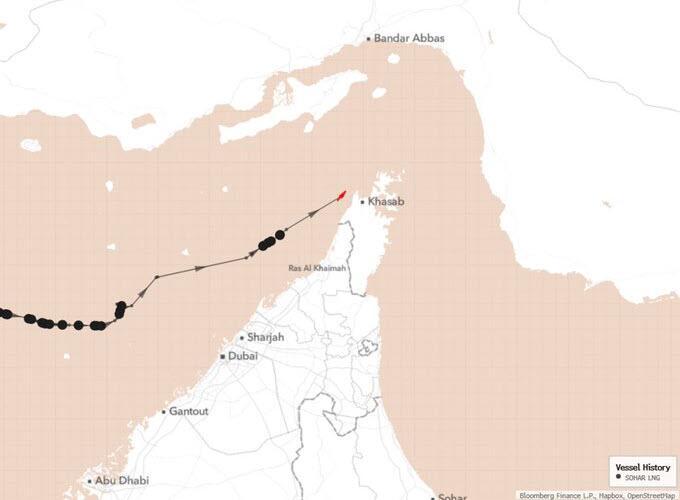
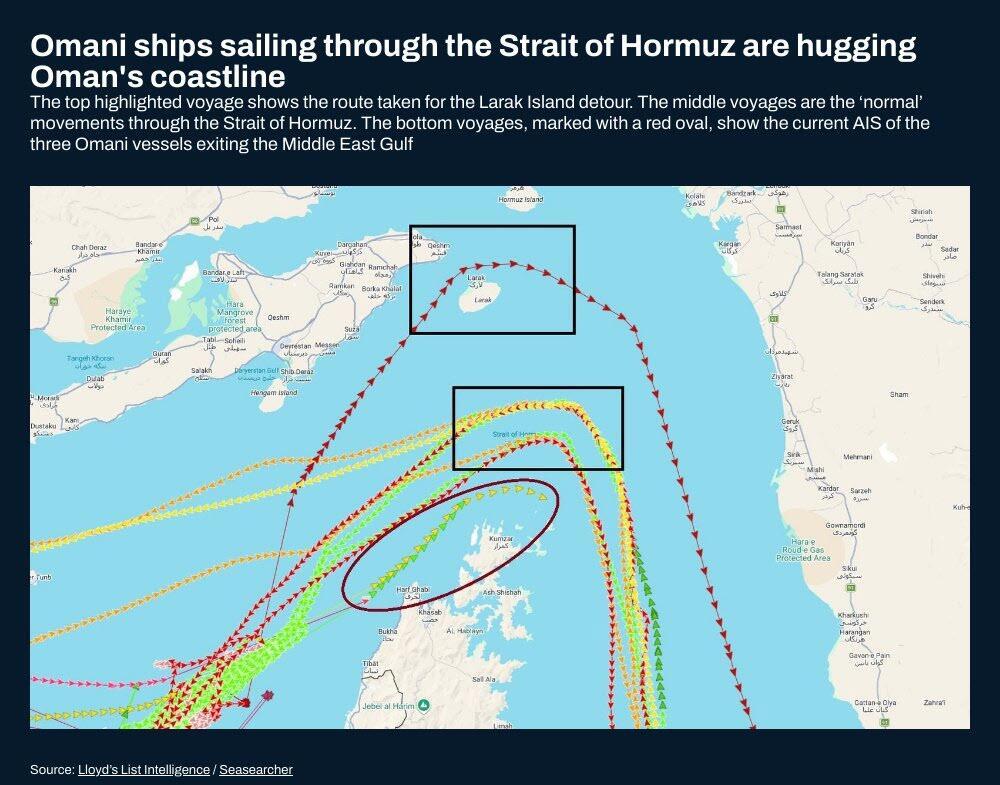
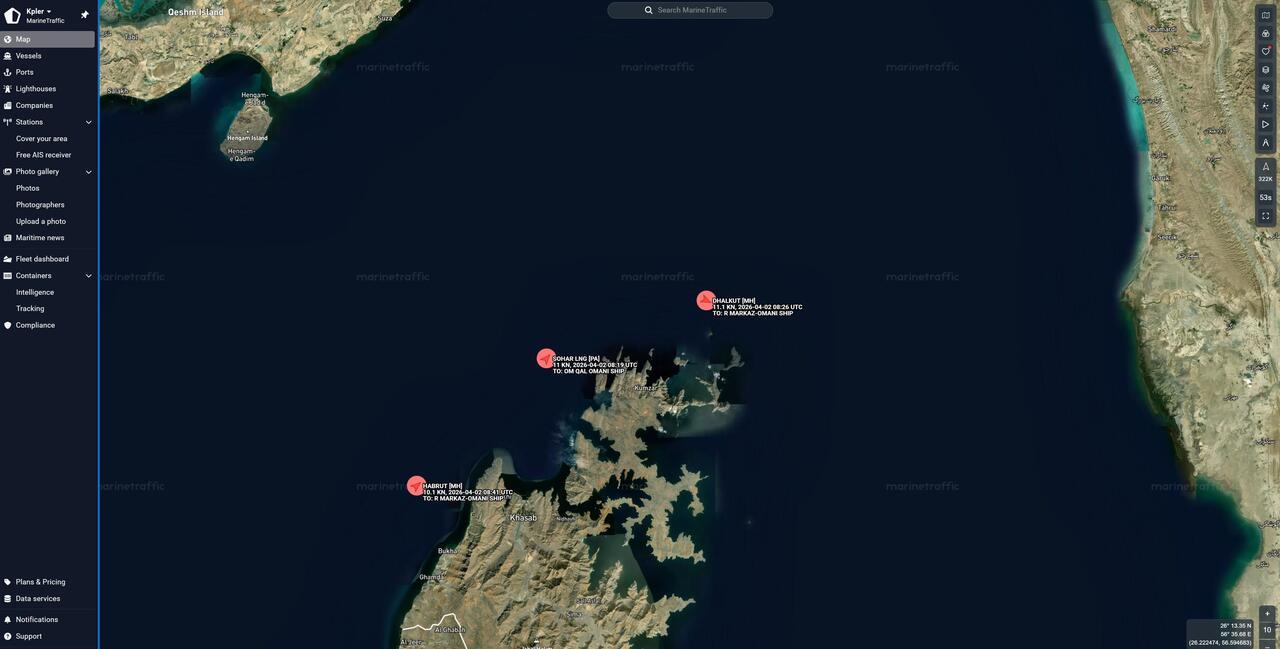

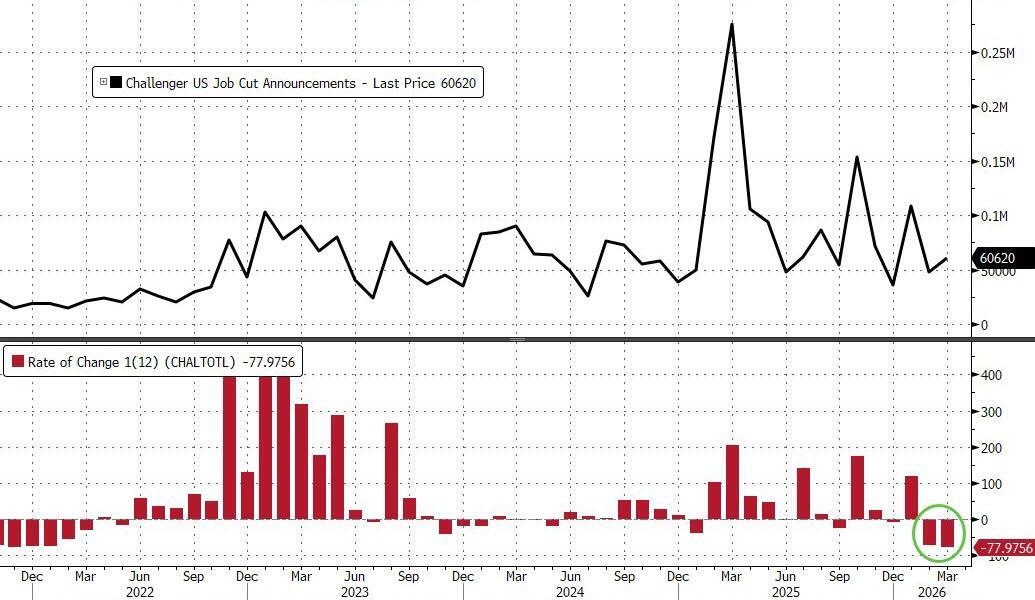
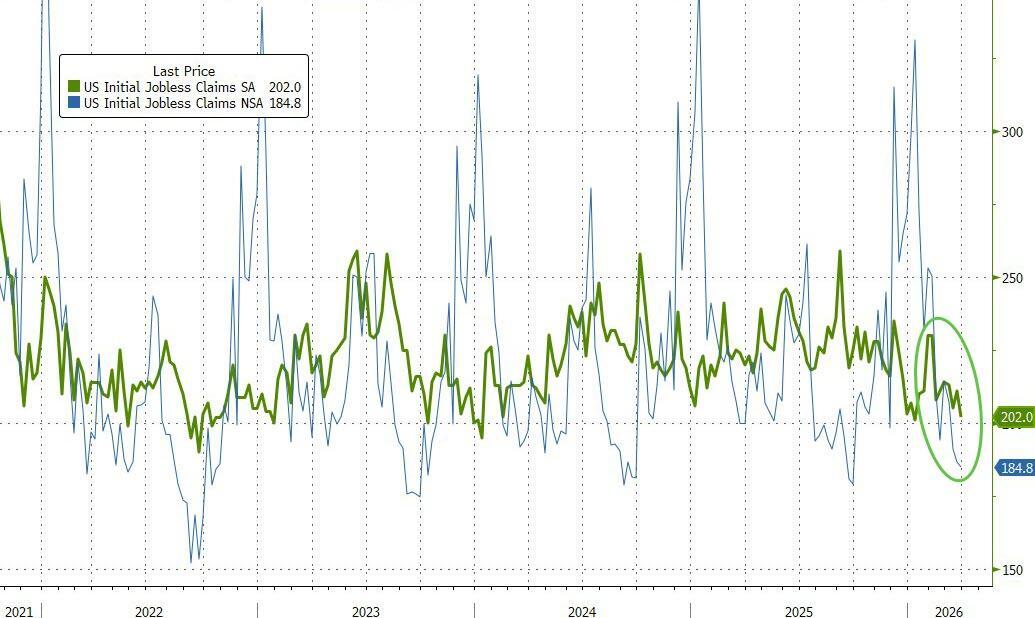
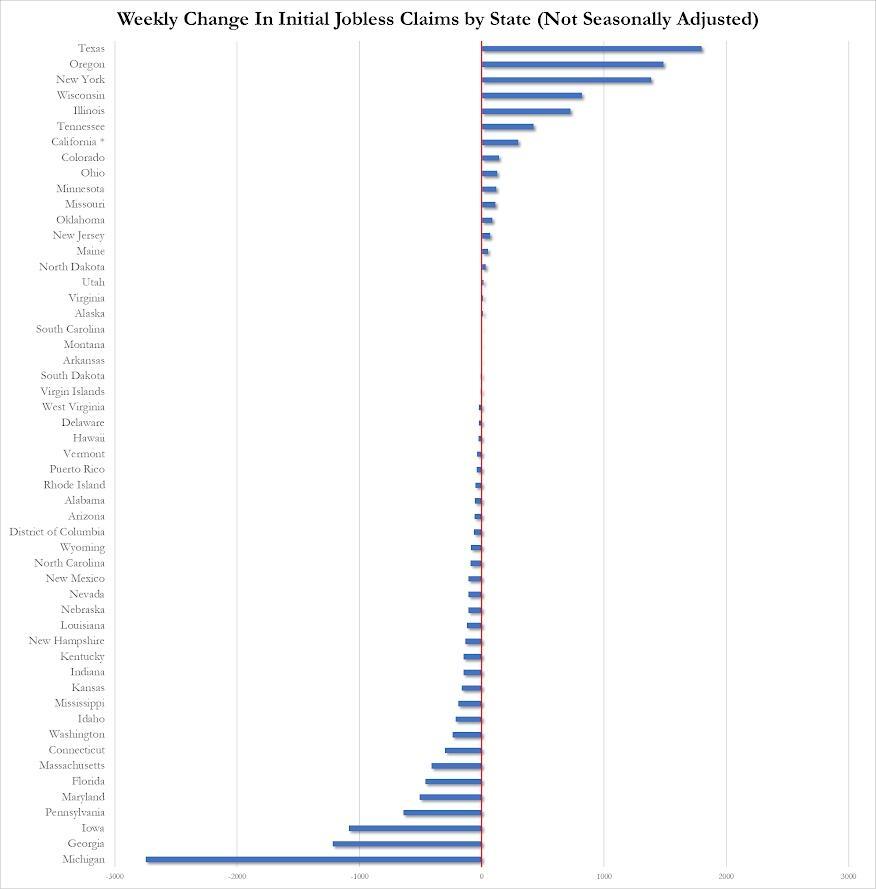
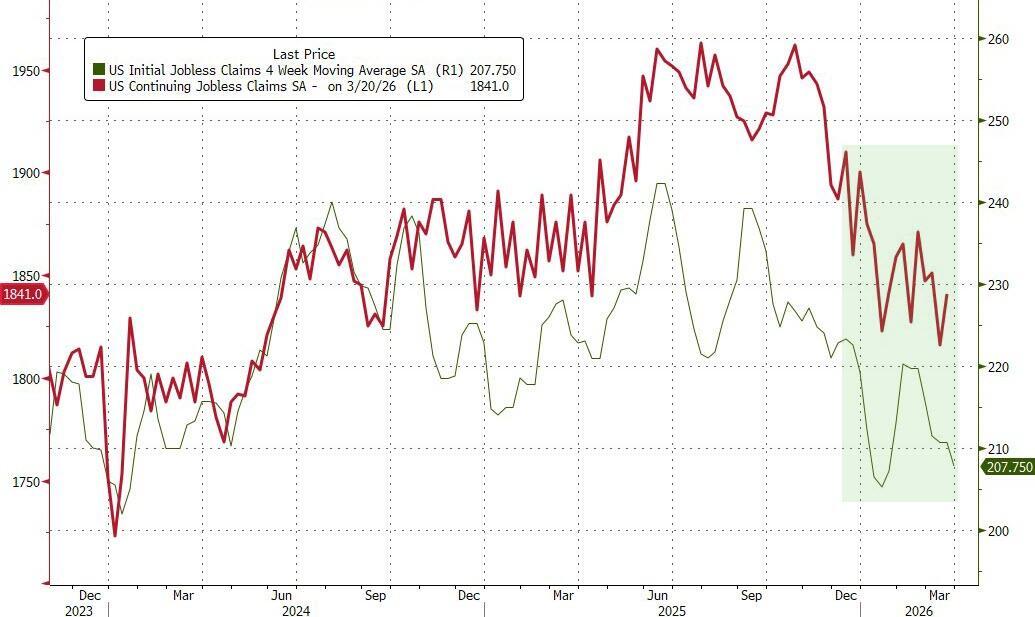


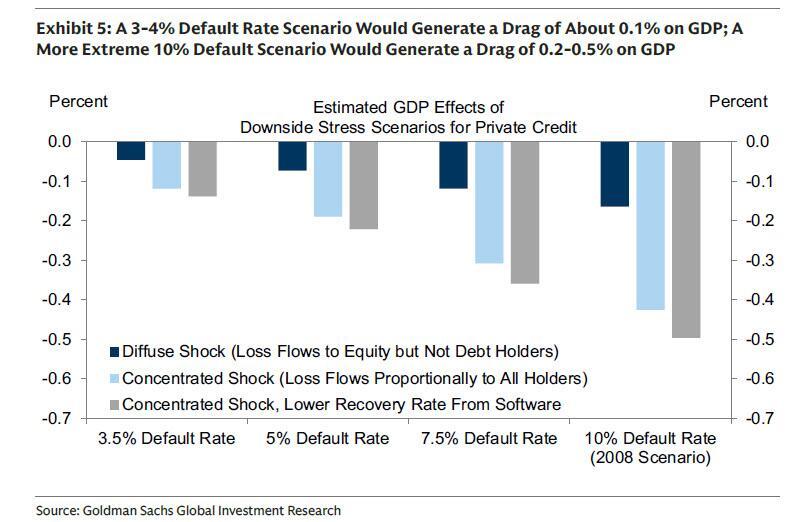
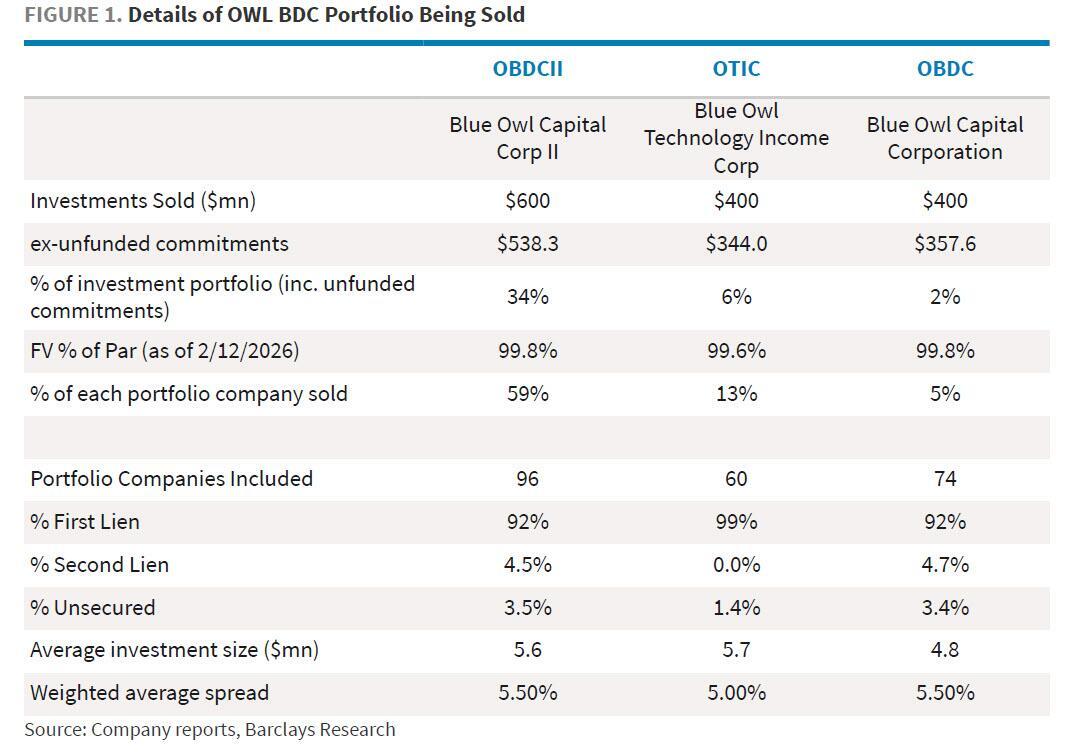




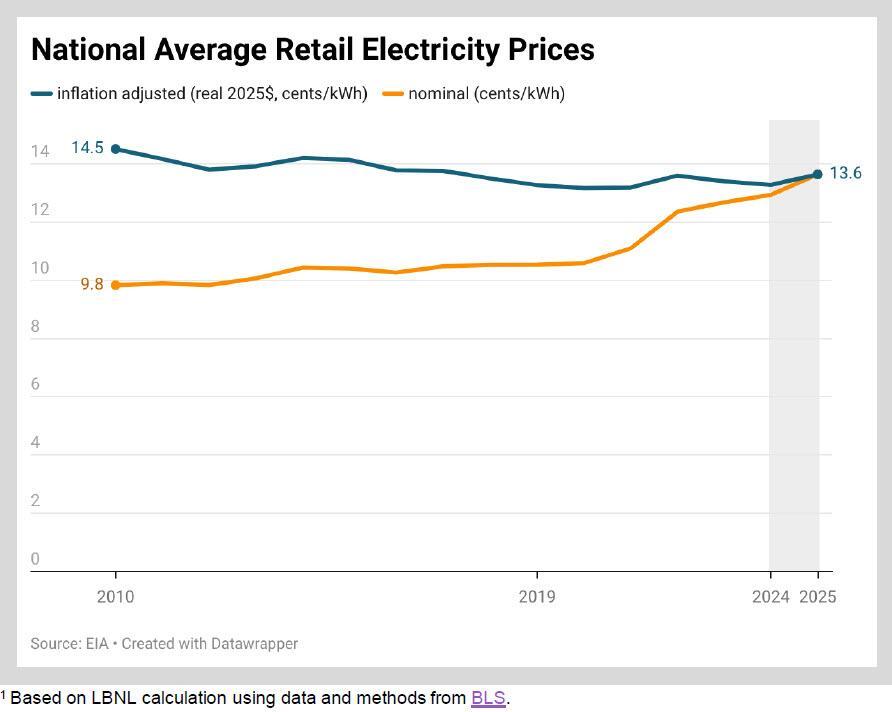
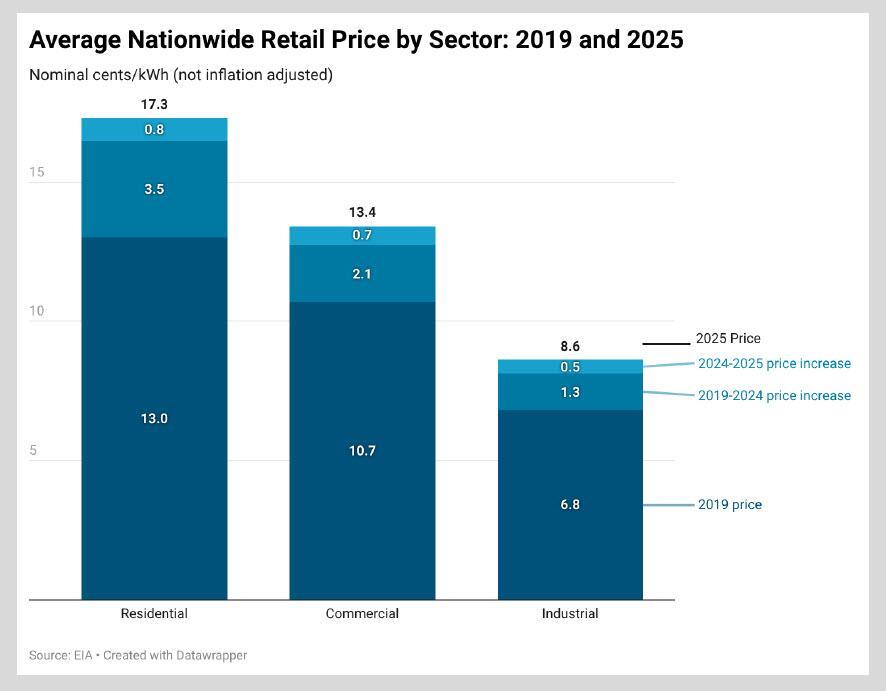












 harveyorganblog.com


