
April 19, 2022 · by harveyorgan · in Uncategorized · Leave a comment·Edit
april19, 2022 · by harveyorgan · in Uncategorized · Leave a comment·Edit
GOLD; $1956.95 DOWN 26.05
SILVER: $25.29 DOWN $0.62
ACCESS MARKET: GOLD $1950.00
SILVER: $25.19
Bitcoin morning price: $40,789 UP 204
Bitcoin: afternoon price: $41,482 UP 897
Platinum price: closing UP $21.80 to $1014.75
Palladium price; closing UP 98.45 at $2434/15
END
DONATE
Click here if you wish to send a donation. I sincerely appreciate it as this site takes a lot of preparation
comex notices/
: JPMorgan stopped/total issued 3/8
EXCHANGE: COMEX
CONTRACT: APRIL 2022 COMEX 100 GOLD FUTURES
SETTLEMENT: 1,982.900000000 USD
INTENT DATE: 04/18/2022 DELIVERY DATE: 04/20/2022
FIRM ORG FIRM NAME ISSUED STOPPED
132 C SG AMERICAS 2
624 H BOFA SECURITIES 1
657 C MORGAN STANLEY 7
661 C JP MORGAN 3
709 C BARCLAYS 1
737 C ADVANTAGE 1
880 H CITIGROUP 1
TOTAL: 8 8
MONTH TO DATE: 25,210
NUMBER OF NOTICES FILED TODAY FOR APRIL. CONTRACT 8 NOTICE(S) FOR 800 OZ (0.02488 TONNES)
total notices so far: 25,210 contracts for 2,521,000 oz (78.413 tonnes)
SILVER NOTICES:
0 NOTICE(S) FILED NIL OZ/
total number of notices filed so far this month 1199 : for 5,885,000 oz
END
Russia is a major supplier of silver to London while Mexico supplies the COMEX
With the sanctions, London has no way to obtain silver other than compete with NY.
END
GLD
WITH GOLD DOWN $26.05
WITH RESPECT TO GLD WITHDRAWALS: (OVER THE PAST FEW MONTHS):
GOLD IS “RETURNED” TO THE BANK OF ENGLAND WHEN CALLING IN THEIR LEASES: THE GOLD NEVER LEAVES THE BANK OF ENGLAND IN THE FIRST PLACE. THE BANK IS PROTECTING ITSELF IN CASE OF COMMERCIAL FAILURE
ALSO INVESTORS SWITCHING TO SPROTT PHYSICAL (phys) INSTEAD OF THE FRAUDULENT GLD//
A SMALL CHANGE IN GOLD INVENTORY AT THE GLD A HUGE DEPOSIT OF 0.87 TONNES FROM THE GLD//
INVENTORY RESTS AT 1011.36 TONNES
Silver//SLV
WITH NO SILVER AROUND AND SILVER DOWN 62 CENTS
AT THE SLV// A HUGE CHANGES IN SILVER INVENTORY AT THE SLV: A WHOPPING DEPOSIT OF 5.771 MILLION OF INTO THE SLV//
INVESTORS ARE SWITCHING SLV TO SPROTT’S PSLV
CLOSING INVENTORY: 575.447 MILLION OZ
Let us have a look at the data for today
SILVER//OUTLINE
SILVER COMEX OI ROSE BY A HUGE SIZED 3369 CONTRACTS TO 170,125 AND CLOSER TO THE NEW RECORD OF 244,710, SET FEB 25/2020 AND THE HUGE GAIN IN OI WAS ACCOMPLISHED DESPITE OUR $0.38 GAIN IN SILVER PRICING AT THE COMEX ON MONDAY. OUR BANKERS WERE UNSUCCESSFUL IN KNOCKING THE PRICE OF SILVER DOWN (IT ROSE BY $0.38) AND WERE UNSUCCESSFUL IN KNOCKING OUT ANY SILVER LONGS AS WE HAD A HUMONGOUS GAIN OF 4770 CONTRACTS ON OUR TWO EXCHANGES
WE MUST HAVE HAD:
I) HUGE BANKER SHORT COVERING AS THEY ARE VERY ANXIOUS TO GET OUT OF DODGE!!/. II)WE ALSO HAD SOME REDDIT RAPTOR BUYING//. iii) A STRONG ISSUANCE OF EXCHANGE FOR PHYSICALS iiii) A STRONG INITIAL SILVER STANDING FOR COMEX SILVER MEASURING AT 4.305 MILLION OZ FOLLOWED BY TODAY’S QUEUE. JUMP OF NIL OZ//NEW STANDING: 6.300 MILLION OZ// V) HUGE SIZED COMEX OI GAIN/
I AM NOW RECORDING THE DIFFERENTIAL IN OI FROM PRELIMINARY TO FINAL:
THE DIFFERENTIAL FROM PRELIMINARY OI TO FINAL OI SILVER TODAY: CONTRACTS : —-376
HISTORICAL ACCUMULATION OF EXCHANGE FOR PHYSICALS APRIL. ACCUMULATION FOR EFP’S SILVER/JPMORGAN’S HOUSE OF BRIBES/STARTING FROM FIRST DAY/MONTH OF APRIL:
TOTAL CONTACTS for 12 days, total 10,051 contracts: 50.255 million oz OR 4.18MILLION OZ PER DAY. (838 CONTRACTS PER DAY)
TOTAL NO OF OZ UNDERGOING EFP TO LONDON 10,051 CONTRACTS X 5,000 PER CONTRACT:
EQUATES TO: 50.255 MILLION OZ
.
LAST 11 MONTHS TOTAL EFP CONTRACTS ISSUED IN MILLIONS OF OZ:
MAY 137.83 MILLION
JUNE 149.91 MILLION OZ
JULY 129.445 MILLION OZ
AUGUST: MILLION OZ 140.120
SEPT. 28.230 MILLION OZ//
OCT: 94.595 MILLION OZ
NOV: 131.925 MILLION OZ
DEC: 100.615 MILLION OZ
JAN 2022// 90.460 MILLION OZ
FEB 2022: 72.39 MILLION OZ//
MARCH: 207.430 MILLION OZ//A NEW RECORD FOR EFP ISSUANCE AND WE ARE STILL GOING STRONG THIS MONTH.
APRIL: 50.255 MILLION OZ (LOOKS LIKE OUR BANKERS ARE NOW LOATHE TO ISSUE EFP’S)
RESULT: WE HAD A GIGANTIC SIZED INCREASE IN COMEX OI SILVER COMEX CONTRACTS OF 3369 WITH OUR $0.38 GAIN IN SILVER PRICING AT THE COMEX// MONDAY THE CME NOTIFIED US THAT WE HAD A STRONG SIZED EFP ISSUANCE CONTRACTS: 1125 CONTRACTS ISSUED FOR MAY AND 0 CONTRACTS ISSUED FOR ALL OTHER MONTHS) WHICH EXITED OUT OF THE SILVER COMEX TO LONDON AS FORWARDS THE DOMINANT FEATURE TODAY: /HUGE BANKER SHORT COVERING AS THEY GET OUT OF DODGE//// WE HAVE A HUGE INITIAL SILVER OZ STANDING FOR MAR. OF 4.305 MILLION OZ FOLLOWED BY TODAY’S NIL OZ QUEUE JUMP//NEW STANDING: 6.300MILLION OZ/// .. WE HAD AN HUMONGOUS SIZED GAIN 4494 OI CONTRACTS ON THE TWO EXCHANGES FOR 22.47 MILLION OZ WITH THE GAIN IN PRICE.
WE HAD 0 NOTICES FILED TODAY FOR NIL OZ
THE SILVER COMEX IS NOW BEING ATTACKED FOR METAL BY LONDONERS ET AL.
GOLD//OUTLINE
IN GOLD, THE COMEX OPEN INTEREST ROSE BY A GOOD SIZED 4316 CONTRACTS TO 579,612 AND CLOSER TO NEW RECORD (SET JAN 24/2020) AT 799,541 AND PREVIOUS TO THAT: (SET JAN 6/2020) AT 797,110.
THE DIFFERENTIAL FROM PRELIMINARY OI TO FINAL OI IN GOLD TODAY: -12 CONTRACTS.
THE BIS HAS ABANDONED THE GOLD COMEX TRADING!!!
.
THE GOOD SIZED INCREASE IN COMEX OI CAME WITH OUR STRONG GAIN IN PRICE OF $11.20//COMEX GOLD TRADING/MONDAY /.AS IN SILVER WE MUST HAD HUGE BANKER/ALGO SHORT COVERING ACCOMPANYING OUR SMALL SIZED EXCHANGE FOR PHYSICAL ISSUANCE. WE HAD ZERO LONG LIQUIDATION
WE ALSO HAD A HUGE INITIAL STANDING IN GOLD TONNAGE FOR APRIL AT 78.33 TONNES ON FIRST DAY NOTICE
YET ALL OF..THIS HAPPENED WITH OUR GAIN IN PRICE OF $11.20 WITH RESPECT TO MONDAY’S TRADING
WE HAD A STRONG SIZED GAIN OF 5646 OI CONTRACTS (17.56 PAPER TONNES) ON OUR TWO EXCHANGES
E.F.P. ISSUANCE
THE CME RELEASED THE DATA FOR EFP ISSUANCE AND IT TOTALED A SMALL SIZED 1330 CONTRACTS:
The NEW COMEX OI FOR THE GOLD COMPLEX RESTS AT 579,612.
IN ESSENCE WE HAVE A STRONG SIZED INCREASE IN TOTAL CONTRACTS ON THE TWO EXCHANGES OF 5646, WITH 4330 CONTRACTS INCREASED AT THE COMEX AND 1125 EFP OI CONTRACTS WHICH NAVIGATED OVER TO LONDON. THUS TOTAL OI GAIN ON THE TWO EXCHANGES OF 5646 CONTRACTS OR 17.56 TONNES.
CALCULATIONS ON GAIN/LOSS ON OUR TWO EXCHANGES
WE HAD A SMALL SIZED ISSUANCE IN EXCHANGE FOR PHYSICALS (1330) ACCOMPANYING THE GOOD SIZED GAIN IN COMEX OI (4316,): TOTAL GAIN IN THE TWO EXCHANGES 5646 CONTRACTS. WE NO DOUBT HAD 1) HUGE BANKER SHORT COVERING ,2.) HUGE INITIAL STANDING AT THE GOLD COMEX FOR APRIL. AT 78.33 TONNES FOLLOWED BY TODAY’S 4700 OZ QUEUE JUMP //NEW STANDING 81.953 TONNES/// 3) ZERO LONG LIQUIDATION ///. ,4) GOOD SIZED COMEX OI. GAIN 5) SMALL ISSUANCE OF EXCHANGE FOR PHYSICAL/
HISTORICAL ACCUMULATION OF EXCHANGE FOR PHYSICALS IN 2022 INCLUDING TODAY
APRIL
ACCUMULATION OF EFP’S GOLD AT J.P. MORGAN’S HOUSE OF BRIBES: (EXCHANGE FOR PHYSICAL) FOR THE MONTH OF APRIL :
26,256 CONTRACTS OR 2,625,600 OR 81.667 TONNES 12 TRADING DAY(S) AND THUS AVERAGING: 2188 EFP CONTRACTS PER TRADING DAY
TO GIVE YOU AN IDEA AS TO THE SIZE OF THESE EFP TRANSFERS : THIS MONTH IN 12 TRADING DAY(S) IN TONNES: 81.667TONNES
TOTAL ANNUAL GOLD PRODUCTION, 2020, THROUGHOUT THE WORLD EX CHINA EX RUSSIA: 3555 TONNES
THUS EFP TRANSFERS REPRESENTS 81.667/3550 x 100% TONNES 2.30% OF GLOBAL ANNUAL PRODUCTION
ACCUMULATION OF GOLD EFP’S YEAR 2021 TO 2022
JANUARY/2021: 265.26 TONNES (RAPIDLY INCREASING AGAIN)
FEB : 171.24 TONNES ( DEFINITELY SLOWING DOWN AGAIN)..
MARCH:. 276.50 TONNES (STRONG AGAIN/
APRIL: 189..44 TONNES ( DRAMATICALLY SLOWING DOWN AGAIN//GOLD IN BACKWARDATION)
MAY: 250.15 TONNES (NOW DRAMATICALLY INCREASING AGAIN)
JUNE: 247.54 TONNES (FINAL)
JULY: 188.73 TONNES FINAL
AUGUST: 217.89 TONNES FINAL ISSUANCE.
SEPT 142.12 TONNES FINAL ISSUANCE ( LOW ISSUANCE)_
OCT: 141.13 TONNES FINAL ISSUANCE (LOW ISSUANCE)
NOV: 312.46 TONNES FINAL ISSUANCE//NEW RECORD!! (INCREASING DRAMATICALLY)//SIGN OF REAL STRESS//SURPASSING THE MARCH 2021 RECORD OF 276.50 TONNES OF EFP
DEC. 175.62 TONNES//FINAL ISSUANCE//
JAN:2022 247.25 TONNES //FINAL
FEB: 196.04 TONNES//FINAL
MARCH: 409.30 TONNES INITIAL( THIS IS NOW A RECORD EFP ISSUANCE FOR MARCH AND FOR ANY MONTH.
APRIL: 81.667 TONNES (THIS IS GOING TO BE A LOW ISSUANCE MONTH)
SPREADING OPERATIONS
(/NOW SWITCHING TO GOLD) FOR NEWCOMERS, HERE ARE THE DETAILS
SPREADING LIQUIDATION HAS NOW COMMENCED AS WE HEAD TOWARDS THE NEW ACTIVE FRONT MONTH OF MAY.WE ARE NOW INTO THE SPREADING OPERATION OF SILVER
HERE IS A BRIEF SYNOPSIS OF HOW THE CROOKS FLEECE UNSUSPECTING LONGS IN THE SPREADING ENDEAVOUR ;MODUS OPERANDI OF THE CORRUPT BANKERS AS TO HOW THEY HANDLE THEIR SPREAD OPEN INTERESTS:HERE IS HOW THE CROOKS USED SPREADING AS WE ARE NOW INTO THE NON ACTIVE DELIVERY MONTH OF APRIL HEADING TOWARDS THE ACTIVE DELIVERY MONTH OF MAY, FOR SILVER:
YOU WILL ALSO NOTICE THAT THE COMEX OPEN INTEREST STARTS TO RISE BUT SO IS THE OPEN INTEREST OF SPREADERS. THE OPEN INTEREST IN WILL CONTINUE TO RISE UNTIL ONE WEEK BEFORE FIRST DAY NOTICE OF AN UPCOMING ACTIVE DELIVERY MONTH (MAR), AND THAT IS WHEN THE CROOKS SELL THEIR SPREAD POSITIONS BUT NOT AT THE SAME TIME OF THE DAY. THEY WILL USE THE SELL SIDE OF THE EQUATION TO CREATE THE CASCADE (ALONG WITH THEIR COLLUSIVE FRIENDS) AND THEN COVER ON THE BUY SIDE OF THE SPREAD SITUATION AT THE END OF THE DAY. THEY DO THIS TO AVOID POSITION LIMIT DETECTION. THE LIQUIDATION OF THE SPREADING FORMATION CONTINUES FOR EXACTLY ONE WEEK AND ENDS ON FIRST DAY NOTICE.”
WHAT IS ALARMING TO ME, ACCORDING TO OUR LONDON EXPERT ANDREW MAGUIRE IS THAT THESE EFP’S ARE BEING TRANSFERRED TO WHAT ARE CALLED SERIAL FORWARD CONTRACT OBLIGATIONS AND THESE CONTRACTS ARE LESS THAN 14 DAYS. ANYTHING GREATER THAN 14 DAYS, THESE MUST BE RECORDED AND SENT TO THE COMPTROLLER, GREAT BRITAIN TO MONITOR RISK TO THE BANKING SYSTEM. IF THIS IS INDEED TRUE, THEN THIS IS A MASSIVE CONSPIRACY TO DEFRAUD AS WE NOW WITNESS A MONSTROUS TOTAL EFP’S ISSUANCE AS IT HEADS INTO THE STRATOSPHERE.
First, here is an outline of what will be discussed tonight:
1.Today, we had the open interest at the comex, in SILVER, ROSE BY A GIGANTIC SIZED 3369 CONTRACT OI AND CLOSER TO OUR COMEX RECORD //244,710(SET FEB 25/2020). THE LAST RECORDS WERE SET IN AUG.2018 AT 244,196 WITH A SILVER PRICE OF $14.78/(AUGUST 22/2018)..THE PREVIOUS RECORD TO THAT WAS SET ON APRIL 9/2018 AT 243,411 OPEN INTEREST CONTRACTS WITH THE SILVER PRICE AT THAT DAY: $16.53). AND PREVIOUS TO THAT, THE RECORD WAS ESTABLISHED AT: 234,787 CONTRACTS, SET ON APRIL 21.2017 OVER 5 YEARS AGO.
EFP ISSUANCE 1125 CONTRACTS
OUR CUSTOMARY MIGRATION OF COMEX LONGS CONTINUE TO MORPH INTO LONDON FORWARDS AS OUR BANKERS USED THEIR EMERGENCY PROCEDURE TO ISSUE:
MAY 1125 ALL OTHER MONTHS: ZERO. TOTAL EFP ISSUANCE: 0 CONTRACTS. EFP’S GIVE OUR COMEX LONGS A FIAT BONUS PLUS A DELIVERABLE PRODUCT OVER IN LONDON. IF WE TAKE THE COMEX OI GAIN OF 3369 CONTRACTS AND ADD TO THE 1125 OI TRANSFERRED TO LONDON THROUGH EFP’S,
WE OBTAIN A HUMONGOUS SIZED GAIN OF 4496 OPEN INTEREST CONTRACTS FROM OUR TWO EXCHANGES.
THUS IN OUNCES, THE GAIN ON THE TWO EXCHANGES 22.47 MILLION OZ
OCCURRED WITH OUR GAIN IN PRICE OF $0.38 IN PRICE.
OUTLINE FOR TODAY’S COMMENTARY
1/COMEX GOLD AND SILVER REPORT
(report Harvey)
2 ) Gold/silver trading overnight Europe,
(Peter Schiff,
3. Egon von Greyerz///Matthew Piepenburg via GoldSwitzerland.com,
4. Chris Powell of GATA provides to us very important physical commentaries
5. Other gold commentaries
6. Commodity commentaries/cryptocurrencies
3. ASIAN AFFAIRS
i)TUESDAY MORNING// MONDAY NIGHT
SHANGHAI CLOSED DOWN 1.49 PTS OR 0.05% //Hang Sang CLOSED DOWN 490.32 OR 2.28% /The Nikkei closed DOWN 16.76 PTS OR 0.68% //Australia’s all ordinaires CLOSED UP .58% /Chinese yuan (ONSHORE) closed DOWN 6.3874 /Oil UP TO 106.95 dollars per barrel for WTI and DOW TO 111.63 for Brent. Stocks in Europe OPENED ALL RED // ONSHORE YUAN CLOSED DOWN AGAINST THE DOLLAR AT 6.3874 OFFSHORE YUAN CLOSED UP ON THE DOLLAR AT 6.3]4066: /ONSHORE YUAN TRADING ABOVE LEVEL OF OFFSHORE YUAN/ONSHORE YUAN TRADING WEAKER AGAINST US DOLLAR/OFFSHORE WEAKER/
a)NORTH KOREA
outline
b) REPORT ON JAPAN/
OUTLINE
3 C CHINA
OUTLINE
4/EUROPEAN AFFAIRS
OUTLINE
5. RUSSIAN AND MIDDLE EASTERN AFFAIRS
OUTLINE
6.Global Issues
OUTLINE
7. OIL ISSUES
OUTLINE
8 EMERGING MARKET ISSUES
COMEX DATA//AMOUNTS STANDING//VOLUME OF TRADING/INVENTORY MOVEMENTS
GOLD
LET US BEGIN:
THE TOTAL COMEX GOLD OPEN INTEREST ROSE BY A GOOD SIZED 4316 CONTRACTS TO 579,612 AND CLOSER TO THE RECORD THAT WAS SET IN JANUARY/2020: {799,541 OI(SET JAN 16/2020)} AND PREVIOUS TO THAT: 797,110 (SET JAN 7/2020). AND THIS GOOD COMEX INCREASE OCCURRED WITH OUR STRONG GAIN OF $11.20 IN GOLD PRICING MONDAY’S COMEX TRADING. WE ALSO HAD A FAIR SIZED EFP (1975 CONTRACTS). . THEY WERE PAID HANDSOMELY NOT TO TAKE DELIVERY AT THE COMEX AND SETTLE FOR CASH.
WE NORMALLY HAVE WITNESSED EXCHANGE FOR PHYSICALS ISSUED BEING SMALL AS IT JUST TOO COSTLY FOR THEM TO CONTINUE SERVICING THE COSTS OF SERIAL FORWARDS CIRCULATING IN LONDON. HOWEVER, MUCH TO THE ANNOYANCE OF OUR BANKERS, THE COMEX IS THE SCENE OF AN ASSAULT ON GOLD AS LONDONERS, NOT BEING ABLE TO FIND ANY PHYSICAL ON THAT SIDE OF THE POND, EXERCISE THESE CIRCULATING EXCHANGE FOR PHYSICALS IN LONDON AND FORCING DELIVERY OF REAL METAL OVER HERE AS THE OBLIGATION STILL RESTS WITH NEW YORK BANKERS. IT SEEMS THAT ARE BANKERS FRIENDS ARE EXERCISING EFP’S FROM LONDON AND NOW THEY ARE LOATHE TO ISSUE NEW ONES.
EXCHANGE FOR PHYSICAL ISSUANCE
WE ARE NOW MOVING TO THE ACTIVE DELIVERY MONTH OF APRIL.. THE CME REPORTS THAT THE BANKERS ISSUED A SMALL SIZED TRANSFER THROUGH THE EFP ROUTE AS THESE LONGS RECEIVED A DELIVERABLE LONDON FORWARD TOGETHER WITH A FIAT BONUS.,
THAT IS 1330 EFP CONTRACTS WERE ISSUED: ;: , . 0 JUNE :1330 & ZERO FOR ALL OTHER MONTHS:
TOTAL EFP ISSUANCE: 1330 CONTRACTS
WHEN WE HAVE BACKWARDATION, EFP ISSUANCE IS VERY COSTLY BUT THE REAL PROBLEM IS THE SCARCITY OF METAL AND IT IS FAR BETTER FOR OUR BANKERS TO PAY OFF INDIVIDUALS THAN RISK INVESTORS ESPECIALLY FROM LONDON STANDING FOR DELIVERY. THE LOWER PRICES IN THE FUTURES MARKET IS A MAGNET FOR OUR LONDONERS SEEKING PHYSICAL METAL. BACKWARDATION ALWAYS EQUAL SCARCITY OF METAL!
ON A NET BASIS IN OPEN INTEREST WE GAINED THE FOLLOWING TODAY ON OUR TWO EXCHANGES: A STRONG SIZED TOTAL OF 5646 CONTRACTS IN THAT 1330 LONGS WERE TRANSFERRED AS FORWARDS TO LONDON AND WE HAD A GOOD SIZED COMEX OI GAIN OF 5646 CONTRACTS..AND THIS GAIN OCCURRED WITH OUR STRONG GAIN IN PRICE OF GOLD $11.20.
// WE HAVE A STRONG AMOUNT OF GOLD TONNAGE STANDING FOR APRIL (81.953),
HERE ARE THE AMOUNTS THAT STOOD FOR DELIVERY IN THE PRECEDING 12 MONTHS OF 2021:
DEC 2021: 112.217 TONNES
NOV. 8.074 TONNES
OCT. 57.707 TONNES
SEPT: 11.9160 TONNES
AUGUST: 80.489 TONNES
JULY: 7.2814 TONNES
JUNE: 72.289 TONNES
MAY 5.77 TONNES
APRIL 95.331 TONNES
MARCH 30.205 TONNES
FEB ’21. 113.424 TONNES
JAN ’21: 6.500 TONNES.
TOTAL SO FAR THIS YEAR (JAN- DEC): 601.213 TONNES
YEAR 2022:
JANUARY 2022 17.79 TONNES
FEB 2022: 59.023 TONNES
MARCH: 36.678 TONNES
APRIL: 81.953
THE BANKERS WERE UNSUCCESSFUL IN LOWERING GOLD’S PRICE //// (IT ROSE $11.20) AND AND WERE UNSUCCESSFUL IN FLEECING ANY LONGS AS WE HAVE REGISTERED A STRONG SIZED GAIN OF 17.604 TONNES ON TOTAL OI FROM OUR TWO EXCHANGES, ACCOMPANYING OUR HUGE GOLD TONNAGE STANDING FOR APRIL (81.953 TONNES)…
WE HAD — 14 CONTRACTS REMOVED FROM COMEX TRADES. THESE WERE REMOVED AFTER TRADING ENDED LAST NIGHT
NET LOSS ON THE TWO EXCHANGES 5646- CONTRACTS OR 564,600 OZ OR 17.56TONNES
Estimated gold volume today: 169,969/// poor
Confirmed volume yesterday: 141,265 contracts poor
INITIAL STANDINGS FOR APRIL ’22 COMEX GOLD //APRIL 19
| Gold | Ounces |
| Withdrawals from Dealers Inventory in oz | nil oz |
| Withdrawals from Customer Inventory in oz | 2,731.929 oz 79 kilobars |
| Deposit to the Dealer Inventory in oz | 5787.180 OZ MANFRA 180 KILOBARS |
| Deposits to the Customer Inventory, in oz | 511.97 OZ BRINKS |
| No of oz served (contracts) today | 8 notice(s) 800 OZ 0.02488 TONNES |
| No of oz to be served (notices) | 1138 contracts 113800 oz 3.5396 TONNES |
| Total monthly oz gold served (contracts) so far this month | 25,210 notices 2,521,000 OZ 78.413 TONNES |
| Total accumulative withdrawals of gold from the Dealers inventory this month | NIL oz |
| Total accumulative withdrawal of gold from the Customer inventory this month | xxx oz |
For today:
dealer deposits 1
i) Into Manfra 5787.180 oz (180 kilobars)
total dealer deposit 5787.180 oz//
No dealer withdrawals
1 customer deposit
i) Into Brinks: 511.97 oz.
total customer deposit 511.97 oz
2 customer withdrawals
i) Out of Brinks 2539.929 oz
ii) Out of Manfra: 192.00 oz
total customer withdrawal: 2731.929 oz /
ADJUSTMENTS: dealer to customer/Brinks: 12,742.975 oz
CALCULATIONS FOR THE AMOUNT OF GOLD STANDING FOR APRIL.
For the front month of APRIL we have an oi of 1146 contracts having LOST 28 contracts
We had 75 notices filed yesterday so we GAINED 47 contracts or an additional 4700 oz will stand for delivery at the comex
May saw a LOSS of 19 contracts to stand at 3540
June saw a GAIN of 42426 contracts UP to 479,086 contracts
We had 8 notice(s) filed today for 800 oz FOR THE APRIL 2022 CONTRACT MONTH.
Today, 0 notice(s) were issued from J.P.Morgan dealer account and 0 notices were issued from their client or customer account. The total of all issuance by all participants equates to 8 contract(s) of which 0 notices were stopped (received) by j.P. Morgan dealer and 3 notice(s) was (were) stopped/ Received) by J.P.Morgan//customer account and 0 notice(s) received (stopped) by the squid (Goldman Sachs)
To calculate the INITIAL total number of gold ounces standing for the APRIL /2021. contract month,
we take the total number of notices filed so far for the month (25,210) x 100 oz , to which we add the difference between the open interest for the front month of (APRIL 1146 CONTRACTS ) minus the number of notices served upon today 8 x 100 oz per contract equals 2,634,800 OZ OR 81.953 TONNES the number of TONNES standing in this active month of APRIL.
thus the INITIAL standings for gold for the APRIL contract month:
No of notices filed so far (25,210) x 100 oz+ (1146) OI for the front month minus the number of notices served upon today (8} x 100 oz} which equals 2,634,800 oz standing OR 81.953 TONNES in this active delivery month of APRIL.
We GAINED 4700 additional oz that will stand for delivery on this side of the pond.
TOTAL COMEX GOLD STANDING: 81.807 TONNES (A WHOPPER FOR AN APRIL ( ACTIVE) DELIVERY MONTH)
XXXXXXXXXXXXXXXXXXXXXXXXXXXXXXXXXXXXXXXXXXXXXXXXXXXXXXXXXXXXX
COMEX GOLD INVENTORIES/CLASSIFICATION
NEW PLEDGED GOLD:
191,133,764.7, oz NOW PLEDGED /HSBC 5.94 TONNES
99,258.893 PLEDGED MANFRA 3.08 TONNES
54,339.114oz PLEDGED JPMorgan no 1 1.690 tonnes
243,923.704, oz JPM No 2 7.58 TONNES
898,821.330 oz pledged Brinks/27,96 TONNES
International Delaware:: 0
Loomis: 18,615.429 oz
total pledged gold: 1,884,464.742 oz 58.61 tonnes
TOTAL REGISTERED AND ELIG GOLD AT THE COMEX: 35,949,194.185 OZ (1118,17 TONNES)
TOTAL ELIGIBLE GOLD: 18,291,795.924 OZ (568.95 tonnes)
TOTAL OF ALL REGISTERED GOLD: 17,653,398.261 OZ (549.09 tonnes)
REGISTERED GOLD THAT CAN BE SERVED UPON: 15,768,934.0 OZ (REG GOLD- PLEDGED GOLD) 490.48 tonnes
END
APRIL 2022 CONTRACT MONTH//SILVER//APRIL 19
| Silver | Ounces |
| Withdrawals from Dealers Inventory | NIL oz |
| Withdrawals from Customer Inventory | 956,253.709 oz Brinks CNT |
| Deposits to the Dealer Inventory | nil OZ |
| Deposits to the Customer Inventory | 50,695.600 oz Brinks |
| No of oz served today (contracts) | 0CONTRACT(S )NIL OZ) |
| No of oz to be served (notices) | 61 contracts (305,000 oz) |
| Total monthly oz silver served (contracts) | 1199 contracts 5,995,,000 oz) |
| Total accumulative withdrawal of silver from the Dealers inventory this month | NIL oz |
| Total accumulative withdrawal of silver from the Customer inventory this month |
And now for the wild silver comex results
we had 0 deposit into the dealer
total dealer deposits: nil oz
i) We had 0 dealer withdrawal
total dealer withdrawals: nil oz
We have 1 deposits into the customer account
i) Into Brinks: 50,695.600 oz
total deposit: 50,695.600 oz
JPMorgan has a total silver weight: 177.053 million oz/334.554 million =52.93% of comex
i) Comex withdrawals: 1
ii) Out of Brinks 555,134.681 oz
total withdrawal 555,134.681 oz
1 adjustments: dealer to customer//Manfra 215,997.700 oz
the silver comex is in stress!
TOTAL REGISTERED SILVER: 86.389 MILLION OZ
TOTAL REG + ELIG. 334.534 MILLION OZ
CALCULATION OF SILVER OZ STANDING FOR APRIL
silver open interest data:
FRONT MONTH OF APRIL OI: 61, HAVING LOST 113 CONTRACTS FROM MONDAY. We had 113 notices filed yesterday,
so we GAINED 0 contracts or an additional NIL oz will stand on this side of the pond
MAY HAD A LOSS OF 2031 CONTRACTS DOWN TO 64,477 contracts
JUNE HAD A GAIN OF 63 TO STAND AT 1148
.
TOTAL NUMBER OF NOTICES FILED FOR TODAY: 113 for 565,000 oz
Comex volumes: 75,650// est. volume today// good/
Comex volume: confirmed yesterday: 65,454 contracts ( fair )
To calculate the number of silver ounces that will stand for delivery in APRIL. we take the total number of notices filed for the month so far at 1199 x 5,000 oz = 5,995,000oz
to which we add the difference between the open interest for the front month of APRIL (61) and the number of notices served upon today 0 x (5000 oz) equals the number of ounces standing.
Thus the standings for silver for the APRIL./2021 contract month: 1199 (notices served so far) x 5000 oz + OI for front month of APRIL (61) – number of notices served upon today (0) x 5000 oz of silver standing for the APRIL contract month equates 6,300,000 oz. .
We GAINED 0 contracts or an additional NIL oz will stand on this side of the pond
the record level of silver open interest is 234,787 contracts set on April 21./2017 with the price on that day at $18.42. The previous record was 224,540 contracts with the price at that time of $20.44
END
GLD AND SLV INVENTORY LEVELS:
APRIL 19//WITH GOLD DOWN $26.90//A SMALL CHANGE IN GOLD INVENTORY AT THE GLD A DEPOSIT OF .87 TONNES INTO THE GLD//INVENTORY RESTS AT 1100.36 TONNES
APRIL 18/WITH GOLD UP $11.20: A HUGE CHANGE IN GOLD INVENTORY AT THE GLD: A WITHDRAWAL OF 4.93 TONNES FROM THE GLD..//INVENTORY RESTS AT 1099.44 TONNES
APRIL 14/WITH GOLD DOWN $8.90: A HUGE CHANGE IN GOLD INVENTORY AT THE GLD: A DEPOSIT OF 11.32 TONNES INTO THE GLD..//INVENTORY RESTS AT 1104.42 TONNES
APRIL 13/WITH GOLD UP $8.80: NO CHANGES IN GOLD INVENTORY AT THE GLD//INVENTORY RESTS AT 1093.10 TONNES
APRIL 12/WITH GOLD UP $26.95: A HUGE CHANGE IN GOLD INVENTORY AT THE GLD: A DEPOSIT OF 2.61 TONNES INTO THE GLD///INVENTORY REST AT 1093.10 TONNES
APRIL 11/WITH GOLD UP $3.40 //A HUGE CHANGE IN GOLD INVENTORY AT THE GLD: A DEPOSIT OF 1.74 TONNES OF GOLD INTO THE GLD.//INVENTORY RESTS AT 1090.49 TONNES
APRIL 8/WITH GOLD UP $7.70: A BIG CHANGE IN GOLD INVENTORY AT THE GLD: A DEPOSIT OF 1.45 TONNES INTO THE GLD//INVENTORY RESTS AT 1088.75 TONNES
APRIL 7/WITH GOLD UP $13.40: NO CHANGES IN GOLD INVENTORY AT THE GLD//INVENTORY RESTS AT 1087.30 TONNES
APRIL 6/WITH GOLD DOWN $4.10: A HUGE CHANGES IN GOLD INVENTORY AT THE GLD: A WITHDRAWAL OF 2.68 TONNES FROM THE GLD..//INVENTORY RESTS AT 1087.30 TONNES
APRIL 5/WITH GOLD DOWN $5.70: A HUGE CHANGE IN GOLD INVENTORY AT THE GLD: A WITHDRAWAL OF 1.75 TONNES FROM THE GLD//INVENTORY RESTS AT 1089.98 TONNES
APRIL 4/WITH GOLD UP $.70//NO CHANGES IN GOLD INVENTORY AT THE GLD//INVENTORY RESTS AT 1091.73 TONNES
APRIL 1///WITH GOLD DOWN $19.00 : A SMALL CHANGE IN GOLD INVENTORY AT THE GLD: A DEPOSIT OF .29 TONNES INTO THE GLD///INVENTORY RESTS AT 1091.73 TONNES
MARCH 31/WITH GOLD UP $13.30 TODAY: A HUGE CHANGE IN GOLD INVENTORY AT THE GLD FROM MONDAY A WITHDRAWAL OF 1.71 TONNES FROM THE GLD:INVENTORY RESTS AT 1091.44
MARCH 28/WITH GOLD DOWN $14.65: NO CHANGES IN GOLD INVENTORY AT THE GLD//INVENTORY RESTS AT 1093.18 TONNES
MARCH 25/WITH GOLD DOWN $7.60 : A HUGE CHANGE IN GOLD INVENTORY AT THE GLD: A DEPOSIT OF 5.52 TONNES INTO THE GLD///INVENTORY RESTS AT 1093.18 TONNES
MARCH 24/WITH GOLD UP $24.95: HUGE CHANGES IN GOLD INVENTORY AT THE GLD: A DEPOSIT OF 4.06 TONNES INTO THE GLD..//INVENTORY RESTS AT 1087.66 TONNES
MARCH 23/WITH GOLD UP $15.75//NO CHANGES IN GOLD INVENTORY AT THE GLD//INVENTORY RESTS AT 1083.60 TONNES
MARCH 22/WITH GOLD DOWN $7.75: A HUGE CHANGE IN GOLD INVENTORY AT THE GLD: A DEPOSIT OF 1.16 TONNES OF GOLD DEPOSITED INTO THE GLD//INVENTORY RESTS AT 1083.60 TONES
MARCH 21//WITH GOLD UP $.25 : A HUGE CHANGE IN GOLD INVENTORY AT THE GLD: A DEPOSIT OF 9.00 TONNES INTO THE GLD////INVENTORY RESTS AT 1082.44 TONES
MARCH 18/WITH GOLD DOWN $13.55 NO CHANGES IN GOLD INVENTORY AT THE GLD//INVENTORY RESTS AT 1073.44 TONES
MARCH 17/WITH GOLD UP $33.50: A HUGE CHANGE IN GOLD INVENTORY AT THE GLD: A DEPOSIT OF 11.61 TONNES INTO THE GLD//INVENTORY RESTS AT 1073.44 TONNES
MARCH 16/WITH GOLD DOWN $18.50//A HUGE CHANGE IN GOLD INVENTORY AT THE GLD: A WITHDRAWAL OF 2.33 TONNES FROM THE GLD///INVENTORY RESTS AT 1061.83 TONNES
MARCH 15/WITH GOLD DOWN $30.80 TODAY: NO CHANGES IN GOLD INVENTORY AT THE GLD//INVENTORY RESTS AT 1064.16 TONNES
MARCH 14//WITH GOLD DOWN $22.75, HUGE CHANGES IN GOLD INVENTORY AT THE GLD//STRANGE: A DEPOSIT OF 2.62 TONNES INTO THE GLD.//INVENTORY RESTS AT 1064.16 TONNES
MARCH 11/WITH GOLD DOWN $14.60: A BIG CHANGE IN GOLD INVENTORY AT THE GLD A WITHDRAWAL OF 1.74 TONNES FROM THE GLD////INVENTORY RESTS AT 1061.54 TONNES
MARCH 10//WITH GOLD UP $11.55: A HUGE CHANGES IN GOLD INVENTORY AT THE GLD: A WITHDRAWAL OF 4.06 TONNES FORM THE GLD///INVENTORY RESTS AT 1063.28 TONNES
MARCH 9/WITH GOLD DOWN $53.85//A HUGE CHANGE IN GOLD INVENTORY AT THE GLD: A DEPOSIT OF 4.64 TONNES INTO THE GLD//INVENTORY RESTS AT 1067.34 TONNES
MARCH 8/WITH GOLD UP $46.10: A HUGE CHANGE IN GOLD INVENTORY AT THE GLD: A DEPOSIT OF 8.42 TONNES INTO THE GLD///INVENTORY RESTS AT 1062.70 TONNES
MARCH 7/WITH GOLD UP $28.40 A HUGE CHANGES IN GOLD INVENTORY AT THE GLD: A DEPOSIT OF 4.06 TONNES INTO THE GLD..//INVENTORY RESTS AT 1054.28 TONNES
MARCH 4/WITH GOLD UP $28.40//NO CHANGES IN GOLD INVENTORY AT THE GLD//INVENTORY RESTS AT 1050.22 TONNES
CLOSING INVENTORY FOR THE GLD//1100.36 TONNES
Now the SLV Inventory/( vehicle is a fraud as there is no physical metal behind them
APRIL 19/WITH SILVER DONW 62 CENTS: A SMALL CHANGES IN SILVER INVENTORY AT THE SLV: A WITHDRAWAL OF .461 MILLION OZ FROM THE SLV INVENTORY…//INVENTORY RESTS AT 574.986 MILLION OZ
APRIL 18/WITH SILVER UP 38 CENTS: A HUGE CHANGES IN SILVER INVENTORY AT THE SLV: A DEPOSIT OF 5.771 MILLION OZ INTO THE SLV./INVENTORY RESTS AT 575.447 MILLION OZ//
APRIL 14/WITH SILVER DOWN 25 CENTS : A MONSTROUS CHANGE IN SILVER INVENTORY AT THE SLV: A DEPOSIT OF 4.355 MILLION OZ INTO THE SLV.//INVENTORY RESTS AT 569.676 MILLION OZ//
APRIL 13/WITH SILVER UP 27 CENTS: NO CHANGES IN SILVER INVENTORY AT THE SLV//INVENTORY RESTS AT 565.521 MILLION OZ
APRIL 12/WITH SILVER UP 66 CENTS: NO CHANGES IN SILVER INVENTORY AT THE SLV/INVENTORY RESTS AT 565.521 MILLION OZ//
APRIL 11/WITH SILVER UP 13 CENTS: A SMALL CHANGE IN SILVER INVENTORY AT THE SLV: A WITHDRAWAL OF 831,000 OZ FORM THE SLV////INVENTORY RESTS AT 565.521 MILLION OZ
APRIL 8/WITH SILVER UP 11 CENTS :NO CHANGES IN SILVER INVENTORY AT THE SLV/INVENTORY RESTS AT 566.352 MILLION OZ//
APRIL 7/WITH SILVER UP 27 CENTS : NO CHANGES IN SILVER INVENTORY AT THE SLV//INVENTORY RESTS AT 566.352 MILLION OZ//
APRIL 6/WITH SILVER DOWN 9 CENTS : NO CHANGES IN SILVER INVENTORY AT THE SLV/INVENTORY RESTS AT 566.352 MILLION OZ
APRIL 5/WITH SILVER DOWN 16 CENTS : A HUGE CHANGES IN SILVER INVENTORY AT THE SLV: A DEPOSIT OF 1.386 MILLION OZ INTO THE SLV..//INVENTORY RESETS AT 566.352 MILLION OZ//
APRIL 4/WITH SILVER DOWN 5 CENTS TO CHANGES IN SILVER INVENTORY AT THE SLV//: A DEPOSIT OF 6.326 MILLION OZ//INVENTORY REST AT 564.966 MILLION OZ//
APRIL 1/WITH SILVER DOWN 39 CENTS A BIG CHANGES IN SILVER INVENTORY AT THE SLV: A DEPOSIT OF 2.302 MILLION OZ INTO THE SLV////INVENTORY REST AT 558.647 MILLION OZ//
MARCH 31/WITH SILVER UP 3 CENTS TODAY: HUGE CHANGES IN SILVER INVENTORY AT THE SLV//A DEPOSIT OF 2.171 MILLION OZ INTO THE SLV//INVENTORY RESTS AT 556.345 MILLION OZ
MARCH 28/WITH SILVER DOWN 30 CENTS TODAY: A HUGE CHANGES IN SILVER INVENTORY AT THE SLV: A DEPOSIT OF 1.847 MILLION OZ INTO THE SLV///INVENTORY RESTS AT 554.167 MILLION OZ//
MARCH 25/WITH SILVER DOWN 20 CENTS TODAY: NO CHANGES IN SILVER INVENTORY AT THE SLV//INVENTORY RESTS AT 552.320 MILLION OZ//
MARCH 24/WITH SILVER UP 54 CENTS TODAY; A HUGE CHANGES IN SILVER INVENTORY AT THE SLV: A DEPOSIT OF 2.092 MILLION OZ INTO THE SLV//INVENTORY RESTS AT 552.320 MILLION OZ//
MARCH 23/WITH SILVER UP 24 CENTS TODAY: NO CHANGES IN SILVER INVENTORY AT THE SLV//INVENTORY RESTS AT 550.288 MILLION OZ//
MARCH 22/WITH SILVER DOWN $0.29 TODAY : NO CHANGES IN SILVER INVENTORY AT THE SLV//INVENTORY RESTS AT 550.288 MILLION OZ//
MARCH 21/WITH SILVER UP 16 CENTS TODAY: NO CHANGES IN SILVER INVENTORY AT THE SLV//INVENTORY RESTS AT 550.288 MILLION OZ//
MARCH 18/WITH SILVER DOWN 37 CENTS TODAY: A HUGE CHANGES IN SILVER INVENTORY AT THE SLV: A DEPOSIT OF 2.217 MILLION OZ INTO THE SLV//INVENTORY RESTS AT 550.288 MILLION OZ//
MARCH 17/ WITH SILVER UP 72 CENTS TODAY: A HUGE CHANGE IN SILVER INVENTORY AT THE SLV: A DEPOSIT OF 3.049 MILLION OZ INTO THE SLVV//INVENTORY RESTS AT 548.071 MILLION OZ
MARCH 16/WITH SILVER DOWN 56 CENTS TODAY: A SMALL CHANGE IN SILVER INVENTORY AT THE SLV: A WITHDRAWAL OF 462,000 OZ FROM THE SLV//INVENTORY RESTS AT 544.560 MLLION O
MARCH 15/WITH SILVER DOWN 18 CENTS TODAY: NO CHANGES IN SILVER INVENTORY AT THE SLV//INVENTORY RESTS AT 545.022 MILLION OZ
MARCH 14/WITH SILVER DOWN 64 CENTS TODAY; STRANGE A HUGE CHANGE IN SILVER INVENTORY AT THE SLV: A DEPOSIT OF 2.125 MILLION OZ/INVENTORY RESTS AT 545.022 MILLIONOZ
MARCH 11/WITH SILVER DOWN 13 CENTS TODAY: NO CHANGES IN SILVER INVENTORY AT THE SLV//INVENTORY RESTS AT 542.897 MILLION OZ
MARCH 10/WITH SILVER UP 39 CENTS TODAY: NO CHANGES IN SILVER INVENTORY AT THE SLV//INVENTORY RESTS AT 542.897 MILLION OZ/
MARCH 9/WITH SILVER DOWN 88 CENTS TODAY: A HUGE CHANGE IN SILVER INVENTORY AT THE SLV: A WITHDRAWAL OF 5.174 MILLION OZ OF FAKE SILVER.//INVENTORY RESTS AT 542.897 MILLION OZ//
MARCH 8/WITH SILVER UP 88 CENTS TODAY; HUGE CHANGES IN SILVER INVENTORY AT THE SLV: A DEPOSIT OF 2.217 MILLION OZ INTO THE SLV////INVENTORY RESTS A 548.071 MILLION OZ//
MARCH 7/WITH SILVER UP 40 CENTS TODAY: NO CHANGES IN SILVER INVENTORY AT THE SLV//INVENTORY RESTS AT 545.854 MILLION OZ//
MARCH 4/WITH SILVER UP 50 CENTS TODAY: NO CHANGES IN SILVER INVENTORY AT THE SLV//INVENTORY RESTS AT 545.854 MILLION OZ/
SLV FINAL INVENTORY FOR TODAY: 574.986 MILLION OZ//
PHYSICAL GOLD/SILVER STORIES
1.PETER SCHIFF
Oof! That Didn’t Age Well!
TUESDAY, APR 19, 2022 – 03:42 PM
Authored by Michael Maharrey via SchiffGold.com,
On July 23, 2020, CNBC published an article by Elizabeth Schulze headlined: Here’s why economists don’t expect trillions of dollars in economic stimulus to create inflation.
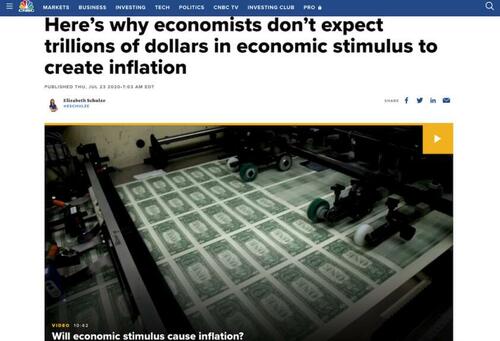
That one didn’t age well, did it?
At the time CNBC published this article, the Federal Reserve had expanded its balance sheet from $4 trillion to roughly $7 trillion. (We’re now knocking on the door of $9 trillion.) That means when this article was published, the central bank had created about $3 trillion out of thin air and injected it into the economy. But as Schulze pointed out, the Fed was still projecting “inflation will stay below the central bank’s 2% target over the next two years.”
Oops.
Before we even get to the poor economic analysis that led “economists” to this wildly wrong conclusion, it’s important to point out that the headline was obviously wrong from the very moment it was published.
Creating $3 trillion out of thin air is — by definition — inflation.
When we talk about “inflation” today, most people immediately think about rising prices. That is indeed one of the effects of inflation. But that isn’t inflation itself. Properly defined, inflation is an increase in the money supply. In fact, that used to be the standard definition of inflation. Over time, the government and media pundits have changed the definition. Today, pretty much everybody defines inflation as rising prices.
Economist Frank Shostak explained why getting the definition of inflation right matters.
Policymakers that focus on increases in prices in order to establish the status of inflation while ignoring increases in money supply are likely to misread the state of the economy. As a result, these policymakers and various economic commentators are likely to be surprised on account of the unexpected economic shocks. It follows, then, that employing an unsound definition of what inflation is all about can produce a disastrous economic outcome. It also implies that a central bank policy of stabilizing prices in order to secure stable inflation is erroneous.”
This is exactly what we see in this CNBC article – a disastrous misreading of the economy.
When we understand the actual definition of inflation, we recognize that this is a dumb headline on its face. It’s basically telling you that economists didn’t expect creating inflation to create inflation. This is obviously nonsensical. At the time Schulze penned this article, the Fed had already created $3 trillion in inflation.
Of course, Schulze was really trying to convince you that the inflation the Fed created wasn’t going to manifest itself in rising consumer prices. In hindsight, we also know this was completely wrong.
So, why didn’t economists think that creating $3 trillion out of thin air and injecting it into the economy wouldn’t cause prices to rise?
It was the typical Keynesian claptrap about aggregate demand.
Most mainstream economists believe it’s OK to pump money into the economy during a recession because demand drops. As unemployment rises and the economy tanks, people spend less. As Schulze put it, “Supply shocks have driven up prices for some goods in recent months. Yet many economists expect consumer prices will stay low despite trillions of dollars in government stimulus.”
She then backed up her statement with a quote from Evercore ISI Vice-Chairman Krishna Guha.
While there certainly is quite a lot of disruption to the supply side of the economy, that’s likely to be dominated by the huge hit to aggregate demand.”
Three months before CNBC published this article, the US government had already sent out the first round of stimulus checks. This is where the entire narrative falls apart. Peter Schiff explained exactly what happened during a recent interview with Megyn Kelly.
We told people not to go to work, not to be productive. Don’t help make stuff. Don’t provide services. But here’s a bunch of money to go out and spend. We want you buying stuff even though you aren’t making stuff. And so we flooded the country with money at the same time the production of goods and services slowed down. And of course, prices went up. It’s not a surprise. It’s exactly what I was saying was going to happen when we first went down this misguided path. So, we’re simply reaping the whirlwind of the wind that we sowed.”
But in July 2020, Peterson Institute for International Economics senior fellow Olivier Blanchard told CNBC that the stimulus wasn’t increasing demand and that while the stimulus checks helped “they didn’t lead to a boom in demand.”
So, what did policymakers do? They tripled down with two more rounds of stimulus.
I guess you could maybe argue that the first stimulus was fine but the third was just too much? Or maybe the extra $2 trillion the Fed created after Schulze penned her tome pushed the Consumer Price Index over the edge.
That could be what happened. But it probably wasn’t.
In fact, creating trillions of dollars out of thin air and handing them out was doomed from the start.
It’s fair to say that Schulze and the economists she interviewed in July 2020 couldn’t have known that there would be more stimulus checks handed out (although there was already talk of round two). But they had to know that once the economy started opening up, demand would quickly return. And they had to know that those trillions of dollars would still be floating around out there. So, they should have anticipated big price increases.
In fact, those price increases began showing up just six months later. At that point, the Fed started spinning the “transitory” inflation narrative — another wildly wrong assumption.
The central bankers and mainstream economists have been wrong about inflation every step of the way, from CNBC’s now clearly ridiculous analysis, to “transitory” inflation, to “Putin’s Price Hike.”
Now they are telling us that everything will be fine. The Fed will raise rates a bit and maybe shrink that balance sheet some and the inflation fire will die out. We’re told the economy is strong enough to handle tighter monetary policy. But at this point, shouldn’t we approach what these people say with at least a little bit of skepticism?
END
2.LAWRIE WILLIAM//,//Egon von Greyerz///Matthew Piepenburg via GoldSwitzerland.com, James RICKARDS/
3. Chris Powell of GATA provides to us very important physical commentaries
Craig Hemke warns about the TAS/spreader liquidation which will arrive around the 23 of april.
Craig Hemke at Sprott Money: Watching the silver futures calendar
Submitted by admin on Mon, 2022-04-18 17:44Section: Daily Dispatches
5:40p ET Monday, April 18, 2022
Dear Friend of GATA and Gold:
Craig Hemke of the TF Metals Report, writing today at Sprott Money, cautions that the “trade at settlement” mechanism for silver futures price suppression will be especially active in the next week.
Hemke writes: “All this incessant manipulation does not preclude prices headed higher. The banks operate this scheme for profit, and they can profit each month just as easily at $35 as they can at $25. You, as the trader/investor/enthusiast, simply need to understand these processes so that you can time your own trading actions for maximum personal impact.”
Hemke’s analysis is headlined “Watching the Calendar” and it’s posted at Sprott Money here:
https://www.sprottmoney.com/blog/Watching-the-Calendar-Craig-Hemke-April-18-2022
CHRIS POWELL, Secretary/Treasurer
Gold Anti-Trust Action Committee Inc.
CPowell@GATA.org
END
Eric Sprott’s makes his biggest bet yet on New Found gold. He rarely misses
(Friedman/NationalPost/GATA)
Eric Sprott makes his biggest bet yet on what could be ‘the greatest gold discovery in Canada’
Submitted by admin on Mon, 2022-04-18 21:37Section: Daily Dispatches
The billionaire, who was an early backer of what became one of the world’s largest gold miners, says this one is even bigger.
* * *
By Gabriel Friedman
National Post / Financial Post, Toronto
Monday, April 18, 2022
Bay Street legend Eric Sprott, who became a billionaire betting on gold and silver, just made his biggest investment yet in a precious metals exploration company.
Last week Sprott, the founder of asset manager Sprott Inc., announced that he had purchased $125.9 million of shares in New Found Gold Corp., an early-stage exploration company that holds exclusive rights to a project in Newfoundland and Labrador that has yielded promising initial drill results but has no official mineral resource.
“I do believe it is special,” Sprott said in an interview. “It’s going to prove to be maybe the greatest gold discovery in the history of Canada, if not in the world. … So that’s what makes it so easy for me to put that additional money in it.”
Sprott retired from the firm he created in 2017 and now invests his own money. But the 77-year-old still has a great deal of influence, as he remains one of the most deep-pocketed and bullish investors in Canada’s precious-metal mining industry.
Sprott has spent hundreds of millions of dollars to obtain stakes in dozens of tiny, often penny-stock companies. In recent years his reputation was bolstered by his role as an early backer of Kirkland Lake Gold Ltd., which grew from obscurity into one of the largest gold miners in the world, valued at $13.5 billion last year when it merged into Agnico Eagle Mines Ltd. …
… For the remainder of the report:
* * *
4.OTHER GOLD/SILVER COMMENTARIES
5.OTHER COMMODITIES
CORN
Corn exceeds $8 a bushel for the first time in 10 years as shortages continue
(zerohedge)
Corn Exceeds $8 A Bushel For First Time In Decade On Shortage Fears
MONDAY, APR 18, 2022 – 07:25 PM
A combination of factors has sent corn futures in Chicago to the highest level in a decade as investors fret over dwindling supplies.
Corn futures haven’t exceeded $8 a bushel since September 2012, following a devastating drought that damaged crops across the U.S. Midwest. Now supply risks return but for different reasons.

The global outlook for corn supplies has plunged since Russia’s invasion of Ukraine began in late February. The war-torn country supplies a fifth of the world’s corn and could experience a 50% decline in output this year.

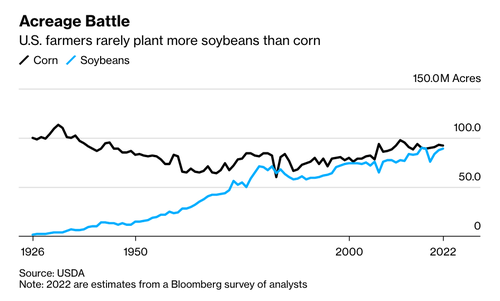
Soaring fertilizer costs have forced some farmers in the U.S. to increase plantings of soybeans this growing season versus corn as the crop requires fewer nutrients.
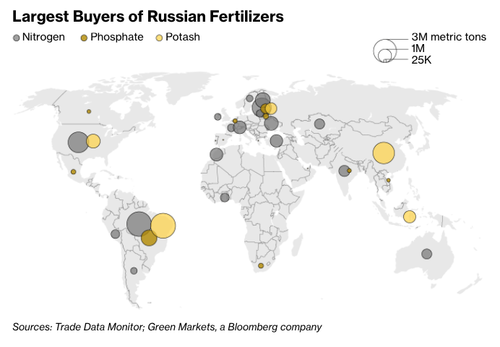
Fertilizer prices are at record highs because of rising natural gas costs and Russia limiting fertilizer exports to ‘unfriendly‘ countries. Russia is one of the biggest exporters globally — the U.S. just so happens to be a large importer of nitrogen and potash from Russia.
And the latest development pushing corn prices to the stratosphere is the Biden administration’s announcement of emergency measures last week to expand biofuel sales to curb soaring gasoline prices. The problem with this move is that the ethanol industry absorbs a larger share of the corn crop, which would curb supplies to the food industry. So ultimately, it would increase prices.
This is happening as global food prices jumped a stunning 12.64% MoM in March – almost double the previous record monthly surge…

Global food prices have exceeded levels only seen during the inflation riots of 2010/11, known as Arab Spring.

Investors appear to be pricing in a corn shortage. It’s never been a better time to start growing your own garden
end
COMMODITIES IN GENERAL
6.CRYPTOCURRENCIES
7. GOLD/ TRADING TODAY
Your early currency/gold and silver pricing/Asian and European bourse movements/ and interest rate settings TUESDAY morning 7:30 AM
ONSHORE YUAN: CLOSED DOWN 6.3874
OFFSHORE YUAN: 6.4066
HANG SANG CLOSED DOWN 490.32 PTS OR 2.28%
2. Nikkei closed DOWN 293.48PTS OR 1.08%
3. Europe stocks ALL RED
USA dollar INDEX UP TO 100.86/Euro RISES TO 1.0783
3b Japan 10 YR bond yield: RISES TO. +.244/ !!!!(Japan buying 100% of bond issuance)/Japanese yen vs usa cross now at 128.19/JAPANESE FALLING APART WITH YEN FALTERING AS WELL AS LONG TERM YIELDS RISING BREAKING THE JAPANESE CENTRAL BANK.
3c Nikkei now ABOVE 17,000
3d USA/Yen rate now well below the important 120 barrier this morning
3e WTI:: 106.95 and Brent: 111.63
3f Gold UP /JAPANESE Yen DOWN CHINESE YUAN: DOWN -SHORE CLOSED UP// OFF- SHORE DOWN
3g Japan is to buy the equivalent of 108 billion uSA dollars worth of bond per month or $1.3 trillion. Japan’s GDP equals 5 trillion usa./“HELICOPTER MONEY” OFF THE TABLE FOR NOW /REVERSE OPERATION TWIST ON THE BONDS: PURCHASE OF LONG BONDS AND SELLING THE SHORT END
Japan to buy 100% of all new Japanese debt and by 2018 they will have 25% of all Japanese debt. Fifty percent of Japanese budget financed with debt.
3h Oil UP for WTI and DOWN FOR Brent this morning
3i European bond buying continues to push yields lower on all fronts in the EMU. German 10yr bund RISES TO +.0.922%/Italian 10 Yr bond yield RISES to 2.53% /SPAIN 10 YR BOND YIELD FALLS TO 1.84%…ITALIAN 10 YR BOND YIELD/GERMAN BUND: 1.61: DANGEROUS FOR THE ITALIAN BANKING SYSTEM
3j Greek 10 year bond yield RISES TO : 2.95
3k Gold at $1979.15 silver at: 25.95 7 am est) SILVER NEXT RESISTANCE LEVEL AT $30.00
3l USA vs Russian rouble;// Russian rouble UP 0 & 7/8 roubles/dollar; ROUBLE AT 78.86
3m oil into the 106 dollar handle for WTI and 111 handle for Brent/
3n Higher foreign deposits out of China sees huge risk of outflows and a currency depreciation. This can spell financial disaster for the rest of the world/
JAPAN ON JAN 29.2016 INITIATES NIRP. THIS MORNING THEY SIGNAL THEY MAY END NIRP. TODAY THE USA/YEN TRADES TO 128.19 DESTROYING JAPANESE CITIZENS WITH HIGHER FOOD INFLATION
30 SNB (Swiss National Bank) still intervening again in the markets driving down the FRANC. It is not working: USA/SF this morning .9466– as the Swiss Franc is still rising against most currencies. Euro vs SF 1.0221 well above the floor set by the Swiss Finance Minister. Thomas Jordan, chief of the Swiss National Bank continues to purchase euros trying to lower value of the Swiss Franc.
USA 10 YR BOND YIELD: 2.876 UP 1 BASIS PTS
USA 30 YR BOND YIELD: 2.973 UP 2 BASIS PTS
USA DOLLAR VS TURKISH LIRA: 14.66
Futures Flat As Yen Discombobulation Extends To Record 13th Day
TUESDAY, APR 19, 2022 – 08:05 AM
After some jerky rollercoaster moves in Monday’s illiquid trading session, which jerked both higher and lower before closing modestly in the green, US futures resumed their volatility and at last check were trading flat after earlier in the session rising and falling; Nasdaq futures retreated 0.1%. as investors weighed the risks to economic growth from hawkish Federal Reserve comments. Stocks in Europe dropped as markets reopened after the Easter holiday, while bonds around the globe slumped as investors weighed the prospect of aggressive policy action to curb inflation. Asian stocks also dropped as did oil, while the dollar extended its gains . Treasuries extended declines, with the 10-year yield hitting a fresh three-year peak north of 2.90%. German and U.K. 10-year yields climbed to the highest since 2015 as bonds across Europe plunged.

The grotesque farce that is MMT came one step closer to total collapse as the yen dropped for a record 13th day, its longest-losing streak in at least half a century with the credibility of the BOJ – that central bank that launched MMT, QE and NIRP – now hanging by a thread. It wasn’t all bad news however, because with the yen losing more of its purchasing power, Japanese stocks gained.

Disruptions to supply chains from China’s lockdowns and to commodity flows from the war are keeping pressure on central banks to rein in runaway prices at a time when global growth is tipped to slow. The World Bank cut its forecast for global economic expansion this year on Russia’s invasion.
Meanwhile, investors – already betting on an almost half-point Federal Reserve rate increase next month – continue monitoring comments from policy makers as prospects of monetary tightening weigh on the sentiment. St Louis Fed President James Bullard said the central bank needs to move quickly to raise interest rates to around 3.5% this year with multiple half-point hikes and that it shouldn’t rule out rate increases of 75 basis points. The last increase of such magnitude was in 1994.
“The Bullard comments really encapsulate the quandary that many of the world’s central banks have found themselves in,” said Jeffrey Halley, a senior markets analyst at Oanda. “Luckily, they have plenty of excuses in the shape of the pandemic and the Ukraine war. Central banks can now play catchup, hike aggressively and run the risk of recessions. Getting the pain over and done may be the least worst option.”
Over in Ukraine, President Volodymyr Zelenskiy said Monday that Russian forces had begun the campaign to conquer the Donbas region in Ukraine’s east. Here are all the latest news and headlines over Ukraine:
- Russia’s Belgorod provincial Governor said a village near the Ukrainian border was struck by Ukraine, according to RIA. However, Sputnik noted that no casualties were reported.
- Russian Foreign Minister Lavrov says another stage of its operation is beginning
- Russian Defence Ministry is calling on Ukrainian and foreign fighters to leave the metallurgical plant in Mauripol without arms and ammunition today, via Reuters; adding, the US and other Western countries do everything to drag out the Ukrainian military operation.
- White House said US President Biden will hold a call with allies and partners on Tuesday to discuss continued support for Ukraine and efforts to hold Russia accountable, according to Reuters.
- French Finance Minister Le Maire says an embargo on Russian oil is being worked on, adds that we have always said with President Macron that we want such an embargo, via Reuters; aims to convince the EU on such an embargo in the coming weeks.
- Russia’s Gazprom has not booked gas transit capacity via Yamal-Europe pipeline for May.
In premarket trading, Zendesk rose 4.1% in premarket trading after a report about the software company hiring a new adviser to explore a potential sale. NXP Semiconductors dropped 2.5% in premarket trading after Citi cut the stock to neutral from buy, saying in note that its thesis on margin expansion has played out. Other notable premarket movers include:
- Amazon (AMZN US) could be active as Barclays analyst Ross Sandler is upbeat on it heading into 1Q results and sees gross merchandise value (GMV) accelerating on a 1-yr basis in 2Q.
- Netgear (NTGR US) dropped 11% in extended trading Monday after reporting preliminary net revenue for the first quarter that trailed the average analyst estimate.
- Super Micro Computer (SMCI US) climbed 15% after the maker of server and storage systems reported fiscal 3Q preliminary profit and sales that beat the average analyst estimate.
- Acadia (ACAD US) shares declined in postmarket after it said Phase 2 clinical trial of the efficacy and safety of ACP-044 for acute pain following bunion removal surgery didn’t meet the primary endpoint.
- WeWork (WE US) advanced in postmarket trading Monday as coverage starts with an overweight rating and $10 price target at Piper Sandler, which highlights that the co-working company is on track to achieve profitability by late 2023 or early 2024.
European stocks slumped with the Stoxx 600 dropping 1.1% led lower by healthcare and media shares as traders returned from a lengthy Easter holiday, with technology stocks also underperforming; the energy sub-index the only sector gaining in Europe in Tuesday trading as investors digest the recent rally in crude prices. Meanwhile in Russia equities fell for a second day with the benchmark MOEX Index dropping as Russia’s military pressed on with its offensive in southern and eastern Ukraine, with President Volodymyr Zelenskiy saying Moscow had launched a new campaign focused on conquering the Donbas region. The MOEX dropped as much as 3.2%, adding to declines of 3.4% on Monday with Lukoil, Sberbank and Gazprom leading losses. Here are some of Europe’s biggest movers:
- TotalEnergies rises as much as 3.6% to the highest level since the end of last month after reporting higher refining margins, as well as better liquids and gas prices
- Spectris gains as much as 6.3% after the firm said it will sell its Omega Engineering business to Arcline Investment Management for $525m, and also announced a GBP300m buyback program
- Carrefour climbs as much as 3% as Berenberg upgrades to buy from hold, saying that higher inflation is making the food retail sector more challenging, but will also reveal outperformers
- Virbac advances as much as 11% after the French maker of veterinary products raised the top end of its sales growth forecast. Oddo upgraded the stock to outperform.
- Food delivery shares lead European tech lower as U.S. Treasury yields touch new highs following a hawkish comment from a Federal Reserve President, Just Eat Takeaway -4.5%; Delivery Hero -2.5%
- European consumer staples and luxury stocks fall as markets reopen after a 4-day break, with higher inflation and looming interest-rate hikes at the forefront of investor worries
- L’Oreal, which reports 1Q sales after the market close today, slumps as much as 4.1%; LVMH decreases as much as 1.9%, Hermes down as much as 4%
- Wizz Air drops as much as 6.1% after being downgraded to reduce at HSBC, with the broker saying the low-cost airline’s decision to not hedge its fuel prior to the outbreak of the Ukraine war could bite
- Adevinta falls as much as 9.8% after Bank of America downgraded to underperform from neutral on Thursday, due to the classifieds business’s large exposure to the automotive sector
- Elior and SSP Group shares retreat after both are downgraded to hold from buy at Deutsche Bank on downside risks; Elior down as much as 3.7%, SSP as much as 6.1%
Earlier in the session, Hong Kong technology names declined on ongoing concerns over regulation. China dropped as investors assessed measures to tackle economic headwinds from Covid-led lockdowns.
Asian stocks declined for a third day, as continued concerns over China’s regulatory crackdowns and the prospect of aggressive monetary-policy tightening by the Federal Reserve weighed on sentiment. The MSCI Asia Pacific Index fell as much as 0.6%, with Chinese technology shares including Tencent and Alibaba the biggest drags after Beijing announced a “clean-up” of the video industry. Hong Kong stocks were the worst performers around the region as trading resumed after Easter holidays, while equities rose in Japan and South Korea. The People’s Bank of China on Monday announced measures to help businesses hit by Covid-19, as the latest economic data started to show the impact of extended lockdowns.
Investors are awaiting further easing with the release of China’s loan prime rates on Wednesday, after the central bank last week announced a smaller-than-expected cut in the reserve requirement for banks. Whether policy support measures will “flow significantly into the economy will be on watch,” and market participants may “want to see signs of recovery before taking on more risks in that aspect,” said Jun Rong Yeap, a strategist at IG Asia Pte. Hawkish Fed member James Bullard raised the possibility of a 75 basis-point hike in interest rates. Concerns of inflation and moves by the Fed and other central banks to fight it have driven the recent global equity selloff, with the Asian benchmark down about 11% this year.
In China, markets are also awaiting the release of banks’ benchmark lending rates on Wednesday after the People’s Bank of China reduced the reserve requirement ratio for most banks Friday but refrained from cutting interest rates. The latest policy measures “have really highlighted easing is required,” Gareth Nicholson, Nomura chief investment officer and head of discretionary portfolio management, said on Bloomberg Television. “The markets don’t believe enough has been done and they’re going to have to step it up.”
Japanese equities gained, rebounding after two days of losses as the continued weakening of the yen bolstered exporters. Electronics and auto makers were the biggest boosts to the Topix, which rose 0.8%. Tokyo Electron and Advantest were the largest contributors to a 0.7% rise in the Nikkei 225. The yen extended declines to a 13th straight day, its longest losing streak on record, falling through 128 per dollar.
Australian stocks also advanced, with the S&P/ASX 200 index rising 0.6% to close at 7,565.20 as trading resumed following Easter holidays. The energy and materials sectors gained the most. Cleanaway was among the biggest gainers, climbing the most since April 2021 after a media report said KKR has been preparing an offer for the Australian waste management company. City Chic Collective was the biggest decliner, falling to its lowest since December 2020. In New Zealand, the S&P/NZX 50 index fell 0.5% to 11,835.88.
In rates, Treasuries slipped, with yields rising by as much as 6bps in the long end of the curv, however they traded off session lows reached during European morning as those markets reopened after a four-day holiday. Yields beyond the 5-year are higher by 3bp-4bp, 10-year by 3.3bp at 2.89% after rising above 2.90% earlier; U.K. and most euro-zone 10-year yields are higher by at least 5bp, correcting spreads vs U.S. created Monday when those markets were closed. The yield curve continues to steepen; 7- to 30-year yields reached new YTD highs, nearly 3% for 30-year. Japanese government bonds were mixed. Focal points for U.S. session are corporate new-issue calendar expected to include more financial offerings and comments by Chicago Fed President Evans.
In FX, the Bloomberg Dollar Spot Index was little changed, after earlier rising to its highest since July 2020, and the dollar fell against almost all of its Group-of-10 peers. Commodity-related currencies and the Swedish krona were the best performers while the Japanese currency fell versus all of its G-10 peers. The yen extended its longest-losing streak in at least half a century, and touched 128.45 per dollar, its weakest level since May 2002, amid concerns over further widening in yield differentials. The euro reversed an Asia session loss even amid another round of bearish option bets in the front-end due to political risks. Bunds extended a slump, underperforming Treasuries, before a five-year debt sale and as money markets increased ECB tightening wagers. The Australian dollar surged against the yen to levels last seen almost seven year ago. RBA minutes said quicker inflation and a pickup in wage growth have moved up the likely timing of the first interest-rate increase since 2010. The New Zealand dollar also advanced; RBNZ Governor Orr reiterated the central bank’s aggressive rate stance. The pound was little changed and gilts slid, sending the U.K. 10-year yield to the highest since 2015 as money markets bet on a faster BOE policy tightening path.
In commodities, crude futures declined. WTI trades within Monday’s range, falling 1.5% to trade around $106. Brent falls 1.5% to ~$111. Most base metals trade in the green; LME copper rises 1.4%, outperforming peers. Spot gold is down 0.1% to $1,977/oz.
Bitcoin was flat and holding steady at the bottom of the sessions USD 40.6-41.2k parameters.
Looking at the day ahead, data is light with US March building permits, housing starts, and Canada March existing home sales. The IMF will also release their 2022 World Economic Outlook.
Market Snapshot
- S&P 500 futures up 0.3% to 4,401.75
- STOXX Europe 600 down 0.8% to 456.07
- MXAP down 0.4% to 171.55
- MXAPJ down 0.3% to 570.60
- Nikkei up 0.7% to 26,985.09
- Topix up 0.8% to 1,895.70
- Hang Seng Index down 2.3% to 21,027.76
- Shanghai Composite little changed at 3,194.03
- Sensex up 0.5% to 57,438.93
- Australia S&P/ASX 200 up 0.6% to 7,565.21
- Kospi up 1.0% to 2,718.89
- German 10Y yield little changed at 0.91%
- Euro up 0.2% to $1.0808
- Brent Futures down 0.7% to $112.40/bbl
- Brent Futures down 0.7% to $112.40/bbl
- Gold spot up 0.1% to $1,979.91
- U.S. Dollar Index little changed at 100.73
Top Overnight News from Bloomberg
- Record numbers of U.K. business leaders expect operating costs to soar this year as inflation proves more sticky than thought, according to a survey by Deloitte
- French President Emmanuel Macron led his rival Marine Le Pen 55.5% to 44.5% ahead of the run-off presidential election set for April 24, according to a polling average calculated by Bloomberg on April 19. The gap between them has widened from the 8.2 percentage points recorded on April 15
- Nationalist leader Marine Le Pen never led in the three campaigns she’s run for France’s top job, but a protectionist stance on economic issues in recent years has allowed her to reach some voters who traditionally backed left- wing candidates
- China’s central bank announced a spate of measures to help an economy which has been hit by lockdowns to control the current Covid outbreak, but the focus on boosting credit likely means the chances for broad-based easing are shrinking
A more detailed breakdown courtesy of Newsquawk
Asia-Pac stocks saw a mixed performance as more markets reopened and trade picked up from the holiday lull. ASX 200 gained on return from the extended weekend, led by strength in commodity-related sectors and top-weighted financials. Nikkei 225 briefly reclaimed the 27k level as continued currency depreciation underscored the Fed and BoJ policy divergence. Hang Seng was pressured as it took its first opportunity to react to the PBoC’s underwhelming policy decisions and with tech hit after Shanghai’s market regulator summoned 12 e-commerce platforms including Meituan on price gouging during COVID outbreaks. Shanghai Comp was choppy as participants mulled over the latest virus-related developments including an increase in Shanghai deaths and the lockdown of five districts in the steel producing hub of Tangshan, although policy support pledges from the PBoC and NDRC ultimately provided a cushion.
Top Asian News
- Japan’s Stepped-Up Warnings Fail to Stem Yen’s Slide Past 128
- China’s Promises to Support Covid-Hit Economy Fail to Impress
- China Tech Stocks Slump on Didi Delisting Plan, Regulation Woes
- Sri Lanka Officially Requests Rapid IMF Funds Amid Crisis
European bourses are negative on the session but were choppy and rangebound for much of the morning before dropping further amid renewed yield upside, Euro Stoxx 50 -1.4%. Stateside, US futures have given up their initial positive performance and are now lower across the board, ES -0.3%, and the NQ -0.4% lags given yield action; session is focused on Fed speak and earnings with NFLX due. Truist Financial Corp (TFC) Q1 2022 (USD): Adj. EPS 1.23 (exp. 1.10), Revenue 5.32bln (exp. 5.47bln)
Top European News
- Stellantis Idles One of Russia’s Last Auto Plants Left Running
- Commodities Trader Gunvor Doubled Profits on Hot Gas Market
- European Gas Falls to Lowest Since Russian Invasion of Ukraine
- Credit Suisse’s Top China Banker Tu Steps Aside for New Role
FX:
- USD/JPY breezes through more option barriers and disregards more chat from Japanese officials about demerits of Yen weakness; pair pulls up just pips shy of 128.50.
- DXY tops 101.000 in response before pulling back as Europeans return from long Easter break.
- Aussie outperforms as RBA minutes highlight more recognition about inflationary environment externally and internally.
- Kiwi next best G10 currency as RBNZ Governor Orr underlines that policy is being weighted towards anchoring inflation expectations; AUD/USD hovers under 0.7400 and NZD/USD around 0.6750
- Euro trying to hold near 1.0800 where 1.3bln option expiry interest rolls off at the NY cut, Pound regains 1.3000 plus status and Loonie pivots 1.2600 on the eve of Canadian CPI.
- Yuan close to 6.4000 ahead of Chinese LPR rate verdict on Wednesday amidst heightened easing expectations.
Fixed income:
- EU bonds correct lower after long Easter holiday weekend then pick up the baton to push US Treasuries even lower; Bunds giving up 154.00 and dropping to a 153.58 trough in short order and USTs lower to the tune of 7 ticks.
- Decent demand for German Bobls, but high price in terms of yield and a larger retention – limited relief seen in the benchmark, given broader action.
- Benchmark 10 year cash rates approaching new psychological marks of 1.0%, 2.0% and 3.0% in Bunds, Gilts and T-notes respectively.
Commodities
- Crude benchmarks are softer after yesterday’s firmer session, which was driven by Libya supply concerns, currently moving in tandem with broader equity performance awaiting fresh geopolitical developments.
- Currently, WTI and Brent are modestly above session lows which reside sub USD 106/bbl and USD 111/bbl respectively.
- OPEC+ produced 1.45mln BPD below targets during March, via Reuters citing a report; compliance 157% (132% in February).
- Spot gold and silver are contained with the yellow metal pivoting USD 1975/oz while copper derives further impetus from Peru protest activity.
- MMG said protesters at the Las Bambas copper mine alleged a failure to comply with social investment commitments, while it rejected the allegations and noted that Las Bambas will be unable to continue copper output as of April 20th.
US Event Calendar
- 08:30: March Building Permits MoM, est. -2.4%, prior -1.9%, revised -1.6%
- 08:30: March Housing Starts MoM, est. -1.6%, prior 6.8%
- 08:30: March Building Permits, est. 1.82m, prior 1.86m, revised 1.87m
- 08:30: March Housing Starts, est. 1.74m, prior 1.77m
Central Bank Speakers
- 12:05: Fed’s Evans Speaks to Economic Club of New York
DB’s Tim Wessel concludes the overnight wrap
Welcome back to another holiday-shortened week for many markets. What it lacks in tier one data releases, it makes up for with heavy hitting central bank speakers and a core European Presidential election. We’re also wading into the thick of earnings season, while the on-running war in Ukraine has the potential to tip markets in any direction at the speed of a headline.
Starting with the central bankers, President Lagarde and Chair Powell will sit on an IMF panel to discuss the global economy in the last Fed communications before their May meeting blackout period. The Fed has primed markets for a +50bp hike in May, and pricing has obliged, with futures placing a 98.1% probability of a +50bp rise, along with +246bps of tightening for the entire year. Governor Bailey won’t miss out on the action and is also delivering an address Thursday. Other Fed regional Presidents will speak throughout the week, with the Fed’s Beige Book due Wednesday. The IMF, meanwhile, will release their global outlook later today. As a reminder, DB Research updated our World Outlook earlier this month, where we are calling for recessions in the US and the euro area within the next two years. Plenty more in the link here.
US earnings season will diversify beyond the financials-heavy slate from last week. Today is a nice microcosm of the change up, showcasing earnings from Johnson & Johnson, Halliburton, Hasbro, Lockheed Martin, Netflix, and IBM.
On data the rest of the week, we’ll receive German PPI and Canadian CPI Wednesday, along with global PMIs Friday. US housing data dot the rest of the week, as we unravel the competing threads of tight inventories, heightened demand, and supply constraints, against higher mortgage rates on housing activity.
Finally, the second round of the French Presidential election is this coming Sunday. Politico’s latest polling aggregates still have incumbent President Macron outpacing Marine Le Pen by around 9% in Sunday’s runoff. Our Europe team has their takeaways from the first round here.
The ECB’s April meeting garnered top billing during the EMR’s long weekend (our Euro econ team’s full review here). Overlaid on an inflationary backdrop, the Governing Council is weighing the downside risk to growth against the upside risk to inflation stemming from the recent conflict. While uncertainty pervades, the latter risks are more pressing, which drove their decision to signal net APP purchases would end in Q3, paving the way for policy rate liftoff later this year. Our economists expect the last APP net purchases will occur in July, with the risk skewed toward June, with a +25bp liftoff in September. Markets have +11.8bps of hikes priced by July, +35.6bps by September, and +64.4bps of hikes through 2022.
There was no new tool to address market fragmentation, though the ECB signaled imperfect policy transmission would not stand in the way of lifting rates and a new tool would be created if need be. 10yr BTP spreads were -5.0bps tighter to bunds over the week, and +3.3bps wider the day of the meeting.
Elsewhere, as mentioned, a suite of US financials reported. Looking through the releases, it seems most FICC trading desks benefitted from the quarter of volatility and higher rates are set to improve margins. However, the prospect of an economic slowdown or potential exposures to war fallout cloud the outlook. S&P 500 financials were -2.65% lower on the week.
Taking a longer view of last week, sovereign yields marched higher on the back of tighter expected monetary policy, and the yield curve’s recent sharp steepening continued. 10yr Treasury and bund yields respectively increased +12.8bps (+12.9bps Thursday, +2.5bps yesterday) and +13.5bps (+7.6bps Thursday) with continued heightened volatility. Real yields drove most of the gains in the US (+10.2bps for the week, +4.6bps Thursday, -1.0bps yesterday), ending the week at -0.09%, the highest level since early 2020. 10yr real yields are now +101.7bps higher this year, having had their climb only briefly interrupted by Russia’s invasion of Ukraine. The 2s10s Treasury curve steepened +19.1bps (+2.5bps Friday, +2.9bps yesterday).
There were not many positives to hang onto in Ukraine last week. Negotiation progress turned sour, President Biden labeled Russia’s invasion a ‘genocide’, and the US upped the provision of heavy weaponry to Ukraine, which was met with a diplomatic warning from Russia. The EU also pledged additional aid, while Finland began the process of applying for NATO membership and Sweden is reportedly considering the same. On the ground, Russian forces continued their eastern offensive, surrounding Ukrainian defenders of the port city Mariupol.
Along with the drag on sentiment, the International Energy Agency warned the full disruption to Russian oil supply had yet to bind, with as much as 3 million barrels of oil per day coming offline starting in May. Brent crude futures therefore climbed +8.7% (+2.68% Thursday, +1.31% yesterday), and closed yesterday at $113.16/bbl, their highest level in three weeks.
The S&P 500 fell -2.13% (-1.21% Thursday, -0.02% yesterday in a very quiet session) while the STOXX 600 managed to lose just -0.2% after a +0.7% rally Thursday into the holiday. In the S&P, energy (+3.53%) outperformed given the oil spike, while large cap stocks underperformed on the valuation hit wrought by rising yields, with FANG+ falling -4.81% (-3.16% Thursday, +0.25% yesterday).
Asian equity markets are ambivalent about returning after a long holiday, with the Hang Seng (-2.80%) leading regional losses. Mainland Chinese stocks are faring better, with the CSI dipping -0.38% while the Shanghai Composite is -0.03% lower. This, following the PBOC announcing yesterday increased financial support for industries, businesses, and people affected by Covid-19. Elsewhere, the Nikkei (+0.12%) and the Kospi (+0.90%) are up. Outside of Asia, S&P 500 (+0.20%) and Nasdaq (+0.28%) futures are both trading higher.
The RBA minutes overnight signaled they are not too far from joining the global tightening cycle, as they expect inflation to further increase above target.
The yen extended its depreciation streak against the US dollar, falling -0.58% to 127.73 per dollar, the weakest level since May 2002, as diverging monetary policy paths take their toll.
Oil prices and 10yr Treasury yields are little changed overnight; brent futures are +0.19% higher, while 10yr Treasury yields are -1.5bps lower.
To the day ahead, data is light on top of the aforementioned earnings, with US March building permits, housing starts, and Canada March existing home sales. The IMF will also release their 2022 World Economic Outlook.
3. ASIAN AFFAIRS
i)TUESDAY MORNING// MONDAY NIGHT
SHANGHAI CLOSED DOWN 1.49 PTS OR 0.05% //Hang Sang CLOSED DOWN 490.32 OR 2.28% /The Nikkei closed DOWN 16.76 PTS OR 0.68% //Australia’s all ordinaires CLOSED UP .58% /Chinese yuan (ONSHORE) closed DOWN 6.3874 /Oil UP TO 106.95 dollars per barrel for WTI and DOW TO 111.63 for Brent. Stocks in Europe OPENED ALL RED // ONSHORE YUAN CLOSED DOWN AGAINST THE DOLLAR AT 6.3874 OFFSHORE YUAN CLOSED UP ON THE DOLLAR AT 6.3]4066: /ONSHORE YUAN TRADING ABOVE LEVEL OF OFFSHORE YUAN/ONSHORE YUAN TRADING WEAKER AGAINST US DOLLAR/OFFSHORE WEAKER//
3 a./NORTH KOREA/ SOUTH KOREA
///NORTH KOREA
END
3B JAPAN
end
3c CHINA
CHINA/COVID/SHANGHAI LOCKDOWNS/
Something is really going on in China as they confirm their first COVID deaths. As Fringe stated yesterday, it China is trying to wreck its economy and its people on purpose or they know something
on the virus that we do not know. You should know that Chinese are very deficient in Vitamin d and that may cause a lot of problems for them
(zerohedge)
Shanghai Finally Confirms First COVID Deaths Since Start Of Lockdown
MONDAY, APR 18, 2022 – 08:05 PM
After weeks of allegedly covering up COVID-related deaths in senior-living facilities, Shanghai has curiously picked Monday – just hours after releasing stronger-than-expected (and likely goalseeked) Q1 GDP figures – to confirm the first COVID deaths in the city of 26 million, where more than 100K people have been confirmed positive with the virus over the past month alone.
To be sure, the official figures are still pretty small: the city confirmed that people have died as of Sunday, the city said, attributing the deaths to preexisting health conditions. The official announcement noted all three people were elderly and were also not vaccinated.
Shanghai authorities have been doing everything they can to try and force more older Chinese to accept its vaccines, which have been said to be less effective than their western counterparts.

To be sure, about 224.8 million people over the age of 60 have already been vaccinated, which represents about 85% of that age group.
But for those who haven’t yet received the vaccine, local authorities are trying another novel tactic: bribing them.
According to CNBC, at least one neighborhood in the capital city of Beijing has said that anyone over the age of 60 getting their first COVID shot could receive a reward worth the equivalent of about $70 to $80, citing anecdotal reports.
Case numbers have started to cool, per the official data, as authorities hope to be able to start rolling back restrictions in the country’s largest city (which is 3x the size of NYC) by Wednesday: On Sunday, Shanghai reported 19,831 cases with no symptoms, and 2,417 new confirmed COVID cases with symptoms. Meanwhile, outside of Shanghai, another 300 newly confirmed cases with symptoms were reported across the rest of mainland China.
Shanghai’s lockdown has been particularly brutal, as local residents describe running low on food and essential supplies while being effectively sealed inside their homes. Many who took to social media – or their balconies – to protest the lockdown were ordered to cease and desist by the authorities, who haven’t hesitated to crack down on all dissent, even while the CCP’s policies have led to unnecessary and otherwise preventable deaths.
One memorable video, which made the rounds on western social media, depicted Shanghaiers taking to their balconies to chant in protest, as CCP drones ordered them to halt and go back inside.
As we have previously noted, analysts at Nomura estimated last week that 45 cities responsible for about 40% of China’s GDP were under complete or partial lockdowns, and said the country was at “risk of recession.” As a result, prices of commodities both agricultural and industrial, have tumbled in China, leading to some speculation that the CCP is using the lockdowns to manipulate commodity prices and prevent the levels of inflation afflicting western economies from ever being imported to China.
Keep in mind: China is desperately in need of crude oil, LNG, food, basic materials, base metals, and other commodities. Putin’s invasion of Ukraine has created additional energy scarcity, inflation, and skyrocketing food inflation. While China hasn’t had any material problems with the virus from Wuhan in the past, it’s interesting that their draconian lockdowns (in conjunction with telegraphing the purchase of fewer cargoes of LNG and crude) are forcing global economists to ratchet growth expectations lower while concurrently blunting future demand projections.
And as the impact of China’s broken supply chains reverberate across the world (from Europe, to North America, and beyond), we can’t help but wonder if the CCP secretly wants to country’s supply chains to remain broken.
END
4/EUROPEAN AFFAIRS//UK AFFAIRS
//EUROPE/RUSSIA
Big news: EU to impose full embargo on Russian oil next week. JPMorgan states that this will send oil above $185
(zerohedge)
EU To Impose Full Embargo On Russian Oil Next Week, Will Send Price Above $185 According To JPMorgan
TUESDAY, APR 19, 2022 – 01:13 PM
Update (13:15 ET): What was largely a theoretical modeling exercise until moments ago, is set to go live because Reuters reports that the EU is set to declare a full embargo on Russian oil after this weekend’s French election:
- EU GAS PRICE TO SHOOT UP AS EU TO DECLARE EMBARGO ON RUSSIAN OIL AFTER FRENCH ELECTION NEXT WEEK – SOURCE
Why wait until after the election to launch the embargo? Simple: Europe’s bureaucrats are correctly terrified that the coming oil price spike to push the vote in Le Pen’s favor, which is why Europe will wait until after the election (when Macron will supposedly be the next president of France, as Belgium hopes) to announce it publicly.
* * *
Despite the clear intentions of western government to cripple Russian energy production, loadings of Russian oil have so far been surprisingly resilient, so much so that Russia’s current account balance is at all time highs.
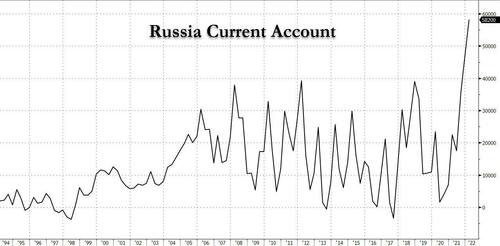
According to JPMorgan, shipments in the seven days to April 16 hit 7.3 mbd, only 330 kbd below the 7.58 mbd averaged in
February before the start of the war. Remarkably, JPM calculates that Russian crude exports are averaging 360 kbd above pre-invasion volumes, while exports of oil products like fuel oil, naphtha, and VGO have declined by 700 kbd (full report available to pro subscribers in the usual place).
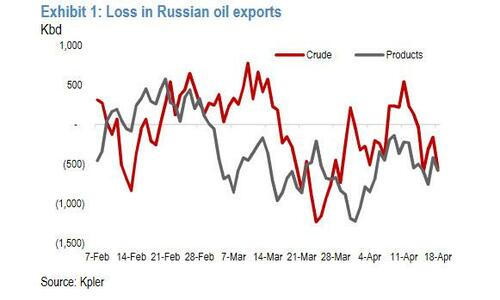
As previously observed, the decline in product exports combined with a 200 kbd drop in Russian domestic oil demand has resulted in Russian refineries cutting runs. The volume of refining cuts in April has risen to 1.3 mbd, almost 0.6 mbd above usual April maintenance. By late March, a sharp reduction in domestic refining throughput triggered production shut-ins.
With that in mind, JPM now estimates that Russian production shut-ins will amount to 1.5 mbd in April, vs its initial forecast of 2 mbd (the forecast of a 1 mbd loss of Russian exports for the rest of the year remains unchanged for now).
Underlying JPM’s projection is the assumption that European buyers will cut their purchases of Russian oil by about 2.0-2.5 mbd by the end of the year and that Russia will be able to re-route only about 1 mbd out of that.
The three ways JPM gets to its 2.0-2.5 mbd estimate are:
- Russian crude spot contracts account for about 1.8 mbd of total exports, while about 0.3 mbd of products are sold on spot terms, giving us a likely disruption of 2.1 mbd,
- As of today, nine European countries plus the US, Canada and the UK have committed to cut their imports of Russian oil by ~2.1 mbd,
- 26 major European refiners and trading companies have suspended spot purchases or intend to phase out 2.1 mbd of Russian imports.
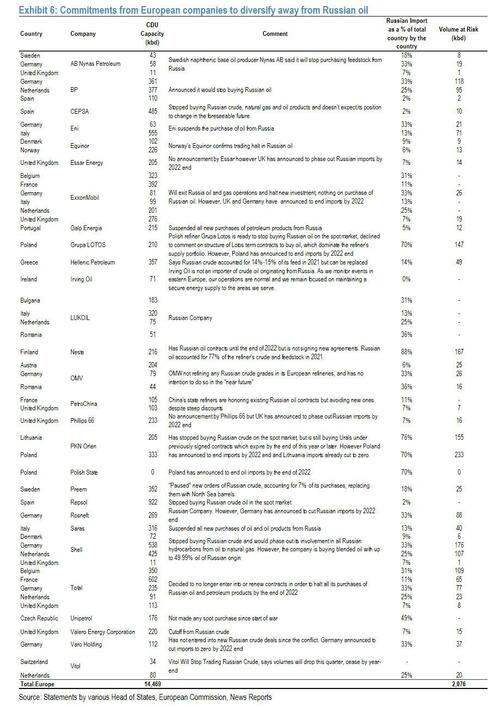
Of course, it will come as no surprise to anyone that aggressive purchases of Russian oil by China and India – who have both ramped up purchases of Russian oil in the past two months, and Turkey has also increased volumes to pre-COVID levels – have offset some of the loss. Given time, JPM estimates that together these three countries can likely import an additional 1 mbd beyond what they are importing today.
Which brings us to the big question: if Europe follows through on its warning to expand sanctions to all Russian oil, what happens to the price? Well, according to JPMorgan, nothing good.
As JPM’s commodity strategist Natasha Kaneva writes, she has reviewed various scenarios should Europe expand its sanctions to include Russian oil, and warns that “any immediate embargo measure taken by the European Commission will have a severe impact on the global oil market with risks to price entirely to the upside in the short-term.”
The bank has examined three potential tools the EU could use to sanction Russian oil, from the most aggressive, a full embargo on imports from Russia, to the more conservative, taxes or price caps on Russia oil imports. In any scenario, to avoid the extreme price spikes, the market needs time to adjust.
A look at the various scenarios, starting with the most draconian:
- A full and immediate embargo is likely to hurt European consumers more than Russian producers in the near term. More importantly, a full, immediate ban would likely drive Brent crude oil prices to $185/bbl as more than 4 mbd of Russian oil supplies would be displaced with neither room nor time to re-route them to China, India, or other potential substitute buyers.
Some more details on the “full embargo” scenario:
Though India has already increased its imports of Russian oil to three times 2021 levels, its ability to continue to act as a sink for displaced Russian oil supply remains in question as the US warns India not to increase imports further.
- However, if Europe implements an embargo more slowly, e.g. over a period of months, similar to the European ban on Russian coal imports where a wind-down period of four months is in place, prices are unlikely to rise much higher than current levels.
- In a slower phase out, Russia would have more time to adjust its oil flows toward friendlier buyers and global ex-OPEC+ supply growth would have time to grow sufficiently to fill at least some of the Russia-sized hole in global oil supply.
The EU is also entertaining less drastic alternatives to a full embargo which would allow Europe to continue to receive Russian oil supply while still applying financial pressure on Moscow. These alternatives include introducing i) special taxes and ii) price caps on European imports of Russian oil.
- Because the operational breakevens for Russian oil are less than $10/bbl and Russia’s Energy Minister has said the country will sell to “friendly countries” at “any price range,” Russian producers could likely still afford to continue to deliver oil to European consumers, even under tariffs of 90% or a price cap of $20/bbl. Either of these options may provide a politically-acceptable middle ground, allowing the EU to make a show of force while maintaining its Russian energy lifeline
- Additionally, under a price cap, the EU is considering establishing an escrow account into which oil buyers would deposit the difference between the market price of oil and the level of the price cap. These funds would either be entirely dedicated to rebuilding Ukraine after hostilities cease or be provided to Russian producers at a later date net of costs to rebuild Ukraine. Sending additional funds to Russian operators, even at a later date, likely carries with it political risk, but the promise of more revenue in the future would go further to guarantee continued supply from Russia.
In any of these scenarios, it is obvious that Russia will turn to friendlier buyers for its exports of crude oil and oil products. China and India have both already ramped up purchases of Russian oil in the past two months and Turkey has also continued to ramp up purchases of Russian oil toward pre-COVID levels in spite of the conflict in Ukraine.
Together, these three countries can likely import an additional 1 mbd beyond what they are importing today, with China replacing other East Asia buyers of oil from Eastern Russia like Japan and Korea and Turkey and India picking up cargoes of Russian oil from the Black Sea and Baltic ports opportunistically.
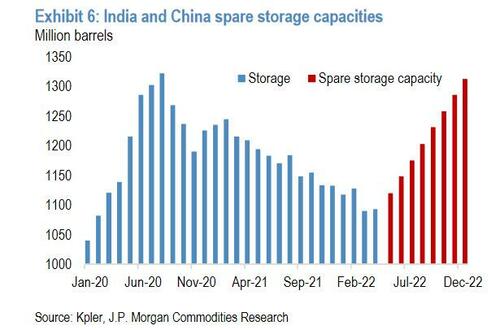
UK
Inflation is causing streaming subscriptions to be cancelled in record numbers
(zerohedge)
UK Households Cancel Streaming Subscriptions In Record Numbers As Inflation Forces Cutbacks
TUESDAY, APR 19, 2022 – 04:15 AM
Here’s some more bad news for Netflix, Apple TV, Amazon Prime, Disney+ and the various and sundry streaming competitors (including the already struggling CNN+): in the face of a worsening inflation crunch, consumers are canceling their streaming subscriptions at a “record” pace.

At least, that’s the takeaway from the latest streaming data out of the UK.
According to the FT, which cited figures from analytics organization Kantar, British households walked away from about 1.5 million video on-demand accounts during the first three months of the year, an unprecedented number suggesting that consumers are becoming more “discerning”.
To be sure, 58% of households retain at least one streaming service, a decline of only 1.3% from the end of 2021. But the terminations suggest that viewers have become more discerning about subscribing to multiple platforms.
Most of those canceling their subscriptions cited a desire to save money as the most important reason for canceling their subscriptions, and young adults have become particularly wary of paying for television on top of an annual £159 licensing fee.
The global insight director from Kantar described the streaming-cancellation figures as “sobering”.
The findings were “sobering” for streaming providers, said Dominic Sunnebo, global insight director at Kantar. He said streaming services had to prove their worth to consumers “in what has become a heavily competitive market”.
As we noted earlier this month, living standards in the UK are declining at the fastest rate in 8 years due to a ‘death spiral’ spurred by soaring energy costs.
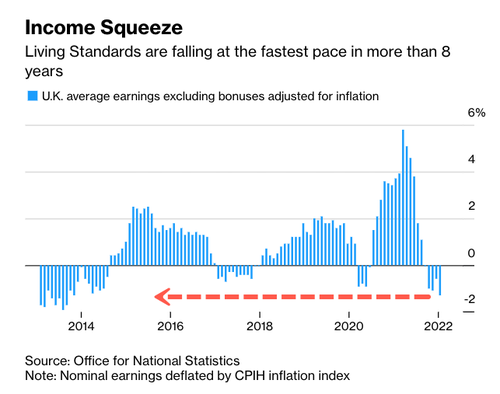
As a result, high inflation has pushed the UK Misery Index, an economic indicator to gauge how the average person is doing, to three-decade highs.
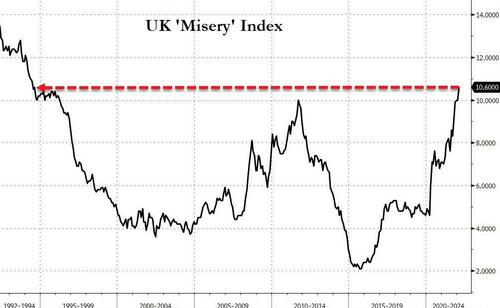
Of course, for investors, fears about ‘oversaturation’ in the hyper-competitive streaming space have caused shares of the once-dominant Netflix to shed more than 40% of their valuation since the start of the year after reporting its worst quarter in half a decade.
Netflix, which recently implemented its second round of UK price increases within 18 months, raising standard monthly subscriptions from £10 ($13) to £11 ($14.3).
Circling back to the UK, Kantar’s data showed Britbox, Apple TV Plus and Discovery Plus had the highest churn rate, meaning they lost the most users on a gross basis. Disney Plus had the biggest increase in its churn rate, Kantar said. Its quarterly churn tripled from the previous quarter to 12%. Meanwhile, Netflix and Amazon Prime enjoyed the lowest churn rates, suggesting that users would cut them last during a period of belt-tightening.
END.
end
5. RUSSIAN AND MIDDLE EASTERN AFFAIRS
RUSSIA/UKRAINE//THE WEST/DONBASS
FULL ASSAULT IS ON!
“Battle Of Donbas” In Full Swing As Russia Launches ‘Hellish’ All-Out Assault
TUESDAY, APR 19, 2022 – 11:08 AM
In the overnight hours the “Battle of the Donbass” – as Ukraine’s Zelensky is calling it – was launched with a full renewed Russian onslaught, marking the beginning of a second phase of the war which kicked off with the Feb.24 invasion. The opening hours of Tuesday were marked by constant shelling and missile strikes in the region.
“Another stage of this operation (in eastern Ukraine) is beginning and I am sure this will be a very important moment of this entire special operation,” Lavrov announced during a live interview with India Today on Tuesday.
Importantly, when asked about whether the ‘special operation’ launch by Vladimir Putin would eventually extend to the capital of Kiev, Lavrov responded: “We are not up for regime change in Ukraine.” This coming weeks after Russia’s military commanders announced a new focus on liberating the east.

Further as translated in state sources, the top diplomat emphasized that “Russia had no other choice but to start the operation, as Ukrainian forces had intensified attacks in Donbass, prompting mass evacuations of civilians from the region and forcing the Donetsk and Lugansk People’s Republics to ask Moscow for help.”
As heavy military assets and troops poured into the far eastern Ukrainian region starting from the weekend through the past days, President Volodymyr Zelensky assessed in a video address that a “very large part of the entire Russian army is now focused on this offensive,” adding that “No matter how many Russian troops they send there, we will fight. We will defend ourselves.”
At least dozens of Russian strikes have been reported throughout the Donbas as the operation kicked into forces during the overnight and morning hours:
Russia has launched a full-scale ground offensive to take control of Ukraine’s east, according to authorities in Kyiv, with explosions reported all along the front lines and one local official describing the situation as “hell” amid “constant fighting”.
This after the Russian defense ministry called on all Ukrainian fighters to immediately lay down their arms if they want safe passage, particularly in the besieged and largely destroyed city of Mariupol in the southeast, where it’s believed a couple thousand Azov as well as foreign fighters are holed up in a large steel factory.
“Constructed in the early Soviet era and rebuilt after the Nazi occupation during World War II, Mariupol’s Azovstal steelworks is one of Europe’s biggest metallurgical plants, covering more than 11 sq km (4.25 sq miles) and overlooking the Sea of Azov,” France24 reports of the at this point days-long standoff.
“It is now the site of one of the last pockets of Ukrainian resistance in the besieged port city. Ukrainian military officials say there are also hundreds of civilians sheltering in the plant,” the description continues. “Russia’s defense ministry has demanded that measures be taken to release civilians from the Azovstal plant.”
Additionally, on Tuesday the Russia military said it has opened a ‘humanitarian corridor’ for any remaining Ukrainian militants to “voluntarily lay down their arms”. It announced that the window for exiting the corridor would begin at 14:00 Moscow time, according to RIA. Essentially what’s being offered is a ‘surrender or die’ ultimatum.
END
ISRAEL/IRAN/THE WEST
Odds of a nuclear deal with Iran are shrinking
(Widdershoven/OilPrice.com)
The Odds Of A Nuclear Deal With Iran Are Shrinking Every Day
TUESDAY, APR 19, 2022 – 05:00 AM
Authored by Cyril Widdershoven via OilPrice.com,
- The odds of a new nuclear deal with Iran are shrinking.
- The Iranian position on several key issues is preventing a breakthrough.
- Without addressing the future role of Iran in the Middle East, no real nuclear deal can be signed.
The odds of a new nuclear deal with Iran are shrinking. The ongoing discussions, which have been lauded several times by participants to have almost reached a solution, are still hanging like a boxer on the ropes.
While the knockout blow hasn’t yet been landed, Tehran’s hope to get the U.S. and its European partners to sign a deal with regard to the global oil supply deficit is increasingly unrealistic. The current discussions are hitting a brick wall as the Iranian position on several key issues is preventing a breakthrough. Since the latest negotiations started over a year ago, Tehran has been actively engaged in finding new ways to get its hands on nuclear weapons technology. The new hardline government of president Raisi, backed fully by the Islamic Revolutionary Guards (IRGC), the extremist military force ruling Iran, is not willing to back down at all. A new agreement according to Iran, cant be signed if sanctions are not removed on the IRGC. The latter is a no-go area at present for U.S. president Biden, as he does not have enough support to put this through Congress.
Removing the IRGC from the list of terrorist organizations is not just being opposed by a majority of US Democrats and Republicans in the House but also in the Senate. At the same time, Biden needs to get the backing of outside parties too, especially the Arab Gulf states, such as the UAE and Saudi Arabia, but also Egypt and Israel. Arabs and Israelis are even openly discussing a military anti-Iran alliance, which could be used as a geopolitical counterweight against any pro-Iranian US or European moves.
During an unprecedented Arab – Israeli meeting in the Negev, Israel, UAE, Bahrain and Morocco, have been discussing possible strategies to counter Iranian influence in the region. The outcome is not clear, but Israeli and Arab military analysts have been hinting at a military alliance. Iranian officials have already conceded a possible defeat, as one stated this week that the ‘agreement is in the emergency room”. The JCPOA discussions at present in Vienna, but also in the backrooms of Western and Iranian governments, were an almost impossible venture from the start. As former U.S. President Trump’s move to leave the JCPOA agreement already clearly reflected, the current agreement is built on a weak basis, not including much stricter limits on Iran’s nuclear program, but also not taking into account the growing capabilities of Iran’s missile developments, and its continuing support for anti-Western or anti-Arab proxy forces, such as Hezbollah, Hamas, Houthis and the Shi’a militias in Iraq. All have been involved in military or terrorist actions against Western targets or Arab infrastructure. The continuing direct support of Iran for Russia’s military aggression in Ukraine is also not being accounted for.
Without addressing the future role of Iran in the Middle East, no real nuclear deal can be signed. For Iran, the opportunity to take advantage of the crisis in energy markets, due to US-EU sanctions on Russia, is lost. For the Raisi government, the main powers are Russia (Syria, Iraq, Libya) and China. The latter is the largest economic partner of the regime in Tehran, investing around $26.5 billion in 2020. At the same time, China is propping up the Iranian regime, representing almost all of Iran’s oil exports at present. A recent report stated that Tehran exports around 829,260 bpd of oil to China via a so-called ‘ghost armada’. Since the inauguration of U.S. president Biden, Iran has sold around $22 billion worth of crude to Beijing. Washington-based critics are blaming Biden’s rather weak sanctions implementation regime for the continuation of these clandestine oil exports. For Tehran, the current flexibility in Washington is a welcome present as Iran still receives around its hard-needed billions to prop up its own economy and strengthen its proxies. The U.S. State Department has admitted that China is importing illegal Iranian oil, but refuted claims that US sanctions are weak or not working at all.
For Tehran, the only hope at present is that some European governments have weak knees and will go for a deal on their own. A total blockade of Russian oil and gas is a nightmare scenario for European economies. Some analysts are expecting that a lasting energy shortfall in European markets could be a catalyst for an Iran-EU deal. If the energy crisis on the European continent worsens, some European countries will be willing to break out of the current U.S.-EU cooperation fold.
In a move to benefit from the increased demand for non-Russian crude, Tehran has raised its crude oil selling prices (OSPs) for Asian buyers. The NIOC indicated that all three grades of Iranian oil namely Light, Heavy, and Forouzan, will see price hikes. May OSPs for Iranian Light to Asia stand at $9.2 per barrel above the Oman/Dubai average, while Iranian Heavy and Forouzan grades are set at $7.95 and $8.05 above the benchmark. It seems that Iranian oil analysts are taking into account the growing demand for Iranian crude even before possible oil sanctions are being put in place on Russia.
END
6// GLOBAL COVID ISSUES/VACCINE MANDATE/
(a good commentary: Dr AaronKheriaty/Hung/EpochTimes)
Americans Should Put A Stop To The ‘Biomedical Security State’: Dr. Aaron Kheriaty
MONDAY, APR 18, 2022 – 09:45 PM
Authored by Tammy Hung and Jan Jekielek via The Epoch Times (emphasis ours),
During the COVID-19 pandemic, stringent measures such as mandatory masking, vaccination, and “quarantining healthy populations” have turned the United States into a “Biomedical Security State,” Dr. Aaron Kheriaty told EpochTV’s “American Thought Leaders” program on April 9.
“This welding of public health with digital technologies of surveillance and control and the police powers of the state allows for intrusions on our privacy, on our bodily autonomy, that are unprecedented in history,” said Kheriaty, a psychiatrist and medical ethicist.Dr. Aaron Kheriaty, former professor of psychiatry at the University of California-Irvine, appears on EpochTV’s “American Thought Leaders” program on Oct. 30, 2021. (The Epoch Times)
Kheriaty, chief of medical ethics at the Unity Project and fellow at the Ethics and Public Policy Center, added that a “probably north of 70 percent of Americans still got COVID in spite of almost a year of lockdowns,” and that the lockdowns have essentially brought on “massive collateral damage” in the form of a mental health crisis.
He cited the pre-pandemic opioid crisis accounting for a total of 70,630 drug overdose deaths in 2019 in the United States, according to the CDC (Centers for Disease Control and Prevention.) The lockdown has only “poured gasoline on [the] fire” of the existing drug overdose crisis, resulting in the skyrocketing of drug overdose deaths to over 100,000 last year, said Kheriaty.
An August 2021 study published on Pub Med found that “state lockdown policies precede greater mental health symptoms,” and that many “non-heavy drinkers” turned to alcohol during lockdowns as a coping mechanism for “anxiety and depressive symptoms.”
The results may warn against “greater addiction following the pandemic warranting further investigation into utilization of substance use treatment,” the study reported.
Furthermore, one insurance company has reported a 40 percent rise in death rates during the third quarter of 2021 compared to pre-pandemic rates, which is the highest rate the company has ever seen.
J. Scott Davison, CEO of insurance company OneAmerica, said during a news conference in December 2021 that the deaths of working-age people between 18 and 64 years of age are on the rise, and are being consistently seen in all insurance companies offering life insurance.
“Just to give you an idea of how bad that is, a one-in-200-year catastrophe would be a 10 percent increase over pre-pandemic,” Davison said during a health care conference organized by the Indiana Chamber of Commerce in December 2021.
Given that 2021 was the year a “mass vaccination campaign” was implemented and that the 18–64 year age group has relatively low COVID-19 mortality rates compared with the over 65 age group, Kheriaty said that “we ought to be very concerned” and dig deeper into whether the deaths were the “effects of the lockdowns that were emerging the following year,” or whether the deaths were due to “vaccine adverse events that may have gone unreported or under-reported,” or a combination of those factors and others that require further investigating.
“This is a very pressing question that public health authorities need to contend with,” Kheriaty said.
Since Feb. 1, 2021, the CDC has reported 1,109,851 cases of excess deaths nationwide from all causes. The number of excess deaths excluding COVID-19 related deaths is 220,902; due to other respiratory diseases, circulatory diseases, or other causes such as diabetes, kidney disease, or cancer.
“Estimated numbers of deaths due to these other causes of death could represent misclassified COVID-19 deaths, or potentially could be indirectly related to COVID-19 (e.g., deaths from other causes occurring in the context of health care shortages or overburdened health care systems),” the CDC stated.
“For the majority of deaths where COVID-19 is reported on the death certificate, COVID-19 is selected as the underlying cause of death,” the CDC added on its website.
However, the New York Times had recently reported that the CDC still had not published large amounts of the data they collected during the pandemic.
In comments to The New York Times, a CDC spokesperson said the data were “not yet ready for prime time,” that the information may be misinterpreted to mean the vaccines are ineffective, and that the data they have is based on 10 percent of the U.S. population, which the Times pointed out is the same sample size used to track influenza each year.
Kheriaty pointed out that there appears to be a “conflict of interest” within the CDC, whereby “rather than releasing the data that American taxpayers have paid for and obviously have the right to see, and independent researchers have the right to scrutinize, they’re keeping that information from the public, because they think it may be harmful to some of the recommendations that they’ve made.”
He added that there should be a stronger “firewall” between the scientific and political department of an organization such as the CDC to allow for more transparency, otherwise “you end up in a situation in which you have the control of information and basically, giving people only the information that you want them to hear in order to do what you want them to do,” which is essentially propaganda characteristic of “totalitarian regimes.”
The first step in allowing the “separation of legislative, judicial and executive powers” to resume normalcy, is to put a stop to the state of emergency declared at the start of the pandemic, Kheriaty stated, adding that Americans need to “demand and take back” their “right of informed consent and the right of informed refusal.”
The state of emergency declaration enables the CDC and other health agencies to take certain actions, including tapping into financial reserves and waiving some requirements from the Health Insurance Portability and Accountability Act. In a pandemic-era bill, Congress also ordered all laboratories that perform or analyze COVID-19 tests to report the results to the federal government until the declaration ends.
In a March 16 email statement to The Epoch Times, a CDC spokesperson stated that it has “no general statutory authority to direct what and how public health data are reported. Data authorities related to COVID-19 test results and hospitalizations are available now because of a public health emergency declaration. When that declaration lapses, so do the federal legal authorities to require the reporting of this important information.”
Joseph Mercola and Zachary Stieber contributed to this report
end
The COVID Shots Are Killing People?
Inbox

| Robert Hryniak | 10:13 AM (0 minutes ago) |  | |
| to |
Crazy ….
https://www.theepochtimes.com/the-covid-shots-are-killing-people_4411307.html
Cheers
Robert
On MOSKVA
Inbox
| Robert Hryniak | 10:18 AM (0 minutes ago) | | |
| to |
More infos and thoughts on the sinking of Russia’s flagship MOSKVA in the Black Sea:
Still, most of all contributions are based on speculations, as neither NATO, nor Russia are telling us what really happened with the cruiser Moskva. NATO, because they know – and Moscow, because they still seem to get clear themselves what brought down their flagship.
So they try buying time for being 100% sure.
Why? If they can prove NATO complicity in this stunt without any doubt they have to decide very thoroughly how to answer, probably without letting lose all dogs from hell.
As far as Ukraine is concerned, I don’t believe anything coming out of the Kiev regime’s mouth. The Neptune/Bayraktar fairytale is hard to believe, anyhow. Th Russian fleet had established a multidimensional surveillance/defense layer direction Odessa.

Another fact, I wonder nobody came up with yet – is the location of the Moskva:
clearly, near one of those 3 drilling-rigs, used for monitoring the whole sector with hydrophones and NEVA-BS radar, precisely the most westward one – BK-2 Odessa, appr. 66 km northeast from Snake Island. Integrated in the monitoring systems of the whole region! (CJSC Morskie Kompleksy i Sistemy, St.Petersburg) – Ships as well as low flying targets, even smaller echoes, like the head of a swimming person at 1km!

Complete, with all other warships in the region, watching mainly towards north (Odessa), there is a little chance that anything – not to speak of subsonic Neptunes or any Bayraktar drones could have slipped through this airial net.
So what could have happened? And, again – this is only speculation – but a solid one.
It could have been some kind of underwater drone, released either from some sneaky sub, or by a SBS team, coming from the WESTERN coast, with a stopover at Snake Island. From there 50kms are within the range of such special forces. That drone that somehow manages to drill itself through the hull from below and explodes its payload from inside. Kursk, anyone?
The other possibility could be an internal saboteur, anyway.
Most probably the Moskwa was there to monitor and halt hostile activities over/from Romania. Strategically the loss of the flagship with excellent air cover capabilities might not be such a problem right now, as it is PR-wise. Anyhow, if the NATO decides to participate openly in this conflict, the Moskwa could have been a problem at that very location.
We’ll see what will be Russia’s response, if at all. As for now both sides know what might be at stake and keep themselves covered. Let’s pray that the common sense prevails and Russia’s answer will be appropriate to show the world they are nobody’s fool, likewise not being interested in senseless provocations.
FS3
Z4Q
===
Telegram: @FarSight3
t.me/FS3_Talk
Website (mostly in German, no problem with translation tools): https://farsight3.wordpress.com/
end
GLOBAL ISSUES
VACCINE MANDATES/
VACCINE INJURIES/
/VACCINE IMPACT
| 43,000 Deaths 4 MILLION Injuries Following COVID-19 Vaccines in European Database of Adverse Reactions April 18, 2022 4:21 pm  The European (EEA and non-EEA countries) database of suspected drug reaction reports is EudraVigilance, verified by the European Medicines Agency (EMA), and they are now reporting 43,005 fatalities, and 3,984,978 injuries following injections of five experimental COVID-19 shots (the first adverse reactions to the Novavax COVID-19 vaccine were recorded in the past 2 weeks). Most of the world continues to be ignorant of the tremendous dangers of the COVID-19 vaccines because they do not investigate for themselves to find out what the truth is, but blindly put their trust in others who are considered “experts” and broadcast in the pharma-funded media who are lying to them. Not understanding the truth regarding COVID-19 vaccines can very easily cost you your life, as we have been documenting for over a year now with hundreds of heart-breaking stories. Here are a few more to put some names and faces to these cold statistics. Read More… |
Michael Every
Michael Every on the day’s most important topics
Rabobank: We Won’t Get Bretton Woods 3 But What We Do Get Won’t Be Peaceful Or Painless
MONDAY, APR 18, 2022 – 08:25 PM
By Michael Every of Rabobank
Bancor, Rancor, and Rancour
What lies beneath
As usual, just over two weeks into the new quarter, and well in advance of the developed economies, GDP-giant China told us exactly what happened there in Q1. When I say ‘exactly’, I mean to the usual degree of decimal-place detail, but the same lack of any useful breakdown: and despite lockdowns so hard that China’s Weibo is allegedly censoring the first line of the Chinese national anthem (“Stand up! Those who refuse to be slaves”) after it was used to vent frustrations.
Somehow, the expectation was for a 0.7% q/q GDP print, 4.2% y/y, up from 4.0% in Q42021: we got a far stronger print to show Covid, and Chinese data, don’t matter – GDP rose 1.3% q/q and 4.8% y/y.
- Does one celebrate the resilience of the economy?
- Does one ask how that was possible when March data saw retail sales -3.5% y/y, below consensus of -3.0%, down from 1.7%… and yet higher than expected at 3.3% y/y year-to-date (YTD) vs. a 6.7% print in February that already did not match what *any* retailer is seeing? When fixed asset investment, albeit above consensus, slowed to 9.3% from 12.2% y/y even as property investment was weaker than seen at just 0.7% from 3.7% y/y? And industrial production rose to 5.0% from 4.3% y/y – which must have been via net exports… despite port closures!
- Does one ask why monetary policy was eased last week anyway, with the reserve requirement ratio cut 0.25% again? (That’s a move which will be as ineffectual for the real economy as all the previous cuts were: the only thing it perks up is enthusiasm from analysts who don’t understand how the real economy works.)
- Does one ask why China just announced details-free economic stimulus measures? (e.g., “Reform will be deepened to remove consumption constraints. Sound and steady development of consumption platforms will be advanced.” How so, when rumours are that we are soon to see bank deposit rates cuts to make room for lower lending rates, which follows the same financial-repression/demand-destruction path seen in the ‘new normal’ elsewhere?) Probably not.
- Does one ask how local-government debt to build more infrastructure is ‘consumption’? (e.g., “consumption-related infrastructure development may be funded by local government special-purpose bonds, to leverage the catalytic role of investment in expanding consumption.”)
- Does one note an easily achievable stimulus floated is a de facto export subsidy? (e.g., “Export rebates will be better utilized as an inclusive and equitable policy tool that is consistent with international rules, and the business environment for foreign trade will be improved on multiple fronts.”) Yet if China thinks it can grow its way out of a structural crisis by flooding the world with more goods *again*, then it is in for a real shock.
Making that point, Bloomberg warns: ‘Global Investors Flee China Fearing That Risks Eclipse Rewards’. All the more reason for a 1.3 % q/q print then(?) The article notes, “Russian sanctions raise concerns the same could happen to China… a growing list of risks is turning China into a potential quagmire for global investors. The central question is what could happen in a country willing to go to great lengths to achieve its leader’s goals.” This is hardly news to those who wanted to see it: but a South China Morning Post politics podcast this weekend in which one of their correspondents stated he had heard directly from an EU source that in recent discussions over Russian sanctions, US officials stated they are already gaming-out the same measures for China – and using language such as “when we sanction China”, not “if”.
Imperialism and realism: Bancor and Rancor
Meanwhile, in Ukraine, hopes of peace talks appear forlorn: Mariupol appears close to falling, as the city of 400,000 stands in ruins; and despite talking of risks of a Russian tactical nuke, President Zelenskiy defiantly states his country won’t give up the Donbas and can keep fighting for 10 years, if needed. If supported by the West, perhaps it can – and the EU’s Von der Leyen is pushing for Europe to accelerate arms shipments to Kyiv, talking about an oil boycott, again, and sanctioning Russia’s largest bank, Sberbank. Markets were thinking 10 days and none of the above when this all started.
On another front, as Finland and Sweden race towards NATO membership, Russia is moving forces towards the Baltic. Is this a bluff, as some felt it was over Ukraine? Or is Moscow going to engage in some form of limited confrontation with either or both Scandinavian states to ensure that if they enter NATO they do so already in a conflict with Russia?
Taking things to a more meta level, last week I argued ‘Bretton Woods 3’ (BW3) — a new global FX and financial architecture– is a fancy name for militarized mercantilism; that the West used to be good at it; that it will be again, even if it means lots of neoliberal norms have to go; and anyone who thinks a BW3 emerges painlessly hasn’t read any history. Usefully, one of the key proponents of ‘anti-American imperialism’ just made the point for me in depth.
(NB For these thinkers, American imperialism is the only imperialism: everything else is ‘realism’. That was underlined by humanist and coffee-table intellectual’s intellectual —and long-time believer that the auto-genocidal Khmer Rouge get a bad press— Noam Chomsky, who explained this weekend that Ukraine should surrender, because that’s ‘just the way the world is’.)
In an interview, Russian politician Sergey Glazyev talks about “the imminent disintegration of the USD-based global economic system, which provided the foundation of the US global dominance… the new economic system [unites] various strata of their societies around the goal of increasing common well-being in a way that is substantially stronger than the Anglo-Saxon and European alternatives. This is the main reason why Washington will not be able to win the global hybrid war that it started. This is also the main reason why the current dollar-centric global financial system will be superseded by a new one, based on a consensus of the countries who join the new world economic order.”
So far, so gold-bug, crypto-nite, Chomskyite, Russian/Chinese nationalist, US billionaire hedge-fund manager, or general Down With This Sort of Thing. But we get details:
“In the first phase of the transition, these countries fall back on using their national currencies and clearing mechanisms, backed by bilateral currency swaps. At this point, price formation is still mostly driven by prices at various exchanges, denominated in dollars.”
That’s what I have been flagging: things remain priced in USD and, for a few, at the margin, and inefficiently, USD are netted out via bilateral, geopolitical barter. However, “This phase is almost over.” That seems ambitious: it isn’t even a month old! Regardless, next comes “a shift to national currencies and gold,” and then:
“The second stage of the transition will involve new pricing mechanisms that do not reference the USD. Price formation in national currencies involves substantial overheads, however, it will still be more attractive than pricing in ‘un-anchored’ and treacherous currencies like USD, GBP, EUR, and JPY. The only remaining global currency candidate –CNY– won’t be taking their place due to its inconvertibility and the restricted external access to the Chinese capital markets. The use of gold as the price reference is constrained by the inconvenience of its use for payments.”
So, as I pointed out, nothing really works; which, alongside final consumption being in the West, and lots of aircraft carriers, is a strong argument for the USD status quo, imperialist or not. But not to worry if you disagree, because after that:
“The third and the final stage on the new economic order transition will involve a creation of a new digital payment currency founded through an international agreement based on principles of transparency, fairness, goodwill, and efficiency.” Which the international community is of course famous for. “A currency like this can be issued by a pool of currency reserves of BRICS countries, which all interested countries will be able to join.”
Except India is questionable, and even Brazil might be shaky given where it sits geographically, near the source of all those aircraft carriers. And so we have Russia, China, and South Africa. That doesn’t even make a good acronym, let alone bloc.
“The weight of each currency in the basket could be proportional to the GDP of each country (based on purchasing power parity, for example), its share in international trade, as well as the population and territory size of participating countries.” So, it will be dominated by China; and so India is definitely out. “In addition, the basket could contain an index of prices of main exchange-traded commodities: gold and other precious metals, key industrial metals, hydrocarbons, grains, sugar, as well as water and other natural resources. To provide backing… relevant international resource reserves can be created in due course. This new currency would be used exclusively for cross-border payments and issued to the participating countries based on a pre-defined formula. Participating countries would instead use their national currencies for credit creation, in order to finance national investments and industry, as well as for sovereign wealth reserves. Capital account cross-border flows would remain governed by national currency regulations.”
So, he is talking about a new ‘gold standard’ based on everything from precious metals to base metals, to water, to one of the key ingredients for cakes, to the GDP of China, questionable data and all. Somehow these back a new global reserve currency which somebody will manage, and provide emergency liquidity in, despite *ALMOST EVERYONE IN THE NEW BLOC RUNNING TRADE SURPLUSES* – and most so with the West, who are not going to join. As such, this is not so much a proposed Bancor, as Keynes floated at the original Bretton Woods before the US insisted on the global role of the USD; nor a monstrous Rancor to devour Wall Street; it’s just plain rancour (“bitterness or resentfulness, especially when long standing”). Indeed, here is the coup de grace:
“Transition to the new world economic order will likely be accompanied by systematic refusal to honor obligations in USD, EUR, GBP, and JPY. In this respect, it will be no different from the example set by the countries issuing these currencies who thought it appropriate to steal foreign exchange reserves of Iraq, Iran, Venezuela, Afghanistan, and Russia to the tune of trillions of USD…. Even if they were to default on their obligations in those currencies, this would have no bearing on their credit rating in the new financial system. Nationalization of extraction industry, likewise, would not cause a disruption.”
In other words, adopt the new world order and you get to default on all your FX debt and nationalise all your foreign-owned businesses! That is precisely what I also argued: bet on the new and bet on the default of the old. That is not going to be peaceful or painless – and it will be vigorously resisted.
You want to ensure that even vampire-squid on Wall Street and global-not-local US billionaire hedge-fund managers agree to dump neoliberalism for Western mercantilism and a bifurcated Cold War world of tariffs, capital controls, and naval blockades? Keep talking about mass nationalisations and organised debt defaults in the Eurodollar markets.
end
Rabo: Is Team NWO Willing To Make A Deal, Or Are We Past The Rubicon
TUESDAY, APR 19, 2022 – 10:45 AM
By Michael Every of Rabobank
Base of comparison; comparison of bases
Welcome back from the Easter holiday – and to a new form of inflation.
No, not US corn at $8 a bushel, and rising. No, not US natural gas above $8 too, the highest since 2008, and rising. No, not fears of global rice prices also rising, one of the last food staples not to have soared so far, and potentially bringing global food (and geopolitical) insecurity to a whole new level. Neither am I talking about “unified and militant” Californian grocery workers’ getting 19-31% pay raises in a new contract – although it is significant alongside increased US union activity, from a very low base.
I am instead referring to the fact that 75bp Fed hikes are now the new 50bp: so says the St Louis Fed’s Bullard, who won’t rule out taking that kind of step as he targets getting Fed Funds to 3.5% by the end of this year. The last time we saw a 75bp Fed hike was November 1994 – the final blow in the Great Bond Massacre and the trigger for the Mexican Peso Crisis, which snowballed to the Asian Crisis of 1997-98 and the Russian Crisis of 1998. Before that, a 75bp hike was seen in February 1989 – and in October 1989 we got a stock market crash and a recession in 1990. Before that, we are in Volcker land (with a slew of 75bp hikes from January 1981 to July 1984) – and that changed the face of the US and world economy. And before that it was the 1970s. That is your base of comparison.
So, bond yields are high — US 2-year Treasuries are currently little changed at 2.45% but 10-years are at 2.85% — and the curve is steepening again, with 2s-10s back at 40bp. Yet if the Fed takes this as a signal that all is well, recession-wise — and Bullard also said any recession talk is premature(!)– then prepare for serious pain ahead.
For example, in FX, USD/JPY was at 127.1 at time of writing when it started the year at 115.1. That’s a 10.5% shift, and over the past 12 months it’s 17.6%. This is not a small FX cross we are talking about! Historically, when JPY slumps, KRW slumps too: the latter is down 3.7% in 2022, and 10.5% over 12 months – with more to come(?) Eyes then turn to CNY – after all, CNY/JPY has shifted 19.9% over the past year. For now, China is running enormous trade surpluses regardless due to booming exports, which is about to subsidise further, and slumping imports. However, the tail risks for just how far CNY would drop if that trade position shifted, either due to global downturn or geopolitics, is worth considering by all the people who don’t seem to consider anything else when it comes to China “because China”.
On which, for those out yesterday and catching-up today, Chinese Q1 data were far better than expected –as should always be expected whenever China is under pressure— but with higher than usual scepticism. My favourite was econ commentator @doumenzi, who noted: “Usually when they fake GDP growth, the Chinese also make up the underlying numbers so it will seem more plausible. This time, they seem to have just decreed that 4.8% is the number.”
What else can one conclude when Q1 fixed-asset investment surged, yet property investment did not, and steel and cement output collapsed y/y? The official narrative is a sudden, vast shift to new higher value-added productive investment. I have several barely used bridges to sell you if that’s finally true. The World Bank had just downgraded its outlook for global GDP growth, blaming war in Ukraine, from 4.1% to 3.2%: China forgot to loop them in on the miracle underway.
Yesterday also saw Russia’s Putin reiterate there is still time for gas importers to shift to paying in roubles: although this had appeared to be settled by artificially injecting a new layer of RUB liquidity into European USD and EUR gas payments, EU lawyers believe the mechanism proposed breaks EU sanctions – which is why Russia proposed it. The Netherlands has stated it will not comply, if so; and oilprice.com reports ‘German Industry Fears Immediate Russia Gas Ban’, not adding, ‘and so do German unions’.
On a related front, Putin called Algeria yesterday, a large energy provider to the EU. I don’t think they discussed the weather. Indeed, recall the incredible interview with Russian minister Glazyev shared yesterday, where he backs:
- the imminent destruction of the US-based global financial system;
- its replacement with a digital New World Order (NWO) reserve currency based on the weighted purchasing power parity of the GDPs involved –when PPP is in DOLLARS!– and every commodity they sell, from oil to water to sugar(!); and
- Encouraging the NWO to default on USD, EUR, GBP, JPY debts and to nationalise foreign firms – he says in the commodity sector, but why stop there?
What do EU lawyers have to say about that? Or politicians?
The Washington Post reports, ‘US, allies plan for long-term isolation of Russia’, noting “A new strategy would mark a return to containment after years of seeking cooperation and coexistence with Moscow.” I am not sure precisely which allies this encompasses, because Berlin is still hoping this all blows over and we go back to BAU, as it does its best interim impression of Reg from the People’s Front of Judea in ‘The Life of Brian’ (“Right! This calls for immediate discussion!”). And do you think long-term isolation can stop at Russia if others continue to deal with it? That seems highly unlikely – at least based on what the US and EU themselves say. In which case, *somebody* will really need a miraculous shift to new higher value-added productive investment to replace exports ahead.
Meanwhile, underlining the views of the other base, Russia’s state RIA Novosti carries an op-ed saying:
“…the isolation of Russia is impossible, the Atlanticists simply have nowhere to retreat. The stakes are raised to the maximum – this is also evident in how thoughtlessly and defiantly they behave towards not only Russia, but also towards China , as if deliberately pushing Beijing into an open confrontation…. Seriousness is even putting it mildly: we have crossed the Rubicon, and we simply have no way back. We have returned to the high road of Russian history, and it is impossible to turn back or turn off it onto the path of ambiguity and irresponsibility without losing Russia.
Therefore, it is necessary to say what everyone has been waiting for a long time: we need mobilization. All for the front, all for victory? Yes, but we are talking primarily not even about the economy. It is here that the authorities are taking the most diverse (but far from all possible) measures both to stabilize the situation (in the financial sector and in production) and to replace the missing foreign economic chains. Of course, the economy has yet to undergo a major restructuring. With forced (but thoughtful) import substitution, with redistribution, and where necessary – with the nationalization of large industries and owners. But now another mobilization is very important – moral, spiritual, ideological.”
Mobilization means mass conscription. It means a war economy. It therefore means economic war: as noted, import substitution, nationalization, and deliberate destabilisation of opponents. Yes, the ability to mobilize is questionable, both demographically and economically. There are not enough young men or spare parts/machines. Russia has already had to stop production of key weapons systems due to shortages of goods usually imported from the West. (That’s not a new problem: the heroic sacrifice of the Soviet Army in WW2 are always downplayed in the West; and the Soviet reliance on US lend-lease military aid, which is now backing Ukraine, is likewise always downplayed in Russia.)
Yet the tone of the Russian op-ed does not suggest retreat or surrender. Quite the opposite. The same is true of China’s Global Times with its recent op-ed saying: “‘Voldemort’ of global order: America is the ‘Dark Lord’ set on destroying international order” (and please buy more Chinese goods!) Regardless, the Germans, out of understandable fear of having Russia as an enemy again, losing Russian gas, and exports to China, are procrastinating; and the West is thinking it might be able to fight this war ‘on the cheap’. Can’t we see the era of ‘cheap’ is over?
And in the physical, not moral, spiritual, or economic, war, Putin just decorated the Russian army unit accused of committing atrocities in Bucha, and Ukraine announced Moscow has begun a new attack in Donbas: although there are some doubts over that given the to-be-expected mud on the ground this month, one is certainly coming.
Comparing bases in a different manner, former President Trump, who could still crash the 2024 party, has sent out a message stating: “It doesn’t make sense that Russia and Ukraine aren’t sitting down and working out some kind of an agreement. If they don’t do it soon, there will be nothing left but death, destruction, and carnage. This is a war that never should have happened, but it did. The solution can never be as good as it would have been before the shooting started, but there is a solution, and it should be figured out now—not later—when everyone will be DEAD!” He had previously called what Putin was doing genocide too, of course.
Yet we therefore have the German government, Noam Chomsky, and Irish MEPs (who argue the only way to win a war is via dialogue) all in agreement with Trump and the Tucker Carlson wing of the Republican Party. What odd bedfellows wars make – as always.
The larger issue is if Team NWO is willing to make a deal or not, or if we are past the Rubicon, as they say they are. Besides rewarding imperialism (just not *US* imperialism) if Ukraine is carved up, if Moscow is going to push for a New World Order and the end of Atlanticism, is there any deal to be done?
Can one imagine Trump, in 2025, sitting down with pencil and paper alongside NWO leaders, and playing Potsdam and Yalta with the world economy, as at the end of WW2? Equally, can one imagine Biden doing the same if the cost to the US economy rises? Or any US leader? Yet, if not, don’t we end up with the global division anyway, as Cold War sets in? In which case, perhaps, just perhaps, we are now back in the era of 75bp rate hikes. It’s just that the Fed is right to do so entirely accidentally – and it’s two generations of market participants who are wrong to think it can’t and won’t.
The RBA won’t be liking that idea: their latest minutes today were still very ‘new normal’, which to be fair, it took them years after the fact to recognise as what was reality. They saw the Aussie economy in fine fettle and the Board: “agreed that financial conditions in Australia remained highly accommodative… Inflation had picked up and a further increase was expected, with measures of underlying inflation in the March quarter expected to be above 3%. Wages growth had also picked up but, in aggregate terms, had been below rates likely to be consistent with inflation being sustainably at the target. These developments have brought forward the likely timing of the first increase in interest rates. Over coming months, important additional evidence will be available on both inflation and the evolution of labour costs.” In other words, wait and see and hope and pray so you don’t have to react to the world not matching the model you based your economy on. This is the first time I can recall comparing the Aussies to the Germans. What odd bedfellows wars make – as always.
7. OIL ISSUES
Oil from the SPR heading for Europe…
Oil From Biden’s Emergency SPR Release Is Heading For Europe
MONDAY, APR 18, 2022 – 10:45 PM
Joe Biden’s decision to release 180 million barrels of oil from the US Strategic Petroleum Reserve – one million barrels per day for 180 days, ending just before the midterm elections which the Democrats will lose in an avalanche – was meant to help lower US gasoline prices “because Putin price hike.” Instead, it is heading for Europe.

According to Bloomberg, citing a person familiar with the matter, the Suezmax ship Advantage Spring – sailing for Rotterdam, according to ship-tracking data compiled by Bloomberg – received emergency SPR sweet crude from Energy Transfer’s Nederland oil facility around April 1 for export.

The Suezmax also received SPR crude from Aframax Eagle Hatteras, which loaded at same terminal in first week of April.
The Advantage Spring was chartered by Atlantic Trading, an affiliate of Total, ship fixtures data show.

It appears that somehow the definition of emergency now includes making a profit at the expense of American consumers because sooner or later a real emergency will hit and then it will be too late, while easing the true energy emergency over in Europe.
According to Matt Smith, oil analyst at commodity data firm Kpler, this is the first export of SPR crude since last November. Which means the oil was apportioned from Biden’s shock SPR release.
One wonders what is behind Biden’s decision to make US emergency SPR oil available across the Atlantic; one can only hope that it doesn’t mean that in the coming midterms mail in ballots will also be made available to Europeans…
end
8 EMERGING MARKET& AUSTRALIA ISSUES
Australia//// NEW ZEALAND/ SOUTH AFRICA/BRAZIL/ARGENTINA/INDIA
SOUTH AFRICA/DURBAN
Durban is in a mess due to flood disasters..hundreds of dead
(zerohedge)
South Africa Deploys 10,000 Troops As “Flood Disasters” Leave Hundreds Dead
MONDAY, APR 18, 2022 – 06:05 PM
South African authorities have “activated” 10,000 soldiers to help with emergency relief efforts in the flood-stricken KwaZulu-Natal Province after floods killed at least 443 people.
KwaZulu-Natal premier Sihle Zikalala released a statement that six days of heavy rains, triggering “flood disasters” now “rank as being among the worst catastrophes to befall the province of KwaZulu-Natal in a long time.” He confirmed Monday, the death toll now stands at 443, adding that 63 residents are unaccounted for.

“We sympathize with all those who lost their relatives and friends in the floods that attacked KwaZulu-Natal,” Zikalala wrote in a Facebook post over the weekend. “As a government, we will do everything we can to help our communities that have lost relatives and friends.”
In a separate statement, the South African National Defence Force said they would “activate” 10,000 troops to help with emergency efforts in the region.
Nearly a week of storms and flooding in the southeastern coastal province has displaced tens of thousands of residents, destroyed infrastructure, demolished homes and commercial buildings, and left the region in ruins.
“The infrastructure that has been damaged includes houses, schools, roads, bridges, buildings as well as economic and business infrastructure,” local paper The Witness wrote.
Footage of the flooding has been posted on social media.
Flooding appears to have shuttered some operations at the country’s largest port in Durban.
A stunning photo of the widespread destruction at the port.


The flooding couldn’t have come at the worst time, as South Africa’s central bank warned last week that a continued economic recovery was threatened by inflation. It remains to be seen how weather-related destruction of a top economic-producing province will affect inflation and the overall recovery. One would assume this can’t be good.
end
Pakistan
Pakistan hit with power blackouts as it struggles with fuel shortages and technical problems
(zerohedge)
Pakistan Hit With Power Blackouts As It Struggles With Fuel Shortages And Technical Problems
MONDAY, APR 18, 2022 – 06:45 PM
A once-in-a-generation inflation shock is rippling worldwide and has become a significant source of social and political instability in the weakest countries. Pakistan is the latest country to experience paralyzing inflation.
Bloomberg reports almost a fifth of electricity generation capacity is offline in the South Asian country because some power plants struggle to purchase liquefied natural gas and coal due to record high prices.
Pakistan’s energy costs have doubled to $15 billion in the last nine months ended February from a year earlier. The country has struggled with purchasing energy products to fuel its power plants since the conflict in Ukraine exacerbated commodity shortages, sending prices to record highs.

Miftah Ismail, appointed as finance minister by new Prime Minister Shehbaz Sharif, tweeted that 3,500 megawatts worth of power capacity are offline due to fuel shortages, and a similar amount is due to technical faults. The total capacity offline is 7,000 megawatts or about a fifth of the country’s total generation capacity.
The poor South Asian country is heavily dependent on imported energy, making it highly sensitive to price swings.
“Pakistan’s situation will not change in the near term since global dynamics are still the same.
“There have been forced outages to deal with the energy shortages,” said Samiullah Tariq, head of research at Pakistan Kuwait Investment Co.
High inflation has already led to a recent government change (so far peaceful). Still, it raises near-term policy turmoil even as the country faces fiscal challenges from soaring commodity prices.
It could only be a matter of time before rolling power blackouts, soaring food and fuel prices incite unrest. This is already happening around the world in the weakest of countries.
The tiny island nation of Sri Lanka in the Indian Ocean and Peru have already experienced unrest because of rapid inflation. It appears the dominos are already falling.
END
Your early currency/gold and silver pricing/Asian and European bourse movements/ and interest rate settings TUESDAY morning 7:30 AM
Euro/USA 1.0793 UP .0013 /EUROPE BOURSES //ALL RED
USA/ YEN 128.19 UP 1.047 /NOW TARGETS INTEREST RATE AT .11% AS IT WILL BUY UNLIMITED BONDS TO GETS TO THAT LEVEL…
GBP/USA 1.3013 UP 0.0006
Last night Shanghai COMPOSITE CLOSED DOWN 1.49 PTS OR 0.05%
Hang Sang CLOSED DOWN 490.32 PTS OR 2.28%
AUSTRALIA CLOSED UP .58% // EUROPEAN BOURSES OPENED ALL RED
Trading from Europe and ASIA
I) EUROPEAN BOURSES ALL RED
2/ CHINESE BOURSES / :Hang SANG CLOSED DOWN 490.32 PTS OR 2.28%
/SHANGHAI CLOSED DOWN 1.49 PTS OR 0.05%
Australia BOURSE CLOSED UP .58%
(Nikkei (Japan) CLOSED DOWN 293.48 PTS OR 1.08%
INDIA’S SENSEX IN THE RED
Gold very early morning trading: 1979.90
silver:$25.94
USA dollar index early TUESDAY morning: 100.86 UP 9 CENT(S) from MONDAY’s close.
THIS ENDS TUESDAY MORNING NUMBERS
xxxxxxxxxxxxxxxxxxxxxxxxxxxxxxxxxxxxxxxxxxxxxxxxxxxxxxxxxxxxxxxxxxxxxxxxxxxxxxxxxxxxxxxxxxxxxxxxxxxxxxxxxxxxxx
And now your closing TUESDAY NUMBERS 1: 00 PM
Portuguese 10 year bond yield: 1.76% UP 5 in basis point(s) yield
JAPANESE BOND YIELD: +0.248% up 0 AND 4/10 BASIS POINTS /JAPAN losing control of its yield curve/
SPANISH 10 YR BOND YIELD: 1.85%// UP 21 in basis points yield
ITALIAN 10 YR BOND YIELD 2.56 UP 5 points in basis points yield ./
the Italian 10 yr bond yield is trading 71 points higher than Spain.
GERMAN 10 YR BOND YIELD: RISE TO +0.915% IN BASIS POINTS ON THE DAY//
THE IMPORTANT SPREAD BETWEEN ITALIAN 10 YR BOND AND GERMAN 10 YEAR BOND IS 1.64% AND NOW ABOVE THE 3.00% LEVEL WHICH WILL IMPLODE THE ENTIRE ITALIAN BANKING SYSTEM. AT 4% SPREAD THERE WILL BE A HUGE BANK RUN…
END
IMPORTANT CURRENCY CLOSES FOR TUESDAY
Closing currency crosses for THURSDAY /USA DOLLAR INDEX/USA 10 YR BOND YIELD/1:00 PM
Euro/USA 1.0792 UP .0012 or 12 basis points
USA/Japan: 128.55 UP 1.41 OR YEN DOWN 141 basis points/
Great Britain/USA 1.3001 DOWN 6 BASIS POINTS
Canadian dollar DOWN 33 BASIS pts to 1.2633
xxxxxxxxxxxxxxxxxxxxxxxxxxxxxxxxxxxxxxxxxxxxxxxxxxxxxxxxxxxxxxxxxxxxxxxxxxxxxxxx
The USA/Yuan, CNY: closed ON SHORE (CLOSED ..DOWN 6.3955
THE USA/YUAN OFFSHORE: (YUAN CLOSED (DOWN)..6.4156
TURKISH LIRA: 14.65 EXTREMELY DANGEROUS LEVEL/DEATH WISH/HYPERINFLATION TO BEGIN.
the 10 yr Japanese bond yield at +0.248
Your closing 10 yr US bond yield UP 3 IN basis points from THURSDAY at 2.895% //trading well ABOVE the resistance level of 2.27-2.32%) very problematic
USA 30 yr bond yield: 2.984 UP 3 in basis points
Your closing USA dollar index, 100.95 UP 19 CENT(S) ON THE DAY/1.00 PM/
Your closing bourses for Europe and the Dow along with the USA dollar index closing and interest rates TUESDAY: 12:00 PM
London: CLOSED DOWN 8.46PTS OR 0.11%
German Dax : CLOSED DOWN 811.46 POINTS OR 0.05%
Paris CAC CLOSED DOWN 48.88PTS OR 0.74%
Spain IBEX CLOSED DOWN 2.10 PTS OR 0.02%
Italian MIB: CLOSED DOWN 262.21 PTS OR 1.05%
WTI Oil price 102/75 12: EST
Brent Oil: 107.34 12:00 EST
USA /RUSSIAN /// RUBLE RISES TO: 78.39 UP 1 3/8 RUBLES/DOLLAR
GERMAN 10 YR BOND YIELD; +.915
CLOSING NUMBERS: 4 PM
Euro vs USA: 1.0787 UP .0008 OR UP 8 BASIS POINTS
British Pound: 1.3000 DOWN .0007 or DOWN 7 basis pts
USA dollar vs Japanese Yen: 128.888 UP UP 1.744//YEN DOWN 175 BASIS PTS
USA dollar vs Canadian dollar: 1.2618 UP .0016 (CDN dollar DOWN 16 basis pts)
West Texas intermediate oil: 102.62
Brent OIL: 107.23
USA 10 yr bond yield: 2.938 UP 8 points
USA 30 yr bond yield: 2.986 UP 3 pts
USA DOLLAR VS TURKISH LIRA: 14.65
USA DOLLAR VS RUSSIA///USA/ ROUBLE: 78.51 DOWN 1/4 ROUBLES (ROUBLE UP UP 1/4 ROUBLES/USA
DOW JONES INDUSTRIAL AVERAGE: UP 499.51 PTS OR 1.45%
NASDAQ 100 UP 299.49 PTS OR 2.15%
VOLATILITY INDEX: 21.37 DOWN 0.8- PTS (3.41%)
GLD: 181.82 DOWN 2.89 PTS OR 1.51%
SLV/ 23.24 DOWN .63 PTS OR 2.64%
end)
USA trading day in Graph Form
Bitcoin & Big-Tech Bounce As Bullard Banter Batters Bonds, Bullion, & Black Gold
TUESDAY, APR 19, 2022 – 04:00 PM
Follow The World and The IMF slashing global growth outlooks, threats of 75bps-hikes from St.Louis Fed President Jim Bullard spooked some markets today while others gave zero shits and were panic-bid.
“First of all, that one was successful, and did set up the U.S. economy for a stellar second half of the 1990s, one of the best periods in U.S. macroeconomic history,” Bullard said during an April 18 virtual event by the Council on Foreign Relations (CFR).
“And in that cycle, there was a 75 basis point increase at one point. So, I wouldn’t rule it out.”
STIRs are already pricing in 9 more hikes this year (basically 50bps each in May, June, and July then 25bps in Sept, Nov, and Dec), but we do note that the number of subsequent rate-cuts is falling notably…
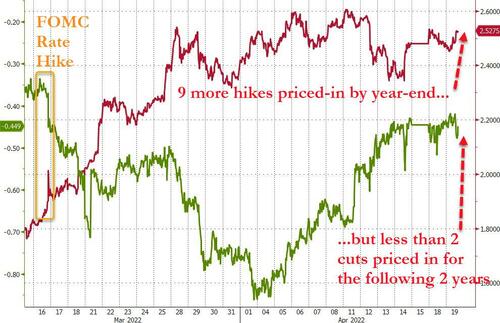
Source: Bloomberg
And all of that sent yields higher, most specifically, 10Y Real Yields are surging ever closer to being positive for the first time since March 2020…
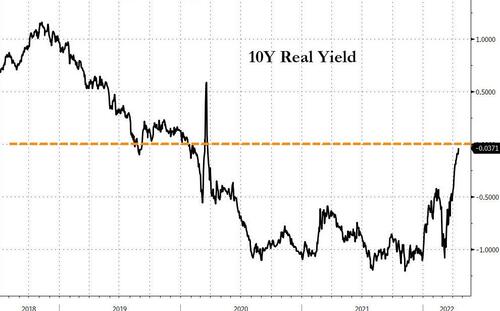
Source: Bloomberg
But stocks shrugged off the uber-hawkish-ness and the uber-staglation-ness and surged from the cash-open with Small Caps and Nasdaq up 2%…
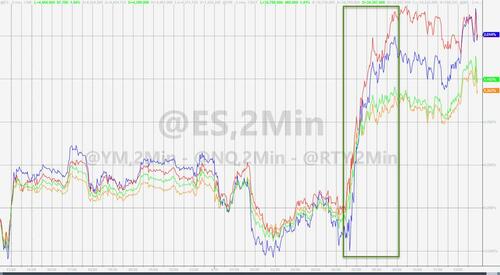
Erasing all of the losses from before Thursday’s plunge…
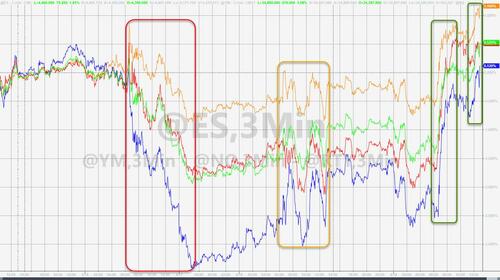
The S&P is back above the 50DMA, Dow above its 100DMA, and Russell 2000 at its 50DMA…
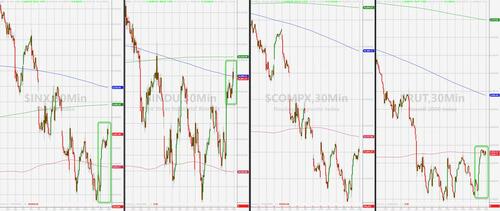
As Shorts were squeezed back to unch on the week…
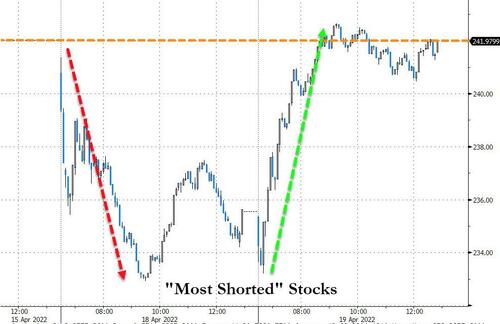
Source: Bloomberg
As stocks rallied, bonds were clubbed like a baby seal (despite growth being slashed), especially at the shorter-end (2Y +15bps, 30Y +6bps)…
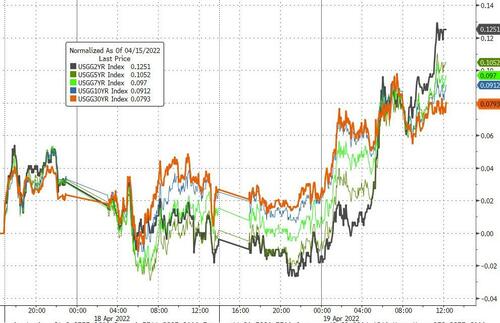
Source: Bloomberg
But as bonds puked the yield curve flattened dramatically (NOTE that 2s30s reversed almost perfectly at the levels of the last FOMC meeting…
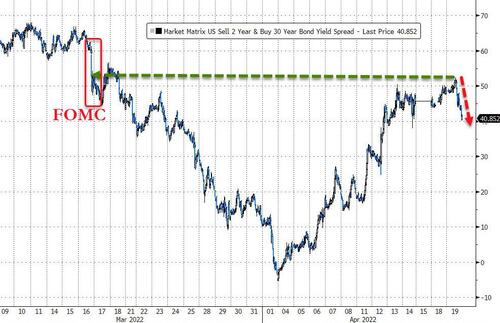
Source: Bloomberg
The dollar continued to rise to its highest close since June 2020…
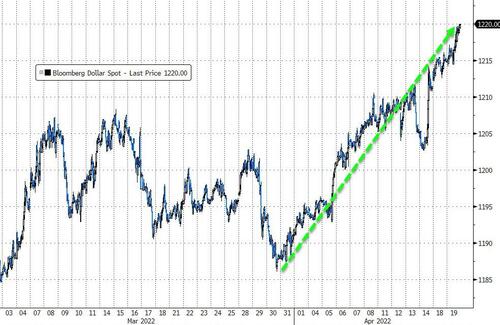
Source: Bloomberg
Bitcoin extended its gains, topping $41,000 today…
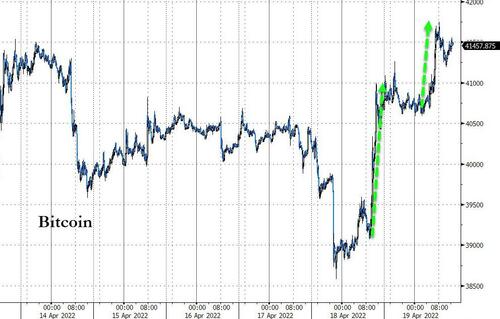
Source: Bloomberg
Ethereum topped $3100…
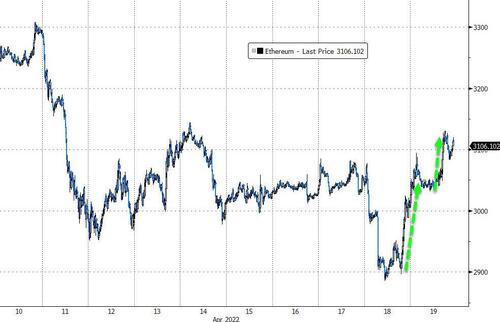
Source: Bloomberg
Oil prices were slammed lower today after The IMF slashed its growth outlook…
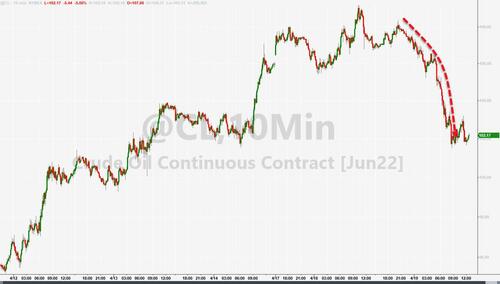
As Nomura’s Charlie McElligott noted, there have only been 29 days when the intraday low-to-high has been more than $8 – 2008: 7 times, 2011: 3, 2020: 2, 2021: 1… but so far in 2022: 16 times.
After tagging $2000, Gold futures have plunged lower, tumbling 2% today…
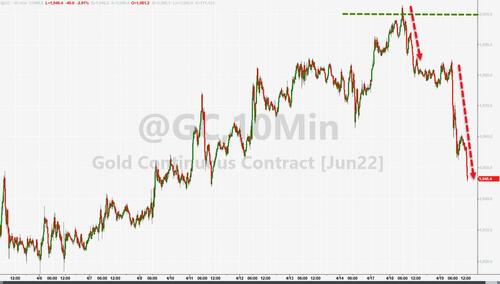
Finally, are we set for a bear-market bounce again here into the next FOMC meeting and to May’s OpEx, before the pain begins again?
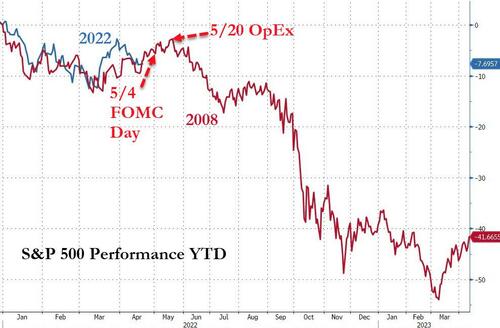
Source: Bloomberg
Do dip-buying equity investors really expect record highs amid a series of 50bps rate-hikes?
END
I) /MORNING TRADING/
AFTERNOON
END
II)USA data
Multi-Family Unit Surge Spraks Rise in Housing Starts, Permits In March
TUESDAY, APR 19, 2022 – 08:44 AM
As mortgage rates rise, homebuilder sentiment slips, and home sales weaken, analysts expected housing permits and starts to fall MoM in March but, thanks in part to downward revisions for Feb’s data, Housing Starts surprised with a +0.3% MoM rise (vs -1.6% MoM exp) and Permits up 0.4% MoM (vs -2.4% MoM exp)…
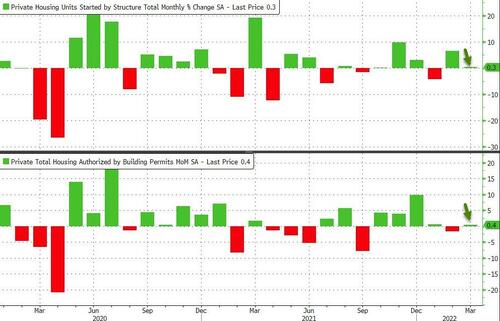
Source: Bloomberg
Housing Starts pushed to their highest SAAR since 2006…
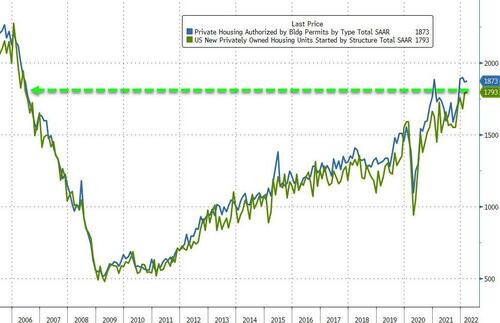
Source: Bloomberg
The big gains in permits and starts were driven by multi-family units as single-family unit.
Multi-family Starts soared as Single-family fell back (+7.5% SAAR and -.7% SAAR respectively)…
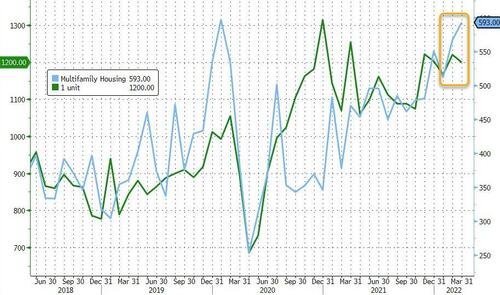
Source: Bloomberg
Similarly, Single-family permits fell as multi-family permits rose (-4.8% SAAR and +10.9% SAAR respectively)…
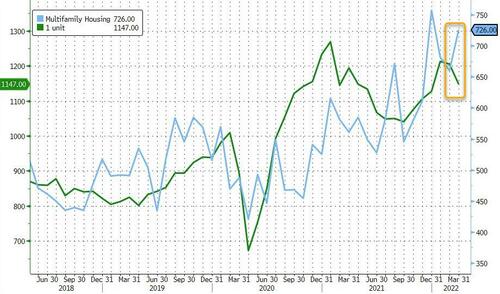
Source: Bloomberg
None of which will help the bleakness of inventories for single-family homeowners, and thus affordability.
-END-
IIB) USA COVID/VACCINE MANDATES
end
end
iiia) USA inflation//SHIPPING commentaries//LOG JAMS//
end
IIIB) USA ECONOMIC STORIES
* * *
iv)swamp stories
The King Report (including swamp stories)
China Raises Coal and Gas Output to Records After Prices Surge https://t.co/YTqjqH1mIB
Corn hit $8 for the first time since 2012. Gold hit 1997 at 8:42 ET. WTI Oil hit 108.65 and Natural Gas hit 7.671 at 9:47 ET. Natural Gas hit its highest price since September 2008.
ESMs hit a low of 4355.50 at 21:00 ET. They staged a modest, very choppy rally until the US repo market opened at 7 ET. Then, they soared 14 handles in 14 minutes. Selling quickly appeared, ESMs sank 12 handles over the next hour. But then, the usual suspects commenced a rally three minutes before the NYSE open. ESMs jumped 28 handles to a session high of 4403.15 at 9:38 ET.
ESMs then sank 24 handles by 10:00 ET. ESMs then vacillated in a large range until someone juiced them 23 handles higher in 15 minutes to a minor new high. ESMs and stocks then chopped sideways near the highs. At 10:51 ET, a decline commenced; ESMs sank into the European close. The late morning decline in the US ended at 12:41 ET. ESMs lost 39.25 points from their high. Just before the afternoon arrived, someone forced ESMs to rise almost vertically. ESMs soared from 4364.50 to 4406 within an hour. It was clear that someone was determined to save stocks on Monday.
ESMs and stocks went back to oscillating in a wide range until they tumbled during the final hour. Conditioned traders kept buying all day and they had few organic buyers or patsies to absorb their holdings. So, at 15:50 ET, ESMs fell to 4365.00, -41.25 from the high. In one of the most blatant manipulations is quite some time, someone forced ESMs 37 handles higher by 16:06 ET.
@TeddyVallee: TLT (Bond ETF)… -14% over past 30 days. Historical probability of that is 0.20%
Tim Cook of Apple and financier Ray Dalio should register as agents for China, US panel hears
Clyde Prestowitz, founder of the Economic Strategy Institute, a Washington-based think tank, accused Cook and Dalio of “kowtowing” to Beijing, citing Apple’s removal of an app at the request of Hong Kong authorities during the 2019 protests…”Tim Cook knows, Ray Dalio knows, that if they get a little bit out of line with what Beijing wants, oh gee, the electricity could go off.”…
Prestowitz contrasted that move with Apple’s refusal in 2020 to help the FBI unlock the iPhone of a gunman in a lethal attack on a US Navy base in Florida. That, he said, showed the extent to which companies operating in China are beholden to Beijing in a way they are not to the US government…
https://www.yahoo.com/video/tim-cook-apple-financier-ray-093000778.html
“Men are so simple of mind, and so much dominated by their immediate needs, that a deceitful man will always find plenty who are ready to be deceived.” — Niccolò Machiavelli
Federal judge voids mask mandate on planes, public transit
“The Court concludes that the Mask Mandate…violates the procedures requirement for agency rulemaking under the APA.” https://www.cbsnews.com/news/federal-judge-florida-voids-mask-mandate-planes-transit/
Sweden’s inconvenient Covid victory – Were millions of people denied freedom for nothing?
One explanation for the citizens’ passivity might have been the coverage of the deadliness of the virus in the media; it seemed they had been fed a non-contextualised picture of how serious the Covid-19 pandemic really was…In the US, the average guess in mid-July was that 9% of the population had died. If that had been true, it would have corresponded to almost 30 million Americans deaths. The death toll was thus overestimated by 22,500% — or 225 times over. In the UK as well as in France and Sweden, the death toll was exaggerated a hundredfold…
By the end of 2021, 56 countries had registered more deaths per capita from Covid-19 than Sweden. With regard to the restrictions that the rest of the world had put so much faith in — school closures, lockdowns, face masks, mass testing — Sweden had more or less gone in the opposite direction. Yet its results were not noticeably different from those of other countries. It was beginning to become increasingly clear that the political measures that had been deployed against the virus were of limited value… https://unherd.com/2022/04/swedens-inconvenient-covid-victory/?s=02
@HeshmatAlavi: Did you know that Omid Kordestani, an Iranian American businessman with ties to #Iran’s DC-based lobby arm NIAC, is a Twitter board member? Kordestani has donated to Hillary Clinton, Barack Obama, and Harry Reid… https://twitter.com/HeshmatAlavi/status/1516089555316887552
The Monopoly on Your Mind, Part 1: Consolidation Craze & Illusion of Choice
Six companies control 90% of what you read, watch, and hear. Here’s why that’s dangerous.
https://rebeccastrong.substack.com/p/big-media-big-conflicts-of-interest?s=r
Apollo Global Interested in Helping Finance Bid for Twitter
Apollo is considering backing a potential deal for Twitter and could provide Musk or another bidder like private-equity firm Thoma Bravo LP with equity or debt to support an offer… The participation could come in the form of credit or preferred equity, one of the people said…
https://news.bloomberglaw.com/banking-law/apollo-global-interested-in-helping-finance-bid-for-twitter
Drug And Alcohol Abuse Slowing Labor Force Participation Rate, Fed Study Finds https://t.co/B5BW6fEUnu
The World Bank cut its 2022 FY global growth forecast to 3.2% from 4.1%.
| The WH Easter Egg Roll returned on Monday (1st time since 2019). Joe’s woeful mishaps went viral. @craigtdillon: Joe Biden quickly interrupted by the Easter Bunny after he starts to comment on Afghanistan and Pakistan at the White House Easter Egg Roll (The Easter Bunny controls the POTUS!?) https://twitter.com/craigtdillon/status/1516087819185405956 A different view of the Easter Bunny (WH staffer) hurriedly shielding The Big Guy from the media, frantically waving her hands in Joe’s face to get this attention, and directing him to leave: https://twitter.com/abigailmarone/status/1516087183731535874 The Hill’s @AlexGangitano: A source familiar tells me that Meghan Hays, special assistant to the president and director of message planning, is one of the two bunnies (Pic of Hays in bunny garb at link) https://twitter.com/MegHays46/status/1516128094737813515 Another video shows that Biden is also controlled in part by First Lady Jill Biden. The Daily Wire’s Twitter account flagged that Jill had to remind her husband to continue waving to the crowd. “Jill Biden just prompted Joe Biden: ‘Wave…wave,” The Daily Wire tweeted. “Everything is fine.” That interaction can be seen here: https://twitter.com/realDailyWire/status/1516085498451742729 ‘They’ are so concerned about The Big Guy’s mental deficiencies that ‘they’ dressed at least one WH staffer as one of the two WH Easter Bunnies! US allies and adversaries are keenly aware of this problem! NY Post: Large Easter Bunny stops Biden from answering reporter’s question https://trib.al/3UlaN4P Babylon Bee: Biden Worried He Forgot His Meds Again After Seeing Large Bunny Approaching on White House Lawn https://babylonbee.com/news/biden-worried-he-forgot-his-meds-after-seeing-large-bunny-approaching-on-white-house-lawn @julie_kelly2: Jill Biden is a climber and enabler. Her role in this debacle of a presidency so she can play First Lady is way underreported @JoeBiden: …Unlike this president, I’ll do my job and take responsibility. I won’t blame others. And I’ll never forget that the job isn’t about me — it’s about you. 5:00 PM · Jun 4, 2020 @ggreenwald: Every day it amazes me how much more open and explicit corporate journalists are that they see their primary role as defenders of the Democratic Party. They used to be required to pretend, but the Trump era largely freed them of the fraudulent neutrality scam, which is healthier Turley: Durham: Five Witnesses Connected to the Clinton Campaign’s False Russian Claims Have Refused to Cooperate – “The only witness currently immunized by the government, Researcher-2, was conferred with that status on July 28, 2021 – over a month prior to the defendant’s Indictment in this matter. And the Government immunized Researcher-2 because, among other reasons, at least five other witnesses who conducted work relating to the Russian Bank-1 allegations invoked (or indicated their intent to invoke) their right against self-incrimination. The Government therefore pursued Researcher-2’s immunity in order to uncover otherwise-unavailable facts underlying the opposition research project that Tech Executive-1 and others carried out in advance of the defendant’s meeting with the FBI.”… “Researcher-1” allegedly further warned, “We cannot technically make any claims that would fly public scrutiny. The only thing that drives us at this point is that we just do not like [Trump]. This will not fly in eyes of public scrutiny. Folks, I am afraid we have tunnel vision. Time to regroup?” It appears that the “time to regroup” has passed with the issuance of immunity deals to compel testimony. Here is the filing: https://jonathanturley.org/wp-content/uploads/2022/04/US-v-Sussmann-04162022-US-Filing.pdf https://jonathanturley.org/2022/04/17/durham-five-witnesses-connected-to-the-clinton-campaigns-false-russian-claims-have-refused-to-cooperate-under-the-fifth-amendment/ ‘Winging It’: Russia Is Getting Its Generals Killed on the Front Lines Russian generals have had to lead from the front because its amateur army can’t move otherwise. “They’re struggling on the front line to get their orders through,” said the European diplomat, speaking on condition of anonymity to discuss recent battlefield intelligence. “They’re having to go to the front line to make things happen, which is putting them at much greater risk than you would normally see.”… https://foreignpolicy.com/2022/03/21/russia-generals-dead-ukraine/?s=02 The Russian Defense Industry: A Distressed Brand – The Hudson Institute The war in Ukraine has damaged the reputation of Russian arms. Heavy armor has proved especially vulnerable, but other weapons have also not performed to standard. The future, moreover, is bleak. Due to crushing Western sanctions, Russia’s defense technological and industrial base, which is already plagued by debt, will now fare even worse… Apart from the threat posed by modern ATGMs in asymmetric warfare settings, twenty-first century battlespaces pose another problem for Russian heavy armor, namely, unmanned aircraft systems (drones)… The Russian Aero-Space Forces (VKS), and its high-end aircraft, have also suffered unanticipated losses. Much to the surprise of many observers, the Russian forces proved incapable of achieving air superiority… https://www.hudson.org/research/17754-the-russian-defense-industry-a-distressed-brand?s=02 @thebradfordfile: A mass shooter (in South Carolina) is freed on $25,000 bond but nonviolent Trump supporters are still rotting in jail for trespassing. Justice Department Punishes J6 Defendants for Obstruction but Not Democrats Why didn’t the Department of Justice hold the 2016 Democratic congressional obstructionists to the same standard as those now being charged with obstructing an official proceeding on January 6? The incident took place in June 2016 when Democrats staged a raucous “sit-in” in the House chamber where they blocked official business from occurring for roughly 26 hours. There were reports of House furniture being damaged and congressional staffers being mistreated and yet there were no outlandish cries of insurrection and certainly no mention of there being an obstruction of an official proceeding, even though that’s clearly what happened. One House Democrat admitted, “We fully appreciate that we are in full violation of the rules.”… https://amgreatness.com/2022/04/14/justice-department-punishes-j6-defendants-for-obstruction-but-not-democrats/ |
Let us close today with this offering courtesy of Greg Hunter
After the Interview:


 harveyorganblog.com


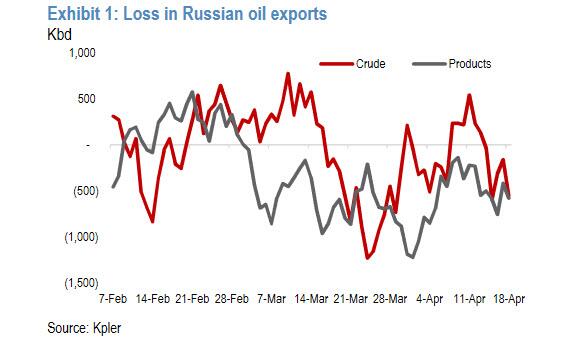
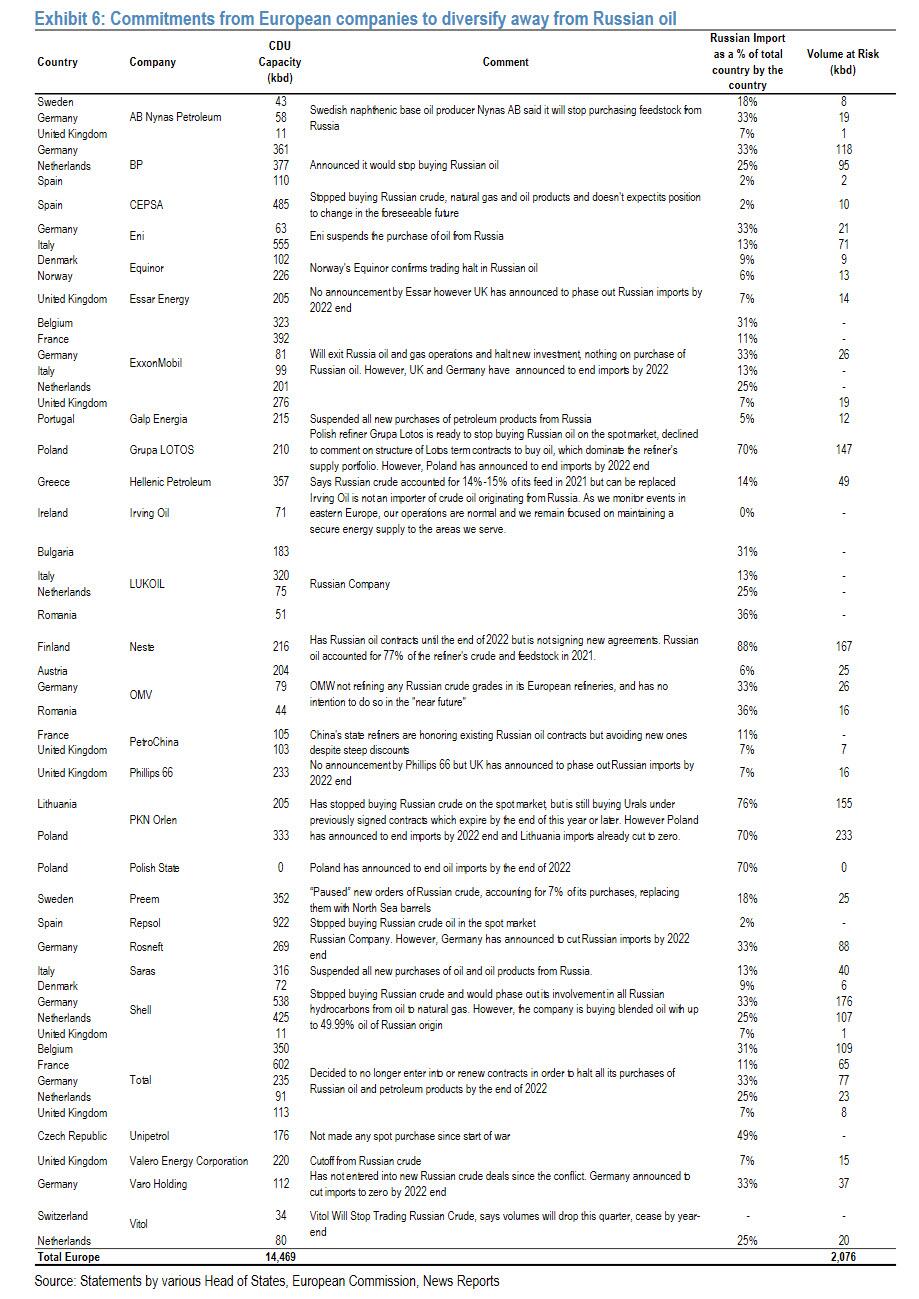
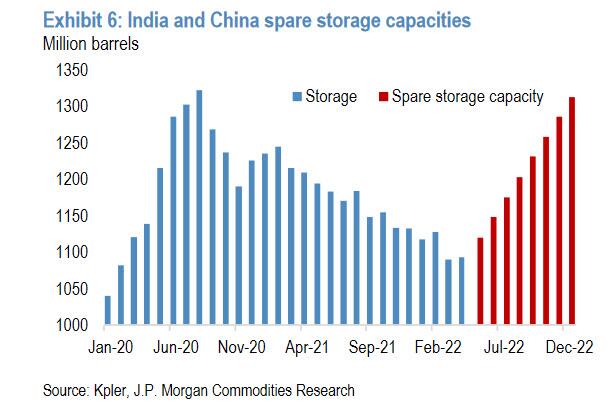


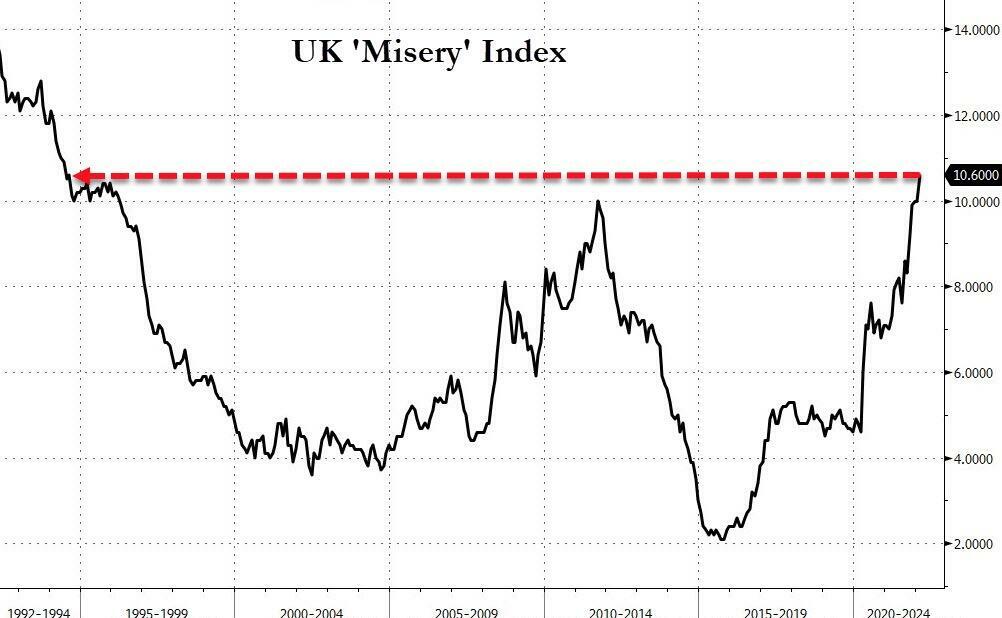
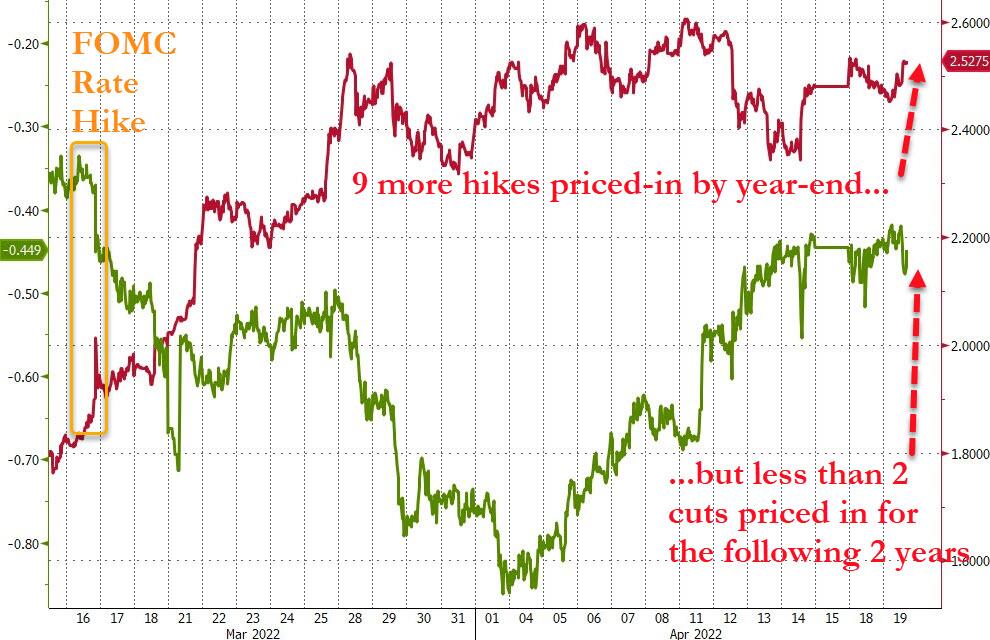
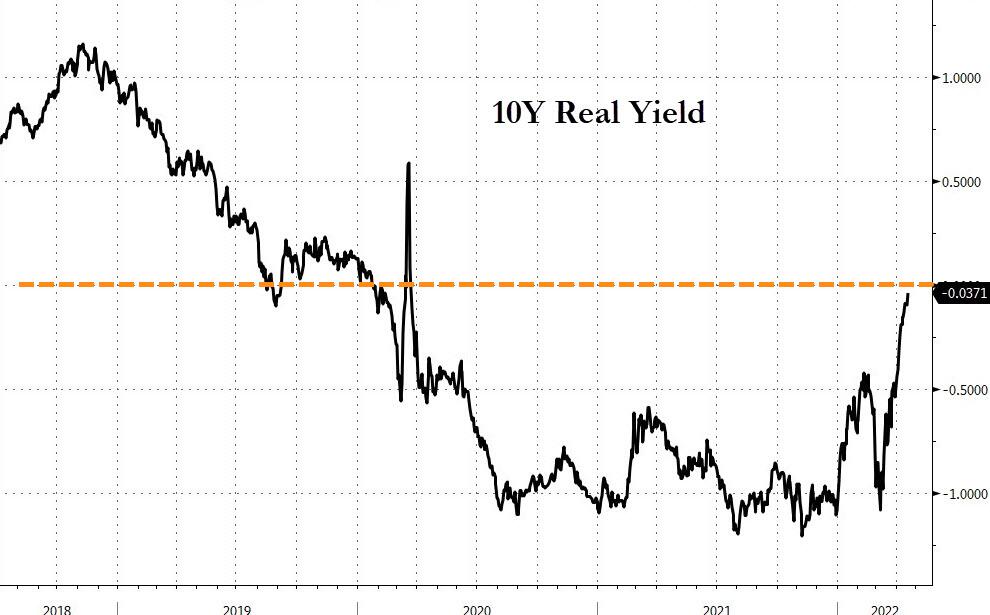
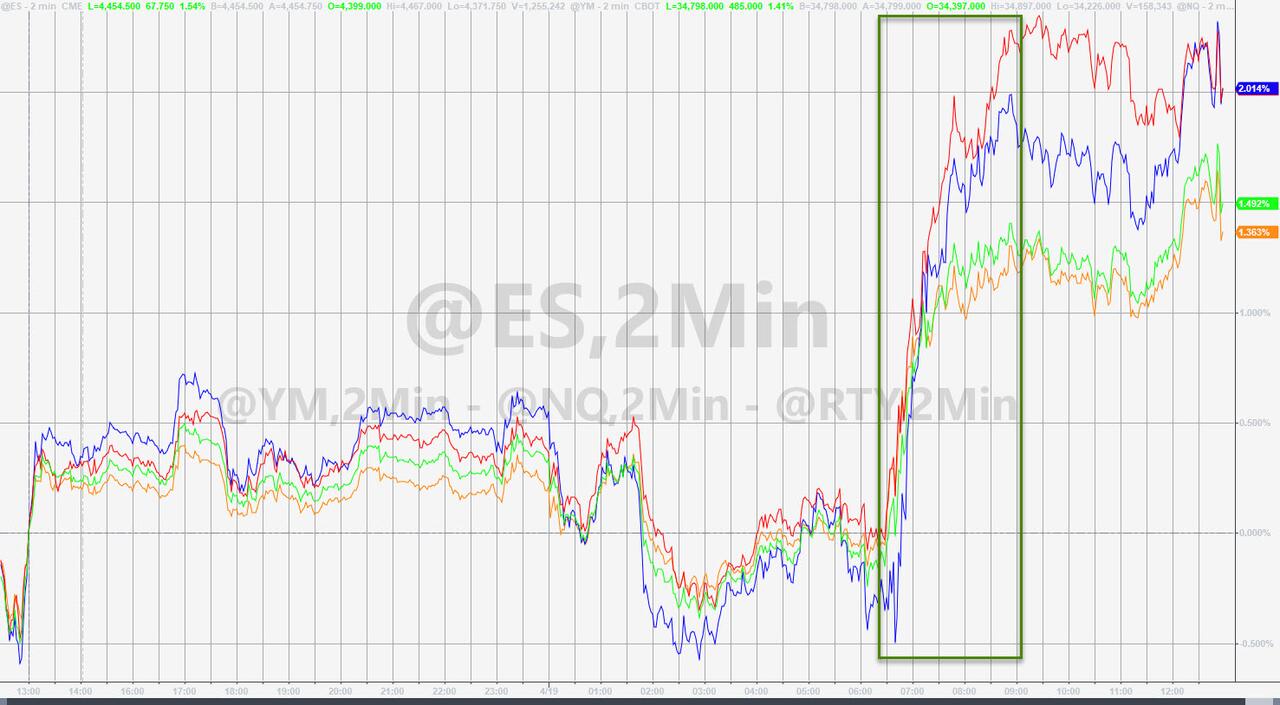
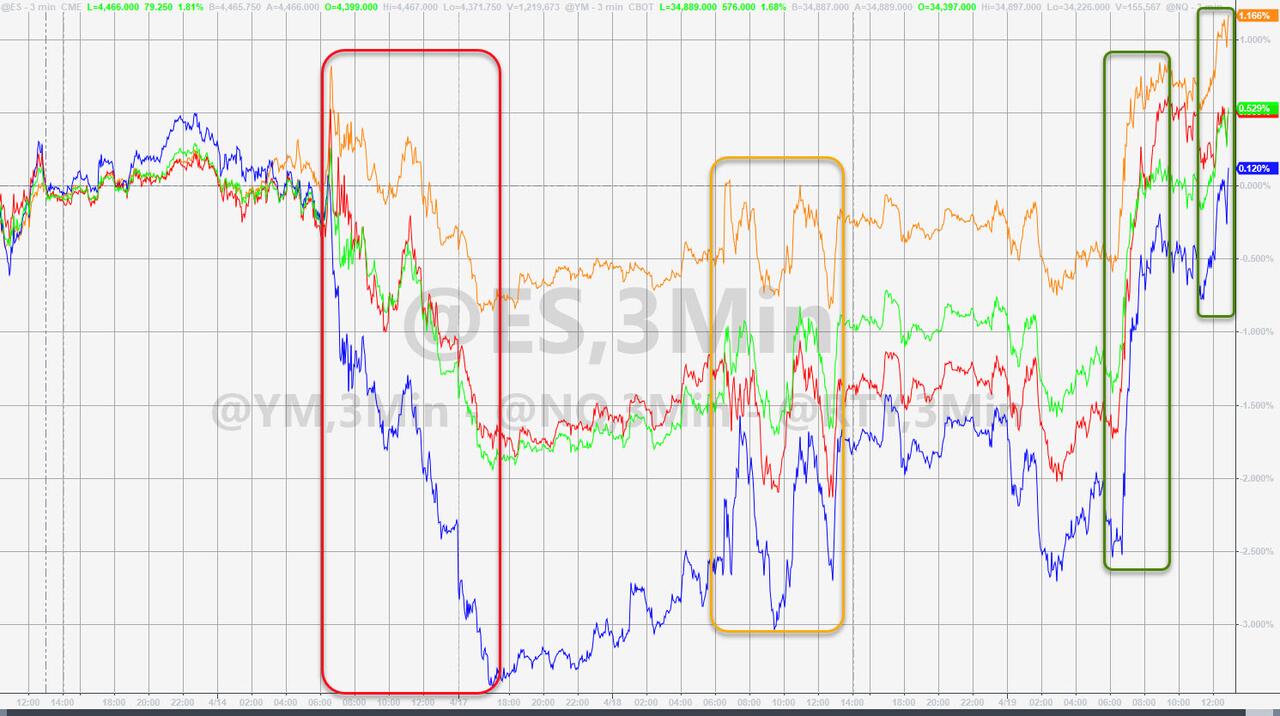
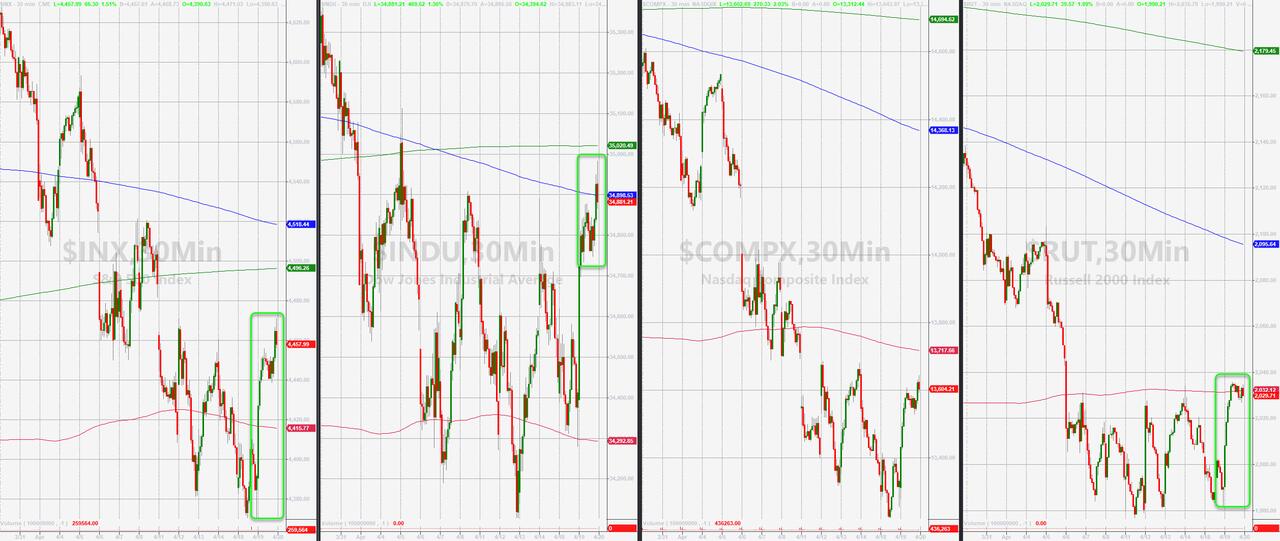
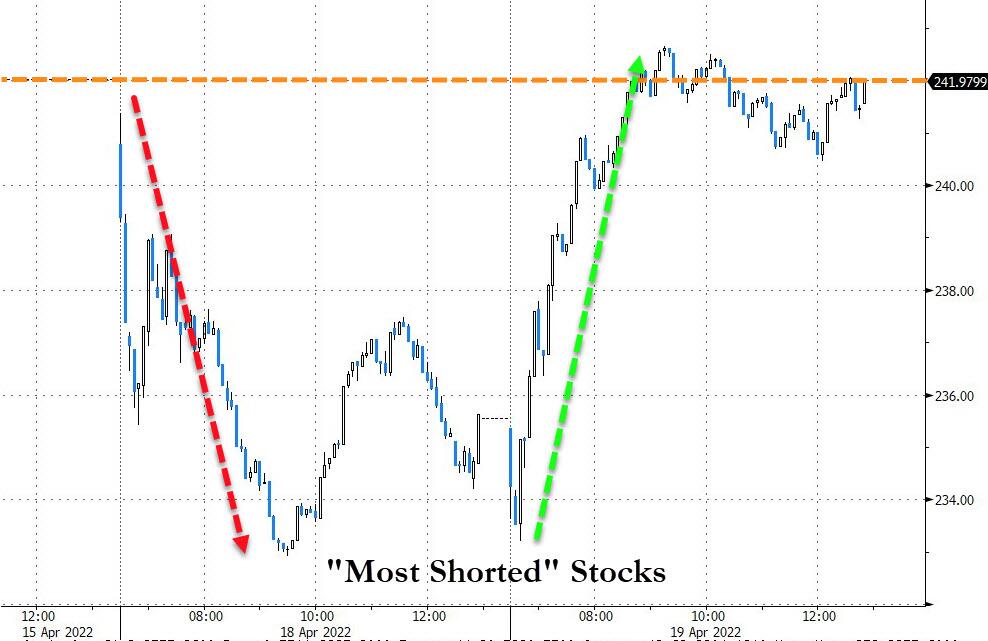
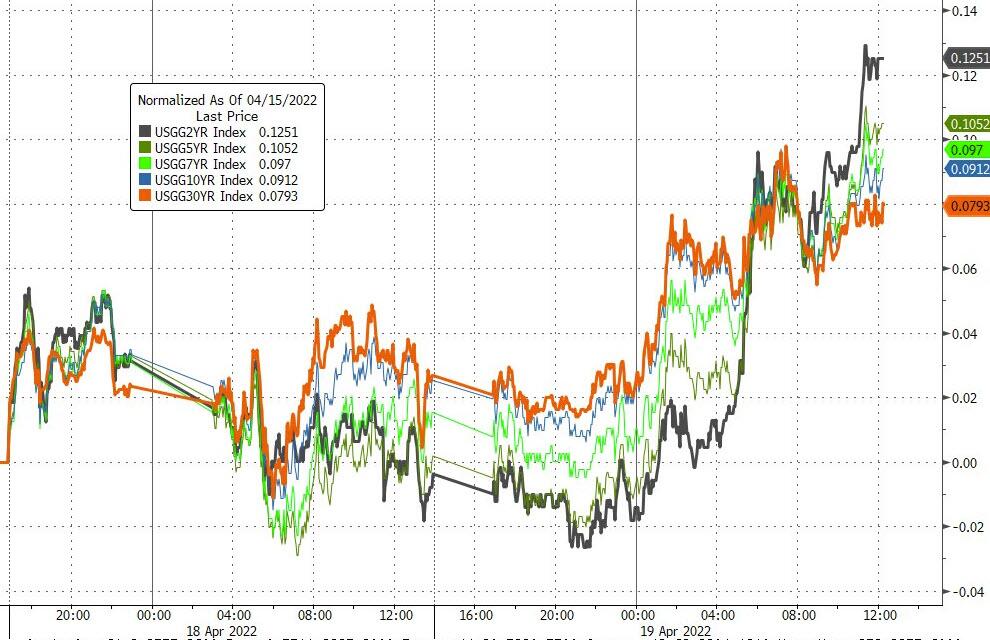
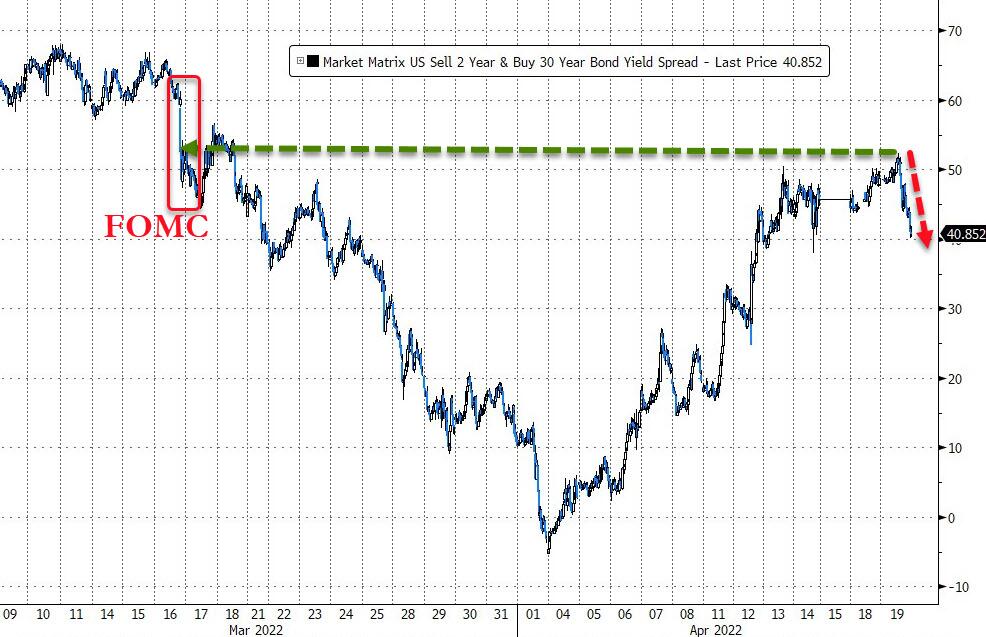
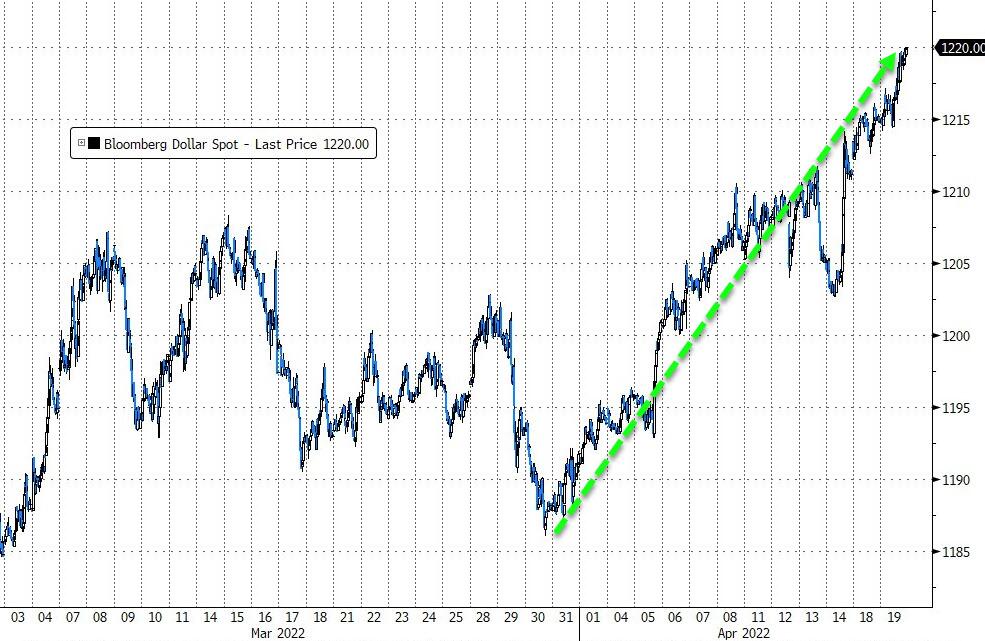
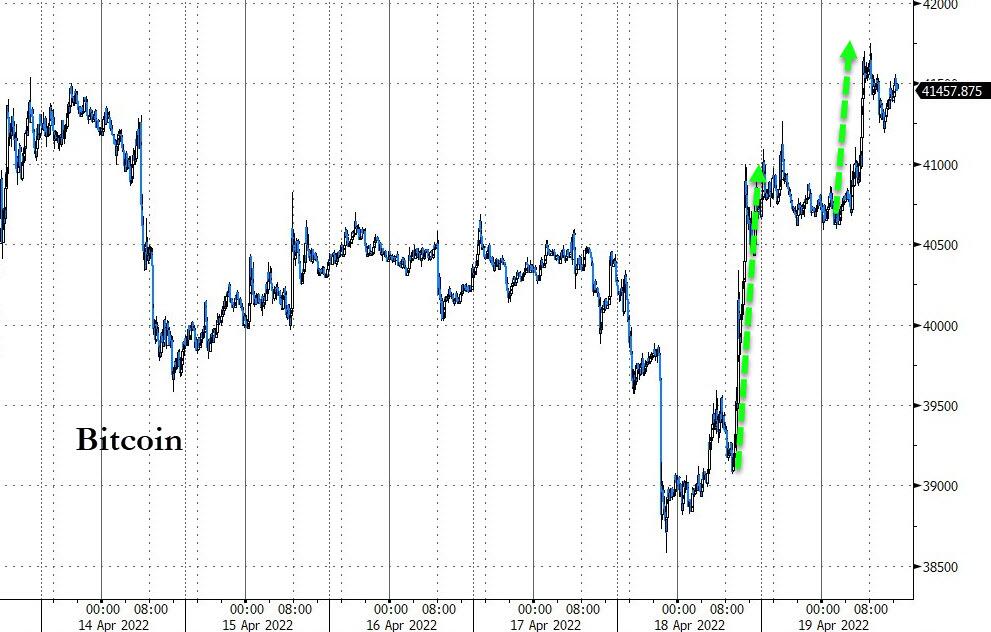
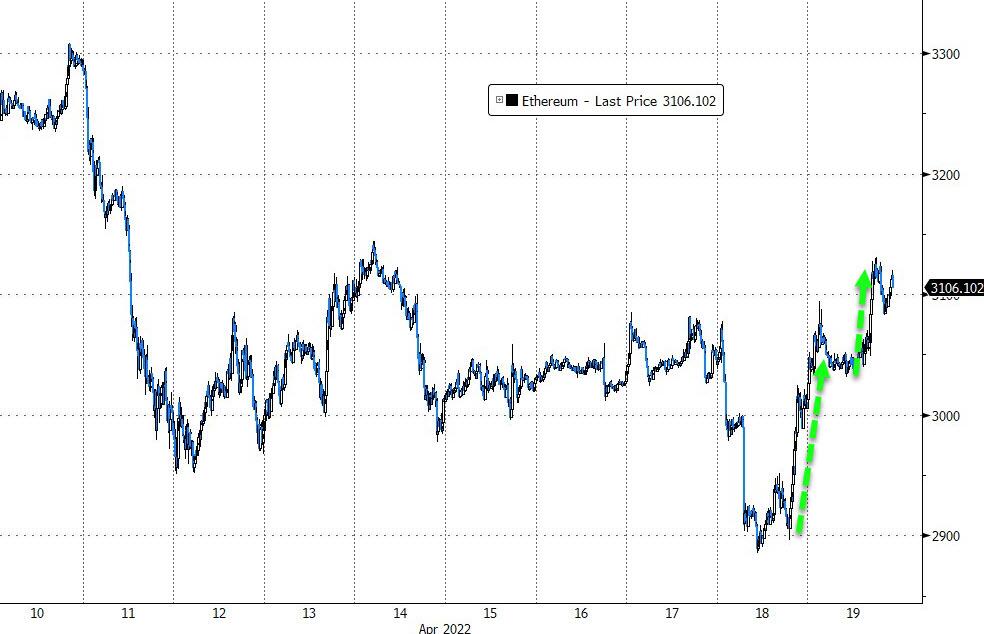
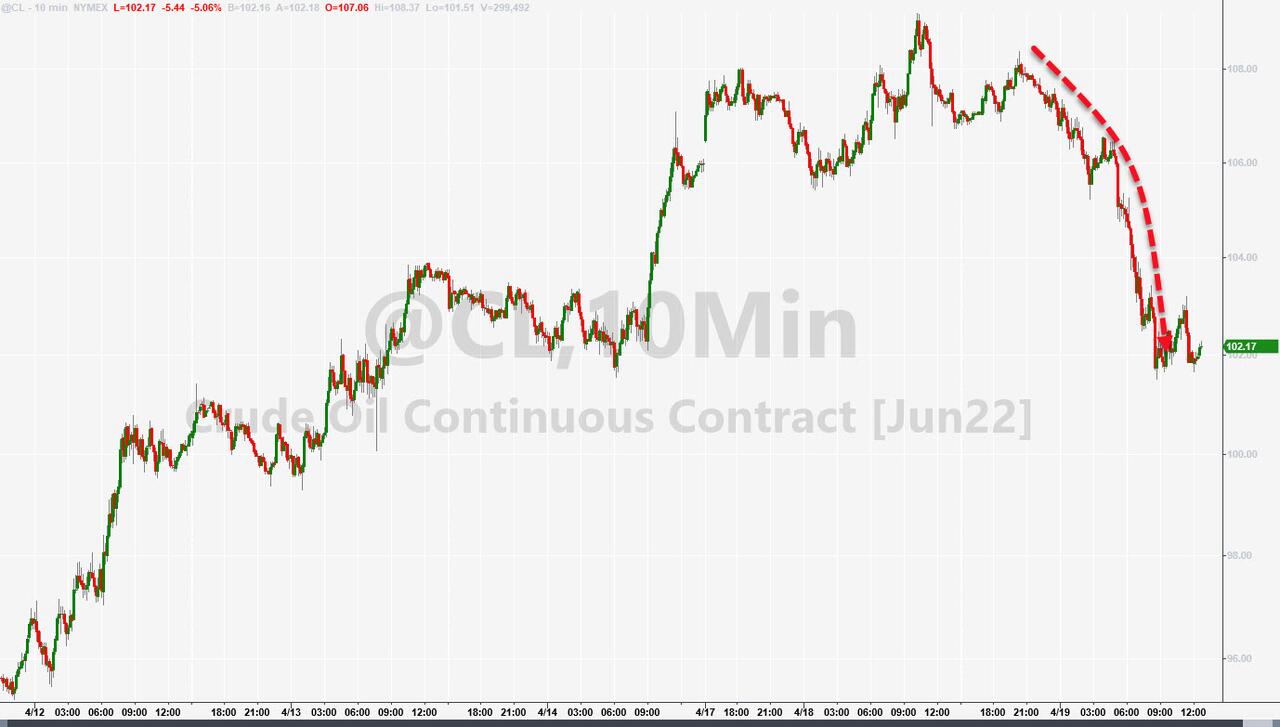
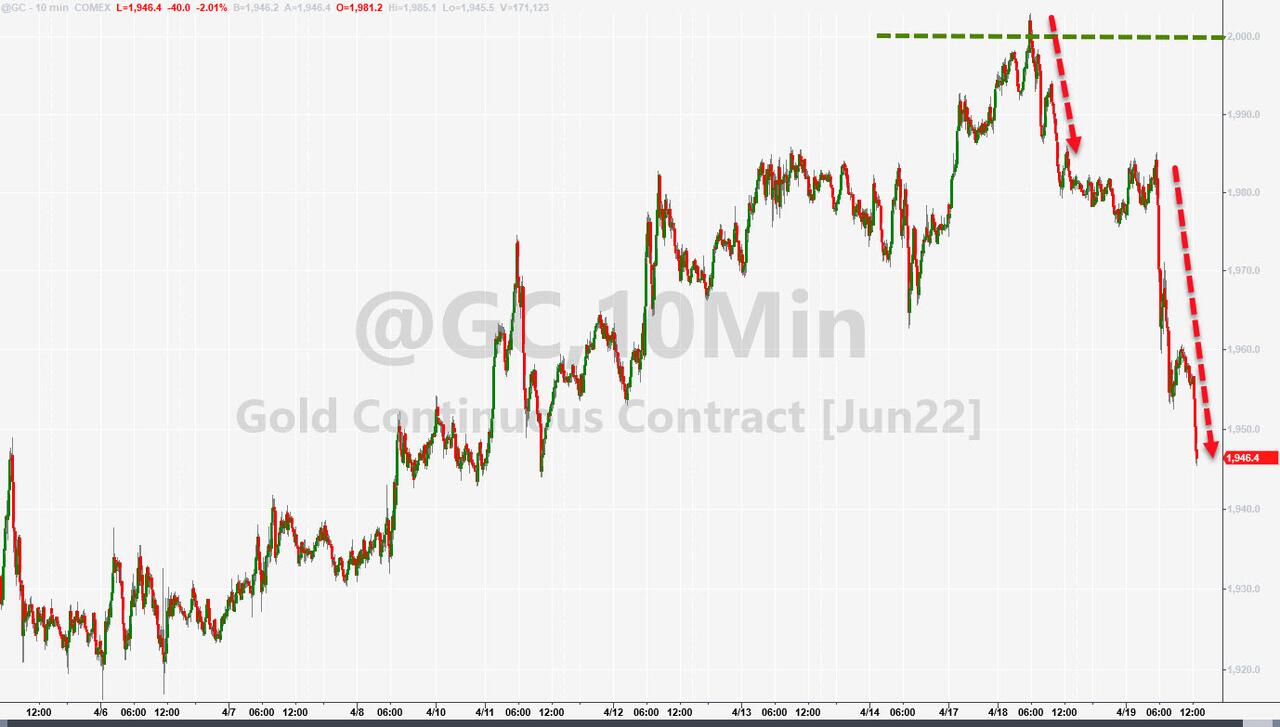
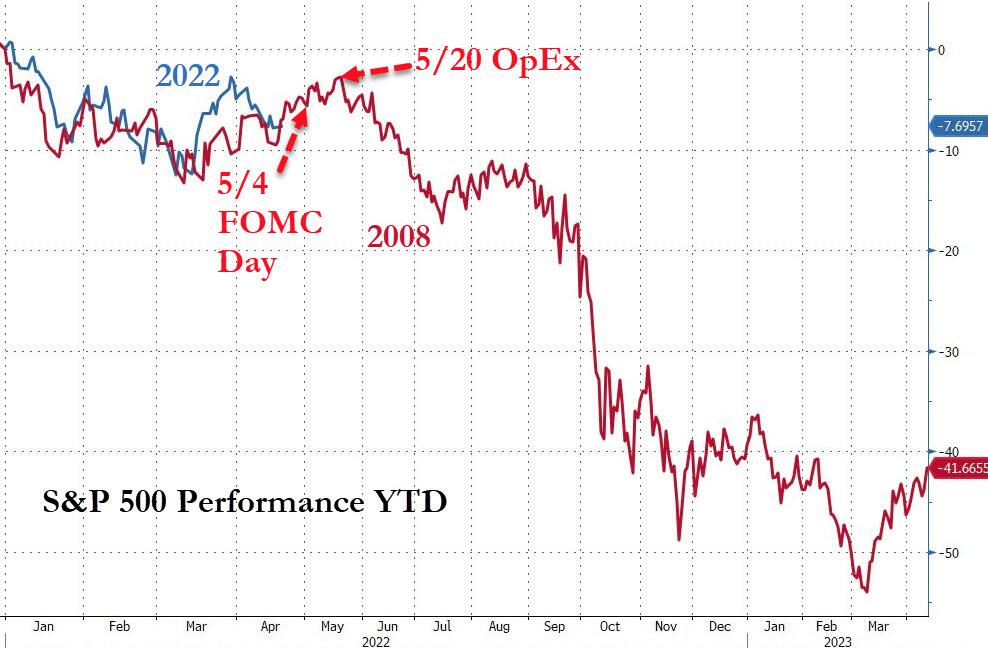
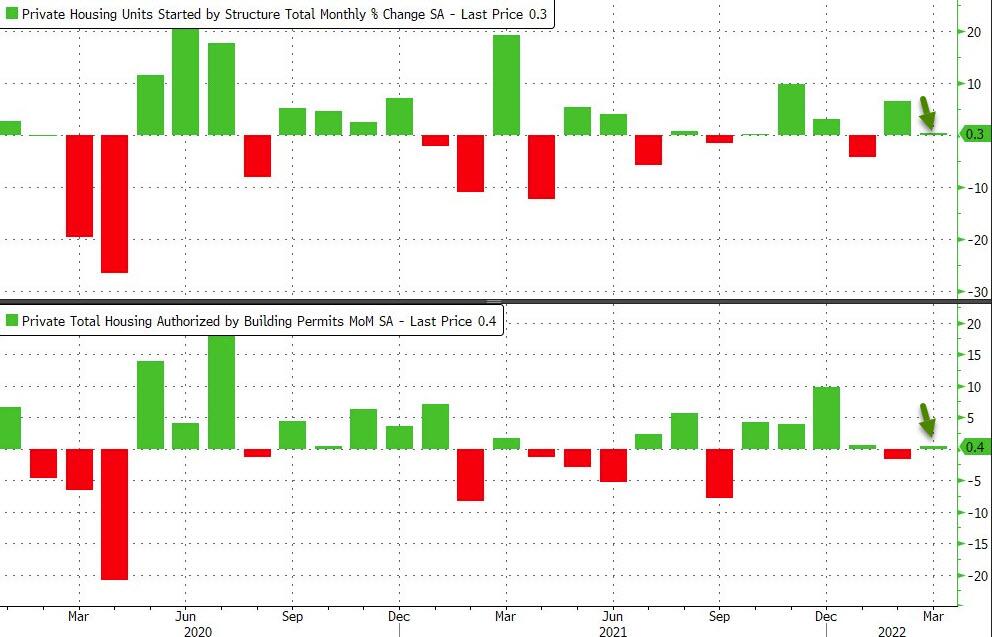
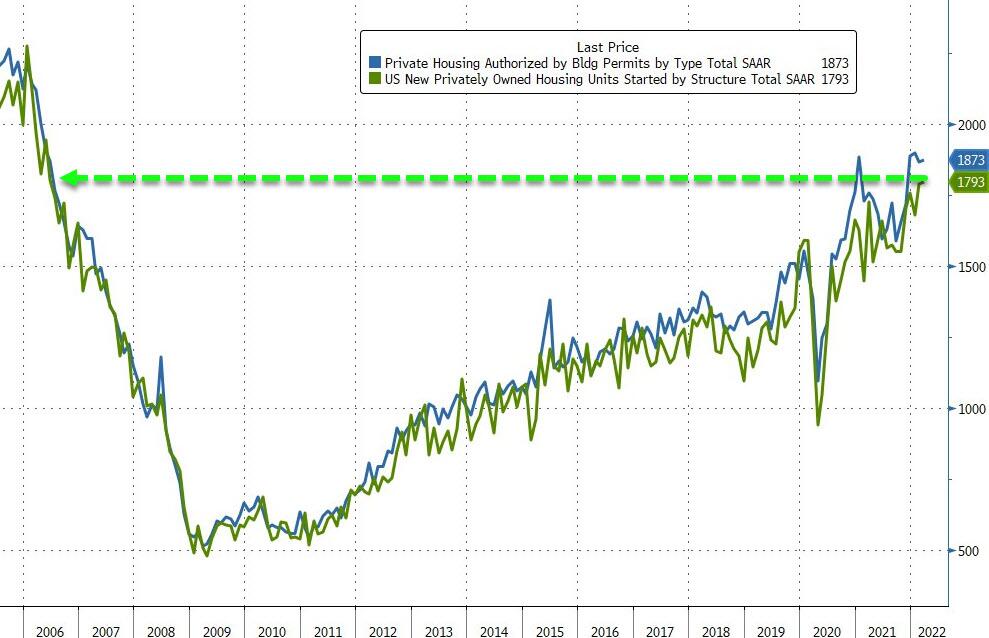
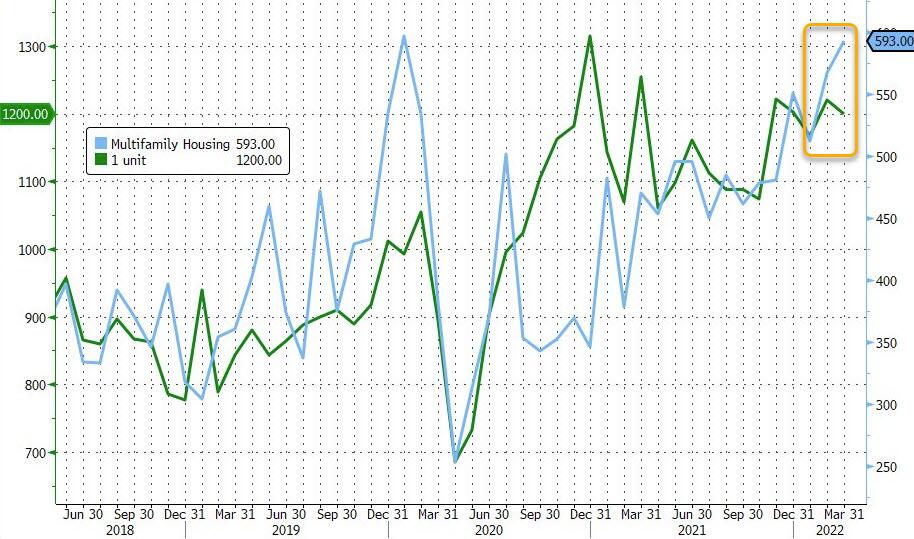
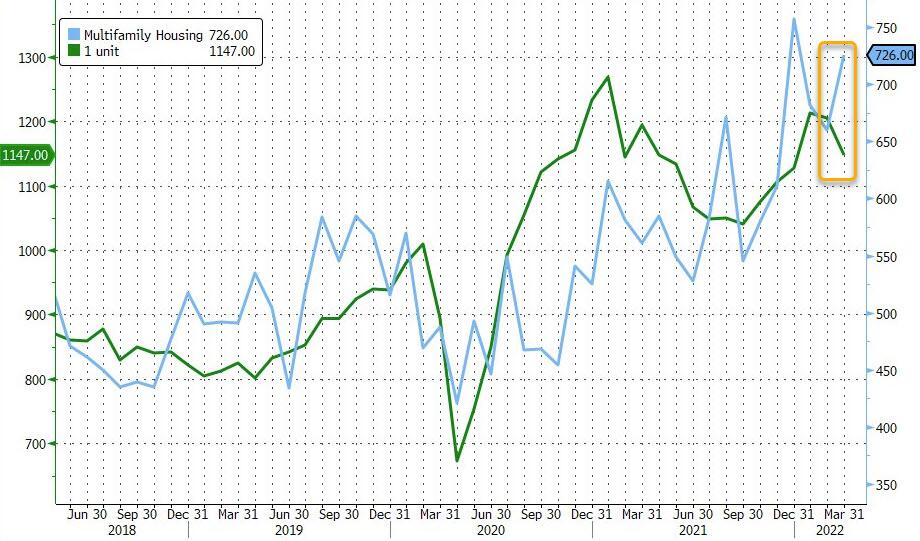
[…] by Harvey Organ, Harvey Organ Blog: […]
LikeLike
[…] by Harvey Organ, Harvey Organ Blog: […]
LikeLike
[…] by Harvey Organ, Harvey Organ Blog: […]
LikeLike
[…] by Harvey Organ of Harvey Organ Blog […]
LikeLike
[…] by Harvey Organ of Harvey Organ Blog […]
LikeLike
[…] by Harvey Organ of Harvey Organ Blog […]
LikeLike