FEB 1//GOLD CLOSED UP $5,00 TO $2054.20//SILVER CLOSED UP 7 CENTS TO $23.14//PLATINUM CLOSED DOWN $10.20 TO $915.50 WHILE PALLADIUM CLOSED DOWN $15.45 TO $973.50//PANIC AT THE GOLD GOLD COMEX//ANOTHER BANK FAILURE IN THE MAKING IN JAPAN DUE TO HIGHER INTEREST RATES//EU HOLDS RATES STEADY//CHAOS CONTINUES THROUGHOUT EUROPE DUE TO GREEN POLICY BY THE EU//ISRAEL VS HAMAS: MAYBE A DEAL TO RELEASE THE HOSTAGES//ISRAEL CONTINUES TO CIRCLE KHAN YOUNIS// FAMILIES OF HOSTAGES SET TO SUE IRAN IN FEDERAL COURT IN NEW YORK//IRANIAN GUARD SEIZES A CARGO SHIP//COVID UPDATES//VACCINE INJURIES//DR PAUL ALEXANDER/SLAY NEWS/EVOL NEWS//NEWS ADDICTS//
072 C GOLDMAN 260 104 C MIZUHO 482 118 C MACQUARIE FUT 244 132 C SG AMERICAS 21 190 H BMO CAPITAL 2949 323 C HSBC 640 667 323 H HSBC 1711 357 C WEDBUSH 8 1 363 H WELLS FARGO SEC 762 365 C MAREX CAPITAL M 60 365 H MAREX CAPITAL M 1 407 C STRAITS FIN LLC 1 435 H SCOTIA CAPITAL 1905 624 C BOFA SECURITIES 1 624 H BOFA SECURITIES 3775 657 C MORGAN STANLEY 6 661 C JP MORGAN 5363 3850 685 C RJ OBRIEN 7 686 C STONEX FINANCIA 1 1 690 C ABN AMRO 7 33 709 C BARCLAYS 4 737 C ADVANTAGE 12 53 880 C CITIGROUP 74
DLV615-T CME CLEARING BUSINESS DATE: 01/31/2024 DAILY DELIVERY NOTICES RUN DATE: 01/31/2024 PRODUCT GROUP: METALS RUN TIME: 20:50:16 880 H CITIGROUP 369 905 C ADM 47 3
TOTAL: 11,659 11,659 MONTH TO DATE: 15,442
JPMorgan stopped 3850//11,659 contracts.
FOR FEB.:
GOLD: NUMBER OF NOTICES FILED FOR FEB/2024. CONTRACT: 11,659 NOTICES FOR 1,165,900 OZ or 36.264 TONNES
total notices so far: 15,442 contracts for 1,544,200 Oz (48.031 tonnes)
FOR FEBRUARY:
SILVER NOTICES 70 NOTICE(S) FILED FOR 350,000 OZ/
total number of notices filed so far this month : 617 for 3,085,000 oz
XXXXXXXXXXXXXXXXXX
Click here if you wish to send a donation. I sincerely appreciate it as this site takes a lot of preparation
END
BOTH GLD AND SLV ARE FRAUDULENT VEHICLES//THEY ARE NOW RAIDING GLD AND SLV FOR PHYSICAL
GLD
WITH GOLD UP $5.00
INVESTORS SWITCHING TO SPROTT PHYSICAL (PHYS) INSTEAD OF THE FRAUDULENT GLD/ : HUGE CHANGES IN GOLD INVENTORY AT THE GLD//A WITHDRAWAL OF 1.73 TONNES OF GOLD FROM THE GLD
INVENTORY RESTS AT 851.15 TONNES
SLV//
WITH NO SILVER AROUND AND SILVER UP 7 CENTS AT THE SLV//
MEGA CHANGES IN SILVER INVENTORY AT THE SLV AGAIN: A WITHDRAWAL OF 1.19 MILLION OZ OF SILVER FROM THE SLV//
INVESTORS ARE SWITCHING SLV TO SPROTT’S PSLV.
CLOSING INVENTORY: 438.947 MILLION OZ
Let us have a look at the data for today
SILVER//OUTLINE
SILVER COMEX OI FELL BY A FAIR SIZED 158 CONTRACTS TO 136,386 AND CLOSER TO THE RECORD HIGH OI OF 244,710, SET FEB 25/2020 AND THIS FAIR SIZED GAIN IN COMEX OI WAS ACCOMPLISHED DESPITE OUR LOSS OF $0.08 IN SILVER PRICING AT THE COMEX ON WEDNESDAY. WE HAD A ZERO LONG LIQUIDATION AT THE COMEX SESSION BUT A CONSIDERABLE SHORT COVERING. WE HAD A HUGE 728 T.A.S ISSUANCE AND THESE WILL BE USED FOR MANIPULATION LATER THIS MONTH/AS WELL AS TODAY.
CRAIG HEMKE HAS POINTED OUT THAT THE CROOKS USE THE MID MONTH FOR MANIPULATION AS THEY SELL THEIR BUY SIDE OF THE CALENDAR SPREAD FIRST AND THEN KEEP THE SELL SIDE TO LIQUIDATE AT A LATER DATE. THUS WE HAVE TWO VEHICLES THE CROOKS USE FOR MANIPULATION AND BOTH ARE SPREADERS: 1) AT MONTH’S END/SPREADERS COMEX AND 2/ TAS SPREADERS, MID MONTH. TOTAL TAS ISSUED ON WEDNESDAY NIGHT: 728 CONTRACTS. DESPITE MANY COMPLAINTS THAT THE CROOKS HAVE VIOLATED POSITION LIMITS DUE TO THE FACT THAT THE TAS ISSUED HAVE A VALUE OF ZERO (AS TO POSITION LIMITS FOR OUR CROOKED BANKERS). THE PROBLEM OF COURSE IS THAT THE CROOKS DO NOT LIQUIDATE THE TAS TOGETHER BUT SELL THE BUY SIDE FIRST AND THEN LIQUIDATE THE SELL SIDE TWO MONTHS HENCE. IT IS OBVIOUS MANIPULATION TO THE HIGHEST DEGREE BUT IT NATURALLY FELL ON DEAF EARS WITH OUR REGULATORS (OCC) WHEN THEY RECEIVED OUR COMPLAINTS. IT THUS LOOKS LIKE THE FED (GOV’T) IS BEHIND ALL OF THESE TRADES.
WE HAVE NOW SET ANOTHER RECORD LOW AT 114,102 CONTRACTS ///JULY 3.2023// OUR BANKERS WITH THE HELP OF SPECULATORS AND HIGH FREQUENCY TRADERS WERE SUCCESSFUL IN KNOCKING THE PRICE OF SILVER DOWN (IT FELL BY $0.08), BUT WERE UNSUCCESSFUL IN KNOCKING ANY SILVER LONGS AS WE HAD A STRONG SIZED GAIN OF 609 CONTRACTS GAIN ON OUR TWO EXCHANGES ACCOMPANYING CONSIDERABLE SHORT
WE MUST HAVE HAD:
A FAIR SIZED 350 ISSUANCE OF EXCHANGE FOR PHYSICALS) iiii) AN INITIAL SILVER STANDING FOR COMEX SILVER MEASURING AT 3.535 MILLION OZ (FIRST DAY NOTICE) ACCOMPANYING A STRANGE 89 CONTRACT ISSUANCE FOR EX. FOR RISK FOR 445,000 OZ/ FOLLOWED BY TODAY’S 0 OZ QUEUE N=JUMP//NEW TOTAL; 3.980 MILLION OZ
//NEW STANDING FOR SILVER IS THUS 3.980 MILLION OZ
/ FAIR SIZED COMEX OI LOSS/GOOD SIZED EFP ISSUANCE/ VI) HUGE SIZED NUMBER OF T.A.S. CONTRACT ISSUANCE 728 CONTRACTS)/
I AM NOW RECORDING THE DIFFERENTIAL IN OI FROM PRELIMINARY TO FINAL -REMOVED 417 CONTRACTS //
HISTORICAL ACCUMULATION OF EXCHANGE FOR PHYSICALS FEB. ACCUMULATION FOR EFP’S SILVER/JPMORGAN’S HOUSE OF BRIBES/STARTING FROM FIRST DAY/MONTH OF FEB
TOTAL CONTRACTS for 1 day, total 350 contracts: OR 17.50 MILLION OZ (350 CONTRACTS PER DAY)
TOTAL EFP’S FOR THE MONTH SO FAR: 17.50 MILLION OZ
LAST 23 MONTHS TOTAL EFP CONTRACTS ISSUED IN MILLIONS OF OZ:
MAY 137.83 MILLION
JUNE 149.91 MILLION OZ
JULY 129.445 MILLION OZ
AUGUST: MILLION OZ 140.120
SEPT. 28.230 MILLION OZ//
OCT: 94.595 MILLION OZ
NOV: 131.925 MILLION OZ
DEC: 100.615 MILLION OZ
YEAR 2022:
JAN 2022-DEC 2022
JAN 2022// 90.460 MILLION OZ
FEB 2022: 72.39 MILLION OZ//
MARCH 2022: 207.140 MILLION OZ//A NEW RECORD FOR EFP ISSUANCE
APRIL: 114.52 MILLION OZ FINAL//LOW ISSUANCE
MAY: 105.635 MILLION OZ//
JUNE: 94.470 MILLION OZ
JULY : 87.110 MILLION OZ
AUGUST: 65.025 MILLION OZ
SEPT. 74.025 MILLION OZ///FINAL
OCT. 29.017 MILLION OZ FINAL
NOV: 134.290 MILLION OZ//FINAL
DEC, 61.395 MILLION OZ FINAL
TOTALS YR 2022: 1135.767 MILLION OZ (1.1356 BILLION OZ)
JAN 2023/// 53.070 MILLION OZ //FINAL
FEB: 2023: 100.105 MILLION OZ/FINAL//MUCH STRONGER ISSUANCE VS THE LATTER TWO MONTHS.
MARCH 2023: 112.58 MILLION OZ//FINAL//STRONG ISSUANCE
APRIL 118.035 MILLION OZ(SLIGHTLY GREATER THAN THAN LAST MONTH)
MAY 66.120 MILLION OZ/INITIAL (MUCH SMALLER THIS MONTH)
JUNE: 110.395 MILLION OZ//MUCH LARGER THAN LAST MONTH
JULY 85.745 MILLION OZ (SMALLER THAN LAST MONTH)
AUGUST: 171.43 MILLION OZ (THIS MONTH IS GOING TO BE HUGE //2ND HIGHEST ON RECORD
SEPT: 72.705 MILLION OZ (SMALLER THIS MONTH)
OCT: 97.455 MILLION OZ
NOV. 50.050 MILLION OZ
DEC. 66.140 MILLION OZ//
TOTAL 2023: 1,104.10 MILLION OZ/
JAN ’24 : 78.655 MILLION OZ//
FEB /2024 : 17.50 MILLION OZ.
RESULT: WE HAD A FAIR SIZED DECREASE IN COMEX OI SILVER COMEX CONTRACTS OF 158CONTRACTS DESPITE OUR TINY LOSSIN PRICE OF SILVER PRICING AT THE COMEX//WEDNESDAY.,. THE CME NOTIFIED US THAT WE HAD A HUGE EFP ISSUANCE CONTRACTS: 728 ISSUED FOR MARCH AND 0 CONTRACTS ISSUED FOR ALL OTHER MONTHS) WHICH EXITED OUT OF THE SILVER COMEX TO LONDON AS FORWARDS. WE HAVE A GOOD INITIAL SILVER OZ STANDING FOR FEB. OF 3.535 MILLION OZ ACCOMPANIED BY YESTERDAY’S 445,000 OZ EX. FOR RISK //NEW TOTAL 3.980 MILLION OZ
NEW STANDING 3.980 million OZ /// WE HAVE A SMALL GAIN OF 192OI CONTRACTS ON THE TWO EXCHANGES DESPITE THE TINY LOSS IN PRICE. THE TOTAL OF TAS INITIATED CONTRACTS TODAY: A HUGE SIZED 728CONTRACTS//SOME FRONT END OF THE TAS CONTRACTS WERE LIQUIDATED DURING THE WEDNESDAY COMEX SESSION/// WITH CONSIDERABLE SHORT COVERINGS FROM OUR SPEC SHORTS . THE NEW TAS ISSUANCE WEDNESDAY NIGHT (728) WILL BE PUT INTO “THE BANK” TO BE COLLUSIVELY USED AT A LATER DATE//PROBABLY TODAY., .
WE HAD 70 NOTICE(S) FILED TODAY FOR 350,000 OZ
THE SILVER COMEX IS NOW BEING ATTACKED FOR METAL BY LONDONERS ET AL.
GOLD//OUTLINE
IN GOLD, THE COMEX OPEN INTEREST ROSE BY A FAIR SIZED 2465 CONTRACTS TO 432,793 AND FURTHER FROM THE RECORD (SET JAN 24/2020) AT 799,733 AND PREVIOUS TO THAT: (SET JAN 6/2020) AT 797,110.
THE DIFFERENTIAL FROM PRELIMINARY OI TO FINAL OI IN GOLD TODAY: – REMOVED 83 CONTRACTS
WE HAD A FAIR SIZED INCREASE IN COMEX OI ( 2465 CONTRACTS) WITH OUR $16.40 GAIN IN PRICE//WEDNESDAY. WE ALSO HAD A RATHER LARGE INITIAL STANDING IN GOLD TONNAGE FOR FEB. AT 49.773 TONNES ON FIRST DAY NOTICE ACCOMPANIED BY YESTERDAY’S HUGE 55,400 OZ EX. FOR RISK //THUS INITIAL STANDING FOR FEB: 51.494 TONNES FOLLOWED BY TODAY’S 12,900 OZ QUEUE JUMP//NEW TOTAL OF GOLD STANDING: 51.859 TONNES // ALL OF THIS HAPPENED WITH OUR $16.40 GAIN IN PRICE WITH RESPECT TO WEDNESDAY’S TRADING. WE HAD A HUGE SIZED GAIN OF 11,702 OI CONTRACTS (36.390) PAPER TONNES) ON OUR TWO EXCHANGES.
E.F.P. ISSUANCE
THE CME RELEASED THE DATA FOR EFP ISSUANCE AND IT TOTALED A HUGE SIZED 9,237CONTRACTS:
The NEW COMEX OI FOR THE GOLD COMPLEX RESTS AT 432,876
IN ESSENCE WE HAVE A HUGE SIZED DECREASE IN TOTAL CONTRACTS ON THE TWO EXCHANGES OF 11,702 CONTRACTS WITH 2548 CONTRACTS INCREASED AT THE COMEX// AND A HUGE SIZED 9,237EFP OI CONTRACTS WHICH NAVIGATED OVER TO LONDON. THUS TOTAL OI GAIN ON THE TWO EXCHANGES OF 11,702 CONTRACTS.. WE HAD THE FOLLOWING TAS CONTRACTS INITIATED (ISSUED): A FAIR SIZED 1299 CONTRACTS.
CALCULATIONS ON GAIN/LOSS ON OUR TWO EXCHANGES
WE HAD A HUGE SIZED ISSUANCE IN EXCHANGE FOR PHYSICALS (9237CONTRACTS) ACCOMPANYING THE FAIR SIZED GAIN IN COMEX OI (2548) //TOTAL GAIN FOR OUR THE TWO EXCHANGES: 11,702 CONTRACTS. WE HAVE ( 1) NOW RETURNED TO OUR FORMER FORMAT OF BANKERS GOING LONG AND SPECULATORS GOING SHORT ,2.) STRONG INITIAL STANDING AT THE GOLD COMEX FOR FEB. AT 49.773 TONNES PLUS YESTERDAY’S 1.723 TONNE OZ EX. FOR RISK FOLLOWED BY TODAY’S 12,900 OZ QUEUE JUMP//NEW STANDING 51.859 TONNES. / 3) ZERO LONG LIQUIDATION // 4) FAIR SIZED COMEX OPEN INTEREST GAIN/ 5) HUGE ISSUANCE OF EXCHANGE FOR PHYSICAL PAPER///6: FAIR T.A.S. ISSUANCE: 1299CONTRACTS
HISTORICAL ACCUMULATION OF EXCHANGE FOR PHYSICALS IN 2023-2024 INCLUDING TODAY
FEB.
ACCUMULATION OF EFP’S GOLD AT J.P. MORGAN’S HOUSE OF BRIBES: (EXCHANGE FOR PHYSICAL) FOR THE MONTH OF FEB. :
TOTAL EFP CONTRACTS ISSUED: 9237 CONTRACTS OR 923,700OZ OR 28.730 TONNES IN 1 TRADING DAY(S) AND THUS AVERAGING: 9237 EFP CONTRACTS PER TRADING DAY
TO GIVE YOU AN IDEA AS TO THE SIZE OF THESE EFP TRANSFERS : THIS MONTH IN 1 TRADING DAY(S) IN TONNES 28.73 TONNES
TOTAL ANNUAL GOLD PRODUCTION, 2022, THROUGHOUT THE WORLD EX CHINA EX RUSSIA: 3555 TONNES
THUS EFP TRANSFERS REPRESENTS 28.73/3550 x 100% TONNES 0.816% OF GLOBAL ANNUAL PRODUCTION
SEPT 142.12 TONNES FINAL ISSUANCE ( LOW ISSUANCE)_
OCT: 141.13 TONNES FINAL ISSUANCE (LOW ISSUANCE)
NOV: 312.46 TONNES FINAL ISSUANCE//NEW RECORD!! (INCREASING DRAMATICALLY)//SIGN OF REAL STRESS//SURPASSING THE MARCH 2021 RECORD OF 276.50 TONNES OF EFP
DEC. 175.62 TONNES//FINAL ISSUANCE//
TOTALS: 2,578.08 TONNES/2021
JAN:2022 247.25 TONNES //FINAL
FEB: 196.04 TONNES//FINAL
MARCH/2022: 409.30 TONNES //FINAL( THIS IS NOW A RECORD EFP ISSUANCE FOR MARCH AND FOR ANY MONTH.
APRIL: 169.55 TONNES (FINAL VERY LOW ISSUANCE MONTH)
MAY: 247.44 TONNES FINAL//
JUNE: 238.13 TONNES FINAL
JULY: 378.43 TONNES FINAL
AUGUST: 180.81 TONNES FINAL
SEPT. 193.16 TONNES FINAL
OCT: 177.57 TONNES FINAL ( MUCH SMALLER THAN LAST MONTH)
NOV. 223.98 TONNES//FINAL ( MUCH LARGER THAN PREVIOUS MONTHS//comex running out of physical)
DEC: 185.59 tonnes // FINAL
TOTAL: 2,847,25 TONNES/2022
JAN 2023: 228.49 TONNES FINAL//HUGE AMOUNT OF EFP’S ISSUED THIS MONTH!!
FEB: 151.61 TONNES/FINAL
MARCH: 280.09 TONNES/INITIAL (ANOTHER STRONG MONTH FOR EFP ISSUANCE)
APRIL: 197.42 TONNES
MAY: 236.67 TONNES (A VERY STRONG ISSUANCE FOR THIS MONTH)
JUNE: 172.667 TONNES (WEAKER ISSUANCE THIS MONTH)
JULY: 151.69 TONNES (WEAKER THAN LAST MONTH)
AUGUST: 195.28 TONNES (A STRONGER MONTH)//FINAL
SEPT: 254.709 TONNES (WILL BE LARGER THAN LAST MONTH AND A STRONG MONTH)
OCT. 248.09 TONNES. LIKE SILVER, THIS MONTH IS GOING TO BE A STRONG E.F.P. ISSUANCE.
NOV. 239.16 TONNES//WILL BE STRONG THIS MONTH,
DEC. 213.704 TONNES. A STRONG MONTH//
TOTAL FOR YEAR 2023: 2,569.57 TONNES VS 2578 TONNES LAST YEAR
JAN ’24: 291.76 TONNES (WILL BE MUCH GREATER THAN LAST MONTH.//3RD HIGHEST EVER RECORDED EX FOR PHYSICAL)
FEB’24: 28.73 TONNES
SPREADING OPERATIONS
(/NOW SWITCHING TO GOLD) FOR NEWCOMERS, HERE ARE THE DETAILS
SPREADING LIQUIDATION HAS NOW COMMENCED AS WE HEAD TOWARDS THE NEW ACTIVE FRONT MONTH OF FEB. WE ARE NOW INTO THE SPREADING OPERATION OF GOLD
HERE IS A BRIEF SYNOPSIS OF HOW THE CROOKS FLEECE UNSUSPECTING LONGS IN THE SPREADING ENDEAVOUR ;MODUS OPERANDI OF THE CORRUPT BANKERS AS TO HOW THEY HANDLE THEIR SPREAD OPEN INTERESTS:HERE IS HOW THE CROOKS USED SPREADING AS WE ARE NOW INTO THE NON ACTIVE DELIVERY MONTH OF NOV HEADING TOWARDS THE ACTIVE DELIVERY MONTH OF FEB., FOR GOLD: AND MARCH FOR SILVER
YOU WILL ALSO NOTICE THAT THE COMEX OPEN INTEREST STARTS TO RISE BUT SO IS THE OPEN INTEREST OF SPREADERS. THE OPEN INTEREST IN WILL CONTINUE TO RISE UNTIL ONE WEEK BEFORE FIRST DAY NOTICE OF AN UPCOMING ACTIVE DELIVERY MONTH (FEB), AND THAT IS WHEN THE CROOKS SELL THEIR SPREAD POSITIONS BUT NOT AT THE SAME TIME OF THE DAY. THEY WILL USE THE SELL SIDE OF THE EQUATION TO CREATE THE CASCADE (ALONG WITH THEIR COLLUSIVE FRIENDS) AND THEN COVER ON THE BUY SIDE OF THE SPREAD SITUATION AT THE END OF THE DAY. THEY DO THIS TO AVOID POSITION LIMIT DETECTION. THE LIQUIDATION OF THE SPREADING FORMATION CONTINUES FOR EXACTLY ONE WEEK AND ENDS ON FIRST DAY NOTICE.”
WHAT IS ALARMING TO ME, ACCORDING TO OUR LONDON EXPERT ANDREW MAGUIRE IS THAT THESE EFP’S ARE BEING TRANSFERRED TO WHAT ARE CALLED SERIAL FORWARD CONTRACT OBLIGATIONS AND THESE CONTRACTS ARE LESS THAN 14 DAYS. ANYTHING GREATER THAN 14 DAYS, THESE MUST BE RECORDED AND SENT TO THE COMPTROLLER, GREAT BRITAIN TO MONITOR RISK TO THE BANKING SYSTEM. IF THIS IS INDEED TRUE, THEN THIS IS A MASSIVE CONSPIRACY TO DEFRAUD AS WE NOW WITNESS A MONSTROUS TOTAL EFP’S ISSUANCE AS IT HEADS INTO THE STRATOSPHERE.
The crooks also use the spread in the TAS account (trade at settlement). They buy the spot TAS (e.g. June) and sell the future TAS two months out (e.g. August). Then they unload the front month (i.e. unload the buy side first so the price of gold/silver falls. This occurs in the middle of the front delivery month cycle. They unload the sell side of the equation, two months down the road. The crooks violate position limits as the OCC refuse to hear our complaints.
First, here is an outline of what will be discussed tonight:
1.Today, we had the open interest at the comex, in SILVER FELL BY A FAIR SIZED 158CONTRACTS OI TO 136,386 AND CLOSER TO THE COMEX HIGH RECORD //244,710(SET FEB 25/2020). THE LAST RECORDS WERE SET IN AUG.2018 AT 244,196 WITH A SILVER PRICE OF $14.78/(AUGUST 22/2018)..THE PREVIOUS RECORD TO THAT WAS SET ON APRIL 9/2018 AT 243,411 OPEN INTEREST CONTRACTS WITH THE SILVER PRICE AT THAT DAY: $16.53). AND PREVIOUS TO THAT, THE RECORD WAS ESTABLISHED AT: 234,787 CONTRACTS, SET ON APRIL 21.2017 OVER 5 YEARS AGO. HOWEVER WE HAVE NOW SET A NEW RECORD LOW OF 114,102 CONTRACTS JULY 3.2023
EFP ISSUANCE 350 CONTRACTS
OUR CUSTOMARY MIGRATION OF COMEX LONGS CONTINUE TO MORPH INTO LONDON FORWARDS AS OUR BANKERS USED THEIR EMERGENCY PROCEDURE TO ISSUE:
MARCH 350 and ALL OTHER MONTHS: ZERO. TOTAL EFP ISSUANCE: 350 CONTRACTS. EFP’S GIVE OUR COMEX LONGS A FIAT BONUS PLUS A DELIVERABLE PRODUCT OVER IN LONDON. IF WE TAKE THE COMEX OI LOSS OF 158 CONTRACTS AND ADD TO THE 350 OI TRANSFERRED TO LONDON THROUGH EFP’S,
WE OBTAIN A FAIR SIZED GAIN OF OPEN INTEREST CONTRACTS FROM OUR TWO EXCHANGES OF 192CONTRACTS
THUS IN OUNCES, THE GAIN ON THE TWO EXCHANGES TOTAL 0.960 MILLION OZ
c) Commentaries from: Egon von Greyerz///Matthew Piepenburg via GoldSwitzerland.com, Pam and Russ Martens
ii a) Chris Powell of GATA provides to us very important physical commentaries
b. Other gold/silver commentaries
c. Commodity commentaries//
d)/CRYPTOCURRENCIES/BITCOIN ETC
2.ASIAN AFFAIRS//
THURSDAY MORNING/WEDNESDAY NIGHT
SHANGHAI CLOSED DOWN 17,84 PTS OR 0.64% //Hang Seng CLOSED UP 81.14 PTS OR 0.52% /The Nikkei CLOSED DOWN 275.25 OR 0.76% //Australia’s all ordinaries CLOSED DOWN 1.19% /Chinese yuan (ONSHORE) closed DOWN AT 7.1822 /OFFSHORE CHINESE YUAN CLOSED DOWN TO 7.1952 /Oil DOWN TO 76.18 dollars per barrel for WTI and BRENT DOWN AT 80,93/ Stocks in Europe OPENED ALL MIXED// ONSHORE YUAN TRADING ABOVE LEVEL OF OFFSHORE YUAN/ONSHORE YUAN TRADING WEAKER AGAINST US DOLLAR/OFFSHORE WEAKER
1. COMEX DATA//AMOUNTS STANDING//VOLUME OF TRADING/INVENTORY MOVEMENTS
GOLD
LET US BEGIN:
THE TOTAL COMEX GOLD OPEN INTEREST ROSE BY A FAIR SIZED 2465 CONTRACTS TO 432,793 WITH OUR GAIN IN PRICE OF $16.40 WITH RESPECT TO WEDNESDAY TRADING.
EXCHANGE FOR PHYSICAL ISSUANCE
WE ARE NOW IN THE ACTIVE DELIVERY MONTH OF FEB..… THE CME REPORTS THAT THE BANKERS ISSUED A HUGE SIZED TRANSFER THROUGH THE EFP ROUTE AS THESE LONGS RECEIVED A DELIVERABLE LONDON FORWARD TOGETHER WITH A FIAT BONUS.,
THAT IS 9237 EFP CONTRACTS WERE ISSUED: : APRIL 9237 & ZERO FOR ALL OTHER MONTHS:
TOTAL EFP ISSUANCE: 9237CONTRACTS
ON A NET BASIS IN OPEN INTEREST WE GAINED THE FOLLOWING TODAY ON OUR TWO EXCHANGES: A HUGE SIZED TOTAL OF 11,702 CONTRACTS IN THAT 9237 LONGS WERE TRANSFERRED AS FORWARDS TO LONDON AND WE HAD A FAIR SIZED GAIN OF 2465 COMEX CONTRACTS..AND THIS HUGE SIZED GAIN ON OUR TWO EXCHANGES HAPPENED WITH OUR GAIN IN PRICE OF $16.40 WEDNESDAY COMEX. AS PER OUR NEWBIE TRADE AT SETTLEMENT (TAS) MANIPULATION OPERATION (WHICH CRAIG HEMKE HAS POINTED OUT HAPPENS DURING MID MONTH IN THE DELIVERY CYCLE), THE CME REPORTS THAT THE TOTAL T.A.S. ISSUANCE FOR WEDNESDAY NIGHT WAS A FAIR SIZED 1299 CONTRACTS. THROUGHOUT THE PAST SEVERAL WEEKS, THE BANKERS SOLD OFF THE LONG SIDE OF THE SPREAD WHICH OF COURSE CONTINUES TO MANIPULATE THE PRICE OF GOLD SOUTHBOUND. (THEY KEEP THE SHORT SIDE OF THE CALENDAR/T.A.S. SPREAD WHICH WILL BE LIQUIDATED IN DAYS HENCE//.
// WE HAVE A STRONG AMOUNT OF GOLD TONNAGE STANDING: FEB (51.859 TONNES) ( ACTIVE MONTH)
HERE ARE THE AMOUNTS THAT STOOD FOR DELIVERY IN THE PRECEDING 24 MONTHS OF 2021-2023:
DEC 2021: 112.217 TONNES
NOV. 8.074 TONNES
OCT. 57.707 TONNES
SEPT: 11.9160 TONNES
AUGUST: 80.489 TONNES
JULY: 7.2814 TONNES
JUNE: 72.289 TONNES
MAY 5.77 TONNES
APRIL 95.331 TONNES
MARCH 30.205 TONNES
FEB ’21. 113.424 TONNES
JAN ’21: 6.500 TONNES.
TOTAL YEAR 2021 (JAN- DEC): 601.213 TONNES
YEAR 2022:
JANUARY 2022 17.79 TONNES
FEB 2022: 59.023 TONNES
MARCH: 36.678 TONNES
APRIL: 85.340 TONNES FINAL.
MAY: 20.11 TONNES FINAL
JUNE: 74.933 TONNES FINAL
JULY 29.987 TONNES FINAL
AUGUST:104.979 TONNES//FINAL
SEPT. 38.1158 TONNES
OCT: 77.390 TONNES/ FINAL
NOV 27.110 TONNES/FINAL
Dec. 64.000 tonnes
(TOTAL YEAR 656.076 TONNES)
2023:
JAN/2023: 20.559 tonnes
FEB 2023: 47.744 tonnes
MAR: 19.0637 TONNES
APRIL: 75.676 tonnes
MAY: 19.094 TONNES + 1.244 tonnes of exchange for risk = 20.338
JUNE: 64.354 TONNES
JULY: 10.2861 TONNES
AUGUST: 38.855 TONNES(INCLUDING .6842 EXCHANGE FOR RISK)
SEPT: 15.281 TONNES FINAL
OCT. 35.869 TONNES + 1.665 EXCHANGE FOR RISK =37.0355 tonnes
DEC. 47.073 + 4.634 TONNES OF EXCHANGE FOR RISK = 51.707TONNES
TOTAL 2023 YEAR : 436.546 TONNES
JAN ’24. 22.706 TONNES
FEB. ’24: 51.859 TONNES (INCLUDES 1.723 TONNES EX. FOR RISK)
THE SPECS/HFT WERE UNSUCCESSFUL IN LOWERING GOLD’S PRICE( IT GAINED $16.40 //// AND WERE UNSUCCESSFUL IN KNOCKING ANY SPECULATOR LONGS AS WE HAD A HUGE SIZED GAIN OF11,702 TOTAL CONTRACTS ON OUR TWO EXCHANGES. WE HAD A FAIR T.A.S. LIQUIDATION ON THE FRONT END OF WEDNESDAY’S TRADING . THE T.A.S. ISSUED ON WEDNESDAY NIGHT, WILL BE “PUT INTO THE BANK” TO BE USED AT A LATER DATE AT THE COLLUSIVE CHOOSING OF OUR BANKERS. WE ALSO EXPERIENCED CONSIDERABLE SPECULATOR SHORT COVERING AT HIGHER PRICES AS WELL AS FINAL LIQUIDATION OF OUR SPREADERS.
WE HAVE GAINED A TOTAL OI OF 36.39 PAPER TONNES FROM OUR TWO EXCHANGES, ACCOMPANYING OUR INITIAL GOLD TONNAGE STANDING FOR FEB. (49.773 TONNES) ON FIRST DAY NOTICE ALONG AN EXCHANGE FOR RISK FOR 1.7235 TONNES. THIS WAS FOLLOWED WITH TODAY’S 12,900 OZ QUEUE JUMP .4012 TONNES//NEW TOTAL STANDING 51.859: ALL OF THIS WAS ACCOMPLISHED WITH OUR GAIN IN PRICE TO THE TUNE OF $16.40
WE HAD – REMOVED 83 CONTRACT TO THE COMEX TRADES TO OPEN INTEREST (CROOKS)
NET GAIN ON THE TWO EXCHANGES 11,702 CONTRACTS OR 1,170,200 OZ OR 36.39 TONNES.
452,557.431 OZ Brinks JPMorgan 14,076 kilobars 14.076 tonnes of gold withdrawn
.
Deposit to the Dealer Inventory in oz
nil oz
Deposits to the Customer Inventory, in oz
NIL oz
No of oz served (contracts) today
11,659 notice(s) 1,165,900 OZ 36.264 TONNES
No of oz to be served (notices)
677 contracts 67700 oz 2.105 TONNES
Total monthly oz gold served (contracts) so far this month
15442 notices 1,544,200 oz 48.031 TONNES
Total accumulative withdrawals of gold from the Dealers inventory this month
NIL oz
Total accumulative withdrawal of gold from the Customer inventory this month
x
0 dealer deposits:
total dealer deposits: nil oz
total customer withdrawals: 2
i) Out of Brinks 225,057 oz (7000 kilobars)
ii) Out of JPMorgan: 227,500.431 (7076 kilobars)
total withdrawals 452,557.431 oz 14,076 kilobars (14.076 tonnes)
we had 0 customer deposits
total customer deposits NIL oz
Adjustments; 1
a customer to dealer HSBC 172,256.534 oz
CALCULATIONS FOR THE AMOUNT OF GOLD STANDING FOR FEB.
For the front month of FEBRUARY we have an oi of 12,326 contracts having LOST 3654 contracts. We had 3783 notices filed yesterday, so we gained 129 contracts or an additional 12900 oz will stand in this active delivery month of February.
However for the first time ever, on first day notice we also had 554 notices filed under exchange for risk for a total of 55,400 oz or 1.723 tonnes to which must be added to the delivery cycle.
Thus initial standing for gold for February is 50.136 tonnes + 1.723 tonnes = 51.859 tonnes which is pretty good.
March GAINED 74 contracts to stand at 2068.
APRIL GAINED 5006 CONTRACTS RISING TO 347,413.
We had 11,659 contracts filed for today representing 1,165,900 oz
Today, 0 notice(s) were issued from J.P.Morgan dealer account and 5363 notices were issued from their client or customer account. The total of all issuance by all participants equate to 11,659 contract(s) of which 0 notices were stopped (received) by j.P. Morgan dealer and 3850 notice(s) was (were) stopped ( received) by J.P.Morgan//customer account and 260 notice(s) received (stopped) by the squid (Goldman Sachs)
To calculate the INITIAL total number of gold ounces standing for the FEB. /2024. contract month, we take the total number of notices filed so far for the month (15,442 x 100 oz ), to which we add the difference between the open interest for the front month of FEB. (12,326 CONTRACTS) minus the number of notices served upon today 11,659 x 100 oz per contract equals 1,611,900 OZ OR 50.136 TONNES + 1.723 Ex for Risk/prior = 51.859 tonnes
thus the INITIAL standings for gold for the FEB.contract month: No of notices filed so far (15,442) x 100 oz + (12,326) {OI for the front month} minus the number of notices served upon today (11,659) x 100 oz) which equals 1,611,900 oz + 55,400 oz ex. for risk/prior//total standing OR 51.859 TONNES
TOTAL COMEX GOLD STANDING FOR FEB: 51.859 TONNES WHICH IS GREAT FOR AN ACTIVE DELIVERY MONTH IN THE CALENDAR.
TOTAL OF ALL GOLD ELIGIBLE AND REGISTERED GOLD: 19,124,379.085 OZ
TOTAL REGISTERED GOLD 9,206,455.221 (286.33 tonnes).
TOTAL OF ALL ELIGIBLE GOLD: 9917,923.864 OZ
REGISTERED GOLD THAT CAN BE SERVED UPON: 7,856,269 oz (REG GOLD- PLEDGED GOLD) 244,36 tonnes
END
SILVER/COMEX
FEB 1/INITIAL
//2024// THE FEB 2024 SILVER CONTRACT//INITIAL
Silver
Ounces
Withdrawals from Dealers Inventory
NIL oz
Withdrawals from Customer Inventory
619,852.100 oz
delaware JPMorgan
.
Deposits to the Dealer Inventory
nil OZ
Deposits to the Customer Inventory
321,796.100 oz Manfra
No of oz served today (contracts)
70 CONTRACT(S) (350,000 OZ)
No of oz to be served (notices)
90 contracts (450,000 oz)
Total monthly oz silver served (contracts)
617 Contracts (3,085,000 oz)
Total accumulative withdrawal of silver from the Dealers inventory this month
NIL oz
Total accumulative withdrawal of silver from the Customer inventory this month
i) 0 dealer deposit
total dealer deposit: nil oz
i) We had 0 dealer withdrawal
total dealer withdrawals: 0 oz
We had 1 deposits customer account:
i) Into Manfra: 321,796.100 oz
total customer deposits 321,796.100 oz
JPMorgan has a total silver weight: 130.199 million oz/274,781 million or 47.44%
adjustment: 2
a) dealer to customer
i) Asahi 9872.804 oz
ii) Manfra 323,726.100 oz
Comex withdrawals: 2
i) Out of Delaware: 12,584.200 oz
ii) Out of JPMorgan 607,267.900 oz
total withdrawal: 691,852.100 oz
TOTAL REGISTERED SILVER: 42.873 MILLION OZ//.TOTAL REG + ELIGIBLE. 274.931 million oz
CALCULATIONS FOR THE NEW STANDING FOR SILVER FOR DECEMBER:
silver open interest data:
FRONT MONTH OF FRB. /2023 OI: 160 CONTRACTS HAVING LOST 547 CONTRACT(S). WE HAD 547 NOTICES FILED YESTERDAY SO WE NEITHER GAINED NOR LOST ANY SILVER CONTRACTS STANDING FOR DELIVERY.
MARCH LOST 788 CONTRACTS TO 96,487
APRIL SAW A GAIN OF 2 CONTRACTS UP TO 2
MAY SAW A GAIN OF 860 CONTRACTS UP TO 26,062
TOTAL NUMBER OF NOTICES FILED FOR TODAY: 70 for 350,000 oz
Comex volumes// est. volume today 86,955 huge
Comex volume: confirmed yesterday 72,581 strong
To calculate the number of silver ounces that will stand for delivery in FEB. we take the total number of notices filed for the month so far at 617 x 5,000 oz = 3,085,000 oz
to which we add the difference between the open interest for the front month of FEB. (160) and the number of notices served upon today 70 x (5000 oz) equals the number of ounces standing.
Thus the standings for silver for the FEB/2024 contract month: 617 (notices served so far) x 5000 oz + OI for the front month of FEB. (160) – number of notices served upon today (70 )x 500 oz of silver standing for the FEB contract month equates to 3.535 MILLION OZ. + .445 MILLION OZ EX. FOR RISK PRIOR//NEW TOTAL 3.980 MILLION OZ
New total standing: 3.980 million oz.
There are 42.873 million oz of registered silver.
The record level of silver open interest is 234,787 contracts set on April 21./2017 with the price on that day at $18.42. The previous record was 224,540 contracts with the price at that time of $20.44
END
GLD AND SLV INVENTORY LEVELS//
BOTH GLD AND SLV ARE MASSIVE FRAUDS!
FEB 1/WITH GOLD UP $5.00 TODAY HUGE CHANGES IN GOLD INVENTORY AT THE GLD:A WITHDRAWAL OF 1.73 TONNES OF GOLD FROM THE GLD// / //://INVENTORY RESTS AT 851.15 TONNES:
JAN 31/WITH GOLD UP $16.40 TODAY HUGE CHANGES IN GOLD INVENTORY AT THE GLD:A WITHDRAWAL OF 2.01 TONNES OF GOLD FROM THE GLD// / //://INVENTORY RESTS AT 852.88 TONNES:
JAN 30/WITH GOLD UP $6.50 TODAY HUGE CHANGES IN GOLD INVENTORY AT THE GLD:A WITHDRAWAL OF 1.16 TONNES OF GOLD FROM THE GLD// / //://INVENTORY RESTS AT 854.89 TONNES:
TOTAL IN LAST 18 DAYS WITHDRAWAL OF 14.12 TONNES
JAN 29/WITH GOLD UP $8.70 TODAYHUGE CHANGES IN GOLD INVENTORY AT THE GLD:A WITHDRAWAL OF 2.88 TONNES OF GOLD FROM THE GLD// / //://INVENTORY RESTS AT 856.05 TONNES
JAN 26/WITH GOLD DOWN $0.10 TODAY:NO CHANGES IN GOLD INVENTORY AT THE GLD: / //://INVENTORY RESTS AT 858.93 TONNES
JAN 25/WITH GOLD UP $2.50 TODAY:NO CHANGES IN GOLD INVENTORY AT THE GLD: / //://INVENTORY RESTS AT 858.93 TONNES
JAN 24/WITH GOLD DOWN $9.75 TODAY:NO CHANGES IN GOLD INVENTORY AT THE GLD: / //://INVENTORY RESTS AT 858.93 TONNES
JAN 23/WITH GOLD UP $3.95 TODAY:HUGE CHANGES IN GOLD INVENTORY AT THE GLD: A WITHDRAWAL OF 2.02 TONNES OF GOLD FROM THE GLD/ //://INVENTORY RESTS AT 858.93 TONNES
JAN 22/WITH GOLD DOWN $6.00 TODAY:HUGE CHANGES IN GOLD INVENTORY AT THE GLD: A WITHDRAWAL OF 1.15 TONNES OF GOLD FROM THE GLD/ //://INVENTORY RESTS AT 860.95 TONNES
JAN 19/WITH GOLD UP $8.15 TODAY:NO CHANGES IN GOLD INVENTORY AT THE GLD //://INVENTORY RESTS AT 862.10 TONNES
JAN 18/WITH GOLD UP $14.85 TODAY:HUGE CHANGES IN GOLD INVENTORY AT THE GLD A WITHDRAWAL OF 2.30 TONNES OF GOLD FROM THE GLD//://INVENTORY RESTS AT 862.10 TONNES
JAN 17/WITH GOLD DOWN $23.25 TODAY: BIG CHANGES IN GOLD INVENTORY AT THE GLD A DEPOSIT OF .549 TONNES OF GOLD INTO THE GLD.;//://INVENTORY RESTS AT 864.40 TONNES
JAN 12/WITH GOLD UP $31.65 TODAY: HUGE CHANGES IN GOLD INVENTORY AT THE GLD; A MASSIVE WITHDRAWAL OF 4.61 TONNES OF GOLD FROM THE GLD//://INVENTORY RESTS AT 864.99 TONNES
JAN 11/WITH GOLD DOWN $7.40 TODAY: HUGE CHANGES IN GOLD INVENTORY AT THE GLD; A MASSIVE WITHDRAWAL OF 4.61 TONNES OF GOLD FROM THE GLD//://INVENTORY RESTS AT 864.99 TONNES
JAN 10/WITH GOLD DOWN $4.80 TODAY: NO CHANGES IN GOLD INVENTORY AT THE GLD://INVENTORY RESTS AT 869.60 TONNES
JAN 9/WITH GOLD UP $0.95 TODAY: NO CHANGES IN GOLD INVENTORY AT THE GLD://INVENTORY RESTS AT 869.60 TONNES
JAN 8/WITH GOLD DOWN $16.85 TODAY: HUGE CHANGES IN GOLD INVENTORY AT THE GLD:A WITHDRAWAL OF 4.61 TONNES FROM THE GLD. INVENTORY RESTS AT 869.60 TONNES
JAN 5/WITH GOLD UP $0.80 TODAY: NO CHANGES IN GOLD INVENTORY AT THE GLD:///. // INVENTORY RESTS AT 874.21 TONNES
JAN 4/WITH GOLD UP $7.60 TODAY: NO CHANGES IN GOLD INVENTORY AT THE GLD:///. // INVENTORY RESTS AT 874.21 TONNES
JAN 3/WITH GOLD DOWN $29.40 TODAY: HUGE CHANGES IN GOLD INVENTORY AT THE GLD: A WITHDRAWAL OF 4.90 TONNES OF GOLD INTO THE GLD///. // INVENTORY RESTS AT 874.21 TONNES
JAN 2/WITH GOLD UP $1.50 TODAY: HUGE CHANGES IN GOLD INVENTORY AT THE GLD: A WITHDRAWAL OF 1.44 TONNES OF GOLD INTO THE GLD///. // INVENTORY RESTS AT 879.11 TONNES
GLD INVENTORY: 851.15 TONNES
Now the SLV Inventory/( vehicle is a fraud as there is no physical metal behind them
FEB 1/WITH SILVER UP 7 CENTS TODAY MEGA CHANGES IN SILVER INVENTORY AT THE SLV: A WITHDRAWAL OF 1.19 MILLION OZ INTO THE SLV(FAIRY TALES) // /INVENTORY RESTS AT 438.947 MILLION OZ//LAST 6 DAYS: 10.3018 MILLION OZ WITHDRAWAL
JAN 31/WITH SILVER DOWN 8 CENTS TODAY MEGA CHANGES IN SILVER INVENTORY AT THE SLV: A WITHDRAWAL OF 1.7438 MILLION OZ INTO THE SLV(FAIRY TALES) // /INVENTORY RESTS AT 440.137 MILLION OZ//LAST 5 DAYS: 9.1118 MILLION OZ WITHDRAWAL
JAN 30/WITH SILVER DOWN 5 CENTS TODAY MEGA CHANGES IN SILVER INVENTORY AT THE SLV: A WITHDRAWAL OF 1.876 MILLION OZ INTO THE SLV(FAIRY TALES) // /INVENTORY RESTS AT 442.699 MILLION OZ//LAST 4 DAYS: 7.368 MILLION OZ WITHDRAWAL
JAN 29/WITH SILVER UP $.37 TODAY MEGA CHANGES IN SILVER INVENTORY AT THE SLV: A WITHDRAWAL OF 2.105 MILLION OZ INTO THE SLV(FAIRY TALES) // /INVENTORY RESTS AT 444.575 MILLION OZ
JAN 26/WITH SILVER DOWN $0.03 TODAY MEGA CHANGES IN SILVER INVENTORY AT THE SLV: A WITHDRAWAL OF 1.556 MILLION OZ INTO THE SLV(FAIRY TALES) // /INVENTORY RESTS AT 446.680 MILLION OZ
JAN 25/WITH SILVER UP $0.03 TODAY MEGA CHANGES IN SILVER INVENTORY AT THE SLV: A WITHDRAWAL OF 1.831 MILLION OZ INTO THE SLV(FAIRY TALES) // /
INVENTORY RESTS AT 448.236 MILLION OZ
JAN 24/WITH SILVER UP $0.44 TODAY MEGA CHANGES IN SILVER INVENTORY AT THE SLV: ANOTHER DEPOSIT OF 1.375 MILLION OZ INTO THE SLV(FAIRY TALES) // //INVENTORY RESTS AT 450.067 MILLION OZ
JAN 23/WITH SILVER UP $0.21 TODAY MEGA CHANGES IN SILVER INVENTORY AT THE SLV: A DEPOSIT OF 16.201 MILLION OZ INTO THE SLV(FAIRY TALES) // //INVENTORY RESTS AT 448.694 MILLION OZ
JAN 22/WITH SILVER DOWN $0.45 TODAY NO CHANGES IN SILVER INVENTORY AT THE SLV: A WITHDRAWAL OF 458,000 OZ OUT OF THE SLV // //INVENTORY RESTS AT 432.493 MILLION OZ
JAN 19/WITH SILVER DOWN $0.11 TODAY HUGE CHANGES IN SILVER INVENTORY AT THE SLV: A WITHDRAWAL OF 458,000 OZ OUT OF THE SLV // //INVENTORY RESTS AT 432.493 MILLION OZ
JAN 18/WITH SILVER UP $0.13 TODAY NO CHANGES IN SILVER INVENTORY AT THE SLV: // //INVENTORY RESTS AT 432.951 MILLION OZ
JAN 17/WITH SILVER DOWN $0.38 TODAY HUGE CHANGES IN SILVER INVENTORY AT THE SLV: A WITHDRAWAL OF 779,000 OZ FROM THE SLV.: // //INVENTORY RESTS AT 433.500 MILLION OZ
JAN 16/WITH SILVER DOWN $0.08 TODAY NO CHANGES IN SILVER INVENTORY AT THE SLV: // //INVENTORY RESTS AT 433.500 MILLION OZ
JAN 12/WITH SILVER UP $0.62 TODAY NO CHANGES IN SILVER INVENTORY AT THE SLV: // //INVENTORY RESTS AT 433.500 MILLION OZ
JAN 11/WITH SILVER DOWN 34 CENTS TODAY NO CHANGES IN SILVER INVENTORY AT THE SLV: // //INVENTORY RESTS AT 433.912 MILLION OZ
JAN 10/WITH SILVER DOWN 3 CENTS TODAY SMALL CHANGES IN SILVER INVENTORY AT THE SLV: A WITHDRAWAL OF 450,000 OZ FROM THE SLV// //INVENTORY RESTS AT 433.912 MILLION OZ
JAN 9/WITH SILVER DOWN 20 CENTS TODAY NO CHANGES IN SILVER INVENTORY AT THE SLV //INVENTORY RESTS AT 434.370 MILLION OZ
JAN 8/WITH SILVER DOWN 8 CENTS TODAY HUGE CHANGES IN SILVER INVENTORY AT THE SLV A WITHDRAWAL OF 1,602,000 OZ INTO THE SLV//:././/////INVENTORY RESTS AT 434.370 MILLION OZ
JAN 5/WITH SILVER UP 20 CENTS TODAY HUGE CHANGES IN SILVER INVENTORY AT THE SLV A DEPOSIT OF 916,000 OZ INTO THE SLV//:././/////INVENTORY RESTS AT 435.972 MILLION OZ
JAN 4/WITH SILVER UP 5 CENTS TODAY NO CHANGES IN SILVER INVENTORY AT THE SLV/:././/////INVENTORY RESTS AT 435.056 MILLION OZ
JAN 3/WITH SILVER DOWN 78 CENTS TODAY HUGE CHANGES IN SILVER INVENTORY AT THE SLV/: A WITHDRAWALOF 2.294 MILLION OZ OZ FROM THE SLV././/////INVENTORY RESTS AT 435.056 MILLION OZ
JAN 2/WITH SILVER DOWN 9 CENTS TODAY HUGE CHANGES IN SILVER INVENTORY AT THE SLV/: A WITHDRAWALOF 915,000 OZ FORM THE SLV././/////INVENTORY RESTS AT 437.35 MILLION OZ
DEC 29/WITH SILVER DOWN 29 CENTS TODAY NO CHANGES IN SILVER INVENTORY AT THE SLV/: //////INVENTORY RESTS AT 438.265 MILLION OZ
DEC 28/WITH SILVER DOWN 25 CENTS TODAY NO CHANGES IN SILVER INVENTORY AT THE SLV/: //////INVENTORY RESTS AT 438.265 MILLION OZ
DEC 27/WITH SILVER UP 20 CENTS TODAY:HUGE CHANGES IN SILVER INVENTORY AT THE SLV/: A WITHDRAWAL OF 1.374 MILLION OZ FROM THE SLV//////INVENTORY RESTS AT 438.265 MILLION OZ
THIS IS THE 3RD STRAIGHT DAY THAT THE SLV HAS ENGAGED IN WITHDRAWALS
DEC 26/WITH SILVER DOWN 14 CENTS TODAY:HUGE CHANGES IN SILVER INVENTORY AT THE SLV/: A WITHDRAWAL OF 1.465 MILLION OZ FROM THE SLV//////INVENTORY RESTS AT 439.639 MILLION OZ
DEC 22/WITH SILVER UP 0 CENTS TODAY:HUGE CHANGES IN SILVER INVENTORY AT THE SLV/: A WITHDRAWAL OF 2.289 MILLION OZ FROM THE SLV//////INVENTORY RESTS AT 441.104 MILLION OZ
DEC 21/WITH SILVER DOWN 2 CENTS TODAY:NO CHANGES IN SILVER INVENTORY AT THE SLV/: NO CHANGES IN SILVER INVENTORY AT THE SLV//////INVENTORY RESTS AT 443.393 MILLION OZ
DEC 20/WITH SILVER UP 28 CENTS TODAY:NO CHANGES IN SILVER INVENTORY AT THE SLV/: NO CHANGES IN SILVER INVENTORY AT THE SLV//////INVENTORY RESTS AT 443.393 MILLION OZ
CLOSING INVENTORY 438.947 MILLION OZ//
PHYSICAL GOLD/SILVER COMMENTARIES
1:Peter Schiff/Mike Maharrey
Peter Schiff: The Economy May Already Be In Recession
Recent data have many cheerful about the economy. But according to Peter in his latest podcast, the economy may already be in recession. Here are some of Peter’s biggest causes for concern:
The recipe for GDP growth is a recipe for disaster
The big factor driving the GDP was the increase in government spending. Well, where’s the government getting this money? It’s borrowing it! That’s not a recipe for economic growth – that’s a recipe for disaster!”
Spending increases caused massive increases in national debt and liabilities.
The US national debt currently stands at $34.1 trillion. Total unfunded liabilities tower in the hundreds of trillions, mostly from Social Security and Medicare.
Peter states that this used to be a priority, but is no longer:
Back in the 1980s, 1990s we were still pretending we were going to do something about entitlements —about Social Security, about Medicare, that there was going to be some effort to fix the problem before it blew up… Nobody at this point believes that we’re going to do anything about stopping the bomb from going off. In fact, it’s already gone off. We’ve already passed the point.”
Social Security is officially broke
Social Security trust funds are now liquidating their treasury holdings, putting a massive net drain on the US treasury.
And it’s getting worse:
[The] drain is getting bigger every day as more people retire whether voluntarily or involuntarily and more people just drop out of the labor force and stop paying taxes.”
Peter explains that many roles are being replaced by AI and automation tools, which don’t help the Social Security fund:
They’re not going to be paying Social Security taxes. Computer programs don’t have to pay into FICA. This this is going to get bigger but given the fact that we have this huge hole in Social Security, we’re bleeding — we’ve got a massive deficit that’s running out of control.”
Peter projects a total depletion of Social Security reserves within the next few years.
Making matters worse, manufacturing has been in recession
This confounds the administration’s narrative of a healthy economy:
They keep talking about a “Manufacturing Renaissance.” They got the “r” right, except it’s a recession instead of a renaissance.”
The Fed Philly Manufacturing Index has been negative for 18 out of the past 20 months, a manufacturing dark age.
This all begs the question:
How can you talk about a great economy? How healthy can the economy be when a vitally important part, the goods-producing sector, has been in a recession for almost two years?”
There are signs of higher inflation to come
Peter points out that just this week, oil prices rose $5 a barrel and the M2 money supply increased a whopping $100 billion, a significant expansion.
I’m correct that inflation is going to be picking up, it’s going to be weakening the economy. We could see a more meaningful turnaround. Maybe we’ll even get the government to come back and officially acknowledge that we’re in a recession.”
END
2) Commentaries from: Egon von Greyerz///Matthew Piepenburg via GoldSwitzerland.com, Pam and Russ Martens
MATHEW PIEPENBURG
END
3. CHRIS POWELL//GATA GOLD COMMENTARIES:
Your weekend reading material
Alasdair Macleod….
Alasdair Macleod: Tides of change in gold paper markets
Submitted by admin on Wed, 2024-01-31 15:02 Section: Daily Dispatches
3p ET Wednesday, January 31, 2024
Dear Friend of GATA and Gold:
Market analyst and GoldMoney research director Alasdair Macleod writes today that open interest in the gold futures contract on the New York Commodities Exchange has fallen sharply in recent days.
He concludes that the decline in the contract’s liquidity will make prices more volatile and market rigging more difficult.
Macleod’s analysis is headlined “Tides of Change in Gold Paper Markets” and it’s posted at his internet site here:
CHRIS POWELL, Secretary/Treasurer Gold Anti-Trust Action Committee Inc. CPowell@GATA.org
END
Another rising gold hub!
(Swiss Infor.GATA)
Can the UAE outshine Switzerland with gold?
Submitted by admin on Wed, 2024-01-31 15:16 Section: Daily Dispatches
By Dominique Soguel and Pauline Turuban Swiss Info / Swiss Broadcasting Corp., Bern Wednesday, January 31, 2024
Switzerland sits at the heart of Europe and has for decades been the dominant player in the global gold industry both in terms of refining capacity and trading. But the United Arab Emirates, which lies at the crossroads of the West and an increasingly affluent East, is threatening that supremacy, having built its position quietly over the past two decades.
..
These dramatically different worlds are intertwined yet also increasingly competitive.
The UAE, particularly Dubai, is on the rise as an international gold hub. Since 2012 it has leveraged its strategic location, modern infrastructure, and business-friendly policies to attract global players.
While Switzerland offers a well-established financial system and an orderly, regulated market, the UAE provides a dynamic and forward-looking environment with a strong emphasis on innovation — in architecture, digital technology and the business environment.
Sanctions on Russia over its war against Ukraine have also helped shift global gold trading to Dubai and Hong Kong. …
Silver miners now realize that silver and gold are being manipulated..so they are urging at least the silver metal to be added to Canada/s critical mineral list.
(GATA)
.
Silver miners urge adding the metal to Canada’s critical minerals list
Submitted by admin on Wed, 2024-01-31 14:50 Section: Daily Dispatches
2:50p ET Wednesday, January 31, 2024
Dear Friend of GATA and Gold (and that other monetary metal, Silver):
Twenty executives of Canadian silver mining companies today sent a letter to Canada’s minister of energy and natural resources, Jonathan Wilkinson, asking that silver be added to the country’s official list of critrical minerals.
Along with gold, silver already seems to be on the U.S. government’s list of critical currencies whose markets must be manipulated and their prices suppressed lest they resume their historic competition with the U.S. dollar.
The letter from the Canadian mining executives is posted in PDF format here:
CHRIS POWELL, Secretary/Treasurer Gold Anti-Trust Action Committee Inc. CPowell@GATA.org
END
Record high gold demand due to central bank purchases
(Bloomberg)
Gold demand to hit record with central bank buying, gold council says
Submitted by admin on Wed, 2024-01-31 14:17 Section: Daily Dispatches
Will price suppression hit a record too? The council didn’t say.
* * *
By Yvonne Yue Li Bloomberg News Wednesday, January 31, 2024
Total gold demand hit a record last year and is expected to expand again in 2024 as the U.S. Federal Reserve moves toward cutting interest rates, potentially aiding prices, according to the World Gold Council.
Overall consumption climbed by about 3% to 4,899 tons last year, supported by strong demand in the opaque over-the-counter market, as well as from sustained central-bank buying, according to the WGC’s full-year report. That’s the highest total figure in data going back to 2010.
“The landscape is appropriate for emerging central banks to continue to be net buyers,” Joseph Cavatoni, chief market strategist at the WGC, said in an interview.
The council sees a strong case for record buying by countries such as China and Poland, he said. …
The USA increases its gold loans to 121 tonnes and thus the reason for the continual raids on gold
(Robert Lambourne/GATA)
Robert Lambourne: Gold intervention via BIS rose 21% in December
Submitted by admin on Thu, 2024-02-01 14:28 Section: Daily Dispatches
By Robert Lambourne Thursday, February 1, 2024
Trading in gold swaps by the Bank for International Settlements, the central bank of the central banks, continued in December. From information in the BIS statement of account for December, published this week —
— it is estimated that the volume of the bank’s gold swaps increased in December by 21 tonnes, from 100 tonnes at the end of November to 121 tonnes, up 21%. In the last two months the estimated level of gold swaps is up by 78%
The BIS’ gold swaps had fallen to zero as of December 31, 2022, and reached a peak for 2023 of 188 tonnes as of May 31.
Hence trading in gold swaps via the BIS remains active and is still large in volume.
There seem to be no new reasons to alter the assumption that the BIS is continuing to enter these swaps on behalf of the U.S. Federal Reserve. There is no evidence to suggest that any other major central bank is actively trading this much gold, and it remains clear that many central banks are accumulating record levels of physical gold.
The basic transaction that the BIS is believed to undertake is to swap dollars for gold that is transferred from a bullion bank, then to deposit this gold in a gold sight account at a central bank, presumed to be the Fed but almost certainly being the central bank that is using the BIS to execute the gold swap on its behalf.
Given the recent volatility in the level of BIS gold swaps, it seems likely that most are of a short duration. Why a central bank needs the BIS to undertake gold swaps isn’t clear. The swaps are likely connected with short-term trading needs — perhaps being used to aid suppression the gold price via the futures markets.
The volatility in the volume of swaps is clear from a review of Table B below. Volumes of swaps in 2023 were well below the average seen in the preceding four years but remained significant.
The gold price increased from $2,040 at November 30 to $2,063 at December 29 (per USAGold.com).
Using the December 29 gold price of $2,063, the 121 tonnes of gold swaps carried out via the BIS are valued at about $8 billion. (The corresponding value of the swaps in place at November 30 was around $6.5 billion.) So the recent trading in BIS gold swaps has high dollar value and shows that gold remains a significant monetary asset still actively traded on behalf of at least one central bank, assumed to be the Fed.
As ever with the BIS, it remains unlikely that more information about why it undertakes these transactions will be provided. This secrecy implies that central bank gold policy involves much deception — that it could be currency or gold market intervention for one or more central banks for which the BIS provides camouflage.
For example, the most recent published BIS annual report does not provide any information on the gold swaps other than confirming that swaps covering 77 tonnes of gold were in place as of March 31, 2023, and the subsequent interim report for the six months to September 30 has no disclosures about the gold swaps in place at that date.
GATA’s research on gold price suppression indicates that an active policy of price suppression was implemented around 30 years ago and was primarily intended to suppress interest rates. Recent updates on this research are provided in the following links to presentations Chris Powell and Bill Murphy made last November at the New Orleans Investment Conference.
An even more recent lament by GATA Secretary/Treasurer Chris Powell is at the link below. Powell remarks that so much of the recent bullish commentary on the prospects for gold fails to highlight the regular and repeated efforts to suppress the gold price during the past 30 years. He argues that this results in an incomplete picture of the risks as well as the rewards of gold ownership even as the financial outlook for the U.S. government seems fraught amid so much debt built up.
The highly influential report below from 2005 abput “Gibson’s paradox” remains relevant and highlights work in this area by former U.S. Treasury Secretary and Harvard University President Lawrence Summers:
It also remains relevant to highlight the following remarks made in a speech by Summers on September 8, 1999, as reported in the book “The Wealth of Progressive Nations: The Collected Lectures of Lawrence Summers.” The remarks below are an extract of a section of the speech titled “A New Economic Paradigm.”
“Most important of all, the Clinton-Gore administration has established a new paradigm for the management of our nation’s budget, with enormous cumulative benefits for our economy and our citizens. It has become a commonplace to remark on how exceptional today’s 4.2% unemployment rate is relative to any expectation at the beginning of the decade. It is no less remarkable that today, after 8.5 years of expansion, long-term interest rates are around 2 percentage points lower than they were at its start.”
From this it is reasonable to conclude that keeping interest rates “lower” was considered a priority and succeeding at it was “remarkable.” While this is not proof that gold price suppression was undertaken specifically to reduce interest rates, it shows that reducing interest rates was a priority.
Further evidence of this priority is provided by the following link to an interview with Robert Rubin about his time working in the Clinton administration after January 1993. In answer to a question on the initial decision to prioritize deficit reduction, Rubin remarks: “On the other hand, if interest rates go down as a result, then that will stimulate growth, and we thought that the beneficial effect of lower interest rates would outweigh the contractionary impact of the deficit reduction.”
Hence there is plenty of evidence that keeping interest rates low was a key priority during the Clinton presidency.
In the context of gold price suppression being used to assist efforts to reduce interest rates, the following report issued by GATA in 2007 with an analysis of the gold market by Frank Veneroso is a notable reference as it confirms that GATA’s primary assertions about gold price suppression were plausible:
Reading the remarks of Rubin and Summers on the priorities in the 1990s is a reminder of how far the the fiscal positions of Western nations have worsened since then.
This worsening trend for Western nations, especially the United States, probably reduces the appeal to the BIS of undertaking gold swaps on behalf of any central bank where the liability is to return gold. The trend possibly reduces the appeal of any such swaps to the central bank or banks for which the BIS has been acting. So a report issued by GATA in 2012 is worth revisiting as it highlights the acknowledgment of gold price suppression by a former chairman of the BIS, Jelle Zijlstra, a Dutch politician, economist, and central banker. It seems likely, therefore, that BIS management understands what the swaps are being used for and why they require camouflage:
The continuing conundrum facing the Federal Reserve about raising dollar interest rates has seemingly been resolved for now with the recent announcement of no change to rates and no reference to increases being considered.
Despite its regularly opaque rhetoric, the Fed needs to bolster confidence in the U.S. Treasuries market when the U.S. government’s ever-increasing debt has been so controversial recently. Forthcoming new debt issuance is going to be monitored closely by investors.
The Treasury Department’s monthly report on December revenue and expenditure points toward at best a similar level of cash outflows in the current fiscal year to the underlying deficit of about $2.1trillion in the year to September 30, 2023.
See Appendix A in the following link for an explanation of the $2.1 trillion deficit in fiscal 2023:
The trends behind the deficit are not positive, with higher expenditures and much-reported higher interest costs in the December monthly statement. It seems that the run rate of gross interest costs reported in the last 12 months should now be passing $1 trillion, but a surprising reduction in the annual interest payments on the $7 trillion of Treasury debt held by federal government-sponsored trust funds has been reported.
On a rolling 12-month basis the gross interest cost reported in the monthly statements is $957 billion. On the face of it the reduced interest charge on the Treasury debt held by the trust funds is counterintuitive and perhaps is indicative of the pressure to keep a lid on interest costs.
The December monthly report on the federal government’s finances is here:
In these circumstances the room for the Fed to raise interest rates in the next few years seems restricted and hence it seems likely as noted above that the BIS and some of its members might be questioning the role of the bank in these swaps and the obligation to make future deliveries of gold, since the Fed may be unable to move interest rates high enough to contain inflation.
In this context the relatively stable price of oil is relevant as it seems that strong forces want to keep oil prices subdued despite developments that might be expected to result in higher prices, such as production cuts by major producers and the dangers to shipments through the Red Sea.
With 2024 being a presidential election year in the United States there appear to be strong political incentives to contain oil prices and that even recent moves to consolidate the number of oil producers in the U.S. might be tacitly encouraged in return for commitments to keep production high.
The success or otherwise of such efforts might be a clue to the timing of a gold price reset as there appears to be little effort by the Fed and Treasury Department to accept that federal debt levels may be dangerously high now.
The report at the following link, which reviews the possible connection between hedge funds’ basis trades in U.S. Treasuries and the Fed’s program of quantitative tightening could be read as another sign of how difficult it is to find purchasers of U.S. Treasuries at current prices:
The link below contains a commentary on the apparent enrichment of certain hedge funds and the individuals involved as a result of the apparent support from the Fed to the hedge fund basis trade used to effect “quantitative tightening”:
Again, it seems appropriate to note that a report titled “Living with High Public Debt” authored by Serkan Arslanalp and Barry Eichengreen was published in August 2023 by the Federal Reserve Bank of Kansas City. This report reinforces just how difficult it is to handle high federal government debt with spending far in excess of revenue.
The report can be found at the Kansas City Fed’s internet site and at GATA’s:
“Looking forward, the challenges are daunting. Given aging populations, governments will have to find additional finance for healthcare and pensions. They will have to finance spending on defense, climate change abatement, and adaptation, and the digital transition. A growing number of low-income countries are already in debt distress.
“Living with high public debt therefore means avoiding steps that make a bad situation worse. This means minimizing unproductive public spending. It means targeting social transfers as a way of limiting pressures on the expenditure side. It means limiting contingent liabilities by, inter alia, adequately regulating banks and avoiding recapitalization costs.
“It means contemplating tax increases where revenues are low by international standards. It means further developing financial markets where markets are underdeveloped and where a diverse population of local investors in debt securities is absent. It means embracing legal and procedural changes that streamline and speed restructuring for countries whose debts are unsustainable.
“This modest medicine does not make for a happy diagnosis. But it makes for a realistic one.”
In the circumstances vividly described in the report it seems ridiculous that the price of gold was relatively subdued during 2023. The report offers yet more reason to suspect that gold swaps undertaken by the BIS, probably on behalf of the Fed, are being used to suppress the dollar gold price.
Table A below highlights the level of gold swaps reported in the annual reports of the BIS back to 2010, when the bank’s use of gold swaps appears to have begun. At only one year-end since then, in March 2016, has the swap level been zero.
The BIS’s recently published interim report as of September 30, 2023, discloses that the BIS still holds 102 tonnes of its own gold and that few of its activities in derivatives involve central banks. An assumption that the gold held by the BIS remains at 102 tonnes has been used in this note to make the estimate of the bank’s gold swap level. The low level of derivatives reported by the BIS using central banks as counterparties at the year-end seems a sensible reason to assume that the swaps are almost certainly done with gold bullion banks rather than central banks. Historically, the first swaps described below were done with bullion banks.
* * *
… Historical context …
The BIS rarely comments publicly on its gold activities, but its first use of gold swaps was considered important enough to cause the bank to give some background information to the Financial Times for an article published July 29, 2010, coinciding with publication of the bank’s 2009-10 annual report.
The general manager of the BIS at the time, Jaime Caruana, said the gold swaps were “regular commercial activities” for the bank, and he confirmed that they were carried out with commercial banks and so did not involve central banks. It also seems highly likely that the BIS’ remaining swaps are still all made with commercial banks, because the BIS annual report has never disclosed a gold swap between the BIS and a major central bank.
The swap transactions potentially created a mismatch at the BIS, which may have ended up being long unallocated gold (the gold held in BIS sight accounts at major central banks) and short allocated gold (the gold required to be returned to swap counterparties). This possible mismatch has not been reported by the BIS.
The gold banking activities of the BIS have been a regular part of the services it offers to central banks since the bank’s establishment 90 years ago. The first annual report of the BIS explains these activities in some detail:
A June 2008 presentation made by the BIS to potential central bank members at its headquarters in Basel, Switzerland, noted that the bank’s services to its members include secret interventions in the gold and foreign exchange markets:
The use of gold swaps to take gold held by commercial banks and then deposit it in gold sight accounts held in the name of the BIS at major central banks doesn’t appear ever to have been as large a part of the BIS’ gold banking business as it has been in recent years, although the recent declines suggest this is changing.
As of March 31, 2010, excluding gold owned by the BIS, there were 1,706 tonnes held in the name of the BIS in gold sight accounts at major central banks, of which 346 tonnes or 20% were sourced from gold swaps from commercial banks.
If the BIS was adopting the level of disclosure made by publicly held companies, such as commercial banks, some explanation of these changes probably would have been required by the accounting regulators. This irony may not be lost on those dealing with regulatory activities at the BIS. Presumably the shrinkage of the BIS’ gold banking business shows that even central banks now prefer to hold their own gold or hold it in earmarked form — that is, as allocated gold.
A review of Table B below highlights recent BIS activity with gold swaps, and despite the recent declines, the recent positions estimated from the BIS monthly statements have regularly been large, especially in early 2022, and the volume of trading has been significant.
No explanation for this continuing use of swaps has been published by the BIS. Indeed, no comment on the bank’s use of gold swaps has been offered since 2010.
This gold is supplied by bullion banks via the swaps to the BIS. The gold is then deposited in BIS gold sight accounts (unallocated gold accounts) at major central banks such as the Federal Reserve.
The reasons for this activity have never been fully explained by the BIS and various conjectures have been made as to why the BIS has facilitated it. One conjecture is that the swaps are a mechanism for the return of gold secretly supplied by central banks to cover shortfalls in the gold markets. The use of the BIS to facilitate this trade suggests of a desire to conceal the rationale for the transactions.
As can be seen in Table A below, the BIS has used gold swaps extensively since its financial year 2009-10. No use of swaps is reported in the bank’s annual reports for at least 10 years prior to the year ended March 2010.
The February 2021 estimate of the bank’s gold swaps (552 tonnes) was higher than any level of swaps reported by the BIS at its March year-end since March 2010. The swaps reported at March 2021 were at the highest year-end level reported, as is clear from Table A.
—–
Table A — Swaps reported in BIS annual reports
March 2010: 346 tonnes. March 2011: 409 tonnes. March 2012: 355 tonnes. March 2013: 404 tonnes. March 2014: 236 tonnes. March 2015: 47 tonnes. March 2016: 0 tonnes. March 2017: 438 tonnes. March 2018: 361 tonnes. March 2019: 175 tonnes March 2020: 326 tonnes March 2021: 490 tonnes March 2022: 358 tonnes March 2023: 77 tonnes
—–
The table below reports the estimated swap levels since August 2018. It can be seen that the BIS is actively involved in trading gold swaps and other gold derivatives with changes from month to month reported in excess of 100 tonnes in this period.
—–
Table B — Swaps estimated by GATA from BIS monthly statements of account
* The estimate originally reported by GATA was 78 tonnes, but the BIS annual report states 77 tonnes. It is believed that slightly different gold prices account for the difference.
± The estimate originally reported by GATA was 487 tonnes, but the BIS annual report states 490 tonnes, It is believed that slightly different gold prices account for the difference.
** The estimate originally reported by GATA was 332 tonnes, but the BIS annual report states 326 tonnes. It is believed that slightly different gold prices account for the difference.
GATA uses gold prices quoted by USAGold.com to estimate the level of gold swaps held by the BIS at month-ends.
– – – – –
As noted already, the BIS in recent times has refused to explain its activities in the gold market, nor for whom the bank is acting:
Despite this reticence the BIS has almost certainly acted on behalf of central banks in taking out these swaps, as they are the BIS’ owners and control its Board of Directors. Historically, the BIS has often acted on behalf of the Federal Reserve.
This refusal to explain prompts some observers to believe that the BIS acts as an agent for central banks intervening surreptitiously in the gold and currency markets, providing those central banks with access to gold as well as protection from exposure of their interventions.
As mentioned above, it is possible that the swaps provide a mechanism for bullion banks to return gold originally lent to them by central banks to cover bullion bank shortfalls of gold. Some commentators have suggested that a portion of the gold held by exchange-traded funds and managed by bullion banks is sourced directly from central banks.
——
Robert Lambourne is a retired business executive in the United Kingdom who consults for GATA about the involvement of the Bank for International Settlements in the gold market.
* * *
4. OTHER GOLD/SILVER //COMMENTARIES//
Global Silver Demand Forecasted to Rise to 1.2 Billion Ounces in 2024 |
1.YOUR EARLY CURRENCY VALUES/GOLD AND SILVER PRICING/ASIAN AND EUROPEAN BOURSE MOVEMENTS/AND INTEREST RATE SETTINGS THURSDAY MORNING.7:30 AM
ONSHORE YUAN: CLOSED DOWN 7.1822
OFFSHORE YUAN: UP TO 7.1952
SHANGHAI CLOSED DOWN 17,84 PTS OR 0.64%
HANG SENG CLOSED UP 81,14 PTS OR 0.52%
2. Nikkei closed DOWN 275.25 PTS OR 0.61%
3. Europe stocks SO FAR: ALL MIXED
USA dollar INDEX UP TO 103.49 EURO RISES TO 1.0811 UP 6 BASIS PTS
3b Japan 10 YR bond yield:FALLS TO. +.688 Japan buying 100% of bond issuance)/Japanese YEN vs USA cross now at 147.07/JAPANESE YEN NOW RISING AS WELL AS LONG TERM 10 YR. YIELDS RISING //EVENTUALLY THIS WILL BREAK THE JAPANESE CENTRAL BANK
3c Nikkei now ABOVE 17,000
3d USA/Yen rate now well ABOVE the important 120 barrier this morning
3e Gold DOWN /JAPANESE Yen DOWN CHINESE ONSHORE YUAN: DOWN// OFFSHORE: DOWN
3f Japan is to buy INFINITE TRILLION YEN worth of BONDS. Japan’s GDP equals 5 trillion USA
Japan to buy 100% of all new Japanese debt and NOW they will have OVER 50% of all Japanese debt.
3g Oil DOWN for WTI and DOWN FOR Brent this morning
3h European bond buying continues to push yields lower on all fronts in the EMU. German 10yr bund DOWN TO +2.2000***/Italian 10 Yr bond yield DOWN to 3.754** /SPAIN 10 YR BOND YIELD DOWN TO 3.126…**
3i Greek 10 year bond yield DOWN TO 3.242
3j Gold at $2033.80 silver at: 22.66 1 am est) SILVER NEXT RESISTANCE LEVEL AT $30.00
3k USA vs Russian rouble;// Russian rouble DOWN 0 AND 34 /100 roubles/dollar; ROUBLE AT 90.36//
3m oil into the 76 dollar handle for WTI and 80 handle for Brent/
3n Higher foreign deposits moving out of China// huge risk of outflows and a currency depreciation. This can spell financial disaster for the rest of the world/
JAPAN ON JAN 29.2016 CONTINUES NIRP. THIS MORNING RAISES AMOUNT OF BONDS THAT THEY WILL PURCHASE UP TO .5% ON THE 10 YR BOND///YEN TRADES TO 147,07// 10 YEAR YIELD AFTER FIRST BREAKING .54% LAST YEAR NOW EXCEEDS THAT LEVEL TO 0.688% STILL ON CENTRAL BANK (JAPAN) INTERVENTION
30 SNB (Swiss National Bank) still intervening again in the markets driving down the FRANC. It is not working: USA/SF this 0.8634 as the Swiss Franc is still rising against most currencies. Euro vs SF: 0.9340 well above the floor set by the Swiss Finance Minister. Thomas Jordan, chief of the Swiss National Bank continues to purchase euros trying to lower value of the Swiss Franc.
USA 10 YR BOND YIELD: 3.940 DOWN 2 BASIS PTS…
USA 30 YR BOND YIELD: 4.188 DOWN 3 BASIS PTS/
USA 2 YR BOND YIELD: 4.242 UP 1 BASIS PTS
USA DOLLAR VS TURKISH LIRA: 30.37…(TURKEY SET TO BLOW UP FINANCIALLY)
GREAT BRITAIN/10 YEAR YIELD: DOWN 7 BASIS PTS AT 3.854
end
2.a Overnight: Newsquawk and Zero hedge
Stocks Rebound After Powell Hawkamania Sparks Worst Market Rout In Months
THURSDAY, FEB 01, 2024 – 08:14 AM
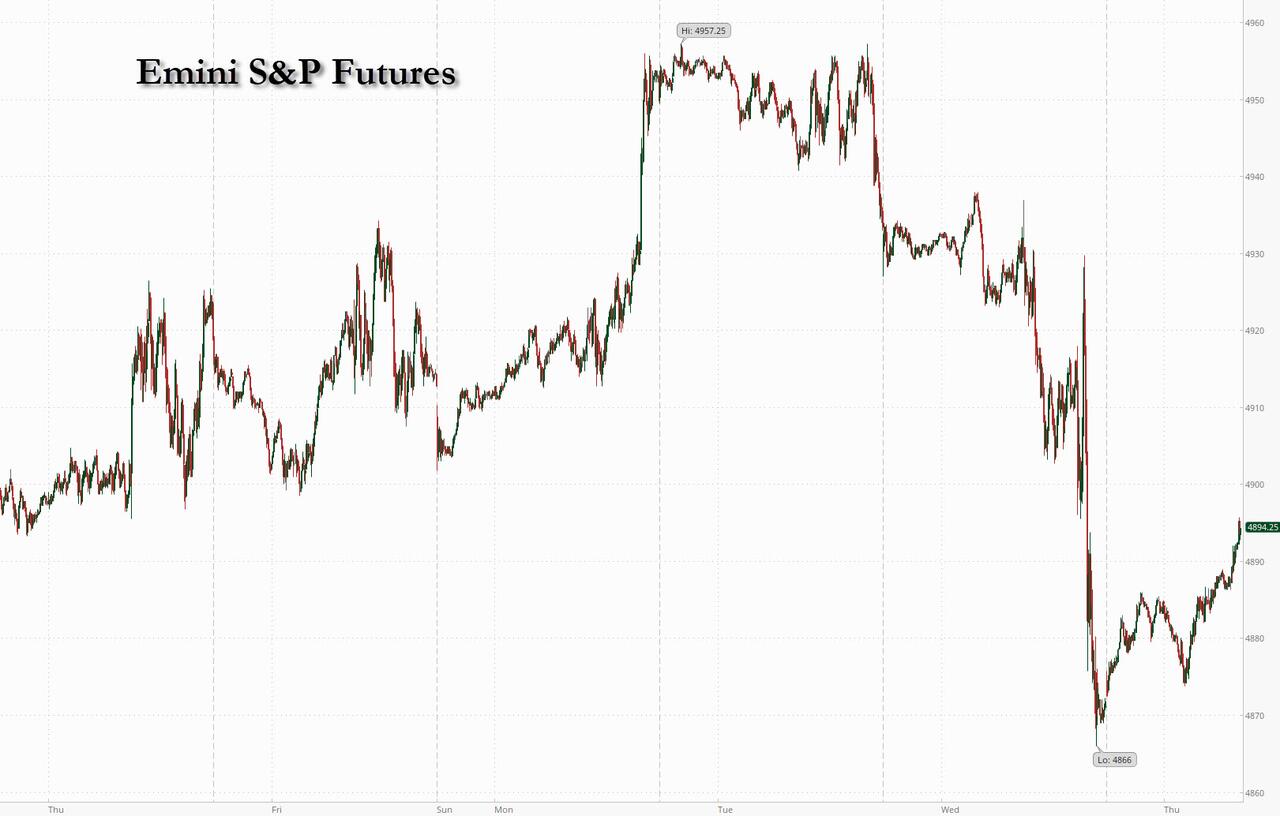
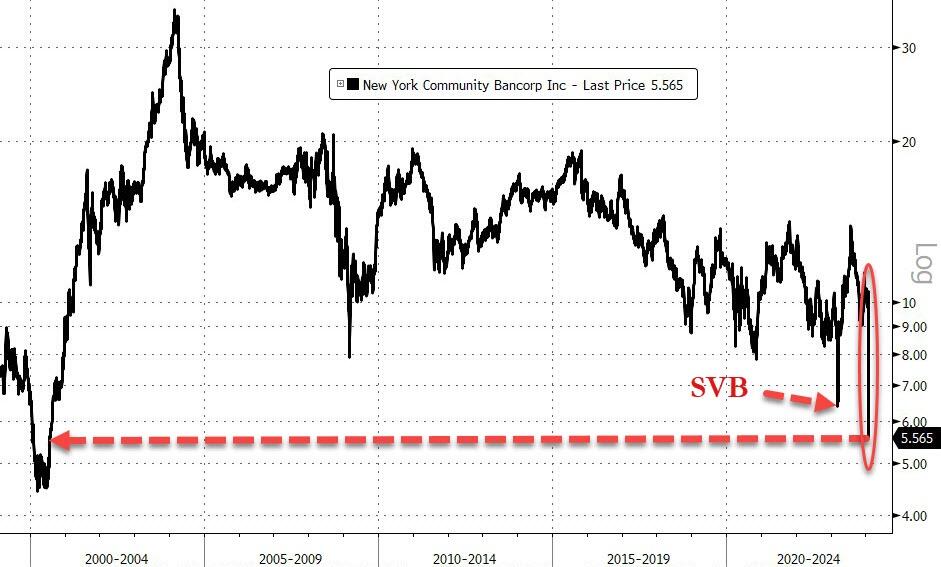
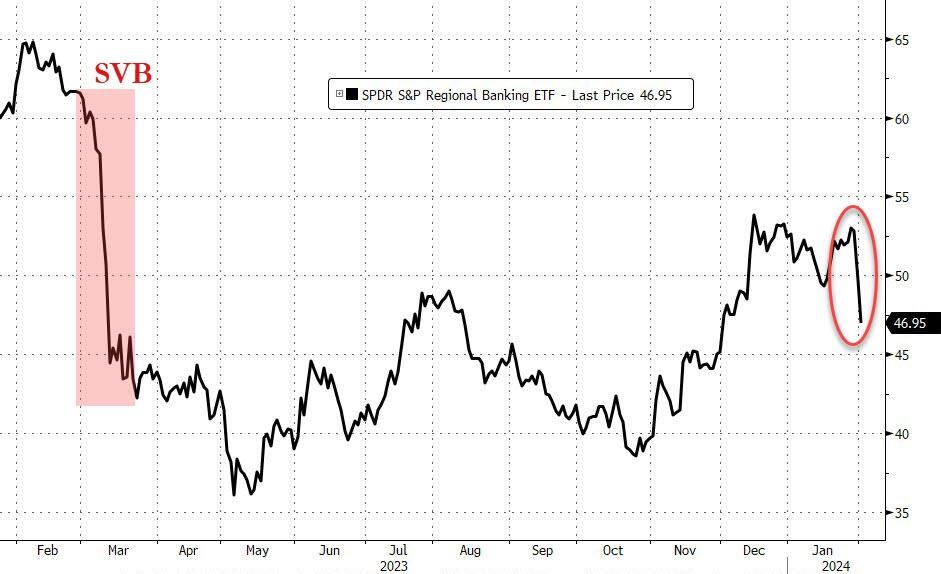
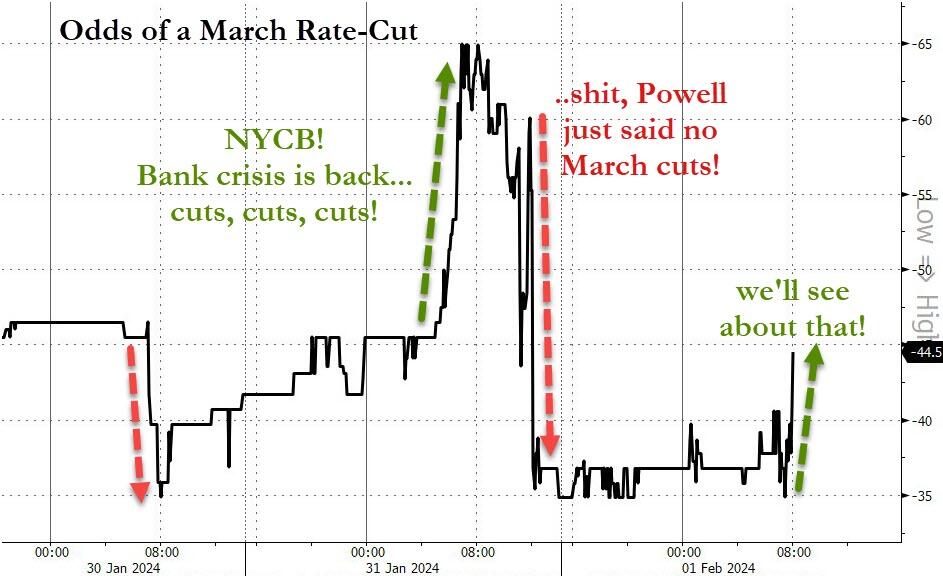
US equity futures rebounded after the worst day for stocks since September, as investors prepared for the next wave of megacap tech earnings while resetting expectations for the timing of Fed rate cuts, which have been pushed back from March to May at the earliest (unless of course there is a new banking crisis). As of 7:50am, S&P 500 futures gained 0.5% following a 1.6% plunge on Wednesday after Powell unleashed Hawkamania on the market during his press conference. Nasdaq 100 climbed 0.6% and awaiting earnings from Apple, Amazon and Meta.It’s the latest update from members of the “Magnificent Seven” stocks that have soared amid aggressive expectations from investors for earnings growth fueled by artificial intelligence applications and easier policy from the Fed. Meanwhile, the epicenter of the new banking crisis, New York Community Bancorp rallied following its record plunge. Interest rates reversed some of Wednesday’s losses with 10Y yields rising 2bps to 3.93% while the dollar was flat, reversing earlier gains.
In premarket trading, Qualcomm shares slipped 1.5% after the chipmaker reported first-quarter results that beat expectations, and provided an outlook for the year. While analysts see signs of a recovery in key markets, the company also warned about high inventory levels. Here are some other notable premarket movers:
Align Technology (ALGN) jumps 12% after the dental equipment firm reported fourth-quarter results and first-quarter guidance which beat estimates.
Amplitude (AMPL) slips 3% after Morgan Stanley downgraded the stock, saying the valuation doesn’t reflect the increasingly competitive landscape.
Arcutis Biotherapeutics (ARQT) drops 6% after the drugmaker filed for a $300m mixed-securities shelf.
Canada Goose (GOOS) rises 11% after the parka retailer’s fiscal fourth-quarter revenue outlook exceeded the average analyst estimate.
Cardinal Health (CAH) falls 3% after posting quarterly results.
MaxLinear (MXL) declines 11% after the semiconductor device company gave a disappointing revenue forecast.
Nextracker (NXT) surges 21% after the maker of measuring machines for the solar industry boosted its revenue guidance.
Wolfspeed (WOLF) falls 5% after providing a disappointing revenue forecast.
Stocks tumbled on Wednesday after Fed officials signaled they are in no rush to cut rates as they target lower inflation, with Chair Powell saying after Wednesday’s decision he doesn’t think a cut in March is likely. The Bank of England also said more evidence of moderating inflation was needed before it could ease policy, as it decided to keep rates at a 16-year high on Thursday.
“The market got ahead of itself in the last few months and it feels like we will get a respite as rate decreases start to get priced out and we see more rhetoric from central banks pushing back on rate cuts,” said Justin Onuekwusi, chief investment officer at wealth manager St James Place Management Svs Ltd.
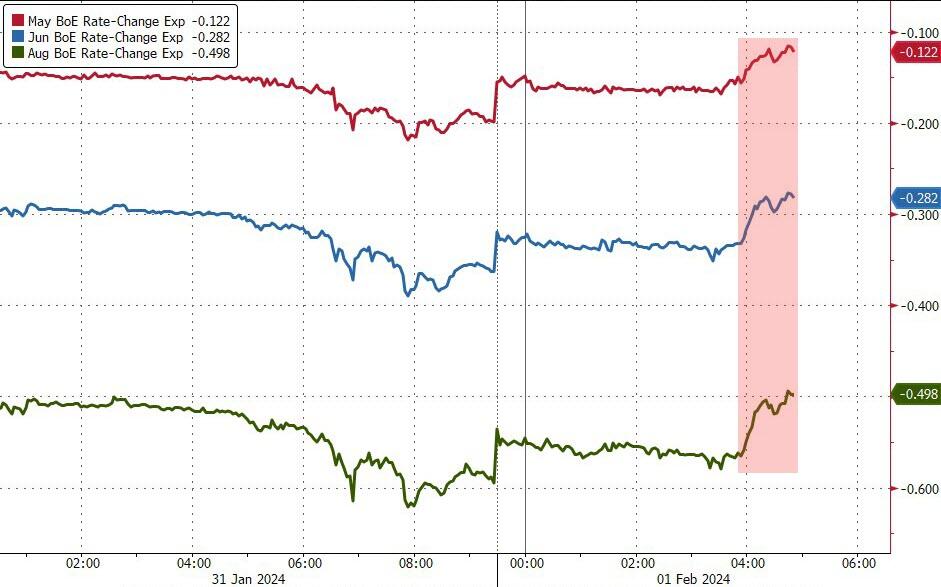
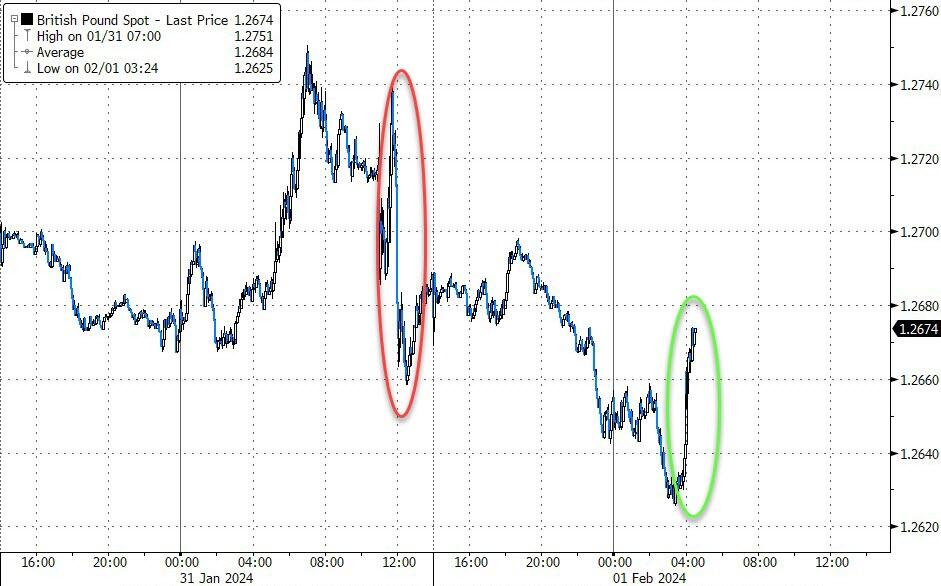
Central banks also dominated markets on Thursday where the pound pared its drop against the dollar and UK bonds fell after the BOE announcement. The central bank slashed its outlook for inflation this year and dropped its guidance that borrowing costs may have to rise again. Its decision to hold was a split view among policymakers, with two voting for a hike, six to keep rates unchanged and the first rate cut vote.
Sweden’s Riksbank earlier held rates steady and said it may lower borrowing costs as soon as the first half of the year, pivoting from a tightening campaign. The Swedish krona fell after the decision.
Meanwhile, European stocks are on the back foot as bank shares slide after some disappointing earnings reports from BNP Paribas and ING. The Stoxx 600 is down 0.1%. Adidas AG slumped on lower-than-expected profit guidance. Deutsche Bank AG rallied after announcing a share buyback and higher revenue goal. Ferrari NV rose after the supercar builder beat estimates. While strong numbers from Shell buoyed the energy sector, poor reports from BNP Paribas and ING weigh on bank shares. Here are the biggest movers Thursday:
Volvo Car soars as much as 32% after the Swedish firm said it will no longer extend funding to Polestar and is evaluating a restructuring of its holdings in the struggling electric vehicle maker
Shell gains as much as 2.8% after the oil major reported results that beat estimates and kept up the pace of buybacks, with analysts positive on the performance of the gas and upstream businesses
Evolution shares jump as much as 7% after the Swedish live casino operator reported in-line fourth-quarter trading. Morgan Stanley describes management commentary as “upbeat”
Deutsche Bank advances as much as 5.1% after it announced plans for a €675 million buyback in the first half and raised its mid-term revenue target, offsetting an otherwise disappointing 4Q
Julius Baer extend gains as much as 8.5%, most since July, amid a call with analysts in which the chairman said meaningful inflows were seen at the end of last year
Axfood climbs as much as 9% following its fourth-quarter earnings report, with DNB seeing a positive report with results ahead for all segments apart from its Dagab logistics unit
Hexagon rises as much as 6.5%, the most since Dec. 8, after the Swedish industrial software group delivered what DNB Markets describes as a strong print
Straumann gains as much as 5.3%, the most intraday since Dec. 14, after the Swiss dental equipment firm’s US rival Align reported estimate-beating results
BNP Paribas shares drop as much as 9.8%, the most intraday since March 2023, after the French bank reported 4Q results that missed estimates and lowered its performance targets
ING falls as much as 9.6% after the bank reported net interest income for the fourth quarter that missed the average analyst estimate; ING and BNP’s poor reports pull the wider sector downwards, too
Roche falls as much as 4.5% after the Swiss pharma giant gave a very weak outlook for 2024. Analysts attribute the softness to significant headwinds from the strong Swiss franc
Adidas slumps as much as 9%, the biggest intraday decline since February 2023, after the sportswear maker forecast operating profit for 2024 of about €500m, well below estimates
Earlier in the session, Asian stocks also declined, as Japan and Australia followed the US market lower, while Chinese stocks surged on the government’s latest policy support efforts. The MSCI Asia Pacific Index declined as much as 0.7% before paring the drop. TSMC, Toyota Motor and Commonwealth Bank of Australia were among the biggest drags. Japanese stocks slid as yen strengthened and Australian shares retreated from Wednesday’s record close after the Federal Reserve pushed back on expectations for US interest rate cuts.
Hang Seng and Shanghai Comp were mixed with early upside from stronger-than-expected Caixin PMI data and further support pledges although the gains were limited after the substantial PBoC liquidity drain and the mainland index gradually reversed course.
Nikkei 225 retreated amid recent currency strength and with a slew of earnings influencing price action.
ASX 200 pulled back from record highs amid weakness in tech and financials, as well as softer data.
In FX, the Bloomberg Dollar Spot Index is up 0.1% while the yen tops the G-10 FX pile, rising 0.1% versus the greenback. The Swedish krona falls 0.8% after the Riksbank left rates on hold and said it may lower borrowing costs as soon as in the first half of the year. The pound falls 0.4% ahead of the BOE decision while the yen was the only gainer against the greenback among its Group-of-10 peers.
AUD/USD sank 0.9% to 0.6511, the lowest level since November, on reduced risk appetite; Australia’s stock market tumbled from a record high
USD/SEK rose as much as 0.9% and EUR/SEK jumped 0.6%, after the Riksbank said it may lower borrowing costs as soon as in the first half of the year
EUR/USD pared a 0.4% loss to trade 0.2% lower at 1.0796 as euro-zone inflation eased less than anticipated at the start of the year
GBP/USD fell as much as 0.5% to 1.2627 as traders braced for the BOE decision later Thursday; The central bank is likely to deliver a brighter outlook for the UK economy and reduce its forecast for inflation
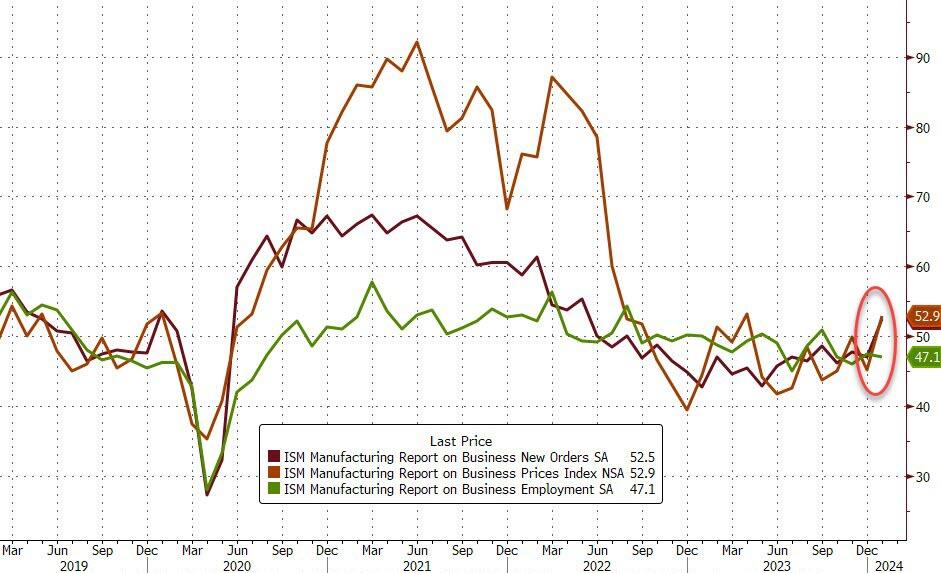
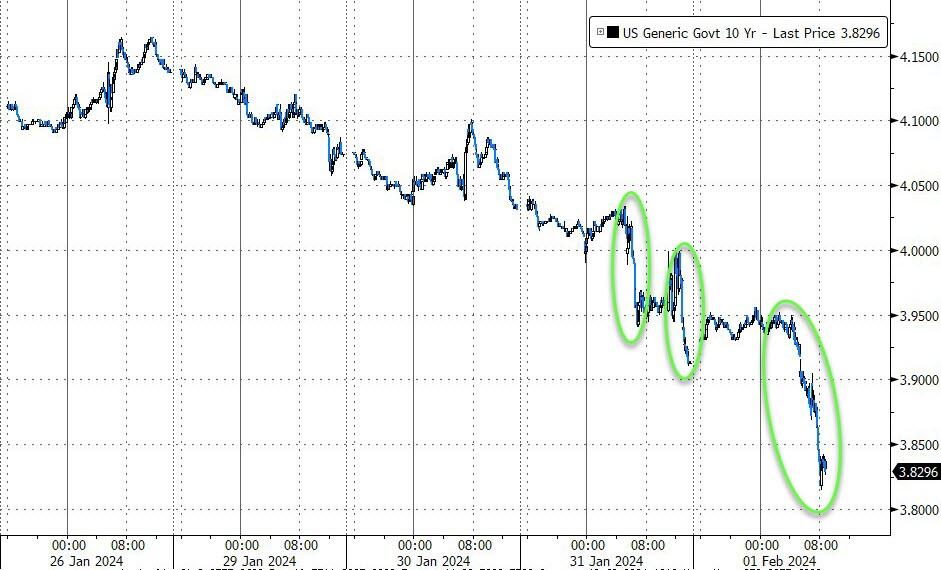
In rates, US 10-year yields first rose 3bps to 3.95% but have since erased much of the rise which followed Powell’s comments and the fresh concerns about regional lenders. Bunds are lower as data showed euro-zone CPI slowed less than expected in January. German 10-year yields rise 5bps to 2.21%. The dollar issuance slate includes four names so far; dealers are calling for around $150b of supply in February. US economic data includes January Challenger job cuts (7:30am), 4Q nonfarm productivity and weekly jobless claims (8:30am), January S&P US manufacturing PMI (9:45am), December construction spending and January ISM manufacturing (10am)
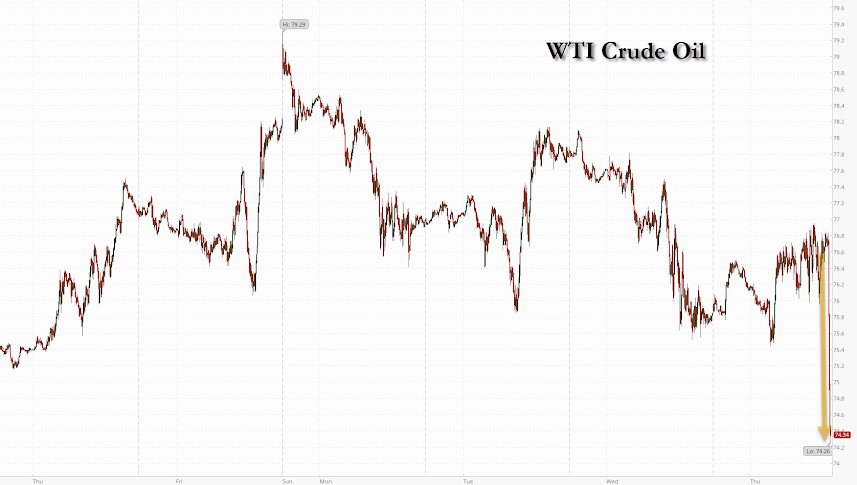
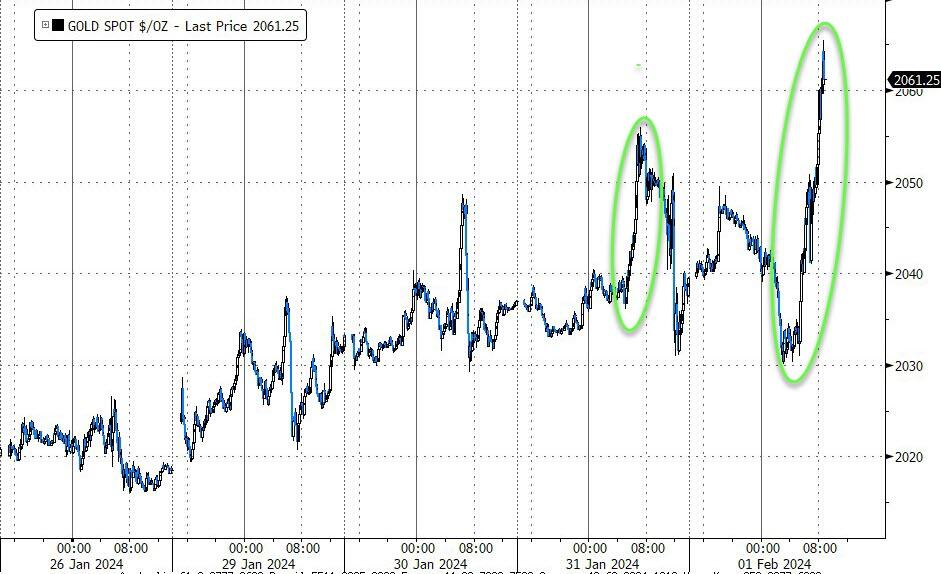
In commodities, oil rebounded after the biggest decline in three weeks on Wednesday as investors weighed the risks from any US retaliation to a deadly attack in Jordan against signs of robust American supply. WTI rose 0.8% to trade near $76.50, gold dropped to trade near session lows around $2,033.
To the day ahead now, and data releases include the global manufacturing PMIs for January, along with the ISM manufacturing reading from the US. In the Euro Area, there’s also the flash CPI print for January, and in the US there’s the weekly initial jobless claims. From central banks, the Bank of England will announce their latest policy decision, and we’ll also hear from the ECB’s Centeno and Lane. Finally, today’s earnings releases include Apple, Amazon and Meta.
Market Snapshot
S&P 500 futures up 0.3% to 4,885.75
STOXX Europe 600 little changed at 485.24
MXAP down 0.4% to 165.84
MXAPJ little changed at 503.50
Nikkei down 0.8% to 36,011.46
Topix down 0.7% to 2,534.04
Hang Seng Index up 0.5% to 15,566.21
Shanghai Composite down 0.6% to 2,770.74
Sensex little changed at 71,687.82
Australia S&P/ASX 200 down 1.2% to 7,588.19
Kospi up 1.8% to 2,542.46
German 10Y yield little changed at 2.20%
Euro down 0.2% to $1.0798
Brent Futures up 0.7% to $81.09/bbl
Gold spot up 0.1% to $2,042.31
U.S. Dollar Index up 0.39% to 103.68
Top Overnight News
Stocks fell in Asia and Europe as investors reset their expectations of when the Federal Reserve will start cutting interest rates and assessed a deluge of corporate earnings.
Jerome Powell delivered a clear message to traders eager for the central bank to start slashing interest rates: Not so fast.
Euro-zone inflation eased less than anticipated at the start of the year — testing investor expectations that the European Central Bank will begin lowering interest rates as soon as the spring.
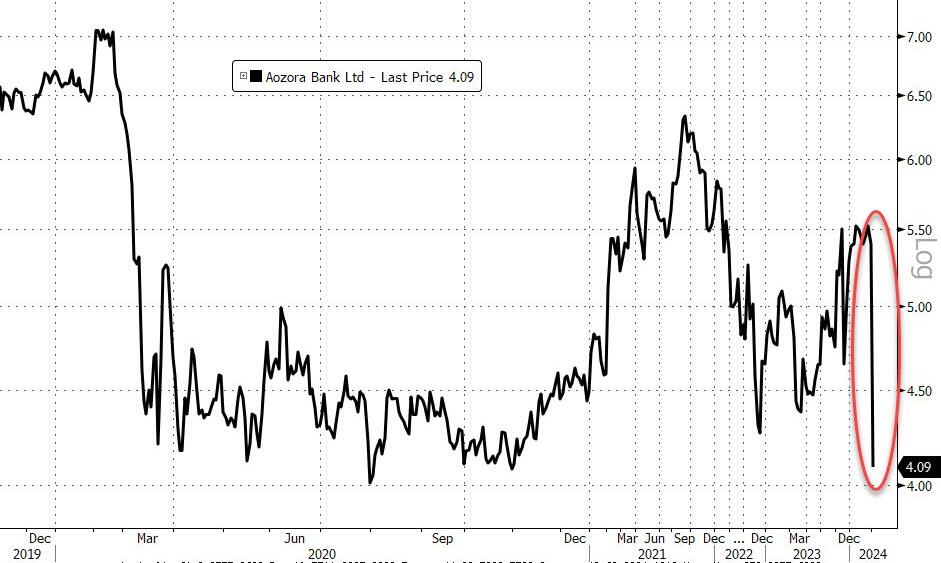
The US commercial real estate market has been in turmoil since the onset of the Covid-19 pandemic. But New York Community Bancorp and Japan’s Aozora Bank Ltd. delivered a reminder that some lenders are only just beginning to see the pain.
The Riksbank held rates steady and said it may lower borrowing costs as soon as in the first half of the year, pivoting from a tightening campaign that tipped the Swedish economy into recession.
Donald Trump’s legal troubles have helped him raise millions of dollars from supporters, but paying to defend himself has siphoned $51.2 million from his White House comeback effort in the past year.
A more detailed look at global markets courtesy of Newsquawk
APAC stocks were mixed after the losses on Wall St owing to banking sector fears and Fed Chair Powell’s pushback against a March rate cut, while Chinese Caixin Manufacturing PMI data topped forecasts. ASX 200 pulled back from record highs amid weakness in tech and financials, as well as softer data. Nikkei 225 retreated amid recent currency strength and with a slew of earnings influencing price action. Hang Seng and Shanghai Comp were mixed with early upside from stronger-than-expected Caixin PMI data and further support pledges although the gains were limited after the substantial PBoC liquidity drain and the mainland index gradually reversed course.
Top Asian News
Chinese President Xi urged efforts to accelerate the development of new productive forces and firmly promote high-quality development, while they must strengthen scientific and technological innovation.
China’s Finance Ministry said it will implement structural tax cuts in 2024 and support tech innovation and the manufacturing sector. China’s Vice Finance Minister said 2023 tax and fee cuts and rebates totalled CNY 2.2tln, while fiscal policy will help expand domestic demand and they will appropriately increase investment under the central government budget.
HKMA maintained its base rate unchanged at 5.75%, as expected.
European equities are mixed with clear underperformance in the CAC40, hampered by losses in BNP Paribas (-8.8%) and Dassault Systemes (-6.6%) post-earnings. European sectors hold a mostly negative tilt; Travel & Leisure is propped up by Evolution (+6.2%) whilst the Banking sector remains hampered by losses in BNP Paribas (-8.8%) and ING (-8.9%). US equity futures (ES +0.3%, NQ, +0.5%, RTY +0.1%) are trading on a firmer footing and finding some reprieve after the prior day’s hefty selling; with the NQ outperforming after Tech-induced losses yesterday and as yields generally edge lower stateside. Click here and here for the sessions European pre-market equity newsflow, including earnings from Shell, BT, Roche, Sanofi, BNP Paribas, Deutsche Bank & more.
BT (BT/A LN) – 9-month update (GBP): Revenue 15.75bln (prev. 15.34bln), adj. EBITDA 6.12bln (exp. 5.95bln). Q3: Revenue 5.34bln (exp. 5.19bln). Reconfirming all FY24 financial outlook metrics. (Newswires) Shares +1.1% in European trade
Adidas (ADS GY) – FY23 (EUR): Op. profit 268mln (exp. 290mln; prev. 669mln), Revenue 21.43bln (exp. 21.5bln; prev. 22.51bln). FY24 currency-neutral sales growth view at a “mid-single-digit” rate. Decides not to write off most of its Yeezy inventory. FY24 Op view 500mln (exp. 1.27bln). Says unfavourable currency effects are projected to weigh significantly on the company’s profitability in 2024. (Newswires) Index weightings: DAX 40 (2.6%), Euro Stoxx 50 (1%). Shares -5.1% in European trade
Deutsche Bank (DBK GY) Q4 (EUR): Net 1.26bln (prev. 1.80bln Y/Y). Revenue 6.658bln (exp. 6.783bln). FIC Sales & Trading Revenue 1.50bln (exp. 1.65bln); plans a EUR 675mln share buyback alongside a headcount cut of around 3,500. METRICS Corporate Bank (CB) 1.911bln (exp. 1.869bln). Investment Bank (IB) 1.837bln (exp. 2bln). Private Bank (PB) 2.395bln (exp. 2.315bln). Asset Management 580mln (exp. 635mln). Provisions for credit losses 488mln (prev. 351mln Y/Y). Deposits at year-end 2023 at 622mln (+EUR 11bln Q/Q); slightly above the level of year-end 2022. EUR 900mln in proposed dividends, EUR 0.45 per share, planned for 2023, up 50% over 2022. 2025 TARGETS ~EUR 32bln in revenues, with annual growth targets raised to 5.5%-6.5%. ~EUR 20bln in costs, with EUR 1.3bln savings from measures completed. Positioned to accelerate capital distributions; 2025 dividend guidance of EUR 1.00/shr, subject to a 50% payout ratio. OUTLOOK To be provided at the Annual Media Conference at 09:00 CET today. (Newswires) Index weightings: DAX 40 (1.8%). Shares +4.3% in European trade
BNP Paribas (BNP FP) – Q4 (EUR): Revenue 10.9bln (exp. 11.4bln). Net 1.07bln (exp. 2.0bln). Sees 2025 ROTE between +11.5-12% (prev. ~12%); announces EUR 1.05bln share buyback; Dividend +18% Y/Y. CET1 ratio 13.2% (exp. 13.3%). ROTE 10.7% (prev. 10.2% Y/Y). OUTLOOK: Affirms CET1 ratio, Net Income, EPS and Cost of Risk guidance. COMMENTARY: “BNP Paribas should continue to grow faster than its underlying economy and to gain market share..”. “Personal Finance and Real Estate initiated in 2023 robust adaptation plans and should return to their nominal profitability as early as 2026” (BNP Paribas). Index weightings: CAC 40 (3.94%). Shares -8.2% in European trade
Sanofi (SAN FP) – Q4 (EUR): EPS 1.66 (exp. 1.70), Revenue 10.9bln (exp. 11.4bln). Guides initial FY24 Business EPS “-4.5% to -3.5% Y/Y”. Francois-Xavier Roger was appointed CFO and member of the executive committee. (Newswires) Index weightings: CAC 40 (6.8% – 3rd largest), Euro Stoxx 50 (3.7% – 5th largest). Shares -2.1% in European trade
ABB (ABBN SW) – Q4 (USD) EPS 0.50 (exp. 0.47). Revenue 8.25bln (exp. 8.105bln). Net Income 921mln (exp. 872mln); Guides operating EBITDA margin to “slightly improve” in 2024 Y/Y; Raises dividend to CHF 0.87/shr (prev. CHF 0.84/shr); Plans share buyback. COMMENTARY: “In the projects- and systems business we expect continued high customer activity, although we face high comparables from last year when large orders came through at a very high level.” “In total, order growth year-on-year should show stronger momentum in the latter part of the year when comparables ease.” “We expect to improve on comparable revenues as well as on Operational EBITA margin, and cash flow should benefit from continued strong operational performance and our continued focus on net working capital efficiency.” “We also plan to continue utilizing share buybacks as a tool to return excess cash to shareholders also during 2024.” (Newswires) Index weightings: SMI (4.8%). Shares +1.7% in European trade
Roche (ROG SW) – FY (CHF): Net Income 12.35bln (exp. 14.67bln), Revenue 58.72bln (exp. 59.75bln), Core EPS 18.57 (exp. 18.56). Expects to further increase the dividend, proposing 9.60/shr (exp. 9.53/shr). FY (cont). Pharma Sales 44.6bln (44.8bln). Top-five growth drivers Sales 14.8bln, +4.3bln Y/Y. 2024 Sales rising in mid single-digit range. CEO “… exceeded our guidance for 2023. At the same time, the significant appreciation of the Swiss franc versus most currencies strongly impacted results when reported in Swiss francs. We also made good progress in both our pharma and diagnostics product pipeline.” Index weightings: SMI (16.2%). Shares +4.2% in European trade
Top European News
ECB Chief Economist Lane said inflation is a “smaller problem” but it is still a challenge and the ECB needs more confidence that inflation is headed to the 2% target.
ECB’s Centeno says if inflation continues on same trajectory in the coming months it is expected that the ECB’s next decision is to cut rates; “if that happens we can start a cycle of normalisation of rates”.
ECB’s Herodotou expects rates to start to decline this year but must be a data-based approach; any move must not be too fast or too late
Riksbank maintains its Rate at 4.00% as expected; increases monthly bond sale programme to SEK 6.5bln (prev. 5bln; vs SEB exp 7-8bln); Rate can probably be cut sooner than was indicated in November forecast H1 rate cut cannot be ruled out.
Riksbank Thedeen says it is possible to have bond sales and to ease policy at same time in principle.
FX
USD remains supported post-FOMC as traders scale back March easing bets. DXY has advanced to a high of 103.81 with upside seeing 103.82 from Jan 29th and 23rd.
EUR/USD tripped through 1.08 early doors before finding support at 100DMA at 1.0780 and stopping shy of the 13th Dec low at 1.0773; overall unreactive to EZ Flash HICP.
Cable has continued to drift lower vs. the USD as has been the case for a lot of other majors but eking out gains with EUR/GBP near a five month low. BoE likely to be the next inflection point for the GBP. A dovish tilt could see Cable open up a test of 1.26 to the downside.
AUD’s tough week has continued with some citing disappointing building approvals data. Elsewhere, China remained on the backfoot overnight and Dalian iron ore fell. Low print of 0.6518 is the lowest since the November 20 low at 0.6499.
The SEK is softer post-Riksbank which has been viewed as a dovish hold. Losses for SEK vs. EUR relatively minor compared to recent strength which saw EUR/SEK fall from 11.4256 to 11.1956 from mid-Jan.
PBoC set USD/CNY mid-point at 7.1049 vs exp. 7.1802 (prev. 7.1039).
Brazil Central Bank cut the Selic rate by 50bps to 11.25%, as expected, while committee members unanimously anticipate further reductions of the same magnitude in the next meetings. BCB said this pace is appropriate to keep the necessary contractionary monetary policy for the disinflationary process and the total magnitude of the easing cycle throughout time will depend on inflation dynamics, expectations and projections, the output gap and balance of risks.
Fixed Income
USTs are modestly firmer and just off Wednesday’s post-Powell high. Developments have since been light with markets digesting the latest verbal guidance ahead of US data (ISM) and Tier 1 events (BoE) elsewhere.
Bund is the clear fixed laggard as it continues to pare Wednesday’s plethora of dovish drivers; though, we remain well above that session’s 134.84 trough with support below from Monday at 134.37.
Gilts are a touch softer as the space pares from Wednesday’s dovish US data and hasn’t been too swayed by the Fed as focus is firmly on the upcoming BoE.
Spain sells EUR 6.05bln vs exp. EUR 5.5-6.5bln 1.45% 2029, 0.10% 2031, 3.25% 2034 Bono and EUR 516mln vs exp. EUR 250-750mln 2.05% 2039 I/L.
France sells EUR 12.988bln vs exp. EUR 11.5-13bln 3.50% 2033, 0.50% 2040, 2.50% 2043 and 3.00% 2054.
Commodities
Crude is modestly firmer intraday after both contracts settled lower by almost USD 2/bbl apiece yesterday amid the broader risk aversion. Participants look ahead to the JMMC confab pencilled in for 12:00GMT; currently Brent holds just above USD 82/bbl.
Mixed trade across precious metals with spot gold resilient against the firmer Dollar (albeit back under USD 2,050/oz) but spot OPEC+ JMMC not expected to make any policy recommendations, according to Reuters sources; meeting poised to begin at 11:00GMT; sources added that talks on extending or unwinding voluntary cuts are yet to begin succumbing.
Base metals are lower across the board as traders digest the watering-down of rate cut expectations by Fed Chair Powell coupled with the recent underwhelming Chinese PMI data alongside the nation’s ongoing property woes.
OPEC+ JMMC is not expected to make any policy recommendations, according to Reuters sources; meeting poised to begin at 11:00GMT; sources added that talks on extending or unwinding voluntary cuts are yet to begin
Citi says Saudi Arabia’s capacity decision shows that OPEC+ has little room to raise production in the future; expects medium-term oil market fundamentals to get looser, putting downside pressure on oil prices
US crude oil production rose 84k BPD in November to 13.308mln BPD (prev. 13.224mln BPD in October), according to the EIA.
Geopolitics
US fighter jets targeted 10 unmanned Houthi drones and a ground control centre in western Yemen, while it was also reported that US Central Command said a Houthi anti-ship ballistic missile and Iranian UAVs were shot down in the Gulf of Aden.
White House said National Security Adviser Sullivan and UK Defence Secretary Shapps discussed preventing escalation in the Middle East and ongoing efforts to defend against Houthi attacks, while they reaffirmed support for Ukraine, according to Reuters.
White House said National Security Advisor Sullivan and Israeli official Dermer met to discuss the flow of humanitarian aid to Gaza and hostage talks, while it also said the US is not looking for war with Iran.
US senior cybersecurity official Easterly said the US has ‘found and eradicated’ Chinese cyber intrusions in aviation, water, energy and transportation infrastructure.
08:30: Jan. Initial Jobless Claims, est. 212,000, prior 214,000
Continuing Claims, est. 1.84m, prior 1.83m
08:30: 4Q Unit Labor Costs, est. 1.2%, prior -1.2%
Q4 Nonfarm Productivity, est. 2.5%, prior 5.2%
09:45: Jan. S&P Global US Manufacturing PM, est. 50.3, prior 50.3
10:00: Dec. Construction Spending MoM, est. 0.5%, prior 0.4%
10:00: Jan. ISM Manufacturing, est. 47.2, prior 47.4
Jan. ISM Employment, est. 47.0, prior 48.1
Jan. ISM New Orders, est. 48.2, prior 47.1
Jan. ISM Prices Paid, est. 46.9, prior 45.2
DB’s Jim Reid concludes the overnight wrap
Risk assets saw their worst performance in months yesterday, with the S&P 500 (-1.61%) down by the most since September. That came as Fed Chair Powell clearly signalled that a March rate cut was unlikely, whilst we got a fresh reminder about the risk of a market accident, as New York Community Bancorp (-37.67%) reported a loss as they raised their expected loan losses on commercial real estate. That meant the KBW Regional Banking Index (-6.00%) saw its largest decline since the regional banking turmoil last March. And overnight, there’ve been fresh signs of concern, as Aozora Bank (-21.49%) in Japan has just reported losses as a result of US commercial property, which has added to fears that the full consequences from higher interest rates are still yet to materialise, particularly given the amount of debt that needs refinancing over 2024 and 2025. This echoes the “race against time” theme we discussed in our 2024 World Outlook, in that the risk of a funding accident is much higher than usual, since we’ve experienced the most rapid series of rate hikes since the early 1980s. And even if the major central banks are now done hiking rates, the impact of tighter policy is still impacting the economy and markets with a lag, so this is still a very important story as we move through 2024.
Given the Fed’s decision as well, it was an incredibly eventful 24 hours in markets, and the FOMC made some important adjustments to their statement. In particular, they dropped their tightening bias, no longer talking about “the extent of any additional policy firming”, but instead talking about “any adjustments to the target range for the federal funds rate”. However, there was still a more hawkish comment, as it said “the Committee does not expect it will be appropriate to reduce the target range until it has gained greater confidence that inflation is moving sustainably toward 2% “, offering some gentle pushback on expectations of an imminent rate cut.
In the press conference, Powell repeatedly reiterated this need to get “greater confidence” on the disinflation path, even as it was accompanied by a positive take on the disinflation progress so far. Towards the end of the press conference Powell then delivered an explicit pushback against expectations of a March rate cut, saying that a March cut “is probably not the most likely case” and adding “I don’t think it is likely that the Committee will reach a level of confidence by the time of the March meeting”. Our US economists see this raising the bar for a March cut, but we’ve still got two more CPI prints and CPI revisions still to come by then, so continued progress on inflation could still trigger a cut at the next meeting. See their full reaction note here. Meanwhile on QT, Powell said that the FOMC planned to start “in-depth discussion on balance sheet issues” at the March meeting.
With Powell pushing back on a March rate cut, futures lowered the chance of a cut by March to 35% by the close yesterday. That’s the lowest it’s been in over two months, and is only back up slightly to 37% this morning. Nevertheless, the broader risk-off tone meant that investors are still expecting a similar pace of rate cuts over the year as a whole, with 141bps priced in by the December meeting. And in turn, Treasury yields fell significantly, with the 10yr yield down -12.0bps on the day to 3.91%, whilst the 2yr yield was down -12.8bps to 4.21%.
Of course, the Fed weren’t the only reason that bond yields fell significantly, as the news about NY Community Bancorp had already led to a major decline in yields as investors added to the chance of rate cuts. NYCB had bought most of Signature Bank last year, which was one of the banks that failed in the regional banking turmoil in March 2023, and they reported that loan-loss provision was up to $552m in Q4. In turn, that led to losses for other regional banks, and the KBW Regional Banking Index fell -6.00%, marking its worst daily performance since the turmoil last March. And overnight, Moody’s also said that they were placing NYCB’s credit ratings on review for a downgrade. The losses meant that NYCB was down as much as -46% at the US open, before recovering somewhat to end the day -37.67% lower. And overnight, the focus on banks has continued as Japan’s Aozora Bank (-21.49%) has also slumped after they said they expected to see a net loss of ¥28bn for the fiscal year, having previously forecast a profit of ¥24bn. That was connected to losses on US commercial property.
More broadly for equities, the major indices have seen a very weak performance. The S&P 500 was already trading -0.7% lower before the Fed, and Powell’s pushback on a March cut meant it ended the day -1.61% lower. Small-cap stocks saw even bigger losses, with the Russell 2000 down -2.45%, whilst the Magnificent Seven saw their weakest day since October (-3.05%), led by Alphabet’s -7.50% decline, while Microsoft lost -2.69% after both companies reported results the previous evening.
Meanwhile in Asia, there’ve been losses for the Nikkei (-0.71%) and the Shanghai Comp (-0.50%), although other indices have seen more of a recovery, including the Hang Seng (+0.94%) and the KOSPI (+1.66%), whilst the CSI 300 (+0.11%) has moved off its five-year low from the previous session. Separately, the Caixin manufacturing PMI in China remained at 50.8 in January, which was in line with expectations and a third consecutive month in expansionary territory.
Whilst the banking news had helped push yields lower, that move had got further momentum earlier in the day from a couple of data prints that added to hopes for rate cuts. First, there was the ADP’s report of private payrolls, which comes ahead of tomorrow’s US jobs report for January, and only grew by +107k (vs. +150k expected). And second, the Employment Cost Index for Q4 was up by +0.9% (vs. +1.0% expected), which was the slowest growth since Q2 2021, and added to the signs that inflationary pressures were subsiding.
Otherwise, an important piece of news came from the Quarterly Refunding Announcement, where the US Treasury said that they would be increasing the auction sizes for 2yr and 5yr notes by $3bn a month, with increases for other maturities as well. However, they also added that they did not “anticipate needing to make any further increases in nominal coupon or FRN auction sizes, beyond those being announced today, for at least the next several quarters”, s uggesting that potential changes in funding needs during the year may be accommodated by adjusting Treasury bill issuance. Separately, they said that they’d be preparing for a regular buyback program later this year, and would announce the date of the first regular buyback operation at the May refunding.
Meanwhile in Europe yesterday, sovereign bonds had rallied significantly ahead of the Fed, with yields on 10yr bunds (-10.2bps), OATs (-9.4bps) and BTPs (-6.9bps) all seeing sharp declines. In large part, that followed the news above on regional banks and softer US data, but there were also the flash CPI releases for January from France and Germany, which were beneath consensus expectations. In Germany, CPI was down to +3.1% on the EU-harmonised definition (vs. +3.2% expected), whilst French CPI fell to +3.4% (vs. +3.6% expected), so that contrasted with the upside surprise in Spain the previous day. Finally on European equities, there was a pretty divergent performance by country, but the STOXX 600 just about managed to post a +0.01% gain before the Fed’s announcement, which was a 6th consecutive advance for the first time since July, and meant the index closed at a 2-year high.
To the day ahead now, and data releases include the global manufacturing PMIs for January, along with the ISM manufacturing reading from the US. In the Euro Area, there’s also the flash CPI print for January, and in the US there’s the weekly initial jobless claims. From central banks, the Bank of England will announce their latest policy decision, and we’ll also hear from the ECB’s Centeno and Lane. Finally, today’s earnings releases include Apple, Amazon and Meta.
2 B) NOW NEWSQUAWK (EUROPE/REPORT)
European bourses mixed, Dollar bid & AUD lags, Crude bid; US IJC & Key Earnings due – Newsquawk US Market Open
THURSDAY, FEB 01, 2024 – 06:22 AM
European equities are mixed, whilst US equity futures are firmer to varying degrees
Dollar is marginally bid though off post-Powell highs; Aussie lags after weak building approvals data
Bonds are mixed; USTs modestly higher whilst Bunds pare yesterday’s dovish data
Crude is in the green pre-JMMC whilst base metals are lower across the board, in-fitting with the broader risk tone
Looking ahead, US IJC & ISM Manufacturing, BoE Policy Announcement, Comments from ECB’s Lagarde & Lane, BoC’s Macklem & Rogers, OPEC JMMC Meeting, BoE’s Bailey post-announcement press conference, Earnings from Apple, Merck, Amazon & Meta
2. Listen to this report in the market open podcast (available on Apple and Spotify)
3. Trial Newsquawk’s premium real-time audio news squawk box for 7 days
EUROPEAN TRADE
EQUITIES
European equities are mixed with clear underperformance in the CAC40, hampered by losses in BNP Paribas (-8.8%) and Dassault Systemes (-6.6%) post-earnings.
European sectors hold a mostly negative tilt; Travel & Leisure is propped up by Evolution (+6.2%) whilst the Banking sector remains hampered by losses in BNP Paribas (-8.8%) and ING (-8.9%).
US equity futures (ES +0.3%, NQ, +0.5%, RTY +0.1%) are trading on a firmer footing and finding some reprieve after the prior day’s hefty selling; with the NQ outperforming after Tech-induced losses yesterday and as yields generally edge lower stateside.
Click here and here for the sessions European pre-market equity newsflow, including earnings from Shell, BT, Roche, Sanofi, BNP Paribas, Deutsche Bank & more.
USD remains supported post-FOMC as traders scale back March easing bets. DXY has advanced to a high of 103.81 with upside seeing 103.82 from Jan 29th and 23rd.
EUR/USD tripped through 1.08 early doors before finding support at 100DMA at 1.0780 and stopping shy of the 13th Dec low at 1.0773; overall unreactive to EZ Flash HICP.
Cable has continued to drift lower vs. the USD as has been the case for a lot of other majors but eking out gains with EUR/GBP near a five month low. BoE likely to be the next inflection point for the GBP. A dovish tilt could see Cable open up a test of 1.26 to the downside.
AUD’s tough week has continued with some citing disappointing building approvals data. Elsewhere, China remained on the backfoot overnight and Dalian iron ore fell. Low print of 0.6518 is the lowest since the November 20 low at 0.6499.
The SEK is softer post-Riksbank which has been viewed as a dovish hold. Losses for SEK vs. EUR relatively minor compared to recent strength which saw EUR/SEK fall from 11.4256 to 11.1956 from mid-Jan.
PBoC set USD/CNY mid-point at 7.1049 vs exp. 7.1802 (prev. 7.1039).
Brazil Central Bank cut the Selic rate by 50bps to 11.25%, as expected, while committee members unanimously anticipate further reductions of the same magnitude in the next meetings. BCB said this pace is appropriate to keep the necessary contractionary monetary policy for the disinflationary process and the total magnitude of the easing cycle throughout time will depend on inflation dynamics, expectations and projections, the output gap and balance of risks.
USTs are modestly firmer and just off Wednesday’s post-Powell high. Developments have since been light with markets digesting the latest verbal guidance ahead of US data (ISM) and Tier 1 events (BoE) elsewhere.
Bund is the clear fixed laggard as it continues to pare Wednesday’s plethora of dovish drivers; though, we remain well above that session’s 134.84 trough with support below from Monday at 134.37.
Gilts are a touch softer as the space pares from Wednesday’s dovish US data and hasn’t been too swayed by the Fed as focus is firmly on the upcoming BoE.
Spain sells EUR 6.05bln vs exp. EUR 5.5-6.5bln 1.45% 2029, 0.10% 2031, 3.25% 2034 Bono and EUR 516mln vs exp. EUR 250-750mln 2.05% 2039 I/L.
France sells EUR 12.988bln vs exp. EUR 11.5-13bln 3.50% 2033, 0.50% 2040, 2.50% 2043 and 3.00% 2054.
Crude is modestly firmer intraday after both contracts settled lower by almost USD 2/bbl apiece yesterday amid the broader risk aversion. Participants look ahead to the JMMC confab pencilled in for 12:00GMT; currently Brent holds just above USD 82/bbl.
Mixed trade across precious metals with spot gold resilient against the firmer Dollar (albeit back under USD 2,050/oz) but spot OPEC+ JMMC not expected to make any policy recommendations, according to Reuters sources; meeting poised to begin at 11:00GMT; sources added that talks on extending or unwinding voluntary cuts are yet to begin succumbing.
Base metals are lower across the board as traders digest the watering-down of rate cut expectations by Fed Chair Powell coupled with the recent underwhelming Chinese PMI data alongside the nation’s ongoing property woes.
OPEC+ JMMC is not expected to make any policy recommendations, according to Reuters sources; meeting poised to begin at 11:00GMT; sources added that talks on extending or unwinding voluntary cuts are yet to begin
Citi says Saudi Arabia’s capacity decision shows that OPEC+ has little room to raise production in the future; expects medium-term oil market fundamentals to get looser, putting downside pressure on oil prices
US crude oil production rose 84k BPD in November to 13.308mln BPD (prev. 13.224mln BPD in October), according to the EIA.
ECB Chief Economist Lane said inflation is a “smaller problem” but it is still a challenge and the ECB needs more confidence that inflation is headed to the 2% target.
ECB’s Centeno says if inflation continues on same trajectory in the coming months it is expected that the ECB’s next decision is to cut rates; “if that happens we can start a cycle of normalisation of rates”.
ECB’s Herodotou expects rates to start to decline this year but must be a data-based approach; any move must not be too fast or too late
Riksbank maintains its Rate at 4.00% as expected; increases monthly bond sale programme to SEK 6.5bln (prev. 5bln; vs SEB exp 7-8bln); Rate can probably be cut sooner than was indicated in November forecast H1 rate cut cannot be ruled out. Click here for more details.
Riksbank Thedeen says it is possible to have bond sales and to ease policy at same time in principle.
DATA RECAP
EU HICP Flash YY 2.8% vs. Exp. 2.8% (Prev. 2.9%); EU HICP-X F,E,A&T Flash YY (Jan) 3.30% vs. Exp. 3.20% (Prev. 3.40%); HICP-X F, E, A, T Flash MM -0.90% (Prev. 0.50%)
EU Unemployment Rate (Dec) 6.4% vs. Exp. 6.4% (Prev. 6.4%)
– Italian Consumer Price Prelim YY (Jan) 0.8% vs. Exp. 1.1% (Prev. 0.6%); Consumer Price Prelim MM (Jan) 0.3% vs. Exp. 1.0% (Prev. 0.2%); CPI (EU Norm) Prelim YY (Jan) 0.9% vs. Exp. 0.7% (Prev. 0.5%); CPI (EU Norm) Prelim MM (Jan) -1.1% vs. Exp. -1.3% (Prev. 0.2%)
UK S&P Global Manufacturing PMI (Jan) 47.0 vs. Exp. 47.3 (Prev. 47.3); “The contraction was widespread, with declines in all three variables seen across the consumer, intermediate and investment goods sub-industries.”
EU HCOB Manufacturing Final PMI (Jan) 46.6 vs. Exp. 46.6 (Prev. 46.6); “There is a real chance that the manufacturing sector’s year-long recession in the eurozone could stretch into the first quarter of this year.”
German HCOB Manufacturing PMI (Jan) 45.5 vs. Exp. 45.4 (Prev. 45.4); “Companies in Germany appear to be weathering problems in the Red Sea quite well, according to the supplier delivery times index.”
French HCOB Manufacturing PMI (Jan) 43.1 vs. Exp. 43.2 (Prev. 43.2)
Italian HCOB Manufacturing PMI (Jan) 48.5 vs. Exp. 47.3 (Prev. 45.3); “Our HCOB Nowcast anticipates a slight contraction in overall GDP by 0.1% in the first quarter”
Swedish PMI Manufacturing Sect (Jan) 47.1 (Prev. 48.8, Rev. 48.6)
NOTABLE US HEADLINES
US House voted 357-70 to pass a bill to expand the child tax credit and restore full business deductions for research and equipment investments.
Nvidia (NVDA) has reportedly begin taking pre-orders for a new China-specific AI H20 chip, via Reuters citing sources; distributors within China are pricing this on par with Huawei’s option
BT (BT/A LN) – 9-month update (GBP): Revenue 15.75bln (prev. 15.34bln), adj. EBITDA 6.12bln (exp. 5.95bln). Q3: Revenue 5.34bln (exp. 5.19bln). Reconfirming all FY24 financial outlook metrics. (Newswires) Shares +1.1% in European trade
Adidas (ADS GY) – FY23 (EUR): Op. profit 268mln (exp. 290mln; prev. 669mln), Revenue 21.43bln (exp. 21.5bln; prev. 22.51bln). FY24 currency-neutral sales growth view at a “mid-single-digit” rate. Decides not to write off most of its Yeezy inventory. FY24 Op view 500mln (exp. 1.27bln). Says unfavourable currency effects are projected to weigh significantly on the company’s profitability in 2024. (Newswires) Index weightings: DAX 40 (2.6%), Euro Stoxx 50 (1%). Shares -5.1% in European trade
Deutsche Bank (DBK GY) Q4 (EUR): Net 1.26bln (prev. 1.80bln Y/Y). Revenue 6.658bln (exp. 6.783bln). FIC Sales & Trading Revenue 1.50bln (exp. 1.65bln); plans a EUR 675mln share buyback alongside a headcount cut of around 3,500. METRICS Corporate Bank (CB) 1.911bln (exp. 1.869bln). Investment Bank (IB) 1.837bln (exp. 2bln). Private Bank (PB) 2.395bln (exp. 2.315bln). Asset Management 580mln (exp. 635mln). Provisions for credit losses 488mln (prev. 351mln Y/Y). Deposits at year-end 2023 at 622mln (+EUR 11bln Q/Q); slightly above the level of year-end 2022. EUR 900mln in proposed dividends, EUR 0.45 per share, planned for 2023, up 50% over 2022. 2025 TARGETS ~EUR 32bln in revenues, with annual growth targets raised to 5.5%-6.5%. ~EUR 20bln in costs, with EUR 1.3bln savings from measures completed. Positioned to accelerate capital distributions; 2025 dividend guidance of EUR 1.00/shr, subject to a 50% payout ratio. OUTLOOK To be provided at the Annual Media Conference at 09:00 CET today. (Newswires) Index weightings: DAX 40 (1.8%). Shares +4.3% in European trade
BNP Paribas (BNP FP) – Q4 (EUR): Revenue 10.9bln (exp. 11.4bln). Net 1.07bln (exp. 2.0bln). Sees 2025 ROTE between +11.5-12% (prev. ~12%); announces EUR 1.05bln share buyback; Dividend +18% Y/Y. CET1 ratio 13.2% (exp. 13.3%). ROTE 10.7% (prev. 10.2% Y/Y). OUTLOOK: Affirms CET1 ratio, Net Income, EPS and Cost of Risk guidance. COMMENTARY: “BNP Paribas should continue to grow faster than its underlying economy and to gain market share..”. “Personal Finance and Real Estate initiated in 2023 robust adaptation plans and should return to their nominal profitability as early as 2026” (BNP Paribas). Index weightings: CAC 40 (3.94%). Shares -8.2% in European trade
Sanofi (SAN FP) – Q4 (EUR): EPS 1.66 (exp. 1.70), Revenue 10.9bln (exp. 11.4bln). Guides initial FY24 Business EPS “-4.5% to -3.5% Y/Y”. Francois-Xavier Roger was appointed CFO and member of the executive committee. (Newswires) Index weightings: CAC 40 (6.8% – 3rd largest), Euro Stoxx 50 (3.7% – 5th largest). Shares -2.1% in European trade
ABB (ABBN SW) – Q4 (USD) EPS 0.50 (exp. 0.47). Revenue 8.25bln (exp. 8.105bln). Net Income 921mln (exp. 872mln); Guides operating EBITDA margin to “slightly improve” in 2024 Y/Y; Raises dividend to CHF 0.87/shr (prev. CHF 0.84/shr); Plans share buyback. COMMENTARY: “In the projects- and systems business we expect continued high customer activity, although we face high comparables from last year when large orders came through at a very high level.” “In total, order growth year-on-year should show stronger momentum in the latter part of the year when comparables ease.” “We expect to improve on comparable revenues as well as on Operational EBITA margin, and cash flow should benefit from continued strong operational performance and our continued focus on net working capital efficiency.” “We also plan to continue utilizing share buybacks as a tool to return excess cash to shareholders also during 2024.” (Newswires) Index weightings: SMI (4.8%). Shares +1.7% in European trade
Roche (ROG SW) – FY (CHF): Net Income 12.35bln (exp. 14.67bln), Revenue 58.72bln (exp. 59.75bln), Core EPS 18.57 (exp. 18.56). Expects to further increase the dividend, proposing 9.60/shr (exp. 9.53/shr). FY (cont). Pharma Sales 44.6bln (44.8bln). Top-five growth drivers Sales 14.8bln, +4.3bln Y/Y. 2024 Sales rising in mid single-digit range. CEO “… exceeded our guidance for 2023. At the same time, the significant appreciation of the Swiss franc versus most currencies strongly impacted results when reported in Swiss francs. We also made good progress in both our pharma and diagnostics product pipeline.” Index weightings: SMI (16.2%). Shares +4.2% in European trade
GEOPOLITICS
US fighter jets targeted 10 unmanned Houthi drones and a ground control centre in western Yemen, while it was also reported that US Central Command said a Houthi anti-ship ballistic missile and Iranian UAVs were shot down in the Gulf of Aden.
White House said National Security Adviser Sullivan and UK Defence Secretary Shapps discussed preventing escalation in the Middle East and ongoing efforts to defend against Houthi attacks, while they reaffirmed support for Ukraine, according to Reuters.
White House said National Security Advisor Sullivan and Israeli official Dermer met to discuss the flow of humanitarian aid to Gaza and hostage talks, while it also said the US is not looking for war with Iran.
US senior cybersecurity official Easterly said the US has ‘found and eradicated’ Chinese cyber intrusions in aviation, water, energy and transportation infrastructure.
CRYPTO
Bitcoin (-0.7%) continues to trade on a weaker footing, in-fitting with the broader market risk tone.
APAC TRADE
APAC stocks were mixed after the losses on Wall St owing to banking sector fears and Fed Chair Powell’s pushback against a March rate cut, while Chinese Caixin Manufacturing PMI data topped forecasts.
ASX 200 pulled back from record highs amid weakness in tech and financials, as well as softer data.
Nikkei 225 retreated amid recent currency strength and with a slew of earnings influencing price action.
Hang Seng and Shanghai Comp were mixed with early upside from stronger-than-expected Caixin PMI data and further support pledges although the gains were limited after the substantial PBoC liquidity drain and the mainland index gradually reversed course.
NOTABLE HEADLINES
Chinese President Xi urged efforts to accelerate the development of new productive forces and firmly promote high-quality development, while they must strengthen scientific and technological innovation.
China’s Finance Ministry said it will implement structural tax cuts in 2024 and support tech innovation and the manufacturing sector. China’s Vice Finance Minister said 2023 tax and fee cuts and rebates totalled CNY 2.2tln, while fiscal policy will help expand domestic demand and they will appropriately increase investment under the central government budget.
HKMA maintained its base rate unchanged at 5.75%, as expected.
DATA RECAP
Chinese Caixin Manufacturing PMI Final (Jan) 50.8 vs. Exp. 50.6 (Prev. 50.8)
South Korean Trade Balance (USD)(Jan P) 0.3B vs. Exp. 0.8B (Prev. 4.46B); Exports YY (Jan P) 18.0% vs. Exp. 17.8% (Prev. 5.0%); Imports YY (Jan P) -7.8% vs. Exp. -7.6% (Prev. -10.8%)
Australian Building Approvals (Dec) -9.5% vs. Exp. 1.1% (Prev. 1.6%, Rev. 0.3%)
2C ASIA AFFAIRS
THURSDAY MORNING/WEDNESDAY NIGHT
SHANGHAI CLOSED DOWN 17,84 PTS OR 0.64% //Hang Seng CLOSED UP 81.14 PTS OR 0.52% /The Nikkei CLOSED DOWN 275.25 OR 0.76% //Australia’s all ordinaries CLOSED DOWN 1.19% /Chinese yuan (ONSHORE) closed DOWN AT 7.1822 /OFFSHORE CHINESE YUAN CLOSED DOWN TO 7.1952 /Oil DOWN TO 76.18 dollars per barrel for WTI and BRENT DOWN AT 80,93/ Stocks in Europe OPENED ALL MIXED// ONSHORE YUAN TRADING ABOVE LEVEL OF OFFSHORE YUAN/ONSHORE YUAN TRADING WEAKER AGAINST US DOLLAR/OFFSHORE WEAKER
2 d./NORTH KOREA/ SOUTH KOREA/
NORTH KOREA/SOUTH KOREA
END
2e) JAPAN
JAPAN
Dominoes: After NYCB, Shares Of Japanese Bank Implode On Massive US CRE Writedown
THURSDAY, FEB 01, 2024 – 08:10 AM
Following a profit warning from New York Community Bancorp on Wednesday, partially attributed to turmoil in the commercial real estate sector, Japan’s Aozora Bank Ltd. slashed the value of some of its US office tower loans by a staggering 50%.
New York Community Bancorp’s move to slash its dividend and bolster reserves led to a 38% plunge in its shares yesterday, also triggering the largest drop in the KBW Regional Banking Index since the collapse of Silicon Valley Bank last March.
Like rows of falling dominoes, Aozora Bank, the 16th largest in Japan by market value, recorded a 20% plunge in shares on Thursday after reporting a net loss of 28 billion yen ($191 million) for the fiscal year. This was in stark contrast to its earlier projection of a 24 billion yen profit.
Aozora wrote down the value of its non-performing office loans by 58%, including a 63% reduction in Chicago and between 51% and 59% in New York, Washington D.C., Los Angeles, and San Francisco – all of these cities are plagued with violent crime and controlled by radical Democrats.
US office loans totaled about 6.6%, or approximately $1.89 billion. It said 21 office loans worth $719 million were classified as non-performing. It increased its loan-loss reserve ratio on US offices to 18.8% from 9.1%.
Several months ago, we pointed out: “Next bank failure will be in Japan.”
“It’s a shock,” said Tomoichiro Kubota, a senior market analyst at Matsui Securities Co., adding, “The expectation was the worst was over and that the bank had set aside enough provisions.”
For lenders, this development is a major warning sign that a tsunami of defaults could be on the horizon. Many landlords struggle to repay or finance existing loans in an environment with high-interest rates. Some are simply walking away from properties.
“This is a huge issue that the market has to reckon with,” said Harold Bordwin, a principal at Keen-Summit Capital Partners LLC in New York, specializing in renegotiating distressed properties.
Bordwin said, “Banks’ balance sheets aren’t accounting for the fact that there’s lots of real estate on there that’s not going to pay off at maturity.”
Besides New York Community Bancorp and Aozora Bank, Deutsche Bank noted in fourth-quarter results:
“Interest rate environment remains key driver for refinancing risk and potential [credit-loss provisions] in 2024 especially in office, with further drivers being ongoing sponsor support and expiring rental agreements.”
Fed chair Powell delivered bad news for the CRE world in yesterday’s FOMC meeting:
*POWELL: DON’T THINK IT’S LIKELY FED WILL CUT IN MARCH
Quote
zerohedge
@zerohedge
·
18h
Fed even removed reference to growth “slowing from its strong pace.” Powell about to unleash Hawkamania in the conference
·
We’ll conclude with a warning from Justin Onuekwusi, chief investment officer at wealth manager St. James’s Place:
“It’s clear that the link between commercial property and regional banks is a tail risk for 2024, and if any cracks emerge, they could be in the commercial, housing and bank sector.”
G.G to me on CRE loan losses: he is perfectly correct!
“Precious metals here we come this cascade of non-performing CRE loans will accelerate and get worse. Over $1.5 trillion of commercial real estate loans are maturing in 2023, 2024, and 2025, the bulk of which were financed when base rates were near zero. Refinance rates probably more like 7%. And then I haven’t touched upon the crowding out following the $7trn 2y bills that have to be rolled over and the $1.8trn deficit that needs to be financed. How can you keep rates low!? YOU CAN’T!”
China’s Real Estate Crisis Explained In Two Charts
THURSDAY, FEB 01, 2024 – 04:15 AM
Evergrande – once China’s largest real estate developer – was forced to liquidate on January 28th. It was yet another strike against the country’s now flailing real estate market, adding to a growing list of China’s economic worries.
In the charts below, Visual Capitalist’s Nick Routley shows two annual metrics related to China’s real estate crisis from 2003 to 2023. The first looks at apartment and commercial property sales using Bureau of Statistics data from Bloomberg, and the second examines new housing starts using data from the World Bank.
Things to Know About China’s Property Slump
Property sales by value in China climbed pretty steadily from less than ¥1 trillion RMB in 2003 to over ¥15 trillion in 2021, but have since dropped to under ¥12 trillion in 2023.
This was the case across both residential and commercial sales. In China’s residential market specifically, new home sales dropped 6% in 2023, with secondhand home prices declining in major cities.
And on the development side, new residential developments have fallen 58% from 1,515 million m² in 2019 to 637 million m² in 2023.
Year
New Residential Building Developments (million sq meters)
2023
637.4
2022
817.3
2021
1,350.2
2020
1,473.4
2019
1,514.5
2018
1,385.4
2017
1,160.9
2016
1,047.8
2015
970.8
2014
1,146.4
2013
1,318.5
2012
1,199.1
2011
1,349.4
2010
1,147.2
2009
784.9
2008
695.4
2007
662.3
2006
531.8
2005
446.5
2004
390.0
2003
352.4
2002
276.5
Here are a few more things to know about the ongoing real estate crisis in China:
Developer Defaults: Real estate firms faced $125 billion in bond defaults between 2020 and 2023.
Economic Impact: The property sector’s slump has dragged down China’s economy, leading to layoffs and financial instability.
Getting Creative: Municipalities, many of which rely on land sales as a key source of income, have been introducing “old-for-new” support measures meant to stimulate new home purchases.
Experts predict a prolonged downturn, with many people souring on Chinese investments, but exactly how things will develop after Evergrande’s collapse is unclear.
END
4.EUROPEAN AFFAIRS//UK /SCANDINAVIAN AFFAIRS
UK
Cable Rallies After ‘Hawkish’ Pivot By Bank Of England
THURSDAY, FEB 01, 2024 – 07:50 AM
The Bank of England held rates unchanged – as expected – today and while it signaled a ‘pivot’ to possible rate-cuts in the future, the market interpreted Governor Bailey’s comments (echoing comments from The Fed’s Powell) as pushing back the start of said cuts.
“We have had good news on inflation over the past few months. It has fallen a long way,” Bailey said in a statement that accompanied the decision on Thursday in London.
“But we need to see more evidence that inflation is set to fall all the way to the 2% target and stay there before we can lower interest rates.”
The decision marked the widest division on the direction of policy since 2008, with a three-way split of the vote:
6 MPC members voting for keeping rates on hold,
2 members (Haskel and Mann) voting for a hike, and,
1 member (Dhingra) voting for a (25bp) rate cut.
UBS notes that in terms of the forward guidance, the Committee re-iterated that “monetary policy will need to remain restrictive for sufficiently long” while taking out the explicit reference to further tightening if required (“[T]he Committee will keep under review for how long Bank Rate should be maintained at its current level”).
On the basis of this commentary from the BoE, August looks more likely than June given the pressures from wages.
“Despite a vote for an immediate rate cut, it still looks hawkish compared to what was priced in,” said Kamal Sharma, a strategist at Bank of America.
“Looking at the inflation forecast — 2.3% by 2026, they want to signal that we are not there yet on inflation and rate pricing excessive.”
Rate-cut expectations have fallen (less rate-cuts priced in), but June remains fully-priced for 1 cut and 2 cuts by August…
Crucially, Gov Bailey’s opening statement was a dirdct message to the markets (similar to Powell’s):
“If we were to keep bank rate at 5.25% for the next three years, we think it is likely that inflation would eventually fall significantly below target.
But if we were to follow the market rate conditioning path, we think inflation would be above target for much of the next three years.
We need to get the balance right.
We have to keep monetary policy sufficiently restrictive for sufficiently long. Nothing more, nothing less.”
Cable is strengthening modestly on the moire hawkish report…
Finally, we note that the BoE raised its growth forecast for 2024, but even so now sees gross domestic product increasing by just 0.25%. In 2025, it expects an acceleration in growth to a still-modest 0.75%.
Additionally, in its new forecasts, the BOE said it now expects the inflation rate to fall to its target in the second quarter, and be well below that two years from now if it were to leave its key rate unchanged.
That is another signal that policymakers expect to ease monetary policy this year.
END
EU/EURO NEWS
‘Ursula, we are here!’: European farmers’ anger reaches Brussels to protest at EU summit
Hundreds of tractors will gather in Luxembourg Square in the Belgian capital on Thursday.
On the Paris-Brussels motorway, angry farmers wrote in huge yellow letters visible from afar: “Ursula, we are here!”
It was chalked on the road with equal parts defiance and desperation, warning European Commission Ursula von der Leyen not to ignore farmers’ pleas for better prices and less bureaucracy.
Hundreds of tractors will gather in Luxembourg Square in the Belgian capital on Thursday to call on European leaders to put an end to free trade agreements between the European Union and third countries.
They want a review of agreements such as Mercosur, for imports to be subject to the same rules as European agricultural products, and for the “costly” bureaucracy of agricultural and environmental regulations to be made more flexible and simplified.
On Wednesday evening, the first tractors had already begun to pull up around the European Parliament headquarters in Brussels, and from early morning the caravan’s horns could also be heard near the European Commission’s main building, opposite the Council, where European leaders are meeting.
Tractors are parked as farmers gather for a protest near the European Council headquarters ahead of an EU summit in Brussels.Omar Havana/Copyright 2024 The AP. All rights reserved
Across Europe, outrage continues
Farmers blocked more roads in Belgium, France and Italy on Wednesday to disrupt trade at major ports and other strategic sectors, ramping up pressure ahead of an EU summit in Brussels.
French police arrested 91 protesters who stormed Europe’s largest food market on Wednesday, police sources said. Armoured vehicles blocked the entrances to the sprawling Rungis market, south of the French capital.
The big question is: why are farmers protesting now?
Over the past two years, the problems facing farmers have reached critical mass.
Unprecedented droughts, fires and floods blamed on climate change devastated crops. The COVID-19 pandemic hit the economy. Russia’s war in Ukraine sent energy prices soaring. There was runaway inflation, with agricultural products often unable to keep pace.
“European farmers have been under increasing pressure from many sides,” said European Commission vice-president Maroš Šefčovič. He said that in southern Spain, some water reservoirs were at only 4% capacity. Forest fires have wiped out around 20% of Greece’s annual agricultural income.
In hard cash terms, Šefčovič said the value of grain production fell by 30% last year – from €80 billion to less than €60 billion. “So you have to think about the fact that farmers’ incomes are getting lower,” he said.
Farmers hold upside down road signs of Paris on a blocked highway, Wednesday, Jan. 31, 2024 in Chilly-Mazarin, south of Paris.Christophe Ena/Copyright 2024 The AP. All rights reserved.
European Commission plans concessions
The rallies are part of farm protests across the 27-nation EU that have shown how just a few hundred tractors can bring traffic to a standstill in capitals from Berlin to Paris, Brussels and Rome.
Millions of people across the bloc have faced disruption and struggled to get to work, or had doctor’s appointments cancelled because protests blocked their way.
“It obviously has a big economic impact. Not just for our company, but for a lot of companies in Flanders and Belgium,” said Sven Pieters of transport company ECS in the Belgian North Sea port of Zeebrugge.
“It is important that we listen to them,” said Belgian Prime Minister Alexander De Croo. “They face huge challenges,” from adapting to climate change to tackling pollution, he said.
The European Commission has announced plans to protect farmers from Ukraine’s cheap war exports and allow them to use some land that has been left fallow for environmental reasons.
The plans still need to be approved by the bloc’s 27 member states and the European Parliament, but they represent a sudden and symbolic concession
END
Now rubber bullets fired at protesters
(zerohedge)
Chaos Erupts In Brussels As Rubber Bullets Fired At Farmers Protesting Outside EU Parliament
THURSDAY, FEB 01, 2024 – 10:35 AM
Rubber bullets and water cannons were deployed against hundreds of European farmers protesting outside the EU Parliament building in Brussels on Thursday. The farmers threw eggs, set off fireworks, and started fires near the building while demanding that European leaders stop punishing them with more taxes and rising costs imposed to finance a so-called ‘green agenda.’
The protests coincide with a Thursday summit of EU leaders, with the farmers calling on them to scrap agricultural and environmental regulations implemented by leadership in Brussels.
According to reports, farmers have broken through the barricades outside of Parliament and also ignited smoke bombs.
“We want to stop these crazy laws that come every single day from the European Commission,” said Jose Maria Castilla, a farmer in Brussels representing the Spanish farmers’ union, Asaja.
The protests come as EU leaders met to discuss a $50 billion aid package for Ukraine. Belgian PM Alexander De Croo said that the farmers’ concerns would be added to the summit’s agenda, saying “It is important that we listen to them,” adding “They face gigantic challenges,” the Washington Post reports.
The growing unrest over Europe’s punishment of farmers has also been seen in Italy, Portugal, France, Greece and Germany, as farmers express outrage over green regulations and cheap imports.
An acid attack in London that left nine people injured has prompted a huge manhunt, although some are asking why the police haven’t released a description of the suspect.
Two children, their mother, three members of the public and at least three police officers suffered injuries when a “corrosive substance” was thrown at them during the incident, which took place in Clapham, south London last night.
The suspect involved grabbed one of the children and threw them to the ground.
“The lady then shouted ‘My eyes! My eyes! Call the police, my eyes!’” said an eyewitness.
“Then I saw him run off. It was all so traumatising.”
“Pictures from the scene show a car with the doors open in the middle of the road and a helicopter is now involved in a manhunt to catch the person responsible,” reports Sky News.
A video was released showing the incident unfold, although it was grainy and black and white.
However, authorities have not released a description of the perpetrator despite the fact that he represents a clear danger to the public, and despite asking the public to share any information that might be helpful.
No doubt this will end up being another example of how diversity is our “greatest strength,” with acid attacks now a fairly regular feature of big city life in the UK.
Your support is crucial in helping us defeat mass censorship. Please consider donating via Locals or check out our unique merch. Follow us on X @ModernityNews.
end
UK
US To Deploy Nukes In Britain For First Time In 15 Years
The US will deploy nuclear weapons to the UK for the first time in 15 years in a move Russia will view as a provocation, The Telegraph reported, citing Pentagon documents.
Pentagon procurement contracts show that the US is planning to station B61-12 nuclear warheads at RAF Lakenheath, a base in Suffolk, England.
The US pulled its nuclear weapons out of the UK in 2008, and its decision to redeploy them demonstrates the low state of US-Russia relations.
According to The Telegraph, Russia said a US deployment of nukes to the UK would be an “escalation” that would require “compensating counter-measures.”
The US already has nukes stationed in Germany, Belgium, Italy, Turkey, and the Netherlands as part of NATO’s nuclear sharing program.
Last year, Russia announced it was deploying nuclear weapons to Belarus amid tensions over the proxy war in Ukraine. Russian President Vladimir Putin pointed to NATO’s nuclear sharing program to justify his decision.
The B61 is the US’s primary nuclear gravity bomb, and the B61-12 is its newest iteration. It’s considered a tactical nuclear weapon, which have a lower yield than strategic warheads. But the B61-12 has a maximum yield of 50 kilotons, more than three times as powerful as the bomb the US dropped on Hiroshima, Japan.
The UK has a nuclear arsenal of its own and announced in 2021 that it was expanding, raising questions about Britain’s commitment to the Non-Proliferation Treaty.
The UK said it was raising the ceiling of its nuclear warhead stockpile from 180 to 240 and that it would no longer publish information about the number of warheads it maintains in an operational status.
END
end
5 RUSSIA//UKRAINE AND MIDDLE EASTERN AFFAIRS
ISRAEL/HAMAS/GAZA
Israel-Hamas War: Gaza hostage deal ‘not at any cost,’ Netanyahu says
Four IDF soldiers, including major, killed in battles across Gaza • IDF kills over 2,000 Hamas terrorists in Khan Yunis as clear out of southern city continues
Israeli vehicles seen operating in the Gaza Strip on January 31, 2024(photo credit: IDF SPOKESPERSON’S UNIT)
Prime Minister Benjamin Netanyahu said on Wednesday night that he “has red lines” regarding the release of the hostages kidnapped by Hamas in Gaza.
“We will not end the war, we will not remove the IDF from the Gaza Strip, and we will not release thousands of terrorists,” he said.
“There is a lot of noise in the media surrounding the efforts for the release of more hostages, so I want to make it clear: We are working to obtain another outline for the release of our hostages, but I emphasize: Not at any cost.
“We are constantly working for the release of our hostages and the achievement of the other goals of the war: the elimination of Hamas and the promise that Gaza will no longer pose a threat,” he continued. “We are working on all three together and will not give up on any of them.”
END
ISRAEL GAZA/
Gaza hostage deal is ‘strong,’ ceasefire pause will be much longer – US
Prime Minister Benjamin Netanyahu met on Wednesday with 26 representatives of 18 families in Jerusalem who have relatives still held hostage in Gaza.
By TOVAH LAZAROFFJANUARY 31, 2024 17:40Updated: JANUARY 31, 2024 22:07
IDF soldier walks past a wall with pictures of hostages, Tel Aviv, Israel, January 31, 2024(photo credit: REUTERS/SUSANA VERA)
There is a strong proposal for a second hostage deal that would allow for a much longer pause to the Israel-Hamas war than occurred during the first agreement in November, US Ambassador to the United Nations Linda Thomas-Greenfield said Wednesday.
“Hamas now has a choice to make,” she told the UN Security Council in New York.
“It can continue to dig tunnels, to plan for its next attack, to use civilians and civilian infrastructure as human shields, or Hamas can lay down its weapons and accept the proposal on the table to release every hostage,” she said.
Thomas-Greenfield urged the UNSC to increase pressure on Hamas to “make the right decision.”
She spoke amid increased high-level diplomatic conversations about a deal to free 136 hostages held in Gaza, including a Wednesday meeting between US National Security Advisor Jake Sullivan and Strategic Affairs Minister Ron Dermer.
Sullivan on Tuesday spoke with Qatari Prime Minister Mohammed Al Thani, who was visiting the US after attending an intelligence meeting in Paris with top officials from Israel, the US, and Egypt.
PRIME MINISTER Benjamin Netanyahu speaks last week in the plenum, marking the 75th anniversary of the Knesset’s first session. President Issac Herzog and House Speaker Amir Ohana sit alongside him. (credit: YONATAN SINDEL/FLASH90)
Cairo and Doha mediated a deal in November that had a weeklong pause in the war in exchange for the release of 105 of the 253 hostages seized by terrorists during the Hamas-led October 7 attack.Advertisement
“The proposal on the table is strong, and it is compelling,” Thomas-Greenfield said. “It envisions a much longer humanitarian pause than we saw in November, and it would allow for us to get the hostages out and more life-saving food, water, and medicine into Gaza.”
“These are extremely sensitive negotiations, so I would not go into all the details here,” she said. “But we can all agree that this would change the situation on the ground. It would move the parties close to the cessation of hostilities that we all desire.”
A senior Hamas official told Reuters the Gaza ceasefire proposal involved a three-stage truce, during which Hamas would release the remaining civilians among hostages captured on October 7, then the soldiers, and finally the bodies of dead hostages. Israel is also expected to release jailed Palestinian security prisoners, as it did in the first deal. This time, however, the numbers are expected to be larger and involve terrorists with blood on their hands.
Israel has been cautious about the situation, in contrast to optimistic messages out of Washington and New York. The US has worked alongside Qatar and Egypt on a deal. Six of the remaining captives have dual Israeli-American citizenship.
Netanyahu meets Gaza hostage families, lauds ‘real effort’ made
Prime Minister Benjamin Netanyahu met with 26 relatives of 18 of the hostages on Wednesday in Jerusalem. He was joined by Coordinator for the Hostages and the Missing Brig.-Gen. (res.) Gal Hirsch, National Security Council Adviser Tzachi Hanegbi, Netanyahu’s military secretary, Maj.-Gen. Avi Gil, and Cabinet Secretary Yossi Fuchs.
“We are making every effort” to free the hostages, Netanyahu told the families, adding that “the more public this effort is, the more distant it is. The more discreet it is, the greater are its chances for success.”
“Naturally, and for these reasons, I am prevented from sharing with you,” he said, according to a statement released by his office.
“We are truly committed, in every sense of the word,” Netanyahu said. “This is not just lip service. This is a genuine effort. It is not fictitious; neither is it just for show. It stems from our commitment to return them all. The idea is everyone; the effort is for everyone… While it is too early to say how it will happen, the effort is being made at this time, at this very moment.”
Late Tuesday, Thani attempted to douse optimism about an imminent deal for the release of the 136 hostages, even as he expressed optimism that a deal was in the works in which the release of women and elderly male captives would take place in the first phase.
“I think we have reached an agreement with the Israelis in order to have it as a starting point, but it needs a lot of resolution and negotiating the details also with Hamas to get into an agreement,” he told Fox News while visiting Washington.
“We always want to be an optimist, but we shouldn’t also over-promise… The process is still at the beginning, so it will need some time to evolve,” Thani said.
It is believed that an initial step in a hostage deal would be the release of women, children, and the elderly among the hostages. Thani seemed to confirm the accuracy of this understanding when he said: “Right now, we are talking about women and the elderly.”
The diplomatic activity has sparked speculative rumors about the details, including reports that Israel would agree to a permanent ceasefire and to release a high number of Palestinian security prisoners and terrorists in Israeli jails.
Netanyahu has publicly insisted that he plans to continue the war until Hamas is destroyed, and that the IDF would retain security control of Gaza once the fighting is over. Any deal would have to include those understandings, he has said.
Some of his coalition partners have already threatened to leave the government over the deal, even though there has been no formal Israeli approval of any final agreement.
National Security Minister Itamar Ben-Gvir (Otzma Yehudit) on Wednesday told the Knesset: “We will not allow a deal whose purpose would be the victory of Hamas and the perpetuation of terrorism.”
Those involved in the talks were leaking “trial balloons” about the deal to prepare the Israeli public for a deal with even harsher terms than the speculative details that have been published in the media, he said.
They were purposely creating a confusing picture of what was happening, so they could rush a deal through the approval process within hours, Ben-Gvir said.
Netanyahu asked to make hostage deal at cost of governemnt
“Anyone who thinks they can create a fog here, then within three hours to rush a cabinet meeting and confirm under pressure a done deal, is wrong,” he said.
The Prime Minister’s Office has repeatedly dismissed rumors about details of the deals, saying nothing has been finalized.
Relatives of the hostages asked Netanyahu to make a deal, even at the cost of preserving his government, Channel 12 reported. Netanyahu told them his only goals were to make a deal that was good for Israel, would secure the release of the hostages, and would allow the IDF to achieve its military objectives.
If he was convinced that the asking price for freeing the hostages would endanger the State of Israel and keep it from achieving its military goal, then he would reject the deal, Netanyahu said.
Hamas is unlikely to reject a Gaza hostage deal proposal it received from mediators this week, but will not sign it without assurances that Israel has committed to ending the war, a Palestinian official close to the talks says.
Qatari and Egyptian mediators presented Hamas this week with the first concrete proposal for an extended halt to fighting in Gaza, agreed on with Israel and the United States at talks in Paris last week. Hamas has said it is studying the text and preparing a response.
The Palestinian official says the Paris text envisions a first phase lasting 40 days, during which fighting would cease while Hamas frees remaining civilians from among 136 hostages believed to be held by the Palestinian terror group. Further phases would see the release of Israeli soldiers and the handover of bodies of dead hostages.
“I expect that Hamas will not reject the paper, but it might not give a decisive agreement either,” says the Palestinian official, speaking on condition of anonymity.
“Instead, I expect them to send a positive response, and reaffirm their demands: for the agreement to be signed, it must ensure Israel will commit to ending the war in Gaza and pull out from the enclave completely.”
Times of Israel staff contributed to this report.
ISRAEL/HAMAS
IDF continues western Khan Yunis push
Soldiers of the 98th Brigade and the Paratroopers Brigade continued intense combat operations in western Khan Younis as they eliminated Hamas terrorists.
The IDF is continuing its push in western Khan Yunis, striking at Hamas targets and engaging terrorists in combat in central and northern Gaza, the military stated on Thursday morning.
Soldiers of the 98th Brigade and the Paratroopers Brigade continued intense combat operations in western Khan Younis as they eliminated several Hamas terrorists in close-encounter combat in heavily built-up areas during short-range encounters. The Paratroopers also directed Israeli Air Force jets to target Hamas terrorists and infrastructure.
The 162nd Brigade engaged in combat in the north and center of the Strip and also conducted operations in the center of Gaza City. In the past 24 hours, dozens of terrorists have been eliminated.
this is not good: Hamas militants returning to vacated Norther Gaza reasserting control and trying to perform government duties
(Jerusalem Post)
Hamas Returning To Northern Gaza, Reasserting Control In Some Areas
WEDNESDAY, JAN 31, 2024 – 07:20 PM
Now 117 days into the Gaza war, with fighting having long been focused in the south, and there are already reports that Hamas militants are returning to the northern half of the Gaza Strip, which the Israel Defense Forces (IDF) have for months exercised control of after pacifying it early in the ground offensive.
The Guardian is among major publications to report that Hamas is newly mobilizing in the north and even trying to reestablish a system of governance, citing Israeli officials and eyewitnesses.
One former Israeli national security advisor, Eyal Hulata, has described, “We are hearing more, unfortunately, of the recovery of [an] insurgency in both central and northern Gaza … We’re hearing more and more that Hamas are doing policing in northern Gaza and governing trade, and that is a very bad outcome.”
Michael Milstein of the Institute for National Security Studies, an Israel-based think tank, explained to the publication how this could be possible. “Hamas control these areas. There is no chaos or vacuum because it is the workers of Gaza municipality or civil rescue defense forces, who are effectively part of Hamas, who are enforcing public order. Hamas still exists. Hamas has survived,” he said.
“The IDF version is that in the northern part of Gaza the basic military structure of Hamas was broken … That only works with a conventional army but not for a flexible guerrilla operation like Hamas. We are already seeing individuals as snipers, setting booby traps and so on,” Milstein continued.
Presumably small Hamas teams are also still able to make effective use of tunnels to launch ambushes or utilize other insurgent or guerilla tactics. This makes it almost impossible to stamp out Hamas completely.
Israel has meanwhile sought to actively prevent large swathes of Gazan residents from returning to their homes, also given it is still an active war zone. Some regional outlets have said the IDF is dropping leaflets warning refugees in the south against any attempts to travel back north.
Meanwhile, Israel’s plans for the Gaza Strip post-war are still unclear, but Palestinians fear that Jewish settlers will eventually move in. According to a new report in Reuters, that was precisely the focus of a controversial conference over the weekend.
“Israel’s hard-right Security Minister Itamar Ben-Gvir urged Jewish settlers to return to Gaza at a packed gathering on Sunday, drawing condemnation from Palestinians who said his words amounted to a call for their forced deportation,” Reuters reported.
On 29 January, a video was released by Hamas’s military wing Al-Qassam Brigades showing intense fighting with the Israeli military in Khan Younis. The exact location and time of when the video was filmed have not been verified. Hamas has said that they destroyed two Israeli tanks.
·
12.2K Views
“The statement from the firebrand Ben-Gvir clashed with the official government position iterated by Prime Minister Benjamin Netanyahu that Israel does not intend to return a permanent presence to Gaza once the war with Hamas is over,” the report said.
END
ISRAEL/LEBANON/UNRWA
You do not need Palestinians in UNRWA: many foreign workers are available e.g. Sri Lanka
(Jerusalem Post)
Netanyahu tells UN envoys UNRWA is ‘totally infiltrated’ by Hamas, must be replaced
PM says a humanitarian agency is needed in Gaza, but UNRWA can’t play role, after employees accused of taking part in Hamas-led Oct. 7 massacre
Prime Minister Benjamin Netanyahu said Wednesday that the UN agency for Palestinian refugees has been “totally infiltrated” by the Hamas terror group, after several countries suspended funding after Israeli accused UNRWA staffers of having participated in the October 7 massacre.
“UNRWA is totally infiltrated with Hamas,” Netanyahu told a meeting of UN ambassadors in Jerusalem, adding that “we need to get other UN agencies and other aid agencies replacing UNRWA.”
Netanyahu’s comments came as UNRWA said it was “extremely important” to conduct an independent investigation into Israeli allegations that 12 of its employees were involved in the October 7 Hamas onslaught against Israel.
Following these allegations important donors — among them Britain, Germany, Japan, and the United States — have announced their suspension of aid to UNRWA, which serves as a key lifeline for Palestinians living in Gaza.
“It (UNRWA) has been in the service of Hamas, in its schools and many other things,” Netanyahu said at the meeting, video footage of which was released by the government press office.
“I say this with great regret because we hoped that there would be an objective and constructive body to offer aid. We need such a body today in Gaza, but UNRWA is not that body.”
A dossier purportedly disseminated by Israel alleges that 12 employees of the UN agency took part in the deadly onslaught in which terrorists murdered close to 1,200 Israelis and took another 253 captive in Gaza. The allegations claim that one of the 12 men implicated was an UNRWA teacher accused of being armed with an anti-tank missile, while another teacher had been accused of filming a hostage being taken captive on October 7.
Another of the staffers, also an elementary school teacher, allegedly served as a Hamas commander and participated in the massacre in Kibbutz Be’eri, while a man employed by UNRWA as a social worker was allegedly involved in the kidnapping of an IDF soldier’s body on that day.
The 12 staffers at UNRWA alleged to have been involved in the October 7 onslaught. (Used in accordance with Clause 27a of the Copyright Law)
Of the 12 UNRWA workers accused of participating in the October 7 massacre, seven were reportedly teachers, two were educational consultants and others were humanitarian aid warehouse managers.
Despite Netanyahu’s remarks, a senior Israeli official told The Times of Israel Tuesday that it is not in Israel’s interests for UNRWA to cease operations during the war, as it “could cause a humanitarian catastrophe that would force Israel to halt its fighting against Hamas,” but in the long term, the agency should be booted from the Strip.
A second Israeli official separately confirmed a Wall Street Journal report revealing that in addition to the 12 UNRWA staffers who allegedly took part in the October 7 atrocities, roughly 1,200 employees — 10% of the Gaza staff — are either tied to Hamas or Palestinian Islamic Jihad, according to Israeli intelligence.
“Hamas is obviously going to infiltrate an organization operating in an area under its control. It would be surprising if it wasn’t the case,” the second official said.
UN agencies Wednesday issued a joint statement warning of “catastrophic consequences for the people of Gaza” if key donor countries don’t resume funding for UNRWA.
US Secretary of State Antony Blinken said Tuesday that the allegations against those individuals are “highly, highly credible.”
Jacob Magid contributed to this report.
end
IRAN/FOREIGN TANKER
Calling Mr. Biden…sorry! he is asleep
IRGC seizes another foreign tanker
(Jerusalem Post)
IRGC seizes foreign tanker carrying 2 million liters of fuel
The seized vessel was staffed by 14 foreign crew members from two Asian countries.
Iran’s Islamic Revolutionary Guard Corps (IRGC) said it had seized an oil tanker carrying two million liters of fuel in the Persian Gulf off the coast of southwestern Iran, Iranian media reported on Sunday.
According to the IRGC-affiliated Tasnim News Agency, the vessel was carrying the flag of a country in Oceania, although it did not clarify which country’s flag this was.
The vessel, which was staffed by 14 foreign crew members from two Asian countries, was seized by the IRGC about 60 miles off the coast of Bushehr, a port city in southwestern Iran.
The IRGC claimed that the fuel was being smuggled illegally. The fuel was transferred to the National Petroleum Refining and Distribution Company of Bushehr province after it was seized by the IRGC.
An Iranian military ship takes part in an annual drill in the coastal area of the Gulf of Oman and near the Strait of Hormuz, Iran (credit: REUTERS)
Recent tanker seizures by Iran
Earlier this month, the Iranian Navy said that it had seized an oil tanker that had been seized last year by the US. The oil tanker, called the Suez Rajan by Iran and the St Nikolas by the US, was seized by Iran in the Gulf of Oman.
In December, the IRGC seized two oil tankers carrying about 4.5 million liters of fuel, claiming that the tankers were smuggling fuel.
The incident comes amid heightened maritime tensions in the region as the Iran-backed Houthi militia in Yemen intensifies its attacks on maritime traffic in the southern Red Sea and the Gulf of Aden and a coalition led by the US and UK carries out retaliatory strikes in Yemen.
Related Tags
end
USA/IRAN
This should be interesting as Iran now must be careful with its foreign reserves
(Jerusalem Post)
Victims of October 7 set to sue Iran in US federal court – NBC report
It remains unclear exactly what role Iran had in the October 7 Attacks, although several analysts have pointed to Iran as a primary contributor to the attack.
A group of 67 plaintiffs filed a lawsuit in US federal court on Wednesday seeking to hold the Islamic Republic of Iran responsible for the October 7 Massacre, according to an NBC report.
The group is composed of direct victims of the October 7 Attack as well as relatives and family members of victims.
They are seeking unspecified punitive damages, from the US Victims of State Sponsored Terrorism Fund, legal costs and “any and all other relief the Court deems just and proper.”
“Iran bears direct responsibility for the October 7 Attacks,” according to the lawsuit. “The Iranian regime has openly flaunted its motive for aiding the horrors.”
A war between Israel and Iran (illustrative) (credit: INGIMAGE)
Iranian involvement in October 7
It remains unclear exactly what role Iran had in the October 7 Attacks, although several analysts have pointed to Iran as a primary contributor to the attack. Iran has denied this, however.
“We expect to prove our case by several means, including affidavits from our clients as well as reports from experts on Iran and terror financing,” attorney Alex Spiro told NBC News.
“Iran’s provision of funds, weapons, munitions, training, and intelligence to Hamas and PIJ provided those terror groups with material support and resources used to murder, torture, take hostage, and otherwise injure Plaintiffs, along with Israeli men, women, elderly, teenagers, children, toddlers, infants, and others,” the lawsuit says.
The lawsuit is the first attempt to hold Iran responsible for the October 7 Massacre.
END
HOUTHIS//USA/WESTERN SHIPS IN RED SEA
US weakly strikes multiple drones. Biden the Magnificent rules the waves
(Jerusalem Post
US strikes multiple drones in Yemen, American official says
The United States and Britain have launched strikes on Houthi targets in Yemen and returned the militia to a list of “terrorist groups.”
By REUTERSJANUARY 31, 2024 20:22Updated: FEBRUARY 1, 2024 04:
RAF Typhoon aircraft returns to RAF Akrotiri after striking military targets in Yemen during the U.S.-led coalition operation, aimed at the Iran-backed Houthi militia that has been targeting international shipping in the Red Sea, January 12, 2024.(photo credit: VIA REUTERS)
The United States struck up to 10 unmanned drones in Yemen that were preparing to launch, a US official said late on Wednesday, amid escalating tensions from the war in Gaza spreading through the region.
The Iran-aligned Houthis, who control the most populous parts of Yemen, have launched a wave of exploding drones and missiles at commercial vessels in the Red Sea and Gulf of Aden in recent weeks, calling it a response to Israel’s military operations in Gaza and a show of solidarity to Palestinians.
The Houthi campaign has disrupted international shipping.
The United States and Britain have launched strikes on Houthi targets in Yemen and returned the militia to a list of “terrorist groups.”
The Galaxy Leader cargo ship is escorted by Houthi boats in the Red Sea in this photo released November 20, 2023. (credit: Houthi Military Media/Handout via REUTERS)
Houthis target American merchant ship
The Houthis, earlier on Wednesday, said their naval forces carried out an operation targeting an “American merchant ship” in the Gulf of Aden hours after firing missiles at US Navy destroyer Gravely.
Houthi attacks on ships in and around the Red Sea have slowed trade between Asia and Europe, raised fears of supply bottlenecks, and alarmed major powers concerned that the Gaza war may become a regional conflict.
US President Joe Biden said earlier in January that strikes on Houthi targets would continue even as he acknowledged they may not be halting their attacks.Advertisement
Israel’s assault on the Hamas-run Gaza Strip followed a surprise attack by Hamas terrorists on southern Israel on Oct. 7, killing 1,200. The Gaza health ministry says nearly 27,000 people have been killed in the fighting since.
WASHINGTON — US forces conducted strikes in Yemen against 10 attack drones and a ground control station belonging to Iran-backed Houthi rebels, the US military says.
The strikes targeted a “Huthi UAV ground control station and 10 Huthi one-way UAVs” that “presented an imminent threat to merchant vessels and the US Navy ships in the region,” the Central Command (CENTCOM) says in a statement, using an abbreviation for unmanned aerial vehicle.
END
USA/IRAN
Looks like Biden again will offer a weak response
(zerohedge)
US To Launch Multi-Day Strikes Against ‘Iranian Targets’ Across Syria, Iraq
THURSDAY, FEB 01, 2024 – 11:15 AM
The Biden administration is planning to launch a days-long or even potentially weeks-long bombing campaign on Iranian assets across the Middle East, although there doesn’t appear to be plans to hit Iran directly, according to US officials speaking to NBC and CBS.
The attacks which will reportedly focus on ‘Iranian targets’ inside Syrian and Iraq are meant as retaliation and a supposed deterrent in response to the weekend drone attack which killed three American soldiers at a Jordanian base near the Syrian border. The attacks might extend to the Iranian navy as well, in addition to targeting Iranian personnel or ‘Iran-backed militias’ in Syria and Iraq.
While the Pentagon has said that said the Jordan base attack had the “footprints” of Kataib Hezbollah (or the Shia ‘resistance’ group of Iraq), no culprit has been definitively named, and US officials have also admitted they have not evidence Iran was behind it. But they are now reportedly saying the drone used in the attack was manufactured in Iran.
The New York Times additionally has conceded that despite it being well-known that Tehran arms and funds the main Shia militias in Iraq, there remains no evidence that Tehran is “calling the shots” when it comes to events like attacks on US personnel out of Syria or Iraq.
The chorus of US officials now telegraphing the extent of the strikes to the media strongly suggests at least a days-long campaign of several waves of attacks. “The first thing you see won’t be the last thing,” national security council spokesman John Kirby has said. He added that the operation won’t be a “one-off” as such bombings have tended to go in the past.
However, the longer the bombing lasts, the greater the possibility for things spiraling out of control, possibly growing into a hot war with Iran and its assets. “The Islamic Republic would decisively respond to any attack on the county, its interests and nationals under any pretexts,” Iran’s ambassador to the UN Amir Saeid Iravani has responded.
According to more details via fresh CBS reporting Thursday:
U.S. officials have confirmed to CBS News that plans have been approved for a series of strikes over a number of days against targets — including Iranian personnel and facilities — inside Iraq and Syria. The strikes will come in response to drone and rocket attacks targeting U.S. forces in the region, including the drone attack on Sunday that killed three U.S. service members at the Tower 22 base inside Jordan, near the Syrian border.
Weather will be a major factor in the timing of the strikes, the officials told CBS News, as the U.S. has the capability to carry out strikes in bad weather but prefers to have better visibility of selected targets as a safeguard against inadvertently hitting civilians who might stray into the area at the last moment.
As it became clear this week that the Pentagon is poised to respond in a big way, Kataib Hezbollah announced a suspension of its operations against US forces. The Pentagon has ignored this as essentially too late and irrelevant.
But the Shia militia group’s ‘pause’ in operations appears to have held. “There have been no new attacks on U.S. troop locations in the region since the Iran-backed militia Kataib Hezbollah announced Wednesday that it was suspending military operations against American forces,” reports CBS. And yet, “There was no indication from U.S. officials that the group’s declared suspension was delaying the American military’s retaliatory strikes.”
Western reports commonly estimate there’s been at least 140 rocket, mortar, and drone attacks targeting US personnel in Syrian and Iraq since mid-October, connected to events in Gaza…
For several weeks now, Israel has repeatedly bombed areas of Damascus in what have been reported as targeted strikes against Iranian personnel. It’s unclear whether the coming US strikes will also include targets in or near Syrian government centers. While US attacks have over the course of years sporadically hit militant groups in the northeast, especially in Deir Ezzor region, Washington has refrained from attacking Damascus directly over the past few years.
Another interesting question which remains is whether the Pentagon will tip off the Russian side in advance. Russia has a major military presence in Syria and actively monitors some airspace. In prior significant US attacks, the Pentagon has issued advanced warning to the Russians within moments before the launches, so as to avoid inadvertent military confrontation between the two superpowers.
Just out of the hospital and home recovery, Defense Secretary Lloyd Austin says the president “will not tolerate attacks on American troops” at this “dangerous moment in the Middle East.” He also asserted, “Our soldiers were killed by Iranian agents.” Austinat one point “apologized to the American people” for the way he handled his hospital stay, which included days of the White House being left in the dark.
This whole US ‘retaliatory’ exercise is likely to see most airstrikes focused on eastern Syria. Given the Pentagon has already repeatedly conducted operations in this area in the context of the years-long occupation of Syria’s oil and gas region, it seems Biden wants to show he’s “doing something” ahead of the election, but an operation which poses less risk for rapid direct escalation with Tehran. He’s going for the “easy” lay up of attacking Syria again.
RUSSIA/UKRAINE/USA
It was a USA patriot missile that downed that Russian transport plan which killed 74 people, mostly captured Ukrainians that we part of a prisoner swap.. Great move on the part of Ukraine!
(zerohedge)
US Patriot Missile Downed Russian Transport Plane Which Killed 74: Putin
WEDNESDAY, JAN 31, 2024 – 10:00 PM
President Vladimir Putin said Wednesday that a Russian investigation into the shoot down of an Il-76 military transport plane which crashed close to the Ukrainian border last week has been concluded.
He pointed the finger at Washington and its supplying advanced weapons to Kiev in the remarks by saying it was a US Patriot missile that downed the flight. “It’s been definitively established that the plane was shot down by an American Patriot air defense system,” Putin said during a campaign event for his reelection.
And after Moscow has raised the issue before the United Nations Security Council, Putin said that Moscow “insists” there be an international investigation into the incident.
Shortly after it happened, merely within hours of the large transport airplane downing, the Kremlin had claimed 65 Ukrainian prisoners of war had been aboard. Thus it accused Kiev forces of killing their own. In total 74 people including crew were reported killed.
Ukrainian officials strongly hinted their forces were behind it, but stopped short of outright taking responsibility.
The Kharkiv and Belgorod regions in particular have for months witnessed a huge uptick in aggressive Ukrainian military cross-border action, which has included use of missiles, mortars, and drones.
Earlier this month, Ukraine and Russia exchanged nearly 500 prisoners, marking largest single swap since the early days of the war. This has driven speculation that the 65 POWs being transported on the downed Il-76 were possibly being prepared for another impending prisoner swap.
There have also recently been reports Western allies have secretly met with Ukraine on a peace plan with Russia as the US presidential election cycle gears up.
The Russian Investigative Committee released footage of Ukrainian prisoners of war boarding an Il-76 plane that crashed in the Belgorod region as a result of a terrorist attack.
A number of recent major mainstream US press reports have said Putin is more “open” than ever to the prospect of winding down the war, and reaching a peaceful settlement. But this would require Ukraine to cede territory, which so far Zelensky has been steadfast in refusing to do.
Meanwhile this latest major incident shows the great powers continue inching toward direct clash, after the Ukraine conflict has already long been acknowledged as a proxy war. If it is true that a Patriot missile was used to shoot down the Russian plane, it violates Putin’s previously stated ‘red line’ on foreign-supplied weaponry.
END
Ukraine set to receive a very interesting new bomb
(zerohedge)
Ukraine Set To Receive Bomb So New It Hasn’t Reached US Arsenal Yet
THURSDAY, FEB 01, 2024 – 02:45 AM
The Pentagon is poised to begin equipping Ukraine with a long-range precision bomb that’s so new it hasn’t even hit the American arsenal yet, Politico reports. The first shipment could arrive as early as Wednesday.
The precision-guided Ground-Launched Small Diameter Bomb (GLSDB), a joint project of Boeing and Saab, comprises a 250-pound explosive that’s attached to a rocket motor and fired from ground launchers. From a range of about 90 miles, it’s supposedly accurate within a meter. The US military has an air-launched version, but not this new ground-launched one, six of which were fired in a final, pre-ship test conducted at Florida’s Eglin Air Force Base on Jan. 16, according to a Reuters source.
The weapon has one feature that’s particularly attractive: since it’s already “paid for,” the Pentagon can ship it to Ukraine without waiting for additional Ukraine war-funding legislation that’s been held up in Congress for months. That’s especially important at a time when Ukraine’s stockpile of 100-mile Army Tactical Missile System (ATACMS) is running low. The US has put off requests to supply ATACMS to Ukraine — partly out of concern that doing so would be seen as a Western escalation — only to later supply them anyway, with the missiles making their debut in October.
Shipping the GLSDB into the Ukraine war could pay dividends for Boeing and Saab in other ways — it’s an opportunity to showcase the new weapon in a hot war. Last year, Boeing pitched the Pentagon on an “expedited nine-month option” for delivering the new weapon — which means allowing an exception to standard scrutiny that’s intended to ensure taxpayers are getting a reasonably good deal. The Pentagon, of course, was all too happy to issue such a waiver.
More long-range weapons in the Ukraine arsenal could pressure the Russian army to extend its supply lines, by forcing caches to be moved farther back from the front lines for a measure of relative safety. “It’s long past time to finding creative means to provide the capability and capacity needed to strike deep and often behind Russian lines,” Tom Karako of the interventionist, military-contractor-financed Center for Strategic and International Studies, told Reuters.
end
6.Global Issues//COVID ISSUES/VACCINE ISSUES
SPECIAL THANKS TO ROBERT H FOR SENDING THIS TO US:
None of these patients of mine presented with the classic prodrome of relapse that I had always noticed previously, such as severe depression due to bereavement, divorce, or bankruptcy. Indeed the only thing I found they had in common was to have had a recent booster mRNA COVID vaccine. I phoned around my colleagues not only in the UK but also in Australia to check their experience. In no case did they deny such a link. Indeed, they were equally alarmed at the association between booster vaccines and relapse that they too were witnessing, as well an increase in new cancers, particularly in those below 50 years old. In addition to melanoma these colleagues were also very concerned about a sudden big increase in young patients with colorectal cancer.
Rather than instigating a proper inquiry to investigate this when we raised these concerns, the medical authorities told us all that what we were witnessing was a coincidence, that we had to prove it and above all, not to upset our patients.
Recently the American Cancer Society (ACS) has warned of a surge in new cancer cases in the United States this last year of over 2 million, with many of these cases occurring in younger patients. Indeed, the chief scientific officer of the ACS, William Dahat, announced in addition that cancers were presenting with more aggressive disease and larger tumours at the time of diagnosis, especially in younger patients. Of further interest it noted a difference in the microbiome (the community of micro-organisms such as fungi, bacteria, and viruses that exist in a different environment) between patients under 50 compared with those over 50.
This surge mirrors a report from Phinance Technologies of late last year which analysed in detail data from the UK Office for National Statistics (ONS) which showed that disability and deaths in 2021 and 2022 had increased dramatically in all age groups, but especially in the 15–44 age group.
The Lancet also published an article before Christmas reporting excess deaths post COVID pandemic to be up by 11–15 per cent over than expected for under-25s and for between 25–49 year olds. This is in fact the pattern found in many countries that have looked at the data. Germany for example has reported excess deaths rising from 7 per cent in 2020 to 24 per cent in 2023.
What makes this all the more surprising is that negative deaths should be the norm after a pandemic as you cannot die twice!
The link between COVID vaccines and myocarditis and early death particularly in the young, highlighted by Peter McCullough and colleagues as well as by Aseem Malhotra here in the UK, is incontestable. Now we have a confirmatory report from the CDC in the United States, data that the authorities here have refused to act on so as not to alarm vaccinated patients!
Although it is obvious that these excess deaths are real and are continuing to rise, all we get from our Chief Medical Officer, Sir Chris Whitty, are risible attempts to explain away the increase, such as that it is a result of patients not getting their statins in lockdown (hey, patients under 55 do not get statins routinely!) The situation is no better in the United States where Harvard researchers have put the blame on sleep disturbance!
The first obvious candidate is lockdown itself when the National Health Service became the National COVID Service and all screening was cancelled or delayed, resulting in an increase in cancer detection and late presentation. Many negative lifestyle factors almost certainly increased as a result of lockdown, such as a lack of exercise and too much food, especially takeaways.
What very few of these reviews consider is that this rise in excess deaths could be a result of the booster vaccine programme, even it clearly follows the vaccine rollout programme starting in 2021 and increasing in 2022 and 2023.
With regards to the link to cancer, there are numerous reports in the literature of cancers arising within days of the vaccines being administered, especially in the case of lymphomas and leukaemias. There are several reports of PET scan mapped tumours exploding at the site and draining area of COVID injections with the advice to inject COVID vaccines away from known cancers! Outside my clinical observations, several friends have developed cancer after a totally unnecessary COVID booster taken only to facilitate travel.
For a possible association between a booster vaccine and the appearance of cancer we need a plausible scientific causal explanation. Unfortunately for those who still insist that these cases are mere coincidences, there are several compelling ones to choose from:
Firstly, it has been reported that T cell responses are suppressed after the boosters (not the first two injections) and that this is especially marked in some cancer patients.
Secondly, the antibody repertoire switches after the first booster from a protective IgG1 and IgG3 dominant B cell response to a tolerising IgG4 one, made worse by further boosters, as reported in a recent Science Immunology paper. As many cancers are controlled by effective T cell led immunity, the sudden perturbation of this control would clearly explain the development of B cell leukaemia and lymphomas, melanoma renal cell cancers, and colorectal ones, all tumours which can respond to immunotherapy.
Another report by Loacker et al. in Clin Chem Lab Med shows that mRNA vaccines increase PD-L1 on granulocytes and monocytes, which means they effect the very opposite of what the immunotherapy agents do against these tumours, and which in turn explains why many of these tumours appear to be resistant to this otherwise effective therapy. Taken together, the effect on the immune response of these boosters can easily explain the relapses and so-called turbo-charged cancers appearing.
Other reports document the presence of DNA plasmids and SV 40 (a known cancer-inducing gene) sequences, as well as the ability of mRNA to bind to important suppressor genes. Although this is controversial and has been challenged, it has led to the realisation of significant batch-to-batch variation that could enhance the cancer process yet probably not manifest itself for a few years. The very possibility that we could be sitting on a vaccine-inducing cancer time bomb means that we must never again get involved into a mass vaccine programme for another possible Disease X.
But unless the government wakes up to this now, we will be at the mercy of the World Health Organization doing the very same thing when they decide to release the Disease X virus in order to take back control and destroy our lives all over again.
While America has chosen to ignore most COVID policy failures, unless they can be used to score partisan political points, the British government has been running a COVID Inquiry, examining mistakes the government made to better prepare for the next pandemic. The proceedings took an interesting turn in recent days, when top government advisor Mark Woolhouse at the University of Edinburgh lambasted the BBC for misrepresenting COVID risks to promote harmful lockdowns, while senior government advisor Devi Sridhar, also at the University of Edinburgh, kind of admitted that she maybe, perhaps gave poor advice—alerting several reporters who began calling her out on social media and documenting her blatant lies.
The statements by both academics underscore that lockdowns failed as a pandemic policy but were enforced with the help of media who, instead of challenging government policies, began promoting them.
“I find it extraordinary that no formal assessment of the expected impact of lockdown was implemented,” testified Woolhouse, who studies infectious disease epidemiology, and advises the Scottish government on pandemics. “This despite it being obvious that lockdown was likely to cause severe harms to the economy, education, mental health, health care access and societal well-being … exacerbating inequalities.”
Government advice on pandemics did not “consider the wider harms caused by the response to the pandemic” such as government policies that led to school closures and the banning of outdoor activities, even though the virus did not transmit well outdoors, Woolhouse said. He added that the risk of a child dying from COVID was “about the same as the risk of that child being struck by lightning in the playground” causing the government to ignore that the virus was “ten thousand times” more deadly to the elderly.
“In the media, the BBC television news repeatedly reported rare deaths or illnesses among healthy adults as if they were the norm, again creating a misleading impression of who was at greater or lesser risk,” Woolhouse testified. “I suspect this misinformation was allowed to stand throughout 2020 because it provided a justification for locking down the entire population.”
Anti-lockdown and anti-vaccine Telegram groups, which once focused exclusively on the pandemic, are now injecting the climate change debate with the same conspiratorial narratives they use to explain the pandemic.
The posts go far beyond political criticism and debate – they’re full of incorrect information, fake stories and pseudoscience.
Ignoring their complicity in promoting government mistakes, the BBC focused coverage on Woolhouse’s criticism of harmful policies such as school closures and lockdowns, while other outlets, such as The Telegraph, headlined barbs Woolhouse shot at the BBC.
Another high point of the government’s COVID inquiry involved Devi Sridhar, a professor of global health who closely advised Scotland’s leader during the pandemic. Sridhar now claims that she didn’t advise the government on “Zero COVID” policies to eliminate the virus—policies that all experts now agree were harmful.
In a rambling explanation that stretches on for several pages of transcript, Sridhar testified that she was for Zero COVID, but not really, but “yes” she was—confusing the inquiry counsel, who was forced to ask additional questions to get Sridhar to clarify her position. Several times.
“So your position—thank you for that,” said the inquiry counsel at one point. “Could I make another—repeat my plea on behalf of the stenographer?”
Subscribers to The Disinformation Chronicle can read the rest here…
GLOBAL ISSUES
Global PMI’s rising but so are prices. These will be input costs as global inflation will rise
(zerohedge)
Manufacturing Surveys Show Rebound In January, But Prices Are Soaring
THURSDAY, FEB 01, 2024 – 10:07 AM
Against a backdrop of strengthening ‘hard’ data, manufacturing surveys signaled a strong rebound in January.
S&P Global’s Manufacturing PMI spiked from 47.9 in Dec to 50.3 prelim to 50.7 final in January.
ISM’s Manufacturing PMI jumped from 47.1 (revised lower) in Dec to 49.1 in January, well above the 47.2 expected.
Source: Bloomberg
The jump in the S&P Global print, to its highest since September 2022, is the biggest since at least 2020.
While the PMI data was still below 50, it was above all but one estimates, and the 5.5-point increase in the orders index marked the largest monthly advance in more than three years.
The PMI’s employment index deteriorated further (below 50 for the fourth month in a row).
“Manufacturers have started the year with a spring in their step. Business optimism about the year ahead has surged to its highest since early 2022 thanks to a jump in demand. New orders are rising at a pace not seen for over a year and a half, improving especially sharply for consumer goods as households benefit from signs of an easing in inflation and looser financial conditions.
“Factories are also showing signs of restocking, with some firms buying more inputs to support higher production in the coming months. Payroll numbers are also rising again as firms seek to build extra operating capacity, boding well for the upturn to gain further strength as we head through the first quarter.
However, amid all the exuberance, there is worrying trend:
“The brighter news is tempered by signs of factory costs rising on the back of supply delays, with costlier deliveries often linked to adverse weather and recent disruptions to global shipping. These higher costs are feeding through to increased prices charged for goods by factories, which rose in January at the fastest pace since last April.
Some renewed upward pressure on consumer prices could therefore appear in the months ahead if these supply-linked inflationary trends persist.”
It appears Powell was right to want “more confidence”.
peaceful civil demonstration yet grind it to a halt…French Farmers Dig Up Highways Leading To Paris As They Continue To Protest New Laws Designed To Put Them Out Of Business
by Vidmaxviral HOLY CRAP! French Farmers Dig Up Highways Leading To Paris As They Continue To Protest New Laws Designed To Put Them Out Of BusinessThe Daily News from the Art of Liberty Foundation is a reader-supported publication. To receive new posts and support my work, consider becoming a free or paid subscriber…
The Department of Child Protection (DCP) must pay compensation and medical expenses to a youth worker who developed pericarditis after getting a Covid booster under a workplace vaccination directive, the South Australian Employment Tribunal has ruled…
2 days ago · 147 likes · 9 comments · Rebekah Barnett
‘The Department of Child Protection (DCP) must pay compensation and medical expenses to a youth worker who developed pericarditis after getting a Covid booster under a workplace vaccination directive, the South Australian Employment Tribunal has ruled.
In a decision handed down on 15 January 2024, the Tribunal determined that Daniel Shepherd’s employment was “a significant contributing cause” to his injury, which has since rendered him incapable of performing his role at work.
The mRNA COVID gene injections have never functioned to reduce hospitilization, ICU, severe illness or deaths, NEVER! There is no clinical, medical, data evidence showing this ANYWHERE! It was a lie!
The mRNA COVID vaccines never ever protected the upper airways, never! If you took this shot, and recovered, it had nothing to do with any vaccine, it was all a fraud, like the fraud of the non-COVID pandemic.
There is no, not one clinical study anywhere globally, not one existing, no comparative effectiveness research, no randomized clinical trial, no observational study that properly controls for healthy vaccinee effect bias, for co-morbidities, for natural immunity (innate immunity) etc. anywhere, NONE! There is no study that has been done in adults or children, no RCT, that shows the COVID vaccines reduced hospitilization or death! I challenge anyone, anywhere to show me, to show us this study! There is none! Anyone who states or stated that the COVID mRNA vaccines reduced risk of deaths etc. lied to you, they were not talking based on any evidence, anecdotal or otherwise.
will rape and kill Americans…we have said over and over, deport every single one, man, woman, child who entered America illegally the last 30 years, ALL, day one in a Trump administration.
Is it that true, that this leans heavy to PLANNED depopulation? Did global population growth represent that much of a threat to Malone? To Kirsch? More I read, more I am stunned by these rich people!
Tucker Carlson is going there. Sort of.Sage’s Newsletter is a reader-supported publication. To receive new posts and support my work, consider becoming a free or paid subscriber. Sort of. Vaguely alluding to the World Economic Forum and Global Depopulation agendas…
conundrum we face; we had serious scientists & doctors telling us early on to take shot & that they had concluded that it was safe & effective, that it reduced deaths; yet we had NO such data, NONE!
‘I think I understand why Bhattacharya wanted shots in elderly arms now…
Sorry Boomers, we can’t afford to pay out your Social Security and Medicare. Off the cliff you go. You understand, right? Just business. Stay up to date with your Covid shots….mmmmmkay?
MICHAEL EVERY/PHIL MAREY/OR OTHER EXECS //RABOBANK
Beware The Subsides Of March
THURSDAY, FEB 01, 2024 – 10:15 AM
By Michael Every of Rabobank
Central bankers are no soothsayers: and what Fed Chair Powell said didn’t soothe. He didn’t cut rates, as the pink, dayglo-frosted end of market ‘Fed Put 101’ cereal-box thinking had it; and he made it clear he won’t sprinkle sugar-coated mini donuts with a rate cut in March either. As hopes for March subsided, markets moved: stocks down, the US dollar up, but bond yields looking more to slightly softer data than Powell’s guidance.
Some think a near-term Fed cut can still be forced by a quick stab in the back, like the assassination of Caesar (15 March), which we can fit in before the next FOMC meeting. Lo and behold, we have the falling knife of shares in New York Community Bankcorp, which had helped out Signature Bank in the 2023 banking wobble, and related issues with commercial real estate. Yet the Fed has acronymic firepower that can be used instead of easing monetary policy: it can just extend its Bank Term Funding Programme (BTFP) if needed.
Clearly, the FOMC are no longer biased towards policy tightening, and are looking to when it may be appropriate to loosen. However, that never meant they were about to pour immediate, large policy easing into our cereal bowls, then add chocolate milk, then sprinkle candy on top, like a traditional, healthy American breakfast. As our Fed watcher Philip Marey puts it, ‘Forget about March’. He expects a first, 25bp, cut in Fed Funds in June, and then a steady-as-she-goes pace of one cut a quarter, depending on how things play out on both the economy and inflation, which is now partly determined geopolitically. This is an uncertain process in very uncertain times.
In the US there is push-me-pull-you on key data and in terms of fiscal policy: the House just passed a $78bn business and child tax-break bill that does not scream ‘rate cuts!’ Of course, the US, and Canada and Mexico, soon holds elections that could shake the policy box even more.
In Brazil, rates were cut 50bp to 11.25%. Argentina is in a Milei maelstrom. Sanctions might go back on Venezuelan oil: and the worry is if Venezuela goes into Guyana for its oil.
In the UK, data are gloomy, an election looms, the government seems doomed, yet the opposition will inherit so many problems and contradictory policy stances it’s unclear what they will be able to achieve. And the BOE has to steer through this all.
In Europe, we have disinflation; and deindustrialisation; and Macron, Scholz, and Rutte saying Europe must rearm to help Ukraine beat Russia’s war economy – this from a Chancellor who didn’t arm Ukrainians, and a PM who didn’t arm the Dutch.
In the Middle East, we might get another Israel-Hamas ceasefire and hostage release: but the view is this will still be followed by more fighting, with the risks of an Israel-Hezbollah conflict evident. That, as we wait to see what the US is going to do to Iran, if anything.
In India, it’s federal budget day ahead of a crucial election, as its economy grows steadily, stocks and bonds rally, and foreign investors turn their heads towards it.
In China, the Caixin PMI was 50.8, as the CCP again skipped setting a date for the already-delayed Third Plenum supposed to lay out its longer-term economic plans; as local stocks shrug off the $278bn bailout floated last week, and local media suggests foreign investors are at the back of the queue for any cash if property giant Evergrande gets liquidated.
Yet even as much of the world looks like the Elmo-as-Satan meme, parts of the market —taking a lead from the US president— are listening to the platitudes of muppets and waiting for ‘Fed Put 101’ sugar. I would beware of them as much as the Ides, and subsides, of March!
END
7//OIL ISSUES//NATURAL GAS ISSUES//ELECTRICAL GRID ISSUES// RENEWABLE ENERGY ISSUES//USA AND GLOBE//GLOBAL SHIPPING
Oil Plunges On Report Israel, Hamas Have Agreed To Major Ceasefire Deal
THURSDAY, FEB 01, 2024 – 12:53 PM
Qatar has announced Israel has agreed to the major ceasefire proposal which has been worked on intensely for over the past week. Qatar has also said Hamas has issued ‘positive conformation’, according to Al Jazeera.
Oil plunged on the news, and amid the first hopeful sign in months that Gaza could witness a breakthrough ceasefire…
The negotiation efforts have involved not only Qatar but Egypt too, with the latest days of most intense talks happening in Paris, involving CIA Director William Burns.
“The proposed three-part deal, formulated during international intelligence chief meetings in Paris, includes a notable provision—Hamas’s demand for the release of 150 Palestinian prisoners for each female Israeli soldier set free,” Israeli media sources have noted.
Israel has sought the release of all prisoners held in Gaza by the end of a multi-phased plan, which could see a 2-month “pause” in fighting – though Netanyahu has still consistently expressed the goal of seeing Hamas totally eradicated.
developing…
END
8. EMERGING MARKETS//AUSTRALIA NEW ZEALAND ISSUES//
SPECIAL THANKS TO ROBERT H FOR SENDING THIS IMPORTANT COMMENTARY TO US:
CANADA//
Conrad Black: Jordan Peterson’s Case Has Profound Implications for Canadians’ Rights and Freedoms
ROBERT H
“Freedom today in Canada and the rule of law do not exist. Losing the right to speak of the right to equal justice is not just a reflection of how far Canada has fallen but whether such freedom can be returned to Canadians.
People forget too easily that freedom is a gift and not a right in many countries which is why in the past so many people came to Canada. And why, those to whom freedom is paramount will likely seek it elsewhere if it cannot be returned. And equally one may well see more limited capital inflows as a result.”
Conrad Black: Jordan Peterson’s Case Has Profound Implications for Canadians’ Rights and Freedoms:
YOUR EARLY CURRENCY/GOLD AND SILVER PRICING/ASIAN CLOSING MARKETS AND EUROPEAN BOURSE OPENING AND CLOSING/ INTEREST RATE SETTINGS THURSDAY MORNING 7;30AM//OPENING AND CLOSING
EURO VS USA DOLLAR: 1.0811 UP .0006
USA/ YEN 147.07 UP .067 NOW TARGETS INTEREST RATE AT 1.00% AS IT WILL BUY UNLIMITED BONDS TO GETS TO THAT LEVEL…//YEN STILL FALLS//
GBP/USA 1.2665 DOWN .0013
USA/CAN DOLLAR: 1.3449 UP .0017 (CDN DOLLAR DOWN 17 BASIS PTS)
Last night Shanghai COMPOSITE CLOSED DOWN 17.81 PTS OR 0.64%
Hang Seng CLOSED UP 81.14 PTS OR 0.52%
AUSTRALIA CLOSED DOWN 1.19% // EUROPEAN BOURSE: ALL MIXED
Trading from Europe and ASIA
I) EUROPEAN BOURSES: ALL MIXED
2/ CHINESE BOURSES / :Hang SENG UP 81.14 PTS OR 0.52%
/SHANGHAI CLOSED DOWN 17.84 PTS OR 0.64%
AUSTRALIA BOURSE CLOSED DOWN 1.19%
(Nikkei (Japan) CLOSED DOWN 275.25 OR 0.76%
INDIA’S SENSEX IN THE RED
Gold very early morning trading: 2031.60
silver:$22.61
USA dollar index early THURSDAY morning: 103.49 UP 40 BASIS POINTS FROM WEDNESDAY’s CLOSE.
The USA/Yuan, CNY: closed ON SHORE CLOSED (DOWN) …7.1802
THE USA/YUAN OFFSHORE: (YUAN CLOSED (UP)…. (7.1927)
TURKISH LIRA: 30.34 EXTREMELY DANGEROUS LEVEL/DEATH WATCH/HYPERINFLATION TO BEGIN.//ON DEATH WATCH
the 10 yr Japanese bond yield at +0.688…
Your closing 10 yr US bond yield DOWN 9 in basis points from TUESDAY at 3.822% //trading well ABOVE the resistance level of 2.27-2.32%) very problematic
USA 30 yr bond yield 4.112 DOWN 10 in basis points /12.00 PM
USA 2 YR BOND YIELD: 4.215 DOWN 2 BASIS PTS.
Your 12:00 AM bourses for Europe and the Dow along with the USA dollar index closing and interest rates: THURSDAY CLOSING TIME 12:00 PM
London: CLOSED DOWN 14.50 PTS OR 0.19%
German Dax : CLOSED DOWN 60.78 PTS OR 0.36%
Paris CAC CLOSED DOWN 15.47 PTS OR 0.20%
Spain IBEX CLOSED UP 50.60 PTS OR 0.50%
Italian MIB: CLOSED UP 166.64 PTS OR 0.54%
WTI Oil price 76.73 12: EST
Brent Oil: 81.02 12:00 EST
USA /RUSSIAN ROUBLE /// AT: 90.45; ROUBLE DOWN 0 AND 45//100
GERMAN 10 YR BOND YIELD; +2.1570 DOWN 1/5 BASIS PTS
UK 10 YR YIELD: 3.8030 DOWN 2 BASIS POINTS
CLOSING NUMBERS: 4 PM
Euro vs USA: 1.0871 UP .0066 OR 66 BASIS POINTS
British Pound: 1.2746 UP .0067 or 67 basis pts
BRITISH 10 YR GILT BOND YIELD: 3.794 DOWN 2 BASIS PTS//
JAPAN 10 YR YIELD: 0.695%
USA dollar vs Japanese Yen: 146.34 DOWN .663//YEN UP 66 BASIS PTS//
USA dollar vs Canadian dollar: 1.3387 DOWN 44 CDN dollar UP 44 basis pts)
West Texas intermediate oil: 73.87
Brent OIL: 78.72
USA 10 yr bond yield DOWN 10 BASIS pts to 3.864%
USA 30 yr bond yield DOWN 12 BASIS PTS to 4.095%
USA 2 YR BOND: DOWN 4 PTS AT 4.194%
USA dollar index: 102.89 DOWN 19 BASIS POINTS
USA DOLLAR VS TURKISH LIRA: 30.33 (GETTING QUITE CLOSE TO BLOWING UP/
USA DOLLAR VS RUSSIA//// ROUBLE: 90,47 DOWN 0 AND 45/100 roubles
GOLD 2055.00 3:30 PM
SILVER: 23.16 3:30 PM
DOW JONES INDUSTRIAL AVERAGE: UP 369.54 PTS OR 0.97%
NASDAQ UP 207.47 PTS OR 1,21%
VOLATILITY INDEX: 14.07 DOWN .28 PTS OR 1.95%
GLD: $190.41 UP 1.96 OR 1.04%
SLV/ $21.21 UP .30 OR 1.43%
end
USA AFFAIRS
TODAY’S TRADING IN GRAPH FORM
:
Stocks Soar Amid Hopes Regional Bank Crisis Will Lead To Early Rate Cut, More Fed Easing
REVERSE REPO DOWN TO 504 BILLION DOLLARS
THURSDAY, FEB 01, 2024 – 04:00 PM
Another rollercoaster day for stocks.
Following on the biggest drop for the S&P since September thanks to Powell unleashing Hawk Hogan during his presser, stocks – which had managed to regain about a third of the drop overnight – started the day off on the back foot, dropping to session lows early in the session as the regional banks crisis threatened to spread out of control as multiple small banks tumbled high-single and double digits.
However, then the market quickly remembered that it was precisely the bank crisis last March that sparked a powerful Fed response (BTFP), and a violent rally, and we got the same thing today as stocks slingshot sharply higher closing 1.1% higher…
… with the meltup paradoxically also spreading to the KRE regional bank index, as the very catalyst for the meltup reversed and also rose in an example of absurd market reflexivity.
While banks have struggled, one can’t say the same for tech, which has levitated since the open, and is well on its way to erasing all the losses during Wednesday’s drubbing…
… although a lot will depend on what AMZN, AAPL and META report after the close.
Until then, however, everyone is enjoying today’s relief rally (relief from what exactly?) and even though we have seen a veritable rollercoaster in March rate cut odds in the past 48 hours…
… all sectors green except energy…
… which was hammered by various fake news reports out of Al Jazeera that an Israel-Hamas ceasefire is imminent (it isn’t), which was enough for CTAs to resume shorting on overdrive, and sending oil sharply lower…
… and even though Al Jazeera deleted the original report, the shorting CTAs were still too powerful and ended up pressing shorts all day to send WTI down almost $3 for the day.
Elsewhere, as stocks rose, yields tumbled, with the 10Y plunging as low as 3.815% before reversing modestly, with the move focusing on the long-end…
… while the dollar reversed an earlier attempt to move higher after a very strong ISM report, which the market quickly ignored as attention shifted to the nascent round two of the banking crisis and the inevitable rate cuts…
… as well as the sharp drop in the Fed’s reverse repo which assures that tapering of the Fed’s QT is fast approaching…
… which may explain why both gold and bitcoin closed the day near session highs as attention turns to today’s mega earnings and tomorrow’s jobs report, at which point we start everything from square one.
As we detailed here (and here), the banking crisis never went away and it now appears the rest of the market realizes that to as Regional Bank shares are extending their losses significantly today…
Western Alliance Bancorp is getting clubbed like a baby seal today…
Shares of Zions Bancorp, Comerica and Webster Financial are also tumbling along with Citizens Financial, Regions Financial, SouthState, Prosperity Bancshares, Schwab, PacWest, and Huntington Bancshares…
But, but, but, it was all looking so good, right? Regional bank shares had risen excitedly as talking heads reassured them that the ‘mini-banking-crisis’ was extinguished magnificently by The Fed…
All of which leaves us wondering… is the market starting a bank-run to call Powell’s bluff?
Market: Hi Jerome, nice regional banks you got there, pity if something terrible happened to them… still confident you won’t cut in March?
We’re also seeing a safe-haven, flight-to-quality bid for bonds and bullion
As a reminder, billionaire Barry Sternlicht warned yesterday that he sees more than $1 trillion of losses for office real estate, calling the properties “one asset class that never recovered” from the pandemic.
“The office market has an existential crisis right now,” which is largely a US phenomenon because workers haven’t gone back to their desks, Sternlicht said Tuesday at the iConnections Global Alts conference in Miami Beach.
Once a $3 trillion asset class, offices now are “probably worth $1.8 trillion,” said Sternlicht, chief executive officer of Starwood Capital Group.
“There’s $1.2 trillion of losses spread somewhere, and nobody knows exactly where it all is.”
Which acronym will replace BTFP and how many trillions will it inject?
the Fed removed the following sentence from the FOMC statement: “The US banking system is sound and resilient.” Cynics asked why the Fed no longer sees “the US banking system is sound and resilient” – is it a signal of rumblings in the economy near-term, or was it just a lie before, and now that bank dominoes are again falling, will Powell be forced to trot it back out?
II USA DATA
I generally do not put much faith in initial and continuing jobless claims as they are massaged
But here is there latest release
(zerohedge)
Initial & Continuing Jobless Claims Surge As Layoffs Accelerate
THURSDAY, FEB 01, 2024 – 08:36 AM
The number of Americans filing for jobless claims for the first time in the last week was 224k (12k above expectations and 9k above the prior week). That is the highest since November…
Source: Bloomberg
This is the biggest two-week jump in initial claims since the start of 2022 (and this is not seasonal, as this data is already seasonally-adjusted)…
Source: Bloomberg
California, New York, and Oregon saw the biggest increases in initial claims while Illinois and Missouri saw the biggest declines…
Continuing claims also rose, to within a smidge of 1.9 million Americans (which is close to its highest since Dec 2021)…
Are we starting to see that impact the claims data finally?
TUCKER CARLSON..
III USA ECONOMIC COMMENTARIES
Always pay attention to the bond King. He generally gets things right
(zerohedge)
DoubleLine’s Gundlach Doubles Down On Recession As The Other “Big Short” Is Now “Blissfully Long”
BY TYLER DURDEN
WEDNESDAY, JAN 31, 2024 – 10:20 PM
Despite Powell’s pushback on expectations for a March rate cut, signaling that the US economy is hotter than the market – which until recently was pricing in 6 cuts for 2024 – expects, today DoubleLine’s Jeff Gundlach doubled down on his bearish outlook and told CNBC that a recession is still likely to occur in 2024 along with a higher unemployment rate.
“We know that inflation was going to come down,” Gundlach said. “For now, we think there will be a stall in the inflation rate coming down. This means the market is not going to get the Goldilocks picture that it was euphoric about a couple of weeks ago.”
Gundlach also criticized the Fed’s ‘higher-for-longer’ strategy, saying it posed a negative risk to future growth.
“The longer the Fed stays at what is going to be about a 200 or 300 basis points real interest rate on Fed funds, there is risk to economic growth as we move into this year,” he told CNBC.
Gundlach said higher rates continue to pose a major threat to the banking system but saw Wednesday jitters over New York Community Bancorp, as an isolated case. Nonetheless, there is still plenty of anecdotal evidence to give credence to the belief the urban and commercial real estate market is in a “debacle,” he added.
And while the bond king was sweating the coming shakeout (and ostensibly buying bonds which tends to surge during recessions), one former uber bear was “blissfully” complacent about the coming meltdown.
Steve Eisman, best known for being the other “Big Short”, for his highly profitable bet against subprime mortgages, said he’s now “more long-oriented” on the US market despite others’ deep concerns about ballooning federal deficits and crowding in stocks.
According to Bloomberg, the Neuberger Berman Group portfolio manager said there’s no real sign that the soaring US debt poses a problem for markets or the US government. He’s equally sanguine on equities, despite the parallels that some perceive between today’s market and the dot-com bubble era.
“I’m very blissful,” Eisman said Tuesday at the iConnections Global Alts conference in Miami Beach, referring to his broad market outlook. “I’m a happy-go-lucky kind of guy. It’s unbelievable.”
“This argument about the deficit has been going on for forty years,” Eisman said, adding there are few reasons to worry “until I see real signs there’s a problem.” It wasn’t clear what signs he is referring to, but one can be absolutely certain they will appear… whatever they are because the trajectory from here on out is clear.
The topic of crowding also came up: earlier this week we noted that according to JPMorgan, today’s Market Is “Far More Similar Than One May Think” To The Dotcom Bubble Peak.” That’s because the share of the top 10 stocks in the MSCI USA Index, including the Magnificent Seven, has climbed to 29.3% as of the end of December, just shy of the 33.2% peak seen in June 2000, sparking comparisons to the last days of the tech bubble.
And while many have (repeatedly) warned there won’t be a happy ending, Eisman expressed no concerns when asked about crowding issues. As for his view on the broader market, he said “it’s a lot more relaxing being more long-oriented,” Eisman said. “The futures are up. A feeling of bliss.”
While Eisman’s complacency is rather understandable – after all he has made his money and is now much more interested in a perpetuation of the status quo instead of profiting from its overhaul – his comments came after Black Swan author Nassim Nicholas Taleb warned earlier in Miami that the world’s biggest economy faces a “death spiral” of swelling debt, adding to recent alarms sounded by former US Treasury Secretary Robert Rubin earlier this month.
end
Why nobody are buying bonds: interest rates will be heading higher. Regional banks in big trouble as they cannot absorb losses in real estate
a must view..
(zerohedge)
Bank-Stress Is Wake-Up Call For Goldilocks
THURSDAY, FEB 01, 2024 – 09:25 AM
Authored by Simon White, Bloomberg macro strategist,
Banking sector problems are a prescient reminder that elevated rates are cumulatively inflicting mounting damage across the economy. Ironically, that ultimately means yields are heading higher.
The probability of deeper and perhaps sooner Federal Reserve rate-cuts and an earlier end to quantitative tightening has – even following Wednesday’s FOMC statement – risen at the margin after New York Community Bancorp’s dividend was cut and its equity fell by over a third. This will stoke already-burgeoning inflation pressures, ultimately leaving the US household sector as the buyer of last resort for Treasuries — and it will extract a much higher yield to do so.
Colonel Jessup in A Few Good Men complained that people couldn’t handle the truth. Well, neither can the heavily indebted US economy handle rates at 5.5%. NYCB may be a smaller bank saddled with commercial real estate losses and therefore prime facie facing different problems than Silicon Valley Bank last year, but the root cause is the same: elevated interest rates and too much duration.
Treasuries are thus becoming a shunned asset. The Fed has been reducing its holdings through its quantitative tightening program. But financials in the US (banks and non-banks) and the rest of the world and have not been buying.
Instead, between the first quarter of 2022 — when the Fed started hiking rates — until the latest data from the third quarter of last year, the household and corporate sector has on net absorbed all of the over $1.5 trillion Treasuries that had hitherto been accommodated on the Fed’s balance sheet.
Why have financials not jumped at the chance to buy government debt? Wariness of massive supply is the obvious answer. But it is more nuanced than that. And in explaining this, we can see an actual mechanism of how higher inflation leads to higher yields.
The financial industry has grown rich and complacent on 60/40 portfolios – 60% equities, 40% bonds – or variations on this theme such as risk parity. That worked well in a regime of low-and-stable inflation as stocks and bonds tended to move oppositely to one another, making the second an effective hedge for the first.
But in an elevated-inflation regime, a growth shock can be accompanied by an inflation shock, and stocks and bonds start to co-move more together. That means bonds no longer improve risk-adjusted returns in multi-asset portfolios, nor do they act as a recession hedge.
And in fact we find that the US non-bank financial sector – mutual funds, pension funds, hedge funds, etc – has on net been reducing its exposure to Treasuries as a percentage of the total outstanding as the stock-bond correlation has risen and moved into positive territory.
What’s more, who’s picked up the slack? The household sector, whose ownership of USTs rose from 2.4% to 8.3% of total Treasury debt from 1Q22 to 3Q23, while the non-bank financial sector’s fell from 34.7% to 27.3%.
Despite what plenty of backward-looking analysis says, inflation is not going anywhere, rather it is poised to re-accelerate this year. That means the stock-bond ratio is set to remain positive, massively challenging the shibboleth of 60/40 investing and making bonds a lot less desirable for anyone who doesn’t have liabilities they need to match (such holders currently account for a significant $6 trillion of UST holdings).
But it’s also from banks that the household sector has been absorbing Treasuries. They are more reactive than other holders of USTs, and they are typically quick to reduce their duration exposure when the Fed is raising rates.
They have reduced their UST and MBS holdings to just under 30% of assets, but that’s still historically high, and they have typically decreased their duration by more in previous rate-hiking cycles. (One caveat here is ongoing discussions about new US bank-capital requirements, which could eventually require them to hold more Treasuries, but this is not going to happen soon.)
There are therefore no imminent signs that banks and non-banks are about to backstop Treasury demand. The same goes for overseas buyers. There are many well-telegraphed reasons for foreign actors desiring to hold less US debt, such as America’s weaponization of its financial system, making return of capital no longer a sure-fire bet if you’re considered a wayward state.
But for more mundane reasons – real interest-rate differentials – overseas buyers have just not been that into owning more Treasuries lately. The largest recent buyers are developed-market based – Canada, the UK, Japan, Europe, etc.
If we compare the net yield pick-up of what investors from these countries would earn by buying a 10y UST and hedging the FX versus their domestic government bonds, it has risen in recent months, and at the margin may be attractive, say for e.g. Germany, with a positive pick-up between bunds and Treasuries.
But inflation matters now. Adjusting the pick-ups for domestic price growth to get them in real terms, they remain significantly negative, making it unlikely we should soon expect foreign buyers of Treasuries to rush into absorbing much new issuance.
Here’s the rub. If the household sector is on the hook, it doesn’t have as anodyne a view of inflation as the market. As with the dictum that it’s impossible to get someone to understand something whose job depends on not understanding it, the market is expecting a return to 2% inflation as it does not know how to function in any other way.
Households aren’t buying it though. The sector’s expectations of long-term price growth are notably higher than their market counterparts, such as forward inflation swaps. As the chart below shows, household inflation expectations have been persistently higher than swaps since the mid-2010s.
That may not have mattered much before, but if households are now the marginal buyer of US Treasuries, then they also set the price. They’re unlikely to want them until longer-term yields are about 50-75 basis points higher, or more if inflation sees a resurgence.
Yields are lower in the wake of NYCB’s troubles: not only does that make them even less attractive to households, it’s a manifestation of deeper Fed cuts that will ultimately reignite inflation and pave the way for a secular rise in longer-term yields.
The buyer is happy to beware if the buyer also gets a margin of safety.
end
PORTLAND/USA
Portland Declares Emergency Over Fentanyl Crisis Three Years After Decriminalizing Drug Possession
WEDNESDAY, JAN 31, 2024 – 09:20 PM
The idiots running Portland, Oregon have declared a 90-day state of emergency over an ongoing fentanyl crisis, just three years after decriminalizing possession of all drugs.
State, County and City officials declared the ‘tri-government’ fentanyl emergency following recommendations by the governor-established Portland Central City Task Force late last year. As part of the response, the city, state and county will work together to ‘tackle the crisis’ (sure!), which will include the establishment of a “command center” in the central city to coordinate efforts and “refocus existing resources.”
Fentanyl addicts who interact with first responders in downtown Portland over the next 90 days will be triaged in this new command center.
“Our country and our state have never seen a drug this deadly addictive, and all are grappling with how to respond,” said Gov. Tina Kotek (D).
According to Portland Mayor Ted Wheeler, “We cannot underestimate the tremendous value of bringing leaders from different disciplines in a room on a daily basis who all account for a different part of the solution.”
Mike Meyers, director of Portland’s Community Safety Division will head up the command team, while deputy police chief Nathan Reynolds of the state’s Office of Resilience and Emergency Management will be the state’s incident commander.
Portland Police will also work with Oregon State Police to jointly patrol downtown streets for fentanyl sales.
As the Epoch Times notes further, the emergency declarations do not provide extra funding for the joint actions, and government agencies will instead rearrange current budgets to cover the costs.
Fentanyl Overdoses Rise
Fentanyl, a synthetic opioid 50 times more powerful than heroin and 100 times more potent than morphine, was first approved by the Food and Drug Administration to treat acute pain. As little as two milligrams of fentanyl can be lethal. It is also extremely addictive.
According to U.S. officials, an increasing number of Mexican cartels have been importing fentanyl from China before pressing it into pills or mixing it into other counterfeit pills made to look like Xanax, Adderall, or oxycodone. The drugs are then sold to unaware buyers in the United States
Announcing the tri-government actions, Ms. Kotek noted the ongoing opioid is impacting not just the state but the entire nation, with the deadly synthetic drug fentanyl leading to the deaths of thousands of Americans each year.
From 2016 to 2021, drug overdose deaths involving fentanyl more than tripled across the nation, according to the Centers for Disease Control and Prevention (CDC).
In Oregon, health officials saw a 74 percent surge in fentanyl-related deaths from 2019 to 2020, according to the Oregon Department of Education.
“Our country and our state have never seen a drug this deadly and addictive, and all are grappling with how to respond,” Ms. Kotek said. “The Chair, the Mayor and I recognize the need to act with urgency and unity across our public health and community safety systems to make a dent in this crisis. We are all in this together.”
Ms. Kotek added that the next 90 days will “yield unprecedented collaboration and focused resources targeting fentanyl and provide a roadmap for the next steps.”
Elsewhere, Portland Mayor Wheeler said the joint emergency declarations are “exactly the type of coordinated action needed to make a direct impact and a lasting difference.”
The joint emergency declarations come after U.S. and Chinese officials resumed talks in Beijing on Tuesday regarding how to counter the ongoing illicit trafficking of fentanyl.
The discussions come more than a year after they were put on hold amid rising tensions between Washington and Beijing in the wake of then-House Speaker Nancy Pelosi’s visit to Taiwan.
Speaking to reporters on Tuesday, Wang Xiaohong, China’s public security minister, said his deputy—who attended the closed-door talks with U.S. officials earlier in the day— had reached a “common understanding on the work plan” with officials and hopes the two delegations could “enhance and expand cooperation to provide more positive energy for stable, sound and sustainable China-U.S. relations.”
Senior U.S. officials from the Departments of Homeland Security, Justice, State, and Treasury participated in Tuesday’s talks. U.S. Ambassador to China Nicholas Burns was also in attendance.
Reuters contributed to this report.
END
IIIB USA COMMENTARIES RE ISRAEL/HAMAS WAR/ and PERVASIVE ANTISEMITISM/WOKISM
“Entirely Counterfeit”: Harvard’s Chief Diversity Officer Plagiarized At Least 40 Times According To Complaint
WEDNESDAY, JAN 31, 2024 – 08:40 PM
Weeks after the resignation of Harvard President Claudine Gay over a plagiarism scandal, the university’s chief diversity and inclusion officer, Sherri Ann Charleston, has been accused of doing the same.
According to a Monday complaint filed with the university, as well as an analysis by the Washington Free Beacon‘s Aaron Sibarium, large portions of Charleston’s work very clearly appears to have been lifted from others without so much as quotation marks. She even took credit for her own husband’s work, according to the report.
The complaint makes 40 allegations of plagiarism that span the entirety of Charleston’s thin publication record. In her 2009 dissertation, submitted to the University of Michigan, Charleston quotes or paraphrases nearly a dozen scholars without proper attribution, the complaint alleges. And in her sole peer-reviewed journal article—coauthored with her husband, LaVar Charleston, in 2014—the couple recycle much of a 2012 study published by LaVar Charleston, the deputy vice chancellor for diversity and inclusion at the University of Wisconsin-Madison, framing the old material as new research.
Through that sleight of hand, Sherri Ann Charleston effectively took credit for her husband’s work. The 2014 paper, which was also coauthored with Jerlando Jackson, now the dean of Michigan State University’s College of Education, and appeared in the Journal of Negro Education, has the same methods, findings, and description of survey subjects as the 2012 study, which involved interviews with black computer science students and was first published by the Journal of Diversity in Higher Education. –Free Beacon
As Sibarium notes on X:
The sleight of hand gave Sherri Charleston credit for her husband’s work. The 2014 paper, which was also coauthored with Jerlando Jackson, has the same methods, findings, and description of survey subjects as the 2012 study, which involved interviews with black comp sci students.
“The 2014 paper appears to be entirely counterfeit,” said Peter Wood, the head of the National Association of Scholars and a former associate provost at Boston University.
“This is research fraud pure and simple.”
Prior to joining Harvard in August 2020, Charleston was the chief affirmative action officer at the University of Wisconsin-Madison. After joining Harvard, she served on the staff advisory committee which helped choose Claudine Gay as president in December 2022, the Harvard Crimson reports. Charleston taught gender studies courses at the University of Wisconsin, while her bio describes her as “one of the nation’s leading experts in diversity” whose work involves “translating diversity and inclusion research into practice for students, staff, researchers, postdoctoral fellows and faculty of color.”
It apparently also includes copious use of ‘ctrl-c’ and ‘ctrl-v.’
“Sherri Charleston appears to have used somebody else’s research without proper attribution,” said former Villanova University political theory professor, Steve McGuire, who reviewed two of Charleston’s papers, the Beacon reports.
Experts who reviewed the allegations against Charleston said that they ranged from minor plagiarism to possible data fraud and warrant an investigation. Some also argued that Charleston had committed a more serious scholarly sin than Gay, who resigned earlier this month
AND
Papers that omit a few citations or quotation marks rarely receive more than a correction. But when scholars recycle large chunks of a previous study—especially its data or conclusions—without attribution, the duplicate paper is often retracted and can even violate copyright law.
Read the rest of Sibarium’s extensive reporting here…
END
FREIGHT ISSUES/USA
END
VICTOR DAVIS HANSON
END
END
SWAMP STORIES
the USA supreme court will have to rule pretty fast as this is getting out of control:
Oregon high court says 10 GOP state senators who staged long walkout can’t run for reelection
(Associated Press)
SALEM, Ore. (AP) — The Oregon Supreme Court said Thursday that 10 Republican state senators who staged a record-long walkout last year to stall bills on abortion, transgender health care and gun rights cannot run for reelection.
The decision upholds the secretary of state’s decision to disqualify the senators from the ballot under a voter-approved measure aimed at stopping such boycotts. Measure 113, passed by voters in 2022, amended the state constitution to bar lawmakers from reelection if they have more than 10 unexcused absences.
Last year’s boycott lasted six weeks — the longest in state history — and paralyzed the legislative session, stalling hundreds of bills.
Five lawmakers sued over the secretary of state’s decision — Sens. Tim Knopp, Daniel Bonham, Suzanne Weber, Dennis Linthicum and Lynn Findley. They were among the 10 GOP senators who racked up more than 10 absences.
The senators opposed the ruling in a statement.
“We obviously disagree with the Supreme Court’s ruling. But more importantly, we are deeply disturbed by the chilling impact this decision will have to crush dissent,” said Knopp, the chamber’s Republican minority leader.
During oral arguments before the Oregon Supreme Court in December, attorneys for the senators and the state wrestled over the grammar and syntax of the language that was added to the state constitution after Measure 113 was approved by voters.
The amendment says a lawmaker is not allowed to run “for the term following the election after the member’s current term is completed.” The senators claimed the amendment meant they could seek another term, since a senator’s term ends in January while elections are held the previous November. They argue the penalty doesn’t take effect immediately, but rather, after they’ve served another term.
The two sides also wrestled with the slight differences in wording that appeared on the actual ballot that voters filled out and the text of the measure as included in the voters’ pamphlet.
The ballot said the result of a vote in favor of the measure would disqualify legislators with 10 or more unexcused absences from holding office for the “term following current term of office.” It did not include the word “election,” as the text of the measure that appeared in the pamphlet did. What appeared in the pamphlet was ultimately added to the state constitution.
The state argued that in casting a “yes” vote in support of the measure, voters intended that legislators with that many absences be barred from running after their current term is up.
The senators’ lawsuit was filed against Secretary of State LaVonne Griffin-Valade, who last August said the boycotting senators were disqualified from seeking reelection. She directed her office’s elections division to implement an administrative rule based on her stance.
All parties in the suit had sought clarity on the issue before the March 2024 filing deadline for candidates who want to run in this year’s election.
The 2023 walkout paralyzed the Legislature for weeks and only ended after Republicans forced concessions from Democrats on a sweeping bill related to expanding access to abortion and transgender health care and another measure regarding the manufacture and transfer of undetectable firearms, known as ghost guns.
Oregon voters approved Measure 113 by a wide margin following Republican walkouts in the Legislature in 2019, 2020 and 2021.
THE KING REPORT
The King Report February 1, 2024 Issue 7171
Independent View of the News
NY Community Bancorp Plunges (46%) on Surprise Loss, Dividend Cut The company lowered its quarterly payout to shareholders to 5 cents from 17 cents as it prepared to meet stricter capital requirements. A worsening credit outlook contributed to the unexpected fourth-quarter loss, as the bank’s loan-loss provision surged to $552 million, more than 10 times analysts’ estimates. Shares of other regional lenders sank as well… New York Community Bancorp has grown rapidly in the past 18 months through a pair of acquisitions, lifting its total assets above the $100 billion threshold that brings more regulatory scrutiny. The bank’s 9.1% key capital ratio is below peers such as KeyCorp and Regions Financial Corp. that are in that category. It also said it wanted to build up loan-loss reserves to be better in line with its other banks of its size and get ahead of potential weakness in the office and multifamily property sectors. The amount of the company’s loans that were 30 to 89 days past due jumped 48% in the last three months of the year… https://finance.yahoo.com/news/york-community-bancorp-slumps-surprise-123325779.html
USHs rallied sharply on resurfaced US regional banking angst and weak US economic data.January Chicago PMI 46, 48 expected.January ADP Employment Change +107k, +150k expected. https://adpemploymentreport.com/ ESHs traded sharply lower when the Nikkei opened due to Google, AMD, and Microsoft’s disappointing results. ESHs remained in a tight range from the opened decline until the rally for the European open materialized. ESHs peaked at 3:23 ET; they then declined to a new daily low of 4923.00 at 6:01 ET.
The ensuing rally pushed ESHs to 4937.00, 1 point from the high, at 8:28 ET. ESHs then sank, possibly on NY Community Bancorp, until they hit a daily low of 4902.75 at 11:40 ET. ESHs and stocks then traded sideways with a modest upward bias as traders awaited the FOMC Communique and Powell.
The NY Fang+ Index was -2.3% near 10:00 ET. Google fell as much as 7%; Snowflake was -5.4%.
FOMC Communique Highlights (BBG headlines)Fed: Don’t See Cuts until More Confident Inflation Nearing 2%Fed Holds Benchmark Rate in 5.25%-5.5% Target Range (12-0 vote)Fed to Consider ‘Any Adjustments’ to Interest RatesFed Says Risks to Goals ‘Are Moving into Better BalanceEconomic Activity Has Been Expanding at Solid PaceJob Gains Moderated since Early 2023 but Remain SolidFed Repeats Inflation ‘Eased’ over Past Year, but Remains ElevatedFed Omits Reference to Sound and Resilient US Banking SystemFed Omits Reference to Tighter Financial, Credit ConditionsFed Will Continue Same Pace of Reducing Treasury, MBS Holdingshttps://www.federalreserve.gov/monetarypolicy/files/monetary20240131a1.pdf
The FOMC Communique was more hawkish than expected or desired. The Fed deep sixed all the things bulls wanted: Imminent rate cuts indication; satisfaction on inflation; and QT reduction.
ESHs tumbled on the headline that the Fed won’t cut until inflation hits its 2% goal. It is highly probably that overt Democrat pressure on the Fed to cut rates ASAP in an election year stiffened the Fed’s spine.
The chilling FOMC assertion: “The Committee does not expect it will be appropriate to reduce the target range until it has gained greater confidence that inflation is moving sustainably toward 2 percent.”
@KobeissiLetter: Odds of a March Fed rate cut plummet from 47% to 31% after the Fed interest rate decision. Less than 1 month ago, the odds of a March Fed interest rate cut were at 90%, according to @Kalshi. The base case now shows rate cuts beginning in May 2024…
ESHs hit a daily low of 4896.00 at 14:02 ET and then bounced modestly as traders awaited Powell. Traders hoped that Powell would mitigate the damage from the hawkish FOMC Communique with some dovish remarks – something that he has done numerous times in the past.
Seven minutes before Powell’s 14:30 ET Press Conference, ESHs broke to a new low of 4895.50.
Powell Press Conference HighlightsWill be appropriate to dial back at some point this yearPrepared to hold rates for longer if appropriateWe don’t look at stronger growth as a problemA lot of disinflation has been coming from the goods sectorReasonable that goods inflation will NOT remain negativeNeed greater confidence that inflation is moving substantially downWe want to see and need more continuation of good dataLabor, immigration halted during the pandemic, they are getting back to normalRental inflation is where housing comes into our work, we see market rents increasing at much lower rate or holding flat. – KitcoInteresting that consumer confidence surveys have been weak, maybe because actual prices are still high even though inflation is falling – Kitco (Powell admits CPI is bogus on inflation!) @FrogNews: Jerome says he’s pleased that immigration has “come back” to help the labor force. (Some Dems & Repubs will pan this idiotically foolish and elitist/globalist remark.)
WSJ’s @NickTimiraos: Powell: If we saw an unexpected weakening in the labor market, that would certainly call for cutting sooner. If inflation was stickier or higher than anticipated, that would argue for moving later.
ESHs soared 5 minutes after Powell began speaking on relief that he was not hawkish. ESHs jumped to 4929.75 at 14:45 ET. They then sank to 4904.00 at 14:52 ET after Powell said labor demand still exceeds the supply of labor. Powell also said there is ‘a healthy disparity of views’ within the Fed.
ESHs tumbled when Powell responded to a question about a March rate cut with this: “I don’t think it’s likely that the committee will reach a level of confidence by the time of the March meeting to identify March as the time to, but that’s to be seen.” ESHs hit a new daily low of 4875.75 at 15:08 ET.
ESHs rebounded modestly when Powell said the Fed plans to start in-depth balance sheet run off talks in March. ESHs quickly commenced an 11-handle trading range until they inched higher after Powell concluded his presser at 15:20 ET. The rally ended quickly; ESHs hit a new low of 4866.00 at 16:00 ET.
US Treasury: Quarterly Refunding Statement of Assistant Secretary for Financial Markets The U.S. Department of the Treasury is offering $121 billion of Treasury securities to refund approximately $105.1 billion of privately-held Treasury notes maturing on February 15, 2024. This issuance will raise new cash from private investors of approximately $15.9 billion. The securities are: A 3-year note in the amount of $54 billion, maturing February 15, 2027; A 10-year note in the amount of $42 billion, maturing February 15, 2034; and A 30-year bond in the amount of $25 billion, maturing February 15, 2054… https://home.treasury.gov/news/press-releases/jy2062
TBAC (Treasury Borrowing Advisory Committee) warned the US Treasury that dependence on financing via T-Bills could be difficult as demand for T-Bills wanes on the decline of the Reserve Repo facility.
TBAC: There were similarly distributed views on the natural plateauing of the RRP, with most expecting a run down to zero, but some looking for a sustained low level of reserves there, in the $200-300bln range. Both of these factors were thought by the Committee to be important components of support for T-bills in 2024. There was outsized support for T-bills from the Money Market Fund community in 2023, which may wane as inflows slow. However, larger reinvestments as QT tapers (and, potentially, if mortgage paydowns begin to be reinvested into Treasuries) could provide support in 2024. Of course, T-bill valuations versus repo and other short instruments will remain a driver of demand as well… https://home.treasury.gov/news/press-releases/jy2063
TBAC also warned the Treasury about the leverage in the Treasury market: There was agreement among members that leveraged funds’ futures open interest was largely driven by intermediating Treasury purchases for the asset manager community. While leverage can vary across strategy and is not publicly available, there was discussion about reasonable estimates… a market convention for rates-RV strategies is to describe leverage in 10-year equivalents, which can better normalize the riskiness of RV trades at different points across the yield curve. However, it is not necessarily consistent with an unadjusted accounting leverage calculation. A hypothetical rates-RV strategy might employ 20x leverage in the TY cash/futures basis, requiring posting 44% of a fund’s capital in futures initial margin, leaving 56% in unencumbered cash. The return on capital for such a strategy could be 9-10% or higher, depending on the particular risks that the rates-RV strategy pursues within a cash/futures basis strategy…
Judge throws out Disney lawsuit claiming DeSantis retaliated against Hollywood giant https://trib.al/VH7kJuG
Positive aspects of previous session The DJIA rallied modestly before the FOMC Communique & Powell happened Powell admitted that actual inflation is higher than what CPI reports
Negative aspects of previous session The KBW Regional Bank Index tumbled 4.8%, the biggest decline since May (FRB seized 5/1/23) Fangs got hammered Bonds rallied on resurfaced US regional banking concerns The FOMC Communique thoroughly debunked the ‘rate cuts are imminent’ narrative Stocks sank on Fed Day because the FOMC & Powell killed March rate cut delusions
Ambiguous aspects of previous session Will Democrats increase pressure on the Fed to aid & abet Biden’s 2024 reelection?
First Hour/Last Hour Action [S&P 500 Index]: 1st Hour from NYSE Open: Down; Last Hour: Down
Pivot Point for S&P 500 Index [above/below indicates daily trend to traders]: 4865.85 Previous session S&P 500 Index High/Low: 4906.75; 4845.15
State Department reviewing options for possible recognition of Palestinian state – Axios The Biden administration is linking possible normalization between Israel and Saudi Arabia to the creation of a pathway for the establishment of a Palestinian state as part of its post-war strategy. This initiative is based on the administration’s efforts prior to Oct. 7 to negotiate a mega-deal with Saudi Arabia that included a peace agreement between the kingdom and Israel… The idea of a demilitarized Palestinian state is something Israeli Prime Minister Benjamin Netanyahu proposed several times between 2009 and 2015, but hasn’t referred to it in recent years… https://www.axios.com/2024/01/31/palestine-statehood-biden-israel-gaza-war
Fox’s @EamonJavers: FBI says it has taken down a large botnet of malware installed by Chinese hackers on hundreds of routers inside the US in an effort to get access to infrastructure. FBI says it used search and seizure warrants to remotely delete the malware-without notifying device owners. FBI director Chris Wray says the operation shut down Chinese access to the routers. But he says there is “more to do.” Owners of the routers will be notified that FBI deleted the malware after the fact. Wray says Chinese hackers are targeting US critical infrastructure, including water treatment plants, electric grid, oil and natural gas pipelines, and transportation systems. Wray says “China’s hackers are positioning on American infrastructure in preparation to wreak havoc and cause real-world harm to American citizens and communities, if or when China decides the time has come to strike.” FBI says the routers targeted by Chinese hackers are “SOHO” systems — small office/home office. Vast majority of them were CISCO and Netgear routers that had reached “end of life” status. FBI says it acted before notifying owners given the urgency of the threat.
GOP @Rep_Clyde: The Swamp’s tax bill fails to close a loophole that allows illegal aliens to claim the Child Tax Credit. These payments simply reward and incentivize illegal migration! What a slap in the face to the American people.
@seanmdav: (GOP Sen) James Lankford and Mitch McConnell first tried to legalize the invasion of nearly 2 million illegals every year. Now the swamp is trying to give those illegals thousands of dollars of your money every single year as a reward for invading the country.
@ABC: Sen. Lindsey Graham excoriated tech CEOs at a hearing over children’s safety on social media, calling out Meta chief Mark Zuckerberg: “I know you don’t mean it to be so, but you have blood on your hands.“https://abcnews.visitlink.me/PwkY0_
@ABC: Meta CEO Mark Zuckerberg stands and apologizes to families of children who suffered using his social media platforms during a hearing on protecting children online. https://trib.al/toPI8FZ
@sentdefender: According to a U.S. Defense Official the Arleigh Burke-Class Guided-Missile Destroyer, USS Gravely (DDG-107) was forced to use her Phalanx Close-In Weapons Systems (CIWS) last night during a “Close Call” with an Anti-Ship Cruise Missile launched by the Houthi Terrorist Group in Western Yemen; the Cruise Missile is reported to have come within 1 Mile of the Ship likely following a Miss or Malfunction with an SM-2 Interceptor Missile.
If the Houthis hit, let alone sink, a US Navy vessel, The Big Guy be forced to greatly escalate attacks.
GOP Rep. @RepThomasMassie: In 2007, Sen. Biden put the President on notice that he would impeach him for going to war with Iran without Congressional approval. Consider this your notice @POTUS @joebiden. https://twitter.com/RepThomasMassie/status/1752753342214713371
Today is the end of Fang reporting season and the upward bias for earnings reporting season. We warned several days ago that traders would remain bullish on stocks until Apple results appear. The usual upward bias to start the month could be mitigated by Wednesday’s extensive psychological damage.
With the Fed and Powell torpedoing Street fantasies about an imminent Fed Pivot, bulls now hope that great results from Apple, Meta, and Amazon can boost stocks. Even if that occurs, seasoned traders realize that any rally on good results from the last reporting Fangs usually marks a top.
We still cannot let go of Powell’s assertion that consumer confidence is poor because actual inflation is higher than CPI – and the usual suspects ignored the profound implications of the remark.
Expected Economic Data: Q4 Nonfarm Productivity 2.5%, Unit Labor Costs 1.2%; Initial Jobless Claims 212k, Continuing Claims 1.839m; Jan S&P Global US Mfg. PMI 50.3; Jany ISM Mfg. 47.2, Price Paid 46; Dec Construction Spending 0.5% m/m; Jan Wards Total Vehicle Sales 15.7m
Expected earnings: IP .34, CAH 1.60, AAPL 2.11, MRK -.10, PH 5.28, MO 1.16, META 4.91, AMZN .81, CLX 1.09
ESHs are +10.00 (For Fang results) and USHs are +12/32 (On regional bank angst) at 20:07 ET.
S&P Index 50-day MA: 4711; 100-day MA: 4524; 150-day MA: 4508; 200-day MA: 4434 DJIA 50-day MA: 37,000; 100-day MA: 35,418; 150-day MA: 35,203; 200-day MA: 34,805 (Green is positive slope; Red is negative slope)
S&P 500 Index – Trender trading model and MACD for key time frames Monthly: Trender and MACD are positive – a close below 4026.83 triggers a sell signal Weekly: Trender and MACD are positive – a close below 4583.55 triggers a sell signal Daily: Trender and MACD are negative – a close above 4961.66 triggers a buy signal Hourly: Trender and MACD are negative – a close above 4906.55 triggers a buy signal
@JamesOKeefeIII: BREAKING VIDEO: Top White House Cyber Official tells O’Keefe in disguise “they can’t say it publicly” the White House wants to replace Kamala Harris andconfirmsPresident @JoeBiden mental decline: “Biden is definitely slowing down.”… Charlie Kraiger @CharlieKraiger, a Cybersecurity policy analyst and Foreign affairs Desk Officer in the Executive Office at the White House, tells O’Keefe “I had a meeting with Michelle Obama @michelleobama …. Someone asked her, ‘Will you ever run for office?’ And she said, ‘No’ Empathically.” She was like, ‘I’ve seen all this shit my husband has had to go through and that does not interest me.’“@VP @KamalaHarris hemorrhages black staff. She can’t keep black staff. They quit on her en masse”… but you can’t remove the first black lady to be vice president from the… presidential ticket…https://twitter.com/JamesOKeefeIII/status/1752786076320600511
@GOPoversight: The White House is REFUSING to hand over early drafts of President Biden’s 2015 Ukraine speech where he called for the firing of the Ukrainian prosecutor, Viktor Shokin. These drafts are important as it is believed, based on public reporting, that the then-VP “called an audible” and changed U.S. policy toward Ukraine to benefit his son on the plane ride to Ukraine. Joe Biden later bragged about withholding a U.S. loan guarantee if Ukraine did not fire the prosecutor. If the White House does not permit the production of these documents, our committee will consider the use of compulsory process. Read our letter to the White House Counsel: https://twitter.com/GOPoversight/status/1752799008160936144
President Biden @POTUS: I know how hard it is some days to sweep the clouds away and get to sunnier days. Our friend Elmo is right: We have to be there for each other, offer our help to a neighbor in need, and above all else, ask for help when we need it.Even though it’s hard, you’re never alone. https://twitter.com/POTUS/status/1752518567239536821
Biden Blasted from All Angles for Quote-Tweeting Elmo Clearly this isn’t actually Biden doing the tweeting to Elmo at 2.30am. But seriously, what are his handlers thinking? Just hours earlier he made a bizarre statement about not being able to do anything at the border because he doesn’t have any power over federal departments… https://www.zerohedge.com/political/biden-blasted-all-angles-quote-tweeting-elmo
@CitizenFreePres: Chicago alderman is done with the illegal immigrants: “If you give me 3 meals, housing, childcare, education, a voucher for $9,000 You know what? I come to Chicago too. And that’s what they’re doing.” https://twitter.com/CitizenFreePres/status/1752543513936359811
Cops beaten by rowdy migrant mob in caught-on-video assault near Times Square — and suspects later freed without bailhttps://trib.al/CaILFfx
Former Trump official critically wounded by gunman in deadly DC carjacking spreehttps://t.co/T473qPrPR9



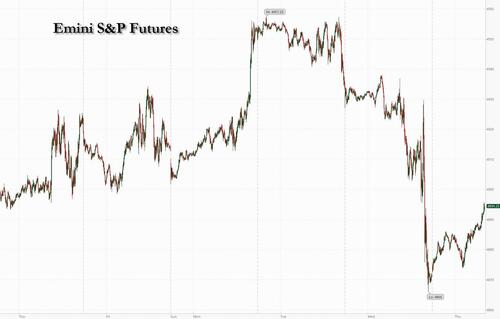




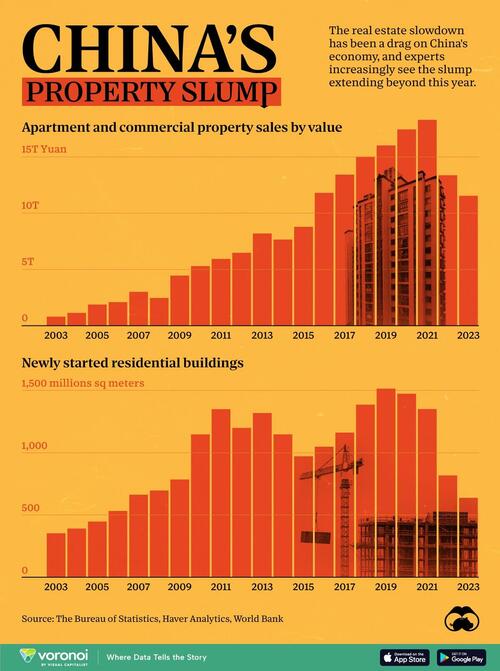
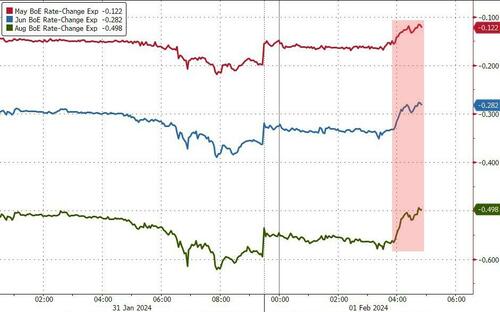
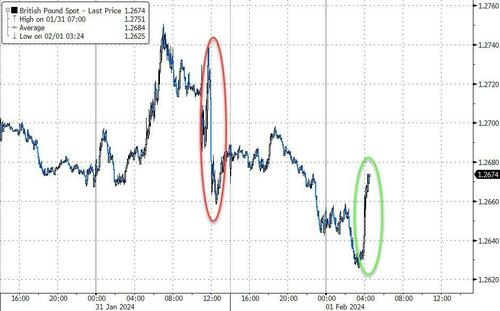

 Tractors are parked as farmers gather for a protest near the European Council headquarters ahead of an EU summit in Brussels.Omar Havana/Copyright 2024 The AP. All rights reserved
 Farmers hold upside down road signs of Paris on a blocked highway, Wednesday, Jan. 31, 2024 in Chilly-Mazarin, south of Paris.Christophe Ena/Copyright 2024 The AP. All rights reserved.




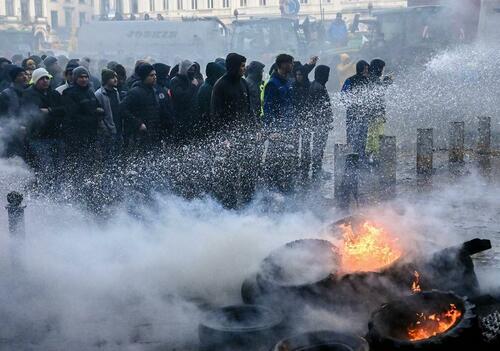



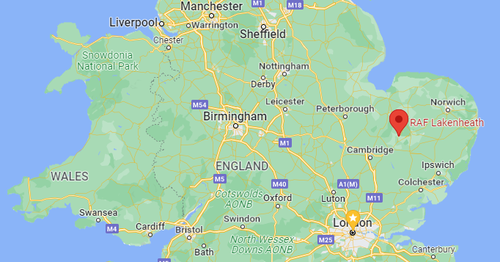













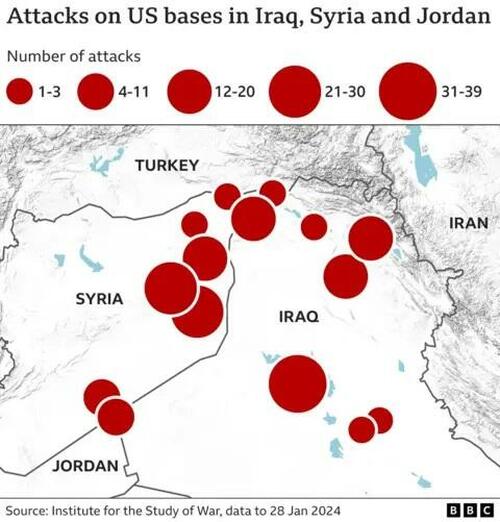







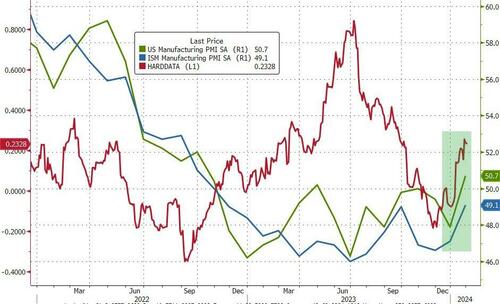
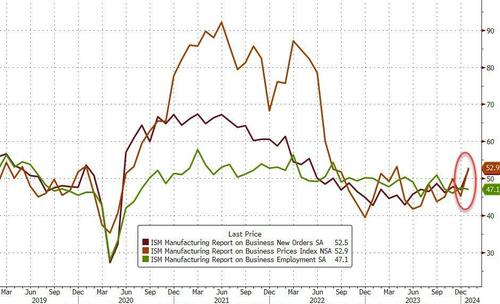
 The Daily News from the Art of Liberty Foundation
 Dystopian Down Under

 Sage’s Newsletter
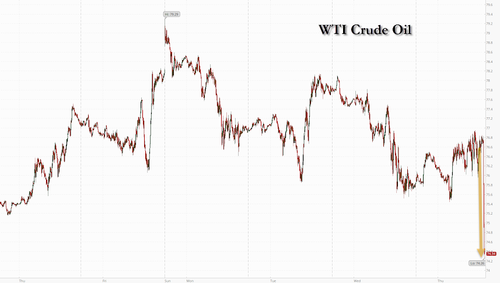
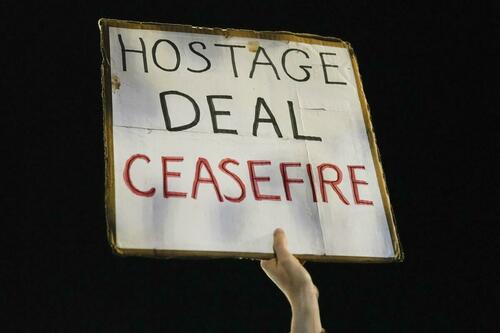
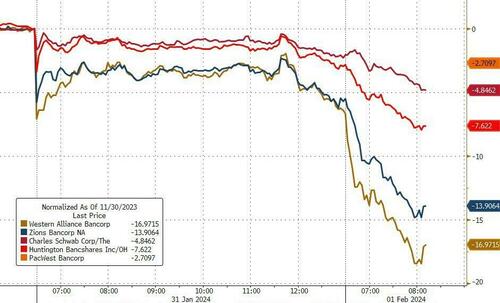
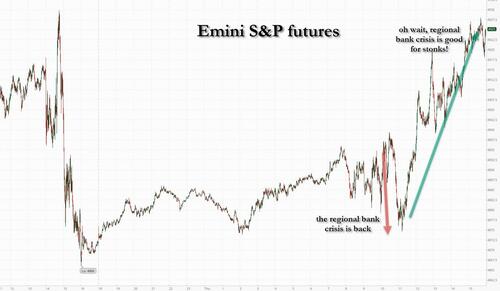
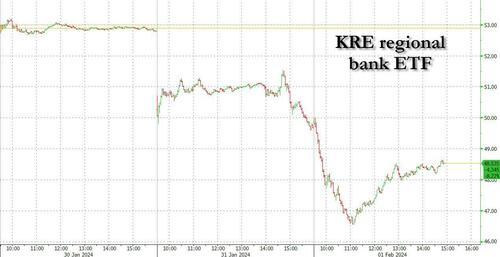
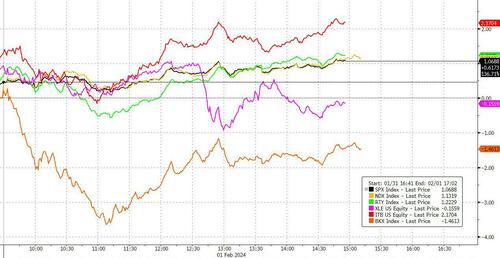
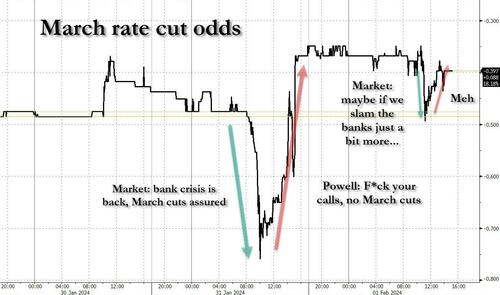
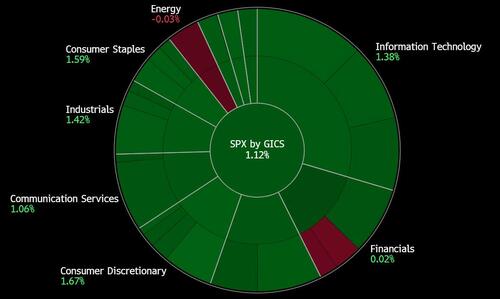
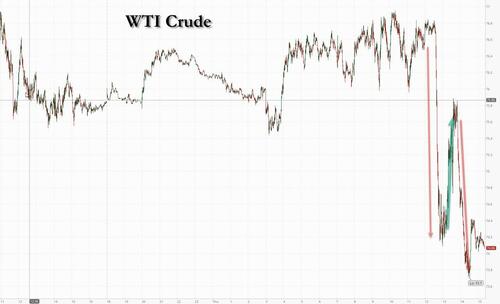
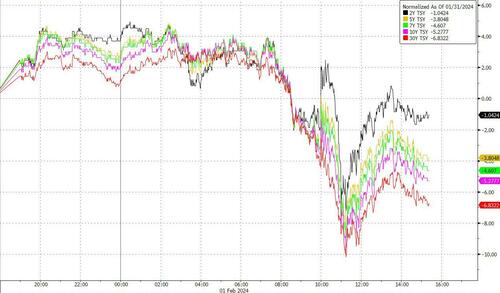
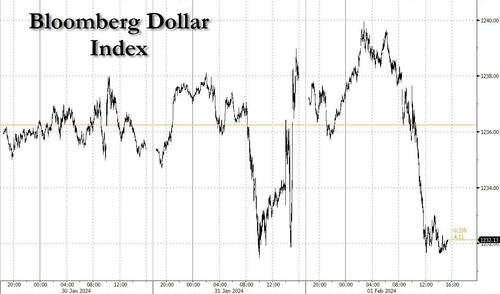
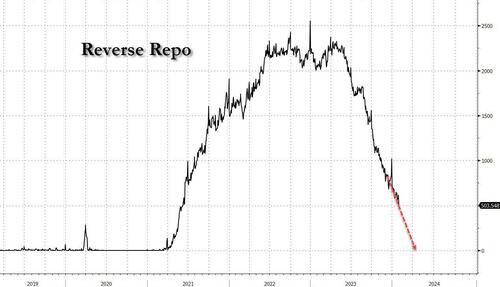
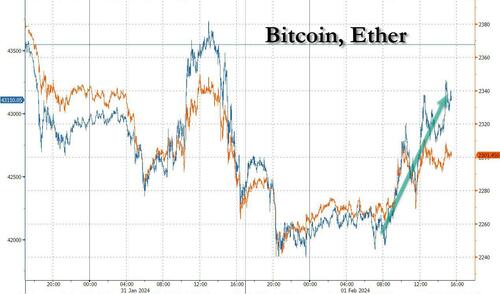
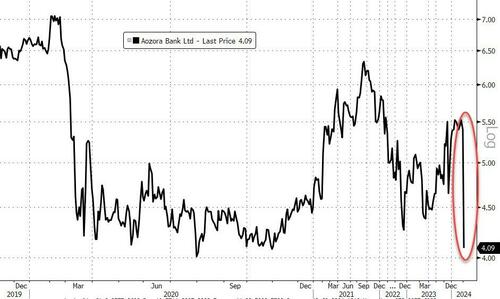
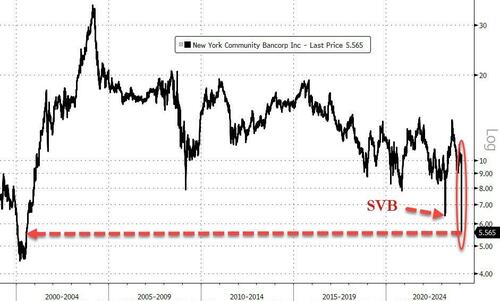
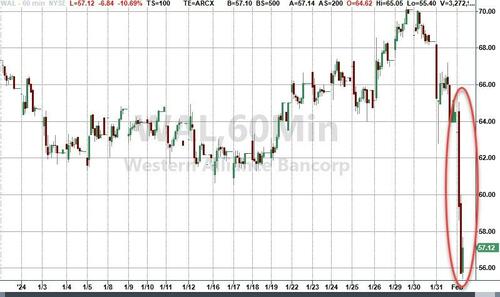
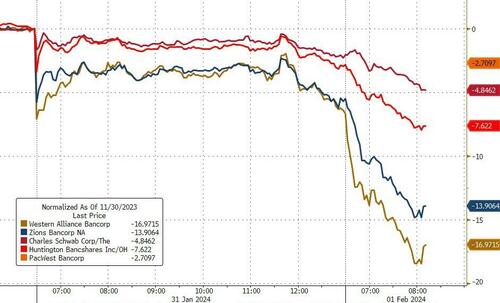
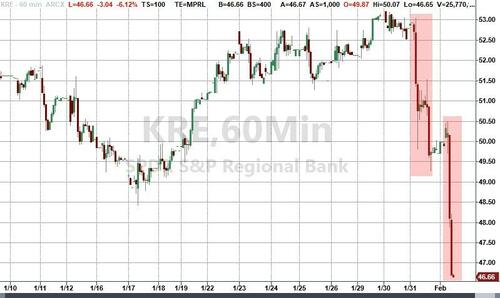
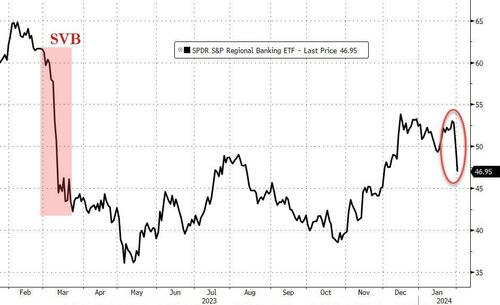
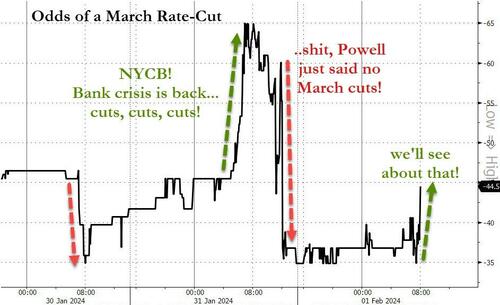
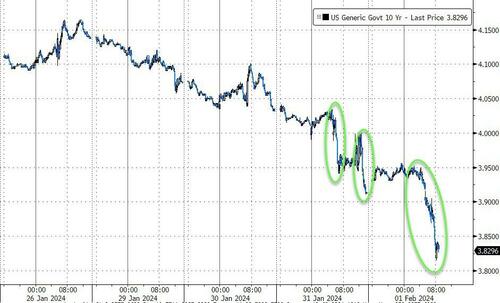
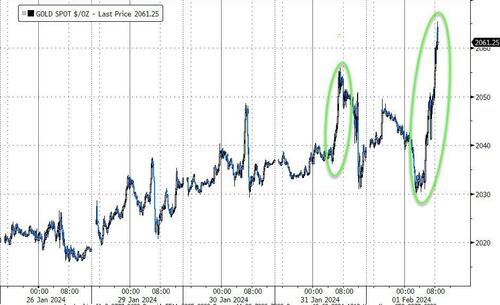
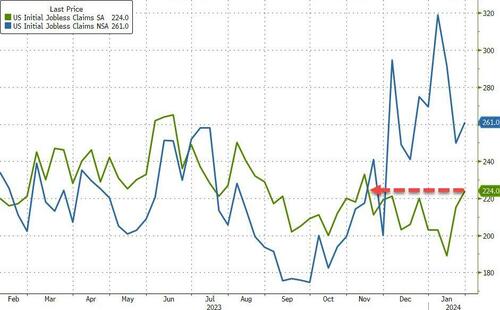
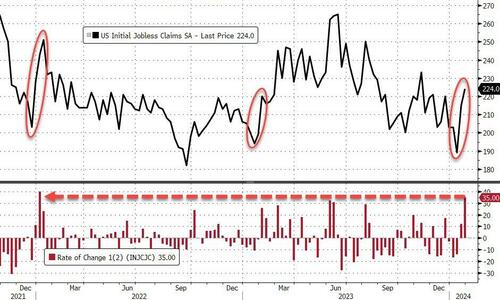
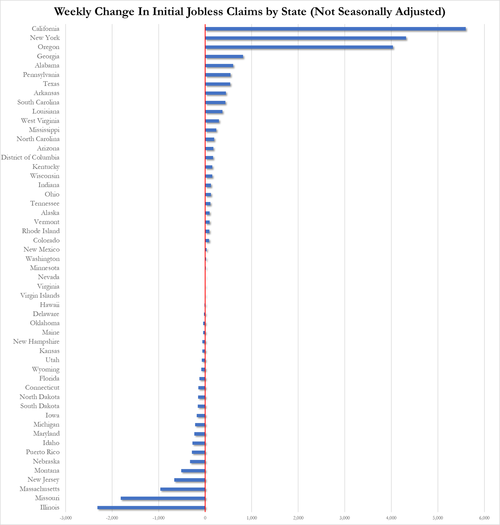
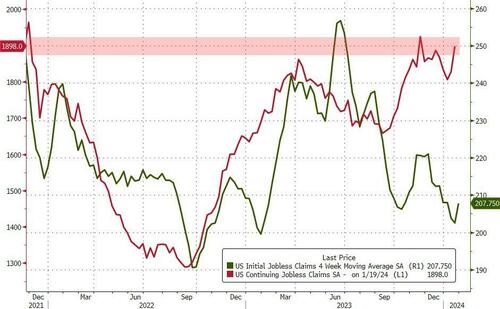
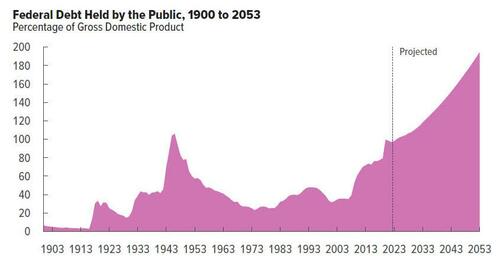
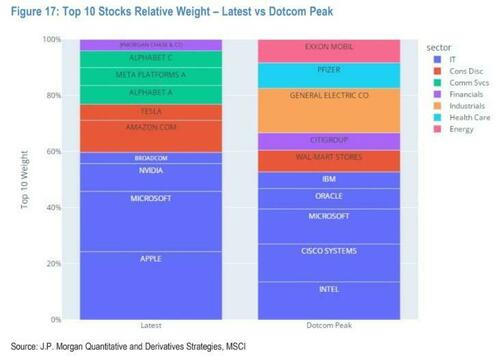

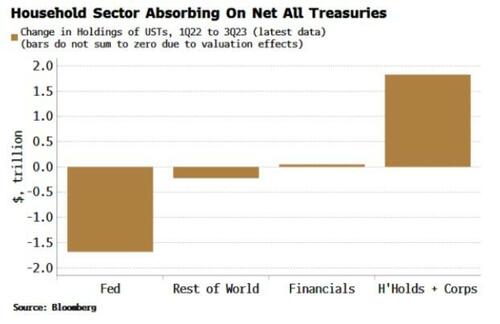
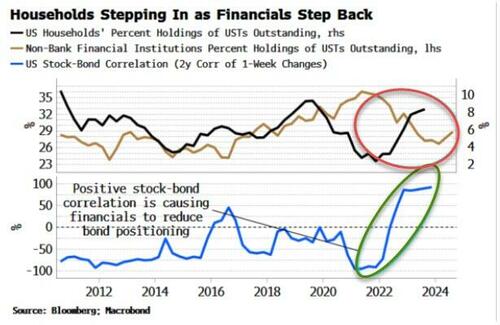
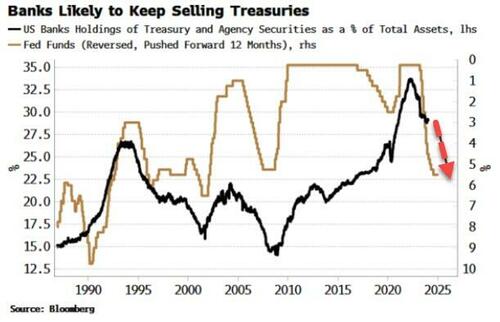
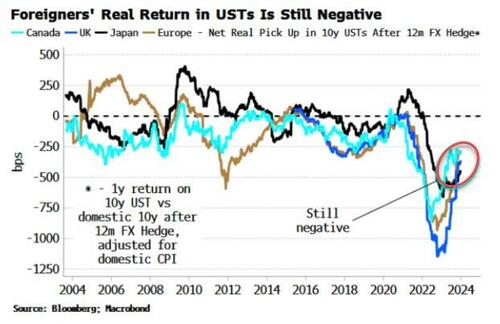
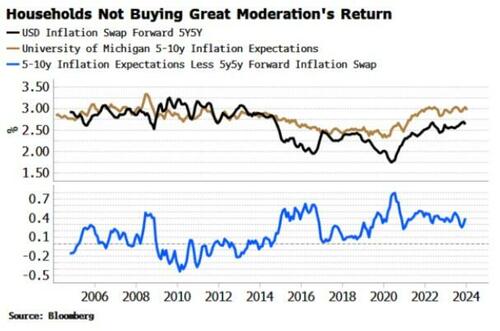
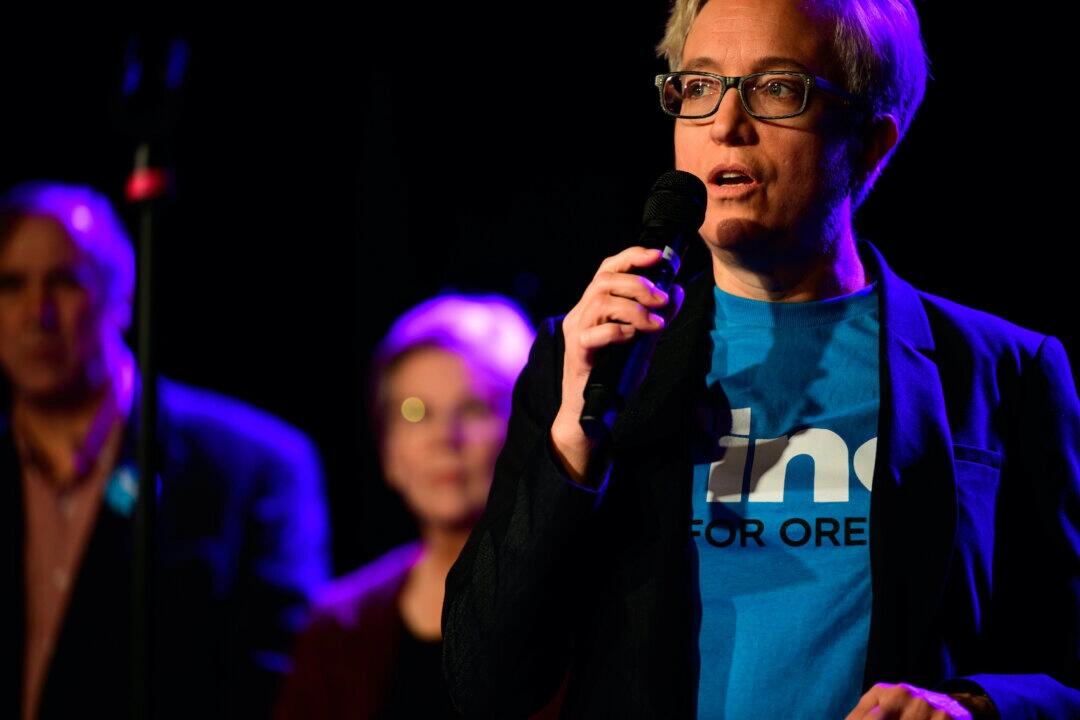

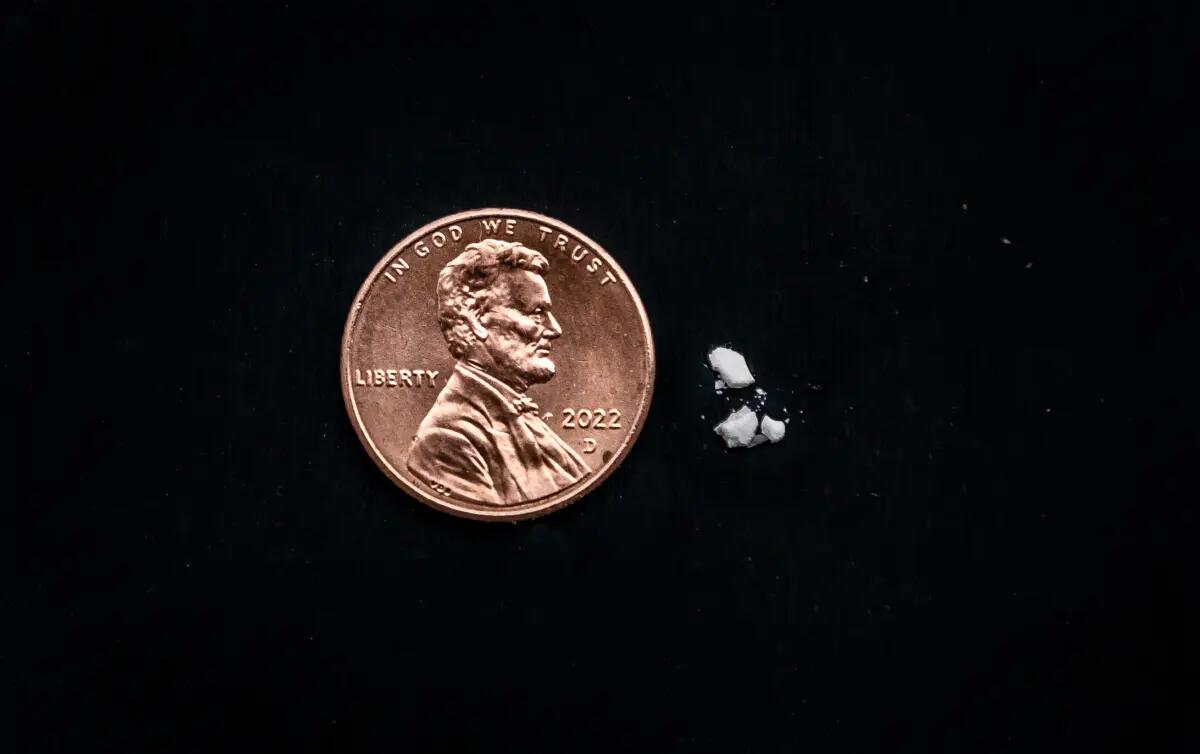



 harveyorganblog.com