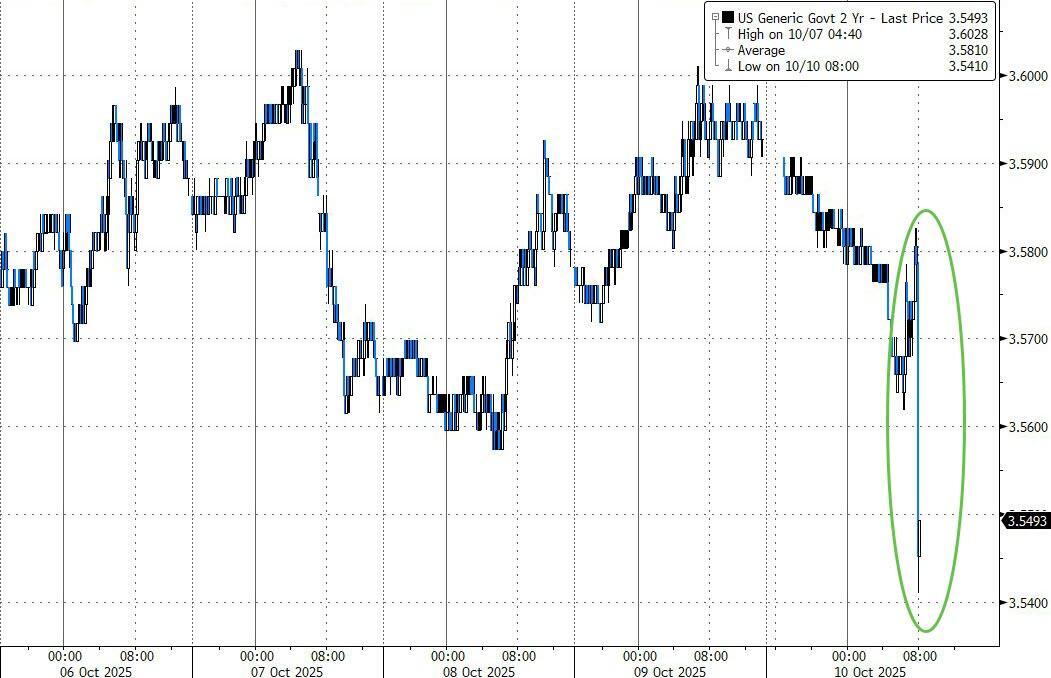
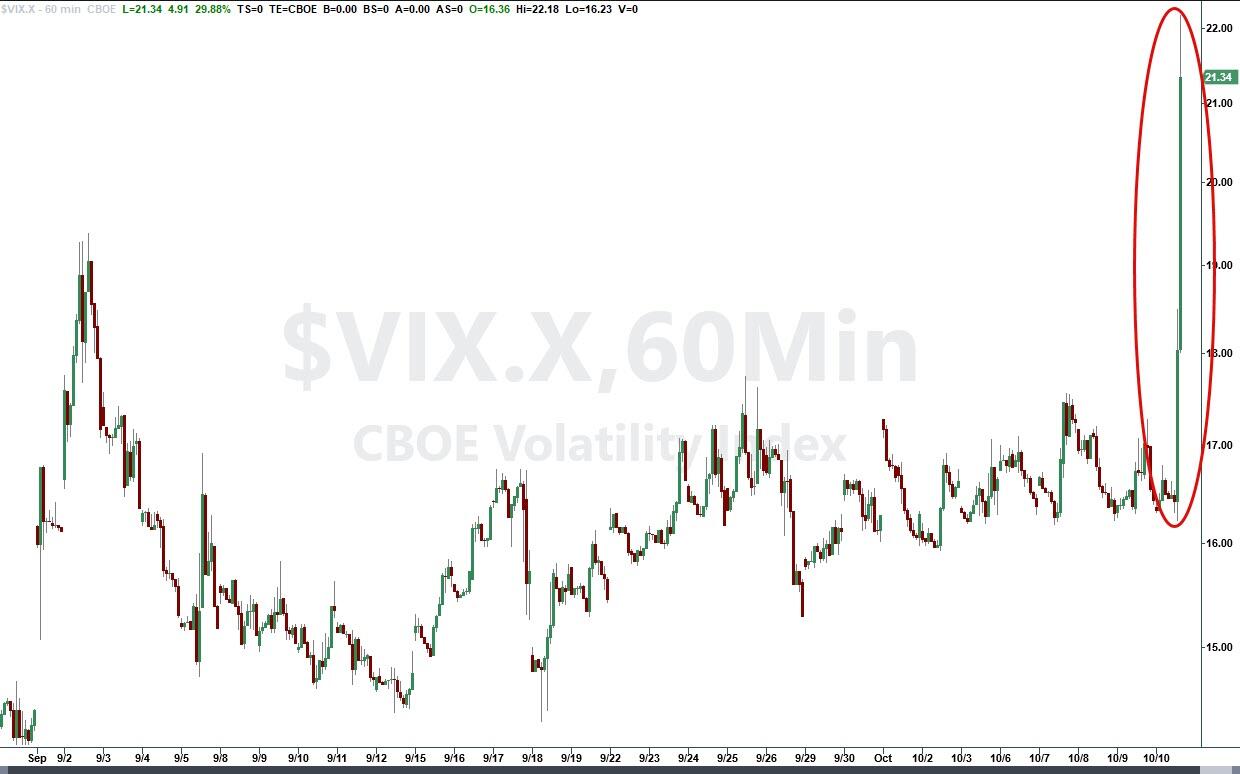
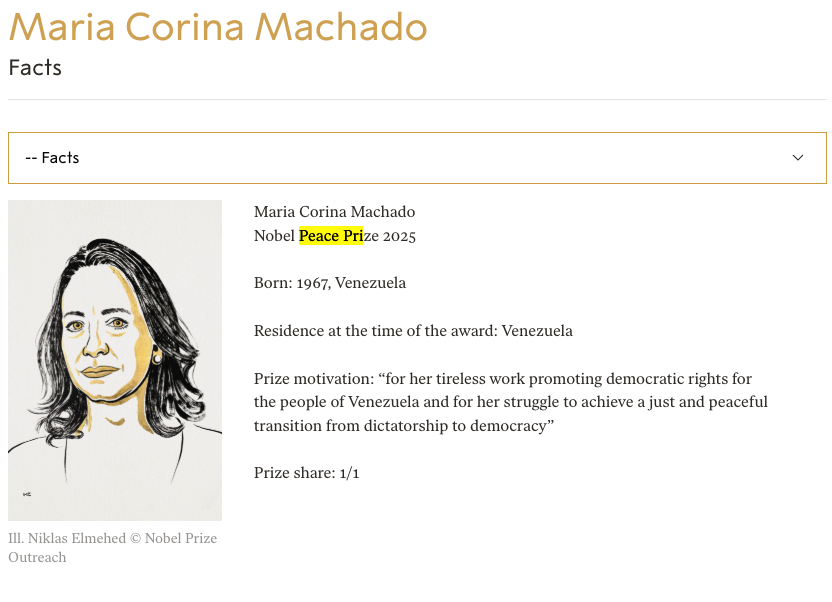
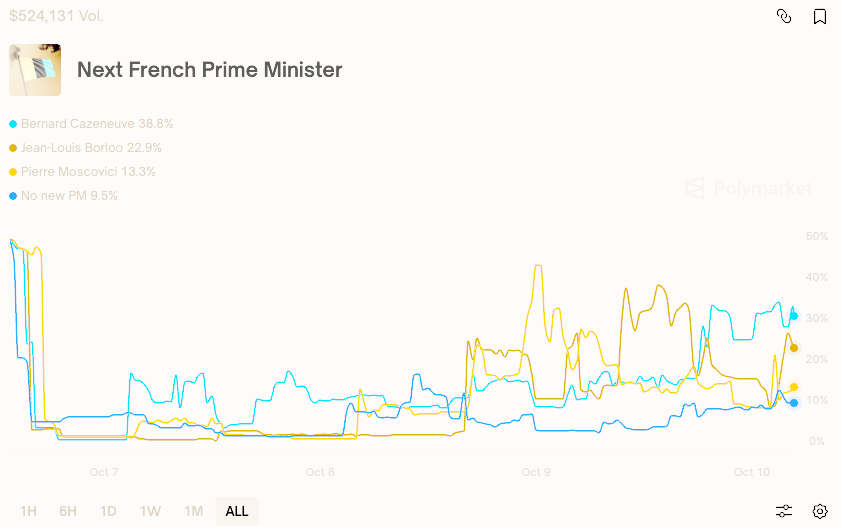
OCTOBER 10//CHAOS ON ALL MARKETS THROUGHOUT THE NIGHT AND TODAY/IN SILVER LEASES RATES CLIMB TO 19.5% WHILE LOANING SLV SHARES CLIMB TO 8.5%/DURING THE NIGHT: SILVER GOES BID 50.10 NO OFFER//GOLD CLOSED UP $26.00 TO $3984.00 WHILE SILVER CLIMBS A STRONG $1.27 TO $50.18//PLATINUM CLOSES DOWN $15.60 TO $50.18 WITH PALLADIUM CLOSING UP $5.25//IN CHINA TRUMP REFUSES TO MEET THE LEADER OF CHINA: EITHER XI HAD A STROKE OR WAS SUICIDED//JAPAN COALITION SEEMS TO BE FALLING APART//GERMAN INDUSTRIAL PRODUCTION FALTERS BIG TIME//ISRAEL VS HAMAS CEASEFIRE STILL HOLDING//OTHER ISRAEL VS HAMAS UPDATES//KIEV HIT AGAIN BY RUSSIAN FORCES//HEALTH ISSUES DISCUSSED/OIL FALTERS DUE TO CEASEFIRE IN GAZA//FARMERS IN THE USA ARE HAVING THE WORST DOWNFALL IN MANY YEARS/SWAMP STORIES FOR YOU TONIGHT
118 C MACQUARIE FUTURES US 245 132 C SG AMERICAS 1 323 C HSBC 14 332 H STANDARD CHARTERED B 56 363 H WELLS FARGO SECURITI 414 435 H SCOTIA CAPITAL (USA) 943 523 H INTERACTIVE BROKERS 10 624 H BOFA SECURITIES 705 657 H MORGAN STANLEY 342 661 C JP MORGAN SECURITIES 515 285 686 C STONEX FINANCIAL INC 6 9 709 C BARCLAYS 125 737 C ADVANTAGE FUTURES 6 5 880 H CITIGROUP 827 905 C ADM 2
TOTAL: 2,255 2,255 MONTH TO DATE: 37,714
JPMORGAN STOPPED 285,2255
OCT
GOLD: NUMBER OF NOTICES FILED FOR OCT/2025: 2255 CONTRACTs NOTICES FOR 225,500 OZ or 7.0139 TONNES
total notices so far: 37,716 contracts for 3,771,400 OR 117.306 tonnes)
FOR OCT
XXXXXXXXXXXXXXXXXX
SILVER NOTICES: 1427 NOTICE(S) FILED FOR 7.135 MILLION OZ/
total number of notices filed so far this month : 4948 CONTRACTS (NOTICES) for 24.740 million oz
Click here if you wish to send a donation. I sincerely appreciate it as this site takes a lot of preparation
END
GLD/
BOTH GLD AND SLV ARE FRAUDULENT VEHICLES//THEY ARE NOW RAIDING GLD AND SLV FOR PHYSICAL
THE CROOKS ARE STEALING GOLD AND SILVER FROM THE GLD/SLV AND REPLACING THE PHYSICAL WITH PAPER DOLLARS.
WITH GOLD UP $26.00 INVESTORS SWITCHING TO SPROTT PHYSICAL (PHYS) INSTEAD OF THE FRAUDULENT GLD
HJUGE CHANGES IN GOLD INVENTORY AT THE GLD: A WITHDRAWAL OF 1.14 TOINNES OF GOLD OUT OF THE GLD.
INVENTORY RESTS AT 1013.44 TONNES
SLV/
WITH NO SILVER AROUND AND SILVER UP $1.27 AT THE SLV:
HUGE CHANGES IN SILVER INVENTORY AT THE SLV:/ // A DEPOSIT OF SILVER TOTALLING 1.180 MILLION OZ OF SILVER INTO THE SLV//
CLOSING INVENTORY RESTS AT:
CLOSING INVENTORY: 496.800 MILLION OZ
Let us have a look at the data for today
SILVER//OUTLINE
SILVER COMEX OI SHOCKINGLY ROSE BY A MEGA HUMONGOUS SIZED 3325 CONTRACTS TO 169,711 AND CONTINUING ON ITS MARCH TO THE RECORD HIGH OI OF 244,710, SET FEB 25/2020, AND THIS MEGA HUMONGOUS SIZED GAIN IN COMEX OI WAS ACCOMPLISHED DESPITE OUR HUGE LOSS OF $0.54 IN SILVER PRICING AT THE COMEX WITH RESPECT TO THURSDAY’S RAID// TRADING.! WE FINALLY ARE MOVING TO A MUCH HIGHER BASE SURPASSING THE $34.40 SILVER PRICE BARRIER TO A HIGH DEGREE, CLOSING IN ON THE MAGIC ALL TIME HIGH OF $50.00. WE HAD A MEGA MEGA HUGE SIZED GAIN OF 4360 TOTAL CONTRACTS ON OUR TWO EXCHANGES AS THE CME NOTIFIED US OF A MONSTER SIZED 1008 CONTRACT EXCHANGE FOR PHYSICAL ISSUANCE.. WE HAD MAJOR LIQUIDATION OF T.A.S. CONTRACTS IN COMEX TRADING WITH RESPECT TO THURSDAY’S RAID/TRADING WITH AS YOU WILL WITNESSS, MUCH MUCH FAILURE AS THEY DESPERATELY AGAIN TRIED TO CONTAIN SILVER’S PRICE RISE FOR THE PAST SEVERAL WEEKS (WHERE RAIDS ARE CALLED UPON AGAIN AND AGAIN TRYING TO STOP THE RISE IN SILVER’S PRICE TO ABOVE $42.00 AND TO QUELL ADDITIONAL DERIVATIVE LOSSES TO OUR BANKERS’ MASSIVE TOTALS). THEY SUCCEEDED ON THURSDAY WITH SILVER’S HUGE LOSS IN PRICE. THE PRICE STILL FINISHED MILES ABOVE THE MAGIC NUMBER OF $40.00 SILVER SPOT PRICE CLOSING AT $48.91 LOSING $0.54 . WE FINALLY STOPPED HAVING THOSE MEGA MEGA HUGE 5000 + T.A.S. ISSUANCE BUT STILL WITNESSING SOMETIMES LARGE ISSUANCES: TODAY’S WAS ONE OF THOSE DAYS AS TOTAL ISSUANCE WAS RECORDED AT A LARGE SIZED 422 T.A.S. CONTRACTS. THE CROOKS ARE BECOMING MORE DESPERATE TO STOP SILVER BREAKING WELL ABOVE THE 40.00 DOLLAR MARK!!. THE NEXT LINE IN THE SAND IS THE ORIGINAL HIGH POINT OF 50.00 DOLLAR SILVER. WE HAD A MONSTER SIZED 1008 CONTRACT EXCHANGE FOR PHYSICAL ISSUANCE ACCOMPANIED BY OUR LARGE SIZED 422 CONTRACT T.A.S ISSUANCE WHICH WILL BE USED IN FUTURE TRADING//RAIDS LIKE YESTERDAY / AS THEY PLAY AN INTEGRAL PART IN OUR COMEX TRADING TRYING TO CONTAIN ANY SILVER PRICE RISE. IN ESSENCE WE GAINED A MEGA MAMMOTH SIZED 4333 CONTRACTS ON OUR TWO EXCHANGES DESPITE OUR LOSS IN PRICE OF $0.54. WE HAD HUGE GOVERNMENT COMEX CONTRACTS TRADING TODAY AND A MAJOR PORTION HAS BEEN REMOVED BY DAYS END. (I RECORD THIS FOR YOU ON A DAILY BASIS)
CRAIG HEMKE HAS POINTED OUT THAT THE CROOKS USE THE MID MONTH FOR MANIPULATION AS THEY SELL THEIR BUY SIDE OF THE CALENDAR SPREAD FIRST AND THEN KEEP THE SELL SIDE TO LIQUIDATE AT A LATER DATE. THUS WE HAVE TWO VEHICLES THE CROOKS USE FOR MANIPULATION AND BOTH ARE SPREADERS: 1) AT MONTH’S END/SPREADERS COMEX AND 2/ TAS SPREADERS, MID MONTH. TOTAL TAS ISSUED ON THURSDAY NIGHT//FRIDAY MORNING: A LARGE SIZED 422 CONTRACTS. DESPITE MANY COMPLAINTS THAT THE CROOKS HAVE VIOLATED POSITION LIMITS DUE TO THE FACT THAT THE TAS ISSUED HAVE A VALUE OF ZERO (AS TO POSITION LIMITS FOR OUR CROOKED BANKERS). THE PROBLEM OF COURSE IS THAT THE CROOKS DO NOT LIQUIDATE THE TAS TOGETHER BUT SELL THE BUY SIDE FIRST AND THEN LIQUIDATE THE SELL SIDE TWO MONTHS HENCE. IT IS OBVIOUS MANIPULATION TO THE HIGHEST DEGREE BUT IT NATURALLY FELL ON DEAF EARS WITH OUR REGULATORS (OCC) WHEN THEY RECEIVED OUR COMPLAINTS. IT NOW SEEMS THAT THE OCC HAS ORDERED THE BANKS TO REDUCE ITS NEW LEVEL OF 1.1 TRILLION DOLLARS IN GOLD/SILVER DERIVATIVES.
WE HAVE IN THE PAST YEAR SET ANOTHER RECORD LOW AT 114,102 CONTRACTS ///JULY 3.2023// OUR BANKERS WITH THE HELP OF SPECULATORS AND HIGH FREQUENCY TRADERS WERE SUCCESSFUL IN KNOCKING THE PRICE OF SILVER DOWN (IT FELL BY $0.54) BUT WERE UNSUCCESSFUL IN KNOCKING OFF ANY NET SILVER LONGS FROM THEIR PERCH AS WE HAD A MEGA MEGA HUGE SIZED GAIN OF 4333 CONTRACTS ON OUR TWO EXCHANGES DESPITE OUR HUGE LOSS IN PRICE..THE COMEX IS IN ONE BIG SIZED MESS!!
WE HAD A MONSTER 1008 CONTRACT ISSUANCE OF EXCHANGE FOR PHYSICALS) iiii) AN INITIAL SILVER STANDING FOR COMEX SILVER MEASURING AT 13.240 MILLION OZ FOLLOWED BY TODAY’S 7.165 MILLION OZ CONTRACT QUEUE JUMP ALONG WITH OUR INITIAL 2.165 MILLION OZ EXCHANGE FOR RISK ISSUANCE//NEW STANDING ADVANCES TO 27.345 MILLION OZ.
THUS:
INITIAL STANDING FOR OCT: 25.245 MILLION OZ (WHICH INCLUDES ALL QUEUE JUMPING)
+ 2.110 MILLION OZ EXCHANGE FOR RISK
EQUALS
27.345 MILLION OZ..
WE HAD:
/ MEGA HUMONGOUS COMEX OI GAIN+// A MONSTER SIZED EFP ISSUANCE 1008 CONTRACTS (/ VI) A LARGE NUMBER OF T.A.S. CONTRACT ISSUANCE 422 CONTRACTS)
I AM NOW RECORDING THE DIFFERENTIAL IN OI FROM PRELIMINARY TO FINAL: A SMALL 27 CONTRACTS WERE REMOVED!!!!!!
HISTORICAL ACCUMULATION OF EXCHANGE FOR PHYSICALS OCT.. ACCUMULATION FOR EFP’S SILVER/JPMORGAN’S HOUSE OF BRIBES/STARTING FROM FIRST DAY/MONTH OF AUGUST
TOTAL CONTRACTS for 8 DAY(S), total 7521 contracts: OR 37.605 MILLION OZ (940 CONTRACTS PER DAY)
TOTAL EFP’S FOR THE MONTH SO FAR: 37.605 MILLION OZ
LAST 24 MONTHS TOTAL EFP CONTRACTS ISSUED IN MILLIONS OF OZ:
MAY 137.83 MILLION
JUNE 149.91 MILLION OZ
JULY 129.445 MILLION OZ
AUGUST: MILLION OZ 140.120
SEPT. 28.230 MILLION OZ//
OCT: 94.595 MILLION OZ
NOV: 131.925 MILLION OZ
DEC: 100.615 MILLION OZ
YEAR 2022:
JAN 2022-DEC 2022
JAN 2022// 90.460 MILLION OZ
FEB 2022: 72.39 MILLION OZ//
MARCH 2022: 207.140 MILLION OZ//A NEW RECORD FOR EFP ISSUANCE
APRIL: 114.52 MILLION OZ FINAL//LOW ISSUANCE
MAY: 105.635 MILLION OZ//
JUNE: 94.470 MILLION OZ
JULY : 87.110 MILLION OZ
AUGUST: 65.025 MILLION OZ
SEPT. 74.025 MILLION OZ///FINAL
OCT. 29.017 MILLION OZ FINAL
NOV: 134.290 MILLION OZ//FINAL
DEC, 61.395 MILLION OZ FINAL
TOTALS YR 2022: 1135.767 MILLION OZ (1.1356 BILLION OZ)
JAN 2023/// 53.070 MILLION OZ //FINAL
FEB: 2023: 100.105 MILLION OZ/FINAL//MUCH STRONGER ISSUANCE VS THE LATTER TWO MONTHS.
MARCH 2023: 112.58 MILLION OZ//FINAL//STRONG ISSUANCE
APRIL 111.035 MILLION OZ(SLIGHTLY GREATER THAN THAN LAST MONTH)
MAY 66.120 MILLION OZ/INITIAL (MUCH SMALLER THIS MONTH)
JUNE: 110.395 MILLION OZ//MUCH LARGER THAN LAST MONTH
JULY 85.745 MILLION OZ (SMALLER THAN LAST MONTH)
AUGUST: 171.43 MILLION OZ (THIS MONTH IS GOING TO BE HUGE //2ND HIGHEST ON RECORD
SEPT: 72.705 MILLION OZ (SMALLER THIS MONTH)
OCT: 97.455 MILLION OZ
NOV. 50.050 MILLION OZ
DEC. 66.140 MILLION OZ//
TOTAL 2023: 1,104.10 MILLION OZ/
JAN ’24 : 78.655 MILLION OZ//
FEB /2024 : 66.135 MILLION OZ./FINAL
MARCH: 143.750 MILLION OZ// 4TH HIGHEST ON RECORD.
APRIL: 161.770 MILLION OZ (THIS MONTH WILL BE A WHOPPER OF ISSUANCE OF EFPS//3RD HIGHEST EVER RECORDED FOR A MONTH)
MAY: 135.995 MILLION OZ //WILL BE A STRONG MONTH FOR EXCHANGE FOR PHYSICAL ISSUANCE
JUNE 110.575 MILLION OZ ( WILL BE ANOTHER STRONG MONTH ISSUANCE)
JULY: 108.870 MILLION OZ (WILL BE A STRONG ISSUANCE MONTH/ A TOUCH OVER 100 MILLION OZ/)
AUGUST; 99.740 MILLION OZ//THIS MONTH WILL BE STRONG FOR ISSUANCE BUT LESS THAN JULY.
SEPT: 112.415 MILLION OZ//WILL BE A HUGE MONTH FOR EXCHANGE FOR PHYSICAL ISSUANCE
OCT; 97.485 MILLION OZ (WILL BE SMALLER ISSUANCE THIS MONTH )
NOV. 115.970 MILLION OZ ( HUGE THIS MONTH)
DEC: 132.54 MILLION OZ (THIS MONTH WILL BE A HUMDINGER FOR ISSUANCE BUT ISSUANCE SLOWED DRAMATICALLY THESE PAST FIVE DAYS/// WILL NOT EXCEED MARCH 2022 RECORD OF 209 MILLION OZ
YEAR 2024 TOTAL: 1363.84 MILLION OR 1.363 BILLION OZ
JANUARY 2025: 67.230 MILLION OZ///(THIS MONTH’S ISSUANCE OF EXCHANGE FOR PHYSICAL WILL BE SMALL)
FEB. 58.260 MILLION OZ//EXCHANGE FOR PHYSICAL ISSUANCE/FINAL
MARCH: 67.020 MILLION OZ///QUITE SMALL AND BECOMING SMALLER EACH AND EVERY MONTH.
APRIL: 100.895 MILLION OZ///AVERAGE SIZE ISSUANCE
MAY: 28.975 MILLION OZ (ISSUANCE WILL BE QUITE SMALL THIS MONTH)
JUNE: 81.065 MILLION OZ
JULY: 50.925 MILLION OZ (QUITE SMALL)
AUGUST: 59.455 MILLION OZ (QUITE SMALL)
SEPT. 50.510 MILLION OZ.(QUITE SMALL)
OCT; 37.605 MILLION OZ (WILL BE HUGE THIS MONTH)
RESULT: WE HAD A MEGA MEGA HUGE SIZED INCREASE IN COMEX OI SILVER COMEX CONTRACTS OF 3325 CONTRACTS DESPITE OUR LOSS IN PRICE OF $0.54 IN SILVER PRICING AT THE COMEX// THURSDAY.,. . THE CME NOTIFIED US THAT WE HAD A MONSTER SIZED 1008 CONTRACT EFP ISSUANCE CONTRACTS: 1008 ISSUED FOR DEC., AND 0 CONTRACTS ISSUED FOR ALL OTHER MONTHS) WHICH EXITED OUT OF THE SILVER COMEX TO LONDON AS FORWARDS.
XXXXXXXXXXXXXXXXXXXXXXXXXXXXXXXXXXXX
LAST 6 MONTHS OF SILVER DELIVERIES:
WE FINISHED APRIL WITH A STRONG SILVER OZ STANDING OF 16.050 MILLION OZ NORMAL DELIVERY , PLUS OUR 4.00 MILLION EX FOR RISK
FINAL STANDING APRIL: 19.965 MILLION OZ
AND MAY:
NEW STANDING FOR MAY FINISHES AT: 75.615 MILLION OZ. (INCLUDES 5,000 OZ EFP TRANSFER TO LONDON + 12.93 MILLION OZ EXCHANGE FOR RISK ISSUANCE/PRIOR.//NEW TOTAL STANDING 88.540 MILLION OZ
AND JUNE: FINAL 16.995 MILLION OZ
AND JULY: 46.720 MILLION OZ//
AUGUST: 4.70 MILLION OZ INITIAL STANDING PLUS TODAY;S 5,000 OZ QUEUE JUMP //NEW STANDING ADVANCES TO 10.960 MILLION OZ
SEPTEMBER: 68.040 MILLION OZ NORMAL DELIVERY(INCLUDES ALL QUEUE JUMPING AND EXCHANGE FOR PHYSICAL TRANSFERS) PLUS 3.0 MILLION OZ EX FOR RISK = 71.040 MILLION OZ. (THIS IS THE FIRST AND ONLY ISSUANCE OF EXCHANGE FOR RISK FOR SILVER SINCE MAY.)
AND NOW OCTOBER: 25.245 MILLION OZ OF NORMAL DELIVERY INCLUDES ALL QUEUE JUMPING
PLUS
2.110 MILLION OZ EXCHANGE FOR RISK//TOTAL OZ STANDING IN OCT ADVANCES TO 27.345 MILLION OZ
THE NEW TAS ISSUANCE THURSDAY NIGHT (422) WILL BE PUT INTO “THE BANK” TO BE COLLUSIVELY USED NO DOUBT WITH FUTURE TRADING!!
WE HAD 1427 NOTICE(S) FILED TODAY FOR 7.135 million OZ
THE SILVER COMEX IS NOW BEING ATTACKED FOR METAL BY LONDONERS ET AL. IT IS NOW TIME FOR THE FBI TO ENTER THE COMEX AND ARREST THESE CROOKS EVEN THOUGH THE MAJORITY OF THE TRADING IS GOVERNMENT. THE BANKERS ARE COMPLICIT. THE SILVER COMEX IS NOW ON A MASSIVE SIEGE LOOKING FOR PHYSICAL SILVER!!
GOLD//OUTLINE
IN GOLD, THE COMEX OPEN INTEREST FELL BY A STRONG SIZED 6846 OI CONTRACTS TO 483,650 OI AND CLOSER TO THE RECORD (SET JAN 24/2020) AT 799,105 AND PREVIOUS TO THAT: (SET JAN 6/2020) AT 797,110. (ALL TIME LOW OF 390,000 CONTRACTS.) THUS WE HAVE STILL A RELATIVELY LOW OI IN COMEX WITH AN EXTREMELY HIGH PRICE OF GOLD. THE SHORT RATS ARE ABANDONING THE SHIP.
THE DIFFERENTIAL FROM PRELIMINARY OI TO FINAL OI IN GOLD TODAY: REMOVED A HUGE 2,724 CONTRACTS //ALL GOVERNMENT RELEATED REMOVALS
WE HAD A DECREASE IN COMEX OI (6846 CONTRACTS) . THIS OCCURRED WITH OUR LOSS OF $91.45 IN PRICE// THURSDAY///.
LAST 6 MONTHS OF GOLD DELIVERIES:
MAY: SUMMARY FOR MAY TONNES WHICH STOOD FOR DELIVERY:
FINAL STANDING FOR MAY: 70.174 TONNES OF GOLD TO WHICH WE ADD 1. MONDAY’S (MAY 19) 6.221 TONNES EXCHANGE FOR RISK , 2. THEN WE ADD: 1.35 TONNES TO LAST WEEK”S. THEN WE ADD 3. 1.55 TONNES TO EQUAL 9.591 TONNES// NEW EXCHANGE FOR RISK = 9.591 TONNES WHICH MUST BE ADDED TO OUR NORMAL DELIVERY SCHEDULE OF 80.644 TONNES. THUS STANDING FOR MAY INCREASES TO 90.235 TONNES OF GOLD
JUNE CONTRACT MONTH: 93.085 TONNES OF GOLD (WHICH INCLUDES ALL QUEUE JUMPING AND 0 EX FOR RISK)
JULY INITIIAL STANDING FIRST DAY NOTICE: 17.847 TONNES. PLUS TODAY’S 0 TONNES QUEUE JUMP + 1.555 TONNES EX FOR RISK + 2.195 TONNES EX FOR RISK TODAY = 41.106 TONNES STANDING
AUGUST: 60.547 TONNES OF INITIAL GOLD FIRST DAY NOTICE FOLLOWED BY THE NET MONTH’S QUEUE JUMP OF 47.2312 TONNES TO WHICH WE ADD THE FOLLOWING EXCHANGE FOR RISK ISSUANCE RECEIVED FOR THE MONTH: 5.4432 TONNES EX FOR RISK/AUG 7 , AUG 11: 2.413 TONNES EX FOR RISK AND AUG. 12 OF 2.637 TONNES EX FOR RISK//AUG 25: 9.107 TONNES , AUGUST 26: 9.1010 TONNES AND NOW AUGUST 27: 9.0699 TONNES//NEW STANDING ADVANCES TO 107.5117 TONNES OF GOLD NORMAL STANDING (INCLUDES ALL MONTHLY QUEUE JUMPS/EX FOR PHYSICAL TRANSFERS//) +44.696 TONNES EX.FOR RISK = 152.208 TONNES
SEPT: INITIAL 8.093 TONNES OF GOLD PLUS TODAY’S QUEUE JUMP OF 0.4883 TONNES PLUS 2.2827 TONNES OF EXCHANGE FOR RISK TODAY//NEW TOTAL EX. FOR RISK/MONTH = 22.923//NEW TOTAL STANDING FOR GOLD SEPT ADVANCES TO = 48.801 TONNES!!
AND NOW OCTOBER: 90.012 TONNES OF INITIAL GOLD STANDING WITH AN INITIAL HUGE 4.878 TONNES QUEUE JUMP FOLLOWED BY LAST 4 DAYS OF QUEUE JUMPS OF 19.0354 TONNES,(TODAY’S QUEUE JUMP = 7.504 TONNES) PLUS 11.353 TONNES OF OUR ISSUANCE EXCHANGE FOR RISK/5 OCCASIONS//NEW TOTAL OF GOLD STANDING ADVANCES TO 130.942 TONNES OF GOLD.
E.F.P. ISSUANCE/FOR OPENING OCT GOLD CONTRACT
THE CME RELEASED THE DATA FOR EFP ISSUANCE AND IT TOTALED A HUMONGOUS SIZED 7525 CONTRACTS:
The NEW COMEX OI FOR THE GOLD COMPLEX RESTS AT 486,374 / AND WE NOW WITNESSING A STRONG COMEX OI WITH AN EXTREMELY HIGH PRICE OF GOLD
SILVER ALSO HAS A STRONG SIZED COMEX OI OF 169,738 CONTRACTS
IN ESSENCE WE HAVE A STRONG SIZED INCREASE IN TOTAL CONTRACTS ON THE TWO EXCHANGES OF 3403 CONTRACTS WITH 4122 CONTRACTS DECREASED AT THE COMEX// AND A HUGE SIZED 7525 EXCHANGE FOR PHYSICAL OI CONTRACT ISSUANCE WHICH NAVIGATED OVER TO LONDON. THUS TOTAL OI GAIN ON THE TWO EXCHANGES OF 3403 CONTRACTS.. WE HAD THE FOLLOWING TAS CONTRACTS INITIATED (ISSUED): A HUGE SIZED AND CRIMINAL 5170 CONTRACTS AND THESE ISSUANCES ARE GENERALLY USED TO INITIATE A RAID WHEN CALLED UPON LIKE TODAY THURSDAY, OCT 9. GOLD PRICE ON THURSDAY FELL BY $91.45
CALCULATIONS ON GAIN/LOSS ON OUR TWO EXCHANGES
WE HAD A HUMONGOUS SIZED ISSUANCE IN EXCHANGE FOR PHYSICALS CONTRACT(7525) ACCOMPANYING THE STRONG LOSS IN COMEX OI OF 4133 CONTRACTS/TOTAL GAIN FOR OUR THE TWO EXCHANGES: 3,403 CONTRACTS..WE HAVE 1) NOW RETURNED TO OUR FORMER FORMAT OF BANKERS GOING LONG AND SPECULATORS GOING SHORT ,2.) STRONG INITIAL STANDING FOR GOLD FOR OCT AT 90.012 TONNES OF NORMAL DELIVERY+TODAY’S QUEUE JUMP OF 7.504 TONNES+ 11.353 TONNES TOTAL EX FOR RISK//5 OCCASIONS//NEW TOTALOF GOLD STANDING; 130.942 TONNES
NEW STANDING FOR GOLD, OCT CONTRACT AT 130.942 TONNES OF GOLD
.
/ 3) MASSIVE T.A.S. LIQUIDATION (AND SOME GOVT LIQUIDATION AND ZERO LIQUIDATION OF EQUITY SHARES) AS WE HAD 1)A $91.45 COMEX PRICE GAIN. WE HAD 2) ZERO NET LONG SPECS BEING CLIPPED AS WE HAD A SMALL GAIN OF 679 CONTRACTS ON OUR TWO EXCHANGES. THIS WAS COUPLED WITH SOME GOVERNMENT LIQUIDATED CONTRACTS ALONG WITH MASSIVE TAS LIQUIDATION AND SOME GOLD EQUITY SHARES/./ ALSO, 3)STICKY GOLD’S LONGS WERE REWARDED THURSDAY EVENING AS THEY EXERCISED EFP’S FROM LONDON TO TAKE DELIVERY OF BADLY NEEDED PHYSICAL AND YOU CAN VISUALIZE THIS BY THE HUGE AMOUNTS OF QUEUE JUMPING WE HAVE BEEN HAVING LATELY
4) STRONG SIZED COMEX OI LOSS// 5) V) HUGE SIZED ISSUANCE OF EXCHANGE FOR PHYSICAL GOLD (4270)
ACCUMULATION OF EFP’S GOLD AT J.P. MORGAN’S HOUSE OF BRIBES: (EXCHANGE FOR PHYSICAL) FOR THE MONTH OF OCT. :
TOTAL EFP CONTRACTS ISSUED: 32,521 CONTRACTS OR 3,252,100 OZ OR 101.153 TONNES IN 8 TRADING DAY(S) AND THUS AVERAGING: 4065 EFP CONTRACTS PER TRADING DAY
TO GIVE YOU AN IDEA AS TO THE SIZE OF THESE EFP TRANSFERS : THIS MONTH IN8 TRADING DAY(S) IN TONNES: 101.153 TONNES
TOTAL ANNUAL GOLD PRODUCTION, 2024, THROUGHOUT THE WORLD EX CHINA EX RUSSIA: 3555 TONNES
THUS EFP TRANSFERS REPRESENTS 101.153 TONNES DIVIDED BY 3550 x 100% TONNES = 2.84% OF GLOBAL ANNUAL PRODUCTION
SEPT 142.12 TONNES FINAL ISSUANCE ( LOW ISSUANCE)_
OCT: 141.13 TONNES FINAL ISSUANCE (LOW ISSUANCE)
NOV: 312.46 TONNES FINAL ISSUANCE//NEW RECORD!! (INCREASING DRAMATICALLY)//SIGN OF REAL STRESS//SURPASSING THE MARCH 2021 RECORD OF 276.50 TONNES OF EFP
DEC. 175.62 TONNES//FINAL ISSUANCE//
TOTALS: 2,578.08 TONNES/2021
JAN:2022 247.25 TONNES //FINAL
FEB: 196.04 TONNES//FINAL
MARCH/2022: 409.30 TONNES //FINAL( THIS IS NOW A RECORD EFP ISSUANCE FOR MARCH AND FOR ANY MONTH.
APRIL: 169.55 TONNES (FINAL VERY LOW ISSUANCE MONTH)
MAY: 247.44 TONNES FINAL//
JUNE: 238.13 TONNES FINAL
JULY: 378.43 TONNES FINAL/SECOND HIGHEST ON RECORD
AUGUST: 180.81 TONNES FINAL
SEPT. 193.16 TONNES FINAL
OCT: 177.57 TONNES FINAL ( MUCH SMALLER THAN LAST MONTH)
NOV. 223.98 TONNES//FINAL ( MUCH LARGER THAN PREVIOUS MONTHS//comex running out of physical)
DEC: 185.59 tonnes // FINAL
TOTAL: 2,847,25 TONNES/2022
JAN 2023: 228.49 TONNES FINAL//HUGE AMOUNT OF EFP’S ISSUED THIS MONTH!!
FEB: 151.61 TONNES/FINAL
MARCH: 280.09 TONNES/INITIAL (ANOTHER STRONG MONTH FOR EFP ISSUANCE)
APRIL: 197.42 TONNES
MAY: 236.67 TONNES (A VERY STRONG ISSUANCE FOR THIS MONTH)
JUNE: 172.667 TONNES (WEAKER ISSUANCE THIS MONTH)
JULY: 151.69 TONNES (WEAKER THAN LAST MONTH)
AUGUST: 195.28 TONNES (A STRONGER MONTH)//FINAL
SEPT: 254.709 TONNES (WILL BE LARGER THAN LAST MONTH AND A STRONG MONTH)
OCT. 248.09 TONNES. LIKE SILVER, THIS MONTH IS GOING TO BE A STRONG E.F.P. ISSUANCE.
NOV. 239.16 TONNES//WILL BE STRONG THIS MONTH,
DEC. 213.704 TONNES. A STRONG MONTH//
TOTAL FOR YEAR 2023: 2,569.57 TONNES VS 2578 TONNES LAST YEAR
2024 AND 2025:
JAN. 2025: 257.919 TONNES (ISSUANCE WILL BE PRETTY GOOD THIS MONTH BUT MUCH LOWER THAN LAST MONTH)
FEB: 207.21 TONNES//EX FOR PHYSICAL ISSUANCE (WILL BE A FAIR SIZED ISSUANCE THIS MONTH)
MARCH 130.84 TONNES//QUITE SMALL THIS MONTH.
APRIL; 208.57 TONNES. STILL SMALL TO FAIR
MAY: 113.499 TONNES OF GOLD EFP ISSUANCE//QUITE SMALL THIS MONTH
JUNE: 97.79 TONNES OF GOLD EFP ISSUANCE/EXTREMELY SMALL
JULY : 150.877 TONNES// QUITE SMALL
AUGUST: 175.86 TONNES A LOT LARGER THIS MONTH.
SEPT. 116.13 TONNES VERY SMALL
OCT. 101.153 TONNES
SPREADING OPERATIONS
NOW SWITCHING TO GOLD FOR NEWCOMERS, HERE ARE THE DETAILS
SPREADING LIQUIDATION HAS NOW COMMENCED AS WE HEAD TOWARDS THE NEW ACTIVE FRONT MONTH OF OCT. WE ARE NOW INTO THE SPREADING OPERATION OF GOLD
HERE IS A BRIEF SYNOPSIS OF HOW THE CROOKS FLEECE UNSUSPECTING LONGS IN THE SPREADING ENDEAVOUR ;MODUS OPERANDI OF THE CORRUPT BANKERS AS TO HOW THEY HANDLE THEIR SPREAD OPEN INTERESTS:HERE IS HOW THE CROOKS USED SPREADING AS WE ARE NOW INTO THE NON ACTIVE DELIVERY MONTH OF NOV HEADING TOWARDS THE ACTIVE DELIVERY MONTH OF FEB., FOR GOLD: AND MARCH FOR SILVER
YOU WILL ALSO NOTICE THAT THE COMEX OPEN INTEREST STARTS TO RISE BUT SO IS THE OPEN INTEREST OF SPREADERS. THE OPEN INTEREST IN WILL CONTINUE TO RISE UNTIL ONE WEEK BEFORE FIRST DAY NOTICE OF AN UPCOMING ACTIVE DELIVERY MONTH (OCT), AND THAT IS WHEN THE CROOKS SELL THEIR SPREAD POSITIONS BUT NOT AT THE SAME TIME OF THE DAY. THEY WILL USE THE SELL SIDE OF THE EQUATION TO CREATE THE CASCADE (ALONG WITH THEIR COLLUSIVE FRIENDS) AND THEN COVER ON THE BUY SIDE OF THE SPREAD SITUATION AT THE END OF THE DAY. THEY DO THIS TO AVOID POSITION LIMIT DETECTION. THE LIQUIDATION OF THE SPREADING FORMATION CONTINUES FOR EXACTLY ONE WEEK AND ENDS ON FIRST DAY NOTICE.”
WHAT IS ALARMING TO ME, ACCORDING TO OUR LONDON EXPERT ANDREW MAGUIRE IS THAT THESE EFP’S ARE BEING TRANSFERRED TO WHAT ARE CALLED SERIAL FORWARD CONTRACT OBLIGATIONS AND THESE CONTRACTS ARE LESS THAN 14 DAYS. ANYTHING GREATER THAN 14 DAYS, THESE MUST BE RECORDED AND SENT TO THE COMPTROLLER, GREAT BRITAIN TO MONITOR RISK TO THE BANKING SYSTEM. IF THIS IS INDEED TRUE, THEN THIS IS A MASSIVE CONSPIRACY TO DEFRAUD AS WE NOW WITNESS A MONSTROUS TOTAL EFP’S ISSUANCE AS IT HEADS INTO THE STRATOSPHERE.
The crooks also use the spread in the TAS account (trade at settlement). They buy the spot TAS (e.g. June) and sell the future TAS two months out (e.g. August). Then they unload the front month (i.e. unload the buy side first so the price of gold/silver falls. This occurs in the middle of the front delivery month cycle. They unload the sell side of the equation, two months down the road. The crooks violate position limits as the OCC refuse to hear our complaints.
First, here is an outline of what will be discussed tonight:
1.TODAY WE HAD THE OPEN INTEREST AT THE COMEX IN SILVER ROSE BY A HUMONGOUS SIZED 3325 CONTRACTS OI TO 169.718 AND CLOSER TO THE COMEX HIGH RECORD //244,710( SET FEB 25/2020). THE LAST RECORDS WERE SET IN AUG.2018 AT 244,196 WITH A SILVER PRICE OF $14.78/(AUGUST 22/2018)..THE PREVIOUS RECORD TO THAT WAS SET ON APRIL 9/2018 AT 243,411 OPEN INTEREST CONTRACTS WITH THE SILVER PRICE AT THAT DAY: $16.53). AND PREVIOUS TO THAT, THE RECORD WAS ESTABLISHED AT: 234,787 CONTRACTS, SET ON APRIL 21.2017 OVER 7 YEARS AGO. HOWEVER WE HAVE NOW SET A NEW RECORD LOW OF 114,102 CONTRACTS JULY 3.2023
EFP ISSUANCE A MONSTER 1008 CONTRACTS
OUR CUSTOMARY MIGRATION OF COMEX LONGS CONTINUE TO MORPH INTO LONDON FORWARDS AS OUR BANKERS USED THEIR EMERGENCY PROCEDURE TO ISSUE:
DEC 1008 CONTRACTS and 0 ALL OTHER MONTHS: ZERO. TOTAL EFP ISSUANCE: 1008 CONTRACTS. EFP’S GIVE OUR COMEX LONGS A FIAT BONUS PLUS A DELIVERABLE PRODUCT OVER IN LONDON. IF WE TAKE THE COMEX OI GAIN OF 3352 CONTRACTS AND ADD TO THE MONSTER 1008 E.FP. ISSUED
WE OBTAIN A MEGA MEGA HUGE SIZED GAIN OF 4333 OF OPEN INTEREST CONTRACTS FROM OUR TWO EXCHANGES DESPITE OUR HUGE LOSS OF $0.54 THE RATS ARE FLEEING THE ARENA.
THUS IN OUNCES, THE GAIN ON THE TWO EXCHANGES TOTALS 21.665 MILLION PAPER OZ
c) Commentaries from: Egon von Greyerz///Matthew Piepenburg via GoldSwitzerland.com, Pam and Russ Martens
ii a) Chris Powell of GATA provides to us very important physical commentaries
b. Other gold/silver commentaries
c. Commodity commentaries//
d)/CRYPTOCURRENCIES/BITCOIN ETC
2.ASIAN AFFAIRS
SHANGHAI CLOSED DOWN 36.91 POINTS OR 0.94%
//Hang Seng CLOSED CLOSED DOWN 462.27 PTS OR 1.73%
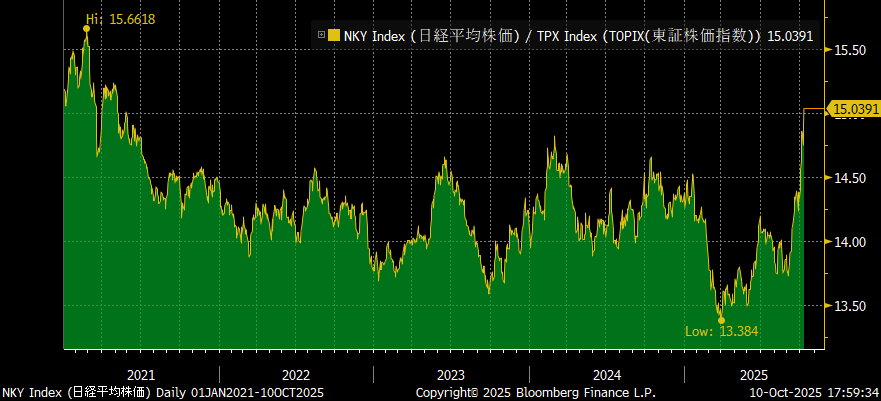
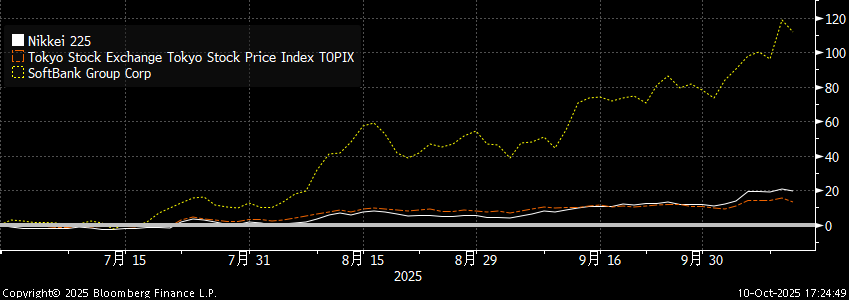
// Nikkei CLOSED : DOWN 491.64 PTS OR 1.01% //Australia’s all ordinaries CLOSED DOWN 0.03%
//Chinese yuan (ONSHORE) CLOSED UP TO 7.1239// OFFSHORE CLOSED UP AT 7.1264/ Oil DOWN TO 61.05 dollars per barrel for WTI and BRENT DOWN TO 64.59 Stocks in Europe OPENED ALL MOSTLY RED
ONSHORE USA/ YUAN TRADING UP TO 7.1239 // OFFSHORE YUAN TRADING UP TO 7.1264 :/ONSHORE YUAN TRADING ABOVE OFF SHORE A 71239/ AND THUS STRONGER/OFF SHORE YUAN TRADING UP TO 7.1264 AGAINST US DOLLAR/ AND THUS STRONGER
1. COMEX DATA//AMOUNTS STANDING//VOLUME OF TRADING/INVENTORY MOVEMENTS
GOLD
LET US BEGIN:
THE TOTAL COMEX GOLD OPEN INTEREST FELL BY A STRONG SIZED 6846 CONTRACTS TO 483,650 OI DESPITE OUR HUMONGOUS LOSS IN PRICE OF $91.45 WITH RESPECT TO THURSDAY’S // TRADING//RAID //COMEX CLOSING TIME:… WE LOST ZERO NET LONGS, DESPITE THAT PRICE LOSS FOR GOLD. AND AS YOU WILL SEE BELOW, OUR GAIN IN PRICE ALSO HAD A HUMONGOUS NUMBER OF EXCHANGE FOR PHYSICAL ISSUED (7525). WE HAD HUGE T.A.S. LIQUIDATION THURSDAY AS THAT PRECIPITATED THE RAID. WE HAD A TOTAL GAIN IN OI ON BOTH OF OUR EXCHANGES, THE COMEX AND LONDON’S EXCHANGE FOR PHYSICAL EQUATING TO 679 CONTRACTS (OR 2.11 TONNES).THEN WE WERE NOTIFIED OF A ZERO CONTRACT EXCHANGE FOR RISK ISSUANCE IN GOLD CONTRACTS ISSUED FOR NIL OZ OR 0 TONNES OF GOLD. HOWEVER A MASSIVE 422 CONTRACTS FOR 2.11 MILLION OZ WAS ISSUED IN SILVER ON ITS INITIAL EXCHANGE FOR RISK CONTRACT ISSUANCE FOR OCT. ITS BENEFICIAL OWNER OF THOSE CONTRACTS IS THE CENTRAL BANK OF INDIA. WE WILL DISCUSS THIS ON THE SILVER SIDE OF THINGS.
EXCHANGE FOR PHYSICAL//GOLD ISSUANCE//OCTOBER:
THUS THE TOTAL NUMBER OF CONTRACTS EXCHANGE FOR RISK ISSUED FOR THE MONTH OF OCT FOR GOLD REMAINS AT 11.353 TONNES OF GOLD UNDER THE GUIDANCE OF 5 ISSUANCES.
A LITTLE HISTORY ON OUR EXCHANGE FOR RISK ISSUANCES/ GOLD:
HERE IS A CLOSER LOOK AT EXCHANGE FOR RISK ISSUANCES FOR THESE PAST 4 MONTHS;
(TOTAL EXCHANGE FOR RISK LAST 4 MONTHS 70.097 TONNES//BANK OF ENGLAND TOTAL RESERVES LISTED AT 310 TONNES.)
JULY:
SUMMARY: EXCHANGE FOR RISK ISSUANCE IN JULY/2025: 2 ISSUANCES//3.75 TONNES
ON WEDNESDAY MORNING,JULY 23, MUCH TO MY SHOCK, AFTER A TWO MONTH HIATUS,THE CME ANNOUNCED A 500 EXCHANGE FOR RISK CONTRACT ISSUANCE FOR 50,000 OZ OR 1.555 TONNES. THEN JULY 30 THE CME ANNOUNCED (ISSUED) MUCH TO MY HORROR ITS SECOND EXCHANGE FOR RISK FOR 706 CONTRACTS OR 70,600 OZ (2.195 TONNES) AS THE BANK OF ENGLAND WAS NOT SATISFIED AND NEEDS MORE GOLD TO COVER ITS LEASES TO BULLION BANKS. ( IT WAS NOT THE FRBNY WHO ALSO OWES GOLD TO THE BIS AND THEY NEED TO COVER BADLY AS YOU WILL SEE).THE TOTAL EXCHANGE FOR RISK FOR THE MONTH OF JULY WAS RECORDED AT 3.750 TONNES OF GOLD WHICH WAS ADDED TO OUR REGULAR DELIVERY TO GIVE US OUR FINAL TOTALS FOR JULY!
AUGUST:
SUMMARY EXCHANGE FOR RISK ISSUANCE IN AUGUST; 7 ISSUANCES//44.696 TONNES
AUGUST: 7 ISSUANCES FOR A MONTHLY MONSTER 14,370 CONTRACTS OR 1,437,000 OZ ( 44.696) TONNES). EARLY IN THE MONTH THE CME ISSUED THE 2ND HIGHEST EVER MONTHLY RECORDED ISSUANCE OF 2924 CONTRACTS AND THIS IS FOLLOWED BY THURSDAY’S HUGE ISSUANCE OF 2226 CONTRACTS THUS BECOMING THE 4TH HIGHEST EVER RECORDED BY THE CME, SLIGHTLY BELOW AN ISSUANCE OF 2924 CONTRACTS. THE HUGE NUMBERS OF EXCHANGE FOR RISK SUGGEST THAT A MAJOR CENTRAL BANK IS DEMANDING ITS GOLD BACK.
SEPT:
SEPTEMBER: SEVEN ISSUANCES SO FAR TOTALLING 7,370 CONTRACTS OR 737,000 OZ OR 22.923 TONNES.
THESE ISSUANCES WILL OF COURSE BE ADDED TO OUR NORMAL DELIVERIES TO GIVE US OUR TOTAL SEPT STANDING FOR GOLD.
AND NOW OCTOBER: 5 ISSUANCES
WE RECEIVED NOTICE THAT OUR INITIAL EXCHANGE FOR RISK ISSUED ON FIRST DAY NOTICE WAS FOR 500 CONTRACTS OR 50,000 OZ /1.555 TONNES OF GOLD!!THAT WAS FOLLOWED BY A STRONG 650 CONTRACT ISSUED THURSDAY OCT 2 FOR 2.0217 TONNES AND THAT WAS FOLLOWED THE NEXT DAY BY ANOTHER HUGE 1320 CONTRACT ISSUANCE FOR 13,200 OZ OR 4.1057 TONNES AND THIS WAS FOLLOWED BY SATURDAY’S OCT 4: 180 CONTRACT ISSUANCE FOR 18,000 OZ OR .5596 TONNES:THIS BRINGS US TO TODAY, OCT 8 WITH A HUGE ISSUANCE OF 1000 CONTRACTS FOR 100,000 OZ OR 3.1104 TONNES TOTAL ISSUANCES 5 OCCASIONS FOR 3650 CONTRACTS OR 365,000 OZ OR 11.353 TONNES
HISTORY: LAST 8 MONTH’S EXCHANGE FOR RISK
IN FEBRUARY:
WE HAD A HUGE FIVE EXCHANGE FOR RISKS ISSUANCES FOR GOLD, TOTALLING 18.4527 TONNES!.
IN MARCH:
THE TOTAL NO. OF EXCHANGE FOR RISK ISSUANCE FOR THE MONTH OF MARCH (3 NOTICES) EQUALED: 7.6179 TONNES OF GOLD WHICH WAS ADDED TO OUR MARCH DELIVERY TOTALS.
IN APRIL:
WE CONCLUDED APRIL WITH 7 ISSUANCE OF EXCHANGE FOR RISK FOR A TOTAL TONNAGE OF 8.3571 TONNES.
IN MAY:
MAY: 3 EX. FOR RISK ISSUED SO FAR FOR 3025 CONTRACTS OR 302,500 OZ OR 9.4054 TONNES. THIS WILL BE ADDED TO OUR NORMAL DELIVERY TO GIVE US TOTAL STANDING FOR MAY!THIS IS THE 6TH CONSECUTIVE MONTH FOR ISSUANCE OF EXCHANGE FOR RISK//NEW TOTAL EX FOR RISK IS 9.4054 TONNES FOR THE 3 ISSUANCE!
IN JUNE
JUNE: ZERO ISSUED
jULY: 2 OCCASIONS LATE IN JULY: 1206 CONTRACTS FOR 120,600 OZ OR 3.750 TONNES/ISSUED JULY 23/2025 AND JULY 30/2025
AUGUST: 7 ISSUANCES FOR A MONTHLY MONSTER 14,370 CONTRACTS OR 1,437,000 OZ ( 44.696) TONNES).AT THE BEGINNING OF THE MONTH THE CME ISSUED THE 2ND HIGHEST EVER MONTHLY RECORDED ISSUANCE OF 2924 CONTRACTS AND THIS IS FOLLOWED BY THURSDAY’S HUGE ISSUANCE OF 2226 CONTRACTS THUS BECOMING THE 4TH HIGHEST EVER RECORDED BY THE CME, SLIGHTLY BELOW PREVIOUS DAY’S ISSUANCE OF 2924 CONTRACTS. THE HUGE NUMBERS OF EXCHANGE FOR RISK SUGGEST THAT A MAJOR CENTRAL BANK IS DEMANDING ITS GOLD BACK.
SEPTEMBER: SEVEN ISSUANCES FOR 7370 CONTRACTS SO FAR FOR 737,000 OZ OR 22.923 TONNES OF GOLD!!
OCTOBER: FIRST INITIAL ISSUANCE OF 500 CONTRACTS FOR 50,000 OZ OR 1.555 TONNES OF GOLD. THIS WAS FOLLOWED BY AN ISSUANCE OF 650 CONTRACTS OR 65000 OZ OR 2.0217 TONNES. THEN ON OCT 3 WE RECEIVED OUR 3RD NOTICE FOR A HUGE 1320 CONTRACTS OR 132000 OZ OR 4.1057, AND THEN SATURDAY OCT 4, THE CME ISSUED ITS 4 ISSUANCE FOR 180 CONTRACTS FOR 18,000 OZ OR .5594 TONNES. THEN FINALLY OCT 8 FOR 1000 CONTRACTS, OR 100,000 OZ OR 3.1104 TONNES TOTAL ISSUANCE ON 5 OCCASIONS: 11.353 TONNES
AS I EXPLAINED ABOVE,:THE RECIPIENT OF EXCHANGE FOR RISK FOR GOLD IS THE BANK OF ENGLAND
here are the only possible candidates who must bring back loaned gold
THE BANK OF ENGLAND WHO CONTINUES TO LEASE OUT MUCH ITS GOLD TO BULLION BANKS AND :(EX FOR RISK 9 MONTH TOTALS 129.6 TONNES)//TOTAL RESERVES OF BOE EQUALS 310 TONNES)
THE FEDERAL RESERVE BANK OF NEW YORK (NEED TO RETRIEVE THEIR LEASED GOLD FROM THE BIS).THE FED STILL REFUSES TO BRING BACK MUCH OF ITS 30 TONNES SHORTFALL. IT BOUGHT BACK ONLY 4 TONNES LAST MONTH AND THUS THEIR SHORTFALL TO THE BIS IS 30 TONNES.
HOWEVER, IN OUR CASE, EXCHANGE FOR RISK RECIPIENT IS THE BANK OF ENGLAND. THE COUNTERPARTY TO THE BANK OF ENGLAND EXCHANGE FOR RISK ARE BULLION BANKS THAT CANNOT VERIFY THAT THEIR GOLD IS UNENCUMBERED. THE BUYER, REPRESENTING THE CENTRAL BANK OF ENGLAND ASSUMES THE RISK OF THAT DELIVERY. THIS IS THE 9TH MONTH FOR ISSUANCE OF EXCHANGE FOR RISK !!…..(DEC THROUGH OCT//ONLY MISSING JUNE. TOTAL 9 MONTHS ISSUANCE 118.5 TONNES)……… THE FACT THAT A CENTRAL BANK TAKES THE RISK OF A DELIVERY IS TOTALLY INSANE. THE VERY FIRST ISSUE OF EXCHANGE FOR RISK CAME IN MAY 2023. HUGE ISSUANCES BEGAN OCT AND DEC 2024. ROBERT LAMBOURNE, GATA CONSULTANT AND EXPERT ON BIS AND BANK OF ENGLAND ISSUES HAS WRITTEN TO THE BANK OF ENGLAND AUTHORITIES CONCERNING THE REFUSAL OF THE BANK OF ENGLAND’S AUDITORS TO SUPPLY A POSITIVE AUDIT ON THEIR GOLD TONNAGE AND OTHER ASSETS HELD UNDER THE E.E.A. . PLEASE SEE THE LETTER WRITTEN TODAY AND YOU WILL FIND IT UNDER CHRIS POWELL OF GATA’S DISPATCHES. YOU WILL FIND IT FASCINATING!!
DETAILS ON OCTOBER COMEX MONTH//
IN TOTAL WE HAD A FAIR SIZED GAIN ON OUR TWO EXCHANGES OF 3,403 CONTRACTS DESPITE OUR HUMONGOUS LOSS IN PRICE. HOWEVER, OUR FRIENDLY PHYSICAL LONDON BOYS HAD ANOTHER FIELD DAY AGAIN THROUGHOUT OF THE WEEK AS THEY WERE READY FOR THE FRBNY.S CONTINUED ORCHESTRATED ATTACKS VERY EARLY IN THE COMEX SESSIONS AS THEY TRIED TO ABSORB EVERYTHING IN SIGHT FROM THEIR DAILY ATTACKS. LONDONERS EXERCISED THEIR BOUGHT CONTRACTS FOR PHYSICAL GOLD VIA THE EXCHANGE FOR PHYSICAL ROUTE AND THANKED THE FRBNY FOR THE THOUGHTFULNESS. LONDON ANNOUNCED EARLY IN THE YEAR (AND SCARCITY CONTINUES TO THIS DAY) THAT THEY WERE OUT OF GOLD. WRONGLY IT WAS ATTRIBUTED TO THEIR SHIPPING PHYSICAL GOLD TO COMEX FOR STORAGE DUE TO TRUMP’S INITIATION OF TARIFFS. THE TRUTH OF THE MATTER IS THAT THIS GOLD LEFT LONDON TO CENTRAL BANKS, AND COMEX BANKS HAVE BEEN PAPERING THEIR LOSSES (DERIVATIVE) WITH KILOBAR ENTRIES. DELIVERY OF GOLD CONTRACTS ARE NOW TAKING SEVERAL WEEKS. NO DEFAULT HAS BEEN INITIATED AS DEALERS ARE AFRAID OF LOSS OF THEIR JOBS. SO THIS FRAUD CONTINUES. THE LEASE RATES IN LONDON HAVE NOW INCREASED TO 6.0% LATELY AS GOLD IN LONDON IS STILL EXTREMELY SCARCE. THE FORCE MAJEURE AT GRASBERG IS CERTAINLY HAVING AN EFFECT ON LEASE RATES IN LONDON WITH RESPECT TO GOLD/SILVER.
THE LIQUIDATION OF T.A.S. CONTRACTS THROUGHOUT THE MONTHS OF JUNE THROUGH OCT CONTINUES TO DISTORT OPEN INTEREST NUMBERS GREATLY ALTHOUGH THE T.A.S. ISSUANCES IN GOLD HAVE GENERALLY BEEN ON THE LOW SIDE COMPARED TO SILVER WHICH HAVE BEEN HUGE. TODAY’S NUMBER IS HOWEVER A HUGE T.A.S ISSUANCE AS THE CME NOTIFIES US THAT THEY HAVE ISSUED 5170 T.A.S CONTRACTS. THESE T.A.S ISSUANCES ARE USED FOR RAID PURPOSES TO STOP GOLD’S RISE AND TO TEMPER HUGE LOSSES IN OTC DERIVATIVE BETS AND IT WAS IN FULL FORCE AGAIN YESTERDAY DESPERATELY TRYING TO STOP GOLD’S ADVANCE. THIS GENERALLY ENDS IN FAILURE
A LITTLE HISTORY ON TAS ATTEMPTED RAIDS:
AS FOR THE FIRST TIME EVER, THEY FAILED TO RAID AT MONTH’S END AUGUST COMEX AND OTC/LONDON LBMA EXPIRY!! SO THE CROOKS DECIDED IT WAS NECESSARY TO RAID AROUND THE BIG INTEREST RATE ANNOUNCEMENT SEPT 17-SEPT 18 AND THEY TRIED AGAIN RIGHT BEFORE FIRST DAY NOTICE SEPT 30, WITH MUCH FAILURE AS THE TOTAL OPEN INTEREST REFUSED TO BUCKLE!! THIS LEADS US TO FIRST DAY NOTICE SEPT 30 AND THE LAST POSSIBLE DAY FOR A RAID AND TRUE TO FORM OUR CROOKS DECIDED TO RAID MUCH TO THE DELIGHT OF OUR BOYS IN LONDON WHO PICKED UP EXTRA AMOUNTS OF GOLD AND TENDERED FROM THIS SHORT PAPER ISSUANCE. THEN MUCH TO MY ANGER THEY DECIDED TO RAID AGAIN ON OCT 2 WITH CHINA OFF THIS WEEK FOR THEIR FALL FESTIVAL (BACK TODAY) AND OF COURSE THE IMPORTANT RELIGIOUS HOLIDAY FOR THE JEWISH PEOPLE OCT 1-2, YOM KIPPUR. AGAIN THIS ENDED IN ABSOLUTE FAILURE AS LONDON AGAIN CAME TO THE RESCUE (MARCHING TO WILLIAM TELL’S OVERTURE) WITH THEIR MASSIVE TENDERING FOR PHYSICAL. YOU CAN JUST VISUALIZE THE MASSIVE HEADACHE THE CROOKS UNDERWENT WITH THIS HUGE PHYSICAL TENDERING FOR GOLD. WITH MUCH FAILURES. THIS BRINGS US TO YESTERDAY’S MASSIVE RAID ON OUR PRECIOUS METALS. ONE SHOULD EXPECT CONSIDERABLE DAMAGE TO OUR LONGS. SHOCKINGLY AS YOU WILL SEE, ON A NET BASIS NOBODY LEFT EITHER ARENA, GOLD AND SILVER.
THE T.A.S. LIQUIDATION OF THESE T.AS. CONTRACTS CONTINUED THURSDAY AND FRIDAY, OCT 1 AND OCT 2 AND NOW OCT 9 THROUGH 10TH AND THAT IS THE REASON WHY WE ARE HAVING HUGE DISTORTED COMEX OPEN INTEREST LOSSES IN OI. HOWEVER THIS IS COUPLED WITH MEGA HUGE AMOUNTS OF GOLD STANDING FOR DELIVERY TO CONFUSE THE ISSUE!!!!! AND THIS WAS SURELY ON DISPLAY WITH FIRST DAY NOTICE/OCTOBER COMEX GOLD TOTALS WITH MASSIVE GOLD TONNES STANDING FOR GOLD IN OCTOBER AND THE HUGE QUEUE JUMPING THAT FOLLOWED!
HERE IS A SUMMARY OF GOLD STANDING FOR DELIVERY ON OUR LAST 7 MONTHS:
FOR APRIL AT 209 + TONNES
AND THIS CONTINUED INTO MAY WITH FINAL STANDING AT 90.23 TONNES.
JUNE WHICH IS A HUGE DELIVERY MONTH , FINAL STANDING WAS RECORDED AT A STRONG 93.085 TONNES. (IS THE COMEX RUNNING OUT OF GOLD?)//TOTAL NET QUEUE JUMPING FOR THE JUNE MONTH: 31.027 TONNES.
IN JULY WE HAD HUGE DELIVERY NOTICES ESPECIALLY FOR A NON ACTIVE DELIVERY MONTH WITH INITIAL STANDING AT 17.947 TONNES PLUS MANY QUEUE JUMPS + 3.75 TONNES EX FOR RISK = 41.106 TONNES OF GOLD // FINAL TOTAL TONNES STANDING JULY: 41.106 TONNES
FOR THE MONTH OF AUGUST:
INITIAL AMOUNT OF GOLD STANDING FOR AUGUST: 60.547 TONNES PLUS THE MONTHS HUGE QUEUE JUMPS OF 47.2312 TONNES +44.696 TONNES EX FOR RISK (7 ISSUANCES) //NEW STANDING 152.208 TONNES WHICH IS MONSTROUS!!!
FINAL AMOUNT OF GOLD STANDING FOR SEPT; INITIAL STANDING; 2,602 CONTRACTS OR 260,200 OZ FOR 8.093 TONNES OF GOLD FOLLOWED BY TODAY’S 0.4883 TONNES QUEUE JUMP TO GO ALONG WITH TODAY’S 2.817 TONNES OF EXCHANGE FOR RISK ISSUANCE TODAY AND // TOTAL EXCHANGE FOR RISK ISSUANCE SEPT: 22.923 TONNES//NEW TOTALS STANDING ADVANCES TO 48.801 TONNES OF GOLD!!!
AND THIS NOW BRINGS US TO OCTOBER WHERE INITIAL AMOUNT OF GOLD STANDING IS 28,988 CONTRACTS FOR 90.114 TONNES OF GOLD TO WHICH WE ADD OUR FIRST MASSIVE QUEUE JUMP OF 4.898 TONNES QUEUE JUMP FOLLOWED BY OCT 4 QUEUE JUMP OF 0.9704 TONNES TO BE FOLLOWED BY OCT 7 QUEUE JUMP OF 3.623 TONNES AND FINALLY OCT 8’S HUGE 6.942 TONNES QUEUE JUMP AND FINALLY OCT 9 HUGE 4.979 TONNES OF QUEUE JUMP AND FINALLY TODAY’S MASSIVE QUEUE JUMP OF 7.504 CONTRACTS(250,900 OZ//7.504 TONNES)// //// AND THIS WAS AUGMENTED BY AN UNUSUAL 50,000 CONTRACT EXCHANGE FOR RISK ISSUED ON FIRST DAY NOTICE AND THEN ON THREE CONSECUTIVE OCCASIONS, OCT 2 THROUGH TO THE OCT 4.THEY TOOK ONE DAY OFF AND THEN ISSUED ITS 5 EXCHANGE FOR RISK ISSUANCE FOR 1000 CONTRACTS OR 100,000 OZ/3.1105 TONNES THE NEW TOTAL ON THESE 5 ISSUANCES IS 3650 CONTRACTS FOR 365,000 OZ OR 11.353 TONNES WHICH WILL BE ADDED TO OUR NORMAL DELIVERIES INCLUDING QUEUE JUMPS. NEW TOTALS FOR GOLD STANDING ADVANCES TO 130.942 TONNES
THE FED IS THE OTHER MAJOR SHORT OF AROUND 30+ TONNES OF GOLD OWING TO THE B.I.S. THE FED NEEDS TO COVER AS THEY ARE VERY WORRIED ABOUT WHAT IS GOING TO HAPPEN TO GOLD PRICES NOW THAT THEY MUST BECOME COMPLIANT TO BASEL III RULES JULY 1/2023 AS OUTLINED IN ANDREW MAGUIRE’S LATEST LIVE FROM THE VAULT 231 TO 243 EPISODES AS HE TACKLES THIS IMPORTANT TOPIC. THE MAJOR FOUR OR FIVE BANKS ARE ALSO WORRIED ABOUT THEIR HUGE PRECIOUS METAL DERIVATIVE SHORT EXPOSURE (NORTH OF ONE TRILLION DOLLARS) AND THIS IS PROBABLY THE MAJOR REASON FOR GOLD/SILVER’S RISE THESE PAST THREE MONTHS. THEY ARE TOTALLY TRAPPED., AND THEIR FAILURE TO STOP CENTRAL BANK PURCHASES OF PHYSICAL GOLD IS THE MAJOR ISSUE OF THE DAY!IT SURE DOES NOT LOOK LIKE THE BIS HAS GIVEN THE FED ITS MARCHING ORDERS TO COVER ITS PHYSICAL GOLD SHORT AS THEIR OUTSTANDING LOAN REMAINS ON THE BOOKS OF THE BIS. TRUMP WILL PROBABLY BE FURIOUS WITH THE FED IF HE FINDS OUT THAT THEY (FRBNY) HAS BEEN MANIPULATING THE GOLD MARKET FOR THE PAST TWO YEARS. THE FRBNY IS NOW NON COMPLIANT WITH RESPECT TO BASEL III BUT IT IS NOT NECESSARY FOR THEM TO BE COMPLIANT ONLY COMMERCIAL BANKERS MUST BE.
OUR PHYSICAL LONDONERS BOUGHT NEW MASSIVE QUANTITIES OF LONGS AT ANY PRICE AND THIS GOLD BOUGHT WILL BE TENDERED FOR PHYSICAL ON A T + ???? BASIS. BECAUSE GOLD IS BASEL III COMPLIANT, GOLD IS SUPPOSED BE DELIVERED IN A VERY TIMELY ONE DAY. CENTRAL BANKS AROUND THE WORLD, BEING REPRESENTED BY OUR LONDONERS, ARE THE REAL PURCHASERS OF THIS GOLD.
EUROPE IS NOW BASEL III COMPLIANT. THE WEST ( COMEX) IS NOW COMPLIANT EFFECTIVE JULY 1//2025.
THE PROBLEM FOR THOSE PROVIDING THE SHORT PAPER IS THE SHOCK TO THEM ON RECEIVING NOTICE THAT THE LONGS WANT THE PHYSICAL GOLD AS THEY TENDER FOR THAT SHINY YELLOW METAL. THE HIGH LIQUIDATION OF OUR TWO SPREADERS: 1) THE MONTH END SPREADERS AND 2. T.A.S DURING THESE PAST SEVERAL WEEKS IS SURELY DISTORTING COMEX OPEN INTEREST BUT THAT DOES NOT STOP LONDON’S ACCUMULATION OF PHYSICAL! YOU CAN ALSO VISUALIZE THAT PERFECTLY WITH THE HUGE AMOUNTS OF QUEUE JUMPING ORCHESTRATED BY CENTRAL BANKERS BOLTING AHEAD OF ORDINARY LONGS AS THEIR NEED FOR PHYSICAL IS GREAT AS THEY SCOUR THE PLANET LOOKING FOR GOLD, AND THE MASSIVE AMOUNT OF GOLD STANDING EACH AND EVERY MONTH INCLUDING FIRST DAY NOTICE OF GOLD TONNAGE STANDING.
SUMMARY OF GOLD QUEUE JUMPING AND EXCHANGE FOR RISK ISSUANCE: AUGUST THROUGH OCTOBER AND SUBSEQUENT STANDING FOR GOLD.
AUGUST:
AUGUST: TOTAL QUEUE JUMPING AND TOTAL EXCHANGE FOR RISKS ISSUANCE FOR THE MONTH OF AUGUST; AND THUS STANDING:
WE HAD A HUGE 60.547 TONNES OF INITIAL GOLD STANDING FOR AUGUST, FIRST DAY NOTICE FOLLOWED BY THE MONTHS HUGE TOTAL OF 47.2312 TONNES OF QUEUE JUMPS TO WHICH WE ADD AUGUST 7TH,S HUGE 5.443 TONNES EXCHANGE FOR RISK ISSUANCE +LAST SATURDAY’S/MONDAY AUG 10 HUGE 776 CONTRACT EXCHANGE FOR RISK FOR 2.413 TONNES THEN AUGUST 12: 2.637 TONNES: AND NOW AUG 25: 9.107 TONNES ISSUANCE MONDAY’S MASSIVE 9.1016 TONNES ISSUANCE/AUGUST 25, AUGUST 26 9.0699 TONNES , YESTERDAYDAY’S (AUGUST 27) 9.0699 TONNES AND FINALLY TODAY’S TODAL OF 6.923 TONNESS/NEW STANDING ADVANCES TO 152.208 TONNES.
SEPT:
SEPTEMBER: TOTAL EXCHANGE FOR RISK AND QUEUE JUMPING; STANDING FOR GOLD
SUMMARY SEPT: 8.093 TONNES INITIALLY STANDING FOR GOLD // 7 ISSUANCES OF 22.923 TONNES OF EXCHANGE FOR RISK ISSUANCE/ SEPT MONTH AND THIS IS ADDED TO OUR NORMAL DELIVERY OF 25.878 TONNES
THAT IS;
A) //TOTAL FOR MONTH EXCHANGE FOR RISK/MONTH: 22.923 TONNES EX FOR RISK!!
B) //NORMAL DELIVERY OF 25.878 TONNES
TOTALS: 48.801 TONNES FINAL STANDING FOR GOLD/SEPT.
AND THIS BRINGS US TO OCTOBER:
OCTOBER: INITIAL STANDING FOR GOLD: 90.164 TONNES TO WHICH WE ADD OUR LATEST OCT 10: 7.504 TONNES OF QUEUE JUMP TO WHICH WE ADD OUR TOTAL 3,650 EXCHANGE FOR RISK CONTRACTS ON 5 OCCASIONS FOR 365,000 OZ OR 11.353 TONNES.! TOTAL STANDING ADVANCES TO 130.942
SUMMARY FOR OCTOBER STANDING:
THAT IS;
a) INITIAL STANDING 90.164 TONNES
b) INITIAL EXCHANGE FOR RISK ISSUANCE OF 500 CONTRACTS FOR 50,000 OZ OR 1.555 TONNES
c) ANOTHER 3 CONSECUTIVE EXCHANGE FOR RISK ISSUANCES OF 2150 CONTRACTS FOR 215000 OZ OR 6.687 TONNES
D) AFTER A ONE DAY HIATUS, A 5TH ISSUANCE FOR 1000 CONTRACTS //100,000 OZ OR 3.1104 TONNES
TOTAL EXCHANGE FOR RISK OCT 5 OCCASIONS: 11.353 TONNES
E) A MASSIVE QUEUE JUMP,OCT 3 OF 4.898 TONNES OF GOLD
F) STRONG QUEUE JUMP OCT 4: 0.9704 TONNES
G) A MASSIVE QUEUE JUMP OCT 7 OF 3.623 TONNES
H) A MASSIVE QUEUE JUMP OCT 8 FOR 6.942 TONNES
I) A MASSIVE QUEUE JUMP OCT 9 FOR 4.979 TONNES
J) A MASSIVE AND 3RD HIGHEST EVER OCT 10 QUEUE JUMP FOR 7.504 TONNES
EQUALS
130.942 TONNES OF GOLD!!
EXCHANGE FOR PHYSICAL ISSUANCE/OCT
THE CME REPORTS THAT THE BANKERS ISSUED A HUMONGOUS SIZED EXCHANGE FOR PHYSICAL OF 7525 CONTRACTS.
THAT IS A MEGA HUGE SIZED 7525 EFP CONTRACT WAS ISSUED: : /DEC 7525 & ZERO FOR ALL OTHER MONTHS:
TOTAL EFP ISSUANCE: 7525 CONTRACT. THESE EFP;S CIRCLE AROUND LONDON ON A 13 DAY BASIS AND ARE NOW USED BY GLOBAL CENTRAL BANKS TO EXERCISE FOR PHYSICAL GOLD WITH THE OBLIGATION TO DELIVER BEING FORCED ONTO COMEX BANKS. THE GOLD GENERALLY DELIVERED COMES FROM LONDON BUT THEY ARE OUT!! THUS COMEX BECOMES THE MAJOR SOURCE FOR OUR CENTRAL BANKERS. THE REGULATORY BODY THAT IS SUPPOSE TO CONTROL THESE EFP’S IS THE O.C.C. HEADQUARTERED IN BOTH LONDON AND WASHINGTON.
WE HAD :
MASSIVE LIQUIDATION OF OUR T.A.S. SPREADERS//THURSDAY + GOVERNMENT LIQUIDATION
MONTH END SPREADERS HAVE NOW FINISHED AS IT WAS IN FULL FORCE ON FIRST DAY NOTICE SEPT 30 WITH OUR ATTEMPTED FAILED RAID, FOLLOWED BY ANOTHER RAID OCT 2 AND THAT ENDED IN TOTAL FAILURE! , OCT 7 WE WITNESSED A SMALL RAID TRYING TO STOP GOLD’S ADVANCE TO THE 4000 BARRIER!! EARLY Y\OCT 8 MORNING THE BARRIER TO 4,000 DOLLAR GOLD WAS PIERCED!! AND THAT SET IN MOTION OUR CROOKS DESPERATE TO CONTROL THEIR HUGE DERIVATIVE LOSSES. (OCT 9 SAW FINALLY AFTER MANY YEARS SILVER PIERCING THE 50 DOLLAR MARK AND THAT WAS WHEN THE CROOKS THROUGH THEIR TEMPER TANTRUM. AFTER KNOCKING SILVER DOWN HUGELY IT IS NOW BACK OVER 50 DOLLARS.)
T.A.S.SPREADER ISSUANCE//OCT
AS PER OUR NEWBIE TRADE AT SETTLEMENT (TAS) MANIPULATION OPERATION (WHICH CRAIG HEMKE HAS POINTED OUT HAPPENS USUALLY DURING MID MONTH IN THE DELIVERY CYCLE), BUT NOW ON A DAILY BASIS, THE CME REPORTS THAT THE TOTAL T.A.S. ISSUANCE FOR THURSDAY NIGHT/FRIDAY MORNING WAS A HUGE SIZED SIZED 5170 CONTRACTS
THE RAIDS WHETHER ON OPTIONS EXPIRY MONTH OR OTHERWISE LIKE LAST MONTH ON OPTIONS EXPIRY WEEK AND THEN OCT 9, ACCOMPLISHES TWO IMPORTANT ASPECTS FOR OUR CROOKS:
STALLS THE ADVANCE IN PRICE
LOWERS THEIR ADVANCING DERIVATIVE LOSSES.
MECHANICS OF T.A.S CONTRACTS TRADING; (AND MONTH END SPREADERS)
THROUGHOUT THE FEW YEARS, THE BANKERS CONTINUE TO SELL OFF THE LONG SIDE OF THE SPREAD (T.A.S.) WHICH OF COURSE CONTINUES TO MANIPULATE THE PRICE OF GOLD SOUTHBOUND. (THEY KEEP THE SHORT SIDE OF THE CALENDAR/T.A.S. SPREAD WHICH WILL BE LIQUIDATED IN DAYS HENCE..
THAT SET UP YESTERDAY’S GAIN IN PRICE IN GOLD AND A CORRESPONDING STRONG GAIN OF COMEX OI AND A STRONG EXCHANGE FOR PHYSICAL ISSUANCE.. THE COMEX IS IN TOTAL TURMOIL ESPECIALLY THESE PAST 3 MONTHS ESPECIALLY WITH THE FOLLOWING;
WITH JULY’S RARE TWO ISSUANCES OF EXCHANGE FOR RISK (LATE IN JULY)
AND THIS WAS FOLLOWED WITH AUGUST’S 7 ISSUANCES OF EXCHANGE FOR RISK FOR 44.696 TONNES
TO BE FOLLOWED BY SEPTEMBER’S 7 ISSUANCES FOR EXCHANGE FOR RISK FOR 22.923 TONNES.
TO BE FOLLOWED BY OCTOBER’S 5 ISSUANCES FOR 11.383 TONNES
THE LONDON BANKING AUDITORS HAVE SO FAR REFUSED TO GIVE THE GREEN LIGHT ON THE BANK OF ENGLAND’S GOLD AND OTHER ASSETS HELD UNDER THE E.E.A.(SEE ROBERT LAMBOURNE’S LETTER OCT 8/
GOLD STANDING AT THE COMEX FOR GOLD LAST 9 MONTHS OF 2025:
YEAR 2025:
JAN 2025:
113.30 TONNES (WHICH INCLUDES 43.408 TONNES EX FOR RISK)
FEB: 2025:
256.607 TONNES (WHICH INCLUDES 18.4567 TONNES OF EX FOR RISK)
MARCH:
STANDING FOR GOLD : 60.33 TONNES + 7.6179 TONNES EX FOR RISK = 67.9479 TONNES WHICH IS EXTREMELY HIGH FOR A NON DELIVERY MONTH.
APRIL:
FINAL STANDING FOR GOLD: 201.573 TONNES + 8.3571 TONNES EX FOR RISK = 209.953 TONNES
MAY: FINAL STANDING 90.235 TONNES WHICH INCLUDES QUEUE JUMPING AND 9.591 TONNES EX FOR RISK.
JUNE: FINAL STANDING 62.534 TONNES PLUS 0.1493TONNES OF QUEUE JUMP EQUALS 93.085 TONNES
JULY: 17.947 TONNES INITIAL STANDING FIRST DAY NOTICE PLUS TODAY’S 0 TONNES QUEUE JUMP + 1.555 TONNES EX FOR RISK/PRIOR + 2.195 EX FOR RISK TODAY = = 41.106 TONNES
AUGUST:INITIAL AMOUNT OF GOLD STANDING: 60.547 TONNES TO WHICH WE ADD OUR 7 MONTHLY ISSUANCES OF: EXCHANGE FOR RISK TOTALLING 44.696 TONNES//NEW STANDING ADVANCES AS FOLLOWS:
107.5117 TONNES NORMAL DELIVERIES (INCLUDES ALL QUEUE JUMPS /EXCHANGE FOR PHYSICAL TRANSFERS) +
5.4432 TONNES EXCHANGE FOR RISK/PRIOR/AUGUST 7
2.413 TONNES EXCHANGE FOR RISK AUGUST 11
PLUS 2.637 TONNES EX FOR RISK AUGUST 12
PLUS: 9.107 TONNES EX FOR RISK AUGUST 25
PLUS 9.1010 TONNES EX FOR RISK AUGUST 26!!
PLUS 9.0699 TONNES EX FOR RISK AUGUST 27
PLUS 6.923 TONNES EX. FOR RISK/AUGUST 28
MONTHLY TOTAL 44.696 TONNES EXCHANGE FOR RISK!MONTH OF AUGUST.
EQUALS
152.208 TONNES TONNES OF GOLD.
SEPT:
SEPT: 25.878 TONNES OF GOLD INITIAL GOLD STANDING TO WHICH WE ADD OUR 22.923 TONNES OF EXCHANGE FOR RISK ISSUED 7 TIMES DURING THE MONTH:
TOTAL EX FOR RISK// FOR MONTH = 22.923//NEW TOTALS FOR GOLD STANDING SEPT ADVANCES TO 48.801 TONNES
THIS IS HUGE FOR A GENERALLY WEAK SEPTEMBER DELIVERY MONTH.
AND NOW OCTOBER: INITIAL AMOUNT OF GOLD STANDING: 90.164 TONNES OF GOLD FOLLOWED BY TODAY;S 7.504 TONNES OF A QUEUE JUMP WHICH MUST BE ADDED TO OUR 5 ISSUANCES OF 11.353 TONNES EXCHANGE FOR RISK//TOTAL NEW STANDING FOR GOLD IN THIS ACTIVE OCTOBER DELIVERY MONTH ADVANCES TO 130.942 TONNNES.
HERE ARE THE AMOUNTS THAT STOOD FOR DELIVERY IN THE PRECEDING 48 MONTHS OF 2021-2024:
DEC 2021: 112.217 TONNES
NOV. 8.074 TONNES
OCT. 57.707 TONNES
SEPT: 11.9160 TONNES
AUGUST: 80.489 TONNES
JULY 7.2814 TONNES
JUNE: 72.289 TONNES
MAY 5.77 TONNES
APRIL 95.331 TONNES
MARCH 30.205 TONNES
FEB ’21. 113.424 TONNES
JAN ’21: 6.500 TONNES.
TOTAL YEAR 2021 (JAN- DEC): 601.213 TONNES
YEAR 2022: STANDING FOR GOLD/COMEX
JANUARY 2022 17.79 TONNES
FEB 2022: 59.023 TONNES
MARCH: 36.678 TONNES
APRIL: 85.340 TONNES FINAL.
MAY: 20.11 TONNES FINAL
JUNE: 74.933 TONNES FINAL
JULY 29.987 TONNES FINAL
AUGUST:104.979 TONNES//FINAL
SEPT. 38.1158 TONNES
OCT: 77.390 TONNES/ FINAL
NOV 27.110 TONNES/FINAL
Dec. 64.000 tonnes
(TOTAL YEAR 656.076 TONNES)
2023:STANDING FOR GOLD/COMEX
JAN/2023: 20.559 tonnes
FEB 2023: 47.744 tonnes
MAR: 19.0637 TONNES
APRIL: 75.676 tonnes
MAY: 19.094 TONNES + 1.244 tonnes of exchange for risk = 20.338
JUNE: 64.354 TONNES
JULY: 10.2861 TONNES
AUGUST: 38.855 TONNES(INCLUDING .6842 EXCHANGE FOR RISK)
SEPT: 15.281 TONNES FINAL
OCT. 35.869 TONNES + 1.665 EXCHANGE FOR RISK =37.0355 tonnes
DEC. 47.073 + 4.634 TONNES OF EXCHANGE FOR RISK = 51.707 TONNES
TOTAL 2023 YEAR : 436.546 TONNES
2024/STANDING FOR GOLD/COMEX
JAN ’24. 22.706 TONNES
FEB. ’24: 66.276TONNES (INCLUDES 1.723 TONNES EX. FOR RISK)
MARCH: 18.8398 TONNES + 1.1695 EX FOR RISK = 20.093 TONNES
APRIL: 2024: 53.673TONNES FINAL
MAY/ 2024 8.5536 TONNES + 3.3716 TONNES EX FOR RISK/= 11.9325
JUNE; 95.578 TONNES. + 1.045 TONNES EXCHANGE FOR RISK =96.623 THIS IS THE HIGHEST RECORDED GOLD STANDING SINCE AUGUST 2022
JULY: 11.692 TONNES
AUGUST 69.602 TONNES//FINAL STANDING
SEPT. 13.164 TONNES.
OCT 39.474 TONNES + + 20.917 TONNES EXCHANGE FOR RISK =60.391 TONNES
NOV . 11.265 TONNES +4.665 TONNES EXCHANGE FOR RISK/TUESDAY + 3.11 TONNES OF EX. FOR RISK/PRIOR = 19.0425 TONNES
DEC: 80.4230 TONNES PLUS DEC MONTH EXCHANGE FOR RISK TOTAL 14.6836 TONNES EQUALS 95.1066 TONNES
total year 2024: 540.30 tonnes
XXXXXXXXXXXXXXXXXXXXXXXXXXXXXXXXXXXXXXXXX
COMEX GOLD TRADING BEGINNING OCT,. CONTRACT;
THE SPECS/HFT WERE SUCCESSFUL IN LOWERING GOLD’S PRICE( IT FELL BY $91.45./ /) BUT WERE UNSUCCESSFUL IN KNOCKING OFF ANY NET SPECULATOR LONGS AS WE DID HAVE FAIR SIZED GAIN IN OI FROM TWO EXCHANGES OF 3403 CONTRACTS.. BUT AS EXPLAINED ABOVE WE HAD HUMONGOUS T.A.S. SPREADER LIQUIDATION THURSDAY .THIS WAS COUPLED WITH GOVERNMENT LIQUIDATING THEIR CONTRACTS OUT OF SEVERE FEAR!!(PRELIMINARY NUMBERS LOWERED TO FINAL SHOWING MASSIVE LIQUIDATION). HOWEVER, ON TUESDAY OCT 7, WE WITNESSED FOR NO REASON A MASSIVE LIQUIDATION IN PRICE OF OUR GOLD EQUITY SHARES LIKE AGNICO EAGLE AND BARRICK GOLD /// THE BANKERS ARE QUITE NERVOUS ABOUT BASEL III WITH ITS IMPLEMENTATION COMMENCING JULY 1. THEY ARE VERY CONCERNED WITH THEIR HIGH AMOUNT OF DERIVATIVES LOSSES ON THEIR BOOKS. THUS THE REASON THEY NEEDED THESE T.A.S. ISSUANCES NOW IN ORDER TO FORMALIZE RAIDS: OUR CROOKS TRIED AGAIN LATE WEDNESDAY-THURSDAY OCT 2 WITH CHINA OUT FOR A WEEK, WITH NOT MUCH LUCK. WITH CHINA COMING BACK TODAY, THURSDAY OCT 9 THE CROOKS NEEDED TO RAID TRYING DESPERATELY TO HALT GOLD’S ADVANCE. I GUESS THAT THEIR LUCK HAS RUN OUT WITH GOLD PIERCING THE 4000 DOLLAR BARRIER OCT 7-8 ALONG WITH THE PIERCING OF SILVER’S MAGIC 50 DOLLAR MARK.
FRIDAY MORNING//THURSDAY NIGHT
THE CROOKS HOWEVER COULD NOT STOP CENTRAL BANK LONGS, SEIZING THE MOMENT, THEY EXERCISED AGAIN FOR PHYSICAL IN A BIG WAY TENDERING FOR PHYSICAL THURSDAY EVENING/ FRIDAY MORNING AND THUS OUR HUGE NUMBER OF GOLD CONTRACTS STANDING FOR DELIVERY AT THE COMEX. CENTRAL BANKERS WAIT PATIENTLY FOR THE GOLD TO ARRIVE BY BOAT. IT IS NOW TAKING WEEKS TO DELIVER
ANALYSIS OCT DELIVERY MONTH GOING FROM FIRST DAY NOTICE// OCT COMEX CONTRACT
WE HAVE A SMALL SIZED GAIN OF A TOTAL OF 2.111 PAPER TONNES FROM OUR TWO EXCHANGES, DESPITE THE RAID, ACCOMPANYING OUR INITIAL GOLD TONNAGE STANDING FOR OCT AT 90.164 TONNES TO BE FOLLOWED BY TODAY’S HUGE 7.504 TONNES OF QUEUE JUMP TO WHICH WE ADD OUR 11.353 TONNES EX FOR RISK/5 OCCASIONS:
/ NEW TOTAL STANDING 130.942 TONNES.
ALL OF THIS HUGE STANDING FOR OCTOBER WAS ACCOMPLISHED WITH OUR LOSS IN PRICE TO THE TUNE OF $91.45
WE HAD A HUGE 2724 CONTRACTS REMOVED TO THE COMEX TRADES TO OPEN INTEREST (CROOKS)//PRELIMINARY TO FINAL. AND THIS IS TOTALLY INSANE AS WELL.
NET GAIN ON THE TWO EXCHANGES 679 CONTRACTS OR 67,900 0Z (2.11 TONNES)
Total monthly oz gold served (contracts) so far this month
37,716 notices 3,771,600 oz 117.306 TONNES
Total accumulative withdrawals of gold from the Dealers inventory this month
NIL oz
Total accumulative withdrawal of gold from the Customer inventory this month
dealer deposits: 0
0 ENTRIES
xxxxxxxxxxxxxxxxxxxxx
DEPOSITS/CUSTOMER
0 entry
xxxxxxxxxxxxxxxxxxxxxxxxxxxxxxxxxxxxxxxxxx
customer withdrawal
ADJUSTMENTs 5
first 4: dealer to customer
i)Asahi 24,117.624 oz
ii) Brinks: 104,169.240 oz
iii) Delaware 101.470 oz oz
iv) Manfra 21,519.431 oz
last one customer to dealer:
v) HSBC 149,953.991 oz
volume at the comex: THURSDAY: 514,387 oz (immense)
AMOUNT OF GOLD STANDING FOR OCTOBER
THE FRONT MONTH OF OCTOBER STANDS AT 2989 CONTRACTS FOR A GAIN OF 856 CONTRACTS.
WE HAD 1653 CONTRACTS FILED ON THURSDAY SO WE GAINED A MONSTROUS 2509 CONTRACT QUEUE JUMP FOR 250,900 OZ OR 7.504 TONNES OF GOLD WHICH I BELIEVE IS THE THIRD HIGHEST QUEUE JUMP ON RECORD FOLLOWING OVER 9 + TONNES AND 8+ TONNES LAST YEAR. THUS OUR NEW NORMAL DELIVERY RISES TO 119.589 TONNES WHICH INCLUDES ALL PREVIOUS QUEUE JUMPS) PLUS OUR 11.353 TONNES EX FOR RISK//NEW TOTAL STANDING FOR GOLD ADVANCES TO 130.942 TONNES
NOVEMBER LOST 407 CONTRACTS DOWN TO 4121 CONTRACTS.
DECEMBER LOST 11,805 CONTRACTS DOWN TO 379,004 CONTRACTS.
We had 2255 contracts filed for today representing 225,500 oz
Today, 0 notice(s) were issued from J.P.Morgan dealer and 515 notices issued from their client or customer account. The total of all issuance by all participants equate to 2255 contract(s) of which 0 notices were stopped (received) by j.P. Morgan dealer an 285 notice(s) was (were) stopped (received) by J.P.Morgan//customer account
To calculate the INITIAL total number of gold ounces standing for OCT /2025. contract month, we take the total number of notices filed so far for the month (37,716 oz ) to which we add the difference between the open interest for the front month of OCT ( 2989 CONTRACTS) minus the number of notices served upon today (2255 x 100 oz per contract) equals 3,844,800 OZ OR 119.589 TONNES OF GOLD TO WHICH WE ADD OUR 5 ISSUANCES OF 11.353 TONNES OF EXCHANGE FOR RISK //NEW TOTALS STANDING FOR GOLD OCTOBER ADVANCES TO 130.952 TONNES
thus the INITIAL standings for gold for the OCT contract month: No of notices filed so far (37,714 x 100 oz +we add the difference for front month of OCT. (2989 OI} minus the number of notices served upon today (2253 x 100 oz) which equals 3,844,800 OZ OR 119.589 TONNES + 11.353 TONNES EXCHANGE FOR RISK//NEW TOTAL OF GOLD STANDING IN OCTOBER ADVANCES TO 130.942 TONNES
TOTAL COMEX GOLD STANDING FOR OCT..: 130.942 TONNES TONNES WHICH IS HUGE FOR THIS NORMALLY SMALL ACTIVE ACTIVE DELIVERY MONTH OF OCT.
XXXXXXXXXXXXXXXXXXXXXXXXXXXXXXXXXX
COMEX GOLD INVENTORIES/CLASSIFICATION
NEW PLEDGED GOLD:
241,794.285 oz NOW PLEDGED /HSBC 5.94 TONNES
204,937.290 OZ PLEDGED MANFRA 3.08 TONNES
83,657.582 PLEDGED JPMorgan no 1 1.690 tonnes
265,999.054, oz JPM No 2
1,152,376.639 oz pledged Brinks/
Manfra: 33,758.550 oz
Delaware: 193.721 oz
International Delaware:: 11,188.542 oz
total pledged gold: 1,957,498.686 oz 60.880 tonnes
TOTAL OF ALL GOLD ELIGIBLE AND REGISTERED GOLD 39,940,669.578 oz
TOTAL REGISTERED GOLD 21,646,180.094 or 673.28 tonnes
TOTAL OF ALL ELIGIBLE GOLD 18,294,489.480OZ
END
REGISTERED GOLD THAT CAN BE SERVED UPON 1,968,868. oz ((REG GOLD- PLEDGED GOLD)= 612.400 tonnes // (
total inventories in gold declining rapidly
SILVER/COMEX
SILVER/COMEX
THE OCT. 2025 SILVER CONTRACTS
OCT 10 2025
INITIAL/
Silver
Ounces
Withdrawals from Dealers Inventory
NIL oz
Withdrawals from Customer Inventory
5 entries
i) Out of Asahi 1,482,186.500 oz ii) Out of Brinks 4,779.100 oz iii) Out of Delaware 2,145,400 oz iv) Out of HSBC 15,261.100 oz v) Out of jPMorgan; 644,286.600 oz
total withdrawal 2,148,618.200 oz
5 entries
a) Out of Asahi 896,932.800 oz b) Out of Brinks 346,136.100 oz c) Out of CNT 195,588.09 oz d) Out of JPMorgan: 1,281,896.900 oz e) Out of Loomis 938,476.750 oz
total withdrawal: 3,660,530.640 oz
Deposits to the Dealer Inventory
0 ENTRY
Deposits to the Customer Inventory
0 entries
No of oz served today (contracts)
1427 CONTRACT(S) ( 7/135 MILLION OZ
No of oz to be served (notices)
101 contracts (0.505 MILLION oz)
Total monthly oz silver served (contracts)
4948 Contracts (24.740 MILLION oz)
Total accumulative withdrawal of silver from the Dealers inventory this month
NIL oz
Total accumulative withdrawal of silver from the Customer inventory this month
a) Out of Asahi 896,932.800 oz b) Out of Brinks 346,136.100 oz c) Out of CNT 195,588.09 oz d) Out of JPMorgan: 1,281,896.900 oz e) Out of Loomis 938,476.750 oz
total withdrawal: 3,660,530.640 oz
adjustments: 3 all dealer to customer
a) Asahi 2832,262.200 oz
b) Delaware 29,241.969, oz
c) Stonex: 328,047.380 oz
TOTAL REGISTERED SILVER: 183.381 MILLION OZ//.TOTAL REG + ELIGIBLE. 522,163 Million oz
CALCULATIONS FOR THE NEW STANDING FOR SILVER FOR OCT.
silver open interest data:
FRONT MONTH OF OCT /2025 OI: 1528 OPEN INTEREST CONTRACTS FOR A GAIN OF 1344 CONTRACTS.
WE HAD 89 CONTRACTS SERVED ON THURSDAY, SO WE GAINED 1433 CONTRACTS WHICH UNDERWENT A MASSIVE QUEUE JUMP OF 7.165 MILLION OZ., THE HIGHEST IN COMEX HISTORY. THE RAID YESTERDAY IS THUS A COMPLETE AND UTTER FAILURE!! AND THEN TO BOOT WE MUST ADD OUR 2.110 MILLION OZ OF EXCHANGE FOR RISK ISSUANCE
THUS
STANDING FOR SILVER OCT ADVANCES TO 25.245 MILLION OZ WHICH INCLUDES TODAY’S MASSIVE 7.165 MILLION OZ QUEUE JUMP + 2,110 MILLION OZ EX. FOR RISK = 27.395 MILLION OZ WHICH IS MASSIVE FOR A NON DELIVERY MONTH!!
NOVEMBER GAINED 149 CONTRACTS UP TO 2328
DECEMBER LOST 1476 CONTRACTS DOWN TO 128,231
TOTAL NUMBER OF NOTICES FILED FOR TODAY: 519 or 2.595 MILLION oz
CONFIRMED volume; ON THURSDAY 220,062 immense//
AND NOW OCT. DELIVERIES:
To calculate the number of silver ounces that will stand for delivery in OCTOBER. we take the total number of notices filed for the month so far at 4948 X5,000 oz = 24.740 MILLION oz
to which we add the difference between the open interest for the front month of OCT (1528) AND the number of notices served upon today (1427 )x (5000 oz)
Thus the standings for silver for the OCTOBER 2025 contract month: (4948) Notices served so far) x 5000 oz + OI for the front month of OCTOBER(1528) minus number of notices served upon today (1427)x 5000 oz equals silver standing for the OCT.contract month equating to 25.245 MILLION OZ to which we must add our initial 2.110 million oz exchange for risk issuance//new standing advances to 27.355 which is mammoth for a non active delivery monthj.
New total standing: 27.345 million oz. THE SILVER COMEX IS NOW UNDER MASSIVE SIEGE!!
We must also keep in mind that there is considerable silver standing in London coming from our longs in New York that underwent EFP transfers.
There are 183.381 million oz of registered silver
JPMorgan as a percentage of total silver: 208,654/522.403million. 39.84%
The record level of silver open interest is 234,787 contracts set on April 21./2017 with the price on that day at $18.42. The previous record was 224,540 contracts with the price at that time of $20.44.
Now that we have surpassed $28.40 the next big line in the sand for silver is $34.76. After that the moon
the next big line in the sand for silver is $34.76. After that the moon
END
BOTH GLD AND SLV ARE MASSIVE FRAUDS
OCT 10 WITH GOLD UP $26.00 TODAY/HUGE CHANGES IN GOLD AT THE GLD: A WIHTDRAWAL OF 1.14 TONNEES OF GOLD FROM THE GLD// . /// ///INVENTORY RESTS AT 1013.44 TONNES
OCT 9 WITH GOLD DOWN $91.45 TODAY/NO CHANGES IN GOLD AT THE GLD . /// ///INVENTORY RESTS AT 1014.58 TONNES
OCT 8 WITH GOLD UP $68.60 TODAY/NO CHANGES IN GOLD AT THE GLD . /// ///INVENTORY RESTS AT 1013.17 TONNES
OCT 7 WITH GOLD UP $29.20 TODAY/HUGE CHANGES IN GOLD AT THE GLD A WITHDRAWAL OF 1.17 TONNES OF GOLD OUT OF THE GLD. . /// ///INVENTORY RESTS AT 1013.17 TONNES
OCT 6 WITH GOLD UP $68.70 TODAY/HUGE CHANGES IN GOLD AT THE GLD A WITHDRAWAL OF 0.86 TONNES OF GOLD OUT OF THE GLD. . /// ///INVENTORY RESTS AT 1014.88 TONNES
OCT 3 WITH GOLD UP $38.40 TODAY/HUGE CHANGES IN GOLD AT THE GLD A MASSIVE DEPOSIT OF 2.86 TONNES OF GOLD VAPOUR ENTERED INTO THE GLD. . /// ///INVENTORY RESTS AT 1015.74 TONNES
OCT 1 WITH GOLD UP $25.65 TODAY/HUGE CHANGES IN GOLD AT THE GLD A MASSIVE DEPOSIT OF 1.15 TONNES OF GOLD VAPOUR ENTERED INTO THE GLD. . /// ///INVENTORY RESTS AT 1012.88TONNES
SEPT 30 WITH GOLD UP $18.95 TODAY/HUGE CHANGES IN GOLD AT THE GLD A MASSIVE DEPOSIT OF 6.01 TONNES OF GOLD VAPOUR ENTERED INTO THE GLD. . /// ///INVENTORY RESTS AT 1011.73 TONNES
SEPT 29 WITH GOLD UP $48.65 TODAY/HUGE CHANGES IN GOLD AT THE GLD A MASSIVE DEPOSIT OF 8.87 TONNES OF GOLD VAPOUR ENTERED INTO THE GLD. . /// ///INVENTORY RESTS AT 1005.72 TONNES
SEPT 26 WITH GOLD UP $38.40 TODAY/NO CHANGES IN GOLD AT THE GLD . /// ///INVENTORY RESTS AT 996.85 TONNES
SEPT 25 WITH GOLD UP $5.70 TODAY/HUGECHANGES IN GOLD AT THE GLD A WITHDRAWAL OF 3.82 TONNES OF GOLD FROM THE GLD/ . /// ///INVENTORY RESTS AT 996.85 TONNES
SEPT 24 WITH GOLD DOWN $47.70 TODAY/NO CHANGES IN GOLD AT THE GLD . /// ///INVENTORY RESTS AT 1000.67 TONNES
SEPT 23 WITH GOLD UP $42.10 TODAY/HUGE CHANGES IN GOLD AT THE GLD A MAMMOTH DEPOSIT OF 6/11 TONNES OF GOLD VAPOUR ENTERED THE GLD. /// ///INVENTORY RESTS AT 1001.67 TONNES
SEPT 22 WITH GOLD UP $68.40 TODAY/HUGE CHANGES IN GOLD AT THE GLD A MAMMOTH DEPOSIT OF 14.61 TONNES OF GOLD VAPOUR ENTERED THE GLD. /// ///INVENTORY RESTS AT 994.56 TONNES
SEPT 19 WITH GOLD UP $26.70 TODAY/HUGE CHANGES IN GOLD AT THE GLD A WITHDRAWAL OF 4.29 TONNES OF GOLD FROM THE GLD /// ///INVENTORY RESTS AT 979.95 TONNES
SEPT 18 WITH GOLD DOWN $37.50 TODAY/HUGE CHANGES IN GOLD AT THE GLD A WITHDRAWAL OF 4.29 TONNES OF GOLD FROM THE GLD /// ///INVENTORY RESTS AT 975.66 TONNES
SEPT 17 WITH GOLD DOWN $8.30 TODAY/NO CHANGES IN GOLD AT THE GLD /// ///INVENTORY RESTS AT 979.95 TONNES
SEPT 16 WITH GOLD UP $8.30 TODAY/HUGE CHANGES IN GOLD AT THE GLD A DEPOSIT OF 2.01 TONNES OF GOLD FROM THE GLD:/// ///INVENTORY RESTS AT 979.95 TONNES
SEPT 15 WITH GOLD UP $45.30 TODAY/HUGE CHANGES IN GOLD AT THE GLD A WITHDRAWAL OF 3.01 TONNES OF GOLD FROM THE GLD:/// ///INVENTORY RESTS AT 974.80 TONNES/
SEPT 12 WITH GOLD UP $12.40 TODAY/HUGE CHANGES IN GOLD AT THE GLD A WITHDRAWAL OF 2.01 TONNES OF GOLD FROM THE GLD:/// ///INVENTORY RESTS AT 977.95 TONNES/
SEPT 11 WITH GOLD DOWN $7.50 TODAY/SMALL CHANGES IN GOLD AT THE GLD A DEPOSIT OF .28 TONNES OF GOLD INTO THE GLD:/// ///INVENTORY RESTS AT 979.96 TONNES//
SEPT 10 WITH GOLD DOWN $1.10 TODAY/NO CHANGES IN GOLD AT THE GLD:/// ///INVENTORY RESTS AT 979.68 TONNES//
SEPT 9 WITH GOLD UP $47.40 TODAY/HUGE CHANGES IN GOLD AT THE GLD: A WITHDRAWAL OF 2.29 TONNES OF GOLD FROM THE GLD/// ///INVENTORY RESTS AT 979.68 TONNES//
SEPT 8 WITH GOLD UP $41.40 TODAY/NO CHANGES IN GOLD AT THE GLD// ///INVENTORY RESTS AT 981.97 TONNES//
SEPT 5 WITH GOLD UP $47.10 TODAY/HUGE CHANGES IN GOLD AT THE GLD ; A FRAUDULENT WITHDRAWAL OF 2.29 TONNES OF PAPER GOLD OUT OF THE GLD// ///INVENTORY RESTS AT 981.97 TONNES//
SEPT 4 WITH GOLD DOWN $22.70 TODAY/HUGE CHANGES IN GOLD AT THE GLD ; A FRAUDULENT WITHDRAWAL OF 6.30 TONNES OF PAPER GOLD OUT OF THE GLD// ///INVENTORY RESTS AT 984.26 TONNES//
SEPT 3 WITH GOLD UP $43.20 TODAY/HUGE CHANGES IN GOLD AT THE GLD ; A DEPOSIT OF 12.88 TONNES OF GOLD VAPOUR INTO THE GLD// ///INVENTORY RESTS AT 990.56 TONNES//FAIRY TALES
SEPT 2 WITH GOLD UP $79.90 TODAY/HUGE CHANGES IN GOLD AT THE GLD ; A DEPOSIT OF 9.74 TONNES OF GOLD VAPOUR INTO THE GLD// ///INVENTORY RESTS AT 977.68 TONNES
AUGUST 29 WITH GOLD UP $33.40 TODAY/HUGE CHANGES IN GOLD AT THE GLD ; A DEPOSIT OF 5.44 TONNES OF GOLD INTO THE GLD// ///INVENTORY RESTS AT 962.50 TONNES
AUGUST 28 WITH GOLD UP $18.20 TODAY/HUGE CHANGES IN GOLD AT THE GLD ; A DEPOSIT OF 2.58 TONNES OF GOLD INTO THE GLD// ///INVENTORY RESTS AT 962.50 TONNES
AUGUST 27 WITH GOLD UP $12.60 TODAY/HUGE CHANGES IN GOLD AT THE GLD ; A DEPOSIT OF 1.43 TONNES OF GOLD INTO THE GLD// ///INVENTORY RESTS AT 959.92 TONNES
AUGUST 26 WITH GOLD UP $12.15 TODAY/HUGE CHANGES IN GOLD AT THE GLD ; A DEPOSIT OF 1.72 TONNES OF GOLD INTO THE GLD// ///INVENTORY RESTS AT 958.49 TONNES
AUGUST 25 WITH GOLD DOWN $1.05 TODAY/NO CHANGES IN GOLD AT THE GLD// ///INVENTORY RESTS AT 956.77 TONNES
AUGUST 22 WITH GOLD UP $35.35 TODAY/HUGE CHANGES IN GOLD AT THE GLD: A WITHDRAWAL OF 1.44 TONNES OF GOLD FROM THE GLD/// ///INVENTORY RESTS AT 956.77 TONNES
GLD INVENTORY: 1013/44 TONNES, TONIGHTS TOTAL
SILVER
OCT 10 WITH SILVER UP $1.27 TODAY/HUGE CHANGES IN SILVER AT THE SLV A DEPOSIT OF 1.180 MILLION OZ OF SILVER INTO THE SLV/: /// ///INVENTORY RESTS AT 496.800 MILLION OZ
OCT 9 WITH SILVER DOWN $0.54 TODAY/HUGE CHANGES IN SILVER AT THE SLV A DEPOSIT OF 0.635 MILLION OZ OF SILVER INTO THE SLV/: /// ///INVENTORY RESTS AT 495.620 MILLION OZ
OCT 8 WITH SILVER UP $1.75 TODAY/HUGE CHANGES IN SILVER AT THE SLV A HUGE DEPOSIT OF 2.723 MILLION OZ OF SILVER INTO THE SLV/: /// ///INVENTORY RESTS AT 494.985 MILLION OZ
OCT 7 WITH SILVER DOWN $0.89 TODAY/HUGE CHANGES IN SILVER AT THE SLV A HUGE DEPOSIT OF 4.538 MILLION OZ OF SILVER INTO THE SLV/: /// ///INVENTORY RESTS AT 492.262 MILLION OZ
OCT 6 WITH SILVER UP $0.63 TODAY/HUGE CHANGES IN SILVER AT THE SLV A HUGE WITHDRAWAL OF 7.67 MILLION OZ OF SILVER OUT OF THE SLV/: /// ///INVENTORY RESTS AT 487.724 MILLION OZ
OCT 3 WITH SILVER UP $1.43 TODAY/HUGE CHANGES IN SILVER AT THE SLV A HUGE WITHDRAWAL OF 8.893 MILLION OZ OF SILVER OUT OF THE SLV/: /// ///INVENTORY RESTS AT 495.394 MILLION OZ
OCT 1 WITH SILVER UP $1.09 TODAY/HUGE CHANGES IN SILVER AT THE SLV A HUGE DEPOSIT OF 5.264 MILLION OZ OF SILVER DEPOSITED INTO THE SLV/: /// ///INVENTORY RESTS AT 504.287 MILLION OZ
SEPT 30 WITH SILVER DOWN $0.34 TODAY/HUGE CHANGES IN SILVER AT THE SLV A HUGE DEPOSIT OF 5.129 MILLION OZ OF SILVER DEPOSITED INTO THE SLV/: /// ///INVENTORY RESTS AT 499.023 MILLION OZ/
SEPT 29 WITH SILVER UP $0.37 TODAY/SMALL CHANGES IN SILVER AT THE SLV A SMALL WITHDRAWAL OF 0.908 MILLION OZ OF SILVER DEPOSITED OUT OF THE COMEX/: /// ///INVENTORY RESTS AT 493.894 MILLION OZ//
SEPT 26 WITH SILVER UP $1.58 TODAY/SMALL CHANGES IN SILVER AT THE SLV A SMALL DEPOSIT OF 0.681 MILLION OZ OF SILVER DEPOSITED INTOTHE COMEX/: /// ///INVENTORY RESTS AT 494.802 MILLION OZ//
SEPT 25 WITH SILVER UP $1.44 TODAY/HUGE CHANGES IN SILVER AT THE SLV A MASSIVE WITHDRAWAL OF 3.222 MILLION OZ OF SILVER OUT OF THE COMEX THE COMEX/: /// ///INVENTORY RESTS AT 494.121 MILLION OZ//
SEPT 24 WITH SILVER DOWN $0.48 TODAY/HUGE CHANGES IN SILVER AT THE SLV A MASSIVE DEPOSIT OF 3.222 MILLION OZ OF SILVER VAPOUR ENTERED THE COMEX/: /// ///INVENTORY RESTS AT 497.343 MILLION OZ//
SEPT 23 WITH SILVER UP $0.32 TODAY/HUGE CHANGES IN SILVER AT THE SLV A MASSIVE DEPOSIT OF 5.265 MILLION OZ OF SILVER VAPOUR ENTERED THE COMEX/: /// ///INVENTORY RESTS AT 494.121 MILLION OZ//
SEPT 22 WITH SILVER UP $1.16 TODAY/NO CHANGES IN SILVER AT THE SLV: /// ///INVENTORY RESTS AT 488.357 MILLION OZ//
SEPT 19 WITH SILVER UP $0.89 TODAY/HUGE CHANGES IN SILVER A WITHDRAWAL OF 0.908 MILLION OZ OUT OF THE SLV: /// ///INVENTORY RESTS AT 488.357 MILLION OZ//
SEPT 18 WITH SILVER DOWN $0.69 TODAY/HUGE CHANGES IN GOLD AT THE GLD A WITHDRAWAL OF 0.908 MILLION OZ OUT OF THE SLV: /// ///INVENTORY RESTS AT 488.357 MILLION OZ//
SEPT 17 WITH SILVER DOWN $0.03 TODAY/HUGE CHANGES IN GOLD AT THE GLD A DEPOSIT OF 2.088 MILLION OZ INTO THE SLV: /// ///INVENTORY RESTS AT 489.265 MILLION OZ//
SEPT 16 WITH SILVER DOWN $0.05 TODAY/HUGE CHANGES IN GOLD AT THE GLD A DEPOSIT OF 1.500 MILLION OZ INTO THE SLV: /// ///INVENTORY RESTS AT 487.177 MILLION OZ//
SEPT 15 WITH SILVER UP $0.28 TODAY/NO CHANGES IN GOLD AT THE GLD: /// ///INVENTORY RESTS AT 485.677 MILLION OZ//
SEPT 12 WITH SILVER UP $0.46 TODAY/NO CHANGES IN GOLD AT THE GLD: /// ///INVENTORY RESTS AT 485.677 MILLION OZ//
SEPT 11 WITH SILVER UP $0.46 TODAY/NO CHANGES IN GOLD AT THE GLD: /// ///INVENTORY RESTS AT 485.677 MILLION OZ//
SEPT 10 WITH SILVER UP $0.28 TODAY/NO CHANGES IN GOLD AT THE GLD: /// ///INVENTORY RESTS AT 485.677 MILLION OZ //
SEPT 9 WITH SILVER DOWN $0.55/ HUGE CHANGES AT THE SLV AT WITHDRAWAL OF 1.816 MILLION OZ OUT OF THE SLV:// ////INVENTORY RESTS AT 486.677 MILLION OZ./
SEPT 8 WITH SILVER UP $0.35/ HUGE CHANGES AT THE SLV AT WITHDRAWAL OF 1.181 MILLION OZ OUT OF THE SLV:// ////INVENTORY RESTS AT 488.493 MILLION OZ./
SEPT 5 WITH SILVER UP $0.25/ HUGE CHANGES AT THE SLV AT WITHDRAWAL OF 2.735 MILLION OZ OUT OF THE SLV:// ////INVENTORY RESTS AT 489.674 MILLION OZ./
SEPT 4 WITH SILVER DOWN $0.68/ HUGE CHANGES AT THE SLV AT WITHDRAWAL OF 2.735 MILLION OZ OUT OF THE SLV:// ////INVENTORY RESTS AT 491.308 MILLION OZ./
SEPT 3 WITH SILVER UP $0.95/ HUGE CHANGES AT THE SLV AT DEPOSIT OF 1,816 MILLION OZ INTO THE SLV:// ////INVENTORY RESTS AT 494.043 MILLION OZ./
SEPT 2 WITH SILVER UP $0.95/ HUGE CHANGES AT THE SLV AT WITHDRAWAL OF .727 MILLION OZ FROM THE SLV:// ////INVENTORY RESTS AT 492.227 MILLION OZ./
AUGUST 29 WITH SILVER UP $0.80/ HUGE CHANGES AT THE SLV AT DEPOSIT 0F 1.862 MILLION OZ:// ////INVENTORY RESTS AT 492.954 MILLION OZ./
AUGUST 28 WITH SILVER UP $0.48/ NO CHANGES AT THE SLV:// ////INVENTORY RESTS AT 491.092 MILLION OZ./
AUGUST 27 WITH SILVER UP $0.04/ SMALL CHANGES AT THE SLV: A WITHDRAWAL OF 454,000 OZ FORM THE SLV// ////INVENTORY RESTS AT 491.092 MILLION OZ./
AUGUST 26 WITH SILVER DOWN $0.19/ NO CHANGES AT THE SLV: // ////INVENTORY RESTS AT 491.546 MILLION OZ./
AUGUST 25 WITH SILVER DOWN $0.28/ SMALL CHANGES AT THE SLV: A SMALL DEPOSIT OF 0.363 MILLION OZ OF SILVER LEAVES THE SLV// ////INVENTORY RESTS AT 491.546 MILLION OZ./
AUGUST 22 WITH SILVER UP $0.92/ SMALL CHANGES AT THE SLV: A SMALL WITHDRAWL OF 0.908 MILLION OZ OF SILVER LEAVES THE SLV// ////INVENTORY RESTS AT 491.183 MILLION OZ./
CLOSING INVENTORY 496.800 MILLION OZ OF SILVER
PHYSICAL GOLD/SILVE
1/PETER SCHIFF
JOHN RUBINO
JAMES RICKARDS
2. MATHEW PIEPENBERG/VON GREYERZ
ALASDAIR MACLEOD…
Gold, silver squeezes intensify
Markets are desperately short of physical gold and silver, reflected in a continuing bear squeeze. Speculative interest remains subdued, with ETF physical demand growing.
As our headline chart below shows, as of last night’s close (Thursday), silver has risen by 76% this year so far, outpacing gold which is up a hefty 52%. Palladium also rose strongly, up 13% on the week and 59% on the year, and platinum is up a whopping 73% since 1 January. Even copper is moving higher, up 3.9% on the week and 21% on the year.
Inflation in 2026 is the elephant in the room.
In European trade this morning, gold was $3994, up $110 from last Friday’s close. And at $50.90, silver rose $3.00 over the same time scale. Physical liquidity in silver is particularly short, with lease rates reportedly at 19% at one stage, reflecting none being available to cover forward contract deliveries in London.
The short squeeze is also evident on Comex, with open interest failing to respond to a soaring price:
In a normal bull market, open interest and the price would be rising together as investors buy into the trend. It is noticeably absent here, as is also the case in gold:
There has been some recovery in gold’s open interest, but it is a long way from signalling an overbought market. Yet gold is continually making new highs. It should be noted that what we are seeing in both contracts is a technically powerful bull market, with investors yet to buy.
Charts are just one aspect. With major Wall Street banks now forecasting higher gold prices into 2026, their investment departments on behalf of their clients are wrongfooted. We are talking about trillions of dollars missing out. For now, those trillions are bewitched by the tech stock bubble, but there is increasing nervousness expressed by luminaries like Jamie Dimon of JPMorgan and super-successful hedge fund manager, Ray Dalio. And their message is beginning to get traction, set to fuel demand for precious metals.
Last week we pointed out that Comex is effectively the largest gold and silver mine in the world, delivering tonnes and tonnes into hoarders’ hands. In gold, over the last eight trading session 110.3 tonnes have been stood for delivery for a total so far this year of 1,014.5 tonnes. And in silver deliveries were 547.6 tonnes and 11,407 tonnes respectively.
In addition, ETF demand for gold is just beginning to put the squeeze on liquidity, as this graphic from the World Gold Council demonstrates:
The bars are weekly totals of net global ETF demand, with dark blue being North American ETFs. They don’t tell the whole story, because authorised participants sell short ETFs and deliver borrowed stock in exchange for bullion. For example, at end-September short interest in GLD stood at 11,890,650 shares or 3.42% of the outstanding. Note that this represents double ownership, compromising innocent holders, as well as suppressing apparent demand.
In currencies, the major development was the substantial decline in the Japanese yen, reflecting the election of Sanae Takaichi to head the ruling party and therefore will be the next prime minister. Ms Takaichi is expected to increase public spending to support business, and while the Nikkei soared on the news, the yen took a tumble:
Furthermore, the euro and sterling appear to be losing upside momentum against the dollar, which suggests that the dollar’s trade weighted index might turn higher, perhaps to challenge the 250-day moving average currently at 102:
This reflects a fiat currency race to the bottom. But for now, the liquidity squeeze dominates gold and silver markets, with silver appearing to be rising on steroids.
We end this report with the gold/silver ratio chart, which points towards significantly lower levels — i.e., silver will continue to outperform gold, potentially dramatically.
3. CHRIS POWELL AND GATA GOLD DISPATCHES/OTHER GOLD RELATED TOPICS
4. ANDREW MAGUIRE/LIVE FROM THE VAULT KINESIS /244 AND 243
LAST WEEK:
END
5. COMMODITY REPORT/GOLD
GOLD
$4000 Gold Signals Crisis as Fed Plans Endless QE
by ITM Trading
Thursday, Oct 09, 2025 – 15:42
The Fed is not preparing another round of easing. They are preparing to rewrite the rules. As gold pushes past $4,000, it is not just a breakout—it is a final warning.
Global trust in fiat is evaporating. Central banks are moving into gold. Retail investors are waking up. And behind the scenes, monetary authorities are quietly shifting from inflation control to debt preservation. That is called fiscal dominance. And it ends in destruction.
The dollar just posted its largest six-month drop in fifty years. Inflation is policy. QE is inevitable. Gold is not a safe haven—it is the escape hatch.
About ITM Trading: ITM Trading has spent nearly 30 years helping clients prepare for monetary resets, inflation, and systemic risk using physical gold and silver. We focus on education, historical context, and strategies designed to protect wealth when trust in the system breaks down.
END
GOLD COMMENTARY FROM ROBERT H..
ROBERT H…
The diversification away from ALL WESTERN CURRENCIES TO GOLD
Gold smashes through $4,000/oz, with a wave of nations is leading a historic shift away from dollar dominance — and toward gold and trade settlements in NATIONAL CURRENCIES. This is being done without the use of SWIFT. If and when the Chinese make the settlement systems chip dependent the West will be totally locked out of any trade. And this day may well come sooner than anyone thinks. Perhaps George Orwell knew this when he wrote 1984.
Here’s who’s driving the rush:
Russia – The textbook case of acceleration: +450 tonnes in H1 2025, a 43.8% jump from 2024. Total now 2,329.6 tonnes, worth $217B.
United States – No new purchases, but still holds the world’s largest reserve: 8,134 tonnes (~$1T in market value).
China – Ten straight months of buying (as of Aug 2025), reaching 2,300+ tonnes and boosting yuan credibility.
Turkey – Added 21 tonnes this year to reach 639 tonnes, using gold to cushion economic instability.
Poland – One of 2025’s biggest buyers: +67 tonnes YTD, raising its reserve target from 20% → 30% for long-term security.
India – Slower buying pace but repatriated ~100 tonnes from the UK — a strong move for asset sovereignty.
UAE – Regional leader with +26% surge in value (to $7.9B) and holdings now at 74.6 tonnes.
Iran – Over 100 tonnes imported in 2024 via trade and market flows, continuing accumulation.
Kazakhstan – Six consecutive months of buying, adding 8 tonnes in August alone.
El Salvador – The Bitcoin pioneer is quietly stacking gold too, marking new 2025 purchases as “long-term positioning.”
Bottom Line
This isn’t just diversification — it’s a geopolitical hedge. As trust in Western systems fades, nations are building “sanction-proof” financial fortresses.
Gold at $4,000 and rising is a price tag on declining trust in the USD and in the WEST.
ASIAN MARKETS THIS FRIDAY MORNING:
SHANGHAI CLOSED DOWN 36.91 POINTS OR 0.94%
//Hang Seng CLOSED CLOSED DOWN 462.27 PTS OR 1.73%
// Nikkei CLOSED : DOWN 491.64 PTS OR 1.01% //Australia’s all ordinaries CLOSED DOWN 0.03%
//Chinese yuan (ONSHORE) CLOSED UP TO 7.1239// OFFSHORE CLOSED UP AT 7.1264/ Oil DOWN TO 61.05 dollars per barrel for WTI and BRENT DOWN TO 64.59 Stocks in Europe OPENED ALL MOSTLY RED
ONSHORE USA/ YUAN TRADING UP TO 7.1239 // OFFSHORE YUAN TRADING UP TO 7.1264 :/ONSHORE YUAN TRADING ABOVE OFF SHORE A 71239/ AND THUS STRONGER/OFF SHORE YUAN TRADING UP TO 7.1264 AGAINST US DOLLAR/ AND THUS STRONGER
YOUR EARLY CURRENCY VALUES/GOLD AND SILVER PRICING/ASIAN AND EUROPEAN BOURSE MOVEMENTS/AND INTEREST RATE SETTINGS FRIDAY MORNING.7:30 AM
ONSHORE YUAN: CLOSED UP AT 7.1239
OFFSHORE YUAN: UP TO 7.1246
HANG SENG CLOSED DOWN 462.27 PTS OR 1.73%
2. Nikkei closed DOWN 491.64 PTS OR 1.01%
3. Europe stocks SO FAR: ALL MOSTLY RED
USA dollar INDEX UP TO 99.06 EURO RISES TO 1.1575 UP 9 BASIS PTS
3b Japan 10 YR bond yield: RISES TO. +1.7000//Japan buying 100% of bond issuance)/Japanese YEN vs USA cross now at 152.73…… JAPANESE YEN NOW FALLING AS WE HAVE NOW REACHED THE RE EMERGING OF THE YEN CARRY TRADE AGAIN AFTER DISASTROUS POLICY ISSUED BY UEDA. JAPAN 30 YR BOND YIELD: 3.1922 UP 0 BASIS PTS.
3c Nikkei now ABOVE 17,000
3d USA/Yen rate now well ABOVE the important 120 barrier this morning
3e Gold UP /JAPANESE Yen UP CHINESE ONSHORE YUAN: UP OFFSHORE: UP
3f Japan is to buy INFINITE TRILLION YEN worth of BONDS. Japan’s GDP equals 5 trillion USA
Japan to buy 100% of all new Japanese debt and NOW they will have OVER 50% of all Japanese debt.
3g Oil DOWN for WTI and UP FOR DOWN this morning
3h European bond buying continues to push yields lower on all fronts in the EMU. German 10yr bund YIELD DOWN TO +2.6777// Italian 10 Yr bond yield UP to 3.515 SPAIN 10 YR BOND YIELD UP TO 3.227
3i Greek 10 year bond yield UP TO 3.373
3j Gold at $3997.25 Silver at: 50.21 1 am est) SILVER NEXT RESISTANCE LEVEL AT $50.00//AFTER 28.40
3k USA vs Russian rouble;// Russian rouble UP 0 AND 9 /100 roubles/dollar; ROUBLE AT 81.26
3m oil (WTI) into the 62 dollar handle for WTI and 64 handle for Brent/
3n Higher foreign deposits moving out of China// huge risk of outflows and a currency depreciation. This can spell financial disaster for the rest of the world/
JAPAN ON JAN 29.2016 CONTINUES NIRP. THIS MORNING RAISES AMOUNT OF BONDS THAT THEY WILL PURCHASE UP TO .5% ON THE 10 YR BOND///YEN TRADES TO 152.55/ 10 YEAR YIELD AFTER FIRST BREAKING .54% LAST YEAR NOW EXCEEDS THAT LEVEL TO 1.692% STILL ON CENTRAL BANK (JAPAN) INTERVENTION//YEN CARRY TRADE IS NOW UNWINDING.//JAPAN 30 YR: 3.193 UP 4 BASIS PTS.
30 SNB (Swiss National Bank) still intervening again in the markets driving down the FRANC. It is not working: USA/SF this 0.8057 as the Swiss Franc is still rising against most currencies. Euro vs SF: 0.9326 well above the floor set by the Swiss Finance Minister. Thomas Jordan, chief of the Swiss National Bank continues to purchase euros trying to lower value of the Swiss Franc.
USA 10 YR BOND YIELD: 4.110 DOWN 4 BASIS PTS…
USA 30 YR BOND YIELD: 4.690 DOWN 4 BASIS PTS/
USA 2 YR BOND YIELD: 3.583 DOWN 2 BASIS PTS
USA DOLLAR VS TURKISH LIRA: 41.83 UP 10 BASIS PTS/LIRA GETTING KILLED
10 YR UK BOND YIELD: 4.7230 DOWN 3 PTS BUT STILL ESCALATING RAPIDLY
30 YR UK BOND YIELD: 5.511 DOWN 4 BASIS PTS
10 YR CANADA BOND YIELD: 3.173 DOWN 4 BASIS PTS
5 YR CANADA BOND YIELD: 2.734 DOWN 3 BASIS PTS.
2a New York OPENING REPORT
Futures Flat As Global AI Frenzy Pauses
Friday, Oct 10, 2025 – 08:53 AM
US equity futures are flat as markets took a breather at the end of another “buy-everything” week dominated by speculation about the sustainability of the blistering global equity rally. As of 8:00am ET, S&P 500 were unchanged, with the gauge on track for a modest weekly gain to a new record high despite yesterday’s pullback and with the US government shutdown in its second week with no end in sight and the economic data drought depriving investors of guidance (which appears to be bullish). Intel rose in premarket trading after the US government-backed chipmaker introduced new products. Pre-market, Mag 7 are mostly lower; AMZN, TSLA and AAPL are among the major underperformers. Qualcomm declined as China started an antitrust probe into its acquisition of a connected-vehicle technology firm. Overnight headlines/developments in the US were mostly muted as investors continue to watch the US government shutdown, US-China negotiations (China opens antitrust probe into Qualcomm) and Japan’s political developments (Komeito quits ruling coalition; decades-old ruling coalition collapses). Bond yields are 1-4bp lower; USD is lower. Oil is lower; base metals are higher. Gold prices slipped below $4,000/oz, and silver is flirting with $50. The US economic calendar calendar includes October preliminary University of Michigan sentiment (10am) and September federal budget balance (2pm), the latter subject to postponement by government shutdown. Fed speaker slate includes Goolsbee (9:45am) and Musalem (1pm)
In premarket trading, Mag 7 stocks are mixed (Nvidia +0.6%, Tesla +0.3%, Alphabet +0.1%, Meta +0.1%, Microsoft little changed, Apple -0.1%, Amazon -0.3%)
Alliance Laundry Holdings is down 2.1%, set to pare gains after the washer and dryer maker’s stock jumped 13% in its debut session).
Applied Digital (APLD) rallies 25% after the firm said it’s now in advanced discussions with a hyperscaler client for its second data center campus in North Dakota. First-quarter revenue was well ahead of estimates due to one-time income from tenant fit-out services.
Centrus Energy (LEU) rises 2.4% after Evercore ISI raised its price target on the uranium company to a Street-high $452 from $252 as it sees uranium demand for nuclear energy growing.
Elastic (ESTC) is up 9.1% after the software firm boosted its full-year 2026 sales forecast for a second time in two months and announced a $500 million buyback program.
Levi Strauss (LEVI) falls 6.3% after the apparel maker’s upgraded earnings guidance still fell short of higher investor expectations following the stock’s 42% rally this year. One key disappointment, according to analysts, is earnings growth failing to match the pace of sales expansion due to tariff and distribution costs.
Mosaic (MOS) falls 10% after the fertilizer company said that third-quarter phosphate production fell below what management expected, citing mechanical issues at one plant and utility interruptions at another. Preliminary sales volumes for phosphates fell short of what analysts expected.
nCino Inc. (NCNO) rises 2.9% after William Blair upgraded the cloud-banking company to outperform from market perform.
Qualcomm (QCOM) drops 1.4% on an antitrust investigation in China over the takeover of connected-vehicle technology provider Autotalks.
Venture Global Inc. (VG) is down 18% as the company potentially faces multibillion-dollar damages over disputed liquefied natural gas shipments, after an unexpected loss in a landmark BP Plc arbitration that could pave the way for additional claims.
Investors have flocked into everything from stocks to bonds and cryptocurrencies, underscoring resilient risk appetite and pushing global stocks more than 30% from their April lows, leading investors to reassess stretched valuations in the tech sector against the backdrop of easier Federal Reserve policy and a resilient economy. Traders are looking to the upcoming earnings season to gauge whether share prices have run ahead of fundamentals. Equity funds drew $20 billion for the week ended Oct. 8 according to BofA citing EPFR data, with US stocks posting a 4th week of inflows at $14.2 billion. Tech’s significance in index weightings was highlighted by Apollo’s Chief Economist Torsten Slok, who says each worker in the US is putting $2,300 into Mag-7 stocks each year through their 401(k) accounts, on average. Separately Bloomberg echoes what MS warned last week, namely that a surge in trading volume is raising fears that retail’s favorite positions are getting dangerously crowded.
While tech has led the way in the S&P 500’s rebound, other sectors such as electrical equipment makers and construction firms have also benefited from AI spending, broadening the rally, according to Wolf von Rotberg, an equity strategist at Bank J Safra Sarasin. But with the benchmark now at its most expensive in almost 25 years, based on the estimated price-to-earnings ratio, valuations are looking too rich for comfort, he said.
“Even though the AI narrative has been undisrupted lately, we would caution against chasing the market after such a strong rally and at these valuations,” Von Rotberg said.
Meanwhile, as Trump’s standoff with Congress stretches into its second week there’s some hope on the data front: the Bureau of Labor Statistics has recalled staff to compile a key inflation report by month’s end that could help guide the Fed’s next move.
Overnight, Japan’s governing coalition collapsed Friday, delivering a major blow to new ruling party leader Sanae Takaichi and jolting markets as a key partnership that has contributed to stability in politics for the past quarter century fell apart.
In trade, Trump and Xi Jinping are maneuvering for leverage ahead of their upcoming meeting. China has unveiled sweeping new curbs on its exports of rare earths and other critical materials, and will start collecting port fees on ships owned by American companies and individuals, as well as vessels made in the US.
Next week Q3 earnings begins, and the upcoming earnings season will be keenly watched for validation of the surge in AI-focused technology companies, which has fueled a debate over whether prices are running ahead of fundamentals. In terms of AI, focus will be on ASML’s bookings on Wednesday.
European stocks are little changed, led by energy companies and miners. France’s CAC 40 index fluctuated as President Emmanuel Macron continued his search for a new prime minister capable of holding together a fragile budget accord among rival lawmakers. Auto and consumer products shares outperformed, while energy and mining sectors were among the biggest laggards. Stoxx 600 is steady at 571.15 with 233 members down, 347 up, and 20 little changed. Among individual movers in Europe, Stellantis NV gained after the carmaker reported that third-quarter deliveries climbed 13% on surging sales in North America. Here are some of the biggest European movers today:
Mercedes-Benz shares rise as much as 3.3%, the most since July, as Jefferies analysts say free cash flow for the third quarter will be above the carmaker’s prior expectations
Jyske Bank shares gain as much as 4.8% to a fresh record high after the Danish lender upgraded its FY outlook
Hays shares rise 4% after the recruitment company posted a drop in net fees that was in-line with guidance, a performance that’s proving enough to sustain the rebound
Atrium Ljungberg shares gain as much as 5.9% after the Swedish property firm reported rental income for the third quarter that beat the average analyst estimate
Moneta Money Bank shares climb as much as 4.3%, hitting an all-time high, after the company proposed paying an extraordinary dividend late on Thursday
DNB Bank shares gain as much as 2.8%, the most since May, as Kepler Cheuvreux raised its price target on the Norwegian lender ahead of its third-quarter report
Brenntag shares decline as much as 3.1% following a downgrade to sell from neutral at UBS, which expects end markets to remain weak
Energiekontor shares plunge as much as 21%, the most since 2020, after the onshore wind and solar developer slashed its earnings outlook for the financial year
Endomines Finland shares fall much as 13% after the mining company said Chief Financial Officer Minni Lempinen had resigned
Ibstock shares fall as much as 15% to the lowest since 2016, as the brickmaker cautions that uncertainty in its core construction markets led to weaker-than-expected demand
Idorsia shares fell as much as 15% to CHF3.9 per share, after the company sold 16.4 million shares for CHF4 apiece in an overnight placing
Mycronic shares fall as much as 8.9% after Bank of America initiated coverage of the Swedish electronics manufacturing equipment maker with an underperform rating
Earlier in the session, Asian stocks slid, putting the regional benchmark on track for a weekly loss, with Japanese equities leading the declines amid concerns over high valuations in the tech sector. The MSCI Asia Pacific Index fell as much as 0.9%, heading for its third drop in four sessions. Japan’s Topix was the region’s biggest loser, slipping 1.9% after closing at a record on Thursday. Investors are also keenly awaiting the outcome of talks between the ruling party and Komeito regarding the formation of a coalition government. The yen extended gains against the dollar after Japan’s ruling coalition collapsed Friday. Nikkei 225 futures in Singapore fell and Japanese bond futures rose. Chinese equities on the mainland and in Hong Kong also declined, with the chip sector being among the top losers. The CSI 300 Index lost almost 2%, more than erasing its advance from Thursday, when local markets reopened after a week-long break. Meanwhile, South Korean stocks rallied as trading resumed after a string of public holidays, propelling the benchmark Kospi to a record high and taking its advance for this year to more than 50%. Shares of technology heavyweights Samsung Electronics and SK Hynix surged.
In FX, the Bloomberg Dollar Spot Index is down 0.1% after a four-day gain. The yen rises 0.2% against the dollar, pulling USD/JPY back below 153 after talks between LDP chief Takaichi and junior partner Komeito leader Saito collapsed. Elsewhere, the Argentine peso rebounded after the US rushed to stabilize the country’s economy, offering $20 billion in financing and carrying out a rare intervention in currency markets after weeks of sharp declines.
In rates, treasuries hold long-end-led gains in early US session, underpinned by a bigger curve-flattening advance in UK bond market. French bonds also gain, with President Emmanuel Macron expected to name a new prime minister by end of day. US yields are 1.5bp-3.5bp richer across the curve with 2s10s flatter by nearly 2bp, 5s30s by about 1bp; 10-year is lower by 3bp near 4.11% with gilts outperforming by an additional 1bp in the sector. Also supporting Treasuries, WTI crude oil futures are down 1.2% on cautious optimism about easing tensions in the Middle East and the outlook for supply. European government bonds also advance with another slight narrowing of the OAT-bund spread. Still, the MSCI Asia Pacific is down 0.6% this week. It climbed in four of the previous five weeks. Indian stocks extended gains, with the NSE Nifty 50 index on track for its best week since June, as foreign investors turned net buyers of local shares in recent sessions.
In commodities, spot gold rises back to around $4,000/oz while silver jumps 2.5% and above $50/oz. WTI crude futures fall 0.7% to $61 a barrel.
Today’s US economic calendar includes October preliminary University of Michigan sentiment (10am) and September federal budget balance (2pm), the latter subject to postponement by government shutdown. Fed speaker slate includes Goolsbee (9:45am) and Musalem (1pm)
Market Snapshot
S&P 500 mini little changed
Nasdaq 100 mini little changed
Russell 2000 mini +0.3%
Stoxx Europe 600 little changed
DAX little changed
CAC 40 +0.2%
10-year Treasury yield -3 basis points at 4.11%
VIX +0.1 points at 16.48
Bloomberg Dollar Index little changed at 1215.1
euro little changed at $1.1572
WTI crude -0.7% at $61.07/barrel
Top overnight news
Bessent is finalizing the first round of interviews for the next Fed Chair this week, according to FBN citing sources. It was also reported that Former Fed governor Larry Lindsey withdraws name from consideration for US Fed Chair position: BBG
NYAG Letitia James was indicted by the US Department of Justice, while she stated that the indictment is nothing more than a continuation of the President’s desperate weaponization of the justice system, and she will fight these charges aggressively.
Trump said some Democrats are calling him to reopen the government, and he will be making permanent cuts to Democratic programmes in the shutdown.
House Speaker Johnson said the House remains on a 48-hour notice to return to Washington, while it was noted that “This is a sign that the House does not plan to come back next week — as of now”: Punchbowl
US Bureau of Labor Statistics is preparing to release a September CPI report despite the shutdown. Staff have been recalled for the preparation of the publication of the report by the end of the month. US CPI was scheduled to be released on October 15th: BBG
Vessels owned or operated by U.S. firms and individuals – or those built in the United States or that fly the U.S. flag – will be charged additional port fees per voyage starting on October 14, China’s transport ministry said. The fees are a counter-measure against upcoming U.S. port fees on Chinese ships, the ministry said on Friday. RTRS
Japan’s ruling coalition collapsed after Komeito withdrew its support for Sanae Takaichi’s Liberal Democratic Party, in a major setback for the new LDP leader before even securing the role of PM. The yen gained and Japanese bond futures rose. BBG
Nvidia and AMD would have to ensure US companies get priority access to their AI chips before China, under a bill passed by the Senate. Additionally, China launched a customs crackdown on Nvidia chips. BBG
China slapped new port fees on US ships and started an antitrust investigation into Qualcomm Inc., the latest in a string of tit-for-tat moves as Presidents Xi Jinping and Donald Trump jockey for leverage before a key meeting to discuss trade and other issues. BBG
Israel’s government approved a deal to free the remaining hostages held in Gaza in exchange for over 2,000 prisoners, a key step toward a broader peace accord. Donald Trump plans to visit Israel to welcome their return. Gazans are questioning if a ceasefire, in effect since noon local time, will hold and who’ll administer the territory. BBG
Russia hit Kyiv with a drone and missile attack that left parts of the capital without power and disrupted water supply. BBG
Insurers are preparing for a wave of potential claims relating to First Brand Group’s bankruptcy, as one of Wall Street’s biggest debacles in years ripples through the financial system. FT
Atlanta Fed President Bostic is shifting his views and isn’t as hawkish (worried about inflation) as before given softening employment dynamics. Barron’s
The BLS recalled staff to finish the September CPI report by month’s end, a person familiar said. Originally set for release on Oct. 15, the data may now be ready in time for the Fed’s Oct. 28-29 meeting. BBG
Federal Reserve Board announces expanded operating days of two large-value payments services, Fedwire® Funds Service and the National Settlement Service (NSS), to include Sundays and weekday holidays.
Trade/Tariffs
China reportedly launched a customs crackdown on NVIDIA (NVDA) AI chips, according to FT, which reported that China stepped up enforcement of its controls on chip imports, as Beijing seeks to wean the country’s tech companies away from US products such as NVIDIA’s AI processors.
US President Trump said maybe they will have to stop importing massive amounts from China, and he wants to discuss soybeans with Chinese President Xi, while he said regarding China export controls, that Commerce Secretary Lutnick and Treasury Secretary Bessent will sort out.
US President Trump said tariffs are only good if you want your country to be rich, influential, and powerful, while he added that if you want your country to be a third-world country, you should vote against tariffs.
US Treasury Secretary Bessent said he believes the Chinese will come back at the end of the season and buy soybeans, while Bessent said India is going to start rebalancing over the next few weeks and months, in favour of US oil and will buy less Russian oil.
US President Trump’s administration said the US and Saudi Arabia are making progress on an agreement to allow US chip companies to export semiconductors to Saudi Arabia and could finalise a deal soon, according to WSJ.
US Commerce Department reportedly probes Singapore company Megaspeed over chip export rules to see if it helped China companies avoid chip rules, according to NYT, which noted that Megaspeed is set to purchase USD 2bln of NVIDIA (NVDA) AI technology in the next year.
Japan’s government said tariff negotiator Akazawa spoke with US Commerce Secretary Lutnick by phone, and they confirmed to smooth the implementation of the trade agreement to further strengthen ties.
Indian PM Modi said he spoke with US President Trump and reviewed the good progress achieved in trade negotiations, while they agreed to stay in close touch over the coming weeks.
A more detailed look at global markets courtesy of Newsquawk
APAC stocks were mostly lower following the negative handover from Wall Street, where the stock market and gold prices pulled back from record levels, while the KOSPI outperformed against its regional counterparts on return from its extended holiday. ASX 200 lacked direction amid quiet catalysts and as weakness in the mining and materials sectors offset the strength in tech and financials. Nikkei 225 retreated following the firmer-than-expected PPI data, although participants also digested earnings updates, including from index heavyweight Fast Retailing, which was the biggest gainer after it reported a double-digit percentage increase in 6-month net. Hang Seng and Shanghai Comp conformed to the downbeat mood as trade frictions resurfaced following China’s announcement of export controls on rare earth and items related to lithium batteries, while US President Trump commented that maybe they will have to stop importing massive amounts from China. US equity futures eked marginal gains in a frail attempt to nurse some of the prior day’s losses. European equity futures indicate an uneventful/subdued cash market open with Euro Stoxx 50 futures -0.1% after the cash market closed with losses of 0.4% on Thursday.
Top Asian News
Japanese Finance Minister Kato said they are recently seeing one-sided, rapid moves, and it is important for currencies to move in a stable manner reflecting fundamentals, while he added they will thoroughly monitor for excessive fluctuations and disorderly movements in the forex market.
FX
DXY traded flat overnight and took a pause from the recent strengthening trend, with comments from Fed officials doing little to spur price action in which Barr argued for a cautious approach and stated that recent spending data suggested GDP growth remained strong in Q3, while Daly said inflation has come in much less than had feared and the labour market is at a point where softening looks like it could be more worrisome if they don’t risk manage it. Furthermore, there is a continued lack of progress regarding the government shutdown impasse, although it was reported that the Bureau of Labor Statistics is preparing to release the September CPI report despite the shutdown.
EUR/USD marginally rebounded off the prior day’s lows but with the recovery limited by a lack of bullish drivers, with the single currency loitering in sub-1.1600 territory, while the prior day’s ECB minutes lacked fireworks and reiterated that there was no immediate pressure to change rates at the meeting.
GBP/USD nursed some losses and just about returned to the 1.3300 handle but with upside capped in quiet newsflow.
USD/JPY gradually retreated beneath 153.00 following firmer-than-expected PPI data and a rehash of jawboning from Japanese Finance Minister Kato.
Antipodeans clawed back some of the prior day’s losses after the PBoC strengthened the yuan reference rate setting, but with gains contained amid the mostly subdued risk sentiment and a lack of notable data releases.
US Treasury Secretary Bessent said they directly purchased Argentine Pesos (ARS) and have finalised a USD 20bln currency swap framework with Argentina’s central bank.
Fixed Income
10yr UST futures rebounded off the prior day’s trough, albeit with upside capped following an average 30yr US auction.
Bund futures nursed some losses in quiet trade amid a lack of pertinent catalysts and tier-1 releases scheduled for the bloc.
10yr JGB futures kept afloat but lacked conviction following the firmer-than-expected PPI data from Japan.
Commodities
Crude futures were lacklustre after trimming some of their weekly gains yesterday amid a rising dollar and Gaza agreement.
Saudi crude oil supply to China is set to fall to about 40mln barrels in November vs 51mln barrels in October, according to sources cited by Reuters.
US President Trump said gasoline is to be below USD 2 in the near future.
Spot gold remained subdued after pulling back from record highs to beneath the USD 4,000/oz level.
Copper futures declined amid the mostly downbeat mood, including in its largest buyer, China, as trade tensions resurfaced.
Geopolitics: Middle East
Israeli PM Netanyahu’s office said Israel’s government approved the Gaza plan for the release of all hostages. It was earlier reported that the Israeli PM’s office said forces will not leave Gaza unless they are guaranteed there is no threat posed, while it added the mission in Gaza is not over.
Hamas chief said they declared an end to the war today and the start of a permanent ceasefire, while the agreement includes opening the Rafah crossing in both directions and will see the release of all jailed Palestinians. Furthermore, the group received guarantees from mediators and the US administration confirming that the war has completely ended.
US President Trump said they ended the war in Gaza and thinks there will be lasting peace, while he said hostages will be released on Monday or Tuesday. Furthermore, he will try to go to the Middle East and will have a signing in Egypt.
US President Trump said Iran wants to work on peace and that he will work with Iran.
US President Trump’s special Envoy Kushner said “We’ve made a deal here that isolates Hamas and encourages actors in the Arab world to pursue peace. This agreement ensures Israel’s security. If we need to act with force, we will. It will either happen the easy way or the hard way.”
US senior official said, hopefully, the Gaza deal will lead to an opportunity to expand the Abraham Accords. It was also stated that there will be 200 US troops deployed for Gaza as part of a joint task force which will include troops from Egypt and Qatar.
Yemen’s Houthi leader said the group is to monitor Israel’s compliance with the Gaza ceasefire agreement and will resume support for Gaza if Israel breaches the agreement.
Geopolitics: Ukraine
US President Trump said the Russia-Ukraine war will be solved and that he might impose more sanctions on Russia.
Ukrainian Energy Ministry said Russian forces launched mass attacks on Ukrainian energy targets, while a Ukrainian official later stated that electricity was cut off in the entire eastern Ukraine following the Russian attack, according to Sky News Arabia.
Geopolitics: Other
UN Security Council will meet on Friday regarding tensions between the US and Venezuela, according to diplomats.
Taiwan’s President said they will accelerate their building of the T-Dome and establish a rigorous air defence system in Taiwan with multi-layered defence, high-level detection, and effective interception.
US Event Calendar
10:00 am: Oct P U. of Mich. Sentiment, est. 54, prior 55.1
2:00 pm: Sep Federal Budget Balance, est. 60b, prior -344.79b
Central Banks (All Times ET):
9:45 am: Fed’s Goolsbee Gives Opening Remarks
1:00 pm: Fed’s Musalem Speaking at Springfield Area Chamber of Commerce
DB’s Jim Reid concludes the overnight wrap
Markets have struggled for momentum over the last 24 hours, as investors question how long this rally can persist, whilst concern grew about an extended government shutdown in the US. So that’s meant equities saw a modest pullback, with the S&P 500 (-0.28%) and Europe’s STOXX 600 (-0.43%) both coming off their record highs, alongside even bigger declines in Asia overnight. This pattern was clear across multiple asset classes, as 10yr Treasury yields (+2.1bps) moved up to 4.138%, and US HY spreads (+9bps) saw their biggest daily jump in over a month, which signalled a bit more caution after the relentless run in recent weeks. Even gold prices (-1.61%) lost ground after their own surge recently, slipping back beneath the $4,000/oz mark to close at $3,977/oz.
Of course, the mood music hasn’t been helped by the government shutdown, which is now entering its 10th day. And the fear is that the longer it lasts, the worse the economic impact will be, as increasing numbers of workers miss paychecks from here. So even if they end up getting back pay like in previous shutdowns, there’s still a near-term impact. In terms of the latest, there are no signs yet of a compromise emerging between Republicans and Democrats, and expectations for a near-term resolution are continuing to decline. Indeed, the Polymarket odds of the shutdown ending before October 15 are down to just 8%.
If the shutdown does persist into next week, we won’t get the CPI release on Wednesday, which will leave us increasingly uncertain about the US economy. Interestingly though, Bloomberg reported yesterday that the Bureau of Labor Statistics had recalled staff in the shutdown to prepare the September CPI release, according to a Labor Department official who knew about the matter. The report said they were directed to complete it for release by the end of the month. So if it were released, that would mean it could be used for the annual cost-of-living adjustment (COLA) for recipients of Social Security, which takes the Q3 CPI numbers. Another important date is the Fed’s next decision on October 29, so depending on the timing of any release and the shutdown’s progress, this could mean the CPI might be available then too.
For now at least, this lack of data means we’re flying blind to some extent on the US economy, and we still don’t have the September payrolls report that was meant to come out a week ago. However, one release to keep an eye on today will be the University of Michigan’s preliminary consumer sentiment index for October. It’s historically seen a meaningful drop around government shutdowns, and our US economists expect a meaningful five-point decline this month to 50.1. Remember that the last shutdown in 2018-19 went on for a record 35 days, and it’s clear from Polymarket that even if people think an October conclusion is still the most likely, the prospect of it rolling into November is being considered a serious one now.
This backdrop saw US equities slip back from their record high on Wednesday, with the S&P 500 (-0.28%) and the NASDAQ (-0.08%) both posting modest declines. 74% of S&P 500 constituents were down on the day as the selloff was relatively widespread. To be fair, it wasn’t all bad news, and the Magnificent 7 (+0.05%) moved up a little thanks to advances from Meta (+2.18%) and Nvidia (+1.83%). However, it would have been an even worse day without that support from the Mag 7, and the equal-weighted S&P 500 fell -0.42%, which is its worst performance in two weeks. Meanwhile, US Treasuries struggled to gain traction across the curve, with the 2yr yield (+1.2bps) rising to 3.59%, whilst the 10yr yield (+2.1bps) reached 4.138%. And this was seen in credit too, with US HY spreads (+9bps) and IG spreads (+2bps) seeing their biggest jump in over a month.
Over in Europe, French assets continued to stabilise yesterday from their losses at the start of the week, and President Macron is set to appoint a new PM by the end of today. Clearly, that new PM is still going to face a National Assembly that’s fractured between divergent political groups, just as the recent PMs have also faced. However, the speculation about a fresh legislative election has abated, which has helped to remove one potential source of near-term uncertainty for investors. In turn, that meant the Franco-German 10yr spread tightened for a second day to 82bps. And that’s been echoed for equities too, where the CAC 40 (-0.23%) outpaced the Europe-wide STOXX 600 (-0.43%) for a third day running. Indeed, it was a contrast with the more negative mood elsewhere, and Italy’s FTSE MIB (-1.59%) posted its biggest fall in a month after Ferrari (-15.41%) plunged following its forecast that disappointed investors.
Otherwise in Europe, we did get the ECB’s accounts from its September meeting, which cemented investors’ conviction that the ECB is now done with rate cuts. So that helped yields to move higher across the continent, with an increase for 10yr bunds (+2.5bps), OATs (+1.0bps) and BTPs (+3.2bps). That also came amidst a fresh package of reforms from the German coalition government, which includes tighter restrictions on social welfare payments, changes to the pension system, and purchase incentives for electric cars.
Elsewhere, Brent crude oil prices (-1.55%) fell back to $65.22/bbl yesterday. In part, that was down to the broader risk-off tone, but the prospect of lower tensions in the Middle East also helped. Overnight, that trend has continued as well, with Brent crude down another -0.40% to $64.96/bbl, which comes as Israeli PM Netanyahu’s office said that the cabinet had approved the framework of the hostage deal. Interestingly, gold prices (-1.61%) also fell back from the previous day’s record to $3,977/oz, losing ground after a +4% run over Monday-Wednesday, and that trend has similarly continued overnight, with a further -0.42% decline.
This more negative theme has continued into Asia this morning, with equity losses across the region, including for the Nikkei (-1.01%), the Hang Seng (-1.14%), the CSI 300 (-1.25%) and the Shanghai Comp (-0.51%). Over in Japan, we also got the news that PPI inflation was stronger than expected in September, remaining at +2.7% (vs. +2.5% expected). So that’s seen 10yr government bond yields (+0.7bps) rise to another post-2008 high of 1.69%, whilst the yen has strengthened a bit to 152.78 per dollar. That came as the new LDP leader Sanae Takaichi said in an interview that “I have no intention of triggering an excessively weak yen.” However, there have been some brighter spots overnight, with South Korea’s KOSPI (+1.35%) on track for a new record, whilst futures on the S&P 500 are up +0.11%.
To the day ahead now, and in the US we’ll get the University of Michigan’s October survey, along with Italy’s industrial production for August and Canada’s employment report for September. Otherwise, Fed speakers today include Goolsbee and Musalem.
2B European opening report
Trade in focus as China cracks down on NVIDIA’s AI chips – Newsquawk US Opening News
Friday, Oct 10, 2025 – 05:56 AM
APAC stocks were mostly lower following the negative handover from Wall Street.
China reportedly launched a customs crackdown on NVIDIA (NVDA) AI chips, according to FT; US President Trump said maybe they will have to stop importing massive amounts from China.
BLS is preparing to release a September US CPI report despite the shutdown, according to the NYT. Bloomberg sources suggested staff have been recalled for the preparation of the publication by the end of the month.
Japanese Finance Minister Kato said they are recently seeing one-sided, rapid moves, and it is important for currencies to move in a stable manner reflecting fundamentals.
European equity futures indicate an uneventful/subdued cash market open with Euro Stoxx 50 futures -0.1% after the cash market closed with losses of 0.4% on Thursday.
Looking ahead, highlights include Norwegian CPI (Aug), Canadian Employment Report (Sep), US Uni. of Michigan Prelim. (Oct), Chinese M2/New Yuan Loans (Sep), Speakers including Fed’s Daly, Goolsbee & Musalem.
2. Listen to this report in the market open podcast (available on Apple and Spotify)
3. Trial Newsquawk’s premium real-time audio news squawk box for 7 days
US TRADE
EQUITIES
US stocks declined, which appeared to be a retracement of some of the moves seen in recent weeks, with stocks and precious metals selling off from record high territory, while the Dollar saw notable upside – there wasn’t a specific headline for the driver, but likely profit taking or extended positioning/over crowded positions. US/China relations saw a knock, with China implementing rare earth export controls, and Trump implied “maybe” they will have to stop importing massive amounts from China.
The weakness in stocks was broad-based, with the majority of sectors in the red, and the equal-weighted S&P lagged. Conversely, the Nasdaq “outperformed” thanks to continued gains in NVIDIA (NVDA), which hit highs of USD 195/shr.
SPX -0.28% at 6,735, NDX -0.15% at 25,098, DJI -0.52% at 46,358, RUT -0.61% at 2,469.
China reportedly launched a customs crackdown on NVIDIA (NVDA) AI chips, according to FT, which reported that China stepped up enforcement of its controls on chip imports, as Beijing seeks to wean the country’s tech companies away from US products such as NVIDIA’s AI processors.
US President Trump said maybe they will have to stop importing massive amounts from China, and he wants to discuss soybeans with Chinese President Xi, while he said regarding China export controls, that Commerce Secretary Lutnick and Treasury Secretary Bessent will sort out.
US President Trump said tariffs are only good if you want your country to be rich, influential, and powerful, while he added that if you want your country to be a third-world country, you should vote against tariffs.
US Treasury Secretary Bessent said he believes the Chinese will come back at the end of the season and buy soybeans, while Bessent said India is going to start rebalancing over the next few weeks and months, in favour of US oil and will buy less Russian oil.
US President Trump’s administration said the US and Saudi Arabia are making progress on an agreement to allow US chip companies to export semiconductors to Saudi Arabia and could finalise a deal soon, according to WSJ.
US Commerce Department reportedly probes Singapore company Megaspeed over chip export rules to see if it helped China companies avoid chip rules, according to NYT, which noted that Megaspeed is set to purchase USD 2bln of NVIDIA (NVDA) AI technology in the next year.
Japan’s government said tariff negotiator Akazawa spoke with US Commerce Secretary Lutnick by phone, and they confirmed to smooth the implementation of the trade agreement to further strengthen ties.
Indian PM Modi said he spoke with US President Trump and reviewed the good progress achieved in trade negotiations, while they agreed to stay in close touch over the coming weeks.
NOTABLE HEADLINES
Fed Governor Barr (voter) said uncertainty about both inflation and jobs warrants a cautious approach to any further interest rate cut, while he added that the rate cut in September was appropriate, but current policy rates are still modestly restrictive. Furthermore, he said the current outlook poses challenges for judging the stance of monetary policy and deciding the right path forward.
Fed Governor Barr (voter) said he does not think there is a generalised spillover of tariffs into services inflation, and some components of services inflation stem from higher stock prices. Barr added there’s a lot of resilience in the US economy and that the effects of AI in the short term are likely smaller than anticipated, while AI is likely to have profound effects on the economy in the medium and long term.
Fed’s Kashkari (2026 voter) said he “basically agrees” with everything that Fed’s Barr said.
Fed’s Daly (2027 voter) said inflation has come in much less than had feared and the labour market is to a point where softening looks like it could be more worrisome if they don’t risk manage it, while she added that policy is still modestly restrictive after the September rate cut and the Fed is also projecting more cuts, part of risk management.
Federal Reserve Board announces expanded operating days of two large-value payments services, Fedwire® Funds Service and the National Settlement Service (NSS), to include Sundays and weekday holidays.
US Treasury Secretary Bessent is finalising the first round of interviews for the next Fed Chair this week, according to FBN citing sources. It was also reported that Former Fed governor Larry Lindsey withdraws name from consideration for US Fed Chair position, according to CNBC.
US President Trump said some Democrats are calling him to reopen the government, and he will be making permanent cuts to Democratic programmes in the shutdown.
US House Speaker Johnson said the House remains on a 48-hour notice to return to Washington, according to Punchbowl, while it was noted that “This is a sign that the House does not plan to come back next week — as of now”.
US Bureau of Labor Statistics is preparing to release a September CPI report despite the shutdown, according to NYT. Bloomberg sources suggested staff have been recalled for the preparation of the publication of the report by the end of the month. US CPI was scheduled to be released on October 15th.
New York Attorney General Letitia James was indicted by the US Department of Justice, while she stated that the indictment is nothing more than a continuation of the President’s desperate weaponisation of the justice system, and she will fight these baseless charges aggressively.
US President Trump said they made pharmaceutical deals with numerous companies and the US is winning disputes with countries on drug pricing.
US President Trump will make an announcement in the Oval Office from 17:00 EDT/22:00 BST on Friday.
US Agriculture Secretary Rollins said once the shutdown is over, they will be able to roll out the programme for farmers.
APAC TRADE
EQUITIES
APAC stocks were mostly lower following the negative handover from Wall Street, where the stock market and gold prices pulled back from record levels, while the KOSPI outperformed against its regional counterparts on return from its extended holiday.
ASX 200 lacked direction amid quiet catalysts and as weakness in the mining and materials sectors offset the strength in tech and financials.
Nikkei 225 retreated following the firmer-than-expected PPI data, although participants also digested earnings updates, including from index heavyweight Fast Retailing, which was the biggest gainer after it reported a double-digit percentage increase in 6-month net.
Hang Seng and Shanghai Comp conformed to the downbeat mood as trade frictions resurfaced following China’s announcement of export controls on rare earth and items related to lithium batteries, while US President Trump commented that maybe they will have to stop importing massive amounts from China.
US equity futures eked marginal gains in a frail attempt to nurse some of the prior day’s losses.
European equity futures indicate an uneventful/subdued cash market open with Euro Stoxx 50 futures -0.1% after the cash market closed with losses of 0.4% on Thursday.
FX
DXY traded flat overnight and took a pause from the recent strengthening trend, with comments from Fed officials doing little to spur price action in which Barr argued for a cautious approach and stated that recent spending data suggested GDP growth remained strong in Q3, while Daly said inflation has come in much less than had feared and the labour market is at a point where softening looks like it could be more worrisome if they don’t risk manage it. Furthermore, there is a continued lack of progress regarding the government shutdown impasse, although it was reported that the Bureau of Labor Statistics is preparing to release the September CPI report despite the shutdown.
EUR/USD marginally rebounded off the prior day’s lows but with the recovery limited by a lack of bullish drivers, with the single currency loitering in sub-1.1600 territory, while the prior day’s ECB minutes lacked fireworks and reiterated that there was no immediate pressure to change rates at the meeting.
GBP/USD nursed some losses and just about returned to the 1.3300 handle but with upside capped in quiet newsflow.
USD/JPY gradually retreated beneath 153.00 following firmer-than-expected PPI data and a rehash of jawboning from Japanese Finance Minister Kato.
Antipodeans clawed back some of the prior day’s losses after the PBoC strengthened the yuan reference rate setting, but with gains contained amid the mostly subdued risk sentiment and a lack of notable data releases.
US Treasury Secretary Bessent said they directly purchased Argentine Pesos (ARS) and have finalised a USD 20bln currency swap framework with Argentina’s central bank.
FIXED INCOME
10yr UST futures rebounded off the prior day’s trough, albeit with upside capped following an average 30yr US auction.
Bund futures nursed some losses in quiet trade amid a lack of pertinent catalysts and tier-1 releases scheduled for the bloc.
10yr JGB futures kept afloat but lacked conviction following the firmer-than-expected PPI data from Japan.
COMMODITIES
Crude futures were lacklustre after trimming some of their weekly gains yesterday amid a rising dollar and Gaza agreement.
Saudi crude oil supply to China is set to fall to about 40mln barrels in November vs 51mln barrels in October, according to sources cited by Reuters.
US President Trump said gasoline is to be below USD 2 in the near future.
Spot gold remained subdued after pulling back from record highs to beneath the USD 4,000/oz level.
Copper futures declined amid the mostly downbeat mood, including in its largest buyer, China, as trade tensions resurfaced.
CRYPTO
Bitcoin traded indecisively but with downside cushioned by a floor around the USD 121k level.
NOTABLE ASIA-PAC HEADLINES
Japanese Finance Minister Kato said they are recently seeing one-sided, rapid moves, and it is important for currencies to move in a stable manner reflecting fundamentals, while he added they will thoroughly monitor for excessive fluctuations and disorderly movements in the forex market.
DATA RECAP
Japanese Corp Goods Price MM (Sep) 0.3% vs. Exp. 0.1% (Prev. -0.2%)
Japanese Corp Goods Price YY (Sep) 2.7% vs. Exp. 2.5% (Prev. 2.7%)
GEOPOLITICS
MIDDLE EAST
Israeli PM Netanyahu’s office said Israel’s government approved the Gaza plan for the release of all hostages. It was earlier reported that the Israeli PM’s office said forces will not leave Gaza unless they are guaranteed there is no threat posed, while it added the mission in Gaza is not over.
Hamas chief said they declared an end to the war today and the start of a permanent ceasefire, while the agreement includes opening the Rafah crossing in both directions and will see the release of all jailed Palestinians. Furthermore, the group received guarantees from mediators and the US administration confirming that the war has completely ended.
US President Trump said they ended the war in Gaza and thinks there will be lasting peace, while he said hostages will be released on Monday or Tuesday. Furthermore, he will try to go to the Middle East and will have a signing in Egypt.
US President Trump said Iran wants to work on peace and that he will work with Iran.
US President Trump’s special Envoy Kushner said “We’ve made a deal here that isolates Hamas and encourages actors in the Arab world to pursue peace. This agreement ensures Israel’s security. If we need to act with force, we will. It will either happen the easy way or the hard way.”
US senior official said, hopefully, the Gaza deal will lead to an opportunity to expand the Abraham Accords. It was also stated that there will be 200 US troops deployed for Gaza as part of a joint task force which will include troops from Egypt and Qatar.
Yemen’s Houthi leader said the group is to monitor Israel’s compliance with the Gaza ceasefire agreement and will resume support for Gaza if Israel breaches the agreement.
RUSSIA-UKRAINE
US President Trump said the Russia-Ukraine war will be solved and that he might impose more sanctions on Russia.
Ukrainian Energy Ministry said Russian forces launched mass attacks on Ukrainian energy targets, while a Ukrainian official later stated that electricity was cut off in the entire eastern Ukraine following the Russian attack, according to Sky News Arabia.
OTHER
UN Security Council will meet on Friday regarding tensions between the US and Venezuela, according to diplomats.
Taiwan’s President said they will accelerate their building of the T-Dome and establish a rigorous air defence system in Taiwan with multi-layered defence, high-level detection, and effective interception.
2c Asian opening report
European bourses set to open lower, China reportedly launched crackdown on NVIDIA AI chips – Europe Market Open
Friday, Oct 10, 2025 – 01:40 AM
APAC stocks were mostly lower following the negative handover from Wall Street.
China reportedly launched a customs crackdown on NVIDIA (NVDA) AI chips, according to FT; US President Trump said maybe they will have to stop importing massive amounts from China.
BLS is preparing to release a September US CPI report despite the shutdown, according to the NYT. Bloomberg sources suggested staff have been recalled for the preparation of the publication by the end of the month.
Japanese Finance Minister Kato said they are recently seeing one-sided, rapid moves, and it is important for currencies to move in a stable manner reflecting fundamentals.
European equity futures indicate an uneventful/subdued cash market open with Euro Stoxx 50 futures -0.1% after the cash market closed with losses of 0.4% on Thursday.
Looking ahead, highlights include Norwegian CPI (Aug), Canadian Employment Report (Sep), US Uni. of Michigan Prelim. (Oct), Chinese M2/New Yuan Loans (Sep), Speakers including Fed’s Daly, Goolsbee & Musalem.
2. Listen to this report in the market open podcast (available on Apple and Spotify)
3. Trial Newsquawk’s premium real-time audio news squawk box for 7 days
US TRADE
EQUITIES
US stocks declined, which appeared to be a retracement of some of the moves seen in recent weeks, with stocks and precious metals selling off from record high territory, while the Dollar saw notable upside – there wasn’t a specific headline for the driver, but likely profit taking or extended positioning/over crowded positions. US/China relations saw a knock, with China implementing rare earth export controls, and Trump implied “maybe” they will have to stop importing massive amounts from China.
The weakness in stocks was broad-based, with the majority of sectors in the red, and the equal-weighted S&P lagged. Conversely, the Nasdaq “outperformed” thanks to continued gains in NVIDIA (NVDA), which hit highs of USD 195/shr.
SPX -0.28% at 6,735, NDX -0.15% at 25,098, DJI -0.52% at 46,358, RUT -0.61% at 2,469.
China reportedly launched a customs crackdown on NVIDIA (NVDA) AI chips, according to FT, which reported that China stepped up enforcement of its controls on chip imports, as Beijing seeks to wean the country’s tech companies away from US products such as NVIDIA’s AI processors.
US President Trump said maybe they will have to stop importing massive amounts from China, and he wants to discuss soybeans with Chinese President Xi, while he said regarding China export controls, that Commerce Secretary Lutnick and Treasury Secretary Bessent will sort out.
US President Trump said tariffs are only good if you want your country to be rich, influential, and powerful, while he added that if you want your country to be a third-world country, you should vote against tariffs.
US Treasury Secretary Bessent said he believes the Chinese will come back at the end of the season and buy soybeans, while Bessent said India is going to start rebalancing over the next few weeks and months, in favour of US oil and will buy less Russian oil.
US President Trump’s administration said the US and Saudi Arabia are making progress on an agreement to allow US chip companies to export semiconductors to Saudi Arabia and could finalise a deal soon, according to WSJ.
US Commerce Department reportedly probes Singapore company Megaspeed over chip export rules to see if it helped China companies avoid chip rules, according to NYT, which noted that Megaspeed is set to purchase USD 2bln of NVIDIA (NVDA) AI technology in the next year.
Japan’s government said tariff negotiator Akazawa spoke with US Commerce Secretary Lutnick by phone, and they confirmed to smooth the implementation of the trade agreement to further strengthen ties.
Indian PM Modi said he spoke with US President Trump and reviewed the good progress achieved in trade negotiations, while they agreed to stay in close touch over the coming weeks.
NOTABLE HEADLINES
Fed Governor Barr (voter) said uncertainty about both inflation and jobs warrants a cautious approach to any further interest rate cut, while he added that the rate cut in September was appropriate, but current policy rates are still modestly restrictive. Furthermore, he said the current outlook poses challenges for judging the stance of monetary policy and deciding the right path forward.
Fed Governor Barr (voter) said he does not think there is a generalised spillover of tariffs into services inflation, and some components of services inflation stem from higher stock prices. Barr added there’s a lot of resilience in the US economy and that the effects of AI in the short term are likely smaller than anticipated, while AI is likely to have profound effects on the economy in the medium and long term.
Fed’s Kashkari (2026 voter) said he “basically agrees” with everything that Fed’s Barr said.
Fed’s Daly (2027 voter) said inflation has come in much less than had feared and the labour market is to a point where softening looks like it could be more worrisome if they don’t risk manage it, while she added that policy is still modestly restrictive after the September rate cut and the Fed is also projecting more cuts, part of risk management.
Federal Reserve Board announces expanded operating days of two large-value payments services, Fedwire® Funds Service and the National Settlement Service (NSS), to include Sundays and weekday holidays.
US Treasury Secretary Bessent is finalising the first round of interviews for the next Fed Chair this week, according to FBN citing sources. It was also reported that Former Fed governor Larry Lindsey withdraws name from consideration for US Fed Chair position, according to CNBC.
US President Trump said some Democrats are calling him to reopen the government, and he will be making permanent cuts to Democratic programmes in the shutdown.
US House Speaker Johnson said the House remains on a 48-hour notice to return to Washington, according to Punchbowl, while it was noted that “This is a sign that the House does not plan to come back next week — as of now”.
US Bureau of Labor Statistics is preparing to release a September CPI report despite the shutdown, according to NYT. Bloomberg sources suggested staff have been recalled for the preparation of the publication of the report by the end of the month. US CPI was scheduled to be released on October 15th.
New York Attorney General Letitia James was indicted by the US Department of Justice, while she stated that the indictment is nothing more than a continuation of the President’s desperate weaponisation of the justice system, and she will fight these baseless charges aggressively.
US President Trump said they made pharmaceutical deals with numerous companies and the US is winning disputes with countries on drug pricing.
US President Trump will make an announcement in the Oval Office from 17:00 EDT/22:00 BST on Friday.
US Agriculture Secretary Rollins said once the shutdown is over, they will be able to roll out the programme for farmers.
APAC TRADE
EQUITIES
APAC stocks were mostly lower following the negative handover from Wall Street, where the stock market and gold prices pulled back from record levels, while the KOSPI outperformed against its regional counterparts on return from its extended holiday.
ASX 200 lacked direction amid quiet catalysts and as weakness in the mining and materials sectors offset the strength in tech and financials.
Nikkei 225 retreated following the firmer-than-expected PPI data, although participants also digested earnings updates, including from index heavyweight Fast Retailing, which was the biggest gainer after it reported a double-digit percentage increase in 6-month net.
Hang Seng and Shanghai Comp conformed to the downbeat mood as trade frictions resurfaced following China’s announcement of export controls on rare earth and items related to lithium batteries, while US President Trump commented that maybe they will have to stop importing massive amounts from China.
US equity futures eked marginal gains in a frail attempt to nurse some of the prior day’s losses.
European equity futures indicate an uneventful/subdued cash market open with Euro Stoxx 50 futures -0.1% after the cash market closed with losses of 0.4% on Thursday.
FX
DXY traded flat overnight and took a pause from the recent strengthening trend, with comments from Fed officials doing little to spur price action in which Barr argued for a cautious approach and stated that recent spending data suggested GDP growth remained strong in Q3, while Daly said inflation has come in much less than had feared and the labour market is at a point where softening looks like it could be more worrisome if they don’t risk manage it. Furthermore, there is a continued lack of progress regarding the government shutdown impasse, although it was reported that the Bureau of Labor Statistics is preparing to release the September CPI report despite the shutdown.
EUR/USD marginally rebounded off the prior day’s lows but with the recovery limited by a lack of bullish drivers, with the single currency loitering in sub-1.1600 territory, while the prior day’s ECB minutes lacked fireworks and reiterated that there was no immediate pressure to change rates at the meeting.
GBP/USD nursed some losses and just about returned to the 1.3300 handle but with upside capped in quiet newsflow.
USD/JPY gradually retreated beneath 153.00 following firmer-than-expected PPI data and a rehash of jawboning from Japanese Finance Minister Kato.
Antipodeans clawed back some of the prior day’s losses after the PBoC strengthened the yuan reference rate setting, but with gains contained amid the mostly subdued risk sentiment and a lack of notable data releases.
US Treasury Secretary Bessent said they directly purchased Argentine Pesos (ARS) and have finalised a USD 20bln currency swap framework with Argentina’s central bank.
FIXED INCOME
10yr UST futures rebounded off the prior day’s trough, albeit with upside capped following an average 30yr US auction.
Bund futures nursed some losses in quiet trade amid a lack of pertinent catalysts and tier-1 releases scheduled for the bloc.
10yr JGB futures kept afloat but lacked conviction following the firmer-than-expected PPI data from Japan.
COMMODITIES
Crude futures were lacklustre after trimming some of their weekly gains yesterday amid a rising dollar and Gaza agreement.
Saudi crude oil supply to China is set to fall to about 40mln barrels in November vs 51mln barrels in October, according to sources cited by Reuters.
US President Trump said gasoline is to be below USD 2 in the near future.
Spot gold remained subdued after pulling back from record highs to beneath the USD 4,000/oz level.
Copper futures declined amid the mostly downbeat mood, including in its largest buyer, China, as trade tensions resurfaced.
CRYPTO
Bitcoin traded indecisively but with downside cushioned by a floor around the USD 121k level.
NOTABLE ASIA-PAC HEADLINES
Japanese Finance Minister Kato said they are recently seeing one-sided, rapid moves, and it is important for currencies to move in a stable manner reflecting fundamentals, while he added they will thoroughly monitor for excessive fluctuations and disorderly movements in the forex market.
DATA RECAP
Japanese Corp Goods Price MM (Sep) 0.3% vs. Exp. 0.1% (Prev. -0.2%)
Japanese Corp Goods Price YY (Sep) 2.7% vs. Exp. 2.5% (Prev. 2.7%)
GEOPOLITICS
MIDDLE EAST
Israeli PM Netanyahu’s office said Israel’s government approved the Gaza plan for the release of all hostages. It was earlier reported that the Israeli PM’s office said forces will not leave Gaza unless they are guaranteed there is no threat posed, while it added the mission in Gaza is not over.
Hamas chief said they declared an end to the war today and the start of a permanent ceasefire, while the agreement includes opening the Rafah crossing in both directions and will see the release of all jailed Palestinians. Furthermore, the group received guarantees from mediators and the US administration confirming that the war has completely ended.
US President Trump said they ended the war in Gaza and thinks there will be lasting peace, while he said hostages will be released on Monday or Tuesday. Furthermore, he will try to go to the Middle East and will have a signing in Egypt.
US President Trump said Iran wants to work on peace and that he will work with Iran.
US President Trump’s special Envoy Kushner said “We’ve made a deal here that isolates Hamas and encourages actors in the Arab world to pursue peace. This agreement ensures Israel’s security. If we need to act with force, we will. It will either happen the easy way or the hard way.”
US senior official said, hopefully, the Gaza deal will lead to an opportunity to expand the Abraham Accords. It was also stated that there will be 200 US troops deployed for Gaza as part of a joint task force which will include troops from Egypt and Qatar.
Yemen’s Houthi leader said the group is to monitor Israel’s compliance with the Gaza ceasefire agreement and will resume support for Gaza if Israel breaches the agreement.
RUSSIA-UKRAINE
US President Trump said the Russia-Ukraine war will be solved and that he might impose more sanctions on Russia.
Ukrainian Energy Ministry said Russian forces launched mass attacks on Ukrainian energy targets, while a Ukrainian official later stated that electricity was cut off in the entire eastern Ukraine following the Russian attack, according to Sky News Arabia.
OTHER
UN Security Council will meet on Friday regarding tensions between the US and Venezuela, according to diplomats.
Taiwan’s President said they will accelerate their building of the T-Dome and establish a rigorous air defence system in Taiwan with multi-layered defence, high-level detection, and effective interception.
END
A NORTH KOREA/SOUTH KOREA
SOUTH KOREA//NORTH KOREA/
3B JAPAN
TROUBLE!!!
Political Chaos In Japan: LDP Partner Exits Ruling Coalition In Shock Blow To Takaichi, What Happens Next
Friday, Oct 10, 2025 – 09:58 AM
Komeito, the long-standing political partner of Japan’s powerful Liberal Democratic Party, shocked Japan watchers on Friday when it said it was withdrawing from the ruling coalition following last weekend’s election of Sanae Takaichi as the LDP’s leader, citing policy differences on tightening political fundraising rules.
Komeito leader Tetsuo Saito told Takaichi of the party’s decision at a meeting in parliament. “We are scrapping the coalition agreement with the LDP and bringing an end to our relationship,” Saito said at a news conference after the meeting, saying the LDP had failed to work with his party to deal with political funding issues.
According to the Nikkei, the exit of its ally is a major blow to Takaichi and the LDP, which already lacks a majority in both houses of the parliament, although it remains the largest party.
For Takaichi to become Japan’s first female prime minister, she must be appointed by the Diet, Japan’s parliament. But Saito said Komeito will not vote for Takaichi in the Diet session to choose the country’s new leader. “We cannot write the name of Sanae Takaichi in a vote for a new prime minister,” he said. Instead, the party’s lawmakers will vote for Saito.
He denied a confidence and supply agreement with the LDP, in which a party supports others for crucial decision-making in parliament.
Takaichi said after the meeting: “We were unilaterally informed by Komeito of its withdrawal from the coalition government.” She said Komeito brought its proposal for strengthening regulations on corporate and group donations, and asked Takaichi to decide whether or not to accept it on the spot. She said she told Saito that she needed to consult with other LDP officials. Takaichi quoted Komeito leaders as saying, “That’s not a concrete enough answer.”
“The LDP has always said that they would consider [Komeito’s proposal],” said Saito. “They have been saying for a year that they must listen to the opinions of local assembly members, yet the reality is that nothing has been done.”
Komeito’s withdrawal increases the chances that opposition parties will unite around an alternative candidate.
“Understanding among parties is deepening,” Yoshihiko Noda, president of the main opposition Constitutional Democratic Party of Japan (CDP), told reporters on Friday. “We want to call carefully for a united front.”
Jun Azumi, secretary-general of the CDP, on Wednesday said in a meeting with his counterpart from the Democratic Party for the People (DPFP) that DPFP leader Yuichiro Tamaki is a “strong candidate” to represent a unified opposition.
“The possibility of a change in government has certainly emerged,” Azumi said after the ruling coalition’s split. “I would very much like to hear the opinions of Komeito and engage in an exchange of views.”
Still, as Nikkei notes, it is unclear whether the opposition parties can coordinate their policies. “I’m prepared to serve as prime minister,” DPFP’s Tamaki posted on X on Friday. He added, “We urge the CDP to conduct internal coordination and make institutional decisions to ensure its members can act in unity and solidarity with the DPFP’s policies.”
For those wondering how to trade this, Goldman’s Takayuki Ishibashi has written up his thoughts on the shock development as well as the market implications (full note here). We excerpt below:
This week’s Japanese political headlines were complex, even for citizens, making their intricacies challenging to grasp. Let me offer my/our interpretation as a reference.
The week began with the October 4 LDP leadership race, where Sanae Takaichi delivered a surprise victory, contrary to market predictions favoring Koizumi. This, alongside Ishiba’s September 2024 win, underscores the LDP’s opaque internal power dynamics, often misread by seasoned observers. The market reacted swiftly and forcefully; with the Nikkei already at all-time highs, Monday saw a 4.8% surge, the fourth-largest point gain on record, mirroring the 4.8% drawdown after Ishiba’s victory a year prior.
However, the political landscape remains tricky. While the LDP presidency usually translates into the premiership, the LDP–Komeito bloc no longer commands an outright majority, having lost it in both the 2024 general election and the 2025 House of Councillors election. This leaves two challenging paths: securing issue-by-issue opposition support or forming a broader coalition. The fiscally expansionary Democratic Party for the People (DPP) under Tamaki was seen as a workable partner for a Takaichi cabinet. However, Komeito bristled at Takaichi’s hard-right posture, hinting at withdrawal from their two-decade alliance and tightening her political room. A tail risk exists if opposition parties coalesce behind Tamaki for the premiership in the Diet’s designation vote.
The overall setup remains tricky. Our Government Affairs lead, Ueki, suggests LDP Vice President Taro Aso, 85, played a kingmaker role in the leadership race. His substantial behind the scenes influence argues against sweeping changes and large scale fiscal expansion the market may anticipate.
As of this writing, Komeito officially announced its withdrawal from the coalition government, as reported by NHK. This headline, released after the close of Japanese cash equities, triggered a panic-driven Nikkei futures sell-off of 130 basis points, a reaction deemed excessive. Other assets, including JGB futures and the Yen, reacted more moderately with slight rebounds.
What happens next?
The immediate next step in Japanese politics is the appointment of a new prime minister, now anticipated to be delayed until October 20 or later. This follows the withdrawal of Komeito from its coalition with the Liberal Democratic Party (LDP). The prime minister is chosen through a multi-round vote in both the House of Representatives and the House of Councillors. In the initial round, each party is expected to vote for its own leader, including Komeito, making it unlikely any candidate will secure a majority. This will lead to a run-off vote, most likely between LDP President Sanae Takaichi and Constitutional Democratic Party (CDP) leader Yoshihiko Noda, based on their parties’ seat counts. Despite the need for opposition cooperation in a minority government, the current lack of unity among opposition parties suggests that Sanae Takaichi is poised to be nominated as prime minister in both houses due to the LDP’s numerical strength. Takaichi’s victory in the LDP leadership election has already influenced markets, with analysts predicting short-term yen selling. She is expected to become Japan’s first female prime minister.
Markets often initially underestimate significant regime shifts.
For instance, during the first six months of Abenomics (November 2012-May 2013), foreign investors were the dominant net buyers of Japanese equities, contributing +¥10 trillion.In contrast, corporates were flat, financial institutions sold -¥5.5 trillion, and retail investors were net sellers of cash equities by -¥5 trillion, though they bought via margin accounts. This suggested short-term players capitalized on the rally, while long-term individual holders sold legacy positions at breakeven.
Looking at the post-Takaichi flow picture for 2025, the dynamics differ. Governance-reformed Japan expects corporates to be steady net buyers, around +¥1 trillion monthly or +¥6 trillion over six months. Retail supply appears contained, even after recent market surges. The retail psyche has shifted, with fewer underwater positions and more day-trader behavior, making a repeat of the -¥5 trillion household net sell unlikely, especially with the introduction of the new NISA program in 2024 boosting investments in risk assets. While financial institutions might again be net sellers into strength, the improved corporate and household buying means foreigners don’t need to deploy another ¥10 trillion to sustain upside momentum. Unlike 2013’s weaker balance sheets and frequent primary issuance, today’s buybacks have made Japan a net “share-shrinking” market, retiring over 1% of market cap annually, providing a mechanical tailwind similar to the U.S.
Finally, here are some chart highlights: Nikkei vs. TOPIX: The movement of the Nikkei 225 and TOPIX over the past month has been quite significant within their 5-year ranges.
SoftBank Group (SBG): Physical AI became this week’s theme, driven by SBG’s Stargate initiative with OpenAI and its acquisition of ABB’s robotics division. SoftBank’s stock price has more than doubled over the past year. This surge in SBG’s stock is one of the driving forces behind the movements observed in the Nikkei vs TOPIX.
GSXAJATO: This refers to a basket of Japanese Physical AI-related stocks, including Yaskawa, HDS, Nabtesco, Fanuc, and SMC.
Japanese Stock Factor Returns: There appears to be a trend reversal in factor returns for Japanese stocks on a quarterly basis. This raises the question of what the next quarter will bring.
Trump is not a happy camper with this! He must get rare earths from newbie Greenland and other places
Top Countries by Rare Earth ProductionRare earth elements (REEs) are a group of 17 metals critical for technologies like electric vehicles, wind turbines, and electronics. Global mine production reached approximately 390,000 metric tons of rare earth oxide (REO) equivalent in 2024, up from prior years due to rising demand in clean energy and tech sectors.Based on data from the U.S. Geological Survey (USGS) and industry reports, China overwhelmingly dominates production, accounting for about 70% of the world’s total. Other major producers include the United States, Myanmar, and Australia. Below is a table of the top 10 countries by 2024 production (in metric tons REO), where available; some figures are estimates as full 2025 data is not yet released.
Rank
Country
Production (2024, MT REO)
Share of Global (%)
Notes
1
China
270,000
~69
Dominant producer; also processes 90% of global REEs. Output rose 6% from 2023.
2
United States
45,000
~12
Primarily from Mountain Pass mine in California; imports still significant (~$170M value in 2024).
3
Myanmar
31,000
~8
Processed output; reserves data unavailable.
4
Australia
18,000
~5
From Lynas Rare Earths operations; focuses on non-Chinese supply chains.
5
Thailand
7,100
~2
Emerging producer with processing growth.
6
India
2,900
<1
Stable output; holds 35% of global beach sand mineral deposits.
7
Russia
2,600
<1
Modest production amid geopolitical tensions.
8
Brazil
1,000
<1
Serra Verde mine began commercial Phase 1 in early 2024.
9
Vietnam
300
<1
Low current output despite large reserves (22M MT); expansion goals for future.
10
Others
~12,100
~3
Includes Madagascar, Nigeria, and smaller producers.
(zerohedge)
Beijing Moves To Curb Rare Earth Supplies Weeks Ahead Of Trump-Xi Talks
Thursday, Oct 09, 2025 – 10:10 PM
China has announced sweeping new export curbs on rare earths and other critical materials, tightening its grip on global supply chains just weeks before Donald Trump and Xi Jinping meet for trade talks, according to Bloomberg.
The Ministry of Commerce said Thursday that foreign exporters using even trace amounts of Chinese rare earths must now obtain export licenses, citing national security. Equipment and technology for processing rare earths and manufacturing magnets will also face new restrictions.
Beijing later expanded the list of controlled products, effective November 8, to include five additional rare earths — holmium, europium, ytterbium, thulium and erbium — along with lithium-ion batteries, graphite anodes, synthetic diamonds, and related equipment.
The rules mirror U.S. restrictions that bar Chinese firms from accessing advanced chips and manufacturing tools. China supplies about 70% of the world’s rare earths, which are critical for semiconductors, electric vehicles, military equipment, and other high-tech industries.
“This is to raise the stakes and demonstrate China has leverage and cards to play,” said Dylan Loh of Nanyang Technological University. “It’s done to put them in the strongest possible position in trade negotiations with the US.”
Bloomberg Intelligence noted that the new policy explicitly denies exports for defense use, sharpening earlier language that only required licensing. Analyst Eric Zhu said the rules could derail Western efforts to build supply chains independent of Beijing.
Bloomberg writes that some measures appear aimed directly at the U.S. chip sector. The Commerce Ministry said rare earths used in developing computer chips and artificial intelligence with military potential would now face case-by-case scrutiny. “The implicit threat is that Beijing could throttle rare-earth exports to chipmakers in retaliation for foreign export controls on chip sales to China,” said Christopher Beddor of Gavekal Dragonomics.
The U.S. Defense Department has tried to reduce reliance on China, including a $400 million investment in MP Materials for a new magnet plant. But industry leaders remain worried. “Anyone that is sourcing equipment from China might not get it — which happened before — and also if you’ve got tech or equipment from China you might not get service requests answered,” said Wade Senti, president of Advanced Magnet Lab.
Meanwhile, Beijing added 14 foreign organizations, including BAE Systems, to its “unreliable entity list” in apparent retaliation for Washington’s expanded sanctions on Chinese firms.
China’s Commerce Ministry warned that some overseas organizations had allowed rare earths to flow into sensitive sectors such as defense despite licensing rules. “Such actions have had a negative impact on international peace and stability,” it said.
END
THEN IN LATE MORNING;
ALL STOCKS SLAMMED
Stocks Slammed, VIX Spikes As Trump Threatens “Massive Increase” In Tariffs On Chinese Goods
Friday, Oct 10, 2025 – 11:06 AM
US equity markets are tumbling following comments from President Trump threatening “a massive increase of tariffs on Chinese products” being imported into the US, accusing China of becoming “hostile” due to their export controls
Additionally, Trump said he saw “no reason” to meet Chinese President Xi Jinping
This immediately prompted a wave of selling pressure across all equity indices with Nasdaq down over 2%…
Some very strange things are happening in China!They are becoming very hostile, and sending letters to Countries throughout the World, that they want to impose Export Controls on each and every element of production having to do with Rare Earths, and virtually anything else they can think of, even if it’s not manufactured in China. Nobody has ever seen anything like this but, essentially, it would “clog” the Markets, and make life difficult for virtually every Country in the World, especially for China.
We have been contacted by other Countries who are extremely angry at this great Trade hostility, which came out of nowhere. Our relationship with China over the past six months has been a very good one, thereby making this move on Trade an even more surprising one. I have always felt that they’ve been lying in wait, and now, as usual, I have been proven right!
There is no way that China should be allowed to hold the World “captive,” but that seems to have been their plan for quite some time, starting with the “Magnets” and, other Elements that they have quietly amassed into somewhat of a Monopoly position, a rather sinister and hostile move, to say the least.
But the U.S. has Monopoly positions also, much stronger and more far reaching than China’s. I have just not chosen to use them, there was never a reason for me to do so — UNTIL NOW! The letter they sent is many pages long, and details, with great specificity, each and every Element that they want to withhold from other Nations. Things that were routine are no longer routine at all.
I have not spoken to President Xi because there was no reason to do so. This was a real surprise, not only to me, but to all the Leaders of the Free World.
I was to meet President Xi in two weeks, at APEC, in South Korea, but now there seems to be no reason to do so.
The Chinese letters were especially inappropriate in that this was the Day that, after three thousand years of bedlam and fighting, there is PEACE IN THE MIDDLE EAST. I wonder if that timing was coincidental? Dependent on what China says about the hostile “order” that they have just put out, I will be forced, as President of the United States of America, to financially counter their move. For every Element that they have been able to monopolize, we have two. I never thought it would come to this but perhaps, as with all things, the time has come.
Ultimately, though potentially painful, it will be a very good thing, in the end, for the U.S.A.
One of the Policies that we are calculating at this moment is a massive increase of Tariffs on Chinese products coming into the United States of America. There are many other countermeasures that are, likewise, under serious consideration. Thank you for your attention to this matter!
Trump’s comments come after China slapped new port fees on US ships and started an antitrust investigation into Qualcomm, following fresh moves to restrict the flow of rare earths needed for numerous consumer products.
How long before the TACO trade kicks in?
END
4. European affairs and NATO
SWEDEN/NOBEL PEACE PRIZE
Ridiculous! should have been Trump
(zerohedge)
Nobel Peace Prize Awarded To Democracy Activist María Corina Machado
Early Friday, the Norwegian Nobel Committee awarded the prize to Venezuelan opposition leader María Corina Machado “for her tireless work promoting democratic rights for the people of Venezuela and for her struggle to achieve a just and peaceful transition from dictatorship to democracy.”
“Machado is receiving the Nobel Peace Prize first and foremost for her efforts to advance democracy in Venezuela. But democracy is also in retreat internationally. Democracy – understood as the right to freely express one’s opinion, to cast one’s vote and to be represented in elective government – is the foundation of peace both within countries and between countries,” Norwegian Nobel Committee wrote in a statement, adding that Machado “meets all three criteria stated in Alfred Nobel’s will for the selection of a Peace Prize laureate.”
Jørgen Watne Frydnes, chairman of the Nobel Peace Committee, was asked by reporters about international pressure to award the prize to President Trump for his historic Israel-Hamas peace deal. He noted that “in the long history” of the Nobel Peace Prize, the committee has seen many different campaigns and “media tension,” adding that it receives letters and emails each year from people around the world expressing “what, for them, leads to peace.”
Frydnes concluded, “We base our decision only on the work and the will of Alfred Nobel.”
It’s important to note that Barack Hussein Obama received the 2009 prize for “his extraordinary efforts to strengthen international diplomacy and cooperation between peoples.”
What exactly were those “extraordinary efforts”? By the time Obama won the prize, he accomplished very little; in fact, in the years ahead, the former left-wing president went on to drop 26,000 drone strike bombs across seven countries and stoked racial divisions in America to unprecedented levels.
What’s laughable is that globalists award themselves and their friends fancy prizes for doing “God’s work” – yet under their decades of rule, they’ve managed to spark endless wars, implement failed Keynesian economics that fueled a global debt crisis, push toxic Marxist-inspired social, criminal justice reforms and other policies, and enforce nation-killing open borders, among countless other disastrous ideas that have sown chaos worldwide. Yet when Trump comes to power to correct these failed globalist policies, the same liberal elites label him a “threat to democracy,” a “fascist,” a “Nazi,” and every other insult in the dictionary. Maybe it’s time for a new Nobel Prize system, just like Elon Musk is about to usher in a new Wikipedia-like platform, called Grokipedia.
END
FRANCE
this will end in failure as well!
Macron Poised To Name New French PM – Polymarket Odds Favor Bernard Cazeneuve As Front-Runner
Friday, Oct 10, 2025 – 05:45 AM
After a week of political chaos and a rollercoaster ride in French stocks, French President Emmanuel Macron is expected to appoint a new prime minister on Friday in a last-ditch effort to end more than a year of political paralysis and economic turmoil, marked by surging debt, rising poverty, and deeply divided parliament – all of which have pushed his second term to the brink of collapse.
To start the week, outgoing Prime Minister Sébastien Lecornu abruptly resigned on Monday, shortly after unveiling a new Cabinet, fueling a political crisis and turmoil in regional markets. The move triggered a surge in calls for Macron’s resignation or new elections. In response to save face, Macron has vowed to name a successor by the end of today.
According to AFP News sources, Macron is expected to meet with leaders from the right-leaning National Rally (RN) and the radical left France Unbowed party at the presidential palace. Those sources confirmed that Macron will announce a new prime minister by evening.
Neither Macron nor Lecornu has offered any color or clues over who is in the running to be the next premier.
However, cryptocurrency-based prediction market Polymarket has socialist prime minister Bernard Cazeneuve at 30% odds, with Jean-Louis Borloo at 22.9%, and Pierre Moscovici at 13.3%.
Macron faces a massive fork in the road: appoint either a leftist or a technocratic leader to break the impasse of a deeply divided parliament. Either option will require compromises to avoid a no-confidence vote and could force the abandonment of Macron’s unpopular pension reform.
Macron’s 2024 snap election bet ultimately failed and produced a hung parliament and shattered his centrist bloc’s dominance. Repeated government collapses, along with failed budget negotiations and internal rivalries, have left France’s political system gridlocked and its economy in turmoil.
France’s public debt has surged to 114% of GDP, while poverty reached 15.4% in 2023, marking the highest rate since records began – all suggest Macron is a horrible globalist leader. The European Commission and ratings agencies warned Paris to dial back spending and align with EU debt rules…
In markets, the CAC 40, the benchmark French stock market index, initially dropped 2% on the political turmoil earlier this week but has since clawed back those losses.
Marine Le Pen, a prominent figure on the nationalist right and a three-time presidential contender, said earlier this week that she would thwart all action by any new government and would “vote against everything.”
Headline from FT…
We’ll end the note with commentary from UBS analyst Simon Penn, who has been covering developments out of France all week.
Penn told clients earlier that political and economic turbulence facing France and the UK this year echoes Britain’s 1970s struggles, an era defined by populist backlash, failed reform attempts…
In the 1970s, Britain went through a period of political turmoil and industrial unrest. The economic policies the government attempted to implement at the beginning of the decade were rejected by voters. It took almost a decade for the country to realise “there was no alternative”. Today, both the French and British governments find themselves in circumstances where voters are rejecting their ideas and are instead being lured by populist policies that appear to have all the gain with none of the pain.
This is about political sequencing rather than direct economic parallels. The economies and markets of 2025 are very different from those of fifty or so years ago. But voter demands and political responses are similar. In 1979, new British Conservative Prime Minister Margaret Thatcher stood for election on a series of economic policies that were very similar to those proposed by the previous Conservative PM Edward Health in 1970. In between, the UK endured general strikes, a three-day week and an IMF bailout.
A very senior minister in that first Thatcher government once said that many of the economic policies introduced by Thatcher weren’t actually original, mostly they were inspired by those of Heath nine years earlier. His point was that the country hadn’t been ready for those policies earlier in the decade and needed to learn what the alternative route looked like before being willing to accept them.
What unites the 1970s UK to the UK of today, and also current French and British politics, is a statement and a question. In the wake of the Global Financial Crisis, then Luxembourg PM Jean-Claude Juncker said “We all know what to do, but we don’t know how to get re-elected once we have done it.” In 1974, having faced a backlash from voters, PM Heath asked the UK in the run up to a general election “Who governs Britain?” – the answer being a choice between government (his) or the unions (the allies of his Labour opponents). He lost and the country opted for a new Labour government. Margret Thatcher essentially asked the same question in 1979, and won. Applying Juncker’s phrase to that period in the 1970s, to get elected afterwards voters have to experience the alternative for themselves.
President Macron is facing Juncker’s statement and grappling with the decision as to whether to ask the country, as Heath did, and risk the consequences of the answer. What Macron needs his government to find is a policy route out of a near 114% debt/GDP ratio (on course for 125% in five years time); and a projected 5.4% of GDP budget deficit this year. The budget plans of his last three PM’s have all been similar: departmental spending cuts, higher taxes, pension reform; and recently a proposal to abolish two public holidays.
Heath favoured free markets. He wanted to curb the power of the unions and end prior policies of state intervention in failing businesses and industries. During his first two years, from 1970 to 1972 he struggled to achieve his policy objectives and in 1972 he performed a U-turn. His Chancellor Anthony Barber cut taxes, increased spending and recommitted to assisting failing industry. By late 1973 Heath had been unable to appease the unions and in the midst of general strikes, the power workers walked out. The problems were exacerbated by the 1973 OPEC oil crisis and Heath ordered the country into a three-day week in an effort to reduce energy usage. In February 1974 he called an election, lost swathes of seats, failed to create a governing coalition, and eventually handed the administration over to a minority Labour government. Initially Labour were able to make some compromises with the unions, but as time passed the unions pushed their demands further and further. By the late 1970s the country was again on strike and had been forced to apply to the IMF for financial assistance.
What’s interesting looking back at the UK towards the end of the 1970s was that two Labour governments, run by prime ministers that were sympathetic to unions, were unable to work with them. To overlay a present day term on the politics of 50 years ago, the public came to see that that the extreme demands of “populists” could not be satisfied.
The Conservative campaign of 1979 borrowed very heavily from Heath’s manifesto of a decade earlier. It sought to curb union power, reduce taxes, reduce government borrowing, encourage free-markets and also self-reliance. Margret Thatcher had many other ideas and also employed aggressive marketing, but at the heart of her manifesto were the same policies Heath had attempted to deliver.
France and the UK face familiar political pressures then. For Macron the circumstances might be more acute than for Starmer, but even in the UK there is plenty of talk as to how he could be ousted and who could take over. A pivot by either Macron or Starmer, to either swing policy to placate voters with “easy” policy or in the case of France roll the dice with an election, could go very wrong.
What the IMF was to the UK in 1976, could become the ECB to France if voters reject Macron and the policies that are needed. The UK’s next election isn’t due until 2028, but the circumstances look similar. The unfortunate lesson from the UK in the 1970s is that the required policies are right there. It’s just a question of time and pain until they are accepted.
end
THEN:
Sebastien Lecornu Re-Appointed As French Prime Minister (A Week After Quitting)
Friday, Oct 10, 2025 – 04:05 PM
Update (1600ET): Leaving his decision to the last minute on a Friday night, President Emmanuel Macron reappointed Sebastien Lecornu to be France’s prime minister (less than a week after his stunning resignation plunged the nation into chaos), giving the centrist ally another shot at naming a new cabinet and getting a budget through a fractious parliament.
Translation (from French):
Lecornu : I quit
Macron : You’re reappointed
No one saw that coming…
Lecornu must propose a 2026 budget on Monday in order to get the legislation adopted by the end of the year through the normal process.
Otherwise the National Assembly may need to pass an emergency bill to keep the government funded.
The reappointment is a last-gasp attempt to find political balance to prevent the next government from collapsing, which would likely make snap elections unavoidable and usher in a new period of political instability.
* * *
After a week of political chaos and a rollercoaster ride in French stocks, French President Emmanuel Macron is expected to appoint a new prime minister on Friday in a last-ditch effort to end more than a year of political paralysis and economic turmoil, marked by surging debt, rising poverty, and deeply divided parliament – all of which have pushed his second term to the brink of collapse.
To start the week, outgoing Prime Minister Sébastien Lecornu abruptly resigned on Monday, shortly after unveiling a new Cabinet, fueling a political crisis and turmoil in regional markets. The move triggered a surge in calls for Macron’s resignation or new elections. In response to save face, Macron has vowed to name a successor by the end of today.
According to AFP News sources, Macron is expected to meet with leaders from the right-leaning National Rally (RN) and the radical left France Unbowed party at the presidential palace. Those sources confirmed that Macron will announce a new prime minister by evening.
Neither Macron nor Lecornu has offered any color or clues over who is in the running to be the next premier.
However, cryptocurrency-based prediction market Polymarket has socialist prime minister Bernard Cazeneuve at 30% odds, with Jean-Louis Borloo at 22.9%, and Pierre Moscovici at 13.3%.
In an interesting twist, Bloomberg reports that the country’s business elite is courting the head of the Socialist party, Olivier Faure, whose party holds a pivotal swing vote in parliament.
On Wednesday, Faure attended a dinner with France’s powerful business lobby AFEP, according to people familiar with the matter.
Faure told the business leaders that the political instability that would result from another snap election would be much more damaging to the economy than any of the policy measures backed by the Socialists, such as pausing President Emmanuel Macron’s pension reform that raised the retirement age, said one of the people, who spoke on the condition of anonymity.
Macron faces a massive fork in the road: appoint either a leftist or a technocratic leader to break the impasse of a deeply divided parliament. Either option will require compromises to avoid a no-confidence vote and could force the abandonment of Macron’s unpopular pension reform.
Macron’s 2024 snap election bet ultimately failed and produced a hung parliament and shattered his centrist bloc’s dominance. Repeated government collapses, along with failed budget negotiations and internal rivalries, have left France’s political system gridlocked and its economy in turmoil.
France’s public debt has surged to 114% of GDP, while poverty reached 15.4% in 2023, marking the highest rate since records began – all suggest Macron is a horrible globalist leader. The European Commission and ratings agencies warned Paris to dial back spending and align with EU debt rules…
In markets, the CAC 40, the benchmark French stock market index, initially dropped 2% on the political turmoil earlier this week but has since clawed back those losses.
Marine Le Pen, a prominent figure on the nationalist right and a three-time presidential contender, said earlier this week that she would thwart all action by any new government and would “vote against everything.”
Headline from FT…
We’ll end the note with commentary from UBS analyst Simon Penn, who has been covering developments out of France all week.
Penn told clients earlier that political and economic turbulence facing France and the UK this year echoes Britain’s 1970s struggles, an era defined by populist backlash, failed reform attempts…
In the 1970s, Britain went through a period of political turmoil and industrial unrest. The economic policies the government attempted to implement at the beginning of the decade were rejected by voters. It took almost a decade for the country to realise “there was no alternative”. Today, both the French and British governments find themselves in circumstances where voters are rejecting their ideas and are instead being lured by populist policies that appear to have all the gain with none of the pain.
This is about political sequencing rather than direct economic parallels. The economies and markets of 2025 are very different from those of fifty or so years ago. But voter demands and political responses are similar. In 1979, new British Conservative Prime Minister Margaret Thatcher stood for election on a series of economic policies that were very similar to those proposed by the previous Conservative PM Edward Health in 1970. In between, the UK endured general strikes, a three-day week and an IMF bailout.
A very senior minister in that first Thatcher government once said that many of the economic policies introduced by Thatcher weren’t actually original, mostly they were inspired by those of Heath nine years earlier. His point was that the country hadn’t been ready for those policies earlier in the decade and needed to learn what the alternative route looked like before being willing to accept them.
What unites the 1970s UK to the UK of today, and also current French and British politics, is a statement and a question. In the wake of the Global Financial Crisis, then Luxembourg PM Jean-Claude Juncker said “We all know what to do, but we don’t know how to get re-elected once we have done it.” In 1974, having faced a backlash from voters, PM Heath asked the UK in the run up to a general election “Who governs Britain?” – the answer being a choice between government (his) or the unions (the allies of his Labour opponents). He lost and the country opted for a new Labour government. Margret Thatcher essentially asked the same question in 1979, and won. Applying Juncker’s phrase to that period in the 1970s, to get elected afterwards voters have to experience the alternative for themselves.
President Macron is facing Juncker’s statement and grappling with the decision as to whether to ask the country, as Heath did, and risk the consequences of the answer. What Macron needs his government to find is a policy route out of a near 114% debt/GDP ratio (on course for 125% in five years time); and a projected 5.4% of GDP budget deficit this year. The budget plans of his last three PM’s have all been similar: departmental spending cuts, higher taxes, pension reform; and recently a proposal to abolish two public holidays.
Heath favoured free markets. He wanted to curb the power of the unions and end prior policies of state intervention in failing businesses and industries. During his first two years, from 1970 to 1972 he struggled to achieve his policy objectives and in 1972 he performed a U-turn. His Chancellor Anthony Barber cut taxes, increased spending and recommitted to assisting failing industry. By late 1973 Heath had been unable to appease the unions and in the midst of general strikes, the power workers walked out. The problems were exacerbated by the 1973 OPEC oil crisis and Heath ordered the country into a three-day week in an effort to reduce energy usage. In February 1974 he called an election, lost swathes of seats, failed to create a governing coalition, and eventually handed the administration over to a minority Labour government. Initially Labour were able to make some compromises with the unions, but as time passed the unions pushed their demands further and further. By the late 1970s the country was again on strike and had been forced to apply to the IMF for financial assistance.
What’s interesting looking back at the UK towards the end of the 1970s was that two Labour governments, run by prime ministers that were sympathetic to unions, were unable to work with them. To overlay a present day term on the politics of 50 years ago, the public came to see that that the extreme demands of “populists” could not be satisfied.
The Conservative campaign of 1979 borrowed very heavily from Heath’s manifesto of a decade earlier. It sought to curb union power, reduce taxes, reduce government borrowing, encourage free-markets and also self-reliance. Margret Thatcher had many other ideas and also employed aggressive marketing, but at the heart of her manifesto were the same policies Heath had attempted to deliver.
France and the UK face familiar political pressures then. For Macron the circumstances might be more acute than for Starmer, but even in the UK there is plenty of talk as to how he could be ousted and who could take over. A pivot by either Macron or Starmer, to either swing policy to placate voters with “easy” policy or in the case of France roll the dice with an election, could go very wrong.
What the IMF was to the UK in 1976, could become the ECB to France if voters reject Macron and the policies that are needed. The UK’s next election isn’t due until 2028, but the circumstances look similar. The unfortunate lesson from the UK in the 1970s is that the required policies are right there. It’s just a question of time and pain until they are accepted.
UK
Says a mouthful!! The influx of Muslims certainly had a deleterious effect on the UK
(Watson)
Majority Of Brits From All Political Leanings Agree The Country Is F**ked
A massive three quarters of British people agree the country is “broken” according to a major new poll.
The survey for the i newspaper by pollster JL Partners reveals that “Britain today is broken” is a statement that garners overwhelming support in the country.
A majority voters of every political party, age group, and region agree with the sentiment.
An overall total of 74 percent of British people, when told they “must choose” an answer, agreed with the statement.
While voters of outsider parties were more inclined to agree, the poll found that even those who support the establishment parties think Britain is fucked.
Among leftist Labour Party voters in the 2024 election, 59 percent believe the country is broken. Similarly, 66 percent of Liberal Democrat voters and 76 percent of Conservative voters, despite their parties’ traditional support for the status quo, also view Britain as broken.
While likely for very different reasons to 91 percent of Reform supporters, extreme leftist supporters of the Green Party, 87 percent of them to be precise, also believe the notion to be accurate.
Among young people, a majority of 56 percent see the country as damaged.
The poll’s findings highlight a rare consensus across ideological divides. The widespread perception of a fractured nation, shared across political affiliations, age groups, and regions, serves as a scathing rebuke to Prime Minister Keir Starmer’s leadership.
The fact that even 59 percent of Labour’s own 2024 voters agree Britain is broken highlights a rapid disillusionment, suggesting Starmer’s administration is perceived not as a fresh start but as a continuation of systemic failures, alienating the very base that propelled him to power.
The migrant crisis—characterized by record illegal Channel crossings and strained public services—has fueled public frustration, with many viewing the government’s response as wholly inadequate or mismanaged.
The proposed Digital ID system, touted as a solution to illegal immigration, has instead sparked fierce backlash, perceived as a technocratic overreach that threatens individual liberties.
It represents a further erosion of rights, compounding public discontent with Starmer’s inability to address the root causes of immigration concerns while appearing to prioritize control over personal freedoms.
This pervasive sense of a “broken” Britain is further aggravated by growing concerns over attacks on freedom of speech, which have intensified under Starmer’s government, which faces accusations of authoritarian tendencies through aggressive policing of online dissent and proposed regulations that stifle criticism of policies like immigration handling.
Policies and actions perceived as criminalising certain forms of expression have alienated a broad spectrum of the population.
Against this backdrop, Starmer’s premiership appears increasingly out of touch, failing to bridge the gap between public sentiment and policy outcomes. The Digital ID initiative, rather than restoring trust, has deepened skepticism, casting Starmer’s government as emblematic of a disconnected elite unable to address the nation’s fractured state.
Instead of addressing these concerns, Starmer has gone down the road of attacking his biggest threat, Nigel Farage as “negative,” as if somehow the problems he continually raises are not real or not as bad as he makes out.
During the Labour Party conference recently, Starmer even suggested those who acknowledge that Britain has big problems want the country to fail.
“They all do,” Starmer said, adding “They want to turn this country, this proud, self-reliant country, into a competition of victims. Saying to you, to working people, don’t trust in each other, we can’t fix this, this is not a great country.”
He added, “decline is good for their business. I mean, think about it. When was the last time that you heard Nigel Farage say anything positive about Britain’s future? He can’t. He doesn’t like Britain, doesn’t believe in Britain, wants you to doubt it just as much as he does. So he resorts to grievance.”
Thus Starmer is directly targeting those pointing out the country has been decimated by years of government neglect and attacks on British culture, and the very people expressing a desire for change in order to turn it around.
Your support is crucial in helping us defeat mass censorship. Please consider donating via Locals or check out our unique merch. Follow us on X @ModernityNews.
END
POLAND/EU/RUSSIA
Poland Pushes Back On German Nord Stream Extradition Request, Praises Suspect For ‘Harming Russian War Machine’
Friday, Oct 10, 2025 – 02:45 AM
Poland is revolting against simple enforcement of laws, with the country’s Prime Minister Donald Tusk this week making clear Warsaw’s position that it won’t follow the German extradition request for a Ukrainian national wanted by EU authorities for suspected involvement in the 2022 Nord Stream pipeline explosions. This is still ultimately pending a Warsaw court decision.
As we detailed previously, the suspect – identified only as “Volodymyr Z” – was initially arrested in Poland on Sept. 30 on a German warrant accusing him of participating in the sabotage. A Polish court has ordered his 40-day detention while deciding on extradition.
The man in custody has been described by Reuters as a Ukrainian diver wanted by Germany. It marked the second recent arrest related to the Nord Stream sabotage investigation, as last month another Ukrainian man was arrested in Italy in connection.
Amazingly, Tusk and many in Poland argue that even if the man took part in the attack, his actions should be viewed positively rather than punished. Tusk is directly challenging and flouting European law and basic norms against sabotage and terrorism.
“The problem with North [sic] Stream is not that it was blown up. The problem is that it was built,” declared Tusk, also posting his defiance on X for the world to see.
He had also said Tuesday, “It is certainly not in Poland’s interest, or in the interest of a simple sense of decency and justice, to charge or extradite this citizen to another country,” as quoted by the Polish Press Agency (PAP). “The decision will be up to the court, but our [the Polish government’s] position here is clear.”
Others within the country’s security and law enforcement establishment agree:
Meanwhile, the head of President Karol Nawrocki’s National Security Bureau, Sławomir Cenckiewicz, told Polsat News on Tuesday that he believes Volodymyr Z. “should not have been detained at all” and “the Polish state should refuse to cooperate in this matter”.
“Poland should not contribute to any operation to extradite a person who has harmed Russia,” he continued. “We need to find a formula in which we will remain within the law, and at the same time we will not hand over to the Germans – or potentially Russians – someone who has harmed the Russian war machine.”
Poland’s judiciary reportedly has up to one hundred days to decide whether it will comply with the European Arrest Warrant, but given the pressure so obviously coming from the prime minister’s office and other government entity’s, it will likely refuse the extradition request.
The mainstream media narrative on this major event which came early in the Ukraine war has shifted dramatically several times. In the opening months, the MSM was lockstep in collectively assuming Russia must have bombed its own key pipelines, effectively economically sabotaging itself and a (at the time) leading European energy export partner.
Then, as we highlighted, there was in 2024 the “bombshell” WSJ Nord Stream report which was a shift, but yet another attempt by mainstream gatekeepers to put official distance between President Zelensky and his supposedly ‘rogue’ top general at the time who ‘oversaw’ the covert op.
The WSJ report with the lengthy title: “A Drunken Evening, a Rented Yacht: The Real Story of the Nord Stream Pipeline Sabotage: Private businessmen funded the shoestring operation, which was overseen by a top general; President Zelensky approved the plan, then tried unsuccessfully to call it off,”… has for the most part become the official accepted narrative.
But legendary US journalist Seymour Hersh has maintained the whole time that it was the CIA and a special elite diving branch of the US Navy behind it, in “How America Took Out the Nord Stream Pipeline”.
END
GERMANY
KOLBE
German wokeness and the withdrawal use of nuclear power caused this collapse
(Kolbe)
Germany’s Industrial Collapse: No Turnaround In Sight
Friday, Oct 10, 2025 – 07:20 AM
Submitted by Thomas Kolbe
For years, anyone predicting the collapse of German industry was labeled a doomsayer. The production figures released Wednesday morning paint a catastrophic picture across all sectors. In the end, the pessimists were right.
The numbers released by the Federal Statistical Office in Wiesbaden on Wednesday morning show a shocking reality. Production across the entire manufacturing sector fell by 4.3 percent in August compared to July, and industrial output dropped even more sharply, by 5.6 percent.
The decline in the automotive industry is particularly dramatic: it plunged by an astounding 18.5 percent month-on-month, according to the VDA industry association. These figures speak for themselves – they point to an almost complete collapse of a sector that has lost more than a third of its production volume since 2018.
Looking at production for the entire year 2025, industrial output as a whole is down 3.9 percent from last year. This figure roughly describes the actual recession of the German economy.
Beyond the unsurprising collapse of the German automotive sector, the pharmaceutical industry is now also making headlines. Production fell 10.3 percent from the previous month – a remarkable drop, given that the pharma sector is usually considered recession-proof and benefits from an aging population and government-guaranteed prices.
Federal Government Forecast
Against this backdrop, the forecast by Economics Minister Katherina Reiche (CDU) appears almost grotesque: she expects growth of 0.1 to 0.3 percent this year and even 1.3 percent for 2026. Clearly, the government’s hope rests on its massive debt package, which is intended to artificially inject positive effects into the markets through debt-financed government spending – a flash in the pan amidst a full-blown economic wildfire.
This economic approach can only be called “voodoo economics”: its sole purpose is to pump fresh credit – later financed by taxpayers through higher taxes and inflation – into long-dry channels of the green crony economy and the war industry.
In this statist mode of constant intervention and steadily increasing pressure on the middle class, no new value creation can emerge. What is needed is a return to a free-market economy and a broad reform process that addresses Germany’s core problems – illegal migration and the Green Deal with its overregulation – decisively.
In her speeches, the Minister regularly shows understanding of the situation and emphasizes the need to give the economy more freedom, reduce regulation, and return to sustainable growth. In practice, however, policy looks entirely different. Here, the long-established eco-socialist ideology of global economic control dominates – now revealing its ugly face.
Collateral Damage of the Climate Cult
By now, the Chancellor and his cabinet must realize how serious the situation in German industry really is. Inflating the public sector as a kind of substitute labor market is of no help while the heart of the German economy – industry – experiences a full-blown collapse. In the last two years alone, 200,000 jobs have been lost.
Germany’s central value creation stems from its industrial output – in the automotive sector, chemistry, mechanical engineering, and construction – yet these core areas have been faltering for years as collateral damage of the CO₂ climate religion.
Last week, Friedrich Merz toured the media, promoting an “investment turnaround” nationwide. Possibly blinded by the massive debt package that the government plans to pour across the country in the coming years, the Chancellor saw a pseudo-solution promoted by state economists and institutes like the DIW.
The fact is: Germany has been losing billions in direct investment abroad for years – an unmistakable sign of weak conditions and an uncompetitive business environment.
The looming severe economic crisis is no ordinary downturn. It is a systemic collapse – and it will continue until Brussels, Paris, and Berlin, regardless of political alignment, are forced into fundamental reversals.
The dream of eco-socialism is dead, as is the absurd notion of providing German social insurance for the global population. These two pillars of a new socialist power regime have already fallen.
Five Minutes Past Twelve
What we are witnessing now are rear-guard actions: desperate attempts to buy time for tax increases and staged debates on reforms that leave the core design of social insurance and the redistribution machine untouched.
The last chapter of this economic death spiral will be accelerated capital flight – a process already underway. In the past year alone, €64.5 billion left Germany and flowed to other locations. Should the U.S. continue to strengthen its position, deregulate, and once again become the global safe haven for capital, as it has in the past, the outlook for Europe looks bleak.
Against the U.S. benchmark, overregulated, fiscally overpriced, and energy-dependent Europe simply cannot compete. Brussels already has an answer: the digital euro. Structurally, it will act as a capital control barrier and a direct monitoring tool, allowing Brussels, via the ECB as central wallet manager, to oversee, block, or delay any capital transfer – essentially a digital wall for money flows.
With its introduction, however, Brussels sends the markets an unmistakable message: it is high time to leave the old continent.
* * *
About the author: Thomas Kolbe is a German graduate economist, who has worked for over 25 years as a journalist and media producer for clients from various industries and business associations. As a publicist, he focuses on economic processes and observes geopolitical events from the perspective of the capital markets. His publications follow a philosophy that focuses on the individual and their right to self-determination.
end
REMIX
EU
It is about time…
Rise Of The Conservatives- “The EU’s Worst Nightmare Has Never Looked So Real”
After the election of Donald Trump, conservatives in Hungary were rejoicing, but nobody could have predicted the recent wave of subsequent wins: Nawrocki in Poland, Babis in Czechia, of course, we already have Fico in Slovakia, and now perhaps even Macron in France.
In the words of Politico, “victory for Marine Le Pen’s National Rally is now distinctly possible.”
On no.
In their article aptly titled “The EU’s worst nightmare has never looked so real,” a National Rally win would mean “a Euroskeptic, far-right figure might soon speak for France in the EU’s core institutions, adding to a growing chorus of populist, right-wing voices.”
“We are used to continuing to function with a lot of shocks,” boasted a European Commission official. Said “shocks” rightfully included war in Ukraine and Covid-19 lockdowns, but this official made sure to also include “a kind of light dictatorship in Budapest.”
Because dealing with Orbán is allegedly on par with Russian aggression and a global epidemic…
But somehow, the EU has bravely functioned… so far.
Because now, a win for Le Pen (her party) would destroy everything, so the ruling autocrats in Brussels maintain.
At stake are sanctions against Putin, support for Ukraine, NATO integrity and EU-wide defense policy, and—sacred to the EU—climate regulations and green energy. Oddly, the article fails to mention anything about illegal migration and the EU’s migrant quota scheme.
On the topic of Ukraine, peace seems far off. Zelensky has extended martial law and canceled elections this month, Moscow is threatening “consequences” for the use of U.S. Tomahawks, and former Kremlin chief Dmitry Medvedev was in North Korea, where he ominously stated: “The friends are together. The enemies are getting nervous,” reports Welt.
For many, a change in tack in Brussels couldn’t come soon enough.
Gaza ceasefire takes effect as government approves deal to free the hostages
Most far-right ministers vote against agreement to halt fighting with Hamas; Kushner and Witkoff tell cabinet that IDF’s ‘bravery’ and Netanyahu’s ‘difficult decisions’ enabled agreement
US envoy Steve Witkoff and US President Trump’s son-in-law Jared Kushner flank Prime Minister Benjamin Netanyahu at a cabinet meeting on October 9, 2025. (Maayan Toaf / GPO)
Prime Minister Benjamin Netanyahu’s cabinet voted early Friday morning in favor of a Gaza ceasefire deal that will see hostages freed in exchange for Palestinian security prisoners and a halt to the fighting, despite vocal objections from the premier’s far-right coalition partners.
The Israel Defense Forces now will withdraw to new lines inside of the Gaza Strip, 72 hours after which Hamas will release all the hostages.
Netanyahu’s office announced the approval of the deal, but did not immediately provide a vote tally, though the agreement was opposed by National Security Minister Itamar Ben Gvir, Negev, Galilee and National Resilience Minister Yitzhak Wasserlauf and Heritage Minister Amichay Eliyahu of the far-right Otzma Yehudit party.
Finance Minister Bezalel Smotrich and Settlements and National Projects Minister Orit Strock of the Religious Zionism party also voted against the deal, though Immigration Minister Ofir Sofer, also a member of the party, voted in favor.
Addressing the cabinet, Prime Minister Benjamin Netanyahu said Israel was “about to achieve” the return of its hostages.
“We’ve fought during these two years to achieve our war aims,” said Netanyahu in English, alongside top White House aides Steve Witkoff and Jared Kushner. “A central one of these war aims is to return the hostages, all of the hostages, the living and the dead. And we are about to achieve that goal.”
Netanyahu said Israel “couldn’t have achieved it without the extraordinary help of President Trump and his team, Steve Witkoff and Jared Kushner. They worked tirelessly with Ron [Dermer] and his team, our team. And that, and the courage of our soldiers, to enter Gaza, and combine military and diplomatic pressure that isolated Hamas, I think has brought us to this point.”
Witkoff and Kushner helped broker the negotiations over the deal and both attended the cabinet meeting approving it.
וידאו: דברי ראש הממשלה בנימין נתניהו בישיבת הממשלה לאישור מתווה שחרור החטופים, יחד עם השליח המיוחד סטיב וויטקוף וחתנו של נשיא ארה״ב ג׳ארד קושנר. pic.twitter.com/OFz7xy0iZe
Kushner, US President Donald Trump’s son-in-law, praised Israel’s military performance over the last two years and said that “bringing the hostages home has been a priority for President Trump for a very, very long time, and we’ve all worked very tirelessly to do that.”
“This all would not have been possible without the bravery of the IDF and its soldiers, what they’ve accomplished not just in Gaza, but also what they’ve done in the theater over the last couple of years to eliminate Hezbollah in the north and really degrade them,” he said.
Kushner said that Netanyahu, “really did an incredible job with this, and did a great job with the negotiations.”
“You held your lines firm and I think that between you and President Trump, you had a lot of alignment on what the end state should be,” he concludes.
White House special envoy Witkoff, in turn, praised Netanyahu for making “very difficult decisions,” stating that while there were times at which he wished the premier had been “more flexible,” “the truth is that now, looking back, I think we wouldn’t have reached this point if Prime Minister Netanyahu hadn’t acted the way he did.”
‘You can’t make peace with Hamas’
Far-right leaders have been critical of the deal, with Smotrich announcing on Thursday that Religious Zionism would not vote in favor. Speaking with The Times of Israel, a party source said that it remained up in the air whether or not the far-right faction would bolt the government.
Ben Gvir had also announced ahead of the cabinet meeting that Otzma Yehudit would vote against the first phase of the deal, in which Palestinian prisoners will be released in exchange for all 48 Israeli hostages held in Gaza.
Israel is due to release 250 Palestinian security prisoners serving life sentences, plus another 1,700 Gazans imprisoned since the October 7, 2023, Hamas-led attack that launched the war.
Palestinian prisoners, released by Israel, gesture as they arrive on a bus at the European Hospital in Khan Younis in the southern Gaza Strip, early on February 27, 2025. (AFP)
Ben Gvir’s party said it would remain in Netanyahu’s coalition for now, but warned that if Hamas is not dismantled, Otzma Yehudit will “bring down the government,” an echo of an earlier threat to bolt if the terror group “continues to exist” after the hostages are freed.
Earlier this year, Ben Gvir’s party quit the coalition for several months to protest the acceptance of a previous hostage release and ceasefire deal.
Ben Gvir’s demand to veto the release of specific Palestinian security prisoners, including convicted terrorists, delayed the security cabinet meeting on the ceasefire deal as well as the subsequent vote of the entire government to ratify the agreement, according to Kan.
The ultranationalist minister sparred with both Kushner and Witkoff, asserting that they would not release terrorists like those being freed under the deal in the United States, the broadcaster reported.
“You can’t make peace with Hamas! They want to murder us,” he said.
In response, Kushner argued that “Hamas is isolated and deterred all over the world,” to which Ben Gvir shot back: “Would you make peace with Hitler? Hamas is Hitler.”
According to Channel 13 news, IDF Chief of Staff Lt. Gen. Eyal Zamir told the cabinet, “we’re world champions in being bitter” but ” “this is a great agreement.”
Left: National Security Minister Itamar Ben Gvir, January 16, 2025; Right: Finance Minister Bezalel Smotrich, January 13, 2025. (Both photos by Yonatan Sindel/Flash90)
Otzma Yehudit and Religious Zionism’s departure from the coalition would not automatically bring down Netanyahu’s minority government, which currently holds 60 out of 120 seats in the Knesset.
They could join the opposition in holding a full constructive vote of no confidence, but that would require 61 Knesset members to agree on backing an alternative government to replace the current one, which appears unlikely.
They could, however, join with the opposition in collecting 61 signatures to submit a “change of circumstances” letter to Knesset Speaker Amir Ohana requesting permission to hold a vote on dissolving the Knesset.
An opposition-backed bill to disperse the Knesset and call early elections failed in June. Under parliamentary rules, because the legislation was defeated, lawmakers have to wait six months to bring another Knesset dissolution bill to a vote.
‘The war will immediately end’
Ahead of the vote, Kan published a copy of the agreement signed by Israel, Hamas and mediators on Thursday, but it was not clear if the cabinet voted on it. The signed deal is entitled “Implementation Steps for President’s Trump for a ‘Comprehensive End of Gaza War” and details the stages of the agreement, beginning with the American leader’s announcement of “the end to the war in the Gaza Strip, and that the parties have agreed to implement the necessary steps to that end.”
The second step states that “the war will immediately end upon the approval of the Israeli government,” with all military operations coming to a halt.
The third step calls for the “immediate commencement of full entry of humanitarian aid and relief” into the Gaza Strip, while the fourth says that the “IDF will withdraw to lines agreed upon as per map X attached herewith, and this will be completed after President Trump’s announcement and within 24 hours of Israeli government approval.”
In the fifth step, which will take place “within 72 hours of the withdrawal of Israeli forces, all Israeli hostages, living and deceased, held in Gaza will be released.”
The next subclause states that “as Hamas releases all the hostages, Israel will release in parallel the corresponding number of Palestinian prisoners as per the attaches lists,” followed by another subclause declaring “the exchange of hostages and prisoners will be done according to the mechanism agreed upon through the mediators and through the ICRC without any public ceremonies or media coverage.”
Jared Kushner and Steve Witkoff meet with Prime Minister Benjamin Netanyahu and Strategic Affairs Minister Robn Dermer in Jerusalem on October 9, 2025. (Maayan Toaf/GPO)
The final step listed says “a task force will be formed of representatives from the United States, Qatar, Egypt, Turkey and other countries to be agreed upon by the parties, to follow up on the implementation with the two sides and coordinate with them.”
Ahead of the agreement, the Knesset was lit up in red, white and blue in honor of the expected visit of US President Donald Trump and Knesset Speaker Amir Ohana officially invited Trump to speak at the legislative body, following informal offers for the American leader to address Israeli lawmakers during a slated trip to Israel next week.
END
What concessions did Israel, Hamas make to reach hostage-ceasefire deal in Gaza? – analysis
A shift in sequencing and rare dual concessions may have finally ended the Gaza war, in a way neither side had previously backed.
A woman in the colors of the US flag holds up a placard thanking US President Donald Trump in Tel Aviv’s Hostage Square on October 9, 2025(photo credit: JACK GUEZ/AFP VIA GETTY IMAGES)ByYONAH JEREMY BOBOCTOBER 9, 2025 12:35Updated: OCTOBER 10, 2025 02:28
If the current Israel-Hamas deal holds and the war is in fact over, a major key to ending the war was new concessions by both sides and the sequencing of the strategic military issues in dispute.
The final sequence to end the war was completely different from both Israeli and Hamas positions at other key points, such as in the summer of 2024 and early 2025, when the war might have ended.
Qatar, Turkey, and US President Donald Trump brought new levels of pressure to bear on both sides. A scorecard of concessions and “ties” between the sides shows that both sides are making concessions now that they did not make in prior rounds, though ultimately Israel has more of the upper hand in terms of leverage.
1. Israel conceded on holding its fire:
While little discussed, Israel stopped shooting and bombing on Saturday, having received nothing in return. In fact, this situation of Israel holding its fire for nothing concrete, and only a promise of a deal, lasted for five days until early Thursday morning.
Going even further, if the first hostages come home on Monday, Israel will have given Hamas nine days without being attacked before receiving the first hostage back. In all past hostage negotiations, Israel’s position was that it would not hold its fire until Hamas signed a deal to return hostages on a specific timetable, with the timetable usually starting almost immediately after fighting was halted.
Over and over again, Prime Minister Benjamin Netanyahu said he would never hold fire until Hamas made concrete concessions – that is, until he changed his mind this past Saturday under orders from Trump.
IDF operates in Gaza, September 29, 2025. (credit: IDF SPOKESPERSON UNIT)
2. Hamas conceded on giving up all of the hostages and all at once:
Despite Israel’s lead concession, Hamas’s concession here is larger and more substantive. In the other rounds of negotiations, Hamas leaders either wanted to hold on to some hostages as an insurance policy to avoid being killed or to force a complete Israeli withdrawal from Gaza.
That was until Qatar, Turkey, and Egypt all ordered Hamas – also under threat from an endless onslaught by Israel, backed by Trump – to release all of the hostages and all at once for a mere partial Gaza withdrawal and general promises from Trump to guarantee that Israel would not restart the war.
Giving up all of the living hostages gives away Hamas’s top “ace in the hole” card, which has given it numerous advantages against Israel, which Iran, Hezbollah, and Syria all lacked.
3. Israel killed most of Hamas’s leaders over time and is not insisting on expelling the surviving leaders:
This issue is somewhat of a draw. A significant question throughout much of the war was what would happen to the masterminds behind the October 7 invasion. How could Israel let them remain ruling Gaza or even living in Gaza in hiding? The originally realistic answer was expulsion, but Gaza chiefs Yahya Sinwar and Mohammed Deif, along with replacement chief Mohammed Sinwar and other top deputies, refused to be expelled.
So the next answer eventually became that they were all killed. Deif in July 2024, Yahya Sinwar in October 2024, Mohammed Sinwar in May of this year, and many other top Hamas officials, like Marwan Issa, Ismail Haniyeh, four out of five Hamas brigade commanders, and almost all 24 battalion commanders were also killed over time.
The main survivors in Gaza are Gaza City Brigade commander Izz al-Din Haddad, who is now Hamas’s military chief, and senior Hamas official Raed Saad. Despite promises to expel all of Hamas’s leaders, it appears that the small number of senior Hamas commanders who have survived the war until now will be allowed to remain in Gaza, though it is still possible Israel may seek some symbolic expulsion of some officials.
Although this issue could be called a draw if no Hamas leaders get expelled, it could also be called in Israel’s favor, given that most of those whom it wanted to expel were eventually killed.
4. Israel conceded on ending the war without having fully disarmed Hamas:
This is Israel’s largest concession long-term. Netanyahu, early on in the war, said he would not end the war until Hamas was “annihilated,” and much later altered his goal to “completely disarmed.” No one believes that Hamas will be fully disarmed with the war ending at this point.
Hamas’s military numbers range from 2,000-2,500 hardcore fighters to 20,000 or so less well-trained potential fighters, to a support base within Gaza of around 700,000 Palestinians who associate themselves with the movement by tribe or ideology. That is the bad news.
The good news is that all 24 of Hamas’s battalions had already been militarily defeated by August 2024. There is no Hamas army now, and it has not existed for over a year. What remains are loosely aligned small guerrilla warfare cells.
The top achievements of these groups have been to penetrate two Israeli forward positions in Gaza in the last two months, leading to Israeli casualties, but only in those penetrated positions, and not beyond them, let alone anywhere near Israeli civilian areas.
They have also managed to keep up low-grade rocket fire at Gaza border villages, firing one to two rockets at a time, which have not been causing casualties. So what is left of Hamas cannot, for the near future, and probably not even the medium term, threaten another major invasion of Israel or large-scale rocket attacks. But there are still many dangerous people in Gaza, and they could grow and reconstitute themselves if not properly neutralized.
5. Hamas conceded on a partial Israeli withdrawal:
This is Hamas’s largest concession long-term. We have already noted that Hamas conceded giving back the hostages prior to a full Israeli withdrawal. But going beyond that, it seems that Hamas has conceded that Israel will get to remain in some kind of a security perimeter even after the war is fully over.
Giving up the hostages early helps Israel have leverage in this area, but also, whereas Trump is guaranteeing that Jerusalem will not go back to war once the hostages are returned, he is not guaranteeing at any point a full withdrawal. What will be the “final” Israeli withdrawal lines when the war is over and before the extremely amorphous post-war mechanisms start to run Gaza? That is far from clear.
Of the different withdrawal lines, some have Israel remaining in parts of Gaza at an average depth of three to three-and-a-half kilometers. This would mean Israeli control of around half of Gazan territory, even if it would not control areas where many Palestinians were residing.
The much more modest perimeter, but which most defense officials say could still be adequate, would be the 700-1,100 meter withdrawal line, which Israel obtained from Hamas in the January ceasefire. There are some secondary questions here, such as what will happen with the infamous Philadelphi Corridor on the border with Egypt, but the most important question is whether Israel keeps a long-term security perimeter even in the post-war era, and what kind of perimeter that would be.
This will protect Israelis from a future potential Hamas invasion, even in the medium term, and give the IDF an advantage over any attempt by Hamas to retake over Gaza from its new hybrid multinational managers.
6. Post-war IDF raids and targeted drone strikes on Hamas?
No one knows whether the IDF will be allowed to stage small-scale anti-terror raids in Gaza or carry out targeted, narrow drone strikes as it does against Hezbollah in Lebanon and against terrorists in the West Bank. If Trump and other involved powers allow this, what will be the standard: how far along will the IDF need to “let” a Hamas terror cell or rocket-firing cell get before they can strike them?
What kinds of slowly developing dangers will the IDF need to refer to the US or other international peacekeepers, maybe the new International Security Force (ISF), to deal with? How will the ISF perform when it has to fight directly with Hamas? There are advantages to Fatah-affiliated Palestinians being involved in this initiative, but Fatah was also routed by Hamas from Gaza in 2007.
Will there be a side deal allowing the IDF to intervene to save the ISF from Hamas, whereas in 2007, the US told Jerusalem not to intervene? Ultimately, this issue is a bit of a draw between Hamas and Israel, though Jerusalem has a bit of an edge because, so far, it has not promised not to conduct targeted raids post-war.
There is also a wide range of uncertain diplomatic issues: who will run Gaza politically, regardless of what the ceasefire deal says on paper about the expected Gaza International Transitional Authority (GITA)? How much will GITA, the US, the West, moderate Arab allies, the Palestinian Authority, and Israel really be able to talk the 700,000 Gazans associated with Hamas out of supporting the group politically?
How long will it take to make political progress against Hamas, and how will the fact that Gaza is utterly destroyed impact any efforts to achieve positive new outcomes as Gazans lose patience with what will be a long, grueling rebuilding process? Will Israel get any normalization achievements with the Saudis in exchange for ending the war, as was offered in 2024, or has that ship sailed?
The last question is: could a similar deal have been reached much earlier? Historians will analyze this question for years, if not decades to come. There is speculation that in summer 2024 or early 2025, Hamas might have agreed to the same deal that it is agreeing to now.
Critics of Netanyahu will say he kept the war alive simply to keep his government from being toppled. The prime minister would reply that in neither of those stages could Israel have kept a security perimeter and that in both cases, Hamas might have held onto some hostages even after the deal was concluded and the war declared over. We will probably never know for sure because the decision-makers for Hamas during those periods are all dead.
END
Gaza ceasefire starts as IDF completes partial withdrawal; Hamas has 72 hours to return hostages
Solider killed by Hamas sniper hours before deal goes into effect; IDF, Hamas warn Gazans not to approach troops in new positions; coastal road opens for Palestinians to return to Gaza City
Tanks and armored vehicles of the 188th Armored Brigade roll out of the Gaza Strip, early October 10, 2025. (Amutat Barak 188)
The Israel Defense Forces completed a withdrawal to agreed-upon deployment lines in the Gaza Strip on Friday at noon, officially beginning a ceasefire and a 72-hour countdown during which Hamas is to release the hostages it is holding under the first phase of the US-brokered deal.
The withdrawal was conducted under the cover of artillery shelling and airstrikes in some areas and an IDF reservist was killed by a Hamas sniper hours before the agreement went into place.
The completion of the withdrawal started a 72-hour countdown, during which Hamas is obligated to release all the living hostages and as many of the dead hostages that it can secure, according to the terms of the deal. That puts the deadline at noon on Monday.
The IDF published footage of the pullback, without providing further details.
Media outlets in Gaza reported Friday that five people were seriously injured in an IDF strike on a school that had been serving as a shelter for displaced people in Jabalia, in northern Gaza City.
Israeli troops withdraw to new deployment lines in the Gaza Strip as part of a hostage deal, October 10, 2025. (Israel Defense Forces)
Ahead of the deal taking effect, an IDF reservist soldier was killed in a Hamas sniper attack in Gaza City on Thursday afternoon.
The slain soldier was named Friday morning as Sgt. First Class (res.) Michael Mordechai Nachmani, 26, a Technology and Maintenance Corps soldier in the 614th Combat Engineering Battalion, from Dimona.
Israel’s toll in the ground offensive against Hamas in Gaza and in military operations along the border with the Strip stands at 472. The toll includes two police officers and three Defense Ministry civilian contractors.
Sgt. First Class (res.) Michael Mordechai Nachmani (Israel Defense Forces)
Following the withdrawal, the IDF remains in control of just over half of the Strip’s territory, or 53 percent — most of which is outside of urban areas.
This includes a buffer zone along the entire Gaza border, including the Philadelphi Corridor — the Egypt-Gaza border area — along with Beit Hanoun and Beit Lahiya in the Strip’s far north, a ridge on the eastern outskirts of Gaza City, and large portions of Rafah and Khan Younis in southern Gaza.
Both the IDF and Hamas’s Civil Defense agency issued calls urging residents not to go near areas where Israeli forces were stationed in the Strip.
“According to the agreement, IDF troops will remain deployed in specific areas of the Gaza Strip. Do not approach IDF troops in the area until further notice. Approaching the forces exposes you to danger,” warned the IDF’s Arabic-language spokesperson Col. Avichay Adraee.
A smoke plume billows following Israeli strikes on the Gaza Strip as pictured from across the border in southern Israel on October 10, 2025. (Jack GUEZ/AFP)
Adraee said moving from southern Gaza to the Strip’s north, and vice versa, was permitted via the Rashid coastal road and the Salah a-Din highway.
“We warn you that in the northern Gaza Strip area, approaching the areas of Beit Hanoun, Beit Lahia, Shejayia and the areas where forces are stationed is extremely dangerous,” he said. “In the southern part of the Strip, it is very dangerous to approach the Rafah crossing area, the Philadelphi Corridor and all areas where forces are stationed in Khan Yunis.”
He also warned that along Gaza’s coast “there is great danger in fishing, swimming and diving. We warn against entering the sea in the coming days.”
An Israeli navy ship patrols the waters, as seen from Nuseirat in the central Gaza Strip on October 10, 2025. (Photo by Eyad BABA / AFP)
Hamas’s Civil Defense agency also told Gazans not to approach the borders of the enclave until an official announcement is made about an IDF withdrawal. “Violating this warning puts your lives at risk,” the statement said.
Following the announcements, footage from Gaza showed hundreds of people beginning to move along the coastal al-Rashid Road moving back north toward Gaza City, the enclave’s main urban center which has been under Israeli assault for the past month.
The ceasefire between Israel and Hamas was announced in the early hours of the morning on Thursday and was ratified by the government later that evening. The hostages — some 20 living, at least 26 thought to be dead — are meant to come home within 72 hours of the completion of an agreed-upon withdrawal of the IDF.
The terror group has, in the past, told mediators it does not know where some of the bodies of slain hostages are located, which may delay the release of the bodies.
Palestinians look toward Gaza City from a hilltop in Nuseirat in the central Gaza Strip on October 10, 2025. (Photo by Eyad BABA / AFP)
Israel is due to release 250 Palestinian security prisoners serving life sentences, plus another 1,700 Gazans imprisoned since the October 7, 2023, Hamas-led attack that launched the war.
Meanwhile, the announcement of a ceasefire mixed emotions in Gaza, much of which has been flattened by Israel’s offensive and has seen much of the population displaced.
“Honestly, when I heard the news, I couldn’t hold back. Tears of joy flowed. Two years of bombing, terror, destruction, loss, humiliation, and the constant feeling that we could die at any moment,” displaced Palestinian Samer Joudeh told AFP.
Nevin Qudeeh said she felt the greatest sense of relief since the war erupted two years ago. She’ll be even happier, she added, when she can return home.
“We’re staying on the streets.”
Palestinians celebrate following the announcement that Israel and Hamas have agreed to the first phase of a peace plan to end the war, outside Al-Aqsa Hospital in Deir al-Balah, central Gaza Strip, October 9, 2025. (AP Photo/Abdel Kareem Hana)
“I am happy and unhappy,” said Mohammad Al-Farra. “We have lost a lot of people and lost loved ones, friends,” relatives, and homes that are about a lot more than stones and physical buildings, he said.
One cannot help but wonder what the day after would look like, he said — or where to even begin picking up the pieces. “The situation is very difficult.”
But he said they would overcome future hardships just like they’ve been doing.
Taghreed al-Jabali, displaced from Khan Younis, also shared the mixed feelings.
“We don’t know whether to feel happy or sad,” she said, lamenting the killings and losses of the last two years, including children missing two full years of school.
“Our sons and daughters didn’t receive an education. A whole generation was lost. Two generations were lost, not just one. May God make it up for us,” she said.
Displaced Palestinians walk along the coastal road near Wadi Gaza in the central Gaza Strip, October 10, 2025. (AP Photo/Abdel Kareem Hana)
The war erupted when Hamas-led terrorists rampaged through southern communities on October 7, 2023, murdering some 1,200 people, mostly civilians, and taking 251 hostages.
The Hamas-run Gaza health ministry says more than 67,000 people in the Strip have been killed or are presumed dead in the fighting so far, though the toll cannot be verified and does not differentiate between civilians and fighters. Israel says it has killed over 22,000 combatants in battle as of August and another 1,600 terrorists inside Israel during the October 7 onslaught.
Israel has said it seeks to minimize civilian fatalities and stresses that Hamas uses Gaza’s civilians as human shields, fighting from civilian areas including homes, hospitals, schools and mosques.
RUSSIA VS UKRAINE
more strikes on Kiev
(zerohedge)
Kiev, Nine Other Regions, Plunged Into Darkness As Russian Air War Escalates
Friday, Oct 10, 2025 – 09:25 AM
Rare blackouts have impacted the Ukrainian capital overnight and into Friday, along with some nine other regions plunged into darkness. While blackouts have been frequent in the eastern half of the country since the war began, they occur less commonly in Kiev.
But this is a sign of the escalating air campaign, also at a moment Ukrainian cross-border drone attacks keep wreaking havoc on Russian oil facilities.
“Energy workers are working to restore stable electricity supply as soon as possible,” Ukraine’s energy ministry said, noting that widespread outages have been reported in the east and central regions of the country.
Russia’s RIA-Novosti also mentioned damage done to power plants in Kiev with the headline, “Russian Armed Forces Conducted Massive Strikes on Power Facilities in Ukraine” – while RT overnight described, “Lights go out in Kiev after mass strikes knock out power.” It detailed:
In the early hours of Friday, Kiev Mayor Vitaly Klitschko claimed that the Ukrainian capital came under a “massive attack,” adding that the left bank of Kiev was “currently without power” and that there were also problems with water distribution. He said nine people were injured, with five of them taken to the hospital. “The situation is difficult.”
Klitschko also reported several fires in the city, urging citizens to “stay in shelters,” adding that work is underway to restore power.
Multiple drones reportedly targeted the capital city’s Thermal Power Plant No. 6, a key power generating site.
AFP journalists cited eyewitnesses for the capital area’s “several powerful explosions overnight and experienced blackouts and water supply disruptions in various parts of the city.”
President Zelensky in an address estimated that over 450 drones and more than 30 missiles were involved in the nationwide attack which hit several regions mostly across the east but also unleashed devastation in Kiev.
The reported moment a key power generating site for the capital was hit:
Russian strikes on energy infrastructure causing blackout in the capital of Ukraine, Kyiv, tonight. pic.twitter.com/bxJkjYt8f9
— Status-6 (Military & Conflict News) (@Archer83Able) October 10, 2025
Zelensky further called it a “cynical and calculated attack” and there are reports that a seven-year old boy was killed.
In all, Ukraine’s military still claimed to have downed 405 drones of the drones and and 15 missiles of the 30 inbound missiles, and so presumably the attack could have been much worse.
* * * Our Top Sellers This Week
6. GLOBAL ISSUES//COVID ISSUES/VACCINE ISSUES/HEALTH ISSUES
of heart disease, stroke and type 2 diabetes; includes increased blood pressure, high blood sugar, excess body fat around the waist, and abnormal cholesterol or triglyceride levels.
Alexander COVID News-Dr. Paul Elias Alexander’s Newsletter is a reader-supported publication. To receive new posts and support my work, consider becoming a free or paid subscriber.
Having metabolic syndrome can increase your risk of developing:
Type 2 diabetes. If you don’t make lifestyle changes to control your excess weight, you may develop insulin resistance, which can cause your blood sugar levels to rise. Eventually, insulin resistance can lead to type 2 diabetes.
Heart and blood vessel disease. High cholesterol and high blood pressure can contribute to the buildup of plaques in your arteries. These plaques can narrow and harden your arteries, which can lead to a heart attack or stroke.
Prevention
A lifelong commitment to a healthy lifestyle may prevent the conditions that cause metabolic syndrome. A healthy lifestyle includes:
Getting at least 30 minutes of physical activity most days
Eating plenty of vegetables, fruits, lean protein and whole grains
DEAR MAYO CLINIC: I just turned 40 and had my annual physical, which included a large panel of blood tests. I was told that I have metabolic syndrome and could develop diabetes. I was told to limit my sugar intake. Can you explain more about the condition and how I can avoid diabetes?
ANSWER: When a person is diagnosed with metabolic syndrome, it means he or she has several conditions that, if left untreated, significantly raise the risk of developing diabetes. Metabolic syndrome also increases the risk of heart and blood vessel problems. Treatment for metabolic syndrome typically focuses on healthy lifestyle changes.
Although the specific definition health care professionals use may vary somewhat, metabolic syndrome generally includes having three or more of the following characteristics: a larger waistline, high triglyceride level, low HDL cholesterol (also called “good” cholesterol), high blood pressure and a blood glucose level that is higher than normal.
High blood sugar, also known as blood glucose, is the hallmark sign of diabetes. When a blood sample is taken after a person fasts overnight and his or her blood sugar measures 80 to 100 milligrams per deciliter, or mg/dL, that level is considered normal. A fasting blood sugar measurement of 126 mg/dL or higher on two separate tests is considered diabetes. The range between the two — 100 to 125 mg/dL — is referred to as prediabetes. The blood sugar level of people who have metabolic syndrome often falls into the prediabetes range.
Treatment for metabolic syndrome usually focuses on three areas of lifestyle modification:
Weight loss
Exercise
Dietary changes
Many people who have metabolic syndrome are overweight. Getting to and staying at a healthy weight can make a big difference in reducing the risk of health problems associated with metabolic syndrome.
Losing weight also may help lower blood pressure, blood sugar and triglyceride levels. But weight loss that results in a reduced waist size is important, too, as studies have shown that carrying a lot of weight around your abdomen raises the risk of developing diabetes, heart disease and other complications of metabolic syndrome. To reduce the risk, doctors generally recommend a waistline of less than 35 inches for women and less than 40 inches for men.
Regular exercise can help with weight loss, as well as improve some of the medical concerns associated with metabolic syndrome. A good goal is 30 minutes or more every day of activity that is moderately intense, such as brisk walking, swimming or biking.
Long term, healthy eating is a crucial component of treatment for metabolic syndrome. It may be worthwhile for you to speak with a dietitian about a specific diet. Two diets that often are recommended for people with metabolic syndrome are the Dietary Approaches to Stop Hypertension (DASH) diet and the Mediterranean diet. These diets limit unhealthy fats and focus on fruits, vegetables, fish and whole grains. Beyond weight loss, studies have shown that both diets offer essential health benefits for people who have components of metabolic syndrome.
Finally, do not smoke. Smoking cigarettes can make many of the health complications of metabolic syndrome worse. Smoking also can significantly raise the risk for other illnesses and diseases.
Depending upon your personal situation, if lifestyle changes are not enough to control metabolic syndrome, medication also may be part of your treatment plan. Medicine to control blood pressure, manage triglycerides and lower blood sugar can be useful in treating some cases of metabolic syndrome. I would recommend that you follow up with your health care specialist on an annual basis and repeat blood work to monitor your progress and adjust your approach as necessary. — Dr. Robert Rizza, Endocrinology, Diabetes and Metabolism, Mayo Clinic, Rochester, Minnesota
MICHAEL EVERY/OR OR PICTON/GIFFIN OR RABOBANK EXECUTIVE/COMMENTARY ON WORLDLY AFFAIRS
7. OIL ISSUES/NATURAL GAS/ENERGY ISSUES/GLOBAL
Oil Tumbles To 5-Month Lows As Gaza Ceasefire Holds
Friday, Oct 10, 2025 – 09:37 AM
WTI is trading back below $60 for the first time since early May on cautious optimism about easing tensions in the Middle East and the outlook for a global supply surplus.
Source: Bloomberg
The drop comes as Middle East tensions calm with Israel and the Hamas militant group agreeing to a ceasefire in their two-year war in Gaza, easing concerns over a widening conflict in the region that could cut into oil supplies from the Persian Gulf.
“Oil steadied near recent lows, holding the week’s sharpest drop amid cautious optimism over easing Middle East tensions and improved supply prospects … Israel’s approval of a peace framework, including hostage and prisoner exchanges, supported sentiment,” Saxo Bank noted.
Meanwhile, oil markets are heading for a significant surplus fueled by rising output from both outside and within the OPEC+ alliance, which agreed to raise production quotas to reclaim market share over the weekend.
The broad mood remains bearish, though there are discrepancies about how gloomy crude’s prospects are, according to Citigroup Inc., which summarized views from clients.
“We are heading for a challenging weekly close below $65 which is likely to attract some attention from short sellers,” said Ole Hansen, head of commodities strategy at Saxo Bank, adding that the losses are driven by the peace agreement between Israel and Hamas.
Bloomberg also reports that traders were also on alert after the US sanctioned a key crude-import terminal and a privately-owned Chinese refinery for involvement in the trade of Iranian oil. It’s the latest in a series of penalties this year that have targeted companies in the Asian nation.
8. EMERGING MARKETS//AUSTRALIA NEW ZEALAND ISSUES
CANADA
This is what Trump is angry about:
US Treasury Backs Bombshell: Canada’s $300B Money Laundering Hub Exposed – Sam Cooper
by ITM Trading
Friday, Oct 10, 2025 – 12:45
Investigative journalist Sam Cooper, author of Willful Blindness, calls Canada the “Western hemisphere capital” for Chinese Communist Party networks laundering money for Mexican fentanyl cartels. In an interview with Daniela Cambone, Cooper cites a U.S. Treasury report linking Chinese underground banking to over $300 billion laundered in four years via what he dubs the “Vancouver model.”
Weak Canadian laws, he argues, have turned the country into a net fentanyl exporter and a major U.S. security threat. This deliberate regulatory laxity allows foreign-backed criminal networks to thrive, fueling cartels, corrupting financial systems, and putting North American communities at grave risk.
About ITM Trading: ITM Trading has been a trusted leader in precious metals for over 28 years, helping clients protect and grow their wealth with custom gold and silver strategies designed for economic downturns and currency resets.
Contributor posts published on Zero Hedge do not necessarily represent the views and opinions of Zero Hedge, and are not selected, edited or screened by Zero Hedge editors.
YOUR EARLY CURRENCY/GOLD AND SILVER PRICING/ASIAN CLOSING MARKETS AND EUROPEAN BOURSE OPENING AND CLOSING/ INTEREST RATE SETTINGS FRIDAY MORNING 6;30AM//OPENING AND CLOSING
EURO/USA: 1.1576 UP 0.0009 PTS OR 9 BASIS POINTS
USA/ YEN 152.74 DOWN 0.291 NOW TARGETS INTEREST RATE AT 1.00% AS IT WILL BUY UNLIMITED BONDS TO GETS TO THAT LEVEL…//YEN STILL FALLS//END OF YEN CARRY TRADE BEGINS AGAIN OCT 2024/Bank of Japan raises rates by .15% to 1.15..UEDA ENDS HIKING RATES AND NOW CARRY TRADES RE INVENTS ITSELF//JAPAN IN TROUBLE WITH RISING RATES
GBP/USA 1.3288 DOWN .0014 OR 14 BASIS PTS
USA/CAN DOLLAR: 1.4018 DOWN 0.0001 (CDN DOLLAR UP 1 BASIS PTS//CDN DOLLAR GETTING KILLED)
Last night Shanghai COMPOSITE CLOSED DOWN 36.94 PTS OR 0.54%
Hang Seng CLOSED DOWN 462.27 PTS OR 1.73%
AUSTRALIA CLOSED DOWN 0.13%
// EUROPEAN BOURSE: ALL MOSTLY RED
Trading from Europe and ASIA
I) EUROPEAN BOURSES: ALL MOSTLY RED
2/ CHINESE BOURSES / :Hang SENG CLOSED DOWN 462.27 PTS OR 1.73%
/SHANGHAI CLOSED DOWN 36.94 POINTS OR 0.94%
AUSTRALIA BOURSE CLOSED DOWN 0.13 %
(Nikkei (Japan) CLOSED UP 491.64PTS OR 1.01%
INDIA’S SENSEX IN THE GREEN
Gold very early morning trading: 3995.60
silver:$49.84
USA dollar index early FRIDAY morning: 99.06 DOWN 23 BASIS POINTS FROM THURSDAY’s CLOSE
FRIDAY MORNING NUMBERS ENDS
And now your closing FRIDAY NUMBERS 1: 30 AM
Portuguese 10 year bond yield: 3.054% UP 1 in basis point(s) yield
JAPANESE BOND 10 yr YIELD: +1.695% UP 0 FULL POINTS AND 50/100 BASIS POINTS /JAPAN losing control of its yield curve/
JAPAN 30 YR: 3.184 UP 0 BASIS PTS//DEADLY
SPANISH 10 YR BOND YIELD: 3.195 UP 1 in basis points yield
ITALIAN 10 YR BOND YIELD 3.485 UP 1 points in basis points yield ./ THE ECB IS QE’ ING ITALIAN BONDS (BUYING ITALIAN BONDS/SELLING GERMAN BUNDS)
GERMAN 10 YR BOND YIELD: 2.6447 DOWN 2 BASIS PTS
IMPORTANT CURRENCY CLOSES : MID DAY FRIDAY
Closing currency crosses for day /USA DOLLAR INDEX/USA 10 YR BOND YIELD/1:00 PM
Euro/USA 1.1615 UP 0.0049 OR 49 basis points
USA/Japan: 151.88 DOWN 1.15 OR YEN IS UP 115 BASIS PTS//
Great Britain 10 YR RATE 4.682 DOWN 7 BASIS POINTS //
GREAT BRITAIN 30 YR BOND; 5.476 DOWN 7 BASIS POINTS.
Canadian dollar UP 0.0021 OR 21 BASIS pts to 1.3997
Trump Tariff Tape-Bomb Tanks Stocks For The Week; Bonds & Bullion Bid
Nomura: $150 Billion Of Forced Selling Today
WRAP UP FOR THE DAY:
Global risk off as Trump threatens massive China tariffs – Newsquawk US Market Wrap
Friday, Oct 10, 2025 – 04:01 PM
SNAPSHOT: Equities down, Treasuries up, Crude down, Dollar down, Gold up
REAR VIEW: Trump threatens China with massive tariffs due to recent export controls on rare earths; China to impose special port fees on US vessels; China suspects QCOM of violating antitrust laws; China reportedly customs crackdown on NVDA AI chips; UoM tops expectations; EU plans new proposal with the US to implement trade deal; Better-than-expected Canada jobs report; Israeli PM Netanyahu to expand circle for peace; Japan’s Komeito leader conveyed intention to withdraw from the LDP coalition; Fed Chair candidates reduced to five.
COMING UP: Holiday: US Columbus Day, Canadian Thanksgiving, Japanese Holiday (Sports Day). Events: OPEC MOMR. Data: Chinese Trade Balance (Oct), German Wholesale Price Index (Sep). Speakers: BoE’s Mann; Fed’s Paulson; RBA’s Hauser.
WEEK AHEAD: Highlights include Potential Retail Sales data, start of earnings season, China inflation and trade, UK GDP. Click here for the full report.
2. Trial Newsquawk’s premium real-time audio news squawk box for 7 days
MARKET WRAP
It was a risk-off trade on Friday, with stocks plummeting while havens rallied as US President Trump reignited trade concerns. In response to China’s rare earth export controls, Trump threatened massive tariffs on China, noting that other countermeasures are also under consideration. He also said there is seemingly no need for an in-person meeting with Chinese President Xi, given the escalations. The post on Truth hit global equities hard, with all indices in the red and sectors also whacked, aside from Consumer Staples. The Dollar was sold on the news as it raises trade uncertainty, while the Yen and Swiss Franc outperformed. Antipodes were hit the hardest, given the close ties to China. Oil prices were sold in the risk-off trade, adding to the post-Gaza ceasefire downside. Gold prices initially rallied back above USD 4,000/oz, pared, and then rose again in later trade as the downside in equities continued. T-notes rallied across the curve on the haven demand, extending on the bid seen in the European morning (tracked global peers higher). Elsewhere, UoM data sparked little reaction and was largely in line with expectations. 1-year inflation expectations eased, with the 5-year unchanged. Note, next week’s CPI data has been pushed back to 24th October, while the Fed said Industrial Production will be delayed. Retail Sales are also likely to be delayed. Fed speak today saw Daly echo dovish remarks. Waller said the Fed needs to cut rates, but needs to do so cautiously, noting it will not be aggressive or fast, and will move in 25bp steps. Musalem noted that the goals are in tension, but warned that there is limited room for further easing before policy becomes accommodative.
US
UOM: The Prelim Oct. UoM Consumer Sentiment headline slipped to 55.0 from 55.1, above the 54.2 forecast. The beat was led by the current conditions index rising to 61.0 from 60.4, despite expectations for a drop to 60.0. The forward-looking expectations eased to 51.2 from 51.7, despite an unchanged consensus. The report notes that “Pocketbook issues like high prices and weakening job prospects remain at the forefront of consumers’ minds. At this time, consumers do not expect meaningful improvement in these factors. Meanwhile, interviews reveal little evidence that the ongoing federal government shutdown has moved consumers’ views of the economy thus far.” Inflation expectations saw the one-year ahead ease to 4.6% from 4.7%, while long-run inflation expectations were steady at 3.7%. It notes that “Inflation expectations for both time horizons are about midway between the readings seen a year ago and the highs seen this year in April and May in the wake of the initial announcements of major tariff changes.”
FED’S WALLER (voter, dove): Governor Waller reiterated the view that tariffs are a one-time cost increase, which doesn’t result in persistent inflation. He acknowledges there could be a temporary effect, but he does not think it will be that big. Waller claims there is roughly a 40% pass-through of tariffs to goods. He is not seeing evidence of a wage-price spiral, which undercuts the risk of second-round inflation effects. On rates, Waller kept dovish, saying the Fed needs to cut, but be cautious at the same time. The Fed will not be aggressive or fast, and will move in 25bps steps. The governor views the labour market as not that strong and is not tight in any way. Separately, Waller described his interview for Fed Chair as “great”, but doesn’t know if he is a finalist for the role. Reports had suggested the list is now down to five, Waller, Bowman, Rieder, Warsh and Hassett.
FED’S MUSALEM (2025 voter, hawk): Musalem noted that Fed goals are in tension with inflation running high and the labour market showing weakness, noting a balanced approach only works if inflation expectations are anchored. He reiterated that short-term expectations are elevated, but long-term expectations are anchored. He expects inflation to fade by H2 26, but warns the labour market could weaken; it looks like it is currently at full employment. Musalem supported the September rate cut as insurance against a weakening labour market, and he is open-minded about future rate cuts as further insurance, believing the Fed should tread with caution. He said policy is between modestly restrictive and neutral, reiterating that there is limited room for further easing before policy gets overly accommodative. He believes the Fed has a good understanding of the economy right now, despite the shutdown.
FED’S DALY (2027 voter, dovish): Daly said inflation has come in much less than had been feared, and the labour market is to a point where softening looks like it could be more worrisome if they don’t risk manage. Daly described policy as still modestly restrictive after the September rate cut. She notes that the Fed is also projecting more cuts, as part of the risk management.
FIXED INCOME
T-NOTE FUTURES (Z5) SETTLED 21 TICKS HIGHER AT 113-05+
T-notes rally in risk-off trade as Trump threatens massive China tariffs. At settlement, 2-year -7.2bps at 3.527%, 3-year -7.9bps at 3.536%, 5-year -8.9bps at 3.653%, 7-year -9.2bps at 3.837%, 10-year -9.1bps at 4.057%, 20-year -9.5bps at 4.604%, 30-year -9.5bps at 4.638%.
INFLATION BREAKEVENS: 1-year BEI -5.8bps at 3.215%, 3-year BEI -5.5bps at 2.639%, 5-year BEI -5.2bps at 2.377%, 10-year BEI -4.0bps at 2.299%, 30-year BEI -2.8bps at 2.233%.
THE DAY: T-notes had been gradually rising overnight and in the European morning, tracking global peers higher; however, T-notes shot higher as markets tanked following Trump’s massive tariff threat on China. T-notes rose from lows overnight of 112-16+ to afternoon peaks of 113-06+ in the wake of the post, which saw global havens (Gold, Yen and Swiss Franc) rally, while the Dollar was sold aggressively. Elsewhere, focus was on Fed speak and the UoM, the data saw a slight beat while the 1yr inflation expectations eased to 4.6% from 4.7%, while the 5yr ahead inflation expectations were maintained at 3.7% – sparking little move in T-notes. Fed speak saw Daly echo dovish remarks (inflation has been less than feared, labour market softening could become more worrisome). Waller said the Fed needs to cut rates, but needs to do so cautiously, noting it will not be aggressive or fast, and will move in 25bp steps. Musalem was neutral, noting the goals are in tension, but was hawkish on the neutral rate, noting there is limited room for further easing before policy becomes accommodative. Note, with the government still in shutdown and no sign of a reopening soon, CPI and Retail Sales data next week will likely be delayed. The BLS announced the CPI data will be released on 24th October, even with the government shut down, but there has been no mention of the Retail Sales report. Focus also largely lies on trade tensions between the US/China to see if a resolution is seen, as Trump announced he sees no need to meet with Chinese President Xi, given the recent rare earth export ban.
SUPPLY
Bills
US to sell USD 95bln in 6-week bills (prev. USD 90bln), USD 86bln in 13-week bills (prev. USD 84bln) and USD 77bln in 26-week bills (prev. 75bln) on Oct. 14th; all to settle Oct. 16th
STIRS/OPERATIONS
Market Implied Fed Rate Cut Pricing: Oct 25bps (prev. 24bps), Dec 48bps (prev. 45bps), January 60bps (prev. 55bps).
NY Fed RRP op demand at USD 4.1bln (prev. 4.5bln) across 10 counterparties (prev. 12)
EFFR at 4.10% (prev. 4.10%), volumes at USD 84bln (prev. 76bln) on October 9th.
SOFR at 4.12% (prev. 4.14%), volumes at USD 2.924tln (prev. 2.946tln) on October 9th.
CRUDE
WTI (X5) SETTLED USD 2.61 LOWER AT 58.90/BBL; BRENT (Z5) SETTLED USD 2.49 LOWER AT USD 62.73/BBL
Crude benchmarks end the week in the red as risk-off trade and easing geopolitical tensions in the Middle East weigh. Throughout overnight and European trade, crude prices inched lower, with momentum picking up after the Gaza ceasefire took effect and Israeli PM Netanyahu saying he will work to expand the circle of peace. The move lower accelerated as US President Trump threatened China with massive tariffs due to China’s recent tightening of their export controls on rare earths. The announcement sparked a broad-based risk-off trade, with crude prices no exception. WTI and Brent hit lows of USD 58.70/bbl and 62.52/bbl, from earlier highs of 61.67/bbl and 65.36/bbl, respectively. On supply, Saudi crude oil supply to China is set to fall to about 40mln barrels in November from 51mln in October, according to sources cited by Reuters. In other news, the weekly Baker Hughes rig count saw oil rigs fall by 4 to 418, natgas rise by 2 to 120, leaving the total down by 2 to 547. At ANZ, they expect oil prices to trade around USD 60–65/bbl through H1 2026. “A further recovery of oil prices to USD 70/bbl by the end of 2026 is possible, either due to rising recovery in demand or OPEC stepping in to support the market with production cuts”.
EQUITIES
CLOSES: SPX -2.71% at 6,553, NDX -3.49% at 24,222, DJI -1.90% at 45,480, RUT -3.01% at 2,395
SECTORS: Technology -3.97%, Consumer Discretionary -3.29%, Energy -2.80%, Communication Services -2.31%, Industrials -2.22%, Financials -2.16%, Materials -1.82%, Health -1.49%, Real Estate -1.12%, Utilities -0.44%, Consumer Staples +0.25%.
EUROPEAN CLOSES: Euro Stoxx 50 -1.75% at 5,527, Dax 40 -1.40% at 24,267, FTSE 100 -0.86% at 9,427, CAC 40 -1.53% at 7,918, FTSE MIB -1.74% at 42,048, IBEX 35 -0.69% at 15,477, PSI -0.73% at 8,170, SMI -0.89% at 12,497, AEX -1.87% at 940.
STOCK SPECIFICS
Qualcomm (QCOM): China suspects QCOM of violating antitrust law.
Venture Global (VG): Lost a partial arbitration ruling to BP over LNG sales from the Calcasieu Project.
Levi Strauss (LEVI): Earnings & guidance beat, but concerns over tariff exposure weigh.
Applied Digital (ALPD): Adj. EPS & revenue beat expectations.
Amcor (AMCR): Maintained FY26 EPS view.
Serve Robotics (SERV): Announced USD 100mln registered direct offering.
Rocket Lab (RKLB): Signed contract for two Electron launches with Jaxa.
Doxmity (DOCS): Downgraded at JPMorgan to ‘Underweight’ from ‘Neutral’.
Hologic (HOLX): Reportedly has renewed buyout interest, according to CTFN Daily.
Johnson & Johnson (JNH) in talks to buy Protagonist Therapeutics (PGTX), WSJ reports.
FX
The Dollar lost its haven appeal into the weekend after US President Trump revived negative discourse on trade with China. Trump expressed dislike towards China’s recent move to ramp up export controls over rare earths to other countries, announcing one response under consideration is massive tariffs on goods imported from China. Immediately, risk sentiment soured, causing weakness in global equities and a bid in CHF and JPY. The move today is in fashion with the Dollar’s normal reaction to increased friction between the US and China on trade, now bringing into doubt whether the US and China can reach a deal in November to at least renew their trade truce. Elsewhere, UoM topped expectations, Fed speakers were present (members kept to known views), and the EU plans a new proposal with the US to implement the trade deal (BBG reported), aiming for a checklist that ensures the pact remains on track. DXY remains firmer on the week despite Friday’s events, trading ~98.97 from earlier 99.431 highs.
G10 FX performance vs USD was mixed. JPY & CHF outperformed in the space given their lesser exposure to a US-China trade war and usual haven appeal, with the latter erasing earlier weakness in the week, while the former still has some work to do. GBP and EUR also benefited. On the flip side, AUD and NZD, which have closer trade relations with China, were also punished, losing ground vs USD, particularly AUD; AUD/USD now trades ~0.6480 from earlier 0.6573 highs.
In Canada, a better-than-expected jobs report (Sep) supported the CAD, whereby job growth saw a healthy rebound, rising 60.4k, above the expected 5k (prev. -65.5k). The unemployment rate unexpectedly remained firm at 7.1% (exp. 7.2%). Since the report, USD/CAD retreated from 1.3977 lows as Canada’s close ties with the US and China weighed alongside the risk-off trade, which weighed on crude prices.
In Japan, the Komeito leader Saito met with LDP Leader Takaichi and conveyed his intention to withdraw from the coalition, citing the lack of sufficient answers on issues of politics and money, according to NHK. The main takeaway is that this would weaken Takaichi’s majority and, as such, reduce the likelihood of legislation being passed. JPY saw choppy trade on the news.
CNH: The Chinese Yuan was hit by Trump’s tariff threat on China, causing USD/CNH to hit highs of 7.1481 from earlier 7.1236 lows. Trump’s disapproval of China’s approach to rare earths has left him questioning his upcoming meeting with President Xi in two weeks. Trump did say, however, that many other countermeasures are under serious consideration.
DATA RELEASES
UMich Survey Shows Inflation Fears Fading
Friday, Oct 10, 2025 – 10:08 AM
Amid a barren landscape of macro data due to the shutdown, the fact that many are strongly focused on the incredibly noisy and historically dismissed University of Michigan sentiment survey for any signals on inflation expectations or job hopes is in itself noteworthy.
So, with a big pinch of salt we dig in and see that the preliminary October headline sentiment index dropped very marginally (but was better than expected – 55.0 vs 54.0 exp vs 55.1 prior) with Current Conditions rising (from 60.4 to 61.0) and Expectations falling (from 51.7 to 51.2)…
Source: Bloomberg
On the inflation side, 1Yr expectations fell to 4.6% from 4.7% (while 5-10Y expectations were flat at 3.7%)…
Source: Bloomberg
Democrats continue to dominate the upside angst for medium-term inflation expectations while the market and other surveys remain unmoved…
On the unemployment side, the balance of respondents who expect a rise in unemployment rose modestly (but remain near multi-year lows)…
Source: Bloomberg
Under the hood, Republicans’ confidence is at cycle highs while Democrats’ confidence fell to Trump term lows, smashing the spread between the two to a record high…
Source: Bloomberg
UMich Surveys of Consumers Director, Joanne Hsu, noted that “improvements this month in current personal finances and year-ahead business conditions were offset by declines in expectations for future personal finances as well as current buying conditions for durables. Overall, consumers perceive very few changes in the outlook for the economy from last month. Pocketbook issues like high prices and weakening job prospects remain at the forefront of consumers’ minds.”
Meanwhile, Hsu notes that “interviews reveal little evidence that the ongoing federal government shutdown has moved consumers’ views of the economy thus far.”
ECONOMIC COMMENTARIES FOR TODAY
Michael Snyder
a real problem for the USA:
US Farmers Are Facing The Worst Economic Downturn In At Least 50 Years
The agriculture industry in the United States is deeply broken. Farmers are the foundation of it all, but they are being financially squeezed from every direction. They are being squeezed by the giant monopolies that control the seeds, fertilizer and machinery that they need. And they are also being squeezed by the giant monopolies that purchase most of what they produce. Meanwhile, demand from overseas has dried up thanks to the global trade war. U.S. farmers really are facing a “perfect storm”, and as a result most farms are losing money and bankruptcies are surging.
Most Americans have absolutely no idea how bad it has gotten.
According to the president of the Nebraska Farmers Union, this is the worst economic downturn for farmers in at least 50 years…
“We’re in the middle of the worst economic downturn that I’ve seen in my 50 years,” John Hansen, the president of the Nebraska Farmers Union, said at a regional meeting in Beatrice, Nebraska, last week.
“Agriculture is our foundation here in Nebraska and many states in the Midwest,” Don Schuller, a corn and soybean farmer, told ABC News. “If agriculture is failing here everything is going to fail.”
I wish that I could tell you that he is exaggerating.
But I can’t.
A sobering article that was recently published by AGWEB that was just shared with me is warning that our farmers are facing a “generational collapse”…
Farmers are not crying wolf. The wolf is real and right outside the door in the form of generational collapse.
The inescapable crop math of sustained crippling commodity prices and high input costs has many growers screaming for immediate relief, potentially via aid payments in late 2025 or early 2026. However, bailouts are Band-Aids over bullet holes.
The giant monopolies that provide the things that our farmers need increase their profits by squeezing farmers, and the giant monopolies that purchase what our farmers produce increase their profits by squeezing farmers.
For a while, many farms could still at least break even, but now conditions have gotten so bad that many farmers are losing hundreds of dollars per acre…
Yes, says Bailey Buffalo, 40, owner of Buffalo Grain Systems in Jonesboro, and president of Farm Protection Alliance.
“Horror stories. The pain is unreal. Worst farming situation I’ve seen in my life,” Buffalo says. “Look at Extension [University of Arkansas] numbers — corn growers losing $240 per acre; soybeans losing $144 per acre; and rice losing $380 per acre. The cotton growers may be worst of all.”
This is what I mean when I say that the agriculture industry is broken.
So what is going to happen as vast numbers of our farmers simply go bankrupt?
Graves, chairman of the Arkansas Rice Growers Association, understands severe hardship. He farmed through the anemic ag crisis of the 1980s. However, the current unrest is a “coming disaster” unlike anything he’s witnessed across a 50-year career: “I’ve never seen this kinda look in farmers’ eyes. It’s fear. And it’s based in undeniable facts.”
In August 2025, Graves sent an open letter to media and politicians, pleading for attention to eye-popping numbers. “My letter told what things are like right now. In our geography, it looks like you need to yield 100-300-300 to stay ahead,” Graves describes. “That’s 100-bushel beans, 300-bushel rice and 300-bushel corn. Basic Arkansas averages are 56-bushel beans, 166-bushel rice and 175-bushel corn. In a nutshell, we are going over a cliff. Banks are forecasting farm bankruptcies at 25% to 40%, and the dirty secret is out. Everyone knows it; everyone feels it.”
A handful of companies control the seed market, a handful of companies control the fertilizer market, and a handful of companies control the farm machinery market.
Those giant monopolies are raking in huge amounts of cash while our small farmers are being ruthlessly crushed.
And when it comes time to sell what they produce, our farmers are at the mercy of the giant food monopolies.
On top of everything else, export demand has evaporated as a result of the global trade war. Things are particularly bad for soybean farmers…
For American farmers who export their harvests directly to Asia, the evaporation of Chinese demand for soybeans — at a time when fertilizer and other inputs have become more expensive — could potentially be devastating, and lead to bankruptcies and foreclosures.
“It’s just a massive shock to our markets,” Cory Walters, a professor in the Department of Agricultural Economics at the University of Nebraska, told ABC News.
We have seen agriculture shocks before, but never anything quite like this.
The White House is acknowledging that our farmers are facing a major crisis, and there are plans to introduce an aid package…
“Soybean, corn, wheat, sorghum, cotton farmers are facing very difficult times,” Secretary of Agriculture Brooke Rollins told reporters at the White House on Wednesday. “We are currently in conversations here at the White House, across the government, on a farmer aid package.”
Will that fix anything?
Not really.
The structural issues will still exist, but perhaps if the aid checks are big enough they will help some farmers avoid bankruptcy for another year.
What we really need is to do something about the monopolies so that our farmers can have a chance to scrape out a living.
But that isn’t going to happen, because the monopolies have lots of lobbyists and they contribute vast amounts of money to political campaigns.
Of course it isn’t just the agriculture industry that is facing a crisis.
Los Angeles’s iconic Hollywood district has seen tourism numbers fall off a cliff, sparking fears for the future of the beleaguered City of Angels.
Visit California revealed tourist numbers slumped by 10 percent this summer, compared to the same period of 2024.
And businesses on Hollywood boulevard said customer numbers had plunged by up to 50 percent, raising the prospect of the neighborhood that is a byword for movies and showbusiness entering into a terminal decline.
A dramatic economic shift is taking place right now.
I expect this to be clearly reflected in the economic numbers in the coming months.
At the beginning of this article, I stated that the agriculture industry is deeply broken.
Nobody can deny that.
But the truth is that our entire society is deeply broken, and now a time of reckoning has arrived.
end
TENNESSEE
Deadly Blast At Tennessee Military Explosives Plant Leaves 19 Unaccounted For, Rattles Homes Miles Away
Friday, Oct 10, 2025 – 01:00 PM
At least 19 people are unaccounted for (probably dead) after a massive explosion at a Tennessee explosives plant on Friday, while secondary blasts forced rescuers to keep their distance.
The blast took place at Accurate Energetic Systems near Bucksnort – approximately 60 miles southwest of Nashville. The company specializes in the development, manufacture, handling and storage of explosives and other products for military, aerospace, and commercial demolition markets.
According to WKOW, the blast occurred during a regular shift change, so there may have been more people coming and going.
On Friday, October 10, an explosion was reported at a Tennessee explosives manufacturer in Hickman County.
The explosion took place at the Accurate Energetic Systems in the Bucksnort area. pic.twitter.com/B7MA2VJgyR
“We do have several people at this time unaccounted for. We are trying to be mindful of families and that situation,” said Humphreys County Sheriff Chris Davis, adding “We do have some that are deceased.“
Video from the scene shows flames and heavy smoke rising from a debris field, while residents from miles away reported feeling the explosion.
Residents in Lobelville, a 20-minute drive from the scene, said they felt their homes shake and some people captured the loud boom of the explosion on their home cameras. –WaPo
“I thought the house had collapsed with me inside of it,” said resident Gentry Stover, adding “I live very close to Accurate and I realized about 30 seconds after I woke up that it had to have been that.”
Hickman County Advanced EMT David Stewart told the Washington Post that emergency crews were initially unable to enter what was left of the plant due to continuing detonations.
end
Treasury Demand Isn’t Dead: It’s Breaking Records
by BentPine Capital
Thursday, Oct 09, 2025 – 11:21
Treasury Demand Isn’t Dead: It’s Breaking Records
Headlines warned of a foreign exodus from U.S. bonds this spring.
April was the lone dip, and every other month showed gains.
Today, foreign holdings of Treasurys are pushing record highs.
The demise of U.S. Treasury demand may be overly exaggerated…
One of the hardest things to do when investing is separate the signal from the noise. And in today’s environment, that task has become even tougher. Traditional media outlets are losing their audience. According to Nielsen Ratings, broadcast networks accounted for just 18.5% of all television viewing in June, a record low. Cable networks dropped to 22.5%, down from more than 50% a decade ago. Print media is facing the same trend.
These outlets are losing ground to streaming services, social media, and short-form video. That means traditional sources are now fighting over a shrinking pie. During the pandemic, they learned that fear—and the hint of calamity—grabs attention. So, they’ve filled the airwaves with sensational headlines designed to stir emotion and drive clicks. As a result, the noise in the investing arena has only grown louder.
A recent example: the supposed collapse of international demand for U.S. Treasurys. Back in April, when the White House introduced its initial tariff plan, the 10-Year yield jumped from 3.9% to 4.5%. Headlines screamed that foreign investors were dumping U.S. debt for good, chasing better, more stable prospects elsewhere. By mid-May, yields hit 4.6%…
But here’s the thing… when the story shifts, the noise rarely follows. Whether it’s fear of looking soft or a belief that optimism doesn’t engage, media outlets often skip the follow-up. And that can leave investors chasing ghosts.
Well, based on recent data from the U.S. Treasury Department, the narrative has changed. Over the past couple of months, foreign holdings have surged to new records. And if domestic rate cuts and global political turmoil persist, they’ll likely drive even more demand for U.S. Treasurys.
But don’t take my word for it, let’s look at what the data’s telling us…
U.S. Treasurys are considered one of the safest investments on the planet. They’re highly liquid, and our government has a long history of honoring its debts. So, they can be sold quickly to raise cash and still provide a reliable source of income. In addition, the U.S. dollar is the world’s primary reserve currency, meaning many global transactions are done in dollars. That creates a constant need for foreign entities to hold dollar-denominated assets, like U.S. debt.
The easiest way to track foreign investment in U.S. debt is through Treasury International Capital (“TIC”) data. It offers a monthly snapshot of overseas appetite for Treasurys, stocks, and corporate bonds. It’s one of the few tools that lets investors see who’s buying and selling America’s debt. Headlines focus on yields and politics, but TIC data reveals the deeper story behind global capital flows. It’s a way to separate the emotional narrative from reality.
The chart below shows the flow of foreign dollars into U.S. Treasury securities from April 1970 through July 2025 (the most recent data). As you can see, the figures have climbed to a new high of almost $9.2 trillion…
When the first tariff headlines hit in April, dire predictions stoked fears that foreign countries would either stop doing business with the U.S. or scale back their transactions. European Central Bank President Christine Lagarde even suggested the EU should use the moment to push for euro dominance. If that were the case, foreign governments might have less interest in owning U.S. debt. Hence the selloff in bonds and the jump in yields.
But not long after, the tone started to shift…
Investors sent a clear message: alienating allies and trading partners could do lasting damage to the U.S. economy. Both the stock and bond markets dropped, and officials took notice. The messaging around tariffs softened. Domestic markets began to rebound. Negotiations with trade partners resumed. By early summer, framework deals were announced, and most of the spring losses were erased.
Still, the narrative hadn’t caught up. Financial news outlets like Bloomberg and CNBC were still talking about foreign dollars pulling out of the U.S. Yet the data from the past year tells a different story…
The chart shows that foreign investors did sell down their Treasury holdings in April. But that wasn’t the first time. The same thing happened last fall—with far less drama. And ever since the brief pullback earlier this year, money has been flowing back into Treasurys. Total holdings hit new highs in June and July.
There are two catalysts likely driving that move…
The first is the Federal Reserve. In late 2024, policymakers signaled the Fed could cut interest rates by 100 basis points in 2025. Then came a winter inflation rebound and the tariff rollout. The Fed hit pause and bond yields spiked.
But as summer wore on, economic data pointed to slowing employment. Fed officials, including Chairman Jerome Powell, began to worry about the fallout from a weakening labor market. By September, they followed through with a 25-basis point rate cut and signaled two more could come before year-end. Bond yields dropped again.
The second catalyst is political turmoil abroad. Since spring, several major economies have faced upheaval. France has had to form its fourth government in two years. Japan’s ruling party lost its parliamentary majority and is appointing its third prime minister in just over a year. Canada’s prime minister resigned amid waning confidence. And Germany’s newly appointed chancellor is under pressure as economic stagnation and rising political fragmentation strain his coalition.
To institutional investors, U.S. politics may look messy, but they’re seeing similar issues elsewhere. They view the current administration’s trade strategy as more measured. And traditional partners are still willing to do business.
At the end of the day, don’t get caught up in the noise. Instead, focus on the signal. Foreign money managers and governments will keep putting capital to work in U.S. assets. Treasurys remain liquid and income-generating. The dollar is still the world’s reserve currency. And if the Fed continues to ease, yields could fall even further. All of this points to a steady, long-term rally for U.S. Treasurys.
If you’d like to receive more content like this to your inbox daily or see how I’d invest for any type of market, click here.
END
‘Substantial’ Government Layoffs Have Begun: Vought
by Tyler Durden
Friday, Oct 10, 2025 – 02:00 PM
The White House has begun laying off a “substantial” number of government employees, OMB Director Russ Vought announced Friday on X.
“The RIFs have begun,” Vought wrote, referring to reduction-in-force plans.
“Can confirm RIFs have begun and they are substantial,” an OMB spokesperson told POLITICO, adding “These are RIFs not furloughs.”
The news comes on the 10th day of the government shutdown after Senate Democrats insisted on maintaining Obama-era benefits that include illegal immigrants, and both sides of the aisle have repeatedly failed to pass subsequent packages to fund the government.
According to the report, the layoffs have hit agencies including: Interior, Homeland Security, Treasury, EPA, Commerce, Education, Energy, HHS and HUD.
On Thursday, Trump said his administration would target programs backed by Democrats – saying during a cabinet meeting: “We’re only cutting Democrat programs, I hate to tell you, but we are cutting Democrat programs,” adding “We will be cutting some very popular Democrat programs that aren’t popular with Republicans, frankly.”
The move follows an OMB memo leaked two weeks ago which ordered Trump administration officials to prepare to carry out reduction-in-force (RIF) plans during the shutdown, targeting employees that aren’t legally required – OR, those which conflict with Trump’s priorities.
Democrats are of course freaking out.
“We believe that they are not only unethical and immoral but illegal for him to be RIFing people in a shutdown,” said Rep. Sarah Elfreth (D-MD) on Friday.
The cuts also come hours ahead of a court deadline for the DOJ to file a report detailing any plans to terminate workers during the shutdown – ahead of an Oct. 16 hearing on a request by federal worker unions to block layoffs.
Over 2/3 of civilian federal employees have remained on the job during the shutdown, between essential workers or jobs that receive longer-term funding. The vast majority of employees are going without pay.
Developing…
end
BLS To Publish Next CPI Report On Oct 24 Despite Shutdown, Just Days Before Fed Decision
Friday, Oct 10, 2025 – 02:40 PM
The data drought is about to end (with some footnotes).
The Bureau of Labor Statistics, which we reminded our followers some time ago is not just behind the monthly jobs report but also the various inflation updates…
… said it will publish the September consumer price index on Oct. 24, marking a rare exception to release data during the government shutdown.
The report will come out that day at 8:30 a.m. in Washington, compared to the original publication date of Oct. 15, the agency said Friday.
“No other releases will be rescheduled or produced until the resumption of regular government services,” BLS said in a statement. “This release allows the Social Security Administration to meet statutory deadlines necessary to ensure the accurate and timely payment of benefits.”
Yesterday, Bloomberg News reported that the agency had recalled staff to prepare the report by the end of the month. The government uses third-quarter CPI data to determine the annual cost-of-living adjustment for Social Security recipients for the following year. The COLA announcement is typically made shortly after the BLS releases the September CPI. A BLS spokesman said that the SSA will make the COLA announcement on Oct. 24 as well.
So why Oct 24? because the next FOMC decision is on Oct 29, which means Trump is working overtime to assure another cut, and maybe even going for a jump. It also means that the CPI report will be “nudged” just enough to come (notably) below Wall Street estimates.
Fed Governor Christopher Waller said in an interview earlier Friday that having the CPI report for that meeting will help “a lot.” However, he’s more concerned about the labor market, and the BLS still hasn’t released the September employment report that was due Oct. 3.
The BLS had suspended all operations, including data collection and the production of economic statistics, as a result of the government shutdown. In its latest contingency plan, the Labor Department said scheduled BLS releases wouldn’t come out during a shutdown, nor would the agency’s website be updated. Out of the BLS’s roughly 2,000 employees, the plan only prescribed the commissioner to work during a lapse in funding.
It also said that a delay of the CPI report released in October “might have an impact” on the COLA announcement. The recalled staff have only been tasked with preparing the September CPI, according to Friday’s notice. That suggests staff are not collecting data for the October CPI due next month, nor are they working on the jobs report that was scheduled to be released last week.
When the government reopens, agencies like the BLS, as well as the Census Bureau and Bureau of Economic Analysis, will typically put out an updated schedule of publication dates for key economic reports.
For the September CPI report, which was originally scheduled for Oct 15, estimates are for a 0.3% MoM increase in headline CPI and 0.4% MoM increase in Core CPI, translating into 3.1% YoY increase for both metrics.
The BLS collects prices for the CPI throughout the entire reference month, meaning all data collection for the September report would have been complete by the time the government shut down on Oct. 1. Once the data is collected, it usually takes about eight to 10 business days to produce the report. Dozens of economists and IT specialists are typically involved in preparing and disseminating it.
VICTOR DAVIS HANSON
KING NEWS
The King Report October 10, 2025 Issue 7595
Independent View of the News
At 9:11 ET, spot silver hit an all-time high of 51.235. Spot Gold reversed a $41 overnight decline to 4001.44 and rallied to 4057.97. Copper was +3.3% at 9:10 ET. Platinum hit 1690.51; it was 898.65 on April 7. 2025. Palladium, which was 905.66 on April 10, 20025, hit 1504.88.
Yet some Fed officials want to cut rates.! DJT & his stooge Miran want to cut rates 150 to 200 bps!!
The spike in precious metals occurred from 8:20 ET to 9:11 ET. Precious metals then reversed plunged. When gold could not hold 4k, it tumbled to a daily low of 3944.91 at 13:13 ET. Dec Gold fell from a high of 4077.90 at 9:10 ET to 3957.90 at 1:15 ET (-120.00 from high).
Gold and key equity indices suffered Key Reversal Days: New high, close sharply lower for the day.
ESZs opened a tad higher on Wednesday night and rallied to a daily high of 6812.25 at 19:20 ET. ESZs then dipped to 6794.50 at 22:57 ET. ESZs then rebounded with an elongated A-B-C rally that took ESZs to 6809.50 at 9:31 ET. Pros immediately dumped as the NYSE opened. ESZs tumbled to a daily low of 6768.50 a7 10:44 ET. The action was a reversal of the ‘buy everything’ action on Wednesday.
Thursday’s King Report:It’s possible that Wednesday’s everything rally was preemptive buying ahead of Powell address today. If so, be alert for a spirited decline if Powell is NOT as dovish as hoped/expected.
Powell delivered a pre-recorded welcoming speech at the Fed’s Community Bank Conference. He started speaking at 8:30 ET but did NOT comment on monetary policy and did NOT hold a Q&A.
Wall St ticks lower after Powell offers no new guidance on rate outlook http://reut.rs/4mT5aLx
After liquidation for almost 90 minutes, ESZs rebounded to 6788.00 at 11:16 ET. After falling to a daily low of 6760.75 at 13:20 ET, ESZs had a moderate rally that formed a pennant. The last-hour rally pushed ESZs to the upside from the pennant consolidation. ESZs hit 6782.00 at 16:00 ET
@elerianm: What if stock market gains were measured in gold instead of dollars? As John Authers notes, “Denominate U.S. stocks in gold rather than dollars, and they’ve been in decline since the dot-com bubble burst 25 years ago. Stocks elsewhere have done even worse.” https://x.com/elerianm/status/1976237139185574170
WSJ: Gold Rally Points to Eroding Faith in Central Banks Worldwide – In Japan, as in the U.S., a new leader wants the central bank to make government debt more bearable, which could feed inflation
Stocks and precious metals soared in recent sessions on Japan’s election of pro-stimulus PM-to-be Takaichi. “And now, the rest of the story.” Japanese bond yields are hitting record highs, and the yen is cascading. The BoJ is screwed. If the yen doesn’t miraculously rally, the BoJ will be forced to hike rates.
@GlobalMktObserv: Japanese bond yields are SKYROCKETING: Japan’s govt 10-year yield is trading at 1.7%, the highest since the FINANCIAL CRISIS. The 10-year forward 10-year yield is nearing 4%, the highest in 25 YEARS. This means investors expect Japanese yields to DOUBLE over the next decade. https://x.com/GlobalMktObserv/status/1976294085028663761 HERE WE GO AGAIN in Japan: Japan’s 20-year government bond yield hit its highest since 1999. The 30-year JGB yield reached its highest since debuting in 1999. The 40-year JGB yield is near its highest since debuting in 2007. https://x.com/GlobalMktObserv/status/1976302514191638877
Takaichi Eyeing Economic Measures Soon after Becoming PM Sanae Takaichi, the new leader of Japan’s ruling Liberal Democratic Party, on Thursday indicated a plan to instruct the government to compile economy-boosting measures immediately if she becomes the next prime minister… she will work on law revisions to scrap provisional gasoline and gas oil transaction tax surcharges. She said that until the revisions are realized, she plans to increase subsidies to lower gasoline and gas oil prices. Takaichi also said that she plans to expand grants to local governments with an aim to support small companies in regional areas… https://www.nippon.com/en/news/yjj2025100901193/takaichi-eyeing-economic-measures-soon-after-becoming-pm.html
Probable contributor to the precious metals tumble: The DXY (Dollar Index) sank 12.67% from 110.176 on 1/13/25 to 96.218 on 9/17/25. This supercharged the gold rally.Since then, The DXY has rallied 3.33% since its ow of 96.218 on 9/17/25, mostly on yen weakness. The dollar has rallied about 4% THIS WEEK vs. the yen! The dollar has rallied 4.53% since the yen hit a high of 146.59 on October 1.
Positive aspects of previous session Commodities tumbled, led by precious metals, oil, and gasoline. Powell did NOT issue dovish comments; the dollar rallied sharply.
Negative aspects of previous session Virtually everything declined, a reversal of Wednesday’s action. Japan is leading a global bond market decline. The S&P 500, Nasdaq, and the Naz 100 suffered Key Day Reversals.
Ambiguous aspects of previous session Has a short-term precious metal top developed? Will this translate to stocks? Does the Key Day Reversal in gold and silver suggest that ‘someone knows something?’
First Hour/Last Hour Action [S&P 500 Index]: 1st Hour from NYSE Open: Down; Last Hour: Up
Pivot Point for S&P 500 Index [above/below indicates daily trend to traders]: 6738.62 Previous session S&P 500 Index High/Low: 6764.58; 6712.25
Creditors of Bankrupt First Brands Say Billions “Simply Vanished” Amid Debt Rehypothecation Nightmare – Hot on the heels of the spectacular implosion of subprime auto lender Tricolor (whose name is a not too subtle reference to the Mexican flag, and appropriately so as the company was almost exclusively targeting illegal aliens as its customers, so probably not a shock that it had a very unhappy ending), last month’s mega bankruptcy was that of First Brands, an auto parts supplier with $5.8 billion in outstanding leveraged loan debt, yet it increasingly appears the company had far more liabilities than previously known as a result of what now learn, was extensive rehypothecation of said debt, a practice traditionally associated with such unregulated banana republics as China (who can possibly forget the country’s copper rehypothecation scandal a decade ago). Adding to the complexity of this blistering meltdown, which has seen the company’s debt trade from par to the teens in hours… The company’s advisers are now “investigating whether receivables may have been pledged as collateral more than once.”…has been kept away from the front pages simply because of all the idiocy taking place daily in the AI bubble… https://www.zerohedge.com/markets/creditors-bankrupt-first-brands-say-billions-simply-vanished-amid-debt-rehypothecation
@GordonJohnson19: Once again, Central Bankers have refused to let the credit cycle do its job. By short-circuiting every downturn with yet another bailout, they’ve replaced price discovery w/ moral hazard. At this point, we shouldn’t be surprised – their policies have effectively turned the entire country into a chain of Bernie Madoffs, each one subsidized by easy money and denial.
GOP Sen. @SenatorBanks: Democrats are keeping the government shut down so they can grandstand at their “No Kings” rally on October 18th. Dem Rep. Eric Swalwell’s hawking merch while our troops worry about getting paid. Disgraceful. https://x.com/SenatorBanks/status/1975997692200484972
WH @PressSec: While federal workers stress over missed paychecks, military families turn to food pantries, and airports around the country face delays — Chuck Schumer and the Democrats are bragging that “every day gets better” (Actual Schumer quote!) for them. What a disgusting and revealing statement. Democrats are gleeful about inflicting pain on the American people. https://x.com/PressSec/status/1976255131604627497
In response to questions about how we are now playing gold: For decades, we have almost always had an INSURANCE position in gold just in case it suddenly hit the fan. For years, the position was Homestake Mine and another gold stock. After Homestake was acquired by Barrick Gold in 2001, we bought some physical gold. When it became evident to us that a financial crisis was brewing in the mid-2000s, we carefully started an INVESTMENT position in gold.
After the 2008 GFC, we started adding silver to our INVESTMENT position. We occasionally added to the position over the ensuing years. In 2016, we commenced a speculative position in gold via modest yearly purchases in GLD (paper gold). During the 2020 Covid Crisis, we carefully increased our SPECULATIVE position via GDX, the gold miners ETF.
We warned last week that GDX, which had led the explosive in gold over the past two months, was suddenly lagging. We also opined that ‘they’ would shoot for the number, $4k, on gold. So, last week we started to carefully liquidate our SPECULATIVE positions in gold.
For the foreseeable future, we see NO reason to unload our INVESTMENT position in gold. This will probably be the case until the Fed, or maybe China or Japan, tightens monetary policy – or stocks tumble and force a general panic asset liquidation. It looks like it’s time for gold to retrench and base.
It’s possible that the biggest leg of the Grand Super Cycle Gold Bull Market lies ahead. Gold could go berserk if a systemic problem appears and key central banks panic and unleash QE, ZIRP, or NZIRP.
Fed Balance Sheet: +$3.696B on Repos +$2.098B; Reserves +$32.377B
WaPo: The U.S. just bailed out Argentina, treasury secretary confirms – President Donald Trump acted to help an ally in Latin America even as some MAGA supporters grumbled. “The U.S. Treasury is prepared, immediately, to take whatever exceptional measures are warranted to provide stability to markets,” Bessent said in his social media post… https://www.washingtonpost.com/business/2025/10/09/argentina-receives-us-bailout/
Today – The usual suspects will play for the Friday Rally, abetted by the Argentine bailout and Bessent’s vow “to provide stability to the markets.” However, the Key Reversal Day for the most important equity indices (S&P 500, Nasdaq, and the Nas 100) and precious metals indicates that some major players are liquidating. Closely monitor JGBs and the yen!Is intervention nigh?
ESZs are +10.00, NQZs are +44.50; Dec AU is +30.50; and USZs are +5/32 at 20:05 ET.
Expected economic data: Oct UM Sentiment 54, Current Conditions 60, Expectations 51.4, 1-yr Inflation 4.7%, 5-10-yr Inflation 3.7%; Sept Federal Budget $55.0B
Fed Speakers: Chicago Pres Goolsbee 9:45 ET, St. Louis Pres Musalem 13:00 ET
S&P Index 50-day MA: 6526; 100-day MA: 6321; 150-day MA: 6067; 200-day MA: 6046 DJIA 50-day MA: 45,485; 100-day MA: 44,439; 150-day MA: 43,289; 200-day MA: 43,378 (Green is positive slope; Red is negative slope)
S&P 500 Index (6735.11 close) – BBG trading model Trender and MACD for key time frames Monthly: Trender and MACD are positive – a close below 5627.36 triggers a sell signal Weekly: Trender and MACD are positive – a close below 6421.22 triggers a sell signal Daily: Trender and MACD are positive – a close below 6680.22 triggers a sell signal Hourly: Trender and MACD are negative – a close above 6756.47 triggers a buy signal
NY AG James @NewYorkStateAG:When powerful people cheat to get better loans, it comes at the expense of hardworking people. Everyday Americans cannot lie to a bank to get a mortgage, and if they did, our government would throw the book at them. There simply cannot be different rules for different people. (James’s jury is going to love this!) Feb 16, 2024
@TishJames: Roses are red. Violets are blue. No one is above the law. Even when you think the rules don’t apply to you. Happy Valentine’s Day! Feb 14, 2024 the book at them,” James said in a separate post on X.
@EYakoby: Masked Islamists violently attacked police officers in Boston last night, leaving multiple injured. America must wake up. https://t.co/mr2gmqH4Pp
Walgreens Abandons Chicago, Flees a Crime-Infested Downtown Under Pritzker and Johnson The Deerfield-based pharmacy chain announced this week it will vacate its massive 200,000-square-foot office space inside Chicago’s Old Post Office.. to move back to the suburbs in January 2026, nearly seven years before its lease expires in 2032… In the past two years, Boeing, Caterpillar, Tyson Foods, and Citadel have all fled Chicago or Illinois entirely – citing high taxes, unsafe streets, and an anti-business environment. Walgreens’ decision shows even local, historic companies are no longer willing to risk it.https://www.illinoisreview.com/illinoisreview/2025/10/walgreens-abandons-chicago-flees-a-crime-infested-downtown-under-pritzker-and-johnson.html
Beloved churchgoing Italian security guard ID’d as victim randomly beaten to death by NYC madman… with a lengthy rap sheet… https://trib.al/GJgEIXe
@WallStreetApes: Former Canadian Politician from Iran has a warning for America about Muslims “Iranian here — pro tip for anyone who’s not from the Middle East. No one in the Middle East actually blocks intersections to pray in the streets and yell Allahu Akbar. The reason that they do it in your countries is because they’re trying to assert their religious dominance over you and claim your country and turn it into Sharia law.”https://x.com/WallStreetApes/status/1975744803284681069
SWAMP STORIES FOR YOU TONIGHT
DOJ Opens Probe Into First Brands’ Shocking Bankruptcy
… means that at least $1.9 billion in cash has disappeared, has been completely ignored by virtually everyone due to the far shinier daily AI circle jerk, which helps melt stocks up every single day and serves as a wonderful distraction to everything else.
But we were wrong, because someone was paying attention: the Trump DOJ.
Citing “people familiar”, the FT reports that the Department of Justice has opened an inquiry into the collapse of the bankrupt First Brands Group, as federal prosecutors look to untangle how investors and creditors have been left with billions of dollars in potential losses, in what may be very bad news for the company’s banker, Jefferies, which in August was preparing to do a $6 billion refi of the company only to see it slide in bankruptcy a month later. No surprise Jefferies stocks has plunged 30% in the past 3 weeks.
The probe is being led by the US attorney’s office for the Southern District of New York, the Manhattan unit that handles large, complex white-collar cases. The inquiry, which is in its earliest stage, has been described as a fact-finding mission given the company filed for bankruptcy protection less than two weeks ago, and many of the details about First Brands’ finances remain unclear.
To be sure, it is not unusual for prosecutors to open investigations when there are public reports of large financial losses stemming from alleged irregularities, and the bar for doing so is low. While the FT notes, that such probes do not necessarily mean any wrongdoing has occurred and may not lead to charges being filed or cases being brought, in this case – where over $2 billion appears to be definitively missing – wrongdoing is all but certain.
As we reported yesterday, on Wednesday one of the largest creditors to First Brands alleged that as much as $2.3bn had “simply vanished” as part of the company’s abrupt failure. That lender, one of several who had provided off-balance sheet financing relying on that collateral, is now pushing for an external investigation into the company’s actions leading up to the bankruptcy.
“The debtors should not be permitted to appoint the very parties that will investigate their own potential misconduct,” the counsel for Raistone, one of the companies that helped arrange off-balance sheet financings for First Brands, wrote in an emergency petition last night.
Separately, First Brands appointed two independent directors to probe how the company financed itself through these opaque off-balance sheet vehicles, summarized in the charts below. The company, which makes windshield wipers and fuel tank pumps for cars, had relied on a web of financiers to fund its operations and a wave of acquisitions.
Asked at a bankruptcy hearing this month where roughly $2bn raised by First Brands through “factoring” – a type of off-balance sheet invoice financing using receivables and inventories – was held, a lawyer for the company said, “we don’t have it”, and “there’s $12mn in the bank account today. That’s it. There’s nothing else.”
As we detailed yesterday, some of the biggest names on Wall Street have been drawn into the debacle, including hedge fund Millennium Management, Swiss banking giant UBS, but most notably investment bank Jefferies, whose actions will be closely scrutinized by the DOJ in the coming days.