FEB 1/GOLD CLOSED DOWN $2.55 TO $1927.15//SILVER CLOSED DOWN 20 CENTS TO $23.54//PLATINUM WAS DOWN $17.80 TO $999.85//PALLADIUM WAS DOWN $17.20 TO $1642.05//COVID UPDATES: HUGE STUDY REVEALS LARGE HEART AND VEIN PROBLEMS/DEATHS FOR USA CITIZENS//GREAT STUDY ON IVERMECTIN, HOW IT WORKS AND HOW IT IS SAVING LIVES//FAKE VACCINE CARDS HANDED OUT TO DOCTORS IN HOUSTON SO THEY WOULD NOT BE FIRED..SHARYL ATTKINSON REPORTS ON THIS//BIG STUDY SUGGESTS THAT THE INCREASE PRODUCTION OF CATACHOLAMINES IS THE MAJOR CAUSE OF SUDDEN DEATH IN ATHLETES//IRAN AND RUSSIA SIGN A CO OPERATION BANKING AGREEMENT TO BY-PASS THE USA DOLLAR//CHINA-RUSSIA-INDIA-IRAN FORMULATES A TRADE ROUTE TO BYPASS EUROPE..A MUST READ//UKRAINE VS RUSSIA: USA OFFERS A FLIMSY PLAN TO END THE CONFLICT TO WHICH RUSSIA TOTALLY IGNORES (PEPE ESCOBAR)//LEBANON IN TURMOIL AS THE ECONOMY NOW ENTERS A HUGE HYPERINFLATION AS THEY JUST DEVALUED THE LIRA BY 90%/SOUTH AFRICA IN TURMOIL IN THEIR ENERGY SECTOR WITH CONTINUAL BLACKOUTS//POOR ADP PRIVATE JOBS REPORT//POOR USA MANUFACTURING SURVEY REPORT//FAKE JOLTS REPORT//HUGE WAVE OF USA BANKRUPTCIES//SWAMP REPORT FOR YOU TONIGHT//
072 C GOLDMAN 8 39 104 C MIZUHO 12 118 C MACQUARIE FUT 8 93 118 H MACQUARIE FUT 539 132 C SG AMERICAS 89 36 132 H SG AMERICAS 72 167 H MAREX 3 363 H WELLS FARGO SEC 1 407 C STRAITS FIN LLC 5 435 H SCOTIA CAPITAL 74 624 H BOFA SECURITIES 647 657 C MORGAN STANLEY 115 661 C JP MORGAN 259 685 C RJ OBRIEN 1 686 C STONEX FINANCIA 4 709 C BARCLAYS 6 726 C CUNNINGHAM COM 5 732 C RBC CAP MARKETS 20 5 800 C MAREX SPEC 52 23 880 C CITIGROUP 245
DLV615-T CME CLEARING BUSINESS DATE: 01/31/2023 DAILY DELIVERY NOTICES RUN DATE: 01/31/2023 PRODUCT GROUP: METALS RUN TIME: 21:43:45 880 H CITIGROUP 749 905 C ADM 18 10
TOTAL: 1,569 1,569
JPMorgan stopped 259/1569
DONATE
Click here if you wish to send a donation. I sincerely appreciate it as this site takes a lot of preparation.
GOLD: NUMBER OF NOTICES FILED FOR JAN/2023. CONTRACT: 1569 NOTICES FOR 156,900 OZ or 4.880 TONNES
total notices so far: 7574 contracts for 757,400 oz (23.558 tonnes)
SILVER NOTICES: 4 NOTICE(S) FILED FOR 20,000 OZ/
total number of notices filed so far this month : 41 for 205,000 oz
END
GLD
WITH GOLD DOWN $2.55
INVESTORS SWITCHING TO SPROTT PHYSICAL (PHYS) INSTEAD OF THE FRAUDULENT GLD
//NO CHANGES IN GOLD INVENTORY AT THE GLD:
INVENTORY RESTS AT 917.06TONNES
Silver//SLV
WITH NO SILVER AROUND AND SILVER DOWN 20 CENTS
AT THE SLV// :/HUGE CHANGES IN SILVER INVENTORY AT THE SLV: A WITHDRAWAL OF 1.4 MILLION OZ OF SILVER FROM THE SLV/
INVESTORS ARE SWITCHING SLV TO SPROTT’S PSLV
CLOSING INVENTORY: 519.0 MILLION OZ (THIS IS ALSO A CRIME SCENE@!!!!
Let us have a look at the data for today
SILVER//OUTLINE
SILVER COMEX OI ROSE BY A HUGE SIZED 1496 CONTRACTS TO 138,263 AND CLOSER TO THE RECORD HIGH OI OF 244,710, SET FEB 25/2020 AND THE GOOD GAIN IN COMEX OI WAS ACCOMPLISHED WITH OUR $0.12 GAIN SILVER PRICING AT THE COMEX ON MONDAY. FOR THE TWO MONTHS, OUR BANKERS HAVE RETURNED TO BEING NET SHORT AND THUS WERE UNSUCCESSFUL IN KNOCKING THE PRICE OF SILVER DOWN (IT ROSE BY $0.12. AND WERE UNSUCCESSFUL IN KNOCKING ANY SPEC LONGS, AS WE HAD A GIGANTIC SIZED GAIN ON OUR TWO EXCHANGES OF 1984 CONTRACTS. AS WELL, WE HAD 0 NOTICES FOR EXCHANGE FOR RISK TRANSFER (0 OZ. ) AS THE TOTAL ISSUED IN THIS CATEGORY SO FAR THIS MONTH TOTAL 0.0 MILLION OZ. WE HAVE FINISHED WITH OUR SPECS BEING SHORT AS THEY COVERED WITH THE RISE IN PRICE . WE HAVE NOW RETURNED TO OUR USUAL AND CUSTOMARY SCENARIO: BANKERS SHORT AND SPECS LONG.
WE MUST HAVE HAD: A FAIR ISSUANCE OF EXCHANGE FOR PHYSICALS( 396 CONTRACTS) iiii) AN INITIAL SILVER STANDING FOR COMEX SILVER MEASURING AT 0.540. MILLION OZ FOLLOWED BY TODAY’S SMALL QUEUE JUMP OF 5,000 OZ = .545 MILLION OZ + 0.0 MILLION OF EXCHANGE FOR RISK//TOTAL STANDING 0.545 MILLION OZ//// V) HUGE SIZED COMEX OI GAIN/ FAIR EFP ISSUANCE/
I AM NOW RECORDING THE DIFFERENTIAL IN OI FROM PRELIMINARY TO FINAL –92
HISTORICAL ACCUMULATION OF EXCHANGE FOR PHYSICALS FEB. ACCUMULATION FOR EFP’S SILVER/JPMORGAN’S HOUSE OF BRIBES/STARTING FROM FIRST DAY/MONTH OF JAN:
TOTAL CONTRACTS for 1 days, total 396 contracts: OR 1.980 MILLION OZ PER DAY. (396 CONTRACTS PER DAY)
TOTAL EFP’S FOR THE MONTH SO FAR: 1.980 MILLION OZ
.
LAST 17 MONTHS TOTAL EFP CONTRACTS ISSUED IN MILLIONS OF OZ:
MAY 137.83 MILLION
JUNE 149.91 MILLION OZ
JULY 129.445 MILLION OZ
AUGUST: MILLION OZ 140.120
SEPT. 28.230 MILLION OZ//
OCT: 94.595 MILLION OZ
NOV: 131.925 MILLION OZ
DEC: 100.615 MILLION OZ
JAN 2022// 90.460 MILLION OZ
FEB 2022: 72.39 MILLION OZ//
MARCH: 207.430 MILLION OZ//A NEW RECORD FOR EFP ISSUANCE
APRIL: 114.52 MILLION OZ FINAL//LOW ISSUANCE
MAY: 105.635 MILLION OZ//
JUNE: 94.470 MILLION OZ
JULY : 87.110 MILLION OZ
AUGUST: 65.025 MILLION OZ
SEPT. 74.025 MILLION OZ///FINAL
OCT. 29.017 MILLION OZ FINAL
NOV: 134.290 MILLION OZ//FINAL
DEC, 61.395 MILLION OZ FINAL
JAN 2023/// 53.070 MILLION OZ //FINAL
FEB: 2023: 1.98 MILLION OZ/INITIAL
RESULT: WE HAD A HUGE SIZED INCREASE IN COMEX OI SILVER COMEX CONTRACTS OF 1496 WITH OUR$0.12 GAIN IN SILVER PRICING AT THE COMEX// TUESDAY.,. THE CME NOTIFIED US THAT WE HAD A FAIR SIZED EFP ISSUANCE CONTRACTS: 396 CONTRACTS ISSUED FOR MAR AND 0 CONTRACTS ISSUED FOR ALL OTHER MONTHS) WHICH EXITED OUT OF THE SILVER COMEX TO LONDON AS FORWARDS./ WE HAVE A GOOD INITIAL SILVER OZ STANDING FOR FEB OF 0.54 MILLION OZ FOLLOWED BY TODAY’S 5,000 OZ QUEUE + / /// 0 EXCHANGE FOR RISK://NEW STANDING RISES TO 0.545 MILLION OZ .. WE HAVE A GIGANTIC SIZED GAIN OF 1984OI CONTRACTS ON THE TWO EXCHANGES
WE HAD 4 NOTICE(S) FILED TODAY FOR 20,000 OZ
THE SILVER COMEX IS NOW BEING ATTACKED FOR METAL BY LONDONERS ET AL.
GOLD//OUTLINE
IN GOLD, THE COMEX OPEN INTEREST FELL BY A SMALL SIZED 1024 CONTRACTS TO 471,642 AND FURTHER FROM THE RECORD (SET JAN 24/2020) AT 799,541 AND PREVIOUS TO THAT: (SET JAN 6/2020) AT 797,110.
THE DIFFERENTIAL FROM PRELIMINARY OI TO FINAL OI IN GOLD TODAY: removed – 157 CONTRACTS.
.
WE HAD A SMALL SIZED DECREASE IN COMEX OI ( 1024 CONTRACTS) WITH OUR $6.55 GAIN IN PRICE. WE ALSO HAD A SMALL INITIAL STANDING IN GOLD TONNAGE FOR FEB. AT 41.601 TONNES ON FIRST DAY NOTICE FOLLOWED BY TODAY’S 12,300 OZ EFP TO LONDON//NEW STANDING: 41.219 //(QUEUE JUMPING = EXERCISING LONDON BASED EFP’S ) (EFP is the transfer of contracts immediately to London for potential gold deliveries originating from London). TONNES
YET ALL OF..THIS HAPPENED WITH OUR $6.55 GAIN IN PRICEWITH RESPECT TO TUESDAY’S TRADING
WE HAD A TINY SIZED GAIN OF 287 OI CONTRACTS (0,8926 PAPER TONNES) ON OUR TWO EXCHANGES
E.F.P. ISSUANCE
THE CME RELEASED THE DATA FOR EFP ISSUANCE AND IT TOTALED A FAIR SIZED 1311 CONTRACTS:
The NEW COMEX OI FOR THE GOLD COMPLEX RESTS AT 471,642
IN ESSENCE WE HAVE A SMALL SIZED INCREASE IN TOTAL CONTRACTS ON THE TWO EXCHANGES OF 287 CONTRACTS WITH 1024CONTRACTS DECREASED AT THE COMEX AND 1311 EFP OI CONTRACTS WHICH NAVIGATED OVER TO LONDON. THUS TOTAL OI GAIN ON THE TWO EXCHANGES OF 287 CONTRACTS OR 1.381 TONNES.
CALCULATIONS ON GAIN/LOSS ON OUR TWO EXCHANGES
WE HAD A FAIR SIZED ISSUANCE IN EXCHANGE FOR PHYSICALS (1311 CONTRACTS) ACCOMPANYING THE SMALL SIZED LOSS IN COMEX OI (1024) TOTAL GAIN IN THE TWO EXCHANGES 444 CONTRACTS. WE HAVE ( 1) NOW RETURNED TO OUR NORMAL FORMAT OF BANKERS GOING SHORT AND SPECULATORS GOING LONG ,2.) FAIR INITIAL STANDING AT THE GOLD COMEX FOR FEB. AT 41.601 TONNES FOLLOWED BY TODAY’S 12300 OZ Q.FP. JUMP TO LONDON// ///3) ZERO LONG LIQUIDATION //4) SMALL SIZED COMEX OPEN INTEREST LOSS// 5) FAIR ISSUANCE OF EXCHANGE FOR PHYSICAL PAPER/
HISTORICAL ACCUMULATION OF EXCHANGE FOR PHYSICALS IN 2023 INCLUDING TODAY
FEB
ACCUMULATION OF EFP’S GOLD AT J.P. MORGAN’S HOUSE OF BRIBES: (EXCHANGE FOR PHYSICAL) FOR THE MONTH OF FEB :
1311 CONTRACTS OR 131,100 OZ OR 4.077 TONNES 1 TRADING DAY(S) AND THUS AVERAGING: 1311 EFP CONTRACTS PER TRADING DAY
TO GIVE YOU AN IDEA AS TO THE SIZE OF THESE EFP TRANSFERS : THIS MONTH IN 1 TRADING DAY(S) IN TONNES:4.077 TONNES
TOTAL ANNUAL GOLD PRODUCTION, 2022, THROUGHOUT THE WORLD EX CHINA EX RUSSIA: 3555 TONNES
THUS EFP TRANSFERS REPRESENTS 4.077/3550 x 100% TONNES 0.0116% OF GLOBAL ANNUAL PRODUCTION
SEPT 142.12 TONNES FINAL ISSUANCE ( LOW ISSUANCE)_
OCT: 141.13 TONNES FINAL ISSUANCE (LOW ISSUANCE)
NOV: 312.46 TONNES FINAL ISSUANCE//NEW RECORD!! (INCREASING DRAMATICALLY)//SIGN OF REAL STRESS//SURPASSING THE MARCH 2021 RECORD OF 276.50 TONNES OF EFP
DEC. 175.62 TONNES//FINAL ISSUANCE//
JAN:2022 247.25 TONNES //FINAL
FEB: 196.04 TONNES//FINAL
MARCH: 409.30 TONNES INITIAL( THIS IS NOW A RECORD EFP ISSUANCE FOR MARCH AND FOR ANY MONTH.
APRIL: 169.55 TONNES (FINAL VERY LOW ISSUANCE MONTH)
MAY: 247,44 TONNES FINAL//
JUNE: 238.13 TONNES FINAL
JULY: 378.43 TONNES FINAL
AUGUST: 180.81 TONNES FINAL
SEPT. 193.16 TONNES FINAL
OCT: 177.57 TONNES FINAL ( MUCH SMALLER THAN LAST MONTH)
NOV. 223.98 TONNES//FINAL ( MUCH LARGER THAN PREVIOUS MONTHS//comex running out of physical)
DEC: 185.59 tonnes // FINAL
JAN 2023: 228.49 TONNES FINAL//HUGE AMOUNT OF EFP’S ISSUED THIS MONTH!!
FEB: 4.077 TONNES/INITIAL
SPREADING OPERATIONS
(/NOW SWITCHING TO GOLD) FOR NEWCOMERS, HERE ARE THE DETAILS
SPREADING LIQUIDATION HAS NOW COMMENCED AS WE HEAD TOWARDS THE NEW ACTIVE FRONT MONTH OF FEB. WE ARE NOW INTO THE SPREADING OPERATION OF BOTH GOLD (
HERE IS A BRIEF SYNOPSIS OF HOW THE CROOKS FLEECE UNSUSPECTING LONGS IN THE SPREADING ENDEAVOUR ;MODUS OPERANDI OF THE CORRUPT BANKERS AS TO HOW THEY HANDLE THEIR SPREAD OPEN INTERESTS:HERE IS HOW THE CROOKS USED SPREADING AS WE ARE NOW INTO THE NON ACTIVE DELIVERY MONTH OF OCT HEADING TOWARDS THE ACTIVE DELIVERY MONTH OF FEB., FOR BOTH GOLD:
YOU WILL ALSO NOTICE THAT THE COMEX OPEN INTEREST STARTS TO RISE BUT SO IS THE OPEN INTEREST OF SPREADERS. THE OPEN INTEREST IN WILL CONTINUE TO RISE UNTIL ONE WEEK BEFORE FIRST DAY NOTICE OF AN UPCOMING ACTIVE DELIVERY MONTH (NOV), AND THAT IS WHEN THE CROOKS SELL THEIR SPREAD POSITIONS BUT NOT AT THE SAME TIME OF THE DAY. THEY WILL USE THE SELL SIDE OF THE EQUATION TO CREATE THE CASCADE (ALONG WITH THEIR COLLUSIVE FRIENDS) AND THEN COVER ON THE BUY SIDE OF THE SPREAD SITUATION AT THE END OF THE DAY. THEY DO THIS TO AVOID POSITION LIMIT DETECTION. THE LIQUIDATION OF THE SPREADING FORMATION CONTINUES FOR EXACTLY ONE WEEK AND ENDS ON FIRST DAY NOTICE.”
WHAT IS ALARMING TO ME, ACCORDING TO OUR LONDON EXPERT ANDREW MAGUIRE IS THAT THESE EFP’S ARE BEING TRANSFERRED TO WHAT ARE CALLED SERIAL FORWARD CONTRACT OBLIGATIONS AND THESE CONTRACTS ARE LESS THAN 14 DAYS. ANYTHING GREATER THAN 14 DAYS, THESE MUST BE RECORDED AND SENT TO THE COMPTROLLER, GREAT BRITAIN TO MONITOR RISK TO THE BANKING SYSTEM. IF THIS IS INDEED TRUE, THEN THIS IS A MASSIVE CONSPIRACY TO DEFRAUD AS WE NOW WITNESS A MONSTROUS TOTAL EFP’S ISSUANCE AS IT HEADS INTO THE STRATOSPHERE.
First, here is an outline of what will be discussed tonight:
1.Today, we had the open interest at the comex, in SILVER ROSE BY A HUGE SIZED 1496 CONTRACTS OI TO 138,263 AND CLOSER TO OUR COMEX HIGH RECORD //244,710(SET FEB 25/2020). THE LAST RECORDS WERE SET IN AUG.2018 AT 244,196 WITH A SILVER PRICE OF $14.78/(AUGUST 22/2018)..THE PREVIOUS RECORD TO THAT WAS SET ON APRIL 9/2018 AT 243,411 OPEN INTEREST CONTRACTS WITH THE SILVER PRICE AT THAT DAY: $16.53). AND PREVIOUS TO THAT, THE RECORD WAS ESTABLISHED AT: 234,787 CONTRACTS, SET ON APRIL 21.2017 OVER 5 YEARS AGO.
EFP ISSUANCE 396 CONTRACTS
OUR CUSTOMARY MIGRATION OF COMEX LONGS CONTINUE TO MORPH INTO LONDON FORWARDS AS OUR BANKERS USED THEIR EMERGENCY PROCEDURE TO ISSUE:
MAR 396 and ALL OTHER MONTHS: ZERO. TOTAL EFP ISSUANCE: 396 CONTRACTS. EFP’S GIVE OUR COMEX LONGS A FIAT BONUS PLUS A DELIVERABLE PRODUCT OVER IN LONDON. IF WE TAKE THE COMEX OI GAIN OF 1588 CONTRACTS AND ADD TO THE 396 OI TRANSFERRED TO LONDON THROUGH EFP’S,
WE OBTAIN A GIGANTIC SIZED GAIN OF 1892 OPEN INTEREST CONTRACTS FROM OUR TWO EXCHANGES.
THUS IN OUNCES, THE GAIN ON THE TWO EXCHANGES 9.460 MILLION OZ//
OCCURRED DESPITE OUR 12 CENT GAIN IN PRICE ….. OUR SPEC SHORTS HAVE NOWHERE TO HIDE!
4. Chris Powell of GATA provides to us very important physical commentaries
end
5. Other gold/silver commentaries
6. Commodity commentaries//CORN
7/CRYPTOCURRENCIES/BITCOIN ETC
3. ASIAN AFFAIRS
i)TUESDAY MORNING//MONDAY NIGHT
SHANGHAI CLOSED UP 29.25 PTS OR .90% //Hang Seng CLOSED UP 229.485 PTS OR 1.05% /The Nikkei closed UP 19.77 PTS OR 0.07% //Australia’s all ordinaries CLOSED UP .31% /Chinese yuan (ONSHORE) closed UP 6.7423 //OFFSHORE CHINESE YUAN UP TO 6.7478// /Oil UP TO 79.40 dollars per barrel for WTI and BRENT AT 85.60 / Stocks in Europe OPENED ALL GREEN// ONSHORE YUAN TRADING ABOVE LEVEL OF OFFSHORE YUAN/ONSHORE YUAN TRADING STRONGER AGAINST US DOLLAR/OFFSHORE STRONGER
a)NORTH KOREA/SOUTH KOREA
outline
b) REPORT ON JAPAN/
OUTLINE
3 C CHINA
OUTLINE
4/EUROPEAN AFFAIRS
OUTLINE
5. RUSSIAN AND MIDDLE EASTERN AFFAIRS
OUTLINE
6.Global Issues//COVID ISSUES/VACCINE ISSUES
OUTLINE
7. OIL ISSUES
OUTLINE
8 EMERGING MARKET ISSUES
COMEX DATA//AMOUNTS STANDING//VOLUME OF TRADING/INVENTORY MOVEMENTS
GOLD
LET US BEGIN:
THE TOTAL COMEX GOLD OPEN INTEREST FELL BY A SMALL SIZED 1024 CONTRACTS DOWN TO 471,642 DESPITE OUR GAIN IN PRICE OF $6.55
EXCHANGE FOR PHYSICAL ISSUANCE
WE ARE NOW IN THE ACTIVE DELIVERY MONTH OF FEB… THE CME REPORTS THAT THE BANKERS ISSUED A FAIR SIZED TRANSFER THROUGH THE EFP ROUTE AS THESE LONGS RECEIVED A DELIVERABLE LONDON FORWARD TOGETHER WITH A FIAT BONUS.,
THAT IS 1311 EFP CONTRACTS WERE ISSUED: : APRIL 1311 & ZERO FOR ALL OTHER MONTHS:
TOTAL EFP ISSUANCE: 1311 CONTRACTS
WHEN WE HAVE BACKWARDATION, EFP ISSUANCE IS VERY COSTLY BUT THE REAL PROBLEM IS THE SCARCITY OF METAL AND IT IS FAR BETTER FOR OUR BANKERS TO PAY OFF INDIVIDUALS THAN RISK INVESTORS ESPECIALLY FROM LONDON STANDING FOR DELIVERY. THE LOWER PRICES IN THE FUTURES MARKET IS A MAGNET FOR OUR LONDONERS SEEKING PHYSICAL METAL. BACKWARDATION ALWAYS EQUAL SCARCITY OF METAL!
ON A NET BASIS IN OPEN INTEREST WE GAINED THE FOLLOWING TODAY ON OUR TWO EXCHANGES: A TINY SIZED TOTAL OF 287 CONTRACTS IN THAT 1311LONGS WERE TRANSFERRED AS FORWARDS TO LONDON AND WE HAD A SMALL SIZED COMEX OI LOSS OF 1024 CONTRACTS..AND THIS VERY TINY SIZED GAIN ON OUR TWO EXCHANGES HAPPENED DESPITE OUR GAIN IN PRICE OF $6.55. WE ARE NOW WITNESSING THE BANKERS GOING NET SHORT AND THE SPECS GOING NET LONG.
// WE HAVE A STRONG AMOUNT OF GOLD TONNAGE STANDING: FEB (41.219)
TONNES),
HERE ARE THE AMOUNTS THAT STOOD FOR DELIVERY IN THE PRECEDING 12 MONTHS OF 2021-2022:
DEC 2021: 112.217 TONNES
NOV. 8.074 TONNES
OCT. 57.707 TONNES
SEPT: 11.9160 TONNES
AUGUST: 80.489 TONNES
JULY: 7.2814 TONNES
JUNE: 72.289 TONNES
MAY 5.77 TONNES
APRIL 95.331 TONNES
MARCH 30.205 TONNES
FEB ’21. 113.424 TONNES
JAN ’21: 6.500 TONNES.
TOTAL YEAR 2021 (JAN- DEC): 601.213 TONNES
YEAR 2022:
JANUARY 2022 17.79 TONNES
FEB 2022: 59.023 TONNES
MARCH: 36.678 TONNES
APRIL: 85.340 TONNES FINAL.
MAY: 20.11 TONNES FINAL
JUNE: 74.933 TONNES FINAL
JULY 29.987 TONNES FINAL
AUGUST:104.979 TONNES//FINAL
SEPT. 38.1158 TONNES
OCT: 77.390 TONNES/ FINAL
NOV 27.110 TONNES/FINAL
Dec. 64.541 tonnes(TOTAL THIS YEAR 656.076 TONNES
JAN/2023: 20.559 tonnes
FEB 2023: 41.219 tonnes
THE SPECS/HFT WERE UNSUCCESSFUL IN LOWERING GOLD’S PRICE( IT ROSE $6.55) //// AND WERE UNSUCCESSFUL IN KNOCKING ANY SPECULATOR LONGS AS WE HAD A TINY GAIN OF 287 CONTRACTS ON OUR TWO EXCHANGES
WE HAVE GAINED A TOTAL OI OF 0.8926 PAPER TONNES OF TOTAL OI FROM OUR TWO EXCHANGES, ACCOMPANYING OUR INITIAL GOLD TONNAGE STANDING FOR FEB. (41.219 TONNES) … ALL OF THIS WAS ACCOMPLISHED WITH OUR RISE IN PRICE TO THE TUNE OF $6.55.
WE HAD -157 CONTRACTS COMEX TRADES REMOVED FROM OPEN INTEREST AFTER TRADING ENDED LAST NIGHT
NET GAIN ON THE TWO EXCHANGES 287 CONTRACTS OR 28,700 OZ OR 0.8926 TONNES
Estimated gold comex today 192,763//poor//
final gold volumes/yesterday 172,423/// poor
INITIAL STANDINGS FOR FEB 2023 COMEX GOLD //FEB 1//
Total monthly oz gold served (contracts) so far this month
7574 notices 757400 23.558 TONNES
Total accumulative withdrawals of gold from the Dealers inventory this month
NIL oz
Total accumulative withdrawal of gold from the Customer inventory this month
xxx oz
i)Dealer deposits: 0
total dealer deposit: nil oz
No dealer withdrawals
Customer deposits: 0
total deposits: nil oz
customer withdrawals: 1
i) Out of JPMorgan 12,781.796 oz (396kilobars)
Total withdrawals: 12,781.796 oz
total in tonnes: 0..3975 tonnes
Adjustments:0
CALCULATIONS FOR THE AMOUNT OF GOLD STANDING FOR FEBRUARY.
For the front month of FEBRUARY we have an oi of 7242 contracts having lost 6133 contracts. We had 6005 notices
filed yesterday so we lost 128 contracts or an additional 12,800 oz were EFP’d by special delivery over to London for a future delivery
March gained 36 contracts to stand at 1957.
April gained 2930 contracts up to 391,554
We had 1569 notice(s) filed today for 156,900 oz
Today, 0 notice(s) were issued from J.P.Morgan dealer account and 0 notices were issued from their client or customer account. The total of all issuance by all participants equate to 1569 contract(s) of which 0 notices were stopped (received) by j.P. Morgan dealer and 259 notice(s) was (were) stopped/ Received) by J.P.Morgan//customer account and 0 notice(s) received (stopped) by the squid (Goldman Sachs)
To calculate the INITIAL total number of gold ounces standing for the FEB. /2023. contract month,
we take the total number of notices filed so far for the month (7574 x 100 oz ), to which we add the difference between the open interest for the front month of (FEBRUARY 7242 CONTRACTS) minus the number of notices served upon today 1569 x 100 oz per contract equals 1,325,200 OZ OR 41.219 TONNES the number of TONNES standing in this active month of January.
thus the INITIAL standings for gold for the FEB contract month:
No of notices filed so far (7574 x 100 oz+ (7242 OI for the front month minus the number of notices served upon today (1569)x 100 oz} which equals 1,325200 oz standing OR 41.219 TONNES in this active delivery month of FEBRUARY..
TOTAL COMEX GOLD STANDING: 41.219TONNES. SO JUST LIKE LAST MONTH WE START WITH A LOW INITIAL AMOUNT OF GOLD STANDING BUT THIS WILL GROW AS THE MONTH PROCEEDS TO ITS CONCLUSION.
TOTAL OF ALL GOLD ELIGIBLE AND REGISTERED: 22,221,653.076 OZ
TOTAL REGISTERED GOLD: 11,020,384.584 OZ (342.78 tonnes)..dropping fast
TOTAL OF ALL ELIGIBLE GOLD: 11,201,268.492 OZ
REGISTERED GOLD THAT CAN BE SERVED UPON: 9,212,558 OZ (REG GOLD- PLEDGED GOLD) 286.54 tonnes//rapidly declining
END
SILVER/COMEX
FEB 1/2023//INITIAL. SILVER CONTRACT FOR FEBRUARY
Silver
Ounces
Withdrawals from Dealers Inventory
NIL oz
Withdrawals from Customer Inventory
554,174.446 oz Brinks Delaware JPMorgan
Deposits to the Dealer Inventory
nil OZ
Deposits to the Customer Inventory
30,059.350 oz Delaware
No of oz served today (contracts)
4 CONTRACT(S) (20,000 OZ)
No of oz to be served (notices)
68 contracts (340,000 oz)
Total monthly oz silver served (contracts)
41 contracts (205,000 oz)
Total accumulative withdrawal of silver from the Dealers inventory this month
NIL oz
Total accumulative withdrawal of silver from the Customer inventory this month
i) 0 dealer deposit
total dealer deposits: nil oz
i) We had 0 dealer withdrawal
total dealer withdrawals: oz
We have 1 deposits into the customer account
i) Into Delaware: 30,059.350 oz
Total deposits: 30,059.350 oz
JPMorgan has a total silver weight: 148.877 million oz/291.558 million =51.11% of comex .//dropping fast
Comex withdrawals: 3
i) Out of Brinks 92,105.290 oz
ii) Out of Delaware: 969.956 oz
iii) Out of JPMorgan: 461,099.200 oz
Total withdrawals; 1,505,324.203 oz
adjustments: 1l dealer to customer
i) 154,055.390 oz Brinks
the silver comex is in stress!
TOTAL REGISTERED SILVER: 32.3215 MILLION OZ (declining rapidly).TOTAL REG + ELIG. 291.558 MILLION OZ
CALCULATION OF SILVER OZ STANDING FOR JAN
silver open interest data:
FRONT MONTH OF FEB/2023 OI: 72 CONTRACTS HAVING LOST 36 CONTRACT(S.).
WE HAD 37 NOTICES FILED YESTERDAY, SO WE GAINED ONE CONTRACT OR AN ADDITIONAL 5,000 OZ OF SILVER WILL
STAND AT THE COMEX.
March LOST 18 CONTRACTS UP TO 106,009 contracts
TOTAL NUMBER OF NOTICES FILED FOR TODAY:4 for 20,000 oz
Comex volumes// est. volume today 64,787//fair
Comex volume: confirmed yesterday: 90,260 contracts ( very strong)
To calculate the number of silver ounces that will stand for delivery in FEBRUARY. we take the total number of notices filed for the month so far at 41 x 5,000 oz = 205,000 oz
to which we add the difference between the open interest for the front month of FEB(72) and the number of notices served upon today 4 x (5000 oz) equals the number of ounces standing.
Thus the standings for silver for the FEB./2023 contract month: 41 (notices served so far) x 5000 oz + OI for the front month of FEB (72 – number of notices served upon today (4) x 500 oz of silver standing for the FEB. contract month equates 0.545 million oz + 0 ( EXCHANGE FOR RISK) = 0.545MILLION OZ//(TOTAL OZ OF SILVER STANDING).
the record level of silver open interest is 234,787 contracts set on April 21./2017 with the price on that day at $18.42. The previous record was 224,540 contracts with the price at that time of $20.44
FEB 1/WITH GOLD DOWN $2.55 TODAY: NO CHANGES IN GOLD INVENTORY AT THE GLD//INVENTORY RESTS AT 917.06 TONNES
JAN 31/WITH GOLD UP $6.55 TODAY; BIG CHANGES IN GOLD INVENTORY AT THE GLD: A WITHDRAWAL OF 1.44 TONNES OF GOLD FROM THE GLD////INVENTORY RESTS AT 917.06 TONNES
JAN 30/WITH GOLD DOWN $6.00 TODAY: SMALL CHANGES IN GOLD INVENTORY AT THE GLD: A WITHDRAWAL OF .87 TONNES OF GOLD FROM THE GLD.//INVENTORY RESTS AT 918.50 TONNES
JAN 27/WITH GOLD DOWN $0.85 TODAY: NO CHANGES IN GOLD INVENTORY AT THE GLD/INVENTORY RESTS AT 919.37 TONNES
JAN 26/WITH GOLD DOWN $11.55 TODAY; HUGE CHANGES IN GOLD INVENTORY AT THE GLD: A DEPOSIT OF 2.03 TONNES OF GOLD INTO THE GLD////INVENTORY RESTS AT 919.37 TONNES
JAN 25/WITH GOLD UP $7.55 TODAY: SMALL CHANGES IN GOLD INVENTORY AT THE GLD: A DEPOSIT OF .28 TONNES OF GOLD INTO THE GLD/INVENTORY RESTS AT 917.34 TONNES
JAN 24/WITH GOLD UP $7.35 TODAY: NO CHANGES IN GOLD INVENTORY AT THE GLD//INVENTORY RESTS AT 917.06 TONNES
JAN 23/WITH GOLD UP $0.25 TODAY: HUGE CHANGES IN GOLD INVENTORY AT THE GLD: A DEPOSIT OF 4.63 TONNES OF GOLD INTO THE GLD////INVENTORY RESTS AT 917.06 TONNES
JAN 20/WITH GOLD UP $4.75 TODAY;BIG CHANGES IN GOLD INVENTORY AT THE GLD: A DEPOSIT OF 1.45 TONNES OF GOLD INTO THE GLD////INVENTORY RESTS AT 912.43 TONNES
JAN 19/WITH GOLD UP $16.95 TODAY; HUGE CHANGES IN GOLD INVENTORY AT THE GLD: A DEPOSIT OF 1.74 TONNES INTO THE GLD///INVENTORY RESTS AT 910.98TONNES
JAN 18/WITH GOLD DOWN $1.95 TODAY; HUGE CHANGES IN GOLD INVENTORY AT THE GLD: A WITHDRAWAL OF 2.9 TONNES FROM THE GLD////INVENTORY RESTS AT 909.24 TONNES
JAN 17/WITH GOLD DOWN $11.45 TODAY; NO CHANGES IN GOLD INVENTORY AT THE GLD//INVENTORY RESTS AT 912.14 TONNES
JAN 13/WITH GOLD UP $22.90 TODAY: SMALL CHANGES IN GOLD INVENTORY AT THE GLD: A WITHDRAWAL OF .29 TONNES FROM THE GLD///INVENTORY RESTS AT 912.14 TONNES
JAN 12/WITH GOLD UP $20.55 TODAY: BIG CHANGES IN GOLD INVENTORY AT THE GLD: A WITHDRAWAL OF 1.74 TONNES FROM THE GLD///INVENTORY RESTS AT 912.43 TONNES
JAN 11/WITH GOLD UP $1.20 TODAY: NO CHANGES IN GOLD INVENTORY AT THE GLD//INVENTORY RESTS AT 914.17 TONNES
JAN 10/WITH GOLD UP $1.00 TODAY: NO CHANGES IN GOLD INVENTORY AT THE GLD///INVENTORY RESTS AT 915.33 TONNES
JAN 9/WITH GOLD UP $ 8.60 TODAY: BIG CHANGES IN GOLD INVENTORY AT THE GLD: A WITHDRAWAL OF 1.44 TONNES FROM THE GLD//.//INVENTORY RESTS AT 915.33 TONNES
JAN 6/WITH GOLD UP $28.80 TODAY: NO CHANGES IN GOLD INVENTORY AT THE GLD//INVENTORY RESTS AT 916.77 TONNES
JAN 5/WITH GOLD DOWN $17.05 TODAY: BIG CHANGES IN GOLD INVENTORY AT THE GLD: A WITHDRAWAL OF .87 TONNES FORM THE GLD////INVENTORY RESTS AT 916.77 TONNES
JANUARY 4/WITH GOLD UP $32.40 TODAY: NO CHANGES IN GOLD INVENTORY AT THE GLD//INVENTORY RESTS AT 917.64 TONNES
JAN 3/WITH GOLD UP $20.00 TODAY: SMALL CHANGES IN GOLD INVENTORY AT THE GLD:STRANGE: A WITHDRAWAL OF .87 TONNES FORM THE GLD////INVENTORY RESTS AT 917.64 TONNES
DEC 30/WITH GOLD UP $.80 TODAY; NO CHANGES IN GOLD INVENTORY AT THE GLD//INVENTORY RESTS AT 918.51 TONNES
DEC 29//WITH GOLD UP $8.35 TODAY:; NO CHANGES IN GOLD INVENTORY AT THE GLD//INVENTORY RESTS AT 918.51 TONNES
DEC 28/WITH GOLD DOWN $6.80 TODAY: HUGE CHANGES IN GOLD INVENTORY AT THE GLD: A MASSIVE DEPOSIT OF 5.50 TONNES INTO THE GLD..//INVENTORY REST S AT 918.51 TONNES
DEC 27/WITH GOLD UP $18.15 TODAY: SMALL CHANGES IN GOLD INVENTORY AT THE GLD: A WITHDRAWAL OF .87 TONNES OF GOLD FROM THE GLD////INVENTORY RESTS AT 913.01 TONNES
DEC 23/WITH GOLD UP $19,15 TODAY: NO CHANGE IN GOLD INVENTORY AT THE GLD//INVENTORY RESTS AT 913.88 TONNES/
DEC 22/WITH GOLD DOWN $29.35 TODAY: NO CHANGE IN GOLD INVENTORY AT THE GLD//INVENTORY RESTS AT 913.88 TONNES
DEC 21/WITH GOLD FLAT TODAY: HUGE CHANGES IN GOLD INVENTORY AT THE GLD: A DEPOSIT OF 1.74 TONNES OF GOLD INTO THE GLD////INVENTORY RESTS AT 913.88 TONNES
DEC 20/WITH GOLD UP $27.05: HUGE CHANGES IN GOLD INVENTORY AT THE GLD: A DEPOSIT OF 1.73 TONNES INTO THE GLD////INVENTORY RESTS AT 912.14 TONNES
DEC 19/WITH GOLD DOWN $2.10: HUGE CHANGES IN GOLD INVENTORY AT THE GLD> A BIG WITHDRAWAL OF 3.47 TONNES FROM THE GLD//INVENTORY RESTS AT 910.41 TONNES
DEC 16/WITH GOLD UP $12.45: HUGE CHANGES IN GOLD INVENTORY AT THE GLD: A DEPOSIT OF 2.32 TONNES INTO THE GLD//INVENTORY RESTS AT 913.88 TONNES
DEC 15//WITH GOLD DOWN $31.00: HUGE CHANGES IN GOLD INVENTORY AT THE GLD: A WITHDRAWAL OF 1.16 TONNES OF GOLD FROM THE GLD////INVENTORY RESTS AT 911.56 TONNES
DEC 14/WITH GOLD DOWN $6.20: BIG CHANGES IN GOLD INVENTORY AT THE GLD: A DEPOSIT OF 2.32 TONNES OF GOLD INTO THE GLD//INVENTORY RESTS AT 912.72 TONNES
DEC 13/WITH GOLD UP $32.75: HUGE CHANGES IN GOLD INVENTORY AT THE GLD: A DEPOSIT OF 2.32 TONNES INTO THE GLD///INVENTORY RESTS AT 910.41
DEC 12/WITH GOLD DOWN $17.60: NO CHANGES IN GOLD INVENTORY AT THE GLD//INVENTORY RESTS AT 908.09 TONNES
DEC 9/WITH GOLD UP $8.90//NO CHANGES IN GOLD INVENTORY AT THE GLD//INVENTORY RESTS AT 908.09 TONNES
Dec 8/WITH GOLD UP $4.05, OVER THE PAST 3 WEEKS WE LOST 2.04 TONNES//INVENTORY RESTS AT 908.09 TONNES
GLD INVENTORY: 917.06 TONNES
Now the SLV Inventory/( vehicle is a fraud as there is no physical metal behind them
FEB 1/WITH SILVER DOWN 20 CENTS TODAY; BIG CHANGES IN SILVER INVENTORY AT THE SLV: A WITHDRAWAL OF 1.4 MILLION OZ OF SILVER FROM THE SLV////INVENTORY RESTS AT 519.000 MILLION OZ
JAN 31/WITH SILVER UP 12 CENTS TODAY; BIG CHANGES IN SILVER INVENTORY AT THE SLV: A WITHDRAWAL OF 1.5 MILLLION OZ OF SILVER FROM THE SLV////INVENTORY RESTS AT 520.400 MILION OZ
JAN 30/WITH SILVER UP 12 CENTS TODAY: NO CHANGES IN SILVER INVENTORY AT THE SLV//INVENTORY RESTS AT 521.900 MILLION OZ.
JAN 27/WITH SILVER DOWN 42 CENTS TODAY: NO CHANGES IN SILVER INVENTORY AT THE SLV//INVENTORY RESTS AT 521.900 MILLION OZ//
JAN 26/WITH SILVER UP 8 CENTS TODAY: BIG CHANGES IN SILVER INVENTORY AT THE SLV: A DEPOSIT OF 900,000 OZ OF SILVER INTO THE SLV////INVENTORY RESTS AT 521.900 MILLION OZ//
JAN 25/WITH SILVER UP 19 CENTS TO TODAY: HUGE CHANGES IN SILVER INVENTORY AT THE SLV: A DEPOSIT OF 2.3 MILLION OZ OF SILVER INTO THE SLV////INVENTORY RESTS AT 521.000 MILLION OZ
JAN 24/WITH SILVER UP 21 CENTS TODAY: WHAT!! A MASSIVE CHANGES IN SILVER INVENTORY AT THE SLV: A DEPOSIT OF 20 MILLION OZ INTO THE SLV/( OCCURRED (LATE LAST NIGHT)//INVENTORY RESTS AT 518.70 MILLION OZ//
JAN 23/WITH SILVER DOWN 40 CENTS TODAY: HUGE CHANGES IN SILVER INVENTORY AT THE SLV: A DEPOSIT OF 1.4 MILLION OZ OF SILVER INTO THE SLV////INVENTORY RESTS AT 498.7 MILLION OZ//
JAN 20.WITH SILVER UP 9 CENTS TODAY; SMALL CHANGES IN SILVER INVENTORY AT THE SLV: A WITHDRAWAL OF 750,000 OZ OF SILVER FROM THE SLV////INVENTORY RESTS AT 497.300 MILLION OZ
JAN 19/WITH SILVER UP 24 CENTS TODAY:NO CHANGES IN SILVER INVENTORY AT THE SLV//INVENTORY RESTS AT 498.05 MILLION OZ
JAN 18/WITH SILVER DOWN 41 CENTS TODAY; HUGE CHANGES IN SILVER INVENTORY AT THE SLV: A WITHDRAWAL OF 8.15 MILLION OZ FROM THE SLV////INVENTORY RESTS AT 498.05 MILLION OZ///
JAN 17/WITH SILVER DOWN 35 CENTS TODAY: NO CHANGES IN SILVER INVENTORY AT THE SLV//INVENTORY RESTS AT 506.200 MILLION OZ//
JAN 13/WITH SILVER UP 46 CENTS TODAY:HUGE CHANGES IN SILVER INVENTORY AT THE SLV: A WITHDRAWAL OF 2.5 MILLION OZ FROM THE SLV..//INVENTORY RESTS AT 506.200 MILLION OZ//
JAN 12/WITH SILVER UP 44 CENTS TODAY: NO CHANGES IN SILVER INVENTORY AT THE SLV/INVENTORY RESTS AT 508.700 MILLION OZ/
JAN 11/WITH SILVER DOWN 17 CENTS TODAY: NO CHANGES IN SILVER INVENTORY AT THE SLV//INVENTORY RESTS AT 508.700MILLION OZ
JAN 10/WITH SILVER DOWN 21 CENTS TODAY: NO CHANGES IN SILVER INVENTORY AT THE SLV//INVENTORY RESTS AT 509.65 MILLION OZ
JAN 9/WITH SILVER DOWN 9 CENTS TODAY; NO CHANGES IN SILVER INVENTORY AT THE SLV//INVENTORY RESTS AT 509.65 MILLION OZ//
JAN 6/WITH SILVER UP 54 CENTS TODAY;BIG CHANGES IN SILVER INVENTORY AT THE SLV: A DEPOSIT OF 4.20 MILLION OZ INTO THE SLV////INVENTORY RESTS AT 509.65 MILLION OZ//
JAN 5/WITH SILVER DOWN 50 CENTS TODAY: BIG CHANGES IN SILVER INVENTORY AT THE SLV: A WITHDRAWAL OF 1.10 MILLION OZ FROM THE SLV///INVENTORY RESTS AT 505.45 MILLION OZ//
JAN 4/WITH SILVER DOWN 26 CENTS TODAY; HUGE CHANGES IN SILVER INVENTORY AT THE SLV: A WITHDRAWAL OF 1.3 MILLION OZ FROM THE SLV//INVENTORY RESTS AT 506.55 MILLION OZ/
JAN 3/WITH SILVER UP 24 CENTS TODAY: BIG CHANGES IN SILVER INVENTORY AT THE SLV: STRANGE: A WITHDRAWAL OF 1.2 MILLION OZ FROM THE SLV//////INVENTORY RESTS AT 507.85 MILLION OZ/
DEC 30/WITH SILVER DOWN 21 CENTS TODAY; NO CHANGES IN SILVER INVENTORY AT THE SLV//INVENTORY RESTS AT 509.050 MILLION OZ
DEC 29/ WITH SILVER UP $0.63 TODAY; NO CHANGES IN SILVER INVENTORY AT THE SLV//INVENTORY RESTS AT 509.050 MILLION OZ
DEC 28//WITH SILVER DOWN 46 CENTS TODAY: HUGE CHANGES IN SILVER INVENTORY AT THE SLV: A DEPOSIT OF 1.715 MILLION OZ INTO THE SLV///..INVENTORY RESTS AT 509.050 MILLION OZ
DEC 27/WITH SILVER UP 34 CENTS TODAY; SMALL CHANGES IN SILVER INVENTORY AT THE SLV/A WITHDRAWAL OF 550,000 OZ OF SILVER FROM THE SLV////INVENTORY RESTS AT 507.350 MILLION OZ//
DEC 23/WITH SILVER UP 29 CENTS TODAY; NO CHANGES IN SILVER INVENTORY AT THE SLV//INVENTORY REST AT507.900 MILLION O//
DEC 22/WITH SILVER DOWN 53 CENTS TODAY;NO CHANGES IN SILVER INVENTORY AT THE SLV//INVENTORY RESTS AT 507.90 MILLION OZ//
DEC 21/WITH SILVER DOWN 9 CENTS TODAY: HUGE CHANGES IN SILVER INVENTORY AT THE SLV: A WITHDRAWAL OF 2.0 MILLION OZ FROM THE SLV////INVENTORY RESTS AT 507.90 MILLION OZ//
DEC 20/WITH SILVER UP 105 CENTS TODAY: SMALL CHANGES IN SILVER INVENTORY AT THE SLV:: A DEPOSIT OF 700,000 OZ INTO THE SLV///INVENTORY RESTS AT 509.90 MILLION OZ//
DEC 19/WITH SILVER DOWN 13 CENTS: BIG CHANGES IN SILVER INVENTORY AT THE SLV: A DEPOSIT OF 1.05 MILLION OZ INTO THE SLV////INVENTORY RESTS AT 509.20 MILLION OZ//
DEC 16/WITH SILVER UP 2 CENTS; HUGE CHANGES IN SILVER INVENTORY AT THE SLV: A WITHDRAWAL OF 1.85 MILLION OZ FROM THE SLV////INVENTORY RESTS AT 508.15 MILLION OZ//
DEC 15/WITH SILVER DOWN 78 CENTS: HUGE CHANGES IN SILVER INVENTORY AT THE SLV: A WITHDRAWAL OF EXACTLY 2.00 MILLION OZ FROM THE SLV////INVENTORY RESTS AT 510.000 MILLION OZ
DEC 14/WITH SILVER UP 7 CENTS: HUGE CHANGES IN SILVER INVENTORY AT THE SLV: A WITHDRAWAL OF 1.7 MILLION OZ FROM THE SLV////INVENTORY RESTS AT 512.000 MILLION OZ//
DEC 13/WITH SILVER UP 59 CENTS: SMALL CHANGES IN SILVER INVENTORY AT THE SLV: A WITHDRAWAL OF 600,000 OZ FROM THE SLV////INVENTORY RESTS AT 513.900 MILLION OZ//
DEC 12/WITH SILVER DOWN 33 CENTS TODAY; NO CHANGES IN SILVER INVENTORY AT THE SLV//INVENTORY RESTS AT 514.500 MILLION OZ//
DEC 9/WITH SILVER RISING 77 CENTS TODAY: HUGE CHANGES IN SILVER INVENTORY AT THE SLV: A WITHDRAWAL OF 2.2 MILLION OZ FROM THE SLV////INVENTORY RESTS AT 514.500 MILLION OZ.
DEC 8/WITH SILVER RISING 34 CENTS TODAY: OVER THE PAST 3 WEEKS, WE HAVE GAINED A STRONG: 44.777 MILLION OZ/INVENTORY RESTS AT 516.700 MILION OZ.
CLOSING INVENTORY 519.00 MILLION OZ//
PHYSICAL GOLD/SILVER STORIES
1:Peter Schiff
end
2 Lawrie Williams//Pam and Russ Martens/Jim Rickards/Mathew Piepenburg/Von Greyerz//Rickards:
3. Chris Powell of GATA provides to us very important physical commentaries//
end
4. OTHER GOLD/SILVER RELATED COMMENTARIES/
end
5.IMPORTANT COMMENTARIES ON COMMODITIES: CARDBOARD BOXES
This is a strong indicator as to falling consumer demand /// uSA economy: cardboard boxes. Demand and output for boxes and other pkging material fell sharply in the 4th quarter of 2022
(Premack/FreightWaves)
Cardboard Box Demand Plunging At Rates Unseen Since The Great Recession
Demand and output for cardboard boxes and other packaging material fell sharply in the fourth quarter of 2022, according to data released by the American Forest & Paper Association and Fibre Box Association on Friday.
It’s the latest indicator that consumer demand is eroding following the pandemic. Dwindling savings, inflation, rising interest rates and fears of a recession may all be swaying consumers to spend less.
The American Forest & Paper Association reported that another type of packaging material called boxboard had its lowest operating rate in its five-year record during 2022’s final quarter. Boxboard is typically thinner than cardboard and lacks air pockets.
Box bloodbath? Cardboard crisis?
Box demand normally sees modest upticks of 1% to 2% each year. But government stimulus and the shift from service to goods demand through 2020 and 2021 shocked box demand into some of its fastest growth in history. Prices rose as much as 55% through this time, Josephson said.
A hangover after a yearslong cardboard carnival would be in order — and this one looks nasty.
“Inflationary pressures on the consumers have also added to the problem by reducing the consumers’ discretionary spending capabilities,” said Thomas Hassfurther, executive vice president of corrugated products at WestRock, in a Thursday call to investors. WestRock is the No. 2 largest packaging company in the U.S.
“In addition, consumer behavior changed very quickly as we exited the extreme COVID period, resulting in more of a preference towards travel, entertainment and experience versus that of tangible goods,” Hassfurther said. “Containerboard and box demand continues to be negatively impacted from the deterioration in U.S. and global economic conditions, rising interest rates and a cooler housing market.”
However, WestRock executives maintained that demand in 2023 still appeared “healthy” compared to pre-COVID times. On the Thursday call, they forecast shipments to be 6% higher in first-quarter 2023 compared to the same period in 2019, on a per-day basis.
A downturn after a wild upswing isn’t particularly shocking. What’s troublesome is that executives grew or made plans to grow in response to this unprecedented demand. An increase in supply will further drive down already-plummeting prices.
In the cardboard world, for example, more than 2 million tons per year of additional containerboard output is coming to the North American market. Ocean carriers expect to add a record-breaking number of new container ships through the next two years. And nearly 60 real estate firms, most of which expanded payrolls during the pandemic, have already had to lay off more than 13,000 workers through 2022 and 2023, according to Insider.
1. YOUR EARLY CURRENCY/GOLD AND SILVER PRICING/ASIAN AND EUROPEAN BOURSE MOVEMENTS/AND INTEREST RATE SETTINGS//WEDNESDAY MORNING.7:30 AM
ONSHORE YUAN: CLOSED UP TO 6.7423
OFFSHORE YUAN: 6.7478
SHANGHAI CLOSED UP 29.25 PTS OR .90%
HANG SENG CLOSED UP 229.85 PTS OR 1.05%
2. Nikkei closed UP 19.77 PTS OR 0.07%
3. Europe stocks SO FAR: ALL GREEN
USA dollar INDEX DOWN TO 101.69 Euro RISES TO 1.0896 UP 35 BASIS PTS
3b Japan 10 YR bond yield: FALLS TO. +.476!!(Japan buying 100% of bond issuance)/Japanese yen vs usa cross now at 129.75/JAPANESE YEN RISING AS WELL AS LONG TERM 10 YR. YIELDS RISING //EVENTUALLY THIS WILL BREAK THE JAPANESE CENTRAL BANK.
3c Nikkei now ABOVE 17,000
3d USA/Yen rate now well ABOVE the important 120 barrier this morning
3e Gold UP /JAPANESE Yen UP CHINESE YUAN: UP-// OFF- SHORE: UP
3f Japan is to buy INFINITE TRILLION YEN’S worth of BONDS. Japan’s GDP equals 5 trillion usa
Japan to buy 100% of all new Japanese debt and NOW they will have OVER 50% of all Japanese debt.
3g Oil UP for WTI and UP FOR Brent this morning
3h European bond buying continues to push yields lower on all fronts in the EMU. German 10yr bund DOWN TO +2.282%***/Italian 10 Yr bond yield FALLS to 4.239%*** /SPAIN 10 YR BOND YIELD FALLS TO 3.309…** DANGEROUS//
3i Greek 10 year bond yield RISES TO 4.292//
3j Gold at $1930.00//silver at: 23.56 7 am est) SILVER NEXT RESISTANCE LEVEL AT $30.00
3k USA vs Russian rouble;// Russian rouble UP 0 AND 23/100 roubles/dollar; ROUBLE AT 70.04//
3m oil into the 79 dollar handle for WTI and 85 handle for Brent/
3n Higher foreign deposits out of China sees huge risk of outflows and a currency depreciation. This can spell financial disaster for the rest of the world/
JAPAN ON JAN 29.2016 CONTINUES NIRP. THIS MORNING RAISES AMOUNT OF BONDS THAT THEY WILL PURCHASE UP TO .5% ON THE 10 YR BOND///YEN TRADES TO 129.75/10 YEAR YIELD AFTER BREAKING .54% FALLS TO .476% ON CENTRAL BANK (JAPAN) INTERVENTION
30 SNB (Swiss National Bank) still intervening again in the markets driving down the FRANC. It is not working: USA/SF this 0.9158–as the Swiss Franc is still rising against most currencies. Euro vs SF 0.9978well above the floor set by the Swiss Finance Minister. Thomas Jordan, chief of the Swiss National Bank continues to purchase euros trying to lower value of the Swiss Franc.
USA 10 YR BOND YIELD: 3.486% DOWN 4 BASIS PTS…GETTING DANGEROUS
USA 30 YR BOND YIELD: 3.61 DOWN 5 BASIS PTS//
USA DOLLAR VS TURKISH LIRA: 18,81…
GREAT BRITAIN/10 YEAR YIELD: 3.323% DOWN 3 BASIS PTS
end
i.b Overnight: Newsquawk and Zero hedge:
FIRST, ZEROHEDGE (PRE USA OPENING// MORNING
Futures Dip As Markets Brace For Hawkish Fed Surprise
WEDNESDAY, FEB 01, 2023 – 08:05 AM
US stock index futures slipped on Wednesday – after a frenzied late rally into Tuesday’s month-end thanks to a monstrous, $6 billion in Market on Close buy orders – but were off session lows as investors awaited the Fed’s policy decision after a stellar start to the year for stocks amid speculation the central bank will signal a slowdown in the pace of rate hikes.
Futures on the S&P 500 were 0.2% lower, trading around 4083, while Nasdaq 100 futs popped into the green as of 745am ET, with both underlying indexes surging more than 1% on Tuesday. The Nasdaq soared more than 10% in January in a furious short-covering rebound unseen in more than two decades. An index of global stocks excluding the US is making history with a gain of 8.6% last month — the best start to a year on record. Elsewhere, European and Asian stocks rose, the 10-year Treasury yield fell about three basis points and the dollar index dipped before the Fed statement, where it’s forecast to unveil a 25 basis point rate increase.
Among notable movers in premarket trading, Electronic Arts Inc. after the video game maker cut its full-year forecast and announced a six-week delay in the release of its next Star Wars game. Chipmaker AMD rose after the chipmaker gave a sales forecast that was better than feared, helped by gains in the server market. Perennial loser Snap plunged as the social media company gave a weaker-than-expected forecast, saying changes to its advertising products may be “disruptive” to its business. Shares of other companies that get a bulk of their revenue from online advertising, including Meta and Pinterest also dropped. Bank stocks were also lower in premarket trading Wednesday as traders await the Federal Reserve’s interest rate decision. JPMorgan is planning to launch a digital bank in Germany as its second international consumer outpost. Meanwhile, some users of bankrupt crypto lender Celsius Network’s Custody program will be able to withdraw 94% of their eligible assets, according to a court filing. Here are some other notable premarket movers.
Peloton jumped 8% after it reported improved cash flow and a narrower net loss in the latest quarter, leading Chief Executive Officer Barry McCarthy to say that questions about the viability of the business have been “put to bed.”
Chinese stocks listed in the US rise in premarket trading, poised to end three days of declines, with Baidu and electric-vehicle stocks leading the way. Li Auto (LI US) +6%, XPeng (XPEV US) +4.1%, Baidu (BIDU US) +7.9%, Alibaba (BABA US) +1.5%, Pinduoduo (PDD US) +2.6%, Bilibili (BILI US) +3.1%
Western Digital shares slide 4.5% after its revenue forecast for the third quarter fell short of estimates. Analysts blamed weakness in the NAND flash market and PC demand, though some were hopeful that the data-storage device maker could weather the storm.
Electronic Arts shares fall 11% after the video-game company cut its full-year forecast and announced a six-week delay in the release of its next Star Wars game.
Match Group slides 8.7% after the dating services firm gave guidance for 1Q23 showing little fundamental business improvement is expected near-term.
Keep an eye on Rocket Pharmaceuticals (RCKT US) stock as Morgan Stanley initiates coverage with an overweight recommendation, saying the biotech is a leader in gene therapy with a robust cardiovascular pipeline and a hematology pipeline providing near-term revenue.
Today’s key event is the FOMC decision due at 2pm (preview here). Economists widely expect the central bank to raise rates by 25 basis points at the conclusion of its two-day meeting Wednesday. Chair Jerome Powell is likely to keep further hikes on the table while leaning against bets they will cut rates later this year.
“Powell will certainly sound satisfied about the falling inflation and slowing wages, but he will likely point out that inflation remains high, risks to inflation remain to the upside and that the job is not done yet,” said Ipek Ozkardeskaya, senior analyst at Swissquote Bank. “He will surely push back the expectation of any rate cut this year” and a hawkish statement could further weigh on stocks, she said.
Wage cost data that undershot forecasts, a cooling housing market dwindling consumer confidence suggest the Fed’s rate hikes over the past year have begun to curtail inflation, but still-loose financial conditions are complicating the central bank’s task.
“The question is will the Fed emphasize a pause or push back against the easing being priced in for this year and the next,” said Steve Donzé, deputy head of investment at Pictet Asset Management in Tokyo. “The market is worried about this, because a lot of this rally was helped by softer yields and the dollar and if the Fed starts to fight the easing that’s priced in it will have consequences for the yield curve and equities.”
Powell will also try to push back against easing financial conditions which are now as loose as they were in Jun 2022 when Fed Funds were 1.75%.
Focus is also on company earnings, with analysts expecting the first quarterly drop in US profits since 2020. Investors can no longer count on some crucial tailwinds that helped spur a remarkable two-decade stretch of earnings growth, according to Bank of America.
In Europe, the Stoxx Europe 600 index pared most of its early gain after a report showed inflation in the euro area slowed more than economists’ expectations in January. The the core measure remained sticky, however, suggesting heated debate to come at the European Central Bank over how much more interest rates must rise. The central bank is expected to lift its policy rate by 50 basis points on Thursday. Here are some of the biggest European movers:
GSK shares turned lower after gaining as much as 1.5% as its quarterly sales and profit both topped expectations, driven by a strong performance in the vaccines division and HIV drug portfolio
ABB shares rise as much as 1.3% after the Swiss automation company’s EV-charging business raised additional funds from minority investors
Husqvarna rises as much as 7% as the Swedish lawn care and outdoor equipment firm’s organic sales growth, particularly for its robotic products, led to an outperformance in 4Q
BBVA shares advance as much as 2.5% after it reported earnings which Jefferies described as solid. Analysts also noted the upbeat outlook for 2023
Virgin Money UK shares gain as much as 1.2% after the bank forecast net interest margin for the full year of 1.85% to 1.9%, in an update seen as “neutral” by Morgan Stanley
Darktrace shares rise as much as 6%, recovering from a two-day 17% slump, after the cybersecurity firm announced plans to buy back shares
Vodafone shares decline as much as 3.3% in early trading, after the telecom operator reported a further slowdown in service revenue growth in core markets including Germany and Spain
SEB falls as much as 4.4% after Trygg-Stiftelsen sold 75m shares in the bank at a price of SEK120 apiece, representing a 4.9% discount versus Tuesday’s close
Novartis dips as much as 1.9% after the Swiss drugmaker’s quarterly sales were a touch behind expectations due to a miss for psoriasis treatment Cosentyx
“Headline inflation continues to fall across the eurozone but core inflation, which strips out food and energy, flatlined,” said John Leiper, Chief Investment Officer at Titan Asset Management. “Price pressure, particularly in the services sector, will remain elevated for some time. Given the economy is holding up far better than predicted we expect the ECB to hike interest rates again on Thursday by a widely anticipated 50 basis points.”
Earlier in the session, Asian stocks rose ahead of the Federal Reserve’s interest-rate decision, as signs of cooling US inflation boosted risk appetite in the region. The MSCI Asia Pacific Index rose as much as 0.8%, driven by technology and consumer discretionary shares. Benchmarks in Hong Kong as well as the tech-heavy markets of South Korea and Taiwan all gained about 1%, while India declined. All eyes were on the Fed meeting later Wednesday, with markets expecting a 25-basis-point rate hike. Investors betting on a downshift in tightening were cheered by data showing slower growth in US employment costs, adding to signs of moderating inflation.
“Wall Street is slowly growing confident that this week’s Fed rate hike might end up being the last one in this tightening cycle,” said Edward Moya, senior market analyst at Oanda. “The economy is weakening and that is fueling Fed rate cut bets at the end of the year.” India’s benchmarks erased early gains driven by a budget boost, as a selloff among Adani group’s stocks accelerated in afternoon trading.
In India, Adani Group stocks resumed their selloff after the share sale by the Indian conglomerate’s flagship firm failed to turn sentiment from Hindenburg Research’s fraud allegations. In one bright spot for the group, nearly all dollar bonds issued by Adani companies extended gains into a second day.
Japanese stocks closed mixed ahead of the Federal Reserve meeting later Wednesday and as investors weighed domestic company results. The Topix fell 0.2% to close at 1,972.23, while the Nikkei advanced 0.1% to 27,346.88. Lasertec contributed the most to the Topix decline, falling 14% after the chip-equipment maker reported quarterly profit that missed analyst estimates and trimmed its order outlook. Out of 2,164 stocks in the index, 935 rose and 1,134 fell, while 95 were unchanged. “There is a consensus that the FOMC may end interest-rate hikes in March,” said Naoki Fujiwara, chief fund manager at Shinkin Asset Management. “After that, we would want to see the impact on the economy”.
Australian stocks rose with the S&P/ASX 200 index 0.3% higher to close at 7,501.70, boosted by gains in mining stocks and banks, as investors await the Federal Reserve’s policy meeting. Flight Centre was the top performer, surging 8% after the travel agency successfully completed a A$180 million placement to buy UK-based luxury travel brand Scott Dunn and provided a trading update. In New Zealand, the S&P/NZX 50 index rose 1% to 12,090.93.
In FX, the Bloomberg Dollar Spot Index eased 0.1% ahead of the Fed policy decision later on Wednesday where it’s expected to raise rates by 25 basis points. The greenback was steady to weaker against its most Group-of-10 peers, with Scandinavian currencies topping the G-10 leaderboard. The Treasury curve bull flattened, with the 10-year yield dropping by about 4bps.
The euro inched up toward $1.09 though options suggest a move above $1.10 after the Fed and the ECB is unlikely. Euro-zone bonds pared an advance after core-CPI for the region came in higher than estimated in January, while the headline number eased more than forecast.
The pound underperformed most of its Group-of-10 peers, trading little changed against a the US dollar. Domestic focus remains on Thursday’s BOE decision.
New Zealand’s dollar was steady while short-maturity bonds gained and traders trimmed bets on a rate hike at the RBNZ’s February meeting after employment data missed estimates.
Treasury yields are slightly lower across the curve, with gilts outperforming over the early London session across the belly of the curve. US yields are richer by up to 2.5bp across the long end of the curve, which is outperforming slightly, flattening 2s10s, 5s30s spreads by 1.8bp and 0.5bp; 10-year yields around 3.485%, outperforming bunds by 3bp in the sector — the front end and belly of the UK curve is outperforming over the early London session. Fed-dated swaps market is pricing in around 27bp of rate hike premium for Wednesday’s decision and 47bp over the Feb. and March meetings; policy peak is priced at around 4.92% by the June meeting. The US session focus is on manufacturing data in the morning, before attention shifts to the Federal Reserve’s interest-rate decision at 2 p.m. in Washington and Chair Jerome Powell’s press conference 30 minutes later.
In commodities, crude futures are little changed, with WTI trading near $79.00. Spot gold falls roughly 0.1% to trade near $1,926
Looking to the day ahead now, and the main highlight will be the Fed’s latest policy decision as well as Chair Powell’s press conference. Otherwise, data releases include the flash CPI release for the Euro Area in January, as well as the unemployment rate for December. Alongside that, there’s the global manufacturing PMIs for January and in the US we’ve got the ISM manufacturing print for January, the ADP’s report of private payrolls, and the JOLTS job openings for December. Finally, earnings releases today include Meta.
Market snapshot
S&P 500 futures down 0.2% to 4,084
MXAP up 0.7% to 169.15
MXAPJ up 1.0% to 554.79
Nikkei little changed at 27,346.88
Topix down 0.2% to 1,972.23
Hang Seng Index up 1.1% to 22,072.18
Shanghai Composite up 0.9% to 3,284.92
Sensex little changed at 59,576.27
Australia S&P/ASX 200 up 0.3% to 7,501.66
Kospi up 1.0% to 2,449.80
STOXX Europe 600 up 0.2% to 454.03
Gold spot down 0.2% to $1,923.98
U.S. Dollar Index down 0.12% to 101.97
German 10Y yield little changed at 2.26%
Euro up 0.2% to $1.0880
Brent Futures little changed at $85.38/bbl
Top overnight News from Bloomberg
The EU risks missing a March target to agree on a reform of its debt-limit rules in the face of resistance from countries including Germany, a prospect that may force member states into abrupt and potentially painful budgetary adjustments
For bond investors looking to bet big on a rally this year, signs of distress in the world’s highly-leveraged housing markets are only adding to their conviction. Places like the UK, New Zealand and Sweden — where house prices are slumping and mortgage payments are rocketing — are high on their watchlist
Shaky property markets across much of the world pose another risk to the global economy as higher interest rates erode household finances and threaten to exacerbate falling prices
Swathes of office staff have been forced to work from home Wednesday as widespread industrial action closes schools and cripples Britain’s rail network. As many as 475,000 union members are on strike
Chinese President Xi Jinping called for enhanced efforts to boost consumption in order to realize a virtuous economic cycle, as the world’s second largest economy gradually recovers from Covid Zero
A surge in Chinese spending last month has spurred more optimism about the country’s economic rebound, though weakness among manufacturers and sales of cars and homes still suggest the recovery isn’t yet on sure footing
Asia’s manufacturers are improving at the start of the year as the region becomes more optimistic about the boost from China’s reopening, while activity in the euro area shows the downturn is softening as cost pressures ease
A more detailed look at global markets courtesy of Newsquawk
APAC stocks traded higher after the positive lead from Wall St where stocks advanced into month-end and which was facilitated by the softer Employment Cost growth in the US, although gains were capped by the approaching FOMC rate decision and after disappointing Chinese Caixin Manufacturing PMI data. ASX 200 was led higher by strength in the mining and materials sectors after a rebound in commodity prices and with an upgrade in the Final Australian Manufacturing PMI also conducive for risk appetite. Nikkei 225 briefly climbed above 27,500 but closed off its highs amid a deluge of earnings releases and after Japan’s manufacturing activity was confirmed to have declined for a 3rd consecutive month. Hang Seng and Shanghai Comp. were positive albeit with momentum restricted after Chinese Caixin Manufacturing PMI missed forecasts and printed a 6th consecutive month in contraction territory which was in contrast to the recent rebound seen in China’s official PMIs.
Top Asian News
US Defence Secretary Austin’s visit to Manila is expected to bring a deal on expanded US access to bases in the Philippines, according to a senior Philippines official cited by Reuters.
China’s President Xi says the need to coordinate expansion of domestic demand with deepening supply-side structural reforms, via State Media.
China securities regulator CSRC has released draft rules for IPO registration system reform for 1st February.
Tiny Radioactive Device Found in Australia After Desert Hunt
Modi Aims to Please All With $550 Billion India Budget
Gold Steadies as Traders Await Fed Meeting for Rate Outlook
China Lifts Southeast Asia Factories as Europe Downturn Softens
Insurers Top Losers as India Budget Seeks to Tighten Tax Rules
Adani Rout Passes $90 Billion as Stock Sale Fails to Stem Doubt
European bourses are little changed overall but with a modest positive bias, Euro Stoxx 50 +0.2%, ahead of data points and the FOMC. Sectors are predominantly in the green, but with the overall breadth narrow and no overarching theme in play despite numerous large cap earnings in the European morning; click here and here for details. Stateside, futures are a touch softer after yesterday’s strength, ES -0.4%, with after-market updates weighing ahead of data and the Fed’s policy announcement/press conference. Advanced Micro Devices, Inc. (AMD) – Q4 sales and profits topped expectations, but warns of revenue decline in Q1. +3.3% in pre-market trade Tesla (TSLA) intends to increase the Shanghai plant’s average weekly output to nearly 20k vehicles for Feb and March, according to an internal memo cited by Reuters.
Top European News
UK and EU reached a customs agreement which could pave the way for an end of post-Brexit wrangling over Northern Ireland, according to The Times.
Officials in Brussels have reportedly dismissed claims of a compromise deal on the ECJs role in the N. Ireland Protocol, via BBC’s Parker citing sources; Parker adds, “A precise timeline isn’t clear but one official says negotiators are in the “tunnel”.”.”Regardless any compromise of that kind would also represent a significant UK concession, as well as an EU one.” (re. the ECJ).
RTE’s Connelly, on reports of an EU/UK deal on the NI protocol, says there is “Nothing new. Talks ongoing. Progress (is) being made but no sign of anything imminent.”, citing a source.
FX
The DXY is subdued and holding modestly below the 102.00 mark with slightly softer US yields vs global peers and the pre-FOMC risk tone exerting modest pressure on the USD.
EUR and AUD are the current outperformers despite a fleeting dip in EUR/USD following EZ Flash CPI while AUD is benefiting from soft New Zealand labour data and a subsequent paring in RBNZ rate expectations; EUR/USD just shy of 1.09 while AUD/USD resides near 0.708.
CAD remains near 1.33 pre-data while Cable has extended above the 1.23 mark irrespective of a pushback on reporting of an EU/UK compromise.
SEK and NOK have benefitted somewhat from their respective PMIs, though EUR upside caps gains, while the INR has slipped post-budget.
PBoC set USD/CNY mid-point at 6.7492 vs exp. 6.7499 (prev. 6.7604)
Fixed Income
EGBs are firmer but well off initial best levels, with Bunds below 137.00 after more than paring a knee-jerk spike on the EZ Flash CPI release, where once again the headline cooled but core remains firmer.
Gilts are faring better than their German peer post-supply, with the 2033 Green Gilt better received than the 2033 Bund, which required a hefty retention.
USTs are marginally outperforming and towards the top-end of 114.17+ to 114.30 parameters with yields lower as such and action most pronounced at the long-end of the curve.
Commodities
Crude benchmarks have seen some modest two-way action throughout the morning, though the benchmarks are in relatively narrow ranges and near the unchanged mark overall.
Action which comes ahead of the OPEC+ JMMC event, which is not a decision-making meeting, and other risk events throughout the session.
US Energy Inventory Data (bbls): Crude +6.3mln (exp. +0.4mln), Cushing +2.7mln, Gasoline +2.7mln (exp. +1.4mln), Distillate +1.5mln (exp. -1.3mln).
OPEC+ JMMC has been pushed back one hour to 13:00GMT/08:00EST, according to Energy Intel.
Spot gold is little changed around the USD 1925/oz mark, given the broader tentative pre-FOMC price action. Base metals are softer following the miss in China’s Caixin PMI release.
Geopolitics
US is readying a USD 2.2bln weapons package for Ukraine which includes longer-range rockets for the first time, according to two officials cited by Reuters.
Russian Kremlin says that potential US supplies of long-range missiles to Ukraine would escalate tensions but would not stop Russia from achieving its goals; as bad as the present situation is, Russia believes the START treaty is very important; no current plans to hold talks between Russian President Putin and US President Biden, according to Sky News Arabia.
Belarusian servicemen have begun full independent operation of the Iskander missile system, according to the defence ministry.
US Event Calendar
07:00: Jan. MBA Mortgage Applications -9.0%, prior 7.0%
08:15: Jan. ADP Employment Change, est. 180,000, prior 235,000
09:45: Jan. S&P Global US Manufacturing PMI, est. 46.8, prior 46.8
10:00: Dec. Construction Spending MoM, est. 0%, prior 0.2%
10:00: Dec. JOLTs Job Openings, est. 10.3m, prior 10.5m
10:00: Jan. ISM Manufacturing, est. 48.0, prior 48.4
New Orders, prior 45.2, revised 45.1
Employment, prior 51.4, revised 50.8
Prices Paid, est. 40.4, prior 39.4
Central Banks
14:00: Feb. FOMC Rate Decision (Lower Bound est. 4.50%, prior 4.25%; Upper Bound est. 4.75%, prior 4.50%)
14:00: Feb. Interest on Reserve Balances R, est. 4.65%, prior 4.40%
DB’s Jim Reid concludes the overnight wrap
After a very positive January, the start of February today marks a pivotal three days for markets that have the potential to decisively set the tone for the weeks ahead. That begins this morning with the flash CPI release from the Euro Area for January, before we have the Fed’s latest policy decision and Chair Powell’s press conference tonight. Then tomorrow we’ve got more policy decisions from the ECB and the BoE, an array of major earnings including Apple, Amazon and Alphabet, followed up by the US jobs report for January on Friday.
The last time we had a big round of central bank meetings like this in December, the rate hikes themselves were much as expected, but the hawkish rhetoric alongside them led to a big selloff. Nevertheless, the mood going into this round is much more optimistic, with the S&P 500 (+1.46%) closing at a 2-month high after the US Employment Cost Index numbers showed labour costs grew by less-than-expected, whilst the French CPI release also came in much as expected (unlike the Spanish print the previous day). So all eyes are now on the Fed to see whether they maintain their hawkish tone of recent meetings, or whether there might be any signals of a potential pause at future meetings.
When it comes to the Fed’s decision today, a 25bps rate hike is now widely expected by both markets and economists, and anything other than that would be a massive shock. It would also mark the first “normal” sized hike since March 2022 when this hiking cycle began, before they embarked on a series of supersized hikes to swiftly get the policy rate into restrictive territory. Given that the 25bps move is anticipated, the main focus today will instead be on any changes to forward guidance, both in the statement and from Fed Chair Powell’s press conference.
In their preview (link here), our US economists write that the statement is likely to keep the reference to “ongoing” rate hikes. Their view is that although the FOMC might be inclined to adjust this language as it moves closer to a pause, doing so now has little upside and risks widening the existing gap between market expectations and a more hawkish Fed. In terms of market expectations, futures are currently pricing in one more 25bps hike after today’s move, but only a one-in-three of another move after that. Indeed, terminal rate pricing points to just +58.3bps of further hikes, so closer to 50bps than 75bps. Futures are also indicating that the Fed will start cutting by year-end, which is contrary to the last FOMC minutes in December, where it said that “no participants” thought it would be appropriate to start cutting rates in 2023.
Ahead of the decision, there was some good news from their perspective in the latest ECI numbers for Q4. That’s closely followed by the Fed and showed an increase in employment costs of +1.0% (vs. +1.1% expected), which is the slowest quarterly increase in a year and added to the signs that wage growth is moderating. Nevertheless, if you wanted a more negative perspective, it’s still running above levels consistent with their target, and is above what we saw throughout the entirety of the 2010s. So as with the inflation figures, the Fed still have a way to travel before they can be comfortable about reaching their target, even if we’ve come off the highs from early 2022.
This optimism on the inflation side got added support from the French CPI numbers yesterday, with the EU-harmonised print at +7.0% as expected. That was a bit higher than the +6.7% in December, but the good news from an investor perspective was that it didn’t exceed expectations, unlike the Spanish print on Monday. All eyes will now be on the release for the Euro Area as a whole at 10:00 London time, and particularly on core inflation which hit a record 5.2% in December.
With all that to look forward to, markets staged a decent rally yesterday and the S&P 500 was up +1.46% to recover from its slump on Monday. The moves were part of a broad-based advance, with all 24 industry groups gaining on the day, led by autos (+4.32%), transports (+3.19%), retail (+2.24%), and materials (+2.22%). The worst performing industries were more defensive sectors, but even they advanced on the day as well. Meanwhile, the small-cap stocks in the Russell 2000 (+2.45%) were a particular outperformer as they closed at a 5-month high. The performance in Europe was rather weaker, with the STOXX 600 down -0.26%, but they hadn’t experienced the late selloff after the previous day’s close either.
Sovereign bonds also rallied ahead of the various meetings, with yields on 10yr Treasuries seeing a decline of -3.0bps decline to 3.507%, with yields remaining fairly stable overnight. That was echoed in Europe as well, where there were slightly larger moves in yields for 10yr bunds (-3.2bps), OATs (-3.4bps) and BTPs (-4.4bps). Those moves followed a small decline in terminal rate pricing for the Fed down -1.3bps on the day, while expectations for the ECB were basically unchanged (-0.6bps).
Overnight in Asia, that positive mood has continued with the major indices recovering after the previous day’s losses. Currently, the KOSPI (+0.72%) is leading gains with the Shanghai Comp (+0.29%), Hang Seng (+0.27%), CSI 300 (+0.25%) and the Nikkei (+0.09%), posting smaller advances. That’s also in spite of overnight data showing that Chinese manufacturing activity shrank more than expected in January, with the Caixin manufacturing PMI at 49.2 (vs. 49.8 expected), even if that was up from the 49.0 reading in December. Outside of Asia, the picture is a bit less positive as well, with futures on the S&P 500 (-0.28%) and the NASDAQ 100 (-0.39%) in negative territory ahead of the Fed’s decision today.
Looking at yesterday’s other data, the Euro Area economy unexpectedly grew by +0.1% in Q4 (vs. -0.1% expected), so avoiding a recession for the time being. That said, plenty of countries still saw a quarterly contraction, including Germany (-0.2%), Italy (-0.1%), Sweden (-0.6%) and Austria (-0.7%). Otherwise, UK mortgage approvals fell more than expected to 35.6k in December (vs. 45.0k expected), which is their lowest level since May 2020 when the economy was affected by the Covid-19 pandemic.
To the day ahead now, and the main highlight will be the Fed’s latest policy decision as well as Chair Powell’s press conference. Otherwise, data releases include the flash CPI release for the Euro Area in January, as well as the unemployment rate for December. Alongside that, there’s the global manufacturing PMIs for January and in the US we’ve got the ISM manufacturing print for January, the ADP’s report of private payrolls, and the JOLTS job openings for December. Finally, earnings releases today include Meta.
AND NOW NEWSQUAWK (EUROPE/REPORT)
Relatively contained trade ahead of key data, earnings & FOMC – Newsquawk US Market Open
WEDNESDAY, FEB 01, 2023 – 06:34 AM
European bourses are little changed overall but with a modest positive bias, Euro Stoxx 50 +0.2%, ahead of data points and the FOMC.
Stateside, futures are a touch softer after yesterday’s strength, ES -0.4%, with an after-market update from Snap weighing on peers
The DXY is subdued and holding modestly below the 102.00 mark with slightly softer US yields vs global peers exerting pressure
EGBs are firmer but well off initial best levels, with Bunds below 137.00 after more than paring a knee-jerk spike on the EZ Flash CPI release, where once again the headline cooled but core remains hot.
Crude benchmarks have seen some modest two-way action throughout the morning, though the benchmarks are in relatively narrow ranges and near the unchanged mark overall.
Looking ahead, highlights include US Final Manufacturing PMI, US ADP, ISM Manufacturing, JOLTS, Construction Spending, FOMC Policy Announcement & Press Conference, OPEC+ JMMC, US Quarterly Refunding Announcement, Earnings from McKesson, AmerisourceBergen, Meta, T-Mobile, Thermo Fisher, & Altria.
Or why not try Newsquawk’s squawk box free for 7 days?
EUROPEAN TRADE
EQUITIES
European bourses are little changed overall but with a modest positive bias, Euro Stoxx 50 +0.2%, ahead of data points and the FOMC.
Sectors are predominantly in the green, but with the overall breadth narrow and no overarching theme in play despite numerous large cap earnings in the European morning; click here and here for details.
Stateside, futures are a touch softer after yesterday’s strength, ES -0.4%, with after-market updates weighing ahead of data and the Fed’s policy announcement/press conference.
Advanced Micro Devices, Inc. (AMD) – Q4 sales and profits topped expectations, but warns of revenue decline in Q1. +3.3% in pre-market trade
Snap Inc (SNAP) – DAUs and DAUs guide was weak, while it does not provide revenue guidance and sees Q1 revenues falling. -15% in pre-market trade
Tesla (TSLA) intends to increase the Shanghai plant’s average weekly output to nearly 20k vehicles for Feb and March, according to an internal memo cited by Reuters.
The DXY is subdued and holding modestly below the 102.00 mark with slightly softer US yields vs global peers and the pre-FOMC risk tone exerting modest pressure on the USD.
EUR and AUD are the current outperformers despite a fleeting dip in EUR/USD following EZ Flash CPI while AUD is benefiting from soft New Zealand labour data and a subsequent paring in RBNZ rate expectations; EUR/USD just shy of 1.09 while AUD/USD resides near 0.708.
CAD remains near 1.33 pre-data while Cable has extended above the 1.23 mark irrespective of a pushback on reporting of an EU/UK compromise.
SEK and NOK have benefitted somewhat from their respective PMIs, though EUR upside caps gains, while the INR has slipped post-budget.
PBoC set USD/CNY mid-point at 6.7492 vs exp. 6.7499 (prev. 6.7604)
EGBs are firmer but well off initial best levels, with Bunds below 137.00 after more than paring a knee-jerk spike on the EZ Flash CPI release, where once again the headline cooled but core remains firmer.
Gilts are faring better than their German peer post-supply, with the 2033 Green Gilt better received than the 2033 Bund, which required a hefty retention.
USTs are marginally outperforming and towards the top-end of 114.17+ to 114.30 parameters with yields lower as such and action most pronounced at the long-end of the curve.
Crude benchmarks have seen some modest two-way action throughout the morning, though the benchmarks are in relatively narrow ranges and near the unchanged mark overall.
Action which comes ahead of the OPEC+ JMMC event, which is not a decision-making meeting, and other risk events throughout the session.
US Energy Inventory Data (bbls): Crude +6.3mln (exp. +0.4mln), Cushing +2.7mln, Gasoline +2.7mln (exp. +1.4mln), Distillate +1.5mln (exp. -1.3mln).
OPEC+ JMMC has been pushed back one hour to 13:00GMT/08:00EST, according to Energy Intel.
Spot gold is little changed around the USD 1925/oz mark, given the broader tentative pre-FOMC price action. Base metals are softer following the miss in China’s Caixin PMI release.
UK and EU reached a customs agreement which could pave the way for an end of post-Brexit wrangling over Northern Ireland, according to The Times.
Officials in Brussels have reportedly dismissed claims of a compromise deal on the ECJs role in the N. Ireland Protocol, via BBC’s Parker citing sources; Parker adds, “A precise timeline isn’t clear but one official says negotiators are in the “tunnel”.”.”Regardless any compromise of that kind would also represent a significant UK concession, as well as an EU one.” (re. the ECJ).
RTE’s Connelly, on reports of an EU/UK deal on the NI protocol, says there is “Nothing new. Talks ongoing. Progress (is) being made but no sign of anything imminent.”, citing a source.
NOTABLE DATA
EU HICP Flash YY (Jan) 8.5% vs. Exp. 9.0% (Prev. 9.2%); X Food & Energy Flash YY (Jan) 7.0% vs. Exp. 6.9% (Prev. 6.9%)
EU HICP-X Food, Energy, Alcohol & Tobacco Flash YY (Jan) 5.2% vs. Exp. 5.1% (Prev. 5.2%)
EU S&P Global Manufacturing Final PMI (Jan) 48.8 vs. Exp. 48.8 (Prev. 48.8)
German S&P Global/BME Manufacturing PMI (Jan) 47.3 vs. Exp. 47.0 (Prev. 47.0); French S&P Global Manufacturing PMI (Jan) 50.5 vs. Exp. 50.8 (Prev. 50.8)
UK S&P Global/CIPS Manufacturing PMI Final (Jan) 47.0 vs. Exp. 46.7 (Prev. 46.7)
UK BRC Shop Price Index YY (Jan) 8.0% (Prev. 7.3%)
NOTABLE US HEADLINES
US President Biden is to discuss the challenges posed by China and Russia during the State of the Union Address next week in the days after Secretary of State Blinken visits Beijing, according to SCMP citing a White House official.
US President Biden’s Administration is reportedly to propose today a rule that would limit late fees that credit card companies can charge, bringing the fee to USD 8 from as much as USD 41, according to WSJ citing the White House.
US is readying a USD 2.2bln weapons package for Ukraine which includes longer-range rockets for the first time, according to two officials cited by Reuters.
Russian Kremlin says that potential US supplies of long-range missiles to Ukraine would escalate tensions but would not stop Russia from achieving its goals; as bad as the present situation is, Russia believes the START treaty is very important; no current plans to hold talks between Russian President Putin and US President Biden, according to Sky News Arabia.
Belarusian servicemen have begun full independent operation of the Iskander missile system, according to the defence ministry.
CRYPTO
UK Treasury Crypto Proposals: incl. strengthening rules for crypto trading platforms and a robust world-fist regime for crypto lending.
APAC TRADE
APAC stocks traded higher after the positive lead from Wall St where stocks advanced into month-end and which was facilitated by the softer Employment Cost growth in the US, although gains were capped by the approaching FOMC rate decision and after disappointing Chinese Caixin Manufacturing PMI data.
ASX 200 was led higher by strength in the mining and materials sectors after a rebound in commodity prices and with an upgrade in the Final Australian Manufacturing PMI also conducive for risk appetite.
Nikkei 225 briefly climbed above 27,500 but closed off its highs amid a deluge of earnings releases and after Japan’s manufacturing activity was confirmed to have declined for a 3rd consecutive month.
Hang Seng and Shanghai Comp. were positive albeit with momentum restricted after Chinese Caixin Manufacturing PMI missed forecasts and printed a 6th consecutive month in contraction territory which was in contrast to the recent rebound seen in China’s official PMIs.
NOTABLE ASIA-PAC HEADLINES
US Defence Secretary Austin’s visit to Manila is expected to bring a deal on expanded US access to bases in the Philippines, according to a senior Philippines official cited by Reuters.
China’s President Xi says the need to coordinate expansion of domestic demand with deepening supply-side structural reforms, via State Media.
China securities regulator CSRC has released draft rules for IPO registration system reform for 1st February.
DATA RECAP
Chinese Caixin Manufacturing PMI Final (Jan) 49.2 vs. Exp. 49.5 (Prev. 49.0)
Australian Manufacturing PMI (Jan F) 50.0 (Prelim. 49.8)
New Zealand HLFS Job Growth QQ (Q4) 0.2% vs. Exp. 0.3% (Prev. 1.3%); Unemployment Rate (Q4) 3.4% vs. Exp. 3.3% (Prev. 3.3%)
New Zealand Labour Cost Index – QQ (Q4) 1.1% vs. Exp. 1.2% (Prev. 1.1%); YY (Q4) 4.3% vs. Exp. 4.3% (Prev. 3.8%)
1.c WEDNESDAY/ TUESDAY NIGHT
SHANGHAI CLOSED UP 29.25 PTS OR .90% //Hang Seng CLOSED UP 229.485 PTS OR 1.05% /The Nikkei closed UP 19.77 PTS OR 0.07% //Australia’s all ordinaries CLOSED UP .31% /Chinese yuan (ONSHORE) closed UP 6.7423 //OFFSHORE CHINESE YUAN UP TO 6.7478// /Oil UP TO 79.40 dollars per barrel for WTI and BRENT AT 85.60 / Stocks in Europe OPENED ALL GREEN// ONSHORE YUAN TRADING ABOVE LEVEL OF OFFSHORE YUAN/ONSHORE YUAN TRADING STRONGER AGAINST US DOLLAR/OFFSHORE STRONGER
2 a./NORTH KOREA/ SOUTH KOREA/
///NORTH KOREA/SOUTH KOREA
2B JAPAN
JAPAN/
3c CHINA /
CHINA/AFGHANISTAN
China plans to sell the lethal blowfish drones to the Taliban to protect their citizens in Kabul
(zerohedge)
China Plans To Sell Lethal Blowfish Drones To Taliban: Report
TUESDAY, JAN 31, 2023 – 08:40 PM
Following two major recent terrorist attacks which targeted Chinese nationals in Kabul, the Chinese government is desperately appealing to the Taliban to provide better security protection for its citizens in Afghanistan. The past week has seen multiple reports emerge saying that Beijing is even offering the Taliban advanced weaponry in order to bolster counter-terror efforts in the capital.
The US national security website 19fortyfive writes that “Rather than subsidize education or develop the country, it now appears that the Taliban will use its limited cash to purchase or otherwise acquire Blowfish drones from China.”Drone Copter Ziyan Blowfish A3
The source describes the China-produced drones as follows:
The Blowfish is a potentially devastating platform. The mini-helicopter can fire machine guns, launch mortars, and throw grenades. Artificial Intelligence imbues them with the ability to determine who lives and who dies on the battlefield with minimal human input. The Pentagon has already expressed fears that Blowfish exported to the Middle East could end up in the wrong hands.
China is also said to be concerned about the security situation as it has its eye on expanding Belt and Road initiative projects in the AfPak region:
Chinese officials also fear for the security of projects related to the China-Pakistan Economic Corridor (CPEC), which have faced several attacks in the provinces of Khyber Pakhtunkhwa and Balochistan in Pakistan.
Both these provinces are adjacent to Afghanistan and officials in Pakistan have alleged that Baloch groups fighting for the freedom of Balochistan and the Tehreek-i-Taliban Pakistan (TTP) operate from bases across the Durand Line with the active co-operation of the Afghan Taliban.
In a fresh Tuesday report, Newsmax also writes that China is “planning to fortify its economic position in Afghanistan by providing lethal drones to the Taliban.”
Demonstration of the Blowfish copter drone dropping small bombs from the Chinese manufacturer:
Other sources, including the Jamestown Foundation, have alleged a China-Taliban security ‘quid pro quo’ based on drone and other weapons sales; however, there’s been nothing in the way of official statements from either side, or clear confirmation.
Likely, Beijing would view publicizing such a deal as somewhat embarrassing given both the radical Islamic nature of the Taliban regime, as well as its current inability to provide adequate security protection to Chinese businessmen and diplomats in Kabul.
end
4/EUROPEAN AFFAIRS/UK AFFAIRS//
UK
EUROPE/
France
5.UKRAINE RUSSIA//MIDDLE EASTERN AFFAIRS
RUSSIA/IRAN
A huge story! Iran and Russia will integrate their banking systems which will completely bypass sanctions and the USA dollars. You can bet the farm that they also will set up a stable coin backed by gold which will be used to purchase Iranian oil for Russian goods. Russia also purchases Iranian drones which are being used right now in the Ukraine/Russia war.
(the Cradle)
Iran, Russia Integrate Banking Systems To Bypass Sanctions
A top Iranian official announced this week that Iran and Russia had integrated their interbank communication and transfer systems to help enhance trade and financial operations in an effort to bypass strict economic sanctions on their financial infrastructure.
With the signing of the agreement, 52 Iranian and 106 Russian banks are connected through the Russian Financial Message Transfer System, which will facilitate economic relations between the two countries, said Deputy Governor of the Central Bank of Iran Mohsen Karimi.
“This system is immune to sanctions as it is based on the infrastructures of both countries,” Karimi said, according to Iran’s Mehr news agency.
The global consortium SWIFT, the world leader in secure financial messaging services, excluded Iranian banks from its system following the reimposition of economic sanctions by the United States on Iran in 2018.
As a result of that suspension of services, the Iranian banking system is disconnected from the international one, making banking transactions with other countries difficult. Russia was partially excluded from SWIFT last year due to its invasion of Ukraine.
While economic relations between the two countries have grown to 4 billion in recent years, Tehran has sold drones to Russia, which it has used in its invasion of Ukraine.
Official trips between the two countries have also multiplied in recent months, with Iranian President Ebrahim Raisi visiting Russia in January 2022 and Iranian Foreign Minister Hosein Amir Abdolahian making two trips to the Russian capital in less than a year.
“In today’s world, a country’s status is largely related to its economic power … We need economic growth to maintain our regional and global position,” Iran’s top authority, Supreme Leader Ali Khamenei, said in a televised speech.
Additionally, deputy governor of Iran’s Central Bank, Mohsen Karimi, announced: “Iranian banks no longer need to use SWIFT… with Russian banks, which can be for the opening of Letters of Credit and transfers or warranties.”
end
RUSSIA/IRAN/INDIA/AZERBAIJAN/ARMENIA
A must read… how they are setting up a trade corridor bypassing USA and how Azerbaijan is throwing a monkey wrench into their plans
(Conor Gallagher/Naked Capitalism.com)
Russia’s “Sanction-Proof” Trade Corridor To India Frustrates The Neocons
Russia, Iran, and India are speeding up efforts to complete a new transport corridor that would largely cut Europe, its sanctions, and any other threats out of the picture.
The International North-South Transport Corridor (NSTC) is a land-and sea-based 7,200-km long network comprising rail, road and water routes that are aimed at reducing costs and travel time for freight transport in a bid to boost trade between Russia, Iran, Central Asia, India.
For Russia, the “sanction-proof” corridor provides a major export channel to South Asia without needing to go through Europe. But Brussels and Washington, frustrated by their losing in Ukraine and inability to put much of a dent in the Russian economy, could lead them to take more desperate measures.
Lately, Estonia, which has a population smaller than Russia’s armed forces, has been making noise about causing problems in the Gulf of Finland, Estonian Minister of Defense Hanno Pevkur is talking about how Helsinki and Tallinn will integrate their coastal missile defense, which he says would allow the countries to close the Gulf of Finland to Russian warships if necessary. Estonia is also floating the possibility of trying to inspect Russian ships. From Asia Times:
It is unlikely Estonia can carry out any inspections given that it only has two patrol vessels (EML-Roland and EML-Risto) and no other warships except some mine layers. But if Estonia even tried, it would create another friction point that Russia could exploit if it chose.
There is also a strategic element. With Finland joining NATO and already a de facto member, the Gulf of Finland becomes significantly more hostile for Russia and there will be growing pressure on Russian political leaders to take action against a rising threat to Russian security.
While Ukraine is far away, the Russians see NATO’s “ganging up” on Russia as a key issue for Russian security and stability. This brings the Baltic region into sharper focus because Russians see NATO trying to surround them and undercut their economic and military advantages.
It’s hard to take Estonia’s bluster seriously but equally difficult to put anything past the neocons in Washington and their adherents in the Baltics. Regardless, Russia would prefer a trade route with India that saves time and money and avoids Europe.
While NATO’s war against Russia has sped up the cooperation between Moscow, Tehran, and New Delhi, India and Iran are coming under various types of pressure that could delay full implementation of the corridor. And Azerbaijan, a key nexus in the INSTC, is a wildcard as it grows increasingly confrontational with both Iran and Armenia.
First the recent developments on the INSTC:
India is helping to develop the Shahid Beheshti Terminal at Iran’s Chabahar Port in cooperation with the Iranian government.
Iran and Russia recently signed a contract for Russia to build a cargo vessel for Iran to be used at the Caspian port of Solyanka, which is being developed jointly by the two nations as part of efforts to strengthen the Caspian Sea transportation network.
RZD Logistics, a subsidiary of Russian railway monopoly RZD, has begun regular container train services from Moscow to Iran to serve growing trade with India by transloading.
Rezaul Hasan Laskar, the foreign affairs editor at Hindustan Times, says the strategic Chabahar Port in southeastern Iran has “become more important following its growing use” but that “it needs to be connected to Iran’s railway network.” Iran has accelerated that project, and with an investment boost from Russia, is speeding up the completion of the Astara-Rasht-Qazvin railway, another transport corridor that will connect existing railways of Russia, Azerbaijan and Iran to the INSTC.
In the meantime, most of the goods that Russia normally transported across the Baltic Sea to reach the North Sea port of Rotterdam now sail instead to India. Oilprice reports:
Russian crude oil loadings from Baltic ports are on track for a 50% hike from December to January, Reuters reports, citing its own data combined with trader insights.
Russian Urals and KEBCO crude oil loadings specifically from the ports of Primorsk and Ust-Luga will experience the increase, Reuters said, adding that the bulk of those loadings (some 70%) will head to India.
In December, Russia loaded 4.7 million tonnes of Urals and KEBCO from the Baltic ports, Reuters said, citing Refinitiv data.Russia now accounts for approximately 25% of India’s crude purchases, while some sources put it closer to 30%.
The increased trade with Russia is a primary driver bringing New Delhi and Tehran closer together – largely a result of Europe severing itself from Russia. According to Reuters, at the end of November Moscow sent India a list of more than 500 products it wants India exporting to Russia, “including parts for cars, aircraft and trains.” The report added:
Indian imports from Russia have grown nearly five times to $29 billion between Feb. 24 and Nov. 20 compared with $6 billion in the same period a year ago. Exports, meanwhile, have fallen to $1.9 billion from $2.4 billion, the source said. India is hoping to boost its exports to nearly $10 billion over coming months with Russia’s list of requests, according to the government source.
And with all the increased trade, New Delhi and Moscow are looking for more efficient supply lines. A study, conducted by the Federation of Freight Forwarders’ Associations in India, showed that INSTC will be 30 percent cheaper and 40 percent shorter than the existing routes. And according to the Russian Journal for Economics, freight traffic on the NSTC could reach 25 million tons by 2030, a 20-fold increase. For these reasons the NSTC is of vital importance to Russia, as well as a source of frustration for the neocons in DC and their foot soldiers in Europe.
Strangely enough, even if they found a way to sever the Russia-India link, Europe would have to find a new seller of oil. For months India has been getting Russian oil at a discount and selling it to the EU at substantial profits. According to Michael Tran, global energy strategist at RBC Capital Markets:
India is buying record amounts of severely discounted Russian crude, running its refiners above nameplate capacity, and capturing the economic rent of sky-high crack spreads and exporting gasoline and diesel to Europe. In short, the EU policy of tightening the screws on Russia is a policy win, but the unintended consequence is that Europe is effectively importing inflation to its own citizens. This is not only an economic boon for India, but it also serves as an accelerator for India’s place in the new geopolitically rewritten oil trade map. What we mean is that the EU policy effectively makes India an increasingly vital energy source for Europe. This was historically never the case, and it is why Indian product exports have been clocking in at all-time-high levels over recent months.
It’s not hard to see why India has steadfastly refused to join the sanctions parade on Russia despite pressure from the west and continues to pursue the NSTC.
Indian Prime Minister Narendra Modi is now dealing with a major infrastructure crisis, however.
The Adani conglomerate, which is led by Asia’s richest man who has very close ties to the Modi government, has lost billions in recent days following a report from New York City-based Hindenburg Research, which specializes in short-selling overhyped stocks. Adani owns everything from ports to coal mines and is heavily involved in all types of Indian infrastructure, which means the fallout could affect all corners of the economy – and Modi. Adam Tooze writes at Chartbook:
But what if the biggest promoter-political-capitalist of all were to come under unsustainable pressure? It is not only inequality and power imbalances that are at stake, but the financial stability of the Indian economy. …
Were Adani to find itself in real trouble, there can be little doubt that the real anchor would be the state. Adani’s rise and the fortunes of Modi and the BJP are closely tied. ..
A more serious risk is that the panic spreads from Adani throughout the financial markets, forcing the Modi administration to make painful choices. As Bloomberg reports the shock and anxiety is catching especially amongst global investors who may swiftly reevaluate their weighting of Indian assets.
It wasn’t exactly a secret that the Adani conglomerate was on shaky ground. As Tooze notes, Credit Suisse warned all the way back in a 2015 “House of Debt” report that “the Adani Group was one of 10 conglomerates under ‘severe stress’ that accounted for 12 percent of banking sector loans. Yet the Adani Group has been able to keep raising funds, in part by borrowing from overseas lenders and pivoting to green energy. ”
The widely cited Hindenburg investigation doesn’t just go after Adani, but it also argues his success is tied to the government (and Modi) supporting him nearly every step of the way. Modi is already dealing with the headache of the recently-released BBC documentary about the 2002 Gujarat riots that highlights a previously unpublished, two-decades-old British Foreign Office report claiming Modi was “directly responsible” for that communal riot during his tenure as Gujarat’s chief minister. Andrew Korybko, a Moscow-based political analyst believes the documentary is part of efforts to pressure Modi and writes:
It’s suspicious that the previously unpublished British Foreign Office report was highlighted by state-run BBC over two decades after it was written, shortly after the New York Times (NYT) implied that externally exacerbating communal tensions will be the West’s Hybrid War means of punishing India for [defying the West on their anti-Russian sanctions], and around the time that India secured its rise as a globally significant Great Power. These observations suggest that the documentary’s timing wasn’t coincidental.
Modi remains highly popular, and a weak and divided opposition isn’t considered much of a threat, but the fallout from the Adani affair could change that. Just two weeks ago Adani was enjoying Davos and having discussions with Azerbaijan President Ilham Aliyev about petrochemical and mining projects in Azerbaijan. The West has also recently taken a great deal of interest in Azerbaijan’s energy future. From The Cradle:
On 7 December, 2022, the World Bank released a report titled “Azerbaijan: Towards Green Growth” in which the authors stated that the:
“Global transition towards a low-emissions economic model offers opportunities for Azerbaijan to be globally and regionally competitive. To make the best of it, Azerbaijan needs to focus on decarbonizing and diversifying the economy, bolstering innovation, and natural and human capital development.”
From this Green New Deal agenda, Azerbaijan would certainly receive funding, but in doing so, it would be handicapped from developing its vast resources or playing a positive role in either the Middle Corridor or the INSTC.
Five days later, the World Bank agenda was re-emphasized by USAID at a conference co-sponsored with the Azerbaijan-US Chamber of Commerce, the White House, and the Embassy of Azerbaijan.
Azerbaijan, which is a key nexus of the NSTC, is threatening to throw a wrench in the plans as relations between Baku and Tehran deteriorate.
On Jan. 27, an attack by a gunman carried out at Baku’s embassy in the Iranian capital left the head of the embassy’s security services dead and two security guards injured. Azerbaijan has now evacuated the diplomatic post. The next day, just as Secretary of State Antony J. Blinken was beginning a visit to Israel and after CIA William J. Burns director just concluded a visit, Israel launched a drone attack on Iran. Aside from its other implications, the Israeli attack will further strain Azeri-Iranian relations due to Baku’s close military relationship with Israel.
A more than month-long Azerbaijani blockade of ethnic Armenian-controlled territory is also causing concern in Tehran and Moscow as another conflict between Armenia and Azerbaijan would be a major headache for the NSTC – although Russian-Iranian maritime connectivity across the Caspian Sea could bypass Azerbaijan.
Both Iran and Azerbaijan have held major military exercises on the countries’ border in recent months. During recent protests in Iran, Tehran blamed Baku for using ethnic Azerbaijanis in Iran to destabilize the situation, which is something the neocons have long written about doing. The Middle East Media Research Institute, which is run by Israeli and American spooks, wrote as recently as November about using Azerbaijanis in Iran to further their goal of regime change:
In order to bring about regime change at home and contain Iranian expansionism abroad, Iran needs to be weakened from within. The international community therefore must engage Iran more effectively inside its borders through pursuing a “periphery strategy,” i.e., supporting the ethnic minorities found in its border regions. This will achieve two goals. First, ethnic minorities would finally enjoy the freedom and human rights they have been deprived of since the early 20th century. Second, this would deprive Iran of human and natural resources it needs to perpetrate its malign expansionism in the Middle East.
An array of democratic ethno-nations in the periphery of Iran would create a “great wall” around the country. This “wall” would stretch from the Kurdish areas of Northern Khurasan to the Persian gulf in the west including Azerbaijan, Kurdistan and Khuzistan as well as Balochistan in the southeast and would limit Iran’s access to the outside world and consequently end its geostrategic importance regionally and internationally.
The Iranian angle is certainly one of the key reasons behind the hawks’ enthusiasm for Azerbaijan. During the war in 2020, they cherished the dream that Azerbaijan’s military success would galvanize Iran’s sizable Azeri community against the government in Tehran. That naïve hope failed to materialize as Iranian Azeris are part and parcel of Iranian society. However, the anti-Iranian irredentist narratives gained popular currency within Azerbaijan to a degree not seen since the early 1990s. Websites with close links to the regime’s security apparatus and defense ministry issued open calls for “southern Azerbaijanis” to secede from Iran.
That was done in response to some outlandish anti-Azerbaijani remarks allegedly uttered by a retired Iranian diplomat and leaked to a Turkish newspaper. The diplomat in question, however, in no way represented the official position of the Islamic Republic. What followed — a seemingly coordinated incitement of anti-Iranian separatism in Azeri pro-regime media outlets — certainly looked like a massive over-reaction.
Pro-Azerbaijan hawks in Washington may thrive on fomenting such tensions, yet that in no way serves U.S. interests. A military conflict between Azerbaijan and Iran would suck in other countries, such as NATO ally Turkey, which would back Azerbaijan. It would most likely also involve Israel as Baku’s close ties with Jerusalem are seen as a serious threat in Tehran. Israeli officials occasionally behave as if they are keen to add fuel to the fire. The Israeli ambassador in Azerbaijan recently posed with a book of “fairy tales of Tabriz.” Given that Tabriz is the unofficial capital of Iranian Azerbaijan, many Iranians perceived this gesture as an endorsement of the Azeri separatist agenda. A regional vortex involving Iran and Israel would increase pressure from Congress on any U.S. administration to intervene on behalf of Israel.
Baku is closely aligned with Israel and Türkiye, but also maintains strong ties with Russia. Azerbaijan and Türkiye want a direct link across southern Armenia, which alarms Iran. This “Zangezur corridor” that Baku and Ankara want would connect Azerbaijan’s mainland territory to its Nakhichvan exclave that borders Armenia, Iran and Türkiye.
Such a corridor is a red line for Tehran as it would cut off Iran from Armenia and encircle northern parts of Iran by Türkiye and Azerbaijan, which scares Tehran because there are roughly 25 million Azeri-speakers in Northern Iran that might get some pan-Turkic ideas. Iran would also lose its land route through Armenia to the Caucuses.
Therefore, anytime there is fighting between Azerbaijan and Armenia, which many observers think is on the verge of starting again, it threatens a wider war if Azerbaijan and Türkiye try to form their corridor, if Iran comes to the defense of Armenia, or if outside actors use it as an opportunity to pursue other goals.
Russia used to exert a calming influence on the region, but its preoccupation with Ukraine has diminished its willingness to intervene. According to the Middle East Institute, the pressure on Iran’s government from inside and outside the country is helping lead to Baku and Tehran seeing each other’s actions as a threat and responding with quickly escalating countermeasures:
This self-reinforcing dynamic has created a spiral-like situation and increased the likelihood of conflict. A potential armed clash between Azerbaijan and Iran could have far-reaching consequences for the wider region that would likely draw in other powers, such as Turkey and Russia. It remains to be seen if cooler heads can prevail.
As former Indian diplomat M.K. Bhadrakumar wrote, “Azerbaijan is destined to play a key role in the great game in the period ahead.” It remains to be seen what that role will be. The neocons, who are quite good at manipulating others into quixotic wars, have dreams of using Azerbaijan to help topple the Iranian government, and unfortunately, Azerbaijan’s president has been compared to Sonny Corleone in “The Godfather.”
END
LEBANON
Black market rate for the Lebanese Lira (pound) is now 60,000 per dollar as the country spirals out of control.
Hyperinflation is rampant! They just devalued the lira by 90%
Take a good look at the country:
Hyperinflationary Hell: Lebanese Central Bank Devalues ‘Lira’ By 90%
WEDNESDAY, FEB 01, 2023 – 04:15 AM
Cash is now king in Lebanon, where a three-year economic meltdown has led the country’s once-lauded financial sector to atrophy and turned the country into a Venezuelan-esque hyperinflationary hell. The country has been hit hard by events over the past few years, starting with COVID.
In August 2020, the city of Beiruit was practically destroyed by a massive blast which killed at least 200 people and triggered as much as $15 billion in damage…
And most recently, In December 2022, the Lebanese parliament failed for the eighth consecutive time to elect a new president, as a majority of lawmakers opposed the options laid on the table.
The prolonged power vacuum only exacerbates the situation, as Beirut is currently unable to enact sweeping reforms demanded by international lenders as a condition for releasing billions of dollars in loans.
All of which has sent the ‘parallel’ FX rate to a stunning 60,000/USD (compared to the official Pound – often nicknamed ‘Lira’ – rate of 1500/USD)…
As Reuters reports,Zombie banks have frozen depositors out of tens of billions of dollars in their accounts, halting basic services and even prompting some customers to hold up tellers at gunpoint to access their money.
Not a week goes by without Lebanese depositors storming their own banks in a desperate attempt to access savings frozen after the country’s economy collapsed.
Banks began imposing draconian limits on withdrawals and transfers in 2019, leaving depositors able to access only a fraction of their savings in dollars and Lebanese pounds.
The National has recorded 27 depositor bank “heists” since the start of the year, including armed and unarmed hold-ups and sit-ins.
Former director-general of the Ministry of Finance Alain Bifani estimated that $6 billion was “smuggled” by bankers outside Lebanon for the political and economic elites while they were blocking transfers abroad for ordinary people.
“These forced withdrawals — we do not call them heists, because this would imply that these depositors are stealing other people’s money — are a solution of last-resort after the exhaustion of all possible ways for depositors to recover their money,” said lawyer Fouad Debs, co-founder of Lebanese Depositors Union.
People and businesses now operate almost exclusively in cash.
The local currency in circulation ballooned 12-fold between Sept. 2019 and Nov. 2022, according to banking documents seen by Reuters.
With more bank notes in circulation, crime has risen. Elie Anatian, CEO of security firm Salvado, said yearly sales of safes had grown steadily, with a 15% increase in 2022.
And that has seemingly forced officials’ hands as Reuters reports that Lebanon will adopt a new official exchange rate of 15,000 pounds per U.S. dollar on Feb. 1, central bank governor Riad Salameh said, marking a 90% devaluation from its current official rate that has remained unchanged for 25 years.
The shift from the old rate of 1,507 to 15,000 is still far off the parallel market rate of around 60,000.
Salameh said the change to 15,000 was a step towards unifying multiple exchange rates, in line with a draft agreement Lebanon reached with the International Monetary Fund last year that set out conditions to unlock a $3 billion bailout.
Nassib Ghobril, chief economist at Lebanon’s Byblos Bank, said the pound’s continuing decline meant the cash economy was now also dollarised, “with dollars accounting for approximately 70-80% of operations”.
“The transformation to a cash economy means the collapse of the economy,” said Mohammad Chamseddine, an economic expert at Lebanese research group Information International.
The IMF deal is widely seen as the only way for Lebanon to begin restoring confidence in its financial system and recover from the collapse.
However, as we previously noted,there have also been fights in supermarkets as people try to buy bread, sugar, oil, and other goods before they run out, with inflation 400 percent, the report said.
Murder rates and other crimes are also rapidly rising.
The economic collapse could reduce the country into a failed state, experts have warned.
“Not only do we have an absence of government and a political vacuum, but we’re going to have a severe problem with the function of the state of Lebanon,” Lebanese American University political scientist Imad Salamey told The Wall Street Journal. “We are heading toward the unknown.”
end
RUSSIA/UKRAINE/NATO/UK
Former UK defense minister says that NATO may need to send ground forces to Ukraine. Why? because Ukraine is losing badly to the Russians. If they do, it will set off World War iii instantly.
(zerohedge)
Former UK Defense Minister Says NATO May Need To Send Ground Forces To Ukraine
WEDNESDAY, FEB 01, 2023 – 02:45 AM
The “domino theory” was once used to great effect in order to manipulate the American public into supporting the Vietnam War, but will the same narrative work to get the west to support World War III with Russia?
Former UK Defense Minister Sir Gerald Howarth seems to think so as he uses this exact claim to justify NATO boots on the ground in Ukraine.
It should be noted that a large percentage of the American populace and most of Europe have no interest whatsoever in engaging with Russia and possibly its allies in all out war, but the establishment appears intent on forcing the issue anyway. The delivery of NATO tanks and the possibility of longer range missiles will no doubt trigger a wider response from Russia, which will then be used by NATO as a reason to escalate further.
At the very least, Howarth does admit what many in the alternative media have been saying for some time – That Ukraine’s efforts have ground to a halt without further support from NATO troops. The deliveries of money and weapons are nothing more than a stop-gap; wars are won by men.
The former minister suggests that Ukraine is essentially too big to fail and that NATO cannot allow Russia to prevail in the region, otherwise they will be emboldened to strike other nearby nations. There is zero evidence to support this argument, but it is clear that NATO talking heads are desperate to drum up some kind of public fervor.
Are western citizens willing to fight and die for Ukraine? It’s highly unlikely.
END
RUSSIA/EUROPE/NATURAL GAS
After Russia cut off most of the gas supplies, Russia total gas exports to Europe naturally slumps to record lows
(OilPrice.com)
Russia’s Pipeline Gas Exports To Europe Slump To Record Low
Russia’s pipeline gas exports to Europe slumped to a new monthly record-low in January, falling by nearly 30% from December due to lower prices on the spot market, according to Reuters calculations.
Russia’s gas giant Gazprom has seen exports to Europe decline since the Russian invasion of Ukraine last year as Russia cut off gas supplies to a number of countries in Europe. Russia cut off supply to Poland, Bulgaria, and Finland in April and May, slashed gas deliveries via Nord Stream to Germany in June, then off Nord Stream supply in early September.
Russia still sends some gas via pipelines to Europe via one transit route through Ukraine, and via TurkStream.
This month, Gazprom has reduced pipeline gas transit flows to Europe via Ukraine on some days. Analysts have said that the lower pipeline flows were the result of lower demand for gas under long-term contracts, considering the milder weather in parts of Europe earlier in January and the fact that spot supply is currently cheaper.
Per Reuters calculations, which are based on daily data of flows from Russia via the transit route through Ukraine and via TurkStream, pipeline gas exports from Russia to Europe dropped to around some 1.8 billion cubic meters (bcm) in January, down from 2.5 bcm in December.
Gazprom hasn’t released January export data yet, but its exports to Europe via pipelines plunged to a post-Soviet low in 2022, according to data from the Russian firm calculated by Reuters. Last year’s Russian gas exports slumped by 45% year on year to reach 100.9 bcm in 2022.
Germany, Russia’s biggest customer of gas before the Russian invasion of Ukraine, doesn’t import any Russian gas via pipeline now. Norway became Germany’s single-largest natural gas supplier in 2022, overtaking Russia, as total German gas imports dropped by 12.3% compared to 2021.
end
UKRAINE/RUSSIA USA
Russia will not like this:
Rockets that can reach nearly 100 miles is in the next batch of stuff being sent to Ukraine
(De Camp/Antiwar.com)
US Preps Ukraine Package With Rockets That Can Reach Nearly 100 Miles
The US is preparing another major escalation of military aid to Ukraine as Reuters reports the next arms package will include rockets that have a range of 94 miles (150 km), almost double the range of the munitions Ukraine was provided for the HIMARS rocket systems.
Citing two unnamed US officials, Reuters said that the US will provide Ukraine with the longer-range Boeing-made Ground Launched Small Diameter Bomb (GLSDB) for the first time as part of an over $2 billion arms package that could be announced as soon as this week.
The officials said that the GLSDB will be provided under the Ukraine Security Assistance Initiative (USAI), which allows the Pentagon to purchase arms for Ukraine. Weapons provided under the USAI could take months or years to deliver as they involve contracts and might need to be manufactured.
But Boeing has been preparing for months to make the GLSDBs for Ukraine. Reutersfirst reported in November that the US was considering sending the munitions to Kyiv and said they could be available by the spring. The system has been in development since 2019 and combines small-diameter bombs with the M26 rocket motor, which is widely available in US military inventories.
Sending the longer-range weapons risks provoking Moscow and comes after a series of new aid pledges for Ukraine that included the Bradley Fighting Vehicles and M1 Abrams tanks for the first time. Each escalation of aid brings the US and Russia closer to a direct conflict, which could quickly spiral into nuclear war.
The new weapons package is expected to include $1.725 billion in USAI funds that will go toward the GLSDB as well as HAWK air defense systems, counter-drone systems, counter artillery radars, communications equipment, PUMA surveillance drones, and spare parts for Patriot air defense systems and Bradleys.
The package might also include $400 million for the Presidential Drawdown Authority, which allows President Biden to send Ukraine weapons directly from US military stockpiles. The drawdown package will likely include mine-resistant ambush-protected vehicles (MRAPs), guided multiple launch rocket systems (GMLRS), and other ammunition.
END
UKRAINE/CORRUPTION
Billionaire Zelensky-Backer & Ex-Minister Among Ukrainian Officials Targeted In More Anti-Corruption Raids
WEDNESDAY, FEB 01, 2023 – 03:25 PM
In yet another case of curious timing, given it comes a day after the US Treasury issued a (dubious) statement saying US authorities have found no evidence of misuse of the billions in US aid funds flowing into Ukraine, Wednesday has witnessed more anti-corruption raids on a number of prominent government-linked figures.
Among the homes raided by Ukraine’s security agency, the SBU, included that of the former interior minister Arsen Avakov, as well as one of the the country’s richest men with ties to Zelensky, Ihor Kolomoisky.
In Kolomoisky’s case, state security services released photos of the Ukrainian billionaire’s home being searched. The probe is reportedly related to massive embezzlement and fraud cases centering on Ukraine’s two largest oil firms.
“In a statement that made no mention of the tycoon, the economic security bureau said it had exposed large-scale embezzlement schemes and tax evasion worth 40bn hyrivnia ($1bn; £880m) by the former management of Ukraine’s two biggest oil firms, Ukranafta and Ukrtatnafta,” BBC reports.
Kolomoisky had already long been under US sanctions over “significant corruption” allegations during his time as governor of the wider Dnipropetrovsk region in 2014.
His money has reportedly been instrumental in bolstering anti-Russian defense militias in the Donbass. He’s also well-known as a powerful backer of President Volodymyr Zelensky, as various reports now point out:
Mr Kolomoisky is also a wealthy businessman involved in Ukrainian media, oil and banking. His TV channel gave Mr Zelensky his break with the comedy series Servant of the People, before he backed the former actor’s bid for the presidency.
It’s clear that Zelensky is now feeling pressure from Europe and Washington to ‘get tough’ on corruption, given in some cases popular support in the West for the tens of billions in foreign and defense aid being funneled to his government’s coffers is beginning to wane.
It appears the proverbial ‘house is being cleaned’… much too belatedly, when it comes to entire central government offices, following last week’s mass resignations of at least ten high level officials and multiple more regional officials related to widespread corruption:
Referring to the latest anti-corruption swoop as “spring landings”, Mr Arakhamia listed further investigations, including the dismissal of the entire leadership of the customs service. MP Oleksiy Honcharenko said the acting head and two deputies had been fired.
US authorities have long pressed Kiev authorities to seize Kolomoisky’s assets and take expansive legal action against the oligarch…
As for the investigation of former Interior Minister Avakov, it relates to government purchases of six French-made helicopters in 2018. An inquiry into the deal urgently began after last month’s crash of one of the helicopters in a residential area which killed over a dozen people, including top ministry officials, significantly among them Interior Minister Denys Monastyrskyi.
Avakov while confirming his home was raided on Wednesday firmly rejected any wrongdoing: “The investigation took interest in the contracts on the purchase of Super Puma (Airbus Helicopters H225) helicopters by the Interior Ministry,” he said in a statement.
“The investigators behaved properly although the reasonability for such an investigative action looks a bit stupid six years after the conclusion of the contract,” he complained, according to Interfax.
RUSSIA/EUROPE/USA
The Plan to Carve Up Russia, by Mike Whitney – The Unz Review
Robert Hryniak
10:18 AM (37 minutes ago)
to
The West has always coveted Russia, especially the fact that it estimated that there is $75 trillion in raw natural resources in the ground worth many times more developed in a country with 8 time zones and only a 143 million people. Over leveraged raptors in the form of bankers salivate at the prospect of putting such assets to work on their failing balance sheets. Today, Ukraine is simply an expendable foil to be used to weaken Russia for the real fight over such plunder. Especially as the Western banking system flounders due to over leverage on derivatives and like and sheer corruption married to a hollowing of of industrial capacity due to keeping the mirage of wealth going while exploiting cheap manufacturing in places like China until China decided it was the new engine of wealth and said i want my slice of pie. And it does not help that delusional belief in non existent interest rates has destroyed many a pension fund left to leverage nor assisted in changing the reality of many a government unable to pay its’ current account bills when due. To say nothing about their inability to ever repaid past borrowings. Today all wars and conflicts are banker wars and conflicts and not about nations or statehood or even any moral standing. Politicians are eager participants in this greed fest selling out citizens for their slice of pie. Rare is the politician who stands for citizens and most are bought. Come June, Libor ( British based dollar rates for Eurodollar borrowings) passes to be a new pricing of foreign USD debt based on real rates in America, set by New York banks and this too will be a watershed moment as American control is sought using the status of USD as a Reserve borrowing currency to shoulder up the dollar taking control away from globalists like the WEF crowd who wish to push their digital currencies to mask central bank insolvency. This too is a form of warfare not to be seen but certainly will be felt on an international scale. Soon on balance sheet liquidity will reach new heights of want and need. Perhaps even past errors will require correction. In all conflicts over power there are many fronts and rear guard retreats. And naturally all conflicts present opportunities to battle test new weapons and cause new alignments of interest as maps change. And even the use of direct different currencies in various forms like the new BRIC currency for settlement in the form of digital Stable Coins based on gold and other values will come forth in August and have its’ own impact on the world changing both economies and transferring wealth. And this will cause shifts in liquidity and capacity to develop, as stage actors like the Saudis change loyalty and realign. Real capital will continue to be scarce as we stare at stagflation caused by past failures of policy and neglect of national interests. There little question that the future comes both with great opportunities and great challenges and immeasurable risks by both unseen and in some cases unpredictable events and upheavals that occur. This will test the skills and experience of those who choose to embrace the future, without emotion.
The West offers Russia a proposal that somehow they cannot refuse!, Problem is..they cannot trust the USA
(courtesy Pepe Esobar/Robert H)
A panicked Empire tries to make Russia an ‘offer it can’t refuse’, by Pepe Escobar – The Unz Review
Robert Hryniak
1:22 PM (22 minutes ago)
to
Shall we suggest the Panic of Failure in global view, is now the mindset of a ship of fools?
Many moons ago, the illustrious den of thieves thought nothing of stealing Elder Asian funds going back to WWII; nor was any USD printed and stacked on pallets safe from having the digits used, all rendering all such pallets useless and worthless; nor were the gold certificates issued for physical gold by a number of banks, including Swiss ones any more valid. A sad and tragic loss for Asian concerns serving to falsely enhance hegemony. Nor did it stop the outright theft of $700 billion from Tropos, a US corporation who transferred funds from Taiwan via an ACAT to the US. Nor did recovery of such funds under Bill Barr at DOJ serve to return rightful ownership. Do you really imagine Asian Elders TRUST such charlatans? Do you imagine their ADVISORS are blind? And what about other American patriots who have been ripped off? Why should nations like India, or China or Saudi Arabia trust? Could it be why Treasuries are being sold off? Or why Yellen is forced to redeem long term treasuries for short term, as no one wants them? And you really think a rise in DEBT ceiling is possible, in this atmosphere of mistrust? Or is this when change is driven by reality and not fiction? Perhaps, Congress might want to ask WHAT happened to cleanse the den. As we all know honorable actions speak louder than empty words or slight of hand in hopes of no accountability. Making any currency political hastens its’ demise and loss of trust and that has occurred twice with sequestration of Russian State finds and the removal of Russia from Swift. Thus, the move to an alternative BRIC currency solution as alternative to the Fed, the USD, SWIFT and America should not come as surprise. And Globalists must really be in panic as their whole Orwellian dream is collapsing making pawns very visible as the tide fades.
How does one spell A LOSS OF CONFIDENCE? All currencies are matter of of confidence and when a loss of confidence occurs so sinks value and use and utility as trust disappears quickly. So does sequestration of Russian State funds spell confidence, using a money laundry called Ukraine as an excuse, make it any better? Thinking people realize that weapon shipments are sold off to create profit. The question is for who?
This article outlines how successive administrations have lost the plot and the narrative in a painfully desperate attempt to have creditability when their own actions spell fear and desperation in understanding the Ukraine is a lost cause where no amount of weapons or manpower supply will change the outcome. And clearly sanctions have failed to hurt Russia making countries like Germany bear the price of stupidity with 4x costs for energy destroying what is left of German manufacturing, who cannot swallow such an increase. One can say Germany made herself vulnerable by reliance on cheap Russian gas. However the increase now will collapse any real ongoing manufacturing going forward. It is why companies like BASF to survive are moving operations to CHINA. Astute American led sanctions feed Chinese hegemony! Surely, the Chinese must have tears of laughter over such plight.
This is an offer that simply is a failure upon submission and indicates just how shallow this administration is, as even Ukraine being the useful idiot, is thrown under the bus. And yes, all this baloney talk of F16’s flown by instant trained Ukrainians is rubbish. Perhaps NATO pilots from airbases in Poland and Romania wish to be tested against Russian anti craft missiles. However, one might observe that such an action makes those airbases now legit targets under law for Russian missiles. No doubt Russians would like to demonstrate the real scope of damage missiles not yet used, can do in short order. Another dumb idea, unless Europeans can be convinced to suffer the onslaught this will bring, and say thank you. And count on a no win for America or the administration that fails daily on the world stage.
A sad and pitiful tale of a nation and people capable of so much good in the in world. And yet a nation captive to fools and thieves. Leaving a Western world to cry for failure of leadership and prosperity that could have been.
In 2020, the first year of the pandemic, deaths caused by circulatory diseases increased by about 15 percent in the 25 to 44 age group compared to the year before, according to death certificate data collected by the Centers for Disease Control and Prevention (CDC).
In 2021, such deaths increased by more than 20 percent compared to 2019.
That means nearly 6,500 more deaths.
(ZH: Related)
It appears that the increase may have been caused by multiple factors.
COVID-19 sometimes causes complications in the circulatory system. It’s likely that some deaths, especially early on in the pandemic, were caused by COVID-19 but were misclassified on the death certificate.
Also, many people were likely diagnosed too late or not at all because they were afraid to go to a doctor during the pandemic.
However, diseases of the circulatory system continued to claim lives at a higher rate in this age group even in 2022, when the pandemic receded. In the first half of the year, such deaths were still more than 13 percent above the death toll for the first half of 2019, according to the CDC’s preliminary data.
In the 45 to 54 age group, such deaths increased in 2020–21 but seem to have since receded back to pre-pandemic levels.
In the 15 to 24 age group, such deaths have barely budged over the past five years.
A growing number of experts and studies have associated the COVID-19 vaccines with serious, even fatal conditions, including heart inflammation, or myocarditis. They suggest that the spike protein produced through the vaccination can cause blood clotting and inflammation.
“All cardiovascular conditions have gotten worse because of the vaccine and anything and everything that can go wrong with the heart has gone wrong with the heart as a result of these mRNA vaccines. There’s no doubt about it,” said Dr. Aseem Malhotra, a British cardiologist who has researched extensively the associations between the COVID-19 vaccines and heart issues.
Malhotra has argued that such issues should be presumed to be associated with the vaccines until proven otherwise. He initially supported the vaccines but changed his mind after his father’s cardiac arrest six months after vaccination.
Dr. Peter McCullough, a highly published American cardiologist, independently reached a similar conclusion.
“When people are in a study or it’s in a post-marketing period in a brand-new drug, when someone dies within a few days, or certainly within 30 days of any new drug or injection, it is that drug until proven otherwise,” he told Epoch TV’s Jan Jekielek last month.
“If this was in a regulatory dossier, it could even be something that’s seemingly disconnected. Believe it or not, in clinical trials, if someone’s taking a drug and they have a car accident, it’s attributed to the drug, because the drug may have made them dizzy or foggy or what have you.”
The rollout of the vaccines also correlates with significant increases in other conditions, including eye problems, immune system issues, and, in some data, cancer, according to Josh Stirling, an insurance research analyst.
Overall, the vaccination correlates with increased mortality, according to Stirling.
“The more doses on average you have in a region within the United States, the bigger increase in mortality that region has had in 2022 when compared to 2021,” he recently told Jekielek in an interview for “American Thought Leaders.”
Stirling has argued that if the vaccine’s adverse effects are properly identified, they could be mitigated.
“If we were actually just screening for these people, the vast majority of these health issues, before they become catastrophic, could very easily be managed—not necessarily solved, but certainly managed with amazing medical advances and simple things like blood thinners, or changes in lifestyle,” he said.
Mortality in prime-age adults aged 18 to 64 substantially increased in 2020 and onward, even with COVID-19 deaths excluded, according to a Dec. 15, 2022, paper that attempted to account for COVID-19 deaths misclassified on death certificates.
China’s state-run medicare program recently failed to reach an agreement with Pfizer to import more Paxlovid, claiming the COVID-19 treatment drug is too expensive. This is despite the drug being offered to the state at a reduced rate in comparison with that offered to other developed countries. Lack of Paxlovid will leave only Azvudine, an anti-HIV drug the Chinese communist regime rushed through development and re-branded as an anti-COVID drug, as a treatment option.An ivermectin bottle next to a positive blood sample of COVID-19. (Novikov Aleksey/Shutterstock)
Given the recent explosive spread of COVID and the resulting skyrocketing rates of hospitalization, finding viable treatment options is paramount.
Even among frontline health care workers, ivermectin proved to be an effective prophylactic against COVID-19. One study with 3,532 frontline health care workers from the All India Institute of Medical Sciences Bhubaneswar found that two doses of oral ivermectin (300 μg/kg given 72 hours apart) as chemoprophylaxis among health care workers reduced the risk of COVID-19 infection by 83 percent in the following month.
In Peru, mass ivermectin treatments were conducted through a broad-scale effort called Mega-Operación Tayta, or MOT for short. Operation MOT was led by the Peruvian army and involved 10 states, where the excess death rate saw a sharpdecline with an average of 74 percent over 30 days. In 14 states where ivermectin was administered locally, the mean reduction in excess deaths over 30 days compared with deaths was 53 percent.
Ivermectin was discovered in Japan during the late 70s as a derivative of Avermectin, produced from a single organism isolated at the Kitasato Institute in Tokyo. Since then, ivermectin has played an immeasurable role in improving the lives of billions with its humble beginnings as an anti-parasitic drug.
Ivermectin, approved by the U.S. Food and Drug Administration and deployed worldwide since 1987, has made major inroads against two devastating tropical diseases—onchocerciasis and lymphatic filariasis. In addition, some topical forms of ivermectin are approved to treat external parasites like head lice and skin conditions such as rosacea.Ivermectin is potentially effective against a host of viruses. (The Epoch Times)
In addition to its anti-parasitic effects, a 2022 study published in the European Journal of Medicinal Chemistry Reports found that ivermectin has a strong potency at low concentrations against many DNA and RNA viruses, including HIV-1, yellow fever, malaria, West Nile virus, Zika, dengue fever, etc.
According to the study, ivermectin has an amazing inhibitory effect across multiple species and can interrupt motility and reproduction in both arthropods (such as insects) and nematodes (such as roundworms). This explains why ivermectin is prescribed for parasite infections, and also sheds light on its potential as a prophylactic against vector-borne diseases. In insects and other arthropods specifically, it can interrupt the transmission of disease.
Ivermectin’s Potential Mechanisms Against COVID
SARS-CoV-2 is a virus that takes over host cells to multiply in the body. To enter the host cells, the virus binds to the ACE-2 receptor on the surface of cells which grants them entry. Ivermectin prevents the bonding process by interfering with the virus’s spike proteins—this is the same mechanism the vaccines use.
If the virus slips past the cell membrane, its top priority is to infiltrate the brain of the cell—the DNA-containing nucleus—to start mass-producing itself. SARS-CoV-2 latches itself onto a special class of transport proteins called IMPs that have enough security clearance to enter the nucleus. In the case of a viral infection, ivermectin binds to these transport proteins and halts the interaction.Ivermectin inhibiting intracellular transport and viral production. (The Epoch Times)
Ivermectin also inhibits the nuclear transport mechanism mediated by the KPNA-1 protein, which has a similar effect when compared with IMPs. Both proteins can enter the nucleus and ivermectin can effectively stop the virus from getting to the nucleus. In the event that the virus does manage to invade the nucleus—ivermectin also has a backup plan.
For example, when the virus has taken over and initialized self-replication, it does so through a protein called RdRp, which is at the centerpiece of viral replication—and is directly inhibited by ivermectin with very high efficacy.
Ivermectin Could Reduce Severe Lung Damage in COVID Patients
Once COVID-19 reaches later stages, it may require intensive care for recovery. For example, white lung syndrome (a hallmark symptom of acute respiratory distress syndrome) now occurring in severe COVID infections in China, is a sign that the virus has deeply infected the lungs and may have caused cytokine storms (a severe immune reaction in the body) in patients.
Other complications that arise from COVID-19 involving the lungs are conditions such as pulmonary fibrosis and hypoxia. Hypoxia occurs when the virus infects lung tissue to the extent that the alveoli, tiny sacs of air at the end of lung branches responsible for oxygen exchange, become scarred causing a severe loss of oxygen in the body.
Cytokines and chemokines are responsible for inflammation, a natural immune system response to foreign invaders. However, a large number of cytokines released into the body all at once can cause a “cytokine storm,” wherein the body is flooded with armies of white blood cells that harm the body.
A cytokine storm can be triggered through the TLR-4 pathway by the virus. The same pathway also triggers the release of nitric oxide, causing fluid leaks, dilating blood vessels, or even sepsis and fluid buildup in the lungs.
Pfizer CEO Albert Bourla has made “misleading” and unsubstantiated statements on the merit of giving COVID-19 vaccines to young children, according to a case report published by a UK pharmaceutical watchdog on Jan. 27.
During an interview with the BBC published on Dec. 2, 2021, Bourla was asked whether he believed it was likely that 5- to 11-year-olds in the UK and Europe would be vaccinated against COVID-19 and whether it was a good idea.
The interview was published after the U.S. Food and Drug Administration authorised the use of the Pfizer-BioNTech COVID-19 vaccine for young children, but the UK’s medicines regulator, the Medicines and Healthcare products Regulatory Agency (MHRA), didn’t approve the product for the same age group until Dec. 22, 2021.
While acknowledging that it was up to the UK authorities to decide whether or not to approve and deploy the vaccines, Bourla replied, “I believe it’s a very good idea.”
He cited disruptions in education and the potential of developing so-called long-COVID, saying, “so there is no doubt in my mind about the benefits completely are in favour of doing it.”
Following complaints from UsForThem—a children’s welfare campaign group founded in response to the COVID-19 lockdowns—a panel from the Prescription Medicines Code of Practice Authority (PMCPA) ruled that Bourla’s statements breached a number of rules in the Association of the British Pharmaceutical Industry (ABPI) code of practice.
After Pfizer appealed against the ruling, an appeal board upheld five counts of breaches of three ABPI codes that require information and claims to be accurate, balanced, capable of substantiation, not raising unfounded hopes of successful treatment, and not be misleading with respect to the safety of the product.
The PMCPA described Bourla’s statements as being of a “strong unqualified nature.” It also said they inferred there was “no need to be concerned about potential side-effects of vaccination in healthy children aged 5-11” and that the implication was “misleading and incapable of substantiation.”
The PMCPA said it has received an undertaking from Pfizer to prevent similar breaches in the future.
Code breakers are charged for administrative costs, but the self-regulatory body does not have the power to impose fines or other legal sanctions.
Bourla was initially found to have also breached the code for promoting the Pfizer-BioNTech vaccine in the 5–11 age group when it was not authorised by the MHRA, but the appeal board overturned the ruling, agreeing with Pfizer that its CEO was asked a specific question and it was not unreasonable to talk about the issue in principle. The board also noted that two other COVID-19 vaccines were also under investigation for the age group.
The appeal board also overturned previous rulings that said Pfizer had failed to maintain high standards and brought discredit upon the industry.
Most Serious Rulings
Pfizer didn’t respond to The Epoch Times’ request for comment. In a previous statement to The Telegraph in November 2022, when the newspaper obtained the unpublished ruling, a spokesman for Pfizer said the company was “committed to the highest levels of integrity in any interaction with the public.”
“We are pleased the UK’s PMCPA Appeal Board found Pfizer to have maintained high standards and upheld confidence in our industry, the two most serious rulings in this complaint from a UK campaign group,” the statement reads.
“In the UK, we have always endeavoured to follow the principles and letter of our industry Code of Practice throughout. We will review the case report in detail when we receive it, to inform future activity,” it added.
Speaking to The Epoch Times on Tuesday, Ben Kingsley, head of legal affairs at UsForThem, said he was “thrilled” the regulator ultimately agreed with them that the Pfizer CEO’s statements were misleading and unsubstantiated after the pharmaceutical giant opposed their claims “with all of the resources at its disposal” throughout the process.
Commenting on Pfizer’s previous statement on the ruling, Kingsley said the group “found it quite surprising” that Pfizer would consider the rulings about maintaining high standards and upholding confidence in the industry the “most serious” of all.
“I think to the average member of the public, we’d regard misleading us about the safety of their product to be plenty more serious than bringing the repute of the pharmaceutical industry down,” he said.
“So I think it tells you something about the mindset and the priorities of pharma executives that they regard the abuse of the industry as being a more serious matter than misleading the public.”
Dr. Julapalli says his colleague claimed that a high-ranking official at Methodist offered her the opportunity to fake getting the vaccine. ‘She told us fake vaccine cards would be done internally’
My own internal investigations and discussions indicate that this is widespread across the United States and Canada and UK, that many doctors especially hospital physicians and many politicians, MPs, MPPs, ministers, senators etc. have faked the COVID gene injection, took none, them and their immediate families, as they were onto that the gene injection was not properly developed and dangerous. I have it on good authority anonymously and very very confidentially, that Pfizer and Moderna told many high level society people not to take the COVID injection, particularly their own mRNA gene platforms. This was the understanding among many elite ‘richer’ persons in US and Canada who were clued in, and many doctors told particular patients not to take it and did not give it and gave fraud shots with fake cards.
Do not think that Dr. Julapalli is on his own here, this is well known and widespread. It is the poorer, the middle class ‘idiots’ as Pfizer and Moderna and Fauci and Francis Collins considered them to be, the gullible ones, the ones threatened with no jobs, no income, who got he shots, believing! Trusting.
This was widespread and still is in America and Canada.
I told you day one this was all a fraud. The dam is breaking and huge praise for Dr. Venu Julapalli (and his brother) who risk careers, income, and their very lives. I just said it, he is taking risks we take daily, McCullough, I, Kory, Oskoui etc., and he is risking his very safety and his family’s.
‘Dr. Venu Julapalli: My name is Dr. Venu Julapalli. I was on staff at Houston Methodist, The Woodlands, and got suspended and ultimately terminated due to the vaccine mandate.
Sharyl: You did not want to get vaccinated?
Julapalli: No.
Dr. Julapalli says his colleague claimed that a high-ranking official at Methodist offered her the opportunity to fake getting the vaccine.
Julapalli: She told us that it would be done internally, and she told us that when she asked him, “Has this been offered to anyone else?” he said, “I can neither confirm nor deny that.”
Methodist declined to answer when we asked whether any employees were offered an opportunity to pretend to be vaccinated.’
epidemiological, anatomopathological, molecular and physiological findings; supports our thesis (McCullough’s & embraced by myself) that the ‘DIED SUDDENLY’ & ‘DYING AT DAWN’ is COVID VACCINE induced
Are catecholamines in a “hypercatecholaminergic” state the key trigger of SARS-CoV-2 mRNA vaccine-induced myocarditis and related crippling outcomes? Are there similar risks post COVID-19 infection? Is the adrenaline (catecholamine) rush when under stress or exercise conditions (or rising at dawn) what triggers the cardiac arrest and death in a ‘silent myocarditis’ vaccine-induced scarred heart?
‘The rationale and data that supported the hypothesis were as follows: SARS-CoV-2 mRNA vaccine-induced myocarditis primarily affected young males, while the risk was not observed following COVID-19 infection; independent autopsies or biopsies of patients who presented post-SARS-CoV-2 mRNA vaccine myocarditis in different geographical regions enabled the conclusion that a primary hypercatecholaminergic state was the key trigger of these events;
SARS-CoV-2 mRNA was densely present, and SARS-CoV-2 spike protein was progressively produced in adrenal medulla chromaffin cells, which are responsible for catecholamine production; the dihydroxyphenylalanine decarboxylase enzyme that converts dopamine into noradrenaline was overexpressed in the presence of SARS-CoV-2 mRNA, leading to enhanced noradrenaline activity;
catecholamine responses were physiologically higher in young adults and males than in other populations;
catecholamine responses and resting catecholamine production were higher in male athletes than in non-athletes;
catecholamine responses to stress and its sensitivity were enhanced in the presence of androgens; and catecholamine expressions in young male athletes were already high at baseline, were higher following vaccination, and were higher than those in non-vaccinated athletes.
The epidemiological, autopsy, molecular, and physiological findings unanimously and strongly suggest that a hypercatecholaminergic state is the critical trigger of the rare cases of myocarditis due to components from SARS-CoV-2, potentially increasing sudden deaths among elite male athletes.’
Now why do you think FDA would want to delay the results? Is this like how they & Pfizer tried to hide the harmful mRNA vaccine data for 75 years until the judge slapped them up the head?
attacked a laboratory assistant in Delhi India and escaped with a number of coronavirus blood samples. The monkeys “snatched Covid-19 blood samples from four patients and fled the facilities
Good God, what is going on with these people? You learn of small-pox vials gone astray under control by the CDC? Can’t the CDC do anything right? It phucked up the COVID testing and basically screwed America for 5 to 6 weeks as the virus initially seeded across the Eastern and Western flanks of US. You did know that right? That CDC put out a failed botched COVID test initially that screwed the pandemic response.
Alarmingly, the CDC said ‘incident reports cover a time period before the Atlanta-based agency created a new lab-safety office in the wake of three high-profile incidents during 2014 with anthrax, Ebola and a deadly strain of bird flu.’ Yes, CDC had these highly pathological microbes in their control and lost it temporarily. Did you know this?
What a failure of a health agency today.
Now we learn of this with the kleptomaniac monkeys in India? If this was a secured lab, did the monkeys have the code to exit the secure gates? I mean, this is laughable too when you think of it.
Is this the origin of prior Delta sub-variant for we know it likely emerged in India from all reports???
Pfizer announced back in September 2020 that it was conducting COVID-19-related studies with macaque monkeys. Less than a month later, the Delta variant of the virus was discovered in Maharashtra, India. Pfizer has been operating in India since 1950, with its headquarters in Mumbai, a densely populated city also located in the state of Maharashtra. Dr. NK Arora, co-chair of the ‘Indian SARS-CoV-2 Genomics Consortium’ (INSACOG), at the time announced that Delta “emerged in Maharashtra and traveled northwards along the western states of the country before entering the central and the eastern states.”
The Delta variant was discovered to be “twice as contagious” as initial COVID variants and more likely to “put infected people in the hospital.” The new information from Dr. Walker has raised serious questions about the origin of the Delta variant, and whether it may have been the result of experiments conducted by Pfizer in India.
In May 2020, seven months before India’s Delta outbreak, a group of macaque monkeys reportedly attacked a laboratory assistant in Delhi and escaped with a number of coronavirus blood samples. The monkeys “snatched Covid-19 blood samples from four patients and fled the facilities near the Meerut Medical College in Delhi.” One of the monkeys was spotted in a tree “chewing one of the sample collection kits.” Dr. S. K. Garg, a top official at the college, said the monkeys “grabbed and fled with the blood samples of four Covid-19 patients.”
With his next grand slam win, he will be telling these malfeasants named here that your fraud ineffective non-sterilizing and deadly vaccine was not meant for him; huge stones Novak, PRAISE!
And when you get the 23rd, go into the stands and hug everyone, kiss them with slobbering kisses, and give CDC, NIH, Bourla of Pfizer and Bancel of Moderna, give Francis Collins, give Ashish Jha, give Hahn, give Walensky, give Baric, give Daszak, give Birx the following salute as you ride proud on your natural immunity:
END
VACCINE IMPACT
U.S. Has Highest Rates of Infant and Maternal Deaths with Lowest Life Expectancy while Spending More on Medical Care than Other Affluent CountriesJanuary 31, 2023 1:28 pmThe Commonwealth Fund has published the latest edition of their “U.S. Health Care from a Global Perspective” report today confirming what those of us in the Alternative Health media have been reporting for decades: The U.S. medical system is broken. We spend more money on “healthcare” than any other developed country, and yet we have the worst health outcomes among developed countries, including the lowest life expectancy, and the highest rates of mothers and babies dying at childbirth, compared to other wealthy countries. In spite of the U.S. Government spending $trillions on their response to COVID-19 since 2020, the health outcomes only got worse when compared to other affluent countries. Babies born in the U.S. now have the greatest chance of dying at birth, and the lowest life expectancy, when compared to babies born in Australia, Canada, France, Germany, Japan, the Netherlands, New Zealand, Norway, South Korea, Sweden, Switzerland, and the United Kingdom. These very poor health outcomes are the result of the most expensive “healthcare” system in the world. What we have in the U.S. is most certainly not a “healthcare” system but a “medical sick-care system” designed to earn maximum profits while keeping people sick as repeat customers.Read More…More Evidence the FDA Works for Pfizer as FDA Asks Pfizer to Submit Cancer Drug for Expanded Approval with Zero New TrialsJanuary 31, 2023 5:00 pmAs the alternative media is distracted by the unfounded claim that Pfizer is using gain of function technology to develop new variants of COVID for future vaccines, Pfizer is quietly working together with the FDA to build their portfolio of drugs to make up for the loss of income due to decreasing numbers of people willing to continue getting injected with COVID shots. The evidence that Pfizer controls the FDA continues to mount. We previously reported how Pfizer virtually came out of nowhere to secure the first FDA authorization for experimental COVID shots in 2020, when the two drug companies that had received the most funding and attention to become the first ones to obtain the FDA nod for a new COVID “vaccine” had been Moderna, with their close links to Anthony Fauci and the NIH, and Astrazenca with its close links to Bill Gates. Pfizer’s contract with Operation Warp Speed to receive funding for COVID-19 vaccines was different than the other pharmaceutical companies, because it was conditioned on them gaining FDA approval, and it did not include intellectual property rights for the U.S. government. It appears that this opened the door for them to grant an exclusive deal with Israel in exchange for data on how the experimental shots affected people in Israel, effectively making Israel and its citizens lab rats. And a year before Pfizer became a late entry in the contest to get the first FDA authorization for a COVID shot, Dr. Scott Gottlieb joined the Board of Directors for Pfizer in June of 2019, just two months after he finished his term as Commissioner of the FDA under President Trump. This week, Pfizer reported that they expect the sale of their COVID-19 shots and their antiviral Paxlovid to dramatically decrease here in 2023. But what surprised people in the pharmaceutical industry the most about Pfizer’s forecast for 2023, was that in a “mysterious” FDA approval that was not reported in the media at the end of 2022, Pfizer received expanded use approval for their breast cancer drug Ibrance, and reportedly, the FDA is the one who approached them to expand the use of this drug! Is there any doubt anymore about who controls the FDA? Pfizer is the largest criminal organization in the world, and they would not be able to continue earning huge profits without their control of the FDA.Read More……
“Disneyland Is Over” For ‘Mickey Mouse’ Investors: The Fed Still Has ‘The Mother Of All Bombs’ To Drop
WEDNESDAY, FEB 01, 2023 – 09:50 AM
Via Rabobank,
Michael Every with the day’s most important topics
Michael Every…
Hawks And Roves
“We’re an empire now, and when we act, we create our own reality. And while you’re studying that reality — judiciously, as you will — we’ll act again, creating other new realities, which you can study too, and that’s how things will sort out. We’re history’s actors… and you, all of you, will be left to just study what we do.”
– Karl Rove
Those around at the time were appalled by the sheer arrogance of Karl “The Architect” Rove under the ‘imperial’ presidency of George W. Bush. The quote above seemed so unseemly, even if there really was no global power at the time that could stop what the US was doing.
Ironically, Rove’s policies were a foundation stone for the world of 2023 now challenging US power left, right, and centre. Indeed, geopolitics is currently full of ‘new realities’ being created by ‘history’s actors’ for others to study impotently – including the White House. If you think only the US offers a Melian dialogue to others then you really don’t read much, or only from select sources.
On which, Rove’s architecture ironically also built the towering challenge to neoconservative, neoliberal power, and even to the centre, from the new Left and new Right. Sadly, the “reality-based community” did not win: rather both Left and Right created their own empires of reality, shrink-wrapped in social and mainstream media echo chambers, and ring-fenced with politically correct and incorrect landmines. Indeed, if you think about it, radical-conservative Rove was in many ways Woke before that was even a thing – see these quotes:
“All politicians operate within an Orwellian nimbus where words don’t mean what they normally mean, but Rovism posits that there is no objective, verifiable reality at all. Reality is what you say it is.”
“You may end up with a different math, but you’re entitled to your math. I’m entitled to the math.”
Back to markets, which are now Rovist in many respects too.
First, in yet another thick layer of irony, they therefore aren’t pricing for a world in which neocons and neolibs are out and a new geopolitical reality is in.
For example, calls of a “Shiny new China!” are seeing investors pile into Chinese assets again, even if the money going in so far is from hedge funds, who see it as a tactical play, rather than mutual funds, who don’t see it as a strategic play yet. They are cheered by formerly neocon but still neolib The Economist publishing an article saying China is trying “to ease tensions” but the US isn’t, quoting “Don Chuling of the China Institutes of Contemporary International Relations, a think-tank linked to China’s state security ministry”(!), and by Davos, Paris, and Berlin insisting Beijing must be ‘in’ not ‘out’ of world trade plans.
However, that narrative now has to adapt to Xi Jinping reportedly set to travel to Moscow to visit Putin just before the first anniversary of the invasion of Ukraine, which may even coincide with a marked escalation in Russian fighting (and possibly via Belarus, opening up West Ukraine as a new front, as Minsk signs a new military training agreement with Moscow). Suggestions are the trip will reaffirm the 2022 Sino-Russian partnership rather than a new ‘peace now’ Chinese stance on the war. The timing alone is hardly auspicious, even if the agenda is unclear; a more pointed focus on tactics and strategy than markets now grasp could certainly see the current mood shift.
In macro terms, markets loved that the US employment cost index (ECI) was 1.0% q-o-q, not 1.1% as expected, and down from 1.2%. Despite the data still being high, they justified the S&P pushing up to +6% year-to-date, the Nasdaq +11%, and US 10-year yields down to 3.50% again. There were fewer mentions that Timiraos at the Wall Street Journal said the ECI data wouldn’t move the needle for the Fed, and that US consumer confidence 1-year ahead inflation expectations rose from 6.6% to 6.8% y-o-y.
In broader terms, markets think they are ‘history’s actors’ now too.
By pushing long bond yields lower in tandem with Fed hikes they are creating their own reality, because the lower long bond yields go, the more most assets levitate, despite the damage coming from rate hikes (or some would say because of it). The Fed may be hawks, but the market are Roves.
Arguably, they are trying to show the Fed has no real power to act, except in a destructive manner that will bring about a huge backlash against it. It’s markets saying:
“We’re an empire now, and when we act, we create our own reality. And while you’re studying that reality — judiciously, as you will — we’ll act again, creating other new realities, which you can study too, and that’s how things will sort out. We’re history’s actors… and you, all of you, will be left to just study what we do.”
Even so, the nickname George W. Bush gave to Rove, Turd-Blossom, seems appropriate as a response.
After all, it remains to be seen what the Fed will do today, and in March, and over 2023. Who really has the Mother of All Bombs? Markets or the Fed? If it’s still the Fed, does it get dropped today, or just taken for a warning fly past?
Naturally, as we wait to find out, few are paying attention to the architect of a very different kind of thinking, Taleb, who warns that ‘Disneyland is over’ for investors as cash-flows dry up.
“Disneyland is over, the children go back to school,” the author of “The Black Swan” said. “It’s not going to be as smooth as it was the last 15 years.”
That’s probably because some of the people taking Mickey Mouse positions have no vaunted skin in the game: all they have to do is meet the industry benchmark, and if those benchmarks are negative then so much the easier.
However, if you aren’t in that camp and think you are smarter than Taleb – you aren’t. Pinching an old joke from the TV Scot Rab C. Nesbitt –who looks like the 2023 Dorian Grey portrait of Karl Rove– Disneyland is not yet over for markets only in that they “dis’ nae listen, dis nae’ learn, an’ dis’ nae know what’s gonna hit ‘em!”
Day Ahead
Today sees final January PMIs globally and Eurozone January CPI, seen 0.1% m-o-m and 8.9% y-o-y, 5.1% core. Expect markets to swing on any tiny rounding-error under or overshoots.
In the US we see ADP employment and the ISM manufacturing survey.
Then it’s the Fed, where we expect a 25bp hike to 4.75% and indications another hike is to follow, and no cuts are (at least in 2023).
Brazil also has a rate decision, where the Selic rate is seen on hold at 13.75%.
7//OIL ISSUES//NATURAL GAS ISSUES/USA AND GLOBE
8.EMERGING MARKETS ISSUES//AUSTRALIA ISSUES.
INDIA
Complete meltdown on Adani stock. Credit Suisse halts margin loans
(zerohedge)
Adani Stock, Bonds Meltdown As Credit Suisse Halts Margin Loans
WEDNESDAY, FEB 01, 2023 – 06:55 AM
Turmoil remerged in the Adani group Wednesday after a top Swiss bank stopped accepting bonds from companies tied to Gautam Adani’s corporate empire for margin loans.
Bloomberg reported Credit Suisse Group AG halted the acceptable of bonds of Adani’s companies as collateral for margin for banking clients. This news led to further declines in Adani shares and dollar bonds.
The Swiss lender’s private banking arm has assigned a zero lending value for notes sold by Adani Ports and Special Economic Zone, Adani Green Energy and Adani Electricity Mumbai Ltd., according to people familiar with the matter, who asked not to be identified discussing private information. It had previously offered a lending value of about 75% for the Adani Ports notes, one of the people said.
When a private bank cuts lending value to zero, clients typically have to top up with cash or another form of collateral and if they fail to do so, their securities can be liquidated. –Bloomberg
Shares of Adani Enterprises crashed, closing down by more than 28%. Market cap losses across all Adani companies hit $93 billion since US short-seller Hindenburg Research accused it of corporate fraud one week ago.
“Caution on Adani group stocks has increased after the news on action taken by Credit Suisse.
“This can put a financing hurdle for the group’s further growth,” said Sameer Kalra, founder of Target Investing in Mumbai.
Dollar bonds of Adani Group also plunged.
Peter Garnry, head of equity strategy at Saxo Bank A/S, said the problem now is “the dynamics are becoming a self-reinforcing negative feedback loop and investors are now just dumping the shares and asking questions later.”
Garnry added: “This is potentially a bigger problem for Indian equities which have done so well during the pandemic as China pursued its zero Covid policy. The long-term ramifications could be quite negative.”
The worsening rout in Adani weighed on India’s broader equity benchmarks.
The contagion has been quick, and so has the wipeout of Adani’s personal wealth, plummeting by $44 billion to about $72 billion in one week, according to the latest Bloomberg data.
Adani is no longer the richest person in Asia.
END
SOUTH AFRICA
South Africa’s Energy Crisis Could Spark A Political And Economic Disaster
South Africa’s energy crisis is teetering on the edge of a major political and economic crisis.
Bogged down by inefficiency, ineptitude, and severe levels of corruption, the country’s power utility Eskom has proven incapable of providing sufficient and reliable energy to the nation’s grid, despite the domestic abundance of coal. Once one of the most reliable utilities in Africa, Eksom now exists in a state of constant emergency which is currently threatening to push the country into civil disarray and economic catastrophe.
Eksom desperately needs to service its poorly maintained power plants. On any given day, Eksom operates at about 50% capacity. Rolling blackouts, known locally as ‘load shedding’ have become a normal and expected part in day-to-day life in South Africa. “It even has predictable stages,” Forbes reported in a recent excoriation of Eksom operations, “ranging from Stage 1 (reducing power for two hours at a time over a four-day period) through Stage 8 (reducing power for 12 hours out of every 24).”
In the last 12 months, however, these blackouts have gone into overdrive, with the power going out several times a day and up to 12 hours at a time. Adding insult to injury, Eksom has added a steep energy tariff to help bolster their own failing finances. The issue has transformed to a semi-accepted nuisance to a barrier to local livelihoods and the functioning of the national economy. Supply chains that rely on refrigeration to keep the shelves stocked, such as the dairy industry, have had to throw out their products. As a result, South Africans are angry. Civil unrest is on the rise, and protesters are not only targeting Eksom but also the ruling African National Congress (ANC) party.
Challenging Eksom won’t be easy, however. The utility has shown that it isn’t afraid to fight dirty. Former CEO André de Ruyter tried looking into the company’s systematic corruption, and was fed cyanide-laced coffee in his office in what is now being looked into as an assassination attempt. The ANC, too, is protective of the current way of running things and starkly opposes taking away Eksom’s monopoly by privatizing South African power plants. While the platform is unwilling to budge on this point, many ANC delegates have expressed that they think the current power crisis will likely cost the party the next election.
If South Africa can’t wrangle Eksom, however, there is likely no end in sight for the nation’s economic woes. The country faces a “perfect storm of inflation, electricity cuts and corruption accusations that will continue to deteriorate South Africa’s profile and to pose risk for investments in the country,” as Aleix Montana, Africa analyst at risk consultancy Verisk Maplecroft, told CNBC.
While South Africa doesn’t hold much interest for many foreign investors, however, foreign governments are under the gun to work out a deal with South Africa to help the struggling nation to wean itself off of coal. Cleaning up South Africa’s act is an essential part of the pathway to keeping global warming within acceptable limits. At present, coal represents 80% of the country’s energy mix, more than any other industrialized nation. Furthermore, in order to try to meet energy demand and limit blackouts, Eskom is currently completing two coal-burning power plants that will be some of the largest in the world, partially financed by billions of dollars in World Bank loans.
Phasing out coal and building up green energy infrastructure is a huge challenge for any country, but especially so for a nation that’s already cash-strapped and lacking energy security even with plenty of fossil fuels. To help make such a lofty goal possible, the United States and Europe are currently working on putting together a $8.5 billion international aid package to help fund South Africa’s green energy transition. This ongoing deal is part of a push for climate financing, the importance of which was re-emphasized at COP27 last fall. While wealthy nations have historically fallen dismally short of their climate finance pledges, some word leaders are starting to make good on those promises, and South Africa is set to be one of the first and biggest benefactors.
Ironically, Eksom’s dismal track record could provide an invaluable entry point for weaning South Africa off of coal. Huge parts of the nation’s fleet of coal plants are in desperate need of being updated and replaced; as such, converting these existing plants into renewable energy plants won’t be much more costly than what the country has to invest in the energy sector regardless. With the financial support of wealthier nations, South Africa could conceivably revamp its energy industry in a remarkably short time span.
end
YOUR EARLY CURRENCY/GOLD AND SILVER PRICING/ASIAN AND EUROPEAN BOURSE MOVEMENTS/AND INTEREST RATE SETTINGS/WEDNESDAY MORNING 7;30AM
EURO VS USA DOLLAR:1.0896 UP .0035
USA/ YEN 129.75 DOWN 0.367/NOW TARGETS INTEREST RATE AT .50% AS IT WILL BUY UNLIMITED BONDS TO GETS TO THAT LEVEL…//YEN STILL FALLS//
GBP/USA 1.2320 UP 0.0013
Last night Shanghai COMPOSITE CLOSED UP 29.95 PTS OR .90%
Hang Sang CLOSED UP 229.85 PTS OR 1.05%
AUSTRALIA CLOSED UP 0.31% // EUROPEAN BOURSE: ALL GREEN
Trading from Europe and ASIA
I) EUROPEAN BOURSES ALL GREEN
2/ CHINESE BOURSES / :Hang SANG CLOSED UP 229.85 PTS OR 1.05%
/SHANGHAI CLOSED UP 29.25 PTS OR .90%
AUSTRALIA BOURSE CLOSED UP .31%
(Nikkei (Japan) CLOSED UP 19.77 PTS OR 0.07%
INDIA’S SENSEX IN THE RED
Gold very early morning trading: 1929.20
silver:$23.51
USA dollar index early WEDNESDAY morning: 101.69 DOWN 23 BASIS POINTS from TUESDAY’s close.
The USA/Yuan, CNY: closed ON SHORE (CLOSED UP ..(6.7420)
THE USA/YUAN OFFSHORE: (YUAN CLOSED (UP)…. 6.7454
TURKISH LIRA: 18.81 EXTREMELY DANGEROUS LEVEL/DEATH WISH/HYPERINFLATION TO BEGIN.
the 10 yr Japanese bond yield at +0.476…VERY DANGEREOUS
Your closing 10 yr US bond yield DOWN 3 IN basis points from TUESDAY at 3.496% //trading well ABOVE the resistance level of 2.27-2.32%) very problematic
USA 30 yr bond yield 3.630 DOWN 3 in basis points
Your closing USA dollar index, 101.53 DOWN 38 BASIS PTS ON THE DAY/1.00 PM/
Your closing bourses for Europe and the Dow along with the USA dollar index closing and interest rates WEDNESDAY: 12:00 PM
London: CLOSED DOWN 11.95 PTS OR 0.15%
German Dax : CLOSED UP 45.79 POINTS OR 0.30%
Paris CAC CLOSED DOWN 7.80 PTS OR 0.11%
Spain IBEX UP 66.50 POINTS OR 0.5%
Italian MIB: CLOSED UP 105,26 PTS OR 0.40%
WTI Oil price 78.18 12: EST
Brent Oil: 84.49 12:00 EST
USA /RUSSIAN /// DOWN TO: 70.20/ ROUBLE DOWN 0 AND 38/100 RUBLES/DOLLAR
GERMAN 10 YR BOND YIELD; +2.250
UK 10 YR YIELD: 3.3530 up 1/2 BASIS PTS.
CLOSING NUMBERS: 4 PM
Euro vs USA: 1.0986 UP .01253 OR 125 BASIS POINTS
British Pound: 1.2375 UP .0065 or 65 basis pts
BRITISH 10 YR GILT BOND YIELD: 3.179% DOWN 4 BASIS PTS
USA dollar vs Japanese Yen: 128,93 DOWN 1.190////YEN UP 119 BASIS PTS//
USA dollar vs Canadian dollar: 1.3287 DOWN .0020 (CDN dollar, UP 20 basis pts)
West Texas intermediate oil: 77.01
Brent OIL: 83.27
USA 10 yr bond yield DOWN 13 BASIS pts to 3.404%
USA 30 yr bond yield DOWN 11 BASIS PTS to 3.552%
USA dollar index:100.98 DOWN 94 BASIS POINTS
USA DOLLAR VS TURKISH LIRA: 18.81
USA DOLLAR VS RUSSIA//// ROUBLE: 70.19 DOWN 0 AND 38/100 roubles
DOW JONES INDUSTRIAL AVERAGE: UP 6.92 PTS OR 0.02%
NASDAQ 100 UP 261.17 PTS OR 2.66%
VOLATILITY INDEX: 18.17 DOWN 1.23 PTS (6.34)%
GLD: $181.67 UP 2.26 OR 1.26%
SLV/ $22.08 UP .28 OR 1.15%
end)
USA TRADING TODAY IN GRAPH FORM
Bonds, Big-Tech, Bitcoin, & Bullion Blast Off As Dovish Powell Pussys Out
BY TYLER DURDEN
WEDNESDAY, FEB 01, 2023 – 04:01 PM
Where did the Jackson Hole hellraiser go?
As one market veteran commented, after noting that Fed Chair Powell seemed to refuse to take any bait on the hawkish side, erring dovish on the future with almost every question asked during the presser, “it appears that the Dems got to him after all…”
This sent the terminal rate dovishly lower and sparked a dovish surge in rate-cut expectations (over 50bps of cuts now priced in)…
Source: Bloomberg
With the market now pricing in a capitulative Fed cutting cycle very soon (or as we noted earlier, hiking the odds of a recession-prompted aggressive rate-cut cycle)…
Source: Bloomberg
Or put another way, today’s comments by Jay Powell added 40bps more rate-cuts into the Fed’s cycle through January 2024 (yes that chart shows the market is pricing in rates being 43bps below current levels 12 months from now)…
Source: Bloomberg
Fed Chair Powell started off hawkishly, reiterating that the long lags of monetary policy actions are still to come:
Full effects of rapid tightening have yet to be felt even though the economy “slowed significantly” last year
Fed rates ‘higher for longer’…
“We continue to anticipate that ongoing increases will be appropriate.”
“Restoring price stability will likely require maintaining a restrictive stance for quite some time.”
“We’re talking about a couple of more rate hikes.”
Signaling more ‘pain’ to come…
“The labor market remains extremely tight.”
“The labor market continues to be out of balance.”
“While recent developments are encouraging, we will need substantially more evidence to be confident inflation is on a downward path.”
There are no “grounds for complacency,”
But stocks took off when Powell shrugged off the recent dramatic loosening of financial conditions:
Powell notes that financial conditions have tightened very significantly over the past year, and that “it is important that overall financial conditions reflect” but added that “our focus is not on short-term moves, but on sustained changes” to financial conditions.
Presumably, The Fed is not looking at the same loosening collapse in financial conditions that the market is…
Source: Bloomberg
Bear in mind that financial conditions are easier now than they were when Powell unleashed hell at Jackson Hole.
So with that “unwarranted easing” ignored, the markets went wild on the back of the ‘easy’ Fed attitude.
US equities surged higher as the presser began with Nasdaq leading the charge (up over 2.5%) and the Dow lagging. Some late-day profit-taking (from the 0DTE muppets?) wiped some lipstick off the pig and dragged The Dow to unch for the day…
A massive short-squeeze helped…
Source: Bloomberg
And before we leave stock-land, PTON is up 115% YTD…
Source: Bloomberg
Treasuries were aggressively bid with yields plunging, led by the belly (5Y -14bps)…
Source: Bloomberg
The 10Y Yield fell back below 3.40%…
Source: Bloomberg
…back near its lowest since Sept 2022…
Source: Bloomberg
The yield curve flattened back to its most inverted ever…
Source: Bloomberg
The dollar tumbled on the dovish presser…
Source: Bloomberg
…to its lowest since April 2022…
Source: Bloomberg
Spot Gold spiked above $1950…
Source: Bloomberg
Its highest since April 2022…
Source: Bloomberg
Bitcoin jumped higher…
Source: Bloomberg
The one thing really didn’t get excited was oil with WTI managing a very small rebound after dumping early on after big builds…
They will not be pleased with Powell’s pussying-out today…
END
EARLY MORNING TRADING/
EARLY AFTERNOON TRADING//
FOMC
Fed Hikes 25bps As Expected, Maintains Hawkish “Ongoing Increases” Language
WEDNESDAY, FEB 01, 2023 – 02:05 PM
Tl;dr: The Fed hiked 25bps as fully expected and the statement had 3 key highlights:
Hawkish – keeps “ongoing increases” (plural) language signaling no pause in March.
Small Dovish – adds inflation “has eased somewhat” but notes “remains elevated.”
Dovish – Changes “pace” of future increases with “extent”, as it transitions from the rate of hikes to the duration of higher rates before any pivot.
While everyone expects a ‘hawkish’ rhetoric from Powell in the presser, we suspect it won’t be ‘hawkish’ enough.
* * *
Since the last FOMC meeting on December 14th, a lot has changed for markets. While the dollar is lower and bonds are flat; gold, stocks, and crypto have all rallied strongly in an ‘easing’-like move…
Source: Bloomberg
…but not a lot has changed for the market’s view of the Fed’s rate-trajectory (in fact, they have shifted hawkishly since the actual FOMC day close)…
Source: Bloomberg
But while rate expectations have drifted hawkishly, financial conditions have eased dramatically, equivalently erasing 100s of bps of rate-hikes and QT along the way….
Source: Bloomberg
Additionally, in case you were hoping for the ‘soft’ landing, since the last FOMC meeting, the labor market has dramatically outperformed expectations while ‘soft’ survey and ‘hard’ industrial data has significantly weakened (and perhaps today’s ADP disappointment gives us a glimpse of reality… not weather)…
Source: Bloomberg
Finally, before we get to the fun and games, bear in mind that there is no SEP (dotplots) today, so Powell will be on his own to jawbone any rate-trajectory expectations (which for now remains massively more hawkish than the market…
Source: Bloomberg
As the FOMC statement hit, the odds of a 25bps hike in March were 79% and 46% for another 25bps in May…
So what did The Fed do?
The Fed hiked rates by 25bps to the 4.5%-4.75% target range.
The key sentence was unchanged (leaving “increases” (plural) in is hawkish)…
“The Committee anticipates that ongoing increases in the target range will be appropriate in order to attain a stance of monetary policy that is sufficiently restrictive to return inflation to 2 percent over time.”
This language suggests The Fed is inclined toward quarter-point rate hikes at next two meetings in March and May, rather than toward a pause after March.
There was a very modestly dovish nod to the progress:
Inflation has eased somewhat but remains elevated.
Finally, in a dovish changes, The Fed nodded toward ‘duration’ of higher rates as opposed to ‘how high’:
…will consider “extent of future increases,” a slight change from the prior language on the “pace” of hikes
The market is anticipating Powell to be ‘hawkish’ in the conference call… but believes his rhetoric is ‘all bark and no bite’ – we shall see.
As Dennis DeBusschere, founder of 22V Research noted:
“As always, wait for the press conference, and in particular, how much Powell focuses on pain. The need for the economy to take some pain, or not. At the last meeting, he was very pain-focused.”
Read the full redline below:
END
Wall Street Reacts To Powell’s Surprising Dovish Presser
WEDNESDAY, FEB 01, 2023 – 03:59 PM
Talk about a heafake: with everyone expecting Powell to be super hawkish during his presser, imagine everyone’s shock when Powell repeatedly – over and over – avoided and ignored, on purpose, every opportunity to be even remotely as hawkish as he could have been, and as a result we saw risk assets explode higher. Of course, that sparked a fresh round of even more laughable kneejerk reactions from much of Wall Street, with the cognitive bias and dissonance of so many bears so glaringly obvious.
New Edge Wealth
“The more the Fed leans against rate cuts, the more markets will price in rate cuts as a scenario that the Fed must catch up on the other side of much lower inflation. .. as that process goes on,.. equities can rally.. the January rally shouldn’t be faded.”
Jeff Rosenberg, portfolio manager at BlackRock
“there’s real disconnect between what the Fed statement and Powell said on the one hand, and what markets heard on the other. Powell flubbed the question about whether the easing in financial conditions hurts the Fed’s work. It absolutely matters.”
Peter Tchir, Academy Securities
“I think we can now “safely” say the Fed is just about done hiking (and done hiking if I’m right on the data). Today we rally. We remain above key technical levels, and hearing a lot of chatter that people will pile into weekly call options on anything that moves (seems plausible)… I’m now at finger tapping the table bearish on risk and more or less neutral on rates (not all the way to pounding the table bearish, but up from mildly bearish – which was clearly wrong).”
Omair Sharif of Inflation Insights
“Not sure I get this obsession with a ‘couple’ of more rate hikes as being dovish. I thought it was dovish after I read the statement! The change in the inflation language in the statement combined with the change in the language from ‘pace’ to ‘extent’ suggested that they were debating when to pause and indicated that 5.1%, which was the median dot for 2023 in the December SEP, was the ceiling, barring any big changes in the data.”
Roger Hallam, head of rates at Vanguard
“The bond market has extrapolated chair Powell’s more balanced tone to think there is a pause coming soon. That is not what he said today, with at least a couple more hikes to come,” and “he did raise the prospect of doing more if the data was stronger.”
Mike Loewengart, head of model portfolio construction at Morgan Stanley Global Investment Office: “As expected, the Fed raised rates by 25 basis points as the debate for investors has shifted from the size of hikes to when they will no longer be ongoing. Despite the market’s initial reaction, it seems like the hike was priced in for the most part as we see a slight step back from January’s bear-market rally. Remember that while inflation may have peaked, easing isn’t the same as evaporating. And with each month that passes, the Fed may be getting closer to pausing rate hikes, but that’s not the same as pivoting to rate cuts. Investors should likely prepare for the possibility that the volatility that dominated last year could re-emerge — even if 2023 turns out to be an improvement from 2022.”
Finally, here is Bloomberg’s AI assessment of Powell’s statement which is clearly the most dovish in about a year.
* * *
As usual, the only thing to kneejerk almost as fast as stonks after the FOMC statement release, is the barrage of bite-sized comments from the strategist/economist peanut gallery. And since today is no difference, with the digital ink on the FOMC statement still wet so to speak, here is the first barrage of sellside reactions.
Omair Sharif of Inflation Insights
“The FOMC statement was more dovish on inflation, albeit still cautious, but the one word change from the ‘pace’ of future rate hikes to the ‘extent’ of future hikes tells you that when the Minutes come out, we’ll likely read that officials have begun to debate when to pause. “It seems that the market is taking this as somewhat hawkish because the Fed actually plans to follow through and get to 5.00%-5.25% on the funds rate as opposed to market participants’ hope that perhaps this would be the last hike. No such luck, but I think acknowledging that inflation has moderated somewhat and signaling that the ‘pause’ debate is underway is dovish.”
Ben Jeffery at BMO Capital Markets says:
“Biggest takeaway from the FOMC statement, along with the widely-expected 25 bp rate hike, was that the Fed opted to leave ‘ongoing’ within the formal language and indicated that there are more tightening moves to be realized this cycle.”
Priya Misra at TD Securities says
“So far slightly hawkish message — inflation has eased but remains elevated. They hiked 25bp and likely will hike a few more times in their base case. Should move front end rates higher. Not good for risk assets so long end might keep a bit of a bid. Focus on whether Powell talks about his current view on the terminal rate and fin conditions at the presser.”
Dennis DeBusschere, of 22V Research
“As always, wait for the press conference, and in particular, how much Powell focuses on pain. The need for the economy to take some pain, or not. At the last meeting, he was very pain-focused.”
Avery Shenfeld, chief economist at CIBC Capital Markets
“Nothing to see here, folks.” But the retention of “ongoing increases” guidance could be, essentially, an effort to address the easing in financial conditions: “That could be an effort to push the bond market towards higher yields in the here and now.”
Childe-Freeman, Bloomberg Intelchief G-10 FX strategist, says keep looking
“The dollar is up marginally on the Fed’s confirmed hawkish bias, but this could prove a short-lived bounce, as there’s nothing particularly new here and nothing to alter what remains a dollar-negative narrative this year.”
Neil Dutta, Renaissance Macro
“Interesting change in the second-to-last paragraph. They took out ‘public health’ when discussing ‘assessments will take into account a wide range of information…’ — Lines up with Biden’s ending of the public health emergency. I know it is coming in May, but nonetheless.”
John Bellows, Western Asset
“There is only so much Powell can say to push back on the divergence between markets and the Fed.”
developing
ii) USA DATA
The ADP report is generally always bullish with fake data. Now they report that the jobs growth in January has been the slowest in 2 years
(zerohedge)
ADP Says Jobs Growth In January Slowest In 2 Years, Blames Weather
WEDNESDAY, FEB 01, 2023 – 08:22 AM
After rebounding in December, ADP’s employment report was expected to show slowing in January but the actual print was a major disappoint with only 106k jobs added (compared to 180k expected and an upwardly revised 253k in December).
Source: Bloomberg
That is the weakest job growth since January 2021, and biggest miss since August…
Source: Bloomberg
Despite the massive layoffs from big-tech, ADP reports that large companies were the only ones to add jobs in January!
However, Nela Richardson, ADP Chief Economist blames it on the weather, noting that employment was soft during our Jan. 12 reference week as the U.S. was hit with extreme weather. California was coping with record floods and back-to-back storms delivered ice and snow to the central and eastern U.S.
“In January, we saw the impact of weather-related disruptions on employment during our reference week. Hiring was stronger during other weeks of the month, in line with the strength we saw late last year.”
On the wage front, ADP reports that pay growth for job stayers held at 7.3 percent for the second month, with most industries little changed. One outlier was the information sector, where pay growth decelerated from 7 percent to 6.6 percent. For job changers, pay growth accelerated to 15.4 percent.
Finally, as a reminder, it is the labor market data that has materially supported the ‘strong’ macro argument among market participants, dominating the weakness in ‘soft’ survey and industrial data in recent weeks…
This is the 3rd month in a row for contraction and thus stagflation
(zerohedge)
US Manufacturing Surveys Signal Accelerating Stagflation In January
WEDNESDAY, FEB 01, 2023 – 10:03 AM
The health of the US manufacturing sector continued to decline at the start of 2023, according to the latest PMI data from S&P Global (albeit deteriorating at a very slightly reduced rate compared to December from 46.2 to 46.9) and the ISM data was even worse, falling to 47.4 (below the 48.0 expectation and down from 48.4) – the weakest since May 2020…
With only labor prints supporting macro surprise data, these Manufacturing indicators do nothing to support any ‘soft landing’ signals…
That is the 3rd straight month of ‘contraction’ (sub-50) for Manufacturing.
Under the hood, the PMI shows rising inflation, weaker production, and lower orders – screaming ‘stagflation’ – and ISM’s data confirms the rebound in prices…
Source: Bloomberg
Additionally, ISM new orders relative to inventories continue to sink in a ‘recessionary’-signaling manner…
“Despite rising in January, the PMI remains at one of the lowest levels recorded since the global financial crisis, indicating a worryingly steep rate of decline in the health of the goods producing sector. Production has now fallen for three successive months, signalling a sharp fall in output which is now becoming increasingly evident in the official statistics and suggesting that the manufacturing sector has become a major drag on GDP.
“New orders are also slumping as demand from both domestic and export customers comes under increasing pressure from a mix of inflation and slower economic growth. The drop in orders also means that excess capacity is developing, which has in turn meant companies have scaled back their hiring and purchasing, and are also increasingly focusing on reducing their inventory levels.
“Improved supply chains and weaker demand should meanwhile help keep a lid on manufacturing price pressures in the months ahead, though a slight uptick in the survey’s input cost and selling price gauges in January suggests that the road to lower inflation could be bumpier than previously anticipated, reflecting still elevated prices for many raw materials relative to pre-pandemic levels and sustained upward wage pressures.”
Finally, as a reminder, it is only the labor market data that has materially supported the ‘strong’ macro argument among market participants, dominating the weakness in ‘soft’ survey and industrial data in recent weeks…
Source: Bloomberg
Does The Fed really want a ‘strong’ labor market?
end
We told you that the data is corrupt: job openings unexpectedly soar
Just Make it Up: Job Openings Unexpectedly Soar As Labor Department Now Guessing 70% Of The Actual Number
WEDNESDAY, FEB 01, 2023 – 12:42 PM
What a coincidence: just yesterday we presented the latest report from UBS economists showing that the job openings “data” collected and presented by Biden’s Department of Labor is at best wrong (and at worst, manipulated propaganda meant to make the labor market appear stronger than it is), and that the reality is far worse than the BLS suggests, with real openings down 30% from the March 2022 peak and only 25% higher than the 2019 average.
Of course, this latest confirmation that the Bureau of Labor Statistics is making up data as it goes along comes at a time when the Philly Fed showed that the Biden admin’s payrolls number was overstated by over 1 million in Q2 2022, and that the number of layoffs was far higher than the DOL shows, as Goldman calculated.
So faced with a difficult choice: either come clean about the real labor numbers – now that US corporations are averaging one mass layoff announcement every 45 minutes – or just double down and keep reporting increasingly bigger lies, the Biden admin’s labor department has sadly but predictably decided to do what it does best by picking option two, and as today’s latest JOLTs report shows, it intends to keep digging and making the hole ever bigger.
To wit: after job openings dropped modestly for the previously two months into the waning months of 2022, in December (recall JOLTS is one-month lagged to the NFP report), and completely out of the blue, job openings exploded by a massive 572K, the most since July 2021 when the US was indeed on a crazy hiring spree, and pushing total job openings to just above 11 million, the highest since July 2022.
This was the fourth consecutive beat of expectations in the series, and an unprecedented 12 of the past 13 prints, just another garden variety six-sigma event by the “never political” BLS.
According to the BLS, in December, the largest increases in job openings were in accommodation and food services (+409,000), retail trade (+134,000), and construction (+82,000). The number of job openings decreased in information (-107,000). Ah yes, the neverending hiring spree of waiters and bartenders: the key anchor of every solid economy…
The latest surge in job openings means that after a two month break, there are once again 5.3 million more jobs than unemployed workers, not that far off from the all time high of 5.9 million in March 2022.
Said otherwise, there were 1.92 job openings for every unemployed worker, up from 1.74 last month. Needless to say, this number has a ways to drop to revert to its precovid levels around around 1.20…
And while job openings unexpectedly soared, the BLS finally noticed what we had been discussing in recent months, namely that after hiring inexplicably tumbled in recent months to the lowest since February 2021, in December it spiked higher surging by 131K to 6.165MM, the highest since August 2022. More importantly, the jump in hiring took place as quits declined, and finally the two series have converged after mysteriously diverging for much of the past two years.
Incidentally, it was the drop in quits – traditionally know as the “take this job and shove it” indicator as it reflects confidence that a worker can find a better paying job elsewhere (or else they wouldn’t quit voluntarily) – that attracted the attention of the WSJ’s Fed mouthpiece Nick Timiraos who specifically noted the drop in the quits rate to 2.9% from 3.0% in Nov and 3.3% a year ago.
So what to make of this ‘data’ which as not only UBS, but also the NFIB…
… and Opportunity Insights…
… discredit as fake news?
The answer is simple: well over half of it – or some 70% to be specific – is guesswork. As the BLS itself admits, while the response rate to most of its various labor (and other) surveys has collapsed in recent years…
… nothing is as bad as the JOLTS report where the actual response rate has tumbled to a record low 30.6%!
In other words, more than two thirds, or 70% of the final number of job openings, is estimated!
And at a time when it is critical for Biden to maintain the illusion that the labor market remains strong when everything else in Biden’s economy is on the verge of recession, we’ll let readers decide if the admin’s Labor Department is plugging the estimate gap with numbers that are stronger or weaker.
end
iii) USA ECONOMIC NEWS
Is this the start of a huge bankruptcy wave? Large firm filing for bankruptcy surges the most in over a decade
(zerohedge)
Start Of Bankruptcy Wave? Large Firm Filings Surge To 2010 Levels
TUESDAY, JAN 31, 2023 – 09:20 PM
The US has transitioned from more than a decade of quantitative easing to more recent quantitative tightening. QT will remain until the Federal Reserve is finished squashing inflation. However, such a massive paradigm shift in markets might result in a period of deleveraging among highly levered firms that were able to flourish during the QE era.
New Bloomberg data shows large companies (at least $50 million of liabilities) filing for bankruptcy topped 20 this month, the highest in any other January dating back to 2010. Back then, 25 filings were seen as the economy was still reeling from the aftermath of the GFC.
There is no doubt after more than a decade of the Fed unleashing trillions of dollars of credit into the economy via QE, a generation of zombie companies is in the midst of a painful deleveraging event as credit is harder to come by in QT.
QE has been one of the “biggest distortions came from keeping companies alive on life support that otherwise would have disappeared into insolvency,” research firm Porter & Co. wrote on our contributor blog (read: “The Hidden Debt Bubble You Didn’t See Coming”).
This month’s surge in large firm bankruptcies is set to continue, according to Damian Schaible, co-chair of the restructuring group at law firm Davis Polk & Wardwell, who spoke with Bloomberg. He said:
“I think we’re going to see continued increased filings in 2023.
“From a broader market perspective, it’s pretty simple: We have a market filled with companies with historically high leverage — thanks to the easy money policies of the past decade — and a not-insignificant portion of that debt is floating rate.”
This year, some of the most notable bankruptcy filings have been festive retailer Party City Holdco Inc, mattress maker Serta Simmons Bedding LLC, and cryptocurrency lender Genesis Global Holdco.
There could be turmoil in the lowest-rated — CCC-rated credit space and hidden risks if a bankruptcy wave takes off from here. As shown below, distress debt is piling up.
Even though some investors don’t believe a hard landing is in the cards this year. The latest surge in large firm bankruptcies is an ominous sign of trouble ahead.
end
SEATTLE
Humour!
Seattle is in one big mess: now the city is suing Hyundai and Kia for failing to install anti theft technology
(zerohedge)
After Surge In Auto Thefts, Seattle Sues Hyundai And Kia For Failing To Install Anti-Theft Technology
TUESDAY, JAN 31, 2023 – 07:20 PM
The “blame everyone but the criminals” strategy being employed in most major U.S. cities – and contributing to the increase in crime while emboldening future criminals – doesn’t show signs of stopping anytime soon.
Case in point? The auto thefts in Seattle have gotten so bad that city attorneys in the liberal-run utopia are hilariously suing the manufacturers of Hyundai and Kia for failing to install anti-theft technology on their vehicles.
Talk about missing the point.
As Axios pointed out, auto thefts across the country have been on a surge over the last few years. In Seattle, Hyundai and Kia thefts were 620% higher than other auto brands. Perhaps this is what has motivated Seattle City Attorney Ann Davison to sue the manufacturers.
Most thefts have taken place in Northgate, Capitol Hill, Central District and Beacon Hill, the report says. “The city is seeking unspecified damages and asking the car manufacturers to fix the problem,” Axios wrote.
The suit claims that “Hyundai and Kia failed to use immobilizer technology that ensured car ignitions could not be started without their keys long after other carmakers had adopted the same technology”. This made the two brands of vehicles “easier to steal”, the report says.
It also blames YouTube videos that “showed how to steal car models simply by removing a plastic piece under the steering wheel and using a USB cord and turning it like a key”.
This, of course, takes the focus away from the rise in criminals attempting to get into property that isn’t theirs to begin with. Perhaps someone should inform that the first thing someone needs to do to steal a car, is break and enter into property that isn’t theirs. Maybe that’ll help realign expectations before this suit is hastily thrown out of court.
Hyundai rightfully dismissed the lawsuit as “improper and unnecessary”, telling Axios that “Hyundai Motor America has made engine immobilizers standard on all vehicles produced as of November 2021.” They also said that “Owners of past models can also bring their vehicles to a local Hyundai dealer for the purchase and installation of a customized security kit…”
And, of course, this is why we expect the exodus from cities like Seattle, and those of its ilk, to continue.
end
This will be very interesting! UPS faces an upcoming union fight and a huge spike in their labour costs as their contract expires in July
(zerohedge)
“It’s Going To Be Spicy”: UPS Faces Upcoming Union Fight, Spike In Labor Costs
TUESDAY, JAN 31, 2023 – 11:20 PM
United Parcel Service (UPS) is facing a spike in labor costs after a union contract expires in July, along with a possible strike which would throw package delivery into chaos if the company isn’t willing to meet the new demands.
The Teamsters union, which represents 340,000 UPS employees, says the company needs to boost wages for part-time workers to over $20 an hour and eliminate a controversial two-tiered wage system, Bloomberg reports. Employees are also demanding air conditioning in vehicles as well as blocking inward-facing cameras that monitor drivers.
“We’ve got some great arguments on why these folks should be paid,” said Teamsters President Sean O’Brien, who has promised members a hard fight. “We’ve got a great argument just on how much money the company’s been making.”
In short, UPS CEO Carol Tomé has quite the problem on her hands. The company delivers 20 million packages a day in the US alone – making it the second-largest ground courier behind the US Postal Service. An employee strike would make it likely impossible for USPS and rival FedEx to make up for the volume from UPS customers – particularly Amazon.
A Bloomberg notes, a strike would have a much greater impact than it did in 1997, when UPS workers walked out for 15 days.
“It’s pretty clear that it’s going to be spicy,” said Morgan Stanley analyst Ravi Shanker, who has an underweight rating on the stock. Shanker has predicted UPS may increase compensation as much as 10% a year.
Under the current contract set to expire in June, UPS had been benefiting from predictable labor costs, which shielded the company from wage spikes which have hurt FedEx – and which gave UPS a temporary advantage during the pandemic, when the demand for home-delivery surged.
UPS is hopeful (or at least spinning it that way) that they can come to a speedy agreement with the Teamsters.
“We have more alignment on key issues with the Teamsters than not. That’s especially true with respect to maintaining industry-leading pay and benefits, and delivering the best service in the industry with the best safety record,” said a spokesperson to Bloomberg in an emailed statement.
UPS argues that it already pays its workers, especially drivers, much more than competitors. The average wage for a delivery driver with at least four years on the job is $42 an hour, not counting pension and health benefits, the company says. A typical wage for an experienced driver at rival FedEx Ground, depending on the region, is $20 an hour and usually comes with no benefits. The company also added 72,000 Teamsters jobs in three years through August 2021, which is more than was pledged under the current contract. UPS has about another 100,000 US workers who aren’t unionized. -Bloomberg
That said, the company’s ratio of compensation to sales is the lowest it’s been in at least 25 years.
According to O’Brien, the starting wage for part-time workers should jump from $15.50 per hour to $20, in order to attract more part-time workers. He also has a broader goal of organizing more warehouse workers, including at Amazon, and intends to showcase the upcoming UPS contract as a shining example of the leverage organized labor has over employers.
“We’re going to use the UPS agreement as a template to basically say, this is what you get when you work for a unionized carrier,” he said.
end
PayPal Peril’: Twitter Prepping For Payments, Could Include Bitcoin
Elon Musk is going head to head with his old company PayPal as Twitter gears up to become an online payments business.
Twitter is prepping for payments, and bitcoin might be in the mix.
According to a Financial Times report, Elon is open to adding BTC and crypto to its Twitter payments vision.
While the “super app” vision would prioritize fiat, its future will likely include the alternative payment method.
Elon Musk’s Twitter has reportedly begun applying for regulatory licenses across the U.S. in apparent preparation to begin facilitating payments through the app.
People close to the company stated that Twitter “has started to map out the architecture needed to facilitate payments on the platform with a small team,” which could potentially include functionality for cryptocurrency payments, the Financial Times reported.
While Twitter had set up a subsidiary, Twitter Payments LLC, in August last year before Musk took over the company, Musk recently appointed Esther Crawford, Twitter’s director of product management, as the chief executive of Twitter Payments.
According to the FT source, Musk has stated that he wants Twitter to serve fiat payments first, but be made with the ability to enable cryptocurrency later on.
This would not be the first time that Elon Musk’s businesses have facilitated bitcoin transactions.
Musk has previously accepted bitcoin for his Tesla electric vehicles, but later retracted the ability due to concerns about renewable energy.
While there are no firm plans to implement this interoperability, Musk has firmly reiterated since his taking over of the social media firm that he wants to see it become more of a generalized “super app.”
This multifunctionality approach would benefit greatly from the increased functionality of cheap, instantaneous payments using a platform like the Bitcoin Lightning Network.
Twitter previously tested “tipping” through the Bitcoin Lightning Network via Jack Mallers’ Strike, later adding the ability for users to add a Bitcoin address to directly receive their tips.
Humour!! USA treasury finds no misuse of USA funds to Ukraine
(zerohedge)
‘We Found No Misuse Of US Funds In Ukraine’, US Treasury Says (With Straight Face)
TUESDAY, JAN 31, 2023 – 08:00 PM
And now for some Tuesday humor, brought to you by the US Treasury Department, which sees no indication whatsoever that US funds have been misused in Ukraine, following last week’s massive political shake-up wherein some dozen top Ukrainian officials were booted from their posts amid persistent corruption, embezzlement and fraud allegations so glaring it even shocked the Ukrainians.
“We have no indication that U.S. funds have been misused in Ukraine,” Treasury spokesperson Megan Apper said in Treasury’s first comments since the ‘shock’ resignations.
In the official statement given to Reuters, the US government also hailed the supposed “safeguards” which the Ukrainians have put in place, though without actually specifying any: “We welcome the ongoing efforts by the Ukrainian authorities to work with us to ensure appropriate safeguards are in place so that U.S assistance reaches those for whom it is intended,” Apper said.Via Reuters
The statement fails to detail precisely how US authorities are tracking disbursement of the some tens of billions in funds that go from American Joe taxpayer, and into the pockets of the Zelensky government to dole out (other than referencing a digital system which supposedly monitors funds)…
Apper said the Treasury would continue to work closely with the World Bank on tracking U.S. disbursements “to confirm that they are used as intended, as well as with Ukraine and other partners to tackle corruption.”
Apparently totally unaware of the extreme irony, Reuters chooses to add the following facts for some further context and color to its report… and it’s perhaps all you need to know:
“Ukraine ranks 116 out of 180 countries on the annual Corruption Perceptions Index released Tuesday by Transparency International, up one ranking from last year.
“Its score on the index was 33 on a scale of 0-100, where 0 means highly corrupt and 100 means very clean.”
(…and note that Treasury Dept’s statement was issued on very day that the new corruption rankings came out… the “rise” on the index means Ukraine is supposedly ever-so-slightly less corrupt.)
But again, don’t worry – nothing to see here – the US Treasury is assuring that when it comes to the well over $100 billion in defense and other foreign aid pledged as well as the many billions distributed so far, Ukraine is “very clean”.
As but one example, no less than the #2 defense minister was brought down. He had a direct hand in handling some of the very billions in US aid which the Treasury is now claiming was never misused. As we pointed out earlier…
According to AFP, “the defense ministry had earlier announced the resignation of deputy minister Vyacheslav Shapovalov, who was in charge of the army’s logistical support, on the heels of accusations it was signing food contracts at inflated prices.”
In the case regarding the food contracts, Shapovalov is accused of signing a deal with an unknown, shady firm. In his role as deputy defense minister, his is the most notable and visible resignation. Crucially he had no small part in overseeing the billions of dollars flowing from the pockets of US and European taxpayers as authorized defense aid.
end
FBI searches Biden’s luxury beach house for classified documents.
(zerohedge0
FBI Searches President Biden’s Luxury Beach House For Classified Documents
WEDNESDAY, FEB 01, 2023 – 10:53 AM
The FBI on Wednesday expanded its search for classified documents at President Biden’s luxury beach house in Rehoboth, Delaware. The search comes after classified documents were recently discovered at Biden’s Wilmington home and private office in Washington, D.C.
Multiple sources familiar with the search told NBC News that no warrant was involved and it was consensual.
Bob Bauer, an attorney for Biden, wrote in a statement that the Department of Justice (DOJ) conducted the search with “the President’s full support and cooperation.”
“Under DOJ’s standard procedures, in the interests of operational security and integrity, it sought to do this work without advance public notice, and we agreed to cooperate,” Bauer continued, adding “The search today is a further step in a thorough and timely DOJ process we will continue to fully support and facilitate. We will have further information at the conclusion of today’s search.”
Wednesday’s search marks the first time federal agents have combed through Biden’s beach house – which Biden’s team had supposedly already combed for classified documents.
The FBI previously searched Biden’s Wilmington home that turned up what his lawyer said were multiple classified documents. The search occurred on Jan. 20. Another search was conducted at the Washington office of the Penn Biden Center in mid-November after the president’s attorneys first discovered classified material at the think tank late last year.
The search comes on the same day Special Counsel Robert Hur began his probe to see whether Biden broke any laws.
Meanwhile, CBS News reported Biden’s attorneys searched the beach house last month, but no documents were found, leaving us to believe if the FBI believes the Biden team.
If a Democrat mishandles classified documents, it’s okay… but God forbid if a Republican, like Trump, all hell breaks out.
The discovery of classified documents has created a political mess for the president as the 2024 presidential election cycle nears. House Republicans are pushing for investigations into how the president mishandled secret documents.
THE KING REPORT
The King Report February 1, 2023 Issue 6939Independent View of the News The Q4 Employment Cost Index rose a record 5.1% y/y and 1.0% q/q (1.1% q/q expected).
@NickTimiraos: Fed officials have said they pay close attention to the employment-cost index, a comprehensive measure of wage growth…The ECI component of greatest relevance to the Fed, which shows wages and salaries for private sector workers excluding incentive paid occupations… wages and salaries for private sector workers excluding incentive paid occupations rose 0.9% in Q4 and was up 5.2% on the year (vs 1.2% QoQ and 5.6% YoY in Q3)…
The Nov FHFA House Price Index declined 0.1% m/m; -0.5% was consensus. The Nov S&P CoreLogic 20-city house prices index declined 0.54% m/m and rose 6.77% y/y; -0.65% m/m & 6.8% y/y were exp.
The Jan Chicago PMI fell to 44.3 (longest contraction since 2008) from 45.1; 45.0 was consensus.
The Conference Board’s Consumer Confidence for January dropped to 107.1 from 109. (109 exp). Expectations declined to 77.8 from 83.4. Present Situation increased to 150.9 from 147.4.
ESHs opened moderately higher when Asian trading began and then flatlined until they commenced a decline near 22:00 ET. The decline ended when ESHs became modestly negative. ESHs flatlined until they dumped 12 handles for the European open. Alas, sellers ambushed the bulls when the Old World opened. ESHs sank to a daily low of 4007.50 (high 4061.00) at 6:32 ET.
The rally for the NYSE open pushed ESHs to 4048.50 by 8:52 ET. Sellers halted the rally. ESHs then vacillated in a 16-handle range until traders broke out ESHs at 10:23 ET. The rally ended at 10:58 ET. ESHs and stocks then traded sideways until a modest midday rally. ESHs and stocks then flatlined until another modest spurt at 13:43 ET. ESHs and stocks quickly flatlined. A modest spike occurred when the final hour arrived; it ended within 5 minutes. ESHs and stocks declined until January performance gaming accelerated at 15:30 ET. ESHs were manipulated 27 handles higher in 29 minutes.
The DJTA hit +2.95% at 12:46 ET. Non-air transportation companies soared on Kirby’s Q4 EPS of .67; .65 was consensus. KEX soared as much as 4% on its 2 cents better EPS.
UPS Sales Outlook Misses Estimates Amid Soft Demand, Inflation – BBG 6:12 ET UPS Shares Rise (As much as 5%) after Delivering Mixed Earnings – BBG 10:36 ET UPS Sees ‘mild recession’ in 2023 and first revenue decline since the 2008 crisis – DJ 11:35 ET
@SquawkCNBC: “UPS looked very bad. Then based on almost nothing the stock went up big,” says @jimcramer. “There was nothing in the release that made me think it should go up. People looked at it, didn’t like it and then changed their mind. That might be the course of this earnings period.” https://t.co/Ij66CtMOIg
@nickgerli1: Home Builders reporting 40% CRASH in Sales. Yet their stock prices are increasing. Near all-time highs. Might be the biggest Stock Bubble out there right now. Check this out… https://twitter.com/nickgerli1/status/1620474447152160768
@MichaelMOTTCM: Lumber is up 40% this month… unreal… (What happens when the Fed pivots?)
The Covid pandemic drives Pfizer’s 2022 revenue to a record $100 billionPfizer sold $37.8 billion of its Covid vaccine last year, a small increase of 3% compared to 2021 as demand for the shots slowed.Sales of Paxlovid, however, surged to $18.9 billion in 2022…Pfizer expects its revenue to decline in 2023 by as much as 33% to a range of $67 billion to $71 billion as the world emerges from the pandemic and demand for its blockbuster Covid drugs slows… https://t.co/LGCZW0X2xi Positive aspects of previous session Equities rallied sharply on January performance gaming and hopes of a Fed pause The S&P 500 Index gained 6.2%, the largest January gain since 2001
Negative aspects of previous session Commodities rallied sharply – inflation expectations are rising in most markets Manic buying in DJTA after poor or mediocre results reeks of unhealthy speculation
Ambiguous aspects of previous session Is the Fed using Nickie T to diminish dovish expectations?
First Hour/Last Hour Action [S&P 500 Index]: 1st Hour from NYSE open: Up; Last Hour: Up
Pivot Point for S&P 500 Index [above/below indicates daily trend to traders]: 4058.07 Previous session High/Low: 4077.16; 4020.44
S&P/Goldman Sachs Spot Industrial Commodities Index – Leads CPI y/y – It has rebounded sharply
After the close, Snap forecast a 2% to 20% decline for Q1 revenue. +1.48% was consensus. So far, Snap has had a 7% y/y decline in revenue for the current quarter. Snap plunged as much as 16%.
Today is Fed Day and the first day of February. The known universe expects the Fed to hike funds by 25bps and indicate that there will be one more 25bp hike and then a pause. The major risk is that the FOMC Communique and/or Powell is more hawkish than expected. The Street is massively long, especially small and retail traders – and they don’t have much staying power.
If the Fed and/or Powell is dovish, a short-term peak should occur tomorrow or early on Thursday if Apple, Amazon, and Google report good results on Wednesday. Our best guess is that the Fed and Powell will reiterate recent talking points: more work needs to be done on inflation, labor market remains tight, financial conditions are loose, and rates need to get above 5% and stay there for a while. PS – The Baseline Taylor Rule Estimate for Fed Funds is 9.13% per Bloomberg. (TAYLUSB <index>)
ESHs are -12.50 at 21:00 ET due to Snap’s woeful Q1 guidance.
Expected economic data: Jan ADP Employment Change 180k, Jan S&P Global US Mfg PMI 46.8; Jan ISM Mfg 48, Prices Paid 40.4; Dec JOLTS Job Openings 10.3m; Dec Construction Spending unchanged; FOMC Communique 14:00 ET, Powell Press Conference 14:30 ET
Expected earnings: HUM 1.44, MO 1.17, MET 1.64, META 2.26, MAA 2.27, AFL 1.21, ALL -1.36
The Washington Post has published it’s time for Kamala to be removed story.
Some Democrats are worried about Harris’s political prospects – At a pivotal point in Biden’s term, many party activists are not sure the vice president has shown she is up to winning the top job “People are poised to pounce on anything — any misstep, any gaffe, anything she says…” Such concerns about Harris’s political strength were repeated often by more than a dozen Democratic leaders in key states interviewed for this story, some speaking on the condition of anonymity to convey candid thoughts. Harris’s tenure has been underwhelming, they said, marked by struggles as a communicator and at times near-invisibility… As Biden passes the halfway point of his term, Harris faces a critical moment. If he seeks reelection as expected, she would be a central part of the campaign, making it a high-stakes dress rehearsal for her own potential bid in 2028. If Biden steps aside, she would instantly move to center stage… Many Democrats worry that Biden’s age is a liability — he would be 86 at the end of a second term — but also fret over the lack of an alternative with a demonstrated ability to capture the party’s imagination, let alone 270 electoral votes. For many, that was supposed to be Harris… https://www.washingtonpost.com/politics/2023/01/30/harris-democrats-worry/
Numerous pundits have asserted, for months, that Joe cannot be jettisoned until Kamala is removed.
Hunter Biden paid assistant thousands off the books for filthy sex chats, texts showhttps://trib.al/V8BDjfv
Unlike raids on Trump and his associates, the DoJ and FBI kept the raid on Biden secret.
@KamVTV: Unreal. Gavin Newsom ratified state bill SB-960. It REMOVES the requirement that police, highway patrol, and corrections officers have to be U.S. citizens or permanent residents. Now illegals have the ability to arrest United States citizen.
@PeterDClack: NASA study shows Antarctica’s ice sheet is growing much faster than any attrition. This 2016 study has largely been obscured and forgotten in a global warming hysteria, that has overwhelmed the thinking of so many impressionable people. https://t.co/n0XQEOQM1Q
Renowned trends researcher and publisher of “The Trends Journal,” Gerald Celente, predicted last February on USAWatchdog.com that “World War III has already started.” Fast forward to today, and the global war is increasing at an alarming rate. Celente says, “American troops are on the ground in Ukraine, they are just not wearing the uniforms. So, we are at war there, and so is NATO. I say send me a hand gun because I want to blow the guy’s brains out across the street. Are you an accessory to the crime? Are you part of it? Of course you are. . . . Look at the budget that Congress just passed. It’s a $1.7 trillion budget, and over half went to the military industrial complex.”
The economy is in big trouble, and that means war is a lock, according to Celente. “The global economy is crashing. It was artificially built up when they started the Covid war. There were countless trillions of dollars that they pumped into it. . . . This thing is going to crash big. When all else fails, they take you to war. What followed the Great Depression? WWII. What followed the dot com bust? The war on terror, and the same thing is going to happen now.”
Celente says the economy is already falling apart, and the tip-off is the mass firing of temporary workers. Add in inflation, and real pain is happening in the economy right now. Celente says, “They bought less in terms of dollars, but it’s way worse because they don’t factor in inflation. In other words, people paid a lot more to buy a lot less.”
Celente also predicts a huge commercial real estate meltdown. The meltdown in residential real estate will be a bit less.
In closing, Celente warns about not just war in Ukraine overheating, but in the Middle East too. Celente explains, “The United States is doing drills with Israel at a level never seen before. If there is a military confrontation with the U.S. and Israel against Iran, you are going to see oil prices spike to above $130 per barrel. That will crash the global economy. . . . If the Ukraine war and the Middle East war explodes at the same time, everything is finished.”
Celente likes physical gold and silver as a hedge against calamity.
There is much more in the 52-min interview.
Join Greg Hunter of USAWatchdog.com as he goes One-on-One with the top trends researcher on the planet, Gerald Celente, publisher of “The Trends Journal” for 2.1.23.














 The Commonwealth Fund has published the latest edition of their “U.S. Health Care from a Global Perspective” report today confirming what those of us in the Alternative Health media have been reporting for decades: The U.S. medical system is broken. We spend more money on “healthcare” than any other developed country, and yet we have the worst health outcomes among developed countries, including the lowest life expectancy, and the highest rates of mothers and babies dying at childbirth, compared to other wealthy countries. In spite of the U.S. Government spending $trillions on their response to COVID-19 since 2020, the health outcomes only got worse when compared to other affluent countries. Babies born in the U.S. now have the greatest chance of dying at birth, and the lowest life expectancy, when compared to babies born in Australia, Canada, France, Germany, Japan, the Netherlands, New Zealand, Norway, South Korea, Sweden, Switzerland, and the United Kingdom. These very poor health outcomes are the result of the most expensive “healthcare” system in the world. What we have in the U.S. is most certainly not a “healthcare” system but a “medical sick-care system” designed to earn maximum profits while keeping people sick as repeat customers.Read More…More Evidence the FDA Works for Pfizer as FDA Asks Pfizer to Submit Cancer Drug for Expanded Approval with Zero New TrialsJanuary 31, 2023 5:00 pm
 As the alternative media is distracted by the unfounded claim that Pfizer is using gain of function technology to develop new variants of COVID for future vaccines, Pfizer is quietly working together with the FDA to build their portfolio of drugs to make up for the loss of income due to decreasing numbers of people willing to continue getting injected with COVID shots. The evidence that Pfizer controls the FDA continues to mount. We previously reported how Pfizer virtually came out of nowhere to secure the first FDA authorization for experimental COVID shots in 2020, when the two drug companies that had received the most funding and attention to become the first ones to obtain the FDA nod for a new COVID “vaccine” had been Moderna, with their close links to Anthony Fauci and the NIH, and Astrazenca with its close links to Bill Gates. Pfizer’s contract with Operation Warp Speed to receive funding for COVID-19 vaccines was different than the other pharmaceutical companies, because it was conditioned on them gaining FDA approval, and it did not include intellectual property rights for the U.S. government. It appears that this opened the door for them to grant an exclusive deal with Israel in exchange for data on how the experimental shots affected people in Israel, effectively making Israel and its citizens lab rats. And a year before Pfizer became a late entry in the contest to get the first FDA authorization for a COVID shot, Dr. Scott Gottlieb joined the Board of Directors for Pfizer in June of 2019, just two months after he finished his term as Commissioner of the FDA under President Trump. This week, Pfizer reported that they expect the sale of their COVID-19 shots and their antiviral Paxlovid to dramatically decrease here in 2023. But what surprised people in the pharmaceutical industry the most about Pfizer’s forecast for 2023, was that in a “mysterious” FDA approval that was not reported in the media at the end of 2022, Pfizer received expanded use approval for their breast cancer drug Ibrance, and reportedly, the FDA is the one who approached them to expand the use of this drug! Is there any doubt anymore about who controls the FDA? Pfizer is the largest criminal organization in the world, and they would not be able to continue earning huge profits without their control of the FDA.Read More……


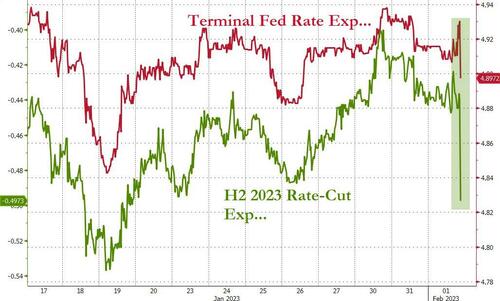
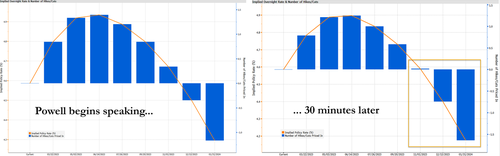
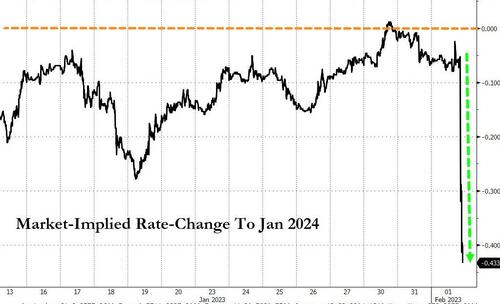
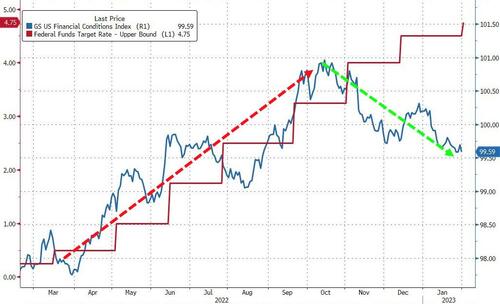
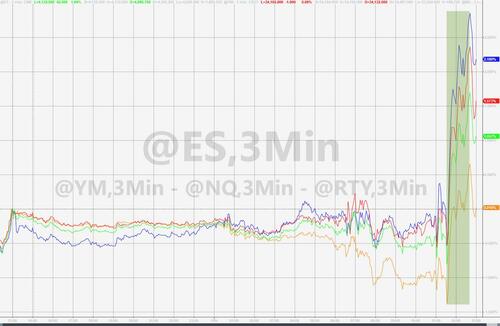
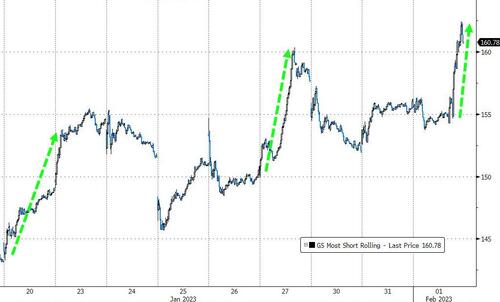
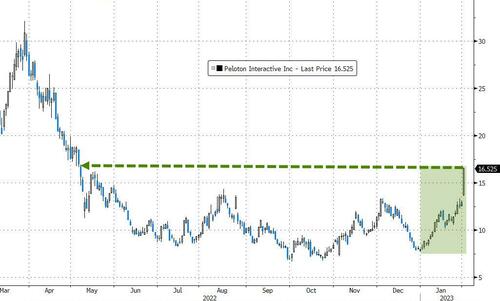
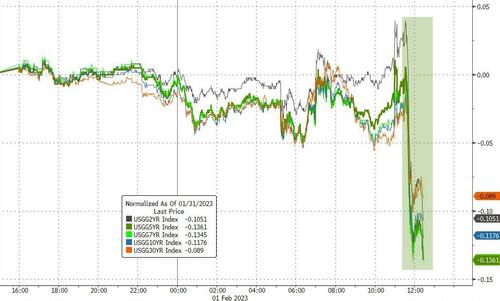


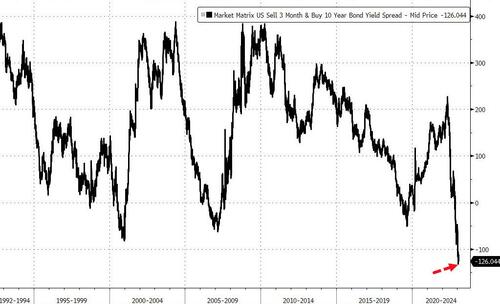
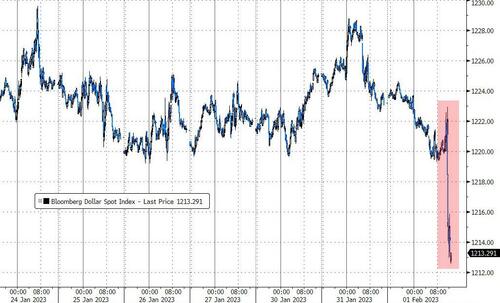
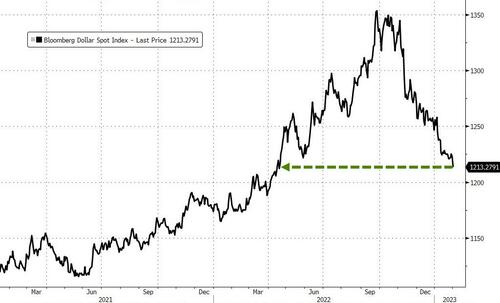
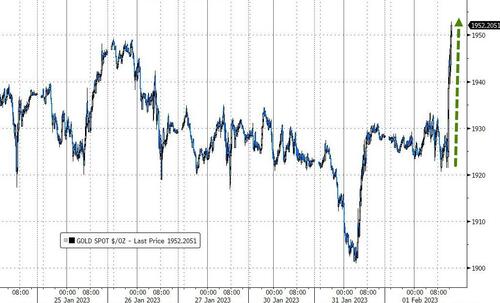
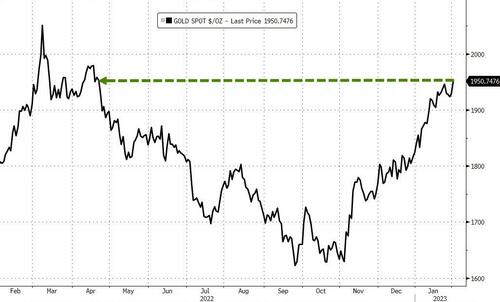
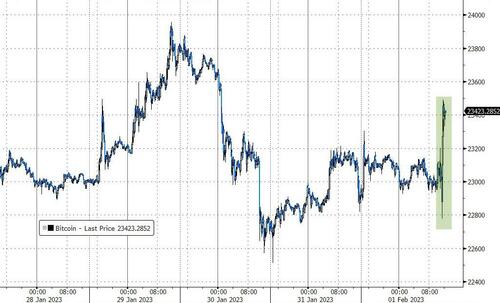
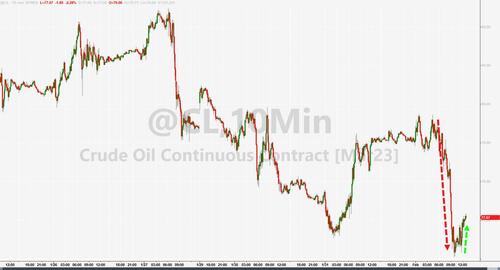
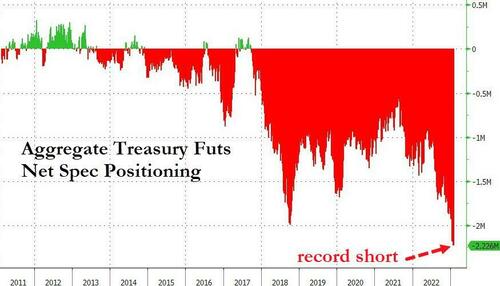
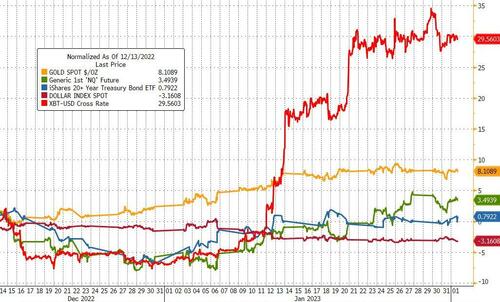
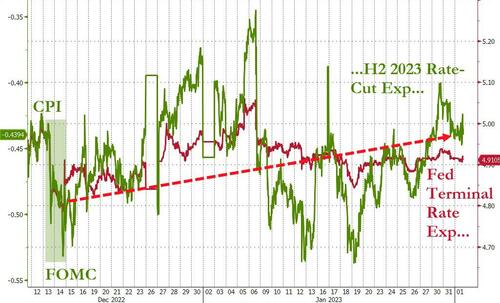
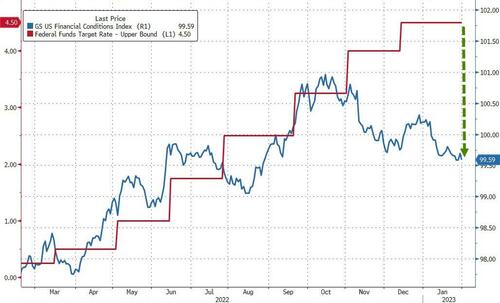
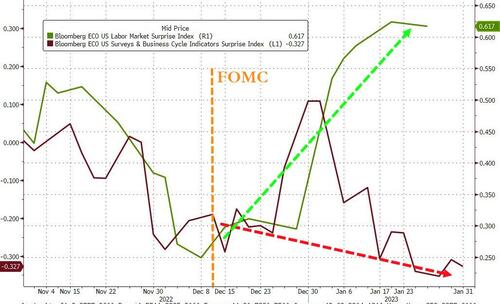
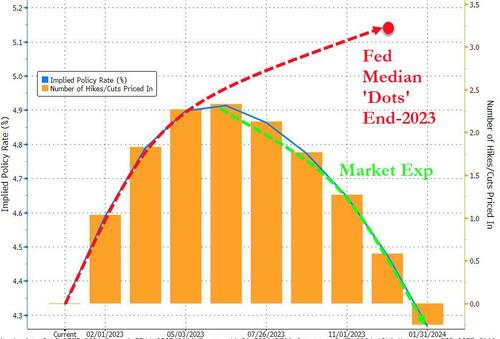
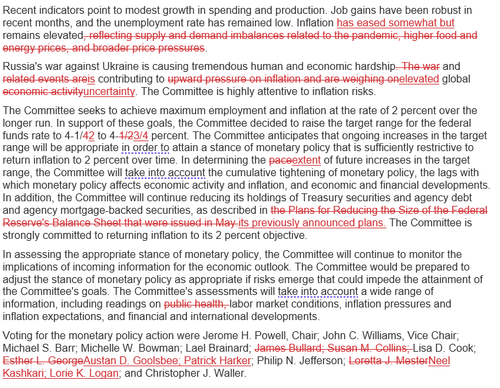
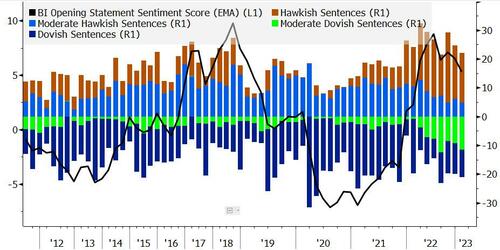





 harveyorganblog.com



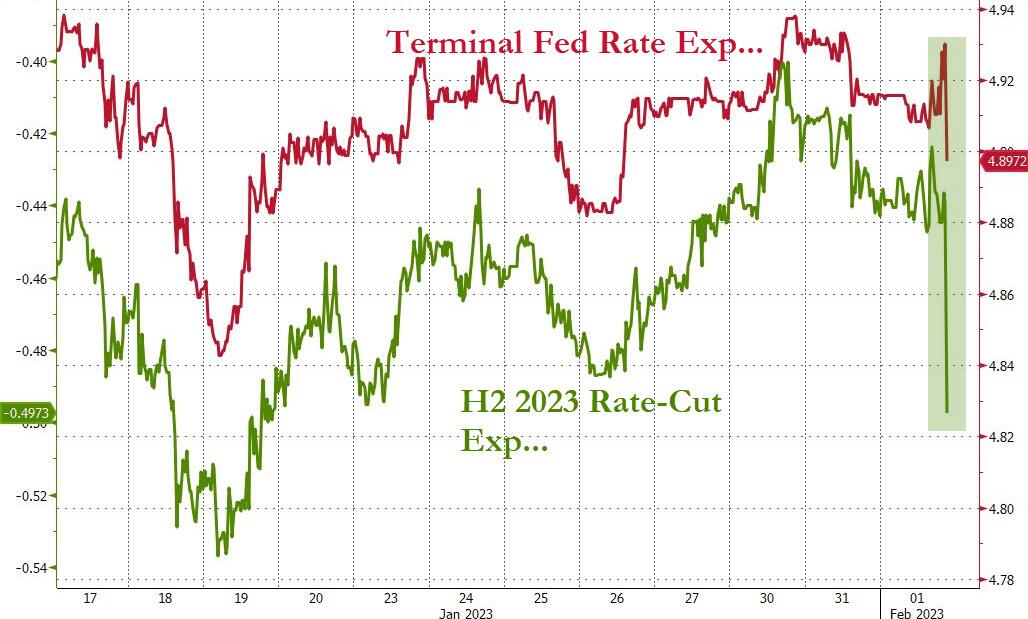
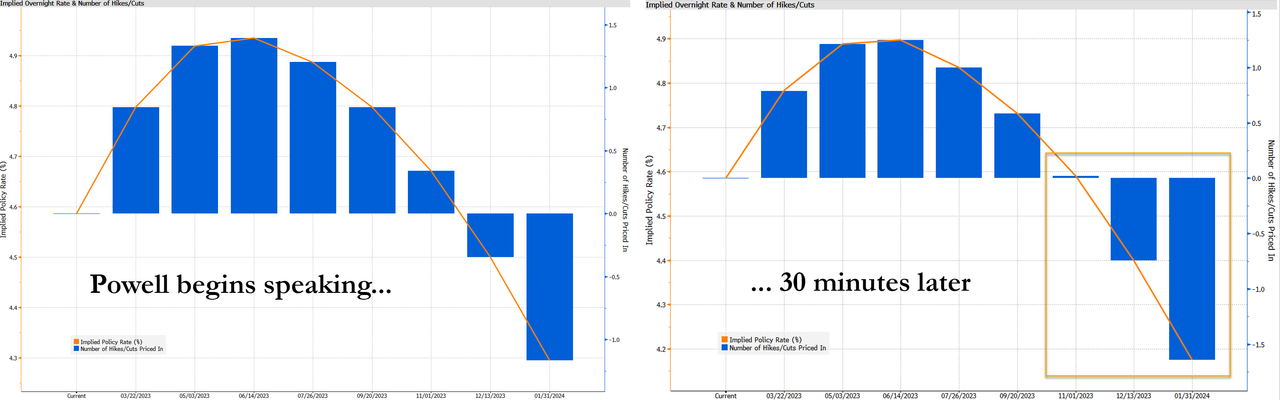
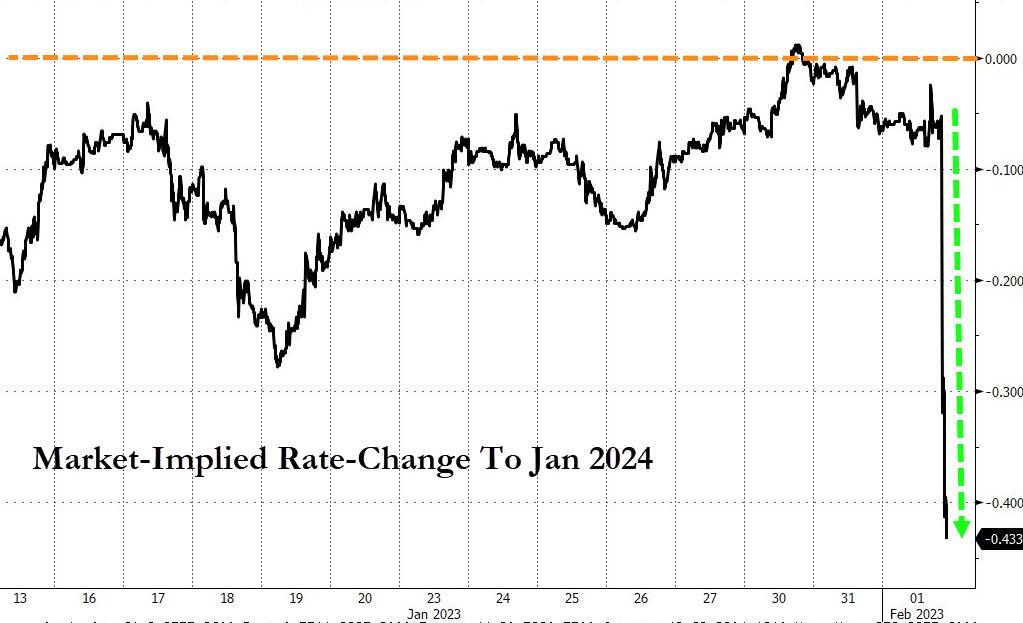
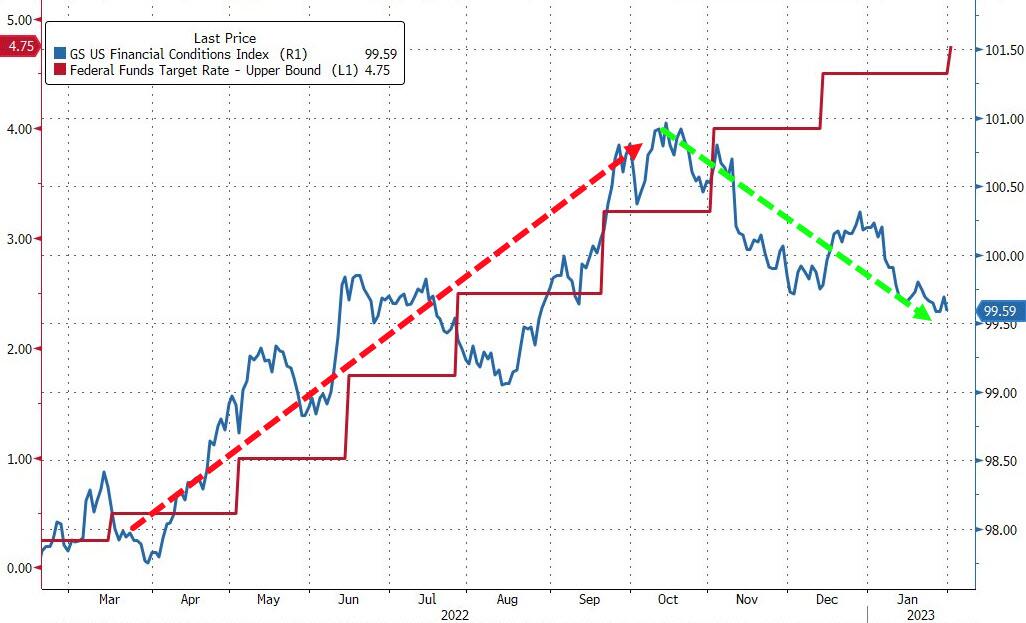
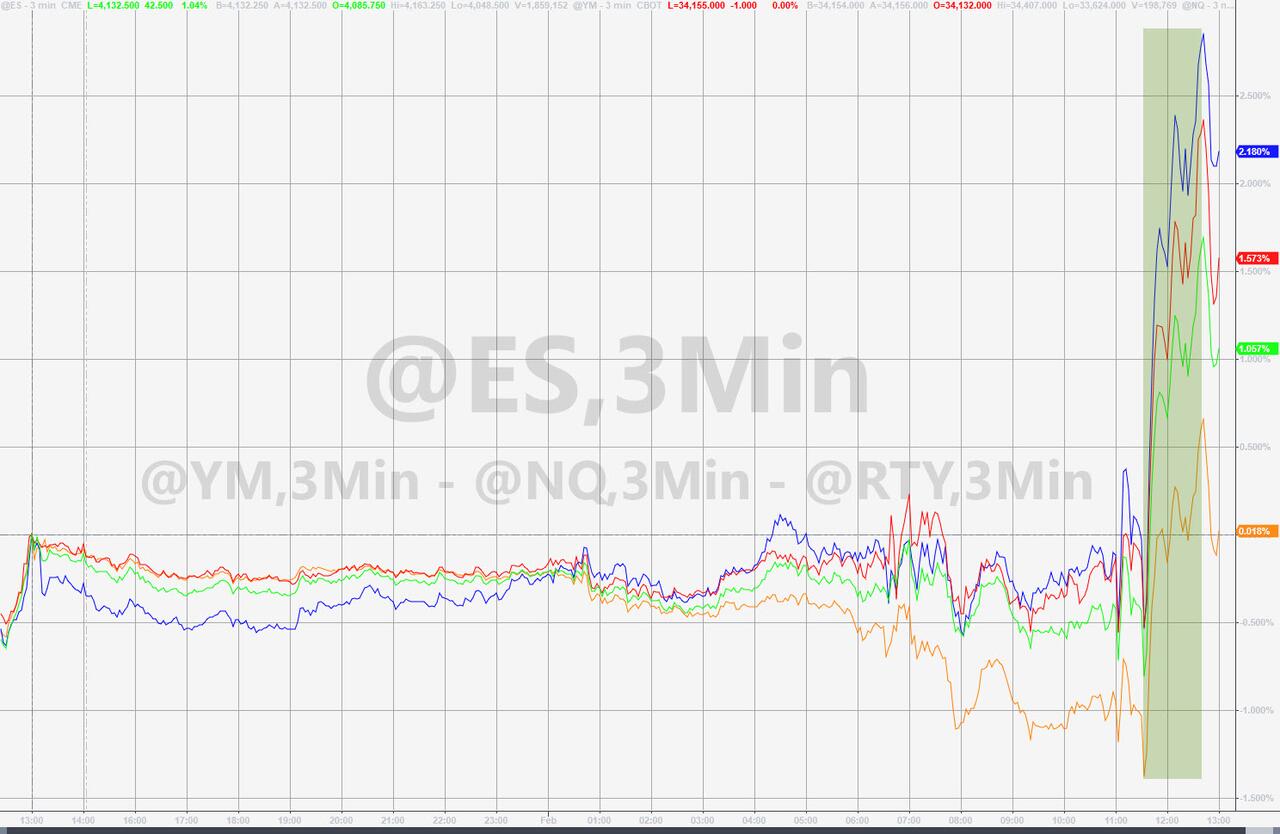
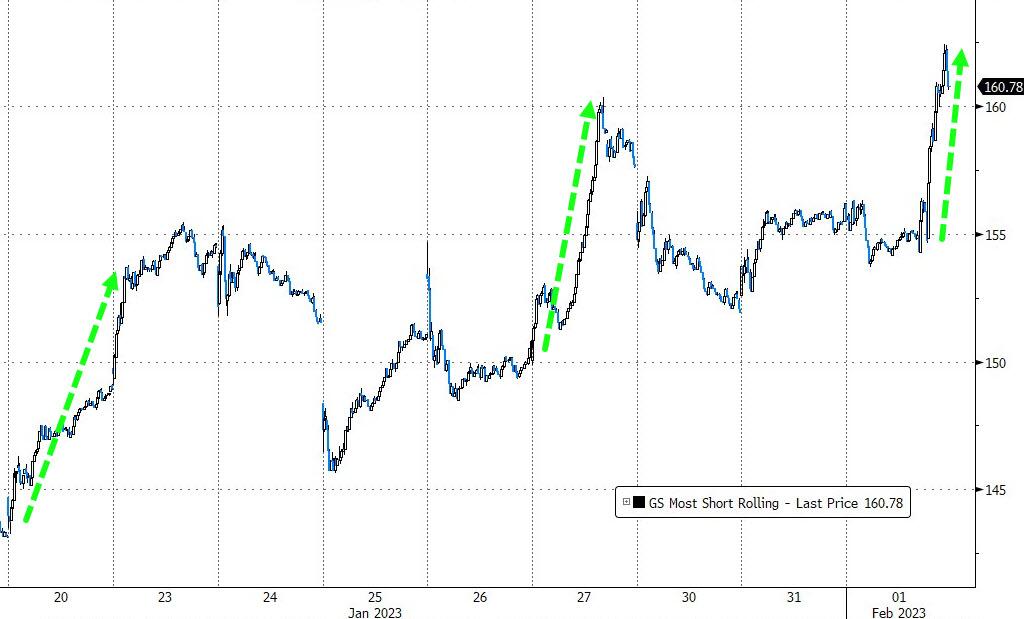
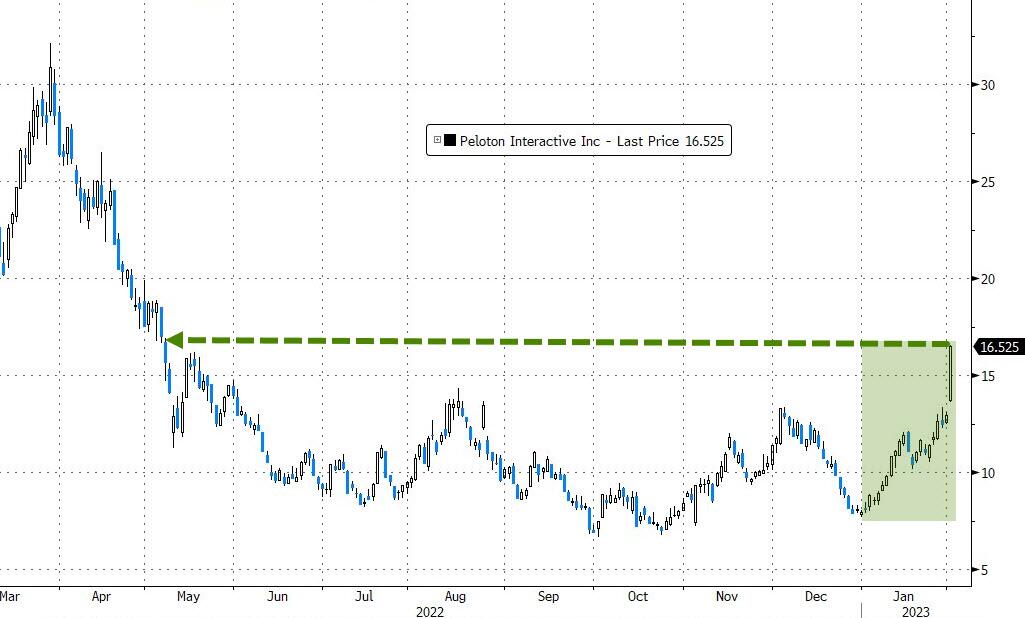
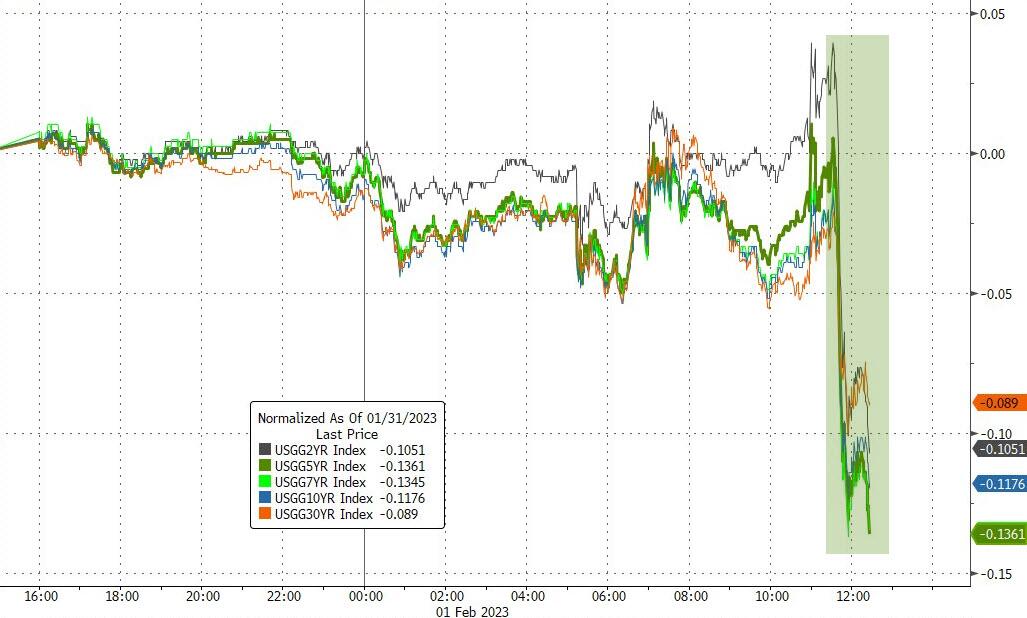
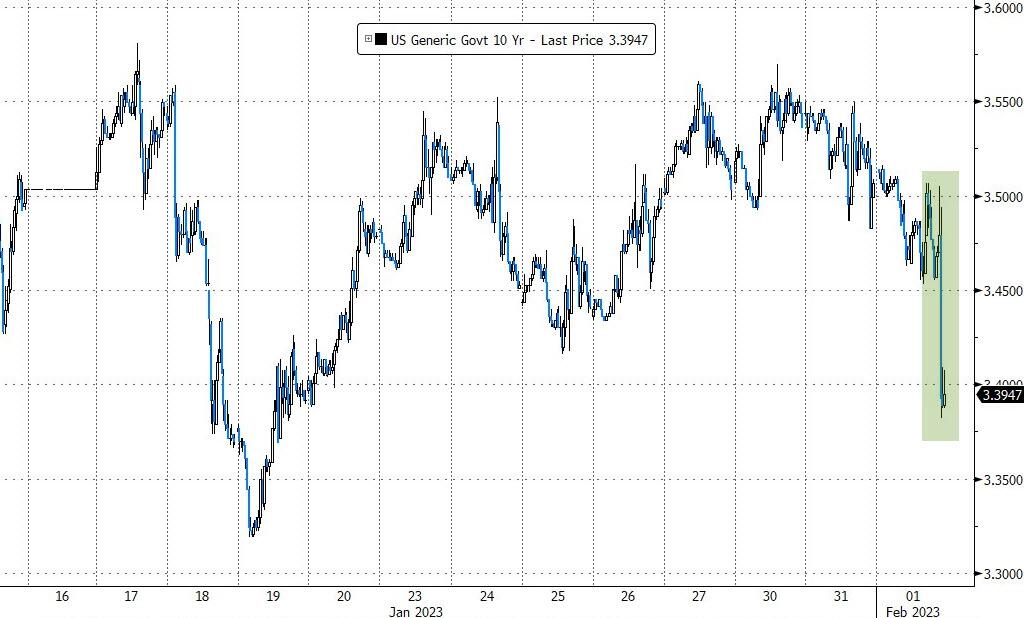
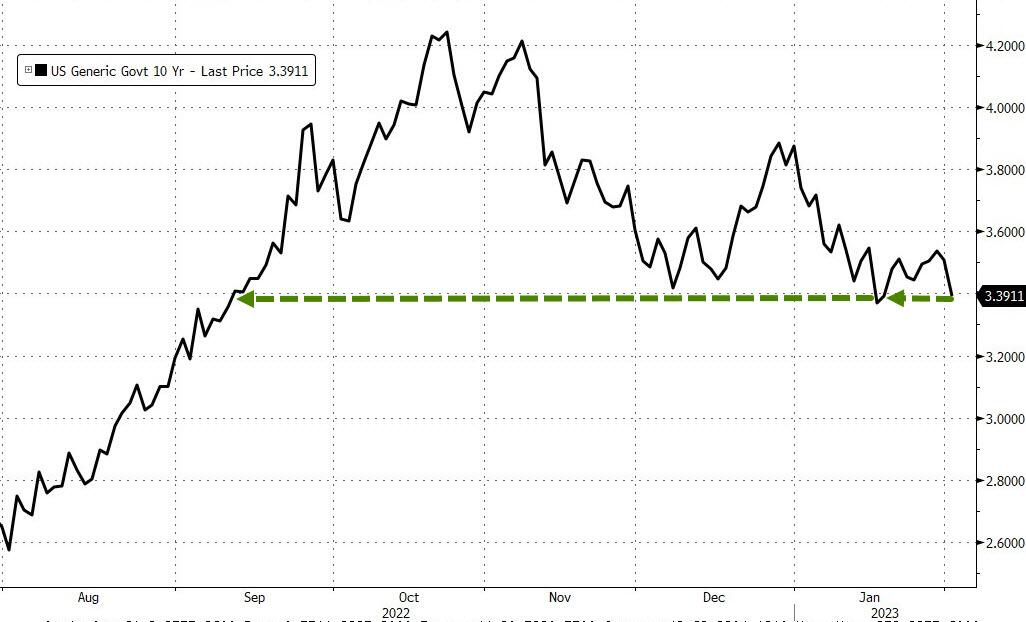

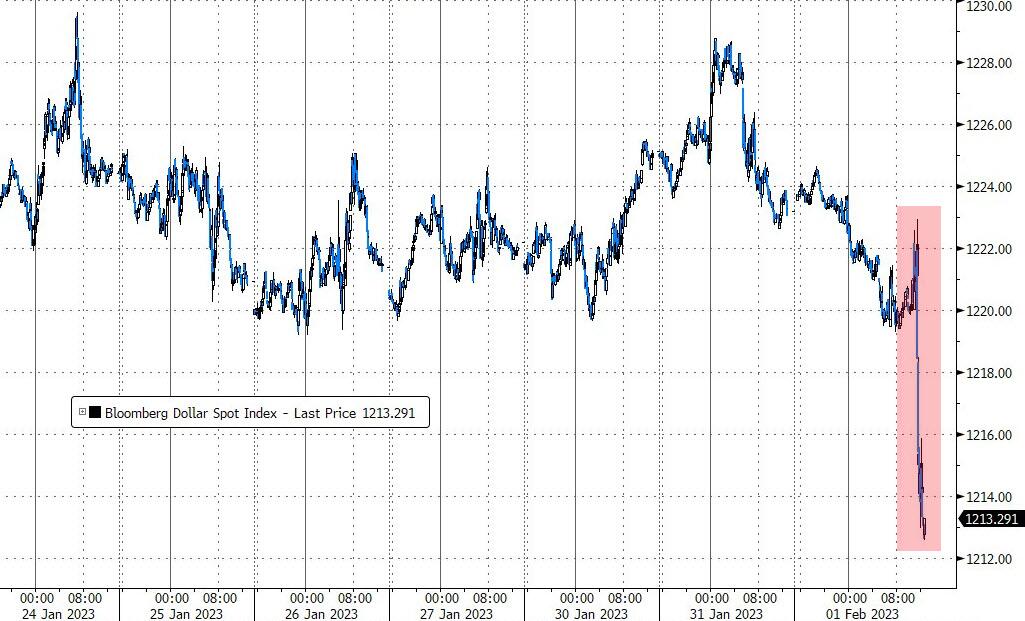
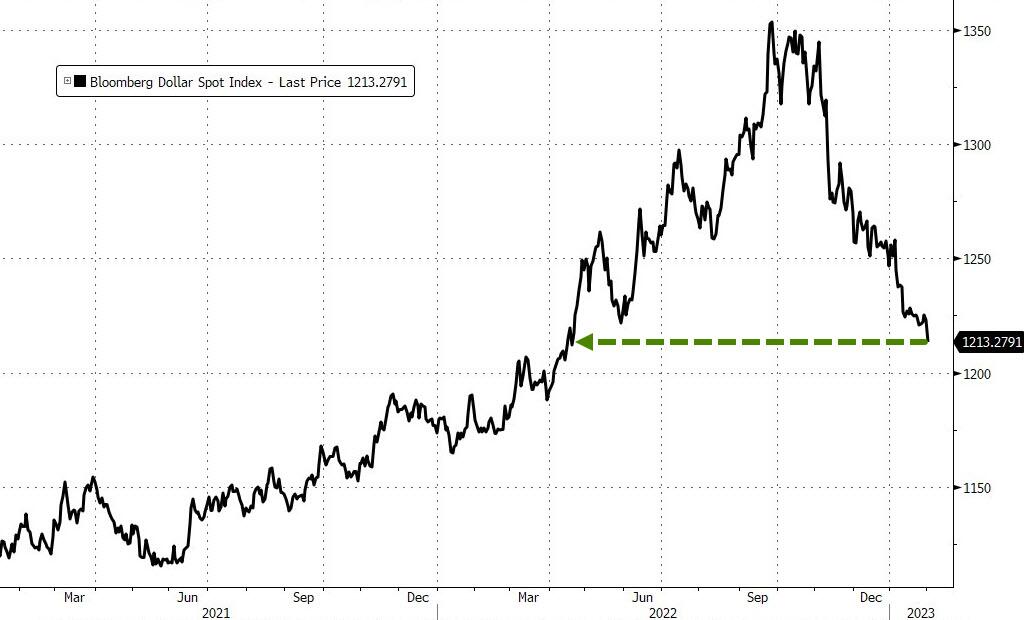

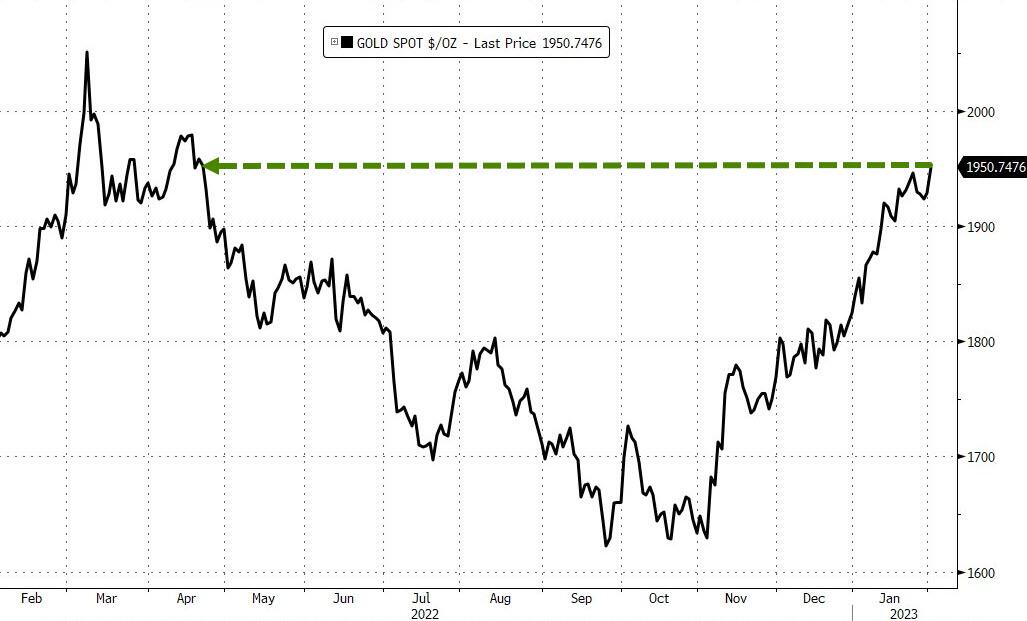
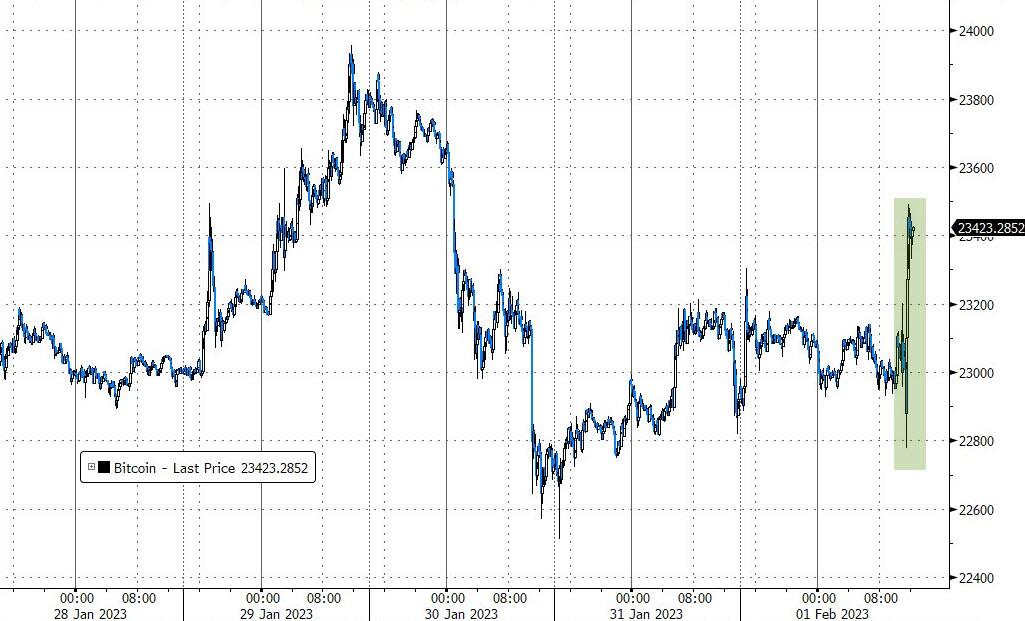
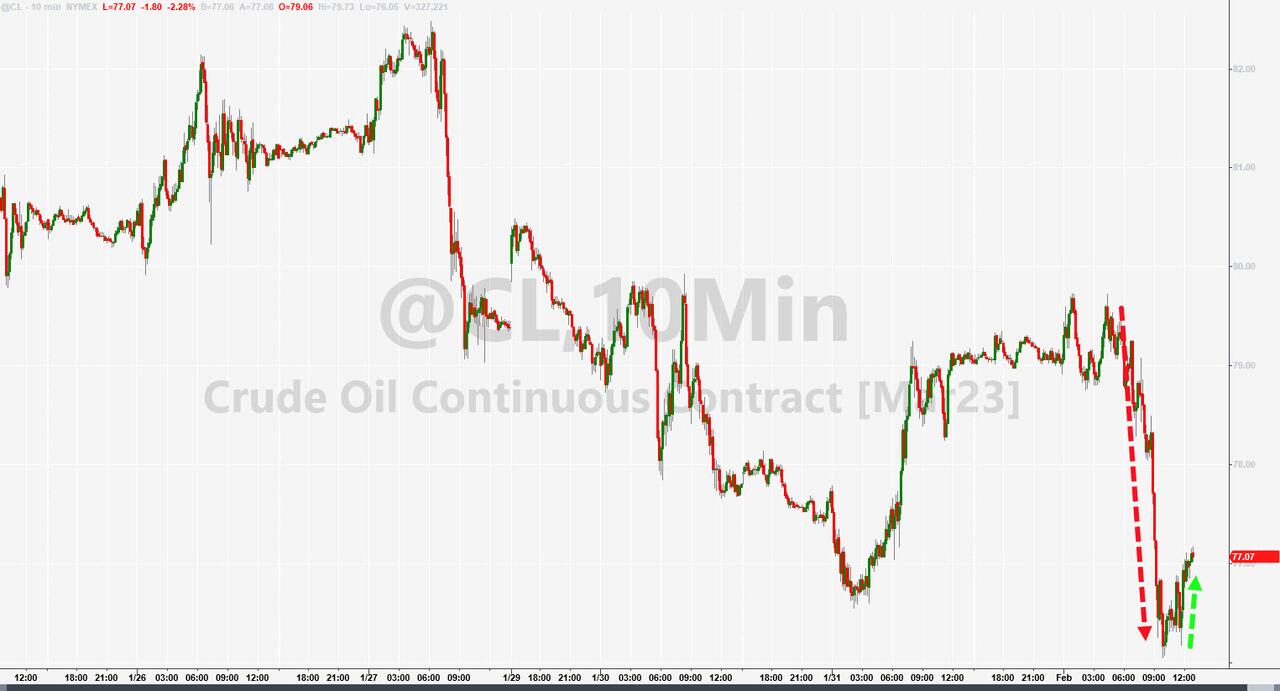
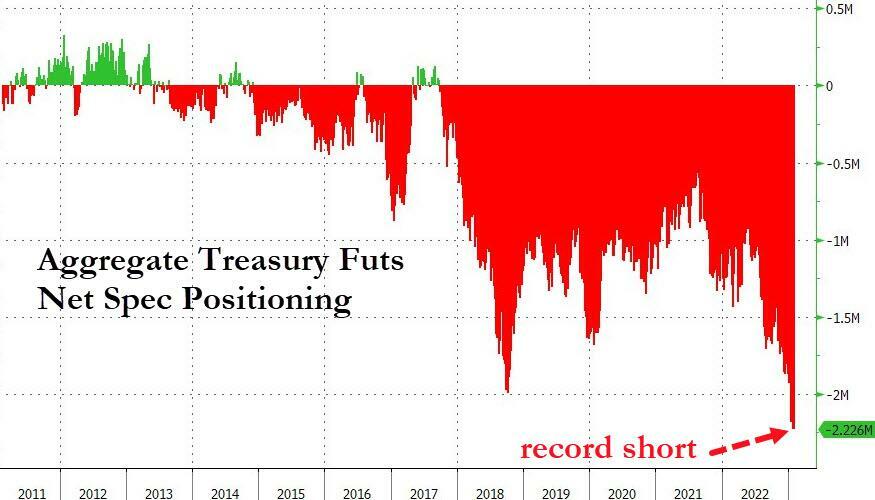
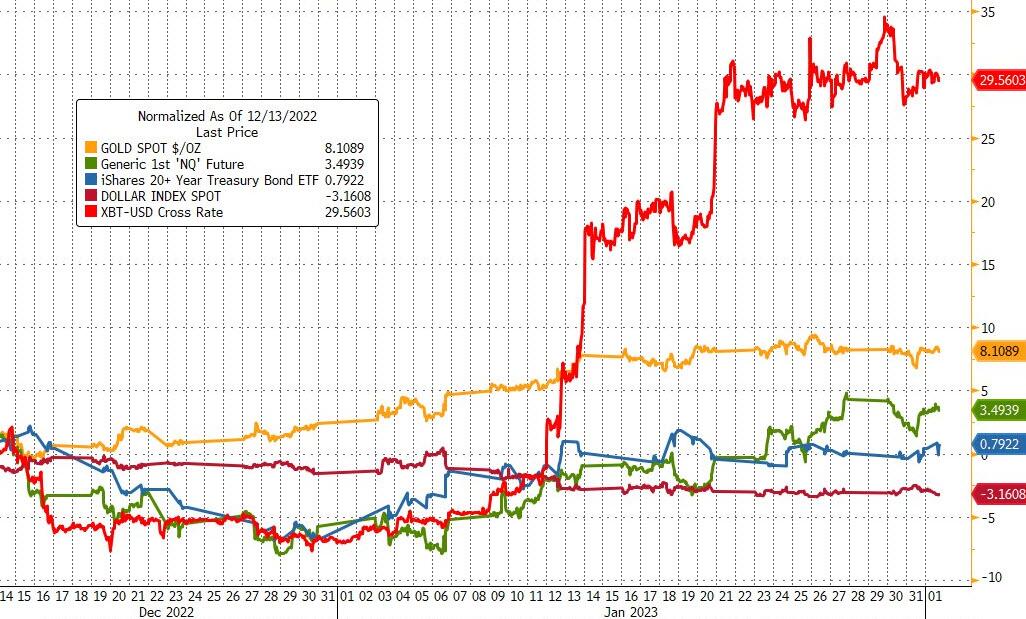
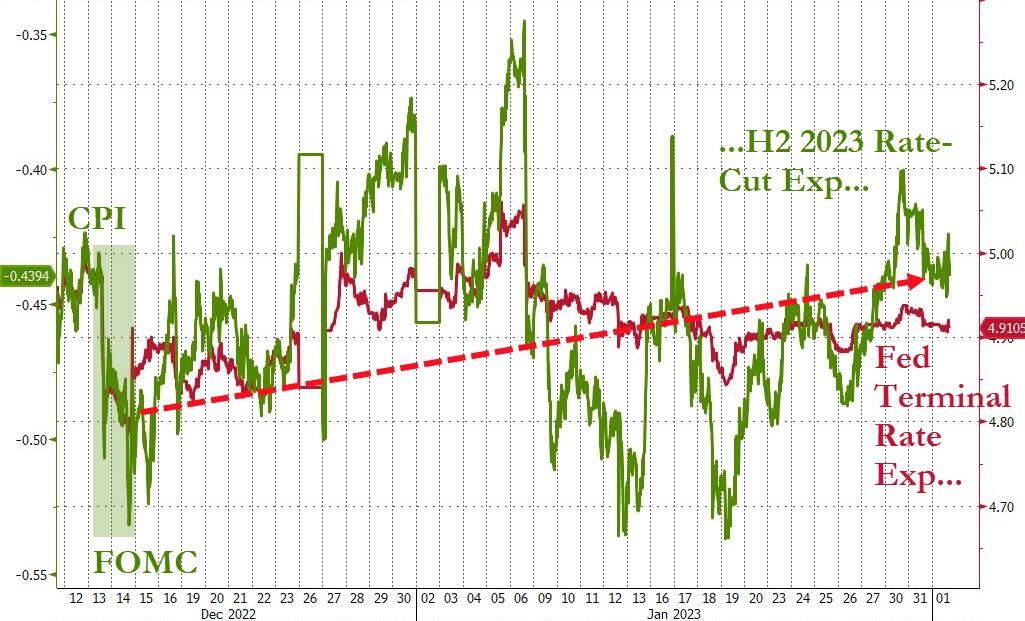
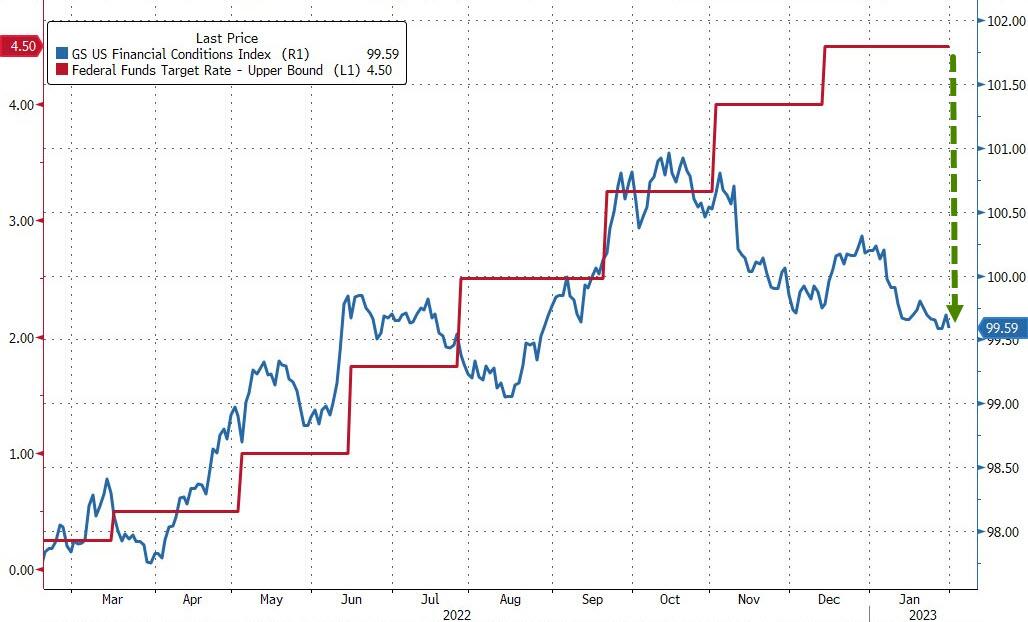
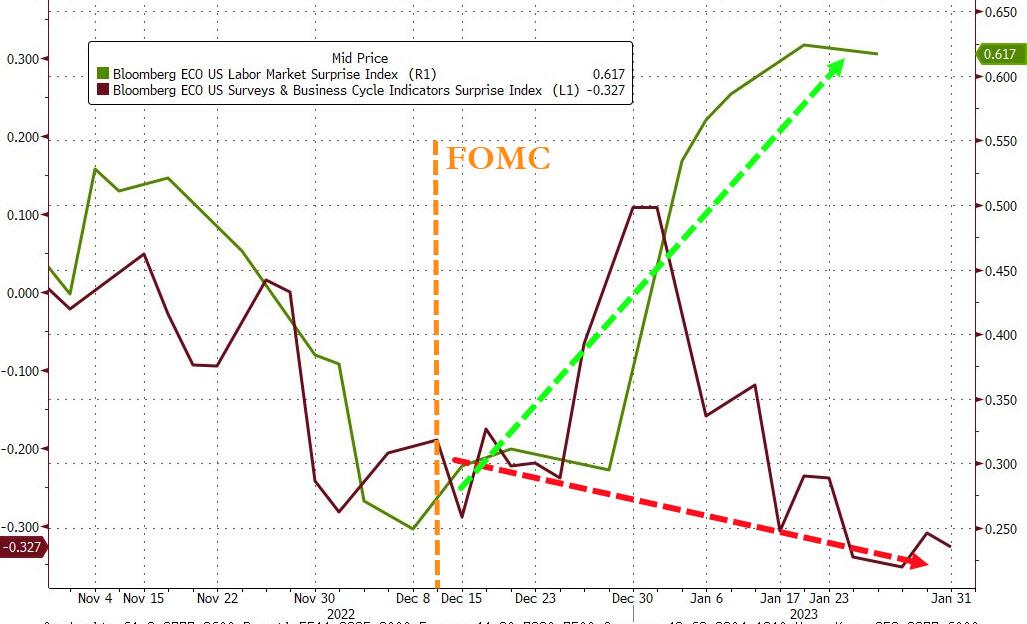
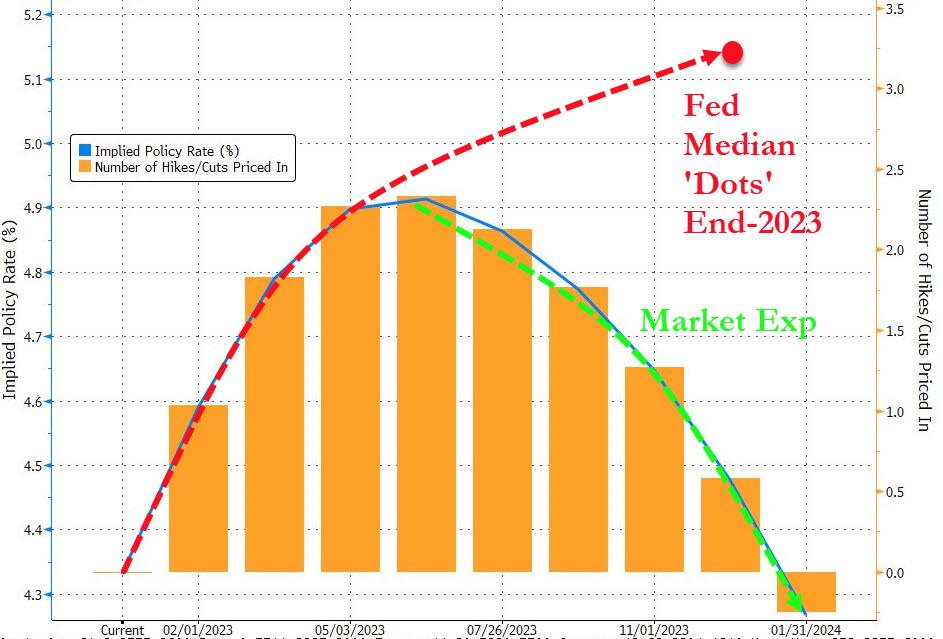

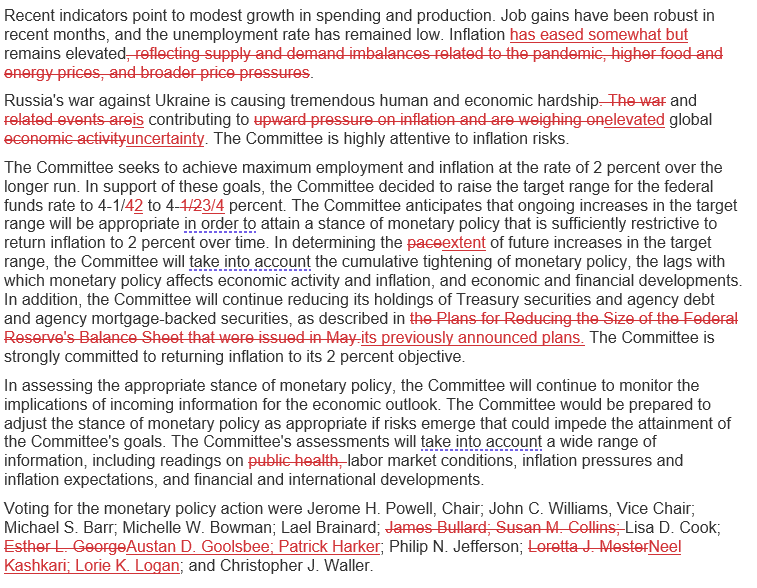

[…] by Harvey Organ, Harvey Organ Blog: […]
LikeLike