FEB 7/GOLD PRICE ROSE $5.25 TO $1872.20//SILVER CLOSED UP ONE CENT TO $22.15//PLATINUM CLOSED UP $3.70 WHILE PALLADIUM ROSE $52.35 TO $1650.95//COVID UPDATES: USA COVID COMMENTARY//VACCINE IMPACT//DR PAUL ALEXANDER//UKRAINE VS RUSSIA UPDATE//UPDATE ON THE EARTHQUAKE WHACKING TURKEY/SYRIA//USA TRADE DEFICIT RISES AGAIN/SWAMP STORIES TONIGHT//
072 C GOLDMAN 1 132 C SG AMERICAS 1 323 C HSBC 3 435 H SCOTIA CAPITAL 65 5 624 H BOFA SECURITIES 25 657 C MORGAN STANLEY 5 661 C JP MORGAN 21 800 C MAREX SPEC 8 2 880 C CITIGROUP 10
TOTAL: 73 73
DONATE
Click here if you wish to send a donation. I sincerely appreciate it as this site takes a lot of preparation.
GOLD: NUMBER OF NOTICES FILED FOR FEB/2023. CONTRACT: 73 NOTICES FOR 7300 OZ or 0.2270 TONNES
total notices so far: 12,559 contracts for 1,255,900 oz (39.063 tonnes)
SILVER NOTICES: 540 NOTICE(S) FILED FOR 2,700,000 OZ/
total number of notices filed so far this month :710 for 3,550,000 oz
END
GLD
WITH GOLD UP $5.25
INVESTORS SWITCHING TO SPROTT PHYSICAL (PHYS) INSTEAD OF THE FRAUDULENT GLD
///HUGE CHANGES IN GOLD INVENTORY AT THE GLD//A WITHDRAWAL OF 2.32 TONNES FROM THE GLD//
INVENTORY RESTS AT 917.92 TONNES
Silver//SLV
WITH NO SILVER AROUND AND SILVER UP $0.01
AT THE SLV// :/HUGE CHANGES IN SILVER INVENTORY AT THE SLV: A DEPOSIT OF 1.600 MILLION OZ OF SILVER INTO THE SLV/
INVESTORS ARE SWITCHING SLV TO SPROTT’S PSLV
CLOSING INVENTORY: 519.7 MILLION OZ (THIS IS ALSO A CRIME SCENE@!!!!
Let us have a look at the data for today
SILVER//OUTLINE
SILVER COMEX OI FELL BY A GIGANTIC SIZED 4116 CONTRACTS TO 135,663 AND FURTHER THE RECORD HIGH OI OF 244,710, SET FEB 25/2020 AND THE HUGE LOSS IN COMEX OI WAS ACCOMPLISHED WITH OUR TINY $0.14 LOSS SILVER PRICING AT THE COMEX ON MONDAY. FOR THE TWO MONTHS, OUR BANKERS HAVE RETURNED TO BEING NET SHORT AND THUS WERE SUCCESSFUL IN KNOCKING THE PRICE OF SILVER DOWN (IT FELL BY $0.14. AND WERE SUCCESSFUL IN KNOCKING CONSIDERABLE SPEC LONGS, AS WE HAD AN ATMOSPHERIC SIZED LOSS ON OUR TWO EXCHANGES OF 3289 CONTRACTS. AS WELL, WE HAD 0 NOTICES FOR EXCHANGE FOR RISK TRANSFER (0.0 MILLION OZ. ) AS THE TOTAL ISSUED IN THIS CATEGORY SO FAR THIS MONTH TOTAL 1.775 MILLION OZ. WE HAVE FINISHED WITH OUR SPECS BEING SHORT AS THEY COVERED WITH THE RISE IN PRICE . WE HAVE NOW RETURNED TO OUR USUAL AND CUSTOMARY SCENARIO: BANKERS SHORT AND SPECS LONG.
WE MUST HAVE HAD: A HUGE ISSUANCE OF EXCHANGE FOR PHYSICALS( 827 CONTRACTS) iiii) AN INITIAL SILVER STANDING FOR COMEX SILVER MEASURING AT 0.540. MILLION OZ FOLLOWED BY TODAY’S MASSIVE 2.7 MILLION OS QUEUE JUMP O// NEW TOTALS STANDING = 3.650 MILLION OZ + 1.775 MILLION OF EXCHANGE FOR RISK//TOTAL STANDING 5.425 MILLION OZ//// V) GIGANTIC SIZED COMEX OI LOSS/ ATMOSPHERIC SIZED EFP ISSUANCE/
I AM NOW RECORDING THE DIFFERENTIAL IN OI FROM PRELIMINARY TO FINAL -489
HISTORICAL ACCUMULATION OF EXCHANGE FOR PHYSICALS FEB. ACCUMULATION FOR EFP’S SILVER/JPMORGAN’S HOUSE OF BRIBES/STARTING FROM FIRST DAY/MONTH OF FEB:
TOTAL CONTRACTS for 5 days, total 6753 contracts: OR 33.765 MILLION OZ . (1351 CONTRACTS PER DAY)
TOTAL EFP’S FOR THE MONTH SO FAR: 33.765 MILLION OZ (HUGE)
.
LAST 17 MONTHS TOTAL EFP CONTRACTS ISSUED IN MILLIONS OF OZ:
MAY 137.83 MILLION
JUNE 149.91 MILLION OZ
JULY 129.445 MILLION OZ
AUGUST: MILLION OZ 140.120
SEPT. 28.230 MILLION OZ//
OCT: 94.595 MILLION OZ
NOV: 131.925 MILLION OZ
DEC: 100.615 MILLION OZ
JAN 2022// 90.460 MILLION OZ
FEB 2022: 72.39 MILLION OZ//
MARCH: 207.430 MILLION OZ//A NEW RECORD FOR EFP ISSUANCE
APRIL: 114.52 MILLION OZ FINAL//LOW ISSUANCE
MAY: 105.635 MILLION OZ//
JUNE: 94.470 MILLION OZ
JULY : 87.110 MILLION OZ
AUGUST: 65.025 MILLION OZ
SEPT. 74.025 MILLION OZ///FINAL
OCT. 29.017 MILLION OZ FINAL
NOV: 134.290 MILLION OZ//FINAL
DEC, 61.395 MILLION OZ FINAL
JAN 2023/// 53.070 MILLION OZ //FINAL
FEB: 2023: 33.765 MILLION OZ/INITIAL//HEADING FOR A RECORD MONTH OF ISSUANCE!!
RESULT: WE HAD A HUGE SIZED DECREASE IN COMEX OI SILVER COMEX CONTRACTS OF 4116 DESPITE OUR TINY $0.14 LOSS IN SILVER PRICING AT THE COMEX//MONDAY.,. THE CME NOTIFIED US THAT WE HAD A STRONG SIZED EFP ISSUANCE CONTRACTS: 827 CONTRACTS ISSUED FOR MAR AND 0 CONTRACTS ISSUED FOR ALL OTHER MONTHS) WHICH EXITED OUT OF THE SILVER COMEX TO LONDON AS FORWARDS./ WE HAVE A GOOD INITIAL SILVER OZ STANDING FOR FEB OF 0.54 MILLION OZ FOLLOWED BY TODAY’S 2,700,000 OZ QUEUE JUMP= NEW STANDING: 3.650 MILLION OZ + 1.775 MILLION OZ EXCHANGE FOR RISK://NEW STANDING ESCALATES TO 5.425 MILLION OZ .. WE HAVE AN ATMOSPHERIC SIZED LOSS OF 2800OI CONTRACTS ON THE TWO EXCHANGES DESPITE THE TINY FALL IN PRICE//AND THE MASSIVE QUEUE JUMP
WE HAD 540 NOTICE(S) FILED TODAY FOR 2,700,000 OZ
THE SILVER COMEX IS NOW BEING ATTACKED FOR METAL BY LONDONERS ET AL.
GOLD//OUTLINE
IN GOLD, THE COMEX OPEN INTEREST FELL BY A STRONG SIZED 7778 CONTRACTS TO 441,312 AND FURTHER FROM THE RECORD (SET JAN 24/2020) AT 799,541 AND PREVIOUS TO THAT: (SET JAN 6/2020) AT 797,110.
THE DIFFERENTIAL FROM PRELIMINARY OI TO FINAL OI IN GOLD TODAY: removed –320 CONTRACTS.
.
WE HAD A STRONG SIZED DECREASE IN COMEX OI ( 7778 CONTRACTS) DESPITE OUR $3.30 GAIN IN PRICE. WE ALSO HAD A SMALL INITIAL STANDING IN GOLD TONNAGE FOR FEB. AT 41.601 TONNES ON FIRST DAY NOTICE FOLLOWED BY TODAY’S E.F.P JUMP TO LONDON OF 6,000 OZ //NEW STANDING: 42.967 TONNES//(QUEUE JUMPING = EXERCISING LONDON BASED EFP’S ) (EFP is the transfer of contracts immediately to London for potential gold deliveries originating from London). TONNES
YET ALL OF..THIS HAPPENED WITH OUR $3.30 IN PRICEWITH RESPECT TO MONDAY’S TRADING
WE HAD A STRONG SIZED LOSS OF 5365 OI CONTRACTS (16.687 PAPER TONNES) ON OUR TWO EXCHANGES
E.F.P. ISSUANCE
THE CME RELEASED THE DATA FOR EFP ISSUANCE AND IT TOTALED A FAIR SIZED 2413 CONTRACTS:
The NEW COMEX OI FOR THE GOLD COMPLEX RESTS AT 441,312
IN ESSENCE WE HAVE A STRONG SIZED DECREASE IN TOTAL CONTRACTS ON THE TWO EXCHANGES OF 5365 CONTRACTS WITH 7778CONTRACTS DECREASED AT THE COMEX AND 2413 EFP OI CONTRACTS WHICH NAVIGATED OVER TO LONDON. THUS TOTAL OI LOSS ON THE TWO EXCHANGES OF 5365 CONTRACTS OR 15.692 TONNES.
CALCULATIONS ON GAIN/LOSS ON OUR TWO EXCHANGES
WE HAD A FAIR SIZED ISSUANCE IN EXCHANGE FOR PHYSICALS (2413 CONTRACTS) ACCOMPANYING THE STRONG SIZED LOSS IN COMEX OI (7778) TOTAL LOSS IN THE TWO EXCHANGES 5365 CONTRACTS. WE HAVE ( 1) NOW RETURNED TO OUR NORMAL FORMAT OF BANKERS GOING SHORT AND SPECULATORS GOING LONG ,2.) FAIR INITIAL STANDING AT THE GOLD COMEX FOR FEB. AT 41.601 TONNES FOLLOWED BY TODAY’S 6000 OZ E.F.P. JUMP TO LONDON // ///3) CONSIDERABLE LONG LIQUIDATION //4) STRONG SIZED COMEX OPEN INTEREST LOSS// 5) FAIR ISSUANCE OF EXCHANGE FOR PHYSICAL PAPER/
HISTORICAL ACCUMULATION OF EXCHANGE FOR PHYSICALS IN 2023 INCLUDING TODAY
FEB
ACCUMULATION OF EFP’S GOLD AT J.P. MORGAN’S HOUSE OF BRIBES: (EXCHANGE FOR PHYSICAL) FOR THE MONTH OF FEB :
21,299 CONTRACTS OR 2,129,900 OZ OR 66.24 TONNES 5 TRADING DAY(S) AND THUS AVERAGING: 4259 EFP CONTRACTS PER TRADING DAY
TO GIVE YOU AN IDEA AS TO THE SIZE OF THESE EFP TRANSFERS : THIS MONTH IN 5 TRADING DAY(S) IN TONNES 66.24 TONNES
TOTAL ANNUAL GOLD PRODUCTION, 2022, THROUGHOUT THE WORLD EX CHINA EX RUSSIA: 3555 TONNES
THUS EFP TRANSFERS REPRESENTS 66.24/3550 x 100% TONNES 1.85% OF GLOBAL ANNUAL PRODUCTION
SEPT 142.12 TONNES FINAL ISSUANCE ( LOW ISSUANCE)_
OCT: 141.13 TONNES FINAL ISSUANCE (LOW ISSUANCE)
NOV: 312.46 TONNES FINAL ISSUANCE//NEW RECORD!! (INCREASING DRAMATICALLY)//SIGN OF REAL STRESS//SURPASSING THE MARCH 2021 RECORD OF 276.50 TONNES OF EFP
DEC. 175.62 TONNES//FINAL ISSUANCE//
JAN:2022 247.25 TONNES //FINAL
FEB: 196.04 TONNES//FINAL
MARCH: 409.30 TONNES INITIAL( THIS IS NOW A RECORD EFP ISSUANCE FOR MARCH AND FOR ANY MONTH.
APRIL: 169.55 TONNES (FINAL VERY LOW ISSUANCE MONTH)
MAY: 247,44 TONNES FINAL//
JUNE: 238.13 TONNES FINAL
JULY: 378.43 TONNES FINAL
AUGUST: 180.81 TONNES FINAL
SEPT. 193.16 TONNES FINAL
OCT: 177.57 TONNES FINAL ( MUCH SMALLER THAN LAST MONTH)
NOV. 223.98 TONNES//FINAL ( MUCH LARGER THAN PREVIOUS MONTHS//comex running out of physical)
DEC: 185.59 tonnes // FINAL
JAN 2023: 228.49 TONNES FINAL//HUGE AMOUNT OF EFP’S ISSUED THIS MONTH!!
FEB: 66.24 TONNES/INITIAL (HEADING FOR ANOTHER RECORD ISSUANCE)
SPREADING OPERATIONS
(/NOW SWITCHING TO GOLD) FOR NEWCOMERS, HERE ARE THE DETAILS
SPREADING LIQUIDATION HAS NOW COMMENCED AS WE HEAD TOWARDS THE NEW ACTIVE FRONT MONTH OF FEB. WE ARE NOW INTO THE SPREADING OPERATION OF BOTH GOLD (
HERE IS A BRIEF SYNOPSIS OF HOW THE CROOKS FLEECE UNSUSPECTING LONGS IN THE SPREADING ENDEAVOUR ;MODUS OPERANDI OF THE CORRUPT BANKERS AS TO HOW THEY HANDLE THEIR SPREAD OPEN INTERESTS:HERE IS HOW THE CROOKS USED SPREADING AS WE ARE NOW INTO THE NON ACTIVE DELIVERY MONTH OF OCT HEADING TOWARDS THE ACTIVE DELIVERY MONTH OF FEB., FOR BOTH GOLD:
YOU WILL ALSO NOTICE THAT THE COMEX OPEN INTEREST STARTS TO RISE BUT SO IS THE OPEN INTEREST OF SPREADERS. THE OPEN INTEREST IN WILL CONTINUE TO RISE UNTIL ONE WEEK BEFORE FIRST DAY NOTICE OF AN UPCOMING ACTIVE DELIVERY MONTH (NOV), AND THAT IS WHEN THE CROOKS SELL THEIR SPREAD POSITIONS BUT NOT AT THE SAME TIME OF THE DAY. THEY WILL USE THE SELL SIDE OF THE EQUATION TO CREATE THE CASCADE (ALONG WITH THEIR COLLUSIVE FRIENDS) AND THEN COVER ON THE BUY SIDE OF THE SPREAD SITUATION AT THE END OF THE DAY. THEY DO THIS TO AVOID POSITION LIMIT DETECTION. THE LIQUIDATION OF THE SPREADING FORMATION CONTINUES FOR EXACTLY ONE WEEK AND ENDS ON FIRST DAY NOTICE.”
WHAT IS ALARMING TO ME, ACCORDING TO OUR LONDON EXPERT ANDREW MAGUIRE IS THAT THESE EFP’S ARE BEING TRANSFERRED TO WHAT ARE CALLED SERIAL FORWARD CONTRACT OBLIGATIONS AND THESE CONTRACTS ARE LESS THAN 14 DAYS. ANYTHING GREATER THAN 14 DAYS, THESE MUST BE RECORDED AND SENT TO THE COMPTROLLER, GREAT BRITAIN TO MONITOR RISK TO THE BANKING SYSTEM. IF THIS IS INDEED TRUE, THEN THIS IS A MASSIVE CONSPIRACY TO DEFRAUD AS WE NOW WITNESS A MONSTROUS TOTAL EFP’S ISSUANCE AS IT HEADS INTO THE STRATOSPHERE.
First, here is an outline of what will be discussed tonight:
1.Today, we had the open interest at the comex, in SILVER FELL BY A HUGE SIZED 4116 CONTRACTS OI TO 135,663 AND FURTHER FROM OUR COMEX HIGH RECORD //244,710(SET FEB 25/2020). THE LAST RECORDS WERE SET IN AUG.2018 AT 244,196 WITH A SILVER PRICE OF $14.78/(AUGUST 22/2018)..THE PREVIOUS RECORD TO THAT WAS SET ON APRIL 9/2018 AT 243,411 OPEN INTEREST CONTRACTS WITH THE SILVER PRICE AT THAT DAY: $16.53). AND PREVIOUS TO THAT, THE RECORD WAS ESTABLISHED AT: 234,787 CONTRACTS, SET ON APRIL 21.2017 OVER 5 YEARS AGO.
EFP ISSUANCE 827 CONTRACTS
OUR CUSTOMARY MIGRATION OF COMEX LONGS CONTINUE TO MORPH INTO LONDON FORWARDS AS OUR BANKERS USED THEIR EMERGENCY PROCEDURE TO ISSUE:
MAR 827 and ALL OTHER MONTHS: ZERO. TOTAL EFP ISSUANCE: 827 CONTRACTS. EFP’S GIVE OUR COMEX LONGS A FIAT BONUS PLUS A DELIVERABLE PRODUCT OVER IN LONDON. IF WE TAKE THE COMEX OI LOSS OF 4116 CONTRACTS AND ADD TO THE 827 OI TRANSFERRED TO LONDON THROUGH EFP’S,
WE OBTAIN AN ATMOSPHERIC SIZED LOSS OF 3289 OPEN INTEREST CONTRACTS FROM OUR TWO EXCHANGES.
THUS IN OUNCES, THE LOSS ON THE TWO EXCHANGES 16.445 MILLION OZ//
OCCURRED DESPITE OUR $0.14 LOSS IN PRICE ….. OUR SPEC SHORTS HAVE NOWHERE TO HIDE!
4. Chris Powell of GATA provides to us very important physical commentaries
end
5. Other gold/silver commentaries
6. Commodity commentaries//
7/CRYPTOCURRENCIES/BITCOIN ETC
3. ASIAN AFFAIRS
i)TUESDAY MORNING//MONDAY NIGHT
SHANGHAI CLOSED UP 9.48 PTS OR .29% //Hang Seng CLOSED UP 76.54 PTS OR 0.36% /The Nikkei closed DOWN 8,28 PTS OR 0.03% //Australia’s all ordinaries CLOSED DOWN .72% /Chinese yuan (ONSHORE) closed DOWN 6.7856 //OFFSHORE CHINESE YUAN DOWN TO 6.7948// /Oil UP TO 75.10 dollars per barrel for WTI and BRENT AT 81.78 / Stocks in Europe OPENED MOSTLY GREEN// ONSHORE YUAN TRADING ABOVE LEVEL OF OFFSHORE YUAN/ONSHORE YUAN TRADING WEAKER AGAINST US DOLLAR/OFFSHORE WEAKER
a)NORTH KOREA/SOUTH KOREA
outline
b) REPORT ON JAPAN/
OUTLINE
3 C CHINA
OUTLINE
4/EUROPEAN AFFAIRS
OUTLINE
5. RUSSIAN AND MIDDLE EASTERN AFFAIRS
OUTLINE
6.Global Issues//COVID ISSUES/VACCINE ISSUES
OUTLINE
7. OIL ISSUES
OUTLINE
8 EMERGING MARKET ISSUES
COMEX DATA//AMOUNTS STANDING//VOLUME OF TRADING/INVENTORY MOVEMENTS
GOLD
LET US BEGIN:
THE TOTAL COMEX GOLD OPEN INTEREST FELL BY A STRONG 7778 CONTRACTS DOWN TO 441,312 DESPITE OUR GAIN IN PRICE OF $3.30
FROM THE HUGE RAID INITIATED BY OUR BANKER FRIENDS FRIDAY.
EXCHANGE FOR PHYSICAL ISSUANCE
WE ARE NOW IN THE ACTIVE DELIVERY MONTH OF FEB… THE CME REPORTS THAT THE BANKERS ISSUED A FAIR SIZED TRANSFER THROUGH THE EFP ROUTE AS THESE LONGS RECEIVED A DELIVERABLE LONDON FORWARD TOGETHER WITH A FIAT BONUS.,
THAT IS 2413 EFP CONTRACTS WERE ISSUED: : APRIL 2413 & ZERO FOR ALL OTHER MONTHS:
TOTAL EFP ISSUANCE: 2413 CONTRACTS
WHEN WE HAVE BACKWARDATION, EFP ISSUANCE IS VERY COSTLY BUT THE REAL PROBLEM IS THE SCARCITY OF METAL AND IT IS FAR BETTER FOR OUR BANKERS TO PAY OFF INDIVIDUALS THAN RISK INVESTORS ESPECIALLY FROM LONDON STANDING FOR DELIVERY. THE LOWER PRICES IN THE FUTURES MARKET IS A MAGNET FOR OUR LONDONERS SEEKING PHYSICAL METAL. BACKWARDATION ALWAYS EQUAL SCARCITY OF METAL!
ON A NET BASIS IN OPEN INTEREST WE LOST THE FOLLOWING TODAY ON OUR TWO EXCHANGES: A STRONG SIZED TOTAL OF 5365 CONTRACTS IN THAT 2413LONGS WERE TRANSFERRED AS FORWARDS TO LONDON AND WE HAD A STRONG SIZED COMEX OI LOSS OF 7778 CONTRACTS..AND THIS STRONG SIZED LOSS ON OUR TWO EXCHANGES HAPPENED DESPITE OUR GAIN IN PRICE OF $3.30. WE ARE NOW WITNESSING THE BANKERS GOING NET SHORT AND THE SPECS GOING NET LONG. TODAY THE SPEC LONGS WERE RINSED OUT!!
// WE HAVE A STRONG AMOUNT OF GOLD TONNAGE STANDING: FEB (42.839)
TONNES),
HERE ARE THE AMOUNTS THAT STOOD FOR DELIVERY IN THE PRECEDING 12 MONTHS OF 2021-2022:
DEC 2021: 112.217 TONNES
NOV. 8.074 TONNES
OCT. 57.707 TONNES
SEPT: 11.9160 TONNES
AUGUST: 80.489 TONNES
JULY: 7.2814 TONNES
JUNE: 72.289 TONNES
MAY 5.77 TONNES
APRIL 95.331 TONNES
MARCH 30.205 TONNES
FEB ’21. 113.424 TONNES
JAN ’21: 6.500 TONNES.
TOTAL YEAR 2021 (JAN- DEC): 601.213 TONNES
YEAR 2022:
JANUARY 2022 17.79 TONNES
FEB 2022: 59.023 TONNES
MARCH: 36.678 TONNES
APRIL: 85.340 TONNES FINAL.
MAY: 20.11 TONNES FINAL
JUNE: 74.933 TONNES FINAL
JULY 29.987 TONNES FINAL
AUGUST:104.979 TONNES//FINAL
SEPT. 38.1158 TONNES
OCT: 77.390 TONNES/ FINAL
NOV 27.110 TONNES/FINAL
Dec. 64.541 tonnes(TOTAL THIS YEAR 656.076 TONNES
JAN/2023: 20.559 tonnes
FEB 2023: 42.839 tonnes
THE SPECS/HFT WERE UNSUCCESSFUL IN LOWERING GOLD’S PRICE( IT ROSE $3.30) //// BUT WERE QUITE SUCCESSFUL IN KNOCKING MANY SPECULATOR LONGS AS WE HAD A VERY STRONG SIZED LOSS OF 5365 CONTRACTS ON OUR TWO EXCHANGES
WE HAVE LOST A TOTAL OI OF 16.687 PAPER TONNES OF TOTAL OI FROM OUR TWO EXCHANGES, ACCOMPANYING OUR INITIAL GOLD TONNAGE STANDING FOR FEB. (41.219 TONNES) FOLLOWED BY TODAY’S E.F.P. JUMP TO LONDON OF 10,400 OZ OR 0..3235TONNES//new standing REDUCES TO 42.839 tonnes … ALL OF THIS WAS ACCOMPLISHED DESPITE OUR RISE IN PRICE TO THE TUNE OF $3.30.
WE HAD -320 CONTRACTS COMEX TRADES ADDED TO OPEN INTEREST AFTER TRADING ENDED LAST NIGHT
NET LOSS ON THE TWO EXCHANGES 5365 CONTRACTS OR 536500 OZ OR 16.687 TONNES
Estimated gold comex today169,218//poor//
final gold volumes/yesterday 172,032/// poor
INITIAL STANDINGS FOR FEB 2023 COMEX GOLD //FEB 7//
Total monthly oz gold served (contracts) so far this month
12,559 notices 1,255,900 39.063 TONNES
Total accumulative withdrawals of gold from the Dealers inventory this month
NIL oz
Total accumulative withdrawal of gold from the Customer inventory this month
xxx oz
i)Dealer deposits: 0
total dealer deposit: nil oz
No dealer withdrawals
Customer deposits: 1
i) Into Brinks: 2700.01 oz
total deposits: 2700.01 oz
customer withdrawals: 1
i) Out of JPMorgan: 96,453.000 tonnes or 3,000 kilobars
total withdrawals: 96,453.000 oz
total in tonnes: 3.000 tonnes
Adjustments:0
CALCULATIONS FOR THE AMOUNT OF GOLD STANDING FOR FEBRUARY.
For the front month of FEBRUARY we have an oi of 1,284 contracts having lost 422 contracts. We had 318 notices
filed yesterday so we lost 104 contracts or an additional 10,400 oz will not stand for metal at the comex and thus were EFP’d over to London. I guess there is no gold over here for the crooks to great their grubby hands on.
March lost 197 contracts to stand to 1981.
April lost 7650 contracts down to 364,613
We had 73 notice(s) filed today for 7300 oz
Today, 0 notice(s) were issued from J.P.Morgan dealer account and 0 notices were issued from their client or customer account. The total of all issuance by all participants equate to 73 contract(s) of which 0 notices were stopped (received) by j.P. Morgan dealer and 21 notice(s) was (were) stopped/ Received) by J.P.Morgan//customer account and 0 notice(s) received (stopped) by the squid (Goldman Sachs)
To calculate the INITIAL total number of gold ounces standing for the FEB. /2023. contract month,
we take the total number of notices filed so far for the month (12,559 x 100 oz ), to which we add the difference between the open interest for the front month of (FEBRUARY 1284 CONTRACTS) minus the number of notices served upon today 73 x 100 oz per contract equals 1,377,000 OZ OR 42.839 TONNES the number of TONNES standing in this active month of January.
thus the INITIAL standings for gold for the FEB contract month:
No of notices filed so far (12,559 x 100 oz+ 1284 OI for the front month minus the number of notices served upon today (73)x 100 oz} which equals 1,377,000 oz standing OR 42.839 TONNES in this active delivery month of FEBRUARY..
TOTAL COMEX GOLD STANDING: 42.770TONNES. SO JUST LIKE LAST MONTH WE START WITH A LOW INITIAL AMOUNT OF GOLD STANDING BUT THIS WILL GROW AS THE MONTH PROCEEDS TO ITS CONCLUSION.
To calculate the number of silver ounces that will stand for delivery in FEBRUARY. we take the total number of notices filed for the month so far at 710 x 5,000 oz = 3,550,000 oz
to which we add the difference between the open interest for the front month of FEB(560) and the number of notices served upon today 540 x (5000 oz) equals the number of ounces standing.
Thus the standings for silver for the FEB./2023 contract month:710 (notices served so far) x 5000 oz + OI for the front month of FEB (560 – number of notices served upon today (540) x 500 oz of silver standing for the FEB. contract month equates 3.650 million oz + PREVIOUS 1.775 MILLION OZ ( EXCHANGE FOR RISK) = 5.425MILLION OZ//(TOTAL OZ OF SILVER STANDING).
the record level of silver open interest is 234,787 contracts set on April 21./2017 with the price on that day at $18.42. The previous record was 224,540 contracts with the price at that time of $20.44
FEB 7/WITH GOLD UP $5.25 TODAY: HUGE CHANGES IN GOLD INVENTORY AT THE GLD: A WITHDRAWAL OF 2.32 TONNES OF GOLD FROM THE GLD////INVENTORY RESTS AT 917.92 TONNES
FEB 6/WITH GOLD UP $3.30 TODAY: NO CHANGES IN GOLD INVENTORY AT THE GLD//INVENTORY RESTS AT 920.24 TONNES
FEB 3/WITH GOLD DOWN $52.55 TODAY: STRANGE: BIG CHANGES AGAIN IN GOLD INVENTORY AT THE GLD: A DEPOSIT OF 1.74 TONNES OF GOLD INTO THE GLD///INVENTORY RESTS AT 920.24 TONNES
FEB 2/WITH GOLD $10.95 TODAY: BIG CHANGE IN GOLD INVENTORY AT THE GLD: A DEPOSIT OF 1.44 TONNES OF GOLD INTO THE GLD////INVENTORY RESTS AT 918.50 TONNES
FEB 1/WITH GOLD DOWN $2.55 TODAY: NO CHANGES IN GOLD INVENTORY AT THE GLD//INVENTORY RESTS AT 917.06 TONNES
JAN 31/WITH GOLD UP $6.55 TODAY; BIG CHANGES IN GOLD INVENTORY AT THE GLD: A WITHDRAWAL OF 1.44 TONNES OF GOLD FROM THE GLD////INVENTORY RESTS AT 917.06 TONNES
JAN 30/WITH GOLD DOWN $6.00 TODAY: SMALL CHANGES IN GOLD INVENTORY AT THE GLD: A WITHDRAWAL OF .87 TONNES OF GOLD FROM THE GLD.//INVENTORY RESTS AT 918.50 TONNES
JAN 27/WITH GOLD DOWN $0.85 TODAY: NO CHANGES IN GOLD INVENTORY AT THE GLD/INVENTORY RESTS AT 919.37 TONNES
JAN 26/WITH GOLD DOWN $11.55 TODAY; HUGE CHANGES IN GOLD INVENTORY AT THE GLD: A DEPOSIT OF 2.03 TONNES OF GOLD INTO THE GLD////INVENTORY RESTS AT 919.37 TONNES
JAN 25/WITH GOLD UP $7.55 TODAY: SMALL CHANGES IN GOLD INVENTORY AT THE GLD: A DEPOSIT OF .28 TONNES OF GOLD INTO THE GLD/INVENTORY RESTS AT 917.34 TONNES
JAN 24/WITH GOLD UP $7.35 TODAY: NO CHANGES IN GOLD INVENTORY AT THE GLD//INVENTORY RESTS AT 917.06 TONNES
JAN 23/WITH GOLD UP $0.25 TODAY: HUGE CHANGES IN GOLD INVENTORY AT THE GLD: A DEPOSIT OF 4.63 TONNES OF GOLD INTO THE GLD////INVENTORY RESTS AT 917.06 TONNES
JAN 20/WITH GOLD UP $4.75 TODAY;BIG CHANGES IN GOLD INVENTORY AT THE GLD: A DEPOSIT OF 1.45 TONNES OF GOLD INTO THE GLD////INVENTORY RESTS AT 912.43 TONNES
JAN 19/WITH GOLD UP $16.95 TODAY; HUGE CHANGES IN GOLD INVENTORY AT THE GLD: A DEPOSIT OF 1.74 TONNES INTO THE GLD///INVENTORY RESTS AT 910.98TONNES
JAN 18/WITH GOLD DOWN $1.95 TODAY; HUGE CHANGES IN GOLD INVENTORY AT THE GLD: A WITHDRAWAL OF 2.9 TONNES FROM THE GLD////INVENTORY RESTS AT 909.24 TONNES
JAN 17/WITH GOLD DOWN $11.45 TODAY; NO CHANGES IN GOLD INVENTORY AT THE GLD//INVENTORY RESTS AT 912.14 TONNES
JAN 13/WITH GOLD UP $22.90 TODAY: SMALL CHANGES IN GOLD INVENTORY AT THE GLD: A WITHDRAWAL OF .29 TONNES FROM THE GLD///INVENTORY RESTS AT 912.14 TONNES
JAN 12/WITH GOLD UP $20.55 TODAY: BIG CHANGES IN GOLD INVENTORY AT THE GLD: A WITHDRAWAL OF 1.74 TONNES FROM THE GLD///INVENTORY RESTS AT 912.43 TONNES
JAN 11/WITH GOLD UP $1.20 TODAY: NO CHANGES IN GOLD INVENTORY AT THE GLD//INVENTORY RESTS AT 914.17 TONNES
JAN 10/WITH GOLD UP $1.00 TODAY: NO CHANGES IN GOLD INVENTORY AT THE GLD///INVENTORY RESTS AT 915.33 TONNES
JAN 9/WITH GOLD UP $ 8.60 TODAY: BIG CHANGES IN GOLD INVENTORY AT THE GLD: A WITHDRAWAL OF 1.44 TONNES FROM THE GLD//.//INVENTORY RESTS AT 915.33 TONNES
JAN 6/WITH GOLD UP $28.80 TODAY: NO CHANGES IN GOLD INVENTORY AT THE GLD//INVENTORY RESTS AT 916.77 TONNES
JAN 5/WITH GOLD DOWN $17.05 TODAY: BIG CHANGES IN GOLD INVENTORY AT THE GLD: A WITHDRAWAL OF .87 TONNES FORM THE GLD////INVENTORY RESTS AT 916.77 TONNES
JANUARY 4/WITH GOLD UP $32.40 TODAY: NO CHANGES IN GOLD INVENTORY AT THE GLD//INVENTORY RESTS AT 917.64 TONNES
JAN 3/WITH GOLD UP $20.00 TODAY: SMALL CHANGES IN GOLD INVENTORY AT THE GLD:STRANGE: A WITHDRAWAL OF .87 TONNES FORM THE GLD////INVENTORY RESTS AT 917.64 TONNES
GLD INVENTORY: 917.92 TONNES
Now the SLV Inventory/( vehicle is a fraud as there is no physical metal behind them
FEB 7/WITH SILVER UP 1 CENT TODAY: HUGE CHANGES IN SILVER INVENTORY AT THE SLV: A DEPOSIT OF 1.6 MILLION OZ OF SILVER INTO THE SLV///INVENTORY RESTS AT 519.700 MILLION OZ
FEB 6/WITH SILVER DOWN 14 CENTS: SMALL CHANGES SILVER INVENTORY AT THE SLV: A DEPOSIT OF .200 MILLION OZ INTO THE SLV////INVENTORY RESTS AT 518.10 MILLION OZ.
FEB 3/WITH SILVER $1.23 TODAY: NO CHANGES IN SILVER INVENTORY AT THE SLV//INVENTORY RESTS AT 517.90 MILLION OZ//
FEB 2/WITH SILVER UP 4 CENTS TODAY: HUGE CHANGES IN SILVER INVENTORY AT THE SLV: A WITHDRAWAL OF 1.11 MILLION OZ FROM THE SLV///INVENTORY RESTS AT 517.90 MILLION OZ
FEB 1/WITH SILVER DOWN 20 CENTS TODAY; BIG CHANGES IN SILVER INVENTORY AT THE SLV: A WITHDRAWAL OF 1.4 MILLION OZ OF SILVER FROM THE SLV////INVENTORY RESTS AT 519.000 MILLION OZ
JAN 31/WITH SILVER UP 12 CENTS TODAY; BIG CHANGES IN SILVER INVENTORY AT THE SLV: A WITHDRAWAL OF 1.5 MILLION OZ OF SILVER FROM THE SLV////INVENTORY RESTS AT 520.400 MILION OZ
JAN 30/WITH SILVER UP 12 CENTS TODAY: NO CHANGES IN SILVER INVENTORY AT THE SLV//INVENTORY RESTS AT 521.900 MILLION OZ.
JAN 27/WITH SILVER DOWN 42 CENTS TODAY: NO CHANGES IN SILVER INVENTORY AT THE SLV//INVENTORY RESTS AT 521.900 MILLION OZ//
JAN 26/WITH SILVER UP 8 CENTS TODAY: BIG CHANGES IN SILVER INVENTORY AT THE SLV: A DEPOSIT OF 900,000 OZ OF SILVER INTO THE SLV////INVENTORY RESTS AT 521.900 MILLION OZ//
JAN 25/WITH SILVER UP 19 CENTS TO TODAY: HUGE CHANGES IN SILVER INVENTORY AT THE SLV: A DEPOSIT OF 2.3 MILLION OZ OF SILVER INTO THE SLV////INVENTORY RESTS AT 521.000 MILLION OZ
JAN 24/WITH SILVER UP 21 CENTS TODAY: WHAT!! A MASSIVE CHANGES IN SILVER INVENTORY AT THE SLV: A DEPOSIT OF 20 MILLION OZ INTO THE SLV/( OCCURRED (LATE LAST NIGHT)//INVENTORY RESTS AT 518.70 MILLION OZ//
JAN 23/WITH SILVER DOWN 40 CENTS TODAY: HUGE CHANGES IN SILVER INVENTORY AT THE SLV: A DEPOSIT OF 1.4 MILLION OZ OF SILVER INTO THE SLV////INVENTORY RESTS AT 498.7 MILLION OZ//
JAN 20.WITH SILVER UP 9 CENTS TODAY; SMALL CHANGES IN SILVER INVENTORY AT THE SLV: A WITHDRAWAL OF 750,000 OZ OF SILVER FROM THE SLV////INVENTORY RESTS AT 497.300 MILLION OZ
JAN 19/WITH SILVER UP 24 CENTS TODAY:NO CHANGES IN SILVER INVENTORY AT THE SLV//INVENTORY RESTS AT 498.05 MILLION OZ
JAN 18/WITH SILVER DOWN 41 CENTS TODAY; HUGE CHANGES IN SILVER INVENTORY AT THE SLV: A WITHDRAWAL OF 8.15 MILLION OZ FROM THE SLV////INVENTORY RESTS AT 498.05 MILLION OZ///
JAN 17/WITH SILVER DOWN 35 CENTS TODAY: NO CHANGES IN SILVER INVENTORY AT THE SLV//INVENTORY RESTS AT 506.200 MILLION OZ//
JAN 13/WITH SILVER UP 46 CENTS TODAY:HUGE CHANGES IN SILVER INVENTORY AT THE SLV: A WITHDRAWAL OF 2.5 MILLION OZ FROM THE SLV..//INVENTORY RESTS AT 506.200 MILLION OZ//
JAN 12/WITH SILVER UP 44 CENTS TODAY: NO CHANGES IN SILVER INVENTORY AT THE SLV/INVENTORY RESTS AT 508.700 MILLION OZ/
JAN 11/WITH SILVER DOWN 17 CENTS TODAY: NO CHANGES IN SILVER INVENTORY AT THE SLV//INVENTORY RESTS AT 508.700MILLION OZ
JAN 10/WITH SILVER DOWN 21 CENTS TODAY: NO CHANGES IN SILVER INVENTORY AT THE SLV//INVENTORY RESTS AT 509.65 MILLION OZ
JAN 9/WITH SILVER DOWN 9 CENTS TODAY; NO CHANGES IN SILVER INVENTORY AT THE SLV//INVENTORY RESTS AT 509.65 MILLION OZ//
JAN 6/WITH SILVER UP 54 CENTS TODAY;BIG CHANGES IN SILVER INVENTORY AT THE SLV: A DEPOSIT OF 4.20 MILLION OZ INTO THE SLV////INVENTORY RESTS AT 509.65 MILLION OZ//
JAN 5/WITH SILVER DOWN 50 CENTS TODAY: BIG CHANGES IN SILVER INVENTORY AT THE SLV: A WITHDRAWAL OF 1.10 MILLION OZ FROM THE SLV///INVENTORY RESTS AT 505.45 MILLION OZ//
JAN 4/WITH SILVER DOWN 26 CENTS TODAY; HUGE CHANGES IN SILVER INVENTORY AT THE SLV: A WITHDRAWAL OF 1.3 MILLION OZ FROM THE SLV//INVENTORY RESTS AT 506.55 MILLION OZ/
JAN 3/WITH SILVER UP 24 CENTS TODAY: BIG CHANGES IN SILVER INVENTORY AT THE SLV: STRANGE: A WITHDRAWAL OF 1.2 MILLION OZ FROM THE SLV//////INVENTORY RESTS AT 507.85 MILLION OZ/
CLOSING INVENTORY 519.7 MILLION OZ//
PHYSICAL GOLD/SILVER STORIES
1:Peter Schiff
Peter Schiff: The Fed Can’t Fight What It Doesn’t Understand
With the Federal Reserve delivering a smaller 25 basis point rate hike at its February meeting, there is a perception that the central bank is nearing victory in the inflation fight. But as Peter Schiff pointed out during his podcast, Jerome Powell made several statements that indicate he doesn’t really understand inflation. That raises a question. How can the Fed fight what it doesn’t understand?
The markets are certainly behaving as if the tightening cycle is finished.
I think traders are looking at the softening economic data and a pullback in some of the inflation measures that we’ve had in recent months, and they think that the Fed is done hiking now even though Powell indicated that a couple more hikes are coming.”
Peter said the markets also seem to believe that inflation is going to be coming down faster.
But the reality is inflation is not going to weaken. It’s going to strengthen. The economy is not only going to weaken, but weaken much more than the markets expect. So, the markets may in fact be right that the Fed stops hiking. But not because inflation comes down, but because the economy comes down, or because employment comes down and unemployment goes up. But as of now, everybody thinks everything is great. It’s a Goldilocks scenario. People are looking for a soft landing where the economy weakens just enough to bring down inflation but not enough to bring down corporate earnings.”
Peter said the weakness in the dollar is going to be the catalyst for another explosive move up in commodity prices.
And it’s the decline in commodity prices that is helping to keep down goods prices, which is why everybody is so convinced that we’ve seen the worst of inflation and it’s headed lower. But as commodities start to make new highs when the dollar makes new lows, that’s going to throw cold water on that theory, and people are once again going to be afraid of higher inflation. But I think the Fed is going to be afraid to fight it because it’s afraid of what that fight might do to a much weaker economy and much weaker labor market than what the Fed now expects.”
During his press conference, Jerome Powell acknowledged that pain inflation causes Americans.
Because the real cause of inflation is the US government and the Federal Reserve acting in concert with one another, where the US government spends money it doesn’t have, and then the Fed prints the money for the government to spend — that is why we have inflation. So, if inflation is causing an economic hardship, and if the government and the Fed cause inflation, then it’s the government and the Federal Reserve that are responsible for that hardship.”
Powell said in order to get inflation back to 2%, it will require below-trend economic growth for some time and a softening of labor market conditions. Peter said this is one of many economic concepts Powell got wrong.
In order to bring down inflation, you don’t need to restrain economic growth. You need to restrain the growth of the money supply. You need to restrain spending that results from money printing or excess credit.”
And we don’t need to put people out of work to bring down prices.
We need to put more people to work. That’s what we need. People working means we produce more stuff. The more stuff we have, the lower the price of that stuff.”
Peter pointed out that the large deficit spending going on in Washington D.C. is exacerbating the situation by flooding the economy with fiscal stimulus.
That is interfering with the Fed’s fight against inflation. If the Fed was really serious about fighting inflation, Powell would be demanding that the federal government cut spending. Instead he’s doing the opposite [by urging Congress to raise the debt ceiling].”
A reporter asked Powell if there is any evidence of a “wage-price spiral.” Peter noted that there can’t be any evidence of such a thing because it doesn’t exist.
The whole concept of a wage-price spiral was dreamed up by a bunch of Keynsian economists during the 1970s that were looking for a scapegoat to blame inflation on.”
Prices don’t go up because wages go up.
Wages are, in fact, prices. They’re just the price of labor. And prices don’t go up because prices go up. Wages go up and other prices go up because the government creates inflation. But Powell wants people to think that inflation is created by the private sector, that the Fed is just some innocent bystander — and the government.”
Peter said the fact Powell doesn’t understand this is more evidence that Powell doesn’t understand inflation.
Along those same lines, Powell said the Fed has a bedrock belief that consumer expectations play a large part in creating inflation. In other words, consumer perception of what might happen actually causes it to happen. Inflation becomes a self-fulfilling prophecy.
This is just another way for the Federal Reserve to point the blame for inflation at the private sector, at consumers, or maybe at businesses. But the reality is consumers are not causing inflation to go up because they expect it. Inflation is going up because the Fed is creating inflation, because the government is creating inflation. Consumers are simply reacting to the inflation that has already been created.”
If consumers suddenly decide there is no more inflation but the Fed keeps creating money out of thin air — creating inflation — it doesn’t matter. Consumers will still get higher prices no matter what they think.
This all raises an important question: if Jerome Powell and other central bankers at the Fed don’t understand inflation, how will they successfully fight it?
Short answer: they won’t.
In this podcast, Peter also talks about the market reaction to the FOMC meeting, economic data, and fraud surrounding PPP loans.
end
2 Lawrie Williams//Pam and Russ Martens/Jim Rickards/Mathew Piepenburg/Von Greyerz//Rickards:
looks like trouble is brewing at Goldman Sachs
(courtesy Pam and Russ Martens)
There Are Very Strange Things Going On at Goldman Sachs
By Pam Martens and Russ Martens: February 7, 2023 ~
Goldman Sachs’ online bank, Marcus, is offering an interest rate on its savings accounts that is 350 times the interest rate being offered by its competitors, JPMorgan Chase and Bank of America. That’s not normal. Not normal at all. (Above screen shots were taken this morning. Chase and Bank of America screen shots come from BankRate; Marcus screen shot comes from Marcus.)
Marcus is the online banking platform offered by Goldman Sachs Bank USA – a federally-insured bank backstopped by the U.S. taxpayer. But what 99 percent of Americans don’t know about Goldman Sachs Bank USA is that it is the unit of Goldman Sachs that holds trillions of dollars in derivatives, including the kind of credit derivatives that blew up the U.S. economy in 2008 and would have taken down Goldman Sachs were it not for sneaky bailouts.
According to the most recent report from the Office of the Comptroller of the Currency (OCC), Goldman Sachs Bank USA has $513.9 billion in assets and $50.97 trillion in derivatives as of September 30, 2022. Yes, you read that correctly. (See Table 24 of the OCC report.) The most dangerous of the derivatives, credit derivatives, tally up to $623.6 billion, which is $110 billion more than the bank has in assets.
This might help to explain why Goldman Sachs is offering 350 times the going interest rate of its competitors to attract deposits and shore up its capital base.
Other noteworthy things are happening at Goldman Sachs. On January 9, Reuters ran this headline: “Goldman Sachs readies biggest layoffs since the financial crisis,” noting that “over 3,000 employees will be let go….”
Eight days after the ax fell on more than 3,000 workers’ jobs, Goldman announced that its quarterly profit had plunged by 66 percent versus the prior year and that it was taking a $972 million provision for credit losses in the quarter. That credit loss provision compared to $344 million taken a year earlier.
Ten days later, the firm announced in a regulatory filing that its Chairman and CEO, David Solomon, would be getting a compensation package that was 29 percent less than the prior year – still an obscene $25 million for one year’s toils.
Goldman is also being negatively portrayed in the business press. On Saturday, Bill Cohan reported at the Financial Times that “Goldman Sachs has lost its swagger. The market value of the venerable 154-year-old investment bank, at $121bn, is now $42bn less than its longtime arch-rival Morgan Stanley. It used to be that Goldman was the more valuable bank for many years.” (“Venerable” is an interesting choice of words for Cohan to use to describe Goldman Sachs. See our report: Goldman Sachs Says Its Dark Pools Are Under Investigation – Along with About Everything Else the Firm Does.)
One day after Cohan’s article ran, Emily Flitter and Katherine Rosman reported at the New York Times that Goldman’s Solomon, who is pulling down a cool $25 mill at his day job, has a side hustle of DJ-ing at tiki bars and owns his own record label. (You can’t make this stuff up.)
Goldman is also dealing with a big problem with its Apple credit card. On August 4 of last year, Goldman Sachs provided the following disclosure when it filed its quarterly report (10-Q) with the Securities and Exchange Commission:
“The firm is cooperating with the Consumer Financial Protection Bureau in connection with an investigation of GS Bank USA’s credit card account management practices, including with respect to the application of refunds, crediting of nonconforming payments, billing error resolution, advertisements, and reporting to credit bureaus.”
As it turns out, there are hundreds of complaints filed with the Consumer Financial Protection Bureau by consumers using the Apple credit card that is provided by Goldman Sachs. The Apple credit card holders allege being put through a living hell by Goldman Sachs when fraudulent charges are made on their Apple credit card, along with a host of other problems. In typical Goldman Sachs style, it has managed to earn the hostility of everyday consumers, airline pilots, and even a police officer with its handling of credit card complaints.
The Apple credit card via Goldman Sachs was launched three years ago in August of 2019. Goldman wrote at the time: “Goldman Sachs is the issuer of the card and is responsible for underwriting, customer service, the underlying platform and all matters related to regulatory compliance through Goldman Sachs Bank USA.”
On January 13, Sridhar Natarajan at Bloomberg News reported how the Apple credit card was racking up losses at Goldman Sachs’ Platform Solutions division:
“The division’s $1 billion pretax loss reported for 2021 was mostly tied to the Apple Card, people with knowledge of the numbers said. And about $2 billion [in losses] in 2022 mainly stems from the Apple card and installment-lending platform GreenSky, the people said.”
Is it possible that Goldman Sachs needs a CEO with no side hustles?
3. Chris Powell of GATA provides to us very important physical commentaries//
Newmont will probably have to bid higher to gain back Newcrest which was once theirs. Newcrest was once Newmont’s Australian subsidiary
(Reuters)
Newmont bids for Australia’s Newcrest but it may not be enough
Submitted by admin on Mon, 2023-02-06 08:31Section: Daily Dispatches
By Melanie Burton and Scott Murdoch Reuters Monday, February 6, 2023
MELBOURNE, Australia — Top gold producer Newmont Corp said it had made a $16.9 billion offer for Australian peer Newcrest Mining Ltd. to build a global gold behemoth, although investors and analysts said it undervalued the target amid a leadership change.
Newcrest is seeking a new boss, with previous chief executive Sandeep Biswas having stepped down in December, while global interest rates are expected to peak this year and turn down, improving the outlook for gold prices.
If successful, the all-share deal would be the largest mining takeover and the third largest corporate buyout in Australian history, according to Refinitiv data.
The Australian gold miner said that it was considering the proposal. Newmont, the world’s biggest gold producer by market value and ounces produced, described the combination as “a powerful value proposition.”
However, the initial feedback from shareholders is that they want a higher price, according to a person familiar with Newcrest’s deliberations. …
Submitted by admin on Mon, 2023-02-06 09:41Section: Daily Dispatches
By John Stonestreet Reuters Monday, February 6, 2023
Swiss citizens will get the chance to try to ensure that their economy never becomes cashless, a pressure group said, after collecting enough signatures to trigger a popular vote on the issue.
The Free Switzerland Movement says cash is playing a shrinking role in many economies, as electronic payments become the default for transactions in increasingly digitised societies, making it easier for the state to monitor its citizens’ actions.
It wants a clause added to Switzerland’s currency law, which governs how the central bank and government manage the money supply, stipulating that a “sufficient quantity” of banknotes or coins must always remain in circulation. …
Digital Currency Group (DCG) plans to hand its equity stake in Genesis’ trading arm to Genesis Global, which will then be sold, pending court approval…
A Genesis creditor has revealed the new proposed restructuring plan between Genesis, Digital Currency Group and creditors will see creditors getting back at least 80% of their funds.
On Feb. 6, Genesis Global announced it reached an “agreement in principle” with Digital Currency Group (DCG) and its creditors, which will eventually see its crypto trading and market-making arm sold as part of restructuring efforts.
DCG would contribute its share of equity in Genesis Global Trading — Genesis’ brokerage subsidiary business — to Genesis Global Holdco, the holding entity for Genesis.
The transaction would bring all Genesis-related entities under the same holding company.
It will also refinance its existing 2023 term loans with an aggregate value of $526 million and make them payable to creditors.
The agreement will also see crypto exchange Gemini contribute $100 million for its Gemini Earn users who have funds frozen with the bankrupt firm.
Pending the close of these transactions, which need the necessary court approval, Genesis will seek to put its then-owned Genesis Global Trading entity up for sale.
A Feb. 6 user update from the Genesis creditor and crypto yield platform Donut said the plan “has a recovery rate of approximately $0.80 per dollar deposited, with a path to $1.00” for Genesis creditors.
It added the recoverable amount depends on the “equity note, realized liquidation prices and considers the unknown costs associated with the remainder of this bankruptcy.”
Genesis is currently restructuring as part of its Chapter 11 bankruptcy proceedings stemming from a liquidity crisis in November brought on by the bankruptcy of crypto exchange FTX.
Genesis Global Trading was not included in the company’s Chapter 11 filing at the time, with Genesis Global Holdco saying the business would “continue client trading operations.“
At an initial bankruptcy hearing in January, Genesis lawyers said that the firm was looking for a quick resolution to its creditor disputes and expressed optimistic that the company would come out of Chapter 11 proceedings by late May.
.
1. YOUR EARLY CURRENCY/GOLD AND SILVER PRICING/ASIAN AND EUROPEAN BOURSE MOVEMENTS/AND INTEREST RATE SETTINGS//TUESDAY MORNING.7:30 AM
ONSHORE YUAN: CLOSED DOWN TO 6.7856
OFFSHORE YUAN: 6.7948
SHANGHAI CLOSED UP 9.40 PTS OR .29%
HANG SENG CLOSED UP 76.54 PTS OR 0.36%
2. Nikkei closed DOWN 8.28 PTS OR 0.03%
3. Europe stocks SO FAR: MOSTLY GREEN
USA dollar INDEX UP TO 103.61 Euro FALLS TO 1.0702 DOWN 27 BASIS PTS
3b Japan 10 YR bond yield: RISES TO. +.490!!(Japan buying 100% of bond issuance)/Japanese yen vs usa cross now at 132.03/JAPANESE YEN RISING AS WELL AS LONG TERM 10 YR. YIELDS RISING //EVENTUALLY THIS WILL BREAK THE JAPANESE CENTRAL BANK.
3c Nikkei now ABOVE 17,000
3d USA/Yen rate now well ABOVE the important 120 barrier this morning
3e Gold UP /JAPANESE Yen UP CHINESE YUAN: DOWN-// OFF- SHORE: DOWN
3f Japan is to buy INFINITE TRILLION YEN’S worth of BONDS. Japan’s GDP equals 5 trillion usa
Japan to buy 100% of all new Japanese debt and NOW they will have OVER 50% of all Japanese debt.
3g Oil UP for WTI and UP FOR Brent this morning
3h European bond buying continues to push yields lower on all fronts in the EMU. German 10yr bund UP TO +2.3235%***/Italian 10 Yr bond yield RISES to 4.193%*** /SPAIN 10 YR BOND YIELD RISES TO 3.341…** DANGEROUS//
3i Greek 10 year bond yield RISES TO 4.154//
3j Gold at $1866.10//silver at: 22.14 7 am est) SILVER NEXT RESISTANCE LEVEL AT $30.00
3k USA vs Russian rouble;// Russian rouble DOWN 0 AND 8/100 roubles/dollar; ROUBLE AT 71.03//
3m oil into the 75 dollar handle for WTI and 81 handle for Brent/
3n Higher foreign deposits out of China sees huge risk of outflows and a currency depreciation. This can spell financial disaster for the rest of the world/
JAPAN ON JAN 29.2016 CONTINUES NIRP. THIS MORNING RAISES AMOUNT OF BONDS THAT THEY WILL PURCHASE UP TO .5% ON THE 10 YR BOND///YEN TRADES TO 132.03/10 YEAR YIELD AFTER BREAKING .54%, RISES TO .490% ON CENTRAL BANK (JAPAN) INTERVENTION
30 SNB (Swiss National Bank) still intervening again in the markets driving down the FRANC. It is not working: USA/SF this 0.9253–as the Swiss Franc is still rising against most currencies. Euro vs SF 0.9902well above the floor set by the Swiss Finance Minister. Thomas Jordan, chief of the Swiss National Bank continues to purchase euros trying to lower value of the Swiss Franc.
USA 10 YR BOND YIELD: 3.642% UP 1 BASIS PTS…GETTING DANGEROUS
USA 30 YR BOND YIELD: 3.690 UP 2 BASIS PTS//
USA DOLLAR VS TURKISH LIRA: 18,83…
GREAT BRITAIN/10 YEAR YIELD: 3.3415% UP 10 BASIS PTS
end
i.b Overnight: Newsquawk and Zero hedge:
FIRST, ZEROHEDGE (PRE USA OPENING// MORNING
Futures Rise Ahead Of Key Powell Speech
TUESDAY, FEB 07, 2023 – 08:06 AM
US equity futures rose, led by Nasdaq 100 contracts, setting up the tech-heavy index for a rebound as investors brace for Powell 2nd press conference in less than a week, in which he is widely expected to be more hawkish than he was during last week’s FOMC. S&P 500 futures climbed 0.1% as of 7:45 a.m. ET while Nasdaq 100 contracts added 0.3%. The Bloomberg Dollar Spot Index retreated from the day’s highs, boosting most Group-of-1o currencies. Treasury yields pulled back after two days of outsized gains. Oil climbed with gold, while Bitcoin advanced for a second day.
Among notable moves in premarket trading, Activision gained after the video game publisher’s results beat expectations thanks to the performance of its big game titles. Bed Bath & Beyond sank 33% and was set for its biggest one-day drop in nearly six months (which in turn followed a record surge the day prior) after the troubled home-furnishings retailer said it’s planning to issue convertible preferred securities and warrants that would raise more than $1 billion. Bank stocks were lower in premarket trading Tuesday, putting them on track to fall for a third straight session. Nu Holdings Ltd/Cayman Islands and Block Inc. are among the most active financials stocks in early premarket trading, gaining 1% and 0.3% respectively. Here are some of the biggest US movers today:
Activision Blizzard shares rise 2.6% to $73.47, still well below Microsoft’s offer to buy the company at $95 per share, after the video game publisher’s results beat expectations thanks to the performance of its big game titles.
Oak Street Health shares surge 36% after a Wall Street Journal report that the company is close to an agreement to be acquired by CVS Health for about $10.5 billion, including debt. Peer Cano Health (CANO US) gains 11%.
Baidu ADRs soared 15% in US premarket trading on growing hopes over the Chinese search giant’s ChatGPT-like service, which the company said is on track to roll out in March. Artificial intelligence- related stocks gained amid Baidu’s progress: SoundHound AI +15%, BigBear.ai +3.3%, C3.ai +4%
Pinterest shares slip 3.2% after the social network reported fourth-quarter revenue that was weaker than expected. While analysts were positive about the platform’s improving engagement trends, they noted that the ad market remains tough.
ZoomInfo Technologies fell 10% after the sales and marketing software company gave guidance for 2023 EPS and revenue that missed estimates. Analysts noted that cost cuts and layoffs among software firms have hurt ZoomInfo’s ability to up-sell on deals, while the macroeconomic environment is also a challenge.
Bed Bath & Beyond shares slump 31% after the troubled home-furnishings retailer said that it’s planning to issue convertible preferred securities and warrants that would raise more than $1 billion.
Chegg tumbles 24% after the US online education provider issued weaker-than-expected 2023 guidance. Expectations for a second year of shrinking sales prompted a downgrade at KeyBanc, while other brokers slash their price targets, adding the company could face future challenges from emerging AI technologies.
Adecoagro the US-listed agricultural firm with operations in South America, drops 5.9% after Morgan Stanley downgrades it to underweight from equal- weight, saying soy and corn yields will be impacted by severe drought in Argentina.
The sharp rally in US stocks had cooled in the past two days amid mounting fears that resilient economic growth would keep the Fed hawkish for longer. Fallout from the flight over the US of an alleged Chinese spy balloon has also kept risk demand subdued. Fed Chair Jerome Powell is set to speak later today and investors are keen for clues on whether the central bank could further slow the pace of rate hikes over the next few months.
“There is little to cheer as the Fed hawks are returning to the playground, mixed with escalating geopolitical tensions with China,” said Ipek Ozkardeskaya, senior analyst at Swissquote Bank. Investor confidence about the outlook for technology stocks also appears to be fizzling out. Just as the Nasdaq 100 is getting close to entering a bull market, bearish bets on the index are piling up, signaling that the outperformance isn’t expected to last, according to Citi’s Chris Montagu.
Heading into today’s 12pm speech by Powell, Investors are assessing whether the Fed Chair will dampen market optimism for interest-rate cuts later in 2023, following January’s strong payrolls report and comments from other Fed officials about the possibility of a higher peak than policy makers had previously expected. Treasuries steadied after a two-day rout sparked by traders ramping up bets on future Fed tightening.
“I expect that Powell will drive home that point that they’ve done a lot and there’ll be a tightening that is going to impact the economy later on this year,” Jack McIntyre, a portfolio manager at Brandywine Global Investment Management LLC, said on Bloomberg Television. As discussed last night, market positioning is vulnerable for another delta squeeze should Powell prove to be more dovish than expected.
Meanwhile, Bloomberg notes that the fourth-quarter reporting season has done little to support optimism about corporate fundamentals. Earnings in sectors from energy to consumer discretionary have been coming in below pre-season estimates and companies are dialing back outlooks based on expectations growth will slow. Still, in a seemingly contrarian move, analysts have boosted stock-price targets, signaling how equity prices are being driven more by the Fed’s outlook than profits.
Geopolitical concerns are also back on the radar. As the US attempts to recover the sunken remains of a huge Chinese balloon it blasted out of the sky with a missile, Beijing acknowledged ownership of a second balloon spotted drifting over several Latin American countries.
In Europe, the Stoxx 600 advances 0.3% as investors focus on positive corporate earnings rather than the prospect of additional monetary tightening. Energy and banks are among the best performing sectors, boosted by BP Plc and BNP Paribas SA after their respective updates exceeded expectations. Turkish assets extended declines as the country continued to grapple with earthquakes that killed at least 4,000 people in Turkey and Syria. Here are some of the biggest European movers:
BP shares gain as much as 4.3% after the oil major raised its dividend and extended share buybacks after reporting record full-year profits
BNP Paribas rises as much as 2.1% after the euro zone’s largest bank announced a 5-billion-euro buyback and upgraded its 2025 financial targets
Demant climbs as much as 12%, the most since February 2021, after the Danish hearing-aid maker presented a stronger-than-expected outlook for 2023
Paradox Interactive jumps as much as 13% with analysts saying the Swedish video-game developer’s results look strong on the bottom line
Lotus Bakeries advances as much as 7.3%, the most since August 2021, as analysts said the biscuit maker’s results topped expectations on all metrics
TeamViewer jumps as much as 18% after the German software maker projected 2023 revenue ahead of analyst expectations and announced a buyback program of as much as €150m
Carlsberg falls as much as 3.7%, the most since October, as analysts said guidance from the Danish brewer was disappointing
Siemens Energy drops as much as 4.8% after its results confirmed pre-released figures that had disappointed investors
Synlab slides as much as 25%, the most since the German laboratory and diagnostics firm’s May 2021 IPO, after it cut its 2022 margin guidance
AMS-Osram tumbles as much as 20% after the company issued a first-quarter outlook that missed estimates, suspended cash dividends and guided 2024 targets to the lower end of prior ranges
Morgan Advanced falls as much as 8.2% after providing a trading update in which the specialty chemicals company said a recent cyber attack will reduce FY23 Ebita by 10%-15%
Nordic Semiconductor drops as much as 19%, the biggest intraday slide since 2018, after the chipmaker said it no longer expects to meet its 2023 revenue target
In FX, the Bloomberg Dollar Spot Index eased as the greenback was little changed or weaker against its Group-of-10 peers. The Australian dollar led gains after the RBA raised the Cash Rate by 25bps to 3.35%, as expected, while it stated that the Board expects further increases in interest rates and is resolute in its determination to return inflation to the target. RBA said inflation is expected to decline this year due to both global factors and slower growth in domestic demand, as well as noted that the path to achieving a soft landing remains a narrow one. Furthermore, it stated there is uncertainty around the timing and extent of the expected slowdown in household spending and that another source of uncertainty is how the global economy responds to the large and rapid increase in interest rates around the world, while these uncertainties mean that there are a range of potential scenarios for the Australian economy. Elsewhere, the Norwegian krone was the worst performer.
The euro fell as much as 0.3% to touch $1.0697, before paring losses. The currency is set for its fourth day of declines, the longest losing streak since November. Bunds and Italian bonds were little changed ahead of scheduled policymaker speeches. Germany’s industrial production fell 3.1% m/m (estimate -0.8%) in December versus revised +0.4% in November
The pound slid to a day-low of $1.1987 before paring. Gilts were steady after Monday’s sharp drop
The Australian dollar rebounded from a one-month low to rally by as much as 1% while sovereign yields jumped after the Reserve Bank raised its key rate by 25bps to 3.35% and signaled that more tightening is needed to crush stubbornly-high inflation
The yen also bounced from a one-month low after Japanese workers’ nominal wages in December rose at the fastest pace since 1997, an acceleration in gains that may fuel speculation the central bank will consider shifting policy after Governor Haruhiko Kuroda steps down in April
In rates, treasuries clawed back some of Monday’s heavy declines with two-year yields eased as much as 5bps ahead of comments from Powell. At 730am ET, Treasuries were mixed with the curve steeper as front-end unwinds portion of Monday’s selloff. Long-end is steady, leaving 2s10s, 5s30s spreads both steeper by 3bp-4bp on the day. Bunds lag over early London session amid debt sales. Focal points of US session include 3-year note auction at 1pm New York time, an hour after Fed Chair Powell is slated to make unscripted comments at an event. US yields little changed across long-end of the curve while front-end trades richer by ~3bp on the day; US 10-year yields around 3.64%, richer by ~1bp vs Monday’s close with bunds and gilts lagging by 4bp and 6bp in the sector. Treasury auction cycle begins with $40b 3-year note sale; $35b 10-year and $21b 30-year new issue auctions are ahead Wednesday and Thursday. WI 3-year yield at 4.09% is around 11bp cheaper than January’s, which stopped 2.3bp through the WI level.
In commodities, crude benchmarks rose for a second session, after Saudi Arabia signaled it was optimistic about oil demand by unexpectedly raising prices for customers in its main market of Asia, while also lifting those for Europe and the US. WTI added 2.4% to trade near $75.90. Pumping has begun on the Kirkuk-Ceyhan oil pipeline from Iraq; exports from Ceyhan expected to being on Tuesday, according to an energy official. TotalEnergies SE is being forced to cut production of fuels like gasoline and diesel at its French oil refineries for 48 hours, according to the CGT union. US official later confirmed the US is considering raising the tariff on Russian aluminium to 200% but stated no decision was made and no announcement is expected this week, according to Reuters. Spot gold is modestly firmer and at the top-end of the session’s ranges, rising roughly 0.4% to trade near $1,874 while base metals are mixed overall with LME Copper moving back towards the USD 9k/t mark.
Looking at today’s events, at 8:30 a.m. ET we’ll get US trade balance data. Fed Chair Jerome Powell will speak at 12 p.m., followed by comments from Fed Vice Chair for Supervision Michael Barr due at 2 p.m. At 1 p.m., the US will sell $40 billion in three-year notes. Earnings today include KKR, DuPont, Prudential, Chipotle and Carlyle.
To the day ahead now, and we’ll hear from an array of central bank speakers, including Fed Chair Powell at 12pm, followed by comments from Fed Vice Chair for Supervision Michael Barr due at 2 p.m. Other central bank speakers include the ECB’s Schnabel and Villeroy, BoE Deputy Governor Ramsden, Deputy Governor Cunliffe and Chief Economist Pill, and Bank of Canada Governor Macklem. Data releases include the US trade balance at 8:30am ET. At 1 p.m., the US will sell $40 billion in three-year notes. Earnings today include KKR, DuPont, Prudential, Chipotle and Carlyle. Finally, tonight will see US President Biden deliver the State of the Union address.
Market Snapshot
S&P 500 futures up 0.2% to 4,131.00
MXAP up 0.4% to 166.13
MXAPJ up 0.2% to 542.05
Nikkei little changed at 27,685.47
Topix up 0.2% to 1,983.40
Hang Seng Index up 0.4% to 21,298.70
Shanghai Composite up 0.3% to 3,248.09
Sensex down 0.3% to 60,335.03
Australia S&P/ASX 200 down 0.5% to 7,504.14
Kospi up 0.6% to 2,451.71
STOXX Europe 600 up 0.3% to 458.44
German 10Y yield little changed at 2.30%
Euro little changed at $1.0718
Brent Futures up 1.6% to $82.26/bbl
Gold spot up 0.4% to $1,875.19
U.S. Dollar Index little changed at 103.55
Top Overnight News from Bloomberg
Japan’s Finance Ministry hasn’t approached BOJ Deputy Governor Masayoshi Amamiya about becoming the next governor, says Finance Minister Shunichi Suzuki
French labor unions are holding a third day of mass strikes and protests against raising the retirement age, keeping up pressure on the government as parliament debates the proposed reform
London house prices flatlined in December, recording their worst performance in more than three years, one of the UK’s biggest mortgage lenders said
Rescue teams from overseas began deploying in Turkey on Tuesday after a pair of powerful earthquakes a day earlier killed at least 4,000 people in the country and neighboring Syria, leaving millions to suffer without power or heat throughout a snowy night
A $5 trillion investor coalition wants to change how markets assess government bonds to help unlock climate finance to emerging markets by proposing a framework it says focuses on fairness between richer and poorer countries
A More detailed look at global markets courtesy of Newsquawk
APAC stocks eventually traded mixed after the weak lead from global counterparts as markets continued to ramp up hawkish Fed pricing, while the region also digested the RBA rate decision. ASX 200 was initially kept afloat amid strength in the energy sector after a rebound in oil prices although the index was later pressured after the RBA lifted the Cash Rate by 25bps to a fresh decade-high and signalled further rate increases ahead. Nikkei 225 was indecisive after mixed data in which household spending disappointed but wages topped forecasts, while the earnings deluge also continued. Hang Seng and Shanghai Comp. were varied with Hong Kong led by a rebound in the tech, healthcare and property sectors following yesterday’s underperformance although the mood in the mainland was less decisive owing to the recent spy balloon frictions and with a lack of fresh drivers aside from Wuhan relaxing property buying restrictions.
Top Asian News
US President Biden said the US made it clear to China what it would do regarding the balloon and it was always his view that the balloon should be shot down, while he added the balloon incident doesn’t weaken US-China relations, according to Reuters.
RBA raised the Cash Rate by 25bps to 3.35%, as expected, while it stated that the Board expects further increases in interest rates and is resolute in its determination to return inflation to the target. RBA said inflation is expected to decline this year due to both global factors and slower growth in domestic demand, as well as noted that the path to achieving a soft landing remains a narrow one. Furthermore, it stated there is uncertainty around the timing and extent of the expected slowdown in household spending and that another source of uncertainty is how the global economy responds to the large and rapid increase in interest rates around the world, while these uncertainties mean that there are a range of potential scenarios for the Australian economy.
Chinese President Xi says will strive to achieve overall improvement in economic operations, via state media; Premier Li says China’s economy still faces many challenges.
European bourses are modestly firmer, Euro Stoxx 50 +0.2%, after yesterday’s pronounced pressure and ahead of key Central Bank speak. Within Europe, sectors are mixed with Energy the clear outperformer post-BP, with the FTSE 100 bid, while Banking names are bolstered on yields/BNP Paribas. Stateside, the picture is very similar to the above though the NQ +0.3% is the incremental outperformer with US yields ever so slightly softer. BP (BP/ LN) Q4 2022 (USD): Adj. Net 4.81bln (exp. 5.11bln), Revenue 69.3bln (exp. 59.5bln). Adj. EPS 0.2644 (exp. 0.2713); Co. plans a further USD 2.75bln share buyback; Co. increases dividend by 10% Nintendo (7974 JT) 9-month (JPY): Net Profit 346mln, -5.8%; Operating Profit 410mln, -13%; Recurring Profit 482mln, -6%; Switch unit sales 14.91mln (prev. 18.95mln). FY22/23: Switch unit sales 18mln (prev. guided 19mln), Op. Income 480bln (exp. 500bln)
Top European News
ECB’s Villeroy says we are not very far from the peak in inflation, does not think the ECB needs to choose between fighting inflation and avoiding a recession; better economic environment does make the monetary task easier.
HS2 faces more delays and cuts as the UK looks to rein in the costs of the project, according to FT.
Ion Markets began bringing clients back onto the clearer derivatives platform overnight following the ransomware attack, according to a Reuters source.
UK Cabinet Reshuffle: Grant Shapps expected to be new energy security secretary, Kemi Badenoch expected to be new business and trade secretary, according to Times’ Swinford; Greg Hands will be the new Conservative Party Chairman.
FX
DXY solid around 103.500 in advance of Fed chair Powell, Aussie boosted by hawkish RBA hike and guidance overnight, as AUD/USD rebounds firmly from sub-0.6900 lows to probe 0.6950 and AUD/NZD from 1.0908 to 1.0985.
Yen rebounds circa 100 pips vs Dollar between 131.70-132.71 bounds as strong Japanese wages more than offset weak household consumption.
Franc, Kiwi and Loonie claw back some heavy post-NFP losses vs Buck, but Euro and Sterling lag on 1.0700 and 1.2000 handles.
PBoC set USD/CNY mid-point at 6.7967 vs exp. 6.7962 (prev. 6.7737)
Russian Government is said to be pushing the CBR to hint at looser policy; Bank of Russia is unwilling to signal that easing is imminent; CBR is under pressure from the government to improve forecasts, according to Bloomberg.
Fixed Income
Core EGBs are softer, though off worst levels, with pressure emanating from hawkish remarks from ECB’s Villeroy; Bunds down to 136.49 at worst.
Gilts are similarly lower by just under 20 ticks ahead of BoE’s Pill and despite a well received 2027 sale.
Stateside, USTs are little changed overall with yields slightly lower though very much at the top-end of Monday’s parameters ahead of Chair Powell and a 3yr sale.
Commodities
Crude benchmarks continue to climb as the momentum from APAC trade remains in play, with fresh developments somewhat limited after Monday’s OSP updates; WTI and Brent are firmer by over 2.0%.
BP alongside earnings remarked that it expects oil prices to remain supported in Q1 by recovering Chinese demand, ongoing uncertainty around the level of Russian exports and low inventory levels.
Pumping has begun on the Kirkuk-Ceyhan oil pipeline from Iraq; exports from Ceyhan expected to being on Tuesday, according to an energy official.
Fire at the Norsi Nizhny Novgorod (340k BPD) oil refinery in Russia has been extinguished, site is operating normally, via Lukoil.
US official later confirmed the US is considering raising the tariff on Russian aluminium to 200% but stated no decision was made and no announcement is expected this week, according to Reuters.
Spot gold is modestly firmer and at the top-end of the session’s ranges, while base metals are mixed overall with LME Copper moving back towards the USD 9k/t mark.
Geopolitics
North Korean leader Kim presided over a military meeting and vowed to expand drills and bolster war readiness posture, according to Yonhap.
US Event Calendar
8:30 am: Dec. Trade Balance, est. -$68.5b, prior -$61.5b
12:00 pm: Fed Chair Powell Speaks in Washington
2:00 pm: Fed’s Barr Discusses Financial Inclusion
2:00 pm.: US Secretary of State Antony Blinken will meet German Vice Chancellor Robert Habeck
3:00 pm: Dec. Consumer Credit, est. $25b, prior $28b
DB’s Jim Reid concludes the overnight wrap
Off to Brussels this morning so for those attending the DB Outlook lunch see you later. A few people asked me yesterday how our 1990s fancy dress quiz went at our kid’s school on Saturday. What I can say is that there are few benefits of being an older parent other than when there is a 1990s music round. There were many blank faces in the room but a mispent youth (rather not being born then) meant I aced that round and our team won overall. I can’t say I added a huge amount outside of music and sport though. There unfortunately wasn’t a round on 800 years of financial market data. For those that want to see how close I looked to Keith Flint of the Prodigy and how much my wife looked like Geri from the Spice Girls please let me know and I’ll send.
Markets got the week off to a “scary spice” start yesterday, with bonds and equities both soft, especially bonds. That was driven by growing doubts among investors about whether inflation would come down as hoped over the coming months, which in turn saw them price in a much more aggressive pace of rate hikes from central banks. Indeed, expectations of the Fed’s terminal rate for this cycle hit the first new high of the cycle since early November with the July contract ending yesterday with an implied rate of 5.157%, up from 4.81% at the recent lows last Wednesday. Indeed we’ve seen a full 25bps rate hike added to market pricing (and a bit more) since the jobs report came out on Friday. December 2023 contracts were up another 20bps yesterday and are now +48.5bps since just before the payroll report.
If investors are questioning the terminal rate once again, then this could have some big implications for markets. We wrote in our Sweet Spot note from January how a big driver of the post-October rally has been the fact that expectations of the Fed’s terminal rate stabilised around 5% and stopped rising after that point. But if we see expectations of the terminal rate take another leg higher, then clearly that would knock out a key pillar of support from the recent rally.
There was an inkling of this trend yesterday as Federal Reserve Bank of Atlanta President Bostic (non-voter this year) said that the strong Payroll report from last Friday increases the possibility that the Fed would have to increase rates further than previously forecast. President Bostic also echoed Chair Powell when referencing how inflation in core services ex-shelter has not improved as much as other sectors of the economy and sees that there is a lot of work left to do.
With investors pricing in a significantly more hawkish policy response, all eyes will be on Fed Chair Powell’s interview today at the Economic Club of Washington, DC. That’s taking place from 5pm London time, and will be the first chance he’s had to publicly respond to the bumper jobs report on Friday, which came out after his post-FOMC press conference last week. Clearly any implication that there are upside risks to the Fed’s rate outlook would validate the shift in market pricing over the last couple of days.
Ahead of that, US Treasuries lost ground across the board, with the 10yr yield up by +11.5bps on the day to 3.64% (although -2.2bps this morning in Asia). Bear in mind that on Thursday the 10yr yield hit an intraday low of 3.331%, so this is a significant bounceback. In the meantime, European sovereigns saw some sizeable shifts of their own, with yields on 10yr bunds (+10.3bps), OATs (+10.6bps) and BTPs (+13.3bps) rising significantly. The biggest underperformer were UK gilts though, where the 10yr yield rose by a massive +18.9bps on the day. That followed comments from the BoE’s Mann, who has recently been one of the most hawkish members on the MPC, but said that “in my view the next step in bank rate is still more likely to be another hike than a cut or hold.” She also struck some other hawkish tones, saying that “the consequences of under tightening far outweigh, in my opinion, the alternative.”
Equities didn’t react that well to the prospect of higher rates either, and the S&P 500 (-0.61%) lost ground for a second day running. Given the move in rates the sector skew was in favour of defensives with insurance (+1.0%), utilities (+0.9%), and food & beverage (+0.6%) outperforming while apparel (-2.0%), tech hardware (-1.7%), and media (-1.3%) all were the biggest laggards. With tech and communication stocks selling off the NASDAQ (-1.00%) and NYFANG index (-0.99%) underperformed. The one thing that made both indices look slightly better than otherwise was the fact that Tesla (+2.5%) rallied on news that Elon Musk was cleared by a federal jury and also that prices on the company’s model Y would be increasing.
Meanwhile Europe’s STOXX 600 was down -0.78%. Several negative geopolitical noises didn’t help either, and the NASDAQ Golden Dragon China index (-2.22%) that’s made up of US-listed Chinese companies struggled following the downing of the Chinese balloon by the US over the weekend. Later in the session, Bloomberg also reported from sources that the US was planning to place a 200% tariff on Russian aluminium.
While the speech is usually light on foreign policy, President Biden might address both of these issues in his State of the Union address to a joint session of Congress tonight. In a preview released by the White House yesterday, Biden will be calling for a quadrupling of the 1% tax on stock buyback that was part of the Inflation Reduction Act passed last year, as well as a new minimum tax on billionaires. We should note that given a Republican majority in the House of Representatives, neither is likely to become law. Other speaking points released include capping the price of insulin, using US-made products for the projects funded by the Administration’s infrastructure law, and aiming to reduce the deficit.
Elsewhere, the devastating earthquake that hit Turkey and Syria yesterday morning has had some ramifications across markets more broadly. In particular, oil prices were supported by the decision to stop oil flows to the Ceyhan export terminal, which exported around 1% of global oil supplies in January. That helped Brent crude close +0.49% higher at $80.99/bbl, although prices were knocked back later in the session amidst the global risk-off tone. Otherwise, Turkish assets saw significant losses yesterday, with the BIST 100 index down -1.35%, but only after recovering late in the session from an intraday low of -4.99%. In the meantime, yields on Turkey’s 2yr USD yield were up +43.2bps on the day.
Asian equity markets have somewhat stabilised this morning shrugging off the overnight losses on Wall Street. Across the region, the Hang Seng (+0.84%) is leading gains with the KOSPI (+0.48%), the CSI (+0.34%) and the Shanghai Composite (+0.33%) all reversing their previous session losses so far. Elsewhere, the Nikkei (-0.04%) is fractionally lower while the S&P/ASX 200 (-0.57%) is losing ground after the Reserve Bank of Australia (RBA) increased its cash rate for the ninth consecutive month (more on this below). Outside of Asia, US stock futures tied to the S&P 500 (+0.10%) and NASDAQ 100 (+0.13%) are inching higher.
In its latest monetary policy decision, the RBA raised its official cash rate by 25bps (as expected), taking it to 3.35%, its highest since September 2012, while warning of more rate hikes this year to dampen stubbornly high inflation. It was a pretty hawkish meeting. The Australian dollar has reacted positively, rallying + 0.67% to trade at 0.6929 against the US dollar at the time of writing.
Earlier data showed that real wages in Japan (+0.1% y/y) in December rose for the first time in nine months (v/s -1.5% expected) due to robust temporary bonuses to ease the impact of inflation. It followed a downwardly revised -2.5% drop recorded previously. Meanwhile, nominal cash earnings advanced more than anticipated to +4.8% y/y in December, notching the fastest growth since January 1997’s +6.6%. There are some likely distortions but this was still much higher than the +2.5% expected. See our economists’ note on it here. On the contrary, household spending (-1.3% y/y) dropped for the second consecutive month in December (v/s -0.4% expected) as people spent less on food.
There wasn’t much data of note yesterday, although German factory orders were up by a stronger-than-expected +3.2% in December (vs. +2.0% expected). Otherwise, Euro Area retail sales were down -2.7% that same month (vs -2.5% expected).
To the day ahead now, and we’ll hear from an array of central bank speakers, including Fed Chair Powell, Fed Vice Chair for Supervision Barr, the ECB’s Schnabel and Villeroy, BoE Deputy Governor Ramsden, Deputy Governor Cunliffe and Chief Economist Pill, and Bank of Canada Governor Macklem. Data releases include the US trade balance and German industrial production for December. Earnings releases include BP and Linde. Finally, tonight will see US President Biden deliver the State of the Union address.
end
AND NOW NEWSQUAWK (EUROPE/REPORT)
Equities modestly firmer after Monday’s pronounced pressure, Powell ahead – Newsquawk US Market Open
TUESDAY, FEB 07, 2023 – 06:22 AM
European bourses are modestly firmer, Euro Stoxx 50 +0.2%, after yesterday’s pronounced pressure and ahead of key Central Bank speak.
Stateside, the picture is very similar to the above though the NQ +0.3% is the incremental outperformer with US yields ever so slightly softer.
DXY steady around 103.500 in advance of Fed chair Powell, Aussie boosted by hawkish RBA hike and guidance overnight
Core EGBs are softer, though off worst levels, with pressure emanating from hawkish remarks from ECB’s Villeroy with Gilts similarly softer
Crude benchmarks continue to climb as the momentum from APAC trade remains in play, with fresh developments somewhat limited after Monday’s OSP updates; WTI and Brent are firmer by over 2.0%.
Looking ahead, highlights include Fed’s Powell & Barr, ECB’s Schnabel, BoE’s Cunliffe, BoC’s Macklem, Supply from the US, and Earnings from Centene, DuPont and Royal Caribbean.
Or why not try Newsquawk’s squawk box free for 7 days?
EUROPEAN TRADE
EQUITIES
European bourses are modestly firmer, Euro Stoxx 50 +0.2%, after yesterday’s pronounced pressure and ahead of key Central Bank speak.
Within Europe, sectors are mixed with Energy the clear outperformer post-BP, with the FTSE 100 bid, while Banking names are bolstered on yields/BNP Paribas.
Stateside, the picture is very similar to the above though the NQ +0.3% is the incremental outperformer with US yields ever so slightly softer.
BP (BP/ LN) Q4 2022 (USD): Adj. Net 4.81bln (exp. 5.11bln), Revenue 69.3bln (exp. 59.5bln). Adj. EPS 0.2644 (exp. 0.2713); Co. plans a further USD 2.75bln share buyback; Co. increases dividend by 10%
Nintendo (7974 JT) 9-month (JPY): Net Profit 346mln, -5.8%; Operating Profit 410mln, -13%; Recurring Profit 482mln, -6%; Switch unit sales 14.91mln (prev. 18.95mln). FY22/23: Switch unit sales 18mln (prev. guided 19mln), Op. Income 480bln (exp. 500bln)
DXY solid around 103.500 in advance of Fed chair Powell, Aussie boosted by hawkish RBA hike and guidance overnight, as AUD/USD rebounds firmly from sub-0.6900 lows to probe 0.6950 and AUD/NZD from 1.0908 to 1.0985.
Yen rebounds circa 100 pips vs Dollar between 131.70-132.71 bounds as strong Japanese wages more than offset weak household consumption.
Franc, Kiwi and Loonie claw back some heavy post-NFP losses vs Buck, but Euro and Sterling lag on 1.0700 and 1.2000 handles.
PBoC set USD/CNY mid-point at 6.7967 vs exp. 6.7962 (prev. 6.7737)
Russian Government is said to be pushing the CBR to hint at looser policy; Bank of Russia is unwilling to signal that easing is imminent; CBR is under pressure from the government to improve forecasts, according to Bloomberg.
Core EGBs are softer, though off worst levels, with pressure emanating from hawkish remarks from ECB’s Villeroy; Bunds down to 136.49 at worst.
Gilts are similarly lower by just under 20 ticks ahead of BoE’s Pill and despite a well received 2027 sale.
Stateside, USTs are little changed overall with yields slightly lower though very much at the top-end of Monday’s parameters ahead of Chair Powell and a 3yr sale.
Crude benchmarks continue to climb as the momentum from APAC trade remains in play, with fresh developments somewhat limited after Monday’s OSP updates; WTI and Brent are firmer by over 2.0%.
BP alongside earnings remarked that it expects oil prices to remain supported in Q1 by recovering Chinese demand, ongoing uncertainty around the level of Russian exports and low inventory levels.
Pumping has begun on the Kirkuk-Ceyhan oil pipeline from Iraq; exports from Ceyhan expected to being on Tuesday, according to an energy official.
Fire at the Norsi Nizhny Novgorod (340k BPD) oil refinery in Russia has been extinguished, site is operating normally, via Lukoil.
US official later confirmed the US is considering raising the tariff on Russian aluminium to 200% but stated no decision was made and no announcement is expected this week, according to Reuters.
Spot gold is modestly firmer and at the top-end of the session’s ranges, while base metals are mixed overall with LME Copper moving back towards the USD 9k/t mark.
ECB’s Villeroy says we are not very far from the peak in inflation, does not think the ECB needs to choose between fighting inflation and avoiding a recession; better economic environment does make the monetary task easier.
HS2 faces more delays and cuts as the UK looks to rein in the costs of the project, according to FT.
Ion Markets began bringing clients back onto the clearer derivatives platform overnight following the ransomware attack, according to a Reuters source.
UK Cabinet Reshuffle: Grant Shapps expected to be new energy security secretary, Kemi Badenoch expected to be new business and trade secretary, according to Times’ Swinford; Greg Hands will be the new Conservative Party Chairman.
NOTABLE DATA
UK BRC Retail Sales YY (Jan) 3.9% (Prev. 6.5%); Total Sales YY (Jan) 4.2% (Prev. 6.9%)
Halifax UK House Prices (Jan): +1.9% YY, +0.00% MM
Barclaycard UK January consumer spending rose 9.7% Y/Y which was boosted by New Year sales, film releases and holiday bookings, while sales growth was also helped by comparison to January 2022 when COVID restrictions were in force. Furthermore, it noted that its measure of consumer confidence rose to 63% which is the highest since July last year, according to Reuters
NielsenIQ UK household/supermarket survey: UK grocery sales on a value basis rose 7.6% in the four weeks to Jan. 28, due to an increase in food price inflation to 13.8%; volume sales -6.9%
NOTABLE US HEADLINES
US House Speaker McCarthy said the greatest threat to the US’s future is the national debt and that inflation is the result when debt is too high, while he added that they need a different approach to the debt ceiling and that Republicans will continue to sit down and negotiate, according to Reuters.
Coinbase (COIN) says due to an issue with a 3rd party vendor, deposits and withdrawals are currently impacted within Australia.
Kraken says it is investigating reports from clients who are having difficulty connecting to the site.
GEOPOLITICS
North Korean leader Kim presided over a military meeting and vowed to expand drills and bolster war readiness posture, according to Yonhap.
APAC TRADE
APAC stocks eventually traded mixed after the weak lead from global counterparts as markets continued to ramp up hawkish Fed pricing, while the region also digested the RBA rate decision.
ASX 200 was initially kept afloat amid strength in the energy sector after a rebound in oil prices although the index was later pressured after the RBA lifted the Cash Rate by 25bps to a fresh decade-high and signalled further rate increases ahead.
Nikkei 225 was indecisive after mixed data in which household spending disappointed but wages topped forecasts, while the earnings deluge also continued.
Hang Seng and Shanghai Comp. were varied with Hong Kong led by a rebound in the tech, healthcare and property sectors following yesterday’s underperformance although the mood in the mainland was less decisive owing to the recent spy balloon frictions and with a lack of fresh drivers aside from Wuhan relaxing property buying restrictions.
NOTABLE ASIA-PAC HEADLINES
US President Biden said the US made it clear to China what it would do regarding the balloon and it was always his view that the balloon should be shot down, while he added the balloon incident doesn’t weaken US-China relations, according to Reuters.
RBA raised the Cash Rate by 25bps to 3.35%, as expected, while it stated that the Board expects further increases in interest rates and is resolute in its determination to return inflation to the target. RBA said inflation is expected to decline this year due to both global factors and slower growth in domestic demand, as well as noted that the path to achieving a soft landing remains a narrow one. Furthermore, it stated there is uncertainty around the timing and extent of the expected slowdown in household spending and that another source of uncertainty is how the global economy responds to the large and rapid increase in interest rates around the world, while these uncertainties mean that there are a range of potential scenarios for the Australian economy.
Chinese President Xi says will strive to achieve overall improvement in economic operations, via state media; Premier Li says China’s economy still faces many challenges.
DATA RECAP
Japanese All Household Spending MM (Dec) -2.1% vs. Exp. 0.3% (Prev. -0.9%); YY (Dec) -1.3% vs. Exp. -0.2% (Prev. -1.2%)
Japanese Average Cash Earnings YY (Dec) 4.8% vs Exp. 2.5% (Prev. 0.5%)
Australian Trade Balance (AUD) (Dec) 12.2B vs. Exp. 12.5B (Prev. 13.2B)
Australian Exports MM (Dec) -1% (Prev. 0%); Imports MM (Dec) 1% (Prev. -1%)
1.c TUESDAY/ MONDAY NIGHT
SHANGHAI CLOSED UP 9.48 PTS OR .29% //Hang Seng CLOSED UP 76.54 PTS OR 0.36% /The Nikkei closed DOWN 8,28 PTS OR 0.03% //Australia’s all ordinaries CLOSED DOWN .72% /Chinese yuan (ONSHORE) closed DOWN 6.7856 //OFFSHORE CHINESE YUAN DOWN TO 6.7948// /Oil UP TO 75.10 dollars per barrel for WTI and BRENT AT 81.78 / Stocks in Europe OPENED MOSTLY GREEN// ONSHORE YUAN TRADING ABOVE LEVEL OF OFFSHORE YUAN/ONSHORE YUAN TRADING WEAKER AGAINST US DOLLAR/OFFSHORE WEAKER
2 a./NORTH KOREA/ SOUTH KOREA/
///NORTH KOREA/SOUTH KOREA
2B JAPAN
JAPAN/
3c CHINA /
CHINA/
China’s White Ghost Balloon Stalks America’s Dead-beat Debtor Biden
Robert Hryniak
9:49 AM (31 minutes ago)
to
Rather than write about what this excellent writing discloses, let’s’ ponder some realities elsewhere. First, accept that Biden is a liar and thief and the crowd around him is worse. Yes, it has been known for a long time that this group borrowed money from China to fix the American election and this fix entangled many Europeans, including the use of Italian satellites etc. There is enough detail in this writing for you conclude on your own the realities. Money for Ukrainians, comes from where? There is no money only weapons to be sent and sold off. A Republican Congress is not going to bail Biden’s debt to China. Ask Mitch about his donations from FTX. Can he pay back? Or what about Pelosi ? A much wider crowd than Americans is suffering for the ills of this gong show. And yes, these days it seems there are many folks who drink and wander about lost as to how to make their ill gains gain providence, to have them as on balance sheet funds. Clearly, a need that did not exist before. Thus, is it true that the Quantum Financial System came on stream as of January 31, connecting all banks dealing in USD? Not even Yellen can provide much as she has her skeletons that haunt. So as we watch events unfold and twist and turn we will see events show and demonstrate who is swimming naked.
China Refused US Request For Phone Call After Spy Balloon Shot Down
TUESDAY, FEB 07, 2023 – 04:43 PM
After the United States shot down China’s spy balloon on Saturday, China refused a US request for a call between Defense Secretary Lloyd Austin and his counterpart, Wei Fenghe – a sharp escalation in tensions during an already tenuous period in US-China relations.
“On Saturday, 4 February, immediately after taking action to down the PRC balloon, the DOD submitted a request for a secure call between Secretary Austin and PRC Minister of National Defense Wei Fenghe. We believe in the importance of maintaining open lines of communication between the United States and the PRC in order to responsibly manage the relationship. Lines between our militaries are particularly important in moments like this. Unfortunately, the PRC has declined our request. Our commitment to open lines of communication will continue,” according to a statement from Pentagon Press Secretary Brig. Gen. Patrick Ryder.
Developing…
4/EUROPEAN AFFAIRS/UK AFFAIRS//
ITALY
Brussels is not happy with this. They keep calling Meloni fascist but the Italian conservative is in love with her citizens
(Lifson/American Thinker .com)
Popularity Of Italy’s PM Giorgia Meloni Is Rebuke To EU Bureaucrats And European MSM
It turns out that the conservative/populist Prime Minister of Italy, Giorgia Melonia, widely decried in media and leftist circles as fascist or “fascist-adjacent”, is a hit with Italian voters a hundred days into office. John Hinderaker of Powerline cites a paywalled London Times article pointing out that she s the most popular leader in the EU.
When Giorgia Meloni became Italy’s first female prime minister last October her harshest opponents presented her as a danger to her country and to Europe.
There were warnings that politicians within her Brothers of Italy party were too openly nostalgic for the days of Benito Mussolini, the fascist dictator. Battles with the European Union and the financial markets were anticipated over her economic plans. Critics speculated about how long a leader with little government experience could hold together a three-party coalition that includes two of her biggest rivals on the right.
Instead Meloni, 46, has emerged from her unexpectedly smooth first 100 days in office, completed last week, as the most popular leader in the EU.
The corporate US media naturally feared and hated her when she won:
This is of great importance because of what Meloni stands for, as Christopher Garbacz pointed out to AT readers shortly after her resounding victory. For starters, The EU:
Those Italians who put Meloni in office made clear that they were pushing back against the left’s policies: open borders, disdain for Christianity, the complete embrace of the LGBTQ+++ agenda, etc. That matters because America is bathed in the same tidal wave of suicidal societal insanity.
Naturally, Biden dreaded her, as Brian Joondeph noted here:
Politico White House bureau chief Jonathan Lemire claimed that the election of “far-right” Italian Prime Minister Giorgia Meloni was met with “deep, if private, worry within President Joe Biden’s administration.”
Going further in Politico, Lemire wrote that despite the White House’s acceptance of Meloni’s win, they view her recent victory as part of a “concerning trend” of “right-wing wins” in Europe. Concern for the White House means jubilation for most of the rest of us.
Meloni, like Trump, is a fighter, and stood up to France’s PM Emmanuel Macron when he retaliated against her for demanding that France accept illegal immigrants when demanding Italy do so (Monica Showalter explained here). She didn’t mess around, she hit back, calling out French hypocritical BS:
Like Florida’s DeSantis, Melonia has chalked up a series of actions that are very popular with her constituents, as the London Times article cited by John Hinderaker stated:
A fairly conservative budget passed in record time in December has kept Brussels and the bond dealers sweet, while in the past week she has clinched a landmark $8 billion (£6.6 billion) deal with Libya to supply gas and been hosted by the leaders of Sweden and Germany. A trip to Kyiv is expected soon. Her authority over her far more seasoned coalition partners Silvio Berlusconi, 86, and Matteo Salvini, 49, appears unchallenged.
An EU summit starting next Thursday could see some sympathy for Meloni’s tough line on migration, while her approval rating, at 52 per cent, is far higher than that of any of the other leaders who will be seated around the table with her, according to Morning Consult, a US-based global decision intelligence company.
So, congratulations to Italy for electing a capable conservative. Let’s hope the American electorate follows suit in 2024. Oh, and by the way, don’t expect to see anything about her popularity in the American media, except the conservative wing.
END
UK
The true cost of the UK neglecting nuclear energy:
(OilPrice.com)
The True Cost Of Ignoring Nuclear Energy In The UK
The UK’s neglect of its nuclear industry has led to challenges in meeting energy demands during winter and a heightened risk of blackouts.
The government’s lack of support for the nuclear sector has resulted in a decline in nuclear power as a source of energy in the UK.
Experts warn of the consequences of ignoring the nuclear industry and call for a revival of the sector, with a focus on building a pipeline of projects to secure energy supply and meet the country’s energy demands.
The price of continued stalling in the UK’s nuclear ambitions was exposed last week, when the National Grid paid households to turn off their tumble dryers, television sets and electric ovens as it scrambled to shore up energy supplies to ease the threat of blackouts amid frosty winter weather.
Suppliers across the sector offered discounts to households using smart meters on Monday and Tuesday evening who were prepared to slash their energy usage at peak times in exchange for discounts on their electricity bills.
It also placed three separate requests over the week to warm up the UK’s remaining coal power units on standby in case operating margins were strained – whose lifespans have been extended in case of a supply crunch over the winter.
This shed a stark light on the neglect of the UK’s nuclear industry, which would have been able to provide ample power if repeated governments had not repeatedly failed to support the sector.
Experts also warned MPs last week about consequences of the government’s inability to properly support nuclear power.
Engineering advisor Dame Sue Ion told the BEIS Select Committee last week that approving and building one nuclear power plant at a time rather than developing a real pipeline of projects jeopardised the country’s supply security ambitions.
“We have lost the plot in terms of what we need to run a viable, vibrant nuclear energy system in the 21st century. One design for each parliament is a crazy way to be doing things,” Ion said.
She argued the government needed to show commitment to a fleet, even if was just a small fleet “to give investors the opportunity to have confidence in government policy.”
The industry has been supportive of the government’s efforts to revive the country’s ageing nuclear fleet, with a target of ramping up generation from 7GW to 24GW by 2050 and eight new reactors approved by the end of the decade.
Nevertheless, it has become increasingly concerned over the pace of progress.
Alistair Evans, government and corporate affairs director for Rolls-Royce – which has proposed its own small, modular reactors (SMRs) with a consortium of investors – told MPs in a later session that the government’s commitment to transform the nuclear sector was “meaningless without a plan.”
Sizewell C is unlikely to receive a final funding decision until next year, while ministers are squabbling over the costs involved in greenlighting more of Rolls-Royce’s SMRs, raising the prospect that a decision to approve the small reactors might not be reached until the next parliament in 2025.
Currently, the only plant under construction is Hinkley Point C, which is not set for completion until 2027 at a cost of £26bn, making it two years late and 45 per cent over budget.
UK’s ageing nuclear fleet is now set for decommission
Nuclear sector in desperate need of revival
Nuclear power now represents just 15 per cent of the UK’s mix – well below its peak of 26 per cent capacity in 1997.
All five power plants and nine reactors operating across the UK are set to be decommissioned by 2035 at the latest, meaning new plants are essential to boosting generation.
Yet, the UK is now on course to record three entire decades without a new nuclear plant, with Sizewell B the last to finish construction domestically in 1995.
The appeal of nuclear power is obvious. It provides a low-carbon, continuous output and is a baseload power source not dependent on either the weather or unfavourable geopolitical conditions.
This was understood in the 1950s and 1960s when the UK was a global leader in the nuclear sector, establishing the world’s first civil nuclear programme and developing innovative reactors such as Chapelcross and Dounreay PFR.
Despite successive commitments from governments across the political spectrum, the nuclear industry has been, and continues to be, left to decline.
The West is currently paying the price for being highly dependent on unpredictable regimes for fossil fuels to meet its consumption needs.
Some say renewables will be able to plug the gap as we reject Russian oil and gas, chase net zero targets and shore up domestic energy supplies.
Much was made of wind power generating over half the UK’s energy mix over the Christmas window, and while the advancing role of renewables is clear to see, wind generated less than 15 per cent of the country’s required power during last week’s cold snap – dropping to just above 10 per cent yesterday.
Alongside concerns over its intermittency on windless days, there also remain questions over long-term storage of the power it generates, with clean energy specialists struggling to store power in batteries for more than a handful of hours.
There is every reason to believe renewable generation will continue to advance over time – yet the need for a proven, continuous, low carbon power source has never been more urgent, and the only viable option for that is nuclear power.
end
5.UKRAINE RUSSIA//MIDDLE EASTERN AFFAIRS
TURKEY//SYRIA
Quite a disaster. The death toll will eventually hit 10,000 for both countries.
More Than 5,000 Dead In Turkey-Syria As Rescue Work Begins
TUESDAY, FEB 07, 2023 – 07:20 AM
The death toll from the powerful 7.8-magnitude earthquake that struck Turkey and Syria early Monday surged to more than 5,000 on Tuesday, according to WaPo. Thousands of buildings collapsed in southern Turkey and Northern Syria. Rescue teams from around the world are pouring into the region to comb through the rubble and search for survivors.
Turkey’s Vice President Fuat Oktay said deaths had increased to 3,419. He said another 20,534 people were injured. Another 1,602 people were dead on the Syrian side of the border, bringing the total between the countries to 5,000.
Two alarming estimates, one from the US Geological Survey and the other from the World Health Organization’s senior emergency officer for Europe, indicated that the death toll in both countries could surpass 10,000 and reach as high as 20,000. The high estimates are due to the powerful quake and aftershocks that toppled large multi-family residential structures.
Since the quake struck early Monday, southern Turkey has recorded a staggering 285 aftershocks. A few of those quakes were enough to cause new buildings to collapse, said Orhan Tatar, an official from the Disaster and Emergency Management Presidency, who WSJ quoted. Tatar warned:
“Every minute, new tremors are happening.”
Here’s a map of where the first quake struck.
President Recep Erdogan said the quake is the country’s largest disaster since the 1939 Erzincan earthquake that killed upwards of 30,00 people. South-central Turkey sits on major fault lines, with three tectonic plates sliding past each other.
UKRAINE/RUSSIA/USA
A terrific commentary from Victor Davis Hanson on the Ukrainian mess the uSA is in:
Are the borders of country 5,000 miles away more sacrosanct and more worth taking existential risks than our own airspace and southern border?
One of the strangest things about the American response to Ukraine has been the willingness of the Left and the establishment Right to discount completely that the war is heading toward a rendezvous with ever-deadlier weapons and staggering fatalities—even as we witness increasing nuclear threats from a weakened and adrift Vladimir Putin. They insist that Putin is merely saber-rattling. And he might be. Supposedly, in his diminished and discredited state, Putin would not dare to set off a tactical nuclear weapon (as if diminished and discredited leaders are not more likely to do so).
Proxies Versus Balloons
But while we discount the nuclear dangers of a paranoid Putin reacting to the arming of our proxy Ukraine, the brazen Chinese, in violation of American airspace and international law, sent their recent “weather “ surveillance balloon across the continental United States with impunity. Only after public pressure, media coverage, and the Republican opposition did the Biden Administration, in the 11th hour, finally drop its increasingly incoherent and disingenuous excuses, and agree to shoot the balloon down as it reached the Atlantic shore—its mission completed.
Given the balloon may have more, not less, surveillance capability than satellites, may have itself been designed eventually to adopt offensive capability, and may have been intended to gauge the American reaction to incursions, the Biden hesitation and fear to defend U.S. airspace and confront China makes no sense.
Contrast Ukraine: Why discount the dangers of strategic escalation in a third-party proxy war, but exaggerate them to the point of stasis when a belligerent’s spy balloon crosses the U.S. heartland with impunity? Are the borders of Ukraine more sacrosanct and more worthy of our taking existential risks than our own airspace and southern border.
When and How Did Russia Enter Ukraine?
Russia did not just enter Ukraine on February 24, 2022. So where were the voices of outrage in 2014‚ from Joe Biden and others in the highest positions of the Obama Administration when Putin first absorbed Crimea and eastern Ukraine?
Why do the most fervent supporters of blank-check aid to the Zelenskyy government grow indifferent when we ask how Russia in 2014 managed so easily to reclaim vast swaths of Ukraine? Is it because of the 2012 hot-mic conversation between Barack Obama and then Russian Federation President Dmitry Medvedev in Seoul, South Korea, in which Obama promised: “On all these issues, but particularly missile defense, this, this can be solved, but it’s important for him to give me space. . . . This is my last election . . . After my election, I have more flexibility.”
Obama’s “ flexibility ” on missile defense in eastern Europe was an understatement—given he completely canceled a long-planned major U.S. commitment to Poland and the Czech Republic, a system that might have been of some value during the present conflict with Putin. And certainly, Putin did give Obama the requested reelection “space” by not invading Crimea and eastern Ukraine until 16 months after Obama was reelected in his “last election.” Once he did so, the bargain was apparently sealed, and each party got what it wanted: both space (i.e., temporary good Russian behavior) and flexibility (i.e., canceling an air defense system).
So it was almost surreal how the bipartisan establishment forgot why and how Putin entered and annexed thousands of square miles of Ukraine so easily, and apparently on the correct assumption of an anemic American response. Did James Clapper in 2014 smear Obama as a “Russian asset” as he did Donald Trump in 2017?
In the “Russian collusion” and “Russian disinformation” hoaxes, the purveyors of those hysterias forgot the role of “reset” appeasement in empowering Putin to attack Ukraine in 2014—in the same manner as the Biden Administration’s ignominious retreat from Kabul was the context for Putin’s 2022 attempt on Kyiv. The common denominator in both cases was Moscow’s apparent conclusion that foreign policy under the Obama-Biden continuum was viewed as indifference to Russian aggression.
Who Did Not Arm the Ukrainians?
Why, after 2014, didn’t the Obama Administration arm the Ukrainians to the teeth? The surreal element of the first Trump impeachment was the reality that Trump was impeached for delaying offensive arms shipments (on the understandable and later proven assumption that the Biden family and elements of the Ukraine government were both utterly corrupt).
If Trump was impeached for delaying the offensive arms he approved and eventually sent, what was the proper reaction to Obama-Biden, who vetoed them altogether? And if the fallback argument is that Trump’s delay targeted his 2020 presidential opponent, then we arrive again at the same absurdity. For Joe Biden, by staging the Mar-a-Lago raid to charge Trump with the same “crimes” he knowingly at the time had committed, should then likewise be impeached for targeting his possible future political opponent.
But be clear: there is far more demonstrable evidence that the Biden family was corrupt and leveraging the Ukrainian and Chinese governments than there is of Donald Trump pilfering “nuclear codes” and “nuclear secrets.”
Part of the American people’s bewilderment over the left-wing zeal to send $100 billion in U.S. aid to Ukraine and to damn anyone who asks for clarification of our long-term strategy in ending the war is precisely the contrast between Putin’s lethargy between 2017-2021 and his restless aggression in 2014 and again in 2022, the bookend years to the hated Trump Administration.
Putin moved on all these occasions because Obama’s refusal to arm Ukraine, his quid pro quos with Putin on missile defense, his rhetorical “red line” in Syria, and his abrupt withdrawal from Iraq that birthed ISIS—in the same manner that Biden scrambled from Afghanistan—promised that America’s response would be muted if Putin’s invasion was “minor,” and offered a safe exit for Zelenskyy.
If we truly seek to navigate an end to Russian aggression, by one means or another, the beginning of our wisdom would entail how exactly we got here in the first place—and require us to learn from our disasters.
Why Are Our Arms Depots Depleted?
If we wish to wonder why Vladimir Putin believed that the Biden Administration’s response to his aggression would be like the Obama-Biden reaction in 2014, then we need only look to the August 2021 American collapse in Afghanistan. That summer, Joe Biden made the decision to yank precipitously all U.S. troops out of Afghanistan, abandoning a $1 billion embassy, a multimillion-dollar refitted airbase, and hundreds of billions of dollars in U.S. military equipment, including 22,174 Humvee vehicles, nearly 1,000 armored vehicles, 64,363 machine guns, and 42,000 pick-up trucks and SUVs 358,530 assault rifles, 126,295 pistols, and nearly 200 artillery units.
Recent reports, denied by the United States, allege that Putin is negotiating with the Taliban to buy some of the abandoned American arsenal to help replenish Russia’s enormous materiel losses in Ukraine. What helped the Soviets win World War II were the American gifts of 400,000 trucks and Jeeps. Over 60,000 American armored vehicles, Humvees, and trucks, now in the hands of the Taliban would be a valuable addition to Putin’s arsenal. The media assures us that poorly equipped Russian soldiers struggle with obsolete guns dating back to the early postwar period, while assuring us that either the Taliban would not sell, or Russians could not use, over a half-million late-model American automatic pistols, assault rifles, and machine guns.
Americans are quite critical of the supposed anemic European response and lack of aid matching the American largess. But, in fact, Biden likely reversed course from his initial remarks about minor incursions and a safe ride out for Zelenskyy, and a prior aversion to sending offensive arms, because the frontline Europeans were terrified of Putin on the move and demanded an American-led NATO joint effort to supply Ukraine.
The belated but increasingly muscular response of the United States to pour aid into Ukraine may stall the Russian advance and even its anticipated spring offensive. But the growing involvement of the United States has raised the issue of deterrence, as China closely watches both the response of Europe and the United States and the ability of revanchist Russia to invade. If Russia were to mobilize and use all its resources—10 times the GDP of Ukraine, 30 times the territory, 3.5 times the population—it would likely require a far greater sacrifice of Ukrainian blood and Western treasure. And the war that may have already cost over 200,000 dead and 300,000 wounded will likely prove the most lethal since the Vietnam War, in which over 3 million soldiers and civilians died on both sides of the conflict.
More importantly, will the zealots, who demand that we empty our arsenals to supply Ukraine, vote in Congress for massive increases in the defense budget to ratchet up arms production to ensure that our depleted stocks of weapons are restored rapidly?
In sum, there would be broader support for Ukraine’s military aid if advocates were transparent on the following 10 issues:
1) The United States will be as firm and deterrent vis à vis China as it is now belatedly with Russia.
2) We will acknowledge that Ukraine is a mess because Vladimir Putin between 2009 and 2016, and again in 2021, concluded that the United States either would not or could not deter his aggression.
3) Just as we attempt to help to protect the sovereign borders of Ukraine, so too must we consider just as sacrosanct our own airspace and our southern border.
4) All those in government and the media who demand more weapons for Ukraine, after the war ends, with the same zeal must demand immediate increased arms production to ensure their own country is as well protected as Ukraine.
5) Just as we deplore Russia interfering in our elections, so too we must cite Ukrainian interference in 2016, as evidenced by the pro-Clinton skullduggery of Alexandra Chalupa, Valeriy Chaly, Serhiy Leshchenko, Oksana Shulyar, and Andrii Telizhenko, along with the Biden family’s financial relations with Burisma and top Ukrainian officials. We expect and prepare for enemies to tamper with our elections, but Ukraine is a supposed friend that nonetheless likely was more involved in 2016 than were the Russians—and yet was never held to account.
6) Unfortunately, we cannot believe any of the predictions emanating from our top intelligence and military leaders about the course of the Ukrainian war, given they were simply wrong about the Afghanistan collapse, wrong both about the initial resiliency of the Ukrainians and later the supposed imminent collapse of the Russians, both biased and wrong about Hunter Biden’s laptop, implicated in the Russian collusion hoax, and once again misled the American people about the time of arrival, the nature, and the purpose of the Chinese balloon, and the various garbled reasons why it was not immediately shot down.
7) Those who feel international negotiations about the status of Crimea and the Ukrainian borderlands are tantamount to surrender, and therefore taboo, must prepare the American people for their envisioned victory of ejecting every Russian from pre-2014 Ukraine, by assessing the dangers of a nuclear exchange, the eventual cost in arms and weapons of $200-500 billion, and a price tag of economic aid to rebuild a ruined Ukraine that will vastly exceed our military aid.
8) Those who advocate Ukraine’s entry into NATO, must remind the American people that should Putin then mount a second offensive into Ukraine, American troops, along those of 29 other NATO nations, would be sent to Ukraine to fight nuclear Russia and its allies.
9) We should apparently accept as regrettable, but tolerable that the war in Ukraine has united China and Russia, ensured they are both patrons for nuclear North Korea and soon-to-be nuclear Iran, and are near to drawing Turkey and India into their orbit—or nearly half the world’s population.
10) Given that China is a more existential threat than Russia, and given that the Chinese danger to the whole of Taiwan is far greater than is the Russian threat to all of Ukraine, we would expect those advocating blank-check support for Ukraine, would of course be as adamantly protective of Taiwan, even if the two wars were to become simultaneous. We expect those who demand no limits in weakening Putin’s dictatorship, harbor even more animus for the far more dangerous totalitarianism of China.
end
Mike Whitney has written a terrific article on the Ukraine/Russian conflict that everybody must read…
special thanks to Kevin W. for sending this to us;
Fact and fiction
Kevin Wallien
8:16 AM (1 hour ago)
to me
The information in the article and the 15 minute video is undeniably the truth. Kissinger states at the end of the video, “Being an enemy of the US is dangerous but being a friend is fatal.” I would add that a bankrupt US makes this even more true. I wonder also what Erdogan is thinking now as well.
When treaties become vehicles for political opportunism, then nations must accept a permanent state of war.
This is the world that Merkel, Hollande, Poroshenko and the US created by opting to use ‘the cornerstone of international relations’ (Treaties) to advance their own narrow warmongering objectives.
We just wonder if anyone in Washington realizes what the fu** they’ve done?
On a side note I heard Gerald Celente state he is trying to form a libertarian ticket that includes RFK Junior and judge Napolitano. Wouldn’t that be an interesting development.
Experts Want Labels For Pfizer, Moderna COVID-19 Vaccines Updated To Acknowledge Limitations
MONDAY, FEB 06, 2023 – 07:40 PM
Authored by Zachary Stieber via The Epoch Times (emphasis ours),
A coalition of experts is calling for U.S. officials to update the labels for the Pfizer and Moderna COVID-19 vaccines to acknowledge limitations to clinical trials, including stating clearly that the phase III trials that led to clearance did not provide evidence of efficacy against death.
“Incomplete, inaccurate, or misleading labeling of any medical product can negatively impact the health and safety of Americans, with global ramifications considering the international importance of FDA decisions,” Peter Doshi, an associate professor at the University of Maryland School of Pharmacy whose expertise includes clinical trials, and eight other experts wrote in the petition.
The group, known as the Coalition Advocating for Adequately Labeled Medicines, sent the petition to the U.S. Food and Drug Administration (FDA), which authorized the vaccines in late 2020 and approved them in 2021.
The experts note that the clinical trials that led to the authorization “were not designed to determine and failed to provide substantial evidence of vaccine efficacy against SARS-CoV-2 transmission or death. As evidence, they cited the FDA’s review memorandums, which said in part that “data are limited to assess the effect of the vaccine against transmission of SARS-CoV-2 from individuals who are infected despite vaccination.”
SARS-CoV-2 causes COVID-19.
Even today, the FDA says on its website that “the scientific community does not yet know” if the vaccines will reduce such transmission.
“While language in labeling that states what a product has not been proven to do is uncommon, it is necessary when caregivers and patients may inaccurately assume something that is untrue,” the coalition stated, citing how Dr. Anthony Fauci, a former top U.S. health official, President Joe Biden, and others have falsely suggested the vaccines prevent transmission and would lead to herd immunity.
People should also be informed that the efficacy of Pfizer’s vaccine wanes after just two months, the experts said. They pointed to Pfizer’s interim results from the trial, which were available in April 2021 but not disclosed to the public until July 2021.
Studies from the FDA and others have found an association between one or both of the vaccines and the conditions.
“FDA’s mission is to advance public health in part by helping the public get accurate, science-based information. However, we are concerned that current FDA-approved labeling for the mRNA COVID vaccines is seriously out of date, and, thus, has potential to misinform providers and patients,” Kim Witczak, founder of Woody Matters and one of the signatories, told The Epoch Times via email.
The FDA, Pfizer, and Moderna did not respond to requests for comment.
Public Comments
Members of the public can add comments to the petition here.
Early comments support the petition.
“The very least you could do is properly label these medical products and give people informed consent, so they know the same risks that you know, which have been proven clinically and through many individual tragedies,” one comment said.
Another said the FDA should require the vaccine makers to update the labels “to ensure safety and efficacy.”
Previous Denial
The coalition submitted a petition in mid-2021 asking the FDA not to grant approval, a step above emergency authorization, to any of the COVID-19 vaccines until at least two years of follow-up had been completed.
They also urged regulators to ensure “substantial evidence of clinical effectiveness that outweighs harms in special populations,” such as infants, pregnant women, and people who have recovered from COVID-19, and an in-depth safety assessment of the spike proteins the vaccines introduce into the body.
D-dimer is a breakdown product of clotting, a telltale sign of prior clotting activity.
Warning Against Self-Harm
I would guess that the Venn diagram of people who chose to submit to COVID vaccines and those who rely primarily on naturopathic medicine for their healthcare have very little intersection.
Skepticism of conventional medicine is robust among those who have seen undesirable pharmaceutical effects on themselves and loved ones. So this growing contingent tends to avoid conventional medicine, unless necessary, choosing instead chiropractic, naturopathic, acupuncturist, herbalist, and homeopathic practitioners as primary providers.
However, there is still a small minority of seldom-consulting pharma-adherents in my practice, among both new patients to me and some whom I had not seen in years—since before COVID. In my case as a practicing naturopathic physician, there were twelve total people in my practice who had decided to submit to COVID vaccination before we consulted.
What Happened to Twelve COVID-Vaccinated People
Unfortunately, a patient whom I had not seen in a while died suddenly and unexpectedly eleven days after his one COVID vaccine dose. Two others had been in remission from cancer after finishing our clinic’s treatments for 14 and five years respectively. The latter person’s cancer returned within a few months after the jab.
Another never had cancer, but I had not seen him since before COVID, and he had felt bullied into getting two shots, not knowing that I write medical exemptions. I learned of those four people’s COVID shots during early to mid-2021. None of those four returned for care after COVID vaccines, nor for a D-dimer lab.
I consulted later with each of the remaining eight patients. Of those, I offered three new patients, as of early 2022, the D-dimer lab, and they declined. That leaves five remaining COVID-vaccinated patients from mid-2022 on. Of those, I saw four returning patients whom I had not seen since before COVID.
I recommended to the four, plus a very new patient, (subtotal five) that each get the D-dimer lab, so that we could have some idea about the impact of the COVID vaccines, and if it would be prudent to take any measures, and each of them agreed to have their blood drawn for this lab.
So the following data is from those five patients. Notably, fibrinogen, PT/INR, platelets, and troponin were all normal. Of those, only D-dimer was out of range.
Sam, Tim, Ann, Joe, and Jen (all very different from their real names) are all from early 60s to early 80s in age. All five had at least one COVID vaccine. They are all certain that they did not have any COVID vaccine doses as late as summer 2022. Most of the doses were during 2021, with the latest in early 2022. D-dimer labs were all drawn within the last quarter of 2022.
D-Dimer is a protein of two parts or “mer,” hence dimer. D refers to dextrorotation or a right-handed spiral structure. I ordered this lab because D-dimer is a breakdown product from fibrin, so it helps to know if there has been excessive clotting going on. The presence of high D-dimer gives evidence that the body has been fighting (with some success) against one or more clots that have been held together by fibrin threads.
I have been asking my COVID-jabbed patients (and from earlier, other cardiovascular history patients) if we may draw for this lab because it lets me know if we need to keep an extra careful eye on blood viscosity, clotting time, risk for clots, and/or blood-thinning strategies. (Which all open a new can of worms, because homeostatic anti-coagulation is also going on, and neither excess bleeding nor clotting can be risked. So this is a whole other set of challenges for those who had the “clotshot.”)
Now I admit that this is a very tiny retrospective case series. That said, it turns out that all but one of my patients who agreed to a D-dimer lab are coming back above normal range. Sam and Tim were roughly triple and quadruple, respectively, the top of normal range after two COVID vaccine doses each. Ann was at the 79 percentile of the more generous lab reference range. All five are way above range in the following Medscape range of < 250 ng/mL.
Medscape refers to the clinical reference Mosby’s Diagnostic & Laboratory Test Reference, 14th ed. Elsevier, 2019, by KD Pagana, TJ Pagana, et al., in which the D-dimer reference range is < 250 ng/mL.
Unlike other markers for thrombotic tendency, high D-dimer can reflect a chronic tendency toward active fibrin formation and degradation, that is, the body’s tendency to clot excessively, as well as for homeostatic opposition to that tendency, leading to the (somewhat) successful disintegration of fibrin, aka clot-busting. (Interestingly, my COVID-vaccinated patients were all normal in all other clotting indicators and clues that we tested: platelets, fibrinogen, PT/INR, and troponin, but all had concerning D-dimer levels. This suggests some successful homeostatic normalization that the most unfortunate “clotshot” victims have not been able to achieve.)
D-dimer is often used as an indicator, along with lung imaging, of whether a deep vein thrombosis has developed into a pulmonary embolism. None of my five patients above had or developed a pulmonary embolism, although Jen did have a small DVT, now resolved.
Conditions that may be correlated with an elevated D-dimer include deep vein thrombosis, pulmonary embolism, acute stroke, aortic dissection, or other vascular flow anomalies, traumatic brain injury, and cancer.
D-dimer Reference Ranges
D-dimer is considered normal in the U.S. when below 500 ng/mL or 250 ng/mL. It turns out to be inversely correlated with longevity. In a four-year study of 17,359 apparently healthy, randomly recruited adults, > 35 years old, mean age 55, in southern Italy, reported in 2013 by Di Castelnuovo, de Curtis, et al., D-dimer showed no significant association with either age, sex, smoking, BMI [body mass index], alcohol consumption, hypertension, or diabetes.
However, in accordance with smaller earlier studies, high D-dimer concentration in the blood was independently associated with higher rates of subsequent death from any cause. The risk was found to increase for D-dimer > 210 ng/mL.
From Di Castelnuovo, de Curtis, et al., Table 4, deaths from all causes skewed strongly toward the highest quartile of D-dimer results, although that was eight percent of the study population; conversely, note the longevity associated with low (< 221) D-dimer:
Let’s now plot the distribution of this Mediterranean adult pre-COVID population’s D-dimer levels against the levels we have found in our COVID era, COVID vaccinated patients:
This distinction between the 2013 healthy adult Italian population and the five COVID-vaccinated U.S. patients is quite stark.
D-dimer tends to increase with age. To accommodate this known increase, while being able to reasonably rule out a pulmonary embolism suspicion, this BMJ article proposed an increasing cut-off of normal D-dimer by decade, as follows. [Note the likely typo where 950 is marked twice on the y-axis, instead of 950 and 850.]
Three of my five patients discussed above were still well above the cutoff for their (or any) age group by the BMJ criteria. Whereas the mean age of participants in the Italian study was 55, the mean age of participants in my study was 76.
Therefore, to account for this considerable age difference, I then assigned an age-based advantage to each of the five in the latter, subtracting 100 D-dimer points per decade (= 10 points per year) of age above 55, in accordance with the BMJ article calculations. That would render the age-adjusted table as follows, still significantly different than the Italian data:
Adjusting for age still has all five of the U.S. COVID-vaccinated subjects above the cutoff for optimal D-dimer < 221 from the Italian study. In contrast to the BMJ article, the large Italian study found no association of D-dimer levels with age.
Elevated D-dimer and COVID-Vaccination
A new clinical syndrome, since February 2021, has been observed, vaccine-induced immune thrombotic thrombocytopenia (VITT), characterized by both clotting and low platelets. The two phenomena tend to have some opposing effects, because platelets are required in the clotting cascade, which is a 14-component process to create a barrier to bleeding, aka a clot.
In a case study, researchers had previously found significantly elevated D-dimer = 9050 mcg/L FEU = 9050 ng / mL = 18 x the top of the 500 ng / mL cut-off, in a patient with both thrombocytopenia and extensive venous thrombosis at one week following her COVID booster dose of the Pfizer-Biotech injection.
Another VITT case presented 10 days after his second dose of Moderna vaccine with a D-dimer of 1890 ng/mL and died 12 days after hospital admission. Another VITT patient had a D-dimer of 6.8 mg/L = 6800 ng/mL 20 days after a Moderna booster. Another (previously healthy) 76-year-old VITT patient had D-dimer = 17,400 ng/mL at two days after his first Pfizer vaccine. His presentation to the hospital appeared as follows:
The American Society of Hematology limits criteria for diagnosis of VITT as being from four to 42 days post-COVID vaccine prior to symptom onset, along with the presence of any venous or arterial thrombosis and thrombocytopenia with platelet count < 150 x 109/L, and markedly elevated D-dimer (>4 times upper limit of normal). These parameters would have excluded the above 76-year-old unfortunate patient, who presented two days following his first Pfizer vaccine, although he met other criteria set by ASH.
The UK government’s Yellow Card system has reported “445 cases of major thromboembolic events (blood clots) with concurrent thrombocytopenia (low platelet counts) in the UK following vaccination with COVID-19 vaccine Astra Zeneca” mostly following the first dose, through Nov. 23, 2022. The same system found in that time period 33 such cases following the Pfizer vaccine and eight cases following the Moderna vaccine.
There are contrarian perspectives, however, as follows.
This observational study of 567 healthcare personnel denies any association between COVID vaccines and elevated D-dimer.
This article claims that VITT is “rare” following COVID vaccination, and perhaps it is.
However, each one of my COVID-vaccinated patients who agreed to be tested for D-Dimer were at the 79 percentile (Ann) up to above (up to way above) normal range (Sam, Tim, Joe, and Jen). All five were above the range found in 2013 southern Italy for optimal longevity (< 221). I would then have to question the suggestion that thrombogenic events associated with COVID-vaccination as being either non-existent or rare.
Diseases Correlated With Elevated D-dimer
D-dimer can be used, among other indicators, of cancer risk. In this study, very high D-dimer levels correlated with higher incidence of cancer:
In the latter data, I have to note that both forward and reverse causality may be at work. That is, either a pro-coagulant effect of cancer or a carcinogenic effect of thrombosis—or both—may be at work. And there have been studies that support both directions of causality.
Let’s not get wild, folks
Of the people who consulted me during or throughout COVID, I pretty much warned everyone around me—at least those who stood still long enough to hear me out—to please avoid these vaccines like the plague. Some whom I had not seen in years, and now regret their jabs, have expressed anger that I didn’t reach out to warn them. I did publish my dire warnings about the COVID vaccines above on Feb. 21, 2021, before most Americans had taken the COVID shots, but I did not reach out individually to thousands of patients who have consulted with me over my 16 years of medical practice. My reply is that I also do not stand at the edge of each cliff with a sign that says:
Look, I just can’t be everywhere, advising everyone to quit playing Russian roulette, or to not take a stroll in the fast lane of a highway at night. There are only so many warnings I can broadcast, and those are with exceedingly small reach. Suffice it to say, let’s consult (either with me or with another contrarian, critical thinking, or independent medical professional) before undertaking risky or experimental injections and other questionable practices.
Views expressed in this article are the opinions of the author and do not necessarily reflect the views of The Epoch Times. Epoch Health welcomes professional discussion and friendly debate. To submit an opinion piece, please follow these guidelines and submit through our form here.
If we look at food in terms of million hectares devoted to cultivation, we can see that Brazil is the largest for oilseeds (soybeans) and 5th largest for coarse grains (corn, sorghum, barley and oats). Coarse grains and oilseeds are vital crops for animal feeds, of which Brazil is a leading exporter. Rice is large grain, but relative to production is far less traded than the other grains.
In value terms, Brazil is 4th largest producer.
It is likely that the above data understates Brazil agricultural prowess. Recent data shows that area planted for grains has increased significantly in recent years.
And we have soybean production continue to grow.
And corn exports have risen dramatically too.
Given this highly developed agricultural industry is it striking that at his recent inauguration as President of Brazil, Lulu wept at how many of his fellow citizens were going hungry. When Lula was previously president food insecurity was greatly reduced through a variety of programs, and a booming economy. However, a combination of the end of the commodity cycle, as well as mismanagement has seen the number of Brazilians enjoying food security fall from 77% in 2013, to 41.3% today.
That is even though Brazilian farmers have consistently grown output, prices for agricultural good has risen. Brazil has tended to have constant food inflation, but recently the pace has been substantial. Typically it has takes 10 years for food inflation in Sao Paolo to double, but recently it has happened in only 5 years. The conclusion then is that food prices in Brazil have probably risen much faster than wages leading to food insecurity.
So Brazil is exporting more food than ever before, but Brazilians are the hungriest they have been in 20 years. How did this happen? The big shift is that China is now a large corn importer. Even with lower imports in 2022, China was still one of the largest importers in the world.
And here is the problem, food prices are generally higher in China. Why? Lots of reasons – a policy of trying to be self sufficient means that tariffs have risen on imports, lack of labour, lack of land, rising wages all contribute to China having an upward bias on food prices.
Corn prices also directly affect pork prices, and Chinese pork prices have been above US prices for many years now. Higher Chinese pork prices predate any cold war rhetoric or tariff increases, making me think that high food prices in China are structural, not cyclical.
Politically, it is very difficult for governments to sit idly by as farmers export records amounts of grain at record prices as hunger stalks its poor. Policy options for Brazil include export taxes, export bans or a range of other policies. Unless food prices collapse in China soon, I expect Brazilian food supply to be curtailed, and a food spike in the rest of the world to ensue. This should lead inflation to surprise to the upside again.
mRNA Injections Biggest Lie; Cleveland Clinic study of 51,011 employees, Pfizer post-hoc analysis & the FDA approval documents confirm mRNA cause COVID-19 infections and increase risk severe illness
Currently the CDC, FDA, NIH, and most government officials, healthcare professionals and mainstream media, are promoting the false claim that the COVID-19 mRNA biological injections prevent hospitalizations and severe disease. This ‘spin’ was born from the harsh reality that the COVID-19 mRNA biological injections do…
a day ago · 138 likes · 14 comments · Karen Kingston
‘Currently the CDC, FDA, NIH, and most government officials, healthcare professionals and mainstream media, are promoting the false claim that the COVID-19 mRNA biological injections prevent hospitalizations and severe disease. This ‘spin’ was born from the harsh reality that the COVID-19 mRNA biological injections do not prevent SARS-CoV-2 infection or transmission.
If a ‘Vaccine” Can’t Prevent Viral Infection then It Can’t Prevent Severe Disease Either. This is Common Sense. No Expert Opinion Required.
My question is, ‘If a vaccine can not reduce the risk for a viral infection, how can it reduce the risk for the severe disease that is caused by that viral infection?’
for another illness iii)COVID NOT actual cause of death as per death certificate )often NO role at all iv)PCT test was actually 95% false positive v)near no money spent by NIH on COVID questions
vi) yes, mRNA found in breast milk vii) yes, spike and vaccine can impact sperm motility and count viii) yes, natural immunity is superior to vaccine immunity ix) yes, there is myocarditis caused by the COVID gene injection x)most academic researchers and doctors in US admit they were scared to openly say that the COVID lockdowns and polices and vaccine were unsafe and ineffective (likely deadly) because their careers depended on NIH and as such Fauci’s and Francis Collins funding, direct or indirect xi)Fauci made millions in royalties from pharma xii)that asymptomatic transmission was a lie as a key driver of the pandemic xiii)that there was indeed an age-risk stratified curve March 2020 showing that elderly 85 year olds with medical conditions had a 1000-fold increased risk of death than 10 year old healthy Johnny and that we were never ever at ‘equal’ risk of severe outcomes if infected.
Did you know these things? Please comment below.
I say jail them all, all who were complicit in these crimes and yes, even investigate Kevin Bass MD in training now running to the hills. Do not let him get off so easy with his Emily Oster crap, drill him with the right questions.
in between Dr. Aaron Kheriaty and the brilliant Dr. Angelina Farella; more to come from me of very important exchanges I had in the hangout security tent prior to the steps of Lincoln
we now face ‘lifelong insulin and glucose monitoring as a regrettable consequence of accepting a vaccine.’; carte blanche COVID gene injection not focused on high-risk groups can explode disease
‘Any novel EUA vaccine campaign should be targeted on a small group at the highest risk so large numbers are not exposed to permanent side effects such as insulin-dependent type 1 diabetes.’
‘Report the case of a 56-year-old female patient who developed hyperglycemia after the second dose of COVID-19 mRNA-based vaccination without a prior history of diabetes; uncontrolled hyperglycemia despite administration of oral hyperglycemic agents; initial glycated hemoglobin level was high (11.0%), and fasting serum C-peptide level was normal. The fasting serum C-peptide level decreased to 0.269 ng/ mL 5 days after admission, and the anti-glutamic acid decarboxylase antibody was positive. The patient was discharged in stable condition with insulin treatment. To our knowledge, this is the first case of the development of type 1 diabetes without diabetic ketoacidosis after mRNA-based COVID-19 vaccination, and is the oldest case of type 1 diabetes development under such circumstances.’
Courageous Discourse™ with Dr. Peter McCullough & John Leake
By Peter A. McCullough, MD, MPH It has been said we are in a chronic disease epidemic of diabetes mellitus. Before COVID-19, approximately 10% of diabetes was juvenile Type 1, which is an auto-immune illness characterized by auto-antibodies against pancreatic islet cells. The remaining 90% is adult onset type 2 diabetes characterized by lifelong excess…
The world is agog at the apparent power of ChatGPT and similar programs to compose human-level narratives and generate images from simple commands. Many are succumbing to the temptation to extrapolate these powers to near-infinity, i.e. the Singularity in which AI reaches super-intelligence Nirvana. All the excitement is fun but it’s more sensible to start by placing ChatGPT in the context of AI history and our socio-economic system.
My big trade has been long commodities, short treasuries. Part of this was driven by political change, which continues to be supportive. Another part of this trade was assuming that we would follow a typical commodity cycle.
In a typical commodity cycle high prices attract capital and increased activity, this cause prices to fall and activity to fall as capital leaves, and then leaving a set up for higher prices again. In the energy space, and particularly natural gas, only the US has really seen a huge increase in activity, but even here we saw signs of capital discipline beginning to emerge. In 2019 purchase of Anadarko by Occidental was very bullish in my mind, as it further consolidate the all important Permian region. The idea is that a consolidated market would lead to more capex discipline.
Using EIA data on Drilled Uncompleted Wells, that is exactly what we saw. Permian drillers reduced the pace of drilling, and reduced their inventory of wells. This meant that an overhang had been removed. Bullish for energy prices.
While the reduction in inventory is very positive in my view, for the oil and gas industry is has been a no brainer to raise production without increasing capex. Completed wells very quickly returned to pre-Covid levels.
This very rapid increase in complete wells has led to Permian natural gas production rising very quickly. This increase is slower that 2017/8 period, but still surprisingly large.
Natural gas is the most sensitive commodity to over production. It is produced as a by-product of shale oil drilling, so a high oil price can lead to over production, and even negative pricing of natural gas in the Permian region, as we saw in 2019. As theory would predict, consolidation led to a much strong natural gas price in 2022, but over the last few months, natural gas prices have collapsed again, although pricing is very volatile and heavily influenced by weather.
Many years ago I characterised shale drilling as a capital destruction machine. The drillers needs to constantly add new wells as their existing wells have very fast decline ratio, and this meant that drillers needed to constant buy new land. This meant you were better off buying Permian land, than buying the drillers. That is the land owners had the whip hand in any price negotiation, and capital that was given to drillers would end up in the hands of the land owner. Many oil based private equity firms did exactly that, buy buying cheap land, and getting it permit ready to sell to desperate oil drillers. The closest (but not perfect) listed proxy for this strategy was Texas Pacific Land (TPL). Comparing share price performance of TPL to leading Permian producer, Pioneer Resources (PXD) shows who is the real beneficiary of shale drilling.
So I am left in a quandary. Falling inventory of DUC wells as well as the purchase of Anadarko by Occidental would suggest an industry that is acting to maximise returns. The surging production of natural gas, falling prices in the Permian region, and the continued outperformance of the landlord over the producers suggest that US shale producers have still have no discipline. What to do? Back in 2012, the long dated market for natural gas was already seeing a massively oversupplied market for natural gas. The January 2024 future is no longer long dated, but in early 2021 it picked up a much tighter supply going forward. That is the long dated natural gas market seems efficient to me.
A long dated natural gas future now would be 2028. It has stalled around the USD 5 mark, after a big run up in 2022. This looks about fair to me given the fall in DUCs and better market structure. But the risk is that this enters into a bear market. For equity investors, it is noticeable that weakness in natural gas pricing has coincided with a much more upbeat stock market.
Since the GFC, US market has often been portrayed as been propped up by the Federal Reserve. I am beginning to wonder if it has not been propped up the shale industry, that is willing to pay top dollar for land, to produce natural gas at low to negative prices. Who knew the Texas oil industry were such socialists, sacrificing profits for the good of all Americans? If Permian producers continue to pursue socialist pricing for natural gas, commodity pricing in general is likely to be weaker than expected, and popular retail trades like uranium are likely to get smashed. Why build a nuclear plant, when renewables and natural gas production is likely to keep energy prices low?
END
8. EMERGING MARKETS//AUSTRALA NEW ZEALAND ISSUES
NEW ZEALAND
Fire At New Zealand’s Largest Egg Farm Kills 75,000 Hens Amid National Shortage
MONDAY, FEB 06, 2023 – 09:20 PM
The latest major food supplier to go up in flames, after decades of food suppliers not going up in flames, is New Zealand’s largest egg producer – after a blaze broke out on Monday, killing around 75,000 hens.
The fire at Zeagold farm had “taken the better part of the day to contain,” according to the company, adding that twelve workers on the site were “unharmed but very distressed.”
Prior to the fire, New Zealand farmers estimated that the country needed another 300,000 hens to deal with a national egg shortage, The Guardian reports.
The spokesperson added that while it was still too early to assess how much the fire would affect the supply chain, “There will be some impact obviously – it’s not a great thing to happen in the middle of a shortage.“
New Zealand has been in the grip of an egg shortage since the start of the year, when it put an end to battery farming. The ban had been in the works since 2012 and battery hen numbers had dropped over time to make up just 10% of overall egg production – but their final outlawing at the start of January has still been enough to jolt the egg supply chain, leaving supermarket shelves empty, shop owners policing tray purchases and big-breakfast lovers bereft.
The shortage has reached the point of contention: one small-town supermarket banned a cruise ship crew from further egg purchases after they cleared the shelves; newspapers have issued advice columns on egg-free baking and tofu scrambles; and in January, the SPCA released an advisory telling New Zealanders not to engage in kneejerk purchases of back yard poultry, after concerns that a rise in amateur chicken ownership would result in the animals not being properly cared for. –The Guardian
“Egg supplies are tight, so this will not assist in any way,” said Michael Brooks, executive director of the Egg Producers Federation.
The fire comes roughly one week after one of America’s top egg suppliers, Hillandale Farms, burned down, killing up to 100,000 chickens.
The US equity market was the most visibly ‘shook’ by the much-anticipated comments from Fed Chair Powell today as an initial kneejerk higher (not hawkish enough) was crushed when Jay said in remarks to the Economic Club of Washington that:
“The reality is if we continue to get strong labor market reports or higher inflation reports, it might be the case that we have to raise rates more than is now expected.”
As Bloomberg reported, rather than moving toward the market’s view that the Fed would be able to cut rates at some point this year, Powell saw the data as confirming his perception that disinflation has barely begun.
That reversed the initial dovish response in rate-trajectory expectations, leaving them unchanged on the day (still both significantly more hawkish than at the FOMC meeting)…
Source: Bloomberg
Nothing new or surprising but for a brief few minutes it wiped the lisptick off the equity market pig. However, dip-buyers rampaged right back in and lifted everything back near the highs of the day, led by Nasdaq, up over 2%, followed by the S&P and Dow…
None of which should have been a surprise to premium subs…
It’s worth noting that the S&P twice tested up to the pre-payrolls print levels today…
Most notably, today’s rampage higher was not driven by a classic short-squeeze as “most shorted” stocks actually ended the day lower…
Source: Bloomberg
M(AI)crosoft rallied back above $2 trillion market cap…
Source: Bloomberg
The S&P 500’s recent exuberance has sparked a ‘Golden Cross’ (50DMA crossing above its 200DMA) for the first time since July 2020…
Source: Bloomberg
Bitcoin’s gains also triggered a ‘Golden Cross’ for the first time since Sept 2021…
Source: Bloomberg
And while we are on the topic of ‘Golden Cross’, gold also triggered one last week…
Source: Bloomberg
But, on the other side of the scale, the US Dollar Index (BBDXY) triggered a ‘Death Cross’ last week, and we note that today’s spike (before rolling over) reached up close to the 50DMA…
Source: Bloomberg
Treasuries were mixed on the day with the short-end outperforming (3Y -1.5bps, 30Y +4bps). Yields are still all higher post-FOMC led by the short-end…
Source: Bloomberg
For some context on today’s action, yields plunged on Powell’s initial words, then reversed on his hawkishness…
Source: Bloomberg
Bonds & Stocks decoupled notably after Powell’s interview ended…
Source: Bloomberg
Oil prices soared today as investors grew more confident in China’s demand outlook (on the heels of Saudi Aramco increasing most of its official selling prices for shipments to Asia in March), with WTI back above $77…
Finally, as the Nasdaq 100 Index approaches a bull market and earnings estimates are trending down, valuations have swelled to expensive levels compared with real bond yields, posing a risk to the rally.
Source: Bloomberg
As Bloomberg notes, the tech-heavy benchmark’s forward price-to-earnings ratio has jumped to 24, the highest level since April 2022, spurred by bets that inflation has peaked and the Federal Reserve will pivot soon. The move is at odds with the inflation-protected 10-year Treasury yield, which remains high on fears that a buoyant job market and stronger-than-expected economic data will keep the pressure on the Fed to stay hawkish.
And US equity market cap remains decoupled from Fed bank reserves… and that has not ended well in the past…
Source: Bloomberg
Are we in for an overbought retracement?
Source: Bloomberg
Maybe Powell would like a little ‘tightening’ of financial conditions? Though, given the following, he will be lucky…
Stocks, Bonds, Crypto Soar As Powell ‘Not Hawkish Enough’
TUESDAY, FEB 07, 2023 – 01:01 PM
Hawkish… but not hawkish enough…
He confirmed his message from the post-FOMC presser message that disinflation has barely begun and there’s still a long way to go.and that “financial conditions have tightened.”
He also reiterated that more rate hikes are likely to be needed.
“This process is likely to take quite a bit of time,” Powell says. It’s not going to be smooth.
But, he did not push back against any expectations that Rubinstein suggested the market may have that The Fed won’t get where it thinks it will.
“We expect 2023 to be a year of significant declines in inflation,” Powell says.
“My guess is it will take certainly into not just this year but next year” to get to 2%.
And as we warned…
That means only one thing…
Stocks ripped…
We’d note that Powell later reiterated that “we have a significant road ahead to get inflation down to 2%.” His base case is that it won’t go away quickly and easily.
But as stocks soared, Fed rate-trajectory expectations shifted dovishly…
Rate-hike expectations for March, May, and June did fall very modestly…
Bloomberg’s Ira Jersey says he doesn’t hear very much new from Powell so far in the interview:
“The market (could it be algos?) again seems to take the word ‘disinflation’ and give it a greater significance than it should have.”
But “the caveat of ‘early’ in the process just solidifies my view that the Fed won’t be cutting this year, which is different than the market is pricing.”
But, despite the hawkish shift in rate expectations, the dollar dived…
And bond yields tumbled…
Bitcoin accelerated back above $23,000…
Neil Dutta of Renaissance Macro Research, weighs in:
“The Fed is wedded to a stale outlook. That is dovish because it gives the current momentum in the economy more room to run. He had the opportunity to lean against what happened last week and he took a pass. Stock market investors get it.”
Clearly, investors are encouraged that Powell hasn’t made any move to toughen his messaging to financial markets.
END
ii) USA DATA
Trade deficit widens to a record high as China had a huge surplus with the USA
(zerohedge)_
US Trade Deficit Surges To Record High In 2022 As China Flows Rebound
TUESDAY, FEB 07, 2023 – 09:56 AM
The US trade deficit for all of 2022 rose 12.2% to $948.1 billion, the widest gap on record, as the US continued to depend heavily on imports from other countries to meet domestic demand.
As The Wall Street Journal reports, exports also rose last year as global demand for American-made products picked up (but a soaring USDollar last year drove up the cost of American goods, exaggerating the annual deficit).
Global demand for U.S. exports has eased, Gregory Daco, chief economist, Ernst & Young LLP, said, adding imports are likely to come “under increased pressure in an environment where consumer spending and business investment growth are moderating,” he added.
Perhaps most notably, Bloomberg reports that trade in goods between the US and China climbed to a record in 2022, keeping the world’s two biggest economies deeply connected despite their governments’ efforts to forge separate paths amid a range of geopolitical tensions.
Total merchandise trade between the two countries rose to $690.6 billion last year, exceeding the record set in 2018, Commerce Department data showed Tuesday. we do note that the data are not adjusted for inflation.
The annual goods-trade deficit with China widened 8% to $382.9 billion, the biggest on record after the $419.4 billion shortfall in 2018.
The value of merchandise exports to China climbed to an all-time high of $153.8 billion, while imports increased to $536.8 billion, just under the record set in 2018.
The commercial relationship between the economic rivals showed few signs of unraveling despite the ongoing tensions…
“It shows that consumers have minds of their own,” said William Reinsch, who served as a top Commerce official in the Clinton administration and is now a senior adviser at the Center for Strategic and International Studies, a Washington-based think tank.
“At the market level, we’re still doing a lot of business, despite the efforts of both governments. The macro relationship hasn’t changed that much; we’re still trading a lot.”
Finally, we note that international commerce weakened across the globe at the end of the year. Trade trends reflect a normalization of commerce as the impact of the pandemic fades, Daco concluded: “Both supply and demand are rebalancing after a massive shock.”
END
iii) USA ECONOMIC NEWS
NEW YORK CITY/USA/CANADA
This is not good for Canada as migrants are now fleeing to my country.
(zerohedge)
NYC Is So Bad That Migrants Are Fleeing To Canada
MONDAY, FEB 06, 2023 – 06:40 PM
Migrants living illegally in New York City are so fed up with the Big Apple’s crime and filth that they’re taking officials up on offers to bus them to Canada on the taxpayer’s dime… In the middle of winter.
According to the NY Post, the National Guard has been helping distribute tickets at the Port Authority Bus Terminal in Manhattan for migrants who want to travel upstate before crossing into Canada, migrants told the outlet.
“The military gave me and my family free bus tickets,” said Venezuelan national Raymond Peña, who arrived at a gas station bus stop in Plattsburgh, NY – just 20 miles south of the Canadian border – at 4 a.m. Sunday. “I am going to Canada for a better quality of life for my family.“
A National Guard source confirmed that soldiers at the bus terminal were directing migrants to workers who hand out the free tickets.
Mayor Eric Adams’ administration pays various companies that run programs for migrants that include “re-ticketing” so they can travel to other cities, a City Hall source said.
Various nonprofits, including Catholic Charities, also help migrants who want to flee Gotham, the source said. -NY Post
According to Catholic Charities, “thousands of new migrants” have been helped, including some who “reported their desire to relocate to other cities, and Catholic Charities provided some assistance for their travel expenses.”
The Post also reports that migrants are tearing up their American immigration documents between Plattsburgh and the Canadian border – leaving scraps of paper from the Department of Homeland Security and Immigration and Customs Enforcement on the floor of a shuttle van which has the word “Frontera” (border) on the side.
Driver Tyler Tambini, whose girlfriend’s brother owns “Chad’s Shuttle Services,” said passengers are arriving ‘like clockwork’ on five daily buses from New York City to Plattsburgh.
“There’s gotta be 100 people a day,” said the 23-year-old. ““I do this all day. They get dropped off and I take them the rest of the way.”
According to Tambini, the migrants are charged $40 to $50 each, while families are charged $90 for border runs. Taxis, meanwhile, are charging $70 each.
The Post accompanied several groups of migrants who rode Tambini’s van from the Mountain Mart gas station to a cul-de-sac at the end of rural Roxham Road, just steps from the Canadian border.
After trudging north along a snow-covered path and through a break in a concrete barrier, the migrants were stopped by Mounties stationed in an elaborate complex of metal sheds. -NY Post
And then they were arrested…
“You have entered into Canada. You are under arrest,” said a Canadian Mountie. “Take everything from your pockets and put it in your bags — only ‘dinero’ [Spanish for ‘money’] in your pockets.”
The migrants were then escorted up a ramp and into a shed for processing.
When asked for comment on the free tickets, NYC Mayor Adams’ press secretary, Fabien Levy, said: “As we have said since the beginning of this crisis, our goal is help connect asylum seekers who want to move to a different location with friends, family, and/or community and, if needed, re-ticket to help get people to their final destination, if not New York City.”
END
They are trying to rescue the company but it will be of little use as on line shopping as killed this company
(zerohedge)
Bed Bath & Beyond Belief: Shares Collapse After ‘Last Gasp’ Billion-Dollar Capital Raise Plan
TUESDAY, FEB 07, 2023 – 09:13 AM
Update (0910ET): Bed Bath & Beyond is said to have lined up enough investors to cover the share sale we reported on overnight (in hope of averting a bankruptcy filing).
Bloomberg reports the firm has gathered orders from enough investors to cover the full offering, according to people with knowledge of the matter
“We see these capital-raising transactions as a ‘last gasp’ to survive before filing for bankruptcy protection where the common equity would likely be worthless,” Wedbush analyst Seth Basham writes
“In the event the transactions are successful, BBBY common shares could rise as they are trading like options on the company’s survival, but the ultimate value would be undermined by this highly dilutive offering of preferred stock that would have priority over the common shares”
BBBY shares are down 45% in the pre-market, erasing all of yesterday’s explosive gains…
* * *
As we detailed overnight, after soaring 130% at its highs of the day, bankrupt-ish Bed Bath & Beyond (having already missed interest payments on its bonds) just pulled a Hertz, announcing its plan to offer series A convertible preferred stock and warrants, raising over $1 billion.
Bed Bath & Beyond Inc. today announced a proposed underwritten public offering (the “Offering”) of (i) shares of the Company’s Series A convertible preferred stock (the “Series A Convertible Preferred Stock”), (ii) warrants to purchase shares of Series A Convertible Preferred Stock and (iii) warrants to purchase the Company’s common stock. The Offering is subject to market and other conditions, and there can be no assurance as to whether or when the Offering may be completed or as to the actual size or terms of the Offering.
The Company expects to raise approximately $225 million of gross proceeds in the Offering together with an additional approximately $800 million of gross proceeds through the issuance of securities requiring the holder thereof to exercise warrants to purchase shares of Series A Preferred Stock in future installments assuming certain condition are met.
And this is our favorite part – in case you thought this could be an effort to stave off bankruptcy and create any value for the equity…
The Company cannot give any assurances that it will receive any or all of the proceeds of the Offering.
The Company intends to use the net proceeds from the initial closing of the Offering, along with $100 million to be drawn under its amended and upsized FILO Facility, to repay outstanding revolving loans under its ABL Facility in accordance with the terms of an amendment to the Company’s Credit Agreement waiving existing defaults thereunder (the “Amendment”) to be entered concurrently with the initial closing of the Offering.
Under the Amendment, the Company will be required to use availability under its credit facilities to make the missed interest payment on its senior notes by March 3, 2023.
Outstanding revolving loans repaid using net proceeds of the Offering may be reborrowed, subject to availability under the ABL Facility, and the Company expects to use those borrowings for general corporate purposes, including, but not limited to, rebalancing the Company’s assortment and building back the Company’s inventory.
In addition, proceeds from the conversion of warrants to purchase shares of Series A Convertible Preferred Stock will be used to further repay outstanding amounts under the ABL Facility with 50% of such conversion amounts being applied against the borrowing base of the ABL Facility. Such repaid amounts may be reborrowed subject to availability under the ABL Facility.
Who could have seen that coming?
The market cap of the company at the close today was $687.5 million, according to Bloomberg data.
BBBY share price plunged 25% after hours… but then – of course – it ripped back higher…before sliding back towards reality once again…
One thing of note, while we are fully aware that it’s comparing apples to carrots, the equity price briefly traded above its 2024 Bond price today…
Ironically, the timing of this issuance occurs as a new look into Bed, Bath and Beyond by Bloomberg this week claims that the company only has itself to blame for its dire financial straits. The company, which has now missed bond payments, is on the verge of bankruptcy.
“Executives were mired in minutiae as the chain barreled toward bankruptcy,” the report says, citing former employees. For example, last summer the company’s executives urged white collar workers to return to the office four days a week despite the fact that many were already coming in.
Interim Chief Executive Officer Sue Gove was even told by a former employee that an extra day in the office wouldn’t be the solution to help the ailing company.
The article laid out how every solution the company tried only led them further into financial ruin. Even firing 20% of its workforce and shuttering 150 of its 770 stores before securing new financing didn’t help the business.
Arthur Stark, Bed Bath & Beyond’s longtime president who left in 2018, told Bloomberg that the company started in 1971 with the focus solely on the customer: “Everything that we did was for the customer. If it meant carrying too much inventory in the store, it was OK. If customers made the commitment to come to our store, we would have it in stock.”
But the company failed to properly deal with the shift to online shopping and keep up with e-commerce. It continued to focus on its brick and mortar plans while companies like Amazon gained traction in retail. The company was reluctant to change due to its past successes, Bloomberg wrote.
In 2017, same store sales started to plunge. The company’s age-old tactic of sending 20% off coupons to households started to nibble away at the company’s bottom line. The company had difficulty generating business without the coupons, however.
Stark said: “Like any form of promotion, it becomes a drug. Once you’re addicted to it and your customer is addicted to it, it’s a very difficult thing to wean them off of.”
Activist investors came in 2019, urging “asset sales, more investment in private-label brands and online commerce, and more buybacks.” The activists board urged for more private label products and doubling down on well-known brands. But pandemic supply problems and a lack of cash made it difficult for the company to stock its stores with such items.
By 2021 there was a push for six new private label product lines. When they arrived in stores they “failed to resonate” with the company’s legacy shoppers. Financial problems were then exacerbated by additional share repurchases.
Dennis Cantalupo, CEO of Pulse Ratings, a credit-rating and consulting firm, told Bloomberg: “Rather than take that money and put it in the bank and assume that the tailwinds to the industry are going to subside or normalize, they initiated the buyback campaign.”
The company’s financial position is so stretched that the idea of liquidation instead of a reorganization is also on the table, Bloomberg reported: “If the company restructures in bankruptcy by closing more stores, it could emerge as a smaller version of its former self. However, Bed Bath & Beyond’s financial situation is so dire it’s also possible the retailer sells its assets and ceases to operate, Bloomberg News has previously reported.”
California Quietly Ditches COVID-19 Mandate For School Children
MONDAY, FEB 06, 2023 – 08:40 PM
The California Department of Public Health on Friday quietly dropped its plan to mandate the COVID-19 vaccine for children to attend K-12 schools.
The move is a reversal from Democrat Gov. Gavin Newsom’s 2021 announcement that the state would force students to take the vaccine – a decision that was delayed by state officials until at least the summer of 2023.
Now, state public health officials say they still “strongly recommend” vaccinating children and staff, but that any decisions to requirements should be “properly addressed through the legislative process.”
The education news site EdSource reported Feb. 1 that the state would no longer pursue it, citing unnamed officials. When the Bay Area News Group asked whether the state was dropping plans for the mandate, the California Department of Public Health would not directly answer but did not dispute the EdSource report, noting that “emergency regulations are not being pursued.”
“The legislature considered this issue last year and did not enact legislation mandating COVID-19 vaccines for K-12 students,” the CDPH said in a statement, adding “The state’s COVID-19 state of emergency will terminate later this month, and per the recent announcement by the federal government, the federal public health emergency will end in May.”
In October 2021, Newsom said that the mandate would begin for students in grades 7-12 in July of 2022 if the FDA had granted full approval for students in those grades. Mandates for K-6 students were set to follow.
According to the CDC, 25% of California children aged 12-17, and 60% of those aged 5-11 have not been fully vaccinated against Covid-19.
ESHs declined steadily during Asian trading due to a worsening China-US situation and a market realignment regarding Fed rate hikes. When Europe opened, ESHs and stocks broke even lower. ESHs bottomed (4106.25) at 5:47 ET. After a 23-handle rally, ESHs commenced an A-B-C decline at 7:50 ET.
The decline ended with the usual rally for the NYSE open. ESHs hit 4132.25 at 9:31. Sellers appeared; ESHs sank to a new low (4104.00) at 10:30 ET. The usual suspects then poured into ESHs and stocks. ESHs zoomed to 3136.50 at the 11:30 ET European close. ESHs and stocks then sank until 13:00 ET.
An afternoon A-B-C rally of 19 ESH handles ended at 14:18 ET. ESHs and stocks then declined until 15:30 ET. ESHs rallied 16 handles by the close. Bulls needed to close the S&P above 4100.
Fed’s Bostic: Need to Study If Jan. Jobs Report Was Anomalous Reading – BBG 15:30 ET Fed’s Bostic Says His Base Case Is Still for Two More Hikes – BBG 15:30 ET Fed’s Bostic Says Main Job Is to Control Inflation – BBG 15:30 ET Fed’s Bostic Says Higher Peak Rate on Table after Jobs Blowout – BBG 15:30 ET
NYT’s @jeannasmialek: “Bostic said the committee could also consider moving back to a 50 basis-point hike if it needed to, though that’s not his expectation.”
Bed Bath & Beyond rallied as much as 141% (closed +92.13%) on Monday as meme stocks went wild. After the NYSE close, Bed Bath and Beyond announced an offering of convertible preferred stock and warrants that would raise over $1 billion. BBBY tumbled 26% in after-hour trading.
Positive aspects of previous session ESHs and stocks rebounded sharply after the NYSE opened, again
Negative aspects of previous session Bonds tanked again; they were -1 1/32 at the NYSE close. Equities declined with the DJTA and Nasdaq leading the way Energy commodities rallied sharply on Saudi Arabia’s price hike to Asia
Ambiguous aspects of previous session The S&P 500 Index had a range of only 31 handles.
First Hour/Last Hour Action [S&P 500 Index]: 1st Hour from NYSE open: Down; Last Hour: Down
Pivot Point for S&P 500 Index [above/below indicates daily trend to traders]: 4109.66 Previous session High/Low: 4124.63; 4093.38
@joelgriffith: Real disposable personal income plunged by 6.35% last year— the biggest drop since 1932 in the midst of the Great Depression. https://t.co/q1lBKZrNmL
CNBC: 64% of Americans are living paycheck to paycheck Compared with 2021, 9.3 million more Americans said they are stretched too thin. For the first time, more than half of all six-figure earners also said they were stretched too thin, a jump from 42% a year ago. “The effects of inflation are eating into every American’s wallet…” https://www.cnbc.com/2023/01/31/share-of-americans-living-paycheck-to-paycheck-jumped-in-2022.html
US tech giants funding China’s race to supremacy in AI — the ‘battlefield of the future’ “[T]ransactions involving U.S. investors totaled $40.2 billion invested into 251 Chinese AI companies,” accounting for “37 percent of the $110 billion raised by all Chinese AI companies,” according to new report from Georgetown University’s Center for Security and Emerging Technology… https://justthenews.com/politics-policy/cybersecurity/monus-tech-giants-funding-chinas-race-supremacy-ai-battlefield-future
US Department of Defense Spokesman Kirby on Monday said, ‘nothing has changed about Biden’s view that the bilateral US-China relationship is very important.’ “We don’t seek conflict with China, nothing has changed about that.” Kirby said.
Biden to Call for Billionaire Tax, Bigger Levy on Stock Buybacks (at SOTU speech tonight) President Joe Biden will call for quadrupling the levy on corporate stock buybacks(now 1%) and renew his calls for a minimum tax on billionaires during his State of the Union address Tuesday. “This minimum tax would make sure that the wealthiest Americans no longer pay a tax rate lower than teachers and firefighters,” the White House said in a preview Monday of the economic aspects of Biden’s speech. Neither of the tax proposals is likely to gain much support in Congress, where Republicans now control the US House… https://news.bloombergtax.com/daily-tax-report/biden-to-call-for-billionaire-tax-bigger-levy-on-stock-buybacks
BBG: Japan’s Wages Blow Past Estimate in Biggest Jump Since 1997 (4.8% y/y 2.5% consensus)
Today – Though want and might attempt a Turnaround Tuesday to the upside, the odds are extremely high that Powell issues hawkish comments at the Washington DC Economics Club at noon ET. Powell, who was noticeably uneasy and shaky at his press conference last week, knows he committed another careless gaffe with his ‘the disinflation process has started’ remark last week. Furthermore, the Street consensus for January CPI is +0.5% m/m vs. December’s -0.1%. Why anyone, let alone the Fed Chair, would issue such an absurd remark about disinflation with a looming jump in CPI is unfathomable.
ESHs are +9.50 at 20:50 ET. 4100 on the S&P 500 Index is important support.
Expected economic data: Dec Trade Balance -$68.5B; Powell at DC Economics Club 12:00 ET
House Oversight Chair James Comer is building a killer case against Joe Biden Comer is increasingly confident of his case, as whistleblowers come forward to the committee’s investigators from all aspects of the Biden family enterprises, and financial institutions. He says his investigators are examining the hitherto unexplored activities of Joe Biden’s brothers, Jim and Frank — and have witnesses willing to talk. His initial focus has been to follow the money trail to see how it connects to the Chinese Communist Party… the committee will subpoena 13 banks, the majority of which have been fully cooperative. Hunter’s high-priced lawyers have been sending letters to the banks warning them not to hand over information to Congress, which Comer says is “bulls–t. They don’t set the rules, Congress sets the rules.”… https://nypost.com/2023/02/05/house-oversight-chair-james-comer-is-building-a-killer-case-against-joe-biden/
Biden admin’s closed-door briefing on Chinese spying blasted by top Republican as ‘unspecific, insufficient’ – Biden administration ‘humiliated this country on the world stage,’ Republican lawmaker tells Fox News Digital… “What I took away from this briefing confirmed that this administration and not the previous one had plenty of advance warning of an escalating Chinese espionage program, failed to act, and has now humiliated this country on the world stage,” Issa, who serves on the House Foreign Affairs Committee, told Fox News Digital… https://www.foxnews.com/politics/biden-admins-closed-door-briefing-chinese-spying-blasted-republican-unspecific-insufficient
@ByronYork: Chinese balloon story getting more troubling tonight. WSJ, others reporting that Biden administration now says earlier, Trump-era Chinese balloon incursions happened, but nobody in US government knew about them at the time. Story, as told in WSJ, is that Biden officials ‘pieced together’ what happened later. So, Trump administration veterans are telling truth when they say they never knew of such things, because the Biden team figured it all out later. For that to be true, one has to believe that US government missed these huge balloons over the US. Did that really happen? Seems hard to believe. Or did military spot them but not inform civilian leadership? Seems harder to believe. Then there’s the ‘near’ question. WP reporting that officials say Trump-era balloons came ‘near’ US, but are not clear whether they entered US airspace. Now that would be important, wouldn’t it? Lots and lots of questions tonight.
Rep. Waltz Says DOD Told Him China Spy Balloons Crossed US During Trump Years but Gen. Mattis DID NOT TELL TRUMP – Thought He Was Too Aggressive General Mattis was Secretary of Defense at the time and decided not to inform President Trump because the Pentagon thought Trump was “too provocative and aggressive!” This is a treason if true… https://t.co/RRGG2zk13g
GOP @RepMTG: If it’s true the Pentagon purposely did NOT tell President Trump of Chinese Spy Balloons during his administration then we had a serious breach in command during the Trump admin. The POTUS is the Commander in Chief. We must investigate and hold accountable those who broke rank.
White House press secretary fumbles question on other Chinese surveillance flights during Biden admin – The reporter questioned how it was possible Chinese spy balloons traveled over the continental U.S. – at least three times – during the Trump administration but were not discovered until after Trump left office. Jean-Pierre seemed to fumble her words and, again, didn’t answer directly… https://www.foxnews.com/politics/white-house-press-secretary-fumbles-question-chinese-surveillance-biden-admin
Babylon Bee: U.S. Shoots Down Spy Balloon as It Was Getting Too Close to Ukraine https://t.co/7GIcF9yOMO
@DonJBacon: This article correctly points out that no one from the Midwest is on the House Dems’ leadership team. Yesterday the Dems removed Iowa as an early primary state. The Dem Party is ruled by coastal elites and they see the Midwest as fly-over country. https://t.co/tzcqbobFyC
@RNCResearch: Kamala Harris: “I think that most of us who are devout public servants understand that we in government have great possibility in terms of the range at which we work as government.” https://twitter.com/RNCResearch/status/1622676053666791424
@RNCResearch: KAMALA HARRIS: “It has been built into our approach that we will devise metrics and be very clear, and I thank the university and Michelle for the work that has been happening to help us articulate the metrics by which we will than measure our success in real time.” https://twitter.com/RNCResearch/status/1622679146030661633
CBS tweet about being ‘ready to worship’ Satanic Sam Smith raises eyebrows: ‘Compromised by evil’ – A tweet by CBS leading into Sunday night’s Grammy Awards caused a stir online with many people left wondering what message the media outlet was trying to send. CBS responded to a tweet from Singer Sam Smith, which featured a photo of the nonbinary singer in rehearsal wearing devil horns. “This is going to be SPECIAL,” Smith tweeted with a devil emoji. CBS responded to the tweet, “….you can say that again. We are ready to worship!”…Smith was dressed as the devil while dancers acting like demons seemed to bow down in worship.. https://www.foxnews.com/media/cbs-tweet-ready-worship-satanic-sam-smith-raises-eyebrows-compromised-evil



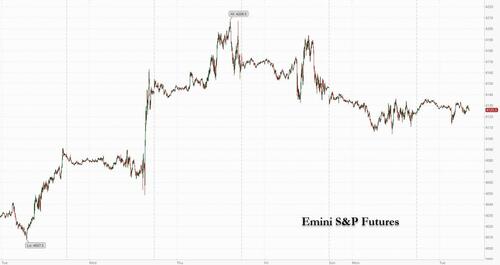






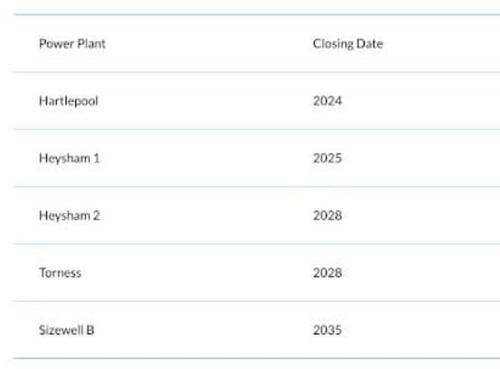


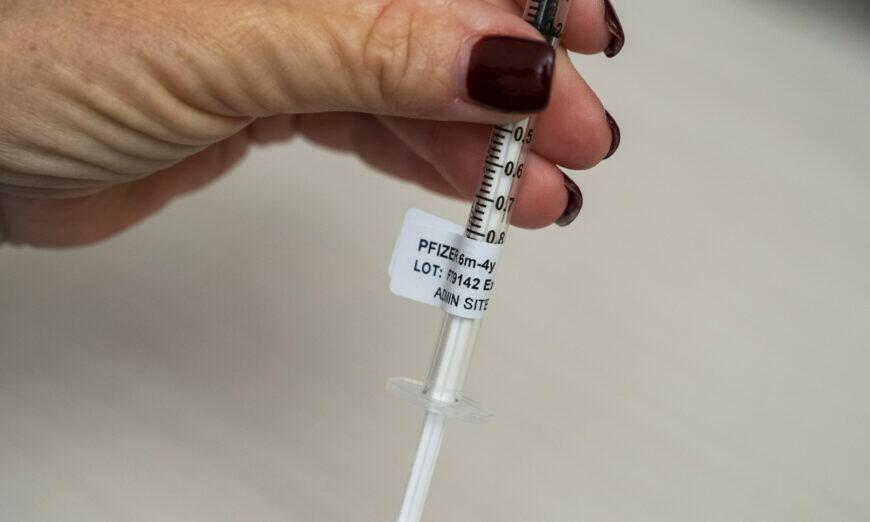
&lt;img class=”alignnone size-medium wp-image-5032476″ src=”https://img.theepochtimes.com/assets/uploads/2023/02/03/5a5e7bb7-b3d7-4f8e-81dc-0c51d94afd2b_601x161-600×161.png” alt=”Epoch Times Photo” width=”600″ height=”161″ /&gt;
&lt;img class=”alignnone size-full wp-image-5032496″ src=”https://img.theepochtimes.com/assets/uploads/2023/02/03/434d55e1-6976-4b79-9e48-f19366a6af6f_342x309.jpeg” alt=”Epoch Times Photo” width=”342″ height=”309″ /&gt;
&lt;img class=”alignnone size-full wp-image-5032510″ src=”https://img.theepochtimes.com/assets/uploads/2023/02/03/a500f49c-0135-4ccc-9d5c-5c41f2a15fd3_485x147.jpeg” alt=”Epoch Times Photo” width=”485″ height=”147″ /&gt;
&lt;img class=”alignnone size-full wp-image-5032515″ src=”https://img.theepochtimes.com/assets/uploads/2023/02/03/a609f8a2-7eb8-426a-bdb6-15a4508c4763_468x303.jpeg” alt=”Epoch Times Photo” width=”468″ height=”303″ /&gt;
&lt;img class=”alignnone size-full wp-image-5032552″ src=”https://img.theepochtimes.com/assets/uploads/2023/02/03/3046068a-7828-415e-a67c-4fee69c4f538_320x200.jpeg” alt=”Epoch Times Photo” width=”320″ height=”200″ /&gt;
&lt;img class=”alignnone size-full wp-image-5032558″ src=”https://img.theepochtimes.com/assets/uploads/2023/02/03/d5fc7bb5-28ed-49ed-8fd3-7d3e27bac93b_330x330.jpeg” alt=”Epoch Times Photo” width=”330″ height=”330″ /&gt;



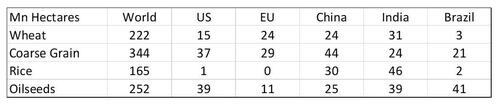
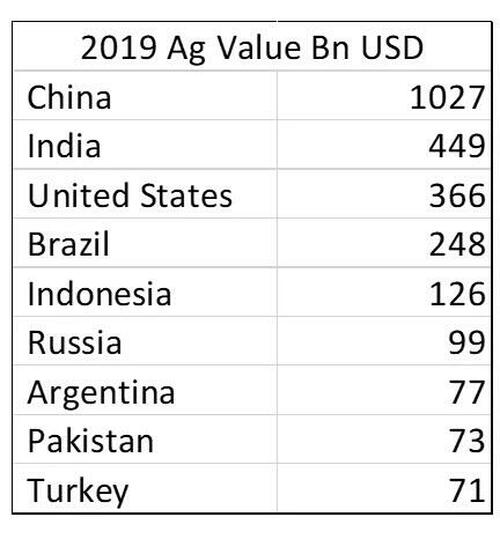
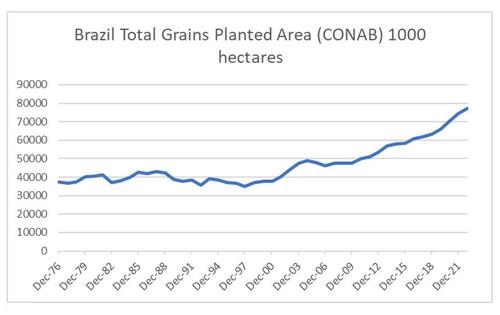
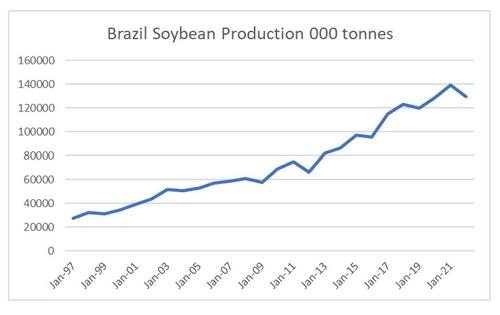
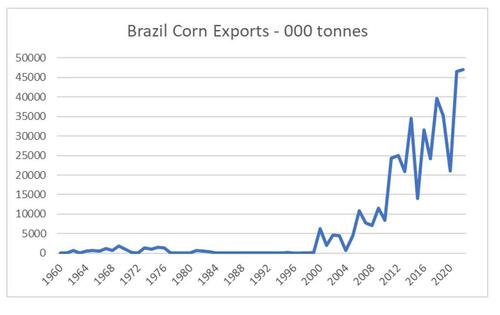
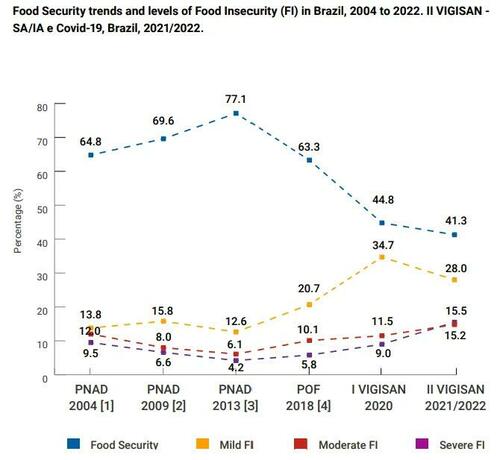
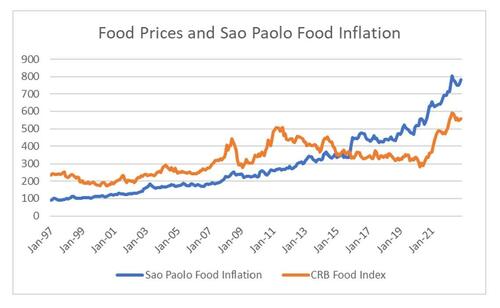
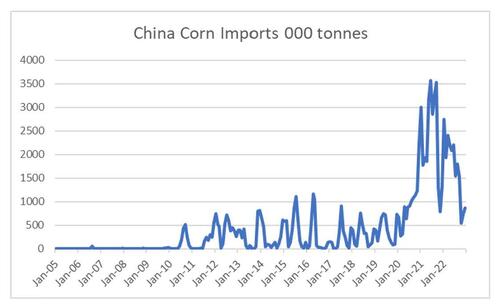
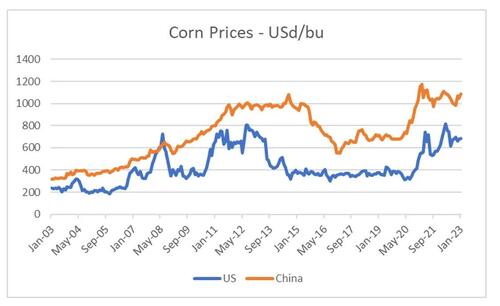
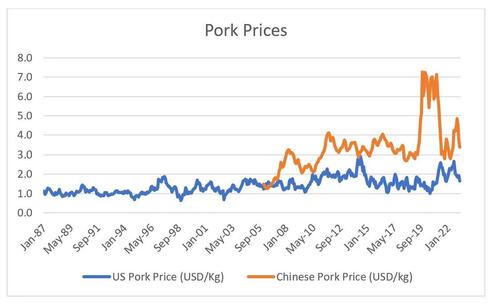


 Courageous Discourse™ with Dr. Peter McCullough & John Leake


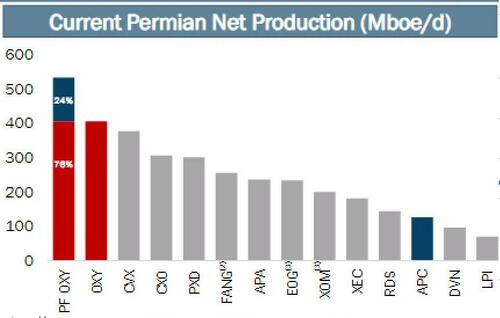
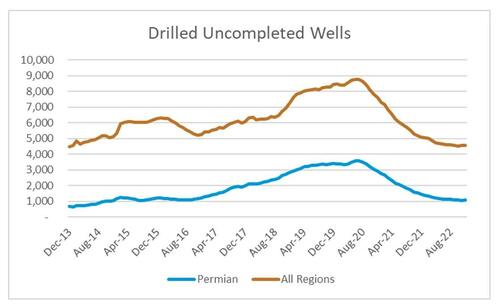
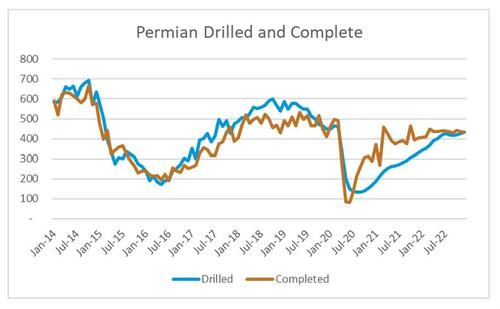
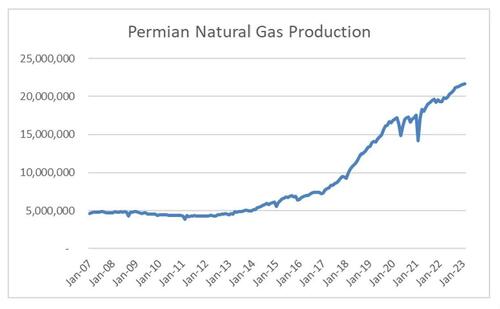
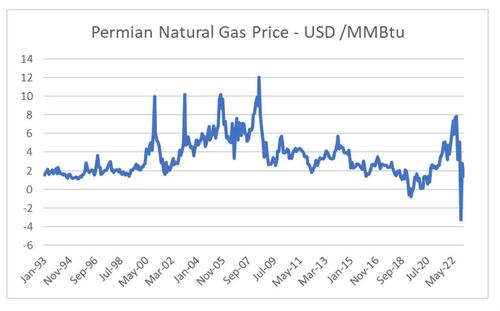
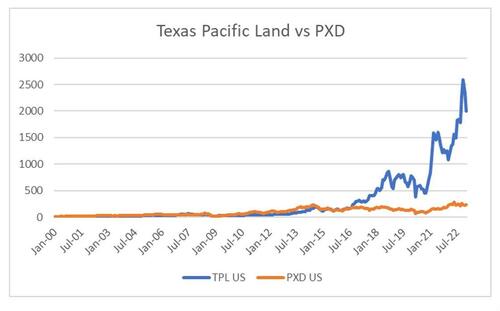
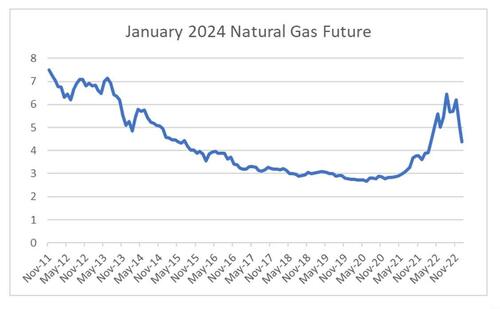
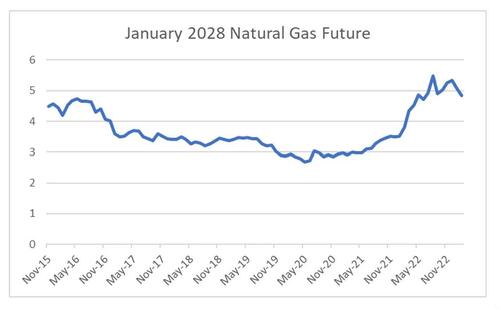

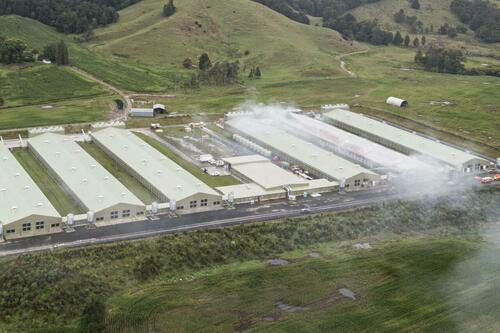

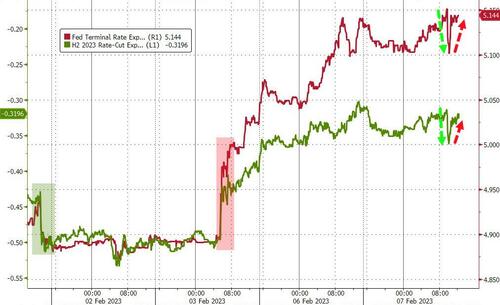
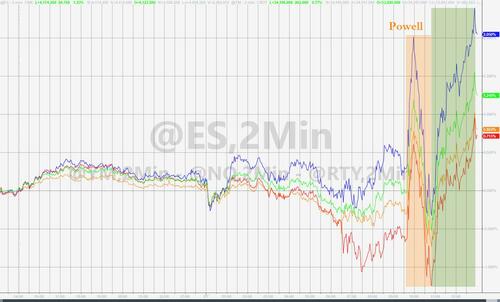
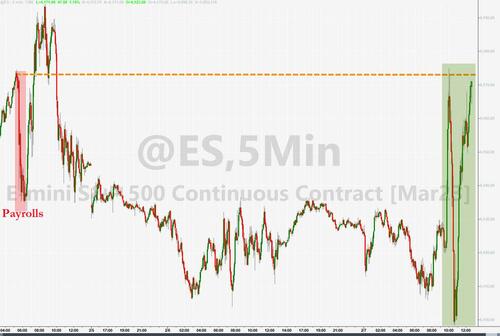
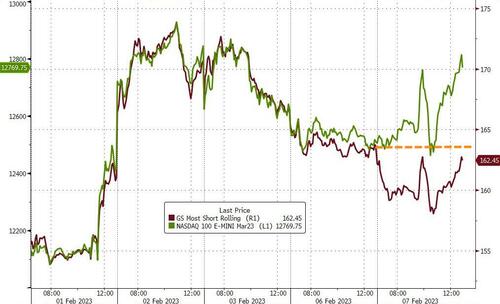
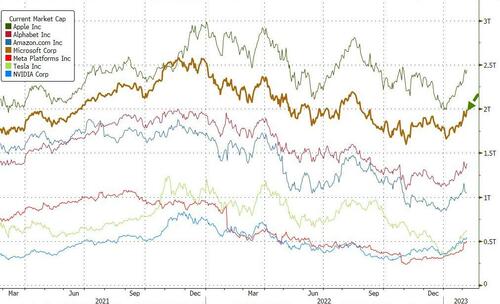
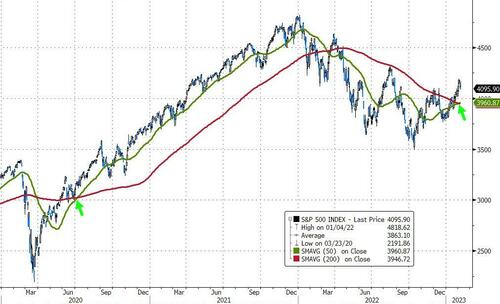
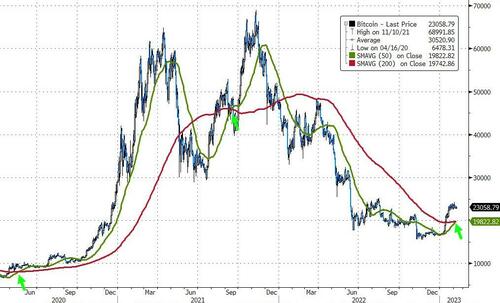
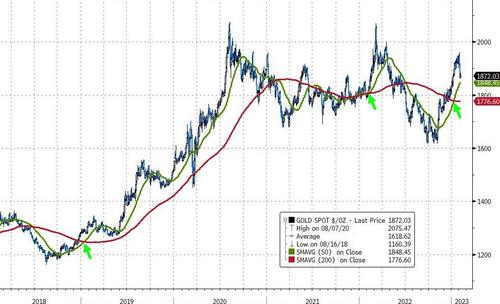
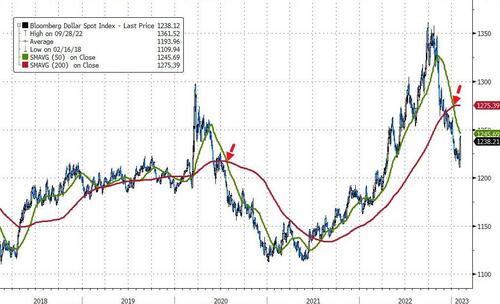
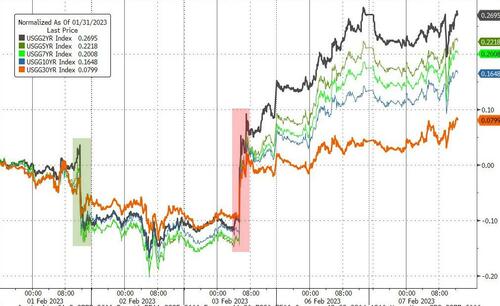
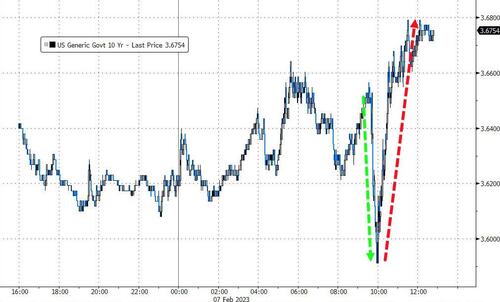
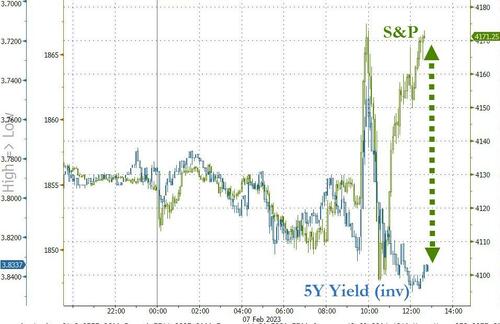
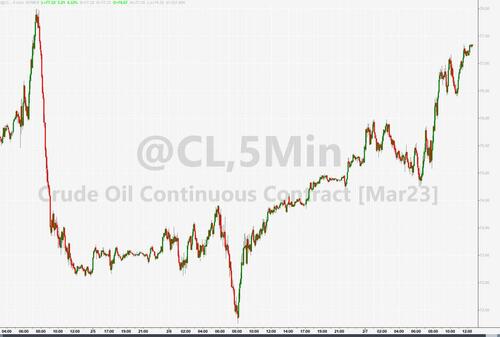
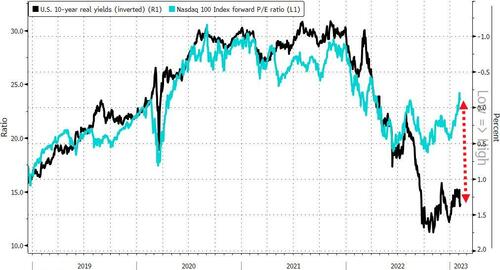
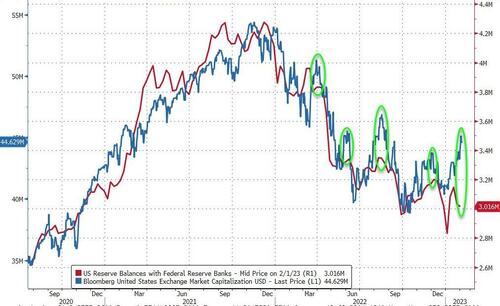
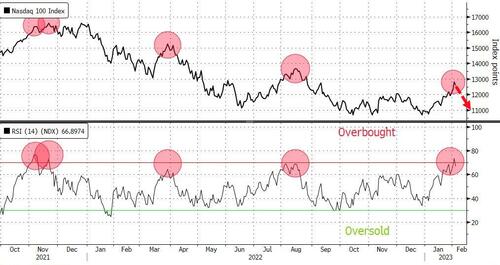

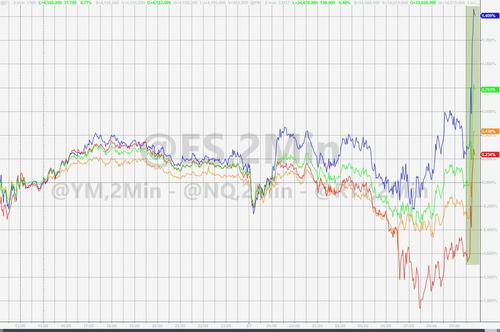
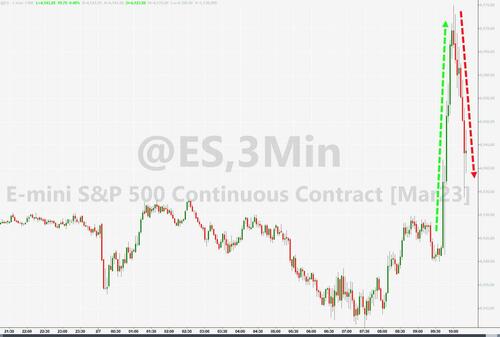

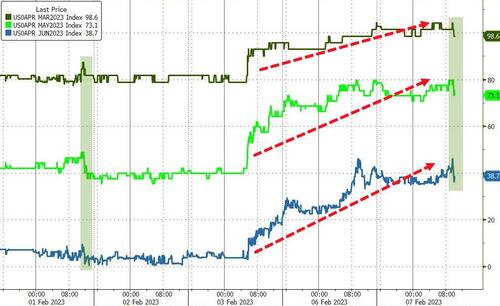
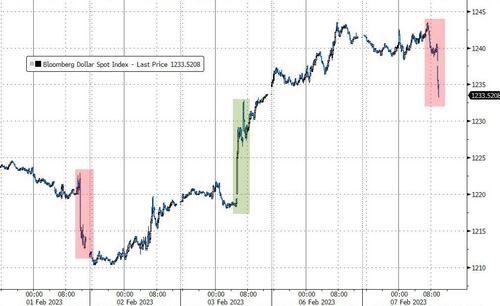

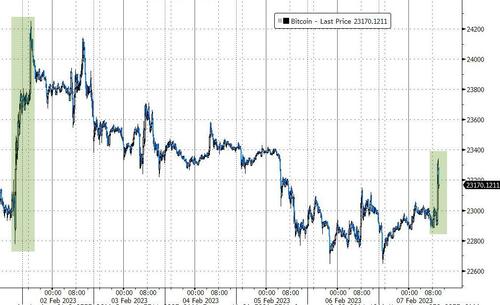

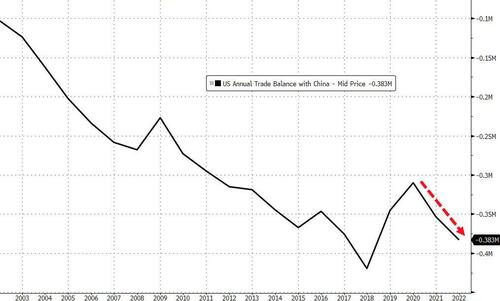

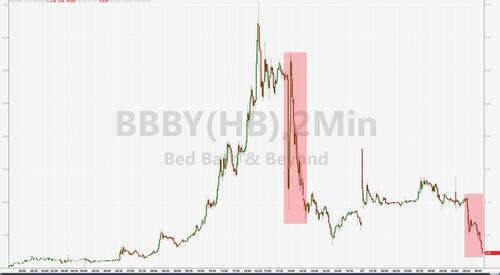
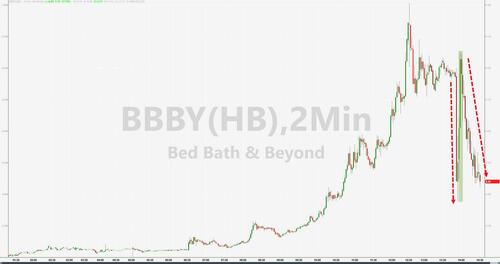
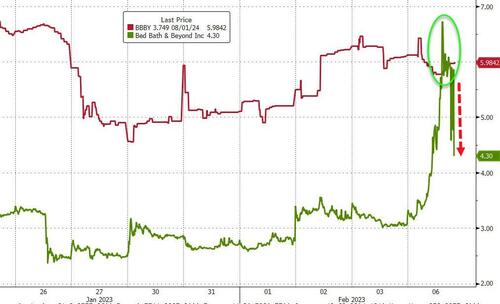



 harveyorganblog.com


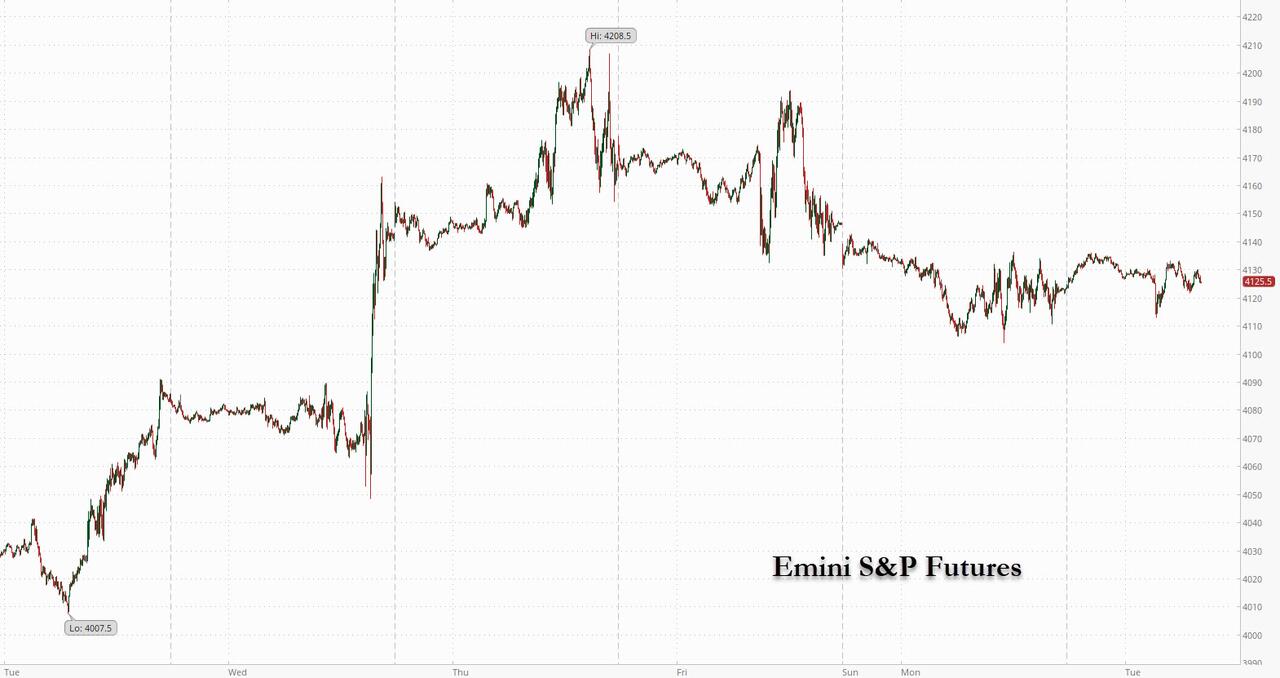


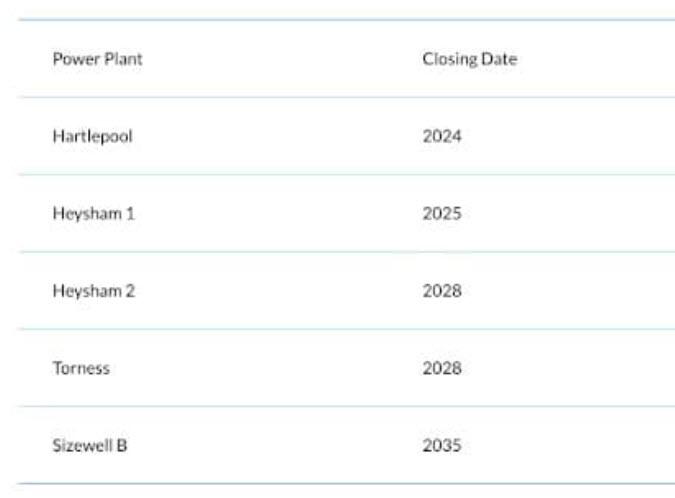
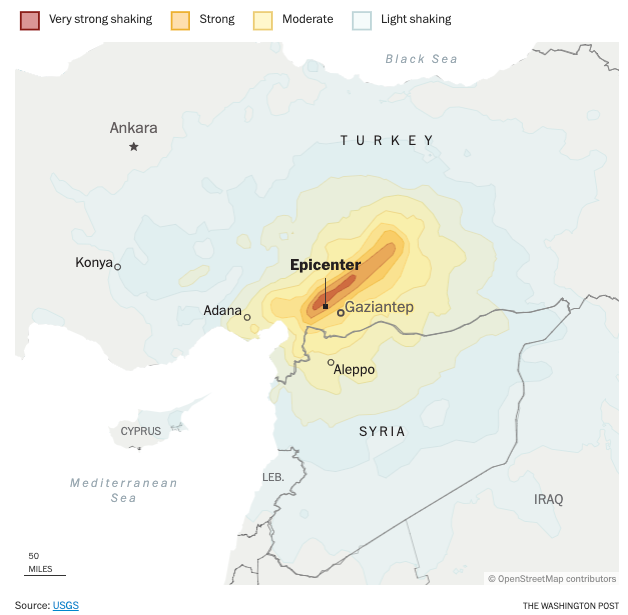


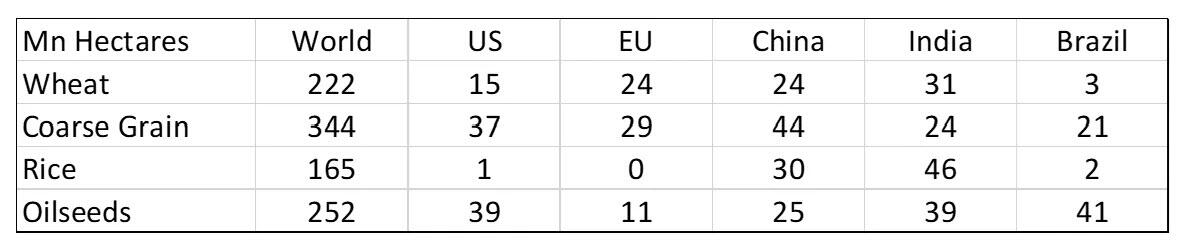
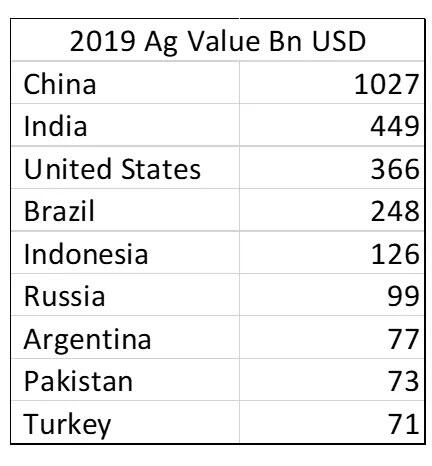
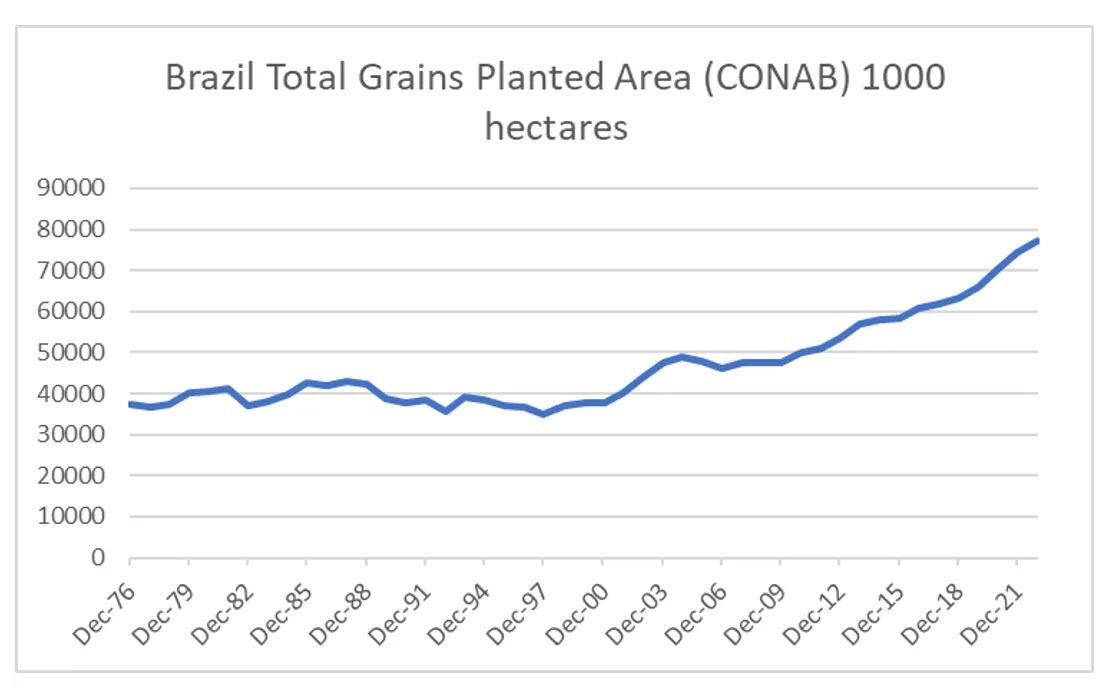
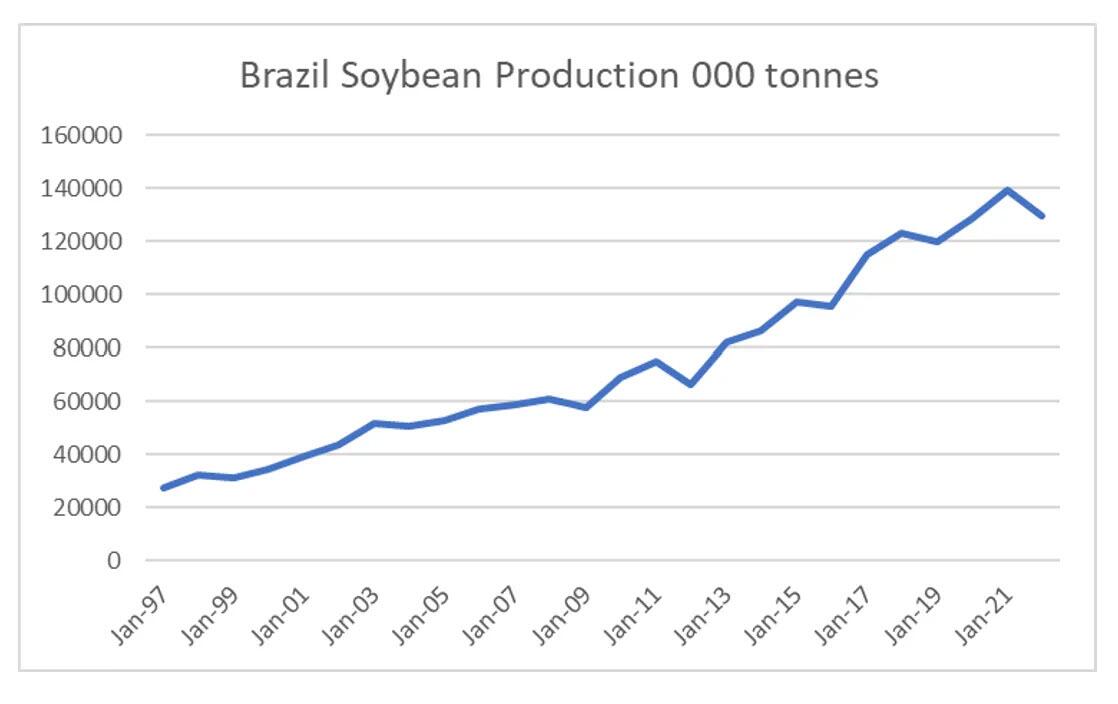
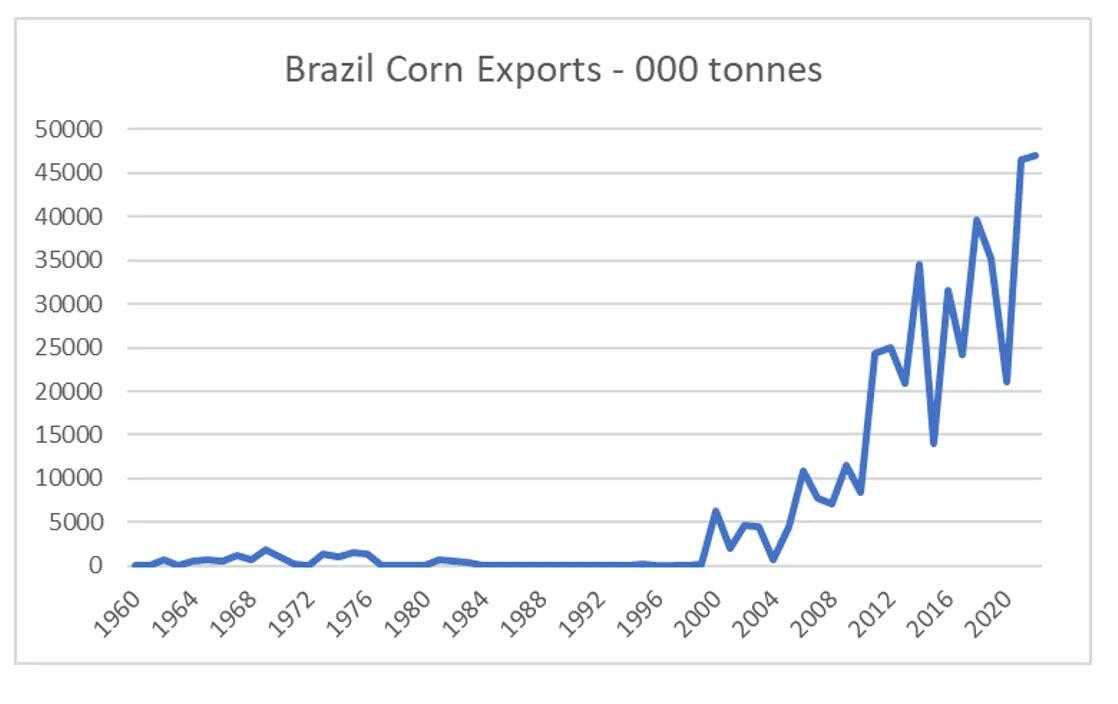
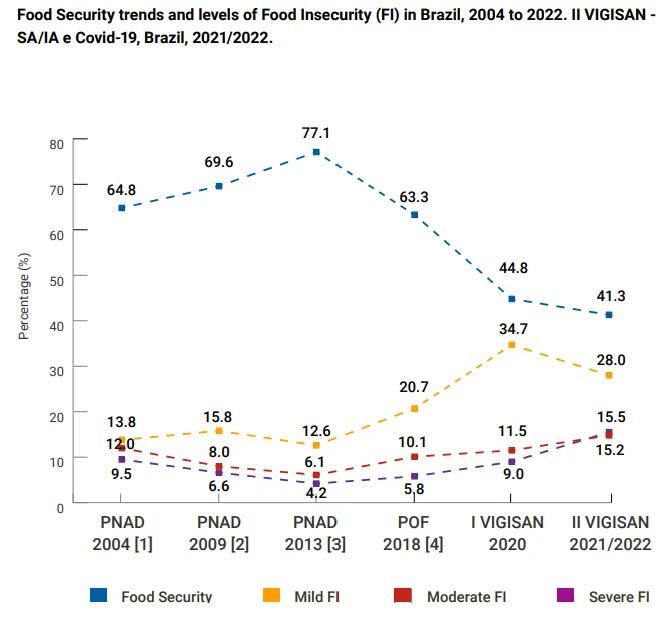
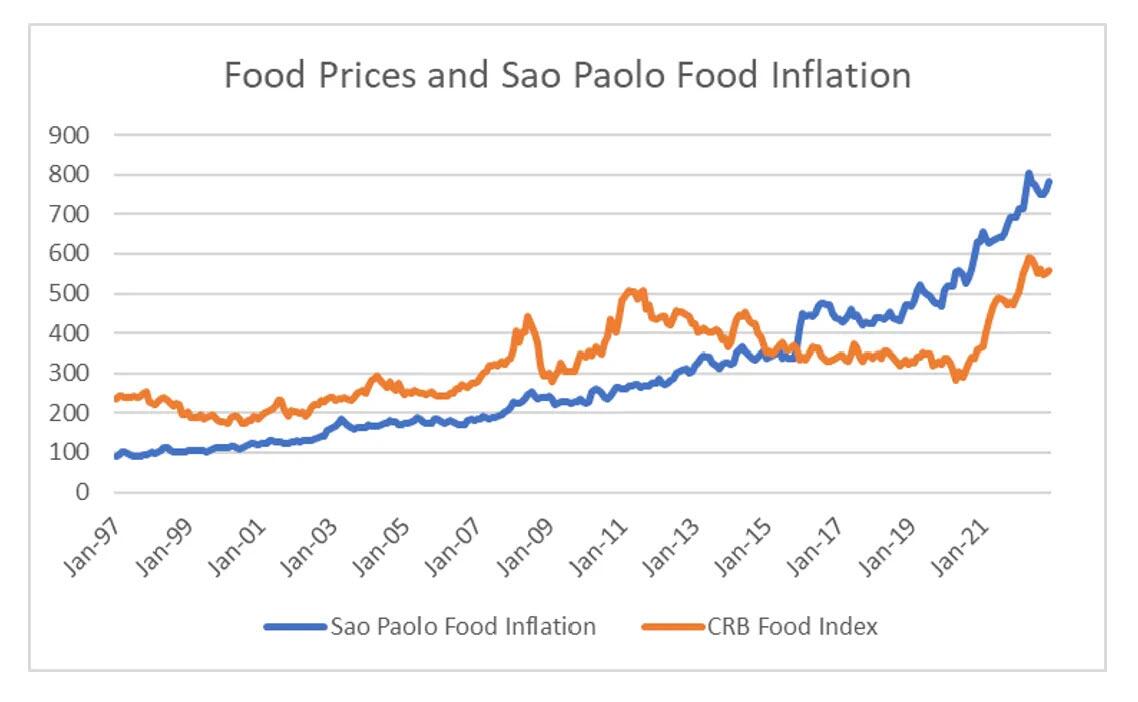

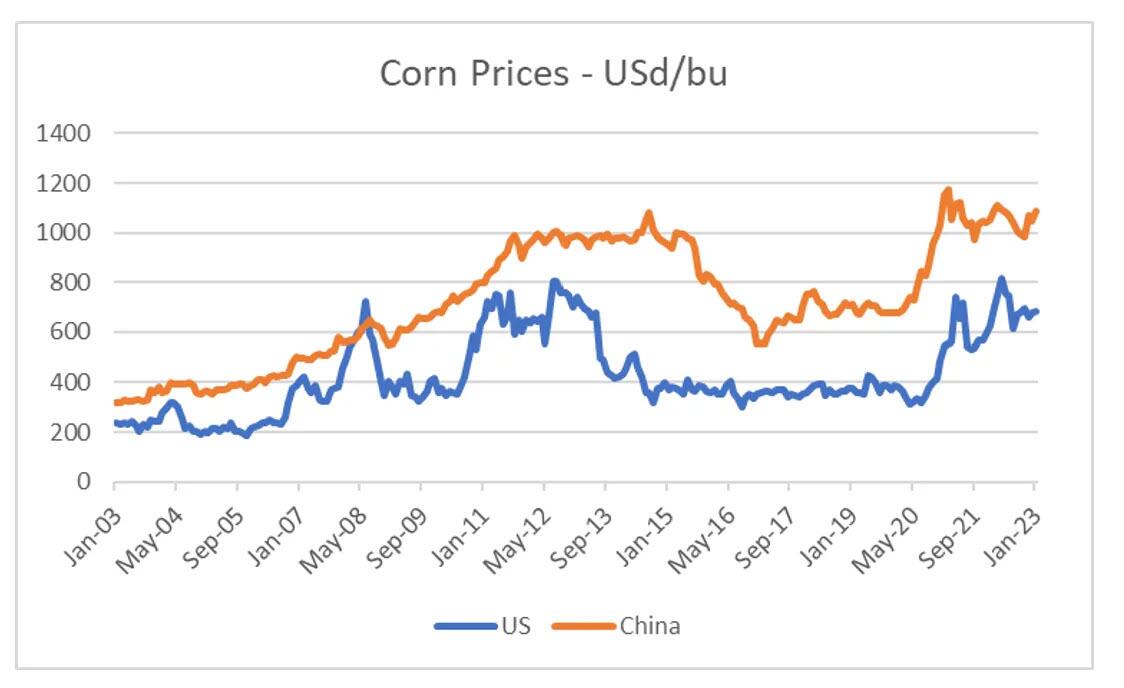
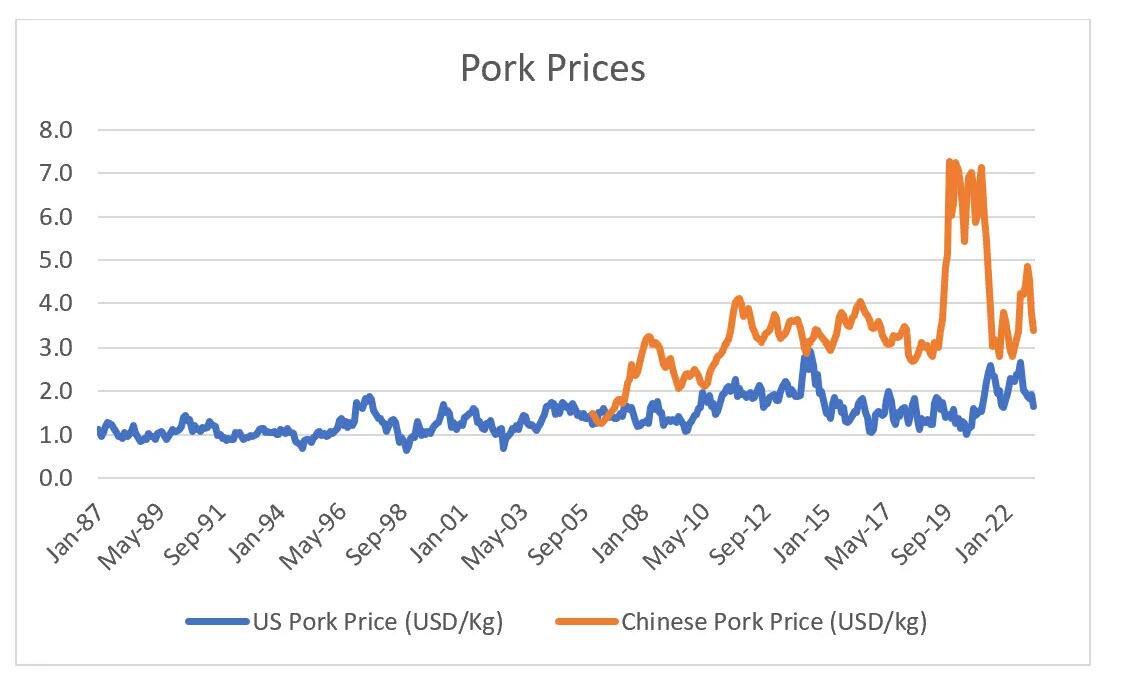

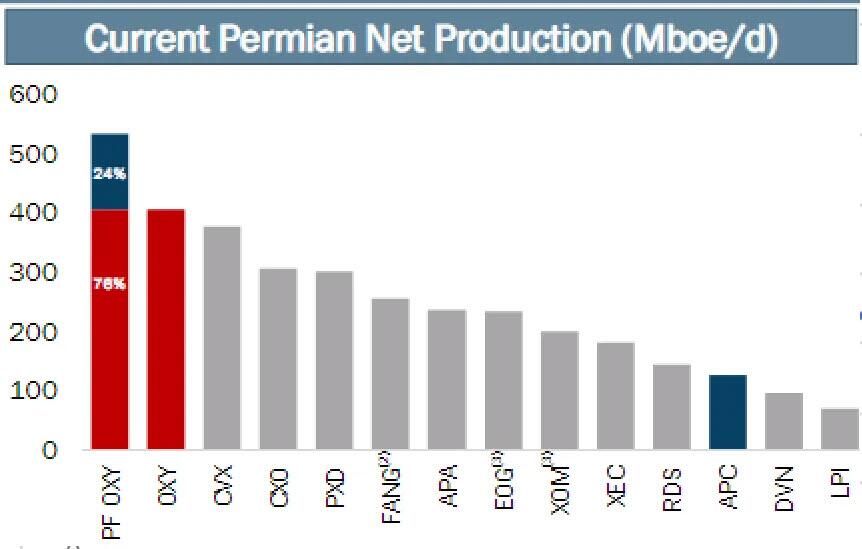
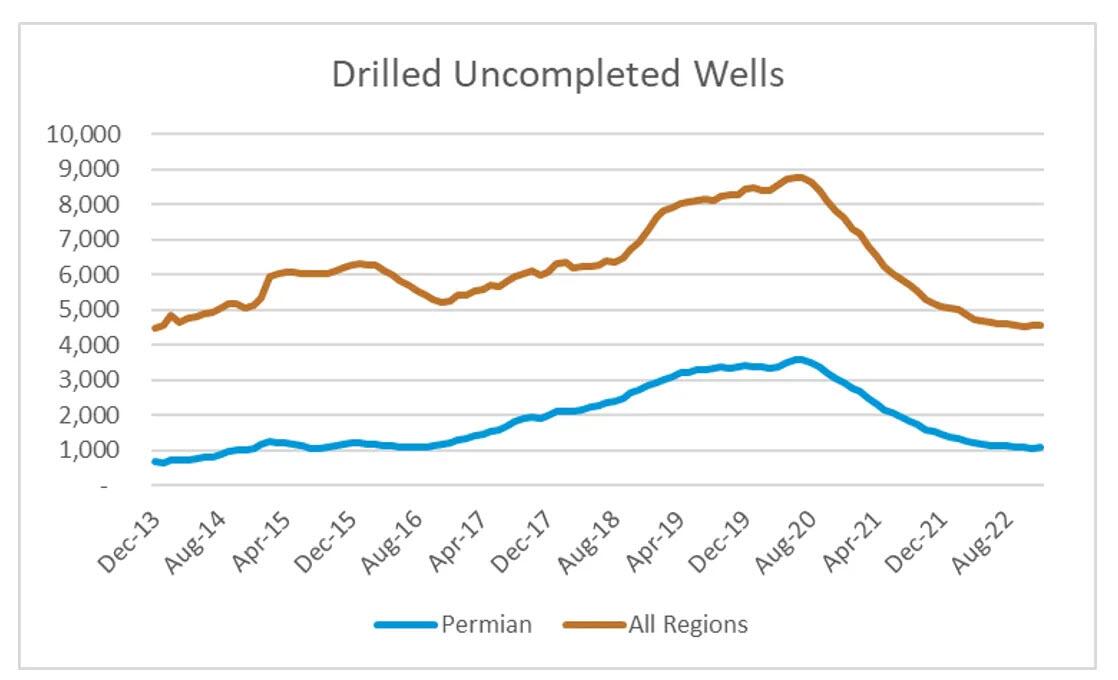
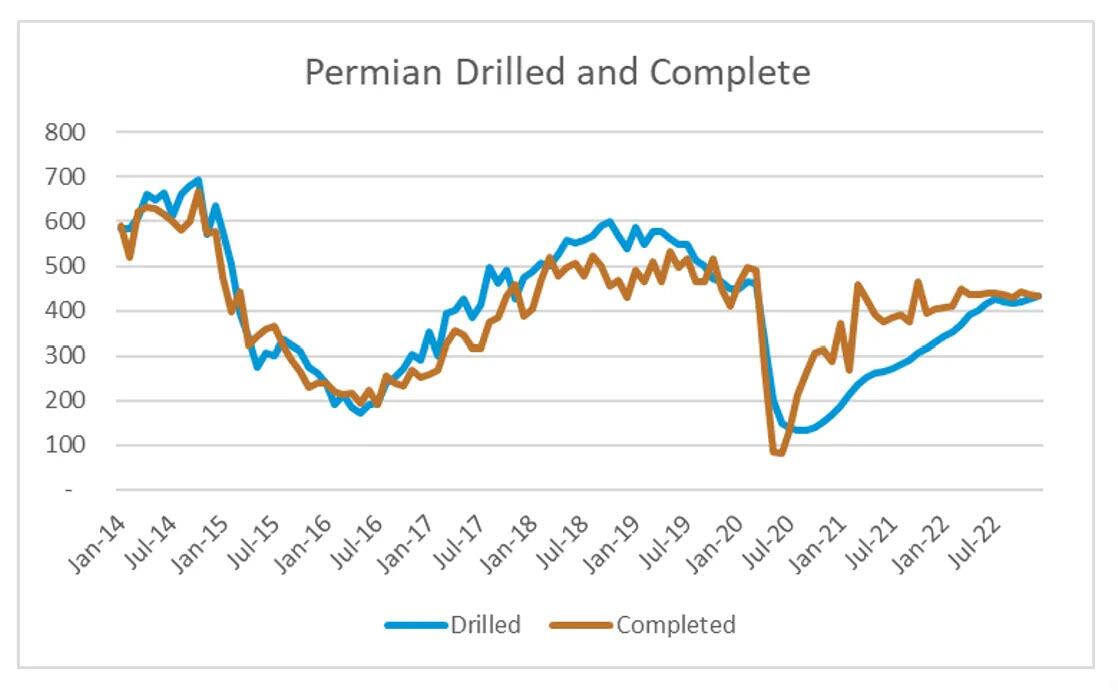
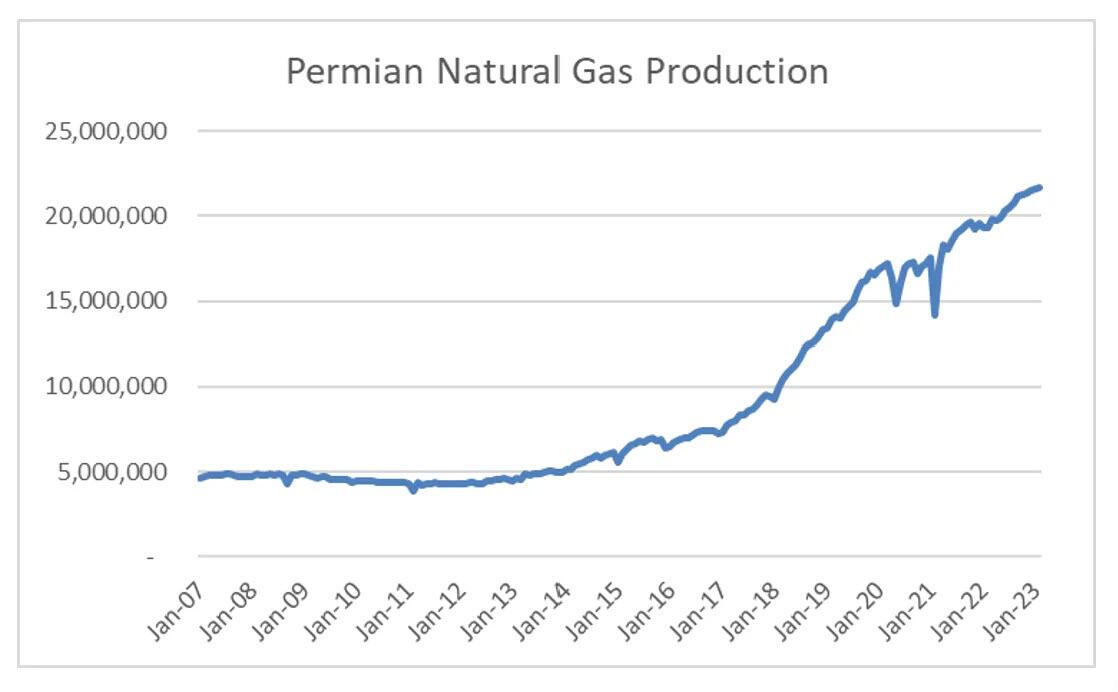
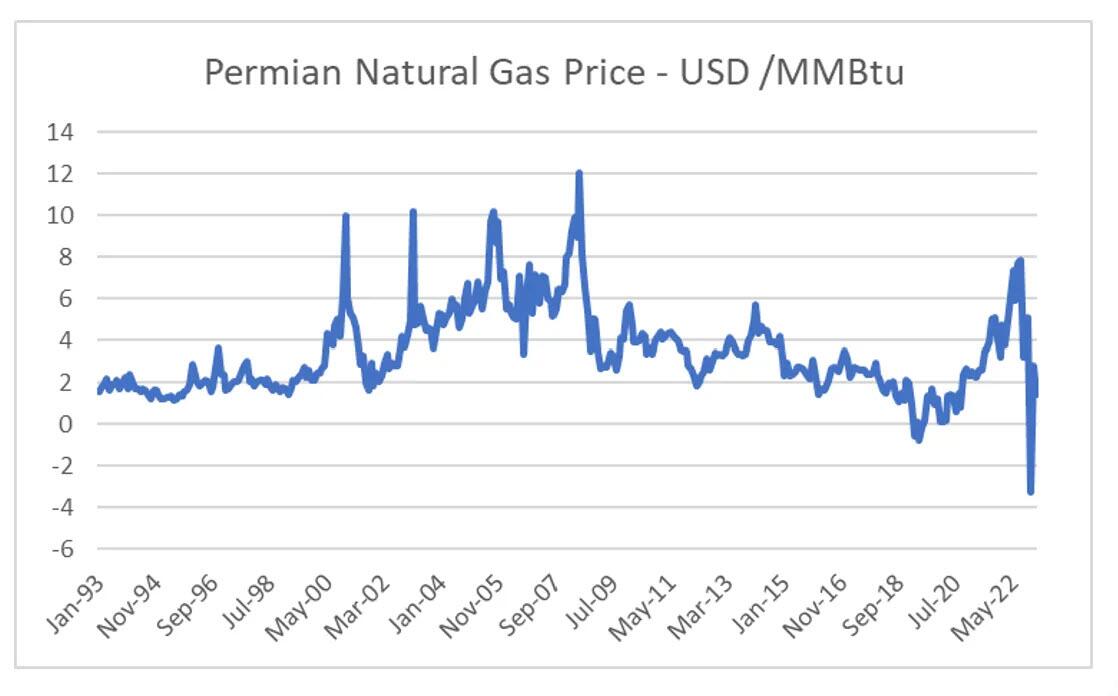
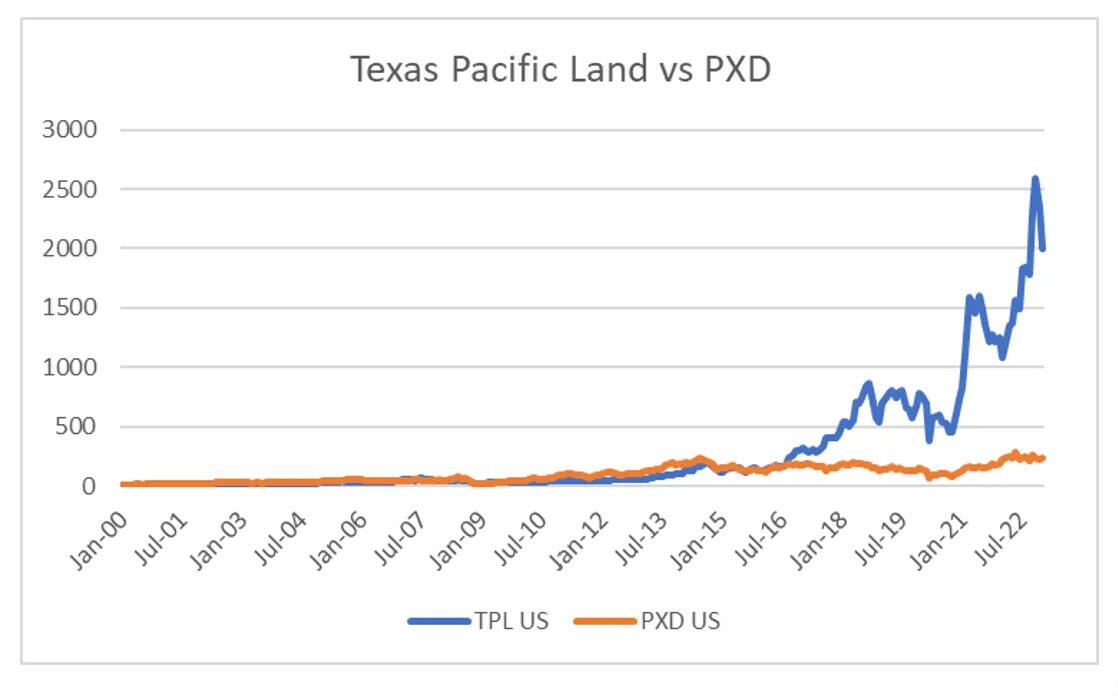
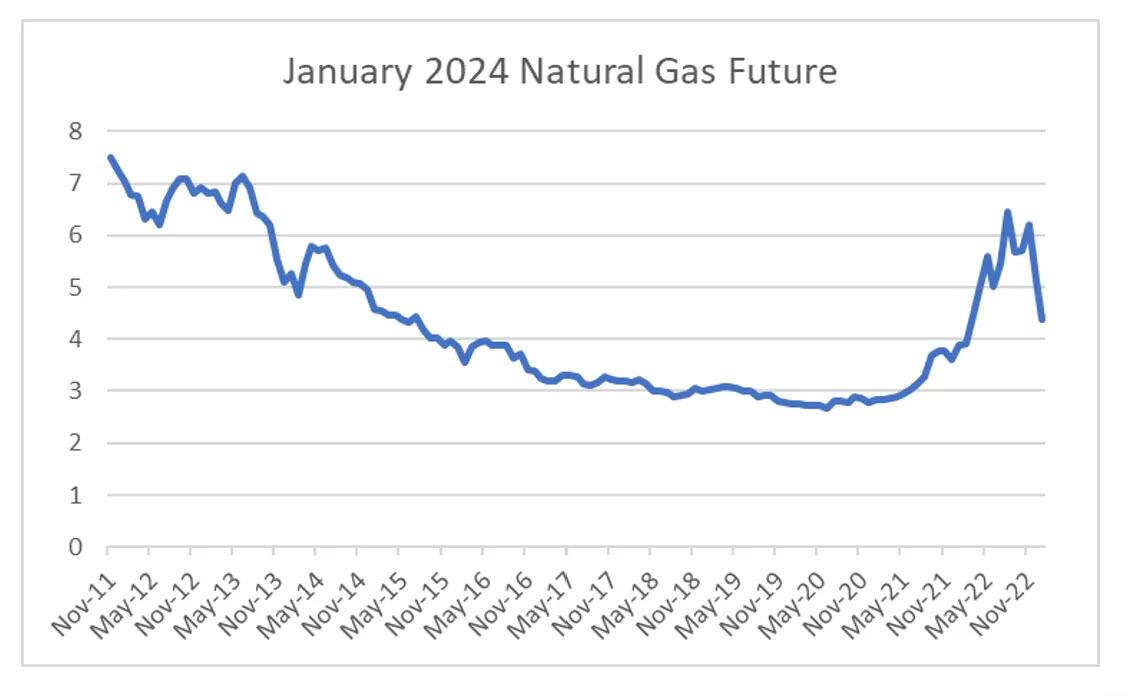
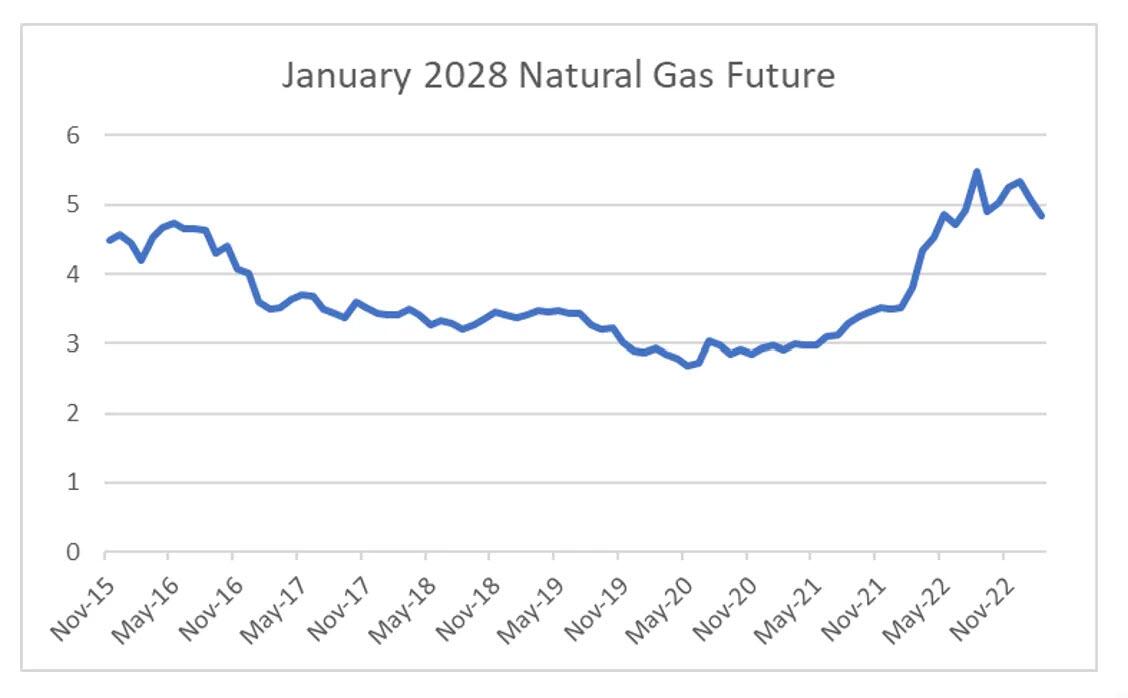




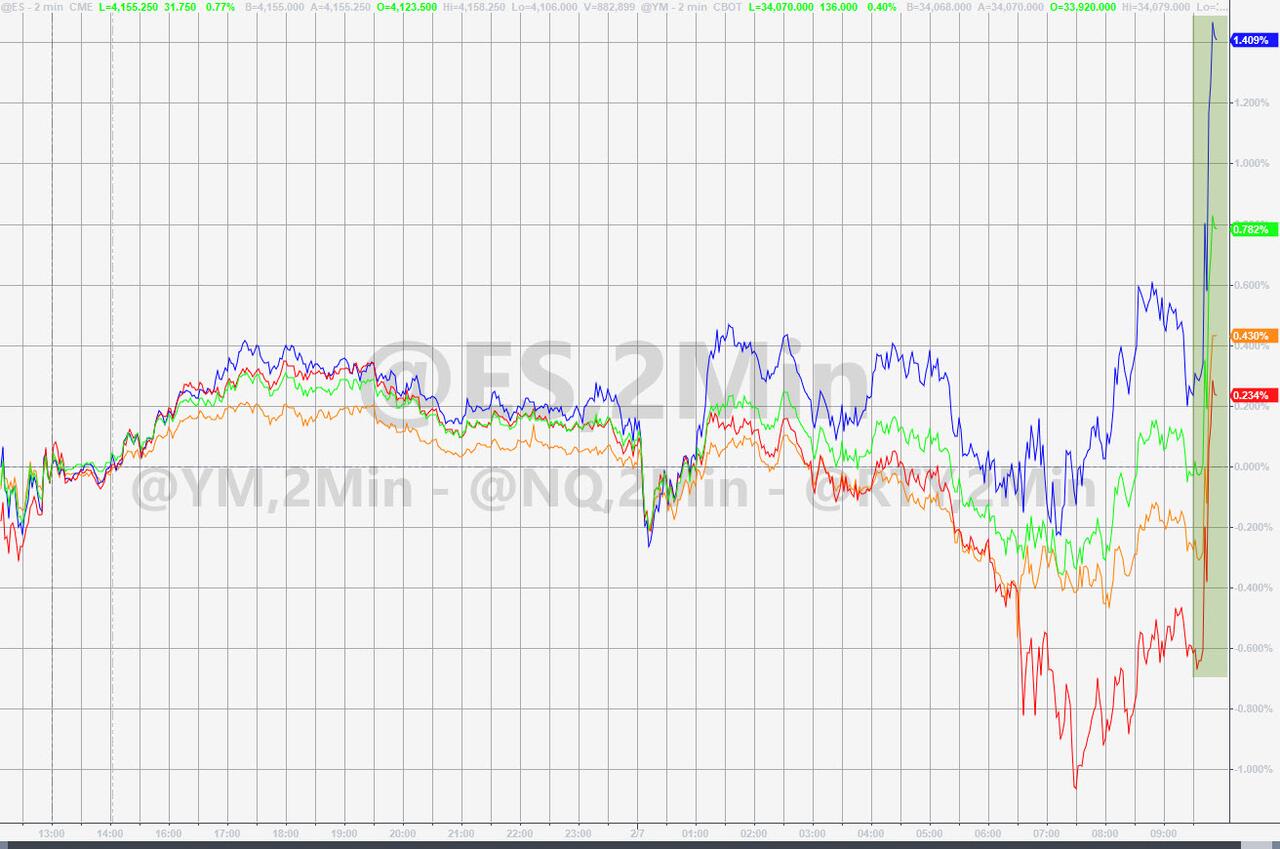

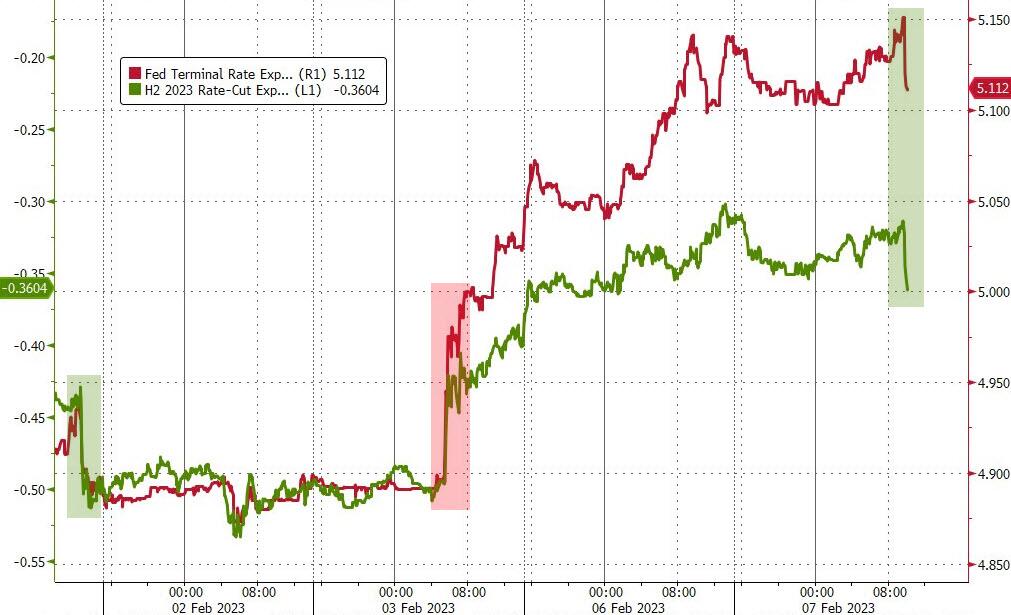
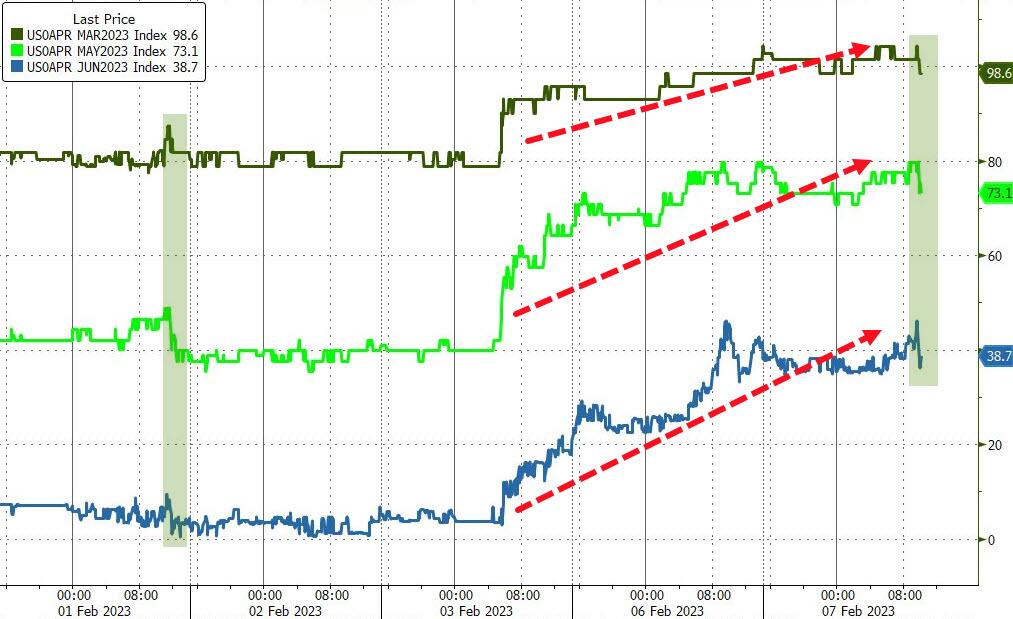


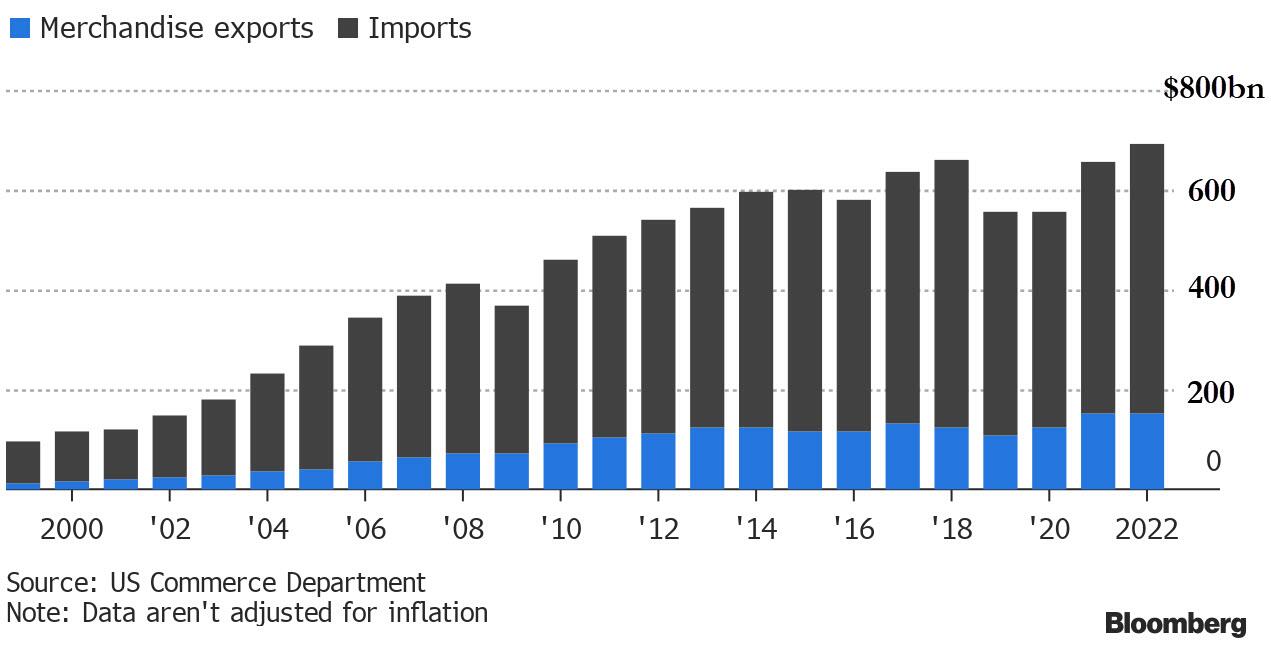
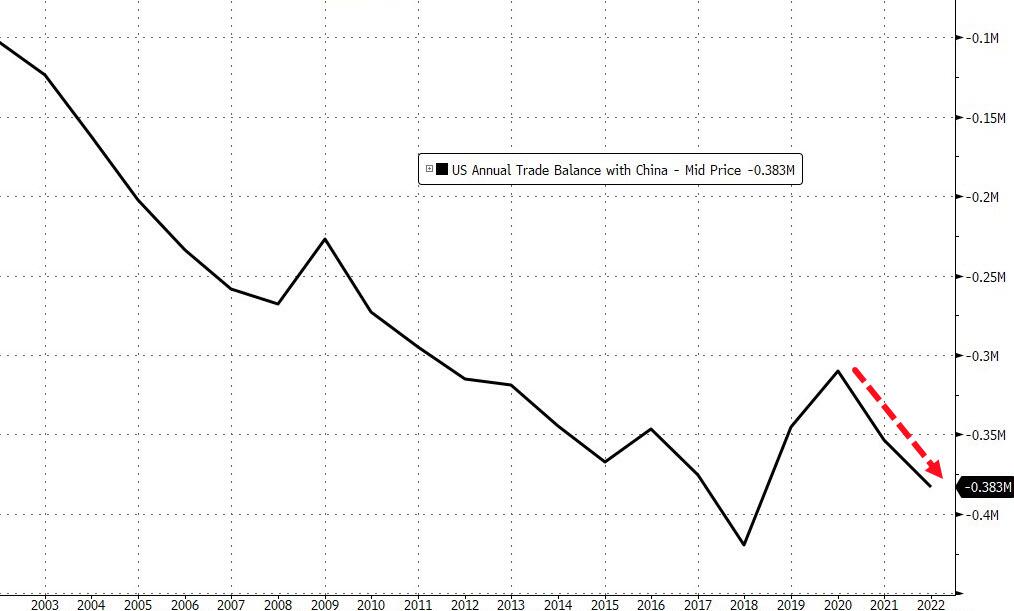

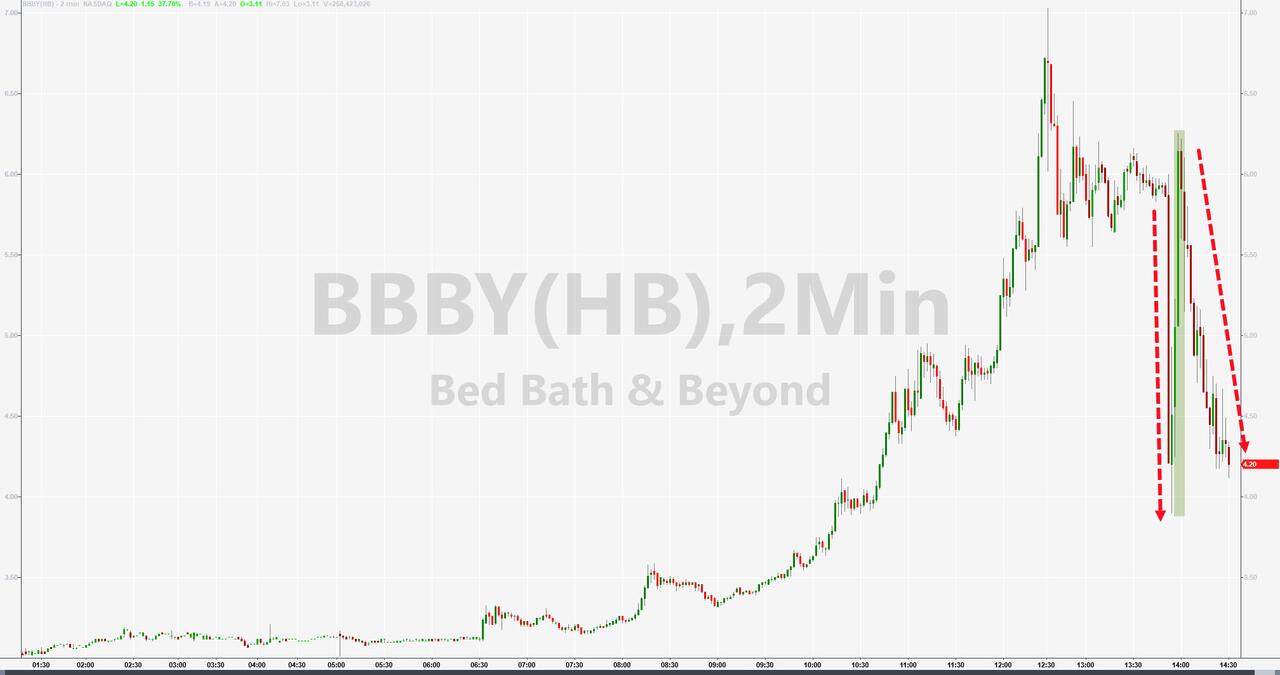
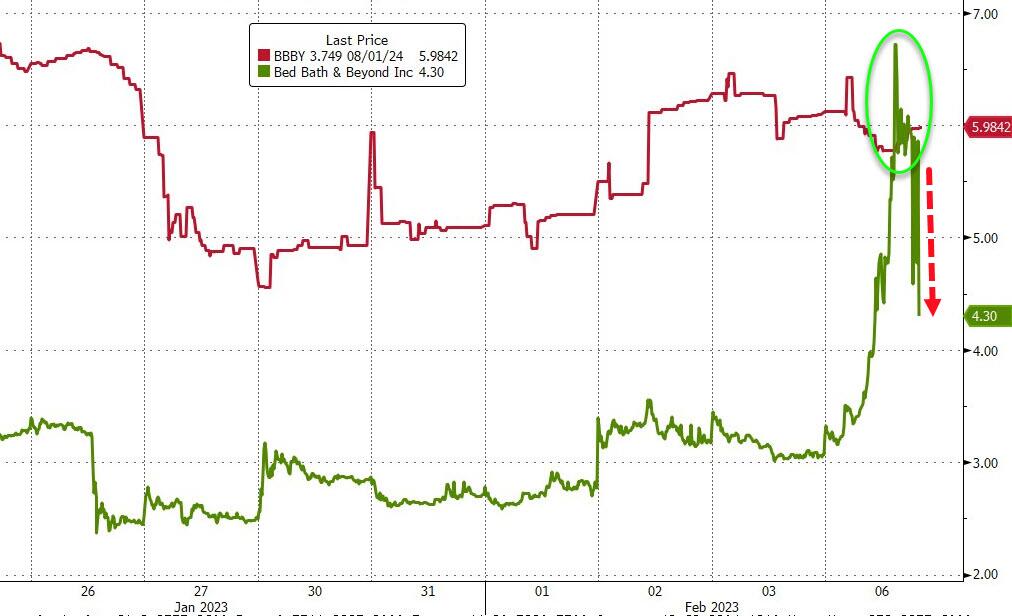

[…] by Harvey Organ, Harvey Organ Blog: […]
LikeLike