MAY 5/GOLD AND SILVER EQUITY SHARES UNDER PREDATORY PRICING; GOLD ROSE $33.75 TO $4558.60 WHILE SILVER ROSE 21 CENTS TO $73.13//PLATINUM CLOSED UP $8.00 TO $1969.50 WHILE PALLADIUM CLOSED $29.00 TO $1508.00//GOLD COMMENTARY TONIGHT COURTESY OF ALASDAIR MACLEOD//COMMENTARIES TONIGHT ON CHINA//FROM EUROPE: SPAIN, THE UK/, GERMANY AND ROMANIA//UPDATES ON ISRAEL VS IRAN CONFLICT/ISRAEL TBN//HEZBOLLAH UPDATES//RUSSIA UPDATES//DR PAUL ALEXANDER ON THE VACCINE INJURIES//USA DATA RELEASES//USA ECONOMIC COMMENTARIES/ COMMENTARY ON THE IRAN SITUATION COURTESY OF VICTOR DAVIS HANSON//KING REPORT//
363 H WELLS FARGO SECURITI 1 523 C INTERACTIVE BROKERS 1
TOTAL: 1 1 MONTH TO
MONTH TO DATE: 3,199
JPMORGAN STOPPED 0/1
MAY 5
MAY COMEX MONTH
GOLD: NUMBER OF NOTICES FILED FOR MAY/2026: 1 CONTRACTs NOTICES FOR 100 OZ or 0.00311 TONNES
total notices so far: 3193 contracts FOR 319,300 OZ OR 9.932 TONNES
FOR MAY 5
XXXXXXXXXXXXXXXXXX
SILVER NOTICES: 36 NOTICE(S) FILED FOR 0.180 MILLION OZ /
total number of notices filed so far this month : 4784 CONTRACTS (NOTICES) for 23.920 million oz
Click here if you wish to send a donation. I sincerely appreciate it as this site takes a lot of preparation
END
Click here if you wish to send a donation. I sincerely appreciate it as this site takes a lot of preparation
GLD/
BOTH GLD AND SLV ARE FRAUDULENT VEHICLES//THEY ARE NOW RAIDING GLD AND SLV FOR PHYSICAL
THE CROOKS ARE STEALING GOLD AND SILVER FROM THE GLD/SLV AND REPLACING THE PHYSICAL WITH PAPER DOLLARS.
WITH GOLD UP UP $33.75 INVESTORS SWITCHING TO SPROTT PHYSICAL (PHYS) INSTEAD OF THE FRAUDULENT GLD/// NO CHANGES IN GOLD INVENTORY AT THE GLD:
INVENTORY RESTS AT 1035.768 TONNES
SLV/
WITH NO SILVER AROUND AND SILVER UP $0.21 AT THE SLV: HUGE CHANGES IN SILVER INVENTORY AT THE SLV: A WITHDRAWAL OF 0.198 MILLION OZ FROM THE SLV //// : INVENTORY RESTS AT THE SLV AT 483.406 MILLION OZ//
CLOSING INVENTORY RESTS AT:
CLOSING INVENTORY: 483.406 MILLION
SILVER//OUTLINE
SILVER COMEX OI FINALLY FELL BY A HUGE SIZED 1343 CONTRACTS TO AN OI OF 96,894 STILL A TOUCH HIGHER FROM ITS NEW RECORD LOW OF 95,999 SET MAY 1. THE RECORD HIGH OI FOR SILVER IS 244,710, SET FEB 25/2020, AND THIS HUGE SIZED LOSS IN COMEX OI WAS ACCOMPLISHED WITH OUR LOSS OF $3.07 IN SILVER PRICING AT THE COMEX WITH RESPECT TO MONDAY’S // TRADING. ON MAY 1,, WE HAVE REACHED AT OUR RECORD LOW OI OF 95,999 SURPASSING EVERY DAY NEW OI LOWS SET DURING THE LAST WEEK OF APRIL 2026.
NOW ON A NET BASIS OUR SPECULATORS HAVE REVERTED BACK TO GOING LONG. THE FRBNY ON A NET BASIS IS PROVIDING THE NECESSARY PAPER TO OUR LONGS ALONG WITH SOME BULLION BANKS AND THEN A HUGE NUMBERS OF LONGS ,OUR CENTRAL BANKERS, TAKE THE LONG SIDE AND TENDER FOR PHYSICAL AT 4 PM EACH NIGHT. BECAUSE OF THE HUGE SHORTFALL IN PHYSICAL SILVER IN LONDON THERE IS A LOTTERY TO SEE WHO GETS ANY OF THE PHYSICAL SILVER AVAILABLE THAT WHICH THEY ARE OBLIGATED TO DELIVER. THEY WAIT PATIENTLY FOR THEIR PHYSICAL METAL AND IF NOBODY GETS ANY THEY THEN COME BACK THE NEXT DAY AND SO ON. THIS IS IN LONDON, THE HOME OF PHYSICAL SILVER!!
WE ARE FINALLY MOVING TO A MUCH HIGHER BASE IN SILVER PRICING AT MAJOR SUPPORT LEVEL OF $70.00. SHORTLY WE WILL AGAIN ATTEMPT TO BREAK
WE HAVE A MEGA HUGE SIZED LOSS OF 1190 TOTAL CONTRACTS ON OUR TWO EXCHANGES AS THE CME NOTIFIED US OF A SMALL SIZED 153 CONTRACT EXCHANGE FOR PHYSICAL ISSUANCE.. WE HAD HUGE LIQUIDATION OF T.A.S. CONTRACTS IN COMEX TRADING WITH RESPECT TO MONDAY TRADING/// (MONTHLY SPREADERS WHICH BEGAN OPERATIONS DURING THE WEEK OF APRIL 24, FINISHED THEIR DUTY AT MONTH’S END).. WE HAD A STRONG 907 CONTRACT T.A.S. ISSUANCE!! / THEY DESPERATELY AGAIN TODAY TRYING TO CONTAIN SILVER’S PRICE RISE FOR THE PAST SEVERAL WEEKS (WHERE RAIDS ARE CALLED UPON AGAIN AND AGAIN TRYING TO STOP THE RISE IN SILVER’S PRICE TO ABOVE $100.00 AND TO QUELL ADDITIONAL DERIVATIVE LOSSES TO OUR BANKERS’ MASSIVE TOTALS). THEY SUCCEEDED ON MONDAY WITH SILVER’S HUGE FALL IN PRICE
THE PRICE STILL FINISHED ABOVE THE MAGIC NUMBER OF $70.00 SILVER SPOT PRICE BUT STILL BELOW THE $100.00 MARK CLOSING AT $72.92 DOWN $3.05. WE ARE NOW WITNESSING HAVING MANY HUGE T.A.S ISSUANCES // TODAY’S WAS A HUGE SIZED 907 T.A.S. CONTRACTS !!. THE CROOKS ARE BECOMING MORE DESPERATE TO STOP SILVER BREAKING ABOVE THE 100.00 DOLLAR MARK!! AND NOW THE HUGE SUPPORT LEVEL OF 70 DOLLARS!!.MAMMOTH SIZE T.A.S ISSUANCES ARE BECOMING THE NORM AT THE COMEX NOW!!
THERE IS NO NEXT LINE IN THE SAND ONCE THE 100.00 DOLLAR SILVER IS PIERCED AGAIN. WE HAD A SMALL SIZED 153 CONTRACT EXCHANGE FOR PHYSICAL ISSUANCE ACCOMPANIED BY OUR HUGE SIZED 907 CONTRACT T.A.S ISSUANCE WHICH WILL BE USED IN FUTURE TRADING//AS THEY PLAY AN INTEGRAL PART IN OUR COMEX TRADING TRYING TO CONTAIN ANY SILVER PRICE RISE.
IN ESSENCE WE HAD HUGE LOSS OF 1190 CONTRACTS ON OUR TWO EXCHANGES WITH OUR LOSS IN PRICE OF $3.07. WE HAD HUGE GOVERNMENT (FRBY) COMEX CONTRACTS TRADING ALL WEEK AND A MAJOR PORTION WILL BE REMOVED BY DAYS END. (I RECORD THIS FOR YOU ON A DAILY BASIS). THE STICKY SPECULATOR LONGS STILL REMAIN STOIC
CRAIG HEMKE HAS POINTED OUT THAT THE CROOKS USE THE MID MONTH FOR MANIPULATION AS THEY SELL THEIR BUY SIDE OF THE CALENDAR SPREAD FIRST AND THEN KEEP THE SELL SIDE TO LIQUIDATE AT A LATER DATE.
THUS WE HAVE TWO VEHICLES THE CROOKS USE FOR MANIPULATION AND BOTH ARE SPREADERS: 1) AT MONTH’S END/SPREADERS COMEX AND 2/ TAS SPREADERS, THROUGHOUT MONTH. TOTAL TAS ISSUED ON MONDAY NIGHT//TUESDAY MORNING: A HUGE SIZED 907 CONTRACTS. DESPITE MANY COMPLAINTS THAT THROOKS HAVE VIOLATED POSITION LIMITS DUE TO THE FACT THAT THE TAS ISSUED HAVE A VALUE OF ZERO (AS TO POSITION LIMITS FOR OUR CROOKED FRBNY BANKERS).
THE PROBLEM OF COURSE IS THAT THE CROOKS DO NOT LIQUIDATE THE TAS AS ONE UNIT, BUT SELL THE SHORT SIDE FIRST AND THEN LIQUIDATE THE LONG SIDE TWO MONTHS HENCE. IT IS OBVIOUS MANIPULATION TO THE HIGHEST DEGREE BUT IT NATURALLY FELL ON DEAF EARS WITH OUR REGULATORS (OCC) WHEN THEY RECEIVED OUR COMPLAINTS. IT NOW SEEMS THAT THE OCC HAS NOW ORDERED THE BANKS TO REDUCE ITS NEW LEVEL OF 1.1 TRILLION DOLLARS IN GOLD/SILVER DERIVATIVES.
THUS:
INITIAL STANDING FOR JANUARY: 22.915 MILLION OZ FOLLOWED BY TODAY’S 1.185 MILLION OZ QUEUE JUMP//NEW NORMAL STANDING ADVANCES TO 49.445 MILLION OZ// TO WHICH WE ADD OUR FIRST EXCHANGE FOR RISK FOR .100 MILLION OZ//NEW STANDING ADVANCES TO 49.545 MILLION OZ!!
INTIAL STANDING FOR FEBRUARY/SILVER: 13.505 MILLION OZ FOLLOWED BY TODAY’S HUGE 0.005 MILLION OZ QUEUE JUMP / : NEW STANDING FOR SILVER AT THE COMEX ADVANCES TO 25.180 MILLION OZ. BUT WE MUST ADD OUR FIRST EXCHANGE FOR RISK OF 25 CONTRACTS FOR .125 MILLION OZ AND THEN OUR SECOND EXCHANGE FOR RISK OF .0600 MILLION OZ TO OUR THIRD HUGE 2.825 MILLION OZ EXCHANGE FOR RISK!!
INITIAL STANDING FOR MARCH: A SURPRISINGLY LOW 31.076 MILLION OZ/ FOLLOWED BY A TINY QUEUE JUMP OF 1 CONTRACTS OR 0.005 MILLION OZ/NEW STANDING ADVANCES TO 46.060 MILLION OZ
INITIAL STANDING FOR APRIL: 7.120 MILLION OZ FOLLOWED BY TODAY’S 1 CONTRACT QUEUE JUMP WHERE 5,000 OZ WILL TAKE DELIVERY OVER ON THIS SIDE OF THE POND. NEW STANDING FOR SILVER AT THE COMEX THUS ADVANCES SLIGHTLY TO 16.565 MILLION OZ PLUS WE MUST ADD OUR 4TH EXCHANGE FOR RISK ISSUANCE OF 17 CONTRACTS OR 0.085 MILLION OZ. THESE WILL BE ADDED TO OUR OTHER 3 ISSUANCES //NEW TOTAL EXCHANGE FOR RISK//1.165 MILLION OZ// NEW TOTAL SILVER STANDING 17.730 MILLION OZ//
INITIAL STANDING FOR MAY: 31.495 MILLION OZ FOLLOWED BY OUR 3ND EXCHANGE FOR PHYSICAL TRANSFER TO LONDON OF 14 CONTRACTS OR 70,000 OZ//NEW STANDING IS REDUCED TO 29.830 MILLION OZ/.//
SUMMARY OF OUR MAY 2026 COMEX CONTRACT MONTH:
WE HAD:
/ HUGE COMEX OI LOSS+// SMALL SIZED 153 EFP ISSUANCE CONTRACTS (/ VI) A HUGE NUMBER OF T.A.S. CONTRACT ISSUANCE 907 CONTRACTS
I AM NOW RECORDING THE DIFFERENTIAL IN OI FROM PRELIMINARY TO FINAL: ADDED 29 SILVER CONTRACT//
HISTORICAL ACCUMULATION OF EXCHANGE FOR PHYSICALS MAY.. ACCUMULATION
TOTAL CONTRACTS for 3 DAY(S), total 1123 contracts: OR 5.615 MILLION OZ (374 CONTRACTS PER DAY)
TOTAL EFP’S FOR THE MONTH SO FAR: 5.615 MILLION OZ
LAST 24 MONTHS TOTAL EFP CONTRACTS ISSUED IN MILLIONS OF OZ:
MAY 137.83 MILLION
JUNE 149.91 MILLION OZ
JULY 129.445 MILLION OZ
AUGUST: MILLION OZ 140.120
SEPT. 28.230 MILLION OZ//
OCT: 94.595 MILLION OZ
NOV: 131.925 MILLION OZ
DEC: 100.615 MILLION OZ
YEAR 2022:
JAN 2022-DEC 2022
JAN 2022// 90.460 MILLION OZ
FEB 2022: 72.39 MILLION OZ//
MARCH 2022: 207.140 MILLION OZ//A NEW RECORD FOR EFP ISSUANCE
APRIL: 114.52 MILLION OZ FINAL//LOW ISSUANCE
MAY: 105.635 MILLION OZ//
JUNE: 94.470 MILLION OZ
JULY : 87.110 MILLION OZ
AUGUST: 65.025 MILLION OZ
SEPT. 74.025 MILLION OZ///FINAL
OCT. 29.017 MILLION OZ FINAL
NOV: 134.290 MILLION OZ//FINAL
DEC, 61.395 MILLION OZ FINAL
TOTALS YR 2022: 1135.767 MILLION OZ (1.1356 BILLION OZ)
JAN 2023/// 53.070 MILLION OZ //FINAL
FEB: 2023: 100.105 MILLION OZ/FINAL//MUCH STRONGER ISSUANCE VS THE LATTER TWO MONTHS.
MARCH 2023: 112.58 MILLION OZ//FINAL//STRONG ISSUANCE
APRIL 111.035 MILLION OZ(SLIGHTLY GREATER THAN THAN LAST MONTH)
MAY 66.120 MILLION OZ/INITIAL (MUCH SMALLER THIS MONTH)
JUNE: 110.395 MILLION OZ//MUCH LARGER THAN LAST MONTH
JULY 85.745 MILLION OZ (SMALLER THAN LAST MONTH)
AUGUST: 171.43 MILLION OZ (THIS MONTH IS GOING TO BE HUGE //2ND HIGHEST ON RECORD
SEPT: 72.705 MILLION OZ (SMALLER THIS MONTH)
OCT: 97.455 MILLION OZ
NOV. 50.050 MILLION OZ
DEC. 66.140 MILLION OZ//
TOTAL 2023: 1,104.10 MILLION OZ/
JAN ’24 : 78.655 MILLION OZ//
FEB /2024 : 66.135 MILLION OZ./FINAL
MARCH: 143.750 MILLION OZ// 4TH HIGHEST ON RECORD.
APRIL: 161.770 MILLION OZ (THIS MONTH WILL BE A WHOPPER OF ISSUANCE OF EFPS//3RD HIGHEST EVER RECORDED FOR A MONTH)
MAY: 135.995 MILLION OZ //WILL BE A STRONG MONTH FOR EXCHANGE FOR PHYSICAL ISSUANCE
JUNE 110.575 MILLION OZ ( WILL BE ANOTHER STRONG MONTH ISSUANCE)
JULY: 108.870 MILLION OZ (WILL BE A STRONG ISSUANCE MONTH/ A TOUCH OVER 100 MILLION OZ/)
AUGUST; 99.740 MILLION OZ//THIS MONTH WILL BE STRONG FOR ISSUANCE BUT LESS THAN JULY.
SEPT: 112.415 MILLION OZ//WILL BE A HUGE MONTH FOR EXCHANGE FOR PHYSICAL ISSUANCE
OCT; 97.485 MILLION OZ (WILL BE SMALLER ISSUANCE THIS MONTH )
NOV. 115.970 MILLION OZ ( HUGE THIS MONTH)
DEC: 132.54 MILLION OZ (THIS MONTH WILL BE A HUMDINGER FOR ISSUANCE BUT ISSUANCE SLOWED DRAMATICALLY THESE PAST FIVE DAYS/// WILL NOT EXCEED MARCH 2022 RECORD OF 209 MILLION OZ
YEAR 2024 TOTAL: 1363.84 MILLION OR 1.363 BILLION OZ
JANUARY 2025: 67.230 MILLION OZ///(THIS MONTH’S ISSUANCE OF EXCHANGE FOR PHYSICAL WILL BE SMALL)
FEB. 58.260 MILLION OZ//EXCHANGE FOR PHYSICAL ISSUANCE/FINAL
MARCH: 67.020 MILLION OZ///QUITE SMALL AND BECOMING SMALLER EACH AND EVERY MONTH.
APRIL: 100.895 MILLION OZ///AVERAGE SIZE ISSUANCE
MAY: 28.975 MILLION OZ (ISSUANCE WILL BE QUITE SMALL THIS MONTH)
JUNE: 81.065 MILLION OZ
JULY: 50.925 MILLION OZ (QUITE SMALL)
AUGUST: 59.455 MILLION OZ (QUITE SMALL)
SEPT. 50.510 MILLION OZ.(QUITE SMALL)
OCT; 82.020 MILLION OZ (WILL BE STRONG THIS MONTH)/ OCC WANTS TO REIN IN THESE ISSUANCES!
NOVEMBER: 36.425 MILLION OZ
DEC: 45.765 MILLION OZ
JANUARY 2026: 134.270 MILLION OZ (WILL BE A VERY STRONG MONTH FOR EXCHANGE FOR PHYSICAL!)
FEB : 82.130 MILLION OZ
MARCH: 56.075 MILLION OZ
APRIL; 44.44 MILLION OZ//FINAL.. SMALL THIS MONTH.
MAY 5.615 MILLION OZ
RESULT: WE HAD A HUGE SIZED DECREASE IN COMEX OI SILVER COMEX CONTRACTS OF 1343 CONTRACTS WITH OUR LOSS IN PRICE OF $3.07 IN SILVER PRICING AT THE COMEX// MONDAY,. THE CME NOTIFIED US THAT WE HAD A SMALL SIZED CONTRACT EFP ISSUANCE 153 CONTRACTS ISSUED FOR JULY, AND 0 CONTRACTS ISSUED FOR ALL OTHER MONTHS).
INITIAL STANDING: 31.495 MILLION OZ IS NOW REDUCED BY ANOTHER 70,000 OZ THROUGH AN EXCHANGE FOR PHYSICAL TRANSFER//NEW STANDING IS NOW REDUCED TO 29.830 MILLION OZ
LAST 14 MONTHS OF SILVER DELIVERIES
WE FINISHED APRIL WITH A STRONG SILVER OZ STANDING OF 16.050 MILLION OZ NORMAL DELIVERY , PLUS OUR 4.00 MILLION EX FOR RISK
FINAL STANDING APRIL: 19.965 MILLION OZ
AND MAY:
NEW STANDING FOR MAY FINISHES AT: 75.615 MILLION OZ. (INCLUDES 5,000 OZ EFP TRANSFER TO LONDON + 12.93 MILLION OZ EXCHANGE FOR RISK ISSUANCE/PRIOR.//NEW TOTAL STANDING 88.540 MILLION OZ
AND JUNE: FINAL 16.995 MILLION OZ
AND JULY: 46.720 MILLION OZ//
AUGUST: 4.70 MILLION OZ INITIAL STANDING PLUS TODAY;S 5,000 OZ QUEUE JUMP //NEW STANDING ADVANCES TO 10.960 MILLION OZ
SEPTEMBER: 68.040 MILLION OZ NORMAL DELIVERY(INCLUDES ALL QUEUE JUMPING AND EXCHANGE FOR PHYSICAL TRANSFERS) PLUS 3.0 MILLION OZ EX FOR RISK = 71.040 MILLION OZ. (THIS IS THE FIRST AND ONLY ISSUANCE OF EXCHANGE FOR RISK FOR SILVER SINCE MAY.)
OCTOBER: 39.565 MILLION OZ OF NORMAL DELIVERY INCLUDES ALL QUEUE JUMPING
PLUS
2.110 MILLION OZ EXCHANGE FOR RISK//TOTAL OZ STANDING IN OCT ADVAN
NOVEMBER: INITIAL STANDING AT 11.575 MILLION OZ FOLLOWED BY TODAY’S 195,000 OZ QUEUE JUMP WHICH FOLLOWS ALL OTHER QUEUE JUMPS OF 9.155 MILLION OZ//STANDING ADVANCES TO 19.670 MILLION OZ/
DECEMBER: INITIAL AMOUNT STANDING FOR DELIVERY: 49.33 MILLION OZ// FOLLOWED BY ANOTHER STRONG 835,000OZ QUEUE JUMP+ DEC. FIRST EXCHANGE FOR RISK 0F .850 MILLION OZ + LAST WEEK.S 495,000 OZ EXCHANGE FOR RISK AND THEN A 3RD ISSUANCE IF 1.00MILLION OZ THEN FINALLY DEC 249ISSUANCE OF 1.35 MILLION OZ EXCHANGE FOR RISK//NEW TOTAL EX FOR RIS IS 3.685 MILLION OZ // STANDING ADVANCES TO 68.415 MILLION OZ//
JANUARY: INITIAL STANDING 22.915 MILLION OZ FOLLOWED BY TODAY’S 1.185 MILLION OZ QUEUE JUMP//NORMAL STANDING ADVANCES TO 49.445 MILLION OZ// TO WHICH WE ADD OUR FIRST EXCHANGE FOR RISK OF 0.100 MILLLION OZ//NEW STANDING ADVANCES TO 49.545 MILLION OZ
FEB: 13.399 MILLION OZ IS OUR INITIAL STANDING FOR SILVER! TO WHICH WE ADD OUR NEXT QUEUE JUMP FOR 5,000 OZ AND THEN ADD OUR 3 EXCHANGE FOR RISK FOR 3.010 MILLION OZ STANDING ADVANCES TO 28.190 MILLION OZ!!
MARCH: INITIAL AMOUNT OF SILVER STANDING IS 31.076 MILLION OZ FOLLOWED BY A FINAL 0.210 MILLION OZ QUEUE JUMP //NEW TOTAL STANDING ADVANCES TO 46.060 MILLION OZ
APRIL 2026: INITITAL AMOUNT OF SILVER STANDING 7.120 MILLION OZ FOLLOWED BY TODAY’S 5,000 OZ QUUE JUMP //NEW STANDING ADVANCES TO 16.565MILLION OZ PLUS 1.165 MILLION OZ EXCHANGE FOR RISK.NEW TOTALS 17.730 MILLION OZ
MAY: INITIAL AMOUNT OF SILVER WILLING TO STAND; 31.495 MILLION OZ/ TO WHICH WE SUBTRACT ANOTHER 70,000 OZ (AN EXCHANGE FOR PHYSICAL TRANSFER TO LONDON) NEW STANDING IS NOW REDUCES TO 29.830 MILLION OZ..
THE NEW TAS ISSUANCE FOR TODAY (907) WILL BE PUT INTO “THE BANK” TO BE COLLUSIVELY USED NO DOUBT WITH FUTURE TRADING!
WE HAD 36 NOTICE(S) FILED TODAY FOR 0.180 MILLION OZ
THE SILVER COMEX IS NOW BEING ATTACKED FOR METAL BY BANKERS
GOLD//OUTLINE
IN GOLD, THE COMEX OPEN INTEREST ROSE BY A SMALL SIZED 813 OI CONTRACTS UP TO 369,551 ADVANCING FROM ITS ALL TIME LOW OF 354,581 OI AND CLOSER TO THE RECORD HIGH (SET JAN 24/2020) AT 799,105 AND PREVIOUS TO THAT: (SET JAN 6/2020) AT 797,110. WE HAVE NOW ADVANCED PAST THE PREVIOUS ALL TIME LOWS OF 357,136 SET APRIL 2/.2026. WE ARE STILL QUITE A WAY FROM OUR TWO DECADES OLD: 390,000 CONTRACTS LOW SET IN THE YEAR OF 2001 WITH TRADING FOR GOLD AT $260.00. THUS DURING EARLY APRIL WE HAD AN ALL TIME LOW OI IN COMEX (354,531) BUT WITH AN EXTREMELY HIGH PRICE OF GOLD. THE SHORT RATS ARE ABANDONING THE COMEX SHIP, NOBODY WANT TO PLAY IN THIS CROOKED CASINO!! (AND THIS CORRELATES WITH SILVER’S LOW OI OF 98,443 CONTRACTS WITH A MUCH HIGHER SILVER PRICE BASE)
THE DIFFERENTIAL FROM PRELIMINARY OI TO FINAL OI IN GOLD TODAY: REMOVED A HUGE X1537 CONTRACTS //.
WE HAD A SMALL GAIN IN COMEX OI (813 ONTRACTS) . THIS STRONG GAIN IN OI OCCURRED DESPITE OUR LOSS IN PRICE OF $106.65 //MONDAY///.
LAST 13 MONTHS OF GOLD DELIVERIES: (MAY 2025 THROUGH TO /MAY 2026)
1.MAY SUMMARY FOR MAY TONNES WHICH STOOD FOR DELIVERY:
FINAL STANDING FOR MAY: 70.174 TONNES OF GOLD TO WHICH WE ADD 1. MONDAY’S (MAY 19) 6.221 TONNES EXCHANGE FOR RISK , 2. THEN WE ADD: 1.35 TONNES TO LAST WEEK”S. THEN WE ADD 3. 1.55 TONNES TO EQUAL 9.591 TONNES// NEW EXCHANGE FOR RISK = 9.591 TONNES WHICH MUST BE ADDED TO OUR NORMAL DELIVERY SCHEDULE OF 80.644 TONNES. THUS STANDING FOR MAY INCREASES TO 90.235 TONNES OF GOLD
2 JUNE CONTRACT MONTH: 93.085 TONNES OF GOLD (WHICH INCLUDES ALL QUEUE JUMPING AND 0 EX FOR RISK)
3.JULY INITIIAL STANDING FIRST DAY NOTICE: 17.847 TONNES. PLUS TODAY’S 0 TONNES QUEUE JUMP + 1.555 TONNES EX FOR RISK + 2.195 TONNES EX FOR RISK TODAY = 41.106 TONNES STANDING
4. AUGUST: 60.547 TONNES OF INITIAL GOLD FIRST DAY NOTICE FOLLOWED BY THE NET MONTH’S QUEUE JUMP OF 47.2312 TONNES TO WHICH WE ADD THE FOLLOWING EXCHANGE FOR RISK ISSUANCE RECEIVED FOR THE MONTH: 5.4432 TONNES EX FOR RISK/AUG 7 , AUG 11: 2.413 TONNES EX FOR RISK AND AUG. 12 OF 2.
5.SEPT: INITIAL 8.093 TONNES OF GOLD PLUS TODAY’S QUEUE JUMP OF 0.4883 TONNES PLUS 2.2827 TONNES OF EXCHANGE FOR RISK TODAY//NEW TOTAL EX. FOR RISK/MONTH = 22.923//NEW TOTAL STANDING FOR GOLD SEPT ADVANCES TO = 48.801 TONNES!!
6.OCTOBER: 90.012 TONNES OF INITIAL GOLD STANDING WITH TODAY’S TINY 0.00311 TONNES QUEUE JUMP WHICH FOLLOWS ALL OTHER QUEUE JUMPS DURING OCT OF 76.1656 TONNES
THEN WE MUST ADD OUR 14.553 TONNES OF OUR ISSUANCE OF EXCHANGE FOR RISK/6 OCCASIONS//NEW TOTAL OF GOLD STANDING ADVANCES TO 197.5141 TONNES OF GOLD.
7.NOVEMBER BEGINS WITH 15.651 TONNES INITIALLY STANDING FOR DELIVERY FOLLOWED BY TODAY’S QUEUE JUMP OF 2.323 TONNES FOLLOWED BY ALL PREVIOUS QUEUE JUMPS IN OF OF 21.3775 TONNES TO WHICH WE ADD OUR TWO EXCHANGE FOR RISK ISSUANCE OF 4.5596 TONNES//NEW STANDING ADVANCES TO 43.9716 TONNES OF GOLD.
8. DECEMBER BEGINS WITH INITIAL STANDING OF 83.813 TONNES OF GOLD FOLLOWED BY TODAY’S 0.0TONNE QUEUE JUMP WHICH FOLLOWS ALL OTHER QUEUE JUMPS OF: 37.163 TONNES//NEW STANDING ADVANCES TO 115.390 TONNES TO WHICH WE ADD OUR 4 EXCHANGE FOR RISK FOR DECEMBER OF 6.587 TONNES/NEW STANDING ADVANCES TO 121.977 TONNES
9. JANUARY: INITITAL STANDING: 13.785 TONNES TO WHICH WE ADD OUR FIRST EXCHANGE FOR PHYSICAL TRANSFER OF 0.08709 TONNES WHICH FOLLOWS ALL OTHER QUEUE JUMPS OF 30.7117TONNES //NEW TOTAL QUEUE JUMPS 30.7117//NORMAL DELIVERY OF GOLD ADVANCES TO 36.8958 TONNES TO WHICH WE ADD OUR SIX EXCHANGE FOR RISK OF 22.315 TONNES//NEW STANDING ADVANCES TO 59.2108 TONNES.
FEB; INITIAL AMOUNT OF GOLD STANDING FOR DELIVERY: 93.567 TONNES OF GOLD TO WHICH WE ADD OUR NEXT 0.0248 TONNES 0.1555 TONNES QUEUE JUMP TO 41.2082 TONNES/ NEW NET QUEUE JUMP INCREASES TO 41.233 TONNES// AND THEN WE ADD OUR SIX EXCHANGE FOR RISK: 10,080 CONTRACTS OR 31.251 TONNES//NEW STANDING REDUCES TO 157.878 TONNES
MARCH:: INITIAL AMOUNT OF GOLD STANDING FOR DELIVERY: 8.099 TONNES TO WHICH WE ADD TODAY’S FAIR 4600 OZ QUEUE JUMP (0.2320 TONNES) AND THEN WE ADD OUR THREE EXCHANGE FOR RISK OF 22.3818 TONNES //NEW STANDING ADVANCES TO 67.6648 TONNES/
APRIL: INITIAL AMOUNT OF GOLD STANDING FOR DELIVERY: 52.600 TONNES FOLLOWED BY OUR 278 CONTRACT QUEUE JUMP FOR 27800 OZ/ (0.8646 TONNES)/NEW STANDING ADVANCES TO 70.286 TONNES TO WHICH WE ADD OUR 2ND EXCHANGE FOR RISK OF 1498 CONTRACTS FOR 149800 OZ OR 4.659 TONNES. THE NEW TOTAL EXCHANGE FOR RISK FOR THE MONTH OF APRIL IS 2239 CONTRACTS OR 223900 OZ OR 6.964 TONNES AND THIS WILL BE ADDED TO OUR NORMAL DELIVERY TOTALS (70.762 TONNES) TO GIVE US WHAT WILL STAND IN APRIL (77.726 TONNES)
MAY: INITIAL AMOUNT OF GOLD WILLING TO STAND: 12.24 TONNES OF GOLD TO WHICH WE ADD OUR NEXT QUEUE JUMP OF 13 CONTRACTS OR 1300 OZ (.0404 TONNES)/STANDING NOW ADVANCES TO 12.283 TONNES OF GOLD.
E.F.P. ISSUANCE/FOR OPENING MAY. GOLD CONTRACT
THE CME RELEASED THE DATA FOR EFP ISSUANCE AND IT TOTALED A SMALL SIZED 210 CONTRACTS:
The NEW COMEX OI FOR THE GOLD COMPLEX RESTS AT A LOW OF 369,551 ADVANCING FROM OUR RECORD LOW OF 354,581 AND WE NOW WITNESSING A LOWER COMEX OI BUT WITH AN EXTREMELY HIGH
SILVER ALSO HAS AN ULTRA SMALL SIZED AND EXTREMELY LOW COMEX OI OF 96,894 ONTRACTS// FALLING FROM PREVIOUS ALL TIME LOWS SET DURING THE MONTH OF APRIL.
IN ESSENCE WE HAVE A FAIR SIZED GAIN IN TOTAL CONTRACTS IN COMEX GOLD ON THE TWO EXCHANGES OF 1023 CONTRACTS WITH 813 CONTRACTS INCREASED AT THE COMEX// AND A SMALL SIZED 210 EXCHANGE FOR PHYSICAL OI CONTRACT ISSUANCE WHICH NAVIGATED OVER TO LONDON.
THUS TOTAL OI GAIN ON THE TWO EXCHANGES OF 1023 CONTRACTS.. WE HAD THE FOLLOWING TAS CONTRACTS INITIATED (ISSUED): A FAIR SIZED BUT CRIMINAL 1232 CONTRACTS AND THESE ISSUANCES ARE GENERALLY USED TO INITIATE A RAID WHEN CALLED UPON.
GOLD PRICE ON MONDAY FELL BY $106.45
CALCULATIONS ON GAIN/LOSS ON OUR TWO EXCHANGES
WE HAD A SMALL SIZED ISSUANCE IN EXCHANGE FOR PHYSICALS CONTRACT(210 ) ACCOMPANYING THE SMALL SIZED GAIN IN COMEX OI OF 813 CONTRACTS/TOTAL GAIN FOR OUR THE TWO EXCHANGES 1023 CONTRACTS!!
WE HAVE 1) NOW REVERTED TO OUR NORMAL FORMAT OF BANKER (FRBNY) GOING ON THE SHORT SIDE AND SOME NEWBIE SPECULATORS GOING TO THE LONG SIDE BUT OTHER SPECS GOING ALSO TO THE SHORT SIDE LED BY THE NOSE BY HIGH FREQUENCY TRADERS AND SPREADERS..
STANDING FOR THE LAST 5 MONTHS JANUARY TO MAY:
FINAL STANDING FOR GOLD, JANUARY CONTRACT AT 59.2108 TONNES OF GOLD
FEBRUARY: INITIAL STANDING FOR GOLD: 157.878 TONNES!! WHICH INCLUDES ALL QUEUE JUMPING, THREE EXCHANGE FOR PHYSICAL TRANSFERS TO LONDON AND OUR SIX ISSUANCES EXCHANGE FOR RISK!!
MARCH: INITIAL STANDING AT 8.099 TONNES TO WHICH WE ADD OUR FINAL DAY: 0.2320 TONNES QUEUE JUMP AND THEN ADD +22.3818 TONNES EXCHANGE FOR RISK//NEW STANDING ADVANCES TO 67.6648 TONNES
APRIL: INITIAL STANDING 52.600 TONNES PLUS 27,800 OZ QUEUE JUMP (0.8648TONNES): NEW STANDING ADVANCES TO 70.286 TONNES PLUS OUR TWO EXCHANGE FOR RISK FOR 223,900 OZ OR 6.964 TONNES/NEW STANDING: 77.726 TONNES
MAY: INITIAL AMOUNT OF GOLD WILLING TO STAND; 12.24 TONNES TO WHICH WE ADD OUR NEXT QUEUE JUMP OF 13 CONTRACTS/1300 OZ// 0.0404 TONNES//NEW STANDING IS NOW ADVANCES TO 12.283 TONNES
3) CONSIDERABLE T.A.S. LIQUIDATION AND SOME GOVT LIQUIDATION // WITH A STRONG LOSS OF EQUITY SHARES/MAY 1 HAVING 1)A $106,65COMEX PRICE LOSS AND YET WE HAD 2) SPEC LONGS PILING HUGELY ON THE SHORT SIDE// +3. EASTERN CENTRAL BANKERS ALSO PILING INTO THE LONG SIDE. WE HAD A FAIR SIZED GAIN OF 2560 CONTRACTS ON OUR TWO EXCHANGES AND AS WELL A STRONG AMOUNT OF GOLD WILL STAND FOR DELIVERY IN MAY. (12.283 TONNES). //, CENTRAL BANKERS TENDERED FOR PHYSICAL WITH THEIR PURCHASES OF CONTRACTS../ ALSO, 3)STICKY GOLD’S LONGS WERE REWARDED MONDAY EVENING AS THEY EXERCISED EFP’S FROM LONDON TO TAKE DELIVERY OF BADLY NEEDED PHYSICAL
4)A SMALL SIZED COMEX OI GAIN 5) V) SMALL SIZED ISSUANCE OF EXCHANGE FOR PHYSICAL GOLD(210) AND 6. A FAIR T.A.S. ISSUANCE (1232) FOR RAID PURPOSES
ACCUMULATION OF EFP’S GOLD AT J.P. MORGAN’S HOUSE OF BRIBES: (EXCHANGE FOR PHYSICAL) FOR THE MONTH OF APRIL :
TOTAL EFP CONTRACTS ISSUED: 3816 CONTRACTS OR 381,600 OZ OR 11.869TONNES IN 3TRADING DAY(S) AND THUS AVERAGING: 1272 EFP CONTRACTS PER TRADING DAY
TO GIVE YOU AN IDEA AS TO THE SIZE OF THESE EFP TRANSFERS : THIS MONTH IN3 TRADING DAY(S) IN TONNES: 11.869TONNES
TOTAL ANNUAL GOLD PRODUCTION, 2025, THROUGHOUT THE WORLD EX CHINA EX RUSSIA: 3555 TONNES
THUS EFP TRANSFERS REPRESENTS 11.869 TONNES DIVIDED BY 3550 x 100% TONNES = 0.332% OF GLOBAL ANNUAL PRODUCTION
SEPT 142.12 TONNES FINAL ISSUANCE ( LOW ISSUANCE)_
OCT: 141.13 TONNES FINAL ISSUANCE (LOW ISSUANCE)
NOV: 312.46 TONNES FINAL ISSUANCE//NEW RECORD!! (INCREASING DRAMATICALLY)//SIGN OF REAL STRESS//SURPASSING THE MARCH 2021 RECORD OF 276.50 TONNES OF EFP
DEC. 175.62 TONNES//FINAL ISSUANCE//
TOTALS: 2,578.08 TONNES/2021
JAN:2023 247.25 TONNES //FINAL
FEB: 196.04 TONNES//FINAL
MARCH/2022: 409.30 TONNES //FINAL( THIS IS NOW A RECORD EFP ISSUANCE FOR MARCH AND FOR ANY MONTH.
APRIL: 169.55 TONNES (FINAL VERY LOW ISSUANCE MONTH)
MAY: 247.44 TONNES FINAL//
JUNE: 238.13 TONNES FINAL
JULY: 378.43 TONNES FINAL/SECOND HIGHEST ON RECORD
AUGUST: 180.81 TONNES FINAL
SEPT. 193.16 TONNES FINAL
OCT: 177.57 TONNES FINAL ( MUCH SMALLER THAN LAST MONTH)
NOV. 223.98 TONNES//FINAL ( MUCH LARGER THAN PREVIOUS MONTHS//comex running out of physical)
DEC: 185.59 tonnes // FINAL
TOTAL: 2,847,25 TONNES/2022
JAN 2024: 228.49 TONNES FINAL//HUGE AMOUNT OF EFP’S ISSUED THIS MONTH!!
FEB: 151.61 TONNES/FINAL
MARCH: 280.09 TONNES/INITIAL (ANOTHER STRONG MONTH FOR EFP ISSUANCE)
APRIL: 197.42 TONNES
MAY: 236.67 TONNES (A VERY STRONG ISSUANCE FOR THIS MONTH)
JUNE: 172.667 TONNES (WEAKER ISSUANCE THIS MONTH)
JULY: 151.69 TONNES (WEAKER THAN LAST MONTH)
AUGUST: 195.28 TONNES (A STRONGER MONTH)//FINAL
SEPT: 254.709 TONNES (WILL BE LARGER THAN LAST MONTH AND A STRONG MONTH)
OCT. 248.09 TONNES. LIKE SILVER, THIS MONTH IS GOING TO BE A STRONG E.F.P. ISSUANCE.
NOV. 239.16 TONNES//WILL BE STRONG THIS MONTH,
DEC. 213.704 TONNES. A STRONG MONTH//
TOTAL FOR YEAR 2023: 2,569.57 TONNES
2025: AND NOW 2026
JAN. 2025: 257.919 TONNES (ISSUANCE WILL BE PRETTY GOOD THIS MONTH BUT MUCH LOWER THAN LAST MONTH)
FEB: 207.21 TONNES//EX FOR PHYSICAL ISSUANCE (WILL BE A FAIR SIZED ISSUANCE THIS MONTH)
MARCH 130.84 TONNES//QUITE SMALL THIS MONTH.
APRIL; 208.57 TONNES. STRONG THIS MONTH
MAY: 113.499 TONNES OF GOLD EFP ISSUANCE//QUITE SMALL THIS MONTH
JUNE: 97.79 TONNES OF GOLD EFP ISSUANCE/EXTREMELY SMALL
JULY : 150.877 TONNES// QUITE SMALL
AUGUST: 175.86 TONNES A LOT LARGER THIS MONTH.
SEPT. 116.13 TONNES VERY SMALL
OCT. 252.72 TONNES//CERTAINLY MUCH LARGER THIS MONTH/VERY STRONG
NOV: 124.74 TONNES
DEC: 190.04 TONNES//GOOD SIZED THIS MONTH FINAL.
TOTAL EXCHANGE FOR PHYSICAL ISSUED FOR YEAR 2025: 2,026.20 TONNES (LOWER THAN LAST YR 2,569.00 TONNES
JANUARY: 209.08 TONNES ( (WILL BE A STRONG MONTH FOR EXCHANGE FOR PHYSICAL)
FEB. 176.35 TONNES (WHICH IS A FAIR ISSUANCE)
MARCH: 214.67 TONNES//WILL BE STRONG ISSUANCE THIS MONTH
APRIL; 88 TONNES// WILL BE VERY SMALL THIS MONTH
MAY 11.869 TONNES
SPREADERS:
HERE IS A BRIEF SYNOPSIS OF HOW THE CROOKS FLEECE UNSUSPECTING LONG
YOU WILL ALSO NOTICE THAT THE COMEX OPEN INTEREST STARTS TO RISE BUT SO IS THE OPEN INTEREST OF SPREADERS. THE OPEN INTEREST IN WILL CONTINUE TO RISE UNTIL ONE WEEK BEFORE FIRST DAY NOTICE OF AN UPCOMING ACTIVE DELIVERY MONTH (OCT), AND THAT IS WHEN THE CROOKS SELL THEIR SPREAD POSITIONS BUT NOT AT THE SAME TIME OF THE DAY. THEY WILL USE THE SELL SIDE OF THE EQUATION TO CREATE THE CASCADE (ALONG WITH THEIR COLLUSIVE FRIENDS) AND THEN COVER ON THE BUY SIDE OF THE SPREAD SITUATION AT THE END OF THE DAY. THEY DO THIS TO AVOID POSIT
WHAT IS ALARMING TO ME, ACCORDING TO OUR LONDON EXPERT ANDREW MAGUIRE IS THAT THESE EFP’S ARE BEING TRANSFERRED TO WHAT ARE CALLED SERIAL FORWARD CONTRACT OBLIGATIONS AND THESE CONTRACTS ARE LESS THAN 14 DAYS. ANYTHING GREATER THAN 14 DAYS, THESE MUST BE RECORDED AND SENT TO THE COMPTROLLER, GREAT BRITAIN TO MONITOR RISK TO THE BANKING SYSTEM. IF THIS IS INDEED TRUE, THEN THIS IS A MASSIVE CONSPIRACY TO DEFRAUD AS WE NOW WITNESS A MONSTROUS TOTAL EFP’S ISSUANCE AS IT HEADS INTO THE STRATOSPHERE.
The crooks also use the spread in the TAS account (trade at settlement). They buy the spot TAS (e.g. June) and sell the future TAS two months out (e.g. August). Then they unload the front month (i.e. unload the buy side first so the price of gold/silver falls. This occurs in the middle of the front delivery month cycle. They unload the sell side of the equation, two months down the road. The crooks violate position limits as the OCC refuse to hear our complaints.
First, here is an outline of what will be discussed tonight:
SILVER:
1.TODAY WE HAD THE OPEN INTEREST AT THE COMEX IN SILVER FELL BY A HUGE 1343 CONTRACTS TO AN OI OF 96,894 FALLING AGAIN CLOSER TO ITS ALL TIME LOW SET MAY 1.
EFP ISSUANCE 153 CONTRACTS
OUR CUSTOMARY MIGRATION OF COMEX LONGS CONTINUE TO MORPH INTO LONDON FORWARDS AS OUR BANKERS USED THEIR EMERGENCY PROCEDURE TO ISSUE:
JULY 153 CONTRACTS and 0 ALL OTHER MONTHS: ZERO. TOTAL EFP ISSUANCE: 0 CONTRACTS. EFP’S GIVE OUR COMEX LONGS A FIAT BONUS PLUS A DELIVERABLE PRODUCT OVER IN LONDON. IF WE TAKE THE COMEX OI LOSS OF 1343 CONTRACTS AND ADD TO THE 163 E.FP. ISSUED
WE OBTAIN A HUGE SIZED LOSS OF 1190 OI OPEN INTEREST CONTRACTS FROM OUR TWO EXCHANGES WITH OUR LOSS OF $3.05
THUS IN OUNCES, THE LOSS ON THE TWO EXCHANGES TOTALS 5.95 MILLION PAPER OZ
OCCURRED WITH OUR LOSS IN PRICE.OF $3.05
2.ASIAN AFFAIRS MAY 5 /2025
SHANGHAI CLOSED
HANG SENG CLOSED
Nikkei CLOSED
//Australia’s all ordinaries CLOSED UP 0.58%
//Chinese yuan (ONSHORE) CLOSED XXX AT XXXX
/ OFFSHORE CLOSED DOWN AT 6.8317 Oil UP TO 104.30 dollars per barrel for WTI and BRENT UP TO 113.789 Stocks in Europe OPENED ALL GREEN EXCEPT LONDON
ONSHORE USA/ YUAN TRADING XXX (XXXX) OFFSHORE YUAN TRADING DOWN TO 6.8317 ONSHORE YUAN TRADING BELOW OFF SHORE AND DOWN ON THE DOLLAR// / AND THUS WEAKER/OFF SHORE YUAN TRADING DOWN AGAINST US DOLLAR/ AND THUS WEAKER
XXXXXXXXXXXXXXXXXXXXXXXXXXXXXXXXXXXXX
1. COMEX DATA//AMOUNTS STANDING//VOLUME OF TRADING/INVENTORY MOVEMENTS
GOLD
LET US BEGIN:
THE TOTAL COMEX GOLD OPEN INTEREST ROSE BY A SMALL 813 CONTRACTS UP TO AN OI OF 369,551 CONTRACTS (OI) , HAVING ADVANCED FROM OUR NEW LOW OI SET LATE LAST MONTH AND SURPASSING THE PREVIOUS ALL TIME LOW IN OI OF 354,581 SET APRIL6/2026. PREVIOUS TO THAT THE ALL TIME LOW IN OI WAS 390,000 SET IN THE YEAR 2001 WHEN GOLD WAS TRADING $260.00. THE CME SHOULD BE PROUD OF THEMSELVES AS MANY HAVE ABANDONED THIS CROOKED ARENA!!THUS OUR NEW ALL TIME LOW OF COMEX OI HAS NOW BEEN SET AT 354,581 WITH GOLD AT AN EXTREMELY HIGH $4,700.00 WHICH MAKES ABSOLUTELY NO SENSE!!!
WE HAD CONSIDERABLE T.A.S. LIQUIDATION DURING MONDAY’S TRADING. IT SEEMS THAT SOME OF THE SPECULATORS CONTINUED AGAIN TO GO MASSIVELY ON THE LONG SIDE BUT ALSO SOME SPECULATORS STILL GOING TO THE SHORT SIDE WITH THE BANKERS NOW TAKING THE LONG SIDE,AND CENTRAL BANKS SUPPLYING THE NECESSARY PAPER, AS WELL AS COVERING THEIR SHORTFALL. THERE ARE ALSO SOME SPECULATORS WHO CONTINUALLY GO TO THE SHORT SIDE AND AND OF COURSE THEY WILL BE ANNHILATED ON CENTRAL BANK COMMAND!!
CENTRAL BANKS ALSO TENDERED THEIR NEW LONG CONTRACTS AT THE END OF THE DAY FOR PHYSICAL GOLD. YOU CAN VISUALIZE THIS WITH THE MASSIVE AMOUNT OF GOLD STANDING AT THE COMEX FOR THIS APRIL CONTRACT MONTH!!
THE FAIR SIZED GAIN ON OUR TWO EXCHANGES OCCURRED DESPITE OUR LOSS IN PRICE IN GOLD (DOWN $106.65).
WE THUS HAD A FAIR GAIN IN OI ON BOTH OF OUR EXCHANGES, THE COMEX AND LONDON’S EXCHANGE FOR PHYSICAL EQUATING TO 1023 CONTRACTS (OR 3.181 TONNES) DESPITE OUR LOSS IN PRICE, AS WE WERE INFORMED OF A SMALL CONTRACT EXCHANGE FOR PHYSICAL ISSUANCE.EQUATING TO 220 CONTRACTS.
THEN WE WERE NOTIFIED TODAY OF A ZERO EXCHANGE FOR RISK ISSUANCE IN GOLD CONTRACTS TOTALLING 0 CONTRACTS FOR 0 OZ OR 0 TONNES OF GOLD.
HISTORY OF EXCHANGE FOR RISK ISSUANCE THIS YEAR: FEBRUARY THROUGH MAY
FEBRUARY:
DURING THE MIDDLE OF THE FEBRUARY CONTRACT MONTH, WE HAD TWO IDENTICAL MONSTER 3,000 CONTRACT ISSUED FOR THE SAME 9.33 TONNES OF GOLD, AND THESE WERE THE HIGHEST EVER IN TONNAGE EVER ISSUED BY THE COMEX. ALTOGETHER THE TOTAL ISSUANCE FOR FEB TOTALLED SIX.(31.251 TONNES).
MARCH:
THURSDAY MARCH 17 WE RECEIVED ITS INITIAL 2000 CONTRACT EXCHANGE FOR RISK ISSUANCE FOR 6.22 TONNES. LAST FRIDAY: 0 ISSUANCE OF EXCHANGE FOR RISK. BUT ON MONDAY MARCH 23 WE RECEIVED NOTICE OF OUR SECOND EXCHANGE FOR RISK ISSUANCE FOR 2,200 CONTRACTS (220,000 OZ OR 6.843 TONNES) AND NOW FRIDAY WITH A MONSTER 2996 CONTRACTS FOR 9.3138 TONNES. THESE THREE ISSUANCES WILL NOW BE ADDED TO THE REGULAR AMOUNT OF GOLD STANDING, I.E. 22.3818 TONNES TO OUR NORMAL GOLD STANDING TO GIVE US WHAT WILL STAND FOR PHYSICAL GOLD FOR MARCH!
APRIL;: 2 EXCHANGE FOR RISK SO FAR, I.E. 2239 CONTRACTS FOR 223,900 OZ OR 6.964 TONNES AND THIS TOTAL TONNES WILL BE ADDED TO OUR NORMAL DELIVERY TO GIVE US WHAT WILL STAND IN APRIL
MAY: ZERO SO FAR!
XXXXXXXXXXXXXXXXXXXXXXXXXXXXXXXXX
A LITTLE HISTORY OF EXCHANGE FOR RISK DECEMBER THROUGH TO MAY:
IN DECEMBER WE HAVE RECORDED 5 ISSUANCES OF EXCHANGE FOR RISK/4 FOR DEC AND THE LAST ONE ON DEC 31 FOR JANUARY. WE NOW HAVE 3 CHOICES FOR THE RECIPIENT OF THIS ISSUANCE AND IT MUST BE A CENTRAL BANK. YOU WILL RECALL THAT THE BUYER ASSUMES THE RISK OF THAT DELIVERY. (THUS TOTAL EXCHANGE FOR RISK FOR THE MONTH OF DECEMBER IS 6.56 TONNES/4 OCCASIONS.
MONTH OF JANUARY/EXCHANGE FOR RISK
IN JANUARY THEY HAVE 6 TOTAL ISSUANCE : 3.446 TONNES EARLY, THEN JAN 9 ISSUANCE OF 9,331 TONNES AND THEN JAN 16: 0.1996 TONNES JAN 26: 1.499 TONNES, JAN 27: 3.160 AND FINALLY JAN 29: 4.659 TONNES TONNES//TOTAL EXCHANGE FOR RISK JANUARY 22.315 TONNES WHICH WAS ADDED TO OUR NORMAL DELVERIES.
AND FEBRUARY:
FEB EXCHANGE FOR RISK: NOW 6 ISSUANCES: 10,080 CONTRACTS FOR 1,008,000 OZ OR 31.251 TONNES!
HERE ARE THE CHOICES FOR THE RECIPIENT OF THOSE ISSUANCES:
1 THE CENTRAL BANK OF ENGLAND. BUT THEY RECEIVED CLEARANCE THAT THEIR GOLD IS BACK SO IT IS NOT LIKELY THAT THEY WOULD LIKE TO ADD TO THEIR RESERVES.
2. THE CENTRAL BANK OF THE USA: THE FED. LOGICAL CHOICE AS THEY CLAMOUR TRYING TO REDUCE THEIR 106+ TONNES OF SHORTAGE. HOWEVER THEY SEEM NOT TO BE IN A HURRY TO COVER THEIR HUGE SHORTFALL
3. THE CENTRAL BANK OF CHINA AS THEY BATTLE WITS WITH THE USA.
TOTAL EXCHANGE FOR RISK FOR DECEMBER IS 6.56 TONNES AND THIS WAS ADDED TO OUR NORMAL DELIVERY TOTALS..
THE JANUARY ISSUANCE OF 17.656 TONNES WAS ADDED TO OUR DAILY DELIVERY TOTALS!!
FEBRUARY ISSUANCES 6 FOR; 31.251 TONNES !! AND THIS WAS ADDED TO OUR DELIVERY TOTALS FOR THIS MONTH.
MARCH: CME ANNOUNCES ITS FIRST EXCHANGE FOR RISK FOR 2000 CONTRACTS FOR 200,000 OZ OR 6.22 TONNES OF GOLD DURING THE FIRST WEEK OF MARCH, AND THEN MONDAY, MARCH 22, WE RECEIVED ITS SECOND NOTICE ISSUANCE OF 2200 CONTRACTS OR 220000 OZ (6.843 TONNES). THEN FINALLY WE RECEIVED NOTICE OF OUR THIRD EXCHANGE FOR RISK OF 2996 CONTRACTS OR 9.3188 TONNES. TOGETHER ALL 3 ISSUANCES TOTAL 22.3818 TONNES WHICH WILL BE ADDED TO OUR NORMAL DELIVERY SCHEDULE.
APRIL: 2 EXCHANGE FOR RISK SO FAR FOR 223,900 OZ OR 6.964 TONNES. AND THIS TOTAL WILL BE ADDED TO OUR NORMAL DELIVERY TO GIVE US WHAT WILL STAND FOR APRIL!!
MAY: 0 ISSUED SO FAR!
DETAILS ON OUR NEW MAY COMEX CONTRACT MONTH//
IN TOTAL WE HAD A FAIR SIZED GAIN ON OUR TWO EXCHANGES OF 1023 CONTRACTS DESPITE OUR LOSS IN PRICE ($106.65). HOWEVER, OUR FRIENDLY PHYSICAL LONDON BOYS HAD ANOTHER FIELD DAY AGAIN THROUGHOUT THIS WEEK AS THEY WERE READY FOR THE FRBNY.S CONTINUED ORCHESTRATED ATTACKS VERY EARLY IN THE COMEX SESSIONS AS THEY TRIED TO ABSORB EVERYTHING IN SIGHT FROM THEIR DAILY ATTACKS. LONDONERS EXERCISED THEIR BOUGHT CONTRACTS FOR PHYSICAL GOLD VIA THE EXCHANGE FOR PHYSICAL ROUTE AND THANKED THE FRBNY AND OUR SHORT SPECULATORS FOR THE THOUGHTFULNESS.
LONDON ANNOUNCED EARLY IN THE YEAR (AND SCARCITY CONTINUES TO THIS DAY) THAT THEY WERE OUT OF GOLD. WRONGLY IT WAS ATTRIBUTED TO THEIR SHIPPING PHYSICAL GOLD TO COMEX FOR STORAGE DUE TO TRUMP’S INITIATION OF TARIFFS. THE TRUTH OF THE MATTER IS THAT THIS GOLD LEFT LONDON TO OTHER CENTRAL BANKS, AND COMEX BANKS HAVE BEEN PAPERING THEIR LOSSES (DERIVATIVE) WITH KILOBAR ENTRIES. BOTH COMEX AND LBMA ARE WITNESSING MASSIVE AMOUNTS OF GOLD LEAVING THEIR VAULTS.
THE LIQUIDATION OF T.A.S. CONTRACTS THROUGHOUT THE MONTHS OF JUNE THROUGH MAY/ CONTINUES TO DISTORT OPEN INTEREST NUMBERS GREATLY ALTHOUGH THE T.A.S. ISSUANCES IN GOLD HAVE GENERALLY BEEN ON THE LOW SIDE COMPARED TO SILVER WHICH HAVE BEEN HUGE. TODAY’S NUMBER HOWEVER IS A FAIR SIZED T.A.S ISSUANCE CONTRACTS .THE CME NOTIFIES US THAT THEY HAVE ISSUED 1232 T.A.S CONTRACTS. THESE ARE GENERALLY USED FOR RAID PURPOSES TO STOP GOLD’S RISE AND TO TEMPER HUGE LOSSES IN OTC DERIVATIVE BETS AND IT IS NOW IN FULL FORCE DURING LAST WEEK DURING LONDON COMEX AND LBMA/OTC OPTION EXPIRY WEEK!! (INITIAL MAY CONTRACT MONTH)
IT SURE LOOKS LIKE THE BIS HAS SOMEHOW LOOKED THE OTHER WAY WITH ITS GOLD SWAPS WITH THE FRBNY AS THIS ENTITY FOR THE FED REFUSES THE BIS MARCHING ORDERS TO COVER AND THAT MAY EXPLAIN THE STRONG NUMBER OF T.A.S. ISSUANCES IN DECEMBER , JANUARY AND THROUGHOUT FEBRUARY TO GO ALONG WITH OUR HUGE NUMBER OF EXCHANGE FOR RISK ISSUED DURING THESE MONTHS INCLUDING FEBRUARY’S 6 EXCHANGE FOR RISK WHICH ALSO INCLUDED TWO MONSTER 9.3312 TONNE ISSUANCE (FEB 10 AND FEB 12). TOTAL EXCHANGE FOR RISK/FEB EQUALS 31.251 TONNES!! AND MARCH’S THREE ISSUANCES FOR 22.3818 TONNES! OTHER CENTRAL BANKS ARE PAYING ATTENTION AS THEY TAKE DELIVERY OF HUGE AMOUNTS OF PHYSICAL GOLD. APRIL HAD 2 EXCHANGE FOR RISK ISSUANCES FOR 6.694 TONNES. AND NOW MAY AT ZERO SO FAR!!
HERE IS A SUMMARY OF GOLD STANDING FOR DELIVERY ON OUR LAST 12 MONTHS:
1.APRIL AT 209 TONNES
2. AND THIS CONTINUED INTO MAY WITH FINAL STANDING AT 90.23 TONNES.
3. JUNE WHICH IS A HUGE DELIVERY MONTH , FINAL STANDING WAS RECORDED AT A STRONG 93.085 TONNES. //(TOTAL NET QUEUE JUMPING FOR THE JUNE MONTH: 31.027 TONNES.)
4. IN JULY WE HAD HUGE DELIVERY NOTICES ESPECIALLY FOR A NON ACTIVE DELIVERY MONTH WITH INITIAL STANDING AT 17.947 TONNES PLUS MANY QUEUE JUMPS + 3.75 TONNES EX FOR RISK = 41.106 TONNES OF GOLD // FINAL TOTAL TONNES STANDING JULY: 41.106 TONNES
5. FOR THE MONTH OF AUGUST:
INITIAL AMOUNT OF GOLD STANDING FOR AUGUST: 60.547 TONNES PLUS THE MONTHS HUGE QUEUE JUMPS OF 47.2312 TONNES +44.696 TONNES EX FOR RISK (7 ISSUANCES) //NEW STANDING 152.208 TONNES WHICH IS MONSTROUS!!!
6. FINAL AMOUNT OF GOLD STANDING FOR SEPT; INITIAL STANDING; 2,602 CONTRACTS OR 260,200 OZ FOR 8.093 TONNES OF GOLD FOLLOWED BY TODAY’S 0.4883 TONNES QUEUE JUMP TO GO ALONG WITH TODAY’S 1.244 TONNES OF EXCHANGE FOR RISK ISSUANCE TODAY AND // TOTAL EXCHANGE FOR RISK ISSUANCE SEPT: 22.923 TONNES//NEW TOTALS STANDING ADVANCES TO 48.801 TONNES OF GOLD!!!
7. OCTOBER:
OCTOBER: INITIAL STANDING FOR GOLD: 90.164 TONNES TO WHICH WE ADD OUR LATEST OCT 30 QUEUE JUMP OF 0.00311 TONNES WHICH FOLLOWS OCT 29 QUEUE JUMP OF .4096 WHICH FOLLOWS; OCT 28 QUEUE JUMP OF .5069 TONNES WHICH FOLLOWS OCT 27 OF 0.3048 TONNES WHICH FOLLOWS: OCT 24 OF 0.8615 TONNES, FOLLOWING OCT 23 QUEUE JUMP OF 1.695 TONNES OCT 22 JUMP OF 8.622 TONNES WHICH FOLLOWS OCT 21: 3.8600 TONNES TO OCT 20 QUEUE JUMP OF 7.695 TONNE
SUMMARY FOR OCTOBER STANDING:
NOVEMBER WHERE INITIAL AMOUNT OF GOLD STANDING IS REGISTERED AT 15.651 TONNES OF GOLD FOLLOWED BY TODAY’S QUEUE JUMP OF 2 TONNES AND FOLLOWED BY ALL OTHER NOV QUEUE JUMPS OF 21.3775 TONNES TO WHICH WE ADD OUR TWO EXCHANGE FOR RISK ISSUANCE FOR 4.5596 TONNES.
/STANDING ADVANCES TO 43.9716 TONNES OF GOLD.
DECEMBER: INITIAL AMOUNT OF GOLD STANDING FOR DELIVERY IN THIS ACTIVE MONTH IS 83.813 TONNES FOLLOWED BY TODAY’S 0.05 TONNES QUEUE JUMP. THIS FOLLOWS ALL OTHER QUEUE JUMPING: 37.163 TONNES//NEW STANDING ADVANCES TO 115.390 TONNES TO WHICH WE ADD OUR FOUR EXCHANGE FOR RISK ISSUANCE OF 6.559 TONNES//NEW STANDING THUS INCREASES TO 121.977 TONNES
JANUARY: INITITAL STANDING: 13.785 TONNES TO WHICH WE ADD OUR QUEUE JUMP OF 0.000 TONNES WHICH FOLLOWS ALL OTHER QUEUE JUMPS OF 30.7117TONNES //NEW TOTAL QUEUE JUMPS 30.7117//NORMAL DELIVERY OF GOLD ADVANCES TO 36.8958 TONNES TO WHICH WE ADD OUR SIX EXCHANGE FOR RISK OF 22.315 TONNES//NEW STANDING ADVANCES TO 59.2108 TONNES.
FEBRUARY: . FEBRUARY: INITIAL STANDING: 93.566 TONNES TO WHICH WE ADD OUR NEXT QUEUE JUMP OF 0.0248 TONNES WHICH MUST BE ADDED ALL OTHER QUEUE JUMPS OF 41.2087 TONNES QUEUE JUMP//TOTAL QUEUE JUMP FOR FEB::ADVANCES TO 41.233 TONNES///STANDING ADVANCES TO 126.628 TONNES TO WHICH WE ADD OUR SIX EXCHANGE FOR RISK OF 31.251 TONNES/NEW STANDING RISES TO 157.879 TONNES
MARCH: INITIAL STANDING FOR GOLD: 8.099 TONNES TO WHICH WE ADD OUR NEXT QUEUE JUMP OF 0.2320 TONNES AND THEN WE ADD OUR THREE EXCHANGE FOR RISK OF 22.3818 TONNES////NEW STANDING FOR GOLD ADVANCES TO: 67.6648TONNES WHICH IS ABSOLUTELY HUGE FOR A NON ACTIVE DELIVERY MONTH!!
APRIL 2026: INITIAL STANDING FOR GOLD: 52.20 TONNES FOLLOWED BY TODAY’S SMALL 500 OZ QUEUE JUMP/ TO WHICH WE ADD OUR TWO EXCHANGE FOR RISK ISSUANCES TOTALLING 223,900 OZ OR 6.964 TONNES//STANDING ADVANCES TO 77.726 TONNES WHICH IS ABSOLUTELY HUGE
MAY: INITIAL AMOUNT OF GOLD WILLING TO STAND: 12.24 TONNES OF GOLD TO WHICH WE ADD OUR NEXT QUEUE JUMP OF 1300 OZ (.0404 TONNES)//NEW TOTALS STANDING FOR GOLD ADVANCES TO 12.283 TONNESS
HERE ARE THE AMOUNTS THAT STOOD FOR DELIVERY IN THE PRECEDING 48 MONTHS 2021-2024
DEC 2021: 112.217 TONNES
NOV. 8.074 TONNES
OCT. 57.707 TONNES
SEPT: 11.9160 TONNES
AUGUST: 80.489 TONNES
JULY 7.2814 TONNES
JUNE: 72.289 TONNES
MAY 5.77 TONNES
APRIL 95.331 TONNES
MARCH 30.205 TONNES
FEB ’21. 113.424 TONNES
JAN ’21: 6.500 TONNES.
TOTAL YEAR 2021 (JAN- DEC): 601.213 TONNES
YEAR 2022: STANDING FOR GOLD/COMEX
JANUARY 2022 17.79 TONNES
FEB 2022: 59.023 TONNES
MARCH: 36.678 TONNES
APRIL: 85.340 TONNES FINAL.
MAY: 20.11 TONNES FINAL
JUNE: 74.933 TONNES FINAL
JULY 29.987 TONNES FINAL
AUGUST:104.979 TONNES//FINAL
SEPT. 38.1158 TONNES
OCT: 77.390 TONNES/ FINAL
NOV 27.110 TONNES/FINAL
Dec. 64.000 tonnes
(TOTAL YEAR 656.076 TONNES)
2023:STANDING FOR GOLD/COMEX
JAN/2023: 20.559 tonnes
FEB 2023: 47.744 tonnes
MAR: 19.0637 TONNES
APRIL: 75.676 tonnes
MAY: 19.094 TONNES + 1.244 tonnes of exchange for risk = 20.338
JUNE: 64.354 TONNES
JULY: 10.2861 TONNES
AUGUST: 38.855 TONNES(INCLUDING .6842 EXCHANGE FOR RISK)
SEPT: 15.281 TONNES FINAL
OCT. 35.869 TONNES + 1.665 EXCHANGE FOR RISK =37.0355 tonnes
DEC. 47.073 + 4.634 TONNES OF EXCHANGE FOR RISK = 51.707 TONNES
TOTAL 2023 YEAR : 436.546 TONNES
2024/STANDING FOR GOLD/COMEX
JAN ’24. 22.706 TONNES
FEB. ’24: 66.276TONNES (INCLUDES 1.723 TONNES EX. FOR RISK)
MARCH: 18.8398 TONNES + 1.1695 EX FOR RISK = 20.093 TONNES
APRIL: 2024: 53.673TONNES FINAL
MAY/ 2024 8.5536 TONNES + 3.3716 TONNES EX FOR RISK/= 11.9325
JUNE; 95.578 TONNES. + 1.045 TONNES EXCHANGE FOR RISK =96.623 THIS IS THE HIGHEST RECORDED GOLD STANDING SINCE AUGUST 2022
JULY: 11.692 TONNES
AUGUST 69.602 TONNES//FINAL STANDING
SEPT. 13.164 TONNES.
OCT 39.474 TONNES + + 20.917 TONNES EXCHANGE FOR RISK =60.391 TONNES
NOV . 11.265 TONNES +4.665 TONNES EXCHANGE FOR RISK/TUESDAY + 3.11 TONNES OF EX. FOR RISK/PRIOR = 19.0425 TONNES
DEC: 80.4230 TONNES PLUS DEC MONTH EXCHANGE FOR RISK TOTAL 14.6836 TONNES EQUALS 95.1066 TONNES
total year 2024: 540.30 tonnes
COMEX GOLD TRADING BEGINNING MAY,. CONTRACT;
THE SPECS/HFT WERE SUCCESSFUL IN LOWERING GOLD’S PRICE( IT FELL BY $106.45)
WE HAD STRONG T.A.S. SPREADER LIQUIDATION // COMEX SESSION// WITH OUR LOSS IN PRICE , OUR LONG SPECULATORS REMAIN RELENTLESS POURING INTO THE COMEX STARTING TO BUILD ON ITS OI //
OTHER EASTERN CENTRAL BANKS TENDERED FOR PHYSICAL EVERY NIGHT WHICH ALSO EXPLAINS THE HUGE NUMBER OF TONNES OF GOLD THAT STOOD FOR GOLD DURING THESE PAST SEVERAL MONTHS
MONDAY NIGHT//TUESDAY MORNING
THE CROOKS COULD NOT STOP OTHER CENTRAL BANK LONGS, SEIZING THE MOMENT, THEY EXERCISED AGAIN FOR PHYSICAL IN A BIG WAY TENDERING FOR PHYSICALMONDAY EVENING/TUESDAY MORNING AND THUS OUR HUGE NUMBER OF GOLD CONTRACTS STANDING FOR DELIVERY AT THE COMEX. CENTRAL BANKERS WAIT PATIENTLY FOR THE GOLD
ALL OF THIS WAS ACCOMPLISHED DESPITE OUR LOSS IN PRICE TO THE TUNE OF $106.65
WE HAD 1537 CONTRACTS REMOVED FROM THE COMEX TRADES TO OPEN INTEREST (CROOKS)//PRELIMINARY TO FINAL.
NET GAIN ON THE TWO EXCHANGES : 1023 CONTRACTS OR 102,300 OZ OR 3.181 TONNES
Total monthly oz gold served (contracts) so far this month
3193 notices 319,300 oz 9.932 TONNES
Total accumulative withdrawals of gold from the Dealers inventory this month
NIL oz
Total accumulative withdrawal of gold from the Customer inventory this month
dealer deposits: 1
0 ENTRY
DEPOSITS/CUSTOMER
0 ENTRY
xxxxxxxxxxxxxxxxxx
comex withdrawals:
ENTRIES; 1
ENTRIES; 1
i) Out of Brinks 75,136.887 oz (2337 kilobars)
total withdrawal 75,136.887 oz
in tonnes 2.337 tonnes
xxxx
adjustments: 0
a) Asahi: 50,288.075 oz
b) Dealer to customer Manfra: 1080.083 oz
COMEX IS DRAINING GOLD
chaos inside the comex
THE FRONT MONTH OF MAY OI STANDS AT 757 CONTRACTS HAVING A GAIN OF 12 CONTRACTS.
WE HAD 1 CONTRACT SERVED ON MONDAY SO WE GAINED A SMALL 13 CONTRACTS OR 1300 OZ (0404 TONNES) UNDEREWENT A QUEUE JUMP TO TAKE DELIVERY OVER ON THIS SIDE OF THE POND.
.
JUNE IS A HUGE DELIVERY MONTH AND HERE THE OI LOST BY 1718 CONTRACTS DOWN TO AN OI OF 258,138
JULY GAINED 93 CONTRACTS UP TO AN OI OF 1105.
We had 1 contracts filed for today representing 100oz
Today, 0 notice(s) were issued from J.P.Morgan dealer and 0 notices issued from their client or customer account. The total of all issuance by all participants equate to 1 contract(s) of which 0 notices were stopped (received) by j.P. Morgan dealer and 113 notice(s) was (were) stopped (received) by J.P.Morgan//customer account
To calculate the INITIAL total number of gold ounces standing for MAY. /2026. contract month, we take the total number of notices filed so far for the month (3,193) to which we add the difference between the open interest for the front month of MAY (757 CONTRACTS) minus the number of notices served upon today 1 x 100 oz per contract) equals 394,900 OZ OR (12.283 Tonnes of gold)
THUS: INITIAL total number of gold ounces standing for MAY. /2026. contract month, we take the total number of notices filed so far for the month (3,193) to which we add the difference between the open interest for the front month of MAY(757 CONTRACTS) minus the number of notices served upon today 1 x 100 oz per contract) equals 394,900 OZ OR (12.283 Tonnes of gold)
new total of gold standing in MAY ADVANCES TO 12.283 TONNES//
TOTAL COMEX GOLD STANDING FOR MAY 12.283 TONNES TONNES WHICH IS NOW STRONG FOR THIS NORMALLY NON ACTIVE DELIVERY MONTH OF MAY.
confirmed volume MONDAY confirmed 130,361 really awful!! many have left the arena
COMEX GOLD INVENTORIES/CLASSIFICATION
NEW PLEDGED GOLD:
241,794.285 oz NOW PLEDGED /HSBC 5.94 TONNES
204,937.290 OZ PLEDGED MANFRA 3.08 TONNES
83,657.582 PLEDGED JPMorgan no 1 1.690 tonnes
265,999.054, oz JPM No 2
1,152,376.639 oz pledged Brinks/
Manfra: 33,758.550 oz
Delaware: 193.721 oz
International Delaware:: 11,188.542 oz
the number provided do not match from yesterday!!!
total pledged gold: 1,947,980.894 oz 60.59 tonnes pledged gold lowers
total inventories in gold declining rapidly
total pledged gold: 1,947,980.894 tonnes oz 60.59 tonnes
TOTAL OF ALL GOLD ELIGIBLE AND REGISTERED GOLD 29,202,691.697oz
TOTAL REGISTERED GOLD 15,814,621.044 OZ 491.9011 tonnes
TOTAL OF ALL ELIGIBLE GOLD 13,388,070.683 oz//eligible gold leaving hand over fist
REGISTERED GOLD THAT CAN BE SERVED UPON 13,866,641 oz ((REG GOLD- PLEDGED GOLD)=
431.31 Tonnes //
total inventories in gold declining rapidly
SILVER COMEX
MAY DELIVERY MONTH
MAY 5
Silver
Ounces
Withdrawals from Dealers Inventory
NIL oz
Withdrawals from Customer Inventory
4 entries
i) Out of CNT 599,987.042 oz ii) Out of Delaware 3007.509 oz iii) Out of jPMorgan 604,425.500 oz iv) Out of Loomis 600,546.030 oz
total withdrawal: 1,843,966.081 oz
Deposits to the Dealer Inventory
0 entries
xxxxxxxxxxxxxxxxxxxxxxxxxxxxxx
Deposits to the Customer Inventory
DEPOSIT ENTRIES/CUSTOMER ACCOUNT
1 ENTRIES
a) Into Loomis 1,377,710.800 oz
total deposit 1,377,701.800 oz
No of oz served today (contracts)
36 CONTRACT(S) (0.180 MILLION OZ
No of oz to be served (notices)
1182Contracts (5.910 MILLION oz)
Total monthly oz silver served (contracts)
4784 contracts 23.920 MILLION oz
Total accumulative withdrawal of silver from the Dealers inventory this month
NIL oz
Total accumulative withdrawal of silver from the Customer inventory this month
DEPOSITS INTO DEALER ACCOUNTS
0 entries
DEPOSIT ENTRIES/CUSTOMER ACCOUNT
1 ENTRIES
a) Into Loomis 1,377,710.800 oz
total deposit 1,377,701.800 oz
xxxxxxxxxxxxxxxxxxxxxxxxx
withdrawals: customer side/eligible
4 entries
i) Out of CNT 599,987.042 oz ii) Out of Delaware 3007.509 oz iii) Out of jPMorgan 604,425.500 oz iv) Out of Loomis 600,546.030 oz
total withdrawal: 1,843,966.081 oz
the comex is being drained of silver
adjustments:1
a) stonex: dealer to customer; 714,393.560 oz
MONDAY volume: 48,058 oz// AWFUL
xxxxxxxxxxxxxx
TOTAL REGISTERED SILVER: 79.593 MILLION OZ//.TOTAL REG + ELIGIBLE. 314.783 Million oz
registered silver dropping in numbers
CALCULATIONS FOR THE NEW STANDING FOR SILVER FOR MAY
silver open interest data:
FRONT MONTH OF MAY /2026 OI: 1218 OPEN INTEREST CONTRACTS FOR A LOSS OF 134 CONTRACTS. WE HAD 120 CONTRACTS SERVED UPON ON MONDAY SO WE LOST ANOTHER 14 CONTRACTS THROUGH AN EXCHANGE FOR PHYSICAL TRANSFER WHERE THESE BOYS DECIDED TO TAKE DELIVERY OVER IN LONDON. (70,000 OZ). OBVIOUSLY THERE IS NO SILVER ON THIS SIDE OF THE POND FOR THE BOYS TO TAKE DELIVERY ON.
JUNE SAW A GAIN OF 299 CONTRACTS UP TO 2083 OI CONTRACTS
JULY SAW A LOSS OF 1514 CONTRACTS DOWN TO 72,861 CONTRACTS
TOTAL NUMBER OF NOTICES FILED FOR TODAY: 36 or 180,000 oz
CONFIRMED volume MONDAY; 48,058 poor
AND NOW MAY. DELIVERIES:
To calculate the number of silver ounces that will stand for delivery in MAY. we take the total number of notices filed for the month so far at 4684 X5,000 oz = 23.920 MILLION oz
to which we add the difference between the open interest for the front month of MAY (1218) AND the number of notices served upon today (36 )x (5000 oz)
Thus the standings for silver for the MAY 2026 contract month: (4784 )Notices served so far) x 5000 oz + OI for the front month of MAY (1218) minus number of notices served upon today (36)x 5000 oz equals silver standing for the MAY..contract month equating to 29.830 MILLION OZ.+
NEW STANDING REDUCES T0: 29.830 MILLION OZ WHICH IS STILL PRETTY GOOD FOR THIS ACTIVE DELIVERY MONTH OF MAY.
We must also keep in mind that there is considerable silver standing in London coming from our longs
There are ONLY 79.593 million oz of registered silver
JPMorgan as a percentage of total silver: 140.927/314.783 million: 44.58
The record level of silver open interest is 234,787 contracts set on April 21./2017 with the price on that day at $18.42. The previous record was 224,540 contracts with the price at that time of $20.44.
BOTH GLD AND SLV ARE MASSIVE FRAUD
MAY 5 /2026/WITH GOLD UP $33.75 TODAY/NO CHANGES IN GOLD AT THE GLD:// //:/INVENTORY RESTS AT 1035.768 TONNES
MAY 4 /2026/WITH GOLD DOWN $106.65 TODAY/NO CHANGES IN GOLD AT THE GLD:// //:/INVENTORY RESTS AT 1035.768 TONNES
MAY 1 /2026/WITH GOLD UP $13.45 TODAY/HUGE CHANGES IN GOLD AT THE GLD:A WITHDRAWAL OF 3.427 TONNES OF GOLD FROM THE GLD// //:/INVENTORY RESTS AT 1035.768 TONNES
APRIL 30/2026/WITH GOLD UP $19.80 TODAY/HUGE CHANGES IN GOLD AT THE GLD:A WITHDRAWAL OF 5.142 TONNES OF GOLD FROM THE GLD// //:/INVENTORY RESTS AT 1039.195 TONNES
APRIL 29/2026/WITH GOLD DOWN $45.70 TODAY/NO CHANGES IN GOLD AT THE GLD:A WITHDRAWAL OF 2.285 TONNES OF GOLD FROM THE GLD// //:/INVENTORY RESTS AT 1044.337 TONNES
APRIL 28/2026/WITH GOLD DOWN $85.85 TODAY/HUGE CHANGES IN GOLD AT THE GLD:A WITHDRAWAL OF 2.285 TONNES OF GOLD FROM THE GLD// //:/INVENTORY RESTS AT 1044.337 TONNES
APRIL 27/2026/WITH GOLD DOWN $41.10 TODAY/NO CHANGES IN GOLD AT THE GLD: // //:/INVENTORY RESTS AT 1046.62 TONNES
APRIL 24/2026/WITH GOLD UP $13.95 TODAY/HUGE CHANGES IN GOLD AT THE GLD: A WITHDRAWAL OF 4.29 TONNES OF GOLD FROM THE GLD// //:/INVENTORY RESTS AT 1046.62 TONNES
APRIL 23/2026/WITH GOLD DOWN 28.35 TODAY/HUGE CHANGES IN GOLD AT THE GLD: A WITHDRAWAL OF 2.000 TONNES OF GOLD FROM THE GLD// //:/INVENTORY RESTS AT 1050.91 TONNES
APRIL 22/2026/WITH GOLD UP 26.40 TODAY/NO CHANGES IN GOLD AT THE GLD //:/INVENTORY RESTS AT 1052.91 TONNES
APRIL 21/2026/WITH GOLD DOWN 11.90TODAY/NO CHANGES IN GOLD AT THE GLD //:/INVENTORY RESTS AT 1052.91 TONNES
APRIL 17/2026/WITH GOLD UP $71.30 TODAY/HUGE CHANGES IN GOLD AT THE GLD A DEPOSIT 1.15 TONNES OF GOLD INTO THE GLD//:/INVENTORY RESTS AT 1052.91 TONNES
APRIL 16/2026/WITH GOLD DOWN $15.00 TODAY/HUGE CHANGES IN GOLD AT THE GLD A DEPOSIT 2.285 TONNES OF GOLD INTO THE GLD//:/INVENTORY RESTS AT 1051.783 TONNES
APRIL 15/2026/WITH GOLD DOWN $24.15 TODAY/HUGE CHANGES IN GOLD AT THE GLD A DEPOSIT 2.289 TONNES OF GOLD INTO THE GLD//:/INVENTORY RESTS AT 1049.478 TONNES
APRIL 14/2026/WITH GOLD UP $83.55 TODAY/HUGE CHANGES IN GOLD AT THE GLD A WITHDRAWAL OF 1.714 TONNES OF GOLD FROM THE GLD//:/INVENTORY RESTS AT 1047.192 TONNES
APRIL 13/2026/WITH GOLD DOWN $50.60 TODAY/HUGE CHANGES IN GOLD AT THE GLD A WITHDRAWAL OF 3.514 TONNES OF GOLD FROM THE GLD//:/INVENTORY RESTS AT 1048.906 TONNES
APRIL 13/2026/WITH GOLD DOWN $50.60 TODAY/HUGE CHANGES IN GOLD AT THE GLD A WITHDRAWAL OF 3.514 TONNES OF GOLD FROM THE GLD//:/INVENTORY RESTS AT 1048.906 TONNES
APRIL 10/2026/WITH GOLD DOWN $11.90 TODAY/SMALL CHANGES IN GOLD AT THE GLD A WITHDRAWAL OF 0.724 TONNES OF GOLD FROM THE GLD//:/INVENTORY RESTS AT 1052.42 TONNES
APRIL 9/2026/WITH GOLD UP $42.50 TODAY/HUGE CHANGES IN GOLD AT THE GLD A WITHDRAWAL OF 1.429 TONNES OF GOLD FROM THE GLD//:/INVENTORY RESTS AT 1052.990 TONNES
APRIL 8/2026/WITH GOLD UP $88.95 TODAY/NO CHANGES IN GOLD AT THE GLD A//:/INVENTORY RESTS AT 1054.419 TONNES
APRIL 7/2026/WITH GOLD UP $5.25 TODAY/HUGE CHANGES IN GOLD AT THE GLD A DEPOSIT OF 3.429 TONNES OF GOLD INTO THE GLD//:/INVENTORY RESTS AT 1054.419 TONNES
APRIL 6/2026/WITH GOLD UP $5.30 TODAY/NO CHANGES IN GOLD AT THE GLD:/INVENTORY RESTS AT 1050.99 TONNES
APRIL 2/2026/WITH GOLD DOWN $132.75 TODAY/HUGE CHANGES IN GOLD AT THE GLD:A DEPOSIT OF 3.714 TONNES OF GOLD INTO THE GLD/INVENTORY RESTS AT 1050.99 TONNES
APRIL 1/2026/WITH GOLD UP $134.70 TODAY/HUGE CHANGES IN GOLD AT THE GLD:A DEPOSIT OF 1.143 TONNES OF GOLD INTO THE GLD/INVENTORY RESTS AT 1047.276 TONNES
MAR 31/2026/WITH GOLD UP $119.65 TODAY/HUGE CHANGES IN GOLD AT THE GLD:A MASSIVE WITHDRAWAL OF 3.429 TONNES OF GOLD OUT OF THE GLD/INVENTORY RESTS AT 1046.133 TONNES
MAR 30/2026/WITH GOLD UP $33.45 TODAY/HUGE CHANGES IN GOLD AT THE GLD:A WITHDRAWAL OF 3.143 TONNES OF GOLD OUT OF THE GLD/INVENTORY RESTS AT 1049.562
MAR 27/2026/WITH GOLD UP $103.55 TODAY/SMALL CHANGES IN GOLD AT THE GLD:A DEPOSIT OF 0.285 TONNES OF GOLD INTO THE GLD/INVENTORY RESTS AT 1052.705
MAR 26/2026/WITH GOLD DOWN $213.05 TODAY/SMALL CHANGES IN GOLD AT THE GLD:A WITHDRAWAL OF 0.580 TONNES OF GOLD INTO THE GLD/INVENTORY RESTS AT 1052.42
MAR 25/2026/WITH GOLD UP $155.30 TODAY/SMALL CHANGES IN GOLD AT THE GLD:A DEPOSIT OF 0.300 TONNES OF GOLD INTO THE GLD/INVENTORY RESTS AT 1053.000
MAR 24/2026/WITH GOLD DOWN $7.25 TODAY/HUGE CHANGES IN GOLD AT THE GLD:A HUGE WITHDRAWAL OF 4.286 TONNES OF GOLD OUT OF THE GLD/INVENTORY RESTS AT 1052.705
MAR 23/2026/WITH GOLD DOWN $165.65 TODAY/HUGE CHANGES IN GOLD AT THE GLD:A HUGE WITHDRAWAL OF 5.149 TONNES OF GOLD OUT OF THE GLD/INVENTORY RESTS AT 1056.991
MAR 20/2026/WITH GOLD DOWN $39,55 TODAY/HUGE CHANGES IN GOLD AT THE GLD:A HUGE WITHDRAWAL OF 4.855 TONNES OF GOLD OUT OF THE GLD/INVENTORY RESTS AT 1062.135
MAR 19/2026/WITH GOLD DOWN $XXX TODAY/HUGE CHANGES IN GOLD AT THE GLD:A HUGE WITHDRAWAL OF 2.57 TONNES OF GOLD OUT OF THE GLD/INVENTORY RESTS AT 1066.99
MAR 18/2026/WITH GOLD DOWN $111.80 TODAY/HUGE CHANGES IN GOLD AT THE GLD:A HUGE WITHDRAWAL OF 1.144 TONNES OF GOLD OUT OF THE GLD// /// ///INVENTORY RESTS AT 1069.564 TONNES
MAR 17/2026/WITH GOLD UP $6.80 TODAY/HUGE CHANGES IN GOLD AT THE GLD:A HUGE WITHDRAWAL OF 0.857 TONNES OF GOLD OUT OF THE GLD// /// ///INVENTORY RESTS AT 1070.708 TONNES
GLD INVENTORY: 1035.768 TONNES, TONIGHTS TOTAL GOLD INVENTORY
SILVER
MAY 5 WITH SILVER UP $0.21: HUGE CHANGES IN SILVER INVENTORY AT THE SLV: A WITHDRAWAL OF 0.734 MILLION OZ FROM THE SLV/ // :INVENTORY RESTS AT 483.604 MILLION OZ
MAY 4 WITH SILVER DOWN $3.05: HUGE CHANGES IN SILVER INVENTORY AT THE SLV: A WITHDRAWAL OF 0.734 MILLION OZ FROM THE SLV/ // :INVENTORY RESTS AT 483.604 MILLION OZ
MAY 1 WITH SILVER UP $2.38: HUGE CHANGES IN SILVER INVENTORY AT THE SLV: A WITHDRAWAL OF 0.905 MILLION OZ FROM THE SLV/ // :INVENTORY RESTS AT 484.338 MILLION OZ
APRIL 30 WITH SILVER UP $2.03: HUGE CHANGES IN SILVER INVENTORY AT THE SLV: A WITHDRAWAL OF 1.991 MILLION OZ FROM THE SLV/ // :INVENTORY RESTS AT 485.243MILLION OZ
APRIL 29 WITH SILVER DOWN $1.95: NO CHANGES IN SILVER INVENTORY AT THE SLV:/ // :INVENTORY RESTS AT 487.234MILLION OZ
APRIL 28 WITH SILVER DOWN $2.05: NO CHANGES IN SILVER INVENTORY AT THE SLV:/ // :INVENTORY RESTS AT 487.234MILLION OZ
APRIL 27 WITH SILVER DOWN $1.39: NO CHANGES IN SILVER INVENTORY AT THE SLV:/ // :INVENTORY RESTS AT 487.234MILLION OZ
APRIL 24 WITH SILVER UP 0.92: SMALL CHANGES IN SILVER INVENTORY AT THE SLV: A WITHDRAWAL OF 1.54 MILLION OZ OUT THE SLV// // :INVENTORY RESTS AT 487,23MILLION OZ
APRIL 23WITH SILVER DOWN $2.35: SMALL CHANGES IN SILVER INVENTORY AT THE SLV: A WITHDRAWAL OF 2.489 MILLION OZ OUT THE SLV// // :INVENTORY RESTS AT 488,773MILLION OZ
APRIL 22 WITH SILVER UP 1.43: SMALL CHANGES IN SILVER INVENTORY AT THE SLV: A DEPOSIT OF 0.352 MILLION OZ OUT THE SLV// // :INVENTORY RESTS AT 491.262MILLION OZ
aPRIL 21 WITH SILVER DOWN 3.71: SMALL CHANGES IN SILVER INVENTORY AT THE SLV: A DEPOSIT OF 0.352 MILLION OZ OUT THE SLV// // :INVENTORY RESTS AT 491.262 MILLION OZ
APRIL 17 WITH SILVER UP $3.09: SMALL CHANGES IN SILVER INVENTORY AT THE SLV: A DEPOSIT OF 0.453 MILLION OZ OUT THE SLV// // :INVENTORY RESTS AT 490.900 MILLION OZ
APRIL 16 WITH SILVER DOWN $1.00: SMALL CHANGES IN SILVER INVENTORY AT THE SLV: A WITHDRAWAL OF 1.132 MILLION OZ OUT THE SLV// // :INVENTORY RESTS AT 490.477 MILLION OZ
APRIL 15 WITH SILVER UP $0.01: SMALL CHANGES IN SILVER INVENTORY AT THE SLV: A DEPOSIT OF 0.588 MILLION OZ OUT THE SLV// // :INVENTORY RESTS AT 491.579 MILLION OZ
APRIL 14 WITH SILVER UP $3.99: SMALL CHANGES IN SILVER INVENTORY AT THE SLV: A WITHDRAWAL OF 0.633 MILLION OZ OUT THE SLV// // :INVENTORY RESTS AT 490.991 MILLION OZ
APRIL 13 WITH SILVER DOWN 0.79: SMALL CHANGES IN SILVER INVENTORY AT THE SLV: A WITHDRAWAL OF 0.589 MILLION OZ OUT THE SLV// // :INVENTORY RESTS AT 491.624 MILLION OZ
APRIL 10 WITH SILVER DOWN 0.16: SMALL CHANGES IN SILVER INVENTORY AT THE SLV: A WITHDRAWAL OF 0.724 MILLION OZ OUT THE SLV// // :INVENTORY RESTS AT 492.213 MILLION OZ
APRIL 9 WITH SILVER UP $0.91: HUGE CHANGES IN SILVER INVENTORY AT THE SLV: A DEPOSIT OF 2.173 MILLION OZ INTO THE SLV// // :INVENTORY RESTS AT 492.937 MILLION OZ
APRIL 8 WITH SILVER UP $3.50: NO CHANGES IN SILVER INVENTORY AT THE SLV // :INVENTORY RESTS AT 490.764 MILLION OZ
APRIL 7 WITH SILVER DOWN $0.89: NO CHANGES IN SILVER INVENTORY AT THE SLV // :INVENTORY RESTS AT 490.764 MILLION OZ
APRIL 6 WITH SILVER UP $0.41: TINY CHANGES IN SILVER INVENTORY AT THE SLV:A SMALL WITHDRAWAL OF 0.224 MILLION OZ OUT OF THE SLV // :INVENTORY RESTS AT 490.764 MILLION OZ
APRIL 2 WITH SILVER DOWN $3.57: TINY CHANGES IN SILVER INVENTORY AT THE SLV:A WITHDRAWAL OF 0.091 MILLION OZ OUT OF THE SLV // :INVENTORY RESTS AT 490.988 MILLION OZ
APRIL 1 WITH SILVER UP $1.38: HUGE CHANGES IN SILVER INVENTORY AT THE SLV:A MASSIVE AND WITHDRAWAL OF 0.453 MILLION OZ OUT OF THE SLV // :INVENTORY RESTS AT 491.079 MILLION OZ
MAR 31 WITH SILVER UP $4.22: HUGE CHANGES IN SILVER INVENTORY AT THE SLV:A MASSIVE AND FRAUDULENT WITHDRAWAL OF 3.893 MILLION OZ FROM THE SLV // :INVENTORY RESTS AT 491.532 MILLION OZ
MAR 30 WITH SILVER UP $0.74: NO CHANGES IN SILVER INVENTORY AT THE SLV: // :INVENTORY RESTS AT 495.425 MILLION OZ
MAR 27 WITH SILVER UP $1.91: HUGE CHANGES IN SILVER INVENTORY AT THE SLV: A HUGE WITHDRAWAL OF 3.351 MILLION OZ FROM THE SLV// :INVENTORY RESTS AT 495.425 MILLION OZ
MAR 26 WITH SILVER DOWN $4.75: NO CHANGES IN SILVER INVENTORY AT THE SLV// :INVENTORY RESTS AT 498.776 MILLION OZ
MAR 25 WITH SILVER UP $3.25: NO CHANGES IN SILVER INVENTORY AT THE SLV// :INVENTORY RESTS AT 498.776 MILLION OZ
MAR 24 WITH SILVER DOWN $0.15: HUGE CHANGES IN SILVER INVENTORY AT THE SLV// A MASSIVE AND FRAUDULENT DEPOSIT OF 10.505 MILLION OZ INTO THE SLV :INVENTORY RESTS AT 498.776 MILLION OZ
MAR 23 WITH SILVER UP $0.06: HUGE CHANGES IN SILVER INVENTORY AT THE SLV// NO CHANGE IN INVENTORY/.. ./ :INVENTORY RESTS AT 488.271 MILLION OZ
MAR 20 WITH SILVER DOWN $1.92: HUGE CHANGES IN SILVER INVENTORY AT THE SLV// A WITHDRAWAL OF 2.490 MILLION OZ FROM THE SLV/.. ./ :INVENTORY RESTS AT 488.271 MILLION OZ
MAR 19 WITH SILVER DOWN $6.22: HUGE CHANGES IN SILVER INVENTORY AT THE SLV// A WITHDRAWAL OF 2.9444 MILLION OZ FROM THE SLV/.. ./ :INVENTORY RESTS AT 490.761 MILLION OZ
MAR 18 WITH SILVER DOWN $2.36: HUGE CHANGES IN SILVER INVENTORY AT THE SLV// A DEPOSIT OF 1.087 MILLION OZ FROM THE SLV/.. ./ :INVENTORY RESTS AT 494.792 MILLION OZ.
MAR 17 WITH SILVER DOWN $0.89: HUGE CHANGES IN SILVER INVENTORY AT THE SLV// A WITHDRAWAL OF 3.351 MILLION OZ FROM THE SLV/.. ./ :INVENTORY RESTS AT 493.705 MILLION OZ.
Why goes the gold price fall when war risk increases, and rise when tension relieves? And if oil goes up, why is that bad for gold? This is the opposite of what should happen.
MacleodFinance has received several requests for an explanation of this phenomenon from investors worried that as the situation over Iran deteriorates, or bond yields or oil prices surge that gold prices will fall. These concerns are increased by some so-called experts, often chartists forecasting lower gold and silver prices.
US-centric pricing is a credible explanation for gold’s performance, and this is how investment managers and hedge funds assess events when accounting for their profits and investment returns in dollars, euros, or yen.
Higher oil prices, in this case due to developments over the Persian Gulf are leading to higher inflation which in turn means higher interest rates. This is deemed to impose a cost penalty on being long of gold. Therefore, anticipation of these events makes the dollar attractive relative to gold. We have seen this relationship between oil and gold play out consistently over the Hormuz crisis and it explains why gold didn’t rise as a safe-haven hedge when political risk increased with the bombing of Iran.
Crucially, it assumes that there is minimal medium-term existential risk to the values of the dollar, euro, and yen.
The Asian view is very different. Asians ignore the interest rate argument adopted by Western paper markets because they see the risk to fiat currencies’ purchasing power. In their view, all paper currencies will be worth less in future and should be sold for real money, those sales starting with the dollar.
In short, paper traders in New York and London are blind to the risk to the value of paper currencies. Their view is that the risk is to assets, such as bonds and by extension probably equities. This is why they sell them for cash in the currencies in which they account.
The difference in approach is why gold and silver migrate from West to East. As oil prices soar, open interest in Comex gold and silver contracts declines. And stands-for-delivery continue apace as demand from Asian central banks and funds with excess dollar balances reduce their currency exposure.
We must also bear in mind that every futures contract has a short side, and the shorts are predominantly hedging against a fall in price or are market makers with uneven books. The market makers along with sundry bullion bank traders comprise the swaps category. Their collected vested interest is almost always to see lower prices, so they have the incentive to manipulate them downwards. They also take the default view that higher interest rates are bad for gold and silver because that is their vested interest and experience.
However, history exposes the error in this way of thinking. In 1971, gold was $35, and the Fed’s fund rate was less than 4%. Ten years passed and gold rose to $850 and the Fed’s fund rate rose to 19%. Not only that, but during the 1970s both these trends were upwards admittedly with considerable volatility.
At that time there was mounting concern about the loss of purchasing power for the dollar and other major currencies. This led to the dollar being sold for gold as the safe haven for foreigners with dollar balances. That echoes the position today, with foreigners reducing their holding of dollars at the margin. Central banks for which dollars, euros, or yen are foreign currencies are rebalancing their holdings in them for physical gold without the counterparty risk of highly indebted governments. And many of them are even repatriating their bullion for ultimate control.
Today, it is becoming apparent to US-centric investors and market makers that CPI inflation is likely to return with a vengeance and bond yields are starting to rise. For them, this is bad for gold and explains some forecasts from technical and other analysts talking gold and silver down. We have seen this before, notably in 2008. When faced with the collapse of the US financial system, gold sold down from over $900 to under $700 in 14 trading sessions that October.
Should bond yields track higher and G7 nations led by the US have severe financing difficulties as a result, the conditions for a crisis will return. All investors in those jurisdictions are bound to rush to liquidate financial assets, just as they did with equities in 2008. It turned out that that sell off was a massive gold buying opportunity.
Doubtless, analysts looking only at price history see similarities today. And with pricing dominated by investment flows in the US, Europe, and Japan it would be foolish to ignore it. But in the run-up to the early-January 2008 peak at over $1000 from under $270 in 2002, central banks were net sellers reducing their total holdings from 32,879 tonnes at end-2001 to 30,094 tonnes in March 2008. Furthermore, gold’s geopolitical importance was not an issue at that time. We can only conclude that should the opportunity to buy gold in a market crisis recur today, not only would it be a blink-and-you-missed-it opportunity, but the risk for market makers in London’s spot market and on Comex would be that a severe liquidity squeeze would follow.
The practical course for investors is not to think in terms of price but protection: are you still trying to maximise your portfolio, or protect it? The chances of coming badly unstuck for traders playing a dip appear to be extremely high. The winners will be those who understand that the safest approach is simply to sell down currencies for gold as the Asians have been doing in the knowledge that fiat currencies are where the risk truly resides, not in gold.
Furthermore, there’s always the possibility that the brief history of 2008’s October dip will not repeat itself.
JESSE COLUMBO\
3.CHRIS POWELL AND HIS GATA DISPATCHES:
4.ANDREW MAGUIRE LIVE FROM THE VAULT 270 and 269
LONDON PAUL//MUST VIEW
5. COMMODITY REPORT/
YOUR EARLY CURRENCY VALUES/GOLD AND SILVER PRICING/ASIAN AND EUROPEAN BOURSE MOVEMENTS/AND INTEREST RATE SETTINGS TUESDAY MORNING.7:30 AM
SHANGHAI CLOSED
HANG SENG CLOSED
Nikkei CLOSED
//Australia’s all ordinaries CLOSED UP 0.58%
//Chinese yuan (ONSHORE) CLOSED XXX AT XXXX
/ OFFSHORE CLOSED DOWN AT 6.8317 Oil UP TO 104.30 dollars per barrel for WTI and BRENT UP TO 113.789 Stocks in Europe OPENED ALL GREEN EXCEPT LONDON
ONSHORE USA/ YUAN TRADING XXX (XXXX) OFFSHORE YUAN TRADING DOWN TO 6.8317 ONSHORE YUAN TRADING BELOW OFF SHORE AND DOWN ON THE DOLLAR// / AND THUS WEAKER/OFF SHORE YUAN TRADING DOWN AGAINST US DOLLAR/ AND THUS WEAKER
XXXXXXXXXXXXXXXXXXXXXXXXXXXXXXXXXXXXX
YOUR EARLY CURRENCY VALUES/GOLD AND SILVER PRICING/ASIAN AND EUROPEAN BOURSE MOVEMENTS/AND INTEREST RATE SETTINGS TUESDAY MORNING.7:30 AM
ONSHORE YUAN: CLOSED XXX AT XXX
OFFSHORE YUAN: DOWN TO 6.8317
1.HANG SANG CLOSED
2. Nikkei closed
WEST TEXAS INTERMEDIATE OIL UP TO 104.40
BRENT; 113.79
3. Europe stocks SO FAR: ALL GREEN EXCEPT LONDON
USA dollar INDEX UP TO 98.33/// EURO FALLS TO 1.1691 DOWN 1 BASIS PTS
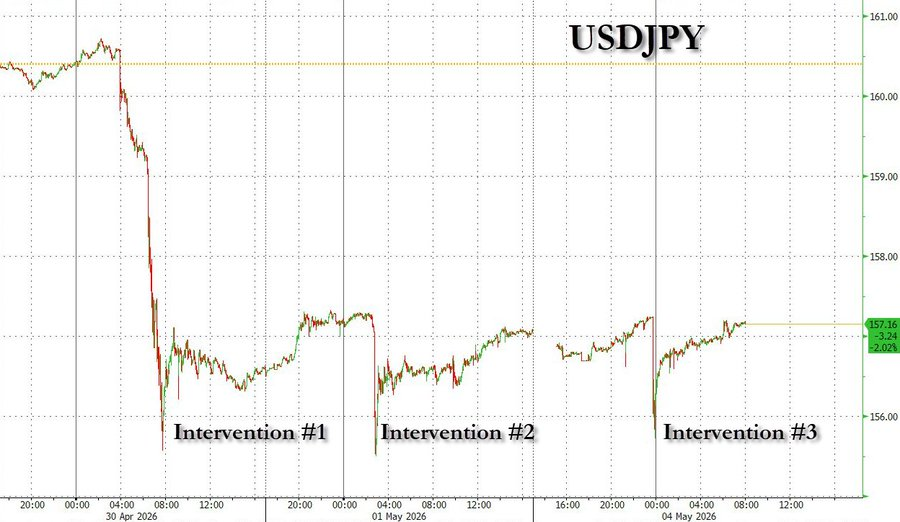
3b Japan 10 YR bond yield:RISES TO. +2.502 UP 1 FULL BASIS PTS/ VERY TROUBLESOME//Japan buying 100% of bond issuance)/Japanese YEN vs USA cross now at 157.20… JAPANESE YEN NOW FALLING AS WE HAVE NOW REACHED THE ENDING OF THE YEN CARRY TRADE AGAIN AND THE REPATRIATION OF YEN DENOMINATED BONDS TRADING IN THE USA/EUROPE. JAPAN 30 YR BOND YIELD: 3.719 UP 0 FULL BASIS PTS
3c Nikkei now ABOVE 17,000
3d USA/Yen rate now well ABOVE the important 120 barrier this morning
3e Gold UP /JAPANESE Yen UP CHINESE ONSHORE YUAN: XX( XXX AND OFFSHORE: DOWN AT 6.8303
3f Japan is to buy INFINITE TRILLION YEN worth of BONDS. Japan’s GDP equals 5 trillion USA
Japan to buy 100% of all new Japanese debt and NOW they will have OVER 50% of all Japanese debt.
3g Oil UP for WTI and BRENT UP this morning
3h European bond buying continues to push yields LOWER on all fronts in the EMU. German 10yr bund YIELD DOWN TO +3.0717 Italian 10 Yr bond yield DOWN to 3.912// SPAIN 10 YR BOND YIELD DOWN TO 3.536%
3i Greek 10 year bond yield DOWN TO 3.848%
3j Gold at $4552.20 //Silver at: 73.40 1 am est) SILVER NEXT RESISTANCE LEVEL AT $100.00
3k USA vs Russian rouble;// Russian rouble UP 0 AND 29/ 100 roubles/75.31
3m oil (WTI) into the 104 dollar handle for WTI and 113 handle for Brent/
3n Higher foreign deposits moving out of China// huge risk of outflows and a currency depreciation. This can spell financial disaster for the rest of the world/
JAPAN ON JAN 29.2016 CONTINUES NIRP. THIS MORNING RAISES AMOUNT OF BONDS THAT THEY WILL PURCHASE UP TO .5% ON THE 10 YR BOND///YEN TRADES TO 157.20 // 10 YEAR YIELD AFTER FIRST BREAKING .54% LAST YEAR NOW EXCEEDS THAT LEVEL TO 2.506% UP 1 BASIS PTS STILL ON CENTRAL BANK (JAPAN) INTERVENTION//YEN CARRY TRADE NOW UNWINDING//YEN BOND TRADING OVERSEAS REPATRIATED.//JAPAN 30 YR: 3.719 DOWN 0 PTS..: USA/SF this 0.7835 as the Swiss Franc . Euro vs SF: 0.9159
USA 10 YR BOND YIELD: 4.432 DOWN 2 BASIS PTS…
USA 30 YR BOND YIELD: 5.008 DOWN 2 BASIS PTS/
USA 2 YR BOND YIELD: 3.939 DOWN 2 BASIS PTS
USA DOLLAR VS TURKISH LIRA: 45.22 UP 2 BASIS PTS/LIRA GETTING KILLED//IDIOTS FOR SELLING GOLD
10 YR UK BOND YIELD: 5.0390 UP 7 PTS
30 YR UK BOND YIELD: 5.717 UP 7 BASIS PTS
10 YR CANADA BOND YIELD: 3.617 UP 9 BASIS PTS
5 YR CANADA BOND YIELD: 3.2750 UP 10 BASIS PTS.
1a New York Opening report
Futures Jump As Dip-Buyers Return After After Iran Truce Holds
Tuesday, May 05, 2026 – 08:26 AM
Stock futures are higher, completely reversing yesterday’s drop with dip-buyers out in force as a fragile ceasefire between the US and Iran held after a day of clashes and sentiment is helped by a pullback in oil prices, with Brent crude futures down 1.4% as well as the US move to return 22 Iranian crew from a seized vessel. The conflict “might need to escalate in order to de-escalate,” making any market weakness a chance to add positions in stocks, according to JPMorgan strategists who said that today is shaping up to be an “Everything Rally.” As of 8:00am ET, S&P 500 futures rise 0.3% while Nasdaq 100 contracts add 0.6%. In premarket trading, semis lead gains with Mag7 mostly higher. Cyclicals (ex-Energy) are outpacing Defensives, though healthcare is rallying. Bond yields are down 1-2bp with the 10Y yield dropping to 4.42% and the Dollar catching a bid. Commodities are seeing sales in Energy, precious metals retracing losses, and Ags mixed. US economic data calendar slate includes March trade balance (8:30am), April S&P Global US Services PMI (9:45am), April ISM services and March new home sales and JOLTS job openings (10am). Fed speaker slate includes Bowman (10am) and Barr (12:30pm)
In premarket trading, Mag 7 stocks are mostly higher (Amazon +0.6%, Microsoft +0.4%, Meta +0.2%, Alphabet +0.3%, Nvidia -0.01%, Tesla +0.3%, Apple -0.2%)
Bullish (BLSH) slips 2% after agreeing to buy Equiniti from Siris Capital in a $4.2 billion deal as the crypto exchange seeks to expand in blockchain-based capital markets infrastructure.
Coinbase (COIN) rises 3% after the crypto exchange said it will cut around 14% of its workforce, citing a need to manage costs in volatile markets and amid advances in artificial intelligence.
Eaton (ETN) falls 5% after the power equipment company gave an outlook for second-quarter profit below what analysts expected.
Fabrinet (FN) drops 11%, unable to push higher a 58% year-to-date rally after a third-quarter adjusted earnings per share beat.
Fidelity National Information Services (FIS) gains 5% after the payments processor said it is co-designing a Financial Crimes AI Agent with Anthropic’s Applied AI team.
Firefly Aerospace (FLY) climbs 11% after the space and defense technology company reported revenue for the first-quarter that beat the average analyst estimate.
GeneDx (WGS) sinks 42% after the health care services firm missed first-quarter revenue estimates and cut full-year guidance. Analysts slash price targets.
GlobalFoundries (GFS) gains 5% after posting revenue for the first quarter that matched the average analyst estimate.
Inspire Medical (INSP) falls 18% after the medical devices company slashed its full-year revenue outlook, citing coding and reimbursement uncertainty for Inspire V, an implant to treat moderate-to-severe sleep apnea.
Intel (INTC) rises 3% as Apple has held exploratory discussions about using the company — as well as Samsung Electronics — to produce the main processors for its devices in the US, according to people familiar with the matter.
Iqvia (IQVA) falls 5% after the healthtech firm posted first quarter results.
ON Semiconductor (ON) is down 4% after the chipmaker gave an outlook that is largely in line with expectations. Bloomberg Intelligence wrote that the forecast suggests a recovery in key markets will be slower than hoped.
Palantir Technologies (PLTR) falls 3% even as the software company reported first-quarter results that beat expectations on key metrics, although US commercial sales disappointed. Separately, it raised its full-year forecast.
Pinterest (PINS) jumps 17% after the social-media company reported first-quarter results that beat expectations and gave a full-year revenue forecast that is above the analyst consensus.
Rockwell Automation (ROK) gains 8% after boosting its adjusted earnings per share guidance for the full year.
Shopify (SHOP) falls 7% as the commerce software maker’s revenue outlook suggests growth pace may be slowing down.
In other corporate news, Michael Burry said he sold his entire position in GameStop after it made an offer to buy eBay for about $56 billion, citing concerns about the debt the company could take on for an acquisition. In AI news, ServiceNow projected it would generate $30 billion of subscription revenue in 2030, attributing the strong outlook to traction from its AI products. OpenAI discussed spinning out the company’s robotics and consumer hardware divisions late last year, according to the WSJ. And OpenAI co-founder and President Greg Brockman testified that his stake is now worth almost $30 billion, prompting an attorney for Elon Musk to ask why he had not donated the bulk of his earnings to the ChatGPT maker’s nonprofit foundation.
Relative calm returned to the Persian Gulf on Tuesday after US and Iranian forces exchanged fire the day before and Tehran launched missiles and drones toward the United Arab Emirates. Investors also found reassurance in the fact that a diplomatic push to resolve the impasse continued. While the war in the Middle East may be rumbling on, but JPMorgan’s Mislav Matekja says there are big differences to the 2022 playbook: He doesn’t expect to see stagflation in 2H as wage growth is moving lower. At the same time, equities aren’t complacent beneath the surface, with market breadth still narrow.
Traders have also been cheered by the AI boom and earnings that are beating despite a “very high bar,” according to Deutsche Bank’s Binky Chadha. Stock purchases by the ultimate dip-buyer – Corporate America – are helping to underpin the equity market too. forecast from Advanced Micro Devices Inc. later on Tuesday will offer new evidence of whether the spending wave on artificial intelligence is sustainable.
“Earnings remain the fuel for the US rally,” Madison Faller, global strategist at JPMorgan Private Bank, told Bloomberg TV. “The next question is whether earnings strength can broaden beyond technology. Portfolios need more than just one sector carrying the market.”
Still, concern about the war is showing up in other assets. WTI remains stubbornly above $100, while Goldman Sachs analysts wrote that the “speed of depletion and supply losses in some regions and products are concerning,” highlighting naphtha, jet fuel and liquefied petroleum gas. Diamondback Energy said it’s boosting crude output in response to rising prices caused by the war.
Meanwhile, 30-year Treasury yields remain a touch above 5% having hit the highest since July on Monday on inflation fears and concerns about higher government borrowing estimates.
In tech, Apple has held exploratory discussions about using Intel and Samsung to produce the main processors for its devices in the US, a move that would offer a secondary option beyond longtime partner TSMC. Meta is working on a financing package for a data center in El Paso, Texas, that could total roughly $13 billion, while Alphabet is selling bonds in the euro market just months after its last megabond deal.
Monday’s flareup of violence in the Middle East has injected fresh uncertainty after strong earnings from tech megacaps and gains in chipmakers pushed equities to a succession of records. The violence erupted after President Donald Trump announced “Project Freedom,” which he described as a humanitarian effort to guide stranded neutral ships.
“Project Freedom is a way for the US to gain an upper hand in negotiations,” wrote Mohit Kumar, chief economist and strategist for Europe at Jefferies. “In the coming days, it would become clear whether the US can provide safe passage to the ships and hence can take a much tougher stance.”
In politics, the chairs of key Senate committees unveiled legislation that would greenlight $71.7 billion in spending over the next three years for Trump’s immigration enforcement agenda. A top Senate Republican has proposed spending as much as $1 billion for US Secret Service security adjustments and upgrades, including for Trump’s planned White House ballroom
Of the 322 S&P 500 companies to have reported so far in the earnings season, 82% have beaten analysts’ forecasts, while 12% have missed.
In Europe, the Stoxx 600 is up 0.6% after a sharp selloff on Monday. Technology stocks are leading gains while travel is the biggest laggard. Earnings results have been mixed. AB-InBev shares are rising after first-quarter volume growth moved back into positive territory while HSBC dropped after it reported profit that missed estimates due to an unexpected UK fraud-related charge and rising economic risks from the conflict in the Middle East. EQT raised its offer for product-testing company Intertek to roughly £8.9 billion ($12.1 billion). Here are the biggest movers Tuesday:
AB InBev gains as much as 6.8%, the most since February 2025, after reporting a return to positive volume growth in the first quarter, ahead of expectations for a slight drop
BT Group gains as much as 6.3% in London, the most since July, after BofA raised to buy from neutral, saying its fiber build is on the “final straight” with dividends expected to be the next re-rating lever
UniCredit shares advanced 3%, the best performing stock on the Stoxx 600 Banks Index, after the Italia lender reported a record quarter with strong revenues. KBW analysts expect earnings to be well received
Dormakaba shares gain as much as 5.9% after Oddo BHF upgraded the security systems provider to outperform from neutral, citing the company’s ability to partially close the profitability gap versus leader Assa Abloy
Hugo Boss shares gain 3.4% after the German fashion designer posted first-quarter profits that outpaced expectations. Analysts say strong sales were driven by Asia, notably a return to growth in China
HSBC shares declined as much as 5.6% in London trading after the lender missed estimates in the first quarter, weighed by higher costs and impairments
Fresenius Medical Care shares drop as much as 9.4% to the lowest intraday level since October 2024, after the German company reported weak US dialysis volume for the first quarter
Raiffeisen shares drop as much as 4.1% after the bank reported profits that missed expectations, which analysts said was due to higher provisions and taxes
Asian stocks retreated from their record highs after an exchange of fire between the US and Iran cast doubt on the durability of a four-week ceasefire. The MSCI Asia Pacific Index dropped as much as 0.6%, with TSMC and Delta Electronics among the biggest drags. Markets in Japan, South Korea and mainland China were closed for holidays. Investors are again turning cautious, as heightening tensions around the Strait of Hormuz drove oil prices higher and renewed fears of global inflation. The AI trade is taking a step back after helping the MSCI gauge erase war-led losses and climb to a record high on Monday. Meanwhile, Australia’s benchmark S&P/ASX 200 index ended Tuesday down 0.2%, but pared its earlier decline after the central bank indicated that it may pause interest-rate increases. The Reserve Bank of Australia raised the cash rate to 4.35% on Tuesday, unwinding all of last year’s cycle of monetary easing.
In FX, the Bloomberg Dollar Spot Index is little changed. USD/JPY rises 0.2% to near 157.60 after a choppy European morning session.
In rates, treasuries advance, pushing US 10-year yields down 2 bps to 4.42%. Bunds also climb, led by shorter dated maturities. Front-end Treasuries hold small gains as futures retreat from session highs in early US session, leaving 30-year yield little changed near 5.02%. Rates are underpinned by lower oil prices as investors assess a tenuous four-week Middle East ceasefire. UK 30-year yield reached 5.76%, highest since 1998, as trading resumed after Monday’s holiday.US front-end yields are about 1bp richer on the day, steepening the yield curve slightly; 10-year is little changed near 4.44%. IG dollar issuance slate empty so far but expected to pick up after nine offerings totaling $8.35 billion were priced Monday. Issuers paid less than 2bps in new issue concessions on deals that were 4 times covered. Dealers project a weekly total of about $40 billion. US session features April ISM services report and March JOLTS job openings.
In commodities, WTI crude oil futures are down 1.4%, S&P 500 futures up 0.3%, with supported from cheaper oil as the Middle East ceasefire broadly holds. Precious metals gain with spot silver up over 1%. Bitcoin rises 1% and back above $80,000.
US economic data calendar slate includes March trade balance (8:30am), April S&P Global US Services PMI (9:45am), April ISM services and March new home sales and JOLTS job openings (10am). Fed speaker slate includes Bowman (10am) and Barr (12:30pm)
Market Snapshot
S&P 500 mini +0.3%
Nasdaq 100 mini +0.5%
Russell 2000 mini +0.5%
Stoxx Europe 600 +0.5%
DAX +1%
CAC 40 +0.6%
10-year Treasury yield -1 basis point at 4.43%
VIX -0.5 points at 17.78
Bloomberg Dollar Index little changed at 1196.35
euro little changed at $1.1684
WTI crude -1.9% at $104.38/barrel
Top Overnight News
Trump’s desire to end the Iran war is being put to the test after Tehran fired at American warships on Monday and violently disrupted a U.S. effort to revive shipping in the Strait of Hormuz. Still, Trump wants to avoid a fresh bombing campaign, officials say, preferring a negotiated end to Tehran’s nuclear advancements and the weekslong war that has raised gas prices and hurt the global economy. WSJ
U.S. intelligence assessments indicate that the time Iran would need to build a nuclear weapon has not changed since last summer, when analysts estimated that a U.S.-Israeli attack had pushed back the timeline to up to a year. The unchanged timeline suggests that significantly impeding Tehran’s nuclear program may require destroying or removing Iran’s remaining stockpile of highly enriched uranium, or HEU. RTRS
Trump says war could stretch 3 more weeks, claims US ‘already won.’ ABC
Iraq is offering discounts for crude loaded this month, with tankers having to transit the Strait of Hormuz to collect the barrels. The discounts include as much as $33.40 a barrel for Basrah Medium crude, according to a notice from state oil marketer SOMO: BBG
Trump said he’s looking forward to seeing Xi Jinping, signaling his plans for the high-stakes summit later this month are still on despite fresh tensions.
Australia’s central bank has raised interest rates for a third time this year, bucking a trend among global peers as it fights inflationary pressures intensified by the conflict in the Middle East. The Reserve Bank of Australia on Tuesday raised its borrowing rate to 4.35 per cent. The move, its third consecutive rise, undid the effect of three cuts last year. FT
SEC Chairman Paul Atkins said the agency is probing fraud allegations at private credit firms. BBG
Switzerland’s inflation quickened to a 16-month high in April as energy costs jumped. Consumer prices rose 0.6% from a year earlier. BBG
The US is weighing an executive order to create an AI working group and a review process for new models. NYT
Apple Inc. has held exploratory discussions about using Intel Corp. and Samsung Electronics Co. to produce the main processors for its devices in the US, a move that would offer a secondary option beyond longtime partner Taiwan Semiconductor Manufacturing Co. INTC +380bps premkt. BBG
Japan can conduct only two more sessions of three-day interventions by November to maintain its status of having a freely floating exchange rate, based on International Monetary Fund guidelines: BBG
Ahead of Race to IPO, OpenAI Discussed Spinning Out Robotics, Hardware Divisions: WSJ
The European Union has tools it can use if Donald Trump makes excessive threats to strategic industries, according to French Trade Minister Nicolas Forissier: BBG
Iran War
US President Trump said Iran war could go on for another two to three weeks; time is not of the essence.
IRGC military source told Tasnim that the US shot two small boats carrying civilians instead of shooting IRGC speedboats.
“Iranian Defense Council member Ali Akbar Ahmadian: Our security does not accept negotiations, and Washington obstructed global navigation and energy security”, Al Jazeera reported.
Iranian President Pezeshkian has requested an immediate and emergency meeting with Supreme Leader Khamenei to ask him to stop IRGC attacks on Persian Gulf nations and prevent a recurrence, Iran International reported. Pezeshkian reportedly outlined that the IRGC attack on the UAE occurred without the knowledge of the government.
US intelligence suggests strikes from the start of the war led to limited new damage to Iran’s nuclear programme, Reuters sources say.
US State Department official to Al Jazeera said the President is clear that direct communication between Israel and Lebanon is the best path toward peace; We are working to prepare the necessary conditions and political momentum to move forward with this
Two US Navy destroyers transited the Strait of Hormuz and entered the Persian Gulf after navigating an Iranian barrage, according to defense officials who spoke to CBS News; “Iran launched small boats, missiles and drones against them”.
Maersk (MAERSKB DC) said its subsidiary’s US-flagged vehicle carrier, Alliance Fairfax, exited the Gulf via Strait of Hormuz on May 4th.
US Treasury Secretary Bessent had a “fierce row” with UK Chancellor Reeves last month over her outspoken criticism of the Iranian war, FT sources say.
US CENTCOM posted “US warships and aircraft deployed to the Middle East are enforcing the naval blockade against Iran while executing Project Freedom to support the free flow of commerce through the Strait of Hormuz.”.
US officials say military closer to resuming combat operations than 24 hours ago, Fox reported.
US President Trump reiterates he feels Europe has been “very disappointing”.
Iranian Foreign Minister Araghchi posted “As talks are making progress with Pakistan’s gracious effort, the US should be wary of being dragged back into quagmire by ill-wishers. So should the UAE.”. Full post:”Events in Hormuz make clear that there’s no military solution to a political crisis. As talks are making progress with Pakistan’s gracious effort, the U.S. should be wary of being dragged back into quagmire by ill-wishers. So should the UAE.Project Freedom is Project Deadlock.”.
Mehr News Agency said a fire broke out in two commercial ships and spread to two others in Dayyer port south of Iran; cause not clear.
“Explosions were heard tonight in the port of Bandar Abbas (Iran) and on Qassem Island (Iran) in the Persian Gulf”, N12 journalist reported citing sources in Iran.
IRGC political deputy said traffic in the Strait of Hormuz will only be done with Iran’s permission, ISNA reported; “Any kind of traffic in the Strait of Hormuz, if it is from the enemy, will be met with a decisive and crushing response”.
Iranian Parliamentary Speaker Ghalibaf said the new equation of the Strait of Hormuz is being solidified. Actions of the US and allies have threatened the security of shipping and energy.
UNSC resolution prepared by the US, Saudi Arabia, Bahrain, Qatar, the UAE, and Kuwait opens the door for potential enforcement measures, AsharqNews reported citing the resolution “to be distributed tomorrow”.
A more detailed look at global markets courtesy of Newsquawk
APAC stocks traded lower following a weak Wall Street lead, with liquidity thin amid widespread market holidays across Japan, South Korea, and Mainland China. ASX 200 was pressured by weakness in the metals sector, while Westpac declined after a miss in H1 net income. Focus also turned to the RBA, which delivered its third consecutive 25bps rate hike as expected. Hang Seng followed the negative tone, led lower by tech, while mainland markets remained shut, and Stock Connect flows were absent.
Top Asian News
Foxconn (2317 TW) April (TWD): Revenue 832bln, +29.7% Y/Y. Q2 is expected to show both Q/Q and Y/Y growth.
European bourses opened mixed, but now display a clear positive bias alongside a move lower in crude prices this morning. The Euro Stoxx 50 (+0.9%) is the top performing index, whilst the FTSE 100 (-1%) is the clear laggard, as it returns from holiday and digests the recent US-Iran escalation. European sectors hold a positive bias this morning. Construction tops the pile, buoyed by post-earning strength in Geberit (+1.7%, robust results and sees strong demand across several markets). Chemicals and Financial Services complete the top three. To the downside reside Basic Resources and then Banks. The latter has been dragged down by losses in HSBC (-5%), after the Co. reported a Q1 profit miss and estimates higher than expected credit losses. Gains in UniCredit (+3%) are failing to lift the sector, with the Italian bank reporting strong profit and robust investment income. US equity futures are in the green this morning, and attempting to pare back some of the modest weakness seen in the prior session. Fed speak today includes Barr and Bowman. As for key movers today, Palantir (-2%, stronger results and lifted guidance, but US commercial revenue fell short of expectations). Elsewhere, ON Semiconductor (-4.7%, strong results, though missed on lofty expectations).
Spanish Unemployment Change (Apr) -62.7K vs. Exp. -18.6K (Prev. -22.9K).
FX
DXY is steady and trades within a narrow 98.40 to 98.57 range, with geopolitical newsflow overnight relatively light and as markets await the US data docket later. The index currently trades in close proximity to its 21-DMA (98.50), 100-DMA (98.46) and 200-DMA (98.55). No doubt attention ahead will be on any geopolitical developments, but domestically, traders will also eye US ISM Services, PMI Finals, JOLTS and a couple of Fed speakers.
Antipodeans are diverging this morning, with the Kiwi marginally topping the G10 pile whilst the Aussie lags. This is largely a function of a weaker AUD, after the RBA’s decision to hike its policy rate by 25bps (as expected). The accompanying statement was also net-hawkish, having suggested that second-round effects are beginning to emerge. In an immediate reaction, AUD/USD jumped higher to make a session peak at 0.7171 (vs trough 0.7135), before then gradually trundling lower soon after. The move lower is potentially a function of traders now taking out bets of future tightening, after three consecutive hikes. Particularly as in the presser, the Governor outlined they now have the policy space to wait and see. Markets currently do not assign much probability to a hike in June, before fully pricing in a hike by September.
JPY was flat for much of the European morning, but is now a touch lower after a recent spike higher in USD/JPY – a move which lacked a fundamental driver. The pair jumped to form a session high at 157.88 (from 157.28), before then immediately paring back towards 157.47. Most recently, a knee jerk lower was seen in the pair, with an aggressive move lower from 157.56 to 157.12, before once again moving back towards 157.50.
CHF is near enough unchanged vs the USD, and incrementally firmer against the EUR; EUR/CHF currently hovers just above its 50-DMA at 0.91554. Some modest pressure was seen in the Swiss Franc after the region’s April inflation report, whereby the M/M metric increased by less than expected, though the Y/Y figure doubled amidst the Iranian war.
Central Banks
RBA hikes its Cash Rate by 25bps as expected to 4.35%; via 8-1 vote (one voted to maintain rate at 4.10%); said inflation likely to remain above the target and risks remain tilted to the upside. DECISION. Board assessed that inflation is likely to remain above target for some time and that the risks remain tilted to the upside, including to inflation expectations. It was therefore judged appropriate to increase the cash rate target. The Board will be attentive to the data and the evolving assessment of the outlook and risks to guide its decisions. Having raised the cash rate three times, monetary policy is well placed to respond to developments. It will do what it considers necessary to achieve that outcome. INFLATION. Inflation picked up materially in the second half of 2025, and information since the beginning of this year confirms that some of this increase reflected greater capacity pressures. There are early signs that many firms experiencing cost pressures are looking to increase prices of their goods and services. Short-term measures of inflation expectations have also risen. There are plausible scenarios where inflation is higher and activity lower than envisaged under the baseline forecast. MIDDLE EAST. A longer or more severe conflict could put further upward pressure on global energy prices; this would push up near-term inflation and could also increase inflation further out as these costs are passed through and if price rises get built into longer term inflation expectations.
RBA Governor said if second round effects move through to expectations it could result in a need for higher rates. Current cash rate is a “bit” restrictive, provides some space to see how the Middle East situation develops. Have the policy space to wait and see. Extensive debate about the decision to hike.
Fixed Income
A contained morning for USTs and Bunds given ongoing APAC holidays and after the significant bearish action seen on Monday amid energy upside of as much as USD 6/bbl in Brent.
Gilts, unsurprisingly, lag with downside of 84 ticks at most to an 86.19 base, taking out the 86.36 low from Friday and now looking to the figure and then the 85.90 contract trough. Underperformance is a function of Gilts playing catch-up after Monday’s holiday, similar action seen in the FTSE 100. Otherwise, the UK docket is light, and the benchmark will likely conform directionally to peers, and as such may well retrace some of the discussed downside, in a similar fashion to peers late-Monday.
For the UK, we continue to count down to Thursday’s local elections, the results of which could be the tipping point against PM Starmer, particularly if his own council (Camden) shifts against Labour as the latest polls indicate it might, in a pivot to The Greens. On the leadership, The Times reports that Labour MPs are discussing plans to demand Starmer set a resignation date, in a move akin to that taken by allies of Brown against Blair.
USTs are currently a few ticks firmer in 110-05+ to 110-12 parameters, at the lower end of Monday’s 110-00+ to 110-26+ band. Ahead, a number of data points of note alongside remarks from Fed’s Bowman and Barr. However, there is every chance that action is once again dominated by geopolitics.
Bunds are a few ticks lower in a narrow 124.85 to 125.03 band, similarly at the lower end of Monday’s 124.68 to 125.51 confines. Specifics for the bloc light thus far, though we do look to a text release from ECB’s Lane; however, the topic is focused on the climate, rather than monetary policy.
Alphabet (GOOGL) commences a six-part EUR-denominated bond offer.
Germany sells EUR 0.993bln vs exp. EUR 1.0bln 2.10% 2029 and EUR 0.483bln vs exp. EUR 0.5bln 2.50% 2035 Green Bunds.
Commodities
Crude in the red, as energy generally eases off the highs printed on Monday, where Brent briefly posted gains in excess of USD 6/bbl at a USD 115.30/bbl peak, a conflict high for the July contract. As it stands, Brent is below USD 113.00/bbl, but remains markedly clear of the week’s USD 106.60/bbl open.
Overnight, specifics were bullish for energy, but the magnitude of Monday’s move meant the space failed to benefit. In brief, US President Trump said the conflict could continue for another three weeks, and time is not of the essence. Furthermore, a Fox report suggests the US is closer to resuming combat activity vs 24hrs prior. From the Iranian side, reports around recent strikes and who knew in advance point to ongoing or even further fractures within the leadership.
Dutch TTF in-fitting, lower and holding around EUR 47.70/MWh vs a EUR 49.23/MWh peak on Monday; however, this left it markedly shy of recent levels, which run as high as EUR 73.41/MWh
Spot gold firmer, benefitting from lower energy prices and the respite it has provided to the USD. XAU peaked at USD 4558/oz just after the European cash equity open and remains in proximity to its best levels. Ahead, Fed speak, and US data dominate from a scheduled perspective.
Base metals firmer on the return of LME, following the broader risk tone, though with mainland China still away, the magnitude is limited thus far. 3M LME Copper firmer and back above USD 13k.
Glencore (GLEN LN) confirms that an incident occurred earlier today at the zinc smelting unit of the Ust-Kamenogorsk Metallurgical Complex.
Iraq is offering term buyers discounts of USD 33.40/bbl on Basrah Medium for May loading, Bloomberg reported citing a 3rd of May notice.
US Event Calendar
8:30 am: United States Mar Trade Balance, est. -60.95b, prior -57.3b
9:45 am: United States Apr F S&P Global US Services PMI, est. 51.3, prior 51.3
9:45 am: United States Apr F S&P Global US Composite PMI, est. 52.1, prior 52
10:00 am: United States Apr ISM Services Index, est. 53.7, prior 54
10:00 am: United States Mar New Home Sales, est. 652k
10:00 am: United States Mar JOLTS Job Openings, est. 6850k, prior 6882k
10:00 am: United States Fed’s Bowman Speaks at Washington Financial Symposium
12:30 pm: United States Fed’s Barr Speaks on Banking Regulation
DB’s Jim Reid concludes the overnight wrap
As those in the UK return from the May Bank Holiday, global market sentiment has made a cautious start to the week, with renewed attacks in the Gulf casting doubt on the state of the four-week-old ceasefire between the US and Iran as both the sides look to exert influence over the Strait of Hormuz. Amid the heightened tensions, Brent crude rose +5.80% on Monday before edging -1.18% lower to $113.09/bbl this morning. An ensuing global bond sell-off saw 10yr Treasury yields (+6.8bps) reach a 9-month high of 4.44%, while 30yr yields moved back above 5%. The S&P 500 (-0.41%) also slipped from Friday’s record highs, and while S&P futures are edging +0.13% higher overnight, the Asian markets that are trading today are overwhelmingly in the red.
Markets have faced a flurry of Middle East headlines since Sunday night. The most sustained negative reaction came just before the European close yesterday as the UAE came under missile attacks for the first time since the ceasefire began on April 8, with a fire also breaking out at its oil terminal in Fujairah following a drone attack. The latter has been of increased importance to oil markets as the UAE has been transporting close to 2mmb/day of oil via pipeline to the Fujairah port while Hormuz shipping has been disrupted. Meanwhile, the US military said it had fought off attacks from Iranian drones, missiles, and small boats, as two US warships crossed the Strait of Hormuz along with two US-flagged merchant vessels. That move followed Trump’s announcement on Sunday of “Project Freedom” to help stranded vessels exit the Persian Gulf, though the exact scope of this operation remains unclear. Trump posted yesterday that Defense Secretary Hegseth will be holding a press conference today together with the chairman of the Joint Chiefs of Staff, General Caine. From Iran’s side, Foreign Minister posted last night that “events in Hormuz make clear that there’s no military solution to a political crisis”, while also suggesting that talks with the US were “making progress”.
Earlier yesterday, Iran’s military had warned that the strait remains closed, with reports of a couple of ships coming under attack. Oil prices spiked after Iranian media reported that its missiles had struck a US naval ship, but this move reversed after denials by the US and follow-up Iranian reporting of a “warning shot”. However, the relief proved short-lived and by the close, Brent crude rose +5.80% to $114.44/bbl, having traded below $106/bbl at Monday’s open in Asia. WTI rose +4.39% to $106.42/bbl. Oil markets also moved to price rising risks of persistent disruption, with 6-month Brent futures (+5.25%) posting their largest daily increase since March 2022 to reach a new post-2022 high of $91.99/bbl.
While oil prices pulled back a bit overnight, equity markets in Asia are pulling back from gains in the previous session. As I check my screens, the Hang Seng (-1.16%) is underperforming after a +1.24% rise yesterday, while the S&P/ASX 200 (-0.44%) also sliding following the RBA’s rate decision (details below). Meanwhile, markets in Japan, China and South Korea are closed today.
In term of yesterday’s moves, the rise in oil prices reignited concerns about inflationary pressures, with the 2yr inflation swap in the US rising +6.0bps to 3.13%, the highest since November 2022. In turn, that led to hawkish central bank repricing and pushed yields higher. Fed funds futured moved to price 17bps of hikes by next April (+11.5bps on the day), despite New York Fed Chair Williams arguing that the Fed will need to lower rates “at some point” if inflation drops to the 2% target as he expects for 2027. 2yr Treasury yields rose +7.4bps to 3.95%, while 10yr yields were up +6.8bps to 4.44% and 30yr yields +5.6bps to 5.01% as both reached their highest levels since July last year.
The higher oil and rates backdrop weighed on equities, with the S&P 500 retreating by -0.41% from Friday’s record high in a broad-based decline that saw 70% of S&P constituents lower on the day. Industrials (-1.17%) and materials (-1.57%) stocks led the decline, while energy (+0.85%) stocks were the only major sector to advance. Tech stocks also showed some resilience, with the NASDAQ (-0.19%) and the Mag-7 (+0.04%) little changed on the day. With tech stocks leading strong Q1 earnings growth in the US, the S&P 500 is +13.5% above its low on March 30, even as Treasury yields and longer-dated oil futures have reached new post-Iran war highs. For more on the earnings season takeaways, see yesterday’s update by our US equity strategists here.
Over in Europe, equities struggled even more, with the STOXX 600 falling -0.99%, while DAX (-1.24%), CAC (-1.71%) and FTSEMIB (-1.59%) posted even larger declines. The STOXX Autos index (-1.94%) underperformed, with the likes of Mercedes-Benz (-3.35%), Volkswagen (-2.81%) and BMW (-2.44%) sliding. This followed Trump’s threat on Friday to increase tariffs on auto imports from the EU back up to 25% as he claimed that the EU was “not complying” with the trade deal reached last summer.
European bonds mostly matched the US moves, with 10yr bund yields rising by +5.0bps to 3.08%, while OATs (+6.3bps) and BTPs (+7.8bps) saw larger increases amid the risk-off-tone. And the rise was larger at the front-end, with 2yr bund yields rising +7.8bps as markets moved to price a 99% likelihood of a June ECB hike by yesterday’s close. Adding to the baseline view of a June ECB hike, Germany’s Nagel said that the ECB would need to hike rates in June “if the inflation outlook does not improve markedly”, echoing similar comments he made last Friday.
On the data front, solid US data continued, with March factory orders jumping by +1.5% (vs. +0.6% expected) amid surging demand in segments related to the AI build out. Meanwhile, the Fed’s Q2 Senior Loan Officer Survey showed mostly stable bank credit conditions despite the Iran energy shock, albeit with a marginal tightening for corporate lending.
Turning back to overnight news, in Australia the RBA has hiked rates for a third meeting in a row to 4.35% as we go to print. The decision came in a hawkish-leaning 8-1 vote, a much more decisive split than the 5-4 vote in March, though the RBA’s press release does suggest a degree of patience moving forward as “Having raised the cash rate three times, monetary policy is well placed to respond to developments”.
Sweden’s Riksbank and Norway’s Norges this Thursday will finish up the current round of G10 rate decisions. There will also be lots of Fed and ECB speakers following their meetings last week. See the full day-by-day schedule below.
In terms of the rest of this week’s events, the main highlight will be the US jobs report on Friday. Our economists see payrolls rising +50k in April, close to the breakeven rate and down from +178k in March, with a slightly faster earnings growth rate (+0.3% vs +0.2% in March) and a stable unemployment rate (4.3%). Other US labour market indicators will include the JOLTS survey today and the ADP report on Wednesday. We will also get the ISM services index today and the University of Michigan’s consumer survey for May on Friday. And tomorrow will see the quarterly US Treasury refunding announcement. Our rates strategists preview the event here along with their forecasts.
Elsewhere, we will see the final May services PMIs from China and Europe tomorrow, while European releases also include April CPI reports in Switzerland (Tuesday) and Sweden (Wednesday), as well as March industrial production, factory orders, and trade in Germany. In politics, the focus will be on the local elections in the UK on Thursday.
Finally, this week’s earnings schedule includes AMD and CoreWeave on the tech side and big consumer stocks Walt Disney and McDonald’s. In Europe, earnings releases include Shell, Leonardo, Ferrari and AB InBev. In Japan, the list includes Toyota, Sony and Nintendo.
1b European opening report
1 c Asian opening report
Europe primed to open a touch lower as it digests Monday’s geopolitics; RBA hikes in 8-1 vote, AUD weaker – Newsquawk EU Market Open
Tuesday, May 05, 2026 – 02:07 AM
US President Trump said the war could go on for another two to three weeks; time is not of the essence.
US officials say the military is closer to resuming combat operations than 24 hours ago, Fox reported.
Iranian Foreign Minister Araghchi posted, “As talks are making progress with Pakistan’s gracious effort, the US should be wary of being dragged back into a quagmire by ill-wishers. So should the UAE.”
RBA announcement saw a near-unanimous vote to hike the Cash Rate, coupled with the net hawkish statement, which highlighted inflation concerns from the ongoing Iranian war.
European equity futures point to a lower open, with the Euro Stoxx 50 future down 0.2% after cash markets fell 2.2% on Monday.
Looking ahead, highlights include Swiss Inflation (Apr), US Building Permits Final (Mar), Canadian Balance of Trade (Mar), Canadian PMI (Apr), US PMI Final (Apr), US ISM Services (Apr), US JOLTS (Mar), US New Home Sales (Mar), US RCM/TIPP Economic Optimism (May), New Zealand Unemployment Rate (Q1). Speakers include RBA’s Bullock, ECB’s Lagarde, Lane, Fed’s Bowman, Barr. Supply from Germany. Earnings from AMD, AMC, Strategy, Tempus AI, Shopify, PayPal, Pfizer, HSBC, Leonardo, and Infineon.
2. Listen to this report in the market open podcast (available on Apple and Spotify)
3. Trial Newsquawk’s premium real-time audio news squawk box for 7 days
IRANIAN WAR
US
US President Trump said Iran war could go on for another two to three weeks; time is not of the essence.
US President Trump said Iran detour is working out nicely and sees oil prices going down rapidly once the war is over.
US President Trump said Iran has taken some shots at unrelated nations with respect to the ship movement, Project Freedom, including a South Korean cargo ship.
US President Trump said Iran will be “blown off the face of the Earth” if they attack US vessels carrying out Project Freedom, via Fox News.
UNSC resolution prepared by the US, Saudi Arabia, Bahrain, Qatar, the UAE, and Kuwait opens the door for potential enforcement measures, AsharqNews reported, citing the resolution.
US intelligence suggests strikes from the start of the war led to limited new damage to Iran’s nuclear programme, Reuters sources say.
US President Trump stopped short of saying Iran has violated the ceasefire, via ABC News citing a phone call.
Israeli official to News 14 said Ready to return to immediate fighting in Iran, awaiting the green light from the Americans.
US officials say military closer to resuming combat operations than 24 hours ago, Fox reported.
US Department of War press conference on Operation Epic Fury at 08:00EDT / 13:00BST.
IRAN
“Explosions were heard tonight in the port of Bandar Abbas (Iran) and on Qassem Island (Iran) in the Persian Gulf”, N12 journalist reported citing sources in Iran.
Informed Iran military official said Iran had no pre-designed plan to attack Fujairah oil facilities, and what happened was the product of the American army’s adventure to create an illegal passage of ships through the forbidden areas of the Strait.
Iran military sources said if the Emiratis become Israel’s playthings and make mistakes, they will learn a lesson that they will never forget, Tasnim reported. If the UAE takes an unwise action, all its interests will become Iran’s target, and no part of the UAE’s facilities will be safe.
A senior Iranian military official said the US’ claim that it sank a number of Iranian warships is false, Iranian media reported.
Iranian Foreign Minister Araghchi posted “As talks are making progress with Pakistan’s gracious effort, the US should be wary of being dragged back into quagmire by ill-wishers. So should the UAE.”. Full post: “Events in Hormuz make clear that there’s no military solution to a political crisis. As talks are making progress with Pakistan’s gracious effort, the U.S. should be wary of being dragged back into a quagmire by ill-wishers. So should the UAE. Project Freedom is Project Deadlock.”.
“Iranian Defence Council member Ali Akbar Ahmadian: Our security does not accept negotiations, and Washington obstructed global navigation and energy security”, Al Jazeera reported.
Mehr News Agency said a fire broke out in two commercial ships and spread to two others in Dayyer port south of Iran; cause not clear.
GULF
UAE plans ‘severe retaliatory response’ and UAE officials say plan is ‘harsh revenge’ against Iran, MS Now reported.
“Saudi Crown Prince condemned, during a phone call with the President of the UAE, the unjustified Iranian attacks that targeted the UAE”; said the Kingdom “by the UAE in its defense of its security and stability”, Sky News Arabia reported.
US and Israel holding talks on how to respond and assist UAE; sources suggest likely options include strikes against launchers and military targets threatening the strait, or an attack on an Iranian energy facility in response to Fujairah; via Hayom.
A senior UAE official informed Israel that they do not intend to remain silent about the attacks. “The Iranian regime has begun attacking us – we will strike back”, N12 reported.
A source reportedly told CNN’s reporter in Dubai that they expect US/Israeli strikes on Iran within the next 24 hours, via Faytuks News.
Bahrain declared an alert for fear of a possible attack, Tasnim reported.
SHIPPING
The US updated Israel on plans to break the naval blockade in Hormuz and raised concerns that the Iranians will attack ships or countries in the Gulf, a move that, according to senior Israeli officials, could lead Trump to resume the war, via Kann News.
A US official told Al Jazeera that Operation Freedom in the Strait of Hormuz is a defensive operation, and we do not want to see an escalation with Iran.
Two US Navy destroyers transited the Strait of Hormuz and entered the Persian Gulf after navigating an Iranian barrage, according to defence officials who spoke to CBS News; “Iran launched small boats, missiles and drones against them”. The USS Truxtun and USS Mason, supported by Apache helicopters and other aircraft, faced a series of coordinated threats during the passage, the defence officials said. Iran launched small boats, missiles and drones against them in what officials described as a sustained barrage. Despite the intensity of the attacks, neither US vessel was struck. Military officials said that defensive measures, bolstered by air support, successfully intercepted or deterred each incoming threat. They added that no projectiles that were launched reached the ships.
An IRGC military source told Tasnim that the US shot two small boats carrying civilians instead of shooting IRGC speedboats.
US CENTCOM posted “US warships and aircraft deployed to the Middle East are enforcing the naval blockade against Iran while executing Project Freedom to support the free flow of commerce through the Strait of Hormuz.”.
IRGC political deputy said traffic in the Strait of Hormuz will only be done with Iran’s permission, ISNA reported; “Any kind of traffic in the Strait of Hormuz, if it is from the enemy, will be met with a decisive and crushing response”.
ISRAEL/LEBANON
US State Department official to Al Jazeera said the President is clear that direct communication between Israel and Lebanon is the best path toward peace; We are working to prepare the necessary conditions and political momentum to move forward with this.
US TRADE
EQUITIES
US stocks traded risk-off on Monday as escalating geopolitical tensions in the Strait of Hormuz and the UAE drove energy prices sharply higher. The move weighed on equities and bonds, while supporting the dollar.
SPX -0.41% at 7,201, NDX -0.21% at 27,652, DJI -1.13% at 48,942, RUT -0.60% at 2,796
US President Trump privately raised objections to the Senate housing bill, via Politico. Trump was on the verge of putting out a social media post taking issue with the major housing affordability package the Senate approved this year, according to sources. The president doesn’t support language in the bill that would require large institutional investors to sell single-family homes that are built as long-term rentals after seven years, the sources said.
TRADE/TARIFFS
US President Trump reiterates he feels Europe has been “very disappointing”.
US President Trump said he has a very good relationship with Chinese President Xi.
US President Trump said he is looking forward to meeting Chinese President Xi, and will be an important trip.
US President Trump said hate to have to pay tariffs back.
APAC TRADE
EQUITIES
APAC stocks traded lower following a weak Wall Street lead, with liquidity thin amid widespread market holidays across Japan, South Korea, and Mainland China.
ASX 200 was pressured by weakness in the metals sector, while Westpac declined after a miss in H1 net income. Focus also turned to the RBA, which delivered its third consecutive 25bps rate hike as expected.
Hang Seng followed the negative tone, led lower by tech, while mainland markets remained shut, and Stock Connect flows were absent.
US equity futures traded flat and rangebound throughout the APAC session amid light newsflow.
European equity futures point to a lower open, with the Euro Stoxx 50 future down 0.3% after cash markets fell 2.2% on Monday.
FX
DXY traded flat for most of the session with a mild upside bias, edging above 98.50 before briefly meeting resistance around 98.55.
EUR/USD was uneventful, holding within a tight 1.1677–1.1693 range amid a lack of fresh catalysts.
GBP/USD paused after prior USD-driven losses, trading within a narrow band having tested yesterday’s 1.3512 low.
USD/JPY was subdued, hovering just below the 157.30 level as Japanese participants remained sidelined ahead of May 6th.
Antipodeans edged modestly lower amid the softer risk tone. AUD/USD was volatile on the RBA decision but then ultimately edged higher amid the near-unanimous vote to hike the Cash Rate coupled with the net hawkish statement, which highlighted inflation concerns from the ongoing Iranian war.
FIXED INCOME
10yr UST futures consolidated after Monday’s curve-wide selloff, which saw yields rise on geopolitical tensions and higher oil prices.
Bund futures were slightly softer, with elevated energy prices continuing to underpin inflation expectations.
US Treasury Financing Estimates (Q2): To borrow USD 189bln in Q2 and sees end-June cash balance of USD 900bln (prev. saw USD 109bln, assuming end-June cash balance of USD 900bln). To borrow USD 671bln in Q3, and sees end-September cash balance of USD 950bln. Borrowed USD 577bln in Q1, with end-quarter cash balance of USD 893bln.
COMMODITIES
Crude futures posted mild losses after the prior session’s sharp rally (WTI +USD 5/bbl, Brent +USD 6/bbl). Newsflow was light in APAC, though reports indicated the US military may be closer to resuming combat operations.
Spot gold held a modest positive bias, supported above USD 4,500/oz, likely consolidating after the previous day’s selloff amid thin liquidity.
Copper futures edged slightly higher, rebounding from prior losses as the LME returned from its long weekend.
EU’s Dombrovskis said taxing windfall energy profits is a possibility that member states can use, but not foreseeing recommending an EU initiative.
Chevron (CVX) CEO said oil storage buffers are being drawn down.
CRYPTO
Bitcoin edged higher towards 81k after topping yesterday’s high.
CENTRAL BANKS
RBA hikes its Cash Rate by 25bps as expected to 4.35%; via 8-1 vote (one voted to maintain rate at 4.10%); said inflation likely to remain above the target and risks remain tilted to the upside.DECISION: Board assessed that inflation is likely to remain above target for some time and that the risks remain tilted to the upside, including to inflation expectations. It was therefore judged appropriate to increase the cash rate target. The Board will be attentive to the data and the evolving assessment of the outlook and risks to guide its decisions. Having raised the cash rate three times, monetary policy is well placed to respond to developments. It will do what it considers necessary to achieve that outcome. INFLATION: Inflation picked up materially in the second half of 2025, and information since the beginning of this year confirms that some of this increase reflected greater capacity pressures. There are early signs that many firms experiencing cost pressures are looking to increase prices of their goods and services. Short-term measures of inflation expectations have also risen. There are plausible scenarios where inflation is higher and activity lower than envisaged under the baseline forecast. MIDDLE EAST: A longer or more severe conflict could put further upward pressure on global energy prices; this would push up near-term inflation and could also increase inflation further out as these costs are passed through and if price rises get built into longer term inflation expectations.
Fed’s Williams (voter) said longer-term outlook still suggests eventual rate cuts will happen and does not see need to start weighing Fed interest rate hike. He added in a time of uncertainty and economic shocks, natural to see diverging views on FOMC. Not seeing signs yet of inflation spilling into underlying trends. The US will be less affected relative to other nations from an energy shock. Williams said monetary policy remains well-positioned for an uncertain economy.
US President Trump said “Too Late” is a DISASTER for America! Interest rates too high!
Fed SLOOS: Regarding loans to businesses over Q1, survey respondents, on balance, tighter lending standards and basically unchanged demand for commercial and industrial (C&I) loans to firms of all sizes.
ECB’s Nagel said the longer the conflict lasts, the greater the risk that inflation will remain high without ECB intervention and the starting point will be much better than in 2022. June rate hike may be warranted if the inflation outlook does not improve significantly.
BoC Governor Macklem said inflation should peak in early April of 2027, then ease to 2% throughout the year. Will not allow energy prices to remain high for long.
SARB Governor Kganyago said he is very committed to 3% inflation goal and makes sense to keep options open.
NOTABLE ASIA-PAC HEADLINES
DATA RECAP
Australian S&P Global Composite PMI Final (Apr) 50.40 vs. Exp. 50.10 (Prev. 46.6).
Australian S&P Global Services PMI Final (Apr) 50.7 vs. Exp. 50.3 (Prev. 46.3).
Australian Household Spending MoM (Mar) M/M 1.6% (Prev. 0.3%).
Australian Household Spending YoY (Mar) Y/Y 6.3% (Prev. 4.6%).
GEOPOLITICS
RUSSIA-UKRAINE
Ukraine President Zelensky said Ukraine is starting a ceasefire on May 5th-6th.
The Russian Ministry of Defense warned Kyiv residents to leave the city promptly, via Tass.
Russian Defence Ministry said if Ukraine attempts to disrupt Victory Day celebrations, there will be a massive retaliatory missile strike on the centre of Kyiv, Interfax reported.
Russian President Putin made decision to announce temporary ceasefire in conflict with Ukraine, Ria reported; is in connection with Victory Day and will be in effect May 8-9th.
Ukraine President Zelensky said one day ceasefire with Russia is not an option.
EU/UK
NOTABLE HEADLINES
US Treasury Secretary Bessent had a “fierce row” with UK Chancellor Reeves last month over her outspoken criticism of the Iranian war, FT sources say.
NOTABLE GLOBAL EQUITY HEADLINES
Apple (AAPL) explores using Intel (INTC), Samsung (005930 KS) to build device processors, Bloomberg sources say; explorations remain preliminary.
HSBC (HSBA LN / 5 HK) Q1 (USD): Revenue 18.6bln (exp. 18.49bln). CET1 ratio 14% (exp. 14%), Pretax profit 9.38bln (exp. 9.59bln). Raises FY26 NII to USD 46bln (prev. “at least USD 45bln”); Declares first interim dividend of USD 0.10/shr.
2.a NORTH KOREA/SOUTH KOREA/JAPAN
JAPAN
Japan Says It Counts Three Consecutive Days Of FX Intervention As One
Monday, May 04, 2026 – 06:00 PM
Earlier today we joked when, after the third intervention attempt by Japan’s MOF/BOJ, the yen promptly sold off again as Japanese officials continued to sink billions of dollars into what has become bottomless monetary pit (ignoring for a second the lunacy of spending dollars to strengthen your currency while at the same time printing yet), one which gets bigger every day the BOJ refuses to simply raise interest rates.
So perhaps realizing the futility of their now daily interventions, which are taking place precisely at a time that is meant to to take advantage of the low domestic FX liquidity thanks to the Golden Week holiday, a Japanese Finance Ministry official on Monday cited a rule saying that three days of intervention count as a single operation. Even if Japan is on a public holiday, intervention can still be counted if global markets are open, the Finance Ministry person said. Based on this, May 4 would be considered the third consecutive day from April 30, the official added.
Japan was referring to International Monetary Fund fine print, which considers three consecutive business days of exchange-market intervention as a single episode, the official told reporters. The comments came after the yen rose following a reported intervention on Thursday, yet fell after each of the subsequent two interventions on Friday and Monday.
Furthermore, the IMF rules state that up to three such episodes within six months is consistent with a free-floating exchange rate regime, said the official, who accompanied Finance Minister Satsuki Katayama to an international conference in Samarkand, Uzbekistan. But if Japan’s interventions exceed three such occasions, the IMF tends to classify it as a floating – rather than free-floating – exchange-rate regime.
Japan intervened on Thursday after the yen weakened to 160.72 against the dollar, before surging to 155 and then resuming its slide. A Bloomberg analysis suggested authorities spent about $34.5 billion to support the currency on Thursday. The likely spent another $20 billion in the ensuing two interventions.
Katayama reiterated on Monday that the government stands ready to take bold action against speculative currency moves, in line with a US-Japan agreement reached last year. Such action typically refers to currency intervention to support the yen.
NORTH AND SOUTH KOREA
3. CHINA/
CHINA/
Iran War Threatens China’s 4.5 Percent Growth Target: Analysts
China’s already-strained economy faces mounting pressure as the Iran war threatens to choke export growth and suppress domestic demand, putting its 4.5 percent growth target at risk, experts say.
As the U.S.–Israeli war against the Iranian regime stretches past the two-month mark, President Donald Trump said in an April 29 interview with Axios that he will continue to maintain a blockade of Iran until Tehran agrees to a deal addressing concerns over its nuclear program.
Brent crude, the global oil benchmark, briefly spiked to over $120 a barrel after Trump’s remarks, hitting a four-year high before dropping back to $114. It now sits at around $108 as of Sunday afternoon.
Rising oil costs have also driven up plastic prices across Southern China, squeezing profit margins and triggering panic buying throughout the supply chain at Dongguan’s Zhangmutou—the nation’s top plastics trading hub.
China is the world’s largest producer, consumer, and exporter of final plastic products, according to a 2025 report from the Organisation for Economic Co-operation and Development, an intergovernmental organization.
Export Squeeze
Tsai Ming-fang, a professor of industrial economics at Tamkang University in Taiwan, said that while many argue China’s strategic oil inventories would shield it from the effects of a blockade, the turmoil in China’s plastics markets shows the conflict is already weighing on its manufacturing exports.
China is estimated to be holding the world’s largest crude stockpiles, at nearly 1.4 billion barrels as of December 2025 and growing in 2026, according to an analysis released in April by the U.S. Energy Information Administration.
“Surging energy prices in financially unstable countries like Indonesia, Thailand, and Vietnam are squeezing out discretionary spending, dragging down China’s export shipments,” Tsai told The Epoch Times.
“If consumers don’t consider these Chinese goods necessities, China’s shipment volumes will naturally fall further.”
Indonesia, Thailand, and Vietnam are members of the Association of Southeast Asian Nations (ASEAN)—China’s largest trading partner—with bilateral trade reaching 6.82 trillion yuan ($999 billion) in the first 11 months of 2025.
Chinese exports to the bloc totaled 4.29 trillion yuan ($628 billion) over the same period, up 14.6 percent year on year, data from the Economic and Commercial Office of the Mission of the People’s Republic of China to ASEAN showed.
Echoing the concern, Alicia Garcia-Herrero, chief economist for Asia Pacific at Natixis Research, said China’s export engine is now caught in a “double bind,” with higher shipping costs driven by Hormuz disruptions and softening end-markets across Southeast Asia.
“This is not yet a cliff edge, but the directional pressure [on China’s exports] is clearly downward, particularly in electronics, machinery, and mid-tier consumer goods,” Garcia-Herrero told The Epoch Times.
Liu Meng-chun, director of the Chung-Hua Institution of Economic Research’s mainland China division in Taipei, said war-driven inflation in advanced economies like the United States and Europe is eroding purchasing power, stifling demand for Chinese goods and compounding the country’s chronic overcapacity.
“The European Union overtook the United States as China’s second-largest export destination in 2025, but the conflict has stoked price pressures across the region, eating into the profit margins of Chinese firms,” Liu told The Epoch Times.
Exports from the world’s second-largest economy grew just 2.5 percent year on year in March, a sharp pullback from the 21.8 percent expansion recorded in January and February, according to China’s General Administration of Customs.
Faltering Demand
On the consumer front, Chinese car sales—widely viewed as a barometer of domestic demand—are declining.
Passenger vehicle retail sales in China fell 15 percent year on year in March to 1.648 million units, according to the China Passenger Car Association.
Cumulative sales in the first quarter of 2026 reached 4.226 million units, down 17.4 percent from a year prior.
“The prolonged stalemate in the Middle East crisis has driven international oil prices sharply higher … suppressing the release of consumer potential,” the industry body said.
Garcia-Herrero noted that China’s domestic demand was already under strain before the Iran war, warning that the ongoing energy shock will only exacerbate the decline.
“Elevated oil prices are feeding directly into transport and manufacturing input costs, squeezing household purchasing power and eroding consumer confidence,” she said.
China’s consumer price index, a key gauge of inflation, rose 1 percent year-on-year in March and was down 0.3 percentage points from February, according to China’s National Bureau of Statistics.
The producer price index (PPI)—a measure of costs at the factory gate—climbed 0.5 percent in March from a year earlier, reversing a 0.9 percent decline in February and marking its first rise after 41 consecutive months of contraction.
But Tsai cautioned against interpreting China’s PPI increase as a sign of economic recovery.
“The PPI rebound stems from energy cost pass-throughs driven by the conflict, rather than any genuine pickup in domestic spending,” Tsai said.
“The latest data indicates China is likely still grappling with internal ‘involution.’”
“Involution” describes a cycle in which Chinese firms compete ever more fiercely for a shrinking pool of consumers, driving down prices and profits without generating real economic growth.
As the fighting in Iran persists, the erosion of both domestic spending and export growth will inevitably deal a severe blow to China’s job market, according to Liu.
“The export sector has traditionally offered massive employment opportunities, but sluggish foreign trade is now constraining wage growth,” Liu said.
“Under these circumstances, the unemployment rate could rise further, hidden unemployment will become more pronounced, and the labor market will continue to contract.”
According to data released by China’s National Bureau of Statistics on April 21, the unemployment rate for those aged 16 to 24, excluding students, rose to 16.9 percent in March, up from 16.1 percent in February.
Dimming Outlook
In March, China’s State Council announced an economic growth target of 4.5 to 5 percent for 2026, its lowest since the early 1990s, not including the pandemic.
Tsai said Beijing’s decision to lower its growth target reflects its own lack of confidence in the economy, and the protracted conflict in the Middle East has only darkened the outlook further.
“Unless China’s major trading partners—including Africa, Southeast Asia, and the EU—dramatically scale up imports, hitting Beijing’s growth target looks increasingly unlikely,” Tsai said.
“Besides, new legislation from the EU is piling further pressure on China’s economy.”
The European Commission unveiled the Industrial Accelerator Act on March 4, imposing strict screening on foreign investments exceeding 100 million euros ($117 million) in sectors that account for more than 40 percent of global capacity, such as electric vehicles, batteries, solar energy, and critical raw materials.
The move—widely viewed by analysts as targeting China—drew a sharp rebuke from Beijing, which claimed the framework was “discriminatory,” and constituted “severe investment barriers.”
Echoing Tsai’s assessment, Garcia-Herrero said hitting 4.5 percent growth remains “achievable on paper,” but the margin for error has narrowed considerably.
“Beijing retains meaningful policy tools—fiscal stimulus, targeted monetary easing, and strategic energy reserves,” Garcia-Herrero said.
“But deploying them effectively against an externally driven inflation shock is a different challenge than managing domestic cycles.”
Garcia-Herrero predicted that if the Hormuz blockade extends beyond the second quarter, a revision toward 3.8 to 4.2 percent looks “increasingly likely.”
“The 4.5 percent target now depends heavily on a conflict resolution timeline that China cannot control,” she said.
END
4 EUROPEAN AND SCANDINAVIAN COMMENTARIES PLUS NATO
SPAIN
EU Crime Report: Spanish Rape Reports Surge 322% Over Last Decade, EU Sees 150% Increase
New data released by Eurostat on Wednesday reveals a staggering rise in reported sexual crimes across the European Union, with Spain showing an increase far beyond the continental average.
Spain has seen one of the most significant shifts in reporting, according to Spain’s La Razon outlet. In 2024, the country registered “5,222 violations” compared to only “1,239 in 2014.” This represents a “322 percent increase,” a figure that sits “well above the 150 percent average in the EU.”
What Eurostat does not provide is data on who is committing these crimes. However, other sources have explored this issue.
As Remix News reported last year, a CEU-CEFAS Demographic Observatory report titled “Demography of Crime in Spain” showed that foreigners, who make up 31 percent of Spain’s prison population and commit per capita 500 percent more rapes and 414 percent more murders than Spanish citizens.
The highest rates are seen among Arabs and Latinos, with many of them hailing from countries in South America known for their extremely high crime rates.
While the murder numbers are stable in Spain at 300 per year, there has been explosive growth in attempted murders. Over the course of just four years, between 2019 and 2023, attempted murder cases nearly doubled, going from 836 to 1,507.
In just five years, penetrative rape cases also soared 143 percent, going from 2,143 in 2019 to 5,206 in 2024.
As Remix News has reported on in the past, in many Spanish states, the crime statistics show massive overrepresentation of foreigners in serious crimes like sexual assault, including in the Basque region.
In cases of robbery with violence, foreigners are 440 percent more likely to commit such a crime. Many such cases have made headlines in the Spanish media.
The study heads indicated that Spain’s aging population should have led to a decrease in crime rates, but the influx of migrants, amounting to 3.8 million per decade, has led to an “imported crime” problem.
The report confirmed a consistent pattern that violent crime is predominantly committed by young men. Specifically concerning nationality, the study indicates that foreigners have much higher crime rates than Spaniards, particularly for the most serious offenses against persons, such as homicide, rape, and robbery. This overrepresentation is noted to be especially pronounced among individuals of African and Latin American origin.
🇪🇸‼️ In Barcelona, North African migrants were caught on camera trying to bundle an 11-year-old girl into a car while she was on the way to the shop opposite her home.
Her mother speaks out, "She burst into the house in tears, trembling. That night, she couldn't sleep or eat. It… pic.twitter.com/9LL7lxHQUL
Data on the prison population supports this finding: in 2024, 31 percent of the prison population was foreign-born (excluding naturalized or second-generation immigrants). This proportion is more than double their share of the general population in the 20-69 age group, with North Africans and Latin Americans showing significant overrepresentation.
Rape and sexual crimes jump across Europe
According to the report, police forces across EU member states registered “more than 250,000 crimes of sexual violence” in 2024. Of these recorded offenses, “almost 100,000 (38 percent) were rapes,” marking a “150 percent more than a decade ago” increase.
The Eurostat statistical office highlighted a “sustained upward trend over the last ten years, with an average growth of almost 10 percent annually in sexual violence and 7 percent in rape”. In total, cases of sexual violence nearly doubled in the EU, seeing “124,350 more cases than in 2014,” while the number of rapes added “nearly 59,000 additional crimes in that period.”
However, Eurostat suggests these numbers may not reflect a simple increase in crime alone. The office noted that the surge “could be linked to greater social awareness, which would have impacted reporting rates.”
Germany’s Inflation Scapegoat: Why Hormuz Is A Convenient Cover Story
Tuesday, May 05, 2026 – 02:00 AM
Submitted by Thomas Kolbe
Over the weekend, economist Gerrit Heinemann warned in Bild of a drastic increase in food prices in Germany. The scholar from Niederrhein University of Applied Sciences focused his analysis on the massive rise in fertilizer prices. A significant share of these—estimated at roughly one third of global production—is transported through the Strait of Hormuz. Following the dual blockage of the strait, this sector too has entered a state of global scarcity, forcing farmers worldwide to adjust prices, which ultimately feeds through to consumer prices.
Heinemann concludes that Germany’s food price index could rise by as much as ten percent this year. In Berlin, a familiar narrative has already taken hold, and there is broad agreement: the Hormuz crisis alone is responsible for the disaster. Yet core inflation had already reached around 2.7 percent year-on-year in March. Price increases across the entire spectrum of goods—especially energy and housing, which has become scarce due to migration—have accompanied Germany’s economic decline for quite some time. Only the dramatic slump in private investment and general consumer restraint have slightly dampened price pressures in recent years.
What stands out in this development is the steady upward revision of inflation forecasts. In March, there was consensus between the Economics Ministry and leading research institutes that inflation would come in at around three percent this year. By early April, after one month of the Iran crisis, economists at the International Monetary Fund were projecting price increases of five to six percent.
Now comes the ten-percent hammer in food prices. One could also put it this way: the culprit for rising prices in Germany has been found. Media and government point at every opportunity to Washington, where the supposed architect of the disaster allegedly sits: Donald Trump. But does this thesis hold?
Simultaneous with the abrupt rise in inflation forecasts are the recurring downward revisions of Germany’s economic growth rates. After more than two decades of eco-socialist restructuring, loose monetary policy, and now rapidly expanding public debt, Germany’s economy can be described simply: it is retreating in a dramatic process of contraction, while prices will continue to rise amid a crisis of productivity and investment. Incidentally, food prices rose by more than 40 percent between 2019 and 2025 as financial markets and the broader economy were flooded with cheap credit during the lockdown period, as documented by the Federal Statistical Office.
Hormuz is a cheap diversion from the disastrous policies that the firewall party cartel has been pursuing for some time in order to build a new green socialism. We are witnessing a radical paradigm shift not seen since the end of the Second World War. It is common knowledge that cheap energy, technological openness, a functioning market economy, and stable money were the factors that once underpinned Germany’s economic success.
It is now proving costly to be at odds with its most important energy and raw materials supplier, Russia, and to have effectively declared perpetual conflict with Moscow. History teaches us that ideological fervor always goes hand in hand with fanaticism. Blowing up one’s own nuclear capacity was, quite literally, a reckless gamble—an act of blind ideological infantilism rarely seen anywhere in the world in our era.
Together with Brussels, Berlin is pursuing a scorched-earth policy when it comes to returning to a market-based energy framework and sound regulatory principles. No matter how hard the current energy crisis hits, German policymakers remain committed to their green-socialist ideology. By clinging rigidly to CO₂ rent-seeking, grotesque climate regulation, and an energy policy run amok, the country has maneuvered itself into a geopolitical straitjacket. Germany’s economy now has its back against the wall. And Berlin has found its solution: the German middle class will be bled dry to finance the capital’s debt excesses and conceal the scale of the disaster.
What is dramatically worsening the situation in recent weeks is a series of attacks worldwide on refinery infrastructure. Whether in the United States, Australia, or war-affected Russia, the problems are intensifying. For Germany, an additional blow is that Russia will halt the transit of Kazakh oil to the Schwedt refinery via the Druzhba pipeline.
It is high time to develop domestic energy resources—fracking gas and drilling in the North and Baltic Seas—to signal to markets and consumers that rational policymaking has returned. Only then could Germany credibly declare the end of its post-Enlightenment delusion. A Europe-wide initiative to finance and build nuclear capacity would be urgently required. Yet Brussels and Berlin have decided otherwise: if necessary, access to energy will be rationed. The expansion of eco-socialism is to continue at all costs—energy thus becomes an absolute lever of political power over citizens, who are suffering from the ideological rigidity and intellectual failure of European policymakers to reduce energy dependence through market mechanisms and negotiated solutions.
The inflation problem is self-inflicted. Only a completely distorted and ideologically colored media narrative surrounding the Iran crisis and the consequences of centralized energy policy has so far prevented the public from correctly perceiving the economic disaster. The year 2026 will likely be the year in which personal escapism carries severe monetary consequences.
END
GERMANY/EU
Caught Off Guard: Stunned EU Leaders React To Trump’s Troop Reduction In Germany
Tuesday, May 05, 2026 – 05:45 AM
European officials have expressed dismay, disappointment, and surprise in the wake of the weekend announcement by the Trump administration that the US will be withdrawing some 5,000 troops from Germany over the coming months.
“There has been talk about withdrawing US troops from Europe for a long time. But of course, the timing of this announcement comes as a surprise,” EU foreign policy chief Kaja Kallas expressed on the sidelines of the European Political Community meeting in Yerevan, Armenia on Monday.
She then tried to find a silver lining, saying this must motivate Europe to strengthen its own role inside NATO. “I think it shows that we have to really strengthen the European pillar in NATO and we really have to do more,” she said.
But she also reasoned, “American troops are not in Europe only for protecting European interests, but also American interests.” Kallas also said: “I don’t see into the head of President Trump, so he has to explain it himself.”
Similarly, NATO Secretary-General Mark Rutte reacted by saying European leaders have “gotten the message” from Trump following the announcement.
Rutte, who is also in Armenia, acknowledged “disappointment from the US side” and said, “European leaders have gotten the message. They heard the message loud and clear.” He followed with: “Europeans are stepping up, a bigger role for Europe and a stronger NATO.”
Norwegian Prime Minister Jonas Gahr Støre when asked about the troop reduction, described “I wouldn’t exaggerate that because I think we are expecting that Europe is taking more charge of its own security.”
“I do not see those figures as dramatic, but I think they should be handled in a harmonious way inside the framework of NATO,” he told reporters in Yerevan.
NATO spokesperson Allison Hart said officials at the 32-member alliance currently “are working with the US to understand the details of their decision on force posture in Germany.”
Over several years, and stretching back decades, the US has maintained the most number of troops on the European continent in Germany – currently estimated at over 36,000 active duty personnel. So the 5,000 – while significant – is still somewhat of a symbolic move and number.
The large US presence hearkens back to the post WWII division of Germany and post-war order, and is also a legacy of the Cold War. Ironically at this very moment European leaders have hyped a ‘new Cold War’ with Russia, as the Ukraine war continues raging.
“The officials characterized the move as a signal of President Trump’s discontent with the level of assistance that European allies have offered in the U.S.-Iran war,” CBS wrote on the reduction decision.
The significance of the planned move also lies in the fact that America’s German bases serve as headquarters of US European Command and Africa Command – with the historic Ramstein Air Base being the key hub.
The announcement via US reporting comes just a day after Trump again lambasted German Chancellor Friedrich Merz:
“The Chancellor of Germany should spend more time on ending the war with Russia/Ukraine (Where he has been totally ineffective!), and fixing his broken Country, especially Immigration and Energy, and less time on interfering with those that are getting rid of the Iran Nuclear threat, thereby making the World, including Germany, a safer place!” Trump wrote on Truth Social.
Merz had in a rare moment torched US foreign policy and the Trump administration’s Iran war gambit in Monday remarks given at a local event in Germany. Included in that very head-on critique of Operation Epic Fury came in the following: “An entire nation is being humiliated by the Iranian leadership, especially by these so-called Revolutionary Guards. And so I hope that this ends as quickly as possible.”
Merz had also claimed, “If I had known that it would continue like this for five or six weeks and get progressively worse, I would have told him even more emphatically.”
END
ROMANIA/EU
the leu falls badly as the Romanian Government collapses with a non confidence vote.
(zerohedge)
Romanian Pro-EU Government Collapses After No-Confidence Vote, Currency Tumbles To Record Low
Tuesday, May 05, 2026 – 09:00 AM
Lawmakers toppled Romanian Prime Minister Ilie Bolojan’s pro-EU government in a no-confidence vote on Tuesday, putting at risk the country’s sovereign debt ratings, its access to EU funds and the stability of its currency. Of the valid votes cast in the parliament, 285 voted for the motion of censure and four against, exceeds the 251 signatures collected last week for the motion and above the 233 needed to pass, the official parliamentary count showed.
Bolojan has led a minority government since late April when the Social Democrats – the largest party in parliament – called for his resignation and then walked out of the four-party coalition and teamed up with the far-right opposition to file a no-confidence vote.
Although a snap election looks unlikely, financial markets are concerned that the turbulence could mean Bucharest wavers in its commitment to narrowing the European Union’s biggest budget deficit. Romania’s leu currency fell to a record low against the euro ahead of Tuesday’s vote.
The current coalition came to power 10 months ago with a view to containing the gains of the far right after a series of polarizing elections, and it had begun to reduce the deficit, narrowly avoiding a ratings downgrade from the last rung of investment grade. But the Social Democrats – without whom a pro-EU majority cannot be achieved – have repeatedly clashed with Bolojan as his austerity measures have hit their voters and patronage networks, while their popular support has bled away to the far right.
Nevertheless, opinion polls still show Bolojan is the most popular politician in the ruling coalition. Bolojan will stay on as interim premier with limited powers until a new government is approved by parliament.
“Can anyone say how Romania will function from tomorrow, do you have a plan?” Bolojan asked lawmakers before the vote. “Romanians will understand that you can govern differently, with respect for public money, and you cannot undo that.”
Romania’s next parliamentary election is not due until 2028. It has never held an early election and analysts say the likelihood of one now is small as the opposition hard-right Alliance for Uniting Romanians (AUR) leads in opinion polls.
Centrist President Nicusor Dan, who nominates the prime minister, is now expected to invite parties for negotiations and attempt to rebuild the four-party pro-EU coalition under a different member of Bolojan’s Liberals or perhaps a technocrat as prime minister. The Social Democrats (PSD) have often said they would rejoin a pro-EU coalition under a different premier.
Bolojan’s party has so far ruled out collaborating with the Social Democrats again, though some senior party members have pushed for reconciliation.
There is life after the no-confidence vote,” PSD leader Sorin Grindeanu told reporters. “We want to keep broadly this coalition.”
A Romanian Liberal member of the European Parliament, Siegfried Muresan, called the alliance between the leftists and AUR in support of the no-confidence motion “anti-European”.
“The formation of a new government will become their responsibility,” he told Reuters. However, Liberal deputy prime minister Catalin Predoiu said his party “must leave its options open”.
Romania must continue to shrink its deficit as well as implement reforms in order to tap some 10 billion euros worth of EU recovery and resilience funds before an August cutoff date. The deficit is expected to narrow to 6.2% of economic output this year from more than 9% in 2024.
END
UK
UK Gilt Yields Near 30-Year Highs As Political/Geopolitical Fears Spark Trussian Chaos
Tuesday, May 05, 2026 – 10:40 AM
Anyone has been in the bond markets for more than a minute remembers the fall of 2022 when UK PM Liz Truss was unceremoniously dumped by her own party after serving 45 days in office as the Gilts market collapsed at unprecedented speed amid economic chaos triggered by her ‘mini-budget’ (and multiple ministerial resignations).
The reason we reminisce is that this morning – after a long-weekend closed – UK Gilt yields are soaring once again… to their highest level since 1998 (and are a stunning 80bps above the Trussian highs) as worries intensified over local government elections and the impact of soaring energy prices on the economy.
While bond investors around the world have signaled their discontent with faster inflation and potentially higher interest rates, the UK stands out as the most extreme example.
As Bloomberg reports, the combination of Britain’s messy political landscape, with unpopular Prime Minister Keir Starmer likely to face a leadership challenge, feeble economy and strained government finances have made it a target for traders looking for a weak link.
“The market has one eye on the fact that Starmer’s days are numbered, and if not numbered then a further move to the left of the political spectrum is inevitable in an attempt to head off support for the Green party,” said Lloyd Harris, head of fixed income at Miton Group.
The UK 10-year yield has jumped 70 basis points since the start of the war, the biggest increase among a basket of developed markets tracked by Bloomberg over that period.
The UK’s problems are both domestic and foreign.
This coming Thursday’s May local elections should keep focus high on the lingering risks of a flare-up in UK political or fiscal premium.
Goldman Sachs traders believe that options markets are right to price-in relatively limited vol premium for the day itself.
The larger risks are likely in the form of either leadership challenges to the PM, or a shift in focus back to a constrained fiscal position on account of the evolution of energy prices and Gilt yields throughout the energy shock, and both of these are likely less immediate.
And even if these risks do materialise, we expect the impact on Sterling to come as bouts of currency underperformance rather than a more concerted trend lower, consistent with the pattern over the past year.
However, in the minds of investors, big losses at the ballot box raise the chances that either Starmer or his replacement would have to boost government spending to win back disaffected voters, which would further pressure the UK’s finances.
On top of that, the UK’s reliance on imported energy has left it vulnerable to an economic shock from the war in the Middle East.
With oil prices stuck above $100, the fear is that faster inflation will force the central bank to hike interest rates even further.
Markets are now pricing in three quarter-point rate hikes this year, up from two last week.
Additionally, Bloomberg reports that some have speculated that the traditional buyers of UK bonds, like pension funds, aren’t as active in the market as they used to be, which is also helping to drive up yields.
For decades, British defined-benefit pension funds bought long-dated bonds to match against their liabilities, allowing the UK to extend the average maturity of its issuance well beyond peers. Many of those programs are now winding down.
While Starmer has outlasted Truss stay in office, the bond market appears to be demanding/predicting/fearing his fate may well be the same… and soon (for better or worse).
END
5. RUSSIAN AND MIDDLE EASTERN AFFAIRS
ISRAEL /USA/IRAN/MONDAY NIGHT
Ceasefire Over? Trump Downplays ‘Mini-War’ After US & Iranians Trade Shots, Missiles Target UAE
Monday, May 04, 2026 – 04:50 PM
Summary
Trump employs interesting new term: “We’re in, I call it a mini-war.”
Fujairah says 3 injured in Iranian attack on Oil Industry Zone, UAE confirms “air defenses are now dealing with a missile threat”, we have gotten reports of explosions in Dubai, which has sent oil higher and Emini futures into the red. UAE threatens retaliation.
CENTCOM hails two US merchant ships exiting Hormuz Strait safely in “first step”. Bessent issues remarks warning the US “will fire if fired upon.”
Iran insists Hormuz is under its control & says it targeted & struck a US Navy vessel, which the Pentagon/Central Command has denied.
Trump announced Sunday US will ‘help free up’ ships stuck in Hormuz Strait through Project Freedom.Iran has in response issued a “redefined the control zone” in Strait of Hormuz.
It’s looking like the White House does not wish to given up just yet on the ceasefire, given this afternoon President Trump referenced the conflict as a “mini-war” – as opposed to a full blown war – in what seemed like an effort to downplay today’s dramatic events. Not only did missiles rain down on the UAE, sparking a fire at a key oil facility, but the US Navy said it destroyed seven Iranian military boats. Here’s what Trump said.
“They did a poll on the war with Iran, and they said only 32% of the people like it,” Trump said, without specifying who conducted the poll. “Well, I don’t like it, I don’t like war at all.”
“We’re in, I call it a mini-war,” Trump added a few moments later.
Trump has previously said he’s been advised to not call it a war. House Speaker Mike Johnson, R-La., said last week that the U.S. is currently “not at war.”
Meanwhile, more details via CENTCOM on the earlier flare-up, which separately saw the UAE engage 12 ballistic missiles, 3 cruise missiles, and 4 drones on Monday:
US Central Command (Centcom) says it has used helicopters to destroy Iranian small boats.
It follows US President Donald Trump’s suggestion that the US has struck seven Iranian small boats as it works to open the Strait of Hormuz. “Earlier today, Sea Hawk and U.S. Army AH-64 Apache helicopters were used to eliminate Iranian small boats threatening commercial shipping”, Centcom writes in a social media update.
END
ISRAEL/USA/IRAN TUESDAY MORNING
US Navy Destroyers Transit Hormuz Strait As Iranian Factions Reportedly Clash Over UAE Attacks; Pentagon Insists Ceasefire Still On
Tuesday, May 05, 2026 – 08:45 AM
Summary
Pentagon addresses whether ceasefire over or violated: Caine says Iran’s Monday operations were “all below the threshold of restarting major combat operations at this point.“
Contradictory statements out of Tehran on UAE attack, amid reports of division between IRGC & civilian leaders.
Two US Navy destroyers transited the Strait of Hormuz and entered the Persian Gulf.
Iranian Foreign Minister Abbas Araghchi travels to Beijing to discuss crisis with Chinese counterpart.
Araghchi: “Events in Hormuz make clear that there’s no military solution to a political crisis.”
In the Tuesday morning Pentagon presser led by War Secretary Pete Hegseth, Joint Chiefs Chair Gen. Dan Caine stated very clearly that the US views Monday’s escalation (the attack on UAE and some vessels in the Strait of Hormuz) as actions which are “all below the threshold of restarting major combat operations at this point.“
The Trump administration has argued that it doesn’t have to seek congressional approval to continue military operations beyond a 60-day limit because there is a ceasefire in effect. But the question raised Monday is: does the fresh Iranian cross-Gulf mark the end of ceasefire? Clearly the Pentagon and Trump administration are saying no. “No adversary should mistake our current restraint for a lack of resolve,” Caine then emphasized.
Below are some of the latest top developments from various MSM sources:
—Trump’s desire to end the Iran war is being put to the test after Tehran fired at American warships on Monday and violently disrupted a U.S. effort to revive shipping in the Strait of Hormuz. Still, Trump wants to avoid a fresh bombing campaign, officials say, preferring a negotiated end to Tehran’s nuclear advancements and the weekslong war that has raised gas prices and hurt the global economy. (WSJ)
—U.S. intelligence assessments indicate that the time Iran would need to build a nuclear weapon has not changed since last summer, when analysts estimated that a U.S.-Israeli attack had pushed back the timeline to up to a year. The unchanged timeline suggests that significantly impeding Tehran’s nuclear program may require destroying or removing Iran’s remaining stockpile of highly enriched uranium. (RTRS)
—Trump says war could stretch 3 more weeks, claims US ‘already won.’ (ABC)
Below: Pentagon slide in Tuesday’s briefing showing Iranian attacks on Hormuz shipping: “Iran has fired at commercial vessels nine times and seized two container ships since the ceasefire was announced” (Gen. Caine).
Internal Iranian Schism Over Monday UAE Attacks(?)
There’s a lot of chatter that Iran’s civilian government and the IRGC are at direct odds over Monday’s attack on UAE, which resulted in a large blaze at the Fujairah oil facility and the three injured Indian nationals. Al Jazeera for example observes:
By targeting the facility, Iran is sending a direct message to UAE saying: “We can target your most important economic points even if you think you can get around the Strait of Hormuz,” said Turak.
Iran’s government has not confirmed or denied responsibility for the attack. Turak noted there are “quite contradictory” statements coming out of Iran, however.
And Saudi-funded Iran International claims the following dramatic schism and internal rupture over the risky cross-Gulf operation, which could signal the end of the ceasefire (though curiously President Trump himself has not said it is broken):
Exclusive information obtained by Iran International points to a growing clash between Iran’s President Masoud Pezeshkian and its military leadership over Monday’s escalation in the Persian Gulf and attacks on the United Arab Emirates.
According to sources familiar with Tehran’s deliberations, Pezeshkian has expressed strong anger at actions by the Islamic Revolutionary Guard Corps, led by Ahmad Vahidi, describing missile and drone strikes on the UAE as “completely irresponsible” and carried out without the government’s knowledge or coordination.
Pezeshkian is said to have described the IRGC’s approach to escalating tensions with regional countries as “madness,” warning of potentially irreversible consequences.
This certainly isn’t the first time that Iran International, a London-based publication seen as also ‘close’ to Israeli intelligence, has alleged severe internal division in Iran’s wartime decision-making, but the viewpoint is beginning to be echoed and reported on more broadly.
Two US Navy Destroyers Successfully Transit Strait
To review of Monday’s major escalation, US Central Command said its forces had intercepted missiles targeting US Navy and commercial vessels, and also said American helicopters sank six small Iranian boats that officials said were targeting civilian vessels under American protection.
And also came a big milestone in terms of Washington aims to enforce Trump’s newly announced Project Freedom plan to provide military escort for ships through Hormuz. Two US Navy destroyers transited the Strait of Hormuz and entered the Persian Gulf on Monday and overnight after navigating an Iranian barrage, according to defense officials.
CBS reports, “The USS Truxtun and USS Mason, supported by Apache helicopters and other aircraft, faced a series of coordinated threats during the passage, the defense officials said. Iran launched small boats, missiles and drones against them in what officials described as a sustained barrage.” The report underscores further that “Despite the intensity of the attacks, neither U.S. vessel was struck.”
‘No Military Solution’
Iranian Foreign Minister Abbas Araghchi has issued an interesting statement decrying Trump’s attempt at escalation in Hormuz, warning that there’s no “military solution” to the crisis, while warning the US, UAE, and other regional countries against being drawn into a “quagmire” in the region.
“Events in Hormuz make clear that there’s no military solution to a political crisis,” Araghchi wrote on X. “As talks are making progress with Pakistan’s gracious effort, the US should be wary of being dragged back into quagmire by ill-wishers. So should the UAE. Project Freedom is Project Deadlock,” to top Iranian diplomat asserted.
Also of note is that Araghchi will travel to Beijing on Tuesday for discussions with his Chinese counterpart. “During the visit he will meet his Chinese counterpart [Wang Yi] to discuss bilateral ties and regional and international developments,” Iran’s Foreign Ministry said in a statement.
Below: Graham says you either pay now or you pay later. “They tried to get a nuclear weapon. If you don’t believe that, you shouldn’t be allowed to drive.”
Lindsey Graham says Americans deserve higher gas prices because many doubted Iran was going to get a nuclear weapon.
Officially at least, Beijing has a policy of “noninterference” in other countries’ internal affairs, and has claimed to not be involved in the Iran conflict – while Washington has consistently accused China of providing intelligence to Tehran, and even possibly military hardware or weapons.
Elsewhere in the region, South Korea’s presidential secretary Choi Soung-ah says “the safety of international maritime routes and freedom of navigation should be protected under international law” and that Seoul is “watching President Trump’s remark related to this,” according Reuters. This after ann explosion and fire on a South Korean-operated ship in the Strait of Hormuz on Monday, which Trump blamed on an Iranian attack.
More Geopolitical Developments
via Newsquawk…
US President Trump said Iran war could go on for another two to three weeks; time is not of the essence.
IRGC military source told Tasnim that the US shot two small boats carrying civilians instead of shooting IRGC speedboats.
“Iranian Defense Council member Ali Akbar Ahmadian: Our security does not accept negotiations, and Washington obstructed global navigation and energy security”, Al Jazeera reported.
Iranian President Pezeshkian has requested an immediate and emergency meeting with Supreme Leader Khamenei to ask him to stop IRGC attacks on Persian Gulf nations and prevent a recurrence, Iran International reported.
Pezeshkian reportedly outlined that the IRGC attack on the UAE occurred without the knowledge of the government.
US intelligence suggests strikes from the start of the war led to limited new damage to Iran’s nuclear programme, Reuters sources say.
US State Department official to Al Jazeera said the President is clear that direct communication between Israel and Lebanon is the best path toward peace; We are working to prepare the necessary conditions and political momentum to move forward with this
Two US Navy destroyers transited the Strait of Hormuz and entered the Persian Gulf after navigating an Iranian barrage, according to defense officials who spoke to CBS News; “Iran launched small boats, missiles and drones against them”.
Maersk (MAERSKB DC) said its subsidiary’s US-flagged vehicle carrier, Alliance Fairfax, exited the Gulf via Strait of Hormuz on May 4th.
US Treasury Secretary Bessent had a “fierce row” with UK Chancellor Reeves last month over her outspoken criticism of the Iranian war, FT sources say.
US CENTCOM posted “US warships and aircraft deployed to the Middle East are enforcing the naval blockade against Iran while executing Project Freedom to support the free flow of commerce through the Strait of Hormuz.”.
US officials say military closer to resuming combat operations than 24 hours ago, Fox reported.
US President Trump reiterates he feels Europe has been “very disappointing”.
Iranian Foreign Minister Araghchi posted “As talks are making progress with Pakistan’s gracious effort, the US should be wary of being dragged back into quagmire by ill-wishers. So should the UAE.”.
Full post:”Events in Hormuz make clear that there’s no military solution to a political crisis. As talks are making progress with Pakistan’s gracious effort, the U.S. should be wary of being dragged back into quagmire by ill-wishers. So should the UAE.Project Freedom is Project Deadlock.”.
Mehr News Agency said a fire broke out in two commercial ships and spread to two others in Dayyer port south of Iran; cause not clear.
“Explosions were heard tonight in the port of Bandar Abbas (Iran) and on Qassem Island (Iran) in the Persian Gulf”, N12 journalist reported citing sources in Iran.
IRGC political deputy said traffic in the Strait of Hormuz will only be done with Iran’s permission, ISNA reported; “Any kind of traffic in the Strait of Hormuz, if it is from the enemy, will be met with a decisive and crushing response”.
Iranian Parliamentary Speaker Ghalibaf said the new equation of the Strait of Hormuz is being solidified.
Actions of the US and allies have threatened the security of shipping and energy.
UNSC resolution prepared by the US, Saudi Arabia, Bahrain, Qatar, the UAE, and Kuwait opens the door for potential enforcement measures, AsharqNews reported citing the resolution “to be distributed tomorrow”.
end
ISRAEL/IRAN/USA/TUESDAY LATE MORNING
UAE Under Fresh Attack, Air Defenses Active Engaging ‘Missiles, Incoming Drones’ From Iran
Tuesday, May 05, 2026 – 10:22 AM
Summary
UAE under attack again, confirmed in state sources.
Pentagon addresses whether ceasefire over or violated: Caine says Iran’s Monday operations were “all below the threshold of restarting major combat operations at this point.“
Contradictory statements out of Tehran on UAE attack, amid reports of division between IRGC & civilian leaders.
Two US Navy destroyers transited the Strait of Hormuz and entered the Persian Gulf.
Iranian Foreign Minister Abbas Araghchi travels to Beijing to discuss crisis with Chinese counterpart.
Araghchi: “Events in Hormuz make clear that there’s no military solution to a political crisis.”
Air defense systems are currently responding to a missile threat. Please remain in a safe location and follow official channels for warnings and updates.
US sinks Iranian small boats, shoots down missiles, drones as reopening of Strait underway
US President Donald Trump launched Operation Project Freedom on Monday in an attempt to gain control of the Strait of Hormuz, a critical waterway in the region.
People drive past an anti-US billboard depicting U.S. President Donald Trump and the Strait of Hormuz, in Tehran, Iran, May 4, 2026.(photo credit: MAJID ASGARIPOUR/WANA/REUTERS)ByREUTERSMAY 5, 2026 03:29Updated: MAY 5, 2026 03:39
The US military said on Monday it destroyed six Iranian small boats and intercepted Iranian cruise missiles and drones as Tehran sought to thwart a new US naval effort to open shipping through the Strait of Hormuz.
US President Donald Trump launched the operation, called Project Freedom, on Monday as he sought to wrest control of the critical waterway from Iran, which effectively closed the Strait of Hormuz when the conflict started on February 28.
US Admiral Brad Cooper, the head of US Central Command (CENTCOM), declined to comment on whether he thought a ceasefire begun on April 8 remained in effect as Iran lashed out in the region, including with drone and missile attacks on the UAE on Monday.
“The IRGC has launched multiple cruise missiles, drones, and small boats at ships we are protecting. We have defeated each and every one of those threats through the clinical application of defensive munitions,” he said.
Vessels in the Strait of Hormuz near Bandar Abbas, Iran, May 4, 2026. (credit: Amirhosein Khorgooi/ISNA/WANA (West Asia News Agency) via REUTERS)
Cooper said he “strongly advised” Iranian forces to remain well clear of US military assets as Washington launches the operation, which he said involved 15,000 US troops, US Navy destroyers, over 100 land- and sea-based aircraft and undersea assets.
“The US commanders who are on the scene have all the authorities necessary to defend their units and to defend commercial shipping,” he said.
A South Korean ship was hit by an explosion in the Strait of Hormuz on Monday, but Trump remarked in a social media post that the South Korean ship was not part of the operation, and perhaps it should join US efforts to protect ship movements near Iran. Trump estimated the US had sunk seven Iranian fast boats.
The US operation to unblock the Strait of Hormuz involved multiple steps, including first clearing a pathway of Iranian mines. The US then proved the safety of the route earlier on Monday by sending two US-flagged commercial ships through the strait.
Iran’s Revolutionary Guards said no commercial vessels had crossed the strait in the past few hours, and that US claims to the contrary were false. Iranian state media also denied reports that the US had sunk Iranian vessels.
Cooper said the US operation went beyond a traditional escorting mission. Instead, he said it was a larger, multi-layered defensive arrangement that included ships, helicopters, aircraft, and even electronic warfare to defend against Iranian threats.
He said the Iranian fast boats were sunk by US Apache and Seahawk helicopters.
“If you’re escorting a ship, you’re playing kind of one-on-one. I think we have a much better defensive arrangement in this process,” he said. “We have a much broader defensive package than you would have ever if you were just escorting.”
The operation is Trump’s latest effort to force an end to the disruption of international energy supplies caused by Iran’s blockade of the strait, which carried a fifth of global oil and liquefied natural gas before the war.
US encouraging vessels to travel through Strait
Cooper said the US military was encouraging vessels to travel through the passageway despite Iranian threats to use military force that have effectively left craft from 87 countries stranded in the Gulf.
“Over the last 12 hours, we’ve reached out to dozens of ships and shipping companies to encourage traffic flow through the strait,” Cooper said.
“This news has been quite enthusiastically received, and we’re already beginning to see movement.”
The Iranian threat has left many ships stranded in the Gulf. Some 805 commercial vessels, including fuel and chemical tankers, container ships, auto carriers, and bulk ships, have sent an automatic identification system (AIS) signal from within the Gulf during the last 24 hours, according to MarineTraffic data.
Cooper said a US blockade of Iran, which prevents ships from going to Iran or departing Iranian territory, also remained in effect and was exceeding expectations
END
ISRAEL/IRAN/USA TUESDAY AFTERNOON
Hormuz “Deserted” As Iran Expands Area Of Control; Hundreds Of Ships Cluster Near Dubai
Tuesday, May 05, 2026 – 12:50 PM
The Strait of Hormuz has become a ghost town, er strait, with traffic grinding to a complete halt as no new commercial ship crossings were recorded despite a US effort to guide vessels through the waterway, according to Bloomberg.
While Maersk confirmed that its vessel Alliance Fairfax transited the strait on Monday under US military protection, Tuesday saw zero traffic following a day of violence that included attacks on vessels and missile strikes targeting the United Arab Emirates.
Confusion was rampant after Washington maintained that a safe passage exists, with two US destroyers reportedly entering the Gulf, but the heightened tensions kept commercial shipping at bay.
On Monday, two US vessels, one of them a vehicle carrier, moved out of the Persian Gulf under military escort while keeping their tracking signals off. Visible outbound activity during the same period was limited to an Iran-linked liquefied petroleum gas carrier, a small feeder containership, and a tiny regional cargo ship.
Ships transiting Hormuz with active AIS signals over the past day were confined to the narrow northern lane approved by Tehran. Also, widespread AIS spoofing has further clouded the picture, making independent verification of ship traffic virtually impossible
As reported previously, most of the recent Iran-linked departures have stalled in the Gulf of Oman; it remains unclear whether these vessels are following regional trading patterns or are being held up by a US naval blockade positioned further east. Only one containership entered the Persian Gulf on Monday before the flare-up in regional hostilities; there were no inbound transits on Tuesday.
While the fragile ceasefire held, about five dozen vessels moved toward Dubai in just one day, joining a growing cluster of at least 363 ships currently off the emirate in the Persian Gulf as Iran signaled it is expanding the area around Hormuz it now controls.
Iran’s Islamic Revolutionary Guard Corps (IRGC) unveiled on Monday a new map showing expanded areas around the critical chokepoint that Iran now claims to have under control. The area extends from a line between Kuh-e Mobarak in Iran and south of Fujairah in the UAE, and from another line between the end of Iran’s Qeshm Island and Umm Al Quwain in the UAE, according to the IRGC Navy.
Dubai, one of the seven emirates of the UAE, is just outside this new expanded area under Iranian control. Since Monday, nearly 60 vessels of all types have moved toward Dubai to an area of a large cluster of ships monitored by Bloomberg News. At least 363 vessels are in this area off Dubai, at least according to their tracking signals, which have become increasingly difficult to monitor and read since the war began and the Strait of Hormuz was closed.
The tensions in the area re-escalated on Monday, after the announcement by U.S. President Donald Trump of an operation dubbed “Project Freedom”, to guide ships stuck in the Strait of Hormuz out of the waterway. Iran responded to the announcement with a warning that U.S. forces “will be attacked if they intend to approach and enter the Strait of Hormuz”.
Iran on Monday attacked the port of Fujairah, a vital oil hub that sits right outside the Strait of Hormuz, and which saw several attacks before the U.S.-Iran ceasefire was announced in early April.
As the ceasefire looks increasingly fragile as of Tuesday, while dark oil loadings and transit activity from Iran continues.
“Kharg Island is operating under a near-total dark posture,” maritime intelligence firm Windward said on Monday, adding that Iranian oil cargo routes to Asia start to shift via Indonesia’s Lombok Strait, avoiding the more visible Strait of Malacca.
END
ISRAEL/IRAN/USA/LATE TUESDAY AFTERNOON (MORONIC)
Rubio Declares Offensive Stage Of Iran Conflict ‘Over’ – Just As New Cargo Vessel Under Attack In Hormuz
Tuesday, May 05, 2026 – 04:00 PM
Summary
Rubio declares ‘offensive’ actions of Operation Epic Fury are over, and now Project Freedom is in swing. Another vessel comes under attack in Hormuz.
UAE under attack again, confirmed in state sources – however which Iran denies doing. White House still hasn’t declared end of ceasefire.
Pentagon addresses whether ceasefire over or violated: Caine says Iran’s Monday operations were “all below the threshold of restarting major combat operations at this point.“
Contradictory statements out of Tehran on UAE attack, amid reports of division between IRGC & civilian leaders.
Two US Navy destroyers transited the Strait of Hormuz and entered the Persian Gulf.
Iranian Foreign Minister Abbas Araghchi travels to Beijing to discuss crisis with Chinese counterpart.
Secretary of State Marco Rubio has announced Tuesday afternoon that offensive stage of Iran war is ‘over’. He further said that ships stranded in the Strait of Hormuz are facing a humanitarian crisis and accused Iran of holding the world hostage by closing the Strait of Hormuz. Strangely, Iran is denying that it attacked the United Arab Emirates.
Operation Epic Fury is over, now Project Freedom.
The remarks were issued just as a new attack is unfolding on a foreign cargo ship in the strategic waterway:
South Korean ship attacked near Strait of Hormuz, South Korea’s government confirms
Earlier on Monday, an official from the South Korean Foreign Affairs Ministry told a Korean media outlet that there had been no Korean casualties in the attack.
The South Korean Navy destroyer Wang Geon participates in the South Korean Navy Fleet Review off the southern port city of Busan on September 26 2025.(photo credit: JUNG YEON-JE/AFP via Getty Images)ByJERUSALEM POST STAFF, AMICHAI STEIN, MIRIAM SELA-EITAM, TOBIAS SIEGALMAY 4, 2026 16:46Updated: MAY 5, 2026 01:01
A South Korean ship sailing near the Strait of Hormuz was attacked on Monday, according to the Korean media outlet Chosun Daily, citing a government official.
Earlier on Monday, the outlet quoted an official from the South Korean Foreign Affairs Ministry saying that the Korean government was still verifying the attack.
“We have initially confirmed that there have been no casualties among our nationals as of the first check,” the official said.
Trump said Iran fired shots at the cargo ship and some other targets as the US launched an operation seeking to open the Strait of Hormuz to shipping. He urged South Korea to join that effort.
The fire broke out in the engine room of the Panama-flagged cargo ship, where 24 crew members, including six Korean nationals, were on board, a HMM spokesperson told Reuters, adding that the cause of the fire was not clear at the moment.
THE ‘USS Abraham Lincoln’ conducts US blockade operations related to the Strait of Hormuz, last month. (credit: Handout Photo by the US Navy via Getty Images)
Fire extinguished, ship to be towed to Dubai port
The South Korean shipper confirmed on Tuesday that the fire had been extinguished.
The ship will be towed to a nearby port in Dubai, the company said, adding no casualties have been reported so far.
Earlier on Monday, an American official confirmed to The Jerusalem Post that Iran’s navy did not hit a United States Navy ship near the Strait after the Iranian Islamic Revolutionary Guard Corps (IRGC)-aligned Fars News Agency claimed that two missiles had hit a US naval frigate near the port of Jask at the Strait’s southern entrance.
In addition, Iran has prepared other scenarios that it will activate “if necessary,” according to Iran’s Tasnim News Agency, citing an unnamed source.
Over the past few months, Iran has repeatedly claimed to have struck several US naval ships operating in the region, including the USS Abraham Lincoln aircraft carrier in early March.
CENTCOM: US ships successfully transited Strait
US Central Command (CENTCOM) said in a X/Twitter post that two US-flagged ships successfully transited the Strait on Monday.
CENTCOM earlier confirmed that no US ship had been hit, adding that “US forces are supporting Project Freedom and enforcing the naval blockade on Iranian ports.”
“The missiles launched didn’t even come close,” added CENTCOM.
END
ISRAEL USA IRAN/
New Member Of Trump’s Iran Negotiating Team Comes From FDD Think Tank
Amid stalled peace talks and a US blockade on Iranian ports, the Trump administration has added a new member to its negotiating team who comes from the Foundation for the Defense of Democracies, a notoriously hawkish think tank that has been lobbying for aggressive action against the Islamic Republic for many years.
Nick Stewart, the head of the FDD’s lobbying arm, has joined the office of US envoy Steve Witkoff, journalist Alex Marquardt first reported on his Substack on Friday.
The White House confirmed the appointment to Marquardt, calling Stewart a “sharp, seasoned policy expert who is a valuable asset to Special Envoy Steve Witkoff’s talented team.”
Stewart worked in the State Department during the first Trump administration under then-US Special Representative for Iran Brian Hook, who oversaw the increasing economic sanctions regime following the US withdrawal from the JCPOA in 2018, known as the Iran nuclear deal.
“Hiring a FDD staffer onto your team strongly suggests that reaching a diplomatic deal is not Trump’s objective,” Trita Parsi, an Iran expert who works as the executive vice president of the Quincy Institute for Responsible Statecraft, wrote on X in response to Stewart’s appointment.
However, White House spokesperson Olivia Wales confirmed later of Stewart:
“He brings a wealth of leadership and Iran policy experience to the role – from serving at the Department of State in the first Trump Administration and on Capitol Hill – and is a trusted voice as Special Envoy Witkoff works in lockstep with President Trump and his entire national security team to make a deal that is good for the United States and the world.”
Iran has reportedly submitted a new proposal to the US to reach a complete end to the war within 30 days, and President Trump has already cast doubt on it and suggested he’d rather continue the conflict.
“I will soon be reviewing the plan that Iran has just sent to us, but can’t imagine that it would be acceptable in that they have not yet paid a big enough price for what they have done to Humanity, and the World, over the last 47 years,” the president wrote on Truth Social on Saturday.
END
ISRAEL TBN
HEZBOLLAH
WATCH: IDF kills two fleeing terrorists with drone in southern Lebanon
According to the IDF, the two terrorists had been armed and operating near IDF troops when they were identified. They attempted to escape on a motorcycle, but the IDF’s drone caught up.
Israeli soldiers are seen along the Israeli border with Lebanon amid the ongoing war, April 10, 2026.(photo credit: AYAL MARGOLIN/FLASH90)ByTZVI JASPERMAY 5, 2026 11:31Updated: MAY 5, 2026 15:22
The IDF killed two Hezbollah terrorists in southern Lebanon with a drone while they were attempting to flee, the military announced on Tuesday.
According to the IDF, the two terrorists had been armed and operating near IDF troops when they were identified. They attempted to escape on a motorcycle, but the IDF’s drone caught up and successfully killed them both.
The IDF also announced that on Monday, Hezbollah had launched an anti-tank missile near IDF soldiers. No injuries were reported, and the IDF subsequently attacked and destroyed the structure from which the missile had originated.https://player.jpost.com/public/player.html?player=jpost&media=4046779&url=www.jpost.comAN ANTI-TANK missile launched from a Hezbollah structure. (Credit: IDF Spokespersons Unit)
Hezbollah attacks IDF with mortars
Earlier on Tuesday, the military announced that Hezbollah had attacked IDF soldiers in two separate incidents by launching mortar shells at troops operating in southern Lebanon.
No injuries were reported, the IDF said.
Subsequently, the IDF issued an urgent evacuation warning to the towns of Jabshit and Sarafina in southern Lebanon, urging civilian residents of the towns to evacuate to a distance of at least 1,000 meters away from any Hezbollah infrastructure.
END
RUSSIA VS UKRAINE
Big Shake-Up: Putin Fires Head Of Aerospace Forces After Devastating Ukrainian Drone Attacks
Tuesday, May 05, 2026 – 02:45 AM
There are reports out of Russia of another high level firing within the defense ministry. This time, President Putin has reportedly sacked the head of Russia’s Aerospace Forces, which is the armed services branch responsible for the country’s air defenses.
Moscow-based news outlet RBC reports that General Viktor Afzalov has been replaced by Colonel General Alexander Chaiko. Afzalov had first been appointed to the command post in 2023.
However, the Kremlin did not immediately comment on or confirm the shake-up, but it comes amid growing anger among the Russian populace and among leadership following a series of major Ukrainian drone attacks.
For example, the major Black Sea hub of the Tuapse Oil Refinery has been struck four times in the last several weeks, creating a local environmental disaster which has also seen days of large fires.
The recent series of highly destructive Ukrainian drone attacks has even reached faraway Perm, near the Ural mountains, where an oil complex there was reported struck.
These latest drone waves have not been stopped by Russian anti-air defenses, and Ukraine’s cheap but highly capable drone attacks have appeared to easily thwart any countermeasures.
As for the new head of the Aerospace Forces, he takes command amid a high pressure situation. If he can’t stop the ongoing drone onslaught, then he too could face quick removal:
Alexander Chaiko was born in 1971 in the Moscow region. He graduated from the Moscow Higher Combined Arms Command School. According to the Ministry of Defense website, he served in positions ranging from reconnaissance platoon commander to commander of the First Tank Army of the Western Military District. In 2001, he graduated from the Frunze Combined Arms Academy of the Armed Forces. In 2012, he graduated from the Military Academy of the General Staff.
He held the positions of deputy commander of the combined arms army of the Central Military District, commander of the combined arms army of the Western Military District, chief of staff – first deputy, and commander of the troops of the Eastern Military District. In 2019, he was appointed deputy chief of the General Staff.
Chaiko has already been sanctioned by the European Union, as he’s stood accused serving as a lead commander during the Russian occupation of Bucha – after which Moscow was accused of indiscriminate killings of civilians, which the Kremlin denies.
Meanwhile, last week Ukraine’s President Volodymyr Zelensky announced “a new stage in the use of Ukrainian weapons to limit the potential of Russia’s war.“
Despite Ukrainian forces being slowly rolled back on the battlefield in the east, drone warfare remains about the only leverage that Kiev has at this point.
END
IRAN…
Iran’s Pain Threshold: One Bank’s Math
Summary of the ZeroHedge Article (May 4/5, 2026):
zerohedge.com
Bank of America’s chief Middle East economist, Jean-Michel Salba, analyzed Iran’s “pain threshold” in the ongoing conflict with the US/Israel, focusing on economic resilience under sanctions, naval blockade, and disrupted exports.
Core Thesis
Even with sharply reduced oil exports — around 250k bpd (a fraction of pre-war levels) — high oil prices could still generate enough revenue for the Iranian regime to:
Maintain basic cohesion.
Service its wage bill (critical for regime stability and paying security forces, bureaucracy, etc.).
Avoid immediate economic collapse.
This comes at the expense of wider post-war imbalances (e.g., heavier monetization of deficits, higher inflation, and currency pressures). The central bank’s claims on government were already up sharply (87% yoy at end-2025), with risks of further explosive growth if spending is monetized.
zerohedge.com
Market & Negotiation Implications
Iran’s leverage in talks: Knowing it can “muddle through” on limited but high-priced oil sales may make Tehran more patient in negotiations. They could demand substantial financial relief/sanctions relief as part of any deal.
War of attrition timeline: This extends the period Iran can sustain pressure before internal cracks force concessions. It informs how long the US side might need to maintain military/economic pressure.
Trump angle: Reports suggest the administration is looking at military options, IOC (International Oil Companies) briefings, and indirect talks to shorten that timeline.
Key monitor: Iran’s ability to actually monetize (sell and receive payment for) even modest export volumes amid the US naval blockade in the Strait of Hormuz and related disruptions.Broader Context (from Ongoing Coverage)This aligns with the fluid geopolitics in your earlier Newsquawk brief:
US destroyers transited Hormuz under fire but without damage.
Iranian threats, UAE retaliation signals, and potential escalations.
Oil prices elevated but with some pullback.
Regime facing pre-existing high inflation, rial weakness, and now war damage/reconstruction costs.
Iran has shown resilience via shadow fleets, Chinese off-take, and non-oil diversification in the past, but the current blockade + targeted strikes test that more severely.
investing.com
Bottom line for markets: Iran isn’t on the brink of immediate economic implosion even at low export volumes if prices stay high — which supports a prolonged uncertainty narrative rather than quick resolution. This keeps a geopolitical risk premium in oil, gold, and defense, while weighing on broader risk assets until clearer de-escalation signals emerge.Watch for any updates from the US DoD presser or fresh Hormuz/negotiations headlines today. If you have more details from the article or want analysis on specific aspects (oil revenue math, inflation dynamics, etc.), let me know!
END
IRAN..
Iran’s nuclear weapon timeline barely set back despite US-Israeli strikes, sources say
The timeline for Iran to build a nuclear weapon has not changed since last summer, indicating that impeding Tehran’s nuclear program may require destroying its stockpile of highly enriched uranium.
The United Nations headquarters before a meeting on the Nuclear Non-Proliferation Treaty at the UN, in New York City, US, April 27, 2026.(photo credit: Eduardo Munoz/Reuters)ByREUTERSMAY 5, 2026 02:13Updated: MAY 5, 2026 10:26
US intelligence assessments indicate that the time Iran would need to build a nuclear weapon has not changed since last summer, when analysts estimated that a US-Israeli attack had pushed back the timeline to up to a year, according to three sources familiar with the matter.
The assessments of Tehran’s nuclear program remain broadly unchanged even after two months of a war that US President Donald Trump launched in part to stop the Islamic Republic from developing a nuclear bomb.
The latest US and Israeli attacks that began on February 28 have focused on conventional military targets, but Israel has hit a number of significant nuclear facilities.
The unchanged timeline suggests that significantly impeding Tehran‘s nuclear program may require destroying or removing Iran’s remaining stockpile of highly enriched uranium, or HEU.
The war has stalled since the US and Iran agreed to a truce on April 7 to pursue peace. Tensions remain high as both sides appear deeply divided, and Iran has choked traffic through the Strait of Hormuz, blocking some 20% of world oil supplies and igniting a global energy crisis.
Iran’s ambassador to the International Atomic Energy Agency (IAEA) Reza Najafi looks on before the beginning of the quarterly Board of Governors meeting in Vienna, Austria, March 2, 2026. (credit: LISA LEUTNER/REUTERS)
Secretary of Defense Pete Hegseth has said publicly that the US aims to ensure Iran does not obtain a nuclear weapon via ongoing negotiations with Tehran.
US intelligence agencies had concluded prior to June’s 12-day war that Iran likely could produce enough bomb-grade uranium for a weapon and build a bomb in around three to six months, said two of the sources, all of whom requested anonymity to discuss US intelligence.
Following the June strikes by the US that hit the Natanz, Fordow and Isfahan nuclear complexes, US intelligence estimates pushed that timeline back to about nine months to a year, said the two sources and a person familiar with the assessments.
The attacks destroyed or badly damaged the three enrichment plants known to have been operating at the time. But the UN nuclear watchdog has been unable to verify the whereabouts of some 440 kilograms of uranium enriched to 60%. It believes that about half was stored in an underground tunnel complex at the Isfahan Nuclear Research Center, but it has been unable to confirm that since inspections were suspended.
The International Atomic Energy Agency assesses that the total HEU stockpile would be enough for 10 bombs if further enriched.
“While Operation Midnight Hammer obliterated Iran’s nuclear facilities, Operation Epic Fury built on this success by decimating Iran’s defense industrial base that they once leveraged as a protective shield around their pursuit of a nuclear weapon,” said White House spokeswoman Olivia Wales, referring to the June operation and the latest war that began in February.
“President Trump has long been clear that Iran can never have a nuclear weapon – and he does not bluff.”
The Office of the Director of National Intelligence did not respond to a request for comment.
Stopping Tehran’s nuclear program a key US goal
US officials, including Trump, repeatedly cite the need to eliminate Iran’s nuclear program as a key objective of the war.
“Iran can never be allowed to obtain a nuclear weapon. That is the goal of this operation,” Vice President JD Vance wrote on X/Twitter on March 2.
The unchanging estimate of how long it would take Iran to build such a weapon reflects in part the focus of the latest US and Israeli military campaign, the sources said.
While Israel has struck nuclear-related targets, including a uranium-processing facility in late March, US attacks have concentrated on conventional military capabilities, Iran’s leadership and its military-industrial base.
The unchanged estimates may also stem from a lack of major nuclear targets that can be readily and safely destroyed following June’s military action, according to some analysts.
Eric Brewer, a former senior US intelligence analyst who led assessments of Iran’s nuclear program, said it was not surprising that the assessments have not changed because recent US strikes have not prioritized nuclear-related targets.
“Iran still possesses all of its nuclear material, as far as we know,” said Brewer, vice president of the nuclear materials study program at the Nuclear Threat Initiative arms control think tank. “That material is probably located in deeply buried underground sites where US munitions can’t penetrate.”
In recent weeks, US officials have contemplated dangerous operations which would significantly impede Iran’s nuclear efforts. Those options include ground raids to retrieve the HEU believed to be stored in the tunnel complex at the Isfahan site.
Iran has repeatedly denied seeking nuclear weapons. US intelligence agencies and the IAEA say Tehran halted a warhead development effort in 2003, though some experts and Israel contend that it secretly preserved key parts of the program.
Possible impact from killing of scientists
Precisely evaluating Iran’s nuclear capacity is difficult, even for the world’s leading intelligence services, say experts.
Several US intelligence agencies have independently studied Iran’s nuclear program, and while the sources described a broad consensus regarding Iran’s capacity to build a nuclear weapon, outlier assessments do occur.
It is possible that Iran’s nuclear ambitions have been set back further than the intelligence estimates suggest.
Some officials, including US Secretary of State Marco Rubio, have argued that US strikes on Iranian air defenses have reduced the nuclear threat by diminishing Iran’s ability to defend its nuclear sites should it decide to rush toward weaponization in the future.
There is also the impact of Israel’s assassinations of Iran’s leading nuclear scientists.
David Albright, a former UN nuclear inspector who runs the Institute for Science and International Security, said the killings have added significant uncertainty to Tehran’s ability to build a bomb that would function as intended.
“I think everyone agrees knowledge can’t be bombed, but know-how certainly can be destroyed,” he said.
END
RUSSIA…
Sacked Russian Minister Flees To US Amid Corruption Probe In First Of Ukraine War
Monday, May 04, 2026 – 07:40 PM
A Russian minister has become the first known high-ranking official to flee Russia and seek asylum in the United States since the Ukraine war began over four years ago, amid a fraud probe.
Denis Butsayev, a senior Russian official recently dismissed from the Natural Resources and Environment Ministry, fled to the US to avoid criminal prosecution, regional media reports say.
He was officially removed from his post as deputy minister on April 22 by an order of Russian Prime Minister Mikhail Mishustin. Soon after, and pending possible arrest, Butsayev left the country by traveling through neighboring Belarus.
“Butsayev’s departure is the first known case of a sitting official of this rank fleeing the country,” independent journalist Farida Rustamova wrote. Butsayev is “lucky to have friends who were able to warn him on time,” one source told the journalist.
Prior to his appointment to the Natural Resources and Environment Ministry in 2025, Butsayev served as CEO of the Russian Ecological Operator (or, Environmental Operator), a state-backed entity with charge of the country’s national waste management reforms.
Butsayev has not been formally charged, but he’s a person of interest amid an ongoing probe of other senior officials for corruption. According to more details in Meduza:
In late April, several anonymous Telegram channels reported that a criminal case had been opened against Yury Valdayev, the administrative director of Russian Ecological Operator (REO) — the operator company of the garbage reform — on fraud charges. Butsayev worked at REO from April to November 2019, was subsequently appointed first deputy governor of Belgorod Region, and returned as CEO of REO in November 2020, a post he held until moving to the Natural Resources Ministry in 2025.
Criminal cases have also been opened against two other senior REO managers, Yekaterina Stepkina and Maxim Shcherbakov, Vedomosti’s sources say, and Butsayev is mentioned in the case materials as well. In what capacity he appears there, and what the cases concern, is unclear.
According to more on Butsayev, “He does not appear on U.S., Canadian, British, or EU sanctions lists, and his current whereabouts are unknown, Faridaily reported.”
While nothing is currently known or confirmed as to his guilt or innocence in alleged fraud, regional opposition and anti-Moscow media tend to hail any such officials as heroes valiantly fleeing a Kremlin crackdown. However, this could also just be another standard corruption case in a region which has a long history of it.
The last couple years have seen a much broader Kremlin purge of top military ranks connected to the Ukraine war, but this situation seems to have stabilized of late. As for the war in Ukraine, it has seemed stalemated, with Russian forces reportedly making slow but steady gains; however, Ukraine’s drones have been able to inflict serious damage on Russian oil refineries and export facilities, especially in recent months.
recurrent infection pre-Omicron etc. (even that) 3)lie about inferior natural immunity to vaccine induced immunity 4)the lie of equal risk of severe outcome if exposed 5)lie that lockdowns work
Please know that when you use my code PAUL10 at the RESOLVX HEALTH website each and every sale greatly supports me and allows me to continue fighting!!
Company name is RESOLVX HEALTH
RESOLVX HEALTH
Also:
If you wish to give a donation to help me, you can at:
6)the lie that masks (surgical and cloth masks, all man-made etc. also) used in COVID worked and work (not even today) to curb transmission of a viral respiratory pathogen, no one ever wearing one of those COVID masks, blue surgical, all, not one worked, could have never worked, we were made into total fools; there is ZERO evidence anywhere globally in the past or up to today that any COVID mask worked, not one! it was a lie! the mask is and was a talisman at best…a virtue signally entity 7)the lie that this was a pandemic for it never was a pandemic, one may argue that we have never had a pandemic, it is a ‘made up’ construct for money making reasons 8)lie that the PCR ‘process’ (we know to be 95% false-positive above 30 cycles) was detecting culturable, infectious, lethal pathogen above 24 cycles 9)lie that mRNA technology that underpins mRNA COVID vaccines was safe and needed 10) lie that COVID mRNA vaccines were ‘safe and effective’ when no study even up to today, no randomized controlled trial, no proper trustworthy science, none, has shown these vaccines to be effective or even safe, not one! Not one study, no data, no credible data, has shown that they ever curbed hospitalization or ICU or death, in adults or children! Not one! 11)the lie that you could stop spread of an infectious pathogen by closing borders and quarantining, when the pathogen of concern has an animal reservoir and has already been spreading withing the borders 12)the lie that you could conduct mass testing of asymptomatic persons to be of any benefit and the lie that you could mass test the general population
100% lies, lies, and more damn lies!
All of COVID was a fraud, a lie!
And POTUS Trump fell for it and the catastrophe really is his refusal to admit the great mistake he made, that he was misguided, and that his approval of OWS lockdowns and the Malone Bourla Bancel et al. Pfizer Moderna Moncef et al. mRNA vaccine actually harmed Americans and caused deaths…much as I supported and do support him, he was catastrophically wrong on all things COVID and the Task Force fed him lies and wrong information to spew daily on the platform….it is wrong for him to continue to praise his OWS policy when it failed AND harmed. I want him to stand up and face this and tell the truth and be honest with the public once and for all and help make Americans WHOLE again e.g. reverse the PREP ACT liability shield, reverse the 1986 child vaccine injury act, implement a victim compensation fund for all those harmed by the OWS lockdowns and mRNA vaccine etc. recognize the failure and work to fix it, not cover it up as has been done…just look, RFK Jr. of all people got a job at HHS purposely to cover up mRNA deadliness and to go silent on it. Imagine that.
POTUS Trump was wrong then and is wrong to state today that the lockdowns and mRNA vaccines worked! I know he was misled and he believed it was real but soon after understood it was not real and that the lockdowns and vaccine were a failure and caused harms…
95% if not all of those who tested positive with the PCR process were false positive, that means, we shut down society and took people out of society for NO reason, there was no reason to lockdown nor take people out of school or society and that killed!
This was a 95% false-positive ‘PCR-manufactured’ fake ‘asymptomatic transmission lie’ non-pandemic
I will complete the list later. The 12 are not exhaustive.
COVID, all of it was a lie, all, the lockdowns, the Malone Bourla Bancel et al. mRNA vaccine that was unsafe and untested yet remains on market as HHS, FDA, CDC, NIH etc. refuse to remove it and actually expand it more.
NEWSWIZE
MICHAEL EVERY/OR OR PICTON/GIFFIN OR RABOBANK EXECUTIVE/COMMENTARY ON WORLDLY AFFAIRS
7. OIL AND NATURAL GAS COMMENTARIES
Trump’s Project Freedom Likely Triggered By Oil Market’s One-Month Countdown To Chaos
Tuesday, May 05, 2026 – 02:05 PM
What is well established about President Trump’s newly announced Project Freedom is that the U.S. military is helping “guide” commercial vessels out of the Strait of Hormuz.
The battle over the Hormuz chokepoint comes as the oil market appears to be one month away from a potential “tipping point.” Without a resolution, traders warn that global crude and refined-product stockpiles could be drawn down to dangerous levels, creating dire conditions for another violent leg higher in fuel prices that could spark economic chaos.
Last week, ConocoPhillips was the first to warn about imminent “critical shortages” of oil for some nations as the Iran war that has crippled global energy flows enters its third month.
“The biggest challenge we’re about to face is that the markets sort of had a bit of a grace period initially when the tankers that left the Persian Gulf in late February were still on the water; now all of those have reached their destination,” ConocoPhillips CFO Andy O’Brien told analysts last Thursday, touching on a critical subject we outlined to readers at the start of April.
“We are going to start to see some import-dependent countries potentially start to face critical shortages as we get into the June-July time frame,” at which point the dreaded “demand destruction” kicks in, O’Brien warned.
ConocoPhillips’ ominous warning was followed very shortly by President Trump’s Project Freedom plan to provide military escorts for ships through Hormuz. On Monday, two US Navy destroyers transited the waterway and entered the Persian Gulf after navigating an Iranian barrage of missiles, drones, and gunboats. This allowed two US-flagged ships to safely transit through the maritime chokepoint to safer waters.
Trump’s Project Freedom appears to be a response to the dire warnings from oil giants and Wall Street analysts, who see demand destruction quickly approaching if the Hormuz chokepoint remains severely disrupted.
“We do not have months,” Frederic Lasserre, head of research at Gunvor, one of the world’s largest oil traders, told Financial Times.
Lasserre warned that “huge pain” is coming for some countries as fuel shortages appear imminent, adding, “It goes beyond gasoline at the pumps to industry shutting down, and you enter recession.”
He gave a timeline of when the energy crisis could worsen: “The tipping point is clearly June. This is the point at which something has to give.”
Energy Aspects founder Amrita Sen issued a similar warning: if the US-Iran conflict continues through June, global buffers could be exhausted, with Brent crude futures soaring as high as $200 per barrel.
“The repricing is from today onwards. We expect significant upside to both crude and products,” Sen noted, suggesting prices could climb towards the $150 to $200 a barrel range.
Helima Croft, head of global commodity strategy at RBC Capital Markets, warned, “We may be on the cusp of a sentiment shift as people are starting to realize that the US messaging may not represent reality.” She noted that a continued Hormuz disruption this month could push Brent towards $140.
“From the start, the White House has been very successful in messaging that this would be a short war, and now it looks like something that could be sustained through the summer,” Croft said.
So far, price increases have been contained by existing inventories, floating inventories, SPR releases, cuts in Asian demand, and refineries shifting output toward diesel and jet fuel.
FT quoted an anonymous executive at a large commodity trading house as saying, “We had these buffers for the first two months. Refineries were able to switch the products that they were making because of the time of year. They really maxed out their jet fuel and diesel production.”
END
LATE IN THE DAY:
MAYBE OFFERING IT AT ZERO MIGHT HELP!
Iraq Offers Huge Discounts Up To $33 Per Barrel For Oil Shipments Via Hormuz
OPEC’s second-largest producer, Iraq, is offering huge discounts of up to $33.40 per barrel off the official selling prices for its crude that has to move through the Strait of Hormuz.
Iraq’s oil production and exports have been severely crippled due to the hostilities in the Middle East and the de facto closure of the Strait of Hormuz, which is the only way to move Iraqi Basrah crude grades.
Iraq was one of the first Gulf producers to slash upstream production and now exports a small part of its crude via a pipeline to the Turkish Mediterranean coast. But its key export port at Basrah, which handled the bulk of exports prior to the war, is constrained due to the unpassable Strait of Hormuz. Iraq has shipped some cargoes eastward out of the Strait thanks to bilateral agreements with Iran’s forces, but tankers now have to move empty westward of the Strait and travel deep into the Persian Gulf to load from Basrah.
The inbound movement at the Strait of Hormuz is at a standstill, and renewed tensions, blockades, the U.S. Project Freedom to guide ships, the Iranian threats to said project, and Iranian expansion of the area of control at Hormuz are further complicating tanker movement west into the Persian Gulf.
Iraq is now offering a discount of $33.40 per barrel off the official selling price of its flagship Basrah Medium crude loading from Basrah on the Gulf in May, Bloomberg News reported on Tuesday, citing a May 3 notice by Iraqi state oil marketing company SOMO.
Basrah Medium that would be loaded between May 1 and 10 would be priced at a discount of $33.40 a barrel below the OSP, and at a $26-per-barrel discount between May 11 and 31, according to the notice seen by Bloomberg.
Basrah Heavy for loading in May is being offered to buyers at $30 below the OSP.
If a buyer agrees to some of the offers, SOMO’s notice says that “force majeure shall not be applicable to this offer, given that it has been issued under existing exceptional conditions already known to all parties.”
END
8. EMERGING MARKETS//AUSTRALIA NEW ZEALAND ISSUES
CANADA
YOUR EARLY CURRENCY/GOLD AND SILVER PRICING/ASIAN CLOSING MARKETS AND EUROPEAN BOURSE OPENING AND CLOSING/ INTEREST RATE SETTINGS TUESDAY MORNING 6;30AM//OPENING AND CLOSING
OPENING LEVELS OF CURRENCIES// AND CLOSING ASIAN STOCK MARKET AND OPENING EUROPEAN STOCKS:6 AM EST
EURO VS USA DOLLAR: 1.1701 UP 0.0000
USA/ YEN 157.73 UP 0.517 NOW TARGETS INTEREST RATE AT 1.75% AS IT WILL BUY UNLIMITED BONDS TO GETS TO THAT LEVEL…//YEN STILL FALLS//END OF YEN CARRY TRADE BEGINS AGAIN DEC 2024/Bank of Japan raises rates by .25% TO 1.75 ..TAKAICHI NEW PM AS YIELDS RISE//JAPAN DEEPLY IN TROUBLE WITH RISING RATES AND A FALLING YEN!!
GBP/USA 1.3539 UP 0.0008 OR 8 BASIS PTS
USA/CAN DOLLAR: 1.3617 DOWN 0.0003 CDN DOLLAR UP 3 BASIS PTS//
Last night Shanghai COMPOSITE CLOSED UP 4.64 PTS OR 0.11%
Hang Seng CLOSED
AUSTRALIA CLOSED UP 0.58%
// EUROPEAN BOURSE: MOSTLY GREEN EXCEPT LONDON
Trading from Europe and ASIA
I) EUROPEAN BOURSES: MOSTLY GREEN EXCEPT LONDON
2/ CHINESE BOURSES / :Hang SENG CLOSED
/SHANGHAI CLOSED
AUSTRALIA BOURSE CLOSED UP 0.58%
(Nikkei (Japan) CLOSED UP 228.20 PTS OR 0.38%
INDIA’S SENSEX IN THE GREEN
Gold very early morning trading: $4547.60
silver:$73.35
USA DOLLAR VS TRY (TURKISH LIRA): 45.22 PLUS 2 BASIS PTS AND NOW WE SEE THEIR STUPIDITY OF SELLING SOME OF THEIR GOLD.
USA DOLLAR VS RUSSIAN ROUBLE: 75.31 ROUBLE// UP 0 ROUBLE AND 29 BASIS PTS
UK 10 YR BOND YIELD: 5.0390 UP 7 BASIS PTS
UK 30 YR BOND YIELD: 5.717 UP 7 BASIS PTS
CDN 10 YR BOND YIELD: 3.616 UP 9 BASIS PTS
CDN 5 YR BOND YIELD; 3.275 UP 10 BASIS PTS
USA dollar index early TUESDAY MORNING: 98.33 UP 7 BASIS POINTS FROM MONDAY’s CLOSE
TUESDAY MORNING NUMBERS ENDS
And now your closing MONDAY NUMBERS 10.00 AM
Portuguese 10 year bond yield: 3.479% DOWN 2 in basis point(s) yield
JAPANESE BOND 10 yr YIELD: +2.509% DOWN 0 FULL POINTS BASIS POINTS /JAPAN losing control of its yield curve/
JAPAN 30 YR: 3.719 DOWN 0 BASIS PTS//
SPANISH 10 YR BOND YIELD: 3.537 DOWN 2 in basis points yield
ITALY 10 YR BOND: 3.902 DOWN 4 points in basis points yield ./ THE ECB IS QE’ ING ITALIAN BONDS (
GERMAN 10 YR BOND YIELD: 3.0780 UP 2 BASIS PTS
IMPORTANT CURRENCY CLOSES : MID DAY TUESDAY
Closing currency crosses for day /USA DOLLAR INDEX/USA 10 YR BOND YIELD/10:00 AM
Euro/USA 1.1701 UP 0.0009 OR 9 basis points
USA/Japan: 157.73 UP 0.517 OR YEN IS DOWN 51 BASIS PTS// HIGHLY INFLATIONARY TO JAPAN
Great Britain 10 YR RATE 5.079 UP 12 BASIS POINTS //
GREAT BRITAIN 30 YR BOND; 5.6342 DOWN 2 BASIS POINTS.
“F**k This $h1t!”: Oil & Yields Drop, Stocks & Crypto Pop As Iran ‘Truce’ Holds, US Micro/Macro Strong
XXX
WRAP UP:
Stocks gain, and oil slides as ceasefire remains in place – Newsquawk US Market Wrap
Tuesday, May 05, 2026 – 04:29 PM
SNAPSHOT: Equities up, Treasuries up, Crude down, Dollar down, Gold up
REAR VIEW: US/Israel have list of Iranian energy targets they could strike if needed, but Trump does not favour return to full-scale conflict; Hegseth said ceasefire remains in place; Caine added recent Iran action does not justify major military response; US balance of trade deficit widens; ISM Services PMI misses; JOLTS decline M/M; New Home sales beat; PYPL beats but stock slumps on commentary
COMING UP: Holiday: Japan’s Constitution Memorial Day. Data: South Korean Inflation Rate (Apr), Chinese RatingDog PMI (Apr), Swedish Inflation Prelim. (Apr), EU PMI Final (Apr), Italian Retail Sales (Mar), EZ PPI (Mar), Canadian Ivey PMI (Apr), US ADP Employment (Apr), US Treasury Refunding Announcement. Events: ECB Wage Tracker (May); NBP Policy Announcement; US Treasury Press Conference Webcast. Speakers: ECB’s Lane, Cipollone, Musalem; Fed’s Goolsbee; BoC’s Macklem & Rogers. Supply: Australia, UK, Germany. Earnings: Arm, AppLovin, Snap, Whirlpool, Walt Disney, Kraft Heinz, Uber, CVS.
2. Trial Newsquawk’s premium real-time audio news squawk box for 7 days
MARKET WRAP
Markets traded risk-on on Tuesday as oil prices declined and there was somewhat of an unwind of the increased geopolitical tensions on Monday. The US stated that the ceasefire with Iran remains in place, despite the Iranian activity towards the UAE yesterday. General Caine noted recent actions remain below the threshold for a resumption of major military operations, helping to ease risk sentiment and weigh on crude. That said, contingency risks remain, with reports suggesting the US and Israel have identified Iranian energy infrastructure targets should hostilities resume, although President Trump signalled he does not favour a return to full-scale conflict.
Equities were broadly higher, with gains across all major indices and sector strength led by Technology and Materials, while the VIX declined.
In rates, Treasuries were bid as oil prices fell, with yields lower across the curve, led by the long-end.
In FX, price action was volatile. JPY lagged without a clear catalyst, while Antipodes outperformed on the risk tone, with AUD supported after the RBA delivered a 25bps hike alongside a relatively hawkish statement, although Governor Bullock’s “wait-and-see” remarks saw markets pare near-term tightening expectations.
On the data front, releases were mixed and largely secondary to geopolitics. JOLTS pointed to a gradual cooling in labour demand, while ISM Services PMI missed expectations with elevated prices and employment still in contraction. Elsewhere, the US trade deficit widened more than expected, and new home sales surprised to the upside.
US
ISM SERVICES PMI: ISM Services PMI fell to 53.6 in April from 54.0, a bigger decline than the expected 53.8. Employment rose to 48.0 (exp. 48.3, prev. 45.2), while prices stayed at 70.7, below the forecast of 73.7. Business activity rose to 55.9 (prev. 53.9), but new orders slipped to 53.5 (exp. 57.3, prev. 60.6). Supplier deliveries and new export orders increased M/M, while inventories and backlog of orders declined, though all remained above 50. The report said there were other signs of economic strength, with exports and imports expanding for two straight months for the first time since September/October 2024. Commentary focused mainly on the impact of and adjustments to the Iran war, and the expected flow-through of higher oil prices. Oxford Economics said the slight decline in the headline was consistent with moderate economic growth in the coming quarter, as mentions of fuel surcharges and uncertainty related to the war rose. OxEco expects the economy to hold up, but sees some of the energy price shock feeding through to core inflation over the coming quarters, keeping core PCE inflation close to 3% for most of the year.
JOLTS: US job openings fell to 6.866mln in March from 6.922mln in February, broadly in line with the 6.87mln forecast. The vacancy rate eased to 4.1% from 4.2%, while the quits rate ticked up to 2.0% from 1.9%. Overall, the report points to a still-gradual cooling in labour demand rather than a sharp deterioration. This should be a welcome backdrop for the Fed, allowing it to remain focused on inflation without immediate pressure from the labour side of its mandate. However, risks remain tilted to a softer labour market ahead, with doves placing greater weight on forward-looking indicators. Pantheon Macroeconomics notes that “unofficial indicators suggest labour demand is still fading, perhaps at a faster rate since the conflict in the Middle East began,” citing declines in Indeed and LinkUp job postings. Attention now turns to Friday’s NFP report for a more timely read on labour market conditions after a mixed start to the year, with Pantheon suggesting March strength may prove to be a temporary blip.
NEW HOME SALES: New Home Sales rose 7.4% to 682k above the expected 668k. Pantheon Macroeconomics notes that the three-month average of new home sales still slipped back in March to its lowest level since late 2022. The seasonally-adjusted estimate of new houses for sale at the end of March 2026 was 481k, -0.4% M/M, -4.6% Y/Y. This represents a supply of 8.5 months at the current sales rate, -6.6% M/M, -7.6% Y/Y. The median sales price of new houses sold in March 2026 was USD 387,400, -5.3% M/M, -6.2% Y/Y. Pantheon says that the weak labour market, depressed confidence, and still high mortgage rates will probably continue to hold back sales in the near term.
FIXED INCOME
T-NOTE FUTURES (M6) SETTLE 5+ TICKS HIGHER AT 110-11
Treasuries were bid across the curve on Tuesday, with yields declining as oil prices fell. At settlement, 2-year -0.8bps at 3.938%, 3-year -0.7bps at 3.964%, 5-year -0.7bps at 4.072%, 7-year -0.9bps at 4.244%, 10-year -1.8bps at 4.414%, 20-year -3.1bps at 4.982%, 30-year -3.2bps at 4.981%.
THE DAY: T-notes saw choppy trade but ultimately firmed, tracking weakness in crude as markets pared some of the escalation narrative seen on Monday. The US stated that the ceasefire with Iran remains in place, despite reports of further Iranian activity towards the UAE, albeit at a reduced scale compared to prior sessions. General Caine noted that recent actions remain below the threshold for a resumption of major military operations, helping to ease geopolitical risk and weigh on oil prices. However, reports do note that if operations were to resume, the US and Israel have a list of Iranian energy facilities they could target. Although US President Trump reportedly signalled he does not want to resume a full-scale conflict with Iran.
On the data front, releases were mixed. JOLTS job openings declined M/M but not materially, while the quits rate ticked higher, the vacancy rate edged lower, and the hire rate improved—pointing to a gradual cooling rather than a sharp deterioration in labour demand. ISM Services PMI slightly missed expectations and declined from the prior, with prices remaining elevated. The employment component improved but remained in contractionary territory.
Data triggered some intraday volatility, with Treasuries initially rallying before paring gains on headlines of renewed Iranian activity. However, T-notes stabilised into the close, ultimately settling firmer across the curve.
Overall, price action remained driven by geopolitics and oil, with softer crude supporting Treasuries. Attention remains on developments in the Middle East, alongside labour market data later in the week, with the NFP report due Friday.
SUPPLY
Bills
US sold 3-month bills at a high rate of 3.610%, B/C 2.76x; sold 6-month bills at high rate 3.610%, B/C 2.79x
US to sell USD 75bln of 6-week bills on May 5th; all to settle on May 7th
STIRS/OPERATIONS
Fed Pricing: Dec +7.9bps (prev. +8.7bps)
EFFR at 3.64% (prev. 3.64%), volumes at USD 111bln (prev. USD 115bln) on May 4th
SOFR at 3.63% (prev. 3.64%), volumes at USD 3.113tln (prev. USD 3.15tln) on May 4th
NY Fed RRP op demand at 1.12bln (prev. 0.62bln) across 6 counterparties (prev. 11) on May 5th
CRUDE
WTI (N6) SETTLES USD 3.44 LOWER AT 98.07/BBL; BRENT (N6) SETTLES USD 4.57 LOWER AT 109.87/BBL
The crude complex was lower, as Middle East headlines dominated the tape. There was plenty of newsflow through the day, with the highlight being the the US seemingly trying to play down the recent Iranian attacks. Trump remarked that Iran knows what not to do, and when asked what would violate the ceasefire, said “you’ll find out”, but that the US does not want to go and kill people. In addition, General Caine, on Iranian attacks, said they have all been below the threshold of restarting major combat operations at this point, while Hegseth stressed the ceasefire still stands. Despite saying that from the US, Israel reportedly conveyed a message to Washington that the security and military leadership wants to resume attacks on Iran, and Israel believes that negotiations with Iran are a waste of time. As such, attention resides on any further escalation or descalation. Regarding the Iranian Proposal, the US is yet to formally confirm it has replied to Tehran, however, Trump reportedly told Kan News that the proposal was unacceptable to him. On the day, WTI and Brent was pretty choppy through the European morning to hit highs of USD 100.92/bbl and 114.44/bbl, respectively, before gradually grinding lower through the US afternoon to see WTI hit a trough of USD 97.33/bbl and Brent USD 109.60/bbl. After-hours, attention is on weekly private inventory data. On the supply side, Russia’s Kirishi oil refinery has halted oil processing following Ukrainian drone attacks, according to reports, citing sources.
EQUITIES
CLOSES: SPX +0.81% at 7,259, NDX +1.31% at 28,015, DJI +0.73% at 49,298, RUT +1.75% at 2,854
SECTORS: Materials +1.67%, Technology +1.63%, Industrials +0.86%, Consumer Staples +0.51%, Health +0.38%, Communication Services +0.30%, Consumer Discretionary +0.30%, Energy +0.14%, Real Estate +0.11%, Utilities +0.01%, Financials +0.01%
EUROPEAN CLOSES: Euro Stoxx 50 +1.83% at 5,869, Dax 40 +1.67% at 24,392, FTSE 100 -1.40% at 10,219, CAC 40 +1.08% at 8,062, FTSE MIB +2.27% at 48,558, IBEX 35 +1.80% at 17,668, PSI -0.04% at 9,165, SMI +0.43% at 13,059, AEX +0.95% at 1,015
STOCK SPECIFICS:
Apple (AAPL) has held exploratory talks with Intel (INTC) and Samsung Electronics about producing main processors for its devices.
Meta (META) working on a financing package of c. USD 13bln for an El Paso data center.
Coinbase (COIN) to reduce the size of Co. by ~14%.
EARNINGS:
Paramount Skydance (PSKY): Revenue topped with better-than-expected FY top line guidance
Pinterest (PINS): EPS, revenue beat with stronger-than-expected guidance, higher user monetisation and AI-driven ad platform improvement
Archer-Daniels-Midland (ADM): Top, bottom line surpassed Wall St. expected and raised FY26 profit view.
Pfizer (PFE): EPS, revenue beat and reaffirmed FY outlook
PayPal (PYPL): Q1 metrics topped expectations. QTD online branded checkout trends are at the low end of co.’s FY outlook and are reflected in Q2 guidance
US President Trump reportedly pressures FDA commissioner to approve flavoured vapes (PM, MO), via WSJ.
Memory: US working to address the global memory chip shortage through a supply chain coalition with allies in Asia, Europe and the Middle East, a State Department official told Nikkei Asia.
ServiceNow (NOW) expands partnership with Nvidia (NVDA).
FX
The Dollar was mostly weaker vs. G10 FX as US data and Middle East dominated the tape. The US is seemingly trying to play down the recent Iranian attacks, with General Caine saying they have all been below the threshold of restarting major combat operations at this point, while Hegseth stressed the ceasefire still stands. On the data footing, ISM Services declined more than expected, while prices remain unchanged, against an expected rise. JOLTS surprisingly fell, Balance of trade was a deeper deficit than Wall St. consensus, and new home sales jumped. There was no Fed speak on Tuesday ahead of QRA, ADP (Wed) and NFP on Friday.
JPY was the clear G10 laggard, and only one seeing losses against the Greenback as USD/JPY retreated from earlier lows seen in the week. USD/JPY traded between 157.08-89, with sharp two-way moves seen, with no clear explanation for either direction.
Antipodeans were the outperformers, and came after RBA overnight. Recapping, the central bank hiked rates by 25bps, as expected, whilst the accompanying statement was net-hawkish. However, markets began to price out the chance of a near-term hike, with Governor Bullock suggesting the policy can allow them to wait and see. As such, market pricing currently assigns a 70% chance of a hike in August, whilst fully pricing in a move in September. Note, the Aussie initially jumped on the announcement, before reversing soon after; the Aussie then clambered out of the red as the risk-tone gradually improved.
GBP, CHF, EUR, and CAD all saw slight gains in light currency-specific newsflow, although there were a couple of central bank speakers. ECB’s Villeroy said the central bank will raise rates if second-round effects are seen, and not seeing sufficient signs yet to raise rates. For the Swissy, SNB’s Martin remarked that the SNB has a greater willingness to intervene on FX.
USA DATA RELEASES
US Services Surveys Disappoint In April Amid Stench Of Stagflation
Tuesday, May 05, 2026 – 10:05 AM
Despite Manufacturing surveys solid (and US factory orders surging), expectations are for the Services sector surveys today to show stagflationary signals (weak growth, surging prices).
S&P Global’s Services PMI disappointed in April (final), falling from its flash print of 51.3 to 51.0, but still up from multi-year lows below 50 in March, showing just marginal activity growth despite weak drop in sales volumes.
ISM Services PMI also disappointed in April, falling from 54.0 to 53.6 (vs 53.7 exp) amid tumbling new orders and high prices.
Source: Bloomberg
Under the hood it was not a pretty picture at all with new orders slowing dramatically, Prices Paid holding near cycle highs, and employment contracting for the second month in a row…
“Although business activity returned to growth after a small decline in March, it’s clear the pace of growth has kicked down a couple of gears since the start of the year,” said Chris Williamson, Chief Business Economist at S&P Global Market Intelligence.
The survey data are indicative of GDP growing at a modest 1% annualized rate.
“Growth may weaken further,” warns Williamson, as service providers are reporting lower inflows of new business for the first time in two years, reflecting an intensifying hit to demand from the war in the Middle East.
“The direct impact of the war has been most evident in consumer-facing services, as high prices have led to a pull-back in discretionary spending on activities such as holidays and recreation, though transport has also been curbed by high fuel prices and travel disruptions.”
However, a secondary additional driver of renewed weakness is a drop in demand for financial services, in part linked to heightened uncertainty about market outlooks but also reflecting expectations of higher inflation and interest rates, which has hit real estate and lending activity.
But it’s not just weak growth/orders, prices are surging too… broadly.
“A further increase in input cost inflation reflected not just higher fuel prices but a widening spread of goods and services rising in price, as well as higher wages, which will feed through to consumer price inflation in the coming months.”
The scale of the price rises will put pressure on the Fed to prevent higher inflation becoming entrenched, but the smell of stagflation remains in the air – central bankers’ arch-nemesis.
END
JOLTS REPORT
Job Openings Drop But More Than Offset By Record Surge In Hiring
Tuesday, May 05, 2026 – 10:57 AM
Two months ago, the BLS reported that January job openings unexpectedly soared by 400K, the biggest increase since November 2024, to 6.946MM, the highest since last October. Then, one month later it turned out the jump was even higher than that when the BLS published the February JOLTS print, when we learned that the January job print was revised massively higher by another 300K to 7.240MM from 6.946MM, a surge of 690K and the biggest since 2022; February job openings however promptly tumbled back to 6.882MM, or just shy of the 6.890MM estimate. Fast forward to today when we just got the latest, March, job openings print which saw another modest drop, sliding from the upward revised February print of 6.922MM to 6.866MM, or practically in line with estimates of 6.850MM.
According to the BLS, the number of job openings plunged in professional and business services (-318,000) but increased in finance and insurance (+98,000). There were also increases in Private Education and Health services, Construction and Manufacturing jobs, offset by a modest drop in Leisure and Hospitality.
Meanwhile, the slid in government and federal job openings continues.
The modest drop in March job openings, coupled with the bigger drop in unemployed workers means that there were 373K fewer job openings than unemployed workers in March, an improvement from the 649K in February.
It also means that after rising back to 1.0x in January, in March the ratio of job openings to unemployed dropped back to 0.9x where it has generally been since last summer.
But while the job openings number was largely in line with expectations, recent revision gimmicks notwithstanding, the real surprise in this month’s print was the number of Quits and Hires, both of which surged from 6 year lows.
The number of hires soared to 5.554 million (+655,000) and the rate increased to 3.5% in March, more than offsetting decreases in those measures the previous month. The number of hires increased in transportation, warehousing, and utilities (+108,000), and edged up in professional and business services (+165,000) and in accommodation and food services (+124,000). Hires decreased in federal government (-7,000).
As for quits, in March the number of quits also jumped, if less forcefully, by 125K to 3.171MM, led by quits in real estate and rental and leasing (+19,000).
Putting the hiring surge in context, the 655K increase in March hires was the best month since +4.1 million print recorded in April 2020 in the aftermath of the covid crisis, and the second highest ever. Stripping away the one-time covid shock, March was a record month for hiring which in light of everything else in the economy, does not really make much sense.
Since this number feeds directly into the payrolls calculations (after netting out separations) this explains why the March payrolls report was so much stronger (178K) than expected.
Overall, this was a solid JOLTS report and shows that after some significant weakness in late 2025, US labor market has managed to stabilize in early 2026. Of course, the report also lags the payrolls report by a month, which is why it gives us little insight into what Friday’s jobs report will be.
USA ECONOMIC REPORTS
Car industry not doing too good!
(zerohedge)
Ford Sales Post Sharp 14.4% Decline In April As EV & Hybrid Sales Plunge
Tuesday, May 05, 2026 – 09:15 AM
Ford Motor Company posted a sharp sales decline in April as demand for new vehicles cooled across much of the auto industry, with the company reporting a 14.4% drop year over year to 178,667 vehicles sold, according to Autoevolution.
The weaker month pushed Ford’s year-to-date total to roughly 636,000 deliveries — still ahead of Hyundai Motor Company and Kia Corporation, but well behind Toyota Motor North America.
Autoevolution writes that the slowdown comes as automakers face softer demand after last year’s buying rush, when consumers moved quickly to purchase cars ahead of potential tariff increases. Higher gas prices tied to geopolitical tensions and persistently expensive vehicle prices have also made buyers more cautious.
While General Motors has yet to release April results, several rivals have already reported weaker numbers. Toyota’s U.S. sales fell 4.6% last month to just over 222,000 vehicles, bringing its year-to-date total to nearly 792,000. American Honda Motor Co. was nearly flat, while Hyundai and Kia also slipped slightly after a strong start to the year, though their combined sales still topped 565,000 through April.
Ford’s weakness was broad-based. EV sales dropped nearly 25%, hybrid sales plunged 32.5%, and traditional gas-powered vehicles fell 11.8%. Truck sales declined more than 14%, SUVs were down 16.6%, and the company’s bread-and-butter Ford F-Series slid nearly 14% to just over 61,000 units. Sales at Lincoln were even worse, falling more than 21%.
There were a few bright spots. The Ford Mustang climbed more than 18% in April, while the Ford Bronco rose more than 18% to around 17,000 sales. The Ford Explorer and Ford’s heavy-duty truck lineup also posted gains. On a year-to-date basis, Mustang remains Ford’s strongest performer with sales up roughly 39%, followed by the Explorer, Transit van, Ranger pickup, and Bronco. At Lincoln, the Lincoln Aviator remains one of the few bright spots, with sales up nearly 10% so far this year.
VICTOR DAVIS HANSON
Iran Is Losing This War, and the Global Balance of Power Is Shifting
We’re approaching 60 days of the so-called Iran war, and we’re still getting these loud voices that Donald Trump has failed, that the war’s not going well.
It’s completely nonempirical. It’s antithetical to the evidence.
Here we are at 60 days, and Iran is losing about $500 million in input per day. It’s running out of storage space in a week or two for its daily output of oil, at which point they either have to stop pumping or they’re going to have—if they don’t stop pumping—their wells will collapse.
They either have to stop pumping, or they have to build, as fast as they can, storage facilities, which will be known to us and we can take out.
So, they’re at the brink economically. They have no military ability. The course of the war, how it ends, is entirely in the hands of the United States. It depends on whether you want an unconditional surrender and you want to pay an extra price—maybe another month or two—with economic strangulation, or you want to use air power to take out bridges, and you can do that.
What I’m getting at is it’s not a military problem like Afghanistan and Helmand Province, or the Marines having to go into Fallujah in Iraq. It’s entirely a political problem. It’s not a military problem. The military problem has been solved. It’s just a question of how much political price does President Donald Trump—or risk, I should say—want to take to get an unconditional surrender and the removal of the regime.
He doesn’t need to do that. That was not one of his prewar agendas. The prewar agenda was to neutralize the nuclear proliferation of Iran, the missile and drone force, to attrite its military so it was not capable of conducting war, to stop the subsidies to its terrorist proxies, and to make sure it no longer attacked Americans and our allies as it has for 47 years. These have mostly been met—not quite, but mostly.
So, what are the ripples strategically? Well, just recently, OPEC has announced—I should say the United Arab Emirates and perhaps Oman as well—that they don’t want to be in OPECopens in a new tab. Remember about OPEC: It was formed in 1973, and the whole purpose was to drive up the price of oil, and they did that by not pumping what they could pump.
So, right now, they have each individual country has a quota, and that’s only about 70% or 80% of what they could pump if they were not in the cartel. That is what the United States is pumping right now—maximum. Russia will probably be pumping at maximum very soon. Venezuela will be pumping at maximum very soon.
But what you’re talking about is 2 million barrels, maybe, from the UAE alone. Maybe if Saudi Arabia gets out, they can pump another 20%. What I’m getting at is the long-range strategic value of the Straits of Hormuz are going to decline because all of these countries, once they see one person getting out and taking advantage of these high prices, they will swarm to get out.
But once they get out and pump more oil—and they’re immediately capable of pumping more oil—the price will drop, and the Straits of Hormuz will not be so important. And that will not be good for Iran if it has oil wells at all in two or three weeks.
The other thing to remember is China. Everybody talks about, “Well, China, China, China.”
China hasn’t come out well. It had threatened to go into Taiwan all of the Biden administration. Year after year, it issued videos of bombing Japan, threatening to take out Taiwan, lecturing people: “Don’t tell us that we can’t take it.”
Pundits saying that they were emboldened by the Russians. I never understood that—Russia is in a Stalingrad-like quagmire. But once they looked at this type of war—an air war in a gulf—and they were thinking, we have to transmit, what, 300,000 troops or so across 110 miles of open sea. And from what we can see from the Americans, the Israelis, these Western powers have enormous ability to flood the zone with drones, with missiles, sophisticated air defenses, submarine drones, surface drones. It could be a nightmare.
And that’s not talking about the Taiwanese ability to defend themselves as well. So, in a cost-benefit analysis, I think the message is the United States can pretty much do what it wants militarily, and China will be somewhat deterred.
Remember that it has lost its hold in Venezuela and in Iran. It was basically, along with Russia, controlling the Maduro regime, buying their sanctioned oil for a discount, selling them arms, trying to spread their influence in Latin America—the Panama Canal was a good example.
And the same was true of Iran. They were buying sanctioned oil at a discount and then flooding Iran with sophisticated weapons and hoping Iran would use those weapons to hamper or neuter Israel and attack United States installations, as they did in Syria and Iraq. And then China wanted Iran—which they did—to supply Hamas, Hezbollah, and the Houthis.
That’s going to be over with. Iran is broke. The people will not stand for—or the government won’t be so stupid when they’re impoverished—to start giving, what, $50-$60 million a month to Arab terrorists just so they can cause havoc when the people are starving.
And they’ve lost probably a half a trillion dollars of a 50-year investment in their military, industrial, and nuclear industries.
So, China’s on the losing end. Russia had lost the Assad regime. They were kicked out of the Middle East. They have a temporary little blip because the price of oil is going up. But as I said, with the breakup of OPEC and the increased production in Venezuela and the United States, as soon as this thing calms down, the price of oil is going to crash, and Russia will be a big loser in this.
More importantly, they saw, again, a demonstration of U.S. air power, and maybe by extension, they correlated it with NATO proficiency. So I think they will try to get out of the war and get as much territory as they can along the existing battlefield today—maybe call it a DMZ. But they’re running out of people and money. They’ve lost a million and a half soldiers.
And so, this war probably reminded them that they don’t have very many strategic options elsewhere, and they can’t develop them as long as they’re tied down in Ukraine.
Europe was a big, big, big loser. They had forged a relationship with Donald Trump. They had agreed for a 2% and had met that 2% investment of GDP in defense, but they were talking about 5%. NATO had called Trump “Daddy,” and then all of a sudden Trump assumed they were normal allies.
So, when he went in there, he didn’t want to disclose what he was going to do because he felt the U.S. Left and the Congress, or the Europeans would tell—and they would have revealed any type of surprise.
But more importantly, he felt that the Spanish, the Italians, the British, the French—all of them—would just say, “No comment,” or “This is a United States effort. We support our NATO ally,” and then call him up and say “Donald, were not going to talk about it but use our airspace, use out NATO bases you pay for most of them. And this is what were gonna do but were gonna do it under the radar.”
No. Instead, they pandered to their Islamic constituencies, their left-wing constituencies. In Spain, even in Italy with Meloni, they said: No bombers in Sicily. No planes in Spain. Can’t fly over France. Can’t use Diego Garcia unless it’s for defensive purposes.
What is a defensive strike? What does that mean? We’ll let you have a missile battery if somebody tries to destroy our base—we’ll allow you to defend our base—but don’t take off anywhere and attack anybody.
It was absolutely ridiculous. Europe came off really badly—really badly.
And then they made it worse when they said they were going to patrol the strait and then they realized the Strait might be kinetic, and they would have to use some force if we were to turn it over to them and they don’t have that force. So, it’s all talk, talk, talk, and it’s based on envy and anger at the United States.
And it’s a very dangerous game they’re playing because at some point the United States says: We love you. Europe’s a great place. You’ve got problems—just settle them yourself. Maybe we’ll have a coalition of the willing, just like you did in Serbia.
You went into Serbia—that wasn’t a NATO country. Kosovo—you weren’t protecting a NATO country. You went into Libya—those people weren’t in NATO. But you freelance all the time—in Chad, in the Falklands you people—and we always help you. And then when we want to freelance, you’re reluctant.
So, go ahead, do what you want, but count us out.
And finally, the American Left kept saying the war was lost—the war was lost—the war was lost. Donald Trump blew it.
Don’t count him out. We have six months before the midterms. The price of oil could crash. A lot of the things Donald Trump put into practice—with the big, beautiful bill, deregulation, tax cuts, enormous amount of foreign investment—all of that has plenty of time to kick in in August or July and have a stronger economy than we do now, with cheap oil.
More importantly, he can say that in his regime, his realm, his tenure, he neutralized the threat from Venezuela. It’s not spreading communism throughout South America—Latin America, and he neutralized the Middle East in a way that all seven prior presidents had dreamed and had never done.
We publish a variety of perspectives. Nothing written here is to be construed as representing the views of The Daily Signal.
Iran issues threat after Trump plans to guide ships through Strait of Hormuz Iran’s military warned that any U.S. forces that enter the Strait of Hormuz will be “targeted and attacked” after President Donald Trump announced plans for U.S. escort missions through the strait on Monday. https://www.foxnews.com/live-news/trump-iran-war-hormuz-strait-may-4?lid=hns6flh1lg4j
FedEx and UPS shares tumbled on news that Amazon will offer freight distribution fulfillment and partial parcel shipping to businesses beyond Amazon customers.
The Dow Jones Transportation Average declined sharply on the Amazon news. The DJIA was -404 and change near 11:30 ET. But fangs rallied sharply again on traders euphorically playing the AI bubble.
Energy traders did not buy Trump’s Sunday night scheme. June Gasoline soared as much as 14.58 cents. June WTI Oil hit 107.46 (+$5.52). Precious metals got hammered because interest rates rose; bonds were down as much as a 24/32 near the 11:30 ET European close.
ESMs opened at the high of the session, 7279.75 (+21.75), on trained seals buying Trump’s Sunday night scheme. ESMs quickly fell and posted a small loss at 20:22 ET. ESMs then steadily rallied to 7274.50 at 1:17. After making an effective double tap at 3:20 ET, ESMs rolled over to a loss to a small loss at 4:02 ET. After a rally to 7267.75 at 5:36 ET, ESMs commenced sharp decline.
Some tumbled to a daily low of 7213.75 at 6:22 ET. Someone then manipulated them to 7254.00 at 6:29 ET. ESMs then vacillated until they broke higher near 9 ET on trader buying for the Monday rally and conditioned dip buying. ESMs topped out at 7271.00 at 10:51 ET; they sank to 7199.50 (-58.50) at 12:08 ET due to the following and similar reports.
@ThePowerAudit: Iran reportedly attacked the Fujairah oil terminal… the endpoint of the ADCOP pipeline, the UAE’s only Hormuz bypass. 1.5 million barrels per day of crude capacity, expandable to 1.8 million. This pipeline was built specifically so the UAE could export oil without transiting the Strait of Hormuz. Iran is not just hitting a coalition partner. They are targeting the infrastructure that lets oil flow without Hormuz. The only other major Hormuz bypass is Saudi Arabia’s East-West pipeline to Yanbu, which was attacked in April and lost approximately 700,000 barrels per day of throughput. Iran’s message is clear. If they cannot export through Hormuz, nobody bypasses it either. https://x.com/ThePowerAudit/status/2051329557794304216
@AZ_Intel_: CENTCOM Adm. Brad Cooper says Iranian forces opened fire on U.S. warships and commercial vessels today. U.S. forces returned fire, destroying several Iranian small boats, but he declined to say whether the U.S.-Iran ceasefire is over.
FoxNews: Trump, speaking with Fox News’ @TreyYingst, threatens that Iran will be ‘blown off the face of the earth’ if the Islamic republic attacks US ships guiding vessels through Strait of Hormuz
@Osint613: Israeli officials say they are ready to resume immediate military operations against Iran and are awaiting approval from Washington.
Iran Military Source: If the UAE takes unwise action against Iran, all its interests will become Iran’s targets – Tasnim News.
After hitting a daily high of 16631.77 (+1.27%) at 10:52ET, the New York Fang Plus Index rescinded almost the entire game by 11:40 Eastern Time. This decline turned the Nas 100 negative for the day. The SOX Index (Semiconductors) also turned negative for the day.
USMs sank to 112 1/32 (-1 2/32) at 12:05 ET. The US 2-year note hit 3.992%! The 10-year hit 4.46%. The US 30-year traded near 5.02%. These are the highest yields since July 2025.
A Noon Balloon conflated with the afternoon rally and took ESMs to 7239.50 at 14:05 ET. ESMs then fell to 7217.75 at 1445 ET. ESMs rebounded to 723150 at 15:06 ET, rolled over and traded sideways into the NYSE close.
On Friday, when confronted by a reporter about soaring energy prices, Trump said people are making a lot of money in their 401Ks and other stock market holdings. Obviously, Trump is extremely, one might say overly, sensitive to the stock market. Astute traders recognize this and wonder to what degree he and Bessant are rigging or intervening in the markets. ‘Tis why dips are short lived!
BBG’s @JavierBlas: The push to re-open the Strait of Hormuz today, with two US warship crossing it and two US-flagged merchant vessels, signals the White House realises it cannot keep waiting for the blockade to force Iran into the negotiation table. Effectively, it’s an admission the blockade isn’t working (if the blockade is seen as a means to get Iranian concessions, rather than an end in itself). The timeline of what the blockade would do to the Iranian oil industry was completely wrong.
As we opined a few weeks ago, Trump’s half measures are prolonging the agony of the Iran war. IRGC leaders believe they can endure the hardships of the war longer than Trump can tolerate the pain of higher gasoline and energy prices on Americans. Trump is foolishly counting on the AI bubble and a historically overvalued stock market to mitigate the pain of higher energy prices on Americans. This will end badly.
IRGC leaders also know DJT is overly sensitive to stock prices. So, they jabbed him after stocks sank.
@Tasnimnews_Fa: A $200 billion drop in U.S. stocks in 25 minutes coincides with America’s warmongering maneuvers in the Strait of Hormuz. The values of the S&P 500, Nasdaq, and Dow Jones indices are also rapidly declining. 12:08 PM · May 4, 2026
Now that Trump’s Iran strategy is teetering, Obama has surfaced to poke at DJT.
N12 News’ @AmitSegal: Barack Obama to The New Yorker: Netanyahu tried to persuade me to go to war with Iran using the same arguments he later presented to Trump. “Maybe Netanyahu got what he wanted, but I doubt whether that’s what’s good for the citizens of Israel or the United States. There is extensive documentation of my disagreements with Netanyahu.”
WSJ’s @NickTimiraos: Bessent’s comments to Bartiromo about the Fed on Fox News: “If we think about the Powell Fed, if we think about monetary policy, ethics and supervision, they weren’t great. Monetary policy, we had the worst inflation in 48 years. Ethics, we had five governors or regional bank presidents have to resign for ethical problems. And then we had three of the four largest bank failures in U.S. history. So I’m looking forward to getting on with the Warsh Fed. It’s Chair Powell’s decision to stay as a governor if he wants. I think it violates all norms. They would say that one other governor did stay. That was at the request of the president. The president has not requested that Chair Powell stay. I am optimistic that after a period, he may move on. I think that it would be inappropriate to overshadow—I wouldn’t call this a shadow chair. I’d call it an overshadow chair. And I hope the Chair Powell will move on over the short term.”
Positive aspects of previous session Fangs and AI-related issues rallied moderately on trader buying.
Negative aspects of previous session Stocks and bonds sank, ex-AI related issues. The DJTA got hammered. The AI Bubble continues to recklessly inflate, aided & abetted by Team Trump. Gasoline and oil soared.
Ambiguous aspects of previous session What will Trump do to save face vs. Iran?
First Hour/Last Hour NYSE Action [S&P 500 Index]: 1st Hour: Up; Last Hour: Up
Pivot Point for S&P 500 Index [above/below indicates daily trend to day traders]: 7206.48 Previous session (S&P 500 Index) High/Low: 7244.54; 7174.12
After the close, Palantir reported Q1 non-GAAP EPS of .33, .28 exp; Revenue $1.63B, $1.54B exp; forecast Q2 Revenue of $1.8B, $1.689B prior; PLTR soared to 150.76 (+4.69 pts) at 16:05 ET but quickly plunged to 145.25 (-3.15 or 2.16%) at 16:11 ET. ‘They’ expected better Q1 results and Q2 guidance.
Trump, trying to downplay soaring energy prices, says “everybody” was wrong about oil prices: “They thought energy would be at $300. It’s at like, $100.” https://x.com/AFpost/status/2051397158599794952
@SecRollins: Today, just four companies — JBS, Cargill, Tyson Foods, and National Beef — control roughly 85% of the cattle processing market. That level of concentration has surged from just 25% in 1977 to 71% by 1992, and now to an astonishing 85%. Together, these companies operate through dozens of subsidiary businesses, creating a landscape that leaves many of our cattle producers with limited marketing options. For some ranchers this means less marketing opportunities, complicating an already challenging marketplace. We must work to address this to protect our ranchers and consumers. @POTUS and this administration are focused on promoting fairness and competition — ensuring our producers have options and a level playing field. https://x.com/SecRollins/status/2051330967638257843
When asked near 18:00 ET on Monday how long the war with Iran will last, Trump said, “Probably another two weeks… maybe three weeks…Time is not of the essence for us…” (Bloomberg)
@milocredit: INFLATION EXPECTATIONS = SOARINGThe 5-year breakeven inflation rate is even worse. Currently trading at 2.72%, the highest level going all the way back to the Great Inflation of August 2022. The bond market is starting to get quite concerned with inflation… https://x.com/milocredit/status/2051430052005552378
Today – Traders will play for a Turnaround Tuesday to the upside and a possible Trump Taco. The key should be the energy markets and bonds. Gasoline and oil broke out to the upside. Energy traders are not buying the hype about Iran US peace deals and related schemes. Bonds are troubled by the surging energy markets and the looming inflation that it sees.
What’s keeping equities afloat are the AI bubble and apparent intervention in equity futures.
ESMs are -2.75; NGMs are -32.50; USMs are +4/32; and gas is -2.58¢; oil is -$1.60 at 20:01 ET.
Expected Economic Data: March Trade Balance $60.6B, Imports 2.8% m/m, Exports 2.0% m/m; April S&P Global US Services PMI 51.4, Composite PMI 52; April ISM Services Index 53.7, Prices Paid 73, New Orders 58, Employment 50; March new home sales 660K ISM Services; March JOLTS Job Openings 6.850m; Fed Governor Bowman 10:00 ET, Fed Governor Barr 12:30 ET
S&P Index 50-day MA: 6828; 100-day MA: 6862; 150-day MA: 6824; 200-day MA: 6733 DJIA 50-day MA: 47,846;100-day MA: 48,423; 150-day MA: 47,926; 200-day MA: 47,230 (Green is positive slope; Red is negative slope)
S&P 500 Index (7230.12 close) – BBG trading model Trender and MACD for key time frames Monthly: Trender and MACD are positive – a close below 6035.78 triggers a sell signal Weekly: Trender and MACD are positive – a close below 6391.57 triggers a sell signal Daily: Trender and MACD are positive – a close below 7116.76 triggers a sell signal Hourly: Trender and MACD are negative – a close above 7228.23 triggers a sell signal
@JamesRosenTV: Gunshots fired near the @WhiteHouse complex, at 15th and Independence. @SecretService locking down press office and other locations. 3:44 PM · May 4, 2026
@susancrabtree: Secret Service Uniformed Division officers shot a man who they thought might have a gun at the @WhiteHouse this afternoon before President Trump’s press conference. When the @SecretService officers confronted the man, it went sideways, and they ended up shooting him, sources in the Secret Service community told @RCPolitics. All Secret Service officers are safe — but the man is down and in custody. Update: I’m told the man did have a gun.
@foxnewsradio: A suspect was injured after exchanging gunfire with Secret Service agents on the National Mall Monday. One innocent bystander–a juvenile–was hit by shots fired by the suspect. That individual did not suffer life threatening injuries and is being treated.
As we keep harping, as long as Dems and their MSM keep spewing hate and death wishes against Trump and his allies with immunity, violence and murder attempts will continue.
@FoxNews: Judge apologizes in court to WHCA Dinner shooting suspect Cole Allen. Magistrate Judge Zia Faruqui said that he was “fascinated and disturbed” by Allen’s treatment in jail. “To me, it’s extremely disturbing that he was put in five-point restraints, a person with no criminal history. It’s troubling. I never heard of one Jan. 6 defendant who was put in five-point restraints or in a safe cell. If the only way to keep him safe is the most punitive thing, that’s a problem.” “At a minimum, I should be apologizing to him. We are obligated to make sure he’s taken care of. Mr. Allen, I’m sorry that things have not been the way they are supposed to.”
@CollinRugg: Judge Zia Faruqui has *apologized* to Cole Allen, the man who is accused of trying to kill President Trump, for how he has been treated in jail. Fox News’ Larry Kudlow was heard ripping the judge on Fox. “The judge apologized to this guy? … [He would’ve] shot at the President and we’re apologizing to this guy?” These judges are absolutely insane and belong in prison. https://x.com/CollinRugg/status/2051354970252103955
@JoelWBerry: This is Judge Zia Faruqui, the judge who just apologized to Trump’s attempted assassin Cole Allen for the way police restrained him.Just last year, this same judge dismissed the case against Edward Alexander Dana, who threatened to kill President Trump.We have a big problem. https://x.com/JoelWBerry/status/2051419048471138687 @LangmanVince: I don’t remember a federal judge apologizing to any January 6th detainees who were held in solitary confinement for months on end with no charges filed against them!
@scotus_wire: The Supreme Court has immediately issued its judgment striking down Louisiana’s congressional map as a racial gerrymander. https://x.com/scotus_wire/status/2051442579430834263 Justice Alito fires back at Justice Jackson, calling her solo dissent “baseless and insulting” and “utterly irresponsible” after she accused the majority of abandoning principle for power. Justice Alito goes on to say that Justice Jackson’s rhetoric “lacks restraint.”… https://x.com/scotus_wire/status/2051447206331195542
Illegal migrant butchers 2 women in savage LI murders, then calls cops to say he ‘killed somebody’: police. Read today’s cover here:https://trib.al/9Ejpm03
Chicago loses 2,100 restaurant jobs as industry fights mandated wage hikes (in 2025) Illinois Restaurant Association President and CEO Sam Toia said Chicago is 10,000 jobs below pre-pandemic levels, and independent restaurants have suffered more since Mayor Brandon Johnson began phasing out the tip credit… https://www.thecentersquare.com/illinois/article_f81e1a86-3db7-4a0c-a7e7-0eb590705085.html