MAY26/GOLD CLOSED DOWN $25.45 TO $4501.50//SILVER WAS DOWN $0.154 TO $76.19 BUT PLATINUM WAS UP $10.00 TO $1945.50 WITH PALLADIUM ALSO UP $26.00 TO $1381.50//GOLD COMMENTARIES TONIGHT FROM ALASDAIR MACLEOD AND JESSE COLUMBO//EXCELLENT SILVER COMMENTARY FROM SR ROCCO REPORT//MAJOR UPDATES FROM IRAN VS USA//RUSSIA AND UKRAINE UPDATES//VACCINE INJURY REPORT MARK CRISPIN MILLER/DR PAUL ALEXANDER//USA DATA RELEASES/USA ECONOMIC REPORTS//KING NEWS//GREG HUNTER INTERVIEWS KAREN KINGSTON//COMEX OPTION EXPIRY TODAY AND THUS THE REASON FOR THE RAID//
099 H DEUTSCHE BANK AG 3 363 H WELLS FARGO SECURITI 20 555 C BNP PARIBAS SEC CORP 24 661 C JP MORGAN SECURITIES 9 686 C STONEX FINANCIAL INC 3 905 C ADM 13
TOTAL: 36 36
MONTH TO DATE: 6,609
MAY 26
MAY COMEX MONTH
JPMORGAN STOPPED: 9/36
GOLD: NUMBER OF NOTICES FILED FOR MAY/2026: 36 CONTRACTs NOTICES FOR 3600 OZ or 0.1119 TONNES
total notices so far: 6609 contracts FOR 660,900 OZ OR 20.556 TONNES
FOR MAY 26
XXXXXXXXXXXXXXXXXX
SILVER NOTICES: 3 NOTICE(S) FILED FOR 15,000 OZ /
total number of notices filed so far this month : 5684 CONTRACTS (NOTICES) for 28.420 million oz
Click here if you wish to send a donation. I sincerely appreciate it as this site takes a lot of preparation
END
GLD/
BOTH GLD AND SLV ARE FRAUDULENT VEHICLES//THEY ARE NOW RAIDING GLD AND SLV FOR PHYSICAL
THE CROOKS ARE STEALING GOLD AND SILVER FROM THE GLD/SLV AND REPLACING THE PHYSICAL WITH PAPER DOLLARS.
WITH GOLD DOWN $25.45 INVESTORS SWITCHING TO SPROTT PHYSICAL (PHYS) INSTEAD OF THE FRAUDULENT GLD/// HUGE CHANGES IN GOLD INVENTORY AT THE GLD: A WITHDRAWAL OF 1.998 TONNES OUT OF THE GLD.
INVENTORY RESTS AT 1034.853 TONNES
SLV/
WITH NO SILVER AROUND AND SILVER DOWN $0.14 AT THE SLV: HUGE CHANGES IN SILVER INVENTORY AT THE SLV: A DEPOSIT OF 1.131 MILLION OZ INTO THE SLV //// : INVENTORY RESTS AT THE SLV AT 489.153 MILLION OZ//
CLOSING INVENTORY RESTS AT:
CLOSING INVENTORY: 489.153 MILLION
SILVER//OUTLINE
SILVER COMEX OI FELL BY A SMALL SIZED 210 CONTRACTS TO AN OI OF 101,451 STILL HIGHER FROM ITS NEW RECORD LOW OF 95,999 SET MAY 1. THE RECORD HIGH OI FOR SILVER IS 244,710, SET FEB 25/2020, AND THIS SMALL GAIN IN COMEX OI WAS ACCOMPLISHED DESPITE OUR LOSS OF $0.26 IN SILVER PRICING AT THE COMEX WITH RESPECT TO FRIDAY’S TRADING. ON THE FIRST OF MAY, WE REACHED OUR RECORD LOW OI OF 95,999 SURPASSING EVERY DAY NEW OI LOWS SET DURING THE LAST WEEK OF APRIL 2026.
NOW ON A NET BASIS OUR SPECULATORS HAVE REVERTED BACK TO GOING LONG. THE FRBNY ON A NET BASIS IS PROVIDING THE NECESSARY PAPER TO OUR LONGS ALONG WITH SOME BULLION BANKS AND THEN A HUGE NUMBERS OF LONGS ,OUR CENTRAL BANKERS, TAKE THE LONG SIDE AND TENDER FOR PHYSICAL AT 4 PM EACH NIGHT. BECAUSE OF THE HUGE SHORTFALL IN PHYSICAL SILVER IN LONDON THERE IS A LOTTERY TO SEE WHO GETS ANY OF THE PHYSICAL SILVER AVAILABLE THAT WHICH THEY ARE OBLIGATED TO DELIVER. THEY WAIT PATIENTLY FOR THEIR PHYSICAL METAL AND IF NOBODY GETS ANY THEY THEN COME BACK THE NEXT DAY AND SO ON. THIS IS IN LONDON, THE HOME OF PHYSICAL SILVER!! THE FACT THAT WE ARE WITNESSING MANY EXCHANGE FOR PHYSICAL TRANSFERS TO LONDON HIGHLIGHTS THE FACT THAT THE COMEX IS OUT OF SILVER AS WELL.
WE ARE FINALLY MOVING TO A MUCH HIGHER BASE IN SILVER PRICING AT MAJOR SUPPORT LEVEL OF $70.00. SHORTLY WE WILL AGAIN ATTEMPT TO BREAK
WE HAVE A SMALL LOSS OF 40 TOTAL CONTRACTS ON OUR TWO EXCHANGES AS THE CME NOTIFIED US OF A SMALL SIZED SIZED 170 CONTRACT EXCHANGE FOR PHYSICAL ISSUANCE , WE HAD SOME LIQUIDATION OF T.A.S. CONTRACTS IN COMEX TRADING WITH RESPECT TO FRIDAY TRADING// WE HAD A GOOD SIZED 417 CONTRACT T.A.S. ISSUANCE!! / THEY DESPERATELY AGAIN TODAY TRYING TO CONTAIN SILVER’S PRICE RISE FOR THE PAST SEVERAL WEEKS (WHERE RAIDS ARE CALLED UPON AGAIN AND AGAIN TRYING TO STOP THE RISE IN SILVER’S PRICE TO ABOVE $100.00 AND TO QUELL ADDITIONAL DERIVATIVE LOSSES TO OUR BANKERS’ MASSIVE TOTALS). THEY SUCCEEDED ON FRIDAY WITH SILVER’S LOSS IN PRICE
THE PRICE STILL FINISHED ABOVE THE MAGIC NUMBER OF $70.00 SILVER SPOT PRICE BUT STILL BELOW THE $100.00 MARK CLOSING AT $76.33 DOWN $0.26. WE ARE NOW WITNESSING HAVING MANY HUGE T.A.S ISSUANCES // TODAY’S WAS A GOOD SIZED 417 T.A.S. CONTRACTS !!. THE CROOKS ARE BECOMING MORE DESPERATE TO STOP SILVER BREAKING ABOVE THE 100.00 DOLLAR MARK!! AND NOW THE HUGE SUPPORT LEVEL OF 70 DOLLARS!!.MAMMOTH SIZE T.A.S ISSUANCES ARE BECOMING THE NORM AT THE COMEX NOW!!
THERE IS NO NEXT LINE IN THE SAND ONCE THE 100.00 DOLLAR SILVER IS PIERCED AGAIN. WE HAD A ZERO SIZED 170 CONTRACT EXCHANGE FOR PHYSICAL ISSUANCE ACCOMPANIED BY OUR GOOD SIZED 417 CONTRACT T.A.S ISSUANCE WHICH WILL BE USED IN FUTURE TRADING//AS THEY PLAY AN INTEGRAL PART IN OUR COMEX TRADING TRYING TO CONTAIN ANY SILVER PRICE RISE.
IN ESSENCE WE HAD A SMALL LOSS OF 40 CONTRACTS ON OUR TWO EXCHANGES WITH OUR LOSS IN PRICE OF $0.26. WE HAD HUGE GOVERNMENT (FRBY) COMEX CONTRACTS TRADING ALL WEEK AND A MAJOR PORTION WILL BE REMOVED BY DAYS END. (I RECORD THIS FOR YOU ON A DAILY BASIS). THE STICKY SPECULATOR LONGS STILL REMAIN STOIC
CRAIG HEMKE HAS POINTED OUT THAT THE CROOKS USE THE MID MONTH FOR MANIPULATION AS THEY SELL THEIR BUY SIDE OF THE CALENDAR SPREAD FIRST AND THEN KEEP THE SELL SIDE TO LIQUIDATE AT A LATER DATE.
THUS WE HAVE TWO VEHICLES THE CROOKS USE FOR MANIPULATION AND BOTH ARE SPREADERS: 1) AT MONTH’S END/SPREADERS COMEX AND 2/ TAS SPREADERS, THROUGHOUT MONTH. TOTAL TAS ISSUED ON FRIDAY NIGHT/SATURDAY MORNING: A STRONG SIZED 417 CONTRACTS. DESPITE MANY COMPLAINTS THAT THESE CROOKS HAVE VIOLATED POSITION LIMITS DUE TO THE FACT THAT THE TAS ISSUED HAVE A VALUE OF ZERO (AS TO POSITION LIMITS FOR OUR CROOKED FRBNY BANKERS).
THE PROBLEM OF COURSE IS THAT THE CROOKS DO NOT LIQUIDATE THE TAS AS ONE UNIT, BUT SELL THE SHORT SIDE FIRST AND THEN LIQUIDATE THE LONG SIDE TWO MONTHS HENCE. IT IS OBVIOUS MANIPULATION TO THE HIGHEST DEGREE BUT IT NATURALLY FELL ON DEAF EARS WITH OUR REGULATORS (OCC) WHEN THEY RECEIVED OUR COMPLAINTS. IT NOW SEEMS THAT THE OCC HAS NOW ORDERED THE BANKS TO REDUCE ITS NEW LEVEL OF 1.1 TRILLION DOLLARS IN GOLD/SILVER DERIVATIVES.
THUS:
INITIAL STANDING FOR JANUARY: 22.915 MILLION OZ FOLLOWED BY TODAY’S 1.185 MILLION OZ QUEUE JUMP//NEW NORMAL STANDING ADVANCES TO 49.445 MILLION OZ// TO WHICH WE ADD OUR FIRST EXCHANGE FOR RISK FOR .100 MILLION OZ//NEW STANDING ADVANCES TO 49.545 MILLION OZ!!
INTIAL STANDING FOR FEBRUARY/SILVER: 13.505 MILLION OZ FOLLOWED BY TODAY’S HUGE 0.005 MILLION OZ QUEUE JUMP / : NEW STANDING FOR SILVER AT THE COMEX ADVANCES TO 25.180 MILLION OZ. BUT WE MUST ADD OUR FIRST EXCHANGE FOR RISK OF 25 CONTRACTS FOR .125 MILLION OZ AND THEN OUR SECOND EXCHANGE FOR RISK OF .0600 MILLION OZ TO OUR THIRD HUGE 2.825 MILLION OZ EXCHANGE FOR RISK!!
INITIAL STANDING FOR MARCH: A SURPRISINGLY LOW 31.076 MILLION OZ/ FOLLOWED BY A TINY QUEUE JUMP OF 1 CONTRACTS OR 0.005 MILLION OZ/NEW STANDING ADVANCES TO 46.060 MILLION OZ
INITIAL STANDING FOR APRIL: 7.120 MILLION OZ FOLLOWED BY TODAY’S 1 CONTRACT QUEUE JUMP WHERE 5,000 OZ WILL TAKE DELIVERY OVER ON THIS SIDE OF THE POND. NEW STANDING FOR SILVER AT THE COMEX THUS ADVANCES SLIGHTLY TO 16.565 MILLION OZ PLUS WE MUST ADD OUR 4TH EXCHANGE FOR RISK ISSUANCE OF 17 CONTRACTS OR 0.085 MILLION OZ. THESE WILL BE ADDED TO OUR OTHER 3 ISSUANCES //NEW TOTAL EXCHANGE FOR RISK//1.165 MILLION OZ// NEW TOTAL SILVER STANDING 17.730 MILLION OZ//
INITIAL STANDING FOR MAY: 31.495 MILLION OZ FOLLOWED BY ANOTHER 5 CONTRACT EXCHANGE FOR PHYSICAL JUMP TO LONDON FOR 0.025 MILLION OZ// AND THEN TO BOOT WE HAD OUR FIRST EXCHANGE FOR RISK ISSUANCE FOR 51 CONTRACTS OR 255,000 OZ MAY 21./STANDING BEFORE EXCHANGE FOR RISK: 32.110 MILLION OZ/NEW STANDING THUS REDUCES TO 32.355 MILLION OZ/.//(32.110 MILLION OZ NORMAL STANDING PLUS .255 MILLION OZ EXCHANGE FOR RISK = 32.355 MILLION OZ)
SUMMARY OF OUR MAY 2026 COMEX CONTRACT MONTH:
WE HAD:
/ GOOD COMEX GAIN+// FAIR SIZED 170 EFP ISSUANCE CONTRACTS (/ VI) A GOOD NUMBER OF T.A.S. CONTRACT ISSUANCE 926 CONTRACTS
I AM NOW RECORDING THE DIFFERENTIAL IN OI FROM PRELIMINARY TO FINAL:REMOVED 436 SILVER CONTRACT//
HISTORICAL ACCUMULATION OF EXCHANGE FOR PHYSICALS MAY.. ACCUMULATION
TOTAL CONTRACTS for 17 DAY(S), total 10,451 contracts: OR 52.255 MILLION OZ (614 CONTRACTS PER DAY)
TOTAL EFP’S FOR THE MONTH SO FAR: 52.255 MILLION OZ
LAST 24 MONTHS TOTAL EFP CONTRACTS ISSUED IN MILLIONS OF OZ:
MAY 137.83 MILLION
JUNE 149.91 MILLION OZ
JULY 129.445 MILLION OZ
AUGUST: MILLION OZ 140.120
SEPT. 28.230 MILLION OZ//
OCT: 94.595 MILLION OZ
NOV: 131.925 MILLION OZ
DEC: 100.615 MILLION OZ
YEAR 2022:
JAN 2022-DEC 2022
JAN 2022// 90.460 MILLION OZ
FEB 2022: 72.39 MILLION OZ//
MARCH 2022: 207.140 MILLION OZ//A NEW RECORD FOR EFP ISSUANCE
APRIL: 114.52 MILLION OZ FINAL//LOW ISSUANCE
MAY: 105.635 MILLION OZ//
JUNE: 94.470 MILLION OZ
JULY : 87.110 MILLION OZ
AUGUST: 65.025 MILLION OZ
SEPT. 74.025 MILLION OZ///FINAL
OCT. 29.017 MILLION OZ FINAL
NOV: 134.290 MILLION OZ//FINAL
DEC, 61.395 MILLION OZ FINAL
TOTALS YR 2022: 1135.767 MILLION OZ (1.1356 BILLION OZ)
JAN 2023/// 53.070 MILLION OZ //FINAL
FEB: 2023: 100.105 MILLION OZ/FINAL//MUCH STRONGER ISSUANCE VS THE LATTER TWO MONTHS.
MARCH 2023: 112.58 MILLION OZ//FINAL//STRONG ISSUANCE
APRIL 111.035 MILLION OZ(SLIGHTLY GREATER THAN THAN LAST MONTH)
MAY 66.120 MILLION OZ/INITIAL (MUCH SMALLER THIS MONTH)
JUNE: 110.395 MILLION OZ//MUCH LARGER THAN LAST MONTH
JULY 85.745 MILLION OZ (SMALLER THAN LAST MONTH)
AUGUST: 171.43 MILLION OZ (THIS MONTH IS GOING TO BE HUGE //2ND HIGHEST ON RECORD
SEPT: 72.705 MILLION OZ (SMALLER THIS MONTH)
OCT: 97.455 MILLION OZ
NOV. 50.050 MILLION OZ
DEC. 66.140 MILLION OZ//
TOTAL 2023: 1,104.10 MILLION OZ/
JAN ’24 : 78.655 MILLION OZ//
FEB /2024 : 66.135 MILLION OZ./FINAL
MARCH: 143.750 MILLION OZ// 4TH HIGHEST ON RECORD.
APRIL: 161.770 MILLION OZ (THIS MONTH WILL BE A WHOPPER OF ISSUANCE OF EFPS//3RD HIGHEST EVER RECORDED FOR A MONTH)
MAY: 135.995 MILLION OZ //WILL BE A STRONG MONTH FOR EXCHANGE FOR PHYSICAL ISSUANCE
JUNE 110.575 MILLION OZ ( WILL BE ANOTHER STRONG MONTH ISSUANCE)
JULY: 108.870 MILLION OZ (WILL BE A STRONG ISSUANCE MONTH/ A TOUCH OVER 100 MILLION OZ/)
AUGUST; 99.740 MILLION OZ//THIS MONTH WILL BE STRONG FOR ISSUANCE BUT LESS THAN JULY.
SEPT: 112.415 MILLION OZ//WILL BE A HUGE MONTH FOR EXCHANGE FOR PHYSICAL ISSUANCE
OCT; 97.485 MILLION OZ (WILL BE SMALLER ISSUANCE THIS MONTH )
NOV. 115.970 MILLION OZ ( HUGE THIS MONTH)
DEC: 132.54 MILLION OZ (THIS MONTH WILL BE A HUMDINGER FOR ISSUANCE BUT ISSUANCE SLOWED DRAMATICALLY THESE PAST FIVE DAYS/// WILL NOT EXCEED MARCH 2022 RECORD OF 209 MILLION OZ
YEAR 2024 TOTAL: 1363.84 MILLION OR 1.363 BILLION OZ
JANUARY 2025: 67.230 MILLION OZ///(THIS MONTH’S ISSUANCE OF EXCHANGE FOR PHYSICAL WILL BE SMALL)
FEB. 58.260 MILLION OZ//EXCHANGE FOR PHYSICAL ISSUANCE/FINAL
MARCH: 67.020 MILLION OZ///QUITE SMALL AND BECOMING SMALLER EACH AND EVERY MONTH.
APRIL: 100.895 MILLION OZ///AVERAGE SIZE ISSUANCE
MAY: 28.975 MILLION OZ (ISSUANCE WILL BE QUITE SMALL THIS MONTH)
JUNE: 81.065 MILLION OZ
JULY: 50.925 MILLION OZ (QUITE SMALL)
AUGUST: 59.455 MILLION OZ (QUITE SMALL)
SEPT. 50.510 MILLION OZ.(QUITE SMALL)
OCT; 82.020 MILLION OZ (WILL BE STRONG THIS MONTH)/ OCC WANTS TO REIN IN THESE ISSUANCES!
NOVEMBER: 36.425 MILLION OZ
DEC: 45.765 MILLION OZ
JANUARY 2026: 134.270 MILLION OZ (WILL BE A VERY STRONG MONTH FOR EXCHANGE FOR PHYSICAL!)
FEB : 82.130 MILLION OZ
MARCH: 56.075 MILLION OZ
APRIL; 44.44 MILLION OZ//FINAL.. SMALL THIS MONTH.
MAY 52.255 MILLION OZ
RESULT: WE HAD A FAIR SIZED DECREASE IN COMEX OI SILVER COMEX CONTRACTS OF 210 CONTRACTS WITH OUR LOSS IN PRICE OF $0.26 IN SILVER PRICING AT THE COMEX// FRIDAY,. THE CME NOTIFIED US THAT WE HAD A FAIR SIZED CONTRACT EFP ISSUANCE OF 200 CONTRACTS ISSUED FOR JULY, AND 0 CONTRACTS ISSUED FOR ALL OTHER MONTHS).
INITIAL STANDING: 31.495 MILLION OZ NOW DECREASES WITH OUR NEXT EXCHANGE EXCHANGE FOR PHYSICAL JUMP TO LONDON FOR 5 CONTRACTS OR 0.025 MILLION OZ//NEW STANDING IS THUS REDUCES TO 32.100 MILLION OZ/BUT WE THEN ADD OUR FIRST EXCHANGE FOR RISK OF 51 CONTRACTS FOR 255,000 OZ..TOTAL STANDING ADVANCES TO 32.355 MILLION OZ//
LAST 14 MONTHS OF SILVER DELIVERIES
WE FINISHED APRIL WITH A STRONG SILVER OZ STANDING OF 16.050 MILLION OZ NORMAL DELIVERY , PLUS OUR 4.00 MILLION EX FOR RISK
FINAL STANDING APRIL: 19.965 MILLION OZ
AND MAY:
NEW STANDING FOR MAY FINISHES AT: 75.615 MILLION OZ. (INCLUDES 5,000 OZ EFP TRANSFER TO LONDON + 12.93 MILLION OZ EXCHANGE FOR RISK ISSUANCE/PRIOR.//NEW TOTAL STANDING 88.540 MILLION OZ
AND JUNE: FINAL 16.995 MILLION OZ
AND JULY: 46.720 MILLION OZ//
AUGUST: 4.70 MILLION OZ INITIAL STANDING PLUS TODAY;S 5,000 OZ QUEUE JUMP //NEW STANDING ADVANCES TO 10.960 MILLION OZ
SEPTEMBER: 68.040 MILLION OZ NORMAL DELIVERY(INCLUDES ALL QUEUE JUMPING AND EXCHANGE FOR PHYSICAL TRANSFERS) PLUS 3.0 MILLION OZ EX FOR RISK = 71.040 MILLION OZ. (THIS IS THE FIRST AND ONLY ISSUANCE OF EXCHANGE FOR RISK FOR SILVER SINCE MAY.)
OCTOBER: 39.565 MILLION OZ OF NORMAL DELIVERY INCLUDES ALL QUEUE JUMPING
PLUS
2.110 MILLION OZ EXCHANGE FOR RISK//TOTAL OZ STANDING IN OCT ADVAN
NOVEMBER: INITIAL STANDING AT 11.575 MILLION OZ FOLLOWED BY TODAY’S 195,000 OZ QUEUE JUMP WHICH FOLLOWS ALL OTHER QUEUE JUMPS OF 9.155 MILLION OZ//STANDING ADVANCES TO 19.670 MILLION OZ/
DECEMBER: INITIAL AMOUNT STANDING FOR DELIVERY: 49.33 MILLION OZ// FOLLOWED BY ANOTHER STRONG 835,000OZ QUEUE JUMP+ DEC. FIRST EXCHANGE FOR RISK 0F .850 MILLION OZ + LAST WEEK.S 495,000 OZ EXCHANGE FOR RISK AND THEN A 3RD ISSUANCE IF 1.00MILLION OZ THEN FINALLY DEC 249ISSUANCE OF 1.35 MILLION OZ EXCHANGE FOR RISK//NEW TOTAL EX FOR RIS IS 3.685 MILLION OZ // STANDING ADVANCES TO 68.415 MILLION OZ//
JANUARY: INITIAL STANDING 22.915 MILLION OZ FOLLOWED BY TODAY’S 1.185 MILLION OZ QUEUE JUMP//NORMAL STANDING ADVANCES TO 49.445 MILLION OZ// TO WHICH WE ADD OUR FIRST EXCHANGE FOR RISK OF 0.100 MILLLION OZ//NEW STANDING ADVANCES TO 49.545 MILLION OZ
FEB: 13.399 MILLION OZ IS OUR INITIAL STANDING FOR SILVER! TO WHICH WE ADD OUR NEXT QUEUE JUMP FOR 5,000 OZ AND THEN ADD OUR 3 EXCHANGE FOR RISK FOR 3.010 MILLION OZ STANDING ADVANCES TO 28.190 MILLION OZ!!
MARCH: INITIAL AMOUNT OF SILVER STANDING IS 31.076 MILLION OZ FOLLOWED BY A FINAL 0.210 MILLION OZ QUEUE JUMP //NEW TOTAL STANDING ADVANCES TO 46.060 MILLION OZ
APRIL 2026: INITITAL AMOUNT OF SILVER STANDING 7.120 MILLION OZ FOLLOWED BY TODAY’S 5,000 OZ QUUE JUMP //NEW STANDING ADVANCES TO 16.565MILLION OZ PLUS 1.165 MILLION OZ EXCHANGE FOR RISK.NEW TOTALS 17.730 MILLION OZ
MAY: INITIAL AMOUNT OF SILVER WILLING TO STAND; 31.495 MILLION OZ/ TO WHICH WE ADD OUR NEXT EXCHANGE FOR PHYSICAL JUMP OF 25,000 OZ//NEW STANDING REDUCES TO 32.110 MILLION OZ//(FOLLOWING MANY EXCHANGE FOR PHYSICAL TRANSFERS TO LONDON DURING THIS MAY DELIVERY MONTH). THERE SEEMS TO BE A SCARCITY OF SILVER OVER AT THE COMEX). THEN WE ADD OUR FIRST EXCHANGE FOR RISK OF 51 CONTRACTS FOR 255,000 OZ//STANDING ADVANCES TO 32.355 MILLION OZ//
THE NEW TAS ISSUANCE FOR TODAY (417) WILL BE PUT INTO “THE BANK” TO BE COLLUSIVELY USED NO DOUBT WITH FUTURE TRADING!
WE HAD 3 NOTICE(S) FILED TODAY FOR 15,000 OZ
THE SILVER COMEX IS NOW BEING ATTACKED FOR METAL BY BANKERS
GOLD//OUTLINE
IN GOLD, THE COMEX OPEN INTEREST FELL BY A STRONG SIZED 4,096 OI CONTRACTS DOWN TO 366,561 OI STILL SLIGHTLY ADVANCING FROM ITS ALL TIME LOW OF 354,581 OI AND CLOSER TO THE RECORD HIGH (SET JAN 24/2020) AT 799,105 AND PREVIOUS TO THAT: (SET JAN 6/2020) AT 797,110. WE HAVE NOW ADVANCED PAST THE PREVIOUS ALL TIME LOWS OF 357,136 SET APRIL 2/.2026. WE ARE STILL QUITE A WAY FROM OUR TWO DECADES OLD: 390,000 CONTRACTS LOW SET IN THE YEAR OF 2001 WITH TRADING FOR GOLD AT $260.00. THUS DURING EARLY APRIL WE HAD AN ALL TIME LOW OI IN COMEX (354,531) BUT WITH AN EXTREMELY HIGH PRICE OF GOLD. THE SHORT RATS ARE ABANDONING THE COMEX SHIP, NOBODY WANT TO PLAY IN THIS CROOKED CASINO!! (AND THIS CORRELATES WITH SILVER’S LOW OI OF 101.393 CONTRACTS WITH A MUCH HIGHER SILVER PRICE BASE)
THE DIFFERENTIAL FROM PRELIMINARY OI TO FINAL OI IN GOLD TODAY: REMOVED A HUGE 12,889 CONTRACTS //.
WE HAD A STRONG LOSS IN COMEX OI (4,096 ONTRACTS) . THIS LOSS IN OI OCCURRED WITH OUR LOSS IN PRICE OF $13.45 //FRIDAY///.
LAST 13 MONTHS OF GOLD DELIVERIES: (MAY 2025 THROUGH TO /MAY 2026)
1.MAY SUMMARY FOR MAY TONNES WHICH STOOD FOR DELIVERY:
FINAL STANDING FOR MAY: 70.174 TONNES OF GOLD TO WHICH WE ADD 1. MONDAY’S (MAY 19) 6.221 TONNES EXCHANGE FOR RISK , 2. THEN WE ADD: 1.35 TONNES TO LAST WEEK”S. THEN WE ADD 3. 1.55 TONNES TO EQUAL 9.591 TONNES// NEW EXCHANGE FOR RISK = 9.591 TONNES WHICH MUST BE ADDED TO OUR NORMAL DELIVERY SCHEDULE OF 80.644 TONNES. THUS STANDING FOR MAY INCREASES TO 90.235 TONNES OF GOLD
2 JUNE CONTRACT MONTH: 93.085 TONNES OF GOLD (WHICH INCLUDES ALL QUEUE JUMPING AND 0 EX FOR RISK)
3.JULY INITIIAL STANDING FIRST DAY NOTICE: 17.847 TONNES. PLUS TODAY’S 0 TONNES QUEUE JUMP + 1.555 TONNES EX FOR RISK + 2.195 TONNES EX FOR RISK TODAY = 41.106 TONNES STANDING
4. AUGUST: 60.547 TONNES OF INITIAL GOLD FIRST DAY NOTICE FOLLOWED BY THE NET MONTH’S QUEUE JUMP OF 47.2312 TONNES TO WHICH WE ADD THE FOLLOWING EXCHANGE FOR RISK ISSUANCE RECEIVED FOR THE MONTH: 5.4432 TONNES EX FOR RISK/AUG 7 , AUG 11: 2.413 TONNES EX FOR RISK AND AUG. 12 OF 2.
5.SEPT: INITIAL 8.093 TONNES OF GOLD PLUS TODAY’S QUEUE JUMP OF 0.4883 TONNES PLUS 2.2827 TONNES OF EXCHANGE FOR RISK TODAY//NEW TOTAL EX. FOR RISK/MONTH = 22.923//NEW TOTAL STANDING FOR GOLD SEPT ADVANCES TO = 48.801 TONNES!!
6.OCTOBER: 90.012 TONNES OF INITIAL GOLD STANDING WITH TODAY’S TINY 0.00311 TONNES QUEUE JUMP WHICH FOLLOWS ALL OTHER QUEUE JUMPS DURING OCT OF 76.1656 TONNES
THEN WE MUST ADD OUR 14.553 TONNES OF OUR ISSUANCE OF EXCHANGE FOR RISK/6 OCCASIONS//NEW TOTAL OF GOLD STANDING ADVANCES TO 197.5141 TONNES OF GOLD.
7.NOVEMBER BEGINS WITH 15.651 TONNES INITIALLY STANDING FOR DELIVERY FOLLOWED BY TODAY’S QUEUE JUMP OF 2.323 TONNES FOLLOWED BY ALL PREVIOUS QUEUE JUMPS IN OF OF 21.3775 TONNES TO WHICH WE ADD OUR TWO EXCHANGE FOR RISK ISSUANCE OF 4.5596 TONNES//NEW STANDING ADVANCES TO 43.9716 TONNES OF GOLD.
8. DECEMBER BEGINS WITH INITIAL STANDING OF 83.813 TONNES OF GOLD FOLLOWED BY TODAY’S 0.0TONNE QUEUE JUMP WHICH FOLLOWS ALL OTHER QUEUE JUMPS OF: 37.163 TONNES//NEW STANDING ADVANCES TO 115.390 TONNES TO WHICH WE ADD OUR 4 EXCHANGE FOR RISK FOR DECEMBER OF 6.587 TONNES/NEW STANDING ADVANCES TO 121.977 TONNES
9. JANUARY: INITITAL STANDING: 13.785 TONNES TO WHICH WE ADD OUR FIRST EXCHANGE FOR PHYSICAL TRANSFER OF 0.08709 TONNES WHICH FOLLOWS ALL OTHER QUEUE JUMPS OF 30.7117TONNES //NEW TOTAL QUEUE JUMPS 30.7117//NORMAL DELIVERY OF GOLD ADVANCES TO 36.8958 TONNES TO WHICH WE ADD OUR SIX EXCHANGE FOR RISK OF 22.315 TONNES//NEW STANDING ADVANCES TO 59.2108 TONNES.
FEB; INITIAL AMOUNT OF GOLD STANDING FOR DELIVERY: 93.567 TONNES OF GOLD TO WHICH WE ADD OUR NEXT 0.0248 TONNES 0.1555 TONNES QUEUE JUMP TO 41.2082 TONNES/ NEW NET QUEUE JUMP INCREASES TO 41.233 TONNES// AND THEN WE ADD OUR SIX EXCHANGE FOR RISK: 10,080 CONTRACTS OR 31.251 TONNES//NEW STANDING REDUCES TO 157.878 TONNES
MARCH:: INITIAL AMOUNT OF GOLD STANDING FOR DELIVERY: 8.099 TONNES TO WHICH WE ADD TODAY’S FAIR 4600 OZ QUEUE JUMP (0.2320 TONNES) AND THEN WE ADD OUR THREE EXCHANGE FOR RISK OF 22.3818 TONNES //NEW STANDING ADVANCES TO 67.6648 TONNES/
APRIL: INITIAL AMOUNT OF GOLD STANDING FOR DELIVERY: 52.600 TONNES FOLLOWED BY OUR 278 CONTRACT QUEUE JUMP FOR 27800 OZ/ (0.8646 TONNES)/NEW STANDING ADVANCES TO 70.286 TONNES TO WHICH WE ADD OUR 2ND EXCHANGE FOR RISK OF 1498 CONTRACTS FOR 149800 OZ OR 4.659 TONNES. THE NEW TOTAL EXCHANGE FOR RISK FOR THE MONTH OF APRIL IS 2239 CONTRACTS OR 223900 OZ OR 6.964 TONNES AND THIS WILL BE ADDED TO OUR NORMAL DELIVERY TOTALS (70.762 TONNES) TO GIVE US WHAT WILL STAND IN APRIL (77.726 TONNES)
MAY: INITIAL AMOUNT OF GOLD WILLING TO STAND: 12.24 TONNES OF GOLD TO WHICH WE ADD OUR NEXT QUEUE JUMP OF 33 CONTRACTS OR 3300 OZ (0.1026 TONNES) TO WHICH WE ADD OUR FIVE EXCHANGE FOR RISK ISSUANCES FOR 24.635 TONNES/STANDING NOW ADVANCES TO 47.636 TONNES OF GOLD.
E.F.P. ISSUANCE/FOR OPENING MAY. GOLD CONTRACT
THE CME RELEASED THE DATA FOR EFP ISSUANCE AND IT TOTALED A SMALL SIZED 480 CONTRACTS:
The NEW COMEX OI FOR THE GOLD COMPLEX RESTS AT A LOW OF 366.561 ADVANCING FROM OUR RECORD LOW OF 354,581 AND WE NOW WITNESSING A LOWER COMEX OI BUT WITH AN EXTREMELY HIGH
SILVER ALSO HAS AN ULTRA SMALL SIZED AND EXTREMELY LOW COMEX OI OF 101,451 CONTRACTS// RISING FROM PREVIOUS ALL TIME LOWS SET DURING THE MONTH OF APRIL AND MAY FIRST.
IN ESSENCE WE HAVE A FAIR LOSS IN TOTAL CONTRACTS IN COMEX GOLD ON THE TWO EXCHANGES OF 3,616 CONTRACTS WITH 4096 CONTRACTS DECREASED AT THE COMEX// AND A SMALL SIZED 480 EXCHANGE FOR PHYSICAL OI CONTRACT ISSUANCE WHICH NAVIGATED OVER TO LONDON.
THUS TOTAL OI LOSS ON THE TWO EXCHANGES OF 3616 CONTRACTS.. WE HAD THE FOLLOWING TAS CONTRACTS INITIATED (ISSUED): A MUCH SMALLER SIZED BUT CRIMINAL 618 CONTRACTS AND THESE ISSUANCES ARE GENERALLY USED TO INITIATE A RAID WHEN CALLED UPON. THE STRING OF 5 CONSECUTIVE HUGE ISSUANCES OF T.A.S. THUS ENDED LAST FRIDAY.
GOLD PRICE ON FRIDAY FELL BY $13.45
CALCULATIONS ON GAIN/LOSS ON OUR TWO EXCHANGES
WE HAD A SMALL SIZED ISSUANCE IN EXCHANGE FOR PHYSICALS CONTRACT(480 ) ACCOMPANYING THE STRONG LOSS IN COMEX OI OF 4096 CONTRACTS/TOTAL LOSS FOR OUR THE TWO EXCHANGES 3616 CONTRACTS!! WITH THE LOSS IN PRICE.
WE HAVE 1) NOW REVERTED TO OUR NORMAL FORMAT OF BANKER (FRBNY) GOING ON THE SHORT SIDE AND SOME NEWBIE SPECULATORS GOING TO THE LONG SIDE BUT OTHER SPECS GOING ALSO TO THE SHORT SIDE LED BY THE NOSE BY HIGH FREQUENCY TRADERS AND SPREADERS..
STANDING FOR THE LAST 5 MONTHS JANUARY TO MAY:
FINAL STANDING FOR GOLD, JANUARY CONTRACT AT 59.2108 TONNES OF GOLD
FEBRUARY: INITIAL STANDING FOR GOLD: 157.878 TONNES!! WHICH INCLUDES ALL QUEUE JUMPING, THREE EXCHANGE FOR PHYSICAL TRANSFERS TO LONDON AND OUR SIX ISSUANCES EXCHANGE FOR RISK!!
MARCH: INITIAL STANDING AT 8.099 TONNES TO WHICH WE ADD OUR FINAL DAY: 0.2320 TONNES QUEUE JUMP AND THEN ADD +22.3818 TONNES EXCHANGE FOR RISK//NEW STANDING ADVANCES TO 67.6648 TONNES
APRIL: INITIAL STANDING 52.600 TONNES PLUS 27,800 OZ QUEUE JUMP (0.8648TONNES): NEW STANDING ADVANCES TO 70.286 TONNES PLUS OUR TWO EXCHANGE FOR RISK FOR 223,900 OZ OR 6.964 TONNES/NEW STANDING: 77.726 TONNES
MAY: INITIAL AMOUNT OF GOLD WILLING TO STAND; 12.24 TONNES TO WHICH WE ADD OUR NEXT QUEUE JUMP FOR 33 CONTRACTS/3300 OZ// 0.1026 TONNES/ THEN WE MUST ADD OUR EXCHANGE FOR RISK ISSUANCE: TOTAL EXCHANGE FOR RISK MAY// 5 OCCASIONS: 24.635 TONNES///NEW STANDING NOW ADVANCES TO 47.636 TONNES
3) SOME T.A.S. LIQUIDATION IN THE COMEX SESSION AND SOME GOVT LIQUIDATION // WITH A SMALL LOSS OF EQUITY SHARES/MAY 22 HAVING 1)A $13.45 COMEX PRICE LOSS AND WE HAD 2) SPEC LONGS PILING HUGELY ON THE SHORT SIDE// +3. EASTERN CENTRAL BANKERS ALSO PILING INTO THE LONG SIDE. WE HAD A STRONG LOSS OF 4096 CONTRACTS ON OUR TWO EXCHANGES AND AS WELL A STRONG AMOUNT OF GOLD WILL STAND FOR DELIVERY IN MAY. (47.636 TONNES). //, CENTRAL BANKERS TENDERED FOR PHYSICAL WITH THEIR PURCHASES OF CONTRACTS../ ALSO, 3)STICKY GOLD’S LONGS WERE REWARDED FRIDAY EVENING AS THEY EXERCISED EFP’S FROM LONDON TO TAKE DELIVERY OF BADLY NEEDED PHYSICAL
4)A STRONG SIZED COMEX OI LOSS 5) V) SMALL SIZED ISSUANCE OF EXCHANGE FOR PHYSICAL GOLD(480) AND 6. A SMALL T.A.S. ISSUANCE (618) FOR RAID PURPOSES.!!!
ACCUMULATION OF EFP’S GOLD AT J.P. MORGAN’S HOUSE OF BRIBES: (EXCHANGE FOR PHYSICAL) FOR THE MONTH OF APRIL :
TOTAL EFP CONTRACTS ISSUED: 28,973 CONTRACTS OR 2,897,300 OZ OR 90.118 TONNES IN 17 TRADING DAY(S) AND THUS AVERAGING: 1704 EFP CONTRACTS PER TRADING DAY
TO GIVE YOU AN IDEA AS TO THE SIZE OF THESE EFP TRANSFERS : THIS MONTH IN17 TRADING DAY(S) IN TONNES: 90.118 TONNES
TOTAL ANNUAL GOLD PRODUCTION, 2025, THROUGHOUT THE WORLD EX CHINA EX RUSSIA: 3555 TONNES
THUS EFP TRANSFERS REPRESENTS 90.118 TONNES DIVIDED BY 3550 x 100% TONNES = 2.54% OF GLOBAL ANNUAL PRODUCTION
SEPT 142.12 TONNES FINAL ISSUANCE ( LOW ISSUANCE)_
OCT: 141.13 TONNES FINAL ISSUANCE (LOW ISSUANCE)
NOV: 312.46 TONNES FINAL ISSUANCE//NEW RECORD!! (INCREASING DRAMATICALLY)//SIGN OF REAL STRESS//SURPASSING THE MARCH 2021 RECORD OF 276.50 TONNES OF EFP
DEC. 175.62 TONNES//FINAL ISSUANCE//
TOTALS: 2,578.08 TONNES/2021
JAN:2023 247.25 TONNES //FINAL
FEB: 196.04 TONNES//FINAL
MARCH/2022: 409.30 TONNES //FINAL( THIS IS NOW A RECORD EFP ISSUANCE FOR MARCH AND FOR ANY MONTH.
APRIL: 169.55 TONNES (FINAL VERY LOW ISSUANCE MONTH)
MAY: 247.44 TONNES FINAL//
JUNE: 238.13 TONNES FINAL
JULY: 378.43 TONNES FINAL/SECOND HIGHEST ON RECORD
AUGUST: 180.81 TONNES FINAL
SEPT. 193.16 TONNES FINAL
OCT: 177.57 TONNES FINAL ( MUCH SMALLER THAN LAST MONTH)
NOV. 223.98 TONNES//FINAL ( MUCH LARGER THAN PREVIOUS MONTHS//comex running out of physical)
DEC: 185.59 tonnes // FINAL
TOTAL: 2,847,25 TONNES/2022
JAN 2024: 228.49 TONNES FINAL//HUGE AMOUNT OF EFP’S ISSUED THIS MONTH!!
FEB: 151.61 TONNES/FINAL
MARCH: 280.09 TONNES/INITIAL (ANOTHER STRONG MONTH FOR EFP ISSUANCE)
APRIL: 197.42 TONNES
MAY: 236.67 TONNES (A VERY STRONG ISSUANCE FOR THIS MONTH)
JUNE: 172.667 TONNES (WEAKER ISSUANCE THIS MONTH)
JULY: 151.69 TONNES (WEAKER THAN LAST MONTH)
AUGUST: 195.28 TONNES (A STRONGER MONTH)//FINAL
SEPT: 254.709 TONNES (WILL BE LARGER THAN LAST MONTH AND A STRONG MONTH)
OCT. 248.09 TONNES. LIKE SILVER, THIS MONTH IS GOING TO BE A STRONG E.F.P. ISSUANCE.
NOV. 239.16 TONNES//WILL BE STRONG THIS MONTH,
DEC. 213.704 TONNES. A STRONG MONTH//
TOTAL FOR YEAR 2023: 2,569.57 TONNES
2025: AND NOW 2026
JAN. 2025: 257.919 TONNES (ISSUANCE WILL BE PRETTY GOOD THIS MONTH BUT MUCH LOWER THAN LAST MONTH)
FEB: 207.21 TONNES//EX FOR PHYSICAL ISSUANCE (WILL BE A FAIR SIZED ISSUANCE THIS MONTH)
MARCH 130.84 TONNES//QUITE SMALL THIS MONTH.
APRIL; 208.57 TONNES. STRONG THIS MONTH
MAY: 113.499 TONNES OF GOLD EFP ISSUANCE//QUITE SMALL THIS MONTH
JUNE: 97.79 TONNES OF GOLD EFP ISSUANCE/EXTREMELY SMALL
JULY : 150.877 TONNES// QUITE SMALL
AUGUST: 175.86 TONNES A LOT LARGER THIS MONTH.
SEPT. 116.13 TONNES VERY SMALL
OCT. 252.72 TONNES//CERTAINLY MUCH LARGER THIS MONTH/VERY STRONG
NOV: 124.74 TONNES
DEC: 190.04 TONNES//GOOD SIZED THIS MONTH FINAL.
TOTAL EXCHANGE FOR PHYSICAL ISSUED FOR YEAR 2025: 2,026.20 TONNES (LOWER THAN LAST YR 2,569.00 TONNES
JANUARY: 209.08 TONNES ( (WILL BE A STRONG MONTH FOR EXCHANGE FOR PHYSICAL)
FEB. 176.35 TONNES (WHICH IS A FAIR ISSUANCE)
MARCH: 214.67 TONNES//WILL BE STRONG ISSUANCE THIS MONTH
APRIL; 88.00 TONNES// WILL BE VERY SMALL THIS MONTH
MAY 90.118 TONNES
SPREADERS:
HERE IS A BRIEF SYNOPSIS OF HOW THE CROOKS FLEECE UNSUSPECTING LONGS
YOU WILL ALSO NOTICE THAT THE COMEX OPEN INTEREST STARTS TO RISE BUT SO IS THE OPEN INTEREST OF SPREADERS. THE OPEN INTEREST IN WILL CONTINUE TO RISE UNTIL ONE WEEK BEFORE FIRST DAY NOTICE OF AN UPCOMING ACTIVE DELIVERY MONTH (OCT), AND THAT IS WHEN THE CROOKS SELL THEIR SPREAD POSITIONS BUT NOT AT THE SAME TIME OF THE DAY. THEY WILL USE THE SELL SIDE OF THE EQUATION TO CREATE THE CASCADE (ALONG WITH THEIR COLLUSIVE FRIENDS) AND THEN COVER ON THE BUY SIDE OF THE SPREAD SITUATION AT THE END OF THE DAY. THEY DO THIS TO AVOID POSIT
WHAT IS ALARMING TO ME, ACCORDING TO OUR LONDON EXPERT ANDREW MAGUIRE IS THAT THESE EFP’S ARE BEING TRANSFERRED TO WHAT ARE CALLED SERIAL FORWARD CONTRACT OBLIGATIONS AND THESE CONTRACTS ARE LESS THAN 14 DAYS. ANYTHING GREATER THAN 14 DAYS, THESE MUST BE RECORDED AND SENT TO THE COMPTROLLER, GREAT BRITAIN TO MONITOR RISK TO THE BANKING SYSTEM. IF THIS IS INDEED TRUE, THEN THIS IS A MASSIVE CONSPIRACY TO DEFRAUD AS WE NOW WITNESS A MONSTROUS TOTAL EFP’S ISSUANCE AS IT HEADS INTO THE STRATOSPHERE.
The crooks also use the spread in the TAS account (trade at settlement). They buy the spot TAS (e.g. June) and sell the future TAS two months out (e.g. August). Then they unload the front month (i.e. unload the buy side first so the price of gold/silver falls. This occurs in the middle of the front delivery month cycle. They unload the sell side of the equation, two months down the road. The crooks violate position limits as the OCC refuse to hear our complaints.
First, here is an outline of what will be discussed tonight:
SILVER:
1.TODAY WE HAD THE OPEN INTEREST AT THE COMEX IN SILVER FELL BY A FAIR 210 CONTRACTS TO AN OI OF 101,469.
EFP ISSUANCE 170 CONTRACTS
OUR CUSTOMARY MIGRATION OF COMEX LONGS CONTINUE TO MORPH INTO LONDON FORWARDS AS OUR BANKERS USED THEIR EMERGENCY PROCEDURE TO ISSUE:
JULY 170 CONTRACTS and 170 ALL OTHER MONTHS: ZERO. TOTAL EFP ISSUANCE: 0 CONTRACTS. EFP’S GIVE OUR COMEX LONGS A FIAT BONUS PLUS A DELIVERABLE PRODUCT OVER IN LONDON. IF WE TAKE THE COMEX OI LOSS OF 210 CONTRACTS AND ADD TO THE 170 E.FP. ISSUED
WE OBTAIN A STRONG GAIN OF 396 OI OPEN INTEREST CONTRACTS FROM OUR TWO EXCHANGES DESPITE OUR LOSS OF $0.26
THUS IN OUNCES, THE GAIN ON THE TWO EXCHANGES TOTALS 1.980 MILLION PAPER OZ
OCCURRED WITH OUR LOSS IN PRICE.OF $0.26
2.ASIAN AFFAIRS MAY 26 /2025
SHANGHAI CLOSED DOWN 7.20 PTS OR 0.17%
HANG SENG CLOSED DOWN 6.59 PTS OR 0.03%
Nikkei CLOSED DOWN 188.19 PTS OR 0.29%
//Australia’s all ordinaries CLOSED DOWN .45%
//Chinese yuan (ONSHORE) CLOSED UP TO 6.7852
/ OFFSHORE CLOSED UP AT 6.7833 Oil DOWN TO 92.08 dollars per barrel for WTI and BRENT DOWN TO 98.61 Stocks in Europe OPENED ALL MOSTLY RED
ONSHORE USA/ YUAN// WITH YUAN TRADING UP (6.7852) OFFSHORE YUAN TRADING UP TO 6.7833 ONSHORE YUAN TRADING BELOW OFF SHORE AND UP ON THE DOLLAR// / AND THUS STRONGER/OFF SHORE YUAN TRADING UP AGAINST US DOLLAR/ AND THUS STRONGER
XXXXXXXXXXXXXXXXXXXXXXXXXXXXXXXXX
1. COMEX DATA//AMOUNTS STANDING//VOLUME OF TRADING/INVENTORY MOVEMENTS
GOLD
LET US BEGIN:
THE TOTAL COMEX GOLD OPEN INTEREST FELL BY A STRONG 4096 CONTRACTS DOWN TO AN OI OF 366,561 CONTRACTS (OI) , HAVING ADVANCED FROM OUR NEW LOW OI SET LATE LAST MONTH AND SURPASSING THE PREVIOUS ALL TIME LOW IN OI OF 354,581 SET APRIL6/2026. PREVIOUS TO THAT THE ALL TIME LOW IN OI WAS 390,000 SET IN THE YEAR 2001 WHEN GOLD WAS TRADING $260.00. THE CME SHOULD BE PROUD OF THEMSELVES AS MANY HAVE ABANDONED THIS CROOKED ARENA!!THUS OUR NEW ALL TIME LOW OF COMEX OI HAS NOW BEEN SET AT 354,581 WITH GOLD AT AN EXTREMELY HIGH $4,700.00 WHICH MAKES ABSOLUTELY NO SENSE!!!
WE HAD SOME T.A.S. LIQUIDATION DURING FRIDAY’S TRADING. IT SEEMS THAT SOME OF THE SPECULATORS CONTINUED AGAIN TO GO MASSIVELY ON THE LONG SIDE BUT WITH THE BANKERS NOW TAKING THE LONG SIDE,AND CENTRAL BANKS SUPPLYING THE NECESSARY PAPER, AS WELL AS COVERING THEIR SHORTFALL. THERE ARE ALSO SOME SPECULATORS WHO CONTINUALLY GO TO THE SHORT SIDE AND AND OF COURSE THEY WILL BE ANNHILATED ON CENTRAL BANK COMMAND!!
CENTRAL BANKS ALSO TENDERED THEIR NEW LONG CONTRACTS AT THE END OF THE DAY FOR PHYSICAL GOLD. YOU CAN VISUALIZE THIS WITH THE STRONG AMOUNT OF GOLD STANDING AT THE COMEX FOR THIS MAY CONTRACT MONTH!!
THE STRONG SIZED LOSS ON OUR TWO EXCHANGES OCCURRED WITH OUR LOSS IN PRICE IN GOLD (DOWN $13.45).
WE THUS HAD A FAIR SIZED LOSS IN OI ON BOTH OF OUR EXCHANGES, THE COMEX AND LONDON’S EXCHANGE FOR PHYSICAL EQUATING TO 3616 CONTRACTS (OR 28.842 TONNES) WITH OUR LOSS IN PRICE, AS WE WERE INFORMED OF A VERY SMALL SIZED CONTRACT EXCHANGE FOR PHYSICAL ISSUANCE, EQUATING TO 480 CONTRACTS.
THEN WE WERE NOTIFIED TODAY OF A 0 CONTRACT FOR RISK ISSUANCE IN GOLD CONTRACTS FOR 0 OZ OR 0 TONNES OF GOLD. ON FRIDAY, BY FAR WE HAD THE HIGHEST EVER EXCHANGE FOR RISK EVER ISSUED AT ONE TIME BEATING THE PREVIOUS SINGLE HIGHEST ISSUE BY ONE TONNE. THUS MAY 22 RECORDS THE HIGHEST EVER EXCHANGE FOR RISK AT 12.4416 TONNES. WE HAD OUR FIRST ISSUANCE FOR EXCHANGE FOR RISK IN THE MONTH OF MAY ON MAY 7, THEN OUR 2ND ISSUANCE FOR OUR MAY GOLD MONTH ON MAY 12. THE THIRD ON MAY 18 , THEN MAY 21 OUR 4TH ISSUANCE AND THEN FINALLY FRIAY, OUR 5TH ISSUANCE. THIS GOLD WILL BE ADDED TO OUR NORMAL MAY DELIVERIES TO GIVE US OUR FINAL AMOUNT OF GOLD WILLING TO STAND AT THE COMEX..
HISTORY OF EXCHANGE FOR RISK ISSUANCE THIS YEAR: FEBRUARY THROUGH MAY
FEBRUARY:
DURING THE MIDDLE OF THE FEBRUARY CONTRACT MONTH, WE HAD TWO IDENTICAL MONSTER 3,000 CONTRACT ISSUED FOR THE SAME 9.33 TONNES OF GOLD, AND THESE WERE THE HIGHEST EVER IN TONNAGE EVER ISSUED BY THE COMEX. ALTOGETHER THE TOTAL ISSUANCE FOR FEB TOTALLED SIX.(31.251 TONNES).
MARCH:
THURSDAY MARCH 17 WE RECEIVED ITS INITIAL 2000 CONTRACT EXCHANGE FOR RISK ISSUANCE FOR 6.22 TONNES. LAST FRIDAY: 0 ISSUANCE OF EXCHANGE FOR RISK. BUT ON MONDAY MARCH 23 WE RECEIVED NOTICE OF OUR SECOND EXCHANGE FOR RISK ISSUANCE FOR 2,200 CONTRACTS (220,000 OZ OR 6.843 TONNES) AND NOW FRIDAY WITH A MONSTER 2996 CONTRACTS FOR 9.3138 TONNES. THESE THREE ISSUANCES WILL NOW BE ADDED TO THE REGULAR AMOUNT OF GOLD STANDING, I.E. 22.3818 TONNES TO OUR NORMAL GOLD STANDING TO GIVE US WHAT WILL STAND FOR PHYSICAL GOLD FOR MARCH!
APRIL;: 2 EXCHANGE FOR RISK SO FAR, I.E. 2239 CONTRACTS FOR 223,900 OZ OR 6.964 TONNES AND THIS TOTAL TONNES WILL BE ADDED TO OUR NORMAL DELIVERY TO GIVE US WHAT WILL STAND IN APRIL
MAY: FIVE ISSUANCES SO FAR FOR 7920 CONTRACTS OR 792,000 OZ OR 24.635 TONNES.
XXXXXXXXXXXXXXXXXXXXXXXXXXXXXXXXX
A LITTLE HISTORY OF EXCHANGE FOR RISK DECEMBER THROUGH TO MAY:
IN DECEMBER WE HAVE RECORDED 5 ISSUANCES OF EXCHANGE FOR RISK/4 FOR DEC AND THE LAST ONE ON DEC 31 FOR JANUARY. WE NOW HAVE 3 CHOICES FOR THE RECIPIENT OF THIS ISSUANCE AND IT MUST BE A CENTRAL BANK. YOU WILL RECALL THAT THE BUYER ASSUMES THE RISK OF THAT DELIVERY. (THUS TOTAL EXCHANGE FOR RISK FOR THE MONTH OF DECEMBER IS 6.56 TONNES/4 OCCASIONS.
MONTH OF JANUARY/EXCHANGE FOR RISK
IN JANUARY THEY HAVE 6 TOTAL ISSUANCE : 3.446 TONNES EARLY, THEN JAN 9 ISSUANCE OF 9,331 TONNES AND THEN JAN 16: 0.1996 TONNES JAN 26: 1.499 TONNES, JAN 27: 3.160 AND FINALLY JAN 29: 4.659 TONNES TONNES//TOTAL EXCHANGE FOR RISK JANUARY 22.315 TONNES WHICH WAS ADDED TO OUR NORMAL DELVERIES.
AND FEBRUARY:
FEB EXCHANGE FOR RISK: NOW 6 ISSUANCES: 10,080 CONTRACTS FOR 1,008,000 OZ OR 31.251 TONNES!
HERE ARE THE CHOICES FOR THE RECIPIENT OF THOSE ISSUANCES:
1 THE CENTRAL BANK OF ENGLAND. BUT THEY RECEIVED CLEARANCE THAT THEIR GOLD IS BACK SO IT IS NOT LIKELY THAT THEY WOULD LIKE TO ADD TO THEIR RESERVES.
2. THE CENTRAL BANK OF THE USA: THE FED. LOGICAL CHOICE AS THEY CLAMOUR TRYING TO REDUCE THEIR 106+ TONNES OF SHORTAGE. HOWEVER THEY SEEM NOT TO BE IN A HURRY TO COVER THEIR HUGE SHORTFALL
3. THE CENTRAL BANK OF CHINA AS THEY BATTLE WITS WITH THE USA.
TOTAL EXCHANGE FOR RISK FOR DECEMBER IS 6.56 TONNES AND THIS WAS ADDED TO OUR NORMAL DELIVERY TOTALS..
THE JANUARY ISSUANCE OF 17.656 TONNES WAS ADDED TO OUR DAILY DELIVERY TOTALS!!
FEBRUARY ISSUANCES 6 FOR; 31.251 TONNES !! AND THIS WAS ADDED TO OUR DELIVERY TOTALS FOR THIS MONTH.
MARCH: CME ANNOUNCES ITS FIRST EXCHANGE FOR RISK FOR 2000 CONTRACTS FOR 200,000 OZ OR 6.22 TONNES OF GOLD DURING THE FIRST WEEK OF MARCH, AND THEN MONDAY, MARCH 22, WE RECEIVED ITS SECOND NOTICE ISSUANCE OF 2200 CONTRACTS OR 220000 OZ (6.843 TONNES). THEN FINALLY WE RECEIVED NOTICE OF OUR THIRD EXCHANGE FOR RISK OF 2996 CONTRACTS OR 9.3188 TONNES. TOGETHER ALL 3 ISSUANCES TOTAL 22.3818 TONNES WHICH WILL BE ADDED TO OUR NORMAL DELIVERY SCHEDULE.
APRIL: 2 EXCHANGE FOR RISK SO FAR FOR 223,900 OZ OR 6.964 TONNES. AND THIS TOTAL WILL BE ADDED TO OUR NORMAL DELIVERY TO GIVE US WHAT WILL STAND FOR APRIL!!
MAY: FIVE ISSUANCES SO FAR FOR 7920 CONTRACTS, 792,000 OZ OR 24.635 TONNES OF GOLD. THIS TOTAL WILL BE ADDED TO OUR NORMAL DELIVERIES IN MAY TO GIVE US WHAT WILL STAND IN MAY.
DETAILS ON OUR NEW MAY COMEX CONTRACT MONTH//
IN TOTAL WE HAD A STRONG GAIN ON OUR TWO EXCHANGES OF 9273 CONTRACTS DESPITE OUR LOSS IN PRICE ($13.45). HOWEVER, OUR FRIENDLY PHYSICAL LONDON BOYS HAD ANOTHER FIELD DAY AGAIN THROUGHOUT THIS WEEK AS THEY WERE READY FOR THE FRBNY.S CONTINUED ORCHESTRATED ATTACKS VERY EARLY IN THE COMEX SESSIONS AS THEY TRIED TO ABSORB EVERYTHING IN SIGHT FROM THEIR DAILY ATTACKS. LONDONERS EXERCISED THEIR BOUGHT CONTRACTS FOR PHYSICAL GOLD VIA THE EXCHANGE FOR PHYSICAL ROUTE AND THANKED THE FRBNY AND OUR SHORT SPECULATORS FOR THEIR THOUGHTFULNESS.
LONDON ANNOUNCED EARLY IN THE YEAR (AND SCARCITY CONTINUES TO THIS DAY) THAT THEY WERE OUT OF GOLD. WRONGLY IT WAS ATTRIBUTED TO THEIR SHIPPING PHYSICAL GOLD TO COMEX FOR STORAGE DUE TO TRUMP’S INITIATION OF TARIFFS. THE TRUTH OF THE MATTER IS THAT THIS GOLD LEFT LONDON TO OTHER CENTRAL BANKS, AND COMEX BANKS HAVE BEEN PAPERING THEIR LOSSES (DERIVATIVE) WITH KILOBAR ENTRIES. BOTH COMEX AND LBMA ARE WITNESSING MASSIVE AMOUNTS OF GOLD LEAVING THEIR VAULTS.
THE LIQUIDATION OF T.A.S. CONTRACTS THROUGHOUT THE MONTHS OF JUNE THROUGH MAY/ CONTINUES TO DISTORT OPEN INTEREST NUMBERS GREATLY ALTHOUGH THE T.A.S. ISSUANCES IN GOLD HAVE GENERALLY BEEN ON THE LOW SIDE COMPARED TO SILVER WHICH HAVE BEEN HUGE. TODAY’S NUMBER HOWEVER IS A SMALL SIZED T.A.S ISSUANCE CONTRACTS .THE CME NOTIFIES US THAT THEY HAVE ISSUED 618 T.A.S CONTRACTS. THESE ARE GENERALLY USED FOR RAID PURPOSES TO STOP GOLD’S RISE AND TO TEMPER HUGE LOSSES IN OTC DERIVATIVE BETS
IT SURE LOOKS LIKE THE BIS HAS SOMEHOW LOOKED THE OTHER WAY WITH ITS GOLD SWAPS WITH THE FRBNY AS THIS ENTITY FOR THE FED REFUSES THE BIS MARCHING ORDERS TO COVER AND THAT MAY EXPLAIN THE STRONG NUMBER OF T.A.S. ISSUANCES IN DECEMBER , JANUARY AND THROUGHOUT FEBRUARY TO GO ALONG WITH OUR HUGE NUMBER OF EXCHANGE FOR RISK ISSUED DURING THESE MONTHS INCLUDING FEBRUARY’S 6 EXCHANGE FOR RISK WHICH ALSO INCLUDED TWO MONSTER 9.3312 TONNE ISSUANCE (FEB 10 AND FEB 12). TOTAL EXCHANGE FOR RISK/FEB EQUALS 31.251 TONNES!! AND MARCH’S THREE ISSUANCES FOR 22.3818 TONNES! OTHER CENTRAL BANKS ARE PAYING ATTENTION AS THEY TAKE DELIVERY OF HUGE AMOUNTS OF PHYSICAL GOLD. APRIL HAD 2 EXCHANGE FOR RISK ISSUANCES FOR 6.694 TONNES. AND NOW MAY WITH ITS 5TH ISSUANCE FOR 12.4436 TONNES///TOTAL EXCHANGE FOR RISK FOR MAY: 24.635 TONNES ISSUED MAY 6 ,MAY 12, MAY 18 MAY 21 AND NOW MAY 22..
HERE IS A SUMMARY OF GOLD STANDING FOR DELIVERY ON OUR LAST 12 MONTHS:
1.APRIL AT 209 TONNES
2. AND THIS CONTINUED INTO MAY WITH FINAL STANDING AT 90.23 TONNES.
3. JUNE WHICH IS A HUGE DELIVERY MONTH , FINAL STANDING WAS RECORDED AT A STRONG 93.085 TONNES. //(TOTAL NET QUEUE JUMPING FOR THE JUNE MONTH: 31.027 TONNES.)
4. IN JULY WE HAD HUGE DELIVERY NOTICES ESPECIALLY FOR A NON ACTIVE DELIVERY MONTH WITH INITIAL STANDING AT 17.947 TONNES PLUS MANY QUEUE JUMPS + 3.75 TONNES EX FOR RISK = 41.106 TONNES OF GOLD // FINAL TOTAL TONNES STANDING JULY: 41.106 TONNES
5. FOR THE MONTH OF AUGUST:
INITIAL AMOUNT OF GOLD STANDING FOR AUGUST: 60.547 TONNES PLUS THE MONTHS HUGE QUEUE JUMPS OF 47.2312 TONNES +44.696 TONNES EX FOR RISK (7 ISSUANCES) //NEW STANDING 152.208 TONNES WHICH IS MONSTROUS!!!
6. FINAL AMOUNT OF GOLD STANDING FOR SEPT; INITIAL STANDING; 2,602 CONTRACTS OR 260,200 OZ FOR 8.093 TONNES OF GOLD FOLLOWED BY TODAY’S 0.4883 TONNES QUEUE JUMP TO GO ALONG WITH TODAY’S 1.244 TONNES OF EXCHANGE FOR RISK ISSUANCE TODAY AND // TOTAL EXCHANGE FOR RISK ISSUANCE SEPT: 22.923 TONNES//NEW TOTALS STANDING ADVANCES TO 48.801 TONNES OF GOLD!!!
7. OCTOBER:
OCTOBER: INITIAL STANDING FOR GOLD: 90.164 TONNES TO WHICH WE ADD OUR LATEST OCT 30 QUEUE JUMP OF 0.00311 TONNES WHICH FOLLOWS OCT 29 QUEUE JUMP OF .4096 WHICH FOLLOWS; OCT 28 QUEUE JUMP OF .5069 TONNES WHICH FOLLOWS OCT 27 OF 0.3048 TONNES WHICH FOLLOWS: OCT 24 OF 0.8615 TONNES, FOLLOWING OCT 23 QUEUE JUMP OF 1.695 TONNES OCT 22 JUMP OF 8.622 TONNES WHICH FOLLOWS OCT 21: 3.8600 TONNES TO OCT 20 QUEUE JUMP OF 7.695 TONNE
SUMMARY FOR OCTOBER STANDING:
NOVEMBER WHERE INITIAL AMOUNT OF GOLD STANDING IS REGISTERED AT 15.651 TONNES OF GOLD FOLLOWED BY TODAY’S QUEUE JUMP OF 2 TONNES AND FOLLOWED BY ALL OTHER NOV QUEUE JUMPS OF 21.3775 TONNES TO WHICH WE ADD OUR TWO EXCHANGE FOR RISK ISSUANCE FOR 4.5596 TONNES.
/STANDING ADVANCES TO 43.9716 TONNES OF GOLD.
DECEMBER: INITIAL AMOUNT OF GOLD STANDING FOR DELIVERY IN THIS ACTIVE MONTH IS 83.813 TONNES FOLLOWED BY TODAY’S 0.05 TONNES QUEUE JUMP. THIS FOLLOWS ALL OTHER QUEUE JUMPING: 37.163 TONNES//NEW STANDING ADVANCES TO 115.390 TONNES TO WHICH WE ADD OUR FOUR EXCHANGE FOR RISK ISSUANCE OF 6.559 TONNES//NEW STANDING THUS INCREASES TO 121.977 TONNES
JANUARY: INITITAL STANDING: 13.785 TONNES TO WHICH WE ADD OUR QUEUE JUMP OF 0.000 TONNES WHICH FOLLOWS ALL OTHER QUEUE JUMPS OF 30.7117TONNES //NEW TOTAL QUEUE JUMPS 30.7117//NORMAL DELIVERY OF GOLD ADVANCES TO 36.8958 TONNES TO WHICH WE ADD OUR SIX EXCHANGE FOR RISK OF 22.315 TONNES//NEW STANDING ADVANCES TO 59.2108 TONNES.
FEBRUARY: . FEBRUARY: INITIAL STANDING: 93.566 TONNES TO WHICH WE ADD OUR NEXT QUEUE JUMP OF 0.0248 TONNES WHICH MUST BE ADDED ALL OTHER QUEUE JUMPS OF 41.2087 TONNES QUEUE JUMP//TOTAL QUEUE JUMP FOR FEB::ADVANCES TO 41.233 TONNES///STANDING ADVANCES TO 126.628 TONNES TO WHICH WE ADD OUR SIX EXCHANGE FOR RISK OF 31.251 TONNES/NEW STANDING RISES TO 157.879 TONNES
MARCH: INITIAL STANDING FOR GOLD: 8.099 TONNES TO WHICH WE ADD OUR NEXT QUEUE JUMP OF 0.2320 TONNES AND THEN WE ADD OUR THREE EXCHANGE FOR RISK OF 22.3818 TONNES////NEW STANDING FOR GOLD ADVANCES TO: 67.6648TONNES WHICH IS ABSOLUTELY HUGE FOR A NON ACTIVE DELIVERY MONTH!!
APRIL 2026: INITIAL STANDING FOR GOLD: 52.20 TONNES FOLLOWED BY TODAY’S SMALL 500 OZ QUEUE JUMP/ TO WHICH WE ADD OUR TWO EXCHANGE FOR RISK ISSUANCES TOTALLING 223,900 OZ OR 6.964 TONNES//STANDING ADVANCES TO 77.726 TONNES WHICH IS ABSOLUTELY HUGE
MAY: INITIAL AMOUNT OF GOLD WILLING TO STAND: 12.24 TONNES OF GOLD TO WHICH WE ADD OUR NEXT HUGE QUEUE JUMP OF 3300 OZ (0.1026 TONNES) TO WHICH WE ADD OUR FIVE EXCHANGE FOR RISK ISSUANCE FOR 792,000 OZ OR 24.635 TONNES////NEW TOTALS STANDING FOR GOLD ADVANCES TO 47.636 TONNESS
HERE ARE THE AMOUNTS THAT STOOD FOR DELIVERY IN THE PRECEDING 48 MONTHS 2021-2024
DEC 2021: 112.217 TONNES
NOV. 8.074 TONNES
OCT. 57.707 TONNES
SEPT: 11.9160 TONNES
AUGUST: 80.489 TONNES
JULY 7.2814 TONNES
JUNE: 72.289 TONNES
MAY 5.77 TONNES
APRIL 95.331 TONNES
MARCH 30.205 TONNES
FEB ’21. 113.424 TONNES
JAN ’21: 6.500 TONNES.
TOTAL YEAR 2021 (JAN- DEC): 601.213 TONNES
YEAR 2022: STANDING FOR GOLD/COMEX
JANUARY 2022 17.79 TONNES
FEB 2022: 59.023 TONNES
MARCH: 36.678 TONNES
APRIL: 85.340 TONNES FINAL.
MAY: 20.11 TONNES FINAL
JUNE: 74.933 TONNES FINAL
JULY 29.987 TONNES FINAL
AUGUST:104.979 TONNES//FINAL
SEPT. 38.1158 TONNES
OCT: 77.390 TONNES/ FINAL
NOV 27.110 TONNES/FINAL
Dec. 64.000 tonnes
(TOTAL YEAR 656.076 TONNES)
2023:STANDING FOR GOLD/COMEX
JAN/2023: 20.559 tonnes
FEB 2023: 47.744 tonnes
MAR: 19.0637 TONNES
APRIL: 75.676 tonnes
MAY: 19.094 TONNES + 1.244 tonnes of exchange for risk = 20.338
JUNE: 64.354 TONNES
JULY: 10.2861 TONNES
AUGUST: 38.855 TONNES(INCLUDING .6842 EXCHANGE FOR RISK)
SEPT: 15.281 TONNES FINAL
OCT. 35.869 TONNES + 1.665 EXCHANGE FOR RISK =37.0355 tonnes
DEC. 47.073 + 4.634 TONNES OF EXCHANGE FOR RISK = 51.707 TONNES
TOTAL 2023 YEAR : 436.546 TONNES
2024/STANDING FOR GOLD/COMEX
JAN ’24. 22.706 TONNES
FEB. ’24: 66.276TONNES (INCLUDES 1.723 TONNES EX. FOR RISK)
MARCH: 18.8398 TONNES + 1.1695 EX FOR RISK = 20.093 TONNES
APRIL: 2024: 53.673TONNES FINAL
MAY/ 2024 8.5536 TONNES + 3.3716 TONNES EX FOR RISK/= 11.9325
JUNE; 95.578 TONNES. + 1.045 TONNES EXCHANGE FOR RISK =96.623 THIS IS THE HIGHEST RECORDED GOLD STANDING SINCE AUGUST 2022
JULY: 11.692 TONNES
AUGUST 69.602 TONNES//FINAL STANDING
SEPT. 13.164 TONNES.
OCT 39.474 TONNES + + 20.917 TONNES EXCHANGE FOR RISK =60.391 TONNES
NOV . 11.265 TONNES +4.665 TONNES EXCHANGE FOR RISK/TUESDAY + 3.11 TONNES OF EX. FOR RISK/PRIOR = 19.0425 TONNES
DEC: 80.4230 TONNES PLUS DEC MONTH EXCHANGE FOR RISK TOTAL 14.6836 TONNES EQUALS 95.1066 TONNES
total year 2024: 540.30 tonnes
COMEX GOLD TRADING BEGINNING MAY,. CONTRACT;
THE SPECS/HFT WERE SUCCESSFUL IN LOWERING GOLD’S PRICE( IT FELL BY $13.45)
WE HAD SOME T.A.S. SPREADER LIQUIDATION FRIDAY // COMEX SESSION// WITH OUR LOSS IN PRICE , OUR LONG SPECULATORS STILL REMAIN RELENTLESS POURING INTO THE COMEX
OTHER EASTERN CENTRAL BANKS TENDERED FOR PHYSICAL EVERY NIGHT WHICH ALSO EXPLAINS THE HUGE NUMBER OF TONNES OF GOLD THAT STOOD FOR GOLD DURING THESE PAST SEVERAL MONTHS
FRIDAY NIGHT//SATURDAY MORNING
THE CROOKS COULD NOT STOP OTHER CENTRAL BANK LONGS, SEIZING THE MOMENT, THEY EXERCISED AGAIN FOR PHYSICAL IN A BIG WAY TENDERING FOR PHYSICAL FRIDAY EVENING/SATURDAY MORNING AND THUS OUR HUGE NUMBER OF GOLD CONTRACTS STANDING FOR DELIVERY AT THE COMEX. CENTRAL BANKERS WAIT PATIENTLY FOR THE GOLD
ALL OF THIS WAS ACCOMPLISHED WITH OUR LOSS IN PRICE TO THE TUNE OF $13.45
WE HAD A HUGE 12,889 CONTRACTS REMOVED FROM THE COMEX TRADES TO OPEN INTEREST (CROOKS)//PRELIMINARY TO FINAL.
NET LOSS ON THE TWO EXCHANGES : 3616 CONTRACTS OR 361,600 OZ OR 11.24 TONNES
i) Out of Brinks: 273,830.067 oz (8517 kilobarS) ii) Out of Brinks enhanced over in London: 6216.290 oz or 15 London good delivery bars/400 oz)
total withdrawal: 280,046.397 oz8.710 tonnes
Deposit to the Dealer Inventory in oz
0 ENTRY
Deposits to the Customer Inventory, in oz
DEPOSITS/CUSTOMER
0 ENTRY
xxxxxxxxxxxxxxxx
No of oz served (contracts) today
36 CONTRACTS
OR 3600 OZ
0.1119 TONNES OF GOLD
No of oz to be served (notices)
788 Contracts 79,100 OZ 2.4510 TONNES
Total monthly oz gold served (contracts) so far this month
6609 notices 6609 oz 20.556 TONNES
Total accumulative withdrawals of gold from the Dealers inventory this month
NIL oz
Total accumulative withdrawal of gold from the Customer inventory this month
dealer deposits: 0
0 ENTRY
DEPOSITS/CUSTOMER
xxxxxxxxxxxxxxxxxx
comex withdrawals:
ENTRIES; 2
ENTRIES; 2
TWO CUSTOMER WITHDRAWAL ENTRIES
i) Out of Brinks: 273,830.067 oz (8517 kilobarS) ii) Out of Brinks enhanced over in London: 6216.290 oz or 15 London good delivery bars/400 oz)
total withdrawal: 280,046.397 oz8.710 tonnes
adjustments: 2
All dealer to customer
a) Asahi 34,819.533 oz
b) stonex; 5102.771 oz
COMEX IS DRAINING GOLD
chaos inside the comex
THE FRONT MONTH OF MAY OI STANDS AT 824 CONTRACTS HAVING A LOSS OF 230 CONTRACTS.
WE HAD 263 CONTRACTS SERVED ON FRIDAY SO WE GAINED 33 CONTRACTS OR 3,300 OZ (0.1026 TONNES) UNDERWENT A QUEUE JUMP WHERE THEY WILL TAKE DELIVERY ON THIS SIDE OF THE POND. THIS QUEUE JUMP IS CENTRAL BANK CLAMORING FOR PHYSICAL GOLD EXACTLY AS ANDREW MAGUIRE TOLD US IN HIS LATEST PODCAST. ALL OF THIS GOLD IS ENDING UP IN SHANGHAI GOLD EXCHANGE: (SGE).
.
JUNE IS A HUGE DELIVERY MONTH AND HERE THE OI FELL BY 13,632 CONTRACTS DOWN TO AN OI OF 121,679. JUNE BECOMES THE NEW FRONT MONTH AND WE SHOULD HAVE A STRONG AMOUNT OF GOLD STANDING FOR DELIVERY. WE HAVE 3 DAYS LEFT BEFORE FIRST DAY NOTICE FOR THE GENERALLY HUGE DELIVERY MONTH OF JUNE.
JULY GAINED 61 CONTRACTS DOWN TO AN OI OF 1702.
We had 36 contracts filed for today representing 3,600oz
Today, 0 notice(s) were issued from J.P.Morgan dealer and 0 notices issued from their client or customer account. The total of all issuance by all participants equate to 36 contract(s) of which 0 notices were stopped (received) by j.P. Morgan dealer and 9 notice(s) was (were) stopped (received) by J.P.Morgan//customer account
To calculate the INITIAL total number of gold ounces standing for MAY. /2026. contract month, we take the total number of notices filed so far for the month (6,609) to which we add the difference between the open interest for the front month of MAY 824 CONTRACTS) minus the number of notices served upon today 36 x 100 oz per contract) equals 739,700 OZ OR (23.001 Tonnes of gold) to which we add our FIVE exchange for risk issuance for 792,000 oz or 24.635 tonnes//new standing for gold/May again advances to 47.636 tonnes which is a monstrous delivery for a non active delivery month.
THUS: INITIAL total number of gold ounces standing for MAY. /2026. contract month, we take the total number of notices filed so far for the month (6,609) to which we add the difference between the open interest for the front month of MAY( 824 CONTRACTS) minus the number of notices served upon today 36 x 100 oz per contract) equals 739,700 OZ OR (23.001 Tonnes of gold) plus we must add our Five exchange for risk issuances of 792,000 oz or 24.635 tonnes/new standing advances to 47.636 tonness
new total of gold standing in MAY ADVANCES TO 47.636 TONNES//
TOTAL COMEX GOLD STANDING FOR MAY 47.636 TONNES TONNES WHICH IS NOW HUGE FOR THIS NORMALLY NON ACTIVE DELIVERY MONTH OF MAY.
confirmed volume FRIDAY confirmed 158,065// poor// many have left the arena
COMEX GOLD INVENTORIES/CLASSIFICATION
NEW PLEDGED GOLD:
241,794.285 oz NOW PLEDGED /HSBC 5.94 TONNES
204,937.290 OZ PLEDGED MANFRA 3.08 TONNES
83,657.582 PLEDGED JPMorgan no 1 1.690 tonnes
265,999.054, oz JPM No 2
1,152,376.639 oz pledged Brinks/
Manfra: 33,758.550 oz
Delaware: 193.721 oz
International Delaware:: 11,188.542 oz
total pledged gold: 1,925,206.868 oz 59.88 tonnes pledged gold lowers
total inventories in gold declining rapidly
total pledged gold: 1,925,206,868 tonnes oz 59.88 tonnes
TOTAL OF ALL GOLD ELIGIBLE AND REGISTERED GOLD 28,390,847.673oz
TOTAL REGISTERED GOLD 15,629,153.602 tonnes (486.13 tonnes)
TOTAL OF ALL ELIGIBLE GOLD 12,761,696.071 oz//eligible gold leaving hand over fist
REGISTERED GOLD THAT CAN BE SERVED UPON 13,700,947 oz ((REG GOLD- PLEDGED GOLD)=
426.156 Tonnes //
total inventories in gold declining rapidly
SILVER COMEX
MAY DELIVERY MONTH
MAY 26
Silver
Ounces
Withdrawals from Dealers Inventory
NIL oz
Withdrawals from Customer Inventory
1 entry
i) Out of Brinks: 1,212,545.864 oz
total withdrawal: 1,212,545.864
Deposits to the Dealer Inventory
1 entries
i) Into Stonex: 10,211.660 oz
total deposit: 10211.660 oz
Deposits to the Customer Inventory
DEPOSIT ENTRIES/CUSTOMER ACCOUNT
DEPOSIT ENTRIES/CUSTOMER ACCOUNT
2 ENTRIES
i) Into Asahi 1200,611.300 oz ii) Manfra: 660,016.715 oz
total deposit: 1,860.628.015 oz
No of oz served today (contracts)
3 CONTRACT(S) (15,000 OZ
No of oz to be served (notices)
736 Contracts (3.680 MILLION oz)
Total monthly oz silver served (contracts)
5,684 contracts 28.420 MILLION oz
Total accumulative withdrawal of silver from the Dealers inventory this month
NIL oz
Total accumulative withdrawal of silver from the Customer inventory this month
DEPOSITS INTO DEALER ACCOUNTS
1 entries
i) Into Stonex: 10,211.660 oz
total deposit: 10211.660 oz
DEPOSIT ENTRIES/CUSTOMER ACCOUNT
2 ENTRIES
i) Into Asahi 1200,611.300 oz ii) Manfra: 660,016.715 oz
total deposit: 1,860.628.015 oz
xxxxxxxxxxxxxxxxxxxxxxxxx
withdrawals: customer side/eligible
1 entry
i) Out of Brinks: 1,212,545.864 oz
total withdrawal: 1,212,545.864
adjustments 0
xxxxxxxxxxxxxx
TOTAL REGISTERED SILVER: 81.689 MILLION OZ//.TOTAL REG + ELIGIBLE. 314.513 Million oz
registered silver dropping in numbers
CALCULATIONS FOR THE NEW STANDING FOR SILVER FOR MAY
silver open interest data:
FRONT MONTH OF MAY /2026 OI: 739 OPEN INTEREST CONTRACTS FOR A LOSS OF 5 CONTRACTS. WE HAD 0 CONTRACTS SERVED UPON ON FRIDAY SO WE AAGAIN LOST 5 CONTRACTS OR 0.025 MILLION OZ UNDERWENT AN EXCHANGE FOR PHYSICAL TRANSFER JUMP TO LONDON WHERE THEY WILL TAKE DELIVERY OVER ON THAT SIDE OF THE POND.
JUNE SAW A LOSS OF 23 CONTRACTS DOWN TO 2822 OI CONTRACTS
JULY SAW A LOSS OF 239 CONTRACTS DOWN TO 71,934 CONTRACTS
TOTAL NUMBER OF NOTICES FILED FOR TODAY: 3 or 15,000 oz
CONFIRMED volume FRIDAY; 30,958 extra poor
XXX
AND NOW MAY. DELIVERIES:
To calculate the number of silver ounces that will stand for delivery in MAY. we take the total number of notices filed for the month so far at 5684 X5,000 oz = 28.420 MILLION oz
to which we add the difference between the open interest for the front month of MAY (739) AND the number of notices served upon today (3 )x (5000 oz)
Thus the standings for silver for the MAY 2026 contract month: (5,684 )Notices served so far) x 5000 oz + OI for the front month of MAY (739) minus number of notices served upon today (3)x 5000 oz equals silver standing for the MAY..contract month equating to 32.100 MILLION OZ.+TO WHICH WE ADD OUR FIRST EXCHANGE FOR RISK OF 0.255 MILLION OZ//
NEW STANDING REDUCES T0: 32.355 MILLION OZ WHICH IS STILL PRETTY GOOD FOR THIS ACTIVE DELIVERY MONTH OF MAY.
We must also keep in mind that there is considerable silver standing in London coming from our longs
There are ONLY 81.689 million oz of registered silver
JPMorgan as a percentage of total silver: 140.287/314.513 million: 44.51
The record level of silver open interest is 234,787 contracts set on April 21./2017 with the price on that day at $18.42.
The previous record was 224,540 contracts with the price at that time of $20.44.
BOTH GLD AND SLV ARE MASSIVE FRAUD
MAY 26 /2026/WITH GOLD DOWN $25.45 TODAY/HUGE CHANGES IN GOLD AT THE GLD:A WITHDRAWAL OF 1.9988 TONNES OUT OF THE GLD ./ //:/INVENTORY RESTS AT 1034.853 TONNES
MAY 22 /2026/WITH GOLD DOWN $13.45 TODAY/NO CHANGES IN GOLD AT THE GLD: ./ //:/INVENTORY RESTS AT 1036.851 TONNES
MAY 21 /2026/WITH GOLD UP $7.60 TODAY/NO CHANGES IN GOLD AT THE GLD: ./ //:/INVENTORY RESTS AT 1036.851 TONNES
MAY 20 /2026/WITH GOLD UP $26.30 TODAY/HUGE CHANGES IN GOLD AT THE GLD: A WITHDRAWAL OF 1.999 TONNES OF GOLD OUT OF THE GLD./ //:/INVENTORY RESTS AT 1036.851 TONNES
MAY 19 /2026/WITH GOLD DOWN $46.50 TODAY/HUGE CHANGES IN GOLD AT THE GLD: A DEPOSIT OF 2.57 TONNES OF GOLD INTO THE GLD./ //:/INVENTORY RESTS AT 1038.85 TONNES
MAY 18 /2026/WITH GOLD DOWN $4.90 TODAY/NO CHANGES IN GOLD AT THE GLD:/ //:/INVENTORY RESTS AT 1036.280 TONNES
MAY 15 /2026/WITH GOLD DOWN $118.70 TODAY/NO CHANGES IN GOLD AT THE GLD:/ //:/INVENTORY RESTS AT 1036.280 TONNES
MAY 14 /2026/WITH GOLD DOWN $20.95 TODAY/NO CHANGES IN GOLD AT THE GLD:/ //:/INVENTORY RESTS AT 1036.280 TONNES
MAY 13 /2026/WITH GOLD UP $18.75 TODAY/NO CHANGES IN GOLD AT THE GLD:/ //:/INVENTORY RESTS AT 1036.280 TONNES
MAY 12 /2026/WITH GOLD DOWN $38.20 TODAY/HUGE CHANGES IN GOLD AT THE GLD:A DEPOSIT OF 2.285 TONNES OF GOLD INTO THE GLD// //:/INVENTORY RESTS AT 1036.280 TONNES
MAY 11 /2026/WITH GOLD DOWN $2.80 TODAY/HUGE CHANGES IN GOLD AT THE GLD:A DEPOSIT OF 0.515 TONNES OF GOLD INTO THE GLD// //:/INVENTORY RESTS AT 1033.995 TONNES
MAY 8 /2026/WITH GOLD UP $22.00 TODAY/HUGE CHANGES IN GOLD AT THE GLD:A DEPOSIT OF 0.283 TONNES OF GOLD INTO THE GLD// //:/INVENTORY RESTS AT 1033.480TONNES
MAY 7 /2026/WITH GOLD UP $15.50 TODAY/HUGE CHANGES IN GOLD AT THE GLD:A WITHDRAWAL OF 0.853 TONNES OF GOLD FROM THE GLD// //:/INVENTORY RESTS AT 1033.197TONNES
MAY 6 /2026/WITH GOLD UP $124.70 TODAY/HUGE CHANGES IN GOLD AT THE GLD:A WITHDRAWAL OF 1.718 TONNES OF GOLD FROM THE GLD// //:/INVENTORY RESTS AT 1034.05TONNES
MAY 5 /2026/WITH GOLD UP $33.75 TODAY/NO CHANGES IN GOLD AT THE GLD:// //:/INVENTORY RESTS AT 1035.768 TONNES
MAY 4 /2026/WITH GOLD DOWN $106.65 TODAY/NO CHANGES IN GOLD AT THE GLD:// //:/INVENTORY RESTS AT 1035.768 TONNES
MAY 1 /2026/WITH GOLD UP $13.45 TODAY/HUGE CHANGES IN GOLD AT THE GLD:A WITHDRAWAL OF 3.427 TONNES OF GOLD FROM THE GLD// //:/INVENTORY RESTS AT 1035.768 TONNES
APRIL 30/2026/WITH GOLD UP $19.80 TODAY/HUGE CHANGES IN GOLD AT THE GLD:A WITHDRAWAL OF 5.142 TONNES OF GOLD FROM THE GLD// //:/INVENTORY RESTS AT 1039.195 TONNES
APRIL 29/2026/WITH GOLD DOWN $45.70 TODAY/NO CHANGES IN GOLD AT THE GLD:A WITHDRAWAL OF 2.285 TONNES OF GOLD FROM THE GLD// //:/INVENTORY RESTS AT 1044.337 TONNES
APRIL 28/2026/WITH GOLD DOWN $85.85 TODAY/HUGE CHANGES IN GOLD AT THE GLD:A WITHDRAWAL OF 2.285 TONNES OF GOLD FROM THE GLD// //:/INVENTORY RESTS AT 1044.337 TONNES
APRIL 27/2026/WITH GOLD DOWN $41.10 TODAY/NO CHANGES IN GOLD AT THE GLD: // //:/INVENTORY RESTS AT 1046.62 TONNES
APRIL 24/2026/WITH GOLD UP $13.95 TODAY/HUGE CHANGES IN GOLD AT THE GLD: A WITHDRAWAL OF 4.29 TONNES OF GOLD FROM THE GLD// //:/INVENTORY RESTS AT 1046.62 TONNES
APRIL 23/2026/WITH GOLD DOWN 28.35 TODAY/HUGE CHANGES IN GOLD AT THE GLD: A WITHDRAWAL OF 2.000 TONNES OF GOLD FROM THE GLD// //:/INVENTORY RESTS AT 1050.91 TONNES
APRIL 22/2026/WITH GOLD UP 26.40 TODAY/NO CHANGES IN GOLD AT THE GLD //:/INVENTORY RESTS AT 1052.91 TONNES
APRIL 21/2026/WITH GOLD DOWN 11.90TODAY/NO CHANGES IN GOLD AT THE GLD //:/INVENTORY RESTS AT 1052.91 TONNES
APRIL 17/2026/WITH GOLD UP $71.30 TODAY/HUGE CHANGES IN GOLD AT THE GLD A DEPOSIT 1.15 TONNES OF GOLD INTO THE GLD//:/INVENTORY RESTS AT 1052.91 TONNES
APRIL 16/2026/WITH GOLD DOWN $15.00 TODAY/HUGE CHANGES IN GOLD AT THE GLD A DEPOSIT 2.285 TONNES OF GOLD INTO THE GLD//:/INVENTORY RESTS AT 1051.783 TONNES
APRIL 15/2026/WITH GOLD DOWN $24.15 TODAY/HUGE CHANGES IN GOLD AT THE GLD A DEPOSIT 2.289 TONNES OF GOLD INTO THE GLD//:/INVENTORY RESTS AT 1049.478 TONNES
APRIL 14/2026/WITH GOLD UP $83.55 TODAY/HUGE CHANGES IN GOLD AT THE GLD A WITHDRAWAL OF 1.714 TONNES OF GOLD FROM THE GLD//:/INVENTORY RESTS AT 1047.192 TONNES
APRIL 13/2026/WITH GOLD DOWN $50.60 TODAY/HUGE CHANGES IN GOLD AT THE GLD A WITHDRAWAL OF 3.514 TONNES OF GOLD FROM THE GLD//:/INVENTORY RESTS AT 1048.906 TONNES
APRIL 13/2026/WITH GOLD DOWN $50.60 TODAY/HUGE CHANGES IN GOLD AT THE GLD A WITHDRAWAL OF 3.514 TONNES OF GOLD FROM THE GLD//:/INVENTORY RESTS AT 1048.906 TONNES
APRIL 10/2026/WITH GOLD DOWN $11.90 TODAY/SMALL CHANGES IN GOLD AT THE GLD A WITHDRAWAL OF 0.724 TONNES OF GOLD FROM THE GLD//:/INVENTORY RESTS AT 1052.42 TONNES
APRIL 9/2026/WITH GOLD UP $42.50 TODAY/HUGE CHANGES IN GOLD AT THE GLD A WITHDRAWAL OF 1.429 TONNES OF GOLD FROM THE GLD//:/INVENTORY RESTS AT 1052.990 TONNES
APRIL 8/2026/WITH GOLD UP $88.95 TODAY/NO CHANGES IN GOLD AT THE GLD A//:/INVENTORY RESTS AT 1054.419 TONNES
APRIL 7/2026/WITH GOLD UP $5.25 TODAY/HUGE CHANGES IN GOLD AT THE GLD A DEPOSIT OF 3.429 TONNES OF GOLD INTO THE GLD//:/INVENTORY RESTS AT 1054.419 TONNES
APRIL 6/2026/WITH GOLD UP $5.30 TODAY/NO CHANGES IN GOLD AT THE GLD:/INVENTORY RESTS AT 1050.99 TONNES
APRIL 2/2026/WITH GOLD DOWN $132.75 TODAY/HUGE CHANGES IN GOLD AT THE GLD:A DEPOSIT OF 3.714 TONNES OF GOLD INTO THE GLD/INVENTORY RESTS AT 1050.99 TONNES
GLD INVENTORY: 1034.853 TONNES, TONIGHTS TOTAL GOLD INVENTORY
SILVER
MAY 26 WITH SILVER DOWN $0.14: HUGE CHANGES IN SILVER INVENTORY AT THE SLV: A DEPOSIT OF 1.131 OF 0.315 MILLION OZ INTO THE SLV/ // :INVENTORY RESTS AT 489.153 MILLION OZ
MAY 22 WITH SILVER DOWN $0.26: SMALL CHANGES IN SILVER INVENTORY AT THE SLV: A WITHDRAWAL OF 0.315 MILLION OZ FROM THE SLV/ // :INVENTORY RESTS AT 488.022 MILLION OZ
MAY 21 WITH SILVER UP $0.64: NO CHANGES IN SILVER INVENTORY AT THE SLV:/ // :INVENTORY RESTS AT 488.338 MILLION OZ
MAY 20 WITH SILVER UP $1.27: NO CHANGES IN SILVER INVENTORY AT THE SLV:/ // :INVENTORY RESTS AT 488.338 MILLION OZ
MAY 19 WITH SILVER DOWN $2.39: HUGE CHANGES IN SILVER INVENTORY AT THE SLV A WITHDRAWAL OF 1.086 MILLION OZ OUT OF THE SLV:/ // :INVENTORY RESTS AT 488.338 MILLION OZ
MAY 18 WITH SILVER DOWN $0.09: NO CHANGES IN SILVER INVENTORY AT THE SLV:/ // :INVENTORY RESTS AT 489.424 MILLION OZ
MAY 15 WITH SILVER DOWN $7.06: HUGE CHANGES IN SILVER INVENTORY AT THE SLV: A DEPOSIT OF 1.9000 MILLION OZ OF SILVER OZ INTO OF THE SLV// / // :INVENTORY RESTS AT 489.424 MILLION OZ
MAY 14 WITH SILVER DOWN $3,79: HUGE CHANGES IN SILVER INVENTORY AT THE SLV: A DEPOSIT OF 1.448 MILLION OZ OF SILVER OZ INTO OF THE SLV// / // :INVENTORY RESTS AT 487.524 MILLION OZ
MAY 13 WITH SILVER UP $3,62: HUGE CHANGES IN SILVER INVENTORY AT THE SLV: A DEPOSIT OF 1.086 MILLION OZ OF SILVER OZ INTO OF THE SLV// / // :INVENTORY RESTS AT 486.087 MILLION OZ
MAY 12 WITH SILVER DOWN $0.48: HUGE CHANGES IN SILVER INVENTORY AT THE SLV: A DEPOSIT OF 1.176 MILLION OZ OF SILVER OZ INTO OF THE SLV// / // :INVENTORY RESTS AT 484.990 MILLION OZ
MAY 11 WITH SILVER UP $5.10: HUGE CHANGES IN SILVER INVENTORY AT THE SLV: A WITHDRAWAL OF 0.995 MILLION OZ OF SILVER PUT OF THE SLV// / // :INVENTORY RESTS AT 483.814 MILLION OZ
MAY 8 WITH SILVER UP $1.25: HUGE CHANGES IN SILVER INVENTORY AT THE SLV: A DEPOSIT OF 0.689 MILLION OZ OF SILVER INTO THE SLV// / // :INVENTORY RESTS AT 484.809 MILLION OZ
MAY 7 WITH SILVER UP $2.26: NO CHANGES IN SILVER INVENTORY AT THE SLV: / // :INVENTORY RESTS AT 484.130 MILLION OZ
MAY 6 WITH SILVER UP $3.75: HUGE CHANGES IN SILVER INVENTORY AT THE SLV: A DEPOSIT OF 0.724 MILLION OZ INTO THE SLV/ // :INVENTORY RESTS AT 484.130 MILLION OZ
MAY 5 WITH SILVER UP $0.21: HUGE CHANGES IN SILVER INVENTORY AT THE SLV: A WITHDRAWAL OF 0.734 MILLION OZ FROM THE SLV/ // :INVENTORY RESTS AT 483.604 MILLION OZ
MAY 4 WITH SILVER DOWN $3.05: HUGE CHANGES IN SILVER INVENTORY AT THE SLV: A WITHDRAWAL OF 0.734 MILLION OZ FROM THE SLV/ // :INVENTORY RESTS AT 483.604 MILLION OZ
MAY 1 WITH SILVER UP $2.38: HUGE CHANGES IN SILVER INVENTORY AT THE SLV: A WITHDRAWAL OF 0.905 MILLION OZ FROM THE SLV/ // :INVENTORY RESTS AT 484.338 MILLION OZ
APRIL 30 WITH SILVER UP $2.03: HUGE CHANGES IN SILVER INVENTORY AT THE SLV: A WITHDRAWAL OF 1.991 MILLION OZ FROM THE SLV/ // :INVENTORY RESTS AT 485.243MILLION OZ
APRIL 29 WITH SILVER DOWN $1.95: NO CHANGES IN SILVER INVENTORY AT THE SLV:/ // :INVENTORY RESTS AT 487.234MILLION OZ
APRIL 28 WITH SILVER DOWN $2.05: NO CHANGES IN SILVER INVENTORY AT THE SLV:/ // :INVENTORY RESTS AT 487.234MILLION OZ
APRIL 27 WITH SILVER DOWN $1.39: NO CHANGES IN SILVER INVENTORY AT THE SLV:/ // :INVENTORY RESTS AT 487.234MILLION OZ
APRIL 24 WITH SILVER UP 0.92: SMALL CHANGES IN SILVER INVENTORY AT THE SLV: A WITHDRAWAL OF 1.54 MILLION OZ OUT THE SLV// // :INVENTORY RESTS AT 487,23MILLION OZ
APRIL 23WITH SILVER DOWN $2.35: SMALL CHANGES IN SILVER INVENTORY AT THE SLV: A WITHDRAWAL OF 2.489 MILLION OZ OUT THE SLV// // :INVENTORY RESTS AT 488,773MILLION OZ
APRIL 22 WITH SILVER UP 1.43: SMALL CHANGES IN SILVER INVENTORY AT THE SLV: A DEPOSIT OF 0.352 MILLION OZ OUT THE SLV// // :INVENTORY RESTS AT 491.262MILLION OZ
aPRIL 21 WITH SILVER DOWN 3.71: SMALL CHANGES IN SILVER INVENTORY AT THE SLV: A DEPOSIT OF 0.352 MILLION OZ OUT THE SLV// // :INVENTORY RESTS AT 491.262 MILLION OZ
APRIL 17 WITH SILVER UP $3.09: SMALL CHANGES IN SILVER INVENTORY AT THE SLV: A DEPOSIT OF 0.453 MILLION OZ OUT THE SLV// // :INVENTORY RESTS AT 490.900 MILLION OZ
APRIL 16 WITH SILVER DOWN $1.00: SMALL CHANGES IN SILVER INVENTORY AT THE SLV: A WITHDRAWAL OF 1.132 MILLION OZ OUT THE SLV// // :INVENTORY RESTS AT 490.477 MILLION OZ
APRIL 15 WITH SILVER UP $0.01: SMALL CHANGES IN SILVER INVENTORY AT THE SLV: A DEPOSIT OF 0.588 MILLION OZ OUT THE SLV// // :INVENTORY RESTS AT 491.579 MILLION OZ
APRIL 14 WITH SILVER UP $3.99: SMALL CHANGES IN SILVER INVENTORY AT THE SLV: A WITHDRAWAL OF 0.633 MILLION OZ OUT THE SLV// // :INVENTORY RESTS AT 490.991 MILLION OZ
APRIL 13 WITH SILVER DOWN 0.79: SMALL CHANGES IN SILVER INVENTORY AT THE SLV: A WITHDRAWAL OF 0.589 MILLION OZ OUT THE SLV// // :INVENTORY RESTS AT 491.624 MILLION OZ
APRIL 10 WITH SILVER DOWN 0.16: SMALL CHANGES IN SILVER INVENTORY AT THE SLV: A WITHDRAWAL OF 0.724 MILLION OZ OUT THE SLV// // :INVENTORY RESTS AT 492.213 MILLION OZ
APRIL 9 WITH SILVER UP $0.91: HUGE CHANGES IN SILVER INVENTORY AT THE SLV: A DEPOSIT OF 2.173 MILLION OZ INTO THE SLV// // :INVENTORY RESTS AT 492.937 MILLION OZ
APRIL 8 WITH SILVER UP $3.50: NO CHANGES IN SILVER INVENTORY AT THE SLV // :INVENTORY RESTS AT 490.764 MILLION OZ
APRIL 7 WITH SILVER DOWN $0.89: NO CHANGES IN SILVER INVENTORY AT THE SLV // :INVENTORY RESTS AT 490.764 MILLION OZ
APRIL 6 WITH SILVER UP $0.41: TINY CHANGES IN SILVER INVENTORY AT THE SLV:A SMALL WITHDRAWAL OF 0.224 MILLION OZ OUT OF THE SLV // :INVENTORY RESTS AT 490.764 MILLION OZ
APRIL 2 WITH SILVER DOWN $3.57: TINY CHANGES IN SILVER INVENTORY AT THE SLV:A WITHDRAWAL OF 0.091 MILLION OZ OUT OF THE SLV // :INVENTORY RESTS AT 490.988 MILLION OZ
Consumer prices face a new round of increases. They will be far greater than anyone expects because they will be the consequence of the US dollar and other G7 currencies failing.
It is clear that investors are clueless over what’s about to hit them. Surprises will include bond yields rising significantly, bursting the equity bubble. Only then will they discover that “inflation” is going off the charts. Inflation is an inaccurate definition of the malady; it is actually currency purchasing power declining — potentially catastrophically.
In the interests of alerting as many MacleodFinance free subscribers as possible to the dangers to their wealth along with anyone to whom it might be forwarded, this article is free to share, and you are encouraged to do so.
MacleodFinance Substack is a reader-supported publication. To receive new posts and support my work, consider becoming a free or paid subscriber.
We can now see what a disaster the Iran war is with respect to the supply of energy and downstream products, such as sulphur, sulphuric acid, sulphates, and helium to name just a few. Furthermore, other exporters of these essentials are restricting their supplies into global markets to protect their own industries. Higher prices due to supply constraints are bound to follow affecting all goods and services, and we need to understand the consequences with clarity.
So ingrained are false narratives about inflation, that what actually drives changes in a currency’s purchasing power needs explaining. The key point is that macroeconomic analysis fails by being mathematical to the exclusion of changes in human preferences.
The first argument to grasp is that a medium of exchange, such as the dollar currency, is a commodity the same as any good or service with a price. Just as the price of a commodity depends on the sum of individual demands in the context of the supply available, the same is true of a currency. This differs from macro-monetary analysis which only assumes that additional currency supply from the issuer will lead to a decline in purchasing power of the currency unit. This may well happen, but it is not a simple matter of a proportional effect.
Putting the matter in the context of human preferences gives a far better understanding of why a currency’s purchasing power alters. If we assume for a moment that there is no increase or decrease in the currency quantity or the supply of a range of goods, then it is changes in aggregate consumer preferences for or against possessing the currency which will alter its “price” or purchasing power.
Nowadays, we are not only considering a consumer’s cash in the form of banknotes, but the currency resources he has at his disposal in the banking system: current and deposit accounts, overdraft facilities, other liquid savings, and credit cards. Now, let’s assume that our consumer happens to like beans and wants to buy more. He has a simple choice. He can reduce his purchases of other items to release funds to buy more beans, or he can draw on his cash facilities to pay the price.
If he decides to draw on his currency balances to pay for the beans or any other consumer good, he exhibits a preference for them over cash. If, as is likely to be the case, our consumer in common with a significant number of others decides to draw down on their currency balances, then the “price” or value of the currency will decline, undermining its purchasing power, while the values of the goods bought in exchange will increase due to the extra demand. It follows that if a majority of consumers act in this way, that the purchasing power of the currency will fall, potentially significantly.
So far, we have not considered price effects if the quantity of currency is expanded or contracted, only if it does not alter. But the quantity of currency has been expanding for a considerable time, as the chart of dollar currency supply indicates:
When the quantity of currency in circulation expands, and its expansion is matched by an increase in demand for it, then the currency will maintain its purchasing power. But if demand for the currency fails to keep pace with the increase in its quantity, then its purchasing power will decline.
We can now anticipate a combined effect, rarely predicted by the mathematical economists:
· If demand for a currency fails to match the expansion in its supply, its purchasing power will decline.
· If sufficient actors take the view that they should reduce their currency holdings in favour of goods, then not only is the currency sold, but the demand for goods increases their value, further undermining the purchasing power of the currency.
This is why changes in consumer attitudes can have a dramatic effect on a currency’s purchasing power. The effect is not to be underestimated. If all consumers begin to realise that rising prices for everything are due to the currency’s value declining, then they will dump all the currency at their disposal to buy goods — any goods indiscriminately. The currency becomes worthless, because as a commodity, no one wants it.
The Iran war and its consequences
The virtual closure of the Straits of Hormuz and the ongoing conflict between America with Israel against Iran is destroying supplies of energy and energy derivatives while disrupting shipping logistics. The production and supply of almost all goods are affected. The outcome for prices is clear. It is impractical for individuals to stop buying everything because higher prices are unaffordable. They are bound to draw down on their currency balances to acquire their necessities.
This means that they will sell currency for the goods they deem a priority, reducing the value of the currency even without the issuer inflating its supply. We repeat: the key to understanding the value effect of the currency is to know that it is a commodity being sold in preference for other commodities. Some commodities and products will see significant declines in demand due to far higher prices, perhaps with some being unobtainable. So not only will preferences disfavour currencies, but of very many goods as well.
As well as the drawdown on currency balances and even liquidation of savings reducing the value of currency, whole swathes of economic activity will see a slump in demand. A slump in economic activity undermines tax revenues, throwing government finances into chaos. Governments with welfare and other interventionist commitments will be unable to fund their increased budget deficits.
There is only one outcome: governments’ costs of funding will rise sharply, so bond yields will soar undermining the value of all financial and other assets that depend on low interest rates.
The consequences of a major disruption of the supply of all goods, and how it undermines a currency’s purchasing power has so far been described assuming the currency issuer does not expand its quantity. Even without that additional currency supply, the conditions exist for a collapse in the currency’s value driven by a flight to goods accompanied by a collapse in government finances. This is what is meant by a fiat currency’s value depending on no more than faith. That faith can evaporate even without any change in its quantity.
However, governments are bound to respond by attempting to raise their support for the economy by increasing price controls and business subsidies, all of which add to debt which is becoming unfundable.
The funding crisis commences from abroad
Essentially, G7 governments face a debt crisis where funding cannot be achieved at any level of bond yield. The higher the yield, the worse the position. The first to recognise the dilemma are foreign holders of a currency and the US dollar is particularly exposed. According to US Treasury TIC figures, Foreigners own $44.6 trillion in financial securities, including $21.2 trillion in equities and short-term deposits of $8.9 trillion. The signs of decline are already there, with these totals beginning to decline.
Furthermore, central bank and other top insiders continue to sell dollars for gold, sending a clear signal that they expect the dollar’s purchasing power to decline further. With the US Treasury relying on foreign holders to buy their debt and certainly not sell, it faces a funding crisis even without rates going higher. If the Fed fails to raise its interest rate, the dollar will simply weaken sharply priced not just in gold, but the entire commodity complex. This advance warning is already happening, as prices for gold and any basket of commodities have indicated.
It is a situation which could evolve very rapidly into a complete destruction of the dollar’s value. And where the dollar goes as a fiat currency, given that it is the international reserve currency, others will follow. The value and economic destructions will be on an unimaginable scale. The only escape is to get out of currencies early before they lose all their value. The alternative is gold, silver and storable commodities without the counterparty risk which is the defining feature of currencies.
JESSE COLUMBO..
This is a post from Jesse Colombo’s The Bubble Bubble Report—a bestselling newsletter focusing on precious metals investing and global economic risks. We specialize in detailed reports and analyses.
It’s time for a technical update on where precious metals and mining stocks stand and where they are likely headed next. Volatility in the precious metals complex continues to subside, and oversold conditions have returned, reflecting the ongoing process of flushing out the bullish sentiment and speculative positioning that built up late last year and earlier this year. This is ultimately setting the stage for the continuation of the long-term bull market.
As usual, we’ll start with gold, which leads the overall precious metals complex. Despite the multi-wave correction that began in late January, its uptrend remains intact, as confirmed by the upward slope of the 200-day moving average. In other words, no technical damage has been done to the trend, and the bias remains to the upside.
After the shallow pullback over the past two weeks, gold is once again at oversold levels, as measured by the Williams %R indicator, and in an uptrend, that condition often serves as a signal that a rebound is ahead. Notably, the same setup occurred in March and April, after which gold staged rebounds.
As a reminder, I believe gold is only about two years into a secular, or long-term, bull market that I expect to last at least a decade based on historical trends (learn more).
In my recent technical updates, I’ve also highlighted gold’s support zone between approximately $4,300 and $4,600, which formed at key peaks and lows over the past eight months.
Ideally, I would like to see gold hold above that zone and rebound from there, and the near-oversold conditions increase the likelihood of that outcome.
To learn more about support and resistance zones, I recommend reading my two-part tutorial on the topic (Part 1 and Part 2).
Moving on to silver, we can see that it also remains in an uptrend, as indicated by its upward-sloping 200-day moving average, and the correction of recent months has done nothing to change that.
As with gold, silver is once again at oversold levels following the shallow pullback of the past two weeks, and in an uptrend, that often signals that a rebound is likely in the near term. For an example of this, note how silver rebounded after reaching oversold levels in March and April.
I believe silver is only about two years into a powerful long-term bull market that I expect to last at least a decade. Also, as I recently explained, silver’s correction was healthy and necessary, and is setting it up for a resumption of its long-term bull market, with most of the speculative fervor now flushed out.
I’ve been monitoring silver’s support zone from approximately $60 to $70, which formed at important peaks and lows over the past seven months.
As with gold, I would like to see silver hold above that zone and rebound from there, and the oversold conditions increase the likelihood of that happening.
Platinum remains in an uptrend and is once again oversold, which increases the likelihood of a near-term rebound:
Palladium is also oversold while still in an uptrend:
Gold miners, as represented by the VanEck Gold Miners ETF (GDX), remain in an uptrend and are now oversold. The GDXJ junior gold miners ETF shows the same setup, though it is not included here.
Silver miners, as represented by the Global X Silver Miners ETF (SIL), remain in an uptrend and are currently oversold. The SILJ junior silver miners ETF shows the same setup, though it is not included here.
Watching the U.S. Dollar Index is key to understanding the precious metals complex, as precious metals trade inversely with the dollar. Over the past year, the Dollar Index has traded within a range between 96 support and 100 resistance, and a decisive breakout in either direction will provide a clear signal of the next major move. For now, however, it continues to meander within this range.
The recent rebound in the dollar has been a major factor behind the latest weakness in precious metals, but it’s important to note that the last seven times the Dollar Index approached the 100 resistance level, it was rejected and moved lower, leading to rebounds in precious metals. The index is currently just above 99, making this a key development to watch, especially with the entire precious metals complex now oversold.
To wrap up, the precious metals complex has been in a multi-wave correction since late January, but I strongly believe this is simply a normal correction within a long-term secular bull market. These periodic corrections are necessary to flush out the “weak hands” before the bull market resumes its advance.
Right now, the setup I’m watching closely is the oversold conditions across all four precious metals, as well as mining stocks, while they remain above their key support zones established since the fall of 2025. Ideally, I would like to see a rebound from these oversold levels similar to what we saw in March and April, and with this correction now approaching its fourth month, there is a good chance that the next rebound will mark the next leg up of the bull market rather than fizzle out. As always, I’ll keep you updated on what I’m seeing.
Disclaimer: the information provided in The Bubble Bubble Report and related content is for informational and educational purposes only and should not be construed as investment, financial, or trading advice. Nothing in this publication constitutes a recommendation, solicitation, or offer to buy or sell any securities, commodities, or financial instruments.
All investments carry risk, and past performance is not indicative of future results. Readers should conduct their own research and consult with a qualified financial advisor before making any investment decisions. The author and publisher disclaim any liability for financial losses or damages incurred as a result of reliance on th
I am hearing a lot of talk about the silver price surging to $300-$500 by the end of the summer. It seems that many silver investors are waiting for these prices to CASH IN BIG TIME. But could they?
Check back for new articles and updates at the SRSrocco Report.
YOUR EARLY CURRENCY VALUES/GOLD AND SILVER PRICING/ASIAN AND EUROPEAN BOURSE MOVEMENTS/AND INTEREST RATE SETTINGS TUESDAY MORNING.7:30 AM
SHANGHAI CLOSED DOWN 7.20 PTS OR 0.17%
HANG SENG CLOSED DOWN 6.59 PTS OR 0.03%
Nikkei CLOSED DOWN 188.19 PTS OR 0.29%
//Australia’s all ordinaries CLOSED DOWN .45%
//Chinese yuan (ONSHORE) CLOSED UP TO 6.7852
/ OFFSHORE CLOSED UP AT 6.7833 Oil DOWN TO 92.08 dollars per barrel for WTI and BRENT DOWN TO 98.61 Stocks in Europe OPENED ALL MOSTLY RED
ONSHORE USA/ YUAN// WITH YUAN TRADING UP (6.7852) OFFSHORE YUAN TRADING UP TO 6.7833 ONSHORE YUAN TRADING BELOW OFF SHORE AND UP ON THE DOLLAR// / AND THUS STRONGER/OFF SHORE YUAN TRADING UP AGAINST US DOLLAR/ AND THUS STRONGER
XXXXXXXXXXXXXXXXXXXXXXXXXXXXXXXXXXXXX
YOUR EARLY CURRENCY VALUES/GOLD AND SILVER PRICING/ASIAN AND EUROPEAN BOURSE MOVEMENTS/AND INTEREST RATE SETTINGS TUESDAY MORNING.7:30 AM
ONSHORE YUAN: CLOSED UP 6.7852
OFFSHORE YUAN: UP TO 6.7833
1.HANG SANG CLOSED DOWN 6.59 PTS OR 0.03%
2. Nikkei closed DOWN 188.19 PTS OR 0.29%
WEST TEXAS INTERMEDIATE OIL DOWN TO 92.08
BRENT; 98.61
3. Europe stocks SO FAR: ALL MOSTLY RED
USA dollar INDEX DOWN TO 98.96/// EURO RISES TO 1.1643 UP 8 BASIS PTS
3b Japan 10 YR bond yield:FALLS TO. +2.722 DOWN 3 FULL BASIS PTS/ VERY TROUBLESOME//Japan buying 100% of bond issuance)/Japanese YEN vs USA cross now at 159.16… JAPANESE YEN NOW FALLING AS WE HAVE NOW REACHED THE ENDING OF THE YEN CARRY TRADE AGAIN AND THE REPATRIATION OF YEN DENOMINATED BONDS TRADING IN THE USA/EUROPE. JAPAN 30 YR BOND YIELD: 3.935 DOWN 7 FULL BASIS PTS
3c Nikkei now ABOVE 17,000
3d USA/Yen rate now well ABOVE the important 120 barrier this morning
3e Gold DOWN /JAPANESE Yen DOWN CHINESE ONSHORE YUAN: UP( 6.7852 AND OFFSHORE: UP AT 6.7833
3f Japan is to buy INFINITE TRILLION YEN worth of BONDS. Japan’s GDP equals 5 trillion USA
Japan to buy 100% of all new Japanese debt and NOW they will have OVER 50% of all Japanese debt.
3g Oil DOWN for WTI and BRENT DOWN this morning
3h European bond buying continues to push yields LOWER on all fronts in the EMU. German 10yr bund YIELD DOWN TO +2.9696// Italian 10 Yr bond yield DOWN to 3.698// SPAIN 10 YR BOND YIELD DOWN TO 3.400%
3i Greek 10 year bond yield DOWN TO 3.688%
3j Gold at $4508 //Silver at: 76.03 1 am est) SILVER NEXT RESISTANCE LEVEL AT $100.00
3k USA vs Russian rouble;// Russian rouble DOWN 0 AND 20/ 100 roubles/71.86
3m oil (WTI) into the 92 dollar handle for WTI and 98 handle for Brent/
3n Higher foreign deposits moving out of China// huge risk of outflows and a currency depreciation. This can spell financial disaster for the rest of the world/
JAPAN ON JAN 29.2016 CONTINUES NIRP. THIS MORNING RAISES AMOUNT OF BONDS THAT THEY WILL PURCHASE UP TO .5% ON THE 10 YR BOND///YEN TRADES TO 159.12 // 10 YEAR YIELD AFTER FIRST BREAKING .54% LAST YEAR NOW EXCEEDS THAT LEVEL TO 2.722% DOWN 3 BASIS PTS STILL ON CENTRAL BANK (JAPAN) INTERVENTION//YEN CARRY TRADE NOW UNWINDING//YEN BOND TRADING OVERSEAS REPATRIATED.//JAPAN 30 YR: 3.935 DOWN 7 PTS..: USA/SF this 0.7844 as the Swiss Franc . Euro vs SF: 0.9123
USA 10 YR BOND YIELD: 4.484 DOWN 9 BASIS PTS…
USA 30 YR BOND YIELD: 5.001 DOWN 8 BASIS PTS/
USA 2 YR BOND YIELD: 4.055 DOWN 7 BASIS PTS
USA DOLLAR VS TURKISH LIRA: 45.91 UP 17 BASIS PTS/LIRA GETTING KILLED//IDIOTS FOR SELLING GOLD AND USA DOLLAR RESERVES.
10 YR UK BOND YIELD: 4.8580 DOWN 11 PTS
30 YR UK BOND YIELD: 5.536 DOWN 11 BASIS PTS
10 YR CANADA BOND YIELD: 3.483 DOWN 7 BASIS PTS
5 YR CANADA BOND YIELD: 3.136 DOWN 7 BASIS PTS.
1a New York Opening report
Futures Rise, US Stocks Set For New Record As Hopes For Iran Peace Deal Persist Despite Bombing
Tuesday, May 26, 2026 – 08:25 AM
US futures are higher again, led by tech and small caps. As of 7:30am, S&P 500 futures rose 0.7%, signaling US stocks are set for another record high when the market reopens after Memorial Day weekend. Nasdaq 100 contracts, supercharged by the artificial intelligence trade, gained more than 1% as Magnificent Seven big tech shares rallied in premarket trading. In premarket trading, all Mag 7 are higher led by NVDA (+0.8%), TSLA (+0.8%) and GOOG/L (+0.7%). 10-year Treasury yields fell six basis points and the dollar was steady after dropping against major peers in the previous session. Europe’s benchmark Stoxx 600 index slipped, handing back some of Monday’s 1% advance. Brent trading below $100 on hopes of deescalation between Iran and the US. Yet even though we have seen a barrage of optimistic media reports regarding progress on the US-Iran negotiation; on Monday night the US conducted “defensive” strikes on Iranian military targets, which the Iranian foreign ministry moments ago condemned as ceasefire violations. Gold and silver are both lower this morning, falling 1.0% and 2.5%, respectively; Ags are mostly lower. Today’s economic data slate includes the April Chicago Fed national activity index and May Philadelphia Fed non-manufacturing activity (8:30am), March FHFA house price index, S&P Cotality home prices and FHFA 1Q house price purchase index (9am), May consumer confidence (10am) and May Dallas Fed manufacturing activity (10:30am).
In premarket trading, Mag 7 stocks are all higher (Nvidia +1.2%, Tesla +1%, Apple +0.6%, Amazon +0.4%, Alphabet +0.2%, Microsoft +0.2%, Meta Platforms +0.1%)
Amentum Holdings Inc. shares (AMTM) gain 0.4% after BNP Paribas initiated coverage of the engineering firm with a recommendation of underperform as it sees growth lagging peers.
AutoZone shares (AZO) fall 5.6% after it reported net sales for the third quarter that missed the average analyst estimate.
Booz Allen Hamilton Holding Corp. shares (BAH) are up 1.4% after Stifel upgraded the company to buy from hold.
Bridgebio Pharma shares (BBIO) dip 0.8% after Raymond James downgraded the drugmaker to market perform from outperform, citing near-term headwinds.
Circle Internet Group Inc. shares (CRCL) rise 0.6% after it was initiated at KeyBanc Capital Markets with a recommendation of sector weight as it sees the stablecoin issuer being a leader in the sector, however dealing with lower margins.
Okta Inc. shares (OKTA) are up 2.3% after Arete upgraded the software company by two notches, to buy from sell.
Pembina Pipeline Corp. (PBA) rises 0.9% after it was upgraded to buy from hold at TD Cowen on sector growth.
Shares in rocket and satellite companies (RDW +16%, MDA +17%, ASTS +7%) are rallying, set to extend recent gains since SpaceX filed publicly for what stands to be the largest-ever initial public offering.
Shares in semiconductor companies with exposure to Asia (WOLF +8.5%, SMTC +4%) are rallying on optimism over a potential breakthrough in technology by Huawei.
Shares in rocket and satellite companies rallied in US premarket trading Tuesday, extending recent gains. The sector has advanced since SpaceX filed publicly for what stands to be the largest-ever initial public offering. Among the movers, Redwire Corp. climbed 15%, MDA Space Ltd. jumped 13% and Firefly Aerospace Inc. rose 11%.
Investors are largely shrugging off a modest rebound in crude prices after the US hit Iranian ships and missile launch sites, and Iran’s Tasnim news agency said the Islamic Revolutionary Guard Corps had fired at a US F-35 fighter jet. Israel also threatened to intensify its strikes against Hezbollah in Lebanon. While the news flow clouds prospects of a swift resumption in oil flows through the Strait of Hormuz, investors appear optimistic that peace talks can still progress.
US authorities have described their strikes as defensive in nature, following President Donald Trump’s comment on Monday that talks were “proceeding nicely.” And despite Tuesday’s increase, oil prices are on track for a drop in May after rising in the previous two months.
“The main driver of the mood music is the story in Iran,” Mizuho Bank Ltd. strategist Jordan Rochester said. Despite the strikes and belligerent rhetoric from Iran, “both sides are closer than they have been to date to getting something over the line. The US has made it clear it does not want the kinetic action to re-start,” he said.
With the Middle East de-escalation lifting equity sentiment, “one might have expected to see the dollar weaker across the board – but it has been holding up quite well,” Turner wrote. “We suspect this is being driven by the view that the Federal Reserve is about to turn less dovish.”
As Big Tech raises hundreds of billions of dollars to fund AI investment, Wall Street banks are increasingly finding they have to trade more credit derivatives to keep doing business with the hyperscalers.
JPMorgan strategists said low-volatility stocks look attractive after a selloff triggered by rising bond yields, regardless of where yields go from here. Their US basket includes the likes of P&G, Coca-Cola, J&J and American Electric Power. Meanwhile, Morgan Stanley’s Mike Wilson said stock markets can handle higher bond yields as long as strong economic growth is the main catalyst, rather than a more aggressive central bank stance.
Meanwhile, the SEC has given the go-ahead for Nasdaq to list index options based on the price of Bitcoin, the latest sign that Wall Street is becoming more tightly integrated with the world of digital assets. South Korea — the world’s best-performing yet most volatile market — is set to debut its first ever single-stock leveraged ETFs this week, tools that have the potential to amplify gains and losses. Analysts expect strong demand from the nation’s more than 14 million retail investors.
Investors are also closely watching the outlook for Federal Reserve policy, with expectations growing that the central bank will need to keep policy tight after the oil-price jump spurred the biggest inflation surge since 2023. A number of officials have abandoned their easing bias, while Trump — who has repeatedly called interest-rate cuts — said on Friday he wanted new Chair Kevin Warsh to lead the Fed independently.
An inflation gauge due later this week is expected to show annual price growth ticking up further in April, potentially reinforcing expectations that policy will stay tight. Chris Turner at ING Bank NV also highlighted the possibility of a strong jobs print later Tuesday, following last week’s robust reading. BlackRock’s Navin Saigal says the Fed may have enough reason to justify a rate cut rather than a hike under new chairman Kevin Warsh. The swaps market is not convinced, pricing in a better than 80% chance of a 25-bpt hike by the end of the year.
Prints this week should shed light on how American businesses are dealing with unresolved questions around tariff refunds. AutoZone reports before the open on Tuesday, followed a day later by HP, and Costco on Thursday.
This week is a big one for economic data, which according to Bloomberg Economics’ Anna Wong “speak directly to the two questions markets care about: whether US consumers are buckling under high gasoline prices, and whether inflation is too sticky for the Fed’s comfort.” At 10 a.m. ET, she expects confirmation of a modest erosion of consumer confidence in May, followed on Thursday by a still-hot reading for April of the PCE deflator, the Fed’s preferred inflation gauge.
Europe’s benchmark Stoxx 600 index slipped 0.2%, handing back some of Monday’s 1% advance, as oil prices climbed, fueling concerns that a resolution to the Iran war remains out of reach. Auto and technology stocks underperformed, while the mining sector led gains. Here are some of the biggest movers Tuesday:
Kingfisher shares roe as much as 8.3%, briefly hitting a two-month high, after the DIY-retailer reported first-quarter sales and reiterated its guidance, which analysts said is providing some reassurance following recent pressure on the stock.
Atalaya rose as much as 7.2% after the miner’s earnings significantly beat consensus forecasts.
Industrie De Nora shares rose as much as 11%, briefly hitting their highest level since January, after the maker of industrial electronic equipment said it has agreed to buy BW Water, which Jefferies said will help increase exposure to high-growth markets.
CVS Group shares advanced as much as 5.8%, the most since April 8, after the UK veterinary services provider launched a £50 million share buyback program.
Ferrari shares fell as much as 7.8% in Milan, the most in more than seven months, after analysts criticized the design of the supercar maker’s first fully electric model, priced at €550,000.
Vodafone shares fell as much as 4.9% after being downgraded to underperform by Bank of America.
Melrose shares fell as much as 7.3%, most since Feb. 27, after authorities ordered precautionary evacuations around the company’s GKN Aerospace facility in California following a thermal issue with a storage tank.
Asian shares are headed for a fourth straight session of gains, as optimism around artificial intelligence outweighed lingering unease over US-Iran talks. The MSCI Asia Pacific Index gained as much as 0.7%, with SK Hynix, Samsung Electronics and SoftBank among the biggest boosts. South Korea’s Kospi climbed 2.6% to a record, while Hong Kong shares also rose as the markets reopened after Monday’s holiday. Tech hardware stocks have been driving gains in the region despite concerns over elevated valuations and sustainability of hyperscaler spending. The prospect for a negative economic impact from the Iran war has also been shrugged off, even with a rebound in oil prices after fresh US military strikes. This week, investors will be watching rate decisions in South Korea and New Zealand to gauge the impact of higher fuel prices on inflation. Other key events include earnings from Chinese EV smartphone and EV maker Xiaomi due later Tuesday.
In FX, the Bloomberg Dollar index is higher by 0.1% with gains in the greenback most pronounced against the kiwi ahead of Wednesday’s RBNZ rate decision.
In rates, Treasuries hold solid gains as US trading resumes after Monday’s holiday, after yields gapped lower at the Asia open on mounting optimism about an end to the US war on Iran. Lower energy prices relative to Friday’s close have sent US yields lower across the curve with the 10-year down 5bps; US yields are near session lows are as much as 9bp richer on the day intermediate sector as swaps price in less chance of a Fed rate hike by mid-2027 (Fed-dated OIS contracts price in around 19bp of tightening by the end of this year vs about 27bp at Friday’s close, and a policy-rate peak of around 3.93% by the middle of next year vs 4% Friday). US yields are 6bp to 9bp lower across a steeper curve, with 5s30s spread about 2bp wider on the day; 10-year near 4.48% is richest since May 14. Front-end and belly sectors have support from fading Fed rate-hike expectations as oil prices fall; WTI crude futures remain about 4.5% lower after rebounding slightly following fresh US military strikes in Iran. Treasury auction cycle begins with $69 billion 2-year note at 1pm New York time, followed by $70 billion 5-year and $44 billion 7-year notes Wednesday and Thursday. WI 2-year yield near 4.055% is about 24bp cheaper than last month’s auction, which tailed by just 0.1bp. IG dollar issuance slate includes several offerings so far. Dealer forecasts are for about $30 billion during the holiday-shortened week. Focal points of US session include consumer confidence gauge and 2-year note auction.
In commodities, brent crude futures are up 3.7% on the session but down almost 4% on a two day basis, trading just below the $100/bbl level. Monday’s lack of settlement for WTI explains the current intraday divergence between the two benchmarks with the WTI July contract shedding 3.9%.
Today’s economic data slate includes weekly ADP employment change (8:15am), April Chicago Fed national activity index and May Philadelphia Fed non-manufacturing activity (8:30am), March FHFA house price index, S&P Cotality home prices and FHFA 1Q house price purchase index (9am), May consumer confidence (10am) and May Dallas Fed manufacturing activity (10:30am). Fed speaker slate includes Kashkari at 8:20pm, speaking at a Bank of Japan conference
Market Snapshot
Top Overnight News
US and Israeli jets struck Iranian vessels in the Strait of Hormuz and other targets, hours after Donald Trump said talks with Tehran on an interim deal were progressing. Israel vowed more strikes on Hezbollah and Iran demanded any deal to reopen the strait include a halt to fighting in Lebanon.
Russian Foreign Minister Sergei Lavrov advised Marco Rubio to evacuate American citizens and diplomats from Kyiv. He warned that the Kremlin plans to continue heavy strikes on the Ukrainian capital. BBG
Huawei Technologies said on Monday it will make industry-leading semiconductors using a new technology in five years, underscoring Beijing’s efforts to neutralize U.S. sanctions that have made it hard for China to build cutting-edge chips. RTRS
Workers’ pay packets are shrinking in relation to prices in a growing number of rich countries as the energy shock unleashed by the Iran war chokes off a nascent recovery in real wages. FT
The ECB should raise interest rates in June, even if ongoing peace talks with Iran yield a deal, as the conflict has been far longer than projected and high energy prices are spilling into the broader economy. RTRS
China let the interest rate on a one-year policy loan to banks decline to a record low, according to people familiar with the matter, a sign Beijing is stepping up efforts to support an economy that’s losing momentum. BBG
Japan’s core inflation as measured by a new central bank gauge accelerated in April and blew past its 2% target, data showed on Tuesday, helping make the case for an interest rate hike as soon as next month. BBG
ECB’s chief economist sees no need to correct markets from anticipating a rate hike next month. Nikkei
NYC Mayor Zohran Mamdani is set to unveil a plan today to exempt some distressed rent-stabilized landlords. It would allow eligible owners to impose a one-time rent increase on certain vacant units. WSJ
Hedge funds and mutual funds each carry above-average equity market exposures. Hedge funds and mutual funds initially reduced exposure to US equities at the onset of geopolitical tensions in March but hedge funds have since lifted net leverage to the 85th percentile relative to the last five years. Although mutual funds lifted cash allocations from a record low of 1.1% at the start of 2026 to 1.4% at the start of April, cash balances as a share of assets still remain extremely low relative to history. GIR
Iran Conflict News
Over the weekend, US President Trump posted that an agreement has largely been negotiated, subject to finalisation between the US, Iran and various Middle Eastern countries, while the final aspects and details of the deal were being discussed, and will be announced shortly. He followed up by stating that negotiations are proceeding in an orderly and constructive manner, while he informed representatives not to rush into a deal and that time is on their side.
Reuters reported that the proposed framework is broken into three stages: 1) formally ending the war, 2) reopening the Strait of Hormuz and 3) opening an extendable 30-day window for broader negotiations on nuclear issues and sanctions relief. Axios further reported, citing a US official, that an agreement would involve a 60-day ceasefire extension during which the Strait of Hormuz would be opened, Iran would be able to freely sell oil, and negotiations would be held on curbing Iran’s nuclear programme.
However, a US senior official told Axios that the White House doesn’t expect an agreement to end the war with Iran on Sunday and believes it could take several days for the deal’s approval by Iran’s leadership.
Elsewhere, Iran’s Foreign Minister Araghchi travelled to Doha for talks with Qatar’s PM.
US Central Command spokesperson said US forces conducted self-defence strikes in southern Iran on Monday, in which US forces hit targets, including missile launch sites and Iranian boats attempting to emplace mines. Furthermore, CENTCOM said it will defend troops while maintaining the ceasefire restraint and stated that strikes have concluded for now.
Explosions were reported in Iran’s Bandar Abbas city, with the cause initially unknown, while similar sounds were also heard in the Persian Gulf, around Sirik and Jask. A Mehr News Agency reporter stated shortly after that the situation in the city was normal and completely under control, with no reason for any concern for the people of Bandar Abbas. However, N12 reporter Nitzan Shapira posted on Telegram that unofficial channels identified with the IRGC said fighter jets attacked two boats in the port of Bandar Abbas and that four people were killed. Furthermore, Iranian media reported the killing of a number of Iranians as a result of the American-Israeli attacks on Iranian ships in the Strait of Hormuz, according to Asharq.
US President Trump posted “The Enriched Uranium (Nuclear Dust!) will either be immediately turned over to the United States to be brought home and destroyed or, preferably, in conjunction and coordination with the Islamic Republic of Iran, destroyed in place or, at another acceptable location, with the Atomic Energy Commission, or its equivalent, being witness to this process and event.”
US Secretary of State Rubio said Iran negotiations will take a few days and that President Trump said he will make a good deal or no deal, while Rubio added that there were some talks going on in Qatar and thinks there is a lot of talking back and forth going on about specific language in the initial document. Rubio commented that negotiating the language of the deal with Iran could take a few days, and the Strait of Hormuz is going to be opened one way or the other.
US Secretary of State Rubio said US strikes on Iran do not preclude a diplomatic deal and that an Iran deal is possible within days, while Al Jazeera reported that the US strike on Iran’s Bandar Abbas is a ‘small hurdle’ but unlikely to derail peace talks.
Iranian Supreme Leader Khamenei said America will no longer have a safe haven in the Middle East; “the region will no longer serve as shields for American bases.” He further said the clock cannot be turned back and the “shaky Zionist regime will move closer to the end of its ominous existence.”
Iran’s IRGC said Iran has the right to respond to respond to any US ceasefire breach. They have identified hostile aircrafts entering Iran’s airspace in the Gulf region and have shot down one MQ-9 drone.
IRIB News said the claims by Al Arabiya regarding the 14-point MOU between the US and Iran are false and baseless.
Iran’s Supreme Leader issued directives on officials’ war duties, including managing wartime economy and for officials to seek reparations from enemies, while it was also stated that officials are to use the Hormuz Strait as leverage.
Iranian official source said Tehran warned Washington that any Israeli attacks on Beirut or the southern suburbs would seriously jeopardise ongoing efforts to end the war, and could derail the diplomatic track altogether, according to journalist Hashem.
Iranian National Security Committee Chairman said if the US side takes confidence-building measures at the implementation level and we see tangible results, this could be the basis for further steps. He added that Iran will not compromise on national interests.
IRGC senior spokesperson said, “If we are attacked, our attacks will be more intense, heavier and stronger”, according to IRIB News citing an Al Jazeera interview. The report added that “The response to any new aggression will be different from what it has been before.”
Israeli Broadcasting Authority said the Israeli army has begun mobilising its soldiers with the aim of intensifying its operations in Lebanon, according to Al Jazeera.
Israeli army intensified strikes in southern Lebanon on Monday, as Israeli PM Netanyahu said he had ordered the military to escalate its offensive in Lebanon in an effort to “crush” Hezbollah, according to CBS News and AFP.
Israeli warplanes conducted airstrikes on the town of Al-Duweir in the Nabatiyeh district, southern Lebanon, according to Al Mayadeen.
Hezbollah said it targeted Israeli forces at the headquarters of the 300th Brigade in Shumera.
A more detailed look at global markets courtesy of Newsquawk
APAC stocks were mixed as the recent optimism regarding a nearing US-Iran agreement was clouded by reports that the US launched ‘self-defence’ strikes in southern Iran against missile launch sites and Iranian boats attempting to lay mines, although the market reaction to the renewed attack was limited, with some reports downplaying the likelihood that it could derail peace talks. ASX 200 was subdued with the index led lower by utilities and energy, but with the downside limited amid a lack of data releases and following the mixed geopolitical signals. Nikkei 225 pulled back after printing a fresh record high and briefly returned to beneath the 65,000 level amid profit taking and as participants reflected on the latest geopolitical headlines, while there were comments from BoJ Deputy Governor Himino that they will continue to raise the policy rate, adjust the degree of monetary accommodation according to economic activity, prices and financial conditions. Hang Seng and Shanghai Comp were mixed with the mainland subdued alongside the geopolitical uncertainty, while the Hong Kong benchmark outperformed on return from the holiday closure as tech strength helped participants shrug off China’s announcement late last week regarding a cross-border investment crackdown.
Top Asian News
Japanese Finance Minister Katayama said authorities are watching Middle East developments carefully and will act in a timely manner to cushion the impact on households.
Japanese Deputy Chief Cabinet Secretary Ozaki said they are aware of reports regarding consumption tax, but nothing decided yet and will refrain from prejudging.
European bourses (STOXX 600 -0.3%) trade mixed. Risk sentiment has softened after reports overnight that the US conducted strikes on Iranian missile launch sites and mine-laying boats in southern Iran overnight, with US CENTCOM citing self-defence. To add, US Secretary of State Rubio tempered expectations, saying a deal could take a few days and warned that the Strait of Hormuz would be opened “one way or the other.” Sectors lack a clear directional bias. Basic Resources (+1.2%) is the clear sector outperformer, helped by UK miners (Glencore, Rio Tinto). To the downside lies Technology (-1.2%) and Autos (-1.7%).
Top European News
EU Commissioner for Startups Research and Innovation said the UK could join a EUR 4bln EU startup fund this year, according to FT.
FX
G10s are broadly lower against the Buck as thin risk-on holiday trade on Monday was partially pared as US CENTCOM conducted “self-defence” strikes in Iran and Iran issued unconstructive rhetoric regarding the strikes.
DXY trades modestly higher, returning to Monday’s session highs amid the aforementioned geopolitics and a general rebound in crude benchmarks. Dollar saw upside this morning on rare remarks from Iran’s Supreme Leader Khamenei, suggesting “America will no longer have a safe haven in the Middle East…. the region will no longer serve as shields for American bases”. USD strength seen on these remarks was pared just above Monday’s session highs of 99.12. DXY should remain supported by its 50DMA at 98.93, as it was on Monday, with resistance at 99.50.
Kiwi is the worst G10 performer, heading into the RBNZ meeting and OCR projections on Wednesday, with Antipodeans generally underperforming amidst the modestly sour tone (AUD/NZD +0.3%, NZD/USD -0.5%). RBNZ is expected to keep the OCR unchanged at 2.25% for the third consecutive meeting as geopolitical uncertainty and mixed data support the case for a pause. Markets currently assign c. 70% probability of a hold, with risks skewed to tightening.
GBP is also softer as energy is boosted on geopolitics, and GBP/USD reverses from the 1.35 mark after gains on bank holiday Monday.
EUR is one of the best-performing G10s as it resides a touch below 1.1650 after soft EZ, and hawkish US data pushed EUR/USD lower last week. The European docket for the remainder of the week, with EZ inflation and GDP data scheduled.
Central Banks
ECB’s Schnabel said the ECB should raise rates in June, even if an Iran peace deal is struck, while she sees signs of energy inflation spillovers.
ECB’s Lane said the ECB is not pre-committing to a particular path after June, Nikkei reported.
BoJ Deputy Governor Himino said higher long-term interest rates are being interpreted by markets as a sign of persistent inflation concerns worldwide, while he added that monetary policy will be guided appropriately to achieve the inflation goal stably and sustainably. Himino also commented that the economic outlook can change depending on the Middle East situation and they will consider the timing and pace of adjustment while monitoring how Middle East developments affect Japan’s economy, prices and examining the likelihood of realising the baseline scenario. Furthermore, he said they will continue to raise the policy rate and adjust the degree of monetary accommodation according to economic activity, prices and financial conditions.
Fixed Income
Fixed benchmarks are mixed, but the bias throughout the European morning is negative. USTs are stronger (given the lack of settlement on Monday), Gilts play catch-up to peers (given Monday’s Bank Holiday), whilst Bunds move lower. To recap recent geopolitical updates, strength in fixed benchmarks was facilitated by the weekend’s geopolitical positive updates, in which reports suggested that the US-Iran were nearing a deal. However, the complex then waned from overnight highs amidst reports of the US conducting “self-defence” strikes near Bandar Abbas. The move further exacerbated in European hours after the Iranian Supreme Leader said that America no longer has a safe haven in the Middle East, adding that the region will no longer serve as a shield for US bases.
Markets now remain attentive to whether Iran decides to physically retaliate against the US’s strikes, or whether a deal between the US and Iran can be ironed out. Geopolitics aside, the US data slate includes the Chicago Fed National Activity Index, CB Consumer Confidence and the Dallas Fed Manufacturing Index; in Europe, ECB speak from Sleijpen will be in focus.
USTs are firmer by c. 15 ticks, but off c. 10 ticks from Monday’s highs; currently trading within a 109-17 to 110-00 range.Elsewhere, Gilts are firmer by around 35 ticks and ultimately playing catch-up to the gap higher seen on Monday; UK paper trades within the 88.17 to 88.70 range. Finally, the German paper has moved lower this morning, given the positive bias seen in the crude complex. Bunds currently off by around 30 ticks and within a 125.95 to 126.26 range. Earlier, hawkish speak from Schnabel failed to move Bunds; she noted that the Bank should raise rates in June, even if a peace deal with Iran is struck.
Commodities
Crude futures rebound following yesterday’s hefty losses, with Brent futures firmer by 3.50%, whilst WTI/Brent intraday change quotes diverge given the lack of WTI settlement due to the US holiday yesterday. In terms of geopolitics, US forces carried out “self-defence” strikes in southern Iran against missile launch sites and boats allegedly attempting to lay mines. CENTCOM said the strikes had concluded, “for now”. Over in Iran, the IRGC said Tehran has the right to respond to any US ceasefire breach, adding that it had identified hostile aircraft entering Iranian airspace over the Gulf and shot down an MQ-9 drone. To add, Supreme Leader Khamenei has reportedly yet to approve progress toward a potential US-Iran accord.
Brent Aug’26 resides towards the upper end of a USD 94.36-97.08/bbl range, while WTI Jul’26 sits in a USD 89.41-93.90/bbl band. Dutch TTF prices are firmer by some 4% intraday and back above the EUR 47/MWh mark after oscillating around EUR 46/MWh yesterday.
Spot gold falls with the yellow metal dipping under yesterday’s USD 4,549/oz low after matching the high at USD 4,580/oz, with today’s trough at USD 4,518/oz. Spot silver is also weaker, with prices slipping from a USD 78.39/oz to a current low at USD 75.73/oz.
Base metals are mixed with the LME returning from its long weekend. LME and CME copper trade relatively flat, with price action rather varied across different base metals. LME copper resides in a narrow USD 13.62k-13.73k/t range.
Malaysia has imposed a 10% import duty on some gold bar shipments.
UBS lowers year-end 2026 Gold price forecast to USD 5500/oz; citing persistent yield and USD headwinds
Geopolitics ex Iran
Russian Foreign Minister Lavrov called US Secretary of State Rubio to urge the evacuation of US citizens and diplomats from Kyiv, according to the Russian Foreign Ministry. Furthermore, the US State Department said Rubio exchanged views with Lavrov on the Russia-Ukraine war, bilateral relations and the situation with Iran.
South Korean military said North Korea fired an unidentified projectile, according to Yonhap.
US Event Calendar
8:30 am: United States Apr Chicago Fed Nat Activity Index, est. -0.03, prior -0.2
9:00 am: United States Mar FHFA House Price Index MoM, est. 0.1%, prior 0%
10:00 am: United States May Conf. Board Consumer Confidence, est. 92, prior 92.8
10:30 am: United States May Dallas Fed Manf. Activity, est. 0, prior -2.3
8:20 pm: United States Fed’s Kashkari Speaks at Bank of Japan Conference
DB’s Jim Reid concludes the overnight wrap
With the US and UK on holiday yesterday, we will include a brief look at the week ahead today and also briefly recap last week. My knowledge of the last 24 hours is slightly clouded by being far away from my screen, having spent yesterday managing a cricket tournament for 70 under nine children on our local village green, on what turned out to be the hottest day in May in UK history, surpassing the previous record set in 1944. It is fair to say that the real hero of the day was the driver of the ice cream van who swung by at just the right moment.
The team I coach won the group stage, only to lose in the semi final to the fourth place team that we had beaten earlier. The chairman has given me his backing to stay on in my post, but the children (mostly my two twins) were calling for me to be replaced. With player power being what it is these days, my days may be numbered.
Since the weekend, the real hope is that the days may also be numbered for the war in Iran as well, with momentum building since the start of the weekend that a deal could be in the works. Brent, which ended last week at $103.54/bbl, is this morning trading at $97.87/bbl, around -5.48% lower than Friday’s close.
However, Brent had got as low as $96.02 late yesterday before news overnight that US and Israeli jets conducted fresh strikes in Southern Iran, hitting missile launch sites and mine-laying boats. These actions were described as “defensive” and not an end to the ceasefire with Iran. Net net, optimism is still elevated that an agreement can be made to end the war. We have been here before, of course, but it has felt for some time that the move towards peace has been three steps forward and one or two back. It is now 48 days since the main kinetic encounters, and my view for a while has been that such a prolonged truce and ceasefire would not have held if the US genuinely wanted to continue strikes, unless there was absolutely no alternative. Last night’s targeted action is clearly a warning shot that the ceasefire is fragile though, so we will have to see what the next few days of negotiations bring.
This morning S&P 500 futures are +0.62% and NASDAQ futures +0.85% which is a few tenths of a percent lower than most of yesterday before the overnight strikes. In Asia, the KOSPI (+2.96%) is leading gains and reaching a new record but it was on holiday yesterday along with the Hang Seng (+0.53%). The Nikkei (-0.11%) is slightly lower with slightly bigger falls for the Shanghai Composite (-0.81%).
European equity futures are down two or three tenths but this follows a strong day on Monday with the DAX (+2.01%) strength typifying the move. Euro Stoxx (+1.11%) closed within a whisker of pre-Iran War levels and if you’re looking for a highlight then the FTSE-MIB (+2.24%) finally cleared its all-time high last seen back in the year 2000!! So a momentous day for Italy!
10yr European bonds were around 9 to 12bps lower across the curve yesterday even if futures suggest a little bit of a sell off at the open. This morning 10yr USTs have reopened -5.1bps lower after the long weekend.
Moving on to the rest of this week, inflation once again dominates with important price data across the US, Europe and Japan. In the US, the clear focal point is Thursday’s April personal income and spending report (Thursday), which contains the Fed’s preferred inflation gauge. Our economists expect core PCE inflation at around +0.3% month-on-month, unchanged from March, with the year-on-year rate edging higher. This release matters not just for the inflation print itself, but for how it fits with the broader narrative of sticky services inflation and resilient demand. On the real economy side of the same report (Thursday), our economists expect momentum to cool after a very strong March, with personal consumption growth slowing back to around +0.3% month-on-month and personal income rising by roughly +0.4%.
This comes after a hawkish speech from Waller on Friday. He discussed how the recent labour market and inflation data had caused him to reevaluate the balance of risks with inflation becoming the “driving force” behind monetary policy in the near term. In particular, he noted that he would support changing language in the statement to remove the easing bias and make it clear that “a rate cut is no more likely in the future than a rate increase”. In light of this there is a lot of Fedspeak to watch this week. You can see a list in the day-by-day calendar at the end as usual but keep an eye on Minneapolis’s Kashkari (today) and Dallas’s Logan (tomorrow)—both of whom had dissented against the easing bias in the April statement. They are likely to repeat their view that the stance of monetary policy should be more balanced, particularly as inflation risks remain front of mind.
Staying with the Fed, last Friday, our Chief US economist, Matt Luzzetti, wrote an interesting piece entitled “overinsured” where he discusses how the Fed has delivered 175bps of rate cuts in this cycle even as inflation has remained well above target, framing the last round as “insurance” or “risk management” cuts in response to elevated downside labour market risks. Matt suggests that relative to a set of standard policy rules, the first set of cuts in 2024 was appropriate. But following the second set last year, and the recent acceleration of inflation, the fed funds rate is now significantly below all policy rule settings. This finding is robust to different plausible estimates of r-star and the use of economic forecasts instead of current inflation and unemployment in the policy rules. See Matt’s piece here for how future rate hikes might be interpreted as a prudent reversal of that insurance.
Beyond PCE, Thursday also brings durable goods orders (Thursday), where our economists look for a modest headline increase consistent with steady but unspectacular capital spending momentum. Earlier in the week, the Conference Board’s consumer confidence index (tomorrow) is expected to edge lower, potentially reflecting the cumulative impact of higher rates and policy uncertainty. Weekly initial jobless claims (Thursday) remain an important high-frequency signal on labour market conditions, although holiday effects may add some volatility.
In Europe, attention turns to the May flash inflation prints at the end of the week, with Germany, France, Italy and Spain all reporting on Friday, ahead of the Eurozone aggregate the following week. Our economists expect inflation to remain above target across the region. Alongside the data, the ECB publishes the account of its April meeting (Thursday) and its Financial Stability Review (Wednesday), offering further insight into how policymakers are balancing lingering inflation pressures against softer growth and financial stability considerations.
In Asia, Japan is the key focus. Friday’s Tokyo CPI (Friday) will provide an early read on national inflation trends, alongside April industrial production and retail sales (Friday). Our economists expect inflation measures to firm modestly, underscoring that price pressures remain present even as activity data stay mixed. Elsewhere, China releases industrial profits (tomorrow), Australia publishes its April CPI (Wednesday), and the RBNZ announces its latest policy decision (tomorrow), where our economists expect the cash rate to be left unchanged.
On the corporate side, earnings highlights include US tech names such as Dell, Marvell and Salesforce, alongside consumer-facing firms including Costco and Dollar Tree, with most results clustered around mid-to-late week.
Recapping last week now, more for those who were off yesterday. Markets put in a strong performance overall, as hopes mounted for some kind of US-Iran deal. So that raised investor expectations that the Strait of Hormuz might reopen in the weeks ahead, which helped to bring down oil prices. Indeed, Brent crude fell -5.24% last week to $103.54/bbl, whilst WTI fell -8.37% to $96.60/bbl. Moreover, investors dialled back their expectations for a more protracted conflict, with the 6-month Brent future also down -2.97% last week to $88.28/bbl.
That decline in oil prices meant investor fears eased about a stagflationary shock to the global economy, supporting bonds and equities on both sides of the Atlantic. In fact, the S&P 500 posted an 8th consecutive weekly advance for the first time since 2023, rising another +0.88% over the week. And over in Europe, the STOXX 600 posted a +3.00% advance, closing at its highest level in the last month. Interestingly, the latest advance took place despite weakness among the big tech stocks, with the Magnificent 7 falling -0.76% last week, ending a run of 7 consecutive weekly gains.
With oil prices coming down, that also helped to ease fears about near-term inflation, which again was clear on both sides of the Atlantic. For instance, the US 1yr inflation swap fell -31.0bps to 3.11% and the Euro 1yr inflation swap fell -15.4bps to 3.62%. But despite easing fears on the inflation side, investors also dialled up the chance that the Fed would hike rates this year, with 24bp of rate hikes now priced by December. That included a +3.2bps rise on Friday as the University of Michigan survey showed 5-10 year expectations spiking from 3.4% to 3.9% in May and Fed Governor Waller struck a more hawkish tone, saying that he’d support removing the easing bias in the Fed’s statement. That backdrop meant that front-end Treasury yields continued to move higher last week, with the 2yr Treasury yield up +5.1bps to 4.12% (+3.9bps Friday), its highest level since February 2025. However, the 10yr yield came down, falling -3.5bps on the week to 4.56%.
In Europe however, sovereign bonds saw a much stronger rally thanks to the oil price declines, alongside worse-than-expected flash PMIs. So in contrast to the US, investors dialled back their expectations for rate hikes from the ECB this year. That meant just 65bps of hikes were priced by the December meeting, down from 75bps the previous week. In turn, yields fell across the continent, with the 10yr bund yield down -12.9bps to 3.04%, whilst 10yr gilt yields fell -27.5bps to 4.90%, marking their biggest weekly decline since 2023. Otherwise in fixed income, US credit markets outperformed last week, with IG (-1bps) and HY spreads (-7bps) tightening slightly. By contrast, European spreads widened, with both IG (+1bps) and HY spreads (+13bps) rising.
1 b) European opening report
US equity futures firm, Crude rebounds as CENTCOM conducts “self defence” strikes in Iran – Newsquawk US Market Open
Tuesday, May 26, 2026 – 05:49 AM
US Central Command spokesperson said US forces conducted self-defence strikes in southern Iran on Monday, in which US forces hit targets, including missile launch sites and Iranian boats attempting to emplace mines.
Iranian Supreme Leader Khamenei said America will no longer have a safe haven in the Middle East, while the IRGC affirm its right to respond to any ceasefire breach.
Global bourses pare Monday’s gains after renewed US strikes on Iranian sites, while Ferrari stalls following EV launch.
DXY rangebound, Kiwi underperforms heading into RBNZ, Cable reverses from 1.35 while EUR firmer as Schnabel sees a June hike.
Fixed income benchmarks hold a negative bias amid higher energy prices, as US strikes Iranian sites in “self-defence.”
Looking ahead, highlights include US Chicago Fed National Activity Index (Apr), Dallas Fed Manufacturing Index (May), Consumer Confidence (May), NBH Policy Announcement (May), Speakers include ECB’s Sleijpen, Supply from the US.
2. Listen to this report in the market open podcast (available on Apple and Spotify)
3. Trial Newsquawk’s premium real-time audio news squawk box for 7 days
US HOLIDAY RECAP
Over the weekend, US President Trump posted that an agreement has largely been negotiated, subject to finalisation between the US, Iran and various Middle Eastern countries, while the final aspects and details of the deal were being discussed, and will be announced shortly. He followed up by stating that negotiations are proceeding in an orderly and constructive manner, while he informed representatives not to rush into a deal and that time is on their side.
Reuters reported that the proposed framework is broken into three stages: 1) formally ending the war, 2) reopening the Strait of Hormuz and 3) opening an extendable 30-day window for broader negotiations on nuclear issues and sanctions relief. Axios further reported, citing a US official, that an agreement would involve a 60-day ceasefire extension during which the Strait of Hormuz would be opened, Iran would be able to freely sell oil, and negotiations would be held on curbing Iran’s nuclear programme.
However, a US senior official told Axios that the White House doesn’t expect an agreement to end the war with Iran on Sunday and believes it could take several days for the deal’s approval by Iran’s leadership.
Elsewhere, Iran’s Foreign Minister Araghchi travelled to Doha for talks with Qatar’s PM.
Positiveness was seen across markets at the start of trade, with US equity futures gaining amid a slump in energy prices. The dollar index softened while global fixed income yields continued its pullback. However, the positive sentiment seemed to wane slightly as the session continued after the WSJ reported that mediators outline that US-Iran progress slowed on Monday as the sides dug in over the nuclear and financial issues.
IRAN CONFLICT
US Central Command spokesperson said US forces conducted self-defence strikes in southern Iran on Monday, in which US forces hit targets, including missile launch sites and Iranian boats attempting to emplace mines. Furthermore, CENTCOM said it will defend troops while maintaining the ceasefire restraint and stated that strikes have concluded for now.
Explosions were reported in Iran’s Bandar Abbas city, with the cause initially unknown, while similar sounds were also heard in the Persian Gulf, around Sirik and Jask. A Mehr News Agency reporter stated shortly after that the situation in the city was normal and completely under control, with no reason for any concern for the people of Bandar Abbas. However, N12 reporter Nitzan Shapira posted on Telegram that unofficial channels identified with the IRGC said fighter jets attacked two boats in the port of Bandar Abbas and that four people were killed. Furthermore, Iranian media reported the killing of a number of Iranians as a result of the American-Israeli attacks on Iranian ships in the Strait of Hormuz, according to Asharq.
US President Trump posted “The Enriched Uranium (Nuclear Dust!) will either be immediately turned over to the United States to be brought home and destroyed or, preferably, in conjunction and coordination with the Islamic Republic of Iran, destroyed in place or, at another acceptable location, with the Atomic Energy Commission, or its equivalent, being witness to this process and event.”
US Secretary of State Rubio said Iran negotiations will take a few days and that President Trump said he will make a good deal or no deal, while Rubio added that there were some talks going on in Qatar and thinks there is a lot of talking back and forth going on about specific language in the initial document. Rubio commented that negotiating the language of the deal with Iran could take a few days, and the Strait of Hormuz is going to be opened one way or the other.
US Secretary of State Rubio said US strikes on Iran do not preclude a diplomatic deal and that an Iran deal is possible within days, while Al Jazeera reported that the US strike on Iran’s Bandar Abbas is a ‘small hurdle’ but unlikely to derail peace talks.
Iranian Supreme Leader Khamenei said America will no longer have a safe haven in the Middle East; “the region will no longer serve as shields for American bases.” He further said the clock cannot be turned back and the “shaky Zionist regime will move closer to the end of its ominous existence.”
Iran’s IRGC said Iran has the right to respond to respond to any US ceasefire breach. They have identified hostile aircrafts entering Iran’s airspace in the Gulf region and have shot down one MQ-9 drone.
IRIB News said the claims by Al Arabiya regarding the 14-point MOU between the US and Iran are false and baseless.
Iran’s Supreme Leader issued directives on officials’ war duties, including managing wartime economy and for officials to seek reparations from enemies, while it was also stated that officials are to use the Hormuz Strait as leverage.
Iranian official source said Tehran warned Washington that any Israeli attacks on Beirut or the southern suburbs would seriously jeopardise ongoing efforts to end the war, and could derail the diplomatic track altogether, according to journalist Hashem.
Iranian National Security Committee Chairman said if the US side takes confidence-building measures at the implementation level and we see tangible results, this could be the basis for further steps. He added that Iran will not compromise on national interests.
IRGC senior spokesperson said, “If we are attacked, our attacks will be more intense, heavier and stronger”, according to IRIB News citing an Al Jazeera interview. The report added that “The response to any new aggression will be different from what it has been before.”
Israeli Broadcasting Authority said the Israeli army has begun mobilising its soldiers with the aim of intensifying its operations in Lebanon, according to Al Jazeera.
Israeli army intensified strikes in southern Lebanon on Monday, as Israeli PM Netanyahu said he had ordered the military to escalate its offensive in Lebanon in an effort to “crush” Hezbollah, according to CBS News and AFP.
Israeli warplanes conducted airstrikes on the town of Al-Duweir in the Nabatiyeh district, southern Lebanon, according to Al Mayadeen.
Hezbollah said it targeted Israeli forces at the headquarters of the 300th Brigade in Shumera.
EUROPEAN TRADE
EQUITIES
European bourses (STOXX 600 -0.3%) trade mixed. Risk sentiment has softened after reports overnight that the US conducted strikes on Iranian missile launch sites and mine-laying boats in southern Iran overnight, with US CENTCOM citing self-defence. To add, US Secretary of State Rubio tempered expectations, saying a deal could take a few days and warned that the Strait of Hormuz would be opened “one way or the other.”
Sectors lack a clear directional bias. Basic Resources (+1.2%) is the clear sector outperformer, helped by UK miners (Glencore, Rio Tinto). To the downside lies Technology (-1.2%) and Autos (-1.7%).
US equity futures point to modest gains, giving back Monday’s futures gains amid the renewed strikes on Iranian sites. ES +0.6%.
G10s are broadly lower against the Buck as thin risk-on holiday trade on Monday was partially pared as US CENTCOM conducted “self-defence” strikes in Iran and Iran issued unconstructive rhetoric regarding the strikes.
DXY trades modestly higher, returning to Monday’s session highs amid the aforementioned geopolitics and a general rebound in crude benchmarks. Dollar saw upside this morning on rare remarks from Iran’s Supreme Leader Khamenei, suggesting “America will no longer have a safe haven in the Middle East…. the region will no longer serve as shields for American bases”. USD strength seen on these remarks was pared just above Monday’s session highs of 99.12. DXY should remain supported by its 50DMA at 98.93, as it was on Monday, with resistance at 99.50.
Kiwi is the worst G10 performer, heading into the RBNZ meeting and OCR projections on Wednesday, with Antipodeans generally underperforming amidst the modestly sour tone (AUD/NZD +0.3%, NZD/USD -0.5%). RBNZ is expected to keep the OCR unchanged at 2.25% for the third consecutive meeting as geopolitical uncertainty and mixed data support the case for a pause. Markets currently assign c. 70% probability of a hold, with risks skewed to tightening.
GBP is also softer as energy is boosted on geopolitics, and GBP/USD reverses from the 1.35 mark after gains on bank holiday Monday.
EUR is one of the best-performing G10s as it resides a touch below 1.1650 after soft EZ, and hawkish US data pushed EUR/USD lower last week. The European docket for the remainder of the week, with EZ inflation and GDP data scheduled.
FIXED INCOME
Fixed benchmarks are mixed, but the bias throughout the European morning is negative. USTs are stronger (given the lack of settlement on Monday), Gilts play catch-up to peers (given Monday’s Bank Holiday), whilst Bunds move lower. To recap recent geopolitical updates, strength in fixed benchmarks was facilitated by the weekend’s geopolitical positive updates, in which reports suggested that the US-Iran were nearing a deal. However, the complex then waned from overnight highs amidst reports of the US conducting “self-defence” strikes near Bandar Abbas. The move further exacerbated in European hours after the Iranian Supreme Leader said that America no longer has a safe haven in the Middle East, adding that the region will no longer serve as a shield for US bases.
Markets now remain attentive to whether Iran decides to physically retaliate against the US’s strikes, or whether a deal between the US and Iran can be ironed out. Geopolitics aside, the US data slate includes the Chicago Fed National Activity Index, CB Consumer Confidence and the Dallas Fed Manufacturing Index; in Europe, ECB speak from Sleijpen will be in focus.
USTs are firmer by c. 15 ticks, but off c. 10 ticks from Monday’s highs; currently trading within a 109-17 to 110-00 range.Elsewhere, Gilts are firmer by around 35 ticks and ultimately playing catch-up to the gap higher seen on Monday; UK paper trades within the 88.17 to 88.70 range. Finally, the German paper has moved lower this morning, given the positive bias seen in the crude complex. Bunds currently off by around 30 ticks and within a 125.95 to 126.26 range. Earlier, hawkish speak from Schnabel failed to move Bunds; she noted that the Bank should raise rates in June, even if a peace deal with Iran is struck.
Italy sells EUR 2.5bln vs exp. EUR 2.25-2.5bln 2.20% 2028 BTP and EUR 2.5bln vs exp. EUR 1.75-2.5bln 1.10% 2031 and 2.25% 2046 BTPei.
COMMODITIES
Crude futures rebound following yesterday’s hefty losses, with Brent futures firmer by 3.50%, whilst WTI/Brent intraday change quotes diverge given the lack of WTI settlement due to the US holiday yesterday. In terms of geopolitics, US forces carried out “self-defence” strikes in southern Iran against missile launch sites and boats allegedly attempting to lay mines. CENTCOM said the strikes had concluded, “for now”. Over in Iran, the IRGC said Tehran has the right to respond to any US ceasefire breach, adding that it had identified hostile aircraft entering Iranian airspace over the Gulf and shot down an MQ-9 drone. To add, Supreme Leader Khamenei has reportedly yet to approve progress toward a potential US-Iran accord.
Brent Aug’26 resides towards the upper end of a USD 94.36-97.08/bbl range, while WTI Jul’26 sits in a USD 89.41-93.90/bbl band. Dutch TTF prices are firmer by some 4% intraday and back above the EUR 47/MWh mark after oscillating around EUR 46/MWh yesterday.
Spot gold falls with the yellow metal dipping under yesterday’s USD 4,549/oz low after matching the high at USD 4,580/oz, with today’s trough at USD 4,518/oz. Spot silver is also weaker, with prices slipping from a USD 78.39/oz to a current low at USD 75.73/oz.
Base metals are mixed with the LME returning from its long weekend. LME and CME copper trade relatively flat, with price action rather varied across different base metals. LME copper resides in a narrow USD 13.62k-13.73k/t range.
Malaysia has imposed a 10% import duty on some gold bar shipments.
UBS lowers year-end 2026 Gold price forecast to USD 5500/oz; citing persistent yield and USD headwinds.
TRADE/TARIFFS
India’s Foreign Minister said a new US-India agreement on critical minerals and rare earths has been signed.
NOTABLE EUROPEAN HEADLINES
EU Commissioner for Startups Research and Innovation said the UK could join a EUR 4bln EU startup fund this year, according to FT.
NOTABLE EUROPEAN DATA RECAP
UK BRC Shop Price Inflation (May) 1.2% vs. Exp. 1.1% (Prev. 1.0%).
CENTRAL BANKS
ECB’s Schnabel said the ECB should raise rates in June, even if an Iran peace deal is struck, while she sees signs of energy inflation spillovers.
ECB’s Lane said the ECB is not pre-committing to a particular path after June, Nikkei reported.
BoJ Deputy Governor Himino said higher long-term interest rates are being interpreted by markets as a sign of persistent inflation concerns worldwide, while he added that monetary policy will be guided appropriately to achieve the inflation goal stably and sustainably. Himino also commented that the economic outlook can change depending on the Middle East situation and they will consider the timing and pace of adjustment while monitoring how Middle East developments affect Japan’s economy, prices and examining the likelihood of realising the baseline scenario. Furthermore, he said they will continue to raise the policy rate and adjust the degree of monetary accommodation according to economic activity, prices and financial conditions.
GEOPOLITICS
RUSSIA-UKRAINE
Russian Foreign Minister Lavrov called US Secretary of State Rubio to urge the evacuation of US citizens and diplomats from Kyiv, according to the Russian Foreign Ministry. Furthermore, the US State Department said Rubio exchanged views with Lavrov on the Russia-Ukraine war, bilateral relations and the situation with Iran.
OTHER
South Korean military said North Korea fired an unidentified projectile, according to Yonhap.
CRYPTO
Bitcoin pulled back below USD 77k amid the softer risk tone. Ethereum dipped below USD 2.1k.
APAC TRADE
APAC stocks were mixed as the recent optimism regarding a nearing US-Iran agreement was clouded by reports that the US launched ‘self-defence’ strikes in southern Iran against missile launch sites and Iranian boats attempting to lay mines, although the market reaction to the renewed attack was limited, with some reports downplaying the likelihood that it could derail peace talks.
ASX 200 was subdued with the index led lower by utilities and energy, but with the downside limited amid a lack of data releases and following the mixed geopolitical signals.
Nikkei 225 pulled back after printing a fresh record high and briefly returned to beneath the 65,000 level amid profit taking and as participants reflected on the latest geopolitical headlines, while there were comments from BoJ Deputy Governor Himino that they will continue to raise the policy rate, adjust the degree of monetary accommodation according to economic activity, prices and financial conditions.
Hang Seng and Shanghai Comp were mixed with the mainland subdued alongside the geopolitical uncertainty, while the Hong Kong benchmark outperformed on return from the holiday closure as tech strength helped participants shrug off China’s announcement late last week regarding a cross-border investment crackdown.
NOTABLE ASIA-PAC HEADLINES
Japanese Finance Minister Katayama said authorities are watching Middle East developments carefully and will act in a timely manner to cushion the impact on households.
Japanese Deputy Chief Cabinet Secretary Ozaki said they are aware of reports regarding consumption tax, but nothing decided yet and will refrain from prejudging.
1c) Asian opening report
Crude benchmarks off worst levels as CENTCOM conducts “self defence” strikes in Iran, Europe primed for modestly lower open – Newsquawk EU Market Open
Tuesday, May 26, 2026 – 01:43 AM
A US Central Command spokesperson said US forces conducted self-defence strikes in southern Iran on Monday, in which US forces hit targets, including missile launch sites and Iranian boats attempting to emplace mines.
US Secretary of State Rubio said US strikes on Iran do not preclude a diplomatic deal and that an Iran deal is possible within days.
A source familiar with talks between the high-level Iranian delegation and officials in Doha said Qatari mediation has led to an understanding with the US on Tehran’s frozen financial assets, according to Al Jazeera.
Crude futures partially rebounded off the prior day’s lows after slumping nearly 7% on Monday.
Asia-Pac stocks were mixed; European equity futures indicate a mildly lower cash market open with Euro Stoxx 50 futures down 0.3%.
Looking ahead, highlights include US Chicago Fed National Activity Index (Apr), Dallas Fed Manufacturing Index (May), Consumer Confidence (May), NBH Policy Announcement (May), Supply from Italy & the US.
2. Listen to this report in the market open podcast (available on Apple and Spotify)
3. Trial Newsquawk’s premium real-time audio news squawk box for 7 days
IRAN CONFLICT
US Central Command spokesperson said US forces conducted self-defence strikes in southern Iran on Monday, in which US forces hit targets, including missile launch sites and Iranian boats attempting to emplace mines. Furthermore, CENTCOM said it will defend troops while maintaining the ceasefire restraint and stated that strikes have concluded for now.
Explosions were reported in Iran’s Bandar Abbas city, with the cause initially unknown, while similar sounds were also heard in the Persian Gulf, around Sirik and Jask. A Mehr News Agency reporter stated shortly after that the situation in the city was normal and completely under control, with no reason for any concern for the people of Bandar Abbas. However, N12 reporter Nitzan Shapira posted on Telegram that unofficial channels identified with the IRGC said fighter jets attacked two boats in the port of Bandar Abbas and that four people were killed. Furthermore, Iranian media reported the killing of a number of Iranians as a result of the American-Israeli attacks on Iranian ships in the Strait of Hormuz, according to Asharq.
US President Trump posted “The Enriched Uranium (Nuclear Dust!) will either be immediately turned over to the United States to be brought home and destroyed or, preferably, in conjunction and coordination with the Islamic Republic of Iran, destroyed in place or, at another acceptable location, with the Atomic Energy Commission, or its equivalent, being witness to this process and event.”
US Secretary of State Rubio said Iran negotiations will take a few days and that President Trump said he will make a good deal or no deal, while Rubio added that there were some talks going on in Qatar and thinks there is a lot of talking back and forth going on about specific language in the initial document. Rubio commented that negotiating the language of the deal with Iran could take a few days, and the Strait of Hormuz is going to be opened one way or the other.
US Secretary of State Rubio said US strikes on Iran do not preclude a diplomatic deal and that an Iran deal is possible within days, while Al Jazeera reported that the US strike on Iran’s Bandar Abbas is a ‘small hurdle’ but unlikely to derail peace talks.
US envoys Witkoff and Kushner will visit Israel to discuss a potential agreement with Iran, according to Israeli Channel 12 citing sources.
US and Iran were discussing a plan that would reopen the Strait of Hormuz roughly 30 days after the two sides reach a deal to end hostilities, according to Nikkei. Iran would proceed with clearing mines from the strait during a 30-day window following an agreement, after which ships from all countries would be able to navigate freely and safely as they did before the de facto shutdown, while Iran would also stop collecting transit fees. The report added that approval from Iranian Supreme Leader Ayatollah Mojtaba Khamenei was key to the proposed deal, while the ceasefire agreed by the US and Iran in early April would be extended for 60 days.
US and Iran were working to resolve language disputes on nuclear issues and sanctions, while disputes over language on Iran’s nuclear programme and the lifting of sanctions had held up finalisation of a deal to end the war, although there was optimism that the differences would be resolved relatively soon, according to CNN citing US officials.
US and Iran negotiations were progressing, although difficulties remained and both sides were demanding changes and “upgrades” in the language of the memorandum, according to journalist Amichai Stein citing sources. The report added that the Iranian delegation that arrived in Qatar was attempting to bridge difficult gaps, including the issue of unfreezing the funds demanded by Iran.
A source familiar with talks between the high-level Iranian delegation and officials in Doha said Qatari mediation has led to an understanding with the US on Tehran’s frozen financial assets, according to Al Jazeera. Furthermore, it was stated that thanks to the agreement on this issue, there is a strong likelihood of an agreement between the US and Iran being announced on Tuesday.
Iran’s Supreme Leader issued directives on officials’ war duties, including managing wartime economy and for officials to seek reparations from enemies, while it was also stated that officials are to use the Hormuz Strait as leverage.
Iranian Chairman of the National Security Committee of the Parliament said until the Americans take 5 confidence-building measures, there is no meaning in the so-called understanding with the US, according to IRIB News. These measures include ending the war on all fronts, especially Lebanon, lifting the US blockade and piracy, transit of civilian ships through the Strait of Hormuz with Iranian arrangements, suspension of oil sanctions for 30 or 60 days, and releasing Iran’s frozen funds, while it was stated that even if an agreement is reached, it will not mean the end of its challenge with the US.
Iranian official source said Tehran warned Washington that any Israeli attacks on Beirut or the southern suburbs would seriously jeopardise ongoing efforts to end the war, and could derail the diplomatic track altogether, according to journalist Hashem.
Intense talks on the details of an agreement to end the regional conflict have been ongoing in Doha since Monday morning and were reportedly continuing, according to Fox.
Iran launched a drone strike targeting Kurdish militant bases in Iraq’s Kurdistan region.
Israeli army intensified strikes in southern Lebanon on Monday, as Israeli PM Netanyahu said he had ordered the military to escalate its offensive in Lebanon in an effort to “crush” Hezbollah, according to CBS News and AFP.
Israeli warplanes conducted airstrikes on the town of Al-Duweir in the Nabatiyeh district, southern Lebanon, according to Al Mayadeen.
Israeli senior official said containment is over and Israel has decided to launch a major strike against Hezbollah, according to Israeli Channel 12. Furthermore, a senior US official hinted that the Trump administration will support escalation of Israel’s actions against Hezbollah, according to Axios’s Ravid.
Hezbollah said it targeted Israeli forces at the headquarters of the 300th Brigade in Shumera.
US TRADE
EQUITIES
US markets were closed on Monday for Memorial Day.
TARIFFS/TRADE
Mexico’s Foreign Minister Ebrard said Mexico and the US would hold trade talks in Mexico City on May 27th-29th.
Japan and Mercosur are to begin economic partnership agreement talks, according to Kyodo.
Canadian PM Carney said Canada is negotiating a free trade deal with India.
APAC TRADE
EQUITIES
APAC stocks were mixed as the recent optimism regarding a nearing US-Iran agreement was clouded by reports that the US launched ‘self-defence’ strikes in southern Iran against missile launch sites and Iranian boats attempting to lay mines, although the market reaction to the renewed attack was limited, with some reports downplaying the likelihood that it could derail peace talks.
ASX 200 was subdued with the index led lower by utilities and energy, but with the downside limited amid a lack of data releases and following the mixed geopolitical signals.
Nikkei 225 pulled back after printing a fresh record high and briefly returned to beneath the 65,000 level amid profit taking and as participants reflected on the latest geopolitical headlines, while there were comments from BoJ Deputy Governor Himino that they will continue to raise the policy rate, adjust the degree of monetary accommodation according to economic activity, prices and financial conditions.
Hang Seng and Shanghai Comp were mixed with the mainland subdued alongside the geopolitical uncertainty, while the Hong Kong benchmark outperformed on return from the holiday closure as tech strength helped participants shrug off China’s announcement late last week regarding a cross-border investment crackdown.
US equity futures faded some of the prior day’s gains with price action driven by the mixed geopolitical updates.
European equity futures indicate a mildly lower cash market open with Euro Stoxx 50 futures down 0.3% after the cash market closed with gains of 2.0% on Monday.
FX
DXY eked slight gains after softening yesterday in holiday-thinned conditions and as oil prices slumped amid hopes that the US and Iran are nearing a peace agreement, while the mild overnight reversal in price action followed the announcement that the US conducted ‘self-defence’ strikes against Iranian missile launch sites and boats attempting to lay mines.
EUR/USD lacked demand with price action rangebound amid light news flow from the bloc and some concerns that the US self-defence strikes on Iran could impede the ongoing peace negotiations.
GBP/USD pared some of its recent advances and returned from a brief foray above the 1.3500 level, with recent price action driven by the risk sentiment and the temperamental geopolitical climate, while participants in the world’s largest FX trading hub are set to return from the Bank Holiday weekend.
USD/JPY lacked conviction amid a quiet calendar and with resistance at the 159.00 focal point.
Antipodeans were contained with risk appetite dampened by the latest geopolitical developments.
PBoC set USD/CNY mid-point at 6.8288 vs exp. 6.7822 (prev. 6.8318).
FIXED INCOME
10yr UST futures partially faded yesterday’s advances after hitting resistance at the 110.00 level, and with US ‘self-defence strikes’ on southern Iran providing a potential stumbling block for the ongoing peace negotiations, while there is also US supply scheduled today, including a 2yr note auction.
Bund futures pared some of the recent spoils but held above the 126.00 level as oil prices and geopolitics remained the main influences for price action.
10yr JGB futures gapped lower with demand not helped by geopolitical uncertainty and a quiet calendar.
COMMODITIES
Crude futures partially rebounded off the prior day’s lows after slumping nearly 7% on Monday as participants reflected on US-Iran negotiations, which President Trump described as proceeding nicely, while a source claimed that mediation has led to an understanding with the US on Tehran’s frozen financial assets, and there is a strong likelihood of an agreement between the US and Iran being announced on Tuesday. Nonetheless, oil prices gradually nursed some losses overnight after the US conducted ‘self-defence’ strikes in southern Iran, which hit targets including missile launch sites and Iranian boats attempting to lay mines.
Spot gold pulled back following recent advances and the mixed geopolitical headlines.
Copper futures pared most of yesterday’s gains with risk sentiment souring as US ‘self-defence’ strikes in southern Iran clouded over the recent optimism for a nearing peace agreement.
CRYPTO
Bitcoin was pressured overnight and slipped back beneath the USD 77,000 level.
NOTABLE ASIA-PAC HEADLINES
BoJ Deputy Governor Himino said higher long-term interest rates are being interpreted by markets as a sign of persistent inflation concerns worldwide, while he added that monetary policy will be guided appropriately to achieve the inflation goal stably and sustainably. Himino also commented that the economic outlook can change depending on the Middle East situation and they will consider the timing and pace of adjustment while monitoring how Middle East developments affect Japan’s economy, prices and examining the likelihood of realising the baseline scenario. Furthermore, he said they will continue to raise the policy rate and adjust the degree of monetary accommodation according to economic activity, prices and financial conditions.
GEOPOLITICS
RUSSIA-UKRAINE
Russian Foreign Minister Lavrov called US Secretary of State Rubio to urge the evacuation of US citizens and diplomats from Kyiv, according to the Russian Foreign Ministry. Furthermore, the US State Department said Rubio exchanged views with Lavrov on the Russia-Ukraine war, bilateral relations and the situation with Iran.
EU/UK
NOTABLE HEADLINES
UK Chancellor Reeves has instructed cabinet colleagues to award government contracts in four critical industries directly to British companies, while industries include shipbuilding, steel-making, energy, and artificial intelligence, according to The Guardian.
UK Labour Party MPs on the left of the party were reportedly unhappy that the Greater Manchester mayor was dropping progressive ideas on immigration, fiscal rules and rejoining the EU, according to The Times.
EU Commissioner for Startups Research and Innovation said the UK could join a EUR 4bln EU startup fund this year, according to FT.
ECB’s Schnabel said the ECB should raise rates in June, even if an Iran peace deal is struck, while she sees signs of energy inflation spillovers.
2.NORTH AND SOUTH KOREA AND JAPAN
JAPAN
Japan’s Auto Giants Are Losing The EV Race To China
Tuesday, May 26, 2026 – 05:45 AM
Japan’s car industry is being forced into a major reset as Chinese automakers rapidly outpace traditional rivals in electric vehicles, software, and manufacturing speed, according to Nikkei.
The shift is especially visible at Honda Motor. In 2021, CEO Toshihiro Mibe pledged that EVs and fuel-cell vehicles would account for all new Honda sales by 2040. Last week, however, he admitted the plan was “not realistic under the current circumstances,” formally backing away from the target.
Nikkei writes that Honda’s retreat marks a sharp reversal. The company had committed trillions of yen to EVs, battery production, and a Canadian supply chain while also betting heavily on Afeela, its software-focused electric vehicle partnership with Sony Group. The project was meant to prove Japanese automakers could compete in the era of connected, software-defined cars.
Instead, Honda is cutting EV spending, delaying major factory projects, and pivoting back toward hybrids after posting its first full-year net loss since going public in 1957.
The company’s problems mirror a wider struggle across Japan’s auto sector. Nissan Motor has recorded heavy losses for two straight years, while even Toyota Motor expects another decline in annual profits.
Industry analysts say the biggest pressure is no longer coming from U.S. or European rivals, but from China. Companies such as BYD and Geely have rapidly expanded worldwide, using low-cost production, aggressive pricing, AI-assisted development, and advanced battery technology to gain market share.
Chinese firms are also moving far faster than Japanese competitors. New vehicle programs in Japan typically take four to five years to reach market, while leading Chinese brands can launch models in under two years. Their rapid rollout of new EV platforms, self-driving features, and ultra-fast charging systems has transformed China into the center of automotive innovation.
“There is no doubt that Chinese automakers are the root cause of Japanese manufacturers’ steadily declining market share,” said Masatoshi Nishimoto of S&P Global Mobility.
At the Beijing auto show this year, Chinese companies highlighted technologies that underscored the gap. BYD demonstrated a battery capable of charging from 10% to 97% in roughly nine minutes, while rivals showcased advanced autonomous-driving systems and fully digital steering and braking controls.
Japanese automakers still maintain advantages in reliability, resale value, and after-sales service, particularly in developing markets where used Japanese vehicles dominate roads and repair networks are already established. Analysts say those strengths may become increasingly important as companies focus on the Global South for growth.
That strategy is already reshaping corporate alliances. Toyota is deepening partnerships with Suzuki, Mazda, Subaru, and NTT, while Nissan and Honda continue discussing cooperation even after merger talks collapsed. Both companies are also working more closely with Chinese suppliers and technology firms to reduce costs and accelerate development.
Some executives see collaboration as essential to survival. Toyota chairman Koji Sato warned recently that “there is complete agreement on the sense of crisis” facing Japan’s auto industry.
Still, some analysts believe the scale of China’s rise may be too large to counter. As one observer put it, the challenge is no longer Toyota competing with a single rival, but with hundreds of Chinese EV brands moving simultaneously across global markets.
3. CHINA/
CHINA/
4. EUROPEAN AND SCANDINAVIAN COMMENTARIES PLUS NATO
UK
UK Net Migration Decline Masks True Demographic Replacement As British Exodus Accelerates
The left-wing U.K. government has claimed it is making real progress in tackling the ongoing migration crisis enveloping Britain after official statistics published on Thursday showed that net migration had decreased to 171,000 last year. However, that figure alone doesn’t tell the whole story.
“I promised to restore control to our borders. My government is delivering,” under-pressure Prime Minister Keir Starmer wrote on X in response to the latest publication by the Office for National Statistics.
“Net migration is now at 171,000, down from a high of 944,000 under the Conservatives,” added Home Secretary Shabana Mahmood, claiming the government had “restored order” after the unprecedented figures under the last Conservative administration.
Yet, a glance at the broader figures shows the reported number isn’t as impressive as the government would have you believe.
In the year ending December 2025, the total number of people immigrating to Britain stood at 813,000. For comparison, this figure is around two-thirds of the population of the U.K.’s second-largest city, Birmingham.
That figure comprises 110,000 British nationals returning to the U.K., and 76,000 EU citizens. By far the largest contingent of immigrants was from non-EU countries, accounting for 627,000 arrivals.
The 171,000 figure is also largely offset by emigration — nearly a quarter of a million (246,000) British nationals left the country, while 118,000 EU nationals and 278,000 non-EU nationals also packed their bags.
Total emigration of 642,000 was marginally down on the 680,000 recorded the previous year.
So, while the headline figure looks impressive, that is still a considerable decline in British nationals — down a net figure of 136,000 — effectively being replaced by largely non-EU immigrants. A total of 138,000 Indians, 56,000 Pakistanis, 54,000 Chinese, and 47,000 Nigerian nationals arrived.
The figures suggest that Britain remains a major destination for long-term migrants, and the scale of departures has become an increasingly important factor when reflecting on the overall migration picture.
The net figure for British nationals was the largest exodus since the 1960s.
Meanwhile, non-EU net migration to the U.K. still remains higher (by some margin) than in any other year preceding 2021.
Migration monitoring groups released statements on Thursday contesting the Labour government’s assessment that it was successfully tackling the problem.
“Our immigration system is dysfunctional,”wrote the Centre for Migration Control.
“Three quarters of a million foreign nationals still arrive every year, and one in five people living in Britain was not born here.
“Rather than heed these warning signs, Labour ministers will insist they have ‘taken back control,’” it added.
Other commentators noted that the Home Office no longer publishes the numbers of immigrants who entered the country on a visa that has since expired, and assumes they have left, leaving the figures contentious.
“If people’s visas expire and ONS has no record of them leaving the country, they simply assume that they have left — one reason to treat emigration and ‘net’ migration figures with care,” noted Conservative MP Neil O’Brien.
Academic Matt Goodwin, who most recently stood for the right-wing Reform U.K. party in a by-election, warned, “The British people are being demographically replaced – there is no other term for it.”
Migration Watch U.K. called the recent migration wave into Britain “one of the most rapid and drastic demographic changes, outside of war, in human history — no wonder the public are concerned!”
It further questioned why the British public should be “thankful that net migration has ‘crashed’ from the city a size of Birmingham arriving in a single year, to a city the size of Norwich.”
“Where is the infrastructure for this massive inflow of immigrants?” it asked.
Migrants cost German taxpayers — just at the federal level — €24.8 billion in 2025, according to new data in the “refugee costs report” from the German Federal Ministry of Finance. However, the true sum is much higher.
The €24.8 billion is strictly the federal bill. The actual, combined national cost of migration for Germany is that €24.8 billion plus the massive, separate billions that the individual states and municipalities had to pull from their own local tax revenues to cover their own deficits brought on by mass immigration.
Welt notes that the total figure is indeed much higher, since it does not include states and local communes, but Welt does not provide this combined data.
Nevertheless, previous years indicate that this number is at least €15 to €20 billion. That means any total figure is likely well over €40 billion, but as in previous years, it may actually go as high as €50 billion.
The total costs cover several areas, including the federal government’s contribution to the refugee and integration costs of states and municipalities. One controversial issue is exactly how much money the federal government is transferring to the states and municipalities, which they argue is not enough to cover all their costs.
Essentially, the federal government only pays out a flat rate per initial asylum application, amounting to €7,500 from the federal government, allocated via a modification in the VAT distribution. This advance payment reached €1.25 billion for 2025. Additionally, the report assumes that the federal government holds a claim for repayment from the states totaling €250 million for 2025.
However, this only covers a fraction of the cost. The states indicate that the total costs in the area of flight and migration are significantly higher than the VAT resources available to them on the basis of the flat rate.
Of course, all of these expenses only cover specific areas like housing, direct social benefits, and integration courses. The true cost is still far higher than €40 billion to €50 billion.
The costs, for instance, do not cover expenses associated with the substantial foreign prison population. They also do not cover the need for the vastly increased police forces and counter-terrorism efforts. There are also “gray areas” that lead to other hidden taxes on Germans brought on by mass immigration. For instance, mass immigration has led to vastly higher housing prices, more road traffic, crowded hospitals, and longer wait times for medical treatments.
Germans are even paying higher health insurance premiums now due to mass immigration.
The head of the National Association of Statutory Health Insurance Funds (GKV-Spitzenverband) has repeatedly criticized the federal government for creating a massive multi-billion-euro deficit that forces them to raise premiums, with the core of the complaint revolving around “non-insurance benefits.” These are social welfare benefits mandated by the government that are paid out to people who have not paid regular insurance contributions into the system. This includes long-term unemployed citizens and refugees.
When asylum seekers first arrive in Germany, they are not members of the statutory health insurance system. Under the Asylum Seekers Benefits Act, their healthcare costs are covered, with local municipalities and state social offices paying their bills.
The financial friction begins once a migrant’s asylum application is approved, or if they have been in the country for 36 months without a final decision. At this point, they transition into the standard welfare system, known as citizen’s money.
Once on welfare, they are fully integrated into the statutory health insurance system. This is where the GKV-Spitzenverband argues the math breaks down, with the government only paying €108 per person per month for welfare recipients, the majority of which are migrants and those with a migration background, when the care actually costs between €300 and €350 a month.
This has resulted in a multi-billion euro deficit, which the insurance companies say now needs to be passed on to Germans actually paying for their health insurance.
In short, Germans are being squeezed from all sides due to mass immigration, and despite claims that foreigners would pay the pensions of Germany’s aging population, this is clearly unrealistic. Instead, Germany’s elderly may now be expected to work even longer, with a strong movement in the government to raise the retirement age to 73.
A major social study commissioned by VRT, known as the “Photo of Flanders,” reveals that a majority of Flemish people are afraid they are being slowly replaced by migrants, with this study now joining similar ones in France and Germany, which reveal serious fear across Europe about the ongoing Great Replacement.
The VRT survey shows that 56 percent of respondents agree with the statement: “I am afraid that Flemish people are slowly being replaced by migrants/people from abroad.”
Within this category, individuals aged 45 to 64 score at 58 percent, while those over 65 score at 59 percent.
Teenagers between 12 and 17 years old also show a high level of agreement at 58 percent.
The study also showed that 52 percent of Flemish people are afraid of a mosque being built in their neighborhood.
Only 23 percent of Flemish people explicitly say they would be open to a mosque where they live.
Notably, 22 percent of people who say they have no fear of being replaced by migrants also say they would not like to have a mosque in their neighborhood.
According to VRT, the study shows that the fear that “Flemish people will be replaced by migrants” remains great.
Belgium has also been actively erasing traditional signs of Christianity, such as renaming Christmas markets into “winter markets,” which the VRT study indicates has led to divisions in society, especially between older and younger generations.
Discussions surrounding inclusive naming conventions also generate pushback. A majority of Flemish people, at 57 percent, maintain that a Christmas market should simply remain a Christmas market. Resistance to neutral terms like winter market is highest among older demographics, with 64 percent of 45-to-64-year-olds and 67 percent of those over 65 opposing the change. This opposition drops among younger populations, with 41 percent of 18-to-24-year-olds and 45 percent of 25-to-44-year-olds objecting to the replacement of the traditional name.
The Photo of Flanders is an ongoing tracking study that VRT has conducted since 2009 to observe the social themes that concern Flemish residents.
Regarding specific statistics on Islam, 60 percent of Flemish people report feeling concerned about Islam’s presence in Flanders.
This concern peaks among individuals aged 45 to 64 at 65 percent, and among those over 65 at 67 percent, though these percentages have decreased slightly compared to 2023 and 2024.
For youth between the ages of 12 and 17, the figure stands slightly lower at 61 percent, though researchers note an upward trend in this youngest bracket.
Patrick Loobuyck, an ethical philosopher of the University of Antwerp/UGent, states that these anti-diversity figures are “quite high” and Flemish people are struggling with “rapid social changes.”
“They are concerned about themes that are important to our society: who we are, what the future is of Flanders and what is the place of the population that is there today,” said Loobuyck.
“The population has actually changed a lot in recent decades. That diversity is no longer limited to cities, but is felt almost everywhere. People see and feel that, and also notice consequences in education and society.”
Is there a “plan” behind population replacement?
Nevertheless, despite this clear demographic replacement, which is quantifiable and observable, Loobuyck says that “theories” put out by the identitarian right, like the Great Replacement, should not be embraced.
“There is sometimes a pretense that there is a plan behind it, as if elites are consciously allowing mass migration to destroy us. That adds to the uncertainty that is already there,” he said.
Often, this is how the left and the mainstream try to “debunk” the Great Replacement, attaching all kinds of meanings to it that were not behind the original meaning, as articulated by the man behind the original term. For example, claims that Jews are behind the replacement, or that a cabal of elites is behind the replacement, are not actually what Renaud Camus articulated. However, if those opposed to the term can assign extraordinary meanings to it, they can more easily “debunk” whatever it is they say the term is actually supposed to mean.
Nevertheless, in many ways, this has been a “plan.” A UN think tank, for example, has promoted 60 million migrants for Europe by 2050. The UN, which has long advocated for “replacement migration” as a solution to Europe’s aging population, is now warning that Europe will not gain these migrants “if it does not stop being a fortress against immigration.”
Europe’s top leader, Commission President Ursula von der Leyen, is calling for more legal migration after already record numbers of immigrants arriving. If anyone is an “elite,” it is most certainly von der Leyen, who wields an enormous amount of power within the EU.
Even for those elites who have routinely been the target of conspiracy theories, such as George Soros, there are quotes on record where he openly promotes and supports mass immigration.
Speaking about former Hungarian Prime Minister Viktor Orbán’s effort to control migration, Soros stated that:“[Orbán’s) plan treats the protection of national borders as the objective and the refugees as an obstacle. Our plan treats the protection of refugees as the objective and national borders as the obstacle.”
During the height of the migration crisis, Soros stated: “[Europe] has to accept at least a million asylum-seekers annually for the foreseeable future.”
Soros even proposed in a column he wrote for MarketWatch in 2015 that Europe should take on debt to pay for “surge funding” for refugees and migrants, suggesting that EU member states implement a massive €45 billion spending package. Soros even says in the article that might not be enough, and that spending more would be “justified.”
In the piece, Soros wrote that paying extra money for migrants upfront “would allow us to address the most dangerous consequences of the crisis — including anti-immigrant sentiment in receiving countries and despondency and marginalization among refugees — more effectively.”
Soros also wrote that a large influx of refugees results in panic, which can lead to “expensive and counter-productive measures, like erecting fences and walls.”
In Belgium itself, Brussels has already seen massive population replacement, with 72 percent of children and teens in Brussels now having a non-EU migration background, while only 10.5 percent are Belgians of Belgian origin
It can be openly debated what the motive for this mass immigration is, but the reality is that there are many players behind it, all the way from business interests to radical ideologues, which means there is no “single” reason for mass immigration. There are, in short, many motives. There are many actors, and they are not necessarily all working in concert.
🇧🇪 Belgian Justice Minister Annelies Verlinden said in an interview this week you’d have to be a “hero” to go for an evening jog in Brussels these days. pic.twitter.com/1ctwlbUhDT— Remix News & Views (@RMXnews) May 21, 2026
Nevertheless, the demographic change behind the Great Replacement, which simply states that non-Europeans are replacing Europeans in their native countries, is a statistical reality. There does not have to be a “nefarious” elite that conspires in a room with the blinds drawn, but there is undoubtedly an elite that wants more immigration.
At the same time, the term Great Replacement will continue to be promoted by the right because it is a term that is remarkably apt for the situation that is unfolding. Europe, which values free speech, must allow for an open discussion about the motives, players, and ideological movements behind this demographic development, along with why it is happening, who benefits, and even how it can be reversed. Otherwise, we are quite simply not living in the liberal democracy that the most powerful politicians and journalists in Europe continuously tell us we are living in.
Foreign companies are continuing to shy away from investing in Germany, with the number of new projects falling last year to its lowest level since 2009, representing an eighth consecutive annual decline.
An analysis by the auditing and consulting firm EY, reported by the German Press Agency, found that foreign investors announced 548 new projects in Germany in 2025. That was 10 percent fewer than the year before.
Henrik Ahlers, the head of EY in Germany, said the figures were a “warning sign for Germany as a business location. Germany is falling behind, and other European locations are developing significantly better.”
He said Germany has talked for years about the need for reform, but has done too little, while other countries have made government services more digital, simplified their tax systems, and made it easier for companies to do business.
“In Germany, high taxes, high labor costs, expensive energy, and at the same time, paralyzing bureaucracy are stifling investment,” Ahlers noted.
“Germany’s inability to reform has now become known worldwide. Unfortunately, little remains of its image as a strong, high-quality location and an economic rock in turbulent times,” he added.
The fall in investment comes at a difficult time for the German economy. Last month, the Halle Institute for Economic Research said company bankruptcies in Germany had reached their highest level since 2005.
The institute recorded 4,573 bankruptcies among partnerships and corporations in the first three months of the year. That was higher than the level seen during the 2009 financial crisis.
The last time the figure was higher was in the third quarter of 2005, when 4,771 bankruptcies were recorded.
The rise was especially sharp in March, when bankruptcies were 71 percent above the average for the same month between 2016 and 2019.
Germany’s industrial sector is also under pressure. A Reuters report last August said 245,500 industrial jobs had been lost in Germany since 2019, before the coronavirus crisis.
Volkswagen has become one of the clearest examples of the problems facing German industry. The carmaker plans to cut around 50,000 jobs in Germany by 2030 after reporting a sharp fall in profits.
Its net profit fell 44 percent in 2025 to €6.9 billion, the lowest level since the fallout from the emissions scandal. Revenue was almost unchanged at just under €322 billion, while global deliveries slipped slightly to just under 9 million vehicles.
Volkswagen blamed the fall in profit on problems at Porsche AG, U.S. import tariffs, and the cost of restructuring the business. Porsche’s operating profit fell from more than €5 billion to just €90 million in a year.
Volkswagen finance chief Arno Antlitz said the company’s current level of profit was not good enough, explaining the drop had been “shaped by geopolitical tensions, tariffs, and intense competitive pressure” but noting that the company’s current operating margin was “not sufficient in the long run.”
Across wider Europe, EY said foreign investors announced 5,026 new projects last year, down 7 percent from the year before.
France remained in first place with 852 projects, followed by the United Kingdom with 730. Germany was third.
AfD co-leader Alice Weidel said the figures showed that international confidence in Germany was falling.
“The world is losing trust: Foreign companies are investing less and less in Germany,” she wrote on X. “In 2025, the number of investments fell by 10% to the lowest level since 2009. Germany can no longer afford the reform refusal of the Black-Red coalition!”
Immediately before WWII, the biggest threat to Europe was Soviet socialism.
During WWII, the biggest threat was the open socialism (in the form of fascism) in Germany and Italy.
After WWII, during the Cold War, the biggest threat, once again, was Soviet socialism. Nevertheless, the post-war Europeans embraced socialism and touted its success, never realizing that it worked only because the U.S. paid their defense costs and absorbed the costs of wars around the world.
When the Soviet Union collapsed, and America’s defense spending waned, the true costs of socialism began to be clear: The economies became sluggish; the birthrates collapsed, necessitating importing third world, usually Muslim, labor; the social services started imploding, especially because those same third worlders drained the systems, despite never having contributed to them; soft on crime policies destroyed civilized society; and the brain rot of socialism saw Europe embrace the madcap, self-destructive idea of Net Zero carbon output, which has seen Europe retreat from the modern world into a cold, dark, pre-modern time.
All of this is what today’s Marxist Democrats want for America.
Democrats have always revered Europe. For decades, they’ve made nasty jokes about “flyover country,” referring to those parts of America that haven’t embraced European sophistication as parochial hicks. Obama summed it up with his “bitter clingers” remark, Hillary called the same people “a basket of deplorables,” and Joe Biden routinely berated Trump voters as dangerous idiots (a compliment the same voters would have returned to Biden himself).
When Democrats talk about socializing medicine, they point to Europe, a place where the cost of medical care is diffused through the tax base. England, with its National Healthcare System, shows that socialized medicine really isn’t what the Democrats think it is. In England, the patients get killed, the government endlessly debates ending medical care for old people, wait times are endless, and the patients and staff (see here, too) are at the mercy of government-mandated political correctness.
Overall, outcomes are not good. And as Canada shows, because the system has no innovation and no wealth incentives, euthanasia becomes not just one of many options, but a preferred option.
That chart, by the way, is accurate. I checked. Also, thoseimmigrants are expensive, costing Germans around 40-50 billion Euros (around $45-57 billion) annually. The German economy is about 80-85 percent smaller than America’s.
In Belgium, “Great Replacement fears in Belgium: 56% of Flemings are afraid they are being slowly replaced by foreigners.” Considering that almost 73% of people under 18 in Belgium have immigrant backgrounds, I’d say the Flemings are correct. In one generation, Belgium will be a Muslim country.
Data show that Muslim immigration dramatically increases crime in once-low-crime European nations:
If you want to see some of those criminal behaviors in action, there are a bazillion videos such as these available on X, everything from violent crime to revolting food hygiene:
If you want to see some of those criminal behaviors in action, there are a bazillion videos such as these available on X, everything from violent crime to revolting food hygiene:
Meanwhile, in the UK, PM Starmer’s government has proudly announced that net migration decreased by 171,000 last year, besting the so-called “Conservatives”:
In the year ending December 2025, the total number of people immigrating to Britain stood at 813,000. For comparison, this figure is around two-thirds of the population of the U.K.’s second-largest city, Birmingham.
That figure comprises 110,000 British nationals returning to the U.K., and 76,000 EU citizens. By far the largest contingent of immigrants was from non-EU countries, accounting for 627,000 arrivals.
The 171,000 figure is also largely offset by emigration — nearly a quarter of a million (246,000) British nationals left the country, while 118,000 EU nationals and 278,000 non-EU nationals also packed their bags.
Total emigration of 642,000 was marginally down on the 680,000 recorded the previous year.
So, while the headline figure looks impressive, that is still a considerable decline in British nationals — down a net figure of 136,000 — effectively being replaced by largely non-EU immigrants. A total of 138,000 Indians, 56,000 Pakistanis, 54,000 Chinese, and 47,000 Nigerian nationals arrived.
There’s one other quality-of-life problem with third-world, mostly-Muslim immigration, which is that doctors who arrive from Muslim-majority countries and are hired in their socialized medicine systems have problems adapting—and the patients suffer. In Britain, Muslims are over-represented as doctors relative to their numbers in the greater population, and there are problems as a result, especially around hygiene, males treating females and vice versa, moving beds to face Mecca, and all sorts of other things (and that’s an old report, before the energy really got behind accommodating Islam).
And of course, it’s not just in the UK; it’s everywhere:
Here’s another example of the products of medical schools in the Muslim world.
My question for you is, do you want America to go down this road? If yes, vote Democrat. If no, even if you’re feeling piqued about this or that thing that Donald Trump has done, you’d still better vote MAGA.
END
BRUSSELS//EUROPE/WEALTH TAX
HORRIFYING!!
Brussels Eyes Wealth Taxes As Europe’s Fiscal Crisis Spirals
Tuesday, May 26, 2026 – 03:30 AM
Submitted by Thomas Kolbe
A fatal fiscal dynamic has become entrenched across the European Union. In nearly every member state, public spending is accelerating at all levels — from municipalities and social insurance systems all the way up to the European Commission — while the private economy at best stagnates and its industrial core sectors visibly erode.
This dangerous economic imbalance, in which a shrinking private sector is forced to finance a continuously expanding state apparatus, is already producing fiscal consequences visible in the bond markets. Interest rates have been rising steadily for years, making debt servicing increasingly expensive, while the financing needs of public budgets continue to grow under the ruling ideology of an all-encompassing state. This widening fiscal gap is fueling political appetites for higher taxation — a destructive race among parties to squeeze taxpayers at every level has begun.
And naturally, when it comes to fleecing European taxpayers, the European Commission cannot be absent. Brussels is currently preparing its seven-year budget framework, set to exceed €2 trillion beginning in 2028.
Apollo News recently reported that the European Parliament is even demanding a further 10 percent increase in this budget ceiling. Excess, wastefulness, and a complete detachment from economic reality are driving the EU’s relentless search for new independent tax revenues.
To this end, Commission President Ursula von der Leyen commissioned the Center for Social and Economic Research (CASE) last year to produce a study examining the potential of wealth taxation in the EU — another brick laid in the rapidly expanding tax debate.
Bluntly put, this reflects the incestuous culture of Brussels, where academic satellites traditionally align themselves with the ideological winds of their political sponsors in order to secure taxpayer-funded grants.
The study focused primarily on the collection methods and revenue shares associated with wealth taxes, capital gains taxation, and the so-called exit tax. In other words, Europe’s tax policy is now moving toward the heart of private property itself. Brussels is unpacking the toolkit of preparatory state propaganda. Terms such as “justice gap,” “redistribution,” and “social justice” appear throughout the report, alongside the usual resentment-driven rhetorical formulas designed for one purpose only: preparing the public for a future in which the fiscal arms of European governments reach ever deeper into family wealth and long-term financial planning.
The central thesis of the CASE study is that private wealth in Europe has grown disproportionately and become increasingly concentrated in the hands of a small number of households. Right from the outset, however, the state itself — with its swelling bureaucracy and expensive interventionism in climate policy, the Ukraine conflict, and welfare systems — is carefully removed from scrutiny.
Not a single critical word appears in the study about the darker side of taxing citizens’ accumulated assets. Taxation today is carried out in the spirit of subservience: the taxpayer no longer possesses any meaningful voice. Instead, a debate framed around “fairness” is intended to soften the final pockets of resistance. In the end, everything is reduced to fiscal design and public relations.
One particularly revealing sign of the EU’s fiscal direction can be found in the debate surrounding the so-called exit tax. Combined with the introduction of a digital euro and the possible integration of Switzerland into the EU’s fiscal regime, escape routes for capital would effectively be sealed off. Wealthy citizens would likely flee beforehand, pulling their capital out of the EU while they still can.
What is remarkable is that politicians, institutes, and media organizations appear incapable of drawing conclusions from real-world experience. Norway’s introduction of a wealth tax triggered an exodus of the super-rich, ultimately leading to a noticeable decline in tax revenues. Understandably, Brussels now seems eager to close the gates — and has even helped ignite a wealth-tax debate in Switzerland, though this effort will likely fail. Its climate-policy framing alone makes it highly suspect to Swiss voters.
Switzerland does, of course, already levy wealth taxes at the cantonal level. But the current debate within the EU reaches much further into the direct taxation of citizens’ existing wealth than anything Switzerland has implemented thus far.
Europe’s treatment of its productive classes reveals the deeply statist spirit that now dominates the political and media establishment. The fact that the top 10 percent of income earners in Germany already contribute roughly 55 percent of all income tax revenues is no longer politically relevant. Desperate states will pull every lever available to fill the fiscal holes left behind by the green transformation.
The CASE study also aligns strikingly — both in timing and substance — with the current German debate over abolishing income splitting for married couples, increasing inheritance taxes on business assets, and reintroducing the wealth tax.
Germany already imposes a form of exit tax under certain circumstances when companies relocate abroad. What may be missing is only the Dutch approach: the comprehensive fictitious taxation of unrealized capital gains. The Netherlands is serving as the testing ground. Such taxation would likely become the next maneuver of a bloated state apparatus that has lost control of its spending.
What we are witnessing is a political class that continues to believe in building an eco-socialist surveillance state despite economic reality, visible deindustrialization, and social decay. And like every socialist project before it, environmental statism will eventually damage its host economy so severely that the laws of economics, logic, and resource scarcity will ultimately bring it down.
* * *
About the author: Thomas Kolbe, a German graduate economist, has worked for over 25 years as a journalist and media producer for clients from various industries and business associations. As a publicist, he focuses on economic processes and observes geopolitical events from the perspective of the capital markets. His publications follow a philosophy that focuses on the individual and their right to self-determination.
5. RUSSIAN AND MIDDLE EASTERN AFFAIRS//
ISRAEL/USA VS IRAN//
EARLY SATURDAY
Trump said weighing new Iran strikes as he seeks ‘decisive’ victory; Netanyahu frozen out of talks
Reports say Trump, ‘frustrated,’ has reviewed possible targets but not yet made decision; Netanyahu ‘banished from the cockpit,’ forced to rely on regional sources and intel for details
US President Donald Trump walks from Marine One to board Air Force One at Morristown Airport, in Morristown, New Jersey, on May 22, 2026. (AP Photo/Alex Brandon)
US President Donald Trump is seriously considering launching new airstrikes on Iran if there is no last-minute breakthrough in talks, and has met with military leaders to consider targets, US media reported, as Tehran warned of a “crushing” response if the US resumed attacks.
The reports by US news outlets Axios and CBS News on Friday came as a key mediator, Pakistani army chief Asim Munir, traveled to Tehran for talks with Iranian leaders aimed at finding a diplomatic solution.
Unnamed sources who spoke with Trump were cited by the news sites as saying the president was seriously considering renewing the strikes on Iran if there were no last-minute breakthroughs in the talks.Promoted: Hadassah, Preparing For What’s NextKeep
The president discussed the situation Friday morning in a meeting with top US officials, including Vice President JD Vance, Secretary of Defense Pete Hegseth, CIA chief John Ratcliffe and White House chief of staff Susie Wiles, the sources said.
The New York Times reported that the meeting appeared to be a review of military options should he resume strikes and noted that possible new targets could include Iran’s energy sector, missile launch sites that have been restored, and an attempt to destroy Iran’s stockpile of highly enriched uranium that remains buried after the site was targeted last year.
A source close to Trump told Axios that the president has raised the possibility of a final “decisive” major military operation, after which he could declare victory and end the war.
Sources close to Trump were cited as saying the president has grown frustrated about the talks over the past few days. Trump told Prime Minister Benjamin Netanyahu on Tuesday that the US president wanted to give diplomacy a chance. Still, by Thursday night, Trump was leaning toward launching strikes, the sources said.
Unnamed sources with direct knowledge of the planning were cited by CBS as saying several US military personnel and intelligence officials have canceled their plans for Memorial Day weekend, which started Saturday and will last through Monday.
People hold roses as they attend a mass wedding ceremony for couples participating in the ‘Janfada’ (‘Sacrifice for Iran’) government campaign in Tehran, Iran, on May 18, 2026. (AP Photo/Vahid Salemi)
Trump himself said Friday that he was skipping his son’s wedding this weekend to stay at the White House because of “circumstances pertaining to Government.”
Both CBS and Axios said Trump has yet to make the decision on whether to resume the conflict with Iran. A White House spokesperson, Anna Kelly, told CBS that “the president has been clear about the consequences if Iran fails to make a deal.”
Israel frozen out of talks
Separately, two unnamed Israeli defense officials were cited Saturday by The New York Times as saying Israel’s leaders have been kept out of the loop on the US-Iran talks, after Netanyahu’s pre-war pitch that the US-Israeli campaign would topple Iran’s regime failed to materialize.
Israel has instead been forced to resort to picking up information on the US-Iran talks from regional leaders and diplomats, and surveillance inside Iran, the officials said. The Israeli officials spoke to the newspaper on the condition of anonymity due to the sensitive nature of the issue.
The report noted that in the run-up to the start of the war against the Iranian regime earlier this year, Netanyahu was in close coordination with Trump and was leading a discussion in the Situation Room in Washington.
“The banishment from the cockpit to economy class has potentially significant consequences for Israel, and especially for the prime minister, who faces an uphill re-election battle this year,” the newspaper said. The Times headlined its article, “Once Trump’s Co-Pilot Against Iran, Netanyahu Is Now a Mere Passenger.”
US President Donald Trump (right) speaks to reporters as he greets Prime Minister Benjamin Netanyahu at his Mar-a-Lago club, December 29, 2025, in Palm Beach, Florida. (AP/Alex Brandon)
Citing US officials familiar with Trump’s thinking, the report said that the US president views Netanyahu as a war ally, but not as a partner when it comes to holding talks with Iran.
“In fact, he considered Mr. Netanyahu someone who needed to be restrained when it comes to resolving conflicts,” the paper said.
The report also noted that during the war, Trump blamed Israel for acting alone in striking Iranian energy targets, even though the strikes were cleared with Washington ahead of time.
The report quoted Israeli officials as saying that the sidelining of Israel was “particularly hard to take,” as Israel had been willing to take on the more controversial strikes during the war, including the killing of Iran’s Supreme Leader Ayatollah Ali Khamenei.
Crushing and bitter response
Iran’s chief negotiator on Saturday warned of a “crushing” response if Trump resumed attacks on the country, saying Tehran had rebuilt its armed forces during the six-week-long ceasefire in the Middle East war.
“Our armed forces have rebuilt themselves during the ceasefire period in such a way that if Trump commits another act of folly and restarts the war, it will certainly be more crushing and bitter for the United States than on the first day of the war,” Mohammad Bagher Ghalibaf posted on social media.
In this handout picture provided by the Islamic Consultative Assembly News Agency (ICANA), Iran’s Parliament Speaker Mohammad Bagher Ghalibaf (R) meets with Pakistan’s Army Chief Syed Asim Munir in Tehran on May 23, 2026 (ICANA NEWS AGENCY / AFP)
Ghalibaf issued the warning after meeting in capital Tehran with Pakistan’s army chief Field Marshal Asim Munir, a leading figure in diplomatic efforts to negotiate a deal to end the war.
Munir met with Iran’s Foreign Minister Abbas Araghchi in Tehran on Friday night and was also expected to meet with Ahmad Vahidi, head of Iran’s Islamic Revolutionary Guard Corps.
Washington’s negotiations with Tehran have faltered over the Islamic Republic’s nuclear program and the post-war control of the Strait of Hormuz, where Iran and the US have imposed competing naval blockades.
Iran has refused US demands to dismantle the nuclear program and is seeking to charge money from vessels traversing the strait, which normally carries about a fifth of the world’s oil shipments.
Trump said Thursday the US would eventually recover Iran’s stockpile of highly enriched uranium. Tehran has enriched uranium to a level that is a short technical step from weapons-grade and that the UN atomic agency says has no civilian use. Iran, which openly seeks Israel’s destruction, claims its nuclear program is peaceful.
Araghchi said in a call with UN Secretary-General Antonio Guterres that Tehran was participating in the talks despite “repeated betrayals of diplomacy and military aggression against Iran, along with contradictory positions and repeated excessive demands” by the US, Iranian media reported Saturday.
Meanwhile, Iranian foreign ministry spokesman Esmaeil Baghaei said “deep and extensive” disagreements remained in negotiations with the US, and stressed that the Pakistani army chief’s visit to Tehran did not mean “we have reached a turning point or a decisive situation,” according to Iran’s ISNA news agency.
Baghaei also confirmed that a delegation from Qatar had held talks with the Iranian foreign minister on Friday.
“In recent days, many countries — both regional and non-regional — have been trying to help bring the war to an end … However, Pakistan remains the official mediator,” Baghaei said.
Iran’s Foreign Minister Abbas Araghchi, right, meets with Pakistan’s Army Chief Syed Asim Munir in Tehran, Iran, on May 23, 2026. (Iranian Foreign Ministry / AFP)
On Saturday, Pakistan’s Prime Minister Shehbaz Sharif and Foreign Minister Ishaq Dar, both of whom have taken part in the mediation, began a four-day visit to China, Iran’s main trading partner, which has supported Islamabad’s efforts to end the Middle East war.
The US and Israel launched the war on Iran on February 28 in a bid to destabilize its regime and destroy its ballistic missile and nuclear programs.
Iran responded with missile and drone strikes across the region and by blockading the Strait of Hormuz, leading to a global spike in energy prices.
With Pakistan’s mediation, the fighting entered a truce on April 8. The US launched its own blockade on Iran-linked shipping on April 13.
ISRAEL/USA VS IRAN///SATURDAY LATE MORNING
Trump Speaks With Qatar Emir As Pakistani-Led Iran Peace Push Intensifies
Saturday, May 23, 2026 – 09:20 AM
US-Iran de-escalation hopes drove crude oil and rates lower and put a bid in equities by the end of Friday’s trading day, amid speculation that President Trump would stay at the White House over Memorial Day weekend instead of attending Donald Trump Jr. and Bettina Anderson’s wedding celebrations in the Bahamas.
“As Iran/oil/rates pressure eased on de-escalation hopes, leadership rotated toward small caps, equal weight, housing, transports, discretionary, and selective defensive growth, with short covering in high short-interest/profitless tech and consumer cyclicals reinforcing the catch-up trade,” UBS analyst Torsten Sippel wrote in a note to clients late Friday.
Early Saturday morning, Bloomberg reports that President Trump held a phone call with Qatar’s Emir Sheikh Tamim bin Hamad Al Thani, regarding Pakistani-led efforts to de-escalate Gulf tensions and preserve the fragile US-Iran ceasefire.
Iran’s top negotiator and Parliament Speaker Mohammad Bagher Ghalibaf met Pakistani Army Chief Asim Munir in Tehran earlier today amid ongoing diplomatic efforts to bring the US and Iran to a peace deal, Reuters reported, citing Iranian state media.
Ghalibaf told Munir that Iran’s Armed Forces “have rebuilt themselves during the cease-fire in such a way that if Trump foolishly restarts the war, they will definitely be more crushing and bitter for the U.S. than on the first day of the war.”
The Iranian top negotiator also said, “We will not compromise on the rights of our nation and country.”
There was a series of headlines from Sky News Arabia, citing sources, indicating that a major push for regional diplomacy was underway earlier today, with officials from Iraq, Oman, Jordan, and Qatar working to mediate with Tehran to avert another flare-up in the conflict.
Sky News Arabia sources said Pakistan’s mediator helped break the deadlock over the Iranian nuclear file, though several major issues remain unresolved, including the conflict in Lebanon, sanctions on bank accounts, the status of Iranian ports, and the presence of U.S. military forces in the Gulf area.
Iran is reportedly demanding the lifting of restrictions on its ports and a U.S. military withdrawal from the region before reopening the Strait of Hormuz and entering a new round of talks within 30 days.
There is also a reported internal conflict between Iran’s government and the Revolutionary Guard over Tehran’s negotiating demands.
Latest negotiation headlines (via sources) from Sky News Arabia:
Iranian Foreign Ministry: Iraqi and the Omani Foreign Minister discuss in a phone call the ongoing diplomatic efforts to prevent escalation
The foreign ministers of Jordan and Qatar affirm the necessity of concerted efforts to ensure the success of mediation efforts with Iran to reach a sustainable solution that addresses all the roots of the crisis and prevents the renewal of escalation.
The Foreign Ministers of Jordan and Qatar affirm the continuation of coordination of efforts to support targeted mediation aimed at ending the escalation in the region and restoring security and stability.
Sources to Sky News Arabia: The Pakistani mediator has succeeded in overcoming the deadlock on the Iranian nuclear file.
Sources to Sky News Arabia: The issues that have not yet been resolved include stopping the war in Lebanon and lifting the ban on financial accounts.
Sources to Sky News Arabia: Iran demands the lifting of the siege on Iranian ports and the withdrawal of military forces from the region to open the Strait of Hormuz and proceed to a round of negotiations within a 30-day timeframe.
Sources to Sky News Arabia: There is a severe disagreement between the Iranian government and the Revolutionary Guard regarding Iran’s demands for negotiations.
Additional overnight headlines (courtesy of Bloomberg):
Economic Impact
The dollar ended the week nearly unchanged as risk assets got a boost from optimism around US-Iran peace talks [BN]
Germany’s business outlook improved for the first time since the Iran war began, with an expectations index rising to 83.8 in May [BN]
UK retail sales fell 1.3% as consumers made fewer car journeys amid the global energy shock from the Iran war [BN]
Qatar Airways will skip bonuses for almost 60,000 workers this year after the war forced cancellation of tens of thousands of flights [BN]
Military Readiness
The US halted arms sales to Taiwan to ensure sufficient munitions for the Iran war, according to Acting Navy Secretary Hung Cao [BN]
Director of National Intelligence Tulsi Gabbard resigned from her post, with her anti-war views having spurred tension with the White House [BN]
Trade Disruption
Japan is set to receive its first Persian Gulf oil shipment to transit the Strait of Hormuz since the war began, with the Idemitsu Maru carrying 2 million barrels of Saudi crude [BN]
Anglo American is redirecting Brazilian iron ore output to Asia as the near-closure of the Strait of Hormuz prevents shipments to Bahrain Steel [BN]
“Some Progress Made” In Iran Peace Talks, Mediators Claim; Trump Says ‘Solid 50/50’ On ‘Blowing Them To Kingdom Come’
Saturday, May 23, 2026 – 12:30 PM
Summary
Mediators believe they are edging closer to a deal to extend the US ceasefire with Iran by 60 days
Rubio from India: “There’s been some progress made. Even as I speak to you now, there’s some work being done.”
Trump says he’s a “solid 50/50” whether he would be able to make a “good” deal or else “blow them to kingdom come”.
Waiting game in Tehran, via Iran Foreign Ministry: “We need to wait and see what happens over the next three to four days.”
CBS says White House, Pentagon currently preparing for a new potential round of military strikes against Iran within the next three days.
Trump, officials have canceled prior travel plans: Trump says “Circumstances pertaining to Government” are keeping him from attending his son Donald Trump Jr.’s wedding this weekend.
US and Iran Move Closer to Extending Ceasefire by 60 days, say Mediators
The FT reports that mediators believe they are edging closer to a deal to extend the US ceasefire with Iran by 60 days and lay the framework for discussions on the Islamic republic’s nuclear programme.
People briefed on the high-stakes talks said it would include a gradual reopening of the Strait of Hormuz and a commitment to discuss the diluting or handing over of Iran’s stockpile of highly enriched uranium.
The US would also ease its blockade of Iranian ports and, in phases, agree to sanctions relief and unfreezing Tehran’s assets held overseas.
Donald Trump told Axios on Saturday that he would meet his senior officials to discuss the proposal, but the US president added it was a “solid 50/50” whether he would be able to make a “good” deal or else “blow them to kingdom come”.
He was also expected to hold a call with the leaders of Saudi Arabia, Pakistan, Qatar, the United Arab Emirates, Egypt and Turkey on Saturday, an Arab official said.
Secretary of State Marco Rubio on Saturday said progress has been made in the ongoing peace negotiations between the U.S. and Iran, saying the war will be solved “one way or the other” amid a visit to India.
“There’s been some progress made. Even as I speak to you now, there’s some work being done,” Rubio told reporters in Delhi. “This issue needs to be solved, as the president said, one way or the other.”
The US top diplomat has issued a lot of words but with little substance in terms of anything ‘new’ suggesting any level of breakthrough:
Rubio: “There might be some news (on Iran) later today. There may not be. I hope there will be. I am not sure yet. There has been some progress done. Even as I speak to you now there is some work being done. There is a chance that maybe later today, tomorrow, maybe couple of days we may have something to say, but this issue needs to be solved one way or another. Iran can never have a nuclear weapon. The strait needs to be open without tolls. They need to Give their enriched Uranium. We need to address the issue of enrichment. The president’s preference is to deal with it in a diplomatic way. That is what we are working on right now.”
Latest Statements from Tehran on Draft Status
Via Bloomberg: Iran’s talks with the US are focused on ending the war on all fronts, and neither the nuclear issue nor sanctions are being discussed at this stage, state TV cites Iranian Foreign Ministry Spokesman Esmail Baghaei as saying:
“We need to wait and see what happens over the next three to four days.”
“After the memorandum of understanding is finalized, it will have to be negotiated in later stages.”
“The final draft of an agreement text between Iran and the US is still under review.”
Says 30- and 60-day timeframes have been included in the text.
“In recent days discussions and proposals were raised regarding certain points and wording where differences of opinion still existed. Some of these are still under review and pending final assessment.”
“At this very early stage, the matter of releasing frozen assets must be clarified.”
War Preparation Underway: CBS
CBS is reporting that the Trump administration, specifically the Pentagon – as well as intelligence community officials – are currently preparing for a new potential round of military strikes against Iran within the next three days.
However, like with much of the latest speculation and reporting regarding what comes next in the Iran war, the report included the important caveat that nothing is ultimately confirmed or final: “No final decision on strikes had been reached as of Friday afternoon.”
“Some members of the US military and intelligence community canceled their plans for the Memorial Day weekend in anticipation of possible strikes,” several sources said.
“Defense and intelligence officials began updating recall rosters for US installations overseas as tranches of troops stationed in the Middle East rotate out of theater, part of an effort to reduce the American military footprint in the region amid concern about possible Iranian retaliation,” CBS said.
Trump Sticking Near Oval
Additionally, Trump’s own Truth Social post about missing his son’s wedding has set off an avalanche of speculation that renewed attacks are imminent.
“Circumstances pertaining to Government” are keeping him from attending his son Donald Trump Jr.’s wedding this weekend, Trump wrote in the post. “I feel it is important for me to remain in Washington, D.C., at the White House during this important period of time. Congratulations to Don and Bettina!” Trump said. The day prior he had been vague in answering reporters’ questions on the matter.
“He’d like me to go, but it’s going to be just a small little private affair, and I’m going to try and make it,” he had said. A number of pundits noted the ease with which he frequently goes down to Florida to play golf, and that it’s strange that he would now miss his son’s wedding. However, the wedding is being held out of country, at a small island in the Bahamas, and so this does bring with it extra logistical and security planning and logistics.
As for potential new military action, it’s obvious that Trump has been growing increasingly impatient and frustrated about Iran’s lack of compromise when it comes to negotiations over several days and weeks.
The White House has made recovery of the country’s enriched uranium a top priority, while Tehran has repeatedly slammed the door on this as an option and has not budged. The Iranians aren’t even making the nuclear issue part of talks to achieve peace, and have made clear their view this would be for future, post-war negotiations.
More Latest Negotiations Back-and-Forth
US-Iran de-escalation hopes drove crude oil and rates lower and put a bid in equities by the end of Friday’s trading day, amid speculation that President Trump would stay at the White House over Memorial Day weekend instead of attending Donald Trump Jr. and Bettina Anderson’s wedding celebrations in the Bahamas.
“As Iran/oil/rates pressure eased on de-escalation hopes, leadership rotated toward small caps, equal weight, housing, transports, discretionary, and selective defensive growth, with short covering in high short-interest/profitless tech and consumer cyclicals reinforcing the catch-up trade,” UBS analyst Torsten Sippel wrote in a note to clients late Friday.
Early Saturday morning, Bloomberg reports that President Trump held a phone call with Qatar’s Emir Sheikh Tamim bin Hamad Al Thani, regarding Pakistani-led efforts to de-escalate Gulf tensions and preserve the fragile US-Iran ceasefire.
Iran’s top negotiator and Parliament Speaker Mohammad Bagher Ghalibaf met Pakistani Army Chief Asim Munir in Tehran earlier today amid ongoing diplomatic efforts to bring the US and Iran to a peace deal, Reuters reported, citing Iranian state media. Ghalibaf told Munir that Iran’s Armed Forces “have rebuilt themselves during the cease-fire in such a way that if Trump foolishly restarts the war, they will definitely be more crushing and bitter for the U.S. than on the first day of the war.” The Iranian top negotiator also said, “We will not compromise on the rights of our nation and country.”
There was a series of headlines from Sky News Arabia, citing sources, indicating that a major push for regional diplomacy was underway earlier today, with officials from Iraq, Oman, Jordan, and Qatar working to mediate with Tehran to avert another flare-up in the conflict. Sky News Arabia sources said Pakistan’s mediator helped break the deadlock over the Iranian nuclear file, though several major issues remain unresolved, including the conflict in Lebanon, sanctions on bank accounts, the status of Iranian ports, and the presence of U.S. military forces in the Gulf area.
Iran is reportedly demanding the lifting of restrictions on its ports and a U.S. military withdrawal from the region before reopening the Strait of Hormuz and entering a new round of talks within 30 days.
There is also a reported internal conflict between Iran’s government and the Revolutionary Guard over Tehran’s negotiating demands.
Latest Headline Round-Up
Latest negotiation headlines (via sources) from Sky News Arabia:
Iranian Foreign Ministry: Iraqi and the Omani Foreign Minister discuss in a phone call the ongoing diplomatic efforts to prevent escalation
The foreign ministers of Jordan and Qatar affirm the necessity of concerted efforts to ensure the success of mediation efforts with Iran to reach a sustainable solution that addresses all the roots of the crisis and prevents the renewal of escalation.
The Foreign Ministers of Jordan and Qatar affirm the continuation of coordination of efforts to support targeted mediation aimed at ending the escalation in the region and restoring security and stability.
Sources to Sky News Arabia: The Pakistani mediator has succeeded in overcoming the deadlock on the Iranian nuclear file.
Sources to Sky News Arabia: The issues that have not yet been resolved include stopping the war in Lebanon and lifting the ban on financial accounts.
Sources to Sky News Arabia: Iran demands the lifting of the siege on Iranian ports and the withdrawal of military forces from the region to open the Strait of Hormuz and proceed to a round of negotiations within a 30-day timeframe.
Sources to Sky News Arabia: There is a severe disagreement between the Iranian government and the Revolutionary Guard regarding Iran’s demands for negotiations.
Additional overnight headlines (courtesy of Bloomberg):
Economic Impact
The dollar ended the week nearly unchanged as risk assets got a boost from optimism around US-Iran peace talks [BN]
Germany’s business outlook improved for the first time since the Iran war began, with an expectations index rising to 83.8 in May [BN]
UK retail sales fell 1.3% as consumers made fewer car journeys amid the global energy shock from the Iran war [BN]
Qatar Airways will skip bonuses for almost 60,000 workers this year after the war forced cancellation of tens of thousands of flights [BN]
Military Readiness
The US halted arms sales to Taiwan to ensure sufficient munitions for the Iran war, according to Acting Navy Secretary Hung Cao [BN]
Director of National Intelligence Tulsi Gabbard resigned from her post, with her anti-war views having spurred tension with the White House [BN]
Trade Disruption
Japan is set to receive its first Persian Gulf oil shipment to transit the Strait of Hormuz since the war began, with the Idemitsu Maru carrying 2 million barrels of Saudi crude [BN]
Anglo American is redirecting Brazilian iron ore output to Asia as the near-closure of the Strait of Hormuz prevents shipments to Bahrain Steel [BN]
END
SUNDAY MORNING
Trump Says Iran Peace Deal ‘Largely Negotiated,’ Hormuz To Reopen As Final Terms Discussed
Saturday, May 23, 2026 – 04:57 PM
Summary
Trump says an Iran peace agreement has been “largely negotiated” and will be announced “shortly,” with the reopening of the Strait of Hormuz included among the deal’s key elements.
Mediators believe they are edging closer to a deal to extend the US ceasefire with Iran by 60 days
Rubio from India: “There’s been some progress made. Even as I speak to you now, there’s some work being done.”
Trump says he’s a “solid 50/50” whether he would be able to make a “good” deal or else “blow them to kingdom come”.
Waiting game in Tehran, via Iran Foreign Ministry: “We need to wait and see what happens over the next three to four days.”
CBS says White House, Pentagon currently preparing for a new potential round of military strikes against Iran within the next three days.
Trump, officials have canceled prior travel plans: Trump says “Circumstances pertaining to Government” are keeping him from attending his son Donald Trump Jr.’s wedding this weekend.
Trump: Iran Deal “Largely Negotiated,” Hormuz Reopening Included
President Trump has now posted that an Iran peace agreement has been “largely negotiated” and is “subject to finalization” between the United States, Iran, and the regional governments involved in the talks.
Trump said he remains in the Oval Office after what he described as a “very good call” with leaders from Saudi Arabia, the UAE, Qatar, Pakistan, Turkey, Egypt, Jordan and Bahrain, focused on a Memorandum of Understanding pertaining to “PEACE.” He also said he separately spoke with Israeli Prime Minister Benjamin Netanyahu, and that call “likewise, went very well.”
“Final aspects and details of the Deal are currently being discussed, and will be announced shortly,” Trump wrote. Most notably, he said that, as part of the agreement, “the Strait of Hormuz will be opened.”
The statement marks a major escalation from earlier comments that talks were merely progressing, though Trump framed the agreement as not yet finalized. Key unresolved issues remain unclear, including Iran’s nuclear program, sanctions relief, frozen assets, and the mechanics of reopening and administering Hormuz.
Needless to say, if this holds through Tuesday, your ears may pop from the sudden change in elevation.
US and Iran Move Closer to Extending Ceasefire by 60 days, say Mediators
The FT reports that mediators believe they are edging closer to a deal to extend the US ceasefire with Iran by 60 days and lay the framework for discussions on the Islamic republic’s nuclear programme.
People briefed on the high-stakes talks said it would include a gradual reopening of the Strait of Hormuz and a commitment to discuss the diluting or handing over of Iran’s stockpile of highly enriched uranium.
The US would also ease its blockade of Iranian ports and, in phases, agree to sanctions relief and unfreezing Tehran’s assets held overseas.
Donald Trump told Axios on Saturday that he would meet his senior officials to discuss the proposal, but the US president added it was a “solid 50/50” whether he would be able to make a “good” deal or else “blow them to kingdom come”.
end
SUNDAY IRAN/USA/ISRAEL
Israel Unleashes New Gaza Strikes Soon After Trump Says Iran Peace Deal ‘Largely Negotiated,’ Hormuz To Reopen As Final Terms Discussed
10:25 PM
Summary
Israel launches significant new attacks on the Gaza Strip just as word of a tentative US-Iran peace deal is driving international headlines.
Trump says an Iran peace agreement has been “largely negotiated” and will be announced “shortly,” with the reopening of the Strait of Hormuz included among the deal’s key elements.
Mediators believe they are edging closer to a deal to extend the US ceasefire with Iran by 60 days
Waiting game in Tehran, via Iran Foreign Ministry: “We need to wait and see what happens over the next three to four days.”
Trump, officials have canceled prior travel plans: Trump says “Circumstances pertaining to Government” are keeping him from attending his son Donald Trump Jr.’s wedding this weekend.
New Gaza Strikes, as Israel Accused of Trying to ‘Sabotage’ Tentative US-Iran Peace Deal
Reuters is confirming new significant strikes on Gaza just as Washington unveiled that a tentative peace deal with Iran has been “largely negotiated” and is at the goal line:
Israeli strikes killed at least three Palestinians in Gaza on Sunday, including two members of the Hamas-run police force, health officials said, in violence that underscored the fragility of a U.S.-brokered ceasefire.
Medics said an Israeli airstrike killed one person and wounded two others in the Maghazi refugee camp in central Gaza.
The development is being met with accusations that Israel could be trying to sabotage what it may see as a ‘bad deal’ with Tehran. All of this has been met with polarized and mixed reaction across the political spectrum:
I am deeply concerned about what we are hearing about an Iran “deal,” being pushed by some voices in the administration.
President Trump’s decision to strike Iran was the most consequential decision of his second term. He was right to do so, and we achieved extraordinary military results—including destroying all of their missiles & drones and sinking their entire navy.
If the result of all that is to be an Iranian regime—still run by Islamists who chant “death to America”—now receiving billions of dollars, being able to enrich uranium & develop nuclear weapons, and having effective control over the Strait of Hormuz, then that outcome would be a disastrous mistake.
The details are still coming out—and I pray the early reports are wrong—but the fact that Biden’s Rob Malley is praising the deal is not encouraging.
President Trump believes in peace through strength, and his strong leadership has already made America much safer. He should continue to hold the line, defend America & enforce the red lines he has repeatedly drawn.
The deal being floated with Iran seems straight out of the Wendy Sherman-Robert Malley-Ben Rhodes playbook: Pay the IRGC to build a WMD program and terrorize the world. Not remotely America First. It’s straightforward: Open the damned strait. Deny Iran access to money. Take out enough Iranian capability so it cannot threaten our allies in the region. Overdue. Let’s go.
Trump: Iran Deal “Largely Negotiated,” Hormuz Reopening Included
President Trump has now posted that an Iran peace agreement has been “largely negotiated” and is “subject to finalization” between the United States, Iran, and the regional governments involved in the talks.
Trump said he remains in the Oval Office after what he described as a “very good call” with leaders from Saudi Arabia, the UAE, Qatar, Pakistan, Turkey, Egypt, Jordan and Bahrain, focused on a Memorandum of Understanding pertaining to “PEACE.” He also said he separately spoke with Israeli Prime Minister Benjamin Netanyahu, and that call “likewise, went very well.”
“Final aspects and details of the Deal are currently being discussed, and will be announced shortly,” Trump wrote. Most notably, he said that, as part of the agreement, “the Strait of Hormuz will be opened.”
The statement marks a major escalation from earlier comments that talks were merely progressing, though Trump framed the agreement as not yet finalized. Key unresolved issues remain unclear, including Iran’s nuclear program, sanctions relief, frozen assets, and the mechanics of reopening and administering Hormuz.
Needless to say, if this holds through Tuesday, your ears may pop from the sudden change in elevation.
US and Iran Move Closer to Extending Ceasefire by 60 days, say Mediators
The FT reports that mediators believe they are edging closer to a deal to extend the US ceasefire with Iran by 60 days and lay the framework for discussions on the Islamic republic’s nuclear programme.
People briefed on the high-stakes talks said it would include a gradual reopening of the Strait of Hormuz and a commitment to discuss the diluting or handing over of Iran’s stockpile of highly enriched uranium.
The US would also ease its blockade of Iranian ports and, in phases, agree to sanctions relief and unfreezing Tehran’s assets held overseas.
Donald Trump told Axios on Saturday that he would meet his senior officials to discuss the proposal, but the US president added it was a “solid 50/50” whether he would be able to make a “good” deal or else “blow them to kingdom come”.
He was also expected to hold a call with the leaders of Saudi Arabia, Pakistan, Qatar, the United Arab Emirates, Egypt and Turkey on Saturday, an Arab official said.
Secretary of State Marco Rubio on Saturday said progress has been made in the ongoing peace negotiations between the U.S. and Iran, saying the war will be solved “one way or the other” amid a visit to India.
“There’s been some progress made. Even as I speak to you now, there’s some work being done,” Rubio told reporters in Delhi. “This issue needs to be solved, as the president said, one way or the other.”
The US top diplomat has issued a lot of words but with little substance in terms of anything ‘new’ suggesting any level of breakthrough:
Rubio: “There might be some news (on Iran) later today. There may not be. I hope there will be. I am not sure yet. There has been some progress done. Even as I speak to you now there is some work being done. There is a chance that maybe later today, tomorrow, maybe couple of days we may have something to say, but this issue needs to be solved one way or another. Iran can never have a nuclear weapon. The strait needs to be open without tolls. They need to Give their enriched Uranium. We need to address the issue of enrichment. The president’s preference is to deal with it in a diplomatic way. That is what we are working on right now.”
Latest Statements from Tehran on Draft Status
Via Bloomberg: Iran’s talks with the US are focused on ending the war on all fronts, and neither the nuclear issue nor sanctions are being discussed at this stage, state TV cites Iranian Foreign Ministry Spokesman Esmail Baghaei as saying:
“We need to wait and see what happens over the next three to four days.”
“After the memorandum of understanding is finalized, it will have to be negotiated in later stages.”
“The final draft of an agreement text between Iran and the US is still under review.”
Says 30- and 60-day timeframes have been included in the text.
“In recent days discussions and proposals were raised regarding certain points and wording where differences of opinion still existed. Some of these are still under review and pending final assessment.”
“At this very early stage, the matter of releasing frozen assets must be clarified.”
War Preparation Underway: CBS
CBS is reporting that the Trump administration, specifically the Pentagon – as well as intelligence community officials – are currently preparing for a new potential round of military strikes against Iran within the next three days.
However, like with much of the latest speculation and reporting regarding what comes next in the Iran war, the report included the important caveat that nothing is ultimately confirmed or final: “No final decision on strikes had been reached as of Friday afternoon.”
“Some members of the US military and intelligence community canceled their plans for the Memorial Day weekend in anticipation of possible strikes,” several sources said.
“Defense and intelligence officials began updating recall rosters for US installations overseas as tranches of troops stationed in the Middle East rotate out of theater, part of an effort to reduce the American military footprint in the region amid concern about possible Iranian retaliation,” CBS said.
Trump Sticking Near Oval
Additionally, Trump’s own Truth Social post about missing his son’s wedding has set off an avalanche of speculation that renewed attacks are imminent.
“Circumstances pertaining to Government” are keeping him from attending his son Donald Trump Jr.’s wedding this weekend, Trump wrote in the post. “I feel it is important for me to remain in Washington, D.C., at the White House during this important period of time. Congratulations to Don and Bettina!” Trump said. The day prior he had been vague in answering reporters’ questions on the matter.
“He’d like me to go, but it’s going to be just a small little private affair, and I’m going to try and make it,” he had said. A number of pundits noted the ease with which he frequently goes down to Florida to play golf, and that it’s strange that he would now miss his son’s wedding. However, the wedding is being held out of country, at a small island in the Bahamas, and so this does bring with it extra logistical and security planning and logistics.
As for potential new military action, it’s obvious that Trump has been growing increasingly impatient and frustrated about Iran’s lack of compromise when it comes to negotiations over several days and weeks.
The White House has made recovery of the country’s enriched uranium a top priority, while Tehran has repeatedly slammed the door on this as an option and has not budged. The Iranians aren’t even making the nuclear issue part of talks to achieve peace, and have made clear their view this would be for future, post-war negotiations.
More Latest Negotiations Back-and-Forth
US-Iran de-escalation hopes drove crude oil and rates lower and put a bid in equities by the end of Friday’s trading day, amid speculation that President Trump would stay at the White House over Memorial Day weekend instead of attending Donald Trump Jr. and Bettina Anderson’s wedding celebrations in the Bahamas.
“As Iran/oil/rates pressure eased on de-escalation hopes, leadership rotated toward small caps, equal weight, housing, transports, discretionary, and selective defensive growth, with short covering in high short-interest/profitless tech and consumer cyclicals reinforcing the catch-up trade,” UBS analyst Torsten Sippel wrote in a note to clients late Friday.
Early Saturday morning, Bloomberg reports that President Trump held a phone call with Qatar’s Emir Sheikh Tamim bin Hamad Al Thani, regarding Pakistani-led efforts to de-escalate Gulf tensions and preserve the fragile US-Iran ceasefire.
Iran’s top negotiator and Parliament Speaker Mohammad Bagher Ghalibaf met Pakistani Army Chief Asim Munir in Tehran earlier today amid ongoing diplomatic efforts to bring the US and Iran to a peace deal, Reuters reported, citing Iranian state media. Ghalibaf told Munir that Iran’s Armed Forces “have rebuilt themselves during the cease-fire in such a way that if Trump foolishly restarts the war, they will definitely be more crushing and bitter for the U.S. than on the first day of the war.” The Iranian top negotiator also said, “We will not compromise on the rights of our nation and country.”
There was a series of headlines from Sky News Arabia, citing sources, indicating that a major push for regional diplomacy was underway earlier today, with officials from Iraq, Oman, Jordan, and Qatar working to mediate with Tehran to avert another flare-up in the conflict. Sky News Arabia sources said Pakistan’s mediator helped break the deadlock over the Iranian nuclear file, though several major issues remain unresolved, including the conflict in Lebanon, sanctions on bank accounts, the status of Iranian ports, and the presence of U.S. military forces in the Gulf area.
Iran is reportedly demanding the lifting of restrictions on its ports and a U.S. military withdrawal from the region before reopening the Strait of Hormuz and entering a new round of talks within 30 days.
There is also a reported internal conflict between Iran’s government and the Revolutionary Guard over Tehran’s negotiating demands.
Latest Headline Round-Up
Latest negotiation headlines (via sources) from Sky News Arabia:
Iranian Foreign Ministry: Iraqi and the Omani Foreign Minister discuss in a phone call the ongoing diplomatic efforts to prevent escalation
The foreign ministers of Jordan and Qatar affirm the necessity of concerted efforts to ensure the success of mediation efforts with Iran to reach a sustainable solution that addresses all the roots of the crisis and prevents the renewal of escalation.
The Foreign Ministers of Jordan and Qatar affirm the continuation of coordination of efforts to support targeted mediation aimed at ending the escalation in the region and restoring security and stability.
Sources to Sky News Arabia: The Pakistani mediator has succeeded in overcoming the deadlock on the Iranian nuclear file.
Sources to Sky News Arabia: The issues that have not yet been resolved include stopping the war in Lebanon and lifting the ban on financial accounts.
Sources to Sky News Arabia: Iran demands the lifting of the siege on Iranian ports and the withdrawal of military forces from the region to open the Strait of Hormuz and proceed to a round of negotiations within a 30-day timeframe.
Sources to Sky News Arabia: There is a severe disagreement between the Iranian government and the Revolutionary Guard regarding Iran’s demands for negotiations.
Additional overnight headlines (courtesy of Bloomberg):
Economic Impact
The dollar ended the week nearly unchanged as risk assets got a boost from optimism around US-Iran peace talks [BN]
Germany’s business outlook improved for the first time since the Iran war began, with an expectations index rising to 83.8 in May [BN]
UK retail sales fell 1.3% as consumers made fewer car journeys amid the global energy shock from the Iran war [BN]
Qatar Airways will skip bonuses for almost 60,000 workers this year after the war forced cancellation of tens of thousands of flights [BN]
Military Readiness
The US halted arms sales to Taiwan to ensure sufficient munitions for the Iran war, according to Acting Navy Secretary Hung Cao [BN]
Director of National Intelligence Tulsi Gabbard resigned from her post, with her anti-war views having spurred tension with the White House [BN]
Trade Disruption
Japan is set to receive its first Persian Gulf oil shipment to transit the Strait of Hormuz since the war began, with the Idemitsu Maru carrying 2 million barrels of Saudi crude [BN]
Anglo American is redirecting Brazilian iron ore output to Asia as the near-closure of the Strait of Hormuz prevents shipments to Bahrain Steel [BN]
Trump Bats Down Critics As Iran Deal Gets Close: ‘Exact Opposite’ Of ‘Amateur’ Obama JCPOA
Sunday, May 24, 2026 – 01:45 PM
Update(1345ET): Both sides are continuing to be mostly tight-lipped in terms of offering confirmation of what precisely is in the deal, with President Trump having earlier said he’s in no hurry. But this weekend contains some of the most positive momentum towards an actual peace deal and extended ceasefire to date. Per some of the latest from NYT:
Iran’s leaders or official state media have not publicly commented on what is in any potential agreement or what is being discussed. Over the last 24 hours, Iranian and U.S. officials have offered some conflicting depictions of what a deal might contain. On Sunday, the U.S. official said a deal had not yet been signed and was still subject to final approval from President Trump and Iran’s supreme leader, which could take days.
The senior U.S. official said the mechanism by which Iran would dispose of its highly enriched uranium was still being negotiated. Mr. Trump has insisted that the United States seize the material as part of his vow to curb Iran’s nuclear program.
Mr. Trump said in a social media post earlier on Sunday that he had ordered his negotiators “not to rush into a deal,” after saying a day earlier that a preliminary agreement between the two countries was “largely negotiated.”
But Trump is catching some political heat both at home and in Israel, for potentially agreeing to a deal which cedes too much ground to Tehran – or at least that’s the growing criticism of the hawks. He issued the below Truth Social on Sunday, seeking to bat down this criticism, and once again asserting his deal will the the EXACT OPPOSITE of Obama’s JCPOA. But time will soon tell…
Trump also shared this statement from Fox’s correspondent. Tehran has remained insistent that it will never transport its enriched uranium outside it borders:
Top U.S. and Iranian officials signaled they are inching closer to an initial peace deal to wind down the U.S.-Iran conflict and reopen the Strait of Hormuz, though major details remain murky, especially around the future of Iran’s nuclear program.
President Trump said the peace deal has been “largely negotiated” and will be announced “shortly,” with the reopening of the Hormuz chokepoint among its key components.
Iranian Rial banknotes over a backdrop of the Iranian flag; illustration.(photo credit: Shutterstock/Mehaniq)ByMIRIAM SELA-EITAMMAY 25, 2026 12:23Updated: MAY 25, 2026 15:40
Iran is demanding the immediate release of $12 billion in frozen assets held in Qatar as a precondition for continuing the talks with the United States, Iran International reported on Sunday night, citing an informed source with direct knowledge of the negotiations.
It is also the only immediate obstacle to further advancing negotiations on the potential Memorandum of Understanding (MOU) between the two countries, according to the source.
Further, the source emphasized that one of Tehran’s broader requests is that all its assets be unfrozen as part of any eventual comprehensive agreement.
In April, a senior Iranian source told Reuters that the US had agreed to release Iranian frozen assets held in Qatar – a claim a US official swiftly denied.
A second Iranian source said the United States had agreed to release $6 billion of frozen Iranian funds held by Qatar, Reuters reported.
Donald Trump over a backdrop of an Iranian flag. (Illustrative) (credit: Canva, RAHEB HOMAVANDI/REUTERS)
What does the MOU include?
The MOU – labeled the ‘Islamabad Declaration’ according to Al Arabiya – that both parties would sign would start a 60-day ceasefire extension, and would include the possibility of further talks and an extension during the two-month period.
If the MOU is approved by Iran’s Supreme National Council, it will be sent to Mojtaba Khamenei for final approval.
According to Al Arabiya, final negotiations regarding a peace deal will come only after both parties sign the MOU and agree to the 60-day ceasefire.
One important element of the deal is the reopening of the Strait of Hormuz. According to Axios, the current draft of the MOU specifies that the Strait would be open without tolls, and Iran would clear the mines it had deployed there.
In exchange, the US would lift its blockade on Iranian ports and waive some sanctions it had imposed, allowing the country to sell oil freely.
Issues relating to Iran’s nuclear capabilities and enriched uranium stockpile would still be largely under negotiation, although the MOU would call for Iran to cease any pursuit of nuclear weapons.
According to Iranian media, the deal would include Washington waiving sanctions on Iranian oil, and both sides agreeing not to attack each other or their allies.
Another issue the MOU addresses, Axios reported, is the ongoing war in Lebanon between Israel and the Hezbollah terrorist group. It specifies that the war will end, with a US official telling Axios it would not be a “one-sided ceasefire,” and that if “Hezbollah behaves, Israel will behave.”
Iran’s central bank chief heads to Qatar after talks about frozen funds
Iran’s Central Bank Chief Abdolnaser Hemmati traveled to Qatar, Iran’s state media reported on Monday, saying the visit follows talks with a Qatari delegation in Tehran regarding Iran’s frozen funds.
Iran has been pushing in negotiations for its frozen funds abroad, including in Qatar, to be released.
Iran’s Ghalibaf, Araghchi, in Doha to meet Qatari PM, sources to Reuters
Iranian Parliament Speaker Mohammed Bagher Ghalibaf and Foreign Minister Abbas Araghchi are in Doha to meet the Qatari Prime Minister and Foreign Minister Mohammed bin Abdulrahman Al Thani, an official briefed on the visit told Reuters on Monday.
The Iranian officials are meeting with the Qatari PM to discuss the terms of a potential ceasefire deal with the US, the official said.
The discussions will primarily focus on the Strait of Hormuz and Iran’s enriched uranium stockpile, the officials briefed Reuters.
Jerusalem Post Staff and Reuters contributed to this report
end
MID MORNING/MONDAY IRAN/ISRAEL/USA
Iran’s Top Negotiating Team In Qatar ‘For Talks To End War’ – But Cautions Deal Signing ‘Not Imminent’
Monday, May 25, 2026 – 08:35 AM
Summary
Trump:Negotiations with the Islamic Republic of Iran are proceeding nicely! It will only be a Great Deal for all or, no Deal at all — Back to the Battlefront and shooting (TS).
Iran FM Araghchi, parliament speaker Ghalibaf, and central bank governor are in Doha for ‘Talks to End War’.
Foreign Ministry cautions: “It is true that a consensus was reached on many of the topics discussed, but no one can claim that the signing of an agreement is imminent.”
US affirms Hormuz/Iranian port blockade to remain in place until a peace deal is signed and that both sides must take their time to “get it right.”
Massive Memorial Day Truth Social Post On Iran Talks From Trump
Below is the Truth Social post in full where in proclaims that talks are moving ‘nicely’ but that if there’s no deal there is likely to be a bigger conflict than ever before. Strangely, he is also pushing that Iran become part of the Abraham Accords after a grand peace deal is signed, and is urging all Gulf countries to join.
Negotiations with the Islamic Republic of Iran are proceeding nicely! It will only be a Great Deal for all or, no Deal at all — Back to the Battlefront and shooting, but bigger and stronger than ever before — And nobody wants that! During my discussions on Saturday with President Mohammed bin Salman Al Saud, of Saudi Arabia, Mohammed bin Zayed Al Nahyan, of The United Arab Emirates, Emir Tamim bin Hamad bin Khalifa Al Thani, Prime Minister Mohammed bin Abdulrahman bin Jassim bin Jaber Al Thani, and Minister Ali al-Thawadi, of Qatar, Field Marshal Syed Asim Munir Ahmed Shah, of Pakistan, President Recep Tayyip Erdoğan, of Türkiye, President Abdel Fattah El-Sisi, of Egypt, King Abdullah II, of Jordan, and King Hamad bin Isa Al Khalifa, of Bahrain, I stated that, after all the work done by the United States to try and pull this very complex puzzle together, it should be mandatory that all of these Countries, at a minimum, simultaneously, sign onto the Abraham Accords. Those Countries discussed are Saudi Arabia, The United Arab Emirates (already a Member!), Qatar, Pakistan, Türkiye, Egypt, Jordan, and Bahrain (already a Member!). It may be possible that one or two have a reason for not doing so, and that will be accepted, but most should be ready, willing, and able to make this Settlement with Iran a far more Historic Event than it would, otherwise, be. The Abraham Accords have proven to be, for the Countries involved (The United Arab Emirates, Bahrain, Morocco, Sudan, and Kazakhstan), a Financial, Economic, and Social BOOM, even during this time of Conflict and War, with the current Members never even suggesting leaving, or taking so much as even a pause. The reason for this is that the Abraham Accords have been great for them, and will be even better for everybody, and bring true Power, Strength, and Peace to the Middle East for the first time in 5,000 years. It will be a Document respected like no other that has ever been signed, anywhere in the World. Its level of Importance and Prestige will be unparalleled! It should start with the immediate signing by Saudi Arabia and Qatar, and everybody else should follow suit. If they don’t, they should not be part of this Deal in that it shows bad intention. In speaking to numerous of the Great Leaders mentioned above, they would be honored, as soon as our Document is signed, to have the Islamic Republic of Iran as part of the Abraham Accords. Wow, now that would be something special! This will be the most important Deal that any of these Great, but always in Conflict Countries, will ever sign. Nothing in the past, or in the future, will surpass it. Therefore, I am mandatorily requesting that all Countries immediately sign the Abraham Accords, and that, if Iran signs its Agreement with me, as President of the United States of America, it would be an Honor to have them also be part of this unparalleled World Coalition. The Middle East would be United, Powerful, and Economically Strong, like perhaps no other area, anywhere in the World! By copy of this TRUTH, I am asking my Representatives to begin, and successfully complete, the process of signing these Countries into the already Historic Abraham Accords. Thank you for your attention to this matter! DONALD J. TRUMP PRESIDENT OF THE UNITED STATES OF AMERICA
Iran’s Top Negotiating Team in Qatar ‘For Talks to End War’
Iran has said that an agreement with the US is ‘not imminent’ despite progress; however, one of the clearest signs yet that things have actually advanced to some degree is that Iran’s foreign minister Araghchi and parliament speaker Ghalibaf are in Doha for talks to end the war. This strongly suggests something big is in the works:
IRAN FM, NEGOTIATOR IN QATAR FOR TALKS TO END WAR: AFP
IRAN TOP NEGOTIATOR GHALIBAF TRAVELED TO DOHA FOR TALKS: IRNA
Reuters also writes of the delegation being in Doha: “The discussions are focused primarily on the Strait of Hormuz and Iran’s stockpile of highly enriched uranium, the official told Reuters.” The report adds: “Iran’s central bank governor is also part of the delegation to discuss the potential release of frozen Iranian funds as part of a final agreement, according to the official.”
But as we previewed below, Iran’s foreign ministry has issued a message of caution and patience, wishing to bat down what’s become typical premature and exaggerated assessments of where things stand from the US side, and international press:
‘Consensus Reached on Many Topics’: Foreign Ministry
Asian and European equities climbed on Monday, while U.S. equity futures jumped and Brent crude fell, as signs of a possible U.S.-Iran deal boosted risk appetite. To note, the U.S. is on holiday.
Both sides appear to be moving closer to ending the three-month conflict and reopening the Strait of Hormuz. However, overnight comments from senior Iranian officials suggest gaps remain, particularly over the future of Iran’s nuclear program and uranium enrichment.
“It is true that a consensus was reached on many of the topics discussed, but no one can claim that the signing of an agreement is imminent,” Iran’s Foreign Ministry Spokesman Esmail Baghaei told reporters in response to a question on the progress in negotiations.
Earlier today, US Secretary of State Marco Rubio said the Trump team had expected more details on progress in the US-Iran deal and may still have an update soon.
“We thought we might have some news last night. Maybe today,” Rubio told reporters in New Delhi during his multi-day visit to India.
President Trump on Sunday said, “Our relationship with Iran is becoming a much more professional and productive one. They must understand, however, that they cannot develop or procure a Nuclear Weapon or Bomb.”
US Naval Blockade Remains in Place
Trump added that the US naval blockade of the Hormuz maritime chokepoint would remain in place until a peace deal is signed and that both sides must take their time to “get it right.”
Al Jazeera quoted Iran’s semi-official ISNA news agency, which said Iran will discuss its nuclear program with U.S. negotiators once the Trump team fulfills its commitments under a potential MOU being negotiated.
Bloomberg noted that major gaps remain in the peace talks:
Still, the broad agreement described by US officials does not address Iran’s missile stockpile nor does it contain an explicit ban on uranium enrichment — two of Trump’s most important goals.
Latest headlines (courtesy of Bloomberg):
US-Iran Deal Progress
• The US and Iran are closing in on a deal that would reopen the Strait of Hormuz, according to senior US officials on Sunday
• Trump said on Truth Social that negotiations are proceeding in an orderly and constructive manner, but the US will not rush into a deal
• Iran’s Foreign Ministry said consensus was reached on many topics but no one can claim that signing an agreement is imminent
• Trump stated the deal will either be great and meaningful or there won’t be a deal, calling it the exact opposite of the JCPOA disaster
• Pakistan has been serving as a mediator in the talks between the US and Iran over several weeks
Market Reaction
• Oil prices plunged more than 5% with WTI crude falling to around $91 and Brent dropping below $98 a barrel on deal optimism
• US stock futures rose with S&P 500 futures climbing 0.9% and Nasdaq 100 contracts jumping 1.4%
• Japan’s Topix hit an all-time high closing at 3,942.57 and the Nikkei advanced 2.9% to a record 65,158.19
• European natural gas dropped as much as 6.7% on optimism about the potential deal
Wall Street Commentary
• UBS analyst George Redman: Watch Out For Holiday-Thinned Liquidity And Exaggerated Moves
Eurostoxx is up 1% to start the week as markets lean into a tentative risk-on tone after weekend reports that a US-Iran MoU to end hostilities, reopen the Strait of Hormuz and begin a further negotiation window is now “largely negotiated”. It however feels more like relief than resolution since Tehran has yet to formally approve the deal and sticking points remain around the nuclear issue, Hormuz tolling and frozen assets. US President Donald Trump later said “time is on our side”.
Asia has broadly validated the positive tone, with Nikkei making all-time highs, led by AI, Taiwan, Australia, and mainland China higher. The SPX is firmer, oil down 5.6% with WTI at $91.1 and Brent $98 as crude risk premium unwinds, and FX shows a softer US dollar versus majors alongside gains in AUD, NZD and regional risk proxies. JGBs and Aussie bonds bull flattened in holiday impaired trade. The market is taking comfort from signs of improving tanker movement through Hormuz, but the full normalisation of shipping, insurance and physical crude flows will likely take time given bottlenecks, damaged infrastructure, and security concerns, so Europe should trade better but still with anticipation of delays / lagging effects.
With the US, UK, Norway, Denmark and Switzerland closed, liquidity will be thin and price action may be exaggerated, while the bigger macro constraint remains rates. Sticky US PCE, rising public and hyperscaler debt, AI-led capex inflation despite future deflation promises and increasingly hawkish ECB rhetoric mean rates may not fall as aggressively as hoped until the energy shock fades durably. US PCE, central bank commentary and mega-cap tech capex updates provide cleaner confirmation.
Strait of Hormuz
• Iran is charging ships fees for navigation services when transiting the Strait of Hormuz, according to Foreign Ministry spokesman Esmail Baghaei
• Abu Dhabi National Oil Co. has been quietly ferrying oil and gas shipments through Hormuz using dark transits with transponders switched off
• A supertanker with Iraqi crude crossed the US blockade line into the Arabian Sea carrying about 2 million barrels to China
• Three LNG tankers from Qatar and UAE appear to have crossed the Strait of Hormuz in recent days to reach key buyers
Regional Impact
• Saudi Arabia is scoring billions in added oil revenue and building trading hub ambitions during the Iran war
• China’s Xi Jinping thanked Pakistan’s Prime Minister Sharif for mediating in the Iran conflict during their Monday meeting in Beijing
• Iran’s new Supreme Leader Mojtaba Khamenei faces a momentous decision over whether to accept an interim peace deal with the US
Nothing says “no deal” quite like a future promise to keep talking.
END
ISRAEL.IRAN/USA/M0NDAY NIGHT//
Reports Of Deadly US-Israeli Airstrikes On Iran’s Port Of Bandar Abbas As Trump Issues Enriched Uranium Demand
Monday, May 25, 2026 – 06:00 PM
Summary
Reports: Fighter jets attacked two boats in the port of Bandar Abbas, killing four people
Iran has reportedly lifted its nationwide internet ban after nearly 90-days.
Israel dramatically ramps up war and bombing of Lebanon, citing Hezbollah drones on its territory.
Al Arabiya claims Tehran ready to transfer highly enriched uranium to China.
Trump urges all countries join post-deal Abraham accords, including Iran:Negotiations with the Islamic Republic of Iran are proceeding nicely! It will only be a Great Deal for all or, no Deal at all — Back to the Battlefront and shooting (TS).
Iran FM Araghchi, parliament speaker Ghalibaf, and central bank governor are in Doha for ‘Talks to End War’.
Foreign Ministry cautions: “It is true that a consensus was reached on many of the topics discussed, but no one can claim that the signing of an agreement is imminent.”
This is either a sign of US talks falling apart (once again), or else some last minute leverage building by Washington and the Israelis: there are emerging reports that US and Israeli jets have targeted Iranian vessels in the Strait of Hormuz in the late night hours (local).
US-ISRAELI STRIKES TARGET IRAN VESSELS IN HORMUZ STRAIT: NOUR
Few details have been confirmed, but IRGC channels say as follows (unconfirmed):
Unofficial channels affiliated with the Revolutionary Guards: Fighter jets attacked two boats in the port of Bandar Abbas, killing four people
Earlier there were reports of explosions heard in the same area, and local reports of a missile having targeted the runway at Bandar Abbas airport.
Trump latest Truth Social:
Iranian Presidency Orders Reopening of International Internet Access After Nearly 90-Day Blackout
In a huge development, Iran has reportedly lifted its nationwide internet ban, which suggests a deal with the US could actually be close – after much premature reporting and back and forth. Per Reuters:
Iran’s President Masoud Pezeshkian has issued an order to reopen international internet access, Iranian state media reported on Monday, citing an official after a near-90-day blackout in the wake of the war against U.S. and Israel.
The report cited the head of public relations at Iran’s Communications Ministry.
But strange war-like things are still happening – though little is confirmed:
Iranian Chairman of the National Security Committee of the Parliament says until the Americans take 5 confidence-building measures, there is no meaning in the so-called understanding with the US, Irib News reports Measures include:
Ending the war on all fronts, especially Lebanon.
Lifting the US blockade and piracy.
Transit of civilian ships through the Strait of Hormuz with Iranian arrangements
Suspension of oil sanctions for 30 or 60 days
Releasing Iran’s frozen funds
Adds, even if an agreement is reached, it will not mean the end of its challenge with America.
Israel Ramps up Bombing of Lebanon
Israel has drastically ramped up its military campaign across Lebanon, hitting many dozens of ‘Hezbollah sites’ – and seriously escalating the long-running conflict, despite there officially being a US-mediated ceasefire in place.
Prime Minister Benjamin Netanyahu has confirmed on Monday that instructed the military to “press the pedal even harder” against Hezbollah, reportedly upon a greenlight being given by Washington, following increased drone attacks from the Shia paramilitary group backed by Iran on northern Israel. Over 70 sites have been struck on Monday.
Iran Ready to Transfer Enriched Uranium to China: Arabiya
Saudi-backed Al Arabiya has issued a new Monday report saying that Iran is prepared to transfer its highly enriched uranium stockpile abroad, but only if it is sent to China. “Iran is seeking guarantees from China before proceeding with the agreement with America,” the fresh reporting claims…
High-level sources for Al Arabiya: Iran is prepared to remove highly enriched uranium from its territories.
But this flies in the face of recent official statements from Tehran leadership, which has repeatedly insisted it will never allow its nuclear material to be moved out of Iranian territory, seeing the issue as central to national sovereignty.
Arabiya itself has of late issued headlines which later prove to be fake or exaggerated, and so has not had the best track record. And so the report should be taken with a grain of salt.
Massive Memorial Day Truth Social Post On Iran Talks From Trump
Below is the Truth Social post in full where in proclaims that talks are moving ‘nicely’ but that if there’s no deal there is likely to be a bigger conflict than ever before. Strangely, he is also pushing that Iran become part of the Abraham Accords after a grand peace deal is signed, and is urging all Gulf countries to join.
Negotiations with the Islamic Republic of Iran are proceeding nicely! It will only be a Great Deal for all or, no Deal at all — Back to the Battlefront and shooting, but bigger and stronger than ever before — And nobody wants that! During my discussions on Saturday with President Mohammed bin Salman Al Saud, of Saudi Arabia, Mohammed bin Zayed Al Nahyan, of The United Arab Emirates, Emir Tamim bin Hamad bin Khalifa Al Thani, Prime Minister Mohammed bin Abdulrahman bin Jassim bin Jaber Al Thani, and Minister Ali al-Thawadi, of Qatar, Field Marshal Syed Asim Munir Ahmed Shah, of Pakistan, President Recep Tayyip Erdoğan, of Türkiye, President Abdel Fattah El-Sisi, of Egypt, King Abdullah II, of Jordan, and King Hamad bin Isa Al Khalifa, of Bahrain, I stated that, after all the work done by the United States to try and pull this very complex puzzle together, it should be mandatory that all of these Countries, at a minimum, simultaneously, sign onto the Abraham Accords. Those Countries discussed are Saudi Arabia, The United Arab Emirates (already a Member!), Qatar, Pakistan, Türkiye, Egypt, Jordan, and Bahrain (already a Member!). It may be possible that one or two have a reason for not doing so, and that will be accepted, but most should be ready, willing, and able to make this Settlement with Iran a far more Historic Event than it would, otherwise, be. The Abraham Accords have proven to be, for the Countries involved (The United Arab Emirates, Bahrain, Morocco, Sudan, and Kazakhstan), a Financial, Economic, and Social BOOM, even during this time of Conflict and War, with the current Members never even suggesting leaving, or taking so much as even a pause. The reason for this is that the Abraham Accords have been great for them, and will be even better for everybody, and bring true Power, Strength, and Peace to the Middle East for the first time in 5,000 years. It will be a Document respected like no other that has ever been signed, anywhere in the World. Its level of Importance and Prestige will be unparalleled! It should start with the immediate signing by Saudi Arabia and Qatar, and everybody else should follow suit. If they don’t, they should not be part of this Deal in that it shows bad intention. In speaking to numerous of the Great Leaders mentioned above, they would be honored, as soon as our Document is signed, to have the Islamic Republic of Iran as part of the Abraham Accords. Wow, now that would be something special! This will be the most important Deal that any of these Great, but always in Conflict Countries, will ever sign. Nothing in the past, or in the future, will surpass it. Therefore, I am mandatorily requesting that all Countries immediately sign the Abraham Accords, and that, if Iran signs its Agreement with me, as President of the United States of America, it would be an Honor to have them also be part of this unparalleled World Coalition. The Middle East would be United, Powerful, and Economically Strong, like perhaps no other area, anywhere in the World! By copy of this TRUTH, I am asking my Representatives to begin, and successfully complete, the process of signing these Countries into the already Historic Abraham Accords. Thank you for your attention to this matter! DONALD J. TRUMP PRESIDENT OF THE UNITED STATES OF AMERICA
Iran’s Top Negotiating Team in Qatar ‘For Talks to End War’
Iran has said that an agreement with the US is ‘not imminent’ despite progress; however, one of the clearest signs yet that things have actually advanced to some degree is that Iran’s foreign minister Araghchi and parliament speaker Ghalibaf are in Doha for talks to end the war. This strongly suggests something big is in the works:
IRAN FM, NEGOTIATOR IN QATAR FOR TALKS TO END WAR: AFP
IRAN TOP NEGOTIATOR GHALIBAF TRAVELED TO DOHA FOR TALKS: IRNA
Reuters also writes of the delegation being in Doha: “The discussions are focused primarily on the Strait of Hormuz and Iran’s stockpile of highly enriched uranium, the official told Reuters.” The report adds: “Iran’s central bank governor is also part of the delegation to discuss the potential release of frozen Iranian funds as part of a final agreement, according to the official.”
But as we previewed below, Iran’s foreign ministry has issued a message of caution and patience, wishing to bat down what’s become typical premature and exaggerated assessments of where things stand from the US side, and international press:
‘Consensus Reached on Many Topics’: Foreign Ministry
Asian and European equities climbed on Monday, while U.S. equity futures jumped and Brent crude fell, as signs of a possible U.S.-Iran deal boosted risk appetite. To note, the U.S. is on holiday.
Both sides appear to be moving closer to ending the three-month conflict and reopening the Strait of Hormuz. However, overnight comments from senior Iranian officials suggest gaps remain, particularly over the future of Iran’s nuclear program and uranium enrichment.
“It is true that a consensus was reached on many of the topics discussed, but no one can claim that the signing of an agreement is imminent,” Iran’s Foreign Ministry Spokesman Esmail Baghaei told reporters in response to a question on the progress in negotiations.
Earlier today, US Secretary of State Marco Rubio said the Trump team had expected more details on progress in the US-Iran deal and may still have an update soon.
“We thought we might have some news last night. Maybe today,” Rubio told reporters in New Delhi during his multi-day visit to India.
President Trump on Sunday said, “Our relationship with Iran is becoming a much more professional and productive one. They must understand, however, that they cannot develop or procure a Nuclear Weapon or Bomb.”
US Naval Blockade Remains in Place
Trump added that the US naval blockade of the Hormuz maritime chokepoint would remain in place until a peace deal is signed and that both sides must take their time to “get it right.”
Al Jazeera quoted Iran’s semi-official ISNA news agency, which said Iran will discuss its nuclear program with U.S. negotiators once the Trump team fulfills its commitments under a potential MOU being negotiated.
Bloomberg noted that major gaps remain in the peace talks:
Still, the broad agreement described by US officials does not address Iran’s missile stockpile nor does it contain an explicit ban on uranium enrichment — two of Trump’s most important goals.
Latest headlines (courtesy of Bloomberg):
US-Iran Deal Progress
• The US and Iran are closing in on a deal that would reopen the Strait of Hormuz, according to senior US officials on Sunday
• Trump said on Truth Social that negotiations are proceeding in an orderly and constructive manner, but the US will not rush into a deal
• Iran’s Foreign Ministry said consensus was reached on many topics but no one can claim that signing an agreement is imminent
• Trump stated the deal will either be great and meaningful or there won’t be a deal, calling it the exact opposite of the JCPOA disaster
• Pakistan has been serving as a mediator in the talks between the US and Iran over several weeks
Market Reaction
• Oil prices plunged more than 5% with WTI crude falling to around $91 and Brent dropping below $98 a barrel on deal optimism
• US stock futures rose with S&P 500 futures climbing 0.9% and Nasdaq 100 contracts jumping 1.4%
• Japan’s Topix hit an all-time high closing at 3,942.57 and the Nikkei advanced 2.9% to a record 65,158.19
• European natural gas dropped as much as 6.7% on optimism about the potential deal
Wall Street Commentary
• UBS analyst George Redman: Watch Out For Holiday-Thinned Liquidity And Exaggerated Moves
Eurostoxx is up 1% to start the week as markets lean into a tentative risk-on tone after weekend reports that a US-Iran MoU to end hostilities, reopen the Strait of Hormuz and begin a further negotiation window is now “largely negotiated”. It however feels more like relief than resolution since Tehran has yet to formally approve the deal and sticking points remain around the nuclear issue, Hormuz tolling and frozen assets. US President Donald Trump later said “time is on our side”.
Asia has broadly validated the positive tone, with Nikkei making all-time highs, led by AI, Taiwan, Australia, and mainland China higher. The SPX is firmer, oil down 5.6% with WTI at $91.1 and Brent $98 as crude risk premium unwinds, and FX shows a softer US dollar versus majors alongside gains in AUD, NZD and regional risk proxies. JGBs and Aussie bonds bull flattened in holiday impaired trade. The market is taking comfort from signs of improving tanker movement through Hormuz, but the full normalisation of shipping, insurance and physical crude flows will likely take time given bottlenecks, damaged infrastructure, and security concerns, so Europe should trade better but still with anticipation of delays / lagging effects.
With the US, UK, Norway, Denmark and Switzerland closed, liquidity will be thin and price action may be exaggerated, while the bigger macro constraint remains rates. Sticky US PCE, rising public and hyperscaler debt, AI-led capex inflation despite future deflation promises and increasingly hawkish ECB rhetoric mean rates may not fall as aggressively as hoped until the energy shock fades durably. US PCE, central bank commentary and mega-cap tech capex updates provide cleaner confirmation.
Strait of Hormuz
• Iran is charging ships fees for navigation services when transiting the Strait of Hormuz, according to Foreign Ministry spokesman Esmail Baghaei
• Abu Dhabi National Oil Co. has been quietly ferrying oil and gas shipments through Hormuz using dark transits with transponders switched off
• A supertanker with Iraqi crude crossed the US blockade line into the Arabian Sea carrying about 2 million barrels to China
• Three LNG tankers from Qatar and UAE appear to have crossed the Strait of Hormuz in recent days to reach key buyers
Regional Impact
• Saudi Arabia is scoring billions in added oil revenue and building trading hub ambitions during the Iran war
• China’s Xi Jinping thanked Pakistan’s Prime Minister Sharif for mediating in the Iran conflict during their Monday meeting in Beijing
• Iran’s new Supreme Leader Mojtaba Khamenei faces a momentous decision over whether to accept an interim peace deal with the US
END
LATE MONDAY NIGHT
US Launches “Self-Defense Strikes” Near Hormuz, Killing Several Iranian Personnel
Monday, May 25, 2026 – 06:00 PM
Summary
The US military carried out “self-defense strikes” on Monday in southern Iran against targets including boats attempting to lay mines and missile launch sites, the U.S. Central Command (CENTCOM) said.
Iran has reportedly lifted its nationwide internet ban after nearly 90-days.
Israel dramatically ramps up war and bombing of Lebanon, citing Hezbollah drones on its territory.
Al Arabiya claims Tehran ready to transfer highly enriched uranium to China.
Trump urges all countries join post-deal Abraham accords, including Iran:Negotiations with the Islamic Republic of Iran are proceeding nicely! It will only be a Great Deal for all or, no Deal at all — Back to the Battlefront and shooting (TS).
Iran FM Araghchi, parliament speaker Ghalibaf, and central bank governor are in Doha for ‘Talks to End War’.
Foreign Ministry cautions: “It is true that a consensus was reached on many of the topics discussed, but no one can claim that the signing of an agreement is imminent.”
The US military carried out “self-defense strikes” on Monday in southern Iran against targets including boats attempting to lay mines and missile launch sites, the U.S. Central Command (CENTCOM) said. The strikes were designed “to protect our troops from threats posed by Iranian forces,” CENTCOM said in a statement to The Epoch Times.
“U.S. Central Command continues to defend our forces while using restraint during the ongoing ceasefire,” CENTCOM spokesman Navy Captain Tim Hawkins said in a statement.
The attack took place south of Larak Island in the Strait of Hormuz, with several Iranian personnel killed, Iran’s state-run Nour News reported, without providing further details. Trump had earlier said negotiations with Iran over an agreement to extend their ceasefire and reopen the strait were “proceeding nicely.”
Trump, in a Truth Social post on Monday, had also urged Saudi Arabia, Qatar and other countries to join the Abraham Accords and recognize Israel. In a later statement, the president said Iran’s enriched uranium would either be handed over to the US or, preferably, destroyed in Iran.
Meanwhile, Prime Minister Benjamin Netanyahu said Israel would intensify attacks on Iran-backed Hezbollah after striking sites in southern Lebanon. The escalation followed Hezbollah drone attacks that landed in Israeli territory and a rocket fired toward Israel that the Israeli air force intercepted.
Iran has demanded an end to hostilities against Hezbollah in Lebanon as part of any peace agreement with the US. Axios reported that a draft of a potential deal between the US and Iran includes language ending the war between Israel and Hezbollah.
* * *
Fresh US-Israeli Military Action in Hormuz Strait
This is either a sign of US talks falling apart (once again), or else some last minute leverage building by Washington and the Israelis: there are emerging reports that US and Israeli jets have targeted Iranian vessels in the Strait of Hormuz in the late night hours (local).
US-ISRAELI STRIKES TARGET IRAN VESSELS IN HORMUZ STRAIT: NOUR
Few details have been confirmed, but IRGC channels say as follows (unconfirmed):
Unofficial channels affiliated with the Revolutionary Guards: Fighter jets attacked two boats in the port of Bandar Abbas, killing four people
Earlier there were reports of explosions heard in the same area, and local reports of a missile having targeted the runway at Bandar Abbas airport.
Trump latest Truth Social:
Iranian Presidency Orders Reopening of International Internet Access After Nearly 90-Day Blackout
In a huge development, Iran has reportedly lifted its nationwide internet ban, which suggests a deal with the US could actually be close – after much premature reporting and back and forth. Per Reuters:
Iran’s President Masoud Pezeshkian has issued an order to reopen international internet access, Iranian state media reported on Monday, citing an official after a near-90-day blackout in the wake of the war against U.S. and Israel.
The report cited the head of public relations at Iran’s Communications Ministry.
But strange war-like things are still happening – though little is confirmed:
Iranian Chairman of the National Security Committee of the Parliament says until the Americans take 5 confidence-building measures, there is no meaning in the so-called understanding with the US, Irib News reports Measures include:
Ending the war on all fronts, especially Lebanon.
Lifting the US blockade and piracy.
Transit of civilian ships through the Strait of Hormuz with Iranian arrangements
Suspension of oil sanctions for 30 or 60 days
Releasing Iran’s frozen funds
Adds, even if an agreement is reached, it will not mean the end of its challenge with America.
Israel Ramps up Bombing of Lebanon
Israel has drastically ramped up its military campaign across Lebanon, hitting many dozens of ‘Hezbollah sites’ – and seriously escalating the long-running conflict, despite there officially being a US-mediated ceasefire in place.
Prime Minister Benjamin Netanyahu has confirmed on Monday that instructed the military to “press the pedal even harder” against Hezbollah, reportedly upon a greenlight being given by Washington, following increased drone attacks from the Shia paramilitary group backed by Iran on northern Israel. Over 70 sites have been struck on Monday.
Iran Ready to Transfer Enriched Uranium to China: Arabiya
Saudi-backed Al Arabiya has issued a new Monday report saying that Iran is prepared to transfer its highly enriched uranium stockpile abroad, but only if it is sent to China. “Iran is seeking guarantees from China before proceeding with the agreement with America,” the fresh reporting claims…
High-level sources for Al Arabiya: Iran is prepared to remove highly enriched uranium from its territories.
But this flies in the face of recent official statements from Tehran leadership, which has repeatedly insisted it will never allow its nuclear material to be moved out of Iranian territory, seeing the issue as central to national sovereignty.
Arabiya itself has of late issued headlines which later prove to be fake or exaggerated, and so has not had the best track record. And so the report should be taken with a grain of salt.
Massive Memorial Day Truth Social Post On Iran Talks From Trump
Below is the Truth Social post in full where in proclaims that talks are moving ‘nicely’ but that if there’s no deal there is likely to be a bigger conflict than ever before. Strangely, he is also pushing that Iran become part of the Abraham Accords after a grand peace deal is signed, and is urging all Gulf countries to join.
Negotiations with the Islamic Republic of Iran are proceeding nicely! It will only be a Great Deal for all or, no Deal at all — Back to the Battlefront and shooting, but bigger and stronger than ever before — And nobody wants that! During my discussions on Saturday with President Mohammed bin Salman Al Saud, of Saudi Arabia, Mohammed bin Zayed Al Nahyan, of The United Arab Emirates, Emir Tamim bin Hamad bin Khalifa Al Thani, Prime Minister Mohammed bin Abdulrahman bin Jassim bin Jaber Al Thani, and Minister Ali al-Thawadi, of Qatar, Field Marshal Syed Asim Munir Ahmed Shah, of Pakistan, President Recep Tayyip Erdoğan, of Türkiye, President Abdel Fattah El-Sisi, of Egypt, King Abdullah II, of Jordan, and King Hamad bin Isa Al Khalifa, of Bahrain, I stated that, after all the work done by the United States to try and pull this very complex puzzle together, it should be mandatory that all of these Countries, at a minimum, simultaneously, sign onto the Abraham Accords. Those Countries discussed are Saudi Arabia, The United Arab Emirates (already a Member!), Qatar, Pakistan, Türkiye, Egypt, Jordan, and Bahrain (already a Member!). It may be possible that one or two have a reason for not doing so, and that will be accepted, but most should be ready, willing, and able to make this Settlement with Iran a far more Historic Event than it would, otherwise, be. The Abraham Accords have proven to be, for the Countries involved (The United Arab Emirates, Bahrain, Morocco, Sudan, and Kazakhstan), a Financial, Economic, and Social BOOM, even during this time of Conflict and War, with the current Members never even suggesting leaving, or taking so much as even a pause. The reason for this is that the Abraham Accords have been great for them, and will be even better for everybody, and bring true Power, Strength, and Peace to the Middle East for the first time in 5,000 years. It will be a Document respected like no other that has ever been signed, anywhere in the World. Its level of Importance and Prestige will be unparalleled! It should start with the immediate signing by Saudi Arabia and Qatar, and everybody else should follow suit. If they don’t, they should not be part of this Deal in that it shows bad intention. In speaking to numerous of the Great Leaders mentioned above, they would be honored, as soon as our Document is signed, to have the Islamic Republic of Iran as part of the Abraham Accords. Wow, now that would be something special! This will be the most important Deal that any of these Great, but always in Conflict Countries, will ever sign. Nothing in the past, or in the future, will surpass it. Therefore, I am mandatorily requesting that all Countries immediately sign the Abraham Accords, and that, if Iran signs its Agreement with me, as President of the United States of America, it would be an Honor to have them also be part of this unparalleled World Coalition. The Middle East would be United, Powerful, and Economically Strong, like perhaps no other area, anywhere in the World! By copy of this TRUTH, I am asking my Representatives to begin, and successfully complete, the process of signing these Countries into the already Historic Abraham Accords. Thank you for your attention to this matter! DONALD J. TRUMP PRESIDENT OF THE UNITED STATES OF AMERICA
Iran’s Top Negotiating Team in Qatar ‘For Talks to End War’
Iran has said that an agreement with the US is ‘not imminent’ despite progress; however, one of the clearest signs yet that things have actually advanced to some degree is that Iran’s foreign minister Araghchi and parliament speaker Ghalibaf are in Doha for talks to end the war. This strongly suggests something big is in the works:
IRAN FM, NEGOTIATOR IN QATAR FOR TALKS TO END WAR: AFP
IRAN TOP NEGOTIATOR GHALIBAF TRAVELED TO DOHA FOR TALKS: IRNA
Reuters also writes of the delegation being in Doha: “The discussions are focused primarily on the Strait of Hormuz and Iran’s stockpile of highly enriched uranium, the official told Reuters.” The report adds: “Iran’s central bank governor is also part of the delegation to discuss the potential release of frozen Iranian funds as part of a final agreement, according to the official.”
But as we previewed below, Iran’s foreign ministry has issued a message of caution and patience, wishing to bat down what’s become typical premature and exaggerated assessments of where things stand from the US side, and international press:
end
IRANVS USA/ISRAEL TUESDAY
Iran Decries US ‘Ceasefire Violation’ After Overnight Port Raid, Insists On $12BN Fund Release To Advance Talks
Tuesday, May 26, 2026 – 08:35 AM
Summary
IRGC says its military shot down an MQ-9 drone and forced an F-35 jet out of Iranian airspace.
Tehran formally accuses Washington of “ceasefire violation” while warning a final deal is not yet imminent, while Pentagon cites “self-defense” strikes in Hormuz overnight.
Ayatollah Hajj message: US will “no longer have a safe haven for mischief & the establishment of military bases in the region.”
Teran is demanding “12 billion released now and 12 billion after MOU 30 days runs out to open Hormuz.“
While diplomats in Washington and Tehran exchange heavily caveated peace drafts and attempt a breakthrough, the actual conflict theater of the Persian Gulf is telling an entirely different story. The fragile reality of the current ceasefire is on full display, given that after late Monday’s US-Israeli action against Iranian vessels at Bandar Abbas port, the IRGC says it opened fire on a US F-35 fighter jet and multiple unmanned aerial vehicles after they allegedly breached Iranian airspace. As part of the engagement, Iran says that it shot down a US MQ-9 drone (not for the first time of the war). The IRGC claims its air defense units successfully “shot down an MQ-9” Reaper drone during the encounter, while the remaining American “aircraft were forced to flee.”
This followed immediately on the heels of the United States saying carried out “self-defense” strikes in southern Iran overnight against various targets, including boats attempting to lay mines as well as even missile launch sites. “US forces conducted self-defense strikes in southern Iran today to protect our troops from threats posed by Iranian forces,” US Central Command (CENTCOM) spokesperson Capt. Tim Hawkins said.
Ceasefire Violation
Tehran has warned that the the ceasefire with the US is in jeopardy, with the Foreign Ministry on Tuesday having condemned the latest US “attacks on vessels as a ceasefire violation”.
Iran’s Foreign Ministry condemns “multiple instances of maritime piracy against Iranian commercial vessels” by the US in the Hormozgan region over the past 48 hours, according to statement. “Hormozgan is the Iranian province that incorporates Iranian ports and waters on the Strait of Hormuz,” it said according to Bloomberg, citing state media, in reference to the province which has Bandar Abbas as its capital. Iran “will not leave any acts of wickedness unanswered and will not hesitate in the slightest to defend the sovereignty and territory of Iran,” it said.
Some analysis of what may be behind this latest direct fire flare-up:
“Given where the strikes actually targeted – this is right next to where Iran would want to exert control over the Strait of Hormuz,” Puri told Al Jazeera. “One interpretation of these strikes … is that it is actually the US military demonstrating that Iran will not be able to mass forces exactly at the Strait of Hormuz itself if they want to institutionalize a toll collection and inspection regime and other things.”
“Both sides are signaling intent and capability and commitment during these negotiations, and they’re using actions as well as words. Sometimes they’re using actions in place of words,” he added.
Ayatollah’s New Threat Against US Bases
Following the engagement, an IRGC military spokesperson issued a blunt warning to Washington against future ceasefire violations, declaring that any new aggression against sovereign territory would be met with a “far more severe” response that would structurally extend “beyond the region.”
Supreme Leader Mojtaba Khamenei, who has been in hiding, released a fiery written address via his Telegram channel to mark the Islamic Hajj pilgrimage. In the message he put American bases scattered throughout neighboring Gulf nations on notice, declaring that the US will “no longer have a safe haven for mischief and the establishment of military bases in the region.”
Khamenei warned regional Arab capitals that playing host to the Pentagon carries with it certain risks. “The nations and lands of the region will no longer be a shield for American bases,” Khamenei wrote in the message, even while extending an apparent olive branch of sorts immediate neighbors: “I sincerely and purely invite all Islamic countries and governments to friendship and cooperation.”
Marking the Hajj, the annual Islamic pilgrimage to Mecca, his message included as follows:
Iranian leader Mojtaba Khamenei issued a message on May 26 calling for greater unity across the Muslim world against the United States and Israel, saying that the chants “Death to America” and “Death to Israel” will become the rallying slogans of Muslims and “the oppressed of the world.”
Deal Status & $12 Billion Confidence-Building Measure
According to reported leaks detailing the active Memorandum of Understanding (MoU) layout, Tehran’s compliance hinges on a strict, phased cash release. A source familiar with the text confirmed that Teran is demanding “12BN released now and 12BN after MOU 30 days runs out to open Hormuz.” If Washington refuses to front the initial tranche, the mining operations and blockade in the Strait will remain active. The initial funds release has been described by Iranian officials as a confidence-building measure to move things along toward a final agreement.
The Islamic Republic is further seeking to remind the world that a deal is being pushed forward, but it is not imminent:
An Iranian official says that while “there is no toll” on the Strait of Hormuz, the regime is working to regulate the waterway and that ships wishing to cross will likely be required to make some form of payment.
At a press briefing in Tehran attended by the ABC, the regime issued its first direct response to statements from the United States over the weekend, suggesting a deal to end the war was close and would include opening the Strait of Hormuz.
Iran did say a framework to end the war with the US had been reached, but warned an agreement was not imminent, and its nuclear program was not part of the negotiations.
In Lebanon, the National News Agency reported at least 12 civilians were killed during a devastating overnight Israeli strike on the town of Mashghara. Concurrently, Israel’s military has issued a sweeping, forced displacement directive for Nabatieh – a city of 80,000 residents – ordering them to clear out north of the Zahrani River.
On Monday Netanyahu made clear that he had ordered a dramatic expanse of the war against Hezbollah in Lebanon. Evacuation orders are once again being issued for southern suburbs of Beirut, portending a return to all-out expanded war in the country, also as Hezbollah drones are being sent on northern Israel.
Status of Talks Through the Weekend
via Newsquawk…
Over the weekend, US President Trump posted that an agreement has largely been negotiated, subject to finalisation between the US, Iran and various Middle Eastern countries, while the final aspects and details of the deal were being discussed, and will be announced shortly.
He followed up by stating that negotiations are proceeding in an orderly and constructive manner, while he informed representatives not to rush into a deal and that time is on their side.
Reuters reported that the proposed framework is broken into three stages: 1) formally ending the war, 2) reopening the Strait of Hormuz and 3) opening an extendable 30-day window for broader negotiations on nuclear issues and sanctions relief.
Axios further reported, citing a US official, that an agreement would involve a 60-day ceasefire extension during which the Strait of Hormuz would be opened, Iran would be able to freely sell oil, and negotiations would be held on curbing Iran’s nuclear programme.
However, a US senior official told Axios that the White House doesn’t expect an agreement to end the war with Iran on Sunday and believes it could take several days for the deal’s approval by Iran’s leadership.
Elsewhere, Iran’s Foreign Minister Araghchi travelled to Doha for talks with Qatar’s PM.
IRAN
and Trump wants a deal with these doorknobs
Iranian Leader Calls For Muslim Unity, Says ‘Death To America’ Will Become Common Slogan
Iranian leader Mojtaba Khamenei issued a message on May 26 calling for greater unity across the Muslim world against the United States and Israel, saying that the chants “Death to America” and “Death to Israel” will become the rallying slogans of Muslims and “the oppressed of the world.”
Khamenei’s message was to mark Hajj, the annual Islamic pilgrimage. In it, Khamenei described a historic struggle against U.S. and Israeli influence in the Middle East, repeatedly invoking the revolutionary slogan “Allahu Akbar” as the “weapon” that had enabled Iran and its allies to resist outside pressure.
He said Iran had succeeded in “making the Zionist regime helpless under its severe blows during the second imposed war” and in delivering “a harsh slap to aggressive America,” while thwarting efforts to force Tehran into submission.
The statement also praised what it called the “Resistance Front,” saying Iranian forces and allied fighters in Lebanon had secured “notable victories” against “the two terrorist armies, armed to the teeth by the American-Zionist side.”
Khamenei coupled the militant rhetoric with a broader appeal for cooperation among Muslim-majority countries, calling on regional countries to “no longer serve as shields for American bases” while denouncing Israel as a “faltering” regime that was nearing “the final stages of its cursed life.”
Fragile Diplomacy Continues
Khamenei’s message came as the United States, Israel, and Iran remain locked in a tense standoff following months of fighting that included U.S. and Israeli strikes on Iranian nuclear and military facilities, Iranian retaliation across the region, and disruptions to shipping in the Strait of Hormuz.
Although a ceasefire has largely held, negotiations continue over a proposed memorandum of understanding intended to end hostilities and establish a framework for future talks.
U.S. President Donald Trump said on May 25 that negotiations with Tehran were “proceeding nicely” but warned that failure to secure an acceptable agreement could lead to renewed military action.
U.S. Secretary of State Marco Rubio similarly said Trump would not accept a “bad deal” with Iran and warned that Washington would pursue “another way” if diplomacy failed.
U.S. Secretary of State Marco Rubio at the U.S. State Department in Washington on April 14, 2026. Andrew Harnik/Getty Images
“The President said he’s not in a hurry. He’s not going to make a bad deal,” Rubio said during a briefing in India. “We’re going to give diplomacy every chance to succeed before we explore the alternatives.”
Details of the proposed memorandum of understanding remain unclear, with Trump saying that “nobody has seen it, or knows what it is.”
According to Iranian officials, the proposed memorandum focuses primarily on ending the fighting, easing sanctions and blockades, and reopening maritime routes through the Strait of Hormuz, while postponing the most contentious nuclear issues—such as the fate of its stockpile of enriched uranium—for later negotiations.
Trump said in a May 25 post on Truth Social that Iran’s uranium would either be “destroyed in place” under the proposed deal, or handed over to the United States, or taken to another “acceptable location” for disposal under the auspices of the Atomic Energy Commission or equivalent authority.
He has also linked a broader regional settlement to an expansion of the Abraham Accords, saying countries such as Saudi Arabia, Qatar, Pakistan, Turkey, Egypt, and Jordan should normalize relations with Israel as part of a comprehensive peace pact.
Iran Eyes Strategic Shift
Senior Israeli security officials told Epoch Magazine Israel that Tehran views the emerging memorandum not just as a mechanism to halt the fighting, but as a potentially transformative geopolitical turning point.
According to the officials, Iranian leaders increasingly view the shift from direct military confrontation toward gradual negotiations as a strategic success after months of military, economic, and diplomatic pressure from the United States and Israel.
Iranian media reports, cited by the Israeli officials, have portrayed Tehran as successfully pushing Washington toward a step-by-step negotiating framework rather than a rapid comprehensive settlement.
A woman holds up pictures of Iranian leader Mojtaba Khamenei (L) and his father, the slain Ali Khamenei, in a state-organized rally celebrating the birthday of Imam Reza, the 8th Shiite Muslim imam, and supporting the supreme leader, in Tehran, Iran, on April 29, 2026. Vahid Salemi/AP Photo
From Tehran’s perspective, the officials said, the evolving arrangement is being presented domestically as evidence that the United States retreated from maximalist demands and failed to achieve key objectives through force. These include the dismantling of Iran’s nuclear program, weakening the Islamic Republic, and diminishing Iran’s regional influence.
That interpretation aligns with the tone of Khamenei’s Hajj message, which presented Iran and the broader “Resistance Front” as growing in power while portraying the United States and Israel as weakening.
Campaign Assessment in Focus
Debate has emerged in Washington and among foreign policy analysts over whether the U.S.–Israeli campaign against Iran has been a success or a failure.
The White House has strongly defended the operation, pointing to Iran having suffered major military setbacks, including damage to missile stockpiles, naval assets, and leadership structures.
Emergency crews work at the site of a US-Israeli strike on a residential building that also destroyed the adjacent Rafi-Nia Synagogue in Tehran, Iran, on April 7, 2026. Majid Saeedi/Getty Images
White House spokeswoman Olivia Wales said the United States had “met or surpassed all of our military objectives in ‘Operation Epic Fury.’”
“President Trump holds all the cards and wisely keeps all options on the table,” she added.
Alexander Gray, a former senior adviser in Trump’s first term and now chief executive officer of the American Global Strategies consultancy, said that the war had pulled Gulf states closer to the United States and away from China, while the blow to Iranian military capabilities should be seen as a strategic success.
Critics contend that Tehran has survived the assault while retaining key leverage, particularly its ability to threaten global energy flows through the Strait of Hormuz.
Aaron David Miller, a former Middle East negotiator for Republican and Democratic administrations, described the conflict as “a war that was designed to be a short-term romp for Trump” that was now turning into “a long-term strategic failure.”
A couple with a dog ride a motorbike at Enqelab Square in Tehran, Iran, on April 28, 2026. Atta Kenare/AFP via Getty Images
Other analysts have argued that Iran’s leadership increasingly views survival itself as a victory, especially as negotiations move away from immediate dismantlement of Tehran’s nuclear infrastructure and toward a slower diplomatic process.
“What they discovered is they can exercise that leverage and with few consequences for them,” said Jonathan Panikoff, a former deputy national intelligence officer for the Middle East, adding that Iran appeared confident it could outlast Trump by being able to tolerate more economic pain.
Iran’s effective control of the Strait of Hormuz has sent oil soaring, with prices at the pump for American drivers jumping to a four-year high, pushing consumer sentiment to record lows.
ENND
IRAN/ISRAEL USA/TUESDAY AFTERNOON
Project Freedom Reboot: US Navy Escorts Ramp Up As Another Tanker Blast & Fuel Leak Reported
Tuesday, May 26, 2026 – 11:00 AM
Summary
US Navy restarts guiding ships through Hormuz Strait amid fresh tanker explosion and fuel leak incident.
IRGC says its military shot down an MQ-9 drone and forced an F-35 jet out of Iranian airspace.
Tehran formally accuses Washington of “ceasefire violation” while warning a final deal is not yet imminent, while Pentagon cites “self-defense” strikes in Hormuz overnight.
Ayatollah Hajj message: US will “no longer have a safe haven for mischief & the establishment of military bases in the region.”
Teran is demanding “12 billion released now and 12 billion after MOU 30 days runs out to open Hormuz.“
While it’s questionable to what degree US naval patrols of regional waters ever really stopped, US military officials say the navy has restarted escorts to ensure international vessels can safely cross through the contested Strait of Hormuz. The Pentagon is already touting some successes, according to a Tuesday update in the WSJ:
The officials told The Wall Street Journal that a Greek supertanker laden with two million barrels of crude was guided by the U.S. Navy, as it crossed the waterway off the Omani coast.
The ship was stuck in the Middle East Gulf since early March and is now heading to India to deliver its cargo.
The protection is a renewed push of “Project Freedom,” an earlier U.S. initiative to guide ships through the vital shipping corridor that was halted roughly 36 hours into the operation.
The officials said the Navy plans to help about a dozen vessels including supertankers and container ships to cross through the waterway over the coming days.
However, some serious security incidents involving shipping (possibly involving sea mines?) in the narrow waterway are still unfolding, also with reports of a fuel leakage incident into Gulf coastal waters:
Despite all of these developments, and rising tensions and even last night’s US-Israel brief airstrike raid on Bandar Abbas port, the Trump administration is still touting that a final draft deal is just ‘days’ away. “I think there is strong alignment and agreement on what a preliminary draft should look like,” Rubio has said in fresh comments. “It’s either going to be a good deal or there isn’t going to be one.” Tehran has vowing retaliation for the overnight US attack incident.
Israeli leaders are meanwhile vowing they’ll prevent a ‘bad deal’ from being finalized…
While diplomats in Washington and Tehran exchange heavily caveated peace drafts and attempt a breakthrough, the actual conflict theater of the Persian Gulf is telling an entirely different story. The fragile reality of the current ceasefire is on full display, given that after late Monday’s US-Israeli action against Iranian vessels at Bandar Abbas port, the IRGC says it opened fire on a US F-35 fighter jet and multiple unmanned aerial vehicles after they allegedly breached Iranian airspace. As part of the engagement, Iran says that it shot down a US MQ-9 drone (not for the first time of the war). The IRGC claims its air defense units successfully “shot down an MQ-9” Reaper drone during the encounter, while the remaining American “aircraft were forced to flee.”
This followed immediately on the heels of the United States saying carried out “self-defense” strikes in southern Iran overnight against various targets, including boats attempting to lay mines as well as even missile launch sites. “US forces conducted self-defense strikes in southern Iran today to protect our troops from threats posed by Iranian forces,” US Central Command (CENTCOM) spokesperson Capt. Tim Hawkins said.
Ceasefire Violation
Tehran has warned that the the ceasefire with the US is in jeopardy, with the Foreign Ministry on Tuesday having condemned the latest US “attacks on vessels as a ceasefire violation”.
Iran’s Foreign Ministry condemns “multiple instances of maritime piracy against Iranian commercial vessels” by the US in the Hormozgan region over the past 48 hours, according to statement. “Hormozgan is the Iranian province that incorporates Iranian ports and waters on the Strait of Hormuz,” it said according to Bloomberg, citing state media, in reference to the province which has Bandar Abbas as its capital. Iran “will not leave any acts of wickedness unanswered and will not hesitate in the slightest to defend the sovereignty and territory of Iran,” it said.
Some analysis of what may be behind this latest direct fire flare-up:
“Given where the strikes actually targeted – this is right next to where Iran would want to exert control over the Strait of Hormuz,” Puri told Al Jazeera. “One interpretation of these strikes … is that it is actually the US military demonstrating that Iran will not be able to mass forces exactly at the Strait of Hormuz itself if they want to institutionalize a toll collection and inspection regime and other things.”
“Both sides are signaling intent and capability and commitment during these negotiations, and they’re using actions as well as words. Sometimes they’re using actions in place of words,” he added.
Ayatollah’s New Threat Against US Bases
Following the engagement, an IRGC military spokesperson issued a blunt warning to Washington against future ceasefire violations, declaring that any new aggression against sovereign territory would be met with a “far more severe” response that would structurally extend “beyond the region.”
Supreme Leader Mojtaba Khamenei, who has been in hiding, released a fiery written address via his Telegram channel to mark the Islamic Hajj pilgrimage. In the message he put American bases scattered throughout neighboring Gulf nations on notice, declaring that the US will “no longer have a safe haven for mischief and the establishment of military bases in the region.”
Khamenei warned regional Arab capitals that playing host to the Pentagon carries with it certain risks. “The nations and lands of the region will no longer be a shield for American bases,” Khamenei wrote in the message, even while extending an apparent olive branch of sorts immediate neighbors: “I sincerely and purely invite all Islamic countries and governments to friendship and cooperation.”
Marking the Hajj, the annual Islamic pilgrimage to Mecca, his message included as follows:
Iranian leader Mojtaba Khamenei issued a message on May 26 calling for greater unity across the Muslim world against the United States and Israel, saying that the chants “Death to America” and “Death to Israel” will become the rallying slogans of Muslims and “the oppressed of the world.”
Deal Status & $12 Billion Confidence-Building Measure
According to reported leaks detailing the active Memorandum of Understanding (MoU) layout, Tehran’s compliance hinges on a strict, phased cash release. A source familiar with the text confirmed that Teran is demanding “12BN released now and 12BN after MOU 30 days runs out to open Hormuz.” If Washington refuses to front the initial tranche, the mining operations and blockade in the Strait will remain active. The initial funds release has been described by Iranian officials as a confidence-building measure to move things along toward a final agreement.
The Islamic Republic is further seeking to remind the world that a deal is being pushed forward, but it is not imminent:
An Iranian official says that while “there is no toll” on the Strait of Hormuz, the regime is working to regulate the waterway and that ships wishing to cross will likely be required to make some form of payment.
At a press briefing in Tehran attended by the ABC, the regime issued its first direct response to statements from the United States over the weekend, suggesting a deal to end the war was close and would include opening the Strait of Hormuz.
Iran did say a framework to end the war with the US had been reached, but warned an agreement was not imminent, and its nuclear program was not part of the negotiations.
END
THURSDAY AFTERNOON
Iran Vows ‘Swift, Decisive’ Revenge After Overnight US Port Attack, As Sides Seek Deal Allowing Each To ‘Sell Their Narrative’
Tuesday, May 26, 2026 – 12:50 PM
Summary
CENTCOM denies that US Navy has officially restarted guiding ships through Hormuz Strait amid fresh tanker explosion and fuel leak incident.
IRGC says its military shot down an MQ-9 drone and forced an F-35 jet out of Iranian airspace.
Tehran formally accuses Washington of “ceasefire violation” while warning a final deal is not yet imminent, while Pentagon cites “self-defense” strikes in Hormuz overnight.
Ayatollah Hajj message: US will “no longer have a safe haven for mischief & the establishment of military bases in the region.”
Teran is demanding “12 billion released now and 12 billion after MOU 30 days runs out to open Hormuz.“
“Project Freedom has not resumed, and U.S. forces are not currently escorting commercial vessels through the Strait of Hormuz,” US Central Command says in a post on X. This comes after WSJ cited US officials to say that that the mission had restarted, but that reporting appeared premature.
Abdulla Banndar Al-Etaibi, a professor at Qatar University, says any negotiation between Iran and the US requires concessions from both parties to secure a deal.
“This is the hard part,” he told Al Jazeera, noting that both Tehran and Washington have realised that they can’t reach their goals through war. “That’s why they’re [moving] towards more diplomacy.”
“At the moment, it’s about the language, and it’s about how both parties can come out and sell a narrative that they want,” Al-Etaibi added.
‘Project Freedom’ Officially Back On
While it’s questionable to what degree US naval patrols of regional waters ever really stopped, US military officials say the navy has restarted escorts to ensure international vessels can safely cross through the contested Strait of Hormuz. The Pentagon is already touting some successes, according to a Tuesday update in the WSJ:
The officials told The Wall Street Journal that a Greek supertanker laden with two million barrels of crude was guided by the U.S. Navy, as it crossed the waterway off the Omani coast.
The ship was stuck in the Middle East Gulf since early March and is now heading to India to deliver its cargo.
The protection is a renewed push of “Project Freedom,” an earlier U.S. initiative to guide ships through the vital shipping corridor that was halted roughly 36 hours into the operation.
The officials said the Navy plans to help about a dozen vessels including supertankers and container ships to cross through the waterway over the coming days.
However, some serious security incidents involving shipping (possibly involving sea mines?) in the narrow waterway are still unfolding, also with reports of a fuel leakage incident into Gulf coastal waters:
Despite all of these developments, and rising tensions and even last night’s US-Israel brief airstrike raid on Bandar Abbas port, the Trump administration is still touting that a final draft deal is just ‘days’ away. “I think there is strong alignment and agreement on what a preliminary draft should look like,” Rubio has said in fresh comments. “It’s either going to be a good deal or there isn’t going to be one.” Tehran has vowing retaliation for the overnight US attack incident.
Israeli leaders are meanwhile vowing they’ll prevent a ‘bad deal’ from being finalized…
While diplomats in Washington and Tehran exchange heavily caveated peace drafts and attempt a breakthrough, the actual conflict theater of the Persian Gulf is telling an entirely different story. The fragile reality of the current ceasefire is on full display, given that after late Monday’s US-Israeli action against Iranian vessels at Bandar Abbas port, the IRGC says it opened fire on a US F-35 fighter jet and multiple unmanned aerial vehicles after they allegedly breached Iranian airspace. As part of the engagement, Iran says that it shot down a US MQ-9 drone (not for the first time of the war). The IRGC claims its air defense units successfully “shot down an MQ-9” Reaper drone during the encounter, while the remaining American “aircraft were forced to flee.”
This followed immediately on the heels of the United States saying carried out “self-defense” strikes in southern Iran overnight against various targets, including boats attempting to lay mines as well as even missile launch sites. “US forces conducted self-defense strikes in southern Iran today to protect our troops from threats posed by Iranian forces,” US Central Command (CENTCOM) spokesperson Capt. Tim Hawkins said.
Ceasefire Violation
Tehran has warned that the the ceasefire with the US is in jeopardy, with the Foreign Ministry on Tuesday having condemned the latest US “attacks on vessels as a ceasefire violation”.
Iran’s Foreign Ministry condemns “multiple instances of maritime piracy against Iranian commercial vessels” by the US in the Hormozgan region over the past 48 hours, according to statement. “Hormozgan is the Iranian province that incorporates Iranian ports and waters on the Strait of Hormuz,” it said according to Bloomberg, citing state media, in reference to the province which has Bandar Abbas as its capital. Iran “will not leave any acts of wickedness unanswered and will not hesitate in the slightest to defend the sovereignty and territory of Iran,” it said.
Some analysis of what may be behind this latest direct fire flare-up:
“Given where the strikes actually targeted – this is right next to where Iran would want to exert control over the Strait of Hormuz,” Puri told Al Jazeera. “One interpretation of these strikes … is that it is actually the US military demonstrating that Iran will not be able to mass forces exactly at the Strait of Hormuz itself if they want to institutionalize a toll collection and inspection regime and other things.”
“Both sides are signaling intent and capability and commitment during these negotiations, and they’re using actions as well as words. Sometimes they’re using actions in place of words,” he added.
END
ISRAEL TBN MONDAY
ISRAEL TBN/SATURDAY
OPINION
Trump’s agreement weakens Iran, but doesn’t end its threat – analysis
How should the deal be judged? One useful way is to measure it against the objectives Trump and Netanyahu themselves laid out when they launched the attack on February 28.
A symbolic mockup of an Iranian missile is displayed, amid a ceasefire between U.S. and Iran, in Tehran, Iran, April 27, 2026.(photo credit: MAJID ASGARIPOUR/REUTERS)ByHERB KEINONMAY 24, 2026 20:06Updated: MAY 24, 2026 21:36
It was only natural that as soon as news broke Saturday night of the skeleton of a deal with Iran, the immediate questions were whether it was good or bad, whether it cemented an American or Iranian victory, and what it meant for Israel.
The problem with answering those questions is that the details of the agreement are so sketchy – and changing so rapidly – that any definitive judgment is premature. There is no written document, only media speculation based on unnamed sources about what may or may not be included.
Another complication is that assessments of the agreement are naturally filtered through the prism of politics. Die-hard supporters of US President Donald Trump and Prime Minister Benjamin Netanyahu are portraying the agreement in positive terms, seeing the glass as half-full. Their opponents, meanwhile, are predictably painting the emerging deal as an unmitigated disaster.
Nevertheless, something is clearly on the table. So is it a good deal or a bad one?
According to Trump’s own social media posts, a Memorandum of Understanding is being discussed. According to various reports, the MoU would extend the current ceasefire by either 30 or 60 days.
US President Donald Trump boards Air Force One en route to Joint Base Andrews, Maryland, as he departs Morristown Airport in Morristown, New Jersey, May 22, 2026. (credit: Reuters/Kylie Cooper)
During that period, the Strait of Hormuz would reopen without tolls, the blockade of Iran’s ports would end, Iran would be allowed to sell oil again, and talks on Tehran’s nuclear program would commence. The ceasefire would also extend to Lebanon, halting the fighting there.
The New York Times quoted US officials as saying Iran agreed to give up its stockpile of highly enriched uranium. Reuters, however, simultaneously quoted Iranian officials denying any such commitment.
In short, much remains unclear.
What does appear clear, however, is that there is no indication that Iran’s ballistic missile program or its support for regional proxies is part of the agreement.
Does the deal fulfill Trump and Netanyahu’s objectives for the war?
So how should the deal be judged?
One useful way is to measure it against the objectives Trump and Netanyahu themselves laid out when they launched the attack on February 28.
Shortly after the joint US-Israel opening strike – which decapitated much of Iran’s senior political and military leadership within minutes – Trump released an eight-minute video on social media saying the operation’s objective was to “defend the American people by eliminating imminent threats from the Iranian regime.”
More specifically, he declared: “This terrorist regime can never have a nuclear weapon.”
That overarching goal still appears aspirational.
Trump has demonstrated seriousness about preventing Iran from obtaining nuclear weapons. But as of now, there is still no definitive resolution regarding Iran’s 460 kilograms of highly enriched uranium.
Various reports suggest different scenarios: some say Iran will relinquish it, others say it will not. And that says nothing about Iran’s lower levels of enriched uranium, which, if not removed or destroyed, could eventually be enriched to weapons-grade.
In other words, while the war has undoubtedly set back Iran’s nuclear program by years – through the killing of scientists and the destruction or severe damage inflicted on facilities such as Fordow, Natanz, and Isfahan – no one can credibly claim the program has been totally eliminated.
Iranian missile program remains functional
TRUMP ALSO said in that original video: “We’re going to destroy their missiles and raze their missile industry to the ground. It will be totally obliterated again.”
Iran’s missile program has indeed been severely degraded, though intelligence estimates vary significantly regarding the extent of the damage. Still, neither Iran’s missile stockpile nor its manufacturing capabilities have been obliterated.
Initial Israeli estimates and some Pentagon assessments suggested that between 50% and 70% of Iran’s ballistic missile launchers were destroyed or disabled, alongside hundreds of stored missiles.
More recent US intelligence reporting, however, indicates that Iran may still retain up to 70% of its missile stockpile and has regained access to much of its underground missile infrastructure.
Severely damaged? Yes. Obliterated? No.
Trump also vowed: “We’re going to annihilate their navy.”
Again, the reality is more nuanced. The US-led campaign severely degraded Iran’s naval capabilities, with US Central Command reportedly assessing that more than 90% of Iran’s largest naval vessels were destroyed.
Yet Iran still retains significant numbers of smaller, highly maneuverable boats that remain capable of threatening shipping through the Strait of Hormuz.
Trump further said one of the campaign’s objectives was ensuring that Iran’s regional proxies could no longer destabilize the Middle East or the wider world.
That objective, too, remains unmet and was left out of the agreement.
While Hamas is still reeling from Israel’s post-October 7 offensive, and the Houthis have remained relatively quiet, Hezbollah continues firing on Israeli forces in southern Lebanon and on Israeli communities near the northern border. Iran has also made clear that any end to the war with Iran must include an end to the fighting in Lebanon.
That would be a bitter pill for Israel to swallow.
After October 7, Israel can scarcely tolerate leaving intact an organization committed to its destruction directly on its border. If Israel agrees to end the fighting in Lebanon while refraining from acting against Hezbollah’s efforts to rebuild and rearm, it risks repeating the pre-October 7 mistake of ignoring an enemy openly preparing for the next war.
No regime change in Iran
Finally, Trump addressed the Iranian people directly in that same video: “To the great proud people of Iran, I say tonight that the hour of your freedom is at hand.”
He stopped short of explicitly calling for regime change, though he added, “When we are finished, take over your government. It will be yours to take.”
Well, that has not happened.
Weeks into the campaign, the Iranian regime remains standing – perhaps one of the war’s greatest disappointments for those hoping military pressure would trigger internal collapse.
That does not mean the regime will necessarily survive in the long term. Iran’s severe economic strain could yet drive large numbers of people back into the streets, as happened in January.
But for now, the goal of regime change – articulated far more explicitly by Netanyahu than by Trump – has not materialized, even as Washington and Tehran appear to be edging toward an agreement.
Netanyahu said the joint US-Israel operation would “create the conditions for the brave Iranian people to take their destiny into their own hands.”
At least for now, this agreement does not create those conditions. Not by a long shot.
“My brothers and sisters, citizens of Israel, a short while ago, Israel and the United States embarked on an operation to remove the existential threat posed by the terrorist regime in Iran,” Netanyahu said on February 28.
Now, on the cusp of some kind of agreement between Iran and the US – with Jerusalem in the uncomfortable position of having little choice but to accept whatever Trump decides – it is clear that Iran has been weakened.
Its nuclear program has been set back. Its military capabilities have been degraded. The existential threat it poses has been reduced. But weakened is not neutralized, set back is not dismantled, degraded is not destroyed, and reduced is not removed.
END
JERUSALEM/SOMILIAND/EMBASSY
Arab States Voice Outrage Over New ‘Illegal’ Embassy Opening In Jerusalem
Fifteen Arab and Islamic countries condemned on Sunday the decision of the breakaway region of Somaliland to open an embassy in occupied Jerusalem. The foreign ministers of Egypt, Saudi Arabia, Qatar, Jordan, Turkiye, Pakistan, Indonesia, Djibouti, Somalia, Palestine, Oman, Sudan, Yemen, Lebanon, and Mauritania denounced the move in a joint statement on Sunday.
The countries condemned “in the strongest terms the illegal and unacceptable step taken by the so-called ‘Somaliland’ region in opening a purported ’embassy’ in occupied Jerusalem,” according to the statement.
The countries issued the statement one week after Israeli President Isaac Herzog welcomed Somaliland’s first-ever ambassador to Israel, Dr. Mohamed Hagi, at the President’s Residence in occupied Jerusalem. “This new and important partnership between our countries will lead to a future of cooperation in a variety of fields – for the benefit of both our peoples and the entire region,” Herzog stated.
Seven countries have opened embassies in Jerusalem since the US, under President Donald Trump, recognized the city as Israel’s capital in 2017.
The decision sparked widespread international condemnation, given that Israeli forces illegally occupied East Jerusalem during the Six-Day War in 1967, which Palestinians call the Nakba. Since then, Israel has colonized East Jerusalem in violation of international law by expelling indigenous Palestinian Muslims and Christians and facilitating the settlement of Jewish Israelis in their place.
The 15 countries rejected any unilateral measures to entrench “an illegal reality in occupied Jerusalem or conferring legitimacy on any entities or arrangements that contravene international law and relevant United Nations resolutions.”
The statement reaffirmed the fact that “East Jerusalem has been occupied Palestinian territory since 1967” and said any measures seeking to alter its legal or historical status are “null and void.”
The foreign ministers also expressed full support for the unity, sovereignty, and territorial integrity of Somalia, rejecting any unilateral actions that undermine Somali sovereignty.
In April, Somalia condemned Israel’s appointment of an ambassador to the breakaway region of Somaliland, calling the move a “breach” of its sovereignty and international law. “This action represents a direct breach of Somalia’s sovereignty, unity, and territorial integrity,” the Somalian Foreign Ministry said, adding that it “undermines the established international consensus.”
Mogadishu added that the decision violates its territorial integrity and contradicts the UN Charter and African Union principles. The ministry stressed that Somaliland “remains an integral part” of Somalia, rejecting any attempt to grant it diplomatic recognition outside federal authority.
On December 26, 2025, Israel formally recognized what it termed the Republic of Somaliland, marking a significant shift in its policy toward the Horn of Africa. The move altered the political equation along one of the world’s most sensitive maritime routes.
It consolidates a four-party alignment linking Israel, India, the UAE, and Ethiopia. This emerging axis focuses on securing maritime chokepoints in the Gulf of Aden and Bab al-Mandeb, while laying the groundwork for an alternative to China’s Belt and Road Initiative (BRI) in eastern Africa.
The timing followed months of escalating regional pressure, including the 12-day Israeli–Iranian war in June 2025 and the Yemeni maritime blockade targeting vessels bound for Israeli ports following the beginning of Israel’s genocide of Palestinians in Gaza.
Securing these waterways became a core component of Israeli national security planning. Somaliland’s geography explains its importance. Somaliland’s territory overlooks one of the world’s busiest maritime arteries, facilitating trade flows linking Asia, Africa, and Europe.
END
HEZBOLLAH ISRAEL
ISRAEL MUST BOMB BEIRUT. THE DRONES ARE BECOMING A NIGHTMARE!!
Israel must end the dangerous illusion of deterrence on the northern border – editorial
While Israelis were told that deterrence had been restored after airstrikes on Hezbollah and that Hezbollah understood the price of escalation, the reality in the North tells a different story.
Israeli soldiers take position as civilians take cover during a Hezbollah attack near the Israeli border with Lebanon in northern Israel, May 19, 2026.(photo credit: AYAL MARGOLIN/FLASH90)ByJPOST EDITORIALMAY 26, 2026 06:00
Since the ceasefire between the US, Israel, and Iran was announced on April 8, 11 Israeli soldiers have been killed in Lebanon. Eleven. That number alone should be enough to force a national reckoning about what exactly Israel believes is happening on its northern border.
While Israelis were told that deterrence had been restored after major attacks on Hezbollah from the air and through beeper operations, and that Hezbollah understood the price of escalation, the reality unfolding in the North tells a very different story.
Hezbollah drones are still striking Israeli communities, such as Metula on Monday. Israeli soldiers are still dying. Children in the North are still seeing their education disrupted because of renewed attacks. Local residents who were promised security are once again hearing sirens and explosions.
Yet somehow, the situation is still discussed as though it is manageable. But it is not manageable.
In response to Hezbollah’s growing drone attacks on Israeli troops in southern Lebanon, Israel should strike Beirut, IDF Chief of Staff Lt.-Gen. Eyal Zamir reportedly told the security cabinet on Monday.
An explosive drone launched by Hezbollah is seen near the Israeli border with Lebanon during a Hezbollah attack in northern Israel, May 19, 2026. (credit: AYAL MARGOLIN/FLASH90)
Zamir arrived at the security cabinet meeting right after conducting a situational assessment in the North and visiting the 401st Brigade headquarters, where Sgt. Nehoray Leizer was later killed by an explosive drone.
This is hardly a deterred enemy nor a quiet front
His death came after Hezbollah UAVs struck a home in Metula and damaged a school bus stop in Shomera earlier in the day.
This is hardly a deterred enemy nor a quiet front, but rather a low-intensity war that risks slowly becoming normalized.
The most dangerous thing about the current situation is not simply Hezbollah’s continued attacks, but rather the illusion that the threat can somehow be contained indefinitely without a decisive strategy.
Hezbollah itself is not hiding its intentions. Its leader, Naim Qassem, recently rejected outright any discussion of disarmament, declaring: “There is no such thing as exclusivity of weapons or disarming Hezbollah.”
“Disarmament is extermination,” he said. “This is something we cannot accept.”
He also openly praised Hezbollah’s first-person view (FPV) drones and boasted about attacks on Israeli troops.
Meanwhile, Qassem went even further this week by calling on supporters to “bring down the government” in Lebanon in the face of what he described as an “American-Israeli project.”
Hezbollah still possesses both the capabilities and support base needed to drag Lebanon into a civil war, Lt.-Col. (res.) Sarit Zehavi, founder of the Alma Research and Education Center, told The Jerusalem Post on Monday.
Many in Israel continue clinging to the fantasy that Hezbollah can somehow be separated from the Lebanese state or politically restrained through diplomacy alone. The truth is far different – despite the Lebanese government’s attempts to rein in the terrorist group and hold peace talks with Israel, an admirable notion.
Hezbollah has made its position abundantly clear. It views itself as an armed revolutionary movement backed by Iran, operating above the authority of the Lebanese government and beyond the constraints of the Lebanese state.
US Secretary of State Marco Rubio recognized this reality over the weekend, when he accused Hezbollah of trying to drag Lebanon “back into chaos and destruction.”
“Hezbollah has ignored repeated calls from the legitimate government of Lebanon to cease its attacks and respect a ceasefire,” he said. “Instead, it has continued firing on Israeli positions and moving fighters and weapons into southern Lebanon.”
Despite all this, Israel still appears trapped between two contradictory positions. On the one hand, it insists that Hezbollah’s aggression cannot continue. On the other hand, it continues to respond in calibrated bursts, hoping escalation can somehow be avoided indefinitely. That approach is becoming increasingly unsustainable.
Lebanon was not included in the ceasefire arrangement with Iran, Prime Minister Benjamin Netanyahu stated clearly on April 8. Tehran claimed the opposite. That ambiguity has created exactly the kind of gray zone Hezbollah thrives in.
It understands that Israel is exhausted after months of war. It understands that the international community desperately wants quiet. It understands that Washington fears regional escalation. It understands that slow attrition can sometimes achieve more than full-scale confrontation.
The break in conflict between Israel and Iran has also led many to fear it gives Tehran the time it needs to rearm and help Hezbollah.
11 soldiers can be killed after a ceasefire was supposedly achieved
But the residents of northern Israel cannot continue living in this limbo indefinitely. The North has spent nearly two years balancing between evacuation, disruption, economic paralysis, and ongoing security threats. Schools continue to face interruptions. Businesses continue to suffer. Families continue wondering whether the next drone or missile will land in their community.
Enough is enough. Israel cannot allow the North to become the country’s permanently unresolved front. It cannot continue accepting a reality in which Hezbollah dictates the pace of escalation while Israeli communities absorb the consequences.
Whether through military escalation, diplomatic pressure, or a broader regional arrangement, the situation in the North must finally be resolved in a way that restores genuine security rather than temporary quiet.
If 11 soldiers can be killed after a ceasefire was supposedly achieved, then Israel is not living through postwar stability. It is living through the countdown to the next round.
end
HEZBOLLAH/ISRAEL/TUESDAY
FULL SCALE WAR//MUST STOP THE DRONE ATTACKS
Over 70 Hezbollah Sites Struck As Netanyahu Orders IDF To ‘Intensify Blows’ On Lebanon
Tuesday, May 26, 2026 – 08:05 AM
Israel has drastically ramped up its military campaign across Lebanon, hitting many dozens of ‘Hezbollah sites’ – and seriously escalating the long-running conflict, despite there officially being a US-mediated ceasefire in place.
Prime Minister Benjamin Netanyahu has confirmed on Monday that instructed the military to “press the pedal even harder” against Hezbollah, reportedly upon a greenlight being given by Washington, following increased drone attacks from the Shia paramilitary group backed by Iran on northern Israel.
“We are at war with Hezbollah. Just in recent weeks, our brave fighters have eliminated more than 600 terrorists,” Netanyahu announced in video statement. “But we are not taking our foot off the gas. On the contrary, I have instructed them to press the pedal even harder.“
“We will strike them. Yes, they are attacking us with drones, cyber-enabled drones, and we have a special team working on this — and we will solve that too…But what this requires from us now is to intensify the blows, increase the force. We will strike them decisively,” the Israeli leader said.
The last several hours have indeed witnessed expanded attacks across Lebanon, including Tyre, and Bekaa Valley, and evacuation orders have been given for south Beirut suburbs.
Al Jazeera has cited the Israeli army, which has indicated it targeted the following in the past 24 hours:
More than 70 Hezbollah infrastructure sites across the country.
About 10 headquarters and weapons depots in the Tyre area.
An unspecified number of Hezbollah fighters on motorcycles in the south.
Gong back to early March, over 3,180 Lebanese have been killed, with more than 9,000 wounded – according to Lebanese health officials. The figures do not distinguish between armed combatants or civilians.
Critics of Israel have warned that Netanyahu is trying to sabotage Trump’s efforts to find a final peace deal with Iran. The Israelis have long worried that Washington could in the end settle for a ‘bad deal’ – or one that doesn’t ensure the complete destruction of Iran’s nuclear program and highly enriched uranium.
Officials in Tehran have meanwhile consistently tried to link a broader deal with peace in Lebanon – a position which Tel Aviv has in turn repeatedly rejected.
While Israel has a ceasefire agreement in place with the government of Lebanon, it insists that this does not extend to Hezbollah, which Israel and the US deem a terrorist organization.
RUSSIA VS UKRAINE
Lukashenko Offers To Meet With Zelensky ‘Anywhere’ After Russia Sent Belarus More Tactical Nukes
Saturday, May 23, 2026 – 07:35 AM
We reported earlier this week that for the first time Russia’s ‘Union State’ ally Belarus hosted multi-day drills involving a “rehearsal” of Russia’s use of tactical and strategic nuclear weapons.
The exercise ran from Tuesday to Thursday and was presided over by Presidents Lukashenko and Putin, and saw hundreds of Russian missile launchers, warships, nuclear submarines, and jets deploy and engage in military maneuvers. As part of it, Russia reportedlysent more tactical nuclear weapons to Belarus.
On the occasion, and amid angry denunciations from European leaders, the 71-year-old Lukashenko – who has ruled the former Soviet nation since 1994 – asserted that “We threaten absolutely no one.”
He followed with: “But we have such weapons, and we’re ready in every possible way to defend our common fatherland from [the western Belarusian city of] Brest to [Russia’s Pacific port of] Vladivostok.”
In Ukraine, President Zelensky warned Belarus of “consequences” over potential deepened involvement in Russia’s ‘special military operation’ – though Belarus did act as a staging ground for the initial attack waves in early 2022.
“The de facto leadership of Belarus” must “stay on its toes – that is, clearly understand that there will be consequences if aggressive actions against Ukraine, against our people, are taken,” Zelensky said while making a visit this week to a Ukrainian city which is just dozens of miles from the Belarusian border.
Interestingly, and in what appears another first, Lukashenko actually offered to meet with Zelensky, and that this meeting could take place “anywhere” in Belarus or Ukraine.
“If (Zelensky) wants to discuss something, seek advice, or anything else, please do. We are open to it,” Lukashenka said on Friday, according to state media.
“I am ready to meet with him anywhere – in Ukraine, in Belarus – and discuss the problems of Belarusian-Ukrainian relations,” the Belarusian leader emphasized.
He also addressed Zelensky’s latest accusations, rejecting the premise, and explained that his armed forces won’t join the conflict unless “aggression is committed against (Belarusian) territory.”
Russia’s defense ministry released footage of this week’s nuclear drills coordinated with Belarus:
Of course, such a meeting is very unlikely to ever materialize, unless part of some kind of final lasting peace settlement, which has proved elusive over 4+ years of war.
The Ukrainian leader dismissed the overture. “Since 2022, it has been obvious to everyone that this man’s words mean nothing, and we should pay attention to his actions,” Zelensky’s advisor Dmytro Lytvyn told a press briefing later.
END
RUSSIA/UKRAINE
Putin Vows Heavy Revenge After Deadly Ukrainian Strikes On Luhansk School Dormitory
Friday, May 22, 2026 – 09:20 PM
Russian President Vladimir Putin has accused Ukraine of intentionally targeting civilians after a “terrorist” overnight drone attack on a school that left six dead and scores of young people wounded.
At least 39 were injured and counting, amid ongoing rescue efforts after a school complex was torn apart on the multi-drone strike attack. It happened at a school dormitory in the Russian-controlled Luhansk region. Over a dozen victims are still missing, including children, reports say.
Putin blasted the mass casualty incident as a “terrorist attack by the neo-Nazi regime” while vowing swift revenge.
“The Russian Foreign Ministry has been instructed to inform international organizations and the international community about this crime,” Putin said. “In such cases, statements from the Foreign Ministry alone would not suffice. Therefore, the Russian Defense Ministry has been ordered to submit its proposals.”
Large-scale destruction was observed at the academic building and dormitory of the Starobelsk Professional College, which teaches students aged 14 to 18. Over 80 students were at the complex at the time of the attack.
Additionally, Kremlin spokesman Dmitry Peskov said those responsible needed to be brought to justice, calling it “a monstrous crime” – given the “attack on an educational institution where children and young people are present.”
“The most important thing now is to take measures to clear the rubble and provide assistance to those who are still trapped beneath it,” Peskov added.
Britain’s Sky News has noted that the Ukrainian government has yet to acknowledge the attack:
Severely damaged buildings could also be seen, one of which appeared to have partially collapsed, as well as fires still burning.
Ukraine has yet to comment. Its forces are fighting to try to recapture Luhansk, one of four regions Russia unilaterally claimed as its own in 2022, in what Kyiv considers an illegal land grab.
Russia’s human rights commissioner, Yana Lantratova, said 86 teenagers between the ages of 14 and 18 had been asleep inside the hostel belonging to Luhansk Pedagogical University’s Starobilsk school when Ukrainian drones attacked during the night.
Earlier this month, Russia and Ukraine observed a 3-day US-backed ceasefire for Russia’s V-Day; however, after that Russia unleashed several consecutive days of heavy aerial attacks on Ukrainian cities, especially the capital.
Last week, Ukraine ‘answered’ with a large-scale, long range drone attack on the Moscow area. Currently, these tit-for-tack strikes are ramping up, with increasingly deadly consequences for innocent bystanders on both sides.
END
Ukraine Regained Territory After Cutting Russia’s Black Market Starlink Terminals
Saturday, May 23, 2026 – 12:15 PM
According to a newly declassified U.S. defense intelligence assessment first reported by Bloomberg, Moscow’s frontline command-and-control structures suffered a catastrophic blackout earlier this year due largely to coordinated crackdown that disabled thousands of black market Russian Starlink terminals.
The Pentagon document highlights just how deeply Russian forces had come to rely on Elon Musk’s commercial satellite terminals to patch over their own spotty military communication systems. For months, Russian units bypassed international sanctions via shadow supply networks to source the hardware.
The Friday Bloombergreport claims that a “Ukrainian offensive against Russia earlier this year retook about 400 square kilometers after thousands of portable Starlink internet terminals operated by Russian forces were deactivated,” citing analysis from the US Defense Intelligence Agency.
The document, authored jointly by the DIA and US European Command, states that “Russian military capabilities in Ukraine were temporarily yet significantly degraded following Ukrainian officials’ efforts in February to deactivate thousands of Starlink terminals that were illicitly used by Russian forces to coordinate movements and unmanned aircraft strikes in areas where communications were unreliable or easily jammed.”
Ukrainian forces then made their first territorial gains since 2023, after years of steady Russian gains, with Russia military comms now said to be “temporarily yet significantly degraded” due to the loss of the terminals.
The report further describes that Kiev forces working in tandem with SpaceX were able to deploy sweeping geographic restrictions that target-locked and deactivated unauthorized terminals operating inside the combat zone. This resulted in “instant” results.
What also didn’t help is the Kremlin’s own tightening restrictions on the use of Telegram by Russian forces, and so also the recent lack of this favored encrypted messaging platform among military units left frontline commanders totally isolated.
While US intelligence noted that Russia still maintains an overall structural advantage in raw combat functions, and of course manpower and firepower remains on Moscow’s side, the incident demonstrates that communications are still a vital backbone to any modern warfare and command system.
SpaceX has long sought to officially bar Russian consumers from using Starlink, due to long-running sanctions, and to prevent military use against Ukraine.
END
RUSSIA/UKRAINE
Ukrainian reality
Russia is telling residents and foreigners to leave Kiev, Ukraine immediately. This comes just hours AFTER Russia launched a large barrage of missiles and drones that struck Kiev.
Russia has told both Residents and Foreigners to leave the entire city. . . . . This is the 2nd time. This time it is more than a drill.
Russia is going to end this charade sooner than later. That decision has been made.
And Macron can make phone calls to Belarus all he wants . He will not escape his fate if he does not heed warnings. No one really cares what he thinks or wants. He is already found wanting. And he knows what is coming. He is no threat to anyone but himself
end
XX
RUSSIA UKRAINE/TUESDAY NIGHT
Lavrov Warns Rubio: Get Diplomats & Americans Out Of Kiev Ahead Of ‘Systematic Strikes’
Tuesday, May 26, 2026 – 03:40 PM
Russia has again warned Washington to evacuate embassy staff in Kiev as it prepares to launch “systematic strikes” against the Ukrainian capital, in apparent retribution for last week’s deadly Ukrainian drone attackon a college dorm in Starobelsk, in Russian-controlled Luhansk Oblast.
It is further and more broadly warning all foreign persons to exit the Ukrainian capital, which has already been getting pounded at various intervals, stretching back days. Russia’s foreign ministry slammed the college dorm attack, which killed and wounded dozens – the “last straw” and that the military will initiate “systematic strikes” on assorted targets across the Ukrainian capital from now on.
The statement condemned the Zelensky government, which “deliberately targets civilians and does not hesitate to murder children in cold blood” – and warned that serious escalation is imminent.
“This was the last straw. Under these circumstances, the Russian Armed Forces will be launching systematic strikes against the Ukrainian military-industrial complex in Kiev, including locations where UAVs are designed, manufactured, programmed, and prepared for use,” the ministry said.
The Russian military will no go after “decision-making centers and command posts” – the statement featured in state media continued.
In Kiev, city residents and bystanders must stay away from the “military and administrative infrastructure facilities of the Zelensky regime” – the statement additionally warned.
Most significantly, the Kremlin didn’t just stop at this general public announcement, but directly notified the US State Department and Secretary of State Marco Rubio himself:
Russia said on Tuesday its government has warned U.S. Secretary of State Marco Rubio to evacuate diplomats and American citizens from Kyiv, as Moscow plots fresh strikes on the Ukrainian capital.
Foreign Minister Sergei Lavrov “officially informed” Washington that Russia would be launching “systematic and consistent strikes” against Ukrainian military facilities and what Moscow called “decision-making centers,” in a call with Rubio on Monday, according to the Russian government.
…The call came after the Russian government issued a statement urging foreign citizens, diplomatic personnel, and international organizations to leave Kyiv, warning that it was preparing to target the capital, with a focus on facilities for designing, manufacturing, and programming drones.
At this moment, there’s been little or nothing in the way of any official White House condemnation of the imminent new attacks on the Ukrainian capital.
The fact that Lavrov so bluntly informed his American counterpart is somewhat unprecedented, even after over four years of war. Russia seems to be stating ahead of time that if there’s ‘collateral damage’ against foreign embassies or consulates, that it cannot be blamed.
The Ebola outbreak in Africa could become the deadliest in history because it is spreading faster than responders can deal with it, an aid group said on May 26.
Officials failed to initially detect the outbreak due to a lack of testing sufficient to identify the Bundibugyo virus, a rarer type of virus that causes Ebola. The outbreak is centered in the Ituri province in the northeast of Congo, also known as the DRC, where fighting regularly displaces people from their homes and hospitals.
“The initial failure to detect this outbreak has allowed it to spread to several areas of Ituri province in northeast DRC, where the first cases were identified, as well as to North Kivu (just to the south of Ituri) and South Kivu provinces, and now Uganda,” the International Rescue Committee, one of the aid groups on the ground, said in a report published on Tuesday.
With cases reported in key population centers such as Goma, the capital of North Kivu, and Kampala in Uganda, there is a significant risk of onward spread of the disease, the group assessed.
“The warning signs are flashing red,” Bob Kitchen, vice president of emergencies for the group, said in a statement.
“Eastern DRC is confronting this outbreak more fragile and less prepared than during the 2018–2020 outbreak that killed more than 2,000 people—and with fewer resources to fight it. Increased conflict and cuts to global aid funding have dismantled defenses at exactly the wrong moment.”
The outbreak has risen to 101 confirmed cases, about 220 suspected deaths, and more than 900 suspected cases, about one month after the outbreak was first detected. Other countries, such as Rwanda and the United States, have restricted travel from people who have been in Congo or intensified border checks.
“The delay in detecting the outbreak means that we are now playing catch-up with a very fast-moving epidemic,” Tedros Adhanom Ghebreyesus, the World Health Organization’s director-general, told a meeting of African ministers on Monday.
“We are urgently scaling up operations, but at the moment, the epidemic is outpacing us.”
There are no vaccines or treatments for the Bundibugyo virus. Containment efforts include widespread testing, isolating patients, and monitoring people exposed to known or suspected cases.
Ghebreyesus said that working with the governments of Congo and Uganda and other partners would be key to stopping the outbreak. Governments and other entities on Monday pledged about $500 million to ramp up efforts to respond to and prevent further spread of the outbreak, Dr. Jean Kaseya, director-general of the Africa Centers for Disease Control and Prevention, said in a post on X.
Technicians install beds and other equipment inside the isolation area for suspected cases at CBCA Virunga Hospital during rehabilitation work aimed at preparing the facility to receive potential Ebola cases in Goma, Democratic Republic of Congo, on May 22, 2026. Jospin Mwisha/AFP via Getty Images
The International Rescue Committee, which is based in New York, recommended several steps, including relaxing restrictions on the importation of personal protective equipment such as masks, and quickly donating funds to central Africa to support health workers and others.
The International Federation of Red Cross and Red Crescent Societies, another aid group with personnel in Congo, has called for increased funding to expand surveillance and deploy more teams to help locals safely bury Ebola victims.
Patrick Muyaya, a Congolese government spokesman, said in a May 25 post on X that the epidemic was “well contained” in the Ituri, North Kivu, and South Kivu provinces.
“Every day, response teams are being strengthened and surveillance is being intensified,” he wrote, adding later that “we have the experience and expertise to contain this outbreak.”
DE: Queen Margrethe, football coach Jess Thorup rushed to hospital; Taiwan singer Landy Wen in ICU with septic shock; PH: actress Kaye Abad has breast cancer; & more
Russell Andrews has been diagnosed with ALS, a neurodegenerativedisease also known as Lou Gehrig’sdisease. The 64-year-old actor, known for his roles in Straight Outta Compton and Better Call Saul, shared that he was diagnosed with the fataldisease publicly for the first time on CNN’s The Story Is with Elex Michaelson on Saturday, May 16. He made the announcement alongside his fiancée, actress Erica Tazel. “I am a person living with ALS,” Andrews told Michaelson while seated beside Tazel, who CNN reported will be taking on the role of caregiver. ALS destroys nerve cells in the brain and spinal cord, causing muscle weakness, slurred speech and eventual paralysis, per the Mayo Clinic. There’s no cure for ALS, and people usually live three to five years afterdiagnosis, according to the Muscular Dystrophy Association. However, some patients can live decades. “I was diagnosed in the late fall of last year,” Andrews said on The Story, before sharing the community he and Tazel have found with nonprofit ALS Network. Asked about his symptoms, Andrews revealed that initially, he thought he suffered a stroke during the COVID pandemic, and he shared some of the early signs he might have had ALS.
News from Underground by Mark Crispin Miller is a reader-supported publication. To receive new posts and support my work, consider becoming a free or paid subscriber.
Tony Rizzo is back. He says he nearly didn’t make it. The ESPN Cleveland host returned to the airwaves Monday after missing two weeks of programming. He used the occasion to publicly reveal, for the first time, that a major heart attack had sidelined him. His absence had gone unexplained – until now. Tony Rizzo [64] described the moment he had a heart attack: “I got bagels for my mom. I drove them out to Middleburg Heights, and I came home. I’m getting chills talking about this. So, I got back to my home at 11:30 and my chest siezed up, and I couldn’t breathe. I had a heart attack, a major heart attack. I knew something was really wrong. Because I’d never felt like that before in my life.” Rizzo has not shared details about his diagnosis, treatment, or long-term recovery timeline.
The cameraman who collapsed during a live “CBS Evening News” broadcast in Taiwan had been deployed from Tokyo on short notice ahead of anchor Tony Dokoupil’s coverage of President Trump’s summit with Chinese President Xi Jinping, sources told The Post. In what Dokoupil called a “medical emergency” Wednesday on air, the video journalist identified by sources as Randy Schmidt faintedwhile shooting the broadcast, which was set in Taiwan’s capital Taipei for Trump’s trip to Beijing, sources said. The network, which didn’t identify Schmidt, said in a social media post that the cameraman was “OK and recovering.” Schmidt, who previously worked in CBS News’ shuttered Tokyo bureau, helped last-minute preparations for the broadcast before his fainting spell, sources said. While one critic claimed he had worked a 24-hour shift before collapsing, a CBS News source close to the network disputed that characterization, saying Schmidt “definitely had downtime” and rested overnight before the broadcast. The alarming incident unfolded during the closing moments of the program. As Dokoupil wrapped a segment discussing tensions between China and Taiwan, a crash was suddenly heard off-camera. “You will hear a lot about the rise of a powerful new China – is he okay?” Dokoupil said as stunned crew members remained silent. “We’re gonna take a quick break. We have a medical emergency here,” the anchor continued. “We’re calling a doctor.” The broadcast immediately cut away to CBS News chief correspondent Matt Gutman back in New York.
SPARTA, Mich. – A Michigan State Senate candidate is recovering after a medical emergency during a community parade in Sparta. According to social media posts from several local leaders, including Kent County Commissioner Katie DeBoer, Joseph Fox [71] collapsed while taking part in the Sparta Town and Country Days parade on Saturday. Fox, who is originally from the Fremont area, is running as a Republican for Michigan’s 33rd Senate District. Local officials did not share details about the nature of the medical issue, but posts indicate that Fox is now recovering.
LOUISVILLE, Ky. – A Louisville mayoral candidate was admitted to the hospital after suffering a medical emergency during a live debate hosted by WHAS11. During Tuesday night’s debate, candidate Lisa Holliday Harris said she struggled to express her campaign policies clearly. Lisa Holliday Harris tells WHAS11 she was released from the hospital Thursday night after receiving what she described as a good health report. According to Harris, testing revealed she experienced an intense episodic migraine, and doctors determined she did not suffer a stroke or seizure. During her closing statement Tuesday night, Harris appeared to struggle at times while discussing her campaign platform and policies.
SUSSEX COUNTY, Del. – Jill Hicks, a candidate for Sussex County Council District 5, announced that she has been diagnosed with squamous cell carcinoma and will begin treatment in the coming weeks. In a press release, Hicks said some people had noticed swelling in her face in recent weeks related to what was believed to be a cyst. After undergoing a PET scan, Hicks said doctors determined the cancer is localized and treatable. “While treatments will last 7 weeks, I should be able to keep a full schedule during much of that time,” said Hicks.
SANDPOINT, ID – Most people at the Lake Pend Oreille School District know that Superintendent Becky Meyer is always working. She hasn’t taken a sick day since her 28-year-old daughter was born. So when Meyer, 59, started having some odd swelling in her eye in January, it was no surprise that she ignored it. But then it got worse, her eye began to bulge out of her head, and the eye drops prescribed by her ophthalmologist weren’t working. With a push from her secretary and some teasing over the eyepatch Meyer started wearing, she made an appointment down in Coeur d’Alene. That appointment launched a week of tests that led to a cancerdiagnosis in early February. Meyer has continue to work through treatment largely due to her love of the school district she has served for decades. Once she saw an optometrist in Coeur d’Alene, things moved quickly. She was sent off for a scan that same day, where doctors found a mass behind her eye. That was followed by a series of additional scans. Three days later, Meyer was meeting with an eye surgeon. A biopsy revealed she had an aggressive form of non-Hodgkin’sLymphomaB. Now, Meyer is thankful for the nagging swelling in her eye that alerted her to a problem. “If it hadn’t done that, and it was, back farther… I would have already been dead because it would have just reproduced and gone too far and been throughout everything so fast,” Meyer said. Meyer began a course of chemotherapy just days after she was diagnosed. Her last session was earlier this month, and her PET scan to see how the cancer responded is this week.
Irish singer Jimmy Crowley [76] is set to finally return home as he reveals the tough time he has had with his health, including suffering from cancer and a stroke in the past year. The folk singer hit the charts back in the 1970s as part of his band, The Electric Band and their hit reggae version of The Boys of Fairhill, as well as forming his own folk orchestra, Stokers Lodge, in the late 1960s. He had been in the hospital for nine months after a wicked string of bad luck with his health. After getting diagnosed with oesophagealcancer in September, Crowley suffered a stroke two days after Christmas and has been forced to stay in Cork University Hospital ever since. However, after an appeal on GoFundMe, which has raised over €75,000 so far, Crowley will now be able to return home, being able to hire full-time care, which he requires now.
Queen Margrethe of Denmark has been rushed to hospital this afternoon following a heart attack, the royal household has confirmed. Margrethe, 86, was transported to Rigshospitalet, Copenhagen’s largest public and teaching hospital. Denmark’s former monarch will remain in hospital over the weekend for observation and additional examinations. The announcement stated that Margrethe is in good spirits, but she is tired from the ordeal.
Researcher’s note – Queen Margrethe II of Denmark was the first European monarch to publicly announce receiving the COVID-19 “vaccine”, with her first dose administered on January 1, 2021: Link
Danish football coach Jess Thorup [56] has been admitted to a hospital after suffering a suddenhealth problem. His Egyptian club, Al Ahly, wrote this on its website on Monday afternoon. According to the club’s doctor Ahmed Gaballah, Jess Thorup’s condition is stable and he is now undergoing various extensive examinations.It does not describe what the health problem specifically concerns. Jess Thorup has been coach of Al Ahly since October last year. Since then, he has been in charge of the club for 35 matches. As a coach, he has two Danish championships under his belt. With one match left, the Egyptian championship remains within reach this season.
Taiwanese singer Landy Wen was rushed to the hospital after suffering septic shock and is currently receiving treatment in the intensive care unit (ICU). Doctors said she is “not yet out of the critical stage.” According to Taiwanese media reports, Landy’s manager revealed that the 46-year-old developed persistent high fever and severe abdominal pain on May 14. After noticing her condition rapidly worsening, her boyfriend and friend immediately sent her to the hospital for emergency treatment. The manager later told Next Apple News that although Landy is conscious, she is currently unable to eat and remains under close observation in the ICU. When asked about her condition, doctors reportedly said: “We are currently doing our best to save her. She is not yet out of the critical stage.” It is understood that all of Landy’s work commitments have been suspended through the end of June as she focuses on treatment and recovery.
Kaye Abad marked her 44th birthday with an emotional vlog that documents her battle with breast cancer. In a 25-minute vlog, Kaye shared clips and moments from the past year, where she revealed that she was diagnosed with breast cancer in 2025. Prior to her breast cancerdiagnosis, the actress revealed that she had to undergo a mammogram after experiencing prolonged abdominal pain, which she underwent gallbladder stone removal surgery for. Despite the diagnosis, her journey toward recovery has been filled with love and support, as she is surrounded by family. She has now been declared cancer-free by her doctor.
Researcher’s note – Paul Jake Castillo and Kaye Abad asks all of you to get vaccinated [sic]: Link
If you like “News from Underground” (or hate it, but get something out of it), please read this post
END.
DR PAUL ALEXANDER
Fwd: Alert: 2 suspected EBOLA cases in Italy (travelled to UGANDA); America (CDC) must ban all travel into USA (direct
wrap our arms around parameters of this EBOLA outbreak; any American who develops symptoms of EBOLA or tests positive must NOT be brought back to US soil and be treated in Europe! This is
The man above has indicated he is running for POTUS in 2028. What complicated webs we weave, they thought he is down and out. Far from it. I love it!
Back to EBOLA update:
NOT person-to-person or airborne & so it is spread by contact with infected bodily fluids (vomitus, diarrhea/feces etc.) and so proper infection control measures must be implemented where needed and acute contact tracing and surveillance of any person with symptoms and their contacts. Isolation of course. Proper isolation of infected symptomatic or potentially exposed persons is needed. Hypochlorous acid HOCI disinfectant etc., povidone iodine etc. and routine similar disinfectants to be used where there is possible pathogen. ‘Immediately clean and disinfect any surfaces contaminated with blood, urine, feces, vomit, or other body fluids that are suspected or known to contain Ebola virus.’ For example, a 10% solution of common household bleach in water (e.g., 1 cup of bleach in 9 cups of water) mis an effective disinfectant.
One note, can they weaponize this and make it into a fake pandemic, of course they could, they could gin this up in lab too and make it infectious…give it properties it currently does not have…a crime against humanity no doubt but yes. If they could, they sure will try. I have no doubt they are trying. Anything to again wrap around Trump’s neck…to scare us into masks and lockdowns and taking more Malone Bourla Bancel Pfizer Moderna Sahin et al. mRNA death vaccine.
END
MICHAEL EVERY/OR OR PICTON/GIFFIN OR RABOBANK EXECUTIVE/COMMENTARY ON WORLDLY AFFAIRS
Strait Talk
Tuesday, May 26, 2026 – 01:00 PM
By Michael Every of Rabobank
Strait Talk
Despite many false dawns, markets remain upbeat on prospects for peace between the United States and Iran. Secretary of State Rubio indicated that the US side had thought it would have something to announce on Sunday night, or “maybe today” given that the Sunday deadline has now passed, and it is actually Tuesday. Striking a more cautionary tone, Iranian President Pezeshkian said of prospects that a deal would be made within the day that “nobody could make such a claim”, while President Trump had earlier said that he had urged his representatives not to rush negotiations.
US markets were closed yesterday, but Asian and European equities finished broadly higher with notable gains seen in Japan’s Nikkei (+2.87%), Taiwan’s TAIEX (+3.26%) and the Euro Stoxx 50 (+1.95%). The July Brent crude future tumbled 7.15% to close at $96.14/bbl while WTI traded below $90/bbl before closing the day at $90.88. Bonds were bid across the curve with moves at the short end being especially pronounced.
Al Arabiya reports that it has obtained a copy of the draft memorandum of understanding that reportedly has the support of both sides. Provision of the MOU are said to include:
Extension of the ceasefire for 60 days
Reopening the Strait of Hormuz to international navigation, guaranteeing free passage of commercial vessels and oil tankers without additional transit fees, with the Iranian side committing to take the necessary technical and security measures to ensure safety of navigation, including the removal of mines.
Enabling Iran to resume sale and export of oil.
Continuation of negotiations over Iran’s nuclear program with the aim of reaching a long-term understanding.
US to ease restrictions on Iranian ports and grant specific sanctions waivers for Iran.
Ending military operations on all regional fronts, including Lebanon.
Freedom of navigation to be restored in Hormuz over a period of 30 days, with maritime traffic set to return to pre-war levels by the end of the 30 day period.
Nuclear issues to be negotiated over 60 days.
Some Iranian frozen assets to be released during the first phase of implementation.
This looks very like an oil-for-oil agreement, but notably excludes any mention of Iran’s missile program or regional proxies, and kicks the contentious nuclear issue into the long grass to be negotiated over the next two months. Considering that Iran’s nuclear program was core to the rationale for the war in the first place, market participants might direct some thought toward what could happen if agreement cannot be reached on that elusive point.
President Trump said this morning that “The Enriched Uranium will either be immediately turned over to the United States to be brought home and destroyed or, preferably, in conjunction and coordination with the Islamic Republic of Iran, destroyed in place or, at another acceptable location…” An Iranian response to this claim is not yet forthcoming.
Muddying the waters further, news broke this morning that US forces had carried out strikes against two IRGC ships. A CENTCOM spokesman said that the strikes were defensive, and in response to the ships attempting to lay mines in the Strait – which would certainly run counter to the spirit of the provision for Iran to remove mines that has supposedly been agreed. Iran retaliated by reportedly targeting US planes with surface-to-air missiles, eliciting strikes from the US on missile launchers near Bandar Abbas. Despite the tit-for-tat, US sources say that the ceasefire remains in effect.
Similarly, MOU provisions for ending regional war in Lebanon face strains as Israeli PM Netanyahu says that his armed forces will intensify strikes against Hezbollah to “deal them a crushing blow.” There is also likely to be daylight between the US and Israeli positions on Iran’s nuclear program, as the US appears to be prioritising the re-opening of Hormuz through an oil-for-oil arrangement while Israel views Iranian nuclear enrichment as an existential issue. Netanyahu has previously indicated that Israel reserves freedom to act directly against the Iranian nuclear program and has faced criticism from Opposition Leader Yair Lapid for failing to influence the Americans on this point.
For Trump’s part, peace with Iran is very much being tied to progress on the Abraham Accords that seek to normalize relations between Israel and US-aligned Arab states in the Gulf and elsewhere. Progressing the Abraham Accords would allow the US to make a geopolitical silk purse from the sow’s ear of a closed Strait of Hormuz. Already the importance of this has been demonstrated through the UAE’s (a current signatory) decision to leave OPEC and OPEC+ after having been granted US dollar swaplines and Israeli military aid.
Trump took to Truth Social to say that he is “mandatorily requesting” that all countries in the region sign the Accords, calling out Saudi Arabia and Qatar specifically and saying that failure to do so would show “bad intention” and should preclude those countries from benefiting from a peace deal. Clearly things are moving very fast but, as we have been flagging for some time now, there is potential for a world on the other side of this crisis where oil flows West, priced in dollars, with its security underwritten by the US navy, and Hormuz gradually becomes less important as a maritime chokepoint.
While issues in the Gulf continue to steal headlines, there are also major developments in the Ukraine War. Russia has reportedly warned Washington to evacuate embassy staff in Kiev as it prepares to launch “systematic strikes” against the Ukrainian capital. This follows confirmation from Russia on Sunday that it had used a nuclear-capable hypersonic ballistic missile against Ukrainian targets for the third time in the war.
The Russian Ministry of Defence said that the strikes will be a response to a Ukrainian drone attack against a student dormitory building in Starobilsk that killed at least 18 people and injured dozens of others. The BBC reports comments from honorary chairman of the Presidium of the Council on Foreign and Defence Policy, Sergey Karaganov, who reportedly said “we need to start punishing Europe for things like this, including with strikes. Symbolic to start with. Then, perhaps, less symbolic.”
Clearly, hoped-for progress in the Strait notwithstanding, geopolitical risk is here to stay and it isn’t necessarily all ‘in the price’.
7. OIL AND NATURAL GAS COMMENTARIES\
UAE State Oil Company Head Says Hormuz Bypass Pipeline Nearly 50 Percent Complete
Sultan Ahmed Al Jaber, chief executive of the Abu Dhabi National Oil Company, said during an interview at the Atlantic Council that the project is being accelerated toward a planned 2027 completion date.
“Right now, too much of the world’s energy still moves through too few choke points,” Al Jaber said. “That is exactly why the UAE made the decision more than a decade ago to invest in infrastructure that bypasses the Strait of Hormuz.”
Al Jaber said the UAE’s second west-east pipeline is already “almost 50 percent complete.”
The project comes as the Strait of Hormuz remains disrupted following months of conflict involving Iran, Israel, and the United States.
The UAE said last week that it would accelerate construction of the pipeline to expand export capacity through Fujairah, a port city on the Gulf of Oman outside the Strait of Hormuz.
The country’s existing Abu Dhabi Crude Oil Pipeline, also known as the Habshan-Fujairah pipeline, already allows the UAE to bypass Hormuz for a portion of its exports.
The new project is expected to significantly expand that capacity.
Al Jaber warned that global energy systems remain vulnerable because too much oil and gas infrastructure depends on narrow maritime chokepoints.
“Energy security is no longer just about your ability to continue to produce,” he said. “It is about routes, access, storage, and redundancy.”
He said global spare oil production capacity remains dangerously low while energy storage levels continue falling.
“In just two months, the world drew down around 250 million barrels from storage,” Al Jaber said. “We have 30 to 35 days of effective cover. We need to at least double that.”
The comments followed warnings from the International Energy Agency (IEA) that oil markets could enter a “red zone” this summer if disruptions in the Strait of Hormuz continue.
IEA Executive Director Fatih Birol said on May 21 that more than 14 million barrels of oil per day had been removed from global markets because of infrastructure damage and restrictions linked to the conflict.
UAE Moves Beyond OPEC
The pipeline expansion also comes weeks after the UAE formally exited OPEC and the broader OPEC+ alliance.
The UAE announced on April 28 that it would leave the organization effective May 1, describing the move as a “sovereign responsibility in a new energy age.”
Al Jaber said the decision would give the UAE greater flexibility to expand production and invest globally.
“Ultimately, real strength is not measured by the abundance of resources, but by how they are harnessed to serve the nation,” he said.
The UAE said ongoing instability in the Persian Gulf and the Strait of Hormuz influenced the decision.
“Outside OPEC, the UAE will remain what it has always been, a disciplined, responsible, credible, reliable, and a stabilizing force in the global energy markets,” said Al Jaber.
He also described relations between the UAE and the United States as increasingly integrated across energy, infrastructure, defense, and technology sectors.
Iran Expands Strait Oversight
The pipeline expansion coincides with Iran’s efforts to formalize oversight of maritime traffic through the Strait of Hormuz.
Iran announced in May the creation of the Persian Gulf Strait Authority, or PGSA, a new body tasked with supervising transit through the waterway and coordinating shipping permissions inside Iranian-designated control zones.
The PGSA said on May 20 that Iran had defined a maritime supervision area stretching from Kuh Mobarak in southeastern Iran to the southern coast of Fujairah in the UAE on the eastern side of the strait, and from Qeshm Island to Umm al-Quwain in the UAE on the western side.
The authority also said vessels operating within that area must coordinate transit frequencies and obtain permits from Iranian authorities before crossing the waterway.
Iranian Ambassador to France Mohammad Amin Nejad told Bloomberg on May 21 that Tehran and Oman are discussing a permanent tolling system for the strait.
Zones Of Control
The Iranian supervision zone appears to overlap at least partially with areas where U.S. naval forces are operating under Washington’s blockade targeting Iranian ports.
U.S. Central Command said in an April 12 statement that American forces would blockade vessels entering or leaving Iranian ports beginning April 13.
It said the blockade applies to ships traveling to or from Iranian ports in both the Arabian Gulf and Gulf of Oman, while stating that U.S. forces would “not impede freedom of navigation” for vessels transiting the Strait of Hormuz to non-Iranian destinations.
Iran’s newly declared PGSA supervision zone covers much of the same shipping corridor through which U.S. naval forces monitor and intercept commercial traffic linked to Iranian ports.
U.S. Secretary of State Marco Rubio said on May 21 that an Iranian tolling system would be unacceptable and warned it could derail negotiations between Washington and Tehran.
“It would make a diplomatic deal unfeasible,” Rubio told reporters before departing for NATO meetings in Sweden.
Rubio described the proposed toll system as a “threat to the world” and “completely illegal.”
Rubio said after meeting with NATO Secretary-General Mark Rutte in Helsingborg, Sweden, on May 22 that Western allies hope to reach an agreement with Iran that would reopen the Strait of Hormuz and curb Tehran’s nuclear ambitions.
He warned, however, that governments also need contingency plans if Iran refuses to restore maritime access.
Rubio said that if Iran continues restricting passage or threatens vessels that refuse to comply with Iranian demands, “something has to be done about it.”
Several countries represented at the NATO meeting, he said, would be even more affected by prolonged disruption in the Strait of Hormuz than the United States because of their dependence on Middle Eastern energy supplies.
Europe risks a major gas storage shortfall if disruptions through the Strait of Hormuz continue for another 1–3 months, with inventories still far below normal seasonal levels.
LNG supply disruptions, strong Asian demand, and distorted gas pricing have made refilling storage unusually difficult and expensive across the EU.
Equinor warns prolonged disruptions could push Dutch TTF gas prices toward €90/MWh, forcing industrial demand destruction and fuel switching across Europe.
Europe could face a critical shortfall in natural gas stocks if shipping disruptions through the Strait of Hormuz persist for another 1-3 months, senior executives at Norwegian energy giant, Equinor ASA (NYSE:EQNR), have warned. Europe entered the current summer refill season with severely depleted gas reserves, with gas stores only 28% full following a prolonged winter. Europe’s storage levels are currently at 35-37%, significantly below the 50% seasonal norm, increasing the risk that the continent will miss its usual 90% target at the beginning of the next winter heating season. The European Union requires member states to maintain robust storage fill levels, typically targeting an 80% to 90% capacity by early winter. A combination of factors has made filling Europe’s largest storage hubs a daunting task heading into the latter half of the year.
First off, heavy withdrawals during winter, driven by peak household heating, coupled with a spike in industrial power demand, depressed natural gas storage levels in Northwest Europe to below 30%, roughly double the EU’s overall storage deficit. Gas levels in the Netherlands, Germany, and France fell to critically low levels before spring even began: Dutch reserves plunged to just 5.8% by the end of winter, marking the lowest level in a decade; storage levels in Germany dipped to ~20% while those in France hovered around 27% by the time spring kicked in.
Second, distorted pricing and inverted seasonal price curves have contributed to Europe’s gas crisis, with an unusual market structure wherein summer spot prices are higher than winter contracts stalling necessary storage replenishment. Dutch TTF seasonal spreads have remained in negative territory to the tune of ~€ 1.3/MWh, with the unusual backwardation disrupting the traditional dynamics of injecting gas during the cheaper summer months and withdrawing it during the colder, high-demand winter season. Europe has also been facing an LNG squeeze, with competing global energy demands and disruptions to major LNG facilities due to the Middle East conflict making replenishing stocks highly costly. Delays and infrastructure damage at key facilities particularly in Qatar combined with a phase-out of Russian LNG have intensified global competition for spot cargoes, particularly against high demand in Asia. The inverted curve has also been partially driven by expectations of an influx of new global LNG capacity later in the year, coupled with near-term supply concerns.
EU member countries have responded to the distorted pricing mechanism using various approaches. In Italy, regulators such as ARERA and transmission system operators like Snam have introduced financial compensation schemes that allow traders to bid in auctions where the market manager pays the difference between the summer and winter gas prices at the Virtual Trading Point (PSV) to ensure storage targets are met. The situation is different in Germany, with Europe’s largest economy having historically avoided direct state subsidies to force injections, instead relying on legal mandates and market-balancing tools. Germany’s Bundesnetzagentur enforces strict statutory filling targets for natural gas storage to guarantee winter supply security. Shippers and network users are legally obligated to meet specific inventory levels, and compliance is driven by market mechanisms, capacity auctions, and strategic instruments managed by Trading Hub Europe GmbH (THE). To cover costs associated with purchasing, injecting, and managing strategic gas reserves, THE utilizes a regulatory storage neutrality charge. This levy, historically applied to exit flows and network points, helps recover the costs of state-mandated storage measures.
Despite the difference in domestic incentives, both nations are subject to EU-wide regulations, requiring minimum storage levels historically targeting 80-90% of maximum capacity ahead of the winter heating season. While Italy has leaned into financial support, Germany relies on regulatory mandates, with the goal of passing storage-filling obligations onto active wholesale market participants.
Equinor has warned that whereas a quick resolution could allow for Europe to attain a manageable 75% storage level by the end of the injection season, a 1–3 month blockage would make the situation highly critical, potentially driving TTF prices toward €90/MWh. A spike in gas prices is expected to drive market corrections, including a projected 10 billion cubic meter reduction in gas-to-power demand and increased industrial fuel switching.
That said, Europe’s current gas crisis is nowhere near as dire as the situation it faced when Russia invaded Ukraine a couple of years ago. Indeed, Germany is going ahead with the privatization process for Uniper following the company’s multi-billion-euro rescue during the 2022 energy crisis. Under the European Commission state aid rules that approved Berlin’s 2022 bailout, Germany is legally required to reduce its shareholding to a maximum of 25% plus one share by the end of 2028. Uniper’s finances have improved dramatically following a massive €40 billion net loss in 2022 triggered by the cutoff of Russian Gazprom gas. The utility won major arbitration damages, and has already begun repaying government aid. This financial health makes it highly attractive to private markets. Headquartered in Düsseldorf, Uniper is one of Germany’s largest gas importers and a key player in Europe’s gas trading and storage networks.
END
Why Oil Markets Could Face A Generational Shock This Summer If US-Iran Talks Fail
Tuesday, May 26, 2026 – 12:20 PM
President Trump is signaling “make a good deal” or walk away with no deal at all.
Overnight hostilities around the Hormuz maritime chokepoint highlight just how fragile the ceasefire remains as Washington and Tehran try to solidify a peace deal to end the conflict.
The timing of a peace deal is very important because, as we have warned readers, a no-deal scenario would collide with a deteriorating oil-supply backdrop by summer, when global buffers and floating storage begin to run down, and SPR releases become less effective in offsetting lost supply from the Gulf region.
Building on UBS analyst Arend Kapteyn’s note from Friday titled “When The Oil Buffers Run Out,” Brookings’ Robin Brooks and Ben Harris outline in a note that oil markets could face a massive price shock by mid-July as temporary supply buffers run dry.
There appears to be consensus building among Wall Street analysts at Goldman, JPMorgan, UBS, and many other desks that if the Hormuz chokepoint is not reopened in the near term, an energy cliff may materialize in early summer.
The Brookings analysts say crude prices have so far been depressed by three factors: trade rerouting, inventory drawdowns, and market expectations that the U.S.-Iran war would end quickly.
“The bottom line is that the supply shortfall will build in the coming months as temporary buffers are depleted. And if markets grow increasingly pessimistic over an eventual resolution to the impasse in the strait, oil prices may rise materially higher,” the Brookings analysts said.
However, they warned that the three factors capping crude prices are fading. Russian floating stocks are likely depleted by the end of April; Iranian floating stocks are expected to be gone by the end of May; and the IEA emergency oil release is projected to be exhausted by July 9.
They continued, “It is fair to say that the scale of the supply shortfall is now well-known to markets. But the timeline on which temporary buffers run out and how this interacts with prices is of critical importance.”
“This interaction means non-linear outcomes in prices—in other words, sharp price spikes—are possible the longer this conflict is expected to take. The potential for non-linear outcomes grows the longer oil tanker traffic through the Strait of Hormuz remains severely encumbered,” the analysts ended the note.
Shifting back to UBS analyst Kapteyn’s note last week on oil buffers, he warned, “Oil prices can move much higher once inventories are depleted.”
He continued:
This week saw the largest-ever drawdown in US oil inventories since records began in 1982: commercial inventories and the SPR combined fell by 17.8mb. These stock draws help explain why—despite nearly three months of supply shortfalls from the Middle East—oil is still trading “only” around $105/bbl.
Oil prices and volumes are linked by the price elasticity of demand. A simple relationship allows us to approximate price outcomes under different supply disruptions and degrees of demand destruction:
The oil team estimates that the net supply loss via the Strait of Hormuz is around 9mb/d after SPR releases, equivalent to a ~9% disruption.
At $105/bbl, this implies demand elasticity of roughly –0.2: a 1% increase in prices reduces demand by 0.2% (see chart). Without SPR releases, the supply shock would be closer to 12%, implying a price nearer $123/bbl.
There are two ways in which oil prices could increase much more:
First, if inventories are depleted they can no longer buffer the supply shortfall.
Second, as the “easy” adjustments in consumption and production are exhausted, demand becomes less responsive to higher prices.
The chart highlights some scary combinations.
For instance, if the global supply shortfall were 14% then even with the current demand elasticity, oil should be trading closer to $140/bbl. If the demand elasticity was 0.15 rather than 0.2, the implied oil price would be $208/bbl, and if the demand elasticity was 0.1 prices would approach $372/bbl.
What we are outlining here is a growing consensus across Wall Street: a no-deal outcome between Washington and Tehran would represent a severe risk for energy markets, with the critical point of no return by early summer. That is when the temporary buffers suppressing crude prices, including emergency stockpile releases, floating storage, rerouted flows, and hopes for a diplomatic off-ramp, begin to lose effectiveness. Once those offsets are exhausted, the market would likely be forced to slap a new war risk premium more aggressively, removing the current ceiling on Brent and WTI.
… the clock is ticking for Washington and Tehran to get a deal done or risk chaos far beyond energy markets that would spill over into shipping, then the global economy.
8. EMERGING MARKETS//AUSTRALIA NEW ZEALAND ISSUES
PAKISTAN
Suicide Bomb Attack On Train In Pakistan Kills At Least 30, Over 100 Wounded
Sunday, May 24, 2026 – 01:25 PM
A massive suicide car bomb attack blew up and derailed a train transporting security personnel in Quetta, the provincial capital of Balochistan.
The blast ripped through the train passenger cars, killing at least 30 people and leaving more than 100 others wounded, with the casualty count expected to rise as rescuers dig through the twisted metal.
The Balochistan Liberation Army (BLA), a separatist group operating in the mineral-rich region, immediately claimed responsibility for Sunday’s coordinated strike.
Local officials and police told international outlets that at least three coaches and the engine had derailed after the explosion. Security forces have cordoned off the whole area amid ongoing search and rescue efforts.
The completely overturned and were immediately engulfed in massive flames. Authorities have condemned the heinous act of terrorism.
Soon after the attack, Pakistani Prime Minister Shehbaz Sharif took to X to condemn the carnage: “Such cowardly acts of terrorism cannot weaken the resolve of the people of Pakistan,” Sharif stated.
“We remain steadfast in our determination to eliminate terrorism in all its forms and manifestations,” he added.
While Islamabad promises total elimination of the threat, the reality on the ground has long been of an insurgency capable of hitting high-value military logistics lines at will.
One source said that the “The blast occurred near a railway track as a train carrying Pakistani security personnel and civilians was travelling near Quetta’s cantonment area, according to officials and media reports.” And so it seems the terror group knew that large numbers of military and security personnel would be coming through.
Over a year ago, there was a major hijacking of a train carrying 346 passengers in the same region, in March 2025. That attack resulted in the deaths of at least 21 passengers and at least four Pakistani soldiers involved in the security response.
As we’ve featured before, theBaloch Conflict owes its origins to Balochistan’s contentious incorporation into Pakistan but has evolved in recent years to take on shades of “resource nationalism”. What’s meant by this is that some locals believe that their resource-rich region, the largest in Pakistan at nearly half the country’s size, isn’t receiving its fair share of wealth.
The BLA and its supporters also accuse Pakistan of selling the region out to China. Pakistan denies these claims and has always blamed Afghanistan and India for the conflict.
YOUR EARLY CURRENCY/GOLD AND SILVER PRICING/ASIAN CLOSING MARKETS AND EUROPEAN BOURSE OPENING AND CLOSING/ INTEREST RATE SETTINGS MONDAY MORNING 6;30AM//OPENING AND CLOSING
OPENING LEVELS OF CURRENCIES// AND CLOSING ASIAN STOCK MARKET AND OPENING EUROPEAN STOCKS:6 AM EST
EURO VS USA DOLLAR: 1.1643 UP 0.0008
USA/ YEN 159.16 UP 0.184 NOW TARGETS INTEREST RATE AT 1.75% AS IT WILL BUY UNLIMITED BONDS TO GETS TO THAT LEVEL…//YEN STILL FALLS//END OF YEN CARRY TRADE BEGINS AGAIN DEC 2024/Bank of Japan raises rates by .25% TO 1.75 ..TAKAICHI NEW PM AS YIELDS RISE//JAPAN DEEPLY IN TROUBLE WITH RISING RATES AND A FALLING YEN!!
GBP/USA 1.3488 DOWN 0.0008 OR 8 BASIS PTS
USA/CAN DOLLAR: 1.3802 DOWN 0.0003 CDN DOLLAR UP 3 BASIS PTS//
Last night Shanghai COMPOSITE CLOSED DOWN 7.20 PTS OR 0.17%
Hang Seng CLOSED DOWN 6.59 PTS OR 0.03%
AUSTRALIA CLOSED DOWN 0.45%
// EUROPEAN BOURSE: ALL RED EXCEPT SPAIN
Trading from Europe and ASIA
I) EUROPEAN BOURSES: ALL RED EXCEPT SPAIN
2/ CHINESE BOURSES / :Hang SENG CLOSED DOWN 6.59 PTS OR 0.03%
/SHANGHAI CLOSED DOWN 7.20 OR 0.17%
AUSTRALIA BOURSE CLOSED DOWN 0.45%
(Nikkei (Japan) CLOSED DOWN 188.19 PTS OR 0.29%
INDIA’S SENSEX IN THE RED
Gold very early morning trading: $4531.00
silver:$76.22
USA DOLLAR VS TRY (TURKISH LIRA): 45.91 PLUS 17 BASIS PTS AND NOW WE SEE THEIR STUPIDITY OF SELLING SOME OF THEIR GOLD AND ALL OF THEIR USA DOLLAR RESERVES. THE COUNTRY IS IN BIG FINANCIAL TROUBLE
USA DOLLAR VS RUSSIAN ROUBLE: 71.94 ROUBLE// DOWN 0 ROUBLE AND 26 BASIS PTS. WOULD YOU BELIEVE THAT THE RUSSIAN ROUBLE AND THE ISRAEL SHEKEL ARE THE STRONGEST CURRENCIES BESIDES THE DOLLAR .
UK 10 YR BOND YIELD: 4.8580 DOWN 8 BASIS PTS
UK 30 YR BOND YIELD: 5.536 DOWN 8 BASIS PTS
CDN 10 YR BOND YIELD: 3.483 DOWN 7 BASIS PTS
CDN 5 YR BOND YIELD; 3.136 DOWN 7 BASIS PTS
USA dollar index early TUESDAY MORNING: 98.96 DOWN 22 BASIS POINTS FROM FRIDAY’s CLOSE
TUESDAY MORNING NUMBERS ENDS
And now your closing TUESDAY NUMBERS 10.00 AM
Portuguese 10 year bond yield: 3.348% DOWN 6 in basis point(s) yield
JAPANESE BOND 10 yr YIELD: +2.722% DOWN 3 FULL POINTS BASIS POINTS /JAPAN losing control of its yield curve/
JAPAN 30 YR: 3.938 DOWN 7 BASIS PTS//
SPANISH 10 YR BOND YIELD: 3.410 DOWN 4 in basis points yield
ITALY 10 YR BOND: 3.716 DOWN 5 points in basis points yield ./ THE ECB IS QE’ ING ITALIAN BONDS (
GERMAN 10 YR BOND YIELD: 2.9835 DOWN 5 BASIS PTS
IMPORTANT CURRENCY CLOSES : MID DAY TUESDAY
Closing currency crosses for day /USA DOLLAR INDEX/USA 10 YR BOND YIELD/10:00 AM
Euro/USA 1.1628 DOWN 0.0008 OR 8 basis points
USA/Japan: 159.24 UP 0.292 OR YEN IS DOWN 29 BASIS PTS// HIGHLY INFLATIONARY TO JAPAN
Great Britain 10 YR RATE 4.8700 DOWN 3 BASIS POINTS //
GREAT BRITAIN 30 YR BOND; 5.540 DOWN 3 BASIS POINTS.
REAR VIEW: US forces conducted self-defence strikes in southern Iran on Monday; Iran’s IRGC says Iran has the right to respond to respond to any US ceasefire breach; Rubio said Iran negotiations will take a few days; Iranian media reports that Iran’s blocked resources the last major disagreement between Iran and the United States over starting negotiations; UKMTO said it received a report of an incident 60 nautical miles off Oman’s Muscat; Average US 2yr note auction; US Consumer Confidence drops in May; MU PT raised at UBS.
2. Trial Newsquawk’s premium real-time audio news squawk box for 7 days
MARKET WRAP
Stocks gained on Tuesday, helped by broad buying across sectors (RSP +0.5%) and particularly gains in AI-related stocks. Micron (MU +19.4%) drove the bulk of SPX’s gains (contributed ~19 points to SPX’s 46-point gain) as the rally in semiconductors and memory names showed no sign of stopping; UBS upped its MU PT to USD 1,625 (prev. 535), citing long-term memory supply agreements. Energy stocks underperformed on the drop in oil futures WTD, a function of the US and Iran nearing a finalisation of an agreement, with reports suggesting Iran’s blocked resources are the main sticking point left unresolved. Energy prices bounced off Monday’s lows as Iran looks to respond to the US attacks, in which the US said it conducted self-defence strikes in southern Iran. Staples were a sea of red, as appetite for the defensive sector remains subdued in the aftermath of cautious Q2 commentary seen in Walmart and Target earnings last week. Yields on global government bonds followed the move lower in energy prices, with money market pricing walking back its short-lived expectation for a 25bps Fed rate hike by year’s end on hawkish commentary from the Fed’s Waller seen last Friday. Amid the easing in global yields, the dollar, alongside mixed signals out of the Middle East, was broadly firmer against peers. NZD was the worst G10 performer ahead of the RBNZ rate decision overnight, which is expected to see the OCR held at 2.25%. Precious metals were more mixed amid the stronger USD; gold was flattish; silver, platinum, and palladium all gained. Outside of geopolitics, updates had a limited impact on intraday movement. CB’s Consumer Confidence saw a drop in May as inflation impacts from the Middle East continue to act as a drag; meanwhile, an average US 2yr note auction was met with a muted reaction.
US
CONSUMER CONFIDENCE: The Conference Board’s gauge of US consumer confidence eased to 93.1 in May (exp. 92), down from an upwardly revised 93.8 in April. The Expectations index rose to 74.4 from 71.9, the Present Situation eased to 121.2 from 123; jobs are ‘hard to get’ fell to 18.6% from 19.8%, and the labour market differential fell by 0.6 points to 6.9. Pantheon Macroeconomics said the data was subpar, noting that while expectations recovered to a five-month high, the labour market picture deteriorated, with the share of households finding jobs plentiful falling to its lowest since February 2021, which PM says points to a renewed rise in unemployment ahead. The consultancy anticipates that Y/Y consumption growth is slowing modestly in Q2, and on inflation, says that a weakening labour market will limit the pass-through of elevated expectations into wages and prices.
FIXED INCOME
T-NOTE FUTURES (M6) SETTLE 18+ TICKS HIGHER AT 109-26+
T-Notes bid as progress towards finalisation of US-Iran agreement sees oil prices drop at the start the week. At settlement, 2-year -7.4bps at 4.049%, 3-year -7.3bps at 4.098%, 5-year -7.2bps at 4.186%, 7-year -7.0bps at 4.329%, 10-year -6.0bps at 4.496%, 20-year -4.4bps at 5.029%, 30-year -3.5bps at 5.028%.
THE DAY: T-notes returned from a long weekend in green territory, with gains driven by geopolitical optimism, amid perceived progress in talks between the US and Iran, with US Secretary of State Rubio saying negotiations could take a few days, although the announcement of a finalisation of an agreement has been repeatedly pushed back. A larger decline in oil prices was offset by the resumption of strikes in the Middle East, in which the US said it conducted self-defence measures in Southern Iran late Monday. Iran’s aerospace chief has reportedly warned of a “decisive response” to US truce violations.
US consumer confidence fell in May to 93.1 (exp. 92, prev. revised higher to 93.8). The intensification of the Middle East’s inflationary impacts weighed on consumer sentiment, the report said.
In supply, the US sold USD 68bln of 2yr notes, which saw an average outcome. A tail of 0.0bps was seen (avg 0.2bps) with dealers’ bid proportion at 12.3%, slightly up from 11.9%, yet remains beneath the 12.8% average. T-notes saw a muted reaction on the auction and the CB’s consumer confidence report. ZN M6 traded between 109-17 to 110-00.
SUPPLY
US to sell USD 69bln 17wk bills on May 27th, USD 85bln 4wk bills on May 28th, and USD 80bln 8wk bills on May 28th; all to settle on June 2nd
US sell 3-month Bills at a High Rate of 3.595%, B/C 3.08x; sells 6-month Bills at a High Rate of 3.65%, B/C 2.77x
STIRS/OPERATIONS
Fed Pricing: Dec 17.6bps (prev. 26.2bps)
EFFR at 3.62% (prev. 3.62%), volumes at USD 121bln (prev. USD 120bln) on May 22nd
SOFR at 3.55% (prev. 3.51%), volumes at USD 3.078tln (prev. USD 3.077tln) on May 22nd
NY Fed RRP op demand at 1.787bln (prev. 0.965bln) across 6 counterparties (prev. 5) on May 26th
CRUDE
WTI (N6) SETTLES USD 2.71 LOWER AT USD 93.89/BBL; BRENT (Q6) SETTLES USD 3.25 HIGHER AT 96.67
Oil prices were mixed (WTI didn’t have a settlement price yesterday, due to market holidays), amid limited progress on the US-Iran front; Fars reported today that the last major disagreement between both sides over starting negotiations relates to the method of access to Iran’s blocked resources. As it stands, US senior Officials have said no funds will be released until enriched uranium is handed over. Tuesday trade saw oil come off Monday’s lows in response to US forces conducting self-defence strikes in southern Iran on Monday. In response, Iran’s Foreign Ministry says the US has violated the ceasefire in the Hormozgan area, adding that Iran will respond, stoking crude prices higher. Focus continues to be on any updates/orders from the Iranian Supreme Leader and updates on which side is willing to move first to enact the agreement, an obstacle that has seen no progress as of yet. WTI and Brent traded between 89.41-94.70/bbl and 94.36-97.81/bbl, respectively.
EQUITIES
CLOSES: SPX +0.61% at 7,519, NDX +1.76% at 30,001, DJI -0.23% at 50,467, RUT +1.79% at 2,921
SECTORS: Energy -2.80%, Consumer Staples -1.74%, Health -1.02%, Financials -0.15%, Utilities -0.03%, Consumer Discretionary +0.13%, Real Estate +0.39%, Communication Services +0.86%, Materials +1.35%, Industrials +1.48%, Technology +1.69%.
EUROPEAN CLOSES: Euro Stoxx 50 -1.21% at 6,063, Dax 40 -0.84% at 25,180, FTSE 100 +0.26% at 10,493, CAC 40 -1.03% at 8,173, FTSE MIB -0.60% at 49,922, IBEX 35 -0.47% at 18,300, PSI -0.31% at 9,196, SMI +0.22% at 13,533, AEX -1.05% at 1,042.
STOCK SPECIFICS
Elbit Systems (ESLT): Earnings beat; won $1.4B EU defence contract.
Oklo (OKLO): Selected by the DOE for advanced negotiations under the Surplus Plutonium Utilization Program.
Ferrari (RACE): Unveiled Luce, its first five-seat, four-door fully electric vehicle, priced at $640K.
Modine Manufacturing (MOD): Signed a long-term agreement to supply more than $4B of Airedale cooling products.
AutoZone (AZO): Revenue missed.
Joyy (JOYY): Revenue & guidance beat.
Cognex (CGNX): Upgraded at JPMorgan to ‘Overweight’ from ‘Neutral’.
Intuitive Machines (LUNR): Cantor Fitzgerald remains bullish on LUNR following its reaffirmed FY26 revenue guidance.
Micron (MU) PT raised to USD 1,625 (prev. 535) at UBS.
Qualcomm (QCOM) struck an AI chip deal with ByteDance, Bloomberg reports.
FX
USD: The Dollar Index traded firmer, with the tone of trading being dictated by incoming geopolitical headlines. The DXY gapped lower at the open and has been drifting higher through the session, seeing strength after Iran called the US’s overnight attacks a violation of the ceasefire, and warned that it would respond and would not hesitate in defending itself. ING said the Greenback may not sell off much on any Middle East de-escalation, as markets begin casting their attention towards the economic fallout, activity and inflation; April PCE data due this week will be key, and comes amid the doves all but vanishing from the FOMC after Miran’s departure, and Waller’s hawkish pivot last week. Other analysts have warned that the annual rate of PCE inflation is likely to rise to the hottest reading since 2022 on Thursday.
EUR: The Euro was an early beneficiary of the USD weakness, further buttressed by hawkish commentary from the ECB’s Schnabel, who said the ECB should lift rates in June, arguing that the size and persistence of the current shock meant “looking through” was no longer an option, even if the Middle East conflict was resolved quickly. The EUR, however, tilted into negative territory amid some geopolitical caution that lent strength to the Buck during periods of the day. Elsewhere, the ECB’s Sleijpen said the central bank is somewhere between baseline and adverse scenario, and it will do everything in its power to tame inflation.
JPY: The yen weakened to above 159.00 vs the USD, briefly topping last week’s peak of 159.35, after US attacks on Iran prompted risk-off, resulting in USD upside. BoJ’s Deputy Governor Himino said Iran developments should influence rate-hike timing, and maintaining market confidence requires adjusting monetary easing appropriately as government bond yields rise. Analysts said his remarks are another sign that members are preparing to tighten policy, despite PM Takaichi expressing hopes for a steady policy. Money markets are assigning a probability near 80% for a June rate rise.
NZD: The Kiwi softened ahead of the overnight RBNZ policy announcement. The central bank is expected to hold the OCR at 2.25%, with all 23 economists surveyed by Bloomberg expecting no change. Inflation remains above the RBNZ’s 1–3% target range, and economists have recently highlighted further risks from higher energy prices and a weak economic recovery, which could lead to rate hikes down the line.
HUF: Hungary’s central bank held rates at 6.25%, in line with the consensus view; Governor Varga said that a cut was discussed, but rates were ultimately held in a split decision, as improved inflation and market conditions widened scope for easing. Analysts said the decision and press conference were a strong sign the central bank will lift rates in June, as money markets had expected, but some of the dovish aspects of the announcement (the vote split, and discussion on rate cuts) could open the door to easing later this year.
USA DATA RELEASE/
not good
Over Half Of America’s Largest Cities Are Seeing Home Price Declines
Tuesday, May 26, 2026 – 09:07 AM
After declining MoM for the first time since June 2025 in February, US home prices in America’s 20 largest cities were expected to dip again in March (according to the latest data from S&P Cotality Case-Shiller) and they did, dropping 0.16% MoM (worse than the 0.10% MoM drop expected) leaving prices up just 0.83% YoY…
Source: Bloomberg
That is the weakest annual appreciation since July 2023.
“More than half of the 20 major U.S. housing markets recorded year-over-year price declines in March, reflecting a broadening and deepening housing slowdown,” said Nicholas Godec, CFA, CAIA, CIPM, Head of Fixed Income Tradables & Commodities at S&P Dow Jones Indices.
The trend is clear across almost every city…
And the two-year chart looks particularly ugly…
“The geographic divergence remains stark,” Godec continued.
“Midwest and Northeast markets are sustaining modest growth, while much of the Sun Belt and Western regions are still seeing declines. Chicago led all cities with a 6.1% annual gain, followed by New York (4.0%) and Cleveland (3.0%). In contrast, Seattle’s 2.5% year-over-year decline was the steepest in March, with Denver (-2.0%), Tampa (-1.9%), Dallas (-1.7%), and Phoenix (-1.6%) joining Seattle among the weakest performers. Even Los Angeles (-1.6%) and Washington (-0.1%) turned negative.
The spread between the strongest and weakest markets – 8.6 percentage points, from Chicago’s +6.1% to Seattle’s -2.5% – highlights how localized this housing cycle has become. (Detroit’s March reading remains unavailable due to local transaction data delays.)
Given the lag in Case-Shiller data, one could argue that prices should be starting to rise here…
“Mortgage rates, meanwhile, have resumed climbing. The 30-year fixed rate dipped below 6% in late February but rebounded to roughly 6.4% by the end of March, re-intensifying the affordability squeeze on buyers and potentially further damping home sales and price growth,” Godec concluded.
But the oddly tight coupling with Fed Reserves suggests the path is lower…
Interestingly, for the 10th consecutive month, inflation outpaced national home price appreciation, with March CPI running 2.6 percentage points above the 0.7% annual gain, extending the streak of negative real home price returns.
Is this Trump’s ‘affordability’ plan kicking in? Or just lagged rates finally impacting reality.
END
Conference Board Consumer Expectations Hit YTD Highs, Inflation Fears Dip In May
Tuesday, May 26, 2026 – 10:11 AM
With war (and rising gas prices) now fully embedded in respondents’ minds (along with record high stock prices), it is perhaps not entirely surprising that The Conference Board’s Consumer Confidence dipped in May (but was better than expected).
The headline index dipped 0.7 points to 93.1 in May, down from an upwardly revised 93.8 in April.
The Present Situation Index – based on consumers’ assessment of current business and labor market conditions – retreated by 3.2 points to 121.2.
The Expectations Index – based on consumers’ short-term outlook for income, business, and labor market conditions – rose by 1.0 points to 74.4 – the highest since Dec 2025.
Source: Bloomberg
“Consumer confidence edged downward in May as the inflationary impacts of the war in the Middle East intensified,” said Dana M Peterson, Chief Economist, The Conference Board.
“Consumer appraisals of current business conditions and the current labor market were moderately less positive compared to last month. This was somewhat offset by modest improvements in consumers’ expectations for business conditions and the labor market six months from now. Meanwhile, income expectations eased in May, as those anticipating less income rose.”
Consumers’ average and median 12-month inflation expectations ticked downward but remained elevated.
The overall trend of the labor market remains weaker…
Among age groups, confidence ticked up for consumers aged 35-54, but trended downward for older and younger consumers, both month-over-month and on a six-month moving average basis.
By income, confidence among higher income groups trended upward on a six-month moving average basis.
By generation, confidence improved for the Silent Generation (the oldest group) but was little changed or lower among other generations.
By political affiliation, Republicans remained the most optimistic, while Independents were the only group that saw confidence tick up on a month-over-month basis.
Consumers’ write-in responses on factors affecting the economy continued to skew towards pessimism in May. References to prices and oil and gas increased in frequency for a second consecutive month, while mentions of war, geopolitics, and conflict remained elevated—likely signaling consumers’ underlying concerns about the inflationary impacts of the war in the Middle East on their wallets.
USA ECONOMIC REPORTS
Newsom Declares Emergency In Orange County; EPA Head Says Chemical Tank Will “Likely Fail”
Sunday, May 24, 2026 – 06:05 PM
The head of the Environmental Protection Administration (EPA) said Sunday that a chemical storage tank in Southern California that has forced officials to declare an emergency and prompted evacuation orders for tens of thousands residents is likely to fail.
Lee Zeldin, the administrator of the EPA, told CNN’s “State of the Union” program on Sunday that the “most likely scenario” is a “low-volume release” of the tank, where officials will be able to “monitor, neutralize, and contain the threat.”
“The Orange County Fire Authority is working to keep the temperature of the tank down. That is very important,” he said on CNN, referring to the fire department in the Southern California county.
He said keeping the temperature under 85 degrees F is key.
“We’re being told that the tank will fail, but there are different scenarios as to what that means, the most catastrophic scenario being an explosion that results in other tanks to explode. That’s the reason why you see such a big evacuation that’s been done in the surrounding areas.”
“You have all levels of government, local, state, federal, working together. EPA has personnel on the ground, air monitors deployed in the local community,” Zeldin also said.
“We have been involved in the modeling of different scenarios.”
Drones were monitoring temperatures at 10-minute intervals to watch for any spikes and planning was underway to ensure a possible leak could quickly be prevented from spreading into waterways or the ocean, Covey said in a video released online.
“Sitting back and allowing these tanks to fail is unacceptable,” Covey said, adding there was no guarantee tanks will not breach and leak.
“Our goal is to protect your homes—no damage to them—and protect the environment.”
As of Sunday morning, Zeldin said: “This is an emergency response. This isn’t yet an environmental response, and the scale of that environmental response will be determined based off of what happens when that tank fails.”
“The safety of Orange County residents is the top priority. We are mobilizing every state resource available to support local responders and make sure the community has what they need to stay safe,” Newsom said.
The malfunctioning tank holds approximately 5,000 to 7,000 gallons of methyl methacrylate, a flammable and volatile chemical used in plastics manufacturing for aerospace applications.
The tank, located at a manufacturing facility in Garden Grove, first started displaying signs of instability on Thursday.
On Friday, there were increased fears of an explosion, according to Orange County Fire Authority interim Chief TJ McGovern.
Approximately 50,000 residents were evacuated in Garden Grove, which is home to around 172,000 people and located 30 miles south of Los Angeles.
The governor’s proclamation directs all state agencies and the California Governor’s Office of Emergency Services to support Orange County and impacted areas, and unlocks additional emergency response resources and authorities.
END
Everyone Talks About The Cost Of Gasoline… Soon Everyone Will Be Talking About The Cost Of Food
For most people, the price of gasoline is the most obvious consequence of the war in the Middle East. As I write this article, the average price of a gallon of gasoline in the United States is $4.56. Of course, in some parts of the country, consumers are paying much more than that. This is a big story, and the truth is that gasoline prices are going to go even higher in the months ahead.
But if you think that the price of gasoline is bad, just wait until you see what eventually happens to food prices. The price of diesel has been rising even faster than the price of regular gasoline, and fertilizer prices have been absolutely skyrocketing. Those costs will get passed along to the rest of us. It is just a matter of time. Meanwhile, our farmers are dealing with drought conditions that are unprecedented, and now a “Super El Niño” is coming.
What all of this means is that food prices will rise to very painful levels.
So even though everyone is complaining about rising gasoline prices at the moment, one prominent economist is warning that “the next story is food”…
The cost of food in the U.S. appears poised to rise sharply alongside oil prices, as war-related supply disruptions put pressure on the companies and farmers who keep the country’s shelves stocked.
“The big story right now is oil,” economist Justin Wolfers told MS NOW on Tuesday. “The next story is food.”
Oil prices have risen over 50 percent since the conflict began on February 28, pushing gas prices to a nationwide average of over $4.50 for the first time since 2022.
Can you imagine what would happen if food prices were to rise another 50 percent from current levels?
When compared to the same time last year, fruits and vegetables have seen some of the biggest price hikes. Tomatoes are 40% more expensive now than they were this time last year. Bad growing weather, tariffs, and rising fuel prices have all contributed to the huge change in tomato prices, reports the New York Times.
Coffee, another imported product, is 19% more expensive than it was last spring.
You’re also likely seeing inflated prices at the butcher counter. Meat is up 9% overall, but beef has grown even more expensive. Ground beef is about 15% pricier, beef roasts are 18% more, and steak is up 16%.
We can blame the war with Iran for the recent price hikes that we have been experiencing, because the war has made diesel much more expensive.
What’s contributing to the price spikes? Fuel prices have soared while the Iran war prevents cargo ships from passing through the Strait of Hormuz, a vital corridor for global oil supplies. Diesel fuel powers fishing boats, tractors and the trucks that ship 83% of U.S. agricultural products.
Just as you’re paying more at the pump, so are truckers who transport goods all around the country. Some vendors and suppliers are adding fuel surcharges to make up for the increased cost of transporting and delivering their goods.
In addition, fertilizer prices have gone absolutely haywire, and those costs will be passed along to us once harvest season arrives.
The solution to this crisis would be for the Strait of Hormuz to reopen.
But Iran isn’t willing to do that.
Instead, Iran intends to make the status quo in the Strait of Hormuz permanent…
Iran and Oman are actively discussing a permanent security mechanism for the Strait of Hormuz. Iran is pushing to institutionalize and normalize a transit fee or toll on commercial shipping vessels navigating the narrow waterway. According to an Iranian diplomatic envoy, the proposed system is designed to secure the long-term positioning of Iran and Oman as the primary regulators of the strait, effectively transforming a temporary leverage point from the recent military conflict into a permanent sovereign right.
To formalize its grip, Iran’s newly established Persian Gulf Straits Authority began applying conditional rules and hefty transit tolls, in some cases exceeding one million dollars per vessel, while granting selective exemptions to friendly nations like Russia or China. By engaging Oman, which shares territorial jurisdiction over the Strait, Iran is seeking to build a coalition that validates these tolls under the guise of funding localized maritime security.
The US maintains an opposing view on the matter, viewing the permanent toll as a non-negotiable barrier to reaching a sustainable peace deal. Under the United Nations Convention on the Law of the Sea, international straits are governed by transit passage protocols that guarantee the uninterrupted flow of global commercial shipping, a principle the US insists must be restored without conditions.
This is one of the reasons why there is not going to be an agreement to end the war.
“A toll collection system in the Strait of Hormuz will make a diplomatic deal impossible.”
“We are very disappointed with NATO allies, we will discuss the issue of troop deployment at the upcoming meeting.”
If the Strait of Hormuz remains closed, a global inflation crisis is guaranteed.
And on top of everything else, now a “Super El Niño” is rapidly approaching.
We are being warned that it could potentially be the most powerful “Super El Niño” in recorded history…
Scientists have warned that an imminent ‘super El Niño’ could be even more powerful than a previous event which caused over 50 million deaths.
The 1877 El Niño was one of the most severe climate events in recorded history, triggering a global humanitarian disaster known as The Great Famine.
Climate reconstructions suggest water temperatures in a key region of the Pacific Ocean rose by 2.7°C (4.86°F), which caused disruption to rainfall patterns around the world.
If the Super El Niño of 1877-1878 killed 50 million people when the global population was just a fraction of what it is today, what would an even more powerful Super El Niño do?
Estimates indicate the resulting scarcity of food and disease outbreaks killed up to four per cent of the Earth’s population at the time.
That would be the equivalent of at least 250 million people if it happened today.
Now, forecasts suggest water temperatures could potentially exceed 3°C (5.4°F) above average later this year – making the upcoming super El Niño even more powerful than the one nearly 150 years ago.
‘Simultaneous multiyear droughts similar to those in the 1870s could happen again,’ Deepti Singh, associate professor at Washington State University, told the Washington Post.
Worldwide food production was already going to be way down this year due to the global fertilizer crisis.
Now an immensely powerful “Super El Niño” is being added to the equation.
What do you think that all of this is going to do to food prices?
Needless to say, the answer is obvious.
We are in far more trouble than most people realize, but for now, most of the population just continues to party.
VICTOR DAVIS HANSON
KING NEWS
The King Report May 26, 2026 Issue 7749
Independent View of the News
Israel’s Channel 12 (Sat.) reported Israeli officials claim US envoy Steve Witkoff is trying to secure an agreement with Iran “at any cost” and is the one pressing Trump not to resume fighting…
@SGhasseminejad: According to Iranian and Arab sources Trump agreed to compensate Tehran by releasing blocked funds (at least $6 billion); lift sanctions; remove American forces from around Iran (Iranian sources more specifically mention the naval assets in the region); lift the blockade; ceasefire in all fronts including in Lebanon (basically allowing Tehran to rearm its proxy network and help Hizballah reasserts its control in Lebanon) In exchange for gradual reopening of Strait of Hormuz with the transit remaining under Tehran’s management and control; negotiations over other issues (Nuclear) with no hard deadline (the 30-day negotiation window can be extended) Washington has not denied any of these claims. This is a total surrender, pretty symbolic if it is announced on Memorial Day.
@MarinaMedvin: What was the point of telling the Iranian protesters that help was on the way if we never help them and instead agree to cash and concessions for the regime that slaughters them? I’m so ashamed right now. Those brave Persians deserved more respect than that. And what about avenging our Marines? I’m so ashamed that we have yet to keep that promise. I didn’t vote for weakness.
Roger Wicker warns Trump against accepting peace deal with Iran: ‘We must finish what we started’ – Senate Armed Services Committee Chair Sen. Roger Wicker, R-Mississippi, urged President Donald Trump on Friday not to accept an “ill advised” peace deal with Iran amid the raging conflict in the Middle East, claiming the United States must “finish what we started.” The senator claimed the president is at a “moment that will define” his legacy and warned that if Trump continues to pursue a peace deal with Iran then the U.S. risks a “perception of weakness.”… https://justthenews.com/government/security/roger-wicker-warns-trump-against-accepting-peace-deal-iran-we-must-finish-what
The outrage on Saturday over the leaked US-Iran deal was nuclear. This forced Trump to regroup.
Trump on Sunday 10:10 ET: One of the worst deals ever made by our Country was the Iran Nuclear Deal, put forth and signed into existence by Barack Hussein Obama and the rank amateurs of the Obama Administration. It was a direct path to Iran developing a nuclear weapon. Not so with the transaction currently being negotiated with Iran by the Trump Administration – THE EXACT OPPOSITE, in fact! The negotiations are proceeding in an orderly and constructive manner, and I have informed my representatives not to rush into a deal in that time is on our side. The Blockade will remain in full force and effect until an agreement is reached, certified, and signed. Both sides must take their time and get it right. There can be no mistakes! Our relationship with Iran is becoming a much more professional and productive one. They must understand, however, that they cannot develop or procure a nuclear weapon or Bomb. I would like to thank, thus far, all of the countries of the Middle East for their support and cooperation, which will be further enhanced and strengthened by their joining the Nations of the historic Abraham Accords and, who knows, perhaps the Islamic Republic of Iran would like to join, as well!
CBS’s @JenniferJJacobs: US believes Iran’s supreme leader has approved the broad template for draft deal with Iran. Iran has agreed in principle that in exchange for the US lifting blockade, Iran will agree in principle to dispose of highly enriched uranium. This draft has to make its way through the leadership system. But US wants them to commit to dispose of HMU and commit to resolve other nuclear issues. VP, Witkoff, Kushner (all are doves on Iran) involved in negotiations. US trying to involve every middle eastern ally.
Axios on Sunday: US official says the Iranian regime in its current form is not moving quickly and it may take a few days.
Trump on Sunday 14:16 ET: If I make a deal with Iran, it will be a good and proper one, not like the one made by Obama, which gave Iran massive amounts of CASH, and a clear and open path to a nuclear weapon. Our deal is the exact opposite, but nobody has seen it, or knows what it is. It isn’t even fully negotiated yet. So don’t listen to the losers, who are critical about something they know nothing about. Unlike those before me who should have solved this problem many years ago, I don’t make bad deals!
Benjamin Netanyahu – בנימין נתניהו @netanyahu: I spoke last night with President @realDonaldTrump about the memorandum of understanding to reopen the Straits of Hormuz and the upcoming negotiations toward a final agreement on Iran’s nuclear program… President Trump and I agreed that any final agreement with Iran must eliminate the nuclear danger. That means dismantling Iran’s nuclear enrichment sites and removing its enriched nuclear material from its territory…
Pezeshkian: Iran Ready to Assure World It Is Not Seeking Nuclear Weapons (Sunday) Iranian President Masoud Pezeshkian said the government remains focused on improving people’s livelihoods and reaffirmed Iran’s stance on regional stability and nuclear policy during a visit to the Islamic Republic of Iran Broadcasting (IRIB) headquarters… “In the era of our martyred Imam, we declared, and we declare now as well, that we are ready to assure the world that we are not seeking nuclear weapons, we are not seeking unrest in the region. The one who seeks to create unrest in the region is the Israeli regime, which is pursuing the ‘Greater Israel’ plan.”… https://iranpress.com/content/317861/pezeshkian-iran-ready-assure-world-not-seeking-nuclear-weapons
Al Jazeera: There are two major difficulties in the negotiations as follows: Lebanon issue: Regarding Lebanon, the US demands that it be written that Israel can act “if there is a threat,” but the Iranians refuse that language. Frozen Iran assets: Iran demands that, already within the framework of the MOU, the assets will be unfrozen—the US insists that this will only happen in a final agreement.
AFP: Trump links normalizing ties with Israel to Iran peace deal US President Donald Trump on Monday said Saudi Arabia and other Gulf nations must normalize ties with Israel as part of efforts to reach a deal with Iran, adding fresh uncertainty into protracted peace negotiations… In another hurdle for any deal, the US leader said it should be mandatory for Qatar, Pakistan, Egypt, Turkey and Jordan to sign up to the Abraham Accords, a set of agreements brokered in 2020 with nations historically hostile to Israel… https://u.afp.com/SDkW
Trump asked Muslim leaders to join Abraham Accords after Iran war ends – Axios The leaders, especially those of Saudi Arabia, Qatar and Pakistan who don’t have formal diplomatic relations with Israel, were surprised by Trump’s request. “There was silence on the line, and Trump joked and asked if they are still there,” one of the U.S. officials said… https://www.axios.com/2026/05/24/trump-iran-war-israel-muslim-countries-abraham-accords
CNN: Saudi Arabia will not normalize relations with Israel except after the existence of an irreversible path leading to the establishment of a Palestinian state.
The University of Michigan Consumer Sentiment for May fell to a record low of 44.8 from 48.2 in April. 48.2 was expected. Current Conditions fell to 45.8 from 47.8; 48 was consensus. Expectations fell to 44.1 from 48.5 (48.4) expected. 1-year inflation expectations increased to 4.8% from 4.5%; 4.6% was expected. 5–10-year inflation expectations jumped to 3.9% from 3.4% (3.4% consensus).
UMich: National Estimates Continue to Align with Views of Independents May 22, 2026 For independents as well as all consumers, May 2026 readings are lower than their respective June 2022 troughs… The fact that national trends are nearly identical to trends for independents is unsurprising given that other national surveys have shown that a plurality of Americans consider themselves independents (see, for example, Gallup polls). Moreover, national election results are driven by the preferences of independents, as neither Republicans nor Democrats have a majority in the US population. Thus, marginal changes in the views of independents are highly consequential for understanding shifts in attitudes nationwide. https://data.sca.isr.umich.edu/fetchdoc.php?docid=81125
Consumer sentiment at record lows, stock market at record highs – guess what happens eventually! “You can pay me now, or you can pay me later!” (Famous FRAM oil filter ad, 1971)
@Convertbond: Just to show you the level of distortion in the Michigan survey. The Conference board consumer conf index used to track decently with Michigan, but in recent years, Michigan has diverged more and more with the conference board index. The latter shows that consumer confidence is ok, not great but kind of where it was in 2015… https://x.com/Convertbond/status/2057908509480747124
@PeterMallouk: Over 13% of US credit card balances are now 90+ days delinquent, the highest percentage since 2011. The average interest rate on this debt is 21%. This is the #1 wealth killer in America by a landslide. https://x.com/PeterMallouk/status/2057804418817593608
NYT: Warsh to Take Charge of Fed Facing Rising Inflation Threat The economic backdrop that Kevin M. Warsh inherits as chair of the Federal Reserve does not call for the interest rate cuts that President Trump wants… Officials at the central bank have begun to embrace the possibility that rates may need to rise to get inflation back to their 2 percent target, a reality that has rattled global bond markets and sent yields on U.S. government debt soaring… “I can no longer rule out rate hikes further down the road if inflation does not abate soon, and that is especially true if measures of inflation expectations, some of which have risen lately, show signs of becoming unanchored,” he said in prepared remarks at an event in Germany on Friday… https://www.nytimes.com/2026/05/22/us/politics/kevin-warsh-federal-reserve-swearing-in.html?unlocked_article_code=1.kVA.Zt48.x4PMqjTWg99T
Trump Says Wash Will Curtail Fed Practices of Forward Guidance (Fantastic news!): BBG
In early trading on Friday, the DJIA rallied robustly. The NY Fang+ Index declined modestly but the Nasdaq 100 rallied moderately on the AI bubble. Precious metals declined moderately; oil and gasoline rallied robustly. The drive season officially started Friday.
Bonds rallied modestly but the 2-yr note yield rose to 4.14%, the highest since February 2025 (4.176%).
ESMs opened a tad higher on Thursday night and immediately commenced a rally that took them to 7500.50 at 4:19 ET. When no enthusiastic buying for the 7500 print materialized, traders unloaded. ESMs fell to 7469.50 at 6:39 ET. Buying for the expected Friday rally commenced; ESMs marched to a daily high of 7516.25 (+ 50.25) at 9:38 ET. The professional dump appeared ESM to 7478.75 at 1023 ET. Then buying for the second hour reversal appeared ESMs jumped to 7515.25 at the 11:30 ET European close. Yes, Virginia, the manipulation for the European close was a huge factor in the surge.
After a retreat to 7501.50 at 13:20 ET, ESMs popped to a daily high of 7524.00 (+58.00) at 1:30 ET on aggressive buying for the expected Friday Afternoon Rally. The rally aborted on these reports:
@SkyNewsArabia_B: Sources to Sky News Arabia: No full agreement has been reached yet regarding the opening of the Strait of Hormuz and the return of its status to what it was previously. 13:29 ET
Trump on Friday afternoon: “Iran is desperate to make a deal with us and they have no other choice.”
“If you repeat a lie often enough, people will believe it, and you will even come to believe it yourself.” – Joseph Goebbels @N12News (Israel): We published in the edition the remarks of an American source close to President Trump: “The president is frustrated, he may make a decision on a ‘decisive action’ against Iran, which would allow him to declare victory and end the confrontation.” (“The Art of the Fold”)
ESMs sank to 7483.75 at 15:46 ET. The routine illegal late manipulation forced ESMs to 7497.00 at 15:50 ET. They then fell on late liquidation to 7487.25 t 16:01 ET.
Positive aspects of previous session The DJIA closed at a record high. USMs were +22/32 at the NYSE close. The SOX Index soared as much as 2.5% on the AI Bubble.
Negative aspects of previous session The 2-year note yield hit 4.14%, the highest since February 2025 Gasoline and oil rallied robustly. The SOX Index (Semis) rallied sharply again on the AI Bubble, but Fangs were soft.
Ambiguous aspects of previous session How much longer will the Iran drama, reversals, double reversals, TACOs, threats, and deals persist?
Pivot Point for S&P 500 Index [above/below indicates daily trend to day traders]: 7481.03 Previous session (S&P 500 Index) High/Low: 7506.32 (13:29 ET); 7463.29 (10:23 ET)
Final batch of Schlitz beer rolls out after 177 years of brewing Following World War II, it was one of the world’s most popular beers, but sales began to slip in the 1970s as the company faced stiff competition… The company was founded in 1849 and became a dominant beer brand throughout the 20th Century. It was advertised under the slogan “the beer that made Milwaukee famous.” Following World War II, it was one of the world’s most popular beers. The brand began to slip in the 1970s in the face of stiff competition from Budweiser, Miller and Pabst. Some of the decline has been attributed to a change in formula, dubbed “the Schlitz” mistake… https://justthenews.com/nation/culture/final-batch-schlitz-beer-rolls-out-after-177-years-brewing
Google AI: The “Schlitz Mistake” is a famous business cautionary tale about the dangers of sacrificing product quality to boost profit margins. In the 1970s, the Schlitz Brewing Company attempted to cut corners and speed up its brewing process, resulting in a disastrous loss of taste and a public relations nightmare… To save money and increase volume, Schlitz replaced traditional ingredients and cut the standard aging (lagering) time in half…
NY Post: Ivanka Trump targeted for assassination by IRGC terrorist in twisted plot to avenge president taking out his mentor: sources – First Daughter Ivanka Trump was targeted for assassination by an Islamic Revolutionary Guard Corps (IRGC) trained terrorist in a twisted plot to avenge the president taking out his mentor, The Post has learned. Recently captured Mohammad Baqer Saad Dawood Al-Saadi, 32, made a “pledge” to kill Ivanka and even had a blueprint of her Florida home, sources claimed… https://nypost.com/2026/05/22/world-news/ivanka-trump-targeted-for-assassination-by-iraqi-terrorist-in-twisted-plot-to-avenge-president-taking-out-his-mentor-sources/
CBS on Saturday: President Trump says U.S. and Iran are “getting a lot closer” to a deal… “every day it gets better and better… I will only sign a deal where we get everything we want.”
Reuters on Saturday: U.S. President Donald Trump will hold a phone call on Saturday with leaders from Saudi Arabia, Qatar, the UAE, Egypt, Turkey and Pakistan, an Arab official told Reuters.
Iran’s top negotiator says Tehran will not compromise in talks with US http://reut.rs/4usVYlR Iran’s top negotiator, Parliament Speaker Mohammad Baqer Qalibaf, told Pakistani army chief Asim Munir during talks in Tehran on Saturday that the U.S. was not an honest party in negotiations to end their war and Iran would not compromise on its national rights, state television reported… He said Iran’s armed forces had rebuilt their capabilities during the ceasefire and that, if the United States “foolishly restarts the war”, the consequences would be “more forceful and bitter” than at the start of the conflict… (‘Rebuilding forces’ is a taunt and ‘dis’ to DJT!) https://www.reuters.com/world/asia-pacific/irans-top-negotiator-says-tehran-will-not-compromise-talks-with-us-2026-05-23/
Reuters: Iran will begin removing mines from the Strait of Hormuz within a 30-day period following the reaching of an agreement… Iran will open the Strait of Hormuz 30 days after reaching an agreement with the United States to end the fighting… (Iran tells DJT to act 1st, gets 30 days to decide)
@AmichaiStein1 on Monday: In the wake of a series of drone attacks targeting IDF forces, Israeli officials are discussing potential changes to Israel’s operational policy in Lebanon, which has been constrained by the ceasefire agreement. However, no decision has been reached so far, to two Israeli sources tell the @Jerusalem_Post
Axios: US official says since April 17, Hezbollah has launched more than 1,000 drones and 700 rockets to obstruct Lebanese negotiations with Israel. US official says Trump administration will support escalation in Israeli military operations in response to Hezbollah violations.
Ch 12’s (Isr) @AmitSegal: New details emerging on the difficulties in U.S.–Iran negotiations: As of now, Iran is only willing to commit to not developing nuclear weapons, while the U.S. is pushing for concrete steps to reduce enriched uranium—either by selling it, transferring it abroad, or diluting it. A major sticking point is the Strait of Hormuz: Iran wants it under its management, while the U.S. insists on full freedom of navigation. There’s also no agreement on financial relief. Qatar has stepped in with a proposal to provide Iran a $12B humanitarian loan. Notably, Lebanon is now part of the broader framework under discussion.
Channel 12, citing a senior Israeli official: It was decided to stop containing; Israel has decided to significantly harm Hezbollah.
Netanyahu on Monday afternoon: “We are at war with Hezbollah, and we will intensify our strikes… I said to floor it in Lebanon. We’re going to hit them where it hurts.”
Trump on Truth Social: The Enriched Uranium (Nuclear Dust!) will either be immediately turned over to the United States to be brought home and destroyed or, preferably, in conjunction and coordination with the Islamic Republic of Iran, destroyed in place or, at another acceptable location, with the Atomic Energy Commission, or its equivalent, being witness to this process and event. 17:45 ET Monday
Fox on Monday night: CENTCOM says that “U.S. forces conducted self-defense strikes in southern Iran today to protect our troops from threats posed by Iranian forces,” 2 Iranian boats attempting to lay mines and a SAM (surface to air missile) site in Bandar Abbas, were eliminated… “these were defensive strikes,” and do not indicate the ceasefire with Iran is over.
Today – Despite Trump backing away on Sunday from a widely reported peace deal on Saturday and Trump introducing an extraordinary demand on Saudi Arabia and Gulf nations on Monday, and Saudi Arabia tying a pathway for a Palestinian state to joining the Abraham Accords, and Bibi asserting that he will go Medieval on Hezbollah’s a$$, traders globally presume that a peace plan with Iran is a fait accompli. So, ‘they’ are aggressively buying bonds and stocks. What could possibly go wrong?
The bottom line on Iran-US negotiations: Iran wants beaucoup concessions & $$ now and THEN it will contemplate for up to 30 days if it will accede to US nuclear demands and opening Hormuz.
ESMs are +49.75 [from Friday] (Mon high 7569.75 +78.75); NQMs are +272.0 [from Friday] (Mon high 2995.00, +436.25); WTI is -$5.26; gasoline is -13.34¢; USMs are +31/32 at 20:17 ET.
S&P Index 50-day MA: 6882; 100-day MA: 6939; 150-day MA: 6891; 200-day MA: 6808 DJIA 50-day MA: 48,247;100-day MA: 48,634; 150-day MA: 48,248; 200-day MA: 47,606 (Green is positive slope; Red is negative slope)
S&P 500 Index (7473.47 close) – BBG trading model Trender and MACD for key time frames Monthly: Trender and MACD are positive – a close below 6035.78 triggers a sell signal Weekly: Trender and MACD are positive – a close below 6722.89 triggers a sell signal Daily: Trender is postive and MACD is negative – a close below 7370.27 triggers a sell signal Hourly: Trender and MACD are positive – a close below 7463.17 triggers a sell signal
@susancrabtree: Secret Service took out the gunman after roughly 30 shots fired at the White House. (The media quickly ‘moved on’ from this story.) As we have opined, violence against GOP figures will continue until the top Dems, celebrities, and media chiefs the espouse or enable violence and violent-inducing rhetoric reap what they sow.
Markets on Monday – Due to the perception of imminent peace with Iran, stocks and bonds rallied sharply on Monday globally. Oil and gasoline sank; but precious metals rallied sharply.
Trump returns to hospital for THIRD time in 13 months as ex-White House doctors sound alarm The latest visit comes as Trump has appeared at public events with a growing number of bruises and red marks on his skin, including on his neck and hands… But questions have swirled as Trump’s ankles often appear swollen, bruises cover his hands, and he’s been spotted closing his eyes during meetings. The President was diagnosed with chronic venous insufficiency in July last year, a common vein condition which can cause swelling in the legs and ankles… https://trib.al/1DagvNC
@libsoftiktok: Lisa Monaco, the former U.S. Deputy AG under Biden, has been referred to the DOJ for allegedly covering up investigations into Microsoft’s cybersecurity breaches. You will never guess who she went to work for after the Biden admin… Microsoft. Cannot make this up!
White House Forced Top Spy Gabbard to Resign, Source Says – Reuters
@disclosetv: Trump calls his iconic rally-ending song “YMCA,” “the gay national anthem,” adding “that’s why I did so well with the gay vote I think, because of that song.” https://x.com/disclosetv/status/2057916498023170430
LGBT Nation: Exit polls from the 2024 elections showed that 86% of LGBTQ+ people voted for Kamala Harris, and only 13% of LGBTQ+ people said they voted for Trump. Trump’s claim of winning the gay vote raises questions about the information bubble he’s living in, as his handlers reportedly only give him information that they believe he wants to hear… https://www.lgbtqnation.com/2026/03/says-he-did-very-well-with-gay-voters-because-he-played-ymca-at-campaign-events/
Thirty some people were shot this Memorial Day Weekend in Chicago, including children. Five police officers were struck by a driver during a “teen takeover,” and were hospitalized.
SWAMP STORIES
MARYLAND
“Preserve All Records”: DOJ Puts Democrat-Run Maryland On Notice In Election Integrity Probe
Assistant Attorney General Harmeet Dhillon announced on X last night that she has ordered Maryland’s State Board of Elections to preserve their records concerning the utter debacle of mail-in ballots during the state’s primary election season.
“It’s the wrong time to send voters the wrong ballots. This @TheJusticeDept’s @CivilRights will not let Maryland’s mail-in ballot mistakes go unnoticed!” said Assistant Attorney General Harmeet Dhillon.
This update comes just one week after SBE was forced to admit that its third-party, out-of-state vendor mailed half a million or more ballots to the wrong primary voters.
President Trump himself called for a federal investigation into this breach of trust with Maryland voters…
… immediately after the Maryland Freedom Caucus had suggested the same:
The Maryland Freedom Caucus has been on the front lines of election integrity since our formation, placing Voter ID, citizen-only voting, and in-person voting at the center of our legislative platform. This past year, our landmark legislation, the Secure the Vote Act of 2026, did not even receive a vote in committee. To date, no other legislative group – Republican or otherwise – has called for the intervention of the Justice Department in oversight of Maryland’s elections.
But Maryland voters need not despair, because together with our grassroots partners, Secure the Vote MD, we have been pushing for reform in the court of public opinion and it is working. With AAG Dhillon’s announcement last night, the oversight of Maryland’s elections we have been calling for since last fall may soon come to pass.
“AAG Harmeet Dhillon is exactly right. Voters receiving the wrong ballots isn’t a harmless mix-up; it is the kind of sloppiness that shatters confidence in our elections at the worst possible time. Mass mailing of ballots has always been a bad idea. It compromises the chain of custody on a large scale, and this isn’t the first time Maryland has dropped the ball on issuing ballots,” said Maryland Freedom Caucus Chair, Matt Morgan.
Morgan added, “Thank you for making sure the DOJ Civil Rights Division holds Maryland accountable. Common sense tells us fair elections demand accuracy, not excuses. Integrity first.”
“565,639 Maryland voters were failed by the very system entrusted to protect their vote. We are grateful that Harmeet Dhillon and the Department of Justice are paying attention — because clearly, Maryland’s State Board of Elections is not. SecuretheVoteMD will not stop until every one of those voters be has a guaranteed path to a clean, counted ballot,” said Kate Sullivan, president of SecuretheVoteMD, the state’s citizen watchdog group.
Delegate Lauren Arikan, a founding member of the Maryland Freedom Caucus, thanked President Trump on X last night for following through on his promise to investigate what went wrong with Maryland’s no-excuse mail-in ballots this year:
“The Trump administration is once again walking towards the fire, even in a state that most Republicans would consider a lost cause. President Trump is going to Make Voting Great Again,” Arikan noted.
END
Gunman Dead, Bystander Wounded After Large Shootout With Secret Service Near White House, Trump Safe
Saturday, May 23, 2026 – 10:13 PM
After a very busy day in Washington and at the White House, given the Saturday flurry of diplomatic activity over the announcement of a tentative Iran peace deal, but which is still awaiting word and some details from Tehran, a deadly shooting erupted just outside the White House, resulting in a massive security and response and presence.
President Trump was at the White House when at around 6pm ET the Secret Service responded in a hail of gunfire as 21-year-old Maryland man Nasire Best opened fire at 17th Street and Pennsylvania Avenue NW near the Eisenhower Executive Office Building.
The president is safe, and the emergency has been declared over.
Somewhere between approximately 15 to 30 gunshots were fired, according to CBS News, which spoke to local law enforcement. President Trump was at the White House during the incident, “but was not impacted,” the Secret Service spokesperson later announced.
A bystander was wounded, and the suspect was hit by by Secret Service officers upon returning fire. The gunman was wounded and taken to the hospital, where he later died.
CBS reports upon the suspect’s name being identified that “According to the source, Best had a previous run-in with Secret Service in July 2025 in which he tried to gain entry to the White House and was arrested and sent to a psychiatric ward for mental health issues.”
A complete White House lockdown as since been lifted. According to more emerging details:
The Secret Service confirmed a couple of hours after the shooting that the man had died after exchanging fire with its agents.
The man had approached a White House security checkpoint and pulled a gun from his bag before opening fire, according to the Secret Service. Law enforcement shot back and wounded the man, who was taken to the hospital where he died.
As for the wounded bystander, the victim’s information has not been released, and his condition not immediately known – after being rushed to the hospital.
Per CBS, Senate Majority Leader John Thune and House Speaker Mike Johnson both praised the rapid response of the Secret Service as the shooting unfolded
In a post on X, Thune declared he is “grateful for the Secret Service and the agents’ decisive actions to protect President Trump and everyone at and around the White House this evening.”
END
GREG HUNTER…INTERVIEWING KAREN KINGSTON
Transhumanism Sacrificing Life for Innovation – Karen Kingston
Karen Kingston is a biotech analyst, former Pfizer employee and one of the very first to warn people about the dangers of the CV19 bioweapon vaccines. Nearly five years ago, she called the CV19 injections “poison.” She was 100% correct!!! The industry does not want the CV19 injections pulled off the market even though they are hands down, scientifically proven, deadly and debilitating. Kingston says, “The Covid 19 injections are not vaccines. They can only cause disease, disability and death. They contain advanced medical technology, which are self-assembling, self-replicating synthetic life. That is why the CV19 shots are not being pulled off the market. Klaus Schawb from the World Economic Forum stated the fourth industrial revolution is not going to change what you are doing. It is going to change who you are. It changes you. . .. The US Government, Pentagon, Military and HHS have created synthetic life. Synthetic life is included in the mRNA nanoparticle CV19 technology. Synthetic life has no biologics in it anymore. This is polyurethane, plastics and metals that are self-replicating. It’s the graphene oxide (or gene editing technology). A top doctor was on Glenn Beck and stated this is not conspiracy theory. We all know there is a transhumanism agenda. . .. Transhumanism is merging human life with technology and artificial intelligence (AI) and with genetics and DNA that are nonhuman life for the purposes of augmenting a human being. The same reason why the AI centers are going up all over our country, and AI is being integrated into Health and Human Services and AI integrated into our financial services, is the same reason why the mRNA (Covid vax) injections and mRNA technology is not being pulled off the market. It is all part of the transhumanism movement.”
Kingston brings up what Jesus said in Matthew 24:22,“And except those days should be shortened, there should no flesh be saved: but for the elect’s sake those days shall be shortened.” Kingston goes on to explain, “This is technology that is merging with all of God’s creations. So, none of God’s creations will be left if God does not intervene. . .. This is a battle between good and evil. This is a battle for humanity. Our bodies are vessels for the Holy Spirit. . . and through our belief in our Lord and Savior Jesus Christ, we have a connection to God. I believe this transhumanism, mRNA technology and constant bombarding of electromagnetic frequencies or the nanoparticle technology within your body . . . sending signals, the whole point is to disconnect our connection to God. That is the purpose. Once you are disconnected from God, what do you have? You are out of love, out of connection to faith, hope and for lack of a better word, courage. I think people will end up in a state of fear. . .. people sometimes do very terrible things when they are afraid. The reason why the mRNA technology is not being stopped is because this is a battle for transhumanism.”
The CDC had a meeting in September of last year. Dr. Ratsef Levi said, “’I Hope That We All Can Agree That There’s a Problem Here.” Of course, the “problem” was the millions of deaths and injuries caused by the CV19 so-called vaccines. Kingston wrote a Substack about it and covered how they were going to come clean on the extreme dangers of the CV19 shots. Trade groups and industry killed any talk of actual informed consent or discussion of the high risks involved with the CV19 shots. The shots are simply NOT safe and NOT effective, but why do they stay on the market? The thinking is pure evil as Kingston explains, “They are basically saying we have to abandon safety for the sake of innovation. That’s what Peter Marks (former FDA vaccine regulator) said too, we have to get rid of safety. Just because children are dying in clinical trials does not mean we should not grant them FDA approval. We need to move forward with innovation, and what is innovation? It’s gene editing technologies. What does it mean to say ‘abandoning safety for innovation’? It means sacrificing human life and children’s lives for the sake of the bio-pharma medical industrial complex. It is for the sake of generating revenue . . . for illegal human experimentation for this whole transhumanism agenda.”
There is much more in the 75-minute in-depth interview.
Join Greg Hunter of USAWatchdog as he goes one-on-one with renowned biotech analyst Karen Kingston as she uncovers the truth about the pure evil transhumanism coming our way. The CV19 vax was NEVER “safe and effective.” The CV19 vax is a total fraud and crime on the public that is still killing and injuring millions worldwide for 5.23.26.







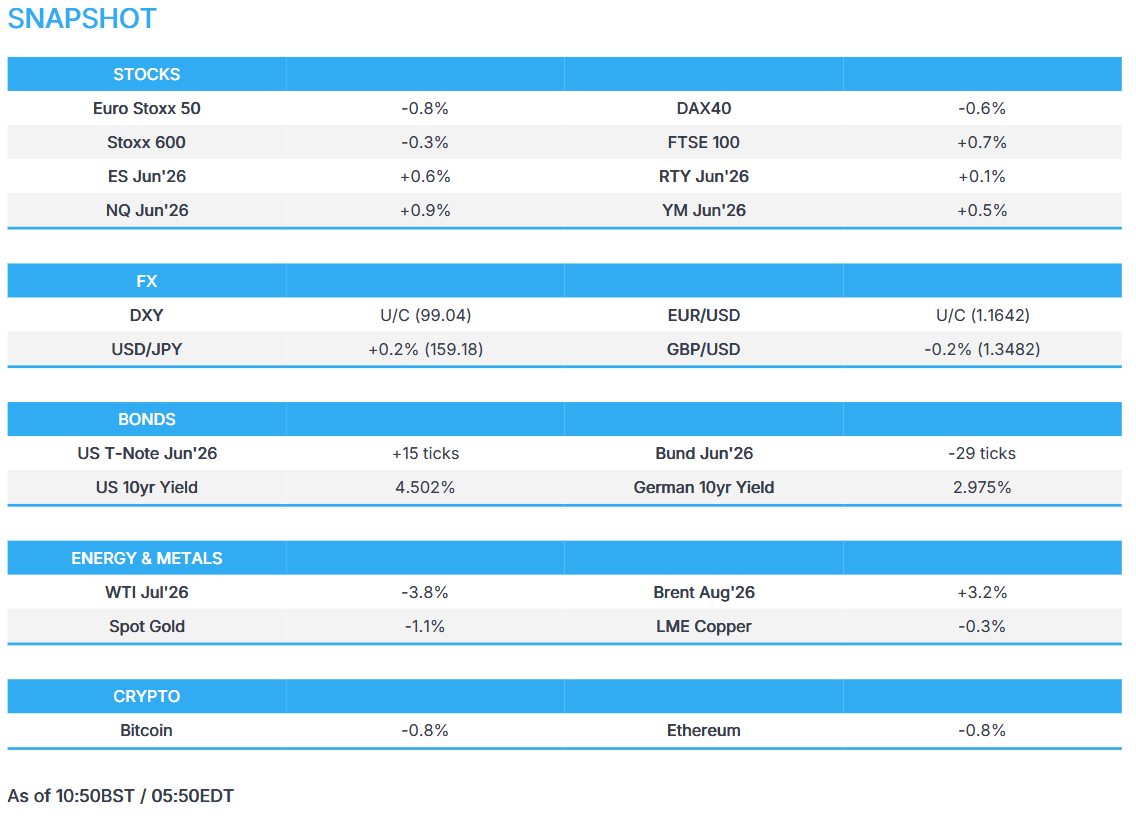
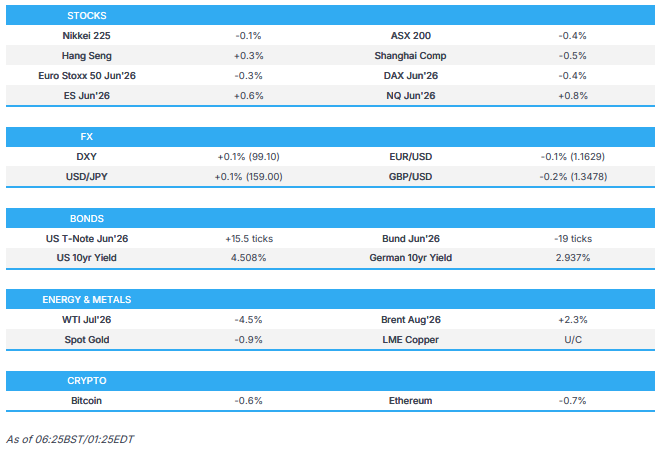


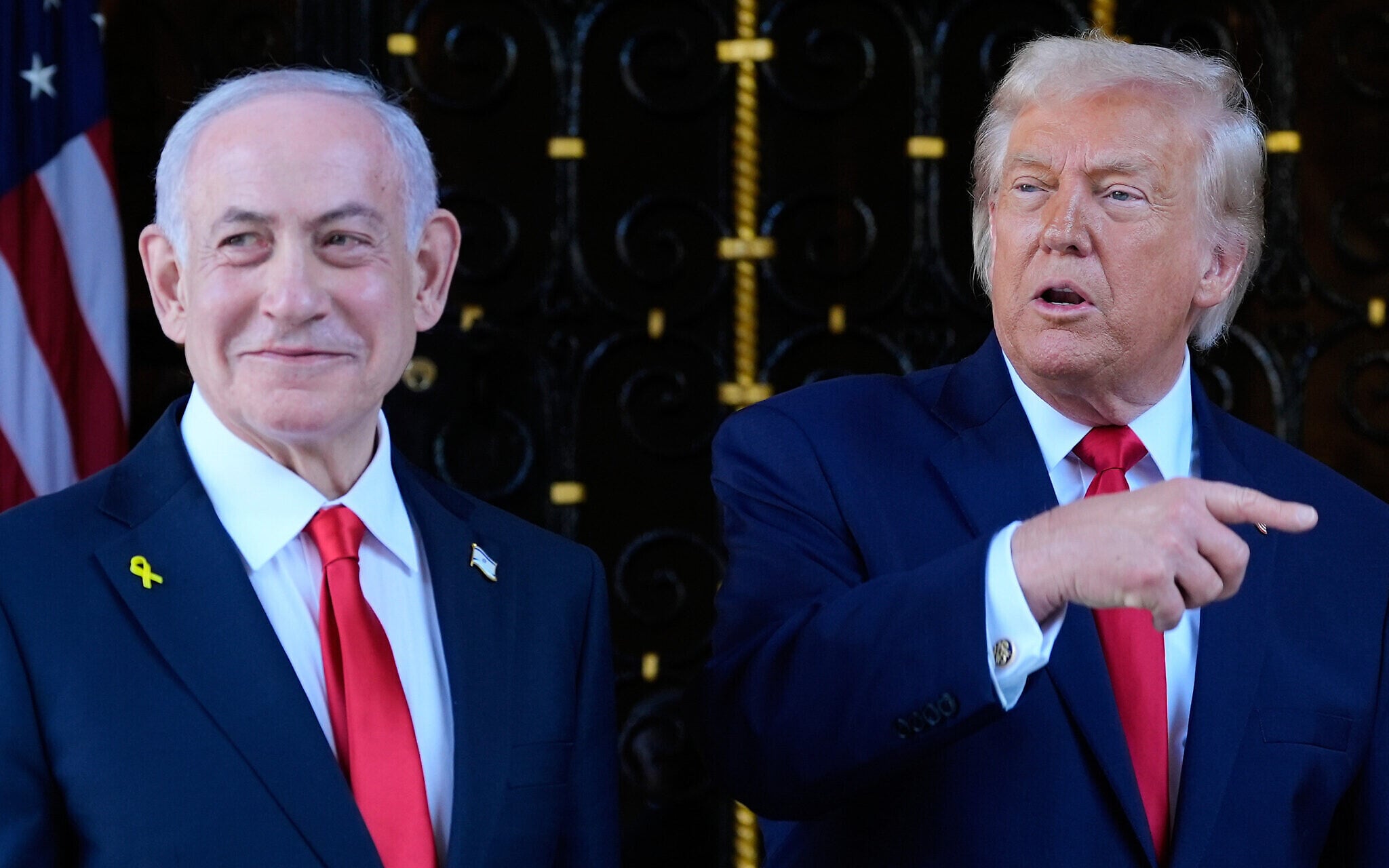
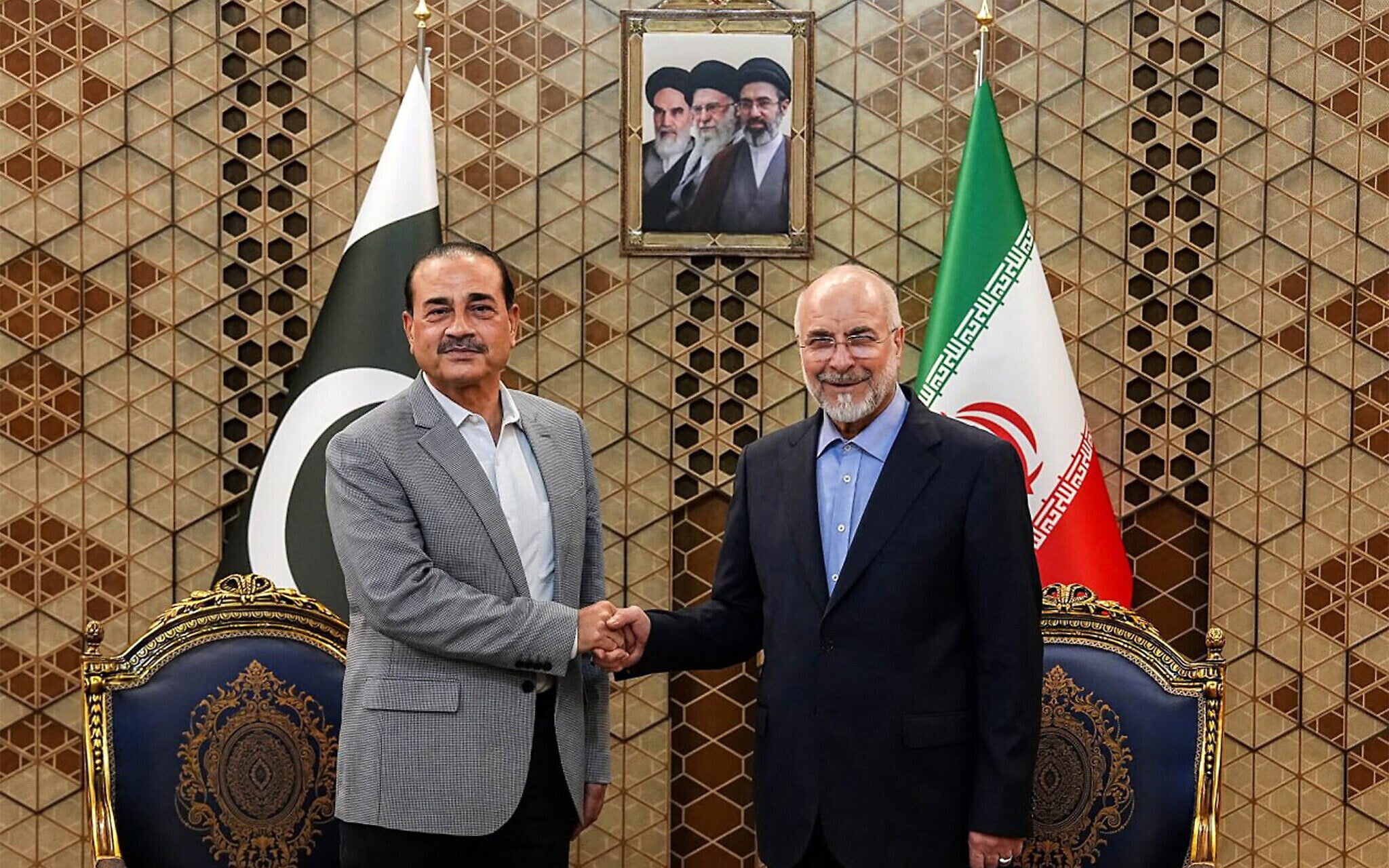
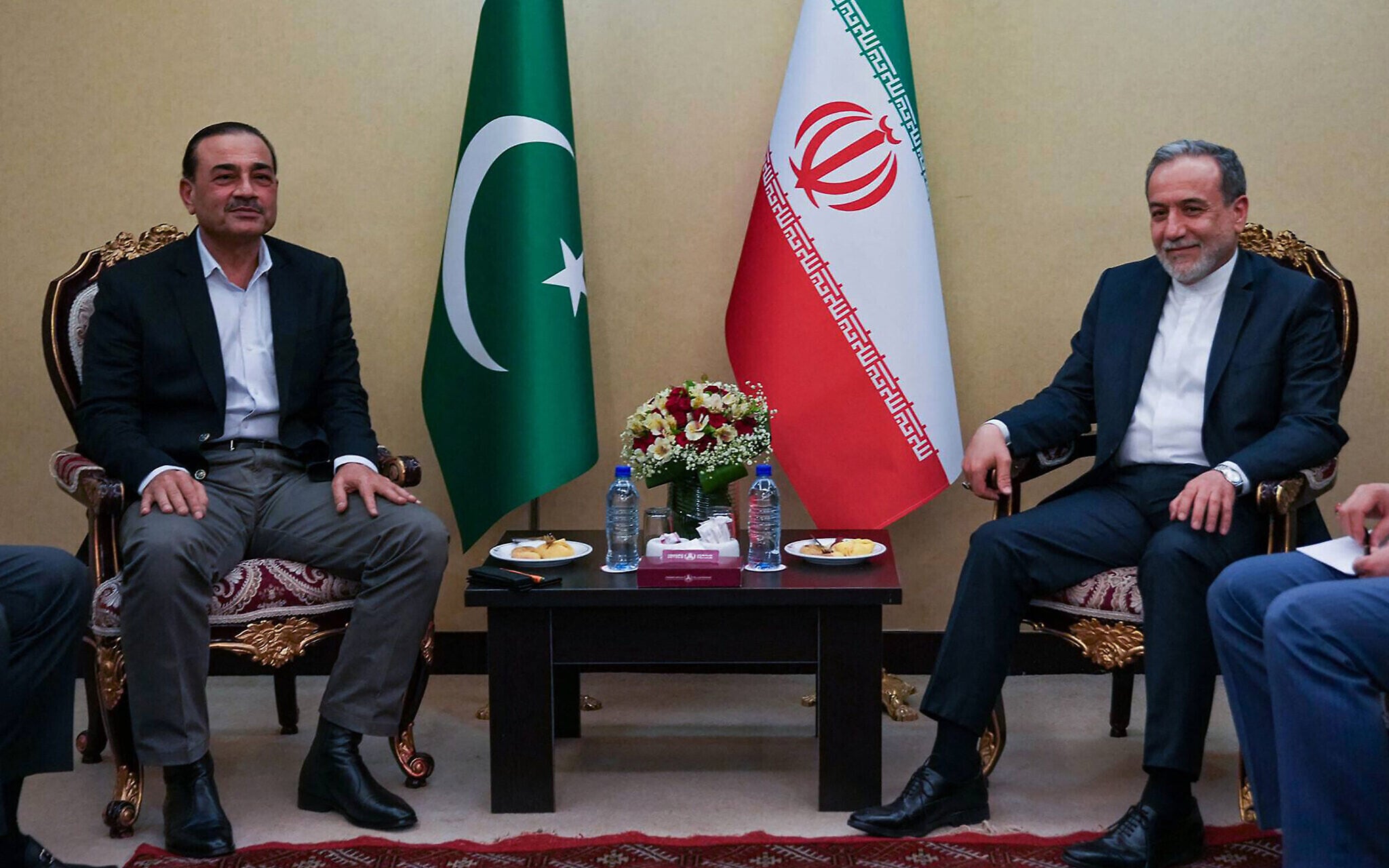




Link