AUGUST 12/GOLD CLOSED UP $24.55 TO $4406.60 WHILE SILVER WAS UP $0.75 TO $65.52//PLATINUM WAS UP $180.00 TO $1761.50 WITH PALLADIUM UP $14.00 TO $1375.50//GOLD COMMENTARY TONIGHT COURTESY OF ALASDAIR MACLEOD//COMMODITY REPORT TONIGHT:ALUMINUM//REPORTS TONIGHT FROM JAPAN ON THE CASCADING YEN//JAPAN REPORT ON ITS TEAPOT FACILITIES/FROM EUROPE: REPORTS FROM THE UK, SPAIN AND GERMANY//ISRAEL, USA VS IRAN UPDATES/ISRAEL TBN//RUSSIA VS UKRAINE UPDATES/REVIEW OF THE LAST 24 HOURS BY MIKE EVERY OF RABOBANK//OIL REPORT OF THE DAY//CPI REPORT AND MAJOR UPDATES ON THIS (INFLATION TAME)//USA ECONOMIC REPORTS/KING NEWS/ SWAMP STORIES FOR YOU TONIGHT//
072 H GOLDMAN 37 118 H MACQUARIE FUTURES US 2 273 H CITADEL SECURIT 1 323 C HSBC 36 332 H STANDARD CHARTERED B 6 363 H WELLS FARGO SECURITI 38 555 C BNP PARIBAS SEC CORP 272 555 H BNP PARIBAS SEC CORP 7 624 H BOFA SECURITIES 23 657 C MORGAN STANLEY 1 661 C JP MORGAN SECURITIES 61 686 C STONEX FINANCIAL INC 30 1 732 H RBC CAP MARKETS 11 880 H CITIGROUP 1 905 C ADM 10 991 H CME 139
TOTAL: 338 338 MONTH TO DATE: 16,24
JPMorgan stopped 61/338
GOLD: NUMBER OF NOTICES FILED FOR AUGUST/2026: 338 CONTRACTs NOTICES FOR 33,800 OZ or 1.0513 TONNES
total notices so far: 16,241 contracts FOR 1,624,100 OZ OR 50.516TONNES
SILVER NOTICES: 2 NOTICE(S) FILED FOR 10,000 OZ /
total number of notices filed so far this month : 1397 CONTRACTS (NOTICES) for 6.985 million oz
Click here if you wish to send a donation. I sincerely appreciate it as this site takes a lot of preparation
GLD AND SLV
BOTH GLD AND SLV ARE FRAUDULENT VEHICLES//THEY ARE NOW RAIDING GLD AND SLV FOR PHYSICAL
GLD
THE CROOKS ARE STEALING GOLD AND SILVER FROM THE GLD/SLV AND REPLACING THE PHYSICAL WITH PAPER DOLLARS.
WITH GOLD UP $24.55 INVESTORS SWITCHING TO SPROTT PHYSICAL (PHYS) INSTEAD OF THE FRAUDULENT GLD//HUGE CHANGES IN GOLD INVENTORY AT THE GLD: A DEPOSIT OF 2.562 TONNES OF GOLD INTO THE GLD///
INVENTORY RESTS AT 1022.672 TONNES
SLV/
WITH NO SILVER AROUND AND SILVER UP $0.75 AT THE SLV: HUGE CHANGES IN SILVER INVENTORY AT THE SLV:A MASSIVE DEPOSIT OF 3.434 MILLION OZ INTO THE SLV// A//INVENTORY RESTS AT 492.341 MILLION OZ
CLOSING INVENTORY: 492,341 MILLION OZ
SILVER//OUTLINE
SILVER COMEX OI FELL A MEGA HUGE SIZED 2699 CONTRACTS TO AN OI OF 115,127 STILL A LOT HIGHER FROM ITS NEW RECORD LOW OF 95,999 SET MAY 1/2026. THE RECORD HIGH OI FOR SILVER IS 244,710, SET FEB 25/2020, AND THIS LOSS IN COMEX OI WAS ACCOMPLISHED WITH OUR LOSS OF $0.39 IN SILVER PRICING AT THE COMEX WITH RESPECT TO TUESDAY’S TRADING. ON THE FIRST OF MAY, WE REACHED OUR RECORD LOW OI OF 95,999 SURPASSING EVERY DAY NEW OI LOWS SET DURING THE LAST WEEK OF APRIL 2026.
NOW ON A NET BASIS OUR SPECULATORS HAVE REVERTED BACK TO GOING SHORT. THE FRBNY ON A NET BASIS IS PROVIDING THE NECESSARY PAPER TO OUR LONG BANKERS AND THEN TENDER FOR PHYSICAL AT 4 PM EACH NIGHT. BECAUSE OF THE HUGE SHORTFALL IN PHYSICAL SILVER IN LONDON THERE IS A LOTTERY TO SEE WHO GETS ANY OF THE PHYSICAL SILVER AVAILABLE THAT WHICH THEY ARE OBLIGATED TO DELIVER. THEY WAIT PATIENTLY FOR THEIR PHYSICAL METAL AND IF NOBODY GETS ANY THEY THEN COME BACK THE NEXT DAY AND SO ON. THIS IS IN LONDON, THE HOME OF PHYSICAL SILVER!! THE FACT THAT WE ARE WITNESSING MANY EXCHANGE FOR PHYSICAL TRANSFERS TO LONDON HIGHLIGHTS THE FACT THAT THE COMEX IS OUT OF SILVER AS WELL.
WE ARE NOW MOVING TO A MUCH LOWER BASE IN SILVER PRICING BREAKING MAJOR SUPPORT LEVEL OF $70.00. SHORTLY WE WILL REVERT BACK TO NUMBERS GREATER THAN 70 DOLLARS PER OZ.
WE HAVE A MEGA STRONG LOSS OF 2564 TOTAL CONTRACTS ON OUR TWO EXCHANGES AS THE CME NOTIFIED US OF A TINY SIZED 135 CONTRACT EXCHANGE FOR PHYSICAL ISSUANCE , WE HAD SOME LIQUIDATION OF T.A.S. CONTRACTS IN COMEX TRADING WITH RESPECT TO TUESDAY TRADING// WE HAD A MEGA MEGA HUGE SIZED 6,324 CONTRACT T.A.S. ISSUANCE!! / THEY DESPERATELY AGAIN TODAY TRYING TO CONTAIN SILVER’S PRICE GAIN FOR THE PAST SEVERAL WEEKS (WHERE RAIDS ARE CALLED UPON AGAIN AND AGAIN TRYING TO STOP THE RISE IN SILVER’S PRICE TO ABOVE $100.00 AND TO QUELL ADDITIONAL DERIVATIVE LOSSES TO OUR BANKERS’ MASSIVE TOTALS). THEY SUCCEEDED ON TUESDAY WITH SILVER’S LOSS IN PRICE.
THE PRICE STILL FINISHED BELOW THE MAGIC NUMBER OF $70.00 SILVER SPOT PRICE BUT STILL BELOW THE $100.00 MARK CLOSING AT $64.77 DOWN $0.39. WE ARE NOW WITNESSING HAVING MANY HUGE T.A.S ISSUANCES // TODAY’S WAS A MEGA HUGE SIZED 6,324 T.A.S. CONTRACTS !!. THE CROOKS ARE BECOMING MORE DESPERATE TO STOP SILVER BREAKING ABOVE THE 100.00 DOLLAR MARK!! AND NOW THE HUGE SUPPORT LEVEL OF 70 DOLLARS HAS BEEN BROKEN// //.MAMMOTH SIZE T.A.S ISSUANCES ARE BECOMING THE NORM AT THE COMEX NOW!!
THERE IS NO NEXT LINE IN THE SAND ONCE THE 100.00 DOLLAR SILVER IS PIERCED AGAIN. WE HAD A TINY SIZED 135 CONTRACT EXCHANGE FOR PHYSICAL ISSUANCE ACCOMPANIED BY OUR MEGA HUGE SIZED 6324 CONTRACT T.A.S ISSUANCE WHICH WILL BE USED FOR RAID PURPOSES//AS THEY PLAY AN INTEGRAL PART IN OUR COMEX TRADING TRYING TO CONTAIN ANY SILVER PRICE RISE
IN ESSENCE WE HAD A MEGA HUGE SIZED LOSS OF 2,564 CONTRACTS ON OUR TWO EXCHANGES WITH OUR HUGE LOSS IN PRICE OF $0.39. WE HAD CONSIDERABLE GOVERNMENT (FRBY) COMEX CONTRACTS TRADING ALL WEEK AND A MAJOR PORTION WILL BE REMOVED BY DAYS END. (I RECORD THIS FOR YOU ON A DAILY BASIS). THE STICKY SPECULATOR LONGS STILL REMAIN STOIC
CRAIG HEMKE HAS POINTED OUT THAT THE CROOKS USE THE MID MONTH FOR MANIPULATION AS THEY SELL THEIR BUY SIDE OF THE CALENDAR SPREAD FIRST AND THEN KEEP THE SELL SIDE TO LIQUIDATE AT A LATER DATE.
THUS WE HAVE TWO VEHICLES THE CROOKS USE FOR MANIPULATION AND BOTH ARE SPREADERS: 1)MONTH’S END/SPREADERS COMEX AND 2/ TAS SPREADERS, THROUGHOUT MONTH. TOTAL TAS ISSUED ON TUESDAY NIGHT/WEDNESDAY MORNING: A HUGE SIZED 6,324 CONTRACTS. DESPITE MANY COMPLAINTS THAT THESE CROOKS HAVE VIOLATED POSITION LIMITS DUE TO THE FACT THAT THE TAS ISSUED HAVE A VALUE OF ZERO (AS TO POSITION LIMITS FOR OUR CROOKED FRBNY BANKERS).
THE PROBLEM OF COURSE IS THAT THE CROOKS DO NOT LIQUIDATE THE TAS AS ONE UNIT, BUT SELL THE SHORT SIDE FIRST AND THEN LIQUIDATE THE LONG SIDE TWO MONTHS HENCE. IT IS OBVIOUS MANIPULATION TO THE HIGHEST DEGREE BUT IT NATURALLY FELL ON DEAF EARS WITH OUR REGULATORS (OCC) WHEN THEY RECEIVED OUR COMPLAINTS. IT NOW SEEMS THAT THE OCC HAS NOW ORDERED THE BANKS TO REDUCE ITS NEW LEVEL OF 1.1 TRILLION DOLLARS IN GOLD/SILVER DERIVATIVES.
THUS:
INITIAL STANDING FOR JANUARY: 22.915 MILLION OZ FOLLOWED BY TODAY’S 1.185 MILLION OZ QUEUE JUMP//NEW NORMAL STANDING ADVANCES TO 49.445 MILLION OZ// TO WHICH WE ADD OUR FIRST EXCHANGE FOR RISK FOR .100 MILLION OZ//NEW STANDING ADVANCES TO 49.545 MILLION OZ!!
INTIAL STANDING FOR FEBRUARY/SILVER: 13.505 MILLION OZ FOLLOWED BY TODAY’S HUGE 0.005 MILLION OZ QUEUE JUMP / : NEW STANDING FOR SILVER AT THE COMEX ADVANCES TO 25.180 MILLION OZ. BUT WE MUST ADD OUR FIRST EXCHANGE FOR RISK OF 25 CONTRACTS FOR .125 MILLION OZ AND THEN OUR SECOND EXCHANGE FOR RISK OF .0600 MILLION OZ TO OUR THIRD HUGE 2.825 MILLION OZ EXCHANGE FOR RISK!!
INITIAL STANDING FOR MARCH: A SURPRISINGLY LOW 31.076 MILLION OZ/ FOLLOWED BY A TINY QUEUE JUMP OF XX CONTRACTS OR XXX OZ/NEW STANDING ADVANCES TO 46.060 MILLION OZ
INITIAL STANDING FOR APRIL: 7.120 MILLION OZ FOLLOWED BY TODAY’S 1 CONTRACT QUEUE JUMP WHERE 5,000 OZ WILL TAKE DELIVERY OVER ON THIS SIDE OF THE POND. NEW STANDING FOR SILVER AT THE COMEX THUS ADVANCES SLIGHTLY TO 16.565 MILLION OZ PLUS WE MUST ADD OUR 4TH EXCHANGE FOR RISK ISSUANCE OF 17 CONTRACTS OR 0.085 MILLION OZ. THESE WILL BE ADDED TO OUR OTHER 3 ISSUANCES //NEW TOTAL EXCHANGE FOR RISK//1.165 MILLION OZ// NEW TOTAL SILVER STANDING 17.730 MILLION OZ//
INITIAL STANDING FOR MAY: 31.495 MILLION OZ FOLLOWED BY ANOTHER 3 CONTRACT EXCHANGE FOR PHYSICAL JUMP TO LONDON FOR 0.015 MILLION OZ// AND THEN TO BOOT WE HAD OUR FIRST EXCHANGE FOR RISK ISSUANCE FOR 51 CONTRACTS OR 255,000 OZ MAY 21./STANDING BEFORE EXCHANGE FOR RISK: 32.070 MILLION OZ/NEW STANDING THUS REDUCES TO 32.325 MILLION OZ/.//(32.070 MILLION OZ NORMAL STANDING PLUS .255 MILLION OZ EXCHANGE FOR RISK = 32.325 MILLION OZ)
JUNE INITIAL STANDING FOR SILVER:10.935 MILLION OZ TO WHICH WE ADD OUR NEXT QUEUE JUMP OF 10,000 OZ//NEW STANDING ADVANCES TO 12.970 MILLION OZ// TO WHICH WE ADD OUR FIRST EXCHANGE FOR RISK OF 20 CONTRACTS FOR 100,000 OZ//NEW STANDING ADVANCES TO 13.070 MILLION OZ. (IN EXCHANGE FOR RISK THE BUYER ASSUMES THE RISK AND ONLY A CENTRAL BANK WOULD TAKE THAT RISK. THE BUYER IS PROBABLY THE CENTRAL BANK OF INDIA.)
JULY INITIAL STANDING: 37.110 MILLION OZ FOLLOWED BY A 3 CONTRACT QUEUE JUMP OR 0.015MILLION STANDING ADVANCES TO 45.875 MILLION OZ///
AUGUST INITIAL STANDING 6.240 MILLION OZ FOLLOWED BY TODAY’S HUGE 44 CONTRACT EXCHANGE FOR PHYSICAL TRANSFER TO LONDON FOR 0.220 MILLION OZ//NEW STANDING REDUCES TO 7.810 MILLION OZ/
SUMMARY OF OUR JULY 2026 COMEX CONTRACT MONTH
WE HAD:
/ MEGA HUGE SIZED COMEX LOSS+// TINY SIZED EFP ISSUANCE CONTRACTS AT 135 CONTRACTS () A MEGA HUGE NUMBER OF T.A.S. CONTRACT ISSUANCE 6324 CONTRACTS
I AM NOW RECORDING THE DIFFERENTIAL IN OI FROM PRELIMINARY TO FINAL: REMOVED 14 CONTRACTS OF OI SILVER //
HISTORICAL ACCUMULATION OF EXCHANGE FOR PHYSICALS AUGUST.. ACCUMULATION
TOTAL CONTRACTS for 8 DAY(S), total 3054 contracts: OR 15.270 MILLION OZ (381 CONTRACTS PER DAY)
TOTAL EFP’S FOR THE MONTH SO FAR: 15.270 MILLION OZ
LAST 48 MONTHS TOTAL EFP CONTRACTS ISSUED IN MILLIONS OF OZ:
MAY 137.83 MILLION
JUNE 149.91 MILLION OZ
JULY 129.445 MILLION OZ
AUGUST: MILLION OZ 140.120
SEPT. 28.230 MILLION OZ//
OCT: 94.595 MILLION OZ
NOV: 131.925 MILLION OZ
DEC: 100.615 MILLION OZ
YEAR 2022:
JAN 2022-DEC 2022
JAN 2022// 90.460 MILLION OZ
FEB 2022: 72.39 MILLION OZ//
MARCH 2022: 207.140 MILLION OZ//A NEW RECORD FOR EFP ISSUANCE
APRIL: 114.52 MILLION OZ FINAL//LOW ISSUANCE
MAY: 105.635 MILLION OZ//
JUNE: 94.470 MILLION OZ
JULY : 87.110 MILLION OZ
AUGUST: 65.025 MILLION OZ
SEPT. 74.025 MILLION OZ///FINAL
OCT. 29.017 MILLION OZ FINAL
NOV: 134.290 MILLION OZ//FINAL
DEC, 61.395 MILLION OZ FINAL
TOTALS YR 2022: 1135.767 MILLION OZ (1.1356 BILLION OZ)
JAN 2023/// 53.070 MILLION OZ //FINAL
FEB: 2023: 100.105 MILLION OZ/FINAL//MUCH STRONGER ISSUANCE VS THE LATTER TWO MONTHS.
MARCH 2023: 112.58 MILLION OZ//FINAL//STRONG ISSUANCE
APRIL 111.035 MILLION OZ(SLIGHTLY GREATER THAN THAN LAST MONTH)
MAY 66.120 MILLION OZ/INITIAL (MUCH SMALLER THIS MONTH)
JUNE: 110.395 MILLION OZ//MUCH LARGER THAN LAST MONTH
JULY 85.745 MILLION OZ (SMALLER THAN LAST MONTH)
AUGUST: 171.43 MILLION OZ (THIS MONTH IS GOING TO BE HUGE //2ND HIGHEST ON RECORD
SEPT: 72.705 MILLION OZ (SMALLER THIS MONTH)
OCT: 97.455 MILLION OZ
NOV. 50.050 MILLION OZ
DEC. 66.140 MILLION OZ//
TOTAL 2023: 1,104.10 MILLION OZ/
JAN ’24 : 78.655 MILLION OZ//
FEB /2024 : 66.135 MILLION OZ./FINAL
MARCH: 143.750 MILLION OZ// 4TH HIGHEST ON RECORD.
APRIL: 161.770 MILLION OZ (THIS MONTH WILL BE A WHOPPER OF ISSUANCE OF EFPS//3RD HIGHEST EVER RECORDED FOR A MONTH)
MAY: 135.995 MILLION OZ //WILL BE A STRONG MONTH FOR EXCHANGE FOR PHYSICAL ISSUANCE
JUNE 110.575 MILLION OZ ( WILL BE ANOTHER STRONG MONTH ISSUANCE)
JULY: 108.870 MILLION OZ (WILL BE A STRONG ISSUANCE MONTH/ A TOUCH OVER 100 MILLION OZ/)
AUGUST; 99.740 MILLION OZ//THIS MONTH WILL BE STRONG FOR ISSUANCE BUT LESS THAN JULY.
SEPT: 112.415 MILLION OZ//WILL BE A HUGE MONTH FOR EXCHANGE FOR PHYSICAL ISSUANCE
OCT; 97.485 MILLION OZ (WILL BE SMALLER ISSUANCE THIS MONTH )
NOV. 115.970 MILLION OZ ( HUGE THIS MONTH)
DEC: 132.54 MILLION OZ (THIS MONTH WILL BE A HUMDINGER FOR ISSUANCE BUT ISSUANCE SLOWED DRAMATICALLY THESE PAST FIVE DAYS/// WILL NOT EXCEED MARCH 2022 RECORD OF 209 MILLION OZ
YEAR 2024 TOTAL: 1363.84 MILLION OR 1.363 BILLION OZ
JANUARY 2025: 67.230 MILLION OZ///(THIS MONTH’S ISSUANCE OF EXCHANGE FOR PHYSICAL WILL BE SMALL)
FEB. 58.260 MILLION OZ//EXCHANGE FOR PHYSICAL ISSUANCE/FINAL
MARCH: 67.020 MILLION OZ///QUITE SMALL AND BECOMING SMALLER EACH AND EVERY MONTH.
APRIL: 100.895 MILLION OZ///AVERAGE SIZE ISSUANCE
MAY: 28.975 MILLION OZ (ISSUANCE WILL BE QUITE SMALL THIS MONTH)
JUNE: 81.065 MILLION OZ
JULY: 50.925 MILLION OZ (QUITE SMALL)
AUGUST: 59.455 MILLION OZ (QUITE SMALL)
SEPT. 50.510 MILLION OZ.(QUITE SMALL)
OCT; 82.020 MILLION OZ (WILL BE STRONG THIS MONTH)/ OCC WANTS TO REIN IN THESE ISSUANCES!
NOVEMBER: 36.425 MILLION OZ
DEC: 45.765 MILLION OZ
2026:
JANUARY 2026: 134.270 MILLION OZ (WILL BE A VERY STRONG MONTH FOR EXCHANGE FOR PHYSICAL!)
FEB : 82.130 MILLION OZ
MARCH: 56.075 MILLION OZ
APRIL; 44.44 MILLION OZ//FINAL.. SMALL THIS MONTH.
MAY 59.79 MILLION OZ
JUNE. 64.065 MILLION OZ//FINAL AND FAIR SIZED THIS MONTH.
JULY: 38.335 MILLION OZ
AUGUST: 15.270 MILLION OZ.
RESULT: WE HAD A MEGA HUGE SIZED DECREASE IN COMEX OI SILVER COMEX CONTRACTS OF 2685 CONTRACTS WITH OUR LOSS IN PRICE OF $0.39 IN SILVER PRICING AT THE COMEX// TUESDAY,. THE CME NOTIFIED US THAT WE HAD A TINY SIZED CONTRACT EFP ISSUANCE OF 135 CONTRACTS ISSUED FOR SEPT, AND 0 CONTRACTS ISSUED FOR ALL OTHER MONTHS).
INITIAL STANDING: 6.240MILLION OZ FOLLOWED BY TODAY’S 220,000 OZ EXCHANGE FOR PHYSICAL TRANSFER TO LONDON//STANDING REDUCES TO 7.810 MILLION OZ
LAST 17 MONTHS OF SILVER DELIVERIES
WE FINISHED APRIL WITH A STRONG SILVER OZ STANDING OF 16.050 MILLION OZ NORMAL DELIVERY , PLUS OUR 4.00 MILLION EX FOR RISK
FINAL STANDING APRIL: 19.965 MILLION OZ
AND MAY:
NEW STANDING FOR MAY FINISHES AT: 75.615 MILLION OZ. (INCLUDES 5,000 OZ EFP TRANSFER TO LONDON + 12.93 MILLION OZ EXCHANGE FOR RISK ISSUANCE/PRIOR.//NEW TOTAL STANDING 88.540 MILLION OZ
AND JUNE: FINAL 16.995 MILLION OZ
AND JULY: 46.720 MILLION OZ//
AUGUST: 4.70 MILLION OZ INITIAL STANDING PLUS TODAY;S 5,000 OZ QUEUE JUMP //NEW STANDING ADVANCES TO 10.960 MILLION OZ
SEPTEMBER: 68.040 MILLION OZ NORMAL DELIVERY(INCLUDES ALL QUEUE JUMPING AND EXCHANGE FOR PHYSICAL TRANSFERS) PLUS 3.0 MILLION OZ EX FOR RISK = 71.040 MILLION OZ. (THIS IS THE FIRST AND ONLY ISSUANCE OF EXCHANGE FOR RISK FOR SILVER SINCE MAY.)
OCTOBER: 39.565 MILLION OZ OF NORMAL DELIVERY INCLUDES ALL QUEUE JUMPING
PLUS
2.110 MILLION OZ EXCHANGE FOR RISK//TOTAL OZ STANDING IN OCT ADVAN
NOVEMBER: INITIAL STANDING AT 11.575 MILLION OZ FOLLOWED BY TODAY’S 195,000 OZ QUEUE JUMP WHICH FOLLOWS ALL OTHER QUEUE JUMPS OF 9.155 MILLION OZ//STANDING ADVANCES TO 19.670 MILLION OZ/
DECEMBER: INITIAL AMOUNT STANDING FOR DELIVERY: 49.33 MILLION OZ// FOLLOWED BY ANOTHER STRONG 835,000OZ QUEUE JUMP+ DEC. FIRST EXCHANGE FOR RISK 0F .850 MILLION OZ + LAST WEEK.S 495,000 OZ EXCHANGE FOR RISK AND THEN A 3RD ISSUANCE IF 1.00MILLION OZ THEN FINALLY DEC 249ISSUANCE OF 1.35 MILLION OZ EXCHANGE FOR RISK//NEW TOTAL EX FOR RIS IS 3.685 MILLION OZ // STANDING ADVANCES TO 68.415 MILLION OZ//
JANUARY: INITIAL STANDING 22.915 MILLION OZ FOLLOWED BY TODAY’S 1.185 MILLION OZ QUEUE JUMP//NORMAL STANDING ADVANCES TO 49.445 MILLION OZ// TO WHICH WE ADD OUR FIRST EXCHANGE FOR RISK OF 0.100 MILLLION OZ//NEW STANDING ADVANCES TO 49.545 MILLION OZ
FEB: 13.399 MILLION OZ IS OUR INITIAL STANDING FOR SILVER! TO WHICH WE ADD OUR NEXT QUEUE JUMP FOR 5,000 OZ AND THEN ADD OUR 3 EXCHANGE FOR RISK FOR 3.010 MILLION OZ STANDING ADVANCES TO 28.190 MILLION OZ!!
MARCH: INITIAL AMOUNT OF SILVER STANDING IS 31.076 MILLION OZ FOLLOWED BY A FINAL 0.210 MILLION OZ QUEUE JUMP //NEW TOTAL STANDING ADVANCES TO 46.060 MILLION OZ
APRIL 2026: INITITAL AMOUNT OF SILVER STANDING 7.120 MILLION OZ FOLLOWED BY TODAY’S 5,000 OZ QUUE JUMP //NEW STANDING ADVANCES TO 16.565MILLION OZ PLUS 1.165 MILLION OZ EXCHANGE FOR RISK.NEW TOTALS 17.730 MILLION OZ
MAY: INITIAL AMOUNT OF SILVER WILLING TO STAND; 31.495 MILLION OZ/ TO WHICH WE ADD OUR NEXT EXCHANGE FOR PHYSICAL JUMP OF 15,000 OZ//NEW STANDING REDUCES TO 32.070 MILLION OZ//(FOLLOWING MANY EXCHANGE FOR PHYSICAL TRANSFERS TO LONDON DURING THIS MAY DELIVERY MONTH). THERE SEEMS TO BE A SCARCITY OF SILVER OVER AT THE COMEX). THEN WE ADD OUR FIRST EXCHANGE FOR RISK OF 51 CONTRACTS FOR 255,000 OZ//STANDING ADVANCES TO 32.325 MILLION OZ//
JUNE: INITIAL AMOUNT OF SILVER WILLING TO STAND: 10.935 MILLION OZ PLUS OUR NEXT QUEUE JUMP OF 10,000 OZ//NEW STANDING ADVANCES TO 12.960 MILLION OZ TO WHICH WE ADD OUR FIRST EXCHANGE FOR RISK OF 20 CONTRACTS FOR 100,000 OZ//NEW STANDING ADVANCES TO 13.070 MILLION OZ
JULY : INITIAL STANDING: 37.110 MILLION OZ FOLLOWED BY TODAY’S 15,000 OZ QUEUE JUMP //STANDING THUS ADVANCES TO 45.875 MILLION OZ//
AUGUST 6.240 MILLION OZ FOLLOWED BY TODAY’S 220,000 OZ EXCHANGE FOR PHYSICAL TRANSFER TO LONDON//STANDING REDUCES TO 7.810 MILLION OZ/
THE NEW TAS ISSUANCE FOR TODAY (6,324) WILL BE PUT INTO “THE BANK” TO BE COLLUSIVELY USED NO DOUBT WITH FUTURE TRADING//PROBABLE RAID FORTHCOMING.
WE HAD 2 NOTICE(S) FILED TODAY FOR 10,000 OZ
THE SILVER COMEX IS NOW BEING ATTACKED FOR METAL BY BANKERS
GOLD//OUTLINE
IN GOLD, THE COMEX OPEN INTEREST ROSE BY A SMALL SIZED 686 OI CONTRACTS UP TO 400,309 CONTRACT OI AND THIS OI STILL SURPASSES BY A CONSIDERABLE MARGIN THE ALL TIME LOW AT 326,052 SET JUNE3/2026 AND THIS OI IS MUCH FURTHER FROM THE RECORD HIGH (SET JAN 24/2020) AT 799,105 AND PREVIOUS TO THAT: (SET JAN 6/2020) AT 797,110. WE HAVE NOW ADVANCED PAST THE PREVIOUS ALL TIME LOWS OF 357,136 SET APRIL 2/.2026AND 354,581 SET AT THE END OF APRIL 2026. WE ARE STILL QUITE A WAY FROM OUR TWO DECADES OLD: 390,000 CONTRACTS LOW SET IN THE YEAR OF 2001 WITH TRADING FOR GOLD AT $260.00. THUS DURING EARLY APRIL WE HAD AN ALL TIME LOW OI IN COMEX (354,531) BUT WITH AN EXTREMELY HIGH PRICE OF GOLD. IN MAY: RECORD LOW OI OF 326,052 WITH A GOLD PRICE OF $4,460 THE SHORT RATS ARE ABANDONING THE COMEX SHIP, NOBODY WANT TO PLAY IN THIS CROOKED CASINO!! (AND THIS CORRELATES WITH SILVER’S LOW OI OF 104,154 CONTRACTS WITH A MUCH HIGHER SILVER PRICE BASE//$58.00)
THE DIFFERENTIAL FROM PRELIMINARY OI TO FINAL OI IN GOLD TODAY: ADDED 279 OI CONTRACTS //.
WE HAD A FAIR GAIN OF 2381CONTRACTS ON OUR TWO EXCHANGES WITH THE GAIN IN PRICE OF $20.25
LAST 17 MONTHS OF GOLD DELIVERIES: (MAY 2025 THROUGH TO /AUGUST 2026)
1.MAY SUMMARY FOR MAY TONNES WHICH STOOD FOR DELIVERY:
FINAL STANDING FOR MAY: 70.174 TONNES OF GOLD TO WHICH WE ADD 1. MONDAY’S (MAY 19) 6.221 TONNES EXCHANGE FOR RISK , 2. THEN WE ADD: 1.35 TONNES TO LAST WEEK”S. THEN WE ADD 3. 1.55 TONNES TO EQUAL 9.591 TONNES// NEW EXCHANGE FOR RISK = 9.591 TONNES WHICH MUST BE ADDED TO OUR NORMAL DELIVERY SCHEDULE OF 80.644 TONNES. THUS STANDING FOR MAY INCREASES TO 90.235 TONNES OF GOLD
2 JUNE CONTRACT MONTH: 93.085 TONNES OF GOLD (WHICH INCLUDES ALL QUEUE JUMPING AND 0 EX FOR RISK)
3.JULY INITIIAL STANDING FIRST DAY NOTICE: 17.847 TONNES. PLUS TODAY’S 0 TONNES QUEUE JUMP + 1.555 TONNES EX FOR RISK + 2.195 TONNES EX FOR RISK TODAY = 41.106 TONNES STANDING
4. AUGUST: 60.547 TONNES OF INITIAL GOLD FIRST DAY NOTICE FOLLOWED BY THE NET MONTH’S QUEUE JUMP OF 47.2312 TONNES TO WHICH WE ADD THE FOLLOWING EXCHANGE FOR RISK ISSUANCE RECEIVED FOR THE MONTH: 5.4432 TONNES EX FOR RISK/AUG 7 , AUG 11: 2.413 TONNES EX FOR RISK AND AUG. 12 OF 2.
5.SEPT: INITIAL 8.093 TONNES OF GOLD PLUS TODAY’S QUEUE JUMP OF 0.4883 TONNES PLUS 2.2827 TONNES OF EXCHANGE FOR RISK TODAY//NEW TOTAL EX. FOR RISK/MONTH = 22.923//NEW TOTAL STANDING FOR GOLD SEPT ADVANCES TO = 48.801 TONNES!!
6.OCTOBER: 90.012 TONNES OF INITIAL GOLD STANDING WITH TODAY’S TINY 0.00311 TONNES QUEUE JUMP WHICH FOLLOWS ALL OTHER QUEUE JUMPS DURING OCT OF 76.1656 TONNES
THEN WE MUST ADD OUR 14.553 TONNES OF OUR ISSUANCE OF EXCHANGE FOR RISK/6 OCCASIONS//NEW TOTAL OF GOLD STANDING ADVANCES TO 197.5141 TONNES OF GOLD.
7.NOVEMBER BEGINS WITH 15.651 TONNES INITIALLY STANDING FOR DELIVERY FOLLOWED BY TODAY’S QUEUE JUMP OF 2.323 TONNES FOLLOWED BY ALL PREVIOUS QUEUE JUMPS IN OF OF 21.3775 TONNES TO WHICH WE ADD OUR TWO EXCHANGE FOR RISK ISSUANCE OF 4.5596 TONNES//NEW STANDING ADVANCES TO 43.9716 TONNES OF GOLD.
8. DECEMBER BEGINS WITH INITIAL STANDING OF 83.813 TONNES OF GOLD FOLLOWED BY TODAY’S 0.0TONNE QUEUE JUMP WHICH FOLLOWS ALL OTHER QUEUE JUMPS OF: 37.163 TONNES//NEW STANDING ADVANCES TO 115.390 TONNES TO WHICH WE ADD OUR 4 EXCHANGE FOR RISK FOR DECEMBER OF 6.587 TONNES/NEW STANDING ADVANCES TO 121.977 TONNES
9. JANUARY: INITITAL STANDING: 13.785 TONNES TO WHICH WE ADD OUR FIRST EXCHANGE FOR PHYSICAL TRANSFER OF 0.08709 TONNES WHICH FOLLOWS ALL OTHER QUEUE JUMPS OF 30.7117TONNES //NEW TOTAL QUEUE JUMPS 30.7117//NORMAL DELIVERY OF GOLD ADVANCES TO 36.8958 TONNES TO WHICH WE ADD OUR SIX EXCHANGE FOR RISK OF 22.315 TONNES//NEW STANDING ADVANCES TO 59.2108 TONNES.
FEB; INITIAL AMOUNT OF GOLD STANDING FOR DELIVERY: 93.567 TONNES OF GOLD TO WHICH WE ADD OUR NEXT 0.0248 TONNES 0.1555 TONNES QUEUE JUMP TO 41.2082 TONNES/ NEW NET QUEUE JUMP INCREASES TO 41.233 TONNES// AND THEN WE ADD OUR SIX EXCHANGE FOR RISK: 10,080 CONTRACTS OR 31.251 TONNES//NEW STANDING REDUCES TO 157.878 TONNES
MARCH:: INITIAL AMOUNT OF GOLD STANDING FOR DELIVERY: 8.099 TONNES TO WHICH WE ADD TODAY’S FAIR 4600 OZ QUEUE JUMP (0.2320 TONNES) AND THEN WE ADD OUR THREE EXCHANGE FOR RISK OF 22.3818 TONNES //NEW STANDING ADVANCES TO 67.6648 TONNES/
APRIL: INITIAL AMOUNT OF GOLD STANDING FOR DELIVERY: 52.600 TONNES FOLLOWED BY OUR 345 CONTRACT QUEUE JUMP FOR 34,500 OZ/ (1.073 TONNES)/NEW STANDING ADVANCES TO 70.286 TONNES TO WHICH WE ADD OUR 2ND EXCHANGE FOR RISK OF 1498 CONTRACTS FOR 149800 OZ OR 4.659 TONNES. THE NEW TOTAL EXCHANGE FOR RISK FOR THE MONTH OF APRIL IS 2239 CONTRACTS OR 223900 OZ OR 6.964 TONNES AND THIS WILL BE ADDED TO OUR NORMAL DELIVERY TOTALS (70.762 TONNES) TO GIVE US WHAT WILL STAND IN APRIL (77.726 TONNES)
MAY: INITIAL AMOUNT OF GOLD WILLING TO STAND: 12.24 TONNES OF GOLD TO WHICH WE ADD OUR NEXT QUEUE JUMP OF 345 CONTRACTS OR 34500 OZ (1.073 TONNES) TO WHICH WE ADD OUR FIVE EXCHANGE FOR RISK ISSUANCES FOR 24.635 TONNES/STANDING NOW ADVANCES TO 51.554 TONNES OF GOLD.
JUNE; INITIAL AMOUNT OF GOLD WILLING TO STAND; 64.496 TONNES.(CME CORRECTED) TO WHICH WE ADD OUR NEXT EXCHANGE FOR PHYSICAL TRANSFER OF 0.0186 TONNES/NEW STANDING REDUCES TO 127.03 TONNES
JULY: INITIAL AMOUNT OF GOLD WILLING TO STAND: 23.306 TONNES TO WHICH WE ADD OUR NEXT QUEUE JUMP OF 0.000 TONNES/ TO WHICH WE ADD OUR FIRST EXCHANGE FOR RISK 0F 0.0062 TONNES/NEW STANDING ADVANCES TO 40.824TONNES
AUGUST INITIAL STANDING 48.687 TONNES TO WHICH WE ADD OUR 2ND EXCHANGE FOR RISK OF 1.552 TONNES TO OUR FIRST 0.0715 TONNES EXCHANGE FOR RISK//NEW TOTAL EXCHANGE FOR RISK: 1.6235 AND THEN ADD OUR FIRST EXCHANGE FOR PHYSICAL TRANSFER TO LONDON OF 131 CONTRACTS FOR 13,100 OZ OR 0.4074 TONNES//STANDING REDUCES TO 53.1875 TONNES
E.F.P. ISSUANCE/FOR OPENING AUG GOLD CONTRACT
THE CME RELEASED THE DATA FOR EFP ISSUANCE AND IT TOTALED A FAIR SIZED 1695 CONTRACTS:
The NEW COMEX OI FOR THE GOLD COMPLEX RESTS AT 400,309 SURPASSING THE PREVIOUS ALL TIME LOW OF 326,052 SET JUNE 3 AND RISING FROM OUR PREVIOUS RECORD LOW//MAY 28.2026 WE HAVE THUS RECORD LOW COMEX OI WITH A HIGH PRICE OF GOLD
SILVER ALSO HAS AN ULTRA SMALL SIZED AND EXTREMELY LOW COMEX OI OF 115,127 CONTRACTS// STILL ABOVE FROM PREVIOUS ALL TIME LOWS SET DURING THE MONTH OF APRIL AND MAY FIRST.
IN ESSENCE WE HAVE A FAIR GAIN IN TOTAL CONTRACTS IN GOLD ON THE TWO EXCHANGES OF 2,381 CONTRACTS WITH 686 CONTRACTS INCREASED AT THE COMEX// AND A FAIR SIZED 1695 EXCHANGE FOR PHYSICAL OI CONTRACT ISSUANCE WHICH NAVIGATED OVER TO LONDON.
THUS TOTAL OI GAIN ON THE TWO EXCHANGES OF 2,381 CONTRACTS.. WE HAD THE FOLLOWING TAS CONTRACTS INITIATED (ISSUED): A FAIR SIZED AND CRIMINAL 1693 CONTRACTS AND THESE ISSUANCES ARE GENERALLY USED TO INITIATE A RAID WHEN CALLED .
GOLD PRICE ROSE BY $20.25
CALCULATIONS ON GAIN/LOSS ON OUR TWO EXCHANGES
WE HAD A FAIR SIZED ISSUANCE IN EXCHANGE FOR PHYSICALS CONTRACT (1695) ACCOMPANYING THE SMALL GAIN IN COMEX OI OF 686 CONTRACTS/TOTAL GAIN FOR OUR THE TWO EXCHANGES 2102 CONTRACTS!! WITH THE GAIN IN PRICE.
WE HAVE 1) NOW REVERTED TO OUR FORMAT OF BANKER (FRBNY) GOING ON THE LONG SIDE AND HUGE NUMBERS OF NEWBIE SPECULATORS GOING TO THE SHORT SIDE LED BY THE NOSE BY OUR HIGH FREQUENCY TRADERS.. IT WAS OUR SHORT SPECULATORS THAT WILL BE BRUTALIZED WHEN OUR CENTRAL BANKS TENDER FOR PHYSICAL GOLD WITH THEIR NEWLY BOUGHT GOLD FROM THE SPECS THIS MORNING. THE SPECS WILL BE SCRAMBLING LOOKING FOR PHYSICAL GOLD TO DELIVER TO OUR LONG CENTRAL BANKS.
STANDING FOR THE LAST 8 MONTHS JANUARY TO AUGUST:
FINAL STANDING FOR GOLD, JANUARY CONTRACT AT 59.2108 TONNES OF GOLD
FEBRUARY: INITIAL STANDING FOR GOLD: 157.878 TONNES!! WHICH INCLUDES ALL QUEUE JUMPING, THREE EXCHANGE FOR PHYSICAL TRANSFERS TO LONDON AND OUR SIX ISSUANCES EXCHANGE FOR RISK!!
MARCH: INITIAL STANDING AT 8.099 TONNES TO WHICH WE ADD OUR FINAL DAY: 0.2320 TONNES QUEUE JUMP AND THEN ADD +22.3818 TONNES EXCHANGE FOR RISK//NEW STANDING ADVANCES TO 67.6648 TONNES
APRIL: INITIAL STANDING 52.600 TONNES PLUS 27,800 OZ QUEUE JUMP (0.8648TONNES): NEW STANDING ADVANCES TO 70.286 TONNES PLUS OUR TWO EXCHANGE FOR RISK FOR 223,900 OZ OR 6.964 TONNES/NEW FINAL STANDING: 77.726 TONNES
MAY: INITIAL AMOUNT OF GOLD WILLING TO STAND; 12.24 TONNES TO WHICH WE ADD OUR NEXT QUEUE JUMP FOR 345 CONTRACTS/34,500 OZ// 1.073 TONNES/ THEN WE MUST ADD OUR EXCHANGE FOR RISK ISSUANCE: TOTAL EXCHANGE FOR RISK MAY// 5 OCCASIONS: 24.635 TONNES///NEW FINAL STANDING NOW ADVANCES TO 51.554 TONNES
JUNE: INITIAL AMOUNT OF GOLD WILLING TO STAND: 64.496 TONNES TO WHICH WE ADD OUR NEXT EXCHANGE FOR PHYSICAL TRANSFER JUMP OF 0.0186 TONNES//NEW STANDING 127.03 TONNES//FINAL
JULY: INITIAL AMOUNT OF GOLD WILLING TO STAND: 23.306 TONNES OF GOLD TO WHICH WE ADD OUR NEXT QUEUE JUMP OF 0.0000 TONNES/ PLUS 0.0062 TONNES EX FOR RISK///NEW STANDING FOR GOLD REMAINS AT 40.824TONNES.
AUGUST INITIAL STANDING 48.687 TONNES TO WHICH WE ADD OUR FIRST 0.0715 TONNES EXCHANGE TO OUR 2ND EXCHANGE FOR RISK = 1.552 TONNES//TOTAL FOR RISK 1.6235 TONNES TO OUR FIRST EXCHANGE FOR PHYSICAL TRANSFER OF 0.4074 TONNES//STANDING REDUCES TO 53.1875 TONNES
3)ZERO T.A.S. LIQUIDATION IN THE COMEX SESSION AND HUGE GOVT LIQUIDATION // WITH A STRONG GAIN OF EQUITY SHARES/AUGUST 11 DESPITE HAVING 1)A COMEX GOLD PRICE GAIN ($20.50) AND WE HAD 2) SPEC PILING HUGELY ON THE SHORT SIDE // /// +3. EASTERN CENTRAL BANKERS ALSO PILING INTO THE LONG SIDE. WE HAD A GAIN OF 2381 CONTRACTS ON OUR TWO EXCHANGES AND AS WELL A STRONG AMOUNT OF GOLD WILL STILL STAND FOR DELIVERY IN AUG (53.1875 TONNES). THE SHORT SPECS CONTINUED TO PILE INTO THE SHORT SIDE AND WERE SLAUGHTERED.//, CENTRAL BANKERS THE LONG SIDE AND THEY THEN TENDERED FOR PHYSICAL WITH THEIR PURCHASES OF CONTRACTS../ ALSO, 3)STICKY GOLD’S LONGS WERE REWARDED TUESDAY EVENING AS THEY EXERCISED EFP’S FROM LONDON TO TAKE DELIVERY OF BADLY NEEDED PHYSICAL
4)A SMALL SIZED COMEX OI GAIN 5) V) A FAIR SIZED ISSUANCE OF EXCHANGE FOR PHYSICAL GOLD(1695) AND 6. A FAIR T.A.S. ISSUANCE (1693) FOR RAID PURPOSES.!!!
ACCUMULATION OF EFP’S GOLD AT J.P. MORGAN’S HOUSE OF BRIBES: (EXCHANGE FOR PHYSICAL) FOR THE MONTH OF AUGUST :
TOTAL EFP CONTRACTS ISSUED: 23,779 CONTRACTS OR 2,377,900 OZ OR 73.963 TONNES IN 8 TRADING DAY(S) AND THUS AVERAGING: 2972 EFP CONTRACTS PER TRADING DAY
TO GIVE YOU AN IDEA AS TO THE SIZE OF THESE EFP TRANSFERS : THIS MONTH IN8 TRADING DAY(S) IN TONNES: 73.963 TONNES
TOTAL ANNUAL GOLD PRODUCTION, 2025, THROUGHOUT THE WORLD EX CHINA EX RUSSIA: 3555 TONNES
THUS EFP TRANSFERS REPRESENTS 73.963 TONNES DIVIDED BY 3550 x 100% TONNES = 2.08% OF GLOBAL ANNUAL PRODUCTION
SEPT 142.12 TONNES FINAL ISSUANCE ( LOW ISSUANCE)_
OCT: 141.13 TONNES FINAL ISSUANCE (LOW ISSUANCE)
NOV: 312.46 TONNES FINAL ISSUANCE//NEW RECORD!! (INCREASING DRAMATICALLY)//SIGN OF REAL STRESS//SURPASSING THE MARCH 2021 RECORD OF 276.50 TONNES OF EFP
DEC. 175.62 TONNES//FINAL ISSUANCE//
TOTALS: 2,578.08 TONNES/2021
JAN:2023 247.25 TONNES //FINAL
FEB: 196.04 TONNES//FINAL
MARCH/2022: 409.30 TONNES //FINAL( THIS IS NOW A RECORD EFP ISSUANCE FOR MARCH AND FOR ANY MONTH.
APRIL: 169.55 TONNES (FINAL VERY LOW ISSUANCE MONTH)
MAY: 247.44 TONNES FINAL//
JUNE: 238.13 TONNES FINAL
JULY: 378.43 TONNES FINAL/SECOND HIGHEST ON RECORD
AUGUST: 180.81 TONNES FINAL
SEPT. 193.16 TONNES FINAL
OCT: 177.57 TONNES FINAL ( MUCH SMALLER THAN LAST MONTH)
NOV. 223.98 TONNES//FINAL ( MUCH LARGER THAN PREVIOUS MONTHS//comex running out of physical)
DEC: 185.59 tonnes // FINAL
TOTAL: 2,847,25 TONNES/2022
JAN 2024: 228.49 TONNES FINAL//HUGE AMOUNT OF EFP’S ISSUED THIS MONTH!!
FEB: 151.61 TONNES/FINAL
MARCH: 280.09 TONNES/INITIAL (ANOTHER STRONG MONTH FOR EFP ISSUANCE)
APRIL: 197.42 TONNES
MAY: 236.67 TONNES (A VERY STRONG ISSUANCE FOR THIS MONTH)
JUNE: 172.667 TONNES (WEAKER ISSUANCE THIS MONTH)
JULY: 151.69 TONNES (WEAKER THAN LAST MONTH)
AUGUST: 195.28 TONNES (A STRONGER MONTH)//FINAL
SEPT: 254.709 TONNES (WILL BE LARGER THAN LAST MONTH AND A STRONG MONTH)
OCT. 248.09 TONNES. LIKE SILVER, THIS MONTH IS GOING TO BE A STRONG E.F.P. ISSUANCE.
NOV. 239.16 TONNES//WILL BE STRONG THIS MONTH,
DEC. 213.704 TONNES. A STRONG MONTH//
TOTAL FOR YEAR 2023: 2,569.57 TONNES
2025: AND NOW 2026
JAN. 2025: 257.919 TONNES (ISSUANCE WILL BE PRETTY GOOD THIS MONTH BUT MUCH LOWER THAN LAST MONTH)
FEB: 207.21 TONNES//EX FOR PHYSICAL ISSUANCE (WILL BE A FAIR SIZED ISSUANCE THIS MONTH)
MARCH 130.84 TONNES//QUITE SMALL THIS MONTH.
APRIL; 208.57 TONNES. STRONG THIS MONTH
MAY: 113.499 TONNES OF GOLD EFP ISSUANCE//QUITE SMALL THIS MONTH
JUNE: 97.79 TONNES OF GOLD EFP ISSUANCE/EXTREMELY SMALL
JULY : 150.877 TONNES// QUITE SMALL
AUGUST: 175.86 TONNES A LOT LARGER THIS MONTH.
SEPT. 116.13 TONNES VERY SMALL
OCT. 252.72 TONNES//CERTAINLY MUCH LARGER THIS MONTH/VERY STRONG
NOV: 124.74 TONNES
DEC: 190.04 TONNES//GOOD SIZED THIS MONTH FINAL.
TOTAL EXCHANGE FOR PHYSICAL ISSUED FOR YEAR 2025: 2,026.20 TONNES (LOWER THAN LAST YR 2,569.00 TONNES
YEAR 2026:
JANUARY: 209.08 TONNES ( (WILL BE A STRONG MONTH FOR EXCHANGE FOR PHYSICAL)
FEB. 176.35 TONNES (WHICH IS A FAIR ISSUANCE)
MARCH: 214.67 TONNES//WILL BE STRONG ISSUANCE THIS MONTH
APRIL; 88.00 TONNES// WILL BE VERY SMALL THIS MONTH
MAY 118.430 TONNES
JUNE: 142.053 TONNES
JULY: 163.82 TONNES
AUGUST: 73.963 TONNES
SPREADERS:
HERE IS A BRIEF SYNOPSIS OF HOW THE CROOKS FLEECE UNSUSPECTING LONGS
YOU WILL ALSO NOTICE THAT THE COMEX OPEN INTEREST STARTS TO RISE BUT SO IS THE OPEN INTEREST OF SPREADERS. THE OPEN INTEREST IN WILL CONTINUE TO RISE UNTIL ONE WEEK BEFORE FIRST DAY NOTICE OF AN UPCOMING ACTIVE DELIVERY MONTH (OCT), AND THAT IS WHEN THE CROOKS SELL THEIR SPREAD POSITIONS BUT NOT AT THE SAME TIME OF THE DAY. THEY WILL USE THE SELL SIDE OF THE EQUATION TO CREATE THE CASCADE (ALONG WITH THEIR COLLUSIVE FRIENDS) AND THEN COVER ON THE BUY SIDE OF THE SPREAD SITUATION AT THE END OF THE DAY. THEY DO THIS TO AVOID POSIT
WHAT IS ALARMING TO ME, ACCORDING TO OUR LONDON EXPERT ANDREW MAGUIRE IS THAT THESE EFP’S ARE BEING TRANSFERRED TO WHAT ARE CALLED SERIAL FORWARD CONTRACT OBLIGATIONS AND THESE CONTRACTS ARE LESS THAN 14 DAYS. ANYTHING GREATER THAN 14 DAYS, THESE MUST BE RECORDED AND SENT TO THE COMPTROLLER, GREAT BRITAIN TO MONITOR RISK TO THE BANKING SYSTEM. IF THIS IS INDEED TRUE, THEN THIS IS A MASSIVE CONSPIRACY TO DEFRAUD AS WE NOW WITNESS A MONSTROUS TOTAL EFP’S ISSUANCE AS IT HEADS INTO THE STRATOSPHERE.
The crooks also use the spread in the TAS account (trade at settlement). They buy the spot TAS (e.g. June) and sell the future TAS two months out (e.g. August). Then they unload the front month (i.e. unload the buy side first so the price of gold/silver falls. This occurs in the middle of the front delivery month cycle. They unload the sell side of the equation, two months down the road. The crooks violate position limits as the OCC refuse to hear our complaints.
First, here is an outline of what will be discussed tonight:
SILVER:
1.TODAY WE HAD THE OPEN INTEREST AT THE COMEX IN SILVER FELL BY A HUGE 2,699 CONTRACTS TO AN OI OF 115,141
EFP ISSUANCE 135 CONTRACTS
OUR CUSTOMARY MIGRATION OF COMEX LONGS CONTINUE TO MORPH INTO LONDON FORWARDS AS OUR BANKERS USED THEIR EMERGENCY PROCEDURE TO ISSUE:
SEPT 135 CONTRACTS and 0 ALL OTHER MONTHS: ZERO. TOTAL EFP ISSUANCE: 0 CONTRACTS. EFP’S GIVE OUR COMEX LONGS A FIAT BONUS PLUS A DELIVERABLE PRODUCT OVER IN LONDON. IF WE TAKE THE COMEX OI LOSS OF 2699 CONTRACTS AND ADD TO THE 135 E.FP. ISSUED
WE OBTAIN A MEGA HUGE LOSS OF 2564 OI OPEN INTEREST CONTRACTS FROM OUR TWO EXCHANGES WITH OUR LOSS OF $0.39
THUS IN OUNCES, THE LOSS ON THE TWO EXCHANGES TOTAL 12.870 MILLION PAPER OZ
STANDING REDUCES TO 7.810 MILLION OZ
SILVER PRICE LOSS OF $0.39
2.ASIAN AFFAIRS AUGUST 12 /2025
SHANGHAI CLOSED UP 12.58 PTS OR 0.32%
HANG SENG CLOSED DOWN 212.65 PTS OR 0.83%
Nikkei CLOSED UP 659.78 PTS OR 0.99%
//Australia’s all ordinaries CLOSED DOWN 0.04%
//Chinese yuan (ONSHORE) CLOSED UP TO 6.7442
/ OFFSHORE CLOSED DOWN AT 6.7459 Oil UP TO 83.54 dollars per barrel for WTI and BRENT DOWN TO 89.24 Stocks in Europe OPENED ALL MIXED
ONSHORE USA/ YUAN// WITH YUAN TRADING UP (6.7442 OFFSHORE YUAN TRADING UP TO 6.7459 ONSHORE YUAN TRADING ABOVE LEVEL OF OFF SHORE AND UP ON THE DOLLAR)// / AND THUS STRONGER/OFF SHORE YUAN TRADING UP AGAINST US DOLLAR/ AND THUS STRONGER
XXXXXXXXXXXXXXXXXXXXXXXXXXXXXXXXXXXXX
1. COMEX DATA//AMOUNTS STANDING//VOLUME OF TRADING/INVENTORY MOVEMENTS
GOLD
LET US BEGIN:
THE TOTAL COMEX GOLD OPEN INTEREST ROSE BY A SMALL 686 CONTRACTS TO 400,309 STILL WELL ABOVE ITS NEW LOW OF 326,052 OI SET JUNE 3, CLOSE TO THE PREVIOUS ALL TIME LOW OF 345,705 SET (MAY 28) AND CLOSE TO THE PREVIOUS ALL TIME LOW IN OI OF 353,490 SET MAY 27.. PREVIOUS TO THAT THE ALL TIME LOW IN OI WAS 390,000 SET IN THE YEAR 2001 WHEN GOLD WAS TRADING $260.00. THE CME SHOULD BE PROUD OF THEMSELVES AS MANY HAVE ABANDONED THIS CROOKED ARENA!!THUS OUR NEW ALL TIME LOW OF COMEX OI HAS NOW BEEN SET AT 326,052 //JUNE 3 2026 WITH GOLD AT AN EXTREMELY HIGH $4,450.00 WHICH MAKES ABSOLUTELY NO SENSE!!!
WE HAD ZERO T.A.S. LIQUIDATION DURING TUESDAY’S COMEX TRADING/. IT SEEMS THAT MANY OF THE SPECULATORS THAT HAVE NOW CONTINUED AGAIN TO BE ON THE SHORT SIDE WITH BANKERS ON THE LONG SIDE AND THESE GUYS WERE AGAIN OBLITERATED YESTERDAY WHEN THE LONGS TENDERED FOR DELIVERY:
CENTRAL BANKS TENDERED THEIR NEW LONG CONTRACTS AT THE END OF THE DAY FOR PHYSICAL GOLD. YOU CAN VISUALIZE THIS WITH THE STRONG AMOUNT OF GOLD STANDING AT THE COMEX FOR THIS JULY CONTRACT MONTH!!
THE FAIR SIZED GAIN ON OUR TWO EXCHANGES (2381 CONTRACTS) OCCURRED WITH OUR GAIN IN PRICE IN GOLD (UP $20.50)
WE THUS HAD A FAIR GAIN IN OI ON BOTH OF OUR EXCHANGES (2381 CONTRACTS), WITH OUR GAIN IN PRICE, AS WE WERE INFORMED OF A FAIR CONTRACT EXCHANGE FOR PHYSICAL ISSUANCE EQUATING TO 1695 CONTRACTS.
THEN WE WERE NOTIFIED TODAY OF A 0 CONTRACT FOR RISK ISSUANCE IN GOLD CONTRACTS FOR 0 OZ OR 0 TONNES OF GOLD. TOTAL THUS SO FAR THIS MONTH: 523 CONTRACTS//52,300 OZ OR 1.6235 TONNES
MONTH OF MAY RECORD ISSUANCE OF EXCHANGE FOR RISK: THE HIGHEST EVER ISSUANCE!!
MAY 22 RECORDS THE HIGHEST EVER EXCHANGE FOR RISK AT 12.4416 TONNES. WE HAD OUR FIRST ISSUANCE FOR EXCHANGE FOR RISK IN THE MONTH OF MAY ON MAY 7, THEN OUR 2ND ISSUANCE FOR OUR MAY GOLD MONTH ON MAY 12. THE THIRD ON MAY 18 , THEN MAY 21 OUR 4TH ISSUANCE AND THEN FINALLY FRIDAY, OUR 5TH ISSUANCE. THIS GOLD WILL BE ADDED TO OUR NORMAL MAY DELIVERIES TO GIVE US OUR FINAL AMOUNT OF GOLD WILLING TO STAND AT THE COMEX..
HISTORY OF EXCHANGE FOR RISK ISSUANCE THIS YEAR: FEBRUARY THROUGH JULY AND AUGUST
FEBRUARY:
DURING THE MIDDLE OF THE FEBRUARY CONTRACT MONTH, WE HAD TWO IDENTICAL MONSTER 3,000 CONTRACT ISSUED FOR THE SAME 9.33 TONNES OF GOLD, AND THESE WERE THE HIGHEST EVER IN TONNAGE EVER ISSUED BY THE COMEX. ALTOGETHER THE TOTAL ISSUANCE FOR FEB TOTALLED SIX.(31.251 TONNES).
MARCH:
THURSDAY MARCH 17 WE RECEIVED ITS INITIAL 2000 CONTRACT EXCHANGE FOR RISK ISSUANCE FOR 6.22 TONNES. LAST FRIDAY: 0 ISSUANCE OF EXCHANGE FOR RISK. BUT ON MONDAY MARCH 23 WE RECEIVED NOTICE OF OUR SECOND EXCHANGE FOR RISK ISSUANCE FOR 2,200 CONTRACTS (220,000 OZ OR 6.843 TONNES) AND NOW FRIDAY WITH A MONSTER 2996 CONTRACTS FOR 9.3138 TONNES. THESE THREE ISSUANCES WILL NOW BE ADDED TO THE REGULAR AMOUNT OF GOLD STANDING, I.E. 22.3818 TONNES TO OUR NORMAL GOLD STANDING TO GIVE US WHAT WILL STAND FOR PHYSICAL GOLD FOR MARCH!
APRIL;: 2 EXCHANGE FOR RISK SO FAR, I.E. 2239 CONTRACTS FOR 223,900 OZ OR 6.964 TONNES AND THIS TOTAL TONNES WILL BE ADDED TO OUR NORMAL DELIVERY TO GIVE US WHAT WILL STAND IN APRIL
MAY: FIVE ISSUANCES SO FAR FOR 7920 CONTRACTS OR 792,000 OZ OR 24.635 TONNES.
JUNE: 0 IN GOLD. THUS FOR THE ENTIRE MONTH IN GOLD ZERO NOTICES WERE FILED.
JULY: 2 FOR 200 OZ OR 0.00622 TONNES
AUGUST: 523 CONTRACTS FOR 52300 OZ OR 1.6235 TONNES
XXXXXXXXXXXXXXXXXXXXXXXXXXXXXXXXX
A LITTLE HISTORY OF EXCHANGE FOR RISK DECEMBER THROUGH TO AUGUST:
IN DECEMBER WE HAVE RECORDED 5 ISSUANCES OF EXCHANGE FOR RISK/4 FOR DEC AND THE LAST ONE ON DEC 31 FOR JANUARY. WE NOW HAVE 3 CHOICES FOR THE RECIPIENT OF THIS ISSUANCE AND IT MUST BE A CENTRAL BANK. YOU WILL RECALL THAT THE BUYER ASSUMES THE RISK OF THAT DELIVERY. (THUS TOTAL EXCHANGE FOR RISK FOR THE MONTH OF DECEMBER IS 6.56 TONNES/4 OCCASIONS.
MONTH OF JANUARY/EXCHANGE FOR RISK
IN JANUARY THEY HAVE 6 TOTAL ISSUANCE : 3.446 TONNES EARLY, THEN JAN 9 ISSUANCE OF 9,331 TONNES AND THEN JAN 16: 0.1996 TONNES JAN 26: 1.499 TONNES, JAN 27: 3.160 AND FINALLY JAN 29: 4.659 TONNES TONNES//TOTAL EXCHANGE FOR RISK JANUARY 22.315 TONNES WHICH WAS ADDED TO OUR NORMAL DELVERIES.
AND FEBRUARY:
FEB EXCHANGE FOR RISK: NOW 6 ISSUANCES: 10,080 CONTRACTS FOR 1,008,000 OZ OR 31.251 TONNES!
HERE ARE THE CHOICES FOR THE RECIPIENT OF THOSE ISSUANCES:
1 THE CENTRAL BANK OF ENGLAND. BUT THEY RECEIVED CLEARANCE THAT THEIR GOLD IS BACK SO IT IS NOT LIKELY THAT THEY WOULD LIKE TO ADD TO THEIR RESERVES.
2. THE CENTRAL BANK OF THE USA: THE FED. LOGICAL CHOICE AS THEY CLAMOUR TRYING TO REDUCE THEIR 146+ TONNES OF SHORTAGE. HOWEVER THEY SEEM NOT TO BE IN A HURRY TO COVER THEIR HUGE SHORTFALL
3. THE CENTRAL BANK OF CHINA AS THEY BATTLE WITS WITH THE USA.
TOTAL EXCHANGE FOR RISK FOR DECEMBER IS 6.56 TONNES AND THIS WAS ADDED TO OUR NORMAL DELIVERY TOTALS..
THE JANUARY ISSUANCE OF 17.656 TONNES WAS ADDED TO OUR DAILY DELIVERY TOTALS!!
FEBRUARY ISSUANCES 6 FOR; 31.251 TONNES !! AND THIS WAS ADDED TO OUR DELIVERY TOTALS FOR THIS MONTH.
MARCH: CME ANNOUNCES ITS FIRST EXCHANGE FOR RISK FOR 2000 CONTRACTS FOR 200,000 OZ OR 6.22 TONNES OF GOLD DURING THE FIRST WEEK OF MARCH, AND THEN MONDAY, MARCH 22, WE RECEIVED ITS SECOND NOTICE ISSUANCE OF 2200 CONTRACTS OR 220000 OZ (6.843 TONNES). THEN FINALLY WE RECEIVED NOTICE OF OUR THIRD EXCHANGE FOR RISK OF 2996 CONTRACTS OR 9.3188 TONNES. TOGETHER ALL 3 ISSUANCES TOTAL 22.3818 TONNES WHICH WILL BE ADDED TO OUR NORMAL DELIVERY SCHEDULE.
APRIL: 2 EXCHANGE FOR RISK SO FAR FOR 223,900 OZ OR 6.964 TONNES. AND THIS TOTAL WILL BE ADDED TO OUR NORMAL DELIVERY TO GIVE US WHAT WILL STAND FOR APRIL!!
MAY: FIVE ISSUANCES SO FAR FOR 7920 CONTRACTS, 792,000 OZ OR 24.635 TONNES OF GOLD. THIS TOTAL WILL BE ADDED TO OUR NORMAL DELIVERIES IN MAY TO GIVE US WHAT WILL STAND IN MAY.
JUNE: ZERO
JULY 2 FOR 200 OZ OR 0.00622 TONNES. I DOUBT VERY MUCH THAT THIS IS A CENTRAL BANK
AUGUST: 523 CONTRACTS FOR 52300 OZ OR 1.6235 TONNES
DETAILS ON OUR NEW AUG COMEX CONTRACT MONTH//
IN TOTAL WE HAD A FAIR GAIN ON OUR TWO EXCHANGES OF 2102 CONTRACTS WITH OUR GAIN IN PRICE($20.25). HOWEVER, OUR FRIENDLY PHYSICAL LONDON BOYS HAD ANOTHER FIELD DAY AGAIN THROUGHOUT THIS WEEK AS THEY WERE READY FOR THE FRBNY.S CONTINUED ORCHESTRATED ATTACKS VERY EARLY IN THE COMEX SESSIONS AS THEY TRIED TO ABSORB EVERYTHING IN SIGHT FROM THEIR DAILY ATTACKS. LONDONERS EXERCISED THEIR BOUGHT CONTRACTS FOR PHYSICAL GOLD VIA THE EXCHANGE FOR PHYSICAL ROUTE AND THANKED THE FRBNY AND OUR SHORT SPECULATORS FOR THEIR THOUGHTFULNESS.
LONDON ANNOUNCED EARLY IN THE YEAR (AND SCARCITY CONTINUES TO THIS DAY) THAT THEY WERE OUT OF GOLD. WRONGLY IT WAS ATTRIBUTED TO THEIR SHIPPING PHYSICAL GOLD TO COMEX FOR STORAGE DUE TO TRUMP’S INITIATION OF TARIFFS. THE TRUTH OF THE MATTER IS THAT THIS GOLD LEFT LONDON TO OTHER CENTRAL BANKS, AND COMEX BANKS HAVE BEEN PAPERING THEIR LOSSES (DERIVATIVE) WITH KILOBAR ENTRIES. BOTH COMEX AND LBMA ARE WITNESSING MASSIVE AMOUNTS OF GOLD LEAVING THEIR VAULTS.
THE LIQUIDATION OF T.A.S. CONTRACTS THROUGHOUT THE MONTHS OF JUNE/JULY/AUG CONTINUES TO DISTORT OPEN INTEREST NUMBERS GREATLY ALTHOUGH THE T.A.S. ISSUANCES IN GOLD HAVE GENERALLY BEEN ON THE LOW SIDE COMPARED TO SILVER WHICH HAVE BEEN HUGE. TODAY’S NUMBER HOWEVER IS A FAIR SIZED T.A.S ISSUANCE CONTRACTS .THE CME NOTIFIES US THAT THEY HAVE ISSUED 1693 T.A.S CONTRACTS. THESE ARE GENERALLY USED FOR RAID PURPOSES TO STOP GOLD’S RISE AND TO TEMPER HUGE LOSSES IN OTC DERIVATIVE BETS.
IT SURE LOOKS LIKE THE BIS HAS SOMEHOW LOOKED THE OTHER WAY WITH ITS GOLD SWAPS WITH THE FRBNY AS THIS ENTITY FOR THE FED REFUSES THE BIS MARCHING ORDERS TO COVER AND THAT MAY EXPLAIN THE STRONG NUMBER OF T.A.S. ISSUANCES IN DECEMBER , JANUARY AND THROUGHOUT FEBRUARY TO GO ALONG WITH OUR HUGE NUMBER OF EXCHANGE FOR RISK ISSUED DURING THESE MONTHS INCLUDING FEBRUARY’S 6 EXCHANGE FOR RISK WHICH ALSO INCLUDED TWO MONSTER 9.3312 TONNE ISSUANCE (FEB 10 AND FEB 12). TOTAL EXCHANGE FOR RISK/FEB EQUALS 31.251 TONNES!! AND MARCH’S THREE ISSUANCES FOR 22.3818 TONNES! OTHER CENTRAL BANKS ARE PAYING ATTENTION AS THEY TAKE DELIVERY OF HUGE AMOUNTS OF PHYSICAL GOLD. APRIL HAD 2 EXCHANGE FOR RISK ISSUANCES FOR 6.694 TONNES. AND MAY WITH ITS 5TH ISSUANCE FOR 12.4436 TONNES///TOTAL EXCHANGE FOR RISK FOR MAY: 24.635 TONNES ISSUED MAY 6 ,MAY 12, MAY 18 MAY 21 AND NOW MAY 22..
THEN IT SLOWS DOWN!
JUNE: ZERO FOR THE MONTH
JULY: 2 SO FAR FOR 200 IZ IR 0.00622 TONNES
AUGUST: 523 CONTRACTS FOR 52300 OZ OR 1.6235 TONNES
WE MUST ALSO REMEMBER THAT THE FRBNY IS SHORT 146+ TONNES OF GOLD, THIS COMMENCED ON JAN 2 2023 AS THEY REFUSE TO COVER DESPITE THE BIS’S PLEA TO DO SO.
HERE IS A SUMMARY OF GOLD STANDING FOR DELIVERY ON OUR LAST 16 MONTHS:
1.APRIL AT 209 TONNES
2. AND THIS CONTINUED INTO MAY WITH FINAL STANDING AT 90.23 TONNES.
3. JUNE WHICH IS A HUGE DELIVERY MONTH , FINAL STANDING WAS RECORDED AT A STRONG 93.085 TONNES. //(TOTAL NET QUEUE JUMPING FOR THE JUNE MONTH: 31.027 TONNES.)
4. IN JULY WE HAD HUGE DELIVERY NOTICES ESPECIALLY FOR A NON ACTIVE DELIVERY MONTH WITH INITIAL STANDING AT 17.947 TONNES PLUS MANY QUEUE JUMPS + 3.75 TONNES EX FOR RISK = 41.106 TONNES OF GOLD // FINAL TOTAL TONNES STANDING JULY: 41.106 TONNES
5. FOR THE MONTH OF AUGUST 2025
INITIAL AMOUNT OF GOLD STANDING FOR AUGUST: 60.547 TONNES PLUS THE MONTHS HUGE QUEUE JUMPS OF 47.2312 TONNES +44.696 TONNES EX FOR RISK (7 ISSUANCES) //NEW STANDING 152.208 TONNES WHICH IS MONSTROUS!!!
6. FINAL AMOUNT OF GOLD STANDING FOR SEPT; INITIAL STANDING; 2,602 CONTRACTS OR 260,200 OZ FOR 8.093 TONNES OF GOLD FOLLOWED BY TODAY’S 0.4883 TONNES QUEUE JUMP TO GO ALONG WITH TODAY’S 1.244 TONNES OF EXCHANGE FOR RISK ISSUANCE TODAY AND // TOTAL EXCHANGE FOR RISK ISSUANCE SEPT: 22.923 TONNES//NEW TOTALS STANDING ADVANCES TO 48.801 TONNES OF GOLD!!!
7. OCTOBER:
OCTOBER: INITIAL STANDING FOR GOLD: 90.164 TONNES TO WHICH WE ADD OUR LATEST OCT 30 QUEUE JUMP OF 0.00311 TONNES WHICH FOLLOWS OCT 29 QUEUE JUMP OF .4096 WHICH FOLLOWS; OCT 28 QUEUE JUMP OF .5069 TONNES WHICH FOLLOWS OCT 27 OF 0.3048 TONNES WHICH FOLLOWS: OCT 24 OF 0.8615 TONNES, FOLLOWING OCT 23 QUEUE JUMP OF 1.695 TONNES OCT 22 JUMP OF 8.622 TONNES WHICH FOLLOWS OCT 21: 3.8600 TONNES TO OCT 20 QUEUE JUMP OF 7.695 TONNE
SUMMARY FOR OCTOBER STANDING:
NOVEMBER WHERE INITIAL AMOUNT OF GOLD STANDING IS REGISTERED AT 15.651 TONNES OF GOLD FOLLOWED BY TODAY’S QUEUE JUMP OF 2 TONNES AND FOLLOWED BY ALL OTHER NOV QUEUE JUMPS OF 21.3775 TONNES TO WHICH WE ADD OUR TWO EXCHANGE FOR RISK ISSUANCE FOR 4.5596 TONNES.
/STANDING ADVANCES TO 43.9716 TONNES OF GOLD.
DECEMBER: INITIAL AMOUNT OF GOLD STANDING FOR DELIVERY IN THIS ACTIVE MONTH IS 83.813 TONNES FOLLOWED BY TODAY’S 0.05 TONNES QUEUE JUMP. THIS FOLLOWS ALL OTHER QUEUE JUMPING: 37.163 TONNES//NEW STANDING ADVANCES TO 115.390 TONNES TO WHICH WE ADD OUR FOUR EXCHANGE FOR RISK ISSUANCE OF 6.559 TONNES//NEW STANDING THUS INCREASES TO 121.977 TONNES
JANUARY: INITITAL STANDING: 13.785 TONNES TO WHICH WE ADD OUR QUEUE JUMP OF 0.000 TONNES WHICH FOLLOWS ALL OTHER QUEUE JUMPS OF 30.7117TONNES //NEW TOTAL QUEUE JUMPS 30.7117//NORMAL DELIVERY OF GOLD ADVANCES TO 36.8958 TONNES TO WHICH WE ADD OUR SIX EXCHANGE FOR RISK OF 22.315 TONNES//NEW STANDING ADVANCES TO 59.2108 TONNES.
FEBRUARY: . FEBRUARY: INITIAL STANDING: 93.566 TONNES TO WHICH WE ADD OUR NEXT QUEUE JUMP OF 0.0248 TONNES WHICH MUST BE ADDED ALL OTHER QUEUE JUMPS OF 41.2087 TONNES QUEUE JUMP//TOTAL QUEUE JUMP FOR FEB::ADVANCES TO 41.233 TONNES///STANDING ADVANCES TO 126.628 TONNES TO WHICH WE ADD OUR SIX EXCHANGE FOR RISK OF 31.251 TONNES/NEW STANDING FINALIZES AT 157.879 TONNES, ITS HIGHEST STANDING RECORDED IN OVER 4 YEARS.
MARCH: INITIAL STANDING FOR GOLD: 8.099 TONNES TO WHICH WE ADD OUR NEXT QUEUE JUMP OF 0.2320 TONNES AND THEN WE ADD OUR THREE EXCHANGE FOR RISK OF 22.3818 TONNES////NEW STANDING FOR GOLD ADVANCES TO: 67.6648TONNES WHICH IS ABSOLUTELY HUGE FOR A NON ACTIVE DELIVERY MONTH!!
APRIL 2026: INITIAL STANDING FOR GOLD: 52.20 TONNES FOLLOWED BY TODAY’S SMALL 500 OZ QUEUE JUMP/ TO WHICH WE ADD OUR TWO EXCHANGE FOR RISK ISSUANCES TOTALLING 223,900 OZ OR 6.964 TONNES//STANDING ADVANCES TO 77.726 TONNES WHICH IS ABSOLUTELY HUGE
MAY: INITIAL AMOUNT OF GOLD WILLING TO STAND: 12.24 TONNES OF GOLD TO WHICH WE ADD OUR NEXT HUGE QUEUE JUMP OF 34,500 OZ (1.073 TONNES) TO WHICH WE ADD OUR FIVE EXCHANGE FOR RISK ISSUANCE FOR 792,000 OZ OR 24.635 TONNES////NEW TOTALS STANDING FOR GOLD ADVANCES TO 51.554 TONNESS
JUNE: INITIAL AMOUNT OF GOLD WILLING TO STAND: 64.496 TONNES TO WHICH WE SUBTRACT AN EXCHANGE FOR PHYSICAL TRANSFER TO LONDON OF 0.0186 TONNES//NEW STANDING REDUCES TO 127.03 TONNES// TOTAL QUEUE JUMPING FOR THE MONTH FINALIZES AT 62.4217 TONNES OR AVERAGING 3.285 TONNES PER DAY IN JUNE.
JULY: INITIAL AMOUNT OF GOLD WILLING TO STAND: 749,300 OZ OR 23.306 TONNES OF GOLD TO WHICH WE ADD OUR NEXT QUEUE JUMP OF 0.000TONNES//NEW STANDING REMAINS AT 40.818TONNES PLUS 0.00622 TONNES EXHANGE FOR RISK// NEW TOTAL 40.824 TONNES . TOTAL QUEUE JUMPING SO FAR: 17.5802 TONNES OR 0.8790 TONNES ON EACH TRADING DAY LEAVING COMEX FOR EASTERN SHORES.
AUGUST INITIAL; INITIAL AMOUNT OF GOLD WILLING TO STANDS: 48.687 TONNES TO WHICH WE ADD OUR 2ND EXCHANGE FOR RISK AT 1.552 TONNES TO OUR FIRST: 0.0715 NEW TOTAL EXCHANGE FOR RISK = 1.6235 AND THEN ADD OUR FIRST EXCHANGE FOR PHYSICAL TRANSFER TO LONDON OF 131 CONTRACTS OR 13,100 OZ (0.4074 TONNES)//STANDING REDUCES TO 53.1875 TONNES.
HERE ARE THE AMOUNTS THAT STOOD FOR DELIVERY IN THE 4 YEARS 2021-2024
DEC 2021: 112.217 TONNES
NOV. 8.074 TONNES
OCT. 57.707 TONNES
SEPT: 11.9160 TONNES
AUGUST: 80.489 TONNES
JULY 7.2814 TONNES
JUNE: 72.289 TONNES
MAY 5.77 TONNES
APRIL 95.331 TONNES
MARCH 30.205 TONNES
FEB ’21. 113.424 TONNES
JAN ’21: 6.500 TONNES.
TOTAL YEAR 2021 (JAN- DEC): 601.213 TONNES
YEAR 2022: STANDING FOR GOLD/COMEX
JANUARY 2022 17.79 TONNES
FEB 2022: 59.023 TONNES
MARCH: 36.678 TONNES
APRIL: 85.340 TONNES FINAL.
MAY: 20.11 TONNES FINAL
JUNE: 74.933 TONNES FINAL
JULY 29.987 TONNES FINAL
AUGUST:104.979 TONNES//FINAL
SEPT. 38.1158 TONNES
OCT: 77.390 TONNES/ FINAL
NOV 27.110 TONNES/FINAL
Dec. 64.000 tonnes
(TOTAL YEAR 656.076 TONNES)
2023:STANDING FOR GOLD/COMEX
JAN/2023: 20.559 tonnes
FEB 2023: 47.744 tonnes
MAR: 19.0637 TONNES
APRIL: 75.676 tonnes
MAY: 19.094 TONNES + 1.244 tonnes of exchange for risk = 20.338
JUNE: 64.354 TONNES
JULY: 10.2861 TONNES
AUGUST: 38.855 TONNES(INCLUDING .6842 EXCHANGE FOR RISK)
SEPT: 15.281 TONNES FINAL
OCT. 35.869 TONNES + 1.665 EXCHANGE FOR RISK =37.0355 tonnes
DEC. 47.073 + 4.634 TONNES OF EXCHANGE FOR RISK = 51.707 TONNES
TOTAL 2023 YEAR : 436.546 TONNES
2024/STANDING FOR GOLD/COMEX
JAN ’24. 22.706 TONNES
FEB. ’24: 66.276TONNES (INCLUDES 1.723 TONNES EX. FOR RISK)
MARCH: 18.8398 TONNES + 1.1695 EX FOR RISK = 20.093 TONNES
APRIL: 2024: 53.673TONNES FINAL
MAY/ 2024 8.5536 TONNES + 3.3716 TONNES EX FOR RISK/= 11.9325
JUNE; 95.578 TONNES. + 1.045 TONNES EXCHANGE FOR RISK =96.623 THIS IS THE HIGHEST RECORDED GOLD STANDING SINCE AUGUST 2022
JULY: 11.692 TONNES
AUGUST 69.602 TONNES//FINAL STANDING
SEPT. 13.164 TONNES.
OCT 39.474 TONNES + + 20.917 TONNES EXCHANGE FOR RISK =60.391 TONNES
NOV . 11.265 TONNES +4.665 TONNES EXCHANGE FOR RISK/TUESDAY + 3.11 TONNES OF EX. FOR RISK/PRIOR = 19.0425 TONNES
DEC: 80.4230 TONNES PLUS DEC MONTH EXCHANGE FOR RISK TOTAL 14.6836 TONNES EQUALS 95.1066 TONNES
total year 2024: 540.30 tonnes
COMEX GOLD TRADING BEGINNING AUGUST. CONTRACT;
THE SPECS/HFT WERE UNSUCCESSFUL IN LOWERING GOLD’S PRICE ( IT ROSE BY $20.25)
WE HAD ZERO T.A.S. SPREADER LIQUIDATION TUESDAY // COMEX SESSION// WITH OUR GAIN IN PRICE
OTHER EASTERN CENTRAL BANKS TENDERED FOR PHYSICAL EVERY NIGHT WHICH ALSO EXPLAINS THE HUGE NUMBER OF TONNES OF GOLD THAT STOOD FOR GOLD DURING THESE PAST SEVERAL MONTHS
THE CROOKS COULD NOT STOP OTHER CENTRAL BANK LONGS, SEIZING THE MOMENT, THEY EXERCISED AGAIN FOR PHYSICAL IN A BIG WAY TENDERING FOR PHYSICAL TUESDAY EVENING //WEDNESDAY MORNING AND THUS OUR HUGE NUMBER OF GOLD CONTRACTS STANDING FOR DELIVERY AT THE COMEX. CENTRAL BANKERS WAIT PATIENTLY FOR THE GOLD
ALL OF THIS WAS ACCOMPLISHED WITH OUR GAIN IN PRICE AT COMEX OF $20.25
WE HAD 279 CONTRACTS ADDED TO OUR OI AT THE COMEX TRADES TO OPEN INTEREST (CROOKS)//PRELIMINARY TO FINAL
NET GAIN ON THE TWO EXCHANGES: 2381 CONTRACTS OR 238,100 OZ (7.40 TONNES)
i) Out of HSBC 71,704.611 oz ii) Out of JPMorgan: 41,462.220 oz
total withdrawal: 113,166.831 oz
Deposit to the Dealer Inventory in oz
2 ENTRIES
i) Into Brinks dealer: 90,145.096 oz ii) Into Manfra dealer: 3,472.308 oz (108 kilobars)
total deposit: 93,617.409 oz
Deposits to the Customer Inventory, in oz
DEPOSITS/CUSTOMER//gold
ENTRIES: 0
xxxxxxxxxxxxxxxx
No of oz served (contracts) today
338 CONTRACTS
33,800 OZ
1.0513 TONNES OF GOLD
No of oz to be served (notices)
337 Contracts 33,700OZ 1.048 TONNES
Total monthly oz gold served (contracts) so far this month
16,241 notices 1,624,100 OZ
50.516 TONNES
Total accumulative withdrawals of gold from the Dealers inventory this month
NIL oz
Total accumulative withdrawal of gold from the Customer inventory this month
dealer deposits: 2
2 ENTRIES
i) Into Brinks dealer: 90,145.096 oz ii) Into Manfra dealer: 3,472.308 oz (108 kilobars)
total deposit: 93,617.409 oz
xxxxxxxxxxxxxxxxxxx
DEPOSITS/CUSTOMER
ENTRIES: 0
xxxxxxxxxxxxxxxxxx
comex withdrawal
2 ENTRIES
i) Out of HSBC 71,704.611 oz ii) Out of JPMorgan: 41,462.220 oz
total withdrawal: 113,166.831 oz
adjustments: 0
COMEX IS DRAINING GOLD
chaos inside the comex
THE FRONT MONTH OF AUG OI STANDS AT 712 CONTRACTS HAVING A LOSS OF 534 CONTRACTS.
STANDING FOR GOLD YESTERDAY: 51.972. TODAY’S STANDING IS 51.564 TONNES TO WHICH WE ADD: 1.6235 TONNES EXCHANGE FOR RISK. THUS WE HAVE A 131 CONTRACT EXCHANGE FOR PHYSICAL TRANSFER TO LONDON OR AN ADDITIONAL 13,100 OZ (.4074 TONNES) WILL STAND IN LONDON.
SEPTEMBER GAINED 48 CONTRACTS UP TO AN OI OF 5890
OCT GAINED 168 CONTRACTS TO AN OI OF 54,520
.
We had 338 contracts filed for today representing 33,800 oz
Today, 0 notice(s) were issued from J.P.Morgan dealer and 0 notices issued from their client or customer account. The total of all issuance by all participants equate to 338 contract(s) of which 0 notices were stopped (received) by j.P. Morgan dealer and 61 notice(s) was (were) stopped (received) by J.P.Morgan//customer account
To calculate the INITIAL total number of gold ounces standing for AUGUST. /2026. contract month, we take the total number of notices filed so far for the month (16,241) to which we add the difference between the open interest for the front month of AUG (712 CONTRACTS) minus the number of notices served upon today 338x 100 oz per contract) equals 1,657,800 OZ OR (51.564 Tonnes of gold)then we add our two exchange for risk of 523 contracts for 52,300oz or 1.6235..new standing reduces to 53.1875 tonnes.
THUS: INITIAL total number of gold ounces standing for AUG. /2026. contract month, we take the total number of notices filed so far for the month (16,241) to which we add the difference between the open interest for the front month of AUG( 712) contracts minus the number of notices served upon today 338 x 100 oz per contract) equals 1,657,800 OZ OR (51.564 Tonnes of gold) plus 1.6235 tonnes exchange for risk..new standing reduces to 53.1875 tonnes
new total of gold standing in AUG becomes 53.1875 TONNES//
TOTAL COMEX GOLD STANDING FOR AUG 53.1875 TONNES TONNES WHICH IS NOW REALLY HUGE FOR THIS ACTIVE DELIVERY MONTH OF AUG
confirmed volume TUESDAY confirmed 162,896/ poor// many have left the arena
COMEX GOLD INVENTORIES/CLASSIFICATION
NEW PLEDGED GOLD:
241,794.285 oz NOW PLEDGED /HSBC 5.94 TONNES
204,937.290 OZ PLEDGED MANFRA 3.08 TONNES
83,657.582 PLEDGED JPMorgan no 1 1.690 tonnes
265,999.054, oz JPM No 2
1,152,376.639 oz pledged Brinks/
Manfra: 33,758.550 oz
Delaware: 193.721 oz
International Delaware:: 11,188.542 oz
total pledged gold: 1,743,150.582 oz 54.219 tonnes pledged gold lowers
total inventories in gold declining rapidly
total pledged gold: 1,743,150.582tonnes oz 54.219 tonnes
TOTAL OF ALL GOLD ELIGIBLE AND REGISTERED GOLD 26,609,025.999 oz
TOTAL REGISTERED GOLD 14,450,421.684 tonnes (449.468 tonnes)
TOTAL OF ALL ELIGIBLE GOLD 12,158,604.315 oz. Lots of eligible gold leaving the comex
REGISTERED GOLD THAT CAN BE SERVED UPON 12,707,271oz ((REG GOLD- PLEDGED GOLD)=
395,249 Tonnes //
total inventories in gold declining rapidly
SILVER COMEX
AUG DELIVERY MONTH
AUGUST 12
Silver
Ounces
Withdrawals from Dealers Inventory
NIL oz
Withdrawals from Customer Inventory
2 entries
i) Out of Delaware: 1950.500 oz ii) Out of CNT 30,173.040 oz
total withdrawal: 32,129.560 oz
Deposits to the Dealer Inventory
0
Deposits to the Customer Inventory
ENTRY: 0
No of oz served today (contracts)
2 CONTRACT(S) ( 0.010 MILLION OZ)
No of oz to be served (notices)
165 Contracts (0.825 MILLION oz)
Total monthly oz silver served (contracts)
1397 contracts 6.985 MILLION oz
Total accumulative withdrawal of silver from the Dealers inventory this month
NIL oz
Total accumulative withdrawal of silver from the Customer inventory this month
DEPOSITS INTO DEALER ACCOUNTS
ENTRY:0
DEPOSIT ENTRIES/CUSTOMER ACCOUNT
ENTRY: 0
xxxxxxxxxxxxxxxxxxxxxxxxx
withdrawals: customer side/eligible
2 entries
i) Out of Delaware: 1950.500 oz ii) Out of CNT 30,173.040 oz
total withdrawal: 32,129.560 oz
adjustments :3 all dealer to customer acct
a) Asahi: 225,526.100 oz
b) Brinks 9687.300 oz
c) CNT 147,697.245 oz
xxxxxxxxxxxxxx
TOTAL REGISTERED SILVER: 99.321 MILLION OZ//.TOTAL REG + ELIGIBLE. 335.432 Million oz
registered silver dropping in numbers
CALCULATIONS FOR THE NEW STANDING FOR SILVER FOR AUGUST
silver open interest data:
FRONT MONTH OF AUGUST /2026 OI: 167 OPEN INTEREST CONTRACTS FOR A LOSS OF 473 CONTRACTS.
YESTERDAY WE HAD 8.030 MILLION OZ STAND: TODAY WE HAVE 7.810 MILLION OZ STAND
THUS WE HAVE A LOSS OF 44 CONTRACTS I.E. A STRONG 0.220 MILLION OZ EXCHANGE FOR PHYSICAL TRANSFER TO LONDON// NO SILVER TO BE FOUND ON THIS SIDE OF THE POND./
SEPTEMBER SAW A LOSS OF 6671 CONTRACTS UP TO AN OI OF 68,611 CONTRACTS
OCT GAINED 12 CONTRACTS TO AN OI OF 678
TOTAL NUMBER OF NOTICES FILED FOR TODAY: 2 or 0.0100 MILLION oz
CONFIRMED volume TUESDAY; 67,057// fair//
AND NOW AUGUST. DELIVERIES:
To calculate the number of silver ounces that will stand for delivery in AUG. we take the total number of notices filed for the month so far at 1397 X5,000 oz = 6.985 MILLION oz.
Then we take the difference between the front month of August and the number of notices filed for today x 5000 to give us our standing
Thus the standings for silver for the AUG 2026 contract month: (1397 )Notices served so far) x 5000 oz + OI for the front month of AUG ( 167 ) minus number of notices served upon today (2 x 5000 oz equals silver standing for the AUG .contract month equating to 7.810 MILLION OZ. ( a very strong delivery month)
We must also keep in mind that there is considerable silver standing in London coming from our longs
There are ONLY 99.321 million oz of registered silver
JPMorgan as a percentage of total silver: 137.898/335.432million: 41.14%
The record level of silver open interest is 234,787 contracts set on April 21./2017 with the price on that day at $18.42.
The previous record was 224,540 contracts with the price at that time of $20.44.
BOTH GLD AND SLV ARE MASSIVE FRAUD/
AUGUST 12//2026/WITH GOLD UP $24.55 /HUGE CHANGES IN GOLD AT THE GLD: A DEPOSIT OF 2.562 TONNES OF GOLD INTO THE GLD. : //:/INVENTORY RESTS AT 1022.672TONNES
AUGUST 11//2026/WITH GOLD UP $20.25 /HUGE CHANGES IN GOLD AT THE GLD: A DEPOSIT OF 2.52 TONNES OF GOLD INTO THE GLD. : //:/INVENTORY RESTS AT 1020.06TONNES
AUGUST 10//2026/WITH GOLD UP $22.00 /HUGE CHANGES IN GOLD AT THE GLD: A DEPOSIT OF 2.82 TONNES OF GOLD INTO THE GLD. : //:/INVENTORY RESTS AT 1017. 540TONNES
/AUGUST 7//2026/WITH GOLD UP $98.00 /HUGE CHANGES IN GOLD AT THE GLD: A DEPOSIT OF 0.57 TONNES OF GOLD INTO THE GLD. : //:/INVENTORY RESTS AT 1014.720TONNES
AUGUST 6//2026/WITH GOLD DOWN $2.45 /HUGE CHANGES IN GOLD AT THE GLD: A DEPOSIT OF 4.851 TONNES OF GOLD FROM THE GLD. : //:/INVENTORY RESTS AT 1014.143TONNES
AUGUST 5//2026/WITH GOLD UP $59.75 /HUGE CHANGES IN GOLD AT THE GLD: A WITHDRAWAL OF 1.146 TONNES OF GOLD FROM THE GLD. : //:/INVENTORY RESTS AT 1005.874TONNES
AUGUST 3//2026/WITH GOLD DOWN $15.80 /HUGE CHANGES IN GOLD AT THE GLD: A WIITHDRAWAL OF 2.28 TONNES OF GOLD FROM THE GLD. : //:/INVENTORY RESTS AT 1007.02TONNES
JULY 31//2026/WITH GOLD DOWN $50.40 /NO CHANGES IN GOLD AT THE GLD INTO THE GLD. : //:/INVENTORY RESTS AT 1009.30TONNES
JULY 30//2026/WITH GOLD UP $63.70 /NO CHANGES IN GOLD AT THE GLD INTO THE GLD. : //:/INVENTORY RESTS AT 1009.30TONNES
JULY 29//2026/WITH GOLD DOWN $0.10 /NO CHANGES IN GOLD AT THE GLD INTO THE GLD. : //:/INVENTORY RESTS AT 1009.30TONNES
JULY 28//2026/WITH GOLD UP 21.50 /NO CHANGES IN GOLD AT THE GLD INTO THE GLD. : //:/INVENTORY RESTS AT 1009.30TONNES
JULY 27.2026/WITH GOLD UP 21.50 /HUGE CHANGES IN GOLD AT THE GLD A DEPOSIT OF 1.43TONNES OF GOLD INTO THE GLD. : //:/INVENTORY RESTS AT 1009.30TONNES
JLY 24/2026/WITH GOLD UP 6.30 /NO CHANGES IN GOLD AT THE GLD A DEPOSIT OF 1.43TONNES OF GOLD INTO THE GLD. : //:/INVENTORY RESTS AT 1009.30TONNES
JULY 23/2026/WITH GOLD DOWN 98.60 /HUGE CHANGES IN GOLD AT THE GLD A DEPOSIT OF 2.00 TONNES OF GOLD INTO THE GLD. : //:/INVENTORY RESTS AT 1007.87TONNES
JULY 22/2026/WITH GOLD UP $73.30 /HUGE CHANGES IN GOLD AT THE GLD A DEPOSIT OF 2.28 TONNES OF GOLD INTO THE GLD. : //:/INVENTORY RESTS AT 1005.87 TONNES
JULY 21/2026/WITH GOLD DOWN $1.40 /HUGE CHANGES IN GOLD AT THE GLD A DEPOSIT OF 2.572 TONNES OF GOLD OUT OF GLD. : //:/INVENTORY RESTS AT 1004.45 TONNES
JULY 20/2026/WITH GOLD UP $59.75 /HUGE CHANGES IN GOLD AT THE GLD A WITHDRAWAL OF 0.860 TONNES OF GOLD OUT OF GLD. : //:/INVENTORY RESTS AT 1003.59 TONNES
JULY 17/2026/WITH GOLD UP $26.55 /HUGE CHANGES IN GOLD AT THE GLD A WITHDRAWAL OF 2.572 TONNES OF GOLD OUT OF GLD. : //:/INVENTORY RESTS AT 1001.878 TONNES
JULY 16/2026/WITH GOLD DOWN $110.60 /NO CHANGES IN GOLD AT THE GLD : //:/INVENTORY RESTS AT 1004.45 TONNES
JULY 15/2026/WITH GOLD DOWN $15.05 /HUGE CHANGES IN GOLD AT THE GLD : A DEPOSIT OF 1.94 TONNES OF GOLD INTO THE GLD/ //:/INVENTORY RESTS AT 1004.45 TONNES
JULY 14/2026/WITH GOLD UP $63.45 /NO CHANGES IN GOLD AT THE GLD : / //:/INVENTORY RESTS AT 1002.510 TONNES
JULY 13/2026/WITH GOLD DOWN $105.20 /HUGE CHANGES IN GOLD AT THE GLD : A WITHDRAWAL 0F 3.108 TONNES OF GOLD OUT OF THE GLD/ //:/INVENTORY RESTS AT 1002.510 TONNES
JULY 10/2026/WITH GOLD DOWN $27.25 /HUGE CHANGES IN GOLD AT THE GLD : A DEPOSIT 0F 3.138TONNES OF GOLD INTO THE GLD/ //:/INVENTORY RESTS AT 1005.618 TONNES
JULY 9/2026/WITH GOLD UP $58.60 /SMALL CHANGES IN GOLD AT THE GLD : A WITHDRAWAL OF 0.28 TONNES OF GOLD FROM THE GLD/ //:/INVENTORY RESTS AT 1002.510 TONNES
JULY 8/2026/WITH GOLD DOWN $73.30 /NO CHANGES IN GOLD AT THE GLD //:/INVENTORY RESTS AT 1002.79 TONNES
JULY 7/2026/WITH GOLD DOWN $28.05 /HUGE CHANGES IN GOLD AT THE GLD:A DEPOSIT OF 1.42 TONNES OUT INTO THE GLD/ ./ //:/INVENTORY RESTS AT 1002.79 TONNES
JULY 6 /2026/WITH GOLD DOWN $19.55 /HUGE CHANGES IN GOLD AT THE GLD:A WITHDRAWAL OF 3.954 TONNES OUT OF THE GLD/ ./ //:/INVENTORY RESTS AT 1001.366 TONNES
JULY 3 /2026/WITH GOLD UP $62.95 /NO CHANGES IN GOLD AT THE GLD: ./ //:/INVENTORY RESTS AT 1005.077 TONNES
JULY 2 /2026/WITH GOLD UP $44,05 /NO CHANGES IN GOLD AT THE GLD: ./ //:/INVENTORY RESTS AT 1005.077 TONNES
JULY 1 /2026/WITH GOLD UP $42.95 /NO CHANGES IN GOLD AT THE GLD: ./ //:/INVENTORY RESTS AT 1005.077 TONNES
GLD INVENTORY: 1022.672 TONNES, TONIGHTS TOTAL GOLD INVENTORY
SILVER
AUGUST 12 WITH SILVER UP $0.75 : :HUGE CHANGES IN INVENTORY AT THE SLV;A DEPOSIT OF 3.434 MILLION OZ INTO THE SLV / :INVENTORY RESTS AT 492.341 MILLION OZ
AUGUST 11 WITH SILVER DOWN $0.39 : :HUGE CHANGES IN INVENTORY AT THE SLV;A DEPOSIT OF 1.085 MILLION OZ INTO THE SLV / :INVENTORY RESTS AT 488.907 MILLION OZ
AUGUST 10 WITH SILVER UP $1.83 : :NO CHANGES IN INVENTORY AT THE SLV; / :INVENTORY RESTS AT 487.822 MILLION OZ
AUGUST 7 WITH SILVER UP $2.00 : :HUGE CHANGES IN INVENTORY AT THE SLV; A DEPOSIT OF 1.355 MILLION OZ INTO THE SLV : / :INVENTORY RESTS AT 487.822 MILLION OZ
AUGUST 6 WITH SILVER DOWN $0.75 : :NO CHANGES IN INVENTORY AT THE SLV : / :INVENTORY RESTS AT 486.467 MILLION OZ
AUGUST 5 WITH SILVER UP $2.20: :NO CHANGES IN INVENTORY AT THE SLV :// / :INVENTORY RESTS AT 486.673 MILLION OZ
AUGUST 4 WITH SILVER DOWN $0.07: :HUGE CHANGES IN INVENTORY AT THE SLV :A DEPOSIT OF 2.893 MILLION OZ FROIM THE SLV// / :INVENTORY RESTS AT 486.673 MILLION OZ
JULY 31 WITH SILVER DOWN $0.90: :NOCHANGES IN INVENTORY AT THE SLV : / :INVENTORY RESTS AT 483.780 MILLION OZ
JULY 30 WITH SILVER UP $0.97: :SMALL CHANGES IN INVENTORY AT THE SLV : A DEPOSIT OF 723,000 OZ INTO THE SLV // :INVENTORY RESTS AT 483.780 MILLION OZ
JULY 29 WITH SILVER UP $0.34: :NO CHANGES IN INVENTORY AT THE SLV : // :INVENTORY RESTS AT 483.057 MILLION OZ
JULY 28 WITH SILVER UP $0.27: :HUGE CHANGES IN INVENTORY AT THE SLV A WITHDRAWAL OF 0.633 MILLION OZ FROM THE SLV : // :INVENTORY RESTS AT 483.057 MILLION OZ
JULY 27 WITH SILVER UP $0.27: :HUGE CHANGES IN INVENTORY AT THE SLV A WITHDRAWAL OF 0.722 MILLION OZ FROM THE SLV : // :INVENTORY RESTS AT 483.690 MILLION OZ
JULY 24 WITH SILVER UP $1.45: :NO CHANGES IN INVENTORY AT THE SLV : // :INVENTORY RESTS AT 484.413 MILLION OZ
JULY 23 WITH SILVER DOWN 2.18: :HUGE CHANGES IN INVENTORY AT THE SLV : A DEPOSIT OF 0.723MILLION OZ OUT OF THE SLV// :INVENTORY RESTS AT 484.413 MILLION OZ
JULY 22 WITH SILVER UP $1.45: :SMALL CHANGES IN INVENTORY AT THE SLV : A WITHDRAWAL OF 0.217 MILLION OZ OUT OF THE SLV// :INVENTORY RESTS AT 483.690 MILLION OZ
JULY 21 WITH SILVER UP $1.89: :HUGE CHANGES IN INVENTORY AT THE SLV : A WITHDRAWAL OF 0.217 MILLION OZ OUT OF THE SLV// :INVENTORY RESTS AT 483.961 MILLION OZ
JULY 20 WITH SILVER UP $0.97: :HUGE CHANGES IN INVENTORY AT THE SLV : A DEPOSIT OF 2.17 MILLION OZ INTO THE SLV// :INVENTORY RESTS AT 484.232 MILLION OZ
JULY 17 WITH SILVER UP $0.25: :HUGE CHANGES IN INVENTORY AT THE SLV : A DEPOSIT OF 1.175 MILLION OZ// :INVENTORY RESTS AT 482.062 MILLION OZ
JULY 16 WITH SILVER DOWN $1.48: :NO CHANGES IN INVENTORY AT THE SLV// :INVENTORY RESTS AT 480.887 MILLION OZ
JULY 15 WITH SILVER DOWN $1.52: :HUGE CHANGES IN INVENTORY AT THE SLV/ A DEPOSIT OF 3.30 MILLLION OZ OZ INTO THE SLV// :INVENTORY RESTS AT 480.887 MILLION OZ
JULY 14 WITH SILVER UP $1.18: :HUGE CHANGES IN INVENTORY AT THE SLV/ A WITHDRAWAL OF 543,000 OZ FROM THE SLV// :INVENTORY RESTS AT 477,587 MILLION OZ
JULY 13 WITH SILVER DOWN $2.07: :NO CHANGES IN INVENTORY AT THE SLV/ :INVENTORY RESTS AT 478.130 MILLION OZ
JULY 10 WITH SILVER DOWN $0.67: :SMALL CHANGES IN INVENTORY AT THE SLV A WITHDRAWAL OF 0.904 MILLION OZ INTO THE SLV/ :INVENTORY RESTS AT 478.130 MILLION OZ
JULY 9 WITH SILVER UP $2.64: :SMALL CHANGES IN INVENTORY AT THE SLV A WITHDRAWAL OF 0.497 MILLION OZ INTO THE SLV/ :INVENTORY RESTS AT 479.531 MILLION OZ
JULY 8 WITH SILVER DOWN $2.70: :HUGE CHANGES IN INVENTORY AT THE SLV A DEPOSIT OF 0.497 MILLION OZ INTO THE SLV/ :INVENTORY RESTS AT 479.531 MILLION OZ
JULY 7 WITH SILVER DOWN $1.36: :HUGE CHANGES IN INVENTORY AT THE SLV A WITHDRAWAL OF 1.266 MILLION OZ OUT OF THE SLV/ :INVENTORY RESTS AT 479.034 MILLION OZ
JULY 6 WITH SILVER DOWN $0.51: :HUGE CHANGES IN INVENTORY AT THE SLV A DEPOSIT OF 940,000 OZ INTO THE SLV/ :INVENTORY RESTS AT 480.300 MILLION OZ
JULY 3 WITH SILVER UP $1.81: :SMALL CHANGES IN INVENTORY AT THE SLV A DEPOSIT OF 940,000 OZ INTO THE SLV.// :INVENTORY RESTS AT 479.360 MILLION OZ
JULY 2 WITH SILVER UP $0.58: : NO CHANGES IN INVENTORY AT THE SLV// :INVENTORY RESTS AT 479.360 MILLION OZ
JULY 1 WITH SILVER UP $0.48: : SMALL CHANGES IN INVENTORY AT THE SLV A DEPOSIT OF 0.233 MILLION OZ OUT OF THE SLV/./ // :INVENTORY RESTS AT 479.360 MILLION OZ
CLOSING INVENTORY 492.341 MILLION OZ OF SILVER
GOLD COMMENTARIES:
1.PETER SCHIFF
2. MATHEW PIEPENBERG/EGON VON GREYERZ//ALASDAIR MACLEOD..
Fiat will die considerably quicker than anyone thinks. It is oil that will kill them off this time, starting with Japan’s yen.
All fiat currencies end either by going back onto a metallic exchange standard or they simply die. The reason they die is loss of their users’ faith in their value, which always comes about through abuse. From Roman times to the current day, the abuse was by metallic debasement. Coins are now no more than tokens. The more topical abuse today is in the management of the currency by central banks, coupled with excess government spending over revenues.
In modern accounting, it is the accumulation of government debt that finally breaks a currency. We can begin to see this today in all G7 nations, whose currencies are the US dollar, the Canadian dollar, the euro, yen, and pound. The most critical debt situation is in Japan’s yen, where the government’s debt is 240% of GDP, of which about half is owned by the Bank of Japan through quantitative easing. When the issuer of a currency buys in its government’s debt obligations it amounts to naked currency debasement.
The reasons for Japan’s debts need not detain us, other than to say they are still increasing. The question arises as to whether it can continue to be financed.
Underlying this question is a mathematical certainty: If the economy grows faster than the debt, the level of debt to GDP declines. If it does not, then debt to GDP increases. Japan’s debt to GDP has declined from about 260% because of this changing relationship, despite the increase in debt.
Japan now faces an unexpected problem as a result of the Middle East oil crisis. 90% of her oil and LNG supplies come from the region, and so far the US has replaced them from her own strategic reserves. These reserves are now running dry, which is why oil prices are beginning to increase again. The chart below is of WTI over the last week:
The indications are that Hormuz and the Bab el-Mandab straits will remain closed indeterminately. When they eventually reopen, it will take considerable time for flows to return to normal for technical and logistic reasons. And now that the US cannot suppress prices by releasing strategic reserves to make up for Middle Eastern supply disruptions, the oil price will almost certainly move significantly higher.
Consequently, Japan’s business activities will face higher input prices, which are bound to impact both GDP and consumer prices. The last time this happened to Japan was in the mid-1970s. In his paper titled “Great Inflation and Central Bank Independence in Japan,” Professor Ito of the University of Tokyo wrote in his abstract:
“Japan suffered a very high inflation rate in 1973-74. The CPI inflation rate rose to near 30% in 1974, the highest rate in the postwar Japanese history after the chaotic hyperinflation following the end of the Second World War. Traditionally, the oil crisis is blamed for the 1973-74 high inflation. However, due to monetary policy mistakes in 1972-73, the inflation rate had already exceeded 10% before the onset of the oil crisis in October 1973.”
Elsewhere in his paper, Professor Ito reported wholesale price inflation at nearly 35% by spring 1974. Repeat: wholesale price inflation 35% and consumer price inflation 30%.
At the time, Japan’s debt to GDP was only 20%. Two points arise. Wholesale prices will rise considerably with today’s oil crisis, and how much they are passed on to consumers will depend on the second point, the Bank of Japan’s interest rate policy.
There can be little doubt that in 1972-73 when deposit rates had fallen from 6.25% to 4.25% interest rates were too low. As the OPEC crisis unfolded, the BOJ raised the discount rate to 9% in February 1974 where they stayed for the rest of the year. But that was still considerably less than the inflationary impact of the OPEC crisis.
Today, we commence with the Bank of Japan’s (BOJ) interest rate suppressed at 1%, with rumours that they might increase it to a paltry 1.5%. Clearly, this is far too low in the context of Japan’s mounting energy crisis. Markets are already sensing this with the 10-year JGB yield having risen to 2.85% from 1.55% in the last 12 months. But if the BOJ raises rates to discount the potential inflationary impact, it will crash the economy, raising the debt to GDP metric potentially to over 300%.
Alternatively, if it continues to supress interest rates as it did in 1973. The currency then crashes and consumer price inflation soars to similar levels as in 1974 or even more. The best guess is that with political anathma to higher interest rates, the BOJ will continue to suppress rates at the expense of the currency.
Commentary that Japan’s mounting crisis will disrupt the carry trade, upon which the US Treasury is increasingly dependent for its financing, seems wide of the mark. As Japan’s problems become more apparent in the coming weeks, the carry trade will profit less perhaps from interest rate differentials but considerably more from a weakening yen.
Therefore, the immediate problem appears to be Japan. But the other G7 members face debt traps of their own and however it all plays out, bond yields will soar popping financial bubbles everywhere.
Get out of credit. While it has any value it won’t be too late!
END
3. CHRIS POWELL AND HIS GATA DISPATCHES
4. ANDREW MAGUIRE//KINESIS LIVE FROM THE VAULT/283
5. COMMODITY REPORT:ALUMINUM/BRAZIL/NORWAY
World’s Largest Alumina Refinery Outside China Abruptly Halves Output On NatGas Disruption
Wednesday, Aug 12, 2026 – 05:45 AM
Norwegian aluminum producer Norsk Hydro’s Alunorte plant in Brazil, one of the world’s largest alumina refineries, reduced output by 50% following disruptions to natural gas availability.
Bloomberg reports that disruptions to NatGas availability at Alunorte forced a 50% reduction in output and sent aluminum prices in London to a seven-week high. Hydro said production would return to full capacity once gas supplies normalize.
Aluminum rose nearly 2% in London and traded at $3,373 a metric ton. Alumina futures gained 1% in Shanghai.
NatGas is critical to Alunorte because alumina refining requires high-temperature heat and steam. The gas powers the Bayer process, which refines bauxite:
Digestion: Bauxite is mixed with caustic soda and heated under pressure to dissolve the aluminum-bearing minerals.
Evaporation and steam generation: Large boilers provide steam throughout the refinery.
Calcination: Aluminum hydroxide is heated to around 1,832F to remove water and produce smelter-grade alumina.
The disruption means that Alunorte cannot maintain enough steam and furnace heat to operate its production lines, forcing the refinery to reduce throughput. For context, Alunorte is the world’s largest single-site alumina refinery and the largest outside China. It is located in Barcarena, Pará, and has an annual capacity of 6.3 million metric tons.
Inventories in London Metal Exchange warehouses have fallen to 250,000 tons, the lowest level since November 1990. Norsk Hydro recently warned that the annual global aluminum deficit could top 900,000 tons if trade through the Strait of Hormuz remained disrupted.
Also in the industrial metals space, copper futures in London are trading above $14,000 per ton as metal inflows into the US continue ahead of President Trump’s expected tariff, effectively tightening global supplies.
Surging prices for both industrial metals will only make electrification and decarbonization even more expensive.
“Copper and aluminum are important beneficiaries of electrification and decarbonization,” said UniCredit SpA strategist Thomas Strobel. “While copper’s investment case is driven by structural supply constraints, aluminum benefits from lightweighting, grid expansion and recycling. Together, they offer complementary exposure to some of the strongest long-term trends in the global economy.“
END
YOUR EARLY CURRENCY VALUES/GOLD AND SILVER PRICING/ASIAN AND EUROPEAN BOURSE MOVEMENTS/AND INTEREST RATE SETTINGS WEDNESDAY MORNING.7:30 AM
SHANGHAI CLOSED UP 12.58 PTS OR 0.32%
HANG SENG CLOSED DOWN 212.65 PTS OR 0.83%
Nikkei CLOSED UP 659.78 PTS OR 0.99%
//Australia’s all ordinaries CLOSED DOWN 0.04%
//Chinese yuan (ONSHORE) CLOSED UP TO 6.7442
/ OFFSHORE CLOSED DOWN AT 6.7459 Oil UP TO 83.54 dollars per barrel for WTI and BRENT DOWN TO 89.24 Stocks in Europe OPENED ALL MIXED
ONSHORE USA/ YUAN// WITH YUAN TRADING UP (6.7442 OFFSHORE YUAN TRADING UP TO 6.7459 ONSHORE YUAN TRADING ABOVE LEVEL OF OFF SHORE AND UP ON THE DOLLAR)// / AND THUS STRONGER/OFF SHORE YUAN TRADING UP AGAINST US DOLLAR/ AND THUS STRONGER
XXXXXXXXXXXXXXXXXXXXXXXXXXXXXXXXXXXXX
ONSHORE YUAN: CLOSED UP AT 6.7442
OFFSHORE YUAN: UP TO 6.7459
1.HANG SANG CLOSED DOWN 212.65 PTS OR 0.83%
2. Nikkei closed UP 659.78 PTS OR 0.99%
WEST TEXAS INTERMEDIATE OIL DOWN TO 83.53
BRENT; 89.24
3. Europe stocks SO FAR: ALL MIXED
USA dollar INDEX UP TO 99.73// EURO FALLS TO 1.1537 DOWN 6 BASIS PTS
3b Japan 10 YR bond yield:FALLS TO. +2.856 UP 5 FULL BASIS PTS/ VERY TROUBLESOME//Japan buying 100% of bond issuance)/Japanese YEN vs USA CROSS NOW AT 159.31… JAPANESE YEN NOW FALLING AS WE HAVE NOW REACHED THE ENDING OF THE YEN CARRY TRADE AGAIN AND THE REPATRIATION OF YEN DENOMINATED BONDS TRADING IN THE USA/EUROPE. JAPAN 30 YR BOND YIELD: 3.986 UP 3 FULL BASIS PTS
3c Nikkei now ABOVE 17,000
3d USA/Yen rate now well ABOVE the important 120 barrier this morning
3e Gold UP /JAPANESE Yen UP CHINESE ONSHORE YUAN: UP (6.7442) AND OFFSHORE: UP AT 6.7459
3f Japan is to buy INFINITE TRILLION YEN worth of BONDS. Japan’s GDP equals 5 trillion USA. CENTRAL BANK OF JAPAN WILL NO LONGER DO QE.
Japan to buy 100% of all new Japanese debt and NOW they will have OVER 50% of all Japanese debt. GOVERMENT ASKED JAPAN PENSION FUNDS AND INSURANCE FUNDS TO BUY MORE JAPANESE BONDS AND REPATRIATE ALL FOREIGN BONDS.
3g Oil DOWN for WTI and DOWN this morning
3h European bond buying continues to push yields LOWER on all fronts in the EU German 10yr bund YIELD UPTO +3.1567/ Italian 10 Yr bond yield DOWN AT 3.946/ SPAIN 10 YR BOND YIELD DOWN TO 3.594%
3i Greek 10 year bond yield DOWN TO 3.813%
3j Gold at $4416.60/Silver at: 66.45 1 am est) SILVER NEXT RESISTANCE LEVEL AT $100.00
3k USA vs Russian rouble;// Russian rouble DOWN 0 AND 52/ 100 roubles/83.11
3m oil (WTI) into the 83 dollar handle for WTI and 89 handle for Brent/
3n Higher foreign deposits moving out of China// huge risk of outflows and a currency depreciation. This can spell financial disaster for the rest of the world/
JAPAN ON JAN 29.2016 CONTINUES NIRP. THIS MORNING RAISES AMOUNT OF BONDS THAT THEY WILL PURCHASE UP TO .5% ON THE 10 YR BOND///YEN TRADES TO 159.31 // 10 YEAR YIELD AFTER FIRST BREAKING .54% LAST YEAR NOW EXCEEDS THAT LEVEL TO 2.856% UP 5 BASIS PTS STILL ON CENTRAL BANK (JAPAN) INTERVENTION//YEN CARRY TRADE NOW UNWINDING//YEN BOND TRADING OVERSEAS TO BE REPATRIATED.//JAPAN 30 YR: 3.986 UP 3 PTS..: USA/SF this 0.8126 as the Swiss Franc . Euro vs SF: 0.9376
USA 10 YR BOND YIELD: 4.677 DOWN 2 BASIS PTS…DANGEROUSLY CLOSE TO 5.00%
USA 30 YR BOND YIELD: 5.230 DOWN 2 BASIS PTS/
USA 2 YR BOND YIELD: 4.210 DOWN 2 BASIS PTS
USA DOLLAR VS TURKISH LIRA: 47.76 UP 2 BASIS PTS/LIRA GETTING KILLED//IDIOTS FOR SELLING GOLD AND USA DOLLAR RESERVES.
10 YR UK BOND YIELD: 4.9604 DOWN 4 PTS
30 YR UK BOND YIELD: 5.695 DOWN 4 BASIS PTS
10 YR CANADA BOND YIELD: 3.708 DOWN 2 BASIS PTS
5 YR CANADA BOND YIELD: 3.329 DOWN 2 BASIS PTS.
1a New York Opening report
Futures Rise Led By Tech Before Key CPI Report
Wednesday, Aug 12, 2026 – 07:56 AM
US: Futures are higher, led by Tech as AI infra earnings boost the theme while the Semis trade was bid overnight led by a surge in Korea’s Kospi. As of 7:45am ET, S&P futures are up 0.2% ahead of today’s CPI report, while Nasdaq futures gain 0.7% as investors react positively to updates from US technology firms. Semis / Memory are outpacing broader markets with Mag7 trading higher, too. Software is lower, so watch to see if the +Semi / -Software dynamic returns after a significant reversal. CoreWeave shares are up ~17% in premarket on stronger-than-expected sales growth. Super Micro Computer shares have climbed 9% after their revenue forecast topped estimates. Tech stocks also outperfomed in Asia where the Kospi climbed 3.7%. European stocks are inching higher. The market has seen muted volumes this week into today’s CPI print, with PPI and Retail Sales tomorrow, providing more details on the growth / inflation dynamic. Consensus sees Headline CPI MoM of +0.1% and Core MoM of +0.2%, which is 3.4% YoY for Headline and 2.5% YoY for Core (our preview is here). A dovish print today may remove Sept hike expectations, boosting stocks.Broader risk sentiment has improved as Brent crude futures turned negative and fell back below $89 a barrel after another well-time headline by Pakistan which said the 60-day deadline for a US-Iran MoU may be extended, but the larger peace process has stalled. Earlier, Donald Trump said the US “totally” controls the Strait of Hormuz. Treasuries extend gains ahead of the US CPI report, with US 10-year yields down 2 bps at 4.66%. European government bonds followed suit. The Bloomberg Dollar Spot Index is little changed. Precious metals are advancing, with spot silver up almost 3%. Looking at today’s economic data calendar we get July CPI data at 8:30am and July federal budget balance at 2pm. Fed speaker slate is blank; Cleveland Fed’s Hammack and Richmond Fed’s Barkin have appearances slated Thursday
In premarket movers, Nvidia is the biggest gainer among Mag 7 stocks. The chipmaker’s partner Hon Hai reported a better-than-expected increase in quarterly profit, signaling robust global demand for AI hardware. (Nvidia +1.2%, Alphabet +0.8%, Meta +0.7%, Tesla +0.5%, Amazon +0.4%, Apple little changed, Microsoft -0.8%)
Cava (CAVA) jumps 13% after the restaurant chain operator reported store comp sales for the second quarter that beat the average analyst estimate. Analysts again note positive trends for its pomegranate glazed salmon.
CoreWeave (CRWV) rallies 18% after the cloud-computing provider reported second-quarter results that beat expectations. Analysts are positive about the company’s margins and note that AI demand remains robust.
ERock (EROC) is up 13% after the power systems firm reported revenue for the second quarter that beat the consensus estimate, and said Anthropic has agreed to buy 470 megawatts of onsite power equipment.
H&R Block (HRB) is up 15% after the tax preparation company gave a full-year forecast that was stronger than expected. It also reported fourth-quarter results that beat expectations.
Hyliion Holdings (HYLN) is up 23% after the company boosted its full-year revenue forecast from $10 million to $15 million.
Lumentum (LITE) gains 8%. Analysts are positive on the maker of optical equipment after it reported fourth-quarter results that beat expectations and gave an outlook above analyst consensus.
Super Micro Computer Inc. (SMCI) jumps 9% after giving a revenue forecast for the current quarter that topped analysts’ estimates, a sign the booming artificial intelligence market continues to bolster sales of the company’s servers.
US Antimony Corp. (UAMY) falls 14% after the natural resource company cut its full-year outlook for gross revenue.
Tech stocks are trading higher as CoreWeave Inc. surged 18% in premarket trading on stronger-than-expected sales, while Super Micro Computer Inc. gained 8.6% after its revenue forecast topped estimates. The latest slew of results was welcomed by investors looking for evidence AI infrastructure companies can deliver the earnings needed to propel the tech rally further.
“The reports from CoreWeave and Super Micro are further evidence that AI infrastructure demand remains strong,” said Florian Ielpo, head of macro at Lombard Odier Investment Managers. However, he cautioned that strong earnings don’t automatically translate into higher valuations, especially given elevated financing costs.
Eslewhere, oil pared earlier gains after a Pakistan Foreign Ministry spokesperson said the deadline for a memorandum of understanding between the US and Iran can be extended. But with oil trading near $89 a barrel and no peace deal in sight, concerns remain that elevated energy prices could prompt a more hawkish response from the Federal Reserve.
“A higher inflation reading would likely boost expectations of a hike in September and December and thereby putting pressure on equity and bond prices,” said Stephan Kemper, chief investment officer at BNP Paribas Wealth Management Germany.
Wednesday’s headline inflation gauge probably rose 0.1% in July following a 0.4% decline in the prior month (our CPI preview is here). Here is JPM’s CPI Secnario Analysis for today’s CPI print
Both PIMCO’s Marc Seidner and Goldman’s Matheus Dibo say inflation will continue to moderate, allowing the Fed to hold policy steady in the foreseeable future. Dibo told Bloomberg TV he doesn’t see signs inflationary pressure is broadening, while Seidner pointed to a lack of growth in real incomes keeping prices suppressed.
Strong earnings growth and a solid economy should help the S&P 500 withstand a modest increase in interest rates, according to RBC Capital strategists, who maintained their positive view on the benchmark over the next year.
European stocks are inching higher. Energy stocks rose with oil prices for a third day while healthcare was the worst performing sector. Here are the biggest movers Wednesday:
Vestas shares rose as much as 19%, the steepest gain since July 2022, after the Danish turbine maker raised its guidance for this year’s adjusted Ebit margin and announced a new €400m share buyback program
Balfour Beatty shares surged as much as 12%, hitting a new all-time high, after the engineering and construction group posted strong growth in first half revenue and adjusted pretax profit and raised its full-year guidance for profit from operations and net cash
Kingspan shares rose as much as 8.3%, to the highest since January 2022, after announcing the acquisition of BMC Manufacturing Group for an initial consideration of €850m
TKMS rose more than 15% after beating analyst expectations in the third quarter and lifting its guidance for the full year
ABN Amro gained as much as 6.3%, the most since May and to a record high, after its latest quarterly earnings
Zehnder climbed as much as 7.8%, to the highest since April 22, after Kepler Cheuvreux upgraded the stock to buy from hold
Shurgard shares fell as much as 10%, the most since March 2020, after the self-storage company cut its FY26 guidance and said it isn’t reaffirming its medium-term outlook
European luxury stocks dropped as Deutsche Bank lowers its price targets for heavyweights Hermes and LVMH, citing limited improvements during the second-quarter earnings season and a lack of catalysts for existing headwinds to ease
Atalaya Mining Copper shares fell as much as 6.9% to 925.5 pence apiece on Wednesday after the offering of about 16.8 million shares by holder Trafigura prices at 915 pence per share
Bilfinger shares fell as much as 9.3% to the lowest level in over a year after the industrial plant group posted weaker margins and orders in its second quarter results
Raspberry Pi shares fell as much as 6.5% after being initiated at hold by Berenberg, which sees a fragmented customer base, a memory price surge and required capital spending capping upside for the stock
TUI shares fell as much as 3.7%, the most in six weeks, after the travel and tourism group reported a miss on third-quarter Ebit as the Middle East conflict inflicted a €20 million hit to the group’s Cruise division
Asian stocks climbed, driven by gains in chipmakers, as earnings from US technology companies bolstered sentiment toward the region’s AI infrastructure firms. The MSCI Asia Pacific Index rose 0.8%, with Samsung Electronics, SK Hynix and TSMC the three biggest contributors. South Korea’s Kospi advanced for a third day, gaining 3.7%, as optimism over chipmakers’ shareholder returns and possible investment by Singapore’s Temasek added to momentum. Shares also rallied in Taiwan, Japan and mainland China. The AI trade got a boost after Super Micro Computer and CoreWeave jumped in late US trading following their earnings reports. Asia’s tech hardware stocks have recovered part of July’s big losses as investors refocus on the AI theme and overlook ongoing geopolitical uncertainty. Equities also gained in Vietnam and Indonesia. Hong Kong’s benchmark Hang Seng Index declined 0.8% before heavyweight Tencent announced its results after the market closed. The firm’s net income of 56 billion yuan fell shy of analysts’ estimates, though revenue of 204.8 billion yuan was a slight beat. Here are the most notable movers:
Situational Awareness bought shares in Japanese server components maker Taiyo Yuden Co. in late June and built up its stake to as much as 16.61% before cutting it back down, according to multiple filings by the artificial-intelligence hedge fund.
South Korean chipmakers rallied as risk appetite returned after last month’s rout and traders weighed a local media report that Singapore’s Temasek Holdings Pte plans to invest in Samsung Electronics Co. and SK Hynix Inc.
Sanrio shares dropped the most since 1985 after the Hello Kitty owner’s quarterly profit missed estimates.
Rakuten Group Inc.’s shares sank the most in over two years after the Japanese e-commerce pioneer failed to erase persisting losses at its mobile unit.
Chinese aluminum stocks, including Shandong Hongqiao Aluminum, advance as the metal extends rally after a key producer said it was slashing production. Tencent Music’s shares fall in Hong Kong after 2Q results.
Tingyi shares rise as much as 5.5% in Hong Kong after the foodmaker reported first half earnings that Jefferies said beat market estimates.
FleetPartners shares rise as much as 6.7% in Sydney to their highest since 2017, after the Australian fleet management company said it received multiple acquisition bids, including an offer raised from an earlier proposal.
Sanrio Co. shares tumbled as much as 20%, the most in more than 12 years, after the company’s first quarter operating income missed market estimates.
Tencent Music’s shares fall 11% in Hong Kong after 2Q results, while Citi cut the company’s target price citing challenging outlook for the second half due to decelerating growth in ad revenues and margin pressure.
Rakuten Group’s shares plunge as much as 10%, the most since February, after the Japanese e-commerce and fintech company reported a smaller-than-expected second-quarter operating income.
In FX,the Bloomberg Dollar Index was little changed, while Treasury yields slipped 1-2bps; Swaps continued to imply 13bps of Fed rate increases at the September meeting. The yen was little changed around 159.17 per dollar. Investors are watching the currency as it approaches the key level of 160, which may trigger Japanese authorities to intervene again. NZD/USD fell as much as 0.4% to 0.5856, leading G-10 losses against the dollar; New Zealand Prime Minister Christopher Luxon survived a leadership challenge, quelling for now a messy bout of infighting less than three months before a general election. USD/JPY dropped 0.1% to 159.16. GBP/USD rose 0.1% to 1.3520. EUR/USD steadied at 1.1538
In rates, treasuries are extending gains ahead of the US CPI report, with US 10-year yields down 2 bps at 4.66%. Yields are about 2bp-3bp lower with curve spreads little changed, off session lows reached concurrently with oil prices during European morning in response to signals about the ongoing Middle East war that has disrupted supply. European government bonds followed suit. $42b 10-year note auction at 1pm New York time has WI yield near 4.68%, which would match highest level in recent years Tuesday’s 3-year note auction stopped through by less than 1bp and has richened about 2bp from its 4.291% result; this week’s cycle concludes Thursday with $25 billion 30-year new issue. Ahead of July CPI data, Fed-dated OIS swap rates price in about 50% of a quarter-point rate hike at the September policy meeting, fully price in a move by year-end and mostly price in a second hike by mid-2027. IG credit new-issue calendar is bare so far and expected to remain muted by the risk CPI data move the market; 29 offerings priced over the past two days made for the market’s most active period since January. Focal points of US session include July CPI report and 10-year note new-issue auction.
In commodities, Brent crude futures turned negative and fell back below $89 a barrel after Pakistan said the 60-day deadline for a US-Iran MoU may be extended, but the larger peace process has stalled. Earlier, Donald Trump said the US “totally” controls the Strait of Hormuz. Oil wavered. Precious metals are advancing, with spot silver up almost 3%.
Looking at today’s economic data calendar we get July CPI data at 8:30am and July federal budget balance at 2pm. Fed speaker slate is blank; Cleveland Fed’s Hammack and Richmond Fed’s Barkin have appearances slated Thursday
Market Snapshot
Top Overnight News
Iran-backed Houthi rebels killed six people aboard a cargo ship in the Bab el-Mandeb Strait on Tuesday, the first reported fatalities from attacks targeting Red Sea shipping in more than a year. CNBC
Pakistan said the 60-day deadline for a US-Iran MoU may be extended, but the larger peace process has stalled. Earlier, Donald Trump said the US “totally” controls the Strait of Hormuz. Oil wavered. BBG
President Trump is betting the pressure of sanctions and a naval blockade will force Iran to bend. But the country’s rulers are taking time-tested steps to keep their chronically battered economy functioning just enough to resist a drawn-out campaign. WSJ
The oil market faces a severe supply deficit of 1.8 million b/d this quarter due to renewed Middle East conflict, despite high prices cutting demand by half to 1.6 million b/d, the IEA said. BBG
US-Japan efforts to support the yen risk being undermined by tensions between Scott Bessent’s calls for BOJ tightening and Sanae Takaichi’s preference for accommodative policy, investors said. BBG
CPI Preview: We expect a 0.19% increase in July core CPI (vs. +0.2% consensus), corresponding to a year-over-year rate of +2.47% (vs. +2.5% consensus). We expect a 0.05% increase in headline CPI (vs. +0.1% consensus), reflecting lower energy prices. Our forecast is consistent with a larger 0.26% increase in core PCE in July, reflecting a large increase in its portfolio management component. GIR
Democratic socialist Francesca Hong’s loss in Wisconsin’s Democratic gubernatorial primary Tuesday night revealed limits to the far left’s power — and is undercutting the narrative of an emerging insurgency. Politico
President Donald Trump is looking for new policy pledges he can present to voters ahead of the midterm election, according to a top economic aide and a former administration official, including potentially calling on Congress to cut capital gains taxes and create an exemption for certain home sales. BBG
Oracle has drawn up plans for a new round of job cuts to reduce payroll as it racks up billions in debt to fund AI infrastructure, according to people familiar with plans. Business Insider
A more detailed look at global markets courtesy of Newsquawk
APAC stocks traded mixed amid geopolitical uncertainty, earnings releases and as participants await US CPI data. ASX 200 retreated as attention turned to earnings and with the top-weighted financial sector in the red after CBA posted full-year results, which mildly beat estimates and showed a 7% increase in cash profit, although its CEO warned that economic growth is slowing. Nikkei 225 was choppy on return from the holiday closure and amid a lack of tier-1 data, while participants continued to reflect on recent currency moves and increased BoJ rate hike expectations. KOSPI rallied on tech momentum and futures triggered a sidecar, with firm gains seen in both Samsung Electronics and SK Hynix propelling the index higher. Hang Seng and Shanghai Comp were mixed, with the Hong Kong benchmark pressured as markets await earnings results, including Tencent kicking off Chinese tech earnings, while sentiment was also contained after the PBoC skipped its 7-day Reverse Repo operations for a second consecutive day.
Top Asian News
Japanese PM Takaichi may reshuffle the cabinet during mid-September at the earliest, according to Japan Times.
European bourses initially opened entirely in the green but has since pared back the earlier gains, now trading with slight losses. Similar price action was seen in Asia, with equities ending mixed. KOSPI was the clear outperformer, driven by gains in SK Hynix and Samsung Electronics (+5.5% and +6.7% respectively) after Asia Business Daily reported that Singapore’s Temasek is planning to invest directly into the two Cos through its internal investment team. Newsflow has been light, with focus on the US CPI report at 13:30BST. Markets are expecting core CPI to tick lower to 2.5%, its lowest level since early 2021. After the close in Taiwan and Hong Kong, Foxconn and Tencent reported earnings. For Foxconn, its Q2 net income, revenue and operating profit beat consensus and guided Q3 revenue to rise strongly. For the latter, Tencent’s revenue and capex topped forecasts however operating profit missed. Sectors point to a mixed picture. Basic Resources outperforms, followed by Construction and Telecoms. To the downside is Health Care, given the broker downgrade for Novo Nordisk (-2.8%), with Consumer Products & Services and Optimised Personal Care rounding out the sector laggards.
Top European News
German HICP Final (Jul YY) 2.8% vs. Exp. 2.8% (Prev. 2.4%).
German HICP Final (Jul MM) 0.9% vs. Exp. 0.9% (Prev. -0.2%).
Italian HICP Final (Jul YY) 2.9% vs. Exp. 2.9% (Prev. 3%).
Italian HICP Final (Jul MM) -1.0% vs. Exp. -1% (Prev. 0.0%).
FX
G10s are mostly flat against the Buck, low-yielders CHF and SEK underperform despite a lack of specific catalysts.
DXY is flat heading into the US CPI print. More weight on the CPI print today after those FT sources suggested Warsh was more attentive to the inflation side of the mandate, in the weeks ahead at least. Despite the recent USD action, the market is primed for a soft 0.2% M/M core print; a figure which could see some reduction of tightening bets. As it stands, the market sees September as a coin-flip between hold and hike. In terms of levels into CPI, the DXY’s NFP low was 99.40 to the downside, 99.18 is the 200DMA. To the upside is 100.00, thereafter the 21/50DMAs are around 100.50, which could come into play on a hot print.
No EUR move to unrevised Italian and German CPI; EUR likely to trade at the whim of the Buck on US CPI; the single currency currently flat at 1.1540 with catalysts absent, also flat against CEE, where focus remains on the implications of the European heatwave for energy supply.
The same story for GBP, which is flat, but more resilient than others to the modest USD strength. For the moment eyes are on UK data with GDP scheduled tomorrow following yesterday’s BRC report, which showed sales growth below expectations. Cable is within a c. 30 pip range.
SEK and CHF are among the worst performers vs the USD. Despite headline specific newsflow being light, action is potentially a function of carry funding amid the recent unwinding of JPY shorts.
Fixed Income
USTs are slightly firmer heading into US CPI for July. Currently, in a 108-13+ to 108-22 band. Today’s data is of note after the particularly weak NFP report last week, which saw a pullback in near-term tightening expectations leaving September essentially a coin-flip, as it stands. However, before the September Fed we get PPI, PCE, Jackson Hole, August NFP and then the August CPI series.
Currently, CME pricing has September evenly split between a hold and hike; a 37% chance of a hold in October, 50% to a 25bps hike and just over 12% implied probability for a 50bps move. By end-2026 (i.e. December’s meeting) there is a 21% chance of the Target Rate still being at 3.50-3.75%, 45% probability of one 25bps hike, 28% chance to two and around a 5% likelihood of 75bps worth of tightening.
EGBs devoid of specific catalysts in conditions more typical of summer markets. Bunds in a narrow 124.63-95 band, and unchanged in that. Gilts started with a little more pressure, opened lower by 24 ticks at 87.00 before paring around half of that and now trading in-line with EGBs.
Aside from CPI, the docket also features US supply. As a reminder, Tuesday’s 3yr auction was strong, though not as well received as the last outing.
Germany sells EUR 1.95bln vs exp. EUR 2.5bln 2038 and 2053 Bund.
The UK sells GBP 1.5bln 1.125% 2035 I/L Gilt: b/c 3.37x (prev. 3.35x), real yield 1.725% (prev. 1.515%).
Japan sells JPY 250bln 10-year I/L JGBs: b/c 3.27x (prev. 3.40x), Yield at the Lowest Accepted Price 0.860% (prev. 0.578%), Lowest Accepted Price 97.70 (prev. 100.20).
Australia sells AUD 1bln 4.25% March 2036 bonds, b/c 4.73, avg. yield 4.9923%.
Commodities
There has been little in terms of notable geopolitical updates throughout the European morning. The main recent development is that Iran’s Secretary of the Supreme National Security Council said the Strait of Hormuz would not open until the US accepts Iran’s conditions, conditions that prove unfavourable for Washington. Elsewhere, Pakistan said it continues to activate direct and indirect diplomatic channels between the US and Iran and are working to bring both sides to the negotiating table in Islamabad, whilst Pakistan remains optimistic as a mediator.
WTI Sept and Brent Oct futures initially held onto mild gains amid a lack of constructive updates to resume oil flows. This morning, the IEA OMR forecasted an oil market deficit of some 1.8mln BPD in Q3, more than double the prior month’s forecast of 800k BPD. IEA also noted that although the market is projected to return to surplus towards the end of this year, risks remain substantial and the urgency of reopening the Strait has increased, as previously available inventory buffers are rapidly depleting. Note, OPEC will be releasing its oil market report at 13:00 BST, albeit the report is backwards looking. The space gradually dipped into flat territory throughout the morning. WTI resides the bottom end of a 82.57-84.35/bbl range (vs yesterday’s USD 84.61 high), while Brent trades in a USD 88.27-90.07/bbl range (vs yesterday’s USD 90.03/bbl peak).
Precious metals are firmer despite a lack of newsflow in the runup to the US CPI report. The data will be key in shaping expectations for the September FOMC meeting; the weak July NFP report prompted participants to pare rate hike expectations, although the subsequent rebound in crude prices has helped push September pricing back towards a coin flip (full preview on the headline feed). Spot gold trades in a USD 4,363-4,424/oz range, within yesterday’s 4,356-4,435/oz range.
Base metals are also firmer across the board but gains capped ahead of US CPI, whilst ongoing hopes of Chinese stimulus keep the complex underpinned. 3M LME copper resides in a USD 14,134.03-14,237.97/t range.
IEA OMR: Oil Market in a 1.8mln bpd deficit in Q3 (prev. forecast 800k bpd), Sees World Oil Supply 1.27mln bpd lower than demand in 2026 (prev. 860k bpd), 2026 world oil supply to fall by 4.3mln BPD (prev. 3.7mln fall). Says that although the market is projected to return to surplus towards the end of this year, risks remain substantial and the urgency of reopening the Strait has increased, as previously available inventory buffers are rapidly depleting.
Kuwait set September export crude to Asia at a USD 3.75/bbl discount.
ADNOC sets the September Murban crude OSP to USD 79.07/bbl.
Central Banks
Fed’s Collins (2028 voter) told the FT that poor Americans are struggling to make ends meet, and warned that the central bank may need to raise rates to cool inflation. She added that she would be open to backing an increase as soon as September if the data dictated it.
Geopolitics: Iran
US President Trump said they totally control the Strait of Hormuz, while he said regarding the flight change during the return trip from Turkey in early July that he was following what the Secret Service said and the plane he flew on was at greater risk. Furthermore, Trump said that he doesn’t trust Iran.
Pakistan’s Foreign Ministry said it continues to activate direct and indirect diplomatic channels between the US and Iran and that they are working to bring both sides to the negotiating table in Islamabad. The Ministry added that they remain optimistic and not discouraged by escalations. Furthermore, the Ministry added that with the 60-day MoU deadline approaching, the deadline can be extended.
Pakistani Interior Minister is said to have given an important message to Iran.
Iranian Army official said Iran intends to maintain control and oversight of the Strait of Hormuz as a key source of its geopolitical power, Mehr News reported.
Iran’s IRGC said that if a threat against Iran occurs again, “hundreds of thousands of miles of energy transmission lines, thousands of power plants, all US and non-US systems, and even global infrastructure connected to the Internet are at risk,” Sepah reported.
Japanese PM Takaichi held a phone call with the Iranian President, on de-escalation of tensions in the Middle East and the security of maritime transit, Kyodo reported, citing sources.
Yemeni Deputy Foreign Minister said there has been no direct or indirect negotiations with the Houthis, Al ArabyTV reported.
Israel conducted airstrikes in southern Lebanon, according to IRIB.
Geopolitics: Ukraine and NKorea
White House official told Al Jazeera that President Trump remains optimistic about the possibility of reaching a peace agreement between Russia and Ukraine.
Ukraine Air Force said guided bombs were fired at southern Dnipropetrovsk and drones are heading to Sumy from the North.
Russia said they targeted a Ukrainian forces fuel depot in Odessa.
Russia’s Novorossiysk grain terminal has halted operations after being hit by an attack and damaged, according to sources.
Russia’s Orsk refinery suspended processing on August 11th following a drone attack, according to sources
North Korea fired an unidentified projectile. In response, the South Korean Presidential Office held a meeting regarding North Korea’s missile launch and will call for a stop to provocations.
US Event Calendar
7:00 am: Aug 7 MBA Mortgage Applications, prior -2.9%
8:30 am: Jul CPI MoM, est. 0.1%, prior -0.4%
8:30 am: Jul Core CPI MoM, est. 0.2%, prior 0%
8:30 am: Jul CPI YoY, est. 3.4%, prior 3.5%
8:30 am: Jul Core CPI YoY, est. 2.5%, prior 2.6%
2:00 pm: Jul Federal Budget Balance, est. -346b, prior -291.14b
DB’s Jim Reid concludes the overnight wrap
As we go to press this morning, markets have put in a pretty mixed performance across different asset classes. On the positive side, we’ve seen fresh equity gains overnight, as the latest earnings from CoreWeave and Super Micro Computer led to renewed optimism on the AI trade, with US equity futures pushing higher as well. Indeed, in South Korea this morning, the KOSPI is currently up +3.79%, which as it stands would be its best daily performance so far this month. However, the geopolitical news continued to raise concerns, with the Strait of Hormuz still blocked and there’s still no sign of a deal to reopen it yet. In turn, that’s led to further gains for oil, and this morning Brent crude is on track for a 6th consecutive increase, having risen another +0.93% to $89.74/bbl. So concerns about inflation remain top of the agenda, and investor attention is now shifting towards today’s US CPI report, particularly with market pricing for the Fed’s next decision still in the balance.
In terms of those geopolitical developments, we’ve seen competing headlines over the last 24 hours that have pushed oil prices in both directions. Initially, there was more optimism about some kind of deal that sent oil prices lower. For instance, Al Jazeera cited a spokesman from Qatar’s Foreign Ministry, who said that talks between Oman and Iran had reached an advanced stage. Then soon afterwards, oil prices saw an even bigger move lower after Pakistan’s defence minister said the US and Iran were “close to some sort of arrangement”, and that “things are shaping up in favor of peace”. So at the intraday low, Brent crude was down to $86.60/bbl.
However, oil prices then started to pick up from yesterday afternoon, and they’ve moved steadily higher since then, and are currently at $89.74/bbl. In part, that followed more hawkish Iranian comments reported by Iran’s state-run IRIB news. They reported an adviser to Iran’s supreme leader saying that “the Strait of Hormuz will not be reopened until Iran’s conditions are met”. And they also cited the recently-appointed Secretary of the Supreme National Security Council, who said that a deal between Iran and Oman on control of the Strait “will remain a separate issue from the Strait’s closure”. He also said that “The US must end the war, unfreeze Iran’s blocked assets, and the war must cease across the entire region, including Lebanon and Gaza”. So even as the mediating countries were suggesting a deal might be moving closer, there was little signal of that from either the US or Iran yesterday. Meanwhile, President Trump himself said that “We totally control the Strait of Hormuz” and that “Right now, we’re in a very good position”.
So after all those intra-day swings, Brent crude was ultimately up +1.36% to $88.91/bbl by the close, and this morning it’s up another +0.93% to $89.74/bbl. Moreover, there were signs of investors pricing in more protracted disruption, with prices moving up across the oil futures curve. For instance, the 12-month Brent future was up +0.33% yesterday to $76.53/bbl, and is up another +0.47% this morning to $76.89/bbl.
With concern about inflation mounting again, this makes it an interesting point to get the US CPI print for July, which is out at 13:30 London time. This is set to get particular attention, in part because of the quieter summer newsflow, but also because Fed pricing for the next meeting is completely in the balance. Indeed, futures this morning are pointing to a 51% chance of a September hike, so if we do get an upside or downside surprise today, that could help shift the balance one way or the other. In some respects, the recent newsflow has been more dovish, with the last CPI print surprising on the downside, and payrolls unexpectedly contracted in the latest jobs report. But there’s been plenty of hawkish arguments too, with oil prices picking up again, whilst the unemployment rate hit a 13-month low as well, so the CPI print today will really help set the narrative for the decision, particularly as we approach the Jackson Hole Symposium towards month-end. In terms of what to expect, our US economists think that headline CPI will come in at a monthly +0.15% pace, which would bring the year-on-year rate down to +3.45%, with a decline in gas prices weighing on that headline number. Meanwhile, they see core CPI coming in a bit stronger at +0.26% on the month, which would leave the year-on-year reading at +2.51%. Remember as ever that the Fed’s official target is for the PCE measure of inflation rather than CPI, which isn’t out for another couple of weeks. But today’s CPI and tomorrow’s PPI (where a few components feed into the PCE) will offer us an initial steer on prices in July and will help to shape the upcoming market narrative. For more details, you can see our US economists’ full preview here.
Ahead of that, yesterday was a pretty mixed session for equities, with the S&P 500 down -0.32% amidst weakness from the Magnificent 7 (-0.90%). However, we’ve since had some more positive tech news after the US close, with results from CoreWeave and Super Micro Computer. CoreWeave shares surged by about +15% in extended trading after the AI cloud computing specialist reported a stronger sales outlook and a smaller-than-expected net loss. Meanwhile, SMC rose by more than +7% after-hours as its sales guidance for Q3 came in well ahead of estimates. So that’s boosted investor sentiment this morning, with S&P 500 futures up +0.10%, and NASDAQ 100 futures up +0.21%.
That trend has been clear in Asia overnight as well, where most of the major indices have moved higher this morning. That includes the KOSPI (+3.79%), which at current levels would be its strongest daily performance so far in August. Moreover, the Nikkei (+0.67%), the CSI 300 (+0.65%) and the Shanghai Comp (+0.32%) have all moved higher as well, although the Hang Seng (-1.17%) has lost ground. Before those earnings however, there was a more subdued performance, with no huge moves on either side of the Atlantic. As mentioned, the main underperformer was the Magnificent 7 (-0.90%) which dragged on the S&P 500 (-0.32%). But otherwise, the rest of the index put in a steady performance, and the equal-weighted S&P 500 (+0.21%) hit another record high. There was also some optimism in Europe, where the STOXX 600 (+0.01%) just about posted a 7th consecutive gain for the first time in over a year, inching up to a new record. That included records for the DAX (+0.26%) and the IBEX 35 (+0.20%) as well, but the FTSE 100 (-0.17%) and the CAC 40 (-0.13%) both fell back.
Otherwise, sovereign bonds recovered on both sides of the Atlantic yesterday, with a small but clear fall in yields across the board. So in the US, the 2yr Treasury yield (-2.7bps) fell to 4.22%, the 10yr yield (-1.8bps) fell to 4.69%, and the 30yr yield (-1.1bps) fell to 5.24%. The outperformance in front-end Treasuries was helped by a solid 3-year auction that saw $58bn of notes issued -0.5bps below the when-issued yield. Meanwhile, over in Europe, yields on 10yr bunds (-2.1bps), OATs (-0.2bps) and BTPs (-1.4bps) all fell back as well. And overnight, we’ve seen the 10yr Treasury yield fall another -0.6bps to 4.68%.
Finally, we got a bit of US data yesterday for July, which generally came in on the positive side. That included the NFIB’s small business optimism index, which rose more than expected to an 11-month high of 99.8 in July (vs. 97.5 expected). Meanwhile, existing home sales came in at an annualised pace of 4.06m in July (vs. 4.05m expected), which was a 3-month low but slightly better than expected. That said, in another sign of a subdued US housing market, the New York Fed’s household debt report for Q2 showed the biggest quarterly decline in mortgage debt since 2013.
Looking at the day ahead, the main data highlight will be the US CPI print for July. Otherwise, today’s earnings releases include Cisco Systems.
1 b European opening report
NQ outperforms into CPI after strong SMCI, CRWV results – Newsquawk US Market Open
Wednesday, Aug 12, 2026 – 06:03 AM
Pakistan’s Foreign Ministry said it continues to activate direct and indirect diplomatic channels between the US and Iran and that they are working to bring both sides to the negotiating table in Islamabad.
US equity futures gain, with outperformance in NQ futures following stellar SMCI and CRWV earnings.
DXY muted; low-yielding funders modestly weaker as JPY shorts are relocated.
Fixed income benchmarks slightly firmer on light volume ahead of the key US CPI report.
Crude choppy amid a lack of tangible US-Iran updates.
Looking ahead, highlights include US CPI (Jul), OPEC MOMR, and supply from the US.
2. Listen to this report in the market open podcast (available on Apple and Spotify)
3. Trial Newsquawk’s premium real-time audio news squawk box for 7 days
EUROPEAN TRADE
EQUITIES
European bourses initially opened entirely in the green but has since pared back the earlier gains, now trading with slight losses. Similar price action was seen in Asia, with equities ending mixed. KOSPI was the clear outperformer, driven by gains in SK Hynix and Samsung Electronics (+5.5% and +6.7% respectively) after Asia Business Daily reported that Singapore’s Temasek is planning to invest directly into the two Cos through its internal investment team. Newsflow has been light, with focus on the US CPI report at 13:30BST. Markets are expecting core CPI to tick lower to 2.5%, its lowest level since early 2021.
After the close in Taiwan and Hong Kong, Foxconn and Tencent reported earnings. For Foxconn, its Q2 net income, revenue and operating profit beat consensus and guided Q3 revenue to rise strongly. For the latter, Tencent’s revenue and capex topped forecasts however operating profit missed.
Sectors point to a mixed picture. Basic Resources outperforms, followed by Construction and Telecoms. To the downside is Health Care, given the broker downgrade for Novo Nordisk (-2.8%), with Consumer Products & Services and Optimised Personal Care rounding out the sector laggards.
US equity futures are higher across the board, with clear outperformance in the NQ given stellar Supermicro and CoreWeave earnings. The latter gains over 17% pre-market after the Co. raised its FY26 outlook given the accelerating AI infrastructure demand. The former trades 9.2% higher pre-market after FY revenue exceeded expectations.
G10s are mostly flat against the Buck, low-yielders CHF and SEK underperform despite a lack of specific catalysts.
DXY is flat heading into the US CPI print. More weight on the CPI print today after those FT sources suggested Warsh was more attentive to the inflation side of the mandate, in the weeks ahead at least. Despite the recent USD action, the market is primed for a soft 0.2% M/M core print; a figure which could see some reduction of tightening bets. As it stands, the market sees September as a coin-flip between hold and hike. In terms of levels into CPI, the DXY’s NFP low was 99.40 to the downside, 99.18 is the 200DMA. To the upside is 100.00, thereafter the 21/50DMAs are around 100.50, which could come into play on a hot print.
No EUR move to unrevised Italian and German CPI; EUR likely to trade at the whim of the Buck on US CPI; the single currency currently flat at 1.1540 with catalysts absent, also flat against CEE, where focus remains on the implications of the European heatwave for energy supply.
The same story for GBP, which is flat, but more resilient than others to the modest USD strength. For the moment eyes are on UK data with GDP scheduled tomorrow following yesterday’s BRC report, which showed sales growth below expectations. Cable is within a c. 30 pip range.
SEK and CHF are among the worst performers vs the USD. Despite headline specific newsflow being light, action is potentially a function of carry funding amid the recent unwinding of JPY shorts.
FIXED INCOME
USTs are slightly firmer heading into US CPI for July. Currently, in a 108-13+ to 108-22 band. Today’s data is of note after the particularly weak NFP report last week, which saw a pullback in near-term tightening expectations leaving September essentially a coin-flip, as it stands. However, before the September Fed we get PPI, PCE, Jackson Hole, August NFP and then the August CPI series.
Currently, CME pricing has September evenly split between a hold and hike; a 37% chance of a hold in October, 50% to a 25bps hike and just over 12% implied probability for a 50bps move. By end-2026 (i.e. December’s meeting) there is a 21% chance of the Target Rate still being at 3.50-3.75%, 45% probability of one 25bps hike, 28% chance to two and around a 5% likelihood of 75bps worth of tightening.
EGBs devoid of specific catalysts in conditions more typical of summer markets. Bunds in a narrow 124.63-95 band, and unchanged in that. Gilts started with a little more pressure, opened lower by 24 ticks at 87.00 before paring around half of that and now trading in-line with EGBs.
Aside from CPI, the docket also features US supply. As a reminder, Tuesday’s 3yr auction was strong, though not as well received as the last outing.
Germany sells EUR 1.95bln vs exp. EUR 2.5bln 2038 and 2053 Bund.
The UK sells GBP 1.5bln 1.125% 2035 I/L Gilt: b/c 3.37x (prev. 3.35x), real yield 1.725% (prev. 1.515%).
Japan sells JPY 250bln 10-year I/L JGBs: b/c 3.27x (prev. 3.40x), Yield at the Lowest Accepted Price 0.860% (prev. 0.578%), Lowest Accepted Price 97.70 (prev. 100.20).
Australia sells AUD 1bln 4.25% March 2036 bonds, b/c 4.73, avg. yield 4.9923%.
COMMODITIES
There has been little in terms of notable geopolitical updates throughout the European morning. The main recent development is that Iran’s Secretary of the Supreme National Security Council said the Strait of Hormuz would not open until the US accepts Iran’s conditions, conditions that prove unfavourable for Washington. Elsewhere, Pakistan said it continues to activate direct and indirect diplomatic channels between the US and Iran and are working to bring both sides to the negotiating table in Islamabad, whilst Pakistan remains optimistic as a mediator.
WTI Sept and Brent Oct futures initially held onto mild gains amid a lack of constructive updates to resume oil flows. This morning, the IEA OMR forecasted an oil market deficit of some 1.8mln BPD in Q3, more than double the prior month’s forecast of 800k BPD. IEA also noted that although the market is projected to return to surplus towards the end of this year, risks remain substantial and the urgency of reopening the Strait has increased, as previously available inventory buffers are rapidly depleting. Note, OPEC will be releasing its oil market report at 13:00 BST, albeit the report is backwards looking. The space gradually dipped into flat territory throughout the morning. WTI resides the bottom end of a 82.57-84.35/bbl range (vs yesterday’s USD 84.61 high), while Brent trades in a USD 88.27-90.07/bbl range (vs yesterday’s USD 90.03/bbl peak).
Precious metals are firmer despite a lack of newsflow in the runup to the US CPI report. The data will be key in shaping expectations for the September FOMC meeting; the weak July NFP report prompted participants to pare rate hike expectations, although the subsequent rebound in crude prices has helped push September pricing back towards a coin flip (full preview on the headline feed). Spot gold trades in a USD 4,363-4,424/oz range, within yesterday’s 4,356-4,435/oz range.
Base metals are also firmer across the board but gains capped ahead of US CPI, whilst ongoing hopes of Chinese stimulus keep the complex underpinned. 3M LME copper resides in a USD 14,134.03-14,237.97/t range.
IEA OMR: Oil Market in a 1.8mln bpd deficit in Q3 (prev. forecast 800k bpd), Sees World Oil Supply 1.27mln bpd lower than demand in 2026 (prev. 860k bpd), 2026 world oil supply to fall by 4.3mln BPD (prev. 3.7mln fall). Says that although the market is projected to return to surplus towards the end of this year, risks remain substantial and the urgency of reopening the Strait has increased, as previously available inventory buffers are rapidly depleting.
Kuwait set September export crude to Asia at a USD 3.75/bbl discount.
ADNOC sets the September Murban crude OSP to USD 79.07/bbl.
TRADE/TARIFFS
Indian government officials said India will advance preferential trade agreements with Mexico, Brazil and Mercosur.
NOTABLE EUROPEAN DATA RECAP
German HICP Final (Jul YY) 2.8% vs. Exp. 2.8% (Prev. 2.4%).
German HICP Final (Jul MM) 0.9% vs. Exp. 0.9% (Prev. -0.2%).
Italian HICP Final (Jul YY) 2.9% vs. Exp. 2.9% (Prev. 3%).
Italian HICP Final (Jul MM) -1.0% vs. Exp. -1% (Prev. 0.0%).
CENTRAL BANKS
Fed’s Collins (2028 voter) told the FT that poor Americans are struggling to make ends meet, and warned that the central bank may need to raise rates to cool inflation. She added that she would be open to backing an increase as soon as September if the data dictated it.
NOTABLE US HEADLINES
US President Trump is reportedly considering calling for capital gains tax cuts as a Midterm boost, according to Bloomberg.
GEOPOLITICS
MIDDLE EAST
US President Trump said they totally control the Strait of Hormuz, while he said regarding the flight change during the return trip from Turkey in early July that he was following what the Secret Service said and the plane he flew on was at greater risk. Furthermore, Trump said that he doesn’t trust Iran.
Pakistan’s Foreign Ministry said it continues to activate direct and indirect diplomatic channels between the US and Iran and that they are working to bring both sides to the negotiating table in Islamabad. The Ministry added that they remain optimistic and not discouraged by escalations. Furthermore, the Ministry added that with the 60-day MoU deadline approaching, the deadline can be extended.
Pakistani Interior Minister is said to have given an important message to Iran.
Iranian Army official said Iran intends to maintain control and oversight of the Strait of Hormuz as a key source of its geopolitical power, Mehr News reported.
Iran’s IRGC said that if a threat against Iran occurs again, “hundreds of thousands of miles of energy transmission lines, thousands of power plants, all US and non-US systems, and even global infrastructure connected to the Internet are at risk,” Sepah reported.
Japanese PM Takaichi held a phone call with the Iranian President, on de-escalation of tensions in the Middle East and the security of maritime transit, Kyodo reported, citing sources.
Yemeni Deputy Foreign Minister said there has been no direct or indirect negotiations with the Houthis, Al ArabyTV reported.
Israel conducted airstrikes in southern Lebanon, according to IRIB.
RUSSIA-UKRAINE
White House official told Al Jazeera that President Trump remains optimistic about the possibility of reaching a peace agreement between Russia and Ukraine.
Ukraine Air Force said guided bombs were fired at southern Dnipropetrovsk and drones are heading to Sumy from the North.
Russia said they targeted a Ukrainian forces fuel depot in Odessa.
Russia’s Novorossiysk grain terminal has halted operations after being hit by an attack and damaged, according to sources.
Russia’s Orsk refinery suspended processing on August 11th following a drone attack, according to sources
OTHER
North Korea fired an unidentified projectile. In response, the South Korean Presidential Office held a meeting regarding North Korea’s missile launch and will call for a stop to provocations.
CRYPTO
Bitcoin remains below USD 64k but within Tuesday’s range and the broader USD 62k-66k range.
APAC TRADE
APAC stocks traded mixed amid geopolitical uncertainty, earnings releases and as participants await US CPI data.
ASX 200 retreated as attention turned to earnings and with the top-weighted financial sector in the red after CBA posted full-year results, which mildly beat estimates and showed a 7% increase in cash profit, although its CEO warned that economic growth is slowing.
Nikkei 225 was choppy on return from the holiday closure and amid a lack of tier-1 data, while participants continued to reflect on recent currency moves and increased BoJ rate hike expectations.
KOSPI rallied on tech momentum and futures triggered a sidecar, with firm gains seen in both Samsung Electronics and SK Hynix propelling the index higher.
Hang Seng and Shanghai Comp were mixed, with the Hong Kong benchmark pressured as markets await earnings results, including Tencent kicking off Chinese tech earnings, while sentiment was also contained after the PBoC skipped its 7-day Reverse Repo operations for a second consecutive day.
NOTABLE ASIA-PAC HEADLINES
Japanese PM Takaichi may reshuffle the cabinet during mid-September at the earliest, according to Japan Times.
end
1 c Asian opening report
Europe set for flat open despite still-elevated energy benchmarks; US CPI ahead – Newsquawk EU Market Open
Wednesday, Aug 12, 2026 – 02:07 AM
Iran’s Secretary of the Supreme National Security Council said the Strait of Hormuz would not open until the US accepts Iran’s conditions.
Crude futures edged higher amid the ongoing geopolitical uncertainty; spot gold reclaimed USD 4,400/oz to the upside.
APAC stocks traded mixed amid geopolitical uncertainty, earnings releases and as participants await US CPI data; Europe is set for a flat open.
DXY traded little changed as markets await US inflation data over the next couple of days and in the absence of any major fresh catalysts.
10yr UST futures traded little changed following the prior day’s rebound despite continued upside in oil.
Looking ahead, highlights include German/Italian CPI Final (Jul), US CPI (Jul), IEA OMR, OPEC MOMR, Supply from UK, Germany & US.
US President Trump said they totally control the Strait of Hormuz, while he said regarding the flight change during the return trip from Turkey in early July that he was following what the Secret Service said and the plane he flew on was at greater risk. Furthermore, Trump said that he doesn’t trust Iran.
US military intelligence assessment said Iran’s strategic priority has shifted from its nuclear program to the Strait of Hormuz, NBC reports, citing sources. Military officials also told President Trump that the US could try to take the strait by force but that it would be long, deadly and very costly, with no certainty that the US would win.
Iran’s Secretary of the Supreme National Security Council Razaei said the Strait of Hormuz would not open until the US changed its behaviour and accepted Iran’s conditions, while he added that America must end the war, pay Iran’s frozen money, and that the war must end across the entire region, including Lebanon and Gaza, as well as other conditions that had been transferred through intermediaries.
IRGC spokesperson warned that if a threat to Iran arose again, hundreds of thousands of miles of energy pipelines, thousands of power plants, all American and non-American systems, as well as global infrastructure connected to the internet, would be at risk.
Israel conducted strikes on southern Lebanon, according to IRIB. Israeli artillery attack reported on eastern Gaza and Al-Bureij camp, according to IRNA.
Explosions were heard in Yemen’s Marib city, while Yemen’s Houthis said they attacked a Saudi ship carrying military equipment in the Bab el-Mandeb.
US TRADE
EQUITIES
US stocks ended the day with a downside bias, although the Russell 2000 outperformed and saw gains, while sectors were mixed as Utilities and Energy sat at the top of the pile, with the latter supported by rising oil prices, albeit in very choppy trade. Ultimately, the energy space was buoyed after reports that a Saudi ship was targeted near Bab al-Mandab by Yemen’s Houthis. Conversely, Communication Services and Consumer Discretionary were the laggards, as the former was hit by Alphabet weakness. Overall newsflow, aside from geopolitics, was sparse as desks await US CPI on Wednesday, which will be key in shaping expectations for the September FOMC meeting.
SPX -0.32% at 7,728, NDX -0.33% at 29,525, DJI -0.34% at 53,797, RUT +0.32% at 3,027.
Canada and US trade officials are mapping out a potential deal to pitch to Trump next week, according to CBC News.
NOTABLE HEADLINES
Fed’s Goolsbee (2027 Voter) said labour market indicators showed stability but not strong performance. Goolsbee stated that as long as the consumer remained healthy, the economy would too, while he added that the biggest problem facing the economy right now was inflation.
Fed’s Collins (2028 voter) said poor Americans are struggling to make ends meet, while she warned that the Fed may need to raise rates to cool inflation, according to FT.
US President Trump weighs calling for capital gains tax cuts as an effort for a Midterm boost, according to Bloomberg.
APAC TRADE
EQUITIES
APAC stocks traded mixed amid geopolitical uncertainty, earnings releases and as participants await US CPI data.
ASX 200 retreated as attention turned to earnings and with the top-weighted financial sector in the red after CBA posted full-year results, which mildly beat estimates and showed a 7% increase in cash profit, although its CEO warned that economic growth is slowing.
Nikkei 225 was choppy on return from the holiday closure and amid a lack of tier-1 data, while participants continued to reflect on recent currency moves and increased BoJ rate hike expectations.
KOSPI rallied on tech momentum and futures triggered a sidecar, with firm gains seen in both Samsung Electronics and SK Hynix propelling the index higher.
Hang Seng and Shanghai Comp were mixed, with the Hong Kong benchmark pressured as markets await earnings results, including Tencent kicking off Chinese tech earnings, while sentiment was also contained after the PBoC skipped its 7-day Reverse Repo operations for a second consecutive day.
US equity futures were contained following the prior day’s negative bias and as CPI data looms.
European equity futures indicate a flat cash market open with Euro Stoxx 50 futures -0.1% after the cash market closed with gains of 0.2% on Tuesday.
FX
DXY traded little changed as markets await US CPI & PPI data over the next couple of days and, in the absence of any major fresh catalysts, while recent Fed comments continued to show that combating inflation is the main Fed priority, with Fed’s Goolsbee noting that the biggest problem facing the economy right now was inflation. Elsewhere, optimism over the reopening of the Strait of Hormuz continued to fade following attacks on ships in both key waterways in the region, and after Iran reaffirmed that demands must be met for a reopening of Hormuz.
EUR/USD was lacklustre in the absence of fresh drivers and with the FX space showing signs of the summer doldrums.
GBP/USD struggled for direction after recent oscillations through the 1.3500 level and as the UK data calendar remained extremely quiet ahead of GDP and output data on Thursday.
USD/JPY eked slight gains but with price action contained within a tight range at the 159.00 handle amid a lack of key data and ongoing BoJ September rate hike bets.
Antipodeans were mixed following the two-way moves in AUD/USD in the aftermath of the RBA meeting and press conference, while NZD/USD retested this week’s lows.
PBoC set USD/CNY mid-point at 6.7882 vs exp. 6.7430 (prev. 6.7900).
FIXED INCOME
10yr UST futures traded little changed following the prior day’s rebound despite continued upside in oil, while price action was contained as participants await the US CPI data and 10yr note auction.
Bund futures mildly pulled back after recent whipsawing and with demand contained by supply.
10yr JGB futures trickled lower amid further BoJ rate hike bets, with money markets now pricing a 59% chance for a hike next month, while the demand was also not helped by a weaker-than-previous 10yr inflation-indexed JGB auction.
COMMODITIES
Crude futures edged higher amid the ongoing geopolitical uncertainty as Iran digs in its heels, with Supreme National Security Council Secretary Razaei stating that the Strait of Hormuz would not open until the US changed its behaviour and accepted Iran’s conditions, while there were also recent reports of vessels targeted in the Bab el-Mandeb and Gulf of Oman.
US Energy Secretary said the seven-day average for oil leaving the Strait of Hormuz was currently up to almost 9mln BPD.
EIA STEO sees US oil output to average 13.83mln BPD in August (vs. 13.82mln BPD in July) and 13.77mln BPD in September, while world oil output in 2026 is seen at 100.8mln BPD (Prev. 101.9mln BPD), 2027 at 109.7mln BPD. Furthermore, world oil demand in 2026 is seen at 102.7mln BPD (Prev. 102.8mln BPD) and 2027 at 105.0mln BPD (Prev. 104.8mln BPD).
Spot gold resumed this month’s rebound and reclaimed the USD 4,400/oz level, while attention turns to the US CPI report.
Copper futures continued this week’s sideways price action amid the mixed risk appetite in stocks.
CRYPTO
Bitcoin eked out marginal gains in quiet trade and remained beneath the USD 64,000 level.
NOTABLE ASIA-PAC HEADLINES
Japanese PM Takaichi may reshuffle the cabinet mid-September at the earliest.
New Zealand PM Luxon said he has the support of the National Party and announced he won a confidence vote on his leadership, while he also commented that they are going back to work.
GEOPOLITICS
MIDDLE EAST
Explosions and gunfire were reportedly heard in the Sayyidah Zainab area located south of Syria’s Damascus, according to Mehr News Agency.
RUSSIA-UKRAINE
Ukraine’s Air Force said guided bombs were fired at southern Dnipropetrovsk and drones were headed to Sumy from the north. It was separately reported that a shopping centre in Zaporizhzhia was on fire following an enemy air strike, according to Ukraine media.
Ukraine reportedly halted an intense campaign of drone strikes on oil tankers using Russia’s critical Black Sea port of Novorossiysk after a request at the end of last month from US VP Vance, according to Ukrainian officials cited by FT.
White House official told Al Jazeera that President Trump remains optimistic about the possibility of reaching a peace agreement between Russia and Ukraine.
OTHER
North Korea fired at least one suspected ballistic missile which fell outside of Japan’s EEZ.
EU/UK
NOTABLE HEADLINES
UK PM Burnham said the government was looking at more support for businesses, adding it was facing a difficult financial outlook and would not bring forward any measures that could not be funded. He also said the government was in a position with limited room for manoeuvre on support.
UK PM Burnham admitted in an interview with the BBC that the cost of living help is not enough and hinted at further support. Burnham spoke regarding an overhaul of train fares and “more public control” of energy, water and housing, but did not give details on how he would bring this about, while Burnham said he would like to bring down the cost of doing business and that the government would look at business rates “more broadly”.
end
2.NORTH AND SOUTH KOREA//JAPAN
JAPAN
JAPAN/USA
Japan Just Forced the U.S. Into an Impossible Choice
by ITM Trading
Tuesday, Aug 11, 2026 – 15:25
For the first time in nearly three decades, the US intervened directly in the yen market: selling euro reserves, blindsiding the EU, propping up the currency of its own largest foreign creditor. The official story is allyship. The real story is that the nation holding more US Treasuries than any other is one liquidity crunch away from dumping them into a market that already can’t find enough buyers.
Taylor Kenney breaks down what that desperation actually signals. This wasn’t a rescue. It was triage. Washington isn’t choosing between a good option and a bad one. It’s choosing which thing it can afford to let break first.
Meanwhile the dollar’s share of global reserves keeps sliding, and central banks keep buying the one asset with no counterparty attached to it. They’re not waiting for an announcement.
If the intervention was the good option, what exactly was the alternative?
About ITM Trading: ITM Trading has spent nearly 30 years helping clients prepare for monetary resets, inflation, and systemic risk using physical gold and silver. We focus on education, historical context, and strategies designed to protect wealth when trust in the system breaks down.
end
JAPAN//AI
Yen Inches Toward 160 Per Dollar, Raising Re-Intervention Concerns
The yen is testing levels near 160 per dollar again, raising the prospect of another round of intervention by Japanese (and possibly U.S.) authorities.
bloomberg.com
This ZeroHedge piece (attributed to Tyler Durden and dated Aug. 12, 2026) is a republish/summary of a Bloomberg report. The full article is behind ZeroHedge’s premium paywall (their teaser literally reads “This article is so good it’s for premium members only”), but the core content is available from Bloomberg and syndicated versions.Key points from the report
The yen weakened as much as 0.1% to touch 159.39 per dollar on Tuesday (Aug. 11), then finished little changed around 159.28. Traders are watching the psychologically important 160 level, which has previously capped yen declines and prompted official action. livemint.com
This comes after a sharp 1% drop on Monday (the yen’s worst day since mid-February). Gains from the late-July coordinated U.S.-Japan intervention (the first such joint effort since 1998) have partially faded. That intervention had helped lift the yen from near a four-decade low of about 164 to a peak near 155. livemint.com
Analysts note that a decisive break above 160 would heighten intervention concerns. Mizuho Bank’s Masayuki Nakajima said exactly that. Eurizon SLJ Capital’s Stephen Jen and Joana Freire called the joint intervention a “watershed moment,” arguing authorities are determined to push the pair lower. livemint.com
Underlying pressure remains: wide U.S.-Japan interest-rate differentials, Japan’s fiscal concerns, and other factors. Bank of America’s Alex Cohen noted that, without further policy action, the yen will likely struggle and that the impact of the last intervention has largely been erased. Bloomberg strategists added that intervention alone won’t close the rate gap or fix Japan’s fiscal/energy vulnerabilities—sustained strength would need a more hawkish Bank of Japan. livemint.com
As of recent data around the article’s timeframe, USD/JPY was trading in the high 158s to low 159s (e.g., around 159.3 or slightly lower in some quotes). The 160 level remains a closely watched “line in the sand” given past interventions.
morningstar.com
In short, markets are once again testing how far Japan (with U.S. support) is willing to go to defend the yen near these levels.
Wednesday, Aug 12, 2026 – 11:40 AM
3. CHINA
Not if Trump has his way:
China’s Teapot Refiners Poised to Ramp Up Iranian Oil Buying
China’s independent refiners are likely to return to buying higher volumes of Iran’s crude oil this month as stockpiles in Shandong, home to the independent Chinese refiners, have dropped to the lowest level this year after the biggest estimated monthly draw in a decade.
For most of the Middle East conflict, now in its sixth month, China’s independent refiners, the so-called teapots, have drawn on their reserves and limited purchases and imports amid spiking international crude oil prices and what appears to have been an unofficial Chinese policy to slash crude imports. China could afford to slash imports as it was estimated to have amassed more than 1.3 billion barrels of crude oil stashed in all commercial and strategic reserves.
However, current stockpiles at Shandong are estimated to have dropped to the lowest level in eight months at about 360 million barrels at the end of July, per data by Energy Aspects cited by Bloomberg.
The drawdown in July was about 35 million barrels in July alone, the biggest decline in a month since Energy Aspects began estimating and compiling data in 2016.
The independent Chinese refiners are therefore expected to increase imports of Iranian oil as of August, especially after millions of barrels of crude from Iran exited the Strait of Hormuz and are positioned to ship to Asia during the mid-June to early July window when the U.S. lifted its blockade aimed at preventing Iranian exports.
Total Chinese crude oil imports rebounded in July from the decade-low in June, with a 22% jump from June to an average of 8.45 million barrels per day (bpd) last month, customs data showed last week.
Thanks to this substantial supply cushion, China became instrumental in keeping a cap on global oil prices despite the turmoil in the Middle East, as the biggest importer of the commodity in the world could hit pause on imports for a while. However, analysts have warned that at some point China will return to international markets, and that would not be a good day for oil bears.
end
AI on the above:
China’s Teapot Refiners Poised to Ramp Up Iranian Oil BuyingStockpiles at Shandong are estimated to have dropped to the lowest level in eight months at about 360 million barrels at the end of July…
China’s independent “teapot” refiners (mainly in Shandong province) are expected to increase purchases of Iranian crude in August 2026 after regional stockpiles fell sharply.
oilprice.com
Stockpiles in Shandong dropped to about 360 million barrels by the end of July—the lowest level in eight months—according to Energy Aspects data cited by Bloomberg. The July drawdown alone was roughly 35 million barrels, the largest monthly decline since the consultancy began tracking the figures in 2016.
oilprice.comBackground
For most of the ongoing Middle East conflict (then in its sixth month), these independent refiners limited new purchases and imports. They drew down existing reserves amid high international crude prices and what appeared to be an unofficial Chinese effort to curb imports. China had built large buffers overall—estimated at more than 1.3 billion barrels across commercial and strategic stocks—which allowed it to pause buying and helped restrain global oil prices.
oilprice.com
With Shandong inventories now at multi-month lows, the teapots are poised to ramp up Iranian oil imports. This is supported by cargoes that left Iran via the Strait of Hormuz during a mid-June to early-July window when the U.S. temporarily lifted its blockade on Iranian exports; those barrels were positioned to move toward Asia.
oilprice.com
Broader Chinese crude imports already rebounded in July, rising 22% from June’s decade-low to an average of 8.45 million barrels per day, per customs data. Analysts have noted that China’s eventual return to stronger buying could pressure oil prices upward after its earlier restraint acted as a stabilizing factor.
oilprice.com
The story originates from reporting by OilPrice.com (Tsvetana Paraskova, Aug. 11, 2026) drawing on Bloomberg/Energy Aspects data. Teapot refiners have long been the primary buyers of discounted Iranian crude for China.
END
4. EUROPEAN AND SCANDINAVIAN COMMENTARIES PLUS NATO
UK
UK Regulators To Prepare Tokenized-Gold Framework: Report
The UK’s Financial Conduct Authority (FCA) has reportedly held talks with banks and other industry participants over potential rules for tokenized gold.
The FCA has also sought feedback on the use of tokenized gold as collateral in wholesale markets, people familiar with the matter told the Financial Times.
The regulator is reportedly preparing to outline plans for new regulatory standards for tokenized gold.
Cointelegraph has approached the FCA for comment on the matter.
London is the world’s largest over-the-counter gold trading hub, accounting for about 70% of global notional gold trading volume, according to the World Gold Council.
“There’s huge competitive pressure from Shanghai and Hong Kong… Shanghai wants to become the wholesale hub for the gold market,” one of the people said, adding that if London does not modernize its gold market through measures including tokenization, other venues may take the lead.
A government-backed industry task force said in July that tokenization could add as much as 33 billion British pounds ($44 billion) to the UK’s annual economic output by 2035.
The roadmap also calls for the UK’s first tokenized government bond by early 2027 and seeks to make tokenized securities usable for trading, settlement and as collateral.
The World Gold Council said this year that digital gold would mean ownership “would no longer be constrained by bar sizes, vault locations or fragmented settlement mechanisms”.
END
UK
British Youth Taught To Chant ‘Our Country Is An Arab Country’ At Pro-Gaza Camp
More than 100 young people gathered in the English countryside for what organisers called a summer school. Instead of hiking and games, they were led in Arabic chants calling for victory over Zionism and declaring “our country is an Arab country.”
Footage of the event, later posted by the organisers themselves, has forced a public investigation and raised serious questions about what is being allowed to take place on British soil under the banner of “youth education.”
The four-day residential, organised by Palestinian Youth Movement Britain, took place at the Youth Hostel Association’s Edale Activity Centre in the Peak District over the late May bank holiday.
Participants recited anti-Israel slogans and discussed the “next phase of our national liberation struggle.”
Classroom sessions featured lectures on Ghassan Kanafani, the former spokesman for the Popular Front for the Liberation of Palestine, a group designated as a terrorist organisation by the United States and the European Union.
A banner in Arabic declared “Our revolution is for victory.”
In videos shared by the group, a woman leads the attendees in chants that include “We will crush Zionism” and “Young people, rise up, our revolution is an Arab revolution.”
One version captured by The Telegraph translates as: “We will have victory over Zionism, we will return, young people rise up, our country is an Arab country.”
The same organisation later organised a community football tournament in North Kensington. Photographs showed children wearing shirts numbered 7 and 10, widely interpreted as a reference to the 7 October 2023 Hamas attacks on Israel.
An organiser appeared in a shirt bearing the number 40 and the slogan “The future is decolonial.”
Palestinian Youth Movement Britain describes itself as a grassroots movement organising Palestinian and Arab youth “to struggle for Palestinian liberation.”
Its own Instagram post about the Peak District gathering stated: “Together we discussed what the last two years have looked like in our region, and our role as diaspora youth in the next phase of our national liberation struggle.”
The event mixed political and historical sessions with a hike and a cultural night of “revolutionary songs and poetry.”
The Youth Hostel Association has opened an investigation. A spokesman confirmed the booking was private and that YHA “was not involved in organising, delivering or supervising the group’s programme or activities.”
The organisation stated: “We are aware of the concerns raised regarding footage reportedly recorded during the group’s stay. The views or activities of private groups using our facilities do not represent YHA’s views or values. YHA is committed to providing welcoming, inclusive, and respectful spaces for everyone. We are actively investigating the circumstances surrounding this booking, including whether any of our terms and conditions or policies may have been breached. We will consider any appropriate action once that review has been completed.”
Campaign Against Antisemitism has written to the Charity Commission. The group said: “British summer camps should be places where children build friendships, not where they are exposed to political indoctrination and extremist ideology. Encouraging children to chant slogans calling for the destruction of Zionism is fundamentally at odds with the values of tolerance and mutual respect.”
Heidi Bachram, whose family members were murdered and taken hostage by Hamas on 7 October, responded: “It is deeply chilling to see young people in the UK being programmed to hate and inspired by terrorists. Our family was murdered in Israel by those who act on this violent ideology. I fear where this will lead. We need urgent action to stop this vile brainwashing and shut these organisations down.”
The Peak District episode is not an isolated curiosity. It sits against a backdrop of rising concern that parts of Britain’s diaspora activism have shifted from protest into the systematic transmission of rejectionist ideology to the next generation.
When young people in the heart of England are taught to chant that “our country is an Arab country” and to celebrate figures linked to designated terrorist groups, the question is no longer whether something has gone wrong.
The question is how long authorities will continue treating it as someone else’s problem.
Your support is crucial in helping us defeat mass censorship. Please consider donating via Locals or check out our unique merch. Follow us on X @ModernityNews.
END
UK
British Police Unit Flags Over 100 Social Media Posts For Arrest Amid Immigration Backlash
A specialist British police unit created to track online sentiment has referred more than 100 social media posts to local forces for potential arrest, according to data obtained through Freedom of Information requests and reported by The Times of London.
The National Internet Intelligence Investigations unit notified local police about 106 posts, with 50 of those flagged in June alone, in the aftermath of disclosures surrounding the murder of teenager Henry Nowak.
Nowak was stabbed to death by Vikrum Digwa, and his pleas for help were reportedly ignored by officers who doubted the dying student after his killer claimed to be a victim of racism.
Footage of Nowak’s final moments spread widely online and triggered protests and riots in Southampton, fueling accusations of two-tier policing among critics who argued Nowak was treated differently from his killer because he was white.
The task force traces its origins to the Southport riots, which broke out after Axel Rudakubana, a teenager of Rwandan heritage, murdered three young girls and wounded 10 others in a mass stabbing at a Taylor Swift-themed dance event.
Rather than reckon with the role immigration policy played in the tragedy, the Labour government under then-Prime Minister Sir Keir Starmer labeled the public backlash “far-right” and launched a sweeping crackdown, arresting more than 1,876 people, including some individuals whose only offense was a social media post.
Police chiefs declined to detail the specific posts flagged by the unit, saying disclosure could jeopardize ongoing investigations.
They nonetheless acknowledged the initiative remains “still in the early stages of being established,” a signal that the volume of flagged posts is likely to grow.
Britain already ranks among the most aggressive Western nations in policing online speech.
The Times of London has estimated that police made 33 arrests per day in 2023 over allegedly offensive online content, totaling 12,183 arrests for the year, all before this new task force reached full operation.
The National Police Coordination Centre, the same body that oversaw Britain’s policing response during COVID-19 lockdowns, defended the unit’s mission, saying it “supports policing’s understanding of protest-related activity in the online environment by developing a broader picture of emerging, potential risks.”
The centre added: “Looking across force boundaries enables the identification of issues that may not be evident from information held within individual force areas alone.”
The online monitoring effort follows a pattern set during the pandemic, when the British government deployed the Army’s 77 Brigade, a specialist “information warfare” unit, to track and influence public opinion, including monitoring journalists and politicians critical of lockdown policy.
end
Rhine river very low and thus dangerous for shipping!
GERMANY/RHINE RIVER
Record-Low Rhine Levels Disrupt Raw Material Flows To Europe’s Largest Steelmaking Plant
Wednesday, Aug 12, 2026 – 02:45 AM
Thyssenkrupp’s steelmaking plant in Duisburg, Germany, is facing disruptions to raw material supplies as a “persistent and worsening low-water situation” restricts barge traffic on the Rhine River. Navigable depths along parts of this critical waterway have fallen to record lows, threatening to curb German economic growth just as the country begins to show signs of recovery.
Bloomberg cited a statement from Thyssenkrupp saying, “The persistent and worsening low-water situation is now affecting the supply of raw materials” to the Duisburg facility. The company added that it has chartered external vessels capable of operating at lower water levels, after suspending its own push-barge operations.
Germany’s inland navigation agency WSV reported that the navigable depth at the Kaub chokepoint near Koblenz fell to just 15 centimeters on Tuesday, breaking the previous record low of 25 centimeters.
The river’s actual depth is roughly one meter greater than the navigable reading, but conditions have become too shallow for most commercial cargo operations.
“Commercial sailings through Kaub have basically stopped; it is no longer possible to book cargo shipments on the Rhine past Kaub today,” one commodity trader told Reuters. “Some vessels south of Kaub face being trapped.”
The trader added, “There is no actual rule on when sailings at Kaub should stop because of low water, so you could see a couple of empty vessels risking it, but most sailings there have stopped.”
Ongoing heatwaves and limited rainfall have forced cargo vessels to operate at roughly 20% of capacity, sharply increasing transportation costs on the waterway. Freight is being diverted to trucks as analysts warn these disruptions and higher costs could dent German economic growth.
UBS analyst Felix Huefner told clients on Tuesday to expect “modest and temporary hit to growth” in the third quarter because of the Rhine disruptions to commodity flows:
Rhine water levels: Disruptions, but likely temporary
Water levels at Kaub, the Rhine’s key shipping bottleneck, recently fell to a record low.
Reportedly, cargo ships are currently only 20% full and in response several German states are now allowing trucks to drive on Sundays to ease the transport bottleneck.
While inland waterway transport accounts for just c.4% of goods transport in Germany, the Rhine is particularly important for transporting energy products, chemicals and industrial inputs. Historical evidence from 2018 suggests that low water levels can weigh on GDP.
In Q3 2018, GDP growth was dampened by 10-20bp according to estimates. While water levels are lower today compared to history, firms have increasingly adapted through alternative transport routes and lighter vessels as our equity analyst colleagues report for the chemical sector.
So far, business sentiment indicators for the most affected sectors have given conflicting signals: while the chemical and petroleum/refining sectors reported weaker current activity in the July ifo index, the freight transport component improved markedly.
Overall, we expect only a modest and temporary hit to growth, concentrated in Q3 and largely reversed once water transport normalises.
The Rhine disruption comes as Europe confronts twin diesel and natural gas crunches, a combination that Goldman commodities analyst Samantha Dart recently identified as a key risk keeping her up at night (read the full report).
end
SPAIN /CUETTA/MIGRANTS (MOROCCO)/SWEDEN
Swedish PM Calls Spanish Illegal Immigrant Amnesty ‘Very Bad Idea’
Swedish Prime Minister Ulf Kristersson has called the Spanish government’s amnesty for illegal immigrants a “very bad idea,” warning that it could spark another migrant crisis akin to the one that beset the continent in 2015.
The center-right politician, who is running for reelection next month, told the Financial Times in an interview published on Aug. 11 that the Spanish amnesty for more than a million illegal immigrants had caused a “pretty big outcry” at the last summit of EU leaders.
Spanish Prime Minister Pedro Sánchez’s government granted a royal decree on April 14, launching the regularization of people living illegally in the country.
The proposal was first presented on Jan. 27 to allow about 500,000 illegal immigrants already living and working in Spain to obtain legal status through an accelerated process. According to figures from the Spanish government, almost 1.2 million applications for regularization were received.
The move was controversial, but the migrant surge in Ceuta, a Spanish exclave on the North African side of the Mediterranean at the end of July, compounded concerns.
Kristersson said a knock-on effect from Madrid’s move could pose a serious threat to the European Union’s free movement zone, known as the Schengen Area.
“It symbolizes that we still have to be very, very careful not to act in a way that could even come close to what happened in 2015,” Kristersson said. “I think Spain got the message … but it shows the vulnerability.”
He said he had told Sánchez that he disapproved of the move.
“Having [the amnesty] also creates a possibility for you to use European territory. That is specifically damaging for us because we know from experience that many people coming to Europe prefer to go north. Exactly that happened in 2015,” Kristersson said.
“It is not the time to get relaxed on this … there is a huge majority in Sweden saying they cannot go back to an uncontrolled situation. … Doing things that could jeopardize a stable situation would be a very bad idea.”
In 2015, 1.3 million people, mostly fleeing war in Syria and Iraq, sought refuge in Europe, causing the EU’s asylum system to collapse; reception centers were overwhelmed in Greece and Italy, with countries further north erecting barriers to stop illegal immigrants from entering.
The unprecedented influx into Ceuta began on July 30, when an estimated 50,000 to 60,000 people entered the exclave from Morocco by land and sea. Many swam around a border breakwater after social media posts claimed that Spain had opened its border.
More than 80 people died on both sides of the border, according to figures released by Spanish and Moroccan authorities. Some drowned while attempting to swim to Ceuta, while others were crushed or trampled during chaotic efforts to climb a breakwater and border fence.
In the wake of that incident, multiple leaders around Europe issued sharp criticism of Sánchez’s government, with Italy temporarily suspending its Schengen Area agreement with Spain.
The one-month suspension of border-free travel between Italy and Spain was announced on July 31 by Italian Prime Minister Giorgia Meloni and Deputy Prime Ministers Antonio Tajani and Matteo Salvini, who described the move as necessary for security.
France, which shares a land border with the Spanish mainland, also announced an intensification of controls along the border.
Italy’s move was supported by a number of EU member states, including Finland, Denmark, and the Czech Republic, with the governments of all three saying that Brussels should consider closing the Schengen Area to Spain.
On Aug. 4, EU interior ministers called for stronger borders, faster returns, and expanded efforts to dismantle migrant-smuggling networks as a result of the Ceuta surge.
Kristersson faces an election on Sept. 13, having led the Scandinavian nation since 2022 as head of a coalition comprising his Moderate Party, the Christian Democrats, and the Liberals with additional support from the Sweden Democrats.
Swedish polling company Novus’s poll of 5,726 eligible voters, conducted 6-9 July, gave the Social Democrats 32 percent, the Sweden Democrats 20 percent, and Moderates 17 percent.
Sweden tightened its previously liberal immigration and citizenship policies earlier this year because of the vast numbers of immigrants it has taken in over the past two decades.
In November, Stockholm launched an inquiry to investigate “parallel social structures” that had emerged in the country.
Swedish Minister for Education and Integration Simona Mohamsson said in a statement at the time that these structures, consisting of “clans and family-based networks,” undermine “the rule of law, threaten democracy, and hamper integration.”
“It is unacceptable that people in Sweden live under social control, are subjected to honour-based violence and oppression or are prevented from fully participating in society,” she said. “With this inquiry, we are taking an important step towards addressing these problems.”
The inquiry’s report is due to be presented on Aug. 20.
In June, the Swedish parliament passed a law allowing authorities to revoke residence permits from immigrants for “not behaving properly,” the latest in a series of moves breaking away from the country’s once-liberal immigration system.
Residency permits can now be revoked for conduct including unpaid debts, undeclared work, organizing begging, and more, even where the behavior falls short of a criminal conviction.
END
SPAIN
Ceuta Migrants Reach Mainland Spain Despite Government Denials; Report
Dozens of migrants who entered the Spanish territory of Ceuta during last month’s massive border surge have reportedly reached mainland Spain, contradicting the socialist government’s insistence that none had left the North African enclave.
Sky News reported Tuesday, citing Spanish police sources, that about 75 migrants who entered Ceuta in late July had reached Andalucía in southern Spain.
“Spanish sources in Andalucía said that around 75 migrants out of the estimated 72,000 who entered Ceuta illegally in a mass rush to the border at the end of July had reached the mainland,”Sky News reported.
The report directly conflicts with assurances from the government of socialist Prime Minister Pedro Sánchez.
“Nobody has left the city towards the peninsula, nor can they do so,” Foreign Minister José Manuel Albares said Tuesday during a visit to Ceuta.
Tens of thousands of mostly male North African migrants entered Ceuta on July 30, overwhelming the territory’s law enforcement, migrant processing facilities and other public services. Estimates have placed the number of arrivals between 60,000 and 80,000, approaching Ceuta’s normal population of about 80,000.
The surge followed a Spanish judicial ruling preventing authorities from immediately returning migrants who reach Spanish territory by land and requiring a longer legal process before removal.
Ceuta President and Mayor Juan Jesús Vivas has sharply criticized Madrid’s response and disputed the government’s portrayal of the crisis as under control.
“Ceuta has suffered and continues to suffer an invasion,” Vivas said Tuesday.
“We calculate that 10,000 immigrants are still in Ceuta and this creates an unsustainable situation.”
“The reaction of the government has not been on par with the demands of what occurred,” he added.
“A violation of the territorial integrity of Spain has occurred.”
The numbers provided by Madrid and local officials have also raised questions about the whereabouts of thousands of migrants. El País reported that the Sánchez government says 70,000 people entered Ceuta and 7,000 have been deported. El Mundo reported Monday that local officials estimate about 11,000 remain in Ceuta out of roughly 80,000 who entered.
Police sources told Sky News the crossings to mainland Spain represented a “worrying reactivation” of the migration route across the Strait of Gibraltar.
Albares nevertheless maintained Tuesday that the government would ultimately remove those who entered illegally.
“Up to the last person who entered irregularly into Spain will return to Morocco,” he said.
El País noted that Albares did not provide a specific timetable or mechanism for carrying out those removals.
The reports that migrants have reached mainland Spain add to mounting questions over Madrid’s handling of the crisis and whether the Sánchez government has accurately accounted for those who entered Ceuta.
END
FRANCE: AI
Goldman Calls It Early: “Far-Right” Le Pen Will Become President
Goldman Sachs’ Paris desk has assigned a 68% probability that Marine Le Pen (National Rally / Rassemblement National) becomes France’s next president in the 2027 election, according to a Monte Carlo simulation analysis reported by The Market Ear (now part of ZeroHedge Premium).
zerohedge.com
The piece frames the race as a probability distribution rather than pure political debate. Goldman’s model ran thousands of simulations and consistently favored Le Pen. The article notes that Goldman labels her “far-right,” while commenting (referencing Elon Musk) that positions on secure borders, controlled immigration, and law and order may no longer be as extreme as that label implies.
@themarketearContext (as of mid-2026)
French presidential elections are scheduled for April–May 2027 (first round around April 18, runoff early May). Emmanuel Macron cannot run again.
In July 2026, a Paris appeals court upheld Le Pen’s conviction related to misuse of European Parliament funds but shortened her ineligibility ban enough that she is eligible to run. She immediately declared her candidacy (her fourth attempt) and said she would campaign with Jordan Bardella (likely as a potential prime minister). She is appealing further to the Court of Cassation; the electronic-monitoring portion of the sentence is suspended pending that process. nytimes.com
Polls and prediction markets have generally shown the National Rally candidate (Le Pen or previously Bardella) leading the first round, though a second-round win is not guaranteed due to potential “republican front” / cordon sanitaire voting against the RN.
Earlier Goldman analysis (from 2024 legislative election period) had flagged fiscal risks from RN policies (tax cuts and spending that could push debt higher), but the current model focuses on electoral probabilities.
The full Market Ear / ZeroHedge write-up is behind a paywall; the publicly visible teaser is the section summarizing the Goldman Monte Carlo output and the 68% figure. This is market/research commentary rather than an official public Goldman forecast, and election probabilities can shift with new polls, legal developments, or campaign events.
END
EUROPE/RUSSIA
Putin Threatens Seizures Of European Ships Over EU’s “Piracy & Banditry”
Wednesday, Aug 12, 2026 – 12:00 PM
Russian President Vladimir Putin on Wednesday addressed the persisting issue of European governments and navies seizing what they deem Russian ‘shadow fleet’ vessels off Europe’s coast.
The past year alone has seen several examples, sometimes involving French or Swedish commandos descending onto a tanker’s deck from helicopters and arresting crew members. The seized vessels are then taken to nearby European ports.
The latest European Union sanctions package passed last month stipulates that EU members can sell the oil or any seized cargo obtained from these ‘shadow fleet’ vessels.
Putin has reiterated Kremlin outrage at this scheme, condemning it as “piracy and banditry”. This after Sweden has lately declared its intent to hand seized Russian grain over to Ukraine.
The Russian leader’s patience has reached its limit, apparently, as he is now putting European governments that their own ships become at risk of seizure in return.
“We will be forced to respond in kind,” Putin said while overseeing naval drills in Russia’s Far East, aboard the Russian cruiser Varyag off the island of Sakhalin.
Russian forces will act “wherever we ourselves deem necessary and appropriate — anywhere,” he added.
According to some of his fuller remarks as translated and presented in Reuters:
“We can see that the authorities of certain countries, in violation of international maritime law, are attempting to restrict the movement of our economic operators’ vessels…, and have recently gone so far as to consider the possibility of seizing our vessels and selling off the property they have plundered from us,” said Putin.
“Naturally, this is nothing less than piracy and robbery. And if this begins to be put into practice, we shall be forced to respond in kind. And not necessarily in those waters where raids on our ships and vessels are planned, but wherever we ourselves deem it necessary and appropriate.”
So while Russia would not likely act in European waters, such a scenario would be more likely to go down in places like the Black Sea or Baltic region, or perhaps the faraway Indian Ocean.
Putin also took the opportunity to address broader tensions with NATO and spillover from the Ukraine conflict, but also as it specifically impacts the Pacific and Arctic regions…
“We can see that, unfortunately, the potential for conflict is growing here; NATO is making inroads here; new military-political blocs are being formed; and new weapons systems are being deployed here, or are planned for deployment, which also pose a threat to our country,” the president said.
END
5.RUSSIAN AND MIDDLE EASTERN AFFAIRS
IRAN/ISRAEL WEDNESDAY
Iran Rejects US Pressure, Enters ‘Survival Economy’ As Mediators Cite ‘Absolutely No Progress’
Wednesday, Aug 12, 2026 – 08:50 AM
It has become beyond obvious that there is no broader peace process and that things are in a stalemated situation amid what’s broadly seen as a Washington retreat from military confrontation, leaving Iran to press its own vision of management over the Strait of Hormuz with Oman.
While President Trump has settled into a waiting game which once again bets on sanctions and economic warfare to eventually force Tehran to bend, Iranian military leaders are declaring that “victory is on our side”.
The Wall Street Journal has noted that the Islamic Republic has entered a ‘survival economy’ with the country’s rulers “taking time-tested steps to keep their chronically battered economy functioning just enough to resist a drawn-out campaign.”
There’s no doubt that infrastructure along with various key industries and the Iranian currency has been severely tested and battered, but the WSJ outlines strategies of this survival mode as follows:
Tehran is rationing scarce goods, limiting access to foreign currency, slashing investment and shifting more of the burden onto households while preserving strategic imports and the essential machinery of the state, analysts say. The result will be a deepening economic malaise that leads to rising poverty and dysfunction, but also more room for Iran’s leaders to stall talks with the U.S.
That leaves Trump’s strategy resting on a risky assumption that Iran will crack before Washington does. Mediators have warned their U.S. counterparts that Iran has been living under sanctions for years and betting that Tehran will compromise because of economic pressure won’t likely yield results. Instead, Iran will likely continue to escalate attacks to raise the price for Washington and its allies.
Such a ‘risky assumption’ was on display from even the very start of Operation Epic Fury nearly six months ago and nothing has fundamentally changed in terms of the Iranian system ‘cracking’. Within merely the first two weeks of war back in early March, we highlighted some of Washington’s persisting false assumptions in: Escalation Trap: Misreading Iran’s Internal Power Dynamics.
Meanwhile, Gulf and regional mediators are still clinging to hope that some form of ceasefire can limp along and be put back in full force, also with efforts to get the US and Iran talking again. As a Wednesday, per Bloomberg:
Pakistan said the 60-day deadline for a US-Iran MoU may be extended, but the larger peace process has stalled. Earlier, Donald Trump said the US “totally” controls the Strait of Hormuz. Oil wavered.
Neither of these things are true – at this point the MoU is dead with Iran weeks ago having already pulled out while declaring in null. Also, if the US military ‘totally’ controlled the strait then there would be no crisis that must be ‘resolved’ and global oil would be transiting at full tilt again.
The latest from Reuters further observes that “The US and Yemen’s Iran-aligned Houthis reported separate attacks on shipping as prospects for ending the Iran war appeared to dim, with Tehran saying the Strait of Hormuz would remain closed unless Washington accepts its conditions.”
Mohsen Rezaee, the newly appointed head of Iran’s Supreme National Security Council, has informed China’s ambassador to Tehran, Cong Peiwu: “As long as America does not change its behaviour and does not accept Iran’s conditions, the Strait of Hormuz will not be opened.“
But so far on Wednesday there’s been an uneasy quiet, so at least the bombs have fallen silent. But on Wednesday Reuters while citing mediators has painted a grim picture: “There has been absolutely no progress on this issue,” the [Pakistani government] source added…
“There is no talk of an extension because, from Iran’s perspective, there is no period that began and therefore nothing to extend. The United States violated the interim agreement 48 hours after it was reached and withdrew from it a few days later,” the source told Reuters.
In the agreement, the 60-day period refers to an extendable timeframe within which Iran and the U.S. were expected to reach a final deal limiting Tehran’s nuclear program and lifting U.S. sanctions.
US President Trump said they totally control the Strait of Hormuz, while he said regarding the flight change during the return trip from Turkey in early July that he was following what the Secret Service said and the plane he flew on was at greater risk. Furthermore, Trump said that he doesn’t trust Iran.
Pakistan’s Foreign Ministry said it continues to activate direct and indirect diplomatic channels between the US and Iran and that they are working to bring both sides to the negotiating table in Islamabad. The Ministry added that they remain optimistic and not discouraged by escalations. Furthermore, the Ministry added that with the 60-day MoU deadline approaching, the deadline can be extended.
Pakistani Interior Minister is said to have given an important message to Iran.
Iranian Army official said Iran intends to maintain control and oversight of the Strait of Hormuz as a key source of its geopolitical power, Mehr News reported.
Iran’s IRGC said that if a threat against Iran occurs again, “hundreds of thousands of miles of energy transmission lines, thousands of power plants, all US and non-US systems, and even global infrastructure connected to the Internet are at risk,” Sepah reported.
Japanese PM Takaichi held a phone call with the Iranian President, on de-escalation of tensions in the Middle East and the security of maritime transit, Kyodo reported, citing sources.
Yemeni Deputy Foreign Minister said there has been no direct or indirect negotiations with the Houthis, Al ArabyTV reported.
Israel conducted airstrikes in southern Lebanon, according to IRIB.
ISRAEL/USA VS IRAN WEDNESDAY AFTERNOON
Trump: US Controls Hormuz Strait, ‘I Think We Will Keep It’ – Confirms Economic Siege Strategy
Wednesday, Aug 12, 2026 – 10:45 AM
Summary
Trump claims “total control” of Hormuz, signals strategy of continued economic pressure.
Iran declares “victory” & says it can sustain the conflict & outlast.
Iran shifts to a “survival economy” to withstand sanctions, Washington’s economic warfare, naval blockade.
Peace talks basically not happening, with Pakistan reporting “absolutely no progress.”
Tehran: Hormuz remains closed until Washington accepts all conditions.
In his latest Wednesday Truth Social post, Trump issues a familiar refrain (one that will likely be on repeat up to the November midterms), claiming that the USA has “total control” over the Strait of Hormuz and “I think we will keep it”. It’s also yet more confirmation that he’s opting for economic siege warfare as the US military campaign is on halt. He also did his bizarre “Praise be to Allah!” sign off…
Iran’s Military Leadership: ‘Victory is on Our Side’
It has become beyond obvious that there is no broader peace process and that things are in a stalemated situation amid what’s broadly seen as a Washington retreat from military confrontation, leaving Iran to press its own vision of management over the Strait of Hormuz with Oman.
While President Trump has settled into a waiting game which once again bets on sanctions and economic warfare to eventually force Tehran to bend, Iranian military leaders are declaring that “victory is on our side”.
Iran Becomes ‘Survival Economy’
The Wall Street Journal has noted that the Islamic Republic has entered a ‘survival economy’ with the country’s rulers “taking time-tested steps to keep their chronically battered economy functioning just enough to resist a drawn-out campaign.”
There’s no doubt that infrastructure along with various key industries and the Iranian currency has been severely tested and battered, but the WSJ outlines strategies of this survival mode as follows:
Tehran is rationing scarce goods, limiting access to foreign currency, slashing investment and shifting more of the burden onto households while preserving strategic imports and the essential machinery of the state, analysts say. The result will be a deepening economic malaise that leads to rising poverty and dysfunction, but also more room for Iran’s leaders to stall talks with the U.S.
That leaves Trump’s strategy resting on a risky assumption that Iran will crack before Washington does. Mediators have warned their U.S. counterparts that Iran has been living under sanctions for years and betting that Tehran will compromise because of economic pressure won’t likely yield results. Instead, Iran will likely continue to escalate attacks to raise the price for Washington and its allies.
Such a ‘risky assumption’ was on display from even the very start of Operation Epic Fury nearly six months ago and nothing has fundamentally changed in terms of the Iranian system ‘cracking’. Within merely the first two weeks of war back in early March, we highlighted some of Washington’s persisting false assumptions in: Escalation Trap: Misreading Iran’s Internal Power Dynamics.
ISRAEL TBN
HOUTHIS
Three Pakistani nationals killed, one wounded in Houthi attack in Red Sea
Three Pakistani nationals were killed, and one was wounded in a Houthi attack on a commercial vessel in the Red Sea, Pakistan’s Foreign Minister Ishaq Dar wrote on X/Twitter on Wednesday morning.
I have learnt with deep concern about the unfortunate incident involving an attack on a commercial vessel in the Red Sea. According to the information available so far, three Pakistani nationals have lost their lives and one has sustained injuries in the incident. We extend our…— Ishaq Dar (@MIshaqDar50) August 12, 2026
“Pakistan strongly condemns the Houthi attack on a non-combatant commercial vessel. Such attacks endanger innocent lives, constitute a violation of international law, and pose a serious threat to freedom of navigation, maritime security, and the safety of commercial shipping in the Red Sea,” he wrote.
END
RUSSIA VS UKRAINE
Ukraine Suspends Attacks On Tankers Using Russian Black Sea Port, At Vance’s Urging
Wednesday, Aug 12, 2026 – 08:20 AM
At the urging of Vice President JD Vance, Ukraine has suspended attacks on oil tankers using the Russian port of Novorossiysk, which sits on the Black Sea. The request was made in late July, but first reported today by the Financial Times, citing Ukrainian officials.
Vance’s plea sprang from the Trump administration’s worries that Ukraine’s attacks were creating dangerous instability in global fuel markets. There were also concerns that strikes on vessels transporting Kazakhstan crude oil to the Caspian Pipeline Consortium (CPC) terminal at Novorossiyskwere detrimental to American companies.
“We very carefully listen to our American partners,” a senior Ukrainian told the Times, noting that the CPC has been “a regular part of the conversation with the US and the Kazakh governments.” An unnamed American official confirmed the request, and placing it in the context of broader stability in the international petroleum trade: “The administration views the CPC as a vital conduit of Kazakhstan-origin energy for European markets that serves as an alternative to Russian energy supplies.”
The American request was made in a July 31 call with Ukrainian Prime Minister Volodymyr Zelensky. The attacks stopped immediately, the Ukrainian officials said. Zelensky specifically committed to refraining from strikes on CPC facilities and non-Russian ships, provided they aren’t carrying Russian oil or other products, and haven’t been sanctioned by Ukraine. Note that other parts of the port still seem to be in Ukraine’s crosshairs:
Novorossiysk has periodically emerged as a flash point in the US-Ukrainian war against Russia that is now in its fifth year. The Trump White House issued Ukraine a démarche — a formal expression of disapproval — after Ukraine struck the port in late 2025, a Ukrainian official disclosed in February.
Last month, all hell broke loose when, in tandem with strikes on Russian shipping in the Sea of Azov, Ukrainian attacks on the Novorossiysk CPC terminal forced Kazakhstan to repeatedly shut down the pipeline, causing shipping and insurance rates to more than double. CPC’s loading of tankers plunged.
The Trump administration’sattention to oil supplies coming from Kazakhstan must be placed in the context of the other war the United States is losing — the five-month-old war on Iran. The administration has been pulling out all the stops to moderate fuel prices that have surged with Iran’s lengthy closure of the Strait of Hormuz. Washington needs alternatives to Gulf oil to keep flowing. According to a slightly stale May estimate from Reuters, the two wars have been responsible for idling almost 9% of global refining capacity.
Though Ukraine has suspended attacks on the CPC terminal and related non-Russian shipping from the port, both Ukrainian and Russian strikes have been creating volatility in other markets. On Tuesday, we noted choppiness in wheat futures amid ongoing Russia-Ukraine attacks on Black Sea grain infrastructure and bulk carriers. Bloombergnoted Monday that Turkey temporarily suspended Black Sea transits by its cargo ships over the weekend amid ongoing maritime security risks in the critical shipping corridor. Ukraine warned that its agricultural exports for the 2026-27 season could be halved due to Russian attacks.
“Russia is the world’s largest wheat exporter, and Ukraine is known as Europe’s breadbasket, while mutual attacks between the two countries are putting pressure on maritime transport in the region during the harvest season,” Andalou reported.
END
RUSSIA/UKRAINE
Ukraine Defies Vance Warning With Massive Strike On Russia’s Key Black Sea Port, Shuttering Grain Terminals
Wednesday, Aug 12, 2026 – 03:20 PM
Did President Zelensky and the Ukrainian armed forces not listen to US Vice President JD Vance’s warnings and request after all?
On Wednesday a “massive” Ukrainian drone and missile strike was unleashed on Russia’s port city of Novorossiysk, which badly damaged grain export terminals at what also constitutes the the last major Russian naval base on the Black Sea.
Three were killed, including an eight-year-old child, and also 24 people were injured in the Wednesday nighttime attack.
Zelensky acknowledged the rocket and underwater drone attack in what he hailed as a “unique operation” to strike the Russian naval base at Novorossiysk.
It seems Zelensky is distinguishing this instance as a hit on a purely ‘military target’ given he did not mention the grain export terminal aspect to the destruction.
“The occupying fleet and all the infrastructure that supports it will not be safe as long as Russian aggression continues,” Zelensky said.
Many Russian assets previously docked at the longtime Russian fleet’s home base of Sevastopol were forced to vacate during earlier phases of the war, given the frequent prior targeting of the historic Crimean naval hub. Some ships have even been relocated as far away as the Caspian Sea in order to protect them.
The attack could seriously impact global food supplies, particularly in the African continent.
Reuters has said shutdowns resulted: “Two of Russia’s biggest grain terminals at the southern port of Novorossiysk have suspended operations as a result of overnight Ukrainian drone strikes, four industry sources told Reuters on Wednesday.”
“Russia is the world’s largest wheat exporter and most of those exports are shipped via its Black Sea ports like Novorossiysk. Russia’s main grain lobby group warned last month that Ukrainian drone attacks could shut down grain exports via the Black Sea in the near future, pushing up prices and causing hunger in Africa and the Middle East,” the report added.
Novorossiysk is also home to vital oil export infrastructure. Kiev has essentially declared open season on Russian oil exports, arguing that proceeds fuel Russia’s military machine.
We reported earlier that at the urging of Vice President Vance, Ukraine indicated that it has suspended attacks on oil tankers using Novorossiysk. The request was made in late July, but first reported today by the Financial Times, citing Ukrainian officials.
Vance’s plea sprang from the Trump administration’s worries that Ukraine’s attacks were creating dangerous instability in global fuel markets. There were also concerns that strikes on vessels transporting Kazakhstan crude oil to the Caspian Pipeline Consortium (CPC) terminal at Novorossiyskwere detrimental to American companies.
So it will be interesting to see if in the wake of this latest Wednesday attack, Washington ramps up the pressure on its Ukrainian ally – or whether such attacks will continue and be met with US silence.
The Trump administration announced Tuesday that Medicaid and the Children’s Health Insurance Program will no longer pay for sex-change procedures for minors, ending the use of federal taxpayer dollars for treatments officials say carry potentially irreversible health risks without sufficient evidence of clinical benefit.
The Centers for Medicare & Medicaid Services said the new rule applies to puberty blockers, cross-sex hormones and sex-change surgeries for children. Mental health treatment for gender dysphoria and other conditions will remain eligible for coverage under Medicaid and CHIP.
CMS Administrator Dr. Mehmet Oz said the policy reflects the administration’s effort to protect children from medical interventions whose long-term effects remain uncertain.
“Children deserve our protection, not experimental interventions that pose serious risks and convey no proven benefits,” Oz said.
“By cutting off federal funds for these sex-rejecting procedures, we’re following the science, saving taxpayer dollars, and, most importantly, protecting children from potentially irreversible harm so they can truly flourish.”
The decision marks a significant reversal of federal policy on transgender medical procedures for minors and follows years of conservative opposition to using taxpayer money to finance medical transitions for children.
The Department of Health and Human Services said the affected procedures can cause lasting consequences, including infertility, impaired sexual function, reduced bone density and other physiological effects.
HHS Secretary Robert F. Kennedy Jr. said the administration’s decision followed a review of domestic and international research into medical interventions for minors experiencing gender dysphoria.
“Today, we are ending federal taxpayer funding for sex-rejecting procedures on children,” Kennedy said.
“These interventions carry serious risks and can cause irreversible harm.”
The administration said its review found substantial gaps in the evidence supporting the treatments, along with safety concerns that officials concluded did not justify continued taxpayer funding.
CMS cited the United Kingdom’s Cass Review as part of the evidence underlying its decision. The independent review, led by Dr. Hilary Cass and published in 2024, found limited evidence concerning the use of puberty blockers and cross-sex hormones for minors and concluded that medical practices had developed faster than the supporting evidence base.
“The Trump Administration is drawing a clear line: America’s children will not be subjected to life-altering interventions on the taxpayer’s dime without reliable evidence of safety and clinical benefit,” HHS Press Secretary Emily Hilliard said.
The funding restrictions will not take effect immediately for children already receiving hormone treatments. CMS will provide a six-month transition period after the rule takes effect, allowing Medicaid and CHIP funding for existing hormone treatments to be gradually phased out.
The policy represents the administration’s latest effort to restrict federal support for medical gender transitions involving minors while preserving coverage for mental health care.
ROBERT H…
CALAMITY: Oil Blows out. So Does War. So Does Finance. So Will Food
This is a most gloomy take on the state of affairs. However, what if this is reality?
There is an ever growing resentment against America and Trump. It may not even be rational but it is there. Whose drones circle Diego Garcia to restrict activities? Refilling the tank farm may not be so easy.
So what happens if with fuel availability the world turns its back on America in trade and trade settlements? Are there unspoken reasons why in certain countries banks are going direct in alternative currencies in anticipation ? In the next 45 days we are likely to find out.
“Influencer” Sydney Towle (26, C); actor Reggie Bannister (Phantasm); guitarists Terry “Buffalo” Ware (C), Tommy Detamore; rockers Mike Milford (Scars of Tomorrow), Jeff ‘Monoman’ Conolly (C); & more
Social media influencer Sydney Towle [26] ’22 died on Wednesday at the National Institutes of Health in Bethesda, Md., according to an announcement shared on social media by her brother Austin Towle. Towle died from complications related to metastatic bile ductcancer. Her TikTok channel, which documented her three-year battle with cancer, had over 1.1 million followers at the time of her death. At Dartmouth, Towle majored in government and environmental studies.
Terrible news this evening as we’ve learned that Reggie Bannister, star of the Phantasm franchise, has passed away. He was 80. Bannister had been battling both Dementia and Parkinson’sdisease. The tragic news had been circulating this morning, with Raven Tremblay posting about Bannister’s passing on Facebook this afternoon. Longtime friend and Phantasm creator Don Coscarelli has now confirmed the news directly to Dread Central, sharing a lengthy and deeply personal remembrance of his friend and collaborator.
Researcher’s note – Bannister’s last film was a part in Killer Waves 2 (2020).
Terry “Buffalo” Ware has died. The Oklahoma guitarist, who was known for his work with John Fullbright and Ray Wylie Hubbard, died on Aug. 5 after a battle with lungcancer, multiple local outlets reported. He was 76. After a move to New Mexico in 1972, Ware met Hubbard. The men, along with several others, formed Ray Wylie Hubbard & The Cowboy Twinkies. They toured throughout the decade, including an opening gig for Willie Nelson in Los Angeles. Ware returned to Oklahoma in the ’80s, where he formed rock band The Sensational Shoes. Later, he took up touring once again, playing with Hubbard, Jimmy LaFave, and Kevin Welch. Solo recordings followed in the aughts, as did freelance guitar work for many artists.
Researcher’s note – On September 5, 2021, Ware posted, “To all anti-vaxxers, anti-maskers, and Covid deniers: Vaccine [sic] and mask mandates are not tyranny. If you’re spouting that kind of ignorant and selfish bullshit, shame on you.” Link
Acclaimed country music star and producer Tommy Detamore has died aged 70. The celebrated pedal steel guitarist, who worked with some of the biggest names in country music during a career spanning several decades, died on Wednesday, August 5. His wife of 41 years, Sandra Detamore, announced the heartbreaking news on Facebook, paying tribute to the musician, producer and mentor she described as “the love of my life”. “I want to make sure he is celebrated with family and friends and the community,” she said. “This way we can all say our goodbyes, since this was so sudden.”
Mike Milford [55], vocalist of metalcore band Scars of Tomorrow, has died. The band announced his passing on social media today, August 8. Scars of Tomorrow bassist Bob Bradley also shared a personal tribute to Milford, revealing that he had been battling cancer. Beyond his work with Scars of Tomorrow, Milford remained active in the music industry, helping guide the careers of other artists through management and label work with The Artery Foundation, Artery Recordings and, more recently, Modern Empire.
A legend in the garage rock scene died this week at 69 years old. Jeff ‘Monoman’ Conolly, who became a local Boston legend as the frontman for garage rock bands DMZ and The Lyres, died following his battle with bladdercancer, according to Brooklyn Vegan. Conolly previously created a GoFundMe to pay for his cancer treatments and revealed he was already $10,000 in debt due to the substantial cost of chemotherapy as of December 2025. “I need to raise funds to offset my tufts health care and medicare so that I can help pay off my bladder cancer medical care DEBTS and so that I can successfully continue to pay for my current chemo infusion therapy(s) and all urology treatment(s) and 2026 bladder removal and prostate removal surgery(s) being scheduled for early 2026,” he said Conolly helped set the stage for the Boston garage rock scene and “genius” was used to describe the frontman following his death. Conolly’s initial band, DMZ, was signed to Sire and released a self-titled debut album in 1978. The band broke up shortly there after with Conolly going on to form The Lyres just a year later, bringing over members of DMZ. The band played its final show earlier this year.
REAL estate influencer Joe Felz’s loved ones have pleaded for privacy and urged people to stop spreading “false narratives” after confirming the 40-year-old has died. The founder of Felz Investment Group was remembered for the life he built after prison as tributes flooded in – while his family stressed that his legacy should not be overshadowed by speculation surrounding his suddendeath. Felz’s partner, Alxzondra, confirmed the heartbreaking news in a statement shared to Instagram on Monday. She wrote: “With word rapidly spreading, I wanted to put out a formal statement. “Joe Felz has left this earth and has finally found his free.” No cause of death has been announced.
Laura Prepon, known for roles on That 70’s Show and Orange Is the New Black, just announced the shocking death of her brother, Brad. Tragically, Prepon took to social media on Wednesday to announce the unexpected passing of her brother, Brad, from an undiagnosed heart condition. With a series of touching photos of Brad and herself throughout the years, Prepon shared that the family had laid Brad to rest this past weekend. “This past weekend, we laid my brother to rest. He passed away suddenly from an unknown heart condition—it was a devastating shock. For those of you who knew Brad, I’m so happy he touched your lives. For those who didn’t, we lost a singular, beautiful, inimitable force.”
Peter Katsis, a co-founder of the management companies the Firm and Prospect Park who over the course of a 35-year career managed an unusually wide wide variety of artists including Backstreet Boys, Korn, Limp Bizkit, Ice Cube, Jane’s Addiction, Morrissey, Ministry and more, died Thursday due to complications from congestive heart failure, a rep confirms to Variety. He was 69. A native of Chicago, Katsis cut his teeth at the concert board at Northern Illinois University and got his professional start in the early ’80s, managing the alternative band Ministry, who were a synth-pop group at the time but would soon be among the leaders of the genre known as industrial.
Cozell McQueen will forever be known for standing on a basketball rim 10 feet above the court in Albuquerque, New Mexico, smiling, triumphant, his upstretched arms holding a red-and-white poster that read “Pack Power.” It was April 1983. N.C. State had just stunned Houston in the national championship game at the Pit. Those stories, about the man they called “Co” and the Pack and the Pit, surely will be retold again in the next few days and weeks. McQueen has died, N.C. State confirmed Wednesday night. He was 64. McQueen was diagnosed with glioblastoma, an aggressive form ofbrain cancer, last year. McQueen contracted meningitis and developed an intestinal obstruction in the weeks leading up to his passing, his wife shared on Facebook.
Oren Frank, who founded Talkspace with his wife, Roni, died this morning at the age of 60 after battling cancer for the past year. Frank, who had lived in the U.S. in recent years, is survived by his wife and their two daughters, Maya and Shelley. In 2012, he left the advertising world and founded Talkspace with Roni. The company developed an online platform for mental health treatment, allowing patients to connect remotely with licensed therapists. Talkspace grew rapidly during the COVID-19 pandemic, when healthcare providers around the world were forced to shift large parts of their services online. The company went public on Wall Street in 2021. Earlier this year, Talkspace was acquired by UHS, one of the largest healthcare providers in the U.S., for $835 million.
RABOBANK/MICHAEL EVERY/OR OR PICTON/GIFFIN OR RABOBANK EXECUTIVE/COMMENTARY ON WORLDLY AFFAIRS
Speaking Loudly And Leaning On A Big Schtick
Wednesday, Aug 12, 2026 – 10:20 AM
By Michael Every of Rabobank
Yesterday saw the regular schtick where the Middle East situation remains worrying, but markets reacted to more positive narratives. After four crew and two rescuers were killed in a Houthi Red Sea attack on a ship and the US struck another in the Gulf of Oman’ trying to break its Iran blockade; Iran said Hormuz will stay closed unless the US meets its over-reach conditions; Trump doubled down on economic warfare vs Tehran because he thinks it’s “bleeding badly” -with the other option still being to “hit them really hard”; yet the Wall Street Journal reported ‘Iran Is Defying US Pressure by Becoming a ‘Survival Economy’; Pakistan claimed a US-Iran deal is close, and US Energy Secretary Wright said far more oil is flowing through Hormuz than others estimate, suggesting the US doesn’t really need to act.
This routine will likely continue through to the US midterms – and then we will see what happens. The old presidential adage is that one should speak softly and carry a big stick. Speaking loudly and leaning on a big schtick is not going to work for ever. On which, recent reports that the US is ‘out of munitions’ are true for precision varieties, not more traditional types that need to be used in greater proximity. If the US isn’t ultimately prepared to take those kinds of risks in a war against Iran, it will carry a geopolitical message that will not speak softly at all.
What the US (and allies) are running low on is Patriot missile defences. Yet just after the Pentagon gave US military industries 21 days to submit plans for “significantly faster” weapons production, Boeing has unveiled a cheap radar seeker built from off-the-shelf parts. They say necessity is the mother of invention; just not of higher margins, perhaps. (Then again, as I have repeatedly stressed, wars are won with bullets, not profits.) Yet much broader structural shifts in economics, not just economies, is evident on the ground and the Establishment intellectual level.
The sine qua non free trade academic Paul Krugman just admitted two hundred years of positive-sum free-trade thinking has been a ”sunny view… based on the assumption that we care about economic prosperity, not national power” – which is not true. War is raging and economies, currencies, and commodities have been weaponised. He admits we now need to look at ‘geoeconomics’ instead, which is the history of zero-sum economic statecraft and neo-mercantilism.
Foreign Affairs (‘The Right Way to Balance Trade: What Comes After the Neoliberal Order’) attacks Trump’s tariffs but argues for a West+ bloc common tariff against China and any trans-shipment, with low intra-bloc trade restrictions for those who also don’t run large trade surpluses, and industrial policies. Regular readers might recall this is what we have previously argued was the logical US grand macro strategy – and that attacks on Canada and Europe, etc., could be attempts to force them into accepting the common external tariff over the heads of vested interests vociferously against them. (If so, would a carrot not be better than a stick? Perhaps: but this wasn’t a normative call, just a descriptive one.)
Some also point out that even as Europe warms up for a potential trade war with China, it does not grasp the scale of the change in the world economy is lives in.
In particular, the Chinese industries the EU will likely take aim at are now mature, so require few direct subsidies that the EU will be looking for; the Leninist Chinese model helps supersize future industries so they can then stand on their own two feet. What policy framework, and working with whom, will Europe ultimately put in place within a ‘rules-based approach’ to try to retain its mature industries and to ensure that it develops new ones? (The same question also applies to the US, of course.)
As a signal, Vietnam — a GDP growth star via a low valued-added, FDI-based, export-driven economic model– is pivoting: it now wants to grow its own Korean-style ‘chaebol’ conglomerates to boost productivity and growth longer term on its terms. Is it wrong to do so when it could instead be focusing on quarterly earnings reports and outsourcing everything that it can?
Football provides an analogy to what the above may mean for us all in time: the world’s Beautiful Game –which recall isn’t actually big in India, China, or the US, the three most populous and first-, second-, and fifth-largest economies– might split.
Trump backs FIFA President Infantino, under furious attack over a World Cup sale plan dreamed up during a hydration break. UEFA, with some other federations, are developing a new rival framework for running world game. Might we end up with World Cups with different rules, sponsors, and participants?
If so, note what was a medieval mob game took a long time to grow into the rules-based one played first by English gents before then becoming a globalized money-making behemoth; and that there were early splits between those who wanted to play only with feet and those who wanted to also handle the ball – which ultimately became other sports.
In short, the West needs to relearn the Beautiful Great Game. But are its universities teaching geoeconomics or neo-mercantilism to allow the next generation of leaders to think up, and the bureaucrats to implement, such policies? Are its economists really capable of adapting to that reality rather than giving the same old advice under a new label? Are its analysts capable of projecting the dots of what it all implies?
Notably, the ECB’s annual conference in September will be held under the title ‘Geoeconomics and the International Trading System’, but the participants are still economists rather than the likes of Edward Luttwak, who coined the phrase geoeconomics in 1990 to describe how the “logic of conflict” merges with the “grammar of commerce.”
Today, of course, we can put that all aside to focus on US CPI, as if it isn’t intimately tied up with the above backdrop. Here is an ugly game all of its own – and one where the ‘rules’ change all the time
END
7. OIL AND NATURAL GAS/ENERGY COMMENTARIES
Hormuz Traffic Sank To Just Six Vessels Monday
Tuesday, Aug 11, 2026 – 02:40 PM
Vessel traffic at the Strait of Hormuz continues to decline as last week’s hopes of negotiations of a U.S.-Iran deal began to fade, yet again.
As OilPrice notes, on Monday, only six commodity vessels transited the Strait of Hormuz in either direction, down from 11 ships in the latest 10-day average, according to shipping data from Kpler cited by Reuters on Tuesday. Four commodity vessels moved inbound into the Persian Gulf via the Strait and two others exited outbound, the data showed.
Bloomberg data reveal a similar picture, only instead of 2 ships exiting, Bloomberg has only 1, bringing the total Monday commercial crossings to 5.
The inbound movement of commodity ships included two empty product tankers, while a small LNG carrier and a tanker shipping residual fuel exited the Persian Gulf with energy products en route to buyers.
At Bab el-Mandeb, the chokepoint between the Red Sea and the Arabian Sea, traffic remained unchanged on Monday compared to the 10-day average of about 24 vessels transiting the area.
Traffic at the Strait of Hormuz has slumped to the lowest in more than two months as security concerns have intensified with recent attacks on ships and persistent threats to shipping in the region.
After a brief respite between the middle of June and early July, when traffic at Hormuz rose with the tentative opening of the chokepoint as part of the now-dead U.S.-Iran memorandum of understanding, traffic of all vessels, including commodity carriers, plunged to a two-month low as of the end of July.
The security situation has deteriorated in the past two weeks, with Iran determined to exert control over vessels transiting the Strait of Hormuz and the Iran-aligned Houthis threatening Saudi-linked shipments in the Red Sea and the Bab el-Mandeb Strait.
Traffic at Hormuz needs to recover to nearly pre-war levels of around 80 to 100 ships per day just to stabilize energy markets, Bank of America warned earlier this week. Only around 5 to 10 ships per day are currently passing through the Strait of Hormuz, compared with roughly 140 before the war, Francisco Blanch, Bank of America’s head of commodities and derivatives research, told CNBC on Monday.
END
US Now Expects Iran War Oil Supply Disruptions To Last Through End Of 2027
Wednesday, Aug 12, 2026 – 01:20 PM
At first, the Hormuz lockdown was supposed to last a few weeks, tops. Not any more: the US now expects oil supply disruptions stemming from the US-Iran war to reach about 600,000 barrels per day through the end of next year as the conflict continues to crimp shipments via the critical Strait of Hormuz.
Oil transported through the waterway averaged 4.9 million barrels per day in the second quarter of this year, according to estimates from the US Energy Information Administration’s Short-Term Energy Outlook. That compares to an average of 21.6 million in the last quarter of 2025, before the US and Israel launched attacks on Iran.
The figures indicate that a brief intermission in fighting, when a so-called memorandum of understanding was signed, did little to blunt the impact of one of the worst disruptions to global energy markets in history. A deal between Iran and Oman to reopen the strait remains elusive, though officials indicate talks are progressing.
“The ongoing closure of the Strait of Hormuz and elevated fuel prices continue to weigh on oil consumption,” the Paris-based IEA said.
As the conflict extends into a sixth month, consumers around the world are once again facing the prospect of higher fuel prices and inflation. The EIA hiked gasoline and diesel price forecasts for 2026 by 3.7% and 5.4% respectively and increased its 2027 forecast for retail gasoline prices by 6.5% from its estimates a month earlier.
The volume of oil moving through the Strait of Hormuz remains difficult to pin down in real time, as vessels going dark obscure shipping activity, leading to discrepancies in estimates among market participants. About 9 million barrels of oil a day exited the strait on average over the past week, according to Energy Secretary Chris Wright, however independent tanker tracking services put the number far lower.
The agency also estimates that Middle East production shut-ins eased to average about 5.5 million barrels a day in July, compared to 7.5 million barrels a day in June. The volume of oil shut in is expected to swell again to 6.6 million barrels a day in the third quarter.
Multiple Middle Eastern countries have been forced to curtail output as limited access to global markets strains available storage capacity.
The report assumes that recent threats to vessels carrying Saudi Arabian crude through the Bab el-Mandeb Strait have not resulted in additional production shut-ins. If that assumption holds, the agency expects most production and trade flows to take until early 2027 to return to pre-war levels.
END
Global Oil Deficit To Hit 1.8 Million Bpd This Quarter, IEA Forecasts
The latest forecast is considerably worse than the 3.7-million-bpd decline the agency projected just last month and would leave global supply at 102.02 million bpd, its lowest forecast for 2026 yet.
Supply is now expected to fall 1.27 million bpd short of demand for the year, compared with an 860,000-bpd deficit implied by the IEA’s July forecasts.
The squeeze will be even more severe this quarter. The IEA now expects a 1.8-million-bpd deficit between July and September, a 1-million-bpd downward revision from July and the deepest quarterly oil deficit since the fourth quarter of 2021.
According to the IEA, Middle East oil flows briefly returned to pre-war levels in early July, with loadings reaching 20 million bpd, before falling to 12 million bpd later in the month. Middle East production remained 8.3 million bpd below pre-war levels in July.
The IEA cited the Hormuz shutdown, the U.S. blockade of Iranian exports, attacks in the Bab el-Mandeb Strait and reduced Kazakh CPC Blend exports among the forces keeping global supply below demand.
The supply shock is also destroying demand, with the IEA now expecting global oil consumption to contract by 1.6 million bpd this year, compared with a roughly 1-million-bpd decline forecast in July, as high prices and restricted supplies of refined fuels force consumers to cut consumption, particularly in Asia and the Middle East.
Refining is also becoming a major constraint, with global crude processing falling 5 million bpd year-over-year in July, while Russian refinery runs remained near a 20-year low of 3.9 million bpd following Ukrainian drone attacks. Russian fuel exports plunged to 1.4 million bpd, nearly half their July 2025 level.
The prolonged shortage is eating away at inventories. The IEA estimates global stocks have fallen by 410 million barrels since the Iran war began, while observed inventories dropped below 7.9 billion barrels in July for the first time since April 2025.
The agency forecasts supply could exceed demand by 4.61 million bpd in 2027, but that outlook assumes Middle East hostilities de-escalate and disrupted oil flows recover.
The latest IEA assessment adds to evidence challenging U.S. claims that Middle East oil flows have returned to normal. Energy Secretary Chris Wright said Tuesday that total regional oil flows were averaging about 15 million bpd and exceeded pre-war levels on Sunday. Kpler said its vessel-tracking data could not be reconciled with those figures, while the EIA said Hormuz transits remain severely constrained.
8. EMERGING MARKETS//AUSTRALIA NEW ZEALAND ISSUES
VENEZUELA//ISRAEL
Venezuela & Israel Restore Consular Ties After 17 Years Of No Diplomatic Relations
Wednesday, Aug 12, 2026 – 12:40 PM
Venezuela and Israel have agreed to restore consular relations, in a major historic shift, following the US orchestrated overthrow of longtime leader Nicolas Maduro back in January.
Interim President Delcy Rodriguez, who was Maduro’s VP, is at the head of a state system that is still fundamentally the same – which can be summed up as Chavismo Socialism – except the government now serves to do Washington’s bidding from opening up oil access to foreign policy realignment.
This external realignment has been seen most on the world stage on issues where Caracas was once among the most outspoken Global South countries condemning ‘Western hegemony’.
Venezuela’s minister of foreign relations, Felix Plasencia Gonzalez, announced on X on Tuesday: “The Governments of the Bolivarian Republic of Venezuela and the State of Israel report that they have agreed to continue bilateral technical cooperation derived from the emergency and recovery efforts following the double earthquake, as well as to establish a coordination mechanism for the provision of consular services to their respective citizens residing in both countries.”
Caracas had severed ties 17 years ago in light of Israeli bombardment of Gaza at the time. Venezuela had also very openly aligned itself with America’s longtime foe Iran, in addition to Russia and China.
The former Maduro government had even pursued military cooperation with these countries, and hosted some of their military deployments over the years.
For its part, the Israeli government announced on X on its Spanish-language account that “both governments recognize the importance of the bond between the State of Israel and the Jewish community residing in Venezuela, which constitutes an important historical bridge of friendship between the two countries.”
And a group called the Confederation of Jewish Associations of Venezuela announced that “After 17 years without consular relations, Venezuela and Israel are advancing in a confidence-building process that began with the various Israeli and Jewish organizations that came to Venezuela on the occasion of the double earthquake that struck the country on June 24, and which on that occasion provided great technical and humanitarian aid in the face of the tragedy and devastation.”
Consulates are expected to open up in each country, to facilitate travel and help deepen relations to between the countries, now that relations are moving toward normalization again.
Since the Spring, American consular activity has been up and running, along with presumably the Caracas CIA station, also as even the Pentagon has held military drills in and around the Venezuelan capital.
END
U.S./GOLD AND SILVER PRICING/ASIAN CLOSING MARKETS AND EUROPEAN BOURSE OPENING AND CLOSING/ INTEREST RATE SETTINGS WEDNESDAY MORNING 6;30AM//OPENING AND CLOSING
OPENING LEVELS OF CURRENCIES// AND CLOSING ASIAN STOCK MARKET AND OPENING EUROPEAN STOCKS:6 AM EST
EURO VS USA DOLLAR: 1.1537 DOWN 0.0006
USA/ YEN 159.31 UP 0.029 NOW TARGETS INTEREST RATE AT 1.75% AS IT WILL BUY UNLIMITED BONDS TO GETS TO THAT LEVEL…//YEN STILL FALLS//END OF YEN CARRY TRADE BEGINS AGAIN DEC 2024/Bank of Japan raises rates by .25% TO 1.75 ..TAKAICHI NEW PM AS YIELDS RISE//JAPAN DEEPLY IN TROUBLE WITH RISING RATES AND A FALLING YEN!! BANK OF JAPAN WILL NO LONGER DO QE. URGES PENSION AND INSUANCE FUNDS TO BUY JAPANESE BONDS
GBP/USA 1.3514 DOWN 0.0004 OR 4 BASIS PTS
USA/CAN DOLLAR: 1.3933 UP 0.0012 //CDN DOLLAR DOWN 12 BASIS PTS//
Last night Shanghai COMPOSITE CLOSED UP 12.58 PTS OR 0.32%
Hang Seng CLOSED DOWN 212.65 PTS OR 0.83%
AUSTRALIA CLOSED DOWN 0.04%
// EUROPEAN BOURSE: ALL MIXED
Trading from Europe and ASIA
I) EUROPEAN BOURSES: ALL MIXED
2/ CHINESE BOURSES / :Hang SENG CLOSED DOWN 212.65 PTS OR 0.83%
/SHANGHAI CLOSED UP 12.58 PTS OR 0.32%
AUSTRALIA BOURSE CLOSED DOWN 0.04%
(Nikkei (Japan) CLOSED UP 659.78 PTS OR 0.99%
INDIA’S SENSEX IN THE RED
Gold very early morning trading: $4410.50
silver:$66.30
USA DOLLAR VS TRY (TURKISH LIRA): 47.76 UP 2 BASIS PTS AND NOW WE SEE THEIR STUPIDITY OF SELLING SOME OF THEIR GOLD AND ALL OF THEIR USA DOLLAR RESERVES. THE COUNTRY IS IN BIG FINANCIAL TROUBLE
USA DOLLAR VS RUSSIAN ROUBLE: 83.11 ROUBLE// DOWN 0 ROUBLE AND 52 BASIS PTS. WOULD YOU BELIEVE THAT THE RUSSIAN ROUBLE AND THE ISRAEL SHEKEL ARE THE STRONGEST CURRENCIES BESIDES THE DOLLAR .
UK 10 YR BOND YIELD: 4.9604 DOWN 4 BASIS PTS
UK 30 YR BOND YIELD: 5.695 DOWN 4 BASIS PTS
CDN 10 YR BOND YIELD: 3.708 DOWN 2 BASIS PTS
CDN 5 YR BOND YIELD; 3.329 DOWN 2 BASIS PTS
USA dollar index early WEDNESDAY MORNING: 99.73 DOWN 2 BASIS POINTS FROM TUESDAY’s CLOSE
WEDNESDAY MORNING NUMBERS ENDS
And now your closing WEDNESDAY NUMBERS 10.00 AM
Portuguese 10 year bond yield: 3.469% DOWN 4 in basis point(s) yield
JAPANESE BOND 10 yr YIELD: +2.858% UP 5 FULL POINTS BASIS POINTS /JAPAN losing control of its yield curve/
JAPAN 30 YR: 3.996 UP 4 BASIS PTS//
SPANISH 10 YR BOND YIELD: 3.571 DOWN 3 in basis points yield
ITALY 10 YR BOND: 3.920 DOWN 4 points in basis points yield ./
GERMAN 10 YR BOND YIELD: 3.138 DOWN 3 BASIS PTS
IMPORTANT CURRENCY CLOSES : MID DAY WEDNESDAY
Closing currency crosses for day /USA DOLLAR INDEX/USA 10 YR BOND YIELD/10:00 AM
Euro/USA 1.1552 UP 0.0009 OR 9 basis points
USA/Japan: 159.02 DOWN 0.257 OR YEN IS UP 26 BASIS PTS// HIGHLY INFLATIONARY TO JAPAN
Great Britain 10 YR RATE 4.951 DOWN 4 BASIS POINTS //
GREAT BRITAIN 30 YR BOND; 5.6938 DOWN 3 BASIS POINTS.
‘All Greed-No Fear’ With Bonds & Stocks Bid On Cooling CPI, But Biggest-Tech & Bitcoin Keep Sliding
WRAP UP
USA DATA RELEASES/CPI
CPI tame:
Rate-Hike Odds Slide As US Consumer Price Inflation Prints Slowest Since Pre-War
Wednesday, Aug 12, 2026 – 08:40 AM
July’s ongoing decline in oil prices (before the late July/early August rebound) should support lower prices in today’s CPI print (with portfolio management impacts expected to be a bigger upside deal for PCE as stocks soared) but expectations were for an uneventful 0.1% MoM rise in the headline print.
And the print was perfectly in line, rising 0.,1% MoM and 3.4% YoY (down from +3.5% in June) – the lowest since March…
With Goods inflation flat at 0.8% YoY and Services inflation slowing to +3.0% YoY…
Under the hood, Energy was the biggest deflationary driver while Medical Care Services rose the most…
Energy still deflationary MoM with Core Services inflationary MoM…
CPI Highlights:
The index for shelter rose 0.1% in July, accounting for roughly two-thirds of the monthly all items increase. The index for food also increased 0.1% over the month, as the index for food away from home increased 0.3%. In contrast, the energy index declined 1.5%in July
CPI Core rose 0.2% after being unchanged in June. Indexes that increased over the month include medical care, airline fares, communication, education, and recreation. Conversely, the index for motor vehicle insurance was among the major indexes that decreased in July.
CPI rose 3.4% for the 12 months ending July after rising 3.5% in June. CPI Core rose 2.5% over the year, following a 2.6% increase over the 12 months ending June. The energy index increased 14.7% for the 12 months ending July. The food index increased 3.0% over the last year.
Core CPI rose 0.2% MoM (as expected) with annual growth slowing to 2.48% – its lowest since February…
Core CPI Details, MoM change:
The shelter index increased 0.1% over the month, as it did in June.
The index for owners’ equivalent rent rose 0.3% in July as did the index for rent.
The lodging away from home index fell 2.8% over the month.
The medical care index increased 0.4% in July after falling 0.1% in June.
The index for hospital services increased 0.5% over the month, and the index for physicians’ services increased 0.2%.
Conversely, the prescription drugs index decreased 0.8% in July.
The index for airline fares increased 2.2% over the month after rising 0.2% in June.
The communication index rose 0.6% in July, and the education index increased 0.5%.
The index for recreation increased 0.2% in July, and the index for used cars and trucks rose 0.4%.
The indexes for new vehicles, household furnishings and operations, and apparel also increased over the month.
The motor vehicle insurance index declined 0.3% in July after falling 2.0% in June.
The index for personal care was unchanged in July.
Core CPI Details, YoY change
The shelter index increased 3.2% over the last year.
Other indexes with notable increases over the last year include airline fares (+25.5%), medical care (+1.7%), recreation (+2.6%), and household furnishings and operations (+2.2%).
CPI Food:
The food index rose 0.1% in July, after rising 0.2% in June. The index for food at home decreased 0.1% over the month. Three of the six major grocery store food group indexes decreased in July. The meats, poultry, fish, and eggs index decreased 0.7% over the month as the pork index declined 1.5%. The index for fruits and vegetables decreased 0.1 percent in July as the index for lettuce fell 16.4 percent. The dairy and related products index decreased 0.1 percent over the month. The index for other food at home was unchanged in July. In contrast, the nonalcoholic beverages index rose 0.9 percent in July after falling 1.5 percent in June. The index for cereals and bakery products increased 0.2 percent over the month.
CPI Energy:
The index for energy decreased 1.5% in July, after falling 5.7% in June. The gasoline index decreased 2.9% over the month. (Before seasonal adjustment, gasoline prices decreased 2.1% in July.) Conversely, the index for natural gas increased 0.7% in July, and the index for electricity rose 0.1% .
July’s decline in oil prices helped (but does that mean August will see reflation in the Energy CPI component)…
The much-watched SuperCore CPI (Core Services Ex Shelter) fell to +2.78% YoY – the lowest since Sept 2021…
If JPM’s scenario analysis is right, we should see a modest rise in the S&P 500 today…
US Secretary of War Pete Hegseth called on Congress to approve his request for a $1.5 trillion military budget for 2027 during remarks at a ceremony in South Carolina for the renaming of Joint Base Charleston to Joint Base Lindsey Graham in honor of the late Sen. Lindsey Graham, who died unexpectedly last month.
Hegseth claimed that before he died, Graham told him that the $1.5 trillion request was the best military budget he’d ever seen.
“As we gather here today, the War Department is seeking a historic generational investment of $1.5 trillion for American warriors. And Lindsey himself said, to me in his office, ‘this is the best military budget I’ve seen since I’ve been in Congress,'” Hegseth said, according to a transcript released by the Pentagon.
“This department pays tribute to Lindsey Graham in the naming of this base, but there could be no greater tribute than Congress could give than to invest in our warriors for the full $1.5 trillion,” he added.
Hegseth said that he had known Graham for nearly 20 years, going back to when he was a member of a veterans group pushing for the US to escalate the war in Iraq.
“Nineteen years ago, young lieutenant, uh, First Lieutenant Pete Hegseth came back from Iraq and was a part of a veterans’ organization called Vets for Freedom that believed in the surge in Iraq and advocated for the troops on the ground,” he said. “The first and only senator willing to meet with First Lieutenant Pete Hegseth and nowheresville Vets for Freedom was Sen. Lindsey Graham.”
The event came as Hegseth has been struggling to get support from Congress for the full $1.5 trillion military budget, a nearly 50% increase from this year’s budget.
The Trump administration seeks to reach that figure through a $1.15 trillion National Defense Authorization Act (NDAA) plus a supplemental funding bill worth about $350 billion. Hegseth said that he and Graham discussed the plan just a week before the senator’s death.
“He looked at me and said, how’s $355 billion sound? He wanted to give even more than $350 billion. He wanted to ensure our military was as equipped as humanly possible, because he was thinking of places like this one right here,” Hegseth said.
Hegseth was joined at the ceremony by Darline Graham, Lindsey Graham’s sister, who has taken over his Senate seat and is expected to pursue the same policies as her brother. Lindsey Graham was notorious for his hawkishness, and following his death, footage came out of him laughing and celebrating days after the start of the US-Israeli bombing campaign in Iran, a war he had been pushing for years.
“Transmutation” is the process of changing one substance, element, or form into another.
We owe this word to the ancient pursuit of alchemy, which sought to accomplish the artificial production of gold from base metals. While it is now considered a pseudo-science, in our rational age, its aspirations survive in currently popular proposals for taxing billionaires.
The most advanced of these proposals is California Prop 40. Appearing on this fall’s ballot, if passed, would levy a “one time” balance sheet tax of five percent tax on taxpayers with ten or more figures to their name. US Rep. Ro Khanna (D-CA), in “Why I Support a Billionaire Wealth Tax,” likes the idea. He likes it a lot. But, unlike CA-40’s one-time imposition, Khanna’s projects the results for at least ten years:
This [tax] will raise $4.4 trillion over a decade. This is enough to establish a $60,000 salary floor for every public school teacher in America, cap child care at 7 percent of a family’s income, and restore the $1 trillion stripped from Medicaid and the ACA, with a $3,000 check left over for every household under $150,000.
The intention of these plans is to increase access to goods and services for those at the lower end of the income tier, at the expense of the wealthy. The revenue from CA 40, should there be any, is earmarked for,
Medi-Cal and other health coverage programs for low- and moderate-income individuals; health care access, benefits, and services; public education from K-14; and food assistance programs such as CalFresh, CalFAP, CalFood, or California’s Universal Meals Program for school meals.
Billionaires have a lot; working people, not so much. Take from one, give to the other. Make those at the bottom of the pile better off at the expense of those at the top. How hard can this be? As often is the case in economic matters, intended results differ from actual ones.
To determine if these measures achieve their stated goal, we must first ask: “What is the composition of the wealth being taxed?” The point is not just to transfer money. Advocates of these schemes want to increase the consumption of important goods, such as health care and housing. Where, exactly, will they get those things? Billionaires do not have them in large quantities. While the average billionaire might have a few houses, a private jet, a yacht, and some nice cars, their net worth is not a warehouse. Their net worth does not consist of hospitals, MRI machines, or pharmaceuticals.
Rep. Khanna’s arithmetic might be correct, or at least as correct as his assumptions. Where he runs into problems is in thinking that the net worth of billionaires can be transmuted. Stockpiles of unused consumer goods, such as health care, and housing, do not exist in the quantities that Khanna wants to provide. Likewise there do not exist large pools of the types of unemployed skilled labor needed in those fields. The super rich do not have on their payroll thousands of idle doctors, nurses, and teachers. Any trained health care providers whose license is in good order can find work if they wish to do so.
The key point that backers of these proposals miss is that the net worth of the wealthy consists almost entirely of capital goods or assets which are financial claims on capital goods. Capital goods are tools and infrastructure. Most of the durable wealth in the world consists of capital goods. A wealthy society means a society that has accumulated vast amounts of capital goods.
The BEA’s Fixed Assets Accounts reports the value of the US gross capital stock held by businesses, government, and households in 2024 at around $92 trillion. This total includes consumer fixed assets, consisting of residential housing, of $33 trillion. Whether housing is a capital good or a durable consumer good is debated, but, outside of housing almost all long duration wealth consists of capital goods.
Capital goods and labor are the variable factors in the production of consumer goods. A higher standard of living means more consumer goods per capita. This requires a greater concentration of capital goods per unit of labor.
All of the preceding points are true because capital goods are scarce, in the economic sense. Scarcity means that there exists only a finite amount of human and nonhuman resources which the best technical knowledge is capable of using to produce only limited maximum amounts of each economic good.
Factories, oil wells, and pharmaceutical plants are not the things that Khanna wants the tax recipients to have more of. The things he does want, such as medical care, schools and affordable housing, are scarce goods. At any time existing flows of these goods are consumed by someone. Taxing rich people and forcing them to sell assets does not immediately create any more of them.
To be clear on what can and can not happen, imposition of a tax can force rich people to sell some of their capital goods to pay a tax. Government actors can, then, take the monetary proceeds from the sale and use them to buy consumer goods that were already procured. Those consumer goods were procured with labor and other capital goods. It is these consumer goods that the government provides to the poor.
A tax cannot transmute capital goods into consumption goods. The government can only purchase consumer goods that were already produced, with the use of other scarce labor and capital goods.
Many popular criticisms of these taxation schemes circle around the target but fail to make a direct hit because they do not address the fundamental issues of the scarcity and heterogeneity of both capital and consumer goods. These critiques such as:
rich people do not keep their entire net worth in cash;
billionaires would have to sell off some of their assets to pay the tax;
for every seller, there must be a buyer;
for positions in the necessary size, there are a limited number of potential buyers
All true, without quite grasping the important part about why they are true.
If the beneficiaries of the tax receive funds are able to obtain more health care, they will not be displacing billionaires. Billionaires do not have stockpiles of—or consume billions of dollars of—health care. The working-class person who receives the tax benefit will displace the marginal existing consumer. Who is that consumer? That depends on which margin can the consumer be most easily displaced. That margin might be the price. Or it could be waiting time, connections, or the ability to work the system. If California is able to use revenue from this tax to hire a doctor from Missouri, then patients in MO will have one less doctor.
But wait—if there is more money to be spent on those goods won’t the free market economy respond by producing more of them? Yes, but that requires more capital goods and skilled labor. Those things that the rich were forced to sell to pay their “fair share.”
Saving is the source of capital accumulation.
This form of taxation would disincentivize saving in favor of consumption. Over the long term fewer consumption goods will be produced.
Another problem with Khanna’s ten-year projection is to assume a sustainable recurring revenue projection each year.
Did he think that the base net worth that is subject to the tax will regenerate itself each year? One might similarly ask, do capital goods reproduce themselves without savings?
Can the first year’s haul be relied on, as Khanna does, for ten years? Probably not. That view ignores responses that would defeat the goal of the tax.
First, the rich taxpayer might have to sell 8-9 percent of his net worth to pay the capital gains tax and have five percent left. In some years after tax return on a portfolio is nine percent but on average, it’s not. The investor’s base would not recover year after year of nine percent compounded erosion.
Second, Khanna assumes that asset prices would remain unchanged by this tax. Advocates of wealth taxation look at the net worth of billionaires as a fixed number of dollars. This is not so. The monetary value of businesses and assets is variable, not fixed. Each and every asset has a price, which changes from minute to minute in response to market conditions. According to Khanna, the $1 billion marker is only a proof of concept: the eventual tax boundary should be $50 million. As the tax cutoff goes lower, there would be more sellers and fewer potential buyers. If enough people want to, or are forced to sell at the same time, the only adjustment is higher real cash balances and lower asset prices.
Absent transmutation, there is a way for society to have more consumption goods.
This is called “production.”
Production is where labor and capital goods are provided as inputs into a process of manufacturing, moving, or arranging, according to a plan, to yield something useful at the other end.
That is the way—the only way—for everyone, including those in the lower income tiers—to have more of the things that the tax cannot provide.
For most of this year, the private credit story I’ve written about (and warned about) has been about investors trying to get their money out. Now the loans themselves appear to be cracking.
The Wall Street Journal reported yesterday that defaults across several of the largest publicly traded private credit funds have climbed to their highest levels in at least five years, while watchlists of troubled borrowers are simultaneously expanding and investor returns are deteriorating. In other words, the private credit mess I’ve been documenting since last year is entering what could be a far more important phase.
Until now, defenders of the industry could make a relatively straightforward argument. Yes, investors were requesting redemptions, and yes, some funds were limiting withdrawals, but the underlying credit portfolios were supposedly fine. That argument is getting considerably harder to make.
According to the Journal’s analysis, the percentage of nonaccruing loans at funds overseen by Ares, Golub Capital, Blue Owl and Blackstone has reached its highest level since at least 2021. At Blue Owl Capital Corp., nonaccruals reached 2.8% during the second quarter, the highest level in at least five years.
Nonperforming loans at the other three funds examined by the Journal also reached five year highs, surpassing even the levels seen in 2023, when the Federal Reserve’s rate hikes were putting enormous pressure on leveraged borrowers.
And it isn’t just defaults. Private credit funds managed by Ares, Golub and KKR have also reported increases this year in the number of borrowers showing deteriorating performance. Their watchlists are now at their highest levels since roughly 2022 and 2023.
That matters because watchlists are effectively the waiting room for future credit problems. Not every company on one will default, and different managers use different criteria, but when nonaccruals are already rising at the same time the pipeline of potentially troubled borrowers is expanding, it becomes increasingly difficult to dismiss the deterioration as a handful of isolated accidents.
Even Golub Capital co CEO David Golub acknowledged the obvious, telling the Journal, “We are clearly in a credit cycle.”
No shit. And in my opinion, the defaults aren’t going to stop anytime soon.
This is important because it adds another leg to a story I have been following for almost a year. I started warning about…(READ THIS FULL ARTICLE HERE).
END
ROBERT LAMBOURNE TO CHRIS POWELL AND MYSELF:
LUKE GROMEN:
Re: Luke Gromen on X: “If UST reserves cannot be sold in a crisis without making said crisis worse by threatening a debt spiral, then UST’s are no longer fit for purpose as FX reserves. In contrast, earlier this year, gold reserves were sold easily & quickly & de-escalated the crisis. Let’s watch.
Luke Gromen below, contrasts the recent robust reaction of gold being used for interventions to Bessent’s reluctance to use dollars to buy yen because of the likely market reaction.
If UST reserves cannot be sold in a crisis without making said crisis worse by threatening a debt spiral, then UST’s are no longer fit for purpose as FX reserves. In contrast, earlier this year, gold reserves were sold easily & quickly & de-escalated the crisis. Let’s watch.
WSJ: U.S. Fires on Ship Breaking Its Blockade of Iran A U.S. military helicopter fired at a Panama-flagged ship after its crew ignored warnings to abide by the blockade of Iranian ports.
WSJ: Behind High Credit-Card Delinquencies: Stale, Charged Off Loans The share of loans transitioning into serious delinquency has been stabilizing even though the overall pile has been growing, New York Fed says When Americans fail to pay their credit card bills, the delinquencies are staying on their records longer than they used to, a key reason that measures of distress have risen to the highest level since the aftermath of the 2008 financial crisis… Many of these delinquencies fall into the bucket of “severely derogatory” loans, meaning lenders have generally deemed them uncollectable… https://www.wsj.com/finance/investing/behind-high-credit-card-delinquencies-stale-charged-off-loans-ebce480b
U.S. & Iran close to a “peace arrangement or a deal,” Pakistan says: CBS (You can’t make this up!) The U.S. and Iran are close to “some sort of an arrangement,” Pakistan’s Defense Minister Khawaja Asif told Bloomberg in Islamabad on Tuesday. “Things are shaping up again in favor of a peace arrangement or a deal,” he said… https://www.cbsnews.com/live-updates/iran-war-us-trump-strait-of-hormuz-compensation-negotiation/
US Energy Sec @SecretaryWrigh:t Thanks to the coordinated efforts of the U.S. military and our gulf allies, the seven-day average for oil leaving the Strait of Hormuz is currently up to almost 9 million barrels per day. When combined with the additional 5-7 million barrels per day leaving the region via newly upgraded pipelines and export facilities, total oil flows are currently averaging approximately 15 million barrels per day. On Sunday alone, over 20 million barrels left the Arabian gulf region, which is above the pre-conflict average.
@Osint613: Iran’s security chief Mohsen Rezai says the Strait of Hormuz will remain closed unless Washington changes its approach and accepts Tehran’s conditions, according to reports.
With an impactful July CPI Report looming and peak vacation season at hand, early activity on Tuesday was lame, as we opined it would be. The big story early was an apparent bond market intervention.
USUs declined to 108 12/32 (-16/32) at 4:00 ET. After the 7 ET US bond market opening, someone manipulated USUS to 109 12/32 (+16/32) at 9:46 ET. During early European trading, the US 30-year bond hit a 19-year high yield of 5.28%. What market isn’t being rigged and manipulated?
USUs retreated to 109 1/32 at 11:30 ET and went inert.
ESUs rallied modestly when they opened at 18:00 ET on Monday night; but they quickly reversed and fell to 776.50 at 19:45 ET. An ABC rally took ESUs to a daily high of 7796.00 (+19.25) at 7:04 ET. Sellers appeared; ESUs methodically fell to 7759.25 (-17.50) at 12:25 ET.
Near 12:30 ET S&P Sectors: Energy +0.94%, Utes +0.84%, Industrials +0.2%; Communication Services -0.98%, Consumer Discretion -0.83%, Consumer Staples -0.34%
Market Indices near 12:30 ET: S&P -0.18%, DJIA -0.16%, DJTA -0.44%, DJUA +0.7%, Nasdaq -0.47%, Nas 100 -0.33%, SOX Index +0.61%, PHLX Housing Index +1.46%
Near 12:30 ET: ¥/$ 159.246; Sept WTI +$0.82, Sept Gasoline -1.64¢, Brent +$0.71; Dec Gold +$23.00
ESUs hit a new daily low of 7747.75 (-29.00) at 13:15 ET. After plodding to 7759.00 at 13:48 ET, ESUs fell to 7738.00 at 14:29 ET. After a bounce to 7747.75 at 14:37 ET, ESUs slid to 7743.75 at 15:07 ET. The last-hour manipulation commenced, ESUs were forced to 7756.00 at 15:38 ET. Trader liquidation appeared; ESUs fell to 7743.25 at 15:59 ET. A desperate last-second manipulation forced ESUs to 7752.50 at 16:00 ET. Yes, Virginia, the US capital markets are a rig and manipulation operation.
GOP Sen @RandPaul on Monday: Today, I visited Fort Knox to see the gold. Since the Fed opened in 1913, the dollar has lost 97% of its purchasing power. $100 back then is worth $3,300 today. That’s because Congress spends into oblivion, with no regard for our national debt. At the same time, the Fed prints the difference. Did you know that our country has about 477 million ounces of gold and roughly half of it is stored in Fort Knox? I had the opportunity to go deep underground to see the gold, something I’ve wanted to do for a while now.
Positive aspects of previous session S&P Utes +1.11%, Oil Service +5.82%, S&P Energy +1.06%, PHLX Housing Index +1.69% Someone rigged USUs, pushing them from 108 12/32 to 109 12/32; 109 2/32 at 16:30 ET
Negative aspects of previous session The S&P high was the opening. S&P 500 -0.32%, Com Services -2.12% DJTA -0.34%, DJTA -0.32%, Sox Index -2.94%, Nasdaq -0.6%, Nas 100 -0.33% Brent Oil +$0.94; Sept WTI Oil +$1.35; Sept Gasoline +1.29 cts; Dec AU +$8.60 at 16:15 ET 30-yr hit 5.28%; 2-yr 4.27% An increasing number of analysts & experts are using ‘circular financing’ to explain AI debt surge.
Ambiguous aspects of previous session How much of Monday lethargy was looming July CPI, peak vacation season, DJT-Iran perplexity?
First Hour/Last Hour NYSE Action [S&P 500 Index]: 1st Hour:Down; Last Hour: Up
Pivot Point for S&P 500 Index [above/below indicates daily trend to day traders]: 7737.65 Previous session (S&P 500 Index) High/Low: 7767.51 (9:30 ET, the open); 7717.25 (14:29 ET)
@ BillMelugin_: More texts reveal that Biden era US Surgeon General Vivek Murthy responded to Fauci’s concern about the COVID vaccine in pregnant women by adding “I’ve been hearing concern about the mRNA causing mutations in the developing fetus as well.” None of these concerns were ever made public.https://x.com/BillMelugin_/status/2086901619346792543
GOP Sen. @berniemoreno: Anthony Fauci is the most destructive public health official in American history. He aggressively pushed experimental COVID shots on pregnant women while the data on fetal and maternal risk was still incomplete and contested. He orchestrated the systematic shaming, deplatforming, and professional punishment of doctors and scientists who raised legitimate safety questions. And internal communications later showed he was privately far more aware of the uncertainties and potential harms than he ever admitted publicly. Despite this evidence, DC Democrats still worship him as their messiah. Why? They’d love to one day be able to exert that much control over American lives. We will never let that happen!
There should be a special 10th Circle of Hell for the ‘experts’ and ‘the science’ and government officials that unconscionably withheld and concealed the risks and dangers of the mRNA vaccines.
After the close, Super Micro Computer Q2 Adj EPS of 1.70, 1.59 exp; Rev $11.1, $11.2B exp; despite the revenue shortfall, SMCI surged over 6%.
Core Weave Q2 EPS -1.14, -1.41 exp; Rev of $2.58B, $2.56B exp; CRWV +10.1% in after-hour trading.
Economist @DianeSwonk: Some important nuance to the CPI release for July due out tomorrow. The rise in prices at the gas pump mid to late month was offset a bit by a drop in prices later in June and into the Fourth of July holiday week. More of the rise in energy prices will show up in August… However, the way they calculate food price could leave the actual even lower. They look at history on the figure but the Big Box chains and some grocery chains engaged in an effort to rollback a slew prices for the summer… Those shifts could make for an even cooler overall July CPI, which is expected to slips to 3.4% from 3.5% on a y/y basis. Another wrinkle in the data is the hottest July on record. Electricity bills soared. Gut-wrenching. The core CPI, which strips out food and energy, is expected to rise 0.2% and cool to 2.5% on a year over year basis after rising 2.6% last month. Shelter plays an outsized role in the CPI versus PCE measures. Shelter costs have cooled on lower rents in some of the most overbuilt markets, but that data lag. Apartment absorption has picked up and rents are rising in places where building is little to nonexistent, like Chicago. That could set the stage for an acceleration in 2027, which is why you are seeing hawks flock at the Fed. The supper core services is being buoyed by rising benefit costs. They are so high that they have bitten into wage gains in recent months. That is a problem for stickier services inflation… The data are not likely to settled the split between those who want to hike and those who want to hold by the September Fed meeting. A cool July could easily be followed by a warmer August read… That means the current fed funds target could be too low to rid ourselves of our current inflation, let alone any future shocks. I will repeat what I said in this month’s edition of Economic Compass. I have never seen anything like this economy; nor had the Fed. It is in a word a “mess” to untangle. https://x.com/DianeSwonk/status/2087240643927998708
@market_sleuth: In August of 2025, Bureau of Labor Statistics (BLS) Commissioner Erika McEntarfer was fired by Trump. Since that last CPI of her tenure (For Aug released in Sept) there’s been not one CPI miss. Fascinating. Chart from @VolatilityWizhttps://x.com/market_sleuth/status/2087205004482388134
Trump Weighs Call for Capital Gains Tax Cuts as Midterm Boost- BBG (DJTnomics: Stocks R US)
Gulf States Accept a New Normal in Hormuz: Iran Is in Control – WSJ Oil-and-gas exporters dislike the emerging deal to reopen the waterway but see it as the least-bad option “It seems that Iran will essentially want to control not just the Strait of Hormuz but all aspects related to it, whether trade or export of oil or gas, and will dictate its terms to the Gulf countries for them to use it,”… Gulf officials are growing more frustrated with what they see as a lack of a clear strategy from the U.S. as the war drags on, jeopardizing their national security and economies… https://www.wsj.com/world/middle-east/gulf-states-accept-a-new-normal-in-hormuz-iran-is-in-control-6db8908d
WSJ: Iran Is Defying U.S. Pressure by Becoming a ‘Survival Economy’ President Trump’s strategy rests on an assumption that Tehran will crack before Washington, butmediators warn that Iran has been living under sanctions for years.
Today –The Street unfathomably expects July CPI to be only 0.1% m/m & 3.4% y/y with gasoline and diesel prices soaring during July. The Street expects July Core CPI of 0.3% m/m and 2.5% y/y.
The hope is that the BLS crafts a July CPI Report that does NOT account for the big rally in crude oil, the surge higher of gasoline prices, and the record high for diesel fuel. As noted by Diane Zwonk, a cooler than expected July CPI should beget a hotter than expected August CPI due to BLS methodology.
The July CPI Report is being hyped to the max. However, it is the past. August CPI is the future!
Watch bonds! If the CPI is in line or ‘cooler,’ it will be interesting to see if bonds reverse a rally because Mr. Bond has already discounted July and is digesting August inflation. Stocks, of course, get it last!
ESUs +1.50; NQUs +2.50; USUs -2/32; WTI Oil +$0.49; Gasoline +1.97¢, ¥/$ 159.203 at 20:10 ET.
Expected Economic Data: July Monthly US Federal Budget -$360.0B
S&P Index 50-day MA: 7501; 100-day MA: 7279; 200-day MA: 7060 (S&P 500 Close 7728.09) DJIA 50-day MA: 52,179; 100-day MA: 50,373; 200-day MA: 49,313 (DJIA Close 53,791.85) (Green is positive slope; Red is negative slope)
@KobeissiLetter: Trump Media says more than 10 customers have signed up for “Truth API” which provides faster access to President Trump’s Truth Social posts. The earliest customers are mostly high-frequency trading firms who are being charged between $60,000 and $100,000 per month.
The FT: Will failure in Iran reshape how the US fights? (Trillions of dollars for what?) Hardliners remain in power in Iran. The future of its nuclear programme, probably damaged by US-Israeli strikes, is unclear. Negotiations to end hostilities have stalled. Iran has continued to launch missile strikes at US forces and support in the region. Shipping through the Strait of Hormuz, and now the Red Sea, remains at risk… It’s unclear today if the average American even cares. https://www.ft.com/content/5bdb67a5-5c53-46aa-8a04-d0480e700ee4
SWAMP STORIES FOR YOU TONIGHT
Woman Who Defrauded USAID-Funded Nonprofit Avoids Prison, Settles Civil Claims For $160,000
Tuesday, Aug 11, 2026 – 06:50 PM
A Maryland woman has agreed to pay the U.S. government $160,000 to resolve civil allegations that she submitted false claims for payment, following her earlier criminal conviction for defrauding a nonprofit that received USAID funding.
Carleena Graham, 59, formerly served as vice president of human resources at World Learning, a nonprofit that received millions of dollars in grants and contracts from both the U.S. Agency for International Development and the State Department. According to the USAID Office of Inspector General, she orchestrated a scheme that drained roughly $425,000 from the organization between about 2016 and mid-2022. Of that total, approximately $272,500 came directly or partially from U.S. government funds.
Graham arranged for goods and services to be delivered to Washington-area nonprofits where she held positions or had relationships, then directed World Learning to pay for them through electronic transfers from its accounts. She falsified vendor invoices to create the appearance that World Learning itself had received the items. She also used the organization’s credit cards to cover expenses for those outside entities.
Federal authorities charged her with one count of wire fraud in May 2023. She pleaded guilty and, in March 2024, received a sentence of four years’ probation, an order to pay $425,000 in restitution, and a three-year debarment from receiving U.S. government funds. Her plea agreement estimated an advisory sentencing range of 27 to 33 months’ imprisonment.
In July 2026 she entered a separate civil settlement with the Department of Justice under the False Claims Act, agreeing to the $160,000 payment. That agreement closes a joint investigation by the USAID and State Department Offices of Inspector General. The government’s announcement notes that the claims resolved by the civil settlement are allegations only and that there has been no determination of liability.
Graham’s is not the only USAID-linked fraud case to reach resolution. As we reported in June of last year, former USAID contracting officer Roderick Watson and three corporate executives pleaded guilty over a decade-long bribery scheme spanning at least 14 prime contracts worth more than $550 million. Prosecutors said Watson accepted bribes valued at more than $1 million, including cash, laptops, tickets to a suite at an NBA game, a country club wedding, and down payments on two residential mortgages. He faced a maximum of 15 years. The two contractors involved, Apprio and Vistant, admitted criminal liability and entered deferred prosecution agreements. In a separate case, a British national who worked on a USAID-funded power distribution program in Pakistan was extradited after more than two years, pleaded guilty, and was sentenced to time served for a kickback scheme that cost the program almost $100,000.
The settlement lands amid broader scrutiny of USAID’s oversight of foreign-aid spending. Inspector general memoranda issued in 2025 flagged weaknesses, including limited visibility into sub-recipients, resistance from some international partners in sharing misconduct information, and incomplete reporting of potential fraud by organizations that received agency funds. World Learning was among the recipients of USAID programming during the period of the scheme.
USAID was formally dissolved on July 1, 2025, with its remaining functions absorbed into the State Department.
CNN Panel Melts Down As Democrats Blast GOP Over El-Sayed Ad For Using His Full Name
Tuesday, Aug 11, 2026 – 10:10 PM
Following his Michigan Senate primary win, Republicans launched attack ads against Abdul El-Sayed. The ad opens with a narrator branding him “the most radical Senate candidate in America,” shows him standing alongside left-wing streamer Hasan Piker – who once said Americans deserved 9/11 – and cuts to El-Sayed declaring himself “pretty damn dangerous.” But Democrats and the liberal media are focusing on the fact that the ad uses his full name, “Abdulrahman Mohamed El-Sayed,” and accusing the ad of being Islamophobic.
Debate over the ad got heated on CNN’s NewsNight after guest host John Berman opened the segment with a clip of CNN’s Manu Raju pressing Sen. Tim Scott (R-SC) on the ad.
Raju asked Scott whether the full-name treatment was meant to signal to voters that El-Sayed is Muslim. Scott denied it. “Not at all,” he said. “He says he’s the most dangerous candidate you can find. He’s right. We should trust his words, not ours.” Pressed again on why the ad would not simply use the name El-Sayed goes by, Scott reached for a comparison to his own name. “I go by Timothy Eugene, and so I get called that all the time,” he said. “It’s about what he stands for.”
“And we’re going to focus and bring attention to the fact that not only is he sympathetic for Hamas, not only does he run around with Hasan Piker – someone who said that Americans deserved 9/11 – he should be held account for exactly where he stands and what he’s for,” Scott added.
Berman was not buying it. “I have never heard Tim Scott referred to as Timothy Eugene in a campaign ad,” he said, setting up a panel that spent the next several minutes proving his point in the worst possible way.
El-Sayed himself has not shied away from his whole name. After the NRSC press release, he told his opponent: “If you can’t say the name Abdulrahman, keep the name out of your damn mouth! I’ll be happy to give you lessons!”
Niall Stanage, an Irish journalist and White House columnist at The Hill, dismissed Scott’s comparison as absurd. “The idea that using Tim Scott’s full name, unabbreviated, is equivalent to using Abdul El-Sayed’s full name is just ludicrous,” he said. “It is obviously in El-Sayed’s case an appeal to anti-Muslim, anti-Arab sentiment.”
But conservative radio host Jason Rantz wasn’t buying the idea that El-Sayed’s Islamic faith was some kind of secret. “People didn’t know he was Muslim until they said his full name,” he said sarcastically.
Stanage eventually pivoted to the Biden administration’s record, accusing it of “forfeiting concerns for human rights, all the while shoveling weapons to Mr. Netanyahu with which to kill 70,000 Palestinians.” That is when the segment stopped being about a Senate race.
“But it always goes back to the Jews, like every single time,” Rantz said. “Which is a perfect example of like some of what you’re talking about, like the coded language and whatnot. El-Sayed has brought up AIPAC, and brings it up absolutely every single time he can, because he wants to talk about the Jews.”
Stanage rejected the framing. According to him, AIPAC draws criticism “because they support the most right-wing government in Israel’s history.” Jesse Arm, executive director of external affairs at the Manhattan Institute, mocked Stanage by saying, “we understand that Ireland cares a lot about Palestine.” Stanage swung back. “Because we don’t like people militarily subjugating and occupying people!” he said.
Berman stepped in and gave each panelist ten seconds to land a point before the crosstalk could swallow the segment again.
“People in Michigan are actually scared of Abdul El-Sayed, not because of Israel or whatever. No one cares about Israel. He’s going to rip away Obamacare,” Arm argued. “He’s going to rip away private health insurance from the 66 percent of Americans who have it.” He also pointed to Rep. Rashida Tlaib’s primary attacks on Stevens over her support from General Mills and General Motors, calling it the kind of anti-business politics Michigan voters tend to punish.
Stanage argued that those attacks are a distraction from an economic message that has polled well for years, anchored in Medicare for All and reducing money in politics, an idea with appeal across the ideological spectrum. “That combination,” he said, “is why he won.”
Rantz then proved him wrong, pointing out that El-Sayed won the primary “by the skin of his teeth” after once leading Stevens by 10 to 13 points, and Rantz claimed Democrats are conceding behind closed doors that he will lose the general election. This would sink their chances of retaking the Senate.
END
WISCONSIN
Hasan Piker’s “Touch Of Death”? Far-Left Francesca Hong Loses Wisconsin’s Dem Primary For Governor
Wednesday, Aug 12, 2026 – 07:45 AM
Milwaukee County Executive David Crowley narrowly won Wisconsin’s Democratic gubernatorial primary on Tuesday night, defeating far-left state lawmaker Francesca Hong despite her backing from Marxist streamer Hasan Piker.
His incendiary, anti-American rhetoric, including calls to “kill capitalists,” has handed Republicans a potent line of attack against the socialist and Marxist candidates he promotes. In addition, leaders of the Democratic Socialists of America routinely call for undermining the nation and collapsing capitalism.
It increasingly appears that the DSA’s ultimate goal is not affordability, opposition to data centers, or whatever issue its members happen to be promoting that day to rile up fellow Marxists. It is really about ending the American empire.
Hong’s loss is a major sigh of relief for the Democratic Party establishment, which initially welcomed socialists and Marxists into their “big tent” DEI kingdom, but that has since turned out to be a terrible idea as the far-left seizes political power from establishment candidates in several primaries across the country this summer.
Politico wrote earlier, “The far left hits a wall,” adding, “After hot DSA summer comes the fall.”
Democrats are desperately trying to distance themselves from Piker, socialists, and Marxists. Republicans have been handed a political gift because far-left soundbites, such as Hong repeatedly calling to defund the police and cancel Thanksgiving, are unpopular with the majority of Americans. That’s because defund the police was already tried during the Marxist BLM riot days and entirely failed, leading to more violent crime and murders.
Yet these DSA candidates are hell-bent on running on nation-killing policies and an anti-American agenda that risks branding the entire Democratic Party as far-left and radical.
She also supports:
Abolishing the police
Abolishing prisons
Abolishing borders
Raising taxes to fund government-run grocery stores
Some of Hong’s comments are pure comedy because her worldview is fundamentally flawed. This remark is also racist: describing having a half-white son as “being in proximity to whiteness.”
Scientist and inventor Weston Warren has been warning of big earthquakes happening because of the so-called Black Star. In June, we had monster earthquakes in Japan and Venezuela. A month later, in July, Japan had another monster quake. It was caught on camera in an operating room of all places. The world also saw a huge 7.4 magnitude earthquake in Colombia just a few days ago. The damage has been devastating. Warren contends, “When you are dealing with South America, Central America, Chile, Peru, Ecuador, Columbia, Venezuela, parts of the Middle East and Europe, those buildings could be 150 to 300 years old. They are not built for such earthquake activity. So, when it hits those areas of the world, you have a lot of buildings collapse, and you have a lot of collateral damage. The structures are so old they cannot withstand such large earthquakes.”
Jesus predicted that before he came back, there would be “earthquakes in diverse places.” That is exactly what we are seeing now. Warren says, “It’s Northern Hemisphere and Southern Hemisphere. It’s hitting Asia. It’s in the Americas. It’s in the Pacific Atlantic. So, this earthquake phenomenon is widespread, absolutely.”
You may think that the so-called Deep State has everything under control, but Warren says nobody can control or predict what is going to happen with the Black Star. Warren explains, “There is a lot of control behind the scenes as far as interest rates, money printing and geo-politics where they can stage certain things. I have always said if there is going to be a Black Swan event, it will be an Earth event with Earth physics and geology. No central bank or alphabet agency or power structure of the elite can control a Black Star – Black Swan event. You are dealing with a nonhuman realm when you are dealing with planetary systems and the laws of physics. Who sets the laws of physics? If they set this in motion, and let’s say it is the Heavenly realm or a higher realm . . . they are causing the Earth to go under stress. This is manifesting through weather patterns, volcanos, earthquake activity and the jet stream. There is no government or banking cartel that can control that. We are dealing with a non-human intelligence, and they have control of physics. Something is being manipulated so the Earth is shaking, rattling and rolling. It is getting ready to cause major interruption of Earth’s surface and structure. When that happens . . . what is the contingency plan when you have mass Earth displacement . . . and massive damage done to Earth’s global infrastructure? How is that going to be corrected? The answer is it’s not. We are going to see global changes that will break and interrupt the global structure. . .. That structure is going to be broken by physics they cannot stop. It’s coming, and if you can’t see this, there is nothing I can do to help. . .. The Earth is going to be reconfigured. The military structure, finance structure and the control structure is not going to be able to withstand what is coming. It’s going to be flattened, interrupted and broken.”
Waren also talks about the Blue Zones in Ecuador and tells us why people there live to be 100 years old or more.
Join Greg Hunter of USAWatchdog as he goes one-on-one with Weston Warren, scientist and inventor of the bipolar ionization technology. Warren will update us on the Black Star and continued damage of Biblical proportions happening now for 8.11.26.




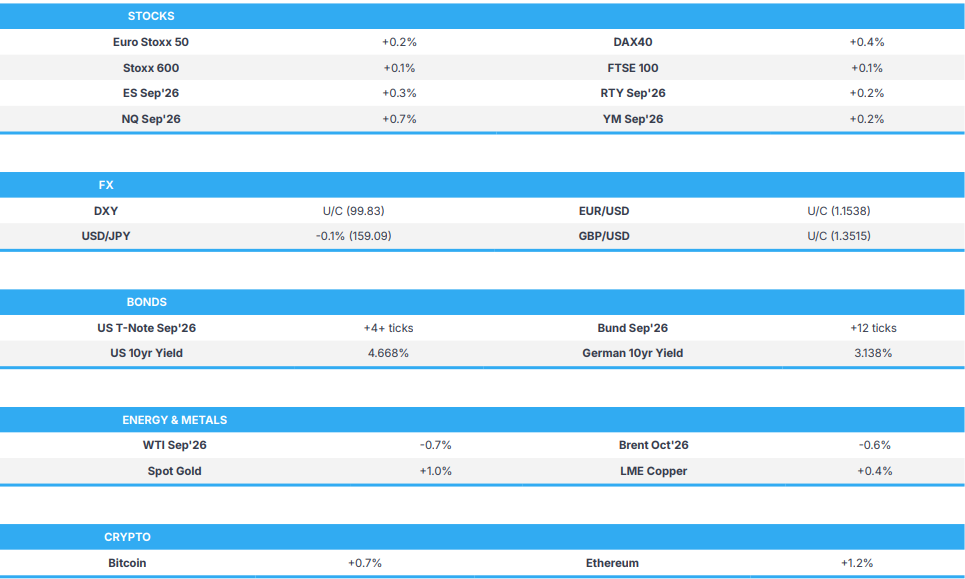
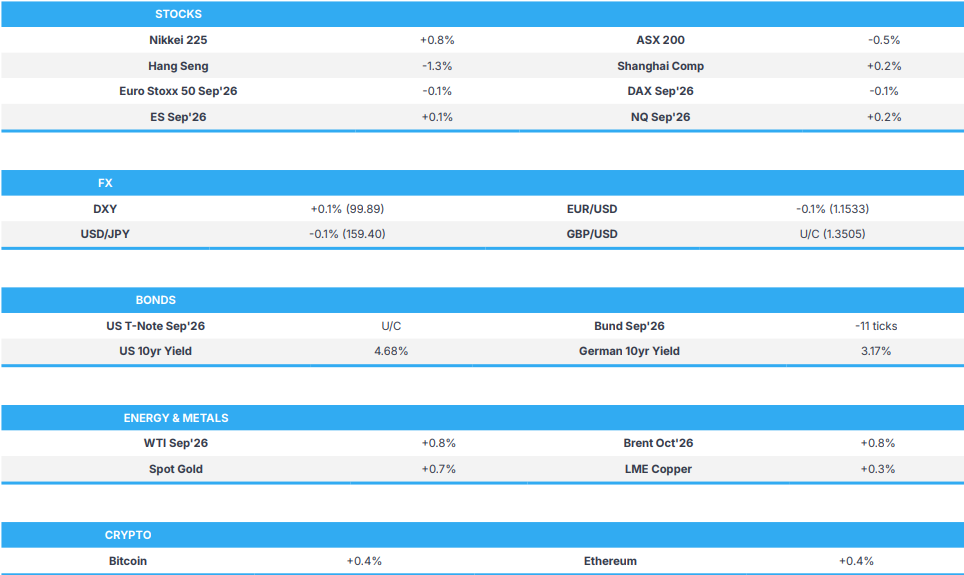




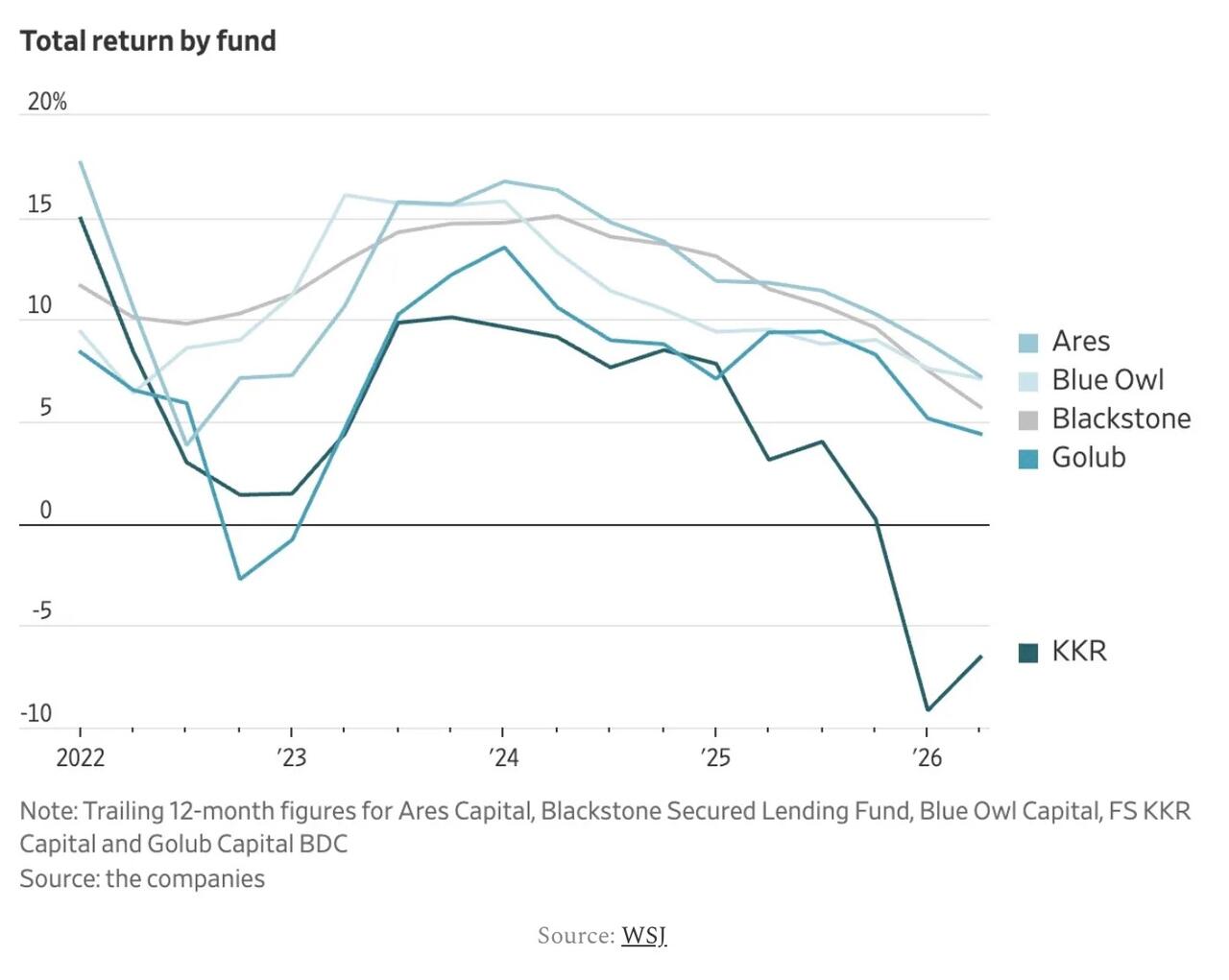
 Luke Gromen (@LukeGromen) 3K likes · 142 repliesx.com