OCT 6//GOLD CLOSED UP BY $30.60 TO 4160.80 WHILE SILVER WAS UP $0.31 TO $61.27//PLATINUM WAS DOWN $12.00 TO $1706.50 WHILE PALLADIUM WAS DOWN $2.00 TO $1174.50//GOLD COMMENTARIES TONIGHT COURTESY OF CHRIS POWELL AND HIS GATA DISPATCHES///JOON RUBINO/JAMES TURK WITH AN EXCELLENT HISTORY OF GOLD/PRICING//COMMODITY REPORT ON DIESEL//REPORTS TONIGHT FROM CHINA//MANY REPORTS FROM FRANCE//ISRAEL, USA VS IRAN UPDATES/ISRAEL TBN./IRAN UPDATES//HOUTHIS VS SAUDI ARABIA UPDATES//HEALTH ISSUES: COVID VACCINE INJURY REPORT//VACCINE INJURY: AUTISM HIGHLIGHTED/OIL REPORTS//USA ECONOMIC REPORTS KING NEWS/GREG HUNTER INTERVIEWS MAJOR GUEST ON AUTISM//
099 H DEUTSCHE BANK AG 1 363 H WELLS FARGO SECURITI 18 661 C JP MORGAN SECURITIES 190 686 C STONEX FINANCIAL INC 4 737 C ADVANTAGE FUTURES 8 991 H CME 183
TOTAL: 202 202
JPMORGAN STOPPED 0.202
OCT 6
GOLD: NUMBER OF NOTICES FILED FOR OCT./2026: 202 CONTRACTs NOTICES FOR 20,200 OZ or 0.6282 TONNES
total notices so far: 11,828 contracts FOR 1,182,800 OZ OR 36.790 TONNES
SILVER NOTICES: 125 NOTICE(S) FILED FOR 0.625 MILLION OZ /
total number of notices filed so far this month : 2323 CONTRACTS (NOTICES) for 11.615 million oz
Click here if you wish to send a donation. I sincerely appreciate it as this site takes a lot of preparation
GLD AND SLV
BOTH GLD AND SLV ARE FRAUDULENT VEHICLES//THEY ARE NOW RAIDING GLD AND SLV FOR PHYSICAL
GLD
THE CROOKS ARE STEALING GOLD AND SILVER FROM THE GLD/SLV AND REPLACING THE PHYSICAL WITH PAPER DOLLARS.
WITH GOLD UP $30.60 INVESTORS SWITCHING TO SPROTT PHYSICAL (PHYS) INSTEAD OF THE FRAUDULENT GLD//HUGE CHANGES IN GOLD INVENTORY AT THE GLD:///A DEPOSIT OF 0.574 TONNES OF GOLD OUT OF THE GLD//
INVENTORY RESTS AT 1056.27 TONNES
SLV/
WITH NO SILVER AROUND AND SILVER UP $0.31 AT THE SLV: NO CHANGES IN SILVER INVENTORY AT THE SLV://
CLOSING INVENTORY: 493.361 MILLION
SILVER//OUTLINE
SILVER COMEX OI ROSE BY A HUGE 618 CONTRACTS TO AN OI OF 105,633 STILL HIGHER FROM ITS NEW RECORD LOW OF 95,999 SET MAY 1/2026. THE RECORD HIGH OI FOR SILVER IS 244,710, SET FEB 25/2020, AND THIS HUGE LOSS IN COMEX OI WAS ACCOMPLISHED DESPITE OUR GAIN OF $0.87 IN SILVER PRICING AT THE COMEX WITH RESPECT TO MONDAY’S TRADING. ON THE FIRST OF MAY, WE REACHED OUR RECORD LOW OI OF 95,999 SURPASSING EVERY DAY NEW OI LOWS SET DURING THE LAST WEEK OF APRIL 2026.
NOW ON A NET BASIS OUR SPECULATORS HAVE REVERTED BACK TO GOING SHORT. THE FRBNY ON A NET BASIS IS PROVIDING THE NECESSARY PAPER TO OUR LONG BANKERS AND THEN TENDER FOR PHYSICAL AT 4 PM EACH NIGHT. BECAUSE OF THE HUGE SHORTFALL IN PHYSICAL SILVER IN LONDON THERE IS A LOTTERY TO SEE WHO GETS ANY OF THE PHYSICAL SILVER AVAILABLE THAT WHICH THEY ARE OBLIGATED TO DELIVER. THEY WAIT PATIENTLY FOR THEIR PHYSICAL METAL AND IF NOBODY GETS ANY THEY THEN COME BACK THE NEXT DAY AND SO ON. THIS IS IN LONDON, THE HOME OF PHYSICAL SILVER!! THE FACT THAT WE ARE WITNESSING MANY EXCHANGE FOR PHYSICAL TRANSFERS TO LONDON HIGHLIGHTS THE FACT THAT THE COMEX IS OUT OF SILVER AS WELL.
WE ARE NOW MOVING TO A MUCH LOWER BASE IN SILVER PRICING BREAKING MAJOR SUPPORT LEVEL OF $70.00. SHORTLY WE WILL REVERT BACK TO NUMBERS GREATER THAN 70 DOLLARS PER OZ.
WE HAVE A MEGA HUGE GAIN OF 1253 TOTAL CONTRACTS ON OUR TWO EXCHANGES AS THE CME NOTIFIED US OF A HUGE SIZED ISSUANCE OF 625 CONTRACTS EXCHANGE FOR PHYSICAL ISSUANCE , WE HAD SOME LIQUIDATION OF T.A.S. CONTRACTS IN COMEX TRADING WITH RESPECT TO THURSDAY TRADING// WE HAD A HUGE SIZED 670 CONTRACT T.A.S. ISSUANCE!! / THEY DESPERATELY AGAIN TODAY TRYING TO CONTAIN SILVER’S PRICE GAIN FOR THE PAST SEVERAL WEEKS (WHERE RAIDS ARE CALLED UPON AGAIN AND AGAIN TRYING TO STOP THE RISE IN SILVER’S PRICE TO ABOVE $100.00 AND TO QUELL ADDITIONAL DERIVATIVE LOSSES TO OUR BANKERS’ MASSIVE TOTALS).THEY SUCCEEDED ON MONDAY WITH SILVER’S GAIN IN PRICE.
THE PRICE STILL FINISHED BELOW THE MAGIC NUMBER OF $70.00 SILVER SPOT PRICE AND STILL WELL BELOW THE $100.00 MARK CLOSING AT $60.96 UP $0.87 WE ARE NOW WITNESSING HAVING MANY HUGE T.A.S ISSUANCES // TODAY’S WE HAD A HUGE SIZED 670 T.A.S. CONTRACTS !!. THE CROOKS ARE BECOMING MORE DESPERATE TO STOP SILVER BREAKING ABOVE THE 100.00 DOLLAR MARK!! AND NOW THE HUGE SUPPORT LEVEL OF 70 DOLLARS HAS BEEN BROKEN// //.MAMMOTH SIZE T.A.S ISSUANCES ARE BECOMING THE NORM AT THE COMEX NOW!!
THERE IS NO NEXT LINE IN THE SAND ONCE THE 100.00 DOLLAR SILVER IS PIERCED AGAIN. WE HAD A HUGE SIZED 635 CONTRACT EXCHANGE FOR PHYSICAL ISSUANCE ACCOMPANIED BY OUR HUGE SIZED 1107 CONTRACT T.A.S ISSUANCE WHICH WILL BE USED FOR RAID PURPOSES //AS THEY PLAY AN INTEGRAL PART IN OUR COMEX TRADING TRYING TO CONTAIN ANY SILVER PRICE RISE
IN ESSENCE WE HAD A MEGA HUGE GAIN OF 1253 CONTRACTS ON OUR TWO EXCHANGES WITH OUR GAIN IN PRICE OF $0.87. WE HAD CONSIDERABLE GOVERNMENT (FRBY) COMEX CONTRACTS TRADING ALL WEEK AND A MAJOR PORTION WILL BE REMOVED BY DAYS END. (I RECORD THIS FOR YOU ON A DAILY BASIS). THE STICKY SPECULATOR LONGS STILL REMAIN STOIC. OUR SILVER SHORT SPECS GOT SLAUGHTERED TO BITS THIS PAST WEEK.
CRAIG HEMKE HAS POINTED OUT THAT THE CROOKS USE THE MID MONTH FOR MANIPULATION AS THEY SELL THEIR BUY SIDE OF THE CALENDAR SPREAD FIRST AND THEN KEEP THE SELL SIDE TO LIQUIDATE AT A LATER DATE.
THUS WE HAVE TWO VEHICLES THE CROOKS USE FOR MANIPULATION AND BOTH ARE SPREADERS: 1)MONTH’S END/SPREADERS COMEX AND 2/ TAS SPREADERS, THROUGHOUT MONTH. TOTAL TAS ISSUED ON MONDAY NIGHT//TUESDAY MORNING: A HUGE SIZED 670 CONTRACTS. DESPITE MANY COMPLAINTS THAT THESE CROOKS HAVE VIOLATED POSITION LIMITS DUE TO THE FACT THAT THE TAS ISSUED HAVE A VALUE OF ZERO (AS TO POSITION LIMITS FOR OUR CROOKED FRBNY BANKERS).
THE PROBLEM OF COURSE IS THAT THE CROOKS DO NOT LIQUIDATE THE TAS AS ONE UNIT, BUT SELL THE SHORT SIDE FIRST AND THEN LIQUIDATE THE LONG SIDE TWO MONTHS HENCE. IT IS OBVIOUS MANIPULATION TO THE HIGHEST DEGREE BUT IT NATURALLY FELL ON DEAF EARS WITH OUR REGULATORS (OCC) WHEN THEY RECEIVED OUR COMPLAINTS. IT NOW SEEMS THAT THE OCC HAS NOW ORDERED THE BANKS TO REDUCE ITS NEW LEVEL OF 1.1 TRILLION DOLLDOLLARS IN GOLD/SILVER DERIVATIVES.
THUS:
INITIAL STANDING FOR JANUARY: 22.915 MILLION OZ FOLLOWED BY TODAY’S 1.185 MILLION OZ QUEUE JUMP//NEW NORMAL STANDING ADVANCES TO 49.445 MILLION OZ// TO WHICH WE ADD OUR FIRST EXCHANGE FOR RISK FOR .100 MILLION OZ//NEW STANDING ADVANCES TO 49.545 MILLION OZ!!
INTIAL STANDING FOR FEBRUARY/SILVER: 13.505 MILLION OZ FOLLOWED BY TODAY’S HUGE 0.005 MILLION OZ QUEUE JUMP / : NEW STANDING FOR SILVER AT THE COMEX ADVANCES TO 25.180 MILLION OZ. BUT WE MUST ADD OUR FIRST EXCHANGE FOR RISK OF 25 CONTRACTS FOR .125 MILLION OZ AND THEN OUR SECOND EXCHANGE FOR RISK OF .0600 MILLION OZ TO OUR THIRD HUGE 2.825 MILLION OZ EXCHANGE FOR RISK!!
INITIAL STANDING FOR MARCH: A SURPRISINGLY LOW 31.076 MILLION OZ/ FOLLOWED BY A TINY QUEUE JUMP OF XX CONTRACTS OR XXX OZ/NEW STANDING ADVANCES TO 46.060 MILLION OZ
INITIAL STANDING FOR APRIL: 7.120 MILLION OZ FOLLOWED BY TODAY’S 1 CONTRACT QUEUE JUMP WHERE 5,000 OZ WILL TAKE DELIVERY OVER ON THIS SIDE OF THE POND. NEW STANDING FOR SILVER AT THE COMEX THUS ADVANCES SLIGHTLY TO 16.565 MILLION OZ PLUS WE MUST ADD OUR 4TH EXCHANGE FOR RISK ISSUANCE OF 17 CONTRACTS OR 0.085 MILLION OZ. THESE WILL BE ADDED TO OUR OTHER 3 ISSUANCES //NEW TOTAL EXCHANGE FOR RISK//1.165 MILLION OZ// NEW TOTAL SILVER STANDING 17.730 MILLION OZ//
INITIAL STANDING FOR MAY: 31.495 MILLION OZ FOLLOWED BY ANOTHER 3 CONTRACT EXCHANGE FOR PHYSICAL JUMP TO LONDON FOR 0.015 MILLION OZ// AND THEN TO BOOT WE HAD OUR FIRST EXCHANGE FOR RISK ISSUANCE FOR 51 CONTRACTS OR 255,000 OZ MAY 21./STANDING BEFORE EXCHANGE FOR RISK: 32.070 MILLION OZ/NEW STANDING THUS REDUCES TO 32.325 MILLION OZ/.//(32.070 MILLION OZ NORMAL STANDING PLUS .255 MILLION OZ EXCHANGE FOR RISK = 32.325 MILLION OZ)
JUNE INITIAL STANDING FOR SILVER:10.935 MILLION OZ TO WHICH WE ADD OUR NEXT QUEUE JUMP OF 10,000 OZ//NEW STANDING ADVANCES TO 12.970 MILLION OZ// TO WHICH WE ADD OUR FIRST EXCHANGE FOR RISK OF 20 CONTRACTS FOR 100,000 OZ//NEW STANDING ADVANCES TO 13.070 MILLION OZ. (IN EXCHANGE FOR RISK THE BUYER ASSUMES THE RISK AND ONLY A CENTRAL BANK WOULD TAKE THAT RISK. THE BUYER IS PROBABLY THE CENTRAL BANK OF INDIA.)
JULY INITIAL STANDING: 37.110 MILLION OZ FOLLOWED BY A 3 CONTRACT QUEUE JUMP OR 0.015MILLION STANDING ADVANCES TO 45.875 MILLION OZ///
AUGUST INITIAL STANDING 6.240 MILLION OZ FOLLOWED BY TODAY’S 9 CONTRACT QUEUE JUMP FOR 45,000 OZ//NEW STANDING ADVANCES TO 8.760 MILLION OZ/
SEPT: INITIAL STANDING: 24.172 MILLION OZ//FOLLOWED BY TODAY’S STRONG 70 CONTRACT OR 350,000 OZ QUEUE JUMP//STANDING ADVANCES TO 33.865 MILLION OZ//
OCT: INITIAL STANDING: 16.355 MILLION OZ FOLLOWED BY TODAY’S SMALL 3 CONTRACT OR 15,000 OZ QUEUE JUMP TO WHICH WE ADD OUR 2ND EXCHANGE FOR RISK, 250 CONTRACTS FOR 1.25 MILLION OZ/ EXCHNGE FOR RISK TOTALS FOR THE MONTH: 2.25 MILLION OZ///NEW STANDING ADVANCES TO 19.870 MILLION OZ//
SUMMARY OF OUR JULY 2026 COMEX CONTRACT MONTH
WE HAD:
/ HUGE COMEX GAIN+// A HUGE SIZED EFP ISSUANCE CONTRACTS AT 605 CONTRACTS // A MEGA HUGE NUMBER OF T.A.S. CONTRACT ISSUANCE CONTRACTS (1107 CONTRACTFS)
I AM NOW RECORDING THE DIFFERENTIAL IN OI FROM PRELIMINARY TO FINAL: REMOVED XXX CONTRACTS OF OI SILVER //
HISTORICAL ACCUMULATION OF EXCHANGE FOR PHYSICALS OCT.. ACCUMULATION
TOTAL CONTRACTS for 4 DAY(S), total 2214 contracts: OR 11.070 MILLION OZ (553 CONTRACTS PER DAY)
TOTAL EFP’S FOR THE MONTH SO FAR:11.070 MILLION OZ
LAST 48 MONTHS TOTAL EFP CONTRACTS ISSUED IN MILLIONS OF OZ:
MAY 137.83 MILLION
JUNE 149.91 MILLION OZ
JULY 129.445 MILLION OZ
AUGUST: MILLION OZ 140.120
SEPT. 28.230 MILLION OZ//
OCT: 94.595 MILLION OZ
NOV: 131.925 MILLION OZ
DEC: 100.615 MILLION OZ
YEAR 2022
JAN 2022-DEC 2022
JAN 2022// 90.460 MILLION OZ
FEB 2022: 72.39 MILLION OZ//
MARCH 2022: 207.140 MILLION OZ//A NEW RECORD FOR EFP ISSUANCE
APRIL: 114.52 MILLION OZ FINAL//LOW ISSUANCE
MAY: 105.635 MILLION OZ//
JUNE: 94.470 MILLION OZ
JULY : 87.110 MILLION OZ
AUGUST: 65.025 MILLION OZ
SEPT. 74.025 MILLION OZ///FINAL
OCT. 29.017 MILLION OZ FINAL
NOV: 134.290 MILLION OZ//FINAL
DEC, 61.395 MILLION OZ FINAL
TOTALS YR 2022: 1135.767 MILLION OZ (1.1356 BILLION OZ)
JAN 2023/// 53.070 MILLION OZ //FINAL
FEB: 2023: 100.105 MILLION OZ/FINAL//MUCH STRONGER ISSUANCE VS THE LATTER TWO MONTHS.
MARCH 2023: 112.58 MILLION OZ//FINAL//STRONG ISSUANCE
APRIL 111.035 MILLION OZ(SLIGHTLY GREATER THAN THAN LAST MONTH)
MAY 66.120 MILLION OZ/INITIAL (MUCH SMALLER THIS MONTH)
JUNE: 110.395 MILLION OZ//MUCH LARGER THAN LAST MONTH
JULY 85.745 MILLION OZ (SMALLER THAN LAST MONTH)
AUGUST: 171.43 MILLION OZ (THIS MONTH IS GOING TO BE HUGE //2ND HIGHEST ON RECORD
SEPT: 72.705 MILLION OZ (SMALLER THIS MONTH)
OCT: 97.455 MILLION OZ
NOV. 50.050 MILLION OZ
DEC. 66.140 MILLION OZ//
TOTAL 2023: 1,104.10 MILLION OZ/
JAN ’24 : 78.655 MILLION OZ//
FEB /2024 : 66.135 MILLION OZ./FINAL
MARCH: 143.750 MILLION OZ// 4TH HIGHEST ON RECORD.
APRIL: 161.770 MILLION OZ (THIS MONTH WILL BE A WHOPPER OF ISSUANCE OF EFPS//3RD HIGHEST EVER RECORDED FOR A MONTH)
MAY: 135.995 MILLION OZ //WILL BE A STRONG MONTH FOR EXCHANGE FOR PHYSICAL ISSUANCE
JUNE 110.575 MILLION OZ ( WILL BE ANOTHER STRONG MONTH ISSUANCE)
JULY: 108.870 MILLION OZ (WILL BE A STRONG ISSUANCE MONTH/ A TOUCH OVER 100 MILLION OZ/)
AUGUST; 99.740 MILLION OZ//THIS MONTH WILL BE STRONG FOR ISSUANCE BUT LESS THAN JULY.
SEPT: 112.415 MILLION OZ//WILL BE A HUGE MONTH FOR EXCHANGE FOR PHYSICAL ISSUANCE
OCT; 97.485 MILLION OZ (WILL BE SMALLER ISSUANCE THIS MONTH )
NOV. 115.970 MILLION OZ ( HUGE THIS MONTH)
DEC: 132.54 MILLION OZ (THIS MONTH WILL BE A HUMDINGER FOR ISSUANCE BUT ISSUANCE SLOWED DRAMATICALLY THESE PAST FIVE DAYS/// WILL NOT EXCEED MARCH 2022 RECORD OF 209 MILLION OZ
YEAR 2024 TOTAL: 1363.84 MILLION OR 1.363 BILLION OZ
JANUARY 2025: 67.230 MILLION OZ///(THIS MONTH’S ISSUANCE OF EXCHANGE FOR PHYSICAL WILL BE SMALL)
FEB. 58.260 MILLION OZ//EXCHANGE FOR PHYSICAL ISSUANCE/FINAL
MARCH: 67.020 MILLION OZ///QUITE SMALL AND BECOMING SMALLER EACH AND EVERY MONTH.
APRIL: 100.895 MILLION OZ///AVERAGE SIZE ISSUANCE
MAY: 28.975 MILLION OZ (ISSUANCE WILL BE QUITE SMALL THIS MONTH)
JUNE: 81.065 MILLION OZ
JULY: 50.925 MILLION OZ (QUITE SMALL)
AUGUST: 59.455 MILLION OZ (QUITE SMALL)
SEPT. 50.510 MILLION OZ.(QUITE SMALL)
OCT; 82.020 MILLION OZ (WILL BE STRONG THIS MONTH)/ OCC WANTS TO REIN IN THESE ISSUANCES!
NOVEMBER: 36.425 MILLION OZ
DEC: 45.765 MILLION OZ
2026:
JANUARY 2026: 134.270 MILLION OZ (WILL BE A VERY STRONG MONTH FOR EXCHANGE FOR PHYSICAL!)
FEB : 82.130 MILLION OZ
MARCH: 56.075 MILLION OZ
APRIL; 44.44 MILLION OZ//FINAL.. SMALL THIS MONTH.
MAY 59.79 MILLION OZ
JUNE. 64.065 MILLION OZ//FINAL AND FAIR SIZED THIS MONTH.
JULY: 38.335 MILLION OZ
OCT : 11.070 MILLION OZ.
RESULT: WE HAD A HUGE SIZED INCREASE IN COMEX OI SILVER COMEX CONTRACTS OF 618 CONTRACTS WITH OUR GAIN IN PRICEOF $0.87 IN SILVER PRICING AT THE COMEX// MONDAY THE CME NOTIFIED US THAT WE HAD A STRONG SIZED CONTRACT EFP ISSUANCE OF 635 CONTRACTS ISSUED FOR DEC, AND 0 CONTRACTS ISSUED FOR ALL OTHER MONTHS).
INITIAL STANDING: 16.355 MILLLION OZ FOLLOWED BY TODAY’S 15,000 OZ QUEUE JUMP TO WHICH WE ADD OUR NEXT EXCHANGE FOR PHYSICAL ISSUANCE OF 1.25 MILLION OZ TO OUR FIRST EXCHANGE FOR RISK AT 1.0 MILLION OZ/: NEW EXCHANGE FOR RISK 2.25 MILLION OZ/// STANDING ADVANCES TO 19.870 MILLION OZ
LAST 17 MONTHS OF SILVER DELIVERIES
WE FINISHED APRIL WITH A STRONG SILVER OZ STANDING OF 16.050 MILLION OZ NORMAL DELIVERY , PLUS OUR 4.00 MILLION EX FOR RISK
FINAL STANDING APRIL: 19.965 MILLION OZ
AND MAY:
NEW STANDING FOR MAY FINISHES AT: 75.615 MILLION OZ. (INCLUDES 5,000 OZ EFP TRANSFER TO LONDON + 12.93 MILLION OZ EXCHANGE FOR RISK ISSUANCE/PRIOR.//NEW TOTAL STANDING 88.540 MILLION OZ
AND JUNE: FINAL 16.995 MILLION OZ
AND JULY: 46.720 MILLION OZ//
AUGUST: 4.70 MILLION OZ INITIAL STANDING PLUS TODAY;S 5,000 OZ QUEUE JUMP //NEW STANDING ADVANCES TO 10.960 MILLION OZ
SEPTEMBER: 68.040 MILLION OZ NORMAL DELIVERY(INCLUDES ALL QUEUE JUMPING AND EXCHANGE FOR PHYSICAL TRANSFERS) PLUS 3.0 MILLION OZ EX FOR RISK = 71.040 MILLION OZ. (THIS IS THE FIRST AND ONLY ISSUANCE OF EXCHANGE FOR RISK FOR SILVER SINCE MAY.)
OCTOBER: 39.565 MILLION OZ OF NORMAL DELIVERY INCLUDES ALL QUEUE JUMPING
PLUS
2.110 MILLION OZ EXCHANGE FOR RISK//TOTAL OZ STANDING IN OCT ADVAN
NOVEMBER: INITIAL STANDING AT 11.575 MILLION OZ FOLLOWED BY TODAY’S 195,000 OZ QUEUE JUMP WHICH FOLLOWS ALL OTHER QUEUE JUMPS OF 9.155 MILLION OZ//STANDING ADVANCES TO 19.670 MILLION OZ/
DECEMBER: INITIAL AMOUNT STANDING FOR DELIVERY: 49.33 MILLION OZ// FOLLOWED BY ANOTHER STRONG 835,000OZ QUEUE JUMP+ DEC. FIRST EXCHANGE FOR RISK 0F .850 MILLION OZ + LAST WEEK.S 495,000 OZ EXCHANGE FOR RISK AND THEN A 3RD ISSUANCE IF 1.00MILLION OZ THEN FINALLY DEC 249ISSUANCE OF 1.35 MILLION OZ EXCHANGE FOR RISK//NEW TOTAL EX FOR RIS IS 3.685 MILLION OZ // STANDING ADVANCES TO 68.415 MILLION OZ//
JANUARY: INITIAL STANDING 22.915 MILLION OZ FOLLOWED BY TODAY’S 1.185 MILLION OZ QUEUE JUMP//NORMAL STANDING ADVANCES TO 49.445 MILLION OZ// TO WHICH WE ADD OUR FIRST EXCHANGE FOR RISK OF 0.100 MILLLION OZ//NEW STANDING ADVANCES TO 49.545 MILLION OZ
FEB: 13.399 MILLION OZ IS OUR INITIAL STANDING FOR SILVER! TO WHICH WE ADD OUR NEXT QUEUE JUMP FOR 5,000 OZ AND THEN ADD OUR 3 EXCHANGE FOR RISK FOR 3.010 MILLION OZ STANDING ADVANCES TO 28.190 MILLION OZ!!
MARCH: INITIAL AMOUNT OF SILVER STANDING IS 31.076 MILLION OZ FOLLOWED BY A FINAL 0.210 MILLION OZ QUEUE JUMP //NEW TOTAL STANDING ADVANCES TO 46.060 MILLION OZ
APRIL 2026: INITITAL AMOUNT OF SILVER STANDING 7.120 MILLION OZ FOLLOWED BY TODAY’S 5,000 OZ QUUE JUMP //NEW STANDING ADVANCES TO 16.565MILLION OZ PLUS 1.165 MILLION OZ EXCHANGE FOR RISK.NEW TOTALS 17.730 MILLION OZ
MAY: INITIAL AMOUNT OF SILVER WILLING TO STAND; 31.495 MILLION OZ/ TO WHICH WE ADD OUR NEXT EXCHANGE FOR PHYSICAL JUMP OF 15,000 OZ//NEW STANDING REDUCES TO 32.070 MILLION OZ//(FOLLOWING MANY EXCHANGE FOR PHYSICAL TRANSFERS TO LONDON DURING THIS MAY DELIVERY MONTH). THERE SEEMS TO BE A SCARCITY OF SILVER OVER AT THE COMEX). THEN WE ADD OUR FIRST EXCHANGE FOR RISK OF 51 CONTRACTS FOR 255,000 OZ//STANDING ADVANCES TO 32.325 MILLION OZ//
JUNE: INITIAL AMOUNT OF SILVER WILLING TO STAND: 10.935 MILLION OZ PLUS OUR NEXT QUEUE JUMP OF 10,000 OZ//NEW STANDING ADVANCES TO 12.960 MILLION OZ TO WHICH WE ADD OUR FIRST EXCHANGE FOR RISK OF 20 CONTRACTS FOR 100,000 OZ//NEW STANDING ADVANCES TO 13.070 MILLION OZ
JULY : INITIAL STANDING: 37.110 MILLION OZ FOLLOWED BY TODAY’S 15,000 OZ QUEUE JUMP //STANDING THUS ADVANCES TO 45.875 MILLION OZ//
AUGUST 6.240 MILLION OZ FOLLOWED BY TODAY’S 45,000 OZ QUEUE JUMP//STANDING ADVANCES TO 8.805 MILLION OZ/
SEPT: INITIAL STANDING 8.756 MILLION OZ//FOLLOWED BY TODAY’S 350,000 OZ QUEUE JUMP//STANDING ADVANCES TO 33.865 MILLION OZ
OCT: INITIAL STANDING: 16.355 MILLION OZ//FOLLOWED BY TODAY’S 15,000 OZ QUEUE JUMP TO WHICH WE ADD OUR NEXT EXCHANGE FOR PHYSICAL ISSUANCE OF 1.25 MILLION OZ TO OUR FIRST EXCHANGE FOR RISK AT 1.0 MILLION OZ//STANDING ADVANCES TO 19.870 MILLION OZ/
THE NEW TAS ISSUANCE FOR TODAY (670)WILL BE PUT INTO “THE BANK” TO BE COLLUSIVELY USED NO DOUBT WITH FUTURE TRADING//.
WE HAD 125 NOTICE(S) FILED TODAY FOR 0.625 MILLION OZ
THE SILVER COMEX IS NOW BEING ATTACKED FOR METAL BY BANK OF INDIA
GOLD COMEX OUTLINE;
IN GOLD, THE COMEX OPEN INTEREST ROSE BY A FAIR SIZED 1300 OI CONTRACTS UP TO 396,195 CONTRACT OI AND THIS OI STILL SURPASSES BY A CONSIDERABLE MARGIN THE ALL TIME LOW AT 326,052 SET JUNE3/2026 AND THIS OI IS MUCH FURTHER FROM THE RECORD HIGH (SET JAN 24/2020) AT 799,105 AND PREVIOUS TO THAT: (SET JAN 6/2020) AT 797,110. WE HAVE NOW ADVANCED PAST THE PREVIOUS ALL TIME LOWS OF 357,136 SET APRIL 2/.2026AND 354,581 SET AT THE END OF APRIL 2026. WE ARE STILL QUITE A WAY FROM OUR TWO DECADES OLD: 390,000 CONTRACTS LOW SET IN THE YEAR OF 2001 WITH TRADING FOR GOLD AT $260.00. THUS DURING EARLY APRIL WE HAD A PRESENT TIME LOW OI IN COMEX (354,531) BUT WITH AN EXTREMELY HIGH PRICE OF GOLD. IN MAY: RECORD LOW OI OF 326,052 WITH A GOLD PRICE OF $4,460 THE SHORT RATS ARE ABANDONING THE COMEX SHIP, NOBODY WANT TO PLAY IN THIS CROOKED CASINO!!
THE DIFFERENTIAL FROM PRELIMINARY OI TO FINAL OI IN GOLD TODAY: REMOVED XXXX OI CONTRACTS //.
WE HAD A FAIR GAIN OF 2380 CONTRACTS ON OUR TWO EXCHANGES DESPITE THE SMALL LOSS IN PRICE OF $2.20.
LAST 17 MONTHS OF GOLD DELIVERIES: (MAY 2025 THROUGH TO /AUGUST 2026)
1.MAY SUMMARY FOR MAY TONNES WHICH STOOD FOR DELIVERY:
FINAL STANDING FOR MAY: 70.174 TONNES OF GOLD TO WHICH WE ADD 1. MONDAY’S (MAY 19) 6.221 TONNES EXCHANGE FOR RISK , 2. THEN WE ADD: 1.35 TONNES TO LAST WEEK”S. THEN WE ADD 3. 1.55 TONNES TO EQUAL 9.591 TONNES// NEW EXCHANGE FOR RISK = 9.591 TONNES WHICH MUST BE ADDED TO OUR NORMAL DELIVERY SCHEDULE OF 80.644 TONNES. THUS STANDING FOR MAY INCREASES TO 90.235 TONNES OF GOLD
2 JUNE CONTRACT MONTH: 93.085 TONNES OF GOLD (WHICH INCLUDES ALL QUEUE JUMPING AND 0 EX FOR RISK)
3.JULY INITIIAL STANDING FIRST DAY NOTICE: 17.847 TONNES. PLUS TODAY’S 0 TONNES QUEUE JUMP + 1.555 TONNES EX FOR RISK + 2.195 TONNES EX FOR RISK TODAY = 41.106 TONNES STANDING
4. AUGUST: 60.547 TONNES OF INITIAL GOLD FIRST DAY NOTICE FOLLOWED BY THE NET MONTH’S QUEUE JUMP OF 47.2312 TONNES TO WHICH WE ADD THE FOLLOWING EXCHANGE FOR RISK ISSUANCE RECEIVED FOR THE MONTH: 5.4432 TONNES EX FOR RISK/AUG 7 , AUG 11: 2.413 TONNES EX FOR RISK AND AUG. 12 OF 2.
5.SEPT: INITIAL 8.093 TONNES OF GOLD PLUS TODAY’S QUEUE JUMP OF 0.4883 TONNES PLUS 2.2827 TONNES OF EXCHANGE FOR RISK TODAY//NEW TOTAL EX. FOR RISK/MONTH = 22.923//NEW TOTAL STANDING FOR GOLD SEPT ADVANCES TO = 48.801 TONNES!!
6.OCTOBER: 90.012 TONNES OF INITIAL GOLD STANDING WITH TODAY’S TINY 0.00311 TONNES QUEUE JUMP WHICH FOLLOWS ALL OTHER QUEUE JUMPS DURING OCT OF 76.1656 TONNES
THEN WE MUST ADD OUR 14.553 TONNES OF OUR ISSUANCE OF EXCHANGE FOR RISK/6 OCCASIONS//NEW TOTAL OF GOLD STANDING ADVANCES TO 197.5141 TONNES OF GOLD.
7.NOVEMBER BEGINS WITH 15.651 TONNES INITIALLY STANDING FOR DELIVERY FOLLOWED BY TODAY’S QUEUE JUMP OF 2.323 TONNES FOLLOWED BY ALL PREVIOUS QUEUE JUMPS IN OF OF 21.3775 TONNES TO WHICH WE ADD OUR TWO EXCHANGE FOR RISK ISSUANCE OF 4.5596 TONNES//NEW STANDING ADVANCES TO 43.9716 TONNES OF GOLD.
8. DECEMBER BEGINS WITH INITIAL STANDING OF 83.813 TONNES OF GOLD FOLLOWED BY TODAY’S 0.0TONNE QUEUE JUMP WHICH FOLLOWS ALL OTHER QUEUE JUMPS OF: 37.163 TONNES//NEW STANDING ADVANCES TO 115.390 TONNES TO WHICH WE ADD OUR 4 EXCHANGE FOR RISK FOR DECEMBER OF 6.587 TONNES/NEW STANDING ADVANCES TO 121.977 TONNES
9. JANUARY: INITITAL STANDING: 13.785 TONNES TO WHICH WE ADD OUR FIRST EXCHANGE FOR PHYSICAL TRANSFER OF 0.08709 TONNES WHICH FOLLOWS ALL OTHER QUEUE JUMPS OF 30.7117TONNES //NEW TOTAL QUEUE JUMPS 30.7117//NORMAL DELIVERY OF GOLD ADVANCES TO 36.8958 TONNES TO WHICH WE ADD OUR SIX EXCHANGE FOR RISK OF 22.315 TONNES//NEW STANDING ADVANCES TO 59.2108 TONNES.
FEB; INITIAL AMOUNT OF GOLD STANDING FOR DELIVERY: 93.567 TONNES OF GOLD TO WHICH WE ADD OUR NEXT 0.0248 TONNES 0.1555 TONNES QUEUE JUMP TO 41.2082 TONNES/ NEW NET QUEUE JUMP INCREASES TO 41.233 TONNES// AND THEN WE ADD OUR SIX EXCHANGE FOR RISK: 10,080 CONTRACTS OR 31.251 TONNES//NEW STANDING REDUCES TO 157.878 TONNES
MARCH:: INITIAL AMOUNT OF GOLD STANDING FOR DELIVERY: 8.099 TONNES TO WHICH WE ADD TODAY’S FAIR 4600 OZ QUEUE JUMP (0.2320 TONNES) AND THEN WE ADD OUR THREE EXCHANGE FOR RISK OF 22.3818 TONNES //NEW STANDING ADVANCES TO 67.6648 TONNES/
APRIL: INITIAL AMOUNT OF GOLD STANDING FOR DELIVERY: 52.600 TONNES FOLLOWED BY OUR 345 CONTRACT QUEUE JUMP FOR 34,500 OZ/ (1.073 TONNES)/NEW STANDING ADVANCES TO 70.286 TONNES TO WHICH WE ADD OUR 2ND EXCHANGE FOR RISK OF 1498 CONTRACTS FOR 149800 OZ OR 4.659 TONNES. THE NEW TOTAL EXCHANGE FOR RISK FOR THE MONTH OF APRIL IS 2239 CONTRACTS OR 223900 OZ OR 6.964 TONNES AND THIS WILL BE ADDED TO OUR NORMAL DELIVERY TOTALS (70.762 TONNES) TO GIVE US WHAT WILL STAND IN APRIL (77.726 TONNES)
MAY: INITIAL AMOUNT OF GOLD WILLING TO STAND: 12.24 TONNES OF GOLD TO WHICH WE ADD OUR NEXT QUEUE JUMP OF 345 CONTRACTS OR 34500 OZ (1.073 TONNES) TO WHICH WE ADD OUR FIVE EXCHANGE FOR RISK ISSUANCES FOR 24.635 TONNES/STANDING NOW ADVANCES TO 51.554 TONNES OF GOLD.
JUNE; INITIAL AMOUNT OF GOLD WILLING TO STAND; 64.496 TONNES.(CME CORRECTED) TO WHICH WE ADD OUR NEXT EXCHANGE FOR PHYSICAL TRANSFER OF 0.0186 TONNES/NEW STANDING REDUCES TO 127.03 TONNES
JULY: INITIAL AMOUNT OF GOLD WILLING TO STAND: 23.306 TONNES TO WHICH WE ADD OUR NEXT QUEUE JUMP OF 0.000 TONNES/ TO WHICH WE ADD OUR FIRST EXCHANGE FOR RISK 0F 0.0062 TONNES/NEW STANDING ADVANCES TO 40.824TONNES
AUGUST INITIAL STANDING 48.687 TONNES TO WHICH WE ADD OUR 5TH EXCHANGE FOR RISK OF 5 CONTRACTS FOR 500 OZ OR 0.0155 TONNESS TO OUR 4TH EXCHANGE FOR RISK OF 200 CONTRACTS OR 20,000 OZ OR 6.220 TONNES TO OUR 3RD EXCHANGE FOR RISK OF 1.7045 TONNES TO OUR 2ND EXCHANGE FOR RISK OF 1.552 TONNES TO OUR FIRST 0.0715 TONNES EXCHANGE FOR RISK//NEW TOTAL EXCHANGE FOR RISK: 3.9688 AND THEN ADD OUR NEXT QUEUE JUMP OF 39 CONTRACTS FOR 3,900 OZ OR 0.1213 TONNES//STANDING THUS ADVANCES TO 67.2441 TONNES
SEPT: INITIAL STANDING: 8.756 TONNES OF GOLD FOLLOWED BY TODAY’S 0 CONTRACTS OR 0 OZ QUEUE JUMP (0.0000 TONNES) TO WHICH WE ADD OUR TWO, 2000 CONTRACT EXCHANGE FOR RISK FOR 200,000 OZ OR 6.2208 TONNES//// // NEW STANDING REMAINS AT 19.2308 TONNES..
OCT: INITIAL STANDING: 38.345 TONNES OF GOLD FOLLOWED BY TODAY’S QUEUE JUMP OF 1700 OZ (.0529 TONNES) TO WHICH WE ADDTO OUR FIRST EXCHANGE FOR RISK AT 836 CONTRACTS/(83,600 OZ//2.600 TONNES)//STANDING THUS ADVANCES HUGELY TO 39.921 TONNES./
E.F.P. ISSUANCE/FOR OPENING SEPT GOLD CONTRACT
THE CME RELEASED THE DATA FOR EFP ISSUANCE AND IT TOTALED A FAIR SIZED 1080 CONTRACTS:
The NEW COMEX OI FOR THE GOLD COMPLEX RESTS AT 396,195 SURPASSING THE PREVIOUS ALL TIME LOW OF 326,052 SET JUNE 3 AND RISING FROM OUR PREVIOUS RECORD LOW//MAY 28.2026 WE HAVE THUS RECORD LOW COMEX OI WITH A HIGH PRICE OF GOLD
SILVER ALSO HAS AN ULTRA SMALL SIZED AND EXTREMELY LOW COMEX OI OF 105,633 CONTRACTS// STILL ABOVE FROM PREVIOUS ALL TIME LOWS SET DURING THE MONTH OF APRIL AND MAY FIRST.
IN ESSENCE WE HAVE A FAIR SIZED GAIN IN TOTAL CONTRACTS IN GOLD ON THE TWO EXCHANGES OF 2380 CONTRACTS WITH 1300 CONTRACTS INCREASED AT THE COMEX// AND A FAIR SIZED 1080 EXCHANGE FOR PHYSICAL OI CONTRACT ISSUANCE WHICH NAVIGATED OVER TO LONDON.
THUS TOTAL OI GAIN ON THE TWO EXCHANGES OF 2380 CONTRACTS.. WE HAD THE FOLLOWING TAS CONTRACTS INITIATED (ISSUED): A SMALL SIZED AND CRIMINAL 652 CONTRACTS AND THESE ISSUANCES ARE GENERALLY USED TO INITIATE A RAID WHEN CALLED UPON .
GOLD PRICE FELL BY $2.20
CALCULATIONS ON GAIN/LOSS ON OUR TWO EXCHANGES
WE HAD A FAIR SIZED ISSUANCE IN EXCHANGE FOR PHYSICALSCONTRACT (1080) ACCOMPANYING THE FAIR GAIN IN COMEX OI OF 1300 CONTRACTS/TOTAL GAIN FOR OUR THE TWO EXCHANGES 2380 CONTRACTS DESPITE THE LOSS IN PRICE.
WE HAVE 1) NOW REVERTED TO OUR FORMAT OF BANKER (FRBNY) GOING ON THE LONG SIDE AND HUGE NUMBERS OF NEWBIE SPECULATORS GOING TO THE SHORT SIDE LED BY THE NOSE BY OUR HIGH FREQUENCY TRADERS.. IT WAS OUR SHORT SPECULATORS THAT WILL BE BRUTALIZED WHEN OUR CENTRAL BANKS TENDER FOR PHYSICAL GOLD WITH THEIR NEWLY BOUGHT GOLD FROM THE SPECS THIS MORNING. THE SPECS WILL BE SCRAMBLING LOOKING FOR PHYSICAL GOLD TO DELIVER TO OUR LONG CENTRAL BANKS.
STANDING FOR THE LAST 10 MONTHS JANUARY TO OCT:
FINAL STANDING FOR GOLD, JANUARY CONTRACT AT 59.08 TONNES OF GOLD
FEBRUARY: INITIAL STANDING FOR GOLD: 157.878 TONNES!! WHICH INCLUDES ALL QUEUE JUMPING, THREE EXCHANGE FOR PHYSICAL TRANSFERS TO LONDON AND OUR SIX ISSUANCES EXCHANGE FOR RISK!!
MARCH: INITIAL STANDING AT 8.099 TONNES TO WHICH WE ADD OUR FINAL DAY: 0.2320 TONNES QUEUE JUMP AND THEN ADD +22.3818 TONNES EXCHANGE FOR RISK//NEW STANDING ADVANCES TO 67.6648 TONNES
APRIL: INITIAL STANDING 52.600 TONNES PLUS 27,800 OZ QUEUE JUMP (0.8648TONNES): NEW STANDING ADVANCES TO 70.286 TONNES PLUS OUR TWO EXCHANGE FOR RISK FOR 223,900 OZ OR 6.964 TONNES/NEW FINAL STANDING: 77.726 TONNES
MAY: INITIAL AMOUNT OF GOLD WILLING TO STAND; 12.24 TONNES TO WHICH WE ADD OUR NEXT QUEUE JUMP FOR 345 CONTRACTS/34,500 OZ// 1.073 TONNES/ THEN WE MUST ADD OUR EXCHANGE FOR RISK ISSUANCE: TOTAL EXCHANGE FOR RISK MAY// 5 OCCASIONS: 24.635 TONNES///NEW FINAL STANDING NOW ADVANCES TO 51.554 TONNES
JUNE: INITIAL AMOUNT OF GOLD WILLING TO STAND: 64.496 TONNES TO WHICH WE ADD OUR NEXT EXCHANGE FOR PHYSICAL TRANSFER JUMP OF 0.0186 TONNES//NEW STANDING 127.03 TONNES//FINAL
JULY: INITIAL AMOUNT OF GOLD WILLING TO STAND: 23.306 TONNES OF GOLD TO WHICH WE ADD OUR NEXT QUEUE JUMP OF 0.0000 TONNES/ PLUS 0.0062 TONNES EX FOR RISK///NEW STANDING FOR GOLD REMAINS AT 40.824TONNES.
AUGUST INITIAL STANDING 48.687 TONNES TO WHICH WE ADD OUR FIRST 0.0715 TONNES EXCHANGE TO OUR 2ND EXCHANGE FOR RISK = 1.552 TONNES TO OUR 3RD EXCHANGE FOR RISK OF: 1.7045//TOTAL FOR EXCHANGE FOR RISK 3.3312 TONNES TO OUR 4TH EXCHANGE FOR RISK OF 200 CONTRACTS FOR 0.6220 TONNES/TO OUR 5TH EXCHANGE FOR RISK OF 0.0155 TONNES//TOTALL EXCHANGE FOR RISK: 3.9688 TONNES TO OUR NEXT QUEUE JUMP OF 0.1213 TONNES//STANDING ADVANCES TO 67.2441 TONNES
SEPT: INITIAL STANDING FOR GOLD: 8.756 TONNES FOLLOWED BY TODAY’S 0 OZ QUEUE JUMP (0.0000TONNES) TO WHICH WE ADD OUR SECOND 1000 CONTRACT EXCHANGE FOR RISK TO OUR FIRST: THUS// NEW EXCHANGE FOR RISK: 6.2208 TONNES// NEW STANDING REMAINS AT 19.2308 TONNES.
OCT: INITIAL STANDING FOR GOLD: 38.345 TONNES FOLLOWED BY TODAY’S SMALL 1700 OZ CONTRACT QUEUE JUMP// TO WHICH WE ADD OUR FIRST EXCHANGE FOR RISK AT 836 CONTRACTS//83,600 OZ OR 2.600 TONNES// //STANDING THUS ADVANCES TO 39.921 TONNES//
3)SOME T.A.S. LIQUIDATION IN THE COMEX SESSION/,THURSDAY// A HUGE GOVT LIQUIDATION // WITH A SMALL GAIN OF EQUITY SHARES/OCT 2 HAVING 1)A COMEX GOLD PRICE LOSS OF $2.20 AND WE HAD 2) SPEC PILING HUGELY ON THE SHORT SIDE // /// +3. EASTERN CENTRAL BANKERS ALSO PILING INTO THE LONG SIDE. WE HAD A FAIR GAIN OF 2380 CONTRACTS ON OUR TWO EXCHANGES AND AS WELL A STRONG AMOUNT OF GOLD WILL STILL STAND FOR DELIVERY IN OCT (39.921 TONNES). THE SHORT SPECS CONTINUED TO PILE INTO THE SHORT SIDE AND WERE SLAUGHTERED.//, CENTRAL BANKERS THE LONG SIDE AND THEY THEN TENDERED FOR PHYSICAL WITH THEIR PURCHASES OF CONTRACTS../ ALSO, 3)STICKY GOLD’S LONGS WERE REWARDED MONDAY EVENING AS THEY EXERCISED EFP’S FROM LONDON TO TAKE DELIVERY OF BADLY NEEDED PHYSICAL
4)A FAIR SIZED COMEX OI GAIN 5) V) A FAIR SIZED ISSUANCE OF EXCHANGE FOR PHYSICAL GOLD(1080) AND 6. A SMALL T.A.S. ISSUANCE (652) FOR RAID PURPOSES.!!!
ACCUMULATION OF EFP’S GOLD AT J.P. MORGAN’S HOUSE OF BRIBES: (EXCHANGE FOR PHYSICAL) FOR THE MONTH OF OCT :
TOTAL EFP CONTRACTS ISSUED:4521 CONTRACTS OR 452,100 OZOR 14.062 TONNES IN 4 TRADING DAY(S) AND THUS AVERAGING:1130 EFP CONTRACTS PER TRADING DAY
TO GIVE YOU AN IDEA AS TO THE SIZE OF THESE EFP TRANSFERS : THIS MONTH IN 4 TRADING DAY(S) IN TONNES: 14.062 TONNES
TOTAL ANNUAL GOLD PRODUCTION, 2025, THROUGHOUT THE WORLD EX CHINA EX RUSSIA: 3555 TONNES
THUS EFP TRANSFERS REPRESENTS 14.062 TONNES DIVIDED BY 3550 x 100% TONNES= 0.396% OF GLOBAL ANNUAL PRODUCTION
SEPT 142.12 TONNES FINAL ISSUANCE ( LOW ISSUANCE)_
OCT: 141.13 TONNES FINAL ISSUANCE (LOW ISSUANCE)
NOV: 312.46 TONNES FINAL ISSUANCE//NEW RECORD!! (INCREASING DRAMATICALLY)//SIGN OF REAL STRESS//SURPASSING THE MARCH 2021 RECORD OF 276.50 TONNES OF EFP
DEC. 175.62 TONNES//FINAL ISSUANCE//
TOTALS: 2,578.08 TONNES/2021
JAN:2023 247.25 TONNES //FINAL
FEB: 196.04 TONNES//FINAL
MARCH/2022: 409.30 TONNES //FINAL( THIS IS NOW A RECORD EFP ISSUANCE FOR MARCH AND FOR ANY MONTH.
APRIL: 169.55 TONNES (FINAL VERY LOW ISSUANCE MONTH)
MAY: 247.44 TONNES FINAL//
JUNE: 238.13 TONNES FINAL
JULY: 378.43 TONNES FINAL/SECOND HIGHEST ON RECORD
AUGUST: 180.81 TONNES FINAL
SEPT. 193.16 TONNES FINAL
OCT: 177.57 TONNES FINAL ( MUCH SMALLER THAN LAST MONTH)
NOV. 223.98 TONNES//FINAL ( MUCH LARGER THAN PREVIOUS MONTHS//comex running out of physical)
DEC: 185.59 tonnes // FINAL
TOTAL: 2,847,25 TONNES/2022
JAN 2024: 228.49 TONNES FINAL//HUGE AMOUNT OF EFP’S ISSUED THIS MONTH!!
FEB: 151.61 TONNES/FINAL
MARCH: 280.09 TONNES/INITIAL (ANOTHER STRONG MONTH FOR EFP ISSUANCE)
APRIL: 197.42 TONNES
MAY: 236.67 TONNES (A VERY STRONG ISSUANCE FOR THIS MONTH)
JUNE: 172.667 TONNES (WEAKER ISSUANCE THIS MONTH)
JULY: 151.69 TONNES (WEAKER THAN LAST MONTH)
AUGUST: 195.28 TONNES (A STRONGER MONTH)//FINAL
SEPT: 254.709 TONNES (WILL BE LARGER THAN LAST MONTH AND A STRONG MONTH)
OCT. 248.09 TONNES. LIKE SILVER, THIS MONTH IS GOING TO BE A STRONG E.F.P. ISSUANCE.
NOV. 239.16 TONNES//WILL BE STRONG THIS MONTH,
DEC. 213.704 TONNES. A STRONG MONTH//
TOTAL FOR YEAR 2023: 2,569.57 TONNES
2025: AND NOW 2026
JAN. 2025: 257.919 TONNES (ISSUANCE WILL BE PRETTY GOOD THIS MONTH BUT MUCH LOWER THAN LAST MONTH)
FEB: 207.21 TONNES//EX FOR PHYSICAL ISSUANCE (WILL BE A FAIR SIZED ISSUANCE THIS MONTH)
MARCH 130.84 TONNES//QUITE SMALL THIS MONTH.
APRIL; 208.57 TONNES. STRONG THIS MONTH
MAY: 113.499 TONNES OF GOLD EFP ISSUANCE//QUITE SMALL THIS MONTH
JUNE: 97.79 TONNES OF GOLD EFP ISSUANCE/EXTREMELY SMALL
JULY : 150.877 TONNES// QUITE SMALL
AUGUST: 175.86 TONNES A LOT LARGER THIS MONTH.
SEPT. 116.13 TONNES VERY SMALL
OCT. 252.72 TONNES//CERTAINLY MUCH LARGER THIS MONTH/VERY STRONG
NOV: 124.74 TONNES
DEC: 190.04 TONNES//GOOD SIZED THIS MONTH FINAL.
TOTAL EXCHANGE FOR PHYSICAL ISSUED FOR YEAR 2025: 2,026.20 TONNES (LOWER THAN LAST YR 2,569.00 TONNES
YEAR 2026:
JANUARY: 209.08 TONNES ( (WILL BE A STRONG MONTH FOR EXCHANGE FOR PHYSICAL)
FEB. 176.35 TONNES (WHICH IS A FAIR ISSUANCE)
MARCH: 214.67 TONNES//WILL BE STRONG ISSUANCE THIS MONTH
APRIL; 88.00 TONNES// WILL BE VERY SMALL THIS MONTH
MAY 118.430 TONNES
JUNE: 142.053 TONNES
JULY: 163.82 TONNES
AUGUST: 151.107 TONNES
SEPT: 99.458 TONNES
OCT: 14.062 TONNES
XXXXXXXXXXXXXXXXXXXXXXXXXX
ASIA TRADING CLOSING OCT 6
SHANGHAI CLOSED UNTIL THURSDAY
HANG SENG CLOSED UP 240.22 PTS OR 1.00%
Nikkei CLOSED UP 879.14 PTS OR 1.26%
//Australia’s all ordinaries CLOSED UP 0.59%
//Chinese yuan (ONSHORE) CLOSED TIL THURSDAY
/ OFFSHORE CLOSED UP AT 6.7023 Oil DOWN TO 87.51 dollars per barrel for WTI and BRENT DOWN TO 98.33 Stocks in Europe OPENED ALL GREEN
ONSHORE USA/ YUAN// WITH YUAN TRADING XXX (OFF TIL THURSDAY) OFFSHORE YUAN TRADING UP TO 6.7023 ONSHORE YUAN TRADING ABOVE LEVEL // OFF SHORE AND DOWN ON THE DOLLAR)// / AND THUS XXXXX/OFF SHORE YUAN TRADING UP AGAINST US DOLLAR/ AND THUS STRONGER
XXXXXXXXXXXXXXXXXXXXXXXXXXXXXXXXXXXXX
SPREADERS:
HERE IS A BRIEF SYNOPSIS OF HOW THE CROOKS FLEECE UNSUSPECTING LONGS
YOU WILL ALSO NOTICE THAT THE COMEX OPEN INTEREST STARTS TO RISE BUT SO IS THE OPEN INTEREST OF SPREADERS. THE OPEN INTEREST IN WILL CONTINUE TO RISE UNTIL ONE WEEK BEFORE FIRST DAY NOTICE OF AN UPCOMING ACTIVE DELIVERY MONTH (OCT), AND THAT IS WHEN THE CROOKS SELL THEIR SPREAD POSITIONS BUT NOT AT THE SAME TIME OF THE DAY. THEY WILL USE THE SELL SIDE OF THE EQUATION TO CREATE THE CASCADE (ALONG WITH THEIR COLLUSIVE FRIENDS) AND THEN COVER ON THE BUY SIDE OF THE SPREAD SITUATION AT THE END OF THE DAY. THEY DO THIS TO AVOID POSITION LIMITS
WHAT IS ALARMING TO ME, ACCORDING TO OUR LONDON EXPERT ANDREW MAGUIRE IS THAT THESE EFP’S ARE BEING TRANSFERRED TO WHAT ARE CALLED SERIAL FORWARD CONTRACT OBLIGATIONS AND THESE CONTRACTS ARE LESS THAN 14 DAYS. ANYTHING GREATER THAN 14 DAYS, THESE MUST BE RECORDED AND SENT TO THE COMPTROLLER, GREAT BRITAIN TO MONITOR RISK TO THE BANKING SYSTEM. IF THIS IS INDEED TRUE, THEN THIS IS A MASSIVE CONSPIRACY TO DEFRAUD AS WE NOW WITNESS A MONSTROUS TOTAL EFP’S ISSUANCE AS IT HEADS INTO THE STRATOSPHERE.
The crooks also use the spread in the TAS account (trade at settlement). They buy the spot TAS (e.g. June) and sell the future TAS two months out (e.g. August). Then they unload the front month (i.e. unload the buy side first so the price of gold/silver falls. This occurs in the middle of the front delivery month cycle. They unload the sell side of the equation, two months down the road. The crooks violate position limits as the OCC refuse to hear our complaints.
First, here is an outline of what will be discussed tonight:
SILVER:
1.TODAY WE HAD THE OPEN INTEREST AT THE COMEX IN SILVER ROSE BY A HUGE 618 CONTRACTS TO AN OI OF 105,633
EFP ISSUANCE 625 CONTRACTS
OUR CUSTOMARY MIGRATION OF COMEX LONGS CONTINUE TO MORPH INTO LONDON FORWARDS AS OUR BANKERS USED THEIR EMERGENCY PROCEDURE TO ISSUE:
DEC 605 CONTRACTS and 0 ALL OTHER MONTHS: ZERO. TOTAL EFP ISSUANCE: 0 CONTRACTS. EFP’S GIVE OUR COMEX LONGS A FIAT BONUS PLUS A DELIVERABLE PRODUCT OVER IN LONDON. IF WE TAKE THE COMEX OI GAIN OF 618 CONTRACTSAND ADD TO THE 625 E.FP. ISSUED
WE OBTAIN A HUGE GAIN OF 1253 OI OPEN INTEREST CONTRACTS FROM OUR TWO EXCHANGES DESPITE OUR GAIN OF $0.87
THUS IN OUNCES, THE GAIN ON THE TWO EXCHANGES TOTAL 6.265 MILLION PAPER OZ
STANDING OCT AT 19.870 MILLION OZ
SILVER PRICE GAIN OF $0.87
XXXXXXXXXXXXXXXXXXXXXXXXXXXXXXXXXXXX
GOLD
LET US BEGIN:
THE TOTAL COMEX GOLD OPEN INTEREST ROSE BY A FAIR 1300 CONTRACTS TO 3956,195 STILL WELL ABOVE ITS NEW LOW OF 326,052 OI SET JUNE 3, CLOSE TO THE PREVIOUS ALL TIME LOW OF 345,705 SET (MAY 28) AND CLOSE TO THE PREVIOUS ALL TIME LOW IN OI OF 353,490 SET MAY 27.. PREVIOUS TO THAT THE ALL TIME LOW IN OI WAS 390,000 SET IN THE YEAR 2001 WHEN GOLD WAS TRADING $260.00. THE CME SHOULD BE PROUD OF THEMSELVES AS MANY HAVE ABANDONED THIS CROOKED ARENA!!THUS OUR NEW ALL TIME LOW OF COMEX OI HAS NOW BEEN SET AT 326,052 //JUNE 3 2026 WITH GOLD AT AN EXTREMELY HIGH $4,450.00 WHICH MAKES ABSOLUTELY NO SENSE!!!
WE HAD SOME T.A.S. LIQUIDATION DURING MONDAY’S COMEX TRADING HOURS// . IT SEEMS THAT MANY OF THE SPECULATORS THAT HAVE NOW CONTINUED AGAIN TO BE ON THE SHORT SIDE WITH BANKERS ON THE LONG SIDE AND THESE GUYS WERE AGAIN OBLITERATED YESTERDAY WHEN THE LONGS TENDERED FOR DELIVERY:
CENTRAL BANKS TENDERED THEIR NEW LONG CONTRACTS AT THE END OF THE DAY FOR PHYSICAL GOLD. YOU CAN VISUALIZE THIS WITH THE STRONG AMOUNT OF GOLD STANDING AT THE COMEX FOR THIS OCTOBER CONTRACT MONTH!!
WE HAD A FAIR SIZED GAIN ON OUR TWO EXCHANGES (2380 CONTRACTS) OCCURRED DESPITE OUR LOSS IN PRICE IN GOLD (DOWN $2.20)
WE THUS HAD A FAIR GAIN IN OI ON BOTH OF OUR EXCHANGES (2380 CONTRACTS), WITH OUR LOSS IN PRICE, AS WE WERE INFORMED OF A FAIR CONTRACT EXCHANGE FOR PHYSICAL ISSUANCE EQUATING TO 1080 CONTRACTS.
THEN WE WERE NOTIFIED TODAY OF A ZERO CONTRACT FOR RISK ISSUANCE IN GOLD CONTRACTS FOR 0 OZ OR 0 TONNES OF GOLD. TOTAL THUS SO FAR THIS MONTH: 860 CONTRACTS//86000 OZ OR 2.600 TONNES (1 OCCASIONS)
MONTH OF MAY RECORD ISSUANCE OF EXCHANGE FOR RISK: THE HIGHEST EVER ISSUANCE!!
MAY 22 RECORDS THE HIGHEST EVER EXCHANGE FOR RISK AT 12.4416 TONNES. WE HAD OUR FIRST ISSUANCE FOR EXCHANGE FOR RISK IN THE MONTH OF MAY ON MAY 7, THEN OUR 2ND ISSUANCE FOR OUR MAY GOLD MONTH ON MAY 12. THE THIRD ON MAY 18 , THEN MAY 21 OUR 4TH ISSUANCE AND THEN FINALLY FRIDAY, OUR 5TH ISSUANCE. THIS GOLD WILL BE ADDED TO OUR NORMAL MAY DELIVERIES TO GIVE US OUR FINAL AMOUNT OF GOLD WILLING TO STAND AT THE COMEX..
HISTORY OF EXCHANGE FOR RISK ISSUANCE THIS YEAR: FEBRUARY THROUGH JULY AND AUGUST
FEBRUARY:
DURING THE MIDDLE OF THE FEBRUARY CONTRACT MONTH, WE HAD TWO IDENTICAL MONSTER 3,000 CONTRACT ISSUED FOR THE SAME 9.33 TONNES OF GOLD, AND THESE WERE THE HIGHEST EVER IN TONNAGE EVER ISSUED BY THE COMEX. ALTOGETHER THE TOTAL ISSUANCE FOR FEB TOTALLED SIX.(31.251 TONNES).
MARCH:
THURSDAY MARCH 17 WE RECEIVED ITS INITIAL 2000 CONTRACT EXCHANGE FOR RISK ISSUANCE FOR 6.22 TONNES. LAST FRIDAY: 0 ISSUANCE OF EXCHANGE FOR RISK. BUT ON MONDAY MARCH 23 WE RECEIVED NOTICE OF OUR SECOND EXCHANGE FOR RISK ISSUANCE FOR 2,200 CONTRACTS (220,000 OZ OR 6.843 TONNES) AND NOW FRIDAY WITH A MONSTER 2996 CONTRACTS FOR 9.3138 TONNES. THESE THREE ISSUANCES WILL NOW BE ADDED TO THE REGULAR AMOUNT OF GOLD STANDING, I.E. 22.3818 TONNES TO OUR NORMAL GOLD STANDING TO GIVE US WHAT WILL STAND FOR PHYSICAL GOLD FOR MARCH!
APRIL;: 2 EXCHANGE FOR RISK SO FAR, I.E. 2239 CONTRACTS FOR 223,900 OZ OR 6.964 TONNES AND THIS TOTAL TONNES WILL BE ADDED TO OUR NORMAL DELIVERY TO GIVE US WHAT WILL STAND IN APRIL
MAY: FIVE ISSUANCES SO FAR FOR 7920 CONTRACTS OR 792,000 OZ OR 24.635 TONNES.
JUNE: 0 IN GOLD. THUS FOR THE ENTIRE MONTH IN GOLD ZERO NOTICES WERE FILED.
JULY: 2 FOR 200 OZ OR 0.00622 TONNES
AUGUST: 1276 CONTRACTS FOR 127,600 OZ OR 3.9688 TONNES (5 OCCASIONS THIS MONTH)
SEPT: SO FAR: 2000 CONTRACTS FOR 200,000 OZ OR 6.2208 TONNESS (TWO OCCASIONS)
OCT: ONE SO FAR//836 CONTRACTS FOR 83600 OZ OR 2.600 TONNES/ONE OCCASION
XXXXXXXXXXXXXXXXXXXXXXXXXXXXXXXXX
A LITTLE HISTORY OF EXCHANGE FOR RISK DECEMBER THROUGH TO OCT:
IN DECEMBER WE HAVE RECORDED 5 ISSUANCES OF EXCHANGE FOR RISK/4 FOR DEC AND THE LAST ONE ON DEC 31 FOR JANUARY. WE NOW HAVE 3 CHOICES FOR THE RECIPIENT OF THIS ISSUANCE AND IT MUST BE A CENTRAL BANK. YOU WILL RECALL THAT THE BUYER ASSUMES THE RISK OF THAT DELIVERY. (THUS TOTAL EXCHANGE FOR RISK FOR THE MONTH OF DECEMBER IS 6.56 TONNES/4 OCCASIONS.
MONTH OF JANUARY/EXCHANGE FOR RISK
IN JANUARY THEY HAVE 6 TOTAL ISSUANCE : 3.446 TONNES EARLY, THEN JAN 9 ISSUANCE OF 9,331 TONNES AND THEN JAN 16: 0.1996 TONNES JAN 26: 1.499 TONNES, JAN 27: 3.160 AND FINALLY JAN 29: 4.659 TONNES TONNES//TOTAL EXCHANGE FOR RISK JANUARY 22.315 TONNES WHICH WAS ADDED TO OUR NORMAL DELVERIES.
AND FEBRUARY:
FEB EXCHANGE FOR RISK: NOW 6 ISSUANCES: 10,080 CONTRACTS FOR 1,008,000 OZ OR 31.251 TONNES!
HERE ARE THE CHOICES FOR THE RECIPIENT OF THOSE ISSUANCES:
1 THE CENTRAL BANK OF ENGLAND. BUT THEY RECEIVED CLEARANCE THAT THEIR GOLD IS BACK SO IT IS NOT LIKELY THAT THEY WOULD LIKE TO ADD TO THEIR RESERVES.
2. THE CENTRAL BANK OF THE USA: THE FED. LOGICAL CHOICE AS THEY CLAMOUR TRYING TO REDUCE THEIR 131+ TONNES OF SHORTAGE. HOWEVER THEY SEEM NOT TO BE IN A HURRY TO COVER THEIR HUGE SHORTFALL
3. THE CENTRAL BANK OF CHINA AS THEY BATTLE WITS WITH THE USA.
TOTAL EXCHANGE FOR RISK FOR DECEMBER IS 6.56 TONNES AND THIS WAS ADDED TO OUR NORMAL DELIVERY TOTALS..
THE JANUARY ISSUANCE OF 17.656 TONNES WAS ADDED TO OUR DAILY DELIVERY TOTALS!!
FEBRUARY ISSUANCES 6 FOR; 31.251 TONNES !! AND THIS WAS ADDED TO OUR DELIVERY TOTALS FOR THIS MONTH.
MARCH: CME ANNOUNCES ITS FIRST EXCHANGE FOR RISK FOR 2000 CONTRACTS FOR 200,000 OZ OR 6.22 TONNES OF GOLD DURING THE FIRST WEEK OF MARCH, AND THEN MONDAY, MARCH 22, WE RECEIVED ITS SECOND NOTICE ISSUANCE OF 2200 CONTRACTS OR 220000 OZ (6.843 TONNES). THEN FINALLY WE RECEIVED NOTICE OF OUR THIRD EXCHANGE FOR RISK OF 2996 CONTRACTS OR 9.3188 TONNES. TOGETHER ALL 3 ISSUANCES TOTAL 22.3818 TONNES WHICH WILL BE ADDED TO OUR NORMAL DELIVERY SCHEDULE.
APRIL: 2 EXCHANGE FOR RISK SO FAR FOR 223,900 OZ OR 6.964 TONNES. AND THIS TOTAL WILL BE ADDED TO OUR NORMAL DELIVERY TO GIVE US WHAT WILL STAND FOR APRIL!!
MAY: FIVE ISSUANCES SO FAR FOR 7920 CONTRACTS, 792,000 OZ OR 24.635 TONNES OF GOLD. THIS TOTAL WILL BE ADDED TO OUR NORMAL DELIVERIES IN MAY TO GIVE US WHAT WILL STAND IN MAY.
JUNE: ZERO
JULY 2 FOR 200 OZ OR 0.00622 TONNES. I DOUBT VERY MUCH THAT THIS IS A CENTRAL BANK
AUGUST: 1276 CONTRACTS FOR 127,600 OZ OR 3.9688 TONNES//5 OCCASIONS
SEPT: SO FAR: 2000 CONTRACTS FOR 200,000 OZ OR 6.2208 TONNES/TWO OCCASIONS
OCT: 1 SO FAR// 936 CONTRACTS FOR 83,600 OZ OR 2.600 TONNES
DETAILS ON OUR NEW OCT COMEX CONTRACT MONTH//
IN TOTAL WE HAD A FAIR GAIN ON OUR TWO EXCHANGES OF 2380 CONTRACTS DESPITE OUR LOSS IN PRICE(DOWN $2.20). HOWEVER, OUR FRIENDLY PHYSICAL LONDON BOYS HAD ANOTHER FIELD DAY AGAIN THROUGHOUT THIS WEEK AS THEY WERE READY FOR THE FRBNY.S CONTINUED ORCHESTRATED ATTACKS VERY EARLY IN THE COMEX SESSIONS AS THEY TRIED TO ABSORB EVERYTHING IN SIGHT FROM THEIR DAILY ATTACKS. LONDONERS EXERCISED THEIR BOUGHT CONTRACTS FOR PHYSICAL GOLD VIA THE EXCHANGE FOR PHYSICAL ROUTE AND THANKED THE FRBNY AND OUR SHORT SPECULATORS FOR THEIR THOUGHTFULNESS.
LONDON ANNOUNCED EARLY IN THE YEAR (AND SCARCITY CONTINUES TO THIS DAY) THAT THEY WERE OUT OF GOLD. WRONGLY IT WAS ATTRIBUTED TO THEIR SHIPPING PHYSICAL GOLD TO COMEX FOR STORAGE DUE TO TRUMP’S INITIATION OF TARIFFS. THE TRUTH OF THE MATTER IS THAT THIS GOLD LEFT LONDON TO OTHER CENTRAL BANKS, AND COMEX BANKS HAVE BEEN PAPERING THEIR LOSSES (DERIVATIVE) WITH KILOBAR ENTRIES. BOTH COMEX AND LBMA ARE WITNESSING MASSIVE AMOUNTS OF GOLD LEAVING THEIR VAULTS.
THE LIQUIDATION OF T.A.S. CONTRACTS THROUGHOUT THE MONTHS OF JUNE/JULY/AUG CONTINUES TO DISTORT OPEN INTEREST NUMBERS GREATLY ALTHOUGH THE T.A.S. ISSUANCES IN GOLD HAVE GENERALLY BEEN ON THE LOW SIDE COMPARED TO SILVER WHICH HAVE BEEN HUGE. TODAY’S NUMBER HOWEVER IS A SMALL SIZED T.A.S ISSUANCE CONTRACTS .THE CME NOTIFIES US THAT THEY HAVE ISSUED 652 T.A.S CONTRACTS. THESE ARE GENERALLY USED FOR RAID PURPOSES TO STOP GOLD’S RISE AND TO TEMPER HUGE LOSSES IN OTC DERIVATIVE BETS.
IT SURE LOOKS LIKE THE BIS HAS SOMEHOW LOOKED THE OTHER WAY WITH ITS GOLD SWAPS WITH THE FRBNY AS THIS ENTITY FOR THE FED REFUSES THE BIS MARCHING ORDERS TO COVER AND THAT MAY EXPLAIN THE STRONG NUMBER OF T.A.S. ISSUANCES IN DECEMBER , JANUARY AND THROUGHOUT FEBRUARY TO GO ALONG WITH OUR HUGE NUMBER OF EXCHANGE FOR RISK ISSUED DURING THESE MONTHS INCLUDING FEBRUARY’S 6 EXCHANGE FOR RISK WHICH ALSO INCLUDED TWO MONSTER 9.3312 TONNE ISSUANCE (FEB 10 AND FEB 12). TOTAL EXCHANGE FOR RISK/FEB EQUALS 31.251 TONNES!! AND MARCH’S THREE ISSUANCES FOR 22.3818 TONNES! OTHER CENTRAL BANKS ARE PAYING ATTENTION AS THEY TAKE DELIVERY OF HUGE AMOUNTS OF PHYSICAL GOLD. APRIL HAD 2 EXCHANGE FOR RISK ISSUANCES FOR 6.694 TONNES. AND MAY WITH ITS 5TH ISSUANCE FOR 12.4436 TONNES///TOTAL EXCHANGE FOR RISK FOR MAY: 24.635 TONNES ISSUED MAY 6 ,MAY 12, MAY 18 MAY 21 AND NOW MAY 22..
THEN IT SLOWS DOWN!
JUNE: ZERO FOR THE MONTH
JULY: 2 SO FAR FOR 200 IZ IR 0.00622 TONNES
AUGUST: 1276 CONTRACTS FOR 127,600 OZ OR 3.9688 TONNES
SEPT: 2000 CONTRACTS SO FAR FOR 200,000 OZ OR 6.2208 TONNES (TWO OCCASIONS)
OCT: 1 SO FAR//836 CONTRACTS FOR 83600 OZ OR 2.600 TONNES (ONE OCCASION)
WE MUST ALSO REMEMBER THAT THE FRBNY IS SHORT 141+ TONNES OF GOLD, THIS COMMENCED ON JAN 2 2023 AS THEY REFUSE TO COVER DESPITE THE BIS’S PLEA TO DO SO.
HERE IS A SUMMARY OF GOLD STANDING FOR DELIVERY ON OUR LAST 16 MONTHS:
1.APRIL AT 209 TONNES
2. AND THIS CONTINUED INTO MAY WITH FINAL STANDING AT 90.23 TONNES.
3. JUNE WHICH IS A HUGE DELIVERY MONTH , FINAL STANDING WAS RECORDED AT A STRONG 93.085 TONNES. //(TOTAL NET QUEUE JUMPING FOR THE JUNE MONTH: 31.027 TONNES.)
4. IN JULY WE HAD HUGE DELIVERY NOTICES ESPECIALLY FOR A NON ACTIVE DELIVERY MONTH WITH INITIAL STANDING AT 17.947 TONNES PLUS MANY QUEUE JUMPS + 3.75 TONNES EX FOR RISK = 41.106 TONNES OF GOLD // FINAL TOTAL TONNES STANDING JULY: 41.106 TONNES
5. FOR THE MONTH OF AUGUST 2025
INITIAL AMOUNT OF GOLD STANDING FOR AUGUST: 60.547 TONNES PLUS THE MONTHS HUGE QUEUE JUMPS OF 47.2312 TONNES +44.696 TONNES EX FOR RISK (7 ISSUANCES) //NEW STANDING 152.208 TONNES WHICH IS MONSTROUS!!!
6. FINAL AMOUNT OF GOLD STANDING FOR SEPT; INITIAL STANDING; 2,602 CONTRACTS OR 260,200 OZ FOR 8.093 TONNES OF GOLD FOLLOWED BY TODAY’S 0.4883 TONNES QUEUE JUMP TO GO ALONG WITH TODAY’S 1.244 TONNES OF EXCHANGE FOR RISK ISSUANCE TODAY AND // TOTAL EXCHANGE FOR RISK ISSUANCE SEPT: 22.923 TONNES//NEW TOTALS STANDING ADVANCES TO 48.801 TONNES OF GOLD!!!
7. OCTOBER:
OCTOBER: INITIAL STANDING FOR GOLD: 90.164 TONNES TO WHICH WE ADD OUR LATEST OCT 30 QUEUE JUMP OF 0.00311 TONNES WHICH FOLLOWS OCT 29 QUEUE JUMP OF .4096 WHICH FOLLOWS; OCT 28 QUEUE JUMP OF .5069 TONNES WHICH FOLLOWS OCT 27 OF 0.3048 TONNES WHICH FOLLOWS: OCT 24 OF 0.8615 TONNES, FOLLOWING OCT 23 QUEUE JUMP OF 1.695 TONNES OCT 22 JUMP OF 8.622 TONNES WHICH FOLLOWS OCT 21: 3.8600 TONNES TO OCT 20 QUEUE JUMP OF 7.695 TONNE
SUMMARY FOR OCTOBER STANDING:
NOVEMBER WHERE INITIAL AMOUNT OF GOLD STANDING IS REGISTERED AT 15.651 TONNES OF GOLD FOLLOWED BY TODAY’S QUEUE JUMP OF 2 TONNES AND FOLLOWED BY ALL OTHER NOV QUEUE JUMPS OF 21.3775 TONNES TO WHICH WE ADD OUR TWO EXCHANGE FOR RISK ISSUANCE FOR 4.5596 TONNES.
/STANDING ADVANCES TO 43.9716 TONNES OF GOLD.
DECEMBER: INITIAL AMOUNT OF GOLD STANDING FOR DELIVERY IN THIS ACTIVE MONTH IS 83.813 TONNES FOLLOWED BY TODAY’S 0.05 TONNES QUEUE JUMP. THIS FOLLOWS ALL OTHER QUEUE JUMPING: 37.163 TONNES//NEW STANDING ADVANCES TO 115.390 TONNES TO WHICH WE ADD OUR FOUR EXCHANGE FOR RISK ISSUANCE OF 6.559 TONNES//NEW STANDING THUS INCREASES TO 121.977 TONNES
JANUARY: INITITAL STANDING: 13.785 TONNES TO WHICH WE ADD OUR QUEUE JUMP OF 0.000 TONNES WHICH FOLLOWS ALL OTHER QUEUE JUMPS OF 30.7117TONNES //NEW TOTAL QUEUE JUMPS 30.7117//NORMAL DELIVERY OF GOLD ADVANCES TO 36.8958 TONNES TO WHICH WE ADD OUR SIX EXCHANGE FOR RISK OF 22.315 TONNES//NEW STANDING ADVANCES TO 59.2108 TONNES.
FEBRUARY: . FEBRUARY: INITIAL STANDING: 93.566 TONNES TO WHICH WE ADD OUR NEXT QUEUE JUMP OF 0.0248 TONNES WHICH MUST BE ADDED ALL OTHER QUEUE JUMPS OF 41.2087 TONNES QUEUE JUMP//TOTAL QUEUE JUMP FOR FEB::ADVANCES TO 41.233 TONNES///STANDING ADVANCES TO 126.628 TONNES TO WHICH WE ADD OUR SIX EXCHANGE FOR RISK OF 31.251 TONNES/NEW STANDING FINALIZES AT 157.879 TONNES, ITS HIGHEST STANDING RECORDED IN OVER 4 YEARS.
MARCH: INITIAL STANDING FOR GOLD: 8.099 TONNES TO WHICH WE ADD OUR NEXT QUEUE JUMP OF 0.2320 TONNES AND THEN WE ADD OUR THREE EXCHANGE FOR RISK OF 22.3818 TONNES////NEW STANDING FOR GOLD ADVANCES TO: 67.6648TONNES WHICH IS ABSOLUTELY HUGE FOR A NON ACTIVE DELIVERY MONTH!!
APRIL 2026: INITIAL STANDING FOR GOLD: 52.20 TONNES FOLLOWED BY TODAY’S SMALL 500 OZ QUEUE JUMP/ TO WHICH WE ADD OUR TWO EXCHANGE FOR RISK ISSUANCES TOTALLING 223,900 OZ OR 6.964 TONNES//STANDING ADVANCES TO 77.726 TONNES WHICH IS ABSOLUTELY HUGE
MAY: INITIAL AMOUNT OF GOLD WILLING TO STAND: 12.24 TONNES OF GOLD TO WHICH WE ADD OUR NEXT HUGE QUEUE JUMP OF 34,500 OZ (1.073 TONNES) TO WHICH WE ADD OUR FIVE EXCHANGE FOR RISK ISSUANCE FOR 792,000 OZ OR 24.635 TONNES////NEW TOTALS STANDING FOR GOLD ADVANCES TO 51.554 TONNESS
JUNE: INITIAL AMOUNT OF GOLD WILLING TO STAND: 64.496 TONNES TO WHICH WE SUBTRACT AN EXCHANGE FOR PHYSICAL TRANSFER TO LONDON OF 0.0186 TONNES//NEW STANDING REDUCES TO 127.03 TONNES// TOTAL QUEUE JUMPING FOR THE MONTH FINALIZES AT 62.4217 TONNES OR AVERAGING 3.285 TONNES PER DAY IN JUNE.
JULY: INITIAL AMOUNT OF GOLD WILLING TO STAND: 749,300 OZ OR 23.306 TONNES OF GOLD TO WHICH WE ADD OUR NEXT QUEUE JUMP OF 0.000TONNES//NEW STANDING REMAINS AT 40.818TONNES PLUS 0.00622 TONNES EXHANGE FOR RISK// NEW TOTAL 40.824 TONNES . TOTAL QUEUE JUMPING SO FAR: 17.5802 TONNES OR 0.8790 TONNES ON EACH TRADING DAY LEAVING COMEX FOR EASTERN SHORES.
AUGUST INITIAL; INITIAL AMOUNT OF GOLD WILLING TO STANDS: 48.687 TONNES TO WHICH WE ADD OUR 5TH EXCHANGE FOR RISK OF 5 CONTRACTS FOR 500 OZ OR 0.0155 TONNES TO OUR 4TH EXCHANGE FOR RISK OF 220 CONTRACTS FOR 20,000 OZ OR 0.6220 TONNES TO OUR 3RD EXCHANGE FOR RISK AT 1.7045 TONNES TO OUR 2ND EXCHANGE FOR RISK AT 1.552 TONNES TO OUR FIRST: 0.0715 NEW TOTAL EXCHANGE FOR RISK = 3.9688 TONNES AND THEN ADD OUR NEXT QUEUE JUMP OF 39 CONTRACTS OR 3900 OZ (0.1213 TONNES)//STANDING, IN TOTAL, THUS ADVANCES HUGELY TO 67.2441 TONNES.
SEPT/2026. INITIAL STANDING : 8.756 TONNES//FOLLOWED BY TODAYS QUEUE JUMP OF 0 OZ OR 0.0000 TONNES TO WHICH WE ADD THIS TO OUR TWO EXCHANGE FOR RISK OF 2,000 CONTRACTS/200,000 OZ OR 6.2208 TONNES: /NEW STANDING ADVANCES TO 19.2316 TONNES
OCT: INITIAL AMOUNT OF GOLD STANDING: 38.345 TONNES! FOLLOWED BY OCT 5;S FIRST EXCHANGE FOR RISK CONTRACT AT 836 CONTRACTS: (83,600 OZ OR 2.600 TONNES)// TO WHICH WE ADD OUR NEXT 17 CONTRACT QUEUE JUMP FOR 1700 OZ OR .0529 TONNES//THUS WITH THESE TWO ADDITIONS, STANDING ADVANCES TO 39.921 TONNES!!WE ARE NOW BACK TO BEING ABOVE OUR INITIAL STANDING AFTER TWO DAYS OF EXCHANGE FOR PHYSICAL TRANSFERS TO LONDON ON THE FIRST TWO TRADING DAYS OF OCT.
HERE ARE THE AMOUNTS THAT STOOD FOR DELIVERY IN THE 4 YEARS 2021-2024
DEC 2021: 112.217 TONNES
NOV. 8.074 TONNES
OCT. 57.707 TONNES
SEPT: 11.9160 TONNES
AUGUST: 80.489 TONNES
JULY 7.2814 TONNES
JUNE: 72.289 TONNES
MAY 5.77 TONNES
APRIL 95.331 TONNES
MARCH 30.205 TONNES
FEB ’21. 113.424 TONNES
JAN ’21: 6.500 TONNES.
TOTAL YEAR 2021 (JAN- DEC): 601.213 TONNES
YEAR 2022: STANDING FOR GOLD/COMEX
JANUARY 2022 17.79 TONNES
FEB 2022: 59.023 TONNES
MARCH: 36.678 TONNES
APRIL: 85.340 TONNES FINAL.
MAY: 20.11 TONNES FINAL
JUNE: 74.933 TONNES FINAL
JULY 29.987 TONNES FINAL
AUGUST:104.979 TONNES//FINAL
SEPT. 38.1158 TONNES
OCT: 77.390 TONNES/ FINAL
NOV 27.110 TONNES/FINAL
Dec. 64.000 tonnes
(TOTAL YEAR 656.076 TONNES)
2023:STANDING FOR GOLD/COMEX
JAN/2023: 20.559 tonnes
FEB 2023: 47.744 tonnes
MAR: 19.0637 TONNES
APRIL: 75.676 tonnes
MAY: 19.094 TONNES + 1.244 tonnes of exchange for risk = 20.338
JUNE: 64.354 TONNES
JULY: 10.2861 TONNES
AUGUST: 38.855 TONNES(INCLUDING .6842 EXCHANGE FOR RISK)
SEPT: 15.281 TONNES FINAL
OCT. 35.869 TONNES + 1.665 EXCHANGE FOR RISK =37.0355 tonnes
THE SPECS/HFT WERE SUCCESSFUL IN LOWERING GOLD’S PRICE ( IT FELL BY $2,20).
WE HAD SOME T.A.S. SPREADER LIQUIDATION MONDAY // COMEX SESSION// WITH OUR LOSS IN PRICE.
OTHER EASTERN CENTRAL BANKS TENDERED FOR PHYSICAL EVERY NIGHT WHICH ALSO EXPLAINS THE HUGE NUMBER OF TONNES OF GOLD THAT STOOD FOR GOLD DURING THESE PAST SEVERAL MONTHS
THE CROOKS COULD NOT STOP OTHER CENTRAL BANK LONGS, SEIZING THE MOMENT, THEY EXERCISED AGAIN FOR PHYSICAL IN A BIG WAY TENDERING FOR PHYSICAL THURSDAY EVENING //SATURDAY MORNING AND THUS OUR HUGE NUMBER OF GOLD CONTRACTS STANDING FOR DELIVERY AT THE COMEX. CENTRAL BANKERS WAIT PATIENTLY FOR THE GOLD
ALL OF THIS WAS ACCOMPLISHED WITH OUR LOSS IN PRICE AT COMEX OF $2.20
WE HAD XXXX CONTRACTS REMOVED // PRELIMINARY NUMBERS TO FINAL COMEX NUMBERS.
NET GAIN ON THE TWO EXCHANGES: 2330 CONTRACTS OR 233,000 OZ (7.402TONNES)
Total monthly oz gold served (contracts) so far this month
11,828 notices 1,182,800 OZ
36.790 TONNES
Total accumulative withdrawals of gold from the Dealers inventory this month
NIL oz
Total accumulative withdrawal of gold from the Customer inventory this month
dealer deposits: 0
xxxxxxxxxxxxxxxxxxx
DEPOSITS:
ENTRIES: 0
xxxxxxxxxxxxxxxxxx
comex withdrawal
0 ENTRIES
adjustments: 0
COMEX IS DRAINING GOLD
chaos inside the comex
THE FRONT MONTH OF OCT OI STANDS AT 373 CONTRACTS HAVING A LOSS OF 144 CONTRACTS.
YESTERDAY WE HAD 1,198,200 OZ ( 37.269 TONNES) OF GOLD STANDING FOR DELIVERY: TODAY: 1,199,900 OZ OR 37.321 TONNES FOR A GAIN OF 1700 OZ (0.0529 TONNES) OR 17 CONTRACTS UNDERWENT A QUEUE JUMP FOR 1700 OZ (.05290 TONNES) AS THEY SEEK PHYSICAL GOLD ON THIS SIDE OF THE POND.
NOVEMBER LOST 61 CONTRACTS FALLING TO 4228
DECEMBER, THE LARGEST DELIVERY MONTH IN THE CALENDAR, ITS OI RISES BY 40 CONTRACTS UP TO 324,123.
.
We had 202 contracts filed for today representing 20,200 oz
Today, 0 notice(s) were issued from J.P.Morgan dealer and 901 notices issued from their client or customer account. The total of all issuance by all participants equate to 202 contract(s) of which 0 notices were stopped (received) by j.P. Morgan dealer and 0 notice(s) was (were) stopped (received) by J.P.Morgan//customer account
To calculate the INITIAL total number of gold ounces standing for OCT /2026. contract month, we take the total number of notices filed so far for the month (11,828) to which we add the difference between the open interest for the front month of OCT (373 CONTRACTS) minus the number of notices served upon today 202 x 100 oz per contract) equals 1,199,900 OZ OR(37.321 Tonnes of gold) to which we add our first exchange for risk in Oct totalling 836 contracts for 83,600 oz or 2.600 tonnes. Thus Oct standing for gold advances hugely to 39.921 tonnes
THUS: INITIAL total number of gold ounces standing for OCT. /2026. contract month,we take the total number of notices filed so far for the month (11,828) to which we add the difference between the open interest for the front month of OCT(373) contracts minus the number of notices served upon today 202 x 100 oz per contract) equals 1,199,900 OZ OR(37.321 Tonnes of gold) plus our first exchange for risk totalling 836 contracts//83600 oz//2.600 tonnes//standing advances to 39.921 tonnes
new total of gold standing in OCT becomes 39.921 TONNES//
TOTAL COMEX GOLD STANDING FOR OCT.: 39.921 TONNES WHICH IS NOW VERY STRONG FOR THIS NON ACTIVE DELIVERY MONTH OF OCT./
MONDAY VOLUME: 121,184 POOR
COMEX GOLD INVENTORIES/CLASSIFICATION
NEW PLEDGED GOLD:
241,794.285 oz NOW PLEDGED /HSBC 5.94 TONNES
204,937.290 OZ PLEDGED MANFRA 3.08 TONNES
83,657.582 PLEDGED JPMorgan no 1 1.690 tonnes
265,999.054, oz JPM No 2
1,152,376.639 oz pledged Brinks/
Manfra: 33,758.550 oz
Delaware: 193.721 oz
International Delaware:: 11,188.542 oz
total pledged gold: 1,721,684.952 oz 53.55 tonnes pledged gold lowers
total inventories in gold declining rapidly
total pledged gold: 1,721,684.952 tonnes oz 53.55 tonnes
TOTAL OF ALL GOLD ELIGIBLE AND REGISTERED GOLD 23,479,747.126oz//
TOTAL REGISTERED GOLD 15,086,528.079 tonnes (469.254 tonnes)
TOTAL OF ALL ELIGIBLE GOLD 8,393,219.047 oz.
REGISTERED GOLD THAT CAN BE SERVED UPON 13,364,844oz ((REG GOLD- PLEDGED GOLD)=
415.702 Tonnes //
total inventories in gold declining rapidly
SILVER COMEX
OCT DELIVERY MONTH
OCT 5
Silver
Ounces
Withdrawals from Dealers Inventory
NIL oz
Withdrawals from Customer Inventory
4 entries
i) Out of CNT 600,266.090. ii) Out of Delaware: 3942.035 oz iii) Out of JPMorgan: 1,315,190.100 oz iv) Out of Loomis: 101,622.940 oz
total withdrawal: 2,021,296.163 oz
Deposits to the Dealer Inventory
1 ENTRY
i) Into dealer Asahi: 598,824.859 oz
total dealer deposit; 598,824.859 oz
Deposits to the Customer Inventory
ENTRIES: 2
i)Into customer Asahi: 587,396.900 oz ii) Into HSBC 601,1728.600 oz
total deposit: 1,189,175.500 o oz
No of oz served today (contracts)
125 CONTRACT(S) ( 0.625 MILLION OZ)
No of oz to be served (notices)
1201 Contracts (6.005 MILLION oz)
Total monthly oz silver served (contracts)
2323 contracts 11.615 MILLIONoz
Total accumulative withdrawal of silver from the Dealers inventory this month
NIL oz
Total accumulative withdrawal of silver from the Customer inventory this month
DEPOSITS INTO DEALER ACCOUNTS
ENTRY:1
i) Into dealer Asahi: 598,824.859 oz
total dealer deposit; 598,824.859 oz
DEPOSIT ENTRIES/CUSTOMER ACCOUNT
2 ENTRIES:
i)Into customer Asahi: 587,396.900 oz ii) Into HSBC 601,1728.600 oz
total deposit: 1,189,175.500 o oz
xxxxxxxxxxxxxxxxxxxxxxxxx
withdrawals:
4 entries
i) Out of CNT 600,266.090. ii) Out of Delaware: 3942.035 oz iii) Out of JPMorgan: 1,315,190.100 oz iv) Out of Loomis: 101,622.940 oz
total withdrawal: 2,021,296.163 oz
adjustments : 1//Brinks dealer to customer:
4949.86 oz
xxxxxxxxxxxxxx
TOTAL REGISTERED SILVER: 102.286 MILLION OZ//.TOTAL REG + ELIGIBLE. 337.940 Million oz
registered silver dropping in numbers
CALCULATIONS FOR THE NEW STANDING FOR SILVER FOR OCT
FRONT MONTH: SILVER OPEN INTEREST CONTRACTS: 1326 FOR A LOSS OF 130 CONTRACTS.
MONDAY WE HAD 17.605 MILLION OZ STAND: TODAY: 17.620 MILLION OZ FOR A GAIN OF 0.015 MILLION OZ OR 15,000 OZ (3 CONTRACTS). THIS IS A QUEUE JUMP FOR A CENTRAL BANK SEEKS PHYSICAL SILVER OVER AT THE COMEX.
NOVEMBER GAINED 89 CONTRACTS UP TO AN OI OF 1280
DECEMBER LOST 1005 CONTRACTS DOWN TO AN OI OF 83,876
TOTAL NUMBER OF NOTICES FILED FOR TODAY: 125 or 0.625 MILLION oz
CONFIRMED volume MONDAY;40,611 // poor/
AND NOW OCT. DELIVERIES:
To calculate the number of silver ounces that will stand for delivery in OCT. we take the total number of notices filed for the month so far at 2323 X5,000 oz = 11.615 MILLION oz.
Then we take the difference between the front month of OCT. and the number of notices filed for today x 5000 to give us our standing
Thus the standings for silver for the OCT 2026 contract month: (2323 )Notices served so far) x 5000 oz + OI for the front month of OCT (1326) minus number of notices served upon today ( 125 x 5000 oz) equals silver standing for the SEPT .contract month equating to 17.620 MILLION OZ to which we add silver’s first exchange for risk for 200 contracts (1.0 million oz).. total standing advances to 18.620 million oz//. ( a very strong delivery month)
We must also keep in mind that there is considerable silver standing in London coming from our longs
There are ONLY 101.682 million oz of registered silver
JPMorgan as a percentage of total silver: 132.671/337.950million: 39.36%
The record level of silver open interest is 234,787 contracts set on April 21./2017 with the price on that day at $18.42.
The previous record was 224,540 contracts with the price at that time of $20.44.
BOTH GLD AND SLV ARE MASSIVE FRAUD
XXXXXXXXXXXXXXXXXXXXXXXXXXXXXXXXXXXXXXXXXXX
OCT 6//2026/WITH GOLD UP $30.60 /HUGE CHANGES IN GOLD AT THE GLD:: A DEPOSIT OF 0.754 TONNES OF GOLD INTO THE GLD// //:/INVENTORY RESTS AT 1056.27 TONNES
OCT 5//2026/WITH GOLD DOWN $2.20 /HUGE CHANGES IN GOLD AT THE GLD:: A WITHDRAWAL OF 0.854 TONNES OF GOLD INTO THE GLD// //:/INVENTORY RESTS AT 1055.696 TONNES
OCT 2//2026/WITH GOLD DOWN $43.00 /HUGE CHANGES IN GOLD AT THE GLD:: A DEPOSIT OF 0.854 TONNES OF GOLD INTO THE GLD// //:/INVENTORY RESTS AT 1056.55 TONNES
OCT 1//2026/WITH GOLD UP $19.55 /HUGE CHANGES IN GOLD AT THE GLD:: A WITHDRAWAL OF 1.711 TONNES OF GOLD OUT OF THE GLD// //:/INVENTORY RESTS AT 1055.696 TONNES
SEPT 30//2026/WITH GOLD UP $7.80 /HUGE CHANGES IN GOLD AT THE GLD:: A DEPOSIT OF 2.847 TONNES OF GOLD INTO THE GLD// //:/INVENTORY RESTS AT 1057.407 TONNES
SEPT 29//2026/WITH GOLD UP $11.75 /NO CHANGES IN GOLD AT THE GLD //:/INVENTORY RESTS AT 1054.56 TONNES
SEPT 28//2026/WITH GOLD DOWN $150.20 /NO CHANGES IN GOLD AT THE GLD //:/INVENTORY RESTS AT 1054.56 TONNES
SEPT 25//2026/WITH GOLD DOWN $150.20 /NO CHANGES IN GOLD AT THE GLD //:/INVENTORY RESTS AT 1054.56 TONNES
SEPT 24//2026/WITH GOLD DOWN $18.70 /HUGE CHANGES IN GOLD AT THE GLD A DEPOSIT OF 1.43 TONNES OF GOLD INTO THE GLD://:/INVENTORY RESTS AT 1056.84 TONNES
SEPT 23//2026/WITH GOLD DOWN $58.00 /HUGE CHANGES IN GOLD AT THE GLD://:/INVENTORY RESTS AT 1055.41 TONNES
SEPT 22//2026/WITH GOLD DOWN $6.30 /HUGE CHANGES IN GOLD AT THE GLD://A DEPOSIT OF 0.31 TONNES OF GOLD INTO THE GLD/:/INVENTORY RESTS AT 1055.41 TONNES
SEPT 21//2026/WITH GOLD DOWN $41.20 /HUGE CHANGES IN GOLD AT THE GLD://A DEPOSIT OF 2.26 TONNES OF GOLD INTO THE GLD/:/INVENTORY RESTS AT 1055.10 TONNES
SEPT 18//2026/WITH GOLD UP $26.45 /HUGE CHANGES IN GOLD AT THE GLD://A DEPOSIT OF 0.85 TONNES OF GOLD INTO THE GLD/:/INVENTORY RESTS AT 1052.84 TONNES
SEPT 17//2026/WITH GOLD UP $14.05 /HUGE CHANGES IN GOLD AT THE GLD://A DEPOSIT OF 1.71 TONNES OF GOLD INOT THE GLD/:/INVENTORY RESTS AT 1051.99 TONNES
SEPT 16//2026/WITH GOLD UP $53.40 /HUGE CHANGES IN GOLD AT THE GLD://A DEPOSIT OF 2.86 TONNES OF GOLD INOT THE GLD/:/INVENTORY RESTS AT 1050.28 TONNES
SEPT 15//2026/WITH GOLD DOWN $19.45 /NO CHANGES IN GOLD AT THE GLD://A WITHDRAWAL OF 0.353 TONNES OF GOLD FROM THE GLD/:/INVENTORY RESTS AT 1047.420 TONNES
SEPT 14//2026/WITH GOLD DOWN $54.50 /SMALL CHANGES IN GOLD AT THE GLD://A WITHDRAWAL OF 0.353 TONNES OF GOLD FROM THE GLD/:/INVENTORY RESTS AT 1047.420 TONNES
SEPT 11//2026/WITH GOLD UP $1.05 /SMALL CHANGES IN GOLD AT THE GLD://A WITHDRAWAL OF 0.353 TONNES OF GOLD FROM THE GLD/:/INVENTORY RESTS AT 1050.277 TONNES
/SEPT 10//2026/WITH GOLD UP $50.60 /NO CHANGES IN GOLD AT THE GLD://:/INVENTORY RESTS AT 1050.63 TONNES
SEPT 9//2026/WITH GOLD UP $20.40 /HUGE CHANGES IN GOLD AT THE GLD:A WITHDRAWAL OF 1.43 TONNES OF GOLD OUT OF THE GLD/ ////:/INVENTORY RESTS AT 1050.63 TONNES
SEPT 8//2026/WITH GOLD DOWN $34.20 /HUGE CHANGES IN GOLD AT THE GLD:A WITHDRAWAL OF 1.42 TONNES OF GOLD OUT OF THE GLD/ ////:/INVENTORY RESTS AT 1052.06 TONNES
SEPT 4//2026/WITH GOLD DOWN $63.50 /HUGE CHANGES IN GOLD AT THE GLD:A WITHDRAWAL OF 3.14 TONNES OF GOLD OUT OF THE GLD/ ////:/INVENTORY RESTS AT 1053.48 TONNES
SEPT 3//2026/WITH GOLD UP $141.55 /HUGE CHANGES IN GOLD AT THE GLD:A DEPOSIT OF 9.98 TONNES OF GOLD INTO THE GLD/ ////:/INVENTORY RESTS AT 1056.62 TONNES
SEPT 2//2026/WITH GOLD UP $19.25 /HUGE CHANGES IN GOLD AT THE GLD:A DEPOSIT OF 4.28 TONNES OF GOLD INTO THE GLD/ ////:/INVENTORY RESTS AT 1046.64 TONNES
SEPT 1//2026/WITH GOLD DOWN $80.25 /NO CHANGES IN GOLD AT THE GLD:// ////:/INVENTORY RESTS AT 1042.36 TONNES
GLD INVENTORY: 1056.27 TONNES, TONIGHTS TOTAL GOLD INVENTORY
SILVER
OCT 6 WITH SILVER UP $0.31 : :NO CHANGES IN INVENTORY AT THE SLV: // :INVENTORY RESTS AT 493.361 MILLION OZ
OCT 5 WITH SILVER UP $0.87 : :NO CHANGES IN INVENTORY AT THE SLV: // :INVENTORY RESTS AT 493.361 MILLION OZ
OCT 2 WITH SILVER DOWN $0.74 : :NO CHANGES IN INVENTORY AT THE SLV: // :INVENTORY RESTS AT 493.578 MILLION OZ
OCT 1 WITH SILVER UP $0.57 : :HUGE CHANGES IN INVENTORY AT THE SLV: A WITHDRAWAL OF 1.400 MILLION OZ OUT OF THE SLV// :INVENTORY RESTS AT 493.578 MILLION OZ
SEPT 30 WITH SILVER DOWN $0.55 : :HUGE CHANGES IN INVENTORY AT THE SLV: A DEPOSIT OF 994,000 OZ INTO THE SLV// :INVENTORY RESTS AT 494.978 MILLION OZ
SEPT 29 WITH SILVER DOWN $0.58 : :SMALL CHANGES IN INVENTORY AT THE SLV: A WITHDRAWAL OF 566,000 OZ FROM THE SLV// :INVENTORY RESTS AT 493.984 MILLION OZ
SEPT 28 WITH SILVER DOWN $2.91 : :SMALL CHANGES IN INVENTORY AT THE SLV: A DEPOSIT OF 0.542 MILLION OZ FROM THE SLV// :INVENTORY RESTS AT 494.436 MILLION OZ
SEPT 25 WITH SILVER DOWN $2.91 : :SMALL CHANGES IN INVENTORY AT THE SLV: A DEPOSIT OF 0.542 MILLION OZ FROM THE SLV// :INVENTORY RESTS AT 494.436 MILLION OZ
SEPT 24 WITH SILVER DOWN $0.96 : :HUGE CHANGES IN INVENTORY AT THE SLV: A WITHDRAWAL OF 0.813 MILLION OZ FROM THE SLV// :INVENTORY RESTS AT 493.533 MILLION OZ
SEPT 23 WITH SILVER UP $1.58 : :HUGE CHANGES IN INVENTORY AT THE SLV: A WITHDRAWAL OF 1.716 MILLION OZ FROM THE SLV// :INVENTORY RESTS AT 494.346 MILLION OZ
SEPT 22 WITH SILVER UP $0.10 : :NO CHANGES IN INVENTORY AT THE SLV: :INVENTORY RESTS AT 496.062 MILLION OZ
SEPT 21 WITH SILVER UP $1.04 : :HUGE CHANGES IN INVENTORY AT THE SLV: :INVENTORY RESTS AT 489.558 MILLION OZ
SEPT 18 WITH SILVER UP $1.04 : :NO CHANGES IN INVENTORY AT THE SLV: :INVENTORY RESTS AT 489.558 MILLION OZ
SEPT 17 WITH SILVER UP $1.10 : :HUGE CHANGES IN INVENTORY AT THE SLV: A WITHDRAWAL OF 1.265 MILLION OZ FROM THE SLV/ :INVENTORY RESTS AT 489.558 MILLION OZ
SEPT 16 WITH SILVER UP $0.95 : :HUGE CHANGES IN INVENTORY AT THE SLV: A WITHDRAWAL OF 813,000 OZ FROM THE SLV/ :INVENTORY RESTS AT 490.823 MILLION OZ
SEPT 15 WITH SILVER DOWN $0.16 : :HUGE CHANGES IN INVENTORY AT THE SLV: A WITHDRAWAL OF 813,000 OZ FROM THE SLV/ :INVENTORY RESTS AT 491.636 MILLION OZ
SEPT 14 WITH SILVER DOWN $0.91 : :NO CHANGES IN INVENTORY AT THE SLV:/ :INVENTORY RESTS AT 492.449 MILLION OZ
SEPT 11 WITH SILVER DOWN $3.50 : :NO CHANGES IN INVENTORY AT THE SLV:/ :INVENTORY RESTS AT 492.449 MILLION OZ
SEPT 10 WITH SILVER DOWN $3.50 : :NO CHANGES IN INVENTORY AT THE SLV:// / :INVENTORY RESTS AT 493.171 MILLION OZ
SEPT 9 WITH SILVER UP $0.56 : :NO CHANGES IN INVENTORY AT THE SLV:// / :INVENTORY RESTS AT 493.171 MILLION OZ
SEPT 8 WITH SILVER UP $0.31 : :HUGE CHANGES IN INVENTORY AT THE SLV:/ A DEPOSIT OF 0.632 MILLION OZ INTO THE SLV// / :INVENTORY RESTS AT 493.171 MILLION OZ
SEPT 4 WITH SILVER UP $2.20 : :NO CHANGES IN INVENTORY AT THE SLV:/// / :INVENTORY RESTS AT 492.539 MILLION OZ
SEPT 3 WITH SILVER UP $2.20 : :HUGE CHANGES IN INVENTORY AT THE SLV:A WITHDRAWAL OF 1.293 MILLION OZ FROM THE SLV//// / :INVENTORY RESTS AT 492.539 MILLION OZ
SEPT2 WITH SILVER UP $0.15 : :NO CHANGES IN INVENTORY AT THE SLV:// / :INVENTORY RESTS AT 493.832 MILLION OZ
SEPT1 WITH SILVER DOWN $1.43 : :NO CHANGES IN INVENTORY AT THE SLV:// / :INVENTORY RESTS AT 493.832 MILLION OZ
Remember when the Constitution limited the federal government to specific enumerated powers, and mandated that only gold and silver were money? Of course you don’t, because we’ve long since abandoned those fundamental tenets of a truly free society.
My friend and co-author, James Turk, just published a peer-reviewed article explaining how we went wrong. Here’s an excerpt:
The American Revolution affirmed that sovereignty inheres by nature in each Citizen, and collectively in the People. The Constitution completed a structure in which authority flowed from Citizens to their several State republics, and from the States to a Union holding only delegated powers. 1913 inverted that order. The Sixteenth and Seventeenth Amendments were procedurally valid, but substantively illegitimate. The decisive change needed no amendment: the Federal Reserve Act displaced constitutional money, removing the fiscal discipline natural money imposes unconditionally. A century of evidence confirms a trajectory towards federal autocracy. Restoring constitutional order begins with gold and silver coin, which only statute now prevents.
1 INTRODUCTION
The Citizens of the 13 American colonies that broke from British rule in 1776 did not merely secure their independence. They founded State governments on two principles of natural law, the first application of them in a written constitution.1 Sovereignty inheres in each Citizen and collectively in the People, not the Crown. From that sovereignty flows the second principle: that government derives its just powers from the consent of the governed.
The 1777 Articles of Confederation extended that consent beyond the individual State, as the first compact of America’s independent State republics. The Articles established a Union that derived its authority from the States, each of which derived authority from its Citizens. Throughout this article, ‘Union’ carries that original constitutional sense, and ‘Citizen’ is capitalised to denote the individual in whom sovereignty inheres by nature, as distinct from status conferred by statute.
The Union was the States’ instrument, created by them to act on their behalf within a strictly limited sphere. Later generations, with no lived experience of what those limits prevented, let that understanding fade, and the deliberate reframing that followed the war begun in 1861 hastened that loss. The machinery enforcing the limits survived. What 1913 changed was the machinery itself, making it, not 1861, the operative break.
The 1913 transformation came without a shot fired and without a declaration. A series of constitutional and legislative changes quietly altered America’s founding governmental structure, enabling expansion of the Union’s authority beyond what Citizens had delegated.
I argue that two amendments in 1913, though procedurally valid, were substantively illegitimate because they inverted the natural law principles of sovereignty the Constitution was designed to protect. The decisive change was made by statute: the Federal Reserve Act.2 No amendment conferred the monetary power that statute asserted. That power removed the constraint that natural money had imposed on the Union’s spending, creating the conditions for federal autocracy.
2 THE REVOLUTIONARY RECOGNITION OF SOVEREIGNTY
The American Revolution was not simply a rebellion against colonial rule. What made it revolutionary was a transformation in the very nature of political authority. Before 1776, the dominant political order in the Western world rested on monarchy and aristocracy, with authority flowing from rulers by divine right or hereditary privilege. Drawing on Enlightenment natural law philosophy (Locke, 1689), the founders argued that sovereignty inheres in the People by nature, precedes all government, and cannot be legitimately extinguished by it.
Sovereignty has two interdependent dimensions: the collective right of the People to consent to the form of government under which they live, and each individual’s possession of inalienable rights to life, liberty, and property. The Declaration of Independence (1776) expressed sovereignty with precision: that all men “are endowed by their Creator with certain unalienable Rights, that among these are Life, Liberty and the pursuit of Happiness”, and that people have the right “to alter or to abolish” a government that fails to protect their natural and inalienable rights.3 The two dimensions work differently. The collective dimension settles the form of government; the individual dimension fixes the limits that no form of government, however lawfully constituted, can cross. What changed when peace came in 1783 was not the existence of those rights, but the formal end of a power that had denied them.
Inalienable rights belong to persons by virtue of their humanity, independently of what any government enacts or any court upholds. John Locke argued that reason itself reveals them (Locke, 1689, §§4–6). The logic is straightforward: because no person is by nature the ruler of another, authority over any person can arise only from that person’s consent. No government can legitimately extinguish inalienable rights, regardless of what procedures it follows or what majorities it commands. America’s founders did not invent this argument; they applied it, placing Citizens at the foundation of the constitutional order they created.
With the 1783 Treaty of Paris, King George III acknowledged each former colony by name, from New Hampshire to Georgia, “to be free sovereign and Independent States”, relinquishing all claims to their “Government, Propriety, and Territorial Rights”, and binding his “Heirs & Successors”. This acknowledgement came not to a single central government but to the People of each State through their several State governments.
‘Propriety’ then meant ownership, the exclusive right of possession, which the King relinquished (Webster, 1828). Under English common law all land was ultimately held from the Crown, even fee simple, the highest form of private ownership it recognised. Blackstone stated the doctrine: “all the land in the kingdom is supposed to be holden, mediately or immediately, of the king”, and, on Coke’s authority, that “in the law of England we have not properly allodium” (Blackstone, 1766, pp. 59–60).
Thomas Jefferson inverted that presumption. Writing in 1774, he argued that feudal holdings were “exceptions out of the Saxon laws of possession, under which all lands were held in absolute right”, so that those laws remained the groundwork of the common law wherever the feudal exception had not reached. It had not reached America, which “was not conquered by William the Norman, nor its lands surrendered to him, or any of his successors” (Jefferson, 1774).4 Land in America was therefore allodial by nature.
Jefferson’s argument does not rest on Saxon precedent alone. Its premise is natural law: men possess “a right which nature has given to all men, of departing from the country in which chance, not choice, has placed them, of going in quest of new habitations” and of establishing new societies under laws of their own choosing. With their emigration to Britain, the Saxons exercised that right; so did the colonists. Jefferson’s conclusion that occupancy of vacant land alone gives title is also Locke’s (Locke, 1689, §§25–32). Allodial title therefore is not a peculiarity of English legal history, but the form ownership takes when no superior has been interposed between the owner and the land.
On this argument the Revolution did not create allodial title in America; it removed a fiction that had obscured it. The Treaty of Paris severed the feudal chain in law, and the States confirmed by constitution and statute what Jefferson had claimed was true from the beginning. Pennsylvania, by its 1776 constitution and accompanying legislation, and other States in following years, abolished feudal tenures and established allodial title, free of any superior claim including the State’s.5 The feudal lord’s superiority was replaced by the equal rights of neighbours and fellow citizens under the common law. In allodial title the natural sovereignty the Revolution had been fought to achieve found its practical legal expression.
Property, in the understanding the founders applied, extended beyond land. Locke had argued in the Second Treatise of Government that “every man has a property in his own person: this nobody has any right to but himself. The labour of his body, and the work of his hands, we may say, are properly his” (Locke, 1689, §27). James Madison gave this principle its most precise American expression, arguing that a man has property not only in his land and goods but equally in “the free use of his faculties and free choice of the objects on which to employ them” (Madison, 1792). Labour and its fruits were therefore property by natural law, prior to and independent of any government, as fully beyond the reach of a superior’s claim as the land freed by the abolition of feudal tenure.
3 THE CONSTITUTIONAL STRUCTURE OF INDEPENDENT REPUBLICS
When it comes to contextualizing the tech, bond, gold and policy headlines of Q4 2026, it’s easier to foresee their pathway ahead by first looking backwards. Once understood, we mathematically realize that our problems are not in the future, they are right now.
The 1970s
Ah, the 1970s. It was an era of bellbottom jeans, checkered suits, wide ties, the music of ABBA and Saturday morning cartoons.
It was also the decade in which Nixon decoupled the dollar and ended the sound money hopes of America’s founding fathers.
Backed by nothing but “full faith and credit,” the USD began its slow but steady death by a thousand cuts of borrow and spend without limit or concern.
Free a golden chaperone, politicians and Fed Chairs of every political stripe could expand balance sheets and the M2 money supply with almost zero concern for the longer-term financial karma that always follows a bacchanalian debt spree paid for with dollars literally created out of thin air.
Government debt, at $238B in 1971, was no big deal to our so-called “experts.”
Besides, any future debts could be easily paid at this dawn of generational fantasy, which Hemingway described as the “temporary prosperity” of excess money printing masquerading as careful policy.
A Time Without Foresight (or Restraint)
In short, no one in the 1970’s was thinking of what it might be like by 2026 when that same government debt had skyrocketed from a couple hundred billion to over $40T.
Instead, post-1971 leadership, red or blue, focused on the next election cycle rather than the next generation’s purchasing power.
As holder of the world reserve currency, DC enjoyed what the French Finance Minister of 1965 described as the “exorbitant privilege” of simply exporting its reserve currency and inflation to the rest of the world.
This may have been inherently unfair to the rest of that world, but as our then Treasury Secretary, John Connally, famously quipped: “It’s our currency but your problem.”
Buying Time with Funky Policies
To insure that “problem,” we effectively forced OPEC to sell its oil in USD, and even made the producers of this oil spend large chunks of their revenues on our USTs. This made oil a critical sponge to absorb our reckless and inflationary spending.
As Mel Brooks would say, it sure was “good to be the king” – or at least King Dollar.
And just in case a rising gold price might otherwise embarrass our nothing-backed dollar, we also made sure in the mid-70s to create a price-fixing mechanism at the COMEX to legally manipulate the paper price of this far more precious and honest metal.
Yep. That was the 1970’s.
What could possibly go wrong?
Well… just about everything.
Some fifty years later, we now see a world de-dollarizing, a petrodollar fracturing, missiles flying and the dollar emerging no longer as just the world’s problem, but America’s as well.
Back to the Future
Fast-forward to 2026 and the foregoing “exorbitant privilege” and “temporary prosperity” has devolved into what Hemingway also foresaw as this debt-n-spend fantasy’s final endgame, namely the “permanent ruin of currency debasement and war.”
Of course, there are defenders of American Exceptionalism who would take offence to words like “permanent ruin” from gold bugs just “selling their book.”
After all, there’s so much to save us. Just look at the record-high S&P. Look at technology. Look at AI. Look at the milkshake theory’s immortal dollar. Look at all the Fed’s brilliant PhDs and magical task forces. Look at stablecoins.
Ok. Let’s look.
The Great AI Gambit
As for the S&P 500, it’s nearing all-time highs, but 440 of its 500 companies are down more than 20% from their 52-week highs.
Rather than a stock market, we have a concentrated minority of tech monopoly powers holding the rest of the broken pack together with techy duct tape and memes of “this time is different with AI.”
The core and leading big names in tech, namely Google, Amazon, Facebook and Microsoft, are part of the biggest AI circular financing and concentration risk gambit in the history of U.S. equity markets.
These hyper-scalers get 70% of their AI revenues from just two players, Anthropic and OpenAI, two profitless companies whose costs are billions greater than their revenues.
These two screaming examples of concentration risk are bleeding money at an historical scale. Even AI’s own search results confirm the same:
From Concentration Risk to Circular Financing
And if you are wondering how Anthropic and OpenAI are funded, it’s not from big VC names.
Actually, the bulk of their equity (over 700B in 2026 AI capex alone) is coming from the very same companies (Microsoft, Amazon, Google, SoftBank and Nvidia) they sell their un-moted software to…
Even more alarming, these same tech hyper-scalers which keep the two AI ships afloat are themselves burning cash at a record pace on data centers whose costs (and power problems) are killing their cash flows.
Given this circular, financed, uber-concentrated and just massive capex profile and daisy chain, AI is literally becoming too big to fail.
The very survival of our economy and stock market is now being gambled on a single AI play whose profitable future is anything but certain unless the government regulates a duopoly protective measure to keep China out of OpenAI and Anthropic’s backyard, at which point the U.S. won’t be getting rare earths from Asia any more…
NVDA to the Rescue?
But surely Nvidia’s GPU sales will save the day, right? Its earnings are indeed impressive, and it just posted 110% revenue growth. Wow.
But if you look more carefully at Nvidia’s 10Q form (and the notes behind it), you’ll also see that 70% of its accounts receivables come from just five companies (listed above).
Do you see the circular concentration risk? Do you see the massive gambit the S&P is playing on the entire economy if this AI dice-roll (priced for perfection) doesn’t go as planned?
For now, the great AI gambit has yet to play out. But the memory of tech bubbles transitioning from over-bought to over-sold is still very fresh in my dot.com-trading mind…
The Bond Market’s Verdict
But if we move from a profitless AI, circular-financed, and grotesquely concentrated and uncertain U.S. tech bubble to a shattered U.S. sovereign bond market, the suspense is less severe in a nation running $2T in annual deficits.
In fact, when it comes to bonds, the verdict is already obvious.
As the great American bond king, Jeffrey Gundlach, so aptly described it: “We’ve hit peak lunacy” in our sovereign bond market.
With the 10Y UST yield crossing the 5% “uh-oh” Rubicon in a public debt backdrop of $40T, I see a death penalty for the dollar’s purchasing power and a Treasury Secretary with zero parole options.
With Scott Bessent having recently added David Zervos and Judy Shelton to his “dream team,” the set-up is now clear for some major changes – and desperation – ahead.
Meanwhile, DC mouthpieces like Kevin Warsh avoid direct answers as to how Uncle Sam can afford his interest expense or how we got to 5.25% yields by October when they were at 4.4% when he took office in June.
Yields rise as inflation rises, so the war in Iran, which has sent Brent crude to painful highs, is the most common explanation for how our pre-war yields of 3.9% have now crossed above the fatal 5%-handle.
But the real issue (i.e., criminal evidence) behind the rising shark fins of these rising yields lies in U.S. bond issuance at extreme levels at the same time demand for the same has hit extreme lows.
As more deleverage-focused nations dump our debt to support their currencies or buy spiking oil, those Treasury yields just keep rising – and will rise even higher once the USA confesses it’s already in a recession.
The world’s trust in an over-issued, distrusted, debt-soaked, and weaponized UST has fallen from incremental to exponential levels. The premium (i.e., rate) for U.S. IOUs will only continue to climb higher as our deficits do the same.
Signals: This Ain’t Our Father’s Bond Market
The post-2020 Treasury market is not what it used to be since 1980, and it won’t be coming back. The once sacred Treasury market is mathematically broken, which means DC is objectively unhinged.
Between September of 2024 and January of 2026, the Fed, having failed to beat inflation via hawkish rate hikes in 2022 and 2023, then dovishly cut rates by 175 basis points.
In normal bond markets, such cuts are supposed to send yields down. Instead, yields went up across the entire duration range of the yield curve.
Such yield indicators may seem boring to those unfamiliar with bond market lingo while doom-scrolling their iPhones, but it confirms that the Fed has lost control of rates, and hence the cost of his unpayable sovereign bar tab.
And it gets worse.
Since 2000, we’ve seen 13 market corrections. And in the first 12 of those 13 corrections, the dollar always went up (on a DXY basis) by at least 8%. But on the 13th correction last April, when stocks lost 18%, the dollar, rather than go up, went down even as yields spiked.
That’s not normal…
In this new abnormal, USTs sell off as stocks sell off, and the grossly over-produced (i.e., debased) USD, even in a rising yield setting, can’t strengthen.
There is no safe-haven in the so-called “risk-free return” of a U.S. IOU which, when measured against honest rather the Fed-measured inflation, is nothing more than “return-free-risk.”
In short, we are in a different bond regime. The old rules, correlations and tricks no longer apply.
Our bond market is openly broken.
The only way to bring these yields down to a survivable/payable level is either: 1) money printing to the moon; or 2) a massive debt restructuring, either of which option means further dollar destruction and hence screaming tailwinds for gold.
Credit Default Masquerading as a “Re-Structuring”?
As for “restructuring,” the recent addition of Shelton and Dervos is telling.
Shelton, of course, understands the fall from grace of USTs. She knows that a gold-backed long bond has more credibility than a dollar-backed IOU for the simple reason that our debased dollar is now obvious (and embarrassing) to everyone, including those nations not showing up at our Treasury auctions.
But even a gold-backed 50Y UST is not gonna save the Treasury market. Too little, too late.
Like Gundlach, I feel the Fed and Treasury Dept will buy time with some serious YCC by issuing more debt from the short end in a desperate Operation Twist 2.0 attempt to compress yields on the long end.
But that’s not working so well, is it?
And also like Gundlach, I believe the next desperate act could very likely involve a clever “restructuring” of our sovereign IOUs which boils down to little more than a constructive default on our debt.
That is, at some point down the road, and in the oh-so convenient name of “national security” (blamed, of course, on some foreign bad guy or black swan event), DC will simply announce an extension of bond maturities and a capping of bond coupons at 1%.
This, of course, will crush bondholders, foreign and domestic, as well as pension funds, insurance companies, money markets and the man on the street. It will also mean a massive price fall (and riot) in bonds and no global love for Uncle Sam’s IOUs.
But hey, desperate times require desperate actions.
Under such “restructuring,” DC would be forced to stop issuing debt and rebalance its budget. It would also mean a tanking USD, which is precisely what DC needs to inflate away its debt and gain some yardage in its trade deficit.
All Roads (Still) Lead to Gold
Thus, whether we mouse-click more trillions to save (self-fund) the bond market or restructure USTs with capped coupons, the net result either way is a neutered USD and hence a ripping gold price in the years to come, at least for those who can think that far ahead.
This further explains why central banks, which have been stacking the metal at an historical pace in 2026, now hold more gold than USTs.
They see the direction (and desperation) of the USD, and hence the direction of gold.
The Wile E. Coyote Moment is Now
Thus, as we watch the bond market die on a DC respirator while AI stocks gyrate in a profitless circle of over-investment and narrative changes which will most likely require government regulation to mote/protect the hyper-scalers and over-hyped AI providers from another 08-like catastrophe, I’m done warning of a broken U.S. credit and equity disaster on the horizon.
This is because the “Uh-Oh” moment is not coming; it’s already here.
Based on the dispositive yet largely ignored signals from our anemic, concentrated and over-levered stock market; and based on our openly broken, unpayable bond market (not to mention the private credit time bomb) in search of a liquidity miracle or default policy that further debases our Greenback, the picture is clear.
Warsh, Bessent and Shelton are not going to save this credit market. Nor will Santa Claus or any other miracle trick. It’s too late, folks.
In fact, the picture or image I have in mind takes me/us right back to the 1970’s and those Saturday morning cartoons I alluded to above – and watched as a kid while Nixon and his successors set the current disaster in motion decades before I traded my first dot.com stock…
American credits, equities, monetary fantasies and ignored Main Street realities have already passed beyond the cliff. We now stare suspended above a fall that is no longer theoretical, but right below us.
Of course, in such moments, it’s scary to look down, and thus almost no one does.
END
2. ALASDAIR MACLEOD
3. CHRIS POWELL AND HIS GATA DISPATCHES
Intercontinental Exchange launches trading in gold futures in London
Submitted by admin on Tue, 2026-10-06 01:09Section: Daily Dispatches
By Philip Stafford Financial Times, London Tuesday, October 6, 2026
US derivatives group Intercontinental Exchange has begun offering trading in gold futures in London, in the latest attempt to introduce precious metals derivatives in the world’s centre of physical bullion trading.
The New York Stock Exchange owner this week debuted precious metals contracts tied to daily auction prices set in London. As well as gold, it has launched contracts on silver, platinum, and palladium.
London is the world’s largest market for trading physical gold, handling “over-the-counter” deals worth nearly $190 billion a day, while it has physical gold worth about $1.4 trillion in its vaults. Its benchmarks are widely used by industry and stock market vehicles that track the metal.
However, unlike New York, London has not offered a gold futures contract in recent years and previous attempts to establish one have failed. The London Metal Exchange closed its gold futures contract in 2022 after five years because of low volumes, while the London Gold Futures Market failed to make headway in the mid-1980s. …
Russian gold floods Hong Kong as Western sanctions redraw bullion trade
Submitted by admin on Mon, 2026-10-05 19:38Section: Daily Dispatches
By Lee Ying Shan CNBC, New York Monday, October 5, 2026
Russian gold is pouring into Hong Kong at a record pace, highlighting how Western sanctions have rerouted bullion bound for London toward China and other Asian markets.
Hong Kong imported 112.7 tonnes of Russian-origin gold in the first seven months of 2026, according to precious metals investment firm BullionVault’s analysis of data from the Hong Kong Census and Statistics Department
Imports have already surpassed the record 92.1 tonnes imported during all of 2025, and compares with just 3.3 tonnes in 2021, before Russia’s invasion of Ukraine.
The surge underscores how Russia’s gold trade has been rerouted since its invasion of Ukraine in 2022 shut its producers out of major Western markets, analysts told CNBC.
Russian bullion accounted for almost 15% of Hong Kong’s non-monetary gold imports in the first seven months of this year, up from just 0.6% in 2021.
“Hong Kong has emerged as an important hub for Russia-China trade since the full-scale invasion,” said Vita Spivak, senior consultant at Gatehouse Advisory Partners. “Most gold goes to Mainland China as it hasn’t placed sanctions on Russian gold,” she told CNBC. …
Bundesbank chief sees good case for central bank diversification into gold
Submitted by admin on Mon, 2026-10-05 11:02Section: Daily Dispatches
By Alexander Weber and Mark Burton Bloomberg News Monday, October 5, 2026
Rising government debt levels strengthen the case for central banks to increase their gold holdings, according to Bundesbank President Joachim Nagel.
“The recent rise in global government bond yields has boosted the relative attractiveness of debt securities again,” he said today. “At the same time, rising debt levels have increased concerns about the credit risk of these assets. Furthermore, geopolitical risks are likely to continue to shape reserve management decisions.”
Speaking in Sorrento, Italy, Nagel concluded that “taken together, the case for further diversification into gold remains significant” for central banks.
Germany possesses the world’s second-largest gold reserves, but it has kept its holdings broadly steady over recent years while other monetary-policy institutions have boosted purchases dramatically. …
Asian gold-producing nations begin hoarding domestic supplies after price rises
Submitted by admin on Mon, 2026-10-05 10:47Section: Daily Dispatches
By Miki Kamiyama Nikkei, Tokyo Monday, October 5, 2026
TOKYO — Countries across Asia are stepping up efforts to capture more of the value generated by the recent gold boom, moving to increase refining of the gold production from their own mines or to discourage exports through taxes and central bank purchases.
The London spot gold price, which first reached $1,000 per troy ounce in 2008 and surpassed $2,000 in 2020, climbed to a record high above $5,500 in January this year and remains above $4,000.
Emerging economies — including Asian nations such as Laos — that long exported low-value ore are becoming more conscious of the wealth beneath their soil. That awakening — a new form of resource nationalism — could exert upward pressure on gold prices over the medium to long term.
In countries without refining capabilities, gold ore is often smuggled out of the country. Although there are no price statistics, it is believed that these prices are significantly below market value.
“The government of [the] Lao [People’s Democratic Republic] considers the development of the gold industry a key priority in strengthening our economic foundation,” Laotian Prime Minister Sonexay Siphandone declared in early September at an event aimed at fostering the country’s domestic precious-metals market. …
Submitted by admin on Sat, 2026-10-03 13:40Section: Daily Dispatches
Jack Ryan and Jack Farchy Bloomberg News via Yahoo News, Sunnyvale, California Saturday, October 3, 2026
The industry body that sets the rules for the world’s biggest gold market faces an existential legal battle in a London courtroom next week, in a case that could have far-reaching implications for how the industry polices its supply chain.
The London Bullion Market Association is being sued by the families of two men who died at a Tanzanian gold mine in 2019. The start of the trial on Wednesday will cast a spotlight on the outsized role that the relatively small organization plays in overseeing the $1-trillion-a-week gold market in London.
The LBMA says the claim has no merit and is confident it will successfully defend it. But if the court orders it to pay out significant sums to the claimants, there’s a risk it could leave the industry body insolvent, according to people familiar with its thinking, who asked not to be identified discussing legal proceedings. …
Less than a month after raising the alarm that banning diesel exports would drive gasoline prices higher, Goldman is back drilling down on who suffers if a ban were ot come about. Goldman warns that banning US diesel exports would threaten Latin American fuel supplies and, after roughly two months, leave Americans paying more for gasoline.
A US diesel export ban would initially lower domestic retail diesel prices by an estimated $0.25 per gallon per week. The policy would likely turn inflationary after roughly two months, as diesel storage fills and gasoline prices rise.
In its October 2 Global Economics Comment, “Who Would Be Exposed to a Ban on US Diesel Exports?”, Goldman Sachs Global Investment Research identifies Latin America as the region most exposed to a sudden supply cutoff. The report combines its commodities team’s price forecasts with EXIOBASE input-output tables to estimate production losses and inflation effects.
Wholesale Diesel Prices Are Up More Than 80%
Since the start of the Iran war, wholesale diesel prices have risen more than 90% in Europe and more than 80% in the United States and Asia. Attacks on refineries in the Middle East and Russia have restricted processing capacity, while diesel’s role in industrial supply chains limits the demand response to higher prices.
Lower diesel prices would subtract approximately 2–3 basis points from US headline inflation after a month and 4–5 basis points after two months. The commodities team estimates that diesel storage would fill after 9–10 weeks, after which retail gasoline prices would rise by $0.30 per gallon per week.
“But gasoline accounts for a much larger share of the consumption basket, so the net impact would most likely be inflationary after two months.”
GS Goes Long June 2027 Gasoline, Says Diesel To Squeeze Pricing
Sep 19
Goldman says the refined-products crisis is spreading from diesel to gasoline as refiners cut gasoline output, global exports fall and inventories move toward seasonal lows.
Refiners switching more production from diesel to gasoline, or a sharp increase in diesel demand, would reduce the gasoline price increase. The core inflation effect would likely remain small and negative for at least 12 weeks: diesel has a relatively greater role as a production input, and producer costs pass through to consumer prices with a delay.
YOUR EARLY CURRENCY VALUES/GOLD AND SILVER PRICING/ASIAN AND EUROPEAN BOURSE MOVEMENTS/AND INTEREST RATE SETTINGS TUESDAY MORNING.7:30 AM
SHANGHAI CLOSED UNTIL THURSDAY
HANG SENG CLOSED UP 240.22 PTS OR 1.00%
Nikkei CLOSED UP 879.14 PTS OR 1.26%
//Australia’s all ordinaries CLOSED UP 0.59%
//Chinese yuan (ONSHORE) CLOSED TIL THURSDAY
/ OFFSHORE CLOSED UP AT 6.7023 Oil DOWN TO 87.51 dollars per barrel for WTI and BRENT DOWN TO 98.33 Stocks in Europe OPENED ALL GREEN
ONSHORE USA/ YUAN// WITH YUAN TRADING XXX (OFF TIL THURSDAY) OFFSHORE YUAN TRADING UP TO 6.7023 ONSHORE YUAN TRADING ABOVE LEVEL // OFF SHORE AND DOWN ON THE DOLLAR)// / AND THUS XXXXX/OFF SHORE YUAN TRADING UP AGAINST US DOLLAR/ AND THUS STRONGER
XXXXXXXXXXXXXXXXXXXXXXXXXXXXXXXXXXXXX
ONSHORE YUAN: CLOSED OFF UNTIL THURSDAY
OFFSHORE YUAN: UP TO 6.7023
1A.HANG SANG CLOSED UP 240.22 PTS OR 1.00%
1 B. SHANGHAI CLOSED OFF UNTIL THURSDAY
2. Nikkei closed UP 879.14 PTS OR 1.26%
WEST TEXAS INTERMEDIATE OIL DOWN TO 87.51
BRENT; 98.33
3. Europe stocks SO FAR: ALL GREEN
USA dollar INDEX DOWN 16 BASIS PTS TO 101.78// EURO RISES TO 1.1243 DOWN 42 BASIS PTS
3b Japan 10 YR bond yield:RISES TO. +3.105 UP 2 FULL BASIS PTS/ VERY TROUBLESOME//Japan buying 100% of bond issuance)/Japanese YEN vs USA CROSS NOW AT 158.19… JAPANESE YEN NOW FALLING AS WE HAVE NOW REACHED THE ENDING OF THE YEN CARRY TRADE AGAIN AND THE REPATRIATION OF YEN DENOMINATED BONDS TRADING IN THE USA/EUROPE. JAPAN 30 YR BOND YIELD: 4.230 DOWN 2 FULL BASIS PTS
3c Nikkei now ABOVE 17,000
3d USA/Yen rate now well ABOVE the important 120 barrier this morning
3e Gold UP /JAPANESE Yen DOWNCHINESE ONSHORE YUAN: XX (XXX) AND OFFSHORE: DOWN AT 6.7071
3f Japan is to buy INFINITE TRILLION YEN worth of BONDS. Japan’s GDP equals 5 trillion USA. CENTRAL BANK OF JAPAN WILL NO LONGER DO QE.
Japan to buy 100% of all new Japanese debt and NOW they will have OVER 50% of all Japanese debt. GOVERMENT ASKED JAPAN PENSION FUNDS AND INSURANCE FUNDS TO BUY MORE JAPANESE BONDS AND REPATRIATE ALL FOREIGN BONDS.
3g Oil DOWN for WTI and DOWN for Brent this morning
3h European bond buying continues to push yields LOWER on all fronts in the EU German 10yr bund YIELD DOWN TO +3.4620/ Italian 10 Yr bond yield UP AT 4.527/ SPAIN 10 YR BOND YIELD DOWN TO 4.060%
3i Greek 10 year bond yield DOWN TO 4.385%
3j Gold at $4158.50 /Silver at: 61.02 1 am est) SILVER NEXT RESISTANCE LEVEL AT $100.00
3k USA vs Russian rouble;// Russian rouble DOWN 0 AND 40/ 100 roubles/85.75
3m oil (WTI) into the 87 dollar handle for WTI and 98 handle for Brent/
3n Higher foreign deposits moving out of China// huge risk of outflows and a currency depreciation. This can spell financial disaster for the rest of the world/
JAPAN ON JAN 29.2016 CONTINUES NIRP. THIS MORNING RAISES AMOUNT OF BONDS THAT THEY WILL PURCHASE UP TO .5% ON THE 10 YR BOND///YEN TRADES TO 158.19 // 10 YEAR YIELD AFTER FIRST BREAKING .54% LAST YEAR NOW EXCEEDS THAT LEVEL TO 3.105% UP 2 BASIS PTS STILL ON CENTRAL BANK (JAPAN) INTERVENTION//YEN CARRY TRADE NOW UNWINDING//YEN BOND TRADING OVERSEAS TO BE REPATRIATED.//JAPAN 30 YR: 4.230 DOWN 2 PTS..: USA/SF this 0.8313 as the Swiss Franc . Euro vs SF: 0.9345
USA 10 YR BOND YIELD: 5.272 DOWN 4 BASIS PTS…NOW BELOW 5.00%
USA 30 YR BOND YIELD: 5.633 DOWN 3 BASIS PTS/REFUSES TO GO DOWN WITH BESSENT’S QE TWIST
USA 2 YR BOND YIELD: 4.804 DOWN 3 BASIS PTS
USA DOLLAR VS TURKISH LIRA: 49.18 UP 2 BASIS PTS/LIRA GETTING KILLED//IDIOTS FOR SELLING GOLD AND USA DOLLAR RESERVES.
10 YR UK BOND YIELD: 5.3670 DOWN 6 PTS
30 YR UK BOND YIELD: 5.8866 DOWN 6 BASIS PTS
10 YR CANADA BOND YIELD: 3.9130 DOWN 4 BASIS PTS
5 YR CANADA BOND YIELD: 3.5860 DOWN 3 BASIS PTS.
1a New York Opening report
S&P Set To Open At Record High As Oil Slides, Bond Rout Takes A Breather
Tuesday, Oct 06, 2026 – 08:31 AM
US equity futures are higher for a fourth day, putting the S&P on course for its longest winning streak in two months, and on pace for a record open. Tech is leading again, though the rest of the market is finally joining in, and the bond market has stopped screaming for a few hours. As of 8:00am ET, S&P futures are 0.5% higher at 7,865 and Dow futures are up 288 points; Nasdaq futures were up 0.3%, and follows a session in which the Nasdaq and the Mag 7 printed fresh records even as the 10Y closed at a post-2002 high of 5.31%. In premarket trading, semis lag Nasdaq futures as the Mag 7 and Software outperform; Cyclicals ex-Energy lead Defensives and most sectors are indicated higher, which JPM calls a “notable broadening.” Nvidia is on the verge of becoming the first $6 trillion company, Constellation Energy jumps after inking an 890 MW nuclear deal with Google, and Option Care soars 23% on a report of a McKesson/CD&R bid. Today’s sentiment tailwind is oil: WTI is down about 2% to $87.62 and Brent has slipped back below $100, touching $98.47. Saudi Arabia says its East-West pipeline is back to 5.8 million b/d. The oil drop helps global bonds catch a bid, led by a sharp rally in French and Italian debt as Marine Le Pen unveils her budget plans. The 10Y yield is down about 4bps to 5.27% and the curve is bull flattening, with 2s10s about 2.5bps tighter. The Bloomberg dollar index is down 0.2% at the day’s low after setting a 52-week high yesterday; cable is at its highest since October 1 and the euro has pared Monday’s losses. In commodities, Energy is under pressure while Ags and Metals are bid: gold has rebounded from $4,104 to above $4,150, silver is little changed around $61, and US natgas is up 0.3% to $3.08, while European TTF gas jumps more than €3/MWh. Bitcoin dipped toward $85,000 overnight before recovering to $86,000. US economic data slate includes the ADP weekly employment change (8:15am ET) and the August trade balance (8:30am). Fed speaker slate includes Williams (9:05am), Musalem (10:45am), Bowman (10:46am), Schmid (1:15pm) and Logan (7pm). Treasury sells $58bn in 3-year notes at 1pm.
In premarket trading, all Mag 7 names are higher: Tesla +1.2%, Nvidia +0.9%, Microsoft +0.8%, Amazon +0.7%, Alphabet +0.6%, Meta Platforms +0.4%, Apple +0.1%
AMD (AMD) is up 2% after the chipmaker’s CEO predicted “very high” chip demand over the next few years. Separately, analysts raised their price targets on the stock, citing growth from AI agent products.
BorgWarner (BWA) gains 3.7% as Morgan Stanley upgrades to overweight from equal-weight, noting that a long tail of internal combustion engine and hybrid demand supports the core auto outlook.
Constellation Energy (CEG) is up 6.1% after it announced a long-term deal with Google to bring 890 MW of new nuclear capacity over 20 years onto the PJM grid in Illinois, Pennsylvania and New Jersey.
Corteva Inc. (CTVA) is up 3% after JPMorgan raised its recommendation on the crop chemical company to overweight from neutral after it spun off its Vylor Inc. seed business.
JetBlue Airways (JBLU) gains 2.1% after Citi upgraded the airline to neutral from sell.
Option Care Health (OPCH) rises 21% after the Financial Times reports that McKesson and PE firm Clayton Dubilier & Rice are closing in on a deal to buy the provider of medical infusion services, in a transaction that would value the business at more than $5 billion including debt.
Procter & Gamble Co. (PG) is up 1.5% after Evercore ISI upgraded the maker of consumer products to outperform from inline, citing an improved growth outlook going forward.
Qiagen (QGEN) is up 2.6% and Fortrea Holdings (FTRE) gains 3.3% after Barclays analyst Luke Sergott upgraded both names to overweight from equal-weight ahead of third-quarter earnings.
n other corporate news, OpenAI is in talks with several UAE investment funds to help anchor a $30 billion financing round. DeepSeek is set to raise at least $12 billion in a Tencent- and CATL-led round, and Moonshot AI has closed its final private round at about a $50 billion valuation ahead of a likely Hong Kong IPO. Google and Constellation Energy inked a deal for 890 MW of nuclear capacity. Data-center operator DayOne filed for a US IPO. Seagate and Toshiba are battling for TDK’s hard-drive head unit. Emera agreed to buy Canadian Utilities in a deal valued at about C$14.3 billion. Informa agreed to buy Clarion from Blackstone for £2.24 billion in enterprise value. CVC and GBL raised their Recordati offer to €53 a share. BPCE took a stake of about 7% in Sabadell in a friendly deal. Qualcomm licensed patents linked to Huawei’s LogicFolding tech. AMD CEO Lisa Su sees “very high” chip demand for the next few years. Spyre Therapeutics priced 4.12 million shares at $85. Vaxcyte plans an offering of convertible notes due 2032. Ambani’s Jio is said to seek a valuation of about $114 billion in its IPO. LS Power raised $6 billion for its largest flagship fund, and Live Nation is looking to raise $1.4 billion in bonds, including its debut euro offering. And according to the New York State Comptroller, NYC’s trading and investment-banking firms are poised to deliver profits exceeding $90 billion, which should mean record bonuses.
Global stocks are enjoying a rare bout of broad relief at a time when elevated oil prices and bond yields have kept risk appetite in check. Global stock benchmarks have emerged relatively unscathed, as surging investment in artificial intelligence and strong earnings underpin demand. As a result, markets keep doing the thing they’re not supposed to do: stocks keep grinding to records while the long end of the Treasury curve keeps making new 24-year highs. On Monday the Nasdaq (+1.05%) and the Mag 7 (+1.23%) closed at records and the S&P closed within half a percent of its own, even as the 10Y hit 5.31% and the 30Y 5.66%, both post-2002 highs (as we noted last night in “The Crazy Continues: Stocks Up, Breadth Down; Yields Up, Oil Down”). This morning the S&P is on course for a fourth straight gain. Bloomberg flags that Citi strategists see futures positioning as selective, “with momentum building for long Nasdaq futures but investors adding shorts to Russell 2000 futures.” Marvell and Zscaler investor days are today’s read on AI infrastructure and cyber demand.
“Earnings, not multiple expansion, are driving this year’s gains,” said Stephan Kemper at BNP Paribas Wealth Management in Germany. “With earnings-per-share revisions still being strong, fueled by above-average guidance upgrades in the US, we think there is room for this pattern to continue.”
A flurry of deals showed plenty of appetite for investments in AI and the global buildout of the technology. OpenAI was said to be in talks with multiple funds from the United Arab Emirates to help anchor a $30 billion round of financing, while China’s DeepSeek and Moonshot AI were also raising billions. Google parent Alphabet Inc. inked a deal to buy nuclear energy from Constellation Energy Corp.
“The breadth of the equity market performance is narrow and is driven by the tech sector,” said Mohit Kumar, chief European economist at Jefferies. “Strong earnings, ongoing capex and ample liquidity in the system should support the picks-and-shovels trade.”
Marvell and Zscaler investor days will be in focus today as a read on AI infrastructure and cybersecurity demand.
French bonds shrugged off the latest signs of political turmoil on day when hundreds of high schools were shut in student-led protests. The premium on French 10-year yields over their German peers narrowed to less than 130, down from a recent peak near 160. French presidential candidate Marine Le Pen, head of the far-right National Rally, proposed bringing the country’s deficit below 3% of GDP by 2032. France has increasingly come under fire in bond markets over its political outlook and spiraling debt costs.
JPM’s Market Intel desk under Andrew Tyler leans in. The team has returned to a Tactically Bullish view and says the broadening is “notable, both within Tech and across broader markets.” Given light positioning outside Tech, the team thinks the trend can run into earnings season, which kicks into high gear next week with the Fins. The key change last week was rates: October hike odds collapsed from 64% to 22%, and the market now prices roughly one hike in 2026 and two in 2027. JPM’s Monetization Menu still has Tech as the core long, but the desk would no longer pair it with an RTY short given squeeze risk if oil and yields fall. Its biggest upside catalyst is a US/Iran deal, which “would squeeze EU and RTY higher.” On earnings, FactSet consensus has Q3 at 29.5% EPS growth on 12.3% revenue growth with 15.0% margins; that would be the third straight quarter of 10%+ revenue growth and 25%+ earnings growth.
Goldman’s desk is in the same place. In London, Rich Privorotsky writes that “Nasdaq takes out the highs as the market keeps climbing the proverbial wall of worry” and that “we are simply short compute, gigawatts and power infrastructure.” His risk case, delivered with a straight face, is that “macro looks bad but micro still strong and suddenly the rally broadens.” The positioning backdrop supports that. Goldman’s Equities Call desk notes US L/S net leverage is at its lowest since April 2025 (“Liberation Day”) and in the 2nd percentile on a five-year lookback, adding that “a continued index move higher is going to force investors to buy this tape.” On the vol side, Caroline Warren says skew “was totally crushed again” yesterday, with short-dated SPX skew already below the 10th percentile. Not everyone is buying the rip, though: one very large buyer bought an end-November SPX put spread (~1.8m vega, ~$9.5m premium), and a GS customer bought 75k SPY 30-Nov 570/675 put spreads.
The fine print is less festive. Goldman’s Ismail Abbas notes that fewer than 25% of S&P 500 constituents outperformed the index in September, and the median stock ended the month 17% below its all-time high. Jacob Malmstrom’s earnings charts show that consensus Q3 S&P EPS growth of 27% is doing a lot of heavy lifting: AI infrastructure spending accounts for over 50% of S&P 500 EPS growth this quarter, with hyperscaler capex up 116%, while median company EPS growth is seen slowing from 14% to 9%. Malmstrom adds that “Q3 margins estimates have been revised lower in every sector except tech.” (Also see “When Does The Credit Party End? Goldman, Morgan Stanley Map The AI Debt Binge”.)
Trump has signed an executive order to ease restrictions on the use of a tax-exempt variety of diesel, his latest bid to pare costs for the fuel ahead of November’s midterm elections. A US ban on diesel exports — something Trump previously considered but backed off from last week — could result in higher prices in some parts of the country as well as causing issues with other nations that rely on American supplies, Chevron CEO Mike Wirth said.
This year’s volatility in markets is producing some winners: New York’s trading and investment-banking firms are poised to deliver profits exceeding $90 billion, according to a report by the New York State Comptroller. That should mean a record set of bonuses in the new year. Investment banks have also been helped by a return to confidence in dealmaking — and AI is a large part of that. In developments today, OpenAI was said to be in talks with multiple investment funds from the United Arab Emirates to help anchor a $30 billion round of financing, while China’s DeepSeek and Moonshot AI were also raising billions. Elsewhere, CVC raised its take-private offer for Italian pharma firm Recordati
In Europe, the Stoxx 600 is up 1.0% and on course for its best day in over two weeks and a third straight gain, as falling oil and easing bond yields support risk appetite. Every sector is green: Health Care leads on a Genmab update, followed closely by Media and Banks. France’s CAC 40 is little moved after Le Pen’s alternative budget, which Newsquawk says the market saw as optimistic but enough to keep OAT buyers coming. All major indices are up at least one standard deviation except France, which lags but is still higher: FTSE 100 +0.9%, Euro Stoxx 50 +0.9%, DAX +0.8%, with Spain and Italy leading [REFRESH]. JPM’s desk says the top baskets are Freight Rate Sensitives, Private Credit, EU Fiscal and Software, while EU Defense, Semis and MidEast Escalation Longs are at the bottom. Beta and Quality lead, while Size and ResVol lag; Value beats Growth and, curiously, Defensives beat Cyclicals.
Asian stocks climbed, buoyed by the tech-led US rally that sent the Nasdaq 100 to a record. Japan’s Nikkei rose 1.1% and is back above 70,000, the Topix gained more than 0.7%, and the Hang Seng added 1.0% to push above 24,000, led by tech and biopharma, as Moonshot AI’s ~$50bn fundraise stoked Hong Kong IPO hopes. Australia’s ASX 200 rose 0.6%, while Taiwan’s Taiex added 0.2% after futures briefly touched 50,000. Indonesia’s JCI rose 1.3% and India’s Nifty 0.5%, after what Goldman’s Rachel Hu calls “the longest losing streak in 25 years.” The exception was South Korea’s Kospi, which fell 0.9%-1.4% on its return from a long weekend, flipping opening gains as tech giants slid. Goldman’s desk said Japan flows were “1.7x better to sell.” Mainland China remains closed for Golden Week and reopens Thursday.
In FX, the Bloomberg Dollar Spot Index is down 0.2% at the day’s low after hitting a 52-week high on Monday, while the DXY holds just above 102 (102.01-102.28 range). Sterling rose as much as 0.4% to 1.3269, its highest since October 1. The euro has pared Monday’s losses, bouncing off a 17-month low after France’s central bank governor warned the country risks being “strangled” by interest rates. Goldman’s Matt Atherton would be cautious “fading any dip back below 1.12” given weak German orders and the Le Pen budget, while MUFG suggests selling the euro against tech-linked Asian FX. The yen and the Swiss franc underperform as havens lag on lower yields. Ueda did little to challenge bets against an October BOJ hike, and a Reuters source report says the BOJ may instead signal that underlying inflation has hit 2%. MUFG reads that as consistent with a December hike [REFRESH USD/JPY ~158.2]. Goldman likes USD/JPY upside via an 8-Dec 159 call with a 162.50 KO, noting that “GPIF headlines poured more cold water on the prospect of near-term repatriation flow.” Elsewhere, the HKMA warned the HKD may hit the weak side of its peg. In Brazil, after USD/BRL’s ~4% drop on the Flávio Bolsonaro first-round lead, Goldman sees the second-round event weight halving and would sell USD/BRL toward or above 5.00
In rates, treasury futures edge higher over the London session leaving yields richer by up to 3bp across belly and long-end of the curve, supported by gains in European bonds where France, Italy and Greece sharply outperform. US yields lower by 1bp to 3bp across the curve in a bull flattening move with 2s10s spread down around 2.5bp vs. Monday close. US 10-year yields trade close to session lows at 5.27% with France, Italy and Greece debt all outperforming by roughly 7bp in the sector. Marine Le Pen proposed a sharp deficit reduction and called on the European Central Bank to intervene to bring down surging debt costs (it has zero chance of passing but the market will take it for now). This week’s Treasury auctions start at 1pm New York with $58 billion 3-year note sale, followed b $39 billion 10-year and $22 billion 30-year reopenings Wednesday and Thursday. The WI 3-year at around 4.93% is ~46bp cheaper than the September stop-out, which traded 0.1bp through the WI in a solid auction. IG dollar issuance slate includes a couple of deals. Four borrowers priced $3.5 billion on Monday, paying about 6bp in new issue concessions on deals that were 4.5 times covered — at least four issuers decided not to move forward. US session focus includes a stacked Fed speaker slate, while this week’s auctions kick-off with a 3-year note sale at 1pm New York which is set to stop at the highest yield since 2006. WTI futures lower by around 2%, further supporting Treasuries.
“Rates in Europe are being helped by lower oil prices, which remain a key watchpoint given that no conflict resolution has yet been achieved,” said Alessandro Gabellone, fixed-income analyst at Bank Degroof Petercam. “France remains under rising political pressure, but today’s fall in yields following Le Pen’s budget comments could provide some short-term relief.”
In commodities, WTI is down about 2.8% at $87.00 (off a $90.05 high) and Brent has fallen to as low as $97.52 from $100.99, slipping back below $100. The drop comes as the Saudis say the East-West pipeline is back at 5.8m b/d and Kpler data show Hormuz crude flows at about 76% of the pre-war baseline. Diesel remains tight: Bloomberg notes the product squeeze is outlasting the crude recovery, Russia may partially lift its diesel-export ban, and Trump signed an order easing limits on tax-free dyed diesel. US natgas is up 0.3% to $3.08, while Dutch TTF is sharply higher at up to €76.45/MWh and UK natgas jumped 4.4%. Gold has rebounded from $4,104 to above $4,150/oz as the dollar dips, and silver is little changed in a $60.28-61.21 range. LME copper is extending gains in a $14,393-14,485/t range, though mainland China is still out for Golden Week. Shell’s CEO says Mideast oil flows are near 80% of pre-war levels, and Vitol’s Hardy pegs crude leaving Hormuz at ~12m b/d. JPM notes Ags and Metals are bid even as Managed Money broadly sold commodity futures last week, led by natgas, silver and WTI.
US economic data slate includes weekly ADP employment change (8:15am) and August trade balance (8:30am) Fed speaker slate includes Williams (9:05am), Musalem (10:45am), Bowman (10:46am), Schmid (1:15pm) and Logan (7pm)
Marvell Technology and Zscaler host investor days. Marvell is set to discuss its strategy and growth opportunities in custom silicon and data-center connectivity, while Zscaler will outline its long-term growth drivers, financial outlook and newer AI-security products
Market Snapshot
Top Overnight News
Saudi-backed Yemeni government forces staged a lightning advance on Monday to retake the coast around the Bab el-Mandeb Strait up to the city of Mocha, the government said, pushing the Iran-backed Houthis out of most of the areas they seized last month. RTRS
Trump signed an executive order easing restrictions on tax-exempt dyed diesel; Chevron’s Wirth warned a US diesel export ban could push prices higher. On the crude front, the US blockade has bottled up at least 50 tankers carrying Iranian oil, UANI said. BBG
Saudi Arabia’s East-West pipeline is back to 5.8m b/d, the energy minister said, after resuming operations 5-6 days after it was hit. BBG
A growing number of commercial real-estate buyers are threatening to walk away from recent transactions unless the seller offers better terms. Rapidly rising interest rates are to blame. Investors who agreed to a purchase price earlier this year when financing was cheaper are now demanding price cuts or other concessions before closing. WSJ
Far-right French presidential candidate Marine Le Pen proposed a sharp deficit reduction and called on the European Central Bank to intervene to bring down surging debt costs as she seeks to assure investors of her financial credentials ahead of the election next year. BBG
French Finance Minister Roland Lescure said the country is far from needing the European Central Bank to step in even as it wrestles with soaring bond yields. Lescure said circumstances are very different from a decade earlier during the debt crisis, and that France’s signature is solid, but it’s under pressure. BBG
The BoJ may signal this month that underlying inflation has roughly hit its 2% target, three sources familiar with its thinking said, highlighting its readiness to raise interest rates again in the coming months. Any such announcement would largely be symbolic, but it would reinforce dominant market expectations of a December hike and signal the BOJ’s readiness to keep raising interest rates in short intervals. RTRS
German manufacturing orders plummeted in August, pointing to increasing pressure on industrial demand as the conflict in the Middle East continues to keep energy costs elevated. WSJ
A sharp sell-off in US government bonds is starting to reverberate across corporate America, forcing companies to overhaul their borrowing plans and even raising the spectre of defaults among the most lowly rated businesses. Borrowing costs for companies with the lowest credit ratings hit their highest level since May 2020 this month at 17 per cent, driven by the rise in Treasury yields to multiyear highs and by investors demanding more compensation for lending to such businesses. FT
Nvidia is on the verge of becoming the first company with a $6 trillion market cap as investors rotate back into the chipmaker. BBG
OpenAI is in talks with multiple UAE investment funds to help anchor a $30 billion financing round; DeepSeek is set to raise at least $12 billion in a Tencent- and CATL-led round, and Moonshot AI closed at a ~$50 billion valuation. BBG
Google and Constellation Energy inked a deal for 890 MW of nuclear capacity as tech companies race to line up power for data centers. RTRS
AMD’s CEO said the company will substantially increase its chip supply in 2027 and predicted “very high” demand for the next few years
NY Fed has been visiting big banks to review their loans to private credit firms and understand their exposure, while officials have gone into JPMorgan (JPM), Wells Fargo (WFC), Barclays (BARC LN), and Morgan Stanley (MS) since the spring with questions about overall exposure and risk: Semafor.
Ray Dalio warned Treasuries are vulnerable to a pullback in demand from China and Japan; Bessent said the US can “very quickly” bend the debt curve. BBG
US Treasury Secretary Bessent said underlying, core inflation is down to around 2.3% and that interest rates are all a function of headline inflation, while he added that mortgage rates will come back down after the Iran conflict. Bessent said they inherited a big stack of debt and could start bending the debt curve very quickly, while he thinks they will see in excess of 3% growth for Q3 and noted the US economy is accelerating.
US Senators Warren (D) and Blumenthal (D) reportedly wrote to the Trump administration for answers on industry influence on the AI regulatory framework: Semafor.
Japan’s 10-year bond sale saw firmer demand than the 12-month average; GPIF didn’t discuss portfolio allocation at its September meeting. BBG
Goldman economists estimate higher rates will subtract ~0.2pp from 2027 GDP (over 0.5pp if current rates persist), with one more Fed hike in December and the 10Y falling to 4.4% by end-2027. GS
JPM Delta-One: US bond futures saw record weekly net buying ($89bn, 3.4z) as the rout drew dip-buyers, while investors de-risked Semis (SOXL/SOXX/SMH -$4.0bn). JPM
A more detailed look at global markets courtesy of Newsquawk
APAC stocks mostly took impetus from the positive handover from Wall St, where all major indices gained and the Nasdaq led the advances to print a fresh record high, despite the continued upside in long-term Treasury yields. ASX 200 gained at the open with outperformance seen in real estate and utilities, while the top-weighted financials sector and mining stocks also contributed to the upside in the index. Nikkei 225 returned to above the 70,000 level but with the gains somewhat modest in comparison to the prior day’s surge and in the absence of any major fresh catalysts, while it was recently reported that Japan’s GPIF did not discuss allocation at its September meeting. KOSPI underperformed on return from the long weekend with the index dragged lower by losses in its tech giants, while US President Trump had also previously threatened South Korea to sign on to the Alaska LNG deal or he will ‘charge them more’. Hang Seng extended above the 24,000 level with tech and biopharmaceuticals spearheading the advances, while it was also reported that China’s Moonshot is to close its pre-IPO funding round at a USD 50bln valuation and eyes a Hong Kong IPO in Q1 next year.
Top Asian News
Japan’s Finance Minister Katayama said they have enough measures to meet spending needs for next year’s budget and will thoroughly communicate with markets.
Japanese Senior Lawmaker said that Japan should expand sales of government bonds to retail investors to create a more stable domestic investor base.
Australia’s Treasurer Chalmers said private sector is leading growth in Australia’s economy, adding that Australia has a long-standing productivity challenge but noted Australia’s economy story is a positive one.
European bourses (STOXX 600 +1.0%) are firmer across the board, helped by the recent downside across the energy complex. France’s CAC 40 was little-moved following comments from Presidential frontrunner Le Pen, who outlined her party’s alternative budget. It was potentially regarded as optimistic by the market, but ultimately enough to appease traders, who continued to take French bonds higher. Sectors highlight the positive bias, with all sectors in the green. Health Care is the sector outperformer, following a Genmab update (see more below), while Media and Banks follow closely behind. US equity futures are higher, following their European counterparts. An interesting story from Bloomberg, related to the Toshiba-Seagate competition in the memory space, stating that the two Cos are fighting to acquire TDK’s HDD magnetic heads business. Elsewhere, AMD CEO commented that demand is exceeding supply, memory remains supply constrained and AMD will substantially increase supply in 2027.
Top European News
French RN leader Le Pen said France could face a default if President Macron policy continues, while announcing a French deficit of 3% of GDP by 2032 at the latest. In terms of other targets, she plans for the deficit to be below 5% from 2027, aims to reduce the public deficit to 3% by 2030 and aims for EUR 140bln in savings in 2032, compared to 2026. Le Pen also announced that they aim to reduce the pension deficit, and plans will be unveiled in the next few weeks. She also said they would be open to some kind of wealth tax and that it would be important to discuss with the ECB for an intervention.
Spanish PM Sanchez calling a snap election means it is now less likely the EU will agree on its long-term budget by end-2026, according to Politico citing sources.
French Finance Minister Lescure said they are not at the stage of talking about ECB TPI and that they need to do everything to avoid getting to such a point.
FX
G10s are mixed against the flat USD this morning. EUR and GBP sit towards the top of the pile, but post only modest gains; the single currency moves higher in tandem with OATs. Typical haven currencies such as the CHF and JPY are pressured amidst today’s pullback in yields.
DXY is currently holding just above the 102 mark, within a 102.01 to 102.28 range. Newsflow for the USD has been lacking this morning, whilst focus has been on the geopolitical situation, which remains tense. The Houthis and Saudi Arabia continue tit-for-tat strikes, with the latter subject to attacks on key pipelines and airports. A factor, along with continued strikes in the Strait of Hormuz, which have kept energy benchmarks elevated.
USD action over the past couple of days has been attributed to EUR volatility. Recent pressure in the single currency was due to ongoing French fiscal concerns, and the potential contagion risk across Europe. That appeared to ease earlier today, as OATs found some relief heading into a Le Pen speech. She was expected to outline her own budget plan, and perhaps more pertinently explain how she would achieve it. She did the first part by providing her targets, which were seen to be quite optimistic. However, some were left disappointed given that she did not say what policies would be enacted to achieve the targets. It seems as though OATs (and to some extent the EUR) have bought into her speech so far, but there is likely room for further EUR pressure in the near-term heading into October 13, where general debates will begin.
JPY underperforms this morning, in-line with CHF. Much of the pressure is in tandem with narrowing yield differentials, but there are some domestic factors also at play. For starter, a Reuters source report suggested that the BoJ may be cautious about raising rates in October, and instead signal that underlying inflation has hit the 2% inflation target. A report which downplays an immediate hike, but plays in favour of faster tightening at the Bank, with MUFG believing it is in-fitting with its view of another hike in December. Another reason behind the pressure could be some continuation of the Bloomberg report from Monday, which suggested that the GPIF did not discuss portfolio allocation.
Central Banks
BoJ Governor Ueda said Japan’s economy is recovering moderately, albeit with some weakness and that the September Tankan showed business sentiment remained in good shape. On policy, Ueda said that the pace and timing of future policy adjustments will be decided based on the likelihood of the baseline projections materialising and associated risks, while reiterating that the BoJ will continue to raise the policy rate in accordance with economic activity, prices and financial conditions. Prices are moving in line with the BoJ’s baseline forecasts and that it is important to anchor underlying inflation around 2%. On financial conditions, they are accommodative and that it continues to support economic activity even after the September rate hike.
The BoJ may signal at the October meeting that underlying inflation has hit the 2% target to highlight its readiness to keep raising rates, according to Reuters citing sources. The report added that many members are cautious about delivering another hike in October and prefer to gauge more data.
ECB’s Lane said there have not yet been “very strong” second-round effects and the degree of pass-through into broader inflation remains uncertain. Lane reiterated that the main driver of the interest rate decision has been the inflation implications of the energy shock. On the fiscal environment, Lane said the degree of fiscal policy support for the economy in 2027 and 2028 will differ from 2026.
ECB’s Rehn said that energy inflation has not yet spread to other goods but that high long-term rates contribute to a slowdown in growth and reduces pass-through of energy prices to other prices and to wages. Furthermore, Rehn said that he is closely monitoring market conditions.
BoE’s Mann said supply shocks are embedding inflation.
Fixed Income
A bullish start for fixed amid a modest pullback in energy prices, but particularly as EGBs mount a recovery with France driving into and after the RN alternative budget speech.
OATs firmer by over 110 ticks at best, hitting a 109.99 peak just after the cash equity open, a tick shy of the 30th October high, which was the session before the draft budget presentation. As such, the OAT-Bund 10yr yield spread narrowed to 133bps, vs over 150bps last week.
However, while largely intact, some of this strength waned on the alternate presentation from RN’s Le Pen. As, in brief, her proposals are a significant departure from the govt’s draft, and are perhaps being regarded as unrealistic by the market. Initial commentary which weighed on OATs by about 30 ticks vs the peak at the time.
Since, as Le Pen continues to speak, the tone remains one of a fiscally constructive approach and while ambitious, the market has turned-around and moved to highs, seemingly on her openness to wholesale fiscal reform and coordination with other European authorities, particularly the ECB. Taking OATs to a new high of 110.23 at the time of publication, and the 10yr yield spread to Germany down to c. 128bps. Note, this has also come alongside crude benchmarks hitting fresh lows, Brent USD 1.20/bbl lower on the day, but Dutch TTF remains firmer by over EUR 3/MWh.
Elsewhere, EGBs are generally on the front-foot. Bunds saw a bounce on a dismal set of German factory orders for August. However, this was almost entirely due to the impact of the “Other Vehicle Construction” sector after an exceptionally strong July print, and as such is likely not indicative of the situation across the bloc. Currently, Bunds are firmer by around 40 ticks and hold some 20 off the 121.37 high.
USTs firmer, but with magnitudes slightly less pronounced into data and Fed speak. At the upper-end of a 104-04 to 104-14+ band.
Germany sells EUR 4.526bln vs Exp. 6bln 3.00% 2028 Schatz: b/c 1.08x, average yield 3.10%, retention 24.6%.
UK sells GBP 1.25bln 1.125% 2035 I/L Gilt: b/c 3.62x (prev. 3.37x), real yield 1.860% (prev. 1.725%).
Japan sells JPY 1.97tln 10yr JGBs: b/c 3.76x (prev. 3.29x), average yield 3.101% (prev. 2.995%), Tail in price 0.02 (prev. 0.12).
Commodities
WTI Nov and Brent Dec futures are softer following Monday’s choppy session, with the complex pressured by recovering Persian Gulf exports, Saudi OSP cuts and recent emergency stock releases. Kpler data showed average daily crude flows through the Strait of Hormuz recovered to 10.3mln BPD in the seven days to Saturday, around 76% of pre-war levels, while Trump reiterated that the US had secured the Strait and expects the Iran war to end soon. Geopolitical risks remain after reports of another Yemeni attack on Saudi Aramco facilities in Jeddah, while Saudi Arabia confirmed Jazan and Najran airports were struck on Monday. Iran also kept up the rhetoric, with officials warning that its forces are ready to respond to any US or Israeli “miscalculation”. At the same time, some diplomatic tones remain after Iran said talks in Doha addressed Qatari and Pakistani mediation proposals aimed at reducing regional tensions and averting further war.
WTI has fallen from a USD 90.05/bbl high to USD 87.56/bbl, while Brent has declined from USD 100.99/bbl to USD 98.47/bbl.
Dutch TTF is sharply firmer and has extended to a EUR 76.45/MWh high from EUR 74.03/MWh, with European energy security concerns remaining at the front of traders’ minds. Equinor noted that European gas customers are showing greater willingness to sign long-term contracts extending into the 2040s, while European Commission President von der Leyen said Europe must address structural vulnerabilities to volatile foreign fossil-fuel markets. Sticking with supply side, drones hit two commercial ships in the Black Sea off Bulgaria, sinking one.
Precious metals are mixed, with spot gold firmer as USD dips with oil. The yellow metal has rebounded from USD 4,104/oz to above USD 4,150/oz, within a USD 4,104-4,157/oz range, while spot silver is little changed within a USD 60.28-61.21/oz range.
Base metals are modestly firmer, with copper extending recent gains amid the positive risk tone and expectations for stronger AI-related demand for data centres and power infrastructure. However, upside remains tempered by the continued absence of mainland China for the National Day holiday. 3M LME copper trades in a USD 14,393.08-14,485.00/t range at the time of writing.
US President Trump signed an order to waive off-road requirements to allow anyone to purchase tax-free red-dyed diesel. Trump separately commented that Russian refinery strikes by Ukraine and US closures are driving up gas prices.
Saudi Energy Minister said 5.8mln BPD is currently flowing through the East-West pipeline, and that operations resumed around five days after the hit.
EU President von der Leyen said Europe must address structural issues that leave it exposed to volatile foreign fossil fuel markets. She announced that the EU will give exporters an extra year to comply with the methane regulation and will launch a strategic dialogue on European refineries to bring down costs and ensure supplies.
The diesel export ban may be lifted in October for some Russian companies, according to IFX.
Kpler data showed average daily crude flows through the Strait of Hormuz were at 10.3mln bbls in the seven days to Saturday, which is about 76% of the pre-war baseline.
Geopolitics: Iran
US President Trump said they were able to eliminate Iran’s military capabilities and secure the Strait of Hormuz, while he stated the Iran war will end soon, one way or another, and prices will fall.
US CENTCOM said it maintains strict enforcement of the US blockade against Iran and redirected the 130th commercial vessel in the Middle East on Monday.
A US Navy helicopter reportedly transmitted an emergency code over the Red Sea, while a report noted that the helicopter most likely crashed into the Red Sea, citing analysis of flight data. However, there was no confirmation or denial from the US, while the potential cause was also unknown, according to BNO News.
Iranian Interior Minister Momeni said talks in Doha addressed Qatar and Pakistan’s mediation efforts, with proposals discussed aimed at reducing regional tensions and averting further war, IRNA reported.
Saudi Arabia confirmed that Jazan and Najran airports were hit by strikes on Monday, according to reports, while air traffic was halted at Riyadh Airport due to a Houthi attack. Furthermore, Tasnim reported of new explosions at the Saudi Jeddah oil refinery and that a fire has broken out following an attack by Yemeni forces. Later, the Houthis said that they targeted Saudi Arabia’s Abha airport with missiles, with no confirmation from Saudi officials.
A Yemeni Houthi spokesperson said in response to the Saudi aggression that they carried out three qualitative military operations using a large number of ballistic and cruise missiles and drones, in which they targeted King Khalid International Airport in Riyadh and the Aramco refinery in Rabigh, as well as Abha Airport, Khamis Mushait Air Base, the Aqifa camp in Asir, and other critical sites in Najran and Jizan. Furthermore, their armed forces warned all international airlines using Saudi airspace to cease their flights, as it has become an operations zone for their forces, with the exception of the sacred airspace over Mecca and Medina.
Yemeni Houthis said Dhubab near Bab al-Mandab remains under Houthi control.
Lebanon and Israel talks are said to resume in Tampa, Florida before the Israeli election, with talks to be military, not political, and will likely be on October 20th, according to a Kan reporter citing Radio Lebanon.
Geopolitics: Ukraine
Russia carried out a strike on the Dnipro River Bridge in Zaporizhzhia.
Moscow’s mayor said 650 Ukrainian drones were launched towards the Moscow region.
Geopolitics: Other
South Korea’s Defence Ministry said it is preparing a response to force North Korea to apologise for the mine blast that injured South Korean soldiers, while it added that North Korea must remove the mines it planted in the demilitarised zone border.
Bulgaria’s President said a drone struck two ships in the Black Sea economic zone of Bulgaria.
Crypto
Bitcoin fell in the APAC session but reversed just shy of the USD 85k mark before reversing to USD 86k.
US Event Calendar
8:15am: ADP Weekly Employment Change (no est., no prior)
8:30am: Aug. Trade Balance, est. -$102.1b, prior -$88.6b
8:30am: Aug. Exports MoM, est. 1.2%, prior -2.1%
8:30am: Aug. Imports MoM, est. 4.2%, prior 2.8%
11:30am: US to sell $95bn 6-week bills
1:00pm: US to sell $58bn 3-year notes
Central Bank Speakers
9:05am: Fed’s Williams Moderates Panel
10:45am: Fed’s Musalem Gives Welcoming Remarks
10:46am: Fed’s Bowman Speaks on Banking Regulation and Supervision
1:15pm: Fed’s Schmid Speaks in Fireside Chat
7:00pm: Fed’s Logan Moderates Conversation
DB’s Jim Reid concludes the overnight wrap
Markets have had another volatile session over the last 24 hours, as investors grappled with European contagion risk and a fresh Treasury selloff. On the bright side, yesterday brought some initial signs that the pressure on France was stabilising, with a clear outperformance in French debt. Indeed, there was a big intraday turnaround that saw the Franco-German 10yr spread widen almost 10bps in the morning, before ultimately tightening -4.3bps on the day to 137bps. However, it was still a tough day in many places, and the wider reassessment of Europe’s prospects pushed the Euro (-0.28%) to its weakest level against the dollar since May 2025. And as all that was happening, the wider global bond selloff showed no sign of easing up, with the 10yr Treasury yield (+3.4bps) closing at a post-2002 high of 5.31%. Despite all that, US equities posted strong gains, with the Nasdaq (+1.05%) reaching a new record high. For what it’s worth, I struggled to look past a headline suggesting that President Trump is backing a bill to make daylight saving time permanent, partly to allow more time for evening golf. I’m sure there are well-rounded arguments on both sides of the debate, but he had me at golf.
We’ll start with European sovereigns, as yesterday finally brought some respite after last week’s rout, when we saw some of the biggest spread widening in years. Admittedly, it was hardly a full reversal, but the 2yr Franco-German spread (-6.1bps) saw its biggest tightening since January 2024. And in absolute terms, French yields came down across the curve, with the 10yr yield (-1.3bps) down to 4.85%, in contrast to the 10yr bund yield (+3.1bps) which was up to 3.49%. Again, it was hardly back to normal, but it means the 10yr French yield is now down -6.0bps in the last two sessions, so the pressure has eased from the peak fears last Thursday.
However, even within Europe, there was still some weakness across different asset classes. For instance, French equities were under pressure, with the CAC 40 (-0.80%) falling to a 6-month low. Moreover, that cements its status as the worst-performing major equity index in Europe this year, having fallen -3.87% on a YTD basis. Then in credit, European HY spreads (+4bps) surpassed their peak in March this year, rising to levels last seen in the weeks following the Liberation Day turmoil in 2025, at 335bps. And for the Euro itself, there was a fresh decline to $1.1223 by the close, weakening against every other G10 currency.
In the meantime, investors also got a fresh reminder about political risk, as Spanish Prime Minister Sánchez called an early general election for November 29. It comes after the Spanish Parliament rejected a housing plan, which was put forward by his minority government. And in turn, Spanish debt was a relative underperformer yesterday, with its spread over 10yr bund yields widening +0.8bps to 63bps, its widest level since July 2025. So that adds to the series of European elections on the near-term horizon, including France’s presidential election in April, along with Italy’s general election, which is due by the end of next year.
Yet despite all that, yesterday was another decent session for equities (with the clear exception of France), as both the S&P 500 (+0.66%) and Europe’s STOXX 600 (+0.36%) posted fresh gains. In a report yesterday, Henry pointed out that this equity resilience against the bond market stress is becoming increasingly striking (link here), and it’s unusual to see a situation like this persist. If it’s like the SVB turmoil, when the rates vol quickly subsided and there weren’t broader spillovers, then the two can be reconciled. But if the current financial stress persists on the rates side, as we saw in the sovereign crisis of the 2010s, or in the rapid hiking cycle of 2022, then risk assets will face mounting pressure of the sort witnessed in other periods of sovereign stress.
Once again, US tech stocks helped power the equity resilience, with the S&P 500 (+0.66%) closing within half a percent of its record high, whilst the NASDAQ (+1.05%) and the Mag 7 (+1.23%) both hit new records. And for Europe there was also a fair amount of resilience, with the STOXX 600 (+0.36%) ending the day around 4% beneath its own record high from August. Indeed, apart from France there was a steady performance, with gains for the FTSE 100 (+0.34%), the DAX (+0.09%) and the FTSE MIB (+0.66%).
As all that was happening, the other big story was the latest selloff in US Treasuries, which pushed yields up to multi-year highs yet again. For instance, the 10yr yield (+3.4bps) hit a post-2002 high of 5.31%, whilst the 30yr yield (+4.3bps) also reached a post-2002 high of 5.66%. That came amidst another robust batch of US data, with the ISM services index coming in at 54.9 in September (vs. 55.0 expected). Moreover, the prices paid component also rose to another post-2022 high of 74.0 (vs. 73.3 expected).
While that data played into concerns about inflation, Fed pricing was little changed on the day as the hawkish implication were offset by a new decline in oil prices. Brent crude fell -1.93% on the day to $100.28/bbl, while WTI was down -1.84% to $89.43/bbl. There wasn’t anything concrete on progress towards a deal, but Axios reported that Trump’s top national security aides had a meeting at Camp David last Friday to discuss the next steps in the Iran war. Otherwise, we did see some volatility earlier in the session after AFP reported a source in the energy sector who said that Saudi Arabia’s East-West pipeline had shut following an attack. However, it was then reported by Bloomberg that the pipeline was operating normally, which helped prices to ease back again. Early on Monday, a decline in oil prices had also been supported by news of an increased discount on the Saudi selling oil price to Asia for November, which added to the sense of increased volumes of crude making it out of the Gulf.
Asian equities are broadly firmer this morning, with the Hang Seng (+0.77%), the Nikkei (+0.82%) and the S&P/ASX 200 (+0.51%) all trading moderately higher but with the KOSPI (-1.44%) turning lower after opening higher. The index was closed yesterday for holidays. Meanwhile, China’s onshore financial markets remain shut for the National Day and Golden Week holidays and will resume trading on Thursday. US equity futures are up around a tenth of a percent with European equivalents up four-tenths. US Treasuries are up a couple of basis points across the curve while the Euro is flat and oil around half a percent higher.
Finally, Brazilian assets surged after the country’s first-round election results showed Flávio Bolsonaro in the lead with 47% of the vote. The country’s Ibovespa equity index was up +7.70% on the day, marking its biggest daily jump since March 2020 during the initial pandemic turmoil. Moreover, the Brazilian real surged by +4.38% against the US Dollar, marking its best daily performance since June 2018. So in USD terms, the main equity index was up by nearly +12% yesterday. Meanwhile, the country’s yields also fell significantly, with its USD-denominated 10yr yield down -21.8bps on the day to 6.58%.
Looking at the day ahead now, data releases include German factory orders, French industrial production, Euro Area retail sales and the US trade balance for August. Central bank speakers include the Fed’s Williams, Bowman and Schmid, the ECB’s Zigman and Cipollone, and the BoE’s Mann.
1b European opening report
Europe firmer with sectors holding a positive bias ahead of the US open – Newsquawk US Market Open
Tuesday, Oct 06, 2026 – 06:51 AM
US President Trump signed an order to waive off-road requirements to allow anyone to purchase tax-free red-dyed diesel.
French RN leader Le Pen said France could face a default if President Macron policy continues, while announcing a French deficit target of 3%of GDP by 2032 at the latest.
Global equities bid as energy benchmarks fall throughout the European morning (Brent -2.0%).
DXY near the 102.00 handle; EUR pares back Monday’s losses as EGBs rebound.
Fixed income benchmarks climb; JGBs helped by a strong 10-year auction and hawkish BoJ sources.
Looking ahead, highlights include US ADP Employment Change Weekly, Atlanta Fed GDP (Q3), EIA STEO. Speakers include ECB’s Zigman, Elderson & Cipollone, Fed’s Williams, Bowman & Schmid. Supply from the US.
2. Listen to this report in the market open podcast (available on Apple and Spotify)
3. Trial Newsquawk’s premium real-time audio news squawk box for 7 days
SNAPSHOT
EUROPEAN TRADE
EQUITIES
European bourses (STOXX 600 +1.0%) are firmer across the board, helped by the recent downside across the energy complex. France’s CAC 40 was little-moved following comments from Presidential frontrunner Le Pen, who outlined her party’s alternative budget. It was potentially regarded as optimistic by the market, but ultimately enough to appease traders, who continued to take French bonds higher.
Sectors highlight the positive bias, with all sectors in the green. Health Care is the sector outperformer, following a Genmab update (see more below), while Media and Banks follow closely behind.
US equity futures are higher, following their European counterparts. An interesting story from Bloomberg, related to the Toshiba-Seagate competition in the memory space, stating that the two Cos are fighting to acquire TDK’s HDD magnetic heads business. Elsewhere, AMD CEO commented that demand is exceeding supply, memory remains supply constrained and AMD will substantially increase supply in 2027.
G10s are mixed against the flat USD this morning. EUR and GBP sit towards the top of the pile, but post only modest gains; the single currency moves higher in tandem with OATs. Typical haven currencies such as the CHF and JPY are pressured amidst today’s pullback in yields.
DXY is currently holding just above the 102 mark, within a 102.01 to 102.28 range. Newsflow for the USD has been lacking this morning, whilst focus has been on the geopolitical situation, which remains tense. The Houthis and Saudi Arabia continue tit-for-tat strikes, with the latter subject to attacks on key pipelines and airports. A factor, along with continued strikes in the Strait of Hormuz, which have kept energy benchmarks elevated.
USD action over the past couple of days has been attributed to EUR volatility. Recent pressure in the single currency was due to ongoing French fiscal concerns, and the potential contagion risk across Europe. That appeared to ease earlier today, as OATs found some relief heading into a Le Pen speech. She was expected to outline her own budget plan, and perhaps more pertinently explain how she would achieve it. She did the first part by providing her targets, which were seen to be quite optimistic. However, some were left disappointed given that she did not say what policies would be enacted to achieve the targets. It seems as though OATs (and to some extent the EUR) have bought into her speech so far, but there is likely room for further EUR pressure in the near-term heading into October 13, where general debates will begin.
JPY underperforms this morning, in-line with CHF. Much of the pressure is in tandem with narrowing yield differentials, but there are some domestic factors also at play. For starter, a Reuters source report suggested that the BoJ may be cautious about raising rates in October, and instead signal that underlying inflation has hit the 2% inflation target. A report which downplays an immediate hike, but plays in favour of faster tightening at the Bank, with MUFG believing it is in-fitting with its view of another hike in December. Another reason behind the pressure could be some continuation of the Bloomberg report from Monday, which suggested that the GPIF did not discuss portfolio allocation.
FIXED INCOME
A bullish start for fixed amid a modest pullback in energy prices, but particularly as EGBs mount a recovery with France driving into and after the RN alternative budget speech.
OATs firmer by over 110 ticks at best, hitting a 109.99 peak just after the cash equity open, a tick shy of the 30th October high, which was the session before the draft budget presentation. As such, the OAT-Bund 10yr yield spread narrowed to 133bps, vs over 150bps last week.
However, while largely intact, some of this strength waned on the alternate presentation from RN’s Le Pen. As, in brief, her proposals are a significant departure from the govt’s draft, and are perhaps being regarded as unrealistic by the market. Initial commentary which weighed on OATs by about 30 ticks vs the peak at the time.
Since, as Le Pen continues to speak, the tone remains one of a fiscally constructive approach and while ambitious, the market has turned-around and moved to highs, seemingly on her openness to wholesale fiscal reform and coordination with other European authorities, particularly the ECB. Taking OATs to a new high of 110.23 at the time of publication, and the 10yr yield spread to Germany down to c. 128bps. Note, this has also come alongside crude benchmarks hitting fresh lows, Brent USD 1.20/bbl lower on the day, but Dutch TTF remains firmer by over EUR 3/MWh.
Elsewhere, EGBs are generally on the front-foot. Bunds saw a bounce on a dismal set of German factory orders for August. However, this was almost entirely due to the impact of the “Other Vehicle Construction” sector after an exceptionally strong July print, and as such is likely not indicative of the situation across the bloc. Currently, Bunds are firmer by around 40 ticks and hold some 20 off the 121.37 high.
USTs firmer, but with magnitudes slightly less pronounced into data and Fed speak. At the upper-end of a 104-04 to 104-14+ band.
Germany sells EUR 4.526bln vs Exp. 6bln 3.00% 2028 Schatz: b/c 1.08x, average yield 3.10%, retention 24.6%.
UK sells GBP 1.25bln 1.125% 2035 I/L Gilt: b/c 3.62x (prev. 3.37x), real yield 1.860% (prev. 1.725%).
Japan sells JPY 1.97tln 10yr JGBs: b/c 3.76x (prev. 3.29x), average yield 3.101% (prev. 2.995%), Tail in price 0.02 (prev. 0.12).
COMMODITIES
WTI Nov and Brent Dec futures are softer following Monday’s choppy session, with the complex pressured by recovering Persian Gulf exports, Saudi OSP cuts and recent emergency stock releases. Kpler data showed average daily crude flows through the Strait of Hormuz recovered to 10.3mln BPD in the seven days to Saturday, around 76% of pre-war levels, while Trump reiterated that the US had secured the Strait and expects the Iran war to end soon. Geopolitical risks remain after reports of another Yemeni attack on Saudi Aramco facilities in Jeddah, while Saudi Arabia confirmed Jazan and Najran airports were struck on Monday. Iran also kept up the rhetoric, with officials warning that its forces are ready to respond to any US or Israeli “miscalculation”. At the same time, some diplomatic tones remain after Iran said talks in Doha addressed Qatari and Pakistani mediation proposals aimed at reducing regional tensions and averting further war.
WTI has fallen from a USD 90.05/bbl high to USD 87.56/bbl, while Brent has declined from USD 100.99/bbl to USD 98.47/bbl.
Dutch TTF is sharply firmer and has extended to a EUR 76.45/MWh high from EUR 74.03/MWh, with European energy security concerns remaining at the front of traders’ minds. Equinor noted that European gas customers are showing greater willingness to sign long-term contracts extending into the 2040s, while European Commission President von der Leyen said Europe must address structural vulnerabilities to volatile foreign fossil-fuel markets. Sticking with supply side, drones hit two commercial ships in the Black Sea off Bulgaria, sinking one.
Precious metals are mixed, with spot gold firmer as USD dips with oil. The yellow metal has rebounded from USD 4,104/oz to above USD 4,150/oz, within a USD 4,104-4,157/oz range, while spot silver is little changed within a USD 60.28-61.21/oz range.
Base metals are modestly firmer, with copper extending recent gains amid the positive risk tone and expectations for stronger AI-related demand for data centres and power infrastructure. However, upside remains tempered by the continued absence of mainland China for the National Day holiday. 3M LME copper trades in a USD 14,393.08-14,485.00/t range at the time of writing.
US President Trump signed an order to waive off-road requirements to allow anyone to purchase tax-free red-dyed diesel. Trump separately commented that Russian refinery strikes by Ukraine and US closures are driving up gas prices.
Saudi Energy Minister said 5.8mln BPD is currently flowing through the East-West pipeline, and that operations resumed around five days after the hit.
EU President von der Leyen said Europe must address structural issues that leave it exposed to volatile foreign fossil fuel markets. She announced that the EU will give exporters an extra year to comply with the methane regulation and will launch a strategic dialogue on European refineries to bring down costs and ensure supplies.
The diesel export ban may be lifted in October for some Russian companies, according to IFX.
Kpler data showed average daily crude flows through the Strait of Hormuz were at 10.3mln bbls in the seven days to Saturday, which is about 76% of the pre-war baseline.
NOTABLE EUROPEAN HEADLINES
French RN leader Le Pen said France could face a default if President Macron policy continues, while announcing a French deficit of 3% of GDP by 2032 at the latest. In terms of other targets, she plans for the deficit to be below 5% from 2027, aims to reduce the public deficit to 3% by 2030 and aims for EUR 140bln in savings in 2032, compared to 2026. Le Pen also announced that they aim to reduce the pension deficit, and plans will be unveiled in the next few weeks. She also said they would be open to some kind of wealth tax and that it would be important to discuss with the ECB for an intervention.
Spanish PM Sanchez calling a snap election means it is now less likely the EU will agree on its long-term budget by end-2026, according to Politico citing sources.
French Finance Minister Lescure said they are not at the stage of talking about ECB TPI and that they need to do everything to avoid getting to such a point.
NOTABLE EUROPEAN DATA RECAP
German Factory Orders (Aug MM) -10.6% vs. Exp. -1% (Prev. 2.5%). “The negative trend in manufacturing orders in August 2026 is almost entirely attributable to the sharp decline in the “Other Vehicle Construction” sector. Seasonally and calendar-adjusted orders in this sector fell by 61.5% compared to July 2026.”
French Industrial Production (Aug MM) -0.3% vs. Exp. 0.3% (Prev. -0.6%).
European Retail Sales (Aug MM) 0.1% vs. Exp. 0.2% (Prev. -0.6%).
European Retail Sales (Aug YY) 0.8% vs. Exp. 1% (Prev. 0.4%).
CENTRAL BANKS
BoJ Governor Ueda said Japan’s economy is recovering moderately, albeit with some weakness and that the September Tankan showed business sentiment remained in good shape. On policy, Ueda said that the pace and timing of future policy adjustments will be decided based on the likelihood of the baseline projections materialising and associated risks, while reiterating that the BoJ will continue to raise the policy rate in accordance with economic activity, prices and financial conditions. Prices are moving in line with the BoJ’s baseline forecasts and that it is important to anchor underlying inflation around 2%. On financial conditions, they are accommodative and that it continues to support economic activity even after the September rate hike.
The BoJ may signal at the October meeting that underlying inflation has hit the 2% target to highlight its readiness to keep raising rates, according to Reuters citing sources. The report added that many members are cautious about delivering another hike in October and prefer to gauge more data.
ECB’s Lane said there have not yet been “very strong” second-round effects and the degree of pass-through into broader inflation remains uncertain. Lane reiterated that the main driver of the interest rate decision has been the inflation implications of the energy shock. On the fiscal environment, Lane said the degree of fiscal policy support for the economy in 2027 and 2028 will differ from 2026.
ECB’s Rehn said that energy inflation has not yet spread to other goods but that high long-term rates contribute to a slowdown in growth and reduces pass-through of energy prices to other prices and to wages. Furthermore, Rehn said that he is closely monitoring market conditions.
BoE’s Mann said supply shocks are embedding inflation.
NOTABLE US HEADLINES
NY Fed has been visiting big banks to review their loans to private credit firms and understand their exposure, while officials have gone into JPMorgan (JPM), Wells Fargo (WFC), Barclays (BARC LN), and Morgan Stanley (MS) since the spring with questions about overall exposure and risk, according to Semafor.
US Treasury Secretary Bessent said underlying, core inflation is down to around 2.3% and that interest rates are all a function of headline inflation, while he added that mortgage rates will come back down after the Iran conflict. Bessent said they inherited a big stack of debt and could start bending the debt curve very quickly, while he thinks they will see in excess of 3% growth for Q3 and noted the US economy is accelerating.
US Senators Warren (D) and Blumenthal (D) reportedly wrote to the Trump administration for answers on industry influence on the AI regulatory framework, according to Semafor.
GEOPOLITICS
MIDDLE EAST
US President Trump said they were able to eliminate Iran’s military capabilities and secure the Strait of Hormuz, while he stated the Iran war will end soon, one way or another, and prices will fall.
US CENTCOM said it maintains strict enforcement of the US blockade against Iran and redirected the 130th commercial vessel in the Middle East on Monday.
A US Navy helicopter reportedly transmitted an emergency code over the Red Sea, while a report noted that the helicopter most likely crashed into the Red Sea, citing analysis of flight data. However, there was no confirmation or denial from the US, while the potential cause was also unknown, according to BNO News.
Iranian Interior Minister Momeni said talks in Doha addressed Qatar and Pakistan’s mediation efforts, with proposals discussed aimed at reducing regional tensions and averting further war, IRNA reported.
Saudi Arabia confirmed that Jazan and Najran airports were hit by strikes on Monday, according to reports, while air traffic was halted at Riyadh Airport due to a Houthi attack. Furthermore, Tasnim reported of new explosions at the Saudi Jeddah oil refinery and that a fire has broken out following an attack by Yemeni forces. Later, the Houthis said that they targeted Saudi Arabia’s Abha airport with missiles, with no confirmation from Saudi officials.
A Yemeni Houthi spokesperson said in response to the Saudi aggression that they carried out three qualitative military operations using a large number of ballistic and cruise missiles and drones, in which they targeted King Khalid International Airport in Riyadh and the Aramco refinery in Rabigh, as well as Abha Airport, Khamis Mushait Air Base, the Aqifa camp in Asir, and other critical sites in Najran and Jizan. Furthermore, their armed forces warned all international airlines using Saudi airspace to cease their flights, as it has become an operations zone for their forces, with the exception of the sacred airspace over Mecca and Medina.
Yemeni Houthis said Dhubab near Bab al-Mandab remains under Houthi control.
Lebanon and Israel talks are said to resume in Tampa, Florida before the Israeli election, with talks to be military, not political, and will likely be on October 20th, according to a Kan reporter citing Radio Lebanon.
RUSSIA-UKRAINE
Russia carried out a strike on the Dnipro River Bridge in Zaporizhzhia.
Moscow’s mayor said 650 Ukrainian drones were launched towards the Moscow region.
OTHER
South Korea’s Defence Ministry said it is preparing a response to force North Korea to apologise for the mine blast that injured South Korean soldiers, while it added that North Korea must remove the mines it planted in the demilitarised zone border.
Bulgaria’s President said a drone struck two ships in the Black Sea economic zone of Bulgaria.
CRYPTO
Bitcoin fell in the APAC session but reversed just shy of the USD 85k mark before reversing to USD 86k.
APAC TRADE
APAC stocks mostly took impetus from the positive handover from Wall St, where all major indices gained and the Nasdaq led the advances to print a fresh record high, despite the continued upside in long-term Treasury yields.
ASX 200 gained at the open with outperformance seen in real estate and utilities, while the top-weighted financials sector and mining stocks also contributed to the upside in the index.
Nikkei 225 returned to above the 70,000 level but with the gains somewhat modest in comparison to the prior day’s surge and in the absence of any major fresh catalysts, while it was recently reported that Japan’s GPIF did not discuss allocation at its September meeting.
KOSPI underperformed on return from the long weekend with the index dragged lower by losses in its tech giants, while US President Trump had also previously threatened South Korea to sign on to the Alaska LNG deal or he will ‘charge them more’.
Hang Seng extended above the 24,000 level with tech and biopharmaceuticals spearheading the advances, while it was also reported that China’s Moonshot is to close its pre-IPO funding round at a USD 50bln valuation and eyes a Hong Kong IPO in Q1 next year.
NOTABLE ASIA-PAC HEADLINES
Japan’s Finance Minister Katayama said they have enough measures to meet spending needs for next year’s budget and will thoroughly communicate with markets.
Japanese Senior Lawmaker said that Japan should expand sales of government bonds to retail investors to create a more stable domestic investor base.
Australia’s Treasurer Chalmers said private sector is leading growth in Australia’s economy, adding that Australia has a long-standing productivity challenge but noted Australia’s economy story is a positive one.
NOTABLE APAC DATA RECAP
Australian Westpac Consumer Confidence Change (Oct) -4.7% (Prev. -5.2%).
Australian Westpac Consumer Confidence Index (Oct) 80.4 (Prev. 84.4).
Indian HSBC Composite PMI Final (Sep) 55.90 vs. Exp. 56.50 (Prev. 54.30).
Indian HSBC Services PMI Final (Sep) 55.2 vs. Exp. 56.2 (Prev. 54.1).
1 c Asian opening report
Trump says that the Iran war will end soon, though strikes in the Strait continue; European bourses set for a firmer open – Newsquawk EU Market Open
Tuesday, Oct 06, 2026 – 01:41 AM
US President Trump said he is always open to direct talks with Iran and that it will all work out regarding the Saudis and Houthis.
US President Trump said the Iran war will end soon and that the US secured the Strait of Hormuz; UKMTO separately reported a tanker was struck by an unknown projectile in the Strait.
APAC stocks traded mostly higher following the positive handover from Wall St; European equity futures indicate a higher cash market open.
Crude futures were range-bound amid a slew of geopolitical headlines; 10yr UST futures traded little changed after yesterday’s retreat as the curve bear steepened.
DXY remained afloat after gaining yesterday against most G10 FX peers amid the continued rise in long-term US Treasury yields.
Looking ahead, highlights include German Factory Orders (Aug), EZ Retail Sales (Aug), US ADP Employment Change Weekly, Atlanta Fed GDP (Q3), EIA STEO. Speakers include BoE’s Mann, ECB’s Zigman, Elderson & Cipollone, Fed’s Williams, Bowman & Schmid. Supply from the UK, Germany & the US.
US President Trump said he is always open to direct talks with Iran and that it will all work out regarding the Saudis and Houthis, while he warned that Iran will suffer greatly if it has combat drones in the UK, but thinks the UK is still safe for US forces.
US President Trump said they were able to eliminate Iran’s military capabilities and secure the Strait of Hormuz, while he stated the Iran war will end soon, one way or another, and prices will fall.
US Treasury Secretary Bessent said Operation Economic Outcast is delivering results and that Iran loaded zero crude oil onto tankers last month, while he added that Iran’s top security official has admitted the country is facing one of the most difficult periods in its history.
US Treasury said banks may be sanctioned for doing business with Iran, while it removed some Iraq and Venezuela individuals from sanctions.
US CENTCOM said it maintains strict enforcement of the US blockade against Iran and redirected the 130th commercial vessel in the Middle East on Monday.
US Navy helicopter reportedly transmitted an emergency code over the Red Sea, while a report noted that the helicopter most likely crashed into the Red Sea, citing analysis of flight data. However, there was no confirmation or denial from the US, while the potential cause was also unknown, according to BNO News.
Council on Foreign Relations think tank said a final agreement between Iran and the US will likely resemble the Islamabad MOU and Washington will be forced to make concessions in the areas of sanctions and frozen Iranian assets to end the war.
UKMTO also said it received a report of an incident within the Strait of Hormuz, where the captain of a tanker reported being struck by an unknown projectile.
Iranian President Pezeshkian said negotiations are pointless with an enemy that assassinates and sanctions, adding that the US attacked three times after talks, according to Nour News.
Saudi Foreign Minister stated that the Mecca Defence Alliance Committee said collective deterrence measures will confront attacks and those responsible, while the alliance reaffirmed its commitment to confronting attacks against Saudi and holy sites.
Saudi-led coalition announced naval forces carried out a military operation in Yemen’s Al Hodeidah province and thwarted a plot for imminent attacks targeting waterways in the southern Red Sea, while reports also noted Saudi aggression on Sanaa and the Salif Port in Hodeidah.
Air traffic was halted at Riyadh Airport due to a Houthi attack, while IRIB reported images of a fire at the Riyadh International Airport after it was hit by a Yemeni ballistic missile.
A Yemeni Houthi spokesperson said in response to the Saudi aggression that they carried out three qualitative military operations using a large number of ballistic and cruise missiles and drones, in which they targeted King Khalid International Airport in Riyadh and the Aramco refinery in Rabigh, as well as Abha Airport, Khamis Mushait Air Base, the Aqifa camp in Asir, and other critical sites in Najran and Jizan. Furthermore, their armed forces warned all international airlines using Saudi airspace to cease their flights, as it has become an operations zone for their forces, with the exception of the sacred airspace over Mecca and Medina.
The Israeli army conducted an attack at the Jabalia camp in the northern Gaza Strip and carried out an attack in southern Lebanon.
Lebanon and Israel talks are said to resume in Tampa, Florida before the Israeli election, with talks to be military, not political, and will likely be on October 20th, according to a Kan reporter citing Radio Lebanon.
US TRADE
EQUITIES
US stocks gained on Monday with all major indices closing higher, and broad momentum was seen across sectors, in which nearly all gained aside from Real Estate, while Materials, Communication Services and Health Care led the advances. Treasuries sold off, and the curve bear steepened, with long-end yields leading the move higher. There was little reaction to the US ISM Services PMI report, which fell marginally below forecasts as activity measures slowed M/M, while Prices accelerated and Employment returned to expansionary territory. The rise in yields supported the Dollar, while the Euro underperformed amid lingering French fiscal concerns and further protests, and Spain’s PM called for a snap election.
SPX +0.71% at 7,777, NDX +0.87% at 31,076, DJI +0.18% at 51,268, RUT +0.64% at 2,851.
US President Trump said he is in no rush to resume Canada trade talks.
US Treasury Secretary Bessent said they had to send back USD 180bln of tariff income and that it was a one-time hit, while he spoke with his European counterpart on Monday regarding China and tariffs.
NOTABLE HEADLINES
US Treasury Secretary Bessent said underlying, core inflation is down to around 2.3% and that interest rates are all a function of headline inflation, while he added that mortgage rates will come back down after the Iran conflict. Bessent said they inherited a big stack of debt and could start bending the debt curve very quickly, while he thinks they will see in excess of 3% growth for Q3 and noted the US economy is accelerating.
NY Fed has been visiting big banks to review their loans to private credit firms and understand their exposure, while officials have gone into JPMorgan (JPM), Wells Fargo (WFC), Barclays (BARC LN), and Morgan Stanley (MS) since the spring with questions about overall exposure and risk, according to Semafor.
Wall Street banks begin offloading part of a new USD 60bln debt package to fund Anthropic’s lease of Google (GOOG) semiconductors, according to FT.
OpenAI is in talks with UAE funds and BlackRock for a USD 30bln funding round, while it also held funding talks with Thrive and Andreessen Horowitz.
APAC TRADE
EQUITIES
APAC stocks mostly took impetus from the positive handover from Wall St, where all major indices gained and the Nasdaq led the advances to print a fresh record high, despite the continued upside in long-term Treasury yields.
ASX 200 gained at the open with outperformance seen in real estate and utilities, while the top-weighted financials sector and mining stocks also contributed to the upside in the index.
Nikkei 225 returned to above the 70,000 level but with the gains somewhat modest in comparison to the prior day’s surge and in the absence of any major fresh catalysts, while it was recently reported that Japan’s GPIF did not discuss allocation at its September meeting.
KOSPI underperformed on return from the long weekend with the index dragged lower by losses in its tech giants, while US President Trump had also previously threatened South Korea to sign on to the Alaska LNG deal or he will ‘charge them more’.
Hang Seng extended above the 24,000 level with tech and biopharmaceuticals spearheading the advances, while it was also reported that China’s Moonshot is to close its pre-IPO funding round at a USD 50bln valuation and eyes a Hong Kong IPO in Q1 next year.
US equity futures held on to recent spoils following the Nasdaq-led momentum stateside.
European equity futures indicate a positive cash market open, with Euro Stoxx 50 futures up 0.5% after the cash market closed with gains of 0.1% on Monday.
FX
DXY remained afloat after gaining yesterday against most G10 FX peers amid the continued rise in long-term US Treasury yields, but with the dollar well off Monday’s highs, while currency-specific newsflow was light to start the week, and there was little reaction to a mixed ISM Services report, while participants await looming Fed speakers and tomorrow’s FOMC Minutes.
EUR/USD lacked direction with recent headwinds from fiscal and political woes, with French unions calling for a nationwide day of strikes on November 5th, while the Spanish PM called for a snap election.
GBP/USD was indecisive after recent oscillation through the 1.3200 level amid quiet UK news flow.
USD/JPY eked out slight gains and reclaimed the 158.00 status, but with late support seen as Japanese yields pared back some of their gains following a strong 10yr JGB auction.
Antipodeans conformed to the broad consolidation seen across the FX space overnight amid a lack of fresh macro drivers and tier-1 data.
FIXED INCOME
10yr UST futures traded little changed after retreating yesterday as the curve bear steepened with long-term Treasury yields continuing to move higher, while price action is also contained overnight ahead of US supply and several Fed speakers.
Bund futures rebounded from the prior session’s trough but with the partial recovery stalling around the 121.00 level as German Factory Orders and issuances loom, including EUR 6bln in Schatz today followed by EUR 4bln in Bunds tomorrow.
10yr JGB futures initially retreated amid continued upside in Japanese yields, led by the belly of the curve, although a partial rebound was seen after stronger results from the 10yr JGB auction in which the coupon was raised to the highest in around three decades, to 3.1%.
COMMODITIES
Crude futures were range-bound following the prior day’s choppy price action amid a slew of geopolitical headlines, including reports that Saudi Arabia’s East-West oil pipeline pumping was halted following a new attack, although a Bloomberg report refuted this shortly after, with sources stating that the East-West pipeline was flowing as normal. Elsewhere, US President Trump reiterated that the war with Iran will end soon, one way or another, and that prices will fall, while he signed an Executive Order to waive off-road requirements to allow anyone to purchase tax-free red-dyed diesel.
US President Trump signed an order to waive off-road requirements to allow anyone to purchase tax-free red-dyed diesel. Trump separately commented that Russian refinery strikes by Ukraine and US closures are driving up gas prices.
US DoE announced a USD 4.2bln investment to boost nuclear power and help lower energy costs in Pennsylvania and Ohio.
Kpler data showed average daily crude flows through the Strait of Hormuz were at 10.3mln bbls in the seven days to Saturday, which is about 76% of the pre-war baseline.
Spot gold lacked demand after recent indecision, and as the dollar kept afloat, albeit well off yesterday’s peak.
ICE has begun offering trading in gold futures in London, in an effort to introduce precious metals derivatives in the world’s centre of physical bullion trading, according to FT
Copper futures gradually extended on gains after the positive risk environment rolled over into Asia.
CRYPTO
Bitcoin trickled lower after failing to sustain a brief reclaim of the USD 86,000 level.
NOTABLE ASIA-PAC HEADLINES
Many in the BoJ are cautious of raising rates in October and prefer to gauge more data on financial condition, while the central bank may signal underlying inflation has hit the 2% goal in the October meeting, according to sources.
China’s Moonshot is reportedly to close its pre-IPO funding round at a USD 50bln valuation, and it is eyeing a Hong Kong IPO in Q1 2027.
DATA RECAP
Australian Westpac Consumer Confidence Index (Oct) 80.4 (Prev. 84.4)
Australian Westpac Consumer Confidence Change (Oct) -4.7% (Prev. -5.2%)
GEOPOLITICS
RUSSIA-UKRAINE
Russia carried out a strike on the Dnipro River Bridge in Zaporizhzhia.
Moscow’s mayor said 650 Ukrainian drones were launched towards the Moscow region.
OTHER
South Korea’s Defence Ministry said it is preparing a response to force North Korea to apologise for the mine blast that injured South Korean soldiers, while it added that North Korea must remove the mines it planted in the demilitarised zone border.
EU/UK
NOTABLE HEADLINES
ECB’s Moulin warned that France risks being strangled by interest rates if it does not act to clean up its public finances, but added that France could win back investor confidence despite serious and worrying moves in sovereign debt markets. He also commented that “France is not Greece during the Eurozone crisis” and that a rise in long-term yields, tighter financial conditions and the second energy shock may hamper demand and reduce the need for further action by central banks.
2.NORTH AND SOUTH KOREA/
SOUTH KOREA//NORTH KOREA
SOUTH KOREA/USA
JAPAN//AI
JAPAN//USA
3. CHINA
An Uncomfortable Reality: China’s Rare Earth Chokehold May Outlast This Decade
Monday, Oct 05, 2026 – 11:00 PM
An inconvenient reality for the Trump administration’s race to rebuild Western conflict-free critical materials supply chains outside China, whether domestically or through friendshoring, is that it won’t break China’s chokehold this decade.
The main problem for the US lies well beyond the mine, ING analysts Ewa Manthey and Coco Zhang wrote in a note on Monday titled “The US rare earth push: what comes next?” Extracting more ore does very little for US companies that depend on Chinese processing plants to turn ore into usable metals, alloys, and finished magnets.
“The US has significant rare earth resources, but its supply chain remains heavily reliant on China. The biggest gaps do not sit in the mine, but rather in processing, heavy rare earth separation and magnet manufacturing,” Manthey said.
China accounts for about 60% of mined magnet rare earths, 91% of refined output and 94% of permanent magnet production, Manthey said, citing the International Energy Agency.
Manthey added, “The US rare earth challenge is industrial rather than geological. Its vulnerability lies in the difficult stages between the mine and the finished component.”
MP Materials represents both America’s progress in rebuilding domestic rare earth supply chains and its continuing constraints. The miner produced a record 50,692 tons of rare-earth oxide in concentrate in 2025 and began manufacturing neodymium-iron-boron magnets in Texas that December.
The biggest gap is heavy rare earths, particularly dysprosium and terbium, which help magnets retain performance at high temperatures. These materials are critical across automotive, aerospace, and defense applications.
MP Materials is developing a separation line designed to produce about 200 tons of dysprosium and terbium annually. Even with that capacity, securing feedstock remains a challenge because production is concentrated in conflict areas such as China and Myanmar.
Manthey cited a June agreement with USA Rare Earth involving $277 million in grants, a $1.3 billion senior secured loan and a 16% government equity stake. She also highlighted the federal government’s investment in MP Materials, alongside decade-long magnet purchase commitments and an NdPr oxide price floor.
The number of announced projects is growing: MP Materials, Vulcan Elements and USA Rare Earth have each outlined plans for facilities capable of producing 10,000 tons of magnets annually. Those targets, however, represent planned capacity rather than current output – and that is a major problem.
The US is also pursuing supplies from Australia and Brazil while funding recycling technologies. Yet alternative supplies are unlikely to eliminate the China dependency this decade: The IEA estimates that announced magnet projects outside China would meet well below 20% of demand outside China in 2035.
Last week, Bloomberg Intelligence analysts questioned whether more than $40 billion in announced federal support to rebuild conflict-free critical materials supply chains outside China would translate into reliable near-term supplies and improve defense readiness.
Christian Keller, Barclays’ global head of economics research, recently warned that “China’s quasi-monopolistic position” in the critical materials space would persist through at least the end of the decade.
Not just in mining…
…but also refining.
Stifel aerospace and defense analyst Jonathan Siegmann wrote last month that “owning the bottlenecks,” or investing in producers within conflict-free supply chains, was the best way to gain exposure as China chokes off the West’s access to critical materials such as tungsten, magnets, rare earths, and other materials.
News last Friday of the US Commerce Department’s move to squeeze jet parts supplies to China in response to Beijing’s weaponization of critical material exports indicates that an uncomfortable reality is setting in across the West: Mining and processing supply chains might not be rebuilt in time to meet demand from the massive rearmament supercycle.
4. EUROPEAN AND SCANDINAVIAN COMMENTARIES PLUS NATO
FRANCE
a must read!!
Sayonara, OATs: After Treasuries, Japan Now Looms Over France’s Bond Rout
Monday, Oct 05, 2026 – 10:21 PM
Last week, when 10Y Treasury yields kept grinding to multi-decade highs no matter if the data came in hot or cold (and have continued to do so this week), we pointed the finger east in “Focus Turns To Japan As Source Of Relentless Treasury Selling.” The logic was simple: with JGB yields at 30-year highs, the carry trade that let Western governments run giant deficits without paying for it was coming home to roost, and Japanese money with it.
Now it turns out the same culprit may have its fingerprints on the other bond crime scene of the moment: France.
According to Bloomberg, Japanese investors owned an estimated ¥23 trillion ($145 billion) of French bonds as of July, or 6.6% of their total overseas debt holdings, which makes France the most overweight euro-area position relative to the Bloomberg Global Aggregate Index. And just as French paper is suffering its worst stretch since the euro crisis, the reason Japan bought all those OATs in the first place (little to nothing to earn at home) is evaporating.
In other words, the most loyal foreign buyer of French debt is sitting on the biggest overweight in Europe, just as it finally has a reason to go home.
Below we walk through the size of Japan’s French bet, why the math for staying has broken down, what Goldman’s desks saw in Friday’s euro flows, and why the ECB’s cavalry is unlikely to ride to Paris’ rescue.
The Most Overweight Trade In The Euro Area
First, the backdrop. France’s 10Y yield has climbed to about 5%, the highest since 2002, and French government bonds have lost 4.9% this year, the fourth-worst performance globally, per Bloomberg. Last week the OAT-Bund spread blew out 32bps to 141bps, which Deutsche Bank’s Jim Reid called “the biggest weekly widening in available Bloomberg data back to 1990,” a stretch that took in German reunification, the euro crisis and Covid.
Through all of it, and through every prior French political circus, Japanese investors have been “steadfast holders of French paper,” as Bloomberg puts it (maybe because Japan’s political circus is just as entertaining).
But that steadfastness is starting to crack. Japanese holdings of French bonds are down 2.5% since the end of last year, and some big names have already left the building: funds in Sumitomo Mitsui DS Asset Management’s global fixed income group, run by Shinji Kunibe, have sold their entire holdings of French debt on fiscal concerns.
Others are positioned for a lot more pain. Fivestar Asset Management’s Hideo Shimomura:
“This is just the beginning. If the European Central Bank just leaves things alone, there are concerns that, judging from the European debt crisis, France’s 10-year government bond yield could rise as high as 7%.”
To put the size of the potential problem in context, the chart below compares Japan’s French pile with the €340 billion (roughly $380 billion) of OATs, net of buybacks, that France’s debt agency plans to sell next year. Japanese holdings are equal to roughly 38% of France’s entire 2027 bond program, and the reported 2.5% drop works out to only about $4 billion of reduction so far (napkin math, and part of that may be price rather than selling).
Translation: if Shimomura is right that this is “just the beginning,” there is a lot of beginning left.
Why Now: The Yen Carry Trade Comes Home
The reason this time may be different has nothing to do with Paris and everything to do with Tokyo. For two decades, Japanese lifers, banks and pension funds bought OATs, Treasuries and anything else with a coupon because JGBs paid nothing. That world is gone. Japan’s 10Y yield broke above 3% last month, a 30-year high, while the long end has gone vertical:
We have been warning about where this ends since January, when we first noted that “The Japanese Bond Market Is Imploding”. And the same rout that makes JGBs attractive also blows holes in the balance sheets of the very institutions that own all those foreign bonds:
Here is the crux of Bloomberg’s piece: after the selloff, France’s 10Y yields onlyabout 40 basis points more than JGBs on a currency-hedged basis.
For a Japanese investor, that is the entire compensation for taking on Le Pen risk, deficit risk and the risk that hedging costs move against you. Mizuho’s Masayuki Nakajima:
“Combined with concerns over France’s fiscal trajectory and elevated foreign-exchange hedging costs, this reduces the incentive for Japanese investors to rebuild positions even if valuations appear cheaper.”
Put differently, 40bps is a decent pickup for a “clean core allocation.” It is not a decent pickup for a country that markets now trade alongside Italy. Which is exactly the risk Macro Hive’s Antonio Del Favero flagged: “If Japan is seen as cutting an overweight because France is no longer a clean core allocation, US, Asian and some European benchmark investors may re-assess too.” Japan rarely sells alone; it just tends to sell first.
Goldman: “Asia Investors Selling European FI Friday”
If you want evidence that this isn’t just a theoretical risk, look at Monday’s FX tape. The euro slid to its lowest since May 2025 against the dollar in Asian trading, and Goldman’s Jonathan Lightowler, in his London morning update (available to pro subs), listed the culprits behind EURUSD’s drop from around 1.1260 to a 1.1161 low. First on the list:
“We struggle to rationalise the extent of the move in full, but, talk of EUR selling from Asia investors selling European FI Friday; plus ongoing French fiscal focus; plus headlines around a snap election in Spain which has now been called; plus Italy’s Friday fiscal revisions all in focus.”
That squares with what Bloomberg’s Markets Live strategist Mark Cranfield said traders should watch: “the slide in EUR/JPY as a signal Japanese investors are trimming exposure to European debt.” Interestingly, when the OAT blowout first hit the euro last Wednesday, the yen cross actually held up better than Goldman’s FX model predicted (far right of the chart below), while the franc and the dollar did the heavy lifting. Japan wasn’t the marginal seller on day one; by Friday, according to Goldman’s desk, Asia had joined in.
Goldman FX strategist Mike Cahill’s framework explains why the timing matters: the euro “depreciates roughly 4-5% per 100bp of spread widening on average, but in practice the response is near zero most of the time and spikes only in acute stress — spreads don’t matter for the currency until they’re the only thing that matters.” And his colleague Matt Atherton on the GS FX desk warned in Monday’s morning update that the strong-dollar backdrop still poses “some risk to residual positioning (especially amongst popular carry trades in both EM and DM – inclusive of European fixed income).”
Japanese real money holding $145 billion of OATs funded out of a zero-yield home market is about as “popular carry trade” as it gets.
More Supply, Fewer Buyers
The timing could hardly be worse, because France is about to ask the market for more money, not less. In a note out Monday “Euro Govies Supply Outlook – 2027 update” (available here for pro subs), Goldman’s rates strategists flagged that the AFT’s 2027 plan of €340 billion of OATs, net of buybacks, came in above the €325 billion they had pencilled in, adding that “risks are to the upside on the 5% 2027 deficit target that the AFT financing programme is based on, which means issuance could end up even higher.”
The bank now expects French net duration supply of around +95mn/bp in 2027, about 25% higher than this year’s +75mn/bp, matching Germany for the biggest increase in the euro area. The EU is the only issuer with materially less supply next year (chart source GS FICC):
So: 25% more duration to sell, and the single biggest overweight foreign holder eyeing the exit. Someone will have to buy those OATs, and at 40bps of hedged pickup, it probably won’t be Tokyo.
Le Pen, Zero Growth, And The Cavalry That Isn’t Coming
Bloomberg lists the usual reasons for France’s crisis: i) missed deficit targets, ii) policy gridlock and iii) next year’s presidential election “that could radically alter the country’s direction.” Goldman puts numbers on each. The bank’s poll-based model now gives Marine Le Pen a 68% probability of winning the presidency (up 3% in a week), versus 16% for Edouard Philippe and 6% for Mélenchon. Goldman’s economists expect deficits of 5.4% of GDP this year and 5.3% next, and just cut their 2027 French growth forecast to 0.6% from 0.7% “following the significant tightening in financial conditions,” below most other forecasters:
And for anyone counting on Frankfurt to make Japanese sellers whole, Goldman economists Sven Jari Stehn and Alexandre Stott have bad news in their latest ECB note (summarized in Monday’s GS MORNING, available to pro subs): anti-fragmentation tools are “the last resort, not the next step,” and “the bar is much lower for protecting ‘innocent bystanders‘ from contagion (e.g. Spain) than for intervening where current fiscal policy is inconsistent with debt stabilisation (e.g. France)… fundamental sovereign risk needs a fiscal solution, not an ECB one.” (We dug into what that means for Madrid earlier today in “Spain Joins The Party: Snap Election Adds Madrid To Europe’s “Red October” Bond Crisis”)
Worse, late on Monday, Emmanuel Moulin, the governor of the Banque de France poked the gushing wound with a salted 10 foot pole when he warned that the country risks being “strangled by interest rates” if it does not act to clean up its public finances. Spoiler alert: France won’t do a damn thing unless a bond crisis force it to.
Recall that Shimomura’s 7% call was explicitly conditional on the ECB “just leav[ing] things alone.” Goldman’s answer: that is precisely the plan.
Not everyone is quite as alarmed. In their latest Europe Economic Weekly (“Tight and tightening“, also available to pro subs), BofA economists argue that the idiosyncratic part of the OAT move “may be limited to c 20bp, ie the widening vs BTPs since July,” and that “the bigger problem in France today may be the global bond market repricing, helped by OAT-specific technical factors.” Their rates colleagues peg fair value for the spread at around 100bp:
But even BofA, in a section titled (we kid you not) “Oh la la, le spread,” concedes the obvious: “if everyone is zoomed in on France, it means that market sentiment is very fragile and at risk of turning very sour even without any meaningful triggers.” And if the problem is “global bond market repricing,” well, global bond market repricing is exactly what happens when the world’s largest creditor nation decides its own bonds finally pay enough. Unfortunately for BofA, and France, that isn’t a mitigating factor – it’s the mechanism.
Bottom Line
Bloomberg’s closing quote from Mizuho sums it up: cheaper valuations alone won’t lure Japanese money back, not with France’s fiscal trajectory and hedging costs where they are. And as Shimomura put it, “this is just the beginning.”
We agree, and we would go further. The bull case for OATs (Japan has held through every French crisis before) relies on a world where Japanese investors had nowhere else to go. With 10Y JGBs above 3% and the 30Y above 4%, they do now. Last week we said Japan was the likely source of the relentless Treasury selling; this week the same repatriation trade is showing up in Paris, a market where Japan is far more overweight, the hedged pickup is a mere 40bps, supply is rising 25%, the front-runner for president is Le Pen, and the ECB has all but said France is on its own. Of the two, OATs look like the far more vulnerable target, especially since Japanese holdings are down just 2.5% so far. Either the AFT finds a new marginal buyer for €340 billion of paper in 2027, or – more likely – it finds the price at which one shows up. Shimomura thinks that price is 7%. With the ECB on the sidelines, that no longer sounds crazy.
Then again, every euro crisis eventually ends with Frankfurt blinking. The only question is how many trillion yen walk out the door before it does.
We’ll be watching Japan’s weekly MoF portfolio flow data on Thursday, and EUR/JPY every night in between, for signs the exit is getting crowded.
Universities have decided the phrase “ethnic minority” is now an offence. The approved substitutes are “racialised minority” and “global majority.” The delivery system for this newspeak is a compulsory lecture for students.
GB News hosted a short debate Saturday night over the phrases British university students are being told to drop, with one commentator noting “This ideology constantly cannibalises itself.”
Yesterday’s respectful term is today’s banned one. Messages sent out by some colleges over the topic refused to encourage debate, but rather demanded a “collective and unified response.”
The University of the West of England tells students that “global majority” is “a collective term that refers to people who are black, Asian, brown, mixed heritage, indigenous to the Global South and/or are not racialised as white,” and that using it “moves the focus away from Europe and whiteness.”
The University of Bristol now addresses “Asian, Black and other racialised minority students.” The phrase the students are being told to retire is the one that simply describes a demographic fact in Britain. The replacement describes a political theory.
As we highlighted earlier this week, the Green Party produced its own “Inclusive Terminology Guidance” ahead of its conference. Members are encouraged to use “global majority,” described as “an umbrella term for people of Black, Asian, Brown, Indigenous and Latin American heritage” which “reflects the fact that these groups make up the majority of the world’s population, but are often minoritised in countries such as the UK.”
Party guide swaps mum and dad for “parents and carers”, and treats getting it wrong as a path to harassment
“Brown” should be “used with caution.” “Racially minoritised” is preferred because it “emphasises that minority status is created by social and power structures, rather than being inherent.” Using the wrong words, the party warns, “can create environments that feel unwelcoming or exclusionary.” The Express reported that failing the word test can be treated as a breach of the party’s code on bullying and harassment.
The term was brought to prominence by the educator Rosemary Campbell-Stephens, who has defined it as covering people who are “black, Asian, brown, dual-heritage, indigenous to the global south, and or have been racialised as ‘ethnic minorities,'” said to represent about 80 per cent of the world’s population. In a 2024 article she co-wrote, the argument was put without much decoration: “Historically, it has been white people, specifically white men, who have held the power to categorize people in relation to themselves.” The proposed correction is to stop calling minorities minorities.
The people being renamed have not signed up. A YouGov study of ethnic minority Britons, published in May 2025, found that only 34 per cent had ever heard of “global majority,” and just 7 per cent had ever used it. Only 27 per cent called it an acceptable term for the non-white population of Britain. Twenty-three per cent called it unacceptable, and half were unsure.
By contrast, 66 per cent said “ethnic minorities” was acceptable, 49 per cent said the same of “BAME,” and 42 per cent of “people of colour.” Asked which term they preferred, 35 per cent chose “ethnic minorities.” Nine per cent chose “global majority.”
So the phrase universities are retiring is the one a clear majority of the people it describes will accept. The phrase they are being taught is the one almost none of them use. That is the cannibalism. The category is redefined, the old word is declared harmful, and dissent from the new word is itself recast as a micro-inequity.
As we also noted this week, one of Cambridge’s oldest colleges has decided free speech itself should be “restricted,” and inclusivity training is now mandatory.
Forces students into MANDATORY ‘inclusivity’ training
Gonville and Caius College told its undergraduates the attendance requirement in writing. An email from the education and tutorial office, seen by The Spectator, states: “attendance by undergraduate students is mandatory. It is important for the community as a whole to ensure a collective and unified response.” The 90-minute sessions, run by activist ‘charity’ Stop Hate UK, cover “demonstrating inclusive behaviours” and “recognition of a hate incident and its impact.”
Stop Hate UK has published a video demanding that university students must always display “positive attitudes” and “use respectful and kind language that will not cause harm or offence.” Its syllabus for educational settings tells students that their right to free speech should be “restricted by other duties, responsibilities, and legislative and contractual obligations,” and teaches them how “opinions, attitudes and prejudice are influenced and shaped by unconscious bias, media bias, fake news, etc.”
Andrew Gilligan, writing in The Spectator, asked the question the college has not answered: “How will students be required to ‘demonstrate’ that their behaviour is ‘inclusive?'” The charity’s own glossary supplies the working definition. It speaks of “microaggressions” and “micro-inequities,” including “unintentional comments” and “unconscious messages” that “devalue and discourage people… conveyed through facial expressions, gestures, tone of voice, choice of words.” Hate incidents, it says, can include “abusive gestures” or “malicious complaints about parking.”
A parking complaint. A look on a face. A tone of voice. That is the standard Caius has hired in, then made compulsory, at a university that still markets itself as a place of free enquiry. The college is not hosting a debate about speech. It is declaring, through the trainer it chose, that speech should be restricted.
A university that cannot trust its students with the words “ethnic minority” is not protecting anyone. It is training them to treat ordinary speech as a conduct offence, then calling the compulsive training inclusion.
END
FRANCE//BELGIUM
European Utopia Burns: Far-left Riots Spread Like Cancer From France To Belgium
Tuesday, Oct 06, 2026 – 02:45 AM
Alternative media reports say social unrest in France has spread to Belgium.
Those X accounts say that far-left groups are mobilizing young people and migrants, while corporate media coverage emphasizes the narrative that overcrowded classrooms, teacher shortages, long school days and deteriorating facilities are to blame for the chaos.
Whether the unrest reflects the coordinated weaponization of young people or simply parallel local grievances remains unclear at this moment.
European political news website Remix News published footage earlier on Monday, stating, “Student protests have now spread to Liège in Belgium.”
Liège is located in eastern Belgium, about 56 miles east of Brussels, near the borders with the Netherlands and Germany.
French intelligence agencies told a government crisis meeting at the end of last week that radical politicians from thefar-left FranceUnbowed party, known as LFI, had sparked the riots that left hundreds injured and more than 100 high schools severely damaged.
The collision of far-left riots and the European election cycle has bolstered right-wing presidential contender Marine Le Pen, whose Polymarket odds of winning next year’s election have surged over the last week.
The right-wing AfD in Germany is gaining political ground as the globalists and their socialist dream of Europe crumbles, and Nomura analysts see the continent “lurching right” over the next 18 months or so of elections. Folks are furious with deindustrialization and unfettered mass migration, which have transformed parts of Europe into third-worldism.
Europe’s shift to the right could follow a very similar path to what’s happening in South America, with Brazil’s latest first-round election giving right-wing Senator Flávio Bolsonaro a clear win against socialist President Luiz Inácio Lula da Silva. The two are now headed to a runoff election later this month.
Europe’s major problem is the far-left radicalization of young people. Europeans finally acknowledged this in behind-the-scenes discussions with high-level Trump administration officials this summer. Brussels now faces the question of how to tackle this crisis as far-left radicalization targets younger and younger people.
END
FRANCE
French Bonds Rally As Le Pen Unveils Shadow Budget To Pull France Back From Fiscal Brink
Tuesday, Oct 06, 2026 – 07:45 AM
European bond and currency markets are signaling growing investor unease over France’s political crisis and deteriorating fiscal position, as growing budget deficits under President Emmanuel Macron undermine confidence in the government’s ability to stabilize public finances.
French bond yields rose Monday before reversing sharply on Tuesday, with the 10-year yield falling to around 4.75% after right-wing presidential candidate Marine Le Pen proposed steep deficit cuts.
The bond market reaction suggests investors welcomed the prospect of common-sense fiscal discipline, though austerity never ends well, as far-left riots already plague the streets over school budget constraints.
Le Pen’s plan would shrink the deficit to 3.7% of economic output next year, well below the government’s 5% target, before bringing it to 2.2% by 2032. Savings would come largely from spending cuts, lower transfers to the EU and reduced migrant spending.
The proposals come as political uncertainty clouds the political landscape and deteriorating public finances drive up France’s borrowing costs.
The premium investors demand to hold French 10-year debt over German equivalents has finally narrowed.
Le Pen has received a notable boost in her odds of winning next year’s first-round vote on Polymarket, as the social unrest involving far-left radical kids who burned down schools and torched buses was merely seen as a political gift. It only reaffirms her stance that the country’s trajectory under globalist control has been nothing more than nation-killing.
UBS markets analyst Nana Antiedu told clients that “French bonds continue outperformance after Le Pen’s shadow budget release.”
Antiedu added:
French bonds continue their gains, with the 10y OAT down 12bp to 4.74% after RN leader Marine Le Pen unveiled her budget proposal to reduce France’s deficit. The proposal includes plans for the deficit to be below 5% from 2027 and cut spending by more than EUR140 bn, bring the deficit below 3% by 2032 at the latest.She said France could face default if Macron’s policy continues. Le Pen also said the ECB should intervene to lower euro-area borrowing costs.
Note that this is a shadow budget, so in effect what she would propose if her party was in power. However, assuming Le Pen’s party were to win the 2027 presidential election and go through the legal process of changing the budget, a deficit of 3% by 2032 is quite ambitious, and would require her to gain agreement from the other parties.
Le Pen:She presents the RN shadow budget today and OATs have already done an enormous amount for an election still months away, so the bar for a positive surprise feels low. The realistic upside is just credibility. More than €25bn a year of clearly identified domestic spending cuts, less reliance on dubious savings from Brussels/immigration, slower phasing of tax cuts, conservative growth assumptions and a genuinely binding fiscal rule would all help. Anything that credibly accelerates that path toward 2029 would be meaningfully OAT positive. Showing an executable path to stabilize debt without touching electorally sensitive pension promises could be more fiscally credible than the market expects. The caveat is EUR… if more domestic restraint ultimately means less willingness to fund Brussels, that raises a different question around European cohesion. Tactically, I like the chance of a positive surprise in Europe, banks and French risk today.
Far-left rival Jean-Luc Mélenchon criticized Le Pen’s budget plan as an attempt to appease financial markets, claiming the cuts would weaken the economy and worsen public finances.
The euro’s latest declines against the dollar and other major peers “point to a larger risk premium going into the euro on the back of fiscal woes,” said ING Bank NV’s head of G10 FX strategy.
As we conveniently pointed out on Monday, the political crisis, whether in France or Spain, has culminated in a “Red October” bond crisis across the continent, which is also facing an energy crisis this coming winter.
END
FRANCE: AI
Don’t Trust The ‘Le Pen Bounce’: Goldman Lays Out Three Cheap Tail Hedges For The Next Leg Of France’s Bond Rout
Goldman Sachs is warning that the recent relief rally in French bonds (the so-called “Le Pen bounce”) is not to be trusted and is recommending three inexpensive “tail hedges” against a potential further widening in French government bond spreads (OATs vs. German Bunds).
zerohedge.com
Context (as of early October 2026)French government bonds had been under severe pressure. The 10-year OAT-Bund spread had blown out to as wide as ~159 bps (widest since the 2011 eurozone debt crisis). This was driven by:
Weak fiscal credibility (debt near/above 120% of GDP, deficit still >5%).
Political uncertainty ahead of the 2027 presidential election, with Marine Le Pen/Rassemblement National leading polls.
A poorly received government budget and broader global bond-market weakness.
Hedge-fund position unwinds amplifying the moves. wsj.com
On the morning of the article (around 6 October 2026), French bonds staged a sharp bounce after Le Pen and Jordan Bardella unveiled a “shadow budget” targeting more than €140 billion in spending cuts by 2032. Combined with lower oil prices and a broader risk-on move, the 10-year OAT-Bund spread tightened ~12 bps to 125 bps (tightest since late September).
zerohedge.com
Goldman Sachs’ rates desk viewed this as the classic moment when investors become complacent and published a list of cheap crash-protection / tail-risk hedges against a potential next leg of the French bond rout.Key takeaway from GoldmanThe bank is essentially saying the underlying fiscal and political risks have not disappeared. A temporary rally driven by a political announcement does not resolve France’s structural deficit/debt trajectory or the election uncertainty, so investors should not treat the bounce as durable. They are therefore highlighting low-cost ways to hedge further spread widening or related stress.The full details of the three specific cheap tail hedges (exact instruments, strikes, tenors, or relative-value expressions) are behind ZeroHedge’s premium paywall and are not publicly available in open sources at the time of writing. The piece frames them as “crash insurance” / shopping-list items from Goldman’s rates desk rather than a high-conviction directional short.Broader background
Goldman and other banks had already been packaging French-bond and bank-debt (including AT1) baskets so clients could express views or hedges around the 2027 election. bloomberg.com
Market concern centers more on fiscal credibility and the difficulty any future government (including a possible Le Pen administration) would face in delivering credible consolidation than on an immediate euro-exit risk (RN has softened its earlier anti-euro stance).
Spreads had previously been seen by some strategists as having room to go wider in stress scenarios (toward or beyond prior euro-crisis levels in extreme cases).
In short: Goldman is treating the post-shadow-budget tightening as temporary and is recommending inexpensive protection against another leg lower in French bonds / wider OAT-Bund spreads. The precise three hedges themselves remain limited to subscribers of the original report/article.
FRANCE
AWFUL!!!
Rioters Torch Paris School Exit And Trap 100 Students Inside
Masked attackers set fires at the doors of a Paris vocational high school Monday, confining about 100 students and staff inside, as nationwide student protests over school conditions entered another week with thousands already arrested and hundreds reported injured.
At the Nicolas-Louis Vauquelin High School in the 13th arrondissement, Principal Carole Zerbib said a group of about 10 people in hoods, masks and black clothing arrived around 7:50 a.m. as students were arriving. She told BFMTV they looked “very determined, very fast,” and that staff “immediately understood that we were not going to be able to talk with them.”
Zerbib said the group threw full trash bins and other flammable material in front of the entrance, brought a sofa and bicycles to barricade the door, smashed glass with a pair of crutches, and set fires outside using a flammable liquid. A staff member was struck in the face by a shard of glass, BFMTV reported. Firefighters and police were met with mortar fire. Courses were canceled for the day.
A video team from BFMTV recorded flames at the entrance and described staff being blocked as they tried to use an extinguisher, with the principal heard telling confined students to move up to the first floor.
In the video sequence, a BFMTV host stated: “The school staff was unable to put out the fire. The rioters blocked them just as the extinguisher nozzle came out; they blocked the exit.” The staff speaking from inside the building confirmed they were “under siege.”
Principal Carole Zerbib said, “It was terrible for the students and the staff, who witnessed an outburst of violence…I think we had rarely seen violence this strong in front of us.”
She said the attackers “were quite organized and had prepared their move,” and that she had been warned by students and teachers of calls on social media to burn the school. “These aren’t my students. These are groups.“
Junior Interior Minister Jean-Didier Berger, speaking on BFMTV after the fires were put out and the school evacuated, called the images “particularly shocking” and said, “These are criminal acts that fall under the law and must be repressed in the harshest way.”
“Which outlet is that?” she asked. When she was told it was CNews, she said, “Oh no, I had said no.” When the journalist replied that it was the press, she said: “I don’t agree. Because I don’t agree with CNews’s editorial line. I think you don’t do any good. You don’t do any good for young people.”
She had earlier told other reporters that as long as police remained outside, “I tell myself it will be all right,” while adding it was “not impossible that they come back, since they want to strike at the symbols of the state.”
The clash came as Education Minister Édouard Geffray said classes would be fully or partly suspended Monday at 400 to 500 of France’s roughly 3,700 high schools because safety conditions were not met. He said 24 schools had been burned or ransacked since the protests spread from the Paris region in mid-September. Organizers have called a further day of action Tuesday, which student unions have labeled “act III.”
Geffray said Sunday that 78 education staff members had been injured since the unrest began, including “some of them by high schoolers.” In addition, 170 students had been hurt. He said far-left activists had “hijacked” the movement. Interior Minister Laurent Nuñez has said more than 5,000 people have been arrested since last Monday, about 85 percent of them minors, and that more than 300 officers and gendarmes have been injured. Police recorded 1,747 arrests on Friday alone, he told TF1.
The Houthis have announced in the late evening (local) their forces have launched a large missile and drone attack on Saudi Arabia’s territory. The group has announced it again targeted King Khalid Airport in Riyadh as well as the Aramco refinery in Rabigh.
Air traffic halted at Riyadh airport due to a Houthi attack, via Sabereen
An official statement also listed that Abha Airport, Khamis Mushait Airbase and sites in Najran and Jazan provinces in Saudi Arabia were targeted in the missile and drone wave.
On the other side, the Saudi coalition says it is engaged in operations across Yemen’s Hodeidah governorate. It has some 100 warplanes for the operation, prior Monday statements indicated.
Monday witnessed Saudi coalition air strikes on Kamaran Island and al-Salif District in Hodeidah governorate, according to Al Jazeera.
Saudi Coalition Fighting to Retake Mocha, Bab al-Mandab Strait Region
Yemeni Saudi-backed forces have announced the takeover Mocha city, west of Taiz province, according to government-affiliated Saba news. While as yet unconfirmed, this would be a significant reversal as the Saudi-coalition seeks to regain the Red Sea coast, with air support from some 100 Saudi coalition warplanes operating overhead.
Coalition spokesman Maj. Gen. Turki Al-Maliki said324 “high-value targets” had been destroyed since the operation began. “100 fighter jets participated at dawn today in Operation Dawn of Yemen,” Al-Maliki said in posts on X, adding that the coalition was providing round-the-clock air support to Yemeni armed forces on the ground.
“Saba quoted a responsible military source as saying that the joint forces engaged in clashes in a number of locations surrounding Mocha, during which various types of weapons were used, and which, according to the source, resulted in deaths and injuries among the Houthis, the capture of a number of their members and the escape of others,” a regional source writes.
On Monday reports are emerging that the Houthis may have lost Mocha, in what would be a hugely symbolic setback if accurate:
Meanwhile a US Embassy alert for Americans in Saudi Arabia…
“Due to the ongoing security situation in Saudi Arabia and the potential for aerial drone or missile attacks on Saudi Arabia, the US Mission strongly encourages all US citizens to remain vigilant and follow the guidance of national alerts released by Saudi Arabia’s Civil Defense,” it posted on X.
Mansion Seized: Saudi-backed speaker of the Yemeni House of Representatives
Iran-aligned Houthi forces have seized the home of Yemen’s parliament speaker, Sultan al-Barakani, during a lightning advance south of Taiz that has also cut one of the government’s most important remaining supply routes, according to reports.
Multiple Yemeni and regional outlets reported Sunday that Houthi fighters entered al-Barakani’s residence in Wadi al-Barakani, south of Taiz, and established positions inside. Al-Araby Al-Jadeed reported the seizure citing field sources, while Al-Ain placed the property in the Al-Ma’afer district and said the Houthis occupied it following heavy fighting with Yemeni forces and local residents. China’s Xinhua subsequently quoted a Yemeni government official confirming that Houthi forces had captured the al-Barakani area containing the parliament speaker’s house.
Aden Al-Ghad later published video which it said showed Houthi fighters entering the property. Footage circulated by the open-source researcher @war_noir shows armed men moving through a large reception hall lined with seating, then cuts to the white compound on the hillside.
Al-Barakani has served as speaker of the internationally recognized Yemeni parliament since 2019 and remains one of the most prominent political figures aligned with the anti-Houthi camp – so images of Houthi fighters inside his residence therefore make for obvious propaganda.
Taiz’s Lifeline Is Cut
The Houthis’ advance through southern Taiz governorate has severed the critical road network connecting Taiz with Aden, the temporary capital of Yemen’s internationally recognized government.
The Critical Threats Project and Institute for the Study of War assessed Sunday that Houthi forces advanced through al-Safiyah and al-Mansora before capturing the strategically vital town of al-Turbah, citing geolocated imagery as well as Yemeni sources.
Al-Turbah sits at the junction of the two main roads connecting government front-line positions around Taiz with Aden.
CTP/ISW warned that Houthi control there will likely “severely constrain” the government’s ability to reinforce and resupply forces across Taiz governorate.
Control of the roads south of Taiz could also deny government troops an obvious escape route if the Houthis continue closing the ring around the city.
The Houthis had already demonstrated that they did not need to physically occupy every junction to cripple the route. Earlier attacks damaged sections of the Taiz-Aden ground line of communication, forcing government forces onto increasingly limited alternatives. Fighting on the Taiz axis was already underway in the days before the house seizure: government troops firing on Houthi positions, and Houthi fighters claiming Jabal al-Habashi.
On September 10, we reported that the Houthis had seized the strategic port of Mocha as government forces abandoned positions along Yemen’s western coast, dramatically increasing Houthi leverage over the Bab el-Mandeb shipping chokepoint.
The following days brought additional Houthi gains around the Red Sea coast and Bab el-Mandeb, while Saudi-backed formations struggled to stabilize the front. As we also noted, the group was accumulating actual coastal territory overlooking one of the most important maritime passages on the planet. By late September, the crisis had become serious enough that Yemen’s Saudi-backed leadership was publicly calling for broader mobilization.
On Monday reports are emerging that the Houthis may have lost Mocha, in what would be a hugely symbolic setback if accurate:
As we reported Saturday, Saudi Arabia and Yemeni government forces were preparing a force potentially exceeding 100,000 troops for a major counteroffensive aimed at retaking the Red Sea coast and securing Bab el-Mandeb.
Saudi officials had again sought direct American military involvement, according to reporting cited at the time, but Washington declined to provide the airstrikes Riyadh requested as cover for the ground campaign, while leaving open intelligence and other support.
On Sunday, Presidential Leadership Council chairman Rashad al-Alimi declared that the government was moving from preparation to action. We covered his announcement Sunday as he ordered military operations intended to retake Houthi-held territory across Yemen.
The Counterattack Has Begun
Reuters reported that Saudi-backed Yemeni forces, supported by Saudi air power, had attacked Houthi positions around the Dhubab district overlooking Bab el-Mandeb and claimed to have seized several key positions, including the Dhubab airstrip.
The Houthis disputed the government’s claims, and fighting remained underway. Later Monday, Information Minister Moammar al-Eryani claimed government forces had secured “effective control” of the Bab el-Mandeb Strait, which the Houthis called false, even as a government source said fighting continued at a military base near the strait. Video from the coast showed an Al Arabiya correspondent with government forces coming under what the outlet described as a Houthi ballistic-missile attack near the strait.
Reuters described Taiz as increasingly encircled as Houthi forces pushed toward al-Mawasit even while government troops launched their coastal counterattack.
The Associated Press likewise reported Monday that the Saudi-led coalition had intensified its air campaign as government forces began a major offensive along the Red Sea coast following the Houthis’ latest territorial gains. The coalition said 100 fighter jets were backing the government’s forces.
And Now The President’s Residence?
On Monday, Xinhua cited Yemeni sources saying Houthi forces had entered the al-Aloum area of al-Mawasit district, where the family home of Presidential Leadership Council chairman Rashad al-Alimi is located.
Houthi-aligned media went further, claiming the residence itself had fallen. Video posted Monday shows fighters posing, praying, and celebrating outside a large multi-story building, with a Yemeni flag raised on the roof. @war_noir and Yemeni accounts identified the site as al-Alimi’s family house.
Reuters has not verified the reported seizure of al-Alimi’s home, though UAE-based Erem News, citing local sources, reported Monday that Houthi fighters took the house, where his relatives live, without resistance.
Beyond Yemen
Yemen’s war – comparatively frozen since the UN-brokered truce of 2022 – has suddenly erupted across multiple fronts.
Bab el-Mandeb connects the Red Sea and Suez route with the Indian Ocean. The Houthis have already demonstrated the ability to threaten commercial shipping using missiles, drones and unmanned vessels; territorial control around the chokepoint adds an entirely different dimension to that threat.
As we have has been documenting for months now, the Red Sea has also become increasingly important to Saudi energy exports as turmoil elsewhere in the region places pressure on alternative routes.
ISRAEL/USA VS IRAN TUESDAY
Houthis Attack Multiple Saudi Airports, Wounding Bystanders – Warn Civilian Infrastructure Now In Crosshairs
Tuesday, Oct 06, 2026 – 09:00 AM
Yemen’s Ansar Allah movement, or Houthis, have over the past 48 hours been targeting airports along with Aramco sites within Saudi territory, and have warned further that civilian infrastructure will increasingly be fair game in retaliation for the Saudi blockade imposed on Yemen.
Houthi military spokesman Yahya Saree also declared Tuesday that this is the result of the ongoing Saudi bombing campaign. The kingdom’s Abha International Airport in the southwest of the country has come under fresh missile attack on Tuesday.
“We reiterate our warning to all international airlines regarding the consequences of continuing to operate flights within Saudi airspace, as it has become a theatre for our military operations – with the exception of the airspace over the Holy Sites in Mecca and Medina,” the Iran-aligned rebel group said in a statement.
File image, via SaudiAuto
The Saudi government didn’t immediately confirm the attack, but it follows Monday night attacks on airports in Jazan and Najran with several injuries and damage reported, according to Al Jazeera. Riyadh and its international airport were also targeted.
While King Khalid International Airport saw flight delays and gate closures, there’s been no official confirmation of damage there, other than some open source claims of possible destruction. But casualties have been reported at the other airports. The Wall Street Journal reports:
Saudi Arabia’s General Authority of Civil Aviation said King Abdullah bin Abdulaziz International Airport, a dual-use airport in the Red Sea city of Jazan, and Najran International Airport, were damaged in the strikes. Three people were wounded, the agency said.
The Houthi military spokesman has newly decalred of Abha International Airport in Asir province that ballistic missile “was precise and direct … resulting in the disruption of air traffic at the airport.”
Saree further said in statement on X, “We reiterate our warning to all global airlines regarding the consequences of continuing to operate their flights in Saudi airspace, as it has become a theatre for our military operations.”
Hundreds of Saudi coalition aerial attacks have unfolded in Yemen this week, and the Houthis are now making clear they intend to unleash their missiles and drones directly on the kingdom in return.
Several international reports have cited Saudi coalition progress in retaking territory along Yemen’s Red Sea coast.
“Saudi-backed Yemeni government forces staged a lightning advance on Monday to retake the coast around the Bab el-Mandeb Strait up to the city of Mocha, the government said, pushing the Iran-backed Houthis out of most of the areas they seized last month,” Reuters writes. Armored convoys have been spotted moving up coastal highways.
However, many of these reports rely on military officials from one side or the other, amid a fog of war situation where it’s hard to assess which claims are true or possibly exaggerated.
The Houthis taking the war directly to Saudi territory sets up the greater possibility of Pakistani or Turkish military intervention in support of Riyadh based on the Mecca Defense Pact.
Among neighboring regional countries, Jordan has been among the first to condemn the ‘war on the airports’ and against energy sites, with Jordan’s Foreign Minister Ayman Safadi having in a phone call to his Saudi counterpart “affirmed Jordan’s absolute solidarity with Saudi Arabia in confronting the Houthi aggressions, and its absolute support for all measures it takes to protect its security, stability, sovereignty, and the safety of its citizens.”
In Europe, Ursula von der Leyen says the EU stands with Saudi Arabia in the wake of the attacks on the kingdom. “These attacks keep destabilizing the region, igniting further violence, and undermining global energy security,” she wrote on X. “We stand in solidarity with Saudi Arabia and our Gulf partners.” She laid out that as European Commission President regional security “will be at the heart” of upcoming October meetings between EU and Gulf Cooperation Council leaders.
END
ISRAEL TBN
END
IRAN/HOUTHIS/SAUDI ARABIA
Houthis Unleash Large Missile, Drone Barrage On Saudi Arabia, Target Riyadh Airport & Aramco Facility
Monday, Oct 05, 2026 – 05:40 PM
Summary
Saudi-backed forces launch major counteroffensive with roughly 100 Saudi fighter jets supporting attacks along the Red Sea coast.
Mocha’s status remains disputed: Government forces claim to have retaken the strategic port, while Houthis deny the loss.
Houthis announce major missile & drone attack on Saudi territory, including against international airport in Riyadh.
Houthi fighters reportedly seize homes of senior government figures, including Parliament Speaker Sultan al-Barakani’s mansion.
Bab el-Mandeb is increasingly at risk, raising concerns for Red Sea shipping and the wider Suez trade route.
The Houthis have announced in the late evening (local) their forces have launched a large missile and drone attack on Saudi Arabia’s territory. The group has announced it again targeted King Khalid Airport in Riyadh as well as the Aramco refinery in Rabigh.
Air traffic halted at Riyadh airport due to a Houthi attack, via Sabereen
An official statement also listed that Abha Airport, Khamis Mushait Airbase and sites in Najran and Jazan provinces in Saudi Arabia were targeted in the missile and drone wave.
On the other side, the Saudi coalition says it is engaged in operations across Yemen’s Hodeidah governorate. It has some 100 warplanes for the operation, prior Monday statements indicated.
Monday witnessed Saudi coalition air strikes on Kamaran Island and al-Salif District in Hodeidah governorate, according to Al Jazeera.
Saudi Coalition Fighting to Retake Mocha, Bab al-Mandab Strait Region
Yemeni Saudi-backed forces have announced the takeover Mocha city, west of Taiz province, according to government-affiliated Saba news. While as yet unconfirmed, this would be a significant reversal as the Saudi-coalition seeks to regain the Red Sea coast, with air support from some 100 Saudi coalition warplanes operating overhead.
Coalition spokesman Maj. Gen. Turki Al-Maliki said324 “high-value targets” had been destroyed since the operation began. “100 fighter jets participated at dawn today in Operation Dawn of Yemen,” Al-Maliki said in posts on X, adding that the coalition was providing round-the-clock air support to Yemeni armed forces on the ground.
“Saba quoted a responsible military source as saying that the joint forces engaged in clashes in a number of locations surrounding Mocha, during which various types of weapons were used, and which, according to the source, resulted in deaths and injuries among the Houthis, the capture of a number of their members and the escape of others,” a regional source writes.
On Monday reports are emerging that the Houthis may have lost Mocha, in what would be a hugely symbolic setback if accurate:
Meanwhile a US Embassy alert for Americans in Saudi Arabia…
“Due to the ongoing security situation in Saudi Arabia and the potential for aerial drone or missile attacks on Saudi Arabia, the US Mission strongly encourages all US citizens to remain vigilant and follow the guidance of national alerts released by Saudi Arabia’s Civil Defense,” it posted on X.
Mansion Seized: Saudi-backed speaker of the Yemeni House of Representatives
Iran-aligned Houthi forces have seized the home of Yemen’s parliament speaker, Sultan al-Barakani, during a lightning advance south of Taiz that has also cut one of the government’s most important remaining supply routes, according to reports.
Multiple Yemeni and regional outlets reported Sunday that Houthi fighters entered al-Barakani’s residence in Wadi al-Barakani, south of Taiz, and established positions inside. Al-Araby Al-Jadeed reported the seizure citing field sources, while Al-Ain placed the property in the Al-Ma’afer district and said the Houthis occupied it following heavy fighting with Yemeni forces and local residents. China’s Xinhua subsequently quoted a Yemeni government official confirming that Houthi forces had captured the al-Barakani area containing the parliament speaker’s house.
Aden Al-Ghad later published video which it said showed Houthi fighters entering the property. Footage circulated by the open-source researcher @war_noir shows armed men moving through a large reception hall lined with seating, then cuts to the white compound on the hillside.
Al-Barakani has served as speaker of the internationally recognized Yemeni parliament since 2019 and remains one of the most prominent political figures aligned with the anti-Houthi camp – so images of Houthi fighters inside his residence therefore make for obvious propaganda.
Taiz’s Lifeline Is Cut
The Houthis’ advance through southern Taiz governorate has severed the critical road network connecting Taiz with Aden, the temporary capital of Yemen’s internationally recognized government.
The Critical Threats Project and Institute for the Study of War assessed Sunday that Houthi forces advanced through al-Safiyah and al-Mansora before capturing the strategically vital town of al-Turbah, citing geolocated imagery as well as Yemeni sources.
Al-Turbah sits at the junction of the two main roads connecting government front-line positions around Taiz with Aden.
CTP/ISW warned that Houthi control there will likely “severely constrain” the government’s ability to reinforce and resupply forces across Taiz governorate.
Control of the roads south of Taiz could also deny government troops an obvious escape route if the Houthis continue closing the ring around the city.
The Houthis had already demonstrated that they did not need to physically occupy every junction to cripple the route. Earlier attacks damaged sections of the Taiz-Aden ground line of communication, forcing government forces onto increasingly limited alternatives. Fighting on the Taiz axis was already underway in the days before the house seizure: government troops firing on Houthi positions, and Houthi fighters claiming Jabal al-Habashi.
On September 10, we reported that the Houthis had seized the strategic port of Mocha as government forces abandoned positions along Yemen’s western coast, dramatically increasing Houthi leverage over the Bab el-Mandeb shipping chokepoint.
The following days brought additional Houthi gains around the Red Sea coast and Bab el-Mandeb, while Saudi-backed formations struggled to stabilize the front. As we also noted, the group was accumulating actual coastal territory overlooking one of the most important maritime passages on the planet. By late September, the crisis had become serious enough that Yemen’s Saudi-backed leadership was publicly calling for broader mobilization.
On Monday reports are emerging that the Houthis may have lost Mocha, in what would be a hugely symbolic setback if accurate:
As we reported Saturday, Saudi Arabia and Yemeni government forces were preparing a force potentially exceeding 100,000 troops for a major counteroffensive aimed at retaking the Red Sea coast and securing Bab el-Mandeb.
Saudi officials had again sought direct American military involvement, according to reporting cited at the time, but Washington declined to provide the airstrikes Riyadh requested as cover for the ground campaign, while leaving open intelligence and other support.
On Sunday, Presidential Leadership Council chairman Rashad al-Alimi declared that the government was moving from preparation to action. We covered his announcement Sunday as he ordered military operations intended to retake Houthi-held territory across Yemen.
The Counterattack Has Begun
Reuters reported that Saudi-backed Yemeni forces, supported by Saudi air power, had attacked Houthi positions around the Dhubab district overlooking Bab el-Mandeb and claimed to have seized several key positions, including the Dhubab airstrip.
The Houthis disputed the government’s claims, and fighting remained underway. Later Monday, Information Minister Moammar al-Eryani claimed government forces had secured “effective control” of the Bab el-Mandeb Strait, which the Houthis called false, even as a government source said fighting continued at a military base near the strait. Video from the coast showed an Al Arabiya correspondent with government forces coming under what the outlet described as a Houthi ballistic-missile attack near the strait.
Reuters described Taiz as increasingly encircled as Houthi forces pushed toward al-Mawasit even while government troops launched their coastal counterattack.
The Associated Press likewise reported Monday that the Saudi-led coalition had intensified its air campaign as government forces began a major offensive along the Red Sea coast following the Houthis’ latest territorial gains. The coalition said 100 fighter jets were backing the government’s forces.
And Now The President’s Residence?
On Monday, Xinhua cited Yemeni sources saying Houthi forces had entered the al-Aloum area of al-Mawasit district, where the family home of Presidential Leadership Council chairman Rashad al-Alimi is located.
Houthi-aligned media went further, claiming the residence itself had fallen. Video posted Monday shows fighters posing, praying, and celebrating outside a large multi-story building, with a Yemeni flag raised on the roof. @war_noir and Yemeni accounts identified the site as al-Alimi’s family house.
Reuters has not verified the reported seizure of al-Alimi’s home, though UAE-based Erem News, citing local sources, reported Monday that Houthi fighters took the house, where his relatives live, without resistance.
Beyond Yemen
Yemen’s war – comparatively frozen since the UN-brokered truce of 2022 – has suddenly erupted across multiple fronts.
Bab el-Mandeb connects the Red Sea and Suez route with the Indian Ocean. The Houthis have already demonstrated the ability to threaten commercial shipping using missiles, drones and unmanned vessels; territorial control around the chokepoint adds an entirely different dimension to that threat.
As we have has been documenting for months now, the Red Sea has also become increasingly important to Saudi energy exports as turmoil elsewhere in the region places pressure on alternative routes.
end
IRAN
Iran Seeking To Increase Range Of Missiles: ‘Keep Enemy At Greater Distance’
Tuesday, Oct 06, 2026 – 05:45 AM
Just days ago President Trump told a Republican audience at a rally that Iran “is ready to fold up,” and again expressing his belief the war will end “right after the election,” though he also said “maybe before the election” – in reference to the midterms.
But Tehran on Monday is seeking to reassert its defiance and military readiness in the wake of Trump threats,announcingthat the “enemy’s next mistake” is going to “bring new fronts and surprises” – according to state media.
Getty Images
One key development being touted relates to the Islamic Republic’s missiles. Not only have Iranian officials in the recent past touted that production never stopped even during active bombing campaigns, but now there’s a new push to increase the range of projectiles.
Army spokesman Mohammad Akraminia has said in an interview with Fars that technicians are working on fast increasing the range of the country’s missiles.
“In this war we concluded that we must definitely upgrade the range of our missiles, and we have now moved in that direction,” Akraminia said. This is in order to keep the “enemy located at greater distance.”
The furthest distance the Iranians are believed to have targeted in the conflict is the Diego Garcia base in the Indian Ocean. That distance is something like 2,500 miles.
“The missiles that we used during the war, particularly those used by our ground forces to target enemy bases, which were used in Kuwait, and our naval forces also used naval missiles, or sea-launched missiles, sea cruise missiles, against enemy vessels,” he said further.
“These were actually very good and effective missiles, and we have now reached the conclusion that we need to increase their speed and range, because the enemy is located at a greater distance from our forces,” the Iranian army spokesman continued. “They are located at a distance of up to 1,000 kilometers, and God willing, we will upgrade them as well.”
Since the opening months of Operation Epic Fury, it has become clear that US forces were ordered to dismantle Gulf region bases and move away from the reach of Iranian missiles and drones.
While the US has frequently boasted about destroying Iran’s navy, there is a Washington consensus that Iran’s missile arsenal is by and large intact and operational. Trump reasoned earlier in the conflict that Iran’s missiles won’t be completely taken away or destroyed:
“I mean, they have to have some, because other people have some. You got to have some,” Trump said.
“I like some of these guys, but I … don’t think they’re smart. ‘Sir, you shouldn’t let them have any missile,’” the president said of unnamed advisers. “I said, ‘well, what am I going to do? Am I going to let Saudi Arabia have missiles, but they can’t have them?’ ‘Yes, sir.’”
“Doesn’t work that way, you know, it doesn’t work that way, and missiles aren’t the problem,” he said. “Missiles, they hurt a little location, but they don’t blow up the planet.”
For the US military, hunting down all storage and deployment locations would likely be a nearly impossible task – given both the huge size of Iran and the fact that the bulk of the arsenal lies in underground ‘missile cities’. Any kind of total dismantling of the program would require heavy ground forces – something which the White House has thus far shown a strong aversion to.
END
IRAN
50 Iranian Tanker Logjam Unfolds As US Naval Blockade Starves Tehran Of Oil Revenue
Tuesday, Oct 06, 2026 – 11:20 AM
Bloomberg cites a new report from United Against Nuclear Iran that claims the US naval blockade of the Strait of Hormuz has created a parking lot of more than 50 Iranian tankers that dare not cross the critical waterway.
The nonprofit think tank, which focuses on combating threats posed by Iran, said the number of laden tankers was broadly unchanged from two months earlier. The tankers were mostly carrying crude, along with some petroleum products and LNG.
UANI also noted that empty tankers were waiting at anchorages across the Indo-Pacific region rather than returning to Iranian ports, adding that at least 20 Iran-flagged ships were positioned off Sri Lanka and another was off Oman.
UANI’s report comes days after Bloomberg said Iran’s crude loadings fell to zero in September.
Over the weekend, Treasury Secretary Scott Bessent joined Mike Allen on “The Axios Show” and confirmed: “For the first time in history, they [Iran], since they started pumping oil, they will have no oil on the water this week. They will have no revenue.”
Separately, last week, Goldman analysts Yulia Zhestkova Grigsby, Alexandra Paulus, and Daan Struyven told clients that a “divergence between the fall of Iranian exports and the rise of exports of other Persian Gulf producers” was underway.
The Goldman energy experts estimated that “dark exports” have helped boost Persian Gulf oil exports to 23.3 million barrels a day late last month, back to prewar levels.
All indications so far point to the Trump administration’s “Operation Economic Outcast” working as planned, with allied Gulf exports continuing to flow while Iran is starved of oil revenue amid the blockade. The question is whether this plan should’ve been implemented on day one of the conflict.
SYRIA
Gunmen Attack Christian Town In Syria, Wounding Woman & Smashing Shops
Gunmen on motorcycles attacked the Christian town of Suqaylabiyah in the Hama countryside in Syria on Saturday, smashing shops and opening fire on residents, the Syrian Justice Archive (SJA) reported.
Armed men coming from the nearby Sunni town of Qalaat al-Madiq attacked Christian-owned shops and opened fire on residents with Kalashnikov rifles, wounding a woman on Al-Mashwar Road.
Source: Orthodox Patriarchate of Antioch
The Syrian government’s General Security forces reportedly allowed the armed men to pass through their checkpoints to enter Suqaylabiyah and did not intervene to stop the violence.
Instead, they launched an arrest campaign against local men who gathered to defend the town with sticks and knives. They arrested two local Christian men, Shadi Nassab and Amjad Lyous. Meanwhile, Al-Ghab District Director Mohammad al-Attal told SANA that Internal Security Forces responded to the scene, brought the situation under control, and restored calm to the city.
Father Fadi Sankari of Saints Peter and Paul Church in Suqaylabiyah issued a statement on Facebook condemning the attacks and calling on residents to defend one another. “My dear children, what is happening in our parish today is unacceptable and condemned, and no one has the right to enter your homes or threaten your security and dignity,” Sankari wrote.
“We don’t want chaos, and we don’t want revenge, but we also won’t accept that our people live in fear, or that the tragedy of destruction we’ve known before repeats itself,” he added.
He called on Syrian authorities to protect the town. “Your responsibility is to protect people, not to stand by watching fear and assault; and loose weapons cannot be a substitute for the rule of law.”
Dozens of gunmen carried out a similar attack on Suqaylabiyah in March after an altercation broke out between local young men and young men from Qalaat al-Madiq. The fighting began after the young men from Qalaat al-Madiq began harassing two local women, causing the local young men to intervene.
Shortly after the altercation was broken up, five youths from Qalaat al-Madiq arrived, armed with sticks and knives, and began breaking and smashing shops. They were soon joined by dozens of other armed men who beat residents with sticks and opened fire with weapons at shops, restaurants, and cafes.
General Security personnel refrained from intervening or, at times, accompanied groups of the attackers.
Saturday’s attack on Suqaylabiyah comes days after the brutal killing of eight Alawite men from the town of Al-Fahel in the Hama countryside.
Gunmen opened fire on the men as they traveled by bus near the town of Masyaf on 30 September. All passengers on the bus were engineers and workers from Al-Mateen Company.
In January 2025, Sunni-extremist gunmen linked to Syria’s new government massacred 16 Alawite men in Al-Fahel during a raid and search of the village.
Two months later, on March 7 2025, Sunni extremists and government security forces carried out a massacre across dozens of locations on the Syrian coast, killing over 1,600 Alawite civilians. The same groups carried out a similar massacre of Druze in Suwayda governorate in July of the same year.
Religious minorities from the Alawite, Christian, and Druze communities have been regularly targeted by Sunni extremists linked to Syrian security forces since Syria’s new government took power in October 2024.
The new government in Damascus is led by Ahmad al-Sharaa, a former leader of Al-Qaeda in Syria who enjoys strong backing from the US, UK, and Turkey.
Sharaa and members of his previous armed group, Hayat Tahrir al-Sham (HTS), are Sunni extremists who believe that Christians should be discriminated against and that Alawites and Druze should be killed and their property taken, according to the teachings of the medieval religious scholar Ibn Taymiyyah.
END
TURKEY
Turkish Cargo Ship Sunk By Drone Strike Off Romania, Two Sailors Killed
Monday, Oct 05, 2026 – 05:20 PM
There’s no doubt that the tit-for-tat war on Black Sea shipping is getting nastier. For several months now, both Russian and Ukrainian forces have traded drone and missile attacks on ports and ships, disrupting vital Black Sea trade.
For Ukraine this national transit lifeline is even more important amid its war time economy. A major incident has unfolded Monday after an alleged direct hit by Russian drone on a Turkish cargo ship carrying grain from a Ukrainian port.
Screengrab from rescue footage of the Royad Mammadov sinking off Romania’s coast.
Two crew members died, while eleven others were rescued, and with another reported missing. Ukraine quickly blamed Russia for the attack.
Romanian vessels and helicopters conducted the large rescue operation off national waters, some 20 miles from the NATO member’s shore.
The Saint Kitts and Nevis flagged ship – identified as the Royad Mammadov – eventually sunk as a result of the attack after catching fire in the wake of the initial drone impact and blasts.
It had reportedly been headed out of the Ukrainian port of Ismail in the Odesa region navigating towards Ravenna, Italy when it came under assault.
Ukraine’s President Zelensky laid direct blame on Russia. “A horrific strike by two Russian drones on a civilian vessel in neutral waters carrying corn and owned by Türkiye. Azerbaijani and Indian citizens were on board,” he wrote on X.
“As of now, unfortunately, we know that the ship’s captain was killed. My condolences. The fate of one other person is still being established. Eleven crew members were rescued, one of them injured,” he added.
While Russian authorities did not comment or own up to the specific attack, the Russian Defense Ministry did announce hours earlier that its forces had struck two cargo vessels, according to Reuters.
Surreal footage showing large cargo ship about to go under the water amid high-risk rescue operation:
These attacks on Black Sea shipping have been steadily ramping up all summer. With roughly 90% of Ukrainian grain and sunflower shipments departing from the primary port cluster of Odesa, Chornomorsk, and Pivdenne, the fallout on Ukraine’s agricultural sector has been severe.
Moscow seeks to sever military supply routes and disrupt arms shipments bound for Ukraine, but this has also obviously resulted in damaged and sunken tankers, auxiliary vessels, and even deaths of civilian bystanders among international shipping crew. It has accused Ukraine of seeking to hide military shipments under the guise of civilian cargo transit.
YEMEN//HOUTHIS VS SAUDI ARABIA
RUSSIA VS UKRAINE
KORYBKO…
Why Might Putin Finally Decide To Bring Ukraine To Its Knees After Nearly Five Years
Regardless of why Putin might have held off on this for so long, he’s now arguably motivated at least in part by the tantalizing possibility of reaching big-ticket resource deals with the US after the conflict ends, the details of which his and Trump’s envoys have been negotiating for over a year already.
The New York Times cited allegedly intercepted Russian communications to report that Russia plans to obliterate Ukraine’s power, heating, and water systems this winter. While their claim can’t be confirmed, it aligns with Putin mildly “escalating to de-escalate” over the summer in response to Zelensky’s strike campaign, which has taken the form of ramping up attacks on Ukrainian infrastructure. If the report is true, then Russia doesn’t just aim to sever Ukraine’s military logistics, but to bring Ukraine to its knees.
Putin has thus far eschewed this arguably due to his belief that Russians and Ukrainians are kindred people. Some have suggested that Russia might not have had the drone and/or missile capacity to do so earlier, however, whether due to low production till now and/or to hedge against the scenario of a hot war with NATO. In any case, Putin now seems to have made peace with the humanitarian consequences of ending the war on Russia’s terms sooner rather than later, or at least on as many of them as possible.
He might be motivated by more than just Ukraine’s “war of attrition” against Russia that began over the summer with American backing and interestingly enough France’s as well. Treasury Secretary Scott Bessent reportedly told his Russian counterpart over the summer that no business deals are possible so long as the conflict continues. Since then, Steve Witkoff and Jared Kushner met with Putin to discuss such deals among other topics, after which Kirill Dmitriev traveled to the US to follow up on that.
For background, Putin boasted in late February 2025 that American companies “will make a decent profit” from investments in Russia’s resource industry, and Trump’s Special Envoy to Belarus John Coale recently confirmed that he received approval to pitch a Belarusian-like deal to Putin. It would involve sanctions relief in exchange for the release of “political prisoners”. Putin’s ally Alexander Lukashenko already agreed to several such deals and is now negotiating a massive potash one with Trump.
The Russian economy has survived the West’s unprecedented sanctions onslaught, largely due to the combination of its natural resources and national payment system, but its Economic Development Ministry expects only 0.6% GDP growth this year. United Russia’s landslide victory during last month’s Duma elections, the first since the large-scale phase of the Ukrainian Conflict began, gives Putin the mandate to do whatever is needed to win the war and deliver more prosperity to his people afterwards.
It’s therefore within the realm of possibility, consistent with Russia’s policy of demanding the lifting of Western sanctions, that Putin is motivated at least in part to end the conflict on as many of Russia’s terms as possible sooner rather than later so as to then reach big-ticket resource deals with the US. This imperative, which could revolutionize the global economic architecture and deliver more prosperity to his people, contextualizes the New York Times’ report about him planning to bring Ukraine to its knees.
END
RUSSIA VS UKRAINE
Drones Hit Two Ships Within Bulgaria’s Economic Zone, Sinking One, Crew Missing
Tuesday, Oct 06, 2026 – 12:40 PM
Escalation in the Black Sea has now become a daily occurrence in the context of the Ukraine war, and more dangerous is that Russia and NATO are inching closer to direct conflict.
Bulgaria has announced Tuesday that two commercial ships were hit by drones in what it says marks a first attack on shipping within the NATO member’s exclusive economic zone in the Black Sea. Bulgarian Prime Minister Rumen Radev declared “This is an unacceptable attack in Bulgaria’s exclusive economic zone. It is a blatant violation of international law and maritime law.”
via Marinetraffic.com
The vessels have been identified as the Togo-flagged Alfa Watan and the Palau-flagged Able. Both caught fire as a result, with the Alfa Watan having quickly sank at the scene, with no immediate word of the crew’s fate.
The impact on Togo-flagged ship was reportedly much bigger and more devastating. As for another interesting and alarming detail:
The crew of the first ship confirmed it was under attack from both “aerial and sea drones,“ Radev said.
And this was followed by a threat related to a mystery ship off Bulgaria:
Radev stated that the Bulgarian defense ministry is tracking a suspicious “drifting ship” in the Black Sea, which has reportedly been on the country’s radar since August. “If it continues to somehow head toward our coast, we are fully ready to act,” he added.
As for the Able, all 18 crew members were rescued amid the Bulgarian emergency response, with two among the sailors suffering severe injuries and transported to the hospital. The attacks happened at around 3am, some 80 miles off Bulgaria’s coast.
Unlike in prior Black Sea incidents where authorities were quick to name Russia’s military as behind the attack, it is curious that in this case the Bulgarians have not been quick to make allegations as the origin of the drones has not been established.
PM Radev continued, “As a state responsible within our exclusive economic zone for the health and lives of anyone navigating in this area, regardless of who is responsible, we are obliged to conduct emergency search and rescue operations.”
“What is happening is seriously disrupting shipping in the Black Sea, driving up insurance costs even further and making shipping extremely difficult,” he added.
Monday saw a prior major maritime attack incident which was quickly widely blamed on Russia. A Turkish cargo ship identified as the Royad Mammadov was sunk after being hit by a drone, after it left the Ukrainian port of Ismail in the Odesa region.
That earlier incident happened off Romania, triggering a large-scale rescue operation. Two crew members died, while eleven others were rescued, and with another reported missing. Ukraine’s Zelensky said Russian forces were behind it.
There’s no doubt that the tit-for-tat war on Black Sea shipping is getting nastier as for several months now both Russian and Ukrainian forces have traded drone and missile attacks on ports and ships, disrupting vital Black Sea trade.
A new analysis of the federal National Health Interview Survey finds children who received a COVID-19 shot had higher odds of autism, ADHD, anxiety, asthma and special-education use than children who did not.
The authors, including epidemiologist Nicolas Hulscher and cardiologist Peter McCullough, say the pattern survived a long list of statistical controls and rose with dose count.
Their conclusion is blunt: COVID-19 vaccination of children should cease immediately.
The paper, posted October 5 on the Zenodo repository, pools the 2022-2024 Sample Child files. It covers 21,990 children aged 0-17 with a recorded COVID vaccination status, and 19,882 aged 2-17 for the autism, ADHD and learning-disability items.
“Unvaccinated” in this comparison means no COVID-19 vaccine. It does not mean the child skipped the routine schedule.
Set against children who never received a COVID shot, COVID-vaccinated children had:
32 percent higher odds of current autism
26 percent higher odds of a lifetime autism diagnosis
33 percent higher odds of ADHD
23 percent higher odds of any neurodevelopmental diagnosis
19 percent higher odds of special-education use
24 percent higher odds of asthma
27 percent higher odds of daily or weekly anxiety
57 percent higher odds of mental-health medication
60 percent higher odds of mental-health therapy
The steepest autism estimate landed where parents were told the product was a routine precaution. Among children aged 5 to 7, three or more COVID shots were linked to 154 percent higher odds of current autism. Ages 2 to 7 with three or more doses sat at 137 percent higher odds.
The odds also climbed with the number of shots. Against children who received none, current-autism odds were 3 percent higher after one dose, 25 percent higher after two, and 40 percent higher after three or more.
Hulscher told The Gateway Pundit the association “persisted across numerous adjustment strategies, strengthened with increasing dose count, and reached its largest estimate in some of the youngest multiply vaccinated children.”
He added: “This is a safety signal that must not be ignored. Endangering the developing brain is a red line. COVID-19 ‘vaccination’ of children should cease immediately.”
The authors say the autism signal held after accounting for age, sex, race, income, parental education, insurance, region, healthcare access, wellness visits, emergency-room use, hospitalization, prescription use and influenza vaccination.
It remained after a balancing method that wiped out measured differences between the groups, and after the analysis was limited to children without asthma, diabetes or fair or poor health.
Influenza and HPV shots were run as comparison exposures. Children who received a COVID shot but not a flu shot had 45 percent higher autism odds than children who received a flu shot but not a COVID shot.
They also state the limit their design cannot escape. The survey is cross-sectional. It cannot put the shot before the diagnosis in calendar time, and it cannot test the full routine childhood schedule.
A linked birth-cohort study is what they say should come next. That is a real constraint. It is not a reason the CDC, FDA or the manufacturers spent four years refusing to run the comparison on their own books.
CDC surveillance now puts autism at 1 in 31 American 8-year-olds. For boys the figure is 1 in 20, and in California, which has the tighter data, about 1 in 12.5 boys. Two years before those numbers landed, the national rate was 1 in 36.
Health Secretary Robert F. Kennedy Jr. put the denial in plain language in April 2025. “It’s clear that the rates are real. Year by year there is a steady, relentless increase,” he said. “This is a preventable disease. We know it’s an environmental exposure. It has to be. Genes do not cause epidemics.”
He described children who “were fully functional and regressed because of some environmental exposure into autism when they’re two years old.”
By September 2025 the department had stopped treating the question as forbidden. NIH’s Autism Data Science Initiative set aside more than $50 million for 13 projects on environmental, medical and perinatal influences, and named medications and vaccinations as exposures under study.
Kennedy said the department was “closely examining” vaccines, and noted that “some 40 to 70% of mothers who have children with autism believe that their child was injured by a vaccine.” President Trump’s line at the same moment was shorter: “They pump so much stuff into those beautiful little babies, it’s a disgrace.”
The McCullough Foundation review released last October assembled 107 studies tying vaccination to autism, other neurodevelopmental disorders or brain injury, and described a clinical sequence running from multiple shots to fever, seizures, encephalitis, brain injury, regression and an autism diagnosis. Autism prevalence, that review argued, jumped on the order of 32,000 percent as the U.S. schedule swelled toward 72 doses.
Vaccines are not the only exposure officials spent years waving off. Internal Johnson & Johnson documents reported in September 2025 show the company’s U.S. epidemiology director, Rachel Weinstein, writing in 2018 that “the weight of the evidence is starting to feel heavy to me” on prenatal Tylenol and neurodevelopmental disorders. A consumer-safety lead had already called the literature “a safety signal that needs to be evaluated” in 2008. Kenvue, the spun-off maker, still says there is no causal link.
Trump moved on the wider schedule in August. An executive order cut routine childhood recommendations to 11 core shots, ended the blanket push for hepatitis B, COVID-19 and influenza in healthy children, and told the Justice Department to challenge states that block religious or medical exemptions.
“In many cases, we were requiring 72 jabs for our beautiful, healthy, lovely, delicate little children,” Trump said. Kennedy’s assignment was to find the environmental exposure. “Genes don’t cause epidemics.”
The new survey analysis lands while the COVID product itself is still being sold into a thinner and thinner justification. Pediatric trials were never powered for autism, ADHD or special-education placement.
The Zenodo authors note that vaccine-derived spike has been reported in blood, monocytes, cerebral arteries and peripheral tissue months to years later, and that prenatal spike exposure produced autism-like behavior and neuroinflammation in male rats. That is their biological rationale. It is not a settled mechanism. It is also not nothing.
Around it sits a year of findings the agencies have not answered. FDA lot-release testing of Moderna’s Spikevax recovered only 70 to 80 percent of a known endotoxin spike, with lipid nanoparticles capable of hiding most of an incorporated bacterial toxin from the assay.
GLOBAL ISSUES
COVID/VACCINE INJURY REPORT: DR MARK CRISPIN MILLER
MARK CRISPIN MILLER…
A survey of the likely global toll of COVID “vaccination,” based on the reports collected by our worldwide team of researchers this past week.
Dead Kennedys guitarist East Bay Ray has been diagnosed with Parkinson’sdisease, according to a statement from the band. The 67-year-old musician, born Raymond John Pepperell, co-founded the legendary punk band in 1978 and remains an active member to this day. The statement on Dead Kennedys’ social channels reads as follows: “Dead Kennedys management announced today that the band’s guitarist and founding member, East Bay Ray, has been diagnosed with Parkinson’sdisease. Ray says he plans to continue performing and touring with Dead Kennedys for as long as his health allows, and expresses his appreciation to everyone for their continued support.” Dead Kennedys have a handful of West Coast dates scheduled for next month, starting with an October 6th gig in Seattle, and wrapping up with an October 11th show in Riverside, California.
News from Underground by Mark Crispin Miller is a reader-supported publication. To receive new posts and support my work, consider becoming a free or paid subscriber.
A health emergency has sent CBS News national correspondent Jamie Yuccas [44] into surgery overnight, and she’s now recovering at home. The KCAL Los Angeles [CA] morning anchor addressed followers on September 24, sharing a series of hospital photos, one showing her tucked into bed under a large CBS L.A. blanket, as she detailed what turned out to be a suddenappendicitisdiagnosis. In her own words: “I was in a lot of pain and having some other symptoms I’ll spare you, and I knew something wasn’t right.” She said that when she went to urgent care, her symptoms “puzzled everyone.” However, as her pain increased, she realized she had to go to ER. That ER visit finally gave Yuccas answers. “Turns out, I had appendicitis,” she wrote, explaining that her case was unusual because the pain hit her left side instead of the right, where appendicitis discomfort typically shows up. Once a CT scan confirmed it, things moved fast, as she put it: “Even the ER doctor and nurses were surprised when a CT scan went- ding, ding, ding surgery time!” Doctors operated that same night, and by September 24, Yuccas was already home, appendix-free and recovering.
Researcher’s note – An Israeli team have done a good study here on vaccine [sic] side effects. They found a 40% increased risk in Appendicitis 42 days post “vax”: https://www.nejm.org/doi/full/10.1056/NEJMoa2110475
Jamie Yuccas has a long history of supporting “vaccination”: Changing the game in science – As part of the Women’s History Month “Changing the Game” series, Jamie Yuccas sat down with immunologist and Moderna vaccine [sic] pioneer Kizzmekia Corbett, along with Melinda French Gates. Air Date: Mar 16, 2022: https://www.cbs.com/shows/video/MoI8QzB5yrIXkoolmHdLZY02RiVoxZiD/
Children as young as 6 months old now participating in Pfizer COVID-19 vaccine [sic] trial. CBS News correspondent Jamie Yuccas spoke to a family who says they were eager for the opportunity to vaccinate [sic] their 3-year-old and 8-month-old and are encouraging others to sign up:
Doctors around the U.S. are now administering the first COVID-19 shots to infants, toddlers and preschoolers, but many parents say they won’t vaccinate [sic] their kids. Dr. Jay Varma, the director of the Cornell Center for Pandemic Prevention and Response, joins Jamie Yuccas on CBS News to discuss what parents need to know:
The former Italy forward was rushed to the Llavallol Municipal Hospital in Lomas de Zamora on Thursday night after suffering from acute chest pain for several days, reports La Nacion. His condition deteriorated sharply following complications involving fluid and pus in hislung, prompting urgent medical intervention. Hospital staff immediately transferred him to the Intensive Care Unit, where he remains in serious condition under close observation. Details surrounding the former footballer’s medical emergency were disclosed by journalist Pepe Ochoa on the Argentine television programme LAM, hosted by Angel de Brito. Explaining the grave situation facing the 40-year-old, Ochoa revealed: “He was in a very bad way. He had been feeling very, very unwell for days; he had pus and fluid in hislung. They drained two centimetres from eachlung. The diagnosis is a right pleural effusion. His condition is serious and his prognosis remains undisclosed.”
The leader of the Green Party in Wales has been diagnosed with cancer, the party has said. Anthony Slaughter [64] underwent surgery over the Senedd recess in the summer as part of his treatment. He told a late Senedd debate that he had a “scheduled and serious operation” – his party said his recovery is going well. Slaughter revealed his surgery during a debate that he called on the Welsh Gender Service surgery pause on Wednesday evening. “Many of you might have noticed that I was somewhat absent over the summer, and the reason for that was I was preparing for surgery, in hospital and then in recovery,” he said. His party said he “requests privacy on this deeply personal matter, and has stated his wish for this news to not overshadow his work in the Senedd”.
A selfie from a hospital bed, a smile despite the tubes, and a message meant to calm rather than alarm, that was the news that swept through Serbian sports today. Vladimir “Vanja” Grbic [55], one of the best volleyball players Serbia has ever produced, shared an update from the Institute for Cardiovascular Diseases Dedinje and explained himself what had happened to him. He went in for a checkup with Dr. Bojic, he says it was routine. Doctors ran a coronary angiography and found that one of his coronary arteries was blocked as much as 99 percent, the other 70 percent. He had one stent and one balloon fitted. He described it himself, without holding back, on Instagram, alongside a photo from his hospital room. “Routine checkup at Dedinje with Dr. Bojic. They found out that we Grbics, with our hearts, still need to be careful. After the angiography, one stent and one balloon. One coronary artery blocked 99 percent, the other 70 percent. A heart attack has been avoided for now.” There is also a small difference in tone between the sources. He himself calls the checkup routine, while Espreso reports he was “urgently operated on” after doctors discovered a critical blockage during the exam. Whatever the original plan was, he came out of it with a stent in his chest and a message that the worst has passed.
Member of Parliament for Madina Francis-Xavier Kojo Sosu [47] has reportedly collapsedwhile speaking at an event in Accra on Thursday, September 24, 2026. According to reports, the incident occurred at the Ghana Institute of Management and Public Administration (GIMPA), where the lawmaker was addressing attendees when he suddenly appeared to lose consciousness andcollapsed on the podium. People at the scene reportedly rushed to his aid. The circumstances leading to the incident remain unclear, and there has been no official confirmation regarding what caused the collapse. The development has attracted attention among members of the public, with many awaiting an official update on the lawmaker’s condition.
Beloved Australian actress Magda Szubanski has now opened up about her ongoing battle with cancer, offering a deeply personal update on what life has been like since her diagnosis. The 65-year-old Kath & Kim star, who has been ranked as Australia’s most recognized and most well-liked television personality, was diagnosed with mantle celllymphoma, a rare and aggressive form of blood cancer, in May 2025. Since then, she has shared glimpses of her journey with fans, including photos and videos from the hospital as she underwent intensive treatment. Earlier this year, Szubanski announced that she was in remission. But in her first major public interview since revealing her diagnosis, she has now spoken candidly about what comes next – and the reality of living with an incurable relapse. “So, it’s almost sure that it will come back. It’s a question of ‘when’ and then ‘how bad?’”, she told host Tracy Grimshaw. She explained that the median survival rate is currently around eight and a half years, although individual outcomes can vary. Despite the uncertainty, Szubanski maintained her characteristic sense of humor, joking that she was hoping to beat the odds. Looking back, the actress said she had a strong feeling that something was wrong before doctors diagnosed her. She described experiencing an intense sensation that felt as though her bones were “splitting,” which was eventually linked to inflammation in her bone marrow. During the interview, Szubanski also spoke candidly about her family’s history with serious health issues. She revealed that her father was diagnosed with cancer when she was just six years old, while her mother later battled pancreatic cancer. Her sister has also been diagnosed with lymphoma. Reflecting on how cancer has affected several members of her family, Szubanski added a touch of dark humor, joking that her brother was the “f**king odd one out” after suffering a heart attack and undergoing a quintuple bypass.
RABOBANK/MICHAEL EVERY/OR OR PICTON/GIFFIN OR RABOBANK EXECUTIVE/COMMENTARY ON WORLDLY AFFAIRS
7. OIL AND NATURAL GAS/ENERGY COMMENTARIES
Trump Plans To Ease Off-Road Diesel Restrictions Ahead Of Midterms
Monday, Oct 05, 2026 – 03:00 PM
Bloomberg reported late Monday afternoon that the Trump administration is preparing to loosen restrictions on tax-exempt dyed diesel, seeking to ease costs for the industrial fuel that powers the economy amid a global refining crisis.
The report cites people familiar with the matter, and the new policy could be announced as soon as today.
The plan would allow broader use of dyed diesel, better known as off-road diesel, which is mostly used in farm machinery, construction equipment and other off-road applications. This move would allow for savings of 24 cents per gallon because the fuel is exempt from federal excise tax.
“While the move wouldn’t directly lower operational costs for harvesters, tractors, excavators and other off-road equipment that already runs on tax-exempt red diesel, it is seen as potentially cutting the expense to run pickup trucks and other on-road vehicles,” the outlet said.
As of Monday, US retail diesel prices averaged around $6.32 a gallon at the pump, down from September’s record $6.53 but roughly 68% above the $3.76 recorded before the US-Iran conflict began in late February.
Once again Karl W. Miller has put numbers to a problem that most of the commentariat still treats as a temporary price spike. His latest forward outlook, “The Five-Year Global Energy Crisis,” dated October 3, makes an argument that should alarm every finance ministry from Berlin to Jakarta. The war’s damage to Gulf energy infrastructure is not a disruption that ends when the shooting stops. It is a reconstruction problem measured in years and trillions of dollars, and while it is solved, the world will be short of the fuels that run its economy.
A ceasefire is not a repair crew
Miller’s central insight is simple. A ceasefire can reopen a shipping lane overnight. It cannot manufacture a compressor, mobilize commissioning engineers, or pay a contractor. The next phase of this crisis, he writes, is a competition for cash, equipment, qualified contractors and finished fuel.
His cost model is sobering. In his aggressive case, rebuilding the damaged Gulf energy system requires $1.16 trillion in total program funding. Under prolonged stress, with scarce equipment, rising prices and delays, the bill reaches $2.53 trillion. Even his faster case runs to nearly half a trillion dollars. He is careful to say these are model outputs, not contractor quotes, and that the true extent of the damage is the largest unknown. An April assessment put energy-related repair costs at only $34-58 billion. But the direction of his argument doesn’t depend on the exact figure. Every month of delay makes the same repair more expensive, because the global market for specialized equipment and crews is already stretched by LNG expansions, refinery maintenance and power projects elsewhere.
The timeline is just as stark. Weighted by cost, the rebuild averages almost five years from today. Only 60% of the work finishes by 2031, and the longest-lead packages run to seven years.
The money problem comes first
The most original part of Miller’s analysis is about cash. A damaged refinery may be worth rebuilding and technically repairable, and still sit idle because the government that owns it has to pay for food imports, salaries, electricity and water first. Lost export revenue doesn’t stop those bills. When a state borrows to keep paying them, that money can’t also pay an engineering contractor.
Iraq shows the problem in practice. In July, it faced a monthly public salary obligation of about $5.96 billion with a funding shortfall of $2.52 billion. A government in that position rebuilds nothing. It pays its people, and the export capacity that would restore its revenue waits. Miller’s warning is that this trap can stop reconstruction before it starts: without engineering funds and vendor deposits, factory slots go to other customers and delivery dates slip.
The fuel gap is the global transmission belt
For the rest of the world, the damage arrives through diesel and jet fuel. The figures Miller cites are already severe. Gulf diesel net exports in August were just over a quarter of prewar levels. Combined Gulf and Russian diesel exports were 1.6 million barrels a day below February. Global oil stocks had fallen 507 million barrels since February, and global refinery throughput in August was 4.2 million barrels a day below a year earlier.
Looking forward, Miller’s severe case assumes a shortfall of at least 3 million barrels a day of diesel and jet fuel, every year for five years. That’s about 1.1 billion barrels a year and 5.5 billion barrels over the period. He is explicit that this is a deliberate stress test, not a forecast, and that a faster-recovery path closes the gap by the fourth year. But the stress case is a plausible one. Restored capacity can be absorbed by refinery outages, deferred maintenance, recovering demand and delivery bottlenecks. Damaged refineries don’t come back at full capacity on the first day.
Inventories cannot fill a gap of that size for that long. Five and a half billion barrels is far beyond any country’s emergency stocks, which is why drawing down Europe’s reserves now, under pressure from Washington, only buys weeks. Without enough new supply, the balance can close in only one way: by using less fuel.
How the shortage reprices everything
The economic damage extends well beyond the missing barrels. When supply falls short, buyers bid for the marginal cargo, and that bid sets the price for all the fuel still being bought. Miller’s illustration: a $40-a-barrel premium across 10 million barrels a day of purchases adds $146 billion a year to fuel bills. Applied only to the 3 million missing barrels, it would add $43.8 billion and badly understate the real cost.
Scarcity also reprices credit. At $150 a barrel, a buyer purchasing 1 million barrels a day needs $2.25 billion to hold 15 extra days of inventory, and $3 billion at $200. Longer voyages tie up more fuel and more money in transit. A supplier can have the barrels while its customer can’t get a letter of credit. And a cargo that wins a bidding war for one country leaves another short. Competition redistributes the shortage before it eliminates it.
Who absorbs the shock
Diesel carries the crisis into the real economy. It runs road freight, farm machinery, mines, construction fleets and backup generators, none of which can switch fuels quickly. Higher diesel costs pass straight into freight rates and food prices, and when diesel isn’t available at any price, activity simply stops. Jet fuel carries the shock into aviation: higher fares, fewer routes and higher air cargo surcharges. Kerosene hits the households with the least room to adjust, in countries where it is still used for heating, cooking and lighting.
Miller’s regional assessment follows the money:
Europe competes for replacement diesel and jet cargoes while running its refineries close to their limits.
South and Southeast Asia face higher import bills, currency pressure and greater need for trade credit.
Africa and smaller importers are the most vulnerable. Tenders fail, credit lines run out, and small cargoes become uneconomic long before global stocks are exhausted.
The United States and other Atlantic suppliers face export demand competing with their own diesel needs, with refineries running so hard they have little tolerance for outages.
The ultimate balancing mechanism is demand destruction: freight deferred, low-margin factories idled, flights cancelled, and poorer importers losing every bidding contest. Miller warns against mistaking that for recovery. Lower consumption caused by rationing through price or credit is not a repaired energy system.
Case study: Europe
Europe shows what Miller’s framework looks like in practice. The continent burns about 5 million barrels of diesel a day, fuel for the trucks that move its goods, the tractors that plant its crops and, as winter approaches, the boilers that heat millions of homes.
How much does Europe produce, and how much does it import? Running flat out, EU refineries can produce roughly 4.5 to 5 million barrels a day of diesel and gasoil, and they are already operating close to their maximum. That leaves Europe roughly 85-90% self-sufficient at best. The remaining 10-15% comes from imports, and that margin sets the price for the entire market. Kepler puts the EU’s diesel imports from outside the bloc at about 580,000 barrels a day this year. Britain, which lost much of its refining capacity over the past two decades, is far more exposed: it imports more than half the diesel it uses.
The origin of those imports has changed dramatically. Russia was long Europe’s largest outside supplier until the EU embargoed Russian diesel in 2023. The Gulf filled much of the gap, until the war cut it off. Since March, the United States has supplied more than half of Europe’s diesel imports, and more than two-thirds in August and September. Europe has traded dependence on Moscow for dependence on Washington, and Washington has just shown it is willing to use that leverage, threatening an export ban unless Europe released its emergency stocks.
Europe’s diesel depends on imported crude as well. Its refineries run almost entirely on foreign oil: the EU imports about 97% of the crude it consumes. But the Gulf was never Europe’s main crude supplier. In 2025, Gulf Cooperation Council states supplied only about 7% of EU crude imports, Iraq another 5.8%. Europe’s crude now comes chiefly from the United States, Norway and Kazakhstan, which together supplied nearly half of EU petroleum imports in the second quarter of 2026. The volume has held steady; the bill rose 56%. But the crude isn’t the crude Europe’s refineries were built for. Much of Europe’s refining capacity was designed around medium sour crudes such as Russia’s Urals, with conversion units that turn the heavier part of the barrel into diesel. American shale crude is light and sweet. It refines readily into gasoline and naphtha, but it yields proportionally less diesel and jet fuel, the very products Europe is short of. As Miller notes, sour crude isn’t uniquely required to make diesel; the replacement barrels work, but not at the same yield or cost. The Gulf supply Europe really lost was finished diesel from Gulf refineries, and that is what the United States has replaced. The result is a double dependence: Washington is now Europe’s largest supplier of both the crude its refineries run and the diesel they can’t make. Even the non-American barrels carry risk. Most Kazakh crude reaches Europe through a Black Sea terminal at Novorossiysk, on Russian soil, a route that has already been hit by Ukrainian drones.
How long can Europe store diesel? This is where Europe’s apparent cushion turns out to be thinner than it looks. Unlike crude oil, which can sit in salt caverns for decades, diesel degrades. Under ideal conditions, conventional ultra-low-sulfur diesel can typically be stored for six to twelve months. With stabilizers, biocides and well-managed tanks, that can be extended to 18 to 24 months. Oxidation forms gums and sediment, water collects, and microbes grow in the fuel.
European diesel has an added problem. The EU standard, EN 590, allows up to 7% biodiesel in road diesel, and biodiesel oxidizes faster than petroleum diesel. Concawe, the European refiners’ research association, recommends a maximum storage time of six months for biodiesel and current blends containing it. Strategic stockholders can extend that by holding biodiesel-free product, but even then the reserve has to be rotated, sold into the market and replaced with fresh fuel on a cycle of a year or two.
That changes what Europe’s reserve really is. EU countries and Britain held about 52 million tonnes of gasoil and diesel in June, including nearly 38 million tonnes of emergency reserves, roughly two months of consumption. But a diesel reserve is not a stockpile Europe can fill once and forget. It is a stock that must be continually turned over, which means continually bought, and bought in the same tight market Miller describes. Every barrel released now to satisfy Washington has to be replaced later, at a higher price, from suppliers who are already short. And because diesel degrades, Europe can’t solve the problem by buying extra while it’s cheap and holding it for years. A reserve with a shelf life of a year or two cannot cover a structural deficit that Miller’s severe case puts at five years.
The conclusion for Europe is stark. It produces most of its own diesel but has no spare refining capacity. It depends on imports for the margin that sets prices, and those imports now come mostly from a single supplier that has shown it will use them as leverage. And its emergency reserve is both perishable and finite. In Miller’s terms, Europe is one of the buyers most exposed to the marginal cargo, and the least able to wait out a five-year shortage.
The implications for the global economy
Put together, Miller’s analysis describes a world economy facing a prolonged supply shock, not a temporary one. Fuel costs feed into nearly everything, so central banks fighting the inflation this crisis has already produced will face pressure for longer than they expect. Emerging-market importers face a combination of high fuel bills, weak currencies and tighter credit that has historically produced debt crises and unrest. And the reconstruction itself will absorb capital, equipment and specialist labor that would otherwise build new energy supply elsewhere, so the shortage may delay the investment needed to end it.
Miller’s strategic conclusion is the one policymakers least want to hear. Ending the conflict removes one source of disruption. It does not repair the energy system, which requires a separate sequence of financing, engineering, manufacturing, construction and commissioning that will take years. Until that is done, reliable fuel and the cash to buy it will determine which economies absorb the burden. Neither will be distributed evenly.
8. EMERGING MARKETS//AUSTRALIA NEW ZEALAND ISSUES
BRAZIL
CANADA
U.S./GOLD AND SILVER PRICING/ASIAN CLOSING MARKETS AND EUROPEAN BOURSE OPENING AND CLOSING/ INTEREST RATE SETTINGS TUESDAY MORNING 6;30AM//OPENING AND CLOSING\
OPENING LEVELS OF CURRENCIES// AND CLOSING ASIAN STOCK MARKET AND OPENING EUROPEAN STOCKS:6 AM EST
EURO VS USA DOLLAR: 1.1243 UP 0.0026
USA/ YEN 158.19 UP 0.237 NOW TARGETS INTEREST RATE AT 1.75% AS IT WILL BUY UNLIMITED BONDS TO GETS TO THAT LEVEL…//YEN STILL FALLS//END OF YEN CARRY TRADE BEGINS AGAIN DEC 2024/Bank of Japan raises rates by .25% TO 1.75 ..TAKAICHI NEW PM AS YIELDS RISE//JAPAN DEEPLY IN TROUBLE WITH RISING RATES AND A FALLING YEN!! BANK OF JAPAN WILL NO LONGER DO QE. URGES PENSION AND INSUANCE FUNDS TO BUY JAPANESE BONDS//
YEN CARRY TRADERS MURDERED
GBP/USA1.3247 UP 0.0029 OR 29 BASIS PTS
USA/CAN DOLLAR: 1.4275 UP 0.0010 //CDN DOLLAR DOWN 10 BASIS PTS//
Last night Shanghai COMPOSITE CLOSED HOLIDAY UNTIL THURSDAY
Hang Seng CLOSED UP 240.22 PTS OR 1.00%
AUSTRALIA CLOSED UP 0.59%
// EUROPEAN BOURSE: ALL GREEN
Trading from Europe and ASIA
I) EUROPEAN BOURSES: ALL GREEN
2/ CHINESE BOURSES / :Hang SENG CLOSED UP 240,22 PTS OR 1.00%
/SHANGHAI CLOSED
AUSTRALIA BOURSE CLOSED UP 0.59%
(Nikkei (Japan) CLOSED UP 879.14 PTS OR 1.26%
INDIA’S SENSEX IN THE GREEN
Gold very early morning trading: $4158.50
silver:$61.02
USA DOLLAR VS TRY (TURKISH LIRA): 49.18 UP 2 BASIS PTS AND NOW WE SEE THEIR STUPIDITY OF SELLING SOME OF THEIR GOLD AND ALL OF THEIR USA DOLLAR RESERVES. THE COUNTRY IS IN BIG FINANCIAL TROUBLE
USA DOLLAR VS RUSSIAN ROUBLE: 85.75 ROUBLE// DOWN 0 ROUBLE AND 45 BASIS PTS.
UK 10 YR BOND YIELD: 5.3670 DOWN 6 BASIS PTS
UK 30 YR BOND YIELD: 5.8866 DOWN 4 BASIS PTS
CDN 10 YR BOND YIELD: 3.9130 DOWN 4 BASIS PTS
CDN 5 YR BOND YIELD; 3.586 DOWN 3 BASIS PTS
USA dollar index early TUESDAY MORNING: 101.78 DOWN 10 BASIS POINTS FROM MONDAY’s CLOSE
TUESDAY MORNING NUMBERS ENDS
And now your closing TUESDAY NUMBERS 10.00 AM
Portuguese 10 year bond yield: 3.974% DOWN 2 in basis point(s) yield
JAPANESE BOND 10 yr YIELD: +3.106% UP 2 FULL POINTS BASIS POINTS /JAPAN losing control of its yield curve/
JAPAN 30 YR: 4.241 DOWN 1 BASIS PTS//
SPANISH 10 YR BOND YIELD: 4.101 DOWN 1 in basis points yield
ITALY 10 YR BOND: 4.580 DOWN 7 points in basis points yield ./
GERMAN 10 YR BOND YIELD: 3.4820 DOWN 1 BASIS PTS
IMPORTANT CURRENCY CLOSES : MID DAY TUESDAY
Closing currency crosses for day /USA DOLLAR INDEX/USA 10 YR BOND YIELD/10:00 AM
Euro/USA 1.1257 UP 0.0040 OR 40 basis points
USA/Japan: 157.98 UP 0.028 OR YEN IS DOWN 3 BASIS PTS// HIGHLY INFLATIONARY TO JAPAN
Great Britain 10 YR RATE 5.3986 DOWN 2 BASIS POINTS //
GREAT BRITAIN 30 YR BOND; 5.9229 DOWN 2 BASIS POINTS.
The Crazy Continues: Stocks Up, Breadth Down; Yields Up, Oil Down
WRAP UP
USA DATA RELEASES
USA ECONOMIC REPORTS
BALTIMORE
BREWERY:
Guinness Pulls Plug On Baltimore Brewery As Costs Soar In Democrat-Run State Amid Consumer Beer Retreat
Monday, Oct 05, 2026 – 06:50 PM
The first Guinness brewery to open in the US in more than 60 years, located in the Baltimore metro area, will shutter operations next month as shifting consumer demand and the challenges of operating in the Democrat-run state have made the operation increasingly difficult to sustain.
Diageo, the British alcoholic-beverages company that owns Guinness, operated the brewery for eight years, during which the site attracted more than 2 million visitors.
Local outlet WMAR-TV reported that the shutdown is due to soaring operating costs, shifting consumer tastes and broader economic pressures that made the brewing location unsustainable.
The decision followed a “careful review of our operations and long-term business priorities,” a Diageo spokesperson said.
The shutdown comes three years after Diageo slashed the workforce at the Halethorpe site by 100 jobs and ended most commercial brewing at the plant. Its taproom, restaurant, beer garden and experimental brewery remained open.
This closure leaves Chicago as the brand’s only US brewery and raises a difficult question about whether shifts in consumer demand for beer are only one part of the story.
The other part of the story is easy to understand: Maryland faces competitive pressure from neighboring states. Its negative net migration only suggests that the Democratic kings and queens who control the state under one-party rule are running its economy into the ground.
Neighboring states are cutting taxes or adopting flat-tax systems, while lefty Annapolis lawmakers are hell-bent on a parasitic mission to extract as much tax money as possible from mom-and-pop businesses, medium-sized and large companies, and taxpayers to pay for their progressive experiments.
The result of lefty activists running the state is negative net migration, and the latest example of these state-killing economic policies is a major brewer shuttering operations.
END
KING NEWS
The King Report October 6, 2026 Issue 7841
Independent View of the News
Aramco Oil Facility Attacked By Houthis In Southern Saudi ArabiaThe rebels also targeted a desalination plant in Al-Shaqeeq, said the coalition statement, quoted by theSaudi Press Agency… https://saudipress.com/aramco-oil-facility-attacked-by-houthis-in-southern-saudi-arabia The September S&P Global Services PMI jumped to 58.8 from 56.5 in August (56 exp), the biggest gain since July 2021. The Composite PMI rose to 58.4 from 56. S&P Global: Price pressures intensified in September. Average input costs measured across both goods and services surged higher, the overall rate of inflation hitting the highest since October 2022.The increase was blamed widely on higher fuel and transport costs, though wage pressures were also noted to have picked up in many cases… The S&P Global US Manufacturing PMI jumped from 53.9 inAugust to 57.0 in September, according to the flash reading, registering the strongest improvement in business conditions since May 2022…https://www.pmi.spglobal.com/Public/Home/PressRelease/ed177f50167b4203ac490a961ea706be But the September ISM Services PMI was disappointing: 54.9 from 55.4 in Aug, 55.1 exp; Prices 74 from 72.6 in Aug, the highest since July 2022; 73.3 was expected. New Orders 59.8 from 60.9, 60.3 exp; Employment 50.1 from 47.8, 48.8 expected. NYT: High Interest Rates Aren’t Slowing the A.I. Boom. That’s a Problem for the Fed.Rising borrowing costs are taking a toll on households and businesses. But they are doing little to dampen enthusiasm for investments in AI infrastructure…https://www.nytimes.com/2026/10/05/business/ai-boom-interest-rates-fed.html NYT’s @colbyLsmith w/ @bencasselman: The Fed has a conundrum on its hands as it tries to tame elevated inflation. One of the primary drivers of growth — A.I. — appears nearly immune to the higher borrowing costs the central bank has begun to impose on the economy. That means the Fed might need to tighten the screws on the economy more than otherwise would be the case to sufficiently slow down activity to return inflation to the 2% target.The brunt of that adjustment will fall predominantly on industries more sensitive to higher rates, such as housing and the automotive sector… The US 30-year yield hit 5.701% at 13:04 ET; the 10-year yield hit 5.343% at 13:03 ET; and the 2-year yield hit at 4.852% at 12:18 ET. Goldman Sachs Has a Stark Message for Micron Stock InvestorsThe firm sees rising industry capacity as a potential headwind later, particularly as memory makers respond to strong demand…https://finance.yahoo.com/markets/stocks/articles/goldman-sachs-stark-message-micron-150103282.html Equity traders, as they have been doing for weeks, ignored the inflationary PMIs and higher bond/note yields, and poured into AI bubble stocks and trading sardines. Near 9:45 ET: NVDA +3.16%, SPCX +5.22%, MU -1.0%, TSLA +1.68%, MSFT +1.87%, INTC -1.8%, META + 2.17% The S&P 500 Index gapped 8.14 points higher on its opening (7730.86) and ran to 7739.11 at 9:32 ET. Bond and note yields induced a pause in the buying of stocks. The S&P500 traded in a slight down channel until it bottomed at 10:00 ET with a 7729.38 print. The S&P 500 Index then marched upward to 7758.32 at 10:26 ET. After a retreat to 7746.14 at 10:34 ET, the S&P 500 relentlessly plodded higher. The equity rally on Monday accelerated after 14:15 ET; the angle of ascent got steeper – and got even steeper after 14:50 ET. The S&P 500 Index hit a daily high of 7794.35 at 15:19 ET. The late decline was as relentless as the daily rally; and it accelerated after 15:45 ET. The S&P 500 sank to 7770.05 at 15:55 ET. The index rose to 7776.56 at 15:59 ET and closed at 7773.95, +0.66%. Trump administration closely monitoring reports of plague death, lab accident in RussiaThe Moscow Times reports health officials in Siberia placed nearly 200 people under observation after a laboratory worker died from the plague.https://justthenews.com/politics-policy/health/trump-administration-closely-monitoring-reports-plague-death-lab-accidentWill America Spend 9% of Its GDP on AI? The Industry Is Counting on It – WSJTo justify staggering investment sums, Americans will have to spend as much of their income on this one technology as they do on foodhttps://www.wsj.com/tech/ai/will-america-spend-9-of-its-gdp-on-ai-the-industry-is-counting-on-it-3501bb4f @trevornoren: WSJ: “Is it plausible that Americans will spend as much of their income on this one technology as they do on food? Roughly twice what the nation pays for all forms of energy or all computers and software? Seven times what consumers spend on phone, streaming, and internet services combined? You should be skeptical. Even the most transformative inventions eventually run into the law of diminishing returns: each additional dollar a user spends yields less additional productivity (or enjoyment) than the last. That imposes a natural ceiling. The question, of course, is where that ceiling is. Whether or not you think 9% of GDP is right, you have to care, because this figure isn’t some fever dream: it is implicit in the dollars that investors and companies are committing right now.”https://x.com/trevornoren/status/2106770008239985113Positive aspects of previous session The S&P 500 Index rallied relentlessly, with only a few minor interruptions, despite bonds & notes.S&P 500 +0.66%, DJIA +0.18%, DJTA -1.09%, Nasdaq +1.05%, Nas 100 +0.87%, SOX +0.27%SP Materials +1.22%, Comm Services +1.14%, Energy +0.89%, Health Care +0.75%, Financials +0.73%,Info Tech +0.72%, Cons Staples +0.64%, Utes +0.34%, Cons Discretionary +0.33%, Industrials +0.05%Energy commodities declined moderately except for Diesel, which rallied a cent and change Negative aspects of previous session Spirited late selling of equity appeared during the final 45 minutes of NYSE trading.Bond and note yields rose again; but they retreated modestly in the afternoon.USZ low 101 21/32, 1 3/32, at 13:32 ET; -18.32 at 16:13 ET. SP Real Estate -0.4% Ambiguous aspects of previous sessionHow long can stocks ignore rising bonds & notes yields?First Hour/Last Hour NYSE Action [S&P 500 Index]: 1st Hour: Up; Last Hour: DownPivot Point for S&P 500 Index [above/below indicates daily trend to day traders]: 7765.30 Previous session (S&P 500 Index) High/Low: 7794.35 (15:19 ET); 7727.59 (9:30 ET) FT: French central bank head warns country at risk of being ‘strangled by interest rates’Emmanuel Moulin says France can still reassure bond investors despite ‘serious and worrying’ market moves in recent daysToday – Nasdaq hit a record high on Monday. With the S&P 500 Index near (7773.95) its all-time high of 7816.70 on August 13, 2026, the usual suspects, barring news, will ‘shoot for the number’ and try to foment buying on the S&P 500 Index printing at a new all-time high. ESZs +7.75; NQZs +46.75, USZs +4/32, Nov WTI -$0.25, Nov Gas -0.22¢, Yen/157.885 at 19:40 ET Expected economic data: NY Fed Pres and big dove Williams 9:05 ET Fed Gov Bowman 10:45 ET; US Auction of 3-year Notes ($58B) S&P 500 50-day MA: 7665; 100-day MA: 7568; 200-day MA: 7230 (Close 7773.95, +0.66%)Nasdaq 100 50-day MA: 29,517; 100-day MA: 29,518; 200-day MA: 25,508 (Close 31,076.44 +0.87%) DJIA 50-day MA: 52,697; 100-day MA: 52,072; 200-day MA: 50,290 (Close 51,267.90 +0.18%) (Green is positive slope; Red is negative slope) @OpenSourceZone: CNN:Republicans usually outperform their September pollingIowa: GOP Outperformed by 9; Texas: GOP Outperformed by 7; Ohio: GOP Outperformed by 6; Michigan: GOP Outperformed by 5https://x.com/OpenSourceZone/status/2107130930393448494Victor Davis Hanson: The Double Standard of Islamist Immigrants Who Attack AmericaAs we head toward the midterms in this last month of October, it’s time to reflect on who are the leadership of what we would call the democratic socialist-Islamist new basis or alliance with or absorption of the Democratic Party. We’ve talked about one element. These are upscale people with college degrees, 85% white, in blue states, blue cities especially, who feel that their social science degrees, public policy degrees, psych degrees should earn them a salary in which they could buy a home in New York or a condo in Los Angeles or have a family in San Francisco… That anger, that discouragement, has fueled a rejection of the whole capitalist system… I’m trying to say that this socialist, Islamacist group has a whole list of complaints about this country that we’re supposed to listen to and a whole list of complaints about the only democracy in the Middle East, Israel, that we’re supposed to listen to. But many of these fiercest critics are dual citizens, and when they’re in their other country, they say nothing about its sins, and there are plenty, from settler colonialism to genocide to apartheid to war crimes. But they do blast the democracies for those very sins…https://www.dailysignal.com/2026/10/01/hanson-islamist-immigrants-attack-america/ @TheStudyofWar: Russia appears to be committed to a strike campaign against Ukrainian civilians and civilian infrastructure with increasing brutality and lethality, as the Kremlin hopes that these strikes can distract from Ukraine’s recent battlefield successesand ultimately force Ukraine into capitulation by making daily life untenable… Ukraine is urgently pursuing domestic production of jet-powered drone interceptors to combat Russia’s escalating strike campaign, as Russia continues to stockpile ballistic and quasi-ballistic missiles for future long-range strikes…https://x.com/TheStudyofWar/sta
Newly declassified memos released Oct. 5 by the White House show former special prosecutor Jack Smith and FBI agents during the Biden administration monitored President Donald Trump’s campaign manager’s phone and tracked First Lady Melania Trump and her son Barron Trump’s travel ahead of the 2022 raid on Mar-a-Lago in search of sensitive documents.
FBI agents tracked Trump’s co-campaign manager Susie Wiles’s calls using a pen register device, which records all outgoing phone numbers dialed from a monitored number, and a trap-and-trace device, which records all incoming numbers, according to the memos.
Agents sent detailed reports about when Trump’s defense lawyers would call Wiles, if the calls were missed or returned, and the duration of the conversations. They even tracked when one lawyer would attempt to call while Wiles was on the phone with another person.
The agents also reported when Melania Trump called Wiles, which phone the first lady used, and the length of the call.
The White House responded to the memos, calling the findings an abuse of power.
“Jack Smith’s surveillance operation was a disgraceful abuse of government power,” White House spokeswoman Lauren Bis told The Epoch Times in an emailed statement. “Spying on political opponents is weaponization of law enforcement, plain and simple. Those responsible must be held accountable.”
In one document detailing a timeline of tasks to complete on or before May 31, 2022, for Washington Field Office agents assigned to the operation, a line item stated they planned to finalize the FBI’s understanding of Melania and Barron Trump’s travel, and which type of aircraft they would use. The agents also planned to finalize coordination among the FBI, Department of Justice (DOJ), and Secret Service in the Miami and West Palm Beach jurisdictions before the Aug. 8 raid on Mar-a-Lago, President Trump’s estate in Palm Beach.
The memos included a few attempts by the special agent in charge of the counterintelligence division at the Washington Field Office to get the documents at Mar-a-Lago without serving a search warrant.
On July 13, 2022, one month before the raid, a memo shows FBI agents reported they were having difficulty speaking with anyone with knowledge of records being stored at Mar-a-Lago and concluded they didn’t have enough information for a search warrant.
“[The Washington Field Office] does not believe (and has articulated to DOJ CES), that we have established probable cause for the search warrant at Mar a Lago. … Finally, if the goal is to identify and recover classified records quickly, so as to protect the information, the 5 weeks spent fixated on probable cause of a search warrant have been counterproductive,” the assistant special agent in charge of counterintelligence in Washington reported in the memo.
Approval for the investigation appeared to come from the top of the DOJ. On a March 24, 2022, memo by FBI Director Christopher Wray to Deputy Attorney General Lisa Monaco, Monaco initialed the memo with a note to then Attorney General Merrick Garland, saying “Merrick, I recommend you approve, Lisa 3/25/22.”
Wray noted he was required to get written approval from the attorney general, through the deputy, before opening any investigation of a declared candidate for president or vice president, a presidential campaign, or a senior presidential campaign staff member or adviser.
The memos were part of Operation Plasmic Echo, the FBI’s codename for the criminal investigation into Trump’s alleged retention of classified and national defense documents from his first presidential term at Mar-a-Lago.
The president was never found guilty of retaining the sensitive documents at his Florida estate. A judge ruled that special counsel Smith’s appointment and funding were unconstitutional and dismissed his case.
Smith eventually dropped the federal prosecution after Trump was reelected in November 2024.
The last time Epidemiologist Nic Hulscher from the McCullough Foundation was on USAW, he said the “CV19 Vax Awakening Has Begun.” Hulscher is responsible for researching and publishing much of the heart stopping news waking up the public to what has been done to them. Now, lawsuits are beginning to further wake up the public to the deaths, disabilities and diseases the CV19 bioweapon shots have caused and keep causing. This headline says it all: “Florida’s Attorney General Sues Pfizer and CEO Albert Bourla for Hiding Covid Shot Deaths, Heart Damage, Miscarriages and Strokes.” Hulscher explains, “This should be front page news absolutely everywhere. This is the very first government to at least try to hold Pfizer and Albert Bourla accountable for what they have done. This is something like a 50-page lawsuit. The complaint starts off with a quote saying, ‘These people are criminals,’ which is what Albert Bourla said about American citizens that were skeptical about his gene therapy injections. He called Americans criminals while he made millions and millions of dollars, while making false claims about transmission, and while hiding large numbers of deaths, injuries, disabilities, heart damage, miscarriages and other horrible things. Pfizer had all of this, and they went out and told the public it was ‘safe and effective’ and it would stop transmission, and that was also a lie. This lawsuit in Florida seeks to erase all of the profits that Pfizer made from these lies. We would have liked to have seen criminal prosecution of these serious and disastrous decisions of hiding safety data, but this is what we have so far, and I’ll take it.”
Yet, another bad effect from the CV19 bioweapon vax is something called “Turbo Cancer,” which is a fast-spreading cancer. The message that is not getting out is cheap treatments like Ivermectin and Mebendazole can significantly help fight cancer along with cancer treatments. They are being ignored and hidden from the public. There is peer-reviewed science to show the effectiveness of Ivermectin and Mebendazole, and they will not prescribe them. Why? Hulscher says, “The cancer cartel, or chemo therapy cartel, has captured most major institutions and many cancer centers. They don’t allow the doctors to prescribe these compounds because they are cheap, non-patented, and there are really no profits to be made. . .. It does not make anything more dangerous. In fact, it appears to reduce chemo side effects. They are not going to want to cut away the $111,000 a year they get from chemo therapy from one single patient. . .. If your oncologist does to want to try something like this (Ivermectin and Mebendazole), I would suggest you find another oncologist that is not ideologically compromised. . .. Again, there are over 100 studies that show there is anti-cancer activity with Ivermectin and Mebendazole. It’s not snake oil.”
Hulscher says very few are doing the research on the CV19 vax and the potential ways to mitigate the damage caused by them. One new way to treat people with vaccine injury and detox them is Nattokinase. Hulscher says, “This is critical. Spike proteins that the Covid shots tell your body to make can last in your body for years. Spike proteins can last in humans at least three and a half years. We just published a paper on that. The spike protein is a very toxic and dangerous protein. It causes tissue damage . . . and all sorts of havoc inside the human body. So, you want to get rid of it. The body can’t get rid of it easily because it was devised in a Chinese biosecurity lab. It does not exist in nature. The body lacks the enzymes to clear it, but there is a compound a natural compound called Nattokinase . . . this is a very safe compound . . . there is almost zero adverse events reported. . .. Nattokinase has been shown to degrade the spike proteins, degrade amyloid micro clots, which spike proteins cause. It degrades normal blood clots, too, lowers blood pressure and it shrinks arterial plaque by 36%.”
Hulscher points out Ivermectin can also dramatically reduce the deadly and debilitating effects of spike proteins caused by the CV19 bioweapon injections.
Join Greg Hunter of USAWatchdog as he goes one-on-one with epidemiologist Nicolas Hulscher of Focal Points as he continues to awaken the public to the nightmare of the CV19 bioweapon injections and give you ways to combat it for 10.5.26.

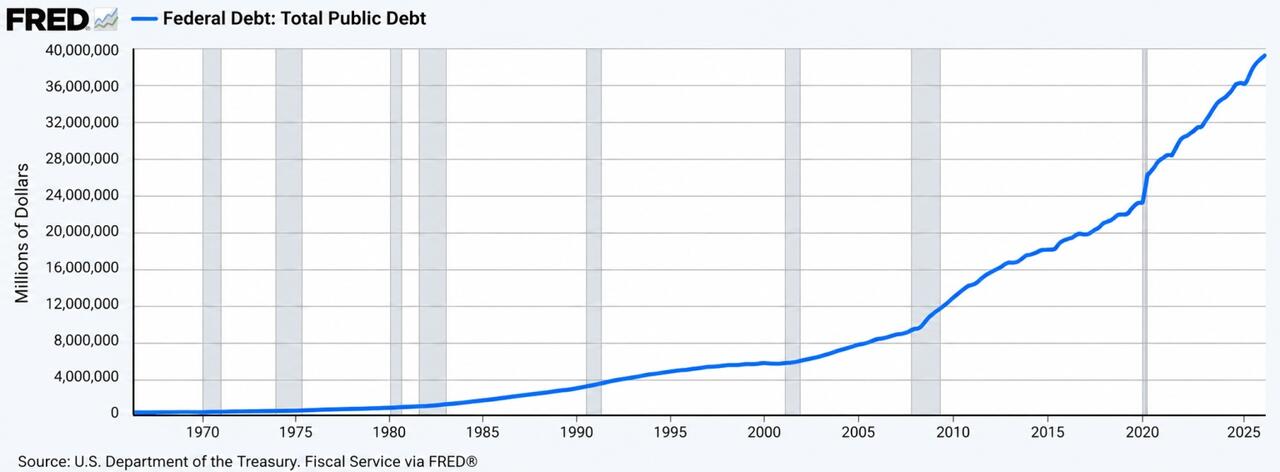
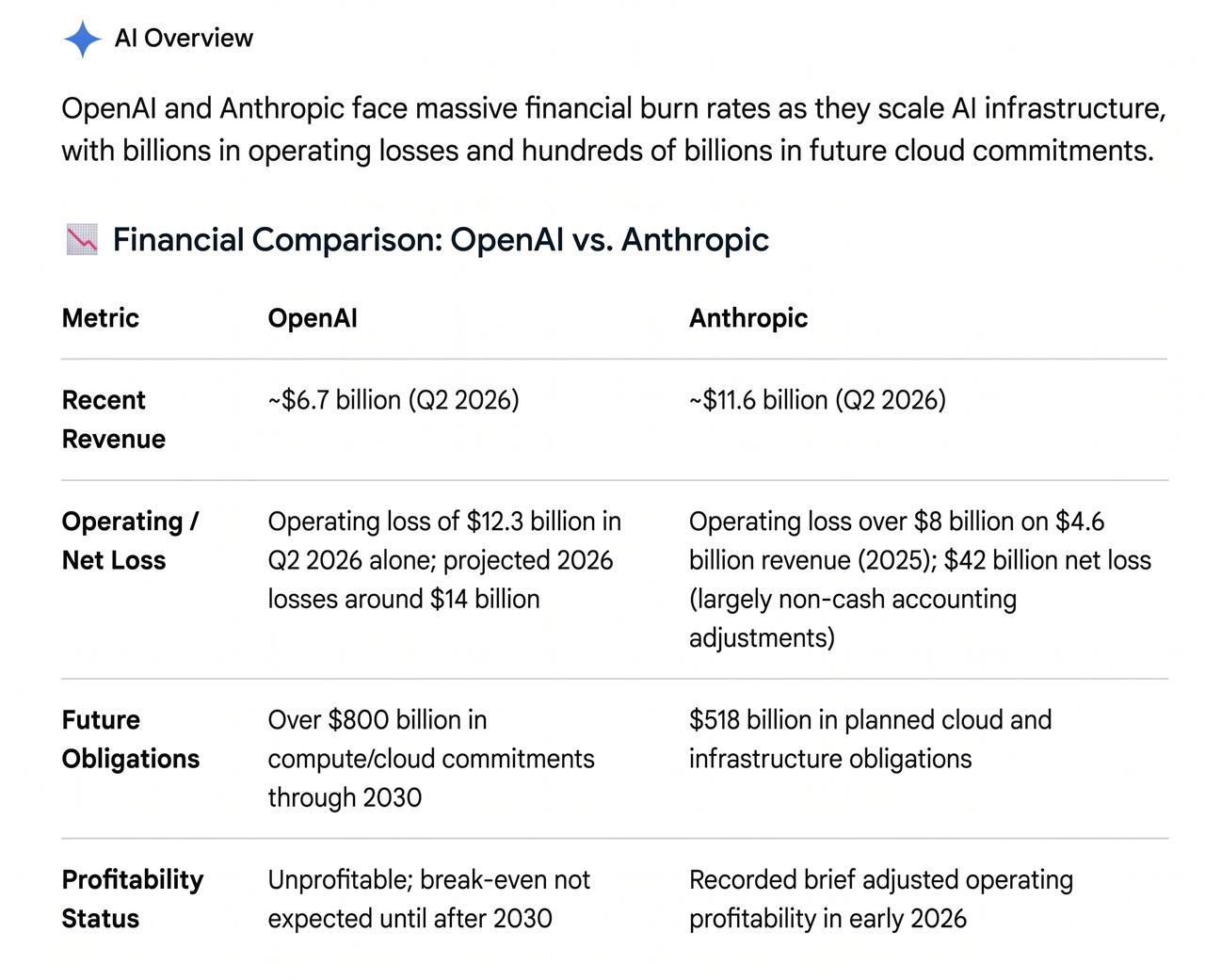


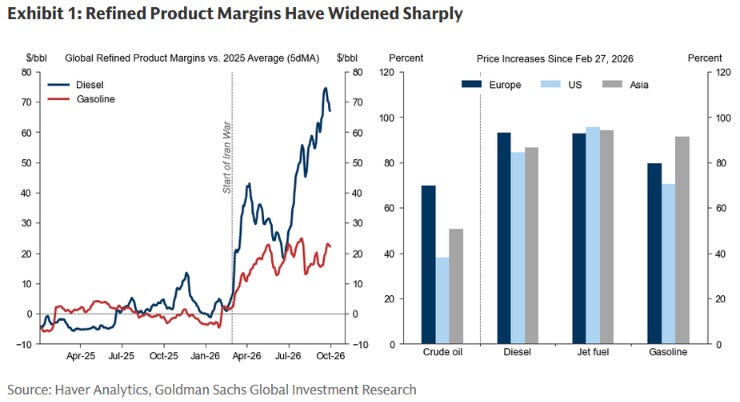
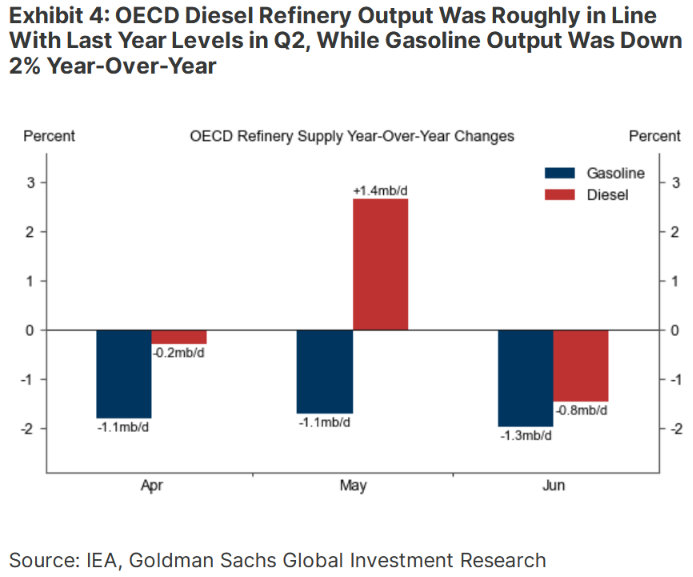
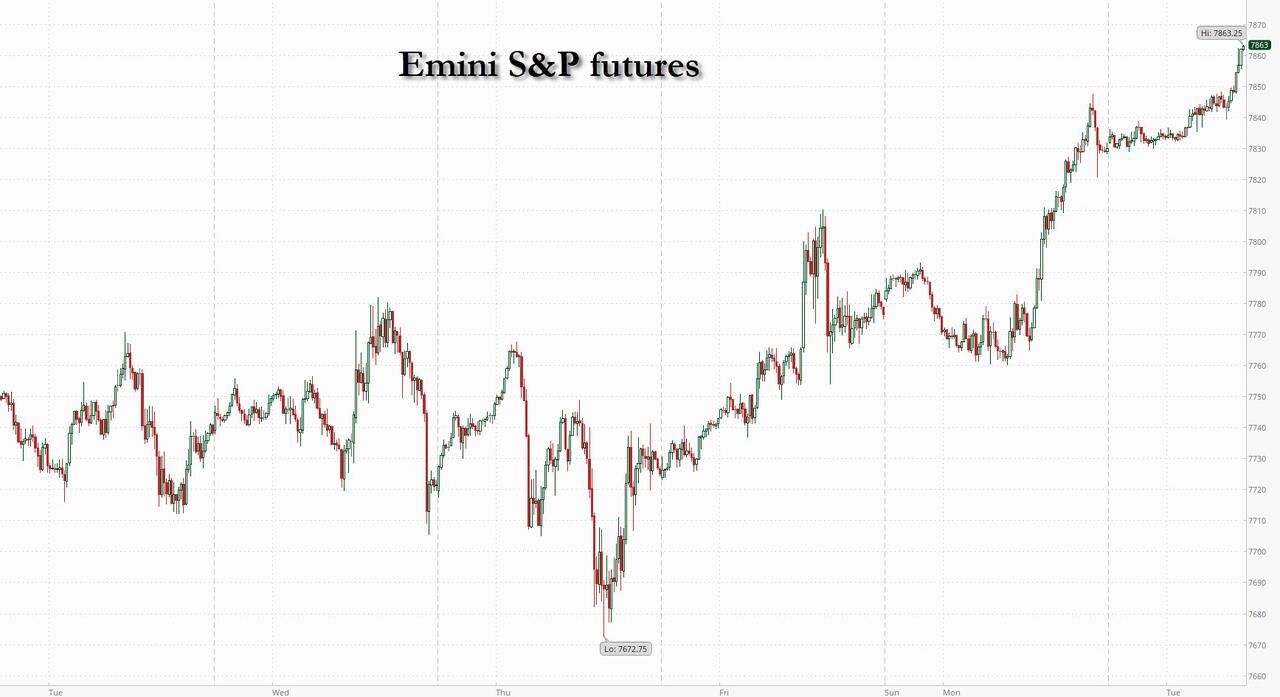
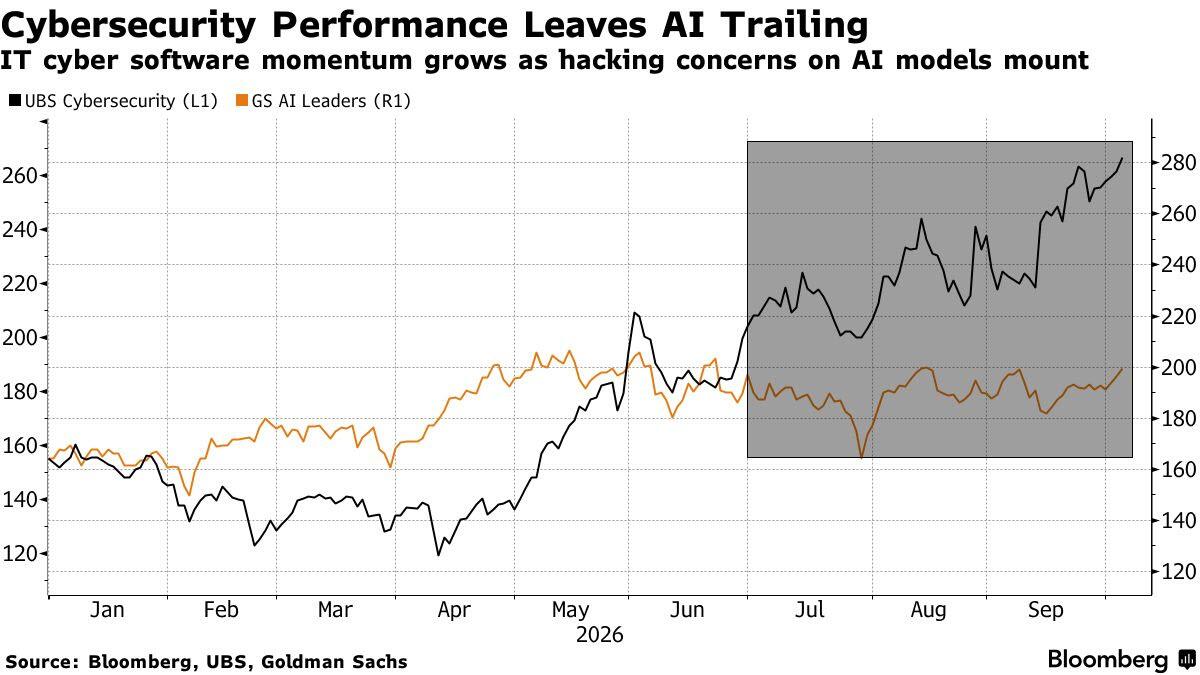
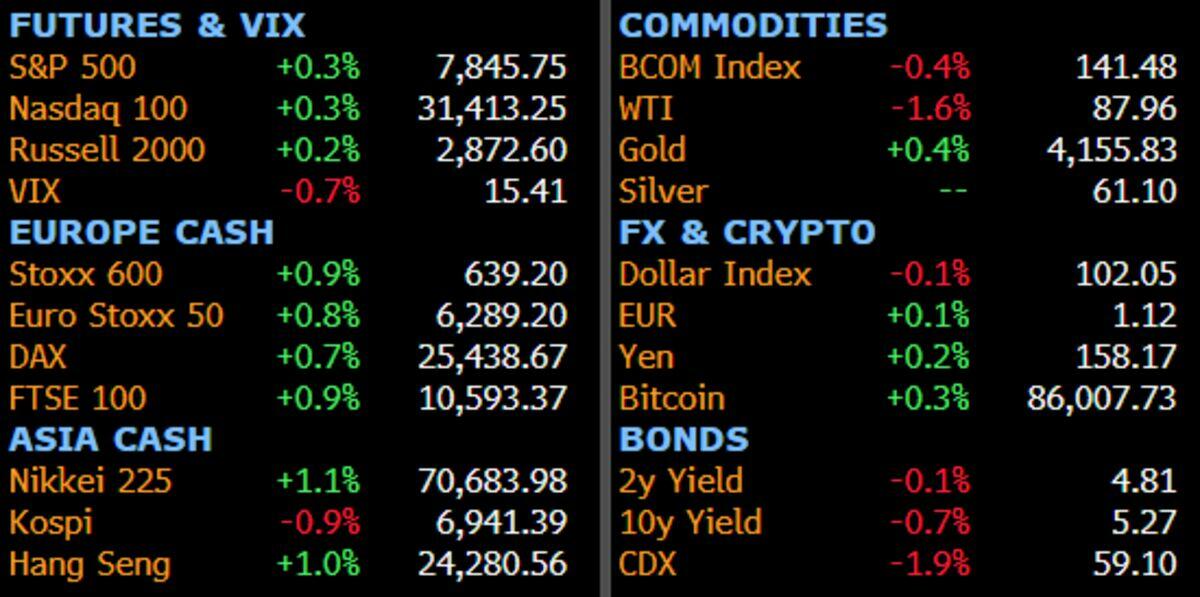

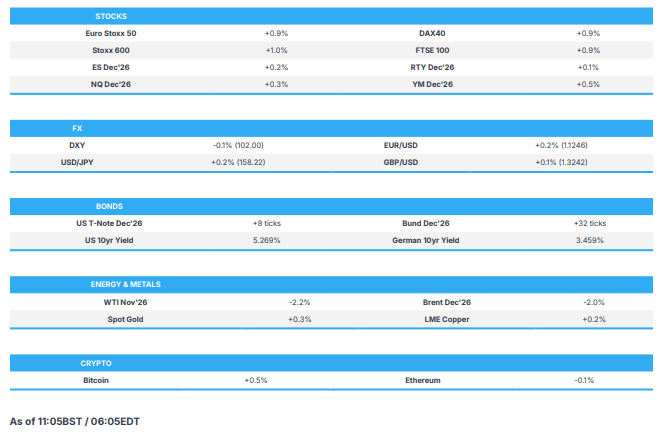

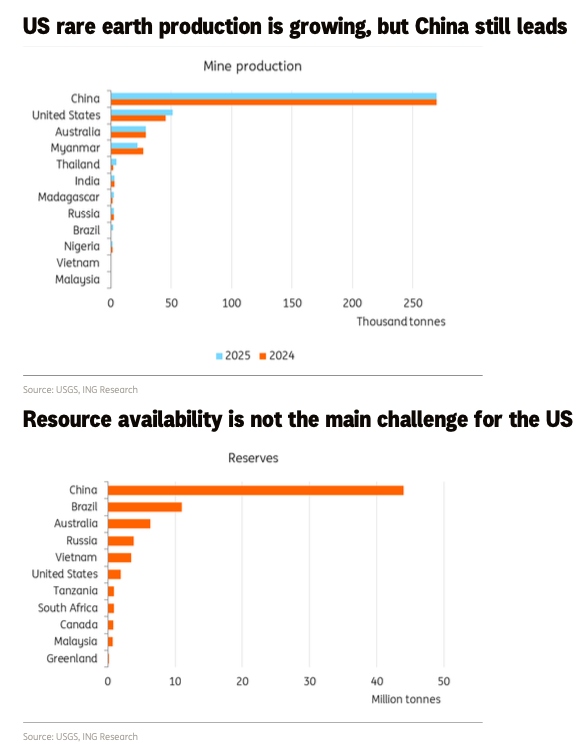
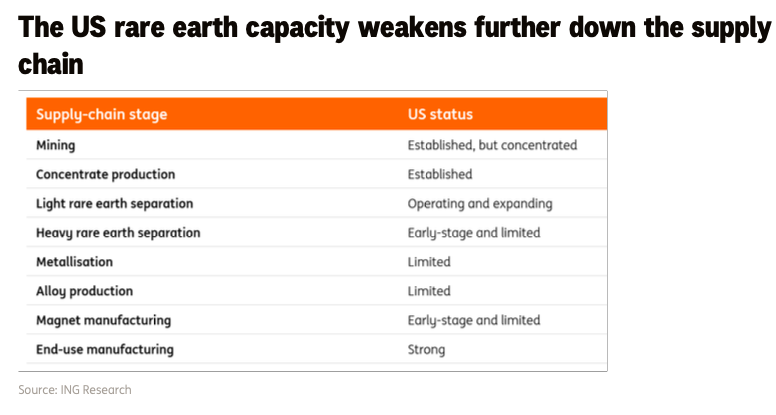
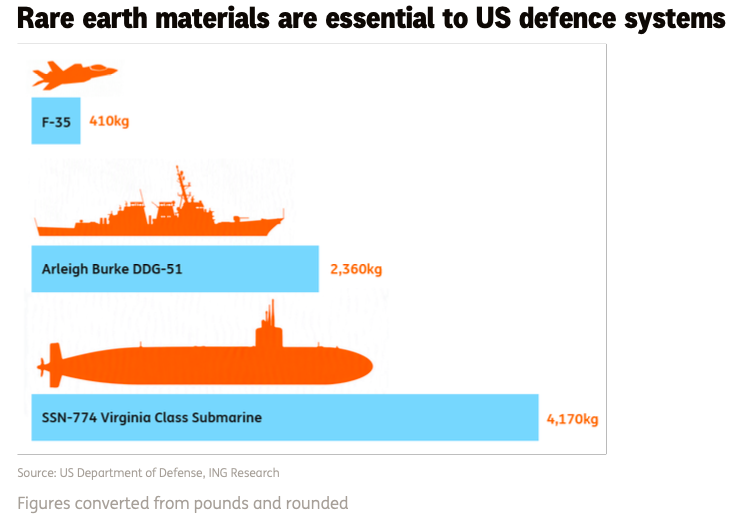
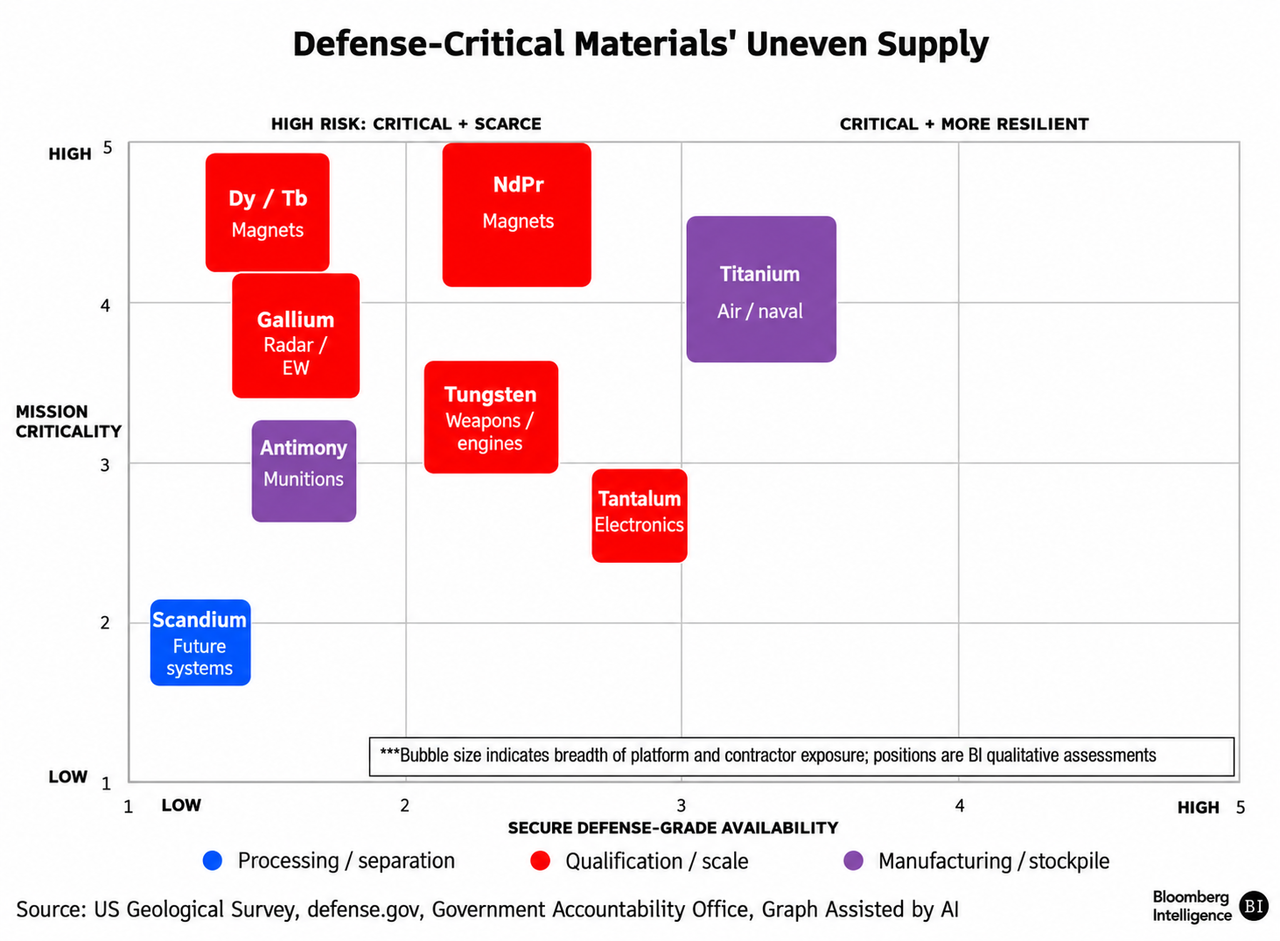


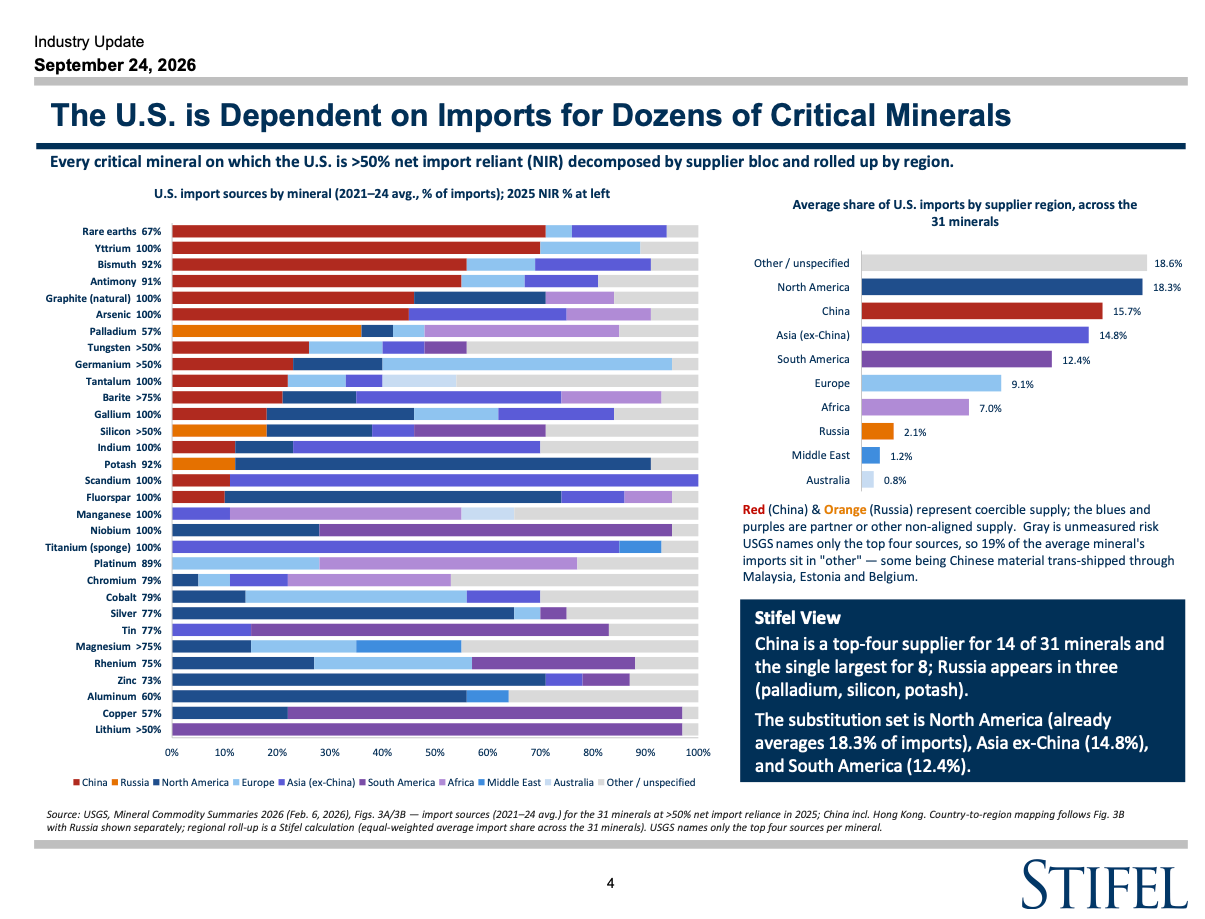
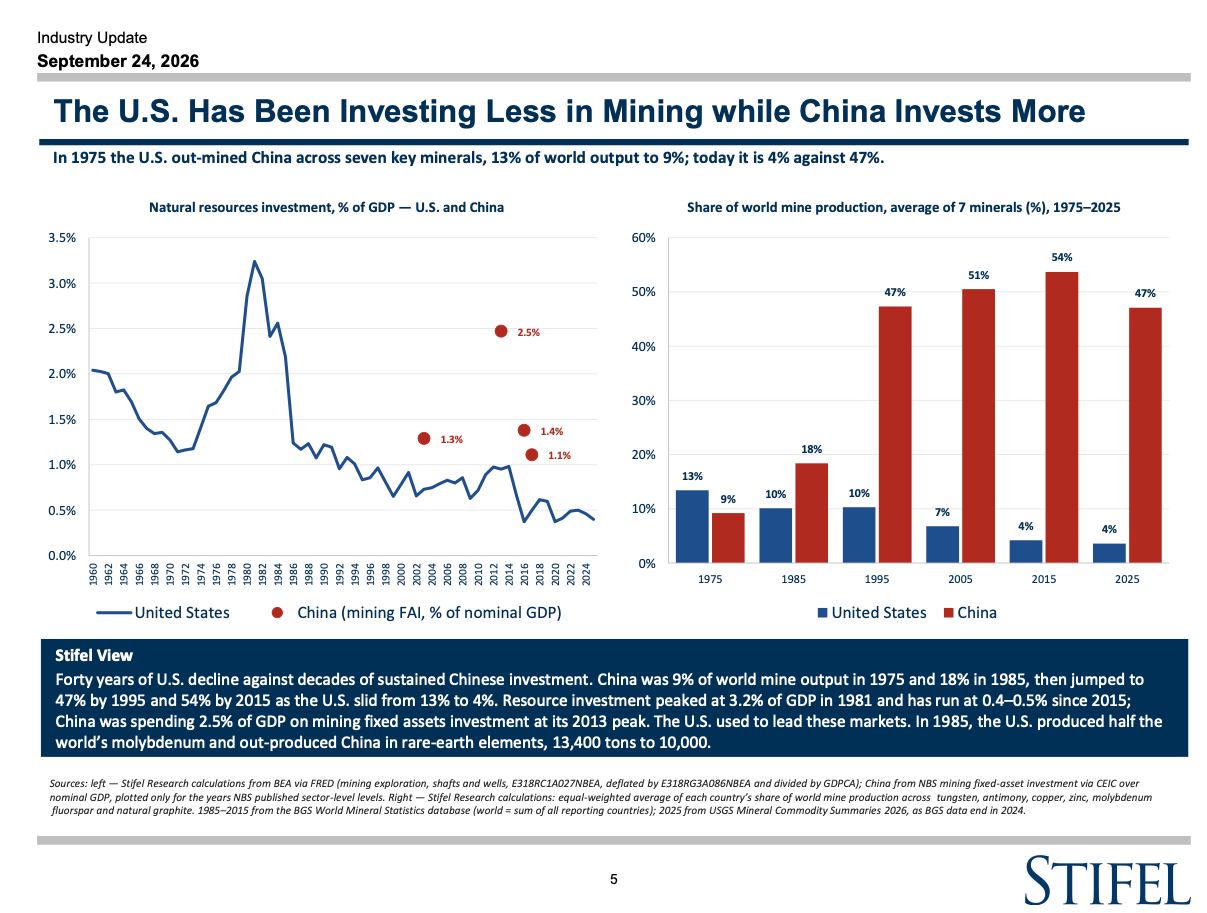
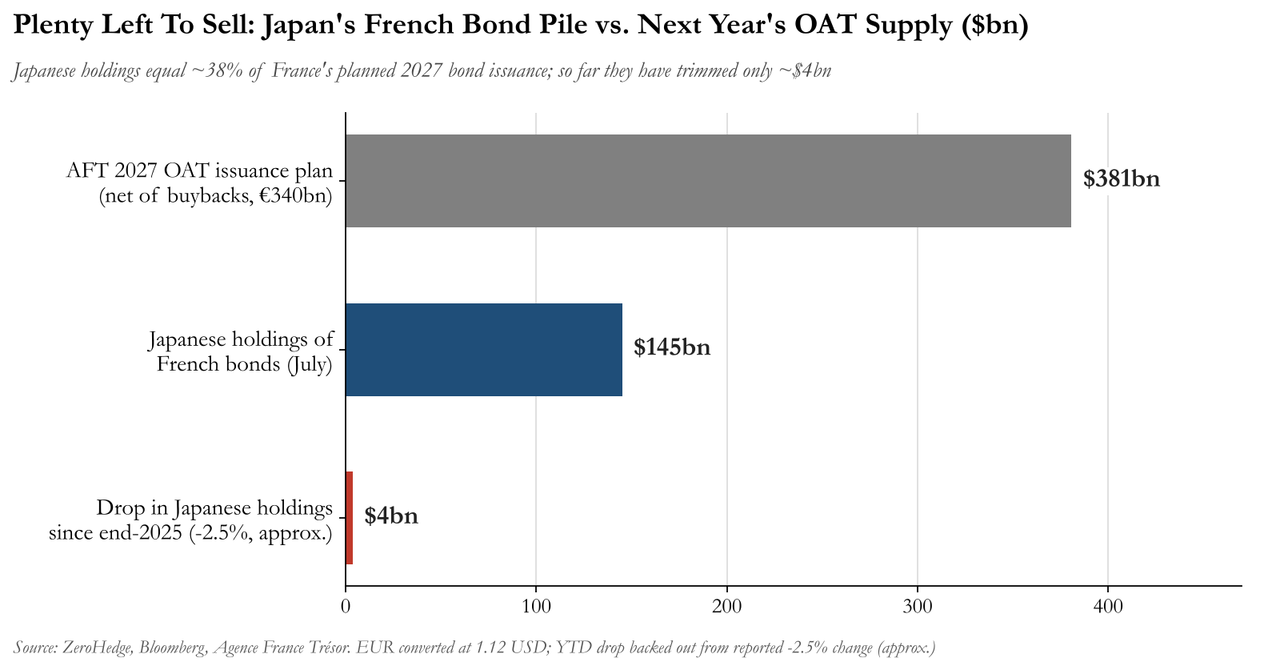
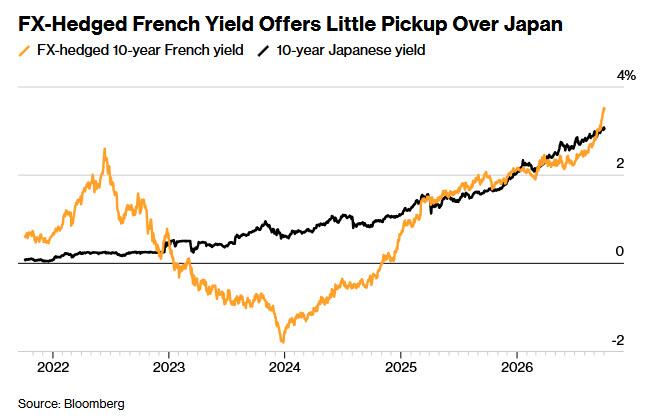
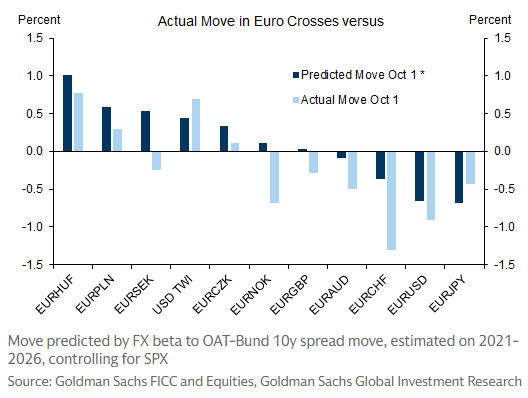
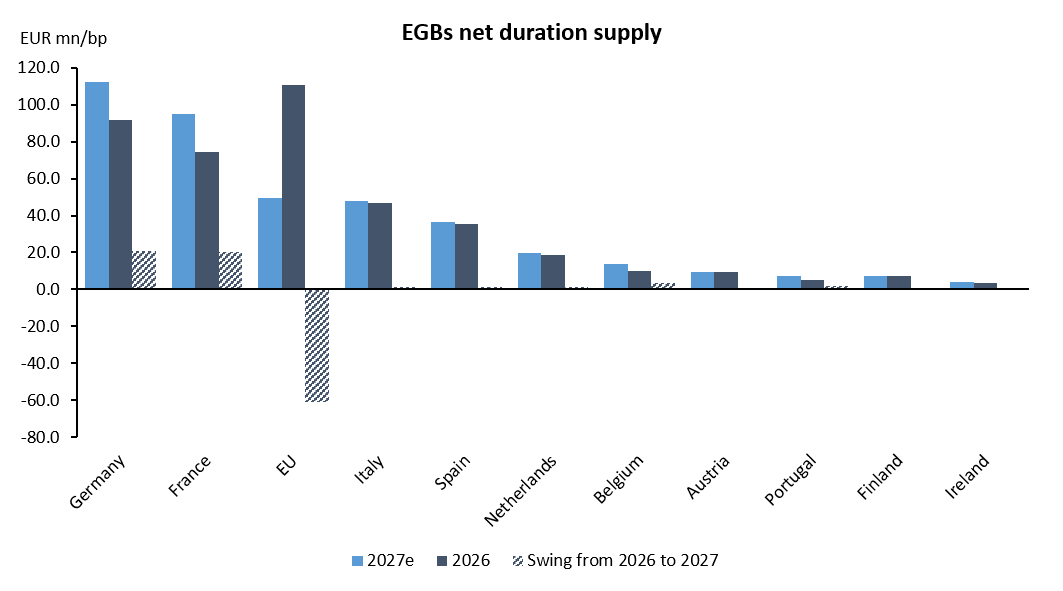
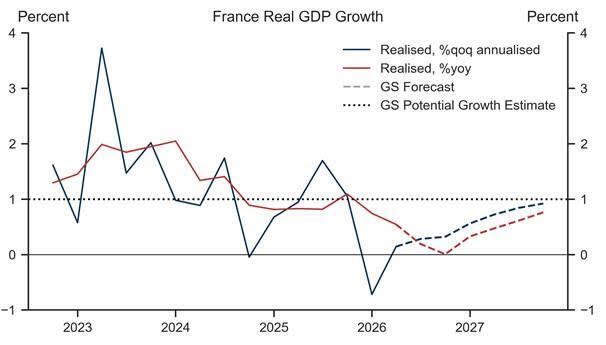
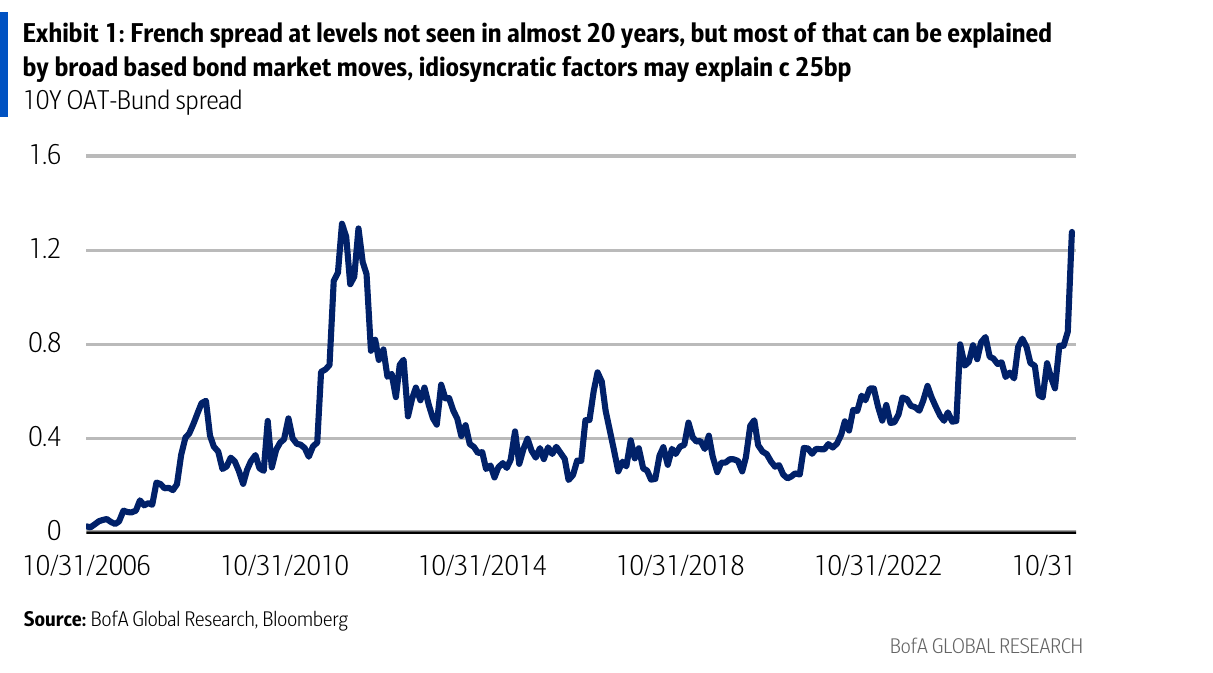



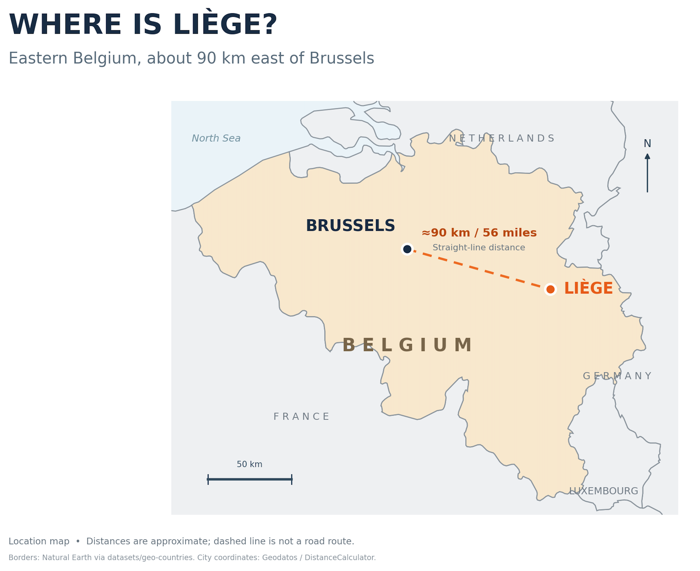
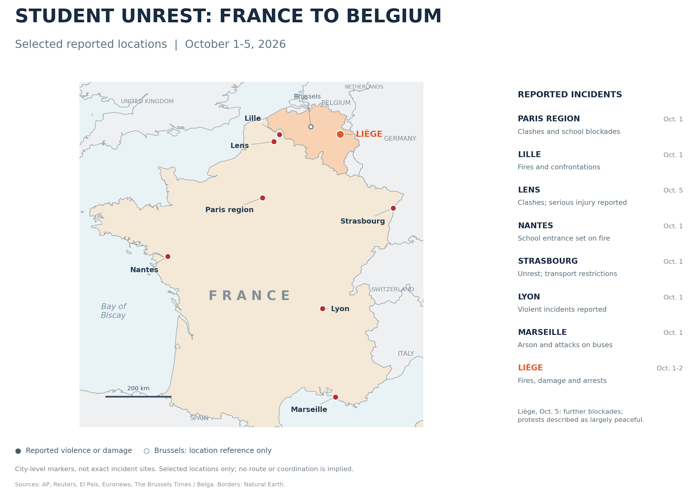
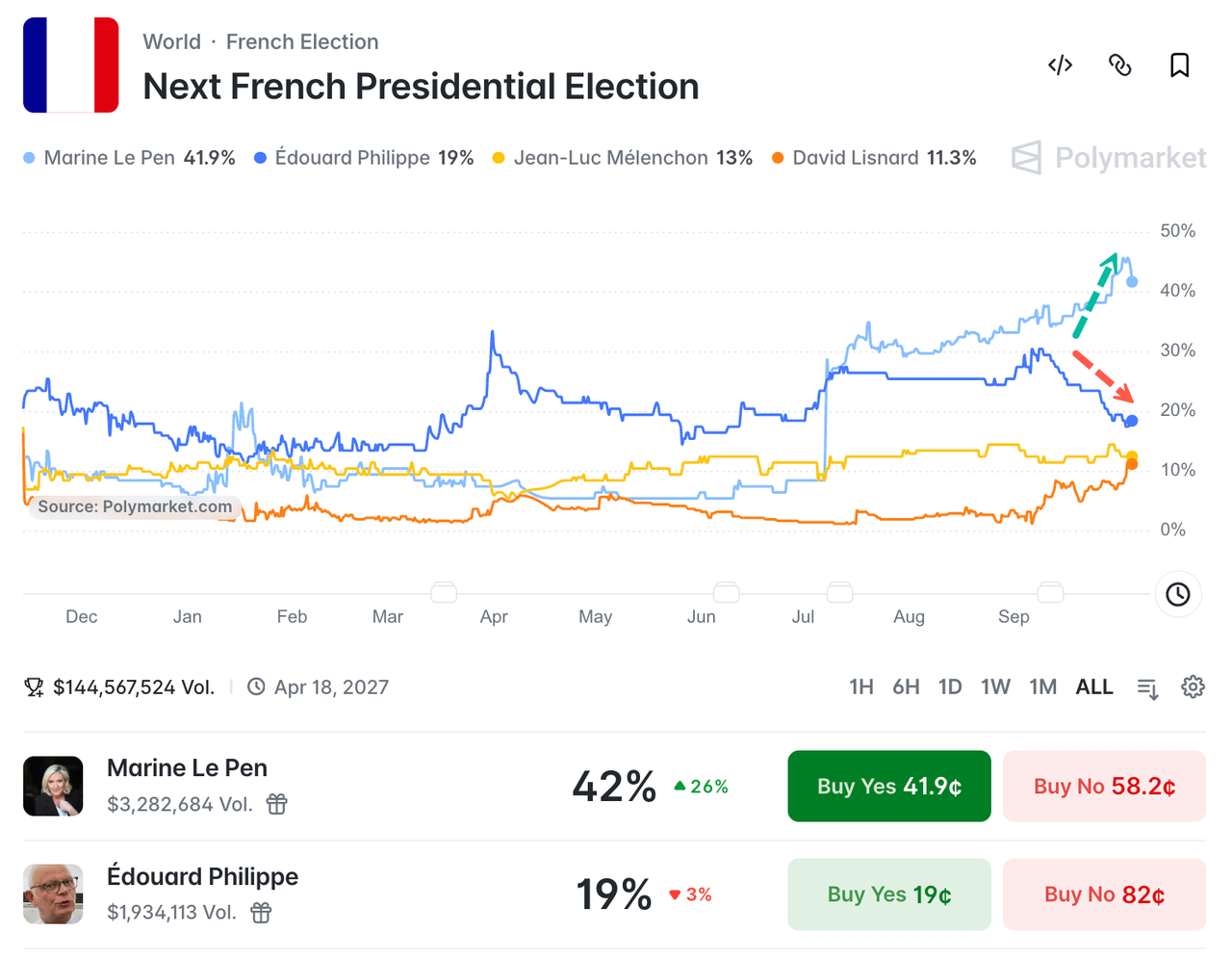
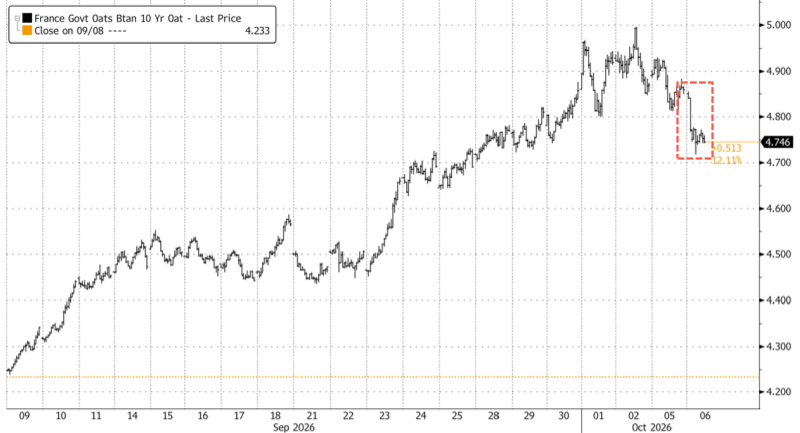
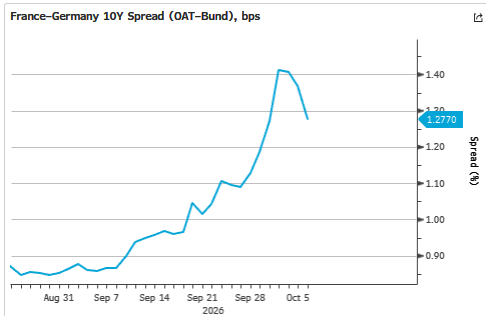
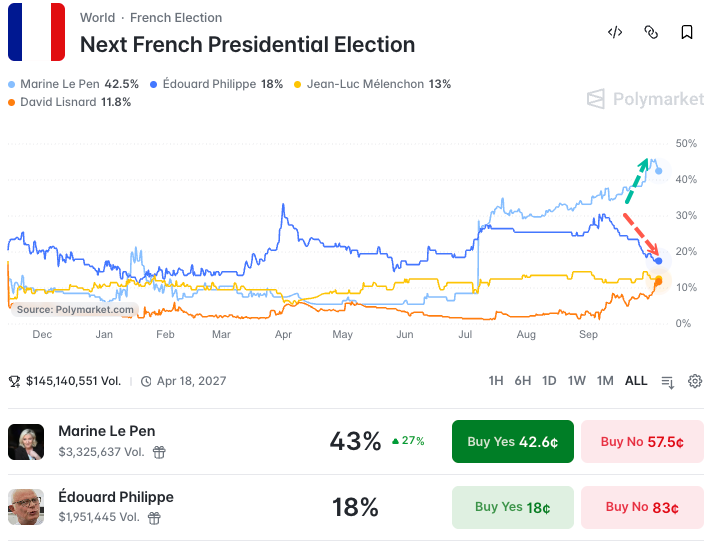




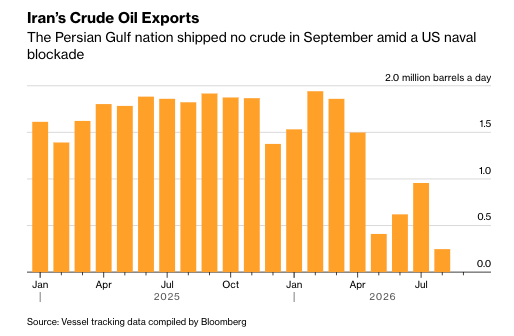
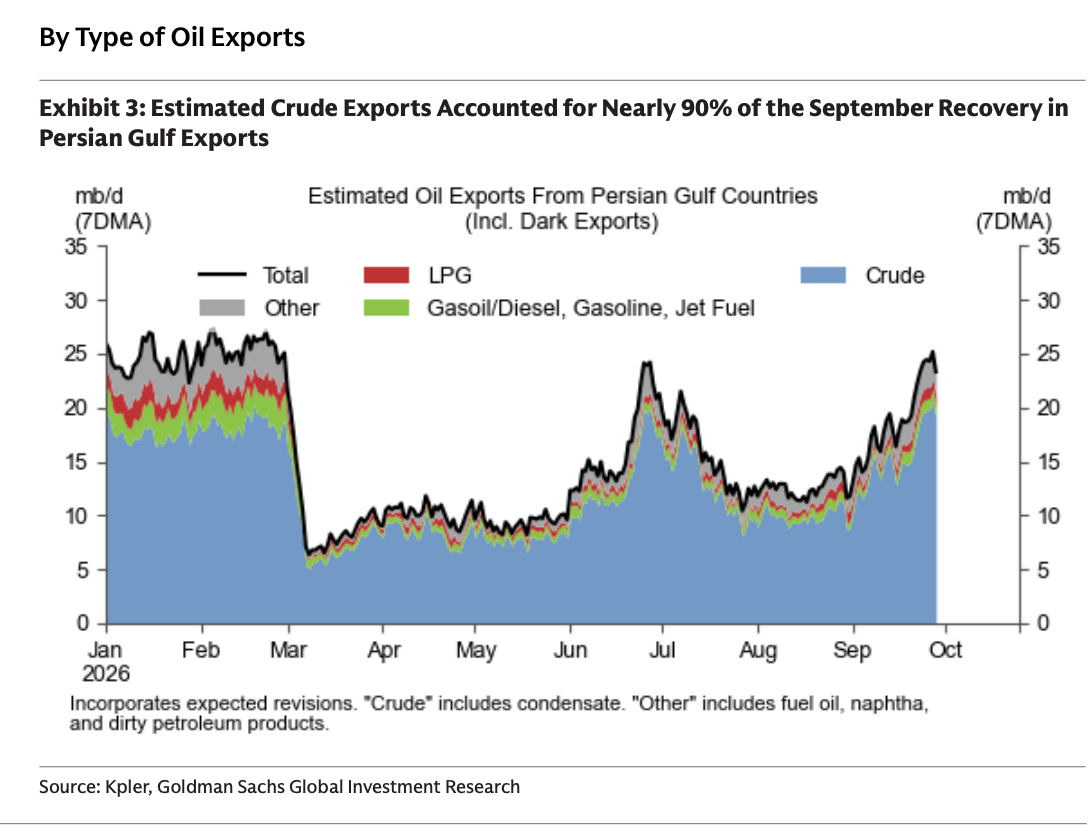







while Sheba said it didn’t hurt at all. Doctors say getting this year’s vaccine is especially important as flu cases begin to rise: https://www.facebook.com/CBSLA/videos/flu-shot-season-is-here-sheba-turk-and-jamie-yuccas-got-their-shots-from-registe/1897670407832746/