NOV 4/CLEAN SWEEP IN THE USA OF THE HOUSE AND SENATE AND THAT PROPELS OUR PRECIOUS METALS HUGELY; GOLD CLOSED UP $133.00 TO $4063.25 WHILE SILVER GAINED $2.44 TO $52.19//PLATINUM CLOSED UP $69.50 TO $1499.50 WHILE PALLADIUM CLOSED UP $73.50 TO $1012.50//GOLD COMMENTARIES FROM AI AND VBL////EUROPEAN REPORTS FROM THE UK AND GERMANY AND A POTENTIAL POLAR VORTEX HITTING EUROPE//IRAN VS ISRAEL AND USA UPDATES//RUSSIA VS UKRAINE//OIL REPORTS/USA DATA RELEASES/USA ECONOMIC REPORTS//KING NEWS//GREG HUNTER INTERVIEWS DR JEROME CORSI//
323 C HSBC 1 661 C JP MORGAN SECURITIES 28 686 H STONEX FINANCIAL INC 33 905 C ADM 4
TOTAL: 33 33
MONTH 4453
JPMORGAN STOPPED 28/33
NOV 4/// NOVEMBER COMEX
GOLD: NUMBER OF NOTICES FILED FOR NOVEMBER./2026: 33 CONTRACTS NOTICES FOR 3,300 OZ or 0.1026 TONNES
total notices so far: 4453 contracts FOR 445,300 OZ OR 13.8506 TONNES
SILVER NOTICES: 5 NOTICE(S) FILED FOR 25,000 OZ /
total number of notices filed so far this month : 1349 CONTRACTS (NOTICES) for 6.720 million oz
Click here if you wish to send a donation. I sincerely appreciate it as this site takes a lot of preparation
GLD AND SLV
BOTH GLD AND SLV ARE FRAUDULENT VEHICLES//THEY ARE NOW RAIDING GLD AND SLV FOR PHYSICAL
GLD
THE CROOKS ARE STEALING GOLD AND SILVER FROM THE GLD/SLV AND REPLACING THE PHYSICAL WITH PAPER DOLLARS.
WITH GOLD UP $133.00 INVESTORS SWITCHING TO SPROTT PHYSICAL INSTEAD OF FRAUDULENT GLD..HUGE CHANGES AT THE GLD: A WITHDRAWAL OF 2.85 TONNES OF GOLD OUT OF THE GLD//INVENTORY RESTS AT 1037.66 TONNES
INVENTORY RESTS AT 1037.66TONNES
SLV/
WITH NO SILVER AROUND AND SILVER UP $2.44 AT THE SLV..SMALL CHANGES IN SILVER INVENTORY AT THE SLV/ A WITHDRAWAL OF 0.242 MILLION OZ OF SILVER OUT OF THE SLV//
CLOSING INVENTORY: 506.435MILLION
SILVER//OUTLINE
SILVER COMEX OI FELL BY A SMALL 183 CONTRACTS TO AN OI OF 115,609 STILL HIGHER FROM ITS NEW RECORD LOW OF 95,999 SET MAY 1/2026. THE RECORD HIGH OI FOR SILVER IS 244,710, SET FEB 25/2020, AND THIS SMALL LOSS IN COMEX OI WAS ACCOMPLISHED WITH OUR LOSS OF $1.05 IN SILVER PRICING AT THE COMEX WITH RESPECT TO TUESDAY’S TRADING. ON THE FIRST OF MAY, WE REACHED OUR RECORD LOW OI OF 95,999 SURPASSING EVERY DAY NEW OI LOWS SET DURING THE LAST WEEK OF APRIL 2026.
NOW ON A NET BASIS OUR SPECULATORS HAVE REVERTED BACK TO GOING SHORT. THE FRBNY ON A NET BASIS IS PROVIDING THE NECESSARY PAPER TO OUR LONG BANKERS AND THEN TENDER FOR PHYSICAL AT 4 PM EACH NIGHT. BECAUSE OF THE HUGE SHORTFALL IN PHYSICAL SILVER IN LONDON THERE IS A LOTTERY TO SEE WHO GETS ANY OF THE PHYSICAL SILVER AVAILABLE THAT WHICH THEY ARE OBLIGATED TO DELIVER. THEY WAIT PATIENTLY FOR THEIR PHYSICAL METAL AND IF NOBODY GETS ANY THEY THEN COME BACK THE NEXT DAY AND SO ON. THIS IS IN LONDON, THE HOME OF PHYSICAL SILVER!! THE FACT THAT WE ARE WITNESSING MANY EXCHANGE FOR PHYSICAL TRANSFERS TO LONDON HIGHLIGHTS THE FACT THAT THE COMEX IS OUT OF SILVER AS WELL.
WE ARE NOW MOVING TO A MUCH LOWER BASE IN SILVER PRICING BREAKING MAJOR SUPPORT LEVEL OF $70.00. SHORTLY WE WILL REVERT BACK TO NUMBERS GREATER THAN 70 DOLLARS PER OZ.
WE HAVE A FAIR GAIN OF 292 TOTAL CONTRACTS ON OUR TWO EXCHANGES AS THE CME NOTIFIED US OF A HUGE SIZED EXCHANGE FOR PHYSICAL ISSUANCE CONTRACTS OF 475. WE HAD SOME LIQUIDATION OF T.A.S. CONTRACTS IN COMEX TRADING WITH RESPECT TO TUESDAY TRADING/RAID// WE HAD A HUGE SIZED 1853 CONTRACT T.A.S. ISSUANCE!! / THEY DESPERATELY AGAIN TODAY TRYING TO CONTAIN SILVER’S PRICE GAIN FOR THE PAST SEVERAL WEEKS (WHERE RAIDS ARE CALLED UPON AGAIN AND AGAIN TRYING TO STOP THE RISE IN SILVER’S PRICE TO ABOVE $100.00 AND TO QUELL ADDITIONAL DERIVATIVE LOSSES TO OUR BANKERS’ MASSIVE TOTALS).THEY SUCCEEDED ON TUESDAY WITH SILVER’S HUGE LOSS IN PRICE.
THE PRICE STILL FINISHED BELOW THE MAGIC NUMBER OF $70.00 SILVER SPOT PRICE AND STILL WELL BELOW THE $100.00 MARK CLOSING AT $49.71 DOWN $1.05. WE ARE NOW WITNESSING HAVING MANY HUGE T.A.S ISSUANCES // TODAY’S WE HAD A HUGE SIZED 1853 T.A.S. CONTRACTS !!. THE CROOKS ARE BECOMING MORE DESPERATE TO STOP SILVER BREAKING ABOVE THE 100.00 DOLLAR MARK!! AND NOW THE HUGE SUPPORT LEVEL OF 70 DOLLARS HAS BEEN BROKEN// //.MAMMOTH SIZE T.A.S ISSUANCES ARE BECOMING THE NORM AT THE COMEX NOW!!
THERE IS NO NEXT LINE IN THE SAND ONCE THE 100.00 DOLLAR SILVER IS PIERCED AGAIN. WE HAD A HUGE SIZED 475 CONTRACT EXCHANGE FOR PHYSICAL ISSUANCE ACCOMPANIED BY OUR HUGE SIZED 1853 CONTACT T.A.S ISSUANCE WHICH WILL BE USED FOR RAID PURPOSES //AS THEY PLAY AN INTEGRAL PART IN OUR COMEX TRADING TRYING TO CONTAIN ANY SILVER PRICE RISE
IN ESSENCE WE HAD A FAIR SIZED GAIN SIZED OF 292 CONTRACTS ON OUR TWO EXCHANGES DESPITE OUR HUGE LOSS IN PRICE OF $1.05 WE HAD HUGE GOVERNMENT (FRBY) COMEX CONTRACTS TRADING ALL WEEK AND A MAJOR PORTION WILL BE REMOVED BY DAYS END. (I RECORD THIS FOR YOU ON A DAILY BASIS). THE STICKY SPECULATOR LONGS STILL REMAIN STOIC. OUR SILVER SHORT SPECS GOT SLAUGHTERED TO BITS THIS PAST WEEK.
CRAIG HEMKE HAS POINTED OUT THAT THE CROOKS USE THE MID MONTH FOR MANIPULATION AS THEY SELL THEIR BUY SIDE OF THE CALENDAR SPREAD FIRST AND THEN KEEP THE SELL SIDE TO LIQUIDATE AT A LATER DATE.
THUS WE HAVE TWO VEHICLES THE CROOKS USE FOR MANIPULATION AND BOTH ARE SPREADERS: 1)MONTH’S END/SPREADERS COMEX AND 2/ TAS SPREADERS, THROUGHOUT MONTH. TOTAL TAS ISSUED ON TUESDAY NIGHT//WEDNESDAY MORNING: A HUGE SIZED 1853 CONTRACTS. DESPITE MANY COMPLAINTS THAT THESE CROOKS HAVE VIOLATED POSITION LIMITS DUE TO THE FACT THAT THE TAS ISSUED HAVE A VALUE OF ZERO (AS TO POSITION LIMITS FOR OUR CROOKED FRBNY BANKERS).
THE PROBLEM OF COURSE IS THAT THE CROOKS DO NOT LIQUIDATE THE TAS AS ONE UNIT, BUT SELL THE SHORT SIDE FIRST AND THEN LIQUIDATE THE LONG SIDE TWO MONTHS HENCE. IT IS OBVIOUS MANIPULATION TO THE HIGHEST DEGREE BUT IT NATURALLY FELL ON DEAF EARS WITH OUR REGULATORS (OCC) WHEN THEY RECEIVED OUR COMPLAINTS. IT NOW SEEMS THAT THE OCC HAS NOW ORDERED THE BANKS TO REDUCE ITS NEW LEVEL OF 1.1 TRILLION DOLLDOLLARS IN GOLD/SILVER DERIVATIVES.
THUS:
INITIAL STANDING FOR JANUARY: 22.915 MILLION OZ FOLLOWED BY TODAY’S 1.185 MILLION OZ QUEUE JUMP//NEW NORMAL STANDING ADVANCES TO 49.445 MILLION OZ// TO WHICH WE ADD OUR FIRST EXCHANGE FOR RISK FOR .100 MILLION OZ//NEW STANDING ADVANCES TO 49.545 MILLION OZ!!
INTIAL STANDING FOR FEBRUARY/SILVER: 13.505 MILLION OZ FOLLOWED BY TODAY’S HUGE 0.005 MILLION OZ QUEUE JUMP / : NEW STANDING FOR SILVER AT THE COMEX ADVANCES TO 25.180 MILLION OZ. BUT WE MUST ADD OUR FIRST EXCHANGE FOR RISK OF 25 CONTRACTS FOR .125 MILLION OZ AND THEN OUR SECOND EXCHANGE FOR RISK OF .0600 MILLION OZ TO OUR THIRD HUGE 2.825 MILLION OZ EXCHANGE FOR RISK!!
INITIAL STANDING FOR MARCH: A SURPRISINGLY LOW 31.076 MILLION OZ/ FOLLOWED BY A TINY QUEUE JUMP OF XX CONTRACTS OR XXX OZ/NEW STANDING ADVANCES TO 46.060 MILLION OZ
INITIAL STANDING FOR APRIL: 7.120 MILLION OZ FOLLOWED BY TODAY’S 1 CONTRACT QUEUE JUMP WHERE 5,000 OZ WILL TAKE DELIVERY OVER ON THIS SIDE OF THE POND. NEW STANDING FOR SILVER AT THE COMEX THUS ADVANCES SLIGHTLY TO 16.565 MILLION OZ PLUS WE MUST ADD OUR 4TH EXCHANGE FOR RISK ISSUANCE OF 17 CONTRACTS OR 0.085 MILLION OZ. THESE WILL BE ADDED TO OUR OTHER 3 ISSUANCES //NEW TOTAL EXCHANGE FOR RISK//1.165 MILLION OZ// NEW TOTAL SILVER STANDING 17.730 MILLION OZ//
INITIAL STANDING FOR MAY: 31.495 MILLION OZ FOLLOWED BY ANOTHER 3 CONTRACT EXCHANGE FOR PHYSICAL JUMP TO LONDON FOR 0.015 MILLION OZ// AND THEN TO BOOT WE HAD OUR FIRST EXCHANGE FOR RISK ISSUANCE FOR 51 CONTRACTS OR 255,000 OZ MAY 21./STANDING BEFORE EXCHANGE FOR RISK: 32.070 MILLION OZ/NEW STANDING THUS REDUCES TO 32.325 MILLION OZ/.//(32.070 MILLION OZ NORMAL STANDING PLUS .255 MILLION OZ EXCHANGE FOR RISK = 32.325 MILLION OZ)
JUNE INITIAL STANDING FOR SILVER:10.935 MILLION OZ TO WHICH WE ADD OUR NEXT QUEUE JUMP OF 10,000 OZ//NEW STANDING ADVANCES TO 12.970 MILLION OZ// TO WHICH WE ADD OUR FIRST EXCHANGE FOR RISK OF 20 CONTRACTS FOR 100,000 OZ//NEW STANDING ADVANCES TO 13.070 MILLION OZ. (IN EXCHANGE FOR RISK THE BUYER ASSUMES THE RISK AND ONLY A CENTRAL BANK WOULD TAKE THAT RISK. THE BUYER IS PROBABLY THE CENTRAL BANK OF INDIA.)
JULY INITIAL STANDING: 37.110 MILLION OZ FOLLOWED BY A 3 CONTRACT QUEUE JUMP OR 0.015MILLION STANDING ADVANCES TO 45.875 MILLION OZ///
AUGUST INITIAL STANDING 6.240 MILLION OZ FOLLOWED BY TODAY’S 9 CONTRACT QUEUE JUMP FOR 45,000 OZ//NEW STANDING ADVANCES TO 8.760 MILLION OZ/
SEPT: INITIAL STANDING: 24.172 MILLION OZ//FOLLOWED BY TODAY’S STRONG 70 CONTRACT OR 350,000 OZ QUEUE JUMP//STANDING ADVANCES TO 33.865 MILLION OZ//
OCT: INITIAL STANDING: 16.355 MILLION OZ FOLLOWED BY TODAY’S 46 CONTRACT OR 230,000 OZ QUEUE JUMP: TO WHICH WE ADD OUR 2ND EXCHANGE FOR RISK, 250 CONTRACTS FOR 1.25 MILLION OZ/ EXCHANGE FOR RISK TOTALS FOR THE MONTH: 2.25 MILLION OZ///NEW STANDING ADVANCES TO 21.680 MILLION OZ//
NOV: INITIAL STANDING 5.820 MILLION OZ FOLLOWED BY TODAY’S HUGE 21 CONTRACT QUEUE JUMP FOR 0.105 MILLION OZ//NEW STANDING ADVANCES TO 8.505 MILLION OZ//
SUMMARY OF OUR JULY 2026 COMEX CONTRACT MONTH
WE HAD:
/ A SMALL COMEX LOSS+// A HUGE SIZED EFP ISSUANCE CONTRACTS AT 475 CONTRACTS // A HUGE NUMBER OF T.A.S. CONTRACT ISSUANCE CONTRACTS (1853 CONTRACTS)
I AM NOW RECORDING THE DIFFERENTIAL IN OI FROM PRELIMINARY TO FINAL: ADDED XXX CONTRACTS OF OI SILVER //
HISTORICAL ACCUMULATION OF EXCHANGE FOR PHYSICALS NOV. ACCUMULATION//3 DAYS
TOTAL CONTRACTS for 3 DAY(S), total 2,297contracts: OR 11.485 MILLION OZ (865CONTRACTS PER DAY)
TOTAL EFP’S FOR THE MONTH SO FAR:11.485 MILLION OZ
LAST 48 MONTHS TOTAL EFP CONTRACTS ISSUED IN MILLIONS OF OZ:
MAY 137.83 MILLION
JUNE 149.91 MILLION OZ
JULY 129.445 MILLION OZ
AUGUST: MILLION OZ 140.120
SEPT. 28.230 MILLION OZ//
OCT: 94.595 MILLION OZ
NOV: 131.925 MILLION OZ
DEC: 100.615 MILLION OZ
YEAR 2022
JAN 2022-DEC 2022
JAN 2022// 90.460 MILLION OZ
FEB 2022: 72.39 MILLION OZ//
MARCH 2022: 207.140 MILLION OZ//A NEW RECORD FOR EFP ISSUANCE
APRIL: 114.52 MILLION OZ FINAL//LOW ISSUANCE
MAY: 105.635 MILLION OZ//
JUNE: 94.470 MILLION OZ
JULY : 87.110 MILLION OZ
AUGUST: 65.025 MILLION OZ
SEPT. 74.025 MILLION OZ///FINAL
OCT. 29.017 MILLION OZ FINAL
NOV: 134.290 MILLION OZ//FINAL
DEC, 61.395 MILLION OZ FINAL
TOTALS YR 2022: 1135.767 MILLION OZ (1.1356 BILLION OZ)
JAN 2023/// 53.070 MILLION OZ //FINAL
FEB: 2023: 100.105 MILLION OZ/FINAL//MUCH STRONGER ISSUANCE VS THE LATTER TWO MONTHS.
MARCH 2023: 112.58 MILLION OZ//FINAL//STRONG ISSUANCE
APRIL 111.035 MILLION OZ(SLIGHTLY GREATER THAN THAN LAST MONTH)
MAY 66.120 MILLION OZ/INITIAL (MUCH SMALLER THIS MONTH)
JUNE: 110.395 MILLION OZ//MUCH LARGER THAN LAST MONTH
JULY 85.745 MILLION OZ (SMALLER THAN LAST MONTH)
AUGUST: 171.43 MILLION OZ (THIS MONTH IS GOING TO BE HUGE //2ND HIGHEST ON RECORD
SEPT: 72.705 MILLION OZ (SMALLER THIS MONTH)
OCT: 97.455 MILLION OZ
NOV. 50.050 MILLION OZ
DEC. 66.140 MILLION OZ//
TOTAL 2023: 1,104.10 MILLION OZ/
JAN ’24 : 78.655 MILLION OZ//
FEB /2024 : 66.135 MILLION OZ./FINAL
MARCH: 143.750 MILLION OZ// 4TH HIGHEST ON RECORD.
APRIL: 161.770 MILLION OZ (THIS MONTH WILL BE A WHOPPER OF ISSUANCE OF EFPS//3RD HIGHEST EVER RECORDED FOR A MONTH)
MAY: 135.995 MILLION OZ //WILL BE A STRONG MONTH FOR EXCHANGE FOR PHYSICAL ISSUANCE
JUNE 110.575 MILLION OZ ( WILL BE ANOTHER STRONG MONTH ISSUANCE)
JULY: 108.870 MILLION OZ (WILL BE A STRONG ISSUANCE MONTH/ A TOUCH OVER 100 MILLION OZ/)
AUGUST; 99.740 MILLION OZ//THIS MONTH WILL BE STRONG FOR ISSUANCE BUT LESS THAN JULY.
SEPT: 112.415 MILLION OZ//WILL BE A HUGE MONTH FOR EXCHANGE FOR PHYSICAL ISSUANCE
OCT; 97.485 MILLION OZ (WILL BE SMALLER ISSUANCE THIS MONTH )
NOV. 115.970 MILLION OZ ( HUGE THIS MONTH)
DEC: 132.54 MILLION OZ (THIS MONTH WILL BE A HUMDINGER FOR ISSUANCE BUT ISSUANCE SLOWED DRAMATICALLY THESE PAST FIVE DAYS/// WILL NOT EXCEED MARCH 2022 RECORD OF 209 MILLION OZ
YEAR 2024 TOTAL: 1363.84 MILLION OR 1.363 BILLION OZ
JANUARY 2025: 67.230 MILLION OZ///(THIS MONTH’S ISSUANCE OF EXCHANGE FOR PHYSICAL WILL BE SMALL)
FEB. 58.260 MILLION OZ//EXCHANGE FOR PHYSICAL ISSUANCE/FINAL
MARCH: 67.020 MILLION OZ///QUITE SMALL AND BECOMING SMALLER EACH AND EVERY MONTH.
APRIL: 100.895 MILLION OZ///AVERAGE SIZE ISSUANCE
MAY: 28.975 MILLION OZ (ISSUANCE WILL BE QUITE SMALL THIS MONTH)
JUNE: 81.065 MILLION OZ
JULY: 50.925 MILLION OZ (QUITE SMALL)
AUGUST: 59.455 MILLION OZ (QUITE SMALL)
SEPT. 50.510 MILLION OZ.(QUITE SMALL)
OCT; 82.020 MILLION OZ (WILL BE STRONG THIS MONTH)/ OCC WANTS TO REIN IN THESE ISSUANCES!
NOVEMBER: 36.425 MILLION OZ
DEC: 45.765 MILLION OZ
2026:
JANUARY 2026: 134.270 MILLION OZ (WILL BE A VERY STRONG MONTH FOR EXCHANGE FOR PHYSICAL!)
FEB : 82.130 MILLION OZ
MARCH: 56.075 MILLION OZ
APRIL; 44.44 MILLION OZ//FINAL.. SMALL THIS MONTH.
MAY 59.79 MILLION OZ
JUNE. 64.065 MILLION OZ//FINAL AND FAIR SIZED THIS MONTH.
JULY: 38.335 MILLION OZ
OCT : 52.050 MILLION OZ.
NOV. 11.485 MILLION OZ
RESULT: WE HAD A SMALL SIZED DECREASE IN COMEX OI SILVER COMEX CONTRACTS OF 183 CONTRACTS DESPITE OUR HUGE LOSS IN PRICEOF $1.05 IN SILVER PRICING AT THE COMEX// TUESDAY THE CME NOTIFIED US THAT WE HAD A HUGE 475 SIZED CONTRACT EFP ISSUANCE CONTRACTS ISSUED FOR DEC, AT 475 AND 0 CONTRACTS ISSUED FOR ALL OTHER MONTHS).
INITIAL STANDING: 5.82MILLLION OZ FOLLOWED BY TODAY’S 21 CONTRACT QUEUE JUMP FOR 0.105 MILLION OZ//NEW STANDING ADVANCES TO 8.505 MILLION OZ
LAST 17 MONTHS OF SILVER DELIVERIES
WE FINISHED APRIL WITH A STRONG SILVER OZ STANDING OF 16.050 MILLION OZ NORMAL DELIVERY , PLUS OUR 4.00 MILLION EX FOR RISK
FINAL STANDING APRIL: 19.965 MILLION OZ
AND MAY:
NEW STANDING FOR MAY FINISHES AT: 75.615 MILLION OZ. (INCLUDES 5,000 OZ EFP TRANSFER TO LONDON + 12.93 MILLION OZ EXCHANGE FOR RISK ISSUANCE/PRIOR.//NEW TOTAL STANDING 88.540 MILLION OZ
AND JUNE: FINAL 16.995 MILLION OZ
AND JULY: 46.720 MILLION OZ//
AUGUST: 4.70 MILLION OZ INITIAL STANDING PLUS TODAY;S 5,000 OZ QUEUE JUMP //NEW STANDING ADVANCES TO 10.960 MILLION OZ
SEPTEMBER: 68.040 MILLION OZ NORMAL DELIVERY(INCLUDES ALL QUEUE JUMPING AND EXCHANGE FOR PHYSICAL TRANSFERS) PLUS 3.0 MILLION OZ EX FOR RISK = 71.040 MILLION OZ. (THIS IS THE FIRST AND ONLY ISSUANCE OF EXCHANGE FOR RISK FOR SILVER SINCE MAY.)
OCTOBER: 39.565 MILLION OZ OF NORMAL DELIVERY INCLUDES ALL QUEUE JUMPING
PLUS
2.110 MILLION OZ EXCHANGE FOR RISK//TOTAL OZ STANDING IN OCT ADVAN
NOVEMBER: INITIAL STANDING AT 11.575 MILLION OZ FOLLOWED BY TODAY’S 195,000 OZ QUEUE JUMP WHICH FOLLOWS ALL OTHER QUEUE JUMPS OF 9.155 MILLION OZ//STANDING ADVANCES TO 19.670 MILLION OZ/
DECEMBER: INITIAL AMOUNT STANDING FOR DELIVERY: 49.33 MILLION OZ// FOLLOWED BY ANOTHER STRONG 835,000OZ QUEUE JUMP+ DEC. FIRST EXCHANGE FOR RISK 0F .850 MILLION OZ + LAST WEEK.S 495,000 OZ EXCHANGE FOR RISK AND THEN A 3RD ISSUANCE IF 1.00MILLION OZ THEN FINALLY DEC 249ISSUANCE OF 1.35 MILLION OZ EXCHANGE FOR RISK//NEW TOTAL EX FOR RIS IS 3.685 MILLION OZ // STANDING ADVANCES TO 68.415 MILLION OZ//
JANUARY: INITIAL STANDING 22.915 MILLION OZ FOLLOWED BY TODAY’S 1.185 MILLION OZ QUEUE JUMP//NORMAL STANDING ADVANCES TO 49.445 MILLION OZ// TO WHICH WE ADD OUR FIRST EXCHANGE FOR RISK OF 0.100 MILLLION OZ//NEW STANDING ADVANCES TO 49.545 MILLION OZ
FEB: 13.399 MILLION OZ IS OUR INITIAL STANDING FOR SILVER! TO WHICH WE ADD OUR NEXT QUEUE JUMP FOR 5,000 OZ AND THEN ADD OUR 3 EXCHANGE FOR RISK FOR 3.010 MILLION OZ STANDING ADVANCES TO 28.190 MILLION OZ!!
MARCH: INITIAL AMOUNT OF SILVER STANDING IS 31.076 MILLION OZ FOLLOWED BY A FINAL 0.210 MILLION OZ QUEUE JUMP //NEW TOTAL STANDING ADVANCES TO 46.060 MILLION OZ
APRIL 2026: INITITAL AMOUNT OF SILVER STANDING 7.120 MILLION OZ FOLLOWED BY TODAY’S 5,000 OZ QUUE JUMP //NEW STANDING ADVANCES TO 16.565MILLION OZ PLUS 1.165 MILLION OZ EXCHANGE FOR RISK.NEW TOTALS 17.730 MILLION OZ
MAY: INITIAL AMOUNT OF SILVER WILLING TO STAND; 31.495 MILLION OZ/ TO WHICH WE ADD OUR NEXT EXCHANGE FOR PHYSICAL JUMP OF 15,000 OZ//NEW STANDING REDUCES TO 32.070 MILLION OZ//(FOLLOWING MANY EXCHANGE FOR PHYSICAL TRANSFERS TO LONDON DURING THIS MAY DELIVERY MONTH). THERE SEEMS TO BE A SCARCITY OF SILVER OVER AT THE COMEX). THEN WE ADD OUR FIRST EXCHANGE FOR RISK OF 51 CONTRACTS FOR 255,000 OZ//STANDING ADVANCES TO 32.325 MILLION OZ//
JUNE: INITIAL AMOUNT OF SILVER WILLING TO STAND: 10.935 MILLION OZ PLUS OUR NEXT QUEUE JUMP OF 10,000 OZ//NEW STANDING ADVANCES TO 12.960 MILLION OZ TO WHICH WE ADD OUR FIRST EXCHANGE FOR RISK OF 20 CONTRACTS FOR 100,000 OZ//NEW STANDING ADVANCES TO 13.070 MILLION OZ
JULY : INITIAL STANDING: 37.110 MILLION OZ FOLLOWED BY TODAY’S 15,000 OZ QUEUE JUMP //STANDING THUS ADVANCES TO 45.875 MILLION OZ//
AUGUST 6.240 MILLION OZ FOLLOWED BY TODAY’S 45,000 OZ QUEUE JUMP//STANDING ADVANCES TO 8.805 MILLION OZ/
SEPT: INITIAL STANDING 8.756 MILLION OZ//FOLLOWED BY TODAY’S 350,000 OZ QUEUE JUMP//STANDING ADVANCES TO 33.865 MILLION OZ
OCT: INITIAL STANDING: 16.355 MILLION OZ//FOLLOWED BY TODAY’S 230,000 OZ QUEUE JUMP//: TO WHICH WE ADD OUR NEXT EXCHANGE FOR RISK ISSUANCE OF 1.25 MILLION OZ TO OUR FIRST EXCHANGE FOR RISK AT 1.0 MILLION OZ//STANDING ADVANCES TO 21.680 MILLION OZ/
NOV INITIAL 5.820 MILLION OZ FOLLOWED BY TODAY’S 21 CONTRACT QUEUE JUMP FOR 0.105 MILLION OZ//NEW STANDING ADVANCES TO 8.505 MILLION OZ//
THE NEW TAS ISSUANCE FOR TODAY (1853)WILL BE PUT INTO “THE BANK” TO BE COLLUSIVELY USED NO DOUBT WITH FUTURE TRADING//.
WE HAD 5 NOTICE(S) FILED TODAY FOR 25,000 OZ
GOLD COMEX OUTLINE;
IN GOLD, THE COMEX OPEN INTEREST ROSE BY A STRONG SIZED 8562 OI CONTRACTS UP TO 400,666 CONTRACTS OI AND THIS OI STILL SURPASSES BY A CONSIDERABLE MARGIN THE ALL TIME LOW AT 326,052 SET JUNE3/2026 AND THIS OI IS MUCH FURTHER FROM THE RECORD HIGH (SET JAN 24/2020) AT 799,105 AND PREVIOUS TO THAT: (SET JAN 6/2020) AT 797,110. WE HAVE NOW ADVANCED PAST THE PREVIOUS ALL TIME LOWS OF 357,136 SET APRIL 2/.2026AND 354,581 SET AT THE END OF APRIL 2026. WE ARE STILL QUITE A WAY FROM OUR TWO DECADES OLD: 390,000 CONTRACTS LOW SET IN THE YEAR OF 2001 WITH TRADING FOR GOLD AT $260.00. THUS DURING EARLY APRIL WE HAD A PRESENT TIME LOW OI IN COMEX (354,531) BUT WITH AN EXTREMELY HIGH PRICE OF GOLD. IN MAY: RECORD LOW OI OF 326,052 WITH A GOLD PRICE OF $4,460 THE SHORT RATS ARE ABANDONING THE COMEX SHIP, NOBODY WANT TO PLAY IN THIS CROOKED CASINO!!
THE DIFFERENTIAL FROM PRELIMINARY OI TO FINAL OI IN GOLD TODAY: REMOVED XXXX OI CONTRACTS //.
WE HAD A STRONG GAIN OF CONTRACTS ON OUR TWO EXCHANGES OF 11,703 CONTRACTS DESPITE THE LOSS IN PRICE OF $28.35
LAST 17 MONTHS OF GOLD DELIVERIES: (MAY 2025 THROUGH TO /AUGUST 2026)
1.MAY SUMMARY FOR MAY TONNES WHICH STOOD FOR DELIVERY:
FINAL STANDING FOR MAY: 70.174 TONNES OF GOLD TO WHICH WE ADD 1. MONDAY’S (MAY 19) 6.221 TONNES EXCHANGE FOR RISK , 2. THEN WE ADD: 1.35 TONNES TO LAST WEEK”S. THEN WE ADD 3. 1.55 TONNES TO EQUAL 9.591 TONNES// NEW EXCHANGE FOR RISK = 9.591 TONNES WHICH MUST BE ADDED TO OUR NORMAL DELIVERY SCHEDULE OF 80.644 TONNES. THUS STANDING FOR MAY INCREASES TO 90.235 TONNES OF GOLD
2 JUNE CONTRACT MONTH: 93.085 TONNES OF GOLD (WHICH INCLUDES ALL QUEUE JUMPING AND 0 EX FOR RISK)
3.JULY INITIIAL STANDING FIRST DAY NOTICE: 17.847 TONNES. PLUS TODAY’S 0 TONNES QUEUE JUMP + 1.555 TONNES EX FOR RISK + 2.195 TONNES EX FOR RISK TODAY = 41.106 TONNES STANDING
4. AUGUST: 60.547 TONNES OF INITIAL GOLD FIRST DAY NOTICE FOLLOWED BY THE NET MONTH’S QUEUE JUMP OF 47.2312 TONNES TO WHICH WE ADD THE FOLLOWING EXCHANGE FOR RISK ISSUANCE RECEIVED FOR THE MONTH: 5.4432 TONNES EX FOR RISK/AUG 7 , AUG 11: 2.413 TONNES EX FOR RISK AND AUG. 12 OF 2.
5.SEPT: INITIAL 8.093 TONNES OF GOLD PLUS TODAY’S QUEUE JUMP OF 0.4883 TONNES PLUS 2.2827 TONNES OF EXCHANGE FOR RISK TODAY//NEW TOTAL EX. FOR RISK/MONTH = 22.923//NEW TOTAL STANDING FOR GOLD SEPT ADVANCES TO = 48.801 TONNES!!
6.OCTOBER: 90.012 TONNES OF INITIAL GOLD STANDING WITH TODAY’S SMALL 0.03 TONNES QUEUE JUMP WHICH FOLLOWS ALL OTHER QUEUE JUMPS DURING OCT OF 76.1656 TONNES
THEN WE MUST ADD OUR 14.553 TONNES OF OUR ISSUANCE OF EXCHANGE FOR RISK/6 OCCASIONS//NEW TOTAL OF GOLD STANDING ADVANCES TO 197.5141 TONNES OF GOLD.
7.NOVEMBER BEGINS WITH 15.651 TONNES INITIALLY STANDING FOR DELIVERY FOLLOWED BY TODAY’S QUEUE JUMP OF 2.323 TONNES FOLLOWED BY ALL PREVIOUS QUEUE JUMPS IN OF OF 21.3775 TONNES TO WHICH WE ADD OUR TWO EXCHANGE FOR RISK ISSUANCE OF 4.5596 TONNES//NEW STANDING ADVANCES TO 43.9716 TONNES OF GOLD.
8. DECEMBER BEGINS WITH INITIAL STANDING OF 83.813 TONNES OF GOLD FOLLOWED BY TODAY’S 0.0TONNE QUEUE JUMP WHICH FOLLOWS ALL OTHER QUEUE JUMPS OF: 37.163 TONNES//NEW STANDING ADVANCES TO 115.390 TONNES TO WHICH WE ADD OUR 4 EXCHANGE FOR RISK FOR DECEMBER OF 6.587 TONNES/NEW STANDING ADVANCES TO 121.977 TONNES
9. JANUARY: INITITAL STANDING: 13.785 TONNES TO WHICH WE ADD OUR FIRST EXCHANGE FOR PHYSICAL TRANSFER OF 0.08709 TONNES WHICH FOLLOWS ALL OTHER QUEUE JUMPS OF 30.7117TONNES //NEW TOTAL QUEUE JUMPS 30.7117//NORMAL DELIVERY OF GOLD ADVANCES TO 36.8958 TONNES TO WHICH WE ADD OUR SIX EXCHANGE FOR RISK OF 22.315 TONNES//NEW STANDING ADVANCES TO 59.2108 TONNES.
FEB; INITIAL AMOUNT OF GOLD STANDING FOR DELIVERY: 93.567 TONNES OF GOLD TO WHICH WE ADD OUR NEXT 0.0248 TONNES 0.1555 TONNES QUEUE JUMP TO 41.2082 TONNES/ NEW NET QUEUE JUMP INCREASES TO 41.233 TONNES// AND THEN WE ADD OUR SIX EXCHANGE FOR RISK: 10,080 CONTRACTS OR 31.251 TONNES//NEW STANDING REDUCES TO 157.878 TONNES
MARCH:: INITIAL AMOUNT OF GOLD STANDING FOR DELIVERY: 8.099 TONNES TO WHICH WE ADD TODAY’S FAIR 4600 OZ QUEUE JUMP (0.2320 TONNES) AND THEN WE ADD OUR THREE EXCHANGE FOR RISK OF 22.3818 TONNES //NEW STANDING ADVANCES TO 67.6648 TONNES/
APRIL: INITIAL AMOUNT OF GOLD STANDING FOR DELIVERY: 52.600 TONNES FOLLOWED BY OUR 345 CONTRACT QUEUE JUMP FOR 34,500 OZ/ (1.073 TONNES)/NEW STANDING ADVANCES TO 70.286 TONNES TO WHICH WE ADD OUR 2ND EXCHANGE FOR RISK OF 1498 CONTRACTS FOR 149800 OZ OR 4.659 TONNES. THE NEW TOTAL EXCHANGE FOR RISK FOR THE MONTH OF APRIL IS 2239 CONTRACTS OR 223900 OZ OR 6.964 TONNES AND THIS WILL BE ADDED TO OUR NORMAL DELIVERY TOTALS (70.762 TONNES) TO GIVE US WHAT WILL STAND IN APRIL (77.726 TONNES)
MAY: INITIAL AMOUNT OF GOLD WILLING TO STAND: 12.24 TONNES OF GOLD TO WHICH WE ADD OUR NEXT QUEUE JUMP OF 345 CONTRACTS OR 34500 OZ (1.073 TONNES) TO WHICH WE ADD OUR FIVE EXCHANGE FOR RISK ISSUANCES FOR 24.635 TONNES/STANDING NOW ADVANCES TO 51.554 TONNES OF GOLD.
JUNE; INITIAL AMOUNT OF GOLD WILLING TO STAND; 64.496 TONNES.(CME CORRECTED) TO WHICH WE ADD OUR NEXT EXCHANGE FOR PHYSICAL TRANSFER OF 0.0186 TONNES/NEW STANDING REDUCES TO 127.03 TONNES
JULY: INITIAL AMOUNT OF GOLD WILLING TO STAND: 23.306 TONNES TO WHICH WE ADD OUR NEXT QUEUE JUMP OF 0.000 TONNES/ TO WHICH WE ADD OUR FIRST EXCHANGE FOR RISK 0F 0.0062 TONNES/NEW STANDING ADVANCES TO 40.824TONNES
AUGUST INITIAL STANDING 48.687 TONNES TO WHICH WE ADD OUR 5TH EXCHANGE FOR RISK OF 5 CONTRACTS FOR 500 OZ OR 0.0155 TONNESS TO OUR 4TH EXCHANGE FOR RISK OF 200 CONTRACTS OR 20,000 OZ OR 6.220 TONNES TO OUR 3RD EXCHANGE FOR RISK OF 1.7045 TONNES TO OUR 2ND EXCHANGE FOR RISK OF 1.552 TONNES TO OUR FIRST 0.0715 TONNES EXCHANGE FOR RISK//NEW TOTAL EXCHANGE FOR RISK: 3.9688 AND THEN ADD OUR NEXT QUEUE JUMP OF 39 CONTRACTS FOR 3,900 OZ OR 0.1213 TONNES//STANDING THUS ADVANCES TO 67.2441 TONNES
SEPT: INITIAL STANDING: 8.756 TONNES OF GOLD FOLLOWED BY TODAY’S XX CONTRACTS OR XXX OZ QUEUE JUMP (0.01866 TONNES) TO WHICH WE ADD OUR TWO, 2000 CONTRACT EXCHANGE FOR RISK FOR 200,000 OZ OR 6.2208 TONNES//// // NEW STANDING REMAINS AT 19.2308 TONNES..
OCT: INITIAL STANDING: 38.345 TONNES OF GOLD FOLLOWED BY TODAY’S QUEUE JUMP OF 1000 OZ (0.03110 TONNES) TO WHICH WE ADD TO OUR 2ND EXCHANGE FOR RISK AT 1 CONTRACT TO OUR FIRST 836 CONTRACTS// NEW TOTALS(83,700 OZ//2.60346 TONNES)//STANDING THUS ADVANCES TO 45.2345TONNES./
NOV: INITIAL STANDINGl 10.566 TONNES OF GOLD FOLLOWED BY TODAY’S QUEUE JUMP OF 8 CONTRACTS FOR 800 OZ//(0.02488 TONNES)//NEW STANDING ADVANCES TO 13.9380 TONNES
E.F.P. ISSUANCE/FOR OPENING NOV GOLD CONTRACT
THE CME RELEASED THE DATA FOR EFP ISSUANCE AND IT TOTALED A FAIR SIZED 3141 CONTRACTS:
The NEW COMEX OI FOR THE GOLD COMPLEX RESTS AT 400,666 SURPASSING THE PREVIOUS ALL TIME LOW OF 326,052 SET JUNE 3 AND RISING FROM OUR PREVIOUS RECORD LOW//MAY 28.2026 WE HAVE THUS RECORD LOW COMEX OI WITH A HIGH PRICE OF GOLD
SILVER ALSO HAS AN ULTRA SMALL SIZED AND EXTREMELY LOW COMEX OI OF 115,609 CONTRACTS// STILL ABOVE FROM PREVIOUS ALL TIME LOWS SET DURING THE MONTH OF APRIL AND MAY FIRST.
IN ESSENCE WE HAVE A STRONG SIZED GAIN IN TOTAL CONTRACTS IN GOLD ON THE TWO EXCHANGES OF 11,703 CONTRACTS WITH 3,141 CONTRACTS DECREASED AT THE COMEX// AND A FAIR SIZED 3141 EXCHANGE FOR PHYSICAL OI CONTRACT ISSUANCE WHICH NAVIGATED OVER TO LONDON.
THUS TOTAL OI GAIN ON THE TWO EXCHANGES OF 11,703 CONTRACTS.. WE HAD THE FOLLOWING TAS CONTRACTS INITIATED (ISSUED): A FAIR SIZED AND CRIMINAL 2,581 CONTRACTS AND THESE ISSUANCES ARE GENERALLY USED TO INITIATE A RAID WHEN CALLED UPON .
GOLD PRICE LOSS OF 28.35
CALCULATIONS ON GAIN/LOSS ON OUR TWO EXCHANGES
WE HAD A FAIR SIZED ISSUANCE IN EXCHANGE FOR PHYSICALS CONTRACT (3,141) ACCOMPANYING THE STRONG GAIN IN COMEX OI OF 8562 CONTRACTS/TOTAL GAIN FOR OUR THE TWO EXCHANGES 11,703 CONTRACTS DESPITE THE LOSS IN PRICE.
WE HAVE 1) NOW REVERTED TO OUR FORMAT OF BANKER (FRBNY) GOING ON THE LONG SIDE AND HUGE NUMBERS OF NEWBIE SPECULATORS GOING TO THE SHORT SIDE LED BY THE NOSE BY OUR HIGH FREQUENCY TRADERS.. IT WAS OUR SHORT SPECULATORS THAT WILL BE BRUTALIZED WHEN OUR CENTRAL BANKS TENDER FOR PHYSICAL GOLD WITH THEIR NEWLY BOUGHT GOLD FROM THE SPECS THIS MORNING. THE SPECS WILL BE SCRAMBLING LOOKING FOR PHYSICAL GOLD TO DELIVER TO OUR LONG CENTRAL BANKS.
STANDING FOR THE LAST 10 MONTHS JANUARY TO NOV
FINAL STANDING FOR GOLD, JANUARY CONTRACT AT 59.08 TONNES OF GOLD
FEBRUARY: INITIAL STANDING FOR GOLD: 157.878 TONNES!! WHICH INCLUDES ALL QUEUE JUMPING, THREE EXCHANGE FOR PHYSICAL TRANSFERS TO LONDON AND OUR SIX ISSUANCES EXCHANGE FOR RISK!!
MARCH: INITIAL STANDING AT 8.099 TONNES TO WHICH WE ADD OUR FINAL DAY: 0.2320 TONNES QUEUE JUMP AND THEN ADD +22.3818 TONNES EXCHANGE FOR RISK//NEW STANDING ADVANCES TO 67.6648 TONNES
APRIL: INITIAL STANDING 52.600 TONNES PLUS 27,800 OZ QUEUE JUMP (0.8648TONNES): NEW STANDING ADVANCES TO 70.286 TONNES PLUS OUR TWO EXCHANGE FOR RISK FOR 223,900 OZ OR 6.964 TONNES/NEW FINAL STANDING: 77.726 TONNES
MAY: INITIAL AMOUNT OF GOLD WILLING TO STAND; 12.24 TONNES TO WHICH WE ADD OUR NEXT QUEUE JUMP FOR 345 CONTRACTS/34,500 OZ// 1.073 TONNES/ THEN WE MUST ADD OUR EXCHANGE FOR RISK ISSUANCE: TOTAL EXCHANGE FOR RISK MAY// 5 OCCASIONS: 24.635 TONNES///NEW FINAL STANDING NOW ADVANCES TO 51.554 TONNES
JUNE: INITIAL AMOUNT OF GOLD WILLING TO STAND: 64.496 TONNES TO WHICH WE ADD OUR NEXT EXCHANGE FOR PHYSICAL TRANSFER JUMP OF 0.0186 TONNES//NEW STANDING 127.03 TONNES//FINAL
JULY: INITIAL AMOUNT OF GOLD WILLING TO STAND: 23.306 TONNES OF GOLD TO WHICH WE ADD OUR NEXT QUEUE JUMP OF 0.0000 TONNES/ PLUS 0.0062 TONNES EX FOR RISK///NEW STANDING FOR GOLD REMAINS AT 40.824TONNES.
AUGUST INITIAL STANDING 48.687 TONNES TO WHICH WE ADD OUR FIRST 0.0715 TONNES EXCHANGE TO OUR 2ND EXCHANGE FOR RISK = 1.552 TONNES TO OUR 3RD EXCHANGE FOR RISK OF: 1.7045//TOTAL FOR EXCHANGE FOR RISK 3.3312 TONNES TO OUR 4TH EXCHANGE FOR RISK OF 200 CONTRACTS FOR 0.6220 TONNES/TO OUR 5TH EXCHANGE FOR RISK OF 0.0155 TONNES//TOTALL EXCHANGE FOR RISK: 3.9688 TONNES TO OUR NEXT QUEUE JUMP OF 0.1213 TONNES//STANDING ADVANCES TO 67.2441 TONNES
SEPT: INITIAL STANDING FOR GOLD: 8.756 TONNES FOLLOWED BY TODAY’S 0 OZ QUEUE JUMP (0.0000TONNES) TO WHICH WE ADD OUR SECOND 1000 CONTRACT EXCHANGE FOR RISK TO OUR FIRST: THUS// NEW EXCHANGE FOR RISK: 6.2208 TONNES// NEW STANDING REMAINS AT 19.2308 TONNES.
OCT: INITIAL STANDING FOR GOLD: 38.345 TONNES FOLLOWED BY TODAY’S 1000 OZ QUEUE JUMP (0.03110 TONNES)//193 CONTRACTS// TO WHICH WE ADD OUR SECOND EXCHANGE FOR RISK OF ONE CONTRACT TO OUR FIRST EXCHANGE FOR RISK AT 836 CONTRACTS/ NEW TOTAL/83,700 OZ OR 2.60345 TONNES// //STANDING THUS ADVANCES TO 45.2345 TONNES//
NOV INITIAL STANDING 10.566 TONNES FOLLOWED BY TODAY’S 8 CONTRACT QUEUE JUMP FOR 800 OZ OR 0.02488 TONNES///NEW STANDING ADVANCES TO 13.9380 TONNES
3)STRONG T.A.S. LIQUIDATION IN THE COMEX SESSION/ TUESDAY// A SOME GOVT LIQUIDATION // WITH A STRONG LOSS OF EQUITY SHARES/NOV 3 HAVING 1)A COMEX GOLD PRICE LOSS OF $28.35 AND WE HAD 2) SPEC PILING HUGELY ON THE SHORT SIDE // /// +3. EASTERN CENTRAL BANKERS ALSO PILING INTO THE LONG SIDE. WE HAD A STRONG GAIN OF 11,703 CONTRACTS ON OUR TWO EXCHANGES AND AS WELL A STRONG AMOUNT OF GOLD WILL STILL STAND FOR DELIVERY IN NOV(13.9380 TONNES). THE SHORT SPECS CONTINUED TO PILE INTO THE SHORT SIDE AND WERE SLAUGHTERED.//, CENTRAL BANKERS THE LONG SIDE AND THEY THEN TENDERED FOR PHYSICAL WITH THEIR PURCHASES OF CONTRACTS../ ALSO, 3)STICKY GOLD’S LONGS WERE REWARDED TUESDAY EVENING AS THEY EXERCISED EFP’S FROM LONDON TO TAKE DELIVERY OF BADLY NEEDED PHYSICAL
4)A STRONG SIZED COMEX OI GAIN 5) V) A FAIR SIZED ISSUANCE OF EXCHANGE FOR PHYSICAL GOLD(3,141) AND 6. A FAIR T.A.S. ISSUANCE (2581) FOR RAID PURPOSES.!!!
ACCUMULATION OF EFP’S GOLD AT J.P. MORGAN’S HOUSE OF BRIBES: (EXCHANGE FOR PHYSICAL) FOR THE MONTH OF NOV
TOTAL EFP CONTRACTS ISSUED: 9,481 CONTRACTS OR 948,100 OZOR 29.489 TONNES IN 3 TRADING DAY(S) AND THUS AVERAGING: 3163 EFP CONTRACTS PER TRADING DAY
TO GIVE YOU AN IDEA AS TO THE SIZE OF THESE EFP TRANSFERS : THIS MONTH IN 3 TRADING DAY(S) IN TONNES: 29.489 TONNES
TOTAL ANNUAL GOLD PRODUCTION, 2025, THROUGHOUT THE WORLD EX CHINA EX RUSSIA: 3555 TONNES
THUS EFP TRANSFERS REPRESENTS 29.489 TONNES DIVIDED BY 3550 x 100% TONNES= 0.845% OF GLOBAL ANNUAL PRODUCTION
SEPT 142.12 TONNES FINAL ISSUANCE ( LOW ISSUANCE)_
OCT: 141.13 TONNES FINAL ISSUANCE (LOW ISSUANCE)
NOV: 312.46 TONNES FINAL ISSUANCE//NEW RECORD!! (INCREASING DRAMATICALLY)//SIGN OF REAL STRESS//SURPASSING THE MARCH 2021 RECORD OF 276.50 TONNES OF EFP
DEC. 175.62 TONNES//FINAL ISSUANCE//
TOTALS: 2,578.08 TONNES/2021
JAN:2023 247.25 TONNES //FINAL
FEB: 196.04 TONNES//FINAL
MARCH/2022: 409.30 TONNES //FINAL( THIS IS NOW A RECORD EFP ISSUANCE FOR MARCH AND FOR ANY MONTH.
APRIL: 169.55 TONNES (FINAL VERY LOW ISSUANCE MONTH)
MAY: 247.44 TONNES FINAL//
JUNE: 238.13 TONNES FINAL
JULY: 378.43 TONNES FINAL/SECOND HIGHEST ON RECORD
AUGUST: 180.81 TONNES FINAL
SEPT. 193.16 TONNES FINAL
OCT: 177.57 TONNES FINAL ( MUCH SMALLER THAN LAST MONTH)
NOV. 223.98 TONNES//FINAL ( MUCH LARGER THAN PREVIOUS MONTHS//comex running out of physical)
DEC: 185.59 tonnes // FINAL
TOTAL: 2,847,25 TONNES/2022
JAN 2024: 228.49 TONNES FINAL//HUGE AMOUNT OF EFP’S ISSUED THIS MONTH!!
FEB: 151.61 TONNES/FINAL
MARCH: 280.09 TONNES/INITIAL (ANOTHER STRONG MONTH FOR EFP ISSUANCE)
APRIL: 197.42 TONNES
MAY: 236.67 TONNES (A VERY STRONG ISSUANCE FOR THIS MONTH)
JUNE: 172.667 TONNES (WEAKER ISSUANCE THIS MONTH)
JULY: 151.69 TONNES (WEAKER THAN LAST MONTH)
AUGUST: 195.28 TONNES (A STRONGER MONTH)//FINAL
SEPT: 254.709 TONNES (WILL BE LARGER THAN LAST MONTH AND A STRONG MONTH)
OCT. 248.09 TONNES. LIKE SILVER, THIS MONTH IS GOING TO BE A STRONG E.F.P. ISSUANCE.
NOV. 239.16 TONNES//WILL BE STRONG THIS MONTH,
DEC. 213.704 TONNES. A STRONG MONTH//
TOTAL FOR YEAR 2023: 2,569.57 TONNES
2025: AND NOW 2026
JAN. 2025: 257.919 TONNES (ISSUANCE WILL BE PRETTY GOOD THIS MONTH BUT MUCH LOWER THAN LAST MONTH)
FEB: 207.21 TONNES//EX FOR PHYSICAL ISSUANCE (WILL BE A FAIR SIZED ISSUANCE THIS MONTH)
MARCH 130.84 TONNES//QUITE SMALL THIS MONTH.
APRIL; 208.57 TONNES. STRONG THIS MONTH
MAY: 113.499 TONNES OF GOLD EFP ISSUANCE//QUITE SMALL THIS MONTH
JUNE: 97.79 TONNES OF GOLD EFP ISSUANCE/EXTREMELY SMALL
JULY : 150.877 TONNES// QUITE SMALL
AUGUST: 175.86 TONNES A LOT LARGER THIS MONTH.
SEPT. 116.13 TONNES VERY SMALL
OCT. 252.72 TONNES//CERTAINLY MUCH LARGER THIS MONTH/VERY STRONG
NOV: 124.74 TONNES
DEC: 190.04 TONNES//GOOD SIZED THIS MONTH FINAL.
TOTAL EXCHANGE FOR PHYSICAL ISSUED FOR YEAR 2025: 2,026.20 TONNES (LOWER THAN LAST YR 2,569.00 TONNES
YEAR 2026:
JANUARY: 209.08 TONNES ( (WILL BE A STRONG MONTH FOR EXCHANGE FOR PHYSICAL)
FEB. 176.35 TONNES (WHICH IS A FAIR ISSUANCE)
MARCH: 214.67 TONNES//WILL BE STRONG ISSUANCE THIS MONTH
APRIL; 88.00 TONNES// WILL BE VERY SMALL THIS MONTH
MAY 118.430 TONNES
JUNE: 142.053 TONNES
JULY: 163.82 TONNES
AUGUST: 151.107 TONNES
SEPT: 99.458 TONNES
OCT: 198.90 TONNES//HUGE INCREASE
NOV// 29.489 MILLION OZ
XXXXXXXXXXXXXXXXXXXXXXXXXX
ASIA TRADING CLOSING NOV 4
SHANGHAI CLOSED UP 78.07 PTS OR 2.16%
HANG SENG CLOSED UP 324.03 PTS OR 1.38 %
Nikkei CLOSED DOWN 889.86 PTS OR 1.41%
//Australia’s all ordinaries CLOSED UP 0.61%
//Chinese yuan (ONSHORE) CLOSED DOWN AT 6.6771
/ OFFSHORE CLOSED DOWN AT 6.6735 Oil DOWN TO 96.03 dollars per barrel for WTI and BRENT DOWN TO 103.85 Stocks in Europe OPENED ALL GREEN
ONSHORE USA/ YUAN// WITH YUAN TRADING 6.6771OFFSHORE YUAN TRADING DOWN TO 6.6735 ONSHORE YUAN TRADING BELOW LEVEL // OFF SHORE AND DOWN ON THE DOLLAR)// / AND THUS WEAKER OFF SHORE YUAN TRADING DOWN AGAINST US DOLLAR/ AND THUS WEAKER
XXXXXXXXXXXXXXXXXXXXXXXXXXXXXXXXXXXXX
SPREADERS:
HERE IS A BRIEF SYNOPSIS OF HOW THE CROOKS FLEECE UNSUSPECTING LONGS
YOU WILL ALSO NOTICE THAT THE COMEX OPEN INTEREST STARTS TO RISE BUT SO IS THE OPEN INTEREST OF SPREADERS. THE OPEN INTEREST IN WILL CONTINUE TO RISE UNTIL ONE WEEK BEFORE FIRST DAY NOTICE OF AN UPCOMING ACTIVE DELIVERY MONTH (OCT), AND THAT IS WHEN THE CROOKS SELL THEIR SPREAD POSITIONS BUT NOT AT THE SAME TIME OF THE DAY. THEY WILL USE THE SELL SIDE OF THE EQUATION TO CREATE THE CASCADE (ALONG WITH THEIR COLLUSIVE FRIENDS) AND THEN COVER ON THE BUY SIDE OF THE SPREAD SITUATION AT THE END OF THE DAY. THEY DO THIS TO AVOID POSITION LIMITS
WHAT IS ALARMING TO ME, ACCORDING TO OUR LONDON EXPERT ANDREW MAGUIRE IS THAT THESE EFP’S ARE BEING TRANSFERRED TO WHAT ARE CALLED SERIAL FORWARD CONTRACT OBLIGATIONS AND THESE CONTRACTS ARE LESS THAN 14 DAYS. ANYTHING GREATER THAN 14 DAYS, THESE MUST BE RECORDED AND SENT TO THE COMPTROLLER, GREAT BRITAIN TO MONITOR RISK TO THE BANKING SYSTEM. IF THIS IS INDEED TRUE, THEN THIS IS A MASSIVE CONSPIRACY TO DEFRAUD AS WE NOW WITNESS A MONSTROUS TOTAL EFP’S ISSUANCE AS IT HEADS INTO THE STRATOSPHERE.
The crooks also use the spread in the TAS account (trade at settlement). They buy the spot TAS (e.g. June) and sell the future TAS two months out (e.g. August). Then they unload the front month (i.e. unload the buy side first so the price of gold/silver falls. This occurs in the middle of the front delivery month cycle. They unload the sell side of the equation, two months down the road. The crooks violate position limits as the OCC refuse to hear our complaints.
First, here is an outline of what will be discussed tonight:
SILVER:
1.TODAY WE HAD THE OPEN INTEREST AT THE COMEX IN SILVER FELL BY A SMALL 183 CONTRACTS TO AN OI OF 115,609
EFP ISSUANCE 475 CONTRACTS (HUGE)
OUR CUSTOMARY MIGRATION OF COMEX LONGS CONTINUE TO MORPH INTO LONDON FORWARDS AS OUR BANKERS USED THEIR EMERGENCY PROCEDURE TO ISSUE:
DEC 475 CONTRACTS and 0 ALL OTHER MONTHS: ZERO. TOTAL EFP ISSUANCE: 0 CONTRACTS. EFP’S GIVE OUR COMEX LONGS A FIAT BONUS PLUS A DELIVERABLE PRODUCT OVER IN LONDON. IF WE TAKE THE COMEX OI LOSS OF 183 CONTRACTSAND ADD TO THE 475 E.FP. ISSUED
WE OBTAIN A FAIR GAIN OF 292 OI OPEN INTEREST CONTRACTS FROM OUR TWO EXCHANGES DESPITE OUR HUGE LOSS OF $1.05
THUS IN OUNCES, THE GAIN ON THE TWO EXCHANGES TOTAL 1.460 MILLION PAPER OZ
STANDING NOV AT 8.505 MILLION OZ
SILVER PRICE LOSS OF $1.05
GOLD
LET US BEGIN:
THE COMEX OI ROSE BY A HUGE 8,562 CONTRACTS TO 400,666 STILL WELL ABOVE ITS NEW LOW OF 326,052 OI SET JUNE 3/2026, CLOSE TO THE PREVIOUS ALL TIME LOW OF 345,705 SET (MAY 28/2026) AND CLOSE TO THE PREVIOUS ALL TIME LOW IN OI OF 353,490 SET MAY 27.. PREVIOUS TO THAT THE ALL TIME LOW IN OI WAS 390,000 SET IN THE YEAR 2001 WHEN GOLD WAS TRADING $260.00. THE CME SHOULD BE PROUD OF THEMSELVES AS MANY HAVE ABANDONED THIS CROOKED ARENA!!THUS OUR NEW ALL TIME LOW OF COMEX OI HAS NOW BEEN SET AT 326,052 //JUNE 3 2026 WITH GOLD AT AN EXTREMELY HIGH $4,450.00 WHICH MAKES ABSOLUTELY NO SENSE!!!
WE HAD NO T.A.S. LIQUIDATION DURING TUESDAY’S COMEX TRADING HOURS// . IT SEEMS THAT MANY OF THE SPECULATORS THAT HAVE NOW CONTINUED AGAIN TO BE ON THE SHORT SIDE WITH BANKERS ON THE LONG SIDE AND THESE GUYS WERE AGAIN OBLITERATED YESTERDAY WHEN THE LONGS TENDERED FOR DELIVERY:
CENTRAL BANKS TENDERED THEIR NEW LONG CONTRACTS AT THE END OF THE DAY FOR PHYSICAL GOLD. YOU CAN VISUALIZE THIS WITH THE STRONG AMOUNT OF GOLD STANDING AT THE COMEX FOR THIS OCTOBER CONTRACT MONTH!!
WE HAD A STRONG SIZED GAIN ON OUR TWO EXCHANGES (11,703 CONTRACTS) OCCURRED DESPITE OUR LOSS IN PRICE IN GOLD (DOWN $28.35) WITH RESPECT TO TUESDAY’S TRADING!
WE THUS HAD A STRONG GAIN IN OI ON BOTH OF OUR EXCHANGES (11,703 CONTRACTS), DESPITE OUR LOSS IN PRICE, AS WE WERE INFORMED OF A STRONG SIZED CONTRACT EXCHANGE FOR PHYSICAL ISSUANCE AGAIN TODAY, EQUATING TO 3,141CONTRACTS.
THEN WE WERE NOTIFIED TODAY OF A ZERO CONTRACT FOR RISK ISSUANCE IN GOLD CONTRACTS FOR 0 OZ OR 0.00 TONNES OF GOLD. TOTAL THUS SO FAR THIS MONTH: 837 CONTRACTS//83,700 OZ OR 2.60342 TONNES (2 OCCASIONS)
MONTH OF MAY RECORD ISSUANCE OF EXCHANGE FOR RISK: THE HIGHEST EVER ISSUANCE!!
MAY 22 RECORDS THE HIGHEST EVER EXCHANGE FOR RISK AT 12.4416 TONNES. WE HAD OUR FIRST ISSUANCE FOR EXCHANGE FOR RISK IN THE MONTH OF MAY ON MAY 7, THEN OUR 2ND ISSUANCE FOR OUR MAY GOLD MONTH ON MAY 12. THE THIRD ON MAY 18 , THEN MAY 21 OUR 4TH ISSUANCE AND THEN FINALLY FRIDAY, OUR 5TH ISSUANCE. THIS GOLD WILL BE ADDED TO OUR NORMAL MAY DELIVERIES TO GIVE US OUR FINAL AMOUNT OF GOLD WILLING TO STAND AT THE COMEX..
HISTORY OF EXCHANGE FOR RISK ISSUANCE THIS YEAR: FEBRUARY THROUGH JULY AND AUGUST
FEBRUARY:
DURING THE MIDDLE OF THE FEBRUARY CONTRACT MONTH, WE HAD TWO IDENTICAL MONSTER 3,000 CONTRACT ISSUED FOR THE SAME 9.33 TONNES OF GOLD, AND THESE WERE THE HIGHEST EVER IN TONNAGE EVER ISSUED BY THE COMEX. ALTOGETHER THE TOTAL ISSUANCE FOR FEB TOTALLED SIX.(31.251 TONNES).
MARCH:
THURSDAY MARCH 17 WE RECEIVED ITS INITIAL 2000 CONTRACT EXCHANGE FOR RISK ISSUANCE FOR 6.22 TONNES. LAST FRIDAY: 0 ISSUANCE OF EXCHANGE FOR RISK. BUT ON MONDAY MARCH 23 WE RECEIVED NOTICE OF OUR SECOND EXCHANGE FOR RISK ISSUANCE FOR 2,200 CONTRACTS (220,000 OZ OR 6.843 TONNES) AND NOW FRIDAY WITH A MONSTER 2996 CONTRACTS FOR 9.3138 TONNES. THESE THREE ISSUANCES WILL NOW BE ADDED TO THE REGULAR AMOUNT OF GOLD STANDING, I.E. 22.3818 TONNES TO OUR NORMAL GOLD STANDING TO GIVE US WHAT WILL STAND FOR PHYSICAL GOLD FOR MARCH!
APRIL;: 2 EXCHANGE FOR RISK SO FAR, I.E. 2239 CONTRACTS FOR 223,900 OZ OR 6.964 TONNES AND THIS TOTAL TONNES WILL BE ADDED TO OUR NORMAL DELIVERY TO GIVE US WHAT WILL STAND IN APRIL
MAY: FIVE ISSUANCES SO FAR FOR 7920 CONTRACTS OR 792,000 OZ OR 24.635 TONNES.
JUNE: 0 IN GOLD. THUS FOR THE ENTIRE MONTH IN GOLD ZERO NOTICES WERE FILED.
JULY: 2 FOR 200 OZ OR 0.00622 TONNES
AUGUST: 1276 CONTRACTS FOR 127,600 OZ OR 3.9688 TONNES (5 OCCASIONS THIS MONTH)
SEPT: SO FAR: 2000 CONTRACTS FOR 200,000 OZ OR 6.2208 TONNESS (TWO OCCASIONS)
OCT: 2 SO FAR//837 CONTRACTS FOR 83700 OZ OR 2.60342 TONNES/TWO OCCASIONS
NOV 0//SO FAR
XXXXXXXXXXXXXXXXXXXXXXXXXXXXXXXXX
A LITTLE HISTORY OF EXCHANGE FOR RISK DECEMBER THROUGH TO OCT:
IN DECEMBER WE HAVE RECORDED 5 ISSUANCES OF EXCHANGE FOR RISK/4 FOR DEC AND THE LAST ONE ON DEC 31 FOR JANUARY. WE NOW HAVE 3 CHOICES FOR THE RECIPIENT OF THIS ISSUANCE AND IT MUST BE A CENTRAL BANK. YOU WILL RECALL THAT THE BUYER ASSUMES THE RISK OF THAT DELIVERY. (THUS TOTAL EXCHANGE FOR RISK FOR THE MONTH OF DECEMBER IS 6.56 TONNES/4 OCCASIONS.
MONTH OF JANUARY/EXCHANGE FOR RISK
IN JANUARY THEY HAVE 6 TOTAL ISSUANCE : 3.446 TONNES EARLY, THEN JAN 9 ISSUANCE OF 9,331 TONNES AND THEN JAN 16: 0.1996 TONNES JAN 26: 1.499 TONNES, JAN 27: 3.160 AND FINALLY JAN 29: 4.659 TONNES TONNES//TOTAL EXCHANGE FOR RISK JANUARY 22.315 TONNES WHICH WAS ADDED TO OUR NORMAL DELVERIES.
AND FEBRUARY:
FEB EXCHANGE FOR RISK: NOW 6 ISSUANCES: 10,080 CONTRACTS FOR 1,008,000 OZ OR 31.251 TONNES!
HERE ARE THE CHOICES FOR THE RECIPIENT OF THOSE ISSUANCES:
1 THE CENTRAL BANK OF ENGLAND. BUT THEY RECEIVED CLEARANCE THAT THEIR GOLD IS BACK SO IT IS NOT LIKELY THAT THEY WOULD LIKE TO ADD TO THEIR RESERVES.
2. THE CENTRAL BANK OF THE USA: THE FED. LOGICAL CHOICE AS THEY CLAMOUR TRYING TO REDUCE THEIR 141+ TONNES OF SHORTAGE. HOWEVER THEY SEEM NOT TO BE IN A HURRY TO COVER THEIR HUGE SHORTFALL
3. THE CENTRAL BANK OF CHINA AS THEY BATTLE WITS WITH THE USA.
TOTAL EXCHANGE FOR RISK FOR DECEMBER IS 6.56 TONNES AND THIS WAS ADDED TO OUR NORMAL DELIVERY TOTALS..
THE JANUARY ISSUANCE OF 17.656 TONNES WAS ADDED TO OUR DAILY DELIVERY TOTALS!!
FEBRUARY ISSUANCES 6 FOR; 31.251 TONNES !! AND THIS WAS ADDED TO OUR DELIVERY TOTALS FOR THIS MONTH.
MARCH: CME ANNOUNCES ITS FIRST EXCHANGE FOR RISK FOR 2000 CONTRACTS FOR 200,000 OZ OR 6.22 TONNES OF GOLD DURING THE FIRST WEEK OF MARCH, AND THEN MONDAY, MARCH 22, WE RECEIVED ITS SECOND NOTICE ISSUANCE OF 2200 CONTRACTS OR 220000 OZ (6.843 TONNES). THEN FINALLY WE RECEIVED NOTICE OF OUR THIRD EXCHANGE FOR RISK OF 2996 CONTRACTS OR 9.3188 TONNES. TOGETHER ALL 3 ISSUANCES TOTAL 22.3818 TONNES WHICH WILL BE ADDED TO OUR NORMAL DELIVERY SCHEDULE.
APRIL: 2 EXCHANGE FOR RISK SO FAR FOR 223,900 OZ OR 6.964 TONNES. AND THIS TOTAL WILL BE ADDED TO OUR NORMAL DELIVERY TO GIVE US WHAT WILL STAND FOR APRIL!!
MAY: FIVE ISSUANCES SO FAR FOR 7920 CONTRACTS, 792,000 OZ OR 24.635 TONNES OF GOLD. THIS TOTAL WILL BE ADDED TO OUR NORMAL DELIVERIES IN MAY TO GIVE US WHAT WILL STAND IN MAY.
JUNE: ZERO
JULY 2 FOR 200 OZ OR 0.00622 TONNES. I DOUBT VERY MUCH THAT THIS IS A CENTRAL BANK
AUGUST: 1276 CONTRACTS FOR 127,600 OZ OR 3.9688 TONNES//5 OCCASIONS
SEPT: SO FAR: 2000 CONTRACTS FOR 200,000 OZ OR 6.2208 TONNES/TWO OCCASIONS
OCT: 2 // 837 CONTRACTS FOR 83,700 OZ OR 2.60342 TONNES
NOV 0 SO FAR
DETAILS ON OUR NEW OCT COMEX CONTRACT MONTH//
IN TOTAL WE HAD A STRONG GAIN ON OUR TWO EXCHANGES OF 11,703 CONTRACTS DDESPITE OUR LOSS IN PRICE(DOWN 28.35 ). HOWEVER, OUR FRIENDLY PHYSICAL LONDON BOYS HAD ANOTHER FIELD DAY AGAIN THROUGHOUT THIS WEEK AS THEY WERE READY FOR THE FRBNY.S CONTINUED ORCHESTRATED ATTACKS VERY EARLY IN THE COMEX SESSIONS AS THEY TRIED TO ABSORB EVERYTHING IN SIGHT FROM THEIR DAILY ATTACKS. LONDONERS EXERCISED THEIR BOUGHT CONTRACTS FOR PHYSICAL GOLD VIA THE EXCHANGE FOR PHYSICAL ROUTE AND THANKED THE FRBNY AND OUR SHORT SPECULATORS FOR THEIR THOUGHTFULNESS.
LONDON ANNOUNCED EARLY IN THE YEAR (AND SCARCITY CONTINUES TO THIS DAY) THAT THEY WERE OUT OF GOLD. WRONGLY IT WAS ATTRIBUTED TO THEIR SHIPPING PHYSICAL GOLD TO COMEX FOR STORAGE DUE TO TRUMP’S INITIATION OF TARIFFS. THE TRUTH OF THE MATTER IS THAT THIS GOLD LEFT LONDON TO OTHER CENTRAL BANKS, AND COMEX BANKS HAVE BEEN PAPERING THEIR LOSSES (DERIVATIVE) WITH KILOBAR ENTRIES. BOTH COMEX AND LBMA ARE WITNESSING MASSIVE AMOUNTS OF GOLD LEAVING THEIR VAULTS.
THE LIQUIDATION OF T.A.S. CONTRACTS THROUGHOUT THE MONTHS OF JUNE THROUGH OCT. CONTINUES TO DISTORT OPEN INTEREST NUMBERS GREATLY ALTHOUGH THE T.A.S. ISSUANCES IN GOLD HAVE GENERALLY BEEN ON THE LOW SIDE COMPARED TO SILVER WHICH HAVE BEEN HUGE. TODAY’S NUMBER HOWEVER IS A FAIR SIZED T.A.S ISSUANCE CONTRACTS .THE CME NOTIFIES US THAT THEY HAVE ISSUED 2581 T.A.S CONTRACTS. THESE ARE GENERALLY USED FOR RAID PURPOSES TO STOP GOLD’S RISE AND TO TEMPER HUGE LOSSES IN OTC DERIVATIVE BETS.
IT SURE LOOKS LIKE THE BIS HAS SOMEHOW LOOKED THE OTHER WAY WITH ITS GOLD SWAPS WITH THE FRBNY AS THIS ENTITY FOR THE FED REFUSES THE BIS MARCHING ORDERS TO COVER AND THAT MAY EXPLAIN THE STRONG NUMBER OF T.A.S. ISSUANCES IN DECEMBER , JANUARY AND THROUGHOUT FEBRUARY TO GO ALONG WITH OUR HUGE NUMBER OF EXCHANGE FOR RISK ISSUED DURING THESE MONTHS INCLUDING FEBRUARY’S 6 EXCHANGE FOR RISK WHICH ALSO INCLUDED TWO MONSTER 9.3312 TONNE ISSUANCE (FEB 10 AND FEB 12). TOTAL EXCHANGE FOR RISK/FEB EQUALS 31.251 TONNES!! AND MARCH’S THREE ISSUANCES FOR 22.3818 TONNES! OTHER CENTRAL BANKS ARE PAYING ATTENTION AS THEY TAKE DELIVERY OF HUGE AMOUNTS OF PHYSICAL GOLD. APRIL HAD 2 EXCHANGE FOR RISK ISSUANCES FOR 6.694 TONNES. AND MAY WITH ITS 5TH ISSUANCE FOR 12.4436 TONNES///TOTAL EXCHANGE FOR RISK FOR MAY: 24.635 TONNES ISSUED MAY 6 ,MAY 12, MAY 18 MAY 21 AND NOW MAY 22..
THEN IT SLOWS DOWN!
JUNE: ZERO FOR THE MONTH
JULY: 2 SO FAR FOR 200 IZ IR 0.00622 TONNES
AUGUST: 1276 CONTRACTS FOR 127,600 OZ OR 3.9688 TONNES
SEPT: 2000 CONTRACTS SO FAR FOR 200,000 OZ OR 6.2208 TONNES (TWO OCCASIONS)
OCT: 2 SO FAR//837 CONTRACTS FOR 83700 OZ OR 2.60342 TONNES (TWO OCCASIONS)
NOV 0
WE MUST ALSO REMEMBER THAT THE FRBNY IS SHORT 141+ TONNES OF GOLD, THIS COMMENCED ON JAN 2 2023 AS THEY REFUSE TO COVER DESPITE THE BIS’S PLEA TO DO SO.
HERE IS A SUMMARY OF GOLD STANDING FOR DELIVERY ON OUR LAST 16 MONTHS:
1.APRIL AT 209 TONNES
2. AND THIS CONTINUED INTO MAY WITH FINAL STANDING AT 90.23 TONNES.
3. JUNE WHICH IS A HUGE DELIVERY MONTH , FINAL STANDING WAS RECORDED AT A STRONG 93.085 TONNES. //(TOTAL NET QUEUE JUMPING FOR THE JUNE MONTH: 31.027 TONNES.)
4. IN JULY WE HAD HUGE DELIVERY NOTICES ESPECIALLY FOR A NON ACTIVE DELIVERY MONTH WITH INITIAL STANDING AT 17.947 TONNES PLUS MANY QUEUE JUMPS + 3.75 TONNES EX FOR RISK = 41.106 TONNES OF GOLD // FINAL TOTAL TONNES STANDING JULY: 41.106 TONNES
5. FOR THE MONTH OF AUGUST 2025
INITIAL AMOUNT OF GOLD STANDING FOR AUGUST: 60.547 TONNES PLUS THE MONTHS HUGE QUEUE JUMPS OF 47.2312 TONNES +44.696 TONNES EX FOR RISK (7 ISSUANCES) //NEW STANDING 152.208 TONNES WHICH IS MONSTROUS!!!
6. FINAL AMOUNT OF GOLD STANDING FOR SEPT; INITIAL STANDING; 2,602 CONTRACTS OR 260,200 OZ FOR 8.093 TONNES OF GOLD FOLLOWED BY TODAY’S 0.4883 TONNES QUEUE JUMP TO GO ALONG WITH TODAY’S 1.244 TONNES OF EXCHANGE FOR RISK ISSUANCE TODAY AND // TOTAL EXCHANGE FOR RISK ISSUANCE SEPT: 22.923 TONNES//NEW TOTALS STANDING ADVANCES TO 48.801 TONNES OF GOLD!!!
7. OCTOBER:
OCTOBER: INITIAL STANDING FOR GOLD: 90.164 TONNES TO WHICH WE ADD OUR LATEST OCT 30 QUEUE JUMP OF 0.00311 TONNES WHICH FOLLOWS OCT 29 QUEUE JUMP OF .4096 WHICH FOLLOWS; OCT 28 QUEUE JUMP OF .5069 TONNES WHICH FOLLOWS OCT 27 OF 0.3048 TONNES WHICH FOLLOWS: OCT 24 OF 0.8615 TONNES, FOLLOWING OCT 23 QUEUE JUMP OF 1.695 TONNES OCT 22 JUMP OF 8.622 TONNES WHICH FOLLOWS OCT 21: 3.8600 TONNES TO OCT 20 QUEUE JUMP OF 7.695 TONNE
SUMMARY FOR OCTOBER STANDING: LAST 12 MONTHS
NOVEMBER WHERE INITIAL AMOUNT OF GOLD STANDING IS REGISTERED AT 15.651 TONNES OF GOLD FOLLOWED BY TODAY’S QUEUE JUMP OF 2 TONNES AND FOLLOWED BY ALL OTHER NOV QUEUE JUMPS OF 21.3775 TONNES TO WHICH WE ADD OUR TWO EXCHANGE FOR RISK ISSUANCE FOR 4.5596 TONNES.
/STANDING ADVANCES TO 43.9716 TONNES OF GOLD.
DECEMBER: INITIAL AMOUNT OF GOLD STANDING FOR DELIVERY IN THIS ACTIVE MONTH IS 83.813 TONNES FOLLOWED BY TODAY’S 0.05 TONNES QUEUE JUMP. THIS FOLLOWS ALL OTHER QUEUE JUMPING: 37.163 TONNES//NEW STANDING ADVANCES TO 115.390 TONNES TO WHICH WE ADD OUR FOUR EXCHANGE FOR RISK ISSUANCE OF 6.559 TONNES//NEW STANDING THUS INCREASES TO 121.977 TONNES
JANUARY: INITITAL STANDING: 13.785 TONNES TO WHICH WE ADD OUR QUEUE JUMP OF 0.000 TONNES WHICH FOLLOWS ALL OTHER QUEUE JUMPS OF 30.7117TONNES //NEW TOTAL QUEUE JUMPS 30.7117//NORMAL DELIVERY OF GOLD ADVANCES TO 36.8958 TONNES TO WHICH WE ADD OUR SIX EXCHANGE FOR RISK OF 22.315 TONNES//NEW STANDING ADVANCES TO 59.2108 TONNES.
FEBRUARY: . FEBRUARY: INITIAL STANDING: 93.566 TONNES TO WHICH WE ADD OUR NEXT QUEUE JUMP OF 0.0248 TONNES WHICH MUST BE ADDED ALL OTHER QUEUE JUMPS OF 41.2087 TONNES QUEUE JUMP//TOTAL QUEUE JUMP FOR FEB::ADVANCES TO 41.233 TONNES///STANDING ADVANCES TO 126.628 TONNES TO WHICH WE ADD OUR SIX EXCHANGE FOR RISK OF 31.251 TONNES/NEW STANDING FINALIZES AT 157.879 TONNES, ITS HIGHEST STANDING RECORDED IN OVER 4 YEARS.
MARCH: INITIAL STANDING FOR GOLD: 8.099 TONNES TO WHICH WE ADD OUR NEXT QUEUE JUMP OF 0.2320 TONNES AND THEN WE ADD OUR THREE EXCHANGE FOR RISK OF 22.3818 TONNES////NEW STANDING FOR GOLD ADVANCES TO: 67.6648TONNES WHICH IS ABSOLUTELY HUGE FOR A NON ACTIVE DELIVERY MONTH!!
APRIL 2026: INITIAL STANDING FOR GOLD: 52.20 TONNES FOLLOWED BY TODAY’S SMALL 500 OZ QUEUE JUMP/ TO WHICH WE ADD OUR TWO EXCHANGE FOR RISK ISSUANCES TOTALLING 223,900 OZ OR 6.964 TONNES//STANDING ADVANCES TO 77.726 TONNES WHICH IS ABSOLUTELY HUGE
MAY: INITIAL AMOUNT OF GOLD WILLING TO STAND: 12.24 TONNES OF GOLD TO WHICH WE ADD OUR NEXT HUGE QUEUE JUMP OF 34,500 OZ (1.073 TONNES) TO WHICH WE ADD OUR FIVE EXCHANGE FOR RISK ISSUANCE FOR 792,000 OZ OR 24.635 TONNES////NEW TOTALS STANDING FOR GOLD ADVANCES TO 51.554 TONNESS
JUNE: INITIAL AMOUNT OF GOLD WILLING TO STAND: 64.496 TONNES TO WHICH WE SUBTRACT AN EXCHANGE FOR PHYSICAL TRANSFER TO LONDON OF 0.0186 TONNES//NEW STANDING REDUCES TO 127.03 TONNES// TOTAL QUEUE JUMPING FOR THE MONTH FINALIZES AT 62.4217 TONNES OR AVERAGING 3.285 TONNES PER DAY IN JUNE.
JULY: INITIAL AMOUNT OF GOLD WILLING TO STAND: 749,300 OZ OR 23.306 TONNES OF GOLD TO WHICH WE ADD OUR NEXT QUEUE JUMP OF 0.000TONNES//NEW STANDING REMAINS AT 40.818TONNES PLUS 0.00622 TONNES EXHANGE FOR RISK// NEW TOTAL 40.824 TONNES . TOTAL QUEUE JUMPING SO FAR: 17.5802 TONNES OR 0.8790 TONNES ON EACH TRADING DAY LEAVING COMEX FOR EASTERN SHORES.
AUGUST INITIAL; INITIAL AMOUNT OF GOLD WILLING TO STANDS: 48.687 TONNES TO WHICH WE ADD OUR 5TH EXCHANGE FOR RISK OF 5 CONTRACTS FOR 500 OZ OR 0.0155 TONNES TO OUR 4TH EXCHANGE FOR RISK OF 220 CONTRACTS FOR 20,000 OZ OR 0.6220 TONNES TO OUR 3RD EXCHANGE FOR RISK AT 1.7045 TONNES TO OUR 2ND EXCHANGE FOR RISK AT 1.552 TONNES TO OUR FIRST: 0.0715 NEW TOTAL EXCHANGE FOR RISK = 3.9688 TONNES AND THEN ADD OUR NEXT QUEUE JUMP OF 39 CONTRACTS OR 3900 OZ (0.1213 TONNES)//STANDING, IN TOTAL, THUS ADVANCES HUGELY TO 67.2441 TONNES.
SEPT/2026. INITIAL STANDING : 8.756 TONNES//FOLLOWED BY TODAYS QUEUE JUMP OF 0 OZ OR 0.0000 TONNES TO WHICH WE ADD THIS TO OUR TWO EXCHANGE FOR RISK OF 2,000 CONTRACTS/200,000 OZ OR 6.2208 TONNES: /NEW STANDING ADVANCES TO 19.2316 TONNES
OCT: INITIAL AMOUNT OF GOLD STANDING: 38.345 TONNES! FOLLOWED BY OCT 5;S FIRST EXCHANGE FOR RISK CONTRACT AT 836 CONTRACTS AND THEN OCT 20’S ISSUANCE OF ONE CONTRACT FOR 100 OZ: NEW TOTAL: (83,700 OZ OR 2.60342 TONNES)// TO WHICH WE ADD OUR NEXT 10 CONTRACT QUEUE JUMP FOR 1000 OZ OR 0.03110 TONNES//THUS WITH THESE ADDITIONS, STANDING ADVANCES TO 45.2345TONNES!!
NOVEMBER//INITIAL AMOUNT OF GOLD STANDING FOR DELIVERY: 10.566 TONNES FOLLOWED BY TODAY’S 18,400 OZ QUEUE JUMP (0.5723 TOINNES)//STANDING ADVANCES TO 13.9129 TONNES
HERE ARE THE AMOUNTS THAT STOOD FOR DELIVERY IN THE 4 YEARS 2021-2024
DEC 2021: 112.217 TONNES
NOV. 8.074 TONNES
OCT. 57.707 TONNES
SEPT: 11.9160 TONNES
AUGUST: 80.489 TONNES
JULY 7.2814 TONNES
JUNE: 72.289 TONNES
MAY 5.77 TONNES
APRIL 95.331 TONNES
MARCH 30.205 TONNES
FEB ’21. 113.424 TONNES
JAN ’21: 6.500 TONNES.
TOTAL YEAR 2021 (JAN- DEC): 601.213 TONNES
YEAR 2022: STANDING FOR GOLD/COMEX
JANUARY 2022 17.79 TONNES
FEB 2022: 59.023 TONNES
MARCH: 36.678 TONNES
APRIL: 85.340 TONNES FINAL.
MAY: 20.11 TONNES FINAL
JUNE: 74.933 TONNES FINAL
JULY 29.987 TONNES FINAL
AUGUST:104.979 TONNES//FINAL
SEPT. 38.1158 TONNES
OCT: 77.390 TONNES/ FINAL
NOV 27.110 TONNES/FINAL
Dec. 64.000 tonnes
(TOTAL YEAR 656.076 TONNES)
2023:STANDING FOR GOLD/COMEX
JAN/2023: 20.559 tonnes
FEB 2023: 47.744 tonnes
MAR: 19.0637 TONNES
APRIL: 75.676 tonnes
MAY: 19.094 TONNES + 1.244 tonnes of exchange for risk = 20.338
JUNE: 64.354 TONNES
JULY: 10.2861 TONNES
AUGUST: 38.855 TONNES(INCLUDING .6842 EXCHANGE FOR RISK)
SEPT: 15.281 TONNES FINAL
OCT. 35.869 TONNES + 1.665 EXCHANGE FOR RISK =37.0355 tonnes
THE SPECS WERE SUCCESSFUL IN LOWERING GOLD’S PRICE ( IT FELL BY $28.35
WE HAD CONSIDERABLE T.A.S. SPREADER LIQUIDATION TUESDAY // COMEX SESSION//WITH OUR LOSS IN PRICE.
OTHER EASTERN CENTRAL BANKS TENDERED FOR PHYSICAL EVERY NIGHT WHICH ALSO EXPLAINS THE HUGE NUMBER OF TONNES OF GOLD THAT STOOD FOR GOLD DURING THESE PAST SEVERAL MONTHS
THE CROOKS COULD NOT STOP OTHER CENTRAL BANK LONGS, SEIZING THE MOMENT, THEY EXERCISED AGAIN FOR PHYSICAL IN A BIG WAY TENDERING FOR PHYSICAL TUESDAY EVENING / WEDNESDAY MORNING AND THUS OUR HUGE NUMBER OF GOLD CONTRACTS STANDING FOR DELIVERY AT THE COMEX. CENTRAL BANKERS WAIT PATIENTLY FOR THE GOLD
ALL OF THIS WAS ACCOMPLISHED WITH OUR LOSS IN PRICE AT COMEX OF $28.35
WE HAD XXX CONTRACTS REMOVED // PRELIMINARY NUMBERS TO FINAL COMEX NUMBERS.
NET GAIN ON THE TWO EXCHANGES: 11,703 ONTRACTS OR (1,170,300 OZ (36.401TONNES)
i) HSBC 6313.119 oz ii) JPMorgan 5001.933 oz iii) Manfra: 8,489.436 oz
total withdrawal 19,844.488 oz
Deposit to theDealerInventory in oz
0 ENTRIES
Deposits to the Customer Inventory, in oz
DEPOSITS/CUSTOMER//gold
1 ENTRIES
i) Into Stonex: 3217.374 oz (100 kilobars)
total deposit 3217.374 oz
xxxxxxxxxxxxxxxx
No of oz served (contracts) today
33 CONTRACTS
3300 OZ
0.1026 TONNES OF GOLD
No of oz to be served (notices)
28 Contracts 2800 OZ 0.0870 TONNES
Total monthly oz gold served (contracts) so far this month
4453 notices 445,300 OZ
13.8506TONNES
Total accumulative withdrawals of gold from the Dealers inventory this month
NIL oz
Total accumulative withdrawal of gold from the Customer inventory this month
dealer deposits: 0
xxxxxxxxxxxxxxxxxxx
DEPOSITS:CUSTOMER ACCT
ENTRIES: 1
i) Into Stonex: 3217.374 oz (100 kilobars)
total deposit 3217.374 oz
xxxxxxxxxxxxxxxxxx
comex withdrawals
3 ENTRIES
i) HSBC 6313.119 oz ii) JPMorgan 5001.933 oz iii) Manfra: 8,489.436 oz
total withdrawal 19,844.488 oz
adjustments: 3
all dealer to customer
a) Brinks 160,373.984 oz
b) JPMorgan 65,394.134 oz
c) Manfra: 83,043.560 oz
total adjusted out of dealer: 308.811.278 oz( 9.6053 tonnes)
COMEX IS DRAINING GOLD
chaos inside the comex
THE FRONT MONTH OF NOV OI STANDS AT 61 CONTRACTS HAVING A LOSS OF 145 CONTRACTS.
ON TUESDAY WE HAD 447,300 OZ( 13.9129 TONNES) STAND FOR DELIVERY: TODAY, 448,100 OZ (13.938 TONNES) FOR A GAIN OF 800 OZ 8 CONTRACTS (.02488 TONNES)//NEW STANDING ADVANCES TO 13.9380 TONNES OF GOLD
.
DECEMBER, THE LARGEST DELIVERY MONTH IN THE CALENDAR, ITS OI RISES BY 3,963 CONTRACTS UP TO 269,709
JANUARY RISES BY 143 CONTRACTS TO 749 OI
.
We had 33 contracts filed for today representing 3300 oz
Today, 0 notice(s) were issued from J.P.Morgan dealer and 0 notices issued from their client or customer account. The total of all issuance by all participants equate to 33 contract(s) of which 0 notices were stopped (received) by j.P. Morgan dealer and 28 notice(s) was (were) stopped (received) by J.P.Morgan//customer account
To calculate the INITIAL total number of gold ounces standing for NON /2026. contract month, we take the total number of notices filed so far for the month (4,453) to which we add the difference between the open interest for the front month of NOV ( 61 CONTRACTS) minus the number of notices served upon today 33 x 100 oz per contract) equals 448,100 OZ OR(13.9380Tonnes of gold)
THUS: INITIAL total number of gold ounces standing for NOV. /2026. contract month,we take the total number of notices filed so far for the month (4,453) to which we add the difference between the open interest for the front month of NOV 61 contracts minus the number of notices served upon today 33x 100 oz per contract) equals 448,100 OZ OR(13.9380Tonnes of gold)
new total of gold standing in NOV becomes 13.9380TONNES//
TOTAL COMEX GOLD STANDING FOR NOV: 13.9380 TONNES WHICH IS NOW VERY STRONG FOR THIS NON ACTIVE DELIVERY MONTH OF NOV/
MONDAY VOLUME: 200,293 GOOD
COMEX GOLD INVENTORIES/CLASSIFICATION
NEW PLEDGED GOLD:
241,794.285 oz NOW PLEDGED /HSBC 5.94 TONNES
204,937.290 OZ PLEDGED MANFRA 3.08 TONNES
83,657.582 PLEDGED JPMorgan no 1 1.690 tonnes
265,999.054, oz JPM No 2
1,152,376.639 oz pledged Brinks/
Manfra: 33,758.550 oz
Delaware: 193.721 oz
International Delaware:: 11,188.542 oz
total pledged gold: 1,695,909.118 oz 52.17tonnes pledged gold lowers
total inventories in gold declining rapidly
total pledged gold: 1,695,909.118.tonnes oz 52.17 tonnes
TOTAL OF ALL GOLD ELIGIBLE AND REGISTERED GOLD 23,124,670.680oz//
TOTAL REGISTERED GOLD 14,381,693.172tonnes (447.331 tonnes)
TOTAL OF ALL ELIGIBLE GOLD 8,742,979.312oz.
REGISTERED GOLD THAT CAN BE SERVED UPON in oz 12,685,784 ((REG GOLD- PLEDGED GOLD)=
394.581 Tonnes //
total inventories in gold declining rapidly
SILVER COMEX
NOV DELIVERY MONTH
NOV 4
Silver
Ounces
Withdrawals from Dealers Inventory
NIL oz
Withdrawals from Customer Inventory
2 entries
i) Out of Asahi: 284,221.500 oz ii) HSBC 77,414.410 oz
TOTAL WITHDRAWAL: 356,635.910oz
Deposits to the Dealer Inventory
1 ENTRY
i) Into Stonex: 431,093.420 oz
total deposit: 431,093.420 oz
Deposits to the Customer Inventory
ENTRIES: 0
No of oz served today (contracts)
5 CONTRACT(S) ( 25,000 OZ)
No of oz to be served (notices)
352 Contracts (1.760 MILLION oz)
Total monthly oz silver served (contracts)
1344 contracts 6.720 MILLIONoz
Total accumulative withdrawal of silver from the Dealers inventory this month
NIL oz
Total accumulative withdrawal of silver from the Customer inventory this month
DEPOSITS INTO DEALER ACCOUNTS
ENTRY:1
i) Into Stonex: 431,093.420 oz
total deposit: 431,093.420 oz
DEPOSIT ENTRIES/CUSTOMER ACCOUNT
0 ENTRIES:
xxxxxxxxxxxxxxxxxxxxxxxxx
withdrawals:
2 ENTRIES
i) Out of Asahi: 284,221.500 oz ii) HSBC 77,414.410 oz
TOTAL WITHDRAWAL: 356,635.910oz
adjustments : 2// all dealer to customer
a) Asahi 417,769.410 oz
b) CNT 25,404.050 oz
TOTAL REGISTERED SILVER: 103.650 MILLION OZ//.TOTAL REG + ELIGIBLE. 335.171Million oz
registered silver dropping in numbers
CALCULATIONS FOR THE NEW STANDING FOR SILVER FOR NOV
FRONT MONTH: SILVER OPEN INTEREST CONTRACTS: 357 FOR A LOSS OF 137 CONTRACTS .
ON MONDAY WE HAD 8.40000 MILLION OZ STAND FOR DELIVERY. TODAY 8.505 MILLION OZ FOR A GAIN OF 0.105 MILLION OZ OR A QUEUE JUMP OF 21 CONTRACTS.
.
DECEMBER LOST 762 CONTRACTS UP TO AN OI OF 79,820
JANUARY GAINED 5 C0NTRACTS TO 895 OI
TOTAL NUMBER OF NOTICES FILED FOR TODAY: 5 or 25,000oz
CONFIRMED volumeTUESDAY; 62,172 fair/
AND NOW NOV DELIVERIES:
To calculate the number of silver ounces that will stand for delivery in NOV. we take the total number of notices filed for the month so far at 1344 X5,000 oz = 6.720MILLION oz.
Then we take the difference between the front month of NOV. and the number of notices filed for today x 5000 to give us our standing
Thus the standings for silver for the NOV 2026 contract month: (1344Notices served so far) x 5000 oz + OI for the front month of NOV (357 minus number of notices served upon today ( 5x 5000 oz) equals silver standing for the NOV .contract month equating to 8.505 MILLION OZ t
We must also keep in mind that there is considerable silver standing in London coming from our longs
There are ONLY 103.650million oz of registered silver
JPMorgan as a percentage of total silver: 125.145 ///335.246million: 37.29%
The record level of silver open interest is 234,787 contracts set on April 21./2017 with the price on that day at $18.42.
The previous record was 224,540 contracts with the price at that time of $20.44.
BOTH GLD AND SLV ARE MASSIVE FRAUD
XXXXXXXXXXXXXXXXXXXXXXXXXXXXXXXXXXXXXXXXXXX
NOV4 WITH GOLD UP $133.00 HUGE CHANGES IN GOLD AT THE GLD. A WITHDRAWAL OF 2.850 TONNES OF GOLD OUT OF THE GLD.INVENTORY RESTS AT 1037.66 TONNNES
NOV3 WITH GOLD DOWN $28.35 HUGE CHANGES IN GOLD AT THE GLD. A WITHDRAWAL OF 1.14 TONNES OF GOLD OUT OF THE GLD.INVENTORY RESTS AT 1040.51 TONNNES
NOV2 WITH GOLD UP $68.40 SMALL CHANGES IN GOLD AT THE GLD. A DEPOSIT OF 0.57 TONNES OF GOLD INTO THE GLD.INVENTORY RESTS AT 1041.65TONNNES
OCT 30/ WITH GOLD DOWN $129.60 HUGE CHANGES IN GOLD AT THE GLD. A WITHDRAWAL OF 2.28 TONNES OF GOLD INTO THE GLD.INVENTORY RESTS AT 1041.08TONNNES
0CT 29 2026 WITH GOLD DOWN $23.45 HUGE CHANGES IN GOLD AT THE GLD. A DEPOSIT OF 2,56 TONNES OF GOLD OUT OF THE GLD INVENTORY RESTS AT 1043,34 TONNNES
OCT 28/2026 WITH GOLD DOWN $23,45 SMALL CHANGES IN GOLD AT THE GLD: A DEPOSIT OF 0.20 TONNES OF GOLD INTO THE GLD..INVENTORY REST AT 1041,65 TONNES
0CT 27/ WITH GOLD UP $38.30//HUGE CHANGES IN GOLD AT THE GLD.. A WITHDDRAWAL OF ,65 TONNES OF GOLD AT THE GLD..INVENTORY RESTS AT 1040,80 TONNES
OCT 26/ WITH GOLD UP $28,40 HUGE CHANGES IN GOLD AT THE GKD.. A MASSIVE WITHDRAWAK IF 16.17 TONNES OF GOLD OUT OF THE GLD..INVENTORY RESTS AT 1041.47 TONNES
OCT 23//2026/WITH GOLD DOWN $49.65 /HUGE CHANGES IN GOLD AT THE GLD. A WITHDRAWAL OF 2.56 TONNES OF GOLD OUT OF THE GLD//// //:/INVENTORY RESTS AT 1057.62 TONNES
OCT 22//2026/WITH GOLD DOWN $87.75 /HUGE CHANGES IN GOLD AT THE GLD. A DEPOSIT OF 1.14 TONNES OF GOLDINTO THE GLD//// //:/INVENTORY RESTS AT 1060.18 TONNES
OCT 21//2026/WITH GOLD UP $8.55 /NO CHANGES IN GOLD AT THE GLD.// //:/INVENTORY RESTS AT 1059.04 TONNES
OCT 20//2026/WITH GOLD DOWN $41.05 /NO CHANGES IN GOLD AT THE GLD. //:/INVENTORY RESTS AT 1059.04 TONNES
OCT 19//2026/WITH GOLD DOWN $19.65 /HUGE CHANGES IN GOLD AT THE GLD:A DEPOSIT OF 5.13 TONNES OF 0.29 TONNES OF GOLD INTO THE GLD/. //:/INVENTORY RESTS AT 1059.04 TONNES
OCT 16//2026/WITH GOLD UP $60.50 /HUGE CHANGES IN GOLD AT THE GLD:A WITHDRAWAL OF 0.29 TONNES OF GOLD FROM THE GLD/. //:/INVENTORY RESTS AT 1053.91 TONNES
OCT 15//2026/WITH GOLD UP $60.50 /HUGE CHANGES IN GOLD AT THE GLD:A WITHDRAWAL OF 1.21 TONNES OF GOLD FROM THE GLD/. //:/INVENTORY RESTS AT 1054.20 TONNES
OCT 14//2026/WITH GOLD DOWN $66.25 /NO CHANGES IN GOLD AT THE GLD: //:/INVENTORY RESTS AT 1055.41 TONNES
OCT 13//2026/WITH GOLD DOWN $13.25 /HUGE CHANGES IN GOLD AT THE GLD: A DEPOSIT OF OF 2.281TONNES OF GOLD INTO THE THE GLD//: //:/INVENTORY RESTS AT 1055.411 TONNES
OCT 12//2026/WITH GOLD DOWN $24.20 /HUGE CHANGES IN GOLD AT THE GLD: A WITHDRAWAL OF 2TONNES OF GOLD OUT OF THE GLD//: //:/INVENTORY RESTS AT 1053.13 TONNES
OCT 9//2026/WITH GOLD UP $60.00 /HUGE CHANGES IN GOLD AT THE GLD: A WITHDRAWAL OF 4.562 TONNES OF GOLD OUT OF THE GLD//: //:/INVENTORY RESTS AT 1055.411 TONNES
OCT 8//2026/WITH GOLD UP $16.85 /HUGE CHANGES IN GOLD AT THE GLD: A DEPOSIT OF 3.703 TONNES OF GOLD INTO THE GLD//: //:/INVENTORY RESTS AT 1059.873 TONNES
OCT 7//2026/WITH GOLD DOWN $46.70 /NO CHANGES IN GOLD AT THE GLD:: //:/INVENTORY RESTS AT 1056.27 TONNES
OCT 6//2026/WITH GOLD UP $30.60 /HUGE CHANGES IN GOLD AT THE GLD:: A DEPOSIT OF 0.754 TONNES OF GOLD INTO THE GLD// //:/INVENTORY RESTS AT 1056.27 TONNES
OCT 5//2026/WITH GOLD DOWN $2.20 /HUGE CHANGES IN GOLD AT THE GLD:: A WITHDRAWAL OF 0.854 TONNES OF GOLD INTO THE GLD// //:/INVENTORY RESTS AT 1055.696 TONNES
OCT 2//2026/WITH GOLD DOWN $43.00 /HUGE CHANGES IN GOLD AT THE GLD:: A DEPOSIT OF 0.854 TONNES OF GOLD INTO THE GLD// //:/INVENTORY RESTS AT 1056.55 TONNES
OCT 1//2026/WITH GOLD UP $19.55 /HUGE CHANGES IN GOLD AT THE GLD:: A WITHDRAWAL OF 1.711 TONNES OF GOLD OUT OF THE GLD// //:/INVENTORY RESTS AT 1055.696 TONNES
SEPT 30//2026/WITH GOLD UP $7.80 /HUGE CHANGES IN GOLD AT THE GLD:: A DEPOSIT OF 2.847 TONNES OF GOLD INTO THE GLD// //:/INVENTORY RESTS AT 1057.407 TONNES
SEPT 29//2026/WITH GOLD UP $11.75 /NO CHANGES IN GOLD AT THE GLD //:/INVENTORY RESTS AT 1054.56 TONNES
SEPT 28//2026/WITH GOLD DOWN $150.20 /NO CHANGES IN GOLD AT THE GLD //:/INVENTORY RESTS AT 1054.56 TONNES
SEPT 25//2026/WITH GOLD DOWN $150.20 /NO CHANGES IN GOLD AT THE GLD //:/INVENTORY RESTS AT 1054.56 TONNES
SEPT 24//2026/WITH GOLD DOWN $18.70 /HUGE CHANGES IN GOLD AT THE GLD A DEPOSIT OF 1.43 TONNES OF GOLD INTO THE GLD://:/INVENTORY RESTS AT 1056.84 TONNES
SEPT 23//2026/WITH GOLD DOWN $58.00 /HUGE CHANGES IN GOLD AT THE GLD://:/INVENTORY RESTS AT 1055.41 TONNES
GLD INVENTORY: 1037.66 TONNES, TONIGHTS TOTAL GOLD INVENTORY
SILVER
NOV 4// WITH SILVER UP $2.44// SMALL CHANGES AT THE SLV: A WITHDRAWAL OF 242,000 OZ OUT OF THE SLV../ //INVENTORY RESTS AT 506.435 MILLION OZ
NOV 3// WITH SILVER DOWN $1.05// HUGE CHANGES AT THE SLV: A HUGE DEPOSIT OF 3.656 MILLION OZ INTO THE SLV../ //INVENTORY RESTS AT 506.677 MILLION OZ
NOV 2// WITH SILVER UP $1.55// HUGE CHANGES AT THE SLV: A HUGE DEPOSIT OF 3.34 MILLION OZ INTO THE SLV../ //INVENTORY RESTS AT 503.021 MILLION OZ
OCT 30// WITH SILVER DOWN $3.06// NO CHANGES AT THE SKV/ //INVENTORY RESTS AT 499.681 MILLION OZ
OCT 29 WITH SILVER DOWN $0.25: HUGE CHANGES AT THE SLV: A HUGE DEPOSIT OF 1.334 MILLION OZ INTO THE SLV//INVENTORY RESTS AT 499.681 MILLLION OZ
OCT 28/WITH SILVER DOWN $0.25: NO CHANGES IN SILVER INVENTORY AT THE SLV..INVENTOR RESTS AT 498,327 MILLION OZ
OCT 27/ WITH SILVER UP $0.25 NO CHANCES IN SILVER INVENTORY AT THE SLV//INVENTORY RESTS AT 498.327 MILLION OZ
OCT 26/ WITH SILVER UP 0.25 SMALL CHANGES AT THE SLV//A DEPOSIT OF 451,000 OZ OF SILVER INTO THE SLV//INVENTORY RESTS AT 498.327 MILLION OZ
OCT 23 WITH SILVER DOWN $0.94 : :NO CHANGES AT THE SLV:// // :INVENTORY RESTS AT 497.876 MILLION OZ
OCT 22 WITH SILVER DOWN $2.72 : : SMALL CHANGES AT THE SLV: A WITHDRAWAL OF 632,000 OZ INTO SLV// // :INVENTORY RESTS AT 497.876 MILLION OZ
OCT 21 WITH SILVER DOWN $0.28 : : STRONG CHANGES AT THE SLV: A DEPOSIT OF 858,000 OZ INTO SLV// // :INVENTORY RESTS AT 498.508 MILLION OZ
OCT 20 WITH SILVER UP $0.68 : :NO CHANGES A WITHDRAWAL OF 943,000 OZ INTO OUT OF SLV// // :INVENTORY RESTS AT 497.650 MILLION OZ
OCT 16 WITH SILVER UP $1.19 : :MEGA HUGE CHANGES A DEPOSIT OF 4.374 MILLION OZ INTO THE SLV// // :INVENTORY RESTS AT 498.593 MILLION OZ
OCT 15 WITH SILVER UP $1.19 : :SMALL CHANGES A DEPOSIT OF 406,000 OZ INTO THE SLV// // :INVENTORY RESTS AT 494.219 MILLION OZ
OCT 14 WITH SILVER DOWN $3.25 : :SMALL CHANGES A WITHDRAWAL OF 135,000 OZ OUT OF THE SLV// // :INVENTORY RESTS AT 493.948 MILLION OZ
OCT 13 WITH SILVER DOWN $0.97 : :HUGE CHANGES A DEPOSIT OF 722,000 OZ INTO THE SLV// // :INVENTORY RESTS AT 493.813 MILLION OZ
OCT 12 WITH SILVER DOWN $0.51 : :HUGE CHANGES A DEPOSIT OF 722,000 OZ INTO THE SLV// // :INVENTORY RESTS AT 493.948 MILLION OZ
OCT 9 WITH SILVER UP $0.62 : :SMALL CHANGES A DEPOSIT OF 948,000 OZ INTO THE SLV// // :INVENTORY RESTS AT 493.226 MILLION OZ
OCT 8 WITH SILVER DOWN $0.74 : :SMALL CHANGES IN INVENTORY AT THE SLV:A WITHDRAWAL OF 532,000 OZ FROM THE SLV// // :INVENTORY RESTS AT 492.278 MILLION OZ
OCT 7 WITH SILVER DOWN $1.36 : :SMALL CHANGES IN INVENTORY AT THE SLV:A WITHDRAWAL OF 451,000 OZ FROM THE SLV// // :INVENTORY RESTS AT 492.910 MILLION OZ
OCT 6 WITH SILVER UP $0.31 : :NO CHANGES IN INVENTORY AT THE SLV: // :INVENTORY RESTS AT 493.361 MILLION OZ
OCT 5 WITH SILVER UP $0.87 : :NO CHANGES IN INVENTORY AT THE SLV: // :INVENTORY RESTS AT 493.361 MILLION OZ
OCT 2 WITH SILVER DOWN $0.74 : :NO CHANGES IN INVENTORY AT THE SLV: // :INVENTORY RESTS AT 493.578 MILLION OZ
OCT 1 WITH SILVER UP $0.57 : :HUGE CHANGES IN INVENTORY AT THE SLV: A WITHDRAWAL OF 1.400 MILLION OZ OUT OF THE SLV// :INVENTORY RESTS AT 493.578 MILLION OZ
SEPT 30 WITH SILVER DOWN $0.55 : :HUGE CHANGES IN INVENTORY AT THE SLV: A DEPOSIT OF 994,000 OZ INTO THE SLV// :INVENTORY RESTS AT 494.978 MILLION OZ
SEPT 29 WITH SILVER DOWN $0.58 : :SMALL CHANGES IN INVENTORY AT THE SLV: A WITHDRAWAL OF 566,000 OZ FROM THE SLV// :INVENTORY RESTS AT 493.984 MILLION OZ
SEPT 28 WITH SILVER DOWN $2.91 : :SMALL CHANGES IN INVENTORY AT THE SLV: A DEPOSIT OF 0.542 MILLION OZ FROM THE SLV// :INVENTORY RESTS AT 494.436 MILLION OZ
SEPT 25 WITH SILVER DOWN $2.91 : :SMALL CHANGES IN INVENTORY AT THE SLV: A DEPOSIT OF 0.542 MILLION OZ FROM THE SLV// :INVENTORY RESTS AT 494.436 MILLION OZ
SEPT 24 WITH SILVER DOWN $0.96 : :HUGE CHANGES IN INVENTORY AT THE SLV: A WITHDRAWAL OF 0.813 MILLION OZ FROM THE SLV// :INVENTORY RESTS AT 493.533 MILLION OZ
SEPT 23 WITH SILVER UP $1.58 : :HUGE CHANGES IN INVENTORY AT THE SLV: A WITHDRAWAL OF 1.716 MILLION OZ FROM THE SLV// :INVENTORY RESTS AT 494.346 MILLION OZ
SEPT 22 WITH SILVER UP $0.10 : :NO CHANGES IN INVENTORY AT THE SLV: :INVENTORY RESTS AT 496.062 MILLION OZ
SEPT 21 WITH SILVER UP $1.04 : :HUGE CHANGES IN INVENTORY AT THE SLV: :INVENTORY RESTS AT 489.558 MILLION OZ
SEPT 18 WITH SILVER UP $1.04 : :NO CHANGES IN INVENTORY AT THE SLV: :INVENTORY RESTS AT 489.558 MILLION OZ
SEPT 17 WITH SILVER UP $1.10 : :HUGE CHANGES IN INVENTORY AT THE SLV: A WITHDRAWAL OF 1.265 MILLION OZ FROM THE SLV/ :INVENTORY RESTS AT 489.558 MILLION OZ
SEPT 16 WITH SILVER UP $0.95 : :HUGE CHANGES IN INVENTORY AT THE SLV: A WITHDRAWAL OF 813,000 OZ FROM THE SLV/ :INVENTORY RESTS AT 490.823 MILLION OZ
SEPT 15 WITH SILVER DOWN $0.16 : :HUGE CHANGES IN INVENTORY AT THE SLV: A WITHDRAWAL OF 813,000 OZ FROM THE SLV/ :INVENTORY RESTS AT 491.636 MILLION OZ
SEPT 14 WITH SILVER DOWN $0.91 : :NO CHANGES IN INVENTORY AT THE SLV:/ :INVENTORY RESTS AT 492.449 MILLION OZ
SEPT 11 WITH SILVER DOWN $3.50 : :NO CHANGES IN INVENTORY AT THE SLV:/ :INVENTORY RESTS AT 492.449 MILLION OZ
CLOSING INVENTORY 506.435MILLION OZ OF SILVER
GOLD COMMENTARIES:
1.PETER SCHIFF//JOHN RUBINO//RAVEN
JOHN RUBINO
ALASDAIR MACLEOD…
CHRIS POWELL AND HIS GATA DISPATCHES
4. ANDREW MAGUIRE//KINESIS LIVE FROM THE VAULT/295
END
5. COMMODITY REPORT ///GOLD//LUKE GROMEN
ROBERT LAMBOURNE TO CHRIS POWELL AND MYSELF:
Chris and Harvey,
This link was recommended in an email from Luke Gromen.
At a first read of it, there seems to be plenty of circumstantial evidence that a plan involving gold returning formally to the monetary system is being developed by the Federal government. Quite what they decide to do is not clear to me yet. But some of the comments on X suggest some scepticism that the new Congress will go along with it. Hence, maybe something is going to happen quickly.
Still no September statement of account from the BIS. It has never been this late. So, maybe something is about to happen, but it’s probably not that important a signal.
Regards,
Bob
Warsh and Bessent Are Building a New Treasury-Fed Accord to Revalue America’s Gold
France’s debt troubles are deepening just as Europe tightens its grip on physical gold. Capital is leaving, bond yields are rising, and the ECB faces pressure to intervene. Another rescue financed with newly created euros should fuel gold’s next advance, making ownership and custody of the metal harder to ignore.
I remember almost a decade ago rushing to get a copy of “Adults in the Room”. Two paragraphs have stuck with me:
Make sure that the property rights over Greece’s gold do not belong to the Central Bank of Greece but are transferred to the Greek government. For if there is a clash with the ECB, Mario Draghi will try to seize your gold and all the assets of the Central Bank of Greece in lieu of the latter’s liabilities within the European system of central banks. If you are forced to start a new currency, create a new central bank to do it and let the existing one fail, so that all of Frankfurt’s claims upon it die with it1.
This was seriously good advice, despite its alarming content and the sense of dread it instilled. Two years later, in early 2017, when the debate as to whether Italy should leave the eurozone heated up, Mario Draghi signalled to his fellow Italians that, were Italy to leave the euro, the Central Bank of Italy would have to pay hundreds of billions of euros to the ECB. If any Italian policymakers are reading this, I would thoroughly recommend a brief chat with Lee Buccheit2.
Gold and the Eurosystem’s Liabilities
These two paragraphs refer to the liabilities (and claims) within the Eurosystem which are known as the TARGET2 balances. TARGET2 is a settlement system in Central Bank money. Cross-border transactions within the Eurosystem between commercial banks ultimately show up as TARGET2 balances between National Central Banks (NCBs). Capital and/or Trade outflows from Country A to Country B will show up as a negative imbalance for Country A and a positive imbalance for Country B. TARGET2 is effectively an infinite credit line between NCBs. Gold is the primary reserve within the Eurosystem and can be thought of to represent system collateral of NCBs. On this basis, it would be reasonable to conclude that collateral values should track credit. NCBs rely on the value of the gold holdings to back negative imbalances or deficits. Vaulted gold on the Eurosystem’s balance sheet, some 10,800 tonnes, underpins the ultimate structural solvency of the euro currency network.
Where Europe Keeps Its Gold
Curiously, this gold has been increasingly reshored. In alphabetical order:
Austria repatriated 90 tonnes from London between 2015 and 2018.
France removed all gold from the New York Fed from July 2025 to Jan 2026 3. The entirety of France’s gold is all located in Paris inside its secure “La Souterraine” vault4.
Germany moved 930 tonnes from London to Frankfurt in 2000 and 674 tonnes from New York to Paris and Frankfurt between 2013 to 2017.
The Netherlands repatriated 122.5 tonnes from New York to Amsterdam in 2014. Between March to August 2026: 78 tonnes moved from New York and 7 from Canada.
Interestingly the Dutch Central Bank (DNB)5 attributed:
Improved Liquidity and Tradability: Moving a large portion of gold to the Bank of England in London places the reserves in the centre of one of the world’s most liquid physical gold trading hubs, making it easier to buy, sell, or trade in an emergency.
Crisis Preparedness: The bank cited a direct need to strengthen resilience and preparedness against escalating global contingencies.
Geopolitical Risk Mitigation: Citing rising geopolitical tensions and strained transatlantic relations, the DNB sought to lower dependency on overseas custody and hedge against systemic or political risks.
Balanced Risk Distribution: The relocation aimed to create a more balanced geographic spread across storage hubs, leaving the reserves split roughly across London (~32.1%), the domestic DNB Cash Centre in Zeist (~30.8%), New York (~18.5%), and Ottawa (~18.5%).
As factors underpinning the move. Where the gold is held has been given increasing significance by NCBs. In a changing world order, diminishing trust is the key factor in gold custody.
Who Owns the National Gold Reserves
Who owns the gold, the people or the NCB (Banca d’Italia) has been given increasing significance by Italy6. Perhaps taking the advice of the former Greek Minister of Finance or just seeking some fiscal wiggle room; during negotiations for Italy’s budget, members of Prime Minister Giorgia Meloni’s coalition introduced a contentious amendment declaring that the Banca d’Italia’s €300 billion gold holdings explicitly “belongs to the Italian people.”
TL;DR: Italy’s attempt to reclaim its gold reveals deeper cracks inside Europe’s monetary system. As gold regains importance as geopolitical collateral, national governments are testing supranational rules that once limited sovereign control of reserves.
Table 1 below presents the TARGET2 balances of the Eurosystem and the value of the Gold collateral. It also includes a calculation of the required Gold price in EUR/Oz for an NCB with a TARGET2 deficit to be 100% covered by Gold collateral. Italy’s large imbalance is almost covered by the gold held at the Banca d’Italia.
It is little surprise that the ECBs economists moved so quickly to help the Banca d’Italia win the dispute and effectively retain the legal bundling of her gold with her liabilities. The Banca d’Italia legally owns Italy’s gold. France is subtly different. Her gold is legally owned by the Tresor and under Article L. 141-2 of the French Monetary and Financial Code is safeguarded and managed by the Banque de France. As an additional wrinkle, France’s gold is no longer in foreign lands with foreign courts. It is free of any potential seizure or sanctions.
Whatever the circumstance, it is very clear that in a changing world, some major countries in the Eurozone are attempting to clarify who owns the Nation’s gold and are moving that gold closer to home.
Table 1
Source: ECB and Goldfix
France’s Growing Financial Imbalances
The Bank of France’s TARGET2 liabilities are over collateralised by the gold asset on her balance sheet. They are, however, on a declining trend. Chart 1 below shows France’s TARGET2 balance (3rd panel, brown line) which used to fluctuate in balance but has been moving steadily negative for the last 5 years. At the current rate it will double in the next 5 years. This has largely been driven by the net Investment position (3rd panel, green line) which has recorded an accelerating trend of net outflows over the last decade. France’s current account balance (2nd panel, red line) kept the TARGET2 in check but has deteriorated since the pandemic.
While the collateral between NCBs is gold, the best collateral between NCBs and commercial banks are government bonds. As portrayed in Chart 1 the French budget deficit (2nd panel, white line), currently running at 5% of GDP, is driving French Debt/GDP (1st panel, yellow line) ever higher. This is accompanied by rising external debt (1st panel, purple line). What stops foreigners selling your bonds and domestic capital flight? Higher interest rates.
Chart 1
Source: Bloomberg
Rising Yields and Tightening Liquidity
The dramatic move in French 10y yields (1st panel, yellow line) is shown in Chart 2 below. Also shown are the 10y yields of: Germany (1st panel, white line), Italy (1st panel, green line) and Greece (1st panel, purple line). The exceptional October divergence where French yields continued to increase when other markets decreased is marked with arrows. The second panel shows the spread of French yields over German yields in the 10y space.
Central banks continue to add to their gold reserves amid global inflation and geopolitical risks.
Total third-quarter central bank demand rose by 42 percent year over year to 321 tons, “eclipsing recent typical quarterly buying levels,” according to the World Gold Council, an industry body funded by major gold miners, which publishes widely cited quarterly data on global gold demand.
This was the highest quarterly total since the end of 2024 and firmly above the five-year quarterly average of 227 tons.
The People’s Bank of China led gold purchases, followed by the National Bank of Poland.
Year to date, global central banks and other official institutions have bought 675 tons of the precious metal, up 6 percent from the same period last year.
As a result, the organization lifted its 2026 central bank demand forecast. The group now projects that these institutions will at least match the 848 tons purchased last year.
A strong third quarter was driven by “portfolio diversification and risk management,” the report stated.
“Central Banks remained an important pillar of demand as pronounced buying continued from the official sector,” Louise Street, senior markets analyst at the World Gold Council, said in a Nov. 3 statement.
State of Gold Buying
Overall gold demand in the past quarter fell by 1 percent to 1,369 tons.
Bar-and-coin demand fell by 19 percent from a year ago to 268 tons, while jewelry demand declined by 17 percent. The group noted that retail investors were waiting for a “clearer price trend to emerge,” and gold prices averaged $4,262 per ounce.
Electronics and technology demand, meanwhile, ticked up by 5 percent and 3 percent year over year, respectively.
Physically backed gold exchange-traded funds (ETFs) reversed the second-quarter trend and attracted 211 tons of inflows. This brought holdings to an all-time high of 4,256 tons and generated a record $31 billion of quarterly inflows.
“The third quarter was a mixed bag for gold demand,” Street said.
“Gold ETF inflows came roaring back, with geopolitical risk and concerns around fiscal discipline driving institutional interest, in contrast to retail investors who held back amid uncertainty over the gold price outlook.”
On the supply side, total gold levels slipped by 1 percent to 1,369 tons. Mine production climbed by 3 percent to a third-quarter record of 1,071 tons, and recycling fell by 8 percent to 314 tons.
Looking ahead to the rest of the year, gold markets will face a balancing act.
On the one hand, increasing interest rates and a mixed inflation outlook could dampen the yellow metal.
Gold is sensitive to a rising-rate environment because it raises the opportunity cost of holding non-yielding bullion. Despite its role as an inflation hedge, surging consumer prices could force the Federal Reserve to keep hiking, strengthening the U.S. dollar and making dollar-denominated commodities more expensive for foreign investors.
On the other hand, geopolitical strife in the Middle East and Eastern Europe, along with stress in global financial markets, could weigh on precious metals.
Darkening Gold’s Glitter
After a strong start to 2026, gold has surrendered much of its earlier gains.
As of Nov. 3, gold traded below $4,000 on the COMEX division of the New York Mercantile Exchange, down sharply from a record intraday high of more than $5,600 in January.
In the near term, U.S. midterm election results could be an upside or downside catalyst for gold prices, according to Ross Maxwell, chief strategy officer at VT Markets.
“A divided Congress could provide a more supportive environment if reduced fiscal expansion expectations lead to lower yields and a weaker U.S. dollar,” Maxwell said in a note emailed to The Epoch Times.
“This could strengthen Gold’s outlook beyond temporary safe-haven demand surrounding Election Day.”
But stubborn inflation and a hawkish Federal Reserve could keep real yields elevated, potentially capping gold’s recovery, he said.
“A stronger bullish case would emerge if gold continues to make higher highs while real Treasury yields and the U.S. dollar decline,” he said.
END
YOUR EARLY CURRENCY VALUES/GOLD AND SILVER PRICING/ASIAN AND EUROPEAN BOURSE MOVEMENTS/AND INTEREST RATE SETTINGS WEDNESDAY MORNING.7:30 AM
SHANGHAI CLOSED UP 78.07 PTS OR 2.16%
HANG SENG CLOSED UP 324.03 PTS OR 1.38 %
Nikkei CLOSED DOWN 889.86 PTS OR 1.41%
//Australia’s all ordinaries CLOSED UP 0.61%
//Chinese yuan (ONSHORE) CLOSED DOWN AT 6.6771
/ OFFSHORE CLOSED DOWN AT 6.6735 Oil DOWN TO 96.03 dollars per barrel for WTI and BRENT DOWN TO 103.85 Stocks in Europe OPENED ALL GREEN
ONSHORE USA/ YUAN// WITH YUAN TRADING 6.6771OFFSHORE YUAN TRADING DOWN TO 6.6735 ONSHORE YUAN TRADING BELOW LEVEL // OFF SHORE AND DOWN ON THE DOLLAR)// / AND THUS WEAKER OFF SHORE YUAN TRADING DOWN AGAINST US DOLLAR/ AND THUS WEAKER
XXXXXXXXXXXXXXXXXXXXXXXXXXXXXXXXXXXXX
ONSHORE YUAN: CLOSED DOWN TO 6.6771
OFFSHORE YUAN: DOWN TO 6.6735
1A.HANG SANG CLOSED UP 324.03 PTS OR 1.38%
1 B. SHANGHAI CLOSED UP 78.07 PTS OR 2.16%
2. Nikkei closed DOWN 889.86 PTS OR 1.41%
WEST TEXAS INTERMEDIATE OIL DOWN TO 96.03
BRENT; 103.85
3. Europe stocks SO FAR: ALL GREEN
USA dollar INDEX DOWN 46 BASIS PTS TO 101.27 EURO RISES TO 1.1243 UP 35 BASIS PTS
3b Japan 10 YR bond yield:RISES TO. +2.8170 UP 5 FULL BASIS PTS/ VERY TROUBLESOME//Japan buying 100% of bond issuance)/Japanese YEN vs USA CROSS NOW AT 158.13… JAPANESE YEN NOW FALLING AS WE HAVE NOW REACHED THE ENDING OF THE YEN CARRY TRADE AGAIN AND THE REPATRIATION OF YEN DENOMINATED BONDS TRADING IN THE USA/EUROPE. JAPAN 30 YR BOND YIELD: 3.9333 UP 7 FULL BASIS PTS
3c Nikkei now ABOVE 17,000
3d USA/Yen rate now well ABOVE the important 120 barrier this morning
3e Gold UP /JAPANESE Yen UP //CHINESE ONSHORE YUAN: DOWN (6.6771 AND OFFSHORE: DOWN AT 6.6735
3f Japan is to buy INFINITE TRILLION YEN worth of BONDS. Japan’s GDP equals 5 trillion USA. CENTRAL BANK OF JAPAN WILL NO LONGER DO QE.
Japan to buy 100% of all new Japanese debt and NOW they will have OVER 50% of all Japanese debt. GOVERMENT ASKED JAPAN PENSION FUNDS AND INSURANCE FUNDS TO BUY MORE JAPANESE BONDS AND REPATRIATE ALL FOREIGN BONDS.
3g Oil DOWN for WTI and DOWN for Brent this morning
3h European bond buying continues to push yieldsLOWER on all fronts in the EU German 10yr bund YIELD DOWN TO +3.3226 Italian 10 Yr bond yield DOWN AT 4.445 SPAIN 10 YR BOND YIELD DOWN TO 3.9110
3i Greek 10 year bond yield DOWN TO 4.2215%
3j Gold at $4030.35 /Silver at: 51.75 1 am est) SILVER NEXT RESISTANCE LEVEL AT $100.00
3k USA vs Russian rouble;// Russian rouble DOWN 0 AND 67/ 100 roubles/82.03
3m oil (WTI) into the 96 dollar handle for WTI and 103 handle for Brent/
3n Higher foreign deposits moving out of China// huge risk of outflows and a currency depreciation. This can spell financial disaster for the rest of the world/
JAPAN ON JAN 29.2016 CONTINUES NIRP. THIS MORNING RAISES AMOUNT OF BONDS THAT THEY WILL PURCHASE UP TO .5% ON THE 10 YR BOND///YEN TRADES TO 158.13 10 YEAR YIELD AFTER FIRST BREAKING .54% LAST YEAR NOW EXCEEDS THAT LEVEL TO 2.8170% UP 5 BASIS PTS STILL ON CENTRAL BANK (JAPAN) INTERVENTION//YEN CARRY TRADE NOW UNWINDING//YEN BOND TRADING OVERSEAS TO BE REPATRIATED.//JAPAN 30 YR: 3.9333 UP 7 PTS..: USA/SF this 0.8158 as the Swiss Franc . Euro vs SF: 0.9171
USA 10 YR BOND YIELD: 4.9240 DOWN 3 BASIS PTS…NOW BELOW 5.00%
USA 30 YR BOND YIELD: 5.305 DOWN 2 BASIS PTS/
USA 2 YR BOND YIELD: 4.602 DOWN 1 BASIS PTS
USA DOLLAR VS TURKISH LIRA: 50.03 UP 3 BASIS PTS/LIRA GETTING KILLED//IDIOTS FOR SELLING GOLD AND USA DOLLAR RESERVES.
10 YR UK BOND YIELD: 5.2408 DOWN 3 PTS
30 YR UK BOND YIELD: 5.6814 DOWN 2 BASIS PTS
10 YEAR FRENCH BOND YIELD; 4.920 //DOWN 1 BASIS PTS
10 YR CANADA BOND YIELD: 3.7820 UP 3 BASIS PTS
5 YR CANADA BOND YIELD: 3.505 UP 3 BASIS PTS.
1a New York Opening report
Futures Rip As Wall Street Buys The Blue Tsunami; Dollar Slides, Gold Tops $4,000
Wednesday, Nov 04, 2026 – 07:28 AM
US futures are higher as dip buyers turned an overnight “blue tsunami” puke into a broad rally: Democrats swept both chambers of Congress, initially sending Nasdaq 100 futures down as much as 2.4% on fears of tighter AI regulation and a Texas data center freeze, before President Trump’s conciliatory tone (he said Democrats did “a good job” and that he can work with them), AMD’s blowout guide and the monetization of a pile of election hedges flipped futures solidly green; as a result the dollar is heading for its worst day since early September while gold blasts back above $4,000. As of 8:15am ET, S&P futures are 0.9% higher at 7,665 while Nasdaq futures are down 0.2%, Russell 2000 futures jump 1.3% and Dow futures are up roughly 1.7%, or about 870 points, as VIX tumbles 12.8% to 18.16. Stocks rose on Tuesday ahead of the vote, with the S&P 500 snapping a three-day losing streak and semis rebounding 2.6% after an 11.6% three-session plunge. In premarket trading, the Mag 7 is mostly higher led by Amazon, while Musk’s Tesla and SpaceX bear the brunt of the blue wave; AMD (+6.3%), Super Micro (+9.2%) and Arista (+10.9%) lead chips higher after earnings, confirming our article from last night, while solar names soar and defense stocks slide. The day’s driver is politics (finally): Democrats flipped Senate seats in Texas, Ohio, Kansas, South Carolina, North Carolina, Iowa and Maine, won the governorships of Texas, Ohio and Georgia, and are on track for at least 54 Senate seats; as we explained overnight, Texas turned blue and futures turned green as the market concluded the AI fallout would mean regulation rather than cessation. Treasuries are bid with yields 3-5bps lower and the 10Y at about 4.915% as divided government curbs the fiscal outlook and the curve flattens ahead of the 8:30am refunding announcement. The Bloomberg dollar index slides 0.5% to the lowest since Sept. 30, with the kiwi leading G10 gains and EUR/USD up 0.6%. In commodities, WTI is down about 1% near $95 as Trump played down the prospect of imminent strikes on Iran, while gold jumps 3% and silver surges almost 5%; copper is flat. Bitcoin rises about 1% to $78,480. US economic data slate includes October ADP employment change (8:15am), September trade balance (8:30am), October final S&P Global services and composite PMIs (9:45am) and ISM services (10am). There are no Fed speakers scheduled. The Treasury publishes its quarterly refunding announcement at 8:30am and sells $75 billion of 17-week bills at 11:30am.
In premarket trading, Mag 7 stocks are mostly higher: Amazon (AMZN) +3%, Meta Platforms (META) +0.8%, Microsoft (MSFT) +1.9%, Nvidia (NVDA) -0.1%, Alphabet (GOOGL) +0.9%, Apple (AAPL) +1.5% while Elon Musk’s Tesla (TSLA) falls 5% as election results sharpen investor concern over the future of the Republican megadonor’s key holdings. SpaceX (SPCX), while not a member of the Magnificent Seven, drops 6%, as election results sharpen investor concern over the future of the Republican megadonor’s key holdings.
Some data center and cloud computing stocks slip after Democrats made strong gains in midterm elections, clinching control of both chambers of Congress. Gina Hinojosa is set to become Texas governor after a state-level race that Bank of America strategists had described as a “referendum on affordability versus AI data centers.” CoreWeave (CRWV), Equinix (EQIX), GE Vernova (GEV) and Oracle (ORCL) are among the decliners, while other AI-linked names are broadly higher
Solar, defense and healthcare stocks are also moving on election results.
Advanced Micro Devices Inc. (AMD) gains 1% after the chipmaker gave a sales forecast that soared past analysts’ projections, a sign of buoyant demand for data center processors.
Amdocs (DOX) plummets 38% after the IT services company’s outlook came in weaker than expected, reflecting a dispute with T-Mobile.
Array Technologies (ARRY) gains 9% after agring to combine with Shoals Technologies (SHLS).
Block (XYZ) rises 10% after the payments company reported third-quarter earnings and revenue that inched past analysts’ expectations.
CVS Health (CVS) slips 2% after the health insurer said it plans to spin off its retail pharmacy business.
Duolingo (DUOL) rises 19% after the language-learning software company raised its full-year revenue and adjusted Ebitda outlook above consensus expectations.
Flywire (FLYW) gains 7% after the payments software company’s third-quarter results beat expectations and it gave an outlook that is seen as positive.
Freshworks (FRSH) falls 9% after the software company’s outlook was seen as underwhelming. The company also reported third-quarter results in line with expectations, below its historical pattern of greater upside.
Navitas Semiconductor (NVTS) gains 14% after the chipmaker’s results and forecast beat expectations, prompting Rosenblatt Securities to upgrade the stock.
Procore Technologies (PCOR) climbs 12% after the construction management software provider reported third-quarter revenue that topped Wall Street’s consensus.
Skyworks (SWKS) slumps 10% after the company’s first-quarter revenue forecast missed the consensus estimates.
Spyre Therapeutics (SYRE) falls 4% after the biotech said it does not plan to advance SPY072 in rheumatic diseases.
Super Micro (SMCI) climbs 2% after the maker of servers forecast net sales for the second quarter that beat the average analyst estimate.
In other corporate news, Oracle canceled a $7 billion chip leasing deal with Tencent under pressure from the Trump administration, the FT reported, which is one way to make the China decoupling trade official. CVS Health will break off its retail pharmacy business into a separate company and now sees FY adjusted EPS of at least $8.20 vs. a prior $7.90-$8.10 and consensus of $8.05. McDonald’s Q3 comp sales rose 1.5% vs. est. +1.35%, while Uber sees Q4 gross bookings of $63.25 billion to $65.25 billion vs. est. $64.29 billion. HP Inc. named Emma Walmsley as CEO. Meta is making its debut in the euro bond market with a six-part offering, a day after raising $15 billion in dollars with orders for as much as $58 billion, as Big Tech keeps racing to fund trillions in AI investment. Alphabet’s Google plans to spend $15 billion to expand data center and cloud operations in Malaysia. Amgen raised its sales and profit forecast for the third time this year, while Booking’s Q4 outlook disappointed on softer international travel. In M&A, Carl Icahn’s CVR Energy agreed to buy two refineries and a related marketing business from Marathon Petroleum for about $4.2 billion, and NextEra and Dominion offered Virginia additional concessions on their $67 billion merger. Elsewhere, Revolut confirmed a $115 billion valuation in its secondary share sale and Blackstone raised around €13 billion for European direct lending.
The night was a rollercoaster: as results rolled in, S&P 500 futures were down as much as 1.4% and Nasdaq 100 contracts as much as 2.4% before both erased the losses, with Bloomberg’s Michael Msika noting that investors “had been turning defensive and reducing positioning on tech for weeks into the elections, paving the way for the knee-jerk move lower overnight to morph into gains.” In other words, the blue wave turned into a clearing event for bulls (for now), with the Nasdaq 100 bouncing after nearing oversold levels and testing its 200-day moving average.
“It’s mostly opportunistic dip buying since we’re now past peak mid-term election uncertainty,” said Justin Lin, a strategist at Global X ETFs. “Now that we’re here, there will be optimistic buyers who are willing to pick up the pieces.”
Not everyone was so sanguine: Bank of America’s Michael Hartnett had predicted a Democratic sweep would be a risk-off moment with stocks, the dollar and yields falling into year-end, warning that a blue wave signaled an “electoral shift from populist capitalism to populist socialism,” with further tax and regulation likely. Invesco’s David Chao took the other side of the macro argument: “Less fiscal stimulus could reduce upward pressure on US growth, inflation and Treasury yields, potentially easing some of the pressure that higher US rates and a stronger dollar have placed on Asian currencies and monetary policy.”
Valuations are no longer much of an excuse to stay away: the Nasdaq 100 has nearly erased all its valuation premium to the S&P 500, and with a forward P/E of around 19, absolute valuations are near the bottom of a 10-year range and well below the average of 23 over the period, according to Bloomberg. Meanwhile, the other big policy trade to watch is healthcare vs. financials: for months the market had been pricing a Democrat victory by boosting healthcare and dumping financials, which have been a Trump proxy; that trade could now stabilize given headline risk for both sectors under a Democratic Congress.
The biggest single overhang is Texas: data center developers seeking to build dozens of AI campuses across the state were already dealing with a suspension of approvals under Republican Governor Greg Abbott, and under Gina Hinojosa, the first Democratic governor of the Lone Star State in more than three decades, they are facing their worst-case scenario. Goldman’s Jonathan Lightowler notes that Hinojosa said she will not lift the data-center permitting freeze until more comprehensive regulation passes, which could push gigawatts due online in 2027 into 2028, while GS Econ warns state-level Democratic wins are “likely to lead to short-term data center moratoria, potentially affecting about 45% of planned US data center capacity expansion,” with Texas alone about 25%. GS utilities analyst Carly Davenport flagged the Texas result as a potential negative for VST, NRG, SRE and XEL.
And yet the market shrugged: JPM’s Market Intel desk under Andrew Tyler argues “fears emanating for a change in control in Texas were overblown given the multitude of other states where datacenters could be built” and that a change in control likely means regulation rather than a cessation of data center activity; still, the desk is “not yet comfortable saying that this marks the ‘All Clear’ to re-gross into the theme but it is another positive step.” JPM stays Tactically Bullish, expects a Tech rebound and recommends a barbell of Tech and Cyclicals with a heavier weight on Cyclicals. JPM’s Craig Cohen adds that the SPX has been up a year after every midterm election since 1950 with an average gain of around 15%.
Over at Goldman, Rich Privorotsky had a similar take: “my gut is that AI infrastructure has been sold to death, and investors will start differentiating between the capacity that exists and the capacity that may never arrive,” adding that “throttling the supply of compute doesn’t necessarily destroy demand… it could just push pricing higher for longer.” Goldman’s flow desk (Sean Vogel) noted that “a lot of hedges were put on over the past few days that now need to be monetized”, which goes a long way toward explaining the morning’s melt-up. Lightowler summed up the political verdict: “Dems generally surpassing seat projections in what is now a clear ‘blue tsunami’ scenario.” As for what comes next, GS Econ expects Democrats “to use fiscal deadlines to seek to limit the war with Iran, roll back selected tariffs, and reverse spending cuts enacted last year,” with the first test on Dec. 11 when spending authority expires.
Not to be outdone, Trump himself took a victory lap of sorts in defeat, saying he would have won in a landslide had he been on the ballot (more here), while noting that veto power is one of the strongest powers he has. On Iran, he said the US has no immediate plans to strike, even as Iran’s leader warned of a “far wider” response to any further attack and the IRGC said four tankers were destroyed after striking mines south of the Strait of Hormuz.
In Europe, the Stoxx 600 is up 1.2% at 653.58, with banks leading gains alongside renewables and miners, while energy, defense and tech lag; Spain and Italy lead the regional benchmarks with the UK lagging but still positive, while JPM notes baskets tied to Renewables, Ceasefire/Rebuild and EU Domestics are outperforming, with MidEast Escalation, Defense and Freight Rates lagging. Novo Nordisk jumped as much as 6.6% after its Wegovy pill sales beat and it boosted its outlook, while European defense names slid as investors pared bets on a further ramp-up in US military spending. Here are the biggest European movers:
Novo Nordisk rises as much as 6.6% after the Danish drugmaker reported adjusted sales for its blockbuster Wegovy pill for the third quarter that beat estimates and boosted outlook.
European renewables stocks jump after Democrats won control of both chambers of the US Congress in the midterm elections. Barclays analysts said the result eases political risk on US renewables and supporting networks.
Continental shares rise as much as 6.7%. The auto parts manufacturer raised its guidance on adjusted Ebit margin and adjusted free cash flow, driven by higher sales of ultra-high-performance tires and a particularly strong showing in Europe.
Marks & Spencer shares gain as much as 4.2% as investors welcomed “bullish” mid-term guidance and a strong first-half performance in food. While fashion, home and beauty delivered a miss, its performance is expected to improve in the second half.
Ahold Delhaize shares gain as much as 4.3%. The Dutch retailer downgraded its full-year outlook, citing a cybersecurity incident which impacted the business in October which is expected to reduce fourth-quarter net sales by between €200 million and €250 million.
Siltronic shares jump as much as 10% after the wafer maker raised its sales and Ebitda margin guidance, citing stronger demand and a volume increase that’s offsetting negative price trends.
Metro Bank rises as much as 14% as Citi says the lender has delivered an “encouraging” third-quarter update.
European defense stocks fall as investors revise down their bets on further ramp-up in military spending after results from the US midterms show Democrats are poised to sweep both chambers of Congress.
DSM-Firmenich shares fall as much as 9% before paring losses after third-quarter results and an upgraded full-year sales outlook from the specialty chemicals firm failed to match raised expectations.
Weir drops as much as 8.2% after the mining technology and equipment provider reported underwhelming order intake in the latest quarter, according to analysts. JPMorgan cut its price target on the stock.
Asian stocks dropped to their lowest in over six months before reversing most of the losses as traders digested the US midterm results. Japan underperformed, with the Nikkei 225 closing down 1.4% at 62,188.63 after falling more than 3% intraday and the Topix down 0.9%, as Advantest, Tokyo Electron, SoftBank Group and Kioxia fell on AI regulation fears; Goldman’s Asia desk said AI names fell 4.4% and semis 3.8%. South Korea’s Kospi swung through a seven-percentage-point range, falling as much as 4% before closing up 0.6% at 5,683.80, with foreigners net selling $1.9 billion while solar and EV names soared (Hanwha Solutions +18.6%). China outperformed: the CSI 300 rose 2.3% and the Hang Seng gained 1.7% after the PBOC stepped up its stock repurchase and relending support, with Goldman noting the second-largest national team ETF inflow on record. Australia’s ASX 200 fell 0.6% and Taiwan’s Taiex slid 0.8%, after being down as much as 3.4% intraday. “Flows remained cautious across developed Asian markets, with institutional selling and de-grossing evident, while mainland China was supported by policy easing and strong national team ETF buying,” Goldman’s Jeremiah Khong wrote.
In FX, the Bloomberg Dollar Spot Index falls 0.5% to the lowest since Sept. 30 and is headed for its worst day since early September, as a Democratic Congress is seen as lower growth, lower yields and more friction for Trump’s agenda. The greenback is weaker against every G10 peer, with the kiwi leading (NZD/USD up as much as 0.8% to 0.5634) and EUR/USD up 0.6% to around 1.1259. The yen has lagged: USD/JPY trades in a 157.38-158.74 range, close to intervention territory, prompting Japan’s Chief Cabinet Secretary Kihara to say authorities will monitor markets “with a high sense of urgency”. The yuan slipped after the PBOC set a weaker fixing, which Goldman says was the largest one-day increase in the USDCNY fix since Aug. 18, a day after Beijing hiked the FX reserve ratio to slow the yuan rally.
In rates, Treasuries advance into the early US session with yields 3bp to 5bp richer across the curve and the 2s10s spread around 2bp flatter, as the prospect of divided government curbs the Trump administration’s tax and spending plans; the 10-year, close to 5bp lower around 4.915%, outperforms bunds and gilts by 4bp and 2bp respectively. At the overnight peak, the 10Y was down as much as 7bps before paring when Trump struck a conciliatory note. All eyes are now on the 8:30am quarterly refunding announcement, where many dealers expect the issuance guidance to be altered; Goldman expects 10-to-30-year auction sizes to be held steady with 2-to-7-year increases starting in May 2027 and warns that a market leaning toward long-end cuts leaves “scope for disappointment.” European bonds tracked Treasuries higher after the clean Democratic sweep eased concerns about Trump’s fiscal plans, with the French 10-year yield down 5bps to 4.90% early and the 10-year gilt yield falling 5bps to 5.21%, even as euro-area inflation accelerated to 4.0% in October, double the ECB’s target. The IG dollar issuance slate is empty so far (Meta already did its $15 billion on Tuesday), and there are no Fed speakers to distract from the refunding.
“Upside risk to today’s core euro zone HICP could put temporary pressure on markets, but we stick with our view to continue buying Bund dips for the time being,” Hauke Siemssen, rates strategist at Commerzbank, wrote in a note.
In commodities, WTI for December is down about 1% near $95, trading in a $94.60-97.15 range, while Brent for January fell 1% to $102.55 after sliding from a high of $104.96, as Trump played down the prospect of imminent strikes on Iran and traders bet a Democratic Congress will work to end the conflict; crude bounced off worst levels after Iran’s leader warned of a much broader response if the US repeats its aggression, and the IRGC said four tankers were destroyed after striking mines south of the Strait of Hormuz. The API reported US crude inventories fell 5.3 million barrels last week. Spot gold surged 3% to about $4,047/oz and silver jumped 4.8% to $52.19 as the dollar and yields slid, while LME copper is flat after recovering from an overnight drop on AI regulation fears. Dutch TTF gas is firmer after the IEA warned European gas reserves are at their lowest since 2013.
Looking at today’s calendar, US economic data slate includes October ADP employment change (8:15am), September trade balance (8:30am), October final S&P Global services and composite PMIs (9:45am) and October ISM services (10am); JPM’s Michael Feroli expects the ISM composite to improve to 55.5 from 54.9, while Goldman sees 54.9. The Treasury quarterly refunding announcement is at 8:30am and the Treasury sells $75 billion of 17-week bills at 11:30am. There are no Fed speakers scheduled. CVS, McDonald’s, Uber, Datadog, Emerson, Kraft Heinz, Circle and Flutter report before the open, while Qualcomm, AppLovin, Snap, Expedia, MetLife and Allstate report after the close.
Market Snapshot
Top Overnight News
Democrats swept the House and Senate in midterm landslides as voters rebuked Donald Trump over the economy and the Iran war. BBG
President Donald Trump congratulated Democrats for doing “a good job” after the party inflicted devastating defeats on his Republican allies, winning back both houses of Congress and picking up several governors’ mansions. BBG
The president now faces a grueling second-term reality as a lame duck: endless subpoenas, legislative gridlock and a shrinking window to secure his legacy. BBG
GIR on Midterms: Democrats have won the majority in the House and Senate. The larger-than-expected majorities could give them slightly greater leverage in negotiations with the White House, but will also dilute the influence of small factions within the Democratic caucus. We expect Democrats to use fiscal deadlines to seek to limit the war with Iran, roll back selected tariffs, and reverse spending cuts enacted last year. GIR
Data center developers seeking to build dozens of sprawling artificial intelligence campuses across Texas were already dealing with a suspension of approvals under Republican Texas Governor Greg Abbott. Under Gina Hinojosa, elected on Tuesday as the first Democratic governor of the Lone Star State in more than three decades, they’re facing their worst-case scenario. BBG
Elon Musk’s Tesla and SpaceX shares fell premarket as results fanned concerns about tighter AI regulation and called into doubt a potential merger. CoreWeave and data center hardware supplier stocks including TSMC, Samsung Electronics and SK Hynix also fell. BBG
Among all the market gyrations triggered by the US midterm elections, few were as wild as those in South Korea, where the stock benchmark swung through a seven-percentage-point range before ending higher. BBG
The US has no immediate plans to strike Iran, Donald Trump has said, as the president played down speculation that he was preparing to escalate his conflict with the Islamic republic after the midterm elections. FT
Tehran and Washington are reviewing fresh proposals from mediators on how to resolve their differences and avoid a return to all-out war, according to a diplomat briefed on the matter, after limited US airstrikes. BBG
Chinese AI firms expect to receive only around 1% of about $70 billion worth of Nvidia RTX Pro 5500 chips over the next four months, people familiar said. BBG
Oracle (ORCL) cancels USD 7bln Tencent (700 HK) AI deal under Trump pressure: FT
Euro-area inflation quickened to 4% in October, double the ECB’s target and the highest since September 2023. BBG
Euro-area pay growth is poised to slow sharply in the third quarter of 2027, encouraging news for the European Central Bank as it battles inflation driven by the Iran war. BBG
Sweden’s Riksbank raised its key rate to 2% from 1.75% and opened the door to another move. Poland’s central bank looks set to keep its rate unchanged at 3.75% as the country’s political standoff raised fresh doubts about the future of Governor Adam Glapinski. BBG
Canadian Prime Minister Mark Carney said the US is “asking less” and “offering more” in trade negotiations, as the neighboring nations once again work on a potential deal after a previous round of talks collapsed. BBG
North Korea fired multiple missiles toward its east coast hours after urging the US to drop its “hostile” policy, adding pressure on Trump. BBG
CVS Health is planning to spin off its retail pharmacy business into a separate company. BBG
Meta is making its debut in the euro bond market, joining a burst of borrowing by the world’s biggest technology companies as they race to finance trillions of dollars of investments in artificial intelligence. BBG
White House releases Trump proclamation regarding space and stated that the US is to return to the moon by 2028 under the Trump order. Newsquawk
The S&P 500 has been up a year after every midterm election since 1950, with an average gain of around 15%; on a 3-month basis the SPX has averaged a +5.4% return. JPM (Craig Cohen, Market Intel)
A more detailed look at global markets courtesy of Newsquawk
US Midterm Elections
In short, Democrats are projected to have flipped both the House and Senate from the Republicans. The trade began as expected, with the USD softer (overnight, DXY -0.6%, G10s firmer across the board, CHF and JPY led) and USTs bid throughout this, weighing on the US 10yr yield by c. 5bps.
Big tech/AI names were initially all hit on this, with those supporting the trade (e.g. energy, components, etc) also suffering; NVDA, MSFT, META, GOOG, etc. Banks (JPM, GS) dented by the regulation narrative, which weighed on crypto-sensitive stocks too, COIN. On the flip side, the Dem. trade is supporting healthcare names (UNH, CNC, HCA) and some retail stocks (WMT, DG).
However, some of the local (PUC/PSC) results were then called Republican in key areas; the most pertinent thus far being Louisiana District 5, which has three Amazon facilities planned, and potentially helped spur the easing of pressure seen in such names in the early hours. Though, the PSC results for Georgia potentially offset this given the data centre exposure in the region.
Democrats flipped key Senate races (Ohio, Texas, South Carolina, Kansas) and are eyeing a potential 54-seat plus Senate majority, meeting the high end of Democratic projections going into the elections. The Kansas and Texas wins are the most historic, with Democrats last winning a Senate race in Kansas in 1932 and in Texas in 1988, while an RCP analyst wrote regarding the Republicans’ performance that it was “Easily the worst election for a party since 1974.”
US President Trump said he is prepared to work with Democrats and will accept the election result, according to the NYT. In a Truth Social post, he stated that he would have won in a landslide if he were on the ballot, while he thought some candidates would have done better. On Fox, he outlined that veto power is one of the strongest powers he has and that part of the result was Iran, adding that the US was probably not ready for the short-term gasoline consequences of the Iran conflict. Furthermore, he said he could work with the Democrats on many things, such as immigration and will not make cabinet changes.
Iran is, of course, the main risk in the near term, with the focus points around that familiar and centred on the upcoming weekend. For the results, the next major one is Alaska on the Senate. Mississippi is also yet to be called.
APAC stocks were somewhat mixed, with risk assets hit early in the session as participants digested the results from the US Midterm Elections, which pointed to a strong performance by Democrats, as betting markets priced a 99% probability of a Democrat sweep, in which some of the notable victories include North Carolina, South Carolina and Texas senate seats, marking the first Democrat win in the latter state since 1988. ASX 200 declined as the downside was led by the mining, materials and resources sectors, although the losses in the broader market were somewhat cushioned by resilience in defensives and consumer stocks. Nikkei 225 underperformed as tech was pressured on prospects of tighter AI regulation associated with what looks increasingly to be a blue wave following the Midterm Elections, but is well off today’s lows. KOSPI suffered amid the tech sell-off, while there were reports of North Korea conducting launches. Hang Seng and Shanghai Comp weathered the stock sell-off in the region amid reports that the PBoC steps up stock repurchase and increased holdings and re-lending policies, while Chinese markets are also likely finding some solace as the increased likelihood of a Democrat sweep could restrict Trump tariff policies.
Top Asian News
Japanese Chief Cabinet Secretary Kihara said authorities will closely monitor market movements with a high sense of urgency.
European bourses (Stoxx 600 +0.9%) start Wednesday’s session entirely in the green, with focus being on the US midterms overnight. Focus has been on Novo Nordisk (+4%), after it lifted its sales and profit guidance for the FY to growth of as much as 2%, from a prior forecast of a decline of as much as 6%, helped by optimism over its Wegovy pill. For its new pill, sales beat analyst estimates, with Novo highlighting that it should be available in over 20 markets in 2027. Turning to US equity futures, the ES was down as much as 1.4% overnight but has since reversed, with all futures benchmarks in the green heading into pre-market trade. Very brief pressure was seen at the start of pre-market, but that has since reversed. Post mid-terms, key spaces to watch are: Health Care, Energy and Defence. For Health Care, less cuts to Medicaid are now expected with a possible restoration of ACA subsidies. As a result, UNH gained early doors, but has since reversed to post pre-market losses of c. 0.7%; HCA (+2.4%) holds on to earlier gains. Turning to Energy and Utilities, there is particular focus on Texas, as the Democratic win puts ERCOT power deregulation at risk. FSLR is higher by 9.2% pre-market, with European peers also firmer (Orsted +7%, Vestas +5%). Finally, the prospect of trimmed funding for defence will provide a headwind for US defence names, with LMT lower by 2.9% pre-market, while BAE Systems is slumping over 3.6% given its high exposure to the US.
USD under pressure against all G10 peers. The NZD holds towards the top of the pile, whilst the JPY is only mildly stronger against the Dollar.
Overnight, USD was pressured as initial projections suggested a Democratic sweep, and more so than what market participants had expected, with several states surprisingly swinging from R to D. Heading into the midterm elections, it was widely viewed that a D majority in both House and Senate would be USD-negative, given the lower growth implications, lower yields and added friction in passing policy. This price action played out largely overnight, with significant selling pressure in the Dollar index, taking it to a session trough of 101.24 (vs 101.73 peak).
Whilst the USD weakness has continued into the European morning, G10 peers flipped from displaying a risk-off tone, to a risk-on one. The Kiwi outperforms vs peers, joined closely by the Aussie. A shift which comes after two main points: 1) Republicans winning the Louisiana race, and 2) President Trump sounding fairly conciliatory regarding the D projected victory, indicating openness to work with the opposition. This has perhaps abated some woes surrounding political friction, spurring some risk-on trade. Nonetheless, the USD remains pressured as yields remain lower on the session.
JPY has not been able to benefit quite as much as some of its other G10 peers. USD/JPY currently holds within a 157.38 to 158.74 range, sitting close to intervention territory. As such, markets were met with jawboning via Japanese Chief Cabinet Secretary Kihara, who noted that authorities will closely monitor market movements with a high sense of urgency. Some market participants may also be thinking about the potential loosening of US-Japan relations following the Dems’ strong performance. This perhaps will be a longer-term theme, but remains a risk heading into 2027 and 2028, where the presidential elections will come into view.
Central Banks
Riksbank raises its policy rate by 25bps to 2.00%, as expected; If the outlook for inflation and economic activity holds, it is likely that the policy rate will be raised further in the coming year.
PBoC steps up stock repurchase and increased holdings and re-lending policies, adds application for relending has exceeded CNY 200bln.
Fixed Income
Fixed income was initially bullish as the US midterms pointed to a Democratic sweep, with both the House and Senate projected to have shifted blue. However, this then unwound to a degree, though USTs are back in the green once again.
Specifically, the early-APAC projections showing Democrats flipping multiple major Senate races, including Texas, helped to lift USTs to a 106-30 peak, with gains of 15 ticks or so at best. Then, as Trump expressed an openness to working with the Democrats, some key local (PUC/PSC) results went in favour of Republicans and, more generally, on a broader fading of the initial Dem. reaction, with many commentators describing it as overdone, a pullback was seen, to a 106-18 overnight low but clear of the 106-12+ late-US base. As it stands, USTs are off that base and post gains of a handful of ticks, with geopolitics and the QRA in focus.
As above, market attention is already turning back to the Middle East, given the potential for kinetic action by the US against Iran into/during the weekend. On the docket, we have a handful of data prints and the QRA, which may see an update to the long end and/or 20yr specifically.
Amidst this, EGBs have been directionally in-fitting until the European morning at least. Bunds hit a 122.42 overnight low alongside USTs, before then rebounding modestly to gains of c. 10 ticks. However, while USTs remain bid, Bunds have slipped into the red once more and to a 122.29 session base. The morning’s regional weather data turned colder once again, and the traditional haven narrative may be factoring in, as European equity futures (and since cash bourses) climbed.
Gilts digested most of this at the open. Started the day lower by a handful of ticks, before lifting to an 86.13 peak with gains of about 20 ticks. Since, in line with USTs for the most part. UK specifics light.
Germany sells EUR 1.66bln vs exp. EUR 2bln 2.60% 2041 and 1.25% 2048 Bund.
Meta (META) begins the sale of its EUR-denominated bond offering (six-parter).
Australia sold AUD 400mln in 5% June 2036 bonds, avg. yield 5.075%, b/c 4.19.
HSBC (5 HK) has issued USD 1.75bln of 5.819% fixed/floating rate senior unsecured notes due 2032 and USD 2.5bln of 6.262% fixed/floating rate senior unsecured notes due 2037.
Commodities
Crude benchmarks were initially firmer in early morning trade, but gradually dipped as the session progressed. Focus overnight was on comments via US President Trump, who told the FT there is no immediate plan to strike Iran, alongside the initial Democratic sweep trade, before recovering as that trade faded. WTI Dec’26 trades within a USD 94.60-97.15/bbl range (vs yesterday’s USD 93.59-98.82/bbl range), while Brent Jan’27 moves within a USD 101.55-104.96/bbl range (vs yesterday’s USD 100.80-107.24/bbl range).
Most recently, crude benchmarks have bounced off worst levels after the Iranian leader warned of a broader response if the US repeats its aggression.
Focus remains on the Strait of Hormuz and the potential for US strikes. The IRGC said four tankers were destroyed after striking mines south of the Strait and two other vessels were detained, while Tehran’s Mayor said the Strait will not reopen until the US fulfils its commitments. CCTV reported that Tehran remains far from reaching an agreement with the US (in line with yesterday’s reports), while Trump said “if Iran behaves, then we can sign something up”. As a reminder, US Central Command reportedly has a plan to strike Iran as early as Wednesday.
Dutch TTF is firmer within a EUR 91.75-94.50/MWh range, after the IEA warned European gas reserves are at their lowest since 2013.
Spot gold surges to levels above USD 4,000/oz, within a USD 3,920-4,049/oz range (vs yesterday’s USD 3,896-3,971/oz range), as the Democrats’ projected sweep of Congress weighs on the USD and US yields, with markets pricing in a greater chance of legislative gridlock and downside risks to growth, while the complex could also be seeing hedging demand ahead of potential US strikes on Iran. Spot silver outperforms within a USD 48.97-51.98/oz range (vs yesterday’s USD 48.62-50.87/oz range), while platinum and palladium futures are also firmer.
3M LME Copper is flat within a USD 13,832.48-14,084.00/t range (vs yesterday’s USD 13,896.05-14,286.35/t range), having declined overnight as risk assets were hit on the increased prospects of a Democratic sweep and concerns over tighter AI regulation, in turn initially hitting data-centre-driven copper demand. The red metal has since recovered to flat as those concerns eased, with Republican wins in the Louisiana PSC races supporting the data-centre narrative and the Democratic trade fading, while the softer USD also provides some support.
Marubeni (8002 JT) CEO expects the copper market to stay firm over the mid to long term, backed by strong demand from data centres and AI.
Brazil confirms another outbreak of Newcastle Disease at a poultry establishment in Santa Catarina state.
US Weekly Private Energy Inventory Data (bbls): Crude -5.3mln (exp. +1.9mln), Gasoline +1.4mln (exp. 0.0mln), Distillate -1.2mln (exp. +0.4mln), Cushing +0.5mln.
Geopolitics: Iran
US President Trump said US has no immediate plan to strike Iran, according to FT. Trump suggested he was content with the state of the stand-off with Iran, even as he signalled he was prepared for more war if necessary, while he stated we seem to be getting everything we want. Trump responded “We’re locked and loaded if we need to go, but there may be no reason for it”, when asked about strong hints by Israeli PM Netanyahu that there would be an attack later this week.
Iran’s leader warns of a much broader response if the US repeats its aggression, while dismissing expectations of a change in US behaviour following the midterm elections, Fars reports.
IRGC political affairs official said Iran will expel the US from West Asia and the Persian Gulf, Al Alam reported.
IRGC commander adviser said Iran would respond to any US or Israeli attack with a new doctrine and technology, warning that retaliation could extend beyond US bases in countries such as the UAE and Bahrain, NAYA reported. Warns if countries such as the UAE and Bahrain allow US forces to use their bases to attack Iran, Tehran’s retaliation would extend beyond those bases.
Iran’s Tehran Mayor Zakani said Iran has not sought nuclear weapons, but unconventional threats could prompt a change in the country’s nuclear doctrine under the leadership’s direction, Fars News reported. The Strait of Hormuz remains under the full control of the IRGC and Iranian military and will not reopen until the US fulfils its commitments, Tasnim reported.
IAEA chief Rafael Grossi said no nuclear activity or equipment was found inside Pickaxe Mountain during the agency’s last inspection and stated that Tehran does not possess a nuclear weapon, Iran-linked Sabereen reported.
Iran describes US President Trump’s midterm election defeat as another sign of Iran’s victory in the war, while stating that Tehran’s policies will remain unchanged regardless of which US party holds power, IRGC Telegram posted.
Iran is reportedly adopting guerrilla tactics, including rocket-propelled grenades and limpet mines, in an effort to reassert control over the Strait of Hormuz and disrupt oil shipments from the Persian Gulf, according to WSJ.
Iran’s President Pezeshkian said Iran won’t bow to coercion or imposed demands, according to Press TV.
IRGC said four tankers were destroyed after striking mines south of the Strait of Hormuz and that two other vessels were detained.
Satellite images show a fire in the Strait of Hormuz; a ship appears to have been targeted.
A senior Iranian official said yesterday Tehran remains far from reaching an agreement with the US to end the conflict, despite mediation efforts, CCTV reported citing unnamed sources.
Geopolitics: Ukraine
Russia hits power stations in Ukraine’s Kyiv and Zhytomyr regions.
Geopolitics: Other
Saudi Civil Defence said a warning has been issued by the National Early Warning Platform in Najran.
Yemeni armed forces reportedly target sites in southern Saudi Arabia, Sabereen reported.
US President Trump said he spoke with Israeli PM Netanyahu about money and support, while Trump adds that Netanyahu agrees with him.
South Korean military said North Korea fired multiple missiles from the Sondok area.
South Korea military said North Korea fires an unidentified projectile.
US Event Calendar
7:00am: Oct 30 MBA Mortgage Applications, prior 3.4%
8:15am: Oct ADP Employment Change, est. 67k, prior 90k
8:30am: Sep Trade Balance, est. -$107.9b, prior -$105.6b
8:30am: US Treasury Quarterly Refunding Announcement
9:45am: Oct F S&P Global US Services PMI, est. 57.9, prior 57.9
9:45am: Oct F S&P Global US Composite PMI, est. 57.3, prior 57.6
10:00am: Oct ISM Services Index, est. 54.8, prior 54.9
11:30am: US to sell $75 billion of 17-week bills
Central Bank Speakers
No Fed speakers scheduled
DB’s Jim Reid concludes the overnight wrap
The big news this morning is that the Democrats have made significant gains in the midterm elections, with multiple news organisations projecting they’ll win both the House of Representatives and the Senate. The gains have been substantial, and the AP have already projected they’ll pick up Senate seats in North Carolina, South Carolina, Ohio, Kansas, Iowa and Texas from the Republicans. Moreover, the New York Times needle is now pointing to a 55-45 Democratic majority in the Senate when all is done, which if realised would leave them with 8 gains. In fact, the last time the Democrats had a Senate majority that big was after the 2012 election, when Barack Obama won a second term.
Although votes are still being counted, this means that when the new Congress convenes in January, it will be the first time the Democrats have controlled both chambers since the first two years of Joe Biden’s presidency. In addition, it’s the first time in either of the two Trump administrations that the Democrats have both the House and the Senate, as in Trump’s first term, the Republicans still had a Senate majority after the 2018 midterms. So this will add to the constraints on the Trump administration.
Most obviously, a major constraint is that all legislation must be passed by a majority in both chambers of Congress, so any new laws will require at least some Democratic support. That includes spending packages to prevent a government shutdown, as well as any increases in the debt ceiling. Remember as well that the Senate is the chamber that votes to confirm new appointments, including for the Cabinet, Supreme Court Justices, and Fed Governors. So this will be the first time in either of Trump’s terms that Democrats could block appointments to key positions. Nevertheless, Trump still retains a veto over legislation, so even if Democratic majorities passed something through both chambers, Trump’s veto could only be overridden if two-thirds of both chambers agreed.
In terms of the results so far, the direction of travel became clear early in the night. For instance, AP have said the Democrats have already made 22 pickups in the House so far, well above the 3 gains required to take the majority. That currently leaves them on 205-123 on the AP count, with 218 needed for the majority. So even though they haven’t reached the majority line yet, multiple news networks are already projecting a Democratic win in the House, including CNN and NBC. Then in the Senate, the 6 Democratic gains so far mean they’re already over the majority line, with the AP count currently at 52-41. And elsewhere, the Democrats have also made gains in the Governor’s races, with AP projecting Democratic pickups in Ohio, Iowa, Georgia and Texas.
When it comes to the market reaction, there’s been a clear selloff in US equity futures, led by the tech sector. In part, that reflects investor expectations that Democratic control in Congress might lead to tougher regulation on AI, and futures on the S&P 500 are down –0.42% this morning, whilst those on the NASDAQ 100 are down -0.49%. However, S&P futures were down over -1% earlier, so they’ve pared back a decent chunk of those earlier losses, and there’s been a rally for US Treasuries as well, given that divided government has generally made it harder for fiscal stimulus to be passed. So that’s eased concerns on the fiscal trajectory a bit, and the 2yr Treasury yield is down -3.5bps overnight to 4.60%, whilst the 10yr yield is down -2.9bps to 4.94%. Investors are also pricing in a more dovish path for the Fed too, with the amount of rate hikes priced by the June 2027 meeting down -3.3bps this morning to 55bps. So that’s pushed the dollar index down -0.40% overnight as well.
In Asia, there’s been a similar pattern overnight, with several of the most tech-exposed indices posting sharp losses, although they’ve recovered from earlier in the session. Nevertheless, Japan’s Nikkei is currently down -2.09% this morning, whilst South Korea’s KOSPI (+0.03%) is now basically flat, but was down more than -4% at the lows earlier. Meanwhile other indices have posted gains, including the Hang Seng (+0.89%), the CSI 300 (+1.02%) and the Shanghai Comp (+0.83%).
Before we knew about the midterm results, a bit more positivity crept back into markets yesterday. Most notably, oil prices continued to fall after Iran’s President Pezeshkian said that the country’s Supreme Leader had granted “additional authority”, which would allow talks on issues previously considered “non-negotiable”. Moreover, Reuters also reported that Qatari mediators expected feedback from the US and Iran on a new proposal to advance talks within 36 hours. So that added to the optimism about some kind of diplomatic resolution, and Brent crude oil prices fell -1.12% over the session to $103.60/bbl. And there was a decent decline in European natural gas too, which came down another -3.44% to €91.60/MWh. However, there were still some signs of caution, and oil prices picked up from the lows after the Secretary of Iran’s Supreme National Security Council said on X that “The US response to Iran’s rights and demands was not satisfactory”. And then soon after, Iranian state TV cited a spokesman for Iran’s negotiating team, who said that no new developments had been reached on an agreement.
That backdrop helped US equities to finally stage a recovery, with the S&P 500 (+0.36%) picking up after 3 consecutive declines. That was led by the tech sector, with the NASDAQ (+0.83%) posting an even bigger advance, whilst the Philly semiconductor index (+2.63%) rebounded after falling by -11.6% over the previous three sessions. And to help matters further, the latest data pointed to ongoing resilience around the US economy. For instance, the JOLTS report showed job openings rising to a 4-month high of 7.523m in September (vs. 7.164m expected). Meanwhile, the quits rate of those voluntarily leaving their job hit a 15-month high of 2.1%, and separate data on factory orders showed growth of +1.8% in September (vs. +1.2% expected).
With that hawkish data in hand, that cemented investor confidence that the Fed would deliver another rate hike at their next meeting in December. Indeed, futures raised the probability of a hike from 74% to 78% by the close yesterday. And in turn, that hawkish momentum and risk-on sentiment helped to push up Treasury yields as well. So the 2yr yield (+3.6bps) was up to 4.63%, whilst the 10yr yield (+5.1bps) rose to 4.96%.
Over in Europe, investors also became more confident that the ECB would hike rates in December, with market pricing for a hike next month up from 83% to 89% by the close. That followed comments from the ECB’s Radev, who said that “If incoming data confirm inflationary pressures are becoming more persistent, further rate increases may be necessary”. This was also echoed by Nagel, who said “there is likely no way around an interest-rate hike unless the inflation outlook improves significantly” and Kocher was suggested that a December hike was likely if the situation does not change. So that supported investor conviction that the ECB would still deliver a December hike, and yields on 10yr bunds (+3.8bps), OATs (+5.1bps) and BTPs (+3.8bps) all moved higher. However, European equities underperformed their US counterparts, largely as they caught up to the late selloff in the US session the previous day, with the STOXX 600 closing -0.58% lower. And this morning, European equity futures are also trading lower, with those on the STOXX 600 down another -0.66%.
Looking at the day ahead now, data releases include the Euro Area flash CPI print for October, and in the US there’s the ISM services index for October, the ADP’s report of private payrolls for October, and the trade balance for September. Otherwise, we’ll get the final October services and composite PMIs from multiple countries. From central banks, we’ll hear from the ECB’s Lane and Moulin. Finally, earnings releases include Qualcomm, McDonald’s and Uber.
1b)European opening report
Democrats are projected to have flipped both the House and Senate from the Republicans; initial US equity pressure has since reversed, with NQ +1.1% – Newsquawk US Market Open
Wednesday, Nov 04, 2026 – 06:18 AM
Democrats are projected to have flipped both the House and Senate from the Republicans.
US President Trump said he will accept the election result and is prepared to work with Democrats, while stating that veto power is one of the strongest powers he has.
An initial Dem sweep trade was seen overnight, which spurred pressure in the USD, yields and US equity futures.
However, US equity futures have since reversed earlier losses with NQ and ES now stronger by c. 1.1% and 1.2%, respectively.
Crude benchmarks slipped throughout the European morning, but have clambered off worst levels after hawkish rhetoric from Iran’s leader.
Looking ahead, highlights include Global Services/Composite PMI Final (Oct), US ADP Employment Change (Oct), Trade Balance (Sep), ISM Services PMI (Oct), Atlanta Fed GDP (Q4), US Treasury Quarterly Refunding Announcement, NBP Policy Announcement, BCB Policy Announcement, BoJ Minutes, South African Municipal Elections. Speakers include ECB’s Lane. Earnings from Qualcomm.
2. Listen to this report in the market open podcast (available on Apple and Spotify)
3. Trial Newsquawk’s premium real-time audio news squawk box for 7 days
LOOKING AHEAD
Looking ahead, highlights include Global Services/Composite PMI Final (Oct), US ADP Employment Change (Oct), Trade Balance (Sep), ISM Services PMI (Oct), Atlanta Fed GDP (Q4), US Treasury Quarterly Refunding Announcement, NBP Policy Announcement, BCB Policy Announcement, BoJ Minutes, South African Municipal Elections. Speakers include ECB’s Lane. Earnings from Qualcomm.
In short, Democrats are projected to have flipped both the House and Senate from the Republicans. The trade began as expected, with the USD softer (overnight, DXY -0.6%, G10s firmer across the board, CHF and JPY led) and USTs bid throughout this, weighing on the US 10yr yield by c. 5bps.
Big tech/AI names were initially all hit on this, with those supporting the trade (e.g. energy, components, etc) also suffering; NVDA, MSFT, META, GOOG, etc. Banks (JPM, GS) dented by the regulation narrative, which weighed on crypto-sensitive stocks too, COIN. On the flip side, the Dem. trade is supporting healthcare names (UNH, CNC, HCA) and some retail stocks (WMT, DG).
However, some of the local (PUC/PSC) results were then called Republican in key areas; the most pertinent thus far being Louisiana District 5, which has three Amazon facilities planned, and potentially helped spur the easing of pressure seen in such names in the early hours. Though, the PSC results for Georgia potentially offset this given the data centre exposure in the region.
On that, an unwind/fade of the Dem. trade is also evident on a macro level. Initially taking some influence from the upside seen in the energy space (likely as attention turns back to Iran), or as Trump expressed an openness to working with the Dems. This has seen an unwind in the fixed income space, with USTs higher by around 5 ticks vs earlier gains of c. 15 ticks, and Bunds in the red by a handful of ticks. In FX, G10s are broadly gaining against the USD with outperformance in the Kiwi. Moreover, the ES and NQ have reversed initial losses to now trade firmer by c. 0.9%. For energy, that has since reverted well into the red, potentially on the relatively measured general language from Trump overnight post-midterms, and on the narrative of a Dem. House/Senate using the influence/powers they have to work to end the conflict.
MAIN POLITICAL UPDATES
Democrats flipped key Senate races (Ohio, Texas, South Carolina, Kansas) and are eyeing a potential 54-seat plus Senate majority, meeting the high end of Democratic projections going into the elections. The Kansas and Texas wins are the most historic, with Democrats last winning a Senate race in Kansas in 1932 and in Texas in 1988, while an RCP analyst wrote regarding the Republicans’ performance that it was “Easily the worst election for a party since 1974.”
For the overnight timeline, just over five hours after the first polls closed, DDHQ gave Democrats a 99% chance of winning the House and a 100% chance of winning the Senate, while the latest DDHQ live seat count showed Democrats at 241 vs Republicans at 149 in the House, while Democrats were at 54 vs Republicans at 44 in the Senate. Democrats also performed well in the gubernatorial races, winning Texas, Ohio and Georgia, all flips.
US President Trump said he is prepared to work with Democrats and will accept the election result, according to the NYT. In a Truth Social post, he stated that he would have won in a landslide if he were on the ballot, while he thought some candidates would have done better. On Fox, he outlined that veto power is one of the strongest powers he has and that part of the result was Iran, adding that the US was probably not ready for the short-term gasoline consequences of the Iran conflict. Furthermore, he said he could work with the Democrats on many things, such as immigration and will not make cabinet changes.
Regarding Iran, the President said if they behave then the US can sign something up, and can finish the job very easily.
Oracle (ORCL) cancels USD 7bln Tencent (700 HK) AI deal under Trump pressure, according to FT.
NEXT FOCUS POINTS
Iran is, of course, the main risk in the near term, with the focus points around that familiar and centred on the upcoming weekend.
Then, any further ORCL-type developments from a sector/stock-specific level.
For the results, the next major one is Alaska on the Senate. Mississippi is also yet to be called.
EUROPEAN TRADE
EQUITIES
European bourses (Stoxx 600 +0.9%) start Wednesday’s session entirely in the green, with focus being on the US midterms overnight.
Focus has been on Novo Nordisk (+4%), after it lifted its sales and profit guidance for the FY to growth of as much as 2%, from a prior forecast of a decline of as much as 6%, helped by optimism over its Wegovy pill. For its new pill, sales beat analyst estimates, with Novo highlighting that it should be available in over 20 markets in 2027.
Turning to US equity futures, the ES was down as much as 1.4% overnight but has since reversed, with all futures benchmarks in the green heading into pre-market trade. Very brief pressure was seen at the start of pre-market, but that has since reversed.
Post mid-terms, key spaces to watch are: Health Care, Energy and Defence. For Health Care, less cuts to Medicaid are now expected with a possible restoration of ACA subsidies. As a result, UNH gained early doors, but has since reversed to post pre-market losses of c. 0.7%; HCA (+2.4%) holds on to earlier gains. Turning to Energy and Utilities, there is particular focus on Texas, as the Democratic win puts ERCOT power deregulation at risk. FSLR is higher by 9.2% pre-market, with European peers also firmer (Orsted +7%, Vestas +5%). Finally, the prospect of trimmed funding for defence will provide a headwind for US defence names, with LMT lower by 2.9% pre-market, while BAE Systems is slumping over 3.6% given its high exposure to the US.
FX
Snapshot: USD under pressure against all G10 peers. The NZD holds towards the top of the pile, whilst the JPY is only mildly stronger against the Dollar.
Overnight, USD was pressured as initial projections suggested a Democratic sweep, and more so than what market participants had expected, with several states surprisingly swinging from R to D. Heading into the midterm elections, it was widely viewed that a D majority in both House and Senate would be USD-negative, given the lower growth implications, lower yields and added friction in passing policy. This price action played out largely overnight, with significant selling pressure in the Dollar index, taking it to a session trough of 101.24 (vs 101.73 peak).
Whilst the USD weakness has continued into the European morning, G10 peers flipped from displaying a risk-off tone, to a risk-on one. The Kiwi outperforms vs peers, joined closely by the Aussie. A shift which comes after two main points: 1) Republicans winning the Louisiana race, and 2) President Trump sounding fairly conciliatory regarding the D projected victory, indicating openness to work with the opposition. This has perhaps abated some woes surrounding political friction, spurring some risk-on trade. Nonetheless, the USD remains pressured as yields remain lower on the session.
JPY has not been able to benefit quite as much as some of its other G10 peers. USD/JPY currently holds within a 157.38 to 158.74 range, sitting close to intervention territory. As such, markets were met with jawboning via Japanese Chief Cabinet Secretary Kihara, who noted that authorities will closely monitor market movements with a high sense of urgency. Some market participants may also be thinking about the potential loosening of US-Japan relations following the Dems’ strong performance. This perhaps will be a longer-term theme, but remains a risk heading into 2027 and 2028, where the presidential elections will come into view.
FIXED INCOME
Fixed income was initially bullish as the US midterms pointed to a Democratic sweep, with both the House and Senate projected to have shifted blue. However, this then unwound to a degree, though USTs are back in the green once again.
Specifically, the early-APAC projections showing Democrats flipping multiple major Senate races, including Texas, helped to lift USTs to a 106-30 peak, with gains of 15 ticks or so at best. Then, as Trump expressed an openness to working with the Democrats, some key local (PUC/PSC) results went in favour of Republicans and, more generally, on a broader fading of the initial Dem. reaction, with many commentators describing it as overdone, a pullback was seen, to a 106-18 overnight low but clear of the 106-12+ late-US base. As it stands, USTs are off that base and post gains of a handful of ticks, with geopolitics and the QRA in focus.
As above, market attention is already turning back to the Middle East, given the potential for kinetic action by the US against Iran into/during the weekend. On the docket, we have a handful of data prints and the QRA, which may see an update to the long end and/or 20yr specifically.
Amidst this, EGBs have been directionally in-fitting until the European morning at least. Bunds hit a 122.42 overnight low alongside USTs, before then rebounding modestly to gains of c. 10 ticks. However, while USTs remain bid, Bunds have slipped into the red once more and to a 122.29 session base. The morning’s regional weather data turned colder once again, and the traditional haven narrative may be factoring in, as European equity futures (and since cash bourses) climbed.
Gilts digested most of this at the open. Started the day lower by a handful of ticks, before lifting to an 86.13 peak with gains of about 20 ticks. Since, in line with USTs for the most part. UK specifics light.
Germany sells EUR 1.66bln vs exp. EUR 2bln 2.60% 2041 and 1.25% 2048 Bund.
Meta (META) begins the sale of its EUR-denominated bond offering (six-parter).
Australia sold AUD 400mln in 5% June 2036 bonds, avg. yield 5.075%, b/c 4.19.
HSBC (5 HK) has issued USD 1.75bln of 5.819% fixed/floating rate senior unsecured notes due 2032 and USD 2.5bln of 6.262% fixed/floating rate senior unsecured notes due 2037.
COMMODITIES
Crude benchmarks were initially firmer in early morning trade, but gradually dipped as the session progressed. Focus overnight was on comments via US President Trump, who told the FT there is no immediate plan to strike Iran, alongside the initial Democratic sweep trade, before recovering as that trade faded. WTI Dec’26 trades within a USD 94.60-97.15/bbl range (vs yesterday’s USD 93.59-98.82/bbl range), while Brent Jan’27 moves within a USD 101.55-104.96/bbl range (vs yesterday’s USD 100.80-107.24/bbl range).
Most recently, crude benchmarks have bounced off worst levels after the Iranian leader warned of a broader response if the US repeats its aggression.
Focus remains on the Strait of Hormuz and the potential for US strikes. The IRGC said four tankers were destroyed after striking mines south of the Strait and two other vessels were detained, while Tehran’s Mayor said the Strait will not reopen until the US fulfils its commitments. CCTV reported that Tehran remains far from reaching an agreement with the US (in line with yesterday’s reports), while Trump said “if Iran behaves, then we can sign something up”. As a reminder, US Central Command reportedly has a plan to strike Iran as early as Wednesday.
Dutch TTF is firmer within a EUR 91.75-94.50/MWh range, after the IEA warned European gas reserves are at their lowest since 2013.
Spot gold surges to levels above USD 4,000/oz, within a USD 3,920-4,049/oz range (vs yesterday’s USD 3,896-3,971/oz range), as the Democrats’ projected sweep of Congress weighs on the USD and US yields, with markets pricing in a greater chance of legislative gridlock and downside risks to growth, while the complex could also be seeing hedging demand ahead of potential US strikes on Iran. Spot silver outperforms within a USD 48.97-51.98/oz range (vs yesterday’s USD 48.62-50.87/oz range), while platinum and palladium futures are also firmer.
3M LME Copper is flat within a USD 13,832.48-14,084.00/t range (vs yesterday’s USD 13,896.05-14,286.35/t range), having declined overnight as risk assets were hit on the increased prospects of a Democratic sweep and concerns over tighter AI regulation, in turn initially hitting data-centre-driven copper demand. The red metal has since recovered to flat as those concerns eased, with Republican wins in the Louisiana PSC races supporting the data-centre narrative and the Democratic trade fading, while the softer USD also provides some support.
IEA warns European gas reserves are at their lowest since 2013.
Marubeni (8002 JT) CEO expects the copper market to stay firm over the mid to long term, backed by strong demand from data centres and AI.
Brazil confirms another outbreak of Newcastle Disease at a poultry establishment in Santa Catarina state.
US Weekly Private Energy Inventory Data (bbls): Crude -5.3mln (exp. +1.9mln), Gasoline +1.4mln (exp. 0.0mln), Distillate -1.2mln (exp. +0.4mln), Cushing +0.5mln.
European HICP (Oct YY) 4.0% vs. Exp. 4% (Prev. 3.8%); European Core Inflation Rate YoY Flash (Oct YY) 2.5% vs. Exp. 2.5% (Prev. 2.5%).; European HICP (Oct MM) 0.4% (Prev. 0.6%).
European S&P Global Composite PMI Final (Oct) 51.7 vs. Exp. 51.9 (Prev. 53.1); European S&P Global Services PMI Final (Oct) 51.4 vs. Exp. 51.7 (Prev. 53.0).
UK S&P Global Services PMI Final (Oct) 52.8 vs. Exp. 53.1 (Prev. 52.1).
German S&P Global Services PMI Final (Oct) 52.5 vs. Exp. 51.7 (Prev. 52.9); German S&P Global Composite PMI Final (Oct) 53.4 vs. Exp. 52.8 (Prev. 53.8).
French S&P Global Composite PMI Final (Oct) 46.6 vs. Exp. 48.4 (Prev. 51.1); French S&P Global Services PMI Final (Oct) 46.2 vs. Exp. 48.4 (Prev. 51.2).
Italian S&P Global Composite PMI (Oct) 50.8 (Prev. 51.0); Italian S&P Global Services PMI (Oct) 52.0 vs. Exp. 51.5 (Prev. 51.7).
Spanish S&P Global Composite PMI (Oct) 56.8 (Prev. 56.8); Spanish S&P Global Services PMI (Oct) 57.2 vs. Exp. 57.6 (Prev. 58.3).
Spanish Unemployment Change (Oct) 43.128K vs. Exp. 18.7K (Prev. 23.587K).
CENTRAL BANKS
Riksbank raises its policy rate by 25bps to 2.00%, as expected; If the outlook for inflation and economic activity holds, it is likely that the policy rate will be raised further in the coming year.
PBoC steps up stock repurchase and increased holdings and re-lending policies, adds application for relending has exceeded CNY 200bln.
NOTABLE US HEADLINES
White House releases Trump proclamation regarding space and stated that the US is to return to the moon by 2028 under the Trump order.
GEOPOLITICS
RUSSIA-UKRAINE
Russia hits power stations in Ukraine’s Kyiv and Zhytomyr regions.
US-IRAN
US President Trump said US has no immediate plan to strike Iran, according to FT. Trump suggested he was content with the state of the stand-off with Iran, even as he signalled he was prepared for more war if necessary, while he stated we seem to be getting everything we want. Trump responded “We’re locked and loaded if we need to go, but there may be no reason for it”, when asked about strong hints by Israeli PM Netanyahu that there would be an attack later this week.
Iran’s leader warns of a much broader response if the US repeats its aggression, while dismissing expectations of a change in US behaviour following the midterm elections, Fars reports.
IRGC political affairs official said Iran will expel the US from West Asia and the Persian Gulf, Al Alam reported.
IRGC commander adviser said Iran would respond to any US or Israeli attack with a new doctrine and technology, warning that retaliation could extend beyond US bases in countries such as the UAE and Bahrain, NAYA reported. Warns if countries such as the UAE and Bahrain allow US forces to use their bases to attack Iran, Tehran’s retaliation would extend beyond those bases.
Iran’s Tehran Mayor Zakani said Iran has not sought nuclear weapons, but unconventional threats could prompt a change in the country’s nuclear doctrine under the leadership’s direction, Fars News reported. The Strait of Hormuz remains under the full control of the IRGC and Iranian military and will not reopen until the US fulfils its commitments, Tasnim reported.
IAEA chief Rafael Grossi said no nuclear activity or equipment was found inside Pickaxe Mountain during the agency’s last inspection and stated that Tehran does not possess a nuclear weapon, Iran-linked Sabereen reported.
Iran describes US President Trump’s midterm election defeat as another sign of Iran’s victory in the war, while stating that Tehran’s policies will remain unchanged regardless of which US party holds power, IRGC Telegram posted.
Iran is reportedly adopting guerrilla tactics, including rocket-propelled grenades and limpet mines, in an effort to reassert control over the Strait of Hormuz and disrupt oil shipments from the Persian Gulf, according to WSJ.
Iran’s President Pezeshkian said Iran won’t bow to coercion or imposed demands, according to Press TV.
IRGC said four tankers were destroyed after striking mines south of the Strait of Hormuz and that two other vessels were detained.
Satellite images show a fire in the Strait of Hormuz; a ship appears to have been targeted.
A senior Iranian official said yesterday Tehran remains far from reaching an agreement with the US to end the conflict, despite mediation efforts, CCTV reported citing unnamed sources.
SAUDI-HOUTHI
Saudi Civil Defence said a warning has been issued by the National Early Warning Platform in Najran.
Yemeni armed forces reportedly target sites in southern Saudi Arabia, Sabereen reported.
OTHER
US President Trump said he spoke with Israeli PM Netanyahu about money and support, while Trump adds that Netanyahu agrees with him.
South Korean military said North Korea fired multiple missiles from the Sondok area.
South Korea military said North Korea fires an unidentified projectile.
APAC TRADE
APAC stocks were somewhat mixed, with risk assets hit early in the session as participants digested the results from the US Midterm Elections, which pointed to a strong performance by Democrats, as betting markets priced a 99% probability of a Democrat sweep, in which some of the notable victories include North Carolina, South Carolina and Texas senate seats, marking the first Democrat win in the latter state since 1988.
ASX 200 declined as the downside was led by the mining, materials and resources sectors, although the losses in the broader market were somewhat cushioned by resilience in defensives and consumer stocks.
Nikkei 225 underperformed as tech was pressured on prospects of tighter AI regulation associated with what looks increasingly to be a blue wave following the Midterm Elections, but is well off today’s lows.
KOSPI suffered amid the tech sell-off, while there were reports of North Korea conducting launches.
Hang Seng and Shanghai Comp weathered the stock sell-off in the region amid reports that the PBoC steps up stock repurchase and increased holdings and re-lending policies, while Chinese markets are also likely finding some solace as the increased likelihood of a Democrat sweep could restrict Trump tariff policies.
NOTABLE ASIA-PAC HEADLINES
Japanese Chief Cabinet Secretary Kihara said authorities will closely monitor market movements with a high sense of urgency.
NOTABLE APAC DATA RECAP
Chinese RatingDog Composite PMI (Oct) 52.0 (Prev. 52.4); Chinese RatingDog Services PMI (Oct) 50.8 vs. Exp. 51.5 (Prev. 51.6).
Australian Household Spending (Sep YY) 6.8% (Prev. 6.5%); Australian Household Spending (Sep MM) 0.6% vs. Exp. 0.2% (Prev. -0.1%).
Australian S&P Global Composite PMI Final (Oct) 48.20 vs. Exp. 47.7 (Prev. 47.70); Australian S&P Global Services PMI Final (Oct) 48.5 vs. Exp. 47.8 (Prev. 47.8).
New Zealand ANZ Commodity Prices MM (Oct) 0.6% (Prev. 0.6%).
New Zealand Labour Costs Index (Q3 QQ) 0.4% vs. Exp. 0.5% (Prev. 0.7%); New Zealand Labour Costs Index (Q3 YY) 2.0% vs. Exp. 2.1% (Prev. 2.1%); New Zealand Labour Costs Index (Q3 QQ) 0.4% vs. Exp. 0.5% (Prev. 0.7%).
New Zealand Employment Change (Q3 QQ) -0.1% vs. Exp. 0.4% (Prev. 0.5%); New Zealand Unemployment Rate (Q3) 5.7% vs. Exp. 5.5% (Prev. 5.6%).
Japanese Monetary Base (YY) -13.6% vs. Exp. -14% (Prev. -15.2%).
1c Asian opening report
Democrats projected to win both House and Senate resulting into USD pressure and selling across US equity futures – Newsquawk EU Market Open
Wednesday, Nov 04, 2026 – 01:50 AM
Democrats are seeing a very strong midterm result, flipping key Senate races in Ohio, Texas, South Carolina and Kansas, with DDHQ giving them a 99% chance of winning the House and a 100% chance of winning the Senate.
US President Trump said he will accept the election result and is prepared to work with Democrats, while stating that veto power is one of the strongest powers he has.
US equity futures were sold on prospects of a blue wave; APAC stocks were mixed, and European equity futures indicate a lower open.
DXY was pressured and 10yr UST futures were underpinned early before paring much of the move, while spot gold saw a haven bid.
Trump said the US has no immediate plan to strike Iran, although CENTCOM reportedly has a plan to strike as early as Wednesday.
Looking ahead, highlights include Global Services/Composite PMI Final (Oct), EU HICP (Oct), US ADP Employment Change (Oct), Trade Balance (Sep), ISM Services PMI (Oct), Atlanta Fed GDP (Q4), Riksbank Policy Announcement, US Treasury Quarterly Refunding Announcement, NBP Policy Announcement, BCB Policy Announcement, BoJ Minutes, South African Municipal Elections. Speakers include Riksbank’s Bunge & ECB’s Lane. Supply from Germany. Earnings from Qualcomm & Novo Nordisk.
In short, Democrats are projected to have flipped both the House and Senate from the Republicans. The trade has been as expected, with the USD softer (DXY -0.5%, G10s firmer across the board, CHF and JPY lead) and USTs bid throughout this, weighing on the US 10yr yield by c. 5bps. Tech weighing on equity performance with the NQ -2.0% and ES -1.0% at most (now off worst, see below).
Big tech/AI names all hit on this, with those supporting the trade (e.g. energy, components, etc) also suffering; NVDA, MSFT, META, GOOG, etc. Banks (JPM, GS) dented by the regulation narrative, which is weighing on crypto-sensitive stocks too, COIN. On the flip side, the Dem. trade is supporting healthcare names (UNH, CNC, HCA) and some retail stocks (WMT, DG).
However, some of the local (PUC/PSC) results have been called Republican in key areas; the most pertinent thus far being Louisiana District 5, which has three Amazon facilities planned, and potentially helped spur the easing of pressure seen in such names in the early hours. Though, the PSC results for Georgia potentially offset this given the data centre exposure in the region.
On that, an unwind/fade of the Dem. trade is also evident on a macro level. Potentially taking some influence from the upside seen in the energy space (likely as attention turns back to Iran), or as Trump expressed an openness to working with the Dems.. This has seen the initial upside in fixed income unwind, with USTs higher by just 3+ ticks currently vs earlier gains of c. 11+ ticks, and Bunds now in the red. FX peers are no longer uniformly bid vs the USD, with the risk-sensitive AUD and NZD slipping into the red over the last hour or so. Currently, ES -0.4% and NQ -0.7%, vs the aforementioned lows.
MAIN POLITICAL UPDATES
Democrats flipped key Senate races (Ohio, Texas, South Carolina, Kansas) and are eyeing a potential 54-seat plus Senate majority, meeting the high end of Democratic projections going into the elections. The Kansas and Texas wins are the most historic, with Democrats last winning a Senate race in Kansas in 1932 and in Texas in 1988, while an RCP analyst wrote regarding the Republicans’ performance that it was “Easily the worst election for a party since 1974.”
For the overnight timeline, just over five hours after the first polls closed, DDHQ gave Democrats a 99% chance of winning the House and a 100% chance of winning the Senate, while the latest DDHQ live seat count showed Democrats at 207 vs Republicans at 112 in the House, while Democrats were at 51 vs Republicans at 40 in the Senate. Democrats also performed well in the gubernatorial races, winning Texas, Ohio and Georgia, all flips.
US President Trump said he is prepared to work with Democrats and will accept the election result, according to the NYT. In a Truth Social post, he stated that he would have won in a landslide if he were on the ballot, while he thought some candidates would have done better. On Fox, he outlined that veto power is one of the strongest powers he has and that part of the result was Iran, adding that the US was probably not ready for the short-term gasoline consequences of the Iran conflict. Furthermore, he said he could work with the Democrats on many things, such as immigration and will not make cabinet changes.
Regarding Iran, the President said if they behave then the US can sign something up, and can finish the job very easily.
Oracle (ORCL) cancels USD 7bln Tencent (700 HK) AI deal under Trump pressure, according to FT.
NEXT FOCUS POINTS
Iran is, of course, the main risk in the near term, with the focus points around that familiar and centred on the upcoming weekend.
Then, any further ORCL-type developments from a sector/stock-specific level.
For the results, the next major one is Alaska.Mississippi is also yet to be called. And then at a local level, the governors for Alaska, Kansas, Nebraska and Nevada.
IRAN CONFLICT
US President Trump said the US has no immediate plan to strike Iran and suggested he was content with the state of the stand-off with Iran, even as he signalled he was prepared for more war if necessary, while he stated that they seem to be getting everything we want. Furthermore, Trump responded, “We’re locked and loaded if we need to go, but there may be no reason for it”, when asked about strong hints by Israeli PM Netanyahu that there would be an attack later this week, according to FT.
Israel shared intelligence with the US suggesting Iran is considering using chemical weapons against its adversaries, prompting alarm among some American officials and deep scepticism among others, according to the New York Times citing sources. Some US officials reportedly view the intelligence as part of a pressure campaign by Israeli PM Netanyahu to persuade the Trump administration to resume major combat operations, while others believe the threats should be taken seriously amid wider warnings of Iranian preparations to target US interests. US Central Command reportedly has a plan to strike Iran as early as Wednesday, following the midterm elections, with three aircraft carriers in the region, according to US officials.
Iran’s President Pezeshkian said Iran won’t bow to coercion or imposed demands.
Iranian political source said US military threats were hindering progress towards resolving the conflict, according to RIA Novosti.
Iran is reportedly adopting guerrilla tactics, including rocket-propelled grenades and limpet mines, in an effort to reassert control over the Strait of Hormuz and disrupt oil shipments from the Persian Gulf, according to WSJ.
Gunfire was reportedly heard in Bandar Abbas and Sirik, while sources said firing was carried out at violating vessels in the Strait of Hormuz, according to Tasnim.
IRGC said four tankers were destroyed after striking mines south of the Strait of Hormuz and two other vessels were detained.
UKMTO received a report of an incident 14NM northeast of Lima, Oman.
Arab sources reported a missile attack by Houthi forces on Riyadh.
US TRADE
EQUITIES
US stocks were mixed with the Nasdaq leading gains while the S&P 500 and Russell also advanced, although the Dow Jones lagged and the equal-weighted S&P 500 declined. The Nasdaq was supported by a revival in tech stocks following recent pressure amid ongoing AI funding concerns and a slew of weak tech earnings, despite another disappointing update from Apple (AAPL) overnight. Apple shares closed lower after its margin guidance missed expectations, while on the call, the company also increased its manufacturing purchase obligations by USD 33bln to USD 90bln to help combat the memory crunch and secure supplies over the longer term. AI-related names firmed, with gains seen in the NCLD, DRAM and SOXX ETFs. Crude prices were choppy but ultimately settled lower, with losses driven by reports that the US had agreed to accept the MoU that Qatar presented to Iran on Monday, with both sides reportedly making concessions regarding the nuclear programme and frozen funds. The reports sent crude prices tumbling to fresh session lows, but a lack of confirmation, followed by pushback from Iranian officials, saw a large portion of the move reverse.
SPX +0.37% at 7,569, NDX +0.68% at 28,180, DJI -0.38% at 51,786, RUT +0.35% at 2,816.
Canadian PM Carney said US trade talks are advancing but not yet complete, with negotiations set to step up and some red lines still to be resolved, while he added the US is now asking for less and offering more, as well as noted that certain Canadian red lines have been dropped. Furthermore, he stated that negotiators need not always be in talks with the USTR and that they have good communication channels, while he looks forward to meeting Trump at the APEC summit in China. US officials have reportedly held up approval for American chipmaking equipment needed by SK Hynix (SKHY/000660 KS) to expand production in China, according to source reports.
Brussels is demanding that the UK be bound by European restrictions on Chinese EVs and that ministers impose tariffs of up to 35% on Chinese-made EVs as the price of allowing British car firms equal access to EU markets, according to The Times.
NOTABLE HEADLINES
US tech giants’ off-balance-sheet AI debt surged about 90% over six months to roughly USD 3.2tln across five major companies, according to Nikkei data compilation.
APAC TRADE
EQUITIES
APAC stocks were somewhat mixed, with risk assets hit early in the session as participants digested the results from the US Midterm Elections, which pointed to a strong performance by Democrats, as betting markets priced a 99% probability of a Democrat sweep, in which some of the notable victories include North Carolina, South Carolina and Texas senate seats, marking the first Democrat win in the latter state since 1960.
ASX 200 declined as the downside was led by the mining, materials and resources sectors, although the losses in the broader market were somewhat cushioned by resilience in defensives and consumer stocks.
Nikkei 225 underperformed as tech was pressured on prospects of tighter AI regulation associated with what looks increasingly to be a blue wave following the Midterm Elections, but is well off today’s lows.
KOSPI suffered amid the tech sell-off, while there were reports of North Korea conducting launches.
Hang Seng and Shanghai Comp weathered the stock sell-off in the region amid reports that the PBoC steps up stock repurchase and increased holdings and re-lending policies, while Chinese markets are also likely finding some solace as the increased likelihood of a Democrat sweep could restrict Trump tariff policies.
US equity futures were sold amid the strong performance by Democrats in the Midterm Elections, as the results so far suggest the likelihood of a blue wave, which raises the prospects of tighter AI and tech regulation.
European equity futures indicate a lower cash market open with Euro Stoxx 50 futures down 0.4% after the cash market closed with losses of 0.5% on Tuesday.
FX
DXY was pressured as all attention was on the Midterm Election results, which have pointed to a strong victory by the Democrats, who are on course for a Democrat sweep, and initially resulted in a broad risk-off trade and a decline in yields, while the results suggested legislative deadlock, with President Trump reiterating his readiness to veto bills should the Democrats take control of Congress, although he later stated that he could work with the Democrats on many things.
EUR/USD benefitted from the weaker dollar as prospects of a Democrat-controlled Congress could put a leash on Trump’s foreign policies, while there were also recent hawkish comments from ECB officials including Nagel, who stated that a rate hike in December was very likely to be necessary, warning that inflationary pressures had been higher than expected in September and were approaching the adverse scenario.
GBP/USD remained firmer amid the dollar’s demise, while newsflow and data for the UK remain light ahead of Thursday’s widely expected BoE rate hike.
USD/JPY retreated back beneath the 158.00 level amid the decline in US yields and with the Japanese currency also supported by the predominantly risk-off mood.
Antipodeans saw two-way price action with initial pressure amid the early risk-off sentiment and with NZD/USD briefly retreating following weak jobs data, which showed a surprise contraction in Employment Change and an uptick in the Unemployment Rate, although it has since regained composure.
PBoC set USD/CNY midpoint at 6.7180 vs exp. 6.6811 (prev. 6.7150).
FIXED INCOME
10yr UST futures were underpinned in early trade and yields declined amid the mostly risk-off mood for most of the session as voters seemed to have firmly rebuked Trump at the midterm elections, although much of the move was then pared as markets came off their extremes.
Bund futures faded the early haven bid that had been spurred by increased prospects of a blue wave.
10yr JGB futures lagged behind global counterparts despite the underperformance in Japanese stocks.
COMMODITIES
Crude futures were choppy with early pressure seen after FT reported that US President Trump said they have no immediate plan to strike Iran and stated they are locked and loaded if they need to go, but added there may be no reason for it, while the downside also coincided with strong early results from the Democrats in the midterms, although prices then rebounded and returned to flat territory as market moves were faded.
US Weekly Private Energy Inventory Data (bbls): Crude -5.3mln (exp. +1.9mln), Gasoline +1.4mln (exp. 0.0mln), Distillate -1.2mln (exp. +0.4mln), Cushing +0.5mln.
IEA warned that European gas reserves are at their lowest since 2013.
Eight tankers carrying 300.8k tonnes of Russian diesel are being monitored for potential voyages to the US, with seven listing the US as their destination and arrivals expected from November 7th, according to Ukrainian sources cited by an RFE journalist.
Spot gold saw a haven bid amid a weaker dollar and the early risk-off mood.
Copper futures declined as risk assets were pressured on increased prospects of a Democrat sweep.
US and Venezuela are discussing a new aluminium cargo as the two countries seek to revive trade ties.
CRYPTO
Bitcoin returned to flat territory with prices rebounding after initially dipping beneath the USD 76,000 level as risk sentiment took a hit amid concerns of tougher AI and crypto legislation, with the Democrats on course to take control of both chambers of Congress.
NOTABLE ASIA-PAC HEADLINES
PBoC said it stepped up stock repurchase and increased holdings and re-lending policies, while it added that the application for relending has exceeded CNY 200bln.
DATA RECAP
Chinese RatingDog Services PMI (Oct) 50.8 vs. Exp. 51.5 (Prev. 51.6)
Chinese RatingDog Composite PMI (Oct) 52.0 (Prev. 52.4)
New Zealand Employment Change (Q3 QQ) -0.1% vs. Exp. 0.4% (Prev. 0.5%)
New Zealand Unemployment Rate (Q3) 5.7% vs. Exp. 5.5% (Prev. 5.6%)
New Zealand Participation Rate (Q3) 70.40% vs. Exp. 70.7% (Prev. 70.70%)
New Zealand Labour Costs Index (Q3 QQ) 0.4% vs. Exp. 0.5% (Prev. 0.7%)
New Zealand Labour Costs Index (Q3 YY) 2.0% vs. Exp. 2.1% (Prev. 2.1%)
GEOPOLITICS
OTHER
The Trump administration is negotiating a status of forces agreement with Venezuela that could establish the basis for a long-term US military presence in the country, according to the New York Times citing US officials.
South Korean military said North Korea fired multiple missiles from the Sondok area.
EU/UK
NOTABLE HEADLINES
ECB’s Nagel said a rate hike in December was very likely to be necessary, warning that inflationary pressures had been higher than expected in September and were approaching the adverse scenario, while he said policymakers could and must prevent the energy price shock from triggering broader-based inflation. Furthermore, he said he is confident France will get a grip on its budget issues, which is not a task for monetary policy.
ECB’s Sleijpen said the Iran shock is more persistent than earlier thought, although they don’t really see second-round effects yet.
2.NORTH AND SOUTH KOREA/
NORTH KOREA
SOUTH KOREA/
JAPAN//
CHINA
4. EUROPEAN AND SCANDINAVIAN COMMENTARIES PLUS NATO
UK
GERMANY
Number Of ‘Tolerated’ Migrants In Germany Rises To Over 200,000
The number of migrants living in Germany under temporary tolerated status has risen again after several years of decline, reaching 200,601 at the end of September, according to government figures.
More than 256,000 people were obliged to leave the country at the same point, with the large majority unable to be deported for practical or legal reasons.
People with a “Duldung” – a formal suspension of deportation – remain obliged to leave Germany but cannot currently be removed, for example because of missing travel documents, family ties, illness, or other obstacles. The status is always temporary and can be extended.
At the end of 2025, 190,974 of 232,067 people obliged to leave held such status. By the end of 2022 the figure had been about 248,000. Roughly 45,000 people received tolerated status for the first time in 2026, including about 13,460 minors. Only 402 people were recorded with a training-related “tolerated status” and 17 with an employment-related one, according to Welt newspaper.
The earlier drop was linked in part to the Opportunity Residence Law introduced by the previous coalition, which allowed some long-term residents with tolerated status a path toward more secure residence under conditions including self-sufficiency and language skills. That pathway has now expired for many, and lower recognition rates in asylum procedures have also been cited as contributing factors to the renewed rise.
CDU interior policy spokesman Alexander Throm has criticized the high share of tolerated cases.
“That four out of five people who are actually obliged to leave have a tolerated status is a scandal,” he said. “It is too easy to just stay here. The issuance of tolerated status by local foreigners’ authorities must be made significantly more difficult.”
Huge taxpayer burden
People with tolerated status are generally entitled to benefits under the Asylum Seekers’ Benefits Act, which covers basic needs, accommodation, and limited medical care. After 36 months, these can approach levels closer to regular social assistance under certain conditions.
In 2025, gross expenditures under the Asylum Seekers’ Benefits Act across Germany totaled about €6.16 billion, down from €6.72 billion the previous year.
As Remix News reported, government data shows that migration cost German taxpayers approximately €400 billion since 2026, with some estimates putting the sum much higher.
Long-term residents with tolerated status often remain on benefits for extended periods when they cannot secure employment or documents for return.
END
UK
THE KISS OF DEATH TO UK:
The UK Is Fast-Tracking Permanent Residency For An Army Of Migrants
Wednesday, Nov 04, 2026 – 05:20 AM
It’s not quite citizenship, but it’s close enough. The UK offers a number of loopholes or “fast tracks” to permanent residency for third world migrants, and one of those loopholes is “Indefinite Leave to Remain” (ILR), also known as permanent settlement.
Settlement status allows migrants to stay in the UK essentially for the rest of their lives, with unrestricted access to the labor market, access to health and welfare benefits, and the ability to leave and reenter the country any time they wish. It also gives them the ability to bring their families to live in the UK. They enjoy many of the advantages of citizens, except they don’t get to vote and their children do not automatically become citizens.
Many critics of the system argue that once these migrants become entrenched, it is impossible to legally deport them. They also argue that “settlement” is a progressive government agenda to provide to mass citizenship for millions of migrants in the near future.
At bottom, ILR is a way for left-wing leaders to import masses of migrants while pretending as if this is not true immigration.
A debate has been raging over more strict rules for who qualifies for settlement, but the UK government’s obsession with multiculturalism makes any serious immigration reform difficult. Home Secretary Shabana Mahmood has announced final details of the government’s reforms to permanent settlement rules, and she notes that there will be special allowances for most migrants working in social care.
Under the original reforms, all migrants would have to wait 10-15 years for access to permanent settlement, but sweeping exceptions are being made for social service and healthcare workers, giving them a 5-year path.
What this means is, around 300,000 migrants and their families will be given full access to the UK along with permanent residency as long as they work in designated healthcare fields. The Home Office estimates 1.9 million additional migrants will settle in the UK between 2026 and 2030 under the new rules (though other figures suggest the number will be closer to 2.2 million).
Keep in mind, there are currently around 1.3 million UK nationals who are unemployed in 2026 unemployed. Rather than giving these people a pathway to jobs in healthcare, the government has chosen to import third worlders instead.
Critics of the plan assert that the government is trying to make future deportations more difficult by expediting settlement status for millions before national elections in 2029, and perhaps making it possible for the migrants to participate in elections. Conservatives are expected to dominate unless the current leadership can find a way to dilute the vote. They have already lowered the voting age to 16-years-old by 2029.
The pandemic was used as an excuse for rapid immigration of “healthcare workers” from other countries under the claim that there were shortages. Being that Covid turned out to be a minimal threat, these workers are largely unnecessary. However, they have still been widely glorified in popular media and state propaganda as “saviors’ of the country.
Furthermore, there is an issue which the UK government rarely acknowledges: Fake degrees, fake qualifications and fraud testing for candidate who apply for work in healthcare.
In 2023 the Nursing and Midwifery Council and its test provider identified widespread suspected fraud at the Yunnik Technologies test centre in Ibadan, Nigeria. Data showed anomalous, extremely fast completion times consistent with proxy testing (someone else sitting the exam).
There have been a number of criminal convictions for people who lied about qualifications to obtain nursing roles. One high-profile example is Tanya Nasir, who was jailed in 2024 after fraudulently securing a senior neonatal nurse position using false certificates, exaggerated experience and incorrect qualification dates.
Independent inspections have found cases of forged evidence, certificates of sponsorship issued to non-existent or tiny operations, and licenses granted on false information.
All of these problems could be solved by requiring companies to fill these jobs with UK nationals. Removing the concept of permanent settlement would also eliminate the incentives for migrants to defraud the system. What the UK government has established is a half measure, blocking some migrants from easy residency, but still leaving the door open to millions of others in the name of “healthcare worker shortages”.
Again, serious immigration reform in the UK under progressive governments is simply not going to happen.
END
EUROPE/POTENTIAL POLAR VORTEX COMING:
Polar Vortex Threatens Europe As One Cold Blast Could Wipe Out October’s Gas Storage Gains
Wednesday, Nov 04, 2026 – 07:10 AM
The European Center for Medium-Range Weather Forecasts shows signs of an early disruption of the Arctic polar vortex that could send cold air into Northwest Europe as the energy-stricken continent faces a very thin supply buffer before the Northern Hemisphere winter gathers pace.
One week ago, we reported that signs of a potentially record-early sudden stratospheric warming were developing and that a split in the vortex could send Arctic air into the northern US and/or parts of Europe within weeks.
BloombergNEF reports that one week of Arctic air could send heating demand soaring in Europe and wipe out any natural gas storage gains made during October’s mild weather.
If temperatures average 5C below the 10-year normal in the first week of Decemeber, heating demand across Northwest Europe, Italy, Spain and Austria would soar by about 1.1 billion cubic meters.
Here’s more from the report:
A week of materially colder weather could quickly erode Europe’s already thin gas storage buffer.
If temperatures across Europe averaged 5°C below the 10-year normal over Dec. 2-8, heating demand across the BNEF Europe Perimeter (Northwest Europe, Italy, Spain and Austria) would rise by around 1.1 billion cubic meters.
And if that additional demand were met entirely from storage, end-March inventories would fall to about 15.5% full, from around 17% under average weather. That would leave stocks only around half a percentage point above BNEF’s estimated minimum, the end-March level below which Europe would begin drawing on gas assumed to be held as strategic reserves rather than normal commercial inventories.
October’s mild weather helped Europe build a larger-than-expected cushion heading into winter. Lower heating demand allowed injections to continue later into the season, leaving storage additions around 1 Bcm above the 2021-25 October average.
Europe is entering the cold period with NatGas inventories at their lowest seasonal level since the 2022 energy crisis, at around 74% of capacity. This means the buffers that shield the continent from demand shocks will draw down to dangerously low levels by March.
On Tuesday, the International Energy Agency released a new report warning of just that, citing a “reduced buffer against supply disruptions” and forecasting that NatGas storage levels on the continent could drop below 10% by late March.
“This would leave the European market particularly exposed to events, whether additional cold snaps, technical outages or other supply disruptions, since the rate at which gas can be withdrawn from storage sites tends to decline once fill levels fall below 30% of working capacity,” the IEA wrote in the report.
As we noted, energy markets in the US and Europe differ starkly: EU NatGas futures trade at roughly 11 times US NatGas prices.
Europe is just a couple of cold snaps away from a deepening energy crisis that will keep EU NatGas prices elevated well into next spring.
END
5.RUSSIA AND ISRAEL AND MIDDLE EASTERN AFFIARS
ISRAEL/IRAN/USA /TUESDAY NIGHT
ISRAEL TBN
IRAN/ISRAEL
Israeli Intelligence Tells US That Iran Could Use Chemical Weapons
Tuesday, Nov 03, 2026 – 11:00 PM
In something that sounds straight out of the Babylong Bee, the Israeli government has shared intelligence with the United States asserting that Iran is readying chemical weapons to use against adversaries.
And all of this is being floated in the pages of the New York Times, and on election day no less… A more on the nose script couldn’t be written – very much like this one…
Apparently fully aware of this, the NY Times story authors underscore in their Tuesday afternoon headline that “Israeli Claims of Iranian Chemical Weapons Divide U.S. Officials.”
This is given that the information was “met with alarm by some American officials and deep skepticism by others, according to U.S. and regional officials.”
Stating theobvious: “Some American officials see the Israeli intelligence as part of a pressure campaign by Prime Minister Benjamin Netanyahu’s government to persuade the Trump administration to return to major combat operations against Iran.”
However, “Other officials believe the threats should be taken seriously, given the recent array of warnings about Iran’s preparations to attack American interests.”
And the Gulf allies are skeptical for all the obvious reasons as well:
Israel has shared some of the information with officials in Gulf countries. Several doubted that Iran was developing plans to use chemical weapons and believe Israel is trying to push the United States and its partners to return to a more intense phase of the war.
It was well-known that Iran initated an apparently short-lived chemical weapons program starting in the early to mid 1980s as a direct result to extensive chemical attacks by Saddam Hussein’s forces in the context of the Iran-Iraq War. However, Tehran soon after said it abandoned the program.
Chemical weapons are widely viewed as largely ineffective relative to conventional munitions, especially when it comes to using them on distant or wide battlefields – or anything but relatively confined spaces or areas. They tend to be seen as more a weapon of psychological terror than anything else.
For Israeli officials, it’s enough to just float the evidence-free claim, and the MSM news cycle will pick it up…
A further irony in all this is that the Israelis and the NY Times apparently think everyone simply forgot that they floated the exact narrative concerning Iraq and “WMD” in the lead-up to the 2003 US invasion. We were treated to diagrams of ‘mobile chemical weapons’ labs and other propaganda, later proven to be completely false.
end
WEDNESDAY MORNING//ISRAEL, USA VS IRAN
Iran’s strategic patience in negotiation with Trump pays off after US midterm election – analysis
Israel must engage more with both Trump and Congressional Democrats, while being ready to act solo against Iran, in order to ensure its survival.
Iran’s Foreign Minister Abbas Araghchi on the day he addresses a special session of the Conference on Disarmament at the United Nations, aside of US-Iran talks in Geneva, Switzerland, February 17, 2026.(photo credit: Pierre Albouy/Reuters)ByYONAH JEREMY BOBFollowNOVEMBER 4, 2026 12:29
Tip your hat to the Islamic regime.
Israel and the US clobbered Iran in both June 2025 and early 2026, and the Trump administration outplayed Tehran with its counter-blockade in recent months.
In January, the Democrats will be able to pressure Trump with investigations, holding up appointments, and even freezing defense budgets in order to force him out of the mix with Iran.
This is a battle he can postpone, but cannot really win.
US President Donald Trump waves as he arrives on the South Lawn of the White House in Washington, DC, US, October 25, 2026. (credit: Annabelle Gordon/Reuters)
That is because it is clear that both Democrats and Republicans (see the results in Texas, South Carolina, and other states which Democrats almost never win in) heavily soured on the war – or to be more precise its impact on their gas prices.
Iran regime prefers to avoid long-term concessions on nuclear program
This was a cold-hearted calculation that the regime made at various points when it could have started rebuilding the country and improving the economy much earlier if it made concessions on the nuclear program.
Instead, it preferred to hold onto the remnants of its nuclear program – and just not to concede anything long-term.
To put this ridiculous decision in rational terms: Iran has not been able to newly enrich uranium since June 2025. It may be a year or more before it can enrich uranium again, even if it reaches a point where US pressure is lifted. What would it have lost if it had conceded to a three year uranium freeze? Nothing. Maybe a few months.
But many Westerners never understood the messianic and fanatical character of the regime.
They do not care about their people’s suffering, no matter how low the rial currency dips.
This regime killed over 10,000 and according to some tens of thousands of its own people, in January and at other periods in 2026, simply to prevent protests from possibly getting out of hand, which then might have later threatened their iron rule.
Their patience works in years and decades, not weeks and months.
They fought a losing war with Iraq in the 1980s for eight years, until the sides agreed to a ceasefire in which Iraq’s superior firepower did not dictate the terms.
Anyone who advised Trump that a four week or six week war, or four or six months of a counter-blockade would for sure crack the regime, did not study their history.
This could push back the regime’s nuclear program and ballistic programs some more.
It could also reduce Iran’s overall military power, and further weaken pieces of the regime.
Or Trump could opt for a weak deal with Iran, seeing the writing on the wall having lost Congress, or get forced into such a deal later.
And even if Trump and Israel attack Iran in the coming days or weeks, the regime will not be toppled in that time period, and it can still resist any deal it does not want to agree to.
What are Israel’s interests?
First, Israel must realize that whether there is a third round of war with Iran soon or not, Washington and Jerusalem are about to diverge on the Islamic Republic.
Israel should act to get the best deal possible on the nuclear issue which Trump cares about and where US Democrats also will not want to look overly weak, as opposed to ballistic missiles where even Trump could care less.
The Jewish state should make clear what its redlines are to both Trump and the incoming ruling Democrats so that if Iran breaks those redlines in the future, either on the nuclear or ballistic missile issue, there will be little surprise and the damage to US relations will be mitigated.
Israel could even cut a secret deal with Trump and Congressional Democrats about giving them a period of last chance weeks or months to cut a follow-deal with Iran in two years or four years, before it decides to attack, so that opposition to an attack, if it becomes necessary, will be reduced.
Most importantly, Israel must both simultaneously carry out far more dialogue and coordination with the US and European allies regarding Iran than it has done in recent years, while also remembering that if “judgment day” comes, the Jewish state must always be ready to act alone to ensure its survival.
END
IRAN/USA ISRAEL/WEDNESDAY MORNING
Tehran Gloats Over ‘Heavy Defeat’ For Trump As Americans Said ‘No To War’
Wednesday, Nov 04, 2026 – 08:15 AM
Little is expected to change, for now at least, regarding Iran’s state of high alert and readiness to retaliate as it faces off US forces for control of the Strait of Hormuz. However, Iranian leadership is engaging to some ‘told ya so’ rhetoric and has breathed a sigh of relief that political chickens have come home to roost in the US midterm election, after Democrats have retaken control of the US Senate, and swept the House.
Iranian Parliament Speaker Mohammad Bagher Ghalibaf has stated on X Wednesday morning that Americans have resoundingly said “NO TO WAR” at the polls and that Tehran endorses this message, referring to the midterm elections.
He emphasied that the American public rejected war whether because of “conscience or the cost of living,” in an initial reaction statement on X. He further warned the Trump administration of a “nightmare” if it goes against the public’s will.
“If the US govt betrays their public will to serve international paymasters and blackmailers, it will learn our NO comes with a Nightmare,” he added.
Iran’s Supreme Leader Mojtaba Khamenei, who issued a message decaring Nov. 4 as “Iran’s National Day of the Fight Against Global Arrogance” – cautioned the Iranian public that partisan political shifts in the US won’t actually alter Washington’s fundamental “hostility” towards Tehran.
“If there are still those who harbour even the slightest hope that the behavior of the hegemonic system could change through party or factional shifts, or who believe that making concessions to the US could persuade it to abandon its hostility towards the Iranian people, they are gravely mistaken,” said Khamenei in a statement carried by Iranian state media.
“The US sees the end of its hegemony as distant; we see it as near,” the Supreme Leader stated.
NBC observed of the Iranian reaction, “The midterm drubbing suffered by President Donald Trump’s Republicans was met with smug satisfaction in Iran, which framed the election rout as a repudiation of the war launched against it by the United States and Israel.”
Iranian state media has been gloating on Wednesday. One headline from IRGC-affiliated Tasnim News Agency declared “War on Iran Emerges As Major Factor in Republicans’ Midterm Defeat.”
State-run IRNA led its page with a headline announcing “heavy defeat for Trump and his supporters,” which claimed “an unprecedented level of dissatisfaction with US President Donald Trump” — owed in large part to the war.
Anti-war advocates in Washington were also quick to declare Tuesday’s vote a win for Tehran.
“The Democrats didn’t win the midterms,” Trita Parsi, co-founder of the anti-interventionist Quincy Institute, wrote on social media. “Iran did.”
Despite all of this, President Trump says he remains “totally convinced” that launching the Iran war was the right decision.
He has told Fox that the Iran’s unpopulariy was “part of” the reason for huge GOP losses in the midterms, but he still claimed had “no choice” and acted to prevent Iran from acquiring a nuclear weapon. He has separately told Politico that he is “totally convinced” that launching the war was the right call for the long term. He has framed his decision-making as ‘necessary’ in the long run of history.
END
RUSSIA VS UKRAINE
Ukraine’s “Most Successful” Missile Is Hitting Almost Nothing
Wednesday, Nov 04, 2026 – 02:40 AM
Ukraine’s Flamingo cruise missile is missing roughly 85% of its targets. Manufactured by Fire Point, the FP-5 – advertised with a 3,000 km range and a 1,150 kg warhead – was hailed by Volodymyr Zelensky as Ukraine’s “most successful” missile when he touted its initial tests. Yet an independent count tracks only about ten confirmed combat uses since August 2025, and analysts warn the true number of launches is likely higher given that failed strikes rarely receive coverage.
The missile’s best showing to date was the June 26–27 overnight strike on the Titan-Barrikady plant in Volgograd, where Ukrainian sources claim three of five launched missiles struck the facility. According to an analysis published by Defence Industry Europe, that marked the first confirmed instance of multiple Flamingos hitting within the target area. In most other documented strikes, at most one missile connected. Across its last four confirmed uses, the weapon hit its target twice but inflicted little significant damage – a result the author attributes to missing the intended aimpoints.
A separate OSINT tally cited by Ukrainska Pravda tracked total launches rising from 23 to 39 over a two-month span, with confirmed hits ticking up from two to six. That translates to a hit rate of roughly 15%, though the Defence Industry Europe author cautions that the sample size remains “too limited for broad conclusions.”
Production output is the other major gap. While Fire Point has boasted of building several missiles a day, the analysis notes that “overall production capacity still appears to fall short of the company’s stated ambitions” and dismisses claims of three missiles per day as exaggerated. Strike volleys remain small – capping at six missiles in a single attack – and the supply of the repurposed AI-25TL turbofan engines that power the weapon is murky. Fire Point is reportedly constructing its own engine plant, though its progress remains unknown.
Rumors that Fire Point halted production altogether have been disputed. After an edited interview clip sparked claims that the missile was a hoax, CEO Iryna Terekh posted the full exchange on X. Fire Point maintains it is still producing the FP-5 and has no plans to abandon the project, according to Ukranews. The company also disclosed in December that it lost two major production facilities to Russian strikes—though as we previously reported, Zelensky announced Flamingo strikes on the Progress space center in Samara in August.
Then there is the money. In August 2025, the Kyiv Independent reported that Ukraine’s National Anti-Corruption Bureau (NABU) had opened a probe into Fire Point to investigate whether it inflated component costs, delivery numbers for its drones, or both. NABU and the Specialized Anti-Corruption Prosecutor’s Office clarified they were not investigating the Flamingo missile itself, according to New Voice of Ukraine. Fire Point acknowledged the inquiry but dismissed it as rumor-driven and unrelated to businessman Timur Mindich. By the end of 2025, NABU had issued no formal suspicions in the case.
Mindich – a former co-owner of the Kvartal 95 studio and a figure in a separate Ukrainian corruption probe—represents another thread. Fire Point co-owner Denys Shtillerman alleged that Mindich demanded a 50% stake in the company, as Komersant reported in December, while Babel reported that Mindich sought to buy half the firm outright. Fire Point maintains the NABU probe has nothing to do with him.
Ultimately, no charges have been filed against Fire Point, and no verified production figures have been made public. What remains on the public record is a missile launched dozens of times with only a handful of confirmed hits, alongside an unresolved ownership dispute.
For years, extraordinary money supply growth and negative real rates have pushed asset prices to unwarranted levels. The resulting “everything bubble” spread across real estate, private equity, bonds, and stocks. Now, it is bursting.
The process begins when cheap and elevated liquidity, which is the assumption underpinning inflated valuations, suddenly evaporates. Fiscal deterioration pushes up sovereign borrowing costs, the energy shock squeezes purchasing power, and monetary tightening exacerbates both. Tech stocks are the high-profile victims. However, the deeper danger lies in the repricing of the entire financial system’s foundation.
We are living through an abrupt tightening of financial conditions driven by the slump in confidence of the alleged lowest-risk asset, sovereign debt. And it is directly affecting the stocks that benefit the most from excessive liquidity, namely tech names. These companies have the highest net present value effect from monetary inflation, thanks to their high short-term growth and high margins. They also suffer the sudden tightening faster and more aggressively.
France was the cautionary tale, but only the tip of the iceberg. Its ten-year government yield topped 5.14% in October, the highest since 2002. Allianz estimates that public debt exceeded 119% of GDP in the second quarter, with the deficit approaching 5.4%. However, France is just another warning sign added to Japan, the UK, and most of the euro area government bonds, including Italy and Spain. Behind the political turbulence there is a market demanding compensation for fiscal irresponsibility that governments refuse to confront.
Since the Hormuz crisis began, ten-year yields have risen 150 basis points in France, compared with 115 in America and 83 in Germany. Borrowers therefore face an energy shock and a sovereign-risk shock simultaneously. Governments promising protection have made financing more expensive. Furthermore, the divergence between sovereign markets is significant. Treasury and Bund yields subsequently fell as investors sought safety, and the US dollar returned as the safest asset, while French debt remained under pressure. This has created a sudden stop in many markets, as the US dollar and Treasuries absorb global liquidity, and capital flies from government bonds and growth stocks at the same time.
What is happening is that the asset base of the entire financial system is being repriced as the allegedly safest assets, sovereign bonds, become part of the riskiest ones, and fund managers need to hoard cash as margin calls rise at higher rates.
That is why gold and silver also decline in a risk-off environment. It is more than risk-off; it is liquidity-off, and the US dollar is the only real haven.
Liquidity is evaporating quickly, forcing investors to sell the assets where they have made positive returns in the past two-three years.
Meanwhile, the Fed and the ECB made the mistake of raising rates before keeping them unchanged in October. The major central banks assumed that the rate hikes would not derail liquidity, but it did. It was like pulling the rug from under the feet of markets at a moment when investors were navigating high energy costs and geopolitical risks, added to a weak global economy, where only the US is showing any sign of strength among its developed peers. Their assessment weakens the overheating argument, as underlying inflation remained broadly stable, while credit demand and wages showed little response to the energy shock.
Higher rates did not create barrels of oil or expand refining capacity, but their immediate effect was to restrain investment and demand… This is catching markets in the middle of an enormous multi-trillion maturity wall. This means $9.7 trillion maturing in the United States in 2026 and $14 trillion in refinancing requirements across OECD governments, including the United States.
All the sovereign debt that is maturing is being refinanced at much higher rates and absorbing all the available liquidity that the rest of the market requires, while higher rates have made margin calls rise faster than what most analysts feared. Furthermore, leverage has rebuilt on a striking scale. FINRA data show that U.S. margin debt reached $1.48 trillion in September 2026, approximately 77% above its level immediately before the Federal Reserve began raising rates in March 2022.
Borrowing initially contracted during the tightening cycle, but the subsequent expansion has left a much larger stock of debt exposed to falling asset prices. As collateral values decline, brokers demand additional equity or liquidate positions. Thus, a valuation correction can become a forced-selling spiral, as leveraged investors sell assets to meet demands for cash, putting further pressure on prices.
The combination of monetary tightening and an adverse supply shock has created an unwarranted squeeze on the productive economy, the asset base of banks, and the real available liquidity in the market, while the maturity wall of sovereign debt has drained access to capital for investors.
The tech correction adds to the slump in sovereign bonds and, therefore, is more the result of a sudden and aggressive monetary tightening than collapsing earnings.
Microsoft’s September-quarter revenue reached $92.3 billion, up 19%, while operating income rose 21% to $45.9 billion. Adjusted earnings per share, excluding OpenAI investment effects, increased 18%.
Meta reported revenue of $64.6 billion, up 26%. However, strong sales cannot insulate valuations when infrastructure spending absorbs cash and investors demand faster returns.
Company-specific concerns also matter. Alphabet’s revenue increased 25%, while net income fell 25% and capital expenditure created a large impact on cash generation. Strong underlying growth is perfectly compatible with steep share-price declines when discount rates and required risk premiums rise. Equities represent claims on future cash flows. As required returns increase, those future dollars become worth a lot less today. The massive net present value impact of past monetary expansion also leads to an enormous net present value impact from monetary tightening, especially when it is unwarranted in the middle of an external energy shock. Longer-dated expected profits are especially sensitive to this impact.
Thus, the correction extends beyond earnings, as financing costs and valuation compression come with doubts about capital-intensive AI investment.
The contagion mechanism is immediate. Falling sovereign prices weaken collateral values and generate losses at the most exposed institutions. Banks will likely react by reducing risk and tightening lending. Weaker activity then undermines credit quality, which increases the pressure on markets and the real economy.
Although unrealized bond losses do not immediately reduce regulatory capital, banks react anyway while delayed recognition leaves economic exposure and funding risk intact.
Europe is particularly vulnerable because businesses depend heavily on banks. The ECB research shows that firms representing roughly 80% of euro-area corporate assets require bank funding, while even large listed firms obtained an average of 58% of external funding through bank loans. The squeeze is already evident. In the ECB’s October survey, a net 5% of firms reported declining bank loan availability.
America’s deeper capital markets offer alternative funding channels, and only 20% of businesses rely on the banking channel for financing. However, falling asset prices raise equity-financing costs, while wider credit spreads make refinancing more challenging. Access to capital disappears quickly even when banking relationships remain strong.
Fiscal dominance is the greatest challenge and may lead to another round of massive easing and QE. The question is when. Excessive government spending and borrowing make central bank tightening increasingly difficult, and higher rates destabilize sovereign finances and the pension funds and institutions holding sovereign debt.
Central banks may still talk of tightening, but the market reaction is saying something different. The economic and political costs rise with every rate increase, worsening the instability of financial markets and the impact on the real economy.
This is why I expect escalating stress to trigger an extraordinary easing cycle, potentially unprecedented in its combination of liquidity support, asset purchases, and explicit market backstops. As I said before, the question is when. Central banks will act because the governments’ fiscal dominance is impossible to avoid. However, it may be too late to limit the damage in markets and the productive economy.
Additionally, central banks are caught between a rock and a hard place, as this intervention would socialize losses while leaving fiscal insolvency and energy constraints unresolved.
Governments overspend, markets collapse, and central banks face mounting pressure to suppress the warning signal. Thus, the likely response to this tightening is another monetary tsunami, one that may salvage financial valuations while a renewed burst of inflationary policy makes the affordability crisis worse. This is the devil’s alternative that central banks face: Engineer a financial and economic crisis of unprecedented levels or perpetuate the inflationary burst they created. This is what happens when you inflate the bubble of everything to disguise governments’ irresponsibility. Governments continue to spend like drunken sailors and ignore all their limits, and the central bank cannot limit the inflation they create without demolishing the real economy and financial markets. Once you start, you cannot stop inflating the bubble.
END
COVID VACCINE INJURY REPORTS; DR MARK CRISPIN MILLER
In memory of those who “died suddenly” in the United States and worldwide, October 26-November 2, 2026 Patrick Stewart; Susan Saint James (C); actors Richard Riehle, Matthew Posey; singer Melvin Sephus (Rude Boys); rocker Dave Venet (61, C); goalie Sean Romeo (31); footballer Dan Doornik; & more Mark Crispin MillerNov 4READ IN APPA survey of the likely global toll of COVID “vaccination,” based on the reports collected by our worldwide team of researchers this past week.Note: These reports are not arbitrarily included. For a list of the criteria we use, see this footnote.¹UNITED STATES (94)
Patrick Stewart, best known for “Star Trek” and “X-Men,” dies at 862026-10-29Legendary actor Sir Patrick Stewart, best known for his work in the “Star Trek” and “X-Men” franchises and his prolific award-winning stage career, has died at 86 years old, his spokesperson confirmed. Stewart diedat home [in L.A.] on Wednesday, spokesperson Kelly Bush Novak said in a statement. His death followed “a brief and poignant journey with Alzheimer’sDiseaseand Lewy Body Dementia,” Novak said. Stewart was actively working until 2026. In addition to his role in “Avengers: Doomsday,” he recorded an audiobook where he narrated and commented on all 154 of William Shakespeare’s sonnets. He also had a voice role in the animated comedy “The Sheep Detectives.”Researcher’s note – Star Trek Star Patrick Stewart Gets COVID Vaccine [sic], Thanks Healthcare Workers: https://comicbook.com/startrek/news/star-trek-patrick-stewart-covid-coronavirus-vaccineSusan Saint James Was Diagnosed With Pancreatic Cancer Before Her Death, Family Confirms2026-10-27Susan Saint James, the acclaimed television actress known for her memorable performances in McMillan & Wife and Kate & Allie, was diagnosed with pancreaticcancer before her death, her family has confirmed. Saint James died on October 26 at the age of 80. Saint James’ death was confirmed on Tuesday, October 27, following her passing the previous day. Her representative confirmed that she had been diagnosed with pancreaticcancer, although the family has not publicly shared further details about the diagnosis.‘Office Space’ star Richard Riehle’s cause of death revealed2026-10-27Acause of death has been revealed for Richard Riehle, two weeks after the beloved character actor died at age 78. Riehle, best known for his roles in the 1999 dark comedy “Office Space” and the 2000s sitcom “Grounded for Life,” diedof astroke, TMZ reported on Tuesday, Oct. 27. The outlet, which obtained the actor’s deathcertificate, also noted that Riehle was battling oropharyngealcancer, a rarecancer that originates in the middle of the throat, at the time of his Oct. 15 death. The disease was listed as an underlying cause of death. Riehle racked up hundreds of film and TV credits across his five-decade career in Hollywood. The character actor’s talents spanned genres, with Riehle working in horror films, comedies, holiday movies and crime thrillers.‘No Country for Old Men’ Actor Matthew Posey, Who Survived a 2017 Shooting, Dies at 682026-10-27Actor Matthew Posey, who starred in various westerns, including the Oscar-winning film No Country for Old Men (2007), The Magnificent Seven (2016), and Lonesome Dove (1989), has died. He was 68 years old. Posey’s death was announced by Ochre House Theater, the non-profit Dallas, Texas, theater company the actor co-founded in 2008. According to the memorial page on the theater’s website, Posey died on October 2, “leaving behind a lifetime of memories and countless people.” No cause of death has been given regarding the actor’spassing as of October 27.Researcher’s note – Posey was working in the Film Industry in 2023: Hollywood’s On-Set Vaccine [sic] Mandates to End on May 12, 2023:https://variety.com/2023/biz/news/covid-protocols-end-vaccine-mandate-hollywood-return-to-work-1235569515/Ellen DeGeneres’ longtime show producer dies at 52 in ‘unfathomable tragedy’2026-11-02Matthew Wright, an executive producer of “The Ellen DeGeneres Show” who often appeared on camera with its host, died Oct. 30. He was 52. Wright was working remotely in Los Angeles when he died in what was described as an “unfathomable tragedy,” according to a GoFundMe set up for his family. The organizers did not give acause of death. In a Nov. 2 tribute on Instagram, DeGeneres – who donated $5,000 to the GoFundMe – opened up about the loss and said she and Wright were getting ready to start another project together before hissuddendeath. DeGeneres called Wright “the glue to our entire family” at the show.Researcher’s note – Employees of film productions in Los Angeles were required by the LA County Dep’t of Public Health [sic] to take the COVID “vaccine”, or submit to regular testing: http://publichealth.lacounty.gov/media/Coronavirus/docs/protocols/Reopening_MusicTelevisionFilmProduction.pdfNo cause of death reported.Johnny Lopez, Beloved Former TMZ Writer, Dead at 552026-11-01Johnny Lopez, one of the brilliant writers who helped launch TMZ.com and shape the irreverent, hilarious voice that became synonymous with the site, has died. Johnny was there in TMZ’s early days and was instrumental in developing the unique tone that set the site apart. Johnny was 55.Researcher’s note – Lopez wrote many positive articles about COVID “vaccination”, including this May 2021 piece, “COVID vaccine [sic] boosters [sic] may be needed as early as September”: https://www.audacy.com/1037kissfm/news/covid-vaccine-boosters-may-be-needed-as-early-as-septemberNo cause of death reported.Diane Riley Dies: New York Theatrical Agent Was 522026-10-28Diane Riley, a noted New York theatrical agent and partner at Harden Curtis Kirsten Riley, died unexpectedly September 16, in Asbury Park, New Jersey, from complications following surgery. She was 52. Riley had faced a series of health issues over the past year and a half when her condition worsened over recent months. Her death was announced by her family and agency.No cause of death reported.’90s R&B Hitmaker Has Tragically Passed Away at 612026-10-29Back in the 1990s, an R&B vocal group calling themselves Rude Boys teamed up with singer Gerald Lavert to score a major hit.Sadly, one of that group’s founding members has passed away, with music fans mourning the loss of Rude Boys singer Melvin Sephus. He was 61 years old. Sephus and fellow singers Larry Marcus, Edward ‘Buddy’ Banks [see below] and Joe Little III formed a vocal quartet in the late 1980s, calling themselves Rude Boys. Sadly, Sephus is the third member of the original lineup to die prematurely, following the passing of Marcus in 2018, and then Banks in 2023.Researcher’s note – “Buddy Banks, 60, passed away due to complications of COVID-19.”No cause of death reported.Beloved rock frontman dies after cancer battle: ‘So many memories to cherish’2026-10-31Dave Venet [61], the former frontman for the rock group The Syn D’Cats, has died. His sister, Leslie Venet Zimmerman, shared the news on Facebook on Saturday. “My brother Dave Venet passed away last night,” she wrote. “Thank you to everyone who loved him and helped him the last few years since hiscancerdiagnosis. Dave spent his adult life entertaining as a self-taught guitarist/musician & singer playing in multiple bands like the Syn D’Cats, Tossed Salad Blues, Souls At Zero and others.” A GoFundMe was started for Venet earlier this year that shed some light on his situation. “Our dear friend Dave Venet recently had to stop cancer treatment and move on to hospice,” the post read. “The tumor has spread to the point where he has lost the ability to talk, and he is expecting some health challenges in the near future. He could really use some help navigating this next phase and any donations, good thoughts, etc. would be much appreciated. Love and thanks.”Juan Atkins Has Died: Detroit Techno Pioneer Found Dead2026-11-01The world of electronic music has lost one of its most significant pioneers: Juan Atkins has passed away at the age of 64. His booking agency, Greensmith Artists, confirmed the death of the American DJ and producer on November 1. According to Resident Advisor, Atkins was found unresponsive in his hotel room ahead of a scheduled performance at the YuYu Cine Club in Mexico City. He was subsequently pronounced deadat a hospital. No information regarding the cause of death has been released. Atkins is considered one of the founding fathers of Detroit techno.Beloved Country Singer-Songwriter’s Wife Passes Away2026-10-28Wanda Cordle, the wife of Grammy winner Larry Cordle, recently passed away at age 71. In the obituary, her daughter Kelvey shared that she faced a cancerrecurrence before her passing. “The day she found out about her cancer this time around, she cried and told me she wouldn’t be here to see [my children] grow up. It broke me. We cried together, and I will carry that visceral memory with me for the rest of my life,” Kelvey wrote. “My mama was a fighter. Her last five years on earth were riddled with cancer, surgeries, sepsis…the list goes on and on. But she wanted to be here with my girls, and so she fought. And fought. And fought! I’m so glad, that she can finally stop fighting. Her suffering is over, and she has been made whole again in Jesus.”Former Ohio State Goalie Sean Romeo Dead at 31, Mother Reveals His Final Moments2026-10-28Former Ohio State goalie Sean Romeo has died due to complications following a stroke. He was 31. After Sean suffered an initialstroke on October 15, things took an ultimately fatalturn in the early morning hours of Thursday, October 22. “Sean’s brain swelling continued to worsen,” Sean’s mother, Lisa, shared via a support page. “He suffered anotherstroke, this time affecting the opposite side of his brain, along with bleeding into his brainstem. The damage was simply too extensive, and despite everything the doctors had done and how hard Sean had fought, his body could no longer overcome it.” Sean died “very peacefully” on Saturday, October 24. In an update on Monday, October 26, Lisa revealed that Sean had donated his heart, lung, liver and kidneys. After two seasons at the University of Maine, Sean transferred to Ohio State where he appeared in 54 games for the Buckeyes from 2017 to 2019. Following his collegiate career, he played for seven different teams in the ECHL before retiring from professional hockey in 2021.Corey Heim’s Spotter, Lloyd Garner, Dead at 542026-10-29Lloyd Garner, spotter and close confidant of NASCAR racer Corey Heim, has died at 54. Garner’s obituary states that he died on Oct. 28 after his battle with cancer. According to EssentiallySports, Heim credited Garner for his rise as a NASCAR driver. Lloyd Garner’s battle with cancer was publicly revealed in September 2026, with his sister starting a GoFundMe campaign to help with his medical expenses.USBC Hall of Famer Randy Pedersen dies at age 642026-10-27ARLINGTON, Texas – The United States Bowling Congress is saddened to learn of the death of USBC and Professional Bowlers Association Hall of Famer Randy Pedersen at the age of 64. Pedersen, who grew up in Southern California but most recently resided in the Orlando, Florida, area, was an iconic figure in the sport both on and off the lanes. The charisma and energy Pedersen displayed as an elite bowler served him well as he transitioned from his career on the lanes to an announcer off them. Pedersen spent 25 years as the PBA Tour’s lead analyst on networks such as FOX, FS1, ABC, ESPN, ESPN2, CBS, CBS Sports Network and the CW. He also served as an analyst on streaming networks such as PBA’s Xtra Frame and just this past spring/summer for USBC’s BowlTV.Researcher’s note – Fox News mandates employees disclose vaccination [sic] status, contradicting rhetoric from top stars: https://www.cnn.com/2021/08/18/media/fox-mandate-vaccine-statusESPN and its parent company, The Walt Disney Company, implemented COVID-19 vaccination [sic] mandates for employees starting in 2021: https://www.nbcnews.com/news/us-news/espn-reporter-allison-williams-leaving-network-over-covid-vaccine-mandate-n1281737During the COVID-19 pandemic, ABC (American Broadcasting Company/The Walt Disney Company) implemented a mandatory COVID-19 “vaccine” policy for employees, which led to high-profile lawsuits and legal challenges: https://www.hollywoodreporter.com/business/business-news/abc-religious-discrimination-trial-firings-covid-19-vaccine-mandates-1235831968/No cause of death reported.Influential New Jersey house DJ and producer Cevin Fisher has died aged 632026-10-30House music pioneer Cevin Fisher has passed away following a “a brief bout with cancer” on October 29, three days after his 63rd birthday, a statement sent to Mixmag has confirmed. Born in New Jersey, Fisher was a regular at legendary clubs like Paradise Garage, Zanzibar, and The Loft as he made his way into the house music scene, picking up his debut residency at notable Newark nightspot Club Zanzibar aged 17.WDAY-TV mourns the loss of vice president of broadcasting and general manager Josh Rohrer2026-10-29FARGO, ND – Josh Rohrer, the vice president of broadcasting and general manager of WDAY-TV, passed away unexpectedly on Wednesday afternoon, Oct. 28. Josh began his career at WDAY-TV in 2003 as a sales assistant, advancing to sales representative in 2004, regional sales manager in 2012 and general sales manager in 2014. In 2018, he was promoted to WDAY-TV general manager and vice president of broadcast for Forum Communications. He was 47 years old.Researcher’s note – During the pandemic, WDAY-TV was subject to a strict corporate “vaccine” mandate enforced by its parent company, Gray Television: https://www.wsaw.com/2021/10/04/gray-television-parent-company-wsaw-requires-staff-guests-be-fully-vaccinated-against-covid-19/No cause of death reported.Longtime Houston radio personality dies as KRBE mourns loss2026-10-30Jerome “YoJ” Ronquillo, a longtime Houston [TX] radio personality whose career at 104.1 KRBE began more than three decades ago, died Thursday. He was 57. KRBE announced his death Friday, remembering him as “one of the most spectacular, charismatic, and hilarious people that walked our radio station hallways.” Ronquillo was diagnosed withpancreaticcanceron Jan. 1, 2026. KRBE did not disclose acause of death. In March, his friend Paul “Cubby” Bryant launched a GoFundMe to help Ronquillo and his wife, Maggie, cover chemotherapy, medications, travel and other medical expenses.Researcher’s note – Here’s the photo of him holding his CDC card. Moderna, March 2021. Second dose a month later.“Sudden And Unexpected”@toobaffledHow many more of these before the questions stop being “insensitive” Jerome Thirty-plus years on Houston radio at KRBE. Diagnosed with pancreatic cancer on New Year’s Day 2026. Gone by the end of October. Here’s the photo of him holding his CDC card. Moderna, March …
…
RABOBANK/MICHAEL EVERY/OR OR PICTON/GIFFIN OR RABOBANK EXECUTIVE/COMMENTARY ON WORLDLY AFFAIRS
President Veto
Wednesday, Nov 04, 2026 – 10:10 AM
By Bas van Geffen, Senior Macro Strategist at Rabobank
Associated Press is calling the Congressional race in favour of the Democrats. The party wins both the House of Republicans and control of the Senate, changing the balance of power when the new Congress convenes at the start of 2027. However, President Trump still has the powers of veto and executive order, creating a divided government in the US.
The blue wave that swept through Congress will affect the policies that are proposed from next year, but Trump will probably veto any bill that he does not like. “I have the ultimate power – it’s called veto,” he said in an interview before voting closed, adding that “if we didn’t win, I veto everything. I’ll be vetoing, vetoing”. And, despite the Democrats’ big win, they will not have the required two-thirds majority in both chambers to overturn a veto. So, their policy proposals may not get far.
Trump added that his veto powers will eventually force the Democrats to make deals with him. But it may not be so easy to make concessions. Both parties share little common ground, so our US strategist believes that alegislative gridlockis the more likely result.
That’s particularly problematic for fiscal policy. Gridlock should limit additional spending or tax cuts, but the divided government also reduces the odds of a serious effort to shore up public finances. As a result, the term premium will probably remain a force keeping US long-term rates pinned at higher levels.
A first government shutdown approaches on December 11, and the debt limit may lead to more political brinkmanship in 2027. Aside from the uncertainty that this creates, the US economy should not expect any meaningful fiscal impulse. So, these results could weigh on US equities.
Meanwhile, President Trump may also test how far his other “tremendous power” reaches. Given an unsupportive Congress, the president will probably try to implement his policy agenda through executive orders. That particularly allows him to continue course on foreign policy, trade policy, and immigration.
That includes the decision on the way forward in the Middle East. The decision to attack Iran again, or not to, lies with the Commander in Chief. President Trump is showing restraint for now. He told the Financial Times that “We’re locked and loaded if we need to [strike Iran again], but there may be no reason for it.”
Oil futures fell sharply earlier in the week, after Trump indicated he wants to give diplomacy another chance, and front-dated futures have stayed lower since then. However, the recent rise in 2027 pricing suggests that markets may be shifting expectations to a scenario of tight supply and elevated transport costs into next year. To reiterate, we remain sceptical that there is enough common ground for a deal between the White House and Tehran, and believe that escalation in the coming weeks is likelier than not.
And, finally, by winning the Senate, Democrats can now also effectively block Trump’s appointments. That includes potential replacements for Fed Governors Cook, if she is forced out, and Powell, if he decides to resign from the central bank’s board.
END
7. OIL AND NATURAL GAS/ENERGY COMMENTARIES
Iran Says Four Oil Tankers Destroyed By Mines Near Strait Of Hormuz
Four oil tankers were destroyed after hitting naval mines in an area south of the Strait of Hormuz proscribed by Iran as prohibited for navigation, Iran’s Islamic Revolutionary Guard Corps (IRGC) said on Wednesday, as attacks on vessels in the region intensify while crude oil flows have dipped from recent highs.
The four tankers are still ablaze, while two other vessels have been seized, the Revolutionary Guards said.
While flows have recovered substantially from the lows in the spring, the security situation in and near the Strait of Hormuz has actually deteriorated, with a higher number of attacks on tankers in recent weeks.
Following a post-war peak in September, exports of crude oil, condensate, and fuels from the Middle East slipped to 17.1 million barrels per day (bpd) in October, down from 18.9 million bpd in September, according to data from Vortexa cited by Reuters.
“October data shows Middle East seaborne oil exports have pulled back slightly from recent post-war highs on heightened risks in the Strait of Hormuz,” George Morris, an analyst at Vortexa, said in comments reported by the publication.
Kpler has tracked a 1-million-bpd drop in total crude oil and condensate exports. Crude and condensate flows through the Strait of Hormuz, the Red Sea, and the Gulf of Oman are estimated, provisionally, to have dropped to 16.1 million bpd in October, from 17.09 million bpd in September.
However, the tanker-tracking services caution that the numbers could be revised up as more details on shipments, especially shuttle shipments, emerge in the coming days.
Oil flows from the Middle East region have materially increased since the lows in April and May, but the heightened security concerns and intensified attacks, mines, and other explosions and incidents are making tracking shipments difficult. Tanker-trackers increasingly rely on satellite imagery to confirm movements because vessels are often switching off transponders to avoid detection when transiting the Strait of Hormuz.
END
UAE Planning Third Oil Pipeline To Bypass Hormuz Chokepoint Mess
Wednesday, Nov 04, 2026 – 12:45 PM
The United Arab Emirates currently operates one crude export pipeline that bypasses the Strait of Hormuz and announced earlier this year that it was building a second. A third pipeline is reportedly being planned to further expand crude capacity and reroute energy flows around Hormuz, reducing exposure to Iranian disruption and weakening Tehran’s leverage over the critical maritime chokepoint.
Bloomberg reported Wednesday morning that Abu Dhabi’s state-owned energy giant, Abu Dhabi National Oil Co., is weighing plans for a third pipeline from the UAE’s western coast to Fujairah on its eastern coast that could supply Asian customers and bypass Hormuz.
“Adnoc has been telling some customers in Asia about the pipeline, other people familiar with the matter said. The plans haven’t been finalized and could still change, including the route, a number of the people said,” the outlet reported.
The new pipeline would build on the UAE’s existing pipeline, which has operated since 2012 and stretches 252 miles from Habshan in Abu Dhabi to Fujairah on the Gulf of Oman. That pipeline has a capacity of 1.5 million barrels a day, expandable to 1.8 million.
Earlier this year, the UAE announced the West-East Pipeline, expected to begin operations in 2027 and double export capacity through Fujairah.
Notably, Fujairah sits outside the Hormuz chokepoint, allowing tankers to load crude without entering the Persian Gulf.
An ADNOC spokesperson responded to the outlet’s request for comment: “We have advised Bloomberg that this report is not accurate and purely speculative.”
Beyond the UAE, the biggest story of the year has been other US-allied Gulf countries expanding pipeline routes around Hormuz, including Saudi Arabia, while Kuwait is proposing new pipelines. Taken together, these projects could erode Iran’s leverage over Gulf flows, which has also clearly carried into US politics, with a Democratic sweep in the midterms.
8. EMERGING MARKETS//AUSTRALIA NEW ZEALAND ISSUES
CANADA
U.S./GOLD AND SILVER PRICING/ASIAN CLOSING MARKETS AND EUROPEAN BOURSE OPENING AND CLOSING/ INTEREST RATE SETTINGS WEDNESDAY MORNING 6;30AM//OPENING AND CLOSING\
OPENING LEVELS OF CURRENCIES// AND CLOSING ASIAN STOCK MARKET AND OPENING EUROPEAN STOCKS:6 AM EST
EURO VS USA DOLLAR: 1.1243 UP 0.0035
USA/ YEN 158.13 DOWN 0.338 NOW TARGETS INTEREST RATE AT 1.75% AS IT WILL BUY UNLIMITED BONDS TO GETS TO THAT LEVEL…//YEN STILL FALLS//END OF YEN CARRY TRADE BEGINS AGAIN DEC 2024/Bank of Japan raises rates by .25% TO 1.75 ..TAKAICHI NEW PM AS YIELDS RISE//JAPAN DEEPLY IN TROUBLE WITH RISING RATES AND A FALLING YEN!! BANK OF JAPAN WILL NO LONGER DO QE. URGES PENSION AND INSUANCE FUNDS TO BUY JAPANESE BONDS//
YEN CARRY TRADERS MURDERED
GBP/USA 1.3481 UP 0.0047 OR 47 BASIS PTS
USA/CAN DOLLAR: 1.3955 DOWN 0.0051 //CDN DOLLAR UP 51 BASIS PTS//
Last night Shanghai COMPOSITE CLOSED UP 78.07 PTS OR 2.16%
Hang Seng CLOSED UP 324.03 PTS OR 1.32%
AUSTRALIA CLOSED UP 0.61%
// EUROPEAN BOURSE: ALL GREEN
Trading from Europe and ASIA
I) EUROPEAN BOURSES: ALL GREEN
2/ CHINESE BOURSES / :Hang SENG CLOSED UP 324.03 PTS OR 1.38%
/SHANGHAI CLOSED UP 78.07 PTS OR 2.16%
AUSTRALIA BOURSE CLOSED UP .61%
(Nikkei (Japan) CLOSED DOWN 889.56 OR 1.41%
INDIA’S SENSEX IN THE GREEN
Gold very early morning trading: $4030.35
silver:$51.75
USA DOLLAR VS TRY (TURKISH LIRA): 50.03 UP 3 BASIS PTS AND NOW WE SEE THEIR STUPIDITY OF SELLING SOME OF THEIR GOLD AND ALL OF THEIR USA DOLLAR RESERVES. THE COUNTRY IS IN BIG FINANCIAL TROUBLE
USA DOLLAR VS RUSSIAN ROUBLE: 82.03 ROUBLE// DOWN 0 ROUBLE AND 67 BASIS PTS.
UK 10 YR BOND YIELD: 5.2408 DOWN 3 BASIS PTS
UK 30 YR BOND YIELD: 5.6814 DOWN 2 BASIS PTS
FRENCH OAT 10 YR BOND YIELD: 4.920 DOWN 1 BASIS PTS.
CDN 10 YR BOND YIELD: 3.782 UP 3 BASIS PTS
CDN 5 YR BOND YIELD; 3.5005 UP 3 BASIS PTS
USA dollar index early WEDNESDAY MORNING: 101.27 DOWN 27 BASIS POINTS FROM TUESDAY’s CLOSES
WEDNESDAY MORNING NUMBERS ENDS
And now your closing WEDNESDAY NUMBERS 10.00 AM
Portuguese 10 year bond yield: 3.722 % DOWN 4 in basis point(s) yield
JAPANESE BOND 10 yr YIELD: +2.817% UP 5 FULL POINTS BASIS POINTS /JAPAN losing control of its yield curve/
JAPAN 30 YR: 3.947 UP 8 BASIS PTS//
SPANISH 10 YR BOND YIELD: 3.875 DOWN 4 in basis points yield
ITALY 10 YR BOND: 4.3870 DOWN 7 points in basis points yield ./
GERMAN 10 YR BOND YIELD: 3.2992 DOWN 1 BASIS PTS
IMPORTANT CURRENCY CLOSES : MID DAY WEDNESDAY
Closing currency crosses for day /USA DOLLAR INDEX/USA 10 YR BOND YIELD/10:00 AM
Euro/USA 1.1259 UP 0.0052 OR 52 basis points
USA/Japan: 158.44 DOWN 0.024 2OR YEN IS UP 3 BASIS PTS// HIGHLY INFLATIONARY TO JAPAN
Great Britain 10 YR RATE 5.1745 DOWN 9 BASIS POINTS //
GREAT BRITAIN 30 YR BOND; 5.6226 DOWN 6 BASIS POINTS.
FRANCE 10 YR: 4.8562 DOWN 8 BASIS PTS
CANADIAN DOLLAR DOWN 0.0055 BASIS PTS TO 1.3950 UP 55 BASIS PTS
Tl;dr: One word supports much of today’s equity exuberance: “hedged” as the ‘priced in’ anxiety over a blue wave came to pass and so protection was unwound, slamming vols, and driving up stocks from ugly (data-centers/AI CapEx is dead) overnight lows (though we might add the word “rotation” to today’s narrative). Tangential to this, oil priced plummeted as traders interpreted some penance from The White House as meaning a sooner end (less escalation) to the Iran War. That punched bond yields lower (despite solid macro as BEs plummeted) which dragged down the dollar, supporting gold and crypto (despite the latter now in the crosshairs).
Hedges were shredded…
Meanwhile, you cannot make this shit up.. from Trump!
First things first though, the question everyone has asked all day…
Why the rebound?
The goal-seeking for a bullish narrative was strong among the sell-side analysts today. Here’s a roundup of some of the more reasonable ideas behind today’s bounce…
Clarity – the event is passed and Trump “absolutely willing” to accept the results
Gridlock – lowers the risk premium. Dem majority plus Trump’s willingness to work with it “should act as a break on extreme policy outcomes and bring down risk premia” – DB Saravelos.
Plunging Oil – recognition of Iran War as reason for Dem Sweep, Trump confirmed he wouldn’t escalate in Iran any time soon, and “expect Dems to use fiscal deadlines to seek to limit the war with Iran” – GS Hatzius
Hopes of Tariff Rollback – “…roll back selected tariffs, and reverse spending cuts enacted last year.” – GS Hatzius, and it fits who led today with AAPL/MSFT surging as investors perceived the stock as a winner from the Democratic sweep.
Hedges Unwound – deeply in the money protection was sold (driving down vol and sparking the heavy delta/gamma flow-driven rebound)
Technicals – NDX bounced off its 200DMA
Rotation – Money is moving out of AI CapEx (on worries that Democrats will regulate AI more) and into cash-generating MegaCaps.
Seasonality – 6 months after the past 19 midterm elections, SPX higher 100% of the time, with an average gain of 14.18%.
We are sure there are more (obviously aside from the classic ‘relief rally’ argument), but those all seemed to add up to what we saw today…
As to the ‘chaos’ we described in the headline… how’s this? 21 of Goldman’s equity baskets are having > 3 sigma moves today, the highest since June 5th and 2nd highest on 1 yr lookback…
So let’s start with equities…
Stocks & Credit
It wasn’t just the NDX, all the major US equity indices reversed around 2330ET last night from ugly lows with DOW leading the charge (up 3% from yesterday’s close). Some late-day ‘profit-taking’ wiped some lipstick off the tech pig (we’ll see if this can survive the night as Korea comes in to play)…
NDX bounced off its 200DMA (Goldman said that AAPL, MSFT, and AMZN accounted for 65% of today’s NDX move)…
SPX burst back above its 100DMA and found support/resistance at the 50DMA…
Activity levels were significantly higher than normal with Goldman’s trading desk noting a ‘6 out of 10’in the pockets impacted most by midterms, but only about 2% better to buy. They said that their notional skews don’t match how busy we are with LOs and HFs slightly better to buy on modest numbers…
Info Tech sell skew is big (again) and for the 5th day in a row. We’ve net sold -$1.5bn today.
Selling HC, Utes, and REITs
Buying ETFs and Hyperscalers
It’s not like traders didn’t see this coming – as the odds of a Dem Sweep rose, so the Broad AI index had been falling for 5 months…
And AI Power has been pummeled back to its lowest levels of the year…
The dominant driver of the session was the post-election repricing across sectors most sensitive to the policy outlook…
But today saw a rotation from the AI CapEx spenders into the (once) cash-machines with Tech MegaCapsled the rebound, with AMZN surging over 8%, and AAPL and MSFT (both new record highs) each spiking more than +6%, pushing the Mag7 up over 3% for its best day since August…
Today’s rotation was from the Check Receivers into the Check Writers…
Goldman described the clear rotation into hyperscalers with Semis being used as a source of funds.
Why?
If compute is more scarce because you cannot build more capacity, you can sell it for at a higher price.
If you cannot build more capacity, you are spending less, which in turn may lead to buying back stock again.
Elsewhere, we saw strength in Homebuilders also surged sharply as Treasury yields fell across the curve on expectations that a divided government would constrain the administration’s fiscal agenda.
Interestingly, while Renewable energy stocks were another early standout (as the Dem win was widely interpreted as favorable for clean energy policy), they actually ended the day lower (lower oil means less need to replace?)…
Consumer discretionary stocks climbed to their highest levels since May, with 183 of 185 S&P 1500 Consumer Discretionary Index members trading higher.
But while the indices may look rosy, it wasn’t all shits and giggles under the surface…
The Broad AI basket crashed almost 5% today as SPX Ex-AI rallied over 2%. It’s been a rough few days for that pair…
VIX puked back below 17 as hedges were unwound (profitably), dragging the market up with it..
And remember that thing everyone was worried frantically about a week or two back – cough, AI CapEx/Data-Center funding, cough – well today saw Data-Center CDS spreads hit a new record high…
But, Hyperscaler CDS spreads did compress (rotation) and IG spreads tightened…
We’ll give top Goldman IG credit trader, Kevin Boova, the last word on the bullish narratives for equity/credit today:
Continue to think markets a buy. Markets tend to like gridlock and hard to ignore the seasonal post midterm stocks higher 19/19 times. We could be setting up for some pretty big supply/demand imbalances in compute… Which should be a big positive for infrastructure already in place and thus the hypers. While a slowdown in the buildout could have impacts on GDP growth, think that’s not a right now thing, and on the margin …
Building slow down and potentially slowing growth should be a tailwind for fixed income. Makes me much more bullish duration.
The neoclouds will be much more nuanced, but think this is going to be good for long dated hyper risk… Especially as orcl, meta, and googl deals are either in the rear view or continue to show their desire and ability to diversify their funding footprint.
Don’t think we see capex numbers come down anytime soon, and market will still get injected with a lot of things to buy throughout the cycle… But do think we are starting to see some near term tailwinds for the first time in a while.
However, Energy stocks bore the brunt across the board today with their worst day of the year. Refiners like Valero and CVR Energy crashed around 10%, and upstream names such as Devon, Kosmos, and Baytex each down 6–12%. Goldman’s US Refiners basket was clubbed like a baby seal…
So, let’s explore that shitshow next…
Energy
The dominant catalyst behind today’s sharp selloff in crude oil is the Democratic sweep of both chambers of Congress in Tuesday’s US midterm elections, which markets are interpreting as a meaningful step toward a quicker resolution of the ongoing Iran conflict.
Brent crude has plunged roughly 10% to a session low of $93.22 – its lowest level in two months – while WTI has fallen approximately 9% to around $87–88 a barrel.
The political read is straightforward: the midterms were widely seen as a referendum on the war and on affordability, and the Democratic victory is being priced as a reduction in the geopolitical risk premium that has kept crude elevated for months.
Bloomberg’s Michael Ball noted that both future and option markets are moving decisively. Crude put volume has been running around 1.6 times calls, with heavy interest in December $85 and $83 WTI puts. Brent saw similar bearish flows with its call skew falling notably. That increasingly looks like higher conviction positioning for declines to stick.
More importantly, physical markets are validating the move. North Sea physical crude markets reflected the same dynamic, with the Forties grade offered down $3.80 to a premium of just $1.35/bbl over Dated Brent.
JPMorgan separately noted that the global oil market had already moved back into surplus in September and October, as recovering Middle Eastern flows and rising production elsewhere outpaced weak demand – providing a fundamental backdrop that amplified today’s geopolitical repricing.
On diesel specifically, the picture is more nuanced.
US distillate stockpiles fell below 100 million barrels for the first time since 2003 – a structurally tight supply signal – with the steepest declines concentrated in the Midwest, where inventories hit their lowest since November 2014.
Despite that tightness, diesel prices crashed lower in sympathy with the broader crude complex, as the geopolitical risk unwind overwhelms the supply-side support. US diesel prices hit near two month lows…
The reflexivity of this is too ironic to ignore – the thing (Trump’s Iran War) that basically triggered the Blue Wave (higher cost of living) is now crashing (to lower the cost of living) benefiting Americans as Dems take over (and Trump considers ending the War… too late).
Nevertheless, lower oil meant lower rates…
Rates
The collapse in oil dragged down US inflation breakevens, with 10Y BEs dropping to their richest levels since August…
…supporting a strong bid in Treasuries overall, but it was a wild ride. Yields are down 6-8bps across the curve with the belly modestly outperforming…
The 10Y Yield held firmly below 5.00% again – to its lowest closing level in two months…
Arguably, traders interpreted the Democratic win in Congress as a constraint on the Trump admin’s fiscal agenda – limiting the scope for large deficit-expanding tax cuts – which reduced the supply premium embedded in longer-dated bonds.
The Treasury’s quarterly refunding statement added a secondary catalyst: the department maintained auction sizes for notes and bonds unchanged “for the next several quarters,” dropping the prior “at least” qualifier – a subtle but meaningful signal that dealers interpreted as opening the door to potential future supply increases, though not imminently.
Interestingly, given the decline in oil prices, Dec rate-hike odds actually rose (hawkish) modestly today…
Obviously, Friday’s payrolls print is now the key near-term catalyst, with the potential to trigger a significant repricing of the Fed path if they surprise to the upside.
Fiat & Anti-Fiat
The dollar suffered its worst single-day decline since early September, as traders unwound trades built around Trump’s pro-growth, high-deficit agenda…
Gold mirrored the dollar with its best day since August, back above $4050…
Bitcoin’s move was more nuanced with weakness to start overnight (Crypto sceptics taking over), but then as the tech rotation accelerate, the biggest cryptocurrency ripped higher, back above $80,000…
Finally, we return to where we started above with a reminder of the shocking consistence of post-midterm seasonality. JPMorgan trader, Craig Cohen, notes that the SPX has been up a year after every midterm election since 1950 with an average gain of around 15%.
The worst one-year forward return came after the 1986 midterms but this, of course, had more to do with the 1987 crash rather than anything going on in Washington.
“I suspect that at least part of the reason for this tendency is that the midterms tend to see the incumbent party loses seats and gridlock in Washington tends to be good for Wall Street.”
Which fits with JPMorgan’s pre-results expectations…
JPMorgan’s Market Intel folks also noted that on a 3-month basis, the SPX has averaged a +5.4% return, 11.4% on a 6-month basis, 12.5% on a 9-month basis, and 14.7% on a 12-month basis.
The six, nine, and twelve month returns have a 100% hit rate dating to 1990.
USA DATA RELEASES
ADP Employment Report Signals Strong Labor Market Across The Board, Wage Growth Accelerates
Wednesday, Nov 04, 2026 – 08:30 AM
ADP’s Employment Report showed a better than expected rise in jobs in October, up 86k (vs +67k exp) – the 16th monthly rise in employment in a row…
“Employers of all sizes were hiring last month,” said Dr. Nela Richardson Chief Economist, ADP.
The Services Industry saw job gains accelerate while Manufacturing slowed with the advance reflecting gains in trade, transportation and utilities, education and health services, leisure and hospitality, financial activities and construction.
Richardson also noted that ADP data suggests that “job-changers were lured by a combination of bonuses, overtime, and more hours in addition to higher base pay.”
Taken together, earnings growth for these workers hit its fastest pace since March 2024.
This is certainly one for the positive check box into Friday’s payrolls as robust consumer spending and strong economic growth has underpinned the resilience of the labor market, enabling some firms to expand their workforces despite lingering cost pressures.
Perhaps most importantly, consistent hiring can help keep unemployment low and allow the Fed to stay focused on fighting inflation.
END
Rate-Hike Odds Rise As US Services Surveys Disappoint: Growth Strong But Inflation Stronger
Wednesday, Nov 04, 2026 – 10:05 AM
Following the mixed (but strong) Manufacturing survey data for October (ISM up, S&P down), the Services sector survey data this morning more unequivocal.
S&P Global US Services disappointed, falling from 58.8 to 56.1 (and worsening from the flash print of 57.9)
ISM US Services also disappointed, falling from 54.9 to 54.5 (below 54.8 exp)
The US Composite PMI remained comfortably above the critical 50.0 no-change mark in October to signal another month of private sector output growth – and remains the strongest globally. However, amid weaker gains in both manufacturing production and service sector activity, the index fell to 55.9, from 58.4 in September – the lowest in three months…
The star of the upturn remains the tech sector, but encouragingly solid supporting performances are also being seen in consumer-facing sectors and financial services
However, Williamson warns “the good news on growth is tainted by yet another worrying intensification of inflationary pressures and some disappointing forward-looking indicators from the survey.”
Although current output growth remains strong, the pace of expansion has slowed from recent highs, linked to slower gains in order book inflows and reduced confidence about the economic outlook.
“Business optimism fell sharply across the vast services sector in October, reflecting worries relating to affordability, interest rates, and the uncertain political environment.”
Under the hood, New Orders tumbled, employment bounced back into expansion, but prices paid remain elevated…
Average prices charged for services meanwhile rose at one of the fastest rates seen over the past four years. Combined with a jump in goods prices tracked by the October manufacturing PMI survey, the overall signal is for inflation to rise further above the Fed’s target in the coming months, and that is reflected in rising rate-hike odds for December…
Will Warsh be hiking into a data-center-deadening recession?
END
USA ECONOMIC REPORTS
Trump Deflects Blame For Blue Wave: Tech/AI Tanks As Dems Complete Election Sweep, Control Texas (DDHQ)
Tuesday, Nov 03, 2026 – 11:20 PM
Aaaand it’s gone… Blue Sweep Tsunami it is…
DEMOCRATS WIN CONTROL OF THE SENATE, Flip 6 States: NC (Tillis seat lost), SC (Darline Graham lost), TX (Paxton lost), KS (Marshall lost), OH (Husted lost), IA (Hinson lost); NBC is projecting that Democrats have won 51 Senate seats, with 9 races still uncalled
DEMOCRATS WIN CONTROL OF THE HOUSE; NBC estimates that Democrats will take 255 House seats to 180 for Republicans.
Main things to watch now are that Dems don’t get 60 Senate seats (highly unlikely), El-Sayed in Michigan (lead is fading), and Alaska (with Decoy Dan).
Democrats warned the Trump admin to brace for investigations. Robert Garcia, in line to lead the House Oversight Committee, issued a two-word statement: “Lawyer up.”
Of course, it’s not just tech, as the potential for more gridlock and negotiation/bargaining around the debt ceiling and fiscal policy is weighing on the dollar.
But remember, it’s still early as the drama of election night in the US plays out across 50 states and six time zones, with poll closings cascading across the country from east to west and literally hundreds of Senate, Congress, and Governors to watch. To keep it simple, we are going to update each of the broad categories below with major wins/losses.
Each state sets its own polling hours, and sixteen states have different closing times depending on which time zone the polling place is in. The first to close are Kentucky and Indiana, where the portions in the Eastern time zone close at 6 p.m. New York time. The final closing is seven hours later in the Aleutian Islands of Alaska, where a single precinct stays open until 1 a.m. New York time.
Several counties reported voting system problems, among other issues, during today’s voting…
Westchester County, NY: Countywide scanner problem (ballots not going through). Ballots put in emergency bags for later scanning. Officials (including AG Letitia James) said votes would still count and urged people to vote.
Broward County, FL: Brief technical delays (10–15 minutes) at some sites; a couple of polling locations moved due to flooding.
Fulton County, GA: Two scanners failed during early voting (affecting ~1,069 ballots); officials planned to rescan them properly.
Officials in the affected areas largely reassured voters that ballots would be secured and counted.
*DEMOCRATS WIN CONTROL OF THE HOUSE, DDHQ PROJECTS
NBC estimates that Democrats will take 255 House seats to 180 for Republicans.
Senate
*DEMOCRATS WIN CONTROL OF THE SENATE, DDHQ PROJECTS
NBC estimates that Democrats will have 51 Senate seats.
Dem Flips:
COOPER WINS NORTH CAROLINA SENATE RACE, AP PROJECTS (Wins Thom Thillis (ret.) seat)
ANDREWS WINS SOUTH CAROLINA SENATE RACE, DDHQ PROJECTS (Wins over Darline Graham)
TALARICO WINS TEXAS SENATE RACE, DDHQ PROJECTS, (Wins over Ken Paxton) FIRST TEXAS DEMOCRAT TO WIN US SENATE SINCE 1988
HAMILTON WINS KANSAS SENATE RACE, DDHQ PROJECTS, FIRST DEMOCRATIC US SENATOR SINCE 1932
BROWN WINS OHIO SENATE RACE, CNN PROJECTS (Wins over Husted)
TUREK WINS IOWA SENATE RACE, DDHQ PROJECTS (Wins over Hinson)
As we detailed earlier, the House is done. Or at least the market thinks so.
Going into tonight, Polymarket traders give Democrats a 96% chance of taking the House and 74% for the Senate, the highest Democratic Senate odds since the market opened, and as of 7:17am ET this morning the Democratic sweep contract was trading at 77%.
Which is why Goldman, in its “Midterms Preview” email this morning (available to pro subs), says the only part of tonight that can really surprise anyone is the upper chamber:
A Democratic House looks largely priced, with the Senate representing the main source of election related surprise. With sentiment, positioning and leverage already significantly lower following recent derisking, the bigger question for markets may be whether the election acts as a clearing event and supports a broader rerisking in equities.
Republicans hold the Senate 53-47. Democrats need a net gain of four; a gain of three produces a 50-50 chamber, which stays Republican thanks to JD Vance’s tie-breaking vote. That means Democrats have to hold Georgia, Michigan and New Hampshire, and then flip four of the GOP-held seats in North Carolina, Ohio, Texas, Alaska, Maine, Kansas, Iowa, Nebraska and South Carolina.
Cook Political Report rates seven races as pure toss-ups: Alaska, Iowa, Maine, Michigan, New Hampshire, Ohio and Texas, with Georgia and North Carolina leaning Democratic. The final New York Times/Siena polls had Democrats leading in Michigan, Texas, Kansas, Maine and Ohio, holding an edge in Alaska and effectively tied in Iowa, which on paper is a comfortable majority.
Here is how that looks in Goldman’s chart of polling margins against market-implied odds, from the bank’s chief US political economist Alec Phillips (chart source GS GIR, Kalshi):
Three things jump out.
Democrats lead in every Republican-held race to the left of the line, but outside of North Carolina, none of those leads is bigger than about 3 points.
Maine, Kansas and Iowa sit right on top of the tie line.
And the market is giving Democrats more credit in Texas and Alaska than their polling margins alone would justify.
Which brings us to the problem.
Why The Polls May Be Flattering Democrats (Again)
Goldman’s Phillips and Abhay Duggirala have been waving this flag for weeks. In Republican-leaning states, GOP Senate candidates have beaten their final polling margins by an average of 3 points since 2002, and in competitive races over that stretch, candidates leading by 2.5 points or less won only 60% of the time. Among Republican-held seats, Democrats currently lead by more than that 3-point cushion only in North Carolina.
The desk’s translation this morning:
The Senate remains much closer, however, with recent election cycles showing polling errors have tended to underestimate Republican performance in Republican leaning states. As a result, the larger market reaction may come from a divided Congress outcome, which appears less fully reflected in current pricing.
The polls aren’t the only problem. As we noted last month, Phillips found that in the five previous midterms going back to 2002, prediction markets “have tended to overstate the challenging party’s sweep odds at this point in the cycle.” Apply the historical fade to today’s 75% and a sweep is still the favorite, just by a lot less than the Kalshi billboards in New York suggests.
Put differently, the House is a lock, the Senate is (roughly) a 60/40 dressed up as a 75/25. Which makes the order in which the states report tonight unusually important.
The Clock: What Closes When (All Times ET)
Polls close in waves from 6pm to 1am Eastern. Here is where each key Senate race sits on the clock, against the latest odds:
6:00pm – Indiana, Kentucky (most of each). No marquee statewide races, but Decision Desk HQ flags Hamilton County, IN (Victoria Spartz’s IN-5, which Trump won 52-46) as an early read on suburban swing.
7:00pm – Georgia, South Carolina, Virginia, Vermont, most of Florida and New Hampshire. Democrats are clearly favored to hold Georgia and New Hampshire. The sleeper is South Carolina, where appointed Sen. Darline Graham is only a slight favorite over Democrat Annie Andrews (Kalshi: 67/33), and who joked she’ll “choke Lindsey” in heaven for leaving her in a tied race. Florida counts fastest of any state; watch Osceola County for the Latino swing. VA-2 is a must-win House seat for Democrats.
7:30pm – North Carolina, Ohio, West Virginia. Roy Cooper vs. Michael Whatley in NC is Democrats’ likeliest flip (Cabarrus County near 50-50 means a good night for Cooper). Ohio is the first real toss-up of the night: Sherrod Brown vs. appointed Sen. Jon Husted (Brown 71% on Kalshi), plus the Ramaswamy vs. Acton governor’s race. If Brown wins, the Senate path opens; if he loses early, the 75% sweep odds will not survive the hour.
8:00pm – Maine, Pennsylvania, New Jersey, rest of Florida and New Hampshire, most of Texas, Kansas and Michigan. Susan Collins vs. Troy Jackson in Maine (Jackson 73%), but Maine is about the slowest-counting state in the country and may need a ranked-choice runoff (more below). House battlegrounds in PA (including Fitzpatrick’s PA-1) and NJ-7. In Texas, keep an eye on Collin County: a 50-50 or bluer result is “probably a necessary condition” for a Democrat to carry the state, per DDHQ.
9:00pm – The big hour: Texas, Michigan, Kansas, Iowa, Nebraska finish; New York, Minnesota, Arizona and Wisconsin close. Talarico vs. Paxton (Talarico 74%, the most traded race of the cycle), El-Sayed vs. Rogers in Michigan (El-Sayed ~78%, recovering after Democrat Haley Stevens endorsed Rogers on Sunday), Hamilton vs. Marshall in Kansas (Hamilton 63%, up 22 points in a week), Turek vs. Hinson in Iowa (52/48, the true coin flip), and independent Dan Osborn vs. Pete Ricketts in Nebraska. Dubuque County, IA is the tell for white working-class voters. By roughly 10pm, we should know whether Democrats have a real path.
10:00pm – Nevada, Montana, Utah. Gov. Joe Lombardo vs. Aaron Ford is a toss-up; MT-1 is an open toss-up House seat.
11:00pm – California, Oregon, Washington, Idaho. Democrats are favored to flip all five GOP-held California seats they targeted in redistricting, but California counts mail ballots received through Nov. 10, so don’t expect final House numbers for days.
Midnight/1:00am – Hawaii and Alaska. Dan Sullivan vs. Mary Peltola (and the other Dan Sullivan). The last poll closes in the Aleutians at 1am. The counting may take a lot longer.
Don’t Hold Your Breath: Maine, Alaska And The Lawyers
Goldman’s FX strategist Stuart Jenkins, in the bank’s GS Morning note (available to pro subs), sums up the timing problem:
We should get a sense of the degree of the polling error pretty early on, but it can take days or even weeks, especially on the Senate, to get an official result.
Two of the seats Democrats need are the likeliest to drag:
Maine uses ranked-choice voting for federal races, municipalities have two days to report official counts, and per Secretary of State Shenna Bellows the state has historically known the ranked-choice outcome the week after the election. A runoff has to be certified by Dec. 18.
Alaska accepts ballots mailed from outside the US for 15 days after Election Day, and close races there have a long history of taking all 15. On top of that, the DOJ has sued to block certification if Peltola wins while “decoy” candidate Daniel J. Sullivan remains on the ballot, and as Jonathan Turley wrote in “Alaska’s Decoy Scandal Brings Back The Usual Suspects”, “this scandal will not end on Tuesday.”
So if the Senate comes down to 50 seats plus Alaska, Wall Street could be trading a binary outcome against a federal lawsuit into Thanksgiving. Nothing says “clearing event” like a recount in the Kenai Peninsula.
Meanwhile Goldman’s Rich Privorotsky has a simpler cheat sheet:
The clearing of the political event should be important. The S&P has been higher in the 12 months following all 19 midterms since 1950 … no guarantees but gridlock has generally been seen as supportive for equities, although AI and data center restrictions remain an important risk to watch… The first hurdle is avoiding an extreme midterm outcome … Texas will be important to watch.
What Markets Are Pricing: Gridlock Good, Sweep… Less So
The consensus playbook, laid out in “Wall Street’s Midterm Cheat Sheet” yesterday, comes from JPMorgan’s Market Intel desk: a 66% Blue Wave sees the S&P anywhere from down 25bp to up 50bp, a 26% split Congress sends it up 0.5% to 1%, and a 7% Red Wave gets +1% to +1.25%. Translation: the likeliest outcome is the worst one for stocks, though nobody expects a crash on the night. Not everyone is that relaxed: BofA’s Michael Hartnett, as we noted last month, sees a Democratic sweep as “big risk-off”, with stocks skidding more than 10%, and we tweeted his sweep-odds chart on Sunday.
The bond view is more muted. Mizuho’s Evelyne Gomez-Liechti estimates a sweep adds about 2bps to 10-year yields (4.91% this morning) while a split Congress takes off about 3bps, but warns against “chasing” the gridlock-means-austerity narrative:
Trump’s willingness to make deals could still see higher defense spending alongside some dilution of planned Medicaid cuts, leaving the underlying fiscal trajectory little changed.
Rate-insensitive maybe… but not stupid. Goldman agrees on tariffs at least: any Democratic rollbacks on Canada would be more than offset by new White House tariffs, for a net ~2ppt increase in the effective tariff rate after the election. And the first real fight is the Dec. 11 funding deadline, not AI.
For those who want to trade it, Goldman’s baskets team’s top sweep idea, which we laid out on Sunday, is long ACA beneficiaries (GSHLCACA), which has tracked the Kalshi sweep odds almost tick-for-tick since summer… until the last two weeks, when the basket rolled over even as the odds kept climbing (chart source Bloomberg, GS):
Either the basket knows something the prediction markets don’t, or it’s a cheap entry. Our money is on the former.
As for the longer view, JPM is as bullish as ever:
The Night Turns On Texas At 9pm… Or Maybe On Alaska In Two Weeks
Goldman’s desk puts the real question for markets simply: whether tonight “acts as a clearing event and supports a broader rerisking in equities.” With sentiment, positioning and leverage already washed out after last week’s tech rout, it might, if the result is clean.
We’re not so sure it will be. The House is a lock. But the Senate majority runs through four GOP-held states where Democrats lead by less than the 3 points Republicans have historically gained on their final polls, two states that count for days or weeks, and one that comes with its own federal lawsuit. So our take: the Democratic sweep is still the most likely single outcome, but the 75% price tag is too rich, and the likeliest surprise is a 50-50 or 51-49 Senate that nobody can call until Alaska finishes counting. The prediction markets have long since made up their minds:
Then again, prediction markets were also pretty sure about the last red wave. We’ll be updating this post through the night; first stop, Ohio at 7:30pm.
In the 2026 midterms, Democrats delivered a sweeping “blue wave” that included flipping traditionally Republican Texas statewide, and after an initial dip, U.S. equity futures rebounded into positive territory as Wall Street priced in reduced uncertainty and the constraints of divided government.
cnbc.com
Texas flipsFor the first time in decades, Democrats won major statewide races in Texas:
State Rep. James Talarico defeated Attorney General Ken Paxton for the U.S. Senate seat—the first Democratic Senate win there since Lloyd Bentsen in 1988.
State Rep. Gina Hinojosa defeated three-term Gov. Greg Abbott for governor—the first Democratic governor since Ann Richards (elected 1990; left office after 1994). hollywoodreporter.com
This ended a streak of no Democratic statewide wins since 1994. Drivers included voter frustration with high living costs (groceries, gas), the Iran war’s inflationary effects, aggressive immigration enforcement that alienated many Latino voters (who make up roughly a third of the electorate), and broader anti-Trump sentiment. Texas demographics had been shifting (more urban, educated, and diverse), and moderate Democratic messaging on pocketbook issues outperformed Republican cultural appeals.
usatoday.com
Nationally, Democrats flipped multiple Senate seats (including in deep-red states such as Texas, Kansas, Ohio, and others) and took control of both the House and Senate—the scale of the wave has been compared to major historical midterm shifts, with some framing it as the biggest Democratic surge of its kind in decades.
pro.thestreet.com
Markets: Initial selloff, then “futures turn green”Equity index futures initially fell sharply overnight as results clarified the blue wave’s depth (Nasdaq futures were down as much as ~2–2.4% at points). Concerns centered on:
Tougher regulation of AI and data centers (Texas is a major hub; Hinojosa and other Democratic governors campaigned on restrictions or moratoriums).
Potential headwinds for the tech/AI investment boom that had driven markets.
Broader policy shifts under Democratic congressional control. nbcnews.com
Futures then reversed and turned green. By Wednesday morning (Nov. 4, 2026), Dow, S&P 500, and Nasdaq futures were higher (Dow futures were later reported poised for a substantial open, with some accounts citing gains on the order of hundreds of points). The dollar weakened, Treasury yields dipped, and gold rose.
wsj.com
Why the rebound (“Wall Street bought the wave”)?
Certainty after the vote: Markets had expected volatility; a clear outcome reduced uncertainty. Analysts noted that post-election clarity is often a net positive regardless of the winner.
Preference for gridlock: With Democrats controlling Congress but Trump still in the White House, major legislation faces vetoes and high hurdles. Wall Street historically likes divided government that limits sweeping policy changes. Trump’s conciliatory comments (willingness to work with Democrats and accept results) further eased fears. cnbc.com
Dip-buying and sector nuances: Broader tech (Amazon, Alphabet, Nvidia, etc.) recovered. Musk-linked names (Tesla, SpaceX) stayed under pressure amid the Texas losses and his spending to support Republicans. State-level data-center pushback remains a risk, but federal gridlock and the removal of election overhang supported a bounce. cnbc.com
In short, the headline captures a rare Texas Democratic breakthrough as the emblem of a large midterm repudiation of the sitting Republican administration, paired with markets’ classic pattern of selling the surprise then buying the resolution and the prospect of constrained government. Outcomes remain fluid on exact majorities, state-level AI rules, and longer-term policy, but the overnight-to-morning futures move reflected relief more than pure partisan preference.
END
Blue Crush
by Portfolio Armor
Wednesday, Nov 04, 2026 – 7:00
From Texas to Washington
Texas told you how big the blue wave was. Democrat James Talarico won a U.S. Senate seat there, and Gina Hinojosa unseated Governor Greg Abbott. Texas hadn’t elected a Democratic governor since Ann Richards won in 1990. Democrats also flipped Senate seats in Kansas and South Carolina. Early Wednesday race calls pointed to Democratic control of both chambers, with the party flipping more than two dozen House seats and at least seven Senate seats. Democrats were also on track to hold a majority of governorships after flipping Georgia, Iowa, Ohio and Texas.
The Iran War Cost Republicans The Midterms
The price of fuel helps explain the scale of the defeat. Regular gasoline averaged$4.15 a gallon nationally on Monday, up 38% from $3.02 a year earlier. In Maine, where Democrat Troy Jackson won a Senate seat, home heating oil averaged$6.04 a gallon in the week of October 26, up 86% from $3.25 in the comparable week last year. The war with Iran disrupted oil flows through the Strait of Hormuz. In the AP Voter Poll, roughly half of voters said the cost of living was crucial to their vote for Congress. Roughly half said the same of government corruption.
California offered a limit to the mandate. At 12:27 a.m. Eastern Wednesday, KQED’s early tally showed 56.4% of counted votes against Proposition 40, the proposed one-time wealth tax on billionaires. The count was still underway.
Why Trump Sacrificed The Midterms
Two of Trump’s longest-held political concerns have been America’s trade deficit and the threat of nuclear proliferation. In a 1985 interview with Ron Rosenbaum, Donald Trump worried about nuclear technology spreading to more countries. In a 1987 ABC interview, he argued that America was protecting oil tankers bound for Japan through the Persian Gulf while Japanese exports strained the U.S. economy. This term, he used tariffs on metals, backed an $8.9 billion federal investment in Intel and said preventing an Iranian bomb was one of the aims of the war. Our reading is that he gave those priorities more weight than the immediate political costs. Republican candidates went into Tuesday carrying the cost of decisions made in Washington.
Trump likely expected the war to end much sooner. On March 2, he said his administration had projected four to five weeks for the operation. The conflict was still unresolved on Election Day. It exposed limits on what American military power could achieve and on the country’s willingness to absorb casualties and economic costs in a long war overseas. The silver lining is that the United States learned those limits in the Persian Gulf, at a lower cost than it likely would have paid in a direct war with Russia or China.
The Data Center Backlash Goes Local
Nasdaq-100 futures fell as much as 2.4% overnight, and S&P 500 futures fell as much as 1.4%. As we write, both have recovered their overnight losses and are fractionally higher in premarket trading. The reversal supports our view that the market’s initial fears about the Democrats’ sweep were overdone. Local ballots showed where individual projects could run into trouble. In Sunbury, Ohio, about 78% of voters backed a data center restriction in unofficial returns. The city had previously announced a $2 billion campus planned by Amazon. The local vote raises a question about what can get built there and when.
Hinojosa proposed a temporary pause in Texas until lawmakers could take up new rules. Her terms include union labor, a local say, public terms and an end to subsidies. She also wants operators to show that households won’t pay more for electricity or water and to protect community water supplies. The next regular session opens January 12. That puts the legislative debate on a calendar, with individual project dates still tied to permits, water and power.
If Texas makes new sites harder to build, developers can take the next project to another state. A different site still needs power and permits, so the move can push back equipment orders even if national investment holds up.
Wall St Engine pointed out that some of the largest operators have already offered to cover the cost of new power and transmission.
Under the March Ratepayer Protection Pledge, participants committed to cover new generation and grid upgrades for their sites and negotiate rates that cover dedicated capacity even when they use less than planned. Microsoft separately pledged to pay local property taxes in full. A project that pays its power and water costs and adds net tax revenue gives local officials a reason to approve it. Texas law already calls for an initial transmission screening fee of at least $100,000 for covered large loads. For a developer, the bigger checks come with power and water commitments, construction labor and financing while a site waits to open. Those terms can change when a supplier ships equipment and when the project starts earning revenue.
What Political Uncertainty Could Put on Sale
Serenity was early to spot bottlenecks in the AI buildout. In January he singled out AXT (AXTI), a supplier of indium phosphide for optical components. AXT shares more than quadrupled in the first half of the year. His point on election night was that federal support for AI crosses party lines, even as state policy can slow individual projects.
The spending plans show the scale of demand. Alphabet projected $195–205 billion in 2026 capital expenditures and expects a significant increase in 2027. Meta Platforms projected $135–145 billion, including principal payments on finance leases. Both figures cover companywide spending. A delayed site can still push a shipment and its cash receipt into a later quarter.
A business that needs one permit, one jurisdiction or one site to come through on time has a lot riding on each decision. We’ll look for businesses that can keep filling orders across several customers and locations. If political worries push those shares down while orders and delivery dates hold, we may get a chance to buy selectively.
The same approach applies in biotech. Political worries can pull down a stock while the company stays on track to report trial results. That’s the kind of opportunity we’ll look for in our next trades.
Follow Our Next Trades
New to our alerts? Our new-entry alerts arrive before the market opens and before we enter those trades, with the investment case, option structure and exit plan.
“Extinction-Level Event”: Takeaways From The GOP’s Midterm Wipeout
by Tyler Durden
Democrats flipped seven Republican-held Senate seats and seized the House on Tuesday, handing President Trump what Punchbowl News called “an extinction-level event” for the GOP.
As of Wednesday morning,NBC Newshad the Senate at 54-44 with two races still out. In Mississippi, Democrat Scott Colom led Sen. Cindy Hyde-Smith by 43 votes with more than 95% counted. In Alaska, Sen. Dan Sullivan led Democrat Mary Peltola by 1,677 votes with about 80,000 ballots left to count, in a race where the DOJ has been probing claims that Democrats recruited a decoy “Dan Sullivan” onto the ballot, which Peltola denies. If both break their way, Democrats will hold 56 seats.
In the House, Punchbowl expects the Democratic majority to clear 250 seats, which could make it the party’s largest since 2008. That would let Hakeem Jeffries, set to become the first black speaker, lose 30 Democratic votes on the floor before he has to talk to a single Republican.
“The American people have spoken and made clear they’ve had enough of the extremism, enough of the corruption,” Jeffries said at a watch party.
Down the ballot, Democrat Gina Hinojosa unseated Texas Gov. Greg Abbott, who was seeking a fourth term, and Democrats flipped at least four governorships overall.
How The Map Broke
In the Senate, Democrats picked off Republicans from Maine to Texas:
Maine: Troy Jackson unseated Sen. Susan Collins, leaving the GOP without a single senator in New England.
North Carolina: Former Gov. Roy Cooper beat former RNC Chairman Michael Whatley for retiring Sen. Thom Tillis’ seat.
South Carolina: Pediatrician Annie Andrews beat Sen. Darline Graham, who took the seat after her brother Lindsey Graham died.
Kansas: Pastor Adam Hamilton beat Sen. Roger Marshall to become the state’s first Democrat elected to the Senate in 94 years.
Texas: State Rep. James Talarico, the first Texas Democrat headed to the Senate since Lloyd Bentsen, beat Attorney General Ken Paxton.
Ohio: Sherrod Brown beat Sen. Jon Husted for the rest of JD Vance’s term, two years after losing to Bernie Moreno.
Iowa: State Rep. Josh Turek beat Rep. Ashley Hinson for Sen. Joni Ernst’s open seat.
In Michigan, Democrat Abdul El-Sayed won and will become the first Muslim senator, despite some Republicans labeling him a “terrorist” and a threat to the country.
The House damage ran just as deep. Democrats flipped four seats in Pennsylvania, three in Iowa and two each in Texas and Wisconsin, per Punchbowl, and took out Republican Reps. Ann Wagner (Mo.), Victoria Spartz (Ind.), Mike Carey (Ohio), Brian Fitzpatrick (Pa.) and Bryan Steil (Wis.). Reps. Jeff Van Drew (N.J.) and Mike Lawler (N.Y.) conceded, and New Jersey’s House delegation is down to one Republican.
NRCC Chair Richard Hudson, the man in charge of keeping the House, was trailing in his own North Carolina district.
The Redistricting Backfire
Trump’s mid-decade redistricting gambit mostly backfired. In Texas, Republicans may win only one of the five seats they redrew. Democrats held three redrawn seats, and Republican Alex Mealer conceded the 9th District, which Trump carried by 20 points, to Democrat Leticia Gutierrez, though the AP has yet to call it. Democrats also flipped two more GOP-held seats as Bobby Pulido ousted Rep. Monica De La Cruz and Katy Padilla Stout beat Brandon Herrera in the open 23rd.
In Florida, Democrats won three of the four new red seats that Trump carried by 9 to 11 points, and Rep. Darren Soto clung to a narrow lead in a seat Trump won by 18. Four GOP-held seats, including those of Reps. Maria Elvira Salazar, Anna Paulina Luna and Mario Diaz-Balart, were still too close to call, with Republicans ahead in all four.
In North Carolina, nine GOP-held seats were too close to call with more than 95% of the vote in, and Democrats led Reps. Virginia Foxx, Addison McDowell, Brad Knott, Tim Moore and Hudson.
Missouri voters rejected the GOP’s 7-1 map in a referendum, sparing Democratic Rep. Emanuel Cleaver. In Tennessee, where Republicans cracked Memphis to target the 9th District, Democrat Justin Pearson was down a point, while GOP Rep. Scott DesJarlais trailed Democrat Victoria Broderick by 200 votes after the new lines cut his district from Trump +44 to Trump +24.
Meanwhile, Democrats’ own redraw in California yielded three seats, and perhaps as many as five.
Why It Happened (as if you don’t know)
Trumpacknowledgedthat the losses can be at least partly blamed on his decision to launch the war in Iran.
Voters said much the same on the way out. Some 74% toldCNN’s exit pollthe war was a crucial or major factor in their vote, and 87% said they were concerned about gas prices, which averaged around $4.15 a gallon, a record for an election day, according to AAA figures cited by the Epoch Times. Tehran, for its part, is gloating that Americans said no to war.
Punchbowl noted that GOP leaders locked arms with Trump, refusing to criticize him over the war or the price hikes that followed and working to shield him from legislative and legal attempts to undo his actions, even when he openly undermined them.
“Well, Republicans had a choice – following Trump over the cliff even though Trump policies made American families’ pain much worse,” incoming Majority Leader Chuck Schumer said.
Trump’s job approval stood at 39% on Election Day in the RealClearPolitics average, and 48% of registered voters named the cost of living as their top issue in a Reuters/Ipsos poll, the Epoch Times reported.
“The fundamentals are about as bad for Republicans as they could possibly be,” Ken Kollman, a political science professor at the University of Notre Dame, told the outlet.
Matthew Wilson, a politics professor at Southern Methodist University, said the president himself was the largest factor, pointing to his deportation policy and the Iran war, neither of which has had wide public support, and to nominees like Paxton and Darline Graham who were popular with the GOP base but had little appeal to general election voters.
Democrats also turned out in force. Early voting hit a midterm record of 61 million ballots before Election Day, up about 15 million from 2022, and in states reporting party registration, Democrats outnumbered Republicans among early voters 42% to 33%.
“There is clear apathy amongst GOP lifers,” Joseph Lopez, a Republican strategist from Texas, told the Epoch Times.
The Hispanic gains Trump made in 2024 also reversed. About six in 10 Latino voters backed Democrats, up nine points from 2024, according to NBC News exit poll figures reported by IBTimes.
“They made massive inroads with a population that is about 20 percent of the country,” an analyst identified by the Epoch Times only as Dusso said. “And it’s been completely squandered.”
Trump Reacts
On Truth Social, Trump said Republicans would have won if he had been on the ballot. He blamed Fox News for regularly putting former New York City Mayor Bill de Blasio and other Democrats on the air, said Abbott lost because he had “become a RINO” in the last six months, and posted a photo of a red MAGA hat with the inscription changed to “VETO.”
On Fox News, he was more measured. He accepted the results, congratulated Democrats and reminded viewers he still holds the veto, saying he could work with them on some issues but expected fights over border security and transgender issues. He also said he won’t shake up his Cabinet over the results.
“It’s just a point in time. … It’s the way it is. There was a mood in the air, I guess,” Trump said.
Kevin Kosar, a senior fellow at the American Enterprise Institute, called the result a “massive rejection” of a president who had asked voters to cast their ballots as if he were on them.
“Lawyer Up”
Rep. Robert Garcia (D-Calif.), the incoming House Oversight Committee chair, has a message for the White House: “Lawyer up.”
Garcia has previewed four priorities: what he calls “Trump family corruption,” DHS and ICE abuses, corporate corruption and the Jeffrey Epstein scandal. Under Democratic control, every committee in both chambers is expected to become an investigative panel.
SpaceX’s Elon Musk, Meta’s Mark Zuckerberg and Nvidia’s Jensen Huang are expected to be early targets for House Oversight, Energy and Commerce and Senate Commerce, according to Punchbowl, and Democrats also want to question OpenAI’s Sam Altman and Anthropic’s Dario Amodei about their AI products. Commerce Secretary Howard Lutnick and FCC Chair Brendan Carr are obvious targets in the administration. Progressive Caucus Chair Greg Casar (D-Texas) called data centers “one of the top issues” of the election, and as we noted earlier, the Texas sweep puts Musk’s empire squarely in Democrats’ crosshairs.
Appropriators plan to make OMB Director Russ Vought, the driving force behind expanding executive control over spending, a regular at the witness table, and top House Appropriations Democrat Rosa DeLauro (D-Conn.) hasn’t ruled out subpoenas. Democratic defense hawks are lining up the Iran war, the yearlong campaign of deadly strikes on alleged drug boats, Pentagon contracts with businesses tied to the Trump family and the Defense Department’s equity stakes in private companies. Democrats are also eager to start impeachment proceedings against Pentagon chief Pete Hegseth.
Health Secretary Robert F. Kennedy Jr. will face questions over his vaccine decisions, and Democrats want the details of pharma’s “Most Favored Nation” drug-pricing deals with the White House, which were never made public. Rep. Jared Huffman (D-Calif.), the likely Natural Resources chair, has pledged scrutiny of the administration’s oil, gas and critical minerals deals and the White House ballroom, while Energy and Commerce Democrats have accused Energy Secretary Chris Wright of lying to Congress about canceled Biden-era clean energy grants in blue states.
Democrats will also go after the crypto industry, prediction markets and the regulators who have backed them. Crypto ventures have made Trump a fortune, and the industry spent heavily against Democratic Senate candidates this cycle, including Sherrod Brown, who is now headed back to the Senate.
What It Means For Markets
As we noted this morning, Wall Street largely shrugged off the sweep. TD Cowen’s Jaret Seiberg called the result negative for financials, housing and crypto, but said it won’t stop regulators from pushing their deregulatory agendas over the next two years. Bank rules on capital, liquidity and tiering will keep advancing, and the SEC and CFTC should stay active on crypto, prediction markets and perpetual futures. Seiberg’s other calls:
Debt ceiling: A lame-duck push is coming, but Seiberg doubts it succeeds, since Democrats will want the vote as leverage next year.
Crypto: Brown’s win dents the industry’s clout, and probes of Trump-linked World Liberty Financial could make an industry-backed Clarity Act impossible.
Rate caps: Trump and Sen. Elizabeth Warren both want one, likely nearer 36% than Trump’s 10%, hitting fintechs harder than banks.
Housing: Bill Pulte stays at FHFA, keeping FICO and mortgage and title insurers at risk, and the expedited refinancing plan should advance.
Housing bills: Rep. Maxine Waters will push down-payment help and public-housing renovation funds, which Seiberg doubts will become law.
Consumer finance: Warren likely chairs Senate Banking, putting the CFPB back in focus and creating headline risk for lenders.
Bank M&A: No impact on merger approvals despite Democrats controlling Congress.
Nominees: Confirmations stall unless Trump fills Democratic seats at agencies like the FDIC and SEC, which Seiberg doubts.
The Fed: With no way to confirm a replacement, Trump may be less inclined to fire Fed Governor Lisa Cook.
The Reckoning
No House Republican leader looks safe. Speaker Mike Johnson, Majority Leader Steve Scalise and Whip Tom Emmer all insisted the GOP would keep the chamber, and Johnsonsaidthere was no way Democrats could get to 230 seats. Punchbowl reports it would be extraordinarily tough, maybe impossible, for Johnson to make the case for another term as leader, though he told CBS last month that he intended to stay and lead even if the GOP lost its majority.
Scalise and Rep. Jim Jordan (R-Ohio) have been on a collision course for months, and Jordan has been running for the top job without saying so. Whoever runs for minority leader will need a coalition in a conference that will look vastly different, and much smaller, than either expected.
Emmer is seen as the safest of the current leadership, though Rep. August Pfluger (R-Texas) is weighing a run for whip, among other posts. Conference Chair Lisa McClain (R-Mich.) could face Pfluger or Rep. Kat Cammack (R-Fla.), and Rep. Brian Jack (R-Ga.), Trump’s former political director and the NRCC’s current No. 2, is favored over Rep. Rudy Yakym (R-Ind.) to run the committee.
In the Senate, John Thune is still expected to seek another term as GOP leader in a secret-ballot election less than a week away, and Punchbowl found no appetite for a contested race. In a lengthy post on X, Thune cast himself as a firewall against “the worst impulses of Democrat extremism.”
The lame duck may be the GOP’s last chance for years to fill a Supreme Court seat. Thune told Punchbowl earlier this year that a lame-duck confirmation is doable, and Republicans are eager to confirm lower-court judges while they still can. But Justice Samuel Alito said last month that he plans to stay through this term even if Democrats win the Senate, and Clarence Thomas, 78, has given no sign he’s leaving.
“The post-mortem will be astounding,” Lopez said.
“The internal battle in the Republican Party – for what the post-Trump future looks like – starts tomorrow,” Wilson said. “And that’s going to be fascinating to watch.”
In positive news, ballots seem to have magically been counted overnight vs. days. Amazing.
END
THE RAVEN:
Ignore The Rally, This Blue Wave Will Crash The Market
Well, the voters have spoken. Screamed, actually. And if last night’s election results were supposed to provide some kind of reprieve for the Trump administration, they did precisely the opposite. Democrats delivered a decisive, sweeping victory, taking control of both the House and Senate and flipping seats in places Republicans have considered safe for generations.
“Democrats are on track to win the largest House majority since 2008, when they won 257 seats,” Alicia Parlapiano of the New York Times wrote this morning.
Chart: NY Times
Perhaps most remarkable was Texas, where Democrats captured the governorship and a U.S. Senate seat, an extraordinary political development in a state that has become central to the country’s energy, technology and industrial infrastructure.
The result is a Democratic Congress, a Republican president whose legislative agenda is now effectively on ice, and a political environment that looks dramatically different than it did 24 hours ago.
Whatever you think of the results politically, the implications for markets, regulation and corporate America are going to be significant, as I have been writing about for the last month.
The market’s initial reaction reflected exactly that. Nasdaq futures plunged more than 2% overnight as the scale of the Democratic victory became apparent, with investors suddenly confronting the prospect of a very different regulatory and political environment.
But in a remarkable reversal, futures have since clawed back their losses and, as I write this before the opening bell, are being quoted around 1% higher. That’s a roughly three-percentage-point swing in a matter of hours.
In other words, the market initially appeared to hate the results, then decided it loved them. Or, as I’ll explain, perhaps neither interpretation is entirely correct.
The initial selloff, in my opinion, was perfectly rational. In fact, it reflected many of the risks I’ve been writing about for weeks. Look at Texas, for example. A political transformation there could have enormous consequences for the data-center buildout, particularly as electricity demand, water consumption, infrastructure spending and local opposition have become increasingly contentious issues.
Gordon Johnson of GLJ Research believes that roughly 13 gigawatts of announced Texas data-center projects could face delays under a Hinojosa administration, with many potentially pushed back 12 to 18 months if she follows through on her proposed permitting moratorium. Texas accounts for roughly a quarter of all U.S. data-center capacity expected to come online by 2030, making this no small development.
Importantly, Johnson notes that Abbott already imposed a permitting pause, but while investors expected that pause to be lifted following a December audit, Hinojosa could simply keep it in place.
The midterms delivered what a handful of clear-eyed observers had been flagging for months: a decisive Democratic sweep that handed them the Senate and put the House firmly in their column. Flips in Texas, South Carolina, Ohio, Kansas, and Iowa were not supposed to be realistic under standard models. Yet they happened, along with gains elsewhere that pushed Democrats past the thresholds needed for both chambers. This is not a mandate for the blue team. It is a rejection of the path the country has been on. The lived experience of ordinary people overrode the official talking points.
Mark Mitchell of The Honest Poll and Rich Baris of Big Data Poll (the People’s Pundit) have been among the few on the right side of the aisle willing to say this outcome was possible, even likely. I follow both because they stick to the data even when it is painful. Neither is in the business of spinning bad numbers into a comforting story for donors or party leadership. Mitchell has repeatedly shown generic ballot environments in the D+8 to D+12 range in his own surveys, a double-digit leftward shift from 2024 conditions. Baris has described the House as gone and the Senate as a question of how many seats rather than whether control would flip. Their warnings were not based on wishful thinking about Democratic competence. They were based on fundamentals that were visible to anyone looking at the numbers instead of the narrative.
The reasons they have cited are straightforward:
Iran War
First is the Iran war. Baris has been blunt that an unpopular war produces defeat for the incumbent party in essentially every case. Voters tied the conflict directly to higher prices and to the administration’s lack of focus on domestic costs. Mitchell has noted that the war consumed political oxygen that should have gone to economic populism and visible reform. Both have pointed out that large segments of the 2024 coalition, especially independents and younger voters, did not sign up for another Middle East engagement after years of promises to avoid new wars. The result was measurable disaffection: economic approval numbers that stayed soft while foreign policy numbers deteriorated, and a generic ballot that never recovered.
Affordability
Second is the affordability problem for the average household. Official statistics and market headlines have not matched what people experience at the grocery store, the gas pump, or when trying to buy a first home. Mitchell’s polling has shown majorities, including many Trump voters, saying the economy works mainly for the wealthy and the well-connected. Baris has highlighted that voters blamed the war and the resulting price spikes for the absence of progress on the cost of living. Both have argued that declaring a “golden age” while rural and working-class households face higher input costs (diesel, fertilizer, insurance) was never going to land. The data on promise-keeping has been equally clear in Mitchell’s surveys: only about a third of Americans say the current administration has kept its promises more than recent presidents. That is a mandate measured against its own terms and found wanting.
Failure to Deliver on Agenda
Third is the failure to prioritize the economic and reform agenda that built the coalition in the first place. Donor-driven priorities and messaging that treated voter concerns as temporary or overstated produced the opposite of the intended effect. Said plainly the “Let them eat cake!” vibe was a disaster. Shifts among independents, Gen Z, and parts of the working-class base were visible in the polls both men have tracked. Large swings in states such as North Carolina and Texas were not anomalies; they were consistent with the national environment those polls described.
None of this requires believing Democratic leaders suddenly became strategic geniuses. It requires accepting that high prices plus an unpopular war is a toxic combination for any governing party in a midterm. The numbers were available for months. Mitchell and Baris reported them without the usual hedging.
My Bottom Line: “It’s The Economy Stupid”
On the economy itself, the picture for the typical household has been poor for some time. In my own work at Phinance Technologies and in the analysis I have published at Beyond the Narrative, the real economy outside the top tier has shown recessionary characteristics. Headline job growth has been repeatedly revised downward after the fact; hundreds of thousands of positions that were initially reported simply disappeared in subsequent updates. The consumer side has been weak even as AI-related investment and a narrow set of equity names carried the indices. That is a classic K-shaped setup: the upper slice remains insulated while the broader base deals with elevated costs, constrained credit, and limited real wage gains after inflation. Credit-market signals have pointed to policy errors, and the Fed’s earlier moves into a supply-constrained environment added friction rather than relief. AI capital spending has papered over some of the underlying softness, but it does not change the experience of households that do not own concentrated equity portfolios or work in the hyperscaler ecosystem. Official narratives of strength have not aligned with the data on revisions, disability trends, or household balance sheets for the middle and lower segments.
The blue team does not have a mandate.What the midterms showed is that voters will punish the party in power when everyday costs remain high and when promised focus on those costs is displaced by other priorities. The average person’s economy has been a disaster relative to the claims made about it. The numbers do not lie, even when the institutions and the messaging try to bury the gap between the official story and the grocery receipt. Mitchell and Baris kept pointing at that gap. Anyone serious about the next cycle would be wise to do the same.
Side note: Was there cheating? Likely but the above reasons were the majority of the blue wave.
“Better is a poor person who walks in his integrity than one who is crooked in speech and is a fool.” Proverbs 19:1
END
Vance Boldly Admits Reason GOP Lost Midterms Is Iran War, Crude Slides
Wednesday, Nov 04, 2026 – 11:13 AM
(Update 11:10ET): The expected rapid blame-game has begun at the highest levels of the Turmp administration, with Vice President JD Vance on Wednesday morning saying bluntly that the Iran war is ‘the reason we lost’ midterms. He had in the opening days of Operation Epic Fury, and just before (per prior NYT reporting), expressed pushback within Oval Office discussions.
TREASURY YIELDS EDGE LOWER AS OIL PRICES SLIDE
“The war with Iran, inflation, and the US relationship with Israel caused voters to break with the Republican party in the midterm election,” Vice President JD Vance says on X, citing a pollster.
Vance says voters who broke with his party wanted to end the war with Iran, focus on affordability, “put America first,” and “change our relationship with Israel”
“Everyone knows why we lost,” Vance says
Vance calls for an “honest conversation” about “where we go from here”
More from Vance’s long X post, which seems to constitute an awkard break from Trump’s triple down rhetoric:
I remain hopeful about our country. To the people who are pissed off and want to say, “I told you so”: you’re right, you did tell us so. Take that energy into electing Republicans who share your worldview. To the people who are just pissed at the results, you should be. Let’s take that anger and get back to the work of saving our country.
And amid coming Demotratic control of the House and Dem majority in the Senate:
US military sources suggest Defense Secretary Hegseth could face impeachment by Democrats or dismissal by Trump over the Iran war, amid growing dissatisfaction within the military, The Times’ Larisa Brown reports
Crude crashing…
END
TEXAS//MUSK
Tesla, SpaceX Tumble As Blue Wave Hits Texas, Putting Musk’s Empire In Democrats’ Crosshairs
Wednesday, Nov 04, 2026 – 08:00 AM
The Democratic midterm sweep threatens to complicate President Trump’s “America First” agenda. Still, the biggest risk to the nation’s industrial revival is at the state and local levels, as Democrats are set to push data center moratoriums.
At the state level, Democrats’ sweep of Texas will likely deliver a particularly hard blow to Musk, who uprooted operations to escape California Democrats years ago. Now, Tesla and SpaceX are clear targets for Texas Democrats.
Lefty James Talarico was elected as Texas senator, and Gina Hinojosa was elected governor, making them the first Democrats to win either office in more than a generation. These Democrats have called for immediate AI regulation and a moratorium on data centers, and there will likely be immense state-level lawfare against Musk’s Tesla and SpaceX empires.
The market seems to have priced in this fate for Musk’s empires, as Tesla and SpaceX are both down nearly 6% in premarket trading.
Musk, a top Republican donor, had contributed nearly $450 million to GOP coffers and urged his X followers to vote against Democrats.
First New York’s Vikram Rai told Bloomberg during an interview last week that both Tesla and SpaceX “have major headline risk if we get a blue sweep.”
Goldman expects:
On AI and data center regulation, Democratic wins at the state and local level are likely to have significant implications. The Democratic side explicitly campaigned on stricter data center regulation, that could end certain tax breaks (a priority for Hinojosa), tighten environmental, water, and electricity rules, and make it easier for localities to impose their own moratoria.
Goldman continues:
The states where Democrats are likely to further restrict data centers account for roughly 45% of planned US data center capacity, with Texas alone accounting for roughly 25%.
However …
We expect that the issue will fade somewhat in importance in the ensuing months and that these moratoria will not be long-lived if they are enacted. However, since data centers are low on the list of priorities for voters this election, we expect that the issue will fade somewhat in importance in the ensuing months and that these moratoria will not be long-lived if they are enacted.
Nasdaq futures tanked overnight, then ripped higher as Democrats won majorities in the House and Senate. But the trillion-dollar question is how the AI boom will continue with so many governors now opposed. The data center buildout is critical to Trump’s reindustrialization policies and efforts to bolster the economy, and one can only suspect that Dems will use their newfound power to derail data center buildouts and crush the economy ahead of the 2028 election.
Goldman on governors:
Republicans lost the gubernatorial elections in Texas, Ohio, Nevada, Georgia, and Michigan, and Democrats gained a trifecta in Pennsylvania and likely in Arizona as well. In each of these states except Ohio, the Democratic side explicitly campaigned on stricter data center regulation, and we expect Democratic governors in Texas, Georgia, and Michigan to impose conditional moratoria pending new legislation restricting data centers.
“Guess my election-interfering space lasers didn’t work this time,” Musk joked on X overnight.
He added, “Data centers in space looking pretty appealing right now.”
Which leaves us with another question: Will Musk stay in Texas?
END
OUTBACK
Major Steakhouse Chain’s Largest Franchisee Files For Bankruptcy As Debt Explodes
Wednesday, Nov 04, 2026 – 03:15 PM
The casual dining industry has suffered another major blow following the bankruptcy filing of Outback Steakhouse’s largest U.S. franchisee after years of soaring costs, declining customer traffic, and mounting debt.
San Diego-based Out West Restaurant Group, also known as Cerca Trova Restaurant Group, filed for Chapter 11 bankruptcy protection Monday in Delaware, putting 61 restaurants across five Western states into bankruptcy proceedings.
The company’s debt has exploded from $269 million in 2020 to approximately $449 million in 2026, according to the Los Angeles Times.
“Guest traffic and earnings continued to decline, while food, labor, and other production costs continued to rise,” CEO David Goronkin said, according to court filings.
California’s rising minimum wages have been a major problem, with more than half the company’s employees working in the Golden State. The COVID-19 pandemic also delivered another devastating blow, sending revenue plunging approximately 35%.
Outback parent company Bloomin’ Brands said that it is preparing to swoop in. The restaurant giant has offered $26.3 million to acquire the struggling franchisee’s assets, alongside up to $5.5 million in emergency financing. “This is an isolated situation involving the franchisee,” a Bloomin’ Brands spokesperson said. The 61 restaurants are expected to remain open during bankruptcy proceedings.
The bankruptcy comes just weeks after another major restaurant franchisee went belly-up, underscoring the mounting financial pressures gripping America’s dining industry.
Meritage Hospitality Group, one of Wendy’s largest franchise operators, filed for Chapter 11 bankruptcy protection on September 17, after suffering a $31.5 million loss in 2025 and another $23.1 million loss during the first half of 2026.
The franchisee blamed weak sales, aggressive discounting, and ineffective marketing, while stubbornly high beef prices added to its financial troubles.
END
KING NEWS
The King Report November 4, 2026 Issue
Independent View of the News
Yesterday’s King Report: Traders will try to affect a Turnaround Tuesday to the upside in the morning. Then, activity should become lame as traders and investors wait for Midterm Election results. Rumors and leaks about exit polling could influence afternoon trading. Traders and some investors reversed the rotation that has been occurring for the past few weeks on Tuesday. AI and related stocks were bought; laggards were sold. The DJIA was -167.15 pts. at 9:47 ET. The SOX Index opened substantially higher and hit +4.2% at 11:04 ET on panic shorting covering, bargain hunting, & momentum buying. It then rolled over and traded in a tight range until the index broke lower after 14:00 ET. After hitting a daily low of 10,530.68 at 14:55 ET, the SOX Index rallied to The S&P 500 Index opened modestly higher and did an ABC rally to 7594.61 (+53.21) at 13:34 ET. The index then sank to 7559.36 at 14:58 ET. The S&P 500 rebounded to 7572.74 at 15:20 ET and then rolled over into a trading range that endured into the close. The session went as we expected. After the close AMD reported Adjusted EPS 2.09, 1.95 expected; revenue: 13.38B, 13.09B expected. AMD forecasts Q4 revenue of ‘about $17B,’ $16.23B was consensus. AMD was +8.08% at 17:03 ET. Positive aspects of previous session AI related stocks led a Turnaround Tuesday to the upside.S&P 500 +0.36%, Nasdaq +0.83%, Nas 100 +0.68%, SOX Index +2.63%; Dec Brent -$0.27SP Info Tech +1.31%, Industrials +0.96%, Comm Services +0.9%, Real Estate +0.19% Negative aspects of previous session DJIA -0.38%, DJTA -0.21%, PHLX Housing Index -3.15%%;Dec WTI +$0.39, Dec Diesel +13.8¢, Dec Gasoline +4.94¢ at 15:21 ET; USZs -30/32 at 16:18 ETSP Materials -1.93%, Consumer Staples -1.76%, Energy -0.84%, Financials -0.59%, Heath Care -0.3%,Consumer Discretionary -0.02% Ambiguous aspects of previous sessionHow will markets react to the Midterm Election results?First Hour/Last Hour NYSE Action [S&P 500 Index]: 1st Hour: Up; Last Hour: UpPivot Point for S&P 500 Index [above/below indicates daily trend to day traders]: 7569.64Previous session (S&P 500 Index) High/Low: 7594.61 (13:34 ET); 7545.39 (9:30 ET) WSJ: Americans Who Voted Show Frustrations with Trump and CostsNational voter survey finds high fuel and food prices as a top concern in midtermsResults from a large national survey showed many Americans went to the polls in a sour mood and looked to the midterm election for change in Washington…Today – Traders and investors will react and adjust to the Midterm Election results. At 17:35 ET on Tuesday night, NQZs hit a high of 28,512.00, +206.25 and then plunged to -573.25 at 20:40 ET. ESZs traded similarly. The big declines occurred after early Midterm Election results were worse than expected for GOP candidates. Dems captured the House. NQZs and ESZs have rebounded on the hope that the GOP can salvage a 50-50 Senate split with VP Vance as the deciding vote. ESZs -72.50; NQZs -519.50, USZs +20/32, Dec WTI -$0.75, Dec Gas -1.23¢, ¥/$ 157.715 at 21:21 ET A Midterm Election staple, the propensity for the party holding the WH to have soft turnout while the party out of the WH having higher turnout (on motivated voters) is more intense than expected. This is why Dems were elated when Trump foolishly made the Midterm Elections about his presidency. Trump’s fight with the GOPe and Bushies in Texas appears to have demoralized both GOP factions. Another problem for the GOP according to exit polls is ‘weak’ candidates, notably Lindsey Graham’s sister (“too inexperienced”) for the South Carolina US Senate seat, Mike Collins for the Georgia US Senate seat, Jon Husted for Ohio US Senate seat, Vivek Ramaswamy for Ohio Governor, Tommy Tuberville for Alabama Governor, and Byron Donalds for Florida Governor. Veteran Dem operative says subpar GOP candidates poised to hand over Senate majorityhttps://www.msn.com/en-us/news/other/veteran-dem-operative-says-subpar-gop-candidates-poised-to-hand-over-senate-majority/ar-AA2gulsj?ocid=BingNewsSerp @Daily_MailUS: Jon Ossoff humiliates Trump-backed Mike Collins in Georgia Senate rout as Democrat’s crushing victory fuels 2028 speculation @clashreport: Democrat Jared Moskowitz wins reelection to the U.S. House in a redrawn Florida congressional district that Trump carried by 9 points. Democrat Keisha Lance Bottoms won the Georgia gubernatorial, the first Dem GA Gov in 24 years. Heavily favored GOP candidates in solidly Red states are struggling. Desantis won the Florida gubernatorial by 19.4%. Donalds is projected to win by 1.2%. Larry Kudlow, appearing on Fox, chastised voters for not appreciating how great the US economy is. He did the same thing in 2007. We recall Larry stating the stock market is telling us things are great. Bing AI: In late 2007, Larry Kudlow repeatedly argued that the U.S. economy was performing far better than most people realize… “Americans don’t know how good the economy is.”https://kudlowsmoneypolitics.blogspot.com/2007/10/ Expected earnings per Nasdaq: MCD 3.36, QCOM 1.46, CVS 1.62, ALL 7.03, GWW 11.64, MET 2.71, AFL 1.80, KHX .43 https://www.nasdaq.com/market-activity/earnings Expected Economic Data: Oct ADP Employment Change +65k; Sept Trade Balance -$108.0B; Oct S&P Global Services PMI 57.9, Composite PMI 57.6; Sept ISM Services 54.8 S&P 500 50-day MA: 7693; 100-day MA: 7619; 200-day MA: 7315 (Close 7568.92, +-.36%)Nasdaq 100 50-day MA: 29,753; 100-day MA: 29,535; 200-day MA: 29,953 (Close 28,180.26, +0.68%) DJIA 50-day MA: 52,153, 100-day MA: 52,397; 200-day MA: 50,630 (Close 51,786.72, -0.38%) (Green is positive slope; Red is negative slope)
Now that the midterm elections are behind us, it’s time to execute President Trump’s plans to stop Democrat voter fraud and catch the election rigging criminals in multiple states red handed. Dr. Jerome Corsi, who has a Harvard PhD in political science, has been on the cutting edge of enforcing election integrity for at least two years. Dr, Corsi says, “The Trump Administration has the right to track the elections and warn states not to commit crimes. They let them know there will be consequences for committing crimes. . .. The Trump Administration has done far more to prosecute in advance of the election than I ever recall happening in previous elections. Therefore, I think the Trump Administration has set a trap, and if states want to disregard federal law, they are doing it at their own peril.”
Dr. Corsi goes on to explain, “Trump has the authority, and under Article 2 in the Constitution, he can protect the country from a corrupt election. . .. I do know a trap has been set for those Democrats who think they can cheat and not get caught. A large number of them could get caught this time. If they get caught, there could be severe criminal charges brought against them because this is not a game. Voter fraud is a serious issue, and it’s a felony. A lot of people will go to jail if that’s what the Department of Justice decides to do.”
Corsi contends the federal government has the data infrastructure to track legal and illegal votes like never before. When election and voter fraud happens, the Trump Administration will know it. Dr. Corsi says, “You can not assume that the people cheating will get away with it. There is far more scrutiny in this election than there has ever been. I don’t think Donald Trump is going to have a second election stolen from him and just comply with it and go along. I don’t think that’s going to happen.”
So, expect a fight in key races to continue on after election day. That said, Dr. Corsi sees good news for Republicans. Dr. Corsi predicts, “I think the Republicans will hold the Senate, and I also believe they will hold the House. . .. We will know tonight there was no ‘Blue Wave.’ We won’t know the precise totals, but the GOP will have done better than anybody anticipated it would. We will know that the Democrat Socialists are not only rejected in their own party but with the American public as a whole. . .. You will get less cheating because they will be afraid to do the cheating. They will think they will be more easily caught, which they will. . .. When election clerks, supervisors and board of election officials realize they have potential criminal liabilities for their acts, I think there will be less cheating, and I think that is happening already.”
Join Greg Hunter of USAWatchdog as he goes one-on-one with Dr. Jerome Corsi of GodsFiveStones.com as he gives us an update on the voter fraud war that will continue to be fought after the midterms are over for 11.3.26.
Dr. Corsi is also the author of the new book called Dumb-O-Crats.

 Craig Tindale (@ctindale) 1.1K likes · 87 repliesx.com


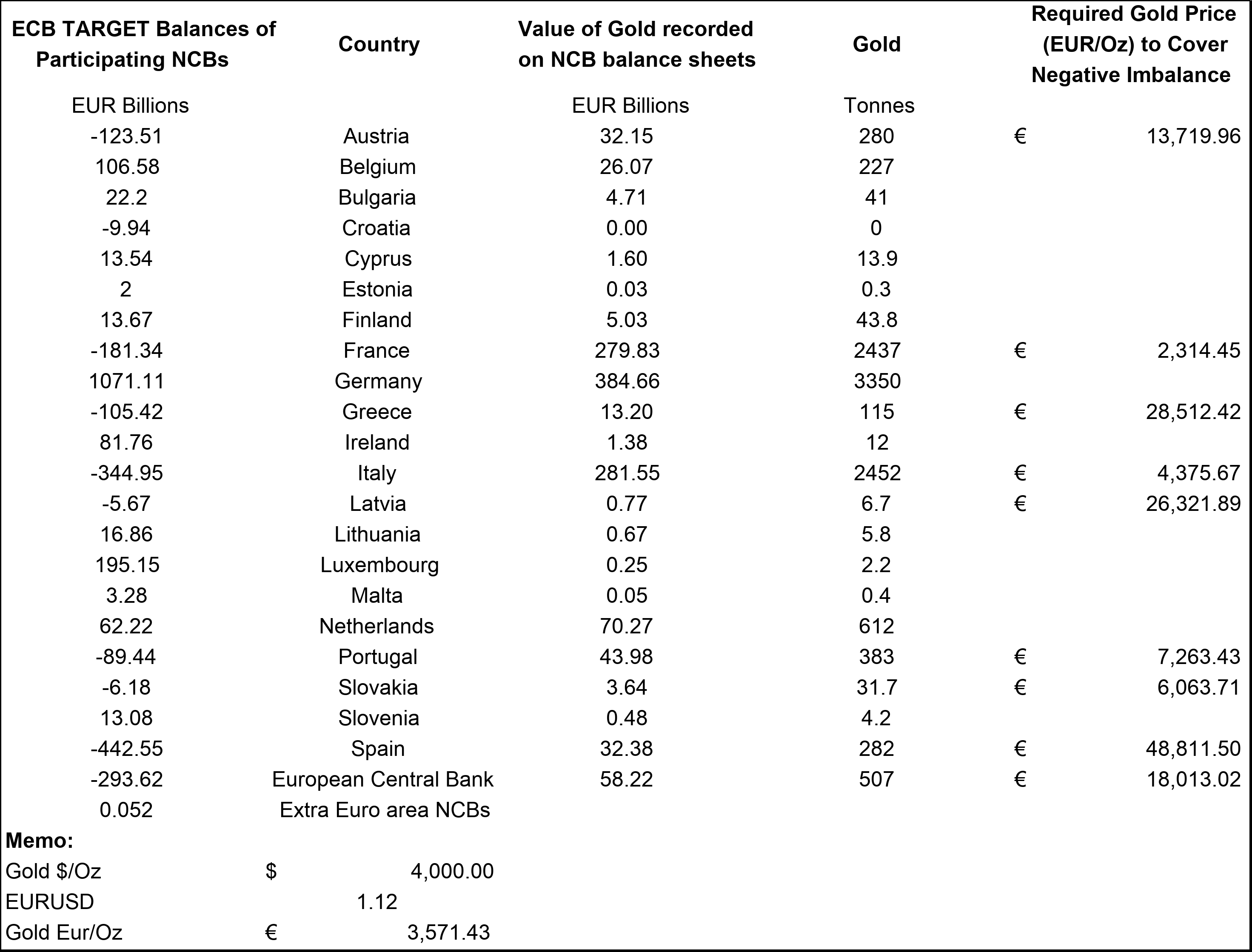
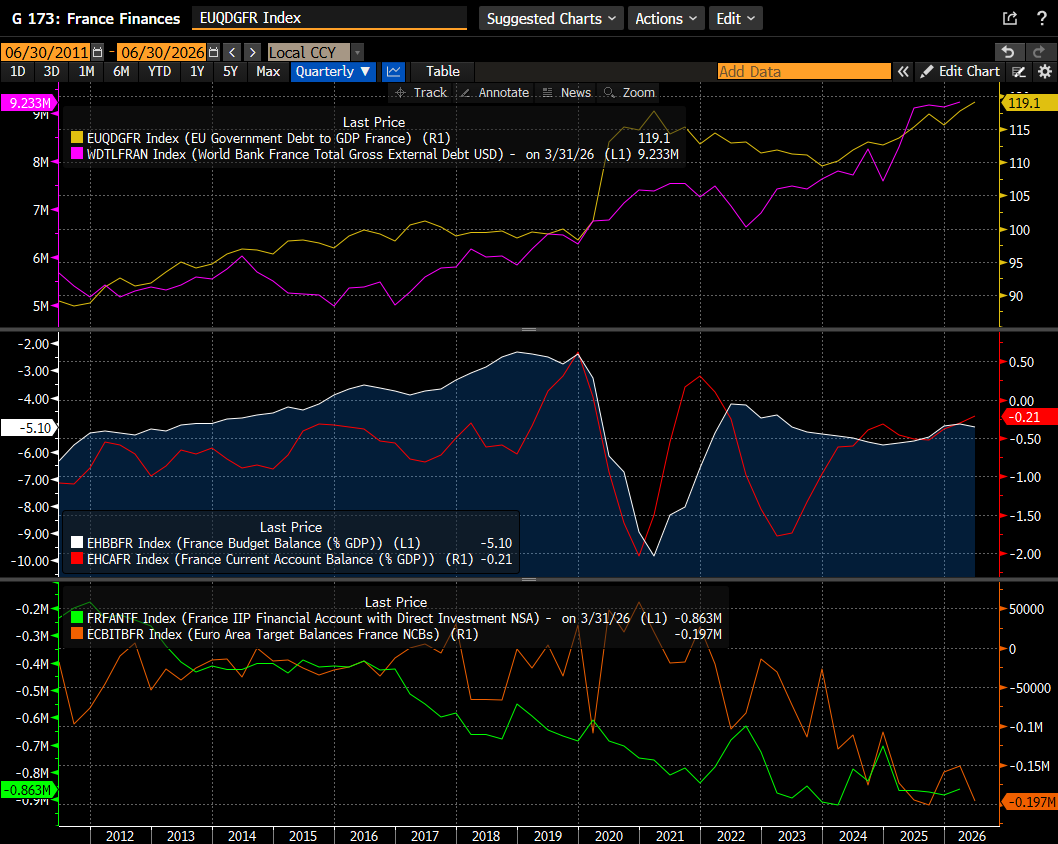








 READ IN APP
 A survey of the likely global toll of COVID “vaccination,” based on the reports collected by our worldwide team of researchers this past week.Note: These reports are not arbitrarily included. For a list of the criteria we use, see this footnote.¹UNITED STATES (94)
 Legendary actor Sir Patrick Stewart, best known for his work in the “Star Trek” and “X-Men” franchises and his prolific award-winning stage career, has died at 86 years old, his spokesperson confirmed. Stewart died at home [in L.A.] on Wednesday, spokesperson Kelly Bush Novak said in a statement. His death followed “a brief and poignant journey with Alzheimer’s Disease and Lewy Body Dementia,” Novak said. Stewart was actively working until 2026. In addition to his role in “Avengers: Doomsday,” he recorded an audiobook where he narrated and commented on all 154 of William Shakespeare’s sonnets. He also had a voice role in the animated comedy “The Sheep Detectives.”Researcher’s note – Star Trek Star Patrick Stewart Gets COVID Vaccine [sic], Thanks Healthcare Workers: https://comicbook.com/startrek/news/star-trek-patrick-stewart-covid-coronavirus-vaccineSusan Saint James Was Diagnosed With Pancreatic Cancer Before Her Death, Family Confirms2026-10-27
 Susan Saint James, the acclaimed television actress known for her memorable performances in McMillan & Wife and Kate & Allie, was diagnosed with pancreatic cancer before her death, her family has confirmed. Saint James died on October 26 at the age of 80. Saint James’ death was confirmed on Tuesday, October 27, following her passing the previous day. Her representative confirmed that she had been diagnosed with pancreatic cancer, although the family has not publicly shared further details about the diagnosis.‘Office Space’ star Richard Riehle’s cause of death revealed2026-10-27
 Acause of death has been revealed for Richard Riehle, two weeks after the beloved character actor died at age 78. Riehle, best known for his roles in the 1999 dark comedy “Office Space” and the 2000s sitcom “Grounded for Life,” died of a stroke, TMZ reported on Tuesday, Oct. 27. The outlet, which obtained the actor’s death certificate, also noted that Riehle was battling oropharyngeal cancer, a rare cancer that originates in the middle of the throat, at the time of his Oct. 15 death. The disease was listed as an underlying cause of death. Riehle racked up hundreds of film and TV credits across his five-decade career in Hollywood. The character actor’s talents spanned genres, with Riehle working in horror films, comedies, holiday movies and crime thrillers.‘No Country for Old Men’ Actor Matthew Posey, Who Survived a 2017 Shooting, Dies at 682026-10-27
 Actor Matthew Posey, who starred in various westerns, including the Oscar-winning film No Country for Old Men (2007), The Magnificent Seven (2016), and Lonesome Dove (1989), has died. He was 68 years old. Posey’s death was announced by Ochre House Theater, the non-profit Dallas, Texas, theater company the actor co-founded in 2008. According to the memorial page on the theater’s website, Posey died on October 2, “leaving behind a lifetime of memories and countless people.” No cause of death has been given regarding the actor’s passing as of October 27.Researcher’s note – Posey was working in the Film Industry in 2023: Hollywood’s On-Set Vaccine [sic] Mandates to End on May 12, 2023: https://variety.com/2023/biz/news/covid-protocols-end-vaccine-mandate-hollywood-return-to-work-1235569515/Ellen DeGeneres’ longtime show producer dies at 52 in ‘unfathomable tragedy’2026-11-02
 Matthew Wright, an executive producer of “The Ellen DeGeneres Show” who often appeared on camera with its host, died Oct. 30. He was 52. Wright was working remotely in Los Angeles when he died in what was described as an “unfathomable tragedy,” according to a GoFundMe set up for his family. The organizers did not give a cause of death. In a Nov. 2 tribute on Instagram, DeGeneres – who donated $5,000 to the GoFundMe – opened up about the loss and said she and Wright were getting ready to start another project together before his sudden death. DeGeneres called Wright “the glue to our entire family” at the show.Researcher’s note – Employees of film productions in Los Angeles were required by the LA County Dep’t of Public Health [sic] to take the COVID “vaccine”, or submit to regular testing: http://publichealth.lacounty.gov/media/Coronavirus/docs/protocols/Reopening_MusicTelevisionFilmProduction.pdfNo cause of death reported.Johnny Lopez, Beloved Former TMZ Writer, Dead at 552026-11-01
 Johnny Lopez, one of the brilliant writers who helped launch TMZ.com and shape the irreverent, hilarious voice that became synonymous with the site, has died. Johnny was there in TMZ’s early days and was instrumental in developing the unique tone that set the site apart. Johnny was 55.Researcher’s note – Lopez wrote many positive articles about COVID “vaccination”, including this May 2021 piece, “COVID vaccine [sic] boosters [sic] may be needed as early as September”: https://www.audacy.com/1037kissfm/news/covid-vaccine-boosters-may-be-needed-as-early-as-septemberNo cause of death reported.Diane Riley Dies: New York Theatrical Agent Was 522026-10-28
 Diane Riley, a noted New York theatrical agent and partner at Harden Curtis Kirsten Riley, died unexpectedly September 16, in Asbury Park, New Jersey, from complications following surgery. She was 52. Riley had faced a series of health issues over the past year and a half when her condition worsened over recent months. Her death was announced by her family and agency.No cause of death reported.’90s R&B Hitmaker Has Tragically Passed Away at 612026-10-29
 Back in the 1990s, an R&B vocal group calling themselves Rude Boys teamed up with singer Gerald Lavert to score a major hit. Sadly, one of that group’s founding members has passed away, with music fans mourning the loss of Rude Boys singer Melvin Sephus. He was 61 years old. Sephus and fellow singers Larry Marcus, Edward ‘Buddy’ Banks [see below] and Joe Little III formed a vocal quartet in the late 1980s, calling themselves Rude Boys. Sadly, Sephus is the third member of the original lineup to die prematurely, following the passing of Marcus in 2018, and then Banks in 2023.Researcher’s note – “Buddy Banks, 60, passed away due to complications of COVID-19.”No cause of death reported.Beloved rock frontman dies after cancer battle: ‘So many memories to cherish’2026-10-31Dave Venet [61], the former frontman for the rock group The Syn D’Cats, has died. His sister, Leslie Venet Zimmerman, shared the news on Facebook on Saturday. “My brother Dave Venet passed away last night,” she wrote. “Thank you to everyone who loved him and helped him the last few years since his cancer diagnosis. Dave spent his adult life entertaining as a self-taught guitarist/musician & singer playing in multiple bands like the Syn D’Cats, Tossed Salad Blues, Souls At Zero and others.” A GoFundMe was started for Venet earlier this year that shed some light on his situation. “Our dear friend Dave Venet recently had to stop cancer treatment and move on to hospice,” the post read. “The tumor has spread to the point where he has lost the ability to talk, and he is expecting some health challenges in the near future. He could really use some help navigating this next phase and any donations, good thoughts, etc. would be much appreciated. Love and thanks.”Juan Atkins Has Died: Detroit Techno Pioneer Found Dead2026-11-01
 The world of electronic music has lost one of its most significant pioneers: Juan Atkins has passed away at the age of 64. His booking agency, Greensmith Artists, confirmed the death of the American DJ and producer on November 1. According to Resident Advisor, Atkins was found unresponsive in his hotel room ahead of a scheduled performance at the YuYu Cine Club in Mexico City. He was subsequently pronounced dead at a hospital. No information regarding the cause of death has been released. Atkins is considered one of the founding fathers of Detroit techno.Beloved Country Singer-Songwriter’s Wife Passes Away2026-10-28
 Wanda Cordle, the wife of Grammy winner Larry Cordle, recently passed away at age 71. In the obituary, her daughter Kelvey shared that she faced a cancer recurrence before her passing. “The day she found out about her cancer this time around, she cried and told me she wouldn’t be here to see [my children] grow up. It broke me. We cried together, and I will carry that visceral memory with me for the rest of my life,” Kelvey wrote. “My mama was a fighter. Her last five years on earth were riddled with cancer, surgeries, sepsis…the list goes on and on. But she wanted to be here with my girls, and so she fought. And fought. And fought! I’m so glad, that she can finally stop fighting. Her suffering is over, and she has been made whole again in Jesus.”Former Ohio State Goalie Sean Romeo Dead at 31, Mother Reveals His Final Moments2026-10-28
 Former Ohio State goalie Sean Romeo has died due to complications following a stroke. He was 31. After Sean suffered an initial stroke on October 15, things took an ultimately fatal turn in the early morning hours of Thursday, October 22. “Sean’s brain swelling continued to worsen,” Sean’s mother, Lisa, shared via a support page. “He suffered another stroke, this time affecting the opposite side of his brain, along with bleeding into his brainstem. The damage was simply too extensive, and despite everything the doctors had done and how hard Sean had fought, his body could no longer overcome it.” Sean died “very peacefully” on Saturday, October 24. In an update on Monday, October 26, Lisa revealed that Sean had donated his heart, lung, liver and kidneys. After two seasons at the University of Maine, Sean transferred to Ohio State where he appeared in 54 games for the Buckeyes from 2017 to 2019. Following his collegiate career, he played for seven different teams in the ECHL before retiring from professional hockey in 2021.Corey Heim’s Spotter, Lloyd Garner, Dead at 542026-10-29Lloyd Garner, spotter and close confidant of NASCAR racer Corey Heim, has died at 54. Garner’s obituary states that he died on Oct. 28 after his battle with cancer. According to EssentiallySports, Heim credited Garner for his rise as a NASCAR driver. Lloyd Garner’s battle with cancer was publicly revealed in September 2026, with his sister starting a GoFundMe campaign to help with his medical expenses.USBC Hall of Famer Randy Pedersen dies at age 642026-10-27
 ARLINGTON, Texas – The United States Bowling Congress is saddened to learn of the death of USBC and Professional Bowlers Association Hall of Famer Randy Pedersen at the age of 64. Pedersen, who grew up in Southern California but most recently resided in the Orlando, Florida, area, was an iconic figure in the sport both on and off the lanes. The charisma and energy Pedersen displayed as an elite bowler served him well as he transitioned from his career on the lanes to an announcer off them. Pedersen spent 25 years as the PBA Tour’s lead analyst on networks such as FOX, FS1, ABC, ESPN, ESPN2, CBS, CBS Sports Network and the CW. He also served as an analyst on streaming networks such as PBA’s Xtra Frame and just this past spring/summer for USBC’s BowlTV.Researcher’s note – Fox News mandates employees disclose vaccination [sic] status, contradicting rhetoric from top stars: https://www.cnn.com/2021/08/18/media/fox-mandate-vaccine-statusESPN and its parent company, The Walt Disney Company, implemented COVID-19 vaccination [sic] mandates for employees starting in 2021: https://www.nbcnews.com/news/us-news/espn-reporter-allison-williams-leaving-network-over-covid-vaccine-mandate-n1281737During the COVID-19 pandemic, ABC (American Broadcasting Company/The Walt Disney Company) implemented a mandatory COVID-19 “vaccine” policy for employees, which led to high-profile lawsuits and legal challenges: https://www.hollywoodreporter.com/business/business-news/abc-religious-discrimination-trial-firings-covid-19-vaccine-mandates-1235831968/No cause of death reported.Influential New Jersey house DJ and producer Cevin Fisher has died aged 632026-10-30
 House music pioneer Cevin Fisher has passed away following a “a brief bout with cancer” on October 29, three days after his 63rd birthday, a statement sent to Mixmag has confirmed. Born in New Jersey, Fisher was a regular at legendary clubs like Paradise Garage, Zanzibar, and The Loft as he made his way into the house music scene, picking up his debut residency at notable Newark nightspot Club Zanzibar aged 17.WDAY-TV mourns the loss of vice president of broadcasting and general manager Josh Rohrer2026-10-29
 FARGO, ND – Josh Rohrer, the vice president of broadcasting and general manager of WDAY-TV, passed away unexpectedly on Wednesday afternoon, Oct. 28. Josh began his career at WDAY-TV in 2003 as a sales assistant, advancing to sales representative in 2004, regional sales manager in 2012 and general sales manager in 2014. In 2018, he was promoted to WDAY-TV general manager and vice president of broadcast for Forum Communications. He was 47 years old.Researcher’s note – During the pandemic, WDAY-TV was subject to a strict corporate “vaccine” mandate enforced by its parent company, Gray Television: https://www.wsaw.com/2021/10/04/gray-television-parent-company-wsaw-requires-staff-guests-be-fully-vaccinated-against-covid-19/No cause of death reported.Longtime Houston radio personality dies as KRBE mourns loss2026-10-30
 Jerome “YoJ” Ronquillo, a longtime Houston [TX] radio personality whose career at 104.1 KRBE began more than three decades ago, died Thursday. He was 57. KRBE announced his death Friday, remembering him as “one of the most spectacular, charismatic, and hilarious people that walked our radio station hallways.” Ronquillo was diagnosed with pancreatic cancer on Jan. 1, 2026. KRBE did not disclose a cause of death. In March, his friend Paul “Cubby” Bryant launched a GoFundMe to help Ronquillo and his wife, Maggie, cover chemotherapy, medications, travel and other medical expenses.Researcher’s note – Here’s the photo of him holding his CDC card. Moderna, March 2021. Second dose a month later.
 “Sudden And Unexpected”@toobaffledHow many more of these before the questions stop being “insensitive”
 Jerome Thirty-plus years on Houston radio at KRBE. Diagnosed with pancreatic cancer on New Year’s Day 2026. Gone by the end of October.
 Here’s the photo of him holding his CDC card. Moderna, March …