AUGUST 4/GOLD CLOSED UP $59.75 TO $4094.75 WITH SILVER HAVING A STELLAR DAY UP $2.20 TO $59.87//PLATINUM CLOSED UP $133.00 TO $1754.00 WHILE PALLADIUM CLOSED UP $106.00 TO $1359.00 $XXXX//COMMODITY REPORT TONIGHT ON IRON ORE//ANOTHER PODCAST WITH ANDREW MAGUIRE AND TWO GUESTS ON GOLD//HIGHLIGHTS FROM JAPAN AND BOTH JAPAN AND USA INTERVENTION TO HELP THE YEN’S VALUE//EUROPEAN REPORTS TONIGHT FROM SPAIN AGAIN AND THE UK//ISRAEL/.USA /IRAN UPDATES/ISRAEL TBN//HAMAS UPDATES/RUSSIA VS UKRAINE//COVID VACCINE INJURY REPORTS//OIL REPORTS//USA DATA RELEASES//USA ECONOMIC REPORTS//KING NEWS//SWAMP STORIES FOR YOU TONIGHT//
332 H STANDARD CHARTERED B 22 363 H WELLS FARGO SECURITI 10 555 C BNP PARIBAS SEC CORP 83 555 H BNP PARIBAS SEC CORP 27 661 C JP MORGAN SECURITIES 125 23 686 C STONEX FINANCIAL INC 5 690 C ABN AMRO CLR USA LLC 2 732 H RBC CAP MARKETS 35 905 C ADM 48
TOTAL: 190 190
///
GOLD: NUMBER OF NOTICES FILED FOR AUGUST/2026: 190 CONTRACTs NOTICES FOR 19000 OZ or 0.5909 TONNES
total notices so far: 14,154 contracts FOR 1,415,400 OZ OR 44.624TONNES
SILVER NOTICES: 150 NOTICE(S) FILED FOR 0.750 MILLION OZ /
total number of notices filed so far this month : 853 CONTRACTS (NOTICES) for 4.2650 million oz
Click here if you wish to send a donation. I sincerely appreciate it as this site takes a lot of preparation
GLD AND SLV
BOTH GLD AND SLV ARE FRAUDULENT VEHICLES//THEY ARE NOW RAIDING GLD AND SLV FOR PHYSICAL
GLD
THE CROOKS ARE STEALING GOLD AND SILVER FROM THE GLD/SLV AND REPLACING THE PHYSICAL WITH PAPER DOLLARS.
WITH GOLD UP $59.75 INVESTORS SWITCHING TO SPROTT PHYSICAL (PHYS) INSTEAD OF THE FRAUDULENT GLD/// HUGE CHANGES IN GOLD INVENTORY AT THE GLD: A WITHDRAWAL OF 1.146 TONNES OF GOLD FROM THE GLD//
INVENTORY RESTS AT 1005.874 TONNES
SLV/
SLV/
WITH NO SILVER AROUND AND SILVER UP $2.20 AT THE SLV: NO CHANGES IN SILVER INVENTORY AT THE SLV: : INVENTORY RESTS AT THE SLV AT 486.673MILLION OZ//
CLOSING INVENTORY: 486.673 MILLION OZ
SILVER//OUTLINE
JPMORGAN STOPPED: 6/76
SILVER//OUTLINE
SILVER COMEX OI ROSE A HUGE SIZED 1314 CONTRACTS TO AN OI OF 111,044 STILL A LOT HIGHER FROM ITS NEW RECORD LOW OF 95,999 SET MAY 1/2026. THE RECORD HIGH OI FOR SILVER IS 244,710, SET FEB 25/2020, AND THIS GAIN IN COMEX OI WAS ACCOMPLISHED DESPITE OUR LOSS OF $0.07 IN SILVER PRICING AT THE COMEX WITH RESPECT TO MONDAY’S TRADING. ON THE FIRST OF MAY, WE REACHED OUR RECORD LOW OI OF 95,999 SURPASSING EVERY DAY NEW OI LOWS SET DURING THE LAST WEEK OF APRIL 2026.
NOW ON A NET BASIS OUR SPECULATORS HAVE REVERTED BACK TO GOING SHORT. THE FRBNY ON A NET BASIS IS PROVIDING THE NECESSARY PAPER TO OUR LONG BANKERS AND THEN TENDER FOR PHYSICAL AT 4 PM EACH NIGHT. BECAUSE OF THE HUGE SHORTFALL IN PHYSICAL SILVER IN LONDON THERE IS A LOTTERY TO SEE WHO GETS ANY OF THE PHYSICAL SILVER AVAILABLE THAT WHICH THEY ARE OBLIGATED TO DELIVER. THEY WAIT PATIENTLY FOR THEIR PHYSICAL METAL AND IF NOBODY GETS ANY THEY THEN COME BACK THE NEXT DAY AND SO ON. THIS IS IN LONDON, THE HOME OF PHYSICAL SILVER!! THE FACT THAT WE ARE WITNESSING MANY EXCHANGE FOR PHYSICAL TRANSFERS TO LONDON HIGHLIGHTS THE FACT THAT THE COMEX IS OUT OF SILVER AS WELL.
WE ARE NOW MOVING TO A MUCH LOWER BASE IN SILVER PRICING BREAKING MAJOR SUPPORT LEVEL OF $70.00. SHORTLY WE WILL REVERT BACK TO NUMBERS GREATER THAN 70 DOLLARS PER OZ.
WE HAVE A HUGE GAIN OF 1,431 TOTAL CONTRACTS ON OUR TWO EXCHANGES AS THE CME NOTIFIED US OF A SMALL SIZED 100 CONTRACT EXCHANGE FOR PHYSICAL ISSUANCE , WE HAD HUGE LIQUIDATION OF T.A.S. CONTRACTS IN COMEX TRADING WITH RESPECT TO FRIDAY TRADING// WE HAD A STRONG SIZED 936 CONTRACT T.A.S. ISSUANCE!! / THEY DESPERATELY AGAIN TODAY TRYING TO CONTAIN SILVER’S PRICE LOSS FOR THE PAST SEVERAL WEEKS (WHERE RAIDS ARE CALLED UPON AGAIN AND AGAIN TRYING TO STOP THE RISE IN SILVER’S PRICE TO ABOVE $100.00 AND TO QUELL ADDITIONAL DERIVATIVE LOSSES TO OUR BANKERS’ MASSIVE TOTALS). THEY SUCCEEDED ON MONDAY WITH SILVER’S SMAL LOSS IN PRICE.
THE PRICE STILL FINISHED BELOW THE MAGIC NUMBER OF $70.00 SILVER SPOT PRICE BUT STILL BELOW THE $100.00 MARK CLOSING AT $57.37 DOWN $0.07. WE ARE NOW WITNESSING HAVING MANY HUGE T.A.S ISSUANCES // TODAY’S WAS A STRONG SIZED 936 T.A.S. CONTRACTS !!. THE CROOKS ARE BECOMING MORE DESPERATE TO STOP SILVER BREAKING ABOVE THE 100.00 DOLLAR MARK!! AND NOW THE HUGE SUPPORT LEVEL OF 70 DOLLARS HAS BEEN BROKEN// //.MAMMOTH SIZE T.A.S ISSUANCES ARE BECOMING THE NORM AT THE COMEX NOW!!
THERE IS NO NEXT LINE IN THE SAND ONCE THE 100.00 DOLLAR SILVER IS PIERCED AGAIN. WE HAD A SMALL SIZED 100 CONTRACT EXCHANGE FOR PHYSICAL ISSUANCE ACCOMPANIED BY OUR STRONG SIZED 936 CONTRACT T.A.S ISSUANCE WHICH WILL BE USED FOR RAID PURPOSES//AS THEY PLAY AN INTEGRAL PART IN OUR COMEX TRADING TRYING TO CONTAIN ANY SILVER PRICE RISE
IN ESSENCE WE HAD A STRONG SIZED GAIN OF 1414 CONTRACTS ON OUR TWO EXCHANGES WITH OUR LOSS IN PRICE OF $0.07. WE HAD HUGE GOVERNMENT (FRBY) COMEX CONTRACTS TRADING ALL WEEK AND A MAJOR PORTION WILL BE REMOVED BY DAYS END. (I RECORD THIS FOR YOU ON A DAILY BASIS). THE STICKY SPECULATOR LONGS STILL REMAIN STOIC
CRAIG HEMKE HAS POINTED OUT THAT THE CROOKS USE THE MID MONTH FOR MANIPULATION AS THEY SELL THEIR BUY SIDE OF THE CALENDAR SPREAD FIRST AND THEN KEEP THE SELL SIDE TO LIQUIDATE AT A LATER DATE.
THUS WE HAVE TWO VEHICLES THE CROOKS USE FOR MANIPULATION AND BOTH ARE SPREADERS: 1)MONTH’S END/SPREADERS COMEX AND 2/ TAS SPREADERS, THROUGHOUT MONTH. TOTAL TAS ISSUED ON MONDAY NIGHT/TUESDAY MORNING: A STRONG SIZED 936 CONTRACTS. DESPITE MANY COMPLAINTS THAT THESE CROOKS HAVE VIOLATED POSITION LIMITS DUE TO THE FACT THAT THE TAS ISSUED HAVE A VALUE OF ZERO (AS TO POSITION LIMITS FOR OUR CROOKED FRBNY BANKERS).
THE PROBLEM OF COURSE IS THAT THE CROOKS DO NOT LIQUIDATE THE TAS AS ONE UNIT, BUT SELL THE SHORT SIDE FIRST AND THEN LIQUIDATE THE LONG SIDE TWO MONTHS HENCE. IT IS OBVIOUS MANIPULATION TO THE HIGHEST DEGREE BUT IT NATURALLY FELL ON DEAF EARS WITH OUR REGULATORS (OCC) WHEN THEY RECEIVED OUR COMPLAINTS. IT NOW SEEMS THAT THE OCC HAS NOW ORDERED THE BANKS TO REDUCE ITS NEW LEVEL OF 1.1 TRILLION DOLLARS IN GOLD/SILVER DERIVATIVES.
THUS:
INITIAL STANDING FOR JANUARY: 22.915 MILLION OZ FOLLOWED BY TODAY’S 1.185 MILLION OZ QUEUE JUMP//NEW NORMAL STANDING ADVANCES TO 49.445 MILLION OZ// TO WHICH WE ADD OUR FIRST EXCHANGE FOR RISK FOR .100 MILLION OZ//NEW STANDING ADVANCES TO 49.545 MILLION OZ!!
INTIAL STANDING FOR FEBRUARY/SILVER: 13.505 MILLION OZ FOLLOWED BY TODAY’S HUGE 0.005 MILLION OZ QUEUE JUMP / : NEW STANDING FOR SILVER AT THE COMEX ADVANCES TO 25.180 MILLION OZ. BUT WE MUST ADD OUR FIRST EXCHANGE FOR RISK OF 25 CONTRACTS FOR .125 MILLION OZ AND THEN OUR SECOND EXCHANGE FOR RISK OF .0600 MILLION OZ TO OUR THIRD HUGE 2.825 MILLION OZ EXCHANGE FOR RISK!!
INITIAL STANDING FOR MARCH: A SURPRISINGLY LOW 31.076 MILLION OZ/ FOLLOWED BY A TINY QUEUE JUMP OF XX CONTRACTS OR XXX OZ/NEW STANDING ADVANCES TO 46.060 MILLION OZ
INITIAL STANDING FOR APRIL: 7.120 MILLION OZ FOLLOWED BY TODAY’S 1 CONTRACT QUEUE JUMP WHERE 5,000 OZ WILL TAKE DELIVERY OVER ON THIS SIDE OF THE POND. NEW STANDING FOR SILVER AT THE COMEX THUS ADVANCES SLIGHTLY TO 16.565 MILLION OZ PLUS WE MUST ADD OUR 4TH EXCHANGE FOR RISK ISSUANCE OF 17 CONTRACTS OR 0.085 MILLION OZ. THESE WILL BE ADDED TO OUR OTHER 3 ISSUANCES //NEW TOTAL EXCHANGE FOR RISK//1.165 MILLION OZ// NEW TOTAL SILVER STANDING 17.730 MILLION OZ//
INITIAL STANDING FOR MAY: 31.495 MILLION OZ FOLLOWED BY ANOTHER 3 CONTRACT EXCHANGE FOR PHYSICAL JUMP TO LONDON FOR 0.015 MILLION OZ// AND THEN TO BOOT WE HAD OUR FIRST EXCHANGE FOR RISK ISSUANCE FOR 51 CONTRACTS OR 255,000 OZ MAY 21./STANDING BEFORE EXCHANGE FOR RISK: 32.070 MILLION OZ/NEW STANDING THUS REDUCES TO 32.325 MILLION OZ/.//(32.070 MILLION OZ NORMAL STANDING PLUS .255 MILLION OZ EXCHANGE FOR RISK = 32.325 MILLION OZ)
JUNE INITIAL STANDING FOR SILVER:10.935 MILLION OZ TO WHICH WE ADD OUR NEXT QUEUE JUMP OF 10,000 OZ//NEW STANDING ADVANCES TO 12.970 MILLION OZ// TO WHICH WE ADD OUR FIRST EXCHANGE FOR RISK OF 20 CONTRACTS FOR 100,000 OZ//NEW STANDING ADVANCES TO 13.070 MILLION OZ. (IN EXCHANGE FOR RISK THE BUYER ASSUMES THE RISK AND ONLY A CENTRAL BANK WOULD TAKE THAT RISK. THE BUYER IS PROBABLY THE CENTRAL BANK OF INDIA.)
JULY INITIAL STANDING: 37.110 MILLION OZ FOLLOWED BY A 3 CONTRACT QUEUE JUMP OR 0.015MILLION STANDING ADVANCES TO 45.875 MILLION OZ///
AUGUST INITIAL STANDING 6.240 MILLION OZ FOLLOWED BY TODAY’S STRONG 75 CONTRACT QUEUE JUMP FOR 375,000 OZ//NEW STANDING ADVANCES TO 6.915 MILLION OZ/
SUMMARY OF OUR JULY 2026 COMEX CONTRACT MONTH
WE HAD:
/ HUGE SIZED COMEX LOSS+// SMALL SIZED EFP ISSUANCE CONTRACTS AT 100 CONTRACTS () A HUGE NUMBER OF T.A.S. CONTRACT ISSUANCE 936 CONTRACTS
I AM NOW RECORDING THE DIFFERENTIAL IN OI FROM PRELIMINARY TO FINAL: REMOVED 16 CONTRACTS OF OI SILVER //
HISTORICAL ACCUMULATION OF EXCHANGE FOR PHYSICALS AUGUST.. ACCUMULATION
TOTAL CONTRACTS for 2 DAY(S), total 200 contracts: OR 1.0000 MILLION OZ (100 CONTRACTS PER DAY)
TOTAL EFP’S FOR THE MONTH SO FAR: 1.0000 MILLION OZ
LAST 48 MONTHS TOTAL EFP CONTRACTS ISSUED IN MILLIONS OF OZ:
MAY 137.83 MILLION
JUNE 149.91 MILLION OZ
JULY 129.445 MILLION OZ
AUGUST: MILLION OZ 140.120
SEPT. 28.230 MILLION OZ//
OCT: 94.595 MILLION OZ
NOV: 131.925 MILLION OZ
DEC: 100.615 MILLION OZ
YEAR 2022:
JAN 2022-DEC 2022
JAN 2022// 90.460 MILLION OZ
FEB 2022: 72.39 MILLION OZ//
MARCH 2022: 207.140 MILLION OZ//A NEW RECORD FOR EFP ISSUANCE
APRIL: 114.52 MILLION OZ FINAL//LOW ISSUANCE
MAY: 105.635 MILLION OZ//
JUNE: 94.470 MILLION OZ
JULY : 87.110 MILLION OZ
AUGUST: 65.025 MILLION OZ
SEPT. 74.025 MILLION OZ///FINAL
OCT. 29.017 MILLION OZ FINAL
NOV: 134.290 MILLION OZ//FINAL
DEC, 61.395 MILLION OZ FINAL
TOTALS YR 2022: 1135.767 MILLION OZ (1.1356 BILLION OZ)
JAN 2023/// 53.070 MILLION OZ //FINAL
FEB: 2023: 100.105 MILLION OZ/FINAL//MUCH STRONGER ISSUANCE VS THE LATTER TWO MONTHS.
MARCH 2023: 112.58 MILLION OZ//FINAL//STRONG ISSUANCE
APRIL 111.035 MILLION OZ(SLIGHTLY GREATER THAN THAN LAST MONTH)
MAY 66.120 MILLION OZ/INITIAL (MUCH SMALLER THIS MONTH)
JUNE: 110.395 MILLION OZ//MUCH LARGER THAN LAST MONTH
JULY 85.745 MILLION OZ (SMALLER THAN LAST MONTH)
AUGUST: 171.43 MILLION OZ (THIS MONTH IS GOING TO BE HUGE //2ND HIGHEST ON RECORD
SEPT: 72.705 MILLION OZ (SMALLER THIS MONTH)
OCT: 97.455 MILLION OZ
NOV. 50.050 MILLION OZ
DEC. 66.140 MILLION OZ//
TOTAL 2023: 1,104.10 MILLION OZ/
JAN ’24 : 78.655 MILLION OZ//
FEB /2024 : 66.135 MILLION OZ./FINAL
MARCH: 143.750 MILLION OZ// 4TH HIGHEST ON RECORD.
APRIL: 161.770 MILLION OZ (THIS MONTH WILL BE A WHOPPER OF ISSUANCE OF EFPS//3RD HIGHEST EVER RECORDED FOR A MONTH)
MAY: 135.995 MILLION OZ //WILL BE A STRONG MONTH FOR EXCHANGE FOR PHYSICAL ISSUANCE
JUNE 110.575 MILLION OZ ( WILL BE ANOTHER STRONG MONTH ISSUANCE)
JULY: 108.870 MILLION OZ (WILL BE A STRONG ISSUANCE MONTH/ A TOUCH OVER 100 MILLION OZ/)
AUGUST; 99.740 MILLION OZ//THIS MONTH WILL BE STRONG FOR ISSUANCE BUT LESS THAN JULY.
SEPT: 112.415 MILLION OZ//WILL BE A HUGE MONTH FOR EXCHANGE FOR PHYSICAL ISSUANCE
OCT; 97.485 MILLION OZ (WILL BE SMALLER ISSUANCE THIS MONTH )
NOV. 115.970 MILLION OZ ( HUGE THIS MONTH)
DEC: 132.54 MILLION OZ (THIS MONTH WILL BE A HUMDINGER FOR ISSUANCE BUT ISSUANCE SLOWED DRAMATICALLY THESE PAST FIVE DAYS/// WILL NOT EXCEED MARCH 2022 RECORD OF 209 MILLION OZ
YEAR 2024 TOTAL: 1363.84 MILLION OR 1.363 BILLION OZ
JANUARY 2025: 67.230 MILLION OZ///(THIS MONTH’S ISSUANCE OF EXCHANGE FOR PHYSICAL WILL BE SMALL)
FEB. 58.260 MILLION OZ//EXCHANGE FOR PHYSICAL ISSUANCE/FINAL
MARCH: 67.020 MILLION OZ///QUITE SMALL AND BECOMING SMALLER EACH AND EVERY MONTH.
APRIL: 100.895 MILLION OZ///AVERAGE SIZE ISSUANCE
MAY: 28.975 MILLION OZ (ISSUANCE WILL BE QUITE SMALL THIS MONTH)
JUNE: 81.065 MILLION OZ
JULY: 50.925 MILLION OZ (QUITE SMALL)
AUGUST: 59.455 MILLION OZ (QUITE SMALL)
SEPT. 50.510 MILLION OZ.(QUITE SMALL)
OCT; 82.020 MILLION OZ (WILL BE STRONG THIS MONTH)/ OCC WANTS TO REIN IN THESE ISSUANCES!
NOVEMBER: 36.425 MILLION OZ
DEC: 45.765 MILLION OZ
JANUARY 2026: 134.270 MILLION OZ (WILL BE A VERY STRONG MONTH FOR EXCHANGE FOR PHYSICAL!)
FEB : 82.130 MILLION OZ
MARCH: 56.075 MILLION OZ
APRIL; 44.44 MILLION OZ//FINAL.. SMALL THIS MONTH.
MAY 59.79 MILLION OZ
JUNE. 64.065 MILLION OZ//FINAL AND FAIR SIZED THIS MONTH.
JULY: 38.335 MILLION OZ
AUGUST: 1.000 MILLION OZ.
RESULT: WE HAD A HUGE SIZED INCREASE IN COMEX OI SILVER COMEX CONTRACTS OF 1,314 CONTRACTS DESPITE OUR LOSS IN PRICE OF $0.07 IN SILVER PRICING AT THE COMEX// MONDAY,. THE CME NOTIFIED US THAT WE HAD A SMALL SIZED CONTRACT EFP ISSUANCE OF 100 CONTRACTS ISSUED FOR SEPT, AND 0 CONTRACTS ISSUED FOR ALL OTHER MONTHS).
INITIAL STANDING: 6.240MILLION OZ FOLLOWED BY TODAY’S STRONG 375,000 OZ QUEUE JUMP//STANDING ADVANCES TO 6.915 MILLION OZ
LAST 17 MONTHS OF SILVER DELIVERIES
WE FINISHED APRIL WITH A STRONG SILVER OZ STANDING OF 16.050 MILLION OZ NORMAL DELIVERY , PLUS OUR 4.00 MILLION EX FOR RISK
FINAL STANDING APRIL: 19.965 MILLION OZ
AND MAY:
NEW STANDING FOR MAY FINISHES AT: 75.615 MILLION OZ. (INCLUDES 5,000 OZ EFP TRANSFER TO LONDON + 12.93 MILLION OZ EXCHANGE FOR RISK ISSUANCE/PRIOR.//NEW TOTAL STANDING 88.540 MILLION OZ
AND JUNE: FINAL 16.995 MILLION OZ
AND JULY: 46.720 MILLION OZ//
AUGUST: 4.70 MILLION OZ INITIAL STANDING PLUS TODAY;S 5,000 OZ QUEUE JUMP //NEW STANDING ADVANCES TO 10.960 MILLION OZ
SEPTEMBER: 68.040 MILLION OZ NORMAL DELIVERY(INCLUDES ALL QUEUE JUMPING AND EXCHANGE FOR PHYSICAL TRANSFERS) PLUS 3.0 MILLION OZ EX FOR RISK = 71.040 MILLION OZ. (THIS IS THE FIRST AND ONLY ISSUANCE OF EXCHANGE FOR RISK FOR SILVER SINCE MAY.)
OCTOBER: 39.565 MILLION OZ OF NORMAL DELIVERY INCLUDES ALL QUEUE JUMPING
PLUS
2.110 MILLION OZ EXCHANGE FOR RISK//TOTAL OZ STANDING IN OCT ADVAN
NOVEMBER: INITIAL STANDING AT 11.575 MILLION OZ FOLLOWED BY TODAY’S 195,000 OZ QUEUE JUMP WHICH FOLLOWS ALL OTHER QUEUE JUMPS OF 9.155 MILLION OZ//STANDING ADVANCES TO 19.670 MILLION OZ/
DECEMBER: INITIAL AMOUNT STANDING FOR DELIVERY: 49.33 MILLION OZ// FOLLOWED BY ANOTHER STRONG 835,000OZ QUEUE JUMP+ DEC. FIRST EXCHANGE FOR RISK 0F .850 MILLION OZ + LAST WEEK.S 495,000 OZ EXCHANGE FOR RISK AND THEN A 3RD ISSUANCE IF 1.00MILLION OZ THEN FINALLY DEC 249ISSUANCE OF 1.35 MILLION OZ EXCHANGE FOR RISK//NEW TOTAL EX FOR RIS IS 3.685 MILLION OZ // STANDING ADVANCES TO 68.415 MILLION OZ//
JANUARY: INITIAL STANDING 22.915 MILLION OZ FOLLOWED BY TODAY’S 1.185 MILLION OZ QUEUE JUMP//NORMAL STANDING ADVANCES TO 49.445 MILLION OZ// TO WHICH WE ADD OUR FIRST EXCHANGE FOR RISK OF 0.100 MILLLION OZ//NEW STANDING ADVANCES TO 49.545 MILLION OZ
FEB: 13.399 MILLION OZ IS OUR INITIAL STANDING FOR SILVER! TO WHICH WE ADD OUR NEXT QUEUE JUMP FOR 5,000 OZ AND THEN ADD OUR 3 EXCHANGE FOR RISK FOR 3.010 MILLION OZ STANDING ADVANCES TO 28.190 MILLION OZ!!
MARCH: INITIAL AMOUNT OF SILVER STANDING IS 31.076 MILLION OZ FOLLOWED BY A FINAL 0.210 MILLION OZ QUEUE JUMP //NEW TOTAL STANDING ADVANCES TO 46.060 MILLION OZ
APRIL 2026: INITITAL AMOUNT OF SILVER STANDING 7.120 MILLION OZ FOLLOWED BY TODAY’S 5,000 OZ QUUE JUMP //NEW STANDING ADVANCES TO 16.565MILLION OZ PLUS 1.165 MILLION OZ EXCHANGE FOR RISK.NEW TOTALS 17.730 MILLION OZ
MAY: INITIAL AMOUNT OF SILVER WILLING TO STAND; 31.495 MILLION OZ/ TO WHICH WE ADD OUR NEXT EXCHANGE FOR PHYSICAL JUMP OF 15,000 OZ//NEW STANDING REDUCES TO 32.070 MILLION OZ//(FOLLOWING MANY EXCHANGE FOR PHYSICAL TRANSFERS TO LONDON DURING THIS MAY DELIVERY MONTH). THERE SEEMS TO BE A SCARCITY OF SILVER OVER AT THE COMEX). THEN WE ADD OUR FIRST EXCHANGE FOR RISK OF 51 CONTRACTS FOR 255,000 OZ//STANDING ADVANCES TO 32.325 MILLION OZ//
JUNE: INITIAL AMOUNT OF SILVER WILLING TO STAND: 10.935 MILLION OZ PLUS OUR NEXT QUEUE JUMP OF 10,000 OZ//NEW STANDING ADVANCES TO 12.960 MILLION OZ TO WHICH WE ADD OUR FIRST EXCHANGE FOR RISK OF 20 CONTRACTS FOR 100,000 OZ//NEW STANDING ADVANCES TO 13.070 MILLION OZ
JULY : INITIAL STANDING: 37.110 MILLION OZ FOLLOWED BY TODAY’S 15,000 OZ QUEUE JUMP //STANDING THUS ADVANCES TO 45.875 MILLION OZ//
AUGUST 6.240 MILLION OZ FOLLOWED BY TODAY’S HUGE 375,000 OZ QUEUE JUMP//STANDING ADVANCES TO 6.915 MILLION OZ/
THE NEW TAS ISSUANCE FOR TODAY (936) WILL BE PUT INTO “THE BANK” TO BE COLLUSIVELY USED NO DOUBT WITH FUTURE TRADING LIKE TODAY.
WE HAD 150 NOTICE(S) FILED TODAY FOR 0.750 MILLION OZ
THE SILVER COMEX IS NOW BEING ATTACKED FOR METAL BY BANKERS
GOLD//OUTLINE
IN GOLD, THE COMEX OPEN INTEREST FELL BY A HUGE SIZED 13,084 OI CONTRACTS DOWN TO 367,390 OI AND THIS OI STILL SURPASSES BY A CONSIDERABLE MARGIN THE ALL TIME LOW AT 326,052 SET JUNE3/2026 AND THIS OI IS MUCH FURTHER FROM THE RECORD HIGH (SET JAN 24/2020) AT 799,105 AND PREVIOUS TO THAT: (SET JAN 6/2020) AT 797,110. WE HAVE NOW ADVANCED PAST THE PREVIOUS ALL TIME LOWS OF 357,136 SET APRIL 2/.2026AND 354,581 SET AT THE END OF APRIL 2026. WE ARE STILL QUITE A WAY FROM OUR TWO DECADES OLD: 390,000 CONTRACTS LOW SET IN THE YEAR OF 2001 WITH TRADING FOR GOLD AT $260.00. THUS DURING EARLY APRIL WE HAD AN ALL TIME LOW OI IN COMEX (354,531) BUT WITH AN EXTREMELY HIGH PRICE OF GOLD. IN MAY: RECORD LOW OI OF 326,052 WITH A GOLD PRICE OF $4,460 THE SHORT RATS ARE ABANDONING THE COMEX SHIP, NOBODY WANT TO PLAY IN THIS CROOKED CASINO!! (AND THIS CORRELATES WITH SILVER’S LOW OI OF 104,154 CONTRACTS WITH A MUCH HIGHER SILVER PRICE BASE//$58.00)
THE DIFFERENTIAL FROM PRELIMINARY OI TO FINAL OI IN GOLD TODAY: ADDED 779 OI CONTRACTS //.
WE HAD A HUGE LOSS OF 11,828 CONTRACTS ON OUR TWO EXCHANGES WITH THE LOSS IN PRICE OF $15.80
/
LAST 17 MONTHS OF GOLD DELIVERIES: (MAY 2025 THROUGH TO /AUGUST 2026)
1.MAY SUMMARY FOR MAY TONNES WHICH STOOD FOR DELIVERY:
FINAL STANDING FOR MAY: 70.174 TONNES OF GOLD TO WHICH WE ADD 1. MONDAY’S (MAY 19) 6.221 TONNES EXCHANGE FOR RISK , 2. THEN WE ADD: 1.35 TONNES TO LAST WEEK”S. THEN WE ADD 3. 1.55 TONNES TO EQUAL 9.591 TONNES// NEW EXCHANGE FOR RISK = 9.591 TONNES WHICH MUST BE ADDED TO OUR NORMAL DELIVERY SCHEDULE OF 80.644 TONNES. THUS STANDING FOR MAY INCREASES TO 90.235 TONNES OF GOLD
2 JUNE CONTRACT MONTH: 93.085 TONNES OF GOLD (WHICH INCLUDES ALL QUEUE JUMPING AND 0 EX FOR RISK)
3.JULY INITIIAL STANDING FIRST DAY NOTICE: 17.847 TONNES. PLUS TODAY’S 0 TONNES QUEUE JUMP + 1.555 TONNES EX FOR RISK + 2.195 TONNES EX FOR RISK TODAY = 41.106 TONNES STANDING
4. AUGUST: 60.547 TONNES OF INITIAL GOLD FIRST DAY NOTICE FOLLOWED BY THE NET MONTH’S QUEUE JUMP OF 47.2312 TONNES TO WHICH WE ADD THE FOLLOWING EXCHANGE FOR RISK ISSUANCE RECEIVED FOR THE MONTH: 5.4432 TONNES EX FOR RISK/AUG 7 , AUG 11: 2.413 TONNES EX FOR RISK AND AUG. 12 OF 2.
5.SEPT: INITIAL 8.093 TONNES OF GOLD PLUS TODAY’S QUEUE JUMP OF 0.4883 TONNES PLUS 2.2827 TONNES OF EXCHANGE FOR RISK TODAY//NEW TOTAL EX. FOR RISK/MONTH = 22.923//NEW TOTAL STANDING FOR GOLD SEPT ADVANCES TO = 48.801 TONNES!!
6.OCTOBER: 90.012 TONNES OF INITIAL GOLD STANDING WITH TODAY’S TINY 0.00311 TONNES QUEUE JUMP WHICH FOLLOWS ALL OTHER QUEUE JUMPS DURING OCT OF 76.1656 TONNES
THEN WE MUST ADD OUR 14.553 TONNES OF OUR ISSUANCE OF EXCHANGE FOR RISK/6 OCCASIONS//NEW TOTAL OF GOLD STANDING ADVANCES TO 197.5141 TONNES OF GOLD.
7.NOVEMBER BEGINS WITH 15.651 TONNES INITIALLY STANDING FOR DELIVERY FOLLOWED BY TODAY’S QUEUE JUMP OF 2.323 TONNES FOLLOWED BY ALL PREVIOUS QUEUE JUMPS IN OF OF 21.3775 TONNES TO WHICH WE ADD OUR TWO EXCHANGE FOR RISK ISSUANCE OF 4.5596 TONNES//NEW STANDING ADVANCES TO 43.9716 TONNES OF GOLD.
8. DECEMBER BEGINS WITH INITIAL STANDING OF 83.813 TONNES OF GOLD FOLLOWED BY TODAY’S 0.0TONNE QUEUE JUMP WHICH FOLLOWS ALL OTHER QUEUE JUMPS OF: 37.163 TONNES//NEW STANDING ADVANCES TO 115.390 TONNES TO WHICH WE ADD OUR 4 EXCHANGE FOR RISK FOR DECEMBER OF 6.587 TONNES/NEW STANDING ADVANCES TO 121.977 TONNES
9. JANUARY: INITITAL STANDING: 13.785 TONNES TO WHICH WE ADD OUR FIRST EXCHANGE FOR PHYSICAL TRANSFER OF 0.08709 TONNES WHICH FOLLOWS ALL OTHER QUEUE JUMPS OF 30.7117TONNES //NEW TOTAL QUEUE JUMPS 30.7117//NORMAL DELIVERY OF GOLD ADVANCES TO 36.8958 TONNES TO WHICH WE ADD OUR SIX EXCHANGE FOR RISK OF 22.315 TONNES//NEW STANDING ADVANCES TO 59.2108 TONNES.
FEB; INITIAL AMOUNT OF GOLD STANDING FOR DELIVERY: 93.567 TONNES OF GOLD TO WHICH WE ADD OUR NEXT 0.0248 TONNES 0.1555 TONNES QUEUE JUMP TO 41.2082 TONNES/ NEW NET QUEUE JUMP INCREASES TO 41.233 TONNES// AND THEN WE ADD OUR SIX EXCHANGE FOR RISK: 10,080 CONTRACTS OR 31.251 TONNES//NEW STANDING REDUCES TO 157.878 TONNES
MARCH:: INITIAL AMOUNT OF GOLD STANDING FOR DELIVERY: 8.099 TONNES TO WHICH WE ADD TODAY’S FAIR 4600 OZ QUEUE JUMP (0.2320 TONNES) AND THEN WE ADD OUR THREE EXCHANGE FOR RISK OF 22.3818 TONNES //NEW STANDING ADVANCES TO 67.6648 TONNES/
APRIL: INITIAL AMOUNT OF GOLD STANDING FOR DELIVERY: 52.600 TONNES FOLLOWED BY OUR 345 CONTRACT QUEUE JUMP FOR 34,500 OZ/ (1.073 TONNES)/NEW STANDING ADVANCES TO 70.286 TONNES TO WHICH WE ADD OUR 2ND EXCHANGE FOR RISK OF 1498 CONTRACTS FOR 149800 OZ OR 4.659 TONNES. THE NEW TOTAL EXCHANGE FOR RISK FOR THE MONTH OF APRIL IS 2239 CONTRACTS OR 223900 OZ OR 6.964 TONNES AND THIS WILL BE ADDED TO OUR NORMAL DELIVERY TOTALS (70.762 TONNES) TO GIVE US WHAT WILL STAND IN APRIL (77.726 TONNES)
MAY: INITIAL AMOUNT OF GOLD WILLING TO STAND: 12.24 TONNES OF GOLD TO WHICH WE ADD OUR NEXT QUEUE JUMP OF 345 CONTRACTS OR 34500 OZ (1.073 TONNES) TO WHICH WE ADD OUR FIVE EXCHANGE FOR RISK ISSUANCES FOR 24.635 TONNES/STANDING NOW ADVANCES TO 51.554 TONNES OF GOLD.
JUNE; INITIAL AMOUNT OF GOLD WILLING TO STAND; 64.496 TONNES.(CME CORRECTED) TO WHICH WE ADD OUR NEXT EXCHANGE FOR PHYSICAL TRANSFER OF 0.0186 TONNES/NEW STANDING REDUCES TO 127.03 TONNES
JULY: INITIAL AMOUNT OF GOLD WILLING TO STAND: 23.306 TONNES TO WHICH WE ADD OUR NEXT QUEUE JUMP OF 0.000 TONNES/ TO WHICH WE ADD OUR FIRST EXCHANGE FOR RISK 0F 0.0062 TONNES/NEW STANDING ADVANCES TO 40.824TONNES
AUGUST INITIAL STANDING 48.687 TONNES TO WHICH WE ADD OUR FIRST 0.0715 TONNES EXCHANGE FOR RISK AND THEN OUR NEXT QUEUE JUMP OF 0.1307 TONNES//STANDING ADVANCES TO 49.5417 TONNES
E.F.P. ISSUANCE/FOR OPENING AUG GOLD CONTRACT
THE CME RELEASED THE DATA FOR EFP ISSUANCE AND IT TOTALED A FAIR SIZED 1256 CONTRACTS:
The NEW COMEX OI FOR THE GOLD COMPLEX RESTS AT 367,390 SURPASSING THE PREVIOUS ALL TIME LOW OF 326,052 SET JUNE 3 AND RISING FROM OUR PREVIOUS RECORD LOW//MAY 28.2026 WE HAVE THUS RECORD LOW COMEX OI WITH A HIGH PRICE OF GOLD
SILVER ALSO HAS AN ULTRA SMALL SIZED AND EXTREMELY LOW COMEX OI OF 111,048 CONTRACTS// STILL ABOVE FROM PREVIOUS ALL TIME LOWS SET DURING THE MONTH OF APRIL AND MAY FIRST.
IN ESSENCE WE HAVE A HUGE LOSS IN TOTAL CONTRACTS IN GOLD ON THE TWO EXCHANGES OF 11,828 CONTRACTS WITH 13,084 CONTRACTS DECREASED AT THE COMEX// AND A FAIR SIZED 1256 EXCHANGE FOR PHYSICAL OI CONTRACT ISSUANCE WHICH NAVIGATED OVER TO LONDON.
THUS TOTAL OI LOSS ON THE TWO EXCHANGES OF 11,828 CONTRACTS.. WE HAD THE FOLLOWING TAS CONTRACTS INITIATED (ISSUED): A SMALL SIZED AND CRIMINAL 899 CONTRACTS AND THESE ISSUANCES ARE GENERALLY USED TO INITIATE A RAID WHEN CALLED .
GOLD PRICE FELL BY $15.80
CALCULATIONS ON GAIN/LOSS ON OUR TWO EXCHANGES
WE HAD A FAIR SIZED ISSUANCE IN EXCHANGE FOR PHYSICALS CONTRACT (1256) ACCOMPANYING THE MEGA LOSS IN COMEX OI OF 13,084 CONTRACTS/TOTAL LOSS FOR OUR THE TWO EXCHANGES 11,828 CONTRACTS!! WITH THE LOSS IN PRICE.
WE HAVE 1) NOW REVERTED TO OUR FORMAT OF BANKER (FRBNY) GOING ON THE LONG SIDE AND HUGE NUMBERS OF NEWBIE SPECULATORS GOING TO THE SHORT SIDE LED BY THE NOSE BY OUR HIGH FREQUENCY TRADERS.. IT WAS OUR SHORT SPECULATORS THAT WILL BE BRUTALIZED WHEN OUR CENTRAL BANKS TENDER FOR PHYSICAL GOLD WITH THEIR NEWLY BOUGHT GOLD FROM THE SPECS THIS MORNING. THE SPECS WILL BE SCRAMBLING LOOKING FOR PHYSICAL GOLD TO DELIVER TO OUR LONG CENTRAL BANKS.
STANDING FOR THE LAST 8 MONTHS JANUARY TO AUGUST:
FINAL STANDING FOR GOLD, JANUARY CONTRACT AT 59.2108 TONNES OF GOLD
FEBRUARY: INITIAL STANDING FOR GOLD: 157.878 TONNES!! WHICH INCLUDES ALL QUEUE JUMPING, THREE EXCHANGE FOR PHYSICAL TRANSFERS TO LONDON AND OUR SIX ISSUANCES EXCHANGE FOR RISK!!
MARCH: INITIAL STANDING AT 8.099 TONNES TO WHICH WE ADD OUR FINAL DAY: 0.2320 TONNES QUEUE JUMP AND THEN ADD +22.3818 TONNES EXCHANGE FOR RISK//NEW STANDING ADVANCES TO 67.6648 TONNES
APRIL: INITIAL STANDING 52.600 TONNES PLUS 27,800 OZ QUEUE JUMP (0.8648TONNES): NEW STANDING ADVANCES TO 70.286 TONNES PLUS OUR TWO EXCHANGE FOR RISK FOR 223,900 OZ OR 6.964 TONNES/NEW FINAL STANDING: 77.726 TONNES
MAY: INITIAL AMOUNT OF GOLD WILLING TO STAND; 12.24 TONNES TO WHICH WE ADD OUR NEXT QUEUE JUMP FOR 345 CONTRACTS/34,500 OZ// 1.073 TONNES/ THEN WE MUST ADD OUR EXCHANGE FOR RISK ISSUANCE: TOTAL EXCHANGE FOR RISK MAY// 5 OCCASIONS: 24.635 TONNES///NEW FINAL STANDING NOW ADVANCES TO 51.554 TONNES
JUNE: INITIAL AMOUNT OF GOLD WILLING TO STAND: 64.496 TONNES TO WHICH WE ADD OUR NEXT EXCHANGE FOR PHYSICAL TRANSFER JUMP OF 0.0186 TONNES//NEW STANDING 127.03 TONNES//FINAL
JULY: INITIAL AMOUNT OF GOLD WILLING TO STAND: 23.306 TONNES OF GOLD TO WHICH WE ADD OUR NEXT QUEUE JUMP OF 0.0000 TONNES/ PLUS 0.0062 TONNES EX FOR RISK///NEW STANDING FOR GOLD REMAINS AT 40.824TONNES.
AUGUST INITIAL STANDING 48.687 TONNES TO WHICH WE ADD OUR FIRST 0.0715 TONNES EXCHANGE FOR RISK TO OUR NEXT QUEUE JUMP OF 0.1309 TONNES//STANDING ADVANCES TO 49.5427 TONNES
3)HUGE T.A.S. LIQUIDATION IN THE COMEX SESSION AND HUGE GOVT LIQUIDATION // WITH A SMALL GAIN OF EQUITY SHARES/AUGUST HAVING 1)A COMEX GOLD PRICE LOSS ($15.80) AND WE HAD 2) SPEC PILING HUGELY ON THE SHORT SIDE AND WILL BE FRIED TO DEATH COME MONDAY// /// +3. EASTERN CENTRAL BANKERS ALSO PILING INTO THE LONG SIDE. WE HAD A LOSS OF 11,828 CONTRACTS ON OUR TWO EXCHANGES AND AS WELL A STRONG AMOUNT OF GOLD WILL STAND FOR DELIVERY IN AUG (49.5427 TONNES). THE SHORT SPECS CONTINUED TO PILE INTO THE SHORT SIDE AND WERE SLAUGHTERED.//, CENTRAL BANKERS THE LONG SIDE AND THEY THEN TENDERED FOR PHYSICAL WITH THEIR PURCHASES OF CONTRACTS../ ALSO, 3)STICKY GOLD’S LONGS WERE REWARDED MONDAY EVENING AS THEY EXERCISED EFP’S FROM LONDON TO TAKE DELIVERY OF BADLY NEEDED PHYSICAL
4)A HUGE SIZED COMEX OI LOSS 5) V) A FAIR SIZED ISSUANCE OF EXCHANGE FOR PHYSICAL GOLD(1256) AND 6. A SMALL T.A.S. ISSUANCE 899) FOR RAID PURPOSES.!!! AND OUR 5 CONSECUTIVE T.A.S. ISSUANCES HAVE ENDED WEEKS AGO.
ACCUMULATION OF EFP’S GOLD AT J.P. MORGAN’S HOUSE OF BRIBES: (EXCHANGE FOR PHYSICAL) FOR THE MONTH OF AUGUST :
TOTAL EFP CONTRACTS ISSUED: 3601 CONTRACTS OR 360,100OZ OR 11.200 TONNES IN 2 TRADING DAY(S) AND THUS AVERAGING: 1800 EFP CONTRACTS PER TRADING DAY
TO GIVE YOU AN IDEA AS TO THE SIZE OF THESE EFP TRANSFERS : THIS MONTH IN2 TRADING DAY(S) IN TONNES: 11.200 TONNES
TOTAL ANNUAL GOLD PRODUCTION, 2025, THROUGHOUT THE WORLD EX CHINA EX RUSSIA: 3555 TONNES
THUS EFP TRANSFERS REPRESENTS 11.200 TONNES DIVIDED BY 3550 x 100% TONNES = 0.315% OF GLOBAL ANNUAL PRODUCTION
SEPT 142.12 TONNES FINAL ISSUANCE ( LOW ISSUANCE)_
OCT: 141.13 TONNES FINAL ISSUANCE (LOW ISSUANCE)
NOV: 312.46 TONNES FINAL ISSUANCE//NEW RECORD!! (INCREASING DRAMATICALLY)//SIGN OF REAL STRESS//SURPASSING THE MARCH 2021 RECORD OF 276.50 TONNES OF EFP
DEC. 175.62 TONNES//FINAL ISSUANCE//
TOTALS: 2,578.08 TONNES/2021
JAN:2023 247.25 TONNES //FINAL
FEB: 196.04 TONNES//FINAL
MARCH/2022: 409.30 TONNES //FINAL( THIS IS NOW A RECORD EFP ISSUANCE FOR MARCH AND FOR ANY MONTH.
APRIL: 169.55 TONNES (FINAL VERY LOW ISSUANCE MONTH)
MAY: 247.44 TONNES FINAL//
JUNE: 238.13 TONNES FINAL
JULY: 378.43 TONNES FINAL/SECOND HIGHEST ON RECORD
AUGUST: 180.81 TONNES FINAL
SEPT. 193.16 TONNES FINAL
OCT: 177.57 TONNES FINAL ( MUCH SMALLER THAN LAST MONTH)
NOV. 223.98 TONNES//FINAL ( MUCH LARGER THAN PREVIOUS MONTHS//comex running out of physical)
DEC: 185.59 tonnes // FINAL
TOTAL: 2,847,25 TONNES/2022
JAN 2024: 228.49 TONNES FINAL//HUGE AMOUNT OF EFP’S ISSUED THIS MONTH!!
FEB: 151.61 TONNES/FINAL
MARCH: 280.09 TONNES/INITIAL (ANOTHER STRONG MONTH FOR EFP ISSUANCE)
APRIL: 197.42 TONNES
MAY: 236.67 TONNES (A VERY STRONG ISSUANCE FOR THIS MONTH)
JUNE: 172.667 TONNES (WEAKER ISSUANCE THIS MONTH)
JULY: 151.69 TONNES (WEAKER THAN LAST MONTH)
AUGUST: 195.28 TONNES (A STRONGER MONTH)//FINAL
SEPT: 254.709 TONNES (WILL BE LARGER THAN LAST MONTH AND A STRONG MONTH)
OCT. 248.09 TONNES. LIKE SILVER, THIS MONTH IS GOING TO BE A STRONG E.F.P. ISSUANCE.
NOV. 239.16 TONNES//WILL BE STRONG THIS MONTH,
DEC. 213.704 TONNES. A STRONG MONTH//
TOTAL FOR YEAR 2023: 2,569.57 TONNES
2025: AND NOW 2026
JAN. 2025: 257.919 TONNES (ISSUANCE WILL BE PRETTY GOOD THIS MONTH BUT MUCH LOWER THAN LAST MONTH)
FEB: 207.21 TONNES//EX FOR PHYSICAL ISSUANCE (WILL BE A FAIR SIZED ISSUANCE THIS MONTH)
MARCH 130.84 TONNES//QUITE SMALL THIS MONTH.
APRIL; 208.57 TONNES. STRONG THIS MONTH
MAY: 113.499 TONNES OF GOLD EFP ISSUANCE//QUITE SMALL THIS MONTH
JUNE: 97.79 TONNES OF GOLD EFP ISSUANCE/EXTREMELY SMALL
JULY : 150.877 TONNES// QUITE SMALL
AUGUST: 175.86 TONNES A LOT LARGER THIS MONTH.
SEPT. 116.13 TONNES VERY SMALL
OCT. 252.72 TONNES//CERTAINLY MUCH LARGER THIS MONTH/VERY STRONG
NOV: 124.74 TONNES
DEC: 190.04 TONNES//GOOD SIZED THIS MONTH FINAL.
TOTAL EXCHANGE FOR PHYSICAL ISSUED FOR YEAR 2025: 2,026.20 TONNES (LOWER THAN LAST YR 2,569.00 TONNES
JANUARY: 209.08 TONNES ( (WILL BE A STRONG MONTH FOR EXCHANGE FOR PHYSICAL)
FEB. 176.35 TONNES (WHICH IS A FAIR ISSUANCE)
MARCH: 214.67 TONNES//WILL BE STRONG ISSUANCE THIS MONTH
APRIL; 88.00 TONNES// WILL BE VERY SMALL THIS MONTH
MAY 118.430 TONNES
JUNE: 142.053 TONNES
JULY: 163.82 TONNES
AUGUST: 11.200TONNES
SPREADERS:
HERE IS A BRIEF SYNOPSIS OF HOW THE CROOKS FLEECE UNSUSPECTING LONGS
YOU WILL ALSO NOTICE THAT THE COMEX OPEN INTEREST STARTS TO RISE BUT SO IS THE OPEN INTEREST OF SPREADERS. THE OPEN INTEREST IN WILL CONTINUE TO RISE UNTIL ONE WEEK BEFORE FIRST DAY NOTICE OF AN UPCOMING ACTIVE DELIVERY MONTH (OCT), AND THAT IS WHEN THE CROOKS SELL THEIR SPREAD POSITIONS BUT NOT AT THE SAME TIME OF THE DAY. THEY WILL USE THE SELL SIDE OF THE EQUATION TO CREATE THE CASCADE (ALONG WITH THEIR COLLUSIVE FRIENDS) AND THEN COVER ON THE BUY SIDE OF THE SPREAD SITUATION AT THE END OF THE DAY. THEY DO THIS TO AVOID POSIT
WHAT IS ALARMING TO ME, ACCORDING TO OUR LONDON EXPERT ANDREW MAGUIRE IS THAT THESE EFP’S ARE BEING TRANSFERRED TO WHAT ARE CALLED SERIAL FORWARD CONTRACT OBLIGATIONS AND THESE CONTRACTS ARE LESS THAN 14 DAYS. ANYTHING GREATER THAN 14 DAYS, THESE MUST BE RECORDED AND SENT TO THE COMPTROLLER, GREAT BRITAIN TO MONITOR RISK TO THE BANKING SYSTEM. IF THIS IS INDEED TRUE, THEN THIS IS A MASSIVE CONSPIRACY TO DEFRAUD AS WE NOW WITNESS A MONSTROUS TOTAL EFP’S ISSUANCE AS IT HEADS INTO THE STRATOSPHERE.
The crooks also use the spread in the TAS account (trade at settlement). They buy the spot TAS (e.g. June) and sell the future TAS two months out (e.g. August). Then they unload the front month (i.e. unload the buy side first so the price of gold/silver falls. This occurs in the middle of the front delivery month cycle. They unload the sell side of the equation, two months down the road. The crooks violate position limits as the OCC refuse to hear our complaints.
First, here is an outline of what will be discussed tonight:
SILVER:
1.TODAY WE HAD THE OPEN INTEREST AT THE COMEX IN SILVER ROSE BY A HUGE 1314 CONTRACTS TO AN OI OF 111,048
EFP ISSUANCE 100 CONTRACTS
OUR CUSTOMARY MIGRATION OF COMEX LONGS CONTINUE TO MORPH INTO LONDON FORWARDS AS OUR BANKERS USED THEIR EMERGENCY PROCEDURE TO ISSUE:
SEPT 100 CONTRACTS and 0 ALL OTHER MONTHS: ZERO. TOTAL EFP ISSUANCE: 0 CONTRACTS. EFP’S GIVE OUR COMEX LONGS A FIAT BONUS PLUS A DELIVERABLE PRODUCT OVER IN LONDON. IF WE TAKE THE COMEX OI GAIN OF 1314 CONTRACTS AND ADD TO THE 100 E.FP. ISSUED
WE OBTAIN A HUGE GAIN OF 1414 OI OPEN INTEREST CONTRACTS FROM OUR TWO EXCHANGES WITH OUR LOSS OF $0.07
THUS IN OUNCES, THE GAIN ON THE TWO EXCHANGES TOTAL 7.070 MILLION PAPER OZ
STANDING ADVANCES TO 6.915 MILLION OZ
SILVER PRICE LOST $0.07
2.ASIAN AFFAIRS AUGUST 4 /2025
SHANGHAI CLOSED UP 12.62 PTS OR 0.33%
HANG SENG CLOSED DOWN 192.40 PTS OR 0.74%
Nikkei CLOSED UP 144.10 PTS OR 0.23%
//Australia’s all ordinaries CLOSED UP 0.95%
//Chinese yuan (ONSHORE) CLOSED DOWN TO 6.7531
/ OFFSHORE CLOSED DOWN AT 6.7539 Oil UP TO 81.49 dollars per barrel for WTI and BRENT UP TO 85.83 Stocks in Europe OPENED ALL MIXED
ONSHORE USA/ YUAN// WITH YUAN TRADING DOWN (6.7531 OFFSHORE YUAN TRADING DOWN TO 6.7539)ONSHORE YUAN TRADING ABOVE LEVEL OF OFF SHORE AND DOWN ON THE DOLLAR// / AND THUS WEAKER/OFF SHORE YUAN TRADING DOWN AGAINST US DOLLAR/ AND THUS WEAKER
XXXXXXXXXXXXXXXXXXXXXXXXXXXXXXXXXXXXX
XXXXXXXXXXXXXXXXXXXXXXXXXXXXXXXXXXXXX
XXXXXXXXXXXXXXXXXXXXXXXXXXXXXXXXXXXXX
XXXXXXXXXXXXXXXXXXXXXXXXXXXXXXXXXXXXX
1. COMEX DATA//AMOUNTS STANDING//VOLUME OF TRADING/INVENTORY MOVEMENTS
GOLD
LET US BEGIN:
THE TOTAL COMEX GOLD OPEN INTEREST FELL BY A HUGE 13,084 CONTRACTS TO 367,390 STILL WELL ABOVE ITS NEW LOW OF 326,052 OI SET JUNE 3, CLOSE TO THE PREVIOUS ALL TIME LOW OF 345,705 SET (MAY 28) AND CLOSE TO THE PREVIOUS ALL TIME LOW IN OI OF 353,490 SET MAY 27.. PREVIOUS TO THAT THE ALL TIME LOW IN OI WAS 390,000 SET IN THE YEAR 2001 WHEN GOLD WAS TRADING $260.00. THE CME SHOULD BE PROUD OF THEMSELVES AS MANY HAVE ABANDONED THIS CROOKED ARENA!!THUS OUR NEW ALL TIME LOW OF COMEX OI HAS NOW BEEN SET AT 326,052 //JUNE 3 2026 WITH GOLD AT AN EXTREMELY HIGH $4,450.00 WHICH MAKES ABSOLUTELY NO SENSE!!!
WE HAD HUGE T.A.S. LIQUIDATION DURING MONDAY’S COMEX TRADING/. IT SEEMS THAT MANY OF THE SPECULATORS THAT HAVE NOW CONTINUED AGAIN TO BE ON THE SHORT SIDE WITH BANKERS ON THE LONG SIDE AND THESE GUYS WERE OBLITERATED YESTERDAY WHEN THE LONGS TENDERED FOR DELIVERY:
CENTRAL BANKS TENDERED THEIR NEW LONG CONTRACTS AT THE END OF THE DAY FOR PHYSICAL GOLD. YOU CAN VISUALIZE THIS WITH THE STRONG AMOUNT OF GOLD STANDING AT THE COMEX FOR THIS JULY CONTRACT MONTH!!
THE HUGE SIZED LOSS ON OUR TWO EXCHANGES (11,828 CONTRACTS) OCCURRED WITH OUR LOSS IN PRICE IN GOLD (DOWN $15.80)
WE THUS HAD A HUGE LOSS IN OI ON BOTH OF OUR EXCHANGES (11,828 CONTRACTS), WITH OUR LOSS IN PRICE, AS WE WERE INFORMED OF A FAIR CONTRACT EXCHANGE FOR PHYSICAL ISSUANCE EQUATING TO 1256 CONTRACTS.
THEN WE WERE NOTIFIED TODAY OF A 0 CONTRACT FOR RISK ISSUANCE IN GOLD CONTRACTS FOR 0 OZ OR 0 .0 TONNES OF GOLD. TOTAL THUS SO FAR THIS MONTH: 23 CONTRACTS//2300 OZ OR 0.0715 TONNES
MAY RECORD ISSUANCE OF EXCHANGE FOR RISK:
MAY 22 RECORDS THE HIGHEST EVER EXCHANGE FOR RISK AT 12.4416 TONNES. WE HAD OUR FIRST ISSUANCE FOR EXCHANGE FOR RISK IN THE MONTH OF MAY ON MAY 7, THEN OUR 2ND ISSUANCE FOR OUR MAY GOLD MONTH ON MAY 12. THE THIRD ON MAY 18 , THEN MAY 21 OUR 4TH ISSUANCE AND THEN FINALLY FRIDAY, OUR 5TH ISSUANCE. THIS GOLD WILL BE ADDED TO OUR NORMAL MAY DELIVERIES TO GIVE US OUR FINAL AMOUNT OF GOLD WILLING TO STAND AT THE COMEX..
HISTORY OF EXCHANGE FOR RISK ISSUANCE THIS YEAR: FEBRUARY THROUGH JULY AND AUGUST
FEBRUARY:
DURING THE MIDDLE OF THE FEBRUARY CONTRACT MONTH, WE HAD TWO IDENTICAL MONSTER 3,000 CONTRACT ISSUED FOR THE SAME 9.33 TONNES OF GOLD, AND THESE WERE THE HIGHEST EVER IN TONNAGE EVER ISSUED BY THE COMEX. ALTOGETHER THE TOTAL ISSUANCE FOR FEB TOTALLED SIX.(31.251 TONNES).
MARCH:
THURSDAY MARCH 17 WE RECEIVED ITS INITIAL 2000 CONTRACT EXCHANGE FOR RISK ISSUANCE FOR 6.22 TONNES. LAST FRIDAY: 0 ISSUANCE OF EXCHANGE FOR RISK. BUT ON MONDAY MARCH 23 WE RECEIVED NOTICE OF OUR SECOND EXCHANGE FOR RISK ISSUANCE FOR 2,200 CONTRACTS (220,000 OZ OR 6.843 TONNES) AND NOW FRIDAY WITH A MONSTER 2996 CONTRACTS FOR 9.3138 TONNES. THESE THREE ISSUANCES WILL NOW BE ADDED TO THE REGULAR AMOUNT OF GOLD STANDING, I.E. 22.3818 TONNES TO OUR NORMAL GOLD STANDING TO GIVE US WHAT WILL STAND FOR PHYSICAL GOLD FOR MARCH!
APRIL;: 2 EXCHANGE FOR RISK SO FAR, I.E. 2239 CONTRACTS FOR 223,900 OZ OR 6.964 TONNES AND THIS TOTAL TONNES WILL BE ADDED TO OUR NORMAL DELIVERY TO GIVE US WHAT WILL STAND IN APRIL
MAY: FIVE ISSUANCES SO FAR FOR 7920 CONTRACTS OR 792,000 OZ OR 24.635 TONNES.
JUNE: 0 IN GOLD. THUS FOR THE ENTIRE MONTH IN GOLD ZERO NOTICES WERE FILED.
JULY: 2 FOR 200 OZ OR 0.00622 TONNES
AUGUST: 23 CONTRACTS FOR 2300 OZ OR 0.0715 TONNES
XXXXXXXXXXXXXXXXXXXXXXXXXXXXXXXXX
A LITTLE HISTORY OF EXCHANGE FOR RISK DECEMBER THROUGH TO AUGUST:
IN DECEMBER WE HAVE RECORDED 5 ISSUANCES OF EXCHANGE FOR RISK/4 FOR DEC AND THE LAST ONE ON DEC 31 FOR JANUARY. WE NOW HAVE 3 CHOICES FOR THE RECIPIENT OF THIS ISSUANCE AND IT MUST BE A CENTRAL BANK. YOU WILL RECALL THAT THE BUYER ASSUMES THE RISK OF THAT DELIVERY. (THUS TOTAL EXCHANGE FOR RISK FOR THE MONTH OF DECEMBER IS 6.56 TONNES/4 OCCASIONS.
MONTH OF JANUARY/EXCHANGE FOR RISK
IN JANUARY THEY HAVE 6 TOTAL ISSUANCE : 3.446 TONNES EARLY, THEN JAN 9 ISSUANCE OF 9,331 TONNES AND THEN JAN 16: 0.1996 TONNES JAN 26: 1.499 TONNES, JAN 27: 3.160 AND FINALLY JAN 29: 4.659 TONNES TONNES//TOTAL EXCHANGE FOR RISK JANUARY 22.315 TONNES WHICH WAS ADDED TO OUR NORMAL DELVERIES.
AND FEBRUARY:
FEB EXCHANGE FOR RISK: NOW 6 ISSUANCES: 10,080 CONTRACTS FOR 1,008,000 OZ OR 31.251 TONNES!
HERE ARE THE CHOICES FOR THE RECIPIENT OF THOSE ISSUANCES:
1 THE CENTRAL BANK OF ENGLAND. BUT THEY RECEIVED CLEARANCE THAT THEIR GOLD IS BACK SO IT IS NOT LIKELY THAT THEY WOULD LIKE TO ADD TO THEIR RESERVES.
2. THE CENTRAL BANK OF THE USA: THE FED. LOGICAL CHOICE AS THEY CLAMOUR TRYING TO REDUCE THEIR 146+ TONNES OF SHORTAGE. HOWEVER THEY SEEM NOT TO BE IN A HURRY TO COVER THEIR HUGE SHORTFALL
3. THE CENTRAL BANK OF CHINA AS THEY BATTLE WITS WITH THE USA.
TOTAL EXCHANGE FOR RISK FOR DECEMBER IS 6.56 TONNES AND THIS WAS ADDED TO OUR NORMAL DELIVERY TOTALS..
THE JANUARY ISSUANCE OF 17.656 TONNES WAS ADDED TO OUR DAILY DELIVERY TOTALS!!
FEBRUARY ISSUANCES 6 FOR; 31.251 TONNES !! AND THIS WAS ADDED TO OUR DELIVERY TOTALS FOR THIS MONTH.
MARCH: CME ANNOUNCES ITS FIRST EXCHANGE FOR RISK FOR 2000 CONTRACTS FOR 200,000 OZ OR 6.22 TONNES OF GOLD DURING THE FIRST WEEK OF MARCH, AND THEN MONDAY, MARCH 22, WE RECEIVED ITS SECOND NOTICE ISSUANCE OF 2200 CONTRACTS OR 220000 OZ (6.843 TONNES). THEN FINALLY WE RECEIVED NOTICE OF OUR THIRD EXCHANGE FOR RISK OF 2996 CONTRACTS OR 9.3188 TONNES. TOGETHER ALL 3 ISSUANCES TOTAL 22.3818 TONNES WHICH WILL BE ADDED TO OUR NORMAL DELIVERY SCHEDULE.
APRIL: 2 EXCHANGE FOR RISK SO FAR FOR 223,900 OZ OR 6.964 TONNES. AND THIS TOTAL WILL BE ADDED TO OUR NORMAL DELIVERY TO GIVE US WHAT WILL STAND FOR APRIL!!
MAY: FIVE ISSUANCES SO FAR FOR 7920 CONTRACTS, 792,000 OZ OR 24.635 TONNES OF GOLD. THIS TOTAL WILL BE ADDED TO OUR NORMAL DELIVERIES IN MAY TO GIVE US WHAT WILL STAND IN MAY.
JUNE: ZERO
JULY 2 FOR 200 OZ OR 0.00622 TONNES. I DOUBT VERY MUCH THAT THIS IS A CENTRAL BANK
AUGUST: 23 CONTRACTS FOR 2300 OZ OR 0.0715 TONNES
DETAILS ON OUR NEW AUG COMEX CONTRACT MONTH//
IN TOTAL WE HAD A HUGE LOSS ON OUR TWO EXCHANGES OF 11,828 CONTRACTS WITH OUR LOSS IN PRICE($15.80). HOWEVER, OUR FRIENDLY PHYSICAL LONDON BOYS HAD ANOTHER FIELD DAY AGAIN THROUGHOUT THIS WEEK AS THEY WERE READY FOR THE FRBNY.S CONTINUED ORCHESTRATED ATTACKS VERY EARLY IN THE COMEX SESSIONS AS THEY TRIED TO ABSORB EVERYTHING IN SIGHT FROM THEIR DAILY ATTACKS. LONDONERS EXERCISED THEIR BOUGHT CONTRACTS FOR PHYSICAL GOLD VIA THE EXCHANGE FOR PHYSICAL ROUTE AND THANKED THE FRBNY AND OUR SHORT SPECULATORS FOR THEIR THOUGHTFULNESS.
LONDON ANNOUNCED EARLY IN THE YEAR (AND SCARCITY CONTINUES TO THIS DAY) THAT THEY WERE OUT OF GOLD. WRONGLY IT WAS ATTRIBUTED TO THEIR SHIPPING PHYSICAL GOLD TO COMEX FOR STORAGE DUE TO TRUMP’S INITIATION OF TARIFFS. THE TRUTH OF THE MATTER IS THAT THIS GOLD LEFT LONDON TO OTHER CENTRAL BANKS, AND COMEX BANKS HAVE BEEN PAPERING THEIR LOSSES (DERIVATIVE) WITH KILOBAR ENTRIES. BOTH COMEX AND LBMA ARE WITNESSING MASSIVE AMOUNTS OF GOLD LEAVING THEIR VAULTS.
THE LIQUIDATION OF T.A.S. CONTRACTS THROUGHOUT THE MONTHS OF JUNE/JULY/AUG CONTINUES TO DISTORT OPEN INTEREST NUMBERS GREATLY ALTHOUGH THE T.A.S. ISSUANCES IN GOLD HAVE GENERALLY BEEN ON THE LOW SIDE COMPARED TO SILVER WHICH HAVE BEEN HUGE. TODAY’S NUMBER HOWEVER IS A SMALL SIZED T.A.S ISSUANCE CONTRACTS .THE CME NOTIFIES US THAT THEY HAVE ISSUED 899 T.A.S CONTRACTS. THESE ARE GENERALLY USED FOR RAID PURPOSES TO STOP GOLD’S RISE AND TO TEMPER HUGE LOSSES IN OTC DERIVATIVE BETS.
IT SURE LOOKS LIKE THE BIS HAS SOMEHOW LOOKED THE OTHER WAY WITH ITS GOLD SWAPS WITH THE FRBNY AS THIS ENTITY FOR THE FED REFUSES THE BIS MARCHING ORDERS TO COVER AND THAT MAY EXPLAIN THE STRONG NUMBER OF T.A.S. ISSUANCES IN DECEMBER , JANUARY AND THROUGHOUT FEBRUARY TO GO ALONG WITH OUR HUGE NUMBER OF EXCHANGE FOR RISK ISSUED DURING THESE MONTHS INCLUDING FEBRUARY’S 6 EXCHANGE FOR RISK WHICH ALSO INCLUDED TWO MONSTER 9.3312 TONNE ISSUANCE (FEB 10 AND FEB 12). TOTAL EXCHANGE FOR RISK/FEB EQUALS 31.251 TONNES!! AND MARCH’S THREE ISSUANCES FOR 22.3818 TONNES! OTHER CENTRAL BANKS ARE PAYING ATTENTION AS THEY TAKE DELIVERY OF HUGE AMOUNTS OF PHYSICAL GOLD. APRIL HAD 2 EXCHANGE FOR RISK ISSUANCES FOR 6.694 TONNES. AND MAY WITH ITS 5TH ISSUANCE FOR 12.4436 TONNES///TOTAL EXCHANGE FOR RISK FOR MAY: 24.635 TONNES ISSUED MAY 6 ,MAY 12, MAY 18 MAY 21 AND NOW MAY 22..
THEN IT SLOWS DOWN!
JUNE: ZERO FOR THE MONTH
JULY: 2 SO FAR FOR 200 IZ IR 0.00622 TONNES
AUGUST 23 FOR 2300 OZ OR 0.0715 TONNES
WE MUST ALSO REMEMBER THAT THE FRBNY IS SHORT 146+ TONNES OF GOLD, THIS COMMENCED ON JAN 2 2023 AS THEY REFUSE TO COVER DESPITE THE BIS’S PLEA TO DO SO.
HERE IS A SUMMARY OF GOLD STANDING FOR DELIVERY ON OUR LAST 12 MONTHS:
1.APRIL AT 209 TONNES
2. AND THIS CONTINUED INTO MAY WITH FINAL STANDING AT 90.23 TONNES.
3. JUNE WHICH IS A HUGE DELIVERY MONTH , FINAL STANDING WAS RECORDED AT A STRONG 93.085 TONNES. //(TOTAL NET QUEUE JUMPING FOR THE JUNE MONTH: 31.027 TONNES.)
4. IN JULY WE HAD HUGE DELIVERY NOTICES ESPECIALLY FOR A NON ACTIVE DELIVERY MONTH WITH INITIAL STANDING AT 17.947 TONNES PLUS MANY QUEUE JUMPS + 3.75 TONNES EX FOR RISK = 41.106 TONNES OF GOLD // FINAL TOTAL TONNES STANDING JULY: 41.106 TONNES
5. FOR THE MONTH OF AUGUST:
INITIAL AMOUNT OF GOLD STANDING FOR AUGUST: 60.547 TONNES PLUS THE MONTHS HUGE QUEUE JUMPS OF 47.2312 TONNES +44.696 TONNES EX FOR RISK (7 ISSUANCES) //NEW STANDING 152.208 TONNES WHICH IS MONSTROUS!!!
6. FINAL AMOUNT OF GOLD STANDING FOR SEPT; INITIAL STANDING; 2,602 CONTRACTS OR 260,200 OZ FOR 8.093 TONNES OF GOLD FOLLOWED BY TODAY’S 0.4883 TONNES QUEUE JUMP TO GO ALONG WITH TODAY’S 1.244 TONNES OF EXCHANGE FOR RISK ISSUANCE TODAY AND // TOTAL EXCHANGE FOR RISK ISSUANCE SEPT: 22.923 TONNES//NEW TOTALS STANDING ADVANCES TO 48.801 TONNES OF GOLD!!!
7. OCTOBER:
OCTOBER: INITIAL STANDING FOR GOLD: 90.164 TONNES TO WHICH WE ADD OUR LATEST OCT 30 QUEUE JUMP OF 0.00311 TONNES WHICH FOLLOWS OCT 29 QUEUE JUMP OF .4096 WHICH FOLLOWS; OCT 28 QUEUE JUMP OF .5069 TONNES WHICH FOLLOWS OCT 27 OF 0.3048 TONNES WHICH FOLLOWS: OCT 24 OF 0.8615 TONNES, FOLLOWING OCT 23 QUEUE JUMP OF 1.695 TONNES OCT 22 JUMP OF 8.622 TONNES WHICH FOLLOWS OCT 21: 3.8600 TONNES TO OCT 20 QUEUE JUMP OF 7.695 TONNE
SUMMARY FOR OCTOBER STANDING:
NOVEMBER WHERE INITIAL AMOUNT OF GOLD STANDING IS REGISTERED AT 15.651 TONNES OF GOLD FOLLOWED BY TODAY’S QUEUE JUMP OF 2 TONNES AND FOLLOWED BY ALL OTHER NOV QUEUE JUMPS OF 21.3775 TONNES TO WHICH WE ADD OUR TWO EXCHANGE FOR RISK ISSUANCE FOR 4.5596 TONNES.
/STANDING ADVANCES TO 43.9716 TONNES OF GOLD.
DECEMBER: INITIAL AMOUNT OF GOLD STANDING FOR DELIVERY IN THIS ACTIVE MONTH IS 83.813 TONNES FOLLOWED BY TODAY’S 0.05 TONNES QUEUE JUMP. THIS FOLLOWS ALL OTHER QUEUE JUMPING: 37.163 TONNES//NEW STANDING ADVANCES TO 115.390 TONNES TO WHICH WE ADD OUR FOUR EXCHANGE FOR RISK ISSUANCE OF 6.559 TONNES//NEW STANDING THUS INCREASES TO 121.977 TONNES
JANUARY: INITITAL STANDING: 13.785 TONNES TO WHICH WE ADD OUR QUEUE JUMP OF 0.000 TONNES WHICH FOLLOWS ALL OTHER QUEUE JUMPS OF 30.7117TONNES //NEW TOTAL QUEUE JUMPS 30.7117//NORMAL DELIVERY OF GOLD ADVANCES TO 36.8958 TONNES TO WHICH WE ADD OUR SIX EXCHANGE FOR RISK OF 22.315 TONNES//NEW STANDING ADVANCES TO 59.2108 TONNES.
FEBRUARY: . FEBRUARY: INITIAL STANDING: 93.566 TONNES TO WHICH WE ADD OUR NEXT QUEUE JUMP OF 0.0248 TONNES WHICH MUST BE ADDED ALL OTHER QUEUE JUMPS OF 41.2087 TONNES QUEUE JUMP//TOTAL QUEUE JUMP FOR FEB::ADVANCES TO 41.233 TONNES///STANDING ADVANCES TO 126.628 TONNES TO WHICH WE ADD OUR SIX EXCHANGE FOR RISK OF 31.251 TONNES/NEW STANDING FINALIZES AT 157.879 TONNES, ITS HIGHEST STANDING RECORDED IN OVER 4 YEARS.
MARCH: INITIAL STANDING FOR GOLD: 8.099 TONNES TO WHICH WE ADD OUR NEXT QUEUE JUMP OF 0.2320 TONNES AND THEN WE ADD OUR THREE EXCHANGE FOR RISK OF 22.3818 TONNES////NEW STANDING FOR GOLD ADVANCES TO: 67.6648TONNES WHICH IS ABSOLUTELY HUGE FOR A NON ACTIVE DELIVERY MONTH!!
APRIL 2026: INITIAL STANDING FOR GOLD: 52.20 TONNES FOLLOWED BY TODAY’S SMALL 500 OZ QUEUE JUMP/ TO WHICH WE ADD OUR TWO EXCHANGE FOR RISK ISSUANCES TOTALLING 223,900 OZ OR 6.964 TONNES//STANDING ADVANCES TO 77.726 TONNES WHICH IS ABSOLUTELY HUGE
MAY: INITIAL AMOUNT OF GOLD WILLING TO STAND: 12.24 TONNES OF GOLD TO WHICH WE ADD OUR NEXT HUGE QUEUE JUMP OF 34,500 OZ (1.073 TONNES) TO WHICH WE ADD OUR FIVE EXCHANGE FOR RISK ISSUANCE FOR 792,000 OZ OR 24.635 TONNES////NEW TOTALS STANDING FOR GOLD ADVANCES TO 51.554 TONNESS
JUNE: INITIAL AMOUNT OF GOLD WILLING TO STAND: 64.496 TONNES TO WHICH WE SUBTRACT AN EXCHANGE FOR PHYSICAL TRANSFER TO LONDON OF 0.0186 TONNES//NEW STANDING REDUCES TO 127.03 TONNES// TOTAL QUEUE JUMPING FOR THE MONTH FINALIZES AT 62.4217 TONNES OR AVERAGING 3.285 TONNES PER DAY IN JUNE.
JULY: INITIAL AMOUNT OF GOLD WILLING TO STAND: 749,300 OZ OR 23.306 TONNES OF GOLD TO WHICH WE ADD OUR NEXT QUEUE JUMP OF 0.000TONNES//NEW STANDING REMAINS AT 40.818TONNES PLUS 0.00622 TONNES EXHANGE FOR RISK// NEW TOTAL 40.824 TONNES . TOTAL QUEUE JUMPING SO FAR: 17.5802 TONNES OR 0.8790 TONNES ON EACH TRADING DAY LEAVING COMEX FOR EASTERN SHORES.
AUGUST INITIAL; INITIAL AMOUNT OF GOLD WILLING TO STANDS: 48.687 TONNES TO WHICH WE ADD OUR FIRST EXCHANGE FOR RISK AT 0.715 TONNES AND THEN MONDAY’S NEXT QUEUE JUMP OF 42 CONTRACTS OR 4200 OZ (.1307 TONNES)//STANDING ADVANCES TO 49.5427 TONNES.
HERE ARE THE AMOUNTS THAT STOOD FOR DELIVERY IN THE PRECEDING 48 MONTHS 2021-2024
DEC 2021: 112.217 TONNES
NOV. 8.074 TONNES
OCT. 57.707 TONNES
SEPT: 11.9160 TONNES
AUGUST: 80.489 TONNES
JULY 7.2814 TONNES
JUNE: 72.289 TONNES
MAY 5.77 TONNES
APRIL 95.331 TONNES
MARCH 30.205 TONNES
FEB ’21. 113.424 TONNES
JAN ’21: 6.500 TONNES.
TOTAL YEAR 2021 (JAN- DEC): 601.213 TONNES
YEAR 2022: STANDING FOR GOLD/COMEX
JANUARY 2022 17.79 TONNES
FEB 2022: 59.023 TONNES
MARCH: 36.678 TONNES
APRIL: 85.340 TONNES FINAL.
MAY: 20.11 TONNES FINAL
JUNE: 74.933 TONNES FINAL
JULY 29.987 TONNES FINAL
AUGUST:104.979 TONNES//FINAL
SEPT. 38.1158 TONNES
OCT: 77.390 TONNES/ FINAL
NOV 27.110 TONNES/FINAL
Dec. 64.000 tonnes
(TOTAL YEAR 656.076 TONNES)
2023:STANDING FOR GOLD/COMEX
JAN/2023: 20.559 tonnes
FEB 2023: 47.744 tonnes
MAR: 19.0637 TONNES
APRIL: 75.676 tonnes
MAY: 19.094 TONNES + 1.244 tonnes of exchange for risk = 20.338
JUNE: 64.354 TONNES
JULY: 10.2861 TONNES
AUGUST: 38.855 TONNES(INCLUDING .6842 EXCHANGE FOR RISK)
SEPT: 15.281 TONNES FINAL
OCT. 35.869 TONNES + 1.665 EXCHANGE FOR RISK =37.0355 tonnes
DEC. 47.073 + 4.634 TONNES OF EXCHANGE FOR RISK = 51.707 TONNES
TOTAL 2023 YEAR : 436.546 TONNES
2024/STANDING FOR GOLD/COMEX
JAN ’24. 22.706 TONNES
FEB. ’24: 66.276TONNES (INCLUDES 1.723 TONNES EX. FOR RISK)
MARCH: 18.8398 TONNES + 1.1695 EX FOR RISK = 20.093 TONNES
APRIL: 2024: 53.673TONNES FINAL
MAY/ 2024 8.5536 TONNES + 3.3716 TONNES EX FOR RISK/= 11.9325
JUNE; 95.578 TONNES. + 1.045 TONNES EXCHANGE FOR RISK =96.623 THIS IS THE HIGHEST RECORDED GOLD STANDING SINCE AUGUST 2022
JULY: 11.692 TONNES
AUGUST 69.602 TONNES//FINAL STANDING
SEPT. 13.164 TONNES.
OCT 39.474 TONNES + + 20.917 TONNES EXCHANGE FOR RISK =60.391 TONNES
NOV . 11.265 TONNES +4.665 TONNES EXCHANGE FOR RISK/TUESDAY + 3.11 TONNES OF EX. FOR RISK/PRIOR = 19.0425 TONNES
DEC: 80.4230 TONNES PLUS DEC MONTH EXCHANGE FOR RISK TOTAL 14.6836 TONNES EQUALS 95.1066 TONNES
total year 2024: 540.30 tonnes
COMEX GOLD TRADING BEGINNING AUGUST. CONTRACT;
THE SPECS/HFT WERE SUCCESSFUL IN LOWERING GOLD’S PRICE ( IT FELL BY $15.80)
WE HAD HUGE T.A.S. SPREADER LIQUIDATION MONDAY // COMEX SESSION// WITH OUR LOSS IN PRICE
OTHER EASTERN CENTRAL BANKS TENDERED FOR PHYSICAL EVERY NIGHT WHICH ALSO EXPLAINS THE HUGE NUMBER OF TONNES OF GOLD THAT STOOD FOR GOLD DURING THESE PAST SEVERAL MONTHS
MONDAY NIGHT/TUESDAY MORNING
THE CROOKS COULD NOT STOP OTHER CENTRAL BANK LONGS, SEIZING THE MOMENT, THEY EXERCISED AGAIN FOR PHYSICAL IN A BIG WAY TENDERING FOR PHYSICAL MONDAY EVENING //TUESDAY MORNING AND THUS OUR HUGE NUMBER OF GOLD CONTRACTS STANDING FOR DELIVERY AT THE COMEX. CENTRAL BANKERS WAIT PATIENTLY FOR THE GOLD
ALL OF THIS WAS ACCOMPLISHED WITH OUR LOSS IN PRICE AT THE COMEX OF $15.80
WE HAD 779 CONTRACTS ADDED TO OUR OI AT THE COMEX TRADES TO OPEN INTEREST (CROOKS)//PRELIMINARY TO FINAL.
NET LOSS ON THE TWO EXCHANGES: 11,828 CONTRACTS OR 1,182,800 OZ (36.79 TONNES)
Total monthly oz gold served (contracts) so far this month
1,4154notices 1,415,400 OZ
44.024 TONNES
Total accumulative withdrawals of gold from the Dealers inventory this month
NIL oz
Total accumulative withdrawal of gold from the Customer inventory this month
dealer deposits: 0
DEPOSITS/CUSTOMER
ENTRIES: 0
xxxxxxxxxxxxxxxxxx
comex withdrawal
0 ENTRY
adjustments: 7
ALL DEALER TO CUSTOMER:
a) Brinks: 106,626.806
b) Asahi: 296.790 oz
c)HSBC: 71,704.611 oz
d) JPMorgan 41,462.220 oz
e) Loomis: 18,343.925 oz
f) Malca 6,944.616 oz
g) Stonex: 999.105 oz
total gold moved from dealer to customer; 246,378.093 oz or 7.6 tonnes
COMEX IS DRAINING GOLD
chaos inside the comex
THE FRONT MONTH OF AUG OI STANDS AT 1941CONTRACTS HAVING A LOSS OF 17,898 CONTRACTS.
STANDING FOR GOLD ON FRIDAY: 49.3405. TODAY’S STANDING IS 49.4712 TONNES TO WHICH WE ADD: 0.0715 TONNES EXCHANGE FOR RISK. THUS THE QUEUE JUMP IS REPRESENTED BY A STRONG 42 CONTRACTS OR AN ADDITIONAL 4,207 OZ (.1307 TONNES) WILL STAND AT THE COMEX.
SEPTEMBER ADDED 22CONTRACT UP TO AN OI OF 5078
OCT GAINED 15 CONTRACTS TO AN OI OF 51,748
.
We had 190 contracts filed for today representing 19000 oz
Today, 0 notice(s) were issued from J.P.Morgan dealer and 125 notices issued from their client or customer account. The total of all issuance by all participants equate to 190 contract(s) of which 0 notices were stopped (received) by j.P. Morgan dealer and 23 notice(s) was (were) stopped (received) by J.P.Morgan//customer account
To calculate the INITIAL total number of gold ounces standing for AUGUST. /2026. contract month, we take the total number of notices filed so far for the month (14,154) to which we add the difference between the open interest for the front month of AUG (1951 CONTRACTS) minus the number of notices served upon today 190x 100 oz per contract) equals 1,590,500 OZ OR (49.4712 Tonnes of gold)then we add our first exchange for risk of 23 contracts for 2300oz or .0715..new standing 49.5427 tonnes.
THUS: INITIAL total number of gold ounces standing for AUG. /2026. contract month, we take the total number of notices filed so far for the month (14,154) to which we add the difference between the open interest for the front month of AUG( 1941) contracts minus the number of notices served upon today 190x 100 oz per contract) equals 1,590,500 OZ OR (49.4712 Tonnes of gold) plus 0.0715 tonnes exchange for risk..new standing 49.3405
new total of gold standing in AUG becomes 49.5427TONNES//
TOTAL COMEX GOLD STANDING FOR AUG 49.5427 TONNES TONNES WHICH IS NOW REALLY HUGE FOR THIS ACTIVE DELIVERY MONTH OF AUG
confirmed volume MONDAY confirmed 110,285/ dreadful// many have left the arena
COMEX GOLD INVENTORIES/CLASSIFICATION
NEW PLEDGED GOLD:
241,794.285 oz NOW PLEDGED /HSBC 5.94 TONNES
204,937.290 OZ PLEDGED MANFRA 3.08 TONNES
83,657.582 PLEDGED JPMorgan no 1 1.690 tonnes
265,999.054, oz JPM No 2
1,152,376.639 oz pledged Brinks/
Manfra: 33,758.550 oz
Delaware: 193.721 oz
International Delaware:: 11,188.542 oz
total pledged gold: 1,833,860.233 oz 57.040 tonnes pledged gold lowers
total inventories in gold declining rapidly
total pledged gold: 1,833,860.233tonnes oz 57.040 tonnes
TOTAL OF ALL GOLD ELIGIBLE AND REGISTERED GOLD 27,028,144.742oz
TOTAL REGISTERED GOLD 14,266,618 tonnes (443.75onnes)
TOTAL OF ALL ELIGIBLE GOLD 12,761.476.608 oz//eligible gold leaving hand over fist
REGISTERED GOLD THAT CAN BE SERVED UPON 12,432,758oz ((REG GOLD- PLEDGED GOLD)=
386.710 Tonnes //
total inventories in gold declining rapidly
SILVER COMEX
AUG DELIVERY MONTH
AUGUST 4
Silver
Ounces
Withdrawals from Dealers Inventory
NIL oz
Withdrawals from Customer Inventory
1 entries
i) Delaware: 1910.800 oz
total withdrawal 1910.800 oz
Deposits to the Dealer Inventory
0
Deposits to the Customer Inventory
ENTRY: 2
i) Into Asahi 298,315.900 ooz ii) Into Loomis: 599,244.810 oz
total deposit: 897,560.710 oz
No of oz served today (contracts)
150CONTRACT(S) ( 0.750 MILLIONOZ)
No of oz to be served (notices)
530 Contracts (2.650 MILLION oz)
Total monthly oz silver served (contracts)
853 contracts 4.2650MILLION oz
Total accumulative withdrawal of silver from the Dealers inventory this month
NIL oz
Total accumulative withdrawal of silver from the Customer inventory this month
DEPOSITS INTO DEALER ACCOUNTS
ENTRY:0
DEPOSIT ENTRIES/CUSTOMER ACCOUNT
ENTRY: 2
i) Into Asahi 298,315.900 ooz
ii) Into Loomis: 599,244.810 oz
total deposit: 897,560.710 oz
xxxxxxxxxxxxxxxxxxxxxxxxx
withdrawals: customer side/eligible
1entries
i) Delaware: 1910.800 oz
total withdrawal 1910.800 oz
adjustments :2
dealer to customer;
a) CNT 324,199.700 oz
ii) Manfra: 94,621.233 oz
xxxxxxxxxxxxxx
TOTAL REGISTERED SILVER: 99.491 MILLION OZ//.TOTAL REG + ELIGIBLE. 333.716 Million oz
registered silver dropping in numbers
CALCULATIONS FOR THE NEW STANDING FOR SILVER FOR JULY
silver open interest data:
FRONT MONTH OF AUGUST /2026 OI: 680 OPEN INTEREST CONTRACTS FOR A LOSS OF 628 CONTRACTS.
YESTERDAY WE HAD 6.540 MILLION OZ STAND: TODAY WE HAD 6.915 MILLION OZ STAND
THUS WE HAVE A GAIN OF 75 CONTRACTS OR WE HAD A STRONG 375,000 OZ QUEUE JUMP/
SEPTEMBER SAW A LOSS OF 852 CONTRACTS DOWN TO AN OI OF 80,444 CONTRACTS
OCT GAINED 0 CONTRACTS TO AN OI OF 394
TOTAL NUMBER OF NOTICES FILED FOR TODAY: 150 or 0.750 MILLION oz
To calculate the number of silver ounces that will stand for delivery in AUG. we take the total number of notices filed for the month so far at 853 X5,000 oz = 4.2650 MILLION oz.
Then we take the difference between the front month of August and the number of notices filed for today x 5000 to give us our standing
Thus the standings for silver for the AUG 2026 contract month: (853 )Notices served so far) x 5000 oz + OI for the front month of AUG ( 680 ) minus number of notices served upon today (150 x 5000 oz equals silver standing for the AUG .contract month equating to 6.915 MILLION OZ. ( a very strong delivery month)
We must also keep in mind that there is considerable silver standing in London coming from our longs
There are ONLY 99.491 million oz of registered silver
JPMorgan as a percentage of total silver: 137.898/333.716million: 41.29%
The record level of silver open interest is 234,787 contracts set on April 21./2017 with the price on that day at $18.42.
The previous record was 224,540 contracts with the price at that time of $20.44.
BOTH GLD AND SLV ARE MASSIVE FRAUD//
AUGUST 4//2026/WITH GOLD UP $59.75 /HUGE CHANGES IN GOLD AT THE GLD: A WITHDRAWAL OF 1.146 TONNES OF GOLD FROM THE GLD. : //:/INVENTORY RESTS AT 1005.874TONNES
AUGUST 3//2026/WITH GOLD DOWN $15.80 /HUGE CHANGES IN GOLD AT THE GLD: A WIITHDRAWAL OF 2.28 TONNES OF GOLD FROM THE GLD. : //:/INVENTORY RESTS AT 1007.02TONNES
JULY 31//2026/WITH GOLD DOWN $50.40 /NO CHANGES IN GOLD AT THE GLD INTO THE GLD. : //:/INVENTORY RESTS AT 1009.30TONNES
JULY 30//2026/WITH GOLD UP $63.70 /NO CHANGES IN GOLD AT THE GLD INTO THE GLD. : //:/INVENTORY RESTS AT 1009.30TONNES
JULY 29//2026/WITH GOLD DOWN $0.10 /NO CHANGES IN GOLD AT THE GLD INTO THE GLD. : //:/INVENTORY RESTS AT 1009.30TONNES
JULY 28//2026/WITH GOLD UP 21.50 /NO CHANGES IN GOLD AT THE GLD INTO THE GLD. : //:/INVENTORY RESTS AT 1009.30TONNES
JULY 27.2026/WITH GOLD UP 21.50 /HUGE CHANGES IN GOLD AT THE GLD A DEPOSIT OF 1.43TONNES OF GOLD INTO THE GLD. : //:/INVENTORY RESTS AT 1009.30TONNES
JLY 24/2026/WITH GOLD UP 6.30 /NO CHANGES IN GOLD AT THE GLD A DEPOSIT OF 1.43TONNES OF GOLD INTO THE GLD. : //:/INVENTORY RESTS AT 1009.30TONNES
JULY 23/2026/WITH GOLD DOWN 98.60 /HUGE CHANGES IN GOLD AT THE GLD A DEPOSIT OF 2.00 TONNES OF GOLD INTO THE GLD. : //:/INVENTORY RESTS AT 1007.87TONNES
JULY 22/2026/WITH GOLD UP $73.30 /HUGE CHANGES IN GOLD AT THE GLD A DEPOSIT OF 2.28 TONNES OF GOLD INTO THE GLD. : //:/INVENTORY RESTS AT 1005.87 TONNES
JULY 21/2026/WITH GOLD DOWN $1.40 /HUGE CHANGES IN GOLD AT THE GLD A DEPOSIT OF 2.572 TONNES OF GOLD OUT OF GLD. : //:/INVENTORY RESTS AT 1004.45 TONNES
JULY 20/2026/WITH GOLD UP $59.75 /HUGE CHANGES IN GOLD AT THE GLD A WITHDRAWAL OF 0.860 TONNES OF GOLD OUT OF GLD. : //:/INVENTORY RESTS AT 1003.59 TONNES
JULY 17/2026/WITH GOLD UP $26.55 /HUGE CHANGES IN GOLD AT THE GLD A WITHDRAWAL OF 2.572 TONNES OF GOLD OUT OF GLD. : //:/INVENTORY RESTS AT 1001.878 TONNES
JULY 16/2026/WITH GOLD DOWN $110.60 /NO CHANGES IN GOLD AT THE GLD : //:/INVENTORY RESTS AT 1004.45 TONNES
JULY 15/2026/WITH GOLD DOWN $15.05 /HUGE CHANGES IN GOLD AT THE GLD : A DEPOSIT OF 1.94 TONNES OF GOLD INTO THE GLD/ //:/INVENTORY RESTS AT 1004.45 TONNES
JULY 14/2026/WITH GOLD UP $63.45 /NO CHANGES IN GOLD AT THE GLD : / //:/INVENTORY RESTS AT 1002.510 TONNES
JULY 13/2026/WITH GOLD DOWN $105.20 /HUGE CHANGES IN GOLD AT THE GLD : A WITHDRAWAL 0F 3.108 TONNES OF GOLD OUT OF THE GLD/ //:/INVENTORY RESTS AT 1002.510 TONNES
JULY 10/2026/WITH GOLD DOWN $27.25 /HUGE CHANGES IN GOLD AT THE GLD : A DEPOSIT 0F 3.138TONNES OF GOLD INTO THE GLD/ //:/INVENTORY RESTS AT 1005.618 TONNES
JULY 9/2026/WITH GOLD UP $58.60 /SMALL CHANGES IN GOLD AT THE GLD : A WITHDRAWAL OF 0.28 TONNES OF GOLD FROM THE GLD/ //:/INVENTORY RESTS AT 1002.510 TONNES
JULY 8/2026/WITH GOLD DOWN $73.30 /NO CHANGES IN GOLD AT THE GLD //:/INVENTORY RESTS AT 1002.79 TONNES
JULY 7/2026/WITH GOLD DOWN $28.05 /HUGE CHANGES IN GOLD AT THE GLD:A DEPOSIT OF 1.42 TONNES OUT INTO THE GLD/ ./ //:/INVENTORY RESTS AT 1002.79 TONNES
JULY 6 /2026/WITH GOLD DOWN $19.55 /HUGE CHANGES IN GOLD AT THE GLD:A WITHDRAWAL OF 3.954 TONNES OUT OF THE GLD/ ./ //:/INVENTORY RESTS AT 1001.366 TONNES
JULY 3 /2026/WITH GOLD UP $62.95 /NO CHANGES IN GOLD AT THE GLD: ./ //:/INVENTORY RESTS AT 1005.077 TONNES
JULY 2 /2026/WITH GOLD UP $44,05 /NO CHANGES IN GOLD AT THE GLD: ./ //:/INVENTORY RESTS AT 1005.077 TONNES
JULY 1 /2026/WITH GOLD UP $42.95 /NO CHANGES IN GOLD AT THE GLD: ./ //:/INVENTORY RESTS AT 1005.077 TONNES
JUNE 30 /2026/WITH GOLD UP $2.85 /NO CHANGES IN GOLD AT THE GLD: ./ //:/INVENTORY RESTS AT 1005.077 TONNES
JUNE 29 /2026/WITH GOLD DOWN $58.30 /HUGE CHANGES IN GOLD AT THE GLD: A MASSIVE WITHDRAWAL OF 8.223 TONNES OF GOLD FROM THE GLD // ./ //:/INVENTORY RESTS AT 1005.077 TONNES
JUNE 26 /2026/WITH GOLD UP $49.10 /HUGE CHANGES IN GOLD AT THE GLD: A MASSIVE WITHDRAWAL OF 4.287 TONNES OF GOLD FROM THE GLD // ./ //:/INVENTORY RESTS AT 1013.350 TONNES
JUNE 25 /2026/WITH GOLD UP $42.70 /NO CHANGES IN GOLD AT THE GLD: // ./ //:/INVENTORY RESTS AT 1017.637 TONNES
JUNE 24 /2026/WITH GOLD DOWN $141.55 /HUGE CHANGES IN GOLD AT THE GLD: A WITHDRAWAL OF 4.563 TONNES OF GOLD OUT OF THE GLD/./ //// ./ //:/INVENTORY RESTS AT 1017.637 TONNES
JUNE 19 /2026/WITH GOLD UP $36.85 /HUGE CHANGES IN GOLD AT THE GLD: A DEPOSIT OF 7.421 TONNES OF GOLD INTO THE GLD/./ //// ./ //:/INVENTORY RESTS AT 1020.49 TONNES
JUNE 18 /2026/WITH GOLD DOWN $135.20 TODAY/HUGE CHANGES IN GOLD AT THE GLD: A DEPOSIT OF 0.856 TONNES OF GOLD INTO THE GLD/./ //// ./ //:/INVENTORY RESTS AT 1013.069 TONNES
JUNE 17 /2026/WITH GOLD UP $20.80 TODAY/HUGE CHANGES IN GOLD AT THE GLD: A WITHDRAWAL OF 1.427 TONNES OF GOLD FROM THE GLD/./ //// ./ //:/INVENTORY RESTS AT 1012.213 TONNES
JUNE 16 /2026/WITH GOLD UP $4.45 TODAY/NO CHANGES IN GOLD AT THE GLD: //// ./ //:/INVENTORY RESTS AT 1013.640 TONNES
JUNE 15 /2026/WITH GOLD UP $111.10 TODAY/NO CHANGES IN GOLD AT THE GLD: //// ./ //:/INVENTORY RESTS AT 1013.640 TONNES
JUNE 12 /2026/WITH GOLD UP $123.30 TODAY/NO CHANGES IN GOLD AT THE GLD: //// ./ //:/INVENTORY RESTS AT 1013.640 TONNES
JUNE 11 /2026/WITH GOLD DOWN $15.15 TODAY/HUGE CHANGES IN GOLD AT THE GLD: A WITHDRAWAL OF 2.855 TONNES OF GOLD FROM THE GLD//// ./ //:/INVENTORY RESTS AT 1013.640 TONNES
JUNE 10 /2026/WITH GOLD DOWN $153.05 TODAY/HUGE CHANGES IN GOLD AT THE GLD: A WITHDRAWAL OF 3.426 TONNES OF GOLD FROM THE GLD//// ./ //:/INVENTORY RESTS AT 1016.495 TONNES
GLD INVENTORY: 1005.874 TONNES, TONIGHTS TOTAL GOLD INVENTORY
SILVER
AUGUST 4 WITH SILVER UP $2.20: :NO CHANGES IN INVENTORY AT THE SLV :// / :INVENTORY RESTS AT 486.673 MILLION OZ
AUGUST 3 WITH SILVER DOWN $0.07: :HUGE CHANGES IN INVENTORY AT THE SLV :A DEPOSIT OF 2.893 MILLION OZ FROIM THE SLV// / :INVENTORY RESTS AT 486.673 MILLION OZ
JULY 31 WITH SILVER DOWN $0.90: :NOCHANGES IN INVENTORY AT THE SLV : / :INVENTORY RESTS AT 483.780 MILLION OZ
JULY 30 WITH SILVER UP $0.97: :SMALL CHANGES IN INVENTORY AT THE SLV : A DEPOSIT OF 723,000 OZ INTO THE SLV // :INVENTORY RESTS AT 483.780 MILLION OZ
JULY 29 WITH SILVER UP $0.34: :NO CHANGES IN INVENTORY AT THE SLV : // :INVENTORY RESTS AT 483.057 MILLION OZ
JULY 28 WITH SILVER UP $0.27: :HUGE CHANGES IN INVENTORY AT THE SLV A WITHDRAWAL OF 0.633 MILLION OZ FROM THE SLV : // :INVENTORY RESTS AT 483.057 MILLION OZ
JULY 27 WITH SILVER UP $0.27: :HUGE CHANGES IN INVENTORY AT THE SLV A WITHDRAWAL OF 0.722 MILLION OZ FROM THE SLV : // :INVENTORY RESTS AT 483.690 MILLION OZ
JULY 24 WITH SILVER UP $1.45: :NO CHANGES IN INVENTORY AT THE SLV : // :INVENTORY RESTS AT 484.413 MILLION OZ
JULY 23 WITH SILVER DOWN 2.18: :HUGE CHANGES IN INVENTORY AT THE SLV : A DEPOSIT OF 0.723MILLION OZ OUT OF THE SLV// :INVENTORY RESTS AT 484.413 MILLION OZ
JULY 22 WITH SILVER UP $1.45: :SMALL CHANGES IN INVENTORY AT THE SLV : A WITHDRAWAL OF 0.217 MILLION OZ OUT OF THE SLV// :INVENTORY RESTS AT 483.690 MILLION OZ
JULY 21 WITH SILVER UP $1.89: :HUGE CHANGES IN INVENTORY AT THE SLV : A WITHDRAWAL OF 0.217 MILLION OZ OUT OF THE SLV// :INVENTORY RESTS AT 483.961 MILLION OZ
JULY 20 WITH SILVER UP $0.97: :HUGE CHANGES IN INVENTORY AT THE SLV : A DEPOSIT OF 2.17 MILLION OZ INTO THE SLV// :INVENTORY RESTS AT 484.232 MILLION OZ
JULY 17 WITH SILVER UP $0.25: :HUGE CHANGES IN INVENTORY AT THE SLV : A DEPOSIT OF 1.175 MILLION OZ// :INVENTORY RESTS AT 482.062 MILLION OZ
JULY 16 WITH SILVER DOWN $1.48: :NO CHANGES IN INVENTORY AT THE SLV// :INVENTORY RESTS AT 480.887 MILLION OZ
JULY 15 WITH SILVER DOWN $1.52: :HUGE CHANGES IN INVENTORY AT THE SLV/ A DEPOSIT OF 3.30 MILLLION OZ OZ INTO THE SLV// :INVENTORY RESTS AT 480.887 MILLION OZ
JULY 14 WITH SILVER UP $1.18: :HUGE CHANGES IN INVENTORY AT THE SLV/ A WITHDRAWAL OF 543,000 OZ FROM THE SLV// :INVENTORY RESTS AT 477,587 MILLION OZ
JULY 13 WITH SILVER DOWN $2.07: :NO CHANGES IN INVENTORY AT THE SLV/ :INVENTORY RESTS AT 478.130 MILLION OZ
JULY 10 WITH SILVER DOWN $0.67: :SMALL CHANGES IN INVENTORY AT THE SLV A WITHDRAWAL OF 0.904 MILLION OZ INTO THE SLV/ :INVENTORY RESTS AT 478.130 MILLION OZ
JULY 9 WITH SILVER UP $2.64: :SMALL CHANGES IN INVENTORY AT THE SLV A WITHDRAWAL OF 0.497 MILLION OZ INTO THE SLV/ :INVENTORY RESTS AT 479.531 MILLION OZ
JULY 8 WITH SILVER DOWN $2.70: :HUGE CHANGES IN INVENTORY AT THE SLV A DEPOSIT OF 0.497 MILLION OZ INTO THE SLV/ :INVENTORY RESTS AT 479.531 MILLION OZ
JULY 7 WITH SILVER DOWN $1.36: :HUGE CHANGES IN INVENTORY AT THE SLV A WITHDRAWAL OF 1.266 MILLION OZ OUT OF THE SLV/ :INVENTORY RESTS AT 479.034 MILLION OZ
JULY 6 WITH SILVER DOWN $0.51: :HUGE CHANGES IN INVENTORY AT THE SLV A DEPOSIT OF 940,000 OZ INTO THE SLV/ :INVENTORY RESTS AT 480.300 MILLION OZ
JULY 3 WITH SILVER UP $1.81: :SMALL CHANGES IN INVENTORY AT THE SLV A DEPOSIT OF 940,000 OZ INTO THE SLV.// :INVENTORY RESTS AT 479.360 MILLION OZ
JULY 2 WITH SILVER UP $0.58: : NO CHANGES IN INVENTORY AT THE SLV// :INVENTORY RESTS AT 479.360 MILLION OZ
JULY 1 WITH SILVER UP $0.48: : SMALL CHANGES IN INVENTORY AT THE SLV A DEPOSIT OF 0.233 MILLION OZ OUT OF THE SLV/./ // :INVENTORY RESTS AT 479.360 MILLION OZ
JUNE 30 WITH SILVER UP $1.35: : HUGE CHANGES IN INVENTORY AT THE SLV A WITHDRAWAL OF 1.447 MILLION OZ OUT OF THE SLV/./ // :INVENTORY RESTS AT 479.127 MILLION OZ
JUNE 29 WITH SILVER DOWN $1.08: : HUGE CHANGES IN INVENTORY AT THJE SLV A WITHDRAWAL OF 1.402 MILLION OZ OUT OF THE SLV/./ // :INVENTORY RESTS AT 480.574 MILLION OZ
JUNE 26 WITH SILVER UP $0.86: : HUGE CHANGES IN INVENTORY AT THJE SLV A DEPOSIT OF 2.352 MILLION OZ INTO THE SLV/./ // :INVENTORY RESTS AT 481.976 MILLION OZ
JUNE 25 WITH SILVER UP $0.69: : SMALL CHANGES IN INVENTORY AT THJE SLV A WITHDRAWAL OF 769,000 OUT OF THE SLV/./ // :INVENTORY RESTS AT 479.624 MILLION OZ
JUNE 24 WITH SILVER DOWN $4.18: : SMALL CHANGES IN INVENTORY AT THJE SLV A DEPOSIT OF 93,000 MILLION OZ INTO THE SLV/./ // :INVENTORY RESTS AT 480.393 MILLION OZ
JUNE 19 WITH SILVER UP $1.11: : NO CHANGES IN INVENTORY AT THJE SLV/./ // :INVENTORY RESTS AT 480.302 MILLION OZ
JUNE 18 WITH SILVER DOWN $4.80: SMALL CHANGES IN SILVER INVENTORY AT THE SLV: HUGE CHANGES IN INVENTORY A WITHDRAWAL OF 1.086 MILLION OZ FROM THE SLV././ // :INVENTORY RESTS AT 480.302 MILLION OZ
JUNE 17 WITH SILVER UP $0.79: SMALL CHANGES IN SILVER INVENTORY AT THE SLV: NO CHANGE IN INVENTORY AT THE SLV /./ // :INVENTORY RESTS AT 481.388 MILLION OZ
JUNE 16 WITH SILVER DOWN $0.13: SMALL CHANGES IN SILVER INVENTORY AT THE SLV: A DEPOSIT OF 0.362 MILLION OZ INTO THE SLV /./ // :INVENTORY RESTS AT 481.388 MILLION OZ
JUNE 15 WITH SILVER UP $3.25: HUGE CHANGES IN SILVER INVENTORY AT THE SLV: A WITHDRAWAL OF 1.357 MILLION OZ OUT THE SLV /./ // :INVENTORY RESTS AT 481.026 MILLION OZ
JUNE 12 WITH SILVER UP $3.34: HUGE CHANGES IN SILVER INVENTORY AT THE SLV: A WITHDRAWAL OF 0.769 MILLION OZ OUT THE SLV /./ // :INVENTORY RESTS AT 482.383 MILLION OZ
JUNE 11 WITH SILVER DOWN $0.12: SMALL CHANGES IN SILVER INVENTORY AT THE SLV: A WITHDRAWAL OF 0.226 MILLION OZ OUT THE SLV /./ // :INVENTORY RESTS AT 483.152 MILLION OZ
JUNE 10 WITH SILVER DOWN $0.50: HUGE CHANGES IN SILVER INVENTORY AT THE SLV: A WITHDRAWAL OF 0.909 MILLION OZ OUT THE SLV /./ // :INVENTORY RESTS AT 483.378 MILLION OZ
CLOSING INVENTORY 486.673 MILLION OZ OF SILVER
GOLD COMMENTARIES:
1.PETER SCHIFF
2. MATHEW PIEPENBERG/EGON VON GREYERZ
ALASDAIR MACLEOD
.3. CHRIS POWELL AND HIS GATA DISPATCHES
4. ANDREW MAGUIRE/LIVE FROM THE VAULT:
END
5. COMMODITY REPORT/IRON ORE
Iron Ore Below $100 As UBS Warns “Fundamentals Are Deteriorating”
Tuesday, Aug 04, 2026 – 04:15 AM
Iron ore futures in Singapore fell to their lowest intraday level in one year as deteriorating fundamentals continued to weigh on the market.
Steel demand in China remains soft amid an ongoing construction slump and weakening mill margins, while supply continues to increase, reinforcing expectations of a growing surplus.
Bloomberg noted earlier that the latest concerns surrounding major physical trader Radiant World added another layer of uncertainty, but the bigger bearish narrative remains centered on lackluster demand failing to absorb rising supply.
The outlet adds more color:
Vitol Group and Cargill Inc. have stopped doing business with Radiant World, a privately held company, amid concerns over fake invoices, Bloomberg News reported on Friday.
In addition, Intesa Sanpaolo SpA and Jefferies Financial Group Inc.’s Point Bonita fund were reviewing exposures to the company.
Radiant World — which has grown in recent years to become one of the market’s main players — said the developments are “categorically untrue”.
Separately, Myles Allsop, a London-based mining and metals research analyst at UBS, recently pointed out, “Iron ore fundamentals remain cautious; prices are starting to test the low end of the range.”
Allsop questioned whether iron ore will trade above $100/t in 2027. He answered, “Probably not,” and added:
Iron ore fundamentals are deteriorating with supply lifting while demand is soft; this has resulted in inventories lifting materially over the last 12 months.
We note cost support levels have lifted with higher diesel/ freight rates but these are set to moderate over the next 12 months if the ceasefire holds & oil/ gas prices normalise.
We expect iron ore prices to average ~$100/t in 2026 and moderate to ~US$95/t in 2027 with the market in a larger surplus and prices stepping down to trade just above the ~90th percentile of the value-in-use curve or ~$90/t (note).
We expect steel scrap to start to displace iron ore demand from 2027 when China’s ETS gets tighter (although the scale and pace is opaque and dependent on highly fragmented collection and processing, as well as policy support).
Overnight, Iron ore futures extended their selloff, with benchmark Singapore contracts falling as much as 2.3% to $93.65 a ton, the lowest intraday level since July 2025, while the most-active Dalian contract dropped nearly 3%.
The price action suggests bearish sentiment toward the steelmaking raw material, as weakening Chinese demand, softer steel margins, and increasing supply are pressuring the market.
END
YOUR EARLY CURRENCY VALUES/GOLD AND SILVER PRICING/ASIAN AND EUROPEAN BOURSE MOVEMENTS/AND INTEREST RATE SETTINGS TUESDAY MORNING.7:30 AM
SHANGHAI CLOSED UP 12.62 PTS OR 0.33%
HANG SENG CLOSED DOWN 192.40 PTS OR 0.74%
Nikkei CLOSED UP 144.10 PTS OR 0.23%
//Australia’s all ordinaries CLOSED UP 0.95%
//Chinese yuan (ONSHORE) CLOSED DOWN TO 6.7531
/ OFFSHORE CLOSED DOWN AT 6.7539 Oil UP TO 81.49 dollars per barrel for WTI and BRENT UP TO 85.83 Stocks in Europe OPENED ALL MIXED
ONSHORE USA/ YUAN// WITH YUAN TRADING DOWN (6.7531 OFFSHORE YUAN TRADING DOWN TO 6.7539)ONSHORE YUAN TRADING ABOVE LEVEL OF OFF SHORE AND DOWN ON THE DOLLAR// / AND THUS WEAKER/OFF SHORE YUAN TRADING DOWN AGAINST US DOLLAR/ AND THUS WEAKER
XXXXXXXXXXXXXXXXXXXXXXXXXXXXXXXXXXXXX
ONSHORE YUAN: CLOSED DOWN AT 6.7531
OFFSHORE YUAN: DOWN TO 6.7539
1.HANG SANG CLOSED DOWN 192.40 PTS OR 0.74%
2. Nikkei closed UP 144.10 PTS OR 0.23%
WEST TEXAS INTERMEDIATE OIL UP TO 81.49
BRENT; 85.89
3. Europe stocks SO FAR: ALL MIXED
USA dollar INDEX UP TO 99.89// EURO RISES TO 1.1509 UP 2 BASIS PTS
3b Japan 10 YR bond yield:RISES TO. +2.851 UP 3 FULL BASIS PTS/ VERY TROUBLESOME//Japan buying 100% of bond issuance)/Japanese YEN vs USA CROSS NOW AT 157.77… JAPANESE YEN NOW FALLING AS WE HAVE NOW REACHED THE ENDING OF THE YEN CARRY TRADE AGAIN AND THE REPATRIATION OF YEN DENOMINATED BONDS TRADING IN THE USA/EUROPE. JAPAN 30 YR BOND YIELD: 4.002 UP 2 FULL BASIS PT
3c Nikkei now ABOVE 17,000
3d USA/Yen rate now well ABOVE the important 120 barrier this morning
3e Gold UP /JAPANESE Yen DOWN CHINESE ONSHORE YUAN: DOWN (6.7531) AND OFFSHORE: DOWN AT 6.7539
3f Japan is to buy INFINITE TRILLION YEN worth of BONDS. Japan’s GDP equals 5 trillion USA. CENTRAL BANK OF JAPAN WILL NO LONGER DO QE.
Japan to buy 100% of all new Japanese debt and NOW they will have OVER 50% of all Japanese debt. GOVERMENT ASKED JAPAN PENSION FUNDS AND INSURANCE FUNDS TO BUY MORE JAPANESE BONDS AND REPATRIATE ALL FOREIGN BONDS.
3g Oil UP for WTI and UP this morning
3h European bond buying continues to push yields HIGHER on all fronts in the EU German 10yr bund YIELD DOWNTO +3.1607/ Italian 10 Yr bond yield UP AT 3.956/ SPAIN 10 YR BOND YIELD DOWN TO 3.600%
3i Greek 10 year bond yield DOWN TO 3.820%
3j Gold at $4051.10//Silver at: 58.64 1 am est) SILVER NEXT RESISTANCE LEVEL AT $100.00
3k USA vs Russian rouble;// Russian rouble DOWN 0 AND 41/ 100 roubles/81.81
3m oil (WTI) into the 81 dollar handle for WTI and 85 handle for Brent/
3n Higher foreign deposits moving out of China// huge risk of outflows and a currency depreciation. This can spell financial disaster for the rest of the world/
JAPAN ON JAN 29.2016 CONTINUES NIRP. THIS MORNING RAISES AMOUNT OF BONDS THAT THEY WILL PURCHASE UP TO .5% ON THE 10 YR BOND///YEN TRADES TO 157.77 // 10 YEAR YIELD AFTER FIRST BREAKING .54% LAST YEAR NOW EXCEEDS THAT LEVEL TO 2.851% UP 3 BASIS PTS STILL ON CENTRAL BANK (JAPAN) INTERVENTION//YEN CARRY TRADE NOW UNWINDING//YEN BOND TRADING OVERSEAS TO BE REPATRIATED.//JAPAN 30 YR: 4.002 UP 2 PTS..: USA/SF this 0.8102 as the Swiss Franc . Euro vs SF: 0.9338
USA 10 YR BOND YIELD: 4.703 UP 2 BASIS PTS…
USA 30 YR BOND YIELD: 5.243 UP 2 BASIS PTS/
USA 2 YR BOND YIELD: 4.264 UP 2 BASIS PTS
USA DOLLAR VS TURKISH LIRA: 47.56 UP 2 BASIS PTS/LIRA GETTING KILLED//IDIOTS FOR SELLING GOLD AND USA DOLLAR RESERVES.
10 YR UK BOND YIELD: 4.9881 UP 2 PTS
30 YR UK BOND YIELD: 5.717 UP 2 BASIS PTS
10 YR CANADA BOND YIELD: 3.665 UP 0 BASIS PTS
5 YR CANADA BOND YIELD: 3.275 UP 8 BASIS PTS.
1a New York Opening report
Futures Hit Record High As Oil Tumbles After Bessent Says Hormuz May “Reopen Tomorrow”
Tuesday, Aug 04, 2026 – 08:30 AM
S&P futures are trading at all time high with the latest push higher triggered by comments from Scott Bessent on CNBC who echoed Trump in saying that “we may have Iran deal tomorrow to open Hormuz” (or we may not). The Nasdaq also looks set to extend Monday’s gains: As of 8:00am ET, S&P futures are up 0.4% to an all time high of 7655 and Nasdaq futures rise 1.1%, as Palantir soared 16% pre-market after upping its forecasts, while Caterpillar rose 9% on an earnings beat. Semis are leading the Tech tape with Mag7 (DRAM, EWY, SMH, SOXX all higher by at least 1.6%) while Mag 7 are mixed: Amazon (AMZN) falls 2% after founder Jeff Bezos filed to sell $4.07 billion of stock (Nvidia +1.3%, Tesla +0.6%, Apple -0.2%, Meta -1.7%, Alphabet -1.5%, Microsoft -2%). Cyclicals are leading Defensives with healthcare/staples lower pre-market. Bond yields are slide 2-3 bps on the drop in oil prices, and the USD is stronger as is USDJPY following a catastrophic 10Y JGB auction while intervention is not expected to have a lasting impact and the market is likely signaling the need for BOJ to hike. In commodities, WTI tumbles on Bessent’s comments that we may have a deal to reopen Hormuz tomorrow (we won’t) with WTI sliding as low as $76. Base metals are higher with Precious metals spiking and Ags bid. It’s a busy day, with earnings this morning from McDonald’s and Caterpillar, and the AI trade front and center this afternoon as AMD and SpaceX report. Today’s macro data focus is on JOLTS and trade balance.
In premarket trading, Mag 7 are mixed: Amazon (AMZN) falls 2% after founder Jeff Bezos filed to sell $4.07 billion of stock (Nvidia +1.3%, Tesla +0.6%, Apple -0.2%, Meta -1.7%, Alphabet -1.5%, Microsoft -2%).
Ameresco (AMRC) rallies 30% after the energy company boosted its adjusted earnings per share guidance for the full year.
BioNTech SE (BNTX) falls 3% after the company lowered its revenue outlook as demand for its Covid-19 vaccine shrank more than expected.
Caterpillar (CAT) posted second-quarter earnings and revenue that beat Wall Street expectations as the company’s power-generation business continued to post strong growth off the back of data center spending. Shares are up 8%.
DuPont de Nemours (DD) falls 3% after the chemicals company reported second-quarter results and gave a full-year forecast.
McDonald’s (MCD) climbs about 2% after the fast-food restaurant owner and operator posted second quarter results.
Nike (NKE) falls 3% after JPMorgan cut its recommendation on the sportswear and sneaker company to underweight, noting financial impacts from the company’s “Win Now” business strategy.
Onsemi (ON) rises 7% after the chipmaker’s second-quarter revenue and earnings beat the average analyst estimate. Analysts note that AI data-center demand is boosting results.
Palantir (PLTR) jumps 15% after the company boosted full-year revenue and income forecasts and described commercial demand for its data analytics tools as “otherworldly.”
Powell Industries (POWL) drops 11% after the maker of circuit breakers and other electrical equipment posted fiscal third-quarter EPS and revenue that missed expectations.
Rockwell Automation (ROK) falls 5% after the maker of industrial automation products posted third quarter results and provided a year forecast.
Snap (SNAP) gains 5% after the the social media platform posted higher-than-projected quarterly sales and gave an upbeat forecast for the current period. The results signal optimism ahead of the September commercial debut of its first pair of augmented reality glasses.
Spotify (SPOT) falls 4% after the music streaming service’s third-quarter monthly active users and operating income forecasts missed the average analyst estimate.
Voyager Technologies (VOYG) rises 15% after the defense company raised its revenue outlook for the full year.
Wayfair falls 3% after the online furniture and home goods retailer posted second quarter results.
Corporate news is also busy, with Prologis set to buy UK REIT Segro for about £14 billion ($18.8 billion) and Williams reaching an agreement to buy Momentum Midstream through a deal valued up to $5.5 billion. HSBC’s CEO said the bank will consider boosting its bonus pool for bankers if strong performance continues. In AI news, the White House plans to host leading companies today to discuss a safety framework. Competition is heating up, especially from Chinese AI models, creating what’s been described as a death zone for anyone without frontier-pushing technology or market-breaking pricing. And AI is also shaking up the VC market, with money flowing disproportionately to top-tier investors that backed the technology early.
The rebound in US tech followed a volatile month as investors questioned whether billions of dollars of spending on artificial intelligence will translate into stronger growth and profits (they will… for Chinese AI models). The positive earnings season so far has eased some of those concerns, although the reality is masked under hundreds of billions in new debt. S&P 500 companies are beating expectations at a rate of 86%, the highest in five years, while year-on-year growth in earnings per share is running at 29%. Specifically, of the 322 S&P 500 companies to have reported so far this season, 86% have beaten analysts’ EPS forecasts, while 10% have missed. 68% of companies have positively surprised on sales, while 16% have missed.
“The combination of resilient economic growth, strong corporate earnings and AI-driven investment continues to provide a favorable backdrop for equities,” said Jeff Buchbinder, chief equity strategist at LPL Financial. “While investors are right to scrutinize elevated capital spending by hyperscalers and monitor developments in the Middle East, we believe these risks will be offset by the powerful earnings tailwind.”
However, as Bloomberg cautions, one potential pitfall for markets comes when SpaceX reports its first earnings as a public company later Tuesday. It also sets the stage for one of the largest share unlocks in capital markets history, with as much as $116 billion of stock becoming eligible for sale for the first time next month. SpaceX stock is about 15% lower than its closing price on June 11, when the shares started trading.
“The bigger issue for SpaceX remains the looming share overhang,” said Chris Weston, head of research at Pepperstone Group Ltd. “There is a sense that many investors remain interested in owning the stock but are waiting for the selling pressure associated with these lock-up expiries to begin fading.”
Elon’s rocket company isn’t profitable and has a very speculative model, so the results may end up raising more questions than they answer according to Bloomberg. Volatility could also be increased by technical factors: With a low free float, 95% of SpaceX stock available to borrow is out on loan, according to S3 Research data, amounting to 34% short interest as percentage of the float.
Total assets in US-listed leveraged ETFs have retreated from highs, reducing the market impact from daily rebalancing. Still, rotation trades are creating pain points for hedge fund consensus long versus short trades. And while US equities look fairly resilient on the surface, positioning data point to limited investor conviction, particularly within small caps, according to Citigroup strategists.
In hedge funds, Coatue Management’s fund plunged 8.3% last month, marking the latest technology-focused money manager to be whipsawed after the AI rout. Today’s Big Take looks at how a tax strategy for the rich built the world’s largest hedge fund.
The Stoxx 600 rises 0.4% as mining and technology shares lead gains, while retail and consumer products stocks are the biggest laggards.Here are the biggest movers Tuesday:
The Stoxx 600 basic resources index is the best-performing sector in the European stocks benchmark after copper advanced to the highest in two months
BP Plc shares are up as much as 1.7% after the British oil major reported adjusted Ebit for the second quarter that beat the average analyst estimate
Johnson Matthey rallied as much as 5.2% in London after Jefferies reinstated the chemicals company buy, noting full-year earnings that beat the banks expectations and the Cormetech acquisition
Travis Perkins shares surge as much as 19%, the most since April 2020, following first-half results that analysts say showed encouraging signs against a tough macro backdrop
Zalando falls as much as 18%, the most since 2018, after the German online retailer narrowed its FY guidance alongside its second-quarter numbers
Lufthansa shares drop as much as 11%, the most since March. The carrier reported a miss on second-quarter Ebit driven mostly by higher fuel costs
Acciona SA shares fell as much as 10% to €208.20, the lowest level since March, after shareholder Tussen de Grachten BV sold about 1.65 million ordinary shares at €217.90 per share
Fresenius Medical Care shares drop as much as 9.6%, the most in roughly three months, after the German company reported weaker-than-expected US dialysis volume in the second quarter
Smith & Nephew shares drop as much as 7.9%, the most since November, after the medical-device maker reported weaker-than-expected revenue and cut its revenue growth outlook for the full year
Adidas drops as much as 3.1%, underperforming the Stoxx 600’s consumer products and services subgroup, after UBS downgraded the stock to neutral from buy, citing “no clear catalysts to support a further re-rating”
Metro Bank shares fall as much as 12%, the most in more than a year, as weaker fee income overshadowed improved profitability and prompted RBC to trim its earnings estimates and price target
Earlier, Asiam stocks edged lower for a second straight session, as declines in Taiwan’s TSMC and Japanese bank shares overshadowed an afternoon rebound of South Korean chipmakers. The MSCI Asia Pacific Index slipped 0.2% after earlier gains, with Mitsubishi UFJ Financial, SoftBank and Sumitomo Mitsui Financial also among the biggest decliners. Benchmarks in Taiwan, Hong Kong and India retreated. South Korea and Japan staged an afternoon comeback as key chip stocks, including SK Hynix, Samsung Electronics and Kioxia, rebounded. Chip stocks moved up after a Counterpoint Research report said rising DRAM prices are boosting the outlook for memory-chip makers. “We expect pent-up demand driven by Agentic AI and AI server CPU growth to lift prices further for conventional DRAM,” according to the report. China’s ChiNext, meanwhile, rose 5.6%, led by optical transceiver makers tracking US peers, as investors grew more optimistic about the impact of Nvidia’s rollout of its co-packaged optics platform.
In FX, yen gains are being reversed with USD/JPY approaching 158 as intervention efforts are being used as an opportunity to reload on yen shorts rather than turn the tide for the currency.
In commodities, Brent oil tumbles 3% on Bessent’s comments during a CNBC interview that a Hormuz deal may come as soon as tomorrow (he is now used to emphasize Trump commentary which the market no longer believes). Lower energy prices are also boosting fixed income markets with gilts leading the declines. US yields are down 2-3bps across the curve. Also of note for bonds was the extremely poor 10-year JGB auction overnight.Precious metals have pared upside with spot gold now down 0.1%. Bitcoin sheds 0.4%.
In rates, treasuries are slightly cheaper across the curve as US day begins with futures off session lows. Price action was broadly steady overnight as oil prices stabilized, with WTI crude up around 0.4% after President Donald Trump threatened Iran with renewed air strikes. IG credit issuance is expected to remain busy this week. Treasury yields cheaper by 1bp to 2bp across the curve, following similar losses for gilts during London session with oil prices edging higher. US 10-year is around 4.695% with bunds outperforming by around 3bp in the sector. IG dollar issuance slate empty so far. Six borrowers priced almost $8 billion on Monday, with at least one borrower standing down. Issuers paid about 2bps in new issue concessions on deals that were 3.3 times covered. This week’s dealer forecasts call for a sharp pickup vs last week, with about $50 billion of new US investment-grade transactions projected
Looking at today’s calendar, US economic data calendar includes June trade balance (8:30am), June factory orders with durable goods revision and June JOLTS job openings (10am). Fed speakers scheduled include Schmid at 8:15pm.
Market Snapshot
Top Overnight News
The Trump administration is drafting a ban on U.S. imports of new models of Chinese data center components, four people familiar with the matter told Reuters, as it seeks to protect the infrastructure that undergirds the AI boom. RTRS
Chinese officials are growing concerned about the potential for Anthropic’s Mythos and other US AI models to be used as an offensive weapon, people familiar said. BBG
The yen continued to unwind its intervention gains and Treasuries fell. Oil rose after Donald Trump pushing Iran to reach a deal with Oman on the Strait of Hormuz as soon as today, or face devastating air strikes. BBG
Japan Finance Minister Satsuki Katayama said the US holds the country’s economic policies in high regard, sidestepping questions on whether Washington helped strengthen the yen. BBG
Oil prices look too low as disruptions to flows through the Strait of Hormuz are expected to persist, MLIV said. Prediction markets also show little optimism that shipments will resume anytime soon. BBG
Michigan Democrats vote today in a high-profile Senate primary between moderate Rep. Haley Stevens and progressive Abdul El-Sayed. The winner will face Donald Trump-backed Mike Rogers. Virginia, Kansas, Missouri and Washington also hold primaries. BBG
Todd Blanche’s nomination as attorney general seems set to advance in the Senate Judiciary Committee today after he agreed to rescind an order creating a $1.8 billion “anti-weaponization” fund, winning over holdout Republican senators. BBG
China’s AI blitz is rapidly narrowing the gap with Silicon Valley — creating what’s been described as a “death zone” for anyone without frontier-pushing technology or market-breaking pricing. BBG
China’s below-normal crude imports may persist if Middle East supply disruptions continue. BBG
US Senate voted 89-4 to advance stopgap funding bill which would fund the US government through to December 11th.
A more detailed look at global markets courtesy of Newsquawk
APAC stocks traded mixed after the region failed to sustain the momentum from Wall Street, where all major indices rallied, and the Dow notched a record close amid lower oil prices and yields, following Trump’s strike cancellation and touted US-Iran talks, while he even suggested they are discussing opening the Strait of Hormuz as soon as today. ASX 200 outperformed with the advances led by strength in tech and the top-weighted financial industry. Nikkei 225 wiped out early gains and dipped into negative territory with a lack of bullish catalysts overnight. KOSPI swung between gains and losses amid the choppy performances in its tech giants. Hang Seng and Shanghai Comp were mixed amid very few fresh catalysts and with China said to be growing anxious that Anthropic’s Mythos could be wielded against its economy, while better-than-expected HSBC earnings failed to inspire its shares in Hong Kong.x
Top Asian News
Japan’s Economy Minister Kiuchi said the pass-through of rising costs on goods prices has been limited so far and June overall CPI shows price rises remain moderate Y/Y. The minister added that the Government shares with BoJ the forecast that consumer inflation will accelerate in the latter half of this year and slow thereafter. Hopes the BoJ conducts monetary policy appropriately to stably and sustainably achieve its 2% inflation target and that the BoJ closely communicates with the government in guiding policy.
European bourses continue to climb, with the FTSE MIB the outperformer. Not much in terms of a broader driver; plenty of corporate earnings were on the docket this morning, while another day of no strikes between the US and Iran brightens hopes of a sustained end to the conflict. Sectors are mixed. Basic Resources top the sector pile, followed by Tech and Industrial Goods & Services. Retail is the sector laggard, with Travel & Leisure and Consumer Products & Services rounding out the underperformers. Weighing on Retail is the earnings from Zalando (-15.5%), in which Q2 revenue missed estimates and narrowed its FY26 adj. EBIT guidance.
Top European News
Bayer (+3.4%), Q2 revenue and Adj. EBITDA beat estimates and confirms FY26 view;
Continental (-1.5%), FY26 revenue guidance missed estimates and highlighted that raw material costs are set to substantially increase;
Lufthansa (-9.5%), cuts FY26 adj. EBIT guidance and notes heightened levels of forecasting uncertainty;
HSBC (-1.0%), Q2 PBT and Net beat estimates and announces a USD 1bln share buyback programme;
BP (+1.0%), Q2 revenue beat and announces its intention to sell Archaea.
FX
DXY sees relatively quiet trade thus far, trading on either side of the 100 mark in a narrow 99.93-100.06 range at the time of writing, deriving little support from the firmer oil prices, albeit WTI sees shallower gains than Brent (see Commodities update). Analysts at ING meanwhile posit “Unless ADP tomorrow and, more importantly, payrolls on Friday point to a clearly weakening jobs market … we do not expect the dollar to fall much further in the near term. Uncertainty over the next stage of US-Iran negotiations may also help limit downside pressure on oil prices.” DXY has topped yesterday’s 100.02 high but remains well within Friday’s 100.46 high and above the 100 DMA (99.73).
EUR and GBP are also uneventful amid a lack of macro and domestic drivers this morning. EUR/USD found support at 1.1500 on Monday after slipping from a 1.1559 high, shy of its 100 DMA, which today resides at 1.1563 (vs 1.1568 yesterday). GBP/USD is tucked in a 1.3419-1.3439 range, well within yesterday’s 1,3418-1.3506 band but still above a small cluster of DMAs, with the 100 DMA at 1.3399 and 200 DMA at 1.3396, providing some reinforcement around the 1.3400 round figure.
JPY is once again interesting, with USD/JPY continuing its mild recovery from post-intervention lows, but remains beneath the 158.00 level, with very few fresh catalysts and a lack of tier-1 data overnight and in the European morning. USD/JPY resides in a current 157.14-157.80 range at the time of writing, just shy of yesterday’s 157.93 high and the 200 DMA at 157.95.
Antipodeans are mixed, with AUD gaining and standing out across G10 peers, with strength seen overnight following stronger-than-expected Household Spending data, whilst gains in gold and copper could also be lending support. AUD/USD and NZD/USD remain within yesterday’s ranges, whilst AUD/NZD has gained and resides closer to the top end of a 1.1918-1..1969 range, above yesterday’s 1.1961 high.
BoJ data showed an expected shortfall of JPY 3.38tln in money market conditions (exp. shortfall between JPY 2.32-2.6tln). Data suggest that Japan may not have intervened in the FX market on Monday.
Fixed Income
A mostly contained European morning for fixed income, after pressure seen in APAC trade in JGBs and to extent other peers after a particularly poor 10yr Japanese auction.
As mentioned, the main point thus far was the dismal Japanese 10yr auction, featuring a lower b/c but pertinently a sizable price tail. Results sparked pressure in JGBs of near 70 ticks, to a 126.36 low. Since, the benchmark has recovered for the most part, but remains lower by just over 10 ticks and as such underperforms.
For reference, no move to a BoJ research paper on the JGB market, where the headline points echoed commentary from Ueda in last week’s press conference.
Bunds firmer by a handful of ticks, saw some modest pressure overnight alongside the JGB move (as did USTs), but only fleeting with the fundamentals and dynamics a very different story. The day ahead for Europe is light, and thus the benchmark will likely conform to the lead from USTs around US events, and geopolitical updates more generally. At the midpoint of a relatively narrow 124.68-92 band.
USTs look to a few data points, alongside commentary from Fed’s Paulson. But, action is more likely to be dictated by any geopolitical developments, after President Trump’s relatively constructive commentary on the conversations with the US; however, CBS reported that only the ongoing mediator-led talks are planned. As with Bunds, flat in a c. five tick range, holding just above the 108-10+ low.
Gilts conform, opened with gains of a few ticks, and has since slipped to a 87.04 base, lower by around 25 ticks. Pressure is a function of the modest strength seen in energy (despite it coming off highs in the early morning). No reaction was seen following the 2032 tap.
The UK sells GBP 4.25bln 4.625% 2032 Gilt: b/c 3.34x, average yield 4.613%, tail 0.2bps.
Japan sells JPY 1.98tln 10yr JGBs, b/c 2.56x (prev. 3.13x), average yield 2.840% (prev. 2.729%), Tail in price 0.46 vs prev. 0.20.
Commodities
In geopolitics, President Trump said talks with Iran were ongoing and suggested the Strait of Hormuz could reopen by Tuesday, although US officials clarified that no new negotiations were planned beyond existing mediator-led discussions. Tensions remain high, with reports of Iranian drone attacks on a US base in Kuwait and vessels near the Strait, including a cargo ship struck off Oman. Iran warned that continued efforts to break the blockade could put US forces and vessels at serious risk, while Iranian leaders reportedly believe they can withstand US pressure and raise costs through regional proxies and threats to shipping. Meanwhile, Iran’s foreign minister is expected to visit Islamabad.
WTI Sep’26 and Brent Oct’26 are firmer amid geopolitics but to varying magnitudes, with the former currently +2.2% intraday and the latter +3%. The difference in gains could potentially be a function of President Trump yesterday criticising major oil companies, saying they were making excessive profits and urging them to lower retail fuel prices. The mechanism being: if US refiners are forced to lower fuel prices while crude costs remain elevated, refining margins shrink, prompting them to reduce crude processing to balance books and, in turn, lowering demand for WTI crude. Nonetheless, WTI trades around the top of a USD 79.62-82.28/bbl range vs yesterday’s USD 78.43-81.30/bbl range. Brent resides within a USD 83.80-86.33/bbl range vs Monday’s 81.55-84.66/bbl range. Dutch TTF is back above EUR 59/MWh, having traded under EUR 58/MWh
Metals are firmer across the board as DXY remains contained despite the gains across crude, with precious and base metals benefiting from the current stability in oil prices under July highs as President Trump continues to tout diplomacy with Iran, and with no further escalations seen thus far this European morning. Spot gold remains under yesterday’s USD 4,019-4,079/oz range within a current USD 4,043-4,073/oz range. Base metals also benefit across the board, with 3M LME copper back above USD 14k/t in the current 13,871.88- 14,049.30/t range at the time of writing.
Saudi Aramco – Q2 adj. net income +33% Y/Y to USD 33.4bln (exp. 31.1bln). Benchmark Brent crude averaged approximately USD 97/bbl during the quarter as the closure of the Strait of Hormuz, driven by the US-Iran conflict, caused the largest oil supply disruption on record, with Aramco redirecting the bulk of its exports via the East-West Pipeline to the Red Sea. Elevated refined-product prices provided an additional margin tailwind, sustaining returns even as Brent temporarily retreated below USD 75/bbl following an interim ceasefire agreement. It flagged mounting risk to Red Sea export volumes as Houthi militants threaten attacks on tankers using that route.
Saudi Aramco CEO said global oil inventories could take about 18 months to recover following supply disruptions.
Oman crude for October delivery priced at USD 83.51/bbl, according to state news.
Goldman Sachs expects Brent crude to trade within an USD 80–90/bbl range until a new US-Iran agreement is confirmed or attacks escalate significantly.
Trade/Tariffs
Japan and Mexico agreed to strengthen energy cooperation, with Japan and Mexico aiming to hold first high-level economic dialogue this fiscal year, according to Kyodo
Central Banks
BoK Minutes stated that one member said timing and pace of any further rate hikes should be determined with primary emphasis on inflation.
Geopolitics: Middle East
Iranian President said Tehran would defend its borders but does not seek to expand the war, according to state media.
Iranian Supreme Leader adviser Rezaei said if the blockade continues, US vessels and forces will face serious risks and casualties.
Arab media reported explosions and fires occurred at US bases in Kuwait, according to Fars News Agency. This was later confirmed by i24, in which the IRGC attacked a US base in Kuwait using 3 drones, according to a source.
UKMTO received a report of an incident 20 nautical miles northeast of Oman’s Al Khasab, in which a cargo vessel broadcasted that they had been hit by an unknown projectile. More recently, a dry bulk vessel was reportedly hit by a projectile near the Strait of Hormuz, according to a maritime security source.
Geopolitics: Ukraine
Ukraine, on August 4th, struck a major Russian oil refinery 800km from the border, attacking the Syzran oil refinery (170k BPD). A major fire broke out on the premises, RBC Ukraine reported.
Geopolitics: Other
North Korea slammed US-led naval exercise and vowed to respond with deterrence of a new level, according to Yonhap.
US Event Calendar
8:30 am: Jun Trade Balance, est. -73b, prior -77.6b
10:00 am: Jun Factory Orders, est. 0.2%, prior -1.3%
10:00 am: Jun JOLTS Job Openings, est. 7453.5k, prior 7594k
10:00 am: Jun F Durable Goods Orders, est. 0.3%, prior 0.3%
10:00 am: Jun F Durables Ex Transportation, est. 0.6%, prior 0.6%
DB’s Jim Reid concludes the overnight wrap
After several weeks of military exchanges and fears of a renewed energy shock, markets have started August welcoming the late weekend comments from President Trump that fresh talks with Iran would begin after he cancelled plans for what he described as a major attack. That optimism was reinforced by suggestions from Iranian officials that negotiations between Iran and Oman over “temporary” shipping arrangements through the Strait of Hormuz are progressing, offering a potential path towards improved oil flows. Even Trump’s post as Europe went home that “Iranian Leadership is unbelievably duplicitous”, which came following Iranian comments that they were not currently negotiating with the US, didn’t spoil things. Trump also said that his latest offer of talks was a “last chance” for Iran but that didn’t derail improved market optimism on Hormuz shipping amid the renewed focus on diplomacy.
So for one day at least markets enjoyed something they haven’t had much of this summer: falling oil prices, lower inflation expectations, stronger growth data, declining bond yields, and rising equities all at the same time. A nice way to start August even if you feel it could go either way very quickly.
The biggest move was in energy yesterday. Brent crude fell -4.73% to $83.77/bbl (adjusting for the benchmark month change), whilst WTI dropped -5.11% to $80.34/bbl. This morning, they are edging back +1.42% and +1.12% higher respectively. European natural gas futures also declined -1.80% yesterday.
The reaction in inflation markets was also strong. The US 1yr inflation swap fell -5.5bps to 1.86%, its lowest since September 2024, whilst the Eurozone 1yr inflation swap declined -3.3bps to 2.36%. So markets are dismantling a chunk of the near-term inflation premium that had built up through July as the conflict intensified. Real yields moved lower too, with the US 30yr falling -3.6bps to 3.00%. Government bonds were immediate beneficiaries. The 10yr Treasury yield fell -5.8bps to 4.68%, whilst 10yr bund yields (-5.5bps) declined to 3.15%. Gilts outperformed both, with the UK 10yr yield down -9.6bps to 4.95%, making them one of the strongest-performing major developed market assets on the day and their best day since May 20. 10yr BTP yields (-8.6bps) weren’t far behind, also registering their largest daily decline since late May.
However, unlike several of the recent oil-driven rallies, yesterday’s move wasn’t occurring against a backdrop of weakening growth. In fact the opposite was true. The US ISM manufacturing survey rose to 55.6 in July, its highest reading since May 2022 and comfortably above the 53.9 expectation. The employment component (52.8 vs 50.0 expected) moved into expansion territory for the first time since September 2023, whilst new orders was strong (56.7 and in-line). Not even prices paid remaining at an elevated 71.1 (roughly in line with expectations, but easing back from 73.0) dampened the mood. The associated commentary suggested the booming activity was linked to semiconductors, AI, defence, and high-performance computing. In other data, the Fed’s latest quarterly Senior Loan Officer Survey painted a picture of buoyant lending to corporates, even if there were some pockets of softness on the household side.
That combination of lower oil and stronger growth proved a very supportive backdrop for equities. The S&P 500 rose +1.48% to close just -0.12% below its record high from June 2. The Nasdaq Composite gained +2.13% and the Dow added +1.32%. The standout performer was the Magnificent Seven, which rallied +3.56%, posting its largest daily gain since March 31, with all bar Apple (-1.78%) up around +3% or more. Moreover, coupled with the tech rebound late last week, the Mag-7 recorded its best 3-day run (+8.98%) since May 2025, when the US and China agreed on their trade truce. Interestingly that enthusiasm didn’t extend as much into the semiconductor space, with the Philly Semi Index (+1.05%) underperforming the broader market after losing -20.6% in July. In Europe, the Stoxx 600 rose +0.45%, the DAX gained +1.45% and the CAC 40 advanced +1.22%.
This morning, focus continues to be on the yen story, which stabilised after its early Monday spike that we wrote about yesterday. The yen ended yesterday’s session up +0.19% to 157.10 against the USD, having traded below 155.50 early on Monday. And this morning it is -0.27% lower trading at 157.63 against the dollar, still far from the 163 level before the intervention last Thursday.
Asian equity markets are mostly trading lower overnight with the KOSPI (-0.96%) again the weakest performer, despite recovering some of its early losses, while the Nikkei (-0.33%) and Hang Seng (-0.49%) are also on the softer side. In contrast, mainland Chinese equities are outperforming their regional counterparts, supported by a rebound in technology stocks following yesterday’s selloff. At the time of writing, both the CSI 300 (+0.94%) and the Shanghai Composite (+0.18%) are trading higher. Meanwhile, Australia’s S&P/ASX 200 (+1.29%) is posting strong gains, driven by a rally in lithium miners and strength in commodity-linked shares, which is more than offsetting weakness in other sectors. S&P 500 (+0.22%) and Nasdaq (+0.38%) futures are up along with the Stoxx (+0.34%) equivalent.
Early morning data showed that South Korea’s consumer inflation eased to a three-month low, with prices rising 2.8% year-over-year in July, down from 3.2% in June and 3.0% expected. Core was a tenth higher than expected at 2.6% YoY.
Away from the macro picture, one of the more eye-catching corporate stories came from healthcare after reports that AstraZeneca (-8.96% yesterday) has explored a potential acquisition of Bristol-Myers Squibb (+0.24%), which would rank as the largest pharmaceutical deal ever completed. Defence stocks also remained in focus after Northrop Grumman secured agreements worth up to $3bn related to missile interceptor production, a reminder that even if diplomacy is making a comeback, the geopolitical backdrop remains anything but normal.
To the day ahead now, the main US data will be the JOLTS report, followed by June trade balance and factory orders. We’ll also get France’s June budget balance YTD, Italy June retail sales. Earnings include SpaceX, AMD, HSBC, Booking, Pfizer.
1b European opening report
Crude rises as a US base in Kuwait and multiple vessels in the Gulf gets struck – Newsquawk US Market Open
Tuesday, Aug 04, 2026 – 05:54 AM
A US base in Kuwait was reportedly struck; UKMTO received a report of an incident 20 nautical miles northeast of Oman’s Al Khasab. Additionally, a dry bulk carrier was reportedly hit by a projectile near the Strait of Hormuz.
Iranian President said Tehran would defend its borders but does not seek to expand the war, according to state media.
10yr JGB futures saw two-way trade, in which it briefly fell over 60 ticks on a weak 10yr JGB auction, before trimming losses.
US equity futures are modestly higher, with PLTR and ON benefiting from strong earnings.
DXY regains the 100.00 handle, USD/JPY nears 158.00 as 155.00 becomes the new floor.
Energy benchmarks continue to climb amid US-Iran uncertainty.
Looking ahead, highlights include US/Canadian Trade Balance (Jun), US JOLTS (Jun), Atlanta Fed GDP (Q3), New Zealand Jobs Report (Q2). Comments from Fed’s Paulson. Earnings from Pfizer, Caterpillar, Merck, AMD & SpaceX.
2. Listen to this report in the market open podcast (available on Apple and Spotify)
3. Trial Newsquawk’s premium real-time audio news squawk box for 7 days
EUROPEAN TRADE
EQUITIES
European bourses continue to climb, with the FTSE MIB the outperformer. Not much in terms of a broader driver; plenty of corporate earnings were on the docket this morning, while another day of no strikes between the US and Iran brightens hopes of a sustained end to the conflict.
Sectors are mixed. Basic Resources top the sector pile, followed by Tech and Industrial Goods & Services.Retail is the sector laggard, with Travel & Leisure and Consumer Products & Services rounding out the underperformers. Weighing on Retail is the earnings from Zalando (-15.5%), in which Q2 revenue missed estimates and narrowed its FY26 adj. EBIT guidance.
Other key earnings include: Bayer (+3.4%), Q2 revenue and Adj. EBITDA beat estimates and confirms FY26 view; Continental (-1.5%), FY26 revenue guidance missed estimates and highlighted that raw material costs are set to substantially increase; Lufthansa (-9.5%), cuts FY26 adj. EBIT guidance and notes heightened levels of forecasting uncertainty; HSBC (-1.0%), Q2 PBT and Net beat estimates and announces a USD 1bln share buyback programme; BP (+1.0%), Q2 revenue beat and announces its intention to sell Archaea.
US equity futures are slightly firmer, with the tech-heavy NQ outperforming. After-hours, Palantir reported better-than-expected Q2 metrics, surging US commercial demand, and a raised FY outlook, resulting in shares up over 16% pre-market. For Onsemi, shares are also higher by some 7% pre-market after earnings and revenue topped expectations, and it raised its outlook for AI data centre sales.
DXY sees relatively quiet trade thus far, trading on either side of the 100 mark in a narrow 99.93-100.06 range at the time of writing, deriving little support from the firmer oil prices, albeit WTI sees shallower gains than Brent (see Commodities update). Analysts at ING meanwhile posit “Unless ADP tomorrow and, more importantly, payrolls on Friday point to a clearly weakening jobs market … we do not expect the dollar to fall much further in the near term. Uncertainty over the next stage of US-Iran negotiations may also help limit downside pressure on oil prices.” DXY has topped yesterday’s 100.02 high but remains well within Friday’s 100.46 high and above the 100 DMA (99.73).
EUR and GBP are also uneventful amid a lack of macro and domestic drivers this morning. EUR/USD found support at 1.1500 on Monday after slipping from a 1.1559 high, shy of its 100 DMA, which today resides at 1.1563 (vs 1.1568 yesterday). GBP/USD is tucked in a 1.3419-1.3439 range, well within yesterday’s 1,3418-1.3506 band but still above a small cluster of DMAs, with the 100 DMA at 1.3399 and 200 DMA at 1.3396, providing some reinforcement around the 1.3400 round figure.
JPY is once again interesting, with USD/JPY continuing its mild recovery from post-intervention lows, but remains beneath the 158.00 level, with very few fresh catalysts and a lack of tier-1 data overnight and in the European morning. USD/JPY resides in a current 157.14-157.80 range at the time of writing, just shy of yesterday’s 157.93 high and the 200 DMA at 157.95.
Antipodeans are mixed, with AUD gaining and standing out across G10 peers, with strength seen overnight following stronger-than-expected Household Spending data, whilst gains in gold and copper could also be lending support. AUD/USD and NZD/USD remain within yesterday’s ranges, whilst AUD/NZD has gained and resides closer to the top end of a 1.1918-1..1969 range, above yesterday’s 1.1961 high.
BoJ data showed an expected shortfall of JPY 3.38tln in money market conditions (exp. shortfall between JPY 2.32-2.6tln). Data suggest that Japan may not have intervened in the FX market on Monday.
FIXED INCOME
A mostly contained European morning for fixed income, after pressure seen in APAC trade in JGBs and to extent other peers after a particularly poor 10yr Japanese auction.
As mentioned, the main point thus far was the dismal Japanese 10yr auction, featuring a lower b/c but pertinently a sizable price tail. Results sparked pressure in JGBs of near 70 ticks, to a 126.36 low. Since, the benchmark has recovered for the most part, but remains lower by just over 10 ticks and as such underperforms.
For reference, no move to a BoJ research paper on the JGB market, where the headline points echoed commentary from Ueda in last week’s press conference.
Bunds firmer by a handful of ticks, saw some modest pressure overnight alongside the JGB move (as did USTs), but only fleeting with the fundamentals and dynamics a very different story. The day ahead for Europe is light, and thus the benchmark will likely conform to the lead from USTs around US events, and geopolitical updates more generally. At the midpoint of a relatively narrow 124.68-92 band.
USTs look to a few data points, alongside commentary from Fed’s Paulson. But, action is more likely to be dictated by any geopolitical developments, after President Trump’s relatively constructive commentary on the conversations with the US; however, CBS reported that only the ongoing mediator-led talks are planned. As with Bunds, flat in a c. five tick range, holding just above the 108-10+ low.
Gilts conform, opened with gains of a few ticks, and has since slipped to a 87.04 base, lower by around 25 ticks. Pressure is a function of the modest strength seen in energy (despite it coming off highs in the early morning). No reaction was seen following the 2032 tap.
The UK sells GBP 4.25bln 4.625% 2032 Gilt: b/c 3.34x, average yield 4.613%, tail 0.2bps.
Japan sells JPY 1.98tln 10yr JGBs, b/c 2.56x (prev. 3.13x), average yield 2.840% (prev. 2.729%), Tail in price 0.46 vs prev. 0.20.
COMMODITIES
In geopolitics, President Trump said talks with Iran were ongoing and suggested the Strait of Hormuz could reopen by Tuesday, although US officials clarified that no new negotiations were planned beyond existing mediator-led discussions. Tensions remain high, with reports of Iranian drone attacks on a US base in Kuwait and vessels near the Strait, including a cargo ship struck off Oman. Iran warned that continued efforts to break the blockade could put US forces and vessels at serious risk, while Iranian leaders reportedly believe they can withstand US pressure and raise costs through regional proxies and threats to shipping. Meanwhile, Iran’s foreign minister is expected to visit Islamabad.
WTI Sep’26 and Brent Oct’26 are firmer amid geopolitics but to varying magnitudes, with the former currently +2.2% intraday and the latter +3%. The difference in gains could potentially be a function of President Trump yesterday criticising major oil companies, saying they were making excessive profits and urging them to lower retail fuel prices. The mechanism being: if US refiners are forced to lower fuel prices while crude costs remain elevated, refining margins shrink, prompting them to reduce crude processing to balance books and, in turn, lowering demand for WTI crude. Nonetheless, WTI trades around the top of a USD 79.62-82.28/bbl range vs yesterday’s USD 78.43-81.30/bbl range. Brent resides within a USD 83.80-86.33/bbl range vs Monday’s 81.55-84.66/bbl range. Dutch TTF is back above EUR 59/MWh, having traded under EUR 58/MWh
Metals are firmer across the board as DXY remains contained despite the gains across crude, with precious and base metals benefiting from the current stability in oil prices under July highs as President Trump continues to tout diplomacy with Iran, and with no further escalations seen thus far this European morning. Spot gold remains under yesterday’s USD 4,019-4,079/oz range within a current USD 4,043-4,073/oz range. Base metals also benefit across the board, with 3M LME copper back above USD 14k/t in the current 13,871.88- 14,049.30/t range at the time of writing.
Saudi Aramco – Q2 adj. net income +33% Y/Y to USD 33.4bln (exp. 31.1bln). Benchmark Brent crude averaged approximately USD 97/bbl during the quarter as the closure of the Strait of Hormuz, driven by the US-Iran conflict, caused the largest oil supply disruption on record, with Aramco redirecting the bulk of its exports via the East-West Pipeline to the Red Sea. Elevated refined-product prices provided an additional margin tailwind, sustaining returns even as Brent temporarily retreated below USD 75/bbl following an interim ceasefire agreement. It flagged mounting risk to Red Sea export volumes as Houthi militants threaten attacks on tankers using that route.
Saudi Aramco CEO said global oil inventories could take about 18 months to recover following supply disruptions.
Oman crude for October delivery priced at USD 83.51/bbl, according to state news.
Goldman Sachs expects Brent crude to trade within an USD 80–90/bbl range until a new US-Iran agreement is confirmed or attacks escalate significantly.
TRADE/TARIFFS
Japan and Mexico agreed to strengthen energy cooperation, with Japan and Mexico aiming to hold first high-level economic dialogue this fiscal year, according to Kyodo
CENTRAL BANKS
BoK Minutes stated that one member said timing and pace of any further rate hikes should be determined with primary emphasis on inflation.
NOTABLE US HEADLINES
US Senate voted 89-4 to advance stopgap funding bill which would fund the US government through to December 11th.
GEOPOLITICS
MIDDLE EAST
Iranian President said Tehran would defend its borders but does not seek to expand the war, according to state media.
Iranian Supreme Leader adviser Rezaei said if the blockade continues, US vessels and forces will face serious risks and casualties.
Arab media reported explosions and fires occurred at US bases in Kuwait, according to Fars News Agency. This was later confirmed by i24, in which the IRGC attacked a US base in Kuwait using 3 drones, according to a source.
UKMTO received a report of an incident 20 nautical miles northeast of Oman’s Al Khasab, in which a cargo vessel broadcasted that they had been hit by an unknown projectile. More recently, a dry bulk vessel was reportedly hit by a projectile near the Strait of Hormuz, according to a maritime security source.
RUSSIA-UKRAINE
Ukraine, on August 4th, struck a major Russian oil refinery 800km from the border, attacking the Syzran oil refinery (170k BPD). A major fire broke out on the premises, RBC Ukraine reported.
OTHER
North Korea slammed US-led naval exercise and vowed to respond with deterrence of a new level, according to Yonhap.
CRYPTO
Bitcoin topped just above USD 64k before reversing back lower towards the U/C mark.
APAC TRADE
APAC stocks traded mixed after the region failed to sustain the momentum from Wall Street, where all major indices rallied, and the Dow notched a record close amid lower oil prices and yields, following Trump’s strike cancellation and touted US-Iran talks, while he even suggested they are discussing opening the Strait of Hormuz as soon as today.
ASX 200 outperformed with the advances led by strength in tech and the top-weighted financial industry.
Nikkei 225 wiped out early gains and dipped into negative territory with a lack of bullish catalysts overnight.
KOSPI swung between gains and losses amid the choppy performances in its tech giants.
Hang Seng and Shanghai Comp were mixed amid very few fresh catalysts and with China said to be growing anxious that Anthropic’s Mythos could be wielded against its economy, while better-than-expected HSBC earnings failed to inspire its shares in Hong Kong.
NOTABLE ASIA-PAC HEADLINES
Japan’s Economy Minister Kiuchi said the pass-through of rising costs on goods prices has been limited so far and June overall CPI shows price rises remain moderate Y/Y. The minister added that the Government shares with BoJ the forecast that consumer inflation will accelerate in the latter half of this year and slow thereafter. Hopes the BoJ conducts monetary policy appropriately to stably and sustainably achieve its 2% inflation target and that the BoJ closely communicates with the government in guiding policy.
NOTABLE APAC DATA RECAP
South Korean Inflation Rate YoY (Jul) Y/Y 2.8% vs. Exp. 3.0% (Prev. 3.2%).
South Korean Inflation Rate MoM (Jul) M/M -0.2% vs. Exp. 0.1% (Prev. 0.1%).
1c) Asian opening report
Europe primed for strong open after stateside rally on Monday – Newsquawk EU Market Open
Tuesday, Aug 04, 2026 – 02:22 AM
US President Trump said the Iran conflict was working out very well and that Iran talks are going on now, and that they are talking about having the Strait open by Tuesday.
US officials said there were no ‘new’ or novel negotiations planned, only the ongoing talks between the US and Iranian teams through mediators, according to CBS News citing sources.
A US base in Kuwait was reportedly struck; UKMTO received a report of an incident 20 nautical miles northeast of Oman’s Al Khasab.
10yr JGB futures saw two-way trade, in which it briefly fell over 60 ticks on a weak 10yr JGB auction, before trimming losses.
APAC stocks traded mixed after the region failed to sustain the momentum from Wall Street; European equity futures indicate a positive cash market open.
Looking ahead, highlights include US/Canadian Trade Balance (Jun), US JOLTS (Jun), Atlanta Fed GDP (Q3), New Zealand Jobs Report (Q2). Comments from Fed’s Paulson. Supply from the UK & Germany. Earnings from Pfizer, Caterpillar, Merck, AMD, SpaceX, BP & Zalando.
2. Listen to this report in the market open podcast (available on Apple and Spotify)
3. Trial Newsquawk’s premium real-time audio news squawk box for 7 days
IRAN CONFLICT
US President Trump said the Iran conflict was working out very well and that Iran talks are going on now. Trump stated that when Iran is talking, they do not like to say so and that Iran said it wanted to talk about the Strait. Furthermore, he said we will find out on Monday or Tuesday where Iran talks are and that they are talking about having the Strait open by Tuesday.
US officials said there were no ‘new’ or novel negotiations planned, only the ongoing talks between the US and Iranian teams through mediators, according to CBS News citing sources.
A US base in Kuwait was reportedly struck, while i24 reported that a source confirmed the IRGC attacked a US base in Kuwait using 3 drones.
UKMTO received a report of an incident 20 nautical miles northeast of Oman’s Al Khasab, in which a cargo vessel broadcast that it had been hit by an unknown projectile.
Iran launched at least 3 drones at ships in Hormuz during the prior 24 hours, according to i24.
Iran’s Foreign Minister is expected to visit Islamabad, according to Al Arabiya citing sources.
Iranian Supreme Leader adviser Rezaei warned if the blockade continues, US vessels and forces will face serious risks and casualties, while he added the US must change its behaviour and that Iran will not tolerate this, and will never permit the opening of a second corridor in the Strait of Hormuz.
After repeated threats and pullbacks from US President Trump, Iran’s leadership had become more convinced Trump was not seeking a wider war but leverage in negotiations, according to CBS citing sources. The report said Iranian officials believe they could absorb the pressure and raise the cost to the US through proxies such as Yemen’s Houthis and threats to global shipping until the US concludes there was no military solution to the conflict.
Qatar’s Foreign Minister held calls with counterparts in the UAE, Saudi Arabia, Kuwait, Oman and Bahrain to discuss the security situation in the Middle East (over the weekend).
US TRADE
EQUITIES
US stocks rallied in the first trading session of the month amid lower yields and with upside led by the Nasdaq, although gains were broad-based, evidenced by the Equal Weight S&P rising by 1%. However, a handful of sectors were lower, with energy the clear laggard – tracking the decline in oil prices after Trump refrained from a major attack against Iran over the weekend. Further adding to the pressure was commentary from US President Trump calling on oil companies to lower retail oil prices, stressing he does not like how the companies are keeping oil prices high, while defensive sectors such as Utilities, Staples and Healthcare also lagged.
SPX +1.48% at 7,601, NDX +1.78% at 28,777, DJI +1.32% at 53,183, RUT +1.73% at 2,982.
More than two dozen US states filed a lawsuit challenging Trump’s latest tariffs.
Canadian PM Carney said moving with speed and ambition to build a stronger, more resilient, more independent economy, which is why we’re working to modernise and expand the Port of Vancouver, while he added it will unleash over USD 100bln in new annual trade capacity and create more than 17,000 jobs.
NOTABLE HEADLINES
US President Trump said oil companies are making too much money and that he doesn’t like it, while he reiterated a call for oil companies to cut retail prices and said Exxon and Chevron are making too much money.
US President Trump is expected to attend a roundtable of mining executives on Friday at the US State Department, according to reports citing sources.
Treasury Financing Estimates (Q3 Jul-Sept): Treasury expects to borrow USD 739bln in privately held net marketable debt (prev. saw 671bln), assuming an end-September cash balance of USD 950bln (prev. saw 950bln).
US Senate voted 89-4 to advance a stopgap funding bill that would fund the government through to December 11th.
APAC TRADE
EQUITIES
APAC stocks traded mixed after the region failed to sustain the momentum from Wall Street, where all major indices rallied, and the Dow notched a record close amid lower oil prices and yields, following Trump’s strike cancellation and touted US-Iran talks, while he even suggested they are discussing opening the Strait of Hormuz as soon as today.
ASX 200 outperformed with the advances led by strength in tech and the top-weighted financial industry.
Nikkei 225 wiped out early gains and dipped into negative territory with a lack of bullish catalysts overnight.
KOSPI swung between gains and losses amid the choppy performances in its tech giants.
Hang Seng and Shanghai Comp were mixed amid very few fresh catalysts and with China said to be growing anxious that Anthropic’s Mythos could be wielded against its economy, while better-than-expected HSBC earnings failed to inspire its shares in Hong Kong.
US equity futures marginally extended on the prior day’s rally amid US-Iran diplomacy hopes.
European equity futures indicate a positive cash market open with Euro Stoxx 50 futures up 0.3% after the cash market closed with gains of 1.1% on Monday.
FX
DXY was steady overnight after ultimately gaining against most major peers yesterday, despite the decline in oil prices and yields, while recent data was encouraging as ISM Manufacturing PMI beat in July, driven by increases in production and new order indices, while the Atlanta Fed’s GDP now Q3 estimate was revised up to 6.2% from 5.0%.
EUR/USD was little changed in the absence of any major fresh catalysts for the bloc and with the prior day’s declines were stemmed after support held at the 1.1500 level.
GBP/USD lingered around yesterday’s trough after pulling back from resistance around the 1.3500 level, with the currency not helped by the recent miss on UK Manufacturing PMI data.
USD/JPY continued its mild recovery from post-intervention lows, but remains beneath the 158.00 level, with very few fresh catalysts and a lack of tier-1 data overnight.
Antipodeans traded range-bound, with slight outperformance in AUD/USD following stronger-than-expected Household Spending data.
PBoC set USD/CNY mid-point at 6.7917 vs exp. 6.7595 (prev. 6.7898).
FIXED INCOME
10yr UST futures traded sideways after settling higher yesterday amid lower oil prices and after unwinding some of the post-FOMC steepening, while there was little reaction to the expectations of increased borrowing in the Treasury Financing Estimates for Q3.
Bund futures lacked direction with demand contained ahead of looming supply beginning with a Schatz issuance later followed by tomorrow’s Bund auction.
10yr JGB futures saw two-way trade with an early rebound wiped out after a weak 10yr JGB auction, which resulted in a lower b/c, lower accepted prices and wider tail-in-price.
COMMODITIES
Crude futures nursed some losses after slumping yesterday due to Trump’s cancellation of Iran strikes and touted talks, while he also stated that they are talking about having the Strait open by Tuesday. Nonetheless, oil prices are mildly higher overnight amid reports of Iran targeting a US base in Kuwait with three drones and with the UKMTO announcing a vessel was struck by an unknown projectile off Oman’s coast.
Russia’s seaborne crude oil exports from its western ports are set to rise 4% M/M in August.
Russia has been quietly expanding its shadow fleet of gas-carrying ships, with second-hand vessels and its first domestically built tankers ahead of an EU ban on Russian LNG cargoes that takes effect next year, according to FT.
Head of Iraq’s SOMO said Iraq sold 42mln bpd of oil in July, according to an interview with local TV.
Governor of Iran’s Bushehr said 60 million cubic meters of lost South Pars gas production has returned to production so far, and efforts to restore other capacities are ongoing, ISNA reports.
Spot gold traded indecisively amid the recent decline in yields and a resilient dollar, while participants also await key US jobs data later in the week.
Copper futures kept afloat following the stock market rally on Wall St and were unfazed by the mixed sentiment in Asia.
CRYPTO
Bitcoin edged higher in a choppy fashion but with prices contained beneath the USD 64,000 level.
NOTABLE ASIA-PAC HEADLINES
Japan’s Economy Minister Kiuchi said the pass-through of rising costs on goods prices has been limited so far and June overall CPI shows price rises remain moderate Y/Y, while he added the government shares with the BoJ the forecast that CPI will accelerate in the latter half of this year and slow thereafter. Kiuchi also stated he hopes the BoJ conducts monetary policy appropriately to stably and sustainably achieve its 2% inflation target.
Japan’s Chief Cabinet Secretary Kihara confirmed that JPY 24.2bln in reserve funds are to be allocated for Kumamoto earthquake relief efforts.
China is reportedly growing anxious that Anthropic’s Mythos could be used against its economy.
DATA RECAP
South Korean CPI MM (Jul) -0.2% vs. Exp. 0.1% (Prev. 0.1%)
South Korean CPI YY (Jul) 2.8% vs. Exp. 3.0% (Prev. 3.2%)
Australian Household Spending MM (Jun) 0.8% vs. Exp. 0.2% (Prev. 1.3%)
Australian Household Spending YY (Jun) 6.0% vs Exp. 5.3% (Prev. 5.5%)
GEOPOLITICS
MIDDLE EAST
Israeli military aggression was reported in Dara’a province, southern Syria, according to IRNA.
RUSSIA-UKRAINE
US is working on new proposals to jumpstart Ukraine peace efforts this fall, with Trump eyeing the UNGA for multilateral engagements if the next few weeks yield tangible diplomacy – making Trump’s envoys’ upcoming trip essential, according to two sources familiar with the efforts.
OTHER
North Korea slammed US-led naval exercises and vowed to respond with deterrence of a new level.
2.NORTH AND SOUTH KOREA
3.JAPAN
Global Bond Market On Edge As Japanese Yields Soar After “Horrible” 10Y JGB Auction
Tuesday, Aug 04, 2026 – 07:10 AM
While much of the market focus has fallen on the US long-end, which saw substantial pressure in the past week, sending 30Y yields to 5.27%, the highest level since 2007, it was Japan again which stole the show overnight. But first, recall that the primary tradeoff for the BOJ preventing it from raising rates and comfortably pushing up the yen without needing to spending tens of billions in massive interventions (whether individual or joint with the US), is that raising rates risks collapsing the world’s biggest house of cards, which is the Japanese bond market, the world’s, second biggest of which half is now owned by the Bank of Japan.
Well, early on Tuesday morning Japan had its first major coupon auction since the latest intervention and it went… catastrophically.
The auction, which saw a huge tail, the second highest since the start of the century…
… and dismal demand in the form of a collapsing 2.56 bid to cover, far below the 3.3 average, the lowest since May 2025…
… and the third lowest going back all the way to 2015.
… sent the yield on 10Y paper as spiking as much as 5bps higher to 2.87% with JGB futures tumbling as much as 34 ticks to 126.37.
The lowest price was also a long way off from pre-sale estimates. In a nutshell, as Bloomberg’s Mark Cranfield put it, it was a “horrible auction” and ominously adds that “this is such a bad bond sale it could spill over negatively to Treasuries and other G-10 bonds.” The Bloomberg strategist also notges that “investors appear to be giving the BOJ pay back for not be clearer in their intentions to get ahead of inflationary forces and raise interest rates more quickly.”
The auction was so bad, even domestic Japanese investors seem to have been surprised at the poor metrics. As a result, 10-year yields fast approached the peak seen in July around 2.90%, with Cranfield warning that “should Japanese bonds go beyond that threshold seen last month, it is likely to send a deeply negative read across to G-10 peers, which will reverberate through global fixed-income trading.”
Elsewhere, Bloomberg strategist Ven Ram points out the obvious noting that “the lukewarm reception to Japan’s latest bond auction shows that the latest round of currency intervention has failed to turn around sentiment toward the nation’s assets…. While the Japan-US joint currency intervention shored up the yen, the follow-through needs to come not from the US Treasury or Japan’s finance ministry, but rather from the Bank of Japan.”
The bottom line: unless the BOJ follows through on the intervention either by raising rates outside its normal policy review cycle or by signaling an urgent intent to follow through with successive hikes, bonds will continue to falter. That, in turn, bodes poorly for the yen’s outlook — regardless of what the authorities do in the short term.
Sure enough, after dropping as low as 155.20 yesterday, the USDJPY is now almost 300 pips higher and has already erased a third of the full intervention impact which cost Japan just shy of $100 billion.
Goldman (and Wall Street more broadly) views even large-scale yen-buying interventions—on the order of $100 billion or more across recent campaigns—as insufficient for a lasting turnaround because they do not address the structural drivers of yen weakness.
tradingview.com
Recent Context (as of early August 2026)
The yen hit multi-decade (roughly 40-year) lows near 163–164 per USD in late July. Japanese authorities conducted large interventions, including an estimated ~¥8.45 trillion (~$53 billion) on one day (among the largest single-day operations on record) and further action shortly after, building on a prior record monthly outlay of ~¥11.7 trillion (~$73 billion) in April–May. The US Treasury joined in a rare coordinated effort (first major joint yen-support action with Japan in decades, involving sales of euros for yen via banks including Goldman Sachs and Morgan Stanley), confirming the move and signaling readiness for more. The yen rebounded sharply in the short term (biggest weekly gain in nearly two years in one stretch), but analysts widely expect the relief to prove temporary without deeper changes.
ft.com
Japan retains substantial firepower (hundreds of billions in usable reserves/deposits, with earlier Goldman estimates suggesting capacity for many more operations at prior scales of ~$30 billion each). The binding constraint is not primarily the absolute size of reserves.
bloomberg.com
Why Goldman Sees Intervention Alone as InadequateGoldman has repeatedly argued that FX intervention can buy time and deter disorderly moves or speculative positioning in the short run (especially when timed with volatility or coordinated with the US for signaling power), but it cannot sustainably reverse the trend while fundamentals remain adverse. Key points from their analysis include:
Interest-rate differential and the carry trade: The large gap between US (and other major) rates and Japan’s still-low rates keeps the yen attractive as a funding currency. Investors continue borrowing in yen to invest in higher-yielding assets elsewhere. Closing this gap meaningfully would require much more aggressive BOJ tightening (or a sharp shift in US rate expectations), which markets do not fully price in. tradingview.com
Other macro headwinds: Elevated oil prices (Japan is a major importer), relative US growth outperformance, higher-for-longer US rates, and constructive global risk sentiment all tend to support USD/JPY. These factors help explain why the market impact of recent interventions has appeared smaller (per dollar spent) than in some prior episodes (e.g., 2022 or 2024). tradingview.com
Policy and fiscal backdrop: Japan’s high public debt, ongoing fiscal concerns, and the BOJ’s gradual approach to normalization limit the yen’s ability to strengthen durably. Goldman has expressed skepticism that intervention can drive a sustained USD/JPY decline without a shift toward greater recession fears (which would favor the yen as a risk-off currency) or a markedly more hawkish BOJ. Encouraging capital repatriation is seen as potentially more powerful over a longer horizon than pure FX buying. efxdata.com
In short, $100 billion (or even multiples thereof) can produce sharp, temporary squeezes and raise the cost of shorting the yen, especially with US coordination amplifying the signal. But as long as the rate differential, energy costs, growth differentials, and domestic policy constraints persist, the underlying selling pressure on the yen tends to reassert itself—making pure intervention a stopgap rather than a solution. Markets remain alert for further official action, but lasting strength would require fundamental shifts (policy mix changes, growth outlook, or repatriation flows).\
END
4. EUROPEAN AND SCANDINAVIAN COMMENTARIES PLUS NATO
SPAIN
the proper move for this loser;
(zerohedge)
Spanish Opposition Leaders Calls For PM Sánchez To Be ‘Put In The Dock’ Over Immigrant Lies
Vox leader Santiago Abascal has called for Prime Minister Pedro Sánchez to be put “in the dock,” accusing his government of lying about the number of illegal migrants returned to Morocco following the latest mass influx into Ceuta.
Abascal traveled to the Spanish enclave at the weekend after canceling a planned visit to Colombia, saying the situation demanded his presence in Spain. Upon arriving, he posted footage of significant numbers of what appear to be illegal immigrants occupying beaches in the city. He claimed that “thousands and thousands” of illegal migrants remained in Ceuta and that frightened residents were still unable to leave their homes.
“What happened in Ceuta has been an invasion and an act of war promoted by Morocco and allowed by Sánchez, who is incapable of responding because he is subservient to Morocco,” Abascal told reporters on Sunday.
He demanded the immediate return of all illegal Moroccan migrants, permanent militarization of the border, closure of the border crossing, suspension of the European Union’s agreement with Morocco, and legal proceedings against Sánchez.
According to OKdiario, the Spanish government says more than 48,000 of the approximately 50,000 migrants who reached Ceuta have already returned to Morocco.
Abascal disputed those figures, arguing that footage from the city showed large numbers of migrants still present.
The center-right People’s Party also stepped up its criticism of Sánchez. Party leader Alberto Núñez Feijóo remained in Ceuta over the weekend, meeting representatives of the Civil Guard and police unions.
PP Secretary General Miguel Tellado accused Sánchez of being on vacation while attempting to make the public forget that he had failed to prevent what Tellado called the greatest attack on Spanish sovereignty.
“The worst prime minister at the worst possible time,” he said.
La Gaceta reported that undocumented migrants had carried out widespread looting of shops and supermarkets across Ceuta, placing severe pressure on local businesses struggling to maintain supplies of food and other essentials.
Government delegate Miguel Ángel Pérez Triano nevertheless insisted that the number of migrants in Ceuta had fallen substantially and said authorities would accelerate return procedures.
“There are far fewer people than when they arrived. There have been many departures,” he said, promising that removals would be processed “without fail.”
Some migrants have already attempted to travel onward to mainland Spain. El País reported that National Police intercepted two boats carrying 17 people of North African origin near Algeciras and La Línea de la Concepción.
Police are investigating where the vessels departed from and the circumstances surrounding their arrival on the Cádiz coast.
New Signals Point To Another Possible Migrant Invasion Against Ceuta
Tuesday, Aug 04, 2026 – 12:20 PM
The scenes from the Ceuta invasion were deeply alarming, as 60,000 predominantly military-aged men, many carrying no supplies, crossed from Morocco into the Spanish enclave. The invasion set off alarm bells across the West, reinforcing concerns that uncontrolled mass migration poses a major national security risk.
According to The Sun, there are new concerns that a second invasion of Ceuta could be “just days” away, as the outlet cites online posts warning it may be their [migrants] “last chance” to enter Europe.
Fears are also mounting convicted terrorists were among the tens of thousands of people who stormed the Spanish enclave last week, reports say.
. . .
But reports say the peninsula could see scenes of mayhem play out on the streets yet again, as plans are being made for another mass border crossing on August 15.
On social media, posts appear to be plotting another storming of the shores of Ceuta, with one message reading: “Everything will be seen that day.”
Another appears to call for the creation of a WhatsApp group, saying: “Our appointment is on 15/08/2026.”
The invasion prompted Italy to suspend Schengen arrangements with Spain and to secure its borders, while 22 EU leaders demanded “immediate action” to address the national security threat. Denmark’s Mette Frederiksen, Italy’s Giorgia Meloni, Germany’s Friedrich Merz, and other European leaders warned:
“We cannot allow uncontrolled mass crossings, the instrumentalization of migration or other hybrid threats to create the perception that illegal entry into the European Union is possible.”
Reports that emerged in recent days show that Spanish Prime Minister Pedro Sánchez’s (unhinged socialist) claim that the migrants had been expelled from Ceuta may not have reflected the situation on the ground. Read the full report.
Years of open-border policies under Spain’s socialist government may now be approaching a political breaking point. The invasion of military-aged men was so visible to the world in real time on X, making it increasingly difficult for lefty corporate media to reconstruct the narrative and gaslight the public into believing this was merely a humanitarian migration event. The images instead reinforced views of a coordinated border invasion and undercut the left-wing narrative framing such arrivals solely as poor migrants searching for milk and bread.
West Midlands Police force is actively inviting non-Muslim officers and staff to go without food and water during Ramadan as a deliberate “act of solidarity” with Muslim colleagues.
The force presents this as a way for officers to grasp the “significance of Ramadan” for Muslim residents in one of Britain’s most diverse regions. Critics see it as yet another example of public institutions bending their culture around one faith while the foundational principle of policing without fear or favour collapses under diversity dogma.
The invitation comes from the West Midlands Association of Muslim Police. Colleagues of all backgrounds are encouraged to fast for a day during the month-long festival, with the money they would normally spend on lunch donated to charity.
A force spokesman confirmed the practice has run for a number of years: “The West Midlands Association of Muslim Police has, for a number of years, invited colleagues from all faiths and backgrounds to fast for a day to raise money for charity during Ramadan. It is entirely a matter for officers and staff if they wish to take part.”
“This is an initiative which is undertaken at a number of organisations around the country. The West Midlands has a large and diverse population, including many Muslim residents, and it is important for officers and staff to understand the significance of Ramadan to those communities,” the spokesman added.
Documents obtained by the Telegraph through freedom of information requests show the force is held up as a model of inclusivity. A New Forest council diversity training memo praises West Midlands Police for supporting fasting colleagues with flexi-working so they can spend time with families.
It notes: “What’s more, increasing numbers of non-Muslim staff have taken up fasting each year as an act of solidarity with their Muslim colleagues, adding to the family feel of WMP culture.” Councillors were urged to brainstorm their own versions of such inclusivity.
Shadow Justice Secretary Nick Timothy did not share the enthusiasm. He called the encouragement of non-Muslim staff to observe Ramadan “wholly inappropriate.”
“The police should be a national force for all of us, observing the same standards regardless of creed,” Timothy said, adding “There should be no special measures in place for any faith.”
“We should not be changing police culture to comply with the practices of one religion,” he continued, adding “Expectations should be uniform, and non-Muslim police being encouraged to fast in Ramadan is wholly inappropriate. We need to abolish the Public Sector Equality Duty, which provides the legal framework for much of this, and ensure there is one rule for all of us – not special treatment for certain groups.”
Major Andrew Fox, senior associate fellow at the Henry Jackson Society, went further. He linked the initiative to the force’s recent controversies, including the exclusion of Israeli football supporters based on intelligence later shown to be false or exaggerated.
“West Midlands Police’s judgment is increasingly open to question,” Fox stated, adding “Supporting officers of every faith is entirely appropriate. Encouraging staff to participate in a religious observance is not. The police exist to enforce the law impartially, not to promote or facilitate religious practices.”
Concerns have also been raised about operational readiness. Front-line officers abstaining from food and water for extended periods during demanding shifts raises obvious questions about concentration, physical performance and public safety. Yet the force frames the voluntary fast as cultural enrichment rather than a potential operational risk.
This episode does not stand alone. It fits a pattern of ideological capture that a Policy Exchange analysis has shown is systematically undermining British policing. Forces across England and Wales have poured hundreds of millions into DEI measures and the Police Race Action Plan since 2020.
The think-tank’s head of crime and justice, David Spencer, warned that police chiefs have “sought to entrench the radical ideology of ‘anti-racism’ into British policing.” In doing so, he argued, “some police chiefs have set policing against its own foundational principle – to act ‘without fear or favour’.”
Spencer concluded: “It is a modern-day tragedy that many of our Chief Constables simply cannot be trusted to resolve this alone. It’s time to restore the principle of ‘equality before the law’ in policing. Nothing less than the fundamental legitimacy of British policing is at stake.”
The human cost of this ideology has already been measured in real lives. In Southampton in December 2025, 18-year-old university student Henry Nowak was stabbed multiple times. His attacker, Vickrum Digwa, claimed he was the victim of a racist assault.
Bodycam footage shows officers treating the bleeding Nowak as the aggressor, handcuffing him while he pleaded that he could not breathe. He lost consciousness shortly after and died. An inquest has been ordered to examine whether the handcuffing and delays in medical treatment contributed to his death under Article 2 of the European Convention on Human Rights.
Anti-white indoctrination and two-tier priorities left an 18-year-old bleeding out while
Serving and former Hampshire officers later told former Home Secretary Suella Braverman that mandatory DEI sessions had “drummed into us about our white privilege and unconscious bias.”
The external trainer was described as “deeply hateful of white people and our culture.” Officers reported feeling controlled and pressured to adopt specific views on race. Hampshire’s chief constable denied the existence of two-tier policing, but the bodycam evidence and the subsequent admissions tell a different story.
Police attack white guy, ignore mob of black people who were punching him
Similar patterns appear elsewhere. Footage from Birmingham earlier this year captured officers intervening in a street attack by shielding three black males who had been punching a white teenager, then arresting and manhandling the bloodied victim while the attackers walked free.
Officers were heard ordering the restrained teenager into a police car with language that left little doubt about the direction of their aggression. West Midlands Police, the same force asked to participate in fasting, asked the public to stop sharing the clips rather than account for the conduct.
There has been a “very strong, at times bordering on aggressive” response from white
The same ideological framework has been institutionalised through training that forces officers to accept the concept of “white privilege.” Thames Valley Police has mandated equity sessions focusing on white privilege, micro-aggressions and the shift from non-racist to anti-racist practice.
An independent review found the material could be seen as demonising white officers, creating barriers to learning and generating resentment among white male officers who felt disadvantaged.
Former government adviser and ex-police officer Rory Geoghegan observed that officers “deserve far better from their leaders than to be crudely categorised by skin colour and subjected to reductive, divisive ideologies.”
When non-Muslim officers are invited to participate in Islamic religious observance under the banner of solidarity, while the same institutions have spent years instructing white officers on their supposed privilege and have been caught prioritising racial narratives over the immediate medical needs of a dying white teenager, the pattern is clear.
The Public Sector Equality Duty and the DEI apparatus that flows from it have produced a policing culture more interested in managed optics and protected group sensitivities than in equal application of the law.
Nick Timothy’s call to abolish that duty is not abstract. It is a recognition that one rule for all has been replaced by a hierarchy of protected identities. West Midlands Police’s Ramadan invitation is simply the latest public expression of that hierarchy.
British policing was built on the principle that the uniform represents the same standards for every citizen. That principle is being hollowed out, one diversity initiative at a time. The public is noticing. Trust is eroding. And the consequences are no longer theoretical.
Your support is crucial in helping us defeat mass censorship. Please consider donating via Locals or check out our unique merch. Follow us on X @ModernityNews.
END
5.RUSSIAN AND MIDDLE EASTERN AFFAIRS
ISRAEL/USA/IRAN/MONDAY NIGHT
Trump Says Iran Faces ‘Decapitation’ If It Doesn’t Sign A ‘Good’ Deal
Monday, Aug 03, 2026 – 03:50 PM
Summary
Trump says Iran faces ‘decapitation’ if it doesn’t agree to a deal.
Trump says Gulf allies halted planned US strikes in favor of diplomacy.
Iran says Hormuz talks with Oman are progressing, but US actions remain the obstacle.
Oil prices still falling on optimism over Hormuz negotiations & uptick in transit.
Tehran is betting it can outlast Trump by raising the costs of confrontation.
Trump Speaks to Reporters, Addresses Iran (non)Talks
President Trump has told reporters in the Oval Office that the Iran conflict is “working out very well” and that this is Tehran’s “last chance to sign a good document”.
“I think we’re going to maybe get something, but I want to give them every last chance before decapitation,” he said, reiterating a threat to launch a major attack on Iran.
On Hormuz, he said:
“It has to be [free], I am not going to let them charge. If anybody is going to charge, we will charge, we are the ones … with a total control,” he said. “We have a thing called a blockade … No, no, there is not going to be charging. We are not talking about charging at all. There won’t be charging.”
On engaging Iran in talks even while the Iranians themselves insist they will not participate in any new talks:
When we talk we say ‘we’re talking’, if we’re not talking, when you ask me, ‘no we’re not talking’, I’ll say it. But we are talking right now, we’re talking, and we’re talking at the request of Iran, backed by Saudi Arabia, backed by UAE, and backed by Qatar in particular, but others also, many countries called, many-the leaders of many, I’m friendly with a lot of them–This is a last chance, this is not something-if it doesn’t happen, this is a last chance for them to sign a… good document.
END
TUESDAY MORNING
Oil Slides As Qatar Floats New Iran Deal, Bessent Promises Hormuz Breakthrough: ‘May Have Deal Tomorrow’
Tuesday, Aug 04, 2026 – 08:40 AM
Another fake ceasefire in progress? Or are we to believe it’s for real this time? There’s nothing on the ground-level at all that currently suggests the warring sides are imminently about to agree to a new ceasefire, or are so much as back at the negotiating table.
And yet Tuesday morning headlines are now being driven by a Qatari Foreign Ministry statement saying that “language” for a possible US-Iran resolution “has been drafted” and “is being circulated between the parties.”
Ministry spokesman Majed Al-Ansari didn’t offer any time line for a potential deal in relaying the statement before a press briefing but said that current diplomatic efforts are focused on preventing further escalation, reopening the Strait of Hormuz and creating conditions to resume talks.
He described that the focus is on short term resolution that would restart US-Iran talks and return the sides to mediation, but also admitted that there’s “nothing in the books when it comes to direct talks.” This comes as President Trump has told Iran that he wants to see a deal done on the Hormuz Strait immediately, per Bloomberg.
This was enough for regional media, including Israel’s i24 to report ‘progress’ in the Omani mediated Hormuz talks, with the American side – as yet only participating indirectly – said to be “much more” flexible in their demands than even the Omani side, amid Iranian recalcitrance.
“Iran has conveyed a message: any solution that we agree to and sign must also be approved by Washington,” i24 has written. This somewhat forced and perhaps manufactured return yet again to peace optimism has sent oil sliding…
The day prior, President Trump continued to address Tehran in threatening language, however. He said before reporters in the Oval Office: “I want to give them every last chance before decapitation. Very tough to do what what we have planned, still planned. We’ll see what happens, but it’s very very tough thing to do. I think I’m very proud of the fact that I will give people a chance.”
Just on the heels of the above ‘draft deal’ headlines, and in a carefully timed CNBC appearance, Washington brought out its heavy hitter to re-anchor the administration’s narrative, seeking to assure markets that a diplomatic deal with Tehran is not only real, but imminent – potentially coming together even as soon as Tuesday through Wednesday.
“We may have an Iran deal tomorrow to open Hormuz,” Treasury Secretary Scott Bessent declared, signaling that a major diplomatic resolution is within reach. He pointed out that physical maritime traffic is already quietly resuming, regardless of headline volatility.
Bessent claimed the administration is seeing “quite a few ships coming out of Hormuz, even now,” suggesting the chokehold is loosening ahead of an actual deal and formal signature. With physical crude flows expected to resume, Bessent predicted that elevated energy prices will soon settle down, paving the way for a massive “relief trade” across broader markets:
“We are in talks with the Iranians, and I think there is a chance we may have a deal today or tomorrow to open the Strait and move towards a more normalized position in this conflict,” Bessent said in an interview with CNBC.
Asked if Tehran would be allowed to charge a toll, Bessent said the deal would allow freedom of movement in the strait.
“It would be freedom of movement,” he said. “Even though things are still a little dicey there over the past few days, we saw quite a few ships coming out even now.”
Of course, we’ve heard all of this before, and notably Bessent’s commentary came just after Iranian President Masoud Pezeshkian insisted that while Tehran would defend its borders, it does not seek to expand the war, according to state media. An advisor to the Supreme Leader also reiterated that if the blockade continues, US vessels and forces will face serious risks and casualties. And there’s this not so small hiccup in the strait emerging Tuesday:
A vessel has been struck in the Strait of Hormuz near Oman, the UK maritime security firm Vanguard says. One crew member is missing.
Looming large over all of this is the fact that the Iranians have still denied that they are in formal talks with Washington, which Trump the day prior described as a ruse, venting his frustration while insisting that the Iranians have been engaging. The Hormuz blueprint as it basically stands:
Reuters: Iran would gain full control over vessels entering the Strait of Hormuz under a temporary plan being discussed with Oman, an Iranian official says.
Outbound vessels would use the route between Iran and Oman, with Oman approving their exit only after notifying Tehran. The plan would give Iran full visibility over outbound traffic and the ability to intervene if needed and Iran is unlikely to accept any other proposal to open the strait
Oil Tumbles On Iran Deal Buzz As Rubio Still Insists ‘Denuclearization’ Is The ‘Ultimate’ Goal
Tuesday, Aug 04, 2026 – 11:50 AM
Summary
Rubio: The “ultimate deal” is the denuclearization of Iran, while Omani talks focus on reopening Hormuz.
Stalemate persists: Iran refuses nuclear negotiations until the conflict ends, leaving both sides far apart.
Deal optimism sees oil slide: Brent fell below $80 on reports of progress in Oman-mediated Hormuz talks.
Bessent claims a Hormuz agreement could come “today or tomorrow”.
Major doubts remain given Iran denies formal talks, security risks persist and the reported Oman plan could leave Tehran with broad control over Hormuz traffic.
Rubio: “Denuclearization of Iran” is the “Ultimate Deal”
Secretary of State Marco Rubio spoke at the White House Tuesday, just after headlines out of Qatar touting that a new draft deal initiative is gaining momentum.
Rubio insisted again that Strait of Hormuz remains open and that vessels are continuing to pass through it, but said the US is working to open it up to bigger vessel transit flows.
“I think there is a conversation and a negotiation that we are involved in between Iran and Oman on how more ships can be able to go through there safely in the short term, as we move towards… longer-term talks about denuclearization,” said Rubio. He then emphasized that that the “denuclearization of Iran” is the “ultimate deal”.
But from Tehran’s point of view, this will constitute Washington shifting the goalposts back to square one once again. Iran has insisted it will not negotiate the end of its nuclear program, especially while the conflict is still in an active phrase. It has consistently said that nuclear talks can happen later, only once an agreement to end the war has been accomplished. The two sides continue to be far apart, despite the Tuesday morning onslaught of ‘Hormuz deal imminent’ headlines.
PressTV, however, has said that Iran-Oman talks on opening Hormuz are in a “new phase” – and despite what it calls “US obstruction” – but so far it appears this management scheme will be favorable to Iran’s demands. And yet there’s still some signs of compromise on the horizon:
IRAN WEIGHS ALLOWING EUROPE TO CLEAR MINES IN STRAIT OF HORMUZ
IDF kills PIJ commander involved in Oct. 7, holding Rom Braslavski hostage
Mahmoud Fatair, a PIJ commander accused of participating in the October 7 attack and holding Israeli hostage Rom Braslavski, was killed in an IDF strike in Deir al-Balah, the IDF said.
Palestinian Islamic Jihad (PIJ) terrorist, Mahmoud Fatair, a Nukhba commander in the PIJ’s Central Gaza Brigade who infiltrated Israel on October 7th and took part in holding Rom Braslavski hostage. August 3, 2026.(photo credit: IDF SPOKESPERSON UNIT)ByJERUSALEM POST STAFF, SHOSHANA BAKERAUGUST 3, 2026 18:21Updated: AUGUST 3, 2026 21:31
The IDF has killed a Palestinian Islamic Jihad (PIJ) terrorist, Mahmoud Fatair, a commander in the PIJ’s Central Gaza Brigade who infiltrated Israel on October 7 and took part in holding Rom Braslavski hostage, the military confirmed on Monday.
According to the statement, the IDF conducted strikes in the Deir al-Balah area in Gaza over the weekend, targeting and killing Fatair.
More recently, Fatair had reportedly attempted to advance terror attacks against IDF troops and Israeli civilians.
In November 2023, as part of the sixth phase of the hostage release agreement, Fatair was documented wearing the Islamic Jihad uniform while participating in the hostage handover ceremony of numerous hostages, including Amit Shani, Ofir Engel, Moran Stela Yanai, Itay Regev, Liam Or-Nassar, Raz Ben Ami, Rantin Phaiboon, Gong Sae Lao, Seekena Jakkapan, and Saegkaew Charoemchai.
Braslavski responds to Fatair’s killing
Following the IDF’s announcement, Braslavski posted a video to his X/Twitter account in response to the news of Fatair’s killing.
While working as a security guard at the festival, he fought off terrorists with stones before he was taken.
Released Israeli hostage, Rom Braslavski, held in Gaza since the deadly October 7, 2023 attack by Hamas, is reunited with loved ones after being released, as part of a prisoner-hostage swap and a ceasefire deal between Israel and Hamas, in Reim, Israel October 13, 2025. (credit: VIA REUTERS)
He was released in a hostage exchange in October, 2025, after 738 days of captivity by PIJ terrorists.
Following his release, he was the first male hostage to reveal that he had been sexually abused during the period in which he was held in Gaza.
“They stripped me of all my clothes, my underwear, everything. They tied me up while I was completely naked. I was torn apart, dying, with no food. It was sexual violence, and its main purpose was to humiliate me,” he said during an interview with N12.
IDF strikes Hamas commanders
Later on Monday, the IDF announced that additional strikes on the Gaza Strip on Sunday killed two terrorists from Hamas’ military wing: Abdallah Adnan Taha Abu al-Tayf, a Nukhba commander, and Jalal Tsubeih, a commander in the Daraj Tuffah Battalion.
Abu al-Tayf reportedly infiltrated Israeli territory during the October 7 Massacre, and, throughout the war, actively participated in combat against IDF troops.
END
HAMAS/ISRAEL
Huge Uptick In Israeli Airstrikes On Gaza Since Trump Hailed ‘Historic’ Hamas Deal
Tuesday, Aug 04, 2026 – 02:45 AM
Middle East regional media has reported a huge uptick in Israeli military attacks in the Gaza Strip since President Trump announced a “historic” agreement which Hamas finally signed on to.
The agreement would result in a phased complete disarmament of Hamas and the handing over of governance to newly proposed National Committee for the Administration of Gaza (NCAG) – a body designed to replace both Hamas and the Palestinian Authority.
However, fighting has persisted, with Al Jazeera reporting that at least 19 Palestinians killed on Saturday in Israeli attacks and that the total deal toll from the weekend is now 26 people, including women and children.
Israel continues to express skepticism in the face of Washington’s recent optimism:
Despite Hamas agreeing to a phased disarmament, Israel’s government says it has “serious security concerns” about the plan, and there has been strong resistance from Israeli politicians to the deal.
The continued bombardment of Gaza, contributing to Israel’s continued breaches of October’s “ceasefire” agreement, will likely threaten Trump’s peace plan and exacerbate the already dire humanitarian situation for Palestinians in the enclave.
Reuters had on Sunday reported an entire day of fresh IDF bombardment on Gaza.
“Israeli airstrikes hit Gaza for a second straight day on Sunday, killing at least 18 Palestinians, medics said, despite U.S. President Donald Trump’s announcement of a breakthrough in efforts to implement last year’s ceasefire agreement,” Reuters wrote.
“From dawn, Israeli warplanes hit Gaza City in the north, the central city of Deir al-Balah and the southern area of Khan Younis, causing the biggest daily death toll in weeks, according to Palestinian health officials,” it added.
Israeli Energy Minister Eli Cohen issued the Netanyahu government’s view on Sunday: “In the deal we signed with the United States, our stance is that Hamas must be dismantled. This is the first thing that must happen.”
Cohen expressed that Israeli is “very skeptical” that Hamas would actually disarm. And PM Netanyahu’s office said: “The most important concern for Israel is that nothing can happen before Hamas completely and truly disarms.”c
So while the US and regional leaders are busy celebrating and hailing the plan, the proverbial devil will be in the details and in the process – and needless to say a lot could go wrong.
On pro-Palestinian advocate and author worries that Gaza will continue to be destroyed, but that international coverage and cameras have in effect moved on: “There was a time when every explosion in Gaza flashed across my phone – horrible images of children being pulled from rubble, medical workers trying to help patients as the hospital itself gets bombed, and families howling in grief as Israeli bombs obliterated entire Palestinian lineages,” Vijay Prashad observes.
Prashad adds: “Israel’s attacks continue as families flee from one temporary shelter to another and children search through shattered concrete for fragments of lives they once knew. But the world’s attention has shifted elsewhere as the genocide has become routine. We have become comfortably numb.”
END
RUSSIA VS UKRAINE
Zelensky: We Seek To End War By Winter Through Escalation On Military, Diplomatic Fronts
Monday, Aug 03, 2026 – 04:40 PM
Ukraine is openly advancing plans to escalate militarily against Russia, in hopes that it will force a return to diplomacy, and hasten an end to the war by winter time.
President Volodymyr Zelensky has made clear he aims to ramp up diplomatic, economic, and military pressure on Moscow, while acknowledging that a short timeline is ideal but likely very difficult to achieve.
Speaking Monday at a gathering of Ukrainian ambassadors in the capital, Zelensky identified autumn 2026 as the target window. “We will try very hard to make this happen before winter, in the autumn,” he said, according to Ukrainian national media.
But he quickly tempered expectations, adding: “We clearly understand who we are dealing with and that Putin hopes to continue dragging out this war.”
According to Zelensky, the Kremlin is preparing for a prolonged conflict. “He is preparing mobilization at home and new strikes. We see Russia’s true intentions, we are uniting our partners and putting pressure on the aggressor,” he said in reference to Putin.
He said this campaign is to include continued reliance on allied military and economic measures, until Moscow has no realistic alternative but to negotiate.
Zelensky pointed to what his government calls “long-range sanctions” – Ukraine’s term for strikes on Russian military and industrial infrastructure supporting the war, alongside conventional sanctions imposed by Western governments.
The objective, he said, is to bring all of these tools to “such a level of pressure that Russia is left with no alternative other than peace.”
Lately attacks have expanded to include targeting online Russian retailer giant, Wildberries…
On Monday yet another large Wildberries warehouse went up in flames, this time in Vladimir region, marking the third attack in a mere two weeks on the e-commerce company’s logistics network. There’s been over a dozen similar attacks so far over the last month.
Zelensky has alleged these warehouses are involved in providing Russian forces with drone components, navigation equipment and other military supplies listed on its website. There have also been reports of underequipped Russian soldiers ordering straight from Wildberries to make up for front line deficiencies.
END
Five Killed In Latest Ukrainian Drone Strike On Moscow As Civilian Death Toll Climbs
Tuesday, Aug 04, 2026 – 10:20 AM
Ukraine has continued to conduct long-range drone strikes focused on the Moscow region, deep inside Russian territory. Zelensky has touted that he is ramping up the military pressure on Russia, and will force it to the negotiating table to end the war “by winter”.
The latest overnight strikes killed at least five people and injured ten when a drone hit an industrial zone near Moscow. Several fires erupted in the aftermath of the attack on the Novoselki industrial zone outside the Russian capital.
Moscow’s regional governor Andrey Vorobyov announced on Telegram, “Sadly, there have been fatalities and injuries… I extend my sincere condolences to the families and loved ones of the deceased.”
Air defenses were active in the region, and it comes amid a broader Ukrainian campaign targeting Russian industrial zones and manufacturing. According to details in Russian media:
One of the wounded remains in serious condition, with doctors describing the injuries of seven others as moderate, the governor said. Two more people declined hospitalization after being examined by doctors, he added.
The victims sustained shrapnel and blast injuries, fractures, and soft-tissue and chest wounds, Vorobyev wrote.
Fires broke out at several locations in the industrial zone, including at a warehouse, while a power substation and an administrative building were also damaged by drone debris, the governor added.
In the village of Solnyshkovo, a drone damaged a private home and a vehicle, the governor said. No one was injured, he added.
At this point, there are hundreds of drones sent on Russia each night, which Ukraine describes as retaliation for heavy Russian ballistic missile attacks on its cities.
The Russian Defense Ministry announced Tuesday morning that 320 Ukrainian drones were intercepted and destroyed inside Russia in the prior 12 hours across several regions. It has decried these as terror attacks against civilians, including a horrific drone strike on a crowded beach.
It happened Monday at the Black Sea holiday village of Arkhipo-Osipovka, Gelendzhik resort area:
The beach was packed, many vacationers lounging near the turquoise waters when the drone slammed into the white sand and burst into a fireball.
Russian officials said seven people, including three children, were killed and 58 others injured by the explosion in the Black Sea resort town of Gelendzhik on Monday. The explosion was captured on video and shared on social media, and verified by NBC News.
The civilian death toll has been mounting. Russian Ambassador-at-Large Rodion Miroshnik said a total of 49 civilians have been killed and more than 340 others wounded in Ukrainian attacks inside Russia over just the past week.
Ukrainian civilians have also continued to suffer, with Russian attacks having killed three people in Sumy in the country’s northeast, the head of the regional military administration said Tuesday.
“Two children and an elderly woman were killed in Russian (guided aerial bomb) strikes on Sumy tonight,” Oleg Grygorov said on Telegram. “The girls were 5 and 10 years old. The children’s bodies were recovered from under the rubble of their house,” he described after six guided aerial bombs struck the city.
“Fauci lied,” Louisiana Attorney General Liz Murrill wrote on X on Aug. 1. “Louisiana and Missouri deposed Dr. Fauci. At the time, he claimed to not recall many key details of his own actions and now we are discovering contemporaneous records he kept.”
Murrill said the investigation would look at whether Fauci committed any crimes for which state prosecutors could charge him.
Sen. Tommy Tuberville (R-Ala.), who is running to be Alabama’s next governor, said during a recent appearance on Newsmax that his state would be probing Fauci.
“Hopefully in the next six months, I’ll be the governor of the state of Alabama,” Tuberville said. “And I promise you one thing, we will find out if there’s a possibility that we can bring him to Alabama, to put him in front of a court and a jury, to see if we can put this guy in prison.”
Florida’s attorney general said on July 29, also after Fauci’s appearance before the Senate, that his office was opening an investigation into Fauci.
“It’s past time we get the truth of what happened during COVID,” Attorney General James Uthmeier said in a post on X.
He wrote in another post, “If he lied, and it resulted in physical and economic harm to countless Americans, billions of taxpayer dollars in ‘medical expenses,’ and learning-loss for our next generation, there should be accountability.”
Fauci and his lawyer did not respond to requests for comment by the time of publication.
Fauci, 85, was director of the National Institutes of Health’s National Institute of Allergy and Infectious Diseases from 1984 to 2022. He was also the chief medical adviser to the president during the Biden administration.
Fauci received a preemptive pardon from President Joe Biden in early 2025. That covers any federal crimes Fauci may have committed from Jan. 1, 2014, through Jan. 19, 2025.
Attorneys general from 17 states, including Alabama, Florida, and Louisiana, later in 2025 said they were conducting a joint investigation into Fauci for allegedly making misleading statements and suppressing scientific debate.
“The American people also have a right to transparency and accountability from the public officials whose decisions affected millions of lives. We will continue pursuing the truth because the American people deserve nothing less,” South Carolina Attorney General Alan Wilson, leader of the coalition, said in a July 29 post on X.
Ohio legal analyst Mike Allen, a current defense lawyer and former prosecutor, told The Epoch Times in an email that the statute of limitations for many offenses prosecutors may target Fauci over has likely expired.
For years, doctors told patients with heart conditions to give up coffee. Now, the American Heart Association (AHA) says otherwise: A new scientific statement finds that up to five cups a day are safe for most adults—and may actually be protective.
The statement, backed by a review of the latest research, links moderate coffee drinking to a lower risk of high blood pressure, coronary artery disease, stroke, heart failure, atrial fibrillation (irregular heartbeat), and Type 2 diabetes.
For cardiologist Dr. Afshine Emrani, the news was encouraging.
“Over the past decade, the evidence has steadily shifted away from the old belief that coffee is harmful for the heart,” Emrani told The Epoch Times.
He noted that earlier studies blaming coffee for heart problems often failed to fully account for other factors, such as smoking, that may have skewed the results.
Dr. Gregory M. Marcus, who chaired the AHA committee that wrote the statement, said the group wasn’t surprised that coffee turned out to be safe. What surprised them was how consistently the data pointed to real benefits.
“We were quite surprised at how the majority of the data seemed to favor protective effects across a variety of cardiovascular risk factors and quite different cardiovascular disease outcomes,” Marcus told The Epoch Times in an email.
Key Takeaways
The statement’s key takeaways include the following:
Up to five cups a day (8 ounces each) is safe for most adults.
Filtered coffee, including drip and pour-over, may be better for cholesterol than unfiltered methods such as French press or Turkish coffee.
Black coffee is best, as sugar, cream, and flavored syrups likely cancel out some of the benefits.
Energy drinks are not the same as coffee because they can raise blood pressure and aren’t backed by the same research.
Most of the findings are observational, meaning they show a strong link, but don’t prove that coffee causes the benefits.
One of the most useful parts of the new statement is its nuance, Emrani said.
“Instead of treating coffee as simply ‘good’ or ‘bad,’ it acknowledges that the effects depend on the amount consumed, the method of preparation, and the individual,” he said.
How You Brew Coffee Matters
One of the most consequential factors in whether coffee is good for you is how it is brewed—and whether it’s filtered. Coffee beans contain oily, fat-soluble compounds called diterpenes that are known to significantly raise “bad” LDL cholesterol. A paper filter removes almost all of them, which is why drip coffee and pour-over are considered the safer choices.
Conversely, unfiltered methods, such as Scandinavian boiled coffee, Turkish or Greek coffee, and French press, allow these compounds to pass straight into your cup.
Instant coffee, somewhat surprisingly, also showed very low levels of diterpenes, making it a good choice for people worried about their cholesterol levels.
Caffeine Type Matters
Caffeine comes in many forms—from coffee to soda to energy drinks—and the type matters for health outcomes. The health benefits described in the statement are specific to coffee.
Energy drinks, by contrast, were shown to significantly increase both systolic and diastolic blood pressures in healthy adults. Conversely, the statement also notes that green coffee bean extract can lower both blood pressure readings, especially in people with elevated baseline levels, highlighting that caffeine isn’t a simple substance with uniform effects.
Ultimately, there is no one-size-fits-all recommendation, Emrani said.
“Genetics, medical conditions, medications, and individual sensitivity all influence how someone responds to caffeine.”
Benefits Beyond Caffeine
One of the statement’s clearest results was that coffee reduced the risk of Type 2 diabetes.
What’s notable is that the benefit showed up in both regular and decaffeinated coffee.
Coffee contains hundreds of natural plant compounds, including antioxidants that help protect cells from damage while supporting healthy blood vessels, reducing inflammation, and helping the body use insulin more effectively, Emrani said.
“Because many of these benefits are seen in people who drink decaffeinated coffee, the evidence strongly suggests that coffee’s protective effects come from its entire natural chemical composition rather than caffeine alone,” he said.
The Blood Pressure Paradox
This is where the findings become counterintuitive: Among people who already had healthy blood pressure, drinking one to three cups of coffee a day was linked to a slightly higher risk of developing high blood pressure over time—but drinking more than three cups a day was linked to a lower risk.
At first glance, the finding seems surprising because of caffeine’s effects on the body: It is a powerful stimulant that affects the central nervous system and increases blood pressure and heart rate, especially right after you drink it.
Emrani described the seeming contradiction this way: People who drink coffee regularly develop a significant tolerance to that short-term spike.
He added that, over time, the long-term effect on blood pressure evens out, and for habitual drinkers, it may end up being net positive.
“This reminds us that short-term physiological effects do not always predict long-term health outcomes.”
Interpreting Observational Findings
The statement is clear that the majority of the findings were observational and cannot prove cause and effect. Observational studies involve researchers observing what happens naturally without offering a treatment or changing the behavior of those being observed.
Some experts challenge the utility of observational studies. Dr. Vinay Prasad—a physician, professor, writer, and former senior government official—did so in a recent Substack post about the new statement.
“The vast majority of the data presented in the document are observational studies. These studies—for a common nutritional exposure and a common health outcome—are useless,” he wrote.
“You might as well read tarot cards if you want to rely on observational nutritional studies,” he added in the post.
Others see them as an important part of a broader data set.
Emrani said that although we should interpret observational studies carefully, we shouldn’t dismiss them.
What This Means for Coffee Drinkers
For Emrani, the shift changes the conversation he has with patients.
He now tells patients, “If you enjoy moderate amounts of plain, filtered coffee and it doesn’t cause symptoms, there is no reason to stop—and it may actually be part of a heart-healthy lifestyle.”
The statement defines moderate consumption as up to 400 milligrams of caffeine daily, or about three to five 8-ounce cups of coffee.
He also encourages patients to focus on the bigger picture, noting that the greatest benefits still come from living a heart-healthy lifestyle, which includes maintaining a healthy weight, eating a healthy diet, sleeping well, avoiding smoking, and keeping blood pressure and cholesterol under control.
Marcus, who also treats patients with atrial fibrillation, said the findings have made him more comfortable letting those patients continue drinking caffeinated beverages if they already enjoy them. He’s careful to draw a line, though. “The evidence is not yet sufficient to recommend initiating caffeine consumption among those who aren’t interested, nor to suggest anyone necessarily should increase their caffeine consumption,” he said.
For the millions of people who start their day with a cup of joe, coffee may have just become a little more satisfying, said Emrani.
“Coffee can now come with a little less guilt—and perhaps a little more appreciation that one of life’s simplest pleasures may also support long-term health.”
Emma Suttie
D.Ac, AP
Emma is an acupuncture physician and has written extensively about health for multiple publications over the past decade. She is now a health reporter for The Epoch Times, covering Eastern medicine, nutrition, trauma, and lifestyle medicine.
END
CYCLSPORA
Shit Out Of Luck: 2 Dead In Outbreak Of Diarrhea-Causing Parasite: Officials
“Two deaths have been identified as part of the cyclosporiasis outbreak affecting Michigan,” the Michigan Department of Health and Human Services said in a statement.
“According to medical records, both individuals had significant underlying health conditions that may have been impacted by cyclosporiasis and dehydration. No additional information will be provided on these two cases.”
The U.S. Centers for Disease Control and Prevention did not immediately respond to a request for comment.
In its latest update on cyclosporiasis, the CDC said on July 28 that it had received no reports of deaths from states.
The CDC said that 45 states have reported 6,707 laboratory-confirmed cases since May 1 that were acquired domestically, that patients ranged in age from 1 to 98, and that the median illness onset date was July 2.
More than 11,000 other cases are pending lab testing or further investigation. The CDC is not counting cases related to international travel.
The outbreak affecting Michigan has also impacted eight other states, federal officials said in July. Iceberg lettuce from Mexico is believed to be a cause of the outbreak.
The other states are Illinois, Indiana, Kansas, Kentucky, Ohio, Pennsylvania, Oklahoma, and West Virginia.
Michigan has recorded 11,234 cases in recent months, including 193 hospitalizations.
Indiana has recorded 1,285 cases. Kansas has reported 461 cases and 20 hospitalizations. Ohio has recorded about 20,000 cases. Oklahoma has reported 298 cases and 18 hospitalizations, and West Virginia has reported 268 cases and 19 hospitalizations.
Cyclosporiasis is caused by a parasite called Cyclospora that is present in produce contaminated with feces. Past outbreaks have been caused by produce such as salad greens, raspberries, and cilantro.
The disease’s main symptom is diarrhea. Other symptoms can include abdominal pain and vomiting.
END
MARK CRISPIN MILLER
DR PAUL ALEXANDER.
RABOBANK/MICHAEL EVERY/OR OR PICTON/GIFFIN OR RABOBANK EXECUTIVE/COMMENTARY ON WORLDLY AFFAIRS
The Bond-Salesman-In-Chief Has Fired The First Shot Of The Capital Market War That Follows The Trade War
Tuesday, Aug 04, 2026 – 11:00 AM
By Benjamin Picton, senior market strategist at Rabobank
US equity markets approached record highs yesterday as traders basked in the afterglow of Donald Trump’s decision to (again) call off Iran strikes in favor of diplomatic efforts. The S&P500 closed almost 1.5% higher and the NASDAQ 100 was up by almost 1.8%. Sovereign yields pushed lower across Europe and North America with Treasuries likely encouraged by comments from Japanese Finance Minister Katayama yesterday that Japan intended to tap the Fed’s FIMA facility to defend the Yen in the future, thereby avoiding the necessity to sell Treasuries to fund Yen purchases.
The front Brent crude future fell by more than 7%, despite the fact that there is no confirmation of material progress in loosening restrictions on global energy flows. ICE gasoil futures declined by more than 8.5% despite Russia’s ongoing diesel export ban, continued Ukrainian strikes on energy infrastructure, the Houthis’ recent decision to spread the Iran conflict to Saudi oil infrastructure in the Red Sea and low water levels in the Rhine disrupting energy shipping and forcing freight rates higher. Similarly, Singapore gasoil spot prices were down by almost 11% yesterday. On those figures you would think all of the problems in product markets are solved. This again highlights the capriciousness of markets; it was only a few weeks ago that I was reading articles making straight-faced suggestions of an emerging oil glut.
While Hormuz certainly isn’t a Waterloo moment for Donald Trump just yet, he is obviously keen to find an offramp that satisfies key US strategic objectives of re-opening the strait without tolls, curtailing Iran’s nuclear program and regional influence, and – if at all possible – pushing Gulf states into the Abraham Accords and normalization of relations with Israel. Some progress has been made on the latter, but progress on the former two objectives continues to elude, giving this conflict more than a whiff of Middle-Eastern quagmires past.
While the Commander in Chief plays Battleship in the Gulf, the self-described bond salesman in chief, Scott Bessent, has possibly fired the first shot of the capital market war that we have long warned would follow the trade war and the now numerous proxy wars. All of these developments can be contextualized through the strategic competition between the United States and China, with Russia, the European Union, Iran, the GCC, Japan, South Korea, North Korea, Israel, Australia and others playing the role of proxies, satellites, supplicants, vassals, junior partners and bit-players to the two great powers. In this respect, the US Treasury’s support of the Japanese Ministry of Finance and the BOJ in defending the Yen may have been a financial Fort Sumter moment.
In supporting Japan’s efforts to defend its currency to stave off imported inflation pressures the USA not only takes out insurance against rising borrowing costs for the US Treasury while buying up assets that Bessent considers to be undervalued relative to Japan’s improving fundamentals, it also relieves competitive pressure on US manufacturers (currently in rude health according to yesterday’s manufacturing ISM) and pulls Japan closer into the US’ strategic orbit.
This is important as the Trump administration views Japan as an important partner for countering China’s dominance in industrial production – particularly shipbuilding, steel manufacturing and rare earths processing – and both partners have an interest in preventing Japan’s reflating economy from becoming an outlet for China’s production surplus. Might we see further Japanese restrictions on Chinese imports? Could the US decision to sell EUR (even in relatively small amounts) rather than USD have been a subtle message to Europeans about US policy capabilities?
Coordinated intervention between the Japanese Ministry of Finance and the US Treasury to manage the value of the Yen is perhaps the first concrete sign of the emergence of a new monetary order as foreshadowed by RaboResearch Global Strategist Michael Every several years ago in FX Wars. The post Bretton Woods system of mostly free-floating fiat with a constellation of international treaties intended to discourage state intervention and competitive devaluation has been on borrowed time due to the rise of neo-mercantilist China and the QE-driven currency devaluations of the 2010s.
Cooperation on managed exchange rates (and broader capital market dynamics) among allies may offer a path forward. However, intra-bloc accords only work if inter-bloc trade faces substantial barriers. Naturally, the US does not want to see a situation where the global role of the Dollar is undermined by developed market central banks holding larger and more diversified FX reserves, so watch as a system of “you scratch my back, I scratch yours” dollar swaplines emerges with common trade restrictions or other boons for US strategic interests as a kind of quid pro quo. Indeed, we have already seen this happen with the UAE’s decision to leave OPEC+ and coordinate with Israel on military matters following the extension of dollar swaplines.
So, once again we are witnessing momentous structural changes unfolding with geopolitical tensions forcing the pace. While it is certainly relevant and important, one shouldn’t be too captivated by the up/down moves of this week. What really matters is the signal for the medium to longer term.
END
7. OIL AND NATURAL GAS//ENERGY COMMENTARIES
Saudi Aramco Profit Soars As CEO Warns Hormuz Closure Removes 100 Million Barrels A Week
Tuesday, Aug 04, 2026 – 07:20 AM
Saudi Aramco, the world’s largest oil producer by volume, reported a 33% jump in second-quarter profits on Tuesday as the war-driven surge in Brent crude, which averaged $97 a barrel, boosted earnings. The company maintained export flows by redirecting crude around the disrupted Strait of Hormuz through its East-West Pipeline to the Red Sea.
Adjusted net income for the quarter surged to $33.4 billion from $25.2 billion a year earlier, beating the Bloomberg Consensus estimate of $31.1 billion. Aramco sold oil at an average of $108.10 a barrel, up from $66.70, while Brent averaged nearly $97 during the quarter.
Aramco heavily relied on its East-West Pipeline, storage facilities, and Red Sea energy terminals to maintain export flows as the Hormuz chokepoint came to a standstill for the quarter. Nevertheless, liquids production plunged 28% to 7.57 million barrels a day, while natural gas output tumbled 16%.
The East-West Pipeline shows how critical an alternative route to transport energy products has become for U.S.-allied countries in the Gulf, as a once-in-a-generation infrastructure buildout, whether a new pipeline or expanded capacity of legacy ones to new ports, is set to be underway. This, in itself, will erode Tehran’s leverage on the Hormuz in the years ahead.
Aramco maintained its $21.9 billion base dividend despite generating just $12.3 billion in free cash flow. Gearing, a measure of the company’s indebtedness, increased to 6.2% from 4.8% at the end of March, highlighting the financial strain of sustaining a payout critical to Saudi government finances.
Separately, Aramco’s President and CEO, Amin H. Nasser, told Al Arabiya Business that the closure of the Hormuz chokepoint sparked the “largest oil shock in history,” resulting in the global market losing more than 2.6 billion barrels of supply since the start of the Gulf crisis in late February.
Nasser said the closure of the Hormuz removes about 100 million barrels of oil from the market every week and has placed the global refining system under severe strain.
Goldman Sachs’ top commodities experts, Samantha Dart and Daan Struyven, have both warned about the refinery shock and pointed out that “diesel is at the epicenter of the supply squeeze.”
Even after the chokepoint reopens, Nasser warned that it could take up to 18 months to replenish global inventories.
END
8. EMERGING MARKETS//AUSTRALIA NEW ZEALAND ISSUES
U.S./GOLD AND SILVER PRICING/ASIAN CLOSING MARKETS AND EUROPEAN BOURSE OPENING AND CLOSING/ INTEREST RATE SETTINGS TUESDAY MORNING 6;30AM//OPENING AND CLOSING
OPENING LEVELS OF CURRENCIES// AND CLOSING ASIAN STOCK MARKET AND OPENING EUROPEAN STOCKS:6 AM EST
EURO VS USA DOLLAR: 1.1509 UP 0.0002
USA/ YEN 157.77 UP .234 NOW TARGETS INTEREST RATE AT 1.75% AS IT WILL BUY UNLIMITED BONDS TO GETS TO THAT LEVEL…//YEN STILL FALLS//END OF YEN CARRY TRADE BEGINS AGAIN DEC 2024/Bank of Japan raises rates by .25% TO 1.75 ..TAKAICHI NEW PM AS YIELDS RISE//JAPAN DEEPLY IN TROUBLE WITH RISING RATES AND A FALLING YEN!! BANK OF JAPAN WILL NO LONGER DO QE. URGES PENSION AND INSUANCE FUNDS TO BUY JAPANESE BONDS
GBP/USA 1.3439 UP 0.0012 OR 12 BASIS PTS
USA/CAN DOLLAR: 1.4042 UP 0.0001 //CDN DOLLAR DOWN 1 BASIS PTS//
Last night Shanghai COMPOSITE CLOSED UP 12.62 PTS OR 0.33%
Hang Seng CLOSED DOWN 192.40 PTS OR 0.74%
AUSTRALIA CLOSED UP 0.95%
// EUROPEAN BOURSE: ALL MIXED
Trading from Europe and ASIA
I) EUROPEAN BOURSES: ALL MIXED
2/ CHINESE BOURSES / :Hang SENG CLOSED DOWN 192.40 PTS OR 0.74%
/SHANGHAI CLOSED UP 12.62 PTS OR 0.33%
AUSTRALIA BOURSE CLOSED UP 0.95%
(Nikkei (Japan) CLOSED UP 144.10 PTS OR 0.23%
INDIA’S SENSEX IN THE RED
Gold very early morning trading: $4057.75
silver:$58.55
USA DOLLAR VS TRY (TURKISH LIRA): 47.56 UP 2 BASIS PTS AND NOW WE SEE THEIR STUPIDITY OF SELLING SOME OF THEIR GOLD AND ALL OF THEIR USA DOLLAR RESERVES. THE COUNTRY IS IN BIG FINANCIAL TROUBLE
USA DOLLAR VS RUSSIAN ROUBLE: 81.81 ROUBLE// DOWN 0 ROUBLE AND 41 BASIS PTS. WOULD YOU BELIEVE THAT THE RUSSIAN ROUBLE AND THE ISRAEL SHEKEL ARE THE STRONGEST CURRENCIES BESIDES THE DOLLAR .
UK 10 YR BOND YIELD: 4.9898 UP 2 BASIS PTS
UK 30 YR BOND YIELD: 5.717 UP 3 BASIS PTS
CDN 10 YR BOND YIELD: 3.665 UP 0 BASIS PTS
CDN 5 YR BOND YIELD; 3.275 UP 8 BASIS PTS
USA dollar index early TUESDAY MORNING: 99.89 UP 11 BASIS POINTS FROM MONDAY’s CLOSE
TUESDAY MORNING NUMBERS ENDS
And now your closing TUESDAY NUMBERS 10.00 AM
Portuguese 10 year bond yield: 3.451% DOWN 2 in basis point(s) yield
JAPANESE BOND 10 yr YIELD: +2.848% UP 2 FULL POINTS BASIS POINTS /JAPAN losing control of its yield curve/
JAPAN 30 YR: 4.002 UP 2 BASIS PTS//
SPANISH 10 YR BOND YIELD: 3.552 DOWN 4 in basis points yield
ITALY 10 YR BOND: 3.899 DOWN 6 points in basis points yield ./
GERMAN 10 YR BOND YIELD: 3.1188 DOWN 3 BASIS PTS
IMPORTANT CURRENCY CLOSES : MID DAY TUESDAY
Closing currency crosses for day /USA DOLLAR INDEX/USA 10 YR BOND YIELD/10:00 AM
Euro/USA 1.1514 UP 0.0008 OR 8 basis points
USA/Japan: 157.56 UP 0.028 OR YEN IS DOWN 3 BASIS PTS// HIGHLY INFLATIONARY TO JAPAN
Great Britain 10 YR RATE 4.9411 DOWN 1 BASIS POINTS //
GREAT BRITAIN 30 YR BOND; 5.6710 DOWN 2 BASIS POINTS.
Stocks rally on AI comeback while crude tumbles on US/Iran optimism – Newsquawk US Market Wrap
Tuesday, Aug 04, 2026 – 03:59 PM
SNAPSHOT: Equities up, Treasuries up, Crude down, Dollar down, Gold up
REAR VIEW: Oman and Iran are expected to make an announcement soon regarding the Strait of Hormuz; Qatari official says language had been drafted for a possible US-Iran deal; Iran weighs allowing Europe to clear mines in Strait of Hormuz; US JOLTS drop more than expected in June; US Factory Orders unexpectedly decline; US goods and services deficit narrows; Fed’s Paulson says she is keeping an open mind on the monetary policy outlook; PLTR earnings & guidance beat; Strong CAT earnings
COMING UP: Data: Global S&P Services/Composite PMI Final (Jul), US ADP Employment Change (Jul), ISM Services PMI (Jul). Events: RBI Policy Announcement (Aug), NBH Minutes (Jul), US Treasury QRA/Press Conference, BCB Policy Announcement (Aug). Speakers: Fed’s Cook, Schmid. Supply: Australia, Germany. Earnings: Eli Lilly, Uber, Walt Disney, SanDisk, Siemens Energy, Infineon, Deutsche Post, Glencore, Novo Nordisk.
2. Trial Newsquawk’s premium real-time audio news squawk box for 7 days
MARKET WRAP
Stocks rallied on Tuesday, with the Nasdaq surging 3.3% and the S&P 500 gaining around 1.8%. The gains were broad-based, with the equal-weight S&P 500 (RSP) advancing 1.4%, highlighting healthy underlying breadth. The vast majority of sectors closed higher, led by Technology, which surged 4.1%, while Industrials also outperformed. Both sectors benefited from renewed strength in the AI trade, while Industrials also received support from strong Caterpillar (CAT) earnings. Energy was the clear laggard as crude prices tumbled, while Consumer Staples, Health Care and Utilities were the only other sectors to finish modestly lower, reflecting some rotation out of defensive areas. Software saw a strong day of gains of c. 5%, helped by strong Palantir (PLTR) earnings and guidance.
Crude prices plunged, with Brent (Oct ’26) falling back below USD 80/bbl, after a series of reports pointed towards progress on reopening the Strait of Hormuz. These included: 1) a Qatari official saying language had been drafted for a potential US-Iran agreement; 2) reports that Oman and Iran are expected to announce a framework regarding the Strait of Hormuz shortly; and 3) reports that Iran is considering allowing European countries to clear mines from the Strait.
The sharp decline in oil prices also supported Treasuries, with yields falling across the curve, led by the front end as easing energy prices reduced inflation concerns. The move also prompted markets to pare some Fed tightening expectations, although money markets continue to lean towards a September rate hike.
US economic data had little impact. JOLTS job openings fell by more than expected in June, while Factory Orders disappointed. Meanwhile, the trade balance was broadly in line with expectations. Following the releases, the Atlanta Fed’s GDPNow estimate for Q3 growth was revised down to 5.9% from 6.2%. Attention now turns to Friday’s nonfarm payrolls report.
In FX, AUD and NZD outperformed on the improved risk backdrop, while the Yen gave back some of its recent gains despite some volatility following comments from Treasury Secretary Bessent, who said he believes Japan is making serious efforts to stem currency depreciation. The Dollar was modestly softer against most G10 peers, although CAD underperformed as lower oil prices weighed on the currency.
Gold and silver prices firmed as Treasury yields declined, with lower real yields and easing inflation concerns offsetting the improved risk appetite.
US
JOLTS: US job openings fell to 7.359mln in June (exp. 7.450mln, prev. 7.537mln, revised from 7.594mln), with the vacancy rate declining to 4.4% from a revised 4.5%. Openings increased in transportation, warehousing & utilities (+97k) and federal government (+39k), but declined in wholesale trade (-74k), nondurable goods manufacturing (-55k) and mining & logging (-9k). Elsewhere, hires rose to 5.348mln from 5.252mln, while total separations rose to 5.351mln from 5.260mln. The quits rate held at 2.0% following an upward revision to the prior month, suggesting workers’ willingness to change jobs remained stable, while layoffs and discharges were also unchanged at 1.8mln. Oxford Economics said the report was broadly consistent with other labour market indicators, pointing to stable labour market conditions without signs of overheating, with little change in job openings and offsetting increases in the hire and separation rates leaving net employment broadly unchanged.
US INTERNATIONAL TRADE: The goods and services deficit narrowed in June to USD 73.3bln from USD 77.6bln (exp. 73.0bln). The figure was a result of a USD 3.9bln decrease in the goods deficit to USD 102.1bln and a USD 0.5bln increase in the services surplus to USD 28.8bln. Imports fell USD 7.3bln to USD 388bln while exports declined USD 2.9bln to USD 314.7bln. The US posted the top surpluses with the Netherlands (USD 7.2bln), South and Central America (USD 5.6bln) and Switzerland (USD 2.9bln), while the biggest deficits were recorded with Vietnam (USD 21.6bln), Mexico (USD 20.3bln), and China (USD 15.3bln). Oxford Economics notes that the numbers confirmed that the decline in exports was concentrated in industrial supplies while the fall in imports was broad-based across every goods category. The firm expects imports to rise as businesses restock inventories, which remain lean relative to sales.
RCM/TIPP ECONOMIC OPTIMISM: The RCM/TIPP Economic Optimism Index edged down to 45.1 in August (exp. 47.5, prev. 45.5), remaining below the neutral 50 level for a twelfth consecutive month and signalling that consumers remained pessimistic despite holding on to much of July’s improvement. The deterioration was driven by a weaker six-month economic outlook, which fell to 39.9 from 42.1, while the personal financial outlook improved to 53.0, its highest level since March, and confidence in federal economic policies rose for a third consecutive month to 42.3. Meanwhile, the Financial-Related Stress Index increased to 64.7 from 62.8, indicating financial strain continued to rise despite improving perceptions of household finances.
FED’s PAULSON (2026 voter) said the current period is a complicated time for monetary policy. On inflation, she said it’s too high, and she wants to reduce it; noting it is right to look through supply shocks. Underlying inflation remains around 2.4%–2.8% and returning inflation to 2% is her highest priority. Regarding policy, Paulson said they need mildly restrictive monetary policy, and the Fed likely has that now. Paulson has an open mind about where rate policy is going. The 2026 voter noted that it was not a close call to keep rates steady at the FOMC; however, if we don’t see progress to 2% inflation, we need to be open to calibrating policy, which could be through higher rates, or it could be by keeping the same rates for longer. Ahead, Paulson said she cannot provide forward guidance as she is weighing evidence with everyone else; the uncertainty in the current environment makes it hard to give guidance. Lastly, Paulson described the labour market as stabilised, and temporary energy supply shocks should be looked through when setting policy.
FIXED INCOME
T-NOTE FUTURES (U6) SETTLED 13+ TICKS HIGHER AT 108-27
Treasury yields lower across the curve as oil prices decline, easing inflation fears. At settlement, 2-year -4.3bps at 4.198%, 3-year -4.7bps at 4.248%, 5-year -5.4bps at 4.333%, 7-year -5.6bps at 4.472%, 10-year -5.3bps at 4.623%, 20-year -4.9bps at 5.183%, 30-year -4.0bps at 5.186%.
THE DAY: Treasury yields were lower across the curve on Tuesday, with the front end outperforming as oil prices tumbled on renewed optimism surrounding the US-Iran conflict. Brent (Oct ’26) fell back below USD 80/bbl after reports from Qatar suggested the language of a deal had been drafted, while source reports indicated an arrangement for the full reopening of the Strait of Hormuz could be announced shortly.
The decline in crude prices helped ease inflation concerns, supporting Treasuries and prompting participants to pare back some Fed rate hike expectations. Despite the repricing, money markets continue to lean towards a 25bp September hike, currently assigning around a 57% probability to such an outcome, versus 43% for rates to remain unchanged.
US economic data had little lasting impact. The JOLTS report showed job openings fell by more than expected in June, while the quits rate was little changed and the vacancy rate edged lower. Overall, the report pointed to a labour market that continues to cool gradually rather than deteriorate materially, with Oxford Economics noting the data does not warrant concern. Meanwhile, the June trade balance posted a slightly wider-than-expected deficit of USD 73.3bln (exp. USD 73.0bln), with the US-China trade deficit widening to USD 15.8bln from USD 14.4bln. Following the releases, the Atlanta Fed’s GDPNow estimate for Q3 growth was revised down to 5.9% from 6.2%.
Fed commentary came from Philadelphia Fed President Paulson, who said last week’s decision to leave rates unchanged was “not a close call”, describing current policy as mildly restrictive, which she believes is appropriate. She reiterated that she remains open-minded on the future policy path, noting that if inflation does not continue to move towards 2%, the Committee should be prepared to recalibrate policy, either through higher interest rates or by keeping rates at their current level for longer.
Attention now turns to Wednesday’s Quarterly Refunding Announcement, before Friday’s nonfarm payrolls report, which will provide the next key update on labour market conditions.
Bills
US sold 52-week bills at high rate of 3.88%, B/C 3.62x; sold 6-week bills at a high rate of 3.640%, B/C 2.93x
US to sell USD 110bln of 4-week bills and USD 100bln of 8-week bills on August 6th; To sell USD 72bln of 17-week bills on August 5th; all to settle August 11th
STIRS / OPERATIONS
Fed Pricing via CME Fed Watch: Sept 14.2bps (prev. 16.8bps), Dec 32bps (prev 35bps)
EFFR at 3.63% (prev. 3.63%), volumes at USD 111bln (prev. USD 108bln) on August 3rd
SOFR at 3.65% (prev. 3.66%), volumes at USD 3.055tln (prev. USD 3.205tln) on August 3rd
NY Fed RRP op demand at 2.25bln (prev. 2.13bln) across 3 counterparties (prev. 4) on August 4th
NY Fed T-Bill Purchases (1-4 month): Accepts USD 5.18bln of USD 36.70bln offered; Offer-to-cover 7.09x
CRUDE
WTI (U6) SETTLED USD 4.57 LOWER AT USD 75.77/BBL; BRENT (V6) SETTLED USD 4.41 LOWER AT USD 79.36/BBL
Crude prices were hit following multiple updates pointing towards progress surrounding the reopening of the Strait of Hormuz: 1) Qatari official says language had been drafted for a possible US-Iran deal, 2) Oman and Iran are reportedly expected to make an announcement regarding the Strait of Hormuz soon; 3) Iran weighs allowing Europe to clear mines in the Strait of Hormuz. Altogether, the updates saw crude reverse initial gains, with each new development sparking further pressure on prices, despite overnight reports that a US base in Kuwait was struck. Reporting shows that the Iran-Oman plan would give Iran full control over inbound shipping, whilst Oman would clear departures after notifying Iran; however, the US would likely reject the proposal given the deal opposes free navigation. WTI and Brent traded between USD 75.16-82.33/bbl and USD 78.70-86.33/bbl, respectively.
Separately:
Ukraine struck a major Russian oil refinery 800km from the border, attacking the Syzran oil refinery (170k BPD); a major fire broke out on the premises, RBC Ukraine reported Goldman Sachs expects Brent crude to trade within a USD 80–90/bbl range until a new US-Iran agreement is confirmed or attacks escalate significantly
EQUITIES
CLOSES: SPX +1.79% at 7,737, NDX +3.32% at 29,733, DJI +1.71% at 54,091, RUT +1.85% at 3,037
SECTORS: Utilities -0.60%, Energy -0.49%, Consumer Discretionary -0.48%, Health -0.14%, Real Estate -0.12%, Consumer Staples +0.42%, Communication Services +0.56%, Financials +0.88%, Industrials +1.80%, Materials +1.99%, Technology +4.09%.
EUROPEAN CLOSES: Euro Stoxx 50 +1.12% at 6,498, Dax 40 +0.83% at 26,252, FTSE 100 +0.22% at 10,881, CAC 40 +0.61% at 8,667, FTSE MIB +1.28% at 53,546, IBEX 35 +0.20% at 20,023, PSI -0.03% at 9,169, SMI +0.70% at 14,472, AEX +0.93% at 1,112
STOCK SPECIFICS
Palantir (PLTR): Earnings beat & raised guidance.
Caterpillar (CAT): Earnings beat.
Amazon (AMZN): Founder Jeff Bezos plans to sell up to 15M AMZN shares.
On Semiconductor (ON): Earnings & revenue topped expectations.
Spotify (SPOT): Q3 MAU outlook missed.
Snap (SNAP): Earnings & user metrics beat.
Intuit (INTU): Downgraded at Truist to ‘Hold’ from ‘Buy’.
Nike (NKE): Downgraded at JPMorgan to ‘Underweight’ from ‘Neutral’.
Jeffries (JEF) reportedly gets new evidence of fake invoices at troubled fund.
Chipotle (CMG) exec says co. has removed jalapenos linked to Minnesota salmonella cases.
SpaceX (SPCX) is partnering with Nvidia (NVDA) to design the Starmind AI1 satellite compute payload.
FX
USD weakness returned as near-term hawkish bets eased on optimism over the reopening of the Strait of Hormuz. Oil prices tumbled, giving short-end notes the room to run higher, in turn, weighing on the dollar. Reporting suggests Iran and Oman are to make an announcement soon regarding their plan to manage the Strait of Hormuz; meanwhile, the Qatari officials said language had been drafted for a possible US-Iran deal. Meanwhile, the latest labour data showed JOLTS falling more than expected in June to 7.359mln (exp. 7.45mln) with the quits rate unchanged and the vacancy rate moving slightly lower.
Antipodes outperformed amid improved risk sentiment on equities, stronger-than-expected Household Spending data, and higher precious metal prices. ING writes that NZD/USD may remain around the 0.585-0.590 range for now, but a “September hike delivered with a slightly dovish tone could prompt some correction and open the door to a period of AUD outperformance relative to NZD”.
JPY strength took a break on Tuesday as volatile USD/JPY moves were absent. Main updates came via US Treasury Secretary Bessent, who largely reiterated his positive view of the currency and Japan’s economy. He noted that the US would not have joined [in JPY intervention] if it was not optimistic about Japanese policies; it would do whatever it takes to support Japan. USD/JPY now trades around 157.79 from the Monday low of 155.226.
USA DATA RELEASES
US Core Factory Orders Unexpectedly Plunge Most In A Year
Tuesday, Aug 04, 2026 – 10:15 AM
Despite the latest Manufacturing PMI surging to four year highs, US Factory Orders unexpectedly dropped in June (-0.3% MoM vs +0.2% MoM expected). This is the second monthly decline in the headline print in a row, but orders remain up 7.4% YoY…
Source: Bloomberg
Worse still, Core Factory Orders (excluding Transports), dropped 0.4% MoM (dramatically missing expectations of a 0.4% MoM rise). This is the first monthly drop since October and biggest MoM decline since April 2025…
Source: Bloomberg
Orders Ex-Defense also tumbled 0.4% MoM, down for the second month in a row.
So while the soft survey data is positive, the hard data is deteriorating.
The reason for that is a familiar one in this bifurcated economy, as we showed from ISM’s respondents…
Green ones from AI, semiconductor, electronics and machinery firms report strong demand from AI data centers, chips and defense.
Red ones from metals, transportation, chemicals and consumer-related sectors report weak demand, tariffs, higher costs, geopolitical risks and pricing chaos.
Simply put, the AI supply chain is booming, Defense is enthused; the rest is not.
END
Undrain The Swamp: JOLTS Miss Despite Shocking Surge In Government Job Openings To Biden Admin Levels
Tuesday, Aug 04, 2026 – 11:45 AM
After five straight months of JOLTS beats, including two blowout prints for April and May and zero misses since 2025…
… it was inevitable that the BLS would eventually pot out a disappointment, if only to preserve the myth of “accurate data.”
That’s what happened today when in the latest JOLTS report, the US dept of labor reported that in June the US had 7.359 million job openings, down 178K from the (downward revised) May total of 7.537 million, and below the median estimate of 7.454 million.
Where did the openings come from? According to the BLS the number of job openings increased in transportation, warehousing, and utilities (+97,000) and in federal government. Job openings decreased in wholesale trade (-74,000), nondurable goods manufacturing (-55,000), and mining and logging (-9,000).
Of note, Federal government soared by 39K from 100K to 139K, the highest print not only of 2026 but the highest print going back all the way to October 2024 (i.e., when Biden was still president).
The June drop in job openings was juxtaposed with an overall drop in June employment, which meant that after 9 months of labor surplus which ended in March, we now have a third consecutive month of more job openings than unemployed workers, and in June the surplus was 265K, the biggest surplus since the 566K in Jan 2025, and a concerning development for the broader labor market which according to most other measures continues to fire on all cylinders.
The latest JOLTS report also means that after falling back to 0.9x in March, in April the ratio of job openings rose over 1.0x and was the highest since January 2025.
While the job openings number was weaker than expected for the first time this year, in June we saw continued strength in both hires and quits, In June the number of Quits – or the “take his job and shove it” indicator – rose by almost 100K to 5.252MM from 5.348MM indicating a modest rise in confidence that better jobs await elsewhere, at the same time hires also rose by about 80K, from 3.153MM to 3.232MM, and followed a 110K increase in May.
It goes without saying that job openings sliding while hires are jumping, and more people are voluntarily leaving their jobs, while payrolls are growing (as we will find out on Friday), leads one to scratch their head just what is going on here, besides data massaging of course.
In any case, since this hires number feeds directly into the payrolls calculations (after netting out separations) this explains why the May payrolls report jumped by 57K, even as the JOLTS implied number was far weaker than that.
Overall, this was a weak mixed JOLTS report, with weakness in openings offset by strength in hires and quits, but most notably, the surge in government job openings as Trump appears to backtrack on even more of his promises, and shows that after some significant strength in the early part of of 2026, US labor market is now hitting an air pocket and this could translate into a notable miss in this Friday jobs report. Then again, it is common knowledge that JOLTS lags the payrolls report by a month, which is why it gives us little insight into what Friday’s jobs report will be, although if the hires less separations dataset is any indication, it suggests that the July print will come well below expectations.
END
USA ECONOMIC REPORTS
Warsh Options: Global Financial Crisis 2.0 OR Global Currency Crisis 1.0?
Warsh has spoken extensively in the last 2 months about his intent to control “Price Inflation”. And he was very specific about his goal as being below 2.0%. If talking could have controlled consumer prices, we would be well below 2% by now. Unfortunately, apart from the fleeting seconds during the Warsh speeches when futures prices seemingly declined, they continue to remain at elevated levels.
For context, in the last 10 years, we have had a CPI reading below 2% on only two occasions – at 1.8% in 2019 and 1.2% in 2020. The average for the last 10 years has been well above 3%, indicating that monetary policy has been lax for an extended period. Now Warsh also mentioned that he does not have a magic wand. And he is very correct about that. Perhaps even more than he realizes.
In the broad scheme of things, there are only two economic outcomes possible for the US today. & neither of them is palatable. Again, as Warsh quite correctly mentioned, Inflation is a choice. Unfortunately, he is going to end up choosing the less palatable, but the more politically expedient, of the two options.
The Monetary Options and their Outcomes – GFC 2.0 and GCC 1.0
GFC 2.0 – If Warsh does a Volcker and follows through with his hawkish talk about controlling price inflation, then what lies ahead is a repeat of GFC 2008 – or what I have referred to as Global Financial Crisis 2.0. The consequences would be far more devastating than GFC 2008, as the size and nature of the bubbles today are far bigger than the Housing Bubble of 2008.
GCC 1.0 – If the primary price-inflation-controlling mechanism happens to be “speaking tough and doing nothing” (and this has been the case under Warsh so far), then what lies ahead is a Global Currency Crisis 1.0. This would be substantively worse than the GFC 2.0. The US dollar would lose substantial purchasing power even when measured against other currencies, with the DXY losing at least 50% if not more. Unquestionably, gold would witness massive “Reserve Asset” buying from central banks as well as individuals around the world, and prices would be well into 5 digits where the first digit is unlikely to be “1”.
There is no proverbial middle-ground between these two options. A crisis is certain in either scenario (or even with some unfathomable third option), with an economic recession that is likely to rival The Great Depression of 1929-1946. As Austrian Economists would like to point out, the recession/depression is a necessary cure to purge the malinvestments of the preceding decades.
The only choice in front of Warsh today is whether he can protect the purchasing power of the US Dollar, at least in part. A summary of the monetary policy options in front of Warsh that would lead to the GFC Vs GCC scenarios, along with the economic outcomes, is given below. Warsh is again correct about the Magic Wand, and there is nothing in sight.
The Difference between 2008 and 2026
This ought to be a very logical question in the minds of the reader now: The GFC 2008 was caused by the bursting of the housing bubble. The subsequent decade witnessed unprecedented monetary policy, with more than a decade of ZIRP and QE. If this did not lead to a GCC, why should a relatively more hawkish monetary policy, as outlined in the table above under GCC 1.0, lead to a currency crisis?
The answer lies in the non-neutrality of money and a little known/studied phenomenon known as the “Cantillon Effects”. A one-line definition would be that newly created money flows disproportionately into different asset classes at different points in time and not uniformly across assets. For example, let us say that we double the quantity of money in the system overnight. This will not mean that every asset would double in price the next day or even over time. A few assets would of course double, and some would even go up a lot more than that. It’s even possible that some prices would decline in the face of the above-mentioned monetary inflation.
To understand the consequences of the Cantillon effects, let us look into what happened between 2008 and 2020. This was the period that witnessed a growth in US Money Supply (M2) from $7 trillion to $20 trillion, the Fed Balance Sheet exploding from less than $1 trillion to nearly $8 trillion, and the National Debt growing from less than $10 trillion to nearly $30 trillion.
Stocks, housing, and bonds went on a tear. But the interesting part is to see what happened to commodities. In the face of massive monetary inflation in which the Fed was literally creating trillions from thin air, the CRB Index of commodities declined nearly 75% over a decade.
2022 was the decisive turning point in this cycle. It is now the turn for commodity prices to catch up with the monetary inflation. Not only the historical monetary inflation, but the one that lies ahead, which could indeed dwarf the numbers mentioned above.
So not only does Warsh not have any magic winds, he faces insurmountable headwinds in the form of rising commodity prices. We have a decade of high price inflation ahead merely on account of the historical sins of massive deficit spending and artificially low interest rates. Of course, depending on what Warsh does in the months ahead, this high inflation could well end up becoming hyperinflation.
Will Warsh Walk His Talk?
The evidence so far that he will do so is ZERO. But to be fair, it is still early days to pass a definitive judgment.
The “moment of truth” will come when the “Lehman Moment,” i.e., asset bubbles burst, happens in the current cycle. This time around, it is not just one asset class as was the case in 2008, but multiple ones in the form of the AI Bubble, Housing Bubble, and Private Credit Bubble. Each bubble on its own is much larger than the housing bubble of 2008.
The US economy is going to be plunged into a severe recession, much worse than what we witnessed post the Lehman crash of 2008. The pressures to repeat what seemingly worked, i.e., ZIRP and QE, would be immense. Notwithstanding Bernanke’s Nobel Prize in 2022, what the US faces today is exactly a consequence of those loose monetary policies, which should be obvious to Warsh.
Under those circumstances, whether Warsh has the intellectual fortitude to do the correct things – raise interest rates, continue the QT, and force the US Govt to move towards balancing the budget – will be the real indicator. My own bet is that the probability of that happening is abysmally low. Perhaps even almost zero.
About the Author
Shanmuganathan N (aka Shan) is an Economist based in India and can be contacted at shan@plus43capital.com
The Real Reasons Why Funding For The Democrat Party Is Collapsing
Monday, Aug 03, 2026 – 10:10 PM
Recent polling suggests that expectations of a “blue wave” in Congress for the 2026 mid-terms are crumbling fast, and as we examined recently, the Democrats are facing one of the biggest financial shortfalls in DNC history. The organization has around $16 million of cash on hand for campaign operations after debts are counted. The Republicans have over $129 million cash on hand with zero debt.
In terms of super-PAC money, the Democrats have $334 million to draw from while Republicans have $1.06 billion.
The funding disparity could not be more obvious, but what is the cause? What happened to the Democrat’s massive cash apparatus – the same system that raised over $1 billion for the Kamala Harris campaign in 2024? It’s almost as if the money simply disappeared.
Some theories suggest that institutions like USAID were funneling cash into the DNC through various political NGOs and subsidies. There is some validity to these claims.
Groups tied to NGO networks like the former Arabella Advisors (which managed large 501(c) funds handling over a billion dollars for advocacy, ballot measures, and political activity) saw scrutiny and restructuring after Donald Trump took office. These management groups contracted support for Democratic-aligned causes, messaging, voter mobilization, and infrastructure.
One of the biggest supporters of Arabella Advisors was the Bill Gates Foundation, which cut ties with Arabella last year. Arabella ceased operations in November of 2025 due to investigations into “Dark Money” funding. Interestingly, Democrat coffers have suffered significant declines after Arabella dissolved and rebranded as “Sunflower Services”. The organization also had numerous overlapping ties to USAID.
It should also be noted that employee contributions from USAID, the Department of Education and other organizations targeted by DOGE cuts were around 95% Democrat. Huge swaths of the federal bureaucracy have long been run by the far-left. Presidents come and go, but the bureaucracy is forever.
Beyond the dark money angle, much of the DNC’s losses can be attributed to their own ideologically unhinged leadership. Kamala Harris, for example, had nearly double the number of billionaire donors and corporate sponsors compared to Donald Trump, yet Trump won the election in a landslide and the Harris camp ended up with $22 million in debt.
Major donors including Bob Kerrigan and Reid Hoffman have pulled back from the DNC after the 2024 disaster, citing lack of faith in leadership and questions over the purpose of the Democratic Party.
Finally, with the rise of fanatical Democrat Socialist candidates in blue city elections across the US, the Democrat Party is being treated as radioactive. The more the party doubles down on woke, the less people like or trust them (Get Woke, Go Broke).
It’s unclear how well Democrats will perform in the mid-term elections this year given their financial problems, but it is often true that any party that can’t get people to vote with their wallets is going to have a hard time getting people to show up at the polls.
END
CALIFORNIA
‘They Are United’: California Democrats Move Forward With 5% Billionaire Tax
If it passes – California residents on January 1, 2026 whose net worth is $1 billion or more on December 31, 2026, will owe Sacramento a nickel on every dollar. Directly held real estate is largely excluded – which means the drafters carved out the one asset class that cannot board a Gulfstream. The measure originated with a major healthcare union, the Service Employees International Union United Healthcare Workers West (SEIU-UHW), which claims it would raise $100 billion to offset what it calls deep healthcare funding cuts under the Trump administration. Progressive lawmakers, including Sen. Bernie Sanders and Rep. Ro Khanna, have cheered it on. SEIU says it will raise about $100 billion, mostly to backfill federal healthcare cuts, with some crumbs earmarked for education and food assistance.
The arithmetic: $100 billion at a 5% rate assumes roughly $2 trillion in billionaire net worth sitting obediently in Atherton and Bel Air through year-end, marked to market and liquid enough to cut nine- and ten-figure checks to the Franchise Tax Board.
“I strongly support the grassroots effort in California to impose a 5% wealth tax on 200 billionaires worth $2 trillion,” Sanders said of the tax. “This is a model that should be emulated around the country, which is why I will soon be introducing a national wealth tax on billionaires.”
The weekend itself was democracy at its most catered. The union threw a hospitality suite and handed out hats and T-shirts celebrating the confiscation of other people’s balance sheets, while the “No on Prop 40” campaign – whose ranks include the California Medical Association (yes, the doctors oppose the measure written to fund them, calling a one-shot levy a flawed answer to a recurring hole), though its real bankroll is one Google co-founder, of whom more below – reportedly picked up around $7,000 in hotel rooms and travel for select board members via a hired consulting shop. Both sides whipped votes like the leveraged proxy fight it effectively was.
Afterward, the union’s president declared that the endorsement settles the question of Democratic unity on the measure. Sure – minus the sitting Democratic governor, the party’s own candidate to replace him, the California Teachers Association, and the state’s firefighters. When even the teachers’ union calls a tax too much, that tells you something.
Gavin Newsom – a man who never met a revenue stream he didn’t like until it threatened his 2028 ambitions – has suddenly discovered the Laffer curve, warning that the state’s largest taxpayers might simply leave.
After the measure qualified in June, he and his allies leaned on the union to pull it. The union’s counteroffers tell you everything about the shelf life of “one-time”: days before the June 25 withdrawal deadline, it publicly offered to swap the 5% levy for a 2% version Newsom would push through the Legislature – he passed – and, per the LA Times, union chief Dave Regan separately offered in private negotiations to pull the measure outright in exchange for help securing union contracts at several medical facilities – a demand he denies making. The temporary tax was, from birth, a down payment. Meanwhile, Bernie Sanders and Ro Khanna cheer from the sidelines – neither of whom, we note, will be writing a check. Newsom, for his part, now stumps for a federal wealth tax – one billionaires can’t dodge by moving – which concedes the entire case against this one.
In May, one of the co-authors of California’s controversial tax appeared to suggest that the levy could extend beyond a single imposition. Marxist economics professor Emmanuel Saez, who hails from France, made the comment during a heated debate against economist Arthur Laffer at the University of California, Berkeley
“I don’t think it’s going to be a one-time tax. Because you can’t surprise billionaires more than once,” Saez said. “Even then, maybe some of them were expecting something like this. So, it’s going to be a debate about this time, you know, a permanent wealth tax at a low rate that’s going to last for a number of years.”
How These Taxes Usually End
Do these people ever learn? Recall New Jersey circa 2016, when a single hedge fund manager’s change of address to Florida had Trenton’s budget officials publicly sweating over the state’s revenue forecast – one guy, one moving truck, one fiscal panic. Recall Illinois’ richest resident, Ken Griffin, packing his entire firm off from Chicago to Miami in 2022, taking what was reportedly the state’s largest individual tax bill with him. Recall the Pacific Northwest’s most famous ex-resident developing a sudden fondness for South Florida in 2023, mere months after Washington’s shiny new capital gains tax survived its court challenge – and then unloading billions in stock from the comfort of a state that taxes none of it. Recall the world’s richest man decamping California for Texas in 2020, with his companies trailing behind like ducklings.
And it’s not just an American genre. Norway hiked its wealth tax in 2022 and promptly watched a procession of its wealthiest citizens establish residency in Switzerland. France ran the grand experiment for decades, bleeding tens of thousands of millionaires across its borders, until Macron finally euthanized the ISF – preserving, in the ultimate irony, a wealth tax on real estate alone, the one thing that couldn’t flee. Prop 40’s drafters studied that lesson and inverted it: exempt the immovable, tax the mobile.
California, of course, has been talking itself into this outcome for years – the 2023 wealth-tax bill with its infamous reach-back provisions for former residents died in committee, but the memo was received loud and clear in Austin, Miami, and Incline Village. The state lost a congressional seat after the 2020 census for the first time in its history, net domestic outmigration has been running for years, and the top 1% already supply north of 40% of state income tax collections. The geese aren’t just laying the golden eggs; they’re carrying the farm.
About that Incline Village entry: Sergey Brin decamped to the Nevada side of Lake Tahoe last year – safely ahead of the January 1 snapshot – and has since pumped roughly $82 million into the No side’s war chest, a committee called Building a Better California that has raised north of $118 million from fewer than a dozen donors, with Peter Thiel dropping a separate $3 million on the California Business Roundtable, the lobby anchoring the institutional opposition. Nor did Brin leave alone: at least six billionaires got out before the residency date locked, clipping an estimated $27 billion off the projected haul before a single ballot was printed. Every anecdote in the genre now has a live, hometown edition – the man whose fortune was minted in Mountain View is bankrolling the fight against a California tax he has already arranged not to owe.
The trap already snapped shut: because residency was fixed on January 1, 2026, leaving now won’t dodge this levy if it passes – that trap closed eight months ago. What leaving now does is guarantee you’re not around for the sequel. So expect a December blizzard of trust restructurings, charitable pledges, and valuation disputes over illiquid private stakes, followed by a constitutional bar brawl that keeps white-shoe litigators billing well into the 2030s. Collecting 5% of a private company position from a founder newly domiciled in Texas will be a spectacle.
Polling shows a strong majority of California Democrats on board and a narrower majority of the overall electorate – which is to say, this thing can absolutely pass. The No campaign calls the measure “bad for our budget, bad for our economy and bad for our future.”
END
LEFTY USA STATES
“We Use Thicker Steel”: Security Firm Fortifies HVAC Units Against Thieves
Monday, Aug 03, 2026 – 11:00 PM
Copper wiring, light poles, catalytic converters, copper gutters, and even Tesla charging cables have long been targets for thieves.
But in crime-ridden metro areas governed by progressive or reformist socialist city halls that have adopted softer enforcement policies, where lefty prosecutors are perceived as unwilling to pursue property crimes, criminals have become increasingly emboldened.
They have moved beyond stealing industrial metals to taking entire outdoor HVAC units, prompting some homeowners and businesses to install heavy steel security cages around their condensers.
An Atlanta-based company called Ornamental Security published a viral Instagram video titled “Securing Your HVAC System,” highlighting what appears to be a growing trend among homeowners: installing metal cages over outdoor condensers to prevent theft.
Ornamental Security’s Instagram video was later reposted on X by Everything Georgia, where it went even more viral, drawing 2.6 million views in just one day.
HVAC thefts are geographically widespread, occurring in cities governed by both Democrats (Chicago, Louisville, District Heights/Prince George’s County, Maryland) and Republicans (Jacksonville, FL; Midland, TX), as well as in Canada.
Trump on Truth Social: Mike Wirth, Chairman and CEO of Chevron, just gave, in an interview with the fabulous Maria Bartiromo, all of the reasons that his company is doing so well. The only thing he conveniently forgot to mention is that, without the genius, foresight, strength, and stability, of the TRUMP Administration, the Oil Industry, and our Country itself, would be DEAD! As an example, they threw Mike and Chevron out of Venezuela, but now they’re back, far bigger and stronger than ever before, expecting to make a fortune! That goes for other Oil Companies as well…and get your consumer (retail!) Oil Prices DOWN, NOW! Thank you for your attention to this matter… Aug 03, 2026, 9:50 AM My REAL Polling Numbers, not those made up by the Fake News Media, are the best they have ever been, and why wouldn’t they be with the biggest tax cuts and employment numbers EVER, the biggest outside Investment in America in World history, a totally secure Border, a giant Victory in Venezuela, the Denuclearization of Iran, unparalleled respect and success throughout the World, and much more? Don’t believe the Radical Left’s Fake Poll numbers. They are Crooked and Corrupt, just like the Country Destroying Dumocrats are Crooked and Corrupt. VOTE REPUBLICAN FOR GREATNESS IN AMERICA! Thank you for your attention to this matter! President DJT Aug 03, 2026, 9:31 AM
Despite the historic yen intervention, the Nikkei fell 0.94%, and The Kospi closed -5.12%.
US stocks rallied sharply on Monday due to spirited buying for the Monday and start-of-August Rallies plus Trump’s latest Iran TACO. Fangs and trading sardines led the rally of course. AI stocks were soft due to the sharp decline in the Kospi. The SOX Index was -0.99% at 10:27 ET.
Scoreboard near 10:30 ET: DAX +1.61%, CAC +1.45%, FTSE -0.01%, Euro Stoxx 50 +1.13% S&P 500 1.06%, DJTA +1.21%, DJTA +1.12%, Nasdaq +1.5%, Nas 100 +0.96% USUs +24/32, Dec Gold -$25.20, Sept WTI Oil -$5.92 or -7%, Sept Gasoline -13.27 cts
Most Active Stocks 10:30 ET: AMZN +5.24%, NVDA +2.17%, INTC -1.01%, AMC -0.71%, MSFT +4.44%, SpaceX +2.18%, SOFI +5.92%, APPL -1.07%, Micron -1.34%; Google +3.37%, PLTR +1.68%
ESUs opened sharply higher on Sunday night and jumped to 7556.00 at 2:11 ET. They then sank to 7553.00 at 3:02 ET. Traders eagerly bought the dip for the 3 ET European opening. After hitting 7561.75 at 3:16 ET, a pro dump appeared. An ABC decline pushed ESUs down to 7547.50 at 4:27 ET.
After a rebound to 7560.25 at 5 ET, ESUs traded sideways until they broke lower at 9:25 ET. ESUs fell to a daily low of 7542.75 at 9:30 ET. Traders eagerly bought. ESUs steadily rallied to 7608.25 at 11:24 ET. Trader liquidation for the 11:30 ET European close pushed ESUs down to 7602.00 at 11:28 ET.
Trump: Iranian Leadership is unbelievably duplicitous! They ask for a meeting, some would say “beg,” talks begin, with more scheduled in the immediate future, and they say, openly and proudly, that they’re not having any discussions, that nothing is being talked about, and they’re only dealing with “Oman.” They then go on to give their usual blather in saying, the Strait of Hormuz will be operated powerfully by them, when it is already completely controlled by the United States Navy and our “Blockade” or, as some say, “The United States Wall of Steel!” Nothing gets through to Iran, unless we want it to, and nothing will get through, unless a Deal, or Total Surrender, is accomplished. Whether Iran wants to admit it or not, we are, in fact, talking of a solution to a problem that they have caused, for decades. It is very simple; IRAN WILL NEVER HAVE A NUCLEAR WEAPON! Thank you for your attention to this matter. President DONALD J. TRUMP Aug 03, 2026, 11:25 AM
Trump: Iran working out very well – near 13:45 ET
Trump: “We are talking right now; we are talking at the request of Iran, backed by Saudi Arabia… and Qatar…They all wanted to give this a last chance. This is a last chance… this is a last chance for them to sign a good document.” https://x.com/JewishWarrior13/status/2084340011869118642
@Osint613: Trump: “I know Europe better than anybody, better than the people that run it… Two things are killing Europe: immigration and energy… The UK buys its energy from Norway that gets its energy from the North Sea… You (UK/Scotland) don’t allow the energy companies in…” https://x.com/Osint613/status/2084345479928713226
After DJT’s presser, ESUs fell to 7598.00 at 14:30 ET. ESUs then intractably rallied to a daily high of 7637.75 at 15:02 ET. Late liquidation appeared; ESUs fell to 7625.25 at 16:01 ET.
CNN (Not a SNL skit!): Exclusive: US military asks troops for ‘creative and unconventional’ ideas to punish Iran – “We (CENTCOM) are looking for new creative and unconventional ways to pressure and punish Iran,” the officer wrote in the message, which was distributed Wednesday… https://edition.cnn.com/2026/08/03/politics/us-military-iran-war-troops-punish
Largely ignored news from the US Treasury: The U.S. Department of the Treasury today announced its current estimates of privately-held net marketable borrowing for the July–September 2026 and October–December 2026 quarters. During the July–September 2026 quarter, Treasury expects to borrow $739 billion in privately-held net marketable debt, assuming an end-of-September cash balance of $950 billion. The borrowing estimate is $68 billion higher than announced in May 2026, primarily due to lower projected net cash flows, partially offset by the higher-than-assumed beginning-of-quarter cash balance. Excluding the higher-than-assumed beginning-of-quarter cash balance, the current quarter borrowing estimate is $87 billion higher than announced in May… https://home.treasury.gov/news/press-releases/sb0584
Positive aspects of previous session US & Japanese intervention, a TACO, the upward biases of Monday & start-of-the-month boosted stocks The S&P 500 gained 1.48% and closed a tad above 7600. Nasdaq +2.13%; Nas 1001.78%, USUs +28/32 DJIA +1.32; DJTA 0.91%; Com Services +4.30%; Consumer Discretion +2.68%; SOX Index +1.05%
Negative aspects of previous session Gold and silver rallied modestly.
Ambiguous aspects of previous session Does anyone really know what time it is with Trump & Iran? First Hour/Last Hour NYSE Action [S&P 500 Index]: 1st Hour:Up; Last Hour: Down
Pivot Point for S&P 500 Index [above/below indicates daily trend to day traders]: 7571.77 Previous session (S&P 500 Index) High/Low: 7610.04 (15:02 ET); 7504.78 (9:30 ET)
NYC Mayor Mamdani says an ID will be required at NYC-owned grocery stores to prevent non-residents from acquiring discounted food. This will disenfranchise people of color according to Dem/MSM logic.
After the close, Palantir soared 15.15% (16:55 ET) on Adj EPS .41, .35 exp; Revenue: $1.94B, $1.8B exp
Today – Stocks should retrench after the massive positive factors on Monday: Trump TACO; historic US- Japan intervention (real and verbal); Monday and start-of-the-month upward bias. Prudence demands a wait & watch approach, unless you get inside info or you are a day trader.
Expected Earnings: SpaceX -0.29; AMD 1.61, CAT 6.20, MRK -0.26, AMGN 5.62, MCD 3.32, PFE 0.69, The yen/$ is 157.66 at 20:00 ET
Expected Economic Data: June Trade Balance -$73.0B; June JOLTS Job Openings 7.25m; June Factory Orders -0.3% m/m; June Durable Goods Orders 0.3% m/m
ESUs are +5.25; NQUs +39.50; USUs -1/32; WTI Oil is +$0.25; Gasoline is +.43 cts at 20:13 ET.
S&P Index 50-day MA: 7475; 100-day MA: 7215; 200-day MA: 7028 (S&P 500 Close 7600.49) DJIA 50-day MA: 51,769; 100-day MA: 49,940; 200-day MA: 49,085 (DJIA Close 5,178.41) (Green is positive slope; Red is negative slope)
@geraldposner: Gen. Jack Keane just dropped a truth bomb this morning on FOX: Our intelligence services know the Pakistani and Qatari mediators “are compromised because they favor Iran at the expense of the United States.” They have misled Trump administration about Tehran’s real intentions. Then Keane went after Saudi Arabia. He cited four instances of Saudi influence pulling the president back from wider military action. When the U.S. was ready to open the Strait forcibly, the Saudis denied us their airbase and airspace and actively discouraged the operation — even though they “knew nothing about the details of that operation, nor are they qualified to make that kind of an assumption.” Keane’s blunt assessment? They “are not willing to sacrifice” (casualties and damage to their oil reserves) “to rid the Middle East region of Iran’s aggression. . . . They’re willing for us to make that sacrifice for sure. They’re willing for Israel to make that sacrifice for sure.” This is the thanks America gets for putting the Kingdom under a nuclear and security umbrella since World War II. Keane’s bottom line: “I think it is shameful that they lack the spine to stand up for their people and the region.” https://x.com/geraldposner/status/2084315447722201225
So, it’s okay for Saudi Arabia, and Qatar, to control Trump and the US?
Axios: Trump’s final act begins President Trump doesn’t much care if Republicans lose the House and/or the Senate in the midterms this fall… Trump will enjoy a more pro-Trump Republican Congress, win or lose; gleefully play ’28 kingmaker and further test the boundaries of presidential power beyond legislating, his preferred method anyway. He’ll use pardons to protect his people, the advisers say. (DJT or his team leaked this!) The big picture: Trump is not a share-the-stage, pass-the-torch, groom-your-successor kind of guy. Instead, he’ll exploit his leverage:… A more MAGA Senate. Almost all of his critics will be gone through defeat or retirement… 4. Cashing in. Trump will use levers of power to keep raising money to expand his clout beyond the presidency. “He likes the fact that when he tells someone, ‘Give me money,’ they give him money,” an adviser told us. Another chimed in: Trump will relish, in perpetuity, having Republicans beg for his endorsement: “You’re as powerful as your bank account says you are.”… https://www.axios.com/2026/08/02/trump-gop-control-midterms-investigations
Trump or someone on his team told Axios that Trump doesn’t care if the GOP retains Congress because many of his GOP enemies will not return. And the grift will continue, maybe even intensify!
SWAMP STORIES FOR YOU TONIGHT
HYPOCRISY!!
ID To Buy Gov’t Bread & Milk, But Not To Vote: This Is Mamdani’s Socialist NYC Utopia
Monday, Aug 03, 2026 – 05:20 PM
So far, in Zohran Mamdani’s socialist utopia in New York City, it can take multiple forms of identification to shovel snow and, if his proposal is implemented, potentially to shop at government-run grocery stores.
Yet New Yorkers still do not have to present voter identification during elections, and the hypocrisy is just off the charts, as this only highlights an inconsistency in the state’s approach to identification requirements:
ID Required: Shovel snow
ID Required: Buy milk and bread at a gov’t-run grocery store
No ID Required: Voting in elections
“We are looking to make sure that we target New Yorkers … sort of a library card-esque thing,” one of Mamdani’s socialist officials said.
Elon Musk, who has repeatedly backed the SAVE Act, a federal election proposal that would require documentary proof of U.S. citizenship to register for federal elections, weighed in on NYC’s proposed identification requirements for government-run grocery stores with a pointed response: “Oh, the irony is too much …”
“THIS IS JIM CROW 2.0! How dare Mamdani expect black people to have IDs? Am I doing this right or are IDs only racist when you have to show them to be able to vote in elections?” conservative activist Robby Starbuck wrote on X.
The problem with Democrats, socialists, and the far left, who are weaponizing their imported illegal alien army to vote in elections in places where no ID is required, is that the narrative that requiring ID is “racist” no longer works. There is a growing push for election security as socialists seek to exploit the system to seize as much power as possible at the local level and, in their own words, begin the collapse of the nation. Socialists are not after affordability. DSA flat-out says what they want: “The most important thing we can do is take that (American) empire down from within.”
END
GREG HUNTER…
Bitcoin morning price:$62,573 DOWN 353 DOLLARS (MANY SWITCHING TO PHYSICAL GOLD)



 falls 3% after the online furniture and home goods retailer posted second quarter results.

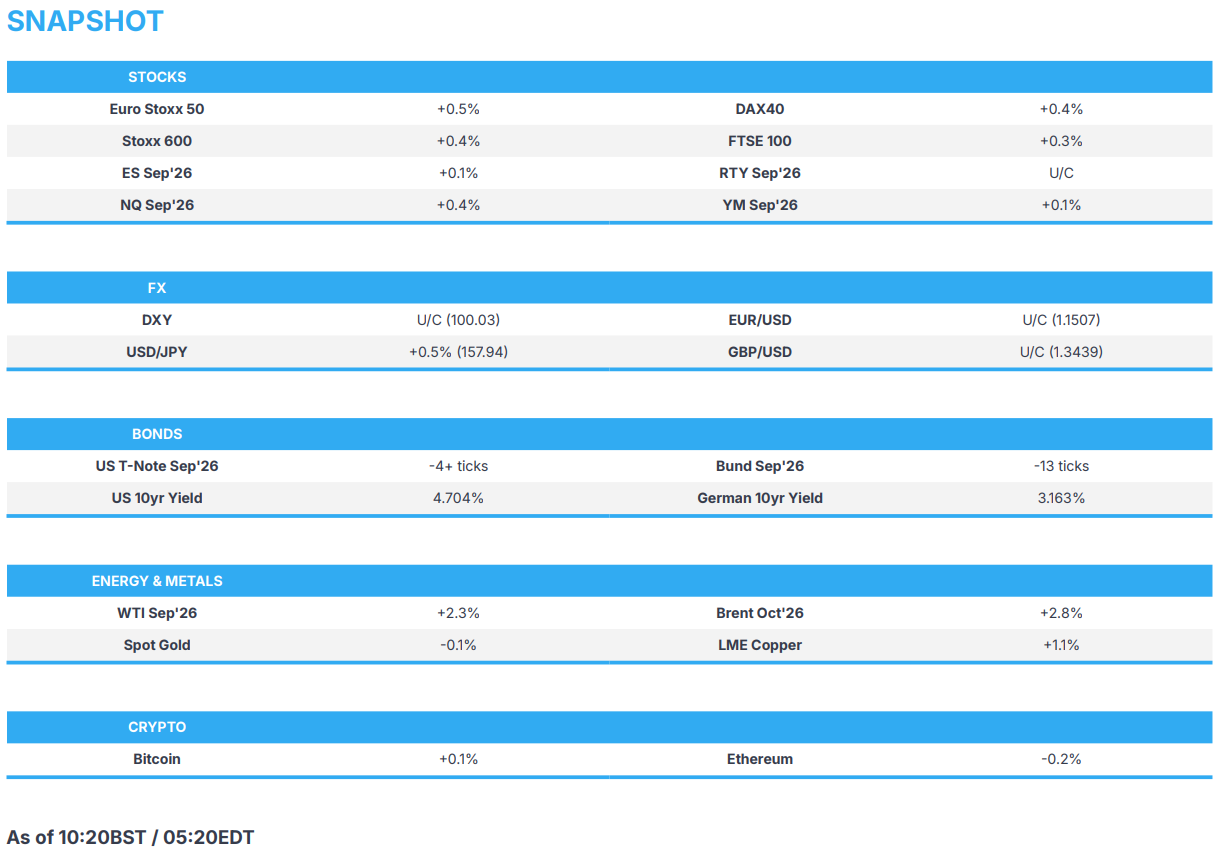
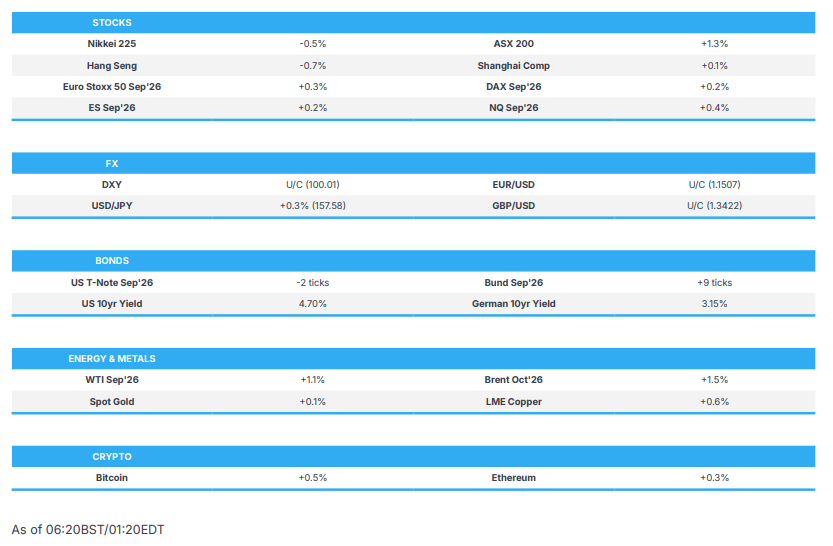









 Dr. Anthony Fauci, former director of the National Institute of Allergy and Infectious Diseases at the National Institutes of Health, testifies before the Senate Committee on Homeland Security and Governmental Affairs in Washington on July 29, 2026. Madalina Kilroy/The Epoch Times


 A farmer washes lettuce in a backyard urban farm in Los Angeles, on March 25, 2020. Robyn Beck/AFP via Getty Images




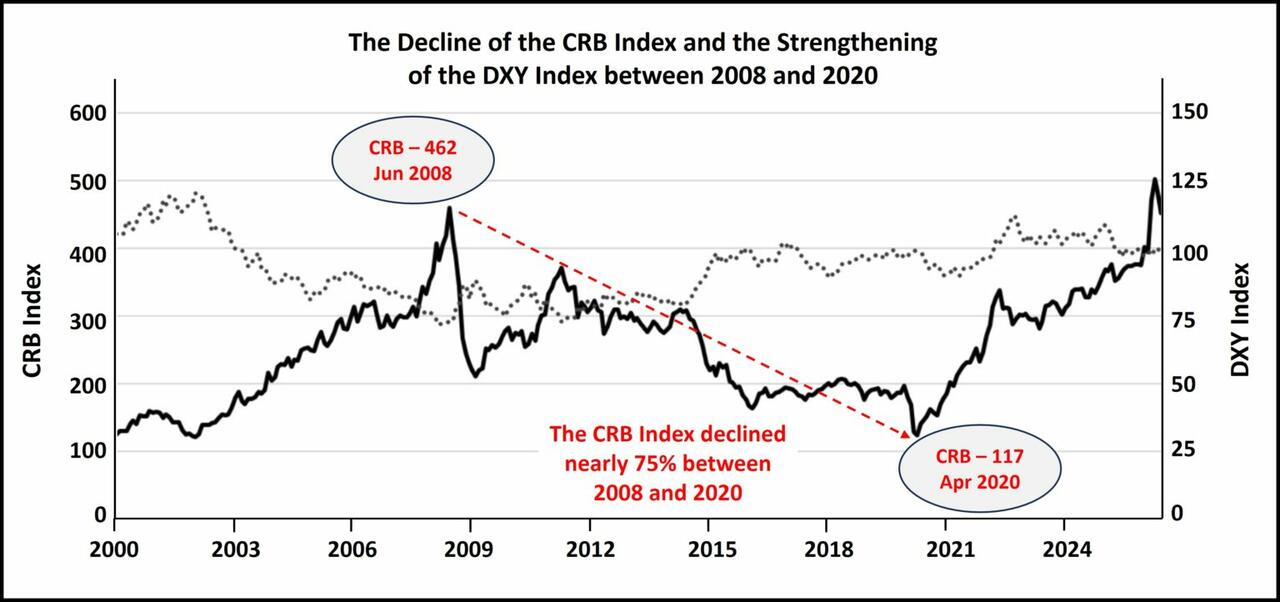


 A large banner is seen at a campaign event for a proposed “billionaire tax” in Los Angeles on Feb. 18, 2026. | Jae C. Hong/AP


