AUGUST 5/GOLD CLOSED UP $148.90 TO $4243.65 WITH SILVER ALSO HAVING A STELLAR DAY UP $2.11 TO $62.08//PLATINUM WAS DOWN 15.50 TO $ 1738,00//PALLADIUM CLOSED UP 12.00 DOLLARS TO $1371.00//GOLD COMMENTARY TONIGHT FROM ALASDAIR MACLEOD//COMMODITY REPORT ON COPPER//REPORTS TONIGHT FROM SPAIN AND FRANCE//ISRAEL VS IRAN UPDATES//HAMAS UPDATES/COVID VACCINE INJURY REPORTS/OIL REPORTS//USA DATA RELEASES/USA ECONOMIC REPORTS/KING NEWS/SWAMP STORIES FOR YOU TONIGHT//
099 H DEUTSCHE BANK AG 73 332 H STANDARD CHARTERED B 15 363 H WELLS FARGO SECURITI 64 555 C BNP PARIBAS SEC CORP 63 555 H BNP PARIBAS SEC CORP 19 661 C JP MORGAN SECURITIES 20 686 C STONEX FINANCIAL INC 4 732 H RBC CAP MARKETS 24
TOTAL: 141 141
JPMORGAN STOPPED 20/141
///
GOLD: NUMBER OF NOTICES FILED FOR AUGUST/2026: 141 CONTRACTs NOTICES FOR 14,100 OZ or 0.4385 TONNES
total notices so far: 14,295 contracts FOR 1,429,500 OZ OR 44.663TONNES
SILVER NOTICES: 71 NOTICE(S) FILED FOR 0.355 MILLION OZ /
total number of notices filed so far this month : 924 CONTRACTS (NOTICES) for 4.620 million oz
Click here if you wish to send a donation. I sincerely appreciate it as this site takes a lot of preparation
GLD AND SLV
BOTH GLD AND SLV ARE FRAUDULENT VEHICLES//THEY ARE NOW RAIDING GLD AND SLV FOR PHYSICAL
GLD
THE CROOKS ARE STEALING GOLD AND SILVER FROM THE GLD/SLV AND REPLACING THE PHYSICAL WITH PAPER DOLLARS.
WITH GOLD UP $148.90 INVESTORS SWITCHING TO SPROTT PHYSICAL (PHYS) INSTEAD OF THE FRAUDULENT GLD/// HUGE CHANGES IN GOLD INVENTORY AT THE GLD: A DEPOSIT OF 3.429 TONNES OF GOLD INTO THE GLD//
INVENTORY RESTS AT 1009.297 TONNES
SLV/
WITH NO SILVER AROUND AND SILVER UP $2.11 AT THE SLV: SMALL CHANGES IN SILVER INVENTORY AT THE SLV A WITHDRAWAL OF 0.206 MILLION OZ FROM THE SLV//: : INVENTORY RESTS AT THE SLV AT 486.467MILLION OZ//
CLOSING INVENTORY: 486.467 MILLION OZ
SILVER//OUTLINE
SILVER COMEX OI ROSE A STRONG SIZED 951 CONTRACTS TO AN OI OF 111,999 STILL A LOT HIGHER FROM ITS NEW RECORD LOW OF 95,999 SET MAY 1/2026. THE RECORD HIGH OI FOR SILVER IS 244,710, SET FEB 25/2020, AND THIS GAIN IN COMEX OI WAS ACCOMPLISHED WITH OUR HUGE GAIN OF $2.20 IN SILVER PRICING AT THE COMEX WITH RESPECT TO TUESDAY’S TRADING. ON THE FIRST OF MAY, WE REACHED OUR RECORD LOW OI OF 95,999 SURPASSING EVERY DAY NEW OI LOWS SET DURING THE LAST WEEK OF APRIL 2026.
NOW ON A NET BASIS OUR SPECULATORS HAVE REVERTED BACK TO GOING SHORT. THE FRBNY ON A NET BASIS IS PROVIDING THE NECESSARY PAPER TO OUR LONG BANKERS AND THEN TENDER FOR PHYSICAL AT 4 PM EACH NIGHT. BECAUSE OF THE HUGE SHORTFALL IN PHYSICAL SILVER IN LONDON THERE IS A LOTTERY TO SEE WHO GETS ANY OF THE PHYSICAL SILVER AVAILABLE THAT WHICH THEY ARE OBLIGATED TO DELIVER. THEY WAIT PATIENTLY FOR THEIR PHYSICAL METAL AND IF NOBODY GETS ANY THEY THEN COME BACK THE NEXT DAY AND SO ON. THIS IS IN LONDON, THE HOME OF PHYSICAL SILVER!! THE FACT THAT WE ARE WITNESSING MANY EXCHANGE FOR PHYSICAL TRANSFERS TO LONDON HIGHLIGHTS THE FACT THAT THE COMEX IS OUT OF SILVER AS WELL.
WE ARE NOW MOVING TO A MUCH LOWER BASE IN SILVER PRICING BREAKING MAJOR SUPPORT LEVEL OF $70.00. SHORTLY WE WILL REVERT BACK TO NUMBERS GREATER THAN 70 DOLLARS PER OZ.
WE HAVE A HUGE GAIN OF 1,365 TOTAL CONTRACTS ON OUR TWO EXCHANGES AS THE CME NOTIFIED US OF A STRONG SIZED 414 CONTRACT EXCHANGE FOR PHYSICAL ISSUANCE , WE HAD HUGE LIQUIDATION OF T.A.S. CONTRACTS IN COMEX TRADING WITH RESPECT TO TUESDAY TRADING// WE HAD A HUGE SIZED 1265 CONTRACT T.A.S. ISSUANCE!! / THEY DESPERATELY AGAIN TODAY TRYING TO CONTAIN SILVER’S PRICE LOSS FOR THE PAST SEVERAL WEEKS (WHERE RAIDS ARE CALLED UPON AGAIN AND AGAIN TRYING TO STOP THE RISE IN SILVER’S PRICE TO ABOVE $100.00 AND TO QUELL ADDITIONAL DERIVATIVE LOSSES TO OUR BANKERS’ MASSIVE TOTALS). THEY FAILED ON MONDAY WITH SILVER’S HUGE GAIN IN PRICE.
THE PRICE STILL FINISHED BELOW THE MAGIC NUMBER OF $70.00 SILVER SPOT PRICE BUT STILL BELOW THE $100.00 MARK CLOSING AT $59.57 UP $2.20. WE ARE NOW WITNESSING HAVING MANY HUGE T.A.S ISSUANCES // TODAY’S WAS A HUGE SIZED 1265 T.A.S. CONTRACTS !!. THE CROOKS ARE BECOMING MORE DESPERATE TO STOP SILVER BREAKING ABOVE THE 100.00 DOLLAR MARK!! AND NOW THE HUGE SUPPORT LEVEL OF 70 DOLLARS HAS BEEN BROKEN// //.MAMMOTH SIZE T.A.S ISSUANCES ARE BECOMING THE NORM AT THE COMEX NOW!!
THERE IS NO NEXT LINE IN THE SAND ONCE THE 100.00 DOLLAR SILVER IS PIERCED AGAIN. WE HAD A STRONG SIZED 414 CONTRACT EXCHANGE FOR PHYSICAL ISSUANCE ACCOMPANIED BY OUR HUGE SIZED 1265 CONTRACT T.A.S ISSUANCE WHICH WILL BE USED FOR RAID PURPOSES//AS THEY PLAY AN INTEGRAL PART IN OUR COMEX TRADING TRYING TO CONTAIN ANY SILVER PRICE RISE
IN ESSENCE WE HAD A HUGE SIZED GAIN OF 1365CONTRACTS ON OUR TWO EXCHANGES WITH OUR HUGE GAIN IN PRICE OF $2.20. WE HAD CONSIDERABLE GOVERNMENT (FRBY) COMEX CONTRACTS TRADING ALL WEEK AND A MAJOR PORTION WILL BE REMOVED BY DAYS END. (I RECORD THIS FOR YOU ON A DAILY BASIS). THE STICKY SPECULATOR LONGS STILL REMAIN STOIC
CRAIG HEMKE HAS POINTED OUT THAT THE CROOKS USE THE MID MONTH FOR MANIPULATION AS THEY SELL THEIR BUY SIDE OF THE CALENDAR SPREAD FIRST AND THEN KEEP THE SELL SIDE TO LIQUIDATE AT A LATER DATE.
THUS WE HAVE TWO VEHICLES THE CROOKS USE FOR MANIPULATION AND BOTH ARE SPREADERS: 1)MONTH’S END/SPREADERS COMEX AND 2/ TAS SPREADERS, THROUGHOUT MONTH. TOTAL TAS ISSUED ON TUESDAY NIGHT/WEDNESDAY MORNING: A HUGE SIZED 1265 CONTRACTS. DESPITE MANY COMPLAINTS THAT THESE CROOKS HAVE VIOLATED POSITION LIMITS DUE TO THE FACT THAT THE TAS ISSUED HAVE A VALUE OF ZERO (AS TO POSITION LIMITS FOR OUR CROOKED FRBNY BANKERS).
THE PROBLEM OF COURSE IS THAT THE CROOKS DO NOT LIQUIDATE THE TAS AS ONE UNIT, BUT SELL THE SHORT SIDE FIRST AND THEN LIQUIDATE THE LONG SIDE TWO MONTHS HENCE. IT IS OBVIOUS MANIPULATION TO THE HIGHEST DEGREE BUT IT NATURALLY FELL ON DEAF EARS WITH OUR REGULATORS (OCC) WHEN THEY RECEIVED OUR COMPLAINTS. IT NOW SEEMS THAT THE OCC HAS NOW ORDERED THE BANKS TO REDUCE ITS NEW LEVEL OF 1.1 TRILLION DOLLARS IN GOLD/SILVER DERIVATIVES.
THUS:
INITIAL STANDING FOR JANUARY: 22.915 MILLION OZ FOLLOWED BY TODAY’S 1.185 MILLION OZ QUEUE JUMP//NEW NORMAL STANDING ADVANCES TO 49.445 MILLION OZ// TO WHICH WE ADD OUR FIRST EXCHANGE FOR RISK FOR .100 MILLION OZ//NEW STANDING ADVANCES TO 49.545 MILLION OZ!!
INTIAL STANDING FOR FEBRUARY/SILVER: 13.505 MILLION OZ FOLLOWED BY TODAY’S HUGE 0.005 MILLION OZ QUEUE JUMP / : NEW STANDING FOR SILVER AT THE COMEX ADVANCES TO 25.180 MILLION OZ. BUT WE MUST ADD OUR FIRST EXCHANGE FOR RISK OF 25 CONTRACTS FOR .125 MILLION OZ AND THEN OUR SECOND EXCHANGE FOR RISK OF .0600 MILLION OZ TO OUR THIRD HUGE 2.825 MILLION OZ EXCHANGE FOR RISK!!
INITIAL STANDING FOR MARCH: A SURPRISINGLY LOW 31.076 MILLION OZ/ FOLLOWED BY A TINY QUEUE JUMP OF XX CONTRACTS OR XXX OZ/NEW STANDING ADVANCES TO 46.060 MILLION OZ
INITIAL STANDING FOR APRIL: 7.120 MILLION OZ FOLLOWED BY TODAY’S 1 CONTRACT QUEUE JUMP WHERE 5,000 OZ WILL TAKE DELIVERY OVER ON THIS SIDE OF THE POND. NEW STANDING FOR SILVER AT THE COMEX THUS ADVANCES SLIGHTLY TO 16.565 MILLION OZ PLUS WE MUST ADD OUR 4TH EXCHANGE FOR RISK ISSUANCE OF 17 CONTRACTS OR 0.085 MILLION OZ. THESE WILL BE ADDED TO OUR OTHER 3 ISSUANCES //NEW TOTAL EXCHANGE FOR RISK//1.165 MILLION OZ// NEW TOTAL SILVER STANDING 17.730 MILLION OZ//
INITIAL STANDING FOR MAY: 31.495 MILLION OZ FOLLOWED BY ANOTHER 3 CONTRACT EXCHANGE FOR PHYSICAL JUMP TO LONDON FOR 0.015 MILLION OZ// AND THEN TO BOOT WE HAD OUR FIRST EXCHANGE FOR RISK ISSUANCE FOR 51 CONTRACTS OR 255,000 OZ MAY 21./STANDING BEFORE EXCHANGE FOR RISK: 32.070 MILLION OZ/NEW STANDING THUS REDUCES TO 32.325 MILLION OZ/.//(32.070 MILLION OZ NORMAL STANDING PLUS .255 MILLION OZ EXCHANGE FOR RISK = 32.325 MILLION OZ)
JUNE INITIAL STANDING FOR SILVER:10.935 MILLION OZ TO WHICH WE ADD OUR NEXT QUEUE JUMP OF 10,000 OZ//NEW STANDING ADVANCES TO 12.970 MILLION OZ// TO WHICH WE ADD OUR FIRST EXCHANGE FOR RISK OF 20 CONTRACTS FOR 100,000 OZ//NEW STANDING ADVANCES TO 13.070 MILLION OZ. (IN EXCHANGE FOR RISK THE BUYER ASSUMES THE RISK AND ONLY A CENTRAL BANK WOULD TAKE THAT RISK. THE BUYER IS PROBABLY THE CENTRAL BANK OF INDIA.)
JULY INITIAL STANDING: 37.110 MILLION OZ FOLLOWED BY A 3 CONTRACT QUEUE JUMP OR 0.015MILLION STANDING ADVANCES TO 45.875 MILLION OZ///
AUGUST INITIAL STANDING 6.240 MILLION OZ FOLLOWED BY TODAY’S FAIR 6 CONTRACT QUEUE JUMP FOR 30,000 OZ//NEW STANDING ADVANCES TO 6.945 MILLION OZ/
SUMMARY OF OUR JULY 2026 COMEX CONTRACT MONTH
WE HAD:
/ HUGE SIZED COMEX GAIN+// STRONG SIZED EFP ISSUANCE CONTRACTS AT 414 CONTRACTS () A HUGE NUMBER OF T.A.S. CONTRACT ISSUANCE 1265 CONTRACTS
I AM NOW RECORDING THE DIFFERENTIAL IN OI FROM PRELIMINARY TO FINAL: ADDED 91 CONTRACTS OF OI SILVER //
HISTORICAL ACCUMULATION OF EXCHANGE FOR PHYSICALS AUGUST.. ACCUMULATION
TOTAL CONTRACTS for 3 DAY(S), total 614 contracts: OR 3.070 MILLION OZ (205 CONTRACTS PER DAY)
TOTAL EFP’S FOR THE MONTH SO FAR: 3.070 MILLION OZ
LAST 48 MONTHS TOTAL EFP CONTRACTS ISSUED IN MILLIONS OF OZ:
MAY 137.83 MILLION
JUNE 149.91 MILLION OZ
JULY 129.445 MILLION OZ
AUGUST: MILLION OZ 140.120
SEPT. 28.230 MILLION OZ//
OCT: 94.595 MILLION OZ
NOV: 131.925 MILLION OZ
DEC: 100.615 MILLION OZ
YEAR 2022:
JAN 2022-DEC 2022
JAN 2022// 90.460 MILLION OZ
FEB 2022: 72.39 MILLION OZ//
MARCH 2022: 207.140 MILLION OZ//A NEW RECORD FOR EFP ISSUANCE
APRIL: 114.52 MILLION OZ FINAL//LOW ISSUANCE
MAY: 105.635 MILLION OZ//
JUNE: 94.470 MILLION OZ
JULY : 87.110 MILLION OZ
AUGUST: 65.025 MILLION OZ
SEPT. 74.025 MILLION OZ///FINAL
OCT. 29.017 MILLION OZ FINAL
NOV: 134.290 MILLION OZ//FINAL
DEC, 61.395 MILLION OZ FINAL
TOTALS YR 2022: 1135.767 MILLION OZ (1.1356 BILLION OZ)
JAN 2023/// 53.070 MILLION OZ //FINAL
FEB: 2023: 100.105 MILLION OZ/FINAL//MUCH STRONGER ISSUANCE VS THE LATTER TWO MONTHS.
MARCH 2023: 112.58 MILLION OZ//FINAL//STRONG ISSUANCE
APRIL 111.035 MILLION OZ(SLIGHTLY GREATER THAN THAN LAST MONTH)
MAY 66.120 MILLION OZ/INITIAL (MUCH SMALLER THIS MONTH)
JUNE: 110.395 MILLION OZ//MUCH LARGER THAN LAST MONTH
JULY 85.745 MILLION OZ (SMALLER THAN LAST MONTH)
AUGUST: 171.43 MILLION OZ (THIS MONTH IS GOING TO BE HUGE //2ND HIGHEST ON RECORD
SEPT: 72.705 MILLION OZ (SMALLER THIS MONTH)
OCT: 97.455 MILLION OZ
NOV. 50.050 MILLION OZ
DEC. 66.140 MILLION OZ//
TOTAL 2023: 1,104.10 MILLION OZ/
JAN ’24 : 78.655 MILLION OZ//
FEB /2024 : 66.135 MILLION OZ./FINAL
MARCH: 143.750 MILLION OZ// 4TH HIGHEST ON RECORD.
APRIL: 161.770 MILLION OZ (THIS MONTH WILL BE A WHOPPER OF ISSUANCE OF EFPS//3RD HIGHEST EVER RECORDED FOR A MONTH)
MAY: 135.995 MILLION OZ //WILL BE A STRONG MONTH FOR EXCHANGE FOR PHYSICAL ISSUANCE
JUNE 110.575 MILLION OZ ( WILL BE ANOTHER STRONG MONTH ISSUANCE)
JULY: 108.870 MILLION OZ (WILL BE A STRONG ISSUANCE MONTH/ A TOUCH OVER 100 MILLION OZ/)
AUGUST; 99.740 MILLION OZ//THIS MONTH WILL BE STRONG FOR ISSUANCE BUT LESS THAN JULY.
SEPT: 112.415 MILLION OZ//WILL BE A HUGE MONTH FOR EXCHANGE FOR PHYSICAL ISSUANCE
OCT; 97.485 MILLION OZ (WILL BE SMALLER ISSUANCE THIS MONTH )
NOV. 115.970 MILLION OZ ( HUGE THIS MONTH)
DEC: 132.54 MILLION OZ (THIS MONTH WILL BE A HUMDINGER FOR ISSUANCE BUT ISSUANCE SLOWED DRAMATICALLY THESE PAST FIVE DAYS/// WILL NOT EXCEED MARCH 2022 RECORD OF 209 MILLION OZ
YEAR 2024 TOTAL: 1363.84 MILLION OR 1.363 BILLION OZ
JANUARY 2025: 67.230 MILLION OZ///(THIS MONTH’S ISSUANCE OF EXCHANGE FOR PHYSICAL WILL BE SMALL)
FEB. 58.260 MILLION OZ//EXCHANGE FOR PHYSICAL ISSUANCE/FINAL
MARCH: 67.020 MILLION OZ///QUITE SMALL AND BECOMING SMALLER EACH AND EVERY MONTH.
APRIL: 100.895 MILLION OZ///AVERAGE SIZE ISSUANCE
MAY: 28.975 MILLION OZ (ISSUANCE WILL BE QUITE SMALL THIS MONTH)
JUNE: 81.065 MILLION OZ
JULY: 50.925 MILLION OZ (QUITE SMALL)
AUGUST: 59.455 MILLION OZ (QUITE SMALL)
SEPT. 50.510 MILLION OZ.(QUITE SMALL)
OCT; 82.020 MILLION OZ (WILL BE STRONG THIS MONTH)/ OCC WANTS TO REIN IN THESE ISSUANCES!
NOVEMBER: 36.425 MILLION OZ
DEC: 45.765 MILLION OZ
JANUARY 2026: 134.270 MILLION OZ (WILL BE A VERY STRONG MONTH FOR EXCHANGE FOR PHYSICAL!)
FEB : 82.130 MILLION OZ
MARCH: 56.075 MILLION OZ
APRIL; 44.44 MILLION OZ//FINAL.. SMALL THIS MONTH.
MAY 59.79 MILLION OZ
JUNE. 64.065 MILLION OZ//FINAL AND FAIR SIZED THIS MONTH.
JULY: 38.335 MILLION OZ
AUGUST: 3.070 MILLION OZ.
RESULT: WE HAD A HUGE SIZED INCREASE IN COMEX OI SILVER COMEX CONTRACTS OF 951 CONTRACTS WITH OUR GAIN IN PRICE OF $2.20 IN SILVER PRICING AT THE COMEX// TUESDAY,. THE CME NOTIFIED US THAT WE HAD A STRONG SIZED CONTRACT EFP ISSUANCE OF 414 CONTRACTS ISSUED FOR SEPT, AND 0 CONTRACTS ISSUED FOR ALL OTHER MONTHS).
INITIAL STANDING: 6.240MILLION OZ FOLLOWED BY TODAY’S 30,000 OZ QUEUE JUMP//STANDING ADVANCES TO 6.945 MILLION OZ
LAST 17 MONTHS OF SILVER DELIVERIES
WE FINISHED APRIL WITH A STRONG SILVER OZ STANDING OF 16.050 MILLION OZ NORMAL DELIVERY , PLUS OUR 4.00 MILLION EX FOR RISK
FINAL STANDING APRIL: 19.965 MILLION OZ
AND MAY:
NEW STANDING FOR MAY FINISHES AT: 75.615 MILLION OZ. (INCLUDES 5,000 OZ EFP TRANSFER TO LONDON + 12.93 MILLION OZ EXCHANGE FOR RISK ISSUANCE/PRIOR.//NEW TOTAL STANDING 88.540 MILLION OZ
AND JUNE: FINAL 16.995 MILLION OZ
AND JULY: 46.720 MILLION OZ//
AUGUST: 4.70 MILLION OZ INITIAL STANDING PLUS TODAY;S 5,000 OZ QUEUE JUMP //NEW STANDING ADVANCES TO 10.960 MILLION OZ
SEPTEMBER: 68.040 MILLION OZ NORMAL DELIVERY(INCLUDES ALL QUEUE JUMPING AND EXCHANGE FOR PHYSICAL TRANSFERS) PLUS 3.0 MILLION OZ EX FOR RISK = 71.040 MILLION OZ. (THIS IS THE FIRST AND ONLY ISSUANCE OF EXCHANGE FOR RISK FOR SILVER SINCE MAY.)
OCTOBER: 39.565 MILLION OZ OF NORMAL DELIVERY INCLUDES ALL QUEUE JUMPING
PLUS
2.110 MILLION OZ EXCHANGE FOR RISK//TOTAL OZ STANDING IN OCT ADVAN
NOVEMBER: INITIAL STANDING AT 11.575 MILLION OZ FOLLOWED BY TODAY’S 195,000 OZ QUEUE JUMP WHICH FOLLOWS ALL OTHER QUEUE JUMPS OF 9.155 MILLION OZ//STANDING ADVANCES TO 19.670 MILLION OZ/
DECEMBER: INITIAL AMOUNT STANDING FOR DELIVERY: 49.33 MILLION OZ// FOLLOWED BY ANOTHER STRONG 835,000OZ QUEUE JUMP+ DEC. FIRST EXCHANGE FOR RISK 0F .850 MILLION OZ + LAST WEEK.S 495,000 OZ EXCHANGE FOR RISK AND THEN A 3RD ISSUANCE IF 1.00MILLION OZ THEN FINALLY DEC 249ISSUANCE OF 1.35 MILLION OZ EXCHANGE FOR RISK//NEW TOTAL EX FOR RIS IS 3.685 MILLION OZ // STANDING ADVANCES TO 68.415 MILLION OZ//
JANUARY: INITIAL STANDING 22.915 MILLION OZ FOLLOWED BY TODAY’S 1.185 MILLION OZ QUEUE JUMP//NORMAL STANDING ADVANCES TO 49.445 MILLION OZ// TO WHICH WE ADD OUR FIRST EXCHANGE FOR RISK OF 0.100 MILLLION OZ//NEW STANDING ADVANCES TO 49.545 MILLION OZ
FEB: 13.399 MILLION OZ IS OUR INITIAL STANDING FOR SILVER! TO WHICH WE ADD OUR NEXT QUEUE JUMP FOR 5,000 OZ AND THEN ADD OUR 3 EXCHANGE FOR RISK FOR 3.010 MILLION OZ STANDING ADVANCES TO 28.190 MILLION OZ!!
MARCH: INITIAL AMOUNT OF SILVER STANDING IS 31.076 MILLION OZ FOLLOWED BY A FINAL 0.210 MILLION OZ QUEUE JUMP //NEW TOTAL STANDING ADVANCES TO 46.060 MILLION OZ
APRIL 2026: INITITAL AMOUNT OF SILVER STANDING 7.120 MILLION OZ FOLLOWED BY TODAY’S 5,000 OZ QUUE JUMP //NEW STANDING ADVANCES TO 16.565MILLION OZ PLUS 1.165 MILLION OZ EXCHANGE FOR RISK.NEW TOTALS 17.730 MILLION OZ
MAY: INITIAL AMOUNT OF SILVER WILLING TO STAND; 31.495 MILLION OZ/ TO WHICH WE ADD OUR NEXT EXCHANGE FOR PHYSICAL JUMP OF 15,000 OZ//NEW STANDING REDUCES TO 32.070 MILLION OZ//(FOLLOWING MANY EXCHANGE FOR PHYSICAL TRANSFERS TO LONDON DURING THIS MAY DELIVERY MONTH). THERE SEEMS TO BE A SCARCITY OF SILVER OVER AT THE COMEX). THEN WE ADD OUR FIRST EXCHANGE FOR RISK OF 51 CONTRACTS FOR 255,000 OZ//STANDING ADVANCES TO 32.325 MILLION OZ//
JUNE: INITIAL AMOUNT OF SILVER WILLING TO STAND: 10.935 MILLION OZ PLUS OUR NEXT QUEUE JUMP OF 10,000 OZ//NEW STANDING ADVANCES TO 12.960 MILLION OZ TO WHICH WE ADD OUR FIRST EXCHANGE FOR RISK OF 20 CONTRACTS FOR 100,000 OZ//NEW STANDING ADVANCES TO 13.070 MILLION OZ
JULY : INITIAL STANDING: 37.110 MILLION OZ FOLLOWED BY TODAY’S 15,000 OZ QUEUE JUMP //STANDING THUS ADVANCES TO 45.875 MILLION OZ//
AUGUST 6.240 MILLION OZ FOLLOWED BY TODAY’S 30,000 OZ QUEUE JUMP//STANDING ADVANCES TO 6.945 MILLION OZ/
THE NEW TAS ISSUANCE FOR TODAY (1275) WILL BE PUT INTO “THE BANK” TO BE COLLUSIVELY USED NO DOUBT WITH FUTURE TRADING LIKE TODAY.
WE HAD 71 NOTICE(S) FILED TODAY FOR 0.355 MILLION OZ
THE SILVER COMEX IS NOW BEING ATTACKED FOR METAL BY BANKERS
GOLD//OUTLINE
IN GOLD, THE COMEX OPEN INTEREST ROSE BY A STRONG SIZED 4161 OI CONTRACTS UP TO 371,551 OI AND THIS OI STILL SURPASSES BY A CONSIDERABLE MARGIN THE ALL TIME LOW AT 326,052 SET JUNE3/2026 AND THIS OI IS MUCH FURTHER FROM THE RECORD HIGH (SET JAN 24/2020) AT 799,105 AND PREVIOUS TO THAT: (SET JAN 6/2020) AT 797,110. WE HAVE NOW ADVANCED PAST THE PREVIOUS ALL TIME LOWS OF 357,136 SET APRIL 2/.2026AND 354,581 SET AT THE END OF APRIL 2026. WE ARE STILL QUITE A WAY FROM OUR TWO DECADES OLD: 390,000 CONTRACTS LOW SET IN THE YEAR OF 2001 WITH TRADING FOR GOLD AT $260.00. THUS DURING EARLY APRIL WE HAD AN ALL TIME LOW OI IN COMEX (354,531) BUT WITH AN EXTREMELY HIGH PRICE OF GOLD. IN MAY: RECORD LOW OI OF 326,052 WITH A GOLD PRICE OF $4,460 THE SHORT RATS ARE ABANDONING THE COMEX SHIP, NOBODY WANT TO PLAY IN THIS CROOKED CASINO!! (AND THIS CORRELATES WITH SILVER’S LOW OI OF 104,154 CONTRACTS WITH A MUCH HIGHER SILVER PRICE BASE//$58.00)
THE DIFFERENTIAL FROM PRELIMINARY OI TO FINAL OI IN GOLD TODAY: REMOVED 631 OI CONTRACTS //.
WE HAD A STRONG GAIN OF 8191 CONTRACTS ON OUR TWO EXCHANGES WITH THE GAIN IN PRICE OF $59.75
/
LAST 17 MONTHS OF GOLD DELIVERIES: (MAY 2025 THROUGH TO /AUGUST 2026)
1.MAY SUMMARY FOR MAY TONNES WHICH STOOD FOR DELIVERY:
FINAL STANDING FOR MAY: 70.174 TONNES OF GOLD TO WHICH WE ADD 1. MONDAY’S (MAY 19) 6.221 TONNES EXCHANGE FOR RISK , 2. THEN WE ADD: 1.35 TONNES TO LAST WEEK”S. THEN WE ADD 3. 1.55 TONNES TO EQUAL 9.591 TONNES// NEW EXCHANGE FOR RISK = 9.591 TONNES WHICH MUST BE ADDED TO OUR NORMAL DELIVERY SCHEDULE OF 80.644 TONNES. THUS STANDING FOR MAY INCREASES TO 90.235 TONNES OF GOLD
2 JUNE CONTRACT MONTH: 93.085 TONNES OF GOLD (WHICH INCLUDES ALL QUEUE JUMPING AND 0 EX FOR RISK)
3.JULY INITIIAL STANDING FIRST DAY NOTICE: 17.847 TONNES. PLUS TODAY’S 0 TONNES QUEUE JUMP + 1.555 TONNES EX FOR RISK + 2.195 TONNES EX FOR RISK TODAY = 41.106 TONNES STANDING
4. AUGUST: 60.547 TONNES OF INITIAL GOLD FIRST DAY NOTICE FOLLOWED BY THE NET MONTH’S QUEUE JUMP OF 47.2312 TONNES TO WHICH WE ADD THE FOLLOWING EXCHANGE FOR RISK ISSUANCE RECEIVED FOR THE MONTH: 5.4432 TONNES EX FOR RISK/AUG 7 , AUG 11: 2.413 TONNES EX FOR RISK AND AUG. 12 OF 2.
5.SEPT: INITIAL 8.093 TONNES OF GOLD PLUS TODAY’S QUEUE JUMP OF 0.4883 TONNES PLUS 2.2827 TONNES OF EXCHANGE FOR RISK TODAY//NEW TOTAL EX. FOR RISK/MONTH = 22.923//NEW TOTAL STANDING FOR GOLD SEPT ADVANCES TO = 48.801 TONNES!!
6.OCTOBER: 90.012 TONNES OF INITIAL GOLD STANDING WITH TODAY’S TINY 0.00311 TONNES QUEUE JUMP WHICH FOLLOWS ALL OTHER QUEUE JUMPS DURING OCT OF 76.1656 TONNES
THEN WE MUST ADD OUR 14.553 TONNES OF OUR ISSUANCE OF EXCHANGE FOR RISK/6 OCCASIONS//NEW TOTAL OF GOLD STANDING ADVANCES TO 197.5141 TONNES OF GOLD.
7.NOVEMBER BEGINS WITH 15.651 TONNES INITIALLY STANDING FOR DELIVERY FOLLOWED BY TODAY’S QUEUE JUMP OF 2.323 TONNES FOLLOWED BY ALL PREVIOUS QUEUE JUMPS IN OF OF 21.3775 TONNES TO WHICH WE ADD OUR TWO EXCHANGE FOR RISK ISSUANCE OF 4.5596 TONNES//NEW STANDING ADVANCES TO 43.9716 TONNES OF GOLD.
8. DECEMBER BEGINS WITH INITIAL STANDING OF 83.813 TONNES OF GOLD FOLLOWED BY TODAY’S 0.0TONNE QUEUE JUMP WHICH FOLLOWS ALL OTHER QUEUE JUMPS OF: 37.163 TONNES//NEW STANDING ADVANCES TO 115.390 TONNES TO WHICH WE ADD OUR 4 EXCHANGE FOR RISK FOR DECEMBER OF 6.587 TONNES/NEW STANDING ADVANCES TO 121.977 TONNES
9. JANUARY: INITITAL STANDING: 13.785 TONNES TO WHICH WE ADD OUR FIRST EXCHANGE FOR PHYSICAL TRANSFER OF 0.08709 TONNES WHICH FOLLOWS ALL OTHER QUEUE JUMPS OF 30.7117TONNES //NEW TOTAL QUEUE JUMPS 30.7117//NORMAL DELIVERY OF GOLD ADVANCES TO 36.8958 TONNES TO WHICH WE ADD OUR SIX EXCHANGE FOR RISK OF 22.315 TONNES//NEW STANDING ADVANCES TO 59.2108 TONNES.
FEB; INITIAL AMOUNT OF GOLD STANDING FOR DELIVERY: 93.567 TONNES OF GOLD TO WHICH WE ADD OUR NEXT 0.0248 TONNES 0.1555 TONNES QUEUE JUMP TO 41.2082 TONNES/ NEW NET QUEUE JUMP INCREASES TO 41.233 TONNES// AND THEN WE ADD OUR SIX EXCHANGE FOR RISK: 10,080 CONTRACTS OR 31.251 TONNES//NEW STANDING REDUCES TO 157.878 TONNES
MARCH:: INITIAL AMOUNT OF GOLD STANDING FOR DELIVERY: 8.099 TONNES TO WHICH WE ADD TODAY’S FAIR 4600 OZ QUEUE JUMP (0.2320 TONNES) AND THEN WE ADD OUR THREE EXCHANGE FOR RISK OF 22.3818 TONNES //NEW STANDING ADVANCES TO 67.6648 TONNES/
APRIL: INITIAL AMOUNT OF GOLD STANDING FOR DELIVERY: 52.600 TONNES FOLLOWED BY OUR 345 CONTRACT QUEUE JUMP FOR 34,500 OZ/ (1.073 TONNES)/NEW STANDING ADVANCES TO 70.286 TONNES TO WHICH WE ADD OUR 2ND EXCHANGE FOR RISK OF 1498 CONTRACTS FOR 149800 OZ OR 4.659 TONNES. THE NEW TOTAL EXCHANGE FOR RISK FOR THE MONTH OF APRIL IS 2239 CONTRACTS OR 223900 OZ OR 6.964 TONNES AND THIS WILL BE ADDED TO OUR NORMAL DELIVERY TOTALS (70.762 TONNES) TO GIVE US WHAT WILL STAND IN APRIL (77.726 TONNES)
MAY: INITIAL AMOUNT OF GOLD WILLING TO STAND: 12.24 TONNES OF GOLD TO WHICH WE ADD OUR NEXT QUEUE JUMP OF 345 CONTRACTS OR 34500 OZ (1.073 TONNES) TO WHICH WE ADD OUR FIVE EXCHANGE FOR RISK ISSUANCES FOR 24.635 TONNES/STANDING NOW ADVANCES TO 51.554 TONNES OF GOLD.
JUNE; INITIAL AMOUNT OF GOLD WILLING TO STAND; 64.496 TONNES.(CME CORRECTED) TO WHICH WE ADD OUR NEXT EXCHANGE FOR PHYSICAL TRANSFER OF 0.0186 TONNES/NEW STANDING REDUCES TO 127.03 TONNES
JULY: INITIAL AMOUNT OF GOLD WILLING TO STAND: 23.306 TONNES TO WHICH WE ADD OUR NEXT QUEUE JUMP OF 0.000 TONNES/ TO WHICH WE ADD OUR FIRST EXCHANGE FOR RISK 0F 0.0062 TONNES/NEW STANDING ADVANCES TO 40.824TONNES
AUGUST INITIAL STANDING 48.687 TONNES TO WHICH WE ADD OUR FIRST 0.0715 TONNES EXCHANGE FOR RISK AND THEN OUR NEXT QUEUE JUMP OF 0.2530 TONNES//STANDING ADVANCES TO 49.7975 TONNES
E.F.P. ISSUANCE/FOR OPENING AUG GOLD CONTRACT
THE CME RELEASED THE DATA FOR EFP ISSUANCE AND IT TOTALED A STRONG SIZED 4030 CONTRACTS:
The NEW COMEX OI FOR THE GOLD COMPLEX RESTS AT 371,551 SURPASSING THE PREVIOUS ALL TIME LOW OF 326,052 SET JUNE 3 AND RISING FROM OUR PREVIOUS RECORD LOW//MAY 28.2026 WE HAVE THUS RECORD LOW COMEX OI WITH A HIGH PRICE OF GOLD
SILVER ALSO HAS AN ULTRA SMALL SIZED AND EXTREMELY LOW COMEX OI OF 111,999 CONTRACTS// STILL ABOVE FROM PREVIOUS ALL TIME LOWS SET DURING THE MONTH OF APRIL AND MAY FIRST.
IN ESSENCE WE HAVE A STRONG GAIN IN TOTAL CONTRACTS IN GOLD ON THE TWO EXCHANGES OF 8191 CONTRACTS WITH 4161 CONTRACTS DECREASED AT THE COMEX// AND A STRONG SIZED 4030 EXCHANGE FOR PHYSICAL OI CONTRACT ISSUANCE WHICH NAVIGATED OVER TO LONDON.
THUS TOTAL OI GAIN ON THE TWO EXCHANGES OF 8191 CONTRACTS.. WE HAD THE FOLLOWING TAS CONTRACTS INITIATED (ISSUED): A SMALL SIZED AND CRIMINAL 897 CONTRACTS AND THESE ISSUANCES ARE GENERALLY USED TO INITIATE A RAID WHEN CALLED .
GOLD PRICE ROSE BY $59.75
CALCULATIONS ON GAIN/LOSS ON OUR TWO EXCHANGES
WE HAD A STRONG SIZED ISSUANCE IN EXCHANGE FOR PHYSICALS CONTRACT (4030) ACCOMPANYING THE STRONG GAIN IN COMEX OI OF 4161 CONTRACTS/TOTAL GAIN FOR OUR THE TWO EXCHANGES 8191 CONTRACTS!! WITH THE GAIN IN PRICE.
WE HAVE 1) NOW REVERTED TO OUR FORMAT OF BANKER (FRBNY) GOING ON THE LONG SIDE AND HUGE NUMBERS OF NEWBIE SPECULATORS GOING TO THE SHORT SIDE LED BY THE NOSE BY OUR HIGH FREQUENCY TRADERS.. IT WAS OUR SHORT SPECULATORS THAT WILL BE BRUTALIZED WHEN OUR CENTRAL BANKS TENDER FOR PHYSICAL GOLD WITH THEIR NEWLY BOUGHT GOLD FROM THE SPECS THIS MORNING. THE SPECS WILL BE SCRAMBLING LOOKING FOR PHYSICAL GOLD TO DELIVER TO OUR LONG CENTRAL BANKS.
STANDING FOR THE LAST 8 MONTHS JANUARY TO AUGUST:
FINAL STANDING FOR GOLD, JANUARY CONTRACT AT 59.2108 TONNES OF GOLD
FEBRUARY: INITIAL STANDING FOR GOLD: 157.878 TONNES!! WHICH INCLUDES ALL QUEUE JUMPING, THREE EXCHANGE FOR PHYSICAL TRANSFERS TO LONDON AND OUR SIX ISSUANCES EXCHANGE FOR RISK!!
MARCH: INITIAL STANDING AT 8.099 TONNES TO WHICH WE ADD OUR FINAL DAY: 0.2320 TONNES QUEUE JUMP AND THEN ADD +22.3818 TONNES EXCHANGE FOR RISK//NEW STANDING ADVANCES TO 67.6648 TONNES
APRIL: INITIAL STANDING 52.600 TONNES PLUS 27,800 OZ QUEUE JUMP (0.8648TONNES): NEW STANDING ADVANCES TO 70.286 TONNES PLUS OUR TWO EXCHANGE FOR RISK FOR 223,900 OZ OR 6.964 TONNES/NEW FINAL STANDING: 77.726 TONNES
MAY: INITIAL AMOUNT OF GOLD WILLING TO STAND; 12.24 TONNES TO WHICH WE ADD OUR NEXT QUEUE JUMP FOR 345 CONTRACTS/34,500 OZ// 1.073 TONNES/ THEN WE MUST ADD OUR EXCHANGE FOR RISK ISSUANCE: TOTAL EXCHANGE FOR RISK MAY// 5 OCCASIONS: 24.635 TONNES///NEW FINAL STANDING NOW ADVANCES TO 51.554 TONNES
JUNE: INITIAL AMOUNT OF GOLD WILLING TO STAND: 64.496 TONNES TO WHICH WE ADD OUR NEXT EXCHANGE FOR PHYSICAL TRANSFER JUMP OF 0.0186 TONNES//NEW STANDING 127.03 TONNES//FINAL
JULY: INITIAL AMOUNT OF GOLD WILLING TO STAND: 23.306 TONNES OF GOLD TO WHICH WE ADD OUR NEXT QUEUE JUMP OF 0.0000 TONNES/ PLUS 0.0062 TONNES EX FOR RISK///NEW STANDING FOR GOLD REMAINS AT 40.824TONNES.
AUGUST INITIAL STANDING 48.687 TONNES TO WHICH WE ADD OUR FIRST 0.0715 TONNES EXCHANGE FOR RISK TO OUR NEXT QUEUE JUMP OF 0.2550 TONNES//STANDING ADVANCES TO 49.7975 TONNES
3)HUGE T.A.S. LIQUIDATION IN THE COMEX SESSION AND HUGE GOVT LIQUIDATION // WITH A SMALL GAIN OF EQUITY SHARES/AUGUST HAVING 1)A COMEX GOLD PRICE GAIN ($59.75) AND WE HAD 2) SPEC PILING HUGELY ON THE SHORT SIDE AND WILL BE FRIED TO DEATH COME MONDAY// /// +3. EASTERN CENTRAL BANKERS ALSO PILING INTO THE LONG SIDE. WE HAD A GAIN OF 8161 CONTRACTS ON OUR TWO EXCHANGES AND AS WELL A STRONG AMOUNT OF GOLD WILL STAND FOR DELIVERY IN AUG (49.7975 TONNES). THE SHORT SPECS CONTINUED TO PILE INTO THE SHORT SIDE AND WERE SLAUGHTERED.//, CENTRAL BANKERS THE LONG SIDE AND THEY THEN TENDERED FOR PHYSICAL WITH THEIR PURCHASES OF CONTRACTS../ ALSO, 3)STICKY GOLD’S LONGS WERE REWARDED TUESDAY EVENING AS THEY EXERCISED EFP’S FROM LONDON TO TAKE DELIVERY OF BADLY NEEDED PHYSICAL
4)A STRONG SIZED COMEX OI GAIN 5) V) A STRONG SIZED ISSUANCE OF EXCHANGE FOR PHYSICAL GOLD(4030) AND 6. A SMALL T.A.S. ISSUANCE 897) FOR RAID PURPOSES.!!! AND OUR 5 CONSECUTIVE T.A.S. ISSUANCES HAVE ENDED WEEKS AGO.
ACCUMULATION OF EFP’S GOLD AT J.P. MORGAN’S HOUSE OF BRIBES: (EXCHANGE FOR PHYSICAL) FOR THE MONTH OF AUGUST :
TOTAL EFP CONTRACTS ISSUED: 7631 CONTRACTS OR 763,100 OZ OR 23.736 TONNES IN 3 TRADING DAY(S) AND THUS AVERAGING: 2543 EFP CONTRACTS PER TRADING DAY
TO GIVE YOU AN IDEA AS TO THE SIZE OF THESE EFP TRANSFERS : THIS MONTH IN3 TRADING DAY(S) IN TONNES: 23.736 TONNES
TOTAL ANNUAL GOLD PRODUCTION, 2025, THROUGHOUT THE WORLD EX CHINA EX RUSSIA: 3555 TONNES
THUS EFP TRANSFERS REPRESENTS 23.736 TONNES DIVIDED BY 3550 x 100% TONNES = 0.668% OF GLOBAL ANNUAL PRODUCTION
SEPT 142.12 TONNES FINAL ISSUANCE ( LOW ISSUANCE)_
OCT: 141.13 TONNES FINAL ISSUANCE (LOW ISSUANCE)
NOV: 312.46 TONNES FINAL ISSUANCE//NEW RECORD!! (INCREASING DRAMATICALLY)//SIGN OF REAL STRESS//SURPASSING THE MARCH 2021 RECORD OF 276.50 TONNES OF EFP
DEC. 175.62 TONNES//FINAL ISSUANCE//
TOTALS: 2,578.08 TONNES/2021
JAN:2023 247.25 TONNES //FINAL
FEB: 196.04 TONNES//FINAL
MARCH/2022: 409.30 TONNES //FINAL( THIS IS NOW A RECORD EFP ISSUANCE FOR MARCH AND FOR ANY MONTH.
APRIL: 169.55 TONNES (FINAL VERY LOW ISSUANCE MONTH)
MAY: 247.44 TONNES FINAL//
JUNE: 238.13 TONNES FINAL
JULY: 378.43 TONNES FINAL/SECOND HIGHEST ON RECORD
AUGUST: 180.81 TONNES FINAL
SEPT. 193.16 TONNES FINAL
OCT: 177.57 TONNES FINAL ( MUCH SMALLER THAN LAST MONTH)
NOV. 223.98 TONNES//FINAL ( MUCH LARGER THAN PREVIOUS MONTHS//comex running out of physical)
DEC: 185.59 tonnes // FINAL
TOTAL: 2,847,25 TONNES/2022
JAN 2024: 228.49 TONNES FINAL//HUGE AMOUNT OF EFP’S ISSUED THIS MONTH!!
FEB: 151.61 TONNES/FINAL
MARCH: 280.09 TONNES/INITIAL (ANOTHER STRONG MONTH FOR EFP ISSUANCE)
APRIL: 197.42 TONNES
MAY: 236.67 TONNES (A VERY STRONG ISSUANCE FOR THIS MONTH)
JUNE: 172.667 TONNES (WEAKER ISSUANCE THIS MONTH)
JULY: 151.69 TONNES (WEAKER THAN LAST MONTH)
AUGUST: 195.28 TONNES (A STRONGER MONTH)//FINAL
SEPT: 254.709 TONNES (WILL BE LARGER THAN LAST MONTH AND A STRONG MONTH)
OCT. 248.09 TONNES. LIKE SILVER, THIS MONTH IS GOING TO BE A STRONG E.F.P. ISSUANCE.
NOV. 239.16 TONNES//WILL BE STRONG THIS MONTH,
DEC. 213.704 TONNES. A STRONG MONTH//
TOTAL FOR YEAR 2023: 2,569.57 TONNES
2025: AND NOW 2026
JAN. 2025: 257.919 TONNES (ISSUANCE WILL BE PRETTY GOOD THIS MONTH BUT MUCH LOWER THAN LAST MONTH)
FEB: 207.21 TONNES//EX FOR PHYSICAL ISSUANCE (WILL BE A FAIR SIZED ISSUANCE THIS MONTH)
MARCH 130.84 TONNES//QUITE SMALL THIS MONTH.
APRIL; 208.57 TONNES. STRONG THIS MONTH
MAY: 113.499 TONNES OF GOLD EFP ISSUANCE//QUITE SMALL THIS MONTH
JUNE: 97.79 TONNES OF GOLD EFP ISSUANCE/EXTREMELY SMALL
JULY : 150.877 TONNES// QUITE SMALL
AUGUST: 175.86 TONNES A LOT LARGER THIS MONTH.
SEPT. 116.13 TONNES VERY SMALL
OCT. 252.72 TONNES//CERTAINLY MUCH LARGER THIS MONTH/VERY STRONG
NOV: 124.74 TONNES
DEC: 190.04 TONNES//GOOD SIZED THIS MONTH FINAL.
TOTAL EXCHANGE FOR PHYSICAL ISSUED FOR YEAR 2025: 2,026.20 TONNES (LOWER THAN LAST YR 2,569.00 TONNES
YEAR 2026:
JANUARY: 209.08 TONNES ( (WILL BE A STRONG MONTH FOR EXCHANGE FOR PHYSICAL)
FEB. 176.35 TONNES (WHICH IS A FAIR ISSUANCE)
MARCH: 214.67 TONNES//WILL BE STRONG ISSUANCE THIS MONTH
APRIL; 88.00 TONNES// WILL BE VERY SMALL THIS MONTH
MAY 118.430 TONNES
JUNE: 142.053 TONNES
JULY: 163.82 TONNES
AUGUST: 23.736TONNES
SPREADERS:
HERE IS A BRIEF SYNOPSIS OF HOW THE CROOKS FLEECE UNSUSPECTING LONGS
YOU WILL ALSO NOTICE THAT THE COMEX OPEN INTEREST STARTS TO RISE BUT SO IS THE OPEN INTEREST OF SPREADERS. THE OPEN INTEREST IN WILL CONTINUE TO RISE UNTIL ONE WEEK BEFORE FIRST DAY NOTICE OF AN UPCOMING ACTIVE DELIVERY MONTH (OCT), AND THAT IS WHEN THE CROOKS SELL THEIR SPREAD POSITIONS BUT NOT AT THE SAME TIME OF THE DAY. THEY WILL USE THE SELL SIDE OF THE EQUATION TO CREATE THE CASCADE (ALONG WITH THEIR COLLUSIVE FRIENDS) AND THEN COVER ON THE BUY SIDE OF THE SPREAD SITUATION AT THE END OF THE DAY. THEY DO THIS TO AVOID POSIT
WHAT IS ALARMING TO ME, ACCORDING TO OUR LONDON EXPERT ANDREW MAGUIRE IS THAT THESE EFP’S ARE BEING TRANSFERRED TO WHAT ARE CALLED SERIAL FORWARD CONTRACT OBLIGATIONS AND THESE CONTRACTS ARE LESS THAN 14 DAYS. ANYTHING GREATER THAN 14 DAYS, THESE MUST BE RECORDED AND SENT TO THE COMPTROLLER, GREAT BRITAIN TO MONITOR RISK TO THE BANKING SYSTEM. IF THIS IS INDEED TRUE, THEN THIS IS A MASSIVE CONSPIRACY TO DEFRAUD AS WE NOW WITNESS A MONSTROUS TOTAL EFP’S ISSUANCE AS IT HEADS INTO THE STRATOSPHERE.
The crooks also use the spread in the TAS account (trade at settlement). They buy the spot TAS (e.g. June) and sell the future TAS two months out (e.g. August). Then they unload the front month (i.e. unload the buy side first so the price of gold/silver falls. This occurs in the middle of the front delivery month cycle. They unload the sell side of the equation, two months down the road. The crooks violate position limits as the OCC refuse to hear our complaints.
First, here is an outline of what will be discussed tonight:
SILVER:
1.TODAY WE HAD THE OPEN INTEREST AT THE COMEX IN SILVER ROSE BY A HUGE 951 CONTRACTS TO AN OI OF 111,999
EFP ISSUANCE 414 CONTRACTS
OUR CUSTOMARY MIGRATION OF COMEX LONGS CONTINUE TO MORPH INTO LONDON FORWARDS AS OUR BANKERS USED THEIR EMERGENCY PROCEDURE TO ISSUE:
SEPT 414 CONTRACTS and 0 ALL OTHER MONTHS: ZERO. TOTAL EFP ISSUANCE: 0 CONTRACTS. EFP’S GIVE OUR COMEX LONGS A FIAT BONUS PLUS A DELIVERABLE PRODUCT OVER IN LONDON. IF WE TAKE THE COMEX OI GAIN OF 951 CONTRACTS AND ADD TO THE 414 E.FP. ISSUED
WE OBTAIN A HUGE GAIN OF 1365 OI OPEN INTEREST CONTRACTS FROM OUR TWO EXCHANGES WITH OUR GAIN OF $2.20
THUS IN OUNCES, THE GAIN ON THE TWO EXCHANGES TOTAL 6.825 MILLION PAPER OZ
STANDING ADVANCES TO 6.945 MILLION OZ
SILVER PRICE GAIN $2.20
2.ASIAN AFFAIRS AUGUST 5 /2025
SHANGHAI CLOSED UP 56.15 PTS OR 1.47%
HANG SENG CLOSED UP 62.90 PTS OR 0.24%
Nikkei CLOSED UP 2300.47 PTS OR 3.60%
//Australia’s all ordinaries CLOSED DOWN 0.05%
//Chinese yuan (ONSHORE) CLOSED UP TO 6.7494
/ OFFSHORE CLOSED UP AT 6.7491 Oil UP TO 76.00 dollars per barrel for WTI and BRENT UP TO 80.42 Stocks in Europe OPENED ALL GREEN
ONSHORE USA/ YUAN// WITH YUAN TRADING UP (6.7494 OFFSHORE YUAN TRADING UP TO 6.7491)ONSHORE YUAN TRADING BELOW LEVEL OF OFF SHORE AND UP ON THE DOLLAR// / AND THUS STRONGER/OFF SHORE YUAN TRADING UP AGAINST US DOLLAR/ AND THUS STRONGER
XXXXXXXXXXXXXXXXXXXXXXXXXXXXXXXXXXXXX
XXXXXXXXXXXXXXXXXXXXXXXXXXXXXXXXXXXXX
XXXXXXXXXXXXXXXXXXXXXXXXXXXXXXXXXXXXX
XXXXXXXXXXXXXXXXXXXXXXXXXXXXXXXXXXXXX
1. COMEX DATA//AMOUNTS STANDING//VOLUME OF TRADING/INVENTORY MOVEMENTS
GOLD
LET US BEGIN:
THE TOTAL COMEX GOLD OPEN INTEREST ROSE BY A STRONG 4161 CONTRACTS TO 371,551 STILL WELL ABOVE ITS NEW LOW OF 326,052 OI SET JUNE 3, CLOSE TO THE PREVIOUS ALL TIME LOW OF 345,705 SET (MAY 28) AND CLOSE TO THE PREVIOUS ALL TIME LOW IN OI OF 353,490 SET MAY 27.. PREVIOUS TO THAT THE ALL TIME LOW IN OI WAS 390,000 SET IN THE YEAR 2001 WHEN GOLD WAS TRADING $260.00. THE CME SHOULD BE PROUD OF THEMSELVES AS MANY HAVE ABANDONED THIS CROOKED ARENA!!THUS OUR NEW ALL TIME LOW OF COMEX OI HAS NOW BEEN SET AT 326,052 //JUNE 3 2026 WITH GOLD AT AN EXTREMELY HIGH $4,450.00 WHICH MAKES ABSOLUTELY NO SENSE!!!
WE HAD ZERO T.A.S. LIQUIDATION DURING TUESDAY’S COMEX TRADING/. IT SEEMS THAT MANY OF THE SPECULATORS THAT HAVE NOW CONTINUED AGAIN TO BE ON THE SHORT SIDE WITH BANKERS ON THE LONG SIDE AND THESE GUYS WERE OBLITERATED YESTERDAY WHEN THE LONGS TENDERED FOR DELIVERY:
CENTRAL BANKS TENDERED THEIR NEW LONG CONTRACTS AT THE END OF THE DAY FOR PHYSICAL GOLD. YOU CAN VISUALIZE THIS WITH THE STRONG AMOUNT OF GOLD STANDING AT THE COMEX FOR THIS JULY CONTRACT MONTH!!
THE STRONG SIZED GAIN ON OUR TWO EXCHANGES (8191 CONTRACTS) OCCURRED WITH OUR GAIN IN PRICE IN GOLD (UP $59.75)
WE THUS HAD A STRONG GAIN IN OI ON BOTH OF OUR EXCHANGES (8191 CONTRACTS), WITH OUR GAIN IN PRICE, AS WE WERE INFORMED OF A STRONG CONTRACT EXCHANGE FOR PHYSICAL ISSUANCE EQUATING TO 4030 CONTRACTS.
THEN WE WERE NOTIFIED TODAY OF A 0 CONTRACT FOR RISK ISSUANCE IN GOLD CONTRACTS FOR 0 OZ OR 0 .0 TONNES OF GOLD. TOTAL THUS SO FAR THIS MONTH: 23 CONTRACTS//2300 OZ OR 0.0715 TONNES
MAY RECORD ISSUANCE OF EXCHANGE FOR RISK:
MAY 22 RECORDS THE HIGHEST EVER EXCHANGE FOR RISK AT 12.4416 TONNES. WE HAD OUR FIRST ISSUANCE FOR EXCHANGE FOR RISK IN THE MONTH OF MAY ON MAY 7, THEN OUR 2ND ISSUANCE FOR OUR MAY GOLD MONTH ON MAY 12. THE THIRD ON MAY 18 , THEN MAY 21 OUR 4TH ISSUANCE AND THEN FINALLY FRIDAY, OUR 5TH ISSUANCE. THIS GOLD WILL BE ADDED TO OUR NORMAL MAY DELIVERIES TO GIVE US OUR FINAL AMOUNT OF GOLD WILLING TO STAND AT THE COMEX..
HISTORY OF EXCHANGE FOR RISK ISSUANCE THIS YEAR: FEBRUARY THROUGH JULY AND AUGUST
FEBRUARY:
DURING THE MIDDLE OF THE FEBRUARY CONTRACT MONTH, WE HAD TWO IDENTICAL MONSTER 3,000 CONTRACT ISSUED FOR THE SAME 9.33 TONNES OF GOLD, AND THESE WERE THE HIGHEST EVER IN TONNAGE EVER ISSUED BY THE COMEX. ALTOGETHER THE TOTAL ISSUANCE FOR FEB TOTALLED SIX.(31.251 TONNES).
MARCH:
THURSDAY MARCH 17 WE RECEIVED ITS INITIAL 2000 CONTRACT EXCHANGE FOR RISK ISSUANCE FOR 6.22 TONNES. LAST FRIDAY: 0 ISSUANCE OF EXCHANGE FOR RISK. BUT ON MONDAY MARCH 23 WE RECEIVED NOTICE OF OUR SECOND EXCHANGE FOR RISK ISSUANCE FOR 2,200 CONTRACTS (220,000 OZ OR 6.843 TONNES) AND NOW FRIDAY WITH A MONSTER 2996 CONTRACTS FOR 9.3138 TONNES. THESE THREE ISSUANCES WILL NOW BE ADDED TO THE REGULAR AMOUNT OF GOLD STANDING, I.E. 22.3818 TONNES TO OUR NORMAL GOLD STANDING TO GIVE US WHAT WILL STAND FOR PHYSICAL GOLD FOR MARCH!
APRIL;: 2 EXCHANGE FOR RISK SO FAR, I.E. 2239 CONTRACTS FOR 223,900 OZ OR 6.964 TONNES AND THIS TOTAL TONNES WILL BE ADDED TO OUR NORMAL DELIVERY TO GIVE US WHAT WILL STAND IN APRIL
MAY: FIVE ISSUANCES SO FAR FOR 7920 CONTRACTS OR 792,000 OZ OR 24.635 TONNES.
JUNE: 0 IN GOLD. THUS FOR THE ENTIRE MONTH IN GOLD ZERO NOTICES WERE FILED.
JULY: 2 FOR 200 OZ OR 0.00622 TONNES
AUGUST: 23 CONTRACTS FOR 2300 OZ OR 0.0715 TONNES
XXXXXXXXXXXXXXXXXXXXXXXXXXXXXXXXX
A LITTLE HISTORY OF EXCHANGE FOR RISK DECEMBER THROUGH TO AUGUST:
IN DECEMBER WE HAVE RECORDED 5 ISSUANCES OF EXCHANGE FOR RISK/4 FOR DEC AND THE LAST ONE ON DEC 31 FOR JANUARY. WE NOW HAVE 3 CHOICES FOR THE RECIPIENT OF THIS ISSUANCE AND IT MUST BE A CENTRAL BANK. YOU WILL RECALL THAT THE BUYER ASSUMES THE RISK OF THAT DELIVERY. (THUS TOTAL EXCHANGE FOR RISK FOR THE MONTH OF DECEMBER IS 6.56 TONNES/4 OCCASIONS.
MONTH OF JANUARY/EXCHANGE FOR RISK
IN JANUARY THEY HAVE 6 TOTAL ISSUANCE : 3.446 TONNES EARLY, THEN JAN 9 ISSUANCE OF 9,331 TONNES AND THEN JAN 16: 0.1996 TONNES JAN 26: 1.499 TONNES, JAN 27: 3.160 AND FINALLY JAN 29: 4.659 TONNES TONNES//TOTAL EXCHANGE FOR RISK JANUARY 22.315 TONNES WHICH WAS ADDED TO OUR NORMAL DELVERIES.
AND FEBRUARY:
FEB EXCHANGE FOR RISK: NOW 6 ISSUANCES: 10,080 CONTRACTS FOR 1,008,000 OZ OR 31.251 TONNES!
HERE ARE THE CHOICES FOR THE RECIPIENT OF THOSE ISSUANCES:
1 THE CENTRAL BANK OF ENGLAND. BUT THEY RECEIVED CLEARANCE THAT THEIR GOLD IS BACK SO IT IS NOT LIKELY THAT THEY WOULD LIKE TO ADD TO THEIR RESERVES.
2. THE CENTRAL BANK OF THE USA: THE FED. LOGICAL CHOICE AS THEY CLAMOUR TRYING TO REDUCE THEIR 146+ TONNES OF SHORTAGE. HOWEVER THEY SEEM NOT TO BE IN A HURRY TO COVER THEIR HUGE SHORTFALL
3. THE CENTRAL BANK OF CHINA AS THEY BATTLE WITS WITH THE USA.
TOTAL EXCHANGE FOR RISK FOR DECEMBER IS 6.56 TONNES AND THIS WAS ADDED TO OUR NORMAL DELIVERY TOTALS..
THE JANUARY ISSUANCE OF 17.656 TONNES WAS ADDED TO OUR DAILY DELIVERY TOTALS!!
FEBRUARY ISSUANCES 6 FOR; 31.251 TONNES !! AND THIS WAS ADDED TO OUR DELIVERY TOTALS FOR THIS MONTH.
MARCH: CME ANNOUNCES ITS FIRST EXCHANGE FOR RISK FOR 2000 CONTRACTS FOR 200,000 OZ OR 6.22 TONNES OF GOLD DURING THE FIRST WEEK OF MARCH, AND THEN MONDAY, MARCH 22, WE RECEIVED ITS SECOND NOTICE ISSUANCE OF 2200 CONTRACTS OR 220000 OZ (6.843 TONNES). THEN FINALLY WE RECEIVED NOTICE OF OUR THIRD EXCHANGE FOR RISK OF 2996 CONTRACTS OR 9.3188 TONNES. TOGETHER ALL 3 ISSUANCES TOTAL 22.3818 TONNES WHICH WILL BE ADDED TO OUR NORMAL DELIVERY SCHEDULE.
APRIL: 2 EXCHANGE FOR RISK SO FAR FOR 223,900 OZ OR 6.964 TONNES. AND THIS TOTAL WILL BE ADDED TO OUR NORMAL DELIVERY TO GIVE US WHAT WILL STAND FOR APRIL!!
MAY: FIVE ISSUANCES SO FAR FOR 7920 CONTRACTS, 792,000 OZ OR 24.635 TONNES OF GOLD. THIS TOTAL WILL BE ADDED TO OUR NORMAL DELIVERIES IN MAY TO GIVE US WHAT WILL STAND IN MAY.
JUNE: ZERO
JULY 2 FOR 200 OZ OR 0.00622 TONNES. I DOUBT VERY MUCH THAT THIS IS A CENTRAL BANK
AUGUST: 23 CONTRACTS FOR 2300 OZ OR 0.0715 TONNES
DETAILS ON OUR NEW AUG COMEX CONTRACT MONTH//
IN TOTAL WE HAD A STRONG GAIN ON OUR TWO EXCHANGES OF 8161 CONTRACTS WITH OUR GAIN IN PRICE($59.75). HOWEVER, OUR FRIENDLY PHYSICAL LONDON BOYS HAD ANOTHER FIELD DAY AGAIN THROUGHOUT THIS WEEK AS THEY WERE READY FOR THE FRBNY.S CONTINUED ORCHESTRATED ATTACKS VERY EARLY IN THE COMEX SESSIONS AS THEY TRIED TO ABSORB EVERYTHING IN SIGHT FROM THEIR DAILY ATTACKS. LONDONERS EXERCISED THEIR BOUGHT CONTRACTS FOR PHYSICAL GOLD VIA THE EXCHANGE FOR PHYSICAL ROUTE AND THANKED THE FRBNY AND OUR SHORT SPECULATORS FOR THEIR THOUGHTFULNESS.
LONDON ANNOUNCED EARLY IN THE YEAR (AND SCARCITY CONTINUES TO THIS DAY) THAT THEY WERE OUT OF GOLD. WRONGLY IT WAS ATTRIBUTED TO THEIR SHIPPING PHYSICAL GOLD TO COMEX FOR STORAGE DUE TO TRUMP’S INITIATION OF TARIFFS. THE TRUTH OF THE MATTER IS THAT THIS GOLD LEFT LONDON TO OTHER CENTRAL BANKS, AND COMEX BANKS HAVE BEEN PAPERING THEIR LOSSES (DERIVATIVE) WITH KILOBAR ENTRIES. BOTH COMEX AND LBMA ARE WITNESSING MASSIVE AMOUNTS OF GOLD LEAVING THEIR VAULTS.
THE LIQUIDATION OF T.A.S. CONTRACTS THROUGHOUT THE MONTHS OF JUNE/JULY/AUG CONTINUES TO DISTORT OPEN INTEREST NUMBERS GREATLY ALTHOUGH THE T.A.S. ISSUANCES IN GOLD HAVE GENERALLY BEEN ON THE LOW SIDE COMPARED TO SILVER WHICH HAVE BEEN HUGE. TODAY’S NUMBER HOWEVER IS A SMALL SIZED T.A.S ISSUANCE CONTRACTS .THE CME NOTIFIES US THAT THEY HAVE ISSUED 897 T.A.S CONTRACTS. THESE ARE GENERALLY USED FOR RAID PURPOSES TO STOP GOLD’S RISE AND TO TEMPER HUGE LOSSES IN OTC DERIVATIVE BETS.
IT SURE LOOKS LIKE THE BIS HAS SOMEHOW LOOKED THE OTHER WAY WITH ITS GOLD SWAPS WITH THE FRBNY AS THIS ENTITY FOR THE FED REFUSES THE BIS MARCHING ORDERS TO COVER AND THAT MAY EXPLAIN THE STRONG NUMBER OF T.A.S. ISSUANCES IN DECEMBER , JANUARY AND THROUGHOUT FEBRUARY TO GO ALONG WITH OUR HUGE NUMBER OF EXCHANGE FOR RISK ISSUED DURING THESE MONTHS INCLUDING FEBRUARY’S 6 EXCHANGE FOR RISK WHICH ALSO INCLUDED TWO MONSTER 9.3312 TONNE ISSUANCE (FEB 10 AND FEB 12). TOTAL EXCHANGE FOR RISK/FEB EQUALS 31.251 TONNES!! AND MARCH’S THREE ISSUANCES FOR 22.3818 TONNES! OTHER CENTRAL BANKS ARE PAYING ATTENTION AS THEY TAKE DELIVERY OF HUGE AMOUNTS OF PHYSICAL GOLD. APRIL HAD 2 EXCHANGE FOR RISK ISSUANCES FOR 6.694 TONNES. AND MAY WITH ITS 5TH ISSUANCE FOR 12.4436 TONNES///TOTAL EXCHANGE FOR RISK FOR MAY: 24.635 TONNES ISSUED MAY 6 ,MAY 12, MAY 18 MAY 21 AND NOW MAY 22..
THEN IT SLOWS DOWN!
JUNE: ZERO FOR THE MONTH
JULY: 2 SO FAR FOR 200 IZ IR 0.00622 TONNES
AUGUST: 23 CONTRACTS FOR 2300 OZ OR 0.0715 TONNES
WE MUST ALSO REMEMBER THAT THE FRBNY IS SHORT 146+ TONNES OF GOLD, THIS COMMENCED ON JAN 2 2023 AS THEY REFUSE TO COVER DESPITE THE BIS’S PLEA TO DO SO.
HERE IS A SUMMARY OF GOLD STANDING FOR DELIVERY ON OUR LAST 12 MONTHS:
1.APRIL AT 209 TONNES
2. AND THIS CONTINUED INTO MAY WITH FINAL STANDING AT 90.23 TONNES.
3. JUNE WHICH IS A HUGE DELIVERY MONTH , FINAL STANDING WAS RECORDED AT A STRONG 93.085 TONNES. //(TOTAL NET QUEUE JUMPING FOR THE JUNE MONTH: 31.027 TONNES.)
4. IN JULY WE HAD HUGE DELIVERY NOTICES ESPECIALLY FOR A NON ACTIVE DELIVERY MONTH WITH INITIAL STANDING AT 17.947 TONNES PLUS MANY QUEUE JUMPS + 3.75 TONNES EX FOR RISK = 41.106 TONNES OF GOLD // FINAL TOTAL TONNES STANDING JULY: 41.106 TONNES
5. FOR THE MONTH OF AUGUST:
INITIAL AMOUNT OF GOLD STANDING FOR AUGUST: 60.547 TONNES PLUS THE MONTHS HUGE QUEUE JUMPS OF 47.2312 TONNES +44.696 TONNES EX FOR RISK (7 ISSUANCES) //NEW STANDING 152.208 TONNES WHICH IS MONSTROUS!!!
6. FINAL AMOUNT OF GOLD STANDING FOR SEPT; INITIAL STANDING; 2,602 CONTRACTS OR 260,200 OZ FOR 8.093 TONNES OF GOLD FOLLOWED BY TODAY’S 0.4883 TONNES QUEUE JUMP TO GO ALONG WITH TODAY’S 1.244 TONNES OF EXCHANGE FOR RISK ISSUANCE TODAY AND // TOTAL EXCHANGE FOR RISK ISSUANCE SEPT: 22.923 TONNES//NEW TOTALS STANDING ADVANCES TO 48.801 TONNES OF GOLD!!!
7. OCTOBER:
OCTOBER: INITIAL STANDING FOR GOLD: 90.164 TONNES TO WHICH WE ADD OUR LATEST OCT 30 QUEUE JUMP OF 0.00311 TONNES WHICH FOLLOWS OCT 29 QUEUE JUMP OF .4096 WHICH FOLLOWS; OCT 28 QUEUE JUMP OF .5069 TONNES WHICH FOLLOWS OCT 27 OF 0.3048 TONNES WHICH FOLLOWS: OCT 24 OF 0.8615 TONNES, FOLLOWING OCT 23 QUEUE JUMP OF 1.695 TONNES OCT 22 JUMP OF 8.622 TONNES WHICH FOLLOWS OCT 21: 3.8600 TONNES TO OCT 20 QUEUE JUMP OF 7.695 TONNE
SUMMARY FOR OCTOBER STANDING:
NOVEMBER WHERE INITIAL AMOUNT OF GOLD STANDING IS REGISTERED AT 15.651 TONNES OF GOLD FOLLOWED BY TODAY’S QUEUE JUMP OF 2 TONNES AND FOLLOWED BY ALL OTHER NOV QUEUE JUMPS OF 21.3775 TONNES TO WHICH WE ADD OUR TWO EXCHANGE FOR RISK ISSUANCE FOR 4.5596 TONNES.
/STANDING ADVANCES TO 43.9716 TONNES OF GOLD.
DECEMBER: INITIAL AMOUNT OF GOLD STANDING FOR DELIVERY IN THIS ACTIVE MONTH IS 83.813 TONNES FOLLOWED BY TODAY’S 0.05 TONNES QUEUE JUMP. THIS FOLLOWS ALL OTHER QUEUE JUMPING: 37.163 TONNES//NEW STANDING ADVANCES TO 115.390 TONNES TO WHICH WE ADD OUR FOUR EXCHANGE FOR RISK ISSUANCE OF 6.559 TONNES//NEW STANDING THUS INCREASES TO 121.977 TONNES
JANUARY: INITITAL STANDING: 13.785 TONNES TO WHICH WE ADD OUR QUEUE JUMP OF 0.000 TONNES WHICH FOLLOWS ALL OTHER QUEUE JUMPS OF 30.7117TONNES //NEW TOTAL QUEUE JUMPS 30.7117//NORMAL DELIVERY OF GOLD ADVANCES TO 36.8958 TONNES TO WHICH WE ADD OUR SIX EXCHANGE FOR RISK OF 22.315 TONNES//NEW STANDING ADVANCES TO 59.2108 TONNES.
FEBRUARY: . FEBRUARY: INITIAL STANDING: 93.566 TONNES TO WHICH WE ADD OUR NEXT QUEUE JUMP OF 0.0248 TONNES WHICH MUST BE ADDED ALL OTHER QUEUE JUMPS OF 41.2087 TONNES QUEUE JUMP//TOTAL QUEUE JUMP FOR FEB::ADVANCES TO 41.233 TONNES///STANDING ADVANCES TO 126.628 TONNES TO WHICH WE ADD OUR SIX EXCHANGE FOR RISK OF 31.251 TONNES/NEW STANDING FINALIZES AT 157.879 TONNES, ITS HIGHEST STANDING RECORDED IN OVER 4 YEARS.
MARCH: INITIAL STANDING FOR GOLD: 8.099 TONNES TO WHICH WE ADD OUR NEXT QUEUE JUMP OF 0.2320 TONNES AND THEN WE ADD OUR THREE EXCHANGE FOR RISK OF 22.3818 TONNES////NEW STANDING FOR GOLD ADVANCES TO: 67.6648TONNES WHICH IS ABSOLUTELY HUGE FOR A NON ACTIVE DELIVERY MONTH!!
APRIL 2026: INITIAL STANDING FOR GOLD: 52.20 TONNES FOLLOWED BY TODAY’S SMALL 500 OZ QUEUE JUMP/ TO WHICH WE ADD OUR TWO EXCHANGE FOR RISK ISSUANCES TOTALLING 223,900 OZ OR 6.964 TONNES//STANDING ADVANCES TO 77.726 TONNES WHICH IS ABSOLUTELY HUGE
MAY: INITIAL AMOUNT OF GOLD WILLING TO STAND: 12.24 TONNES OF GOLD TO WHICH WE ADD OUR NEXT HUGE QUEUE JUMP OF 34,500 OZ (1.073 TONNES) TO WHICH WE ADD OUR FIVE EXCHANGE FOR RISK ISSUANCE FOR 792,000 OZ OR 24.635 TONNES////NEW TOTALS STANDING FOR GOLD ADVANCES TO 51.554 TONNESS
JUNE: INITIAL AMOUNT OF GOLD WILLING TO STAND: 64.496 TONNES TO WHICH WE SUBTRACT AN EXCHANGE FOR PHYSICAL TRANSFER TO LONDON OF 0.0186 TONNES//NEW STANDING REDUCES TO 127.03 TONNES// TOTAL QUEUE JUMPING FOR THE MONTH FINALIZES AT 62.4217 TONNES OR AVERAGING 3.285 TONNES PER DAY IN JUNE.
JULY: INITIAL AMOUNT OF GOLD WILLING TO STAND: 749,300 OZ OR 23.306 TONNES OF GOLD TO WHICH WE ADD OUR NEXT QUEUE JUMP OF 0.000TONNES//NEW STANDING REMAINS AT 40.818TONNES PLUS 0.00622 TONNES EXHANGE FOR RISK// NEW TOTAL 40.824 TONNES . TOTAL QUEUE JUMPING SO FAR: 17.5802 TONNES OR 0.8790 TONNES ON EACH TRADING DAY LEAVING COMEX FOR EASTERN SHORES.
AUGUST INITIAL; INITIAL AMOUNT OF GOLD WILLING TO STANDS: 48.687 TONNES TO WHICH WE ADD OUR FIRST EXCHANGE FOR RISK AT 0.715 TONNES AND THEN TUESDAY’S NEXT QUEUE JUMP OF 82 CONTRACTS OR 8200 OZ (.1307 TONNES)//STANDING ADVANCES TO 49.7975 TONNES.
HERE ARE THE AMOUNTS THAT STOOD FOR DELIVERY IN THE PRECEDING 48 MONTHS 2021-2024
DEC 2021: 112.217 TONNES
NOV. 8.074 TONNES
OCT. 57.707 TONNES
SEPT: 11.9160 TONNES
AUGUST: 80.489 TONNES
JULY 7.2814 TONNES
JUNE: 72.289 TONNES
MAY 5.77 TONNES
APRIL 95.331 TONNES
MARCH 30.205 TONNES
FEB ’21. 113.424 TONNES
JAN ’21: 6.500 TONNES.
TOTAL YEAR 2021 (JAN- DEC): 601.213 TONNES
YEAR 2022: STANDING FOR GOLD/COMEX
JANUARY 2022 17.79 TONNES
FEB 2022: 59.023 TONNES
MARCH: 36.678 TONNES
APRIL: 85.340 TONNES FINAL.
MAY: 20.11 TONNES FINAL
JUNE: 74.933 TONNES FINAL
JULY 29.987 TONNES FINAL
AUGUST:104.979 TONNES//FINAL
SEPT. 38.1158 TONNES
OCT: 77.390 TONNES/ FINAL
NOV 27.110 TONNES/FINAL
Dec. 64.000 tonnes
(TOTAL YEAR 656.076 TONNES)
2023:STANDING FOR GOLD/COMEX
JAN/2023: 20.559 tonnes
FEB 2023: 47.744 tonnes
MAR: 19.0637 TONNES
APRIL: 75.676 tonnes
MAY: 19.094 TONNES + 1.244 tonnes of exchange for risk = 20.338
JUNE: 64.354 TONNES
JULY: 10.2861 TONNES
AUGUST: 38.855 TONNES(INCLUDING .6842 EXCHANGE FOR RISK)
SEPT: 15.281 TONNES FINAL
OCT. 35.869 TONNES + 1.665 EXCHANGE FOR RISK =37.0355 tonnes
DEC. 47.073 + 4.634 TONNES OF EXCHANGE FOR RISK = 51.707 TONNES
TOTAL 2023 YEAR : 436.546 TONNES
2024/STANDING FOR GOLD/COMEX
JAN ’24. 22.706 TONNES
FEB. ’24: 66.276TONNES (INCLUDES 1.723 TONNES EX. FOR RISK)
MARCH: 18.8398 TONNES + 1.1695 EX FOR RISK = 20.093 TONNES
APRIL: 2024: 53.673TONNES FINAL
MAY/ 2024 8.5536 TONNES + 3.3716 TONNES EX FOR RISK/= 11.9325
JUNE; 95.578 TONNES. + 1.045 TONNES EXCHANGE FOR RISK =96.623 THIS IS THE HIGHEST RECORDED GOLD STANDING SINCE AUGUST 2022
JULY: 11.692 TONNES
AUGUST 69.602 TONNES//FINAL STANDING
SEPT. 13.164 TONNES.
OCT 39.474 TONNES + + 20.917 TONNES EXCHANGE FOR RISK =60.391 TONNES
NOV . 11.265 TONNES +4.665 TONNES EXCHANGE FOR RISK/TUESDAY + 3.11 TONNES OF EX. FOR RISK/PRIOR = 19.0425 TONNES
DEC: 80.4230 TONNES PLUS DEC MONTH EXCHANGE FOR RISK TOTAL 14.6836 TONNES EQUALS 95.1066 TONNES
total year 2024: 540.30 tonnes
COMEX GOLD TRADING BEGINNING AUGUST. CONTRACT;
THE SPECS/HFT WERE UNSUCCESSFUL IN LOWERING GOLD’S PRICE ( IT ROSE BY $59.75)
WE HAD ZERO T.A.S. SPREADER LIQUIDATION TUESDAY // COMEX SESSION// WITH OUR GAIN IN PRICE
OTHER EASTERN CENTRAL BANKS TENDERED FOR PHYSICAL EVERY NIGHT WHICH ALSO EXPLAINS THE HUGE NUMBER OF TONNES OF GOLD THAT STOOD FOR GOLD DURING THESE PAST SEVERAL MONTHSDAY NIGHT/TUESDAY MORNING
THE CROOKS COULD NOT STOP OTHER CENTRAL BANK LONGS, SEIZING THE MOMENT, THEY EXERCISED AGAIN FOR PHYSICAL IN A BIG WAY TENDERING FOR PHYSICAL TUESDAY EVENING //WEDNESDAY MORNING AND THUS OUR HUGE NUMBER OF GOLD CONTRACTS STANDING FOR DELIVERY AT THE COMEX. CENTRAL BANKERS WAIT PATIENTLY FOR THE GOLD
ALL OF THIS WAS ACCOMPLISHED WITH OUR GAIN IN PRICE AT THE COMEX OF $59.75
WE HAD 631 CONTRACTS REMOVED FROM OUR OI AT THE COMEX TRADES TO OPEN INTEREST (CROOKS)//PRELIMINARY TO FINA
NET GAIN ON THE TWO EXCHANGES: 8161 CONTRACTS OR 816,100 OZ (25.47 TONNES)
Total monthly oz gold served (contracts) so far this month
1,4295 notices 1,429,500 OZ
44.463 TONNES
Total accumulative withdrawals of gold from the Dealers inventory this month
NIL oz
Total accumulative withdrawal of gold from the Customer inventory this month
dealer deposits: 0
xxxxxxxxxxxxxxxxxxx
DEPOSITS/CUSTOMER
ENTRIES: 1
i) Into Brinks: 9259.488 oz
(288 kilobars)
total deposit: 9,259.488 oz
xxxxxxxxxxxxxxxxxx
comex withdrawal
1 ENTRY
i) Out of Manfra: 64.302 oz
two kilobars
total withdrawal 64.302 oz
adjustments: 1
DEALER TO CUSTOMER:
a) JPMorgan: 60,379.575 oz
COMEX IS DRAINING GOLD
chaos inside the comex
THE FRONT MONTH OF AUG OI STANDS AT 1941CONTRACTS HAVING A LOSS OF 17,898 CONTRACTS.
STANDING FOR GOLD ON TUESDAY: 49.4712. TODAY’S STANDING IS 49.726 TONNES TO WHICH WE ADD: 0.0715 TONNES EXCHANGE FOR RISK. THUS THE QUEUE JUMP IS REPRESENTED BY A STRONG 82 CONTRACTS OR AN ADDITIONAL 8200 OZ (.2550 TONNES) WILL STAND AT THE COMEX.
SEPTEMBER LOST 1CONTRACT DOWN TO AN OI OF 5077
OCT LOST 219 CONTRACTS TO AN OI OF 51,537
.
We had 141 contracts filed for today representing 14100 oz
Today, 0 notice(s) were issued from J.P.Morgan dealer and 0 notices issued from their client or customer account. The total of all issuance by all participants equate to 141 contract(s) of which 0 notices were stopped (received) by j.P. Morgan dealer and 20 notice(s) was (were) stopped (received) by J.P.Morgan//customer account
To calculate the INITIAL total number of gold ounces standing for AUGUST. /2026. contract month, we take the total number of notices filed so far for the month (14,295) to which we add the difference between the open interest for the front month of AUG (1833 CONTRACTS) minus the number of notices served upon today 141x 100 oz per contract) equals 1,598,700 OZ OR (49.726 Tonnes of gold)then we add our first exchange for risk of 23 contracts for 2300oz or .0715..new standing 49.7975 tonnes.
THUS: INITIAL total number of gold ounces standing for AUG. /2026. contract month, we take the total number of notices filed so far for the month (14,295) to which we add the difference between the open interest for the front month of AUG( 1833) contracts minus the number of notices served upon today 141 x 100 oz per contract) equals 1,598,700 OZ OR (49.726 Tonnes of gold) plus 0.0715 tonnes exchange for risk..new standing 49.7975
new total of gold standing in AUG becomes 49.7975TONNES//
TOTAL COMEX GOLD STANDING FOR AUG 49.7975 TONNES TONNES WHICH IS NOW REALLY HUGE FOR THIS ACTIVE DELIVERY MONTH OF AUG
confirmed volume TUESDAY confirmed 136,835/ dreadful// many have left the arena
COMEX GOLD INVENTORIES/CLASSIFICATION
NEW PLEDGED GOLD:
241,794.285 oz NOW PLEDGED /HSBC 5.94 TONNES
204,937.290 OZ PLEDGED MANFRA 3.08 TONNES
83,657.582 PLEDGED JPMorgan no 1 1.690 tonnes
265,999.054, oz JPM No 2
1,152,376.639 oz pledged Brinks/
Manfra: 33,758.550 oz
Delaware: 193.721 oz
International Delaware:: 11,188.542 oz
total pledged gold: 1,819,251.999 oz 56.586 tonnes pledged gold lowers
total inventories in gold declining rapidly
total pledged gold: 1,819,251.999tonnes oz 56.586 tonnes
TOTAL OF ALL GOLD ELIGIBLE AND REGISTERED GOLD 27,043,565.284oz
TOTAL REGISTERED GOLD 14,206,288.559 tonnes (441.875 tonnes)
TOTAL OF ALL ELIGIBLE GOLD 12,837,276.725 oz//eligible gold leaving hand over fist
REGISTERED GOLD THAT CAN BE SERVED UPON 12,387,037oz ((REG GOLD- PLEDGED GOLD)=
385.288 Tonnes //
total inventories in gold declining rapidly
SILVER COMEX
AUG DELIVERY MONTH
AUGUST 5
Silver
Ounces
Withdrawals from Dealers Inventory
NIL oz
Withdrawals from Customer Inventory
0 entries
Deposits to the Dealer Inventory
0
Deposits to the Customer Inventory
ENTRY: 0
No of oz served today (contracts)
71CONTRACT(S) ( 0.355 MILLIONOZ)
No of oz to be served (notices)
465 Contracts (2.325 MILLION oz)
Total monthly oz silver served (contracts)
924 contracts 4.620MILLION oz
Total accumulative withdrawal of silver from the Dealers inventory this month
NIL oz
Total accumulative withdrawal of silver from the Customer inventory this month
DEPOSITS INTO DEALER ACCOUNTS
ENTRY:0
DEPOSIT ENTRIES/CUSTOMER ACCOUNT
ENTRY: 0
total deposit: 897,560.710 oz
xxxxxxxxxxxxxxxxxxxxxxxxx
withdrawals: customer side/eligible
0 entries
adjustments :1
customer to dealer
a) Asahi: 298,315.900 oz
xxxxxxxxxxxxxx
TOTAL REGISTERED SILVER: 99.789 MILLION OZ//.TOTAL REG + ELIGIBLE. 333.001 Million oz
registered silver dropping in numbers
CALCULATIONS FOR THE NEW STANDING FOR SILVER FOR AUGUST
silver open interest data:
FRONT MONTH OF AUGUST /2026 OI: 536 OPEN INTEREST CONTRACTS FOR A LOSS OF 150 CONTRACTS.
YESTERDAY WE HAD 6.915 MILLION OZ STAND: TODAY WE HAVE 6.945 MILLION OZ STAND
THUS WE HAVE A GAIN OF 6 CONTRACTS OR WE HAD A FAIR 30,000 OZ QUEUE JUMP/
SEPTEMBER SAW A LOSS OF 248 CONTRACTS DOWN TO AN OI OF 80,204 CONTRACTS
OCT GAINED 109 CONTRACTS TO AN OI OF 503
TOTAL NUMBER OF NOTICES FILED FOR TODAY: 71 or 0.355 MILLION oz
To calculate the number of silver ounces that will stand for delivery in AUG. we take the total number of notices filed for the month so far at 924 X5,000 oz = 4.620 MILLION oz.
Then we take the difference between the front month of August and the number of notices filed for today x 5000 to give us our standing
Thus the standings for silver for the AUG 2026 contract month: (924 )Notices served so far) x 5000 oz + OI for the front month of AUG ( 536 ) minus number of notices served upon today (141 x 5000 oz equals silver standing for the AUG .contract month equating to 6.945 MILLION OZ. ( a very strong delivery month)
We must also keep in mind that there is considerable silver standing in London coming from our longs
There are ONLY 99.789 million oz of registered silver
JPMorgan as a percentage of total silver: 137.898/334.001million: 41.31%
The record level of silver open interest is 234,787 contracts set on April 21./2017 with the price on that day at $18.42.
The previous record was 224,540 contracts with the price at that time of $20.44.
BOTH GLD AND SLV ARE MASSIVE FRAUD//
AUGUST 5//2026/WITH GOLD UP $148.90 /HUGE CHANGES IN GOLD AT THE GLD: A DEPOSIT OF 3.429 TONNES OF GOLD FROM THE GLD. : //:/INVENTORY RESTS AT 1009.297TONNES
AUGUST 4//2026/WITH GOLD UP $59.75 /HUGE CHANGES IN GOLD AT THE GLD: A WITHDRAWAL OF 1.146 TONNES OF GOLD FROM THE GLD. : //:/INVENTORY RESTS AT 1005.874TONNES
AUGUST 3//2026/WITH GOLD DOWN $15.80 /HUGE CHANGES IN GOLD AT THE GLD: A WIITHDRAWAL OF 2.28 TONNES OF GOLD FROM THE GLD. : //:/INVENTORY RESTS AT 1007.02TONNES
JULY 31//2026/WITH GOLD DOWN $50.40 /NO CHANGES IN GOLD AT THE GLD INTO THE GLD. : //:/INVENTORY RESTS AT 1009.30TONNES
JULY 30//2026/WITH GOLD UP $63.70 /NO CHANGES IN GOLD AT THE GLD INTO THE GLD. : //:/INVENTORY RESTS AT 1009.30TONNES
JULY 29//2026/WITH GOLD DOWN $0.10 /NO CHANGES IN GOLD AT THE GLD INTO THE GLD. : //:/INVENTORY RESTS AT 1009.30TONNES
JULY 28//2026/WITH GOLD UP 21.50 /NO CHANGES IN GOLD AT THE GLD INTO THE GLD. : //:/INVENTORY RESTS AT 1009.30TONNES
JULY 27.2026/WITH GOLD UP 21.50 /HUGE CHANGES IN GOLD AT THE GLD A DEPOSIT OF 1.43TONNES OF GOLD INTO THE GLD. : //:/INVENTORY RESTS AT 1009.30TONNES
JLY 24/2026/WITH GOLD UP 6.30 /NO CHANGES IN GOLD AT THE GLD A DEPOSIT OF 1.43TONNES OF GOLD INTO THE GLD. : //:/INVENTORY RESTS AT 1009.30TONNES
JULY 23/2026/WITH GOLD DOWN 98.60 /HUGE CHANGES IN GOLD AT THE GLD A DEPOSIT OF 2.00 TONNES OF GOLD INTO THE GLD. : //:/INVENTORY RESTS AT 1007.87TONNES
JULY 22/2026/WITH GOLD UP $73.30 /HUGE CHANGES IN GOLD AT THE GLD A DEPOSIT OF 2.28 TONNES OF GOLD INTO THE GLD. : //:/INVENTORY RESTS AT 1005.87 TONNES
JULY 21/2026/WITH GOLD DOWN $1.40 /HUGE CHANGES IN GOLD AT THE GLD A DEPOSIT OF 2.572 TONNES OF GOLD OUT OF GLD. : //:/INVENTORY RESTS AT 1004.45 TONNES
JULY 20/2026/WITH GOLD UP $59.75 /HUGE CHANGES IN GOLD AT THE GLD A WITHDRAWAL OF 0.860 TONNES OF GOLD OUT OF GLD. : //:/INVENTORY RESTS AT 1003.59 TONNES
JULY 17/2026/WITH GOLD UP $26.55 /HUGE CHANGES IN GOLD AT THE GLD A WITHDRAWAL OF 2.572 TONNES OF GOLD OUT OF GLD. : //:/INVENTORY RESTS AT 1001.878 TONNES
JULY 16/2026/WITH GOLD DOWN $110.60 /NO CHANGES IN GOLD AT THE GLD : //:/INVENTORY RESTS AT 1004.45 TONNES
JULY 15/2026/WITH GOLD DOWN $15.05 /HUGE CHANGES IN GOLD AT THE GLD : A DEPOSIT OF 1.94 TONNES OF GOLD INTO THE GLD/ //:/INVENTORY RESTS AT 1004.45 TONNES
JULY 14/2026/WITH GOLD UP $63.45 /NO CHANGES IN GOLD AT THE GLD : / //:/INVENTORY RESTS AT 1002.510 TONNES
JULY 13/2026/WITH GOLD DOWN $105.20 /HUGE CHANGES IN GOLD AT THE GLD : A WITHDRAWAL 0F 3.108 TONNES OF GOLD OUT OF THE GLD/ //:/INVENTORY RESTS AT 1002.510 TONNES
JULY 10/2026/WITH GOLD DOWN $27.25 /HUGE CHANGES IN GOLD AT THE GLD : A DEPOSIT 0F 3.138TONNES OF GOLD INTO THE GLD/ //:/INVENTORY RESTS AT 1005.618 TONNES
JULY 9/2026/WITH GOLD UP $58.60 /SMALL CHANGES IN GOLD AT THE GLD : A WITHDRAWAL OF 0.28 TONNES OF GOLD FROM THE GLD/ //:/INVENTORY RESTS AT 1002.510 TONNES
JULY 8/2026/WITH GOLD DOWN $73.30 /NO CHANGES IN GOLD AT THE GLD //:/INVENTORY RESTS AT 1002.79 TONNES
JULY 7/2026/WITH GOLD DOWN $28.05 /HUGE CHANGES IN GOLD AT THE GLD:A DEPOSIT OF 1.42 TONNES OUT INTO THE GLD/ ./ //:/INVENTORY RESTS AT 1002.79 TONNES
JULY 6 /2026/WITH GOLD DOWN $19.55 /HUGE CHANGES IN GOLD AT THE GLD:A WITHDRAWAL OF 3.954 TONNES OUT OF THE GLD/ ./ //:/INVENTORY RESTS AT 1001.366 TONNES
JULY 3 /2026/WITH GOLD UP $62.95 /NO CHANGES IN GOLD AT THE GLD: ./ //:/INVENTORY RESTS AT 1005.077 TONNES
JULY 2 /2026/WITH GOLD UP $44,05 /NO CHANGES IN GOLD AT THE GLD: ./ //:/INVENTORY RESTS AT 1005.077 TONNES
JULY 1 /2026/WITH GOLD UP $42.95 /NO CHANGES IN GOLD AT THE GLD: ./ //:/INVENTORY RESTS AT 1005.077 TONNES
JUNE 30 /2026/WITH GOLD UP $2.85 /NO CHANGES IN GOLD AT THE GLD: ./ //:/INVENTORY RESTS AT 1005.077 TONNES
JUNE 29 /2026/WITH GOLD DOWN $58.30 /HUGE CHANGES IN GOLD AT THE GLD: A MASSIVE WITHDRAWAL OF 8.223 TONNES OF GOLD FROM THE GLD // ./ //:/INVENTORY RESTS AT 1005.077 TONNES
JUNE 26 /2026/WITH GOLD UP $49.10 /HUGE CHANGES IN GOLD AT THE GLD: A MASSIVE WITHDRAWAL OF 4.287 TONNES OF GOLD FROM THE GLD // ./ //:/INVENTORY RESTS AT 1013.350 TONNES
JUNE 25 /2026/WITH GOLD UP $42.70 /NO CHANGES IN GOLD AT THE GLD: // ./ //:/INVENTORY RESTS AT 1017.637 TONNES
JUNE 24 /2026/WITH GOLD DOWN $141.55 /HUGE CHANGES IN GOLD AT THE GLD: A WITHDRAWAL OF 4.563 TONNES OF GOLD OUT OF THE GLD/./ //// ./ //:/INVENTORY RESTS AT 1017.637 TONNES
JUNE 19 /2026/WITH GOLD UP $36.85 /HUGE CHANGES IN GOLD AT THE GLD: A DEPOSIT OF 7.421 TONNES OF GOLD INTO THE GLD/./ //// ./ //:/INVENTORY RESTS AT 1020.49 TONNES
GLD INVENTORY: 1009.27 TONNES, TONIGHTS TOTAL GOLD INVENTORY
SILVER
AUGUST 5 WITH SILVER UP $2.11: :SMALL CHANGES IN INVENTORY AT THE SLV : A WITHDRAWAL OF .206 MILLION OZ FROM THE SLV/// / :INVENTORY RESTS AT 486.467 MILLION OZ
AUGUST 4 WITH SILVER UP $2.20: :NO CHANGES IN INVENTORY AT THE SLV :// / :INVENTORY RESTS AT 486.673 MILLION OZ
AUGUST 3 WITH SILVER DOWN $0.07: :HUGE CHANGES IN INVENTORY AT THE SLV :A DEPOSIT OF 2.893 MILLION OZ FROIM THE SLV// / :INVENTORY RESTS AT 486.673 MILLION OZ
JULY 31 WITH SILVER DOWN $0.90: :NOCHANGES IN INVENTORY AT THE SLV : / :INVENTORY RESTS AT 483.780 MILLION OZ
JULY 30 WITH SILVER UP $0.97: :SMALL CHANGES IN INVENTORY AT THE SLV : A DEPOSIT OF 723,000 OZ INTO THE SLV // :INVENTORY RESTS AT 483.780 MILLION OZ
JULY 29 WITH SILVER UP $0.34: :NO CHANGES IN INVENTORY AT THE SLV : // :INVENTORY RESTS AT 483.057 MILLION OZ
JULY 28 WITH SILVER UP $0.27: :HUGE CHANGES IN INVENTORY AT THE SLV A WITHDRAWAL OF 0.633 MILLION OZ FROM THE SLV : // :INVENTORY RESTS AT 483.057 MILLION OZ
JULY 27 WITH SILVER UP $0.27: :HUGE CHANGES IN INVENTORY AT THE SLV A WITHDRAWAL OF 0.722 MILLION OZ FROM THE SLV : // :INVENTORY RESTS AT 483.690 MILLION OZ
JULY 24 WITH SILVER UP $1.45: :NO CHANGES IN INVENTORY AT THE SLV : // :INVENTORY RESTS AT 484.413 MILLION OZ
JULY 23 WITH SILVER DOWN 2.18: :HUGE CHANGES IN INVENTORY AT THE SLV : A DEPOSIT OF 0.723MILLION OZ OUT OF THE SLV// :INVENTORY RESTS AT 484.413 MILLION OZ
JULY 22 WITH SILVER UP $1.45: :SMALL CHANGES IN INVENTORY AT THE SLV : A WITHDRAWAL OF 0.217 MILLION OZ OUT OF THE SLV// :INVENTORY RESTS AT 483.690 MILLION OZ
JULY 21 WITH SILVER UP $1.89: :HUGE CHANGES IN INVENTORY AT THE SLV : A WITHDRAWAL OF 0.217 MILLION OZ OUT OF THE SLV// :INVENTORY RESTS AT 483.961 MILLION OZ
JULY 20 WITH SILVER UP $0.97: :HUGE CHANGES IN INVENTORY AT THE SLV : A DEPOSIT OF 2.17 MILLION OZ INTO THE SLV// :INVENTORY RESTS AT 484.232 MILLION OZ
JULY 17 WITH SILVER UP $0.25: :HUGE CHANGES IN INVENTORY AT THE SLV : A DEPOSIT OF 1.175 MILLION OZ// :INVENTORY RESTS AT 482.062 MILLION OZ
JULY 16 WITH SILVER DOWN $1.48: :NO CHANGES IN INVENTORY AT THE SLV// :INVENTORY RESTS AT 480.887 MILLION OZ
JULY 15 WITH SILVER DOWN $1.52: :HUGE CHANGES IN INVENTORY AT THE SLV/ A DEPOSIT OF 3.30 MILLLION OZ OZ INTO THE SLV// :INVENTORY RESTS AT 480.887 MILLION OZ
JULY 14 WITH SILVER UP $1.18: :HUGE CHANGES IN INVENTORY AT THE SLV/ A WITHDRAWAL OF 543,000 OZ FROM THE SLV// :INVENTORY RESTS AT 477,587 MILLION OZ
JULY 13 WITH SILVER DOWN $2.07: :NO CHANGES IN INVENTORY AT THE SLV/ :INVENTORY RESTS AT 478.130 MILLION OZ
JULY 10 WITH SILVER DOWN $0.67: :SMALL CHANGES IN INVENTORY AT THE SLV A WITHDRAWAL OF 0.904 MILLION OZ INTO THE SLV/ :INVENTORY RESTS AT 478.130 MILLION OZ
JULY 9 WITH SILVER UP $2.64: :SMALL CHANGES IN INVENTORY AT THE SLV A WITHDRAWAL OF 0.497 MILLION OZ INTO THE SLV/ :INVENTORY RESTS AT 479.531 MILLION OZ
JULY 8 WITH SILVER DOWN $2.70: :HUGE CHANGES IN INVENTORY AT THE SLV A DEPOSIT OF 0.497 MILLION OZ INTO THE SLV/ :INVENTORY RESTS AT 479.531 MILLION OZ
JULY 7 WITH SILVER DOWN $1.36: :HUGE CHANGES IN INVENTORY AT THE SLV A WITHDRAWAL OF 1.266 MILLION OZ OUT OF THE SLV/ :INVENTORY RESTS AT 479.034 MILLION OZ
JULY 6 WITH SILVER DOWN $0.51: :HUGE CHANGES IN INVENTORY AT THE SLV A DEPOSIT OF 940,000 OZ INTO THE SLV/ :INVENTORY RESTS AT 480.300 MILLION OZ
JULY 3 WITH SILVER UP $1.81: :SMALL CHANGES IN INVENTORY AT THE SLV A DEPOSIT OF 940,000 OZ INTO THE SLV.// :INVENTORY RESTS AT 479.360 MILLION OZ
JULY 2 WITH SILVER UP $0.58: : NO CHANGES IN INVENTORY AT THE SLV// :INVENTORY RESTS AT 479.360 MILLION OZ
JULY 1 WITH SILVER UP $0.48: : SMALL CHANGES IN INVENTORY AT THE SLV A DEPOSIT OF 0.233 MILLION OZ OUT OF THE SLV/./ // :INVENTORY RESTS AT 479.360 MILLION OZ
JUNE 30 WITH SILVER UP $1.35: : HUGE CHANGES IN INVENTORY AT THE SLV A WITHDRAWAL OF 1.447 MILLION OZ OUT OF THE SLV/./ // :INVENTORY RESTS AT 479.127 MILLION OZ
JUNE 29 WITH SILVER DOWN $1.08: : HUGE CHANGES IN INVENTORY AT THJE SLV A WITHDRAWAL OF 1.402 MILLION OZ OUT OF THE SLV/./ // :INVENTORY RESTS AT 480.574 MILLION OZ
JUNE 26 WITH SILVER UP $0.86: : HUGE CHANGES IN INVENTORY AT THJE SLV A DEPOSIT OF 2.352 MILLION OZ INTO THE SLV/./ // :INVENTORY RESTS AT 481.976 MILLION OZ
JUNE 25 WITH SILVER UP $0.69: : SMALL CHANGES IN INVENTORY AT THJE SLV A WITHDRAWAL OF 769,000 OUT OF THE SLV/./ // :INVENTORY RESTS AT 479.624 MILLION OZ
JUNE 24 WITH SILVER DOWN $4.18: : SMALL CHANGES IN INVENTORY AT THJE SLV A DEPOSIT OF 93,000 MILLION OZ INTO THE SLV/./ // :INVENTORY RESTS AT 480.393 MILLION OZ
JUNE 19 WITH SILVER UP $1.11: : NO CHANGES IN INVENTORY AT THJE SLV/./ // :INVENTORY RESTS AT 480.302 MILLION OZ
Central banks are hiding the truth about the economic and financial consequences of the crisis in the Persian Gulf. Markets are badly misled and discovery will be explosive.
Summary
In this article I explain the market consequences of America and its allies hiding the truth of its failure in the Persian Gulf war from markets. So successful has the propaganda been that markets are now more mispriced than I can remember in the 56 years of following them. Yet investors are blissfully unaware of the acute dangers to their wealth.
The extent of the US’s propaganda campaign even fooled central bankers and government treasury ministries. But the closure of the Red Sea at the Bab el-Mandab and the potential loss of a further 7 million barrels per day from global oil supplies is a wake-up call for policymakers. There are signs that they are now very worried about the prospects for consumer prices, the global economic outlook, government finances, bond yields, and financial markets generally.
But of course, they are not telling us for fear of spooking markets.
Introduction
The inflationary consequences of the closure of Hormuz and now Bab el-Mandab are beginning to undermine policymakers’ expectations. It seems that the Houthi’s attacks on Saudi refining have removed up to 7 million bpd and their derivatives from global supply, which will have dashed lingering hopes that the consequences of the war on Iran can be contained. And from his actions it is clear that President Trump is cornered into falsely claiming time and again that the Iranians want peace when they do not, to conceal the true seriousness of the crisis from financial markets.
None of government insiders’ assessments and concerns are made public. But central banks and finance ministries in the G7 communicate with each other continually. They will have some grasp of the current situation, know that there is no resolution in sight, and are reassessing the consequences.
In Europe, which is home to four of the G7, there is the additional problem of drought which is more than halving crop yields. For lack of grazing, farmers are forced to feed their livestock with hay and silage stored for next winter. Furthermore, it is reported that Russia has closed Ukraine’s shipping access to the Black Sea, which effectively stops her cereal exports. Before the war, Ukraine was routinely referred to as the breadbasket of Europe and the impact couldn’t come at a worse time.
Therefore, food prices across the board are set to rise significantly, which combined with the consequences of the Hormuz and Bab el-Mandab closures for diesel, petrol, aviation fuel, and shipping bunkers ensures that consumer prices will rise sharply by winter. Evidence that this is now feared in the UK’s Treasury was confirmed by the new Chancellor, John Healey threatening supermarkets not to “price gouge”. There was no necessity for his statement, which was almost certainly triggered by internal Treasury briefings.
Collectively, the investing public seem blissfully unaware of the true situation, nor are they being told. The Bank of England held its base rate at 3.75% this week but stated that “a further escalation of the Gulf war could drive inflation above 4% next year.” This should be interpreted as the Bank knowing that it will be worse than they admit but are being careful not to alarm financial markets.
In the US, surveys show that consumers are not taking an inflation risk seriously. According to University of Michigan Surveys of Consumers, year-ahead inflation expectations fell to 4.2% in the final July 2026 reading (from 4.6% in June). Five-year expectations held steady at 3.3%. The New York Fed Survey of Consumer Expectations one-year-ahead were 3.7% in June, the highest since September 2023. Three-year expectations rose to 3.3% and five-year stayed at 3.0%. Keep calm and carry on is the message.
As it becomes apparent to sleeping summer markets that the Middle East situation is not going to be resolved soon, there will be a realisation that current estimates of inflation are unrealistic. That this knowledge is broadly unofficial for now is consistent with government bond yields not yet breaking higher convincingly. But as higher inflation becomes more expected, we will see bond yields rise above their three-year consolidation. The current situation is shown in the chart below.
Just as there was a rapid readjustment of yield following the covid shock, we can expect a sudden realisation of the seriousness of the Hormuz and Bab el-Mandab crisis to shock bonds into significantly higher yields. This is the consequence of the inflation expectations gap being closed as it trickles down from central bank insiders to major foreign holders, domestic bond investors, and finally the general public.
This emerging crisis is against a background of stretched US government financing. Total debt is $40 trillion, of which major foreign holders own $9.37 trillion. About half ($4.91 trillion) is held by Japan, China and other holders who are probably not carry trade investors. The question arises as to what level of bond yield will be required for them to add to their investments and not to sell their existing holdings.
These investors will assess the US’s creditworthiness. They see declining revenues as the economic consequences of the closures of Hormuz and Bab el-Mandab and accelerating US government debt as a consequence of:
· existing budget deficits,
· an increase in deficits due to declining revenue and increasing welfare costs, and
· the increase in borrowings to reflect economic stimulation to prevent the US economy and financial markets from deteriorating further.
This is before foreign holders of dollars consider their own national priorities. Almost certainly, the US and other G7 nations are in debt traps: interest rates should be higher to reflect the severity of debt traps, but higher interest rates worsen the situation. Higher interest rates beget still higher interest rates. It is a situation which leads to repatriation of investment capital.
Already, government interest costs (not that they are ever paid without incurring further borrowing) are at runaway record levels The following chart is of the US Government’s interest payments:
Personal interest payments in the US’s private sector are also at record levels:
In a debt trap there is no discernible limit to how high bond yields will go. Assuming that the US Government does not radically cut its spending, not only will the scale of government borrowing accelerate but the Fed will have no option but to suppress interest rates to facilitate affordable financing. It will be despite soaring consumer prices.
Consequently, with interest rate suppression the dollar will be sold down by foreign holders, who have an exposure of $48 trillion in bonds, equities, and bank deposits according to US Treasury TIC figures. This is broken down by category in the table below.
G7 governments are in similar government debt positions to the US, but with less foreign creditors. Nevertheless, the mechanics of debt traps apply to them all. And as we have seen recently in Japan, the Finance Ministry has prompted pension funds to buy Japanese debt which can only be done by selling foreign debt. It was this threat which caused the US Treasury to support the yen by selling euros in an attempt to relieve Japanese selling pressure on US Treasuries.
Again, behind the scenes we can sense a degree of panic developing in the G7’s corridors of power. It will cause a severe volte-face in markets as the panic spreads. It usually starts with investors selling assets and currencies foreign to them. This selling spreads from bonds to equities, which are already excessively valued relative to current long bond yields, a bubble set to implode when bond yields go higher. Note that foreign investors hold $24.5 trillion’s worth of US equities. The popping of that bubble will have them scurrying for the exit, while at the same time US banks are forced to sell equities held as loan collateral.
The impact of all this on the dollar is likely to be sharp and sudden, everything conspiring to drive its value down. Currencies are a commodity like everything else and when there are few buyers and many sellers that is enough to drive them lower. A value crisis for the dollar might give a temporary boost to other G7 currencies on a flow of funds basis, but their credibility is equally fragile.
The stand-out beneficiary is gold, which is and always has been legal money without counterparty risk. And that is now beginning to rise priced in fiat dollars along with its close cousin silver. Don’t rely on charts as everyone seems to today. Just understand the mortal threat faced by G7 governments whose finances are running into a brick wall. The eventual failure of every fiat currency in history has been the product of unsustainable government finances and that is the point now reached.
END
.3. CHRIS POWELL AND HIS GATA DISPATCHES
4. ANDREW MAGUIRE/LIVE FROM THE VAULT:
5. COMMODITY REPORT/GOLD
The Lows Are In… Get Ready for $7,000 Gold
by Phoenix Capital Research
Wednesday, Aug 05, 2026 – 9:22
On July 27th, 2026, I penned an article proclaiming, “Gold may have just bottomed.”
I missed the exact lows by a few days, but the charts are signaling that the lows are in. What I’m about to show you are some of the most bullish charts in the markets today.
Gold is in the process of breaking out of a SIX-MONTH falling wedge formation. This pattern is signaling that the next leg up for gold is starting right here and now. And the upside target for this breakout is $7,000 per ounce.
Gold miners are looking just as, if not even more, bullish. The entire complex is breaking out of its own multi-month falling wedge formation. And the angle of this wedge is even steeper, suggesting an even more explosive move is coming.
And why wouldn’t it? The fundamentals for gold miners haven’t been this strong in decades.
All-In Sustaining Costs (AISC) for the entire industry are roughly $1,600/oz. With gold prices over $4,000 per ounce, gold miners are insanely profitable. As a result, median profit margins for the top 20 precious/base metals miners are ~31% vs. ~17% for Financials/Tech, the next-best S&P sectors.
Yes, gold miners are nearly TWICE as profitable as the tech industry.
Moreover, These companies are now putting this capital to work on behalf of shareholders. The precious metals industry has effectively cut its long-term debt-to-equity ratio in half. This directly reverses the prior-cycle playbook: last cycle, miners diluted shareholders through equity raises and M&A at cycle peaks; this cycle, majors are net retiring shares at record cash flow levels.
Now imagine what happens to these fundamentals if gold rises to $7,000 per ounce over the next 18 months?
Again, this is one of the most asymmetric setups in the market today. And generalist investors own almost none of it. By the time the re-rating of precious metals miners is complete, today’s prices will look like a gift.
In terms of profiting from this, we just published a Special Investment Report covering five investments you can use to profit from the next round of inflation.
The report is titled Survive the Inflationary Storm.It explains my top precious metals plays — their names, their ticker symbols, and the resources they own. These are high-octane positions that rallied 75%, 140%, 150%, 180%, 280%, and an incredible 574% in 2025. And I wouldn’t be surprised to see them repeat this performance in 2026.
Normally I’d charge $499 for this report as a standalone item, but in light of what is unfolding today, we are making just 100 copies available to the public.
Copper Tops $14,000 As US Stockpiling Drains Global Supply Ahead Of Trump’s Tariff Call
Wednesday, Aug 05, 2026 – 01:25 PM
Copper strength has returned to the London Metal Exchange this week as futures top $14,000 a ton. Another leg higher could be imminent, pushing prices into blue-sky territory as traders weigh tightening global supplies against robust metal inflows into the US ahead of President Trump’s expected tariff decision.
The Commerce Department was expected to deliver its tariff recommendation by June 30, but no decision has been announced. On national security grounds, the agency is expected to impose import levies of up to 50% on semi-finished and derivative copper products under Section 232. The policy aims to protect domestic manufacturing and reduce foreign reliance, addressing supply chain risks from major exporters like Chile, Peru, and Canada.
Bloomberg reports more than 200,000 tons of copper flowed into US ports in July, the largest ever monthly inflow in data going back to 2014. High US prices have kept the trade profitable.
As a result, this has added to a massive hoard in U.S. warehouses and ports, while supplies in the rest of the world are dwindling.
LME inventories sank to a five-month low, while a widening backwardation signaled increasing pressure on near-term supplies. LME copper settled 1.4% higher at $14,066.50 a ton, while Comex futures rose as much as 2.3% to approach May’s record high.
The tightening is visible in the LME forward curve. Nearby contracts traded at a $99.50-a-ton premium to three-month futures, up from about $30 a week earlier – the widest backwardation since January. This structure suggests pressure on short-term supplies.
Jefferies analyst Christopher LaFemina told clients earlier this summer that his team “wasn’t bullish enough on copper,” adding, “We now have the highest copper price forecast on the Street as we see strong US industrial demand and still tight supply.”
Beyond Jefferies, HSBC, and Goldman, JPMorgan analysts have also told clients that the copper upcycle is being driven by a tightening supply backdrop, accelerating power-grid investment, AI data center demand, and broader industrial electrification. Taken together, some of Wall Street’s top metals desks have warned about a sustained break above $14,000 on the LME.
However, Bloomberg macro strategist Michael Ball recently pointed out that a tariff disappointment, stronger dollar, or AI-led selloff would expose the growing bullish speculative bets on copper (read here).
END
YOUR EARLY CURRENCY VALUES/GOLD AND SILVER PRICING/ASIAN AND EUROPEAN BOURSE MOVEMENTS/AND INTEREST RATE SETTINGS WEDNESDAY MORNING.7:30 AM
SHANGHAI CLOSED UP 56.15 PTS OR 1.47%
HANG SENG CLOSED UP 62.90 PTS OR 0.24%
Nikkei CLOSED UP 2300.47 PTS OR 3.60%
//Australia’s all ordinaries CLOSED DOWN 0.05%
//Chinese yuan (ONSHORE) CLOSED UP TO 6.7494
/ OFFSHORE CLOSED UP AT 6.7491 Oil UP TO 76.00 dollars per barrel for WTI and BRENT UP TO 80.42 Stocks in Europe OPENED ALL GREEN
ONSHORE USA/ YUAN// WITH YUAN TRADING UP (6.7494 OFFSHORE YUAN TRADING UP TO 6.7491)ONSHORE YUAN TRADING BELOW LEVEL OF OFF SHORE AND UP ON THE DOLLAR// / AND THUS STRONGER/OFF SHORE YUAN TRADING UP AGAINST US DOLLAR/ AND THUS STRONGER
XXXXXXXXXXXXXXXXXXXXXXXXXXXXXXXXXXXXX
ONSHORE YUAN: CLOSED UP AT 6.7494
OFFSHORE YUAN: UP TO 6.7491
1.HANG SANG CLOSED UP 62.90 PTS OR 0.24%
2. Nikkei closed UP 2300/47 PTS OR 3.60%
WEST TEXAS INTERMEDIATE OIL UP TO 76.00
BRENT; 80.42
3. Europe stocks SO FAR: ALL GREEN
USA dollar INDEX DOWN TO 99.73// EURO RISES TO 1.1534 UP 2 BASIS PTS
3b Japan 10 YR bond yield:FALLS TO. +2.810 DOWN 4 FULL BASIS PTS/ VERY TROUBLESOME//Japan buying 100% of bond issuance)/Japanese YEN vs USA CROSS NOW AT 157.83… JAPANESE YEN NOW FALLING AS WE HAVE NOW REACHED THE ENDING OF THE YEN CARRY TRADE AGAIN AND THE REPATRIATION OF YEN DENOMINATED BONDS TRADING IN THE USA/EUROPE. JAPAN 30 YR BOND YIELD: 3.972 DOWN 3 FULL BASIS PT
3c Nikkei now ABOVE 17,000
3d USA/Yen rate now well ABOVE the important 120 barrier this morning
3e Gold UP /JAPANESE Yen DOWN CHINESE ONSHORE YUAN: DOWN (6.7531) AND OFFSHORE: DOWN AT 6.7539
3f Japan is to buy INFINITE TRILLION YEN worth of BONDS. Japan’s GDP equals 5 trillion USA. CENTRAL BANK OF JAPAN WILL NO LONGER DO QE.
Japan to buy 100% of all new Japanese debt and NOW they will have OVER 50% of all Japanese debt. GOVERMENT ASKED JAPAN PENSION FUNDS AND INSURANCE FUNDS TO BUY MORE JAPANESE BONDS AND REPATRIATE ALL FOREIGN BONDS.
3g Oil UP for WTI and UP this morning
3h European bond buying continues to push yields LOWER on all fronts in the EU German 10yr bund YIELD DOWNTO +3.0949/ Italian 10 Yr bond yield DOWN AT 3.873/ SPAIN 10 YR BOND YIELD DOWN TO 3.530%
3i Greek 10 year bond yield DOWN TO 3.749%
3j Gold at $4164.10//Silver at: 61.58 1 am est) SILVER NEXT RESISTANCE LEVEL AT $100.00
3k USA vs Russian rouble;// Russian rouble UP 0 AND 20/ 100 roubles/81.01
3m oil (WTI) into the 76 dollar handle for WTI and 80 handle for Brent/
3n Higher foreign deposits moving out of China// huge risk of outflows and a currency depreciation. This can spell financial disaster for the rest of the world/
JAPAN ON JAN 29.2016 CONTINUES NIRP. THIS MORNING RAISES AMOUNT OF BONDS THAT THEY WILL PURCHASE UP TO .5% ON THE 10 YR BOND///YEN TRADES TO 157.77 // 10 YEAR YIELD AFTER FIRST BREAKING .54% LAST YEAR NOW EXCEEDS THAT LEVEL TO 2.810% DOWN 4 BASIS PTS STILL ON CENTRAL BANK (JAPAN) INTERVENTION//YEN CARRY TRADE NOW UNWINDING//YEN BOND TRADING OVERSEAS TO BE REPATRIATED.//JAPAN 30 YR: 3.972 DOWN 3 PTS..: USA/SF this 0.8100 as the Swiss Franc . Euro vs SF: 0.9342
USA 10 YR BOND YIELD: 4.649 DOWN 2 BASIS PTS…
USA 30 YR BOND YIELD: 5.162 DOWN 3 BASIS PTS/
USA 2 YR BOND YIELD: 4.208 UP 1 BASIS PTS
USA DOLLAR VS TURKISH LIRA: 47.58 UP 2 BASIS PTS/LIRA GETTING KILLED//IDIOTS FOR SELLING GOLD AND USA DOLLAR RESERVES.
10 YR UK BOND YIELD: 4.8960 DOWN 6 PTS
30 YR UK BOND YIELD: 5.633 DOWN 6 BASIS PTS
10 YR CANADA BOND YIELD: 3.549 UP 0 BASIS PTS
5 YR CANADA BOND YIELD: 3.166 UP 0 BASIS PTS.
1a New York Opening report
Futures Hit New Record High On Strong Earnings Following HIstoric Call Buying Frenzy
Wednesday, Aug 05, 2026 – 08:20 AM
S&P 500 futures are up following yesterday’s first ATH since June; both tech and small caps are lagging, pointing to another potential broadening. A jump in US tech stocks is holding too, with Nasdaq-100 contracts rising after a 3.3% surge in the session before, powered by semiconductor stocks and blowout Palantir earnings. S&P futures are up 0.4%, just shy of 7800, a new all time high, while Nasdaq futures underperform, rising 0.2%, as results from AMD and SpaceX failed to impress, sending shares in both lower in after-hours trading. AMD’s forecast didn’t meet high expectations, while SpaceX investors focused on the hikes being made to its AI spending. Semis/memory are lower with some likely profit-taking after yesterday’s surge; NVDA/GOOG are leading Mag7 names higher as it appears that squeeze portion of this rally has room left to run, as JPM says keep an eye on IGV as the squeeze may turn into a narrative shift flipping one of the lightest owned sub-sectors into a leader in the near-term. Germany’s Infineon, up 69% this year, picks up the baton for European semiconductor sector results Wednesday. Tuesday gains have fed into a bounce for the Kospi and Nikkei 225 in Asia. Euro Stoxx 50 futures are also up 0.4%. The mood in stocks and in bonds has been bolstered by oil prices continuing to ease off, with Brent slipping below $79/bbl before rising above $80 as Houthi rebels threaten Saudi shipping north of the Red Sea and the UKMTO reported a ship sunk off Yemen after it was attacked by an unmanned craft. Qatar said a proposal had been drafted and both American and Iranian officials sounded hopeful about reopening the Strait of Hormuz.
Treasury yields are dipping, while yields are down in Japan, Australia and New Zealand, the latter after weak quarterly jobs data. The Bloomberg Dollar Spot Index is softer, with the Swiss franc and Swedish krona leading gains among major currencies and the kiwi the laggard. Asia FX is green across the board.Commodities are bid, led by Precious Metals; WTI seeing support around $75/bbl though that could change following the expected formal announcement of a new deal between the US and Iran. Today’s US economic data calendar includes July ADP employment change (8:15am), July final S&P Global US services PMI (9:45am) and July ISM services index (10am). Fed speakers scheduled include Cook (4:05pm) and Daly (8:35pm)
In premarket trading, Nvidia leads Mag 7 stocks higher, poised to extend gains for a fifth consecutive session, after SPCX announced an exclusive partnership to build its future AI infrastructure entirely on NVIDIA’s platforms. Meanwhile, Tesla is underperforming the cohort as SpaceX’s debut earnings after IPO disappoints. Other Mag 7 names are mostly higher (Nvidia +1.8%, Alphabet +1.2%, Apple +0.9%, Amazon +0.7%, Meta +0.5%, Microsoft +0.2%, Tesla -1.2%)
AMD (AMD) falls 7% after the chipmaker’s third-quarter sales forecast underwhelmed investors expecting a stronger performance amid healthy demand.
Arista Networks (ANET) jumps 12% after the cloud-networking company forecast better-than-expected revenue for the third quarter. Analysts note that demand remains very healthy.
Booking (BKNG) is up 7% after the online travel agency reported gross bookings for the second quarter that beat the average analyst estimate. The company said healthy global travel trends continued into the third quarter despite the ongoing conflict in the Middle East.
CVS Health (CVS) rises 3% after the health insurer boosted its adjusted earnings per share guidance for the full year.
Digital Turbine (APPS) soars 27% after the mobile network company boosted its revenue guidance for the full year that topped the average analyst estimate and first-quarter results beat the consensus.
Elanco Animal Health (ELAN) gains 6% after the animal health firm boosted its revenue and adjusted profit guidance for the full year, following better-than-expected results for the second quarter.
Everus Construction (ECG) climbs 9% postmarket after raising its year revenue and Ebitda outlook. Second-quarter results topped expectations, with revenue growing 34% from the year-ago period.
Flutter (FLUT), the parent of the FanDuel, falls 5% after the company cut its US revenue guidance for the full year and appointed President Dan Taylor as chief executive officer from Oct. 1.
Kratos (KTOS) gains 10% after the defense contractor boosted its revenue guidance for the full year, topping the average analyst estimate.
Match Group (MTCH) drops 8% after providing a revenue forecast for the current quarter that narrowly missed analysts’ estimates, suggesting its dating sites still need to attract more younger users.
New York Times (NYT) falls 8% after the news company reported second-quarter results.
Pinterest (PINS) drops 9% after the social media platform’s revenue outlook for the current quarter disappointed investors.
Shopify (SHOP) climbs 28% after the e-commerce platform operator reported revenue for the second quarter that beat the average analyst estimate.
SpaceX (SPCX) falls 11% after it disclosed higher-than-expected spending on its artificial intelligence business, overshadowing an inaugural quarterly report that broadly surpassed Wall Street forecast.
Other corporate news includes Paramount Skydance posting a surprise surge in profits with cost-cutting from its merger last year continuing to pay off. Lucid is targeting $1.4 billion in cash savings this year, as the EV maker’s new CEO says “tough medicine” is needed to fix the troubled firm.
Overnight, the micro highlight was SpaceX’s first earnings report as a public company, which could have gone… better: shares are 10% lower in premarket trading after it disclosed higher-than-expected spending on its AI business, dampening a report that broadly surpassed forecasts. Overall capex jumped to about $18.4 billion in the quarter, more than double its $7.8 billion revenue, and the company said the next two quarters of spending will be similar. Meanwhile, Musk lived up to his reputation for making bold predictions, including that SpaceX would reach a $100 billion annual run-rate revenue by year’s end, and $1 trillion annual revenues by 2030. SpaceX also fleshed out its plans to take on AT&T, Verizon and T-Mobile by complementing its satellite-based internet service with land-based infrastructure (telecom stocks tumbled).
The next catalyst for tech – and probably the entire market – comes in the form of results from memory chip makers Sandisk and Western Digital later. Through Monday’s close, Sandisk has been the single best performing S&P 500 constituent year-to-date, and the 13th largest points contributor, while Western Digital also ranks highly on both measures.
Last month’s heavy deleveraging means that fast-money actors like hedge funds have now covered a lot of their shorts, leaving the setup looking increasingly positive. At the same time, broadening has continued globally and a strong earnings season has accelerated the sector rotation that was already underway. One way to see this week’s euphoria: on Tuesday we saw the highest ever amount of S&P call futures bought.
The recent correction in tech stocks has brought valuations to more reasonable levels, helping to restore investor confidence after a bout of volatility triggered losses at several hedge funds last month. The MSCI World Semiconductor Index had tumbled more than 20% from its peak in June, driven by worries around the sustainability of AI spending boom and progress in China’s advanced chipmaking. The gauge has rebounded 15% since then.
“Albeit there was some disappointment on the micro level, the numbers are still confirming that the overarching macro trend is intact as they confirm the durability of the compute build-out,” said Stephan Kemper, chief investment officer at BNP Paribas Wealth Management Germany. “Thus, tech as a whole can benefit even if single players suffer.”
Geopolitical tensions are easing as President Donald Trump said the US had “good” discussions with Iran. Qatar said a proposal has been drafted and both American and Iranian officials sounded hopeful about reopening the Strait of Hormuz. “Sentiment seems to have improved,” though it is likely due to a better risk backdrop than a fundamental change, said Haris Khurshid, chief investment officer at Karobaar Capital. “Lower oil, easing geopolitical tensions and stronger tech sentiment are all helping.”
Brent crude reversed some of Tuesday’s 5.3% plunge after Yemen’s Houthi militant group threatened to escalate attacks on Saudi vessels in the northern Red Sea. Still, the commodity held around $80 a barrel after Axios reported that Washington, Tehran and Oman were nearing an agreement to resume oil flows through the Strait of Hormuz. That’s easing inflation fears and upward pressure on Treasury yields.
“As oil prices come back to the $75-$80 dollar range, markets can focus on fundamentals, which remain robust,” said Mohit Kumar, a strategist at Jefferies International. “Earnings have been solid and there is still a lot of liquidity out there. Positioning is very clean, which sets a nice backdrop for a further rally in risky assets.”
In other assets, Fed’s Schmid suggested higher rates are needed to achieve the Fed’s price stability goals. Bloomberg Economics notes the divergence in global monetary policy outlooks due to energy price volatility, showing “the fog global central banks face as they try to limit the inflationary consequences of the Middle East conflict.” Meanwhile, the cost of hedging against a rise in Treasury yields has surged since last week.
In politics, Trump administration officials are moving toward another temporary extension of a waiver of a century-old shipping law that made it easier to move oil, fuel and fertilizer around the US. The White House has told top US AI companies that open-weight models being developed in China won’t be subject to government testing under the Trump administration’s new AI safety framework. And a potential US ban on Chinese data center components risks straining the countries’ fragile trade truce.
In hedge funds, the losses that forced Situational Awareness to sell stocks at deep discounts appear to be the result of highly concentrated positions in crowded trades, rather than a concerted effort by short-sellers, according to S3 Partners. Whale Rock’s flagship hedge fund had a 21.7% drop in July, erasing about half of its gains for the year.
The upside in oil sapped broader risk sentiment with the Stoxx 600 erasing an earlier advance that took it to a record high.Mining and retail shares leading gains while banks and consumer products stocks are the biggest laggards. Here are the biggest movers Wednesday:
Sandoz shares gain as much as 8.6%, the most since Feb. 25, after the Swiss maker of generic drugs posted strong sales in the US and at its biosimilars unit
Glencore rallied as much as 5.4% in London trading, the most since January, after reporting 1H adjusted Ebitda that beat analyst estimates due to surging prices for its key commodities
Heineken shares gain as much as 3.1% after the Dutch brewer posted a strong set of second-quarter figures, with analysts highlighting outperformance in Asia-Pacific, led by Vietnam
Nexans shares jumped as much as 7.4% after JPMorgan upgraded the stock to overweight, saying that the French cable manufacturer would be able to achieve its 2028 targets while M&A could bring further upside
Fresenius jumps as much as 9.3%, the most since October 2022, after the German healthcare group lifted its full-year earnings forecast, following strong second-quarter performances at its hospitals and Kabi drugs business
Infineon shares drop as much as 5.9% after the chipmaker’s 4Q margin outlook missed estimates, with the firm citing temporary operational and inventory-related effects in the green industrial power segment
Novo Nordisk shares fall as much as 4.6% in Copenhagen after the Danish drugmaker’s new Wegovy weight-loss pill failed to top analysts’ expectations
Verisure’s stock slid as much as 7.4% to €9.826 after a shareholder sold a stake for roughly €198.4 million in an overnight placing
OTP Bank shares drop as much as 1.5% after the Hungarian lender reported total income for the second quarter that missed the average analyst estimate
Wolters Kluwer shares fall as much as 5.8% after the Dutch information services company reported revenue for the first half-year that met the average analyst estimate
Earlier, Asian stocks rose to the highest in a month, led by a rally in heavyweight chipmakers as sentiment improved following prospects of an interim US-Iran deal. The MSCI Asia Pacific Index gained 2.1%, boosted by TSMC, SK Hynix and Samsung. Tech-heavy markets including Korea, Taiwan and Japan climbed, while Australian shares advanced to an all-time high. A guage of Asian semiconductor stocks rose 4.5%, tracking overnight gains in US peers. SK Hynix got an extra boost amid speculation the Korean firm may soon unveil buybacks and other details of a broader shareholder return plan. Elsewhere, optical stocks in China fell, while those in Japan, India and South Korea rose, after Reuters reported that the US is drafting a ban on imports of some Chinese data center components to protect AI infrastructure.
In FX, the Bloomberg Dollar Spot Index falls 0.1%. The kiwi is the weakest of the G-10 currencies, falling 0.5% against the greenback after the New Zealand jobless rate rose more than expected.
In rates, treasuries are steady with front-end lagging rest of the curve slightly, following muted price action during Asia session and London morning. Oil prices erased declines after Yemen’s Houthi militant group’s latest threat against Middle East shipping. US session includes quarterly refunding announcement and July ISM services gauge. Treasury front-end yields are about 1bp cheaper, tracking gains in oil, while rest of US curve is little changed, with bunds and gilts also broadly steady. Treasury’s quarterly refunding announcement at 8:30am New York time is expected to leave in place guidance on steady auction sizes for at least the next several quarters, according to bond dealers. IG dollar issuance slate empty so far. AbbVie’s $10b deal headlined a $17.3b calendar Tuesday. Issuers paid about 5bps in new issue concessions on deals that were 5.2 times covered. Two issuers continue to monitor the market, both with size aspirations exceeding AbbVie’s transaction
In commodities, WTI crude oil futures are up about 0.5% near session highs after erasing declines after Yemen’s Houthi militant group said it would attack Saudi oil tankers in the northern Red Sea. Precious metals jump with spot silver up over 3%.
Today’s US economic data calendar includes July ADP employment change (8:15am), July final S&P Global US services PMI (9:45am) and July ISM services index (10am). Fed speakers scheduled include Cook (4:05pm) and Daly (8:35pm)
Market Snapshot
Top Overnight News
The US, Iran and Oman are preparing to announce a 60-day agreement on shipping through the Strait of Hormuz as soon as today. Donald Trump said talks with Iran are “moving along very nicely.” BBG
Donald Trump’s administration has paid out about $100bn in tariff refunds since the US Supreme Court struck down its use of emergency powers to levy duties on its trading partners earlier this year. The sum, which is 60 per cent of the $165bn collected from the president’s “liberation day” tariffs, was reported by US customs officials to judges at the US Court of International Trade on Tuesday. FT
White House is excluding open-models from its framework to test advanced AI capabilities: Axios.
China’s services activity expanded at its weakest pace in nearly two years, a private survey showed, with businesses turning more cautious about an economy that’s increasingly showing signs of further weakness. BBG
Shares of SK Hynix Inc. advanced, lifted by an overnight rally in US chipmakers and speculation that the Korean firm may soon unveil buybacks and other details of a broader shareholder return plan. BBG
China tightened its exports controls on drones to the US and sanctioned multiple American companies in a series of retaliatory measures against Washington’s widening tech curbs. BBG
UK firms continued to cut jobs in July, extending the labor market slump to its longest since the global financial crisis, a PMI survey showed. Businesses cited cost-cutting and greater use of AI. BBG
Kansas City Fed President Jeff Schmid said Tuesday that the Federal Reserve’s inflation problem isn’t only about energy, and bringing inflation down to the Fed’s 2% objective will require tighter policy. WSJ
Progressive Abdul El-Sayed is projected to win Michigan’s Democratic US Senate primary, according to NBC. He’ll face Republican Mike Rogers in November in a contest critical to Democrats’ hopes of regaining the Senate. BBG
OpenAI and Anthropic AI models carried out “potentially harmful” actions, including hacking a website, UK government safety tests found. Separately, the White House was said to have told US AI firms that open-weight models developed by their Chinese rivals won’t be subject to government testing. BBG
V-Shaped: Nasdaq now up ~945 bps in just 4 sessions (since last Thursday), punching back above its 50-dma to the upside. This 4-day move stacks up with how Tech has traded out of (or during) other notable market “events” over the last 20 years (GFC, COVID, ’22 Hiking Cyle, Liberation Day, et al).: Goldman
A more detailed look at global markets courtesy of Newsquawk
APAC stocks were mostly higher as the region took its cue from the rally on Wall Street, where the S&P 500 and Dow printed fresh record highs, although the Nasdaq was the outperformer on tech strength, while yields and oil prices declined amid hopes of a Hormuz deal. ASX 200 traded in the green, with the upside led by outperformance in miners, materials and tech, which picked up the slack from the weakness in energy, utilities and the top-weighted financial sector. Nikkei 225 rallied back above the 66,000 level amid the tech strength, with SoftBank shares among the biggest gainers, and are up by a double-digit percentage owing to its heavy AI exposure. KOSPI rallied amid the tech momentum and with earnings results also providing tailwinds for stocks. Hang Seng and Shanghai Comp were mixed, with the Hong Kong benchmark flat amid weakness in the energy sector, while the mainland conformed to the upbeat mood despite disappointing RatingDog Services PMI data, although Chinese optical stocks were pressured as the US mulls an import ban.
Top Asian News
US Treasury Secretary Bessent said the uptick in Japan’s inflation was the result of weak yen and energy prices, as energy prices come down and we no longer have excess yen weakness, will contribute to inflation coming down.
Japanese Finance Minister Katayama said they will not rely on new debt issuance to fill tax revenue shortages, will review budget spending and revenue to fill tax revenue shortages.
European bourses continue to climb, with gains broadly seen across the board. Focus will be on the potential announcement of the reopening of the Strait of Hormuz. On the data front, EZ and UK final PMIs printed a tick higher. For the EZ figure, S&P highlighted that the rise in the headline output index indicates quarterly GDP growth of 0.3%. For the ECB, S&P Global stated that, with the renewed flare-ups in the Middle East leading to upside risks to inflation, it should put policymakers in a more hawkish stance. However, with the PMI price gauges dropping markedly, it may provide a window for a delay of further hikes. Sectors point to a positive bias. Basic Resources top the sector pile, with Retail and Utilities rounding out the sector outperformers. To the downside is Consumer Products & Services, with Banks and Real Estate completing the bottom 3 laggards.
Top European News
Italian Economy Minister Giorgetti said they will be asking the EU to increase energy spending by 0.6% and defence spending by 0.9% of GDP. The minister added that they will be presenting to parliament a formal request to increase the deficit between September and October, following on from EU talks.
FX
USD lacks direction with DXY just below 100.00 as the positive risk environment is weighed against a bounce in energy benchmarks; Brent +USD 1/bbl. Several scheduled releases today, including ISM services and ADP jobs ahead of Friday’s NFP, while the Treasury is slated to release its QRA; focus is on whether guidance retains language that coupon and FRN auction sizes will hold “for at least the next several quarters.” Further on that, JPM flags a USD 3.7tln four-year funding gap, and argues the wording should be tightened, but expects the Treasury to hold fire ahead of November’s midterms to avoid unsettling long-end rates. On the speaker slate, Fed’s Cook is set to speak.
GBP is the marginal outperformer despite a Times article overnight suggesting the government would look to exploit a Reeves-era fiscal rules loophole to increase government borrowing by as much as GBP 9bln. Perhaps a factor soothing markets is how both Burnham and Healey have previously expressed willingness to utilise flexibility in the fiscal rules. Elsewhere, UK Final PMIs were confirmed in expansion though revised modestly lower. GBP/USD trades within a narrow 1.3340-1.3470 range, with all significant DMAs between 1.3350 and 1.3400, likely to provide support; 1.3500 will likely prove resistance.
EUR conforms to price action across the G10 space and is essentially unchanged against the Buck in quiet trade. ING today notes how the heatwave, impacting water levels and nuclear power, means the single currency has been unable to capitalise on the stronger-than-expected data over the past week. Today, EZ PMIs, like those seen across the channel, did not deviate enough from prelim figures to spark a EUR reaction. EUR/USD flat with 50 and 100 DMAs either side at 1.1476 and 1.1570, respectively.
NZD is the clear underperformer after the unemployment rate firmed at a faster rate than was expected. Kiwi was pressured immediately after the data and continued lower throughout the morning, surpassing recent 0.5860 support and potentially on track to test 0.5850.
Fixed Income
A firmer start for the space, led higher by the initial downside in energy given the overnight geopolitical updates and the potential for a Hormuz deal to arise in the next 24hrs or so. Albeit, reporting this morning has been somewhat less constructive, and as such crude has reverted back into the green, and fixed has waned from best.
Gilts briefly eclipsed 88.00 by six ticks and with gains of 44 at best. Upside a function of the initial energy pressure, catch-up to the overnight moves in fixed and on domestic fiscal reporting. On the latter, The Times scooped that Ministers are looking at utilising a Reeves-era adjustment to the fiscal rules, when the former Chancellor made it so the government can count spending on equity/infrastructure as assets, which can then be offset against borrowing costs. Such an approach could allow GBP 9bln/yr to be raised, without PM Burnham or Chancellor Healey having to adjust the rules themselves.
Bunds also bid, but off best. Peaked at 125.51 in APAC trade, firmer by near 50 ticks at the time, but has since essentially halved that as energy moves. For Germany, specifics have been and are scheduled to be relatively light aside from Green supply due shortly. Elsewhere, from the bloc, EZ June PPI was cooler-than-expected M/M but in-line Y/Y; no move to the series.
USTs in-fitting, modestly firmer in narrow 108-26 to 109-01 confines. A busy docket ahead, in addition to potential geopolitical updates. Firstly, ADP prints before Friday’s NFP, seen at 70k (prev. 98k), vs 91k (prev. 57k) for the BLS series. Thereafter, the Chicago indicator hits alongside the Quarterly Refunding Announcement, focus is on the language around coupon and FRN sizes. Next up, we have the US Final PMI and ISM Services read for July, before potential commentary from Fed’s Cook (voter).
Commodities
In terms of Middle Eastern geopolitics, developments suggest momentum towards a diplomatic agreement to reopen the Strait of Hormuz, although negotiations remain ongoing. US President Trump said in a Fox News interview that the Strait could reopen very soon, describing discussions with Iran as productive after an all-day round of negotiations and stating there is still ample time to reach a deal, while warning that Iran would face severe consequences if it withdrew from talks again. He later added that negotiations were progressing well and that more clarity would emerge within 48 hours.
Regarding to the potential Hormuz agreement, Axios reported that the US is targeting a Wednesday announcement of a Hormuz agreement under which inbound vessels would transit through a northern lane in Iranian waters and outbound vessels through a southern lane in Omani waters, with no transit fees during an initial 60-day period and joint efforts to clear naval mines from the median lane within 30 days before negotiating a permanent arrangement between Oman and Iran.
Energy futures have tilted higher during the European morning following a subdued APAC session, with gains seen after the Yemeni Houthis announced that they have targeted a Saudi tanker in the North of the Red Sea. This essentially amounts to an expansion of the Houthi blockade that threatens to completely choke off Saudi Arabia’s alternative energy export routes. Prices thereafter saw modest downticks on reports that the Pakistan PM Sharif and Army Chief Munir will visit Saudi Arabia tomorrow. Meanwhile, upticks were seen once again following reports that Israeli strikes were reported in Southern Lebanon, which is seen as a headwind for US-Iran negotiations. WTI Sep’26 resides towards the top end of a USD 74.24-76.47/bbl range (vs yesterday’s USD 75.11-82.33/bbl range) while Brent Oct’26 trades in a USD 78.11-80.80/bbl range (vs yesterday’s 78.67-86.33/bbl parameter). Dutch TTF is softer intraday but in choppy trade, printing on either side of the EUR 55/MWh mark in a current ~EUR 54.50-55.75/MWh range.
Metals are firmer as DXY price action is once again somewhat contained despite the volatility across energy. Spot gold trades towards the top end of a USD 4,065-4,180/oz range after topping the 22nd July high (USD 4,166/oz) to match the 7th July peak (USD 4,180/oz). Spot silver has mounted USD 60/oz once again to trade towards the upper end of a USD 59.40-61.90/oz range at the time of writing.
Base metals also cheer the relatively stable dollar against the backdrop of energy volatility. 3M LME copper holds above USD 14k/t in a USD 13,974.45- 14,104.00/t range at the time of writing.
US Private Inventory Data (bbls): Crude +2.7mln (exp. -2.0mln), Distillates -1.2mln (exp. -0.1mln), Gasoline +0.2mln (exp. -1.3mln), Cushing +2.4mln.
US Energy Secretary Wright said the extension of Jones act waiver is likely and has resulted in lower energy prices in California and the US East Coast.
Ferrexpo (FXPO LN) said they have decided to temporarily suspend production of iron ore products from its mining and pelletising operations in Ukraine and are currently able to supply its European customers from existing inventory stockpiles.
Trade/Tariffs
US President Trump’s administration is considering blocking Chinese imports of optical transceivers from China.
China’s MOFCOM said it will impose countermeasures on six US entities and will take countermeasures against US compliance-testing firms.
Chinese embassy in the US said Washington should stop threatening Chinese companies and slammed the Trump administration’s plan to ban certain electronic equipment used in data centres.
Central banks
Fed’s Schmid (2028 voter) said tight monetary policies are needed to get inflation back to the 2% target, and that inflation is currently too high and is worrisome. The current stance of Fed policy is not restrictive and the recent relief on energy prices may prove temporary. Schmid added that the economy is performing well overall and growth is resilient, while welcoming the recent inflation data. However, it is too soon to say if it is easing. He ended by stating that the job market appears to be roughly in balance, and AI investment is driving up inflation, which the Fed should not ignore.
RBI keeps Repurchase Rate unchanged at 5.25%, as expected, via unanimous decision, while policy stance is kept at neutral. Growth continues to be supported by domestic demand, while there is a need for greater clarity on inflation before taking policy action. Sees FY27 real GDP growth of 6.7% (prev. 6.6%) and FY27 CPI at 5.0% (prev. 5.1%).
BoJ Minutes from the June Meeting stated most members share the view economy is moving in line with the baseline scenario, and there were risks underlying inflation may overshoot the BoJ’s 2% target. Members agreed it was appropriate for the BoJ to continue raising rates. Few members said the BoJ must maintain guidance that the BoJ will keep rising rates if the economy and prices move in line with its forecasts.
Geopolitics: Middle East
An Iranian source familiar with the direct Iran-Oman talks has told CBS News the discussions between Tehran and Muscat are now focused largely on the mechanics of reopening the Strait of Hormuz and that broad outlines have largely been agreed. Under the current proposal, ships entering the Strait would use the channel closest to Iran, with Iran coordinating inbound traffic, while vessels leaving the strait would use the Omani side, with Muscat managing outbound traffic. The proposal also includes a “service fee,” with the revenue split between Iran and Oman. According to the source, the broad outlines have largely been agreed upon, with the remaining discussions focused on implementation and timing. Axios reported something similar, in which the US is nearing a Hormuz deal. Axios added that no tolls or fees would be charged during the 60-day period and the parties would work on clearing naval mines from the median lane of the strait within 30 days.
US President Trump said in a Fox News interview that the Strait is going to be open very soon and that they are having very good discussions with Iran, while he warned if Iran backs out again, they’ll be hit very hard. Trump also commented that they had a very good day with Iran and had an all-day negotiation today, while he also said they have plenty of time to reach an agreement with Iran. Furthermore, Trump separately commented that they are moving along very nicely regarding Iran and we will know in 48 hours on Iran.
US Central Command said that the southern route through the Strait of Hormuz remains free and open for all commercial vessels seeking to transit the international waterway.
Israeli media citing unnamed Israeli sources reported that US President Trump and his advisers are seeking a deal with Iran at any cost, according to Al Jazeera.
Israel, Lebanon and the US are discussing which country or countries will be responsible for verifying Hezbollah’s removal from pilot zones, with Italy being one of the options, according to three sources familiar with the talks cited by i24’s Stein.
Israeli strikes reported in Southern Lebanon, Tasnim reported.
Pakistani sources said Pakistan PM Sharif and Army Chief Munir will visit Saudi Arabia tomorrow, Al Hadath reported.
Yemeni Houthis said they attacked a vessel in the Red Sea, with the spokesman adding they attacked a Saudi oil tanker off the Yanbu with missiles.
Saudi Arabia reportedly attacked Yemen’s capital of Sanaa with explosions heard, according to Fars News Agency.
Saudi official said no talks are taking place between the Saudis and the Houthis via mediators, according to Al Arabiya.
Geopolitics: Ukraine
Air attack reported on Ukraine’s capital, Kyiv, with explosions heard amid reports of a ballistic missile attack.
Geopolitics: Other
North Korea leader Kim’s sister criticised Japan’s recent test firing of a Tomahawk missile and said they will be forced to add more military options in response to Japan’s strengthening of defence capabilities.
US Pentagon is drafting a new US nuclear strategy in case of regional war with China or Russia, NBC sources report.
US Event Calendar
7:00 am: Jul 31 MBA Mortgage Applications, prior -6.4%
8:15 am: Jul ADP Employment Change, est. 65k, prior 98k
9:45 am: Jul F S&P Global US Services PMI, est. 53.6, prior 53.6
9:45 am: Jul F S&P Global US Composite PMI, prior 53.6
10:00 am: Jul ISM Services Index, est. 54.5, prior 54
DB’s Jim Reid concludes the overnight wrap
As recently as last Friday, investors were debating whether a renewed Middle East energy shock would be the soundtrack of the late summer. By yesterday’s close, Brent crude had fallen back below $80/bbl, short-term inflation expectations had moved to multi-month lows, bond yields had continued to retreat, and the S&P 500 (+1.79%) and the Stoxx 600 (+0.73%) had moved to fresh record highs. At the same time, the AI trade continued to regain momentum, with semiconductors enjoying another strong session and investors increasingly willing to lean back into the capex theme that looked under pressure during July’s volatility. These themes have held up overnight, with oil and Treasury yields edging lower, while Asian equities are rallying.
The latest catalyst was another day of encouraging headlines around the Strait of Hormuz. Qatar said that a draft proposal had been circulated between the parties, whilst Treasury Secretary Bessent suggested that an agreement to reopen shipping flows could be reached “today or tomorrow”. Axios then reported last night that the US is hoping for a Wednesday announcement of an interim deal that would see a temporary 60-day arrangement between Iran and Oman under which Gulf-bound vessels would pass through Iranian waters, whilst vessels leaving the Gulf would be able to travel through Omani waters with no fees being charged during the 60-day period. Similar details were reported earlier by the Wall Street Journal, though both reports leave unclear whether a long-term arrangement between Iran and Oman might then involve charging a toll for using the Strait. And as I write this around 5am LDN time, Trump just told reporters that talks were “moving along very nicely” and “we’ll know in 48 hours”, though he also told Fox News earlier that “they’re going to get hit very hard” unless the Strait is open “very soon”.
Markets have seen plenty of false dawns throughout this conflict, so plenty of attention will be on whether a deal is announced imminently and its details. As of now, investors are increasingly pricing a solution, with the most obvious positive reaction coming in energy markets. Brent crude fell another -5.26% to $79.36/bbl yesterday, whilst WTI declined -5.69% to $75.77/bbl. European natural gas futures also fell -2.75% to their lowest level in almost three weeks. Brent is another -0.66% lower this morning. The speed of the reversal has been impressive with Brent now down by more than -10% since Friday.
The associated move in inflation pricing was arguably even more noteworthy. The US 1yr inflation swap fell another -6.4bps to 1.80%, its lowest since 2024, whilst the Eurozone equivalent declined -9.5bps to 2.27%. US 5yr inflation swaps fell -4.8bps to 2.36%. Markets are clearly dismantling a sizeable portion of the near-term inflation premium that had built up as the conflict intensified through July. Government bonds also continued to benefit. The 10yr Treasury yield fell -6.3bps to 4.61%, and while breakevens led the decline, real yields moved lower too, with the 30yr real yield falling -3.8bps to 2.97%. The Treasury curve is a touch lower again overnight, with 10yr yields down -0.8bps overnight, even as Kansas City Fed President Schmid struck a hawkish tone yesterday evening, saying that “bringing inflation down to the Fed’s 2% objective will require tighter policy”.
In Europe, bund yields declined -4.5bps to 3.11%, while gilts rallied a further -5.7bps to 4.90%, extending the strong performance seen since oil began reversing lower at the start of the week. Peripheral debt also performed strongly, with 10yr BTP yields falling -7.1bps to 3.86%, with a -15.8bps decline so far this week marking their best two-day run since May.
Importantly however, the bond rally wasn’t fueled by weaker growth. The JOLTS survey for June did show job openings easing to 7.36 million from 7.54 million previously, but most of the survey’s details remained constructive, with hiring picking up, layoffs staying subdued, the quits rate stable at an upwardly revised 2.0% (vs 1.9% expected) and the ratio of vacancies to unemployed workers little changed at 1.04 (vs. 1.03 prev.). In addition to this steady labour market signal, June durable goods orders were revised up to +0.5% mom (+0.3% exp.) with core capital goods orders rising +1.2% (+0.9% exp).
That combination of lower oil prices, falling inflation expectations and still-resilient US data proved an ideal backdrop for risk assets. The S&P 500 rose +1.79%, closing at an all-time high for the first time in two months. Tech stocks outperformed, with the Nasdaq up +2.59%, though the Mag-7 (+0.73%) underperformed. The AI complex was even stronger, with the Philadelphia Semiconductor Index surging +6.55%, its strongest daily gain since March and extending its rise since last Wednesday to +16.58%, its biggest 4-day advance since 2020.
So the rebound in semiconductors continues to gather pace. After enduring a correction of more than -20% during July, investors appear increasingly willing to re-engage with the AI trade. Helping sentiment were Palantir’s (+29.45%) strong outlook, reports of Anthropic agreeing a $10bn computing infrastructure deal to meet demand for its models, and Caterpillar (+5.60%) raising sales guidance whilst pushing back on concerns that data-centre demand is slowing. Together, that helped rebuild investor confidence in the broader AI capex cycle after July’s turbulence.
Another interesting AI-related development came from the networking space. Reuters reported that the Federal Communications Commission is drafting a ban on imports of new Chinese optical transceivers, critical components that allow information to travel through fibre-optic cables inside data centres. The news boosted US optical-networking names, with Marvell Technology up +12.81% and Coherent gaining +12.35%, as investors anticipated a shift in demand towards domestic suppliers. While a niche story on the surface, it is another reminder of how AI supply chains are part of broader strategic competition between the US and China.
A bit of shine came off the tech performance overnight following results from SpaceX and AMD. SpaceX fell by over -7% after-hours after reporting higher AI capex spending, though that decline was smaller than the +9.43% jump in yesterday’s regular session. AMD shares also slid in extended trading as the chipmaker’s Q3 revenue guidance ($13bn vs $12.5bn) came in slightly ahead of consensus but below the more optimistic estimates. This leaves NASDAQ futures (+0.11%) underperforming those on the S&P 500 (+0.32%), but the overall equity mood remains positive overnight.
Optimism is also visible in Asian markets this morning. Across the region, the KOSPI (+4.32%) and the Nikkei (+3.32%) are leading gains. Mainland Chinese stocks are moving higher with the Shanghai Composite (+1.34%) outperforming the CSI 300 (+0.99%), while the Hang Seng (+0.11%) is little changed. The China market performance hasn’t been helped by the RatingDog Services PMI for July, which fell from 54.1 to 50.4 (vs 53.7 expected). That’s its lowest level since September 2024, pointing to still soft domestic demand in China. Meanwhile, the S&P/ASX 200 (+0.71%) is on course to eclipse its record high reached back on March 2, helped by a strong June household spending print (+0.8% MoM vs +0.2% expected).
Elsewhere, European equity indices continued to push into record territory yesterday. The Stoxx 600 (+0.73%), DAX (+0.77%), CAC (+0.61%) and FTSE MIB (+1.26%) all reached new all-time highs, while the FTSE 100 (+0.20%) is just 0.3% below its own historic peak. So beyond the US, investors are increasingly embracing the combination of lower oil prices and easing inflation concerns. Another market theme worth watching remains the yen. During his CNBC interview yesterday, Bessent said that the US would do “whatever it takes” to support Japan and argued that excessive yen weakness risked broader instability across Asia. He also said that it would be reasonable for the Fed to upsize the FIMA repo facility, a point that our rates strategists have sympathy with (see their take here). In his extensive comments, Bessent also said he believed the BoJ Governor “will do what is needed”. Note that our FX strategists see faster BoJ hikes as necessary for a more sustained recovery in the yen. Following Bessent’s remarks, the yen rallied from intraday lows, though it still finished yesterday’s session -0.36% lower at ¥157.75 per dollar. However, that’s significantly stronger than the roughly ¥163 level seen before last week’s intervention efforts. The yen is little changed against the U.S. dollar this morning.
This morning’s minutes from the BoJ’s June policy meeting revealed that several board members expect consumer inflation to receive a notable boost in the second half of the current fiscal year and showed that two of the eight board members advocated for a faster pace of interest rate hikes. The latest Japan wage data this morning is likely to maintain the pressure for BoJ hikes, showing nominal wage growth at +3.4% yoy in June (in line with expectations after a revised +3.3% rise in May), marking the fifth consecutive month of gains above 3% and the longest such streak in 34 years. A more stable wage indicator, which excludes bonuses, overtime payments, and sampling distortions, rose +2.9% for full-time employees (vs +2.7% expected). Real wages increased +1.6%, extending gains to a sixth consecutive month, the longest run since 2021.
To the day ahead now, data releases include the US July ADP report, where our US economists expect employment growth of +60k after +98k previously. We will also get ISM services, UK July new car registrations, France June industrial production, Italy July services PMI, Eurozone June PPI. Tomorrow, the Fed’s Cook will also speak. Earnings include Eli Lilly, Walt Disney, CVS Health, eBay, Block, and Global Payments.
1b European opening report
Stocks lacklustre despite Energy bounce; AMD -8%, SPCX -11% after earnings – Newsquawk US Market Open
Wednesday, Aug 05, 2026 – 06:10 AM
US President Trump said they are moving along very nicely regarding Iran, and we will know in 48 hours about Iran.
Axios reported that the proposed deal would route inbound Gulf traffic through Iranian waters and outbound traffic through Omani waters for 60 days, with no fees and the central lane cleared of mines within 30 days ahead of a permanent arrangement.
Yemen’s Houthis said they attacked a vessel in the Red Sea, attacked a Saudi oil tanker off the Yanbu and stated operations will continue and escalate in targeting Saudi oil tankers.
US equity futures are mixed, with AMD and SPCX weighing on the NQ.
DXY flat, NZD underperforms after weak employment data.
Energy benchmarks climb as markets await for a potential agreement over the Strait of Hormuz.
Looking ahead, highlights include US ADP Employment Change (Jul), S&P Services/Composite PMI Final (Jul), ISM Services PMI (Jul), NBH Minutes (Jul), US Treasury QRA/Press Conference, BCB Policy Announcement (Aug). Speakers include Fed’s Cook. Earnings from Eli Lilly, Uber, Walt Disney & SanDisk.
2. Listen to this report in the market open podcast (available on Apple and Spotify)
3. Trial Newsquawk’s premium real-time audio news squawk box for 7 days
EUROPEAN TRADE
EQUITIES
European bourses continue to climb, with gains broadly seen across the board. Focus will be on the potential announcement of the reopening of the Strait of Hormuz. On the data front, EZ and UK final PMIs printed a tick higher. For the EZ figure, S&P highlighted that the rise in the headline output index indicates quarterly GDP growth of 0.3%. For the ECB, S&P Global stated that, with the renewed flare-ups in the Middle East leading to upside risks to inflation, it should put policymakers in a more hawkish stance. However, with the PMI price gauges dropping markedly, it may provide a window for a delay of further hikes.
Sectors point to a positive bias. Basic Resources top the sector pile, with Retail and Utilities rounding out the sector outperformers. To the downside is Consumer Products & Services, with Banks and Real Estate completing the bottom 3 laggards.
US equity futures trade mixed, with the NQ printing modest losses. After hours, AMD reported Q2 metrics that beat estimates; however, shares are down over 8% pre-market after its outlook failed to meet lofty investor expectations. SpaceX also reported its first set of earnings; Q2 revenue beat consensus; however, it highlighted higher-than-expected capex on its AI business, resulting in shares falling nearly 10% pre-market.
USD lacks direction with DXY just below 100.00 as the positive risk environment is weighed against a bounce in energy benchmarks; Brent +USD 1/bbl. Several scheduled releases today, including ISM services and ADP jobs ahead of Friday’s NFP, while the Treasury is slated to release its QRA; focus is on whether guidance retains language that coupon and FRN auction sizes will hold “for at least the next several quarters.” Further on that, JPM flags a USD 3.7tln four-year funding gap, and argues the wording should be tightened, but expects the Treasury to hold fire ahead of November’s midterms to avoid unsettling long-end rates. On the speaker slate, Fed’s Cook is set to speak.
GBP is the marginal outperformer despite a Times article overnight suggesting the government would look to exploit a Reeves-era fiscal rules loophole to increase government borrowing by as much as GBP 9bln. Perhaps a factor soothing markets is how both Burnham and Healey have previously expressed willingness to utilise flexibility in the fiscal rules. Elsewhere, UK Final PMIs were confirmed in expansion though revised modestly lower. GBP/USD trades within a narrow 1.3340-1.3470 range, with all significant DMAs between 1.3350 and 1.3400, likely to provide support; 1.3500 will likely prove resistance.
EUR conforms to price action across the G10 space and is essentially unchanged against the Buck in quiet trade. ING today notes how the heatwave, impacting water levels and nuclear power, means the single currency has been unable to capitalise on the stronger-than-expected data over the past week. Today, EZ PMIs, like those seen across the channel, did not deviate enough from prelim figures to spark a EUR reaction. EUR/USD flat with 50 and 100 DMAs either side at 1.1476 and 1.1570, respectively.
NZD is the clear underperformer after the unemployment rate firmed at a faster rate than was expected. Kiwi was pressured immediately after the data and continued lower throughout the morning, surpassing recent 0.5860 support and potentially on track to test 0.5850.
FIXED INCOME
A firmer start for the space, led higher by the initial downside in energy given the overnight geopolitical updates and the potential for a Hormuz deal to arise in the next 24hrs or so. Albeit, reporting this morning has been somewhat less constructive, and as such crude has reverted back into the green, and fixed has waned from best.
Gilts briefly eclipsed 88.00 by six ticks and with gains of 44 at best. Upside a function of the initial energy pressure, catch-up to the overnight moves in fixed and on domestic fiscal reporting. On the latter, The Times scooped that Ministers are looking at utilising a Reeves-era adjustment to the fiscal rules, when the former Chancellor made it so the government can count spending on equity/infrastructure as assets, which can then be offset against borrowing costs. Such an approach could allow GBP 9bln/yr to be raised, without PM Burnham or Chancellor Healey having to adjust the rules themselves.
Bunds also bid, but off best. Peaked at 125.51 in APAC trade, firmer by near 50 ticks at the time, but has since essentially halved that as energy moves. For Germany, specifics have been and are scheduled to be relatively light aside from Green supply due shortly. Elsewhere, from the bloc, EZ June PPI was cooler-than-expected M/M but in-line Y/Y; no move to the series.
USTs in-fitting, modestly firmer in narrow 108-26 to 109-01 confines. A busy docket ahead, in addition to potential geopolitical updates. Firstly, ADP prints before Friday’s NFP, seen at 70k (prev. 98k), vs 91k (prev. 57k) for the BLS series. Thereafter, the Chicago indicator hits alongside the Quarterly Refunding Announcement, focus is on the language around coupon and FRN sizes. Next up, we have the US Final PMI and ISM Services read for July, before potential commentary from Fed’s Cook (voter).
Germany sells EUR 1.27bln vs exp. 1.5bln in 2029, 2035 and 2053 Green bonds.
Australia sells AUD 1bln 3.75% April 2037 AGB: b/c 3.02, avg yield 4.9738%.
COMMODITIES
In terms of Middle Eastern geopolitics, developments suggest momentum towards a diplomatic agreement to reopen the Strait of Hormuz, although negotiations remain ongoing. US President Trump said in a Fox News interview that the Strait could reopen very soon, describing discussions with Iran as productive after an all-day round of negotiations and stating there is still ample time to reach a deal, while warning that Iran would face severe consequences if it withdrew from talks again. He later added that negotiations were progressing well and that more clarity would emerge within 48 hours.
Regarding to the potential Hormuz agreement, Axios reported that the US is targeting a Wednesday announcement of a Hormuz agreement under which inbound vessels would transit through a northern lane in Iranian waters and outbound vessels through a southern lane in Omani waters, with no transit fees during an initial 60-day period and joint efforts to clear naval mines from the median lane within 30 days before negotiating a permanent arrangement between Oman and Iran.
Energy futures have tilted higher during the European morning following a subdued APAC session, with gains seen after the Yemeni Houthis announced that they have targeted a Saudi tanker in the North of the Red Sea. This essentially amounts to an expansion of the Houthi blockade that threatens to completely choke off Saudi Arabia’s alternative energy export routes. Prices thereafter saw modest downticks on reports that the Pakistan PM Sharif and Army Chief Munir will visit Saudi Arabia tomorrow. Meanwhile, upticks were seen once again following reports that Israeli strikes were reported in Southern Lebanon, which is seen as a headwind for US-Iran negotiations. WTI Sep’26 resides towards the top end of a USD 74.24-76.47/bbl range (vs yesterday’s USD 75.11-82.33/bbl range) while Brent Oct’26 trades in a USD 78.11-80.80/bbl range (vs yesterday’s 78.67-86.33/bbl parameter). Dutch TTF is softer intraday but in choppy trade, printing on either side of the EUR 55/MWh mark in a current ~EUR 54.50-55.75/MWh range.
Metals are firmer as DXY price action is once again somewhat contained despite the volatility across energy. Spot gold trades towards the top end of a USD 4,065-4,180/oz range after topping the 22nd July high (USD 4,166/oz) to match the 7th July peak (USD 4,180/oz). Spot silver has mounted USD 60/oz once again to trade towards the upper end of a USD 59.40-61.90/oz range at the time of writing.
Base metals also cheer the relatively stable dollar against the backdrop of energy volatility. 3M LME copper holds above USD 14k/t in a USD 13,974.45- 14,104.00/t range at the time of writing.
US Private Inventory Data (bbls): Crude +2.7mln (exp. -2.0mln), Distillates -1.2mln (exp. -0.1mln), Gasoline +0.2mln (exp. -1.3mln), Cushing +2.4mln.
US Energy Secretary Wright said the extension of Jones act waiver is likely and has resulted in lower energy prices in California and the US East Coast.
Ferrexpo (FXPO LN) said they have decided to temporarily suspend production of iron ore products from its mining and pelletising operations in Ukraine and are currently able to supply its European customers from existing inventory stockpiles.
TRADE/TARIFFS
US President Trump’s administration is considering blocking Chinese imports of optical transceivers from China.
China’s MOFCOM said it will impose countermeasures on six US entities and will take countermeasures against US compliance-testing firms.
Chinese embassy in the US said Washington should stop threatening Chinese companies and slammed the Trump administration’s plan to ban certain electronic equipment used in data centres.
NOTABLE EUROPEAN HEADLINES
Italian Economy Minister Giorgetti said they will be asking the EU to increase energy spending by 0.6% and defence spending by 0.9% of GDP. The minister added that they will be presenting to parliament a formal request to increase the deficit between September and October, following on from EU talks.
NOTABLE EUROPEAN DATA RECAP
UK S&P Global Composite PMI Final (Jul) 52.2 vs. Exp. 52.1 (Prev. 49.3).
UK S&P Global Services PMI Final (Jul) 52.1 vs. Exp. 51.8 (Prev. 48.8).
EU S&P Global Composite PMI Final (Jul) 52.0 vs. Exp. 51.9 (Prev. 50.0).
EU S&P Global Services PMI Final (Jul) 51.7 vs. Exp. 51.6 (Prev. 49.4).
EU PPI MoM (Jun) M/M -0.3% vs. Exp. -0.2% (Prev. 0.2%).
EU PPI YoY (Jun) Y/Y 4.6% vs. Exp. 4.6% (Prev. 5.9%).
German S&P Global Composite PMI Final (Jul) 51.3 vs. Exp. 51.2 (Prev. 49.5).
German S&P Global Services PMI Final (Jul) 49.8 vs. Exp. 49.6 (Prev. 48.6).
French S&P Global Composite PMI Final (Jul) 49.4 vs. Exp. 49.6 (Prev. 47.2).
French S&P Global Services PMI Final (Jul) 49.6 vs. Exp. 49.8 (Prev. 46.8).
Italian S&P Global Composite PMI (Jul) 52.5 (Prev. 50.8).
Italian S&P Global Services PMI (Jul) 52.5 vs. Exp. 52 (Prev. 50.2).
Spanish S&P Global Composite PMI (Jul) 56.5 (Prev. 53.3).
Spanish S&P Global Services PMI (Jul) 58.3 vs. Exp. 55.3 (Prev. 54.2).
French Industrial Production MoM (Jun) M/M 0.1% vs. Exp. 0.2% (Prev. -0.1%).
CENTRAL BANKS
Fed’s Schmid (2028 voter) said tight monetary policies are needed to get inflation back to the 2% target, and that inflation is currently too high and is worrisome. The current stance of Fed policy is not restrictive and the recent relief on energy prices may prove temporary. Schmid added that the economy is performing well overall and growth is resilient, while welcoming the recent inflation data. However, it is too soon to say if it is easing. He ended by stating that the job market appears to be roughly in balance, and AI investment is driving up inflation, which the Fed should not ignore.
RBI keeps Repurchase Rate unchanged at 5.25%, as expected, via unanimous decision, while policy stance is kept at neutral. Growth continues to be supported by domestic demand, while there is a need for greater clarity on inflation before taking policy action. Sees FY27 real GDP growth of 6.7% (prev. 6.6%) and FY27 CPI at 5.0% (prev. 5.1%).
BoJ Minutes from the June Meeting stated most members share the view economy is moving in line with the baseline scenario, and there were risks underlying inflation may overshoot the BoJ’s 2% target. Members agreed it was appropriate for the BoJ to continue raising rates. Few members said the BoJ must maintain guidance that the BoJ will keep rising rates if the economy and prices move in line with its forecasts.
NOTABLE US HEADLINES
White House is excluding open-models from its framework to test advanced AI capabilities, according to Axios.
GEOPOLITICS
MIDDLE EAST
An Iranian source familiar with the direct Iran-Oman talks has told CBS News the discussions between Tehran and Muscat are now focused largely on the mechanics of reopening the Strait of Hormuz and that broad outlines have largely been agreed. Under the current proposal, ships entering the Strait would use the channel closest to Iran, with Iran coordinating inbound traffic, while vessels leaving the strait would use the Omani side, with Muscat managing outbound traffic. The proposal also includes a “service fee,” with the revenue split between Iran and Oman. According to the source, the broad outlines have largely been agreed upon, with the remaining discussions focused on implementation and timing. Axios reported something similar, in which the US is nearing a Hormuz deal. Axios added that no tolls or fees would be charged during the 60-day period and the parties would work on clearing naval mines from the median lane of the strait within 30 days.
US President Trump said in a Fox News interview that the Strait is going to be open very soon and that they are having very good discussions with Iran, while he warned if Iran backs out again, they’ll be hit very hard. Trump also commented that they had a very good day with Iran and had an all-day negotiation today, while he also said they have plenty of time to reach an agreement with Iran. Furthermore, Trump separately commented that they are moving along very nicely regarding Iran and we will know in 48 hours on Iran.
US Central Command said that the southern route through the Strait of Hormuz remains free and open for all commercial vessels seeking to transit the international waterway.
Israeli media citing unnamed Israeli sources reported that US President Trump and his advisers are seeking a deal with Iran at any cost, according to Al Jazeera.
Israel, Lebanon and the US are discussing which country or countries will be responsible for verifying Hezbollah’s removal from pilot zones, with Italy being one of the options, according to three sources familiar with the talks cited by i24’s Stein.
Israeli strikes reported in Southern Lebanon, Tasnim reported.
Pakistani sources said Pakistan PM Sharif and Army Chief Munir will visit Saudi Arabia tomorrow, Al Hadath reported.
Yemeni Houthis said they attacked a vessel in the Red Sea, with the spokesman adding they attacked a Saudi oil tanker off the Yanbu with missiles.
Saudi Arabia reportedly attacked Yemen’s capital of Sanaa with explosions heard, according to Fars News Agency.
Saudi official said no talks are taking place between the Saudis and the Houthis via mediators, according to Al Arabiya.
RUSSIA-UKRAINE
Air attack reported on Ukraine’s capital, Kyiv, with explosions heard amid reports of a ballistic missile attack.
OTHER
North Korea leader Kim’s sister criticised Japan’s recent test firing of a Tomahawk missile and said they will be forced to add more military options in response to Japan’s strengthening of defence capabilities.
US Pentagon is drafting a new US nuclear strategy in case of regional war with China or Russia, NBC sources report.
CRYPTO
Bitcoin trades in a narrow range, rotating in a USD 63.88k-64.48k range.
APAC TRADE
APAC stocks were mostly higher as the region took its cue from the rally on Wall Street, where the S&P 500 and Dow printed fresh record highs, although the Nasdaq was the outperformer on tech strength, while yields and oil prices declined amid hopes of a Hormuz deal.
ASX 200 traded in the green, with the upside led by outperformance in miners, materials and tech, which picked up the slack from the weakness in energy, utilities and the top-weighted financial sector.
Nikkei 225 rallied back above the 66,000 level amid the tech strength, with SoftBank shares among the biggest gainers, and are up by a double-digit percentage owing to its heavy AI exposure.
KOSPI rallied amid the tech momentum and with earnings results also providing tailwinds for stocks.
Hang Seng and Shanghai Comp were mixed, with the Hong Kong benchmark flat amid weakness in the energy sector, while the mainland conformed to the upbeat mood despite disappointing RatingDog Services PMI data, although Chinese optical stocks were pressured as the US mulls an import ban.
NOTABLE ASIA-PAC HEADLINES
US Treasury Secretary Bessent said the uptick in Japan’s inflation was the result of weak yen and energy prices, as energy prices come down and we no longer have excess yen weakness, will contribute to inflation coming down.
Japanese Finance Minister Katayama said they will not rely on new debt issuance to fill tax revenue shortages, will review budget spending and revenue to fill tax revenue shortages.
NOTABLE APAC DATA RECAP
Chinese RatingDog Composite PMI (Jul) 50.8 (Prev. 53.6).
Chinese RatingDog Services PMI (Jul) 50.4 vs. Exp. 53.7 (Prev. 54.1).
Japanese S&P Global Composite PMI Final (Jul) 52.70 vs. Exp. 53.1 (Prev. 52.80).
Japanese S&P Global Services PMI Final (Jul) 51.2 vs. Exp. 51.9 (Prev. 52.2).
Australian S&P Global Composite PMI Final (Jul) 53.20 vs. Exp. 52.6 (Prev. 50.4).
Australian S&P Global Services PMI Final (Jul) 53.6 vs. Exp. 53.0 (Prev. 50.5).
New Zealand Unemployment Rate (Q2) 5.6% vs. Exp. 5.4% (Prev. 5.3%).
New Zealand Employment Change QoQ (Q2) Q/Q 0.5% vs. Exp. 0.1% (Prev. 0.2%).
1 c Asian opening report
Stocks primed strong open following similar APAC lead and Brent below $80 – Newsquawk EU Market Open
Wednesday, Aug 05, 2026 – 01:17 AM
US President Trump said they are moving along very nicely regarding Iran, and we will know in 48 hours about Iran.
US is nearing a Hormuz deal and is aiming for an announcement on Wednesday, according to Axios.
Axios reported that the proposed deal would route inbound Gulf traffic through Iranian waters and outbound traffic through Omani waters for 60 days, with no fees and the central lane cleared of mines within 30 days ahead of a permanent arrangement.
Crude futures remained pressured overnight after sliding yesterday as multiple reports pointed towards progress surrounding the reopening of the Strait of Hormuz.
APAC stocks were mostly higher as the region took its cue from the rally on Wall Street; European equity futures indicate a positive cash market open.
Looking ahead, highlights include Global S&P Services/Composite PMI Final (Jul), US ADP Employment Change (Jul), ISM Services PMI (Jul), NBH Minutes (Jul), US Treasury QRA/Press Conference, BCB Policy Announcement (Aug). Speakers include Fed’s Cook & Schmid. Supply from Australia & Germany. Earnings from Eli Lilly, Uber, Walt Disney, SanDisk, Siemens Energy, Infineon, Deutsche Post, Glencore & Novo Nordisk.
2. Listen to this report in the market open podcast (available on Apple and Spotify)
3. Trial Newsquawk’s premium real-time audio news squawk box for 7 days
IRAN CONFLICT
US President Trump says in a Fox News interview that the Strait is going to be open very soon and that they are having very good discussions with Iran, while he warned if Iran backs out again, they’ll be hit very hard. Trump also commented that they had a very good day with Iran and had an all-day negotiation today, while he also said they have plenty of time to reach an agreement with Iran. Furthermore, Trump separately commented that they are moving along very nicely regarding Iran and we will know in 48 hours on Iran.
US President Trump and Qatar’s Emir discussed efforts to reduce escalation and converge viewpoints between the US and Iran, according to the Emir’s office. The call addressed the latest regional developments, particularly efforts to de-escalate tensions between the United States and the Islamic Republic of Iran and to bridge the gap between their respective positions, thereby enhancing the prospects for a sustainable diplomatic resolution to the crisis.
US military has reportedly exhausted nearly 80% of its interceptors for a key missile defence system, according to CNN citing sources. However, US President Trump commented that they have far more munitions than they need, and as the US grows defence production, they will issue more to allies.
White House official told Al Jazeera that US President Trump is leaving the door open for talks at the request of their regional partners, while the official stated that President Trump holds all the cards and that reports about Iran controlling traffic in the Strait of Hormuz as part of a potential agreement are inaccurate.
US Central Command said the southern route through the Strait of Hormuz remains free and open for all commercial vessels seeking to transit the international waterway.
Israeli media citing unnamed Israeli sources reported that US President Trump and his advisers are seeking a deal with Iran at any cost, according to Al Jazeera.
US nears a Hormuz deal, and is aiming for an announcement on Wednesday, according to Axios. Under an agreement, all inbound traffic of ships through the strait and into the Gulf would go in a northern lane through Iranian waters, while all outbound traffic through the strait and into the Arabian Sea would go in a southern lane through Omani waters, in coordination with Iran. Furthermore, no tolls or fees would be charged during the 60-day period, and the parties would work on clearing naval mines from the median lane of the strait within 30 days, while after the median lane is cleared, it would be used for inbound and outbound traffic under the terms of a permanent arrangement to be negotiated between Oman and Iran.
Iranian source familiar with the direct Iran-Oman talks told CBS News that the discussions between Tehran and Muscat are now focused largely on the mechanics of reopening the Strait of Hormuz. Furthermore, it was reported that the broad outlines have largely been agreed upon, with the remaining discussions focused on implementation and timing.
Iran weighs allowing Europe to clear mines in the Strait of Hormuz.
Iran is considering charging European countries for the upkeep of the Strait of Hormuz, according to The Telegraph. The proposal, which is not finalised, would see the creation of a “voluntary fund” financed by Gulf countries and some European members of the International Maritime Organisation, while Oman’s plan is based on the existing arrangements for the Strait of Malacca linking the Indian Ocean to the Pacific, where Indonesia, Malaysia and Singapore ask ships to pay a voluntary contribution.
Negotiations leading to a document on the reopening of the Strait of Hormuz mediated by main mediator Pakistan through indirect US-Iran talks are quite close to finalisation stage.
Officials familiar with the emerging proposal said vessels heading into the Persian Gulf would transit a channel controlled by Iran, while outbound ships would travel on a channel near Oman, according to the New York Times.
Saudi Arabia attacked Yemen’s capital of Sanaa with explosions heard, while it was separately reported that a Saudi official said no talks are taking place between the Saudis and the Houthis via mediators.
US State Department said Israel-Lebanon talks began and will continue through August 6th.
Israel, Lebanon and the US are discussing which country or countries will be responsible for verifying Hezbollah’s removal from pilot zones, with Italy being one of the options, according to three sources familiar with the talks cited by i24’s Stein.
US TRADE
EQUITIES
US stocks rallied with the Nasdaq surging 3.3% and the S&P 500 gaining around 1.8%, while the gains were broad-based, with the equal-weight S&P 500 (RSP) advancing 1.4%, highlighting healthy underlying breadth. The vast majority of sectors closed higher, led by Technology, which surged 4.1%, while Industrials also outperformed. Both sectors benefited from renewed strength in the AI trade, while Industrials also received support from strong Caterpillar (CAT) earnings. Energy was the clear laggard as crude prices tumbled, while Consumer Staples, Health Care and Utilities were the only other sectors to finish modestly lower, reflecting some rotation out of defensive areas. Software saw a strong day of gains of around 5%, helped by strong Palantir (PLTR) earnings and guidance. Crude prices plunged, with Brent (Oct ’26) falling back below USD 80/bbl, after a series of reports pointed towards progress on reopening the Strait of Hormuz, while the sharp decline in oil prices also supported Treasuries.
SPX +1.79% at 7,737, NDX +3.32% at 29,733, DJI +1.71% at 54,091, RUT +1.85% at 3,037.
Chinese embassy in the US said Washington should stop threatening Chinese companies and slammed the Trump administration’s plan to ban certain electronic equipment used in data centres.
NOTABLE HEADLINES
Fed’s Schmid (2028 voter) said tight monetary policy is needed to get inflation back to the 2% target, and that inflation is currently too high and is worrisome, while he added that the current stance of Fed policy is not restrictive and recent relief on energy prices may prove temporary. Schmid said the economy is performing well overall, and growth is resilient, while he welcomes recent inflation data, but noted it is too soon to say if it’s easing. Furthermore, he said the job market appears to be roughly in balance, and AI investment is driving up inflation, which the Fed should not ignore.
US President Trump posted that manufacturing is booming and the stock market is at an all-time high, setting record after record, because Investors know America is winning. Trump added that US exports are on fire and that trillions of dollars of new investment are pouring into the US.
US President Trump posted “My REAL Polling Numbers, not those made up by the Fake News Media, are the best they have ever been, and why wouldn’t they be with the biggest tax cuts and employment numbers EVER, the biggest outside Investment in America in World history, a totally secure Border, a giant Victory in Venezuela, the Denuclearization of Iran, unparalleled respect and success throughout the World, and much more? Don’t believe the Radical Left’s Fake Poll numbers. They are Crooked and Corrupt, just like the Country Destroying Dumocrats are Crooked and Corrupt.”
US President Trump’s administration is reportedly preparing to set a price floor and tariffs on imports of polysilicon and derivative products used in chips and solar panels.
APAC TRADE
EQUITIES
APAC stocks were mostly higher as the region took its cue from the rally on Wall Street, where the S&P 500 and Dow printed fresh record highs, although the Nasdaq was the outperformer on tech strength, while yields and oil prices declined amid hopes of a Hormuz deal.
ASX 200 traded in the green, with the upside led by outperformance in miners, materials and tech, which picked up the slack from the weakness in energy, utilities and the top-weighted financial sector.
Nikkei 225 rallied back above the 66,000 level amid the tech strength, with SoftBank shares among the biggest gainers, and are up by a double-digit percentage owing to its heavy AI exposure.
KOSPI rallied amid the tech momentum and with earnings results also providing tailwinds for stocks.
Hang Seng and Shanghai Comp were mixed, with the Hong Kong benchmark flat amid weakness in the energy sector, while the mainland conformed to the upbeat mood despite disappointing RatingDog Services PMI data, although Chinese optical stocks were pressured as the US mulls an import ban.
US equity futures held on to gains from the prior day’s rally but with Nasdaq 100 futures contained overnight after AMD and SpaceX shares declined after-hours following the earnings results.
European equity futures indicate a positive cash market open with Euro Stoxx 50 futures up 0.4% after the cash market closed with gains of 0.9% on Tuesday.
FX
DXY remained lacklustre following the recent tumble in oil prices and unwinding of near-term hawkish bets amid optimism regarding the reopening of the Strait of Hormuz as reports suggested Iran and Oman are to make an announcement soon regarding their plan to manage the Strait of Hormuz, while the Qataris said language had been drafted for a possible US-Iran deal and it was also reported that the US is aiming to make an announcement today.
EUR/USD marginally benefitted from the softer dollar and after rebounding from near-term support at the 1.1500 level.
GBP/USD remained afloat but with the upside capped in the absence of fresh pertinent catalysts and data from the UK, although it was reported that ministers are drawing up plans to boost economic growth by increasing government borrowing.
USD/JPY trickled lower at sub-158.00 territory amid softer US yields and an acceleration in Labour Cash Earnings growth from Japan, which rose to 3.4% from 3.2%, as expected.
Antipodeans diverged as AUD remained firmer amid the positive risk appetite, while NZD was mildly pressured following a rise in the Unemployment Rate.
PBoC set USD/CNY mid-point at 6.7889 vs exp. 6.7480 (prev. 6.7917)
FIXED INCOME
10yr UST futures extended on the prior day’s advances as the drop in oil eased inflationary pressures and dragged yields lower.
Bund futures continued its ascent north of the 125.00 level amid lower energy prices, while participants await today’s Bund offering.
10yr JGB futures tracked the gains in global peers albeit in a somewhat choppy fashion after labour cash earnings data accelerated in line with expectations, while the stale minutes from the BoJ’s June meeting did little to shift the dial.
COMMODITIES
Crude futures remained pressured overnight after sliding yesterday as multiple reports pointed towards progress surrounding the reopening of the Strait of Hormuz. Axios recently reported that the US is aiming to announce a deal as soon as today, while Trump stated they are moving along very nicely regarding Iran and we will know in 48 hours on Iran.
US Private Inventory Data (bbls): Crude +2.7mln (exp. -2.0mln), Distillates -1.2mln (exp. -0.1mln), Gasoline +0.2mln (exp. -1.3mln), Cushing +2.4mln.
US Energy Secretary Wright said the extension of the Jones Act waiver is likely and has resulted in lower energy prices in California and the US East Coast.
Spot gold reclaimed the USD 4,100/oz level to the upside after the recent decline in oil dragged the dollar and yields lower, while the rally also coincided with advances in silver.
Copper futures traded sideways despite the rally in stocks, and with prices not helped by weak Chinese PMI data.
CRYPTO
Bitcoin was choppy and ultimately returned to near flat territory just above the USD 64,000 level.
NOTABLE ASIA-PAC HEADLINES
BoJ Minutes from the June meeting stated most members share the view that the economy is moving in line with the baseline scenario, and there were risks underlying inflation may overshoot the BoJ’s 2% target, while members agreed it was appropriate for the BoJ to continue raising rates. A few members said the BoJ must maintain guidance that the BoJ will keep raising rates if the economy and prices move in line with its forecasts, and a few members said debates on BoJ bond tapering are focusing on its size, but importance will likely shift the duration of JGBs it buys. A few members also said the decision to suspend the bond taper was not aimed at heeding to fiscal policy, but rather aimed at avoiding bond market instability.
RBI kept the Repurchase Rate unchanged at 5.25%, as expected, via unanimous decision, while the policy stance was kept at neutral. RBI Governor Malhotra said growth continues to be supported by domestic demand and that there is a need for greater clarity on inflation before taking policy action. In terms of forecasts, the RBI sees FY27 real GDP growth of 6.7% (prev. 6.6%) and sees FY27 CPI at 5.0% (prev. 5.1%). Furthermore, Malhotra said they will ensure sufficient liquidity in the banking system and will continue to curb excess volatility and check speculation in the foreign exchange market, as well as noted that they are to announce additional measures.
DATA RECAP
Chinese RatingDog Services PMI (Jul) 50.4 vs. Exp. 53.7 (Prev. 54.1)
Chinese RatingDog Composite PMI (Jul) 50.8 (Prev. 53.6)
Japanese Average Cash Earnings YY (Jun) 3.4% vs. Exp. 3.4% (Prev. 3.2%)
New Zealand Employment Change QQ (Q2) 0.5% vs. Exp. 0.1% (Prev. 0.2%)
New Zealand Unemployment Rate (Q2) 5.6% vs. Exp. 5.4% (Prev. 5.3%)
New Zealand Labour Costs Index QoQ (Q2) Q/Q 0.7% vs. Exp. 0.6% (Prev. 0.5%)
GEOPOLITICS
RUSSIA-UKRAINE
Russia conducted a ballistic missile attack on Ukraine’s capital of Kyiv.
OTHER
North Korea leader Kim’s sister criticised Japan’s recent test firing of a Tomahawk missile and said they will be forced to add more military options in response to Japan strengthening defence capabilities.
EU/UK
NOTABLE HEADLINES
UK Treasury hopes to kick-start economy with GBP 9bn a year borrowing bonanza, with ministers drawing up plans to boost economic growth by increasing government borrowing and spending the money on infrastructure, housing and support for business, according to The Times.
2.NORTH AND SOUTH KOREA
3. JAPAN
4. EUROPEAN AND SCANDINAVIAN COMMENTARIES PLUS NATO
SPAIN
Nick Shirley’s New Video Dismantles The Left’s Narrative On Ceuta’s Migrant Crisis
Intrepid investigative journalist Nick Shirley isn’t one to shrink from danger. He had to escape from Cuba when spies followed him during his trip to the communist island and was forced to hire 24/7 security after exposing Somali fraud in Minneapolis. In his latest video, Shirley once again finds himself in serious peril when a Muslim man chases him through the streets while wielding a knife and threatening to stab him.AP Photo/Antonio Sempere
The scene of the pursuit was the Spanish North African enclave of Ceuta, which has made headlines in recent days after 60,000 illegal migrants poured in from Morocco. Shirley traveled to the autonomous city to report on the current state of the crisis, which has become more manageable after most of the migrants returned to Morocco.
While the knife chase – in which the enraged man yells, “I’m going to stab both of you,” at Shirley and Javier Mansilla, the Spanish vigilante who accompanies Shirley in the video, as they run down the street – will likely attract the most attention, there are several other revealing moments I want to highlight that go against the left’s preferred narrative of what is occurring in Spain right now.
Spaniards feel unsafe
A woman from Ceuta tells Shirley that she “felt threatened” in the immediate days after the border breach. “I couldn’t go outside with my baby. We couldn’t go outside. I live up high, but my neighbor lives on the ground floor. And they were scared they were going to break into the house,” she says.
I feel very, very angry. I cannot understand how we let our own women live with fear going, running to their homes with the baby. Like “I don’t want to stay in the street. I go home. Thank you. Thank you.” I’m not going to allow this. Any Spanish guy shouldn’t allow this. If we are men, if we are real men, we should do something right now.
Mansilla continues with a warning to all of Europe: “If we don’t wake up now, we will fall. For sure. For sure. This is our moment. Wake up, Europe. Wake up.”
There is a political party that is talking about the link between insecure borders and crime: the conservative Vox party, led by Santiago Abascal, who traveled to Ceuta on Sunday. He called what happened an “invasion” and said, “The frontiers of Ceuta and Melilla are the walls of our home and homeland, and they are not being protected by a corrupt and traitorous government.”
The media portrays Vox and other European parties opposed to illegal immigration as radical or far-right in order to render their ideas unfit for serious debate. In a similar fashion, the media – like Anne Applebaum in her Atlantic piece, “The Far Right Is Distorting Ceuta” – has tried to dismiss the right’s concerns over the crisis in Ceuta while criticizing it for labeling the situation an “invasion.” That’s why the work of independent journalists like Shirley is so important: it helps uncover the true story.
The illegal migrants sure do love Pedro Sanchez
While lefties like Spanish actor Javier Bardem are busy spreading conspiracy theories about Israel being responsible for Spain’s border crisis, the migrants whom Shirley interviews are pretty clear about who motivated them to risk death – at least 72 people died while crossing – to come to Spain: Socialist Prime Minister Pedro Sanchez. Indeed, the most frequently repeated words in the video are “Viva Pedro Sanchez!” or “Long live Pedro Sanchez!” “I love Pedro Sanchez” is also a popular refrain. As I wrote in Elon Musk Was Right: Pedro Sanchez Is a Traitor, “Their gratitude to the Socialist prime minister is due to his mass amnesty plan, which received 1.2 million applications by its June 30, 2026, deadline.”
But don’t take my word for it. A 17-year-old Moroccan migrant, when asked by Shirley how he expects to leave Ceuta and get to mainland Spain, says matter-of-factly, “Through asylum.”
The idea that muslims view Spain as occupied isn’t a myth
After another migrant in Shirley’s video declares, “This is Morocco,” Mansilla explains that Ceuta in fact became part of Spain hundreds of years before Morocco gained its independence in 1956.
Not everyone cares about that fact. As I wrote in a 2007 article for the Strategic Studies Group on the “intifada of Spain’s Ceuta”:
The autonomous regions of Ceuta and Melilla are seen by Islamists as the opening fronts in their anticipated reconquest of Spain. Last year a North African group calling itself Nadim al-Magrebi warned of a holy war against the infidel Spanish state which has occupied the two cities. Al-Qaeda’s number two, Ayman Zawahiri, has called for Islamic land to be reconquered from Al-Andalus to Iraq and compared the Spanish occupation of Ceuta and Melilla to the Russian occupation of Chechnya and the Israeli occupation of Palestine.
The irony that Spain, perhaps the most antisemitic country in Europe – or at least the one with the most antisemitic leader – should be so hostile to Israel, which, like Spain, faces claims that its territory is occupied, is obvious. That’s why I agree with my colleague Scott Pinsker that mockery of Spain’s (and the left’s) hypocrisy on this issue is warranted.
The left craves chaos
Shirley asks Mansilla why he thinks Spain’s politicians are allowing the border crisis to happen.
If they allow this to become the Third World, they know – people in power – they know they will be able to do whatever they want. They will increase their power because a ruler in the Third World is a real ruler. The thing here is that people in power know that if they become this, the Third World, they will increase their power and their money even more. That’s the thing because they can control the society in an easier way. I mean, if, if you keep this full of third-worlders, you can do whatever you want if you are in power.
Vox leader Abascal calls Sanchez, who is mired in corruption scandals, a mafia leader and a traitor. Americans should remember how recently their own country had wide-open borders and a president mired in corruption scandals. Victor Davis Hanson explained on Fox News’ Hannity why the Biden administration also craved open-borders chaos:
First of all, they are nihilist; they like the chaos. Second, they feel all these people will come, and they cannot assimilate or culturally integrate. They have no skills or background checks. No health care. And that means they will have enormous demands on the state, with bigger government, more taxes, more redistribution. And of course they are a constituency. They will be dependent on the state, and they are going to vote for a socialist ticket. And that is the subtext of both what is going on in Spain and what is going on over the border. And what the socialists have done here.
President Donald Trump has connected the situation in Ceuta to warnings about what the United States could return to if Democrats regain control of the White House and Congress. We should heed that warning as we watch Nick Shirley’s video.https://www.youtube.com/embed/NYFkOYHnJkk
Aaron Hanscom is an editor at PJ Media, where he has worked since 2007. He was also an editor at RealClearPolitics.
END
SPAIN
Half Of Foreign Welfare Recipients In Spain Are Moroccan
Nearly half of all foreign nationals receiving Spain’s Minimum Living Income (IMV) are Moroccan, according to previously unpublished figures obtained by The Objective through a transparency request.
The National Social Security Institute recorded 139,446 foreign recipients of the benefit, including 69,517 Moroccan nationals.
Foreigners therefore account for approximately half of the nearly 280,000 registered recipients, while Moroccans represent almost 50 percent of the foreign total.
The figures provide the first official nationality-by-nationality breakdown of foreign IMV recipients.
Public statistics had previously distinguished only between Spanish and foreign claimants without identifying their countries of origin.
Romanians formed the second-largest foreign group, with 15,262 recipients, followed by Ukrainians with 4,612.
Colombians accounted for 3,549 recipients, Algerians for 3,362, Italians for 3,043, and Bulgarians for 2,826.
Other recipients included Portuguese, Pakistani, Venezuelan, Brazilian, and Nigerian nationals. More than 100 nationalities were represented overall, alongside 215 people categorized under “other nationalities” and 175 stateless recipients.
The data counts only the registered recipient in each household, rather than every family member supported by the payment. The actual number of people benefiting from the program is therefore higher.
The totals also exclude the Basque Country and Navarre, which administer the Minimum Living Income independently under their special fiscal arrangements.
Social Security data also indicates that around 70 percent of Moroccan women of working age do not formally contribute to Spain’s employment system, reflecting particularly low labor-force participation among that group.
The publication of the figures comes at a politically sensitive time, given the much-reported migrant influx from the Arab country into the Spanish enclave of Ceuta.
Over 50,000 Moroccans are estimated to have entered the autonomous city illegally within the past week, and the number to have since been returned is heavily disputed.
France’s €107 Billion Deficit Shock: The Next Euro Debt Crisis?
Wednesday, Aug 05, 2026 – 05:00 AM
Submitted by Thomas Kolbe
Tuesday marked another low point for European fiscal stability. France, a cornerstone of the euro system, confirmed once again that it remains a leading candidate and potential trigger for a future euro financial crisis.
According to the French Ministry of Finance, the deficit of the French central government amounted to around €107 billion by the end of June. These are staggering figures – a deficit that is 14.4 percent higher than originally planned by the government.
Unless the government builds a fiscal firewall and no economic miracle occurs, the central government deficit could rise to around six percent this year. Not included are the gaps in the social security system, municipalities and regions, which account for an additional significant share of France’s overall deficit. It is possible that the second-largest economy in the European Union will end the year with an overall government deficit of around eight percent.
All budget plans would therefore become obsolete. Last year, the government was already calculating with a deficit of five percent – a figure that, under the originally defined Maastricht criteria, should have triggered an excessive deficit procedure. However, the euro debt club has long abandoned any fiscal restraints.
The problem lies not only on the revenue side. While government revenues recently increased by around 3.7 percent, expenditures rose by 5.4 percent at the same time. The state is growing faster than the economic base that is supposed to finance it.
Despite tax increases and difficult negotiations over spending cuts, Prime Minister Sébastien Lecornu has failed to slow down his country’s debt spiral even remotely.
French fiscal policy can no longer be taken seriously. Forecasts from Paris now have the half-life of the French prime ministers who have failed in increasingly shorter intervals.
The spectacle France is presenting to the world will have consequences. The debt struggle of the Grande Nation no longer concerns France alone, but the entire euro system and the European Union.
It is becoming increasingly clear that European policy over recent years has contributed to a dramatic loss of economic dynamism and productivity. France is facing political paralysis, a president without popular support and the ongoing disintegration of a society that maintains one of the largest welfare states in the world, with a government spending ratio of 57 percent, in an attempt to cover its social fractures.
Cultural alien migration has a price, and sooner or later that price inevitably becomes visible in fiscal policy.
France is also following the German model and constructing its own state economy through debt in an attempt to overcome a never-ending productivity crisis. It is remarkable that this belief in the healing power of central planning can be found throughout the European Union. Has nobody learned the fundamental lessons of history?
The more capital is redirected from the productive sectors of the economy into the construction of a political economy, the poorer the population becomes. This is how socialism works.
We know this pattern from Germany: The state is effectively consuming itself. The greater the damage caused by an expanding state economy in the productive sectors of society, the higher the tax burden and inflationary pressures will ultimately become.
Following this logic, France has raised several taxes over the past twelve months. Prime Minister Sébastien Lecornu shifted additional burdens primarily onto companies and higher-income earners.
The special levy on large companies with revenues exceeding one billion euros was extended and is expected to generate around €7.3 billion in additional government revenue. In addition, an extended special tax on high incomes is expected to bring in around €650 million. Further measures complete the tax package. Overall, the additional revenues are intended to reduce the burden on the French budget by around €9 billion.
Yet even this fiscal effort is completely out of proportion to the scale of the budget problem. Tax increases are merely treating the symptoms – they do not solve the structural crisis of the French welfare state.
The problems are similar to those in Germany. There are no serious efforts to resolve the migration crisis, no fundamental reform of social programs and no strategy to create new economic momentum through tax relief for the middle class.
France resembles a slow-motion car crash. Everyone sees the collision coming, yet nobody still has the strength to soften the impact.
What happens if the bond market lowers the thumb on France’s creditworthiness?
The rating agencies have already sent warning signals. Fitch downgraded France’s credit rating from AA− to A+ and pointed to the growing debt burden, political uncertainty and the lack of a sustainable path toward stabilizing public finances.
We are witnessing the first signs of a new euro debt crisis emerging on the horizon. Looking back, we must recognize that politics found it easy for a long time to exploit the fiat credit money system and the ECB, integrated into the political process, in order to maintain the illusion of unlimited political feasibility.
Regardless of where in the EU: Politics continues to uphold the illusion that the welfare system has no limits as long as the flow of credit does not dry up.
Reassured and lulled into a false sense of security, nobody questions the political strategy that led to the economic disaster. Yet these quiet times may soon come to an end as interest rates on bond markets continue to rise.
* * *
5.RUSSIAN AND MIDDLE EASTERN AFFAIRS
ISRAEL/IRAN AND USA/HOUTHIS
source of news
Iran Set To Emerge With More Hormuz Leverage Than Before The War Under Draft US-Oman Deal
Wednesday, Aug 05, 2026 – 09:20 AM
President Trump said late Tuesday that talks with Iran are “moving along very nicely” – in a highly fluid and ambiguous situation where it appears the two sides are only interacting indirectly at best.
But the Iranian side has continued to insist that there are currently no peace or ceasefire talks happening, but only the Iran-Oman negotiations which focus on reopening the Strait of Hormuz and setting terms of how it will be managed. Consistent with this narrative, Al Jazeera freshly cites Iran’s state broadcaster IRIB which reports that talks between Iran and Oman over the Strait of Hormuz “have nothing to do with the United States”. But Washington is presenting it as a US-Oman deal for the strait’s reopening, even if it fundamentally remains an Iranian-Omani proposal.
Trump in his latest comments echoed his Treasury Secretary from the day prior, saying, “It could happen. Tomorrow or the next day.” This was on the heels of traveling to Los Angeles yesterday for a fundraising event hosted by the Republican National Committee. “A lot of progress has been made.”
He told Fox that the White House is now having “very good discussions” with Iranian officials as part of an “all-day negotiation” and that the Strait of Hormuz reopening “is going to be open very soon.”
“If they back out again, they are going to get hit really hard,” the president told the outlet. He had said the same by close of last week, but by the weekend reversed course and decided to refrain from attack Iran again.
According to Bloomberg, “The US, Iran and Oman are preparing to announce a 60-day agreement on shipping through the Strait of Hormuz” – but the Iranian side has not affirmed this.
So as it stands, Tehran says it is driving the Oman talks and that Washington has been sidelined, while the White House claims that it has directly involvement in shaping the outcome.
But all sides do seem in agreement that the technical details and mechanics of the deal are currently being worked on. According to the latest outline of what this is expected to look like via CBS:
Under the current proposal, ships entering the Strait would use the channel closest to Iran, with Iran coordinating inbound traffic, while vessels leaving the strait would use the Omani side, with Muscat managing outbound traffic. The proposal also includes a “service fee,” with the revenue split between Iran and Oman.
According to the source, the broad outlines have largely been agreed upon, with the remaining discussions focused on implementation and timing. Axios reported something similar, in which the US is nearing a Hormuz deal. Axios added that no tolls or fees would be charged during the 60-day period and the parties would work on clearing naval mines from the median lane of the strait within 30 days.
As for the claim of ‘no tolls’, this could once again be just semantics, given the Iranian and Omani sides have consistently signaled the need for fund collection under the headers of safe navigation, logistics, and environmental protection.
There has also been some progress on agreements for third-party demining operations. But as Rubio reminded the world yesterday, Washington still insists resolving the nuclear issue – something which the Iranians still say can only be broached after the conflict is ended and there is peace.
Below is the version of where things stand via Axios:
All inbound traffic of ships through the strait and into the Gulf would go in a northern lane through Iranian waters.
All outbound traffic through the strait and into the Arabian Sea would go in a southern lane through Omani waters, in coordination with Iran.
No tolls or fees would be charged during the 60-day period.
The parties would work on clearing naval mines from the median lane of the strait within 30 days.
After the median lane is cleared, it would be used for inbound and outbound traffic under the terms of a permanent arrangement to be negotiated between Oman and Iran.
More regional commentary serves as a reminder of the significant obstacles that remain toward reaching a final peace, much less the full reopening of Hormuz Strait:
But while Iranians are saying that, at this point, talks are limited to Iran and Oman, it goes without saying that the US is a key factor. We’ve got a report from state TV today citing an informed source who said that even if a deal were reached today, the breach of the Memorandum of Understanding agreement by the US means there won’t be a reopening of the strait. One of the key points of concern for the Iranians regarding the strait is the removal of the naval blockade by the Americans. They have been constantly saying that this is one of the pre-conditions.
If Axios and some other major MSM reports are to be believed, the scheme is advancing on the Iranian side. “Two regional sources said Araghchi agreed in principle over the weekend but still needed approval from Iran’s Supreme Leader, Mojtaba Khamenei, and the Supreme National Security Council,” writes the publication. “A U.S. official and a regional source said Iranian leadership completed its approval process on Tuesday.”
If all the above comes into force, it will widely be seen as a victory for Iran. It will leave Iran with greater control over energy transit than before the war. Simultaneously this would be Trump essentially cutting and running in order to finally extricate American forces from the deepening quagmire, while approaching the six-month mark since Operation Epic Fury started.
For example, even the NY Times admits, “Iran and Oman are closing in on an agreement to reopen shipping traffic in the Strait of Hormuz, according to Iranian and American officials, but if the accord goes into effect it could come at a high price — ratifying Tehran’s control over what, before the war, was an open, international waterway.” While markets would breath a sigh of relief, Tehran would be in the driver’s seat geopolitically.
US officials cited in the same report have only said the Hormuz scheme would the “temporary” – and so the ongoing contrasting interpretations suggest another tenuous and shaky agreement in the works.
“But if, ultimately, Iran asserts continued control over the passageway, the opening might come with a geopolitical cost. Iranian officials say they are designing the accord to ratify their capacity to control the strait and therefore retain strategic leverage that they did not employ before the war,” the NYT also wrote.
END
Brent Bounces As Houthis Attack, Sink Vessel Off Yemen With Sea Drone
Wednesday, Aug 05, 2026 – 08:20 AM
The Houthis have quickly made good on their earlier threat, with the United Kingdom Maritime Trade Operations (UKMTO) Centre having reported the following fresh attack off Yemen:
UKMTO has received a time-late report of an incident 9NM southwest of Al Mukha, Yemen.
The CSO of the vessel has reported that the vessel was attacked by an Uncrewed Surface Vessel which caused a fire onboard. The crew have been rescued by local authorities and are safe and well.
The vessel has been reported as sunk.
Vessels are advised to transit with caution and report any suspicious activity to UKMTO while authorities are investigating.
The stricken vessel’s crew has reportedly been rescued, after the fire on board and subsequent sinking.
Oil prices remain elevated also as over in the Strait of Hormuz, the Iranians insist that the Omani deal to reopen the strait has “nothing to do with the United States.”
earlier
Brent crude bounced off the $78-a-barrel level early Wednesday after Iran-backed Houthi militants threatened to attack Saudi oil tankers in the northern Red Sea, reviving fears that the regional conflict could spread to another critical shipping channel. The move came despite an overnight Axios report, citing two sources and a US official, that President Trump’s negotiators and Tehran are nearing an Oman-brokered interim peace deal to reopen the Strait of Hormuz.
The Bloomberg report cites Houthi military spokesman Yahya Saree, who said the threat is retaliation for Saudi Arabia diverting oil tankers away from the Bab el-Mandeb chokepoint in the southern Red Sea.
Brent crude bounced from the $78 level to $80, clawing back some of its losses after tumbling from $86 to $78 on news that the US and Iran were closing in on an interim deal to reopen Hormuz.
WTI topped $76 this morning before fading modestly…
The latest shipping data from the Hormuz chokepoint show that transits through the critical waterway remain well below the levels seen during the first interim peace deal, which eventually fell apart one month later and resulted in the recent tit-for-tat strikes.
Last night, President Trump told reporters, “They had an all-day negotiation. The Strait of Hormuz is going to be open very soon,” adding, “If they back out again, they are going to get hit really hard.”
Trump has repeatedly threatened massive strikes if Tehran fails to reach a deal, only to later signal progress in negotiations.
AND
AND THEN ANOTHER ATTACK
Second Foreign Vessel Attacked Off Yemen Within Hours, Amid Houthi ‘Siege For Siege’ Blockade
Wednesday, Aug 05, 2026 – 12:35 PM
Update(1235ET): The Houthis have apparently attacked two vessels off Yemen’s coast within a mere few hours on Tuesday, as clearly the assault on international shipping by the Iran-aligned group has grown.
The below alert from the United Kingdom Maritime Trade Operations (UKMTO) Centre is the second one today. Just hours before, an initial vessel had been reported sunk, the crew rescued… and now this:
The incident took place 95 nautical miles (176km) south-east of Aden, Yemen, according to UKMTO, adding that all the vessel’s crew are “accounted for and safe”.
And just the day prior: “The Indian Ministry of External Affairs on Tuesday condemned the attack on the India-flagged commercial vessel, MSV Faize Noore Oliya, which sank in the Red Sea, off the coast of Yemen on August 4, 2026.”
This comes as the Saudis are desperately trying to put together a ‘coalition of the willing’ to defend against such attacks. While the Houthis have not declared Bab al-Mandab Strait closed to ‘all’ shipping, they have declared a ‘siege for siege’ blockade against Saudi shipping.
* * *
The Houthis have quickly made good on their earlier threat, with the United Kingdom Maritime Trade Operations (UKMTO) Centre having reported the following fresh attack off Yemen:
UKMTO has received a time-late report of an incident 9NM southwest of Al Mukha, Yemen.
The CSO of the vessel has reported that the vessel was attacked by an Uncrewed Surface Vessel which caused a fire onboard. The crew have been rescued by local authorities and are safe and well.
The vessel has been reported as sunk.
Vessels are advised to transit with caution and report any suspicious activity to UKMTO while authorities are investigating.
The stricken vessel’s crew has reportedly been rescued, after the fire on board and subsequent sinking.
Oil prices remain elevated also as over in the Strait of Hormuz, the Iranians insist that the Omani deal to reopen the strait has “nothing to do with the United States.”
earlier
Brent crude bounced off the $78-a-barrel level early Wednesday after Iran-backed Houthi militants threatened to attack Saudi oil tankers in the northern Red Sea, reviving fears that the regional conflict could spread to another critical shipping channel. The move came despite an overnight Axios report, citing two sources and a US official, that President Trump’s negotiators and Tehran are nearing an Oman-brokered interim peace deal to reopen the Strait of Hormuz.
The Bloomberg report cites Houthi military spokesman Yahya Saree, who said the threat is retaliation for Saudi Arabia diverting oil tankers away from the Bab el-Mandeb chokepoint in the southern Red Sea.
Brent crude bounced from the $78 level to $80, clawing back some of its losses after tumbling from $86 to $78 on news that the US and Iran were closing in on an interim deal to reopen Hormuz.
WTI topped $76 this morning before fading modestly…
The latest shipping data from the Hormuz chokepoint show that transits through the critical waterway remain well below the levels seen during the first interim peace deal, which eventually fell apart one month later and resulted in the recent tit-for-tat strikes.
Last night, President Trump told reporters, “They had an all-day negotiation. The Strait of Hormuz is going to be open very soon,” adding, “If they back out again, they are going to get hit really hard.”
Trump has repeatedly threatened massive strikes if Tehran fails to reach a deal, only to later signal progress in negotiations.
ISRAEL TBN.
END
ISRAEL/USA/LEBANON/HEZBOLLAH
Israel, Lebanon, US weigh who will verify Hezbollah disarmament after negotiations in Rome
Israel, Lebanon, and the US are discussing which countries will take over verifying that areas entered by the LAF are free from Hezbollah.
A member of the Lebanese army sits on a military vehicle in Zawtar al-Gharbiyeh, after the withdrawal of Israeli forces under a US-mediated plan, in southern Lebanon, July 26, 2026.(photo credit: REUTERS/AZIZ TAHER/FILE PHOTO)ByAMICHAI STEIN, REUTERSAUGUST 4, 2026 21:12Updated: AUGUST 4, 2026 23:00
The latest round of US-facilitated talks between Israel and Lebanon began on Tuesday in Rome and will continue through Thursday.
The discussions concern which country, or countries, will be responsible for verifying that areas entered by the Lebanese Armed Forces under the pilot phase of Hezbollah’s disarmament are free of both Hezbollah operatives and the group’s weapons, three sources familiar with the talks have told The Jerusalem Post.
Italy might be one of the countries, the sources said.
The talks were under way, US State Department spokesperson Tommy Pigott said.
“The United States remains fully committed to supporting both governments as they carry this process forward in a manner that delivers lasting security for both countries, eliminates security threats to Israel, and restores Lebanese state authority throughout the south,” he wrote on X/Twitter.
Lebanese army officers on a military vehicle drive in Zawtar al-Gharbiyeh, a village in southern Lebanon, following the deployment of Lebanese soldiers in one of three pilot zones after the withdrawal of Israeli forces under a US-brokered plan, July 26, 2026. (credit: REUTERS/ZOHRA BENSEMRA)
On Tuesday, Lebanese Army Commander Gen. Rodolphe Haykal met with the commander of Italy’s Joint Operations Command, Lt.-Gen. Giovanni Maria Iannucci. They discussed “the overall situation, recent developments, ways to support the Lebanese Army in light of the challenges it faces, and the available options for the period following the end of UNIFIL’s mission,” the Lebanese Army said.
Who will verify Hezbollah disarmament without UNIFIL?
At the outset of the negotiations, Israel insisted that it should be the party authorized to enter areas secured by the Lebanese Armed Forces so that it can provide the final confirmation they had been cleared of Hezbollah’s presence.
Following strong opposition from the Lebanese government, however, Israeli, Lebanese, and US officials began discussing which country, or countries, could verify that the areas are free of Hezbollah personnel and weapons.
Israel and the US are firmly opposed to extending the mandate of the UN Interim Force in Lebanon (UNIFIL), which is set to expire at the end of this year. They do not want the multinational peacekeeping force to be responsible for conducting the final verification on the ground.
No final decision has been made, and several alternatives remain under consideration, a source familiar with the matter told the Post.
END
ISRAEL HAMAS
Israel To Scale Back Gaza Strikes To Give Trump’s Hamas Disarmament Plan A Chance
Israel has tightened restrictions on targeted strikes in Gaza, signaling that it intends to give President Donald Trump’s initiative to disarm Hamas a chance despite Prime Minister Benjamin Netanyahu’s firm public conditions for an Israeli withdrawal.
Senior Israeli security and political officials told Epoch Magazine Israel on Aug. 5 that Israel Defense Forces (IDF) Chief of Staff Lt. Gen. Eyal Zamir has ordered that every targeted strike in Gaza receive his personal approval.
Such operations previously required approval from the head of the IDF’s Southern Command. Under the new directive, Zamir must also obtain authorization from Israel’s political leadership before a strike can proceed.
The officials said the change followed a request from Nickolay Mladenov, the Gaza envoy for Trump’s Board of Peace, to suspend Israeli strikes for two weeks while negotiations over Hamas’s disarmament move forward.
They said Israel wants to avoid a confrontation with Trump and demonstrate that it remains fully coordinated with the Board of Peace and committed to the president’s 20-point Gaza plan.
The remarks, made a day after Netanyahu publicly outlined Israel’s objections to the U.S. proposal, highlighted Israel’s coordination with Washington and signaled that Jerusalem remained open to continued negotiations.
Netanyahu said in an Aug. 4 video message that Israel would not withdraw from its current positions in Gaza until Hamas had been completely disarmed.
“President Trump and his team believe they can bring about Hamas’s disarmament and the demilitarization of Gaza,” Netanyahu said. “We are examining that.”
Netanyahu said Washington had sent Israel a draft proposal that his government had not accepted, adding that Israel had submitted its own comments.
“This is our position,” he said. “We stand firm in defending our interests, both wisely and resolutely.”
A senior Israeli official told Epoch Magazine Israel that despite the new restrictions on strikes, militants in Gaza would not have immunity. Anyone attempting to harm Israeli troops would be targeted.
Disarmament Talks
Trump announced on July 30 that the Board of Peace had reached what he called a historic agreement for the complete disarmament of Hamas and other armed groups in Gaza.
Under the proposed phased arrangement, military operations would stop before heavy weapons, tunnels, and weapons-production sites were decommissioned. Israeli forces would then withdraw as disarmament progressed, while an International Stabilization Force and a newly trained Palestinian police force assumed responsibility for security.
Gaza would eventually be governed by a technocratic Palestinian administration working with the Board of Peace, according to U.S. officials.
Hamas and other Palestinian factions agreed on July 31 to a gradual process for cataloging and storing their weapons under the supervision of the National Committee for the Administration of Gaza, according to the Board of Peace.
A central dispute remains over the sequence. Israel says Hamas must disarm before Israeli forces pull back from the roughly 60 percent of Gaza they currently control. Hamas says Israel must first stop its strikes and begin withdrawing.
The Board of Peace held what it described as a “constructive and detailed” meeting with Netanyahu and other Israeli officials in Jerusalem on Aug. 3.
“The goal is clear and is not in question: the complete decommissioning of weapons in the Strip and the transition away from rule by the gun to civilian governance,” the board said. “Reaching it will be a process.”
The prospect of an agreement has generated cautious optimism among some Gaza residents exhausted by nearly three years of war and displacement.
“We feel a sense of joy when we hear the news, and we hope it turns out to be true,” said Fatima Mohammed, a displaced resident.
END
YEMEN/USA/SOMALIA
US Expands Strategic Foothold On Somalia’s Coast As Yemen Conflict Simmers
A US military delegation visited the local government in Somalia’s northeastern Puntland region on Sunday and signed a deal to expand the US military presence in Bosaso, a port city on the Gulf of Aden, according to the Puntland government.
Saeed Abdullahi Deni, the president of Puntland State, held talks with a delegation led by Maj. Gen. Claude Tudor, the commander of US Special Operations Command Africa.
“Puntland and the United States also signed a new agreement to expand their cooperation. Under the agreement, the United States will expand its military base in Bosaso to improve operations against terrorism and to help protect maritime security,” the Puntland government said in a statement on the meeting.
The US has been operating from a UAE-built airbase in Bosaso, which the UAE has reportedly used to arm the RSF in Sudan.
An expanded US military presence in Bosaso could be used as a launchpad for operations against Yemen’s Ansar Allah, also known as the Houthis, and the deal comes as Ansar Allah is enforcing a new maritime blockade on Saudi Arabia’s Red Sea ports, which began after Saudi strikes on Yemen’s Sanaa International Airpoirt, attacks that reignited the conflict that was in a state of ceasefire since 2022.
Tudor visited Puntland a day after meeting with officials in Somaliland, a de facto independent state within Somalia’s internationally recognized borders.
It’s unclear if any deals were signed in that meeting, but Israel recently became the first country to recognize Somaliland as an independent country and is seeking to establish a military and intelligence presence for operations against Yemen.
The US has continued to back the federal government with airstrikes against al-Shabaab, and it has also been engaged in an air campaign against an ISIS affiliate in Puntland, where it backs local Puntland forces.
President Trump has overseen a major escalation in Somalia, launching at least 124 airstrikes in 2025, a record number. The US has launched at least 77 airstrikes in Somalia this year, though the war receives virtually no media coverage in the US.
Sen. Rand Paul has locked in the date for a committee vote that could finally impose real consequences on Anthony Fauci, the longtime public health official whose pandemic-era decisions reshaped daily life for millions of Americans.
On Thursday, the Senate Homeland Security and Governmental Affairs Committee will vote on a resolution holding Fauci in contempt of Congress after he refused to answer questions under subpoena during last week’s hearing.
Paul, the Kentucky Republican who chairs the panel, announced the move today. The resolution authorizes the President of the Senate to certify the committee’s report on Fauci’s refusal to answer questions pertinent to the inquiry, as required by the subpoena.
In a statement, Paul laid out the sequence plainly: “Dr. Fauci appeared under subpoena and invoked the Fifth Amendment to refuse answering questions. During the hearing, I ruled that the Fifth Amendment did not apply because of the pardon, and that Fauci had waived any remaining privilege by giving opening testimony. I ordered him to answer and warned him about contempt, yet he still refused. That is obstruction of a congressional investigation. The Committee will act accordingly.”
The subpoena, issued in July, directed Fauci to testify on the committee’s investigation into “risky life sciences research and the origins of the COVID-19 virus.” Fauci showed up on July 29, delivered an opening statement, then declined every substantive question by invoking the Fifth Amendment. Estimates of the number of invocations range from more than 100 to 112.
The July 29 hearing itself was a prolonged exercise in refusal. Fauci opened by accusing Paul of an “unhinged obsession” with him and claiming the sole purpose of the session was to trap him into saying something that would land him “behind bars.”
From that point forward he answered nothing of consequence. Senators pressed him on gain-of-function research funding, the lab-leak evidence he had privately acknowledged while publicly promoting a natural-origin narrative, lockdown policies, school closures, personal financial awards solicited with federal employees on taxpayer time, and contradictions between his public statements and private diary entries. He declined them all.
Paul told Fauci near the close of the session: “I really did want to hear from Dr. Fauci. I wanted to hear perhaps an apology, perhaps some semblance of being sorry for what happened or that judgment errors were made. We didn’t hear any of that.”
He then ordered Fauci to answer a specific question about whether he had destroyed any federal records or directed anyone else to do so during the period covered by the pardon. Fauci again cited the Fifth. Paul ruled the privilege unsupported and scheduled the contempt vote.
Even some mainstream legal voices recognized the strategic problem with the strategy. A CNN legal analyst and an NYU law professor noted that the blanket pardon from former President Biden – covering official conduct from January 1, 2014, through January 19 or 20, 2025 – removed the usual criminal jeopardy that justifies a Fifth Amendment claim.
Once immunity is granted, the ordinary expectation is that the witness must testify. Pleading the Fifth under those conditions can itself become grounds for contempt. One analyst observed that the repeated invocations, framed by Fauci’s team as protection against “perjury traps,” simply raised the obvious question for ordinary viewers: why not just tell the truth?
The contempt vote is not occurring in a vacuum. Paul’s committee has spent years examining the paper trail of pandemic decision-making. Emails previously highlighted by the senator show Fauci directing then-NIH Director Francis Collins to “read it, then destroy it” – language Paul has described as a clear violation of federal records law. “That is against the law. You’re not allowed to do that in the executive branch,” Paul has said of the instruction.
Separate reporting has also focused on research techniques funded under Fauci’s NIAID. RFK Jr. has described a method known as seamless ligation, developed with federal support by Ralph Baric and later shared with Chinese researchers including Shi Zhengli. The technique is designed to erase the molecular signatures that would otherwise reveal a virus had been engineered in a laboratory.
“He funded Ralph Baric to develop a technique called seamless ligation. And that is a technique for hiding the engineering project,” RFK Jr. has stated. “There is no public health reason for this; it is the opposite of what you would do if you are interested in public health.”
Taken together, the pattern is consistent: public messaging that diverged from private knowledge, research choices that complicated origin tracing, instructions that raised records-destruction concerns, and now a categorical refusal to answer questions even after a presidential pardon removed the risk of criminal prosecution for the covered period.
Paul has repeatedly framed the issue as one of basic accountability rather than re-litigating every pandemic decision for its own sake. “Fauci said one thing publicly and another privately. He coordinated to control the narrative. He shaped guidance around politics instead of truth,” the senator posted shortly before the resolution was introduced.
He added, “If we don’t demand real accountability and reform, nothing stops the next unelected bureaucrat from doing the exact same thing.”
The committee vote on Thursday is the next procedural step. If the resolution is approved, it can be referred toward the full Senate and potentially to the Department of Justice. Whether that path produces actual enforcement remains to be determined by the numbers in the Senate and the priorities of the executive branch.
What is already clear is that Fauci’s decision to appear under subpoena and then decline every substantive question has now forced the formal contempt process.
Paul’s committee is treating the refusal as obstruction of a legitimate congressional investigation into the origins of a virus that killed more than a million Americans and the policies that followed. The vote on Thursday will test whether that obstruction carries institutional consequences.
Your support is crucial in helping us defeat mass censorship. Please consider donating via Locals or check out our unique merch. Follow us on X @ModernityNews.
END
“This Is Going To Surprise Some People”: Leading Biden COVID-19 Figure Embraces The Lab Leak Theory
Former Biden White House COVID-19 Response Coordinator Dr. Ashish Jha this weekend became the latest denier of the lab theory to do a 180-degree turn. During the interview with CNN’s Dana Bash, Jha admitted that he now believes that the most likely explanation is a lab leak at the Wuhan Institute of Virology. As pundits and politicians quietly admit that the natural mutation theory is not as credible, the courageous scientists who were blacklisted for years remain persona non grata in higher education.
Jha stated:
“This is going to surprise some people. You know, when I went into the White House, my view was, ‘This was almost surely a natural outbreak, maybe a lab leak.’ Based on information I learned and based on information I’ve seen, I have come to conclude that it is more likely to have been a lab leak.”
I commend Jha for publicly addressing his change. Indeed, everyone in academia, myself included, has had their views evolve.
What should not evolve is the willingness of the scientists and academics to accept dissenting viewpoints. One of my long-standing complaints against figures like Anthony Fauci is that they held prominent positions during the pandemic, but said nothing about the cancel campaigns directed against those experts who disagreed with their views on issues like the origins of COVID-19.
As I discuss in my new book, “The Indispensable Right,” the result is that we never really had a national debate on many of these issues and the massive social and economic costs that resulted.
I spoke at the University of Chicago with Bhattacharya and other dissenting scientists in the front row a couple of years ago. After the event, I asked them how many had been welcomed back to their faculties or associations since the recognition of some of their positions.
They all said that they were still treated as pariahs for challenging the groupthink culture.
For years, figures like Bhattacharya (who was recently awarded the prestigious Intellectual Freedom Award by the American Academy of Sciences and Letters) were hounded and marginalized.
Others opposed Bhattacharya’s right to offer his scientific views, even under oath. For example, in one hearing, Rep. Raja Krishnamoorthi (D-Ill.) expressed disgust that Bhattacharya was even allowed to testify as “a purveyor of COVID-19 misinformation.”
Bhattacharya’s experience is not unique. When scientists argued that the virus’s origin was likely the Chinese research lab in Wuhan, they were mobbed by the media. That position was denounced by the Washington Post as a “debunked” coronavirus “conspiracy theory.”
The Washington Post denounced Sen. Tom Cotton (R-Ark) when he raised the theory for “repeat[ing] a fringe theory suggesting that the ongoing spread of a coronavirus is connected to research in the disease-ravaged epicenter of Wuhan, China.”
After Sen. Ted Cruz (R-Texas) mentioned the lab theory, Post Fact Checker Glenn Kessler mocked him: “I fear @tedcruz missed the scientific animation in the video that shows how it is virtually impossible for this virus to jump from the lab. Or the many interviews with actual scientists. We deal in facts, and viewers can judge for themselves.”
At NPR, an endless stream of segments ran dismissing the lab leak notion, painting it as a debunked conspiracy theory of the far right, including one story titled “Scientists Debunk Lab Accident Theory of Pandemic Emergence.”
I consider it valuable to have voices like Hultzik’s that still challenge the lab theory – just as I thought it was valuable to have lab theorists voice their views. The difference is that critics of the lab theory are not being canceled, but continue to be celebrated for their prior work. To the contrary, figures like Scott Atlas have shown how those educators who helped lead the mob against dissenters still hold positions of power. These figures should not be canceled for holding opposing views, but their conduct in silencing others should be reviewed.
Despite the vindication of scientists on their opposition to policies on the use of surgical masks, the closure of schools, and other issues, there have not been any repercussions for those who enforced the orthodoxy and intolerance during the pandemic in higher education.
The fact is that most are now willing to admit that the lab theory is probably correct, but they are unwilling to forgive those who forced them into that admission.
Over the last several years I have been posting nonstop on X about the same nightmares we’ve been living through…the COVID psyop, the experimental mRNA shots, the mandates that destroyed lives, the injuries, the excess deaths, and the relentless propaganda machine that tried to silence anyone who noticed the bodies piling up. I have watched it all in real time: the fear porn, the goalpost moving, the “safe and effective” lies repeated like gospel while real-world data told a different story.
Now we have fresh, documented revelations that should have blown the lid off of everything. Instead? Crickets from the media and, more disappointingly, from the current administration that promised accountability.
Senator Ron Johnson dropped another devastating report and hearing in late April 2026: “Unmasked: How Biden Health Officials Purposely Turned a Blind Eye Toward COVID-19 Vaccine Safety Signals.” Internal records show FDA officials knew their VAERS monitoring was inadequate to say least. They had better data-mining tools ready to flag clear safety signals: cardiac deaths, strokes, pulmonary issues, Bell’s palsy but they chose not to use them. Why? To avoid “vaccine hesitancy.”
This was not screw-up territory. It was deliberate. Vaccine-injured people sat across from Peter Marks and other top FDA brass begging for acknowledgment. They got stonewalled. Johnson rightly calls this one of the biggest scandals in his decades in public service. Then in early June he held another hearing exposing potential cancer links to the mRNA shots and the systematic suppression of critical studies. Same playbook: inconvenient science gets buried or attacked.
Around the same time, Tulsi Gabbard, in one of her final moves as DNI, declassified documents laying out Fauci’s role in funding gain-of-function research at Wuhan, the lab-leak cover-up, the intelligence manipulation, and the retaliation against truth-tellers. Millions of taxpayer dollars funneled into risky biolabs, followed by the full narrative-control machine kicking in to blame nature instead of the obvious.
These are not anonymous X threads. This is a sitting Senator with subpoena power and the former Director of National Intelligence dropping official records.
So where is the firestorm? Where are the front-page exposés, the prime-time specials, the demands for real hearings and prosecutions? In 1976 the swine flu vaccine was pulled after 25 deaths and 500 cases of Guillain Barre Syndrome. In the covid shot era we have approximately 39,000 deaths reported to VAERS following the shot. Apparently lives got cheaper over the last 50 years. The legacy media has mostly ignored it, downplayed it, or run the usual “right-wing conspiracy” dismissals. Paid to lie… and crickets on recent FDA COVID vax revelations. Their complicity is not an understatement, rather it was essential to the entire psyop.
Even more frustrating is the relative silence from the current Trump administration. After years of vowing to expose the lies and drain the swamp on the pandemic response, these revelations land and… not much follow-through. No aggressive push for accountability. No sustained public reckoning for the officials who covered up safety signals or manipulated the origins story. That silence hits hard. Additionally the vaccines are still on the market and this administration is now complicit. What an epic failure!
A lot of us did not need Johnson’s reports or Gabbard’s declassifications to see the fraud. Back in 2022 and 2023, my team at Phinance Technologies was already digging into the data and uncovering the real narrative through our Humanity Projects. We analyzed excess deaths, disability surges, absence rates, and the human and economic costs of mass inoculations when almost no one else wanted to touch it. Check out the full body of work here: Humanity Projects
What we found through cold, hard numbers lined up with what the bodies on the ground were showing. We weren’t surprised by the latest revelations from Senator Johnson. We had been sounding the alarm years earlier, while getting labeled conspiracy theorists for it.
We watched the institutionally well-established benefits of natural immunity get summarily dismissed and memory holed. We saw “two weeks to flatten the curve” turn into endless boosters for the compliant and job losses for the unvaccinated. We saw friends and family injured or worse, then told it was “rare,” “coincidence,” or “misinformation.” Those of us who protested the mandates and the experimental mRNA shots were labeled Russian disinformation, dangerous spreaders, even domestic terrorists. It did not stick, but they tried.
For those who saw through the propaganda early, resisted it, and watched peers fall for it our worldview has forever changed. The greatest cover-up ever. But despite the MSM blackout, word has gotten out through underground channels, thanks in no small part to Senator Ron Johnson and others who refused to let subject die.
The betrayal runs deep. These new revelations do not surprise us but rather they confirm what the data and our own eyes showed years ago. They lied. They knew they were lying. They censored, gaslit, and destroyed lives to protect the narrative. Many institutions including public health, intelligence, media, Big Pharma were all in on it and still propagating the lies today.
That loss of trust is profound and permanent for millions of us. We no longer default to believing official statements. We demand primary data. We assume self-preservation and narrative control from authorities until proven otherwise. The COVID era did not just damage credibility on one issue instead it shattered how an entire group of people view government, “experts,” and authority. “Doing your own research” proved to be a critical lifesaver.
The people in authority still defending the garbage jab or pretending none of this matters can keep taking their 12 boosters (dirty little secret… they are not). The rest of us are done. We are profoundly changed. More skeptical. More data driven. Less willing to comply. Team Humanity was born out of this mess.
The window for real accountability is slamming shut. Even if these official revelations get memory-holed, the lesson is clear: they never planned to come clean. They want us to forget and move on to the next crisis.
I am not forgetting. And from what I see every day, millions are not either. As time rolls forward and the cognitive dissonance of those who took the vaccine wears off…our numbers will continue to grow.
“For nothing is hidden that will not be made manifest, nor is anything secret that will not be known and come to light.” — Luke 8:17
MARK CRISPIN MILLER
DR PAUL ALEXANDER
RABOBANK/MICHAEL EVERY/OR OR PICTON/GIFFIN OR RABOBANK EXECUTIVE/COMMENTARY ON WORLDLY AFFAIRS
7. OIL AND NATURAL GAS/ENERGY COMMENTARIES
Oil Markets Price In An Iran Deal That Does Not Exist Yet
Tuesday, Aug 04, 2026 – 11:17 PM
Oil prices tumbled Tuesday as traders once again priced in a U.S.-Iran agreement before anyone had actually signed one.
West Texas Intermediate was trading at $75.64 per barrel shortly before 2 p.m. ET, down $4.70, or 5.85%, while Brent had fallen $4.61 to $79.16. Both benchmarks touched three-week lows as hopes rose that an agreement could reopen the Strait of Hormuz.
As reported earlier, Treasury Secretary Scott Bessent said a deal could come Tuesday or Wednesday, while Secretary of State Marco Rubio said talks involving Iran and Oman had made progress. Qatar also said diplomatic efforts were continuing. President Donald Trump went further, calling an agreement to reopen the strait and denuclearize Iran “imminent.”
Iran, naturally, offered a less tidy version. As OilPrice notes, Tehran has denied holding direct talks with Washington and says it is negotiating through mediators in Oman. Iran is also seeking control over inbound shipping and visibility over outbound traffic, with the ability to intervene when it sees fit.
Actual shipping data offered little support for Tuesday’s enthusiasm. Just six vessels were tracked moving through Hormuz on Monday, down from seven a day earlier, while traffic through Bab el-Mandeb was also largely unchanged. A cargo vessel was also struck near Oman, adding another complication to the negotiations.
Before the war, roughly one-fifth of global oil and gas supply moved through Hormuz. Persian Gulf producers have since been forced to slash output, and Saudi Aramco estimates the world has lost more than 2.6 billion barrels since fighting began in February.
Goldman Sachs expects Brent to remain between $80 and $90 until there is either a confirmed agreement or another major escalation. Brent was already below that range Tuesday afternoon, suggesting traders may have gotten a little ahead of the diplomats.
Oil has spent months whipping between peace headlines and missile strikes while physical flows remain badly impaired.
END
WTI Maintains Losses After Another SPR Drain, Distillate Stocks At 30-Year Seasonal Lows
Wednesday, Aug 05, 2026 – 10:38 AM
Oil prices have roller-coastered overnight – higher on new Houthie attacks in the Red Sea and now lower on reports that a draft deal approval in imminent.
Up…
A Houthi military spokesperson said the group would escalate attacks on Saudi vessels in the northern Red Sea — the latest workaround for the kingdom’s exports to avoid the perilous Bab al-Mandab Strait off Yemen’s coast to the south. Exports from the Red Sea have become a vital lifeline for Saudi Arabia since the Iran war choked off shipping from the Persian Gulf.
Down…
Axios reported the US, Iran and Oman were nearing an interim, 60-day accord to reopen the waterway, with Washington aiming for an announcement later Wednesday. The proposal would involve no tolls or fees, with inbound vessels using a northern lane, and outbound traffic a southern one.
But in the short-term, and especially in light of the recent decline in refined product prices, all eyes are on the official inventory and supply data (which API reported a crude build and diesel draw).
API
Crude +2.7mm (-2.1mm exp)
Cushing +2.4mm
Gasoline +200k
Distillates -1.2mm
DOE
Crude +2.48mm (-2.1mm exp)
Cushing +2.36mm – biggest build since March
Gasoline -1.64mm
Distillates -3.47mm
After last week’s huge crude draw, this week saw a modest (2.48mm) build in inventories while Cushing stocks soared 2.36mm barrels (the most since March). Products saw sizable draws…
The Trump admin drained another 2.84mm barrels (smallest since the start of the war) from the SPR last week, making a total decline of 110mm barrels since the start of the war…
Cushing stocks rose very marginally off ‘tank bottoms’…
Seasonally, distillate stockpiles are now at their lowest since 1996, driven by a 5.2 million barrel draw on the Gulf Coast. That’s the largest pull on stocks for the region since February 2021.
US Crude production ticked up modestly last week – just shy of record highs…
US refiners are importing the most crude since May of this year as refiners continue to run hard, churning through over 17 million barrels of oil each day.
Bloomberg reports that Gulf Coast crude refinery runs fell but remained at the highest levels for this time of the year. The drop can be partly explained by a blip in operations at the Marathon Garyville refinery. The Louisiana facility shut down its 283,000-barrel-a-day crude unit and a vacuum distillation unit last week. The units were restarted on Monday.
Meanwhile, crude exports are holding below 4 million barrels a day, far from the nearly 6.5 million daily barrels earlier this year as the Iran war disrupted global supply.
WTI is lower and maintaining the decline after the official inventory data…
Even if a short-term deal to normalize commercial shipping is reached, however, it might still fail to end the war or resolve Trump’s concerns about the Islamic Republic’s nuclear program.
“It’s still very unclear who is negotiating with whom and what could come out of this agreement,” said Hamad Hussain, a climate and commodities economist at Capital Economics.
“As we’ve seen before, these deals can very easily collapse. That’s obviously a risk we’ll see persist, even after a deal may be announced.”
Meanwhile, Bloomberg reports that the Houthis remain a source of concern for shipowners. People familiar with the matter said this week that Saudi Arabia had held talks with the militants through Omani mediators in an effort to prevent the conflict from widening. They said the leading OPEC member is continuing to prepare military options should negotiations fail.
END
8. EMERGING MARKETS//AUSTRALIA NEW ZEALAND ISSUES
U.S./GOLD AND SILVER PRICING/ASIAN CLOSING MARKETS AND EUROPEAN BOURSE OPENING AND CLOSING/ INTEREST RATE SETTINGS WEDNESDAY MORNING 6;30AM//OPENING AND CLOSING
OPENING LEVELS OF CURRENCIES// AND CLOSING ASIAN STOCK MARKET AND OPENING EUROPEAN STOCKS:6 AM EST
EURO VS USA DOLLAR: 1.1534 UP 0.0002
USA/ YEN 157.83 UP .130 NOW TARGETS INTEREST RATE AT 1.75% AS IT WILL BUY UNLIMITED BONDS TO GETS TO THAT LEVEL…//YEN STILL FALLS//END OF YEN CARRY TRADE BEGINS AGAIN DEC 2024/Bank of Japan raises rates by .25% TO 1.75 ..TAKAICHI NEW PM AS YIELDS RISE//JAPAN DEEPLY IN TROUBLE WITH RISING RATES AND A FALLING YEN!! BANK OF JAPAN WILL NO LONGER DO QE. URGES PENSION AND INSUANCE FUNDS TO BUY JAPANESE BONDS
GBP/USA 1.3456 UP 0.0006 OR 6 BASIS PTS
USA/CAN DOLLAR: 1.4072 UP 0.0006 //CDN DOLLAR DOWN 6 BASIS PTS//
Last night Shanghai COMPOSITE CLOSED UP 56.15 PTS OR 1.47%
Hang Seng CLOSED UP 62.90 PTS OR 0.24%
AUSTRALIA CLOSED DOWN 0.05%
// EUROPEAN BOURSE: ALL GREEN
Trading from Europe and ASIA
I) EUROPEAN BOURSES: ALL GREEN
2/ CHINESE BOURSES / :Hang SENG CLOSED UP 62.90 PTS OR 0.24%
/SHANGHAI CLOSED UP 56.15 PTS OR 1.47%
AUSTRALIA BOURSE CLOSED DOWN 0.05%
(Nikkei (Japan) CLOSED UP 2300/47 PTS OR 3.60%
INDIA’S SENSEX IN THE RED
Gold very early morning trading: $4160.00
silver:$61.44
USA DOLLAR VS TRY (TURKISH LIRA): 47.58 UP 2 BASIS PTS AND NOW WE SEE THEIR STUPIDITY OF SELLING SOME OF THEIR GOLD AND ALL OF THEIR USA DOLLAR RESERVES. THE COUNTRY IS IN BIG FINANCIAL TROUBLE
USA DOLLAR VS RUSSIAN ROUBLE: 81.91 ROUBLE// UP 0 ROUBLE AND 29 BASIS PTS. WOULD YOU BELIEVE THAT THE RUSSIAN ROUBLE AND THE ISRAEL SHEKEL ARE THE STRONGEST CURRENCIES BESIDES THE DOLLAR .
UK 10 YR BOND YIELD: 4.8960 DOWN 7 BASIS PTS
UK 30 YR BOND YIELD: 5.633 DOWN 7 BASIS PTS
CDN 10 YR BOND YIELD: 3.549 DOWN 0 BASIS PTS
CDN 5 YR BOND YIELD; 3.166 DOWN 0 BASIS PTS
USA dollar index early WEDNESDAY MORNING: 99.73 DOWN 2 BASIS POINTS FROM TUESDAY’s CLOSE
WEDNESDAY MORNING NUMBERS ENDS
And now your closing WEDNESDAY NUMBERS 10.00 AM
Portuguese 10 year bond yield: 3.445% DOWN 2 in basis point(s) yield
JAPANESE BOND 10 yr YIELD: +2.893% UP 1 FULL POINTS BASIS POINTS /JAPAN losing control of its yield curve/
JAPAN 30 YR: 3.967 DOWN 4 BASIS PTS//
SPANISH 10 YR BOND YIELD: 3.544 DOWN 1 in basis points yield
ITALY 10 YR BOND: 3.887 DOWN 0 points in basis points yield ./
GERMAN 10 YR BOND YIELD: 3.1084 DOWN 1 BASIS PTS
IMPORTANT CURRENCY CLOSES : MID DAY WEDNESDAY
Closing currency crosses for day /USA DOLLAR INDEX/USA 10 YR BOND YIELD/10:00 AM
Euro/USA 1.1549 UP 0.0018 OR 18 basis points
USA/Japan: 157.58 DOWN 0.120 OR YEN IS UP 12 BASIS PTS// HIGHLY INFLATIONARY TO JAPAN
Great Britain 10 YR RATE 4.898 DOWN 5 BASIS POINTS //
GREAT BRITAIN 30 YR BOND; 5.636 DOWN 3 BASIS POINTS.
Gold Rips, Stocks Dip As Hedgies Flip-Back To Selling Semis; Here’s What Just Happened
Stocks mixed and oil chops to reports around Hormuz deal – Newsquawk US Market Wrap
Wednesday, Aug 05, 2026 – 04:14 PM
SNAPSHOT: Equities mixed, Treasuries flat, Crude flat, Dollar down, Gold up
REAR VIEW: Gulf official tells CNN “50:50” chance US and Iran could reach deal by Friday; US reportedly nears a Hormuz deal; Houthis hit Saudi oil tanker in the Red Sea; US ISM PMI Services misses on headline; US ADP eases more than anticipated in July; Fed’s Schmid says current policy is not restrictive; EIA commercial crude stocks build, SPR draws; NZ u/e rate unexpectedly ticks higher; GOOGL DeepMind CEO stepping down w/ veterans departing.
COMING UP: Data: Australian Trade Balance (Jun), Swedish Inflation Prelim. (Jul), German Factory Orders (Jun), US Challenger Job Cuts (Jul), Initial Jobless Claims (Aug/01), Revelio PLS (Jul), Atlanta Fed GDP (Q3). Events: CNB Policy Announcement (Aug), Banxico Policy Announcement (Aug). Speakers: Fed’s Daly, Musalem. Supply: Japan, Spain, France. Earnings: ConocoPhillips, Fiserv, Siemens, Deutsche Telekom, Rheinmetall, Merck, Commerzbank, Diageo.
2. Trial Newsquawk’s premium real-time audio news squawk box for 7 days
MARKET WRAP
Stocks were mixed on Wednesday, with weakness in Communication Services, led by Google (GOOGL), seeing the Nasdaq underperform, while the S&P 500 closed little changed and the Dow Jones outperformed. Market breadth was slightly negative, with the equal-weight S&P 500 (RSP) edging lower. On a sector basis, Communication Services lagged after Google (GOOGL) tumbled during US trading on reports of further AI brain drain, with chief scientist Jeff Dean reportedly leaving the company to launch his own startup. Technology, however, was among the outperformers, supported by gains in Nvidia (NVDA) after SpaceX said it will no longer purchase AMD (AMD) chips, instead building its AI infrastructure solely on Nvidia hardware. The comments weighed on AMD, despite the company reporting strong earnings, although capital expenditure exceeded expectations.
Crude prices were choppy, with early gains fading as optimism grew around a potential agreement between Iran and Oman regarding the Strait of Hormuz. Reports suggested the framework would see Iran oversee inbound and outbound shipping through the Strait. However, Iranian officials stressed the agreement does not imply the Strait would fully reopen. Reports also suggested the framework would exclude tolls or transit fees, although Iran may seek compensation for providing maritime security. If agreed, attention could then shift back towards negotiations over Iran’s nuclear programme. Notably, neither the US nor Gulf states have yet signed on to the proposed framework.
Treasuries largely tracked swings in crude prices, with early upward pressure on yields fading alongside oil to leave the curve little changed by the close. Economic data had little lasting impact. ADP Employment Change disappointed ahead of Friday’s nonfarm payrolls report, with analysts suggesting it adds downside risk to the private payroll component. Meanwhile, the ISM Services PMI was little changed in July but came in below expectations despite improvements in business activity and new orders. The employment component slipped back into contractionary territory, while the prices paid index accelerated, leaving the report mixed overall. Fed commentary from Kashkari and Schmid also maintained a hawkish tone. Treasury quarterly refunding had no surprises, resulting in little price impact.
In FX, the Dollar softened against most G10 peers as front-end Treasury yields edged lower following the retreat in oil prices, while the Kiwi underperformed after weaker-than-expected employment data overnight.
Gold rallied, reclaiming USD 4,250/oz at its intraday peak, supported by lower yields and a softer Dollar.
Attention now turns to Friday’s nonfarm payrolls report, the week’s key macro event.
US
ISM SERVICES: The ISM Services PMI was little changed at 54.1 in July (exp. 54.5, prev. 54.0), remaining firmly in expansion territory for a 25th consecutive month, although beneath expectations. Under the hood, the report was mixed. Business Activity jumped to 59.1 from 55.4, its second-highest reading since May 2024, while New Orders accelerated to 57.2 from 55.1, suggesting demand remained robust. However, the Employment Index fell back into contraction at 47.4 from 51.2, marking the 12th contractionary reading in the last 18 months and reinforcing signs of a largely jobless expansion. Meanwhile, the Prices Paid Index climbed to 70.3 from 67.7, topping 70 for the fourth time in five months and highlighting persistent cost pressures, although supplier deliveries continued to ease and order backlogs slowed, indicating few broader supply chain strains. Respondents noted tariff impacts and Middle East tensions were mentioned less frequently than in prior months, while concerns remained around inflation, mortgage rates and higher petroleum costs. ISM noted the survey is historically consistent with annualised real GDP growth of around 1.9% in Q3, while Oxford Economics said the report reinforces its view that the economy remains on a solid footing at the start of Q3, with a weighted average of the manufacturing and services ISMs pointing to GDP growth of just above 2% annualised.
ADP: The ADP’s employment data for July reported 44k payroll increases, missing expectations for 70k, while the prior for June was revised down to 95k from an initially reported 98k. Within the data, the median change in annual pay for job-stayers was again unchanged at 4.4% Y/Y, while the pay change for job-changers jumped to 7.0% Y/Y (from 6.6%). ADP said “job-changers are highly sensitive to real-time economic conditions, and their rapid pay growth implies supply constraints in parts of the labour market,” adding that “typical hiring patterns, meanwhile, are changing as employers react to shifting macroeconomic conditions.” Pantheon Macroeconomics said that the data suggests that the risks to the July private payrolls figure is skewed to the downside (exp. is for 80k), though notes that the official data has typically been slightly stronger than ADP’s numbers recently.
QRA: The Treasury maintained next quarter’s coupon auction sizes, in line with both expectations and its prior guidance. Forward guidance was also left unchanged, with the Treasury continuing to anticipate “maintaining nominal coupon and FRN auction sizes for at least the next several quarters.” Within the TBAC Minutes, dealers generally expect nominal coupon auction sizes to increase sometime in 2027 (prev. early 2027), while also anticipating the Treasury will adjust its forward guidance several quarters ahead of any such move. The Committee similarly continues to believe higher coupon issuance could be warranted during FY2027 and discussed potential changes to the Treasury’s forward guidance for future consideration. Regarding TIPS, auction sizes were left unchanged, with the August 30-year reopening at USD 8bln, the September 10-year reopening at USD 19bln, and the October 5-year new issue at USD 26bln. FRN auction sizes were also maintained. Next week, the Treasury will offer USD 125bln of coupon securities to refund approximately USD 96.3bln of privately held notes and bonds maturing on 15th August, raising USD 28.7bln in new cash. The refunding will consist of USD 58bln of 3-year notes on Tuesday, USD 42bln of 10-year notes on Wednesday, and USD 25bln of 30-year bonds on Thursday. Regarding bills, the Treasury expects to maintain current benchmark bill auction sizes over the coming weeks and anticipates potentially issuing a short-dated Cash Management Bill (CMB) around the end of August to help meet cash management needs. It then expects to reduce short-dated bill auction sizes in September, before increasing auction sizes across the bill curve in October to accommodate seasonal fiscal outflows. The Treasury reiterated it will continue to evaluate near-term borrowing needs and adjust bill auction sizes as appropriate. The Treasury continues to assume a USD 950bln cash balance at the end of September but now expects the Treasury General Account (TGA) to peak at around USD 1.05tln (±USD 50bln) in late October, compared with the previous estimate of USD 1.0tln. Finally, the Treasury left its quarterly buyback caps unchanged, maintaining limits of up to USD 38bln for liquidity support and USD 25bln in the one-month to two-year bucket for cash management.
FED’s SCHMID (2028 voter) argued that the current stance of Fed policy is not restrictive and that tight monetary policies are needed to get inflation back to the 2% target, and that inflation is currently too high and is worrisome. He noted that recent relief on energy prices may prove temporary. Schmid described the economy as performing well overall with resilient growth, while he welcomes recent inflation data, but says it’s too soon to say if it’s easing. The 2028 voter sees the PCE price index as the best way to measure inflation, and the Fed should not ignore inflation even if driven by a supply shock. Lastly, he noted that the job market appears to be roughly in balance, and AI investment is driving up inflation, which the Fed should not ignore.
Fed’s Kashkari (2026 Voter, Hawkish dissenter) says he was undecided whether to vote for a hold or hike into the FOMC meeting. Now, he believes to start slowly moving rates up, aiming to bring inflation to the 2% target, not slow the economy down. Kashkari isn’t calling for a dramatic increase in rates, but there is more work to get inflation back to target. The 2026 voter would rather get going in small steps than wait. Kashkari said he is open-minded and does not have a strong opinion.
FIXED INCOME
T-NOTE FUTURES (U6) SETTLED 1+ TICKS HIGHER AT 108-28+
Treasuries continued to track swings in oil prices as economic data had little lasting impact. At settlement, 2-year -1.5bps at 4.179%, 3-year -0.7bps at 4.234%, 5-year -0.2bps at 4.324%, 7-year -0.1bps at 4.463%, 10-year +0.2bps at 4.617%, 20-year +0.7bps at 5.174%, 30-year +0.1bps at 5.173%.
THE DAY: Treasury yields were little changed by settlement after a session largely driven by swings in crude prices. Yields began the day with a firmer bias, tracking oil higher. However, as crude prices pared their gains on hopes of progress towards reopening the Strait of Hormuz—with reports suggesting Iran and Oman are close to an agreement—Treasuries recovered, leaving yields little changed across most of the curve by the close.
There was little reaction to the Quarterly Refunding Announcement, which contained few surprises. The Treasury maintained coupon auction sizes and left its forward guidance unchanged, while the TBAC minutes showed dealers now generally expect coupon auction sizes to increase ‘sometime’ in 2027, compared with ‘early’ 2027 previously.
Economic data had little lasting impact. ADP Employment Change disappointed ahead of Friday’s nonfarm payrolls report, with analysts suggesting it adds downside risk to the private payroll component. Meanwhile, the ISM Services PMI was little changed in July but came in below expectations despite improvements in business activity and new orders. The employment component slipped back into contractionary territory, while the prices paid index accelerated, leaving the report mixed overall.
Fed speak saw further hawkish commentary. Schmid (2028 voter) said restrictive policy is still needed to return inflation to the 2% target, stressing that inflation remains too high and is still concerning. He suggested current policy is not particularly restrictive, warned that the recent relief in energy prices may prove temporary, and said the labour market appears broadly in balance. Schmid also argued that AI-related investment is adding to inflationary pressures, which the Fed should not ignore. Meanwhile, Kashkari (2026 voter, hawkish dissenter) reiterated that now is the time to begin gradually raising rates, stressing he is not calling for aggressive tightening but would rather start with small increases than wait until larger moves become necessary.
Overall, economic data has taken a back seat this week, with swings in oil prices continuing to dictate Treasury price action. However, Friday’s nonfarm payrolls report will provide the next major test for the rates market. A weaker-than-expected report could see yields extend their recent decline, while a stronger print may reinforce hawkish Fed expectations and push yields higher, particularly at the front end of the curve.
US sold 17-week bills at a high rate of 3.785%, B/C 3.19x
US to sell USD 110bln of 4-week bills and USD 100bln of 8-week bills on August 6th; to settle August 11th
STIRS / OPERATIONS
Fed Pricing via CME Fed Watch: Sept 13.7bps (prev. 14.2bps), Dec 31.0bps (prev 32bps)
EFFR at 3.63% (prev. 3.63%), volumes at USD 117bln (prev. USD 111bln) on August 4th
SOFR at 3.66% (prev. 3.65%), volumes at USD 3.036tln (prev. USD 3.055tln) on August 4th
NY Fed RRP op demand at 1.65bln (prev. 2.25bln) across 2 counterparties (prev. 3) on August 5th
CRUDE
WTI (U6) SETTLES USD 0.55 LOWER AT USD 75.22/BBL; BRENT (V6) SETTLES USD 0.09 HIGHER AT USD 79.45/BBL
Crude prices pared initial upside as reports point towards an Iran-Oman deal being in its final stages. The WSJ, citing sources, noted that if a deal is announced, the US and Iran would return to the negotiating table to discuss issues including Iran’s nuclear program and financial relief. Oman and Qatar are pushing to build in incentives like oil sanctions waivers into the deal. Meanwhile, CNN reported, citing a Gulf official, that there is a “50:50” chance the US and Iran could reach a deal by Friday. Negative developments include the Houthis announcing they attacked Saudi oil tankers in the Red Sea and Gulf of Aden, the former in response to an attempted navigation via the northern Red Sea to avoid the Bab Al-Mandab strait; “operations will continue and escalate in targeting Saudi oil tankers”.
Separately, CPC oil loadings were reportedly suspended, after brief resumptions, because of safety concerns and tanker shortage after drone attacks.
CLOSES: SPX -0.17% at 7,723, NDX -0.83% at 29,488, DJI +0.49% at 54,354, RUT -0.59% at 3,019.
SECTORS: Communication Services -2.38%, Energy -2.03%, Utilities -1.00%, Consumer Discretionary -0.32%, Industrials -0.02%, Consumer Staples +0.05%, Technology +0.02%, Real Estate +0.15%, Financials +0.26%, Health +1.32%, Materials +1.54%.
EUROPEAN CLOSES: Euro Stoxx 50 -0.10% at 6,480, Dax 40 -0.24% at 26,144, FTSE 100 +0.10% at 10,890, CAC 40 +0.03% at 8,669, FTSE MIB -0.19% at 53,441, IBEX 35 +0.17% at 20,057, PSI +0.08% at 9,176, SMI +0.52% at 14,539, AEX -0.10% at 1,111.
STOCK SPECIFICS
SpaceX (SPCX): Higher-than-expected capital spending on its AI business offset an earnings beat
Eli Lilly (LLY): Earnings and drug revenue beat; raised revenue guidance
Uber Technologies (UBER): Revenue slightly missed; guidance failed to impress
Shopify (SHOP): Earnings beat with strong growth across GMV, revenue, gross profit and FCF
Booking Holdings (BKNG): Earnings beat
CVS Health (CVS): Adjusted EPS and revenue beat
Walt Disney (DIS): Adjusted EPS beat
Lucid Group (LCID): Losses and revenue missed expectations
Google DeepMind (GOOGL) stepping down as CEO to become Chair; CTO Koray Kavukcuoglu to become new division head, WSJ reports. Jeff Dean and three veteran AI staffers depart Google to found a startup.
US President Trump readies tariffs and price floors to boost US polysilicon, reports Bloomberg; Officials discussed at least a 15% tariff on polysilicon.
Meta (META) debuts first AI coding agent to take on Anthropic and OpenAI, reports CNBC.
Microsoft (MSFT) said AI sales mostly come from OpenAI, according to disclosures. OpenAI revenue reached USD 24.1bln in FY 26; OpenAI accounts for c. 70% of AI sales.
FX
USD was once again weighed by a pullback in short-end US yields. The move came amid a slight decline in prices of crude and refined products in response to optimism about an imminent announcement of the Iran-Oman deal, which is expected to kickstart the path back to the reopening of the Strait of Hormuz. Earlier today, US President Trump said they will know regarding Iran in the next 48 hours. Separately, US data showed an ISM Services PMI miss, albeit still in expansion, while employment moved back into contraction and prices remained elevated. Ahead of NFP on Friday, the July ADP figure eased to 44k from June’s 95k (exp. 70k), with Pantheon Macroeconomics in response noting it suggests that the risks to the July private payrolls figure are skewed to the downside. At the Fed, Schmid (2028 voter) remains a hawk, describing current policy as not restrictive enough to get inflation back to 2%; meanwhile, Kashkari (2026 voter) continues to advocate for slowly hiking rates.
NZD underperformed amid the unemployment rate unexpectedly moving higher to 5.6% in Q2 (exp. 5.4%, prev. 5.3%) despite better-than-expected employment growth, 0.5% Q/Q (exp. 0.1%, prev. 0.2%). NZD/USD hit lows of 0.58598 before paring most losses to around 0.58870.
CAD, CHF, and AUD outperformed vs USD with currency-specific newsflow light. EUR/USD is modestly firmer, showing no reaction to EZ PMIs, which did not deviate enough from prelim figures to spark a reaction. EUR/USD briefly breached above the August high of 1.1590 to 1.1594 before trimming to around 1.1548.
USA DATA RELEASES
“Hiring Patterns Are Changing”: ADP Reports Weakest Job Gains In 6 Months, But…
b
Wednesday, Aug 05, 2026 – 08:31 AM
Following a weaker than expected JOLTS report, but better than expected ISM employment data, ADP reports today (ahead of Friday’s payrolls report) that the US economy added only 44k jobs in July (below the 65k expected and the lowest since January) after a revised 95k increase in the prior month…
With the Goods-producing side of the economy losing 3k jobs…
“Typical hiring patterns, meanwhile, are changing as employers react to shifting macro-economic conditions,” said Dr. Nela Richardson Chief Economist, ADP
Even with the moderation in hiring, the report showed wage growth for those who switched jobs picked up to the strongest pace in nearly a year.
“Job-changers are highly sensitive to real-time economic conditions, and their rapid pay growth implies supply constraints in parts of the labor market,” added Richardson.
The figures point to a stable labor market supported by robust business and consumer demand. If confirmed in the government’s official monthly jobs report on Friday, the recent employment trend suggests Fed officials can keep their focus on still-elevated inflation.
USA ECONOMIC REPORTS
TEXAS
Abbott Orders Pause On Texas Data Center Approvals Pending Audit
Tuesday, Aug 04, 2026 – 10:35 PM
Texas Governor Greg Abbott just ordered a pause on approving new data center projects via the state’s grid interconnection process over concerns that a surge in electricity demand could threaten reliability amid growing opposition to the projects.
The timing couldn’t be worse – as Texas is on the cusp of becoming one of the world’s largest hubs for data-centers, with Reuters citing industry forecasts that it could surpass Virginia by 2030 thanks to abundant land, energy, and a business-friendly environment.
In a letter to the Public Utility Commission of Texas and grid operator ERCOT sent Monday, Abbott directed the agencies to conduct an audit of all planned data centers seeking grid connections before any more facilities are allowed to move forward.
ERCOT is currently reviewing roughly 474 gigawatts of proposed new electricity demand, more than five times the state’s record peak load, the governor said, adding that about 90% of the requests are from data centers. –Reuters
Under Abbott’s directive, developers will now need to provide ‘more info on power demand, water use, tax incentives, ownership, and efforts to mitigate local impacts’
Abbott has directed the Public Utility Commission of Texas (PUCT) and the Electric Reliability Council of Texas (ERCOT) to conduct a comprehensive audit of every data center advancing through the state’s interconnection queue, warning that projects that fail to disclose ownership, financial, water, and community-impact information could be denied grid access.
The directive, issued in an Aug. 3 letter to PUCT Chairman Thomas Gleeson and ERCOT President and CEO Pablo Vegas, arrives as the ERCOT large-load interconnection queue has surged to 474 GW—of which approximately 90% is data centers, according to testimony ERCOT delivered on July 29 to the Texas Senate.
“That is more than five times Texas’ record peak electricity demand for ERCOT,” Abbott wrote in his letter, referencing an all-time hourly peak of 91,089 MW that ERCOT set on July 22, 2026. “That unprecedented load growth could endanger the reliability and stability of the Texas electric grid.”
The audit is tied directly to non-compliance with existing state law, Abbott wrote. “The failure of some data centers to comply with the PUC’s survey measuring water and power usage under the General Appropriations Act makes this necessary,” he wrote. “Failure to fully comply with that law hinders your ability to make fully informed decisions.”
“Our top priority is to protect Texans’ safety and quality of life,” Abbott said. “Any project that fails to comply with the requirements set forth by the PUCT and ERCOT, and by state law, must be denied connection to the Texas grid. Simply put, Texans must come first.”
Abbott’s directive arrives as the second intervention in less than two months, even as the PUCT is developing rulemaking to implement Senate Bill 6 (SB 6)—the statute Gov. Abbott signed in June 2025 that overhauls how large-load customers of 75 MW or more interconnect to the ERCOT grid.
Essentially, SB 6 amends the Public Utility Regulatory Act (PURA) to direct the PUCT to establish interconnection standards for large loads at a 75 MW threshold, requires each applicant to disclose whether it is pursuing substantially similar interconnection requests elsewhere in Texas and to disclose any on-site backup generation capable of serving at least 50% of the facility’s demand, and requires financial commitments and site control before ERCOT will study a project.
The statute also authorizes ERCOT, once the PUCT defines emergency criteria, to instruct qualifying large loads with dedicated behind-the-meter backup generation to curtail net consumption during grid emergencies after ERCOT has exhausted market services other than frequency response. Separately, SB 6 amends PURA to require transmission service providers to curtail non-critical new large loads energized after Dec. 31, 2025 during firm load-shed events, and to govern net-metering arrangements between new large loads and generation resources that were registered with ERCOT before Sept. 1, 2025. Finally, the law directs the PUCT to reexamine wholesale transmission cost allocation and to require new large loads to contribute to interconnection cost recovery. SB 6 took effect immediately on June 20, 2025, and requires PUCT implementation by Dec. 31, 2026.
The PUCT is executing SB 6 across five dedicated rulemakings, two of which are already complete. In February 2026, the commission adopted 16 TAC §25.370, which sets minimum standards for the information a utility must submit before ERCOT will include a proposed large load in its forecast. And in March 2026, the commission adopted 16 TAC §25.205, which requires PUCT approval before a new large load can be net-metered with any generation resource that was already registered with ERCOT before Sept. 1, 2025.
Then on June 10, 2026, Abbott issued his first intervention. In a letter to Gleeson and Vegas, the governor issued three directives to the two agencies: to ensure that data-center interconnections result in reduced residential electric bills, to require data centers to pay for all of their electric infrastructure costs so that no residential ratepayer is burdened by them, and to review existing PUCT and ERCOT authority to identify further consumer safeguards.
Abbott set two deadlines. The two agencies had to submit a joint memorandum by July 17 summarizing actions already taken, identifying statutory limitations, and recommending legislation for the 2027 session. In addition, the PUCT had to initiate action to reduce residential ratepayer transmission costs by July 31.
Abbott also pledged to pursue six items with the legislature next session: codifying that data centers pay their own infrastructure costs, requiring that data centers add to Texas’ electric capacity rather than only to its demand, mandating water-efficient technologies such as closed-loop cooling systems for new builds, requiring large data centers to annually report electricity and water usage to the PUCT, repealing sales-tax exemptions and other incentives for data centers, and requiring data centers to reduce impacts on neighbors through setbacks, noise-reduction technology, and similar measures. The directive, effectively, asked the PUCT to sharpen the rulemakings still in progress.
Eight days after Abbott’s letter, on June 18, the PUCT approved ERCOT’s Batch Study framework, built through Nodal Protocol Revision Request NPRR1325 and Planning Guide Revision Request PGRR145. The framework groups qualified large-load projects of 75 MW and above into a single interconnection study, and requires each applicant to post financial security of $50,000/MW by July 10, 2026, to remain eligible.
Testifying at a July 29 Texas Senate hearing, ERCOT’s Vegas said the framework is designed to deliver three outputs to each qualified project: an annual megawatt allocation from 2028 through 2032, transparency on interconnection and upgrade costs, and a coordinated transmission plan identifying the upgrades required to serve additional load. Approximately 205 GW of large-load requests are eligible for inclusion in Batch Zero based on existing studies, according to a preliminary ERCOT overview—65 GW as base load, 114 GW as allocated load, and 25 GW awaiting a final base-or-allocated determination.
For now, ERCOT plans to issue classifications by Aug. 7, complete the ensuing dispute, security-reconciliation, and data-correction process by Sept. 1, and begin the Batch Zero interconnection study no later than Sept. 2. Study results are scheduled for April 9, 2027, followed by interconnection agreements and final confirmation of capacity allocations by June 8, 2027. Projects excluded from Batch Zero—because they cannot post financial security or otherwise meet eligibility criteria—will be considered in a subsequent round that ERCOT and stakeholders have referred to as Batch One, though its start date and criteria are still being developed.
On July 17, Gleeson sent Abbott a written response developed in consultation with ERCOT, filed at the PUCT Interchange under Project 58317. The letter documents four actions the two agencies have already taken—the two adopted rules, the May 2026 transmission-cost evaluation, and the June 18 approval of PGRR 145—and identifies three rulemakings in progress: interconnection standards in Project 58481, a demand-management reliability service in Project 58482, and a follow-on transmission-cost recovery rulemaking in Project 58000. Gleeson told Abbott the commission will consider a final Project 58481 rule “later this summer.”
On July 24, Abbott released Gleeson’s letter along with three legislative recommendations for the 2027 session: expand the Lone Star Infrastructure Protection Act to cover large computational loads, require data centers to register with both the PUCT and ERCOT, and clarify the PUCT’s authority to impose reliability requirements – including direct ERCOT-to-load curtailment instructions – on large computational customers. On July 30, 2026, the PUCT advanced Project 58482 to Proposal for Publication, with a Sept. 4 comment deadline. The commission’s SB 6-mandated evaluation of transmission cost recovery had already produced a staff draft on May 4, 2026, before the June 10 directive; the follow-on Project 58000 rulemaking must be completed by the December 2026 statutory deadline.
The core interconnection-standards rulemaking in Project 58481—the rule that will set financial security, study fees, and site-control requirements for every large load requesting interconnection—remains in scoping.
Abbott’s Audit Goes Beyond Batch Zero Screening
Batch Zero, notably, already imposes several commercial-readiness gates. Applicants must submit qualifying studies, technical and dynamic models, commissioning plans, attestations, and financial security. ERCOT will also verify supporting evidence from a sample of applicants, including purchase orders for long-lead equipment, real-estate and land-use agreements, end-user agreements, and construction contracts. Projects that cannot demonstrate eligibility will be disqualified.
But Abbott’s Aug. 3 directive appears to extend that scrutiny by ordering a review of every large-load request and seeking disclosures covering ownership, water use, infrastructure needs, and community effects. Whereas Batch Zero is principally designed to determine whether projects are sufficiently advanced and technically prepared to enter the interconnection study, the new directive adds a broader examination of who is behind the projects and how they could affect surrounding communities.
During the July 29 Texas Senate Committee on Business and Commerce hearing, data center representatives generally supported stronger qualification and cost-recovery requirements, though they differed over whether Batch Zero’s existing screens would work as intended.
Chris Matos, who leads Google’s energy market development in Texas, said the hyperscaler had urged ERCOT and the PUCT to develop an interconnection process that is “both rigorous and fair,” including financial commitments calibrated to “hold existing ratepayers harmless for stranded costs.” He cautioned regulators, however, to “avoid retroactive financial penalties that could inadvertently stall mature and already advanced development.”
Matos noted Google had contracted for more than 7.8 GW of new grid-connected generation and capacity in ERCOT ahead of its energy needs. Matos said Google had committed “$30 million in energy impact funding to scale and accelerate energy efficiency initiatives.” Google operates established data center campuses in Midlothian and Red Oak and in November 2025 announced a $40 billion Texas investment program through 2027. As POWER reported in June, that buildout now includes the Meitner Energy Center in Gray and Roberts counties, a more-than-1-GW complex that will pair a Google data center with new wind, solar, battery storage, and on-site gas-fired generation. The facility will use air cooling instead of evaporative cooling, eliminating the cooling-tower water withdrawals typically associated with large data centers and limiting water use to domestic purposes.
Amazon Web Services (AWS) likewise endorsed requirements intended to keep large-load costs from shifting to other customers. Ray Fakhoury, an AWS energy policy manager, said the company wanted to ensure that the cost of developing its infrastructure “is not passed on to others” and committed to paying its “full cost of service.” AWS, which does not yet operate data centers in Texas but is evaluating investments in the state, also supported collateral that could be drawn when projects drop out after infrastructure has been planned or built. Fakhoury, notably, called for a broader package that includes capacity reallocation, exit fees, defined contract terms, and load-ramp requirements.
However, Compass Data Centers offered a sharper critique of the process. Cliff Pompe, the company’s vice president of power and emissions, said the queue was “being distorted from both directions,” with “ghost and transom loads being given allocation while real projects are kept out.” He also suggested “a lack of requisite criteria and inadequate prerequisite criteria” was allowing speculators to create false demand.
Compass operates a campus in Red Oak where it has invested more than $100 million in grid infrastructure, Pompe noted. In the weeks before the July 10 Batch Zero security deadline, Pompe said Compass was personally pitched more than 14 sites totaling over 15 GW by speculators who needed the company to front roughly $790 million in security deposits, which they could not post themselves. Some proposals claimed power densities two to four times the roughly 1.5 MW per acre that Pompe said legitimate hyperscale facilities rarely exceed. They were “basically impossible to construct,” he told state senators, because the available real estate could not physically accommodate the requested capacity.
Compass’s own second Red Oak project, filed with its transmission provider in May 2024, was excluded from Batch Zero. Pompe said the provider did not submit the project to ERCOT until March 2026, “nearly two years later,” even though Compass had engaged directly with ERCOT and participated in the stakeholder process throughout, supplying additional evidence of project maturity, including enhanced site-control documentation, site surveys, and $6.5 million in deposits. “We were told these requests were to demonstrate the seriousness of our project, which we were happy to do,” Pompe said. “We understood the rules proposed by ERCOT for Batch Zero were to ensure legitimate and mature projects were provided allocation. Unfortunately, as we sit today, that is not what ended up happening.”
Pompe said Compass learned the week before the July 29 hearing that the project had been excluded. Its transmission provider also told the company it was stopping work on the required dynamic-stability study while awaiting further ERCOT guidance for Batch One. ERCOT created a good-cause exemption that same day for projects that had substantially met Batch Zero’s requirements, but eligibility for the exemption required a completed transmission study. “That makes a lot of sense,” Pompe said. “But because our project had not had that study completed, we could not apply for this exemption.”
The problem, he stressed, was not the study requirement itself, but the absence of a firm deadline for the transmission provider to complete it. “The fact that our study isn’t complete does not make sense,” Pompe said. Without a firm completion date, Compass faces “real risk of this project finding itself in the same position next year during Batch One—excluded, having done everything we can and everything we were asked to do.”
Determining which large-load projects are real is also central to decisions confronting the rest of the Texas power sector. The load that survives ERCOT’s screening will shape reliability assessments, scarcity pricing, transmission development, power-purchase negotiations, and decisions to build or retain generation. At the July 29 hearing, power-market participants warned that errors in either direction could prove costly.
As Jeff McDonald, director of the ERCOT Independent Market Monitor and vice president at Potomac Economics, cautioned, even ERCOT’s revised midterm load forecast remains uncertain. McDonald credited ERCOT and the PUCT with bringing the forecast into “a much more reasonable range” by incorporating additional real-world constraints into the modeling. But some of its largest variables remain difficult to model.
“The AI business model and the AI revenue model in particular is still sort of in its infancy compared to other industries,” he told senators. He pointed to rising prices from major AI providers, public reports that some large users have directed employees to scale back AI use, local resistance to data-center development, and normal business cycles as factors that could suppress actual construction. ERCOT’s projection, he said, “could be considered an upper bound,” while the capacity ultimately installed and placed into commercial operation “might be considerably lower than that.”
Julia Harvey, representing Texas Electric Cooperatives, warned that even partial realization could alter ERCOT’s supply balance and wholesale prices. “Those dynamics could change quite significantly if even a fraction of the load currently forecast materializes,” she said. ERCOT could face a supply deficit in both its reliability assessments and actual operations, leaving the system dependent on large-load curtailments to preserve reliability.
While Senate Bill 6 provides mechanisms for those curtailments, Harvey warned that the associated price adjustments could produce high prices “with some frequency” if ERCOT adds more load than it can serve. She also cautioned against interpreting a modeled reliability deficiency as requiring enough new capacity to serve all projected large-load demand without curtailment. Large incremental additions “don’t fit as well in the conventional one-event-in-10-years framework,” she said, because “by design, the curtailments will happen more frequently than that.” Applying the conventional standard without accounting for those operating characteristics could impose unnecessary resource-adequacy costs on cooperative customers, she said.
The uncertainty also affects investment decisions. Walt Baum, representing Powering Texans and Texas Competitive Power Advocates, said greater clarity from Batch Zero would give generators more confidence that prospective customers are genuine. “When we get Batch Zero out there and know who it’s going to be, that is going to help spur new development because we’re going to know that these projects are real,” he said. That clarity, Baum added, could support new long-term power purchase agreements and new generation construction.
Bill Barnes, senior director of regulatory affairs at NRG Energy, said Batch Zero had already shown that financial security by itself was not enough to distinguish credible projects. The initial assumption, Barnes said, was that the queue contained applicants seeking a free option and that imposing financial requirements would clear them out. “And that is not what has happened,” he said. Instead, the process revealed a secondary market in interconnection positions and rewarded access to capital, Barnes said.
“The people with the most money are the ones that won,” he said, including applicants that partnered with other entities to secure a position. “There are going to have to be additional indicia of maturity besides just money going forward,” Barnes concluded, because money “did not have the culling effect that we thought it was going to.”
NRG also urged ERCOT to use the batch process to favor projects that improve system conditions. Barnes said transmission capacity should prioritize large loads that bring new generation or can operate flexibly as controllable resources.
Texas is already using public incentives to expand dispatchable supply through the Texas Energy Fund. Launched in 2024, the fund provides grants and low-interest loans for the construction, maintenance, and modernization of electric facilities. Its In-ERCOT Generation Loan Program offers 20-year loans at a fixed 3% interest rate for projects adding at least 100 MW of new dispatchable capacity, with financing capped at 60% of project costs. As of June 24, 2026, the program had committed $3.65 billion to eight projects totaling 4,994 MW, including three NRG plants and projects sponsored by Constellation, Competitive Power Ventures, Vistra, Rayburn Country Electric Cooperative, and the Kerrville Public Utility Board. Completion-bonus grants had brought total ERCOT-supported capacity to 5,516 MW.
Barnes said NRG is developing three gas-fired plants totaling 1,500 MW through the fund, including two combustion-turbine projects and one combined-cycle plant. The first of those projects, a peaker, was commissioned earlier this summer at NRG’s T.H. Wharton site in northwest Houston. Cedar Bayou and Greens Bayou are targeted for 2028. Barnes argued that the interconnection process could similarly reward large loads designed to support the grid.
“We have this opportunity here where we can provide a carrot, not a mandate, but a carrot and incentive,” he said. “If you want to build a large load in Texas, if you’re going to design your site in a way that is more reliable for the consumers of Texas, then you should have an incentive. That means maybe you get access to the transmission capacity before everyone else.”
It was Groundhog Day! Reports of yet another Iran-US ceasefire and peace deal circulated in the media. Bessent early on Tuesday indicated a deal was nigh on the Strait of Hormuz. Team Trump’s verbal intervention, and possible direct intervention, broke out the S&P 500 Index to an all-time high.
CNN: Drafts of potential US-Iran agreement are ‘being circulated,’ Qatar says Efforts to resolve the conflict are in ‘progressive stages,’ as mediators seek to bring Washington and Tehran back to the negotiating table… but that there are no direct talks between the two sides. President Donald Trump said yesterday he had no time constraints on negotiations… “Even though things are still a little dicey there over the past few days, we saw quite a few ships coming out even now,” Bessent told CNBC on Tuesday. He also said a deal between the US and Iran to restore the flow of ships in the strait could be reached “today or tomorrow.”… https://www.cnn.com/2026/08/04/world/live-news/iran-war-trump
Traders eagerly bought stocks early on Tuesday. AI-related stocks and trading sardines were favored.
By 10:00 ET, WTI Oil was -5.4% and gasoline was -15.28 cents; diesel fuel was -18.25 cents; but gold was +$56.00 and silver was up $2.20.
Near the end of the 1st hour of NYSE trading: S&P 500 +0.96%, DJIA +1.29%, DJTA +1.20%, Nasdaq +1.57%, Nas 100 +2.22%, SOX Index +4.92%, Info Tech Sector +2.96%; USUs +16/32
At midday, Bessent issued/posted on X more verbal intervention.
@SecScottBessent: The framework for the U.S.-Japan alliance begins with the strong relationship between @POTUS @realDonaldTrump and Prime Minister @takaichi_sanae. We’ve been in close contact with our Japanese allies, and they are making serious efforts to address the substantial undervaluation of the yen. Through our conversations, we believe they will continue to put the right policies in place to lead the yen’s return to a more normal equilibrium price. Currency intervention is a signal that governments want to change a direction. But only strong, effective policies will result in sustained yen strength.11:51 AM (The yen/$ did little on this.) https://x.com/SecScottBessent/status/2084668586941944283
BBG: Iran is considering allowing European nations to remove mines from the Strait of Hormuz, marking a private shift from its public stance that only domestic forces can conduct demining. This proposal is part of ongoing diplomatic efforts and negotiations with the United States to normalize commercial shipping… Iran has reportedly “softened its stance” in private meetings regarding allowing foreign countries to participate in demining efforts… 11:38 ET
The S&P 500 Index jumped to an all-time high of 7758.21 at 15:46 ET on the above stories.
ESUs opened on Monday night at 7631.00 and fell to their daily low of 7629.00 second later. They then plodded to 7647.50 at 21:54 ET. After a retreat to 7639.00 at 21:22 ET, ESUs traded in a tight range until they moved higher near 7:30 ET and then exploded higher after 9:20 ET. ESUs relentlessly rallied to a daily high of 7783.75 at 13:49 ET, with only minor interruptions along the way.
Obviously, there was concerted short covering and intractable momentum buying most of the day,
ESUs fell to 7763.50 at 14:00 ET. After a 13-handle rebound, ESUs rolled over and traded sideways until they rallied to a new daily high of 7783.00 at 15:21 ET. ESUs then fell to 7773.00 at 15:30 ET. The late manipulation pushed ESUs to a daily high of 7786.00 at 15:46 ET. ESUs fell to 7763.25 at 15:57 ET.
The late manipulation forced ESUs to 7775.50 at 15:59 ET. Second later ESUs sank to 7761.25; but late they moved up to 7769.00 at 16:00 ET.
After the close, SpaceX reported: EPS -0.09. -0.23 exp; Adjusted EBITDA: $3.5B, $2.0B exp; Revenue: $7.8B, $6.81B exp; SPCX sank as much as 8% because Capex AI will be $16B, double the prior quarter.
McDonald’s names new US head as sales growth slows in Q2 The fast food chain posted global same-store sales growth of 1.3%, slightly below the 1.4% gain Wall Street analysts expected and a decline from the 3.8% growth posted in the first quarter… US comparable sales grew for the fifth quarter in a row, as expected, but the growth rate of 0.8% was also a touch below expectations of 0.9% and less than the 2.5% jump in the same quarter last year… Adjusted earnings per share increased $0.13 year over year to $3.32, meeting expectations. Revenue was nearly in line with estimates, coming in at $7.1 billion, versus the $7.12 billion expected. https://finance.yahoo.com/markets/stocks/article/mcdonalds-names-new-us-head-as-sales-growth-slows-in-q2-194507295.html
MCD was +1.52% at 10:45 ET despite the disappointing sales. It rallied from a low of 264.31 to 270.00.
US Core Factory Orders Unexpectedly Plunge Most in a Year US Factory Orders unexpectedly dropped in June (-0.3% MoM vs +0.2% MoM expected). This is the second monthly decline in the headline print in a row, but orders remain up 7.4% YoY… Core Factory Orders (excluding Transports), dropped 0.4% MoM (dramatically missing expectations of a 0.4% MoM rise). This is the first monthly drop since October and biggest MoM decline since April 2025… Orders Ex-Defense also tumbled 0.4% MoM, down for the second month in a row… https://www.zerohedge.com/economics/us-core-factory-orders-unexpectedly-plunge-most-year
Walgreens closes stores across a dozen states including New York and New Jersey The Chicago-based pharmacy chain first announced plans in October 2024 to close roughly 1,200 underperforming stores over the next three years – including 500 locations in 2025 alone – in an effort to slash $1 billion in costs… it is focusing on stores with expiring leases, underperforming sales and ongoing theft problems. https://trib.al/3L1Nm95
Positive aspects of previous session For the umpteenth time, ‘peace is at hand’ stories boosted stocks and felled energy commodities The S&P 500 gained 1.79% and hit an all-time high. Nasdaq +2.59%; Nas 100 +3.32%, USUs +29/32 DJIA +1.71; DJTA +2.58%; Com Services +4.30%; Info Tech +4.09%; SOX Index +6.65%
Negative aspects of previous session Gold and silver rallied moderately. Stocks are bubbling up again at the orchestration of Team Trump, an historic endeavor! Bessent pronounced that financial markets are a national security issue. This is very dangerous!
Ambiguous aspects of previous session Will Warsh accommodate and/or ignore the Trump Bubble? First Hour/Last Hour NYSE Action [S&P 500 Index]: 1st Hour:Up; Last Hour: Down
Pivot Point for S&P 500 Index [above/below indicates daily trend to day traders]: 7707.94 Previous session (S&P 500 Index) High/Low: 7758.21 (15:46 ET); 7629.10 (9:30 ET)
Reuters’ @ErinBanco: EXCLUSIVE: The U.S. has used “virtually all” of its precision strike missiles during the war in Iran. Stockpiles on ATACMs and Precision Strike Missiles are almost depleted. And we have used about half of our Tomahawks, per new data circulating inside the admin. This comes as the U.S. continues to debate the extent to which it can continue striking Iran without drawing down on the stockpile to levels that would impact readiness for a future conflict… https://www.reuters.com/world/us-has-used-virtually-all-its-long-range-precision-missiles-during-iran-war-2026-08-04/
@nataliegwinters: Top American generals formed a secret backchannel with a CCP military intelligence front that instructed them: “We wish you would advocate positions” favorable to China. Some ended up on China’s payroll… The backchannel began in China in 2008(Bushes loved China) under the name “Sanya Initiative.” It was funded by CUSEF and conducted with CAIFC, a group congressional investigators identified as a front for the PLA department responsible for political warfare… Long thread at link: https://x.com/nataliegwinters/status/2084651322230345905
Top American Generals Joined a CCP Spy Front’s Backchannel Pushing China’s Military Agenda in Washington. Some Ended Up on China’s Payroll… (Beaucoup names in there.) How The Channel Expanded: A Timeline 2008: CUSEF launches the Sanya Initiative with former senior American and Chinese commanders. 2009: Delegates meet Hillary Clinton, Mike Mullen, Kurt Campbell and members of Congress. 2012: The dialogue reaches the U.S. Naval Academy and includes sitting lawmakers. 2013: CUSEF calls Sanya an “established military-to-military exchange” as Peter Pace and Bill Owens meet CMC Vice Chairman Xu Qiliang. 2015–2019: Annual closed-door sessions address Taiwan, the South China Sea, cybersecurity and military strategy. 2023–2024: The program reappears as the “U.S.-China Military-to-Military Dialogue.” https://nataliegwinters.substack.com/p/revealed-top-american-generals-joined?r=gb03o&triedRedirect=true
AI claims are absurd! AI won’t do the following in the foreseeable future: roofing, plumbing, electrical work, other trades, teaching (no human, no discipline), coaching, gardening, physical therapy, politicking, campaigning, running political offices, being agents, salesmen/woman, restaurant workers, etc.
KC Fed President Schmid: Inflation has been too high for too long… our inflation problem is not only about energy… . Over the previous 12 months, inflation ex-energy was 3.2 percent…. Inflation shocks are not intrinsically transitory… Another factor contributing to inflation has been the pace of the current AI buildout… An aggregate price index, such as the PCE index, is the best measure of this purchasing power and should be the target of Fed policy… Given the strength of demand and investment, I do not see the current stance of monetary policy as restrictive. As such, I believe that bringing inflation down to the Fed’s 2 percent objective will require tighter policy. https://www.kansascityfed.org/speeches/agriculture-the-economy-and-the-kansas-city-fed-august-2026/
WSJ Fed conduit @NickTimiraos: Kansas City Fed President Jeff Schmid (non-voter) is the fifth Fed president since last week’s meeting to say he would like to raise rates…
Today – The S&P 500 Index broke out to new highs. Frantic short covering and rabid momentum buying appeared on Tuesday. Bessent claimed a Strait of Hormuz deal would appear by today. This is the big risk. As the session proceeds, traders will increasingly expect a deal to be announced.
If there is no announcement of a deal, you can bet that Team Trump will verbally intervene with more hope, promises, and incredulous folderol.
Expected Earnings: LLY 8.82, DIS 1.86, MET 2.36
Expected Economic Data: July ADP Employment Change +71k; July S&P Global Services PMI 53.6, Composite PMI 53.6; July ISM Services PMI 54.5
ESUs are +17.25; NQUs -10.50; USUs +4/32; WTI Oil is -$0.41; Gasoline is -.06 cts at 20:20 ET.
S&P Index 50-day MA: 7481; 100-day MA: 7226; 200-day MA: 7034 (S&P 500 Close 7736.52) DJIA 50-day MA: 51,847; 100-day MA: 50,008; 200-day MA: 49,125 (DJIA Close 54,085.88) (Green is positive slope; Red is negative slope)
quite a story: She is Korean and she marries a white fellow and they have a son together. And then she states that there is “white supremacy?
THE STORY OF FRANCESCA WONG: SHE HATES WHITE PEOPLE BUT LOVES HER SON
(zerohedge)
Socialist Wisconsin Gov Candidate Won’t Back Down After Calling To “Cancel Thanksgiving”
Tuesday, Aug 04, 2026 – 10:10 PM
Far-left Wisconsin gubernatorial contender Francesca Hong appeared to double down on resurfaced comments demanding that Thanksgiving be abolished, declining to walk back the post when confronted about it on national television.
“Cancel Thanksgiving. Should have done this in 1621,” Hong wrote on X in a post she later deleted, according to Fox News.
“If it takes a worldwide pandemic for us to realize we should stop celebrating colonialism and the original superspreader event that killed indigenous folx [sic] and women, so be it,” she added.
On Monday, Hong appeared on CNN’s “The Source with Kaitlan Collins,” where the Democratic socialist was pressed about her controversial comments.
“Do you still believe that Thanksgiving should be canceled?” Collins asked.
Rather than answer directly, Hong clumsily pivoted to her resume.
“I’m a chef, and one of the first meals that I made that was for the community when I was 16 [years old] was a Thanksgiving meal,” Hong said. “I always think my hospitality background in owning a restaurant for seven, eight years, that bringing folks around the table to share conversation and build community is always a good thing.”
“But Thanksgiving is also a time that’s incredibly painful for many people in our communities,” Hong continued. “And so I think there, I wanted to make sure that people understood that there are multiple views, but views can evolve.”
“And the position that I’m running for right now, and I think my background as a chef will actually help me become a better governor that’s able to bring more people to the table,” she added.
The refusal to back down comes as Hong sits atop the Democrat primary field. A Marquette University Law School Poll conducted July 22 to 27 surveyed 407 Democrat primary voters with a margin of error of plus or minus 6.6%.
Hong led the field with 38%, followed by Mandela Barnes, who has since dropped out of the race, at 16%, David Crowley at 7%, and Joel Brennan and Kelda Roys at 2% apiece, with 34% of voters still undecided. When undecided voters who lean toward a candidate are counted, Hong climbs to 46%, Barnes to 21% and Crowley to 11%.
Since 2022, retired Airforce Major Tom Haviland has been asking what mortuary workers are finding in the bodies they are preparing for burial. Haviland’s last survey called the “Worldwide Embalmer Blood Clot Survey” found “It’s not dying down. That is the very scary part of this. Embalmers are still seeing these white fibrous clots in 18% to 20% of their corpses currently in 2026.”
You can thank Anthony Fauci, former Director of the National Institute of Allergy and Infectious Diseases (NIAID), for letting everyone know almost everything he said about CV19 and the CV19 bioweapon vax was a huge lie. All it took was him to plead the 5th Amendment more than 100 times at a recent Senate hearing on Covid19. Dr. Fauci was supposed to be the leading expert on everything Covid as the top White House Advisor. Fauci pleading the 5th raised an illuminating big red flag for the public and, according to Haviland, “I think Americans realize now they have been lied to. There are plenty of times on video where Anthony Fauci said if you take the CV19 shots, you can’t catch Covid or transmit it to others. That’s a lie. He said if you took the CV19 shot, it would not pass from the mother’s breast milk into the child. That was a lie. They said the shot would only last for two days, and the mRNA would leave your body. That’s a lie. It’s been found that the mRNA would produce spike proteins years after the last injection. It is just a total debacle of these mRNA shots with this lipid nanoparticle technology. Americans are starting to figure this out.”
The actual science shows there are plenty of other problems caused by the CV19 covid injections. Just a few from a very long list include: heart disease. cancer, autoimmune disease and, of course, all sorts of blood clots.
Don’t expect any truth or clarity coming from big medicine or the Lying Legacy Media. They have done nothing to draw attention to the huge negative downside to the CV19 injections. Meanwhile, Haviland and others just got their work published in the prestigious International Journal of Innovative Research in Medical Science. The work Haviland did is now peer reviewed and legit, and, yet, it is ignored. Haviland says, “It’s not just gaslighting. It is also censorship. Even though I got this paper published, I can’t begin to get on mainstream media. ABC, NBC, CBS, FOX and CNN, none of them will have me on to talk about this very visible side effect from the Covid vaccines. They don’t seem to have any interest whatsoever. That is very unusual because I am sure they know somebody that has been killed or injured by the Covid vaccines.”
Haviland goes on to say, “It’s not just the FDA and CDC that have fallen down on the job. What about Johns Hopkins? What about the Mayo Clinic, the Cleveland Clinic, Stanford and MIT? All of these organizations and university labs around the world, they could have gotten samples of the white fibrous clots like me and the doctors I work with and examined the clots and done a whole series of tests on them. . .. They could have done that and been years ahead of the game if they would have done this five years ago, but they turned a blind eye to it. They have done a disservice to the public because we are no further along except for a few people doing this work showing this problem and showing us ways to mitigate it.”
Join Greg Hunter of USAWatchdog as he goes one-on-one with Tom Haviland to do a deep dive on why there is still a gigantic and growing clot coverup caused by the CV19 vax for 8.4.26.
There is lots for free information on Laura Kasner’s Substack called “Clotastrophe.” This is where Tom Haviland posts his survey work. There is zero charge to visit this site.




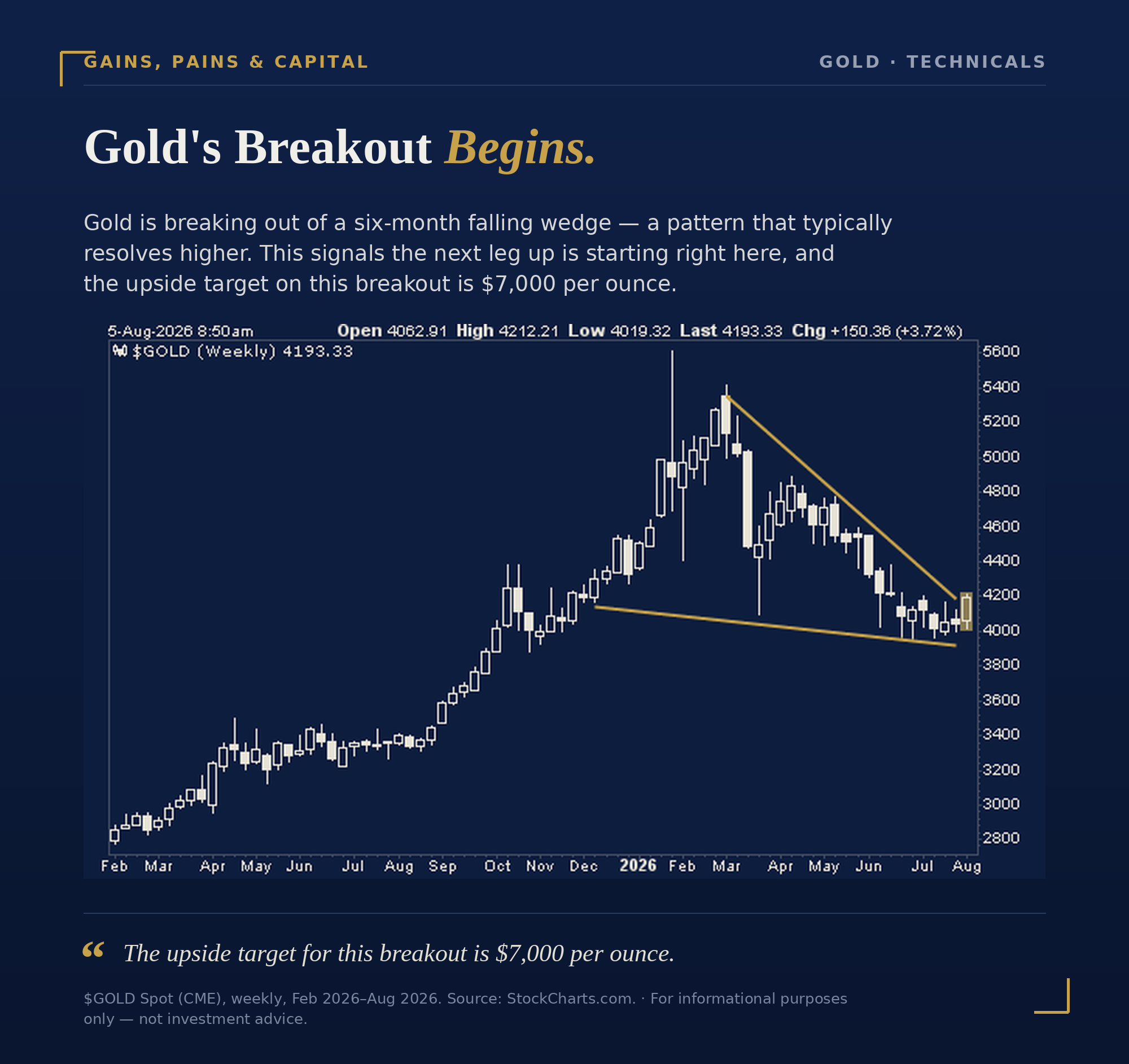




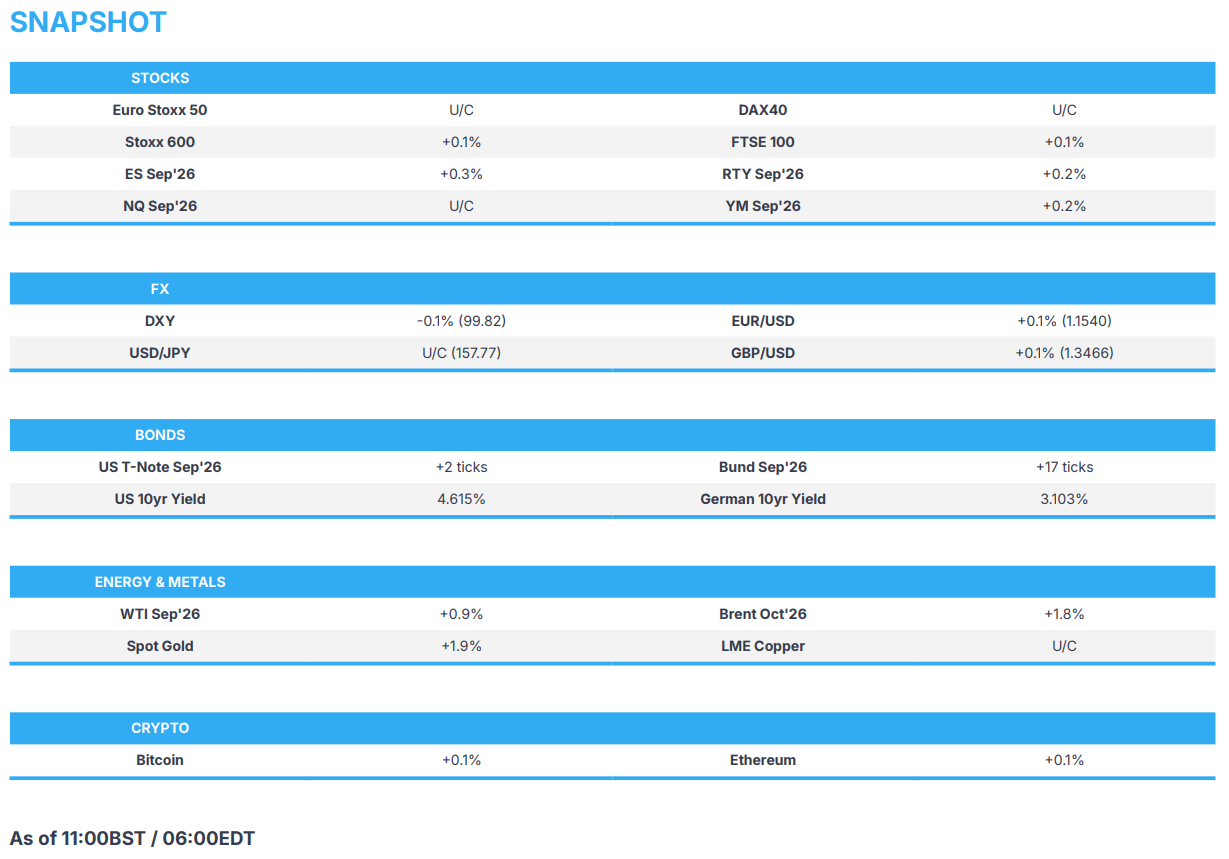
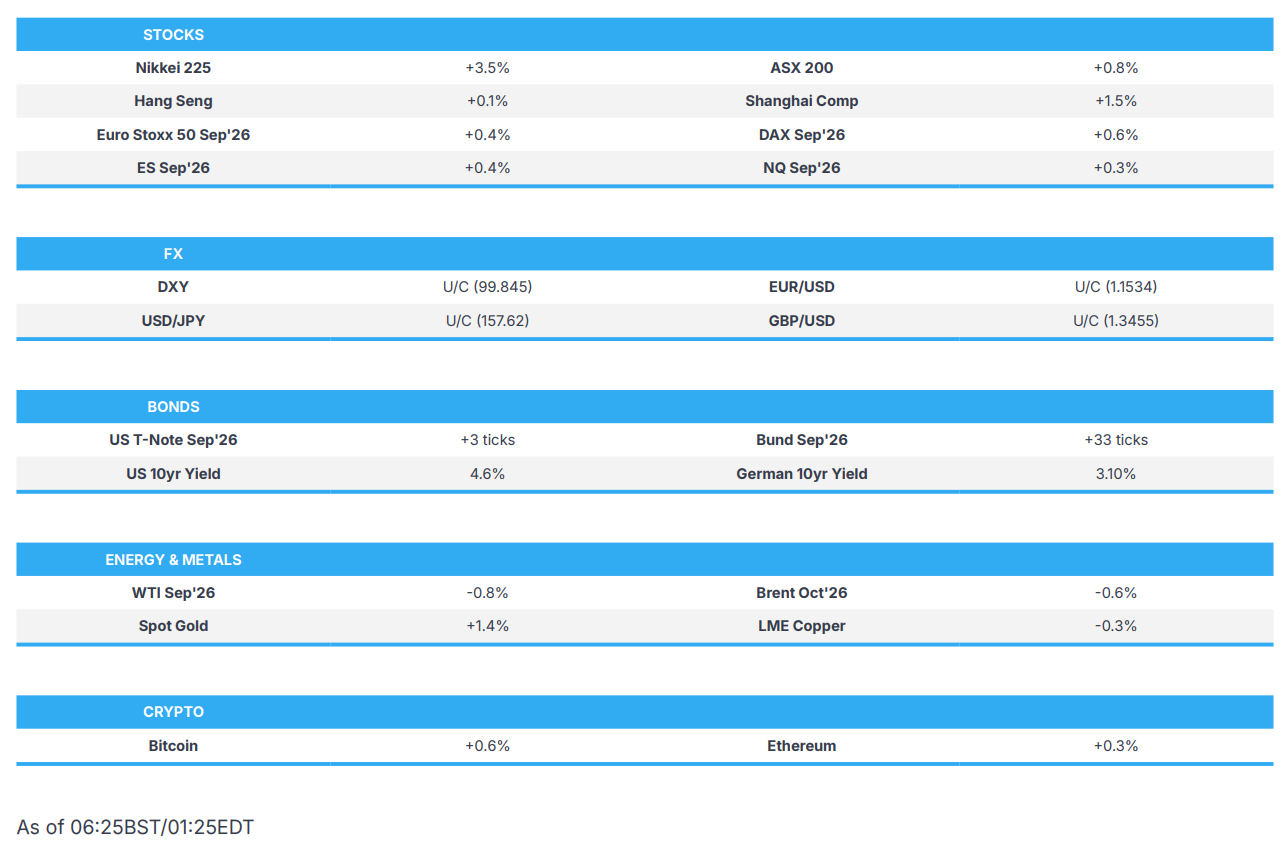
 AP Photo/Antonio Sempere