SEPT 22//ANOTHER FAILED RAID ATTEMPT: GOLD CLOSED DOWN ONLY $6.30 TO $4339.30 BUT SILVER ADVANCED 10 CENTS TO $66.04//PLATINUM WAS UP A FULL $23.50 BUT PALLADIUM WAS DOWN $7.00 TO $1294.00//COMMODITY REPORTS ON DIESEL TUNGSTEN, RICE AND COPPER//GOLD REPORT TONIGHT COURTESY OF JOHN RUBINO, VBL ON GOLD//ALASDAIR MACLEOD//ASIAN REPORTS FROM CHINA AND THE RARE EARTHS//EUROPEAN REPORTS FROM THE UK, GERMANY AND ITALY//ISRAEL, USA VS IRAN MAJOR UPDATES/ISRAEL TBN//UPDATES ON THE EXPLOITS OF THE HOUTHIS//SAUDI/SYRIA AND QATAR UPDATES//COVID VACCINE INJURY REPORTS: MARK CRISPIN MILLER AND MAJOR UPDATES//OIL UPDATES AND EUROPEAN NATURAL GAS PROBELMS FOR THE EUROPEANS//BRAZIL UPDATES AND THIS STRONG COMMODITY COUNTRY IS GAINING FAST ON ITS NEIGHBOURS//USA ECONOMIC REPORTS/KING NEWS/SWAMP STORIES FOR YOU TONIGHT//
BITCOIN MORNING: 85,275 FOR A LOSS OF 1,376 DOLLARS.
BITCOIN FINAL; 86,520 FOR A GAIN OF 131 DOLLARS FOR THE DAY:
PLATINUM CLOSED UP $23.50 TO $1823.00
PALLADIUM CLOSED DOWN $7.00 TO $1294.00
EXCHANGE: COMEX
NIL
JPMORGAN STOPPED 0/0
SEPT 22
GOLD: NUMBER OF NOTICES FILED FOR SEPT./2026: 0 CONTRACTs NOTICES FOR NIL OZ or 0.0000 TONNES
total notices so far: 3527 contracts FOR 352,700 OZ OR 10.970 TONNES
SILVER NOTICES:122 NOTICE(S) FILED FOR 610,000 OZ /
total number of notices filed so far this month : 6240 CONTRACTS (NOTICES) for 31.450 million oz
Click here if you wish to send a donation. I sincerely appreciate it as this site takes a lot of preparation
GLD AND SLV
BOTH GLD AND SLV ARE FRAUDULENT VEHICLES//THEY ARE NOW RAIDING GLD AND SLV FOR PHYSICAL
GLD
THE CROOKS ARE STEALING GOLD AND SILVER FROM THE GLD/SLV AND REPLACING THE PHYSICAL WITH PAPER DOLLARS.
WITH GOLD DOWN $41.20 INVESTORS SWITCHING TO SPROTT PHYSICAL (PHYS) INSTEAD OF THE FRAUDULENT GLD//HUGE CHANGES IN GOLD INVENTORY AT THE GLD:///A DEPOSIT OF 0.31 TONNES OF GOLD INTO THE GLD..
INVENTORY RESTS AT 1055.41 TONNES
SLV/
WITH NO SILVER AROUND AND SILVER DOWN $0.74 AT THE SLV: NO CHANGES IN SILVER INVENTORY AT THE SLV////
CLOSING INVENTORY: 489.558 MILLION OZ
SILVER//OUTLINE
SILVER COMEX OI ROSE BY A SMALL 65 CONTRACTS TO AN OI OF 105,564 STILL HIGHER FROM ITS NEW RECORD LOW OF 95,999 SET MAY 1/2026. THE RECORD HIGH OI FOR SILVER IS 244,710, SET FEB 25/2020, AND THIS STRONG GAIN IN COMEX OI WAS ACCOMPLISHED WITH OUR STRONG LOSS OF $0.74 IN SILVER PRICING AT THE COMEX WITH RESPECT TO MONDAY’S TRADING. ON THE FIRST OF MAY, WE REACHED OUR RECORD LOW OI OF 95,999 SURPASSING EVERY DAY NEW OI LOWS SET DURING THE LAST WEEK OF APRIL 2026.
NOW ON A NET BASIS OUR SPECULATORS HAVE REVERTED BACK TO GOING SHORT. THE FRBNY ON A NET BASIS IS PROVIDING THE NECESSARY PAPER TO OUR LONG BANKERS AND THEN TENDER FOR PHYSICAL AT 4 PM EACH NIGHT. BECAUSE OF THE HUGE SHORTFALL IN PHYSICAL SILVER IN LONDON THERE IS A LOTTERY TO SEE WHO GETS ANY OF THE PHYSICAL SILVER AVAILABLE THAT WHICH THEY ARE OBLIGATED TO DELIVER. THEY WAIT PATIENTLY FOR THEIR PHYSICAL METAL AND IF NOBODY GETS ANY THEY THEN COME BACK THE NEXT DAY AND SO ON. THIS IS IN LONDON, THE HOME OF PHYSICAL SILVER!! THE FACT THAT WE ARE WITNESSING MANY EXCHANGE FOR PHYSICAL TRANSFERS TO LONDON HIGHLIGHTS THE FACT THAT THE COMEX IS OUT OF SILVER AS WELL.
WE ARE NOW MOVING TO A MUCH LOWER BASE IN SILVER PRICING BREAKING MAJOR SUPPORT LEVEL OF $70.00. SHORTLY WE WILL REVERT BACK TO NUMBERS GREATER THAN 70 DOLLARS PER OZ.
WE HAVE A FAIR GAIN OF 265 TOTAL CONTRACTS ON OUR TWO EXCHANGES AS THE CME NOTIFIED US OF A FAIR SIZED ISSUANCE OF 200 CONTRACT EXCHANGE FOR PHYSICAL ISSUANCE , WE HAD SOME LIQUIDATION OF T.A.S. CONTRACTS IN COMEX TRADING WITH RESPECT TO MONDAY TRADING// WE HAD A STRONG SIZED 466 CONTRACT T.A.S. ISSUANCE!! / THEY DESPERATELY AGAIN TODAY TRYING TO CONTAIN SILVER’S PRICE GAIN FOR THE PAST SEVERAL WEEKS (WHERE RAIDS ARE CALLED UPON AGAIN AND AGAIN TRYING TO STOP THE RISE IN SILVER’S PRICE TO ABOVE $100.00 AND TO QUELL ADDITIONAL DERIVATIVE LOSSES TO OUR BANKERS’ MASSIVE TOTALS). THEY SUCCEEDED ON MONDAY WITH SILVER’S LOSS IN PRICE.
THE PRICE STILL FINISHED BELOW THE MAGIC NUMBER OF $70.00 SILVER SPOT PRICE AND STILL WELL BELOW THE $100.00 MARK CLOSING AT $65.91 DOWN $0.74 WE ARE NOW WITNESSING HAVING MANY HUGE T.A.S ISSUANCES // TODAY’S WE HAD A STRONG SIZED 466 T.A.S. CONTRACTS !!. THE CROOKS ARE BECOMING MORE DESPERATE TO STOP SILVER BREAKING ABOVE THE 100.00 DOLLAR MARK!! AND NOW THE HUGE SUPPORT LEVEL OF 70 DOLLARS HAS BEEN BROKEN// //.MAMMOTH SIZE T.A.S ISSUANCES ARE BECOMING THE NORM AT THE COMEX NOW!!
THERE IS NO NEXT LINE IN THE SAND ONCE THE 100.00 DOLLAR SILVER IS PIERCED AGAIN. WE HAD A FAIR SIZED 200 CONTRACT EXCHANGE FOR PHYSICAL ISSUANCE ACCOMPANIED BY OUR STRONG SIZED 466 CONTRACT T.A.S ISSUANCE WHICH WILL BE USED FOR RAID PURPOSES //AS THEY PLAY AN INTEGRAL PART IN OUR COMEX TRADING TRYING TO CONTAIN ANY SILVER PRICE RISE
IN ESSENCE WE HAD A FAIR GAIN OF 265 CONTRACTS ON OUR TWO EXCHANGES DESPITE OUR LOSS IN PRICE OF $0.74. WE HAD CONSIDERABLE GOVERNMENT (FRBY) COMEX CONTRACTS TRADING ALL WEEK AND A MAJOR PORTION WILL BE REMOVED BY DAYS END. (I RECORD THIS FOR YOU ON A DAILY BASIS). THE STICKY SPECULATOR LONGS STILL REMAIN STOIC. OUR SILVER SHORT SPECS GOT SLAUGHTERED TO BITS THIS PAST WEEK.
CRAIG HEMKE HAS POINTED OUT THAT THE CROOKS USE THE MID MONTH FOR MANIPULATION AS THEY SELL THEIR BUY SIDE OF THE CALENDAR SPREAD FIRST AND THEN KEEP THE SELL SIDE TO LIQUIDATE AT A LATER DATE.
THUS WE HAVE TWO VEHICLES THE CROOKS USE FOR MANIPULATION AND BOTH ARE SPREADERS: 1)MONTH’S END/SPREADERS COMEX AND 2/ TAS SPREADERS, THROUGHOUT MONTH. TOTAL TAS ISSUED ON MONDAY NIGHT/TUESDAY MORNING: A STRONG SIZED 466 CONTRACTS. DESPITE MANY COMPLAINTS THAT THESE CROOKS HAVE VIOLATED POSITION LIMITS DUE TO THE FACT THAT THE TAS ISSUED HAVE A VALUE OF ZERO (AS TO POSITION LIMITS FOR OUR CROOKED FRBNY BANKERS).
THE PROBLEM OF COURSE IS THAT THE CROOKS DO NOT LIQUIDATE THE TAS AS ONE UNIT, BUT SELL THE SHORT SIDE FIRST AND THEN LIQUIDATE THE LONG SIDE TWO MONTHS HENCE. IT IS OBVIOUS MANIPULATION TO THE HIGHEST DEGREE BUT IT NATURALLY FELL ON DEAF EARS WITH OUR REGULATORS (OCC) WHEN THEY RECEIVED OUR COMPLAINTS. IT NOW SEEMS THAT THE OCC HAS NOW ORDERED THE BANKS TO REDUCE ITS NEW LEVEL OF 1.1 TRILLION DOLLDOLLARS IN GOLD/SILVER DERIVATIVES.
THUS:
INITIAL STANDING FOR JANUARY: 22.915 MILLION OZ FOLLOWED BY TODAY’S 1.185 MILLION OZ QUEUE JUMP//NEW NORMAL STANDING ADVANCES TO 49.445 MILLION OZ// TO WHICH WE ADD OUR FIRST EXCHANGE FOR RISK FOR .100 MILLION OZ//NEW STANDING ADVANCES TO 49.545 MILLION OZ!!
INTIAL STANDING FOR FEBRUARY/SILVER: 13.505 MILLION OZ FOLLOWED BY TODAY’S HUGE 0.005 MILLION OZ QUEUE JUMP / : NEW STANDING FOR SILVER AT THE COMEX ADVANCES TO 25.180 MILLION OZ. BUT WE MUST ADD OUR FIRST EXCHANGE FOR RISK OF 25 CONTRACTS FOR .125 MILLION OZ AND THEN OUR SECOND EXCHANGE FOR RISK OF .0600 MILLION OZ TO OUR THIRD HUGE 2.825 MILLION OZ EXCHANGE FOR RISK!!
INITIAL STANDING FOR MARCH: A SURPRISINGLY LOW 31.076 MILLION OZ/ FOLLOWED BY A TINY QUEUE JUMP OF XX CONTRACTS OR XXX OZ/NEW STANDING ADVANCES TO 46.060 MILLION OZ
INITIAL STANDING FOR APRIL: 7.120 MILLION OZ FOLLOWED BY TODAY’S 1 CONTRACT QUEUE JUMP WHERE 5,000 OZ WILL TAKE DELIVERY OVER ON THIS SIDE OF THE POND. NEW STANDING FOR SILVER AT THE COMEX THUS ADVANCES SLIGHTLY TO 16.565 MILLION OZ PLUS WE MUST ADD OUR 4TH EXCHANGE FOR RISK ISSUANCE OF 17 CONTRACTS OR 0.085 MILLION OZ. THESE WILL BE ADDED TO OUR OTHER 3 ISSUANCES //NEW TOTAL EXCHANGE FOR RISK//1.165 MILLION OZ// NEW TOTAL SILVER STANDING 17.730 MILLION OZ//
INITIAL STANDING FOR MAY: 31.495 MILLION OZ FOLLOWED BY ANOTHER 3 CONTRACT EXCHANGE FOR PHYSICAL JUMP TO LONDON FOR 0.015 MILLION OZ// AND THEN TO BOOT WE HAD OUR FIRST EXCHANGE FOR RISK ISSUANCE FOR 51 CONTRACTS OR 255,000 OZ MAY 21./STANDING BEFORE EXCHANGE FOR RISK: 32.070 MILLION OZ/NEW STANDING THUS REDUCES TO 32.325 MILLION OZ/.//(32.070 MILLION OZ NORMAL STANDING PLUS .255 MILLION OZ EXCHANGE FOR RISK = 32.325 MILLION OZ)
JUNE INITIAL STANDING FOR SILVER:10.935 MILLION OZ TO WHICH WE ADD OUR NEXT QUEUE JUMP OF 10,000 OZ//NEW STANDING ADVANCES TO 12.970 MILLION OZ// TO WHICH WE ADD OUR FIRST EXCHANGE FOR RISK OF 20 CONTRACTS FOR 100,000 OZ//NEW STANDING ADVANCES TO 13.070 MILLION OZ. (IN EXCHANGE FOR RISK THE BUYER ASSUMES THE RISK AND ONLY A CENTRAL BANK WOULD TAKE THAT RISK. THE BUYER IS PROBABLY THE CENTRAL BANK OF INDIA.)
JULY INITIAL STANDING: 37.110 MILLION OZ FOLLOWED BY A 3 CONTRACT QUEUE JUMP OR 0.015MILLION STANDING ADVANCES TO 45.875 MILLION OZ///
AUGUST INITIAL STANDING 6.240 MILLION OZ FOLLOWED BY TODAY’S 9 CONTRACT QUEUE JUMP FOR 45,000 OZ//NEW STANDING ADVANCES TO 8.760 MILLION OZ/
SEPT: INITIAL STANDING: 24.172 MILLION OZ//FOLLOWED BY TODAY’S STRONG 50 CONTRACT OR 250,000 OZ QUEUE JUMP//STANDING ADVANCES TO 32.460 MILLION OZ//
SUMMARY OF OUR JULY 2026 COMEX CONTRACT MONTH
WE HAD:
/ FAIR COMEX GAIN+// A FAIR SIZED EFP ISSUANCE CONTRACTS AT 200 CONTRACTS // A STRONG NUMBER OF T.A.S. CONTRACT ISSUANCE CONTRACTS (466 CONTRACTFS)
I AM NOW RECORDING THE DIFFERENTIAL IN OI FROM PRELIMINARY TO FINAL: REMOVED 265 CONTRACTS OF OI SILVER //
HISTORICAL ACCUMULATION OF EXCHANGE FOR PHYSICALS SEPT.. ACCUMULATION
TOTAL CONTRACTS for 15 DAY(S), total 6,198 contracts: OR 30.990 MILLION OZ (413 CONTRACTS PER DAY)
TOTAL EFP’S FOR THE MONTH SO FAR:30.990 MILLION OZ
LAST 48 MONTHS TOTAL EFP CONTRACTS ISSUED IN MILLIONS OF OZ:
MAY 137.83 MILLION
JUNE 149.91 MILLION OZ
JULY 129.445 MILLION OZ
AUGUST: MILLION OZ 140.120
SEPT. 28.230 MILLION OZ//
OCT: 94.595 MILLION OZ
NOV: 131.925 MILLION OZ
DEC: 100.615 MILLION OZ
YEAR 2022
JAN 2022-DEC 2022
JAN 2022// 90.460 MILLION OZ
FEB 2022: 72.39 MILLION OZ//
MARCH 2022: 207.140 MILLION OZ//A NEW RECORD FOR EFP ISSUANCE
APRIL: 114.52 MILLION OZ FINAL//LOW ISSUANCE
MAY: 105.635 MILLION OZ//
JUNE: 94.470 MILLION OZ
JULY : 87.110 MILLION OZ
AUGUST: 65.025 MILLION OZ
SEPT. 74.025 MILLION OZ///FINAL
OCT. 29.017 MILLION OZ FINAL
NOV: 134.290 MILLION OZ//FINAL
DEC, 61.395 MILLION OZ FINAL
TOTALS YR 2022: 1135.767 MILLION OZ (1.1356 BILLION OZ)
JAN 2023/// 53.070 MILLION OZ //FINAL
FEB: 2023: 100.105 MILLION OZ/FINAL//MUCH STRONGER ISSUANCE VS THE LATTER TWO MONTHS.
MARCH 2023: 112.58 MILLION OZ//FINAL//STRONG ISSUANCE
APRIL 111.035 MILLION OZ(SLIGHTLY GREATER THAN THAN LAST MONTH)
MAY 66.120 MILLION OZ/INITIAL (MUCH SMALLER THIS MONTH)
JUNE: 110.395 MILLION OZ//MUCH LARGER THAN LAST MONTH
JULY 85.745 MILLION OZ (SMALLER THAN LAST MONTH)
AUGUST: 171.43 MILLION OZ (THIS MONTH IS GOING TO BE HUGE //2ND HIGHEST ON RECORD
SEPT: 72.705 MILLION OZ (SMALLER THIS MONTH)
OCT: 97.455 MILLION OZ
NOV. 50.050 MILLION OZ
DEC. 66.140 MILLION OZ//
TOTAL 2023: 1,104.10 MILLION OZ/
JAN ’24 : 78.655 MILLION OZ//
FEB /2024 : 66.135 MILLION OZ./FINAL
MARCH: 143.750 MILLION OZ// 4TH HIGHEST ON RECORD.
APRIL: 161.770 MILLION OZ (THIS MONTH WILL BE A WHOPPER OF ISSUANCE OF EFPS//3RD HIGHEST EVER RECORDED FOR A MONTH)
MAY: 135.995 MILLION OZ //WILL BE A STRONG MONTH FOR EXCHANGE FOR PHYSICAL ISSUANCE
JUNE 110.575 MILLION OZ ( WILL BE ANOTHER STRONG MONTH ISSUANCE)
JULY: 108.870 MILLION OZ (WILL BE A STRONG ISSUANCE MONTH/ A TOUCH OVER 100 MILLION OZ/)
AUGUST; 99.740 MILLION OZ//THIS MONTH WILL BE STRONG FOR ISSUANCE BUT LESS THAN JULY.
SEPT: 112.415 MILLION OZ//WILL BE A HUGE MONTH FOR EXCHANGE FOR PHYSICAL ISSUANCE
OCT; 97.485 MILLION OZ (WILL BE SMALLER ISSUANCE THIS MONTH )
NOV. 115.970 MILLION OZ ( HUGE THIS MONTH)
DEC: 132.54 MILLION OZ (THIS MONTH WILL BE A HUMDINGER FOR ISSUANCE BUT ISSUANCE SLOWED DRAMATICALLY THESE PAST FIVE DAYS/// WILL NOT EXCEED MARCH 2022 RECORD OF 209 MILLION OZ
YEAR 2024 TOTAL: 1363.84 MILLION OR 1.363 BILLION OZ
JANUARY 2025: 67.230 MILLION OZ///(THIS MONTH’S ISSUANCE OF EXCHANGE FOR PHYSICAL WILL BE SMALL)
FEB. 58.260 MILLION OZ//EXCHANGE FOR PHYSICAL ISSUANCE/FINAL
MARCH: 67.020 MILLION OZ///QUITE SMALL AND BECOMING SMALLER EACH AND EVERY MONTH.
APRIL: 100.895 MILLION OZ///AVERAGE SIZE ISSUANCE
MAY: 28.975 MILLION OZ (ISSUANCE WILL BE QUITE SMALL THIS MONTH)
JUNE: 81.065 MILLION OZ
JULY: 50.925 MILLION OZ (QUITE SMALL)
AUGUST: 59.455 MILLION OZ (QUITE SMALL)
SEPT. 50.510 MILLION OZ.(QUITE SMALL)
OCT; 82.020 MILLION OZ (WILL BE STRONG THIS MONTH)/ OCC WANTS TO REIN IN THESE ISSUANCES!
NOVEMBER: 36.425 MILLION OZ
DEC: 45.765 MILLION OZ
2026:
JANUARY 2026: 134.270 MILLION OZ (WILL BE A VERY STRONG MONTH FOR EXCHANGE FOR PHYSICAL!)
FEB : 82.130 MILLION OZ
MARCH: 56.075 MILLION OZ
APRIL; 44.44 MILLION OZ//FINAL.. SMALL THIS MONTH.
MAY 59.79 MILLION OZ
JUNE. 64.065 MILLION OZ//FINAL AND FAIR SIZED THIS MONTH.
JULY: 38.335 MILLION OZ
AUGUST: 30.990 MILLION OZ.
RESULT: WE HAD A SMALL SIZED INCREASE IN COMEX OI SILVER COMEX CONTRACTS OF 65 CONTRACTS DESPITE OUR STRONG LOSS IN PRICEOF $0.74 IN SILVER PRICING AT THE COMEX// MONDAY THE CME NOTIFIED US THAT WE HAD A STRONG SIZED CONTRACT EFP ISSUANCE OF 466 CONTRACTS ISSUED FOR SEPT, AND 0 CONTRACTS ISSUED FOR ALL OTHER MONTHS).
INITIAL STANDING: 8.756 MILLLION OZ FOLLOWED BY TODAY’S 50 CONTRACT QUEUE JUMP FOR 0.250 MILLION OZ////STANDING ADVANCES TO 32.460 MILLION OZ//
LAST 17 MONTHS OF SILVER DELIVERIES
WE FINISHED APRIL WITH A STRONG SILVER OZ STANDING OF 16.050 MILLION OZ NORMAL DELIVERY , PLUS OUR 4.00 MILLION EX FOR RISK
FINAL STANDING APRIL: 19.965 MILLION OZ
AND MAY:
NEW STANDING FOR MAY FINISHES AT: 75.615 MILLION OZ. (INCLUDES 5,000 OZ EFP TRANSFER TO LONDON + 12.93 MILLION OZ EXCHANGE FOR RISK ISSUANCE/PRIOR.//NEW TOTAL STANDING 88.540 MILLION OZ
AND JUNE: FINAL 16.995 MILLION OZ
AND JULY: 46.720 MILLION OZ//
AUGUST: 4.70 MILLION OZ INITIAL STANDING PLUS TODAY;S 5,000 OZ QUEUE JUMP //NEW STANDING ADVANCES TO 10.960 MILLION OZ
SEPTEMBER: 68.040 MILLION OZ NORMAL DELIVERY(INCLUDES ALL QUEUE JUMPING AND EXCHANGE FOR PHYSICAL TRANSFERS) PLUS 3.0 MILLION OZ EX FOR RISK = 71.040 MILLION OZ. (THIS IS THE FIRST AND ONLY ISSUANCE OF EXCHANGE FOR RISK FOR SILVER SINCE MAY.)
OCTOBER: 39.565 MILLION OZ OF NORMAL DELIVERY INCLUDES ALL QUEUE JUMPING
PLUS
2.110 MILLION OZ EXCHANGE FOR RISK//TOTAL OZ STANDING IN OCT ADVAN
NOVEMBER: INITIAL STANDING AT 11.575 MILLION OZ FOLLOWED BY TODAY’S 195,000 OZ QUEUE JUMP WHICH FOLLOWS ALL OTHER QUEUE JUMPS OF 9.155 MILLION OZ//STANDING ADVANCES TO 19.670 MILLION OZ/
DECEMBER: INITIAL AMOUNT STANDING FOR DELIVERY: 49.33 MILLION OZ// FOLLOWED BY ANOTHER STRONG 835,000OZ QUEUE JUMP+ DEC. FIRST EXCHANGE FOR RISK 0F .850 MILLION OZ + LAST WEEK.S 495,000 OZ EXCHANGE FOR RISK AND THEN A 3RD ISSUANCE IF 1.00MILLION OZ THEN FINALLY DEC 249ISSUANCE OF 1.35 MILLION OZ EXCHANGE FOR RISK//NEW TOTAL EX FOR RIS IS 3.685 MILLION OZ // STANDING ADVANCES TO 68.415 MILLION OZ//
JANUARY: INITIAL STANDING 22.915 MILLION OZ FOLLOWED BY TODAY’S 1.185 MILLION OZ QUEUE JUMP//NORMAL STANDING ADVANCES TO 49.445 MILLION OZ// TO WHICH WE ADD OUR FIRST EXCHANGE FOR RISK OF 0.100 MILLLION OZ//NEW STANDING ADVANCES TO 49.545 MILLION OZ
FEB: 13.399 MILLION OZ IS OUR INITIAL STANDING FOR SILVER! TO WHICH WE ADD OUR NEXT QUEUE JUMP FOR 5,000 OZ AND THEN ADD OUR 3 EXCHANGE FOR RISK FOR 3.010 MILLION OZ STANDING ADVANCES TO 28.190 MILLION OZ!!
MARCH: INITIAL AMOUNT OF SILVER STANDING IS 31.076 MILLION OZ FOLLOWED BY A FINAL 0.210 MILLION OZ QUEUE JUMP //NEW TOTAL STANDING ADVANCES TO 46.060 MILLION OZ
APRIL 2026: INITITAL AMOUNT OF SILVER STANDING 7.120 MILLION OZ FOLLOWED BY TODAY’S 5,000 OZ QUUE JUMP //NEW STANDING ADVANCES TO 16.565MILLION OZ PLUS 1.165 MILLION OZ EXCHANGE FOR RISK.NEW TOTALS 17.730 MILLION OZ
MAY: INITIAL AMOUNT OF SILVER WILLING TO STAND; 31.495 MILLION OZ/ TO WHICH WE ADD OUR NEXT EXCHANGE FOR PHYSICAL JUMP OF 15,000 OZ//NEW STANDING REDUCES TO 32.070 MILLION OZ//(FOLLOWING MANY EXCHANGE FOR PHYSICAL TRANSFERS TO LONDON DURING THIS MAY DELIVERY MONTH). THERE SEEMS TO BE A SCARCITY OF SILVER OVER AT THE COMEX). THEN WE ADD OUR FIRST EXCHANGE FOR RISK OF 51 CONTRACTS FOR 255,000 OZ//STANDING ADVANCES TO 32.325 MILLION OZ//
JUNE: INITIAL AMOUNT OF SILVER WILLING TO STAND: 10.935 MILLION OZ PLUS OUR NEXT QUEUE JUMP OF 10,000 OZ//NEW STANDING ADVANCES TO 12.960 MILLION OZ TO WHICH WE ADD OUR FIRST EXCHANGE FOR RISK OF 20 CONTRACTS FOR 100,000 OZ//NEW STANDING ADVANCES TO 13.070 MILLION OZ
JULY : INITIAL STANDING: 37.110 MILLION OZ FOLLOWED BY TODAY’S 15,000 OZ QUEUE JUMP //STANDING THUS ADVANCES TO 45.875 MILLION OZ//
AUGUST 6.240 MILLION OZ FOLLOWED BY TODAY’S 45,000 OZ QUEUE JUMP//STANDING ADVANCES TO 8.805 MILLION OZ/
SEPT: INITIAL STANDING 8.756 MILLION OZ//FOLLOWED BY TODAY’S 0.250 MILLION OZ QUEUE JUMP//STANDING ADVANCES TO 32.460 MILLION OZ
THE NEW TAS ISSUANCE FOR TODAY (466)WILL BE PUT INTO “THE BANK” TO BE COLLUSIVELY USED NO DOUBT WITH FUTURE TRADING//.
WE HAD 122 NOTICE(S) FILED TODAY FOR 0.610 MILLION OZ
THE SILVER COMEX IS NOW BEING ATTACKED FOR METAL BY BANK OF INDIA
GOLD COMEX OUTLINE;
IN GOLD, THE COMEX OPEN INTEREST ROSE BY A FAIR SIZED 1196 OI CONTRACTS UP TO 413,568 CONTRACT OI AND THIS OI STILL SURPASSES BY A CONSIDERABLE MARGIN THE ALL TIME LOW AT 326,052 SET JUNE3/2026 AND THIS OI IS MUCH FURTHER FROM THE RECORD HIGH (SET JAN 24/2020) AT 799,105 AND PREVIOUS TO THAT: (SET JAN 6/2020) AT 797,110. WE HAVE NOW ADVANCED PAST THE PREVIOUS ALL TIME LOWS OF 357,136 SET APRIL 2/.2026AND 354,581 SET AT THE END OF APRIL 2026. WE ARE STILL QUITE A WAY FROM OUR TWO DECADES OLD: 390,000 CONTRACTS LOW SET IN THE YEAR OF 2001 WITH TRADING FOR GOLD AT $260.00. THUS DURING EARLY APRIL WE HAD AN ALL TIME LOW OI IN COMEX (354,531) BUT WITH AN EXTREMELY HIGH PRICE OF GOLD. IN MAY: RECORD LOW OI OF 326,052 WITH A GOLD PRICE OF $4,460 THE SHORT RATS ARE ABANDONING THE COMEX SHIP, NOBODY WANT TO PLAY IN THIS CROOKED CASINO!!
THE DIFFERENTIAL FROM PRELIMINARY OI TO FINAL OI IN GOLD TODAY: REMOVED A 956 OI CONTRACTS //.
WE HAD A FAIR GAIN OF 2946 CONTRACTS ON OUR TWO EXCHANGES WITH THE LOSS IN PRICE OF $41.20
LAST 17 MONTHS OF GOLD DELIVERIES: (MAY 2025 THROUGH TO /AUGUST 2026)
1.MAY SUMMARY FOR MAY TONNES WHICH STOOD FOR DELIVERY:
FINAL STANDING FOR MAY: 70.174 TONNES OF GOLD TO WHICH WE ADD 1. MONDAY’S (MAY 19) 6.221 TONNES EXCHANGE FOR RISK , 2. THEN WE ADD: 1.35 TONNES TO LAST WEEK”S. THEN WE ADD 3. 1.55 TONNES TO EQUAL 9.591 TONNES// NEW EXCHANGE FOR RISK = 9.591 TONNES WHICH MUST BE ADDED TO OUR NORMAL DELIVERY SCHEDULE OF 80.644 TONNES. THUS STANDING FOR MAY INCREASES TO 90.235 TONNES OF GOLD
2 JUNE CONTRACT MONTH: 93.085 TONNES OF GOLD (WHICH INCLUDES ALL QUEUE JUMPING AND 0 EX FOR RISK)
3.JULY INITIIAL STANDING FIRST DAY NOTICE: 17.847 TONNES. PLUS TODAY’S 0 TONNES QUEUE JUMP + 1.555 TONNES EX FOR RISK + 2.195 TONNES EX FOR RISK TODAY = 41.106 TONNES STANDING
4. AUGUST: 60.547 TONNES OF INITIAL GOLD FIRST DAY NOTICE FOLLOWED BY THE NET MONTH’S QUEUE JUMP OF 47.2312 TONNES TO WHICH WE ADD THE FOLLOWING EXCHANGE FOR RISK ISSUANCE RECEIVED FOR THE MONTH: 5.4432 TONNES EX FOR RISK/AUG 7 , AUG 11: 2.413 TONNES EX FOR RISK AND AUG. 12 OF 2.
5.SEPT: INITIAL 8.093 TONNES OF GOLD PLUS TODAY’S QUEUE JUMP OF 0.4883 TONNES PLUS 2.2827 TONNES OF EXCHANGE FOR RISK TODAY//NEW TOTAL EX. FOR RISK/MONTH = 22.923//NEW TOTAL STANDING FOR GOLD SEPT ADVANCES TO = 48.801 TONNES!!
6.OCTOBER: 90.012 TONNES OF INITIAL GOLD STANDING WITH TODAY’S TINY 0.00311 TONNES QUEUE JUMP WHICH FOLLOWS ALL OTHER QUEUE JUMPS DURING OCT OF 76.1656 TONNES
THEN WE MUST ADD OUR 14.553 TONNES OF OUR ISSUANCE OF EXCHANGE FOR RISK/6 OCCASIONS//NEW TOTAL OF GOLD STANDING ADVANCES TO 197.5141 TONNES OF GOLD.
7.NOVEMBER BEGINS WITH 15.651 TONNES INITIALLY STANDING FOR DELIVERY FOLLOWED BY TODAY’S QUEUE JUMP OF 2.323 TONNES FOLLOWED BY ALL PREVIOUS QUEUE JUMPS IN OF OF 21.3775 TONNES TO WHICH WE ADD OUR TWO EXCHANGE FOR RISK ISSUANCE OF 4.5596 TONNES//NEW STANDING ADVANCES TO 43.9716 TONNES OF GOLD.
8. DECEMBER BEGINS WITH INITIAL STANDING OF 83.813 TONNES OF GOLD FOLLOWED BY TODAY’S 0.0TONNE QUEUE JUMP WHICH FOLLOWS ALL OTHER QUEUE JUMPS OF: 37.163 TONNES//NEW STANDING ADVANCES TO 115.390 TONNES TO WHICH WE ADD OUR 4 EXCHANGE FOR RISK FOR DECEMBER OF 6.587 TONNES/NEW STANDING ADVANCES TO 121.977 TONNES
9. JANUARY: INITITAL STANDING: 13.785 TONNES TO WHICH WE ADD OUR FIRST EXCHANGE FOR PHYSICAL TRANSFER OF 0.08709 TONNES WHICH FOLLOWS ALL OTHER QUEUE JUMPS OF 30.7117TONNES //NEW TOTAL QUEUE JUMPS 30.7117//NORMAL DELIVERY OF GOLD ADVANCES TO 36.8958 TONNES TO WHICH WE ADD OUR SIX EXCHANGE FOR RISK OF 22.315 TONNES//NEW STANDING ADVANCES TO 59.2108 TONNES.
FEB; INITIAL AMOUNT OF GOLD STANDING FOR DELIVERY: 93.567 TONNES OF GOLD TO WHICH WE ADD OUR NEXT 0.0248 TONNES 0.1555 TONNES QUEUE JUMP TO 41.2082 TONNES/ NEW NET QUEUE JUMP INCREASES TO 41.233 TONNES// AND THEN WE ADD OUR SIX EXCHANGE FOR RISK: 10,080 CONTRACTS OR 31.251 TONNES//NEW STANDING REDUCES TO 157.878 TONNES
MARCH:: INITIAL AMOUNT OF GOLD STANDING FOR DELIVERY: 8.099 TONNES TO WHICH WE ADD TODAY’S FAIR 4600 OZ QUEUE JUMP (0.2320 TONNES) AND THEN WE ADD OUR THREE EXCHANGE FOR RISK OF 22.3818 TONNES //NEW STANDING ADVANCES TO 67.6648 TONNES/
APRIL: INITIAL AMOUNT OF GOLD STANDING FOR DELIVERY: 52.600 TONNES FOLLOWED BY OUR 345 CONTRACT QUEUE JUMP FOR 34,500 OZ/ (1.073 TONNES)/NEW STANDING ADVANCES TO 70.286 TONNES TO WHICH WE ADD OUR 2ND EXCHANGE FOR RISK OF 1498 CONTRACTS FOR 149800 OZ OR 4.659 TONNES. THE NEW TOTAL EXCHANGE FOR RISK FOR THE MONTH OF APRIL IS 2239 CONTRACTS OR 223900 OZ OR 6.964 TONNES AND THIS WILL BE ADDED TO OUR NORMAL DELIVERY TOTALS (70.762 TONNES) TO GIVE US WHAT WILL STAND IN APRIL (77.726 TONNES)
MAY: INITIAL AMOUNT OF GOLD WILLING TO STAND: 12.24 TONNES OF GOLD TO WHICH WE ADD OUR NEXT QUEUE JUMP OF 345 CONTRACTS OR 34500 OZ (1.073 TONNES) TO WHICH WE ADD OUR FIVE EXCHANGE FOR RISK ISSUANCES FOR 24.635 TONNES/STANDING NOW ADVANCES TO 51.554 TONNES OF GOLD.
JUNE; INITIAL AMOUNT OF GOLD WILLING TO STAND; 64.496 TONNES.(CME CORRECTED) TO WHICH WE ADD OUR NEXT EXCHANGE FOR PHYSICAL TRANSFER OF 0.0186 TONNES/NEW STANDING REDUCES TO 127.03 TONNES
JULY: INITIAL AMOUNT OF GOLD WILLING TO STAND: 23.306 TONNES TO WHICH WE ADD OUR NEXT QUEUE JUMP OF 0.000 TONNES/ TO WHICH WE ADD OUR FIRST EXCHANGE FOR RISK 0F 0.0062 TONNES/NEW STANDING ADVANCES TO 40.824TONNES
AUGUST INITIAL STANDING 48.687 TONNES TO WHICH WE ADD OUR 5TH EXCHANGE FOR RISK OF 5 CONTRACTS FOR 500 OZ OR 0.0155 TONNESS TO OUR 4TH EXCHANGE FOR RISK OF 200 CONTRACTS OR 20,000 OZ OR 6.220 TONNES TO OUR 3RD EXCHANGE FOR RISK OF 1.7045 TONNES TO OUR 2ND EXCHANGE FOR RISK OF 1.552 TONNES TO OUR FIRST 0.0715 TONNES EXCHANGE FOR RISK//NEW TOTAL EXCHANGE FOR RISK: 3.9688 AND THEN ADD OUR NEXT QUEUE JUMP OF 39 CONTRACTS FOR 3,900 OZ OR 0.1213 TONNES//STANDING THUS ADVANCES TO 67.2441 TONNES
SEPT: INITIAL STANDING: 8.756 TONNES OF GOLD FOLLOWED BY TODAY’S 11 CONTRACTS OR 1100 OZ EXCHANGE FOR PHYSICAL TRANSFER JUMP TO LONDON (.0342 TONNES) TO WHICH WE ADD OUR TWO, 2000 CONTRACT EXCHANGE FOR RISK FOR 200,000 OZ OR 6.2208 TONNES//// // NEW STANDING REDUCES TO 17.7853 TONNES..
E.F.P. ISSUANCE/FOR OPENING SEPT GOLD CONTRACT
THE CME RELEASED THE DATA FOR EFP ISSUANCE AND IT TOTALED A FAIR SIZED 1665 CONTRACTS:
The NEW COMEX OI FOR THE GOLD COMPLEX RESTS AT 413,568 SURPASSING THE PREVIOUS ALL TIME LOW OF 326,052 SET JUNE 3 AND RISING FROM OUR PREVIOUS RECORD LOW//MAY 28.2026 WE HAVE THUS RECORD LOW COMEX OI WITH A HIGH PRICE OF GOLD
SILVER ALSO HAS AN ULTRA SMALL SIZED AND EXTREMELY LOW COMEX OI OF 105,564 CONTRACTS// STILL ABOVE FROM PREVIOUS ALL TIME LOWS SET DURING THE MONTH OF APRIL AND MAY FIRST.
IN ESSENCE WE HAVE A FAIR GAIN IN TOTAL CONTRACTS IN GOLD ON THE TWO EXCHANGES OF 2946 CONTRACTS WITH 1196 CONTRACTS INCREASED AT THE COMEX// AND A FAIR SIZED 1750 EXCHANGE FOR PHYSICAL OI CONTRACT ISSUANCE WHICH NAVIGATED OVER TO LONDON.
THUS TOTAL OI GAIN ON THE TWO EXCHANGES OF 2946 CONTRACTS.. WE HAD THE FOLLOWING TAS CONTRACTS INITIATED (ISSUED): A FAIR SIZED AND CRIMINAL 1436 CONTRACTS AND THESE ISSUANCES ARE GENERALLY USED TO INITIATE A RAID WHEN CALLED UPON LIKE TODAY .
GOLD PRICE FELL BY $41.20
CALCULATIONS ON GAIN/LOSS ON OUR TWO EXCHANGES
WE HAD A FAIR SIZED ISSUANCE IN EXCHANGE FOR PHYSICALSCONTRACT (1750) ACCOMPANYING THE FAIR GAIN IN COMEX OIOF 1196 CONTRACTS/TOTAL GAIN FOR OUR THE TWO EXCHANGES 2946 CONTRACTS DESPITE THE GAIN IN PRICE.
WE HAVE 1) NOW REVERTED TO OUR FORMAT OF BANKER (FRBNY) GOING ON THE LONG SIDE AND HUGE NUMBERS OF NEWBIE SPECULATORS GOING TO THE SHORT SIDE LED BY THE NOSE BY OUR HIGH FREQUENCY TRADERS.. IT WAS OUR SHORT SPECULATORS THAT WILL BE BRUTALIZED WHEN OUR CENTRAL BANKS TENDER FOR PHYSICAL GOLD WITH THEIR NEWLY BOUGHT GOLD FROM THE SPECS THIS MORNING. THE SPECS WILL BE SCRAMBLING LOOKING FOR PHYSICAL GOLD TO DELIVER TO OUR LONG CENTRAL BANKS.
STANDING FOR THE LAST 8 MONTHS JANUARY TO AUGUST:
FINAL STANDING FOR GOLD, JANUARY CONTRACT AT 59.08 TONNES OF GOLD
FEBRUARY: INITIAL STANDING FOR GOLD: 157.878 TONNES!! WHICH INCLUDES ALL QUEUE JUMPING, THREE EXCHANGE FOR PHYSICAL TRANSFERS TO LONDON AND OUR SIX ISSUANCES EXCHANGE FOR RISK!!
MARCH: INITIAL STANDING AT 8.099 TONNES TO WHICH WE ADD OUR FINAL DAY: 0.2320 TONNES QUEUE JUMP AND THEN ADD +22.3818 TONNES EXCHANGE FOR RISK//NEW STANDING ADVANCES TO 67.6648 TONNES
APRIL: INITIAL STANDING 52.600 TONNES PLUS 27,800 OZ QUEUE JUMP (0.8648TONNES): NEW STANDING ADVANCES TO 70.286 TONNES PLUS OUR TWO EXCHANGE FOR RISK FOR 223,900 OZ OR 6.964 TONNES/NEW FINAL STANDING: 77.726 TONNES
MAY: INITIAL AMOUNT OF GOLD WILLING TO STAND; 12.24 TONNES TO WHICH WE ADD OUR NEXT QUEUE JUMP FOR 345 CONTRACTS/34,500 OZ// 1.073 TONNES/ THEN WE MUST ADD OUR EXCHANGE FOR RISK ISSUANCE: TOTAL EXCHANGE FOR RISK MAY// 5 OCCASIONS: 24.635 TONNES///NEW FINAL STANDING NOW ADVANCES TO 51.554 TONNES
JUNE: INITIAL AMOUNT OF GOLD WILLING TO STAND: 64.496 TONNES TO WHICH WE ADD OUR NEXT EXCHANGE FOR PHYSICAL TRANSFER JUMP OF 0.0186 TONNES//NEW STANDING 127.03 TONNES//FINAL
JULY: INITIAL AMOUNT OF GOLD WILLING TO STAND: 23.306 TONNES OF GOLD TO WHICH WE ADD OUR NEXT QUEUE JUMP OF 0.0000 TONNES/ PLUS 0.0062 TONNES EX FOR RISK///NEW STANDING FOR GOLD REMAINS AT 40.824TONNES.
AUGUST INITIAL STANDING 48.687 TONNES TO WHICH WE ADD OUR FIRST 0.0715 TONNES EXCHANGE TO OUR 2ND EXCHANGE FOR RISK = 1.552 TONNES TO OUR 3RD EXCHANGE FOR RISK OF: 1.7045//TOTAL FOR EXCHANGE FOR RISK 3.3312 TONNES TO OUR 4TH EXCHANGE FOR RISK OF 200 CONTRACTS FOR 0.6220 TONNES/TO OUR 5TH EXCHANGE FOR RISK OF 0.0155 TONNES//TOTALL EXCHANGE FOR RISK: 3.9688 TONNES TO OUR NEXT QUEUE JUMP OF 0.1213 TONNES//STANDING ADVANCES TO 67.2441 TONNES
SEPT: INITIAL STANDING FOR GOLD: 8.756 TONNES FOLLOWED BY TODAY’S 1100 OZ EXCHANGE FOR PHYSICAL TRANSFER JUMP TO LONDON (.0342TONNES) TO WHICH WE ADD OUR SECOND 1000 CONTRACT EXCHANGE FOR RISK TO OUR FIRST: THUS// NEW EXCHANGE FOR RISK: 6.2208 TONNES// NEW STANDING REDUCES TO 17.7853 TONNES.
3)SOME T.A.S. LIQUIDATION IN THE COMEX SESSION/,MONDAY// A HUGE GOVT LIQUIDATION // WITH A SMALL LOSS OF EQUITY SHARES/SEPT 21 HAVING 1)A COMEX GOLD PRICE GAIN OF 14.05 DOLLARS AND WE HAD 2) SPEC PILING HUGELY ON THE SHORT SIDE // /// +3. EASTERN CENTRAL BANKERS ALSO PILING INTO THE LONG SIDE. WE HAD A STRONG GAIN OF 2946 CONTRACTS ON OUR TWO EXCHANGES AND AS WELL A STRONG AMOUNT OF GOLD WILL STILL STAND FOR DELIVERY IN SEPT (17.7853 TONNES). THE SHORT SPECS CONTINUED TO PILE INTO THE SHORT SIDE AND WERE SLAUGHTERED.//, CENTRAL BANKERS THE LONG SIDE AND THEY THEN TENDERED FOR PHYSICAL WITH THEIR PURCHASES OF CONTRACTS../ ALSO, 3)STICKY GOLD’S LONGS WERE REWARDED MONDAYEVENING AS THEY EXERCISED EFP’S FROM LONDON TO TAKE DELIVERY OF BADLY NEEDED PHYSICAL
4)A FAIR SIZED COMEX OI GAIN 5) V) A FAIR SIZED ISSUANCE OF EXCHANGE FOR PHYSICAL GOLD(1750) AND 6. A FAIR T.A.S. ISSUANCE (1436) FOR RAID PURPOSES.!!!
ACCUMULATION OF EFP’S GOLD AT J.P. MORGAN’S HOUSE OF BRIBES: (EXCHANGE FOR PHYSICAL) FOR THE MONTH OF SEPT :
TOTAL EFP CONTRACTS ISSUED:22,562 CONTRACTS OR 22,562 OZOR 70.177 TONNESIN 15 TRADING DAY(S) AND THUS AVERAGING:1504 EFP CONTRACTS PER TRADING DAY
TO GIVE YOU AN IDEA AS TO THE SIZE OF THESE EFP TRANSFERS : THIS MONTH IN 15 TRADING DAY(S) IN TONNES: 70.177 TONNES
TOTAL ANNUAL GOLD PRODUCTION, 2025, THROUGHOUT THE WORLD EX CHINA EX RUSSIA: 3555 TONNES
THUS EFP TRANSFERS REPRESENTS 70.177 TONNES DIVIDED BY 3550 x 100% TONNES= 1.97% OF GLOBAL ANNUAL PRODUCTION
SEPT 142.12 TONNES FINAL ISSUANCE ( LOW ISSUANCE)_
OCT: 141.13 TONNES FINAL ISSUANCE (LOW ISSUANCE)
NOV: 312.46 TONNES FINAL ISSUANCE//NEW RECORD!! (INCREASING DRAMATICALLY)//SIGN OF REAL STRESS//SURPASSING THE MARCH 2021 RECORD OF 276.50 TONNES OF EFP
DEC. 175.62 TONNES//FINAL ISSUANCE//
TOTALS: 2,578.08 TONNES/2021
JAN:2023 247.25 TONNES //FINAL
FEB: 196.04 TONNES//FINAL
MARCH/2022: 409.30 TONNES //FINAL( THIS IS NOW A RECORD EFP ISSUANCE FOR MARCH AND FOR ANY MONTH.
APRIL: 169.55 TONNES (FINAL VERY LOW ISSUANCE MONTH)
MAY: 247.44 TONNES FINAL//
JUNE: 238.13 TONNES FINAL
JULY: 378.43 TONNES FINAL/SECOND HIGHEST ON RECORD
AUGUST: 180.81 TONNES FINAL
SEPT. 193.16 TONNES FINAL
OCT: 177.57 TONNES FINAL ( MUCH SMALLER THAN LAST MONTH)
NOV. 223.98 TONNES//FINAL ( MUCH LARGER THAN PREVIOUS MONTHS//comex running out of physical)
DEC: 185.59 tonnes // FINAL
TOTAL: 2,847,25 TONNES/2022
JAN 2024: 228.49 TONNES FINAL//HUGE AMOUNT OF EFP’S ISSUED THIS MONTH!!
FEB: 151.61 TONNES/FINAL
MARCH: 280.09 TONNES/INITIAL (ANOTHER STRONG MONTH FOR EFP ISSUANCE)
APRIL: 197.42 TONNES
MAY: 236.67 TONNES (A VERY STRONG ISSUANCE FOR THIS MONTH)
JUNE: 172.667 TONNES (WEAKER ISSUANCE THIS MONTH)
JULY: 151.69 TONNES (WEAKER THAN LAST MONTH)
AUGUST: 195.28 TONNES (A STRONGER MONTH)//FINAL
SEPT: 254.709 TONNES (WILL BE LARGER THAN LAST MONTH AND A STRONG MONTH)
OCT. 248.09 TONNES. LIKE SILVER, THIS MONTH IS GOING TO BE A STRONG E.F.P. ISSUANCE.
NOV. 239.16 TONNES//WILL BE STRONG THIS MONTH,
DEC. 213.704 TONNES. A STRONG MONTH//
TOTAL FOR YEAR 2023: 2,569.57 TONNES
2025: AND NOW 2026
JAN. 2025: 257.919 TONNES (ISSUANCE WILL BE PRETTY GOOD THIS MONTH BUT MUCH LOWER THAN LAST MONTH)
FEB: 207.21 TONNES//EX FOR PHYSICAL ISSUANCE (WILL BE A FAIR SIZED ISSUANCE THIS MONTH)
MARCH 130.84 TONNES//QUITE SMALL THIS MONTH.
APRIL; 208.57 TONNES. STRONG THIS MONTH
MAY: 113.499 TONNES OF GOLD EFP ISSUANCE//QUITE SMALL THIS MONTH
JUNE: 97.79 TONNES OF GOLD EFP ISSUANCE/EXTREMELY SMALL
JULY : 150.877 TONNES// QUITE SMALL
AUGUST: 175.86 TONNES A LOT LARGER THIS MONTH.
SEPT. 116.13 TONNES VERY SMALL
OCT. 252.72 TONNES//CERTAINLY MUCH LARGER THIS MONTH/VERY STRONG
NOV: 124.74 TONNES
DEC: 190.04 TONNES//GOOD SIZED THIS MONTH FINAL.
TOTAL EXCHANGE FOR PHYSICAL ISSUED FOR YEAR 2025: 2,026.20 TONNES (LOWER THAN LAST YR 2,569.00 TONNES
YEAR 2026:
JANUARY: 209.08 TONNES ( (WILL BE A STRONG MONTH FOR EXCHANGE FOR PHYSICAL)
FEB. 176.35 TONNES (WHICH IS A FAIR ISSUANCE)
MARCH: 214.67 TONNES//WILL BE STRONG ISSUANCE THIS MONTH
APRIL; 88.00 TONNES// WILL BE VERY SMALL THIS MONTH
MAY 118.430 TONNES
JUNE: 142.053 TONNES
JULY: 163.82 TONNES
AUGUST: 151.107 TONNES
SEPT: 70.177 TONNES
XXXXXXXXXXXXXXXXXXXXXXXXXX
ASIA TRADING CLOSING SEPT 22
SHANGHAI CLOSED UP 2.22 PTS OR 0.06%
HANG SENG CLOSED DOWN 2.22 PTS OR 0.01%
Nikkei CLOSED UP 882.70 PTS OR 1.38%
//Australia’s all ordinaries CLOSED DOWN 0.02%
//Chinese yuan (ONSHORE) CLOSED DOWN TO 6.6989
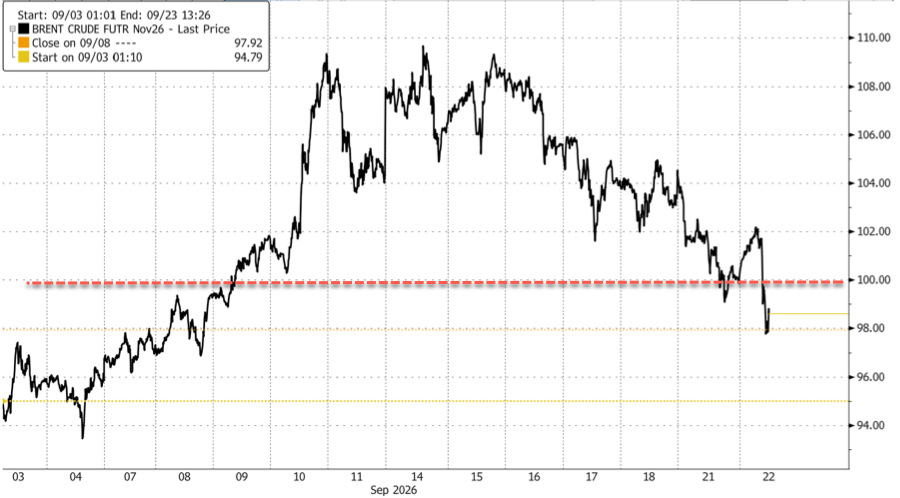
/ OFFSHORE CLOSED DOWN AT 6.6989 Oil UP TO 97.42 dollars per barrel for WTI and BRENT UP TO 101.49 Stocks in Europe OPENED ALL RED
ONSHORE USA/ YUAN// WITH YUAN TRADING DOWN (6.6989 OFFSHORE YUAN TRADING DOWN TO 6.6989 ONSHORE YUAN TRADING BELOW LEVEL // OFF SHORE AND UP ON THE DOLLAR)// / AND THUS WEAKER/OFF SHORE YUAN TRADING UP AGAINST US DOLLAR/ AND THUS WEAKER
SPREADERS:
HERE IS A BRIEF SYNOPSIS OF HOW THE CROOKS FLEECE UNSUSPECTING LONGS
YOU WILL ALSO NOTICE THAT THE COMEX OPEN INTEREST STARTS TO RISE BUT SO IS THE OPEN INTEREST OF SPREADERS. THE OPEN INTEREST IN WILL CONTINUE TO RISE UNTIL ONE WEEK BEFORE FIRST DAY NOTICE OF AN UPCOMING ACTIVE DELIVERY MONTH (OCT), AND THAT IS WHEN THE CROOKS SELL THEIR SPREAD POSITIONS BUT NOT AT THE SAME TIME OF THE DAY. THEY WILL USE THE SELL SIDE OF THE EQUATION TO CREATE THE CASCADE (ALONG WITH THEIR COLLUSIVE FRIENDS) AND THEN COVER ON THE BUY SIDE OF THE SPREAD SITUATION AT THE END OF THE DAY. THEY DO THIS TO AVOID POSITION LIMITS
WHAT IS ALARMING TO ME, ACCORDING TO OUR LONDON EXPERT ANDREW MAGUIRE IS THAT THESE EFP’S ARE BEING TRANSFERRED TO WHAT ARE CALLED SERIAL FORWARD CONTRACT OBLIGATIONS AND THESE CONTRACTS ARE LESS THAN 14 DAYS. ANYTHING GREATER THAN 14 DAYS, THESE MUST BE RECORDED AND SENT TO THE COMPTROLLER, GREAT BRITAIN TO MONITOR RISK TO THE BANKING SYSTEM. IF THIS IS INDEED TRUE, THEN THIS IS A MASSIVE CONSPIRACY TO DEFRAUD AS WE NOW WITNESS A MONSTROUS TOTAL EFP’S ISSUANCE AS IT HEADS INTO THE STRATOSPHERE.
The crooks also use the spread in the TAS account (trade at settlement). They buy the spot TAS (e.g. June) and sell the future TAS two months out (e.g. August). Then they unload the front month (i.e. unload the buy side first so the price of gold/silver falls. This occurs in the middle of the front delivery month cycle. They unload the sell side of the equation, two months down the road. The crooks violate position limits as the OCC refuse to hear our complaints.
First, here is an outline of what will be discussed tonight:
SILVER:
1.TODAY WE HAD THE OPEN INTEREST AT THE COMEX IN SILVER ROSE BY A SMALL 65 CONTRACTS TO AN OI OF 105,564
EFP ISSUANCE 200 CONTRACTS
OUR CUSTOMARY MIGRATION OF COMEX LONGS CONTINUE TO MORPH INTO LONDON FORWARDS AS OUR BANKERS USED THEIR EMERGENCY PROCEDURE TO ISSUE:
DEC 200 CONTRACTS and 0 ALL OTHER MONTHS: ZERO. TOTAL EFP ISSUANCE: 0 CONTRACTS. EFP’S GIVE OUR COMEX LONGS A FIAT BONUS PLUS A DELIVERABLE PRODUCT OVER IN LONDON. IF WE TAKE THE COMEX OI GAIN OF 316 CONTRACTS AND ADD TO THE 200 E.FP. ISSUED
WE OBTAIN A FAIR GAIN OF 265 OI OPEN INTEREST CONTRACTS FROM OUR TWO EXCHANGES WITH OUR LOSS OF $0.74
THUS IN OUNCES, THE GAIN ON THE TWO EXCHANGES TOTAL 1.325 MILLION PAPER OZ
STANDING SEPT AT 32.460 MILLION OZ
SILVER PRICE LOSS OF $0.74
XXXXXXXXXXXXXXXXXXXXXXXXXXXXXXXXXXXXX
GOLD
LET US BEGIN:
THE TOTAL COMEX GOLD OPEN INTEREST ROSE BY A FAIR 1196 CONTRACTS TO 413,568 STILL WELL ABOVE ITS NEW LOW OF 326,052 OI SET JUNE 3, CLOSE TO THE PREVIOUS ALL TIME LOW OF 345,705 SET (MAY 28) AND CLOSE TO THE PREVIOUS ALL TIME LOW IN OI OF 353,490 SET MAY 27.. PREVIOUS TO THAT THE ALL TIME LOW IN OI WAS 390,000 SET IN THE YEAR 2001 WHEN GOLD WAS TRADING $260.00. THE CME SHOULD BE PROUD OF THEMSELVES AS MANY HAVE ABANDONED THIS CROOKED ARENA!!THUS OUR NEW ALL TIME LOW OF COMEX OI HAS NOW BEEN SET AT 326,052 //JUNE 3 2026 WITH GOLD AT AN EXTREMELY HIGH $4,450.00 WHICH MAKES ABSOLUTELY NO SENSE!!!
WE HAD SOME T.A.S. LIQUIDATION DURING MONDAY’S COMEX TRADING HOURS// . IT SEEMS THAT MANY OF THE SPECULATORS THAT HAVE NOW CONTINUED AGAIN TO BE ON THE SHORT SIDE WITH BANKERS ON THE LONG SIDE AND THESE GUYS WERE AGAIN OBLITERATED YESTERDAY WHEN THE LONGS TENDERED FOR DELIVERY:
CENTRAL BANKS TENDERED THEIR NEW LONG CONTRACTS AT THE END OF THE DAY FOR PHYSICAL GOLD. YOU CAN VISUALIZE THIS WITH THE STRONG AMOUNT OF GOLD STANDING AT THE COMEX FOR THIS JULY CONTRACT MONTH!!
WE HAD A FAIR SIZED GAIN ON OUR TWO EXCHANGES (2946 CONTRACTS) OCCURRED DESPITE OUR LOSS IN PRICE IN GOLD (DOWN $41.20)
WE THUS HAD A FAIR GAIN IN OI ON BOTH OF OUR EXCHANGES (2946 CONTRACTS), WITH OUR GAIN IN PRICE, AS WE WERE INFORMED OF A FAIR CONTRACT EXCHANGE FOR PHYSICAL ISSUANCE EQUATING TO 1750 CONTRACTS.
THEN WE WERE NOTIFIED TODAY OF A 0 CONTRACT FOR RISK ISSUANCE IN GOLD CONTRACTS FOR 0 OZ OR 0 TONNES OF GOLD. TOTAL THUS SO FAR THIS MONTH: 2000 CONTRACTS//200,000 OZ OR 6.2208 TONNES (2 OCCASIONS)
MONTH OF MAY RECORD ISSUANCE OF EXCHANGE FOR RISK: THE HIGHEST EVER ISSUANCE!!
MAY 22 RECORDS THE HIGHEST EVER EXCHANGE FOR RISK AT 12.4416 TONNES. WE HAD OUR FIRST ISSUANCE FOR EXCHANGE FOR RISK IN THE MONTH OF MAY ON MAY 7, THEN OUR 2ND ISSUANCE FOR OUR MAY GOLD MONTH ON MAY 12. THE THIRD ON MAY 18 , THEN MAY 21 OUR 4TH ISSUANCE AND THEN FINALLY FRIDAY, OUR 5TH ISSUANCE. THIS GOLD WILL BE ADDED TO OUR NORMAL MAY DELIVERIES TO GIVE US OUR FINAL AMOUNT OF GOLD WILLING TO STAND AT THE COMEX..
HISTORY OF EXCHANGE FOR RISK ISSUANCE THIS YEAR: FEBRUARY THROUGH JULY AND AUGUST
FEBRUARY:
DURING THE MIDDLE OF THE FEBRUARY CONTRACT MONTH, WE HAD TWO IDENTICAL MONSTER 3,000 CONTRACT ISSUED FOR THE SAME 9.33 TONNES OF GOLD, AND THESE WERE THE HIGHEST EVER IN TONNAGE EVER ISSUED BY THE COMEX. ALTOGETHER THE TOTAL ISSUANCE FOR FEB TOTALLED SIX.(31.251 TONNES).
MARCH:
THURSDAY MARCH 17 WE RECEIVED ITS INITIAL 2000 CONTRACT EXCHANGE FOR RISK ISSUANCE FOR 6.22 TONNES. LAST FRIDAY: 0 ISSUANCE OF EXCHANGE FOR RISK. BUT ON MONDAY MARCH 23 WE RECEIVED NOTICE OF OUR SECOND EXCHANGE FOR RISK ISSUANCE FOR 2,200 CONTRACTS (220,000 OZ OR 6.843 TONNES) AND NOW FRIDAY WITH A MONSTER 2996 CONTRACTS FOR 9.3138 TONNES. THESE THREE ISSUANCES WILL NOW BE ADDED TO THE REGULAR AMOUNT OF GOLD STANDING, I.E. 22.3818 TONNES TO OUR NORMAL GOLD STANDING TO GIVE US WHAT WILL STAND FOR PHYSICAL GOLD FOR MARCH!
APRIL;: 2 EXCHANGE FOR RISK SO FAR, I.E. 2239 CONTRACTS FOR 223,900 OZ OR 6.964 TONNES AND THIS TOTAL TONNES WILL BE ADDED TO OUR NORMAL DELIVERY TO GIVE US WHAT WILL STAND IN APRIL
MAY: FIVE ISSUANCES SO FAR FOR 7920 CONTRACTS OR 792,000 OZ OR 24.635 TONNES.
JUNE: 0 IN GOLD. THUS FOR THE ENTIRE MONTH IN GOLD ZERO NOTICES WERE FILED.
JULY: 2 FOR 200 OZ OR 0.00622 TONNES
AUGUST: 1276 CONTRACTS FOR 127,600 OZ OR 3.9688 TONNES (5 OCCASIONS THIS MONTH)
SEPT: SO FAR: 2000 CONTRACTS FOR 200,000 OZ OR 6.2208 TONNESS (TWO OCCASIONS)
XXXXXXXXXXXXXXXXXXXXXXXXXXXXXXXXX
A LITTLE HISTORY OF EXCHANGE FOR RISK DECEMBER THROUGH TO SEPT:
IN DECEMBER WE HAVE RECORDED 5 ISSUANCES OF EXCHANGE FOR RISK/4 FOR DEC AND THE LAST ONE ON DEC 31 FOR JANUARY. WE NOW HAVE 3 CHOICES FOR THE RECIPIENT OF THIS ISSUANCE AND IT MUST BE A CENTRAL BANK. YOU WILL RECALL THAT THE BUYER ASSUMES THE RISK OF THAT DELIVERY. (THUS TOTAL EXCHANGE FOR RISK FOR THE MONTH OF DECEMBER IS 6.56 TONNES/4 OCCASIONS.
MONTH OF JANUARY/EXCHANGE FOR RISK
IN JANUARY THEY HAVE 6 TOTAL ISSUANCE : 3.446 TONNES EARLY, THEN JAN 9 ISSUANCE OF 9,331 TONNES AND THEN JAN 16: 0.1996 TONNES JAN 26: 1.499 TONNES, JAN 27: 3.160 AND FINALLY JAN 29: 4.659 TONNES TONNES//TOTAL EXCHANGE FOR RISK JANUARY 22.315 TONNES WHICH WAS ADDED TO OUR NORMAL DELVERIES.
AND FEBRUARY:
FEB EXCHANGE FOR RISK: NOW 6 ISSUANCES: 10,080 CONTRACTS FOR 1,008,000 OZ OR 31.251 TONNES!
HERE ARE THE CHOICES FOR THE RECIPIENT OF THOSE ISSUANCES:
1 THE CENTRAL BANK OF ENGLAND. BUT THEY RECEIVED CLEARANCE THAT THEIR GOLD IS BACK SO IT IS NOT LIKELY THAT THEY WOULD LIKE TO ADD TO THEIR RESERVES.
2. THE CENTRAL BANK OF THE USA: THE FED. LOGICAL CHOICE AS THEY CLAMOUR TRYING TO REDUCE THEIR 131+ TONNES OF SHORTAGE. HOWEVER THEY SEEM NOT TO BE IN A HURRY TO COVER THEIR HUGE SHORTFALL
3. THE CENTRAL BANK OF CHINA AS THEY BATTLE WITS WITH THE USA.
TOTAL EXCHANGE FOR RISK FOR DECEMBER IS 6.56 TONNES AND THIS WAS ADDED TO OUR NORMAL DELIVERY TOTALS..
THE JANUARY ISSUANCE OF 17.656 TONNES WAS ADDED TO OUR DAILY DELIVERY TOTALS!!
FEBRUARY ISSUANCES 6 FOR; 31.251 TONNES !! AND THIS WAS ADDED TO OUR DELIVERY TOTALS FOR THIS MONTH.
MARCH: CME ANNOUNCES ITS FIRST EXCHANGE FOR RISK FOR 2000 CONTRACTS FOR 200,000 OZ OR 6.22 TONNES OF GOLD DURING THE FIRST WEEK OF MARCH, AND THEN MONDAY, MARCH 22, WE RECEIVED ITS SECOND NOTICE ISSUANCE OF 2200 CONTRACTS OR 220000 OZ (6.843 TONNES). THEN FINALLY WE RECEIVED NOTICE OF OUR THIRD EXCHANGE FOR RISK OF 2996 CONTRACTS OR 9.3188 TONNES. TOGETHER ALL 3 ISSUANCES TOTAL 22.3818 TONNES WHICH WILL BE ADDED TO OUR NORMAL DELIVERY SCHEDULE.
APRIL: 2 EXCHANGE FOR RISK SO FAR FOR 223,900 OZ OR 6.964 TONNES. AND THIS TOTAL WILL BE ADDED TO OUR NORMAL DELIVERY TO GIVE US WHAT WILL STAND FOR APRIL!!
MAY: FIVE ISSUANCES SO FAR FOR 7920 CONTRACTS, 792,000 OZ OR 24.635 TONNES OF GOLD. THIS TOTAL WILL BE ADDED TO OUR NORMAL DELIVERIES IN MAY TO GIVE US WHAT WILL STAND IN MAY.
JUNE: ZERO
JULY 2 FOR 200 OZ OR 0.00622 TONNES. I DOUBT VERY MUCH THAT THIS IS A CENTRAL BANK
AUGUST: 1276 CONTRACTS FOR 127,600 OZ OR 3.9688 TONNES//5 OCCASIONS
SEPT: SO FAR: 2000 CONTRACTS FOR 200,000 OZ OR 6.2208 TONNES/TWO OCCASIONS
DETAILS ON OUR NEW SEPT COMEX CONTRACT MONTH//
IN TOTAL WE HAD A FAIR GAIN ON OUR TWO EXCHANGES OF 2946 CONTRACTS DESPITE OUR LOSS IN PRICE(DOWN $41.20). HOWEVER, OUR FRIENDLY PHYSICAL LONDON BOYS HAD ANOTHER FIELD DAY AGAIN THROUGHOUT THIS WEEK AS THEY WERE READY FOR THE FRBNY.S CONTINUED ORCHESTRATED ATTACKS VERY EARLY IN THE COMEX SESSIONS AS THEY TRIED TO ABSORB EVERYTHING IN SIGHT FROM THEIR DAILY ATTACKS. LONDONERS EXERCISED THEIR BOUGHT CONTRACTS FOR PHYSICAL GOLD VIA THE EXCHANGE FOR PHYSICAL ROUTE AND THANKED THE FRBNY AND OUR SHORT SPECULATORS FOR THEIR THOUGHTFULNESS.
LONDON ANNOUNCED EARLY IN THE YEAR (AND SCARCITY CONTINUES TO THIS DAY) THAT THEY WERE OUT OF GOLD. WRONGLY IT WAS ATTRIBUTED TO THEIR SHIPPING PHYSICAL GOLD TO COMEX FOR STORAGE DUE TO TRUMP’S INITIATION OF TARIFFS. THE TRUTH OF THE MATTER IS THAT THIS GOLD LEFT LONDON TO OTHER CENTRAL BANKS, AND COMEX BANKS HAVE BEEN PAPERING THEIR LOSSES (DERIVATIVE) WITH KILOBAR ENTRIES. BOTH COMEX AND LBMA ARE WITNESSING MASSIVE AMOUNTS OF GOLD LEAVING THEIR VAULTS.
THE LIQUIDATION OF T.A.S. CONTRACTS THROUGHOUT THE MONTHS OF JUNE/JULY/AUG CONTINUES TO DISTORT OPEN INTEREST NUMBERS GREATLY ALTHOUGH THE T.A.S. ISSUANCES IN GOLD HAVE GENERALLY BEEN ON THE LOW SIDE COMPARED TO SILVER WHICH HAVE BEEN HUGE. TODAY’S NUMBER HOWEVER IS A FAIR SIZED T.A.S ISSUANCE CONTRACTS .THE CME NOTIFIES US THAT THEY HAVE ISSUED 1436 T.A.S CONTRACTS. THESE ARE GENERALLY USED FOR RAID PURPOSES TO STOP GOLD’S RISE AND TO TEMPER HUGE LOSSES IN OTC DERIVATIVE BETS.
IT SURE LOOKS LIKE THE BIS HAS SOMEHOW LOOKED THE OTHER WAY WITH ITS GOLD SWAPS WITH THE FRBNY AS THIS ENTITY FOR THE FED REFUSES THE BIS MARCHING ORDERS TO COVER AND THAT MAY EXPLAIN THE STRONG NUMBER OF T.A.S. ISSUANCES IN DECEMBER , JANUARY AND THROUGHOUT FEBRUARY TO GO ALONG WITH OUR HUGE NUMBER OF EXCHANGE FOR RISK ISSUED DURING THESE MONTHS INCLUDING FEBRUARY’S 6 EXCHANGE FOR RISK WHICH ALSO INCLUDED TWO MONSTER 9.3312 TONNE ISSUANCE (FEB 10 AND FEB 12). TOTAL EXCHANGE FOR RISK/FEB EQUALS 31.251 TONNES!! AND MARCH’S THREE ISSUANCES FOR 22.3818 TONNES! OTHER CENTRAL BANKS ARE PAYING ATTENTION AS THEY TAKE DELIVERY OF HUGE AMOUNTS OF PHYSICAL GOLD. APRIL HAD 2 EXCHANGE FOR RISK ISSUANCES FOR 6.694 TONNES. AND MAY WITH ITS 5TH ISSUANCE FOR 12.4436 TONNES///TOTAL EXCHANGE FOR RISK FOR MAY: 24.635 TONNES ISSUED MAY 6 ,MAY 12, MAY 18 MAY 21 AND NOW MAY 22..
THEN IT SLOWS DOWN!
JUNE: ZERO FOR THE MONTH
JULY: 2 SO FAR FOR 200 IZ IR 0.00622 TONNES
AUGUST: 1276 CONTRACTS FOR 127,600 OZ OR 3.9688 TONNES
SEPT: 2000 CONTRACTS SO FAR FOR 200,000 OZ OR 6.2208 TONNES (TWO OCCASIONS)
WE MUST ALSO REMEMBER THAT THE FRBNY IS SHORT 141+ TONNES OF GOLD, THIS COMMENCED ON JAN 2 2023 AS THEY REFUSE TO COVER DESPITE THE BIS’S PLEA TO DO SO.
HERE IS A SUMMARY OF GOLD STANDING FOR DELIVERY ON OUR LAST 16 MONTHS:
1.APRIL AT 209 TONNES
2. AND THIS CONTINUED INTO MAY WITH FINAL STANDING AT 90.23 TONNES.
3. JUNE WHICH IS A HUGE DELIVERY MONTH , FINAL STANDING WAS RECORDED AT A STRONG 93.085 TONNES. //(TOTAL NET QUEUE JUMPING FOR THE JUNE MONTH: 31.027 TONNES.)
4. IN JULY WE HAD HUGE DELIVERY NOTICES ESPECIALLY FOR A NON ACTIVE DELIVERY MONTH WITH INITIAL STANDING AT 17.947 TONNES PLUS MANY QUEUE JUMPS + 3.75 TONNES EX FOR RISK = 41.106 TONNES OF GOLD // FINAL TOTAL TONNES STANDING JULY: 41.106 TONNES
5. FOR THE MONTH OF AUGUST 2025
INITIAL AMOUNT OF GOLD STANDING FOR AUGUST: 60.547 TONNES PLUS THE MONTHS HUGE QUEUE JUMPS OF 47.2312 TONNES +44.696 TONNES EX FOR RISK (7 ISSUANCES) //NEW STANDING 152.208 TONNES WHICH IS MONSTROUS!!!
6. FINAL AMOUNT OF GOLD STANDING FOR SEPT; INITIAL STANDING; 2,602 CONTRACTS OR 260,200 OZ FOR 8.093 TONNES OF GOLD FOLLOWED BY TODAY’S 0.4883 TONNES QUEUE JUMP TO GO ALONG WITH TODAY’S 1.244 TONNES OF EXCHANGE FOR RISK ISSUANCE TODAY AND // TOTAL EXCHANGE FOR RISK ISSUANCE SEPT: 22.923 TONNES//NEW TOTALS STANDING ADVANCES TO 48.801 TONNES OF GOLD!!!
7. OCTOBER:
OCTOBER: INITIAL STANDING FOR GOLD: 90.164 TONNES TO WHICH WE ADD OUR LATEST OCT 30 QUEUE JUMP OF 0.00311 TONNES WHICH FOLLOWS OCT 29 QUEUE JUMP OF .4096 WHICH FOLLOWS; OCT 28 QUEUE JUMP OF .5069 TONNES WHICH FOLLOWS OCT 27 OF 0.3048 TONNES WHICH FOLLOWS: OCT 24 OF 0.8615 TONNES, FOLLOWING OCT 23 QUEUE JUMP OF 1.695 TONNES OCT 22 JUMP OF 8.622 TONNES WHICH FOLLOWS OCT 21: 3.8600 TONNES TO OCT 20 QUEUE JUMP OF 7.695 TONNE
SUMMARY FOR OCTOBER STANDING:
NOVEMBER WHERE INITIAL AMOUNT OF GOLD STANDING IS REGISTERED AT 15.651 TONNES OF GOLD FOLLOWED BY TODAY’S QUEUE JUMP OF 2 TONNES AND FOLLOWED BY ALL OTHER NOV QUEUE JUMPS OF 21.3775 TONNES TO WHICH WE ADD OUR TWO EXCHANGE FOR RISK ISSUANCE FOR 4.5596 TONNES.
/STANDING ADVANCES TO 43.9716 TONNES OF GOLD.
DECEMBER: INITIAL AMOUNT OF GOLD STANDING FOR DELIVERY IN THIS ACTIVE MONTH IS 83.813 TONNES FOLLOWED BY TODAY’S 0.05 TONNES QUEUE JUMP. THIS FOLLOWS ALL OTHER QUEUE JUMPING: 37.163 TONNES//NEW STANDING ADVANCES TO 115.390 TONNES TO WHICH WE ADD OUR FOUR EXCHANGE FOR RISK ISSUANCE OF 6.559 TONNES//NEW STANDING THUS INCREASES TO 121.977 TONNES
JANUARY: INITITAL STANDING: 13.785 TONNES TO WHICH WE ADD OUR QUEUE JUMP OF 0.000 TONNES WHICH FOLLOWS ALL OTHER QUEUE JUMPS OF 30.7117TONNES //NEW TOTAL QUEUE JUMPS 30.7117//NORMAL DELIVERY OF GOLD ADVANCES TO 36.8958 TONNES TO WHICH WE ADD OUR SIX EXCHANGE FOR RISK OF 22.315 TONNES//NEW STANDING ADVANCES TO 59.2108 TONNES.
FEBRUARY: . FEBRUARY: INITIAL STANDING: 93.566 TONNES TO WHICH WE ADD OUR NEXT QUEUE JUMP OF 0.0248 TONNES WHICH MUST BE ADDED ALL OTHER QUEUE JUMPS OF 41.2087 TONNES QUEUE JUMP//TOTAL QUEUE JUMP FOR FEB::ADVANCES TO 41.233 TONNES///STANDING ADVANCES TO 126.628 TONNES TO WHICH WE ADD OUR SIX EXCHANGE FOR RISK OF 31.251 TONNES/NEW STANDING FINALIZES AT 157.879 TONNES, ITS HIGHEST STANDING RECORDED IN OVER 4 YEARS.
MARCH: INITIAL STANDING FOR GOLD: 8.099 TONNES TO WHICH WE ADD OUR NEXT QUEUE JUMP OF 0.2320 TONNES AND THEN WE ADD OUR THREE EXCHANGE FOR RISK OF 22.3818 TONNES////NEW STANDING FOR GOLD ADVANCES TO: 67.6648TONNES WHICH IS ABSOLUTELY HUGE FOR A NON ACTIVE DELIVERY MONTH!!
APRIL 2026: INITIAL STANDING FOR GOLD: 52.20 TONNES FOLLOWED BY TODAY’S SMALL 500 OZ QUEUE JUMP/ TO WHICH WE ADD OUR TWO EXCHANGE FOR RISK ISSUANCES TOTALLING 223,900 OZ OR 6.964 TONNES//STANDING ADVANCES TO 77.726 TONNES WHICH IS ABSOLUTELY HUGE
MAY: INITIAL AMOUNT OF GOLD WILLING TO STAND: 12.24 TONNES OF GOLD TO WHICH WE ADD OUR NEXT HUGE QUEUE JUMP OF 34,500 OZ (1.073 TONNES) TO WHICH WE ADD OUR FIVE EXCHANGE FOR RISK ISSUANCE FOR 792,000 OZ OR 24.635 TONNES////NEW TOTALS STANDING FOR GOLD ADVANCES TO 51.554 TONNESS
JUNE: INITIAL AMOUNT OF GOLD WILLING TO STAND: 64.496 TONNES TO WHICH WE SUBTRACT AN EXCHANGE FOR PHYSICAL TRANSFER TO LONDON OF 0.0186 TONNES//NEW STANDING REDUCES TO 127.03 TONNES// TOTAL QUEUE JUMPING FOR THE MONTH FINALIZES AT 62.4217 TONNES OR AVERAGING 3.285 TONNES PER DAY IN JUNE.
JULY: INITIAL AMOUNT OF GOLD WILLING TO STAND: 749,300 OZ OR 23.306 TONNES OF GOLD TO WHICH WE ADD OUR NEXT QUEUE JUMP OF 0.000TONNES//NEW STANDING REMAINS AT 40.818TONNES PLUS 0.00622 TONNES EXHANGE FOR RISK// NEW TOTAL 40.824 TONNES . TOTAL QUEUE JUMPING SO FAR: 17.5802 TONNES OR 0.8790 TONNES ON EACH TRADING DAY LEAVING COMEX FOR EASTERN SHORES.
AUGUST INITIAL; INITIAL AMOUNT OF GOLD WILLING TO STANDS: 48.687 TONNES TO WHICH WE ADD OUR 5TH EXCHANGE FOR RISK OF 5 CONTRACTS FOR 500 OZ OR 0.0155 TONNES TO OUR 4TH EXCHANGE FOR RISK OF 220 CONTRACTS FOR 20,000 OZ OR 0.6220 TONNES TO OUR 3RD EXCHANGE FOR RISK AT 1.7045 TONNES TO OUR 2ND EXCHANGE FOR RISK AT 1.552 TONNES TO OUR FIRST: 0.0715 NEW TOTAL EXCHANGE FOR RISK = 3.9688 TONNES AND THEN ADD OUR NEXT QUEUE JUMP OF 39 CONTRACTS OR 3900 OZ (0.1213 TONNES)//STANDING, IN TOTAL, THUS ADVANCES HUGELY TO 67.2441 TONNES.
SEPT/2026. INITIAL STANDING : 8.756 TONNES//FOLLOWED BY TODAY’S EXCHNGE FOR PHYSICAL TRANSDFER TO LONDON OF 1100 OZ OR .0342 TONNES TO WHICH WE ADD THIS TO OUR TWO EXCHANGE FOR RISK OF 2,000 CONTRACTS/200,000 OZ OR 6.2208 TONNES: /NEW STANDING REDUCES TO 17.7857 TONNES
HERE ARE THE AMOUNTS THAT STOOD FOR DELIVERY IN THE 4 YEARS 2021-2024
DEC 2021: 112.217 TONNES
NOV. 8.074 TONNES
OCT. 57.707 TONNES
SEPT: 11.9160 TONNES
AUGUST: 80.489 TONNES
JULY 7.2814 TONNES
JUNE: 72.289 TONNES
MAY 5.77 TONNES
APRIL 95.331 TONNES
MARCH 30.205 TONNES
FEB ’21. 113.424 TONNES
JAN ’21: 6.500 TONNES.
TOTAL YEAR 2021 (JAN- DEC): 601.213 TONNES
YEAR 2022: STANDING FOR GOLD/COMEX
JANUARY 2022 17.79 TONNES
FEB 2022: 59.023 TONNES
MARCH: 36.678 TONNES
APRIL: 85.340 TONNES FINAL.
MAY: 20.11 TONNES FINAL
JUNE: 74.933 TONNES FINAL
JULY 29.987 TONNES FINAL
AUGUST:104.979 TONNES//FINAL
SEPT. 38.1158 TONNES
OCT: 77.390 TONNES/ FINAL
NOV 27.110 TONNES/FINAL
Dec. 64.000 tonnes
(TOTAL YEAR 656.076 TONNES)
2023:STANDING FOR GOLD/COMEX
JAN/2023: 20.559 tonnes
FEB 2023: 47.744 tonnes
MAR: 19.0637 TONNES
APRIL: 75.676 tonnes
MAY: 19.094 TONNES + 1.244 tonnes of exchange for risk = 20.338
JUNE: 64.354 TONNES
JULY: 10.2861 TONNES
AUGUST: 38.855 TONNES(INCLUDING .6842 EXCHANGE FOR RISK)
SEPT: 15.281 TONNES FINAL
OCT. 35.869 TONNES + 1.665 EXCHANGE FOR RISK =37.0355 tonnes
DEC. 47.073 + 4.634 TONNES OF EXCHANGE FOR RISK = 51.707 TONNES
TOTAL 2023 YEAR : 436.546 TONNES
2024/STANDING FOR GOLD/COMEX
JAN ’24. 22.706 TONNES
FEB. ’24: 66.276TONNES (INCLUDES 1.723 TONNES EX. FOR RISK)
MARCH: 18.8398 TONNES + 1.1695 EX FOR RISK = 20.093 TONNES
APRIL: 2024: 53.673TONNES FINAL
MAY/ 2024 8.5536 TONNES + 3.3716 TONNES EX FOR RISK/= 11.9325
JUNE; 95.578 TONNES. + 1.045 TONNES EXCHANGE FOR RISK =96.623 THIS IS THE HIGHEST RECORDED GOLD STANDING SINCE AUGUST 2022
JULY: 11.692 TONNES
AUGUST 69.602 TONNES//FINAL STANDING
SEPT. 13.164 TONNES.
OCT 39.474 TONNES + + 20.917 TONNES EXCHANGE FOR RISK =60.391 TONNES
NOV . 11.265 TONNES +4.665 TONNES EXCHANGE FOR RISK/TUESDAY + 3.11 TONNES OF EX. FOR RISK/PRIOR = 19.0425 TONNES
DEC: 80.4230 TONNES PLUS DEC MONTH EXCHANGE FOR RISK TOTAL 14.6836 TONNES EQUALS 95.1066 TONNES
total year 2024: 540.30 tonnes
COMEX GOLD TRADING BEGINNING SEPT CONTRACT;
THE SPECS/HFT WERE SUCCESSFUL IN LOWERING GOLD’S PRICE ( IT FELL BY $41.40).
WE HAD SOME T.A.S. SPREADER LIQUIDATION FRIDAY // COMEX SESSION// WITH OUR LOSS IN PRICE.
OTHER EASTERN CENTRAL BANKS TENDERED FOR PHYSICAL EVERY NIGHT WHICH ALSO EXPLAINS THE HUGE NUMBER OF TONNES OF GOLD THAT STOOD FOR GOLD DURING THESE PAST SEVERAL MONTHS
THE CROOKS COULD NOT STOP OTHER CENTRAL BANK LONGS, SEIZING THE MOMENT, THEY EXERCISED AGAIN FOR PHYSICAL IN A BIG WAY TENDERING FOR PHYSICAL MONDAY EVENING TUESDAY MORNING AND THUS OUR HUGE NUMBER OF GOLD CONTRACTS STANDING FOR DELIVERY AT THE COMEX. CENTRAL BANKERS WAIT PATIENTLY FOR THE GOLD
ALL OF THIS WAS ACCOMPLISHED WITH OUR LOSS IN PRICE AT COMEX OF $41,40
WE HAD A HUGE 956 CONTRACTS REMOVED // PRELIMINARY NUMBERS TO FINAL COMEX NUMBERS.
NET GAIN ON THE TWO EXCHANGES: 2946 CONTRACTS OR 294,600 OZ 9.163 TONNES
Total monthly oz gold served (contracts) so far this month
3527 notices 352,700 OZ
10.970 TONNES
Total accumulative withdrawals of gold from the Dealers inventory this month
NIL oz
Total accumulative withdrawal of gold from the Customer inventory this month
dealer deposits: 0
xxxxxxxxxxxxxxxxxxx
ENTRIES: 0
xxxxxxxxxxxxxxxxxx
comex withdrawal
1 ENTRIES
i) Out of Manfra: 32.151 oz one kilobar
adjustments: 2//both customer to dealer:
a) Int. Delaware 32,225.786 oz
b) Manfra 2,893.590 oz
COMEX IS DRAINING GOLD
chaos inside the comex
THE FRONT MONTH OF SEPT OI STANDS AT 191 CONTRACTS HAVING A LOSS OF 312 CONTRACTS.
MONDAY WE HAD NORMAL STANDING AT 372,700 OZ //TODAY: 371,800 OZ STAND. THUS A LOSS OF 1100 OZ(0.030342 TONNES) OR 11 CONTRACTS UNDERWENT AN EXCHANGE FOR PHYSICAL TRANSFER TO LONDON WHERE THEY WILL TAKE DELIVERY OVER IN LONDON.
OCT LOST 327 CONTRACTS TO AN OI OF 42,082
NOVEMBER GAINED 53 CONTRACTS RISING TO 1149
.
We had 0 contracts filed for today representing 0 oz
Today, 0 notice(s) were issued from J.P.Morgan dealer and 0 notices issued from their client or customer account. The total of all issuance by all participants equate to 0 contract(s) of which 0 notices were stopped (received) by j.P. Morgan dealer and 0 notice(s) was (were) stopped (received) by J.P.Morgan//customer account
To calculate the INITIAL total number of gold ounces standing for SEPT /2026. contract month, we take the total number of notices filed so far for the month (3527) to which we add the difference between the open interest for the front month of SEPT (191 CONTRACTS) minus the number of notices served upon today 0x 100 oz per contract) equals 371,800 OZ OR(11.5645 Tonnes of gold) to which we add our two exchange for risk, 2000 contracts or 200,000 oz (6.2208 tonnes)///// thus new standing thus advances to 17.7853 tonnes
THUS: INITIAL total number of gold ounces standing for SEPT. /2026. contract month,we take the total number of notices filed so far for the month (3527) to which we add the difference between the open interest for the front month of SEPT(191) contracts minus the number of notices served upon today 303 x 100 oz per contract) equals 371,800 OZ OR(11.5645 Tonnes of gold) to which we add our two exchange for risk of 6.2208 tonnes/new standing advances to 17.7853 tonnes
new total of gold standing in SEPT becomes 17.7853TONNES//
TOTAL COMEX GOLD STANDING FOR SEPT.: 17.7853 TONNES WHICH IS NOW VERY STRONG FOR THIS NON ACTIVE DELIVERY MONTH OF SEPT
confirmed volume MONDAY confirmed 158,081/ fair//
COMEX GOLD INVENTORIES/CLASSIFICATION
NEW PLEDGED GOLD:
241,794.285 oz NOW PLEDGED /HSBC 5.94 TONNES
204,937.290 OZ PLEDGED MANFRA 3.08 TONNES
83,657.582 PLEDGED JPMorgan no 1 1.690 tonnes
265,999.054, oz JPM No 2
1,152,376.639 oz pledged Brinks/
Manfra: 33,758.550 oz
Delaware: 193.721 oz
International Delaware:: 11,188.542 oz
total pledged gold: 1,715,336.229 oz 53.354 tonnes pledged gold lowers
total inventories in gold declining rapidly
total pledged gold: 1,715,336.229 tonnes oz 53.354 tonnes
TOTAL OF ALL GOLD ELIGIBLE AND REGISTERED GOLD 23,356.390/373 oz//error//no documentation that eligible gold left
TOTAL REGISTERED GOLD 15,185,624.842 tonnes (472.33 tonnes)
TOTAL OF ALL ELIGIBLE GOLD 8,170,796.531 oz. this is an error//no documentation of this gold leaving
REGISTERED GOLD THAT CAN BE SERVED UPON 13,470,288 oz ((REG GOLD- PLEDGED GOLD)=
418.898 Tonnes //
total inventories in gold declining rapidly
SILVER COMEX
SEPT DELIVERY MONTH
SEPT 22
Silver
Ounces
Withdrawals from Dealers Inventory
NIL oz
Withdrawals from Customer Inventory
1 entries
i) Out of JPMorgan: 418,383.730 oz
total withdrawal 418,383.730 OZ
Deposits to the Dealer Inventory
0 ENTRY
Deposits to the Customer Inventory
ENTRIES: 2
i) Into CNT : 627,141.230 oz ii) Into Delaware 2017.727 oz
total deposit 629,158.957 oz
No of oz served today (contracts)
122 CONTRACT(S) ( 610,000 OZ)
No of oz to be served (notices)
202 Contracts (1.010 MILLION oz)
Total monthly oz silver served (contracts)
6290 contracts 30.840 MILLIONoz
Total accumulative withdrawal of silver from the Dealers inventory this month
NIL oz
Total accumulative withdrawal of silver from the Customer inventory this month
DEPOSITS INTO DEALER ACCOUNTS
ENTRY:0
DEPOSIT ENTRIES/CUSTOMER ACCOUNT
2 ENTRIES:
i) Into CNT : 627,141.230 oz
ii) Into Delaware 2017.727 oz
total deposit 629,158.957 oz
xxxxxxxxxxxxxxxxxxxxxxxxx
withdrawals:
1 entries
i) Out of JPMorgan: 418,383.730 oz
total withdrawal 418,383.730 OZ
adjustments : 2 both customer to dealer;
a) CNT 603,758.650 oz
b) Manfra: 9992.971 oz
xxxxxxxxxxxxxx
TOTAL REGISTERED SILVER: 97.884 MILLION OZ//.TOTAL REG + ELIGIBLE. 330.766 Million oz
registered silver dropping in numbers
CALCULATIONS FOR THE NEW STANDING FOR SILVER FOR SEPT
FRONT MONTH: SILVER OPEN INTEREST CONTRACTS: 324 FOR A LOSS OF 3 CONTRACTS.
YESTERDAY WE HAD 32.210 MILLION OZ STAND: TODAY 32.460 MILLION OZ FOR A GAIN OF 0.250 MILLION OZ (250,000 OZ OR A 50 CONTRACT QUEUE JUMP WHERE THEY WILL TAKE EXTRA DELIVERY ON THIS SIDE OF THE POND.
OCT LOST 50 CONTRACTS TO AN OI OF 2948
NOVEMBER GAINED 53 CONTRACTS UP TO AN OI OF 580
TOTAL NUMBER OF NOTICES FILED FOR TODAY: 122 or 0.610 MILLION oz
CONFIRMED volumeMONDAY;42,675 // poor/
AND NOW SEPT. DELIVERIES:
To calculate the number of silver ounces that will stand for delivery in SEPT. we take the total number of notices filed for the month so far at 6290 X5,000 oz = 31.450 MILLION oz.
Then we take the difference between the front month of September and the number of notices filed for today x 5000 to give us our standing
Thus the standings for silver for the Sept 2026 contract month: (6290 )Notices served so far) x 5000 oz + OI for the front month of SEPT (324) minus number of notices served upon today ( 122 x 5000 oz) equals silver standing for the SEPT .contract month equating to 32.460 MILLION OZ. ( a very strong delivery month)
We must also keep in mind that there is considerable silver standing in London coming from our longs
There are ONLY 97.884 million oz of registered silver
JPMorgan as a percentage of total silver: 132.672/330.766million: 40.09%
The record level of silver open interest is 234,787 contracts set on April 21./2017 with the price on that day at $18.42.
The previous record was 224,540 contracts with the price at that time of $20.44.
BOTH GLD AND SLV ARE MASSIVE FRAUD
XXXXXXXXXXXXXXXXXXXXXXXXXXXXXXXXXXXXXXXXXXX
SEPT 22//2026/WITH GOLD DOWN $6.30 /HUGE CHANGES IN GOLD AT THE GLD://A DEPOSIT OF 0.31 TONNES OF GOLD INTO THE GLD/:/INVENTORY RESTS AT 1055.41 TONNES
SEPT 21//2026/WITH GOLD DOWN $41.20 /HUGE CHANGES IN GOLD AT THE GLD://A DEPOSIT OF 2.26 TONNES OF GOLD INTO THE GLD/:/INVENTORY RESTS AT 1055.10 TONNES
SEPT 18//2026/WITH GOLD UP $26.45 /HUGE CHANGES IN GOLD AT THE GLD://A DEPOSIT OF 0.85 TONNES OF GOLD INTO THE GLD/:/INVENTORY RESTS AT 1052.84 TONNES
SEPT 17//2026/WITH GOLD UP $14.05 /HUGE CHANGES IN GOLD AT THE GLD://A DEPOSIT OF 1.71 TONNES OF GOLD INOT THE GLD/:/INVENTORY RESTS AT 1051.99 TONNES
SEPT 16//2026/WITH GOLD UP $53.40 /HUGE CHANGES IN GOLD AT THE GLD://A DEPOSIT OF 2.86 TONNES OF GOLD INOT THE GLD/:/INVENTORY RESTS AT 1050.28 TONNES
SEPT 15//2026/WITH GOLD DOWN $19.45 /NO CHANGES IN GOLD AT THE GLD://A WITHDRAWAL OF 0.353 TONNES OF GOLD FROM THE GLD/:/INVENTORY RESTS AT 1047.420 TONNES
SEPT 14//2026/WITH GOLD DOWN $54.50 /SMALL CHANGES IN GOLD AT THE GLD://A WITHDRAWAL OF 0.353 TONNES OF GOLD FROM THE GLD/:/INVENTORY RESTS AT 1047.420 TONNES
SEPT 11//2026/WITH GOLD UP $1.05 /SMALL CHANGES IN GOLD AT THE GLD://A WITHDRAWAL OF 0.353 TONNES OF GOLD FROM THE GLD/:/INVENTORY RESTS AT 1050.277 TONNES
/SEPT 10//2026/WITH GOLD UP $50.60 /NO CHANGES IN GOLD AT THE GLD://:/INVENTORY RESTS AT 1050.63 TONNES
SEPT 9//2026/WITH GOLD UP $20.40 /HUGE CHANGES IN GOLD AT THE GLD:A WITHDRAWAL OF 1.43 TONNES OF GOLD OUT OF THE GLD/ ////:/INVENTORY RESTS AT 1050.63 TONNES
SEPT 8//2026/WITH GOLD DOWN $34.20 /HUGE CHANGES IN GOLD AT THE GLD:A WITHDRAWAL OF 1.42 TONNES OF GOLD OUT OF THE GLD/ ////:/INVENTORY RESTS AT 1052.06 TONNES
SEPT 4//2026/WITH GOLD DOWN $63.50 /HUGE CHANGES IN GOLD AT THE GLD:A WITHDRAWAL OF 3.14 TONNES OF GOLD OUT OF THE GLD/ ////:/INVENTORY RESTS AT 1053.48 TONNES
SEPT 3//2026/WITH GOLD UP $141.55 /HUGE CHANGES IN GOLD AT THE GLD:A DEPOSIT OF 9.98 TONNES OF GOLD INTO THE GLD/ ////:/INVENTORY RESTS AT 1056.62 TONNES
SEPT 2//2026/WITH GOLD UP $19.25 /HUGE CHANGES IN GOLD AT THE GLD:A DEPOSIT OF 4.28 TONNES OF GOLD INTO THE GLD/ ////:/INVENTORY RESTS AT 1046.64 TONNES
SEPT 1//2026/WITH GOLD DOWN $80.25 /NO CHANGES IN GOLD AT THE GLD:// ////:/INVENTORY RESTS AT 1042.36 TONNES
AUGUST 31//2026/WITH GOLD DOWN $48.20 /HUGE CHANGES IN GOLD AT THE GLD:A WITHDRAWAL OF 4.25 TONNES OF GOLD FROM THE GLD// ////:/INVENTORY RESTS AT 1042.36 TONNES
AUGUST 28//2026/WITH GOLD DOWN $119.00 /HUGE CHANGES IN GOLD AT THE GLD:A WITHDRAWAL OF 1.71 TONNES OF GOLD FROM THE GLD// ////:/INVENTORY RESTS AT 1046.64 TONNES
AUGUST 27//2026/WITH GOLD UP $11.35 /NO CHANGES IN GOLD AT THE GLD: ////:/INVENTORY RESTS AT 1048.950 TONNES
AUGUST 26//2026/WITH GOLD DOWN $75.35 /HUGE CHANGES IN GOLD AT THE GLD: // A STRONG WITHDRAWAL OF 1/138 TONNES OF GOLD OUT OF THE GLD//:/INVENTORY RESTS AT 1048.950 TONNES
AUGUST 25//2026/WITH GOLD FLAT /HUGE CHANGES IN GOLD AT THE GLD: // A STRONG DEPOSIT OF 2.279 TONNES OF GOLD INTO THE GLD//:/INVENTORY RESTS AT 1049.489 TONNES
AUGUST 24//2026/WITH GOLD UP $15.30 /HUGE CHANGES IN GOLD AT THE GLD: // A MASSIVE DEPOSIT OF 12.50 TONNES OF GOLD INTO THE GLD//:/INVENTORY RESTS AT 1047.21 TONNES
AUGUST 21//2026/WITH GOLD UP $103.98 /NO CHANGES IN GOLD AT THE GLD: //:/INVENTORY RESTS AT 1034.65 TONNES
AUGUST 20//2026/WITH GOLD UP $29.30 /HUGE CHANGES IN GOLD AT THE GLD: A MASSIVE DEPOSIT OF 9.41 TONNES OF GOLD INTO THE GLD: //:/INVENTORY RESTS AT 1034.65 TONNES
AUGUST 19//2026/WITH GOLD UP $123.70 /HUGE CHANGES IN GOLD AT THE GLD: A MASSIVE WITHDRAWAL OF 5.42 TONNES OF GOLD OUT OF THE GLD: //:/INVENTORY RESTS AT 1025.24 TONNES
AUGUST 18//2026/WITH GOLD DOWN $51.50 /HUGE CHANGES IN GOLD AT THE GLD: A MASSIVE DEPOSIT OF 7.13 TONNES OF GOLD INTO THE GLD: //:/INVENTORY RESTS AT 1030.66 TONNES
AUGUST 17//2026/WITH GOLD UP $36.70 /HUGE CHANGES IN GOLD AT THE GLD: A WITHDRAWAL OF 2.28 TONNES OF GOLD FORM THE GLD: //:/INVENTORY RESTS AT 1023.53 TONNES
AUGUST 14//2026/WITH GOLD UP $16.55 /NO CHANGES IN GOLD AT THE GLD: : //:/INVENTORY RESTS AT 1025.80 TONNES
AUGUST 13//2026/WITH GOLD DOWN $43.05 /HUGE CHANGES IN GOLD AT THE GLD: A DEPOSIT OF 3,139 TONNES OF GOLD INTO THE GLD. : //:/INVENTORY RESTS AT 1025,80TONNES
AUGUST 12//2026/WITH GOLD UP $24.55 /HUGE CHANGES IN GOLD AT THE GLD: A DEPOSIT OF 2.562 TONNES OF GOLD INTO THE GLD. : //:/INVENTORY RESTS AT 1022.672TONNES
AUGUST 11//2026/WITH GOLD UP $20.25 /HUGE CHANGES IN GOLD AT THE GLD: A DEPOSIT OF 2.52 TONNES OF GOLD INTO THE GLD. : //:/INVENTORY RESTS AT 1020.06TONNES
AUGUST 10//2026/WITH GOLD UP $22.00 /HUGE CHANGES IN GOLD AT THE GLD: A DEPOSIT OF 2.82 TONNES OF GOLD INTO THE GLD. : //:/INVENTORY RESTS AT 1017. 540TONNES
/AUGUST 7//2026/WITH GOLD UP $98.00 /HUGE CHANGES IN GOLD AT THE GLD: A DEPOSIT OF 0.57 TONNES OF GOLD INTO THE GLD. : //:/INVENTORY RESTS AT 1014.720TONNES
AUGUST 6//2026/WITH GOLD DOWN $2.45 /HUGE CHANGES IN GOLD AT THE GLD: A DEPOSIT OF 4.851 TONNES OF GOLD FROM THE GLD. : //:/INVENTORY RESTS AT 1014.143TONNES
GLD INVENTORY: 1055.41 TONNES, TONIGHTS TOTAL GOLD INVENTORY
SILVER
SEPT 22 WITH SILVER UP $0.10 : :NO CHANGES IN INVENTORY AT THE SLV: :INVENTORY RESTS AT 496.062 MILLION OZ
SEPT 21 WITH SILVER UP $1.04 : :HUGE CHANGES IN INVENTORY AT THE SLV: :INVENTORY RESTS AT 489.558 MILLION OZ
SEPT 18 WITH SILVER UP $1.04 : :NO CHANGES IN INVENTORY AT THE SLV: :INVENTORY RESTS AT 489.558 MILLION OZ
SEPT 17 WITH SILVER UP $1.10 : :HUGE CHANGES IN INVENTORY AT THE SLV: A WITHDRAWAL OF 1.265 MILLION OZ FROM THE SLV/ :INVENTORY RESTS AT 489.558 MILLION OZ
SEPT 16 WITH SILVER UP $0.95 : :HUGE CHANGES IN INVENTORY AT THE SLV: A WITHDRAWAL OF 813,000 OZ FROM THE SLV/ :INVENTORY RESTS AT 490.823 MILLION OZ
SEPT 15 WITH SILVER DOWN $0.16 : :HUGE CHANGES IN INVENTORY AT THE SLV: A WITHDRAWAL OF 813,000 OZ FROM THE SLV/ :INVENTORY RESTS AT 491.636 MILLION OZ
SEPT 14 WITH SILVER DOWN $0.91 : :NO CHANGES IN INVENTORY AT THE SLV:/ :INVENTORY RESTS AT 492.449 MILLION OZ
SEPT 11 WITH SILVER DOWN $3.50 : :NO CHANGES IN INVENTORY AT THE SLV:/ :INVENTORY RESTS AT 492.449 MILLION OZ
SEPT 10 WITH SILVER DOWN $3.50 : :NO CHANGES IN INVENTORY AT THE SLV:// / :INVENTORY RESTS AT 493.171 MILLION OZ
SEPT 9 WITH SILVER UP $0.56 : :NO CHANGES IN INVENTORY AT THE SLV:// / :INVENTORY RESTS AT 493.171 MILLION OZ
SEPT 8 WITH SILVER UP $0.31 : :HUGE CHANGES IN INVENTORY AT THE SLV:/ A DEPOSIT OF 0.632 MILLION OZ INTO THE SLV// / :INVENTORY RESTS AT 493.171 MILLION OZ
SEPT 4 WITH SILVER UP $2.20 : :NO CHANGES IN INVENTORY AT THE SLV:/// / :INVENTORY RESTS AT 492.539 MILLION OZ
SEPT 3 WITH SILVER UP $2.20 : :HUGE CHANGES IN INVENTORY AT THE SLV:A WITHDRAWAL OF 1.293 MILLION OZ FROM THE SLV//// / :INVENTORY RESTS AT 492.539 MILLION OZ
SEPT2 WITH SILVER UP $0.15 : :NO CHANGES IN INVENTORY AT THE SLV:// / :INVENTORY RESTS AT 493.832 MILLION OZ
SEPT1 WITH SILVER DOWN $1.43 : :NO CHANGES IN INVENTORY AT THE SLV:// / :INVENTORY RESTS AT 493.832 MILLION OZ
AUGUST 31 WITH SILVER DOWN $0.97 : :SMALL CHANGES IN INVENTORY AT THE SLV:A DEPOSIT OF 0.452 MILLION OZ INTO THE SLV// / :INVENTORY RESTS AT 493.832 MILLION OZ
AUGUST 28 WITH SILVER DOWN $2.44 : :SMALL CHANGES IN INVENTORY AT THE SLV:A WITHDRAWAL OF 0.543,000 MILLION OZ FROM THE SLV// / :INVENTORY RESTS AT 493.380 MILLION OZ
AUGUST 27 WITH SILVER UP $1.33 : :NO CHANGES IN INVENTORY AT THE SLV: / :INVENTORY RESTS AT 493.923 MILLION OZ
AUGUST 26 WITH SILVER DOWN $0.60 : :HUGE CHANGES IN INVENTORY AT THE SLV: A WITHDRAWAL OF 1.174 MILLION OZ OUT OF THE SLV / :INVENTORY RESTS AT 493.923 MILLION OZ
AUGUST 25 WITH SILVER UP $0.43 : :HUGE CHANGES IN INVENTORY AT THE SLV: A DEPOSIT OF 3.9786 MILLION OZ INTO THE SLV / :INVENTORY RESTS AT 495.097 MILLION OZ
AUGUST 24 WITH SILVER DOWN $1.08 : :HUGE CHANGES IN INVENTORY AT THE SLV: A DEPOSIT OF 0.633 MILLION OZ INTO THE SLV / :INVENTORY RESTS AT 491.754 MILLION OZ
AUGUST 21 WITH SILVER UP $1.48 : :NO CHANGES IN INVENTORY AT THE SLV. / :INVENTORY RESTS AT 491.121 MILLION OZ
AUGUST 20 WITH SILVER UP $2.92 : :HUGE CHANGES IN INVENTORY AT THE SLV A WITHDRAWAL OF 2.169 MILLION OZ OZ OUT OF THE SLV. / :INVENTORY RESTS AT 491.121 MILLION OZ
AUGUST 19 WITH SILVER UP $1.72 : :HUGE CHANGES IN INVENTORY AT THE SLV A DEPOSIT OF 2.259 MILLION OZ OZ INTO THE SLV. / :INVENTORY RESTS AT 493.290 MILLION OZ
AUGUST 18 WITH SILVER DOWN $2.02 : :SMALL CHANGES IN INVENTORY AT THE SLV A WITHDRAWAL OF 768,000 OZ OUT OF THE SLV. / :INVENTORY RESTS AT 492.296 MILLION OZ
AUGUST 17 WITH SILVER UP $1.11 : :SMALL CHANGES IN INVENTORY AT THE SLV A WITHDRAWAL OF 768,000 OZ OUT OF THE SLV. / :INVENTORY RESTS AT 492.296 MILLION OZ
AUGUST 14 WITH SILVER UP $0.19 : :SMALL CHANGES IN INVENTORY AT THE SLV A DEPOSIT OF 720,000 OZ INTO THE SLV. / :INVENTORY RESTS AT 493.064 MILLION OZ
AUGUST 13 WITH SILVER DOWN $0.92 : :NO CHANGES IN INVENTORY AT THE SLV / :INVENTORY RESTS AT 492.341 MILLION OZ
AUGUST 12 WITH SILVER UP $0.75 : :HUGE CHANGES IN INVENTORY AT THE SLV;A DEPOSIT OF 3.434 MILLION OZ INTO THE SLV / :INVENTORY RESTS AT 492.341 MILLION OZ
AUGUST 11 WITH SILVER DOWN $0.39 : :HUGE CHANGES IN INVENTORY AT THE SLV;A DEPOSIT OF 1.085 MILLION OZ INTO THE SLV / :INVENTORY RESTS AT 488.907 MILLION OZ
AUGUST 10 WITH SILVER UP $1.83 : :NO CHANGES IN INVENTORY AT THE SLV; / :INVENTORY RESTS AT 487.822 MILLION OZ
AUGUST 7 WITH SILVER UP $2.00 : :HUGE CHANGES IN INVENTORY AT THE SLV; A DEPOSIT OF 1.355 MILLION OZ INTO THE SLV : / :INVENTORY RESTS AT 487.822 MILLION OZ
AUGUST 6 WITH SILVER DOWN $0.75 : :NO CHANGES IN INVENTORY AT THE SLV : / :INVENTORY RESTS AT 486.467 MILLION OZ
Free cash flow makes many things possible — including miner mega-deals. Here’s a great overview of this emerging M&A boom, courtesy of Ahead of the Herd’s Rick Mills:
Global mining merger and acquisition (M&A) activity is undergoing a major shift, characterized by a drop in the number of individual transactions but a massive surge in total deal values.
High commodity prices, the global clean-energy transition, and a desire to secure safe supply chains have driven companies to make massive, multi-billion dollar “mega-deals” instead of pursuing riskier new exploration projects.
According to comprehensive research reports from industry authorities like S&P Global, PwC, and White & Case, the mining sector recently recorded its strongest financial transaction momentum since the 2010–2012 commodity super-cycle.
Global activity and market trends
Soaring deal values: Total global mining M&A values reached $139billion in 2025, which is a massive 35% jump compared to 2024.
The rise of the megadeals: Large transactions worth over $1 billion each grew by 68% to reach an aggregate of $97 billion, demonstrating that market power is consolidating among the biggest companies.
Declining deal counts: In contrast to high dollar values, the total number of completed deals actually fell roughly 20%. Companies are choosing large, established “bolt-on” assets over buying up multiple smaller operations.
Strong 2026 momentum: This pattern extended through the first half of 2026. For instance, Q1 2026 recorded $21.6 billion in transactions across 121 deals—a 34% increase in value from Q1 2025, marking the strongest start to a year in three seasons.
Four specific metals account for the vast majority (roughly 70%) of all recent deal values:
Copper (base metals shift): Copper has taken center stage. Driven by international electrification needs (electric vehicles, power grids, and artificial intelligence infrastructure), major miners are aggressively competing for copper portfolios.
Gold (precious metals consolidation): Spurred by record-high gold prices, precious metals are seeing intense consolidation. Mid-tier and senior producers are rapidly buying out smaller junior companies with proven reserves to extend their operating life.
Lithium & nickel (critical energy transition minerals): While lithium experienced a temporary dip in total deal value due to short-term price adjustments, strategic megadeals continue. Large miners are utilizing temporary downturns to acquire future-facing green assets at a discount.
Mining companies have shifted their focus away from traditional exploration (“greenfield” growth) due to high costs, permitting delays, and inflation.
Instead, they are using M&A for three distinct reasons:
Securing friendly supply chains: In a highly fractured political landscape, buyers are actively prioritizing mining operations located in politically stable, “Tier-1” geographic regions—primarily North America and Australia.
Strategic joint ventures: Rather than navigating risky, hostile corporate takeovers, 32% of mining leaders cite “strategic partnerships” as their primary transaction tool. This allows multiple giants to share costs and infrastructure in mature mining zones.
Creative structuring: High interest rates have pushed up the cost of capital. To hedge their bets against volatile commodity prices, companies are heavily utilizing specialized payment terms like all-share stock deals, royalty agreements, and earnout provisions (which delay full payment until a project hits specific production milestones).
The 9 mega-deals
Coeur Mining & New Gold Inc. ($7.0 Billion USD): In one of the largest precious metals deals of the cycle, Coeur Mining launched a massive all-stock acquisition of New Gold (TSX: NGD) to absorb its high-producing Rainy River and New Afton mines in Canada.
Equinox Gold & Orla Mining ($5.1 Billion USD): Announced in mid-2026, Equinox Gold agreed to combine with Orla Mining (TSX: OLA), forming a powerhouse North American producer targeting over 1 million ounces of annual gold production.
Equinox Gold & Calibre Mining ($2.2 Billion USD): Prior to the Orla merger, Equinox Gold consolidated its grip on the Americas by acquiring Calibre Mining (TSX: CXB) to create a highly diversified operating profile.
Gold Fields & Osisko Mining ($2.16 Billion USD): Global giant Gold Fields bought out Osisko Mining to gain full 100% control of the tier-one Windfall gold project located in Quebec.
Agnico Eagle Mines & Rupert Resources ($2.12 Billion USD): Moving heavily into northern Europe, Agnico Eagle orchestrated a strategic takeover of Rupert Resources (TSX: RUP) to consolidate Finland’s prospective Central Lapland Greenstone Belt.
G Mining Ventures & G2 Goldfields ($2.15 Billion USD / ~$3B CAD): G Mining Ventures finalized a major corporate combination to take over G2 Goldfields (TSXV: GTWO), unlocking significant resource scale in South America.
Jiangxi Copper & SolGold ($1.2 Billion USD): Executed via Canadian trading channels, Jiangxi Copper completed a full buyout of SolGold (TSX: SOLG) to secure the massive Cascabel gold-copper project.
Carcetti Capital & Hemlo Gold Mine ($1.1 Billion USD): In a massive asset portfolio rationalization, global giant Barrick Gold sold its historic Hemlo Gold Mine in Ontario entirely to Carcetti Capital.
B2Gold & Sabina Gold & Silver ($1.1 Billion CAD / ~$820M USD Base): B2Gold completed its multi-billion dollar domestic expansion by taking over Sabina Gold & Silver, handing B2Gold the fully permitted, multi-million-ounce Back River gold district in Nunavut. (Note: In broader Canadian market indices, this is frequently coupled with Eldorado Gold’s recent peer-bidding or critical gold-adjacent moves like the $3.8B Foran transaction to round out the core top-tier resource M&A pool).
Mega-deals like the above will create lots of new small- and mid-tier miners, as the post-merger seniors shed non-core assets. For us, that means dozens of potential 10-baggers to consider. Fun times!
You’re currently a free subscriber to John Rubino’s Substack. For the full experience, upgrade your subscription.
END
in truth they are hiding far greater than twice as much as it reports:
GOLD VBL
China Is Buying Twice as Much Gold as It Reports
by VBL
Tuesday, Sep 22, 2026 – 9:30
China’s real gold purchases appear to be roughly twice the amount disclosed through official channels, according to Goldman Sachs’ latest estimate.
China’s real gold purchases appear to be roughly twice the amount disclosed through official channels, according to Goldman Sachs’ latest estimate. That gap (first noticed by ZeroHedge) matters because it suggests Beijing is building its gold reserves faster than the public numbers indicate.
The difference between official figures and Goldman’s estimate highlights a long-standing problem in the gold market: central banks do not always report purchases immediately or completely. Goldman tracks gold moving through the London over-the-counter market into domestic vaults or third-party custodians. This allows the bank to identify buying that may not yet appear in official reserve data.
There could be even more unreported buying. Gold held for foreign central banks at the Bank of England increased by 63 tonnes in July. Some of that metal may have been transferred from the New York Federal Reserve, but the increase was larger than the decline in New York. Goldman therefore concluded that “additional recent central bank purchases are not captured in our July nowcast estimate.”
Goldman continues to forecast gold at $4,900 an ounce by the end of 2026 and says the risks remain tilted higher. If China and other central banks are buying more gold than they admit, the physical demand supporting the market may be considerably stronger than it appears.
Hormuz and Bab el-Mandab closed is only the start. They remain closed until the US leaves the region. But without US security, tribal and sectarian Arab uprisings will spread.
Oil heads higher
Hormuz and Bab el-Mandab closed is only the start. They remain closed until the US leaves the region. But without US security, tribal and sectarian Arab uprisings will spread.
The closure of Hormuz and now Bab el-Mandab by the Houthis, plus the damage inflicted on the Saudis’ East-West pipeline to Yanbu, are about to hit global energy markets hard now that US strategic oil reserves are effectively depleted. Furthermore, with the Saudis, Kuwaitis, Qataris, Bahrainis, and the UAR losing nearly all their oil, gas, and derivatives income, the ruling families face a major financial crisis.
We have become increasingly familiar with the crack spread, which has risen from its normal $10-$15 margin over crude oil to $70:
The crack spread reflects the loss of global refining capacity, much of which is locked up in the Persian Gulf plus Russian refineries being damaged by Ukrainian drones. The additional problem now emerging is of significantly higher oil prices for the reasons stated above.
Demand for the downstream products extracted from oil is mostly inelastic, meaning that higher prices don’t reduce demand. Diesel, kerosene, and ship bunkers are vital for global logistics over land, air, and sea respectively. Diesel is also essential for farming, mining, and transport. And heating oil, which is similar to diesel and kerosene, will see increasing demand during the northern hemisphere’s winter, which is now approaching. Therefore, we are likely to see crack spreads being maintained or even increased as oil prices rise, accelerating their price increases even more.
So far, financial markets have been remarkably complacent, appearing to accept US Government war propaganda over verifiable facts. Not only have the US and Israel lost their war against Iran, but they cannot admit it — particularly ahead of the US mid-terms on 6 November and Israel’s general election on 27 October.
The closure of Hormuz continues and will do so until the US withdraws from the region. Even then, oil industry experts say that it will take years for the Gulf to return to normal. And the Saudi pipeline to Yanbu will remain closed because the Houthis and Iraq’s Popular Mobilisation Force will ensure that it does by hitting it and the pumping stations. Furthermore, the US is proving reluctant to help the Saudis in their war against the Houthis, and neither Turkey nor Pakistan, which recently signed a defence pact with Saudi Arabia, (the Mecca Joint Defence Agreement) are getting involved.
The Saudis are facing great difficulties due to the lack of oil sales and derivatives to fund government spending, which has soared partly due to MBS’s Vision 2030 project, requiring oil sales of at least 6 million bpd to balance the government’s books.
These sales have now dropped to virtually zero. Even when oil sales were unimpeded, the Saudi government was issuing debt to finance its budget shortfall. Consequently, at end-2025 it had a government debt to GDP of 34%, which is now rising at great speed for two reasons.
The first is the lack of revenue which is increasing the debt rapidly, and the second is that without oil nominal GDP is slumping. It was already contracting at 4.8% year-on-year by end-July. The mathematics of no oil revenue adding to national debt and being withdrawn from GDP leads to debt to GDP ratio rising to 100% in little more than a year.
The other Arab Gulf states face similar difficulties, forcing them all to liquidate portfolio assets just to pay the bills. But with all their economies imploding through lack of energy sales there is bound to be tribal and religious unrest, threatening the position of the ruling families. Regional experts such as Alastair Crooke are now emphasising an inevitability of this danger, making the entire region difficult to invest in for a considerable time. Therefore, oil and downstream production by GCC members might not fully recover for a decade or more.
Future oil prices
Clearly, oil prices will rise significantly by this year end, and the crack spreads will either be broadly maintained or increase in addition to higher crude prices. But there’s another factor we must consider and that is oil priced in gold, which in everyone’s common law is real money and not fiat dollars. It turns out that oil is exceptionally cheap. This is illustrated in the two charts below, the first of which shows a simple price comparison since 1950:
It is clear from this chart that priced in gold, the oil price is remarkably stable compared with the price in fiat dollars. This fits in with what we know about prices in gold or gold substitutes such as a currency on a gold standard. Alternatively, it can be seen that between 1950 and today oil has gone from $2.57 to $140 in June 2008, back down to $19 in April 2000 (it was briefly negative at that time due to special factors in futures markets), to $100 today.
Priced in gold the volatility has been considerably less, for the reasons that make a gold standard work in the first place. We can therefore take the long-term value of oil priced in gold as a guide to where the price so measured should be. This is demonstrated in our next chart:
Today, oil is priced at only 31% of the post-war Bretton Woods gold value. And from 1950 to today, the average value has been 95 on our index, broadly confirming the natural price relationship between oil and gold. For oil to return to those levels requires it to triple from here, valued in gold.
If the dollar-gold exchange rate remains at its current level, oil’s cheapness in gold suggests the dollar oil price should rise to $300. The condition where this might not happen would be for gold’s purchasing power to decline. But we know that over time gold’s purchasing power is stable, which is demonstrated by gold standards, so that broadly speaking we should rule that out.
However, the dollar’s purchasing power is undoubtedly set to decline due to the US’s defeat over Iran, the increasing rejection of dollar balances in foreign hands in favour of gold, and the developing worldwide slump in business activity due to the seizure of global logistics and the consequences for both wholesale prices and bond yields. Furthermore, a crisis for the dollar has become inevitable against a background of unfundable debt triggering a debt trap on US government finances.
This is bound to be reflected in a significantly higher dollar price for gold, and with the oil price already set to normalise by rising by 200% priced in gold, in dollars it will be considerably more. For example, if the dollar price for gold doubles, that would make WTI crude $600.
Similar undervaluations of commodities ranging from base metals to agriproducts also exist, so this problem is not restricted to energy. The risks in all forms of credit from business loans to banks, and to the currencies themselves are on the verge of a major escalation to which governments and their central banks have no answer.
END
3.CHRIS POWELL AND HIS GATA DISPATCHES
4. ANDREW MAGUIRE//KINESIS LIVE FROM THE VAULT/289
END
END
5. COMMODITY REPORT: TUNGSTEN
“Not Enough Raw Material!” – Resource Wars Put Tungsten In Crosshairs As Western Rearmament Supercycle Looms
Sunday, Sep 20, 2026 – 05:30 PM
Submitted by Almonty Industries CEO Lewis Black,
The UK just invested £71m to restart a tungsten mine, with an option on half the output. Other governments will follow. I should be pleased – I’ve spent years arguing the West needs to fund its own supply.
The problem is I’ve seen what happens next. In 2008, Japan and South Korea poured billions into securing critical mineral supply chains. They funded projects across Australia and Canada. The result: no material produced. The money went to a generation of junior mining executives. I remember them on their boats in Monaco – very grateful, very happy. Governments have good ideas. The people they back to deliver on them are sometimes another matter.
The challenge is that a government is a jack of all trades – it can’t tell a good mine from a bad one, so it hires engineers who write glowing feasibility reports with a waiver in the small print. And there is no shortage of people who call themselves management. Most of them are clowns who shouldn’t be left alone with a box of matches.
Japan and South Korea learned. They stopped trying to pick winners and pushed the risk onto their industrial base – the companies that buy the stuff. Those companies know how to protect a dollar. If the new money follows that model, the checks might land somewhere useful this time.
Tungsten markets
Michael Dornhofer, ISBP – assessment as of 11 September, 2026
Tungsten prices in the USA and Europe stay unchanged for another week and are still around 3000 USD/mtu WO3. Reports from China show their domestic price trend moved to an upward tendency.
The reason is quite simple: There is not enough raw material! As the APT price in China is only about one third of the western price, Chinese APT producers are not willing to buy western concentrates on western price level. But without a significant amount of imported raw material, the industry is running short on raw material. Soon it will become clear whether the Chinese domestic prices will go up towards western levels, or China might reduce output of downstream products for export.
The coming weeks will show us. And there’s another interesting development that even some “experts” overlooked. On 5 August, China placed several foreign entities under sanctions and banned them from operating in China. One entity on this list is the non-profit organization RBA.
RBA (Responsible Business Alliance) is the world’s largest industry coalition dedicated to promoting responsible business conduct. RBA has more than 600 member companies including Apple, Tesla, Microsoft, Amazon etc. and runs the RMI (Responsible Minerals Initiative) program.
Nearly the entire western downstream industry insists on RMI certificates for their total supply chain. When, due to the ban of RBA, no RMI audits and certificates are possible in China, western downstream producers cannot accept any tungsten material or downstream products coming out of China.
China wants to replace the RMI audits by audits performed by CCCMC (Chinese Chamber of Commerce for Metals & Chemicals). But knowing that China imports thousands of tonnes of concentrate from countries like Myanmar and North Korea, and so material from these countries are in the tungsten supply chain in China, it’s questionable who would trust Chinese audit certificates.
So, this easy-to-overlook new regulation in China could lead to an additional “firewall” between China and RoW, which might have a very significant effect on the tungsten world market.
Michael Dornhofer is founder of ISBP (Independent Supply Business Partner) in Graz, Austria.He has spent more than 20 years in tungsten, including 13 years at Wolfram Bergbau und Hütten, Sandvik’s tungsten business, and has worked as an independent agent and consultant to the tungsten and hard metal industry since 2019.
From January, the door shuts
Since 2023, the Pentagon has barred Chinese, Russian, Iranian and North Korean tungsten from defense contracts. From 1 January 2027, that restriction moves upstream.It will no longer matter where the tungsten was melted or processed. What matters is where it was mined. Ore, feedstock, recycled material: if it started life in one of those four countries, it is out. The route that kept the loophole open – mine in China, process somewhere friendlier, sell it as non-Chinese – closes for good.
That’s the American side. On the other side, producer countries are shutting their own doors. Zimbabwe banned exports of tungsten ore and concentrates in July, confirmed by the Ministry of Mines and reported by Bloomberg last week. Vietnam’s industry ministry has drafted a proposal to pull tungsten off the permitted-export list entirely. Vietnam is the world’s second-largest producer, at around 3,400 tonnes a year. If that draft becomes law, the non-China supply pool gets a lot smaller.
Zimbabwe barely produces any tungsten. The volume is negligible. But the pattern is worth watching – one more producer country pulling raw material off the open market. The list of places you can actually buy tungsten outside China keeps getting shorter.
Opinion
People ask why we don’t branch out. Gold is on a run. Lithium gets headlines. Every commodity has someone telling you it’s the one to watch. We do tungsten and molybdenum. We don’t know anything else – and I would rather say that than pretend otherwise.
A vet treats everything that walks through the door. Dogs, cats, parrots. A doctor specializes. The guy who whips out your appendix does not do brain surgery, unless you’re on a budget.
Mining is the same. Every deposit has its own geology, its own metallurgy, its own set of problems you only discover once you are underground. The companies that chase whatever commodity is fashionable learn everything at surface level and nothing underneath. We have been at this long enough to know what we don’t know – and we don’t know gold or lithium or anything that’s not a refractory metal.
We are the doctor.
In the media
Theanalysts have arrived.Jefferies has initiated coverage of Almonty with a Buy rating, citing the tightening tungsten market and the growing need for supply outside China. With the shares up considerably over the past year, interest in both Almonty and tungsten has clearly moved on.
What matters now is execution – bringing new supply into a market that badly needs it.
* * *
On the tungsten news front, Almonty partnered with Rwanda’s government last Monday, securing a foothold in Africa’s largest tungsten-producing nation. By Thursday, the miner, which expects to become the leading Western producer of conflict-free tungsten (ex-China),tapped Swedish mining equipment maker Sandvik’s Wolfram Bergbau und Hütten AG unit to process existing tailings from its Los Santos mine in western Spain.
As last week’s news proved, Almonty’s move is about bringing the most immediately available tungsten supply to the West as resource wars and China’s critical materials chokehold on the world collide with the US rearmament supercycle set to kick off in the near term.
In other words, the West doesn’t have the time to open new mines.
via Christian Keller, Barclays’ global head of economics research
END
COMMODITY COPPER
Copper Nears Record High As Shanghai Inventories Tumble, Fueling Scarcity Fears
Tuesday, Sep 22, 2026 – 02:45 PM
Copper has almost retraced the selloff sparked earlier this month, following Reuters’ report that the White House’s “copper tariff plan stalls amid affordability concerns.” Prices are back near record highs in London as Bloomberg reports tightening supplies in China’s physical market, reinforcing scarcity concerns.
Three-month futures on the London Metal Exchange rose .7% to $14,763 a ton, putting the industrial metal within striking distance of its September 10 record of $14,875.
The driver, according to the outlet, is new Shanghai Metals Market data showing shrinking Chinese inventories. Those inventories fell to 43,900 tons, the lowest since 2023.
This year’s rally follows a volatile stretch of upside price action, as uncertainty over potential US import tariffs on copper sent record inflows into US warehouses and tightened availability elsewhere.
We have highlighted how deteriorating conditions across global mining operations are adding to supply woes in the physical market for the industrial metal.
Copper, critical for AI and power grid buildouts, has climbed 18% this year and 70% since its April 2025 lows, according to Bloomberg data.
Veteran commodities strategist Jeff Currie has warned repeatedly that “physical economy is repricing scarcity in the real world.”
With copper approaching record highs, The Market Ear’s latest technical analysis report examines the price levels to watch for confirmation of a breakout (read here).
END
Gold Pulls Back While Copper Surges
by Blue Line Futures
Monday, Sep 21, 2026 – 6:57
Start your week with an edge. Sign up for “Navigating the Week Ahead,” Blue Line Futures’ free weekly outlook released every weekend. Get key events and actionable insights across Gold, Silver, Equities, Interest Rates, Volatility, and the US Dollar before Monday’s open: https://bluelinefutures.com/navigating-the-week-ahead/
Want to open a futures trading account or have a question about the markets? Contact Blue Line Futures at info@bluelinefutures.com or call 312-278-0500. Our trade desk is here to help with anything on the board.
Futures trading involves a substantial risk of loss and may not be suitable for all investors. Therefore, carefully consider whether such trading is suitable for you in light of your financial condition. Trading advice is based on information taken from trade and statistical services and other sources Blue Line Futures, LLC believes are reliable. We do not guarantee that such information is accurate or complete, and it should not be relied upon as such. Trading advice reflects our good faith judgment at a specific time and is subject to change without notice. There is no guarantee that the advice we give will result in profitable trades. All trading decisions will be made by the account holder. Past performance is not necessarily indicative of future results.
Blue Line Futures is a member of NFA and is subject to NFA’s regulatory oversight and examinations. However, you should be aware that the NFA does not have regulatory oversight authority over underlying or spot virtual currency products or transactions or virtual currency exchanges, custodians or markets. Therefore, carefully consider whether such trading is suitable for you considering your financial condition.
The ZeroHedge piece (premium/paywalled) is a short note by Michael Ball, a Bloomberg macro strategist. Its core thesis, from the publicly visible excerpt, is that tight diesel supplies will keep prices near extreme levels, exert upward pressure on the broader crude-product complex, and reinforce inflation + growth concerns that act as headwinds for risk assets (equities and other risk-sensitive markets).
zerohedge.com
This aligns with the broader market picture in September 2026. Diesel has been the standout pressure point in the energy complex amid ongoing disruptions from the Iran conflict (affecting Middle East refining and shipping, including the Strait of Hormuz/Red Sea) and the Russia-Ukraine war (including attacks on Russian refineries and related export restrictions). Combined exports from key suppliers have fallen sharply, inventories are seasonally very low or at multi-year lows in major hubs, and U.S. refineries have been running near maximum utilization (around 97–98%).
reuters.com
Key market facts
U.S. retail diesel has repeatedly set nominal records, moving above $6/gallon (recent readings in the mid-$6 range in some reports, e.g., ~$6.45–$6.51). This is well above year-ago levels and has risen faster than gasoline or crude in percentage terms. morningstar.com
European diesel futures have hit record highs (around the equivalent of $210/barrel in some reports). Crack spreads (refiner margins for diesel vs. crude) have been extreme, frequently near or above $100/barrel in the U.S. Gulf Coast—far above historical norms of ~$20–30. agbi.com
The tightness is more a refined-products (especially middle distillates) bottleneck than pure crude scarcity. Refining capacity and logistics constraints limit the ability to replace lost volumes quickly.
Why it matters for inflation and risk assets
Diesel is the workhorse fuel for trucking, freight, agriculture, construction, rail, and parts of industry/shipping. Higher prices raise input costs that can pass through to goods, food, and services with a lag (cost-push channel), even if crude itself is not at extreme peaks. This has already shown up in fuel surcharges, producer prices for distillates, and some transportation metrics.
schwab.com
Sustained elevation risks:
Stickier headline and potentially core inflation.
Higher-for-longer (or further) interest rates from the Fed and other central banks.
Margin pressure on sectors with limited pricing power.
Growth headwinds from reduced real purchasing power and higher operating costs.
These factors typically weigh on risk sentiment—equities (especially rate-sensitive or transport-heavy names), and sometimes other risk assets—while supporting higher yields and, in some scenarios, safe-haven or inflation-hedge narratives. Multiple analysts and reports in September 2026 have flagged exactly this combination of diesel-driven cost pressure + inflation persistence as a concern for markets.
investinglive.com
Relief would require meaningful restoration of supply (e.g., reduced conflict impacts on refining/shipping, higher utilization elsewhere, or demand destruction). Near-term forecasts from various sources generally see elevated prices and tight inventories persisting into late 2026 or into 2027, though exact paths depend on geopolitics and seasonal demand (harvest, heating).In short, the Ball/ZeroHedge note is highlighting a real, ongoing fundamental tightness that many energy and macro observers have been tracking: diesel is amplifying inflation risks beyond what crude prices alone would suggest, creating a clear headwind for risk assets while the supply constraints remain unresolved.
END
COMMODITY RICE;
Have You Seen The Surge In US Rough Rice Futures
Tuesday, Sep 22, 2026 – 03:25 PM
America’s rice harvest is forecast to fall to its lowest level in 33 years. CBOT rough rice futures, the benchmark for US long-grain rice before milling, are surging higher at the end of summer after rising 69% so far this year.
USDA forecasts total production at 158.2 million hundredweight, roughly 23% below last year’s 206.7 million. Harvested acreage is projected at just 2.057 million acres, the lowest since the 1972/73 season.
“While beginning stocks are raised 4.6 million cwt to a 40-year high of 58.4 million cwt, production is reduced 0.2 million cwt to 158.2 million, a 33-year low, as a reduced forecast for harvested area more than offsets a higher yield,” USDA wrote in a report.
The good news is that a meaningful supply buffer remains, with the year beginning with 58.4 million hundredweight in inventories, a 40-year high. This will provide a cushion against any lost production.
Even with that buffer, USDA expects ending inventories to shrink to 40.4 million hundredweight, down 31% from a year earlier. Its forecast for the all-rice season-average farm price is $14.90 per hundredweight, about 20% above the previous year.
USDA said there was a “notable shift to a relatively tight U.S. supply situation” from last year’s harvest to this year’s.
That is being reflected in CBOT rough rice futures, which have jumped 69% so far this year to $16 per hundredweight and could be on track to test the $19.65 high reached in the summer of 2023.
It is not a great sign when the grain that feeds the world is soaring in price in multiple regions, suggesting further food inflation pressure on household budgets.
END
YOUR EARLY CURRENCY VALUES/GOLD AND SILVER PRICING/ASIAN AND EUROPEAN BOURSE MOVEMENTS/AND INTEREST RATE SETTINGS TUESDAY MORNING.7:30 AM
SHANGHAI CLOSED UP 2.22 PTS OR 0.06%
HANG SENG CLOSED DOWN 2.22 PTS OR 0.01%
Nikkei CLOSED UP 882.70 PTS OR 1.38%
//Australia’s all ordinaries CLOSED DOWN 0.02%
//Chinese yuan (ONSHORE) CLOSED DOWN TO 6.6989
/ OFFSHORE CLOSED DOWN AT 6.6989 Oil UP TO 97.42 dollars per barrel for WTI and BRENT UP TO 101.49 Stocks in Europe OPENED ALL RED
ONSHORE USA/ YUAN// WITH YUAN TRADING DOWN (6.6989 OFFSHORE YUAN TRADING DOWN TO 6.6989 ONSHORE YUAN TRADING BELOW LEVEL // OFF SHORE AND UP ON THE DOLLAR)// / AND THUS WEAKER/OFF SHORE YUAN TRADING UP AGAINST US DOLLAR/ AND THUS WEAKER
XXXXXXXXXXXXXXXXXXXXXXXXXXXXXXXXXXXXX
ONSHORE YUAN: CLOSED DOWN AT 6.6989
OFFSHORE YUAN: DOWN TO 6.6989
1.HANG SANG CLOSED DOWN 2.22 PTS OR 0.01%
2. Nikkei closed UP 882.70 PTS OR 1.38%
WEST TEXAS INTERMEDIATE OIL UP TO 97.42
BRENT; 101.46
3. Europe stocks SO FAR: ALL RED
USA dollar INDEX UP 2 BASIS PTS TO 100.18// EURO FALLS TO 1.1463 DOWN 1 BASIS PTS
3b Japan 10 YR bond yield:FALLS TO. +2.984 UP 1 FULL BASIS PTS/ VERY TROUBLESOME//Japan buying 100% of bond issuance)/Japanese YEN vs USA CROSS NOW AT 157.69… JAPANESE YEN NOW FALLING AS WE HAVE NOW REACHED THE ENDING OF THE YEN CARRY TRADE AGAIN AND THE REPATRIATION OF YEN DENOMINATED BONDS TRADING IN THE USA/EUROPE. JAPAN 30 YR BOND YIELD: 4.078 UP 0 FULL BASIS PTS
3c Nikkei now ABOVE 17,000
3d USA/Yen rate now well ABOVE the important 120 barrier this morning
3e Gold DOWN /JAPANESE Yen DOWN CHINESE ONSHORE YUAN: DOWN (6.6989) AND OFFSHORE: DOWN AT 6.6989
3f Japan is to buy INFINITE TRILLION YEN worth of BONDS. Japan’s GDP equals 5 trillion USA. CENTRAL BANK OF JAPAN WILL NO LONGER DO QE.
Japan to buy 100% of all new Japanese debt and NOW they will have OVER 50% of all Japanese debt. GOVERMENT ASKED JAPAN PENSION FUNDS AND INSURANCE FUNDS TO BUY MORE JAPANESE BONDS AND REPATRIATE ALL FOREIGN BONDS.
3g Oil UP for WTI and UP for Brent this morning
3h European bond buying continues to push yields LOWER on all fronts in the EU German 10yr bund YIELD UP TO +3.4718/ Italian 10 Yr bond yield DOWN AT 4.3650/ SPAIN 10 YR BOND YIELD DOWN TO 3.9360%
3i Greek 10 year bond yield DOWN TO 4.245%
3j Gold at $4314.25/Silver at: 65.19 1 am est) SILVER NEXT RESISTANCE LEVEL AT $100.00
3k USA vs Russian rouble;// Russian rouble UP 0 AND 20/ 100 roubles/83.54
3m oil (WTI) into the 97 dollar handle for WTI and 101 handle for Brent/
3n Higher foreign deposits moving out of China// huge risk of outflows and a currency depreciation. This can spell financial disaster for the rest of the world/
JAPAN ON JAN 29.2016 CONTINUES NIRP. THIS MORNING RAISES AMOUNT OF BONDS THAT THEY WILL PURCHASE UP TO .5% ON THE 10 YR BOND///YEN TRADES TO 157.69 // 10 YEAR YIELD AFTER FIRST BREAKING .54% LAST YEAR NOW EXCEEDS THAT LEVEL TO 2.984% UP 1 BASIS PTS STILL ON CENTRAL BANK (JAPAN) INTERVENTION//YEN CARRY TRADE NOW UNWINDING//YEN BOND TRADING OVERSEAS TO BE REPATRIATED.//JAPAN 30 YR: 4.078 UP 0 PTS..: USA/SF this 0.8202 as the Swiss Franc . Euro vs SF: 0.9402
USA 10 YR BOND YIELD: 4.970 UP 1 BASIS PTS…NOW BELOW 5.00%
USA 30 YR BOND YIELD: 5.295 DOWN 0 BASIS PTS/REFUSES TO GO DOWN WITH BESSENT’S QE TWIST
USA 2 YR BOND YIELD: 4.766 UP 1 BASIS PTS
USA DOLLAR VS TURKISH LIRA: 48.82 UP 3 BASIS PTS/LIRA GETTING KILLED//IDIOTS FOR SELLING GOLD AND USA DOLLAR RESERVES.
10 YR UK BOND YIELD: 5.2317 UP 1 PTS
30 YR UK BOND YIELD: 5.7164 UP 1 BASIS PTS
10 YR CANADA BOND YIELD: 3.844 DOWN 3 BASIS PTS
5 YR CANADA BOND YIELD: 3.566 DOWN 3 BASIS PTS.
1a New York Opening report
Futures Flat As Oil, Yields Drop Ahead Of Trump UN Address
Tuesday, Sep 22, 2026 – 08:39 AM
Futures are flat, having recoverd a modest drop after the European open, following yesterday’s strong, positive performance despite energy prices and yields being lower for a second consecutive day. As of 8:00am ET, S&P and Nasdaq futures are fractionally in the green after an advance in tech giants and chipmakers drove the index to a one-month high. In premarket trading, semis are down ~60bp after a blistering 5-day run that added 11.2%. Memory names are weaker as Mag7 and Software remain bid. Alibaba ADRs (BABA) gain 3% as the company is rolling out what it calls China’s most powerful AI chip, an accelerator to compete with Nvidia Corp. Brent crude erased gains of as much as 2% to fall toward $98 a barrel. The reversal came after Japan’s Kyodo News Agency reported that Iran has proposed to reopen Hormuz within seven days if the US blockade is lifted. While Iran has since denied this report, a separate report that Saudis may restart the East-West pipeline helped sentiment. Treasury yields turned lower, with the 10-year rate down two basis points to 4.93%. The dollar barely budged while the entire commodity complex is lower, though Base Metals are a bid. These moves likely reflect growing optimism around a diplomatic solution in the Middle East and improved US / China relations, which combined will support AI and lower energy prices, and potentially lower tariff rates. Today’s macro data focus is on ADP’s weekly number, regional Fed activity indicators, and another Fedspeaker. Looking ahead, highlights include UN Meetings: UN General Debate including Trump, Macron, Burnham; Trump-Zelensky meeting; Trump-Burnham meeting; Trump-Gulf Leaders meeting.
In premarket trading, Mag 7 stocks are mixed: Alphabet +0.5%, Amazon +0.4%, Apple +0.2%, Meta -0.7%, Microsoft +0.8%, Nvidia -0.2%, Tesla +0.7%
Alibaba ADRs (BABA) gain 3% as the company is rolling out what it calls China’s most powerful AI chip, an accelerator to compete with Nvidia Corp.
GameStop (GME) rises 4% after CEO Ryan Cohen disclosed a $26.4 million stock purchase in a filing with the Securities and Exchange Commission.
Grab (GRAB) rises 6% after Chief Executive Officer Anthony Ping Yeow Tan disclosed a $29.9 million stock purchase in a filing with the SEC.
Quest Diagnostics (DGX) falls 6% after the Centers for Medicare & Medicaid Services released new preliminary medicare payment rates for lab services.
Vicor (VICR) jumps 9% after the power equipment company raised its third-quarter revenue growth guidance, citing royalties from non-exclusive license to Vertical Power Delivery.
Viking Therapeutics (VKTX) soars 32% after announcing positive topline results from a study of dosing regimens for maintaining weight loss.
In other corporate news, Roche’s experimental obesity shot enicepatide reduced body weight by 15.5% in trial, potentially ramping up competition with Eli Lilly and Novo Nordisk. On Holding plans to increase constant currency sales at a rate in the high teens through 2029 and ratchet up profitability, as the Swiss brand introduces new products for golf and soccer in its effort to take on Adidas and Nike. Federal prosecutors are investigating whether Binance, the operator of the world’s biggest crypto exchange, violated US sanctions on Iran by not stopping certain trading on its platform. The newly merged Paramount Skydance and Warner Bros. will be headquartered in Los Angeles, CEO David Ellison said.
Stocks are set to for a breather after the strongest session since early August. Positive geopolitical developments and a new lease of life for the AI trade made Monday an easy win, but questions remain on both fronts. Crude prices reversed earlier gains after Kyodo reported, citing an Iranian official, that Iran has suggested to the US administration that it will open the Strait of Hormuz within seven days if the US lifts its blockade on Iranian ports and stops military operations related to Hormuz. Alongside the Kyodo report were constructive comments by the IRGC, stating that if Iran’s national interests require negotiations alongside war, then it must negotiate. Elsewhere, Saudi Arabia was testing a restart of its East-West pipeline, according to a person familia with the matter, offering another potential boost to supply. Brent has returned below USD 94/bbl on the above headlines. A constructive risk tone followed, with equity futures and fixed income rising while the USD weakened.
President Donald Trump is set to address the United Nations General Assembly in New York later Tuesday, with traders watching for a possible meeting with his Iranian counterpart that could prove pivotal.
AI-linked stocks were mixed after a positive reception for Meta Platforms Inc.’s new AI agent fueled broad gains in the previous session. Microsoft Corp. rose 0.9% in premarket trading to lead gains among the Magnificent Seven. An exchange-traded fund tracking chipmakers was slightly lower.
Monday’s price action showed that AI FOMO is still a big driving force in the market. One indication appears in call to put skew on a 10% move in SPX over the next month. That skew metric is at its highest since late August, hovering just below its year-to-date high. The sentiment is across asset classes, with SoftBank said to have drawn more than $20 billion of preliminary demand for its junk bond deal to help fund investments in OpenAI.
The swings in sentiment after Monday’s rally highlighted how confidence in the AI trade remains vulnerable to macroeconomic risks. Bond yields remain near their highest levels in years despite easing this week, as traders continue to price in imminent interest-rate hikes and persistent fiscal shortfalls.
“I don’t see anyone shorting tech and AI before the third-quarter earnings season begins,” said David Kruk, head of trading at La Financiere de l’Echiquier in Paris. “There’s also some hope that Trump will find a way to lower oil prices before the midterms. It makes sense that the market consolidates slightly.”
The strong early uptake of Meta’s Muse AI agent revived hopes of agentic AI coming to the mainstream consumer market, with more insights expected during Zuckerberg’s keynote speech at Meta Connect tomorrow night. Elsewhere in AI, Alibaba rolled out what it called China’s most powerful AI chip, an accelerator to compete with Nvidia and underpin a massive expansion of data center capacity in coming years. Tencent launched its latest image-generation model. Headlines may also come from Amazon Accelerate over the next few days.
Still, angst about the data center buildout continues, with Texas Governor Greg Abbott halting all permits sought by data centers until an audit of risks to the grid is complete. Texas is home of one-fifth of the US’s data center pipeline in terms of IT power capacity, by far the largest of any single state.
Global investors are also gearing up for the summit between Trump and Chinese President Xi Jinping later this week. Officials from the two sides wrapped up their second day of talks in New York on Monday as they sought to advance negotiations ahead of Xi’s visit to the US. For markets, the big question is what happens when the yearlong trade truce expires in November, noted Jim Reid at Deutsche Bank AG. While the tone between the two sides remains positive, they have yet to reach an agreement.
“Given increasing geopolitical uncertainty worldwide, keeping the world’s two dominant economies on speaking terms has rarely mattered more,” said Roman Ziruk, lead FX strategist at Ebury.
In trade, Vietnamese President To Lam said his nation is “very close” to a deal with the US as he pledged to buy more high-tech goods to narrow the trade gap. Canada’s trade minister said talks with India are “moving along really well” as his country looks for new markets amid a tariff war with the US. Meanwhile, China’s expansion in the rare-earth supply chain could help provide Xi leverage over the US during their talks.
The Stoxx 600 briefly touched a session high too and is up by around 0.2%, rising on Tuesday as oil drops, with tech shares also fueled by optimism around artificial intelligence developments. Retail and consumer shares are the best performers. Energy and insurance fall. Stoxx 600 gains 0.2% to 643.25 with 200 members down, 390 up and 10 unchanged. Here are some of the biggest movers on Tuesday:
Bureau Veritas rises as much as 2.1% after saying it expects double-digit revenue growth over 2027-2028 and aims to deliver €1 billion from AI-driven markets by the end of the decade.
Kingfisher shares rise as much as 11% after the B&Q and Screwfix owner posted a first-half earnings beat and lifted its full-year profit guidance beyond analyst expectations.
Vusion shares rise as much as 11% after the French maker of electronic labels for retail stores reported first half results that included an almost 50% increase in adjusted Ebitda.
Verbund gains as much as 5.1%, while ERG is up as much as 2.9%, after Bank of America upgraded both to neutral from underperform.
Smiths Group gains as much as 6.4% with analysts generally positive on the UK manufacturing equipment firm’s performance in 2026, and its outlook for 2027.
Buzzi shares fall as much as 5%, to the lowest since January 2025, as UBS downgrades the Italian construction materials firm to sell from neutral, warning that import pressure and CO2 allowance costs could drive sharp earnings downgrades.
UBS shares fall as much as 4.1% after CEO Sergio Ermotti says year-on-year transactions in wealth management and banking fee pool are likely down in 3Q.
Ericsson slips as much as 4.3% after Morgan Stanley downgrades the Swedish mobile networks and technology group to underweight from equal-weight, saying margins are “inflecting to the downside.”
Industrie De Nora tumbles as much as 14% after investor Snam offloaded a chunk of shares at a hefty discount to the last close. The stock has slipped below the offer price.
Asian stocks advanced for a fifth day, as technology sector gained amid optimism over Meta Platform Inc.’s new personal agent. The MSCI Asia Pacific excluding Japan Index jumped as much as 1.5% before paring about half of those gains. Taiwan’s Taiex climbed to a record before erasing most of the advance. Korea’s Kospi closed 0.2% higher, while Japan remained shut for a holiday. In FX, the Bloomberg Dollar Spot Index fluctuated, and is now flat. The yen wiped out its decline, with USDJPY briefly slipping below 157. Tencent shares jumped 5%, as positive feedback on Meta’s new personal agent unleashed investor optimism that the Chinese social media giant may unlock similar AI‑driven optionality through its WeChat ecosystem. Alibaba gained 2% after it rolled out an AI chip and announced plans to expand data center capacity over the coming years.
In rates, treasuries hold modest gains after erasing losses during European morning following a sharp drop in oil prices. US yields are about 2bp-3bp richer across the curve led by the belly, steepening 5s30s spread by around 1bp. 10-year, near session lows around 4.93%, keeps pace with German counterpart and trails UK by about 1bp. European bond yields shifted direction on the slide for crude, with 10-year yields down by about a basis point in the US, Europe and the US, having been pushing higher through the first portion of the session. 2-year note auction at 1 p.m. has WI yield near 4.75%, about 55bp cheaper than last month’s, which stopped through by 0.4bp; $70 billion 5-year and $44 billion 7-year note auctions follow over next two days. IG dollar issuance slate includes a few offerings so far. Nine were priced Monday totaling around $10 billion, with issuer paying about 3bp in new issue concessions on deals that were 3.4 times covered. US session includes $69 billion 2-year note auction, the first of this week’s three coupon sales, with additional supply pressure possible from Sysco Corp. jumbo multi-currency bond offering.
In commodities, crude futures fell on signs of diplomatic efforts to reopen the Strait of Hormuz – driven by a Japanese media report on a possible early reopening of the Strait of Hormuz – and as Saudi Arabia sought to reopen a pipeline Brent is sitting just below $100/bbl while WTI has slipped below $94. Gold fell below $4,300 but recovered some ground, though is still off for the day.
US economic data slate includes ADP weekly employment change (8:15 a.m.), September Philadelphia Fed non-manufacturing activity (8:30 a.m.) and September Richmond Fed manufacturing index (10 a.m.). Fed speaker slate includes New York’s Williams (10:05 a.m.), Vice Chair Jefferson (10:20 a.m.) and Richmond’s Barkin (1 p.m.)
Market Snapshot
Top Overnight News
Brent crude dropped below $100 on a Kyodo report that Iran could reopen the Strait of Hormuz if the US lifted a blockade of its ports. Futures whipsawed. Iran’s Revolutionary Guard said it must negotiate if it’s in the national interest to do so. BBG
Several Asian refiners have been told informally by Saudi Aramco they will soon be able to pick up oil from the Red Sea port of Yanbu. Loadings from Yanbu have been all-but-halted since the East-West pipeline was closed after being attacked by drones launched from Iraq on Sept. 10. BBG
China’s Xi Jinping is expected to press US President Donald Trump to halt Taiwan arms sales under a 1982 joint statement during a visit to Washington this week, which he could do at the US National Archives, sources briefed on the matter said. BBG
Alibaba unveiled what it called China’s most powerful AI chip, an accelerator to rival Nvidia and underpin a massive expansion of data center capacity. BBG
Saudi Arabia spent months rerouting oil across the desert to circumvent the Strait of Hormuz. Now, with its Red Sea bypass route disrupted by attacks, the world’s oil kingpin is having to return to the waterway it was trying to avoid in the first place. Saudi Aramco, the country’s state-controlled oil giant, is loading more oil onto tankers in the Persian Gulf and then taking its chances sending them through the Strait of Hormuz. WSJ
Republican lawmakers are ratcheting up pressure on Donald Trump to ban diesel exports as surging prices squeeze American farmers and truckers just weeks ahead of pivotal midterm elections. FT
SoftBank drew more than $20 billion of preliminary demand for what’s shaping up to be one of the biggest junk bond deals ever. BBG
Trump’s approval rating fell to 32% – the lowest of his political career – as his fellow Republicans soured on his handling of the cost of living amid the unpopular Iran war. RTRS
US office real estate is entering a new phase as billions in maturing debt force owners and investors to confront losses. Office CMBS delinquencies are near a record 12%, with almost $40 billion of debt maturing this year and next already troubled. BBG
Iran War
A Senior Iranian Official said that Tehran welcomes the revival of diplomacy if the US takes tangible steps, stating that the Iranian delegation is in the US and has full authority to revive diplomacy in the US, Reuters reported. The official added that details of an agreement to end hostilities with the US can be discussed in New York via mediators. Furthermore, the official said the proposal was delivered to the US via mediators on September 16th while reiterating the Kyodo report that Iran can reopen the Strait within seven days if the US eases military pressure and lifts the blockade.
Iran has reportedly suggested to the US administration that it will open the Strait of Hormuz within seven days if the US lifts its blockade on Iranian ports and stop military operations related to Hormuz, Kyodo reported citing an Iranian official. The official added that the proposal called for renewed talks aimed at reaching a permanent end to hostilities between the two countries. Furthermore, the official went on to say that there is a possibility of moving toward an agreement, but the US must demonstrate “seriousness and commitment” if diplomacy is to advance.
IRGC said that if Iran’s national interests require negotiations alongside war, then it must negotiate but it will respond to any enemy strike with multiple strikes across different arenas and in various ways, Al Jazeera reported. To add, the IRGC said it will have no contact with the US as a military institution, even if Washington requests it and its assessments indicate the US and Israel are not prepared for a new war, but Iran is ready if they miscalculate.
US President Trump said he had meetings regarding Iran and that Iran is not doing well.
Iranian Parliament Speaker Ghalibaf said US President Trump cannot impose his power on Iran, adding that Iran will neither shut down nor surrender. Ghalibaf went on to say that missile technology is at a stage where Iran can “target anywhere it decides” and they will never yield in the conflict.
Iran’s Judiciary Spokesperson said Iran has full control over the Strait of Hormuz, SNN reported.
Iran’s Foreign Ministry said introducing Iran as a cause of fuel price hikes is merely a sign of the US administration’s evasion of responsibility for consequences of military aggression against Iran.
G7 issued a statement on the Middle East which noted the situation in Yemen poses an unacceptable threat to the stability and security in the region and to global energy security, while it condemned in the strongest terms the unacceptable continued strikes carried out by the Houthis in Yemen and against Saudi Arabia. It called on the Houthis to immediately cease all military actions, threats and attacks against civilian shipping, as well as called on Iran to end its arming of and support for the Houthis, which it noted violates UN Security Council resolutions. Furthermore, it stated that Iran’s reprehensible actions constitute a dangerous pattern of escalation and risk further exacerbating the conflict.
Israeli Defence Minister said they will bomb Iran for the 3rd time if necessary until the regime is overthrown, Al Arabiya reported.
French President Macron said he had a constructive discussion with US President Trump on the Red Sea and Ukraine.
UK PM Burnham agreed for the UK to provide Saudi Arabia with defensive air-to-air refuelling, with the support to begin in days and last for weeks.
EU’s Kallas said the EU naval mission in the Red Sea requires additional naval and air resources, while she added the EU would need more than 10 ships in the Red Sea.
A more detailed look at global markets courtesy of Newsquawk
APAC stocks mostly gained following the advances on Wall Street, where the Nasdaq outperformed and notched a record close as Meta shares surged over 11% on strong adoption of its Muse AI agent and with AMD joining the USD 1tln market cap club, while markets in Japan were closed again for the holidays. ASX 200 traded marginally higher but with gains capped as the strength in tech, consumer discretionary and health care was partly offset by losses in utilities, energy and financials. KOSPI took its cue from the tech and communications outperformance stateside, while South Korea’s Industry Ministry noted that the final announcement on the US investment plan will be made by President Trump, with the funds to be remitted within 45 days if requested by the US. Hang Seng and Shanghai Comp were positive as tech stocks led the advances in Hong Kong, although some property, energy and biopharmaceutical stocks lagged while participants also continue to await the Trump-Xi summit this week.
Top Asian News
RBA Governor Bullock said supply shocks are difficult for monetary policy to deal with and that policy needs to deal with second-round effects on inflation, while she stated that the current decline in house prices is consistent with past episodes and that unemployment at 4.5‑5% is likely to reduce inflation pressure. Furthermore, Bullock said she is not signalling anything on policy, and it is up to the board, as well as noted that inflation risks are materialising from the Middle East and excess demand at home.
RBNZ Governor Breman said near-term inflation is expected to be somewhat higher if elevated oil prices persist, while she noted the RBNZ remains focused on the inflation outlook ahead of the October policy decision. Breman also commented that the economic outlook remains subject to significant risks and that current data points to continued economic recovery, though progress remains uneven.
Alibaba (9988 HK) unveiled its Zhenwu V900 chip, which it said is the most powerful in China with three times the performance of the predecessor, while the Co. targets 20GW of data centre capacity by 2032 and the Qwen team plans to train a new model at a scale of 5tln-10tln parameters.
European bourses were initially lower this morning, but then flicked into the green after a report in Kyodo suggested that Iran could open the Strait of Hormuz within seven days, citing a source. This helped boost sentiment, with crude benchmarks falling to lows, hence weighing on yields. European sectors hold a positive bias. Retail took the top spot, joined closely by Media and Tech. To the downside resides Insurance and Telecoms. Key European movers include: Kingfisher (+8.2%) , raises its FY26/27 adj. PBT guidance; Smiths Group (+4.5%), FY26 revenue raises Y/Y and raises its dividend above estimates; Evonik (+3.3%), reports that BASF explored a potential deal with the Co. earlier in 2026; Bureau Veritas (+1.0%), raises its 2027-28 total revenue CAGR guidance; Ericsson (-3.5%), downgraded to Underweight from Equal Weight at Morgan Stanley.
Top European News
German Chancellor Merz’s woes cast doubt over the bloc’s EUR 2tln budget deal, with his authority in Brussels hobbled by his party’s poor results in regional elections, according to FT.
UK PM Burnham to call on EU Commission President von der Leyen to allow the UK to partake in the EU’s Made in Europe industrial framework, according to the FT.
FX
Snapshot: The FX space has been exceptionally choppy this morning. Initially, G10s were mixed against the USD, but are now mostly lower, as the USD clambered higher as the session progressed. The Kiwi outperforms after hawkish comments from RBNZ Governor Bremen. She noted that near-term inflation is expected to be somewhat higher if elevated oil prices persist.
DXY is a touch lower this morning and holds within a 100.30 to 100.66 range. The bias was initially stronger for much of the European morning, before a report in Kyodo, citing an Iranian source, suggested that Iran had told the US admin that it will open the Strait within seven days, if the US lifts its blockade on Iranian ports. This spurred immediate and sustained pressure in the crude complex, weighing on yields and therefore on the USD.
Following this action, JPY was the largest beneficiary, flicking from red to green within a few minutes. USD/JPY fell from 157.62 to a session trough of 156.85 within a small timeframe – largely thanks to narrowing yield differentials.
Some may view this move as a bit outsized, given that there is currently no progress to peace at this stage. However, it points out that the mood is a bit more constructive heading into the UN General Assembly, where the Iranian President is set to make an appearance. No sideline meetings are currently expected between the US and Iran, however, the US and Gulf leaders will meet. Any positive mood music following that meeting will no doubt put another bout of pressure on the USD.
Fixed Income
A bearish start for fixed income, amid initial crude strength and a modest reversal of some of Monday’s action. Gilts underperformed modestly in early-trade, given the unwelcome borrowing data for the UK vs both market and OBR consensus.
However, this action, of circa. 30 ticks lower in Bunds, five in USTs and over 40 in Gilts gave way to a geopolitical/energy-induced move higher and into the green. After a Kyodo source outlined that Iran has suggested to the US that it would open Hormuz in one week if the US blockade is lifted, alongside a tone change from the IRGC on negotiating with the US if needed.
This lifted USTs to a 106-09+ peak, firmer by just under 10 ticks on the day. Bunds and Gilts followed, to the upside of 23 ticks and just over 30 respectively. However, as the energy move pauses for breath and updates since the two above have, net, been more bullish for crude, this has unwound with fixed income now near-enough unchanged on the day.
The day was always headlined by the UN General Assembly, but following the morning reporting, the speeches by US President Trump and Iranian President Pezeshkian tomorrow now draw even greater attention; for any rebuttal of the above, or signs of tangible progress between the sides.
That aside, BTPs were disappointed by the 2025 deficit/GDP revision, which remained above the key 3.0% mark that determines the EU’s EDP system. As such, we now look to see if Italian Finance Minister Giorgetti moves forward with using the Escape Clause or not. For reference, the BTP-Bund 10yr spread remained steady at 90bps at the time.
UK sells GBP 4.75bln 4.625% 2032 Gilt: b/c 3.07x (prev. 3.34x), average yield 4.843% (prev. 4.613%), tail 0.4bps (prev. 0.2bps).
Commodities
WTI Nov and Brent Dec futures have reversed earlier gains and are now sharply lower following a notable shift in tone from Iran, alongside a report from an Iranian source in Japan’s Kyodo. First, the IRGC said that if Iran’s national interests require negotiations alongside war, then it must negotiate; this contrasts with the usual escalatory tone of the Iranian Revolutionary Guards. Shortly after the IRGC headline, and adding to the diplomatic mood, Iran reportedly suggested to the US that it could reopen the Strait of Hormuz within seven days if Washington lifts its blockade on Iranian ports, reiterating Iran’s conditions for Hormuz concessions. The Kyodo report was later corroborated by a Senior Iranian Source who noted that the Iranian delegation is in the US to revive diplomacy with the US. On the supply front, Saudi Arabia has reportedly restarted the East-West oil pipeline to resume crude oil exports from the Yanbu port.
Following the above developments, Brent fell from USD 97.70/bbl before the headlines to a USD 93.84/bbl low, while WTI fell from USD 93.14/bbl to a USD 89.40/bbl low. Dutch TTF has followed the broader energy complex lower as the prospect of progress around Hormuz reduces some of the Middle East supply risk premium. The contract has fallen from a EUR 75.22/MWh high to around EUR 72/MWh.
Precious metals have trimmed some of their earlier downside as energy prices and global yields fall following the more diplomatic Iranian headlines. Spot gold has recovered from a USD 4,292/oz low to above its 50 DMA (USD 4,316/oz), having earlier reached USD 4,376/oz. Spot silver similarly trades around USD 65.50/oz after falling to a USD 64.57/oz low from a USD 65.81/oz high.
Base metals remain firmer, with copper supported by the broader positive global risk tone, while the sharp pullback in energy prices provides some relief to the inflation and growth outlook. COMEX copper trades around USD 6.66/lb, near the upper end of its session range. 3M LME copper trades towards the upper end of a USD 14,703.60-14,790.00/t range.
Saudi Arabia restarts the East-West oil pipeline and prepares to resume crude oil exports from Yanbu port later on Tuesday, according to trade sources.
Saudi’s Aramco has reportedly told Asian refiners that they will be able to pick up oil from Yanbu soon, Bloomberg reported citing sources.
Libya’s NOC said an armed group closed valve 7 on the Sharara crude pipeline to Zawiya port, causing a sharp drop in output at the Sharara oilfield. It was later reported that the Sharara oil field production fell by more than half to about 127k bpd after an armed group shut the pipeline to the Zawiya export terminal.
Russia’s oil exports from Black Sea Novorossiysk Port reportedly surged to 650k bpd in September, +50% M/M, sources suggested.
Indonesia’s nickel hub will cut output as an El Niño-driven drought reduces production.
Russia’s Agriculture Ministry said its grain procurement planned for 2026-27 at 3mln tonnes, IFX reported.
Trade/Tariffs
Chinese President Xi’s most urgent goal during the summit with US President Trump is extending the trade truce with the US, but he is also expected to discuss Taiwan, Iran and AI, according to FT.
USTR will hold a hearing regarding the Section 301 investigation into Germany’s pharmaceutical policies today.
EU Trade Commissioner Sefcovic is to visit China between October 8th-9th for trade talks.
Canada’s Trade Minister said the country is making great headway in concluding a free trade agreement with India, while they will continue to have talks with the US.
China’s MOFCOM announced the adjustment to the “Catalogue for the Administration of Export of Precursor Chemicals to Specific Countries”, stating that export permits will be required for the US, Mexico and Canada under new rules.
China’s MOFCOM said that its Commerce Minister met with the German Auto Industry Association President to discuss bilateral auto cooperation and China-EU trade. MOFCOM said that China is not the root cause of EU trade problems.
Geopolitics
Russian Kremlin said they are finding alternative routes for their grain and that Ukraine is the reason for the export issues. Discussions with Turkey around the Black Sea have taken place.
Russian Foreign Minister Lavrov and US Secretary of State Rubio are set to meet on September 23rd, TASS reported.
Russian Defence Ministry said Russian forces struck an oil refinery in Ukraine’s Kremenchuk, TASS reported.
Ukraine’s Naftogaz said that the Russian attack caused critical damage, which makes it effectively impossible to restore it.
Polish Army said it commenced military aviation operations in Polish airspace following a Russian aerial attack on Ukraine, although it later announced that military aviation operations in Polish airspace concluded and there was no violation of Polish airspace observed.
The US will reopen a military base in southern Greenland and establish presence at a second site in eastern Greenland, according to sources.
Event Calendar
DB’s Jim Reid concludes the overnight wrap
Markets have put in a strong performance over the last 24 hours, with Brent crude oil (-3.40%) briefly falling beneath $100/bbl again as hopes grew for a diplomatic solution in the Middle East. Brent is a little above $101/bbl this morning but net net the week has started more optimistically. This has been highlighted by the record high for the Nasdaq (+2.26%), Bitcoin moving back above $85,000 for the first time since January, whilst the 10yr bund yield (-6.3bps) had its biggest daily decline since May. And despite September’s reputation as one of the worst of the year for markets, the latest moves actually leave the S&P 500 (+1.49%) back in positive territory for the month and within half a percent of its all-time high.
Although oil is back up a little overnight, Brent fell back beneath $100/bbl yesterday for the first time in nine trading sessions before closing at $100.34/bbl. In part, that followed more positive headlines over the weekend, including comments from President Trump to Fox News that he would be open to meeting Iran’s President at the UN this week. So that raised hopes about some kind of deal between the two sides, and it helped drive a big reduction in energy prices across the board. In fact, European natural gas futures (-7.88%) saw their biggest daily decline since July, which was a huge positive impulse to risk appetite given Europe’s dependence on imported energy. Even though there are hopes of diplomatic progress, the rise back in oil overnight seems to be in part due to Bessent suggesting that all Iranian airlines will be shut down from tomorrow with anyone providing fuel, landing services etc., shut out of the dollar system.
For now the momentum is on the more positive side though and with inflation fears subsiding again, that meant investors dialled back the likelihood of rapid rate hikes, even if plenty are still priced in for the month ahead. For instance, markets are still fully pricing in another ECB hike by year-end, but the probability of a second hike this year fell from 52% on Friday to 40% by the close. The read across from the energy pullback to Fed repricing wasn’t as clear, with 33bps of Fed hikes still priced by year end. That came amid some hawkish-leaning commentary from regional Fed presidents, with Goolsbee suggesting there was some “traditional demand overheating” around the AI investment boom, while Musalem said that the current fed funds rate of 3.75% to 4% is “on the accommodative side”.
Notwithstanding the hawkish Fedspeak, lower energy prices proved to be a huge tailwind for sovereign bonds, particularly in Europe. So yields came down across the continent, with those on 10yr bunds (-6.3bps), OATs (-9.3bps) and BTPs (-9.6bps) all seeing sharp declines. In fact, in all three cases that was their biggest decline since May. In the US, the declines weren’t quite as big, with the 10yr Treasury yield down -4.5bps to 4.95% while the 2yr yield actually inched up +0.3bps to 4.75%. That brought the Treasury 2s10s slope to its flattest since February 2025, just before Trump’s tariff escalation raised questions about the sustainability of US exorbitant privilege. For equities, it was also a very strong session, as fresh optimism on the outlook led to big gains across the major indices. In the US, the S&P 500 (+1.43%) rose for a third consecutive session and had its best day in seven weeks, leaving the index just -0.44% beneath its record high from last month. Tech stocks led the rally, with the Nasdaq (+2.26%) and the Magnificent 7 (+3.44%) rising to new record highs of the own. Top performers included Meta (+11.43%), amid optimism over its Muse AI agent, and chipmaker AMD (+9.95%), which became the latest company to reach a $1trn valuation. Meanwhile, there were broad gains in Europe, where the STOXX 600 (+1.02%), the DAX (+1.07%) and the CAC 40 (+0.92%) all climbed.
Speaking of geopolitical developments, there were plenty of headlines on the US-China trade talks yesterday, ahead of the meeting between Presidents Trump and Xi later this week. For markets, the big question is what’s going to happen when the current one-year trade truce expires in November, and whilst the general tone remains positive, there still isn’t an agreement yet. For instance, the New York Times reported yesterday that the US had proposed a 6-month extension, whilst China had pushed for a longer one. So that fitted with comments from US Trade Representative Greer on Bloomberg, who was asked if it would be a 3-6 month extension, and he said “that’s probably the right kind of range”. Otherwise he sounded positive though, saying that “we’ll continue talking and I think both sides want it”.
Ahead of the Trump-Xi meeting, our geopolitical analysts, economists and strategists are hosting a China macro webinar at 9am LDN today. You can register here.
Otherwise, the big political news came from Germany yesterday, where there was plenty of reaction after Sunday’s state election results. As a reminder, that vote saw Chancellor Merz’s CDU party fail to meet the 5% threshold in the state of Mecklenburg-Western Pomerania, meaning they’re not in the regional parliament for the first time in Germany’s post-war history. Yet despite the speculation over Merz’s position, he said that he had the backing of CDU party leaders, and that both the CDU and SPD wanted the governing coalition to continue.
Asian equity markets are broadly higher this morning, led by technology stocks as an overnight rally on Wall Street reignited investor appetite for AI-related stocks. Across the region, the KOSPI (+0.69%) is leading gains, while Japanese markets remain closed through Wednesday. Elsewhere, China’s CSI 300 (+0.51%) is trading moderately higher, with the Shanghai Composite (+0.23%) and Hang Seng (+0.33%) posting modest advances. Meanwhile, Australia’s S&P/ASX 200 (+0.29%) is also edging higher. US equity futures are fairly flat.
Looking at the day ahead now, data releases include the UK public finances for August, the European Commission’s preliminary consumer confidence reading for the Euro Area in September, and the US Richmond Fed’s manufacturing index for September. Otherwise from central banks, we’ll hear from Fed’s Vice Chair Jefferson, the Fed’s Williams and Barkin, ECB President Lagarde, and the ECB’s Kaasik, Nagel, Kocher, Seijpen and Simkus.
1b European opening report
Crude benchmarks slip on source reports that Iran could open the Strait within seven days if the US lifts its blockade – Newsquawk US Market Open
Tuesday, Sep 22, 2026 – 06:34 AM
Crude benchmarks have reversed earlier gains after Kyodo reported, citing an Iranian official, that Iran has suggested to the US administration that it will open the Strait of Hormuz within seven days if the US lifts its blockade on Iranian ports and stops military operations related to Hormuz.
Alongside the Kyodo report were constructive comments by the IRGC, stating that if Iran’s national interests require negotiations alongside war, then it must negotiate.
Brent has returned below USD 94/bbl on the above headlines.
A constructive risk tone followed, with equity futures and fixed income rising while the USD weakened.
Looking ahead, highlights include US ADP Employment Change Weekly, NBH Policy Announcement. UN Meetings: UN General Debate including Trump, Macron, Burnham; Trump-Zelensky meeting; Trump-Burnham meeting; Trump-Gulf Leaders meeting. Comments from ECB’s Lagarde & Nagel, Fed’s Williams, Jefferson & Barkin. Supply from the US.
2. Listen to this report in the market open podcast (available on Apple and Spotify)
3. Trial Newsquawk’s premium real-time audio news squawk box for 7 days
IRAN CONFLICT
A Senior Iranian Official said that Tehran welcomes the revival of diplomacy if the US takes tangible steps, stating that the Iranian delegation is in the US and has full authority to revive diplomacy in the US, Reuters reported. The official added that details of an agreement to end hostilities with the US can be discussed in New York via mediators. Furthermore, the official said the proposal was delivered to the US via mediators on September 16th while reiterating the Kyodo report that Iran can reopen the Strait within seven days if the US eases military pressure and lifts the blockade.
Iran has reportedly suggested to the US administration that it will open the Strait of Hormuz within seven days if the US lifts its blockade on Iranian ports and stop military operations related to Hormuz, Kyodo reported citing an Iranian official. The official added that the proposal called for renewed talks aimed at reaching a permanent end to hostilities between the two countries. Furthermore, the official went on to say that there is a possibility of moving toward an agreement, but the US must demonstrate “seriousness and commitment” if diplomacy is to advance.
IRGC said that if Iran’s national interests require negotiations alongside war, then it must negotiate but it will respond to any enemy strike with multiple strikes across different arenas and in various ways, Al Jazeera reported. To add, the IRGC said it will have no contact with the US as a military institution, even if Washington requests it and its assessments indicate the US and Israel are not prepared for a new war, but Iran is ready if they miscalculate.
US President Trump said he had meetings regarding Iran and that Iran is not doing well.
Iranian Parliament Speaker Ghalibaf said US President Trump cannot impose his power on Iran, adding that Iran will neither shut down nor surrender. Ghalibaf went on to say that missile technology is at a stage where Iran can “target anywhere it decides” and they will never yield in the conflict.
Iran’s Judiciary Spokesperson said Iran has full control over the Strait of Hormuz, SNN reported.
Iran’s Foreign Ministry said introducing Iran as a cause of fuel price hikes is merely a sign of the US administration’s evasion of responsibility for consequences of military aggression against Iran.
G7 issued a statement on the Middle East which noted the situation in Yemen poses an unacceptable threat to the stability and security in the region and to global energy security, while it condemned in the strongest terms the unacceptable continued strikes carried out by the Houthis in Yemen and against Saudi Arabia. It called on the Houthis to immediately cease all military actions, threats and attacks against civilian shipping, as well as called on Iran to end its arming of and support for the Houthis, which it noted violates UN Security Council resolutions. Furthermore, it stated that Iran’s reprehensible actions constitute a dangerous pattern of escalation and risk further exacerbating the conflict.
Israeli Defence Minister said they will bomb Iran for the 3rd time if necessary until the regime is overthrown, Al Arabiya reported.
French President Macron said he had a constructive discussion with US President Trump on the Red Sea and Ukraine.
UK PM Burnham agreed for the UK to provide Saudi Arabia with defensive air-to-air refuelling, with the support to begin in days and last for weeks.
EU’s Kallas said the EU naval mission in the Red Sea requires additional naval and air resources, while she added the EU would need more than 10 ships in the Red Sea.
EUROPEAN TRADE
EQUITIES
European bourses were initially lower this morning, but then flicked into the green after a report in Kyodo suggested that Iran could open the Strait of Hormuz within seven days, citing a source. This helped boost sentiment, with crude benchmarks falling to lows, hence weighing on yields. European sectors hold a positive bias. Retail took the top spot, joined closely by Media and Tech. To the downside resides Insurance and Telecoms.
Key European movers include: Kingfisher (+8.2%) , raises its FY26/27 adj. PBT guidance; Smiths Group (+4.5%), FY26 revenue raises Y/Y and raises its dividend above estimates; Evonik (+3.3%), reports that BASF explored a potential deal with the Co. earlier in 2026; Bureau Veritas (+1.0%), raises its 2027-28 total revenue CAGR guidance; Ericsson (-3.5%), downgraded to Underweight from Equal Weight at Morgan Stanley.
US equity futures were initially following the downbeat mood seen across Europe, but are now mixed. The ES and NQ reside on either side of the unchanged mark, whilst the RTY posts incremental gains.
Snapshot: The FX space has been exceptionally choppy this morning. Initially, G10s were mixed against the USD, but are now mostly lower, as the USD clambered higher as the session progressed. The Kiwi outperforms after hawkish comments from RBNZ Governor Bremen. She noted that near-term inflation is expected to be somewhat higher if elevated oil prices persist.
DXY is a touch lower this morning and holds within a 100.30 to 100.66 range. The bias was initially stronger for much of the European morning, before a report in Kyodo, citing an Iranian source, suggested that Iran had told the US admin that it will open the Strait within seven days, if the US lifts its blockade on Iranian ports. This spurred immediate and sustained pressure in the crude complex, weighing on yields and therefore on the USD.
Following this action, JPY was the largest beneficiary, flicking from red to green within a few minutes. USD/JPY fell from 157.62 to a session trough of 156.85 within a small timeframe – largely thanks to narrowing yield differentials.
Some may view this move as a bit outsized, given that there is currently no progress to peace at this stage. However, it points out that the mood is a bit more constructive heading into the UN General Assembly, where the Iranian President is set to make an appearance. No sideline meetings are currently expected between the US and Iran, however, the US and Gulf leaders will meet. Any positive mood music following that meeting will no doubt put another bout of pressure on the USD.
FIXED INCOME
A bearish start for fixed income, amid initial crude strength and a modest reversal of some of Monday’s action. Gilts underperformed modestly in early-trade, given the unwelcome borrowing data for the UK vs both market and OBR consensus.
However, this action, of circa. 30 ticks lower in Bunds, five in USTs and over 40 in Gilts gave way to a geopolitical/energy-induced move higher and into the green. After a Kyodo source outlined that Iran has suggested to the US that it would open Hormuz in one week if the US blockade is lifted, alongside a tone change from the IRGC on negotiating with the US if needed.
This lifted USTs to a 106-09+ peak, firmer by just under 10 ticks on the day. Bunds and Gilts followed, to the upside of 23 ticks and just over 30 respectively. However, as the energy move pauses for breath and updates since the two above have, net, been more bullish for crude, this has unwound with fixed income now near-enough unchanged on the day.
The day was always headlined by the UN General Assembly, but following the morning reporting, the speeches by US President Trump and Iranian President Pezeshkian tomorrow now draw even greater attention; for any rebuttal of the above, or signs of tangible progress between the sides.
That aside, BTPs were disappointed by the 2025 deficit/GDP revision, which remained above the key 3.0% mark that determines the EU’s EDP system. As such, we now look to see if Italian Finance Minister Giorgetti moves forward with using the Escape Clause or not. For reference, the BTP-Bund 10yr spread remained steady at 90bps at the time.
UK sells GBP 4.75bln 4.625% 2032 Gilt: b/c 3.07x (prev. 3.34x), average yield 4.843% (prev. 4.613%), tail 0.4bps (prev. 0.2bps).
COMMODITIES
WTI Nov and Brent Dec futures have reversed earlier gains and are now sharply lower following a notable shift in tone from Iran, alongside a report from an Iranian source in Japan’s Kyodo. First, the IRGC said that if Iran’s national interests require negotiations alongside war, then it must negotiate; this contrasts with the usual escalatory tone of the Iranian Revolutionary Guards. Shortly after the IRGC headline, and adding to the diplomatic mood, Iran reportedly suggested to the US that it could reopen the Strait of Hormuz within seven days if Washington lifts its blockade on Iranian ports, reiterating Iran’s conditions for Hormuz concessions. The Kyodo report was later corroborated by a Senior Iranian Source who noted that the Iranian delegation is in the US to revive diplomacy with the US. On the supply front, Saudi Arabia has reportedly restarted the East-West oil pipeline to resume crude oil exports from the Yanbu port.
Following the above developments, Brent fell from USD 97.70/bbl before the headlines to a USD 93.84/bbl low, while WTI fell from USD 93.14/bbl to a USD 89.40/bbl low. Dutch TTF has followed the broader energy complex lower as the prospect of progress around Hormuz reduces some of the Middle East supply risk premium. The contract has fallen from a EUR 75.22/MWh high to around EUR 72/MWh.
Precious metals have trimmed some of their earlier downside as energy prices and global yields fall following the more diplomatic Iranian headlines. Spot gold has recovered from a USD 4,292/oz low to above its 50 DMA (USD 4,316/oz), having earlier reached USD 4,376/oz. Spot silver similarly trades around USD 65.50/oz after falling to a USD 64.57/oz low from a USD 65.81/oz high.
Base metals remain firmer, with copper supported by the broader positive global risk tone, while the sharp pullback in energy prices provides some relief to the inflation and growth outlook. COMEX copper trades around USD 6.66/lb, near the upper end of its session range. 3M LME copper trades towards the upper end of a USD 14,703.60-14,790.00/t range.
Saudi Arabia restarts the East-West oil pipeline and prepares to resume crude oil exports from Yanbu port later on Tuesday, according to trade sources.
Saudi’s Aramco has reportedly told Asian refiners that they will be able to pick up oil from Yanbu soon, Bloomberg reported citing sources.
Libya’s NOC said an armed group closed valve 7 on the Sharara crude pipeline to Zawiya port, causing a sharp drop in output at the Sharara oilfield. It was later reported that the Sharara oil field production fell by more than half to about 127k bpd after an armed group shut the pipeline to the Zawiya export terminal.
Russia’s oil exports from Black Sea Novorossiysk Port reportedly surged to 650k bpd in September, +50% M/M, sources suggested.
Indonesia’s nickel hub will cut output as an El Niño-driven drought reduces production.
Russia’s Agriculture Ministry said its grain procurement planned for 2026-27 at 3mln tonnes, IFX reported.
TRADE/TARIFFS
Chinese President Xi’s most urgent goal during the summit with US President Trump is extending the trade truce with the US, but he is also expected to discuss Taiwan, Iran and AI, according to FT.
USTR will hold a hearing regarding the Section 301 investigation into Germany’s pharmaceutical policies today.
EU Trade Commissioner Sefcovic is to visit China between October 8th-9th for trade talks.
Canada’s Trade Minister said the country is making great headway in concluding a free trade agreement with India, while they will continue to have talks with the US.
China’s MOFCOM announced the adjustment to the “Catalogue for the Administration of Export of Precursor Chemicals to Specific Countries”, stating that export permits will be required for the US, Mexico and Canada under new rules.
China’s MOFCOM said that its Commerce Minister met with the German Auto Industry Association President to discuss bilateral auto cooperation and China-EU trade. MOFCOM said that China is not the root cause of EU trade problems.
NOTABLE EUROPEAN HEADLINES
German Chancellor Merz’s woes cast doubt over the bloc’s EUR 2tln budget deal, with his authority in Brussels hobbled by his party’s poor results in regional elections, according to FT.
UK PM Burnham to call on EU Commission President von der Leyen to allow the UK to partake in the EU’s Made in Europe industrial framework, according to the FT.
NOTABLE EUROPEAN DATA RECAP
UK Public Sector Net Borrowing (PSNB) ex-Banks (Aug) 18.3B vs. Exp. 15.7B (Prev. 2.0B).
UK CBI Industrial Trends Orders (Sep) -9 vs. Exp. -34 (Prev. -25).
Italian ISTAT Public Deficit/GDP (2025) 3.1% (Prev. 3.1%).
CENTRAL BANKS
Fed’s Collins (2028 voter) said the renewal of combat in the Iran war was a key reason she supported a rate hike last week and pencilled in another rate hike this year but expects rates on hold in 2027. Furthermore, Collins said she did not see the inflation progress she was hoping to see, and stated that geopolitical developments suggest that we could continue to see additional pressures push on the energy side, according to AP.
ECB’s Lane said the Eurozone economy should continue growing at a steady but moderate pace if the energy shock does not intensify, while he added that a second wave of energy price increases will push inflation higher before it falls towards target from mid-2027.
RBNZ Governor Breman said near-term inflation is expected to be somewhat higher if elevated oil prices persist, while she noted the RBNZ remains focused on the inflation outlook ahead of the October policy decision. Breman also commented that the economic outlook remains subject to significant risks and that current data points to continued economic recovery, though progress remains uneven.
RBA Governor Bullock said supply shocks are difficult for monetary policy to deal with and that policy needs to deal with second-round effects on inflation, while she stated that the current decline in house prices is consistent with past episodes and that unemployment at 4.5‑5% is likely to reduce inflation pressure. Furthermore, Bullock said she is not signalling anything on policy, and it is up to the board, as well as noted that inflation risks are materialising from the Middle East and excess demand at home.
RBA’s Hunter said she thinks there are several factors behind inflation being above target including the conflict in the Middle East and domestic capacity constraints.
Taiwan’s central bank is planning to meet with banks to ensure lending to companies.
GEOPOLITICS
RUSSIA-UKRAINE
Russian Kremlin said they are finding alternative routes for their grain and that Ukraine is the reason for the export issues. Discussions with Turkey around the Black Sea have taken place.
Russian Foreign Minister Lavrov and US Secretary of State Rubio are set to meet on September 23rd, TASS reported.
Russian Defence Ministry said Russian forces struck an oil refinery in Ukraine’s Kremenchuk, TASS reported.
Ukraine’s Naftogaz said that the Russian attack caused critical damage, which makes it effectively impossible to restore it.
Polish Army said it commenced military aviation operations in Polish airspace following a Russian aerial attack on Ukraine, although it later announced that military aviation operations in Polish airspace concluded and there was no violation of Polish airspace observed.
OTHER
The US will reopen a military base in southern Greenland and establish presence at a second site in eastern Greenland, according to sources.
CRYPTO
Bitcoin has rebounded from a trough of USD 85.06k to regain the USD 86k handle amid the upbeat reporting by Kyodo and positive commentary by the IRGC.
APAC TRADE
APAC stocks mostly gained following the advances on Wall Street, where the Nasdaq outperformed and notched a record close as Meta shares surged over 11% on strong adoption of its Muse AI agent and with AMD joining the USD 1tln market cap club, while markets in Japan were closed again for the holidays.
ASX 200 traded marginally higher but with gains capped as the strength in tech, consumer discretionary and health care was partly offset by losses in utilities, energy and financials.
KOSPI took its cue from the tech and communications outperformance stateside, while South Korea’s Industry Ministry noted that the final announcement on the US investment plan will be made by President Trump, with the funds to be remitted within 45 days if requested by the US.
Hang Seng and Shanghai Comp were positive as tech stocks led the advances in Hong Kong, although some property, energy and biopharmaceutical stocks lagged while participants also continue to await the Trump-Xi summit this week.
1 c) Asian opening report
Trump suggests that Iran is not doing well, whilst Pakistan continues to mediate; European equity futures set to open slightly higher – Newsquawk EU Market Open
Tuesday, Sep 22, 2026 – 01:43 AM
US President Trump said he had meetings regarding Iran and that Iran is not doing well; the Pakistani Interior Minister held consultations in Iran on efforts to advance the peace process.
US Treasury Secretary Bessent said he will present US President Trump with a US-China AI pact, while Trump is to decide on a US-China AI deal this week.
APAC stocks mostly gained following the advances on Wall Street, where the Nasdaq outperformed.
DXY was little changed but held on to the prior day’s gains; 10yr UST futures took a breather following recent gains.
European equity futures indicate a slightly positive cash market open, with Euro Stoxx 50 futures up 0.2%.
Looking ahead, highlights include US ADP Employment Change Weekly, Italian 2025 Deficit Update, NBH Policy Announcement. UN Meetings: UN General Debate including Trump, Macron, Burnham; Trump-Zelensky meeting; Trump-Burnham meeting; Trump-Gulf Leaders meeting. Comments from ECB’s Lagarde & Nagel, Fed’s Williams, Jefferson & Barkin. Supply from UK, Germany and the US.
2. Listen to this report in the market open podcast (available on Apple and Spotify)
3. Trial Newsquawk’s premium real-time audio news squawk box for 7 days
LOOKING AHEAD
Highlights include US ADP Employment Change Weekly, Italian 2025 Deficit Update, NBH Policy Announcement. UN Meetings: UN General Debate including Trump, Macron, Burnham; Trump-Zelensky meeting; Trump-Burnham meeting; Trump-Gulf Leaders meeting. Comments from ECB’s Lagarde & Nagel, Fed’s Williams, Jefferson & Barkin. Supply from UK, Germany and the US.
G7 issued a statement on the Middle East which noted the situation in Yemen poses an unacceptable threat to the stability and security in the region and to global energy security, while it condemned in the strongest terms the unacceptable continued strikes carried out by the Houthis in Yemen and against Saudi Arabia. It called on the Houthis to immediately cease all military actions, threats and attacks against civilian shipping, as well as called on Iran to end its arming of and support for the Houthis, which it noted violates UN Security Council resolutions. Furthermore, it stated that Iran’s reprehensible actions constitute a dangerous pattern of escalation and risk further exacerbating the conflict.
US President Trump said he had meetings regarding Iran and that Iran is not doing well.
Iran’s Foreign Minister Araghchi arrived in New York to attend the UN General Assembly.
Iran’s Foreign Ministry said introducing Iran as a cause of fuel price hikes is merely a sign of the US administration’s evasion of responsibility for consequences of military aggression against Iran.
Pakistani Interior Minister held consultations in Iran on efforts to advance the peace process.
Qatar Foreign Ministry spokesperson said Doha is trying to mediate and open the way for talks between Iran and the US, while it is trying to facilitate the achievement of an agreement, even in the short term, between Washington and Tehran.
French President Macron said he had a constructive discussion with US President Trump on the Red Sea and Ukraine.
French Foreign Ministry spokesperson told Al Qahera News that they are holding meetings with officials in Iran and the US with the aim of achieving a ceasefire, and are working to restore normal navigation in the Strait of Hormuz.
Houthi leader said he is ready for a fair deal to end the Saudi conflict, while a Houthi spokesperson said recent Saudi aggression will not go unanswered.
Saudi airstrike on Yemen’s Taiz killed six civilians and wounded eight others, according to Tasnim.
Satellite images showed seven oil storage tanks were damaged at an oil storage and distribution facility near Riyadh airport following recent Yemeni attacks on Riyadh, according to SNN.
UK PM Burnham agreed for the UK to provide Saudi Arabia with defensive air-to-air refuelling, with the support to begin in days and last for weeks
EU’s Kallas said the EU naval mission in the Red Sea requires additional naval and air resources, while she added the EU would need more than 10 ships in the Red Sea.
Israeli source told Kan News that Israel is not connected to explosions at a Syrian army weapons depot in the Aleppo region.
Israel conducted air strikes east of Gaza City, while it was also reported that Israeli artillery shelling targeted towns in southern Lebanon.
US TRADE
EQUITIES
US stocks rallied on Monday, with much of the upside led by Meta (META), resulting in Nasdaq outperformance. Meta’s PT was upgraded at Wells Fargo, with the desk citing a strong start for its Muse AI agent, which in turn supported chip names such as INTC and AMD amid expectations for stronger CPU demand given high Muse usage rates. The majority of sectors were higher, with Communication Services, Technology and Consumer Discretionary outperforming, while Energy, Utilities and Consumer Staples lagged. Crude prices tumbled amid hopes for diplomatic progress at the UN General Assembly this week, with Trump noting he is open to meeting Iranian President Pezeshkian. Participants will also be watching the outcome of the Trump/Xi meeting for any developments on trade, and Treasury Secretary Bessent noted that the US is looking to bring in more everyday items from China, while he added that energy products on the US side and medical devices on the Chinese side could be suitable for tariff reductions.
SPX +1.49% at 7,765, NDX +2.83% at 30,482, DJI +0.71% at 52,054, RUT +0.52% at 2,875.
USTR will hold a hearing regarding the Section 301 investigation into Germany’s pharmaceutical policies today.
US Treasury Secretary Bessent said he will present US President Trump with a US-China AI pact, while Trump is to decide on a US-China AI deal this week. It was separately reported that the US and China are hashing out an agreement to create a hotline over AI, while they are also making deals to exempt agriculture products, medical supplies and some low-tech electronic goods from tariff actions.
Over two-dozen lawmakers urged President Trump to maintain a ban on Chinese automakers.
Chinese President Xi’s most urgent goal during the summit with US President Trump is extending the trade truce with the US, but he is also expected to discuss Taiwan, Iran and AI, according to FT.
China’s Vice Finance Minister said he talked about trade, investment and AI with the US.
Chinese Foreign Minister Wang Yi said China and the EU should not be in a trade war, while he called for enhancing strategic communications with Germany.
Canada’s Trade Minister said the country is making great headway in concluding a free trade agreement with India, while they will continue to have talks with the US.
EU’s von der Leyen said she spoke with Philippines President Marcos and agreed on a free trade deal.
South Korean Industry Ministry said the final announcement on the US investment plan will be made by US President Trump and funds are to be remitted within 45 days if requested by the US.
NOTABLE HEADLINES
Fed’s Collins (2028 voter) said the renewal of combat in the Iran war was a key reason she supported a rate hike last week and pencilled in another rate hike this year but expects rates on hold in 2027. Furthermore, Collins said she did not see the inflation progress she was hoping to see, and stated that geopolitical developments suggest that we could continue to see additional pressures push on the energy side, according to AP.
Fed’s Musalem (2028 voter) said without further policy restraint, it is more likely inflation will remain substantially above the 2% target 18 months from now, while he added that interest rates likely need to climb further to tame inflation that is both demand- and supply-driven.
APAC TRADE
EQUITIES
APAC stocks mostly gained following the advances on Wall Street, where the Nasdaq outperformed and notched a record close as Meta shares surged over 11% on strong adoption of its Muse AI agent and with AMD joining the USD 1tln market cap club, while markets in Japan were closed again for the holidays.
ASX 200 traded marginally higher but with gains capped as the strength in tech, consumer discretionary and health care was partly offset by losses in utilities, energy and financials.
KOSPI took its cue from the tech and communications outperformance stateside, while South Korea’s Industry Ministry noted that the final announcement on the US investment plan will be made by President Trump, with the funds to be remitted within 45 days if requested by the US.
Hang Seng and Shanghai Comp were positive as tech stocks led the advances in Hong Kong, although some property, energy and biopharmaceutical stocks lagged while participants also continue to await the Trump-Xi summit this week.
US equity futures mostly took a breather, although Nasdaq futures remained underpinned following yesterday’s outperformance.
European equity futures indicate a slightly positive cash market open with Euro Stoxx 50 futures up 0.2% after the cash market closed with gains of 1.3% on Monday.
FX
DXY was little changed but held on to the prior day’s mild spoils amid the ongoing view of another rate hike this year despite the recent pullback in oil prices due to diplomatic hopes. Fedspeak from Goolsbee (2027 voter) and Musalem (2028 voter) reinforced expectations of another hike this year, with the latter arguing that without further policy restraint, it is more likely inflation will remain substantially above the 2% target 18 months from now, while Collins (2028 voter) said the renewal of combat in the Iran war was a key reason she supported rate hikes last week, and has pencilled in another hike this year but expects rates on hold in 2027. In terms of data, the calendar stateside is thin this week, leaving most focus on the UN General Assembly and the Trump-Xi summit.
EUR/USD was choppy within tight parameters at the 1.1400 handle, while comments from ECB’s Lane did little to shift the dial, in which he noted the Eurozone economy should continue growing at a steady but moderate pace if the energy shock does not intensify, and that a second wave of energy price increases will push inflation higher before it falls towards the target from mid-2027.
GBP/USD eked slight gains but with the upside capped amid a lack of drivers and after the recent retreat from resistance at the 1.3400 level, while it was also reported that US President Trump will challenge UK PM Burnham over Britain’s defence spending when they meet today.
USD/JPY was kept afloat after returning to above the 157.00 level, despite the prior day’s decline in yields and oil prices, while catalysts remained light and Japanese participants are absent again from the market.
Antipodeans were somewhat mixed, with AUD flat amid a very quiet calendar and with little reaction seen to comments from RBA Governor Bullock, while NZD outperformed with gradual support seen following comments from RBNZ Governor Breman that near-term inflation is expected to be somewhat higher if elevated oil prices persist, and that the RBNZ remains focused on the inflation outlook ahead of the October policy decision.
PBoC set USD/CNY mid-point at 6.7459 vs Exp. 6.6989 (prev. 6.7487).
FIXED INCOME
10yr UST futures took a breather following recent gains and amid a quiet calendar, while the latest comments from Fed speakers did little to support yields. Demand was also contained ahead of incoming supply and with the closure of overnight cash treasuries trade as Tokyo markets remained shut for holidays.
Bund futures marginally pulled back after advancing yesterday as yields and oil prices declined, while participants await ECB speakers, as well as Bobl and Bund issuances scheduled over the next couple of days.
COMMODITIES
Crude futures continued to rebound from the prior day’s trough amid reports Libya’s Sharara oil field production fell by more than half to about 127k bpd after an armed group shut the pipeline to the Zawiya export terminal, but with the upside gradual in the absence of any major geopolitical escalation and ahead of the UN General Assembly. Iran’s Foreign Minister has arrived in New York for the key gathering, while US President Trump noted he had meetings on Iran and stated that it was not doing well.
US President Trump proposed USD 5bln to kickstart an investment fund to rebuild Gulf energy sites, according to WSJ.
US Energy Secretary Wright, Interior Secretary Burgum and other White House officials were working on the issue of diesel prices through the weekend, according to Agricultural Secretary Rollins, who expects an announcement “very soon on some potential actions.”
Saudi Aramco loaded 14mln barrels of crude onto seven VLCCs from Gulf terminals on Sunday, with the tankers in the vicinity of Ras Tanura port on Sunday, according to reports citing satellite images.
Libya’s NOC said an armed group closed valve 7 on the Sharara crude pipeline to Zawiya port, causing a sharp drop in output at the Sharara oilfield. It was later reported that the Sharara oil field production fell by more than half to about 127k bpd after an armed group shut the pipeline to the Zawiya export terminal.
Spot gold was choppy with the precious metal fading its earlier gains amid an uneventful dollar.
Copper futures continued to edge higher alongside the positive global risk sentiment.
US is seeking to phase out Russian uranium supplies to prepare for a full import ban.
CRYPTO
Bitcoin pulled back overnight after the prior day’s rally, with prices back beneath USD 85,000.
NOTABLE ASIA-PAC HEADLINES
RBA Governor Bullock said supply shocks are difficult for monetary policy to deal with and that policy needs to deal with second-round effects on inflation, while she stated that the current decline in house prices is consistent with past episodes and that unemployment at 4.5‑5% is likely to reduce inflation pressure. Furthermore, Bullock said she is not signalling anything on policy, and it is up to the board, as well as noted that inflation risks are materialising from the Middle East and excess demand at home.
RBNZ Governor Breman said near-term inflation is expected to be somewhat higher if elevated oil prices persist, while she noted the RBNZ remains focused on the inflation outlook ahead of the October policy decision. Breman also commented that the economic outlook remains subject to significant risks and that current data points to continued economic recovery, though progress remains uneven.
Alibaba (9988 HK) unveiled its Zhenwu V900 chip, which it said is the most powerful in China with three times the performance of the predecessor, while the Co. targets 20GW of data centre capacity by 2032 and the Qwen team plans to train a new model at a scale of 5tln-10tln parameters.
GEOPOLITICS
MIDDLE EAST
Factions pledged to cease any military activity that violates the Iraqi state, while the committee tasked with inventorying weapons in Iraq has reached understandings stipulating that the inventory will end in June 2027, according to Al Arabiya citing sources.
RUSSIA-UKRAINE
US President Trump will meet with Ukraine President Zelensky in New York on Tuesday at around 13:00EDT/18:00BST, although it was separately reported that an informed Ukraine source does not expect any breakthroughs regarding the meeting between US President Trump and Ukrainian President Zelensky, while attention will be on energy de-escalation, according to Ukrainian media.
Ukraine President Zelensky said Ukraine is ready for a ceasefire if Russia agrees to one too, according to CBC News.
Russian President Putin reportedly plans to attend Chinese President Xi’s APEC summit, but skip the G20 summit with US President Trump.
EU’s Kallas said the EU needs to impose greater costs on Russia as Moscow takes greater risks, while she noted they are aiming for a swift rollover of EU sanctions.
Polish Army said it commenced military aviation operations in Polish airspace following a Russian aerial attack on Ukraine, although it later announced that military aviation operations in Polish airspace concluded and there was no violation of Polish airspace observed.
Latvia’s National Armed Forces said NATO Baltic air policing mission fighters had been activated due to a possible threat in Kraslava airspace.
OTHER
White House official said US President Trump, Denmark’s PM Frederiksen and Greenland’s PM Nielsen will meet on Tuesday, with the leaders expected to formalise their new agreement to secure and defend the security of Greenland and the US, according to Fox.
US will reopen a military base in southern Greenland and establish presence at a second site in eastern Greenland, according to sources.
US, Japan and South Korea released a joint statement affirming a free and open Indo-Pacific and committing to the denuclearisation of North Korea.
North Korea said it tested a new combat weapon system, while it was also reported that North Korea’s culture minister is visiting Russia, according to KCNA.
EU/UK
NOTABLE HEADLINES
US President Trump will challenge UK PM Burnham over Britain’s defence spending when the pair meet for the first time in New York on Tuesday, according to The Telegraph.
German Chancellor Merz’s woes cast doubt over the bloc’s EUR 2tln budget deal, with his authority in Brussels hobbled by his party’s poor results in regional elections, according to FT.
ECB’s Lane said the Eurozone economy should continue growing at a steady but moderate pace if the energy shock does not intensify, while he added that a second wave of energy price increases will push inflation higher before it falls towards target from mid-2027.
end
2.NORTH AND SOUTH KOREA/
SOUTH KOREA//NORTH KOREA
SOUTH KOREA
JAPAN
JAPAN//
3. CHINA
CHINA/USA
Bessent Hails “Very Successful” China Talks As Trump-Xi Summit Puts AI, Rare Earths And Energy On The Table
Monday, Sep 21, 2026 – 12:00 PM
Treasury Secretary Scott Bessent emerged from roughly eight hours of talks with Chinese Vice Premier He Lifeng in New York on Sunday calling the meeting “very successful,” with Washington and Beijing agreeing to new mechanisms covering trade and artificial intelligence just days before President Donald Trump hosts Chinese leader Xi Jinping in Washington.
The talks, held at JPMorgan Chase headquarters, were intended to lay the groundwork for the Trump-Xi summit later this week. Working-level discussions are continuing as the two sides try to lock down whatever can be agreed before the leaders meet.
On paper, the immediate deliverables were relatively modest. In practice, the timing is anything but.
The two sides agreed to establish a U.S.-China AI dialogue, with Washington proposing a notification mechanism for AI incidents serious enough to reach the national-security level. Bessent framed the concept as an effort to move the world’s two leading AI powers from opacity toward greater transparency and establish some common understanding of threats.
As we noted Friday, artificial intelligence was already emerging as one of the summit’s most consequential issues, sitting alongside trade, semiconductors, Taiwan and rare earths. The two governments also moved to operationalize the previously proposed Board of Trade. U.S. Trade Representative Jamieson Greer said negotiators are looking for baskets of “non-sensitive” goods that could potentially be treated separately from future trade restrictions. Washington is considering lower-tech Chinese consumer goods, while Beijing is looking at U.S. energy, agricultural products and potentially medical devices.
There was no announced breakthrough, however, on some of the much larger outstanding disputes, including Chinese rare-earth flows, additional purchases of U.S. agricultural goods or Boeing aircraft. Advanced AI-chip export restrictions were also not part of Sunday’s AI discussion.
Perhaps more revealing was how little Beijing itself said about AI. Xinhua described the talks as “candid, in-depth and constructive” before relegating the subject to the final sentence of its brief readout: “They also held dialogues on AI-related issues.”
But Xi is also heading to Washington against a considerably different geopolitical backdrop than the one surrounding Trump’s May visit to Beijing.
For starters, two of China’s most attractive sources of discounted crude have been sharply constrained. Venezuela had become an important supplier of cheap heavy crude to Chinese refiners, but those flows fell dramatically after Washington’s intervention in the country’s oil trade earlier this year. As we noted at the time, Chinese refiners initially compensated by increasing purchases of heavily discounted Iranian barrels.
Meanwhile, the renewed U.S. campaign against Iran’s oil exports disrupted shipments to Asia and left tens of millions of barrels in transit or floating storage. As we reported in July, roughly 63 million barrels of Iranian crude were at one point either moving or idling aboard tankers as sanctions pressure intensified. That does not mean China is running out of oil. Beijing accumulated large inventories and can source replacement barrels elsewhere, but the combination of reduced Venezuelan flows and disrupted Iranian supply has diminished some of the cheap-energy advantage Chinese refiners previously enjoyed.
Russia can fill part of that gap, but its own energy infrastructure remains under pressure from Ukrainian long-range attacks on refineries, export terminals and storage facilities. Earlier this month, Goldman estimated that the attacks had taken roughly 300,000 barrels per day of Russian refining capacity offline during August and early September. China has also encountered setbacks around another strategic chokepoint. Panama’s Supreme Court voided Hong Kong-based CK Hutchison’s concessions to operate the Balboa and Cristobal ports at opposite ends of the Panama Canal. As we noted in January, the ruling stripped the legal basis from a China-linked operator at two port facilities adjoining one of the world’s most important shipping routes.
Then there is Greenland. Washington announced Friday that it had reached a security agreement intended to guarantee a long-term U.S. role on the island while preventing Russia, China and other non-NATO countries from establishing military bases there. The arrangement would strengthen the U.S. position in an Arctic region that both Washington and Beijing increasingly view as strategically important. On Monday, Denmark confirmed that the Trump-Greenland deal would boost arctic security.
The political landscape across parts of Latin America has shifted as well. Reuters described Colombia’s June election of Abelardo De La Espriella as part of a broader regional movement to the right that has also included Argentina, Chile, Ecuador, Bolivia, Panama and Peru.
Brazil is now the major unresolved contest. As we noted last week, Polymarket pricing recently moved in favor of Senator Flavio Bolsonaro over President Luiz Inacio Lula da Silva. Prediction-market prices are not opinion polls, however, and Monday’s BTG Pactual/Nexus survey showed Lula at 46% and Bolsonaro at 45% in a hypothetical runoff, within the survey’s margin of error.
Markets, meanwhile, entered the weekend already showing signs of pressure. According to Newsquawk, the U.S. 10-year Treasury yield closed Friday 6.5bps higher at 5.004%, while the two-year rose 7.5bps to 4.745%, producing a modest bear flattening of the curve.
Yet Xi is hardly arriving in Washington without leverage of his own.
China still controls roughly 70% of global rare-earth mining and more than 85% of refining capacity, leaving Beijing with substantial influence over supply chains critical to U.S. autos, semiconductors, aerospace and defense. As we noted this weekend, disrupted Chinese yttrium shipments alone have already forced Western aerospace, energy and semiconductor companies to scramble for alternatives. Beijing also retains enormous manufacturing capacity, large accumulated energy inventories and considerable purchasing power over everything from American agricultural commodities to aircraft.
In other words, Thursday’s summit is taking shape less as a grand reconciliation than an attempt by two heavily intertwined rivals to fence off portions of the relationship before the next confrontation.
Washington arrives with greater influence over Venezuelan oil flows, intensified pressure on Iran’s exports, a strengthened strategic position around Greenland and reduced China-linked influence around the Panama Canal, while the political map across portions of Latin America has changed considerably.
Beijing arrives with its own formidable counters: dominant critical-mineral supply chains, a resilient manufacturing and export base, substantial energy reserves and enormous leverage as a buyer of U.S. goods. Oh, and let’s not forget – open-weight AI models that have completely upended the frontier AI model.
END
CHINA
CHINA ET USA
China’s Rare-Earth Magnet Exports To US Plunge As Trump-Xi Meeting Looms
Monday, Sep 21, 2026 – 11:00 PM
Chinese President Xi Jinping and President Donald Trump are scheduled to meet in Washington on Thursday. UBS analysts quoted chief China economist Yu Song as saying the meeting between the leaders of the two global superpowers is largely about strategic stability and modest progress on tariffs, rare earths, and AI safety.
Political risk analyst Marcus Bischoff expects no major breakthrough but says the most realistic outcome is continuity in US-China relations as the most likely outcome. He sees cautious grounds for higher expectations following discussions between US Treasury Secretary Scott Bessent and Chinese Vice Premier He Lifeng ahead of the Trump-Xi summit.
Over the weekend, a Reuters report said that Bessent and Chinese Vice Premier He Lifeng were set to discuss advanced AI bots and the global adoption of the technology, as well as rare earths.
As Christian Keller, Barclays’ global head of economics research, recently described, China’s near-total control of more than 95% of critical material refining has been used as leverage against the US. Whether magnets, tungsten, germanium, gallium, or other critical materials, China has restricted their flows over the last year and a half, forcing the US into a mad sprint to secure conflict-free supplies.
Bloomberg reported the latest details on China’s resource nationalism and the weaponization of critical material supply chains overnight, citing customs data released Sunday that showed rare earth shipments from China to the US plunged sharply in August.
Shipments dropped 21% from July to 512 tons, according to the new trade data. The decline leaves US supplies of components used in cars, consumer goods, and weapons as a key talking point, whether in discussions between Bessent and his Chinese counterparts or between Trump and Xi.
Bloomberg Economics’ Chris Kennedy said, “Washington needs stability with Beijing to keep these critical inputs moving,” adding, “Yet periods of calm that restore access to lower-cost Chinese material weaken the urgency for the US to break its dependence on China.”
The latest trade data shows China’s quasi-monopolistic control of critical materials can be used as geopolitical leverage.
One major problem for the US is that Barclays’ Keller shows Beijing will control mineral mining and global refining of these materials through at least 2030.
Breaking Beijing’s quasi-monopolistic grip has been an emerging theme of ours that includes finding producing miners with conflict-free supply chains that can deliver to the West. Those miners will be the early winners because these critical materials are the building blocks of the West’s pursuit of reindustrialization, the AI data center buildout, power grid upgrades, and, of course, the incoming rearmament cycle.
end
GATESTONE//CHINA/USA
China Is Not Our Friend :: Gatestone Institute
ROBERT H…
“While the ability to build at scale is admirable as it is a lesson list on most companies and countries. China is a like a parasite that is an uninvited guest that never leaves and eats everything. In the Chinese model the only room is for Chinese growth.
The failure of the model is to understand that when you take all the growth for yourself and leave nothing behind you become locust and run out of food. In economics you always need customers who can buy what you make. China does not see this. And one day it too will learn. “
CIA Director John Ratcliffe long ago described the business model of the Chinese Communist Party as “Rob, Replicate, Replace.” They steal the technology and know-how for a product, copy it, then flood it back into the marketplace at a far lower price, thereby putting the product’s original manufacturers out of business. In Belgium, flagship Belgian semiconductor company BelGaN was bought by the Chinese regime, robbed of its intellectual property, technology and know-how for the benefit of a “mirror company” in China, and then eliminated in Belgium. Pictured: The BelGaN chip factory in Oudenaarde, photographed on March 12, 2025. (Photo by Eric Lalmand/Belga/AFP via Getty Images)
Even if Chinese technological theft is less frequent in Europe than in the United States —there is far less technology to steal from Europe than from the US — it is nevertheless all too present.
The practice follows what the current director of the CIA, John Ratcliffe, long ago called the business model of the Chinese Communist Party (CCP): “Rob, Replicate, Replace.” They steal the technology and know-how for a product, copy it, then flood it back into the marketplace at a far lower price, thereby putting the product’s original manufacturers out of business. When the CCP believes its hold on the market share has been consolidated into something resembling a monopoly, the prices go back up.
Watch out! The same will be true for computer chips.
Currently, the German car industry is being potentially demolished with this practice by Chinese electric vehicles. Only US President Donald J. Trump is saving America’s car industry by banning Chinese vehicles as well as by offering financial incentives to anyone planning to manufacture cars — or just about anything else — in the US.
In Belgium, for instance, BelGaN, a flagship Belgian semiconductor company, was bought by the Chinese regime, robbed of its intellectual property, technology and know-how for the benefit of a “mirror company” in China, and then eliminated in Belgium.
The BelGaN site in Oudenaarde, East Flanders, dates back to 1983, when it operated under the name Mietec and was regarded as one of the flagships of Flanders’ “third industrial revolution.” It subsequently came under AMI Semiconductor and then ON Semiconductor (ONSEMI). In 2021-2022, ONSEMI, Belgium’s last industrial-scale chip manufacturing facility, was sold to BelGaN for approximately $13.6 million.
BelGaN Group BV, incorporated on September 30, 2021, was a joint venture between Rockley Management (HK) Ltd and Wuxi Group Ltd, two companies registered in China. That should have set off alarm bells among the Belgian authorities, notoriously among the most naïve and credulous in Europe.
Belgium, however, did not bring an interfederal foreign-investment screening mechanism into force until July 1, 2023. Meanwhile, the acquisition of the plant had been completed in February 2022. Today, semiconductors are explicitly listed among the strategic technologies subject to screening… a bit late.
Rockley Management (HK) Limited forms part of a technological and financial network long active between the United Kingdom and China. The Hong Kong company is linked to brothers Andrew and Robert Rickman, central figures in the Rockley Group, based in Oxford and also established in Shanghai. The group developed several semiconductor investments in China, notably through a Rockley China Fund and stakes in Chinese technology companies. Andrew Rickman was also appointed an honorary professor at the Shanghai Institute of Microsystem and Information Technology, which comes under the Chinese Academy of Sciences. Rockley Management was therefore not an isolated Hong Kong vehicle but part of a technology-investment network already deeply connected to the Chinese ecosystem.
Alan Zhou (also known as Alan Zhen Zhou or Zhou Zhen) an experienced industry executive, was appointed CEO of BelGaN. The stated goal was to transform its plant into a foundry for 6- and 8-inch gallium nitride (GaN) semiconductor wafers, create a “GaN Valley” in Belgium and align the company with the European Chips Act.
GaN technology makes it possible to produce electronic components that are smaller, more energy-efficient and capable of operating at higher frequencies than comparable silicon-based devices. Its applications are numerous: electric vehicles, chargers, solar-power systems, data centers, aerospace and space systems, and military applications such as radar and electronic warfare.
Approximately 400 to 440 employees were retained.
Creation of a “Mirror Company” in China
A few months after BelGaN was acquired, a new Chinese company called Fuzhou GaGu Semiconductor Co. (福州镓谷半导体有限公司) — also known as Gankool, GaNkool and Gancool — was created in the Fuzhou development zone, Fujian Province. It produces exactly the same GaN technology, under the same conditions, using the same machines and processes. Fuzhou GaGu Semiconductor is financed by a purely Chinese investment fund, “partnering,” as all businesses are required to do, with the Chinese government.
The timing is important. On February 8, 2022, ONSEMI finalized the sale of its Oudenaarde plant to BelGaN Group BV. On July 20, 2022, Fuzhou GaGu Semiconductor was incorporated in Fuzhou.
This timing demonstrates the existence of an overall plan from the very first Chinese move toward BelGaN. One does not improvise a semiconductor company, its model, methods and technology, in a matter of months. The timing also reveals the Chinese regime’s feeling of impunity when confronted with naïve Belgium, or most likely anyone else who complies.
The Principal Suspect: H.L.
H.L., whom several public sources have identified as probably the GaN specialist Hu Liang (梁琥), is a 52-year-old Belgian-Chinese national residing in Leuven. Around August 2022, H.L. took up a senior research position at BelGaN.
Before joining BelGaN H.L. had previously worked at the Belgian nonprofit research and development organization Imec (“the chip lab of the world“), where he headed its epitaxy activities – the process of placing crystalline layers of foundation on which to build semiconductor devices. Chinese publications simultaneously present him as general manager, CTO and chief scientist of Fuzhou GaGu Semiconductor. The Belgian federal prosecutor’s office and most Belgian media outlets continue to identify him only by the initials H.L.
In March 2023, H.L. was presented as a director of Fuzhou GaGu Semiconductor at a conference in China, alongside Alan Zhou. His LinkedIn profile mentioned only BelGaN.
There was still no reaction from the Belgian authorities, even though all the elements of the “transfer” were plainly in place.
When one speaks of the principal suspect, what must obviously be understood is the linchpin of the totalitarian Chinese Communist regime. The West needs to be reminded, relentlessly, that there is no Chinese government, only the Chinese Communist Party. Likewise, every Chinese company is merely one of the estimated 100 million faces of the CCP, whose members make up roughly 7% of China’s population. The real “suspect” in the entire affair is, and always has been, the CCP, whose economic development model rests on one simple principle: the constant, systematic and unrelenting theft of Western intellectual property. How much of that is on us for letting them?
Financial Difficulties, Bankruptcy and Sale of Assets
In 2023, BelGaN recorded a net loss of €8.3 million on revenue of €55 million. Meanwhile, the company was unable to raise enough financing for its planned conversion from conventional silicon-chip production to GaN manufacturing, which required substantial new capital investment.
The Flemish government examined the company’s Chinese links – a review that likely contributed to the decision not to provide rescue subsidies. Put differently, when the Flemish government realized that a Flemish company had become Chinese, it stopped subsidizing it.
BelGaN was declared bankrupt on July 31, 2024, and more than 400 employees lost their jobs.
As part of the bankruptcy proceedings, BelGaN’s assets were divided into approximately 1,800 auction lots — individual machines or groups of equipment and other factory assets — and sold online by court-appointed liquidators to raise money for creditors. The auction generated approximately €23 million, with Chinese companies acquiring roughly one-third of the assets, including about €8.5 million worth of high-tech equipment. Other buyers came from Germany, the United States and elsewhere. Some of the machinery bound for China required export licenses because of potentially military or defense-related applications.
Investigation, Arrest and Charges
The Federal Prosecutor’s Office and the Federal Judicial Police of East Flanders are now investigating the matter as part of the bankruptcy case. H.L. was arrested on May 10, 2026, at Zaventem Airport as he was preparing to board a flight to Beijing. He remains in pretrial detention at Oudenaarde Prison.
The charges against H.L. are serious: espionage, participation in a criminal organization, misuse of corporate assets, unlawful disclosure of trade secrets and bankruptcy-related offenses. The prosecutor’s office states that there are serious, precise and consistent indications of unlawful transfers abroad of specialized intellectual property and trade secrets relating to the production of GaN chips.
Alan Zhou, BelGaN’s last CEO and a Chinese national, is currently being sought by Belgian authorities. According to Belgian media, Zhou played a decisive role in transferring BelGaN’s intellectual property, technology and know-how to Fuzhou GaGu Semiconductor. This is plausible, to say the least, given that he was the CEO of BelGaN from its inception until its bankruptcy.
H.L.’s lawyer, Dimitri de Beco, denies all the allegations against his client and stresses the presumption of innocence. He argues that, even if the facts were established, they would not amount to espionage but possibly instead to the unlawful disclosure of trade secrets.
Technological and Strategic Stakes
Belgium’s State Security Service, in its “Intelligence Report 2025,” describes a Chinese strategy using “mirror companies” that it calls “copy to China”:
“Chinese firms invest in Belgian companies, research centres or spin-offs – preferably small entities developing promising technologies but facing funding challenges – to gain access to specific technologies. They then establish a ‘copy to China’ company in China to produce the same technology on a larger scale. The original parent company is subsequently sold, ideally at a profit.”
The investigation is ongoing. No conviction has been handed down to date.
Drieu Godefridi is a jurist (University Saint-Louis, University of Louvain), philosopher (University Saint-Louis, University of Louvain) and PhD in legal theory (Paris IV-Sorbonne). He is an entrepreneur, CEO of a European private education group and director of PAN Medias Group. He is the author ofThe Green Reich(2020).
END
4. EUROPEAN AND SCANDINAVIAN COMMENTARIES PLUS NATO
ITALY
Meloni: Italy Set To Ban Face Coverings In School, Limit Foreign Students Per Class
Italy is moving to ban face coverings in schools and limit the number of foreign students per class, Prime Minister Giorgia Meloni announced at a youth event on Sept. 19.
The event was hosted by her political party, Brothers of Italy. It marks a push by her government to respond to the continuing influx of non-European immigrants, especially those from the Islamic world, with the goal of ensuring these children can better assimilate into Italian society.
“For us, anyone who comes to Italy and wants to build their future here must learn our language, understand our culture, and respect our rules,” she said to a standing ovation. “It is the only serious way to welcome them.”
One major element of this education reform will be making learning Italian mandatory.
“If there is only one child in a class who doesn’t understand Italian, that child will likely be able to learn the language and integrate quickly with the help of classmates and teachers,” she said. “However, if the number of children who don’t understand the language becomes large – or even the majority – that is no longer integration; it is neglect.”
Meloni declined to specify what that limit would be. But according to research institute Fondazione ISMU, currently 11.6 percent of students in Italian schools are foreigners, nearly 12 of every 100 students.
The banning of face coverings was included in the push for increased assimilation.
“You must go to school with your face uncovered, and in Italy no one, in the name of a real or supposed tradition, can decide that a young woman must hide herself,” Meloni said.
She did not mention hijabs, traditional headscarves that do not cover the wearer’s face, in her address.
If approved by the government, this measure will need parliamentary approval within 60 days.
Meloni’s government has made an effort over the years to curb illegal immigration, winning legal battles to fast-track deportation and keep out illegal immigrants who may have entered Europe illegally through its territory but were caught outside of it
Italy has also taken measures against Spain, citing a “high risks to internal security” and a possible terrorist-infiltration threat, after tens of thousands of Moroccan nationals overran Spain’s North African enclave, Ceuta, between July 30 and July 31.
Meloni recently reached a historic milestone by becoming the longest-serving uninterrupted Italian prime minister since World War II.
The Associated Press and Reuters contributed to this report.
END
GERMANY
VW Supervisory Board Recommends Another 4,100 Job Cuts At Porsche
Monday, Sep 21, 2026 – 06:30 AM
Submitted by Thomas Kolbe
The hailstorm of bad news from Germany’s auto industry simply refuses to end. Again and again, heavy hailstones from corporate press offices crash down on anxious workforces at the automakers, ruining politicians’ election campaigns and destroying the last hopes of those still clinging to the promise of an electric car made in Germany.
The latest impact: According to a report by Handelsblatt, citing an internal recommendation by Volkswagen’s Supervisory Board, the personnel scalpel is once again being applied to the “Sport Luxury” division, meaning Porsche. Another 4,100 jobs are to be eliminated at Porsche, after it had already become clear that a total of 9,000 positions would disappear over the coming years. Porsche currently still employs 41,800 people.
According to the Supervisory Board’s proposal, Porsche is supposed to improve its operating profit by €3.8 billion by the end of the decade. In overhead costs alone, the Supervisory Board’s calculation shows a gap of around €700 million. That gap is to be closed through the additional job cuts. Volkswagen’s austerity program now seems to be updated almost weekly.
The notion that Volkswagen’s luxury brand Porsche could shield itself from the group-wide restructuring — or, better put, the clear-cutting — is now finally gone. The crisis runs deep, it is comprehensive, and it has already cost 150,000 jobs across the automotive sector. For consulting firm Roland Berger, there is still no end in sight. Berger expects another 200,000 jobs to disappear from Germany’s automotive sector by 2030. Entire value chains — and with them purchasing power, knowledge and prosperity — are disappearing.
A catastrophe for suppliers, for entire regions and for municipal treasuries that had relied so heavily on revenues from what was once Germany’s flagship industry. But that is what happens when you become ideologically entrenched …
Stuttgart is the blueprint for industrial locations across the republic that until recently threw themselves with fervor into the warm, ecologist current. The home of Porsche and Mercedes-Benz closed the last fiscal year with a deficit of €712 million — and the comfortably wealthy city could become a poorhouse if nobody pulls the emergency brake. Residents of these regions will have to prepare for public services — well-equipped schools, municipal sports facilities, swimming pools and recreational centers — to become luxury goods. The automotive industry is leaving; it is leaving behind empty coffers and high unemployment. A German Rust Belt is emerging before our eyes.
The downward spiral has engulfed every segment of Germany’s automotive industry: intense competitive pressure from China, tariff tensions with the United States, towering energy costs at home and an endless regulatory frenzy are all battering the business. It was therefore only a matter of time before even a luxury brand like Porsche would come under the wheels. And the company’s communications strategy seemed strangely familiar: In a kind of salami tactic, common in politics, the company has been announcing since 2024 that Porsche would initially allow temporary production contracts to expire. Around 1,500 employees were affected that year. In February 2025 came the announcement that around 1,900 jobs in Zuffenhausen and Weissach would be eliminated by 2029. Another 500 temporary contracts were not to be renewed.
In May 2026, it continued: Porsche announced the closure of its subsidiaries Cellforce, eBike Performance and Cetitec. More than 500 jobs were lost. At the end of July this year, the future package was finally presented: Another 5,000 jobs are to be eliminated by 2035, naturally in a socially responsible manner. So much should the future be worth.
Taken together, that amounts to around 9,000 jobs — meaning that more than one in three positions at the home location will disappear. Now another 4,100 new job cuts are being added — the company is being ground down further and further.
Volkswagen’s decline is accelerating. A look at its compressed margins is more than alarming: Originally, management had calculated on an operating margin of between 4 and 5.5 percent this year. It has now shrunk to 1 percent. A €10 billion special effect is weighing on the result. The ailing group is in intensive care.
What is happening at Volkswagen is the great mirror image of German industry: poor domestic conditions and excessively high energy costs following disastrous political decisions are making industrial production at home almost impossible. Since 2018, around 15 percent of German industrial production has disappeared. Around 420,000 jobs in manufacturing have been lost since 2019. With these jobs, engineering expertise is disappearing as well — expertise that is indispensable to a society. Disastrous construction projects such as Berlin Brandenburg Airport, Stuttgart 21 or the Hamburg Opera, where costs and schedules regularly spiral out of control, loudly testify to Germany’s brain drain.
Germany in 2026: Some are no longer capable of organizing infrastructure projects, while others, representatives of business and labor unions, are incapable of anticipating trends in global markets. Together, in their hour of need, they strike up a hymn to moralism, in a green overtone, always self-assured and arrogant toward dissenting criticism. A melody of decline.
END
GERMANY
RULING CDU LESS THAN 5% AND WILL BE OUT OF PARLIAMENT
Germany’s Merz Admits “Disaster” After AfD Victory As CDU Crash Out Of State Parliament
Sunday, Sep 20, 2026 – 07:00 PM
Update: The situation for Merz’s party just went from “disaster” to full Titanic as projections signal the CDU will get just 4.9% of the vote – below the critical threshold required to enter parliament…
This would be the first time the CDU failed to enter state parliament since the founding of the federal republic in 1949.
German Chancellor Friedrich Merz’s political troubles deepened as exit polls put his Christian Democrats on course for their worst-ever result in a state election.
Right-wing Alternative for Germany (AfD) is set to win most votes in the state of Mecklenburg-Western Pomerania while the socialist Left Party has surged to first place in Berlin, according to initial projections.
In Mecklenburg-Western Pomerania, the AfD is projected to take 37%, edging out the center-left Social Democratic Party (SPD) on 35.5%.
The center-right Christian Democratic Union (CDU), the party of Chancellor Friedrich Merz, is projected to slump to 5.5%, barely above the threshold to enter the state parliament.
In Berlin, the CDU suffered another alarming setback, polling at just 20% against 24.8% for the far-left anti-capitalist ‘Left Party’.
AfD is third on 15.7%, up 6.9 points.
Sunday’s showing could mark the first time the CDU is expelled from a state parliament since the founding of the federal republic in 1949.
“We can’t sugarcoat it, it was a disaster,” Merz told reporters in Berlin in a statement directly after exit polls were released, but offered no sign that he would step down.
He gathered senior CDU officials to party headquarters, where he sought to gauge their support for his leadership.
Lars Klingbeil, the SPD co-leader and vice chancellor, said the government needs to take stock and ask why voters voiced such uncertainty about policymaking in Berlin, where Merz’s coalition has struggled to sell its plan to overhaul the pension system and take on more debt to boost spending on defense and infrastructure.
“I take this very seriously,” Klingbeil told ARD.
“I also believe that we need to look at results like these with humility and ask ourselves: What can we do differently? What can we do better?”
The AfD party’s national co-leader, Alice Weidel, said Merz was the “wrong chancellor” and doing damage to his party.
“He’s dragging the CDU down with him,” Weidel told ARD.
“The CDU must ask itself — especially now — whether it wants to continue with this chancellor and with these left-wing policies. Because it won’t be able to carry on like this.”
AfD wrote on X:
“Chancellor Merz is not stepping down after the CDU disaster – no, instead he’s telling the citizens that there won’t be any ‘back to the good old days’.
But, Mr. Merz. There will be. With the Alternative for Germany, which aligns its policies exclusively with the interests of its own citizens—and which will replace the CDU. Everywhere,”
“I am taking over this responsibility because I want to bring our country forward,” Merz said.
Yet deindustrialization is really what’s on the ballot, as Merz and the German political establishment have failed the nation.
Germany’s political landscape is fragmenting in three directions at once: the CDU in the center, the AfD on the right, and the Left Party on the far left. No single coalition appears to be taking shape. This comes weeks after AfD’s victory in Saxony-Anhalt. The results intensify pressure on Merz only 16 months into his chancellorship.
Andrzej Szczepaniak, a senior European economist and executive director at Nomura International in London, wrote in recent weeks that Europe has entered an 18-month election cycle that could accelerate the continent’s shift toward populism, with high-profile elections already underway.
Szczepaniak emphasized the “seeds of political change” are already here, indicating that “politics in Europe is lurching towards more populism.”
The political shift extends well beyond Europe. In Brazil, foreign capital is beginning to flow in as right-wing challenger Flávio Bolsonaro leads socialist President Luiz Inácio Lula da Silva, suggesting investors are positioning for a potential change in economic policy.
GERMANY
KOLBE..
Germany’s Debt King Merz Gets a Greek Lesson in Fiscal Policy
Tuesday, Sep 22, 2026 – 02:00 AM
Submitted by Thomas Kolbe
Revenge is sweet. It tastes all the sweeter the longer one has had to wait for it to arrive, and the deeper the pain of the humiliation that preceded it.
Some may still have the images of the great debt crisis of a decade and a half ago before their eyes: German politicians, led by then-Finance Minister Wolfgang Schäuble, traveled to Athens at regular intervals to make sure everything was in order. Greece, the supposed sinner of the debt crisis, had gone off the rails, accumulated too much debt and was quickly made the scapegoat for the financial-market and sovereign-debt crisis. It was convenient – because it diverted attention from Germany’s own failures.
That someone had apparently left a score to settle was made clear by Greek Finance Minister Kyriakos Pierrakakis in an interview with Handelsblatt on Monday. When the conversation turned to the debt question, Pierrakakis, who also serves as president of the Eurogroup, noted that reforms in fiscal policy might be painful at first, but would ultimately pay off politically and economically.
The man is right. And Berlin should listen to him, because the debt club around Friedrich Merz is knowingly driving the budget into the wall with new borrowing of more than 5 percent next year.
It really does sound like an open score to settle when the Greek generously praises Germany’s economic potential in flowery language while at the same time noting that the country is not untouchable: “Germany is the industrial locomotive of Europe” — Pierrakakis is mercilessly putting his finger on the wound. For he cannot have failed to notice how rapidly the country is economically destroying itself, how quickly it is deindustrializing in the grip of climate fanaticism and mutating from a nation of tinkerers and engineers into an open-air institution for moralists and degrowth ideologues.
While Germany has embarked on the road to second-class status, Greece is gradually growing out of its permanent crisis. The problem with the local economy remains the euro: The Greeks actually need a significantly devalued currency in order to compete more effectively on international markets. After the introduction of the euro and the cheaper borrowing costs made possible by Germany’s credit anchor, the country slipped into an artificial debt trap — the land of spendthrifts and pleasure-seekers, according to the ugly narrative.
German banks and insurers had invested as much as 45 billion euros in Greek bonds at the time — money for which German taxpayers ultimately had to foot the bill. Distorted interest rates caused by the introduction of the euro and the euro debt club’s highly heterogeneous economies were bound to produce such a disaster — and the next debacle is already taking shape: Debt is rising everywhere, while interest rates are climbing. The bond market is responding by selling government bonds, thereby driving up the cost of servicing debt through higher interest rates.
Were Greece’s efforts toward austerity and thrift ultimately in vain?
Whether the moment of the great debt reckoning has now arrived is rather unlikely — there is still plenty of room to push the sovereign-debt crisis to the point of rupture. Nevertheless, much is reminiscent of the period 15 years ago, when the bond market reacted in a similar way and the U.S. housing crisis spread through the market mechanism to the fragile European sovereign-bond markets. Greece, the EU’s smallest economy with the highest level of government debt, was hit first before the dominoes began to fall.
Schäuble’s Greek counterpart at the time was Giannis Varoufakis: an intellectual, committed socialist who stood up to the Teutons and the Troika of the European Central Bank, the International Monetary Fund and the European Commission — until his party Syriza and Prime Minister Alexis Tsipras were brought to their knees.
The consequence: austerity policy. Massive pension cuts, hospital closures — the shrinking of the welfare state. The Greeks experienced their social-policy Waterloo and have since managed to reduce their government debt ratio from the peak of the crisis, around 180 percent, to 146 percent.
Chapeau! The Greeks deserve every bit of respect in the face of the lax fiscal policies all around them — whether in Italy, Germany, France or Spain. Athens is staying the course, voting conservatively and struggling through this painful period of adjustment.
In the Handelsblatt interview, Pierrakakis becomes something of a fiscal-policy armchair philosopher: The cost of doing nothing, he says, is ultimately higher for everyone than the cost of reforms. That may be true. But the lesson contains a kernel of truth that will not move the German governing coalition even a millimeter toward the mountain of necessary reforms growing larger by the day.
Because consolidating this year’s 180-billion-euro deficit-ridden chaos budget would imply corresponding spending cuts. Tax increases would strangle the economy — Germany would have to begin with remigration, end development aid, reform the welfare state and seriously consider what to do about the war with Russia and the massive military buildup it entails.
The pain of austerity is still ahead for the Germans. Whether it is brought about through the bond market or through the harsh cuts of a reform government makes no difference.
All in all, it was a memorable interview because it describes Germany’s changing era from the perspective of the underdog. Above all, Pierrakakis’ remark that Germany has economic potential should resonate for a long time in its ironic sharpness. Because the country has overstretched its public finances and now lives on credit — just as the Greeks once did.
END
GERMANY
KOLBE/
Despite stimulus: machinery industry in for a catastrophic year:
(Kolbe)
Despite German State Stimulus: Machinery Industry Braces For A Catastrophic Year
Tuesday, Sep 22, 2026 – 05:00 AM
Submitted by Thomas Kolbe
Friedrich Merz does not make it easy to interpret current economic data correctly. The debt king from Brilon is not only distorting the statistics with his “special (debt) assets”: More than 320 billion euros in direct and indirect state subsidies are flowing, according to Freiburg economist Lars Feld, through subsidy channels that are penetrating ever deeper into the German economy. Artificial economies are emerging there, economic homunculi that will remain permanently dependent on the taxpayer.
What Is Still Growth, and What Is Debt-Financed Illusion?
In July, the Federal Statistical Office reported a strong increase in orders for German industry: Real order backlogs rose by 2.5 percent compared with the previous month, and by as much as 10.9 percent year-on-year – a figure of Olympic proportions.
Behind the statistical facade, however, it quickly becomes clear where the wind is actually coming from: Above all, the Other Transport Equipment sector increased its order backlog by 3.9 percent compared with the previous month – the billions in debt for the defense industry are creating a positive mood at Rheinmetall, Hensoldt and Co.
What a contrast to the real economy! The automotive industry, still the backbone of the German economy, can no longer escape its downward spiral: In July, carmakers once again recorded a decline in their order volume, this time by 1.7 percent compared with the previous month.
Adjusted for debt-financed defense orders, it becomes clear that the trend is still heading south. The fact is that with every additional month of the current policy, the economy is losing ground to foreign competitors. Who is surprised, given the sky-high energy costs and Brussels’ increasingly aggressive regulatory agenda?
The election campaign team of the Federal Chancellor had barely finished celebrating the good news from industry when the band of illusions snapped and reality came rushing back like an arrow.
A current assessment of the actual situation in the engine room of the German economy gives reason to fear the worst for this year: On Thursday, the German Engineering Federation VDMA reported a real decline in production of 4.1 percent for the first seven months compared with the same period of the previous year.
That is a horror figure, descending on the Federal Chancellor like a media guillotine. The outlook is dark: Since 2018, the sector has lost almost one-fifth of its production activity.
This dramatic development is not part of a typical economic cycle. Germany is caught in a spiral of deindustrialization that even historically unprecedented government debt programs will no longer be able to slow down. The parties of eco-socialism bear responsibility for this disaster, above all Merz and the CDU.
Confused, yet firmly committed to this political ideology, the Chancellor steers his government through the fog. At the ceremony marking the 150th birthday of Konrad Adenauer, Merz emphasized his unwavering commitment to reform and was met with icy silence.
He had only one of 630 votes in the Bundestag, Merz said. His authority to set policy guidelines did not extend beyond the cabinet either. After that, he said, one found oneself on the high seas of the Bundestag.
It is always the same game: A commitment to reform and an awareness of the problems are staged for the cameras. In reality, the government remains committed to the joint strategy of the CDU/CSU and SPD: the debt-financed expansion of the state economy.
It seems almost comical when Friedrich Merz resorts to nautical metaphors in his hour of need. Is he not himself the captain who, to put it somewhat pathetically, is steering the state ship straight toward the iceberg visible to everyone?
Where is even the attempt at reform? Why does Merz not dare to break with the destructive climate policy and begin a serious path toward consolidating public finances, one that includes a remigration program, encompasses an end to the senseless development aid, and also includes a rejection of the taxpayer-funded NGO establishment? A return to diplomacy with the Russians would also be the order of the day.
Of course, it would mean the end of the coalition. Merz would have only the AfD left as an option. Yet Merz remains trapped inside the firewall cocoon. Despite the visible crisis, the Chancellor shows no progress in understanding the situation and refuses any willingness to reform. Politically speaking, Merz is a globalist who firmly believes in the success of his military Keynesianism. It is supposed to support the collapsing economy and, if necessary, at the price of geopolitical risks in relations with Russia.
Yet the collapse of the economy is moving faster than he is. How far exactly was described by consulting firm Roland Berger, which in its analysis of the automotive industry drew a definitive line under the Chancellor’s hopes for a rapid recovery. In the coming years, Berger forecasts, another 200,000 jobs will be cut in this sector. A catastrophe is taking shape that everyone can see, yet which is not leading to a political change of course.
Within a few years, only around half a million people will still be employed in the former German key industry, according to Berger. A development with drastic consequences for the entire sclerotic German economy.
Volkswagen alone counts around 63,000 individual companies in its global supply chain – more than 10,000 of them in Germany.
The true significance of the decline of this industrial powerhouse is almost impossible to grasp amid the current dynamics. It is telling that the media mainstream attempted to consistently exclude this historically unprecedented collapse from this year’s election coverage.
The fact remains, however, that the CDU in particular bears a considerable share of the responsibility for Germany’s deindustrialization. Whether it was the nuclear phase-out, largely decided by the Union, the aggressive policy of CO₂ taxation, or ever stricter climate regulation – the CDU has created facts both in Berlin and in Brussels together with its green socialist partner parties.
And against this secular trend, the Federal Chancellor’s military Keynesianism will not be able to hold out for long.
END
UK/SAUDI ARABIA
what an absolute joke!!
UK’s Burnham Approves Military Support To Saudis, Limited To Aerial Refueling
Tuesday, Sep 22, 2026 – 08:35 AM
The UK has finally made a formal decision on the intense political and foreign policy question it has faced for the couple weeks since the Houthis started making rapid gains against the Saudi-backed coalition in Yemen.
London has announced it will increase its military support to Saudi Arabia, albeit it has become clear that this will still be very limited. “We’re doing it for national security reasons in support of our own national security,” Defense Minister Luke Pollard told Sky News of “defensive” air-to-air refuelling for Saudi warplanes engaged in air raids over Yemen. Needless to say Riyadh was hoping for much more.
RAF Voyager, via UK Defence Ministry
“In dangerous times, good friends stand together,” he added, defending the support as consistent with international law.
Confirming the action Monday, Prime Minister Andy Burnham said he was “acting to secure the interests of Britain and the wider region, because of course Saudi Arabia has been experiencing attack, is looking at potential further disruption, and we need to keep those pathways (for oil) open.”
The appeals from Riyadh only intensified after the kingdom’s East-West pipeline was taken offline by a devastating drone attack. Blame immediately fell on the Houthis, which have been mounting cross-border missile and drone strikes; however, a US official also pointed to Shia paramilitaries out of Iraq as a likely culprit.
The UK has further said it will “work with partners to support regional stability, protect civilians and support humanitarian access.”
Certainly this Burnham government move is largely political and symbolic – a way to tall the Saudis and the world that ‘we are doing something’ but without actually doing much of deep substance. After all, this is all that’s apparently been offered so far:
U.K. officials say the agreement will start in the coming days, and involve one RAF Voyager refueling Saudi planes on “defensive” missions.
Certainly the Saudis were hoping for much, much more – possibly even ground troops, or at the very least jets actively involved in combat as part of the coalition. The Associated Press suggests that eventually the Saudis will be supported with refueling planes (plural).
While Britain has long had a close defense partnership with the kingdom, it hasn’t shown an interest in getting bogged down in Yemen operations, also at a moment the Iran conflict remains unpredictable
But if the Houthi attack on Aramco sites intensify, the UK could get more deeply involved in the conflict given that Burnham said keeping the pathways for oil “open” remains a high priority.
Crown Prince Mohammed bin Salman has also of late been pressing Egypt, France, Turkey, and Pakistan to step up. The Saudis recently signed the Mecca Defense Pact with Pakistan and Egypt.
All involved on the Saudi side probably fear getting sucked into a quagmire, but also have clear interests in seeing Red Sea shipping stay open and free.
end
RUSSIA AND ISRAEL AND MIDDLE EASTERN AFFIARS
ISRAEL/USA VS IRAN/TUESDAY
Iran’s Fars Calls Reuters’ Hormuz Reopening Story “Invalid” Ahead Of Trump’s UN Address
Tuesday, Sep 22, 2026 – 07:47 AM
Update:
Iran’s Fars Rejects Hormuz Reopening Reports As Brent Slides <$100 On Diplomatic Hopes
Brent Tumbles On US Media & Aligned Outlets Pushing Rumored Diplomatic Efforts
Iran’s Fars Rejects Reporting
Kyodo and Reuters published positive diplomatic headlines early Tuesday morning that sent Brent crude futures tumbling below $100 a barrel, but Iran’s semi-official Fars News Agency denied them.
Kyodo and Reuters, citing Iranian sources, reported that Tehran could reopen the Strait of Hormuz within seven days if Washington eased US naval pressure on the Hormuz chokepoint and lifted its blockade of Iranian ports.
Fars called those two reports “invalid and incorrect.”
Despite Fars’ rejection of the reporting, US media and aligned outlets focused this morning on rumored diplomatic efforts to resolve the conflict ahead of President Trump’s United Nations General Assembly address later today.
Brent crude remains below $100.
Brent Tumbles Below $100 After Report Says Iran Offers To Reopen Hormuz Chokepoint
Brent crude futures tumbled early Tuesday, as much as 3%, and slid below the $ 100-a-barrel level to the low $98 range after reports that Iran offered to reopen the Strait of Hormuz within one week if the Trump administration begins easing naval pressure in the critical waterway and ends its blockade of Iranian ports.
Tehran conveyed the proposal through intermediaries as part of efforts to revive negotiations and end the conflict, Kyodo News reported, citing a senior Iranian government official.
The offer calls for the US naval blockade of the critical waterway and Iranian ports to end in exchange for reopening the strait. This comes as Treasury Secretary Scott Bessent’s economic war against Tehran has ramped up (read latest).
Here’s more from the Japanese outlet:
The proposal, which has already been conveyed to Washington through mediators, calls for renewed talks aimed at reaching a permanent end to hostilities between the two countries, the official said.
Tehran plans to use the U.N. General Assembly gathering this week in New York to consult with countries acting as intermediaries.
The official ruled out a meeting between Iranian President Masoud Pezeshkian and U.S. President Donald Trump on the fringes of the gathering, but said progress toward an agreement remains possible.
“There is a possibility of moving toward an agreement,” the official said, while adding that Washington must demonstrate “seriousness and commitment” if diplomacy is to advance.
Iran is seeking signs from Washington that it is prepared to return to negotiations and take steps toward an end to the U.S. military blockade of Iranian ports and a halt to military operations related to the Strait of Hormuz, the official said.
If such steps are taken, Iran is prepared to reopen the strategic waterway within seven days and return to the negotiating table, according to the official.
Hamad Hussain, senior climate and commodities economist at Capital Economics, was quoted by Reuters as saying this overnight development is a positive sign that diplomatic efforts may be working.
“There may also be other obstacles, such as the issue of tolls and fees, to overcome before a lasting solution can be achieved,” Hussain added.
Later this morning, President Trump will address the United Nations General Assembly and meet with world leaders, likely discussing the Gulf conflict and Russia’s war in Ukraine.
Despite another exchange of threats between Washington and Tehran on Sunday, Trump said he was open to meeting Iranian President Masoud Pezeshkian this week at UNGA. An Iranian official subsequently told Reuters that no direct meeting would take place.
Diplomatic movement appears to be happening under the surface to resolve the US-Iran conflict and the global diesel crisis. However, Ole Hansen, head of commodity strategy at Saxo Bank, does not expect much downside in Brent prices until transits through the maritime chokepoint increase, particularly shipments of refined products, where the real energy crisis lurks ahead of the Northern Hemisphere winter.
end
TUESDAY AFTERNOON
Trump Calls For Diesel Export Ban After 3-Hour ‘Very Productive’ Iran Talks
Tuesday, Sep 22, 2026 – 02:28 PM
Summary
US-Iran talks: Unnamed US admin representatives held 3-hour talks with Iranian officials on sidelines of UN General Assembly.
Trump’s UN address ultimatum: Touts possible deal ‘after’ US midterm elections, but also says: “Do I drive them into hell with no chance of survival?”
Diesel export ban: Trump said he had discussed a potential ban on U.S. diesel exports with his team, as lawmakers push for measures to address elevated domestic fuel prices.
Signs historic Greenland security deal: Trump signs the security agreement with Denmark and Greenland.
Trump addresses AI challenges in speech: He promoted a more permissive approach to AI, referring to it as “super intelligence.” He said “The United States leads the world in super intelligence, and we’ll continue to do so safely and responsibly.”
Trump administration officials have held a long meeting with the Iranian delegation on the sidelines of the UN General Assembly in New York on Tuesday, with the president hailing it as a “very good” meeting. He further called it “very productive” and that “they have another one scheduled in the very near future.“
As for who represented the White House, no specific names were given, but President Trump while addressing reporters appeared to reference his special envoys Steve Witkoff and Jared Kushner as they sat near him. “It was a meeting that lasted for three hours,” Trump indicated.
Confirmed: Iran’s foreign minister, Abbas Araghchi, met with the Steve Witkoff, US special envoy, and Jared Kushner on the sidelines of the General Assembly at U.N headquarters in New York, according to NYT, citing two Iranian officials
Not confirmed: A high-ranking source told Al Arabiya: The New York meeting between the American and Iranian delegations broke the deadlock in the negotiations; A breakthrough between America and Iran is possible, but it requires multiple steps.
In his big UN address earlier in the morning, Trump warned that he could “annihilate” Iran and “send them to hell” – but also held out hope that Tehran would be willing to make a deal, which would likely come after the US midterm elections.
The same afternoon Trump spoke in a meeting with Ukrainian President Volodymyr Zelensky, saying that he has called for a ban on diesel exports. Oil prices pressed lower immediately on the headlines, but soon after began rising again. However, some sources have warned that the controversial proposal could backfire.
Trump said he has discussed a potential diesel export ban with his team, while Treasury Secretary Scott Bessent confirmed that the administration is examining the possibility of such a ban.
Standing before the United Nations General Assembly, President Trump told the world: “While others have talked, I have acted. While others have spoken of peace, I have made peace.“The focus quickly turned to the Islamic Republic of Iran, which Trump charged as responsible for spreading “death and carnage and chaos.” He claimed: “They were the bully of the Middle East, but they are the bully no more.”
In listing out what have become the admin’s typical talking points, Trump issued an even bigger than before number of Iranian citizens he claims were recently killed by their own government, stating without evidence that over 72,000 Iranian citizens had been slaughtered. This number just keeps on and keeps on growing.
Addressing the war itself, Trump hailed that Iran’s navy ships now lie “at the bottom of the sea,” and their economy is completely gone, and with many capabilities like radar utterly non-existent. Yet, the nuclear threat is still front and center. Reaffirming his red line to “never allow a nuclear weapon,” Trump turned to boasting of how his Operation Epic Fury “obliterated their nuclear program beneath mountains of rubble.“ But again he still holds Iran out as an atomic threat.
One of the more interesting lines came when Trump said Tehran had built a missile capable of hitting Europe, and that the Iranians openly boasted of this. He called on Europeans (who have so far rejected the urging to join a Hormuz military mission) to take note of this. “I have a big decision to make… will a deal be made with Iran, or do I annihilate the Islamic Republic and ‘do it quickly’?Do I drive them into hell with no chance of survival?“
He talked about potentially annihilating them, and this key line:
“I believe we’ll make a deal right after the election because it doesn’t make sense for them not to,” Trump said. “They’re waiting to see how I do in the midterm election.”
Trump in this Iran section of the speech made some provocative remarks on the US midterm elections. He indirectly invoked the dilemma of high oil prices and how the GOP might do. “I give no credence to the election; I am not running… it doesn’t even enter my mind.” Instead, a global ultimatum was issued: a call on all nations to join the United States in enforcing the total isolation of Iran, driven by the absolute promise that “It’s gonna be done, it’s gonna be done fast” – in reference to this decision of achieving either peace or Iran’s final destruction.
The address then got broader, outlining Trump’s foreign policy ‘successes’ driven by leverage, special relationships, and the persistent threat of tariffs. Pointing to Venezuela, his narrative emphasized how combining Venezuelan and US resources – accounting for “60% of the world’s oil” – would help drive down energy prices worldwide.
He openly boasted after the US military invasion of Venezuela and overthrow of Maduro, “To the victor belong the spoils.”
Trump on Ending Ukraine War, Greenland Security Deal, & AI
On Ukraine War:
Trump claimed ending the war between Russia and Ukraine will happen “faster than people understand.” He said Washington is working closely with both leaders, asserting both countries are exhausted by the conflict.
On Greenland:
“No US. adversary will ever be permitted to establish a military presence in Greenland anymore or make sensitive investments there without our express written approval. We will immediately begin the process of developing a large military presence in the appropriate locations. We’ll be building two very major military bases.”
On AI:
Calling it “super intelligence”, Trump said the US rejects a “globalist scheme” to control AI.
“The use of the word artificial makes intelligence sound fake, and it is not fake,” Trump explained. “It’s actually amazing.” And then: “All of US documents will be changed to use the much more accurate term ‘super’, instead of ‘artificial’,” he said. “Welcome to the new world of super intelligence slash SI.”
Trump said the US would encourage rather than rein in the technology. “The United States leads the world in super intelligence, and we’ll continue to do so safely and responsibly,” he said. “Americans have never been a nation that retreats from a frontier or shrinks from a challenge, no matter how great or how daunting that challenge may be,” he added.
And within less than an hour after Trump walked off the UN stage: Trump signs the security agreement with Denmark and Greenland.
* * *
ISRAEL TBN
SYRIA
Powerful Explosion Rocks Aleppo Ammo Depot In Latest Mystery Blast
Monday, Sep 21, 2026 – 01:20 PM
A terrifying blast erupted outside the major northern Syrian city of Aleppo overnight, which caused area residents to evacuate their homes, and with sustained explosions visible for miles around.
The explosion happened at an army base in an outlying town, injuring at least four people, after which a series of blasts persisted, which unleashed shrapnel across the area.
State media outlet SANA later cited Ministry of Emergency and Disaster Management which indicated an ammunition depot was detonated.
Amid local evacuations, emergency crews were on “high alert… due to the continued explosions” – after being initially unable to get close given persisting and follow-on explosions.
An eyewitness in Aleppo’s Hamdaniyeh neighborhood told AFP of a “huge explosion” and that people in the area could see “large flames in the distance”.
Typically the first fear that Syrians have is that they are once again under attack by Israeli fighter jets, given this is a scenario which has played out literally hundreds of times over the past several years of conflict. There have been no initial statements describing what caused the disaster.
But several munitions and military warehouse accidents have occurred under the new Jolani government of late.
For example, in earlier September a Ministry of Defense weapons depot ignited and 14 people were killed.
Lately the country has been suffering extreme fuel prices amid efforts to get inflation under control, and amid stagnant wages and efforts to get the post-war economy back on track. Washington’s recent dropping of Assad-era sanctions have yet to bear any immediate fruit, however.
Several days of protests across various cities have persisted, after the new rulers in Damascus abruptly removed fuel subsidies for the population.
On September 13 the government decision saw diesel prices shoot up 40% and petrol prices by 28%, after not just years but decades of government regulated price controls and subsidies.
Is there a covert sabotage campaign afoot? The Israelis have of late occupied southern Syria, and have engaged in operations to ensure Syria has no advanced or heavy weapons or munitions…
Already the country was smashed by proxy war and sweeping US-led sanctions, not to mention a decade-long US troop occupation of Syria’s oil and gas fields in the northeast, which strangled the population, as part of efforts to overthrow secular Ba’ath leader Bashar al-Assad.
END
SAUDI ARABIA/HOUTHIS/OIL
Saudi Arabia Reroutes Oil Exports As Houthi Strikes Target Yanbu
Monday, Sep 21, 2026 – 06:50 PM
Satellite images gathered by Bloomberg show supertankers with capacity for 14 million barrels at Saudi Arabia’s Gulf export terminals over the weekend, the highest tanker count observed since at least June, according to data compiled from the European Union’s Sentinel-2 satellite.
However, as OilPrice notes, overall Hormuz traffic kept falling over the same weekend, nonetheless. Just a dozen commodity vessels crossed the strait, down from 35 a week earlier, and Thursday’s crossings totaled four tankers against a 10-day moving average of 16, Kpler data cited by Reuters showed.
Saudi Arabia moved crude through the strait at 2.9 million barrels a day over the past six days, JPMorgan said in a Friday note, calling the kingdom’s shift “the most notable pivot” among Gulf producers.
On September 11, drone strikes launched from Iraq shut down Saudi Arabia’s East-West pipeline, also known as Petroline, which normally carries as much as 7 million barrels a day across 1,200 kilometers from Eastern Province fields to the Yanbu terminal on the Red Sea. The attack took 4-5 million barrels a day of that capacity offline, with total Saudi crude loadings falling from 7.5 million bpd in January and February to about 2.1 million barrels a day by mid-September, a decline of more than 70%.
US Energy Secretary Chris Wright said September 15 the pipeline would restart within days, but an industry analyst told Al-Monitor pump stations were destroyed in the strike and full restoration could take six weeks or more.
Yemen’s Houthi movement claimed cruise missile, ballistic missile and drone strikes on Riyadh and on Aramco facilities at Yanbu overnight September 18-19, and Saudi Arabia confirmed the Houthis targeted civilian infrastructure at the port where the East-West pipeline terminates. The Riyadh missile was intercepted and Saudi authorities reported no casualties or damage from either strike, but the attempt puts Yanbu, the kingdom’s primary outlet since the Hormuz freeze, under renewed threat.
Aramco pipes crude to its Ras Tanura terminal on the Persian Gulf, ships it on smaller vessels to the Gulf of Oman, and transfers it to larger tankers there, a routing it is using to move about 60 million barrels loaded at Ras Tanura for September and October delivery, mainly to Chinese and South Korean refiners. Gulf exports have rebounded to an average of 1 million to 1.5 million barrels a day, roughly in line with August levels.
END
HOUTHIS VS EGYPT, TURKEY, SAUDI ARABIA PAKISTAN ETC
BIG STORY/TUESDAY
Houthis Threaten Strikes On Egypt, Turkey, Pakistan Interests As Yemen Intervention Looms
Tuesday, Sep 22, 2026 – 02:45 AM
Houthi officials have put Egypt, Turkey, and Pakistan on notice amid the ongoing Saudi-Yemen conflict, and as Riyadh urges partners to assist militarily against the Ansar Allah movement. Iran’s state Nour News,which is affiliated with the country’s Supreme National Security Council, has issued a report saying the three Saudi allies “will likely be targeted in the next stages” – per a Houthi official.
The Houthi official warned that “The targeting of Iran by the enemies will not be limited to the country’s borders and, according to him, the next efforts will be to target Egypt, Turkey and Pakistan.“
Source: SPA
Already the Houthis have launched several attacks on Saudi Aramco facilities, also including fuel depots next to Riyadh’s international airport. The Houthis subsequently confirmed sending ballistic missiles on the capital, in a first of the war. This happened Friday night into Saturday.
Referring to the position of these three countries in the Islamic world, he said that their power and influence could be an obstacle to the Zionist regime’s plans. The Ansarullah official stated that this plan is based on pushing Egypt, Turkey, and Pakistan towards wars and internal conflicts, and that Saudi Arabia plays a role in this process. According to him, such a situation could lead to the erosion of capabilities, weakening, and disintegration of the internal social fabric of these countries
Saudi Crown Prince Mohammed bin Salman was just in Cairo meeting with Egyptian leader Abdel Fattah El-Sisi. The visit came just in the wake of an Iranian-backed militia attack on the key Saudi East-West pipeline, which one US official described as having been launched from Iraq.
A big focus of the MbS-Sisi meeting was regional security. The Saudis have been asking all regional allies for support at a moment the internationally recognized Sanaa government is rapidly losing ground to the Houthis.
Washington has appeared to shrug its shoulders, staying on the sidelines thus far. President Trump was reported ready to pull the trigger against the Houthis but reportedly TACO’d by close of the weekend.
But there’s even greater pressure on the Pakistanis and Turks to take action, given the recently signed Mecca Defense Pact. We featured the following commentary last week:
Turkey’s new commitments to Saudi Arabia under the Mecca defence pact could increase the risk of Ankara being drawn into a confrontation with Yemen’s Houthis, a development that could have significant consequences for Turkish supply lines to the Horn of Africa. Although Turkey has yet to ratify the pact, expected in October, continued Houthi attacks against Saudi Arabia, and Ankara’s recent participation in the Saudi-led Multinational Maritime Defense Alliance make some form of confrontation possible.
Another big, obvious risk includes the whole thing spinning out into a full-on regional war, which would likely further fuel US-Iran confrontation, and possibly bring in the Israelis.
Bigger conflict would also likely close Red Sea shipping. The Houthis have so far only declared the Bab Al-Mandab Strait off limits to Saudi and Israeli-linked ships. But the fear is that any moment the group could begin assaults on all international shipping, akin to the ongoing crisis in the Strait of Hormuz.
The Iranians and Houthis know they hold this card, and are likely intentionally slow-playing their leverage, but ready to pull the trigger on the next potential round of escalation with the US-Saudi-Israeli axis.
end
QATAR/THE WEST
(JERUSALEM POST)
Qatar attempting to distance itself from Hamas, looking to West, expert tells ‘Post’
Dr. Ariel Admoni maintained that he had not seen a drastic change in the West’s attitude, which still seems willing to accept Qatar’s “peace-maker” image.
Qatar’s flag flies at half-mast above the Amiri Diwan headquarters in Doha on July 12, 2026 following the announcement of the death of the state’s former emir, Sheikh Hamad bin Khalifa Al-Thani who led the country from 1995 to 2013; Illustrative.(photo credit: Mahmud HAMS / AFP via Getty Images)ByDANIELLE GREYMAN-KENNARDSEPTEMBER 22, 2026 14:05Updated: SEPTEMBER 22, 2026 14:47
Doha is attempting to publicly distance itself from Hamas, denying that it knowingly funded the group, as attacks on its oil infrastructure have pushed Qatar to pursue financial relationships with Western groups that are less willing to engage with a country associated with the Palestinian terrorist organization, Dr. Ariel Admoni, a researcher of Qatari policy at Ariel University and the Jerusalem Institute for Strategy and Security (JISS), told The Jerusalem Post on Tuesday.
Admoni spoke with the Post after Qatar’s International Media Office issued multiple statements rejecting accusations that Doha had directly funded Hamas. The office claimed that the allegations originated from a “sustained campaign involving pro-Israel media, lobbyists, lawyers, think tanks and so-called research organizations.”
The office further argued that any Qatari funds that reached Hamas did so as a result of Israeli failures, while maintaining that Qatar had coordinated with international partners to ensure humanitarian aid reached Palestinian civilians in Gaza.
Admoni said the statements represented a noticeable change in tone for a country that hosts Hamas’s leadership, whose state-funded media reportedly operates under a directive to portray Hamas sympathetically and which has allegedly spent years financing the terrorist group, according to Hamas’s own documentation.
According to Hamas documents seized by Israel and obtained by The New Yorker, Hamas officials directly thanked Qatari leaders for financial support, describing Qatari grants as “the main artery of the Hamas movement.” Qatar has rejected the documents as “falsified and fabricated information.”
Palestinian Hamas terrorists stand guard at a site as Hamas says it continues to search for the bodies of deceased hostages, in Beit Lahiya in the northern Gaza Strip December 3, 2025. (credit: REUTERS/STRINGER)
Doha had also rejected accusations that it supported Hamas financially in the past, notably denying US House Oversight Committee Chairman Rep. James Comer’s 2024 claim that Qatar had paid Hamas $30 million per month since 2018.
Though Qatar has long denied the allegations, Admoni noted that the seriousness of its response, including threats of legal action and countering with allegations that Israel’s far right is using Doha to “deflect attention from domestic political failure,” was a sign that Qatar wanted to “rebrand itself.”
Admoni: Qatar relying on American financial systems
“This is a delicate time for Qatar because right now they rely on American financial systems,” he explained, highlighting recent meetings Qatar has held with potential investors.
Qatar’s Prime Minister Sheihk Mohammed bin Abdulrahman bin Jassim Al-Thani met with Alphabet and Google President and Chief Investment Officer Ruth Porat and Microsoft Co-Founder Bill Gates on Monday, on the sidelines of the 81st session of the United Nations General Assembly in New York, Doha’s Foreign Ministry confirmed.
It was also announced on Monday that the Qatar Investment Authority and J.P. Morgan Asset Management agreed to a $20 billion strategic partnership spanning public equities and private credit, expanding the fund’s investment ties with the US.
With Qatar’s energy-based economy still suffering from Iranian attacks, “they need the American financial system by their side,” Admoni said, adding that Doha was particularly aware of the “importance of narrative” and image when engaging with American industry giants.
Iran’s attacks knocked out 17% of Qatari LNG in March alone
The hydrocarbon sector contributed around 60% of Qatar’s GDP in 2024, making it a significant resource for the Qatari economy, and Iran’s attacks in March alone knocked out 17% of Qatar’s liquefied natural gas (LNG) export capacity, causing an estimated $20 billion in lost annual revenue, according to statements made by QatarEnergy’s CEO and Energy Affairs Minister Saad al-Kaabi to Reuters.
Though Admoni said that Qatar’s “vulnerability is showing” as a result of the war, and “Qatari money seems less persuasive than before,” he maintained that he had not witnessed a drastic change in attitude from the West, which still seems willing to accept Qatar’s “peace-maker” image. Still, he insisted that the excuse Qatar has so far used to maintain ties with Hamas would continue to be threatened as international media probes deeper into the “terror kingpin” funding the Islamist groups.
END
RUSSIA VS UKRAINE]
Ukraine Pounds Major Moscow Refinery As Global Diesel Crisis Threatens Economic Shock
Sunday, Sep 20, 2026 – 08:45 AM
Military conflicts, economic wars, and resource wars are converging ahead of the Northern Hemisphere winter.
Export restrictions on critical materials and energy products are adding economic pressure worldwide, raising the risk that supply disruptions and retaliatory measures widen existing conflicts. With no clear path to de-escalation, the potential for spillover from active war zones remains top of mind.
The most pressing news so far this morning is that Ukraine launched a major overnight drone strike on Russia, hitting a Moscow refinery despite President Trump’s request for Ukraine to stop striking Russian energy infrastructure as a global refining crisis deepens.
Bloomberg reports that the Gazprom Neft-owned Moscow Oil Refinery, about 16 miles from the Kremlin, was struck by drones. The facility has a processing capacity of around 245,000 barrels a day and supplies fuel to the surrounding metro area.
Ukrainian President Volodymyr Zelenskyy wrote on X, “One of Russia’s key oil industry facilities and the aggressor’s logistics facility were hit. These are billions of dollars that sustain the war machine. The systems used included FP-1, RZ-100, MICH-2000, Palianytsia, Vendetta, Liutyi, Bars, Flamingo, Sichen, and Pelican.”
Last week, diesel futures and refining spreads climbed to record highs as worsening supply disruptions in the Gulf and Russia tightened availability of the industrial fuel that powers the global economy.
Potential export restrictions, or extensions of existing restrictions, are compounding the squeeze. A report on Tuesday said Moscow was considering extending its diesel export ban, while Senate Majority Leader John Thune told reporters that day he was “open to exploring” a US diesel export ban.
The squeeze was even more severe in refining spreads. The US heating oil crack, which measures the difference between fuel and crude prices, surged to $117 a barrel on Wednesday, the highest level in Bloomberg data going back to 2009.
Bloomberg Intelligence senior commodity strategist Mike McGlone has warned that the diesel price shock echoes similar moves in gasoline during the2008 energy shock.
end
BELARUS, RUSSIA VS USA AND EUROPE
All Eyes Are On Belarus Ahead Of The US’ Reported European Military Drawdown
The potential pullback of some US forces from the Baltic States upon the completion of its force posture review could be followed by European NATO if Russia agrees to pull back some of its forces from Belarus in order to then establish partial buffers in the post-war European security architecture.
NBC reported last week that the US is considering withdrawing up to half of its ~80,000 troops that are deployed to Europe along with large amounts of equipment. This coincides with European fearmongering led by Poland and France that Russia plans to ramp up its hybrid attacks against European NATO (E-NATO) into increasingly regular kinetic ones that it’ll then deny. E-NATO is also undergoing rapid militarization led by Poland and Germany while deploying ever more forces to Russia’s doorstep.
These sky-high NATO-Russian tensions might be reduced upon the US’ potential drawdown of its forces in Europe depending on the success of the following creative diplomatic proposal. If some US forces are pulled from the Baltic States, then the US might coerce its E-NATO allies to follow suit if Russia does the same with at least some of its forces in Belarus, which they fear could be exploited by it as a launchpad into the Baltic States. The military-strategic logic behind this proposal requires some explanation.
Just as E-NATO fears that Russia could exploit Belarus as a launchpad into the Baltic States, so too does Russia fear that E-NATO could exploit the Baltic States as a launchpad into either Kaliningrad, Belarus, or “mainland Russia”. E-NATO claims that its gradual military build-up in the Baltic States is to deter Russia while Russia’s own regional build-up is arguably to deter E-NATO. The resultant security dilemma risks a major war by miscalculation or a (Ukrainian?) false flag and is why tensions must urgently be reduced.
The key to this proposal is Belarus, Russia’s mutual defense and Union State ally with which the US is in the midst of a fast-moving rapprochement marked by phased sanctions relief in exchange for the release of so-called “political prisoners”. President Alexander Lukashenko is receptive to Trump 2.0’s outreaches in order to reduce multifaceted Western pressure on Belarus since the large-scale phase of the Ukrainian Conflict began nearly half a decade ago and to counterbalance disproportionate dependence on Russia.
They and Putin could thus agree to an arrangement whereby any planned American military drawdown from the Baltic States leads to a partial drawdown of Russian forces in Belarus, incentivized by more sanctions relief for both of them, conditional on E-NATO pulling back its forces from the Baltic States. Poland, where Trump is considering a permanent US military presence and which already commands E-NATO’s largest army, could then become the bloc’s military bastion if they redeploy their forces to there.
It was earlier explained why “Poland Would Be The Baltic States’ Best Security Guarantor In NATO 3.0“, namely due to geographic reasons, the aforesaid military factors, and its envisaged leadership of the Intermarium. If this arrangement is implemented, then it could turn the Baltic States and Belarus into partial buffers, both of which would remain under their allies’ mutual defense umbrellas for deterrence purposes, which could spark progress on Ukraine’s negotiated demilitarization for the same purpose.
If coupled with a Russian-American(-Polish?) mechanism for verifying compliance and addressing issues as they may emerge (e.g. Ukrainian drone flights over Belarusian and Baltic airspace), then tensions could be reduced and a basis for the post-war European security architecture would be established. All eyes are therefore on Belarus ahead of the US’ reported European military drawdown since that country and its leader are the key to this vision for averting a major war in the most realistic way possible.
END
RUSSIA/UKRAINE/DIESEL
Trump Pushes Zelensky To Halt Russia Refinery Attacks Amid High Diesel
Monday, Sep 21, 2026 – 08:45 AM
President Trump continues to seek to pressure Ukraine’s Zelensky to halt long-range drone strikes on Russia’s refineries, in a bid to calm rising diesel prices especially while the parallel Strait of Hormuz crisis persists.
Financial Times reports Monday that the US president just held a fresh phone call with his Ukrainian counterpart over the matter, where Zelensky was pressed over the strikes as Washington wants “Russian supplies to be able to reach the global market to provide relief” – also as cited in Bloomberg. News of the call broke just before Trump issued the following Truth Social statement early Monday:
The Truth Social words seem geared toward deflecting criticism that he’s curtailing Ukraine’s ability to fight and inflict pain on Russia. Trump says the Kremlin has “lost control of its Diesel Oil Industry” as a result of the war with Ukraine.
The president had starting on Sept.13 called on Kiev to de-escalate the oil infrastructure attacks, which have become so frequent as to be happening multiple times a week.
Zelensky “has to do one thing. He has to stop knocking out diesel fuel in Russia,” Trump told reporters while in Ireland over a week ago. “There are plenty of other targets. Don’t hit diesel fuel, because that’s hurting, that’s hurting the world.”
Reuters in a fresh report observes: “Oil prices slid to their lowest in 11 days on Monday as investors hoped for diplomatic progress on the Iran war due to this week’s UN meeting, and eyed a partial recovery in shipments from Saudi Arabia.” The Iranian president and his delegation have (somewhat surprisingly) been issued visas and are expected to be present in New York City this week.
The report continues, “Brent crude futures and US West Texas Intermediate crude touched their lowest since September 10 earlier on Monday. The Brent contract for November was at $101.75 a barrel at 0859 GMT, down $2.12, or 2%.”
We noted previously that the IEA indicated US diesel prices surpassed $200 per barrel in early September, which was 94 percent above their pre-war level. Diesel and other similar fuels account for nearly 30 percent of global oil demand.
On Sunday we reported Ukraine Pounds Major Moscow Refinery As Global Diesel Crisis Threatens Economic Shock – which involved Ukrainian drones pounding Gazprom Neft-owned Moscow Oil Refinery, about 16 miles from the Kremlin. The facility has a processing capacity of around 245,000 barrels a day and supplies fuel to the surrounding metro area.
Zelensky had then boasted on X, “One of Russia’s key oil industry facilities and the aggressor’s logistics facility were hit. These are billions of dollars that sustain the war machine. The systems used included FP-1, RZ-100, MICH-2000, Palianytsia, Vendetta, Liutyi, Bars, Flamingo, Sichen, and Pelican.”
It seems Trump will have an uphill battle trying to rein him in, especially given that European capitals may at the same time quietly be advising him the opposite. From Kiev’s point of view, Washington is seeking to hobble the one aspect of its war strategy that’s having a serious impact inside Russia.
Last week, President George W. Bush sat down with his former secretary of state, Condoleezza Rice, to discuss the September 11, 2001, Islamic terror attacks on the United States. While reflecting on his actions twenty-five years earlier, Bush went out of his way to defend Islam: “I also made it clear that Islam was a religion of peace, not a religion of war, and that these people subverted their religion.” Bush’s absurd statement echoed a similarly absurd statement he made days after the attacks when he told the world, “Islam is peace,” even though the burned bodies of three thousand dead Americans strongly suggested otherwise.
There have been 50,000 Islamic terror attacks since 9/11. Without question, Islam is a cult of conquest, misery, and war.
Bush’s Islamic appeasement angered me twenty-five years ago, and his continued appeasement infuriates me today. I cannot believe that the man who asked Americans to go to war against an Islamic menace that threatened (and still threatens) the world can be so intellectually shallow and morally obtuse. “Islam is a religion of peace,” is a disingenuous stock phrase that is too cute by half. President Barack Obama loves to tell the same lie.
While Americans fought and died in foreign lands in an effort to keep Islam’s homicidal evil from causing further harm to the United States, Bush and Obama resettled Muslims into America’s heartland. Twenty-five years ago, the sight of a woman wearing a burqa in the Midwest would have shocked and worried passersby. Today, it is too common for anyone to feign surprise. Both the number of Muslims and the number of mosques in the United States have more than doubled since the Islamic terror attacks that changed our country permanently. Bush told Americans that we had to fight the terrorists “over there” so that we would never again have to fight them “over here.” While brave American warriors died “over there,” Bush and Obama betrayed those warriors’ sacrifice by inviting more Muslims “over here,” ensuring that Americans will continue to endure Islamic terror attacks until this existential threat is honestly recognized and neutralized.
President Bush is eighty years old, plenty old enough to have learned that he has no business telling Muslims what their “religion” means. If he were telling black Americans what it means to be black, critics would rightfully accuse him of “whitesplaining.” Does Bush believe himself to be an expert on the Quran? Has he become a Texas imam or an “austere religious scholar” during retirement? If not, then why does he insist on telling Americans that Islamic terrorists “subverted their religion”? The opposite seems patently clear: Wherever the scourge of Islam stretches its poisonous tentacles, Islamic violence is certain. Muhammad was a pedophile who encouraged the rape, torture, and murder of innocents. It should be no surprise that pedophiles, rapists, and murderers consider that malevolent deviant a “prophet.”
Writer Antonio Graceffo wrote a well-researched essay this month describing in detail how Muslims are persecuting and murdering Christians across Africa, the Middle East, and parts of Asia. Carrying out massacres against Christians with hammers, machetes, axes, and guns, Muslims are right now engaging in a genocide that corporate news media and Western governments entirely ignore. In Nigeria, the Congo, Mozambique, Syria, Pakistan, Iraq, Egypt, Iran, Lebanon, Turkey, Algeria, and Indonesia, Muslims threaten Christian lives. These are the barbaric conquerors whom Bush defends as noble representatives of the “religion of peace.” No self-described Christian should stay silent while Muslims slaughter Christ’s followers around the world. Somehow, Bush remains quiet about Islam’s unquenchable thirst for Christian blood.
Islamic bloodlust continues to exsanguinate much of Europe. A recent German report shows that foreign migrants (most of whom are Muslim) are responsible for 47% of all violent crime in Bavaria. Over 80% of North African asylum-seekers in Switzerland have been accused of committing crimes while in the country. While British children beg the government not to resettle illegal immigrants into their tiny villages, the United Kingdom is granting settlement or citizenship to one new migrant every single minute.
How is the British government combating this unsustainable invasion? The Home Office hands each Islamic migrant a nine-page booklet explaining that rape and pedophilia are illegal and that women have the same rights as men. In this behavioral guide written primarily for Muslims, the British government outlines how it is not okay to beat women, mutilate girls’ genitals, have sex with children or unconscious women, or leave babies alone. The document further advises Muslims that “women must consent to sex in all situations” and “are allowed to work, study, and make their own decisions” without “permission from men.”
In a section on rape, Muslim men are informed that it is not appropriate to threaten someone into having sex or to have sex with someone who is “asleep, drunk, or unable to respond.” The British government warns Islamic immigrants: “If you have sex with someone without their consent, this is called rape. Rape is a serious crime in the UK. You could go to prison, lose your support and accommodation, and it will affect your asylum claim.” Furthermore, there are no exceptions for child rape: “Even if they say yes, it is still illegal.” Finally, Britain’s new Muslims are reminded that it is not acceptable to intimidate or abuse people or take sexual pictures or videos of strangers without their consent. These “religion of peace” people sure do need a lot of help figuring out that it’s not okay to rape or beat women and children! Perhaps the Brits should stop dropping them off in rural villages where they quickly outnumber the locals ten to one.
A rational person should have no problem understanding Islam as a threat to the world. President Bush held a position of immense power from which he could see Muslim atrocities as key features of that cult belief system. The fact that he remains too much of a moral coward to confront and denounce Islam’s murderers, rapists, and terrorists with clarity and resolve has contributed greatly to the current moral confusion plaguing the United States.
We now have members of Congress who openly support Hamas and Hezbollah terrorists. A terrorist-sympathizing Muslim is the mayor of New York City twenty-five years after his “religion of peace” friends flew hijacked commercial airliners into the Twin Towers and murdered thousands of civilians. Another terrorist-sympathizing Muslim running for the U.S. Senate from Michigan agrees with Muslim members of Congress that 9/11 was worse for Muslims who subsequently endured “Islamophobia.” When Islamic terrorists aren’t trying to murder Americans with their vehicles, bombs, firearms, or knives, they’re rioting in the streets and demanding “justice” for Hamas animals who rape and kill women and behead and microwave babies.
Bush’s inability to identify Islam as a murderous cult ideology has exacerbated the Islamic supremacy problem in the United States. In preparation for the twenty-fifth anniversary of 9/11 this year, public school administrators instructed teachers in Fairfax County, Virginia, to avoid associating the attacks with Islam. Teachers were even told to treat Muslims as heroes and to create “safe spaces” for Muslim students. Virginia’s Democrat governor commemorated 9/11 by ignoring the act of Islamic mass murder and pretending that three thousand Americans died from some kind of inexplicable natural disaster. While New York City’s Muslim mayor laughed during the 9/11 Ground Zero ceremony, New York’s Democrat governor left early, so that she could appear on cable news. Meanwhile, Gen Z Americans are largely indifferent to the September 11, 2001, Islamic terror attacks on the United States. Some even celebrate Osama bin Laden.
Americans promised never to forget Islam’s war against the West. Twenty-five years later, it is obvious that too many did forget. President Bush’s moral equivocations are partially to blame for this travesty.
We publish a variety of perspectives. Nothing written here is to be construed as representing the views of ZeroHedge.
END
COVID VACCINE INJURIES: MARK CRISPIN MILLER
Ray LaMontaine collapses onstage; GE: footie Konstantinos Karetsas collapses mid-game; IT: footie Andrea Camplone collapses during padel match; ES: MP Kristo Enn Vaga has “medical emergency” on TVAna Navarro’s husband, Al Cárdenas, battling Parkinson’s; EWU president Shari MacMahan has “aggressive form of cancer”; JA: voice actor Kentarō Itō has brain hemorrhage; moreMark Crispin MillerSep 19READ IN APP CelebsUNITED STATESGrammy-winning singer collapses on stage during Nashville performanceSeptember 8, 2026Grammy-winning singer Ray LaMontagne collapsedon stage during his performance at Nashville’s Ryman Auditorium on Saturday. In a fan video from the concert, LaMontagne, 53, strummed his guitar and sang his 2004 song “Jolene” before he gruntedandsuddenlyfell backwards to the floor. The audience could be heard gasping during the terrifying moment, as two members of LaMontagne’s team immediately rushed to his side. LaMontagne’s team later released a statement on his Instagram Stories with an update on the singer’s health. “Thank you to everyone who came out to tonight’s show at the Ryman,” the message began, per Consequence. “Ray is in good hands with the local EMS and is being treated for heat related dehydration, he is doing well now and is grateful for everyone’s understanding.”News from Underground by Mark Crispin Miller is a reader-supported publication. To receive new posts and support my work, consider becoming a free or paid subscriber.Upgrade to paid‘The View’ Star Ana Navarro Reveals Husband Was Diagnosed With Parkinson’s Disease a Few Years Ago: ‘We’ve Been Learning to Live With It’September 14, 2026Ana Navarro revealed that her husband, Al Cárdenas, has been quietly battling Parkinson’s diseasefor several years. “I had kept [this] private for the last couple of years, my close friends and family all know, but it’s not something that I had shared with you,” Navarro, 54, said in a one-minute video posted via Instagram on Monday, September 14. “And it is that my husband has been diagnosed with Parkinson’s.” “We’ve been learning to live with it. We’ve been adjusting, confronting the emotional and physical challenges that come with the disease,” she continued. “Building a team and learning to live a full life while dealing with Parkinson’s.” Parkinson’s disease is a movement disorder of the nervous system that worsens over time and has no cure, according to the Mayo Clinic. Navarro explained that her husband, 78, whom she married in 2019, wanted to reveal his diagnosis in hopes of helping others dealing with serious health issues. The View host has previously opened up about her husband’s health issues, revealing in 2020 that she felt “lucky” after he recovered from a severe case of COVID-19. “My husband got COVID from somebody that works in my house who had gotten it from a nephew,” she explained during an appearance on the daytime talk show in October 2020. “Sixteen people have ended up with COVID from that one person. Three of them in the hospital, including my husband, who spent five days in the hospital receiving Remdesivir.”Researcher’s note – Navarro, and all the View’s co-hosts, encouraged COVID “vaccination”. In August 2021, Navarro said, “Look at the numbers, they’re not lying [sic]. These are the facts [sic]. Get your vaccine [sic]”: https://www.foxnews.com/transcript/tucker-unvaccinated-pose-zero-danger-to-vaccinatedEWU president shares personal message of cancer diagnosisSeptember 8, 2026CHENEY, Wash. – Eastern Washington University President Shari McMahan revealed that she has been diagnosed with an “aggressive form of cancer“ in a video announcement Tuesday. “My treatment and recovery will require me to first and foremost take care of myself,” McMahan said. “I have an excellent care team and a wonderful family supporting me through this.” McMahan added that Cesar Portillo, EWU’s Vice President of People and Culture, will serve as the special assistant to the president as she focuses on her health and family, overseeing the university’s day-to-day operations. McMahan [62] says she will continue to work “behind the scenes” during her treatment. “Please take care of each other, and as always, go Eags,” McMahan concluded.Researcher’s note – Eastern Washington University (EWU) lifted its general COVID-19 “vaccine” requirement for students, faculty, and staff effective June 1, 2023: https://inside.ewu.edu/news/announcements/changes-to-ewu-covid-vaccine-requirements/GERMANYAre you serious, BVB fans?September 9, 2026According to current information, BVB’s new signing Konstantinos Karetsas (18) collapsed with circulatory problems during the 3-2 victory over Villarreal and had to be hospitalized overnight. The live reaction: The Dortmund bosses slumped in shock in their VIP seats, and some stadium visitors inevitably thought of Bayern Munich’s Jamal Musiala (23), who recently collapsedrepeatedly on the pitch due to a neurologicaldysfunction. And what did many BVB fans do? Instead of showing empathy and pausing to reflect on the shocking moment, they started clamoring on social media for an immediate replacement in the form of Jadon Sancho (26/currently unemployed). Seriously?ITALYFormer footballer and coach in serious condition after medical emergency during padel matchSeptember 12, 2026Former footballer, Pescara captain, and coach Andrea Camplone, 60, has been admitted to the intensive care unit at Pescara’s civil hospital after suffering a medical emergency yesterday afternoon while playing padel at a sports center in Montesilvano. Hesuddenlycollapsedandlost consciousness. Bystanders immediately raised the alarm, and a doctor present at the facility stepped in to provide immediate aid. Emergency medical personnel (118 service) then arrived and resuscitated the 60-year-old. He was subsequently transported to the hospital under “code red” protocols and is currently in intensive care. He underwent a procedure in the hemodynamics unit; his condition is stable, though his prognosis remains guarded.ESTONIAReform MP Kristo Enn Vaga taken to hospital after becoming unwell on live TVSeptember 9, 2026Reform Party Riigikogu member Kristo Enn Vaga suffered a medical emergencylive on TV and was taken to hospital Wednesday evening. He has since been discharged. Vaga, who is also the party’s secretary general and sits on the Riigikogu defense committee, was released from hospital during the night. Around 11 minutes into Wednesday evening’s live “Esimene stuudio” debate on defense spending, which Vaga was taking part in, the MP had taken a seat rather than standing and became slower in speech. A few minutes later, he had departedthe studio and show host Andres Kuusk announced: “Dear viewers, just to let you know, we have a medical emergency on air. Hopefully everything is all right, but we will try to continue with the program.” Peep Kala, editor‑in‑chief of ETV’s current affairs content, said after an examination by paramedics, Vaga was taken to an ER for further tests. Reform Party spokesperson Sander Andla told ERR Thursday morning that Vaga had been released from hospital at some point during the night following the tests, and was permitted to return home. Vaga, 29, has been a Reform Party member since 2017 and previously served as its youth wing leader. A top cyclist, Vaga in spring 2024 cycled the roughly 1,700 kilometers from Tallinn to Kyiv, as part of a fundraiser for Ukraine. As a politician he has promoted an active and healthy lifestyle for all. ERR wishes Vaga well.Researcher’s note – Member of the Riigikogu and Secretary General of the Reform Party Kristo Enn Vaga published a post on social media about the health problem that struck him on ETV’s live broadcast on Wednesday evening. He wrote that he was diagnosed with a heart rhythm disorder last spring. ERR’s portal publishes a full post by Vaga. “’Good evening!’ It was the last adequate sentence for me on the live broadcast of “Esimene stuudio”. Recurrent loss of consciousness, ambulance, hospital, examinations followed, and finally I got home at night by agreement….I was diagnosed with a heart rhythm disorder last spring. This is a story I was afraid to share, it was embarrassing, because how can something wrong with me, the “whole and the athletic” youngster, be wrong. But every time it was again written in the media that a young person (a man) lost consciousness at a popular sports event, unfortunately, on some occasions life has also been lost – there was a desire to invite people like me to think about health, but I did not dare. Repeated reports of Atrial fibrillation detected on Apple Watch led to the diagnosis. Technology is sometimes useful. In addition, a big thank you to the early departed Dr. Le Vallikivi’s systematic work and the conviction of other doctors that a former top athlete and only a 28-year-old should get more time for a cardiologist, and this deserves to be studied, even if the initial act is not a threat to life. I remember when a nurse in the PERH cardiology department asked me about my lifestyle habits. I was able to confirm that I exercise a lot, eat healthy and moderately, have never smoked in my life and rarely drink alcohol. I said, “I’m totally healthy.” He replied, “You’re healthy, but still in the department of cardiology for the second day.” I was described that I have the so-called deviation of the electrical system in the body, in the case of high voltage, the frequency can become just as high or take breaks. It doesn’t interfere with my everyday life. But who wants this normal life? I want to do everything, the best and the fastest – that’s my motto. Yesterday’s momentary darkness was like a wake-up call that you can’t always get everything.…What’s next? I will probably cancel the half marathon planned for Saturday, think more about health and invite you all to do the same. I am happy to share my story now – perhaps the health problem that has ended happily for me will prevent someone else’s story with a worse ending. However, I will continue to contribute 100 percent to make life better in Estonia, so that Ukraine would win and common sense would come first in the public space.”TURKEY69-year-old Mehmet Ali Erbil had a heart attackSeptember 9, 2026Famous Turkish showman Mehmet Ali Erbil has had a heart attack. Medianews.az reports that the 69-year-old showman’s health worsened at home and he was taken to the hospital. During examinations, it was determined that Erbil had a heart attack. He underwent emergency surgery and a stent was placed due to a blockage in the coronary artery. Erbil, whose health normalized after surgery, was discharged from the hospital. It was reported that he will continue his treatment at home.Researcher’s note – During the COVID-19 “vaccination” campaigns, the famous Turkish comedian and showman Mehmet Ali Erbil made headlines in Turkey with his public support for “vaccination”: https://eksisozluk.com/mehmet-ali-erbil-asi-aciklamasi–6874003JAPANVoice Actor Kentarō Itō Goes on Hiatus Following Brain Hemorrhage, SurgerySeptember 11, 2026Talent agency Mausu Promotion announced on Friday that voice actor Kentarō Itō [52] is currently recuperating following a brain hemorrhage and surgery. The agency stated that a few days ago Itō suddenly started feeling unwell, and was transported to the hospital, where he had symptoms of a brain hemorrhage, and underwent emergency surgery that same day. Mausu Promotion said his life is not in danger, and his postoperative progress is going well. However, for the time being he will focus on rehabilitation treatment with the goal of being able to return to work.AUSTRALIANews Anchor Shares ‘Good News’ After Suffering Medical Emergency Live on AirSeptember 10, 2026An Australian news anchor is reassuring viewers after he suffered a medical emergency live on air. Iskhandar Razak, who works for the Australian Broadcasting Corporation (ABC), concerned viewers when he presented a report on Sept. 6 with one side of his face appearing to be paralyzed. Razak also presented the weather on the channel on Sept. 4, and when he shared a clip of the program via Instagram, viewers were quick to respond: “I
…
DR PAUL ALEXANDER
RABOBANK/MICHAEL EVERY/OR OR PICTON/GIFFIN OR RABOBANK EXECUTIVE/COMMENTARY ON WORLDLY AFFAIRS
A worsening ocean freight price shock is reviving concerns about the supply-chain disruptions seen during the pandemic and the 2024 Red Sea crisis.
If continued through the fall and winter, higher shipping costs could intensify inflationary pressure, squeeze corporate margins, and weaken growth. Together, these factors raise the risk of a broader economic shock, particularly if diesel prices remain elevated.
Bank of America retail analyst Lorraine Hutchinson warned in a note Saturday that ocean freight rates have jumped 201%, approaching the 250% spike seen during the 2021 container ship shortage. Meanwhile, AAA national average diesel prices near $6.50 a gallon are crushing truckers’ margins and boosting rates on the nation’s highways.
“Most contracts are set in the spring, but we’re watching this for those using spot rates and as a potential headwind for 2027,” Hutchinson said.
Beyond container rates, the Baltic Dry Index, which tracks freight rates for several vessel classes, including Capesize, Panamax and Supramax vessels, has jumped to December 2023 highs.
“We see the current surge as something of a perfect storm, with vessel supply tightening and demand firing in both basins at the same time,” Thurlestone Shipping analysts said.
A prolonged freight price shock could carry today’s shipping squeeze into the 2027 contracting cycle, exposing businesses to higher transportation costs and increasing pressure to pass those costs on to consumers.
END
USA DIESEL
Grassley Urges Diesel Export Ban As Global Fuel Crisis Stokes Resource Nationalism Fears
Sunday, Sep 20, 2026 – 03:00 PM
“With diesel at $6.57 in Iowa, why doesn’t Pres. Trump put an embargo on diesel exports like presidents in the 70s put embargoes on ag products bc food prices were inflated,” Iowa Sen. Chuck Grassley wrote on X late Saturday night.
Grassley warned, “High diesel prices ARE KILLING FARMERS’ INCOME.”
Grassley is not wrong about the global refining crisis that is squeezing farmers and anyone else who uses the industrial fuel that powers the economy, from truck drivers and freight operators to businesses across virtually every industry.
The risk now is that an economic shock could materialize if fuel costs stay elevated, with the latest AAA data showing the nationwide average diesel price set to cross $6.50 a gallon.
Chatter on Capitol Hill about a diesel export ban has increased, with Senate Majority Leader John Thune telling reporters last Tuesday that he is “open to exploring” the idea.
Any ban on refined petroleum product exports would escalate resource nationalism and could initially boost domestic availability and lower U.S. wholesale prices, particularly near export terminals. The problem is that domestic relief would be uneven because shifting barrels to the Northeast or West Coast would be difficult.
Barclays refining and midstream analyst Theresa Chen warned last week, “We continue to view the possibility of an export ban as both detrimental to the US refining complex and unlikely to provide the intended price relief.”
The ban could weaken production incentives. If retained fuel overwhelms domestic storage and distribution capacity, weaker refinery margins could eventually encourage lower refinery runs.
On top of that, foreign buyers of the industrial fuel would need replacement cargoes, which could exacerbate the global shortage and accelerate resource nationalism as other governments tighten control over fuels. Those restrictions could also extend beyond energy products to critical materials.
Grassley’s call for an export ban faces resistance within the Trump administration. Interior Secretary Doug Burgum said last week that restricting oil or fuel exports would be unlikely to lower consumer prices and could provoke retaliation from trading partners.
The risk now, as Bloomberg Intelligence senior commodity strategist Mike McGlone warned last week, is that a diesel crisis could trigger an economic shock similar to what happened during the2008 energy crisis.
END
EUROPE: NATURAL GAS PRICES
(OILPRICE.COM)
Wholesale Gas Prices Are Reaching Consumers Faster, ECB Says
The surge in wholesale natural gas prices is set to pass through the retail and electricity inflation in the Eurozone faster than in the past, the European Central Bank (ECB) said in its Economic Bulletin on Monday.
While the pass-through is faster and can manifest in the inflation numbers within one to three months for most Eurozone members, the pressure on electricity prices has been lower so far in 2026 compared to 2022, partly due to the higher shares of electricity generated from renewables, the ECB’s economists wrote.
“The impact of wholesale gas prices on wholesale electricity prices – which is typically strong with gas prices being the marginal price-setter for electricity prices – was dampened by a shift towards electricity generated from renewables,” they noted.
Natural gas prices have doubled since the start of the conflict in the Middle East, while oil prices have increased more modestly, by about 40%.
For Europe, soaring energy prices have rekindled inflation fears in Europe mostly due to the spike in wholesale gas prices.
The Iran war and the intensified competition for spot LNG supply from Asia came just as Europe was trying to build in the spring and summer natural gas inventories for winter.
The ECB, which in June raised the key interest rate for the euro area for the first time since 2023, raised the rates once again in September, by 0.25 percentage points, as inflation at over 3% is running well above the long-term ECB policy target of 2%.
“The outlook remains highly uncertain, with risks to the upside for inflation and to the downside for economic growth,” the ECB said in its monetary policy decision on September 10, the day on which Saudi Arabia’s onshore oil pipeline that bypasses the Strait of Hormuz was attacked with drones.
“The pass-through of wholesale prices to retail prices has sped up for gas prices overall, but the broad pattern of lagged and uneven transmission remains for both gas prices and electricity prices,” the ECB economists said today.
An ECB survey of central banks in the Eurozone showed that changes in wholesale gas prices are expected to be passed on to consumer gas inflation within 1-3 months in more than half of the euro area, within 4-6 months in around one-tenth of the euro area, and within 7-12 months in around one-third of the euro area – all higher than in 2022.
“Notably, the share of countries to report a slow pass-through within 13-24 months has decreased from around 40% to around 5% since 2022,” the ECB noted.
END
SAUDI RED SEA UPLOADINGS
Saudis Signal Red Sea Oil Loadings Could Soon Resume For Asian Buyers
Tuesday, Sep 22, 2026 – 09:25 AM
Bloomberg reports Saudi Aramco may restart crude loadings at Yanbu this week, raising hopes that the critical East-West pipeline route, which bypasses the Strait of Hormuz, could resume operations at half capacity after a drone attack disabled it.
While no restart timeline has been confirmed, the overnight development adds to positive signs of progress toward resolving the global energy crisis after Brent slipped below $100 a barrel on reports that Iran offered to reopen the strait in exchange for an easing of US naval pressure and the US blockade of Iranian ports.
However, Iran’s semi-official Fars News Agency has denied reports from Kyodo and Reuters about reopening Hormuz, calling them “invalid and untrue.”
The report also said Aramco executives told at least three Asian refiners they could soon resume picking up crude at Yanbu on the Red Sea.
Loadings at the Red Sea port have been halted since drone attacks launched from Iraq struck an East-West pipeline pumping station on September 10. The route had been carrying about 4 million barrels a day, providing Saudi Arabia with a valuable bypass around the Hormuz chokepoint.
Some Asian and European buyers have already missed their loading dates, leaving vessels near Yanbu or still heading toward the port. The Saudis have ramped up crude tanker transits from Ras Tanura through Hormuz, with cargoes available for ship-to-ship transfers in the Gulf of Oman.
Despite this morning’s encouraging reports, Barclays analyst Amarpreet Singh warned that Brent prices may need to climb another 50% to bring supply and demand into balance if current disruptions persist.
Inventory and consumption indicators suggest “prices have a long way to go before supply and demand converge,” Singh wrote in the note.
He pointed out that net Middle Eastern supply losses have narrowed to an estimated 4.7 million barrels a day, down from 12 million to 13 million at the start of the war. But months of disruption have left the market with inadequate buffers to protect against another big supply shock.
Singh forecasts Brent at $95 a barrel in the fourth quarter of 2026, followed by $90, $85, $85 and $80 across the four quarters of 2027. The potential 50% increase represents an upside scenario if disruptions continue.
Separately, UBS analyst Joe Dickinson told clients earlier that “Trump’s approval ratings hit new lows and public Republican dissatisfaction continued to build ahead of the midterm elections. Polymarket is now pricing a 65% probability of a Democratic clean sweep, adding pressure on Trump to deliver tangible progress in negotiations over the conflict in the Middle East.”
END
LIBYA
THIS WILL BE GOOD FOR OIL
Libya’s Largest Oilfield Hit By New Armed Group Blockade
Crude oil production at Libya’s largest oilfield, Sharara, has slumped over the past day after an armed military group closed a valve on the pipeline that carries crude oil from the field to the Zawiya port for exports, in yet another global supply scare amid ongoing disruptions in the Middle East.
An armed group has closed Valve n.7 on the pipeline, Libya’s National Oil Corporation (NOC) said, adding that the closure caused a pressure buildup within the crude oil pipeline, leading to a significant reduction in production at the Sharara field.
The field is operated by Akakus Oil Operations, and its production is being shipped through the pipeline to the Zawiya port for exports.
The Libyan state oil firm warned that “the continued closure of Valve No. 7 will inevitably halt production, transportation, and export operations at the Sharara field.”
If the shutdown continues, NOC said it may be compelled to declare force majeure on Sharara output and exports.
“This would directly harm the national economy by reducing state revenues, especially given rising global oil prices, and would expose the oil transport system and its facilities to technical and operational risks,” NOC said.
The Sharara oilfield is estimated to have produced about 340,000 barrels per day (bpd) of crude oil before the incident.
Following the closure of the valve and the forced reduction of production, crude output at Sharara has now slumped to about 120,000 bpd, according to various estimates.
Libya’s fresh supply scare comes amid squeezed global oil supply as shipments through the Strait of Hormuz remain uneven and uncertain, and the Yanbu exports out of Saudi Arabia’s Red Sea coast are still offline, following the drone attack on the East-West pipeline on September 10.
Oil prices rose in Asian trade on Tuesday, following two days of declines, as the market weighs diplomacy hopes against supply-side risks.
END
Qatar’s Energy Minister Says Bessent’s “Worthless” Hormuz Claim Is “Completely Wrong”
Monday, Sep 21, 2026 – 08:00 AM
Qatari Energy Minister Saad Al-Kaabi blasted Treasury Secretary Scott Bessent on Sunday, saying he was “wrong” to claim the Strait of Hormuz would become “worthless” to the oil industry in two years.
“I think this is completely wrong,” Saad Al-Kaabi said Sunday at the Qatar Economic Forum in New York.
Speaking to Fox Business’s Larry Kudlow on the sidelines of the Group of 20 finance ministers’ summit in North Carolina earlier this month, Bessent said the Hormuz maritime chokepoint, in about “two years will be… a worthless piece of water,” adding that oil “will be going on pipelines across land.”
Al-Kaabi, who also heads QatarEnergy, argued that rewiring the Hormuz area with pipelines to bypass the critical maritime chokepoint, as Bessent described, would not eliminate the broader trade flowing through the strait.
“I don’t think this is ever going to be obsolete,” he said.
New routes through the UAE and Iraq could eventually carry roughly 4 million additional barrels a day. Combined with increased flows through Saudi Arabia’s East-West pipeline, that could replace around 40% of the 20 million barrels a day that previously transited Hormuz.
The rewiring is all part of meaningful diversification but carries risks, as demonstrated by the recent drone attack on Saudi Arabia’s East-West pipeline that has rendered it useless in the short term.
Alternative pipelines can reduce dependence on Hormuz. But warfare has forever changed, with low-cost one-way attack drones putting every critical infrastructure asset in the region in the crosshairs.
Beyond the Gulf, the Trump administration is diversifying oil supply chains by signing a mega deal with Venezuela and allowing US energy giants to begin investments to ramp up oil production. The aim is to bring energy and critical materials supply chains closer to home, a key pillar of Trump’s Western Hemisphere revival.
Making Hormuz worthless is a long game for the Trump administration while it builds out energy assets in the West.
END
ROBERT H…
Energy reality
With the Middle East off line and Russia impaired the only supplier of size is India. And it is not certain just how much they will share. As it is Russia has been shipping crude to India which is processed into Diesel and returned for the most part to Russia. To the extent that Russia chooses to share that diesel with other nations will dictate how much supply is availed. Crude is still available more readily and it is refinery capacity that is called to answer. Chinese supplies are being kept for domestic use.
We should not wonder why anytime after October 5th volatility rises. Whenever such events occur stress on everything from sovereign debt to borrowing rates to food and fuel shortages rises. And along with this comes conflict to distract from the problems at hand.
Liquidity and safety of capital will rise in prominence while fixed assets lose liquidity under financial market stress. Europe could well see capital controls before year’s end.
KPLER has released the latest Crude Oil Supply information and the chart is screaming the world is heading toward calamity.
As of today, the chart shows we are below 3.350 billion barrels of oil. When the level reaches 3.3 Billion, refineries start shutting down because there isn’t enough oil left in the system for them to function.
When Land-based Crude gets low, it is right and proper to also look at the crude-oil presently on the high seas, because that amount is a very significant amount. Not anymore.
Here is today’s sea-borne crude oil supply:
Each refinery will shut down at a different level, so the shut downs would be scattered at first. The EFFECT, however, will be very widespread. Entire countries will run out of fuel.
The most important fuel is Diesel. It is Diesel that powers trucks and most freight trains. When the diesel fuel runs out, the trucks and trains have to stop. When they stop, all commerce stops. Food supplies stop. Jobs stop.
And Island living will take on new meaning as Bunker sea fuel lessens in supply causing price to rise sharply impacting not just the price of electricity but the price of all travel and vacations through the winter.
END
8. EMERGING MARKETS//AUSTRALIA NEW ZEALAND ISSUES
BRAZIL: Brazil’s Next Big Squeeze: Up To 54% Upside
Brazil’s Next Big Squeeze: Up To 54% Upside
Why Brazil is exploding in revenues: AI
XP Research (June 2026) highlighted Brazilian oil & gas equities—especially Petrobras (PETR4)—with up to ~54% upside after raising Brent assumptions and target prices amid ongoing Strait of Hormuz disruptions and elevated oil prices.
conteudos.xpi.com.
brKey details from the XP Oil, Gas & Petrochemicals report (“The oil price debate – Raise Target Prices”):
Updated Brent assumptions: ~$88/bbl average for the rest of 2026, $75/bbl in 2027, and $70/bbl from 2028 onward (prior long-term view was $65/bbl). Analysts expect only partial normalization of flows through the Strait, with a lingering geopolitical risk premium rather than a full return to pre-conflict levels. conteudos.xpi.com.br
Target price changes (DCF-based):
PETR4 (Petrobras preferred): raised to R$63 from R$47 → +54% upside; Buy rating maintained.
PRIO3: to R$78 from R$64 → +28%; Buy (XP’s top pick).
BRAV3 (Brava Energia): to R$25 from R$22 → +19%; Buy.
RECV3 (PetroReconcavo): to R$13 from R$12 → +21%; Neutral. conteudos.xpi.com.br
Attractive free-cash-flow-to-equity (FCFE) yields under the new assumptions: ~13% for Petrobras in both 2026 and 2027; 24% (2026) and 26% (2027) for PRIO; Brava shows high 2027 leverage (~33% in some scenarios) but with more caution due to production and hedging uncertainty. conteudos.xpi.com.br
Supporting factors for Petrobras:
Government diesel and gasoline subsidies act economically like price increases, potentially adding ~US$7.5 billion incremental FCFE (mostly from diesel) between 2Q–4Q 2026 even while domestic fuel prices stay relatively stable. moneytimes.com.br
Sensitivity: Every +US$10/bbl in remaining-2026 Brent adds meaningful FCFE (roughly +2.6 pp yield for Petrobras). Export taxes and hedges constrain some independents more than Petrobras. conteudos.xpi.com.br
XP views the sector as compelling at these oil-price levels, with high cash yields supporting dividends, though downside risks exist if Brent falls sharply toward or below $60/bbl on full flow normalization (not their base case). The report emphasizes PRIO as the preferred name for pure E&P leverage and Petrobras for scale plus the subsidy/cash-flow profile.This is analyst research from June 2026 reflecting a specific geopolitical oil backdrop; oil prices, company results, Brazilian policy (subsidies, export taxes, elections), and valuations have continued to evolve. Always cross-check current prices, latest reports, and risks (commodity volatility, fiscal/policy changes, production execution) before any investment decision.
END
U.S./GOLD AND SILVER PRICING/ASIAN CLOSING MARKETS AND EUROPEAN BOURSE OPENING AND CLOSING/ INTEREST RATE SETTINGS TUESDAY MORNING 6;30AM//OPENING AND CLOSING\
OPENING LEVELS OF CURRENCIES// AND CLOSING ASIAN STOCK MARKET AND OPENING EUROPEAN STOCKS:6 AM EST
EURO VS USA DOLLAR: 1.1463 UP 0.0000
USA/ YEN 157.69 UP 0.323 NOW TARGETS INTEREST RATE AT 1.75% AS IT WILL BUY UNLIMITED BONDS TO GETS TO THAT LEVEL…//YEN STILL FALLS//END OF YEN CARRY TRADE BEGINS AGAIN DEC 2024/Bank of Japan raises rates by .25% TO 1.75 ..TAKAICHI NEW PM AS YIELDS RISE//JAPAN DEEPLY IN TROUBLE WITH RISING RATES AND A FALLING YEN!! BANK OF JAPAN WILL NO LONGER DO QE. URGES PENSION AND INSUANCE FUNDS TO BUY JAPANESE BONDS//
YEN CARRY TRADERS MURDERED
GBP/USA 1.3373 UP 0.0004 OR 4 BASIS PTS
USA/CAN DOLLAR: 1.4026 UP 0.0008 //CDN DOLLAR DOWN 8 BASIS PTS//
Last night Shanghai COMPOSITE CLOSED UP 2.22 PTS OR 0.06%
Hang Seng CLOSED DOWN 2.26 PTS OR 0.01%
AUSTRALIA CLOSED DOWN 0.02%
// EUROPEAN BOURSE: ALL RED
Trading from Europe and ASIA
I) EUROPEAN BOURSES: ALL RED
2/ CHINESE BOURSES / :Hang SENG CLOSED DOWN 2.21 PTS OR 0.01%
/SHANGHAI CLOSED UP 2.22 PTS OR 0.06%
AUSTRALIA BOURSE CLOSED DOWN 0.02%
(Nikkei (Japan) CLOSED UP 882.70 PTS OR 1.35%
INDIA’S SENSEX IN THE RED
Gold very early morning trading: $4323.00
silver:$65.27
USA DOLLAR VS TRY (TURKISH LIRA): 48.82 UP 3 BASIS PTS AND NOW WE SEE THEIR STUPIDITY OF SELLING SOME OF THEIR GOLD AND ALL OF THEIR USA DOLLAR RESERVES. THE COUNTRY IS IN BIG FINANCIAL TROUBLE
USA DOLLAR VS RUSSIAN ROUBLE: 83.54 ROUBLE// UP 0 ROUBLE AND 20 BASIS PTS.
UK 10 YR BOND YIELD: 5.2317 UP 1 BASIS PTS
UK 30 YR BOND YIELD: 5.7164 UP 1 BASIS PTS
CDN 10 YR BOND YIELD: 3.844 DOWN 3 BASIS PTS
CDN 5 YR BOND YIELD; 3.566 DOWN 3 BASIS PTS
USA dollar index early TUESDAY MORNING: 100.18 UP 2 BASIS POINTS FROM FRIDAY’s CLOSE
TUESDAY MORNING NUMBERS ENDS
And now your closing TUESDAY NUMBERS 10.00 AM
Portuguese 10 year bond yield: 3.806% DOWN 4 in basis point(s) yield
JAPANESE BOND 10 yr YIELD: +2.984% DOWN 1 FULL POINTS BASIS POINTS /JAPAN losing control of its yield curve/
JAPAN 30 YR: 4.078 DOWN 3 BASIS PTS//
SPANISH 10 YR BOND YIELD: 3.902 DOWN 6 in basis points yield
ITALY 10 YR BOND: 4.341 DOWN 6 points in basis points yield ./
GERMAN 10 YR BOND YIELD: 3.4412 DOWN 3 BASIS PTS
IMPORTANT CURRENCY CLOSES : MID DAY TUESDAY
Closing currency crosses for day /USA DOLLAR INDEX/USA 10 YR BOND YIELD/10:00 AM
Euro/USA 1.1441 DOWN 0.0022 OR 22 basis points
USA/Japan: 157.36 DOWN 0.021 OR YEN IS UP 2 BASIS PTS// HIGHLY INFLATIONARY TO JAPAN
Great Britain 10 YR RATE 5.2271 UP 1 BASIS POINTS //
GREAT BRITAIN 30 YR BOND; 5.7349 UP 3 BASIS POINTS.
Oil prices drop, stocks mixed as Trump says US-Iran meeting was very productive – Newsquawk US Market Wrap
Tuesday, Sep 22, 2026 – 04:18 PM
SNAPSHOT: Equities mixed, Treasuries flat, Crude down, Dollar up, Gold up
REAR VIEW: US President Trump says US officials met with the Iranian delegation, meeting went well, another meeting scheduled in near future, prefers to make a deal; Most Iranian sources reportedly say position hasn’t changed after meeting with the US; Iranian sources reject reports that it said it will open the Strait of Hormuz within seven days if the US lifts its blockade on Iranian ports; Saudi Arabia restarts the East-West oil pipeline; Trump is examining a ban on diesel exports; Average US 2yr note auction; Fed’s Collins sees another rate hike this year, hold through 2027; GS in talks to buy $37B Palmer Square.
2. Trial Newsquawk’s premium real-time audio news squawk box for 7 days
MARKET WRAP
US stocks closed mixed on Tuesday, with NDX outperforming amid gains in semiconductors and memory names. Materials were the best-performing sector, followed by staples and healthcare; meanwhile, financials and energy lagged, which weighed on the SPX’s performance.
Energy traded lower, weighed by the continued downward pressure in crude prices as market optimism builds on a diplomatic solution between the US and Iran, which would bring increased energy supply with it. Trump noted that US officials met with the Iranian delegation, in what was a “very productive” meeting, with his preference for a deal. However, he threatened Pickaxe Mountain with strikes if the US sees activity taking place there. In response, Al Jazeera reported that Iran’s position has not changed. Earlier reports, citing Iranian sources, noted the removal of military threats is a condition to resume talks. Additionally, Iranian sources downplayed reports from Kyodo and Reuters that Iran was willing to reopen the Strait of Hormuz if the US lifted its blockade. Elsewhere in energy, Trump said they are examining a diesel export ban, a move that would follow growing pressure from officials within Congress to prioritise domestic needs.
Despite lower crude prices, US yields were little changed as money markets stay aligned with the Fed on one further 25bps rate hike in 2026. 2028 Fed voter Collins sees rates on hold through 2027; meanwhile, 2027 voter Barkin said last week’s hike will help restore price stability, although he said “we’ll see” if further hikes are needed.
In FX, the dollar was able to strengthen further on choppy US yields, whilst NZD saw some modest outperformance following remarks from Governor Breman overnight. Precious metals rallied on the broader risk-on sentiment.
FED
BARKIN (2027 voter): Said US economic conditions may be firming, and inflation risks outweigh employment risks. He supported last week’s 25bps rate hike to 3.75-4.00%, saying inflation pressures extend beyond energy and tariffs, and that the hike will help to restore price stability. He added that further hikes may be required, but did not specify how many. On the economy, Barkin said it is firming rather than weakening, though he would not yet call it overheating; he does not see much evidence that consumer balance sheets are stretched, adding that they will spend as long as the job market remains healthy.
COLLINS (2028 voter): Said she supported last week’s rate hike because inflation remained too high and renewed Iran-war fighting risked further energy pressures. She said inflation could remain notably above 2% and a somewhat more restrictive rate would help restore price stability. Speaking overnight, Collins said that she has pencilled in another hike this year, but expects rates to be unchanged in 2027.
FIXED INCOME
T-NOTE FUTURES (Z6) SETTLED 1+ TICKS LOWER AT 106-00
Yields little changed despite drop in oil prices as eyes turn to next buyback announcement and auctions. At settlement, 2-year +0.2bps at 4.753%, 3-year +1.3bps at 4.826%, 5-year +1.7bps at 4.844%, 7-year +1.5bps at 4.901%, 10-year +1.6bps at 4.967%, 20-year +1.8bps at 5.343%, 30-year +2.3bps at 5.303%.
THE DAY: Yields were little changed across the curve on Tuesday despite tumbling oil prices amid hopes for diplomacy between the US and Iran. Several reports and comments from officials, including US President Trump, suggested that communications between the US and Iran occurred today, helping pressure oil prices.
The reports of potential diplomacy hit during the European morning and helped yields move off their highs back towards unchanged, before Treasuries meandered throughout the remainder of the session. There was little fresh economic data to digest, although there was plenty of Fed speak.
Collins said she supported last week’s rate hike and sees an increased likelihood of scenarios in which inflation remains notably above 2%, noting that upside risks to inflation have increased while the labour market is on a better footing. Barkin similarly said the Fed hiked last week because risks to inflation outweigh risks to maximum employment, noting the hike will help restore price stability, although he said “we’ll see” if further hikes are needed. Barkin added that he likes to think this period will be more akin to the 1990s mid-cycle adjustment. Williams did not comment on monetary policy but spoke on reserves, noting there should be no opportunity cost to holding reserves and that the Fed will adjust the supply of reserves depending on market conditions.
Meanwhile, the 2-year auction was mixed. The small tail and sharp decline in indirect participation took some shine off the auction, particularly given the substantially higher outright yield on offer. However, the above-average bid-to-cover, strong direct participation and broadly average dealer allocation suggested underlying demand was still healthy, leaving the auction broadly in line with recent averages.
Attention remains on developing geopolitics this week, while Treasury traders will also be eyeing the upcoming 5- and 7-year auctions and Wednesday’s announcement for Thursday’s Treasury buyback operation in the 20-30yr sector.
Supply
US to sell USD 70bln of 5yr notes on September 23rd, and USD 44bln of 7yr notes on September 24th; all to settle September 30th. US to sell USD 28bln of 2yr FRNs on September 23rd, to settle September 25th.
Bills
US to sell USD 90bln of 4-week bills and USD 84bln of 8-week bills on Sept 24th; USD 72bln of 17-week bills on Sept 23rd; atll to settle Sept 29th
US sold 6-week bills at high rate 3.87%, B/C 3.03x
STIRS / OPERATIONS
Fed Hike Pricing via CME FedWatch: Oct 13.3bps (prev. 13.9bps), Dec 33bps (prev. 33bps).
EFFR at 3.88% (prev. 3.88%), volumes at USD 95bln (prev. USD 96bln) on September 21st
SOFR at 3.85% (prev. 3.85%), volumes at USD 2.912tln (prev. USD 2.955tln) on September 21st
NY Fed RRP op demand at 0.45bln (prev. 0.58bln) across 8 counterparties (prev. 15) on September 22nd
CRUDE
WTI (X6) SETTLED USD 1.85 LOWER AT 90.52/BBL; BRENT (Z6) SETTLED USD 0.83 LOWER AT 95.41/BBL
Crude prices fell amid hopes for US/Iran diplomacy and signs of supply returning. Reports suggested a senior Iranian official said Tehran welcomes a revival of diplomacy if the US takes steps, while separate reports suggested Iran could reopen the Strait within seven days if the US eases military pressure and lifts the blockade. Also adding to the downside were reports that Saudi Arabia has restarted the East-West oil pipeline and is preparing to resume crude exports from Yanbu later today.
WTI and Brent hit lows of USD 89.16 and 93.71/bbl respectively, before gradually paring losses after Iranian press pushed back on the earlier source reports regarding the reopening of the Strait of Hormuz in exchange for easing US military pressure and lifting the blockade. Al Jazeera later reported that Iran would only consider engaging in talks with the US if Washington fulfils commitments pertaining to its conditions and provides guarantees. A source said Iran’s conditions for resuming talks include “an end to the war on all fronts”, negotiations on a timeline for a full Israeli withdrawal from southern Lebanon, the release of frozen funds, lifting of the naval blockade and newly imposed sanctions, an end to military threats, and an oil waiver.
Nonetheless, there were multiple reports of ongoing diplomatic efforts by mediators. ILNA reported that Qatar and Pakistan have entered mediation between the US and Iran, while Iran reportedly asked China to take a greater role in bringing the US and Iran to the negotiating table.
US President Trump is also expected to hold a meeting today with representatives from nine Arab nations to discuss Iran. Trump later said he thinks a settlement will be reached with Iran, noting that some communications between the two countries occurred today and that the relationship is developing. Trump also reportedly told advisers he would like to meet Iranian officials if conditions are right.
Crude prices moved lower once again in the afternoon after US President Trump announced that US officials met with an Iranian delegation for three hours in a meeting that was described as productive and went well, while another meeting is scheduled in the near future. Meanwhile, diesel futures ticked lower after Trump spoke on a ban on diesel exports, saying he has called for it; currently examining it.
ENERGY UPDATES
Libya’s National Oil Corporation said the shutdown of the Sharara-Zawiya crude pipeline has cut production by around 130k BPD and warned losses will rise if the shutdown persists.
Saudi Aramco has reportedly told Asian refiners they will soon be able to pick up oil from Yanbu, according to Bloomberg sources.
Javier Blas highlighted new satellite imagery showing Saudi Arabia’s Ju’aymah oil terminal quite busy again, with six supertankers loading crude and another at Ras Tanura.
The US is discussing a USD 10bln joint investment fund with Arab states to repair energy and other infrastructure damaged during the Iran war, according to the FT.
EQUITIES
CLOSES: SPX +0.00% at 7,765, NDX +0.82% at 30,732, DJI -0.36% at 51,869, RUT +0.51% at 2,890
SECTORS: Financials -1.98%, Energy -1.01%, Communication services -1.01%, Utilities -0.29%, Consumer discretionary flat, Real estate flat, Industrials +0.19%, Health +0.54%, Technology +0.63%, Consumer staples +1.2%, Materials +1.9%.
EUROPEAN CLOSES: Euro Stoxx 50 +0.08% at 6,323, Dax 40 +0.10% at 25,600, FTSE 100 -0.29% at 10,708, CAC 40 +0.20% at 8,155, FTSE MIB -0.53% at 52,096, IBEX 35 +0.15% at 19,754, PSI +0.41% at 9,657, SMI -0.02% at 13,953, AEX +0.78% at 1,111.
STOCK SPECIFICS
Alibaba Group (BABA): Unveiled Zhenwu V900 chip, which it says is the most powerful in China, with three times the performance of its predecessor.
Viking Therapeutics (VKTX): VK2735 showed positive weight maintenance and favourable tolerability in a 12-week maintenance study.
Vicor Corporation (VICR): Raised Q3 sequential growth guidance to more than 20% from nearly 10%.
Circle Internet Group (CRCL): Entered an expanded strategic partnership with Binance.
On Holding (ONON): Targets high-teens constant-currency sales growth through 2029; authorised first share buyback of up to USD 1bln.
Valero Energy (VLO) / Marathon Petroleum (MPC): Downgraded at Jefferies to ‘Hold’ from ‘Buy’.
Ericsson (ERIC): Downgraded at Morgan Stanley to ‘Underweight’ from ‘Equal Weight’.
GameStop (GME): CEO Ryan Cohen acquired 1.15mln shares on September 21st at USD 22.9375/shr.
Grab Holdings (GRAB): CEO Anthony Tan purchased 10.4mln shares on September 21st for USD 29.9mln.
Salesforce (CRM): Director David Kirk purchased 4,176 shares on September 18th for a total of USD 999.5k.
Meta’s (META) Muse surpassed 500k users after the first week; users have also submitted over 2mln prompts, reports The Information. Meanwhile, Meta’s Muse could be a big win for Innodata (INOD), Hunterbrook argued.
Royal Caribbean (RCL) nears deal for Sandals valuing resorts at more than USD 6bln, FT reports.
Goldman Sachs (GS) reportedly in talks to buy USD 37bln credit firm Palmer Square, according to reports.
FX
USD strength carried over through Tuesday as rate hike expectations held despite the continued downward pressure in energy prices. Fedspeak was seen from 2027 voter Barkin and 2028 voter Collins, both expressing support for last week’s rate hike. Collins described the FFR as somewhat restrictive, whilst Barkin noted that there is momentum outside data centres and AI, with consumer spending holding up and strength in defence and manufacturing.
Outside of Fed speak, the focus was on the UNGA, in which Trump met with several leaders. The highlight came via Trump noting US officials met with the Iranian delegation, describing the meeting as very productive, adding he would prefer to make a deal. Meanwhile, earlier Kyodo reports noted that Iranian officials said Iran could reopen the Strait in seven days, once the US ends its blockade (later corroborated by a Reuters source). Later, Iranian sources via Fars rejected the reports. DXY hit highs of 100.70 before trimming to around 100.58.
CAD, GBP, and EUR, JPY, and AUD all traded mostly lower vs the buck. Meanwhile, NZD saw modest strength; RBNZ Governor Breman said persistently higher oil prices would lift near-term inflation above September assumptions, adding that the bank will assess incoming data and global developments before its October decision, while significant risks remain and the economic recovery is continuing but uneven. Currency-specific newsflow was light outside of geopolitical/energy developments. Attention will look towards the Trump and Xi meeting on Thursday, alongside rate decisions from the SNB, Norges Bank, and Riksbank.
USA DATA RELEASE
USA ECONOMIC REPORTS
ED DOWD…IMPORTANT
Ed Dowd: The Fed Hiked Interest Rates Into A Supply Shock
September FOMC Meeting: First Rate Hike Since July 2023
The FOMC did what the front end of the Treasury market (3-month T-bill) had been telegraphing for two weeks prior. On September 16 they voted unanimously to raise the fed funds rate 25 basis points to 3.75-4.00 percent. Kevin Warsh’s press conference was short, blunt, and deliberately light on forward guidance. He said economic activity is expanding at a solid pace, job gains are keeping up with the workforce, unemployment is little changed around 4.1 percent, and inflation remains elevated. He argued the hike “will support a timelier return” to the 2 percent goal and “This Committee will deliver price stability.” He did not submit his own dot. The rest of the Committee’s median projection for fed funds now sits at 4.1 percent at year end and stays there through 2027. They mentioned inflation risks are to the upside and that labor risks are roughly balanced. Geopolitical shocks and commodity prices got a mention, but they hiked anyway.
Why Did They Hike?
The day before the meeting I posted on X that starting September 2 the 3-month T-bill yield had moved above our simple Fed-funds-rate/T-bill model. Historically the Fed follows the market more than the market follows the Fed. The signal pointed to a minimum 25 basis-point move, with 50 not being out of the question. Politics could have intervened, after all this is right before the midterms, but the Committee chose to follow the tape. They chose 25 but the T-bill market yield of 4.09 said 50 would have been the cleaner signal. The market two weeks before the decision, in my opinion, was starting to discount the energy and commodity shock as something more durable than a temporary disruption. The war is not wrapping up on a convenient political calendar. The Iranians have little incentive to resolve it before November. A war sold as a two-week excursion will be 8 months old by the beginning of November. When a supply shock starts looking structural, the front end prices a higher terminal rate even if the underlying demand picture is deteriorating. That is exactly what happened. Essentially the market priced in a very high probability that there is almost no chance of a deal until after November with energy prices remaining higher and going up.
Was Hiking The Right Move?
Hiking into a supply shock is rarely the right medicine. Rate policy cannot produce more oil or more shipping capacity. It can only crush demand. The Committee knows this…Warsh even said they cannot control individual relative prices. They hiked anyway because they decided they were not yet confident that underlying inflation was moving toward 2 percent “clearly and at sufficient speed.” Fair enough as a credibility statement. The problem is the data they are using to measure the other side of the mandate.
Payroll numbers have been inaccurate for years. We have been documenting this. BLS initial prints systematically overstated job growth; the QCEW and subsequent revisions have been carving hundreds of thousands of phantom jobs out of the record. The composition of the remaining “gains” is even more telling. Healthcare has been doing the heavy lifting while manufacturing, information, finance, professional services, and retail have been losing ground. That is not a robust, broad-based labor market. That is an economy being papered over by one sector and by earlier distortions that are now fading.
Housing is already rolling over. Starts and permits plunged again in August. Homebuilder confidence is near COVID lows. Months of supply are sitting near the 2006 peak. Real house prices are declining, led by multi-family. The border tightening removed a floor that illegal inflows had put under rents and home prices. Housing is a huge chunk of CPI and of household balance sheets. It does not look like a strong demand story. Layer on the AI complex: AI and AI-adjacent names are now 40-45 percent of S&P market cap, with massive public and private debt issuance behind the buildout. Institutional investors cannot diversify away from it. Private credit is growing its defaults in the dark and seeing outflows. Enterprise buyers are starting to ask about ROI. The MSM is starting to notice all the risks. Finally China is another risk sitting in plain sight with construction output collapsing, decades of housing supply, fixed-asset investment falling, and no clean export valve left. That does not stay contained.
The Table Is Set
So we now have a Committee that just removed a dose of accommodation into a supply-driven inflation impulse while the demand side of the economy is already softer than the headline payrolls suggest. Housing is weak. The AI trade is crowded and levered. China is an acute problem. That combination has a name: policy error. Not because they raised 25 instead of 50 but because they are treating a supply shock as if it were a classic overheating demand problem and they are doing it with lagging, revised, and compositionally misleading labor data. The market has provided false signals in a rate cutting cycle before and in my opinion the Fed should have looked through the supply shock and past the blatant unwillingness of the Iranians to come to the table before the midterms. They will likely hike again another 25 bp but holding rates steady and waiting would have been more prudent.
The cycle has not changed. Easy-money periods juice activity…sometimes with genuine investment and sometimes with fraud. Tightening and then the eventual easing cycle is when the previous juice gets exposed. We have seen the movie. The current episode has its own flavor: government deficit spending, labor-force distortions, an unprecedented illegal alien sugar high, speculative AI capex boom, an opaque private credit shadow banking complex and now a geopolitical supply shock layered on top. The Fed is late, as usual. Once they reverse course and start cutting again it will be into an accelerating slowdown. It will be too late as anything they do from here will take 12-18 months to hit the real economy. The next year is going to be tumultuous.
Ultimately rates are coming down, not because Warsh suddenly turns dovish, but rather because the real economy is already weaker than the official series admit and the lagged effects of tighter policy will show up in employment, housing, and credit. When that happens the Committee will discover, yet again, that they were fighting the last war with the wrong map.
END
Oracle Loans Backing Massive New Mexico Data Center Tumble To Stressed Levels
About $18 billion in loans tied to Oracle’s “Project Jupiter” data center campus in Doña Ana County, New Mexico, have traded at stressed levels of 89–91 cents on the dollar.
reuters.com
This was first reported by the Financial Times (around September 18, 2026) and widely covered by Reuters and other outlets. Syndicate banks including Santander and Jefferies have been quoting the privately held loans in that range. Healthy project debt typically trades near par (close to 100 cents); the discount signals elevated investor concerns over execution risks, delays, and Oracle’s credit profile. Banks have struggled to sell/syndicate the debt more widely to institutional investors and are retaining more of it on their balance sheets than planned.
tradersunion.comProject backgroundProject Jupiter is a large (~1,400-acre) AI-focused data center campus being developed (with involvement from entities like STACK Infrastructure and equity from Blue Owl) and leased to Oracle. It forms part of Oracle’s broader multi-year agreement with OpenAI to supply AI computing capacity (often linked to the larger “Stargate” infrastructure efforts). The $18 billion loan package was arranged late in 2025 to fund construction.
reuters.com
Oracle has been aggressively expanding AI data center capacity, involving very large capital expenditures and rising debt. Its corporate credit rating sits one notch above junk following an S&P downgrade in July 2026. Broader market concerns about Oracle’s heavy borrowing, cash burn relative to spending, and concentration risk for lenders on Oracle-linked project debt have already complicated syndication of similar deals elsewhere.
reuters.com
Sources of stress and delaysKey issues include:
Permitting and infrastructure hurdles: The project originally planned significant natural gas generation (initially ~2.2 GW of gas turbines, later shifted toward Bloom Energy fuel cells). New Mexico’s State Land Office has blocked requests for a natural gas pipeline connection across state land (denied multiple times). Air quality permit proceedings have faced lawsuits, pauses, and delays (with some recent court rulings lifting stays). tradersunion.com
Local opposition: Strong community and environmental pushback over water use, air quality/emissions, and resource impacts in a water-scarce region. Polls have shown majority local opposition to large data centers. Political risk has risen ahead of elections, with Democratic gubernatorial nominee Deb Haaland previously signaling potential support for a data center moratorium or stricter renewable requirements. tradersunion.com
Timeline slippage: Reports indicate the project is at least seven months behind initial expectations (one phase had been eyed for around November 2026). tradersunion.com
A discounted secondary-market price does not mean imminent default—it reflects higher required returns for perceived risk around delays, power supply, regulatory outcomes, and Oracle’s overall leverage. Oracle, the banks involved, and related parties have generally not provided detailed public comment on the specific loan pricing.This episode highlights broader challenges in financing the massive AI infrastructure buildout: enormous capital needs, reliance on project finance and leases, credit concentration limits at banks/investors, and growing local/environmental pushback on power, water, and emissions for hyperscale facilities.
END
USA FARMERS/COST OF DIESEL AND FERTILIZER:
‘Survival Mode’ – Farmers Crushed As Trump’s War On Iran Sends Diesel Cost Soaring
Tuesday, Sep 22, 2026 – 07:45 AM
As Donald Trump’s war on Iran nears the seven-month mark, the economic damage is reverberating all over the world, and all across the United States. Among the Americans who are feeling the most pain from a war their federal legislators never declared are the nation’s farmers, who are growing increasingly desperate under the weight of rising costs for diesel, fertilizer and equipment.
It’s a demographic that leans hard to the right, but now feels let down by Trump and others in Washington. “It’s his war that caused this, this war in Iran. We’re not winning that war. And many farmers feel like we shouldn’t be there,” farmer John Boyd, Jr toldCNN. Trump says the war in Iran is necessary to prevent the country from building a nuclear weapon. However, going back to 2007 and up to the eve of the war, the US intelligence committee has repeatedly assessed that Iran was not building one.
“I’ve done this 34 years. I have never worried and stressed like I have the last year,” North Carolina farmer Matt Bell told CBS News. “We’ve cut everything we can cut.” Trying every option he can think of to improve his cash flow, Bell has put off replacing equipment, produced some of his own fertilizer, and opened a pumpkin patch and hayride business for the fall. The rising costs come after a difficult period had already weakened his operation’s financial security.
“We’re just getting to the point now there’s nothing left to cut,” farmer Matt Bell told CBS News
“The last several years in agriculture have been terrible, and we have just cut the fat anywhere we could. But we’re just getting to the point now there’s nothing left to cut. You cannot run without fuel. You cannot run without fertilizer. You have to have that,” Bell said.
As a result of a major reduction in oil exports from the Persian Gulf, the nationwide average cost for a gallon of diesel hit $6.49 this week, up 75% from a year ago, according to the AAA. Lately, the price volatility has led Bell’s diesel distributors to offer price quotations that are only good for a matter of hours. He’d budgeted $35,000 for fuel in 2026, but blew past that number in August. “Every piece of equipment on this farm runs on diesel,” he emphasized.
In an interview with Sky News, Texas cattle rancher Lynn Fleming said her August outlay for few was almost double what she’d paid in recent years. “Obviously the main [factor] is what we’re facing everyday with the Iranian situation,” Fleming said. Her husband, Robert, said he felt blindsided by the war. “We had no idea that he was going to pull the prank with the Strait of Hormuz. He didn’t tell us … he was going to go do the military maneuvers and try to control the oil supply over there. We had no warning of what was going to happen.” A major cornerstone of Trump’s 2024 campaign was his pledge to be a “peace president” who would refrain from starting any new wars.
In addition to the war, Bell blames Trump’s tariff policies for boosting the prices of many of a farmer’s essentials. “Everything we’re touching, the fertilizer, fuel, chemicals, seed, parts — you know, the whole nine yards, everything that we touch has gone up,” he said.
Cattle ranchers say they felt undercut by Trump’s decision to combat rising food prices by eliminating tariffs on imported beef — at a time when US ranchers were already under financial duress. “I’m already absorbing your high fuel prices that came out of nowhere,” South Texas rancher Josh Eilers told Sky. “It’s like, c’mon guys, just help me out a little bit. I just can’t keep absorbing more and more and more, or I simply won’t be able to afford to do this anymore.”
“I do not want any American to feel sorry for the American farmer,” said Bell. “I want the Americans to be mad that we have been put in this situation.We’re fighting for survival and we’re running out of options… I am very mad. I think there’s been some very bad policy that’s been made that has led things to get to where we are.”
Most of the farmers and ranchers quoted in this article say they voted for Trump. Their ire over the state of affairs is surely contributing to a major nationwide dip in Republican enthusiasm going into the midterms. Robert Fleming had this to say: “I’m afraid there’s going to be some changes made [in] voting. Maybe people not even voting, who knows, because a lot of the people feel like we the people are not being heard.”
END
USA/CHINA//TWO TRADES THAT WILL WIN: RARE EARTHS AND AGRICULTURE
Two durable investment themes/trades resilient to the outcome of the Trump-Xi summit (Washington, ~Sept. 24, 2026): Western critical minerals/rare earths supply-chain diversification, and structural agricultural/food-security exposure.These rest on long-term structural forces (China’s processing dominance in strategic metals, global food-security/climate pressures, and persistent managed rivalry) rather than any specific tariff truce extension, Board of Trade progress, Boeing/soybean purchase announcements, or AI guardrails that may emerge from the meeting. Past summits (Busan Oct. 2025 one-year truce on tariffs/rare-earth controls; Beijing May 2026 modest deals on aircraft, ag products, and boards for non-sensitive trade/investment) have delivered de-escalation and optics without resolving core technology, minerals, or Taiwan issues. Markets have repeatedly treated purchase pledges as reversible and underwhelming relative to expectations.
interactivebrokers.com
1. Critical minerals / rare earths supply-chain diversification (e.g., Western miners, processors, and related ETFs or equities)China retains near-monopoly influence over refining/processing of rare earths and many strategic metals essential for EVs, defense, renewables, and semiconductors. Summits have paused or moderated export controls temporarily but have not produced lasting structural relief or eliminated the incentive for the US and allies to onshore/friend-shore. US policy continues to push domestic capacity (recent examples include Pentagon-linked investments), and any summit “address concerns” language has historically left the diversification thesis intact.
interactivebrokers.com
This theme benefits if the summit is cool (heightened risk premium supports non-China supply) or warm (temporary relief does not reverse multi-year investment in alternatives). Volatility can occur around headlines on magnets/export licenses, but the multi-year build-out of non-Chinese capacity is driven by security policy more than bilateral deal-making
.2. Agricultural commodities / food-security complex (soybeans and broader ag processors/exporters, or related commodity exposure)Chinese purchase commitments (soybeans from Busan, additional ag volumes and beef/poultry access discussed in May) are politically useful for both sides and often partially delivered, but they are not the primary long-term driver. Broader supports include Chinese domestic demand patterns, global population/income growth, climate/weather risks to yields, and energy-cost linkages in farming/fertilizer. Summit-related buying can create tactical upside or volatility in futures and names like major processors, but non-delivery or under-delivery (a repeated historical pattern) does not invalidate the structural case.
interactivebrokers.com
These two areas have been explicitly framed by some market commentators as complementary expressions of a “fragmented, multipolar” world that persists regardless of summit optics or limited commercial packages. Other cyclical or highly sensitive trades (certain China tech/ADR sentiment plays, pure tariff-relief bets on low-end consumer goods, or oversized expectations for Boeing order size) have shown more event-driven disappointment in prior cycles.Caveats: No investment advice; outcomes depend on execution, broader macro (rates, growth, energy prices, Iran-related risks), and company-specific factors. Summit results can still generate short-term volatility in related names. Position sizing, diversification, and risk management remain essential. Structural themes can take years to play out and face their own policy, technological, and commodity-price risks.
Joby Aviation completed the first-ever autonomous flight across the United States using an aircraft equipped with its autonomy technology.
A Joby Aviation electric aircraft takes off from JFK International Airport in New York on April 27, 2026. Spencer Platt/Getty Images
Manned with only an onboard safety pilot, the aircraft navigated 3,199 miles with no human control inputs as it finished its eastbound leg of a monthlong tour in the Outer Banks of North Carolina, Joby announced on Sept. 18.
The aircraft’s first cross-country tour ended, coincidentally, near the Kitty Hawk monument, the site of the Wright brothers’ first powered flight in 1903.
The converted Cessna Caravan was able to take off, navigate, land, and taxi under remote supervision from Joby’s Santa Cruz, California, headquarters and Shaw Air Force Base in South Carolina, some 2,323 miles away.
“This journey across America offers a glimpse into a new era of aviation,” Joby Aviation founder and CEO JoeBen Bevirt said in the announcement. “Autonomy has an important role to play in the future of flight, allowing us to connect remote communities, deliver critical supplies, respond faster to disasters, support military operations and keep pilots out of harm’s way.”
The aviation firm’s Electric Skies Tour originated in Concord, California, departing from Buchanan Field Airport bound for Phoenix. From there, the self-guided aircraft traveled to Fort Worth, Texas, through Shaw Air Base in South Carolina to its destination in the Outer Banks, landing at Dare County Regional Airport.
“During the cross-country journey, the aircraft proved its ability to seamlessly integrate into high-density environments like Phoenix Deer Valley, one of the nation’s busiest general aviation ports,” the announcement noted.
The Joby plane was also able to remotely reroute around severe weather conditions in real time.
According to the report, the aircraft will begin its return westbound journey with stops including Raleigh, North Carolina; Washington; Louisville, Kentucky; Wichita, Kansas; Oklahoma City; Salt Lake City; and Portland, Oregon.
In a March blog, Robert Wilkos, co-founder of VIPJets.com, a private jet charter firm headquartered in Houston, expressed some concerns about the possibility of future pilotless flights.
Wilkos noted that moving accountability from “crew in cockpit” to “system plus remote supervision” shifts the liability and affects insurance. As a result, he believes that total “pilotless” aircraft for passenger business jets will remain a long-term objective.
He said single-pilot operations are a better choice since they incorporate human decision-making along with technology.
“If regulators and stakeholders demand extremely high evidence for airlines to reduce crew, you should assume the evidence bar will be high for passenger-carrying business aviation too, even if the equipment is technically capable,” he said in the blog.
“Regulators are still showing caution about removing human redundancy, and industry resistance is visible.“
Wilkos also noted the importance of certifications for such flights and believes programs such as Joby have highlighted that certification process.
“Joby reported progress toward Type Inspection Authorization (TIA) flight testing and noted FAA acceptance of a large portion of its certification test plans, describing TIA as a key step toward certification flight testing.”
Federal Aviation Administration described TIA as a formal phase where aviation regulators, such as the FAA, review tests and flight operations to ensure safety standards.
Founded in 2009, Joby has completed more than 400 flights and 800 automated flight hours in both controlled and uncontrolled airspace. The aircraft has also been used in U.S. military exercises.
end
USA/ISLAM
US Views Of Islam Have Deteriorated In Past 25 Years
Tuesday, Sep 22, 2026 – 04:15 AM
The view that Islam is more likely to encourage violence than other religions is more widespread in the United States today than when Pew Research Center first asked Americans this question in March of 2002, around six months after the catastrophic events of the 9/11 terrorist attacks orchestrated by Al-Qaeda Islamists.
As Statista’s Katharina Buchholz reports, in January, 51 percent of surveyed American adults said Islam was more likely to encourage violence, split between 76 percent of Republicans or Republican leaners and 29 percent of Democrats or Democratic leaners.
Shortly after the attacks that claimed the lives of almost 3,000 people, these number had still stood at an average of 25 percent, with both Republicans and Democrats answering more similarly.
As soon as Sept. 17, 2001, president at the time, George W. Bush, visited the Islamic Center of Washington, D.C. and was quoted saying “Islam is peace”, showcasing how different sentiments were at the time, even among Republicans.
But 9/11 was also a watershed moment for the United States and the world as a whole, eroding trust in a stable world order and a positive future.
The number published by Pew could be interpreted so that the wars that followed in Afghanistan and Iraq did more damage to the relationship between the United States and the religion of Islam that 9/11 immediately did. The survey answers over time show how political polarization, affecting many if not most topics, has progressed in the United States in the past decades.
Pew Research Center also found that around 40 percent of U.S. adults said Muslims had a negative impact on the country, while another 40 percent said their impact was neutral and 17 percent thought it was positive.
Between the years 2000 and 2020, the number of mosques in the United States had grown from around 1,200 to 2,800 while the number of Muslims living in the U.S. also more than doubled to 5.5 million.
END
TRUMP AND WHAT TO EXPECT ON VARIOUS SCENARIOS:
‘Deal Or Drive Them Into Hell’: Trump Issues Stark Iran Ultimatum In UN Speech
Tuesday, Sep 22, 2026 – 11:17 AM
Trump on Iran, Oil & Midterm Elections
Standing before the United Nations General Assembly, President Trump told the world: “While others have talked, I have acted. While others have spoken of peace, I have made peace.“The focus quickly turned to the Islamic Republic of Iran, which Trump charged as responsible for spreading “death and carnage and chaos.” He claimed: “They were the bully of the Middle East, but they are the bully no more.”
In listing out what have become the admin’s typical talking points, Trump issued an even bigger than before number of Iranian citizens he claims were recently killed by their own government, stating without evidence that over 72,000 Iranian citizens had been slaughtered. This number just keeps on and keeps on growing.
Addressing the war itself, Trump hailed that Iran’s navy ships now lie “at the bottom of the sea,” and their economy is completely gone, and with many capabilities like radar utterly non-existent. Yet, the nuclear threat is still front and center. Reaffirming his red line to “never allow a nuclear weapon,” Trump turned to boasting of how his Operation Epic Fury “obliterated their nuclear program beneath mountains of rubble.“ But again he still holds Iran out as an atomic threat.
One of the more interesting lines came when Trump said Tehran had built a missile capable of hitting Europe, and that the Iranians openly boasted of this. He called on Europeans (who have so far rejected the urging to join a Hormuz military mission) to take note of this. “I have a big decision to make… will a deal be made with Iran, or do I annihilate the Islamic Republic and ‘do it quickly’?Do I drive them into hell with no chance of survival?“
He talked about potentially annihilating them, and this key line:
“I believe we’ll make a deal right after the election because it doesn’t make sense for them not to,” Trump said. “They’re waiting to see how I do in the midterm election.”
Trump in this Iran section of the speech made some provocative remarks on the US midterm elections. He indirectly invoked the dilemma of high oil prices and how the GOP might do. “I give no credence to the election; I am not running… it doesn’t even enter my mind.” Instead, a global ultimatum was issued: a call on all nations to join the United States in enforcing the total isolation of Iran, driven by the absolute promise that “It’s gonna be done, it’s gonna be done fast” – in reference to this decision of achieving either peace or Iran’s final destruction.
The address then got broader, outlining Trump’s foreign policy ‘successes’ driven by leverage, special relationships, and the persistent threat of tariffs. Pointing to Venezuela, his narrative emphasized how combining Venezuelan and US resources – accounting for “60% of the world’s oil” – would help drive down energy prices worldwide.
He openly boasted after the US military invasion of Venezuela and overthrow of Maduro, “To the victor belong the spoils.”
Trump on Ending Ukraine War, Greenland Security Deal, & AI
On Ukraine War:
Trump claimed ending the war between Russia and Ukraine will happen “faster than people understand.” He said Washington is working closely with both leaders, asserting both countries are exhausted by the conflict.
On Greenland:
“No US. adversary will ever be permitted to establish a military presence in Greenland anymore or make sensitive investments there without our express written approval. We will immediately begin the process of developing a large military presence in the appropriate locations. We’ll be building two very major military bases.”
On AI:
Calling it “super intelligence”, Trump said the US rejects a “globalist scheme” to control AI.
“The use of the word artificial makes intelligence sound fake, and it is not fake,” Trump explained. “It’s actually amazing.” And then: “All of US documents will be changed to use the much more accurate term ‘super’, instead of ‘artificial’,” he said. “Welcome to the new world of super intelligence slash SI.”
Trump said the US would encourage rather than rein in the technology. “The United States leads the world in super intelligence, and we’ll continue to do so safely and responsibly,” he said. “Americans have never been a nation that retreats from a frontier or shrinks from a challenge, no matter how great or how daunting that challenge may be,” he added.
And within less than an hour after Trump walked off the UN stage: Trump signs the security agreement with Denmark and Greenland.
* * *
President Donald Trump is set to deliver a highly anticipated speech to the United Nations General Assembly today, set for 9:55 Eastern Time, or around 10am – though things are already running late. He’s expected to address the Iran war and the “importance of ensuring that Iran never has a nuclear weapon” – according to UN Ambassador Mike Waltz, along with a other foreign policy issues like his 20-point peace plan in Gaza, as well as recent US actions closer to home in the Western Hemisphere.
Watch:
High on everyone’s mind is whether the US will engage in direct diplomacy with the Iranians on the UNGA sidelines.
Secretary of State Marco Rubio says the White House remains open to this.
“We’re open to that. I don’t think anything is scheduled at this point, but we’re certainly open to something like that, especially if it has the prospects of leading to something positive and ultimately achieving the goal of what this is all about,” Rubio told NBC’s :Today” show Tuesday morning.
“And that is the fact that Iran can never have a nuclear weapon. They just simply can’t.”
A senior White House official has further previewed of Trump’s speech: “He’ll include many of the issues, frankly neglected by past administrations, that he’s not going to kick the can on.” From there and intense, meeting-packed day will ensue, starting with:
Following his speech, Trump will join a signing ceremony with the leaders of Greenland and Denmark on an agreement that the president touted as giving the U.S. “total control” over the Arctic island’s security. Greenland and Denmark, which owns the self-governed island, framed the agreement as strengthening security and said they will need to have their parliaments ratify the terms before it goes into effect.
According to White House and UN previews of Trump’s busy schedule, a series of bilateral meetings will ensue:
First bilateral meeting: Face-to-face meeting with U.K. Prime Minister Andy Burnham.
Second bilateral meeting: A “fulsome” meeting with Japan’s Prime Minister Sanae Takaichi.
Third meeting: A discussion with Ukrainian President Volodymyr Zelensky.
Special event: Participation in the “Shield of the Americas” event with Latin American leaders.
Another key meeting to be held on the sidelines will be crucial direct engagement with officials from Washington’s Gulf allies, at a moment of deep wartime uncertainty lingering over the whole region. Trump has warned he could starting hitting Iran again, or else strike a deal “at any time”.
Investors will be keeping an eye on US President Donald Trump’s address to the United Nations General Assembly in New York on Tuesday, as well as his meeting with Chinese counterpart Xi Jinping later in the week. Beijing is expected to offer additional rare earth export licenses as a bargaining chip at the summit, Bloomberg News reported.
Gulf leaders are also anxious over the expanding war with the Houthis in Yemen. The Saudi coalition has over the last two weeks been beaten back rapidly, impacting overland oil transit – particularly after the East-West pipeline was hit in a drone attack – and Riyadh is looking for urgent military help from its partners. So far Trump has resisted directly joining the expanded conflict.
END
KING NEWS
The King Report September 21, 2026 Issue 7830
Independent View of the News
On Friday, the Bank of Japan, as expected, hiked its policy rate 25bps to 1.25%. The a 31-year policy rate, the yen/$ sank to 157.96 because the BoJ Communiqué was not as hawkish enough.
@GlobalMktObserv: Speculators went long the Japanese Yenjust before the currency weakened again: Net long positioning in the Japanese Yen jumped to +10,796 contracts in the week ending September 8th, marking a MASSIVE reversal from -92,227 contracts just one week earlier. That marks a swing of more than 103,000 contracts in a single week and the first net-long reading since February 24th. This comes as investors positioned for a faster pace of Bank of Japan rate hikes, while expecting the potential repatriation of Japanese assets to provide further support for the currency. Meanwhile, the USDJPY currency pair has rallied over +3% since then, to ~157.8, recovering nearly half of its losses since late July. The Yen weakened further following Friday’s Bank of Japan rate decision, which saw the BOJ hike rates in a 7-2 vote, signaling that the message was not hawkish enoughand sending a bearish signal for the Yen. August Industrial Production 0.0%, 0.3% exp; Mfg. Production -0.3%, +0.3% exp; Capacity Utilization 76.3%, 76.4% consensus https://www.federalreserve.gov/releases/g17/Current/ @PalantirTech: Palantir CEO Alex Karp on what model companies are really asking for when they call for regulation and why they will be nationalized. “It’s a weird twist. They’re asking for societal regulation to get out of the first line of defense, which is if you build a technology that can destroy 10% of the of the world, that has civil and criminal liability attached to it.”“The only way to deal with this kind of liability is to go to the government and say nationalize us, please.” “Another problem we have is seemingly everyone who understands this is on some payroll.”https://x.com/PalantirTech/status/2100681894148952186
OpenAI and Anthropic oversold AI security breaches to pressure feds into protecting turf: insidershttps://trib.al/Jo6xMk5
Southwest Airlines and other major carriers are scaling back flight capacity and adjusting schedules due to a sharp surge in jet fuel prices: Reuters
On Friday, the usual suspects eagerly bought AI bubble stocks for the expected manipulation squeeze.
Near 10:20 ET: MU +1.77%, NVDA +0.2%, SNDK +5.45%, GOOGL +1.03%, AMD +0.57%, AVGO +3.42%; the S&P 500 Index was -0.38% at the time Near 10:30 ET, the US 2-year yield hit 4.745% (26-mo high); the 10 hit 5.004%; the 30-year 5.338%
The S&P 500 open was the daily high (7657.17). The index did an ABC decline, with a modest B-war rally, to 7610.52 at 12:25 ET. The selling was steady until a belated Noon Balloon boosted the S&P 500 Index to 7624.88 at 12:55 ET. The index then went inert.
The manipulation to squeeze expiring September calls began at 13:34 ET. The S&P 500 Index rallied 7628.97 at 13:54 ET. Determined buying/manipulation pushed the index to 7648.05 at 14:50 ET. After a respite, the late manipulation pushed the S&P 500 to 7651.40 at 15:55 ET.
Positive aspects of previous session A desperate manipulation to game about $9.6T of expiry derivatives created S&P 500 +0.17%, Nasdaq +0.39%. Nas 100 +0.67%; SOX Index +2.78% SP Info Tech +0.81, Industrials +0.47%, Financial +0.06%, Consumer Discretionary +0.02% Oct WTI Oil -$1.61, Nov Brent -$0.95, Oct Diesel -5.61c USZs +30/32 at 16:31 ET; 2-year 4.67% (4.74% on Wed) and 10-year 4.94% (5+% Wed) near 16:30 ET.
Negative aspects of previous session The S&P 500 open was the daily highDJIA -0.18%; DJTA -0.52%, Despite the determined expiry manipulation, the S&P 500 Index closed only +0.17%! SP Utes -1.4%, Materials -1.1%, Real Estate -0.94$, Consumer Staples -0.63%, Heath Care -0.2%, Energy -0.18% Only 4 SP Sector were possible with 2 being a tad positive USZs 107 1/32, -17/32 close; 106 27/32, -23/32 low (noon ET); 107 30/32, +3/32 high
Ambiguous aspects of previous session Oil and diesel declined but Oct Gasoline was +2.03¢
First Hour/Last Hour NYSE Action [S&P 500 Index]: 1st Hour: Down; Last Hour: Up
Pivot Point for S&P 500 Index [above/below indicates daily trend to day traders]: 7639.39 Previous session (S&P 500 Index) High/Low: 7657.17 (9:30 ET); 7610.52 (12:25 ET) Trump on Friday: I am pleased to announce that the United States of America has entered into an Agreement with The Kingdom of Denmark, and Greenland, that gives the United States permanent control over security, and all other needs, in Greenland, completely addressing ALL of our many U.S. concerns. There will be NO COST to the United States! At my direction, we worked with representatives of Denmark and Greenland to guarantee that the United States will FOREVER have the complete ability to do what is necessary in Greenland in order to secure and defend the security of Greenland, and the United States of America… no U.S. adversary can EVER have a base [or]… a military presence in Greenland, or make sensitive investments in Greenland, without our express written approval. This is an “Infinite Life” Agreement, there is no end! We are very honored and proud of what has just taken place, and everything agreed to today will be cherished by the American People. We will immediately begin the process of developing a large Military presence in the appropriate part of Greenland, of which there are many. We will work with the people of Greenland in its development and construction. This solution is a great one for the United States of America, Denmark, Greenland, and all of our Allies… This is a dream come true for the United States of America, one that is very important, historic, and special… @cspan: President Trump announces discount on prescription drugs: “This one thing alone should win us the midterms. It won’t because the press doesn’t report it.”https://x.com/cspan/status/2101042390303649924
Trump bans CNN, MSNOW, and Politico from White House (I can live with this!) “Media Outlets shouldn’t be able to constantly write or report FICTION and LIES when they’re covering the President of the United States, the Trump Administration, or the United States of America. Other Fake News Media Outlets to follow,” he added… https://justthenews.com/politics-policy/all-things-trump/trump-bans-cnn-msnow-and-politico-white-house
The 1st Amendment grants the ability to speak freely. It says NOTHING about access!
US military had close call after using AI for false intelligence report The report, according to one of the sources, was “entirely false.” But it also “almost started a war,” the source said. Any US operation against a Chinese vessel could have risked spiraling into an armed conflict between the two nations…https://www.cnn.com/2026/09/18/politics/us-military-ai-false-intelligence-china-ship
The1983 movie “War Games” featured humans being euchred by AI hallucinations. 43 years later, what have we learned?
@TheInsiderPaper: European officials increasingly fear Russian drone or missile attacks on NATO countries as Moscow intensifies its hybrid campaign. Germany is preparing hospitals for possible conflict, Lithuania has updated evacuation plans, and NATO troops are drilling in the Baltics, while Belarusian forces have held major maneuvers near Lithuania, Politico reports
@JurgisLiepnieks: Both Poles and Finns are warning that Russia is preparing something. It’s not clear exactly what, exactly where, but there’s a very high level of NATO reconnaissance equipment activity visible all around, equipment movements (including four German Eurofighters to Latvia), the US Tomahawk deployment in Norway is an especially notable event altogether. We don’t know something. Something isn’t right. Doesn’t sit well.
@oorlog_monitor Friday: Last week, the CIA director was in Moscow to warn Putin: Don’t attack NATO, or you’re screwed. Such a visit only happens if there are concrete indications that Russia is about to attack NATO. The previous visit by the CIA dir was before Russia attacked Ukraine in February 2022. – Today, the Polish Prime Minister gave a speech… said that Poland must prepare for everything. – Germany is suddenly sending extra troops to the Baltic states without announcement. – Macron is convening the French Security Council tomorrow. The CIA knows something. Russia is preparing for an attack. Europe is mobilizing….
@RussianEmbassy on Saturday: President Vladimir Putin: Some European leaders openly state that they are preparing for war with Russia. In my view, they are simply trying to shore up their declining ratings by covering up failures in economic and social policy… Russia has no aggressive intentions towards European countries. We simply have no grounds for this. We are ready for cooperation and for restoring relations with our European neighbours. https://t.me/RusEmbUK/3883
@HormuzLetter: The Trump administration is weighing pulling up to 40,000 US troops out of Europe, including air, naval, and ground forces, along with planes, ships and weapons, half of the 80,000-strong US presenceand the most significant scaling back since the 1990s, with the cuts set to directly hit Germany, Italy and Spain, per five sources to NBC. All three host the bulk of US forces in Europe and have clashed with Trump over the Iran war. Just hours ago the US warned allies that weapons they have already bought, including Germany’s Tomahawks, will be delayed by up to 5 years because US stocks were exhausted in the Iran war. Europe may now lose the troops too. Trump on Friday night: The United States has been informed by most of our NATO ‘Allies’ that they don’t want to get involved with our Military Operation against the Terrorist Regime of Iran, in the Middle East, this, despite the fact that almost every Country strongly agreed with what we are doing, and that Iran cannot, in any way, shape, or form, be allowed to have a Nuclear Weapon.” “I am not surprised by their action, however, because I always considered NATO, where we spend Hundreds of Billions of Dollars per year protecting these same Countries, to be a one way street — We will protect them, but they will do nothing for us, in particular, in a time of need. Fortunately, we have decimated Iran’s Military — Their Navy is gone, their Air Force is gone, their Anti-Aircraft and Radar is gone and perhaps, most importantly, their Leaders, at virtually every level, are gone, never to threaten us, our Middle Eastern Allies, or the World, again!” “Because of the fact that we have had such Military Success, we no longer ‘need,’ or desire, the NATO Countries’ assistance — WE NEVER DID! Likewise, Japan, Australia, or South Korea. In fact, speaking as President of the United States of America, by far the Most Powerful Country Anywhere in the World, WE DO NOT NEED THE HELP OF ANYONE!…
Iran: We sent our conditions to end the war to Washington – awaiting Trump (Saturday) According to him, “our conditions are ending the war on all fronts, releasing our frozen funds and lifting the naval blockade… “If we are attacked, we will strike American bases and Washington’s interests in the region with much greater force.”… https://www.ynetnews.com/article/zd4dglyus
@realDonaldTrump: Over the years, there have been many Hoaxes, all generated by the Radical Left Dumocrats, for purposes of destroying our Country. RUSSIA, RUSSIA, RUSSIA, UKRAINE, UKRAINE, UKRAINE, Global Warming, Impeachment Hoax #1, Impeachment Hoax #2, Men in Women’s Sports, Transgender for Everyone, and now, the decimation, or destruction, of AI, commonly known as Artificial Intelligence — And I, as President of the United States, will not stand by and let this happen… they are going straight at AI. We will not in any way hinder or stifle the Growth of this incredible Industry. Rather, we will cherish it, help it, and watch over it, as it grows! However, we will also be looking for BAD, and we can do that, very easily, with our already existing Criminal and Civil Justice System. For this purpose, I am forming the AI Force, much like I did Space Force, which has been a tremendous SUCCESS, in my First Term. To that end, I will be announcing, in the near future, the AI “Czar” — Only High I.Q. individuals need apply! AI is the next Industrial Revolution, or Internet, but will be even larger and more impactful, possibly as much as 25% of our Country’s GDP. We are leading China, and the rest of the World, and I intend to keep it that way!…
Houthis launch strikes against ‘sensitive sites’ in Riyadh (Saturday) “In response to the Saudi enemy’s criminal attempts to target the capital Sanaa… the Yemeni Armed Forces carried out two successful military operations using a large number of ballistic and cruise missiles and drones,” said Houthi military spokesman Yahya Saree… https://justthenews.com/world/middle-east/houthis-launch-strikes-against-sensitive-sites-riyadh
@realDonaldTrump: Unfortunately, the United States Supreme Court has lacked the Courage to MAKE AMERICA GREAT AGAIN. Over the last 6 months, with their faulty, political, and ridiculous decisions on TARIFFS and Birthright Citizenship, they have cost the United States of America Trillions of Dollars, and forever damaged the way people become Citizens of our great Country. It has been a sad chapter in the life and times of America, but we will prevail!... Sep 19, 2026, 11:52 AM
@gnoble79: Anthropic IPO delay, the oldest trick in the book. Dump the bad news on a Friday, after the market is closed. Give them and their buddies time to spin it over the weekend
Today – Traders want to play for the Monday Rally, but the Anthropic IPO is a huge concern. Inquiring minds want to know what the auditors found in preparation for the IPO. What’s the deal with Russia? Are the widely published allegations of Russian mobilization real? Will this impact trading today? And, what’s the deal with Iran & Trump? Aren’t we replaying ‘make a deal or I will smite thee down?’ Despite the ominous geopolitical news and developments, traders are bullish; so, they are eagerly buying ESZs and NQZs on Sunday night.
The US Treasury intends to issue at least $429 of debt this week. Tentative Auction Schedule: 6-Week Bill: $75B – 9/22/2026 13-Week Bill: $92B – 9/21/2026 26-Week Bill: $79B – 9/21/2026 2-Year Note: $69B – 9/22/2026 5-Year Note: $70B – 9/23/2026 7-Year Note: $44B – 9/24/2026 https://www.treasurydirect.gov/auctions/upcoming/
Expected economic data: Aug Chicago Fed Nat’l Activity Index -0.08; Chgo Fed Pres Goolsbee 5:30 ET
ESUs +23.25, NQUs +132.75, USZs -6/32, Oct WTI -$0.51, Oct Gas -0.01¢, Yen/$ 156.91 at 20:04 ET. S&P 500 50-eay MA: 7617; 100-day MA: 7521; 200-day MA: 7182 (S&P 500 Close 7650.50) DJIA 50-day MA: 52,882; 100-day MA: 51,855; 200-day MA: 50,103 (DJIA Close 51,682.64) (Green is positive slope; Red is negative slope)
@EFischberger: Turkey allegedly tried to kill a key U.S. government witness in federal custody. Reza Zarrab had begun cooperating with prosecutors after exposing a massive Iran sanctions-evasion scheme involving Turkey’s state-owned Halkbank. Then an inmate came at him with a knife. https://x.com/EFischberger/status/2101041506106634515
Hill investigates after F-35 parts diverted to Hong Kong…from Australia (Who did it for China?) The incident raises the possibility that top secret weapons technology may have been exposed to a foreignadversary — including China…The shipment included one of the jet’s canopies, which covers the cockpit and contains stealth technology that only the U.S. and its allies have access to… https://www.politico.com/news/2026/09/18/congress-f-35-china-investigation-01083647
@MrPool_QQ: Naomi Wolf nails it: The biggest shocker in the Pfizer docs isn’t the side effects we’ve been aware of, it’s that the vaccine is designed to target human reproduction, not the respiratorysystem, and they’re obsessed with it, 360 degrees of it, as revealed in a stunning revelation. She explains how the lipid nanoparticles are engineered to penetrate every membrane, including the placenta. This causes calcifications that stop babies from getting nutrients and oxygen. The outcome? Midwives say placentas are falling apart, leading to premature births, horrific maternal hemorrhaging, and a 40% spike in maternal mortality in the West. Pfizer knew the nanoparticles would invade the testes of baby boys in utero, degrading the Leydig cells that produce masculinity and fertility. Even if never vaccinated themselves, they may never develop normally. An andrology report confirmed the vaccine stops sperm motility in men. Most damningly, Pfizer warned male trial participants not to have intercourse with unvaccinated women or to use two forms of contraception, defining “exposure” through semen, skin contact, and breath. Out of 270 pregnancies in the trial, records on 234 were “lost.” But of the remaining 36, more than 80% ended in the loss of the baby. (Did China release Covid to impair reproduction & kill old timers?)
‘Unprecedented’: Judges reveal behind-the-scenes coordination on Trump immigration cases Federal judges in Minnesota tasked with deciding a flood of habeas petitions challenging the detention of immigrants swept up during President Donald Trump’s Operation Metro Surge weren’t working entirely on their own — behind the scenes, they were regularly consulting one another through running email threads and developing tools to quickly handle recurring legal questions. The behind-the-scenes coordination among Minnesota’s federal bench, revealed in a New York Times report Thursday, included regular meetings, running email threads, an informal spreadsheet created by court clerks showing which judges to turn to with particular legal questions and templates some judges developed to quickly issue orders when similar detention disputes repeatedly came before the court. The disclosures are fueling questions over whether the judges were colluding on separate cases involving the same Trump administration immigration policies, or simply sharing expertise… https://www.foxnews.com/politics/unprecedented-judges-reveal-behind-the-scenes-coordination-trump-immigration-cases
@nypost: President Trump said his eldest son, Donald Trump Jr., repaid a Russian oligarch who covered the cost of his wedding festivities earlier this year.
Ex-IL Gov Rod Blagojevich @realBlagojevich: These finally released Obama & Emanuel FBI interviews show that the prosecutor, Reid Schar, covered up 98% of the FBI tapes & LIED to the jury about the “Madigan deal.”This evidence would have exonerated me & exposed the weaponized prosecutors as the liars they are. They lied to the public, they lied to the jury, & the lead FBI agent continued to lie about the existence of this evidence on a recent Fox Nation documentary. @chriswithans: Almost two years ago to the day, on a Saturday morning, 538 had Kamala Harris at a 60% chance of winning the election. Check out the state margins! Florida R+3, Texas R+5. Off by 9-10.Remember this when you hear what’s going on in polls, forecasts, and the p markets. https://x.com/chriswithans/status/2101287308351926685
Gen. William T. Sherman: “If I had my choice I would kill every reporter in the world, but I am sure we would be getting reports from Hell before breakfast.” “‘I will illustrate why I regard newspaper correspondents as spies. A spy is one who furnishes an enemy with knowledge useful to him and dangerous to us. I say in giving intelligence to the enemy, in sowing discord and discontent in an army, these men fulfill all the conditions of spies. I am satisfied they have cost the country hundreds of millions of dollars and brought our country to the brink of ruin and that unless the nuisance is abated, we are lost.” — Sherman on Feb. 17, 1863. https://www.nytimes.com/1987/06/21/us/sherman-letters-show-civil-war-general-regarded-reporters-as-spies.html
We wish a meaningful Yom Kippur for those observing the most solemn day for Jews.
END
The King Report September 22, 2026 Issue 7831
Independent View of the News
Because it was Monday, Trump issued verbal intervention to boost stocks, especially AI bubble stocks.
Trump: Russia has unfortunately lost control of its Diesel Oil Industrydue to its War with Ukraine. A large number of their Diesel refineries have been blown up and are, at least temporarily, out of commission. This ridiculous and never ending War with Ukraine must be ended. The whole World suffers as 25,000 people, mostly soldiers, are being killed each month… Sep 21, 2026, 8:03 AM
@zerohedge: Market is now a guessing game of which 10 tech stocks get gamma squeezed at the open On Monday, just after 10:30 ET: MU +2.29%, AMD +9.16%, META +639%, INTC +12.09%, NVDA +0.98%, TSAL +2.87%, SPCX +2.32%, GOOGL +1.93%, AMZN +0.86%.
The game on Monday was trading sardines, notably AI bubble stocks and Fangs. Meta soared on a report that its AI agent is #1 on Apple Apps Store. For the gazillionth time, reports/rumors that the Iran War would soon end induced the usual suspects to get jiggy on stocks. This time the report was that Trump cut short his Camp David weekend visit by one day.
While most reports portrayed the above story as the possibility of Trump attacking the Houthis, most traders chose (because they are rabidly bullish and want affirmation of that bias) to believe that Trump returned to the WH to consider Iran’s most recent conditions to end the war.
Stocks Rally Worldwide as Oil Prices Ease on Hopes of Possible End to Iran War 4/1/26
Nov WTI Oil low: 91.59, -4.67% (10:47 ET). Nov Brent low: 99.54, -4.17%. Nov Diesel low: 4.6702, -3.6%; Nov Gasoline low: 3.4150, -3.19% (6:37 ET)
Nov Gasoline rebounded sharply, hitting 3.5138 at 9:30 ET. Oil was making new lows at the time. USZs rallied to a high of 107 24/32, +23/32, from a low of 106 31/32, -2/32 on Sunday night. However, the 2-year note yield rose 9bps to 4.76%.
The S&P 500 Index gapped higher on its opening (7692.83) and kept rallying, with four minor & brief retrenchments, until it reached 7770.48, +1219.98, at 14:42 ET. The index had its first significant decline when it fell to 7070.10 at 15:10 ET on trader liquidation. The last-hour rally then began; the S&P 500 Index rallied to the daily high of 7779.22 at 15:39 ET. Alas, too many traders were long. The S&P 500 Index fell to 7764.22 at 15:59 ET and closed at 7764.80, +114.30 or +1.49%.
@realDonaldTrump: The same people that said, “We’ll all be dead in twelve years because of Global Warming,” a name since “reborn” to Climate Change, because the Planet was cooling, not warming, and nobody was dead, are the people that are now saying that AI is going to kill us, that robots are going to attack us, and everything is a DISASTER. This is more of a Hoax than even that of RUSSIA, RUSSIA, RUSSIA, UKRAINE, UKRAINE, UKRAIN, and Climate Change! Whoever wins AI, WINS! We are leading now over China, and everyone else, and I’m going to keep it that way! I’m not going to stifle Growth, of something that will be bigger than the Industrial Revolution, or the Internet, itself. We will be careful, and that’s why we have the Department of Justice, and other Law Enforcement bodies, that will rein things in if we have to, but I will only encourage AI or, SI (SUPER INTELLIGENCE) 11:48 AM
We take great issue with the hyperbole that AI will be ‘bigger’ than the Industrial Revolution.
WSJ’s @NickTimiraos: “It would necessarily be painful.” Chicago Fed President Austan Goolsbee says the central bank has reached the limit of any ability to wait out supply shocks, which means higher interest rates will have to slow sectors of the economy that may not be driving up prices. He also sees evidence that the AI investment boom is not “staying in its lane,” and cites conversations with businesses who see increasing labor-market pressures for AI-adjacent industries.
Goolsbee rejects idea of Fed cutting rates to help US finance its debt “Let’s be a little careful with that. … Because I think that is the canonical argument” for central bank independence. “That is the ‘monetize the debt’ argument. You say let’s try to force rates lower because the debt is getting bigger,” Goolsbee said https://finance.yahoo.com/economy/policy/articles/goolsbee-rejects-idea-fed-cutting-133036359.html
Goolsbee is being disingenuous. The Fed has been papering over Congressional buying of voters for over a century. The Chicago Fed President also issued to standard economist equivocation (Per Harry Truman: ‘On one hand, on the other hand’).
Goolsbee claimed that he supports rate cuts with solid evidence of inflation returning to 2%; and this:
Trump: “The United States is working on a massive Deal with respect to the purchase of Potash from Belarus.The pricing would be for substantially less than we are currently paying to Canada, very good news for our Farmers and Ranchers.” Sep 21, 2026, 10:47 AM
Hours later, Belarus President Alexander Lukashenko (and Putin BFF) said, “Even if we wanted to supply potash to other destinations, to Western markets, we simply do not have the volumes for that — all of it has already been sold under contract.”
Positive aspects of previous session S&P 500 +1.49%, DJIA +0.71%, Nasdaq +2.26% (record close). Nas 100 +2.83%; SOX +4.29% SP Comm Services +3.86%, Info Tech +2.46%, Consumer Discretionary +1.49%, Real Estate +1.06%, Heath Care +0.67%, Industrials +0.36, Financial +0.3%; Energy commodities declined sharply. Meta +11.43% on its AI agent going to #1 on Apple Apps Store.
Negative aspects of previous session DJTA -0.54%; SP Energy -2.57%, Utes -0.43%, Consumer Staples -0.36%, Materials -0.19% The 2-year note yield rose to 4.76%. Despite the tumble in energy USZs only +20/32 at 16:23 ET.
Ambiguous aspects of previous session Will there be a Turnaround Tuesday to the downside?
First Hour/Last Hour NYSE Action [S&P 500 Index]: 1st Hour: Up; Last Hour: Down
Pivot Point for S&P 500 Index [above/below indicates daily trend to day traders]: 7745.09 Previous session (S&P 500 Index) High/Low: 7779.22 (15:39 ET); 7691.36 (9:32 ET)
Today – The usual suspects, abetted by the recurring Monday verbal intervention, got extremely jiggy for trading sardines and the propensity for stocks to rally Monday and even more so after a lame expiration. ‘They’ are jiggy for NQZs, which represents the AI bubble stocks and Fangs, on Monday night.
Though stocks can sink sharply at any time and there is an AI bubble, the incessant manipulation and intervention into stocks, bonds, the dollar, and the energy markets by Team Trump and its confederates indicates that ‘they’ will do everything and anything to keep stocks buoyant for the Midterm Elections. Ergo, unless some unexpected monster negative appears, the betting line is clear.
Expected economic data: Sept Richmond Fed Mfg. Index 11, Services -8; NY Fed Pres Williams 9:05 ET, Fed VCEO Jefferson 9:20 ET
S&P 500 50-day MA: 7621; 100-day MA: 7527; 200-day MA: 7186 (S&P 500 Close 7764.70) Nasdaq 100 50-day MA: 29,189; 100-day MA: 29,289; 200-day MA: 25,255 (S&P 500 Close 30.482.35) DJIA 50-day MA: 52,870; 100-day MA: 51,884; 200-day MA: 50,126 (DJIA Close 52,048.83) (Green is positive slope; Red is negative slope)
ABC, CBS, CNN, Fox News, & NBC agreed to suspend pool coverage of President Trump after the White House banned MS Now, Politico, and CNN from the WH ‘Pool.’ Considering the overwhelming negativity of the elite media, this is a big plus for Trump. Furthermore, due to social media and the internet only Trump haters will miss the elite media’s typically negative coverage.
@ClayTravis: It’s official: Paramount wins and will acquire all of Warner Bros. The 12 Democratic attorney generals essentially folded. CNN will have a new, much saner owner. Huge media loss for Democrats. Now they just have MSNBC.
END
FAA Ground-Stops Every Major New York Airport Over “Equipment Outage” At The Same Facility That Broke Newark Last Year
by Tyler Durden
Monday, Sep 21, 2026 – 01:25 PM
The FAA has issued ground-stop orders to arrivals into every major New York-area airport: JFK, LaGuardia, and Newark. Teterboro, Westchester, and Philadelphia are in the same pile. Official reason: equipment outage.
What happened
The first restrictions hit Newark, Teterboro, and Philadelphia after problems with radio frequencies at Philadelphia TRACON, the terminal radar facility that handles arrivals and departures in that airspace. The FAA later added JFK, LaGuardia, and Westchester.
The agency has not publicly detailed which systems failed, how long repairs will take, or whether New York TRACON (N90) is separately affected. That lack of specifics is why the disruption is being described as an “unknown equipment issue.”
A ground stop holds aircraft destined for the listed airports on the ground at their origin. It is one of the FAA’s most restrictive tools and is used when controllers cannot safely accept more inbound traffic.
What actually broke? Frequencies, per the first FAA statement. Then just “equipment / outage” on the national status board. No system named, no timeline, no “we kicked the rack and it came back.”
Philadelphia TRACON is not a random facility: it is the same one that took over Newark approach control in 2024 and then suffered repeated radar and radio failures through 2025, severe enough that controllers went out on trauma leave. On Aug. 28 of last year, the FAA ground-stopped Newark for roughly two hours over what it called equipment issues affecting “some radio frequencies in the Philadelphia TRACON area,” with arrival delays averaging about 90 minutes – the same facility and the same stated cause as today.
Impact
Newark saw the earliest and heaviest effects. As of 11:07 a.m. ET, FAA data showed average departure delays out of Newark running about 90 minutes and increasing, with the ground stop set to expire at 11:15 a.m. and a 30-60% chance of extension. Flight-tracking data showed dozens of jets queued on the pavement, along with dozens of cancellations and diversions. Teterboro departure delays were steeper.
Boston Logan also has restrictions, though those are listed as volume and weather rather than the same equipment problem.
Because JFK, LGA, and EWR sit on one of the busiest corridors in the country, the stops ripple nationally: crews and aircraft get out of position, later banks get late, and connecting passengers miss onward flights.
They received a new brief. The instant the AI-doom circuit kicked into gear the same ‘protesters’ who spent years on climate, oil and “Palestine” are back on the street with fresh banners declaring ‘the end is nigh’.
The clips looping across X could be any march of the last decade. Same wardrobe. Same slogans. Same dead-eyed rhythm.
Yesterday, dozens of them marched from OpenAI’s Mission Bay headquarters to Anthropic’s offices beside Salesforce’s Dreamforce crowd, then on to San Francisco City Hall. ‘Stop the AI Race’ wanted Mayor Daniel Lurie to declare a local “AI state of emergency.” Chalk on the pavement read “Extinction is on the table.” Staff at both labs were told to quit.
Organiser Michaël Trazzi said industry leaders had asked Washington to regulate and been turned down. Fellow organiser Hunter Glenn told reporters, “I was pretty scared about the possibility of extinction for awhile,” and called AI safety a bipartisan cause.
Other demonstrations dubbed ‘PauseAI’ and ‘Pull The Plug’ assembled outside Downing Street in London after Anthropic alignment lead Evan Hubinger said he personally believed there was a greater than 10 percent chance AI could “kill all humans” within a decade.
Their line: “10% chance of extinction? 100% chance of resistance.”
These groups are full of pliable, already-petrified people who need the next extinction story the way some people need a weather report. Climate was going to cook them. A virus was going to finish them. Oil was going to drown them. “Palestine” was going to moralise them. Now the robots will delete them. They are desperate to believe anything will wipe them out, because a life without a scheduled apocalypse leaves them with nothing to virtue chant about.
That is why the propaganda works. They live wracked with fear and stay wide open to scaremongering on every topic conceivable. Hand them some dodgy stats and a Netflix documentary and they will screech into the streets. The content of the threat is secondary.
A U.S. pause would hand China the century’s defining technology and freeze the labs already winning. Sam Altman went to Congress in 2023 asking for tighter rules after OpenAI already held a commanding lead – regulatory capture with a halo. OpenAI withheld GPT-2 in 2019 as too dangerous. It was fully out months later. No measurable harm.
Every AI doomsday call since the 1950s has missed. Europe sold GDPR as privacy and now hosts none of the world’s dominant labs, because the rules decide who gets to build.
Computer science professor Pedro Domingos noted, “Europe actually passed this AI Act some years ago that puts draconian restrictions on AI,” he said. “Europe is now out of the AI race. I hope we’re not gonna let the same thing happen in America.”
On the labs driving the panic: “I am much more worried about Anthropic than I am worried about AI.” And: “These people think the apocalypse is coming… There’s an AI god that’s being born and they are the parents of that god.”
Nvidia CEO Jensen Huang gave the extinction industry a simpler number. There is a “0% chance” the world ends in 2030, however the risks are framed. “2030 is not going to be the end of the world.” The man selling the chips that power the boom is not losing sleep over the apocalypse.
Scott Jennings had already mapped the rotation. “It’s always the same apocalyptic crowd moving from one issue to the next. Responsible guardrails are one thing, but handicapping American innovation while China speeds ahead with zero regulation isn’t sound policy – it’s just foolish.”
Palantir co-founder Joe Lonsdale told Jesse Watters the scare is not civic caution. It is a coordinated campaign. “These guys don’t believe in God. They’re atheists, but they’ve created something they believe is God,” Watters said, laying out Lonsdale’s point.
“This is their Messiah, and this is their end of the world.” Lonsdale urged, adding “There is a coordinated campaign to make the American people afraid.”
Lonsdale outlined how an industrial revolution is coming that would be “amazing for America if we get it right.” The people trying to stop it, he said, “hate America.”
Speaking of which, Bill Gates is also back on the emergency circuit calling AI an “alien intelligence.”
“I don’t think any government is nearly as deep on this as they have to be,” he told Reuters. “Governments are way behind on this one.”
END\
HUMOUR
now this is funny!!
Socialist Candidate Says Stealing From Taxpayers Makes Her “More Qualified” For Office
Tuesday, Sep 22, 2026 – 11:20 AM
It sounds crazy, but this kind of scenario is absolutely the norm for Democratic Socialist candidates: Being convicted of blatant criminal embezzlement is a badge of honor, not a disqualifying mark on their record. The complete inversion of moral standards is unsettling and it reinforces the need to prevent far-left activists from entering positions of local government.
Denver mayoral candidate, Shontel Lewis, stole thousands of dollars in EBT funds while working in the state food-stamp office in 2008. She says that the experience actually makes her “more qualified” for the job of mayor, ostensibly because this makes her more attuned to the needs of “struggling Denver citizens”.
But maybe struggling Denver citizens should not be the deciding factor in who runs the city? Perhaps electing a thief to office will make their lives worse, not better.
Investigators identified seven benefit accounts Lewis accessed over five months while working at the state food-stamp office. She reissued EBT cards from other people’s accounts and gave the funds to her roommate (and used some herself). She originally faced felony charges, pleaded guilty to misdemeanor theft, served 18 months of probation, and later said she paid restitution in full.
Colorado’s constitution restricts anyone convicted of “embezzlement of public moneys, bribery, perjury, solicitation of bribery, or subornation of perjury” from holding “any office of trust or profit in the state.” However, Lewis has been snaking past these rules for years. Similar concerns were raised when she ran for the Regional Transportation District board in 2018.
At that time she lawyered up and successfully obtained a position on the board from 2019 to 2022. Keep in mind, Colorado is a deep blue state run by progressive fanatics, and this was the era of DEI and BLM supremacy. Lewis has continually blamed her circumstances for the theft, claiming she was spurred on by “trauma”.
“I believe my eligibility should be based on the voters, not on a series of poor decisions I made over a decade ago at a time of trauma in my life,” she said in a statement to The Colorado Sun.
Lewis is now a member of the City Council.
This is a typical strategy for leftists, apologizing for a crime while not truly taking accountability and blaming circumstances. Millions of people go through “trauma” and hardship everyday, and they don’t steal. The fact that the thefts occurred while Lewis was working in a state office makes her continued presence in government all the more concerning. She used her trusted position to gain access more easily.
Her theft record and socialist politics also bring up the question of how she will handle crime in Denver?
Lewis talked in circles when asked whether she would defund the police to pay for pricey proposals like youth programming and city-owned affordable housing. She criticized the cuts Denver mayor Mike Johnston made to a wide range of services to bridge a $200 million deficit in the latest budget, cuts she said could have come from the Denver Police Department (DPD).
“Yes, cuts did need to be made, but I think there’s an opportunity for us to always prioritize the people when we’re talking about our budgets….We missed an opportunity to go back to those that were represented with DPD, with our Department of Safety, where we didn’t actually see any cuts coming from the department.”
Typically, far-left politicians refuse to enforce prosecution standards and tend to impede law enforcement operations at every turn. In some cases, these city leaders have even been caught manipulating stats in order to hide rising crime. They don’t have to commit crime themselves; all they have to do is make crime easier for other miscreants.
It’s not surprising that many socialist candidates tend to come from the national underbelly – DSA and their Democrat allies openly celebrate criminality as a lifestyle choice, and view morality as purely relative.



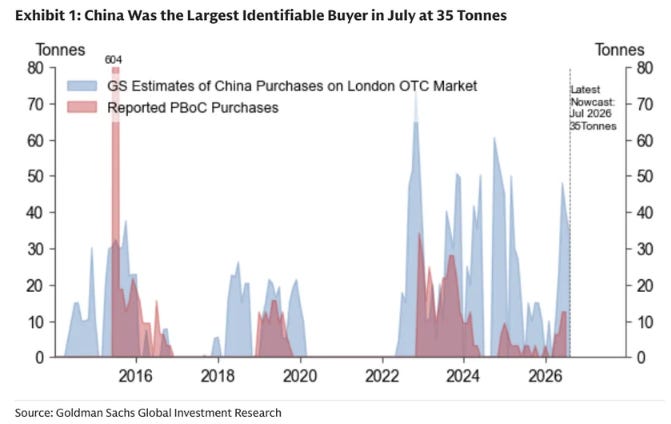
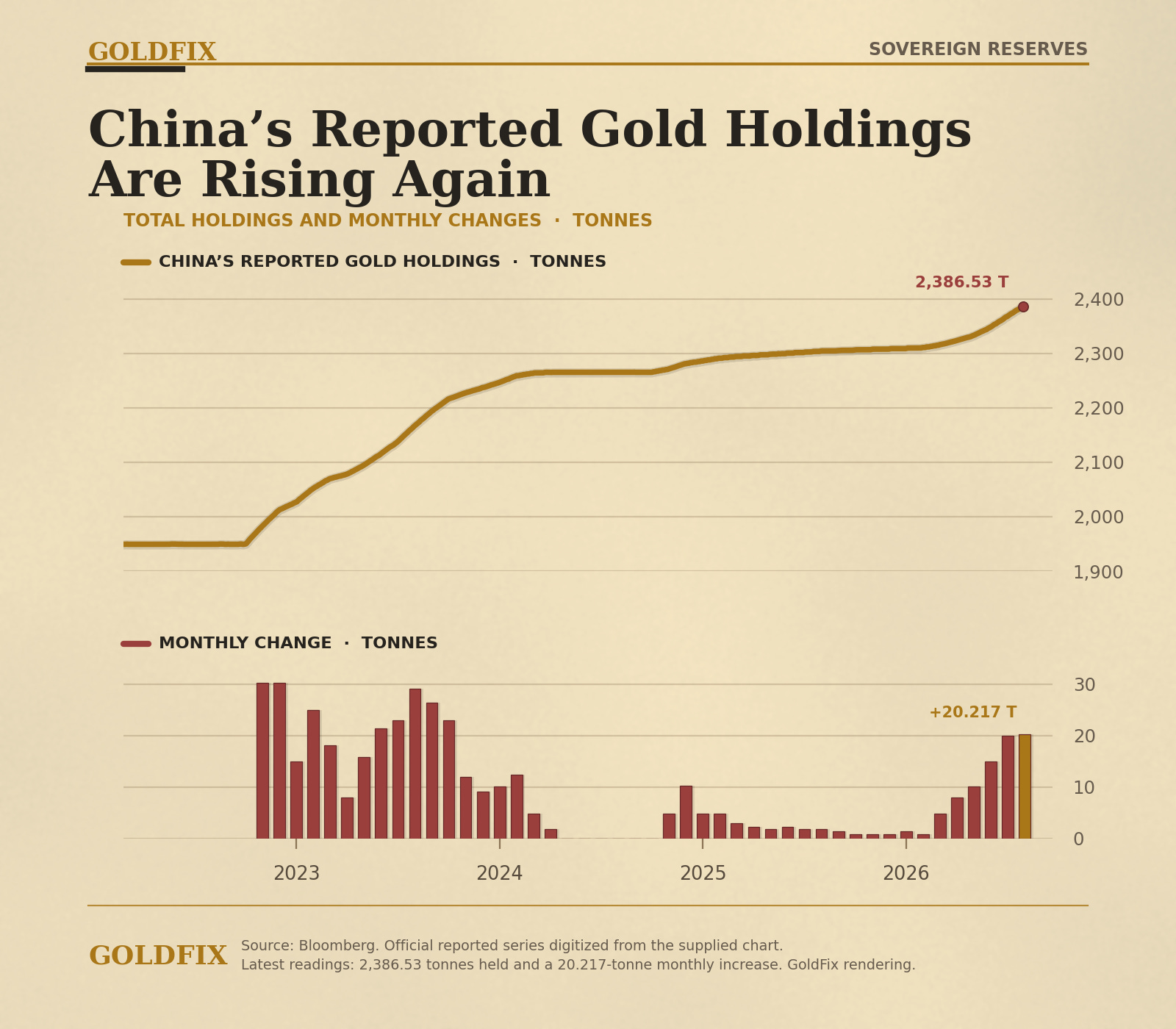
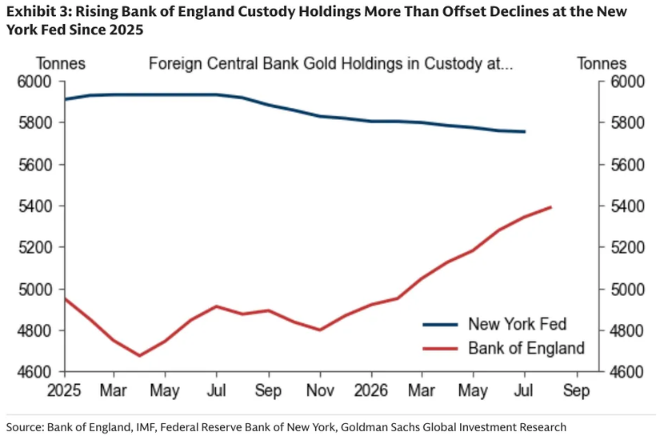


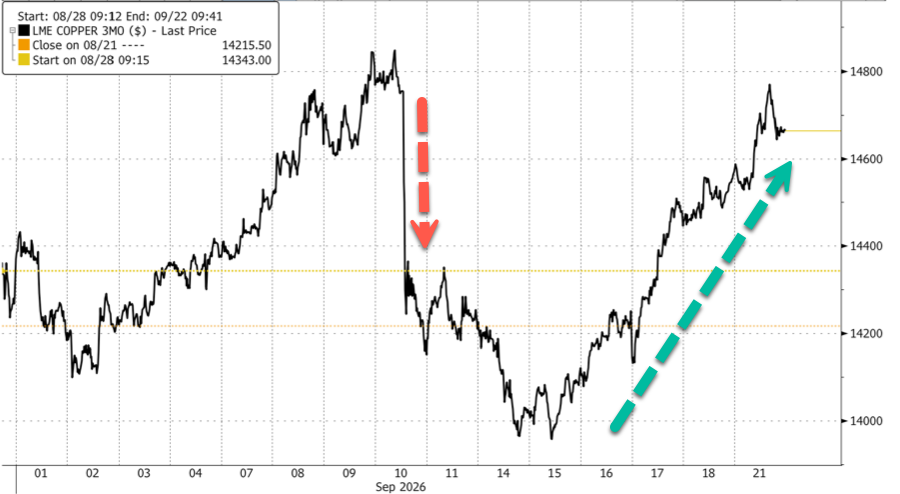

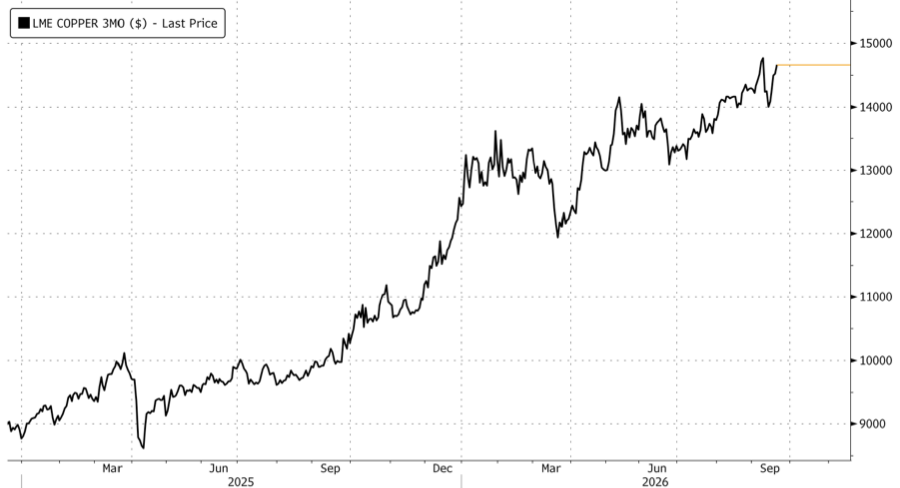

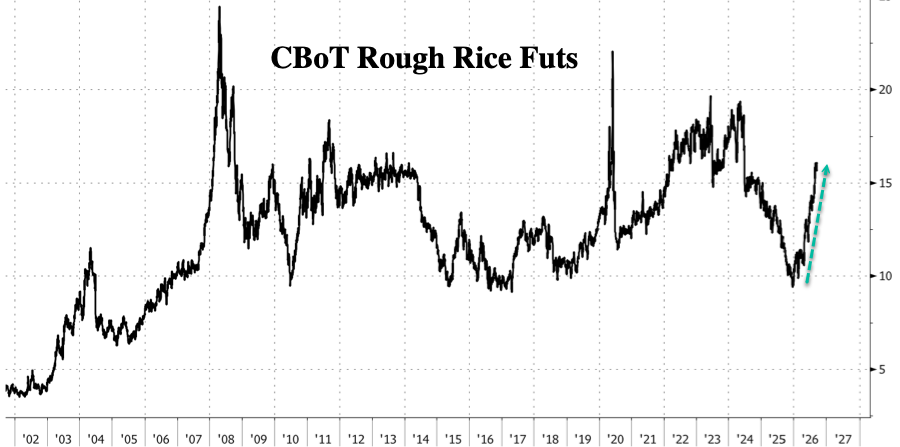
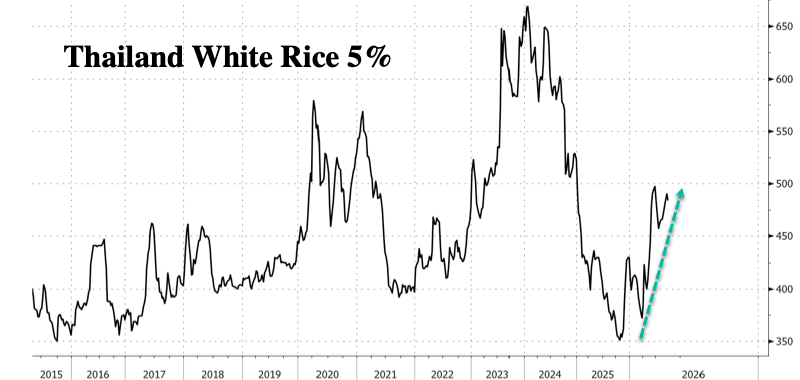
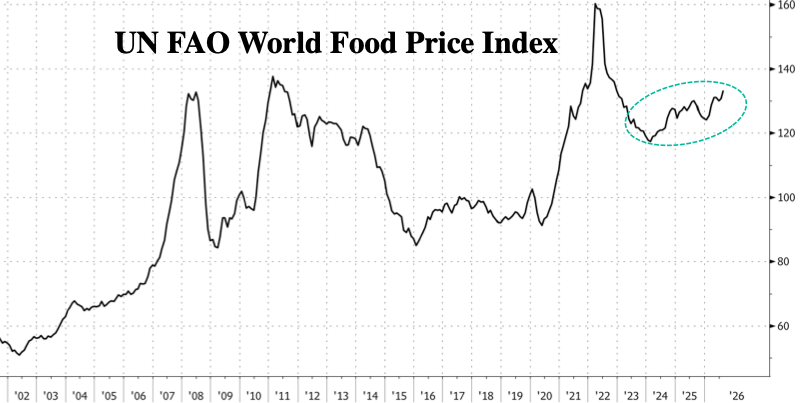
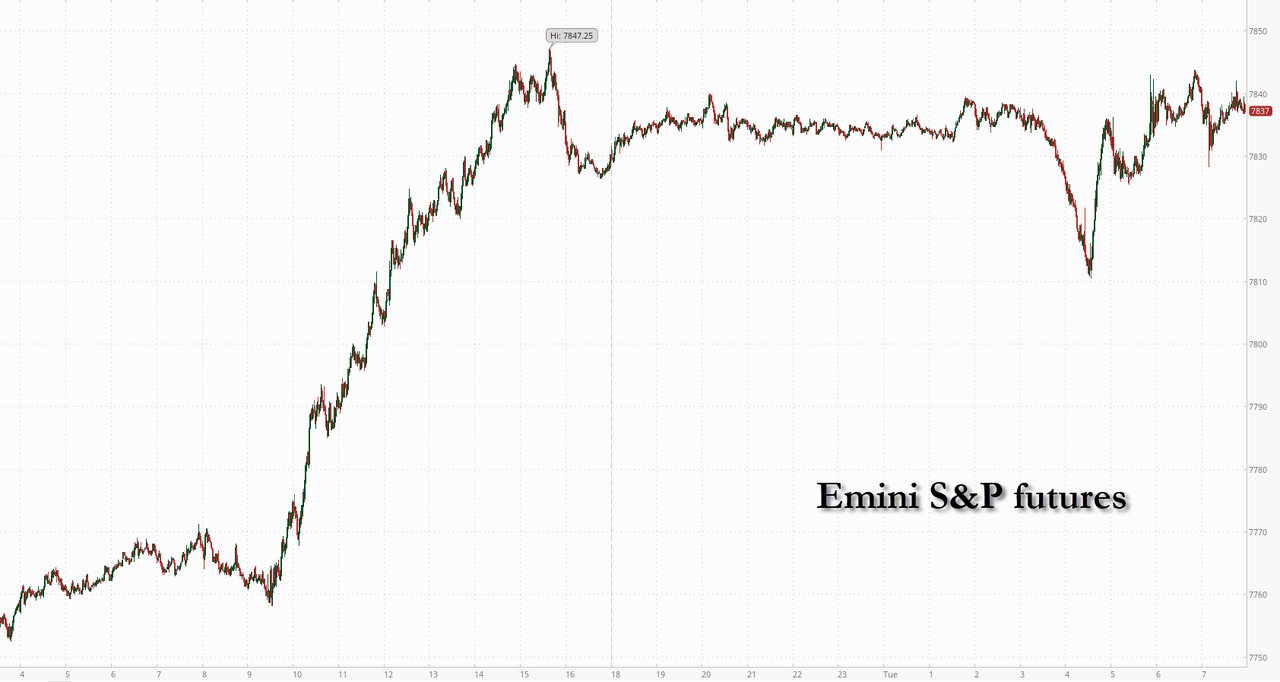
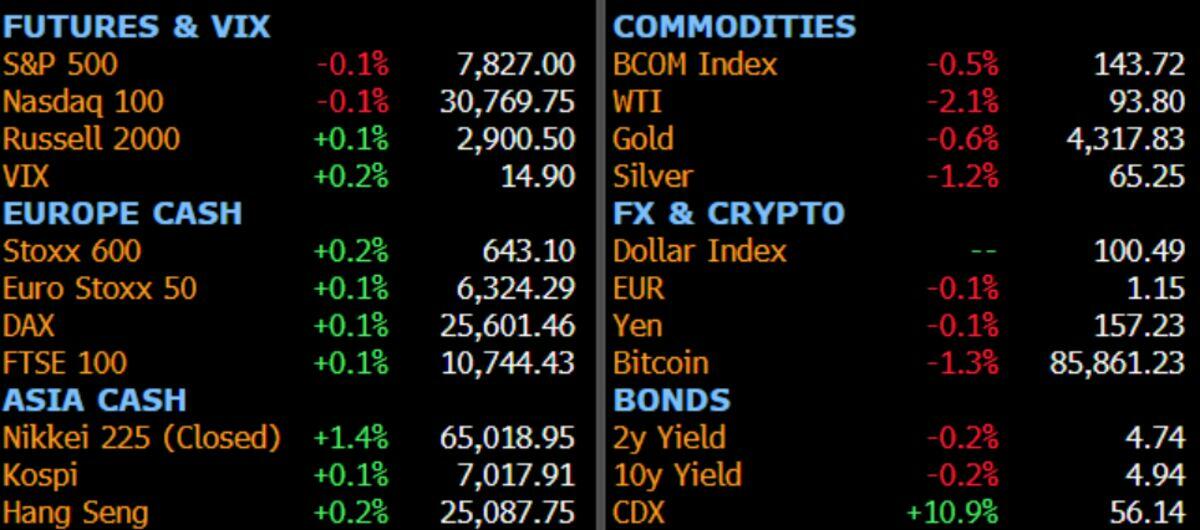
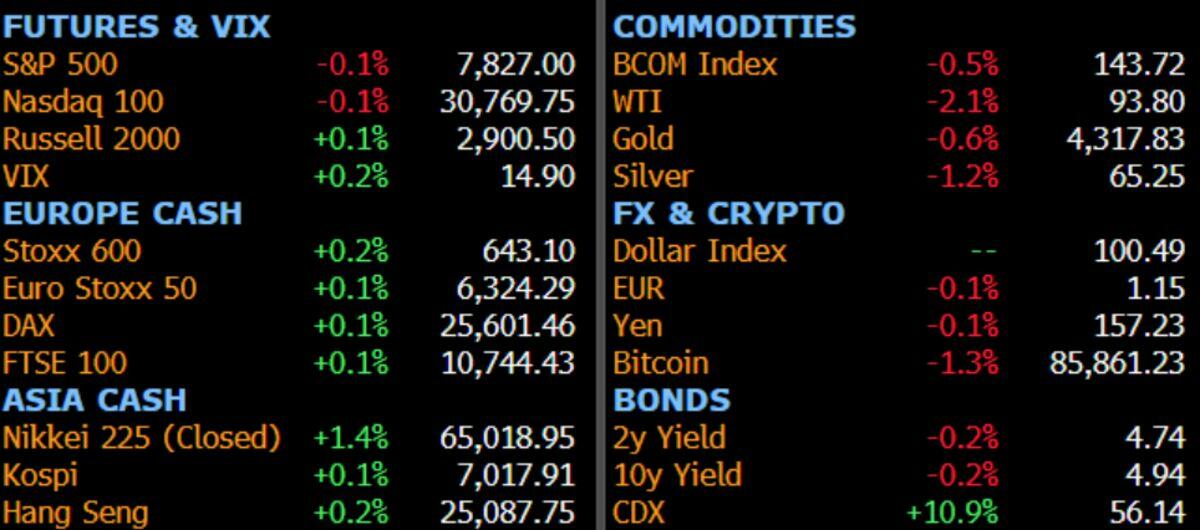

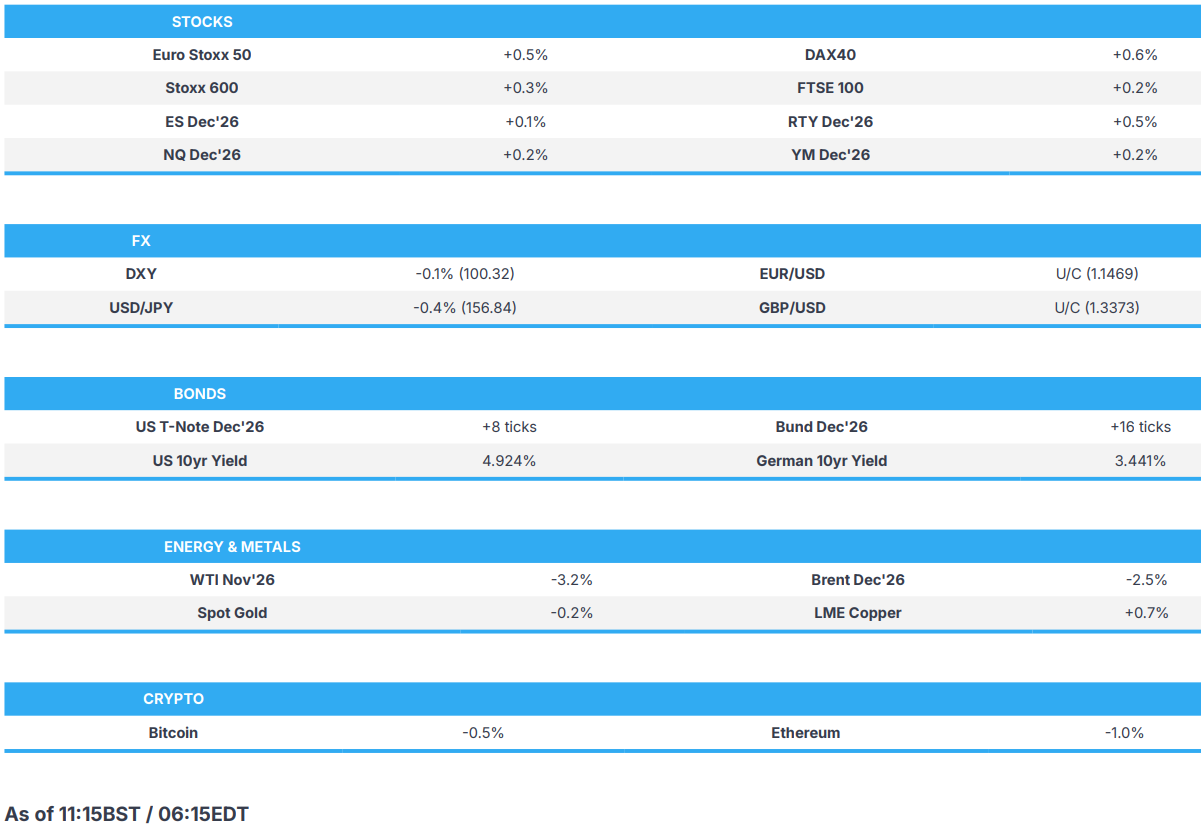
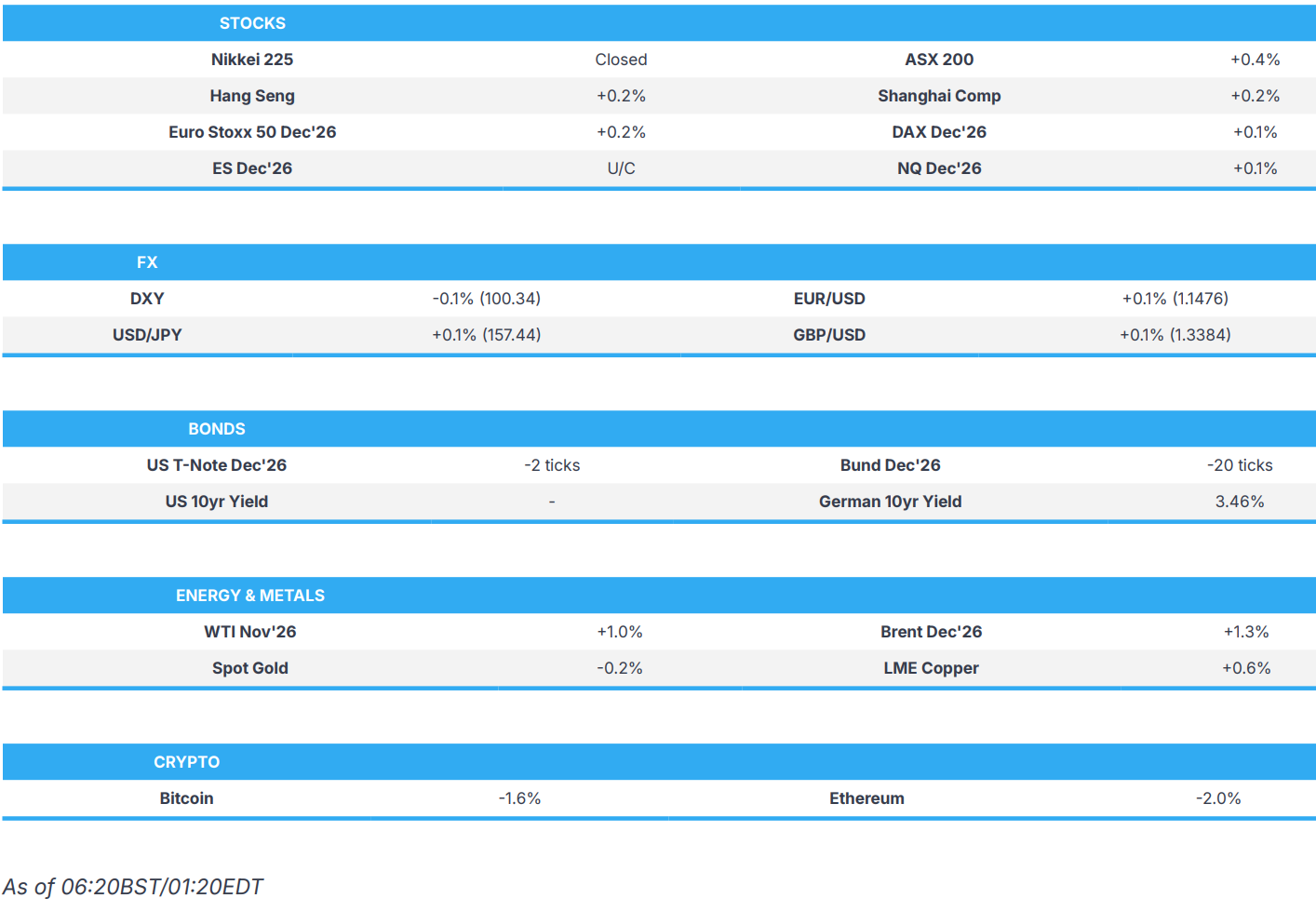


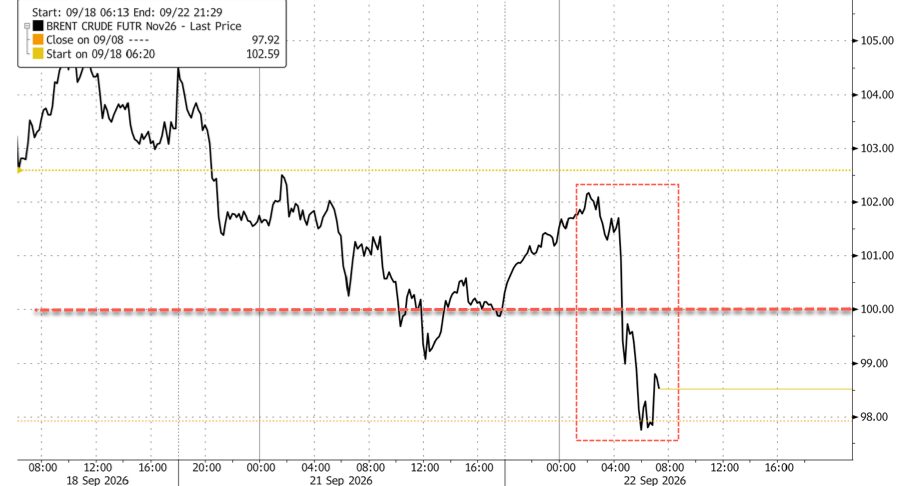
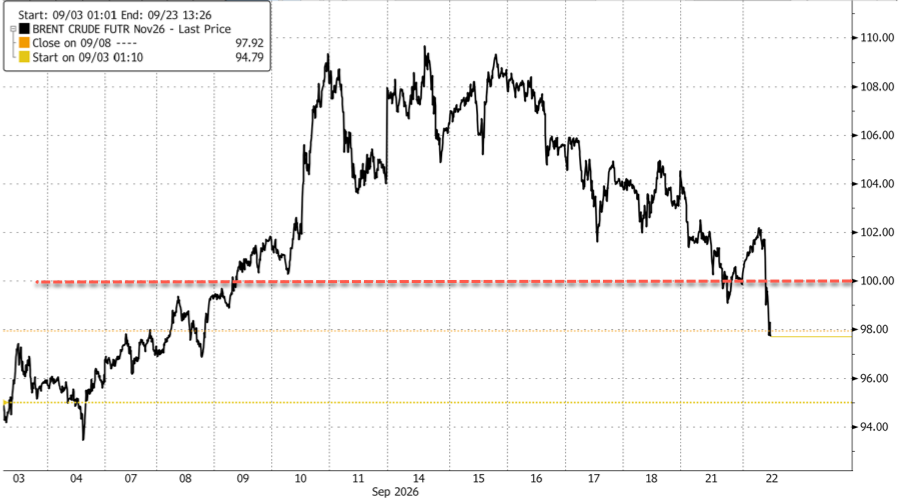
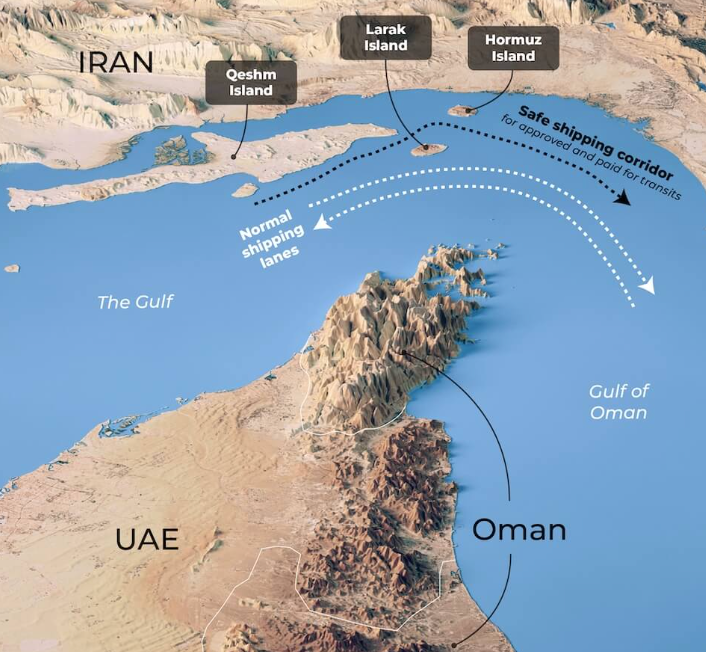
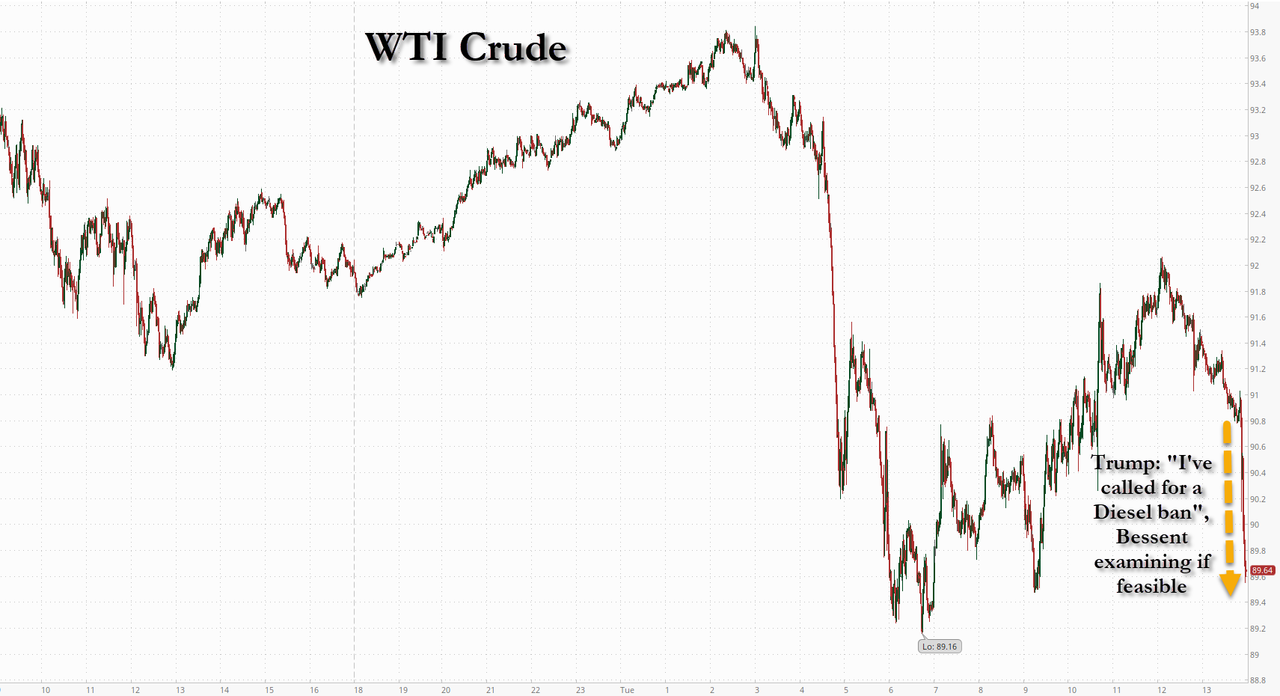

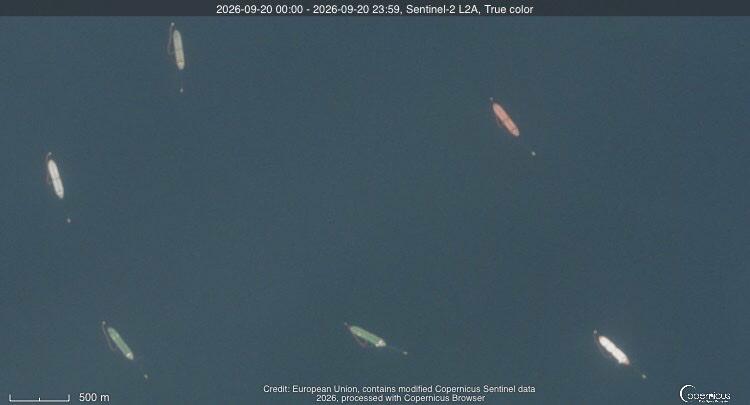

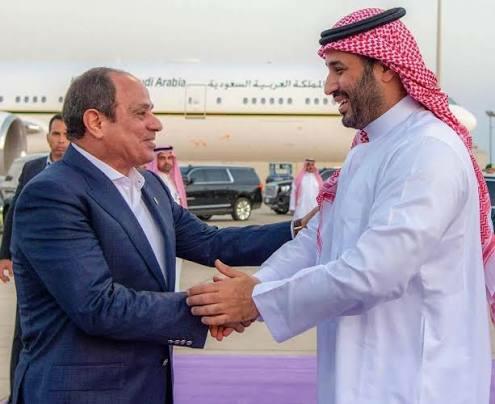


12:19 AM · Sep 22, 2026 · 192 Views3 Likes
An excellent recent analysis yet again establishing that the DEATHVAX™ induces VAIDS entitled Covid, Vaccine, HIV and VAIDS — an Explanation presents the following infographic:


 READ IN APP
 CelebsUNITED STATESGrammy-winning singer collapses on stage during Nashville performanceSeptember 8, 2026
 Grammy-winning singer Ray LaMontagne collapsed on stage during his performance at Nashville’s Ryman Auditorium on Saturday. In a fan video from the concert, LaMontagne, 53, strummed his guitar and sang his 2004 song “Jolene” before he grunted and suddenly fell backwards to the floor. The audience could be heard gasping during the terrifying moment, as two members of LaMontagne’s team immediately rushed to his side. LaMontagne’s team later released a statement on his Instagram Stories with an update on the singer’s health. “Thank you to everyone who came out to tonight’s show at the Ryman,” the message began, per Consequence. “Ray is in good hands with the local EMS and is being treated for heat related dehydration, he is doing well now and is grateful for everyone’s understanding.”News from Underground by Mark Crispin Miller is a reader-supported publication. To receive new posts and support my work, consider becoming a free or paid subscriber.Upgrade to paid‘The View’ Star Ana Navarro Reveals Husband Was Diagnosed With Parkinson’s Disease a Few Years Ago: ‘We’ve Been Learning to Live With It’September 14, 2026
 Ana Navarro revealed that her husband, Al Cárdenas, has been quietly battling Parkinson’s disease for several years. “I had kept [this] private for the last couple of years, my close friends and family all know, but it’s not something that I had shared with you,” Navarro, 54, said in a one-minute video posted via Instagram on Monday, September 14. “And it is that my husband has been diagnosed with Parkinson’s.” “We’ve been learning to live with it. We’ve been adjusting, confronting the emotional and physical challenges that come with the disease,” she continued. “Building a team and learning to live a full life while dealing with Parkinson’s.” Parkinson’s disease is a movement disorder of the nervous system that worsens over time and has no cure, according to the Mayo Clinic. Navarro explained that her husband, 78, whom she married in 2019, wanted to reveal his diagnosis in hopes of helping others dealing with serious health issues. The View host has previously opened up about her husband’s health issues, revealing in 2020 that she felt “lucky” after he recovered from a severe case of COVID-19. “My husband got COVID from somebody that works in my house who had gotten it from a nephew,” she explained during an appearance on the daytime talk show in October 2020. “Sixteen people have ended up with COVID from that one person. Three of them in the hospital, including my husband, who spent five days in the hospital receiving Remdesivir.”Researcher’s note – Navarro, and all the View’s co-hosts, encouraged COVID “vaccination”. In August 2021, Navarro said, “Look at the numbers, they’re not lying [sic]. These are the facts [sic]. Get your vaccine [sic]”: https://www.foxnews.com/transcript/tucker-unvaccinated-pose-zero-danger-to-vaccinatedEWU president shares personal message of cancer diagnosisSeptember 8, 2026
 CHENEY, Wash. – Eastern Washington University President Shari McMahan revealed that she has been diagnosed with an “aggressive form of cancer“ in a video announcement Tuesday. “My treatment and recovery will require me to first and foremost take care of myself,” McMahan said. “I have an excellent care team and a wonderful family supporting me through this.” McMahan added that Cesar Portillo, EWU’s Vice President of People and Culture, will serve as the special assistant to the president as she focuses on her health and family, overseeing the university’s day-to-day operations. McMahan [62] says she will continue to work “behind the scenes” during her treatment. “Please take care of each other, and as always, go Eags,” McMahan concluded.Researcher’s note – Eastern Washington University (EWU) lifted its general COVID-19 “vaccine” requirement for students, faculty, and staff effective June 1, 2023: https://inside.ewu.edu/news/announcements/changes-to-ewu-covid-vaccine-requirements/GERMANYAre you serious, BVB fans?September 9, 2026
 According to current information, BVB’s new signing Konstantinos Karetsas (18) collapsed with circulatory problems during the 3-2 victory over Villarreal and had to be hospitalized overnight. The live reaction: The Dortmund bosses slumped in shock in their VIP seats, and some stadium visitors inevitably thought of Bayern Munich’s Jamal Musiala (23), who recently collapsed repeatedly on the pitch due to a neurological dysfunction. And what did many BVB fans do? Instead of showing empathy and pausing to reflect on the shocking moment, they started clamoring on social media for an immediate replacement in the form of Jadon Sancho (26/currently unemployed). Seriously?ITALYFormer footballer and coach in serious condition after medical emergency during padel matchSeptember 12, 2026
 Former footballer, Pescara captain, and coach Andrea Camplone, 60, has been admitted to the intensive care unit at Pescara’s civil hospital after suffering a medical emergency yesterday afternoon while playing padel at a sports center in Montesilvano. He suddenly collapsed and lost consciousness. Bystanders immediately raised the alarm, and a doctor present at the facility stepped in to provide immediate aid. Emergency medical personnel (118 service) then arrived and resuscitated the 60-year-old. He was subsequently transported to the hospital under “code red” protocols and is currently in intensive care. He underwent a procedure in the hemodynamics unit; his condition is stable, though his prognosis remains guarded.ESTONIAReform MP Kristo Enn Vaga taken to hospital after becoming unwell on live TVSeptember 9, 2026
 Reform Party Riigikogu member Kristo Enn Vaga suffered a medical emergency live on TV and was taken to hospital Wednesday evening. He has since been discharged. Vaga, who is also the party’s secretary general and sits on the Riigikogu defense committee, was released from hospital during the night. Around 11 minutes into Wednesday evening’s live “Esimene stuudio” debate on defense spending, which Vaga was taking part in, the MP had taken a seat rather than standing and became slower in speech. A few minutes later, he had departed the studio and show host Andres Kuusk announced: “Dear viewers, just to let you know, we have a medical emergency on air. Hopefully everything is all right, but we will try to continue with the program.” Peep Kala, editor‑in‑chief of ETV’s current affairs content, said after an examination by paramedics, Vaga was taken to an ER for further tests. Reform Party spokesperson Sander Andla told ERR Thursday morning that Vaga had been released from hospital at some point during the night following the tests, and was permitted to return home. Vaga, 29, has been a Reform Party member since 2017 and previously served as its youth wing leader. A top cyclist, Vaga in spring 2024 cycled the roughly 1,700 kilometers from Tallinn to Kyiv, as part of a fundraiser for Ukraine. As a politician he has promoted an active and healthy lifestyle for all. ERR wishes Vaga well.Researcher’s note – Member of the Riigikogu and Secretary General of the Reform Party Kristo Enn Vaga published a post on social media about the health problem that struck him on ETV’s live broadcast on Wednesday evening. He wrote that he was diagnosed with a heart rhythm disorder last spring. ERR’s portal publishes a full post by Vaga. “’Good evening!’ It was the last adequate sentence for me on the live broadcast of “Esimene stuudio”. Recurrent loss of consciousness, ambulance, hospital, examinations followed, and finally I got home at night by agreement….I was diagnosed with a heart rhythm disorder last spring. This is a story I was afraid to share, it was embarrassing, because how can something wrong with me, the “whole and the athletic” youngster, be wrong. But every time it was again written in the media that a young person (a man) lost consciousness at a popular sports event, unfortunately, on some occasions life has also been lost – there was a desire to invite people like me to think about health, but I did not dare. Repeated reports of Atrial fibrillation detected on Apple Watch led to the diagnosis. Technology is sometimes useful. In addition, a big thank you to the early departed Dr. Le Vallikivi’s systematic work and the conviction of other doctors that a former top athlete and only a 28-year-old should get more time for a cardiologist, and this deserves to be studied, even if the initial act is not a threat to life. I remember when a nurse in the PERH cardiology department asked me about my lifestyle habits. I was able to confirm that I exercise a lot, eat healthy and moderately, have never smoked in my life and rarely drink alcohol. I said, “I’m totally healthy.” He replied, “You’re healthy, but still in the department of cardiology for the second day.” I was described that I have the so-called deviation of the electrical system in the body, in the case of high voltage, the frequency can become just as high or take breaks. It doesn’t interfere with my everyday life. But who wants this normal life? I want to do everything, the best and the fastest – that’s my motto. Yesterday’s momentary darkness was like a wake-up call that you can’t always get everything.…What’s next? I will probably cancel the half marathon planned for Saturday, think more about health and invite you all to do the same. I am happy to share my story now – perhaps the health problem that has ended happily for me will prevent someone else’s story with a worse ending. However, I will continue to contribute 100 percent to make life better in Estonia, so that Ukraine would win and common sense would come first in the public space.”TURKEY69-year-old Mehmet Ali Erbil had a heart attackSeptember 9, 2026
 Famous Turkish showman Mehmet Ali Erbil has had a heart attack. Medianews.az reports that the 69-year-old showman’s health worsened at home and he was taken to the hospital. During examinations, it was determined that Erbil had a heart attack. He underwent emergency surgery and a stent was placed due to a blockage in the coronary artery. Erbil, whose health normalized after surgery, was discharged from the hospital. It was reported that he will continue his treatment at home.Researcher’s note – During the COVID-19 “vaccination” campaigns, the famous Turkish comedian and showman Mehmet Ali Erbil made headlines in Turkey with his public support for “vaccination”: https://eksisozluk.com/mehmet-ali-erbil-asi-aciklamasi–6874003JAPANVoice Actor Kentarō Itō Goes on Hiatus Following Brain Hemorrhage, SurgerySeptember 11, 2026
 Talent agency Mausu Promotion announced on Friday that voice actor Kentarō Itō [52] is currently recuperating following a brain hemorrhage and surgery. The agency stated that a few days ago Itō suddenly started feeling unwell, and was transported to the hospital, where he had symptoms of a brain hemorrhage, and underwent emergency surgery that same day. Mausu Promotion said his life is not in danger, and his postoperative progress is going well. However, for the time being he will focus on rehabilitation treatment with the goal of being able to return to work.AUSTRALIANews Anchor Shares ‘Good News’ After Suffering Medical Emergency Live on AirSeptember 10, 2026
 An Australian news anchor is reassuring viewers after he suffered a medical emergency live on air. Iskhandar Razak, who works for the Australian Broadcasting Corporation (ABC), concerned viewers when he presented a report on Sept. 6 with one side of his face appearing to be paralyzed. Razak also presented the weather on the channel on Sept. 4, and when he shared a clip of the program via Instagram, viewers were quick to respond: “I