AUGUST 23/GOLD CLOSED UP $12.25 TO $1748.00//SILVER CLOSED UP 16 CENTS TO $19.15//PLATINUM CLOSED DOWN $10.00 TO $885.10//PALLADIUM CLOSED DOWN $2.10 TO $1987.30//COVID UPDATES//VACCINE INJURY/VACCINE IMPACT//EUROPEAN CORN YIELDS THE WORST IN 500 YEARS//EUROPEAN PMI FLASH INDICATES THE DROUGHT HAVING A TERRIBLE EFFECT ON THEIR ECONOMY//POOR USA SERVICE PMI//USA NEW HOMES SALES CRASH!!/PRICE WATERHOUSE COOPER FINALLY REVEALS THE TRUTH BEHIND THE COOKED JOB NUMBERS//WHISTLEBLOWER COMES FORTH REVEALING THE CROOKED DATA FROM TWITTER//SWAMP STORIES FOR YOU TONIGHT//
GOLD: NUMBER OF NOTICES FILED FOR AUGUST CONTRACT:
139 NOTICES FOR 13,900 OZ //0.4323 TONNES
total notices so far: 33,257 contracts for 3,325,700 oz (103.443 tonnes)
SILVER NOTICES: 34 NOTICES FILED FOR 170,000 OZ/
total number of notices filed so far this month 979 : for 4,895,000 oz
END
Russia is a major supplier of silver to London while Mexico supplies the COMEX
With the sanctions, London has no way to obtain silver other than compete with NY.
GLD
WITH GOLD UP $12.25
WITH RESPECT TO GLD WITHDRAWALS: (OVER THE PAST FEW MONTHS):
GOLD IS “RETURNED” TO THE BANK OF ENGLAND WHEN CALLING IN THEIR LEASES: THE GOLD NEVER LEAVES THE BANK OF ENGLAND IN THE FIRST PLACE. THE BANK IS PROTECTING ITSELF IN CASE OF COMMERCIAL FAILURE
ALSO INVESTORS SWITCHING TO SPROTT PHYSICAL (phys) INSTEAD OF THE FRAUDULENT GLD//
HUGE CHANGES IN GOLD INVENTORY AT THE GLD: A DEPOSIT OF 1.83 TONNES TONNES INTO THE GLD.
INVENTORY RESTS AT 987.66 TONNES
Silver//SLV
WITH NO SILVER AROUND AND SILVER UP $0.16 CENTS
AT THE SLV// ://A HUGE CHANGE IN SILVER INVENTORY AT THE SLV//: A WITHDRAWAL OF 4.194 MILLION OZ FROM THE SLV/
INVESTORS ARE SWITCHING SLV TO SPROTT’S PSLV
CLOSING INVENTORY: 479.490 MILLION OZ
Let us have a look at the data for today
SILVER//OUTLINE
SILVER COMEX OI FELL BY A STRONG SIZED 792 CONTRACTS TO 144,255. AND FURTHER FROM THE NEW RECORD OF 244,710, SET FEB 25/2020 AND THE STRONG GAIN IN OI WAS ACCOMPLISHED DESPITE OUR $0.17 LOSS IN SILVER PRICING AT THE COMEX ON MONDAY. OUR BANKERS WERE SUCCESSFUL IN KNOCKING THE PRICE OF SILVER DOWN (IT FELL BY $0.17) BUT WERE UNSUCCESSFUL IN KNOCKING OFF ANY SPEC SILVER LONGS AS WE HAD A SMALL GAIN OF 145 CONTRACTS ON OUR TWO EXCHANGES. HOWEVER WE HAD A SOME LIQUIDATION OF SPECULATOR SHORTS.
WE MUST HAVE HAD: I) SOME SPECULATOR SHORT LIQUIDATIONS//CONTINUED BANKER OI COMEX ADDITIONS /. II) WE ALSO HAD SOME REDDIT RAPTOR BUYING//. iii) A STRONG ISSUANCE OF EXCHANGE FOR PHYSICALS iiii) A FAIR INITIAL SILVER STANDING FOR COMEX SILVER MEASURING AT 3.855 MILLION OZ FOLLOWED BY TODAY’S 175,000 OZ QUEUE JUMP / // V) STRONG SIZED COMEX OI LOSS/(//SOME SPEC LIQUIDATION)
I AM NOW RECORDING THE DIFFERENTIAL IN OI FROM PRELIMINARY TO FINAL: -49
HISTORICAL ACCUMULATION OF EXCHANGE FOR PHYSICALS AUGUST. ACCUMULATION FOR EFP’S SILVER/JPMORGAN’S HOUSE OF BRIBES/STARTING FROM FIRST DAY/MONTH OF AUGUST:
TOTAL CONTACTS for 17 days, total 8874 contracts: 44.370 million oz OR 2.773 MILLION OZ PER DAY. (522 CONTRACTS PER DAY)
TOTAL EFP’S FOR THE MONTH SO FAR: 44.37 MILLION OZ
.
LAST 16 MONTHS TOTAL EFP CONTRACTS ISSUED IN MILLIONS OF OZ:
MAY 137.83 MILLION
JUNE 149.91 MILLION OZ
JULY 129.445 MILLION OZ
AUGUST: MILLION OZ 140.120
SEPT. 28.230 MILLION OZ//
OCT: 94.595 MILLION OZ
NOV: 131.925 MILLION OZ
DEC: 100.615 MILLION OZ
JAN 2022// 90.460 MILLION OZ
FEB 2022: 72.39 MILLION OZ//
MARCH: 207.430 MILLION OZ//A NEW RECORD FOR EFP ISSUANCE
APRIL: 114.52 MILLION OZ FINAL//LOW ISSUANCE
MAY: 105.635 MILLION OZ//
JUNE: 94.470 MILLION OZ
JULY : 87.110 MILLION OZ
AUGUST: 44.370 MILLION OZ (A LOT LESS THAN NORMAL//THE CROOKS ARE SCARED TO ISSUE MORE EFP’S)
RESULT: WE HAD A STRONG SIZED DECREASE IN COMEX OI SILVER COMEX CONTRACTS OF 792 DESPITE OUR $0.17 LOSS IN SILVER PRICING AT THE COMEX// MONDAY.,. THE CME NOTIFIED US THAT WE HAD A STRONG SIZED EFP ISSUANCE CONTRACTS: 888 CONTRACTS ISSUED FOR SEPT AND 0 CONTRACTS ISSUED FOR ALL OTHER MONTHS) WHICH EXITED OUT OF THE SILVER COMEX TO LONDON AS FORWARDS THE DOMINANT FEATURE TODAY: /SOME BANKER ADDITIONS AND SOME SPEC SHORT LIQUIDATIONS /// WE HAVE A GOOD INITIAL SILVER OZ STANDING FOR AUGUST. OF 3.855 MILLION OZ FOLLOWED BY TODAY’S 175,000 OZ QUEUE JUMP // .. WE HAD A SMALL SIZED GAIN OF 145 OI CONTRACTS ON THE TWO EXCHANGES FOR 0.725 MILLION OZ AS..THE SPECS STILL BEING SENT TO THE SLAUGHTER HOUSE.
WE HAD 34 NOTICE(S) FILED TODAY FOR 170,000 OZ
THE SILVER COMEX IS NOW BEING ATTACKED FOR METAL BY LONDONERS ET AL.
GOLD//OUTLINE
IN GOLD, THE COMEX OPEN INTEREST FELL BY A SMALL SIZED 674 CONTRACTS TO 457,457 AND FURTHER FROM THE RECORD (SET JAN 24/2020) AT 799,541 AND PREVIOUS TO THAT: (SET JAN 6/2020) AT 797,110. WE WILL PROBABLY SEE THE COMEX OI FALL TO AROUND 380,000 AS OUR SPECS GET ANNIHILATED.
THE DIFFERENTIAL FROM PRELIMINARY OI TO FINAL OI IN GOLD TODAY:–191 CONTRACTS.
.
THE SMALL SIZED DECREASE IN COMEX OI CAME DESPITE OUR FALL IN PRICE OF $14.00//COMEX GOLD TRADING/MONDAY / WE MUST HAVE HAD ADDITIONAL SPECULATOR SHORT SHORT COVERINGS ACCOMPANYING OUR FAIR SIZED EXCHANGE FOR PHYSICAL ISSUANCE./. WE HAD ZERO LONG LIQUIDATION //AND SOME SPECULATOR SHORT COVERINGS//CONTINUED ADDITIONS TO OUR BANKER LONGS!! THE COMEX WILL BLOW UP AS THE SPECS CANNOT DELIVER GOLD TO OUR BANKER LONGS.
WE ALSO HAD A HUGE INITIAL STANDING IN GOLD TONNAGE FOR AUGUST AT 98.367 TONNES ON FIRST DAY NOTICE FOLLOWED BY TODAY’S QUEUE JUMP OF 12,700 OZ //NEW STANDING 104.559 TONNES
YET ALL OF..THIS HAPPENED WITH OUR FALL IN PRICE OF $14.00 WITH RESPECT TO MONDAY’S TRADING
WE HAD A GOOD SIZED GAIN OF 3576 OI CONTRACTS 11.122 PAPER TONNES) ON OUR TWO EXCHANGES..
E.F.P. ISSUANCE
THE CME RELEASED THE DATA FOR EFP ISSUANCE AND IT TOTALED A STRONG SIZED 4059 CONTRACTS:
The NEW COMEX OI FOR THE GOLD COMPLEX RESTS AT 457,648
IN ESSENCE WE HAVE A GOOD SIZED INCREASE IN TOTAL CONTRACTS ON THE TWO EXCHANGES OF 3385 CONTRACTS WITH 674 CONTRACTS DECREASED AT THE COMEX AND 4059 EFP OI CONTRACTS WHICH NAVIGATED OVER TO LONDON. THUS TOTAL OI GAIN ON THE TWO EXCHANGES OF 3576 CONTRACTS OR 11.172 TONNES.
CALCULATIONS ON GAIN/LOSS ON OUR TWO EXCHANGES
WE HAD A STRONG SIZED ISSUANCE IN EXCHANGE FOR PHYSICALS (4059) ACCOMPANYING THE SMALL SIZED LOSS IN COMEX OI (674): TOTAL GAIN IN THE TWO EXCHANGES 3385 CONTRACTS. WE NO DOUBT HAD 1) SOME SPECULATOR SHORT COVERINGS// CONTINUED GOOD BANKER ADDITIONS// ,2.) STRONG INITIAL STANDING AT THE GOLD COMEX FOR AUGUST. AT 99.272 TONNES FOLLOWED BY TODAY’S QUEUE JUMP OF 12,700 oz. 3) ZERO/ LONG LIQUIDATION//// //.,4) SMALL SIZED COMEX OPEN INTEREST LOSS 5) STRONG ISSUANCE OF EXCHANGE FOR PHYSICAL/
HISTORICAL ACCUMULATION OF EXCHANGE FOR PHYSICALS IN 2022 INCLUDING TODAY
AUGUST
ACCUMULATION OF EFP’S GOLD AT J.P. MORGAN’S HOUSE OF BRIBES: (EXCHANGE FOR PHYSICAL) FOR THE MONTH OF AUGUST :
45,781 CONTRACTS OR 4,578,100 OZ OR 142.39 TONNES 17 TRADING DAY(S) AND THUS AVERAGING: 2693 EFP CONTRACTS PER TRADING DAY
TO GIVE YOU AN IDEA AS TO THE SIZE OF THESE EFP TRANSFERS : THIS MONTH IN 17 TRADING DAY(S) IN TONNES: 142.39 TONNES
TOTAL ANNUAL GOLD PRODUCTION, 2021, THROUGHOUT THE WORLD EX CHINA EX RUSSIA: 3555 TONNES
THUS EFP TRANSFERS REPRESENTS 142.39/3550 x 100% TONNES 4.00% OF GLOBAL ANNUAL PRODUCTION
SEPT 142.12 TONNES FINAL ISSUANCE ( LOW ISSUANCE)_
OCT: 141.13 TONNES FINAL ISSUANCE (LOW ISSUANCE)
NOV: 312.46 TONNES FINAL ISSUANCE//NEW RECORD!! (INCREASING DRAMATICALLY)//SIGN OF REAL STRESS//SURPASSING THE MARCH 2021 RECORD OF 276.50 TONNES OF EFP
DEC. 175.62 TONNES//FINAL ISSUANCE//
JAN:2022 247.25 TONNES //FINAL
FEB: 196.04 TONNES//FINAL
MARCH: 409.30 TONNES INITIAL( THIS IS NOW A RECORD EFP ISSUANCE FOR MARCH AND FOR ANY MONTH.
APRIL: 169.55 TONNES (FINAL VERY LOW ISSUANCE MONTH)
(/NOW SWITCHING TO GOLD) FOR NEWCOMERS, HERE ARE THE DETAILS
SPREADING LIQUIDATION HAS NOW COMMENCED AS WE HEAD TOWARDS THE NEW NON ACTIVE FRONT MONTH OF SEPT. WE ARE NOW INTO THE SPREADING OPERATION OF SILVER
HERE IS A BRIEF SYNOPSIS OF HOW THE CROOKS FLEECE UNSUSPECTING LONGS IN THE SPREADING ENDEAVOUR ;MODUS OPERANDI OF THE CORRUPT BANKERS AS TO HOW THEY HANDLE THEIR SPREAD OPEN INTERESTS:HERE IS HOW THE CROOKS USED SPREADING AS WE ARE NOW INTO THE ACTIVE DELIVERY MONTH OF AUGUST HEADING TOWARDS THE ACTIVE DELIVERY MONTH OF SEPT., FOR SILVER:
YOU WILL ALSO NOTICE THAT THE COMEX OPEN INTEREST STARTS TO RISE BUT SO IS THE OPEN INTEREST OF SPREADERS. THE OPEN INTEREST IN WILL CONTINUE TO RISE UNTIL ONE WEEK BEFORE FIRST DAY NOTICE OF AN UPCOMING ACTIVE DELIVERY MONTH (JULY), AND THAT IS WHEN THE CROOKS SELL THEIR SPREAD POSITIONS BUT NOT AT THE SAME TIME OF THE DAY. THEY WILL USE THE SELL SIDE OF THE EQUATION TO CREATE THE CASCADE (ALONG WITH THEIR COLLUSIVE FRIENDS) AND THEN COVER ON THE BUY SIDE OF THE SPREAD SITUATION AT THE END OF THE DAY. THEY DO THIS TO AVOID POSITION LIMIT DETECTION. THE LIQUIDATION OF THE SPREADING FORMATION CONTINUES FOR EXACTLY ONE WEEK AND ENDS ON FIRST DAY NOTICE.”
WHAT IS ALARMING TO ME, ACCORDING TO OUR LONDON EXPERT ANDREW MAGUIRE IS THAT THESE EFP’S ARE BEING TRANSFERRED TO WHAT ARE CALLED SERIAL FORWARD CONTRACT OBLIGATIONS AND THESE CONTRACTS ARE LESS THAN 14 DAYS. ANYTHING GREATER THAN 14 DAYS, THESE MUST BE RECORDED AND SENT TO THE COMPTROLLER, GREAT BRITAIN TO MONITOR RISK TO THE BANKING SYSTEM. IF THIS IS INDEED TRUE, THEN THIS IS A MASSIVE CONSPIRACY TO DEFRAUD AS WE NOW WITNESS A MONSTROUS TOTAL EFP’S ISSUANCE AS IT HEADS INTO THE STRATOSPHERE.
First, here is an outline of what will be discussed tonight:
1.Today, we had the open interest at the comex, in SILVER, FELL BY A STRONG SIZED 743 CONTRACT OI TO 144M304 AND CLOSER TO OUR COMEX RECORD //244,710(SET FEB 25/2020). THE LAST RECORDS WERE SET IN AUG.2018 AT 244,196 WITH A SILVER PRICE OF $14.78/(AUGUST 22/2018)..THE PREVIOUS RECORD TO THAT WAS SET ON APRIL 9/2018 AT 243,411 OPEN INTEREST CONTRACTS WITH THE SILVER PRICE AT THAT DAY: $16.53). AND PREVIOUS TO THAT, THE RECORD WAS ESTABLISHED AT: 234,787 CONTRACTS, SET ON APRIL 21.2017 OVER 5 YEARS AGO.
EFP ISSUANCE 888 CONTRACTS
OUR CUSTOMARY MIGRATION OF COMEX LONGS CONTINUE TO MORPH INTO LONDON FORWARDS AS OUR BANKERS USED THEIR EMERGENCY PROCEDURE TO ISSUE:
SEPT 888 ALL OTHER MONTHS: ZERO. TOTAL EFP ISSUANCE: 888 CONTRACTS. EFP’S GIVE OUR COMEX LONGS A FIAT BONUS PLUS A DELIVERABLE PRODUCT OVER IN LONDON. IF WE TAKE THE COMEX OI LOSS OF 792 CONTRACTS AND ADD TO THE 888 OI TRANSFERRED TO LONDON THROUGH EFP’S,
WE OBTAIN A SMALL SIZED GAIN OF 96 OPEN INTEREST CONTRACTS FROM OUR TWO EXCHANGES.
THUS IN OUNCES, THE GAIN ON THE TWO EXCHANGES 0.480 MILLION OZ
4. Chris Powell of GATA provides to us very important physical commentaries
end
5. Other gold commentaries
6. Commodity commentaries//
3. ASIAN AFFAIRS
i)TUESDAY MORNING// MONDAY NIGHT
SHANGHAI CLOSED DOWN 1.57 PTS OR 0.05% //Hang Sang CLOSED DOWN 153.73 OR 0.78% /The Nikkei closed DOWN 341.75 OR % 1.19. //Australia’s all ordinaires CLOSED DOWN 1.21% /Chinese yuan (ONSHORE) closed DOWN AT 6.8463//OFFSHORE CHINESE YUAN DOWN 6.8657// /Oil UP TO 91.93 dollars per barrel for WTI and BRENT AT 97.78// / Stocks in Europe OPENED MOSTLY ALL RED. ONSHORE YUAN TRADING ABOVE LEVEL OF OFFSHORE YUAN/ONSHORE YUAN TRADING WEAKER AGAINST US DOLLAR/OFFSHORE WEAKER
a)NORTH KOREA/SOUTH KOREA
outline
b) REPORT ON JAPAN/
OUTLINE
3 C CHINA
OUTLINE
4/EUROPEAN AFFAIRS
OUTLINE
5. RUSSIAN AND MIDDLE EASTERN AFFAIRS
OUTLINE
6.Global Issues
OUTLINE
7. OIL ISSUES
OUTLINE
8 EMERGING MARKET ISSUES
COMEX DATA//AMOUNTS STANDING//VOLUME OF TRADING/INVENTORY MOVEMENTS
GOLD
LET US BEGIN:
THE TOTAL COMEX GOLD OPEN INTEREST FELL BY A SMALL SIZED 674 CONTRACTS TO 457,457 AND FURTHER FROM THE RECORD THAT WAS SET IN JANUARY/2020: {799,541 OI(SET JAN 16/2020)} AND PREVIOUS TO THAT: 797,110 (SET JAN 7/2020). AND THIS COMEX INCREASE OCCURRED DESPITE OUR FALL OF $14.00 IN GOLD PRICING MONDAY’S COMEX TRADING. WE ALSO HAD A STRONG SIZED EFP (4059 CONTRACTS). . THEY WERE PAID HANDSOMELY NOT TO TAKE DELIVERY AT THE COMEX AND SETTLE FOR CASH. IT NOW SEEMS THAT THE COMMERCIALS HAVE GOADED THE SPECS TO GO MASSIVELY SHORT AND NOW THEY ARE DESPERATELY TRYING TO COVER THEIR FOLLY.
WE NORMALLY HAVE WITNESSED EXCHANGE FOR PHYSICALS ISSUED BEING SMALL AS IT JUST TOO COSTLY FOR THEM TO CONTINUE SERVICING THE COSTS OF SERIAL FORWARDS CIRCULATING IN LONDON. HOWEVER, MUCH TO THE ANNOYANCE OF OUR BANKERS, THE COMEX IS THE SCENE OF AN ASSAULT ON GOLD AS LONDONERS, NOT BEING ABLE TO FIND ANY PHYSICAL ON THAT SIDE OF THE POND, EXERCISE THESE CIRCULATING EXCHANGE FOR PHYSICALS IN LONDON AND FORCING DELIVERY OF REAL METAL OVER HERE AS THE OBLIGATION STILL RESTS WITH NEW YORK BANKERS. IT SEEMS THAT ARE BANKERS FRIENDS ARE EXERCISING EFP’S FROM LONDON AND NOW THEY ARE LOATHE TO ISSUE NEW ONES.
EXCHANGE FOR PHYSICAL ISSUANCE
WE ARE NOW IN THE NON ACTIVE DELIVERY MONTH OF AUGUST.. THE CME REPORTS THAT THE BANKERS ISSUED A STRONG SIZED TRANSFER THROUGH THE EFP ROUTE AS THESE LONGS RECEIVED A DELIVERABLE LONDON FORWARD TOGETHER WITH A FIAT BONUS.,
THAT IS 4059 EFP CONTRACTS WERE ISSUED: ;: , . 0 DEC :4059 & ZERO FOR ALL OTHER MONTHS:
TOTAL EFP ISSUANCE: 4059 CONTRACTS
WHEN WE HAVE BACKWARDATION, EFP ISSUANCE IS VERY COSTLY BUT THE REAL PROBLEM IS THE SCARCITY OF METAL AND IT IS FAR BETTER FOR OUR BANKERS TO PAY OFF INDIVIDUALS THAN RISK INVESTORS ESPECIALLY FROM LONDON STANDING FOR DELIVERY. THE LOWER PRICES IN THE FUTURES MARKET IS A MAGNET FOR OUR LONDONERS SEEKING PHYSICAL METAL. BACKWARDATION ALWAYS EQUAL SCARCITY OF METAL!
ON A NET BASIS IN OPEN INTEREST WE GAINED THE FOLLOWING TODAY ON OUR TWO EXCHANGES: A GOOD SIZED SIZED TOTAL OF 3385 CONTRACTS IN THAT 4059 LONGS WERE TRANSFERRED AS FORWARDS TO LONDON AND WE HAD A SMALL SIZED COMEX OI GAIN OF 483 CONTRACTS..AND THIS GAIN ON OUR TWO EXCHANGES HAPPENED DESPITE OUR FALL IN PRICE OF GOLD $ 14.00. WE ARE NOW WITNESSING THE SPECULATORS WHO HAVE BEEN MASSIVELY SHORT TRYING DESPERATELY TO COVER WHILE THE BANKERS WHO ARE LONG CONTINUE TO ADD TO THEIR PURCHASES. THIS WILL NOT END WELL FOR OUR SPECS.
// WE HAVE A STRONG AMOUNT OF GOLD TONNAGE STANDING AUGUST (104.569),
HERE ARE THE AMOUNTS THAT STOOD FOR DELIVERY IN THE PRECEDING 12 MONTHS OF 2021-2022:
DEC 2021: 112.217 TONNES
NOV. 8.074 TONNES
OCT. 57.707 TONNES
SEPT: 11.9160 TONNES
AUGUST: 80.489 TONNES
JULY: 7.2814 TONNES
JUNE: 72.289 TONNES
MAY 5.77 TONNES
APRIL 95.331 TONNES
MARCH 30.205 TONNES
FEB ’21. 113.424 TONNES
JAN ’21: 6.500 TONNES.
TOTAL SO FAR THIS YEAR (JAN- DEC): 601.213 TONNES
YEAR 2022:
JANUARY 2022 17.79 TONNES
FEB 2022: 59.023 TONNES
MARCH: 36.678 TONNES
APRIL: 85.340 TONNES FINAL.
MAY: 20.11 TONNES FINAL
JUNE: 74.933 TONNES FINAL
JULY 29.987 TONNES FINAL
AUGUST:104.569 TONNES
THE BANKERS WERE SUCCESSFUL IN LOWERING GOLD’S PRICE //// (IT FELL $14.00) BUT WERE UNSUCCESSFUL IN KNOCKING OFF ANY SPECULATOR LONGS AS WE HAD A GOOD SIZED TOTAL GAIN ON OUR TWO EXCHANGES // COMMERCIAL LONGS ADDED TO THE POSITIONS, AND SPECULATOR SHORTS CONTINUED TO ADD TO THEIR POSITIONS////// WE HAVE REGISTERED A GOOD SIZED GAIN OF 17.928 TONNES ON TOTAL OI FROM OUR TWO EXCHANGES, ACCOMPANYING OUR GOLD TONNAGE STANDING FOR AUGUST (104.569 TONNES)…
WE HAD -191 CONTRACTS REMOVED FROM COMEX TRADES. THESE WERE ADDED AFTER TRADING ENDED LAST NIGHT
NET GAIN ON THE TWO EXCHANGES 3576 CONTRACTS OR 357,600 OZ OR 11.172 TONNES
Estimated gold volume 142,789/// extremely poor/
final gold volumes/yesterday 153,908/extremely poor
INITIAL STANDINGS FOR AUGUST ’22 COMEX GOLD //AUGUST 23
Total monthly oz gold served (contracts) so far this month
33,257 notices 3,325,700 OZ 103.443 TONNES
Total accumulative withdrawals of gold from the Dealers inventory this month
NIL oz
Total accumulative withdrawal of gold from the Customer inventory this month
xxx oz
total dealer deposit 0
total dealer deposit: nil oz
No dealer withdrawals
Customer deposits: 2
i)Into HSBC: 64,598.526 oz
ii) Into Manfra: 67,208.860 oz
total deposits 131,807.386 oz
2 customer withdrawals:
i) Out of JPMorgan 25,592.193 (796 kilobars)
ii) Out of Loomis: 77,323.155 oz (2405 kilobars)
total: 102,915.348 oz
total in tonnes:3.201 tonnes
Adjustments: dealer to customer //3
JPMorgan: 203,976.081 oz
HSBC: 10,036.399 oz
Manfra: 1444.594 oz
CALCULATIONS FOR THE AMOUNT OF GOLD STANDING FOR AUGUST.
For the front month of AUGUST we have an oi of 498 contracts having GAINED 122 contracts .
We had 5 notices served upon yesterday so we GAINED 127 contracts or an additional 12,700 oz will stand for delivery in this very active month of August
Sept. lost 29 contracts to 3517 contracts.
October gained 59 contracts up to 40,146
We had 139 notice(s) filed today for 13,900 oz FOR THE AUGUST 2022 CONTRACT MONTH.
Today, 0 notice(s) were issued from J.P.Morgan dealer account and 0 notices were issued from their client or customer account. The total of all issuance by all participants equate to 139 contract(s) of which 0 notices were stopped (received) by j.P. Morgan dealer and 133 notice(s) was (were) stopped/ Received) by J.P.Morgan//customer account and 0 notice(s) received (stopped) by the squid (Goldman Sachs)
To calculate the INITIAL total number of gold ounces standing for the AUGUST /2022. contract month,
we take the total number of notices filed so far for the month (33,257) x 100 oz , to which we add the difference between the open interest for the front month of (AUGUST 498 CONTRACTS ) minus the number of notices served upon today 139 x 100 oz per contract equals 3,361,600 OZ OR 104.559 TONNES the number of TONNES standing in this active month of AUGUST.
thus the INITIAL standings for gold for the AUGUST contract month:
No of notices filed so far (33,257) x 100 oz+ (498) OI for the front month minus the number of notices served upon today (139} x 100 oz} which equals 3,3616 oz standing OR 104.569 TONNES in this active delivery month of August.
TOTAL COMEX GOLD STANDING: 104.569 TONNES (A HUGE STANDING FOR AUGUST ( ACTIVE) DELIVERY MONTH)
SOMEBODY IS AFTER A HUGE AMOUNT OF GOLD. THE EFPS ARE NOW BEING USED TO TAKE GOLD FROM THE COMEX. THUS THE AMOUNT OF GOLD STANDING FOR AUGUST WILL RISE EXPONENTIALLY.
To calculate the number of silver ounces that will stand for delivery in AUGUST we take the total number of notices filed for the month so far at 979 x 5,000 oz = 4,895,000 oz
to which we add the difference between the open interest for the front month of AUGUST(88) and the number of notices served upon today 34 x (5000 oz) equals the number of ounces standing.
Thus the standings for silver for the AUGUST./2022 contract month: 979 (notices served so far) x 5000 oz + OI for front month of AUGUST (88) – number of notices served upon today (34) x 5000 oz of silver standing for the AUGUST contract month equates 5,165,000 oz. .
the record level of silver open interest is 234,787 contracts set on April 21./2017 with the price on that day at $18.42. The previous record was 224,540 contracts with the price at that time of $20.44
END
GLD AND SLV INVENTORY LEVELS
AUGUST 23/WITH GOLD UP $12.25 TODAY; BIG CHANGES IN GOLD INVENTORY AT THE GLD: A DEPOSIT OF 1.83 TONNES INTO THE GLD///INVENTORY RESTS AT: 987.66
AUGUST 22/WITH GOLD DOWN $14.00: NO CHANGES IN GOLD INVENTORY AT THE GLD//INVENTORY RESTS AT 985.83 TONNES
AUGUST 19/WITH GOLD DOWN $8.00 : NO CHANGES IN GOLD INVENTORY AT THE GLD//INVENTORY RESTS AT 985.83 TONNES
AUGUST 18/WITH GOLD DOWN $5.25: GIGANTIC CHANGES IN GOLD INVENTORY AT THE GLD: A WITHDRAWAL OF 6.78 TONNES FROM THE GLD////INVENTORY RESTS AT 985.83 TONNES
AUGUST 17/WITH GOLD DOWN $12.00: HUGE CHANGES IN GOLD INVENTORY AT THE GLD: A WITHDRAWAL OF 1.74 TONNES FROM THE GLD///INVENTORY RESTS AT 992.20 TONNES
AUGUST 16/WITH GOLD DOWN $7.85: HUGE CHANGES IN GOLD INVENTORY AT THE GLD: A WITHDRAWAL OF 2.03 TONNES FROM THE GLD////INVENTORY RESTS AT 993.94 TONNES
AUGUST 15/WITH GOLD DOWN $16.45: HUGE CHANGES IN GOLD INVENTORY AT THE GLD: A WITHDRAWAL OF 1.45 TONNES FROM THE GLD////INVENTORY RESTS AT 995.97 TONNES
AUGUST 12/WITH GOLD UP $7.65: NO CHANGES IN GOLD INVENTORY AT THE GLD//INVENTORY RESTS AT 995.97 TONNES
AUGUST 11/WITH GOLD DOWN $5.95: HUGE CHANGES IN GOLD INVENTORY AT THE GLD:A WITHDRAWAL OF 1.74 TONNES FROM THE GLD////INVENTORY RESTS AT 997.42 TONNES
AUGUST 10//WITH GOLD UP $2.45: NO CHANGES IN GOLD INVENTORY AT THE GLD//INVENTORY RESTS AT 996.16 TONNES
AUGUST 9/WITH GOLD UP $6.70: NO CHANGE IN GOLD INVENTORY AT THE GLD//INVENTORY RESTS AT 996.16 TONNES.
AUGUST 8/WITH GOLD UP $13.55: HUGE CHANGES IN GOLD INVENTORY AT THE GLD: A WITHDRAWAL OF 1.16 TONNES FORM THE GLD//INVENTORY RESTS AT 999.16 TONNES
AUGUST 5/WITH GOLD DOWN $14.25: SMALL CHANGES IN GOLD INVENTORY AT THE GLD: A WITHDRAWAL OF .33 TONNES FROM THE GLD////INVENTORY RESTS AT 1000.32 TONNES
AUGUST 4 WITH GOLD UP $29.00 : BIG CHANGES IN GOLD INVENTORY AT THE GLD: A WITHDRAWAL OF 2.32 TONNES FROM THE GLD///INVENTORY REST AT 1000.65 TONNES
AUGUST 2/WITH GOLD UP $3.70; HUGE CHANGES IN GOLD INVENTORY AT THE GLD: A WITHDRAWAL OF 2.90 TONNES FROM THE GLD//INVENTORY RESTS AT 1002.97 TONNES//
AUGUST 1/WITH GOLD UP $5.75: SMALL CHANGES IN GOLD INVENTORY AT THE GLD: A DEPOSIT OF .58 TONNES OF GOLD INTO THE GLD//INVENTORY RESTS AT 1005.87 TONNES
JULY 29//WITH GOLD UP $12.50; NO CHANGES IN GOLD INVENTORY AT THE GLD/INVENTORY RESTS AT 1005.29 TONNES
JULY 28/WITH GOLD UP $31.25; NO CHANGES IN GOLD INVENTORY AT THE GLD//INVENTORY RESTS AT 1005.29 TONNES
JULY 27.//WITH GOLD UP $1.80: NO CHANGES IN GOLD INVENTORY AT THE GLD//INVENTORY RESTS AT 1005.29 TONNES
JULY 26/WITH GOLD DOWN $1.60: NO CHANGES IN GOLD INVENTORY AT THE GLD: A WITHDRAWAL OF .58 TONNES FROM THE GLD////INVENTORY RESTS AT 1005.29 TONNES
JULY 25/WITH GOLD DOWN $7.85: NO CHANGES IN GOLD INVENTORY AT THE GLD: ////INVENTORY RESTS AT 1005.87 TONNES
JULY 22/WITH GOLD UP $17.45: NO CHANGES IN GOLD INVENTORY AT THE GLD//INVENTORY RESTS AT 1005.87 TONNES
JULY 21/WITH GOLD UP $11.40: HUGE CHANGES IN GOLD INVENTORY AT THE GLD: A WITHDRAWAL OF 7.101 TONNES FROM THE GLD////INVENTORY RESTS AT 1005.87 TONNES
JULY 20/WITH GOLD DOWN $8.80: NO CHANGES IN GOLD INVENTORY AT THE GLD/INVENTORY REST AT 1009.06 TONNES
JULY 19/WITH GOLD DOWN $.35 :BIG CHANGES IN GOLD INVENTORY AT THE GLD: A WITHDRAWAL OF 5.22 TONNES FROM THE GLD//INVENTORY RESTS AT 1009.06 TONNES
GLD INVENTORY: 987.66 TONNES
Now the SLV Inventory/( vehicle is a fraud as there is no physical metal behind them
AUGUST 23/WITH SILVER UP 16 CENTS TODAY: HUGE CHANGES IN SILVEWR INVENTORY AT THE SLV: A WITHDRAWAL OF 4.194 MILLION OZ FROM THE SLV//INVENTORY RESTS AT 479.490 MILLION OZ//
AUGUST 22/WITH SILVER DOWN 17 CENTS TODAY; NO CHANGES IN SILVER INVENTORY AT THE SLV/ INVENTORY RESTS AT 483.684 MILLION OZ
AUGUST 19/WITH SILVER DOWN 38 CENTS TODAY: HUGE CHANGES IN SILVER INVENTORY AT THE SLV: A WITHDRAWAL OF 1.798 MILLION OZ FROM THE SLV////INVENTORY RESTS AT 483.684 MILLION OZ.
AUGUST 18/WITH SILVER DOWN 27 CENTS TODAY: SMALL CHANGES IN SILVER INVENTORY AT THE SLV: A DEPOSIT OF 369,000 OZ INTO THE SLV////INVENTORY RESTS AT 485.482 MILLION OZ//
AUGUST 17/WITH SILVER DOWN 32 CENTS TODAY: HUGE CHANGES IN SILVER INVENTORY AT THE SLV: A WITHDRAWAL OF 1.106 MILLION OZ FROM THE SLV////INVENTORY RESTS AT 485.113 MILLION OZ//
AUGUST 16/WITH SILVER DOWN 22 CENTS TODAY: NO CHANGES IN SILVER INVENTORY AT THE SLV//INVENTORY RESTS AT 486.219 MILLION OZ/
AUGUST 15/WITH SILVER DOWN 38 CENTS TODAY: HUGE CHANGES IN SILVER INVENTORY AT THE SLV: A DEPOSIT OF 1.152 MILLION OZ INTO THE SLV/ INVENTORY RESTS AT 486.219 MILLION OZ//
AUGUST 12/WITH SILVER UP 34 CENTS TODAY; NO CHANGES IN SILVER INVENTORY AT THE SLV//INVENTORY RESTS AT 485.067 MILLION OZ//
AUGUST 11/WITH SILVER DOWN 46 CENTS TODAY:SMALL CHANGES IN SILVER INVENTORY AT THE SLV: A WITHDRAWAL OF 920, 000 OZ FORM THE SLV.//INVENTORY RESTS AT 485.067 MILLION OZ//
AUGUST 10/WITH SILVER UP 26 CENTS TODAY: NO CHANGES IN SILVER INVENTORY AT THE SLV//INVENTORY RESTS AT 485.159 MILLION OZ//
AUGUST 9/WITH SILVER DOWN 25 CENTS TODAY: TWO CHANGES IN SILVER INVENTORY AT THE SLV: FIRST: A DEPOSIT OF 461,000 OZ INTO THE SLV AND THEN A WITHDRAWAL OF 1.014 MILLION OZ..//INVENTORY RESTS AT 485.159 MILLION OZ//
AUGUST 8/WITH SILVER UP 83 CENTS TODAY: NO CHANGES IN SILVER INVENTORY AT THE SLV//INVENTORY RESTS AT 485.712 MILLION OZ//
AUGUST 5/WITH SILVER DOWN 28 CENTS:BIG CHANGES IN SILVER INVENTORY AT THE SLV:A WITHDRAWAL OF 922,000 OZ FROM THE SLV//INVENTORY RESTS AT 485.712 MILLION OZ//
AUGUST 4 WITH SILVER UP 21 CENTS TODAY: SMALL CHANGES IN SILVER INVENTORY AT THE SLV: A WITHDRAWAL OF 527,000 OZ FROM THE SLV////INVENTORY RESTS AT 486.634 MILLION OZ
AUGUST 2/WITH SILVER DOWN 21 CENTS TODAY; HUGE CHANGES IN SILVER INVENTORY AT THE SLV:A DEPOSIT OF 3.504 MILLION OZ INTO THE SLV//INVENTORY RESTS AT 487.161 MILLION OZ//
AUGUST 1/WITH SILVER UP 17 CENTS TODAY: SMALL CHANGES IN SILVER INVENTORY AT THE GLD: NO CHANGES IN SILVER INVENTORY AT THE SLV////INVENTORY RESTS AT 483.657 MILLION OZ//
JULY 29/WITH SILVER UP 30 CENTS TODAY: A SMALL CHANGES IN SILVER INVENTORY AT THE SLV: A WITHDRAWAL OF 461,000 OZ FROM THE SLV..//INVENTORY RESTS AT 483.657 MILLION OZ/
JULY 28/WITH SILVER UP $1.24 TODAY; NO CHANGES IN SILVER INVENTORY AT THE SLV//INVENTORY RESTS AT 484.118 MILLION OZ/
JULY 27/.WITH SILVER UP 4 CENTS TODAY: HUGE CHANGES IN SILVER INVENTORY AT THE SLV: A WITHDRAWAL 11.479 MILLION OZ FROM THE SLV//INVENTORY RESTS AT 484.118MILLION OZ//
JULY 26/WITH SILVER UP 16 CENTS: A BIG CHANGE IN GOLD INVENTORY AT THE GLD: A WITHDRAWAL OF 3.504 MILLION OZ FROM THE SLV//: //INVENTORY RESTS AT 495.597 MILLION OZ//
JULY 25/WITH SILVER DOWN 24 CENTS: HUGE CHANGES IN SILVER INVENTORY AT THE SLV: A WITHDRAWAL OF 1.383 MILLION OZ FROM THE SLV///INVENTORY RESTS AT 499.101 MILLION OZ//
JULY 22/WITH SILVER DOWN 10 CENTS TODAY: NO CHANGES IN SILVER INVENTORY AT THE SLV//INVENTORY RESTS AT 500.484 MILLION OZ//
JULY 21/WITH SILVER UP 5 CENTS TODAY: HUGE CHANGES IN SILVER INVENTORY AT THE SLV: A WITHDRAWAL OF 3.19 MILLION OZ FROM THE SLV///INVENTORY RESTS AT 500.484MILLION OZ/
JULY 20/WITH SILVER DOWN 2 CENTS TODAY: BIG CHANGES IN SILVER INVENTORY AT THE SLV:A WITHDRAWAL OF 8.253 MILLION OZ FORM THE SLV/INVENTORY RESTS AT 507.585 MILLION OZ//
JULY 19/WITH SILVER DOWN 14 CENTS TODAY: NO CHANGES IN SILVER INVENTORY AT THE SLV//INVENTORY RESTS AT 515.838 MILLION OZ//
CLOSING INVENTORY 479.490 MILLION OZ//
PHYSICAL GOLD/SILVER STORIES
1.PETER SCHIFF
end
2. Lawrie Williams//Pam and Russ Martens/Jim Rickards/Mathew Piepenburg/Von Greyerz
LAWRIE WILLIAMS: China back on top for Swiss gold exports
After several months of low imports of Swiss gold with India very much the major recipient of the re-refined high ultra high purity product from that country’s gold refineries in July. China moved back comfortably as the major recipient of the Swiss product, taking no less than 80.8 tonnes – or fully 42.9% of the amount exported that month. Almost 45% if one includes Hong Kong in the Chinese figure. Turkey and Thailand’s gold imports from Switzerland in the month also exceeded those headed to India with 20.1 and 17.8 tonnes respectively, high numbers for both countries, while India absorbed 16.2 tonnes in fourth place- still a respectable import total. All in all, Switzerland exported 188.3 tonnes of gold that month, comfortably in excess of imports of 110.4 tonnes, and more than counterbalancing export deficits for the previous 3 months.
So why are gold exports from this small European nation with no gold production of its own so significant as to warrant this kind of comment. For historic reasons, the Swiss gold refineries, as readers of my columns will be aware, have always handled an important proportion of global gold and have been a key element in its global flow. They specialise in taking doré bullion from mines, gold scrap and very slightly lower tenor good delivery gold bars and re-refining all this to the wafer and kilobar sizes, gold coins and ultra high purities most in demand in the global marketplace, particularly to stronger hands in the Asian markets to which much of this re-refined gold is destined. Sometimes the volumes match, or even exceed, as in July, an equivalent of over half the global tonnage of new mined gold so it is an extremely valuable window on world gold flows, and one we have always followed closely. For July, for example, some 87% was destined for Asia and the Middle East assuming one includes Turkey in the latter.
The apparent resurrection of Chinese demand ties in well with other data we have been picking up too, notably the improving month-by-month gold withdrawal figures from the Shanghai Gold Exchange (See: Chinese gold demand picking up nicely despite lockdowns). China is the world’s largest gold consumer and the state of Chinese consumption has to be vital to overall world gold demand figures. While we doubt this will return this year back to its previous peak levels at least it seems to be on the right track.
23 Aug 2022
END
3.Chris Powell of GATA provides to us very important physical commentaries
A good commentary for us.
see below
4. OTHER GOLD/SILVER COMMENTARIES
-END-
A very important read.
5.OTHER COMMODITIES: EUROPE/CORN
European corn yields are now expected to plunge amid the worst drought in 500 years
(zerohedge)
European Corn Yields Expected To Plunge Amid Worst Drought In 500 Years
TUESDAY, AUG 23, 2022 – 06:55 AM
Besides the news of record high electricity prices, a troubling new crop failure report about Europe’s upcoming harvest was published Monday. The bloc’s Monitoring Agricultural Resources forecasted corn yields could drop by nearly a fifth due to a devastating drought, according to Bloomberg.
Before we dive into the crop report, Europe’s centuries-old ‘hunger stones’ were recently revealed in the Elbe River, which runs from the mountains of Czechia through Germany to the North Sea. The stones date back to a drought in 1616 and read: “Wenn du mich siehst, dann weine.” That translates to “if you see me, then weep.”
The warning on the stones appears correct because the new crop report forecasts corn yields will drop 16% below the five-year average. That compares with a July forecast of an 8% decline.
The plunge in corn output could result in further food inflation. It will boost feed costs for livestock herds, adding to even more woes for farmers who are plagued with elevated diesel and fertilizer prices.
“Water and heat stress periods partly coincided with the sensitive flowering stage and grain filling,” according to the crop monitoring report. “This resulted in irreversibly lost yield potential.”
In late August, about half of Europe is under a drought warning. Crops, power plants, industry, and fish populations have been devastated by the heat and lack of rainfall. The European Commission Joint Research Centre warned earlier this month the ongoing drought is the worst in 500 years as vast amounts of farmland turn to dust.
Heading into the fall, western and central Europe face a very high risk of dry conditions over the next three months that could result in water shortages.
Increasing crop failures because of drought will only exacerbate the food crisis due to Ukrainian disruptions. Supermarket prices for meat in the EU jumped 12% in July versus a year earlier. Milk, cheese, and eggs are also skyrocketing at record rates.
This leaves us with the idea that inflation in Europe will remain sticky, as explained by Germany’s central bank chief Joachim Nagel: “The issue of inflation will not go away in 2023.”
end
COMMODITIES IN GENERAL/COAL
END
6.CRYPTOCURRENCIES
7. GOLD/ TRADING
Your early currency/gold and silver pricing/Asian and European bourse movements/ and interest rate settings TUESDAY morning 7:30 AM
ONSHORE YUAN: CLOSED DOWN 6.8465
OFFSHORE YUAN: 6.8657
HANG SENG CLOSED DOWN 153.73 PTS OR 0.78%
2. Nikkei closed DOWN 341.75 OR 0.78%
3. Europe stocks CLOSED MOSTLY ALL RED
USA dollar INDEX DOWN TO 108.96/Euro FALLS TO 0.99248
3b Japan 10 YR bond yield: RISES TO. +.215/ !!!!(Japan buying 100% of bond issuance)/Japanese yen vs usa cross now at 137.40/JAPANESE FALLING APART WITH YEN FALTERING AS WELL AS LONG TERM YIELDS RISING BREAKING THE JAPANESE CENTRAL BANK.
3c Nikkei now ABOVE 17,000
3d USA/Yen rate now well ABOVE the important 120 barrier this morning
3e Gold UP /JAPANESE Yen UP CHINESE YUAN: DOWN -// OFF- SHORE: DOWN
3f Japan is to buy the equivalent of 108 billion uSA dollars worth of bond per month or $1.3 trillion. Japan’s GDP equals 5 trillion usa./“HELICOPTER MONEY” OFF THE TABLE FOR NOW /REVERSE OPERATION TWIST ON THE BONDS: PURCHASE OF LONG BONDS AND SELLING THE SHORT END
Japan to buy 100% of all new Japanese debt and by 2018 they will have 25% of all Japanese debt. EIGHTY percent of Japanese budget financed with debt.
3g Oil UP for WTI and UP FOR Brent this morning
3h European bond buying continues to push yields lower on all fronts in the EMU. German 10yr bund UP TO +1.305%/Italian 10 Yr bond yield RISES to 3.63% /SPAIN 10 YR BOND YIELD RISES TO 2.49%…
3i Greek 10 year bond yield RISES TO 3.821//
3j Gold at $1737.40 silver at: 19.00 7 am est) SILVER NEXT RESISTANCE LEVEL AT $30.00
3k USA vs Russian rouble;// Russian rouble DOWN 0 AND 17/100 roubles/dollar; ROUBLE AT 59.70//
3m oil into the 91 dollar handle for WTI and 97 handle for Brent/
3n Higher foreign deposits out of China sees huge risk of outflows and a currency depreciation. This can spell financial disaster for the rest of the world/
JAPAN ON JAN 29.2016 INITIATES NIRP. THIS MORNING THEY SIGNAL THEY MAY END NIRP. TODAY THE USA/YEN TRADES TO 137.40DESTROYING JAPANESE CITIZENS WITH HIGHER FOOD INFLATION
30 SNB (Swiss National Bank) still intervening again in the markets driving down the FRANC. It is not working: USA/SF this 9668–as the Swiss Franc is still rising against most currencies. Euro vs SF 0.9595well above the floor set by the Swiss Finance Minister. Thomas Jordan, chief of the Swiss National Bank continues to purchase euros trying to lower value of the Swiss Franc.
USA 10 YR BOND YIELD: 3.015 DOWN 2 BASIS PTS
USA 30 YR BOND YIELD: 3.209 DOWN 3 BASIS PTS
USA DOLLAR VS TURKISH LIRA: 18,12
Overnight: Newsquawk and Zero hedge:
FIRST, ZEROHEDGE
Futures Flat As Traders Freak Over Jackson Hawk
TUESDAY, AUG 23, 2022 – 08:04 AM
After Monday’s furious selloff which sent stocks tumbling the most in two months when the yield on 10-year Treasuries breached 3%, S&P futures have stabilized overnight, and after earlier dropping as low as 4,120 – or some 200 points below last week’s 200DMA resistance – have since rebounded to unchanged, if near the bottom of Monday’s range as nervous traders increasingly fear Powell will unleash a Hawk-ano during his Friday Jackson Hole speech. The 10-year Treasury yield held above 3% and the Bloomberg dollar index hovered at a five-week high as the EUR briefly dropped to 0.99, a fresh 20-year low, amid exponentially increasing energy costs. Oil futures climbed another 2% amid fears OPEC+ will cut output, as the market finally grasped what we were saying back in July 8 in “Inside The Oil Market’s Jekyll-And-Hyde Moment” after the Saudi Energy minister said that “The paper and physical markets have become increasingly more disconnected.”
In US premarket trading, Zoom Video Communications tumbled 9% after the communications software company cut its full-year forecast. Meanwhile, Palo Alto Networks rallied 8.7% after the security software company reported fiscal fourth- quarter results that beat expectations and gave a full-year forecast that is ahead of the analyst consensus. Here are some of the biggest US movers today:
Bed Bath & Beyond (BBBY US) shares rise as much as 6.6% in US premarket trading, set to end three days of losses, as a rout in retail-trader favorites eases, though worries over more challenging economic conditions remain
Dlocal (DLO US) shares fall as much as 9.5% in US premarket trading after the Uruguay payments firm reported second-quarter earnings that Morgan Stanley said were “good,” but not an “outright beat.”
Ocugen (OCGN US) shares rise as much as 6.8% in US premarket trading as Mizuho initiates the biopharma firm with a buy rating and $5 PT
Grocery Outlet (GO US) slips 4% after Morgan Stanley cut to underweight with the risk-reward on the grocery stores operator now looking negative
Kohl’s (KSS US) rose 2.1% in extended trading after a filing with the SEC showed Chairman Peter Boneparth bought $750,130 of shares
As discussed countless times before, the J-Hole symposium starting Friday with a keynote speech from J-Powell will be a key catalyst for equities, which have started pulling back again amid renewed fears of a more hawkish Fed. The Nasdaq has been under the most pressure after its valuation climbed above the 10-year average as higher rates weigh on the present value of future profits, hurting pricier growth stocks, like tech.
“For the moment, global sentiment is both skittish and volatile,” said Richard Hunter, head of markets at Interactive Investor. “There is little cause for optimism on the immediate horizon, with any glimmers of economic hope yet to take hold on a sustainable basis.”
“We expect equity markets to remain volatile as investor sentiment oscillates between hopes that the Fed will succeed in steering the US economy to a ‘soft landing,’ and fears that it will not,” said Mark Haefele, chief investment officer at UBS Global Wealth Management. “Against this uncertain backdrop, we have recommended that investors retain a selective approach toward equities, and we believe this remains the right strategy.”
Meanwhile, looking at market technicals, Citi’s Chris Montagu said that the disjointed set of flows from both exchange-traded funds and futures last week paint a “muddled picture,” reflecting various assessments of whether the current rally has reached its near-term peak. The recent bullish sentiment appears weak and investors are uncertain with muted flows, they wrote in a note.
In Europe, the Stoxx 600 fluctuated near a three-week low after euro-area economic activity declined for a second month, signaling that fears of a recession may already be coming to pass as record inflation saps demand. While German PMIs came in a little stronger, a gauge of French private-sector activity dropped in August to its lowest level since the pandemic-related disruptions of early 2021, suggesting France is joining Germany in recession. It fell more than economists had expected, dipping below the threshold that separates expansion from contraction.
Energy stocks advanced thanks to a boost for crude oil from the possibility of OPEC+ output cuts. The euro hovered near a two-decade through, and only stronger than expected German PMI data prevented the EURUSD from sliding below 0.99; bond yields edged higher.
The looming European recession and the drop in the euro-area PMIs presents a dilemma for the ECB, which is raising interest rates to curb the hottest inflation in decades, even as uncertainty about the outlook is high and economic momentum fades. Meanwhile, the surge in European electricity prices continued and investors are finally waking up to the prospect that German stocks have further to fall due to the spiraling energy crisis according to Bloomberg. In the panic over Russian supplies, German power surged to above 700 euros a megawatt-hour for the first time and the Belgian prime minister said Europe could face up to 10 difficult winters.
European stocks tumbled, with the DAX a notable laggard, down over 2% Monday although it steadied on Tuesday. The DAX is now the worst-performing major Western European equity benchmark so far this month. Investors may be coming to realize that the energy crisis will put long-term strain on economies and companies, with the official start of the winter heating season just over a month away. Equities, especially in Germany, have not fully priced the energy stew. Cyclical German stocks are particularly at risk from this cocktail of soaring energy, inflation and recession risk, with chemicals, autos and industrials making up about 45% of the DAX, whose negative 30-day correlation with nat gas prices is the highest since April. That month German stocks fell 2.2%, more than the Stoxx 600. The correlation was most negative in late February/early March, when Russia invaded Ukraine. The DAX slumped 6.5% in February, also more than the Stoxx 600. European 2Q earnings were better than feared but there are signs conditions will get tougher from this cocktail of soaring energy, inflation and recession risk.
Here are some of the biggest European movers today:
On the Beach shares rose as much as 6.6% after CEO Simon Cooper notified the company he had increased his stake in the company with a purchase of ~1.53m shares at 129.54 pence per share
TAG Immobilien shares gained as much as 4.8% before paring gains after the German real estate company reported 2Q earnings following a capital increase in July
Zurich Airport shares rose as much as 3.9% and was among the top performers on the Stoxx 600 Industrial Goods and Services index as analysts praised 1H results that came in ahead of consensus expectations
BT shares rose as much as 1.7% after the telecom firm said the UK government decided to take no action on Altice UK’s stake in the company, after announcing in May that it would review it under the national security act
Virgin Money UK shares rose as much as 1% after Liberum increased the price target on the stock, saying the company is delivering on its accelerated digital strategy
Wood shares dropped as much as 12% before paring declines, with Jefferies saying the engineering services firm’s outlook “looks light”
Halfords shares slid as much as 11%, dropping to the lowest since July 2020, after Panmure Gordon cut the retailer of auto parts and bicycles to hold from buy and halved its price target to a Street-low
Grieg Seafood shares fell as much as 6%, to the lowest intraday since May 13, after the salmon and trout farmer cut its harvest guidance for the year
Dermapharm shares declined as much as 4.4% after the company posted 1H results that Jefferies called “solid but still not exciting”
Evotec shares fell as much as 3.8%, the worst performer in the Stoxx 600 Health Care index. RBC (outperform) cuts its PT on the German pharma firm, though says it still sees upside for the stock
Bakkafrost shares fell as much as 2.8%, hitting the lowest since June, with DNB saying the salmon farmer’s 2Q results were weaker than anticipated
Earlier in the session, Asian shares dropped as investors reduced bets on tech and other growth stocks amid receding expectations of slower monetary tightening by the Federal Reserve. The MSCI Asia Pacific Index fell as much as 1.2% to the lowest level in five weeks. TSMC, Sony and Samsung were among the biggest contributors to the drop. Benchmarks in most countries were in the red, with key measures in Japan, South Korea, Australia and the Philippine tumbling more than 1%. Expectations are building ahead of this week’s Jackson Hole central banker meeting that Federal Reserve Chair Jerome Powell will double down on the need to tame inflation. That’s helped cool the recent equity rally that was fueled by bets on slower interest rate hikes.
“It’s hard to profit more from here — the dollar is strengthening again on views that the rate hike pace won’t slow down,” said Heo Pil-Seok, chief executive officer at Midas International Asset Management in Seoul. “Risk-off sentiment is spreading again.” In addition to currency, traders were monitoring the impact of expected tighter Fed policy on bonds, with the 10-year Treasury yield holding above 3%. Corporate earnings are also in focus, with more than 340 members of the MSCI Asian benchmark reporting this week.
Japanese stocks tumbled amid deepening investor concerns over the Federal Reserve’s monetary policy plans as the Jackson Hole meeting draws near. The Topix fell 1.1% to close at 1,971.44, while the Nikkei declined 1.2% to 28,452.75. Sony Group Corp. contributed the most to the Topix decline, decreasing 3.3%. Out of 2,170 stocks in the index, 453 rose and 1,624 fell, while 93 were unchanged. “For the time being, we will have to wait and see what Powell has to say throughout the week, as Jackson Hole is still the most important factor to watch,” said Hideyuki Suzuki, general manager at SBI securities. “However, it’s also difficult to take a position since it’s the end of the month, and there should be more moves in the beginning of September with employment statistics and the major SQ.”
India’s benchmark equities index ended higher after fluctuating between gains and losses for much of the session, with heavyweight Reliance Industries among the winners. The S&P BSE Sensex rose 0.4% to 59,031.30 in Mumbai, after falling as much as 1% earlier in the session. The measure had lost 2.5% in previous two days. The NSE Nifty 50 Index climbed 0.5% on Tuesday. Traders are bracing for hawkish talks at the Federal Reserve’s Jackson Hole symposium later this week amid concerns that the central bank may not slow the pace of monetary tightening to tackle price pressures. “Markets may witness bouts of volatility in coming days as global factors will continue to keep investors on tenterhooks,” said Shrikant Chouhan, head of research at Kotak Securities Ltd. Reliance Industries advanced 1.5%, the most in over a week. Among the 30 stocks in the Sensex, 21 ended higher. All but two of 19 sectoral sub-indexes compiled by BSE Ltd. gained, led by a gauge of metal companies.
In FX, the Bloomberg Dollar Spot Index was little changed as the greenback traded mixed against its Group-of-10 peers. Risk- sensitive Scandinavian and Antipodean currencies advanced along with the yen. Two-year Treasury yields rose by 2bps, while 10- year yields were little changed. The euro briefly erased losses against the dollar and German benchmark 10-year bonds erased earlier gains, following stronger-than-forecast German manufacturing PMI data. The common currency was earlier on the verge of falling below the $0.99 handle. One-month implied volatility in euro-dollar is up for an eighth day, for the first time since April 2017. The pound fell against a broadly stronger dollar, slipping below $1.18 to approach its lowest since March 2020. China’s onshore and offshore yuan extend declined to their lowest level in two years as the currency continued to be weighed by the dollar’s strength. Additional policies to support the nation’s property sector did little to alleviate growth concerns.
In rates, Treasuries extended flattening with long-end yields slightly richer on the day, front-end cheaper led by 2-year sector with yields ~2bp higher on the day ahead of $44BN auction at 1pm. 10-year are yields little changed around 3.015% with bunds and gilts in the sector cheaper by ~1bp and ~3bp; long-end outperforms, flattening 2s10s, 5s30s spreads by ~2bp each. Bunds, gilts underperformed following stronger-than-forecast German manufacturing PMI. US S&P Global PMIs are due later in the session. The yield on bunds 10-year is up about 1 bp to 1.31%; gilts curve flattens, with belly underperforming. Peripheral spreads widen to Germany with 10y BTP/Bund adding 2.1bps to 233.9bps. The Treasury auction cycle begins with $44b 2-year note sale at 1pm ET, followed by $45b five-year Wednesday and $37b seven-year Thursday.
In commodities, WTI drifts 1.5% higher to trade below $92. Base metals are mixed; LME nickel falls 1.6% while LME aluminum gains 1%. Spot gold rises roughly $4 to trade near $1,740/oz
To the day ahead now, flash PMIs from around the world will be the main data highlight. Otherwise, there’s also the Euro Area’s preliminary consumer confidence reading for August, and in the US there’s new home sales for July and the Richmond Fed’s manufacturing index for August. From central banks, the ECB’s Panetta will speak, and earnings releases include Intuit and Medtronic.
Market Snapshot
S&P 500 futures up 0.3% to 4,153.00
MXAP down 0.9% to 158.27
MXAPJ down 0.7% to 515.06
Nikkei down 1.2% to 28,452.75
Topix down 1.1% to 1,971.44
Hang Seng Index down 0.8% to 19,503.25
Shanghai Composite little changed at 3,276.22
Sensex up 0.4% to 59,011.72
Australia S&P/ASX 200 down 1.2% to 6,961.81
Kospi down 1.1% to 2,435.34
STOXX Europe 600 little changed at 433.29
German 10Y yield little changed at 1.31%
Euro little changed at $0.9939
Gold spot up 0.3% to $1,741.69
U.S. Dollar Index down 0.11% to 108.92
Top Overnight News from Bloomberg
Hedge funds are unleashing record bets the Federal Reserve will stick to its hawkish script at Jackson Hole to rein in the fastest inflation in four decades. The group has collectively placed a big short across futures for a key overnight rate that moves in line with the Fed’s benchmark. The position, which has more than tripled in the past month, will benefit if Fed Chair Jerome Powell effectively rules out a dovish pivot when he speaks at this week’s symposium
The Global Inflation-Linked Bond Index has plunged 17% in 2022 — the worst-performing of the 20 key fixed-income benchmarks offered by Bloomberg. The reason has everything to do with the kind of bonds that make up the benchmark. Linker indexes are concentrated in longer-maturity debt that have absorbed the worst losses as central banks around the world lift interest rates.
The UK economy almost ground to a halt in August as falling demand and a shortage of labor and materials disrupted work of all kinds, a closely-watched survey showed. S&P Global said its index of private-sector growth fell to 50.9 this month. That’s the worst reading since the height of the UK lockdown in February 2021 and close to the level of 50 that separates expansion from contraction
Swedish home prices continued to fall last month as the surging cost of living threatens to upend what has been one of Europe’s hottest housing markets. The downturn has raised fears that what currently looks like a correction may accelerate into a crash with more wide- ranging implications. Prices had dropped the most since the financial crisis in June
China’s property market crisis is testing whether central bank Governor Yi Gang can stick to his stimulus-lite strategy. Over the past couple of weeks, Yi has cut key lending rates, announced special loans to struggling property developers via policy banks and urged state-owned lenders to extend more credit. Meantime, speculation of a cut to reserve requirement ratios grows
A more detailed look at global markets courtesy of Newsquawk
APAC stocks were mostly lower after the negative mood rolled over from global counterparts amid growth and energy-related concerns. ASX 200 was subdued as losses in financials and the consumer sectors overshadowed the gains in the mining and energy industries, while sentiment was also dampened after Flash PMI data weakened from the previous month in which Services and Composite PMIs slipped into contraction territory. Nikkei 225 declined as Japan suffered a similar fate on the data front which showed factory activity cooled to its slowest pace in 19 months. Hang Seng and Shanghai Comp weakened at the open amid a slew of earnings although the mainland gradually recovered as developers benefitted from China’s plans to offer CNY 200bln in special loans to troubled developers, while the PBoC also recently called on the major financial institutions to maintain stable growth of loans and pledged support for the platform industry and infrastructure construction.
Top Asian News
PBoC could reduce RRR this year to compensate for MLF maturities and further RRR cuts could lower lending prime rates, according to Security Times.
Japan’s government is preparing to increase the daily cap of arrivals to Japan to 50k from 20k, according to FNN. In relevant news, Japanese Chief Cabinet Secretary Matsuno said border controls will be lightened in a way to prevent COVID spread and aid economic activity, while he added that they cannot comment on the timing of new measures but will respond appropriately based on conditions at home and abroad.
Shimao Group (0813 HK) is proposing offshore creditors to repay USD 11.8bln over three-eight years as part of a restructuring plan, according to Reuters sources; proposes payment based on a two-tier structure.
European bourses have reversed initial pressure following EZ Flash PMIs, Euro Stoxx 50 +0.2%, which were mostly mixed though noted of less intense price pressures. FTSE 100 -0.3% lags following its respective measures which posted a surprise manufacturing drop into contractionary territory. Stateside, futures are firmer, ES +0.2%, and have been in-fitting with European peers throughout the morning awaiting their own Flash PMI metrics. “Twitter has major security problems that pose a threat to its own users’ personal information, to company shareholders, to national security, and to democracy”, according to CNN citing a whistle-blower.
Top European News
French S&P Global Composite Flash PMI (Aug) 49.8 vs. Exp. 50.8 (Prev. 51.7); Manufacturing Flash PMI (Aug) 49.0 vs. Exp. 49.0 (Prev. 49.5); Services Flash PMI (Aug) 51.0 vs. Exp. 53.0 (Prev. 53.2)
German S&P Global Composite Flash PMI (Aug) 47.6 vs. Exp. 47.4 (Prev. 48.1); Manufacturing Flash PMI (Aug) 49.8 vs. Exp. 48.2 (Prev. 49.3); Services Flash PMI (Aug) 48.2 vs. Exp. 49.0 (Prev. 49.7)
EU S&P Global Composite Flash PMI (Aug) 49.2 vs. Exp. 49.0 (Prev. 49.9); Manufacturing Flash PMI (Aug) 49.7 vs. Exp. 49.0 (Prev. 49.8); Services Flash PMI (Aug) 50.2 vs. Exp. 50.5 (Prev. 51.2)
UK Flash Composite PMI (Aug) 50.9 vs. Exp. 51.1 (Prev. 52.1); Services PMI (Aug) 52.5 vs. Exp. 52.0 (Prev. 52.6); Manufacturing PMI (Aug) 46.0 vs. Exp. 51.1 (Prev. 52.1)
FX
DXY reversed earlier gains after coming close to the YTD peak at 109.29 before pulling back.
EUR has been in focus; EUR/USD tested 0.9900 to the downside before rebound post-PMI.
The JPY has remained in the green vs the USD throughout the European session thus far as the earlier soured sentiment improved and the Dollar pulled back from near-YTD highs.
CAD and NZD lead the G10 gains whilst the EUR and CHF lag vs the USD.
Fixed Income
Pronounced two-way action on the French and German Flash PMI metrics, resulting in a ~200 tick range for Bunds thus far.
Initial upside was driven on the French release though this reversed in short-order and session lows then printed following the German figures.
Gilts were comparably contained on a surprise Manufacturing contraction, currently near the lower-end of 112.86-111.89 parameters.
USTs have been dictated by EGB action thus far but, now that the morning’s risk events have passed, have detached themselves somewhat and regained a positive foothold.
UK DMO says Gilt dealers suggested 2039 or 2073 I/L Gilts for November syndication, investors had mixed views on the November syndication some believe the current risk appetite for ultra-long I/L Gilt could be muted.
Commodities
WTI and Brent October contracts have been edging higher since the resumption of futures trading overnight.
Spot gold is choppy under USD 1,750/oz and moving in tandem with the Dollar.
Base metals are mixed but 3M LME copper maintains its head above USD 8,000/t.
Caspian Pipeline Consortium (CPC) says it will take a month to repair each mooring point in suitable weather, according to Interfax.
China’s Agricultural Ministry cautions that drought and high temperatures poses a “serious threat” to autumn crops; necessary to do everything possible to expand water source and relieve drought.
US Event Calendar
09:45: Aug. S&P Global US Manufacturing PM, est. 51.8, prior 52.2
09:45: Aug. S&P Global US Services PMI, est. 49.8, prior 47.3
09:45: Aug. S&P Global US Composite PMI, prior 47.7
10:00: Aug. Richmond Fed Index, est. -4, prior 0
10:00: July New Home Sales MoM, est. -2.5%, prior -8.1%
10:00: July New Home Sales, est. 575,000, prior 590,000
DB’s Jim Reid concludes the overnight wrap
Yesterday was a sea of red for risk assets and sovereign bonds, as the energy crisis intensified in Europe, contributing to the specter of global central bank tightening already weighing on asset markets. Diving right in …
Starting in Europe, the energy crisis intensified yet further, after news over the weekend that Nord Stream would be shut for maintenance at the end of the month introduced fresh fears it would not re-open. European natural gas prices ratcheted +14.59% higher to €280/MWH, a record high. German power prices surged +18.60% to another record as well, closing at €663 and breaching €700/MWH intraday for the first time ever. The threat of climbing prices drove 10yr bund yields +7.6bps higher, led by a +5.9bp widening in 10yr breakevens to 2.54%, their widest levels since early May. 10yr OATs were +9.0bps higher, while BTPs increased +13.3bps, widening their spread to bunds to 230bps, the widest in nearly a month. In turn, the front end also climbed as additional ECB tightening was factored into market pricing, with the amount of tightening expected by March 2023 increasing +10.5bps.
Tighter policy and growing energy fears naturally weighed on risk sentiment, with the STOXX 600 falling -0.96%, while the DAX fared even worse, falling -2.32%. It was the worst daily performance in more than a month for both indices. The poor sentiment weighed on the euro as well, which, despite short-dated nominal (if not real) yield differentials keeping pace with Treasury markets (more below), broke parity again with the dollar, closing at $0.9943, the first close below parity in 20 years.
The story was much the same in the United States. 2yr Treasury yields increased +7.6bps while fed fund futures moved to price a terminal rate above 3.75% in the second quarter next year. 10yr yields were +4.3bps higher. Another day, another day flatter. More of the 10yr move came in real yields (+3.0bps), as sentiment is building toward a potentially hawkish rebuke of recent financial conditions easing from Chair Powell at Jackson Hole this week. Futures positioning is matching sentiment, where short positions in Eurodollar and SOFR futures (that is, positioning for higher short-term rates), has been building. That sentiment is already impacting rates markets, but it caught up with risk yesterday, as well, as the S&P 500 fell -2.14%, with the more rate sensitive NASDAQ underperforming, down -2.55%. It was the worst daily return for both indices since mid-June. . Yields on the 10yr USTs (-0.19 bps) are fairly stable as we go to print, trading at 3.01%.
Brent crude futures were as much as -4.52% lower intraday following cautious optimism around continued progress on the Iran negotiations and weaker broader risk sentiment. However, futures recovered to touch green before finishing -0.25% lower after the Saudi Arabian Energy Minister said the disconnect between volatile and illiquid markets and underlying fundamentals may force OPEC+ to cut production. The rally in oil helped drive medium-term breakevens wider; 5yr breakevens were around 2bps narrower before the remarks, and ended the day +2.4bps wider at 2.77%, their widest in almost a month. The next OPEC meeting is scheduled for September 5. Elsewhere, oil prices continue to gain momentum in early Asian session trading with Brent futures +0.81% higher at $97.26/bbl.
It was very light on the data front, but the Chicago National Activity Index for July printed at 0.27 versus expectations of a -0.25 print. The positive print of the comprehensive index indicated economic activity was still in expansionary territory despite recent growth jitters.
Asian equity markets are tracking sharp losses on Wall Street amid mounting rate hike concerns. The Nikkei (-1.24%) is leading losses across the region with the Kospi (-0.89%), the Hang Seng (-0.84%), the CSI (-0.61%) and the Shanghai Composite (-0.35%) all trading in the red. Elsewhere, the S&P/ASX 200 (-0.55%) is also sliding as Australia’s private sector activity contracted. Moving ahead, US equity futures are indicating a slight rebound with the contracts on the S&P 500 (+0.16%) and NASDAQ 100 (+0.20%) inching upwards.
Early morning data showed that the S&P Global Inc’s Flash Australia composite PMI fell to 49.8 in August from 51.1 in July while at the same time the services PMI Index dropped to a contractionary 49.6 from 50.9 indicating that the nation’s services sector is struggling. There was some encouraging data on the manufacturing activity with the headline index remaining in expansionary territory but eased slightly from 55.7 to 54.5.
Moving to Japan, factory activity decelerated to a 19-month low as the Jibun Bank manufacturing PMI dropped to 51.0 in August from 52.1 in July as output and new order declines deepened amid weakening global demand. Also, the nation’s services sector activity contracted for the first time in five months with the services PMI slipping to 49.2 in August from July’s final of 50.3 because of a lackluster demand at home.
To the day ahead now, and the flash PMIs from around the world will be the main data highlight. Otherwise, there’s also the Euro Area’s preliminary consumer confidence reading for August, and in the US there’s new home sales for July and the Richmond Fed’s manufacturing index for August. From central banks, the ECB’s Panetta will speak, and earnings releases include Intuit and Medtronic.
END
AND NOW NEWSQUAWK
Pronounced PMI-driven price action in EGBs, DXY tested 109.29 YTD peak before easing – Newsquawk US Market Open
TUESDAY, AUG 23, 2022 – 06:45 AM
European bourses have reversed initial pressure following EZ Flash PMIs, Euro Stoxx 50 +0.2%, which were mostly mixed though noted of less intense price pressures.
Stateside, futures are firmer, ES +0.2%, and have been in-fitting with European peers throughout the morning awaiting their own Flash PMI metrics.
DXY reversed earlier gains after coming close to the YTD peak at 109.29 before pulling back; EUR/USD tested 0.99 before rebounding.
Pronounced two-way action on the French and German Flash PMI metrics, resulting in a ~200 tick range for Bunds thus far.
Crude benchmarks have edged higher while metals are mixed/choppy amid USD price action.
Iran has reportedly dropped some key nuclear deal demands, though gaps remain, via Reuters citing a US official
Looking ahead, highlights include US Flash PMIs, EZ Consumer Confidence Flash, US New Home Sales, Fed Discount Rate Minutes, Supply from the US.
As of 11:15BST/06:15ET
For the full report and more content like this check out Newsquawk.
Try a 14 day trial with Newsquawk and hear breaking trading news as it happens.
LOOKING AHEAD
US Flash PMIs, EZ Consumer Confidence Flash, US New Home Sales, Fed Discount Rate Minutes, Supply from the US.
US reportedly has intelligence that Russia is preparing strikes on Ukraine’s infrastructure in the coming days, according to a US official cited by Reuters.
US President Biden’s administration warned Turkish businesses against working with sanctioned Russian institutions and individuals, according to WSJ.
Japanese Finance Minister Suzuki said he discussed with PM Kishida and other ministers the Ukraine situation, while they are to continue to coordinate with the G7 on sanctions against Russia and support for Ukraine. Suzuki said that Japan’s sanctions dealt a blow to Russia but added that there has been no discussion of new sanctions against Russia, according to Reuters.
Russian Defence Ministry says two Russian strategic bombers patrolled neutral waters over the Sea of Japan, via IFX. Additionally, Russian military aircraft enters Korea’s air defense zone without prior notice, according to the South Korean military cited by Yonhap.
IRAN
Iran has dropped some key demands with regards to the Iranian Nuclear Deal, but gaps remain and it is not clear there will be a deal, according to a US official cited by Reuters; will respond to proposal “soon”.
EU Foreign Policy Chief Borrell says most countries involved in nuclear talks with Iran agree on the EU proposal.
EUROPEAN TRADE
EQUITIES
European bourses have reversed initial pressure following EZ Flash PMIs, Euro Stoxx 50 +0.2%, which were mostly mixed though noted of less intense price pressures.
FTSE 100 -0.3% lags following its respective measures which posted a surprise manufacturing drop into contractionary territory.
Stateside, futures are firmer, ES +0.2%, and have been in-fitting with European peers throughout the morning awaiting their own Flash PMI metrics.
“Twitter has major security problems that pose a threat to its own users’ personal information, to company shareholders, to national security, and to democracy”, according to CNN citing a whistle-blower.
DXY reversed earlier gains after coming close to the YTD peak at 109.29 before pulling back.
EUR has been in focus; EUR/USD tested 0.9900 to the downside before rebound post-PMI.
The JPY has remained in the green vs the USD throughout the European session thus far as the earlier soured sentiment improved and the Dollar pulled back from near-YTD highs.
CAD and NZD lead the G10 gains whilst the EUR and CHF lag vs the USD.
Pronounced two-way action on the French and German Flash PMI metrics, resulting in a ~200 tick range for Bunds thus far.
Initial upside was driven on the French release though this reversed in short-order and session lows then printed following the German figures.
Gilts were comparably contained on a surprise Manufacturing contraction, currently near the lower-end of 112.86-111.89 parameters.
USTs have been dictated by EGB action thus far but, now that the morning’s risk events have passed, have detached themselves somewhat and regained a positive foothold.
UK DMO says Gilt dealers suggested 2039 or 2073 I/L Gilts for November syndication, investors had mixed views on the November syndication some believe the current risk appetite for ultra-long I/L Gilt could be muted.
WTI and Brent October contracts have been edging higher since the resumption of futures trading overnight.
Spot gold is choppy under USD 1,750/oz and moving in tandem with the Dollar.
Base metals are mixed but 3M LME copper maintains its head above USD 8,000/t.
Caspian Pipeline Consortium (CPC) says it will take a month to repair each mooring point in suitable weather, according to Interfax.
China’s Agricultural Ministry cautions that drought and high temperatures poses a “serious threat” to autumn crops; necessary to do everything possible to expand water source and relieve drought.
Bitcoin is modestly firmer and holding just above USD 21k despite a brief foray below the figure.
APAC TRADE
APAC stocks were mostly lower after the negative mood rolled over from global counterparts amid growth and energy-related concerns.
ASX 200 was subdued as losses in financials and the consumer sectors overshadowed the gains in the mining and energy industries, while sentiment was also dampened after Flash PMI data weakened from the previous month in which Services and Composite PMIs slipped into contraction territory.
Nikkei 225 declined as Japan suffered a similar fate on the data front which showed factory activity cooled to its slowest pace in 19 months.
Hang Seng and Shanghai Comp weakened at the open amid a slew of earnings although the mainland gradually recovered as developers benefitted from China’s plans to offer CNY 200bln in special loans to troubled developers, while the PBoC also recently called on the major financial institutions to maintain stable growth of loans and pledged support for the platform industry and infrastructure construction.
NOTABLE APAC HEADLINES
PBoC could reduce RRR this year to compensate for MLF maturities and further RRR cuts could lower lending prime rates, according to Security Times.
Japan’s government is preparing to increase the daily cap of arrivals to Japan to 50k from 20k, according to FNN. In relevant news, Japanese Chief Cabinet Secretary Matsuno said border controls will be lightened in a way to prevent COVID spread and aid economic activity, while he added that they cannot comment on the timing of new measures but will respond appropriately based on conditions at home and abroad.
Shimao Group (0813 HK) is proposing offshore creditors to repay USD 11.8bln over three-eight years as part of a restructuring plan, according to Reuters sources; proposes payment based on a two-tier structure.
Australian Composite PMI Flash (Aug) 49.8 (Prev. 51.1)
i)TUESDAY MORNING// MONDAY NIGHT
SHANGHAI CLOSED DOWN 1.57 PTS OR 0.05% //Hang Sang CLOSED DOWN 153.73 OR 0.78% /The Nikkei closed DOWN 341.75 OR % 1.19. //Australia’s all ordinaires CLOSED DOWN 1.21% /Chinese yuan (ONSHORE) closed DOWN AT 6.8463//OFFSHORE CHINESE YUAN DOWN 6.8657// /Oil UP TO 91.93 dollars per barrel for WTI and BRENT AT 97.78// / Stocks in Europe OPENED MOSTLY ALL RED. ONSHORE YUAN TRADING ABOVE LEVEL OF OFFSHORE YUAN/ONSHORE YUAN TRADING WEAKER AGAINST US DOLLAR/OFFSHORE WEAKER
3 a./NORTH KOREA/ SOUTH KOREA/
///NORTH KOREA/SOUTH KOREA/
3B JAPAN
end
3c CHINA
CHINA//
END
CHINA/POWER CRISIS
China extends further power cuts as the drought continues. This will hurt its Lithium production, its metals production, solar and risk
(zerohedge)
China Extends Power Cuts On Menacing Drought As Lithium, Metals, Solar, And Rice At Risk
MONDAY, AUG 22, 2022 – 09:20 PM
Sichuan’s worst drought in over half a century forced the Chinese province to extend power cuts for industrial plants. Power rationings are essential to ease electricity demand due to a menacing heatwave and limited rainfall that is driving down hydropower generation while cooling demand skyrockets — the combination is dangerous in terms of grid stability and is primarily why power cuts were prolonged.
Morgan Stanley analyst Simon Lee told clients Sunday that the provinces with 84 million people and a key manufacturing hub for semiconductor and solar panels faced “the hottest temperatures and the worst drought of the past 60 years.”
Sichuan heavily relies on hydropower generation for 82% of its power needs. About half of the renewable energy source has been slashed because rainfall along the Yangtze River since July has been 45% below average, the lowest since 1961. Falling hydropower generation comes as electricity demand in the province jumped 65 gigawatts, nearly a quarter higher than last year.
Goldman Sachs’ Trina Chen wrote power curtailments pose the most significant risk to rice supplies, followed by aluminum and battery materials.
Bloomberg outlines the largest impacts of the heatwave and power rationings on an industrial basis.
Lithium & Batteries
Sichuan produces more than a fifth of China’s lithium, according to BloombergNEF, making it one of the industries most exposed to the province’s power cuts. Top global battery producer Contemporary Amperex Technology Co., which has its second-biggest production base in Sichuan, has already halted production there.
Goldman said the power curbs could cost about 5% of China’s monthly output for lithium chemicals, but flagged a potentially bigger impact on lithium hydroxide and so-called “LFP” cathode used in batteries. But it also said EV-related sectors will probably get priority when industries are allowed to ramp up again.
The Sichuan disruptions add fuel to lithium’s blistering rally in the past year. The price of lithium carbonate reached its highest since April by the end of last week, and isn’t far from a new record.
Aluminum & Copper
Power-intensive aluminum smelters are often at high risk when governments want to cut electricity use. Goldman says some 360,00 tons of annualized aluminum capacity has been closed, with a further 300,000 tons at risk — adding up to about 1.5% of China’s capacity. While Sichuan is a notable aluminum producer, it lags far behind top provinces Shandong and Xinjiang. And neighboring Yunnan — a major source of new output — hasn’t been hit by weather disruptions.
Earlier in August, one of China’s biggest copper producers based in Anhui province cut output as local authorities ordered power curbs.
Solar Sector
About 15% of polysilicon used in solar panels comes from Sichuan, and prices for the material were already at a decade-high on strong demand for clean energy. The extension of the electricity curbs will reduce supply and likely offer more support to prices of both polysilicon and lithium, Daiwa Capital Markets wrote in a note.
Jinko Solar Co., one of the world’s largest solar module manufacturers, said two of its plants in Sichuan have been affected by the power shortage, and said it was unclear when the units could return to full capacity. At least two polysilicon plants — run by GCL Technology Holdings Co. and Tongwei Co. — face production interruptions, the China Silicon Industry Association said last week.
Rice
The six areas suffering drought — Sichuan, Chongqing, Hubei, Henan, Jiangxi and Anhui — accounted for almost half of China’s rice output in 2021, Goldman wrote in a note. China’s agriculture ministry said over the weekend that high temperatures and unusually low rains since July have posed “a severe challenge” to fall grain production.
The ministry has asked local authorities to strengthen capital and resources investment to combat the drought, and properly allocate drought-resistant equipment and seeds. In Henan province, more than 15 million mu (1 million hectares) of crops have been affected, according to a CCTV report.
Diesel
There’s also a demand boost for some sectors. Diesel purchasing is on the rise in Sichuan as industries seek alternative fuels. Local suppliers of diesel generators have already sold out after electricity rationing spurred some business owners to find alternative power supplies, industry consultant OilChem said in an online note. Some industrial users were loading diesel into barrels from retail stations, and demand has risen by up to 6%, it said.
The ongoing drought and power curtailments across a large swath of southern China compound economic woes for an economy already decelerating at an alarming pace, forcing the country’s central bank to cut its key interest rates last week.
Capital Economics believes more policy support is ahead, yet “it will probably be too late too little to prevent output from stagnating this year.”
end
4/EUROPEAN AFFAIRS//UK AFFAIRS/
EUROPE/ENERGY//PMI
The all important PMI which measures manufacturing and service sectors paints a grim picture for Europe’s finances
(zerohedge)
Euro Area Flash PMI Paints A Grim Picture
TUESDAY, AUG 23, 2022 – 08:53 AM
The Euro area composite flash PMI decreased by 0.7pt to 49.2 in August, slightly above consensus expectations but with material weakness among the components. Across sectors, the decline was driven by services, while across countries the weakening was led by France and, to a lesser extent, Germany, while the periphery composite index improved marginally. Expectations of future output edged up after having declined for three consecutive months but remain well below their historical average.
Commenting on the report, Bloomberg markets live reporter and commentator Nour al Ali writes that the flash PMIs point to uncertainty and struggling businesses across the euro area as services slow and manufacturing remains in downturn. European bond yields could rise further as a tough winter approaches while policymakers work to tame inflation regardless of the economic situation.
Key points to highlight from the reports for August include:
In the euro area, the overall reduction in business activity was mainly centred on the largest national economies such as Germany and France. Declining demand undermined business activity due to strong inflationary pressures. Economic weakness has become more broad based, with declining output seen in a range of sectors, from basic resources and autos to tourism and real estate.
In Germany, weaker export sales were once again a key driver of the downturn as a slowdown in services sector is compounding continued weakness in manufacturing, the report showed. Average prices charged for goods and services continued to rise sharply but the rate of inflation eased for the fourth month running in August. A further easing of supply bottlenecks was seen.
In France, flash data suggest the economy has now entered into contraction for the first time in a year and a half as a sharp manufacturing downturn more than offset only a marginal increase in service sector activity, according to the report.
The data adds to a growing chorus that says a recession is more likely than not in the euro area. The possibility of the ECB raising rates into a recession comes as the continent braces for a cold winter and an energy crisis that leaves much uncertainty up in the air.
Summarizing today’s PMI data, Goldman writes that “we continue to forecast below-consensus growth in H2 and look for a technical recession in coming quarters in the Euro area.”
end
end
5. RUSSIAN AND MIDDLE EASTERN AFFAIRS/
END
6. GLOBAL ISSUES AND COVID COMMENTARIES
Fauci will leave his position in December. He knows that his time is up
Malone presents some good Netherland data we should look at; is the excess due to delayed treatments post lockdowns, now emerging? is the vaccine directly causing deaths?
Open in browserI will say it as plainly as I can, the entire COVID pandemic, was a pure LIE, FRAUD, HOAX, all of it, the lockdowns, school closures, business closures, masks, all, the COVID injection is a fraud, allEvery single policy, every action by Fauci, Birx, Francis Collins, Bourla (Pfizer), Bancel (Moderna), Azar, Hahn, Walensky, all of CDC top officials, NIH, FDA, NIAID, investigate them, JAIL all!Dr. Paul AlexanderAug 23We we all lied to for the entire pandemic, Trump and Biden administrations.We now must go to proper courts, proper legal public inquiries and we get all the data and evidence they wish to lay out, and include the inept morons and malfeasants at Health Canada and PHAC Canada like Njoo and Tam, Doug Ford (Premier Ontario), Jason Kenny (Premier Alberta), the College of Physicians and Surgeons of Ontario and the US State licensing board members, SAGE, all, all of these COVID advisors, proper courts, all must be allowed to defend themselves, no kangaroo courts, proper, and if they did above board, we praise and champion them, do not smear or slander, but if proper inquiry shows they costed lives and people died as we know they did, due to their reckless actions, if it shows this certainly, then we clean them out financially and we jail them! every one of them!
A whole load of bullshit as usual from CDC, that agency should be shut down, it has played games with monkeypox and is forcing it to expand to the low risk heterosexual community; NO masks!
Your child has near zero risk with monkeypox and contracting it in school. Children in GAY households if someone is infected are at risk. Schools are not a place that parents should worry about in terms of foci.
The vast majority if not all cases continue to be among men who have sex with men, GAYS males and bisexuals. We are very concerned about the bisexual community spreading not just monkeypox but all infectious STD pathogen as they at times take it home to their low risk monogamous wife who does not know he visits bath houses and engages in gay bisexual sexual intimacy.
Substack Alexander COVID News evidence-based medicine is a reader-supported publication. To receive new posts and support my work, consider becoming a free or paid subscriber.
I continue to warn the GAY and bisexual community that they are at risk for monkeypox due to immune suppression having had the COVID injections. They should take extra precautions e.g. no touching for some weeks. The message is no sex, no anal sex, no skin to skin, no petting, nothing, no intimate contact, none for 2-4 weeks.
Another virus, another mask! New Yorkers told to mask up again after local patient tests POSITIVE for same genus virus as monkeypox
Vaccine Impact
GLOBAL COMMENTARIES/SUPPLY ISSUES
Milan,I know what real propaganda is. I lived under a communist regime for the first nine years of my life. Now I am seeing propaganda in Canada, in full force and like its definition – funded by Government. Look at this CBC news story from two days ago or see CBC’s tweet below. CBC wrote about an intelligence report that advised government that breaking up the Ottawa protest may lead to violence. Of course we know that this intelligence assessment was false. The protesters remained peaceful and not a single weapon was found near the site!But instead of describing the intelligence assessment as false, or criticizing the Federal Government for its response, the CBC maintains the fear narrative and demonizes peaceful Canadians, much like the Federal Government that funds the CBC.This is precisely what propaganda is. Lies, funded by government, seeking to justify government action or political agenda. I will defund CBC on day one. I will spin it off and sell it before lunch time. And I won’t let Rogers or Bell buy it. I will end all bailouts and subsidies to the media. I’ll also end all the government advertising which kept the media alive in the last few years.There is no free speech without free and independent media.I will end all financial dependency by media on government and challenge the radical left-wing ideologues that run it.If you haven’t already, I ask that you rank me #1 on your CPC leadership ballot and please help my campaign pay some bills at JoinRoman.ca.We’re in the home stretch and every dollar makes a difference. Yours very truly,Roman Baber info@joinroman.ca
Vaccine injury
Hundreds of Canadian Doctors Dead: Genocide Confirmed After 4TH Booster Mandated for Medical Field (Video) | Alternative | Before It’s News
The 10 year US treasury yield climbed above 3.00% yesterday and EUR/USD dived below parity. However, futures markets are still pricing in a “Fed pivot” in May 2023, so there is still upward potential for yields and downward potential for EUR/USD.
Higher rates also meant lower stock prices and the S&P500 fell by 2.14% yesterday. Speculation about possible hawkish comments from Powell at Jackson Hole on Friday has been rampant. He is scheduled to discuss the economic outlook, but markets will be more interested in his outlook for the federal funds rate.
As we discussed in Lost in translation, wishful thinking by the markets has led to a much anticipated “Fed pivot” in the first half of next year. This stands in sharp contrast to the Fed’s own rate projections, published in June, which are still valid as Fed Chair Powell stressed at the July meeting of the FOMC. The rate projections show an increase of the federal funds rate to 3.4% by the end of this year, followed by a further increase to 3.8% by the end of next year. At the time of writing, Bloomberg’s WIRP indicated a federal funds rate of 3.59% by the end of 2022, followed by a 3.74% peak in March 2023, and then a decline to 3.39% by the end of 2023. Perhaps markets are mistaking the Fed’s data dependence since June for a Fed pivot early next year, but Powell clearly stressed in July that the FOMC prioritizes price stability over full employment. He emphasized that price stability is a pre-condition for sustainable employment growth. Consequently, as long as inflation remains well above target, the Fed will keep the federal funds rate above neutral, even if the unemployment rate starts to rise. In fact, this is also made explicit in the Fed’s Summary of Economic Projections.
On the other side of the Atlantic, European natural gas prices were pushed up by concerns about possible Russian “pipeline maintenance”. This also raised US natural gas prices in anticipation of increased demand from Europe.
On the data front, Monday was relatively quiet. In the US, the Chicago Fed National Activity Index (CFNAI) rebounded to 0.27 in July from -0.25 in June (upward revision from -0.19). This index is based on 85 indicators of national economic activity and a zero value indicates trend growth. So the CFNAI moved from below trend growth in June to above trend growth in July, which suggests that the US economy has rebounded from the weak first half year that has been characterized as a technical recession. Although encouraging, the almost 30 bps inversion of the 2-10 segment of the US treasury yield curve suggests that an NBER-approved recession is only a matter of time. After all, this is well above the 16 bps threshold that we discussed in Inversions and recessions.
Day ahead
Today, S&P Global will publish a range of manufacturing and services PMIs for August. They kicked off with the French PMIs. The manufacturing PMI feel to 49.0 in August from 49.5 in July and the services PMI declined to 51.0 from 53.2. In other words, the French manufacturing sector continues to contract, while the services sector is still growing, albeit at a slower pace. However, combined this was sufficient to push the composite PMI into contractionary territory, to 49.8 from 51.7. Hence S&P Global’s press release is titled “French economy contracts in August for the first time in a year-and-a-half.” At the time of writing, we were also looking forward to the German PMIs, the Eurozone PMIs, and the UK PMIs.
This morning we get S&P Global’s manufacturing and services PMIs for the US. The Bloomberg consensus expectation is a rebound in the services PMI to 49.8 in August from 47.3 in July, which would take the index from contractionary territory close to the neutral level. In contrast, the manufacturing PMI is expected to decline to 51.8 from 52.2, thus still seen to remain in expansionary territory.
US new home sales are expected to show a further decline of 2.5% in July after a 8.1% drop in June. As we explained in Technical recession, the interest rate sensitive housing sector is the first to feel the impact of the Fed’s hiking cycle, after a strong increase in mortgage rates. This led to a 14% decline in residential investment in the second quarter of the year.
Finally, Eurozone economic confidence is expected to fall further to -28.0 in August from -27.0 in July. Note that these levels are even worse than during the outbreak of COVID, when the index reached its trough at -24.5 in April 2020. And this was already below the levels of the Global Financial Crisis (-22.4) and the Eurozone sovereign debt crisis (-21.4).
The price of natural gas has increased even more than crude oil, but many consumers may not have noticed. They will soon enough — in higher electric bills.
How much higher? Over 70% higher than a year ago for residential customers in Texas’ competitive market, according to the latest rate plans offered on the state’s Power to Choose website.
This month, the average residential rate listed on the site was 18.48 cents per kilowatt hour. That’s up from 10.5 cents in June 2021, according to data provided by the Association of Electric Companies of Texas.
For a family using 1,000 kWh of electricity a month, that translates into a monthly increase of roughly $80. Over a full year, that would sap nearly $1,000 extra from the family budget.
“We’ve never seen prices this high,” said Tim Morstad, associate state director for AARP Texas. “There’s going to be some real sticker shock here.”
Sticker Shock
The Dallas Morning News posted a chart but some of the data was stale (as of April), the BLS discontinued Los Angeles, and Chicago is not available monthly.
My chart shows major metro areas with monthly posting current through July.
The average US household pays a whopping 47.3 percent more for electricity than a year ago.
Texas is deregulated, most states aren’t . But utilities, even when regulated, can and do petition for rate hikes when their costs go up.
The percentage is important, but so is the starting point.
CPI Electricity Index Level
CPI data from the BLS via St. Louis Fed, chart by Mish
As miserable as many cities looks, San Francisco is in a class by itself.
Cost Per Kilowatt-hour
Electricity price data from the BLS via St. Louis Fed, chart by Mish
Note that the key consumer cost is not just the price per kilowatt-hour but how much electricity one uses.
Cities with hotter summers will use a lot more electricity for air conditioning than cities high in the mountains.
US Natural Gas Price At 14-Year Peak, EU Hits New Record
US Natural Gas Futures courtesy of Trading Economics
The price of natural gas has been climbing for most of the month. This will translate to higher electrical costs in the CPI report for August.
How bad the electrical component feels will vary widely city by city.
Given the price of gasoline has mostly stabilized for August, but electricity hasn’t and rent likely hasn’t, don’t expect another “no inflation” reading in the next CPI report.
END
Oil Surges To Day High After OPEC+ Leaks It Will Cut Output If Iran Production Returns
TUESDAY, AUG 23, 2022 – 10:52 AM
Two months ago, we said that with oil tumbling from its post-Ukraine war highs, it’s only a matter of time before OPEC+ makes a mockery of the Biden-MBS “amicable” fistbump…
We were, of course, proven right last night when Saudi Arabia’s Energy Minister Prince Abdulaziz bin Salman echoed what we discussed back in July in “Inside The Oil Market’s Jekyll-And-Hyde Moment“, when he said that the “extreme” volatility and lack of liquidity mean the futures market is increasingly disconnected from fundamentals and OPEC+ may be forced to cut production.
“The paper and physical markets have become increasingly more disconnected,” he said in response to written questions from Bloomberg News.
The news was enough to spark a powerful reversal in the increasingly disconnected from reality paper price of oil, which had tumbled amid the now daily bullshit reports of an “imminent” Iran deal (narrator: there will be no new Iran/JCPOA deal) but finally soared from a post-Ukraine war low of $85 earlier this week…
… and Brent is on the verge of rising back over $100.
Fast forward to today when moments ago WTI hit a fresh session high over $94 when Bloomberg’s OPEC+ output cut story was reaffirmed, this time from Reuters, which moments ago reported that OPEC+ would lean toward an oil output cut when and if Iranian production returns. In other words, OPEC+ will promptly offset any incremental production from Iran, which of course, is a non-starter, since Iran already sells all of its production to China and instead all that will happen is that Iran’s 50mm barrels of offshore storage will hit the market in a one time event.
Furthermore, as noted above, there will not actually be an Iran deal as both sides benefit from an indefinite stalemate (as Goldman explained), but the mere risk has caused oil to tumble about $20. Well no more, as it is now clear that Saudi Arabia wants a Brent price in the triple digits, and it will easily achieve it one way or another, whether through incremental increases in Chinese demand – which will come back sooner or later – or through a decline in supply.
The funniest thing about the above, is just how much of a non-factor Biden’s demands for more output will prove to be. Yes, OPEC+ agreed to its smallest every production boost last month. But it is Biden’s push for an Iran deal that has prompted OPEC+ to leak the news that any more progress on an Iran deal will not be tolerated by OPEC+ which will more than offset any incremental Iran output gains.
Bottom line: we have seen the lows for oil, and with the US SPR drain almost over, we are looking at far higher oil and gas prices from here.
8 EMERGING MARKET& AUSTRALIA ISSUES & OTHER EMERGING NATIONS
end
Your early currency/gold and silver pricing/Asian and European bourse movements/ and interest rate settings TUESDAY morning 7:30 AM
Euro/USA 0.99248 DOWN 0.0013 /EUROPE BOURSES // MOSTLY ALL RED
USA/ YEN 137.40 DOWN 0.175 /NOW TARGETS INTEREST RATE AT .11% AS IT WILL BUY UNLIMITED BONDS TO GETS TO THAT LEVEL…
GBP/USA 1.1730 UP 0.0006
Last night Shanghai COMPOSITE CLOSED DOWN 1.57 POINTS OR 0.05%
Hang Sang CLOSED DOWN 153.73 PTS OR 0.78%
AUSTRALIA CLOSED DOWN 1.21% // EUROPEAN BOURSES MOSTLY ALL RED
Trading from Europe and ASIA
I) EUROPEAN BOURSES MOSTLY ALL RED
2/ CHINESE BOURSES / :Hang SANG CLOSED DOWN 153.73 PTS OR 0.78%
/SHANGHAI CLOSED DOWN 1.53 PTS OR 0.05%
Australia BOURSE CLOSED DOWN 1.21%
(Nikkei (Japan) CLOSED DOWN 341.75OR 1.19%
INDIA’S SENSEX IN THE GREEN
Gold very early morning trading: 1737.65
silver:$18.98
USA dollar index early TUESDAY morning: 108.96 DOWN 2 CENT(S) from MONDAY’s close.
The USA/Yuan, CNY: closed ON SHORE (CLOSED ..UP 6.8355
THE USA/YUAN OFFSHORE: (YUAN CLOSED (UP)…. 6.8460
TURKISH LIRA: 18.08 EXTREMELY DANGEROUS LEVEL/DEATH WISH/HYPERINFLATION TO BEGIN.
the 10 yr Japanese bond yield at +0.225
Your closing 10 yr US bond yield DOWN 4 IN basis points from MONDAY at 2.996% //trading well ABOVE the resistance level of 2.27-2.32%) very problematic
USA 30 yr bond yield 3.214 DOWN 3 in basis points
Your closing USA dollar index, 108.22 DOWN 76 PTS ON THE DAY/1.00 PM/
Your closing bourses for Europe and the Dow along with the USA dollar index closing and interest rates TUESDAY: 12:00 PM
London: CLOSED DOWN 45.68 PTS OR 0.61%
German Dax : CLOSED DOWN 36.34 POINTS OR 0.27%
Paris CAC CLOSED DOWN 16.72 PTS OR 0.26%
Spain IBEX CLOSED DOWN 58.50 OR 0.71%
Italian MIB: CLOSED UP 214.40 PTS OR 0.97%
WTI Oil price 94.08 12: EST
Brent Oil: 99.08 12:00 EST
USA /RUSSIAN /// RUBLE RISES TO: 59.69 UP 0 AND 18/100 RUBLES/DOLLAR
GERMAN 10 YR BOND YIELD; +1.320
CLOSING NUMBERS: 4 PM
Euro vs USA: 0.9965 UP .0027 OR 27 BASIS POINTS
British Pound: 1.1828 UP .0064 or 64 basis pts
USA dollar vs Japanese Yen: 136.78 DOWN 0.802//YEN UP 81 BASIS PTS
USA dollar vs Canadian dollar: 1.2956 DOWN 0.0093 (CDN dollar, UP 93 basis pts)
West Texas intermediate oil: 93.02
Brent OIL: 100.19
USA 10 yr bond yield: 3.050 UP 2 points
USA 30 yr bond yield: 3.254 UP 1 pts
USA DOLLAR VS TURKISH LIRA: 18.12
USA DOLLAR VS RUSSIA//// ROUBLE: 59,89 down 0 AND 2 00 ROUBLES
DOW JONES INDUSTRIAL AVERAGE: DOWN 643.13 PTS OR 1.91 %
NASDAQ 100 DOWN 352.56 PTS OR 2.60%
VOLATILITY INDEX: 23.80 DOWN 3.20 PTS (5.83)%
GLD: $161.64 DOWN $1.09 OR 0.67%
SLV/ $17.50 DOWN 5 CENTS OR 0.28%
end)
USA trading day in Graph Form
Bonds, Stocks, & The Dollar Sink As Hawkish Hedges Dominate ‘Dovish’ Dismal Data
BY TYLER DURDEN
TUESDAY, AUG 23, 2022 – 04:00 PM
A lot of chaotic noise intraday for what looks on a close-to-close basis like a quiet continuation day for stocks and bonds.
Ugly PMIs, crashing new home sales, and a dismal Richmond fed print sparked a big push back into the “Fed Pivot” – which sent rate-hike expectations tumbling. But the anxiety into Friday’s Powell speech dominated the “but the economy’s in the shitter narrative and The Fed must save us” narrative by the close with rate-hike expectations trending higher and rate-cut expectations shifting hawkishly…
Source: Bloomberg
The ‘bad news’ was good news for stocks initially but all those “The Fed will ease and BTFD” gains were erased by the close. The Dow was weakest on the day while Small Caps actually held on to some gains…
Bonds were also choppy but all but the 2Y yield ended the day higher (after tumbling lower on the weak macro). Note that yields surge back higher after the ugly 2Y auction..
Source: Bloomberg
The 10Y yield found support at 3.00% today after breaking above it yesterday…
Source: Bloomberg
The dollar puked on the ‘dovish’ dismal data but saw some bounceback. We do note that while stocks erased their shift and so did bonds, the dollar did not…
Source: Bloomberg
Bitcoin was higher on the day, finding support at $21,000 once again…
Source: Bloomberg
Gold and the dollar held on to most of their ‘dovish’ move while stocks and bonds gave it all back…
Source: Bloomberg
Oil prices spiked today after OPEC+ production cut headlines continued from yesterday
Gold rallied as the dollar dumped, with futures back above $1750…
US NatGas topped $10 for the first time since 2008 early on but then news of the delayed reopening of Freeport’s LNG terminal sparked a sell-off in Henry Hub….
But EU NatGas will be pushed higher once again on this – back near $500/barrel oil equiv…
Source: Bloomberg
“The catastrophe is already there,” Thierry Bros, a professor in international energy at Sciences Po in Paris, said.
“I think the major question is when EU leaders are going to wake up.”
High gas prices means high electricity prices – how high? For context, German one-year-ahead power is trading over $1000 on an oil-barrel-equiv basis…
“The S&P 500 has retraced 53% of its decline, and this is as far as bear market rallies go…
That means that if the market continues to climb, technically speaking there will be no historical basis for concluding that this is not a new cyclical bull market.”
RIP Julian Robertson
I) / LATE MORNING// TRADING//
Stocks & Bonds Soar, Dollar Pukes As Dismal Data Dump Reignites ‘Fed Pivot’ Narrative
TUESDAY, AUG 23, 2022 – 10:25 AM
A malarkey of ugly data this morning (Services PMI and new home sales collapsing) has reignited hopes for a Fed Pivot – to be signaled by Powell this Friday.
Rate-hike expectations are sliding…
The odds of a 75bps hike in September is back below 50%…
The dollar has dovishly puked…
Stocks spiked, led by cyclicals/growthy stocks…
And bond yields plunged…
Bitcoin and Bullion are also rallying.
This is cornering Powell even more since, as Nomura’s Charlie McElligott noted yesterday, his words have to actually TIGHTEN FCI in order to achieve their “inflation fighting” mandate in order to kill demand.
END
ii) USA DATA//
USA Service is 70% of GDP: it collapses in August with the USA composite weaker than Europe
(zerohedge)
US Services Sector Collapses In August, US Composite Weaker Than Europe
TUESDAY, AUG 23, 2022 – 09:54 AM
After the ugliness in Euro area PMIs, August’s flash PMIs for the US were expected to be mixed with Services improving and Manufacturing slowing – they were half right! US Services PMI collapsed in early August from 47.3 to 44.1 (well below the expected jump to 49.8). US Manufacturing also slowed more than expected, from 52.2 to 51.3 (below the 51.8 expectations)…
Source: Bloomberg
Services are at their lowest since May 2020 and Manufacturing at its lowest since July 2020.
At 51.3 in August, down from 52.2 in July, the S&P Global Flash US Manufacturing PMI continued to signal subdued operating conditions across the manufacturing sector. The headline reading fell to its lowest level in just over two years, amid muted demand conditions and production cutbacks.
The US Composite PMI is the weakest of all the global regions…
“August flash PMI data signalled further disconcerting signs for the health of the US private sector. Demand conditions were dampened again, sparked by the impact of interest rate hikes and strong inflationary pressures on customer spending, which weighed on activity. Gathering clouds spread across the private sector as services new orders returned to contractionary territory, mirroring the subdued demand conditions seen at their manufacturing counterparts. Excluding the period between March and May 2020, the fall in total output was the steepest seen since the series began nearly 13 years ago.
“Lower new order inflows and continued efforts to rein in spending led to the slowest uptick in employment for almost a year. Reports of challenges finding suitable candidates started to be countered by those companies noting that voluntary leavers would not be replaced with any immediacy due to uncertainty regarding demand over the coming months.
“One area of reprieve for firms came in the form of a further softening in inflationary pressures. Input prices and output charges rose at the slowest rates for a yearand-a-half amid reports that some key component costs had fallen. Although pointing to an ongoing movement away from price peaks, increases in costs and charges remained historically robust. At the same time, delivery times lengthened at the slowest pace since October 2020, albeit still sharply, allowing more firms to work through backlogs.”
Finally, we note that the recent rampage higher in stocks – as cyclicals dominated defensives – appears to have been over done yet again…
Source: Bloomberg
Can Powell say anything to stop/slow the reversion of cyclicals to reality?
END
With higher interest rates: we knew that this would happen. USA new home sales crashes in July
(zerohedge)
US New Home Sales Crashed In July, Lowest SAAR Since Jan 2016
TUESDAY, AUG 23, 2022 – 10:10 AM
US new home sales were expected to slide once again July but the 12.6% MoM crash was shocking (vs -2.5% exp). This pushed new home sales down 29.6% YoY
Source: Bloomberg
This is the 6th monthly drop in new home sales in the last 7 months (with come notable downward revisions too).
This is the lowest SAAR for new home sales since Jan 2016
Source: Bloomberg
Supply of new homes is soaring, now at 10.9 months vs 9.2 in the prior month… That is the highest supply since March 2009…
Source: Bloomberg
Both median and mean new home prices jumped too.
Median Home Price soared from 414.9K to 439.4K, just shy of record high 458.2K
Finally, given the plunge in purchase mortgage applications, new home sales has further to fall still…
Source: Bloomberg
Is this what Powell and his pals wanted?
iii)USA economic commentaries
Not good for supposed USA growth: record number of Americans are suffering according to new Gallup polls
(zerohedge)
Record Number Of Americans Are “Suffering”, Surpassing 2008 Crisis Levels; Gallup Poll Finds
MONDAY, AUG 22, 2022 – 07:20 PM
A plethora of data points show the consumer is absolutely miserable: real wages trend lower, cost of living skyrockets, the employment market softens, savings rate collapses, credit cards maxed out, and the US economy falls into the “technical definition” of recession.
Capturing the plunge in consumer sentiment (at record lows) is a new Gallup survey that reveals a record number of Americans are “suffering.”
Gallup’s Life Evaluation Index measures the quality of life of Americans by asking respondents if they’re “thriving,” “struggling,” or “suffering.” The survey is between 0 to 10. Those who check four or below are classified as suffering; seven or higher is thriving.
The poll found that 5.6% of Americans rate their lives as “suffering,” the highest since the index’s inception in 2008.
The percentage of respondents classified as thriving fell to 51.2% in July from a record high of 59.2% in June 2021. The number of people thriving is at an 18-month low. The lowest reading of respondents thriving was 46.4%, which was only measured twice, the first in November 2008 and the second in the early covid months (April 2020).
For the last 16 consecutive months, consumers have been crushed by four-decade high inflation as it eats away wage gains.
Elevated suffering rates come as the $6 trillion-plus in covid stimulus funds from 2020 has cycled through the retail chain and out of people’s pockets. It’s gone, and the massive increase in economic activity triggered is also over. The hangover stage of the covid helicopter money period is materializing — the only suffering will only worsen from here until another round of stimmy checks is seen.
It’s time to exit the rat-race…
END
The truth behind the job numbers: they are cooked
(zerohedge)
Just How Cooked Is The Official Jobs Data: PwC Finds More Than Half Of US Companies Are Laying Off Workers
MONDAY, AUG 22, 2022 – 10:40 PM
Nearly three months ago, when tabulating real-time mass layoffs data…
… Piper Sandler chief economist Nancy Lazar concluded that “post-covid rightsizing means that lots more layoffs are coming” and added that “many companies overhired and overpaid during the Covid crisis.”
Since then, it’s only gotten worse for those who track corporate layoff announcements, such as the following:
#5 Vimeo says that it will be eliminating 6 percent of its current workforce.
#6 Redfin will be reducing the size of its workforce by 8 percent.
#7 Compass will be reducing the size of its workforce by 10 percent.
#8 RE/MAX will be reducing the size of its workforce by 17 percent.
#9 Robinhood will be reducing the size of its workforce by 23 percent.
#10 It is being reported that Ford “is preparing to cut as many as 8,000 jobs in the coming weeks”.
#11 Geico has closed every single one of their offices in the state of California, and that will result in vast numbers of workers losing their jobs.
#12 Walmart is eliminating about 200 corporate jobs as it contends with rising costs, bloated inventories and weakening demand for general merchandise.
… and yet while initial jobless claims have indeed moved notably higher in recent months, the Bureau of Labor Statistics stubbornly refuses to report the true state of the US labor market, where despite continued softness in the Household Survey where no new jobs have been added since March, the far more politicized Establishment survey – which, after all, is what the Biden administration points toward as the only silver cloud in an otherwise recessionary and hyperinflating economy – has continued to show remarkable resilience and growth in recent months. So much so, that the differential between the Household and Establishment surveys has grown to a record 1.8 million jobs since March.
And while one possible explanation for this bizarre divergence is the record surge in multiple jobholders who now hold both a primary and secondary full-time job…
… even as full and part-time job gains have slumped…
… the truth is that there is no comprehensive explanation for the variation in data. Which, needless to say, is problematic because the “solid” jobs market is one of the very few things that is preventing the Fed from substantially easing back on its hawkish policies (now that peak inflation has clearly been reached… if only for the time being), and the Fed’s sharply higher rates are already wreaking havoc on the housing market not to mention various stock sectors that have also gotten walloped.
But what if the BLS data is not merely “off” due to benign factors such as “residual seasonality” or a post-covid hangover? What if it is intentionally manipulated to make Biden’s economy appear stronger than it is for midterm election purposes even if it means distortions across the entire market?
We bring up all these rhetorical questions because a new survey released by consultancy PwC confirms our previous observations about rampant mass layoffs in the US labor market, and suggests that the true state of the job market is far, far uglier than the alleged 528K job gain reported by the BLS in July would suggest.
In the PwC survey released last Thursday, which last month polled more than 700 US executives and board members across a range of industries, half of respondents said they’re reducing headcount or plan to, and 52% have implemented hiring freezes. At the same time, more than four in ten are rescinding job offers, and a similar amount are reducing or eliminating the sign-on bonuses that had become common to attract talent in a tight job market.
At the same time, though, about two-thirds of firms are boosting pay – for those who keep their jobs – or expanding “mental-health benefits”, because we now live in a liberal dystopia where a growing number of workers are batshit insane.
The findings, as even Bloomberg concludes, illustrate the contradictory nature of today’s labor market, where skilled workers can still largely name their terms amid talent shortages (in high demand sectors like line cooks and bartenders), even as companies look to let people go elsewhere, particularly in hard-hit industries like technology and real estate.
“Firms are playing offense and defense with their talent strategies,” said Bhushan Sethi, joint global leader of PwC’s people and organization practice, noting that employers have to weigh reputational damage and employee morale when planning layoffs. “People have long memories, and social media plays a much bigger role now.”
Of course, reputational damage won’t matter if a company is facing bankruptcy damage by having far too many workers and not enough cash flow.
One big reason for the ongoing crunch in the job market is the treatment of “work from home” – having become a staple during the Scamdemic courtesy of overpaid charlatans such as Anthony Fauci, corporations are increasingly seeking a return to the “old normal” which however is proving to be quite a challenge. As a result, the PwC survey found “contradictions” in companies’ approaches to remote work. While 70% of those surveyed said they’re expanding permanent remote-work options for roles that allow it, 61% said they’re requiring employees to be in the office or job site more often.
To be sure, some organizations could be doing both of those things at once: Roles that don’t require much in-person collaboration could go remote for good, while other staffers could be required to get back to their desks a few times a week. September is shaping up to be a line in the sand for many companies’ return-to-office plans, even though previous so-called RTO deadlines came and went.
One thing is certain: the coming labor shock will have dire and wide-raning consequences on the broader office market: with fewer employees in offices, organizations don’t need as many far-flung locations. As such, more than one in five respondents told PwC that they plan to decrease their investment in real estate, making it the most common area of cutbacks, and yes, fewer employees.
As for the divergence between the rosy official government labor “data” and the dire jobs picture painted by mass-terminating corporations on the ground, we are confident that the delta between the two data sets will promptly and magically resolve itself… right after the midterm elections.
END
A good commentary
(Andrew Moran/EpochTimes)
Is A Great Reset Of Monetary Policy Coming After Massive Money Supply Expansion?
Over the last two years, the central bank expanded the money supply by more than $6 trillion. The pandemic-era round of quantitative easing led to the creation of nearly 50 percent of all new U.S. dollars ever created in the nation’s history.
When Congress approved trillions of dollars in new government spending, whether it was the $2.1 trillion CARES Act or the $1.9 trillion American Rescue Plan (ARP), the Treasury Department issued fresh debt to cover the enormous shortfall. This prompted the central bank to issue new units of currency to purchase the debt.
The Fed did not stop with just buying Treasury debt. The institution also acquired mortgage-backed securities and corporate bonds. This increased its balance sheet to a record $8.9 trillion.
In a March 2020 interview with “60 Minutes,” Neel Kashkari, president of the Federal Reserve Bank of Minneapolis, noted that the Fed has “unlimited cash,” assuring the public that the financial system possesses enough money.
Uncle Sam’s Wallet
Critics charge that the Fed has enabled officials to embark upon enormous deficit-financed spending efforts by monetizing the debt. This could exacerbate America’s finances, resulting in fiscal consequences for the federal government and the American people.
The national debt has topped $30 trillion, the federal deficit is projected to remain above $1 trillion for the next decade, and the government is contending with $200 trillion in unfunded liabilities and expenditures. But financial experts warn that debt-servicing payments could skyrocket in the coming years, especially if the Fed keeps raising interest rates to combat inflation. Last year, for example, the U.S. government spent more than $500 billion on interest for debt held by the public. With the benchmark fed funds rate projected to reach 3.4 percent by the end of 2022, officials will be paying more to service the national debt. By 2031, Washington’s net interest costs are predicted to increase to nearly $1 trillion per year (based on a 2.8 percent interest rate on the 10-year Treasury by the current administration).
In addition, debt can become a massive burden on the country when it swallows the nation’s production. Economists warn that a country’s red ink reaches a tipping point when the debt-to-GDP ratio surpasses 77 percent. Today, the debt-to-GDP ratio is about 125 percent.
If there is a hint of concern surrounding the national debt, Treasury investors will demand higher compensation for the heightened risk. Moreover, this can threaten the greenback because the dollar’s value diminishes if there is lower demand for U.S. bonds.
Market analysts purport that the Fed is performing a juggling act: fighting inflation while maintaining economic growth. But there might be another feat the central bank needs to accomplish: combatting higher prices without severely hemorrhaging the federal government’s finances.
Suffice it to say, the more the national debt grows—it is forecast to hit approximately $40 trillion over the next decade—the greater the challenge for the Fed to raise rates exceeding inflation levels.
Is the Debt Sustainable?
Experts have been ringing alarm bells about unsustainable debt levels.
“National debt may be sustainable in the short run, but at some point, rates will rise and deficits and debt will have to be tackled through spending cuts or tax increases,” wrote Meera Pandit, the global market strategist at JPMorgan Chase, in a January 2021 note.
Before the COVID-19 public health crisis, Fed Chair Jerome Powell told Congress that the national debt was on an “unsustainable” path.
“The U.S. federal government is on an unsustainable fiscal path,” Powell told the Senate Banking Committee in November 2019. “Debt as a percentage of GDP is growing, and now growing sharply … And that is unsustainable by definition. We need to stabilize debt to GDP. The timing the doing that, the ways of doing it—through revenue, through spending—all of those things are not for the Fed to decide.”
During a webinar sponsored by the Economic Club of Washington, D.C., in April 2021, Powell explained that the economy could handle the elevated debt load. However, he warned that the long-term trajectory of the U.S. budget is unsustainable.
Powell also told Sen. John Kennedy (R-La.) earlier this year that debt cannot grow faster than the national economy indefinitely.
But the central bank chair noted the U.S. government should only grapple with massive debt levels once the economy has stabilized.
According to the Congressional Budget Office (CBO), the federal debt is projected to top 150 percent of the gross domestic product (GDP) within 30 years. The budget watchdog warned that if policymakers refuse to act, the soaring debt will weigh on long-term economic growth, prevent crucial investments, accelerate a fiscal crisis, and stop officials from responding to unforeseen events.
“The benefits of reducing the deficit sooner include a smaller accumulated debt, smaller policy changes required to achieve long-term outcomes, and less uncertainty about the policies lawmakers would adopt,” the CBO wrote in its 2022 Long-Term Budget Outlook.
What About the Broader Economy?
Since the Fed’s tightening cycle began this past spring, money supply growth has been flat. But has the damage already been done to the U.S. economy?
The 8.5 percent annual inflation rate is the highest it has been in 40 years. The Producer Price Index (PPI) is still hovering near levels unseen since the 2008–09 financial crisis. The growing cost of living has consumers transforming their buying habits, from consuming less to altering their demand patterns.
Many economists note that the labor market has been fractured: real wage growth is still in negative territory, productivity is tumbling, the number of people quitting remains elevated, job openings continue to be above 10 million, and 7.5 million Americans work two jobs.
Asset bubbles have been the next notable consequence of the Fed’s historic monetary expansion. From stocks to cryptocurrencies, these assets reached record highs before crashing into a bear market. It is uncertain if the latest gains are part of a bear market rally or if the bottom has been touched and a bullish cycle has started. But the equities arena is hanging onto every word from the Federal Reserve, be it Chairman Powell or St. Louis Fed Bank President James Bullard.
The consensus on Wall Street is that the U.S. economy will slip into either a sharp or mild economic downturn, if it has not already. The country slipped into a technical recession after two consecutive quarters of negative GDP growth. If economic conditions worsen, there is an expectation that the Fed will reverse its hawkish tightening campaign and begin to cut interest rates.
Fed officials have stated that this is not happening. Instead, they aver: the institution will likely lift rates and leave them there, until there is concrete evidence that inflation is substantially coming down.
What’s Next for the Fed?
Will the present monetary system remain intact, or will it experience an overhaul?
Many developments are unfolding that could result in long-term consequences for households, policymakers, and geopolitical pursuits.
Countries are partaking in a de-dollarization initiative. The Fed is assessing a central bank digital currency. Higher inflation and rising borrowing costs are weighing on consumers. Trust in the Federal Reserve has eroded considerably over the last couple of years.
Whether or not the central bankers hit the reset button on the monetary system remains to be seen. But the pandemic might have ushered in a new era for the economy and fiscal and monetary policy, one that Powell’s successor might facilitate and install into the fabric of the Federal Reserve’s infrastructure.
end
What took them so long: sanctuary city mayors says enough; they do not want more migrants into their cities
(Joe Guzzardi)
Sanctuary City Mayors Cry ‘Uncle’, No More Migrants!
But this time, sanctuary cities, the bane of immigration law enforcement advocates, have a different spin. Since five-time deported illegal immigrant Jose Inez Garcia-Zarate murdered Kate Steinle in July 2015 on Pier 14 in San Francisco, state and city governments have persisted in welcoming illegal aliens and protecting them from Immigration and Customs Enforcement. San Francisco is a sanctuary city in the sanctuary state of California.
Despite a federal immigration detention request to hold Garcia-Zarate so immigration officials could take him into custody, San Francisco authorities freed the seven-time convicted felon just three months before he killed Steinle. Eventually, Garcia-Zarate was acquitted and sentenced to time served on an illegal firearms possession charge.
Between January 2014 and September 2015, the Center for Immigration Studies reported that sanctuary jurisdictions rejected 17,000 ICE detainer requests – 17,000 individuals who should have been deported but remained to potentially pose criminal risk to U.S. citizens. Claiming that migrants are fleeing poverty and persecution, local leaders have been willing to spend their constituents’ taxpayer dollars on affirmative benefits for the newly arrived illegal immigrants.
Suddenly, however, with President Biden and Department of Homeland Security Secretary Alejandro Mayorkas opening the Southwest border to foreign nationals from 150 countries and clandestinely flying them to faraway cities, attitudes are less welcoming. New York Mayor Eric Adams said that busing migrants from Texas to mid-town Manhattan, as Gov. Gregg Abbott has done, is “cruel.” About 4,000 unlawfully present migrants have entered New York’s shelter facilities since May, an ”unprecedented surge,” said Adams, who has unsuccessfully called on the federal government to intervene.
Washington, D.C. Mayor Muriel Bowser has made the same complaints as Adams, labeling the migrant flood “critical,” issuing identical rejected pleas for federal intervention. Since April, Gov. Abbott has sent more than 6,800 illegal immigrants to Washington. Bowser has begged for the National Guard to intervene “to help prevent a prolonged humanitarian crisis in our nation’s capital resulting from the daily arrival of migrants in need of assistance.” McAllen, Texas, Mayor Javier Villalobos mocked Adams and Bowser. Villalobos said: “The city of McAllen was able to deal with thousands of immigrants a day; I think they can handle a few hundred.”
Adams and Bowser should have known that pleading with the feds, especially Mayorkas, would be futile. At the January U.S. Conference of Mayors, Mayorkas tried to sell the assembled mayors on his new, mostly gutted ICE. But the attendees wanted to hear about border enforcement, a subject Mayorkas studiously avoided.
While it may be overly optimistic to hope for a change now that prominent Democratic mayors are experiencing first-hand the fiscal burden and public safety risks that sanctuary policies create, a shift is in the wind.
The mere existence of sanctuary cities is illegal. Local laws that protect illegal immigrants prevent routine cooperation among municipal, state and federal law enforcement agencies. President Obama’s Attorney General Loretta Lynch realized the importance of keeping law enforcement apprised about any individual’s immigration status. Lynch warned sanctuary cities that they would not receive Justice Department funding in the 2017 fiscal year if they did not comply with 8 USC Section 1373, which prohibits any agency from restraining “in any way” the exchange of information among federal, state and local agencies regarding foreign nationals’ immigration status. Despite saber-rattling from Lynch, and then-Attorney General Jeff Sessions, funding continued.
With millions of border crossers already released into the U.S. interior, and millions more anticipated during Biden’s remaining two and a half years in office, sanctuary cities will come under increasing pressure to provide for their unlawfully present alien residents, an untenable situation for the already underfunded, overcrowded municipalities.
END
A big story: Twitter tumbles after a whistleblower reveals that the company hid extreme deficiencies. Musk is happy
(zerohedge)
Twitter Tumbles After Whistleblower Reveals Company Hid “Extreme, Egregious, Deficiencies”
TUESDAY, AUG 23, 2022 – 08:23 AM
One day after Elon Musk’s legal team subpoenaed former Twitter CEO Jack Dorsey as part of an ongoing effort to fight a lawsuit by the social media company to force the billionaire to move forward with the $44 billion acquisition deal. The Washington Post released a new report alleging executives deceived federal regulators and the company’s board about “extreme, egregious deficiencies” to combat hackers.
WaPo cited a whistleblower complaint from the former head of security Peiter Zatko who said some of the company’s servers are running out-of-date software, and executives withheld critical information about data breaches. Bezo’s news outlet interviewed more than a dozen current and former employees about past deficiencies.
The complaint was filed last month with the SEC, DoJ, and FTC. It said thousands of employees had access to core company software, which led to data breaches and hacks of high-profile users.
WaPo said the whistleblower document alleges executives prioritized user growth over reducing spam and rewarded executives cash bonuses up to $10 million to increase the number of daily users.
The complaint noted Chief Executive Parag Agrawal was “lying” when he said in May the company was “strongly incentivized to detect and remove as much spam as we possibly can.”
In a WaPo interview, Zatko said his decision to reveal Twitter’s failures to the public is an extension of his previous work exposing security flaws within the company.
“I felt ethically bound. This is not a light step to take,” said Zatko, who was fired by Agrawalin January. He declined to discuss what happened at Twitter, except to stand by the formal complaint. Under SEC whistleblower rules, he is entitled to legal protection against retaliation, as well as potential monetary rewards. -WaPo
A company spokeswoman, Rebecca Hahn, told WaPo that Zatko’s allegations are “riddled with inaccuracies” and that “security and privacy have long been top companywide priorities at Twitter.”
Twitter also said Zatko was fired from his senior executive role at the company earlier this year for ineffective leadership and poor performance.
Regarding the allegations about spam bots, something Musk’s legal team is requesting documents from the company. Hahn said Twitter removes more than a million spam accounts every day.
Shares of Twitter dropped as much as 4.5% on the news.
This revelation could offer Musk an ‘out’ on the deal as he could claim the security flaws are a clear material adverse change to the company; and as opposed to just a lower price, this could terminate the deal entirely – benefiting anyone who didn’t want Musk to obtain the social media company.
iii b) USA/North American logjams/supply issues/
END
end
SWAMP STORIES
Trump Sues Over Mar-a-Lago Raid, Seeks Special Master To Review Docs
MONDAY, AUG 22, 2022 – 06:00 PM
Former President Trump filed a lawsuit against the Justice Department on Monday in which he asked a federal judge to appoint a ‘special master’ watchdog to review documents seized from his Florida home as part of an investigation into the removal of records from the White House.
“To date,the government has failed to legitimize its historic decision to raid the home of a President who had been fully cooperative,” reads the civil complaint, titled Trump v. United States Government.
The legal filing, which suggests that the Aug. 8 raid was politically motivated, asks the judge to block the DOJ from “further review of seized materials” until the special master can review them first.
Special masters, usually a retired judge, are typically appointed in a criminal case where there are concerns over materials that are protected by attorney-client privilege, or due to other concerns – such as the fact (in this case) that the same agency involved in the Russiagate hoax raided Trump’s residence to recover documents Trump felt were exonerating.
Earlier in the day, a federal judge in Florida reiterated that he is inclined to make part of an affidavit underlying the search warrant public, saying it would “promote public understanding of historically significant events.”
“Particularly given the intense public and historical interest in an unprecedented search of a former President’s residence, the Government has not yet shown that these administrative concerns are sufficient to justify sealing,” wrote Judge Bruce Reinhart, giving the DOJ until Noon on Thursday to explain why portions of the document should remain hidden from public view.
More than two-dozen boxes were removed during the search of Mar-a-Lago, including 11 sets of classified documents – some marked top secret.
Trump, meanwhile, claims he declassified all materials which left the White House – while his supporters have reacted with outrage over what they say is a clear case of government overreach.
As the Wall Street Journal notes, it could be a while before the public sees any of the document, as Judge Reinhart said he would assess the proposed redactions before unsealing it.
end
Litigation By Leak: Government Officials Drop New Details On Mar-a-Lago Raid While Continuing To Oppose Disclosures In Court
One of the most glaring contradictions in the Mar-a-Lago controversy has been the Justice Department demanding absolute and unwavering secrecy over the FBI raid while officials have been leaking details on the raid.
The latest example is a report in the New York Times that the Justice Department recovered more than 300 documents with classified markings, citing multiple sources connected to the investigation.
Most judges would be a tad annoyed by the contradiction as the government continues to frame the public debate with its own selective leaks while using secrecy to bar other disclosures. That includes sections of the affidavit that detail the communications with the Trump team, information that is already known to the target.
Someone is clearly lying. The Trump Team said that it was cooperating and would have given access to the government if it raised further objections. The Justice Department has clearly indicated that time was of the essence to justify this unprecedented raid on the home of a former president. Yet, Attorney General Merrick Garland reportedly waited for weeks to sign off on the application for a warrant and the FBI then waited a weekend to execute that warrant. It is difficult to understand why such communications could not be released in a redacted affidavit while protecting more sensitive sections.
The latest leak to to the New York Times offers details on what was gathered from Mar-a-Lago. Officials state that they collected more than 150 documents marked as classified in January with another 150 being gathered in June and then in the August raid.
Washington has long floated on a sea of leaks but this is notable in that the government is opposing even modest disclosures from the court while it has steadily leaked details to its own advantage. It undermines the credibility of the government and raises questions of the motivations behind the absolute secrecy claims.
The level of detail is extraordinary including the very account of past dealings that some of us have argued could be released in the affidavit. The leaks describe the June meeting in Mar-a-Lago and reveals that Jay Bratt, the chief of the counterespionage section of the national security division of the Justice Department, met with two of Mr. Trump’s lawyers, Evan Corcoran and Christina Bobb. He then went through the boxes himself to identify classified material.
This information is likely contained in the affidavit, which the Justice Department claimed could not be released without harming its investigation and endangering national security.
The New York Times story then affirms the position of the Justice Department as proven by the leaks.
“[T}he extent to which such a large number of highly sensitive documents remained at Mar-a-Lago for months, even as the department sought the return of all material that should have been left in government custody when Mr. Trump left office, suggested to officials that the former president or his aides had been cavalier in handling it, not fully forthcoming with investigators, or both.”
It is litigation by leak where the government prevents others (including the target) from seeing key representations made to the court while releasing selective facts to its own advantage. It shows utter contempt for the court and the public. The question is whether the court will take note of this series of leaks. Most judges do not like to be played so openly and publicly by government officials. Moreover, the leaks should push Garland to reverse course as suggested in a recent column and order substantive disclosures in the affidavit in light of the government’s prior leaks.
end
This is huge!!!
special thanks to G for sending this for us:
Biden White House facilitated DOJ’s criminal probe against Trump, scuttled privilege claims: memos — Biden (Obama) should get the Nobel price for lying
Inbox
Gijsbert Groenewegen
10:28 AM (57 minutes ago)
to Gijsbert
Biden White House facilitated DOJ’s criminal probe against Trump, scuttled privilege claims: memos
“I have therefore decided not to honor the former President’s ‘protective’ claim of privilege,” acting National Archivist Debra Steidel Wall wrote Trump’s team in May.
Long before it professed no prior knowledge of the raid on Donald Trump’s estate, the Biden White House worked directly with the Justice Department and National Archives to instigate the criminal probe into alleged mishandling of documents, allowing the FBI to review evidence retrieved from Mar-a-Lago this spring and eliminating the 45th president’s claims to executive privilege, according to contemporaneous government documents reviewed by Just the News.
The memos show then-White House Deputy Counsel Jonathan Su was engaged in conversations with the FBI, DOJ and National Archives as early as April, shortly after 15 boxes of classified and other materials were voluntarily returned to the federal historical agency from Trump’s Florida home.
By May, Su conveyed to the Archives that President Joe Biden would not object to waiving his predecessor’s claims to executive privilege, a decision that opened the door for DOJ to get a grand jury to issue a subpoena compelling Trump to turn over any remaining materials he possessed from his presidency.
The machinations are summarized in several memos and emails exchanged between the various agencies in spring 2022, months before the FBI took the added unprecedented step of raiding Trump’s Florida compound with a court-issued search warrant.
The most complete summary was contained in a lengthy letter dated May 10 that acting National Archivist Debra Steidel Wall sent Trump’s lawyers summarizing the White House’s involvement.
“On April 11, 2022, the White House Counsel’s Office — affirming a request from the Department of Justice supported by an FBI letterhead memorandum — formally transmitted a request that NARA provide the FBI access to the 15 boxes for its review within seven days, with the possibility that the FBI might request copies of specific documents following its review of the boxes,” Wall wrote Trump defense attorney Evan Corcoran.
That letter revealed Biden empowered the National Archives and Records Administration to waive any claims to executive privilege that Trump might assert to block DOJ from gaining access to the documents.
“The Counsel to the President has informed me that, in light of the particular circumstances presented here, President Biden defers to my determination, in consultation with the Assistant Attorney General for the Office of Legal Counsel, regarding whether or not I should uphold the former President’s purported ‘protective assertion of executive privilege,'” Wall wrote. “… I have therefore decided not to honor the former President’s ‘protective’ claim of privilege.”
The memos provide the most definitive evidence to date of the current White House’s effort to facilitate a criminal probe of the man Joe Biden beat in the 2020 election and may face again as a challenger in 2024. That involvement included eliminating one of the legal defenses Trump might use to fight the FBI over access to his documents.
Rep. Jim Jordan (R-Ohio), the ranking Republican on the House Judiciary Committee and the committee’s likely chairman if the GOP win control of Congress in November, called the Biden White House’s involvement and privilege waiver “amazing news” with implications for past and future presidents.
“Look, the left, they’ve been out to get President Trump because President Trump’s a threat to the clique, to the swamp, to the bureaucracy, to the deep state,” Jordan told the “Just the News, Not Noise” television show Tuesday night. “Whatever term you want to use. And they all know it.
“That’s why they were out to get him before he was in office, and they set up the whole Russia collusion hoax. It’s why they tried to get him while he was in office. And of course, obviously they continue to do so now that he’s left. It’s just never going to end.”
Alan Dershowitz, the famed Harvard law professor emeritus and lifelong Democrat, reviewed some of the correspondence at Just the News’ request. He said the Biden White House’s eagerness to waive Trump’s claims of privilege could have future implications for generations of presidents to come.
“I was very surprised,” Dershowitz said after reading the text of Wall’s letter. “The current president should not be able to waive the executive privilege of a predecessor, without the consent of the former president. Otherwise, [privilege] means nothing. What president will ever discuss anything in private if he knows the man who beat him can and will disclose it.”
While some courts have upheld the notion of a successor president waiving privilege for a predecessor, Dershowitz said the matter remains to be decided definitively by the U.S. Supreme Court.
“The best thinking is that an incumbent president cannot waive the right of the previous president,” he said in a phone interview with Just the News. “It would make a mockery of the whole notion of privilege.”
In her letter, Wall told Corcoran the Biden administration believes a Watergate era ruling suggested Biden had the authority to waive Trump’s privileges.
“The Supreme Court’s decision in Nixon v. Administrator of General Services, 433 U.S. 425 (1977), strongly suggests that a former President may not successfully assert executive privilege ‘against the very Executive Branch in whose name the privilege is invoked,'” she wrote. That ruling, however, was issued under an earlier predecessor law for presidential records and in the immediate aftermath of one of America’s worst presidential scandals.
The correspondence reviewed by Just the News also provides a contemporaneous window into what the National Archives (NARA) found when it first got boxes of documents returned from Trump’s compound in February 2022. Those boxes had been packed up by the General Services Administration as Trump was leaving the White House on Jan. 20, 2021.
“In its initial review of materials within those boxes, NARA identified items marked as classified national security information, up to the level of Top Secret and including Sensitive Compartmented Information and Special Access Program materials,” Wall wrote. “NARA informed the Department of Justice about that discovery, which prompted the Department to ask the President to request that NARA provide the FBI with access to the boxes at issue so that the FBI and others in the Intelligence Community could examine them.”
The correspondence and emails show Corcoran had a phone conversation with Su about privilege claims in the spring, with Trump’s lawyers raising concerns that some of the materials were subject to Trump’s claims of executive privilege.
“We have requested the ability to review the documents,” Corcoran wrote National Archives General Counsel Gary Stern on April 29, copying Su on the letter. “That review is necessary in order to ascertain whether any specific document is subject to privilege. We would respectfully request that you restrict access to the documents until we have had the opportunity to review the documents and to consult with President Donald J. Trump so that he may personally make any decision to assert a claim of constitutionally based privilege.”
But a dozen days later, Wall informed Corcoran that she had the blessing of Biden to overrule those privilege claims and share all materials requested by the DOJ and FBI.
“The White House Counsel’s Office acquiesced in an extension of the production date to April 29, and so advised NARA,” she wrote. “In accord with that agreement, we had not yet provided the FBI with access to the records when we received your letter on April 29, and we have continued to refrain from providing such access to date.
“It has now been four weeks since we first informed you of our intent to provide the FBI access to the boxes so that it and others in the Intelligence Community can conduct their reviews. Notwithstanding the urgency conveyed by the Department of Justice and the reasonable extension afforded to the former President, your April 29 letter asks for additional time for you to review the materials in the boxes.
“Accordingly, I have consulted with the Assistant Attorney General for the Office of Legal Counsel to inform my ‘determination as to whether to honor the former President’s claim of privilege or instead to disclose the Presidential records notwithstanding the claim of privilege.’ … I have therefore decided not to honor the former President’s ‘protective’ claim of privilege.”
Within a couple of weeks of Wall’s letter to Corocoran, the DOJ sent a grand jury subpoena to Trump’s team demanding the return of any remaining national security documents, which precipitated a voluntary visit by the FBI to Mar-a-Lago on June 3, when agents picked a small amount of materials Trump’s lawyers said were responsive to the subpoena
Two months later, the FBI escalated again, seeking a search warrant to raid the Trump estate on Aug. 8.
end
BREAKING: Documents Reveal Just How Corrupt DoJ’s Criminal Probe Of Trump Is And How The Biden White House Is Changing The Rules To Take Him Down – enVolve
China cuts rates again to shore up stumbling economy. Central bank lowers one-year loan prime rate to 3.65% from 3.7%… After a monthly meeting, the People’s Bank of China (PBOC) lowered the one-year loan prime rate by 5 basis points to 3.65% from 3.7%, while the five-year rate was cut by 15 basis points to 4.3% from 4.45%, reducing the cost of payments on existing loans… https://t.co/g3TB5Rn5ZO
Europe Gas Surges 20% as Latest Russia Move Deepens Supply Fears European gas prices surged 20% after Moscow’s move to shut a major pipeline ramped up fears of a prolonged supply halt. Benchmark futures rose toward 300 euros a megawatt hour, also driving up electricity and coal prices to fresh records… The Dutch front-month contract, the European benchmark, climbed to 294.12 euros a megawatt-hour at 2:54 p.m. in Amsterdam. It rose for a fifth straight week on Friday, the longest run this year. The UK equivalent surged 23% on Monday… https://finance.yahoo.com/news/europe-gas-surges-20-latest-125526246.html
BBGs’ @JavierBlas: German 1-year forward power contract now at €666 per MWh… (hit €700) Another shocking day in European gas / power: Dutch TTF nat gas jumps to €295 per MWh (that’s almost $500 per barrel of oil equivalent). And record prices in the benchmark 1-year forward electricity market. France (chart) surges >€800 per MWh and Germany rises >€700 per MW https://twitter.com/JavierBlas/status/1561707207397343240
Prof. @LionHirth: I’ve talked to a number of financial energy traders and market operators this week. They all say much of German industry has stopped buying power and gas forwards, i.e. they stopped hedging. Either prices will fall, firms say. Or they’ll stop producing.
German recession increasingly likely, Bundesbank says Inflation will continue to accelerate and could peak at more than 10% this autumn, the Bundesbank said in a monthly report on Monday. With its oversized industry heavily exposed to Russian gas, Germany is among the most vulnerable to any cut off in energy supplies and soaring costs are already weighing on output with more pain expected… https://www.reuters.com/markets/europe/german-recession-increasingly-likely-bundesbank-says-2022-08-22/
@RobinBrooksIIF: Global recession is coming. The forward-looking orders minus inventories metric in Germany (lhs, blue) and Italy (rhs, blue) is already as bad as in the 2008 crisis and these data don’t yet reflect the current spike in energy prices. The Euro zone is going into deep recession… https://twitter.com/RobinBrooksIIF/status/1561728483184857088
@GoldTelegraph_: Europe’s gas price is now equivalent to $410 per barrel of oil. EU energy and utilities corporate debt is now over 1.7 trillion euros.. up more than 50% since before 2020. As the energy crisis continues… more and more factories are shutting down. ECB interest rate? Still ZERO
@WallStreetSilv: Anyone who claims we can phase out fossil fuels anytime soon, without massive economic collapse, can’t do math… Germany is figuring that out right now.
@BrianGitt: Solar & wind produce only 3% of global energy, after $2.7 TRILLION invested over the last decade. The world’s dependence on fossil fuels declined from 87% to 84%.
Euro falls to a new two-decade low as concern about the economic prospects for the region continue to mounthttps://trib.al/ciKPOk5
Pimco, Capital Group Say Era of Low Inflation Is Gone for Good During the period of expanding globalization, cheap commodities and low labor costs helped keep inflation at bay. Now, that’s starting to reverse. Oil and gas prices are elevated as nations sever ties with Russia over the Ukraine war. Businesses are weighing political tensions while rebuilding frayed supply chains. And tight labor markets are giving workers the power to push for higher pay… https://finance.yahoo.com/news/pimco-capital-group-era-low-104500534.html
While European natural gas and electricity prices soared on Monday, WTI Oil and gasoline tumbled. Traders and wise guys dumped most everything on Monday on recession angst and trepidation about Powell’s speech on Friday. ‘Better to sell a [blank] early than a [blank] too late!’
Oil rebounded on this: Saudi Arabia energy minister says they may need to curb output Abdulaziz said the disconnect in oil futures may prompt OPEC+ action… what he’s referring to is the lower oil forward curve. The problem is that it disincentivizes investments in future production. Oil has jumped on the headline but still remains deeply lower today… https://www.forexlive.com/news/saudi-arabia-energy-minister-says-they-may-need-to-curb-output-20220822/
ESUs and stocks opened moderately lower and then traded sideways during Asian trading. When Europe opened at 3 ET, ESUs and stocks sank during the first hour of trading. They then went inert until another down leg commenced when the NYSE opened. A bottom formed near 11:00 ET. The rally for and into the European close was moderate and ended 6 minutes after the close.
USUs traded higher when Asia opened but quickly retreated into negative territory. They rallied back into positive territory during afternoon Asian trading. After China closed, bonds soared. USUs hit a peak of 139 3/32 at 4:12 ET. They then stair-stepped lower until they hit 137 27/32 at the European close.
Commodities, led by oil and gasoline declined sharply on Monday. The dollar jumped higher as the euro sank below parity with the buck.
ESUs and stocks were inert during the noon hour. When the afternoon arrived, they sank to new lows. Bonds rebounded modestly; the dollar hit new daily highs. ESUs and stocks descended until the final hour arrived. ESUs bounced from the daily low of 4133.00 to 4145.50 at 15:15 ET. ESUs and stocks then rolled over until 15:45 ET. ESUs and stocks then traded sideways into the close.
Bed Bath & Beyond reportedly taps law firm specializing in bankruptcyhttps://trib.al/oC7ue55
Positive aspects of previous session The summer equity rally ended before it bubbled up even worse
Negative aspects of previous session Inflation and recession angst intensified on the European energy crisis Stocks sank; bonds declined smartly; the dollar rallied sharply
Ambiguous aspects of previous session How bad will the European energy crisis get?
First Hour/Last Hour Action [S&P 500 Index]: 1st Hour from NYSE open:Down; Last Hour: Up
Pivot Point for S&P 500 Index [above/below indicates daily trend to traders]: 4154.31 Previous session High/Low: 4195.08; 4129.86
GOP Sen. @tedcruz: In January, a GOP Congress should hold Fauci fully accountable for his dishonesty, corruption, abuse of power, and multiple lies under oath. Never in our nation’s history has one arrogant bureaucrat destroyed more people’s lives.
Biden (It’s really Team Obama!) Drops More Crucial Demands to Get Iran Deal “First, Biden decided to waive the demand to include the role of Iran’s terrorists in the region in the talks [in Vienna] … Biden decided not to address this issue at all, nor the role of terrorist militias affiliated with Iran in the Arab countries.”… The second demand Biden gave up, according to Zahra, includes the issue of Iran’s ballistic missile program and the threat it poses to the security and stability of the region, the US itself and its interests… By dropping the two demands, “Biden has practically decided to acquiesce to Iran and its entire terrorist expansion project in the Arab region,”… https://www.gatestoneinstitute.org/18818/biden-demands-iran-deal
Today – The US stock market has broken down technically. Astute traders and operators realize that the S&P 500 Index’s summer rally peaked at its 200-day moving average. Conditioned traders will play for a Turnaround Tuesday to the upside. However, with Europe in another recessionary-inflationary crisis and the Jackson Hole Conference on the horizon, rallies are likely to be transitory.
ESUs are +10.25 at 20:25 ET because traders are eager to play for a Turnaround Tuesday.
Expected economic data: Aug S&P US Mfg PMI 51.9, Services 50; Aug Richmond Fed Mfg Index -5; July New Home Sales 575k
Memos have emerged that place Biden and his handlers at the center of the Mar-a-Lago raid. Biden removed Trump’s presidential privilege so a grand jury could issue a subpoena for DJT’s records!
Biden White House facilitated DOJ’s criminal probe against Trump, scuttled privilege claims: memos – “I have therefore decided not to honor the former President’s ‘protective’ claim of privilege,” a government lawyer wrote Trump’s team in May. The memos show then-White House Deputy Counsel Jonathan Su was engaged in conversations with the FBI, DOJ and National Archives as early as April, shortly after 15 boxes of classified and other materials were voluntarily returned to the federal historical agency from Trump’s Florida home. By May, Su conveyed to the Archives that President Joe Biden would not object to waiving his predecessor’s claims to executive claims, a decision that opened the door for DOJ to get a grand jury to issue a subpoena compelling Trump to turn over any remaining materials he possessed… The memos provide the most definitive evidence to date of the current White House’s effort to facilitate a criminal probe of the man Joe Biden beat in the 2020 election and may face again as a challenger in 2024. That involvement included eliminating one of the legal defenses Trump might use to fight the FBI over access to his documents… Alan Dershowitz, the famed Harvard law professor emeritus and lifelong Democrat, reviewed some of the correspondence at Just the News’ request. He said the Biden White House’s eagerness to waive Trump’s claims of privilege could have future implications for generations of presidents to come… Dershowitz said the matter remains to be decided definitively by the U.S. Supreme Court… https://justthenews.com/politics-policy/all-things-trump/biden-white-house-facilitated-dojs-criminal-probe-against-trump
If climate change is as dire and urgent as activists claim, Congress should ban private jets in the US. Propose that legislation and see how fast Lear Jet Liberals change their tune!






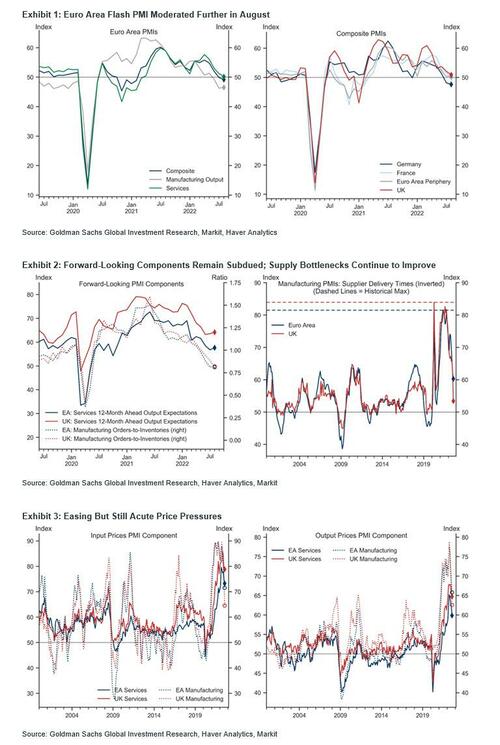


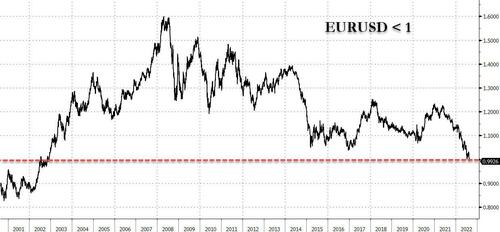
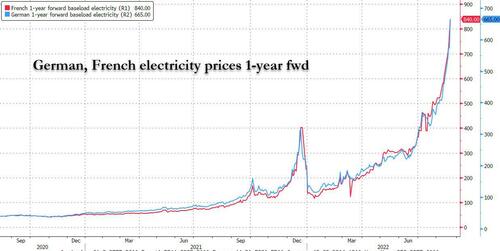



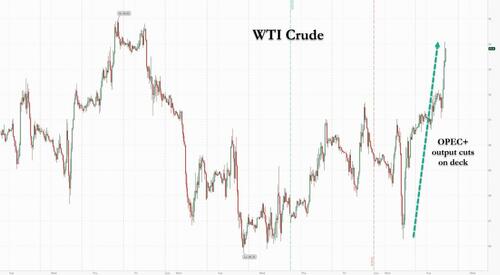

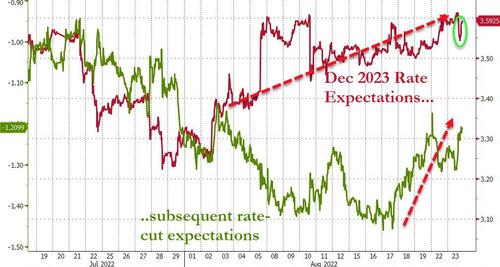
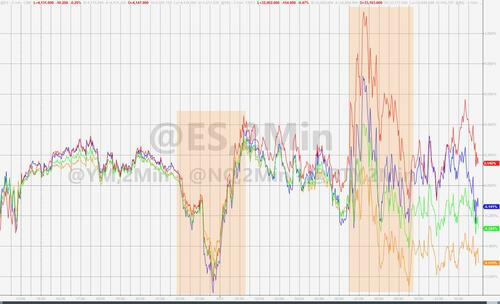
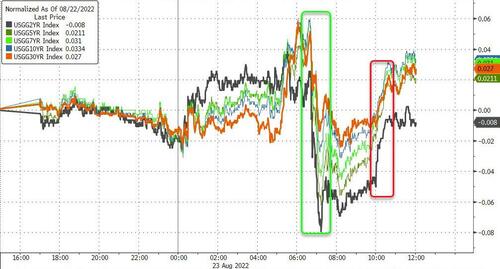
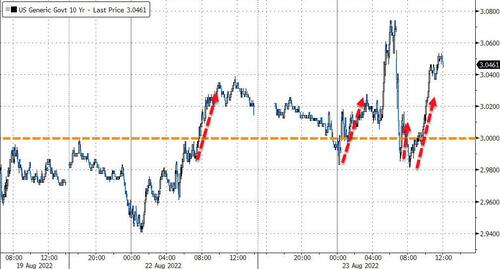
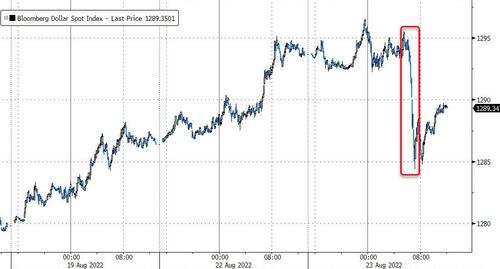
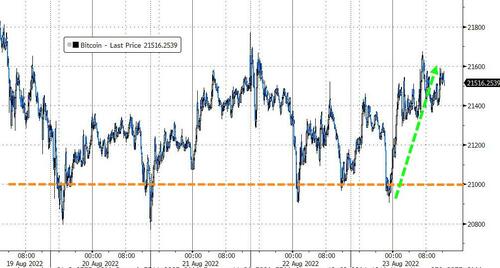
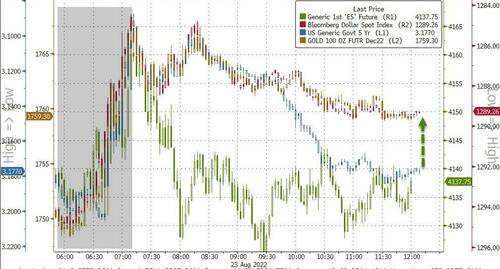
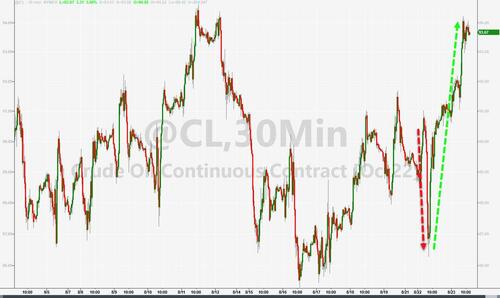
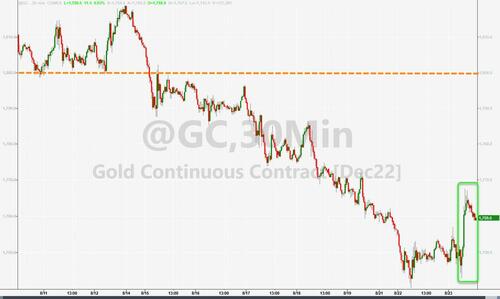
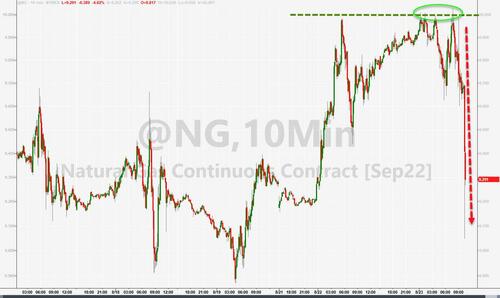
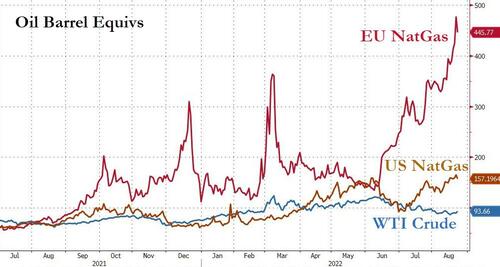
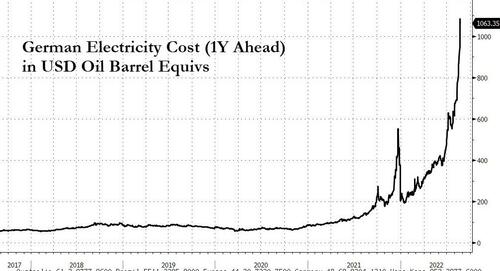
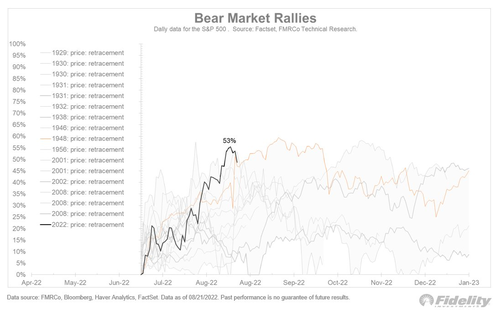
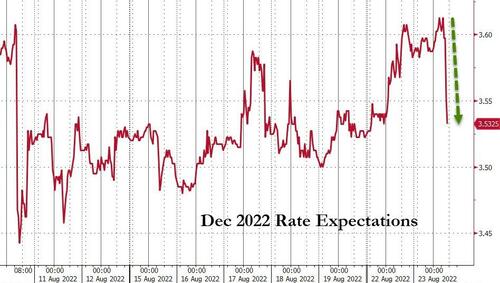
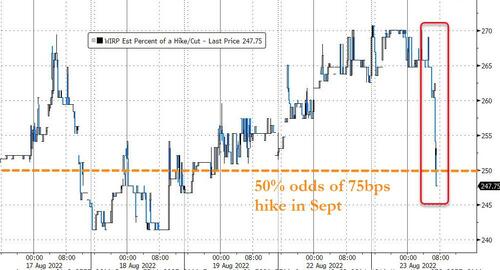
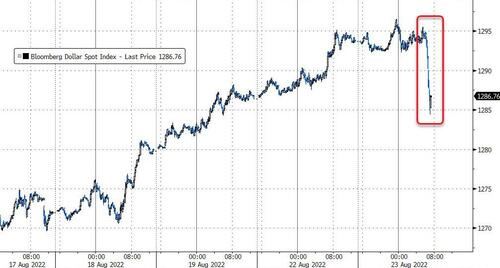
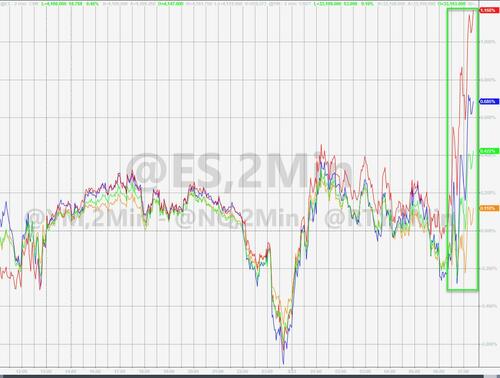
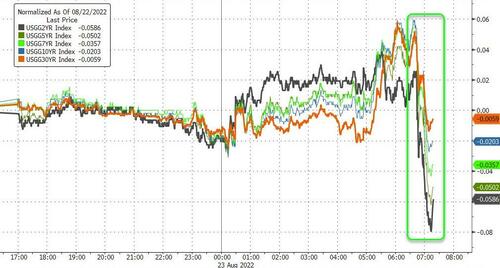
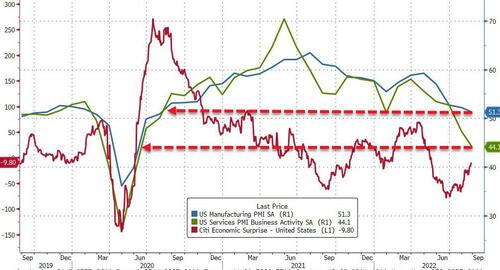
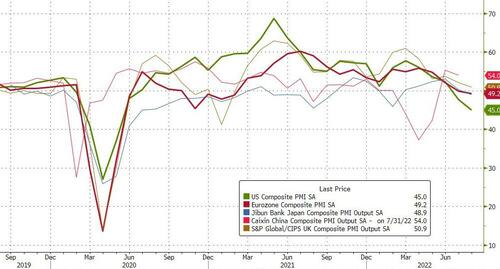
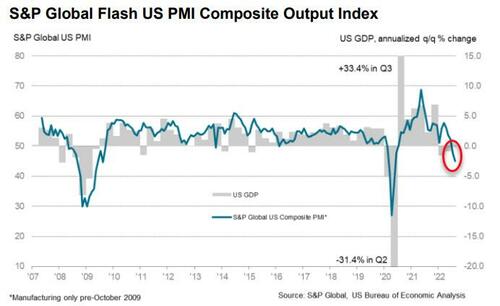
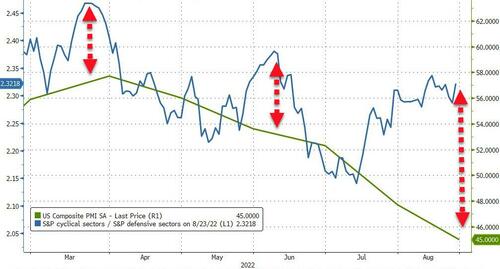
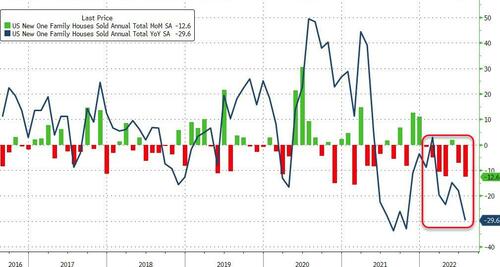
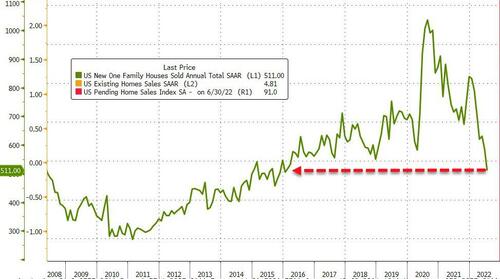
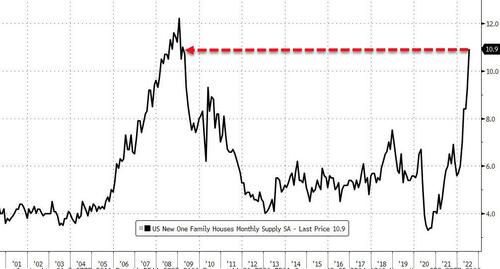
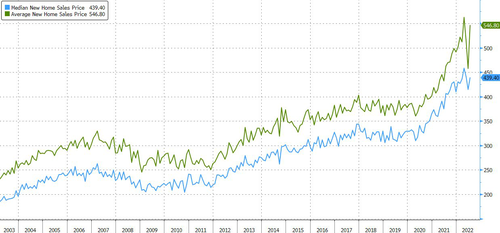
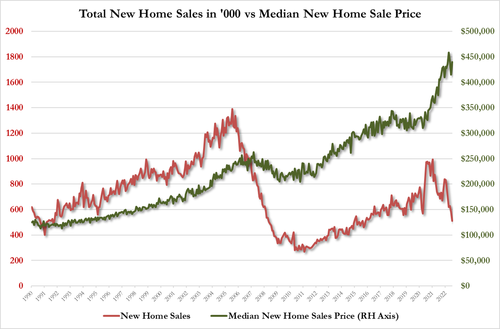
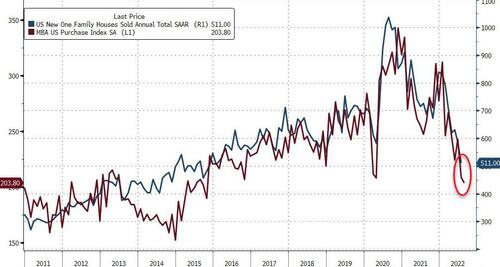


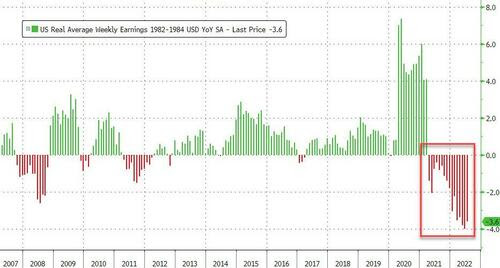


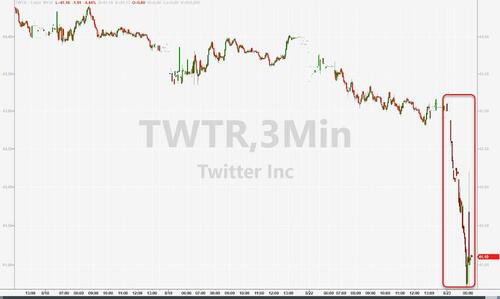






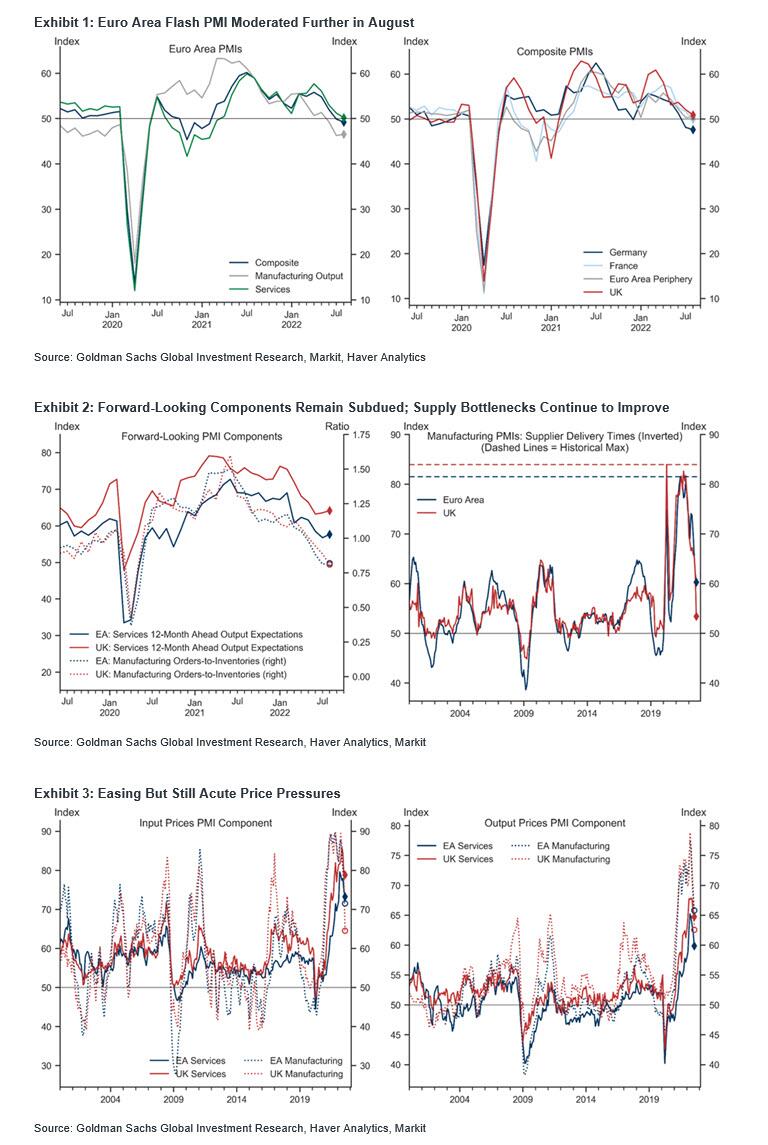
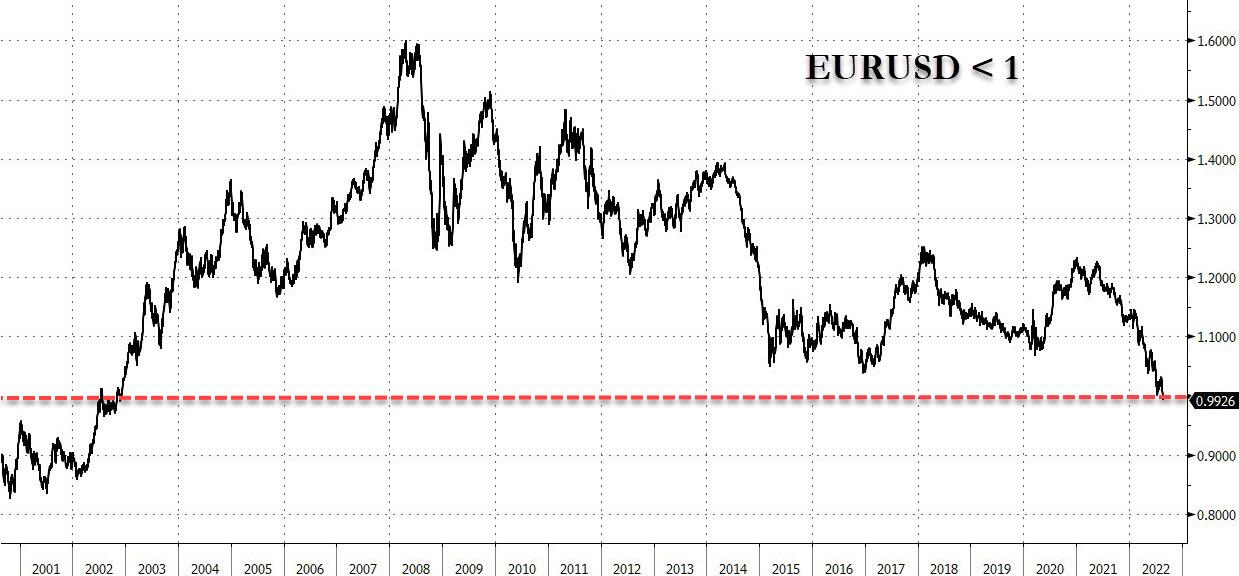
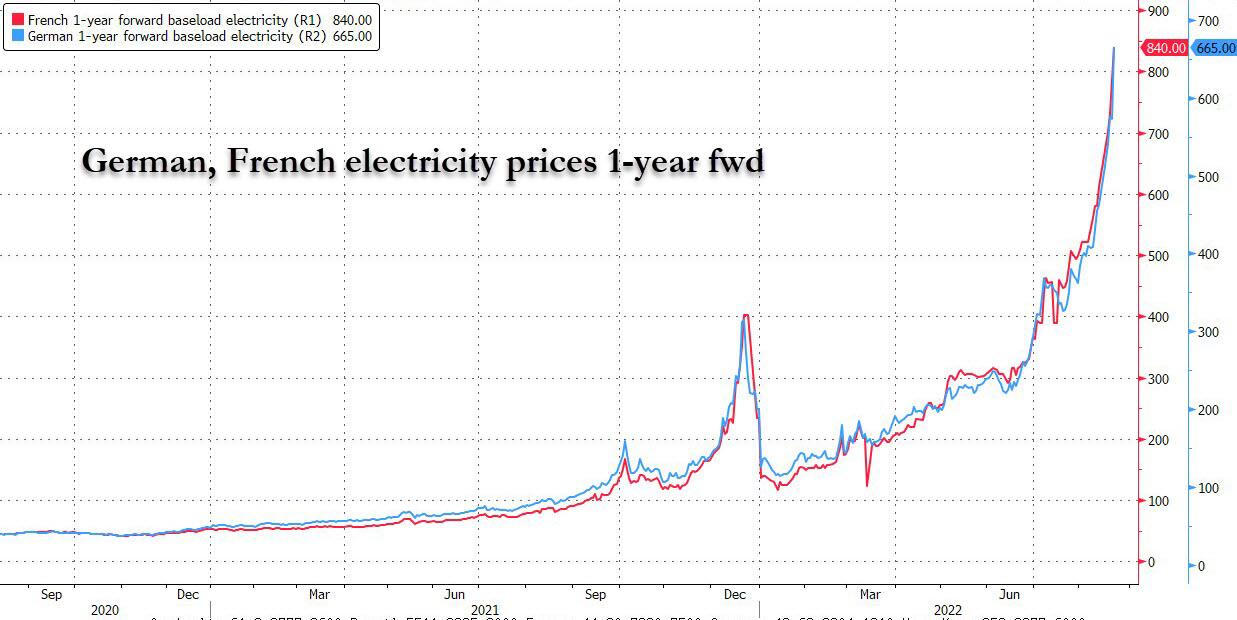

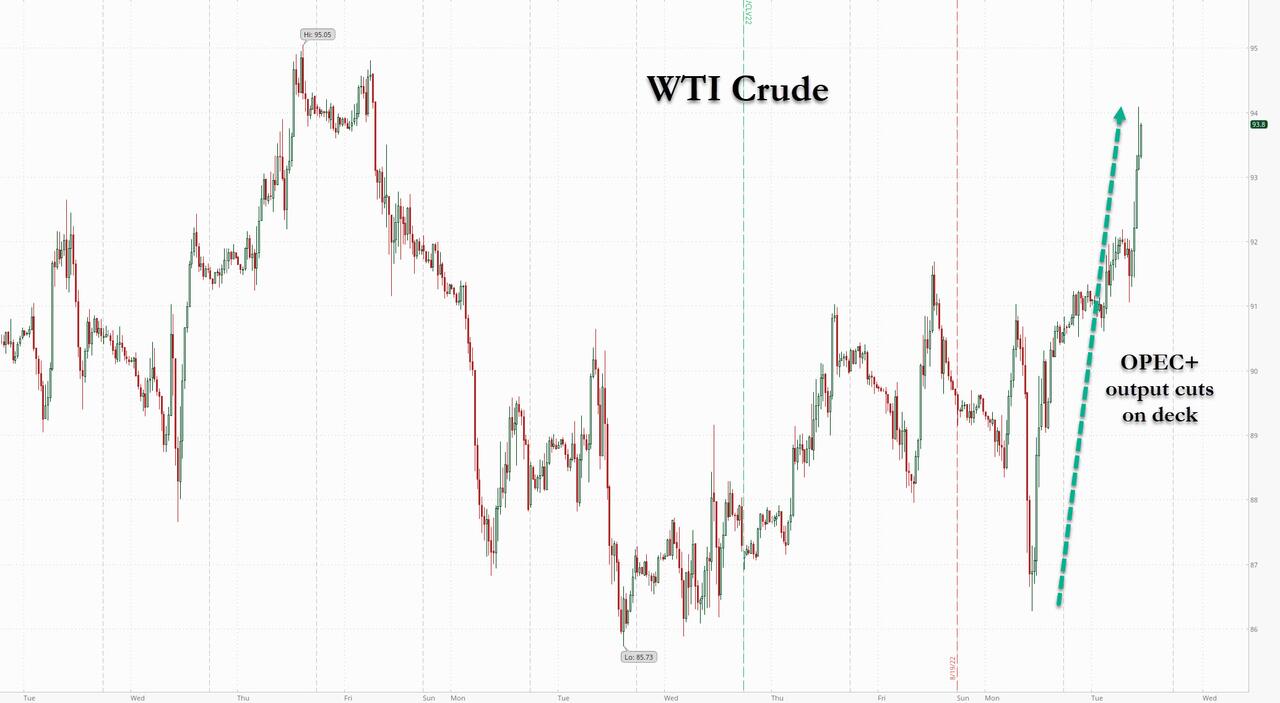
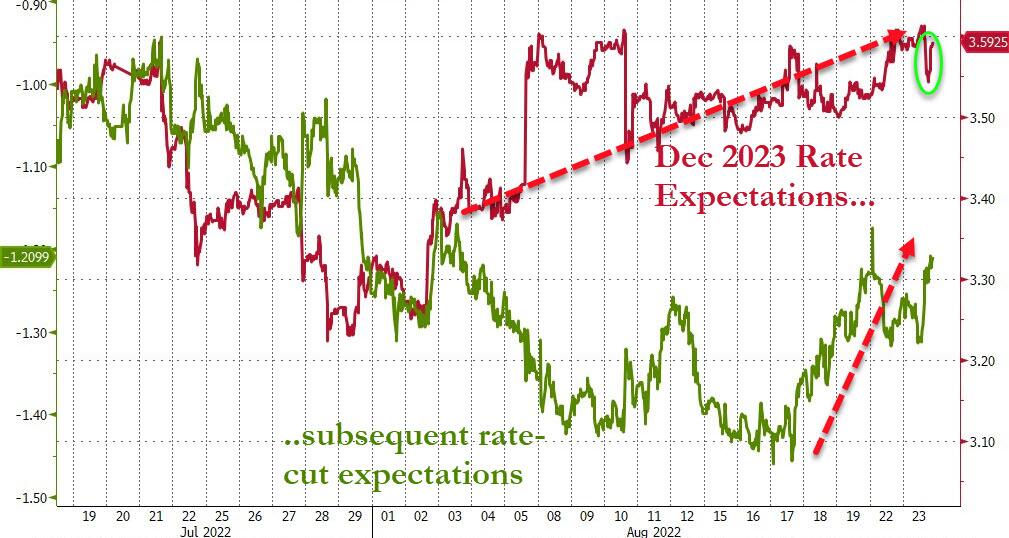
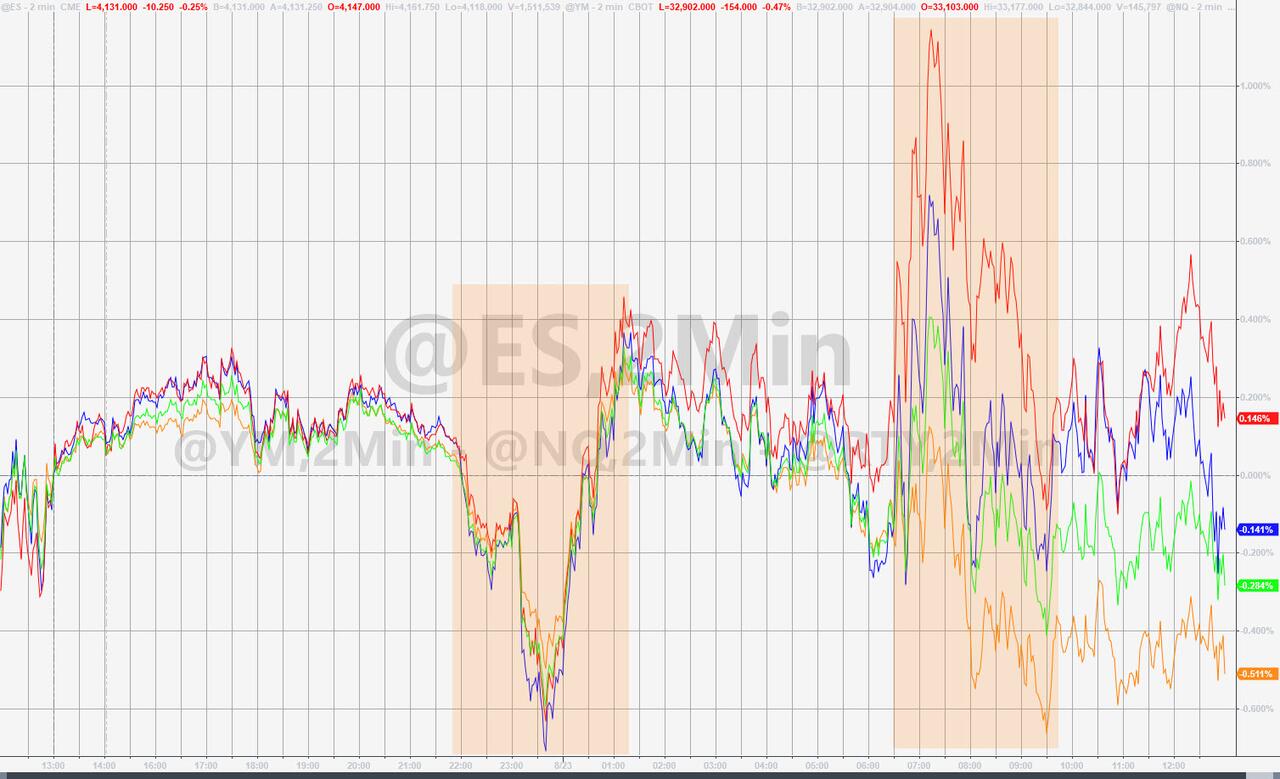
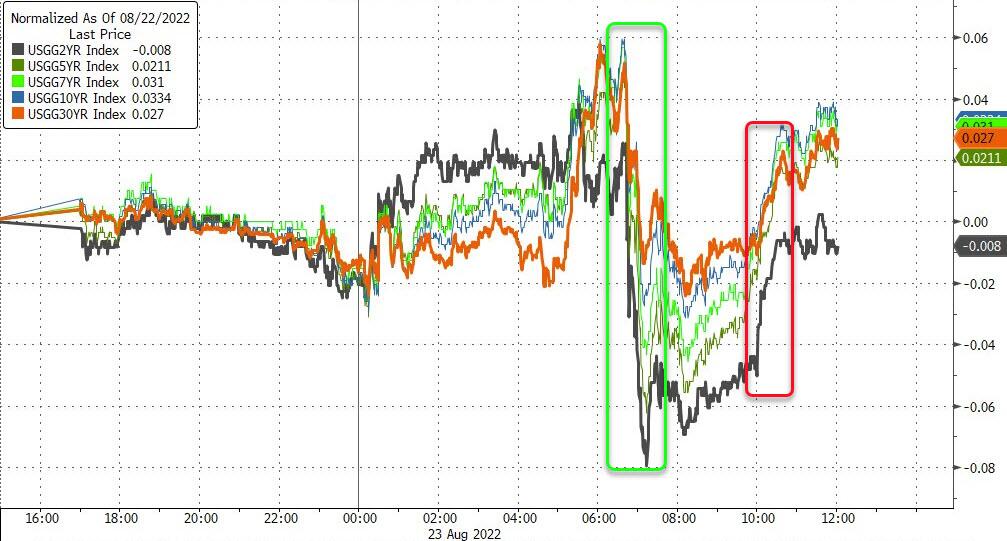

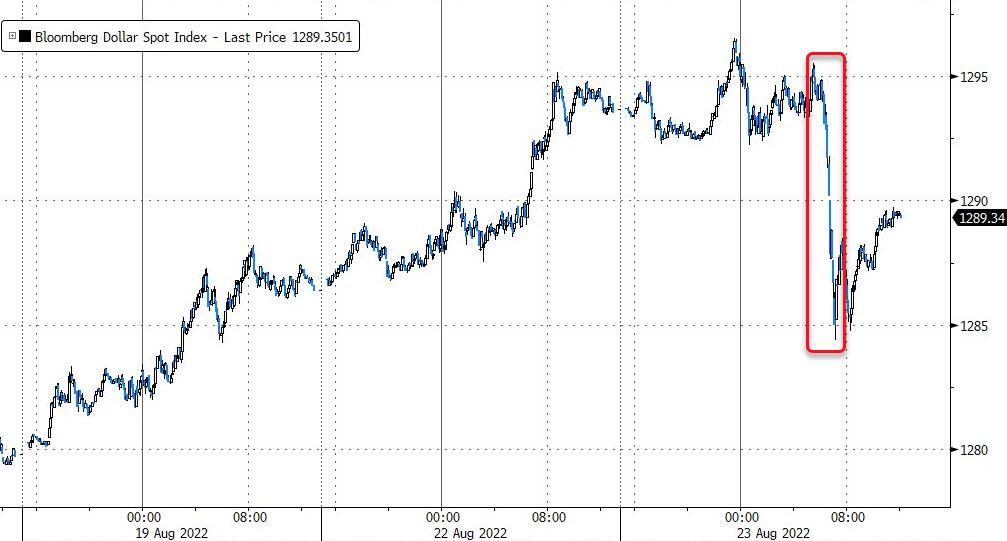
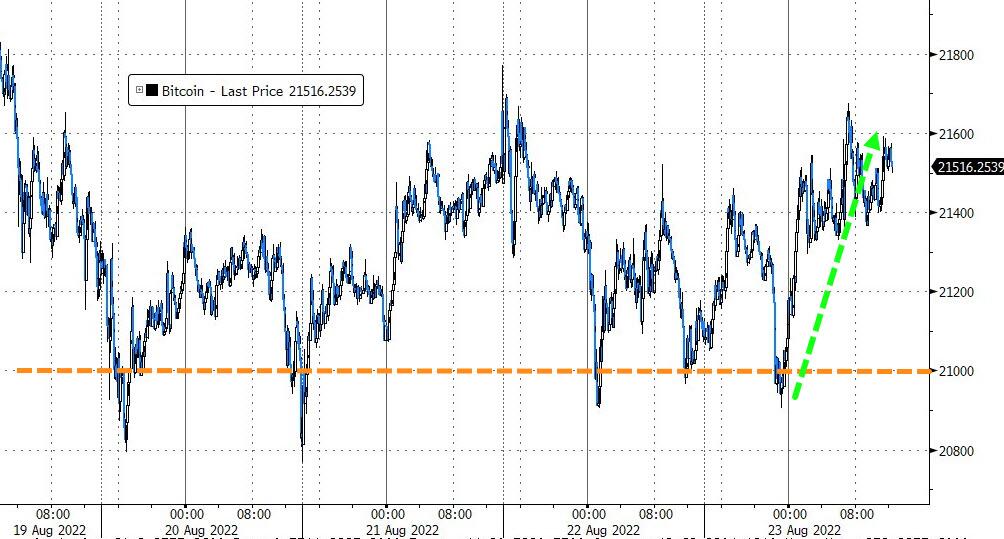
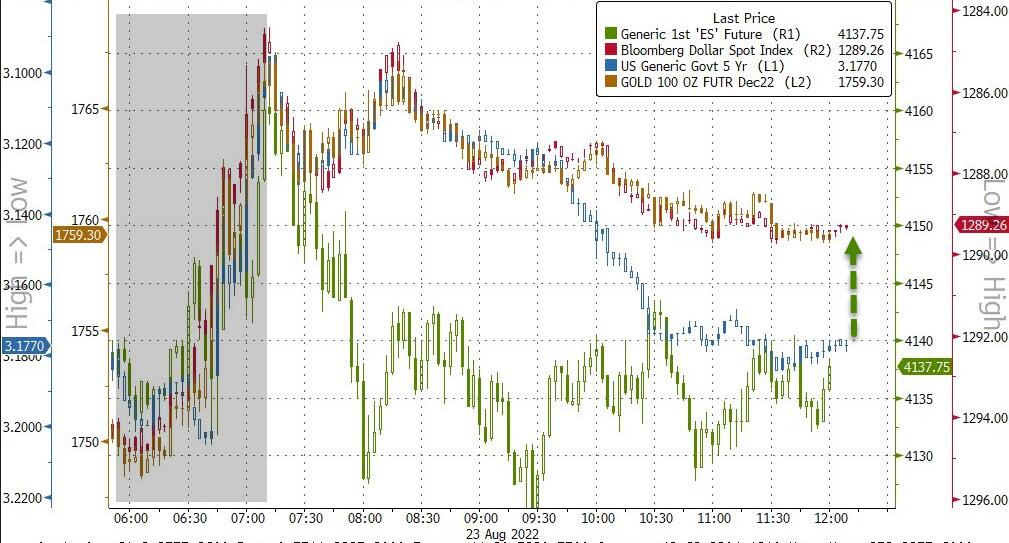

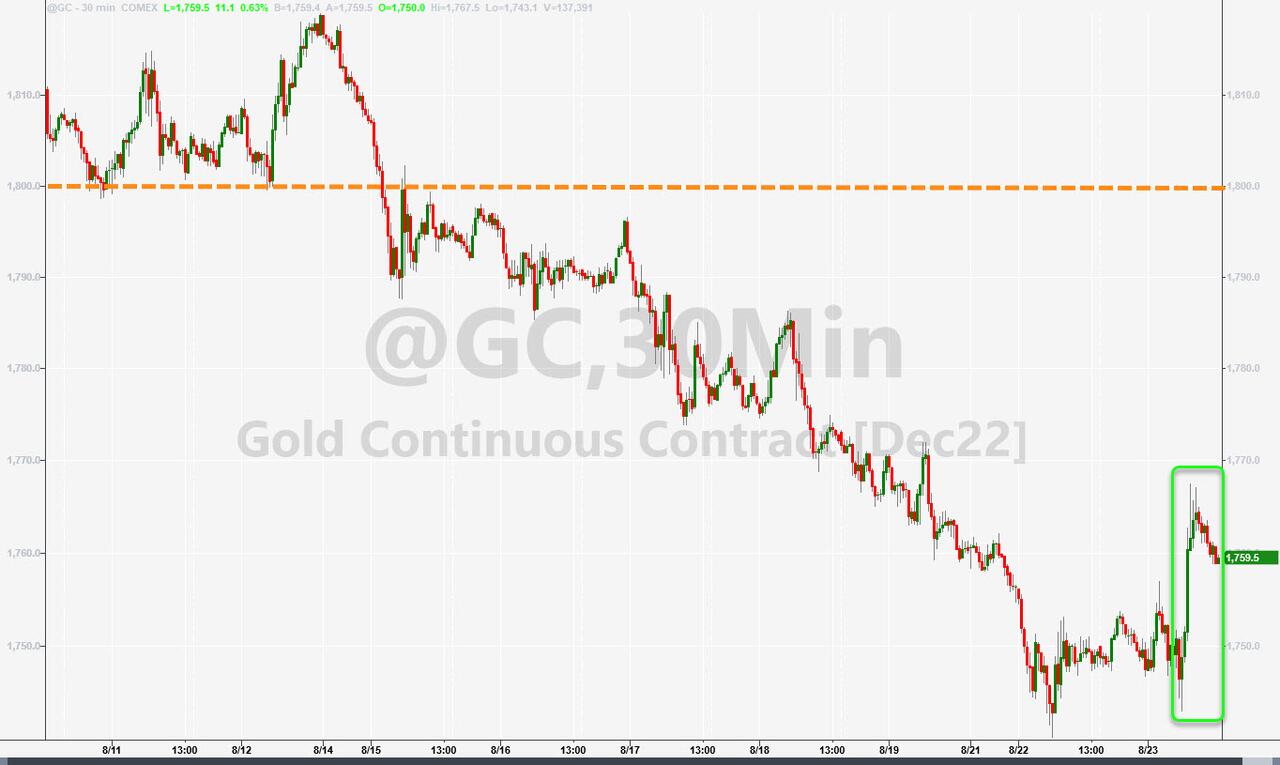

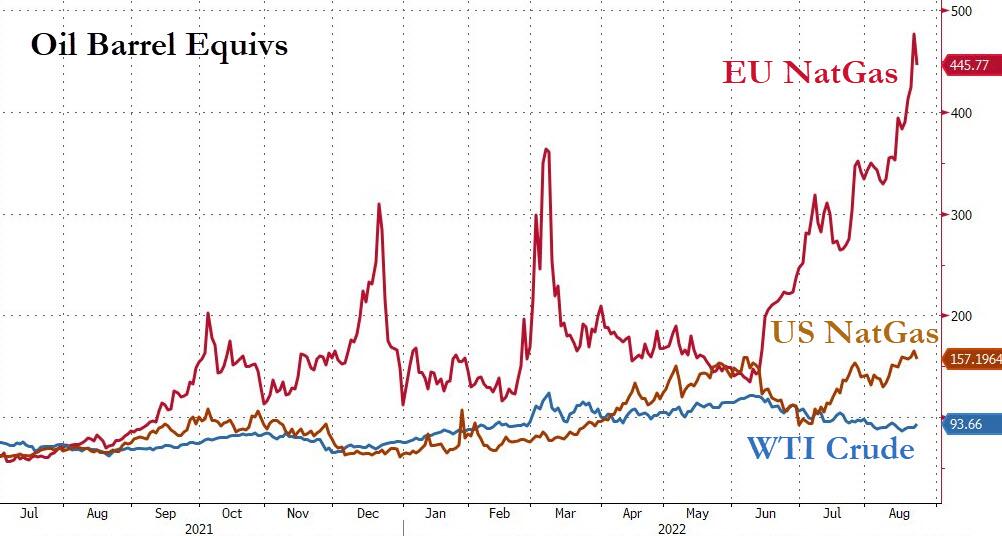
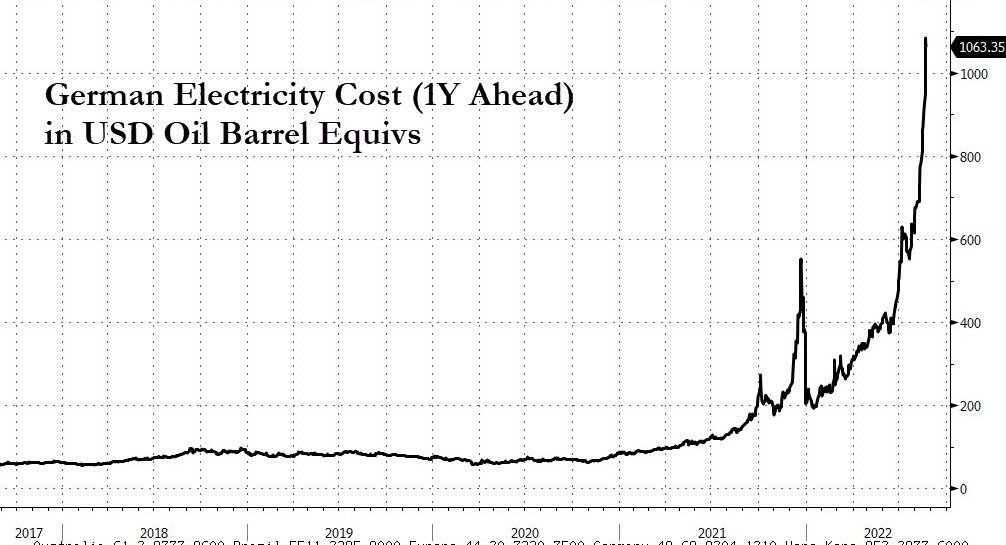
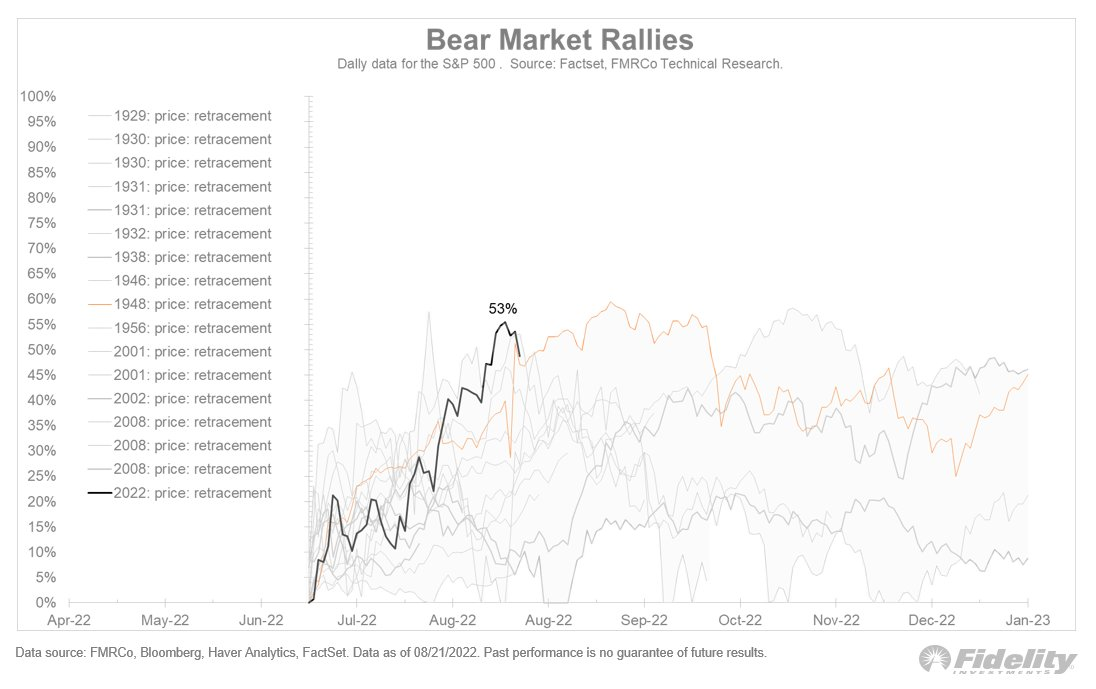
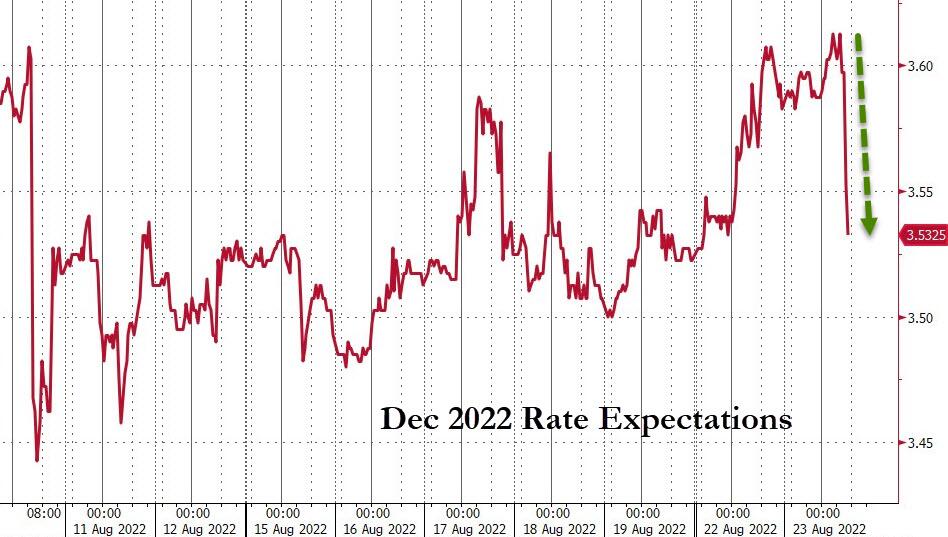
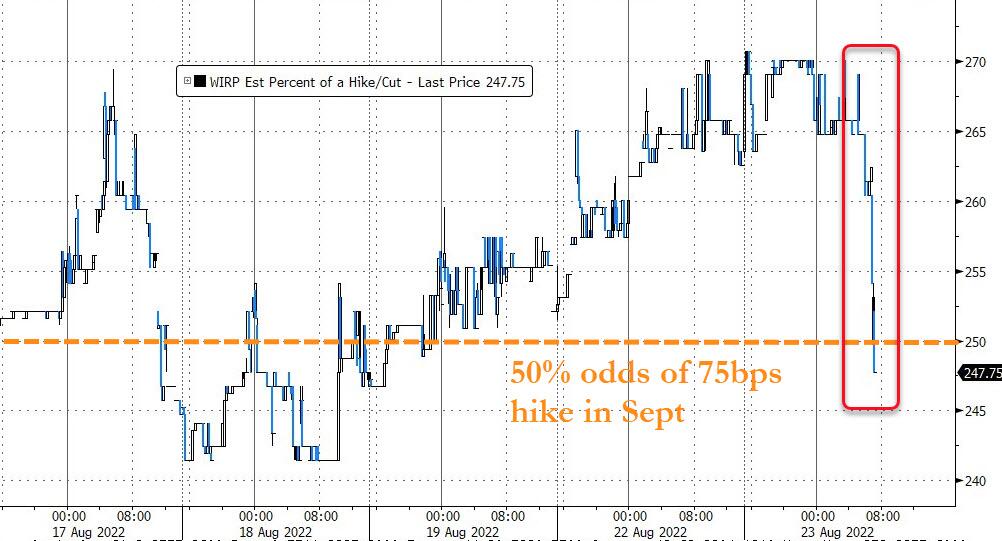
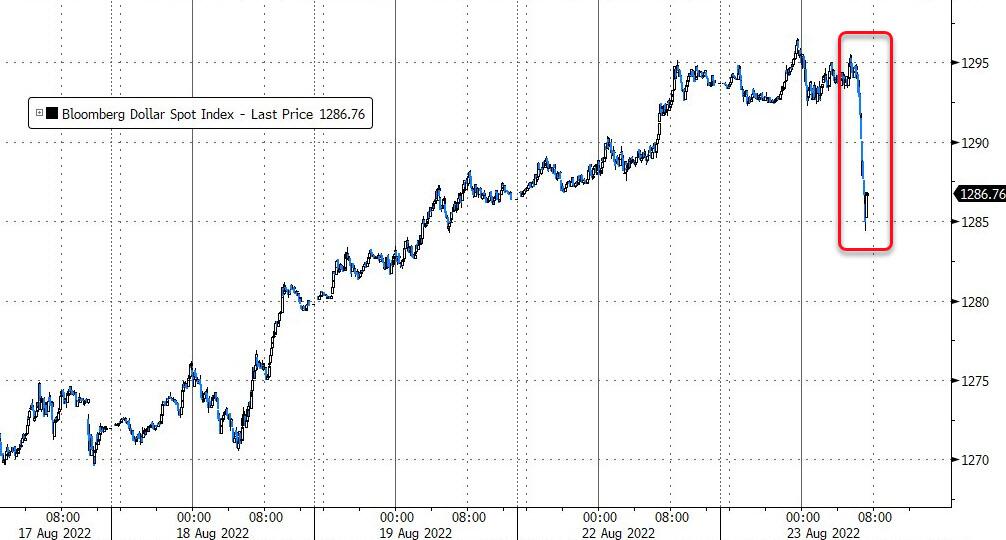
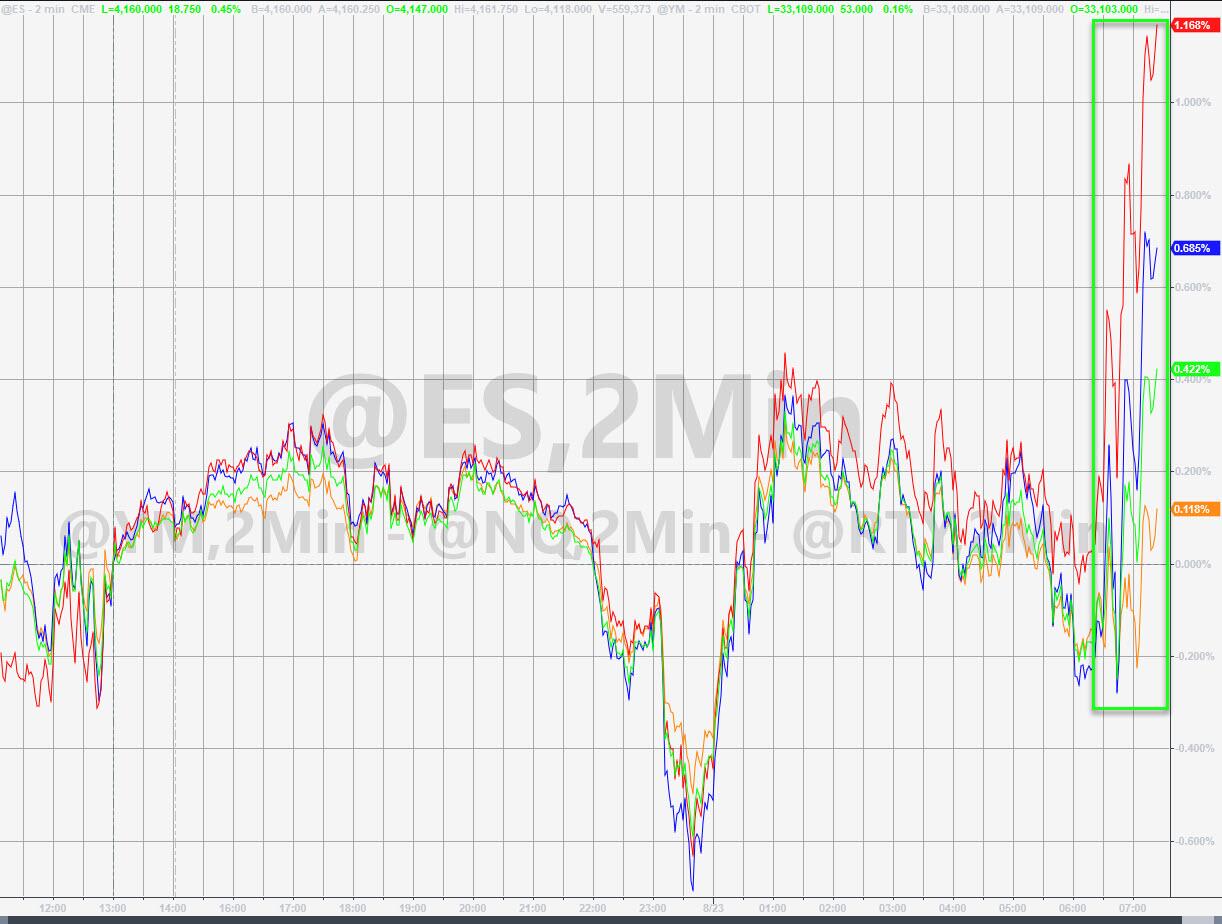
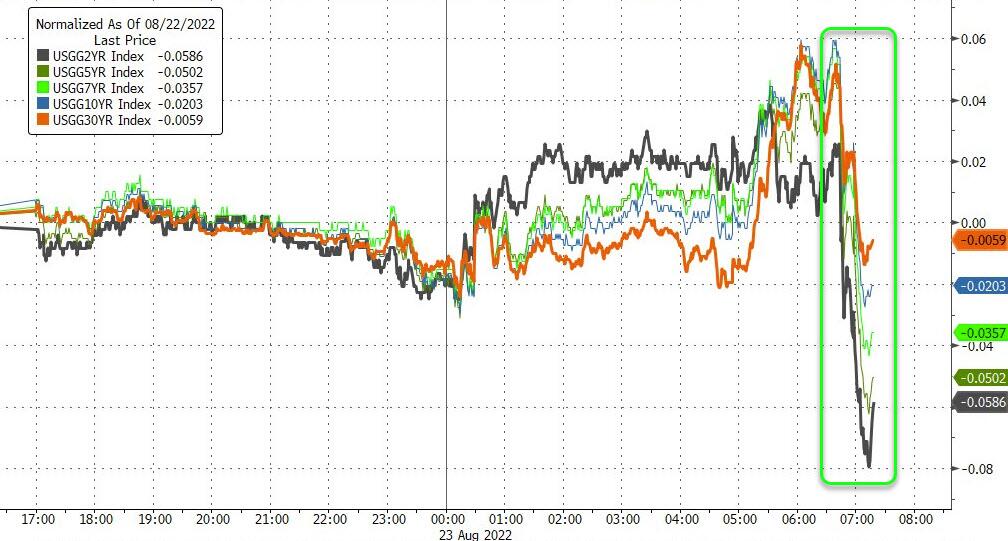

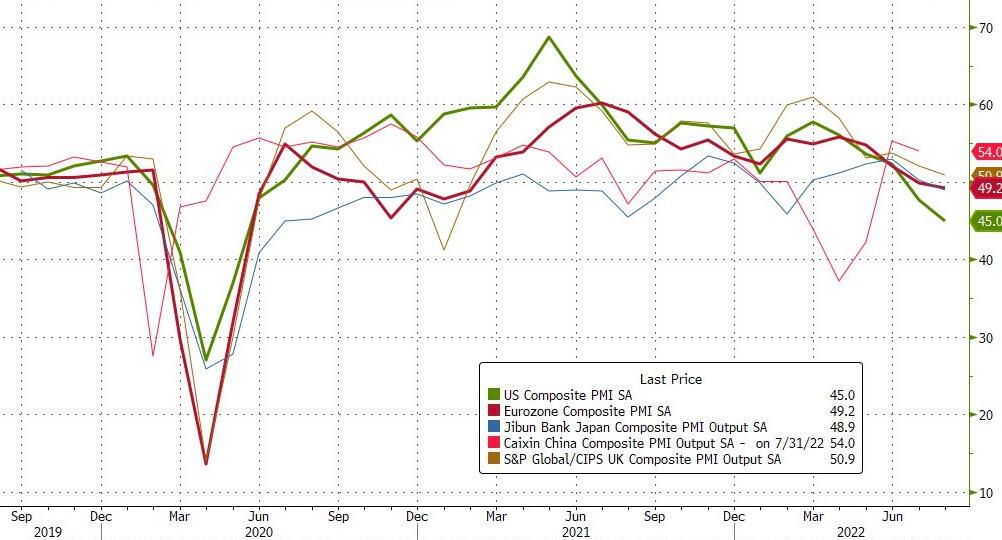
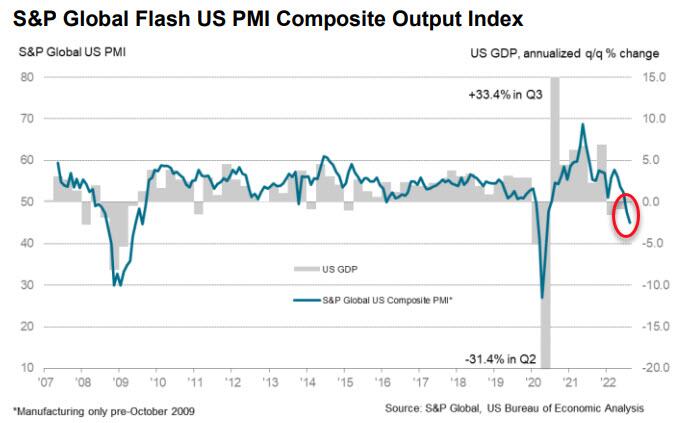
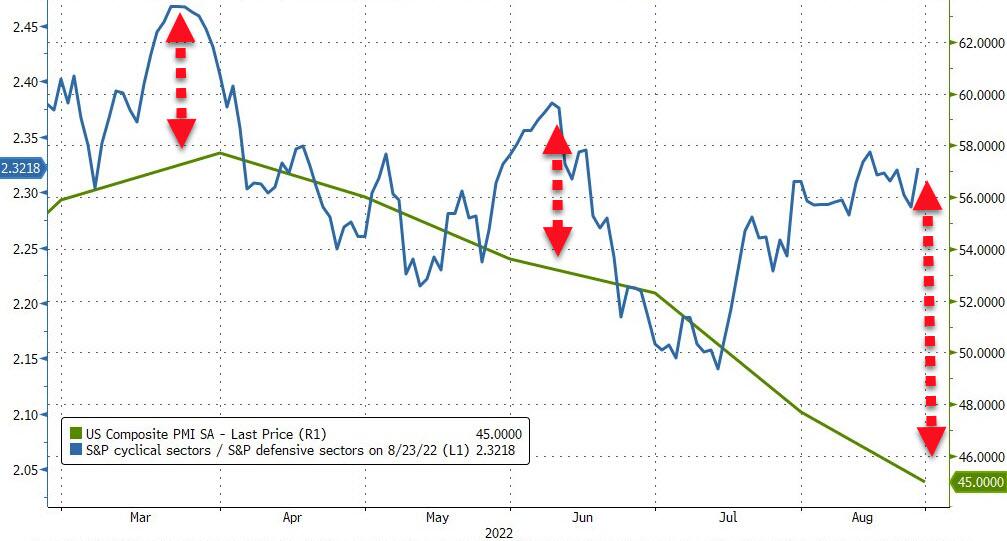
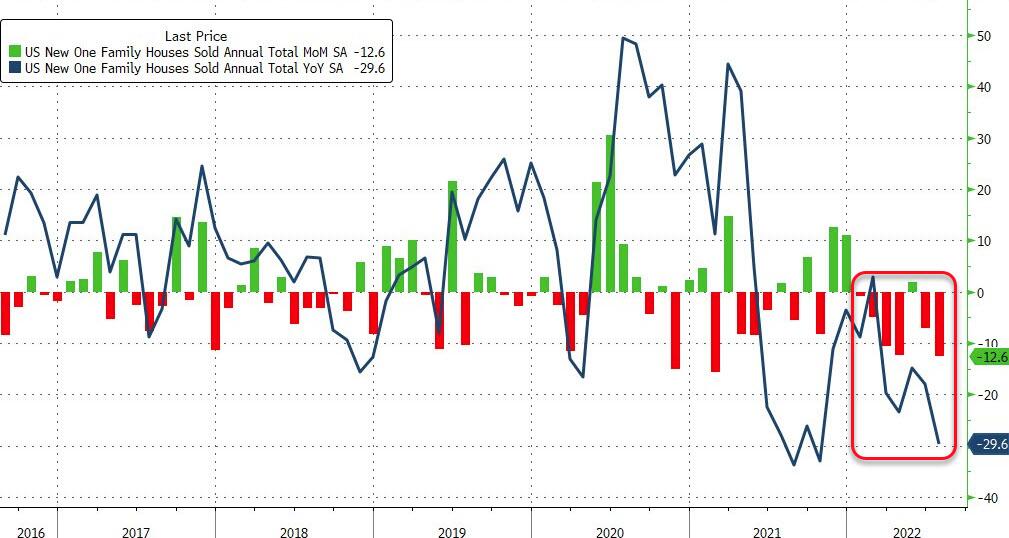
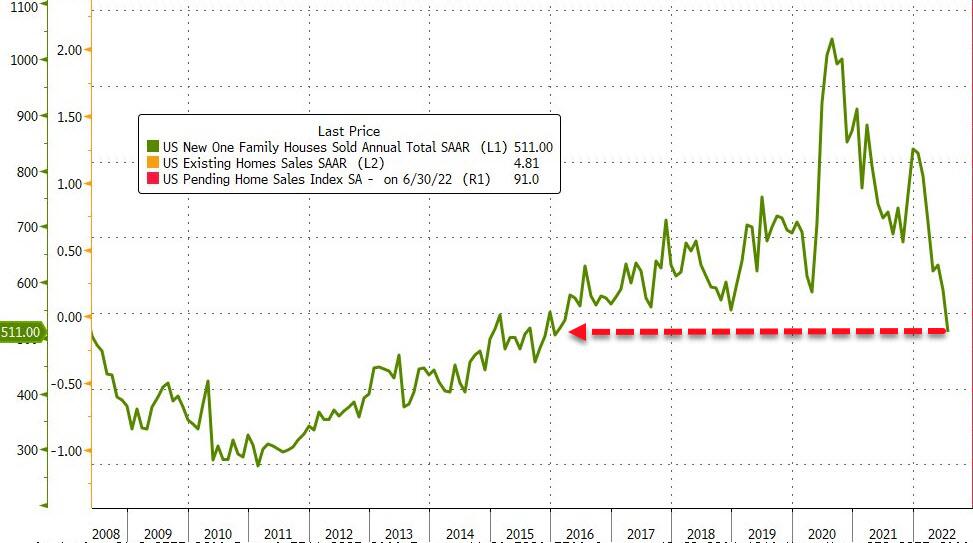
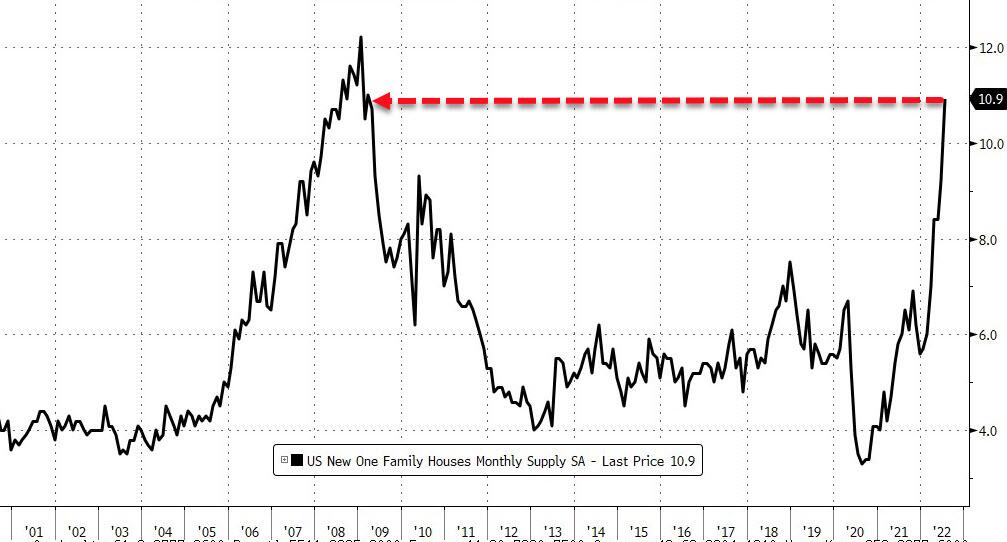

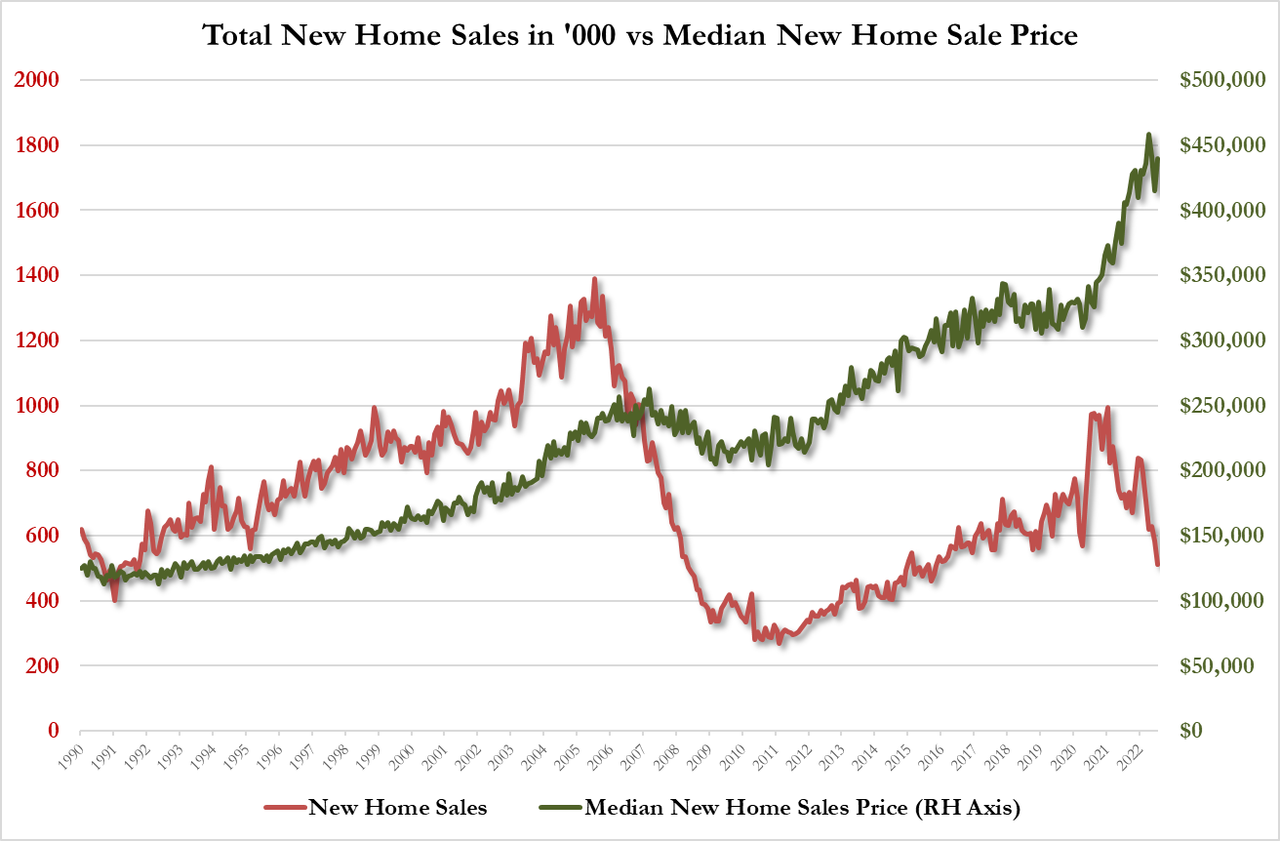
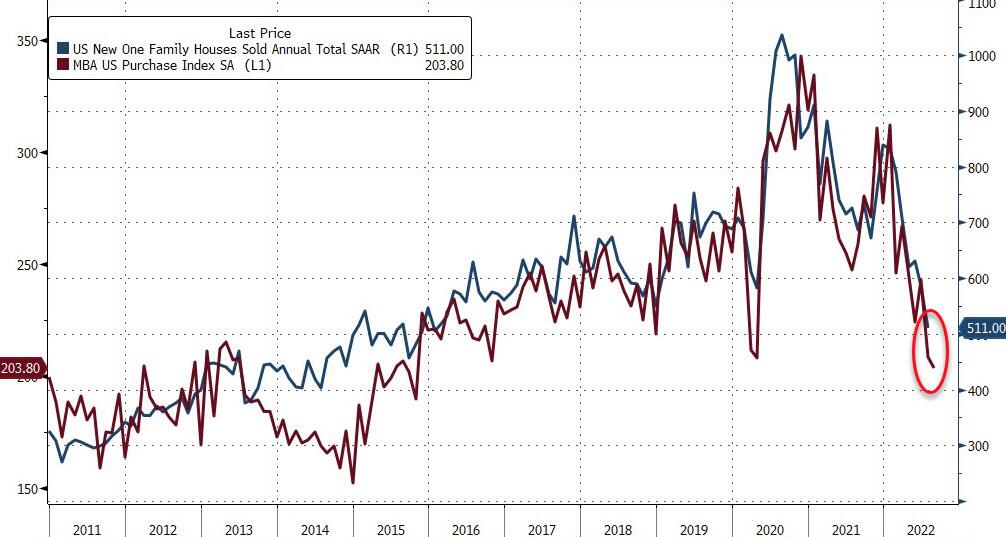
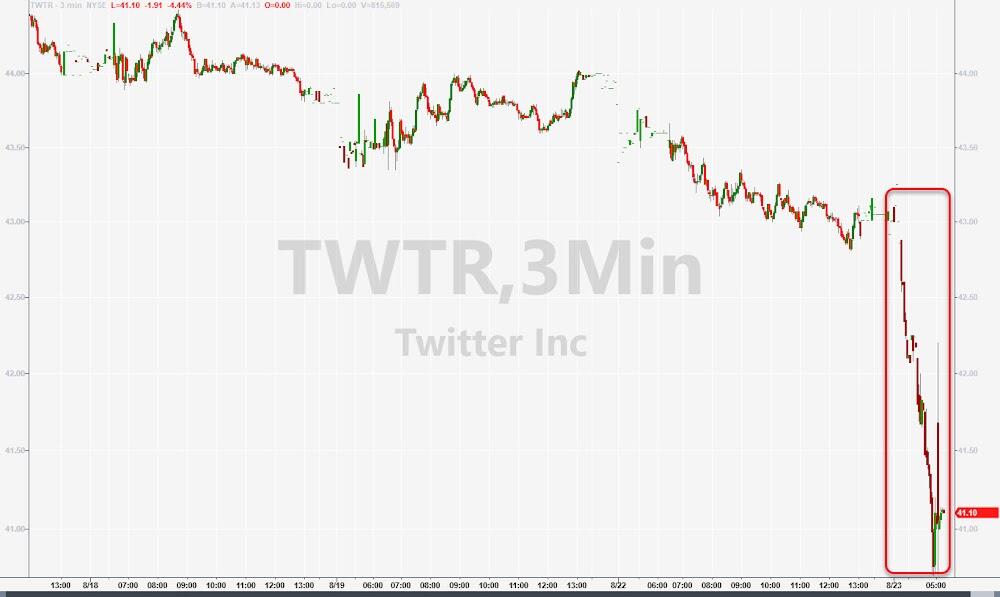

[…] by Harvey Organ, Harvey Organ Blog: […]
LikeLike